We stood in her bedroom and peered into her closet, then I grabbed a shirt and was about to close the sliding door. It was Dad sitting on my shoulder, who reminded me, as he always does, to pull the string and turn off the overhead light.
Next I remember, she was getting ready to walk the three of us down the road to the bus stop. And grab the next-door neighbors on the way. We all always walked together.
That was my childhood neighborhood. My adult neighborhood is a wee bit different, but in a way, really the same. The length of our road is the same, with the same number of houses lining the street. We live at the dead end as my family did growing up. And it’s nothing but field and forest beyond.
One of my favorite parts about my current neighborhood is the vernal pool that I refer to as “MY” vernal pool even though it’s on a neighbor’s property. So, neighbors are still an important part of my life.
And while visiting the vernal pool to check on my amphibian friends yesterday as days of rain drew to a close, I discovered two new residents I hadn’t met in this space before.
Maybe Mr. and Mrs. Mallard have visited before, but in 30+ years of my journeys to this spot, I’d never encountered them. My first response was to scare them away. Thankfully, I came to my senses quickly.
But in those first few moments, all I could think about were the tadpoles that were using the pool to develop. Their moms and dads had left the pool just after the eggs that contained embryos that turned into the said tadpoles emerged. And because those moms and dads only spend about two weeks in the pool and then return to their upland habitat for fifty more weeks of the year, I always feel it is my duty to watch over and protect them. And the ducks . . . might gobble them up.
But she excited the pool and looked tall and poised and I was certain their visit was just for a moment and so I gave thanks that I’d had the chance to spot them.
He added his own stature to the landscape. And my presence seemed not to annoy either of them.
Though my concern was that they’d gobble all the critters I chose to protect, I did think that if they had any interest in the larval Mosquito wigglers or their pupal tumblers that looked like little bullet forms, then have at it and eat away. Just don’t touch my Wood Frog and Spotted Salamander tadpoles. “MY” tadpoles. Synonymous with “MY” vernal pool. Located on a neighbor’s property.
As I walked around the pool, the Mallards swam, and I realized that I’d forced them into the spot where the egg masses had been laid and I wondered how many they’d already eaten.
And then . . . they did start foraging. My only hope was that I know tadpoles quickly dart under leaves, so that might protect them. But what else could the ducks be consuming? Aquatic plants are few in this particular pool. Seeds, however, are abundant, so there was that thought. But really, I’m sure they were dining on my buddies as well as macro-invertebrates.
I tried not to think about it. Until I did.
Two years ago, we had rain all spring and summer and this pool, which typically dries out by mid to late June, was full until September, and for the first time in my memory of decades of visits, I witnessed the tadpoles developing hind legs first and then front legs.
Last year, however, due to drought conditions, all dried out in a short time, and if any tadpoles metamorphed, it was quick. And I think this year’s egg masses spoke to that for there were far fewer Wood Frog masses, but over forty Spotted Salamander masses. Perhaps the latter sensed the changing conditions last year and enough were able to develop quickly into adults.
On the way home, I searched the trees in our woods and finally was rewarded with one showing off the suds of a rainy day–when pine salts turn into bubbles at the base of a tree.
The better surprise occurred just up the trunk, where I suddenly keyed in on intense activity, in the form of Crane Flies canoodling and jockeying for a chance to canoodle. They were fervent in their attempts.
Today dawned SUNNY, and after church I headed back out to the pool. At first I didn’t see the ducks, but within moments realized they were still present. And I began to come to terms with their presence because really I love them too. I just don’t want them to eat all my other friends.
While I looked down, a cat-like meow called my attention upward and there I spotted a female Yellow-bellied Sapsucker. And I was drawn back in time to watching Sapsuckers raise families in our yard and on land trust property and I wondered if this female was a momma and if so, where had she hidden her gang?
And then, because of the sunshine, I could peer into the water through my polarized sunglasses and tada, I still had tadpoles. This momma was pleased and proud. So, maybe I could share the space with the Mallards after all–as long as they promised to not eat all of my babies.
In the mix, I also spotted Predaceous Diving Beetles, and of course, the ubiquitous Mosquito larvae.
As for my ducks, ah yes, I’d now accepted them as mine. Really, they are a handsome couple. My next question for them is this: how long will they remain? That, I know, depends on how long the pool holds water. Which depends on how much precipitation falls from the sky. One thing leads to another, which leads to another, and so life goes on.
Upon a floating log within the pool, more life happened, this time in the Midges trying to canoodle with other Midges as a Crane Fly looked on.
As for the ducks, they again moved under the branches where the egg masses had been, but this time they preened.
And into the midst of all, in flew a couple of Black and White Warblers, and I felt rewarded once again for being in this place at this time.
Zebra birds might be another suitable description.
A few minutes later and Mrs. Mallard demanded my attention once again as she took a bath.
And then she climbed upon a rock in the pool, while he circled around for a while, protecting her or so it seemed.
She finally settled and he joined her, pausing to preen.
And then they both took a nap. Apparently my presence wasn’t a concern.
Thank you, Mom, for your visit. It was so awesome to spend some time with you last night. And thank you for making me realize that we don’t have to necessarily be moms to human children, though I do give great thanks for our boys who have been in touch throughout the day even though we couldn’t be together, to be nurturing. To all who guard and watch over human babes, and amphibians, and birds, and insects, including monarchs, and furbabies, and you name it: Happy Mother’s Day. Your efforts are gallant. Your souls are brave. Your hearts are full.
I love it when my parents show up in my dreams, but couldn’t believe my good luck today to wake up after a visit from Mom.
After he finished Yoga, and we both purchased veggies, eggs, flowers, jam, and goodies at our favorite farm market, aka Fly Away Farm, and picked up sandwiches at The Stow Corner Store, it was time to pull into a parking spot and head off on a journey, knowing full well that it would probably begin raining before we returned. That said, we left our rain gear in the truck. Wouldn’t you?
Our trail of choice this morning was actually a dirt road. One with a million names, but possibly most easily identified as Forest Road 9.
Because the gate is still locked, we had a two-mile walk ahead of us before we reached our lunch spot, but actually, that is my preferred way to travel this route. As I reminded My Guy, when we walk another road during the winter to a location very close by, we get to see bear hair on telephone poles. There were no poles along today’s road, but there could be other things worth noting.
Like Sessile-leaved Bellwort, aka Wild Oat, showing off its drooping bell-like flower that almost blend into the roadside scenery and if you don’t know to look, you might miss it.
And Coltsfoot! What looks like a Dandelion, but isn’t a Dandelion? I LOVE this flower because like all spring ephemerals, it is so fleeting.
In the Aster family, the flowers can be distinguished from Dandelions by the presence of obvious disk florets and ray florets. The stems are unique in that they are covered in tiny bract-like, scaly leaves, and the actual leaves for which the plant received its common name, don’t grow out until after it has flowered.
At last we reached our destination, after, of course, My Guy showed me where the snowmobile trail turns to the left and comes close to a trail around Shell Pond that we’ve viewed while circling that body of water.
Today’s water body: Deer Hill Bog. One of my favorite places to go, especially when the gate is closed and there is no traffic.
But, I’ve been thinking about that descriptor: Favorite. It’s rather like this one: Common. So many species are named Common This and Common That. And I find nothing common about them at all. I guess it’s true for favorite places. On any given day, no matter where I am, it is my favorite. Unless it isn’t, of course, but that doesn’t happen very often. Thankfully.
Beside the water, we heard a loud BUZZ, and there was a huge Bumblebee nectaring among the tiny bell-like flowers of Leatherleaf and I’d forgotten that they should be in bloom already.
All along the road, and then right in front of the wildlife blind, was another fav that I can’t resist photographing: Hobblebush. I’ve yet to find one with the tiny fertile flowers open, to that means more photos to come.
While munching on my sandwich, I saw fast movement on the water surface as it appeared the critter was running. When I zoomed in with my camera lens, I realized it was a Fishing Spider, who has a hairy, water-repellent body that help it move across the water.
It was while looking down, that I heard a high-pitched whistle I recognized, but was surprised to look up and watch an Osprey land on a snag right in front of us. My, what intent looking eyes, most useful for detecting objects under the water, with fish being its main food source.
That said, the Osprey is a raptor, and I suddenly spied a Canada Goose on a nest atop an old Beaver lodge, and thought about the breeder’s camouflage and how well its wings blended in with the nesting materials making it not quite so noticeable from the air.
Really, though, I think I was the perceived threat since the Goose held its head low and pointed at me as it guarded what I assumed were eggs below its body. Thankfully, it didn’t hiss at me, and when I realized the situation, I moved on.
All the while though, I kept an eye on the Osprey who had flown across the bog and perched–looking in the opposite direction of the Goose. I didn’t want to find out if Goose eggs were on the menu along with a fish. Though it would have been great to have observed it catch a fish.
Mergansers were also out and about on the pond and these two vocalized, which drew my attention to their location upon a log where I fully expected to see Painted Turtles basking. But today wasn’t that day–basking day.
Instead, as had been predicted, it began to rain and we had two miles to walk out and unlike the ducks, could not oil our feathers and let the water roll off.
That said, it wasn’t a raw day and we really didn’t mind. I know I rather like rainy days. Besides, we both had extra clothes waiting for us in the truck.
As we walked out, I mentioned that I was surprised we hadn’t seen any Red Trilliums in bloom.
I kid you not, a minute later I spotted a Painted Trillium, the first of the season for me.
My Guy wasn’t surprised, but wanted to know if I could make a Moose appear.
No, but about a mile later . . . a Red Trillium. We had missed both of these flowers on the way in, which is another reason why though loop trails are wonderful, I don’t mind retracing my steps because there’s always something different to see.
As for the Moose, no sightings today, but . . . I still want to give a Shout-out to the Universe for what we did spot both at the bog and along the road.
OK, I admit it. I’m a collector. Of things. But they are all special things. And many of them handcrafted. And most of them with a story to tell.
So, yes, I collect birds. No, not dead or dying birds. And certainly not living birds. Just . . . birds. My collection is actually quite small, and until today I hadn’t given it much thought, but it began a hundred years ago when I was a senior in college and my roommate and I hosted a student from Great Britain in our dorm room for a week.
I honestly cannot remember her name or too much about her. But I do remember that at the end of her stay she gave us each a bird.
And I remember she told us they were of the Tit species, which didn’t mean a whole lot at the time, but now that I see and hear Titmice on a regular basis, I have a better appreciation. This little bird has graced my desk for decades and the young woman’s name keeps flitting in and out of my mind, so maybe I’ll recall it by the time I finish writing. I now realize I haven’t thought about her in years, despite my fondness for the gift she bestowed upon me.
Another gift was the carving of a Chickadee, and I received this one about 35 years ago from a sweet little man named Carl and I only wish he’d lived long enough to know how much I still appreciate it.
Likewise with this Loon, crafted for us by my Godfather Russell because he knew My Guy and I love our encounters with these birds who symbolize Maine. And he loved to paint, among many other talents.
I also cherish these two ornaments that never made it to a Christmas tree because they pose instead from a vase of twigs in my study. The one on the left was created by Dr. Fred, a founder of the Maine Master Naturalist Program, and the Hummingbird was gifted to me by my friend Marita after she spent some time bicycling around Cuba last year.
And then there is the Token Owl. Token, because if one is leading an Owl Prowl and there is no guarantee of spotting an Owl, it always pays to pull such a stuffie out of one’s pack so that everyone can leave saying, “I saw an Owl.” Sometimes you just need to make things happen.
All of this leads me to what I realized today is becoming quite a collection: my paintings of birds.
Pileated Woodpecker in our back forty, which is actually only five more acres beyond the house. One of his favorite trees, however, is at the edge of our yard before the woods, where we’ve left several super tall dead snags and he uses them to mark his territory early in the morning, and later in the day as he taps away. Every day.
Tom Turkey strutting his stuff across the yard in hopes of wooing a hen. I can only assume he did though I never caught them in the act, but so large is the Turkey population round these parts.
A Common Loon in front of the dock at camp. I admit that like dragonflies, I can never take too many photographs of loons.
Great Blue Heron scoring a wee fish for a snack.
And another searching for another meal.
And still seeking more, its eyes always intent as it stalks its prey.
A Barred Owl near the vernal pool, thankfully when there was still ice on it about a month ago, but he’s in the area, so anything can happen.
Ah, but how I love to meet these critters, who unless they are calling, remain incredibly still and blend in with the scenery and I’m sure I pass by more than I actually spot.
Mr. Cardinal, and I’ve been waiting for him to pass sunflower seeds on to his Mrs. because I’ve seen him do it in the past and it’s such a lovely gesture.
The Mrs. waiting for a gift from her betrothed. To my knowledge, she’s still waiting. One of these days he’ll surprise both of us.
Mr. Bluebird, who also visits daily, as does his Mrs., and from the direction of their travel, I believe they are setting up housekeeping in a house my neighbor erected just for them.
One of the zillion Juncos my friend Kate sent up from Connecticut. They arrived the day she told me they were on their way. That was a few weeks ago. In a snowstorm the other day, we had quite a large flock, but I think most are continuing their journey north as now I only see a few at a time.
My first attempt at painting a Robin following instructions in a book.
And then trying to tweak the painting and turn it into an American Robin. I fooled SEEK, a free app developed by iNaturalist. It came right up with A. R.
SEEK also knew this to be a male Red-Winged Blackbird. What it didn’t know is that it was one I saw calling a few weeks ago when there didn’t seem to be any females around.
And finally, my new friend, who has actually been in the neighborhood for a long time, but we only recently spent a few minutes together the other morning: Sharp-shinned Hawk.
As I look out the window right now, besides this Goldfinch, the Bluebirds are both here, plus Robins, Juncos, Chickadees, Tree Sparrows, White-Breasted Nuthatches, and Mourning Doves. And actually, there are more Juncos than I expected.
That is the extent of my bird collection–at least for the moment. Thanks for stopping by to take a look.
The student from Britain: Jillian. It just came to me.
I know I should take in the bird feeders. After all, it is April 8. And a friend found bear tracks in her yard about seven or eight miles away on April 1st–and it was for real, though I did question if she was trying to fool me.
But I haven’t done so yet and the past two days have offered insights and outsights as I’ve stood at the back door periodically, ever ready to snap a photo.
Picture taking began early on the 7th–at about 6:15am, when the lighting was a bit dark and my camera encouraged me to use the flash, but I chose not to because I knew it would offer a reflection of light on glass and I’d never get a photograph of the critter of my intent.
Much to my surprise, a Sharp-shinned Hawk helped me greet the day. The bird perched about twenty feet from the back door, right in the midst of my feeding station–well, the feeding station I’d set up for birds, though my plan has always been for me to provide the food in the form of seeds and suet, not in the form of other birds.
We spent a few minutes together, Sharpie and me, and not a single bird flew in–thankfully.
The feeders were actually quite low on seed, but knowing the Hawk was around, I decided to wait to refill them and instead took off for a hike with My Guy, where we spotted Beaked Hazelnut in flower.
Back at home, I immediately filled the feeders and spread seed on the ground, and it seemed like within seconds, we had visitors.
The female Mourning Dove was a bit of a hog–filling her crop non-stop.
Her male counterpart didn’t seem to care about eating and he marched about going this way and that.
And then I noticed him begin to fluff out his feathers and all I could think of is a Tom Turkey and I suspected I knew what he had on his bird brain.
He’d fluff, then calm down and strut past her, but she didn’t seem to care as she stayed low and kept on gathering more seeds for later consumption.
Then he’d fluff up again.
And preen to make sure he was looking his best. I was impressed.
She didn’t care.
Like her, I turned my attention in a different direction as at least three Song Sparrows splashed in a large puddle and also sought seeds. I’ve yet to hear their songs, but they’ve been back in Maine for at least a couple of weeks.
And then a female Bluebird joined the scene and made me give thanks for our neighbor’s field and the houses she has installed for these beauties.
Her mister also kept flying in, actually more often than his Mrs., but he only occasionally sought sustenance. The rest of his time, he watched and waited, and waited and watched.
When I did turn my attention back to Mr. Mourning Dove, he was fluffing up again.
And then he approached his true love.
And tried to jump on her back, but she quickly hopped away. It took him a while, but finally, he headed north, walking across the yard to I know not where. And she stayed and gathered more seeds.
At one point all three species, the Tree Sparrow, female Mourning Dove, and male Bluebird all occupied the same space, but then he flew–as birds are known to do, especially when I want to photograph them.
More interested in suet was the male Downy Woodpecker. I kept expecting his lady to arrive, but she never did appear.
There was, however, a lot of Chickadee action, and I cannot say whether male or female, for to my uninformed eye, they all look the same.
White-breasted Nuthatches also came, seeking both suet and seeds in no particular order.
And for the first time this year, an Eastern Phoebe entered the scene. She’s tried to build a nest over our front door one year and on our back shed the next. I’m curious to see where she decides to locate her adobe this year.
The final bird for yesterday was the Squirrel Spoonshovel, so deserving of its common name for all it seems to do is shovel seeds into its mouth. Nonstop. All day long. This one and six of its nearest kin.
But eating bird food apparently works, and I couldn’t believe it when I saw it take flight.
This morning dawned with the Bluebirds and all their neighbors back in residence. And I could not help but think of the patience this male has as he perches for minutes on end.
That is . . . until it began to snow and he looked at the first flakes with disdain.
And then back at me as if it was all my fault. Really, I tried to explain, I can’t control everything, despite my fervent attempts.
The star of the show today, however, was another unexpected visitor, this in the form of an American Mink!
My photos are not crisp for so quickly did he bound, but I couldn’t believe my good fortune to have spotted him.
I’ve seen fewer squirrels today and wonder if he might know why. Although, as I typed that, I looked out the window and tada, there was one, and then a second.
They fought for a chance to sit in the bird feeder . . . of course! Because after all, they are Squirrel Spoonshovels, that rarest of bird species.
The wild out my window . . . is truly wild here in western Maine. And each of these is just a snapshot of time, for honestly, I don’t spend every moment standing by the backdoor.
We parked on the little dirt connector road between Route 160 and Lord Hill Road, close to Bog Road, because we knew the conditions would be such that driving into Brownfield Bog would be impossible. Besides, walking would offer more time to catch up on each other’s lives. Well, I’m afraid I did most of the talking, but at least my friend Bridie is up to speed on my life. Hers is so full of students and research and writing, that just having time to breathe in the fresh air of her childhood backyard was enough.
At the old shed, we paused to admire the work of her mom, Kathy McGreavy, a potter who created this tile map of Brownfield Bog in 2017 as her capstone project for the Maine Master Naturalist program. And we wondered how many of the same species we might see or encounter today.
One particular tile always elicits a shared memory, for I was with Bridie when we spotted an Eastern Ribbon Snake slither across the road and down into the water.
It was then that I learned that Ribbon Snakes are a species of special concern in Maine, and rather uncommon. Since then, I’ve seen at least one more in the bog and a few more in several other local spots, but each sighting is special, and always I return in my mind to that first time.
And why the wire across the tile art work? It seems woodpeckers like to peck at the tiles and Kathy had to repair a few a year or two ago.
We couldn’t go out on the bog today, as we had done previous winters. After all, we are on the cusp of spring, and didn’t trust the ice. But from the edge we admired Pleasant Mountain forming the backdrop–and always giving us an idea of where home is located.
Down a side road, which we were able to walk being not flooded (yet), we found our way to Pirate’s Cove along the Saco River and the water is high and mighty and muddy. For a few minutes we watched in silence. Well, we were silent, but the river wasn’t.
Returning to the main drag, we made our way back to the Old Course of the river and were greeted by the most delightful bird chorus, including the conk-le-rees of the Red-winged Blackbirds.
With their bright red shoulder patches bordered below in yellow, they were calling from high perches among the shrubs.
Puffing out while calling is indeed a breeding activity, and so the race is on. May the best males find a mate.
Our other bird sightings included this White-breasted Nuthatch, plus Hairy Woodpeckers, American Tree Sparrows, Canada Geese, and a thousand Wood Ducks. Or so it seemed. The fact that they moved every time we spotted them, even if two hundred yards away, might mean that there weren’t quite that many, but rather that we kept meeting the same ones in different locations.
We also saw signs of Pileated Woodpecker works. Not only do they excavate holes while in search of Carpenter Ants, they also shred and chisel and in these woods, that seems to be a favorite activity. We wondered why, but couldn’t come up with an answer.
We did, however, do what Bridie taught me to do a million years ago and searched for scat. Bingo! Though we saved this thought for another day, we did wonder if we dissected the scat, would we be able to tell about how many ants had been consumed?
And no adventure with Bridie would be complete without some tracking in the mix. Our snowpack is quickly dwindling and where three days ago at home, we still had a foot, now there are lots of bare spots and what snow is left might be only about four inches.
That said, we relished the finds we did make, including lots of Vole tunnels like these. And I reminded Bridie that she was the one who introduced me to the subnivean layer, that microhabitat between the ground and the bottom of the snowpack (think back to Thanksgiving 2024), which provides insulation and protection for many animals, like the Voles, who happen to be on everyone’s dinner menu.
Our other finds included Raccoon tracks,
Mink,
and Coyote,
plus a family of Coyotes on some sand at Goose Pasture.
And, of course, our adventure could not be complete without discovering several Coyote scats.
And just for good measure, we met one large Six-spotted Fishing Spider.
Okay, so it wasn’t really as big as the close-up made it look.
There were also beaver works in various places, though we suspected this was a wee bit old, but not older than a few months ago based on the color of the wood. The warmer temps made the sap flow a bit.
There are a bunch of well-mudded lodges in the bog, but we didn’t see any hoped for activity today.
We did, however, discover some scent mounds and know that claiming territory is an important assignment that will become more significant as the ice begins to melt and the two-year-olds leave the lodge to venture off on their own and claim a territory.
Next, we turned our focus to a few shrubs, including the Winterberry. While I still have some dried bright red berries as decorations in my house, most of the berries on branches have shriveled and we wondered why the birds hadn’t dined on them when they were ripe.
What we discovered, much to our delight, was that some had been procured by little brown things, presumably mice, and had been consumed in a bird’s nest. It’s illegal to take bird nests without a permit and this is one reason, they are recycled into homes for other critters.
What totally surprised us about the Winterberry, however, was that we found one shrub with the berries still bright red and plump, as if today was December 18th and not March 18th. Again, we wondered why.
We also found a few of last season’s cranberries hiding under their leaves. That reminded me of another day I’d spent searching for cranberries in the bog years ago–and though I told Bridie about it, I’ll save that two-day story for another day.
Leatherleaf also had offerings to provide, in the form of little flower buds along the woody stems.
At last we reached the old Oak at Goose Pasture and stood there for a bit taking in the sun and warmth and feeling like it was a bit of a beach day. But, our time together was coming to a close, and we knew this would be our turn-around point.
That said, there were a couple of other gifts to share together, as today was the first day this year that the two of us saw Pussy Willows in bloom.
And, drum roll please, we heard them before we spotted them way over on the other side of the bog, but their distinctive call told us to look that way and sure enough there were two Sandhill Cranes.
Like the Wood Ducks they flew, but the two morphed into three as we watched them take to the air.
We’d been blessed. In so many ways.
And at the end of our time together, after traveling 6.2 miles, we needed to say our goodbyes.
The thing is, she wasn’t really with me, which I realized when I went to put my arm around her for our selfie shot. But, in my mind, she was and I had the best time Bogging with Bridie today, her birthday.
The text arrived from one of my first playmates on Wednesday. “Good morning,” she wrote, “Just wanted to give you a heads up my fat and sassy Juncos are headed your way. Only had a couple yesterday and none this morning. Hope they had a safe trip! Blow them a kiss for me. Hugs.”
A few hours letter I wrote back that I’d let her know when they arrived.
And a few minutes, voilà! My second text to Kate: “No sooner said than BINGO! I looked out the back door and there were three!”
On Thursday afternoon, the Bluebirds arrived. Kate told me she’d had three couples all winter in Connecticut. “They are so stunning! They seem to be the kindest of breeds. They don’t squabble as much as others and share better.”
After that, it was a Tree Sparrow. And many more Juncos each day.
And today, the Chickadees and Tufted Titmice and Bluejays, of course, but also Goldfinches, and one Tree Sparrow, and Mourning Doves, and Red-breasted and White-breasted Nuthatches, and Downy and Hairy Woodpeckers, and I’m sure others that I’m missing, and suddenly, the feeders were busy. Toss into the mix Red and Gray Squirrels, and Crows, though the latter stayed about ten feet away from the action, while the former got right into it, and it was a full house.
This afternoon, I interrupted the action for a few minutes when I headed out the back door to go for a tramp in the woods and had just reached an opening when I heard, then saw this guy and knew that our resident Red-shouldered Hawk had returned.
According to Stan Tekiela’s Birds of Prey of the Northeast, “Adults return to the same nest and territory for many years; the young also return.”
Welcome home!
I had no sooner lost sight of the hawk, when movement from another source caught my eye.
Flying from the ground up to a tree limb was a Barred Owl. And my heart was even happier than it had been.
We spent a few minutes together and I gave great thanks also that the vernal pool over which the owl perched is still rather frozen. No frogs or salamanders would be on the menu yet. I did, however, worry about the birds in my yard, but there was nothing I could do.
Except, that is, watch my friend for a few more minutes before waving goodbye to him and moving on.
And that’s when I heard a song, or rather many songs, that took me back to a summer morning and realized that as much as I don’t want winter to come to an end this week, the time has come because there is so much more to see and welcome and wonder about. The Red-winged Blackbirds were in a large flock with Grackles, and Robins, and more Crows. And the chorus was most delightful.
I’d say the female Hairy Woodpecker was much quieter than the others, but it was her inflight song that encouraged me to look for her.
I just hope it wasn’t Emerald Ash Borers she was seeking as she drilled a few test holes in the tree. Of course, if she can help control them, then that’s a good thing.
My journey led me to a local brook where the Mallard flock is spreading out more as the ice is receding quickly during these suddenly 50˚ days.
That said, they are still there.
He preened . . .
as she looked on.
Others did what we should all consider doing on a Sunday afternoon: stick our heads under our wings and take a nap.
But I didn’t. How about you?
Upon a second brook that flows into the first, another species caught me by surprise as I rarely see it in this place. A female Common Goldeneye. I’ve always had a problem with the descriptor “common.” That prominent golden eye is hardly common in my book.
Moseying along, I realized it wasn’t just birds who were greeting the day. Chipmunks have been dashing about on the snow for the last week or two, taking advantage of any acorns the squirrels may have hoarded. (And birdseed–as I watched one stuff its cheeks the other day.)
One critter that surprised me was a Carpenter Ant making its way toward a boulder rather than a tree. Though I see the exoskeletons of these ants in Pileated Woodpecker scat all the time and even found some fine specimens in our woods today, I don’t recall ever spotting one on snow before.
Speaking of Pileated Woodpeckers, their freshly excavated holes are dripping with sap and by this hole I found a couple of Winter Fireflies. So, um, Winter Fireflies are fond of Maple Sap. In fact, some call them Sap-bucket Beetles. But White Pine sap? Do you know how sticky it is? As in, you can practically glue =-your-fingers-together sticky.
When I first spotted these two, I wondered if the sap might have given them pause. Were they stuck?
But then there was movement and in that moment, all was good with the world.
I had one more discovery to make–actually, it’s been my quest this year to find this species and its relative who is only about a half inch longer.
But I must have missed the mass emergence of Small Winter Stoneflies, and their cousins, Winter Stoneflies, for like today, I’ve only seen one or three or maybe five on any particular occasion near these brooks, when in the past there were so many more. Might last summer’s drought and water conditions be the reason for so few? After all, these species are highly sensitive to pollution and thus, are indicators of excellent water quality. I have to hope that I just missed the right day.
After the Stonefly discovery, I did find one more thing that always brings me around to the cycle of life. A small bird was plucked and became the meal of a larger predator.
Curiously, some feathers were stuck to the bark of the tree . . .
My thought was that the predator sat high above, and let the plucked feathers drop and being a pine, a few stuck to the sap, or maybe just to the rough bark. Or maybe the bird was consumed right there on the side of the trunk.
I don’t know and I don’t know who the predator was, but energy was offered and sunshine turned into seeds and insects that fattened up the smaller bird were passed on to the bigger critter.
Perhaps the Barred Owl knows the whole story. Or the Red-shouldered Hawk.
All I know is that I gave thanks for this day to wander and wonder and be greeted by so many who are all a part of my neighborhood. Well, really, I’m a part of their neighborhood, and I appreciate that they share it with me.
I’ve been waiting for this day for the last few weeks. To that end, every couple of days I’ve snowshoed out the back door and made my way down to the park, eyes always looking down just in case. To no avail.
Oh, the ducks are always there, as its their winter hangout, being one of the few places with open water given how cold the temps have been. Even this morning, the thermometer registered -7˚ at our house.
What I love about the sun shining on the male Mallards heads was that some appeared green and others blue in their iridescent hue. They rather reminded me of Ebony Jewelwing Damselflies who have bodies of the same color, albeit a million times smaller.
But it wasn’t the ducks that I sought. Instead, it was this. A Winter Stonefly!
In winter, crazy as it may seem, the aquatic immature stage of a Winter Stonefly, aka naiad, crawls from the rocky bottom home of the brook where it has spent the last year or more maturing (going through as many as thirty molts) and shredding fallen leaves, climbs up through crevices in the snow that covers the brook, finds a plant or some other spot to emerge as an adult, and leaves behind its shed skin, much like a dragonfly or damselfly.
Today, though not abundant, the insects were all on the move and most headed west, as I’ve noted in the past.
Their mission: to reach a tree trunk.
Once there, they’ll crawl under the snow beside the trunk and I had to wonder if we’ll hear the sounds of their party reverberating through the cold night air tonight. That said, today it wasn’t hundreds of insects; but that day will come soon.
Why to the tree trunks? And why crawl under the snow? The bark is warmest in that spot, so it is a good place to get out of the weather.
Stoneflies have hammer-like structures on their abdomen that make noise when thumped against a surface, like a tree trunk or a twig or even the ground. This is a mating call. The males drum, and the females drum back, and voila, they find each other and canoodle.
And just to mix it up, this spot is also home to Small Winter Stoneflies.
Like Mayflies and Caddisflies, Stoneflies are particularly sensitive to pollution and serve as bioindicators of water quality. That means the brooks beside which I walked have excellent water quality. That is good news indeed.
Since I was in the park, I decided to look around to see who else might be living there. There was an abundance of Gray Squirrel tracks, and those left by a Red Fox or two, and even Raccoons. But then in a spot where I hadn’t spotted this tree for any reason before, I noticed that a Beaver had paid attention.
Can’t you just imagine the Beaver cocking its head to the side and trying to cut this tree down. From the looks of it, this tree was partially chopped down before ice formed over most of one of the two brooks that flow through the property, so I would imagine in early December. How did I miss this before?
And where there are White Pine Saplings, some times there are signs of a Pine Tube Caterpillar’s winter home. Well, it could have been in this one or any of the dozen others I spotted nearby.
The larval form of the Pine Tube Moth, Argyrotaenia pinatubana, binds clusters of needles together. What typically happens is that the caterpillar uses between ten and twenty needles to form a tube or hollow tunnel. (You might also see the little white Pine Scale insect to the left of the tube.)
In October 2021, I had the good fortune to watch some Pine Tube Caterpillars at work.
Back and forth they moved, excreting silk that formed a ladder-like web. The caterpillars moved up and down their silk-lined tunnels to feed on needles at the tip. When the time comes, each caterpillar creates one more tube and does the same thing until it is ready to pupate overwinter.
The moth will emerge in April, when I’ll need to pay attention again (if I remember). Two generations occur each year and those that overwinter are the second generation.
Those were all great sightings. BUT. Not all is perfect with the natural world. And the blonding on the Ash tree is certainly an indicator of one thing that is wrong.
Emerald Ash Borers are invasive insects that will attack and kill both weak and healthy Ash trees of all species.
Most of the EAB’s life cycle takes place below the bark.
Tunnels or galleries from feeding larvae accumulate and disrupt the flow of a tree’s nutrients. All wood boring insects leave behind tunnel patterns, but to my knowledge no others have the S-shaped or sinuous curves of EAB.
During the winter, woodpeckers probe for larvae feeding beneath the bark, and often reveal infested trees. The “blonding” I referred to earlier is the light color left behind as the birds remove the outer bark.
I checked some of the debris below one of the infected trees, in hopes of finding woodpecker scat filled with the larval and/or pupal forms of EAB, but so far have not had success. Though some towns are bringing in parasitic wasps to attack the mature insects, wouldn’t it be great to know that we have birds who can help in the effort?
While studying the Ash trees, I looked across the trail at a couple of Sugar Maples and discovered another insect whom I think the world of, the Winter Firefly.
So here’s the thing: fireflies are not flies; they are beetles. Unlike many beetles, however, Winter Fireflies overwinter as adults.
Also, they are diurnal and don’t have lanterns to light up the night sky.
Once I started looking, I discovered quite a few either crawling on the trunk or tucked just underneath where the bark curled away from the tree.
There were also a bunch on the snow, like this one above, and they appeared to be dead, which surprised me. Or maybe they were just taking a rest?
Back to the ducks I returned before heading home. And this time, it wasn’t just Mallards who came into my view. I would like to confidently say that the duck on the left is a female American Black Duck and on the right, a female Mallard.
BUT . . . yes, it’s true, there always is a but, I’m only basing my conclusion on the difference in their beaks and according to The Sibley Field Guide, there are hybrids.
The rest of the bodies of these two look almost identical, and perhaps not as dark as the Black Duck should be. Am I right? (You know that when I’m alone I’m 100% correct, but in blog-land, I’m not alone so I welcome any tips to help me have a better understanding.)
There were a zillion Mallards and though some seemed to be couples like these two, others ganged up and squawked and zipped about chasing each other in circles.
And then into the mix entered a pair of Hooded Mergansers, she being the more drab color. Actually, I spotted two males, but only one female. Then again, I stood only in one spot to view the open water, so I don’t know who might have been around the bend.
Both the male and female Mergansers were diving and feeding, possibly on small fish.
As I watched them, another duck paddled my way and I thought for sure it was a rare species and couldn’t wait to get home and check my field guides.
He had the green head and yellow bill of a breeding male Mallard, and gave chase to his woman.
But that white bib?
It was almost as if the White-bibbed duck had the opposite coloration of the male Mallard, with the light colored chest and dark flank versus Mr. M’s dark chest and lighter flank.
Mr. White-Bibbed also had a white eye line that I didn’t see in the Mallard. And his chest seemed to stick out prominently.
The best I can tell from a little research, is that this is the result of a Mallard canoodling with a domestic duck. Again, if I’m wrong, please let me know.
Some call them Manky Mallards or Domestic Mallards. Mrs. Mallard seemed rather pleased with her choice and if these two do stay together, I can only wonder what their offspring will look like.
Just before I walked home, I heard and then saw a pair of Northern Cardinals. She didn’t make herself clearly visible, because if you look closely, you’ll note the berries of another invasive, Bittersweet, that she was dining upon. Junk food for birds. And they are the reason it spreads so rampantly in our area. I have to say, I remember a time when I thought Bittersweet was beautiful as a decoration.
At the end of the day, I have to say I went in search of Winter Stoneflies and came home well rewarded.
Salt air. It’s a necessity. As kids, my Dad used to remind us to cleanse the innermost recesses of our lungs with salt air while we walked or sailed along the Connecticut coast. And My Guy was used to doing the same as he grew up along the shores of Cape Cod. And so we are drawn. Periodically. To do the same. Together.
Our tramp today began along the Eastern Trail at Scarborough Marsh. For a ways, the trail was hard packed, and we reveled in donning micro-spikes rather than snowshoes. Until, that is, we found ourselves eventually post-holing and decided maybe it wasn’t the right choice after all.
But still. We walked beside Dunstan River where the hues of blue were so subtly varied and I gave thanks to my art teacher, Jessie Lozanski, for helping me to notice. Will I paint this scene? Maybe. One never knows what moves me to paint, until it just does.
It was the ducks, however, who were the real stars of the show, including the male Red-breasted Merganser showing off his typical wild hair day. Or perhaps it should be “wild feather” day.
Either a mate or an immature male joined the show. And actually, there were many others, all hanging out together.
Also in the mix, Common Goldeneye Ducks, with golden eyes indeed.
But, post-holing didn’t appeal to us and so we headed down the road to Pine Point Beach, where snow hugged the beach, but below the tide-line all was clear.
And so we took off, toward Old Orchard Beach.
It was here that the action was even better than the marsh (today, that is) and we paused as we watched a Ring-billed Gull tackle a meal.
The bird thrashed its food this way and that, as the morsel inside tried, I’m sure, to avoid being further consumed.
While sometimes dropping the shell helps, I’m not sure why the bird did this, unless he wanted to give his morsel a moment. A moment to do what? Regrow if it could? Burrow into the sand?
It’s not like it could actually get away at this point, being a Razor Clam. And since the shell was less than half its normal size, we knew the bird had dined well on this one.
Being amongst the gulls always gives me pause, for I need to slow down and think who they are. The fact that we grew up together, the gulls and I, doesn’t matter.
Here’s the lesson: Ring-billed–has a dark ring around its bill (bingo!). And yellow legs.
The one with whom it commonly shares the shoreline is the Herring Gull, with red on its bill, and pink legs to stand upon. And it has an orangey ring around its eye. Of course, I think this is all correct. Whenever I’m in a situation where I see them together, or even alone, I wish I had my birder friend Joe Scott in my pocket to clarify the differences.
What I do know is that this gull (I believe another Herring), had a bum foot and we watched as it bumbled along, putting some weight on its injury, but taking a rest between limps.
The other Herring of my attention, showed what that foot should have looked like–held at an angle when lifted off the ground, rather than dangling straight up and down.
A huge flock of Sanderlings were also in the mix, flitting and foraging where the tide had recently ebbed.
The black bill and legs help in IDing this species. But heck, just watching them race up and down the beach and play in the waves is good for the soul. Almost as good as the salt air.
My attention included more than the birds, for occasionally there were shells to celebrate, especially when they showed their age by serving as home to others including barnacles.
When I turned the Common Whelk over, I realized two things: it was empty. Bummer. But also, it had grown in whorls, much like White Pine pinecones, their scales swirling around the “cob” as they do.
And everywhere there were Quahog shells, most upturned and empty, methinks because the gulls had been dining. I didn’t dig this one up, but instead reveled in its colors and layers, which very much reminded me of Scarborough Marsh.
And no venture should go without tracking, though having the actual creator present in the very moment is rare, but such was the case with this snail.
One of my favorite things about this beach is that I always spot Sand Dollars upon it. Well, at least parts of them, this one being worth $.20 since a piece of the quarter was missing.
Another was worth $.47.
And finally a whole dollar! My Guy thought I’d collect them, but I have a few and felt that pictures would suffice for today.
The most unusual find of the day was this. And we spotted quite a few. I think its a sea ball, created with vegetation by wave action. I’ve seen pond balls full of hemlock and balsam fir needles, but had never noticed this sort of structure at the ocean before, having spent my entire life wandering the shoreline of New England. That said, maybe I just never noticed it before, but now that I have, the balls were everywhere.
At 2.5 miles from the start, we reached the Pier at Old Orchard Beach. In the summer, it’s abuzz with people and sound and aromas and activity.
Today, all was quiet. Delightfully quiet. Well, there were natural sounds, but those are meant to be.
Life stood absolutely still at the OOB’s Palace Playland beyond, with ice on the Pier’s piers speaking winter to the amusement park’s summer.
Even the clustered Barnacles stayed snug as icicles dripped.
We took one last look and then, as the tide changed, so did our direction.
Back under the piers did we pass as the waves increased and began to break, adding a little drama to the scene.
On the way back, I noticed and commented every time I spotted a Sand Dollar. My Guy was certain I’d spotted $35.46. I’m pretty sure it was closer to $6.74. Really though, it was priceless.
Thursday by the sea–a delightful day to walk along the Atlantic Coast in our beloved state of Maine as we did what Dad would have hoped and filled the innermost recesses of our lungs with salt air.
Having grown up in Southern New England, I always wanted more snow. And so, I headed north for college, and even farther north for my first teaching job, and after a brief easterly jag for one year of grad school and teaching, I made my way to my current hometown, which is the farthest north I’ve lived yet. That was 39 years ago.
That first year, the snow was fantastic. Jump-off-the-rooftop-of-the-ranch-house-I’d-rented fantastic. That’s what My Guy did because we were dating and he’d stopped by to shovel off the roof for me, since we’d had so much snow. I remember it even snowed on Mother’s Day–though it was the plopity-plop-plop all night long type since it was May.
The next year it rained all of January, but I soon learned that February and March could be the snowiest months. And every year since then it has varied. Last year it was too warm, but we did get some snow. What we didn’t get was great ice thickness, so it rather limited some of our excursions if they involved crossing water.
This year is . . . different. The first snow fall was on Thanksgiving Day, and we missed it because we were away. But, we came home to discover that our next-door neighbor had made a few passes with his snowblower so we could easily pull in and we were extremely grateful for that kindness. After that it seemed like we were in a snow pattern, until it started to warm up again, and slowly we watched the snow melt. And then the snowstorms ceased. It did, however, get quite cold.
Things began to change this past week, and finally after a storm last night, we seem to be back on the right path.
Surprisingly, a Raccoon ventured into our woods during the storm, though I wouldn’t have known if it hadn’t been for the game camera.
By 8:00am, the snow was winding down and I snapped a photo before heading out to scoop the driveway and pathways to the bird feeders.
Before doing so, however, I spotted another visitor–a Carolina Wren.
By this afternoon, I’d completed my chores, and decided to head out the door, donning my snowshoes for the first time all season. Mind you, despite the chores being done, I was procrastinating and still am, as I have a few classes to teach at the end of the week and still need to finish prepping. I’m sure it’ll rain one of these days. And besides, I don’t know about you, but I always work better under pressure. At least, that’s what I tell myself.
Any tracks the Raccoon had made were obliterated because it appeared the snow had blown sideways for a bit.
I crossed over the snowmobile path that bisects our land and realized no one else had been out; and then passed into what I know as the gateway to my happy place.
There may not have been any tracks to decipher because it appeared the critters were hunkered down, but I’m always in awe of how snow transforms the world. It’s a place of peace and quiet and beauty. And just maybe if everyone had the opportunity that I have to head out into the woods alone following a storm, and felt comfortable doing so, things in our world might just be handled differently.
It didn’t take me long to start noticing the interactions that take place in the woods when it snows, like the stars that form at the top of spruce saplings.
And ice lines crossing between shrub branches that looked like delicate lacy cloth drying on a line and I couldn’t help but wonder how such formations occurred.
And then I discovered the most delightful Eastern Hemlock, its boughs hosting a snowball rolling contest, with rewards for smallest, largest, most creative shape, most creative path, and overall good sportsmanship, because, of course, everyone gets a trophy.
I also loved the interplay between the snow and the shadows of the afternoon, which made me think of my current art lessons with Jessie Lozanski. Before taking an art class with Jessie last April, I’d always sketched, but never painted. Since then, it’s been a most fantastic journey and now, if I’m not wandering in the woods, or prepping to share the natural world with others, or actually sharing it, or hiking with My Guy, I’m probably painting. I’m addicted. I have much to learn, but I’ve always loved learning and I don’t mind sharing the good, the bad, and the downright awful, in hopes that it might inspire others to lift paintbrush to paper.
Our latest class is focused on features of the landscape. I actually struggle with landscapes and much prefer to paint the critters who live there, but . . . I’m trying. We’ve worked on clouds and rocks and snow, so far, this past week being the snow-class. Rather apropos.
At the risk of boring you, these are the snow pix I’ve painted over the course of the last ten months.
My first was of a barn in Lovell, that sadly was torn down a few weeks after I painted this. Mind you, most of my paintings are from photos I’ve taken. I had no idea how to do snow, but have always noticed that it has shadows and color variation.
One of my favorite places to be during a snowstorm is on this local pedestrian bridge, especially if no one else has ventured there first. But getting the shadows right was a struggle.
This was of Sucker Brook, also in Lovell, just before sunset. There are actually many more trees, but from Jessie I’ve learned that I don’t always have to include everything. As it is, I include too much. “Simplify,” she always reminds us.
And then there was the Deer I snapped a photo of from the back door as she stopped by and enjoyed some corn and sunflower seeds in one of the bird feeders during a snowstorm.
A favorite tree of mine along our cowpath is this White Pine snag–and when it is outlined with snow, it looks like a stairway to heaven.
In the midst of taking classes with Jessie, and attending workshops she offered between lessons, I picked up a watercolor instruction book, which I really enjoyed. I just wish I could always remember what I learned from it. but this one was working with the shadows and color of snow.
And then there was the Red Fox that visited our yard and again, I tried to include those shadows and colors.
This one I do like (and you’ll see a repeat performance in a minute) and gifted to a friend because it was from a day when we were together and this was the scene before us.
And then there was the January morning not so long ago when it had rained all night, and there was still snow on the ground, and the sun was shining through the trees behind the barn, and there was some fog as a result. As well as long shadows.
In class this past week, Jessie had us all work on this painting of snow and water. It’s okay, but . . . oh yeah, the other thing she always reminds us to do is put our inner critic in a box and lock it away. Somehow, mine insists upon popping out, kinda like a Jack-in-the-Box.
Having tried acrylics, watercolors, and gouach paints, for the most part I like to work with the latter, but occasionally jump back to watercolors. And so yesterday and today I revisited this scene, trying to recreate it. I wasn’t using the correct brush for the trees, so they became too big, and then I didn’t make the brook as wide as it should have been as it moved off the page, and yada, yada, yada.
Yup, that’s my inner critic doing its best work. But . . . it’s all about snow. And I LOVE snow. And someday I hope I’ll love how I paint snow.
As for today . . . I’m just grateful that it was a Snow-ebration! Finally.
And I did notice as I completed a circular path that my next door neighbor and her two pups had also been out–that makes four of us who enjoyed the latest bounty.
While most critters in the woods make their presence known only by signs left behind, there is at least one who is bold and loud and ever present in my neck of the woods. It often begins the day with a salute of drumming on a hollow snag to mark its territory just after the sun rises, and then I hear it or see it fly about our yard and woods and across the field beyond the stonewall throughout the day.
Every once in a while it honors me with a chance for a closer look. And so this afternoon, as I headed off into the woods to snip some twigs for an upcoming class that I’m teaching, I noticed some evidence that my friend had been present in the recent past.
It was the wood chips on the snow that served as his calling card. Well, his first card that is. By these, I knew he’d been chiseling the tree above, but always, when I spot this behavior I look for a second sign. And came up empty-handed. No scat.
While I was looking, however, I began to realize I could hear a familiar tap, tap, tapping from another tree.
And so I looked around, expecting to find one of his cousins, for the taps, though consistent, were not as loud as the drumming he uses to advertise his territory or announce his availability to a potential mate, but rather featured a softer rhythm.
Much to my delight, there he was, high up in a White Pine.
I was sure we wouldn’t get to spend too much time together, and so I wanted to focus on him as best I could. And that’s when I noticed the bark had been sloughed off the tree. My friend was hunting for bark beetles.
I decided to take my chances and move a few steps in order to get a clear picture, and still he stayed, though I thought our time might be over when he looked away from the tree.
Thankfully it wasn’t. Do you see all of the tunnels the beetles had carved where the bark had once been?
Oh, and how do I know it was a male? By the red mustache on his cheek. His lady does not have such a marking.
He turned back toward his work and I loved how it was obvious that his tail feathers formed the third leg of a tripod to provide support against the tree. When you have a head-banging job such as his, and only two legs, that third is important.
Eventually I pulled myself away and continued on my quest to locate certain tree species and snip just enough twig samples for each pair of students. Along the way, however, there were other things to notice like this recently deposited Bobcat scat offering a classic look at its hair-filled contents and sectioned presentation.
There are a million tracks in the woods right now since everything has been on the move following the last snowstorm, and the Foxes and Coyotes and Bobcats have been in dating mode, so it was no surprise to find Bobcat prints on top of other prints left behind.
Besides all the mammal tracks, I found lots of evidence of Ruffed Grouse walking about as well. They always remind me of my friend ArGee, whom I met in 2018, and wrote about several times, including this post Nothing to Grouse About. I may never get to have the experience of spending some quality time with a Grouse again, but seeing the tracks of one so clearly defined always makes me smile.
Another who has become a constant companion this winter is the Winter Crane Fly. Like all Crane Flies, he’s not a mosquito, though he looks like an oversized one. Crane Flies have no mouth parts, therefore, they can’t seek your blood. It’s only job is to find a mate and breed.
They are called Crane Flies because of their long legs and beaks that long ago were thought to resemble a Sandhill or Whooping Crane.
So why fly in winter? Perhaps because your predators are few. And your chances of mating without being eaten better.
Snow Flies have six legs, but if you look carefully, you’ll notice this one only had five. As for that missing leg, Snow Flies self-amputate so that ice doesn’t enter body. It’s a fighting chance to survive the frigid winter and this photo was taking on a very cold day. An incredible adaptation.
Fast forward to today, which felt almost like summer (in the 30˚s), and I spotted another, this one with all six legs still intact.
And those two yellowish bumps on its thorax? Halteres, or small club-shaped organs, that help provide information for wing-steering muscles of True Flies (Diptera). From The Snow Fly Project, I’ve learned that “Snow flies are distinctive in their appearance, with long, spindly legs. They lack wings but do possess halteres. It has been suggested that their lack of wings might have evolved due to exposure to cold temperatures and wind (Hackman, 1964; Byers, 1983; Novak et al., 2007).”
Eventually it was time to return to our woods where I noticed more works by my friend.
Below this tree, there was even more debris and by the number of holes, it was obvious that this was a much more bountiful tree than the first one that stopped me in my tracks. That is, if you are seeking insects.
And so, I had to bend down and take a closer look. It’s like a treasure hunt at the base of a tree and let’s me know if the bird was successful in dining or not.
And I was well rewarded. All kinds of scat packages sat upon the wood chips and I knew that while the woodpecker found plenty of Carpenter Ants in the tree trunk, it had also recently dined on Bittersweet berries. As for the berries, well, um, Bittersweet does grow locally.
There was even some scat dripping off the tree! My heart be still.
As for Mr. Pileated, he’d moved on for the moment, but just before we’d parted ways earlier, he offered me a quick opportunity to spot his tongue between the upper and lower beak. Pileated Woodpeckers have sticky tongues, which they probe into the tunnels the delicious (to a woodpecker, that is) ants and other insects have created.
On this day, like so many others, I want to express my appreciation for the Pileated Woodpecker’s part in this world, for creating nesting sites that others, such as small songbirds, may use, and how he helps the trees in the forest by contributing to their decomposition, for as much as some think that these woodpeckers and their kin are killing the trees, the trees are already dying due to insect infestations, and the birds’ work will eventually help the trees fall to the ground, add nutrients to replace what they had used, and provide a nursery upon which other trees may grown.
Thank you, Pileated Woodpecker, and Bobcat, and Winter Crane Fly and Snow Fly. So many to honor.
It’s been delightfully frigid this past week. My kind of temps because it makes me feel so alive when I’m out in the woods. And as My Guy and I were saying when we hiked this afternoon, it’s all about dressing right. So we did.
Just after turning onto the side road of our intended destination, we watched a Vole scamper across and then dart this way and that while I stopped the truck. Did either of us take a photo? No. But those moments are always for the mind’s eye.
And then, after parking, I spotted this sweet little snowman on the other side of the snowbank and thought, “What a job well done, given the cold temps of the week.” You see, it’s not really snowman-building-kinda snow, but someone was successful.
Our journey included walking a mile in to the trailhead, though we noticed a few people had actually driven in; something you can’t usually do at this time of year . . . if there is more snow. Alas. That we don’t have.
But . . . I love to walk in because . . . there are telephone poles. And being adjacent to the National Forest, it’s a rather wild place. And these poles tell a story of just how wild.
In fact, on this one the shiny numbers have been attacked and I can just imagine the activity that took place here.
In my mind’s eye, the Black Bear scratched the pole and then rubbed its back as it turned its head and bit at it. Why? That’s a question for which I’ve heard several different answers over the years, from something different in the woods, to it likes the creosote, to it feels the vibration coming down from the electrical wires above. I’m not sure of the answer, but I do know that I like to use my back scratcher once in a while and I can imagine the Bear does as well. His is just MUCH bigger than mine.
I always tease My Guy that this is his favorite game, to which he guffaws. But I can’t resist taking a look. I mean, look at pole 17. The metal is fairly intact, but can’t you just see the upper incisors chomping down and dragging back toward the lower, while the head is turned to the side?
And don’t you just covet those hairs? My Guy asked why some are so light in color–that’s because this action may have occurred in the spring. It could be territorial, and maybe that’s the only answer we need. Anyway, over the summer, the color bleached out.
This pole had been attacked so many times over the years, that the numbers are now completely gone. In the past, I’ve noted that the number 5 somehow seemed to draw the Bear’s attention, and today I don’t recall seeing Pole #5 or #15. Maybe this was one of them. Because I was with you-know-who, I didn’t take too much time to pay attention to what number this pole should have been.
I was just happy to be out there looking at them.
Once we reached the trailhead, well, actually, even before we reached it, we noticed Red Fox prints and tracks. By the gazillion.
And then, in the middle of a field that is part of the trail, a perfect Red Fox scat filled with fruit. You can thank me for not making this a more upclose and personal photo.
There was a reason for the fruit . . . because the trail next passed through an old orchard. And there, the tracks increased significantly.
Apples were on the Fox’s menu and those that had been buried under the snow were excavated.
And because it is that time of year, I noticed something else going on in the midst of all the tracks.
Do you see the downed White Pine branch?
Take a closer look and you’ll see urine. Fox pee. Male Fox pee.
Just yesterday I was hiking with a friend through her acreage and we found the same. Numerous Fox tracks and spots where the Fox had peed on saplings and anything else that poked out of the ground and snow. And so I invited her to get down on her knees and sniff it, just like a vixen would do.
Skunky!
She stood up smiling and it’s a smell she’ll never forget.
The Fox guys are leaving their messages everywhere to let the ladies know they are available for a date or two or three.
Speaking of yesterday, as we continued to hike, we spotted lots of Deer runs, well worn pathways through the woods. And then a spot where they seemed to browse a bit on downed Hemlock twigs.
But why were the twigs on top of the snow? I lifted one up and noted the 45˚ cut of it. The same on the next. And the next. And then we spotted the curved form of . . . Porcupine scat. Plus some pee.
We looked around and couldn’t find Porcupine tracks anywhere leading to or from the tree.
And so I looked up because that’s what I do whenever I’m under a supposed Porky tree. And low and behold, he was walking out on a branch high above us. We quickly moved away from the trunk and enjoyed the view from below, before continuing our tour.
But I digressed and so I looked skyward today and noticed ice dangling from the cliffs above–prickly in nature, much like yesterday’s Porcupine, but beautiful all the same.
And down low, we noted a good crossing point in case we needed it because last year we arrived at this brook from the opposite direction and discovered the bridge had been washed to the opposite shore during a storm and we had to find our way across with snowshoes on our boots. We wanted to be prepared today.
Much to our dismay and surprise, the bridge hadn’t been repaired, but fortunately the brook was iced over in this section and we decided to run across in hopes of making it safely to the other side.
Success.
A bit farther on and we reached the lookout point for the pond we were circling, with the mountains of Evans Notch forming the backdrop. It looked like a perfect skating rink.
Fox tracks and Coyote tracks continued to mark the way for us and at one spot we saw a few deer bones. I really wanted to look for more evidence of what happened, but time wasn’t on our side.
Instead, I paused only briefly to admire how the snow and ice danced across a fallen log.
Admired an old friend who watches all who pass this way.
And noticed more colorful ice dripping off a ledge as the sun dipped lower in the sky.
And then, much to my surprise, some Beaver works right beside the trail.
There were more and they were rather fresh and there was a trail to the water and so I asked My Guy if he’d mind if I checked out the activity for a moment.
He did what he always graciously does when I ask such, and found a rock to sit upon and patiently wait.
At the water’s edge, I found more signs of the Beaver’s activity, including gnaws on a much larger trunk, and a pile of chew sticks. Did the Beaver sit here to dine? Perhaps. The water was open, so he didn’t have to eat under the ice.
On the way back up the hill to meet My Guy on the edge of the trail, I smiled at the sight of another Beaver tree, that showed how the Beaver, like the Bear, turns its head to scrape the bark and get at the cambium layer.
Funny thing about this one, possibly a previous generation of this Beaver’s family had visited the same tree, as evidence by its graying top that had been cut at least a few years ago and had started to stump sprout.
We had one more bridge crossing to make before heading back to the telephone-poled road, this time with ice and open water to view.
And clumps of stars fashioned upon the ice that reflected the sky.
To say it was a Bluebird day is trite. But truly it was with the sky matching the bird’s plumage.
And on the way out, while I looked at another telephone pole, My Guy saw a Coyote run across the road. A minute later and I spotted a second one headed north as well.
Dancing Vole. Fox dates. Beaver works. Icy art. Coyotes hunting. The first and last were alleged since we don’t have photographs to prove our sightings, but My Guy assured me that since the two of us saw them, they actually happened.
I’ve been lamenting the lack of snow. That is, until I head out the door, don microspikes over my winter boots, and slow my brain down. And then . . . the winter world pulls me in.
It’s amazing what stories there are to interpret, whether in a dusting or a few inches of snow. But first, I need to think about the overall picture and consider where I am.
What state am I in? Maine
What season is it? Winter (my favorite)
What type of forest? Ah, that’s always changing and this week saw a range, for sure. Sometimes it’s coniferous.
Other days, deciduous.
But also a mixed forest.
Or beside a frozen wetland.
Or even a wetland with some open water.
When I do encounter tracks, I have to think–how is the mammal moving through the landscape? In more or less a straight line with a bit of a zigzag to it?
And if so, is it just one mammal, or more than one?
I need to look at the overall pattern, which might mean backtracking a bit (don’t want to put pressure on the mammal, especially if the tracks are fresh).
The thing is that the tracks in the three above photos were made by three different critters, all of whom often move in the same pattern–straight line with a bit of a zigzag as I already said. The left front foot lands and packs the snow, and as the animal moves forward, the left hind foot lands where that front foot was, and visa versa on the other side. So what is actually a set of two prints, one directly or almost directly on top of the other, looks like one print from our point of view. The front foot pre-packs the snow and the hind foot lands in the same spot to make it easier for the mammal to move more efficiently, especially since he doesn’t have a warm fire and dog food awaiting him after a walk in the woods.
“Who created them?” you ask, because of course, I can hear you wondering. The first with my foot beside the prints: Red Fox; second: Eastern Coyote; third: Bobcat.
Briefly, I want to share other forms of movement that we might spot in the woods. These are groups of four prints left behind by a leaper/hopper. Several critters move this way and the best way my brain can tell them apart is by the straddle or trail width–measuring from the outside of one of the larger prints to the outside of the other.
Just to clarify, what you are looking at in one group of four, two smaller prints are the front prints, which land first. The hind feet swing a bit forward just before the front feet lift off and so the hind feet appear to be in front of the front feet.
“What?” Yup. Thus, this mammal is moving toward the top left of the photo, because the hind feet always appear in front of the front feet. Have I lost you yet?
Together, they look sorta like a set of two exclamation points. In deeper snow, they can also look like double diamonds, or even Batman’s mask.
My game camera recently caught a Gray Squirrel in this motion, and if you look closely, you can see the back feet swinging around in front of the front feet.
What is the trail width or straddle for a Gray Squirrel? 4+ inches
Red Squirrel? 3+ inches
Chipmunk (who does come out occasionally in the winter)? 2+ inches.
Another leaper/hopper also leaves a set of four prints, but usually (not always) the two front feet are not parallel like the squirrels. This mammal is hopping toward the lower right hand corner, with the hind feet being out in front to indicate direction.
If you take that photograph and flip it 180˚ so that the world appears upside down, cuze sometimes it just does, you may see what I see that helps me with a quick ID: a snow lobster: the two hind feet out in front, being the claws and the two staggered front feet behind forming the tail.
“And the creator of the snow lobster?” you ask.
Snowshoe Hare.
Just when you think you are getting it, a wee critter enters the scene because, well, it’s everyone’s favorite food (for those who are predators that is), and I have a hunch you’ll spot these tracks rather often.
First, the wee one moves in the direct registration (zigzaggy straight line) gait of the coyote, foxes, and bobcat.
But then it changes things up and may even start tunneling as it leaps forward. And in deeper snow, you’ll see a hole beside vegetation and know that it ducked under to try to avoid becoming a meal.
These are the tracks of a Meadow Vole.
There is a group of mammals who are bounders, so much so that their bodies move almost like accordions, and as the hind feet push off, the front feet land on a diagonal, and the hind feet follow suit and land where the front feet had been, while the front feet are airborne once again.
Do you see the diagonal pattern of the impressions. For the most part, they move on the same diagonal for a while, and then might change it up.
It’s the weasel family that leaves this pattern, and these are from a Mink. Long-tailed weasels and Ermines leave even smaller prints.
Fisher prints are larger and they sometimes change their gait a bit, but always you can find evidence of the diagonal in the middle of pattern; and Otters LOVE to slide.
Finally, in this discussion of patterns, there are the waddlers, those critters with wide bodies (Think Beaver, Porcupine, Raccoon, Black Bear). Their forward motion varies, but this is one of my favorites: the sashay of the pigeon-toed Porcupine.
Another waddler, or wide-hipped critter is the Raccoon. It’s feet look a bit like baby hand prints. But a key (pun intended) characteristic is the switch of the diagonal when looking at how this critter moves through the woods.
Now that you’ve thought about the surroundings and looked at the mammal’s gait, it’s time to consider the size and shape of the print, count toes that are visible, look for nails, examine the overall track and prints from different angles, and take measurements.
We often talk about the X ridge between the toe pads and metacarpal pad of the canines. But sometimes people have a difficult time seeing it, so I find outlining it may help.
Think about this cast of a Coyote print: In your mind’s eye, flip it over so that the oval shape is actually at ground level, and the prints, that were in the mud were below the oval. If you look closely, you’ll realize you are looking at two impressions. The smaller one on top, would have been at the bottom of the impression as one foot landed. And then the second foot landed almost directly on top of it.
“Wowza,” you exclaim.
And notice the toe nails–how they are rather close together and not splayed like your fur baby’s nails when you go out to play in the snow. Conserving heat. Brilliant.
Here’s a look at what you might see when you spot an actual Coyote print.
Another with the X that I didn’t outline, but I hope you can see, is the impression of a Red Fox print. I made this one with an actual Fox foot courtesy of the Maine Master Naturalist Program (and Dorcas Miller). What I love is that you can see the chevron that appears in the metacarpal pad of the fox’s foot .
Sometimes I can see the chevron, sometimes I can’t. It’s all about snow conditions. Some days are perfect for tracking and others are a challenge. But I’ve said a hundred times, when I’m alone, I’m 100% correct in my ID.
To differentiate the walkers/trotters, there’s one more letter to consider, this one being closer to the beginning of the alphabet: C. And it indicates a Bobcat. C is for Cat. Another thing to think about when looking at the zigzaggy straightline, are the toes symmetrical or is there a lead toe?
Symmetrical: Coyote and Foxes. They are also more oval shaped; or kinda like an ice cream cone with one small scoop on top.
Lead toe: Bobcat. Round shape, about the size of a fifty cent piece, while your cat is a quarter.
I’ve been seeing lots of Bobcat prints and tracks this winter. And Snowshoe Hare. Hmmm.
Okay, so enough for the lecture. I want to show you what else I’ve seen in the past week, cuze part of the fun is interpreting the stories.
Last weekend, in the midst of a snowstorm, I taught a tracking lesson for this year’s Maine Master Naturalist class. One of the activities, that also served as an icebreaker for the students, was that within their mentee groups, they were assigned a critter and they had 15 minutes to figure out how to portray that critter so that their classmates could ID it.
This group created a Beaver Lodge and had beavers swim in with sticks from their winter feeding lodge, and one added mud to further insulate the lodge.
I won’t share them all, but this group represented a Red Fox, except that the tail (scarf) got caught. The Xs created by humans were intended to be the X in each print.
And then on Sunday, while hiking in to a wetland a mile plus behind our home, My Guy and I spotted Snowshoe Hare tracks aplenty, but something else caught my attention.
I thought it was a spider in the Hare print because I’ve seen so many on the snow in this area this winter.
That is until I took a closer look and realized it had five legs rather than eight. Oops, I wonder what happened to the sixth leg.
Despite the lack of that other leg, it moved across the snow as best it could. This being a Snow Fly. As for that missing leg, Snow Flies self-amputate so that ice doesn’t enter body. It’s a fighting chance to survive the frigid winter.
Oh, and it’s not always about tracking, especially when a bit of bird calls and color drew our eyes skyward, where we watched and listened to a flock of American Robins, and . . .
Cedar Waxwings on a chilly winter day.
On Monday, My Guy and I made a quick journey around the trails at Viles Arboretum in Augusta, and I actually never took a photo. Yikes. I bet you didn’t think that was possible.
On Wednesday, fellow Master Naturalist Dawn and I spent time at Loon Echo Land Trust’s Tiger Hill Community Forest in Sebago with a group of people curious to learn about tracking and came away jazzed by their level of interest and involvement as they took measurements and noticed details.
On Thursday, My Guy and I climbed the Southwest Ridge Trail on Pleasant Mountain in Denmark, where there wasn’t much snow given the trail’s orientation to the sun, but we did spot quite a few deer prints and runs. I love how deer follow the same trail, making it easier to get from a sleeping area to a feeding area within their “yards.” For years. We’ve lived in our house for over 30 years and I can tell you where the deer runs are located. Always have been. I pray they always will be.
Despite the lack of snow, the views were grand. And he was pleased that nature didn’t slow me down too often.
On Friday, I spent a few hours with these four and two more as we explored at Loon Echo’s Crooked River Forest in Harrison.
One of our cool discoveries was a Porcupine path that led to a den, in the same location we found it last year. I was happy to know that there was no need to move.
And based on the hoar frost around the entry way, we surmised there was at least one Porcupine inside.
We left it or them alone and followed the well worn track in the opposite direction to the feeding tree, an Eastern Hemlock, where there were plenty of downed branches cut at the typical rodent’s 45˚ angle.
And we found the curved scat that had dropped from the animal as it fed while sitting on a branch up in the tree. Happiness is!
And then we made a discovery that didn’t make sense at first, but I think we interpreted correctly based on the evidence provided. At least this is our story: Deer tracks led to the steep river embankment, which in this spot was two-tiered before it reached the water. From our spot at the top of the embankment, we spotted deer tracks leading down to the next level and saw this crazy writing in the snow. And then it occurred to us. There were no human prints or any other prints in the area down there. Only the deer prints leading to it. And on the ice-covered river below, more deer prints. What we surmised is that the deer leaped down to the next level because we could see a couple of prints on the embankment leading to it. And then slid. This way and that. And as it tried to steady itself, it fell on its side, and did a full body slide all the way down the ice and over the leaves and directly down the second embankment to the river below, where it continued to slide once it got upright, and wobbled a bit (wouldn’t you?) before it crossed to the other side.
Regrettably, I didn’t take any more photos, but we discovered that at least one more deer had done the same to the left of where we stood, and it ended up sliding down in the same spot as this one pictured, all the way to the river.
Knowing that deer have traditional runs or paths, I can’t help but wonder if this is one of them, and usually the trip down to the water isn’t quite so perilous. You can bet I’ll check again.
And finally today dawned, and after some errands, I headed into the woods to reset our game camera. That’s when I began to spot blotches of black on the snow. Huh?
Not blood from an animal. What could it be?
Some were rather big. But a closer look soon gave me the answer as it looked like pepper grains were on the move.
After a frigid few days and before what could possibly be a real snowstorm tomorrow night and the next polar vortex to follow, Springtails (Snow Fleas that aren’t really fleas and don’t bite) were doing their thing–springing from the furcula, an appendage under their abdomens, as they fed (though I could only imagine the feeding part because I couldn’t see that action) on decaying plant matter.
What I really wanted to see, I suddenly spied–a predator in their midst! The spiders that I often find on the snow, feed on Springtails. Tada!
Dear Readers, this has been a long post, and even the Robin would agree. But I wanted to share all of these amazing things with you with hopes that you’ll head outside and look around and see what you might see. The stories are yours to interpret. It’s really so much fun. Thank you for sticking with me.
I received the best compliment this morning when a current Maine Master Naturalist student sent me some track photos to check on ID: “Thanks for your assistance- after your presentation I’m finding tracks in places I normally frequent yet I wasn’t paying attention!” ~J.K.
The perfect day to count birds for Maine Audubon’s Annual Christmas Bird Count.
Focus area: Sweden Circle, Maine.
Super focus area: Pondicherry Park and Highland Research Forest, both located in Bridgton, Maine.
Partner in counting: Dawn Wood.
The Christmas lights on Bob Dunning Memorial Bridge in Pondicherry Park rather said it all for so coated were they with ice crystals when we arrived this brisk morning. Fortunately, though, we knew it was going to be as cold as it was and had dressed appropriately.
And really, there is nothing more beautiful than the world beside water on such a morning for everything was coated like the candle and the world was transformed into a glistening display.
Just a few days prior, when I’d walked in the park, I had noted that Stevens Brook was almost completely frozen and feared we wouldn’t even see ducks on today’s count. But . . . wind a couple of days ago had done its own deed and opened things up.
And much to our delight, we spotted duck tracks along the edge at about the same time that we heard a few Mallards quack in their Mallardy way that sounds much like a laugh.
And then we spotted more ducks and had to walk around a building to get a closer look. And count. And count again. And eventually decided on 100 as a number to represent the ducks as best we could for there were so many and they were in constant motion and some flew in in the midst of our efforts.
Half of birding is listening and it was the “Peter, Peter,” call that told us to look for the Tufted Titmouse.
We also spotted two Hairy Wookpeckers playing a game, or so it seemed, as one would fly to a branch, the other would follow, and then the first would move again and on it went with them trying to mimic the branches between their flying sprints.
And talk about moving, we saw five Golden-crowned Kinglets, who performed their own acrobatic moves for us, which made them difficult to photograph for they were never still. That’s the thing about photographing birds–“And then it flew,” we’ve often been heard to say once we spot one.
As we moved along the trails, another site garnered our attention: wing prints. Dawn measured the wing span–36 inches. A bit too short for a Barred Owl, but it was still our best guess. And there was plenty of food available either atop the snow or just below in the form of mice and voles. We’ll never know who actually left these impressions or if a meal was part of the deal, but that’s okay because sometimes mysteries can’t be solved and that’s what keeps us going.
We did wonder if we could add such a sighting to our bird count, but since we couldn’t name the species, thought better of it.
In another area, we noted no birds, but plenty of fox tracks and even faintly sniffed the skunky scent of Red Fox. It seemed very curious about some holes so we went in for a closer look.
The best we saw–ice needles indicating one of two things: a critter surviving and breathing in the holes; or moisture below rising and freezing. We decided to stick to the first story and knew that we were one hundred percent correct because when no one else is around, we can think what we wish.
Another set of prints tricked us for a few minutes. Our first thought when we spotted the sashay look of the track was a Porcupine. Especially since we had just been talking about one that resides somewhere in my woods. But the prints within the track didn’t strike me as porky. And then we realized it wasn’t really a trough, but rather had a ridge in the middle. And it was skinnier than a porky trough would be.
What else could it be? And had we seen this sort of track before? And then it hit us: A Ruffed Grouse! Another bird sighting without the sight of the bird. Again, it didn’t count, but it was a great lesson as we ease into this year’s tracking season.
Before we left the park, we were in an area where I often see and hear lots of bird activity and today there was absolutely none. And then a Bald Eagle flew out of a tree. I wasn’t quick enough to focus the camera, but we both will hold that shot in our minds’ eyes.
After completing our survey of Pondicherry Park, we drove north to Highland Research Forest, and not far into the property began to spot Snowshoe Hare tracks. These are the snow lobsters of the North Woods for so do the set of four feet look when arranged perfectly, which doesn’t happen with each hop. But, if you look at the set of four prints in the bottom-most impression, you’ll see the two smaller front feet that landed on an angle thus forming the lobster’s tail, with the hind feet swinging around and landing in front of them to form the claws.
And where there are Snowshoe Hare tracks, there is scat.
Malt Ball-sized scat full of plant fiber, as it should be.
And when one is looking and listening intently, one sees all kinds of things. Yesterday, while hiking along a trail near our home with My Guy, we began to count Long-jawed Orb Weaver Spiders walking on the snow, proving not all spiders are dormant in the winter. That made sense for yesterday afternoon as the temperature was above freezing, but today’s temp was colder and though it eventually reached 32˚ by the time we finished, it was still in the 20˚s when we began to spot this behavior.
I assume the spiders are able to lower their bodies’ freezing point by producing a cryoprotectant, a glycerol anti-freeze compound that prevents them from freezing. An amazing adaptation.
Going in for a closer look, check out those hairy legs! And the long pedipalps used in reproduction; they are also tactile and function like insect antennae.
It’s funny how once you notice one thing, your attention is attracted to another, and such was the case that as we hunted for spiders, we spotted a caterpillar, that didn’t seem to be alive and can only trust that it was blown off a twig.
Like the park, Highland Research Forest is located beside a wetland and a lake, with lots of waterways in between. And like the park, the frost offered artwork, each crystal unique.
Since we were there to scan the wetland for birds but came up empty handed, we were forced to observe the newest beaver lodge in town. We didn’t walk out to it, because of course, tracking was not our official business of the day, but we suspect based on the mud and resent log additions, that it continues to be inhabited.
We really were birding. Honest. It’s just that this property usually has less activity of the avian sort than the other and today was no different. And then we realized that a year ago we said we’d start here in the morning and may be be honored with more sightings, but in the planning stages forgot, so have promised ourselves that next year we will begin our birding adventure at Highland Research Forest and then go to Pondicherry.
But tracks. Oh my. We saw tracks. Which brought up another discussion. Two years ago Dawn assisted me in leading a Senior College tracking expedition on this property. I chose it because I knew it to offer many tracks of a variety of mammal flavors. And that year, we walked a loop trail and finally found signs when we were about two tenths of a mile from the starting point: a Deer rub on a tree; and one or two sets of Snowshoe Hare tracks.
Today, however, while bird activity was almost non-existent, the mammal activity was overwhelming. Including these Fisher prints. (Note to the wise: Fishers are in the weasel family and not the cat family, so they are Fishers and not Fisher Cats.)
And on a high spot near the trail in the midst of the Fisher track: another sign post. Fisher urine. Apparently he was marking his territory with a mere dribble here and another dribble there.
Reaching Carsley Brook, we paused on a bridge, again in hopes of hearing a few peeps. There was an occasional Black-capped Chickadee and a White-breasted Nuthatch, but few others making their presence known.
That said, there were other presents to honor, again two other members of the weasel family: an Ermine and a Mink. The giveaways, track width and foot orientation on a diagonal.
Moving away from the brook, we again found bird sign in the form of . . . Turkey prints. But again, though birdy they were, they couldn’t count toward the bird count.
Pausing as we did frequently to make sure we didn’t miss anything in the bird department, we spotted others flying from twigs. Well, maybe not flying yet. But certainly dangling. As is their habit in the winter. The first was the cocoon of a Promethea Moth, which will fly in the future.
And a few feet farther along the trail, that of a Polyphemus Moth.
Both are attached to the twigs with an incredible reinforcement of silk, and reminded me of how my friend Marita recently reinforced the “idiot strings” on my mittens so they can dangle from my wrists when I take them off to jot down notes or take a photograph.
We also found another spider to admire.
And a kazillion mouse tracks showing their keen interest in risky night-time missions.
Just before we finished, and while we were searching the trees for a Woodpecker, an anomaly caught my attention and I realized I was starring at a Barred Owl. Unfortunately, it flew off before I had a chance to focus the camera on it, but like the Bald Eagle earlier in the day, it was a thrill.
Oh, and did I mention the Great Horned Owl that we spotted this morning as it kept watch in the exact spot we saw the Eagle? It’s amazing the Bald Eagle didn’t take it out, but this bird seems to lay claim to the area for it sits in the same spot day after day.
At the end of our Christmas Bird Count today, these were our findings:
Distance covered: 5.8 miles
Time of travel by foot: 6 hours
Mallards: 100
Downy Woodpeckers: 5
Hairy Woodpeckers: 3
Pileated Woodpecker: 1
Blue Jay: 5
American Crow: 10
Black-capped Chickadee: 17
Tufted Titmouse: 3
Red-breasted Nuthatch: 1
White-breasted Nuthatch: 9
Golden-crowned Kinglet: 5
Dark-eyed Junco: 2
Bald Eagle: 1
Barred Owl: 1
Long-jawed Orb Weaver Spiders (12/27/24): 14; (12/26/24 with My Guy): 94
Caterpillar: 1
Moth Cocoons: 2
Tracks: a zillion including Ruffed Grouse and Turkey.
Surely the bird tracks count for something as everything counts.
As I waited for the sun to rise on this final day of autumn 2024, before the dawning of the winter solstice, I watched the sky. It seemed late. Of course it seemed late. Tomorrow will be the shortest day of the year.
Ever so gradually, the sky brightened. First, there was barely a hint of light shining through the trees as if taking its time was a way to remind me to slow down.
And then I began to see it. Not the orangey-yellow I expected, but rather a blue gray that slipped out from behind the silhouettes of the tree trunks, who stand as watchers, observers, of every dawn every day.
Ever so slowly, a hint of pinkish purple rose in the East and the blue gray was transformed.
I, too, wished to be transformed. By this first light. By this new day.
And then it occurred to me that I do rejoice at each daybreak and look forward to its offerings.
Today, however, was a wee bit different as it was the day to enter a place I’ve barely visited since the spring and I felt drawn to part the hemlock boughs and venture forth into my own secret garden, that isn’t a garden at all, at least not if you expect it to be a place where flowers and vegetables are tended. Ah, but it is a garden from so many others. And its those others that I hoped to meet.
In her book entitled Church of the Wild: How Nature Invites Us Into The Sacred, author Victoria Loorz writes, “You wander slowly and intentionally. It is your full presence along the path that matters. It is an act of reverence, a saunter. John Muir hated the word hike. He urged people to saunter. ‘Away back in the Middle Ages,’ he told his friend once, ‘people used to go on pilgrimages to the Holy Land, and when people in the villages through which they passed asked where they were going, they would reply, ‘A la sainte terre,’ ‘To the Holy Land.’ And so they became known as sainte-terre-ers or saunterers. Now these mountains are our Holy Land, and we ought to saunter through them reverently, not ‘hike’ through them.”
And so I sauntered, not letting the stone walls or barbed wire stop me from crossing over manmade boundaries.
All the while, I wondered, “Who will I interact with today?” and “Will I be able to shut down my inner ramblings and really wait, watch, and listen?”
My heart quickened despite my efforts to slow my breathing, when I spotted not only the heart-shaped prints of White-tailed Deer who really own these woods, but also one who pursues them, the Bobcat.
Would I spot any evidence that though they travelled in opposite directions a day or so apart, their paths eventually crossed? That remained to be seen.
What I did know was that unless I sat for a time, I would not spot any critters because the snow conditions were such that I stood firmly on top–like walking on water–frozen water, and made a loud crunching sound with the fall of each footstep.
Those who know me well, know that I am a cradle Episcopalian. Among other things, I love the liturgy. But what I’m discovering I love the most is the shared fellowship with a diverse group of people.
And in the same way, I love the woods out my door and how each and every other-than-human being IS diverse, and how they aid and abet their neighbors, sometimes offering a helping tree limb or shared nutrients, and other times feeding upon others because they, too, need energy.
And in the forest, there is life and death, and a dead snag can be just as beautiful as a live tree. And in its death, offer space for others to live.
During today’s saunter, I bushwhacked sometimes and followed old logging trails in other moments. During all of my visit, I often encountered places that needed consideration for navigation, but in the pause as I gave thought to my way forward, I noticed reflections that reminded me of my desire to do the same. Take time to reflect.
I made sure to look up and down and felt a need to celebrate discoveries, such as this perfectly round Snowshoe Hare scat. Last year there weren’t many hares in this part of the woods, so I can only hope that this year will be different.
Evidence of deer activity was everywhere, from well tramped routes that generations have followed for eternity to freshly rustled up Northern Red Oak leaves indicating a search for acorns to dine upon.
What made me chuckle, however, was the realization that it wasn’t just the deer who were taking advantage of an abundant acorn crop. A squirrel had cached one here and another there–that should serve as a meal for a later day.
After searching for a friend I doubted I’d meet, and I didn’t (Porky is saving our meeting for another day), I stepped out to an old logging road and instead met another I couldn’t recall from previous saunters. Perhaps it was because I was approaching it from a different direction than my norm.
This Yellow Birch has apparently graced this spot on a boulder for many years. And though it looks as if it served as a turning tree during a logging operation about ten years ago, it still stands tall.
In fact, by the amount of catkins at the tips of its branches, it appeared the birch was full of life and love and ready to make more birches in the future.
At its feet, fleur de lis scales that protected its tiny seeds had fallen from last year’s pollinated catkins and will eventually break down and add to nutrients to the forest floor.
What I am always wowed by, and today was no different, is the shape of a birch seed–which reminded me of a tiny insect with antennae. A future is stored in that wee structure and maybe this one seed will some day germinate on the boulder below it. Unless a bird eats it first. But then again, maybe it will germinate somewhere else when it comes out in the bird’s scat.
The bark of the birch made me think of landscape paintings I’ve seen from deserts far from this place in western Maine. And I realized I don’t have to go far to travel to other places.
Even as I left the Mother Birch behind, I turned back to see if I could remember it from so many other visits, because certainly it didn’t just appear today. Or did it?
Turning around again, I nearly tripped over a few fallen twigs, but it was what stood out among the dying vegetation covering the twigs that drew my attention. A random feather?
Not at all. I’d stumbled, rather than sauntered, upon a site where a bird had given up its last breath so that another critter could live.
The bird happened to be a Ruffed Grouse, and I had to remind myself not to be sad about the loss because of the joule or energy units procured by another. In its death, sunshine and birch seeds and whatever else the bird had eaten provided sustenance in the form of a gift.
Of course, spotting the Ruffed Grouse’s track did give me pause for I suspected it to be the bird’s last impression.
Moving on toward a former log landing, I smiled again at the sight of another who took a risk of crossing the large forest opening, but knew enough to tunnel under the snow frequently. Was it frequently enough? Voles are everyone’s favorite food. Well, maybe not mine. But I’ve possibly eaten meat from some critter that dined on a vole and so maybe some of its joule had been passed on to me as well.
Frequently on my journey, as often happens in these woods, I encountered the one who greeted me at the start. Well, its footprints greeted me at least. But I always give thanks for such sightings for though Bobcats are solitary and elusive, knowing they are here and that we walk in the same woods and perhaps see and smell the same things makes me happy.
And then it occurred to me. I need to be more like the Bobcat and improve my waiting and watching and listening skills. I’m always in too much of a rush to see what might be next on the agenda. So much for sauntering.
As this last day of autumn 2024 gives way in the wee hours of December 21 to winter, and the sun once again rises in the East, I need to remember to be more like the saunterers. To be alert to offerings. To wait. To watch. To wonder. To learn.
Each day is a new awakening with teachings. Thank God for that.
Up, up, and away, we were this past long weekend, My Guy and I, and New York City was our landing spot. It’s good to get out of our own space occasionally and enter the greater world where we don’t know the place as well.
But, in doing so, we also like to return to spaces we do know a wee bit–there’s comfort in walking into a cathedral such as this where pathways lead wanderers away from city sounds and vistas and into the natural world.
And we discovered new pathways where the sights and sounds of the city co-mingled with nature, albeit upon a raised bed that replaced a now defunct highline rail system.
No matter where we went, there were moments for reflection . . .
of the season passing.
In a way, it was like reliving fall foliage all over again and made me yearn to follow it down the East coast, though that was only a passing yearn for this “four-season worshiper.”
Gardens still proclaimed autumnal colors from the flowering heads of hearty plants growing beside Hudson River, where the north wind did blow.
And a few plants, more protected by buildings on either side of the path, showed off their sunshiny faces, though the petals appeared to make a ragged effort. Still . . . they blossomed.
We had the great fortune to join our hostess for a Victorian Christmas Tour. In reflection, it was not at all what we expected. Somehow, our minds’ eyes had conjured up a vision of entering stately Victorian homes and admiring their Christmas decorations.
This was not that tour at all. This was even better for the tour guide, Rick, was a storyteller who transformed us back in time to help us understand our Christmas traditions long rooted in the past, including Washington Irving’s influence as he told tales of New York’s founding and a Dutch ship wreck and Saint Nicholas riding over the city in a wagon and encouraging the Dutch to settle the land.
As we walked through three neighborhoods with Rick, we learned that O’Henry coined The Gift of the Magi in Pete’s Tavern.
And more about the poor and boisterous Irish who raised havoc on porches such as this at #4 Grammercy Park West belonging to NY Mayor James Harper (founder of Harper and Brothers which we now know as Harper Collins).
While the house next door is a replica of #4, the gaslit lampposts in front of Mayor Harper’s residence were meant to warn the partymakers to not disturb his rest. Or were they actually to help him find his way home? Perhaps both.
One of our stops was outside Lillie’s Victorian Restaurant where Rick shared the story of stockings being filled and the ball ornaments serving as representations of the gold that might have gone into them. And I was immediately transformed into my own story of the Christmas traditions as I’ve recorded in The Secret Giver of Gifts.
For a second, I stepped inside, and would have loved more time to experience this space named for Lillie Langtry, a British actress and late 19th Century Socialite, but we needed to move on.
And so we did, our family, some of our hostess’s family, and their friends, finishing up on a street that was once part of the Moore Estate in Chelsea and Rick recited “Twas the Night Before Christmas,” breaking it down to give us the history behind each stanza and we all gave great thanks for his insights and knowledge.
I hope I haven’t ruined this tour for you and that you will think about signing up for there was so much more. Just be prepared. It lasted about three hours.
Christmas decorations abound throughout the city, including this display at Pier 57. I loved how the fiber and ornaments were so subtly represented and suspect there’s a story behind this artistic installation that I’ve yet to learn.
Nature also showed off its Christmas decor in the form of holly, Ilex cornuta or Chinese Holly, an introduced species. Um, I think we are all an introduced species.
And we spotted Christmas Ferns. Well, I spotted them and tried to explain to My Guy and our youngest that the leaflets are shaped like a Christmas stocking or even Santa in his sleigh, but they weren’t seeing that. I’m not sure they were really looking either.
But I was, and near the Christmas Ferns grew Maidenhair Ferns, like a star radiating off the wiry stem.
We also had the good fortune to meet another movie star, this one at the Museum of Moving Images. It would not have been my first choice of museums, but when your host works for an editing house, you embrace the choice and once we got going, it turned out to be a real treat as we could see behind the scenes of some old favorites including The Muppets.
Being in the city, sometimes we were like the House Sparrows, which didn’t know which way to go, despite what the sign indicated.
Other times it was easy to choose the right path.
And in doing so, we got to meet a small one who is probably low on most New Yorkers’ list of preferences, but which I was thrilled to see honored with a statue.
My Guy dubbed this Pigeon Square. Do you see why?
Thanks to our hostess, or I should say hostesses, we were guests in a small Prescott Park apartment with a view of the Empire State Building, which was lit first to honor Thanksgiving.
And then two nights later for Small Business Saturday, which we appreciated since we own a small business. Well, as I always say, My Guy owns it. I’m just married to it.
The iconic tower soon became our Mount Washington or Pleasant Mountain, for no matter where we were, if we spotted it, we had a sense of our place in this great city.
And I’m here to report that the lights on the Empire State Building eventually go off for the night. The same was true for many of the other skyline buildings.
Before I bring this post to an end, I want to share with you a few of our fellow travelers as we posed beside the Hudson.
These two–our NYC host and one of the hostesses, for whom we are most grateful. He being our youngest.
Our oldest and his gal who made the trip south as well and were able to stay for a couple of days.
And our main hostess posing with us. We give her great thanks for sharing her home and her apartment with us so that we might spend so much time with our family. And treating us to an incredible meal, as well as the Victorian Christmas tour.
We went down to break bread with this crowd on Thanksgiving. And there was lots of bread to break! And good humor shared.
I also loved that I was able to break bread at St. John’s Episcopal Church in the Park Slope section of Brooklyn on the first Sunday of Advent.
And before saying goodbye we broke bread one more time with this young man. We don’t know how he does it, living and working in NYC, oh, and driving. YIKES! But he does it all and he does it well.
Along the way of this five day journey, we discovered we weren’t the only ones breaking bread, though in this case the squirrel’s form of sustenance was acorns, which were plentiful.
Breaking Bread and Acorns in New York City. Not our every day cup of tea, but one which we relish when the opportunity arises.
Thank you, dear readers, for taking the time to open these posts, read or scroll through them, like and comment, and go off on your own wanders to see what you might see, always with a sense of wonder, because despite all the strife and discontent in the world, we live in an incredible place.
Betwixt. Between. Be flowers. Be bugs. Be glad for there is so much to wonder about in the natural world. And I don’t even know the half of it. But I wouldn’t be happy if I wasn’t always learning.
It was 28˚ when I awoke this morning. Late this afternoon on this brilliant sunlight day, with temps at least 30˚ warmer, I walked out through our woodlot to the right and then looked back across the neighbor’s field toward our house, taking in the sea of seedheads and I was sure my insect hunting days had come to an end.
But much to my surprise, and really, I shouldn’t have been surprised, the chirps of crickets and grasshoppers, like this Red-legged example, filled the air. I might not have seen the grasshoppers if they hadn’t flown to a new spot occasionally, for so camouflaged are they in the current setting. Or always.
And then, much to my delight, I noticed a Saffron-winged Meadowhawk flying low and making frequent stops, allowing me to do the same. We live in a wet area, but still, I’m often surprised by some of species I meet here.
From the field, I decided to continue along the power line that crosses our property and the neighbor’s and many more beyond that and as I’d told my friend Meg from North Carolina the other day–Mount Washington, our mighty New England Rock Pile, is at the far end and it looks like we could walk right to it. Give or take a few days–or drive there in about an hour.
It’s along the path below the lines that I discovered Cotton-grass, which is a sedge, with its fluffy little heads speaking to the bogginess of this area.
Cottongrasses self-pollinate, their flowers being “perfect,” given that each contains both male (stamen) and female (carpel) parts. And the seeds are attached to parachutes waiting for a breeze (or animal) to move them to a new home.
Spotting the curly, cottony-hairs reminded me of the belly hairs of porcupines, which of course, reminded me of the Porky some friends and I spotted in another field in town yesterday. The time is coming when these critters, whom I’ve come to adore, will transition from life in the field to life in forest trees.
Last November I wrote about this particular porcupine, Bandit, whom I met in our yard, along the same route I began today’s journey. Perhaps soon, we will meet again.
Getting back to today’s story, I left the power line, and headed out an old logging trail that I tend to frequent most often in the winter. But it was sunny, and I was enjoying that warmth, and wondered what else I might spy along the way.
For starters, there were the “dried” Pearly Everlasting Flowers, which I should have gathered because they do dry so well. Instead, I just admired them.
And I had frequent encounters with more Saffron-winged Meadowhawks, flying much like White Corporal Skimmers in early spring–always landing and then moving a couple of feet ahead of me whenever I made a move.
Helping with ID of this species, are the fine black lines in the sutures of the abdomen. And the red stigma toward the tip of each wing is outlined in black. Otherwise, I might confuse it for an Autumn Meadowhawk.
I also had the pleasure of meeting a female Shadow Darner, but then I went to offer a finger for her, thinking she might want to take advantage of my body heat, and instead she tried to bite me. So, I let her be and we went our own ways.
At a former log landing, Juncos were on watch, and given how much seed is available, I know they’re mighty happy with the current conditions. It seems like they just arrived in the past week or so, but the good news is that many will overwinter here.
Oh and a few will fly to Connecticut so that my dear friend, Kate, can watch them as well.
Being an old logging road and log landing, conditions were apparently ideal this past summer, and I paused for a moment to admire forest succession, with grasses and herbs forming the floor, and more grasses and sedges growing taller, topped by Gray Birch, and a backdrop of Red Maples, and Big-tooth Aspen, and Paper Birch.
And then it was back to the now dry bed of a stream crossing where Speckled Alder shrubs are closing in on the trail, and Woolly Alder Aphids are living their best life seeking sap from the woody plants.
That Cotton Candy or even Cotton-grass look is actually a waxy material they produce from their abdomens, and when they group together like this, perhaps its meant to detract visitors. Or protect them from the weather. Had a I visited on a summer day, I’m sure I would have spotted ants trying to tickle them (it’s called farming) to take advantage of the honey dew the aphids secrete.
Speckled Alder Aphids live an interesting life style. Actually, according to Donald W. Stokes in his book, A Guide to Observing Insect Lives, “There are two life cycles in this species. In one, the aphids remain on alder trees throughout their lives. They are believed to overwinter as adults in the leaf litter at the base of an alder. In spring, they crawl up the plant and feed on its sap. There are several generations per year and adults of the last generation overwinter.
In the other life cycle, the aphids alternate between two plants. The aphids overwinter as eggs placed on maple twigs. In the spring they hatch into females, which feed on the undersides of maples leaves and reproduce. They are wingless, but in midsummer produce winged offspring, also females, which fly to alders. These females feed and reproduce on alders, and give birth to wingless young. Then in the late fall, they produce winged young, which fly back to maples and give birth to both male and female young. The males and females mate, and each fertilized female lays a single egg on a maple twig. Only the eggs overwinter.”
It’s things like this that add to my sense of wonder. Two life cycles? The adults of one life cycle overwinter while the eggs of the other are do the same? That’s amazing.
And on the fly in a bit of abundance right now for I saw a bunch today and I’ve been seeing them along many trails that I hike, are the flying aphids. If you stick your hand out and cup it, you can get one to land.
Don’t worry, they don’t bite. And they don’t even tickle, despite that waxy hair.
They’re actually kinda beautiful in their own way and as they fly they look like tiny flakes of snow, thus some refer to them as Snow Bugs.
So I have two forever-friends-since-birth and I’ve already referred to Kate earlier in this blog because she is a great lover of Juncos, along with everything else in the natural world, and so is her sister, Patty, who once told this joke when we were kids:
Q: What’s white and goes up?
A. A dumb snowflake.
One of these two is eleven months younger than me and the other is eleven months older and she and I just chatted yesterday and I’m so thankful to have them in my life all these years. Yes, B.S., I am also incredibly thankful to have you in my life.
But once again I digress. Except I had to tell that joke. Because it kinda reminds me of the aphids in flight.
Back to the power line, I decided to pull the Mighty Mount Washington in with the telephoto lens. Yes, dear readers, that is snow! Several inches of the white stuff has fallen over the last few days. And there is rime ice.
My favorite season is only a walk down the power line away.
I have no expectations
and only so much time
to take a walk
along a nearby trail.
Hiding below a wooden rail,
An arachnid known as a Brown Harvestman rests.
Though spider-like, it's not,
for its body is single segmented.
Curious to see
what else the posts may offer
I meet a slow-moving Yellow Bear caterpillar,
It's rusty-brown hairs warning me not to touch.
A few feet away,
Whimsical with its brilliant red caps,
known as the apothecia or fruiting bodies,
a British Soldier lichen protrudes with a pop of color.
As I continue, one Harvestman
becomes two, or three, resting below,
and the long legs of these Daddies
is all I can see.
And then by complete surprise,
Hunchbacked in its former nymphal form,
with legs so stout and lobster-like claws,
I find a shed exuvia and my heart skips a beat.
Like the Harvestmen,
where there is one, there's another,
and I can only imagine
their watermelon tourmaline bodies slowly emerging.
It's when I spot a crawling creature
colored with vivid camouflage
and golden-veined wings,
I realize I've missed one of my favorite views of metamorphosis.
But still I am there to watch
as the adult form reaches out,
one muscular foot at at time,
as it walks first sideways and then skyward.
I know from experience
its tented wings will soon spread,
but worry it will meet the web beside it,
and rejoice when it instead finally flies into the forest.
On this late summer day I find another,
and can only hope these Dog-day Cicadas
have time to sing their raspy love songs
that will continue the circle of life as they know it.
A few more steps and I must backtrack,
for something large garners my attention,
its mottled pattern resembling the post
upon which this Carolina Sphinx moth rests.
A rustle and wing beats cause me to turn my gaze upward,
and I spot a Broad-winged Hawk landing,
and surveying the territory
for a consumable meal.
Intently, it looks down,
and all around with ten times the focus of my sight,
those predator eyes fixed as they are,
it must turn its head to see.
As I move the telescopic lens
I begin to wonder if it thinks its a creature
and I must admit that I duck
when it flies off . . . first toward me before swerving.
All of these sights I spy
in the course of forty-five minutes
and maybe three quarters of a mile
along the Mountain Division Trail.

On this day,
I develop a love affair
with the fence posts and all who gather there.
Can you imagine if I'd gone any farther?
For the last fifteen years I’ve had the honor of stepping into a wetland or two early in the morning on a regular basis for at least six weeks to check on the activity of heron rookeries. It’s a community science program called HERON that the State of Maine runs: “HERON” is short for the Heron Observation Network, a network of volunteers across Maine who monitor nesting areas, or colonies, of wading birds such as the Great Blue Heron. HERON is managed by the Maine Dept. of Inland Fisheries and Wildlife.”
Herons are colonial nesting birds, meaning they nest in groups. Their nesting community is known as a rookery.
If I could get away with it, I’d spend all day in this place where the wild things go about their daily duties as co-observers and I stay on the edge in hopes of not disturbing them.
I think what amazes me most is that they build their stick nests high up in trees and I always expect the wolf in The Three Little Pigs to huff and puff and blow their homes down. Or at least the wind to do such.
The most difficult day of the count may be the first. May be. First, the number of nests must be counted. Then the number of active nests, those with birds in them. Next, it’s the number of adults and then young, if visible. If the adults are incubating, for how long?
And that’s where it gets tricky. If eggs aren’t visible because one cannot get close to the nests, since they are anywhere from about 50 to 200 feet from land, and high up in dead snags, this is a challenge. Spotting adults on the nest, however, indicates there possibly are eggs within.
Nest building and rebuilding is a constant, and a clue that there’s hope for a new generation. Adding sticks with one’s mouth sounds difficult to us, but it is the way of life for a bird.
Spotting little bundles of fuzz brings smiles to observers’ faces–as if we have given birth or are at least the grandparents of these bouncing babies.
Two weeks later and they already have Great Blue Heron markings and crazy hairdos and the counting gets a wee bit easier. Of course, the youngsters hop up and down and so nests have to be reviewed several times to make sure the number is at least close to accurate. It’s not unusual for a nest to support three, four, or five youngsters.
If you’ve never been near a heron rookery in those early days, you haven’t experienced the pterodactyl fly ins as adults arrive with food or the intense and loud and constant squawking of the youngsters demanding to be fed.
Once the adult has landed, the birds still must beg, sometimes for ten or more minutes and I can’t help but wonder if the squawking encourages adult regurgitation.
If you look closely at this photo, you’ll notice the two on the left are in one nest waiting ever so patiently for an adult to return with a meal, while the nest in the back to the right hosts two beggars waiting for the food to slide up the adult’s throat and down into their mouths.
Those awkward tween years only last a few weeks in a bird’s life, for so rapidly must they grow given the short season of our northern clime. Hairdos are a good indication to separate adult from young.
Remember when I said that the first day was the most difficult day to count. Well, that is debatable, for as the weeks go on and the youngsters grow, it becomes difficult sometimes to distinguish parent from child. If the plume on the head is spotted, then it’s an adult, but sometimes the lighting or angle isn’t right.
That said, the count is completed about six weeks after the first visit for the birds begin to fledge and the nests won’t be used again . . . until next spring.
There are so many joys about spending time in the wetland, but a few include dew upon spider webs,
Frogs who ga-dunk, ga-dunk at our feet,
a young Robin calling for its parents,
and the spotting of four Wood Ducks on a snag.
Fast forward two months and this afternoon found me walking the roadway on either side of Hemlock Bridge, my eyes darting here and there taking in flora and fauna with each step.
I love the Paddeford construction of this bridge. Or maybe it’s just that I love that we live so close to a covered bridge. And recently, because I’m taking a painting course, I tried my hand at showing off some of its beauty.
Spider webs did not go unnoticed by me. I didn’t spot the creator, but trust that an orb weaver was hiding somewhere nearby.
As I walked along the old course of the Saco River, I spotted a few Painted Turtles basking in the sun, but also noted all the debris clinging to branches, a sign of the high water we had this past spring.
And then something else caught my eye. One of my teenagers was on a fishing expedition. And panting to cool down.
I got excited when it seemed he’d spotted a meal.
Apparently that didn’t pan out and he turned his attention in the other direction. As I watched, he tiptoed ever so gently for such a big bird, and I was certain he was on to something.
But then he stood there and panted some more.
Until there was a bit of a tussle and I realized he and a snake had a brief encounter. Both survived. And left each other alone.
And then the bird flew and I was bummed. I wanted to witness a meal being taken. But I have to have faith that it found success somewhere else upon the river. Just as I trust that the sun will rise tomorrow, and the day after that. This bird will not go hungry.
Instead, upon arriving home I pulled out a painting I completed a couple of weeks ago of a Great Blue Heron I watched snatch a fish last summer.
Just as the young heron’s accomplishments may take time, so do mine as a painter. But it sure is fun trying.
As for the count:
One rookery featured 19 active nests at the start, but only three toward the end, and I have to wonder if a predator found many a meal high up in those trees.
The other rookery featured 53 nests, with all but a few being active and lots of youngsters produced.
This week may have changed my mind about grocery shopping. I’ve always felt like it was a bit of a drag. We spend way too much money as we tromp up and down the aisles, and really, if I could just get away with living on popcorn, life would be grand. Brown popcorn for meat, green and orange for fruits and veggies, yellow for cheese, and of course, butter . . . you get the picture.
Plus there’s the fact that we live in a tourist town in the western part of a tourist state. So summertime at the grocery store means a full parking lot, lots of people not sure of their way around, nary a smile exchanged, and certainly very little gossip shared in the middle of the aisle with townspeople we haven’t caught up with in a while.
But, today changed all of that.
For today, I realized that visiting the grocery store is a bit like entering a secret garden with a keen eye.
It’s a place where I might not always choose the same offerings as others, but that’s okay, because in this place we can each find what appeals to us and hover like a hummer.
I discovered a Nectar Smoothie Bar had been added. So many love the new addition and visited it repeatedly on the fly.
Another good thing is that most who entered, like the Tachinid Fly, brought their own straws so there was no waste.
Even the Great Golden Digger Wasp got into the frenzied sip on the move once the store manager announced a taste testing.
I’m pretty sure the word went out to all Northern Crescent Butterflies to stop by for they really did pack the place.
Pearl Crescent Butterflies also cruised the aisles.
And sometimes they were in the same place at the same time, neighbors greeting neighbors after all.
Every Gold-marked Thread-waisted Wasp seemed to want a quick energy drink.
And then there were those like the female Widow Skimmer Dragonfly who came to watch. By the coloring of her wings, I think a better common name for her would have been Sunglass Skimmer. Certainly, she might have had an easier chance of meeting a date in aisle five, rather than just hanging out along the edge of the store.
Unfortunately, there were a few uncouth customers such as this Robber Fly, who snagged a meal without paying.
The Robber Fly wasn’t the only one. A spider hiding under a bouquet managed to lure an American Lady Butterfly and then he did what spiders do and stunned her. The EMTs where called in and though they could get her out of the web, they couldn’t save her. So, her body is being donated to science and will be added to a bug collection of a young boy I recently met.
I chuckled at the bedraggled look of this Bumblebee, who didn’t realize the misters would come on in the produce section.
Though there are plenty of Japanese Beetles who seem to shop constantly, so far, I only meet one Oriental Beetle, and I do have to say I was rather taken by its fan-shaped antennae.
As is usual, there’s always a slow slug in the way, especially at the check-out. Why is that?
Not all shoppers stood out, such as this Green Lacewing who appeared to be hiding. Perhaps to avoid the misters that had pummeled the Bumblebee.
It does seem there’s always a celebrity or two in our midst during these summer days. Sometimes, it’s someone like Stephen King or Lois Lowry. But today it was Katydid. And she was listening–through the “ear” or tympanum located just below the “knee” of her front leg.
Do you see the tympanum on her right side? Do you think she heard that there was a spill in aisle 4?
The Black Swallowtail Butterfly certainly heard and in she fluttered to sip up the nectar before it spoiled.
Oh boy. The Gold-marked Thread-waisted Wasps seemed to find each other in aisle 7 and for all I know they may still be canoodling behind the bakery.
So you see, grocery shopping isn’t all errands and drudgery. Note to self: Think of it instead like a visit to the candy store. Stop and sample along the way. Smell the Phlox. And remember, the store is committed to providing customers like you and me outstanding value for quality products at every day low prices. Right?!
I hope you’ll visit my neighborhood grocer often and enjoy the experience.
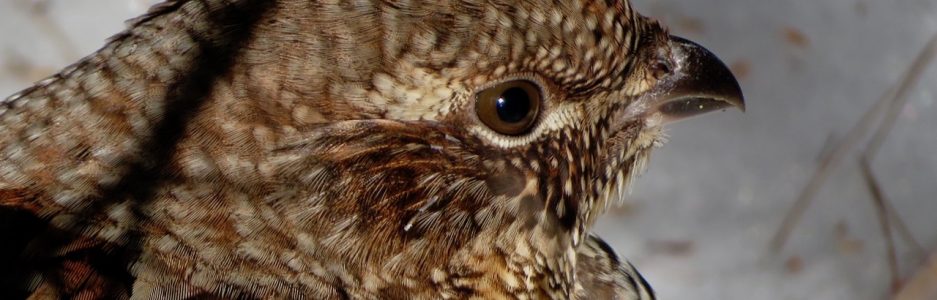

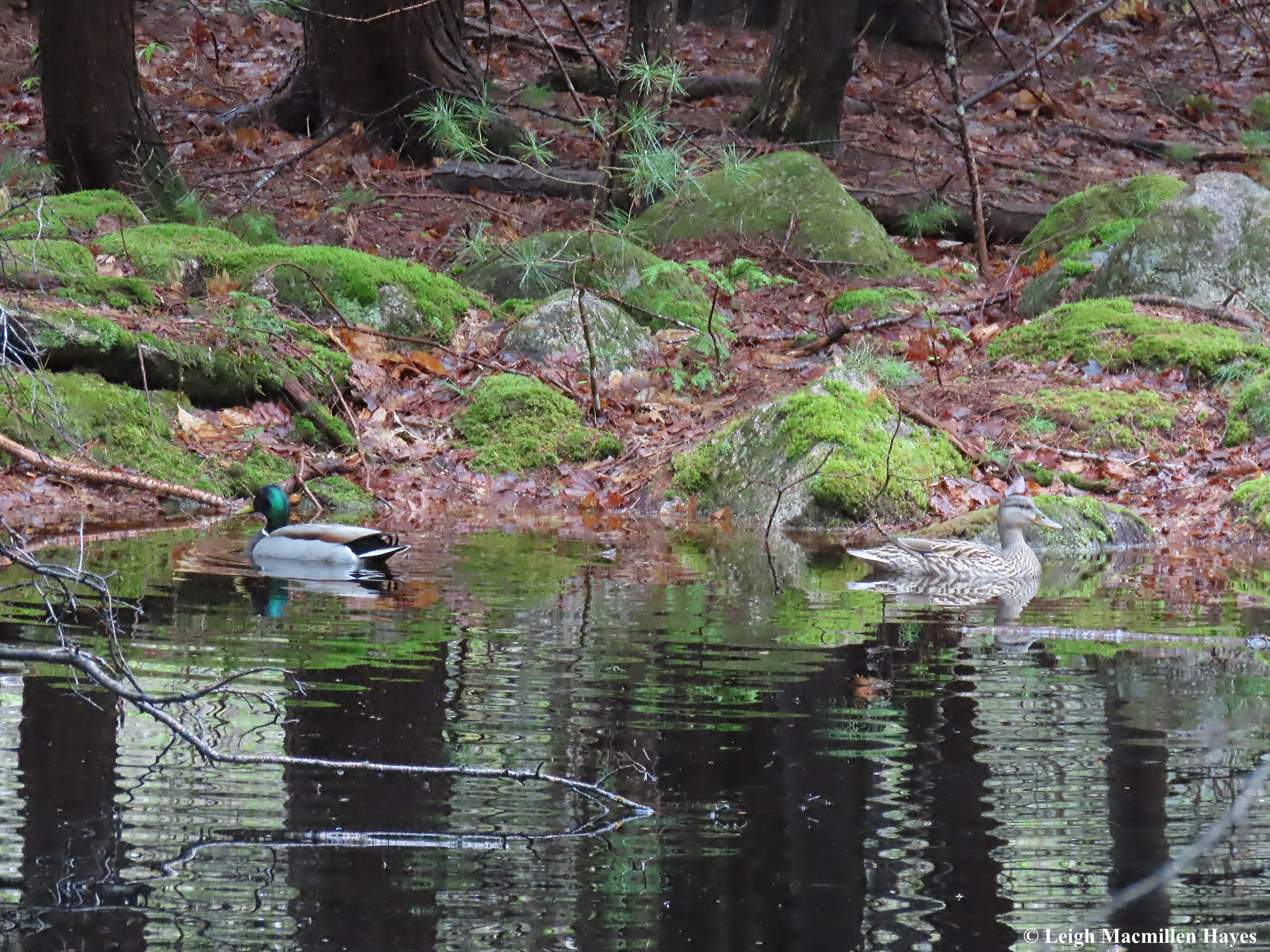


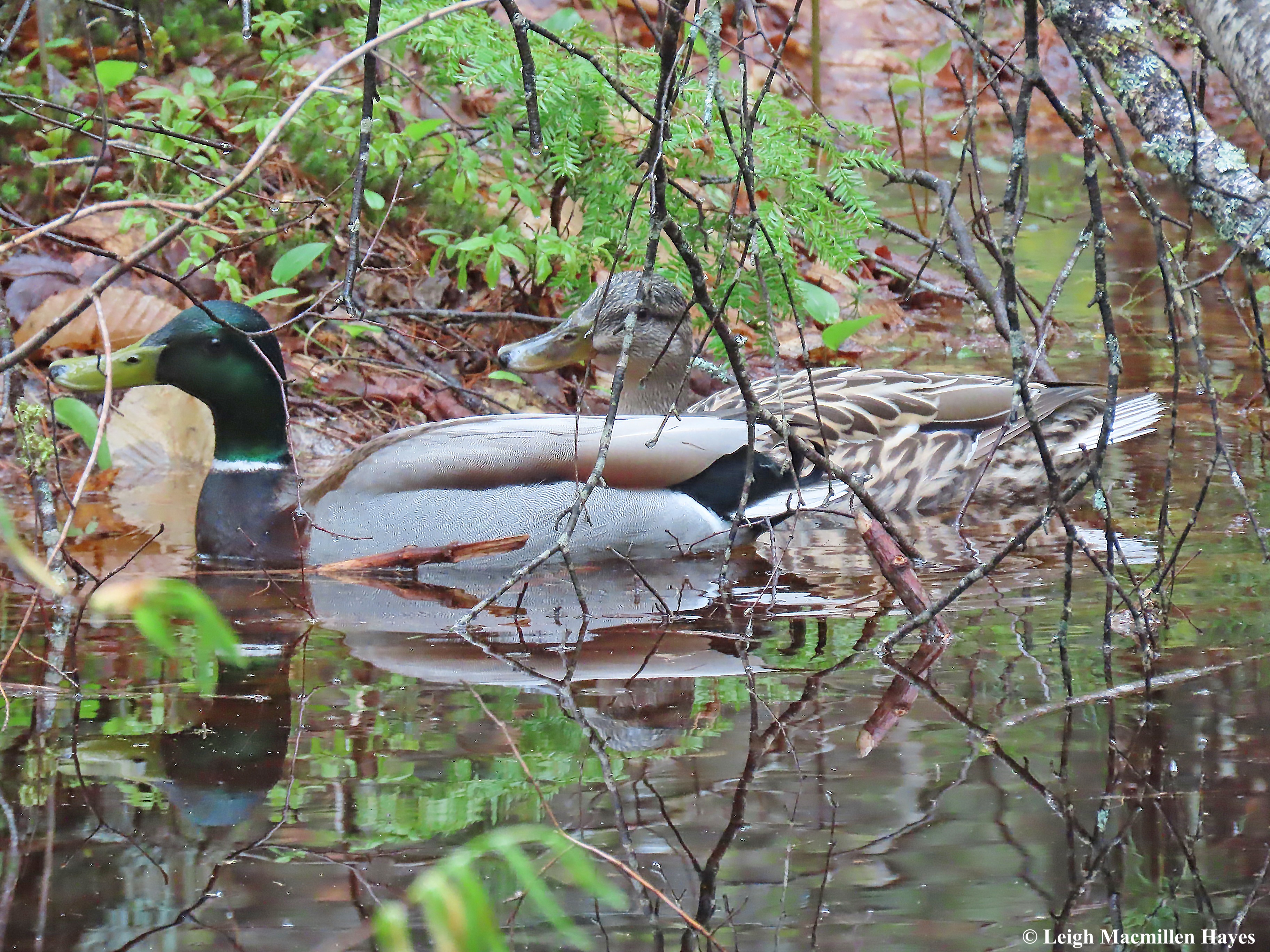
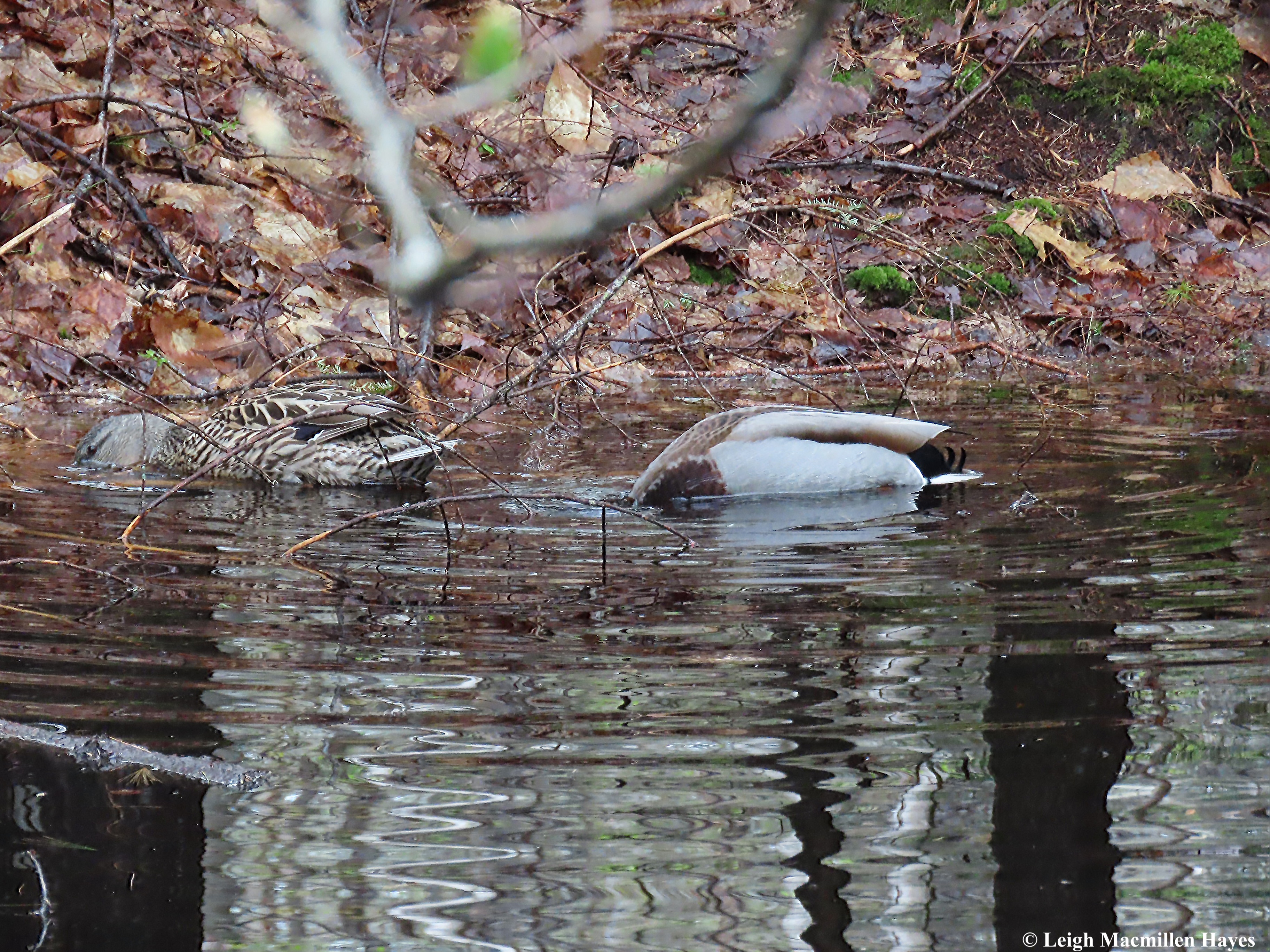


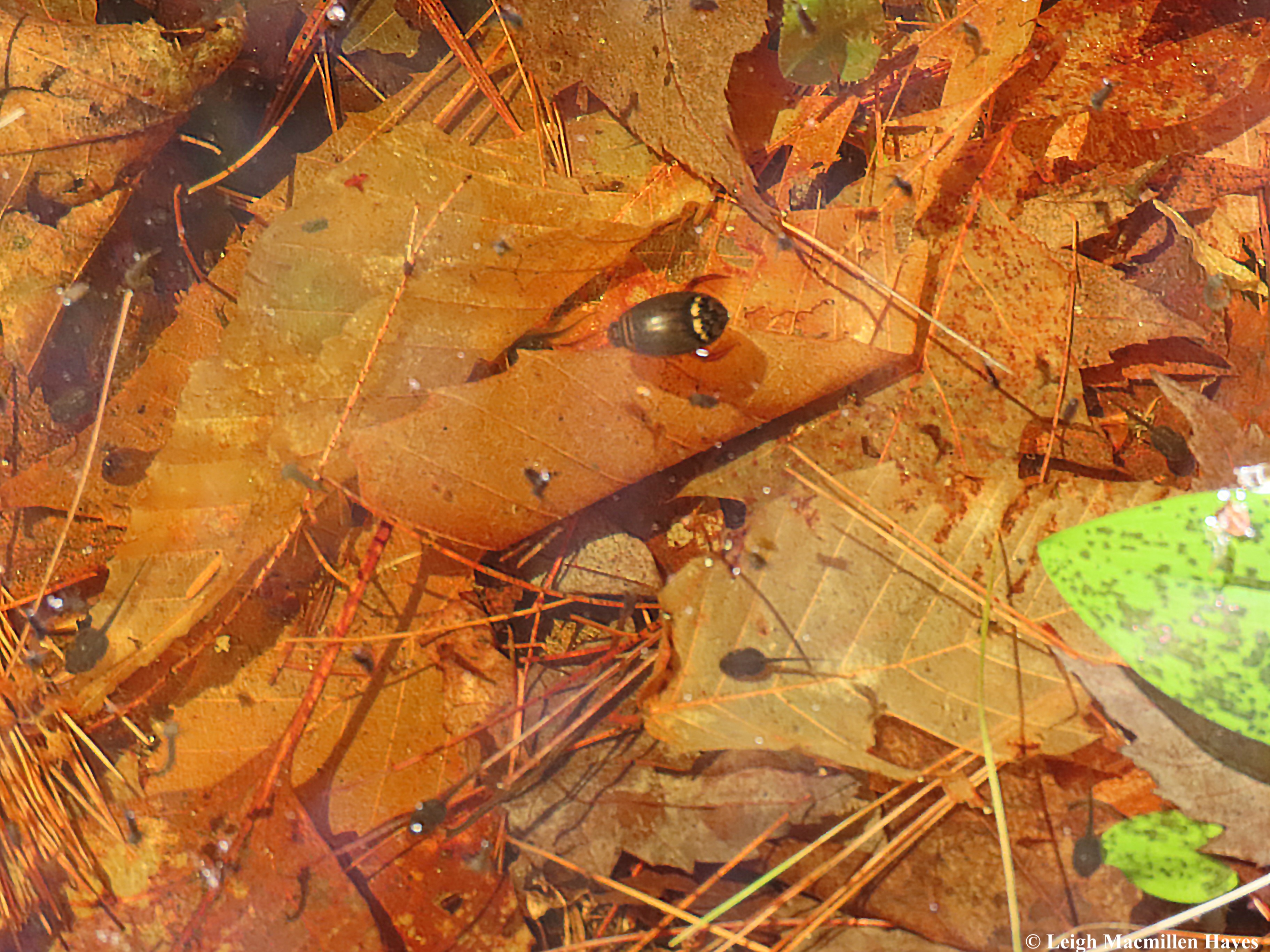


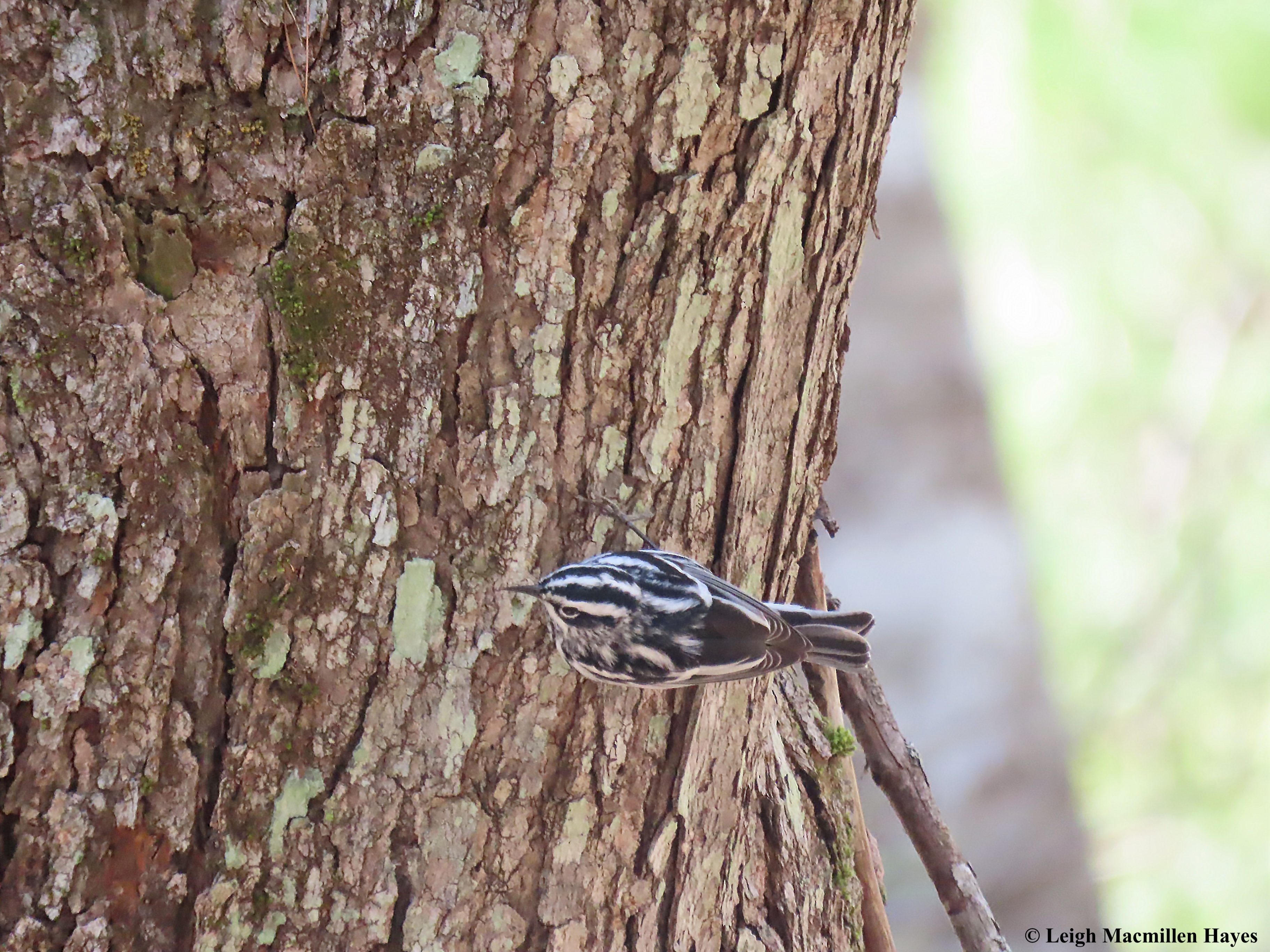
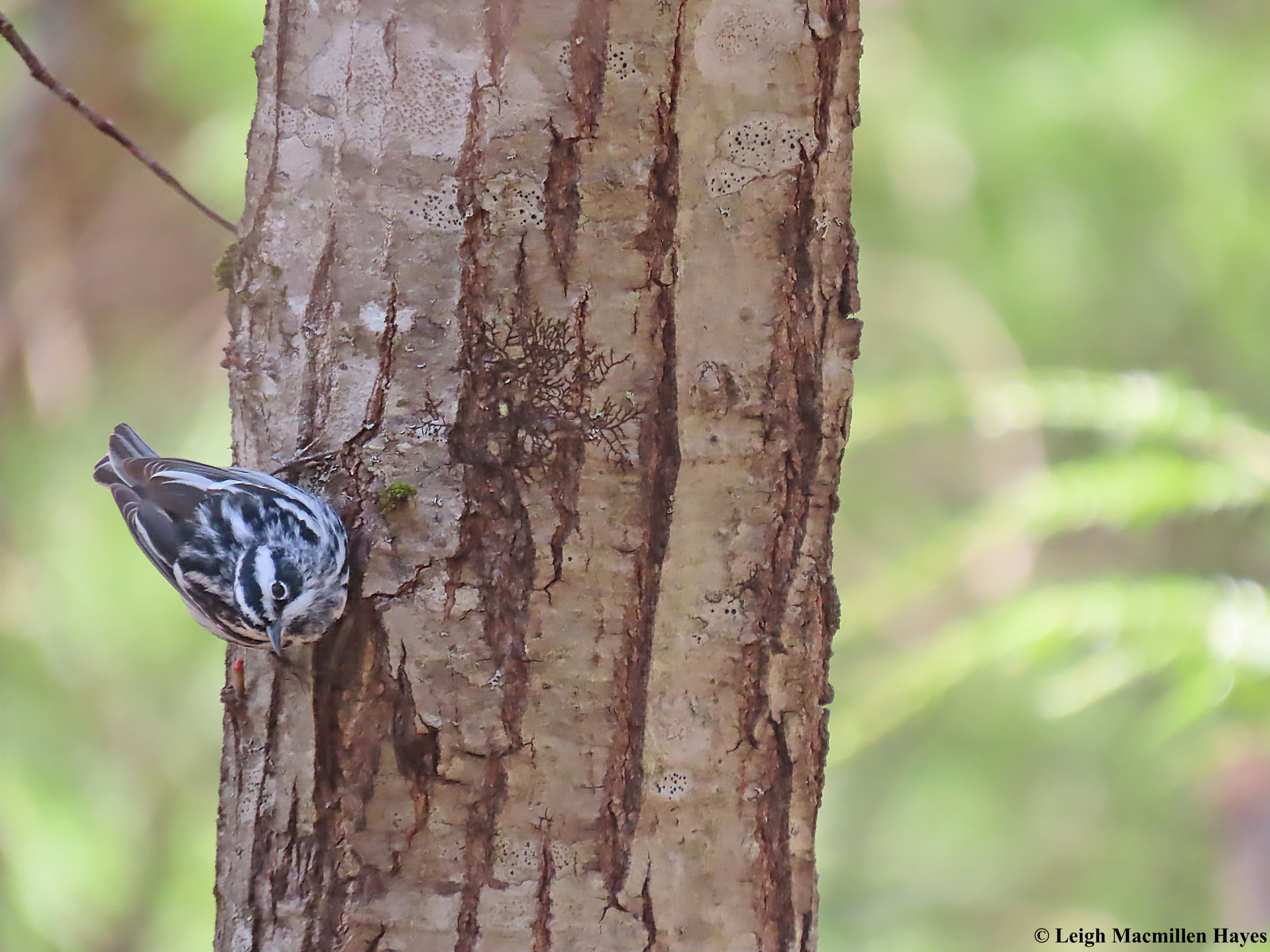
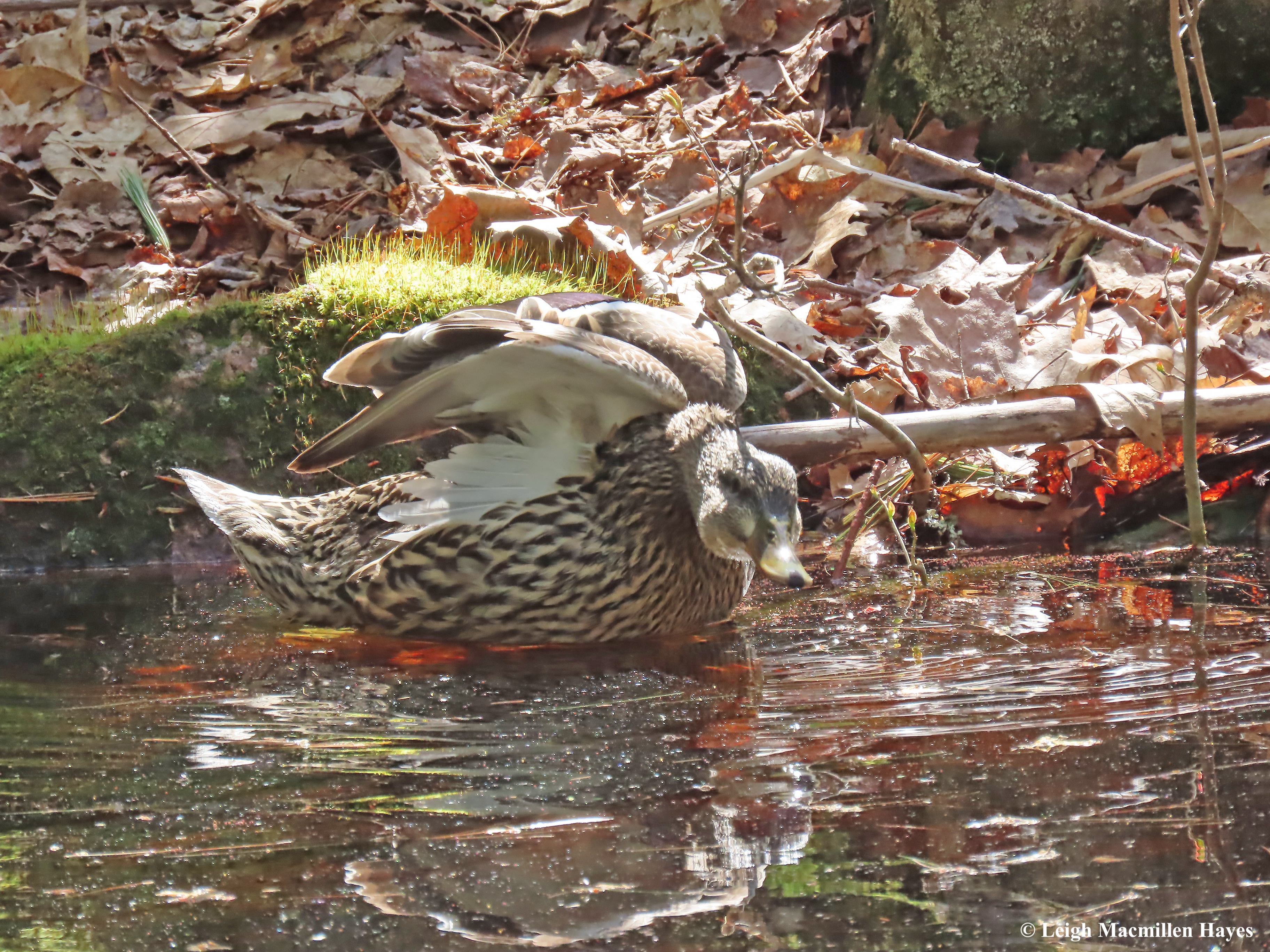


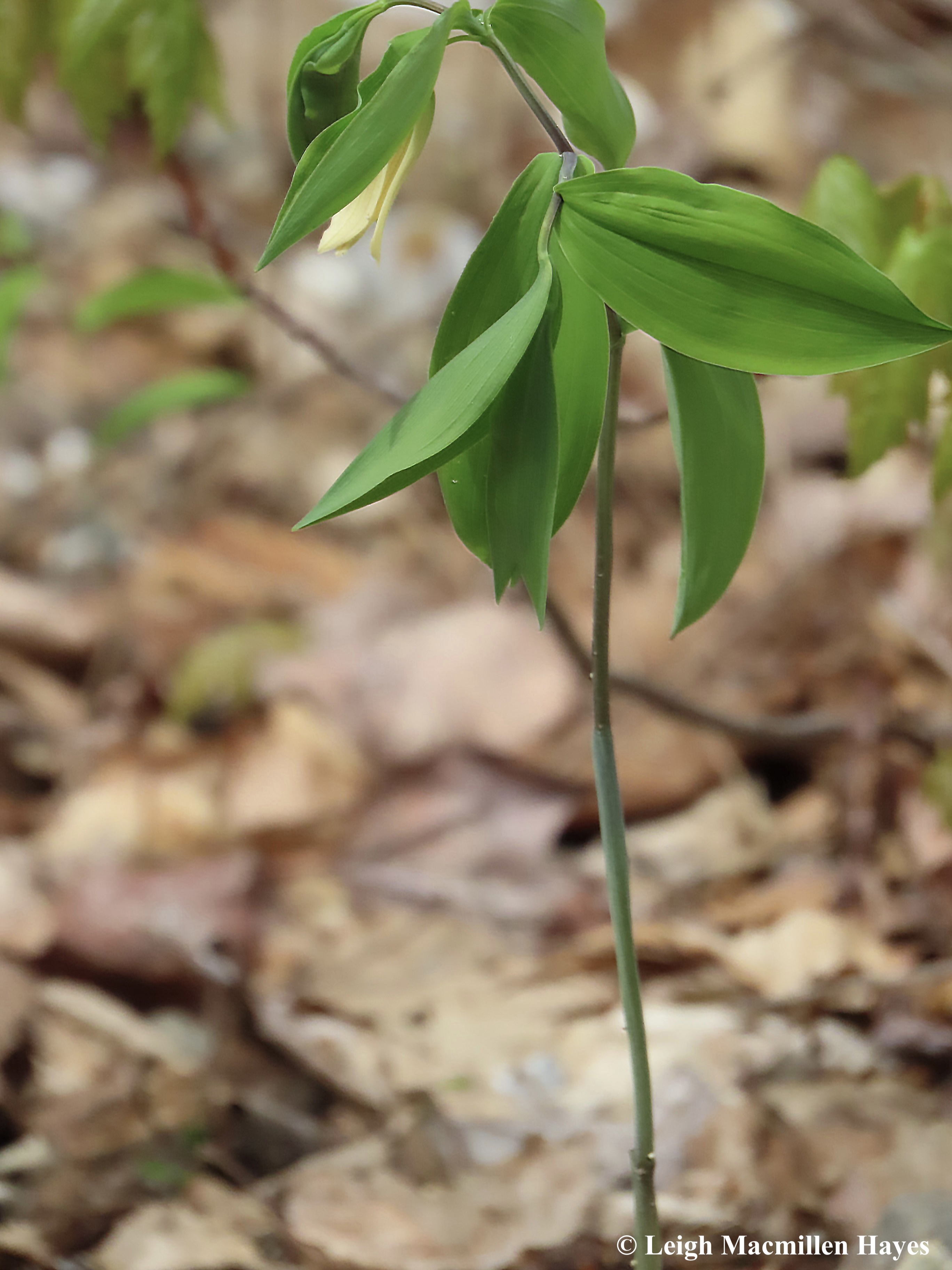
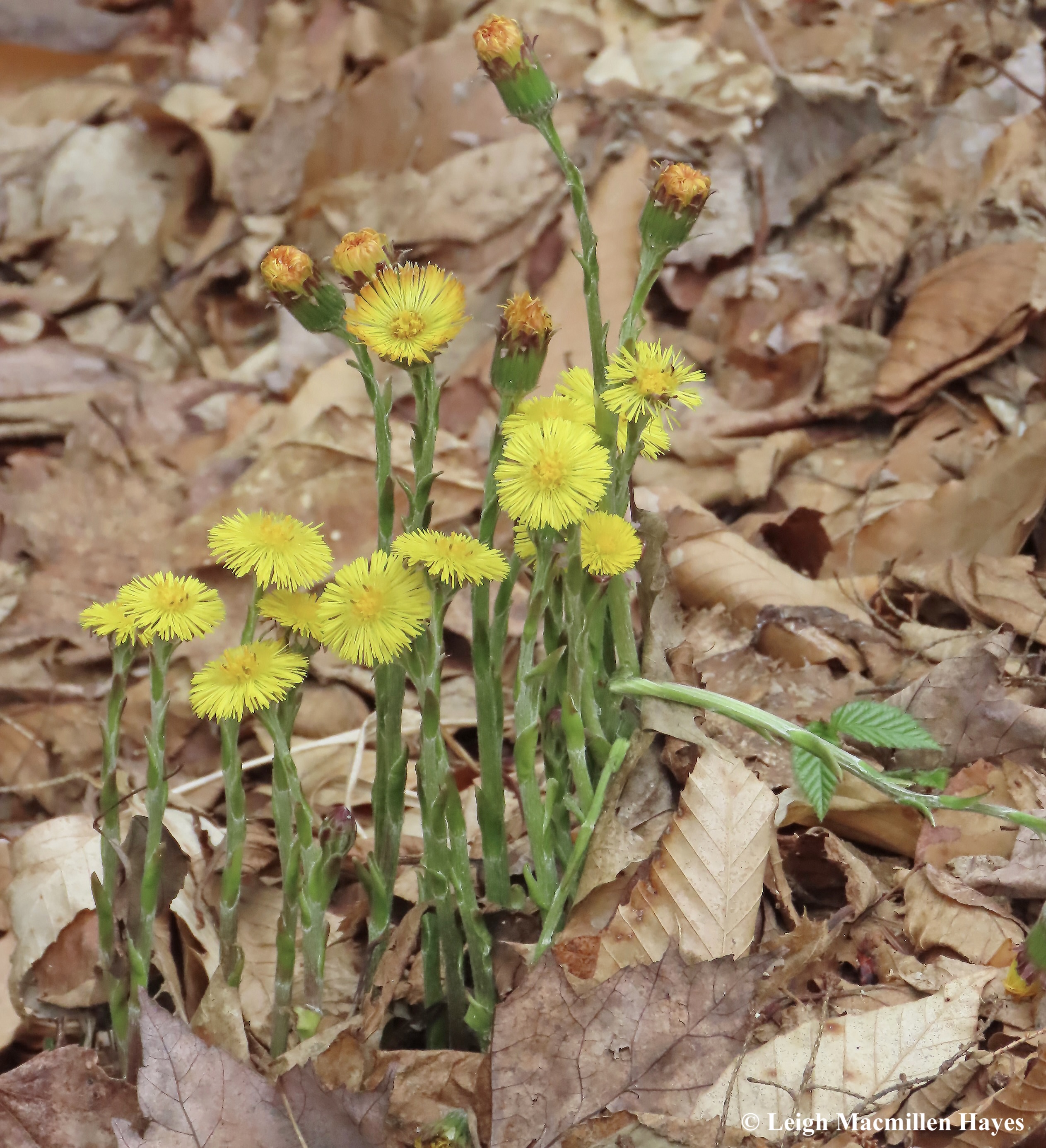
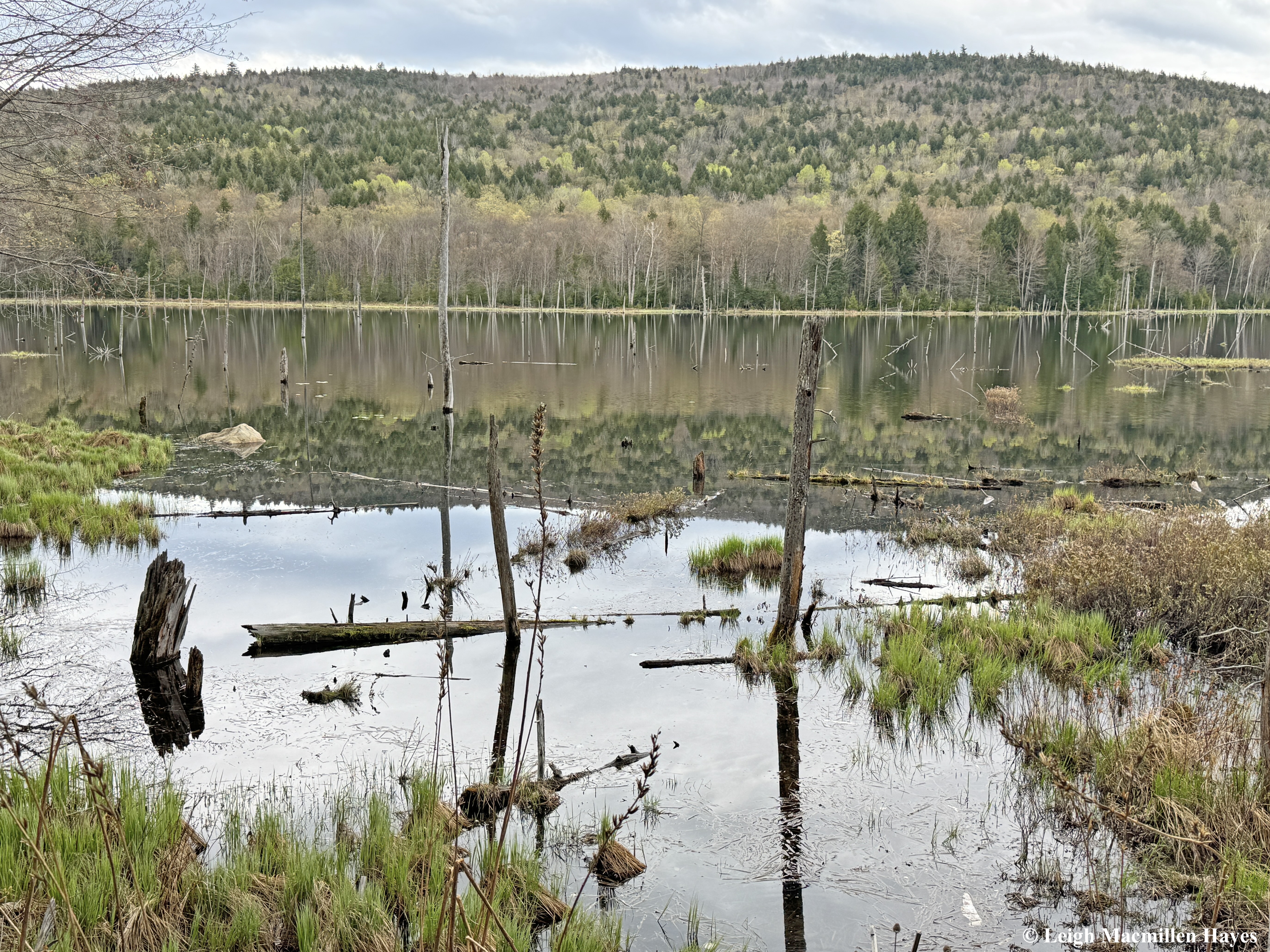

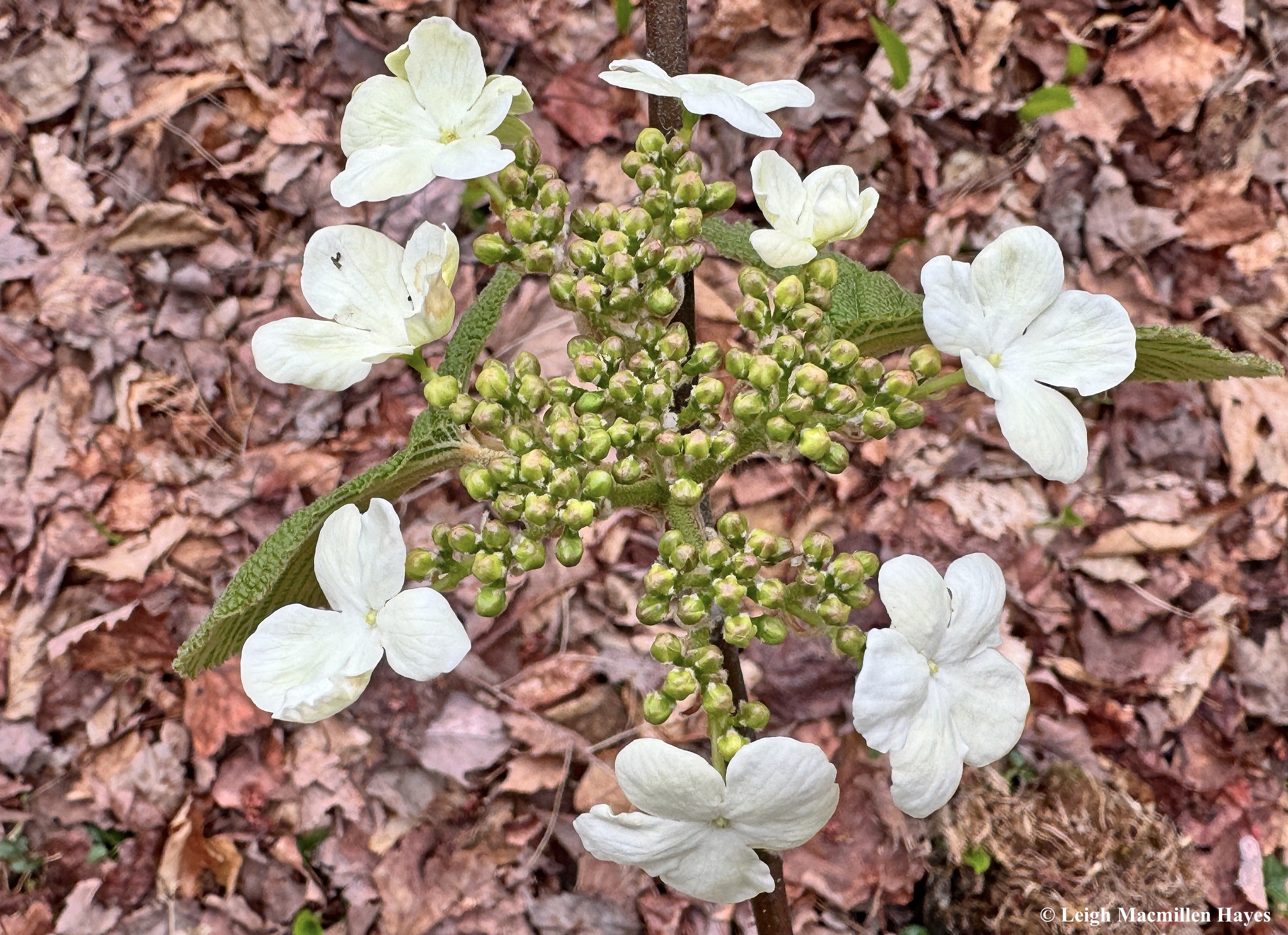



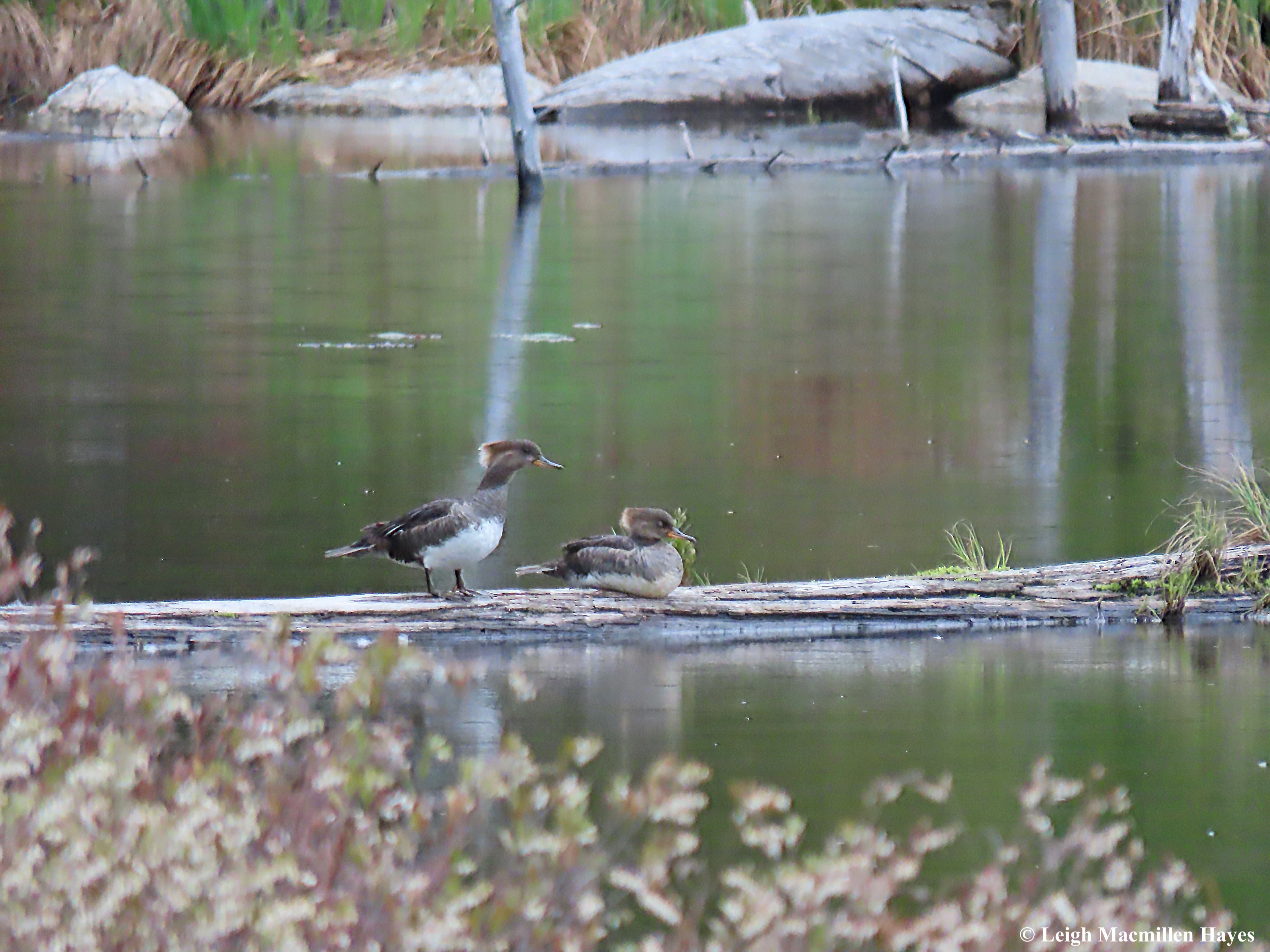


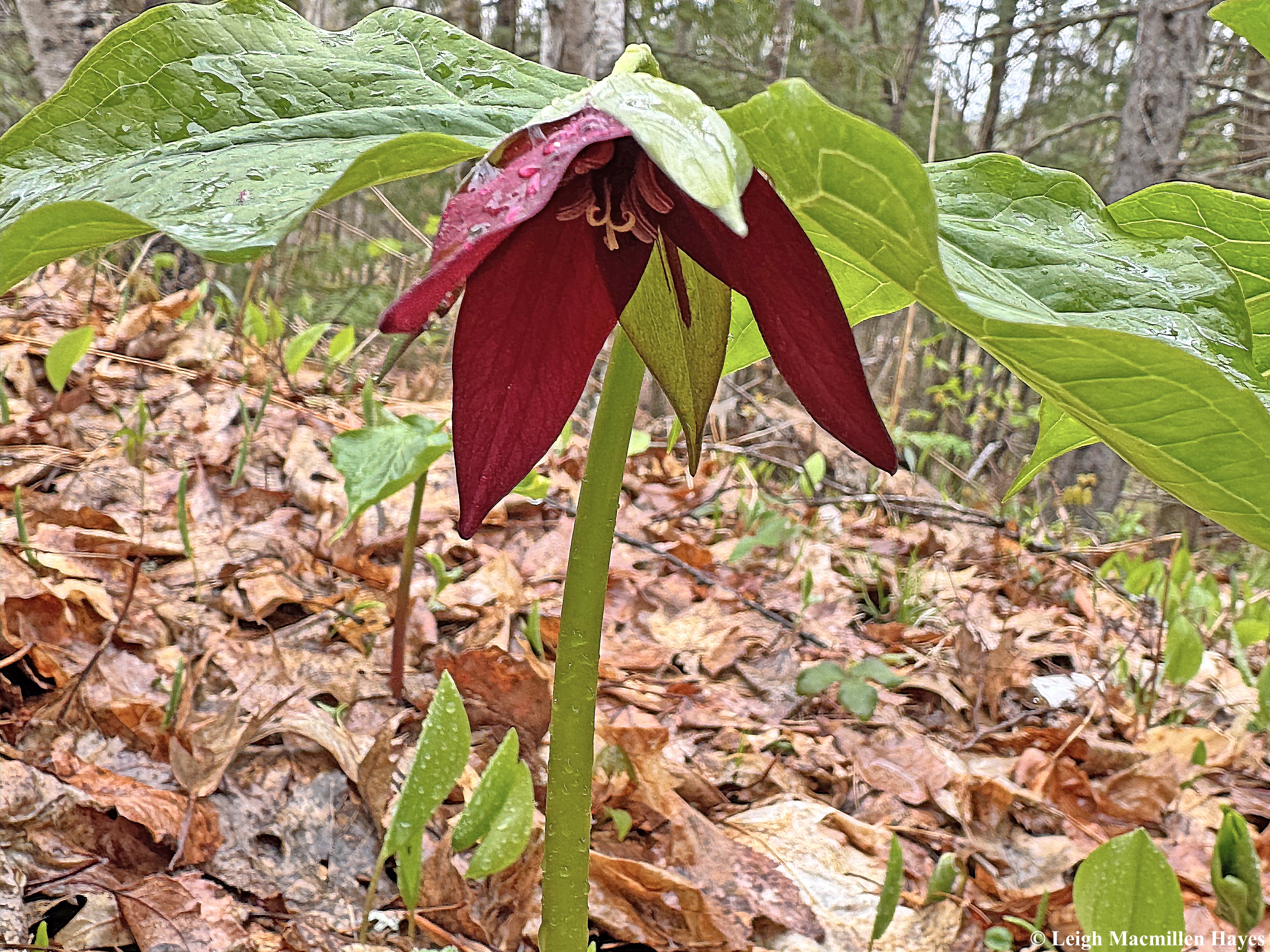
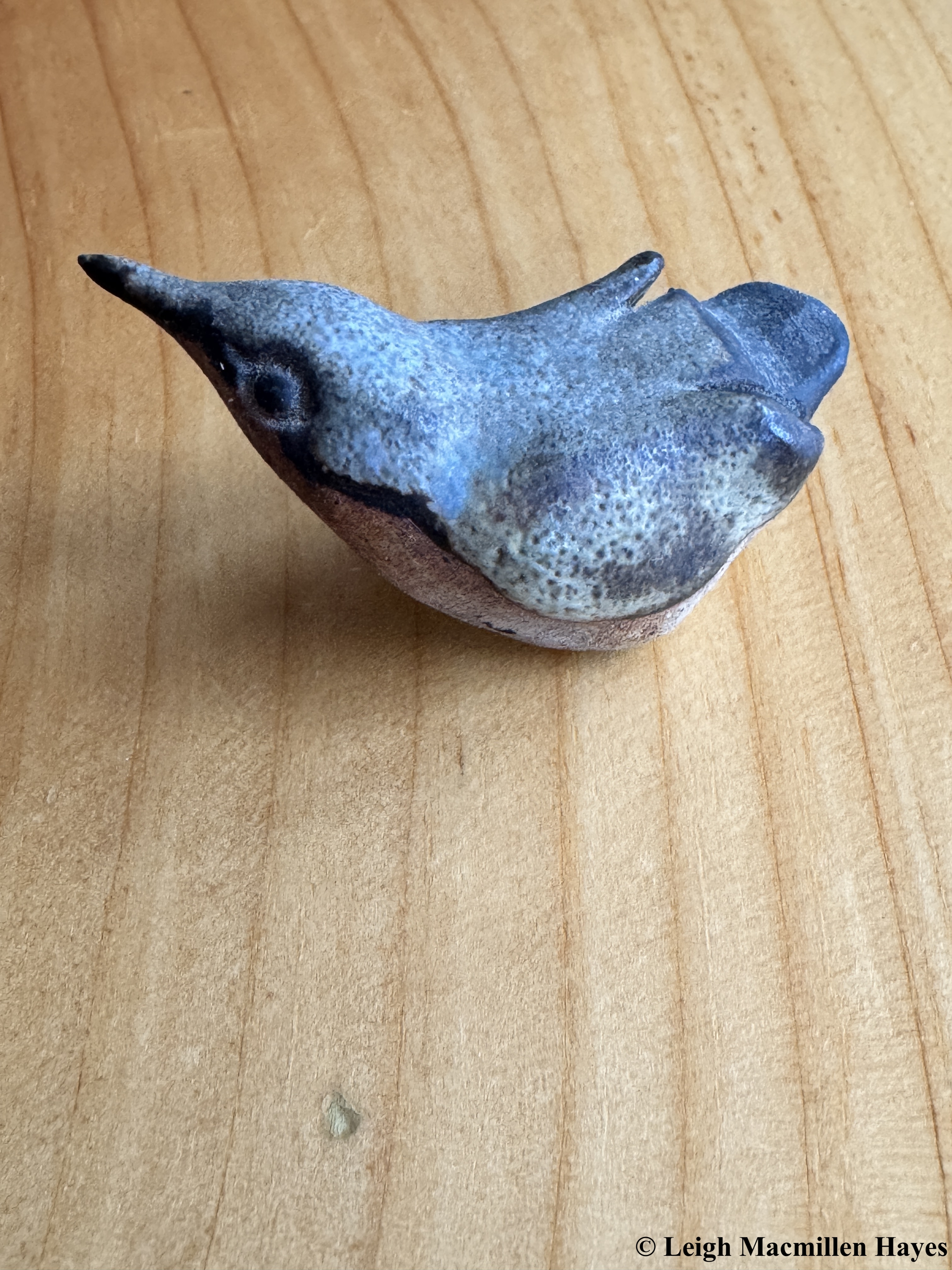


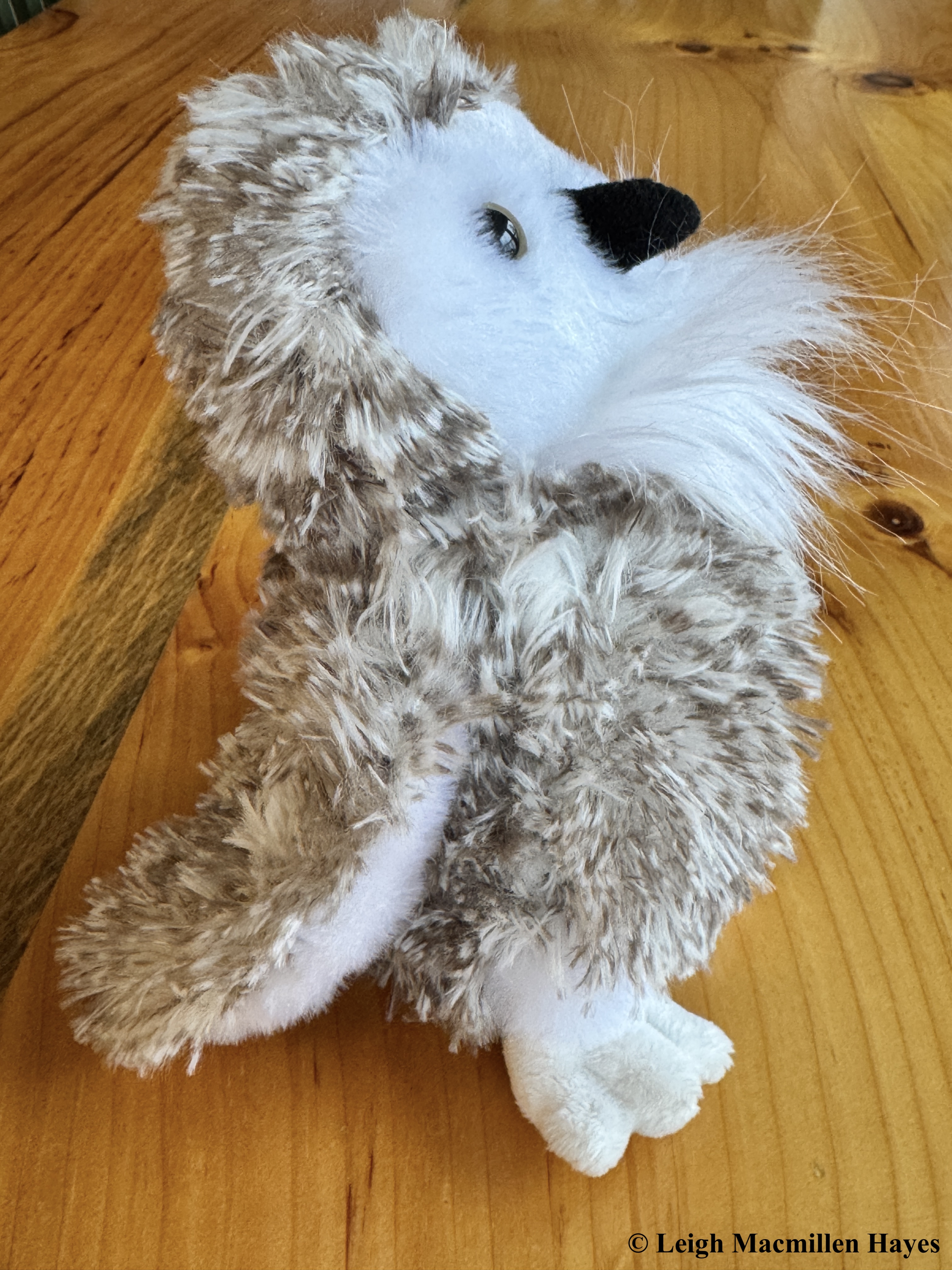

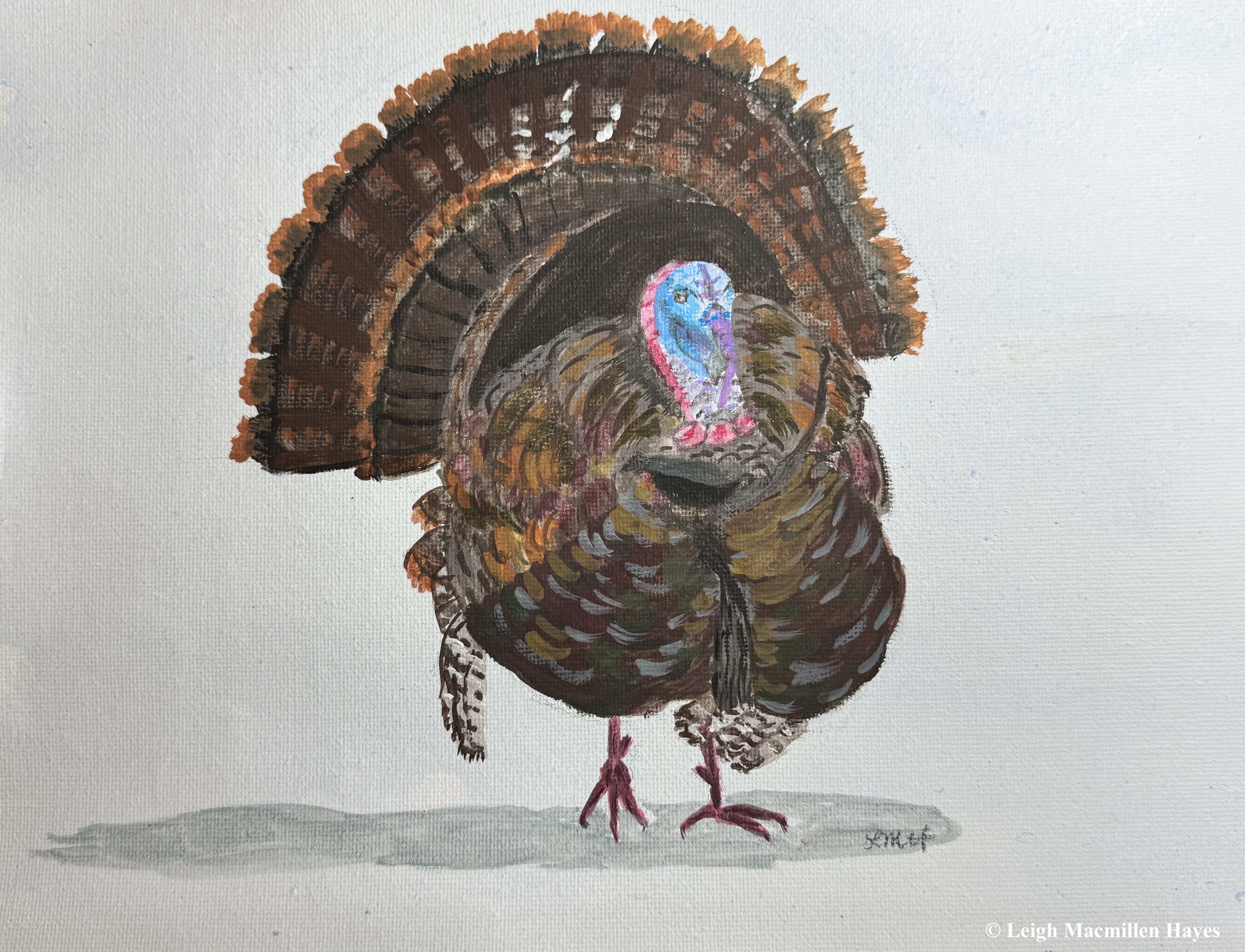
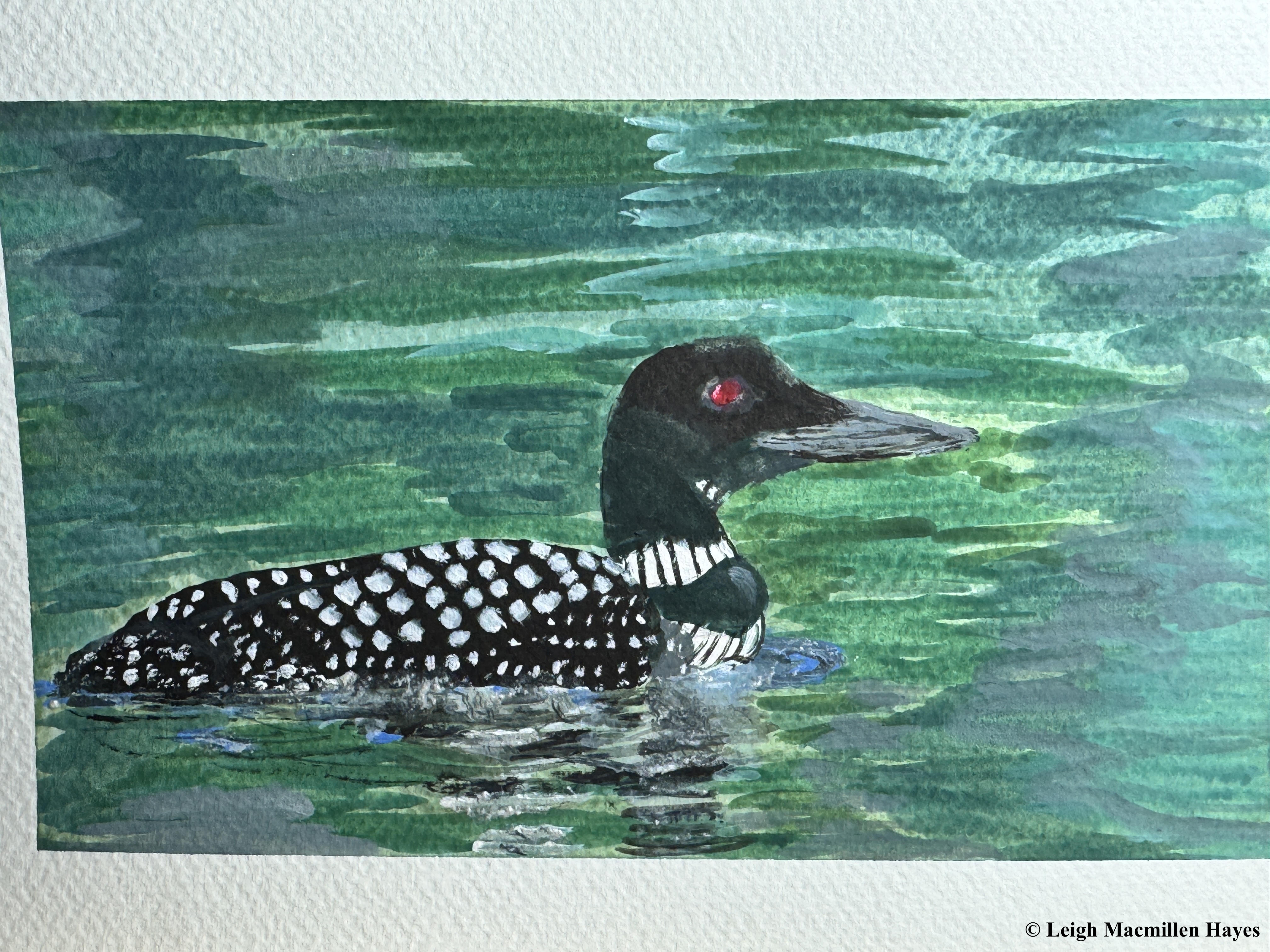

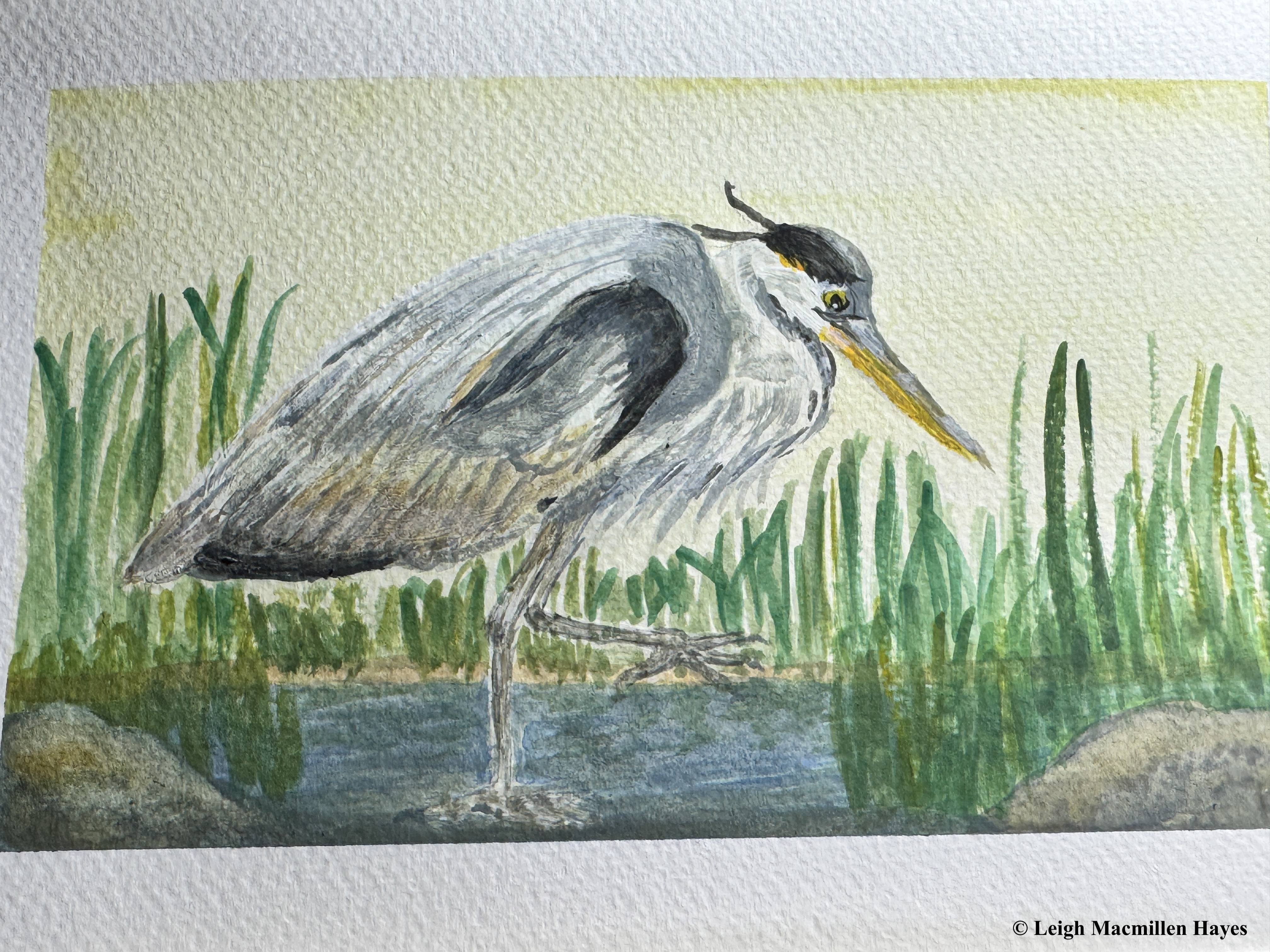
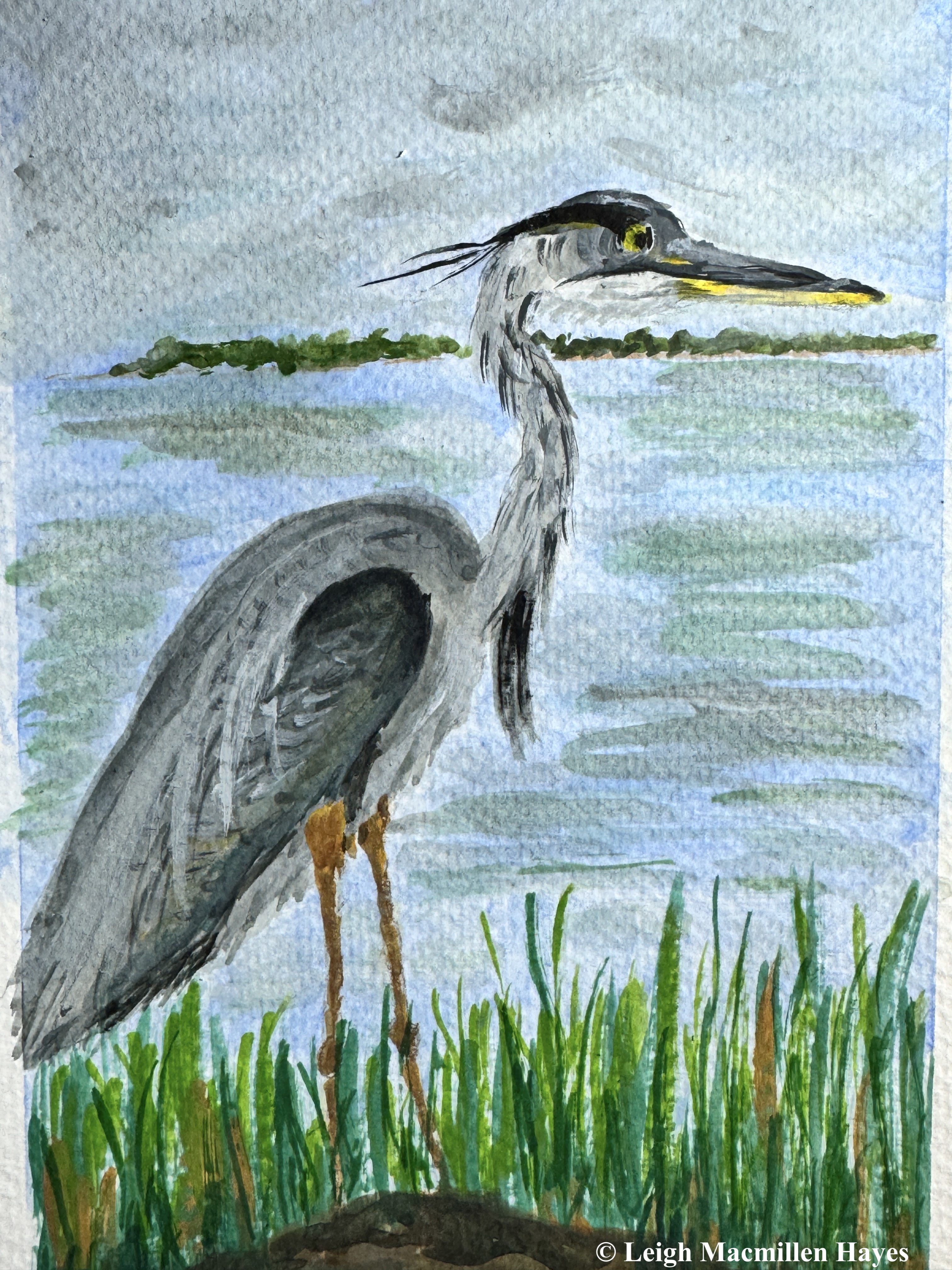
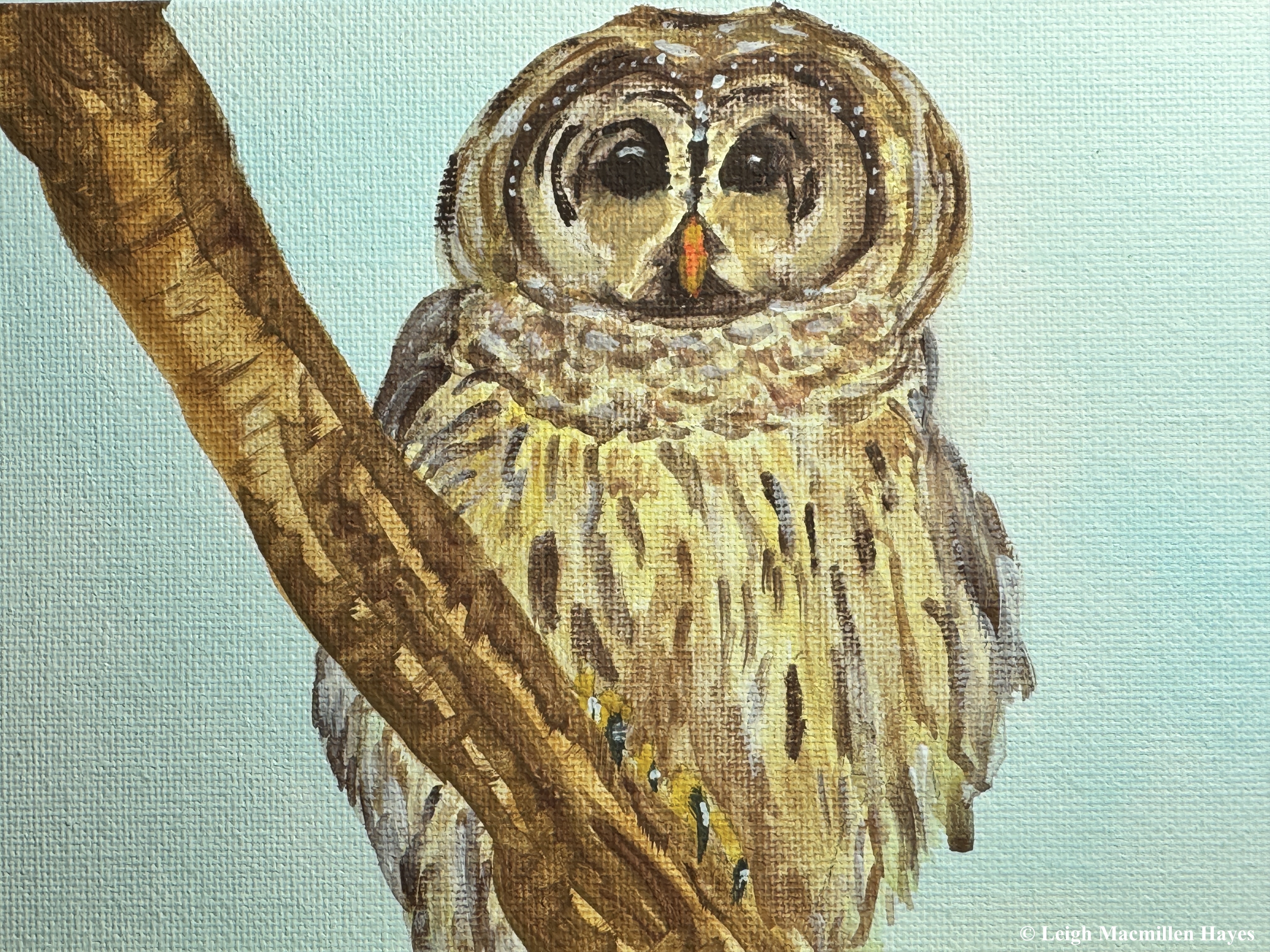
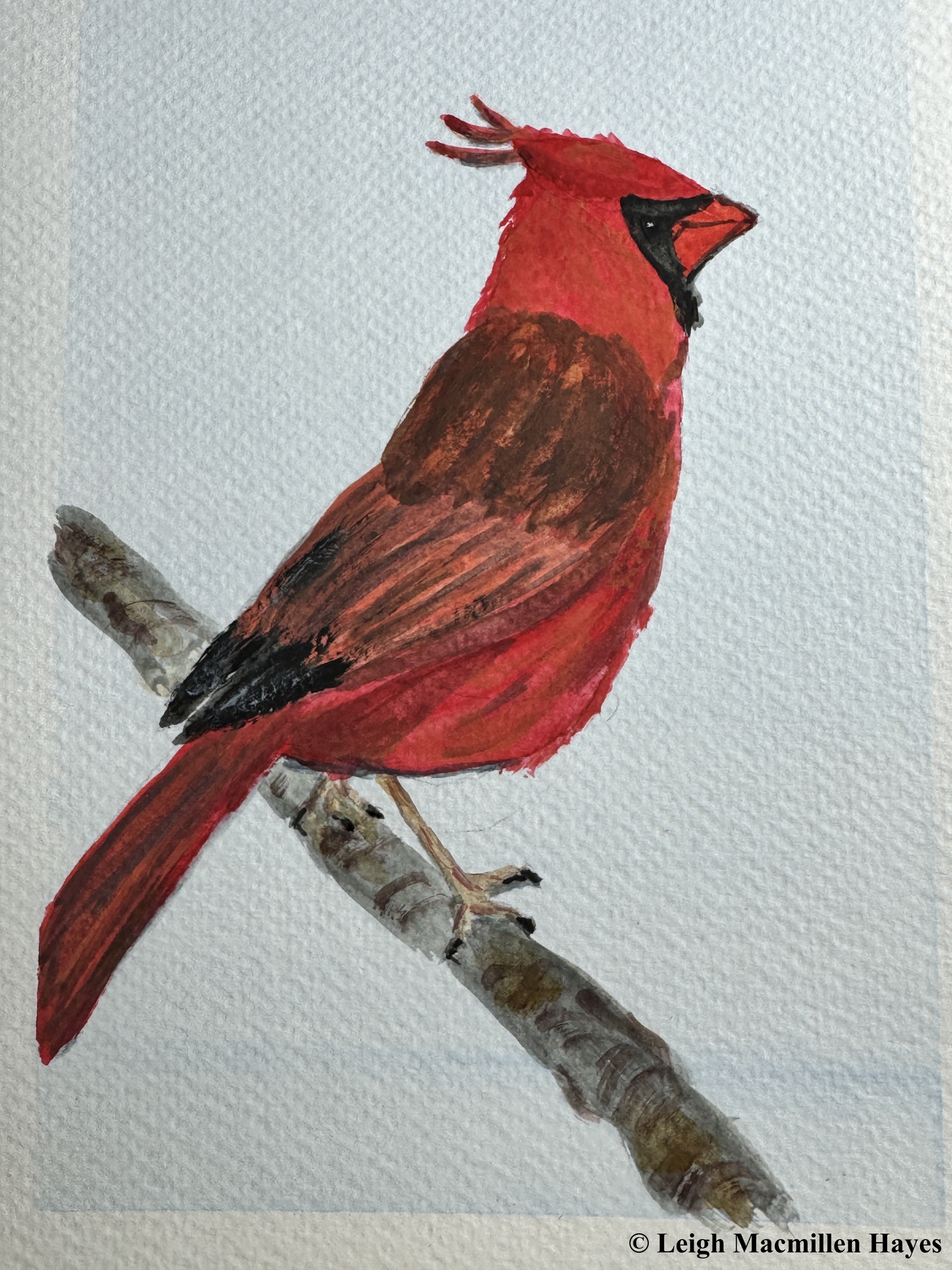
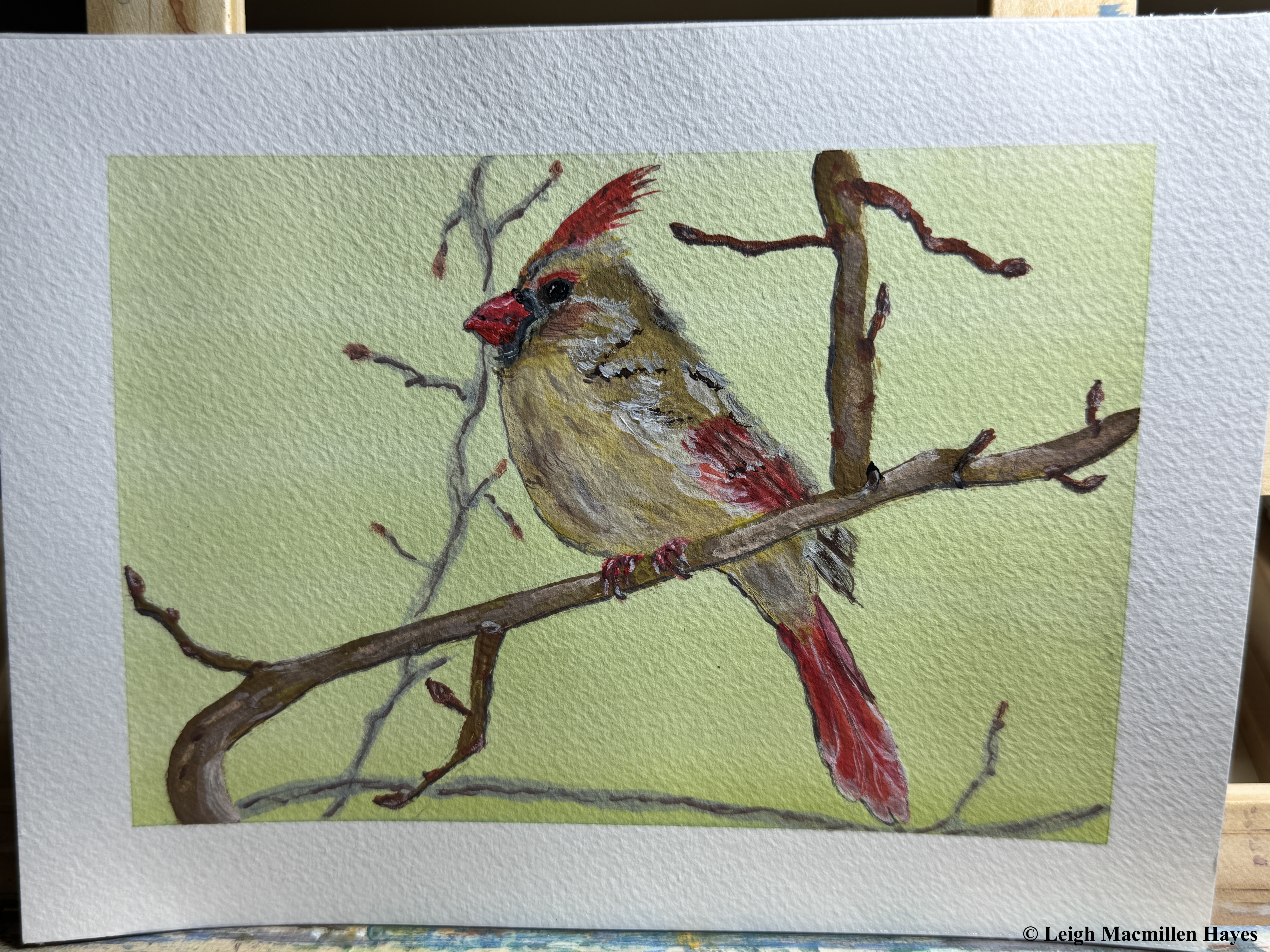


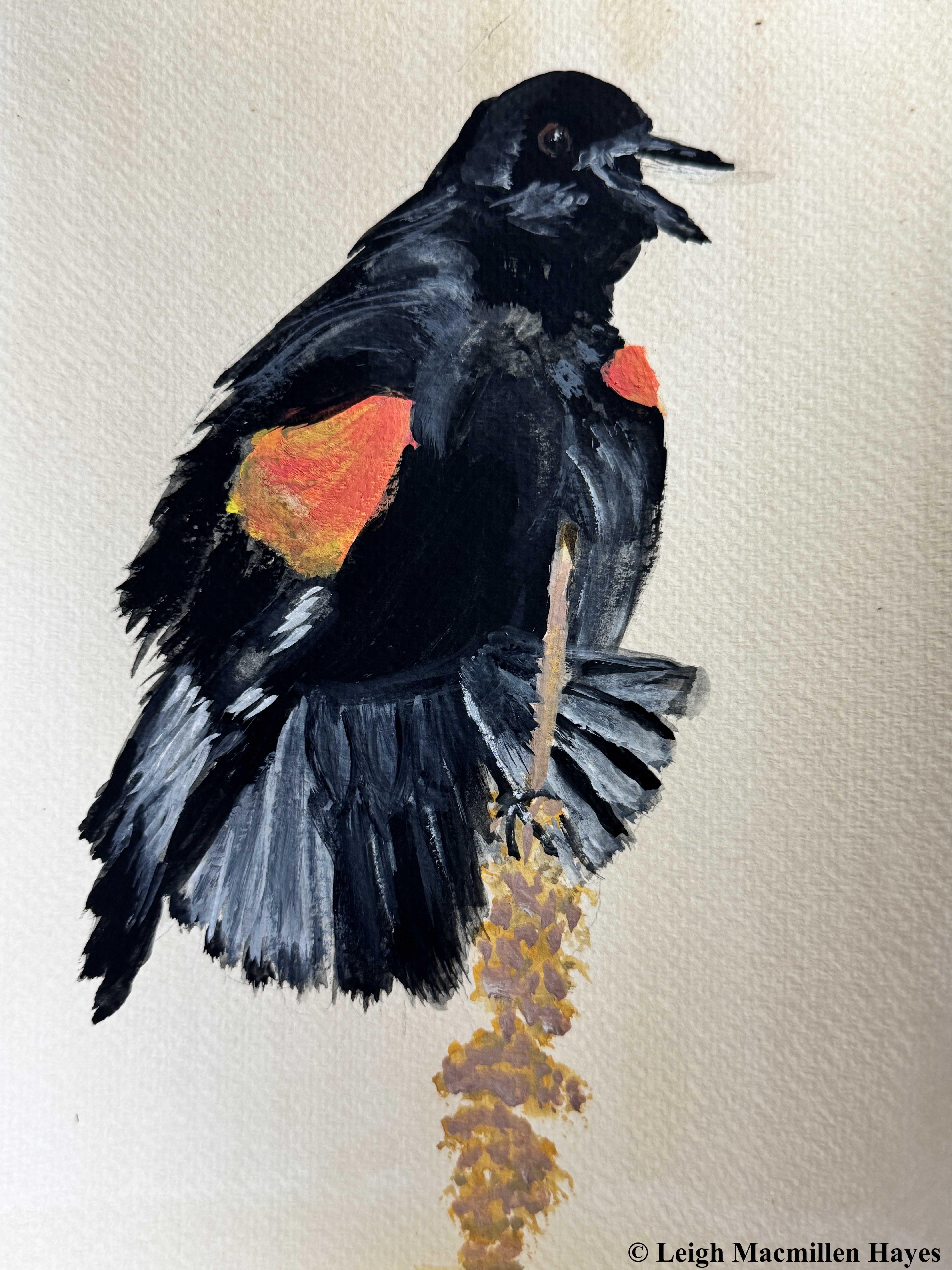

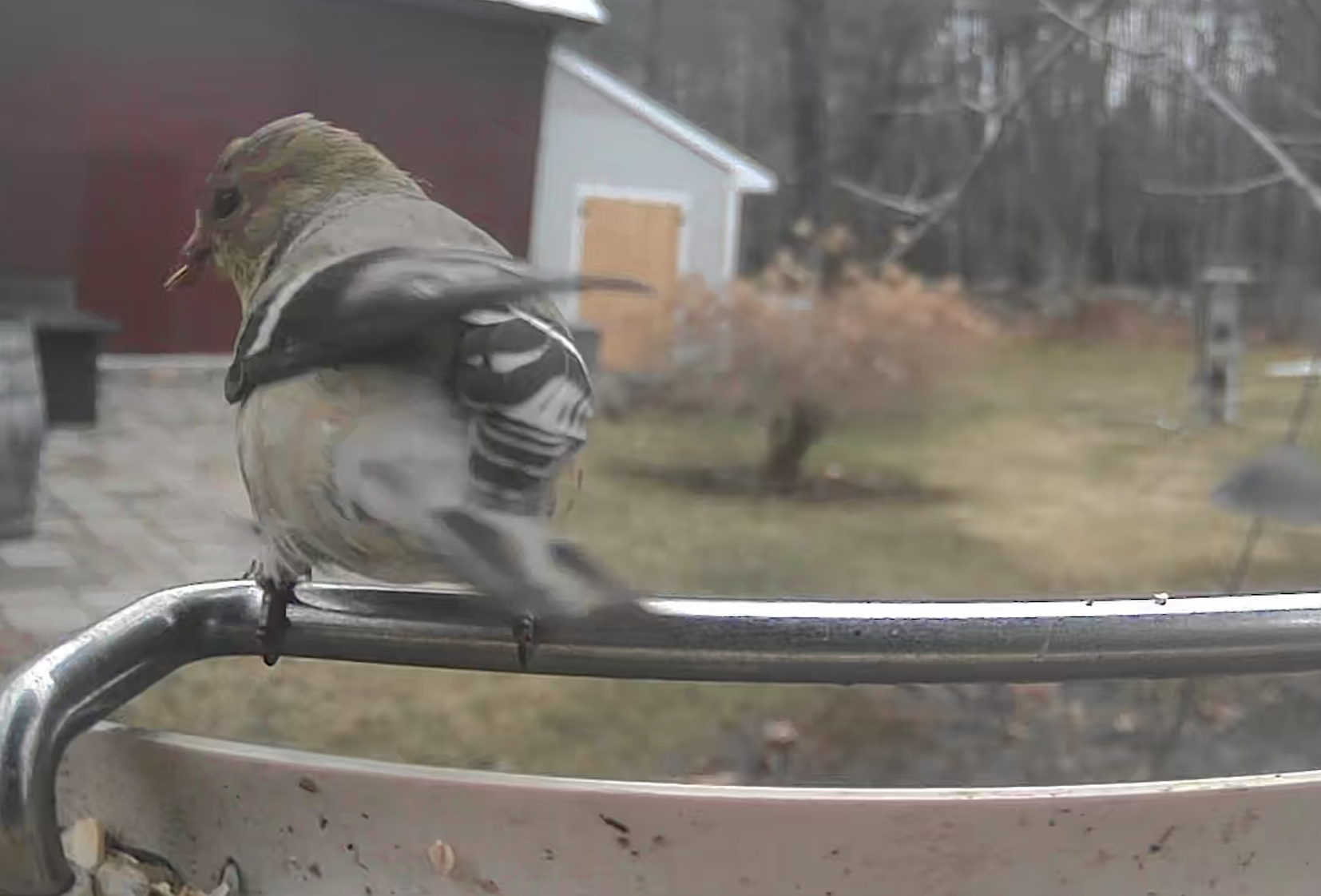

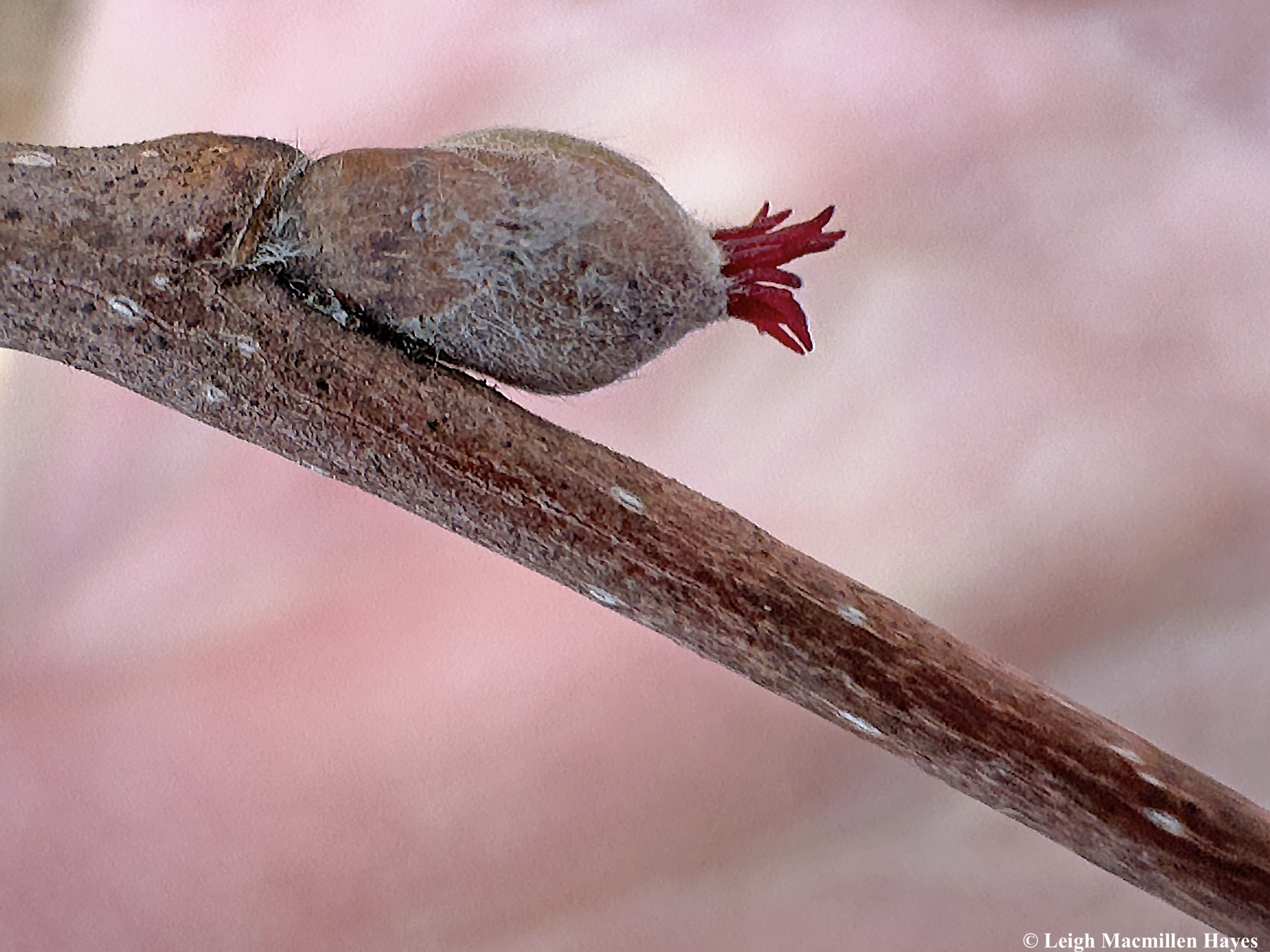
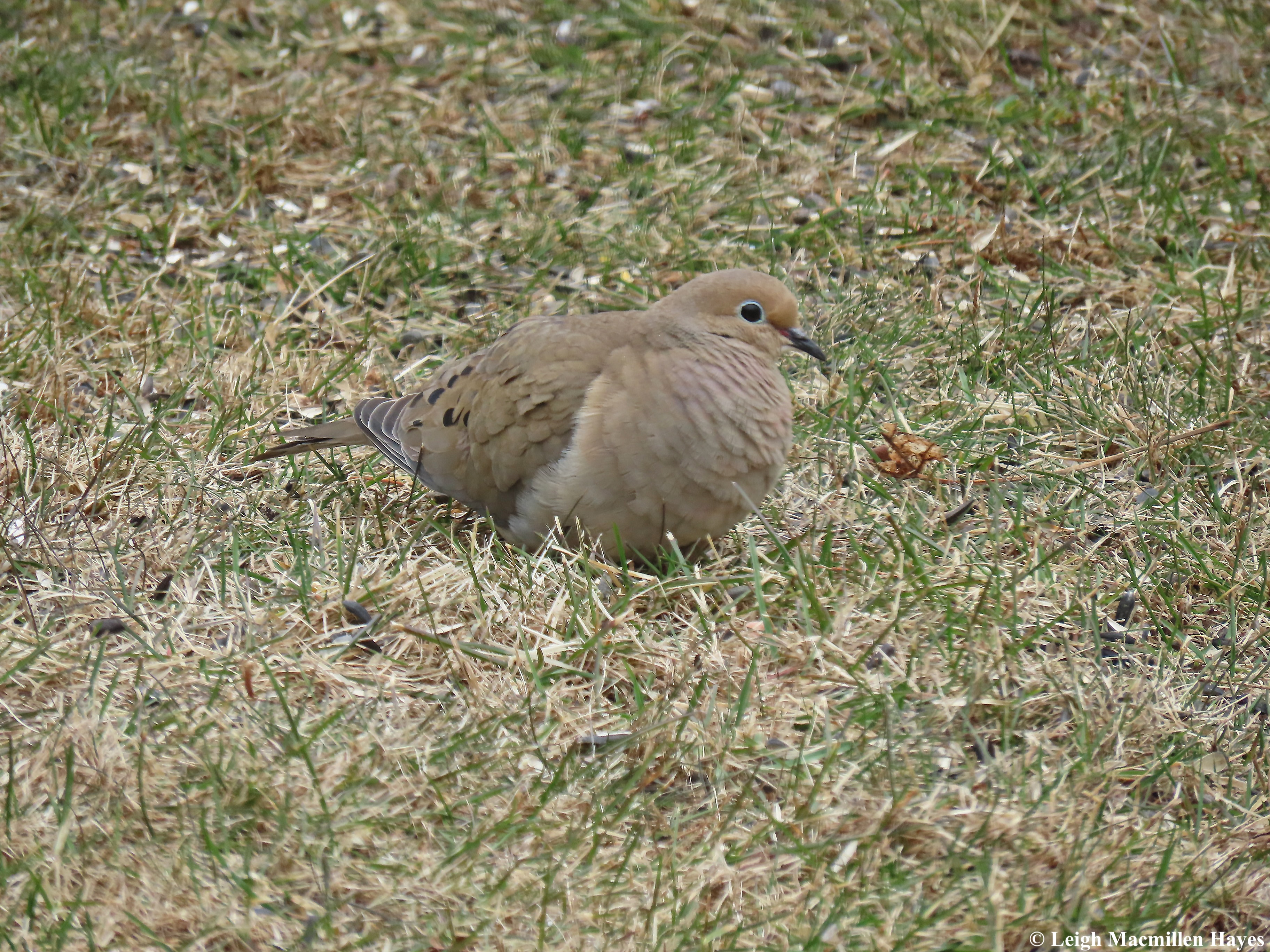
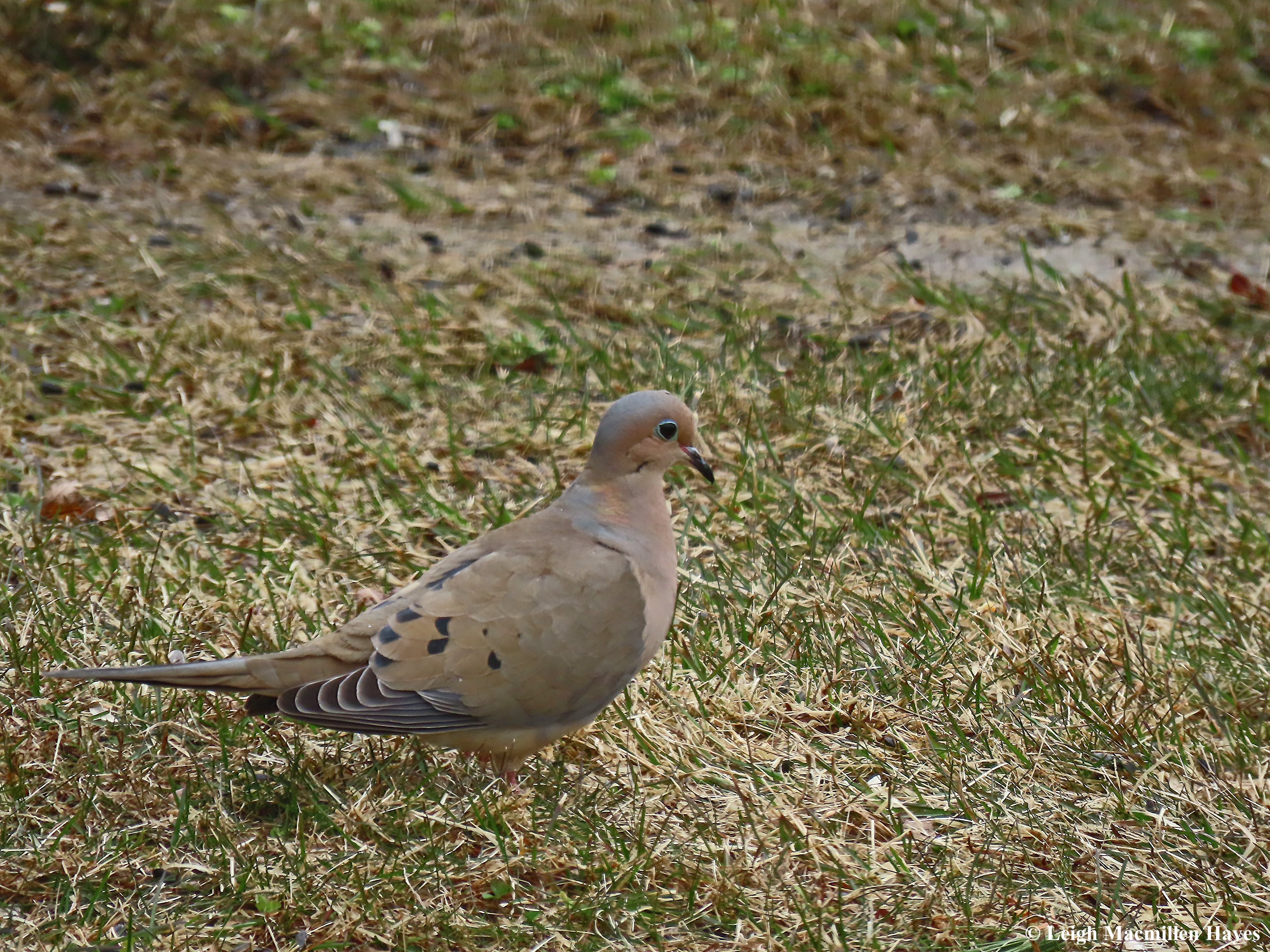
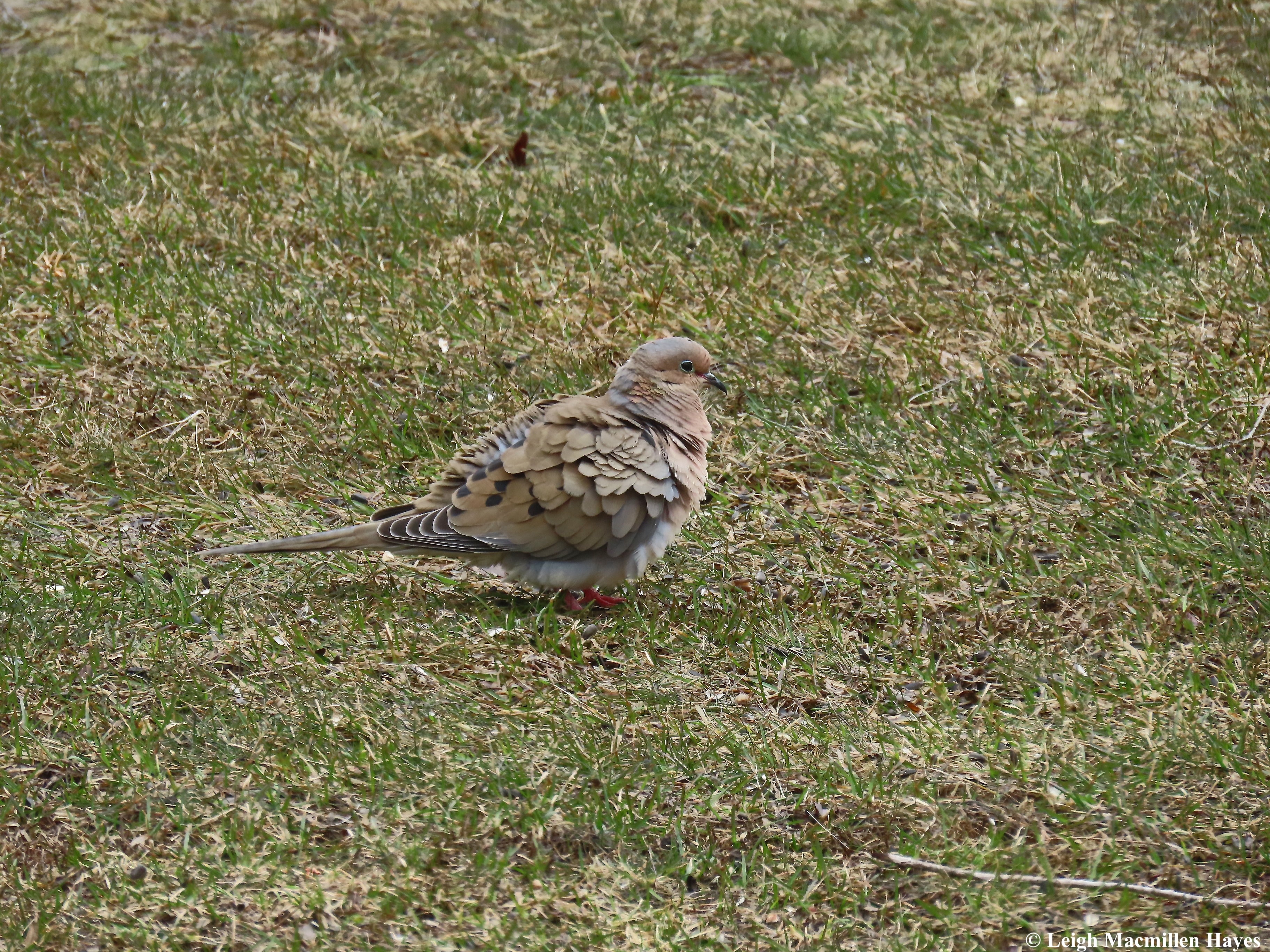

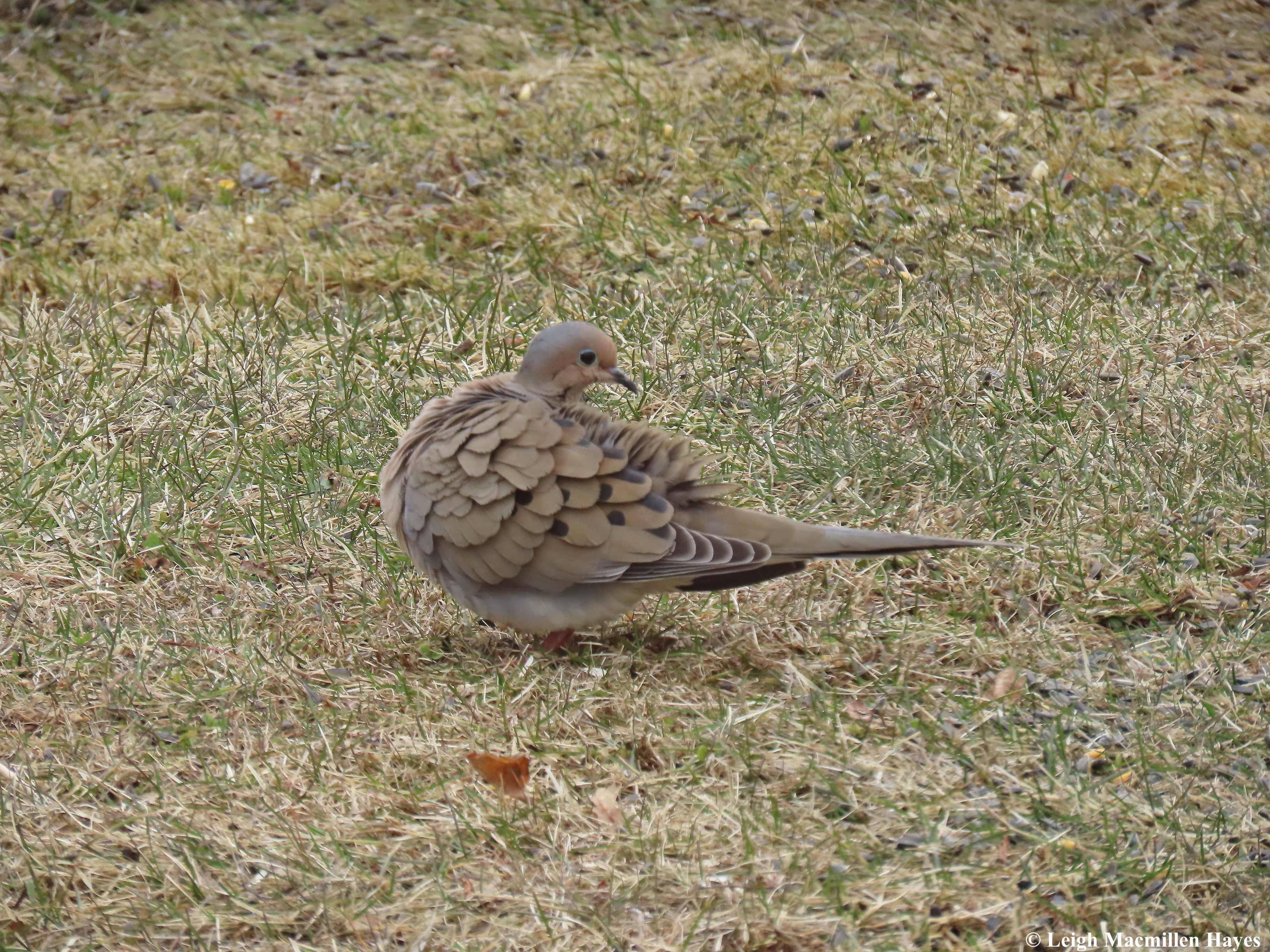
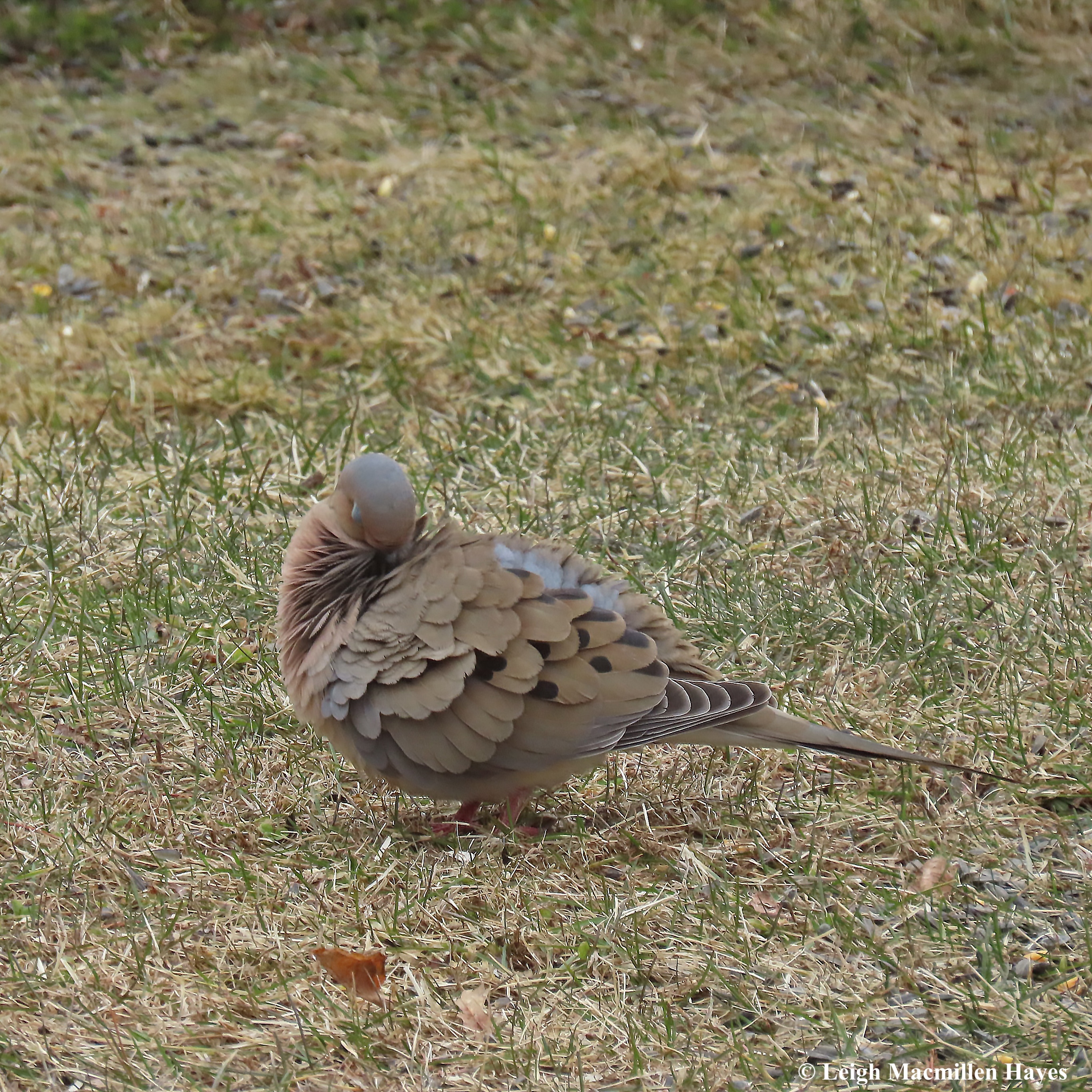


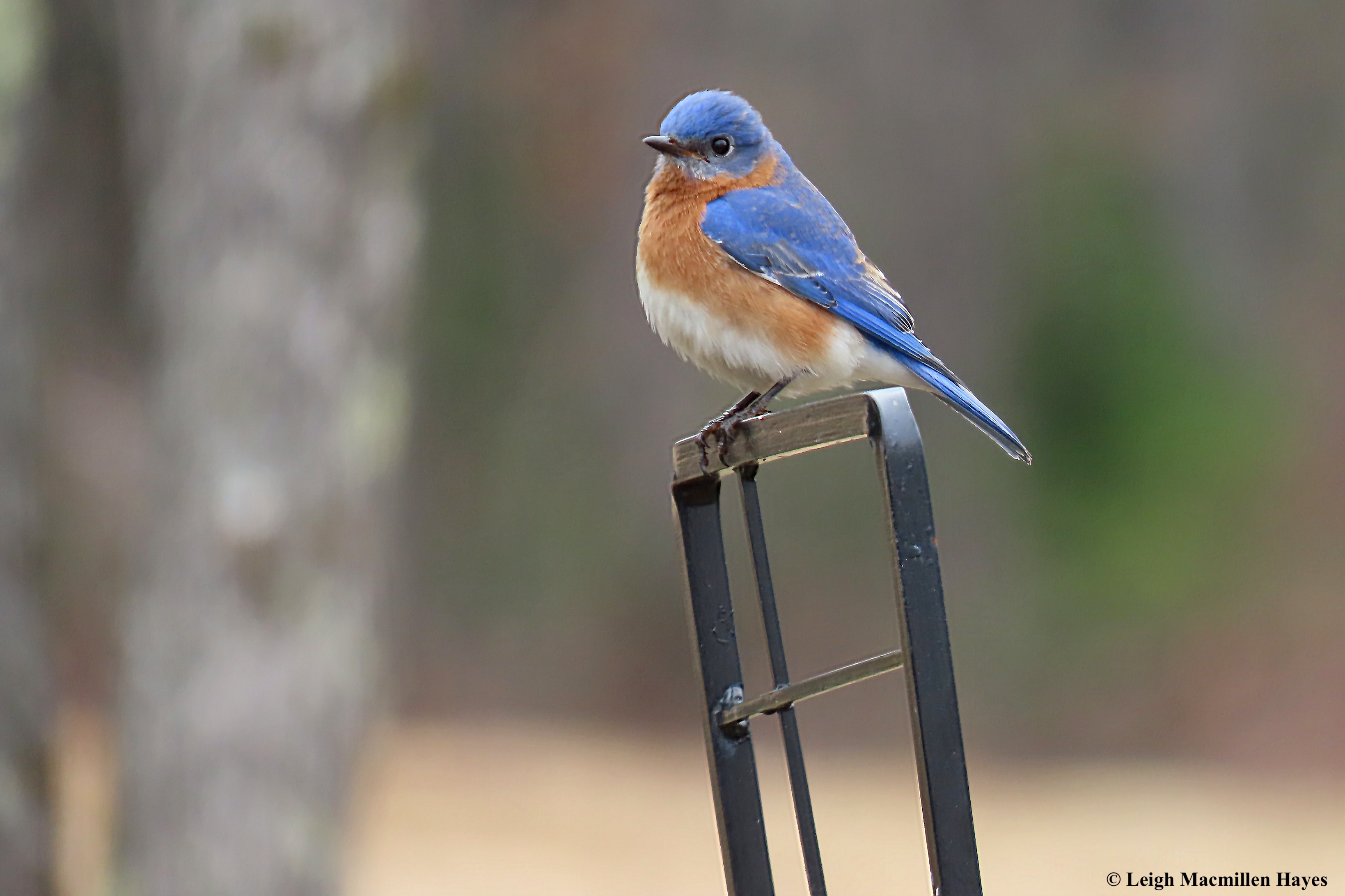

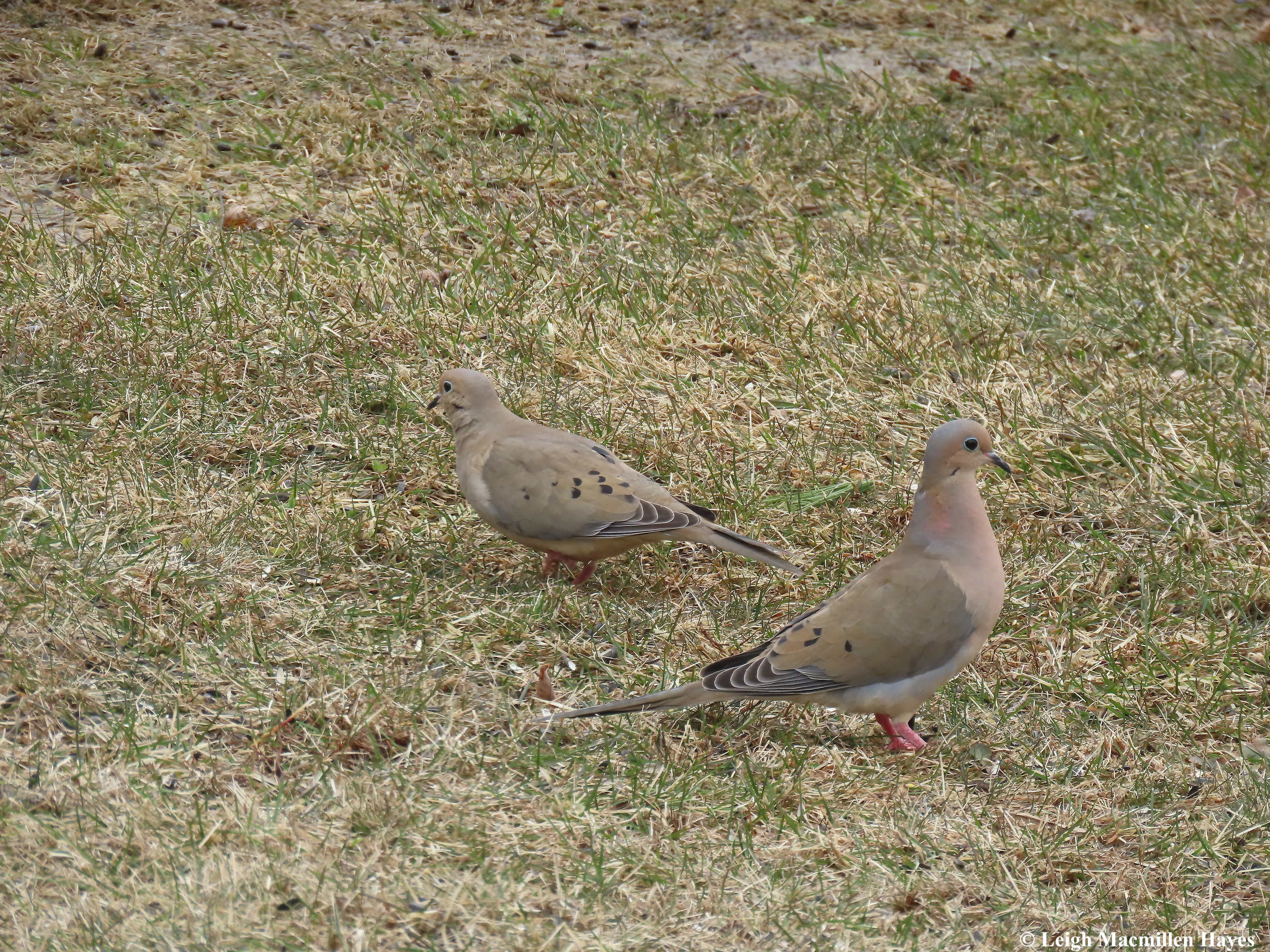


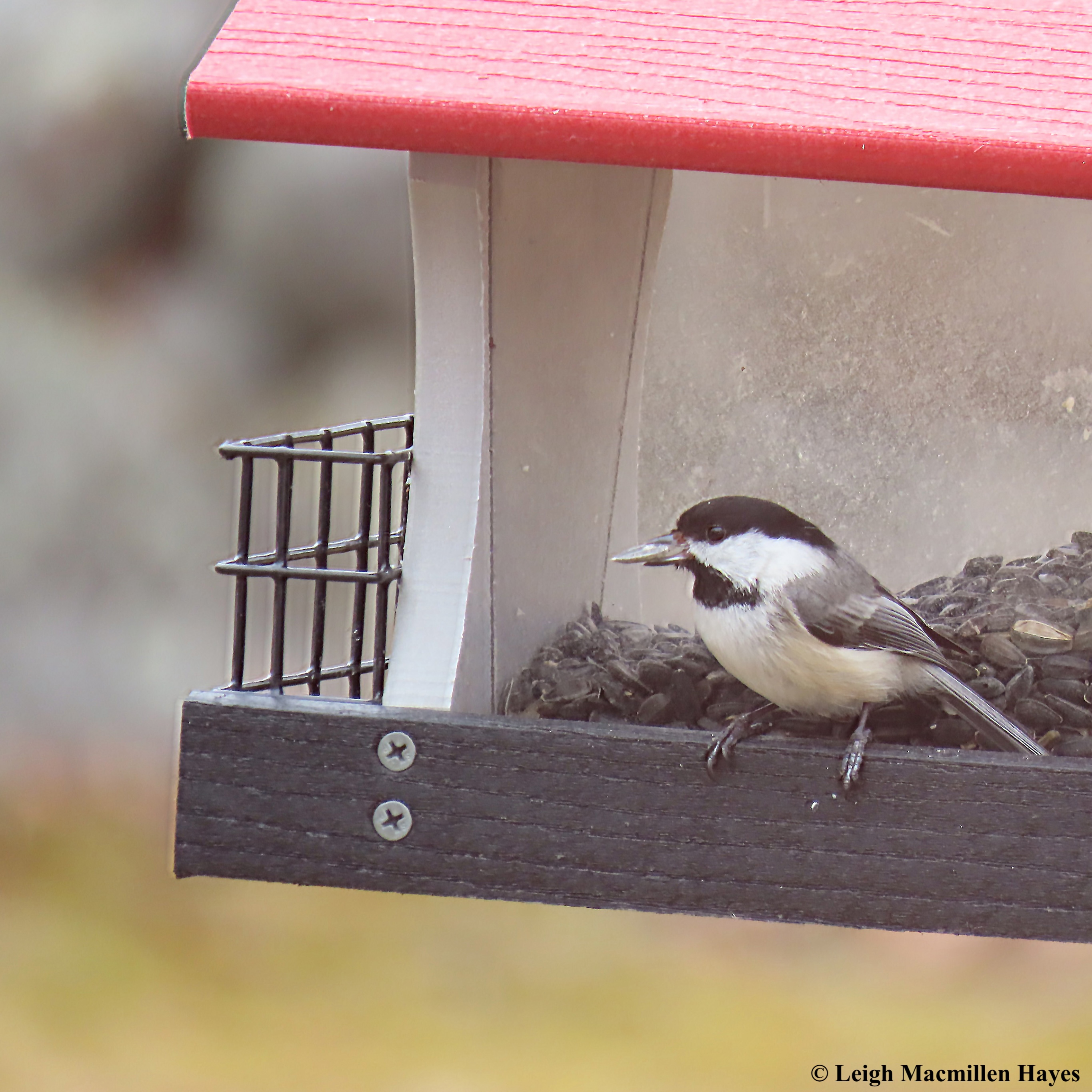

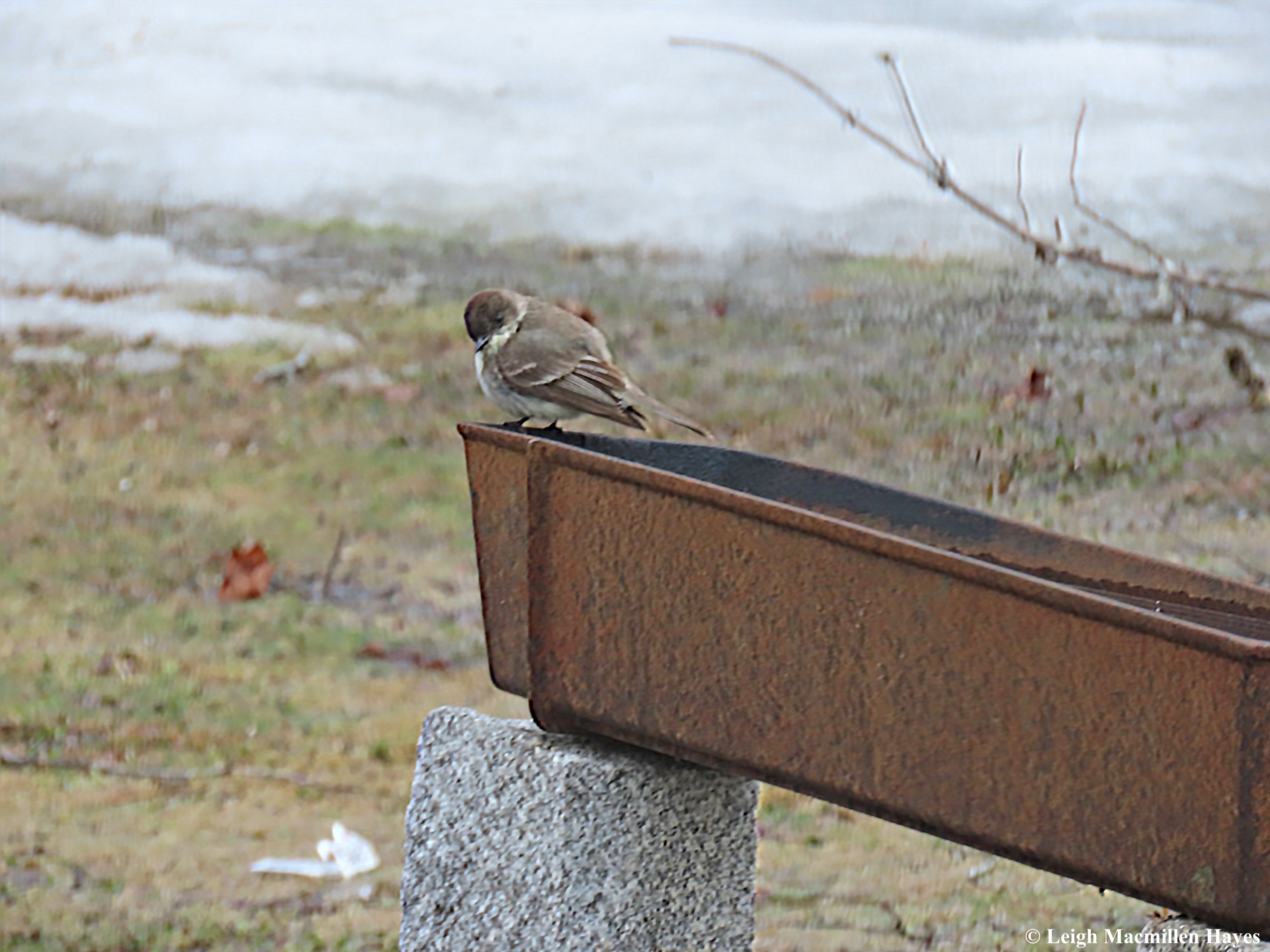
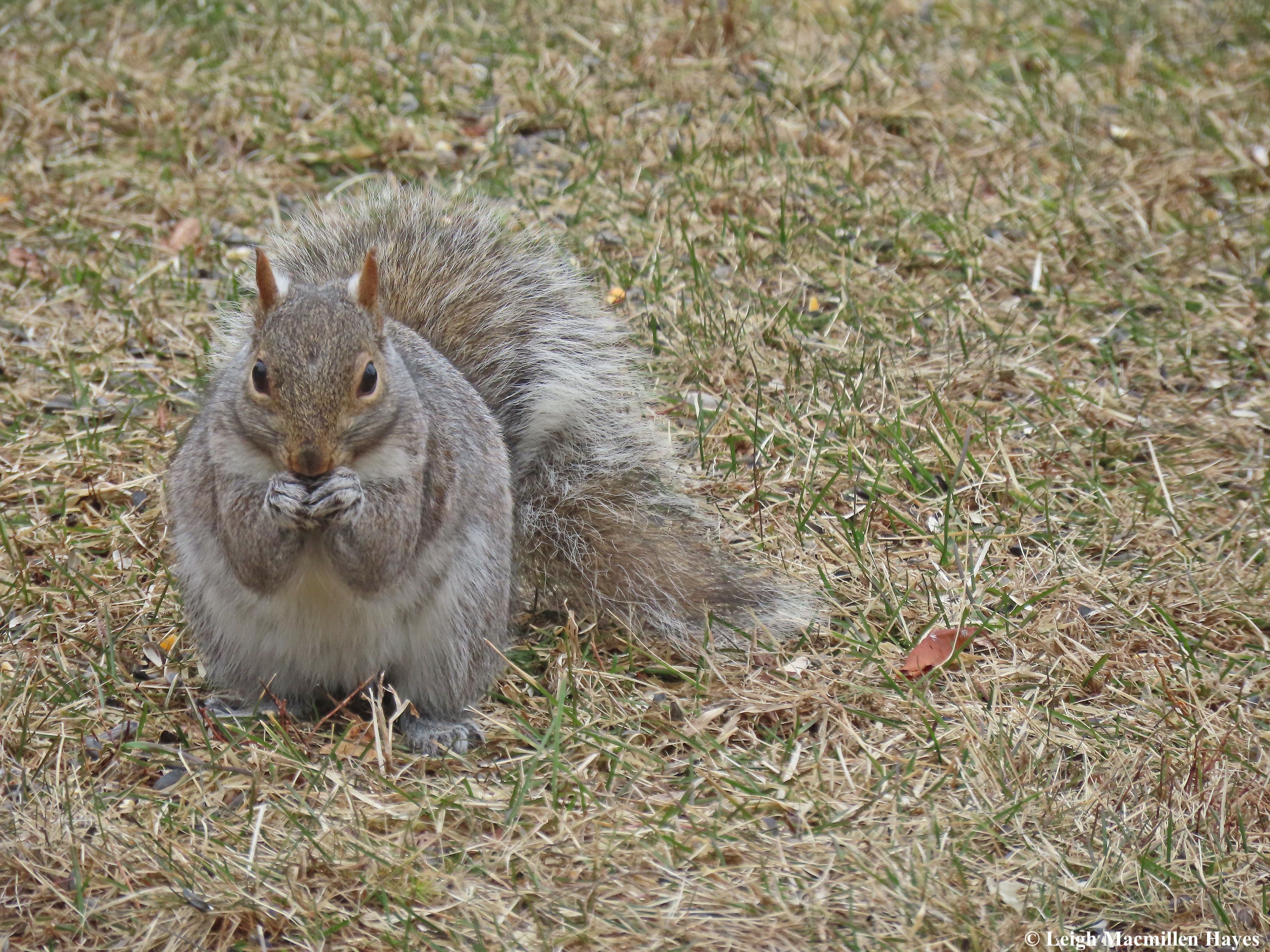
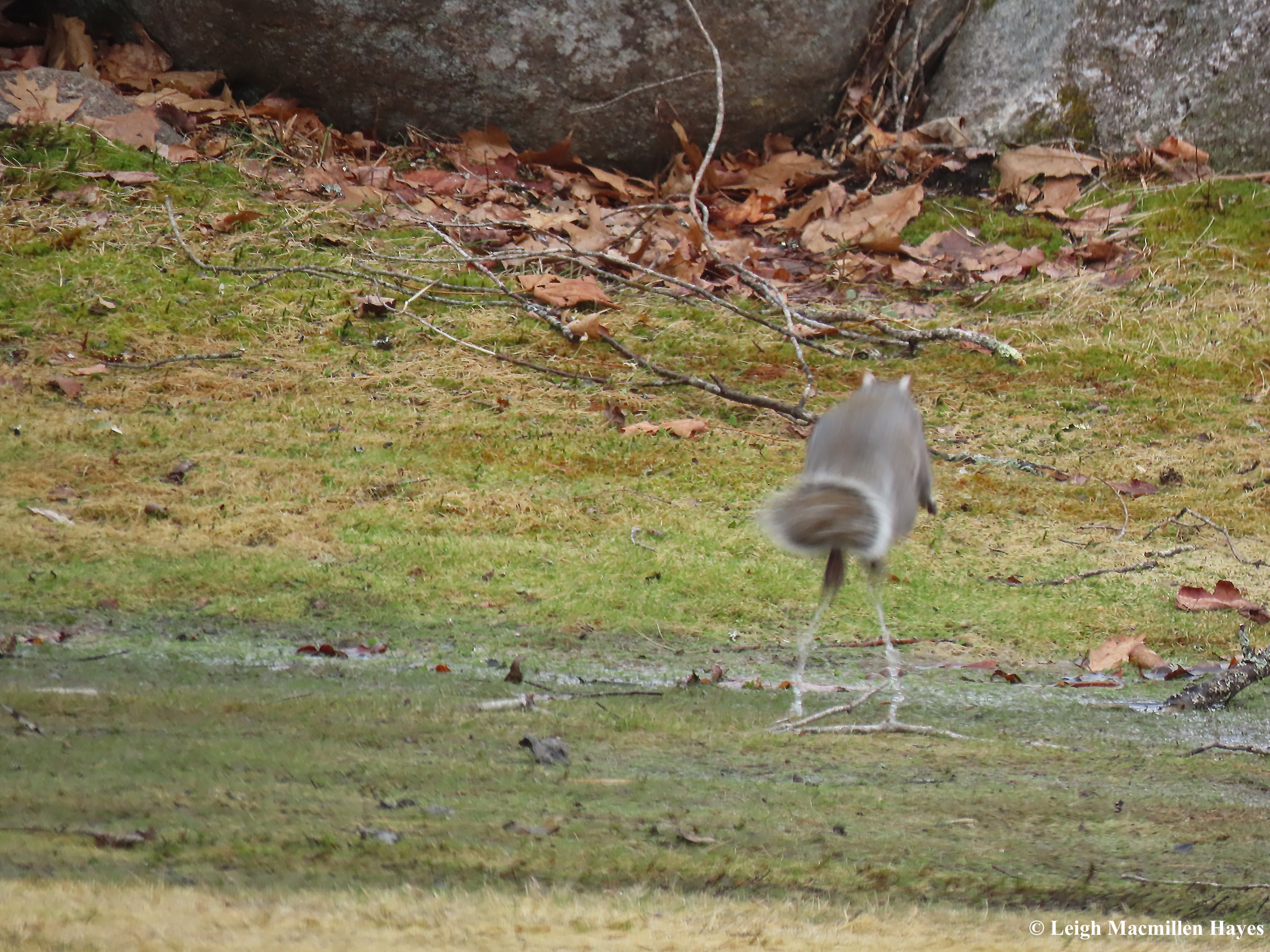
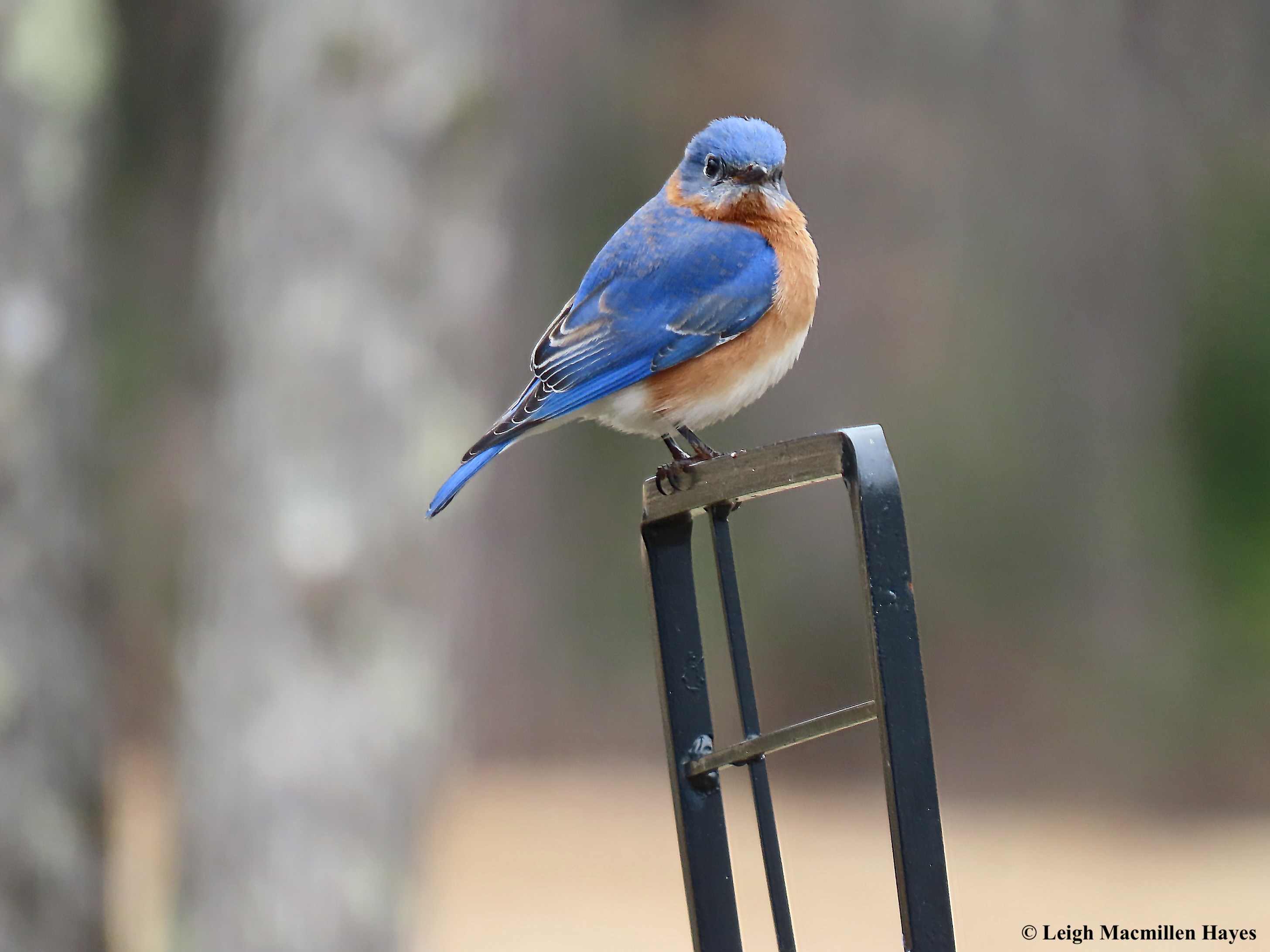


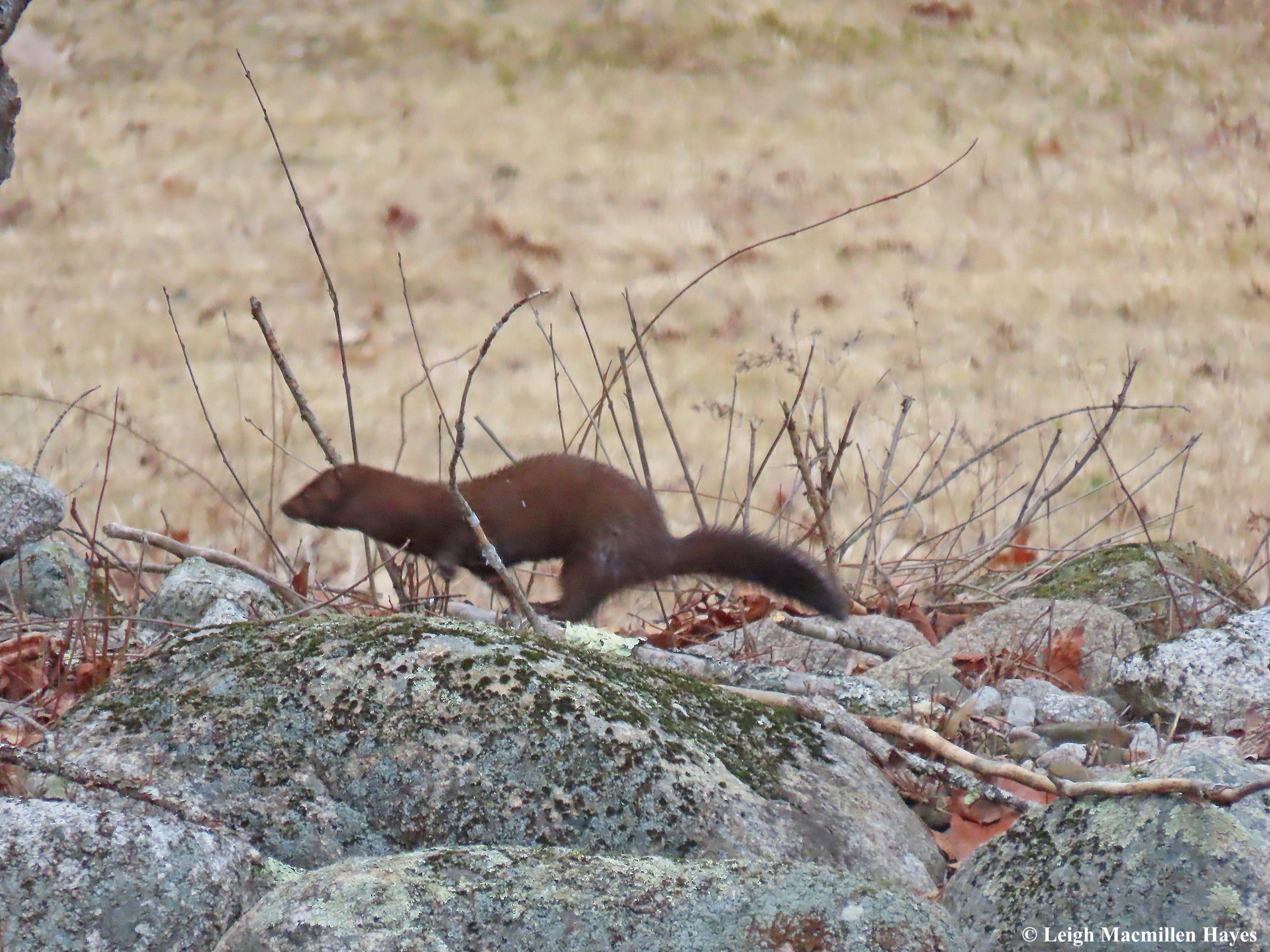

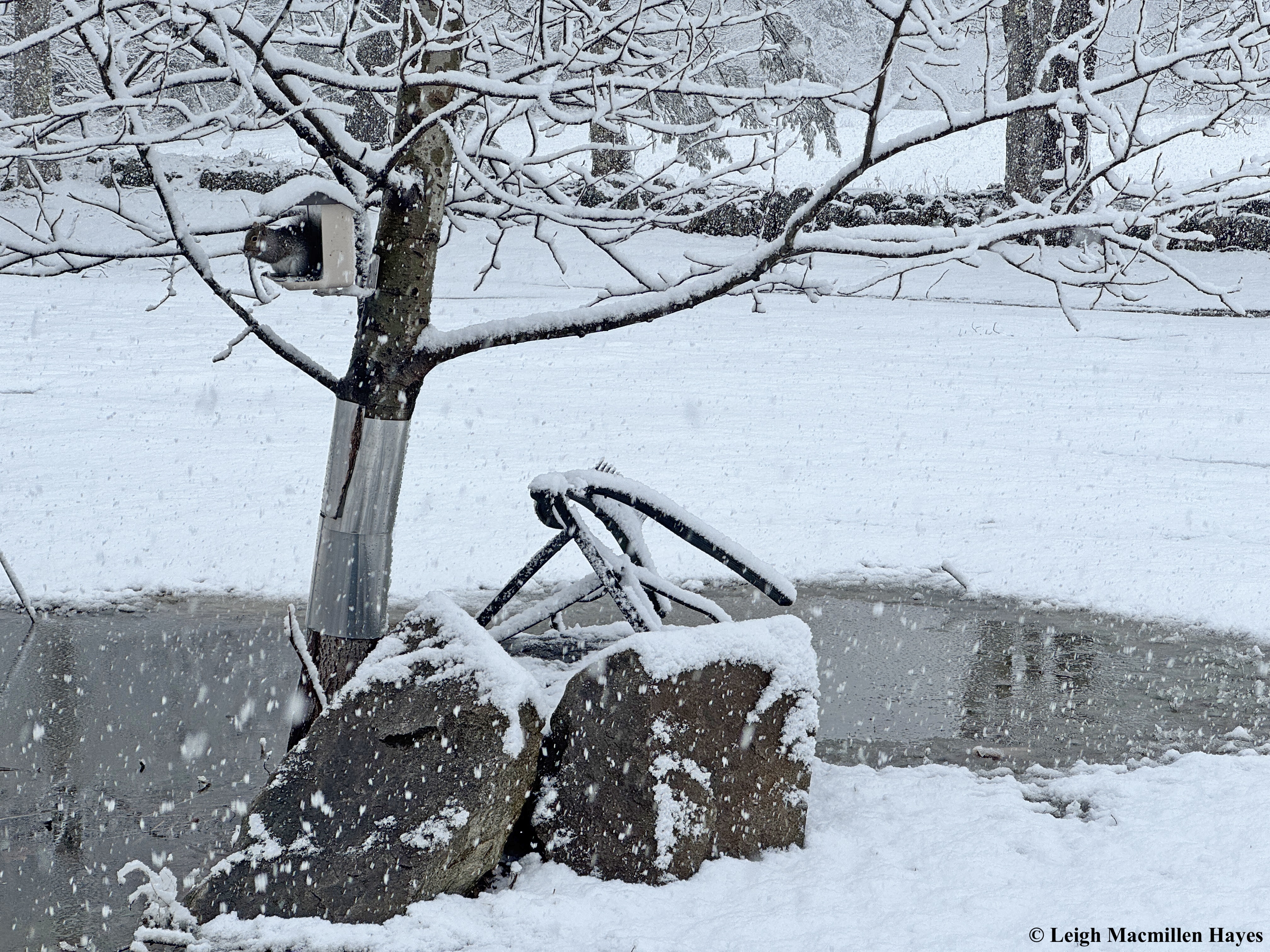

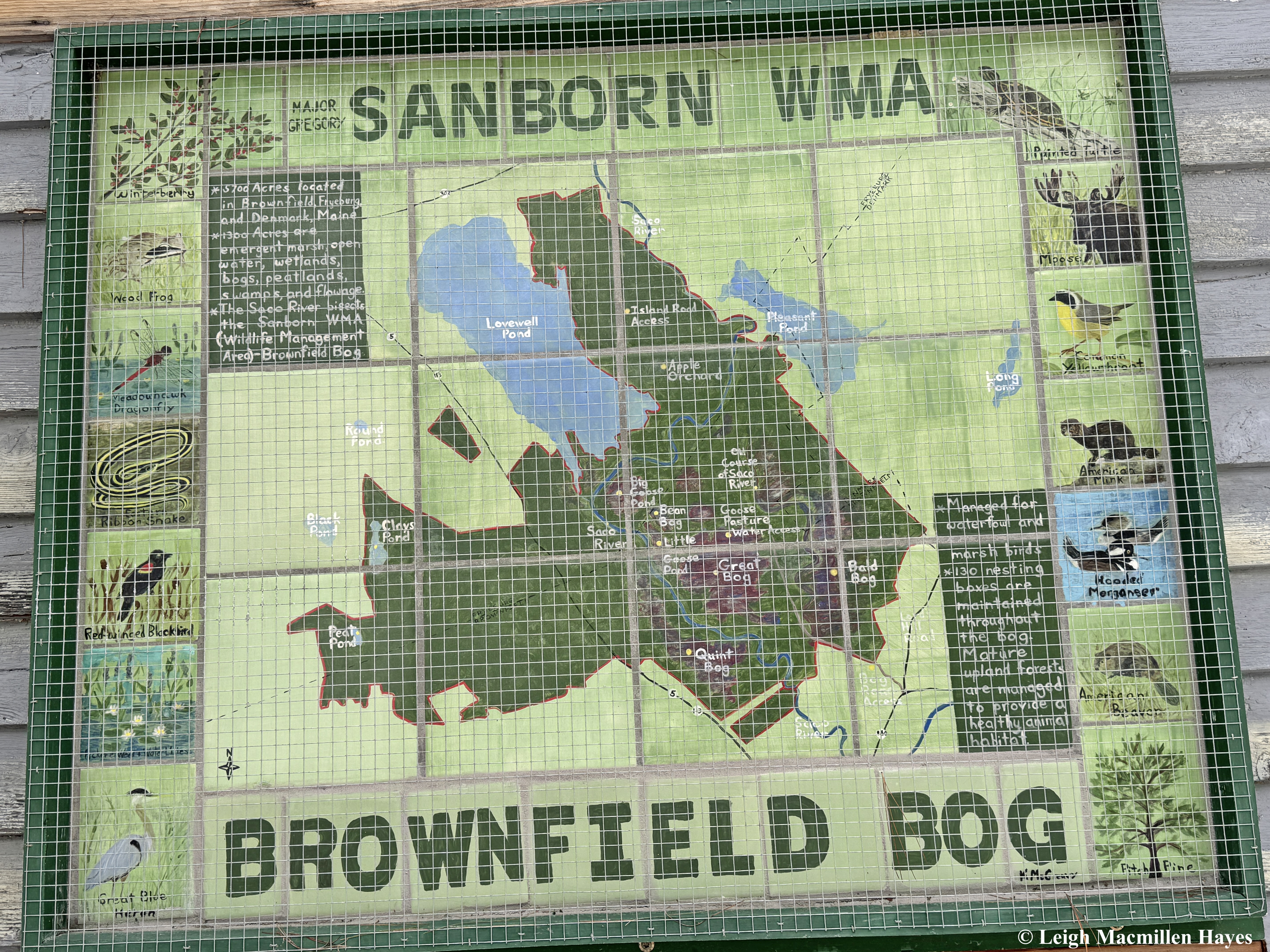
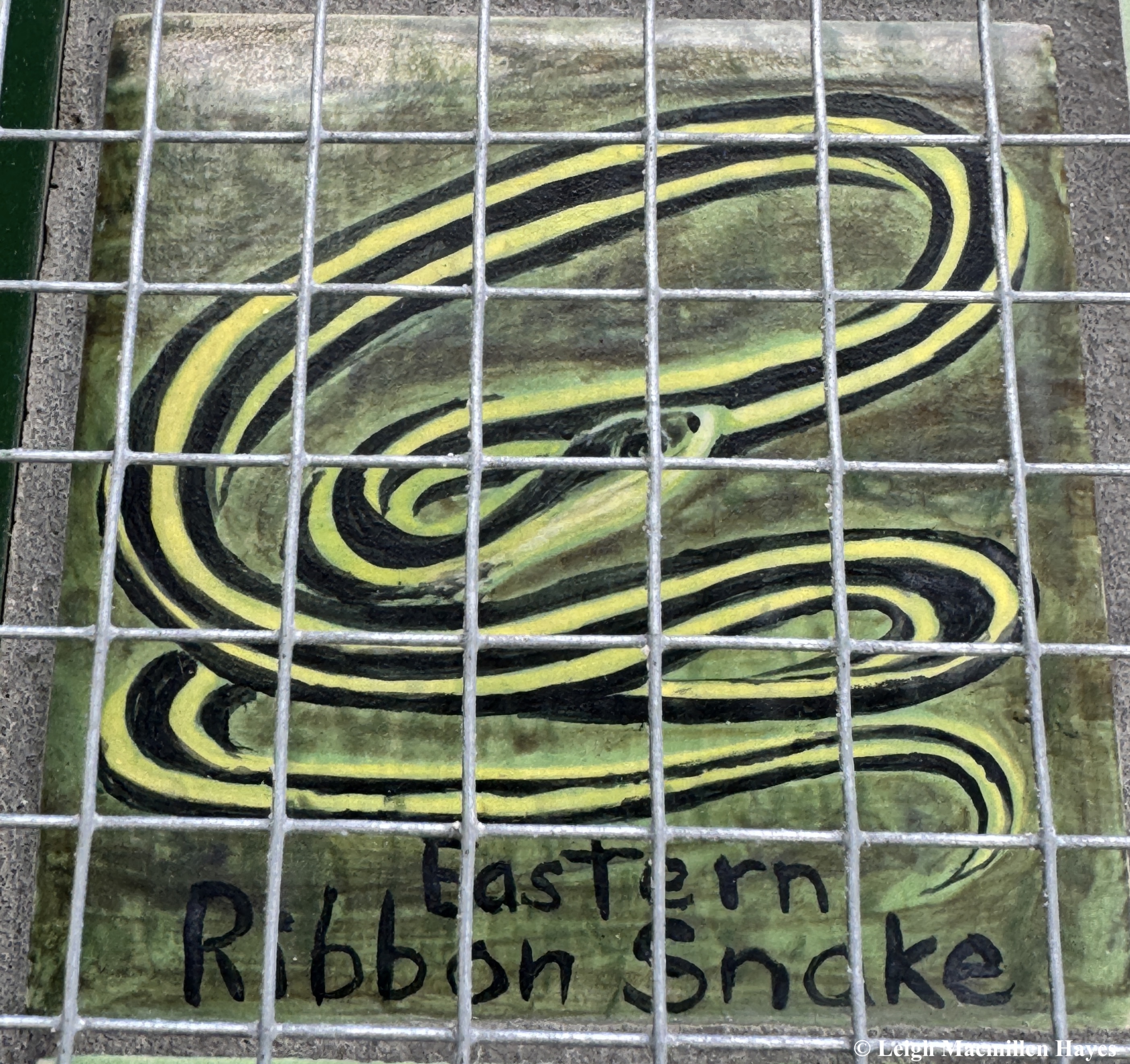


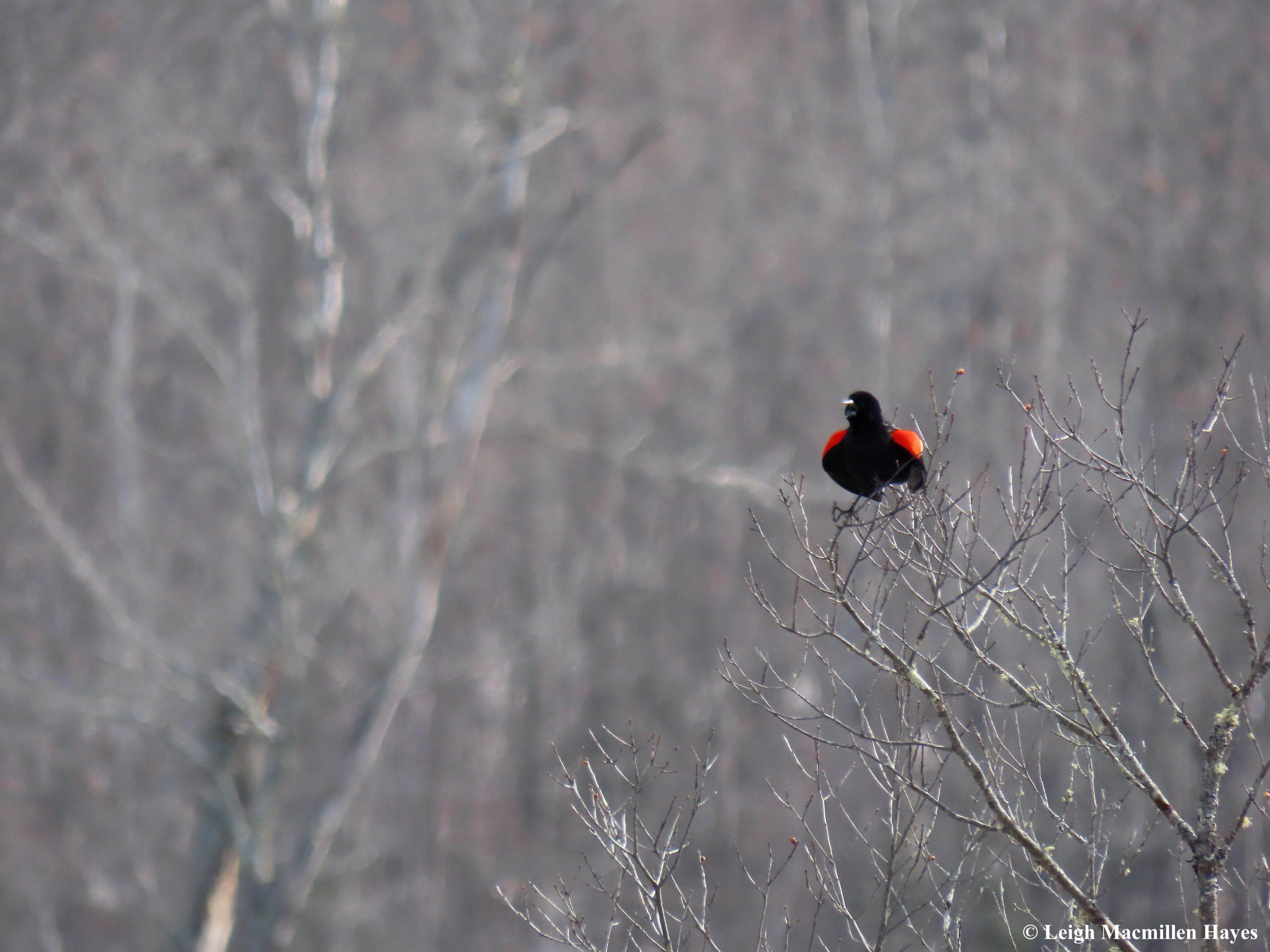


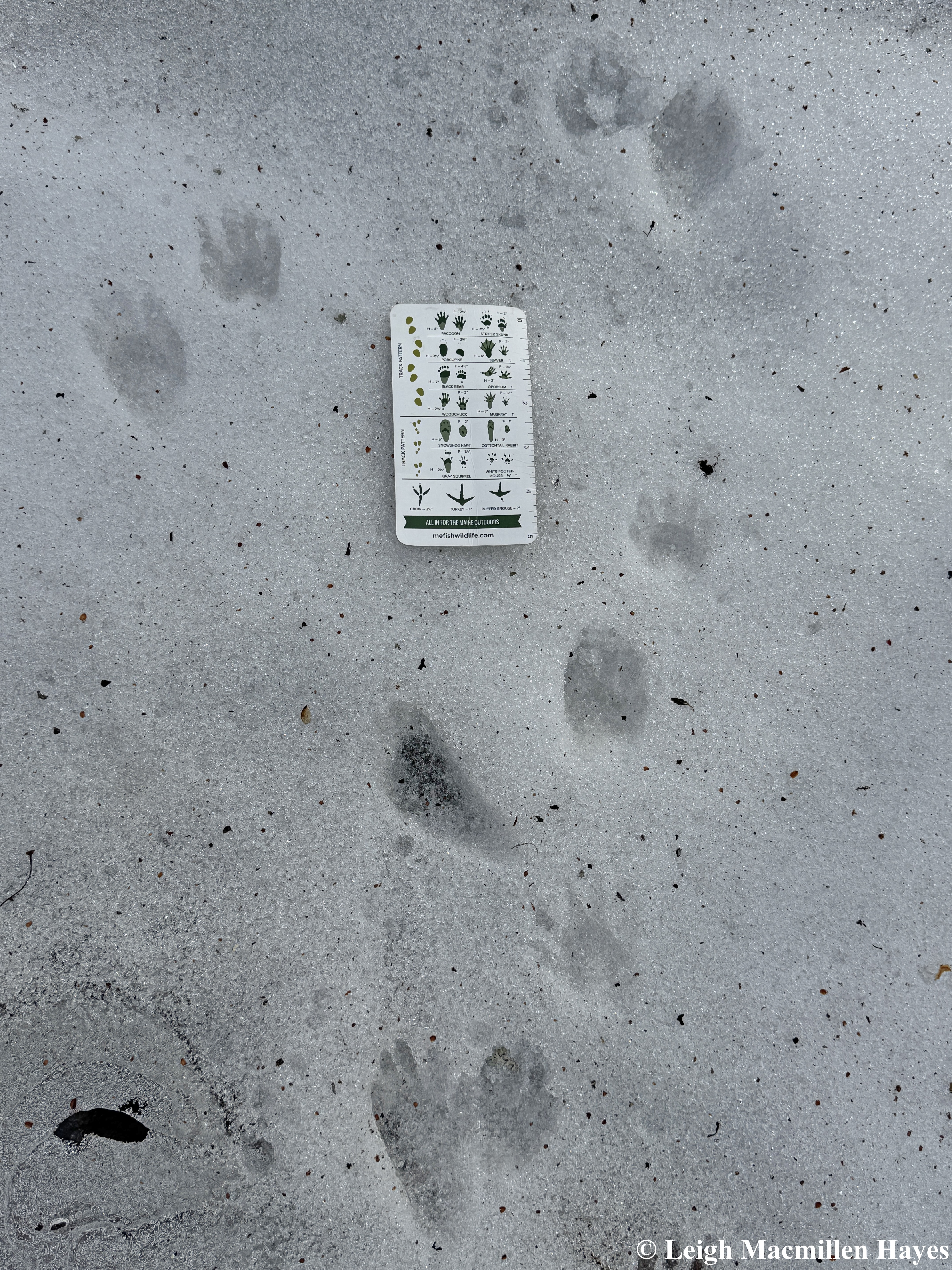


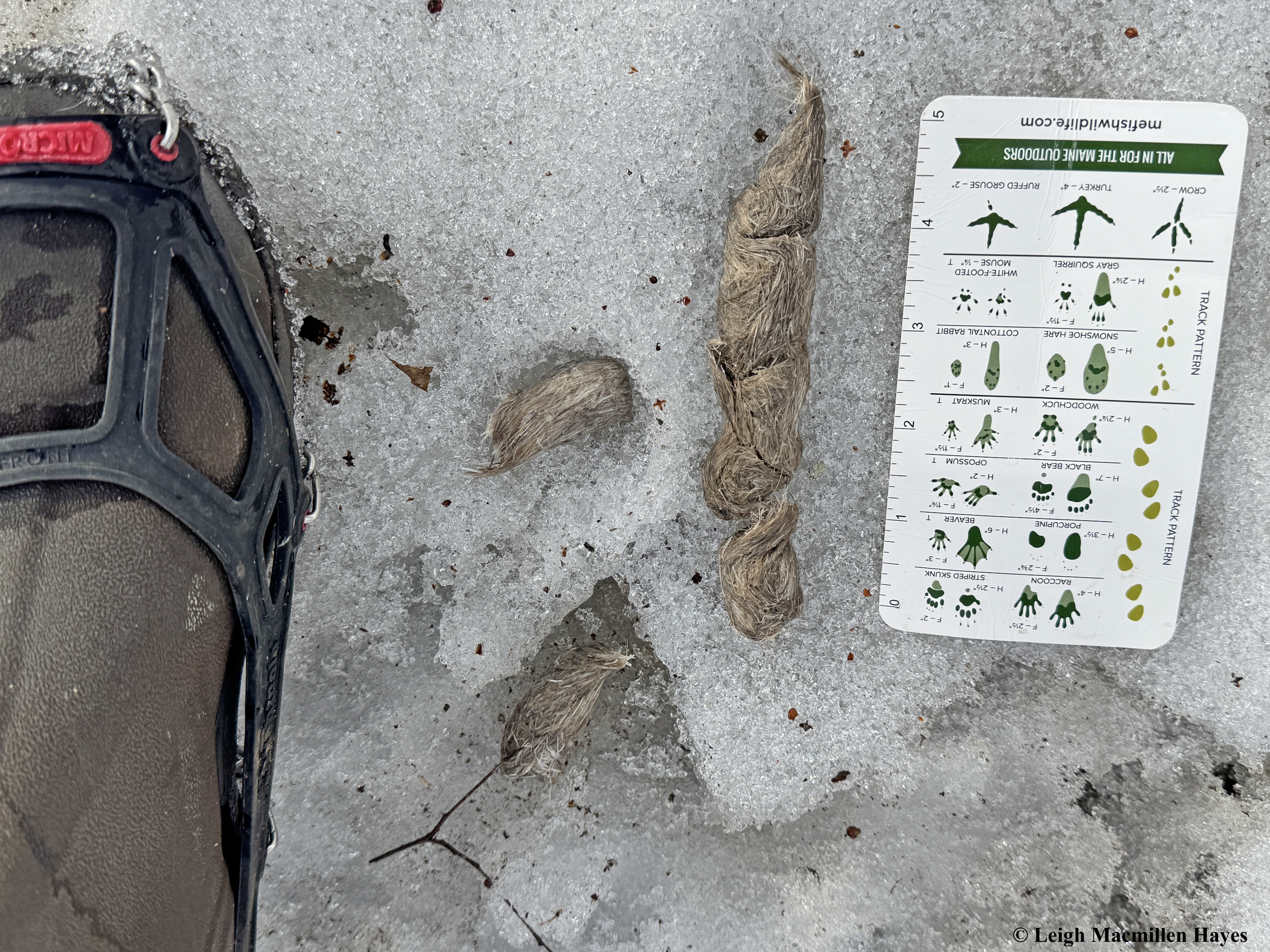

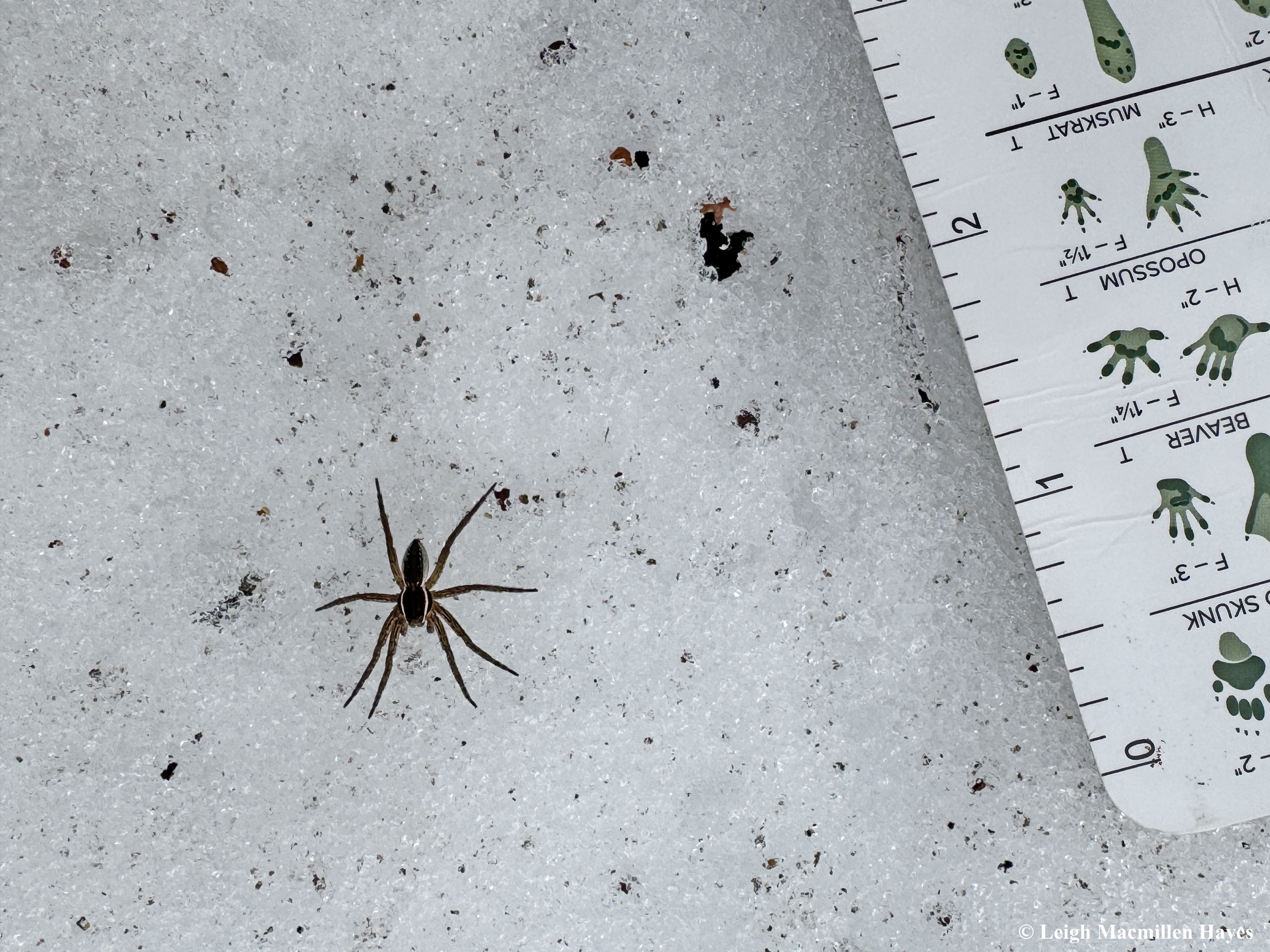


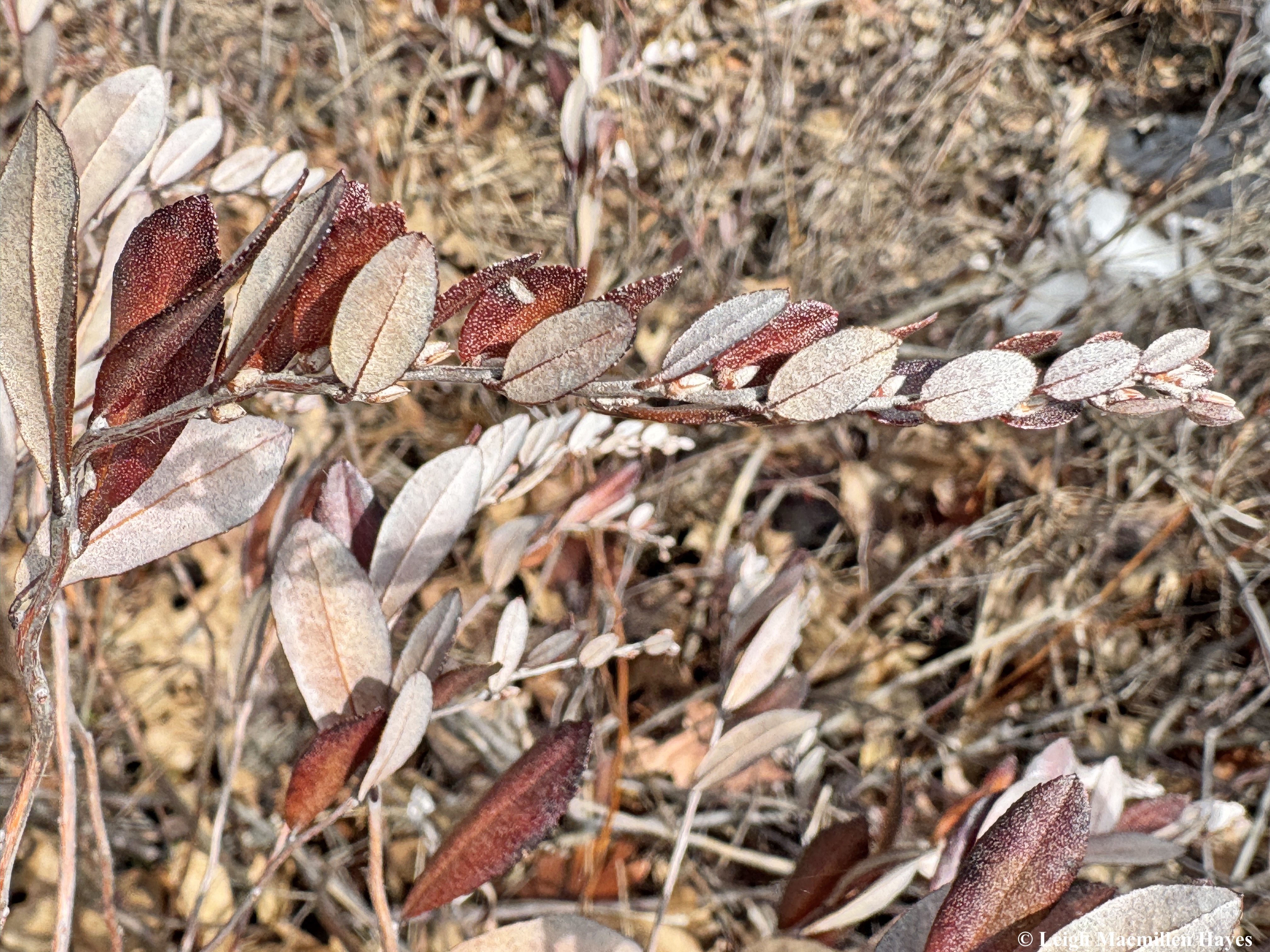
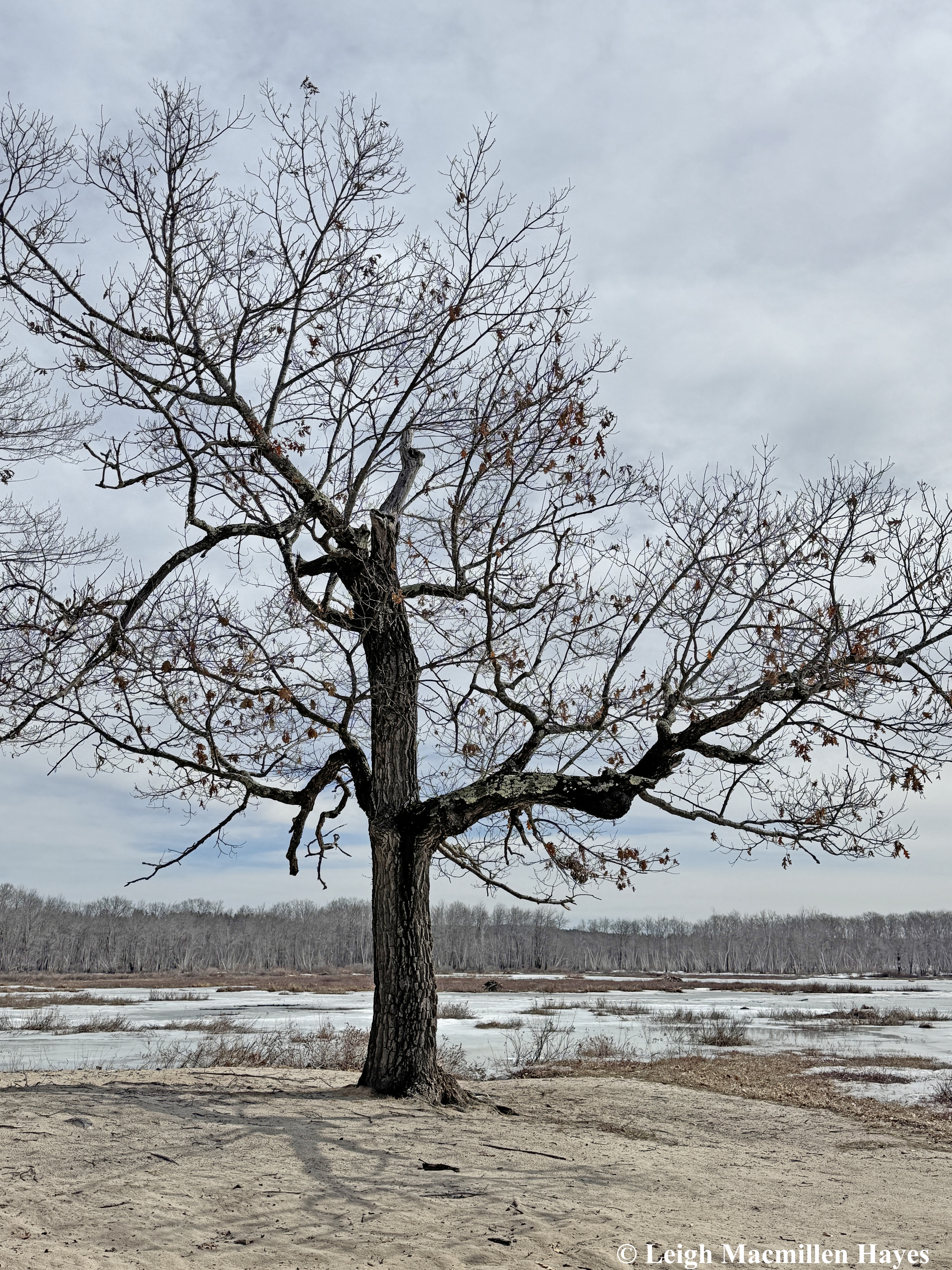


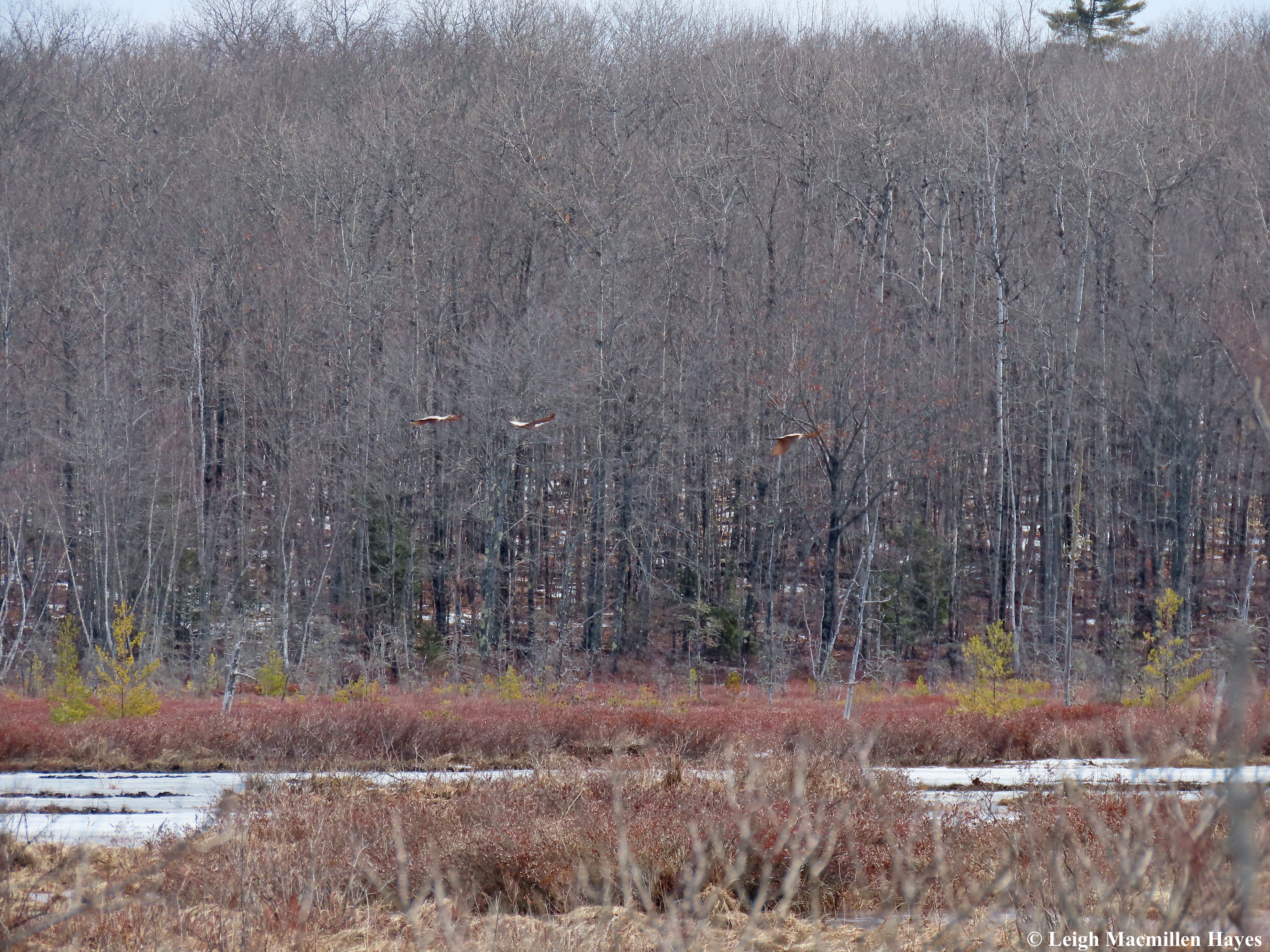


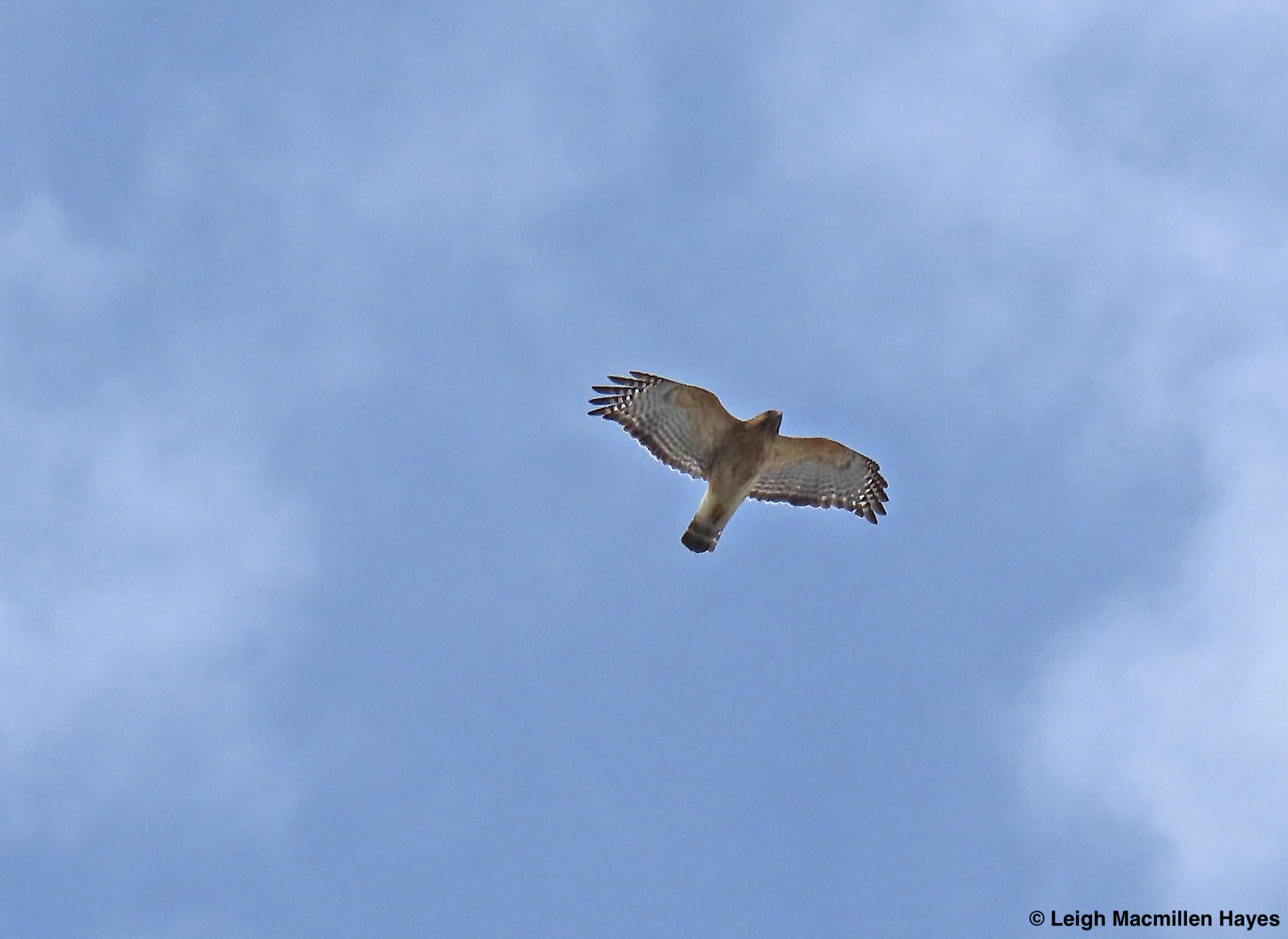


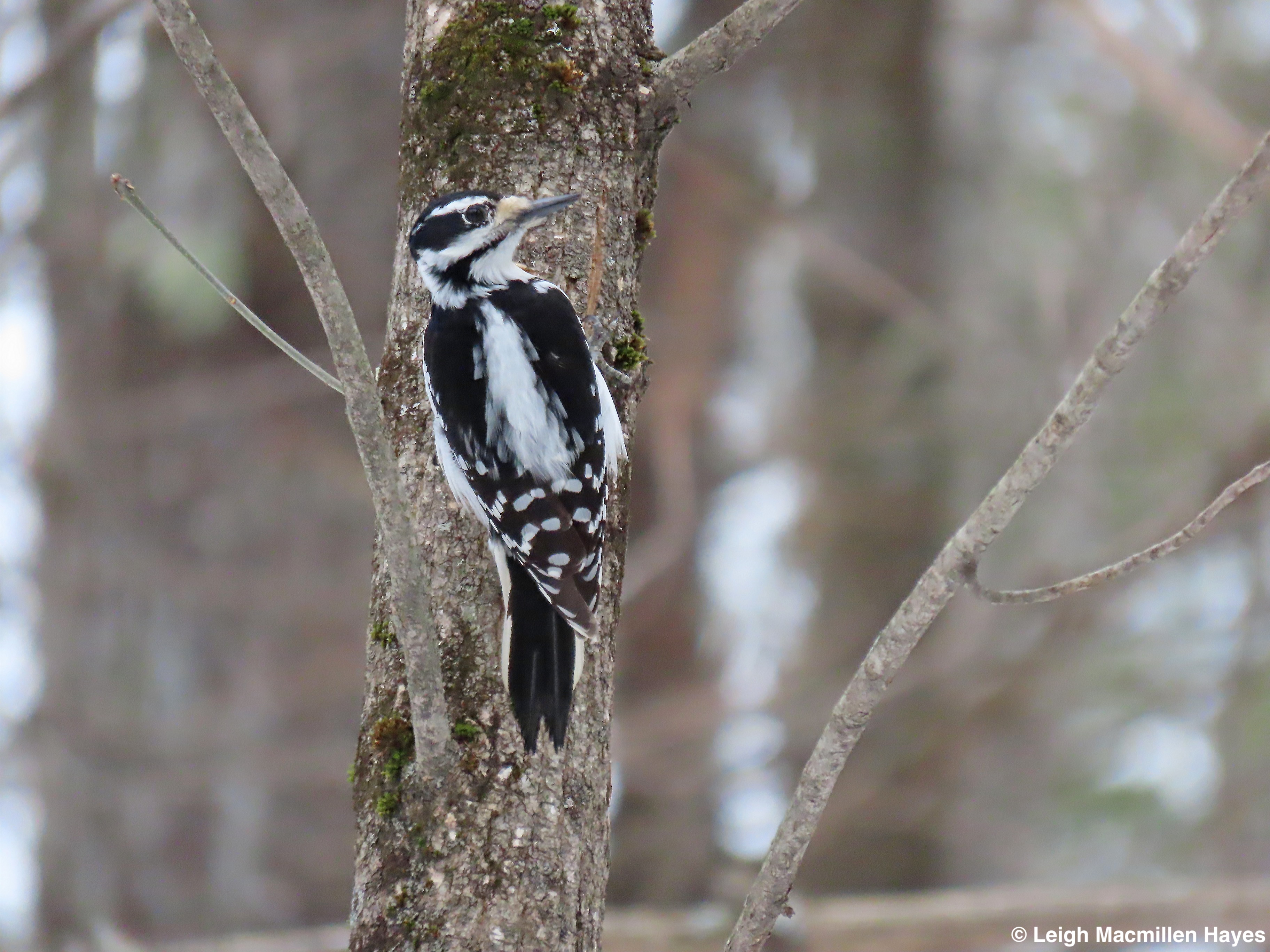


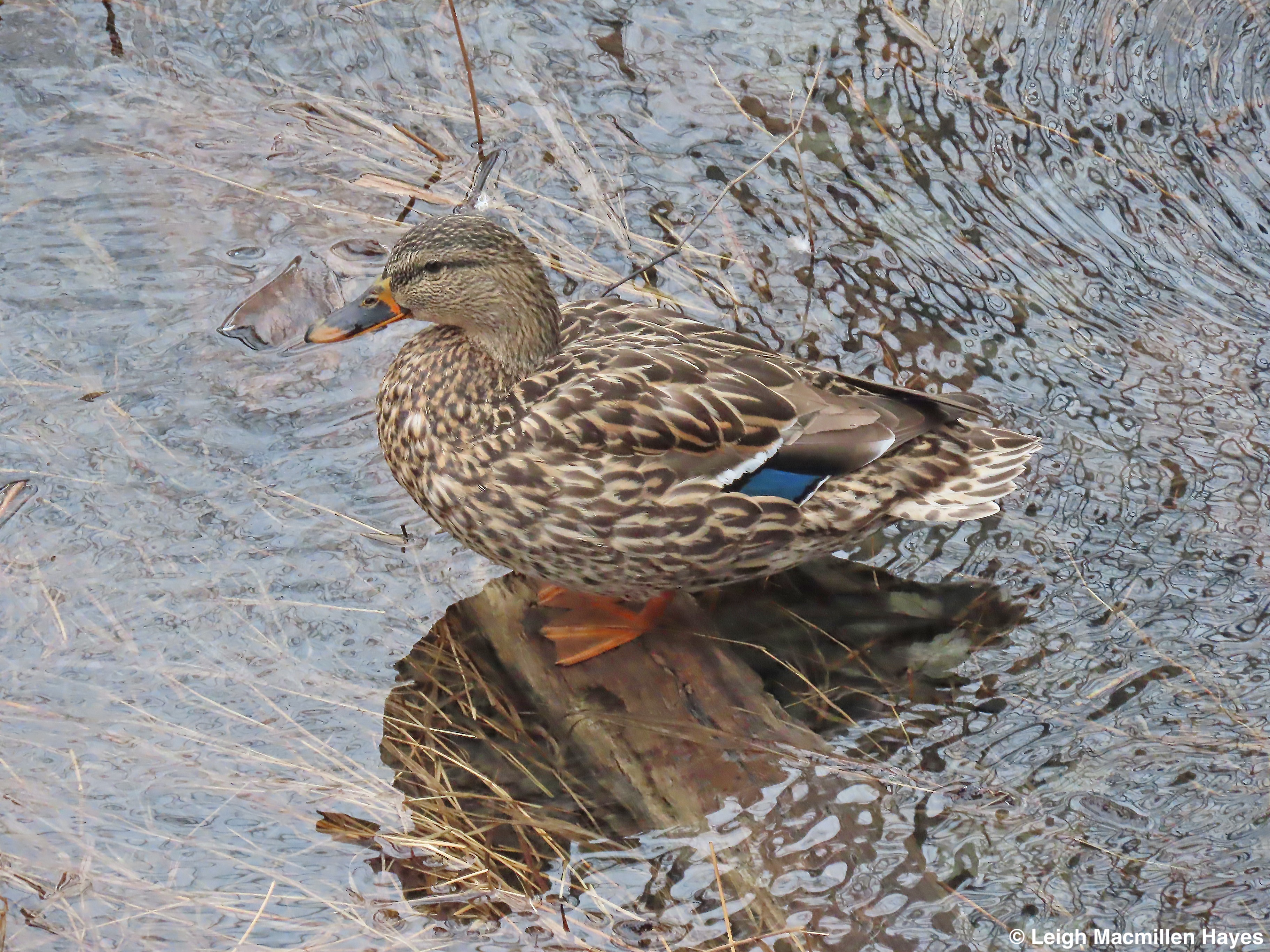
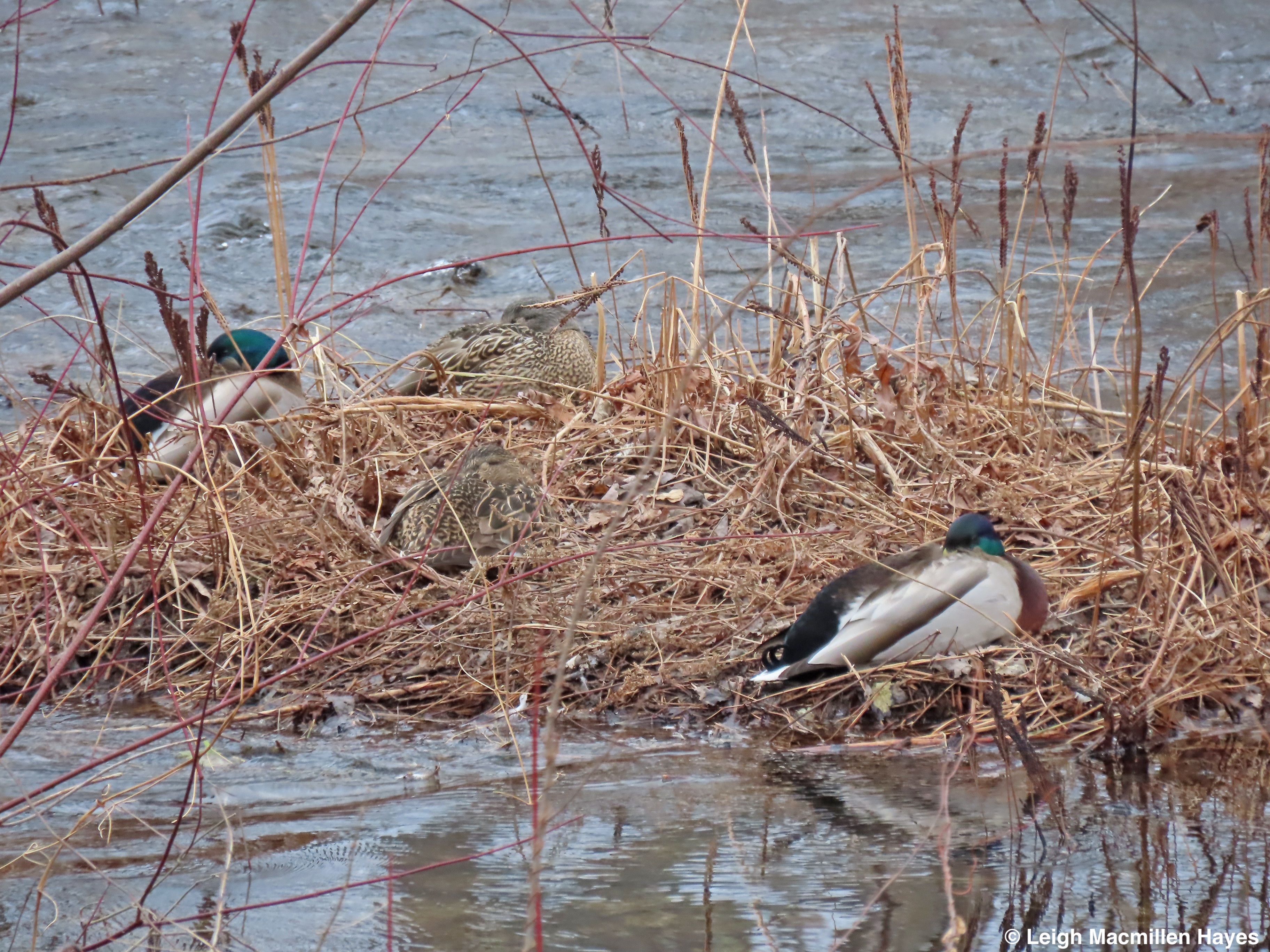


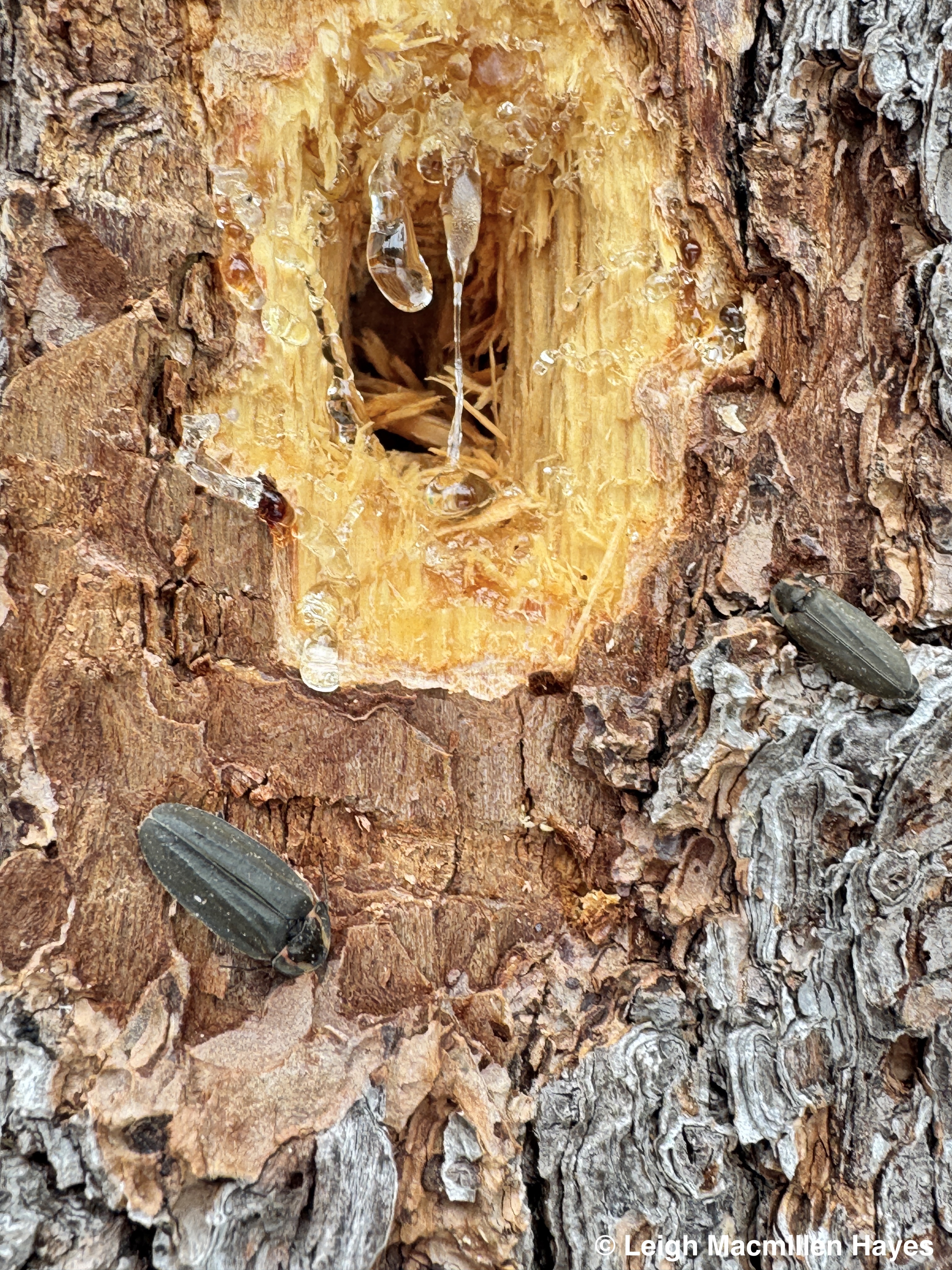
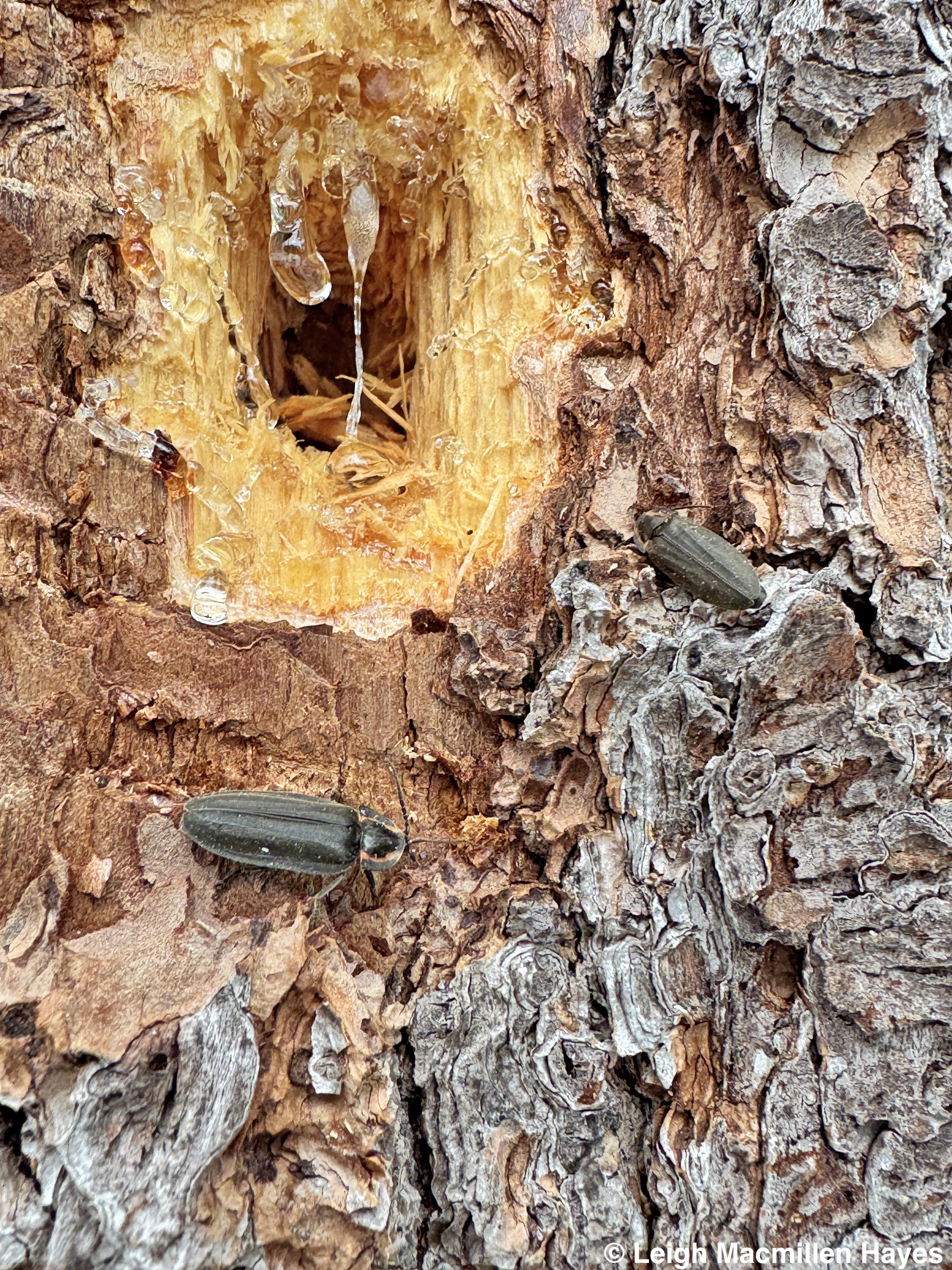
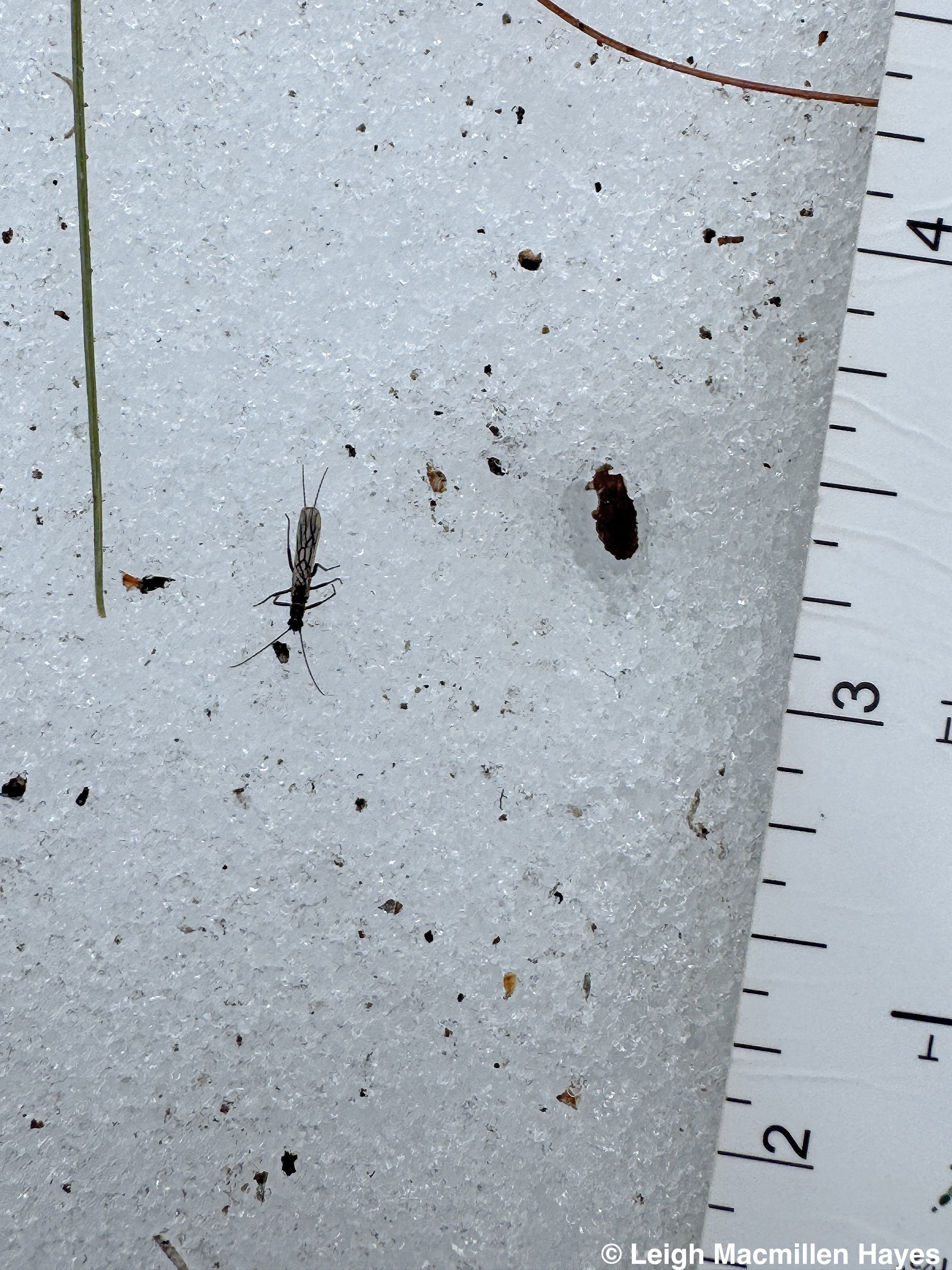


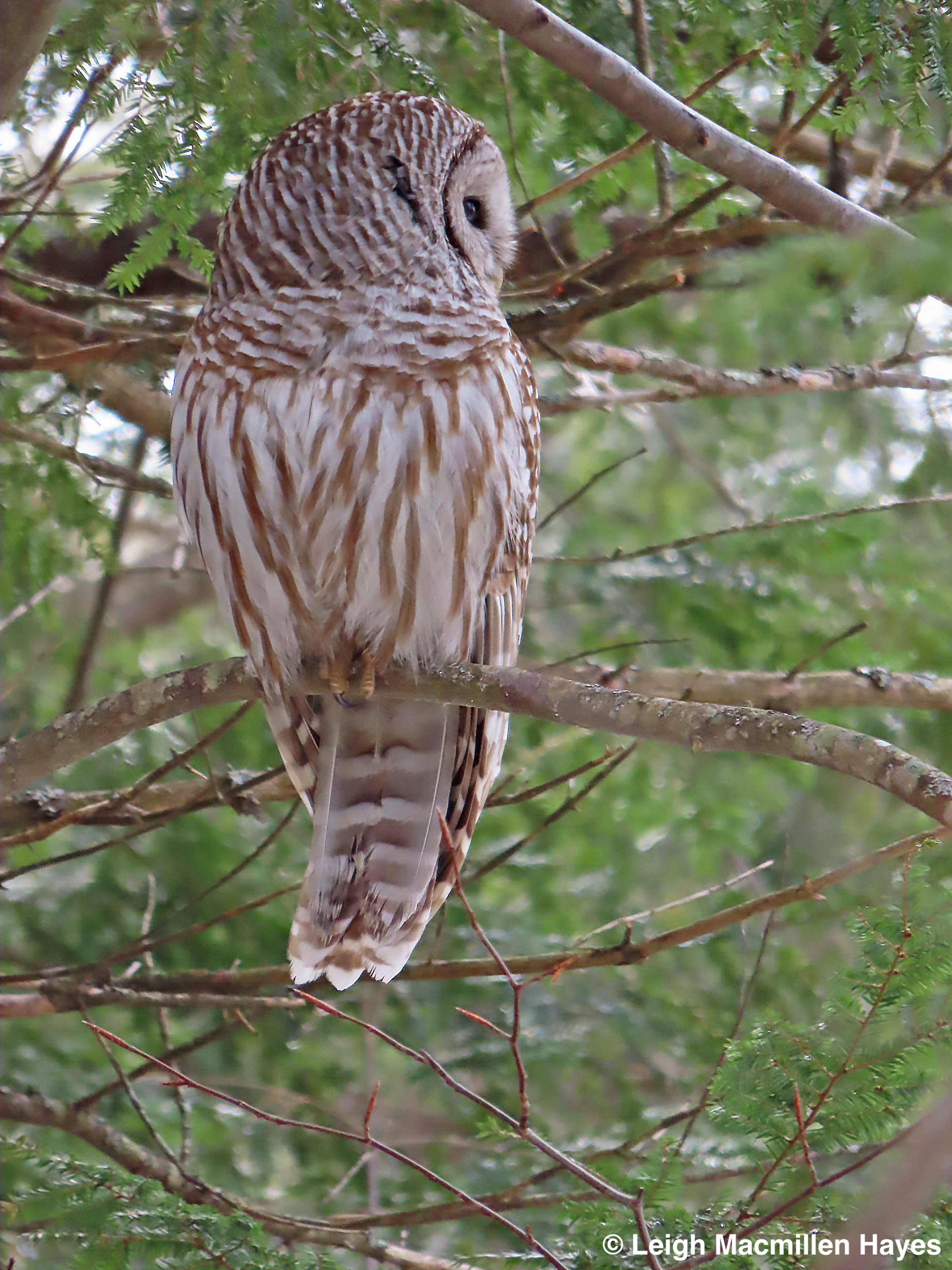


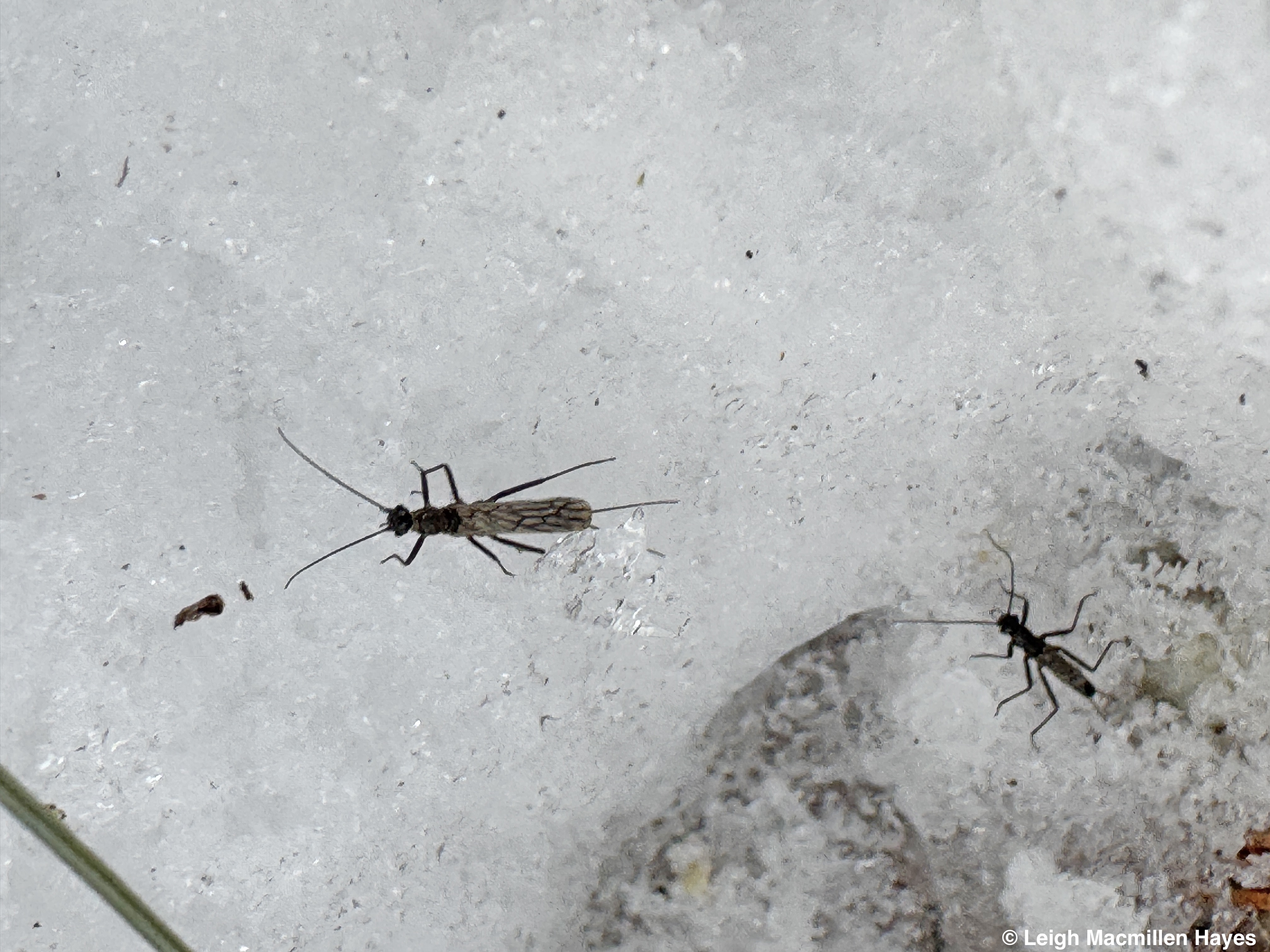
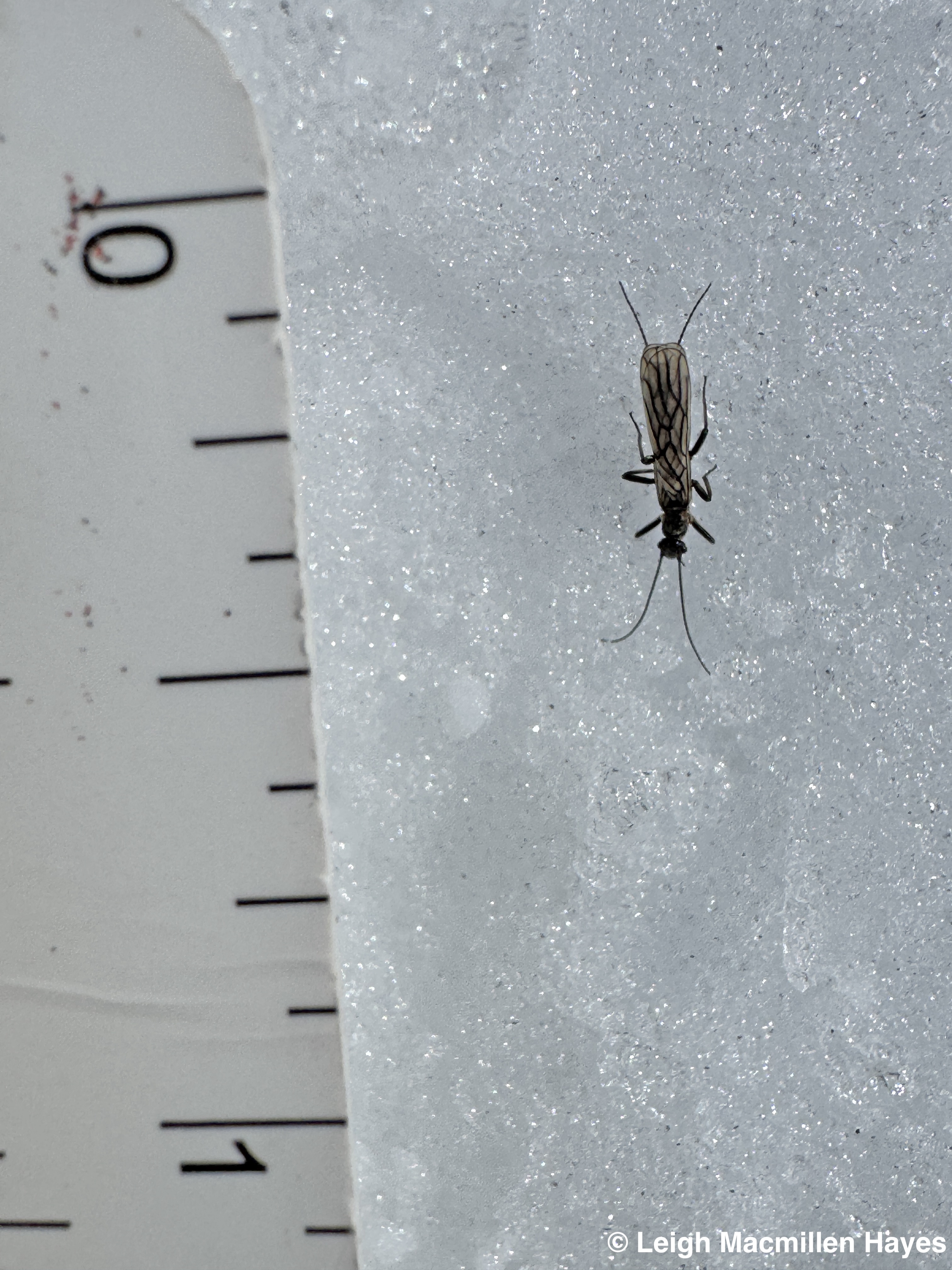
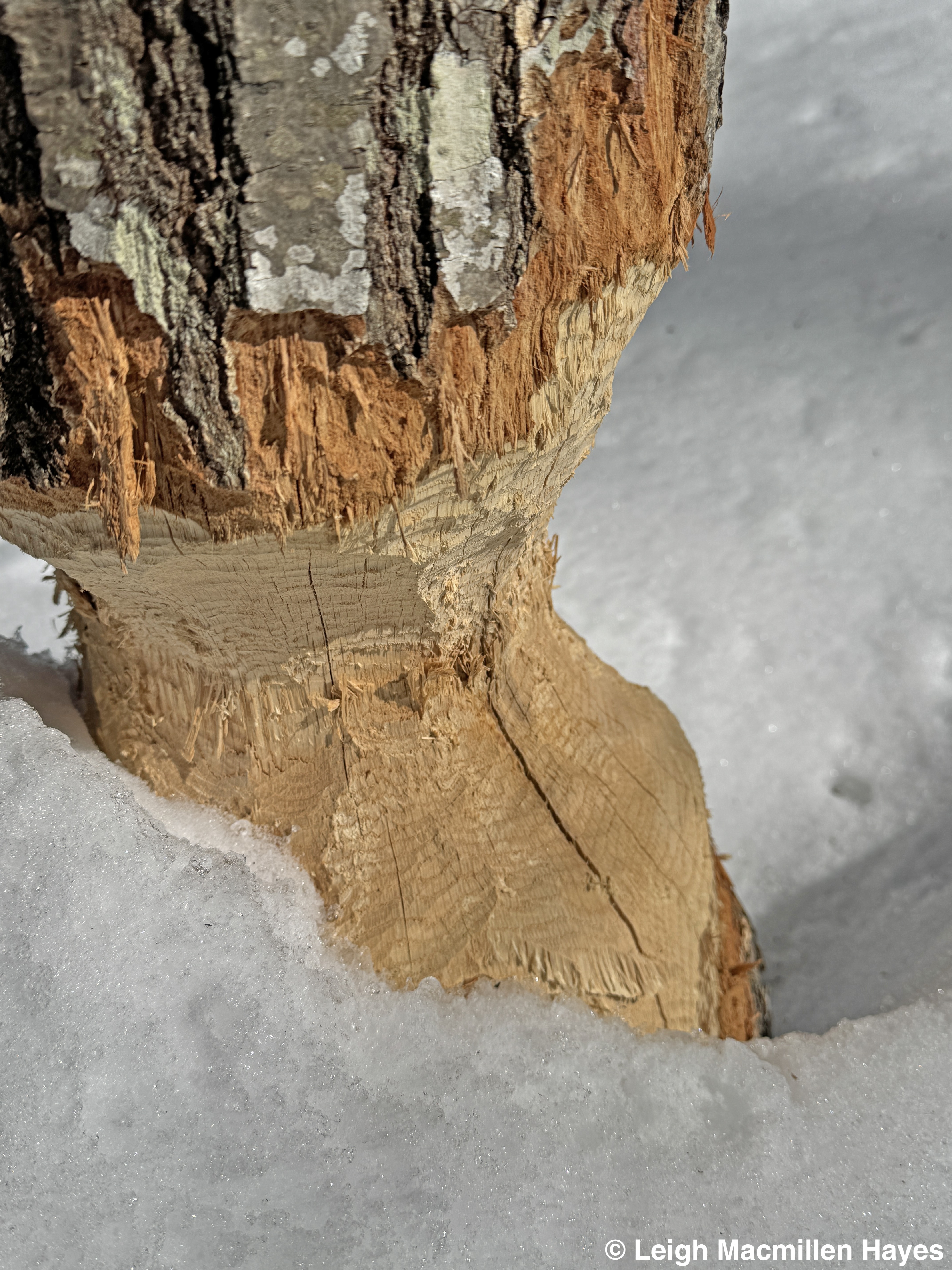


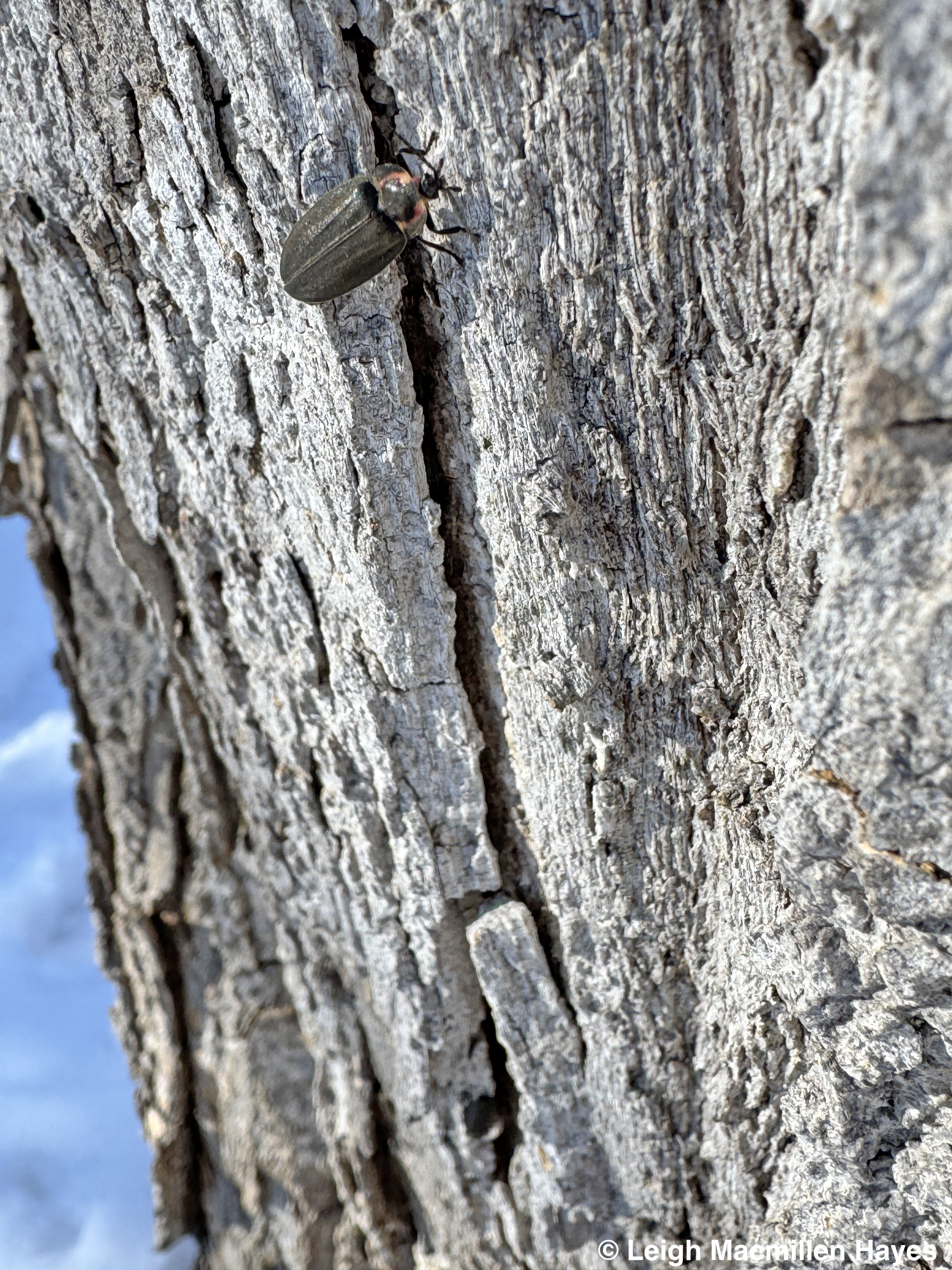
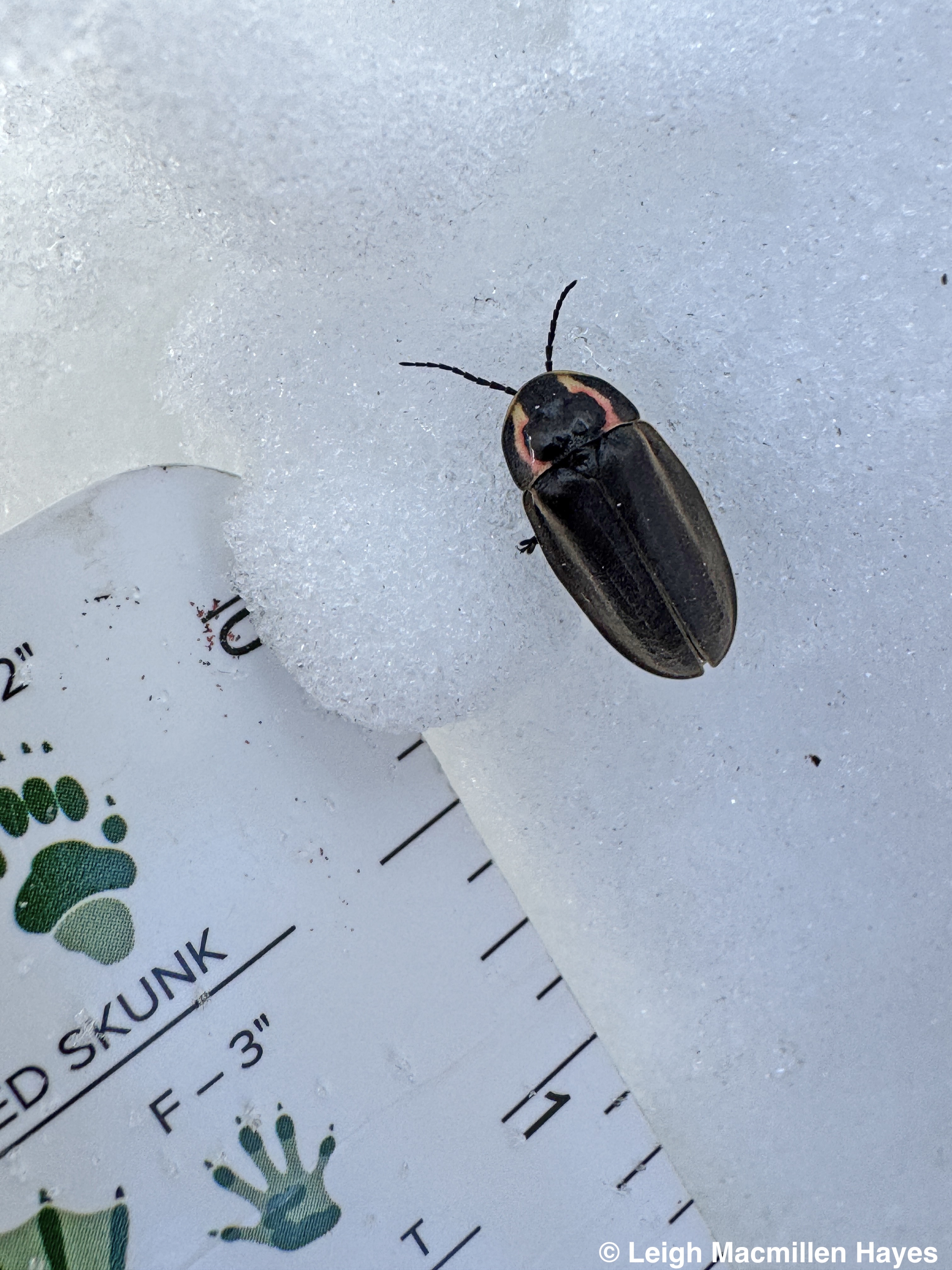


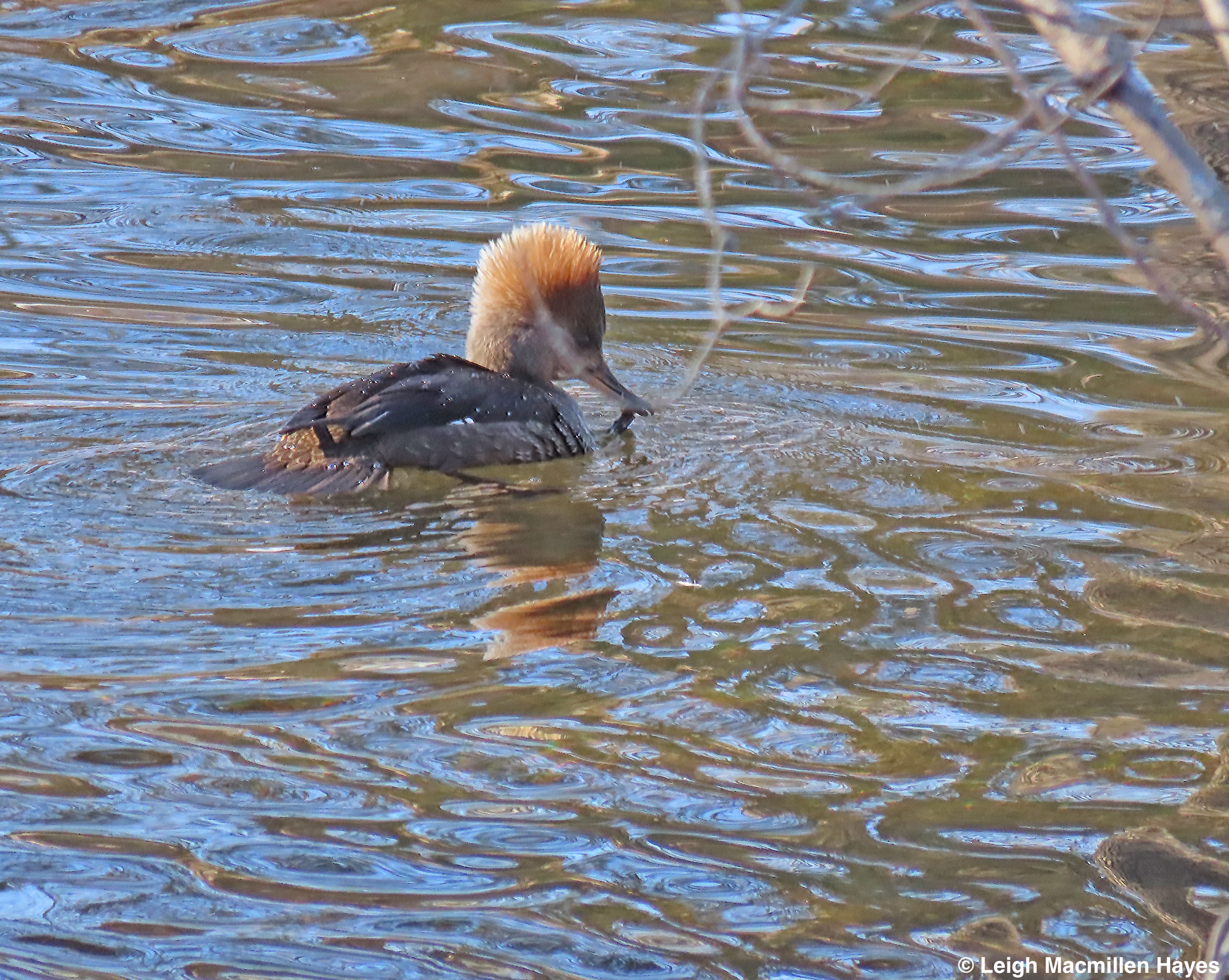


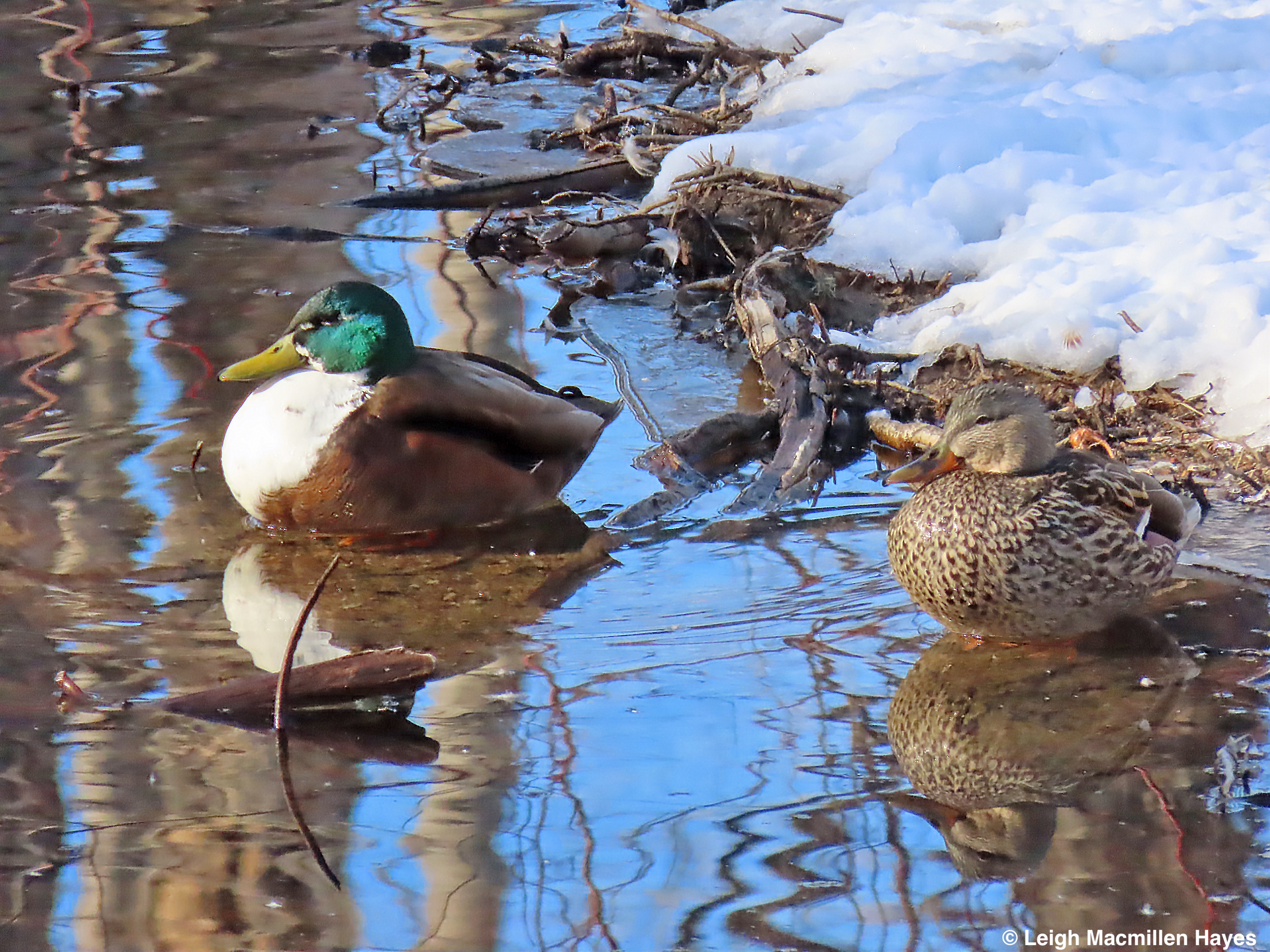


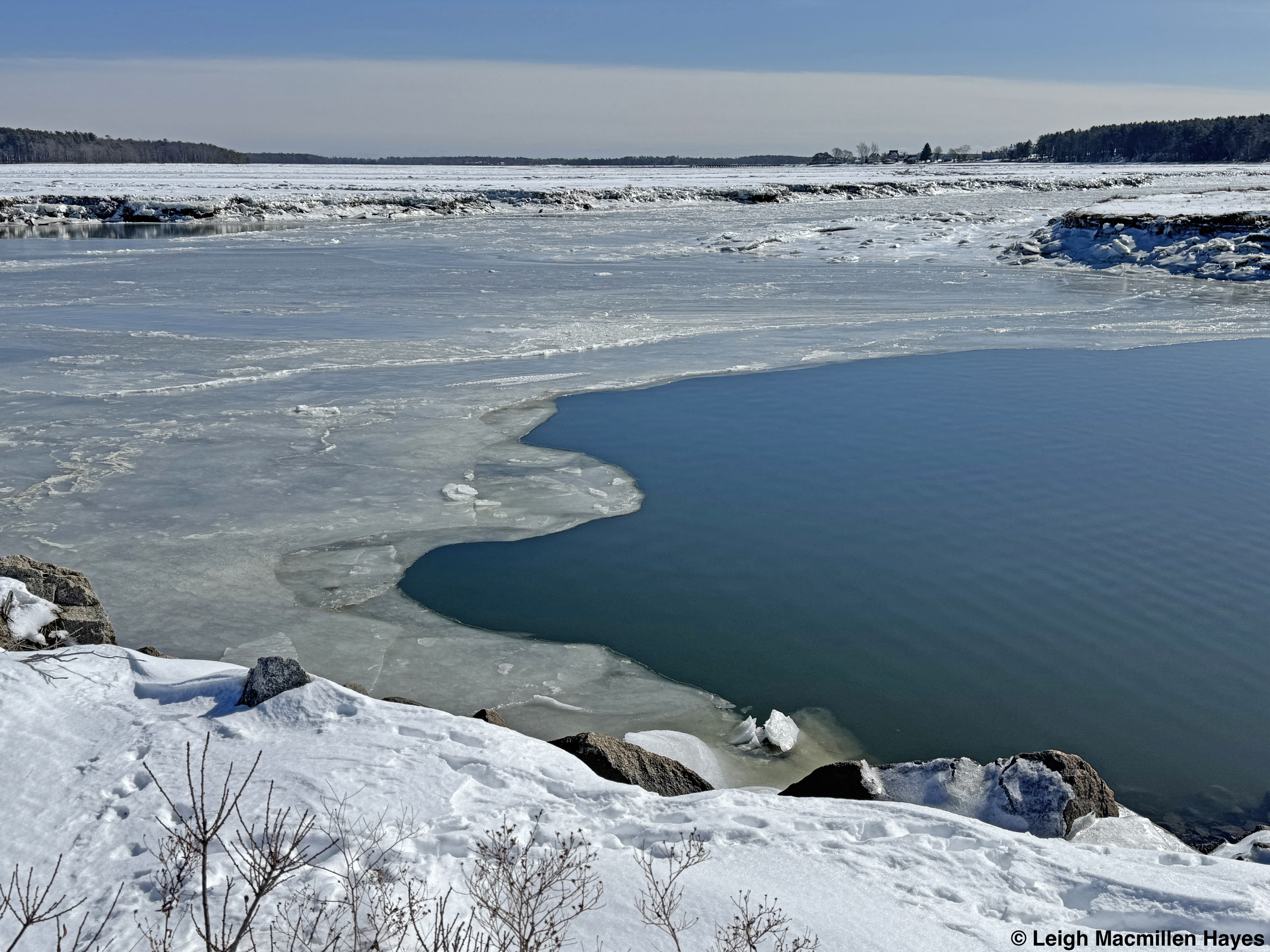
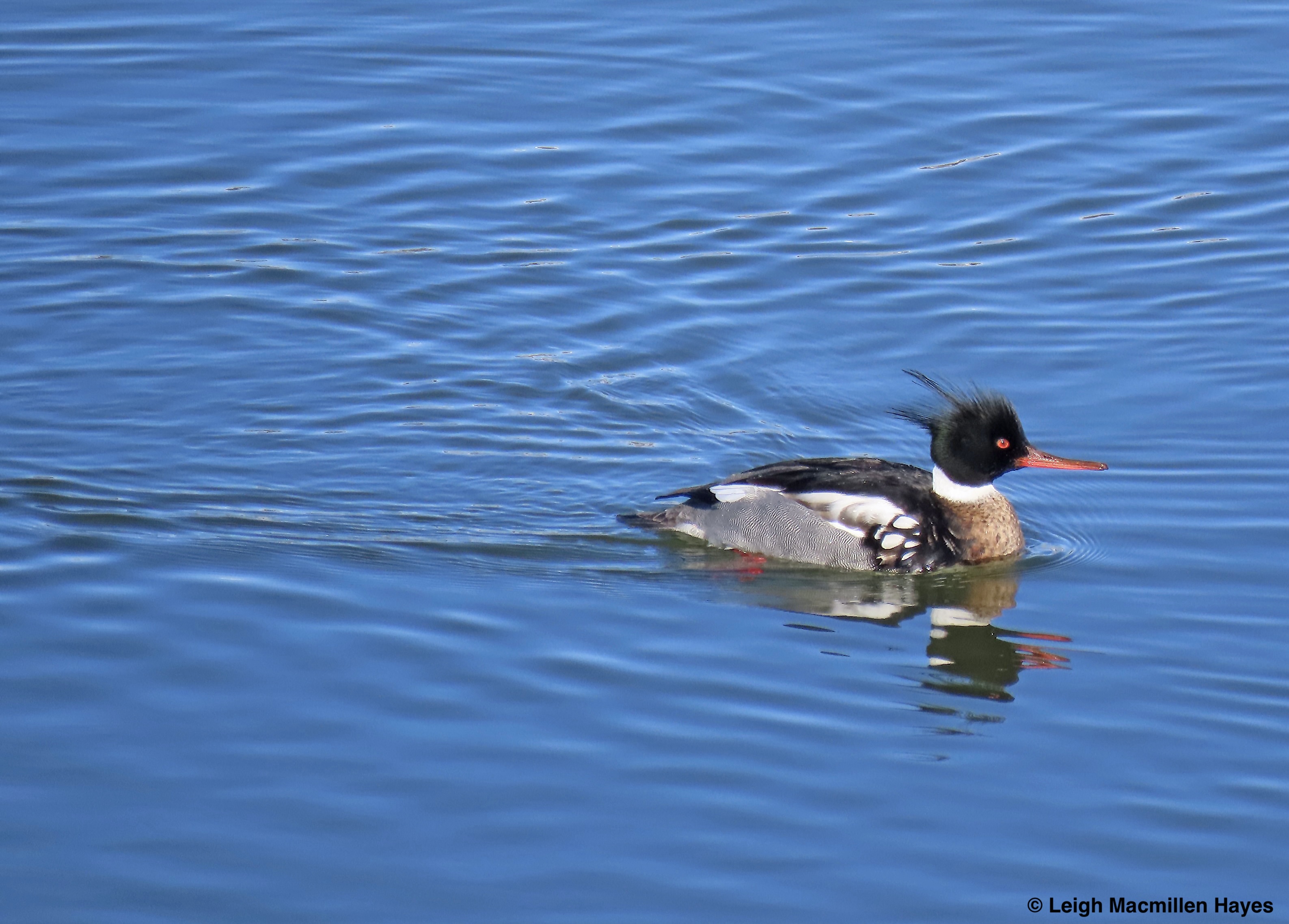


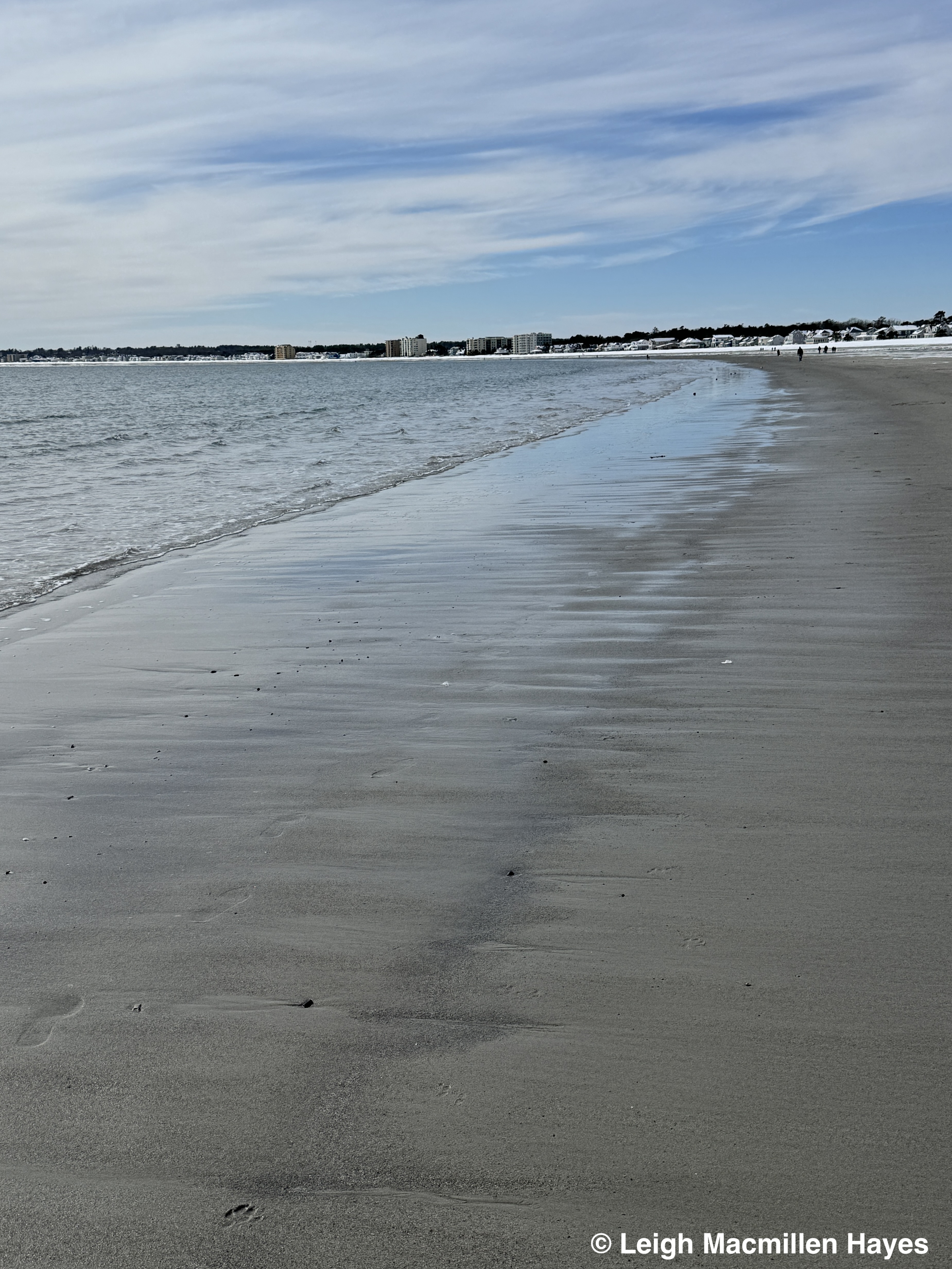

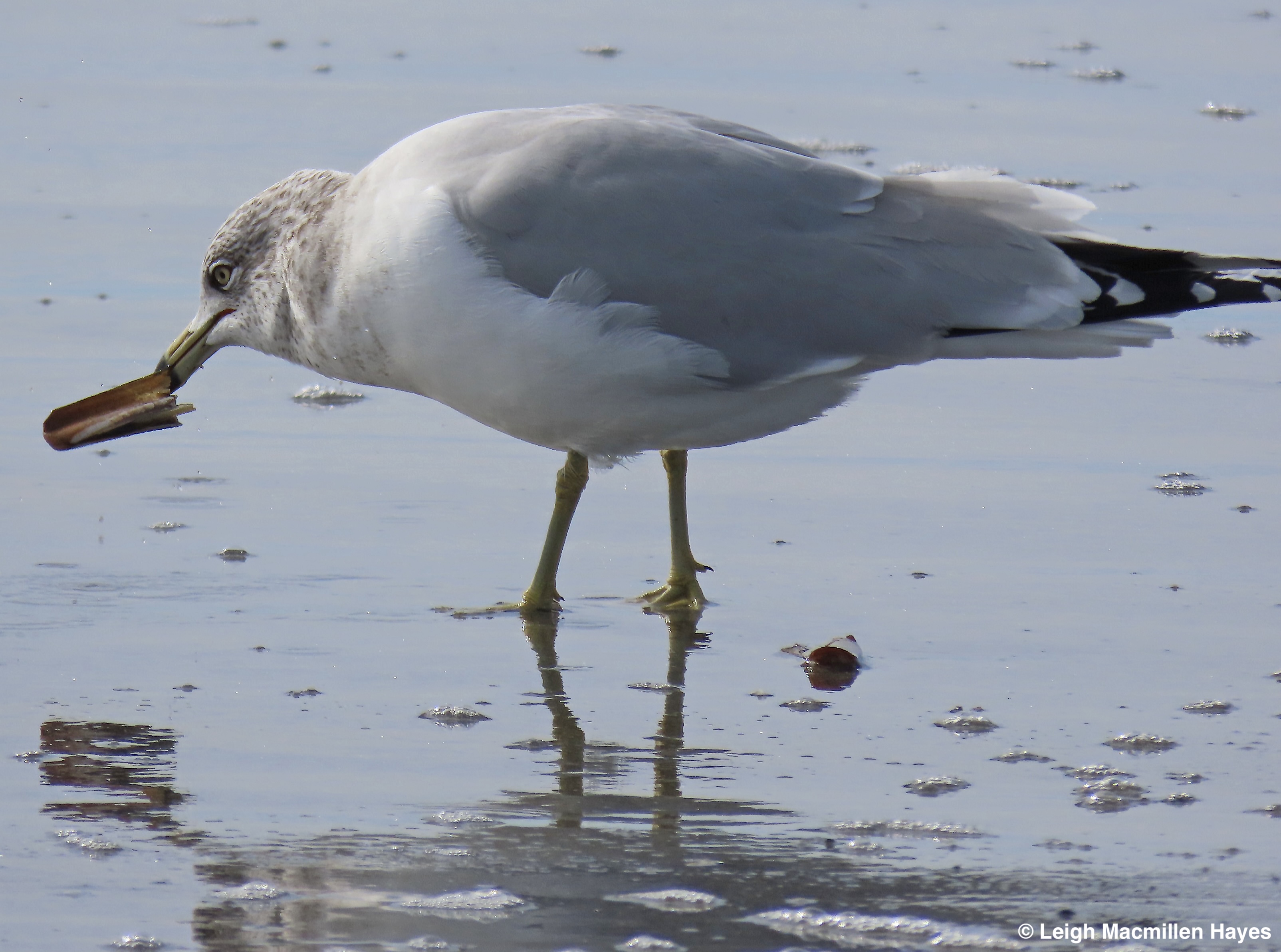

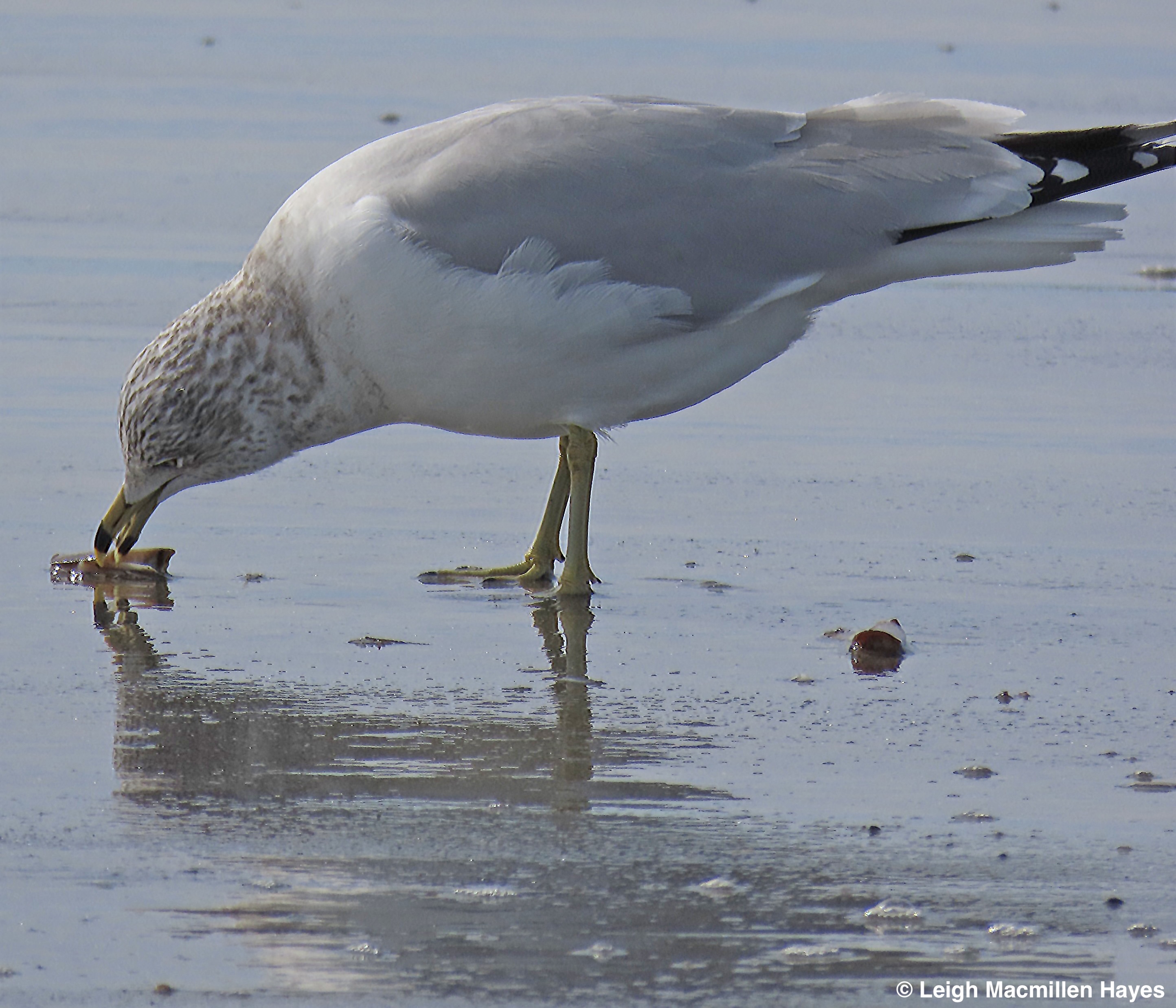


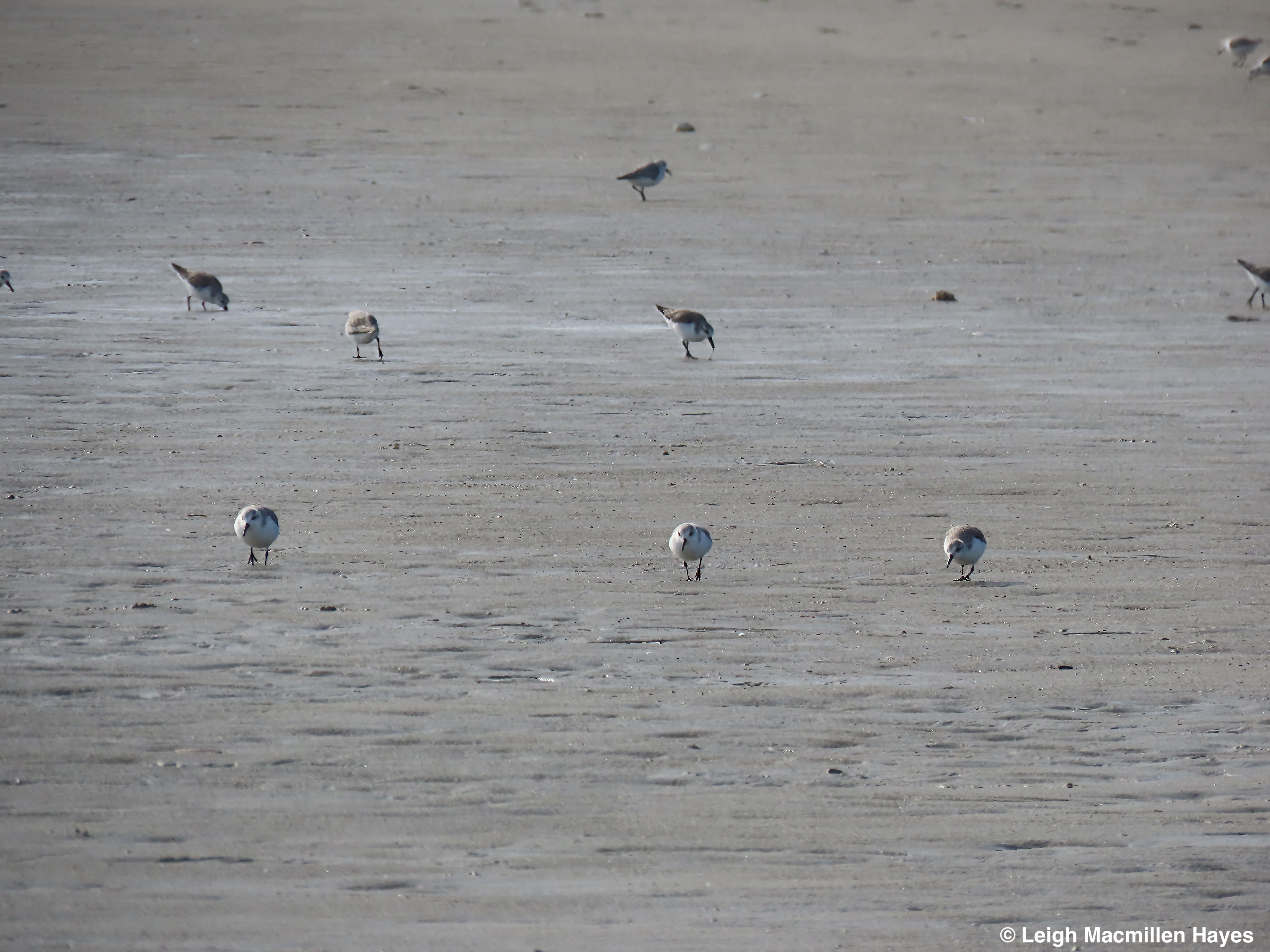


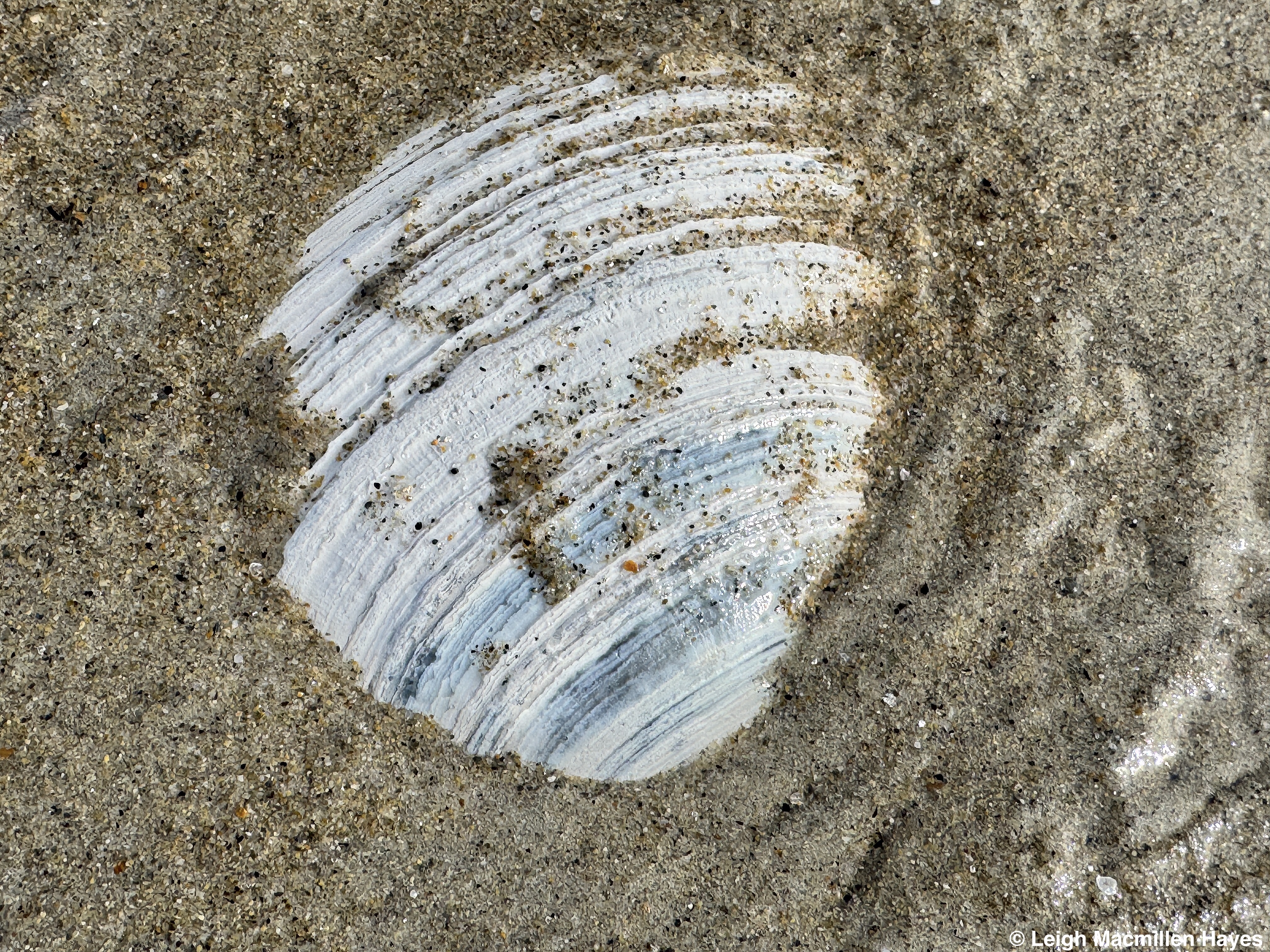
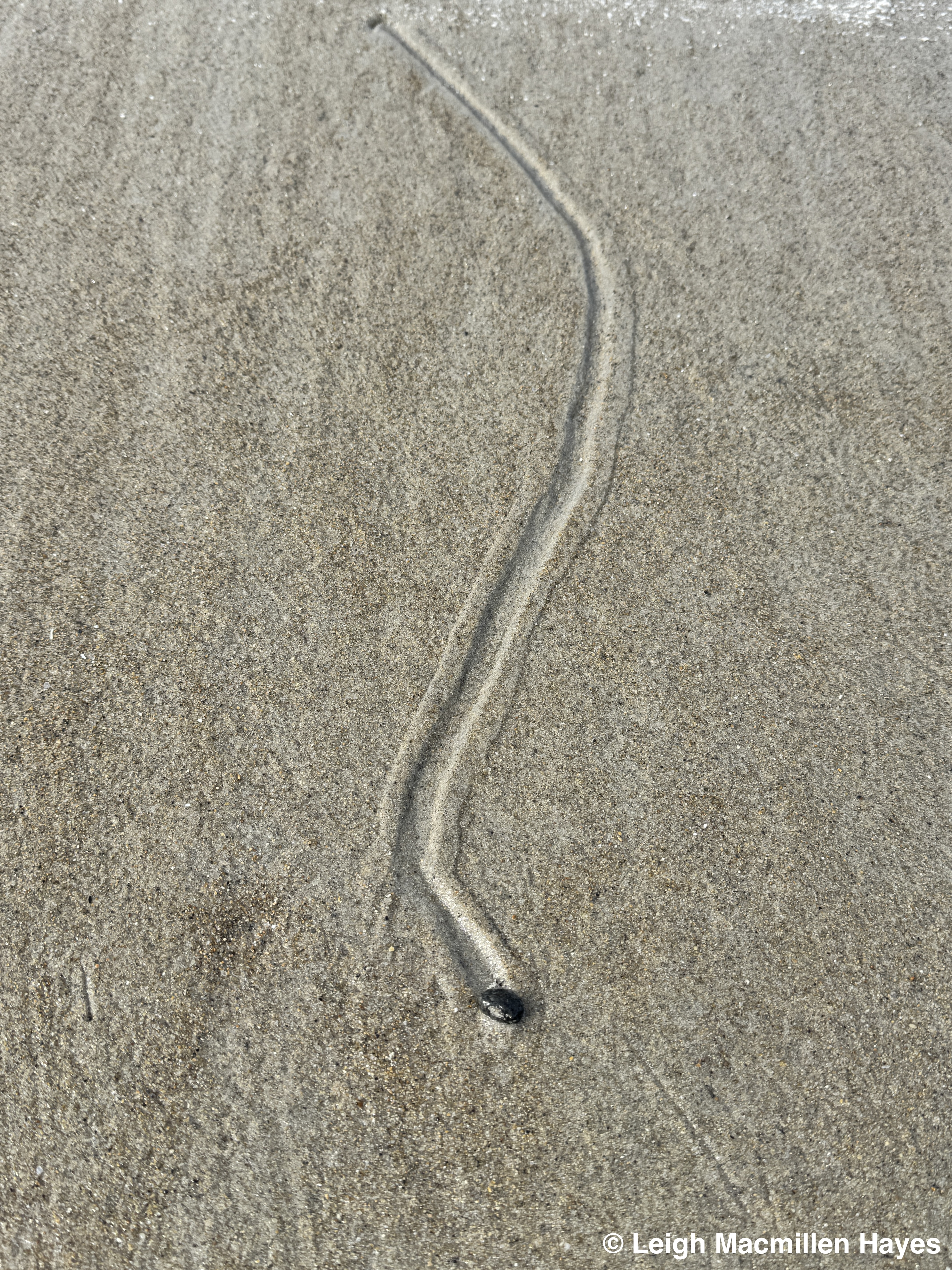


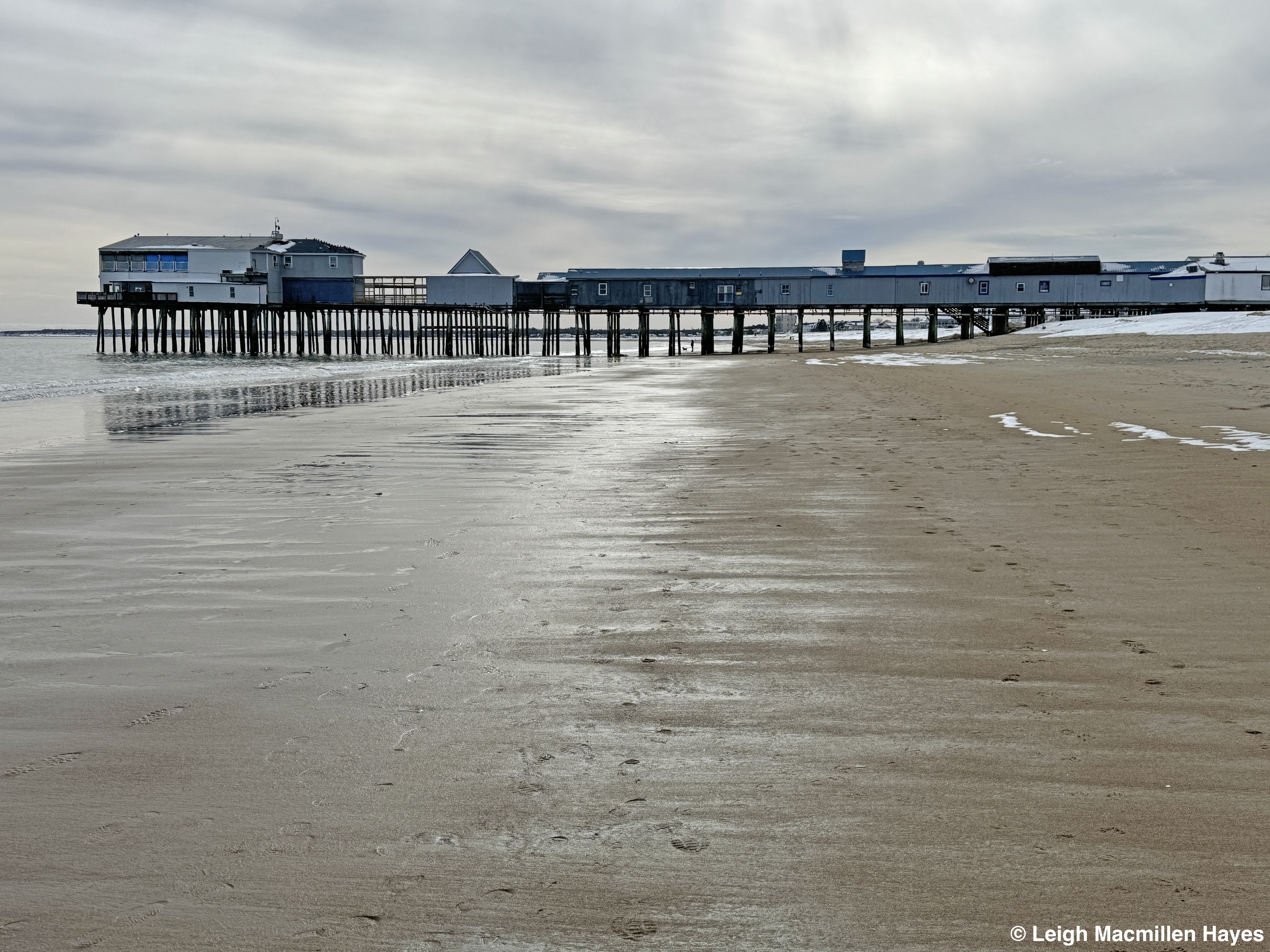


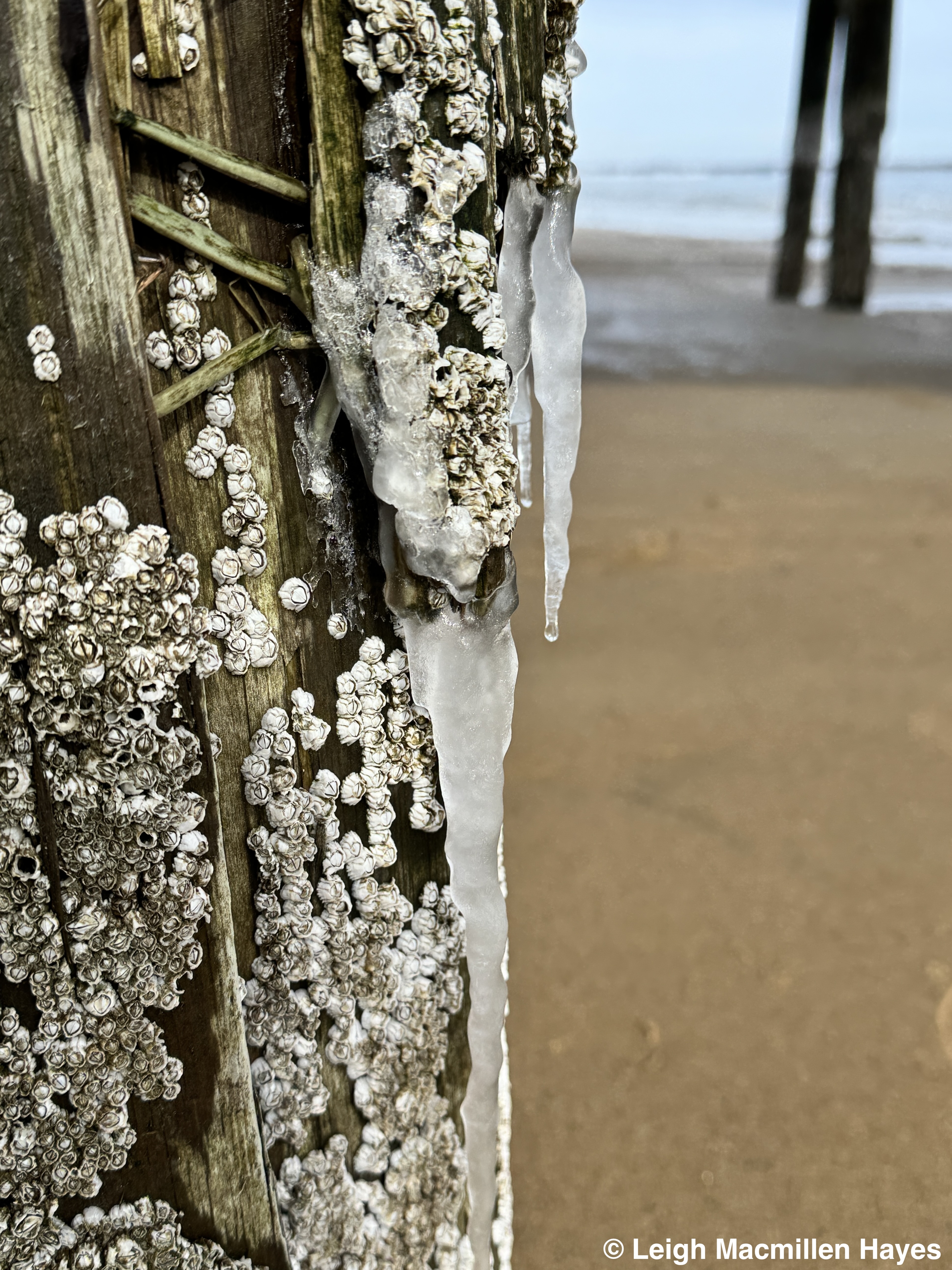
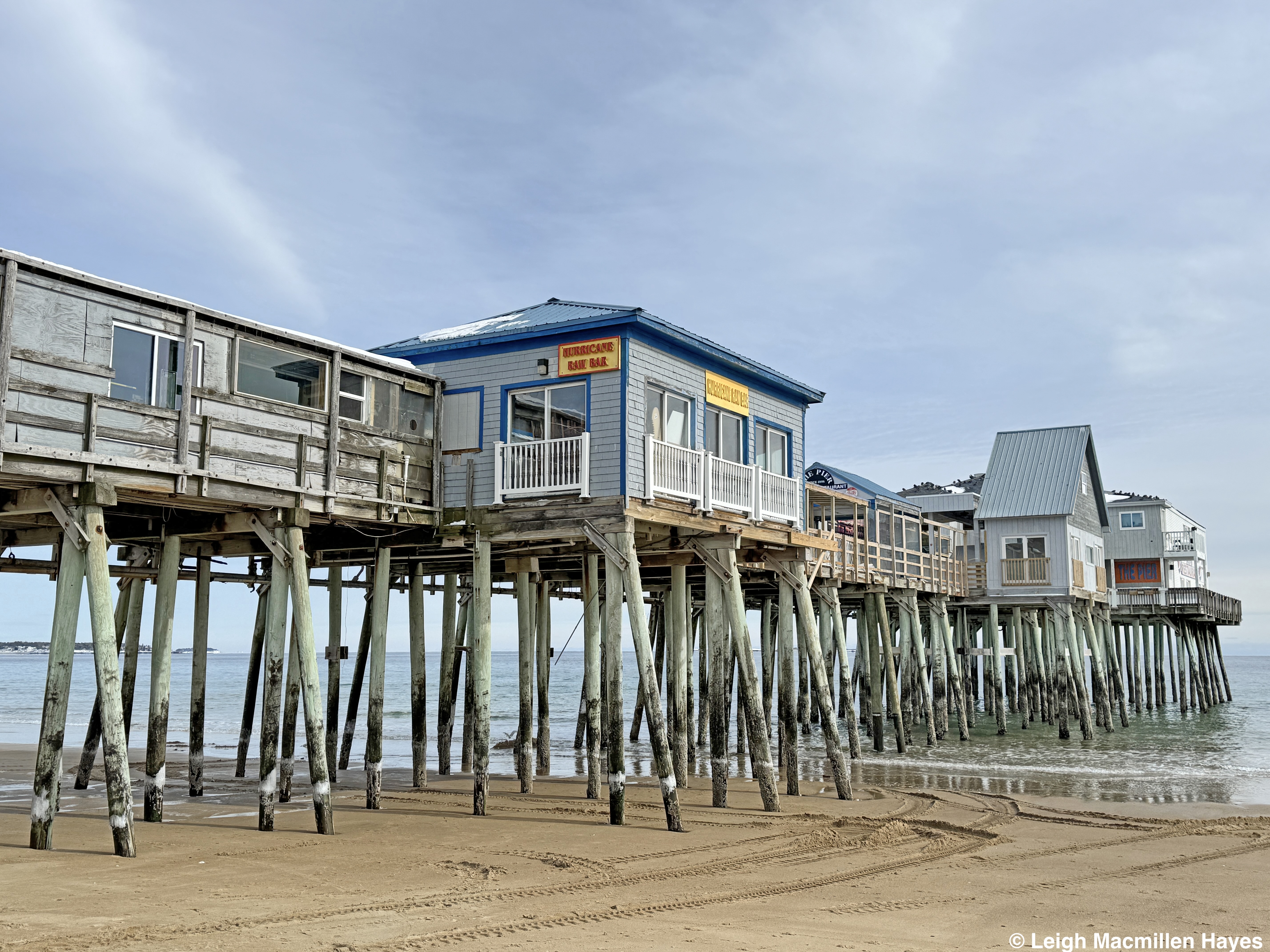


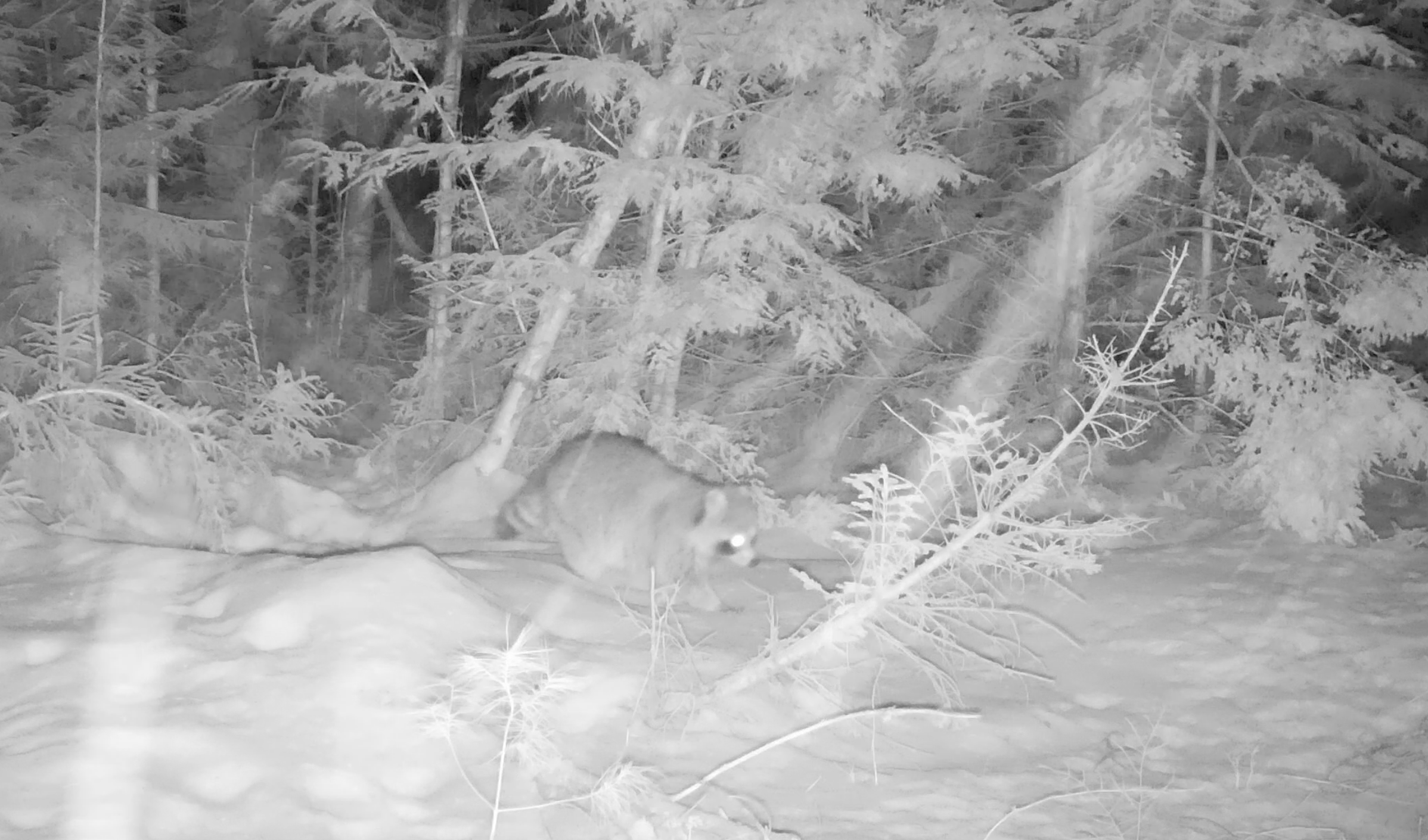


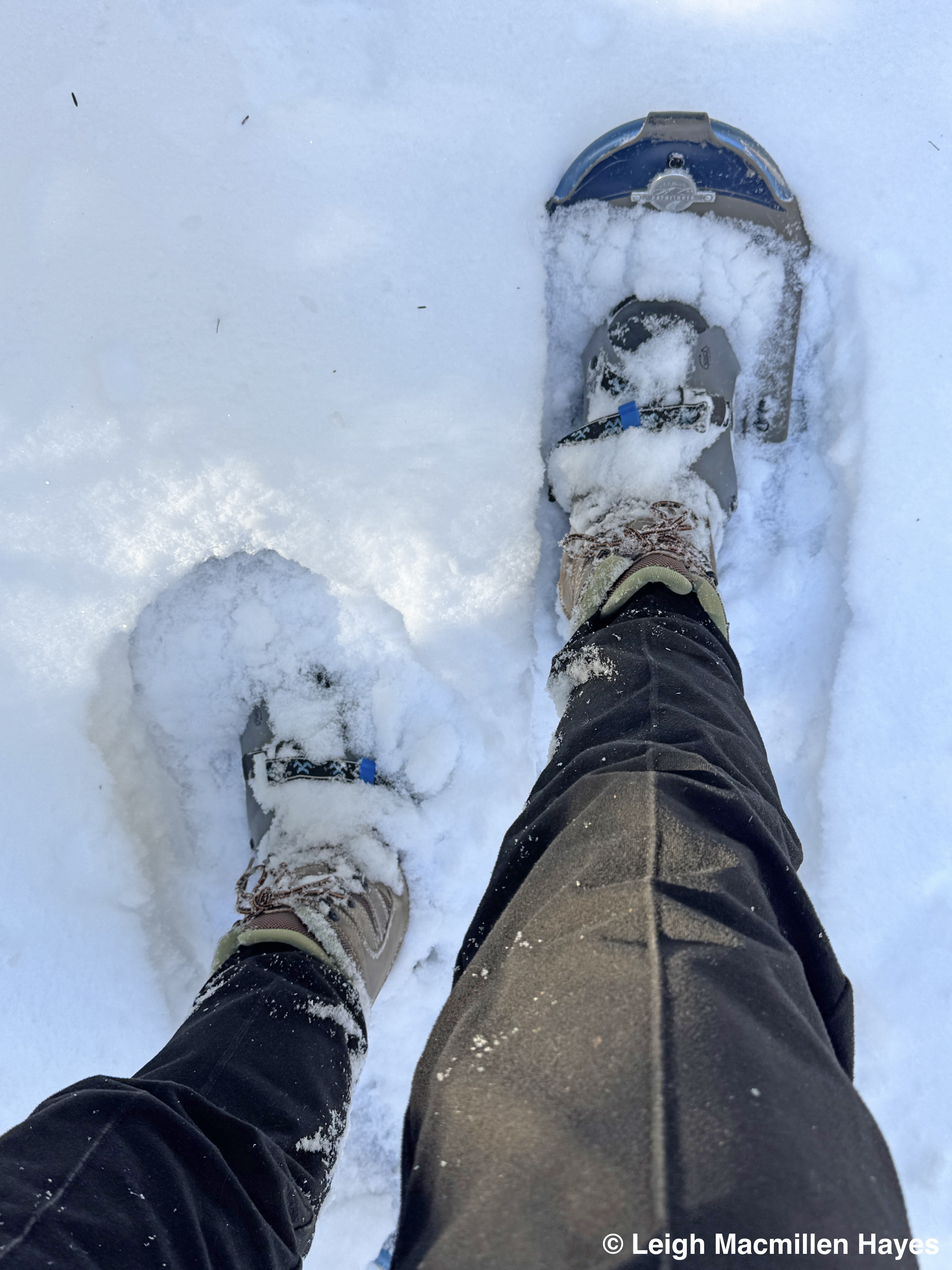
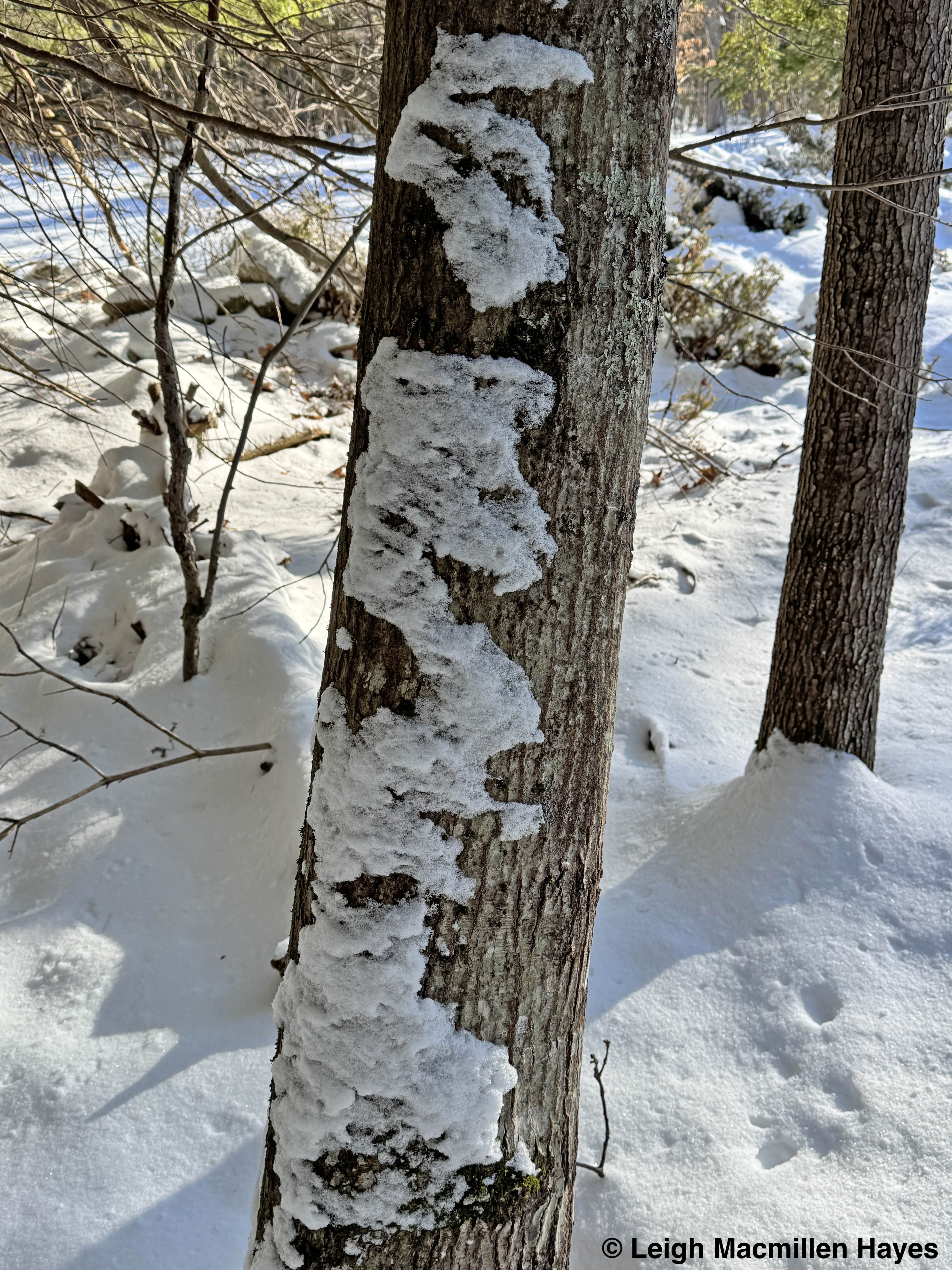
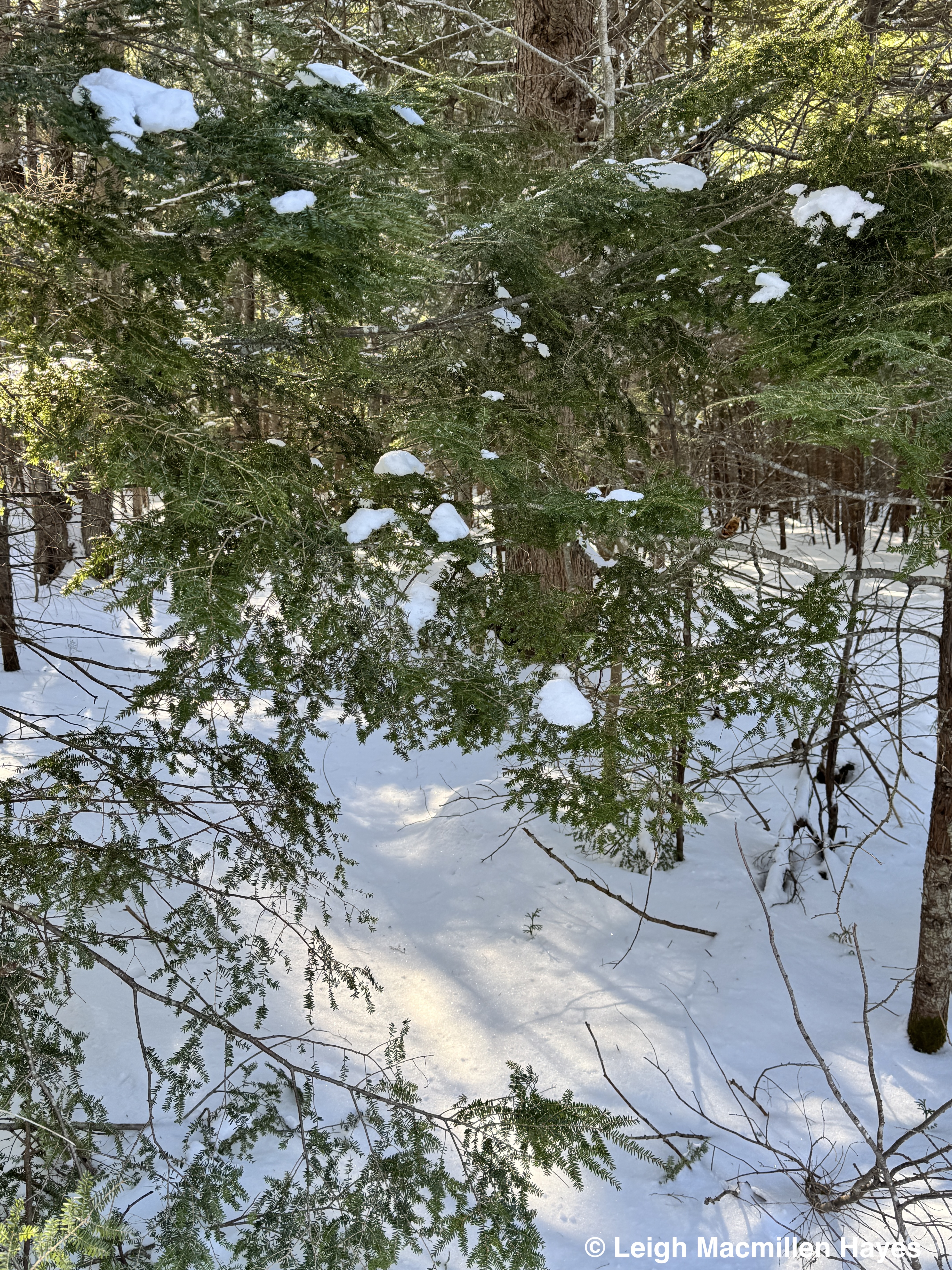
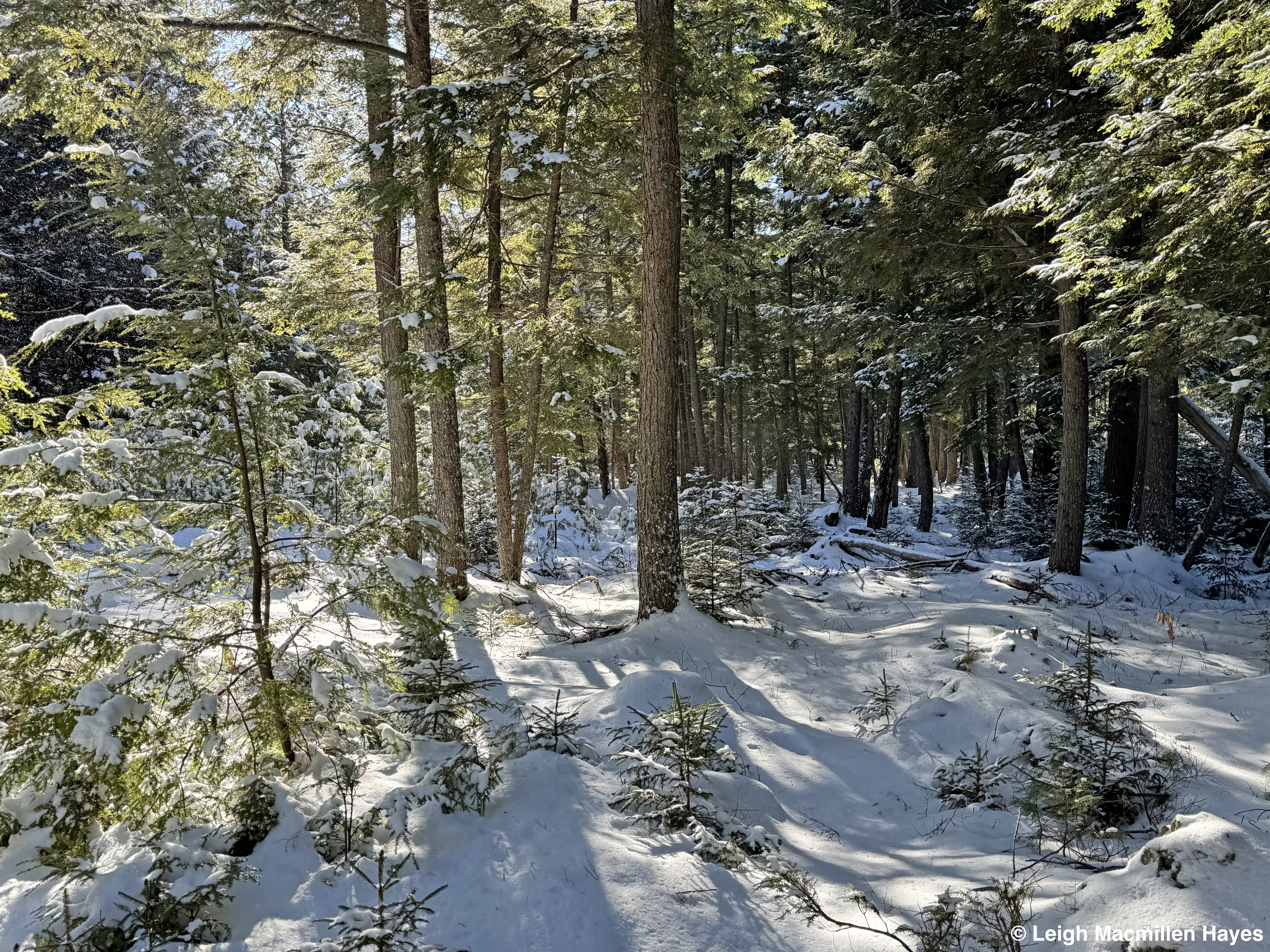
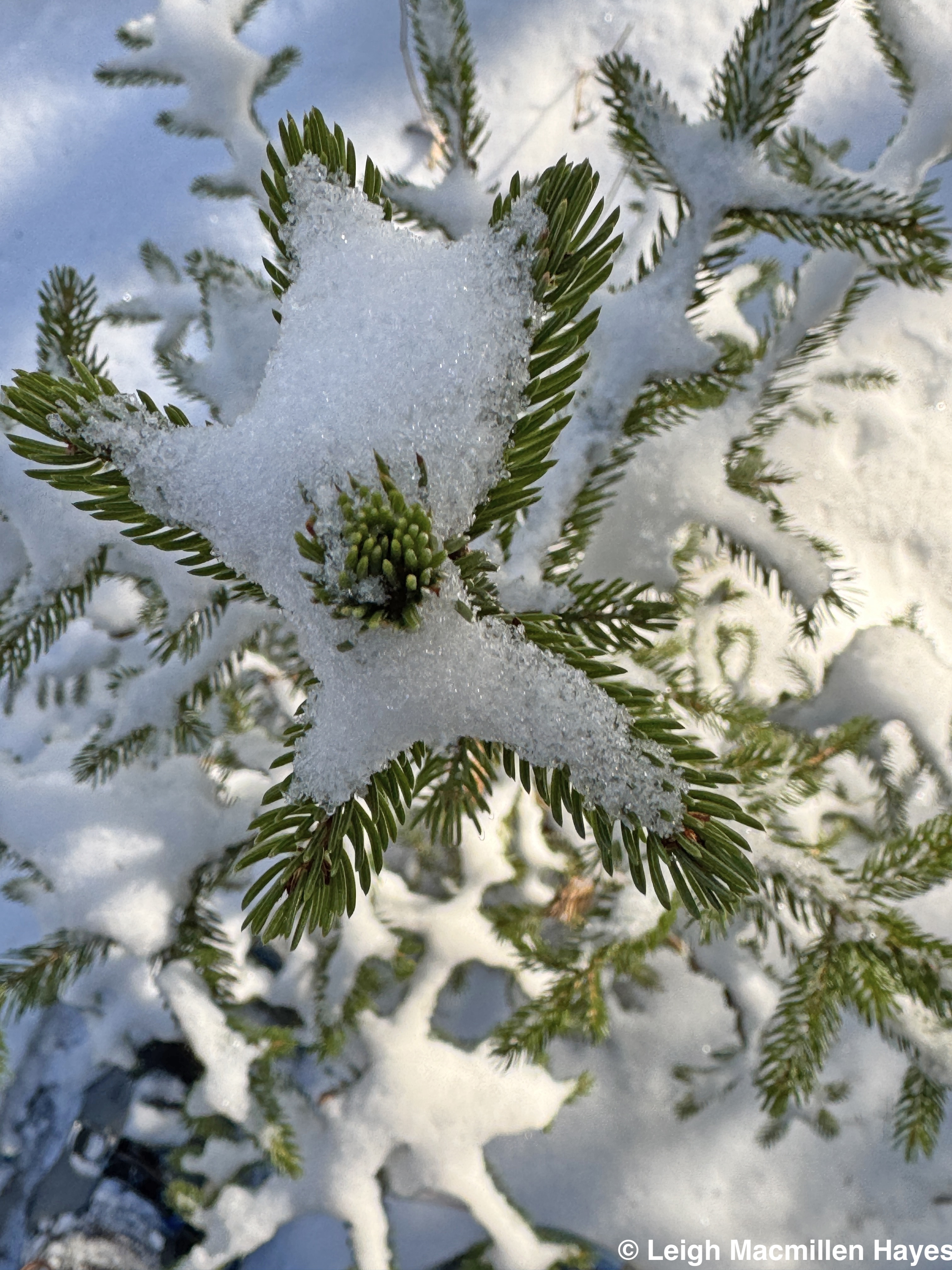


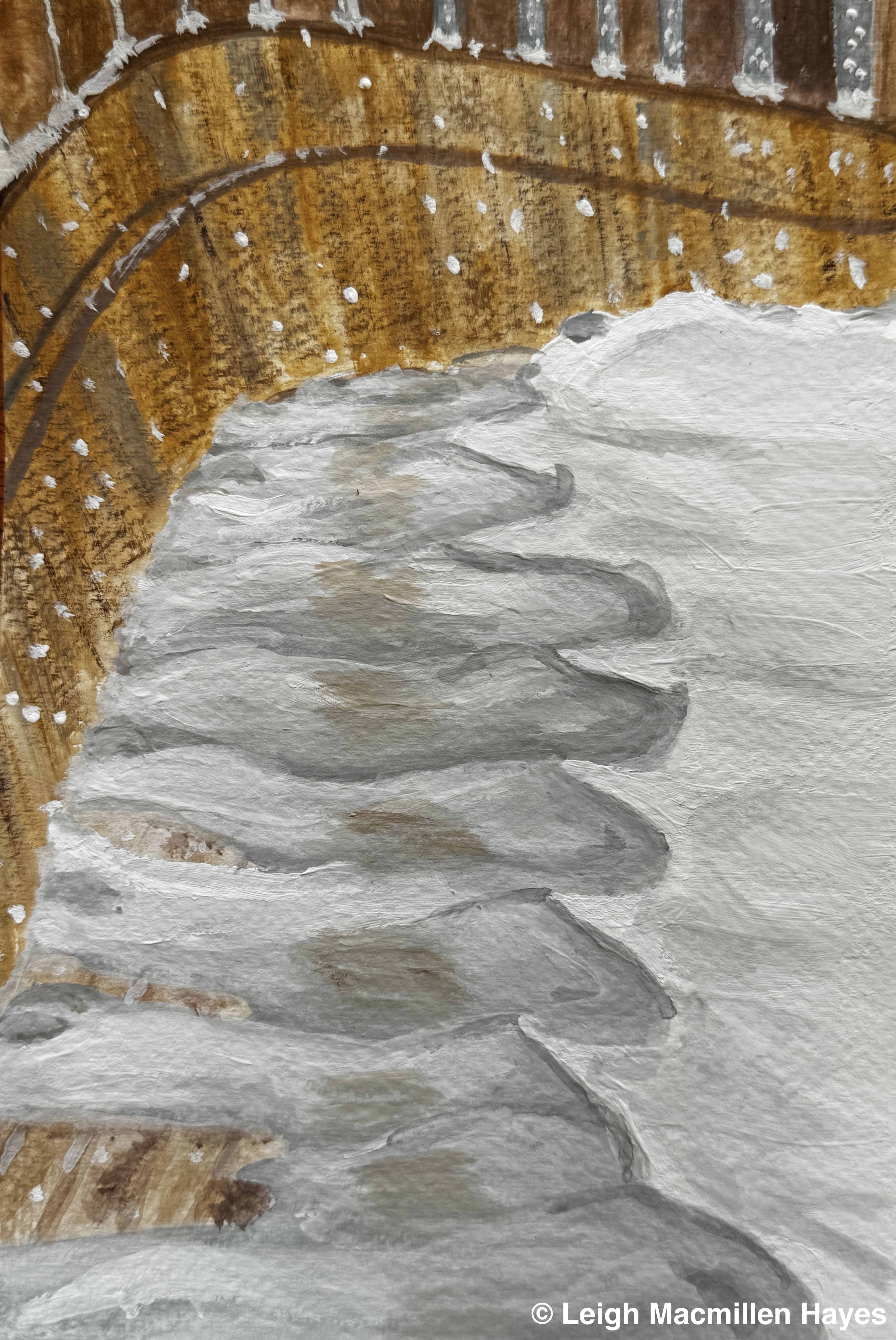
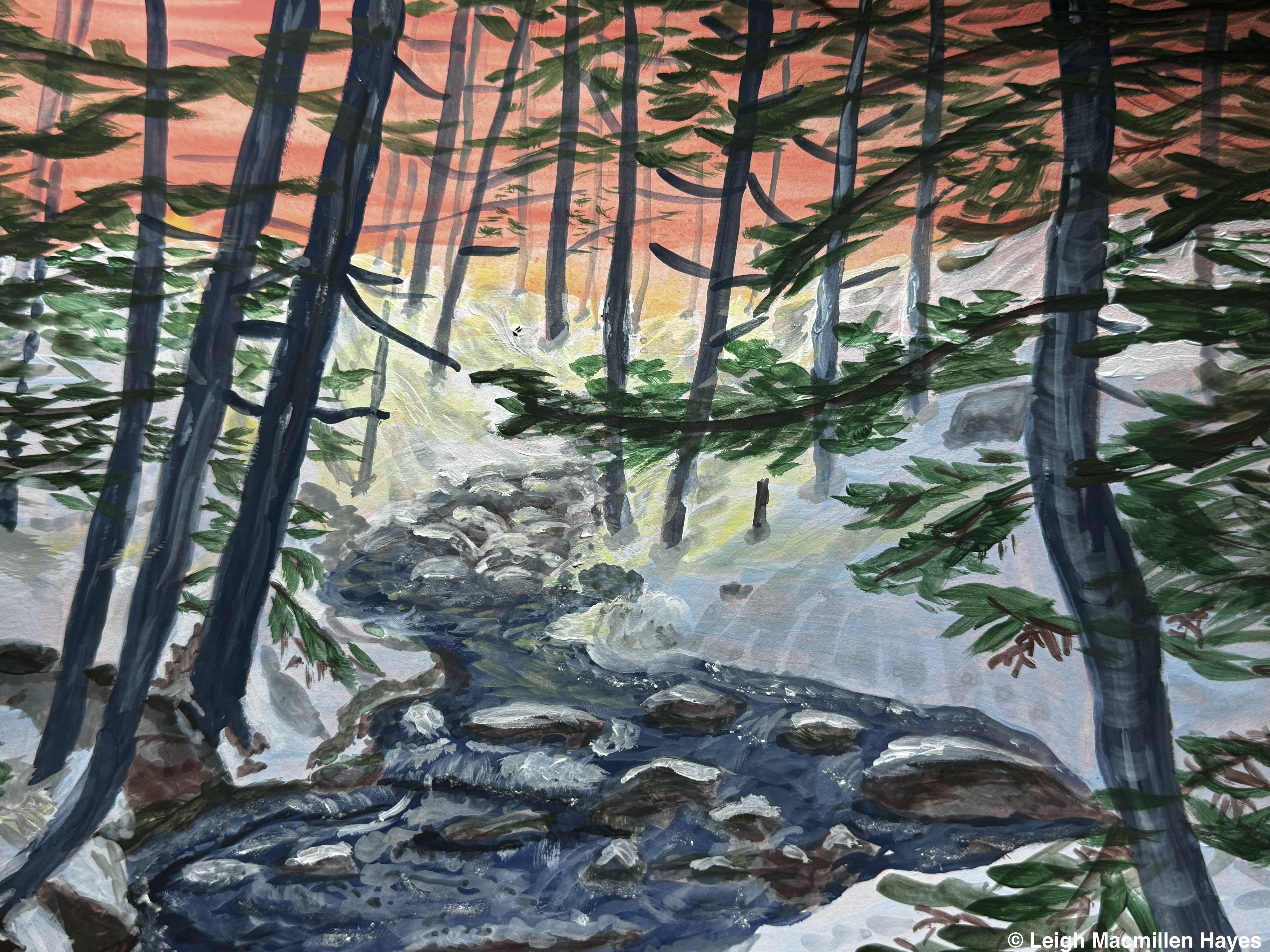


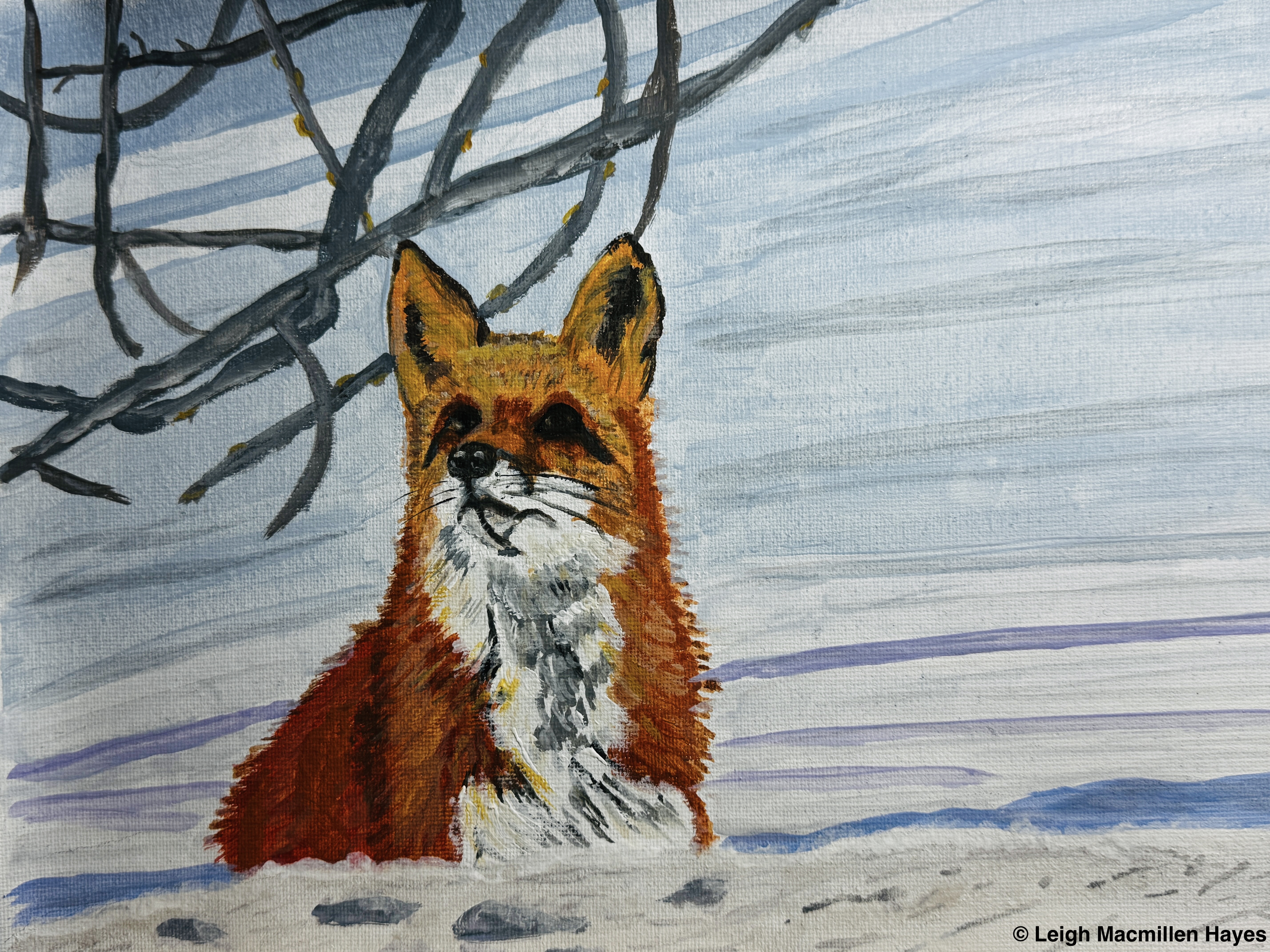
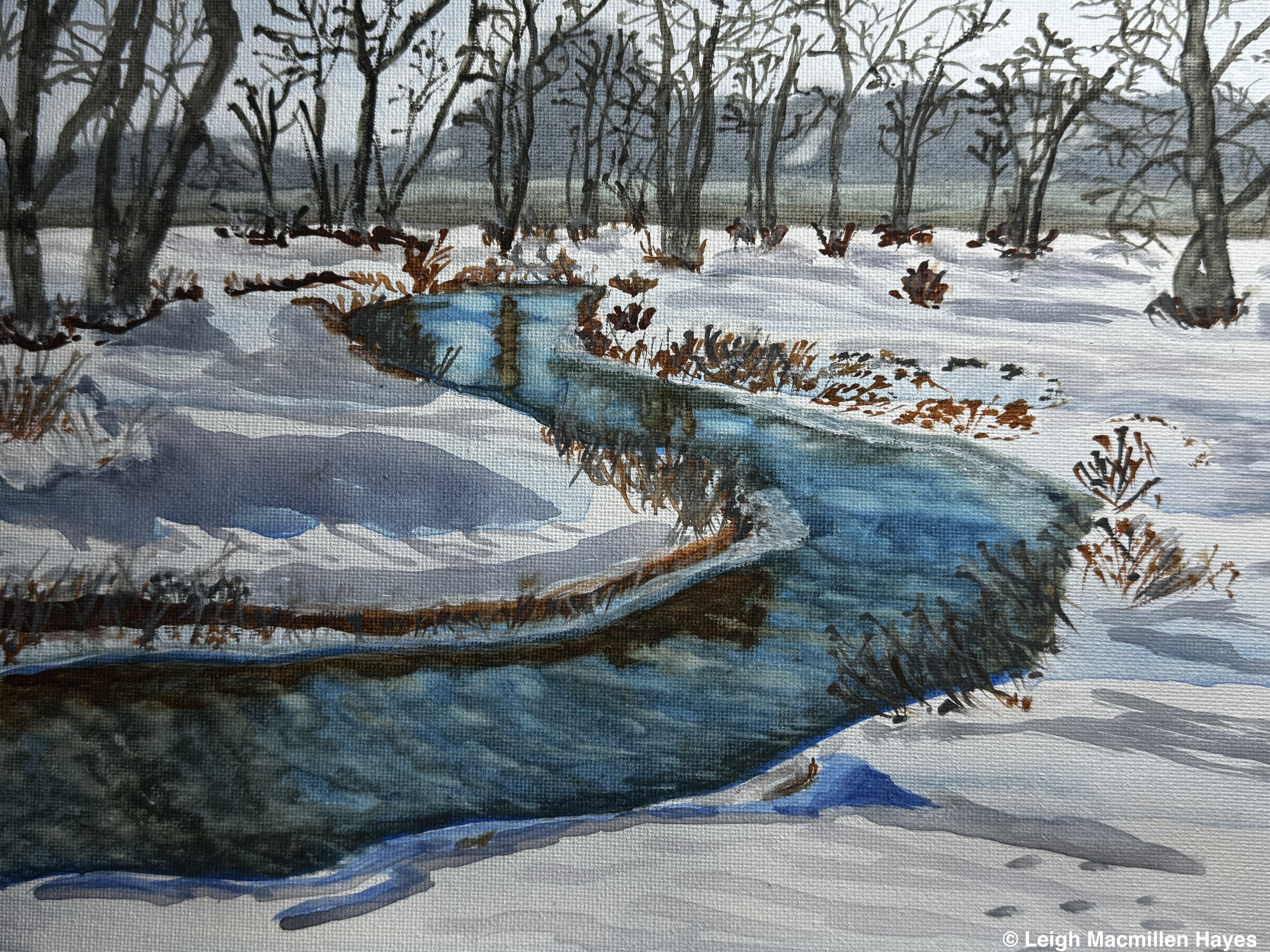

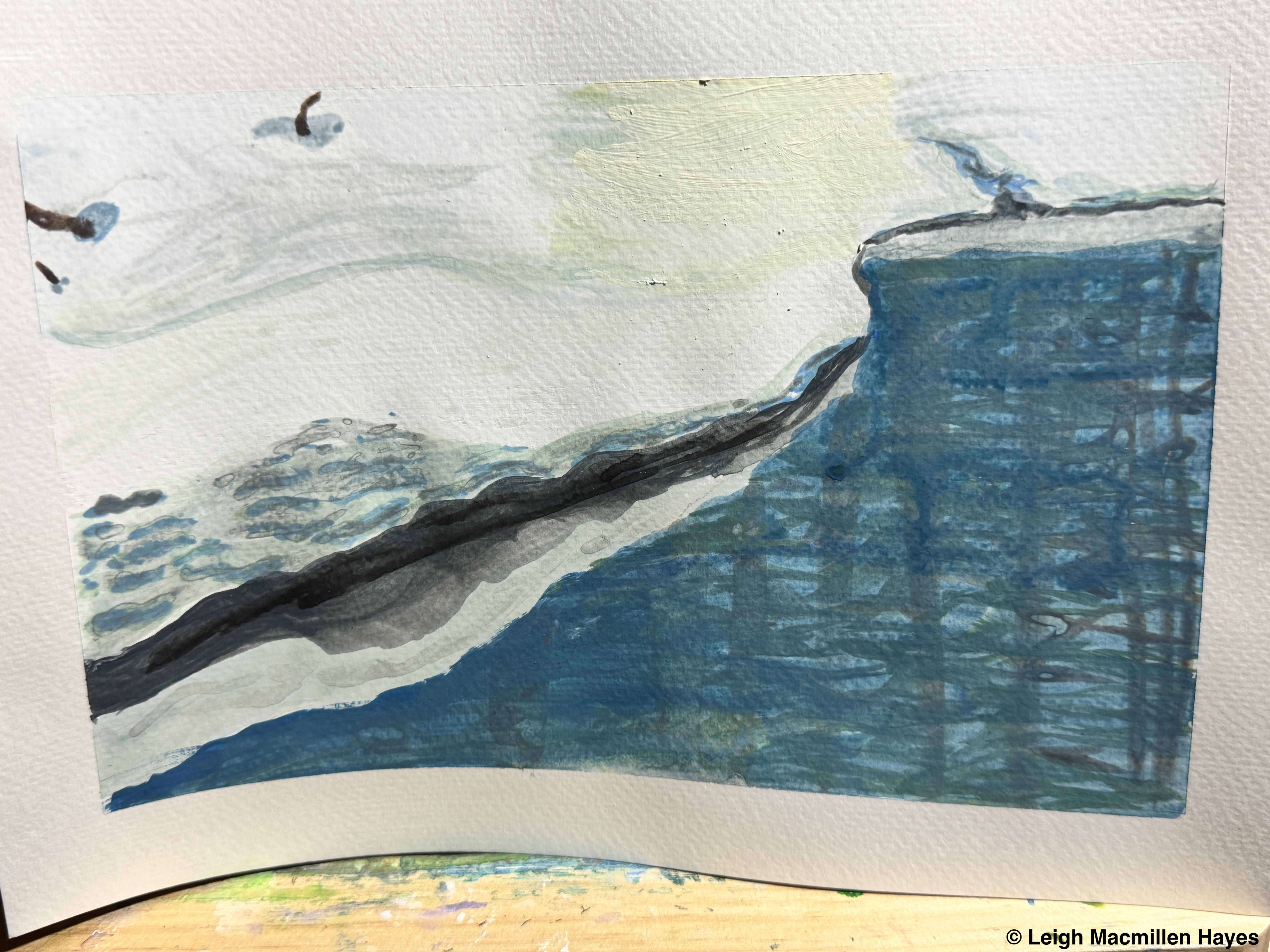


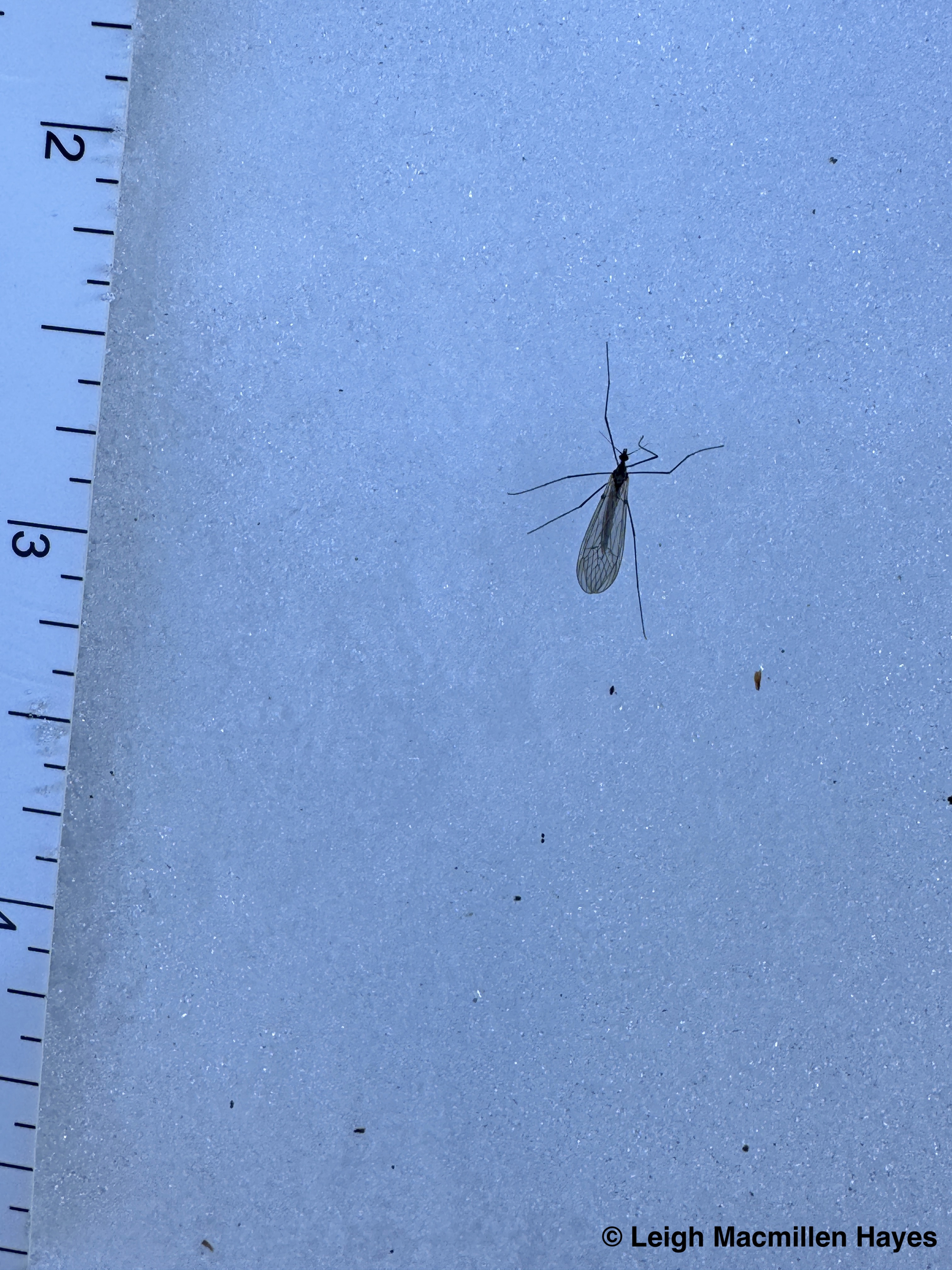
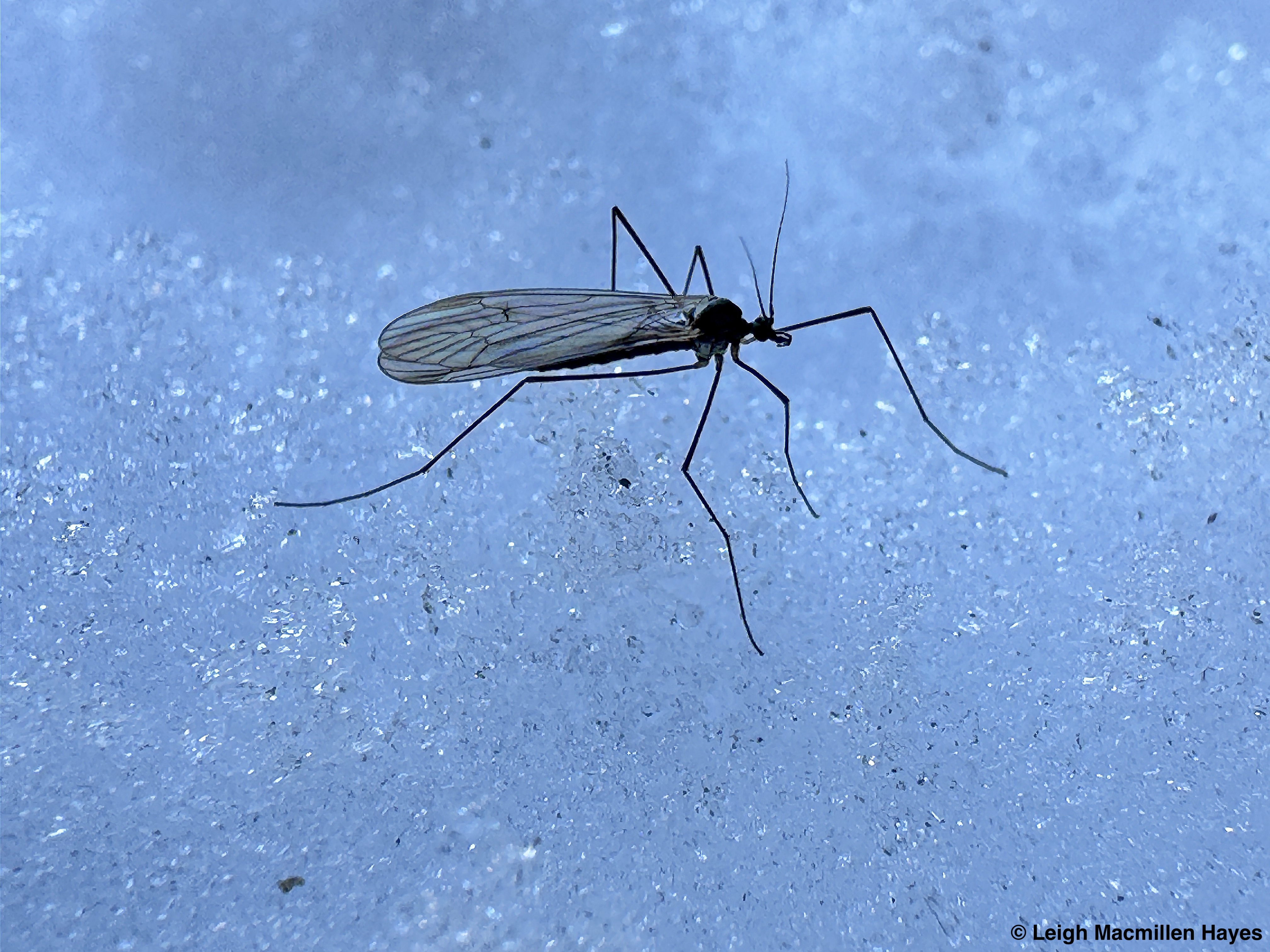
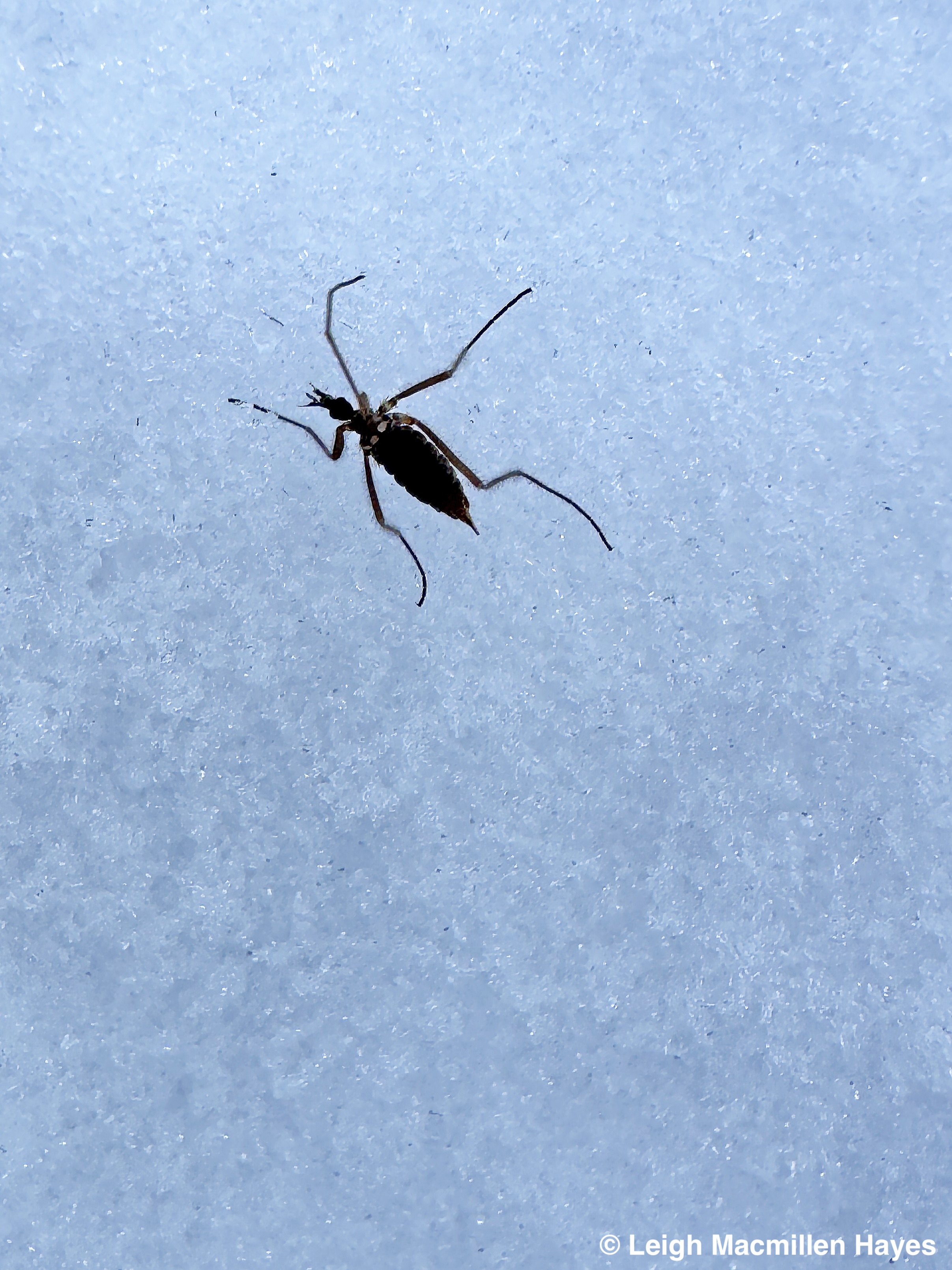


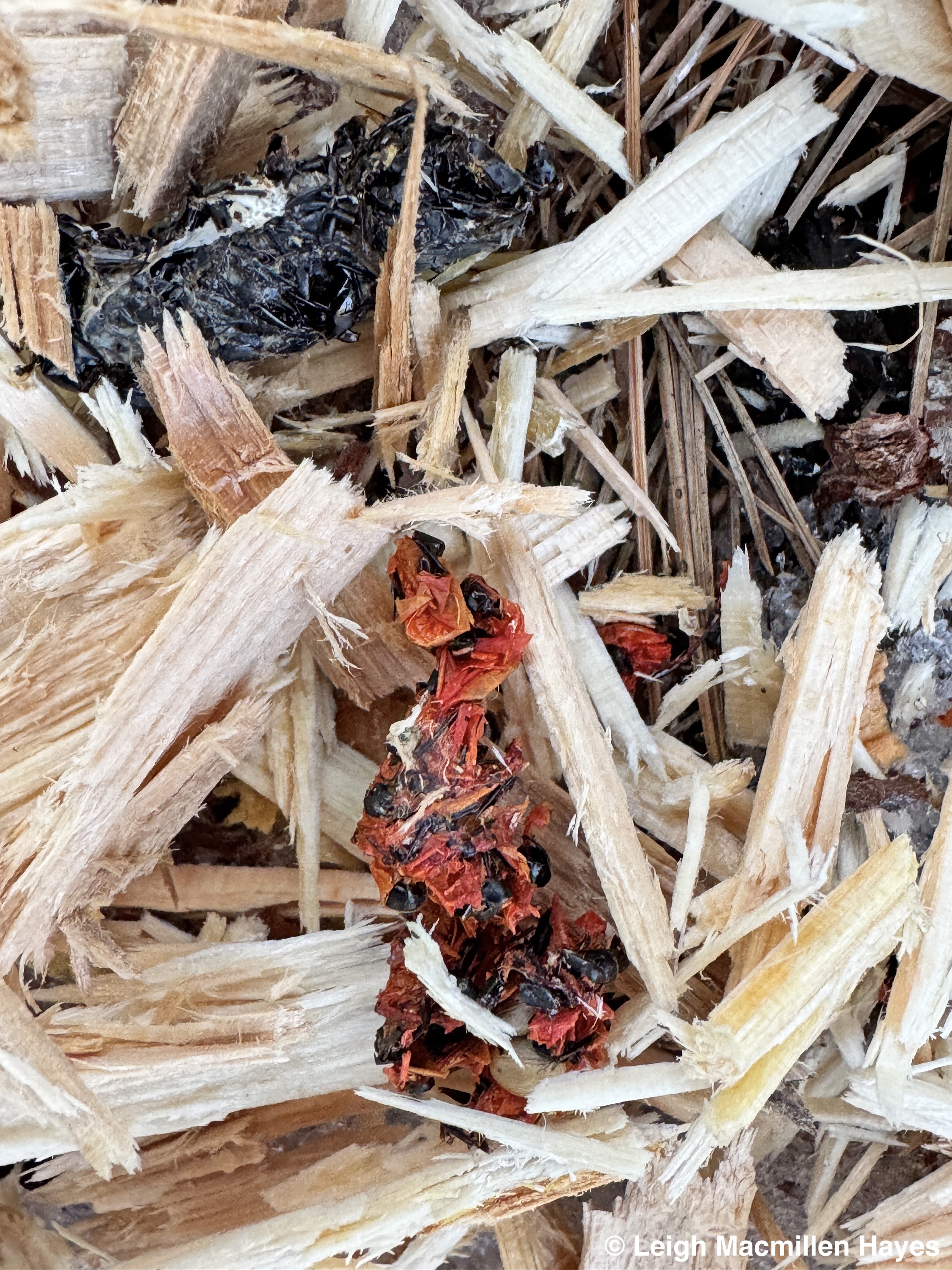


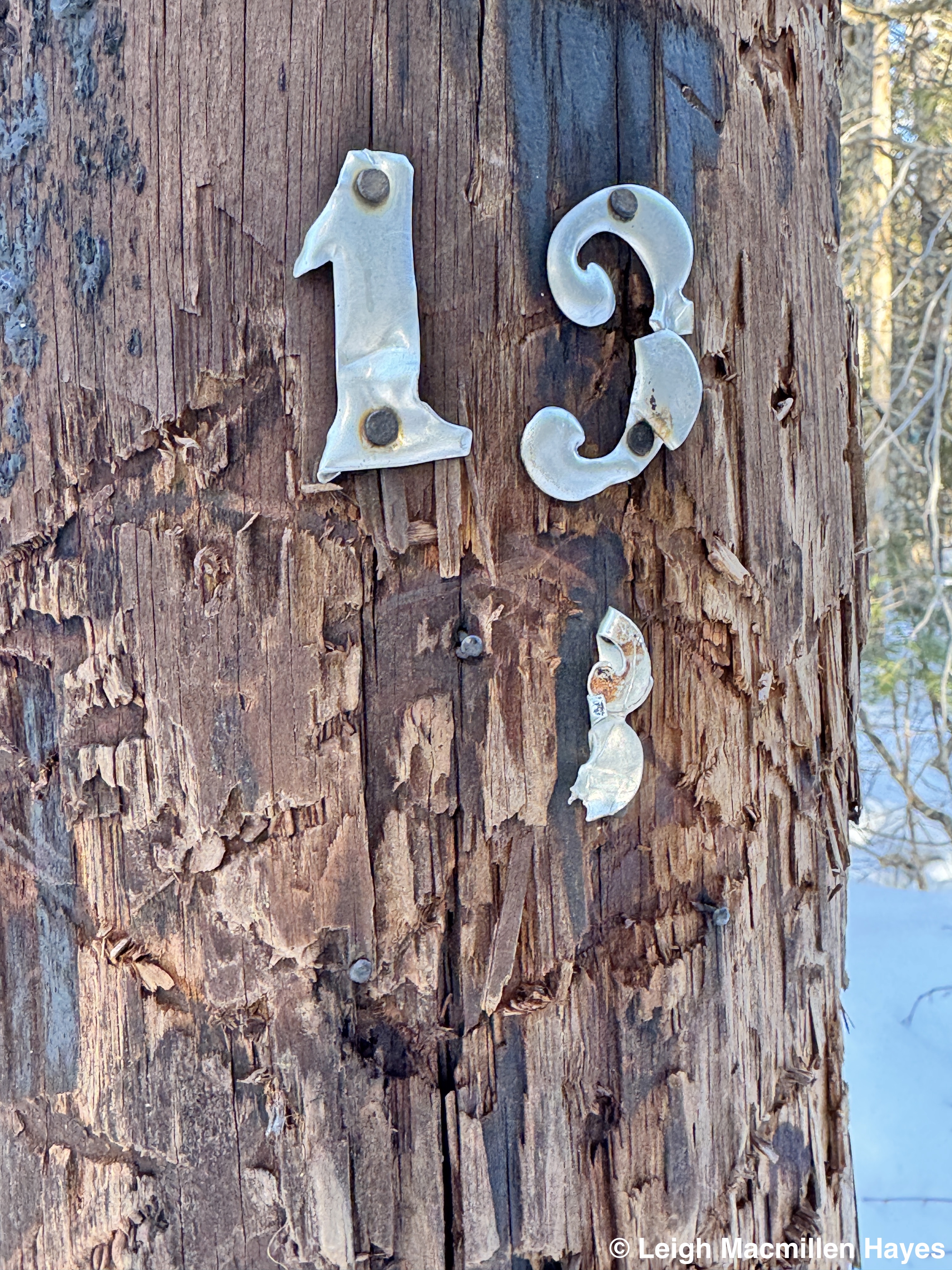


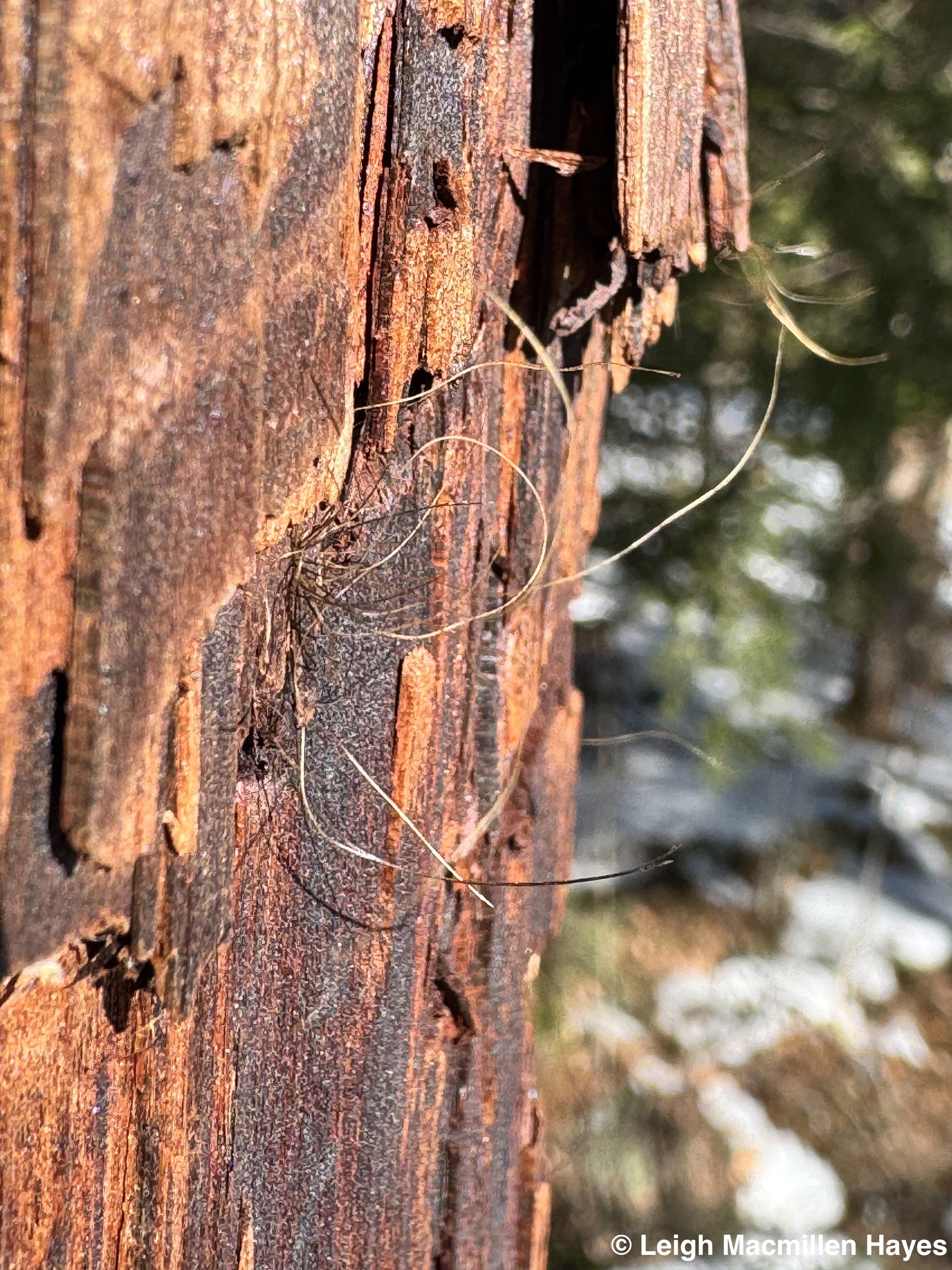


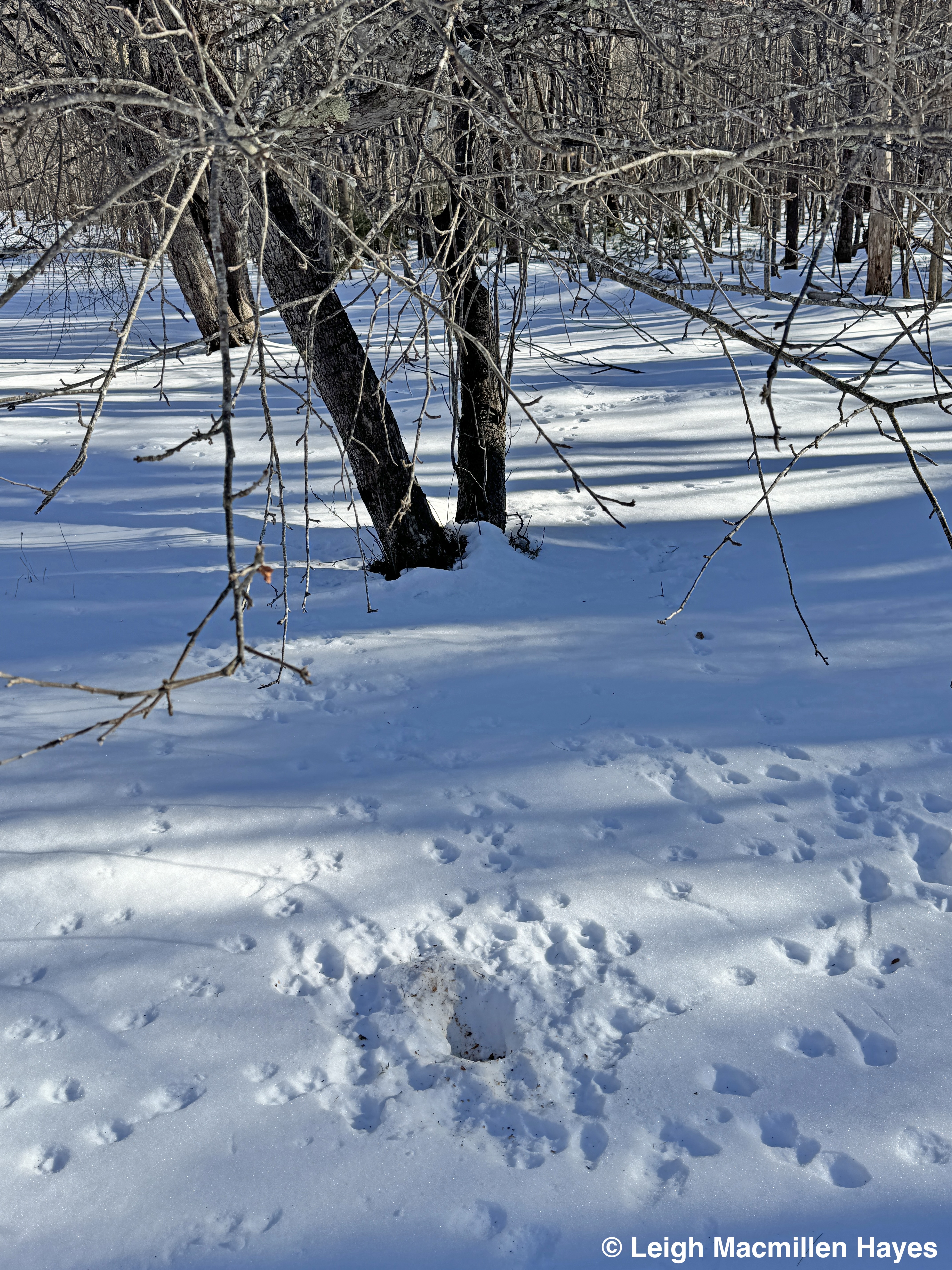

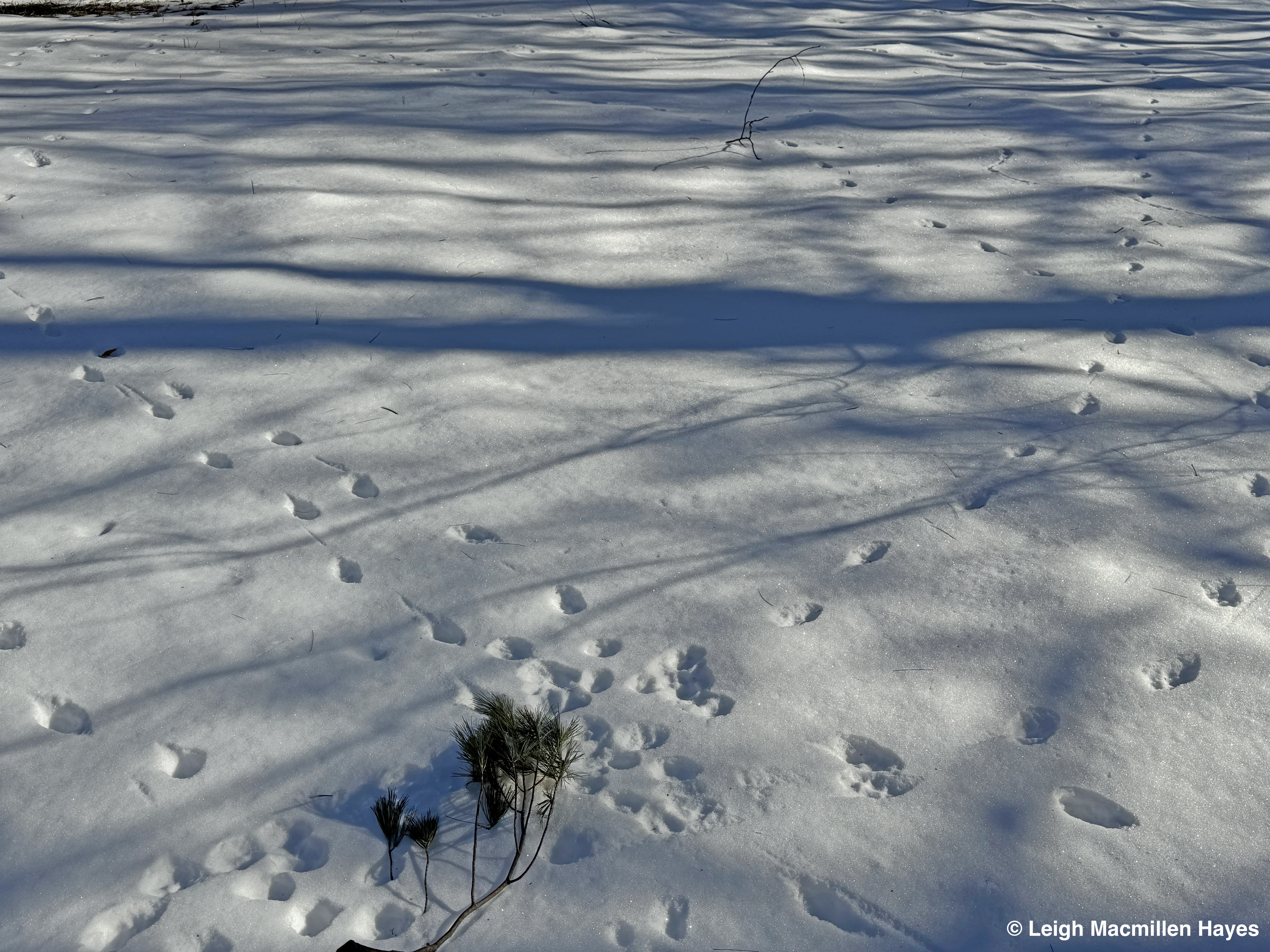
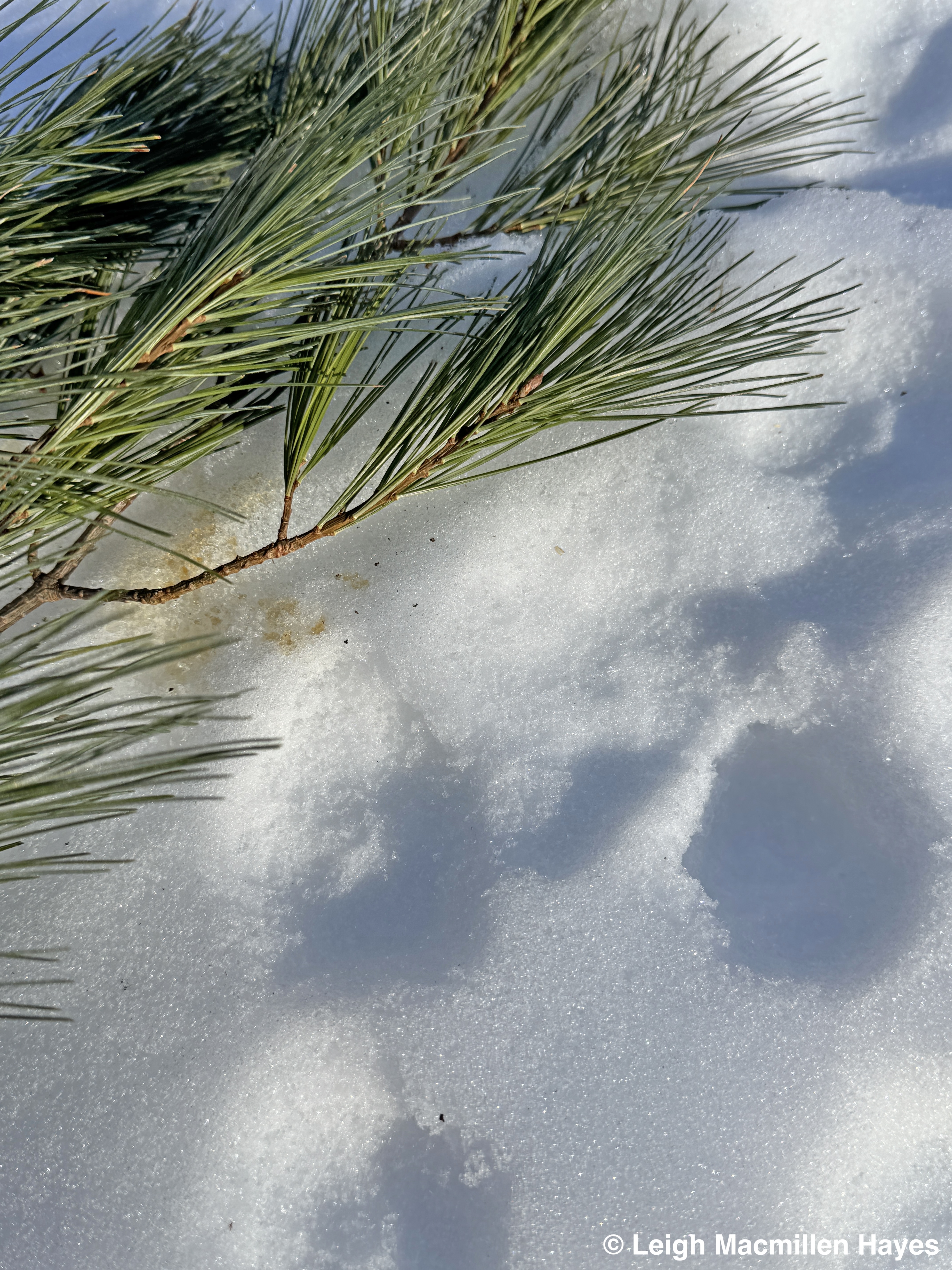


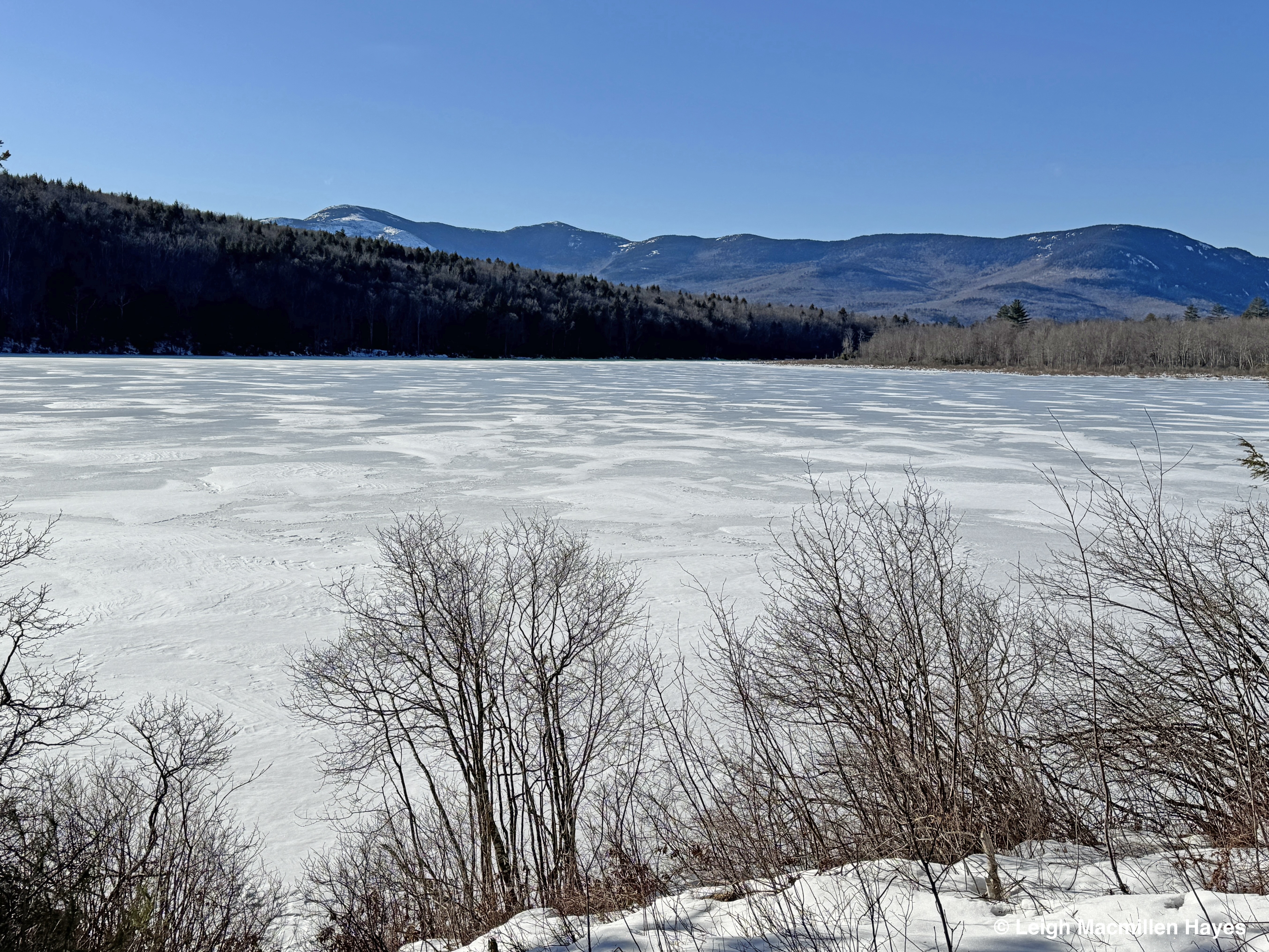
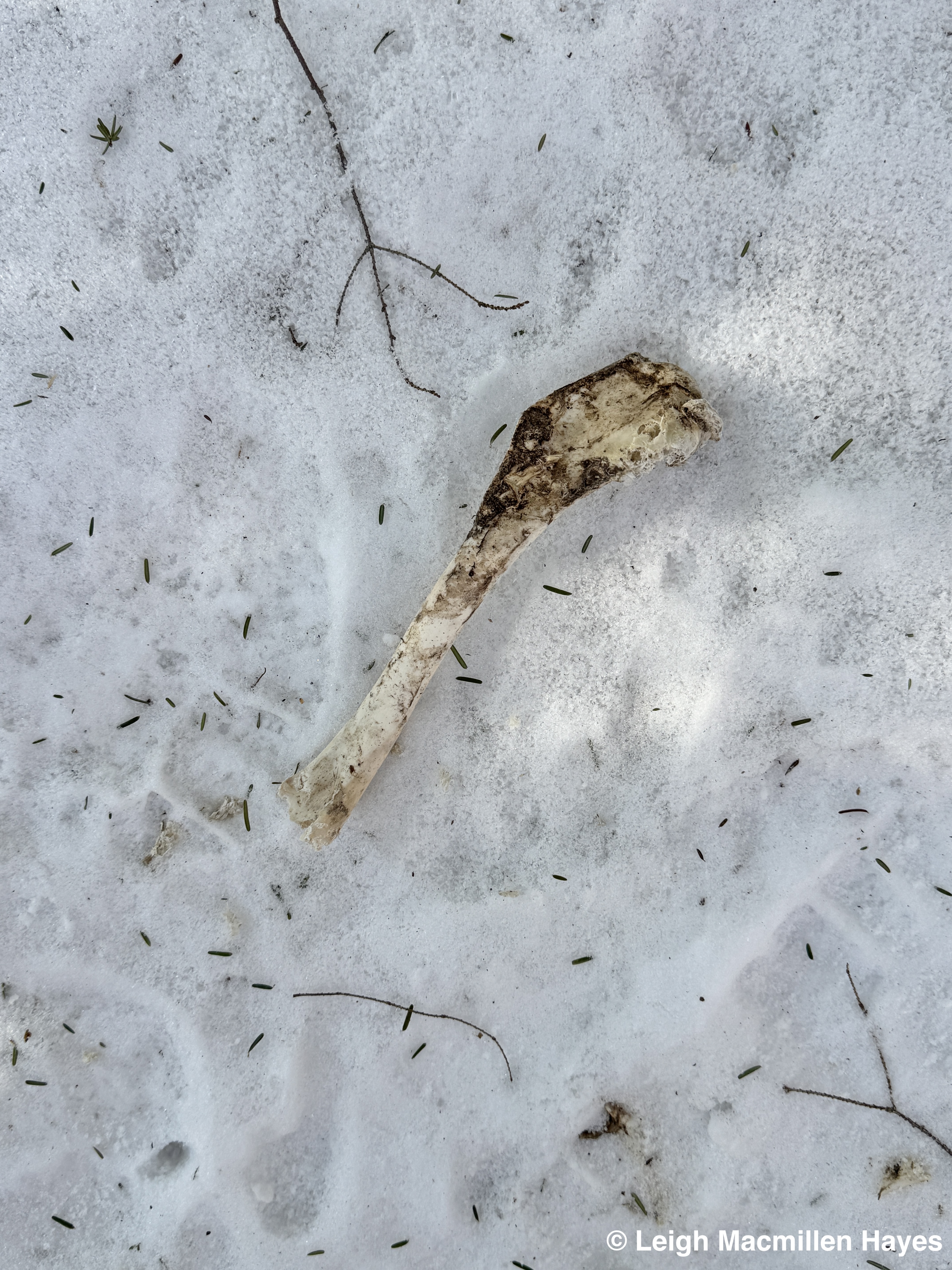
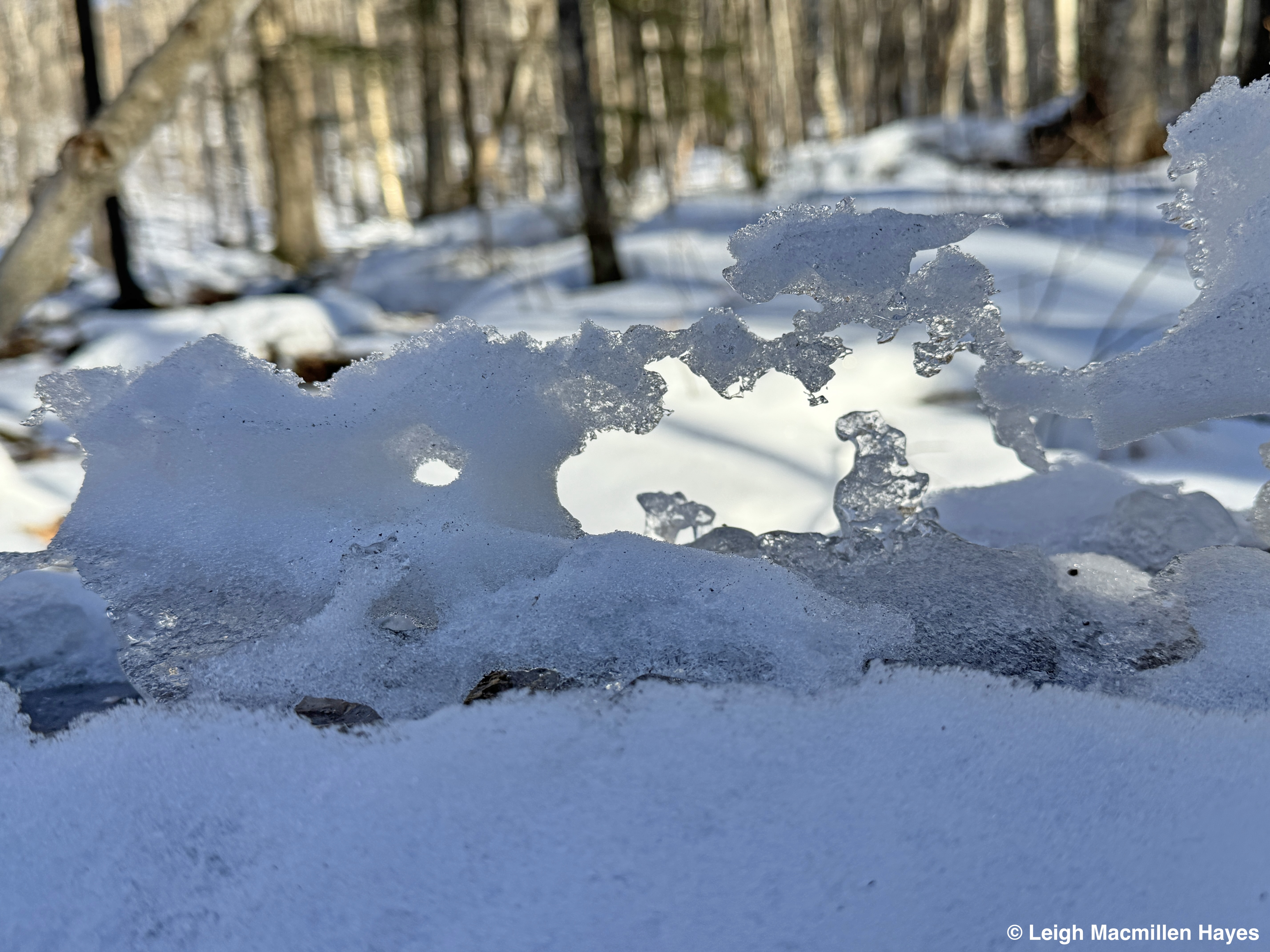

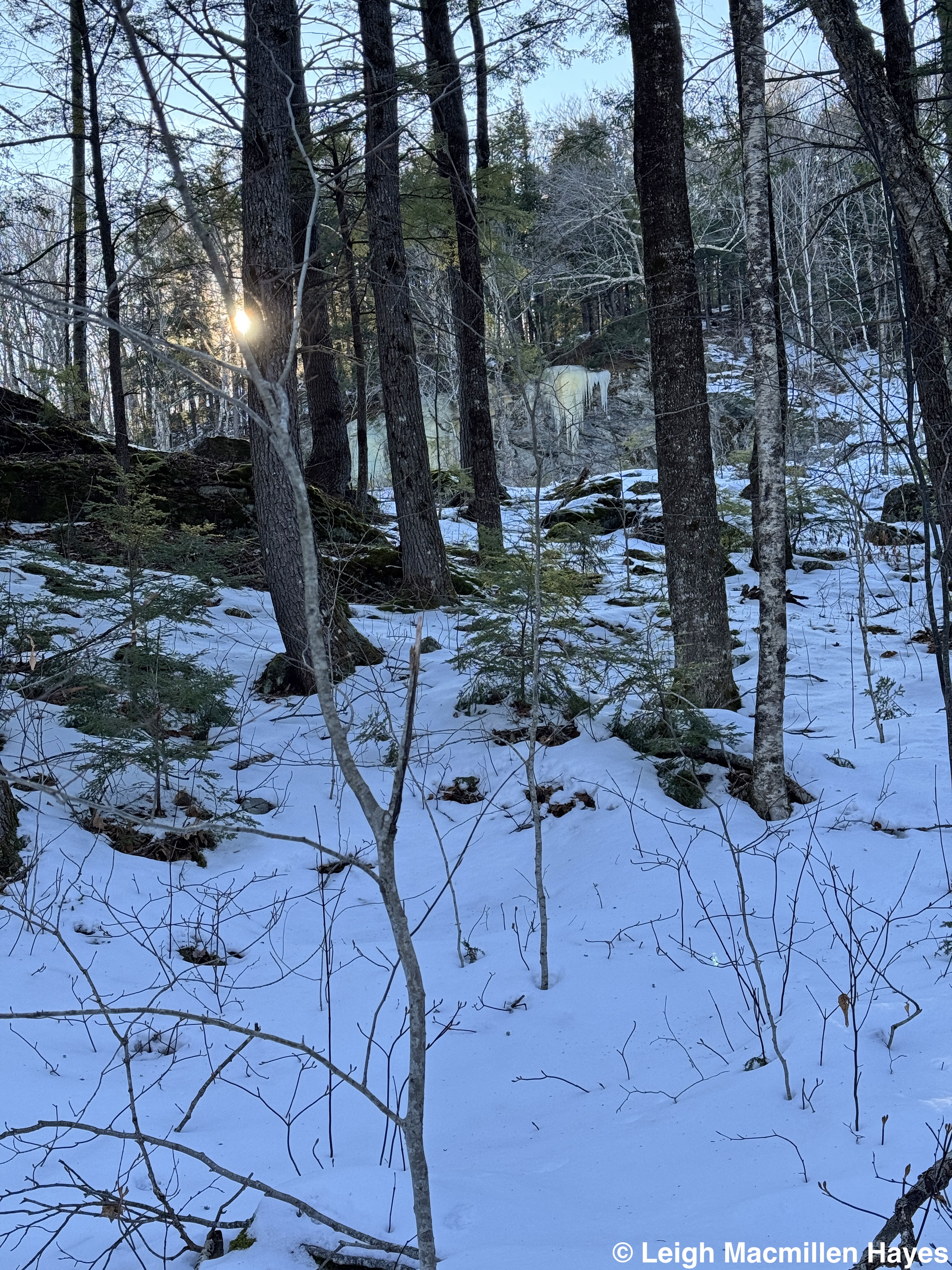

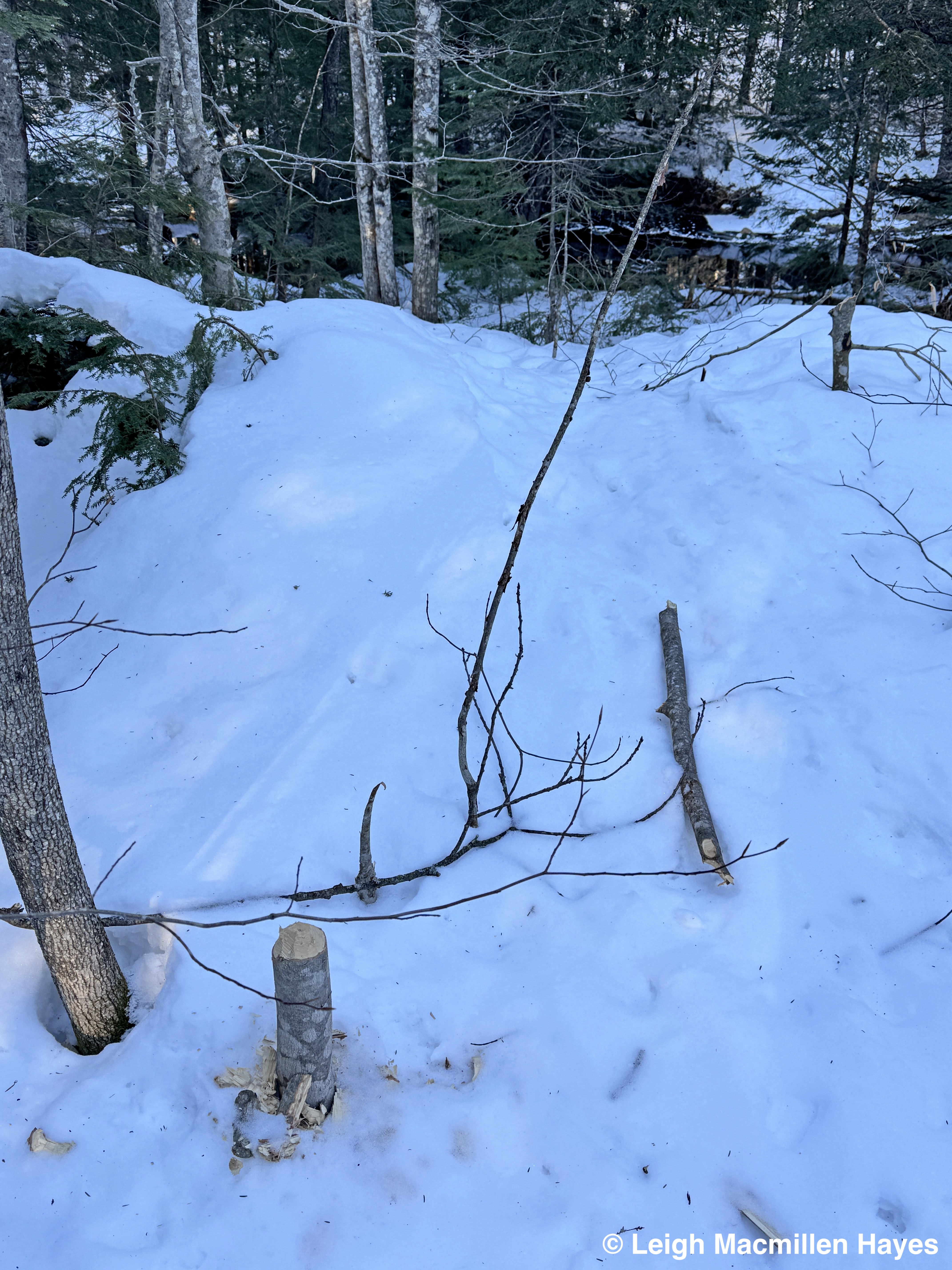




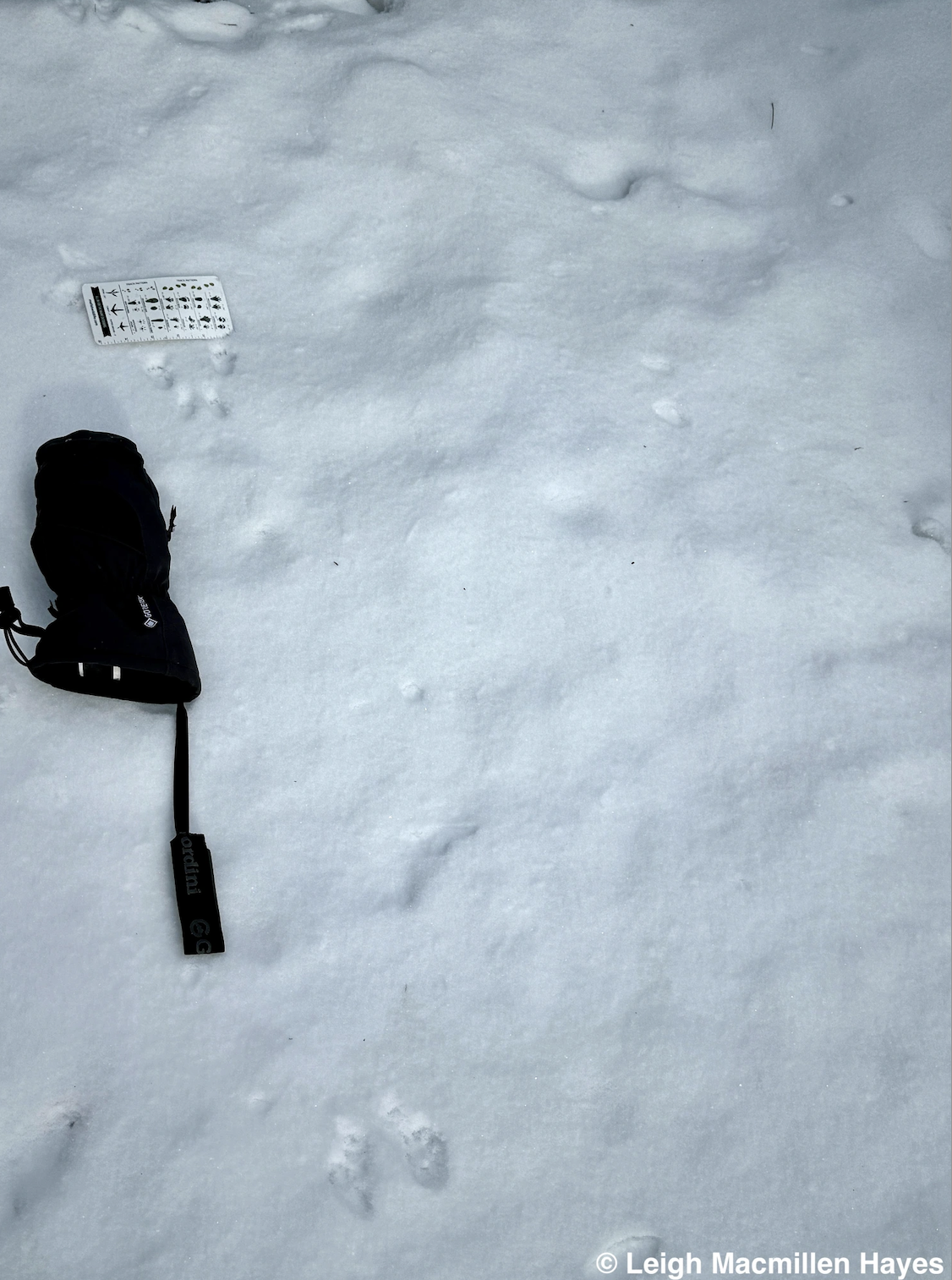

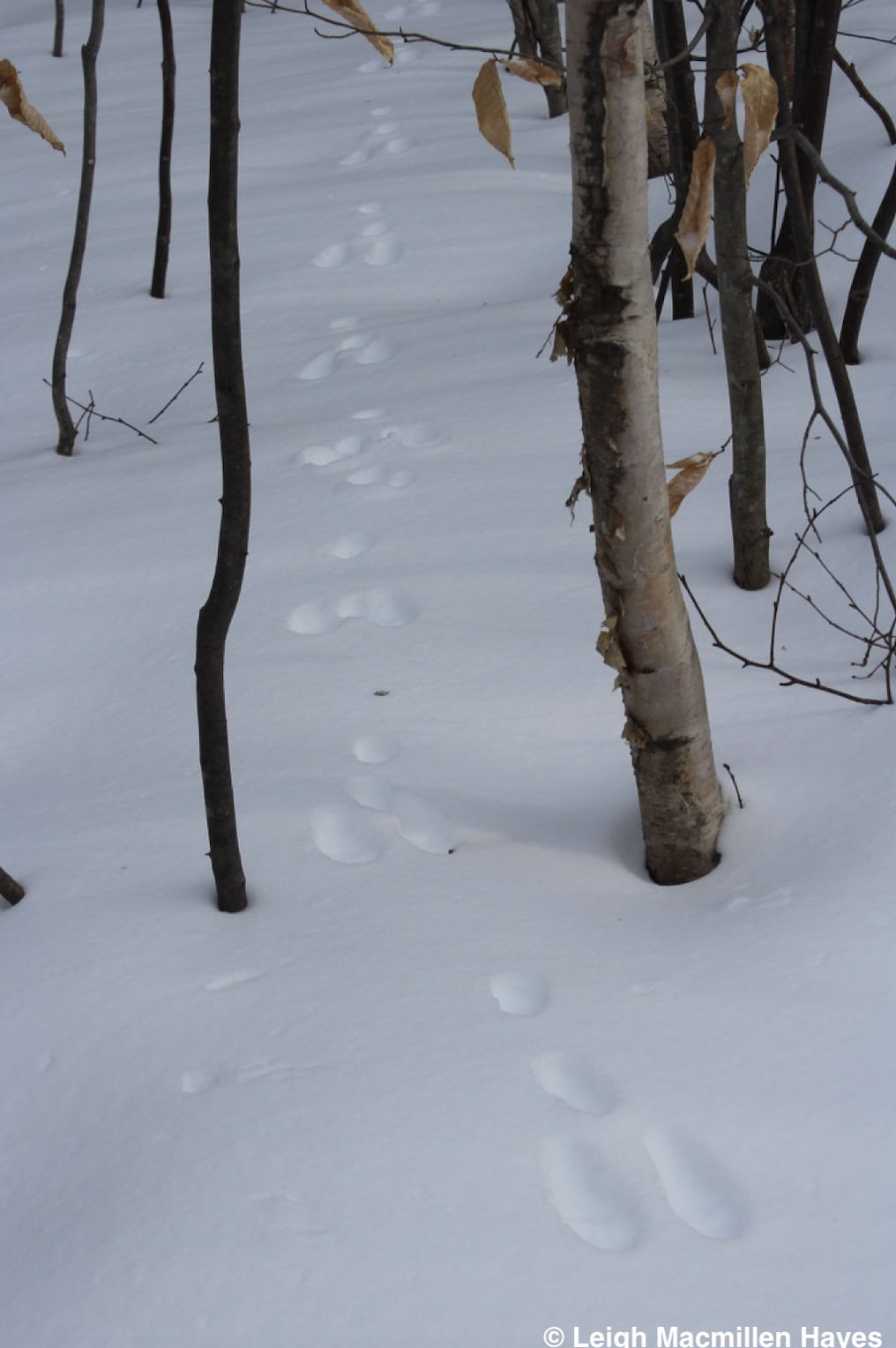
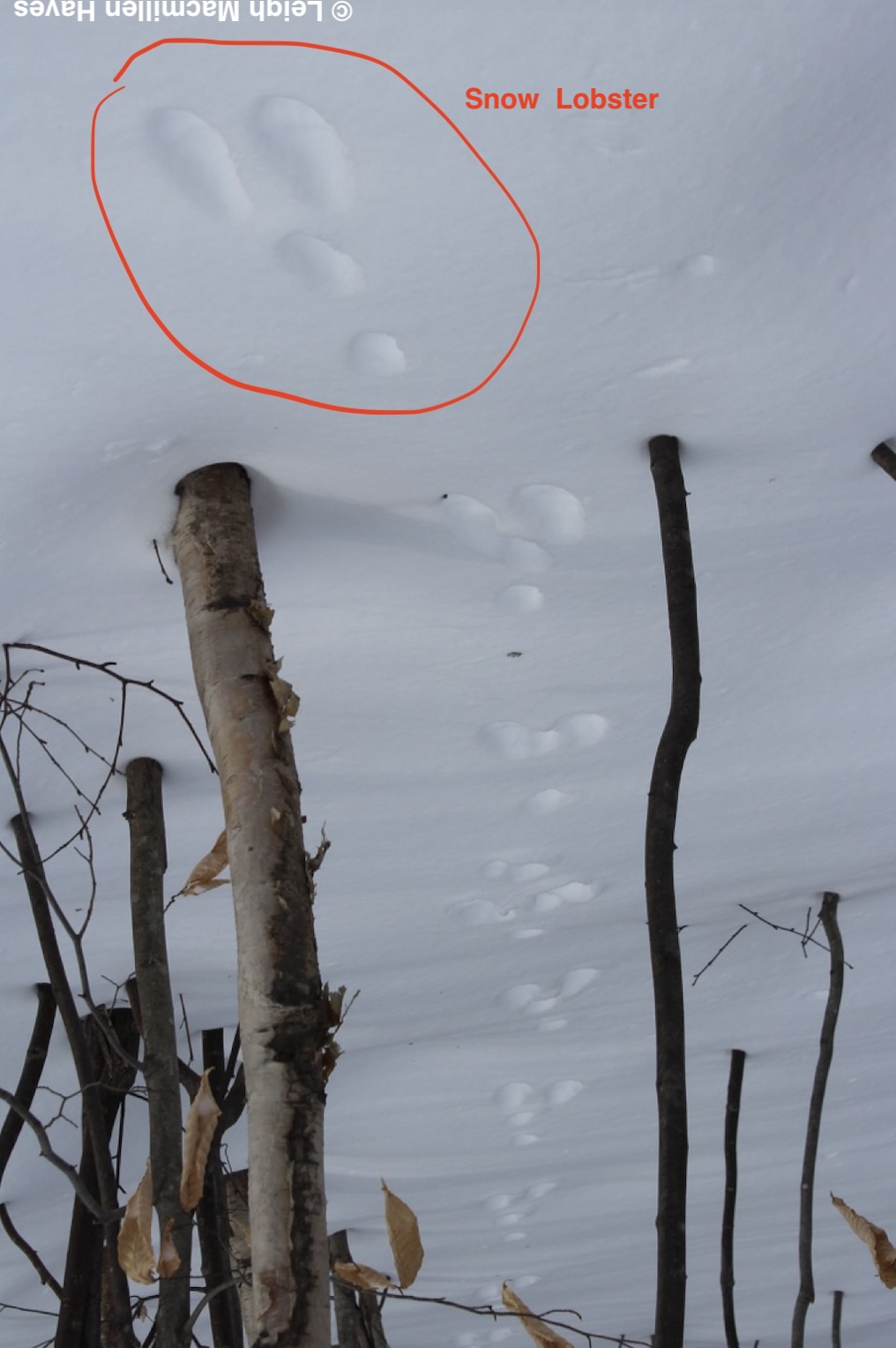


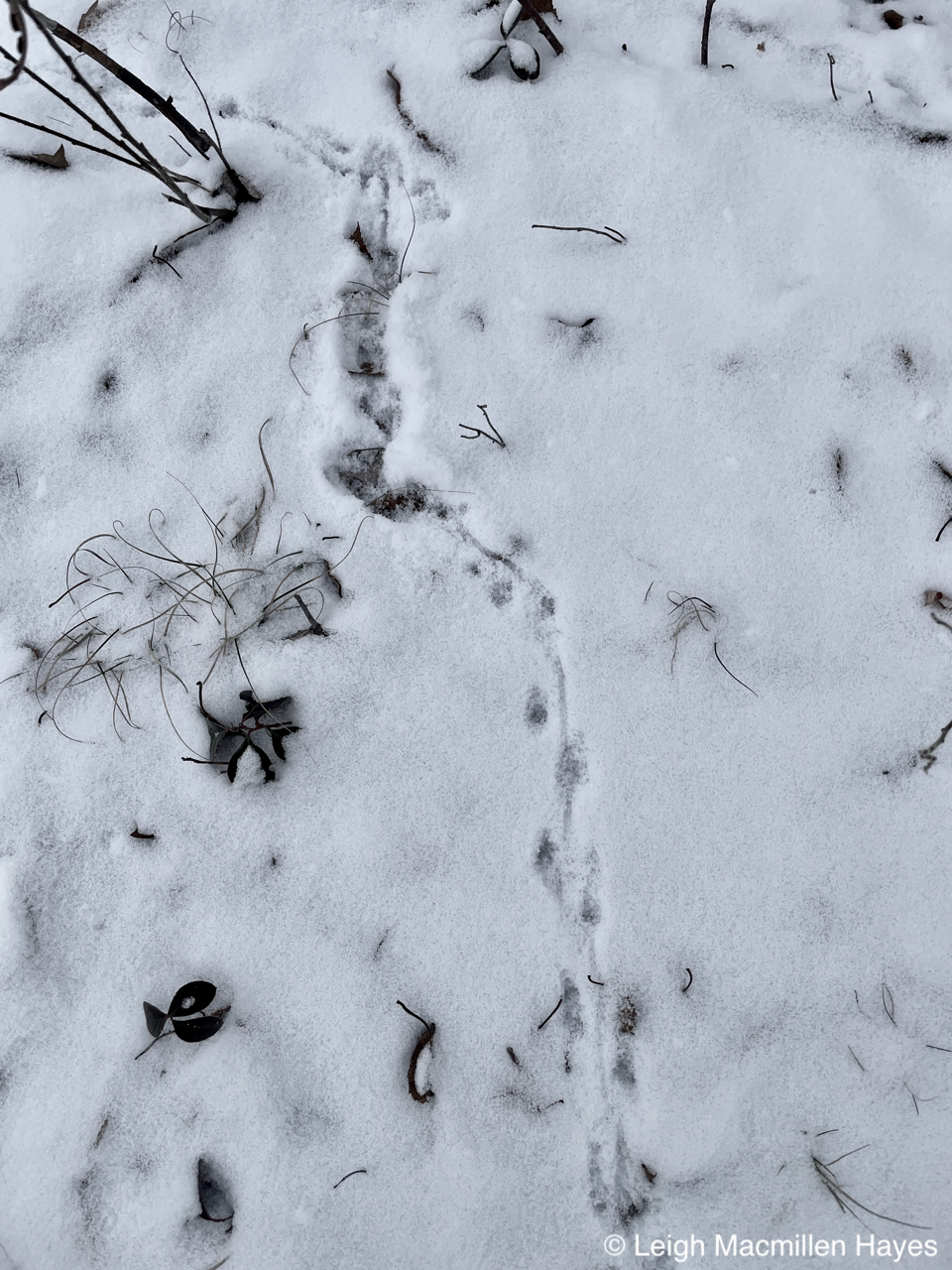

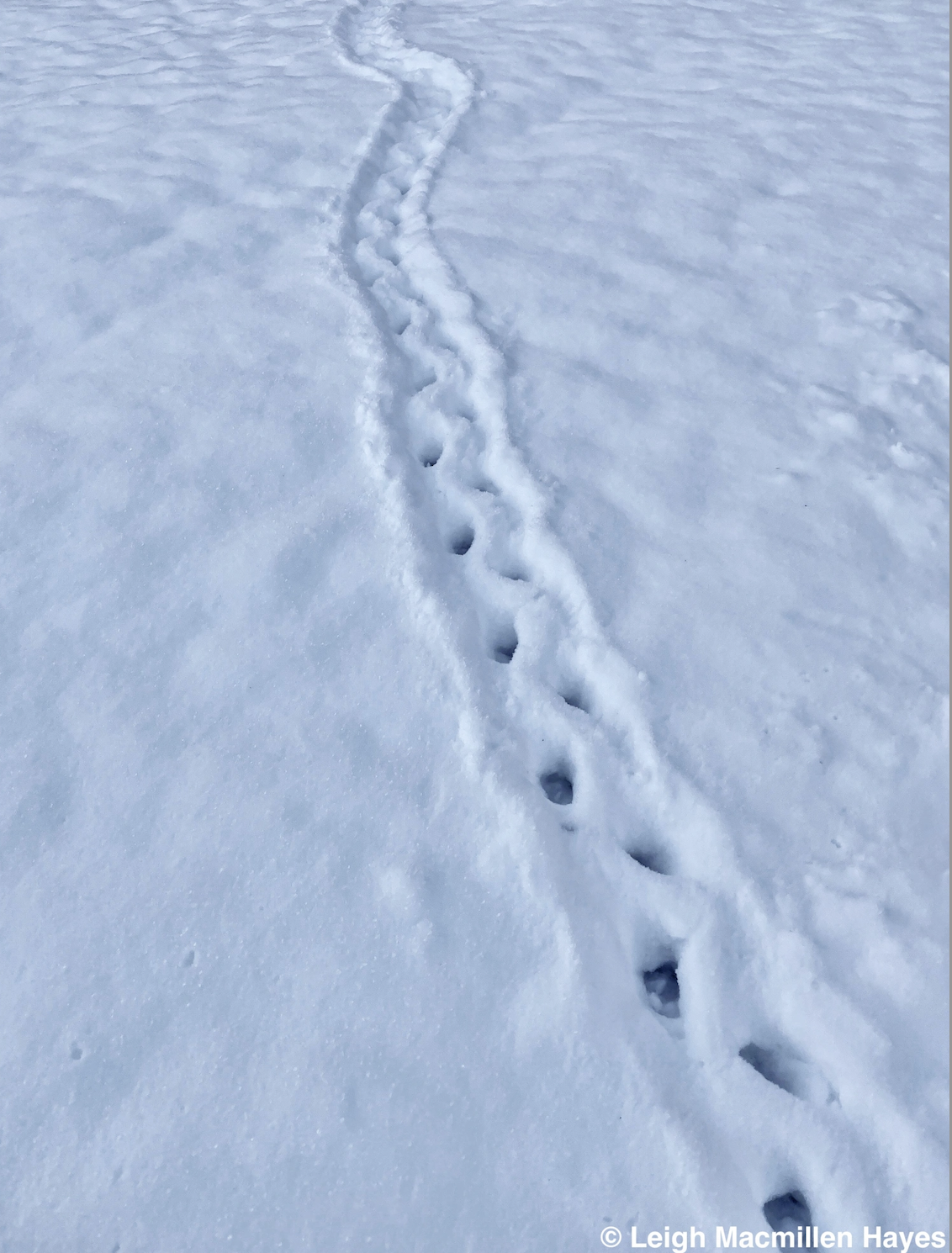


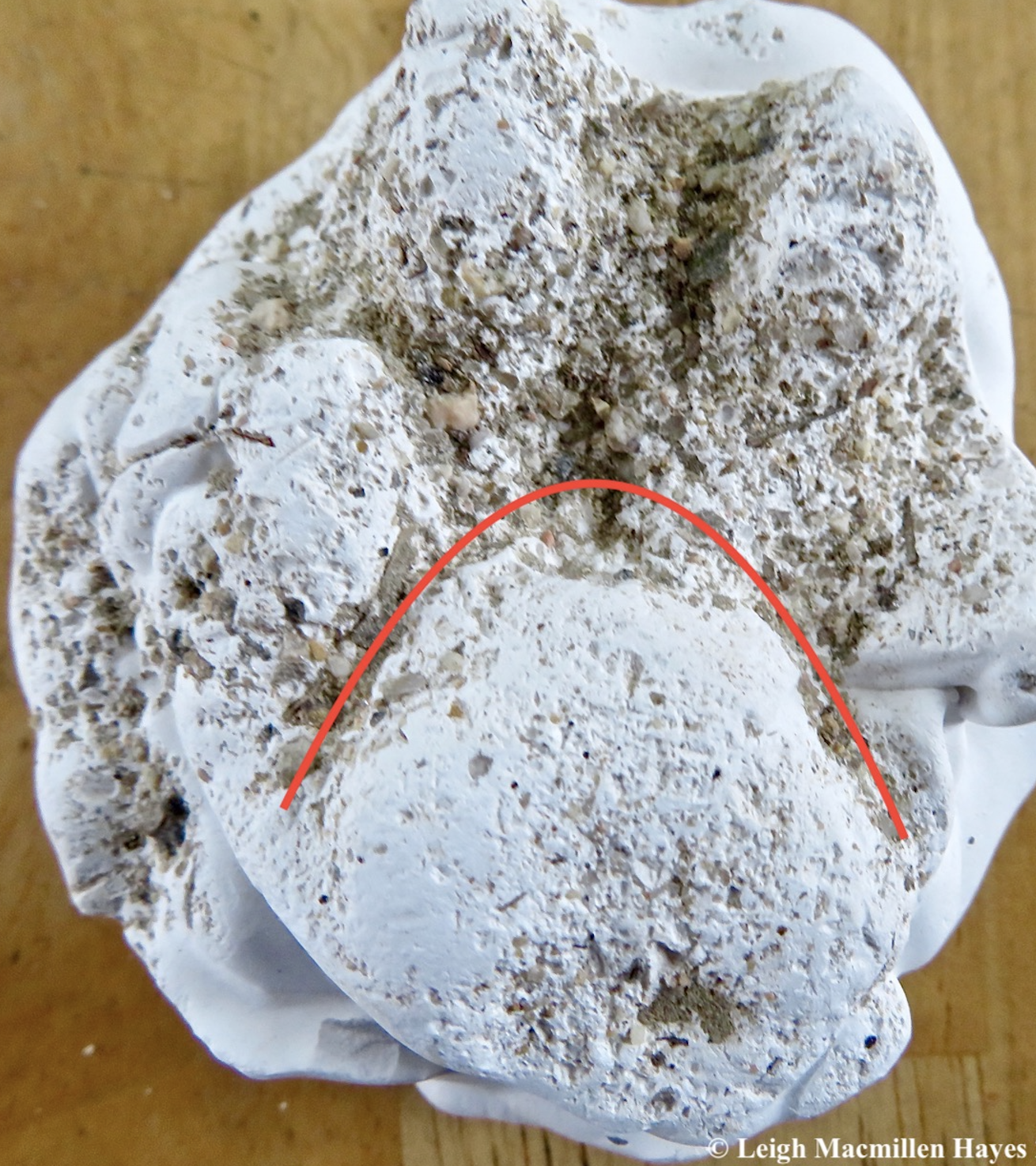


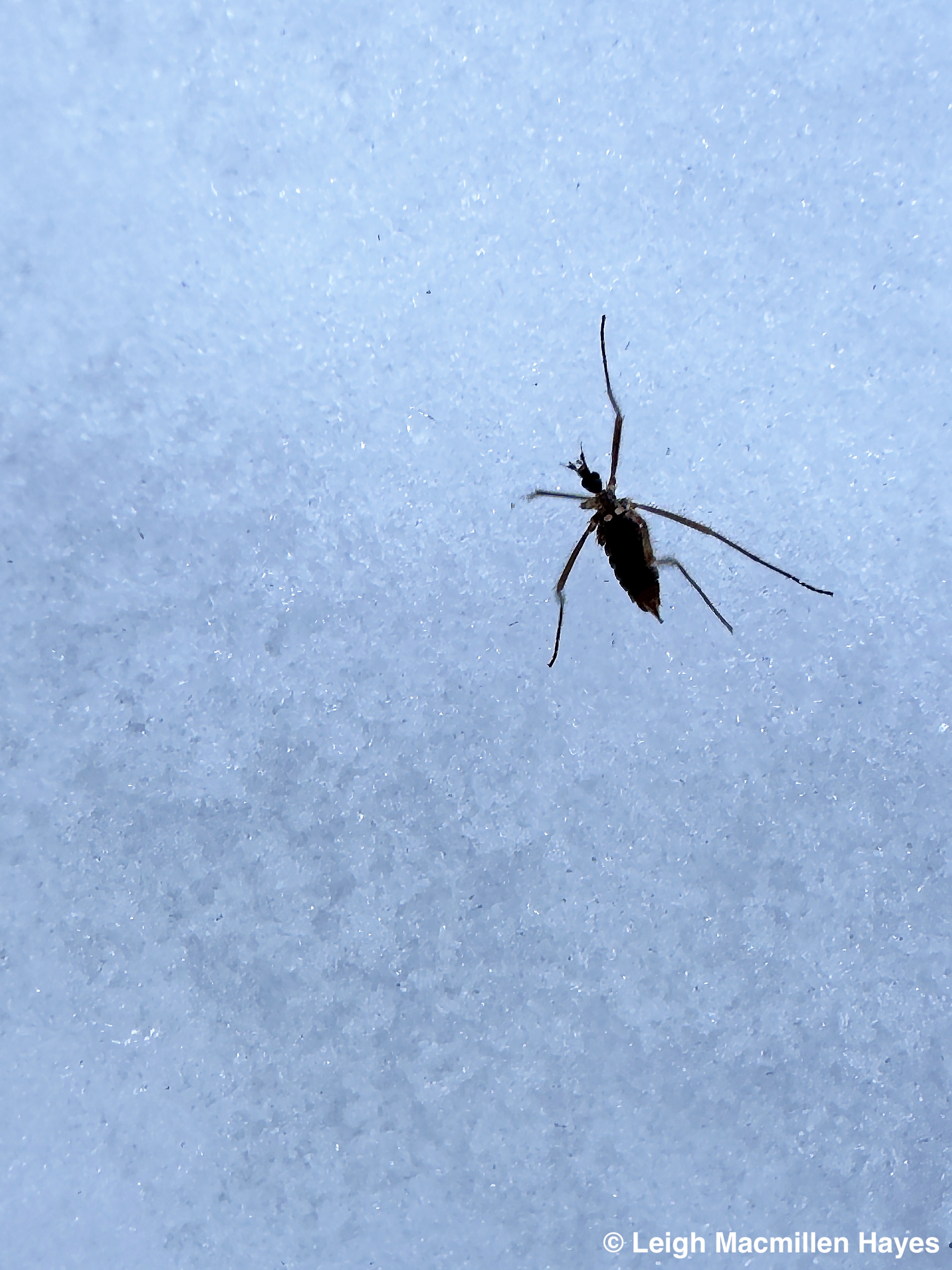

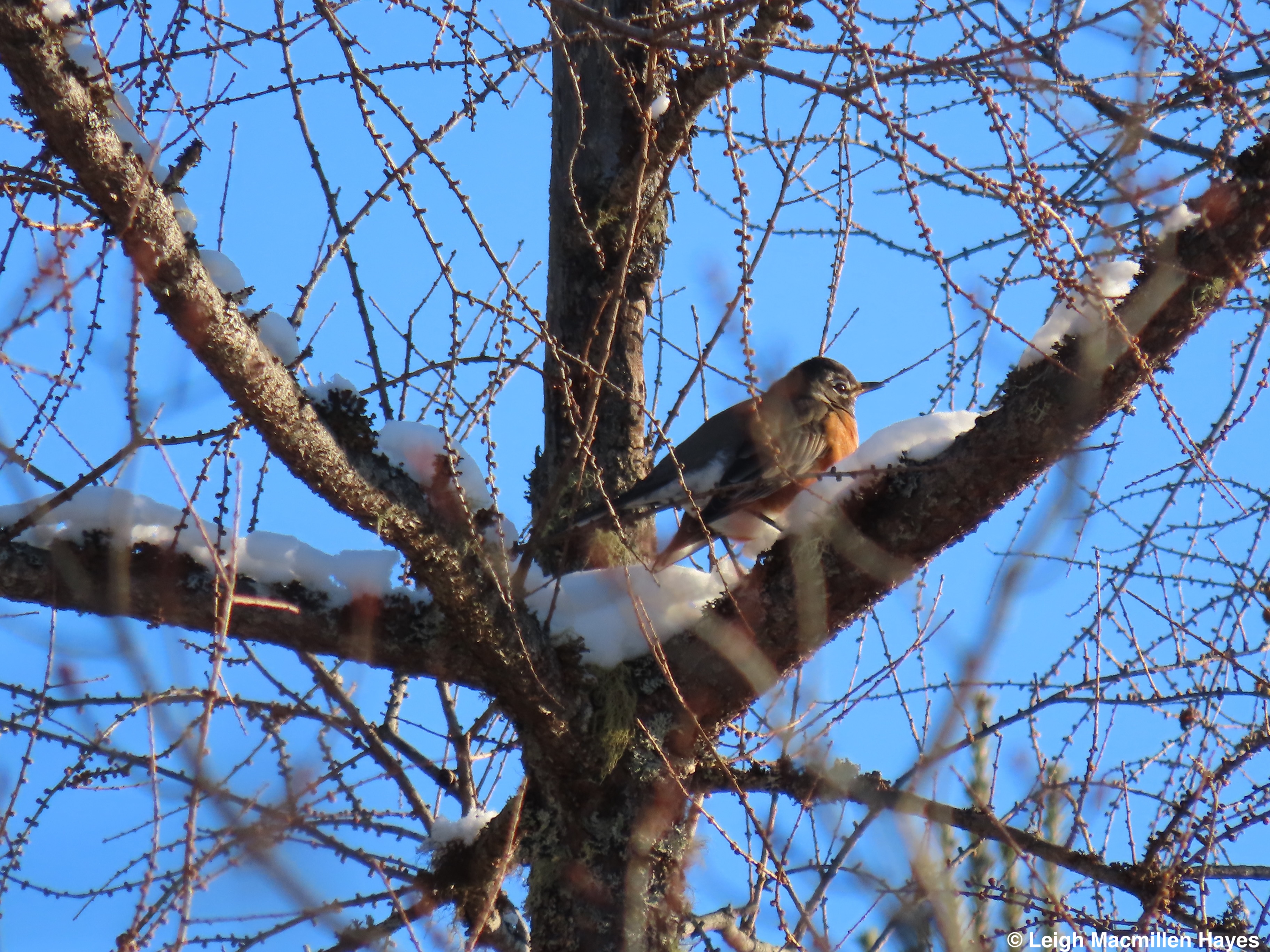

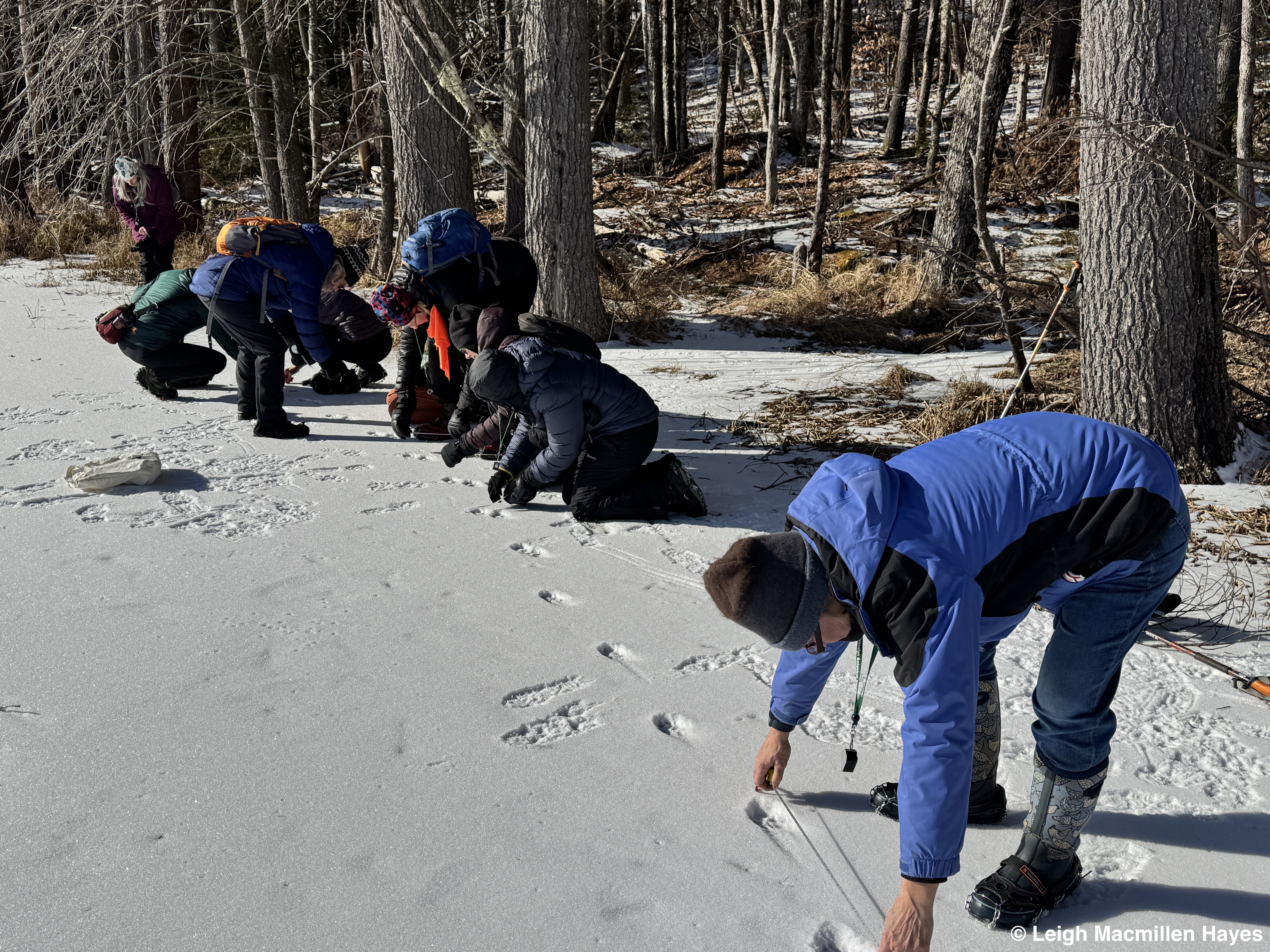


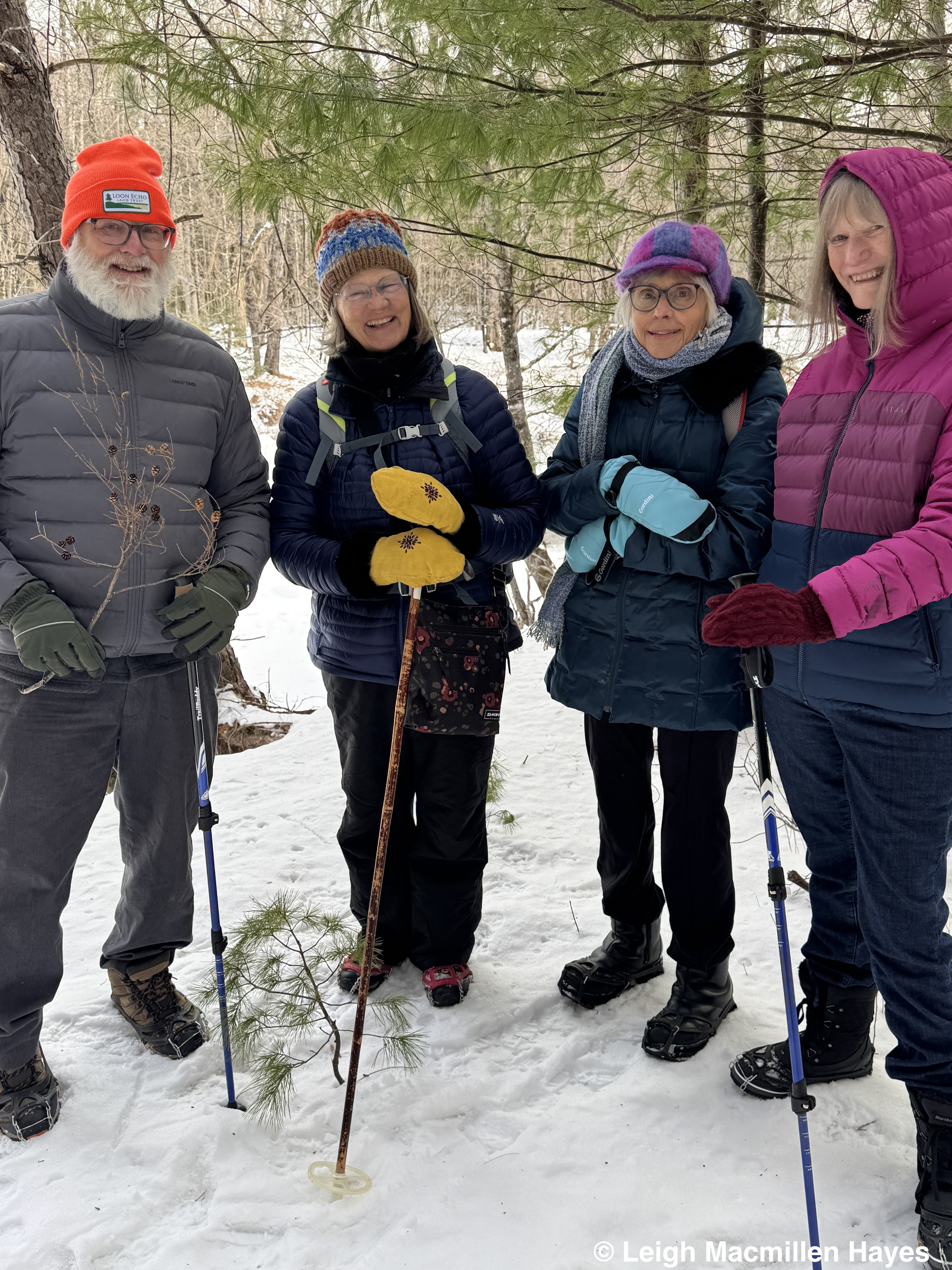

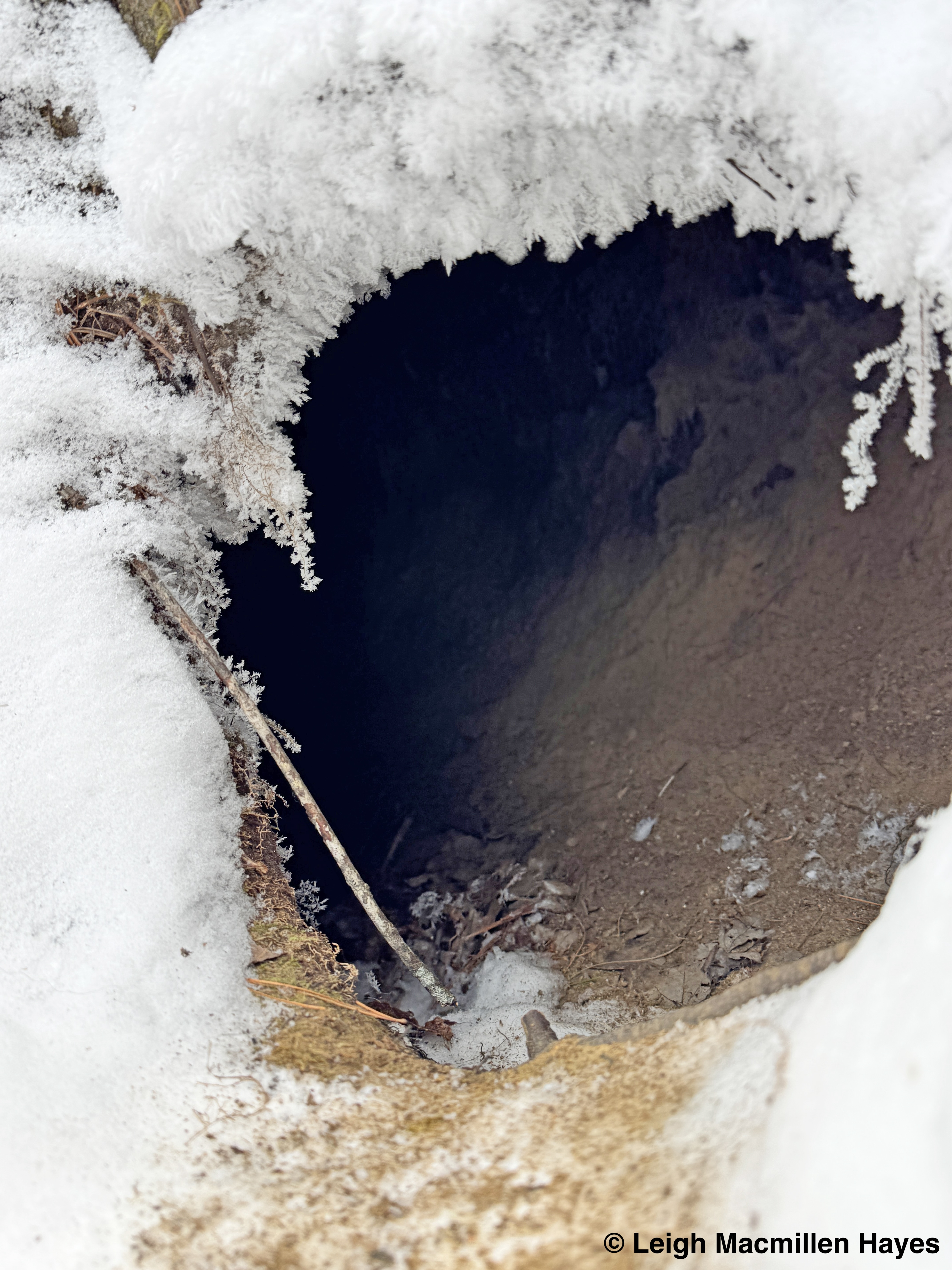
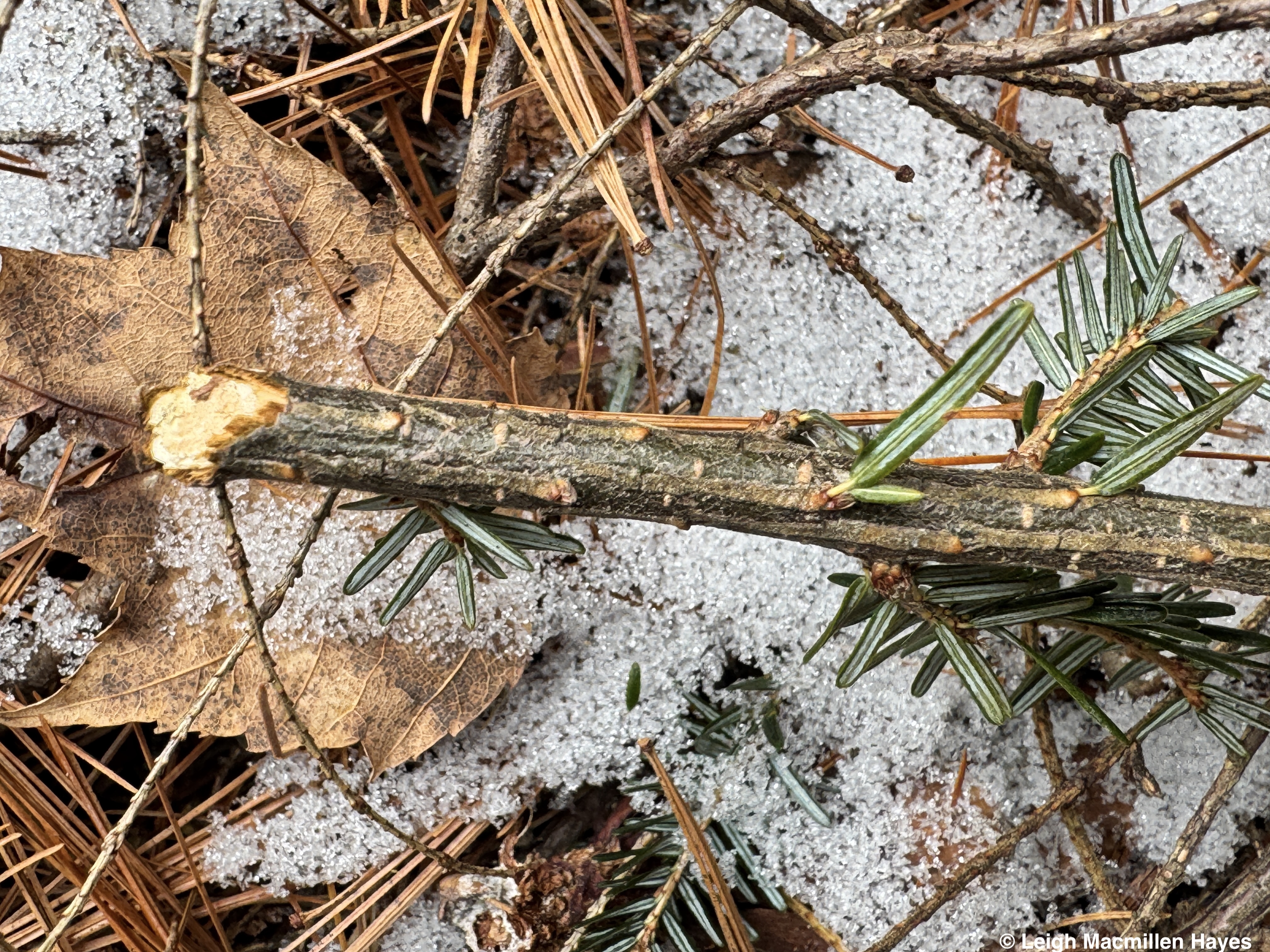
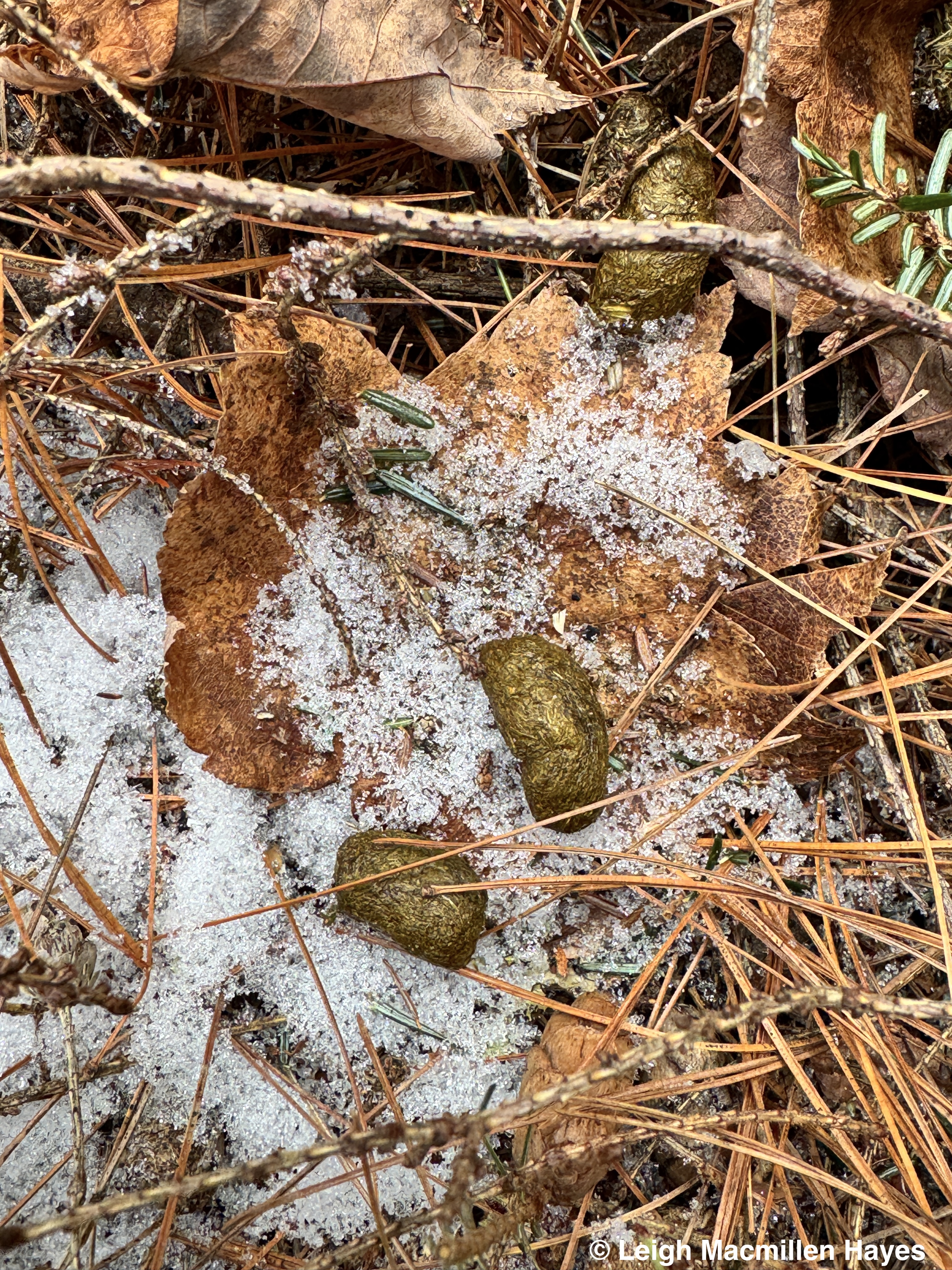
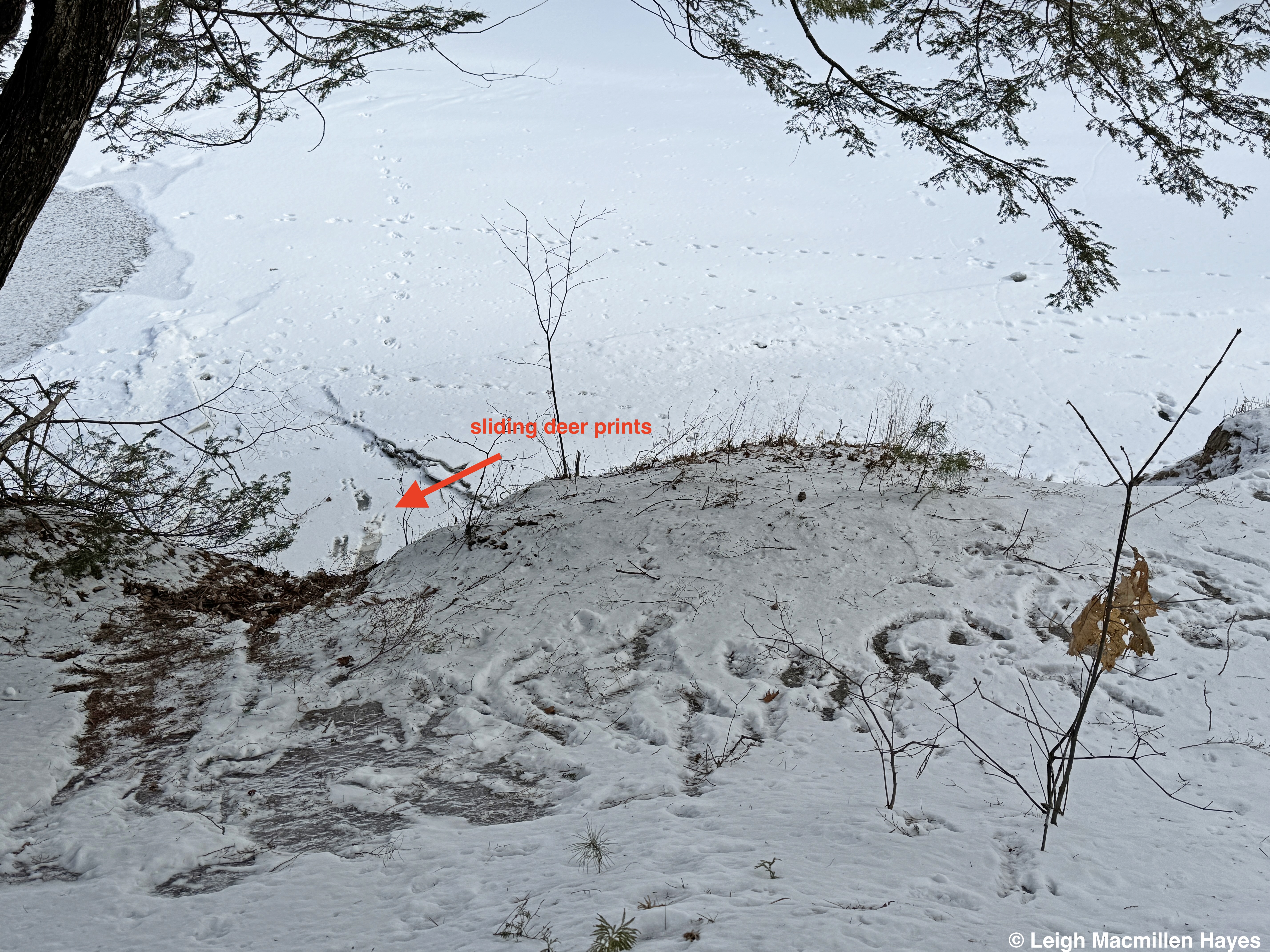
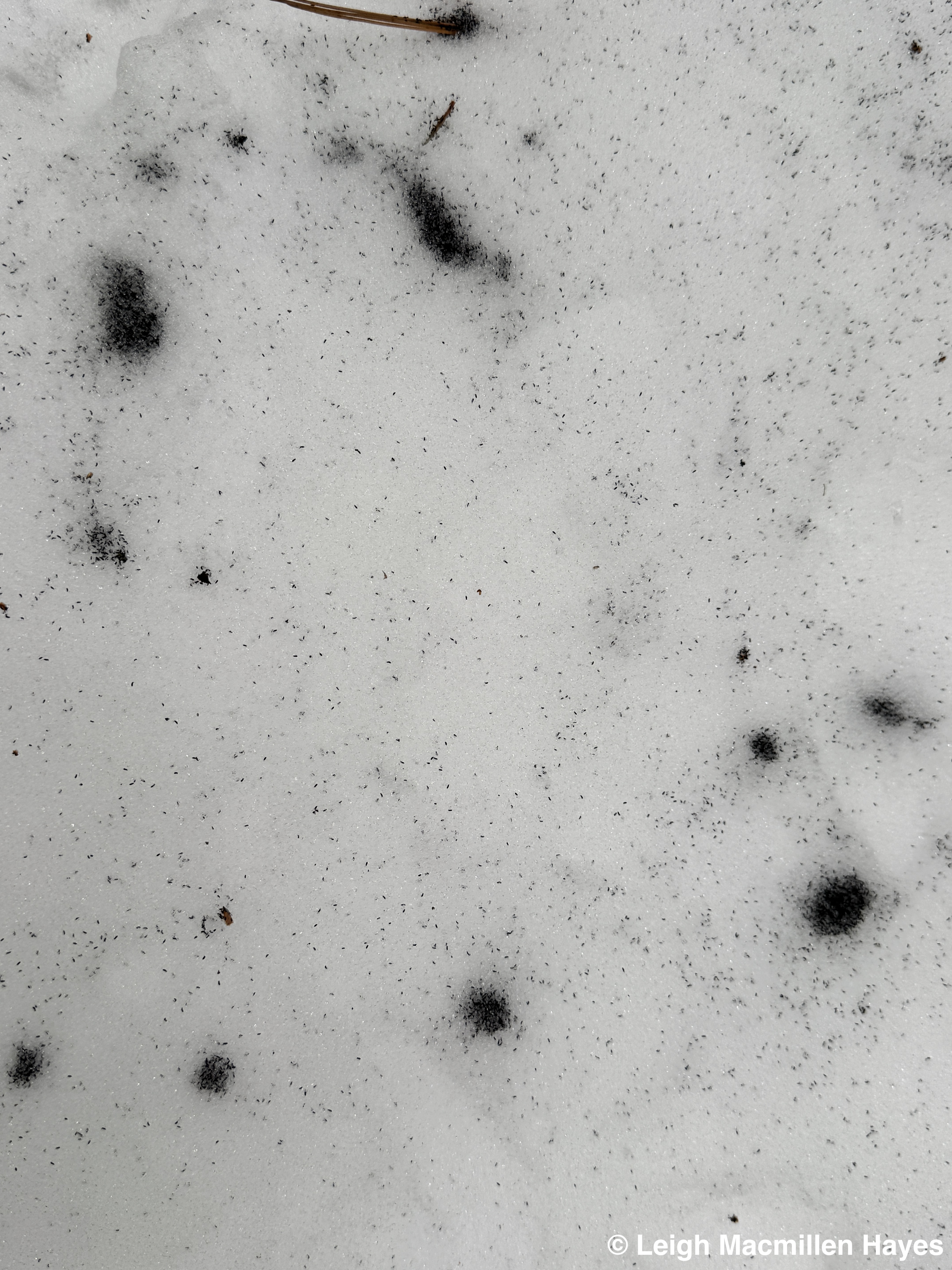


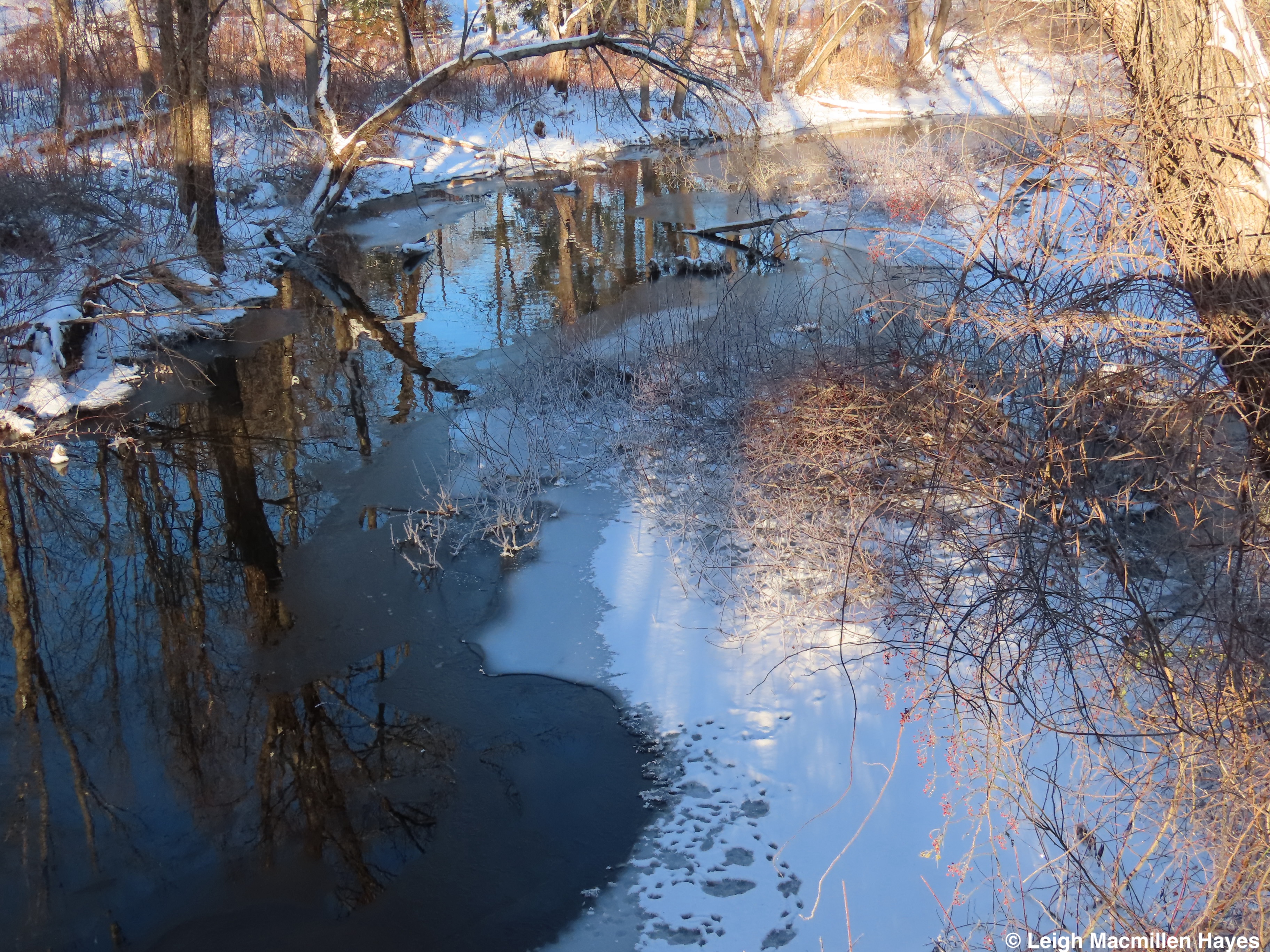
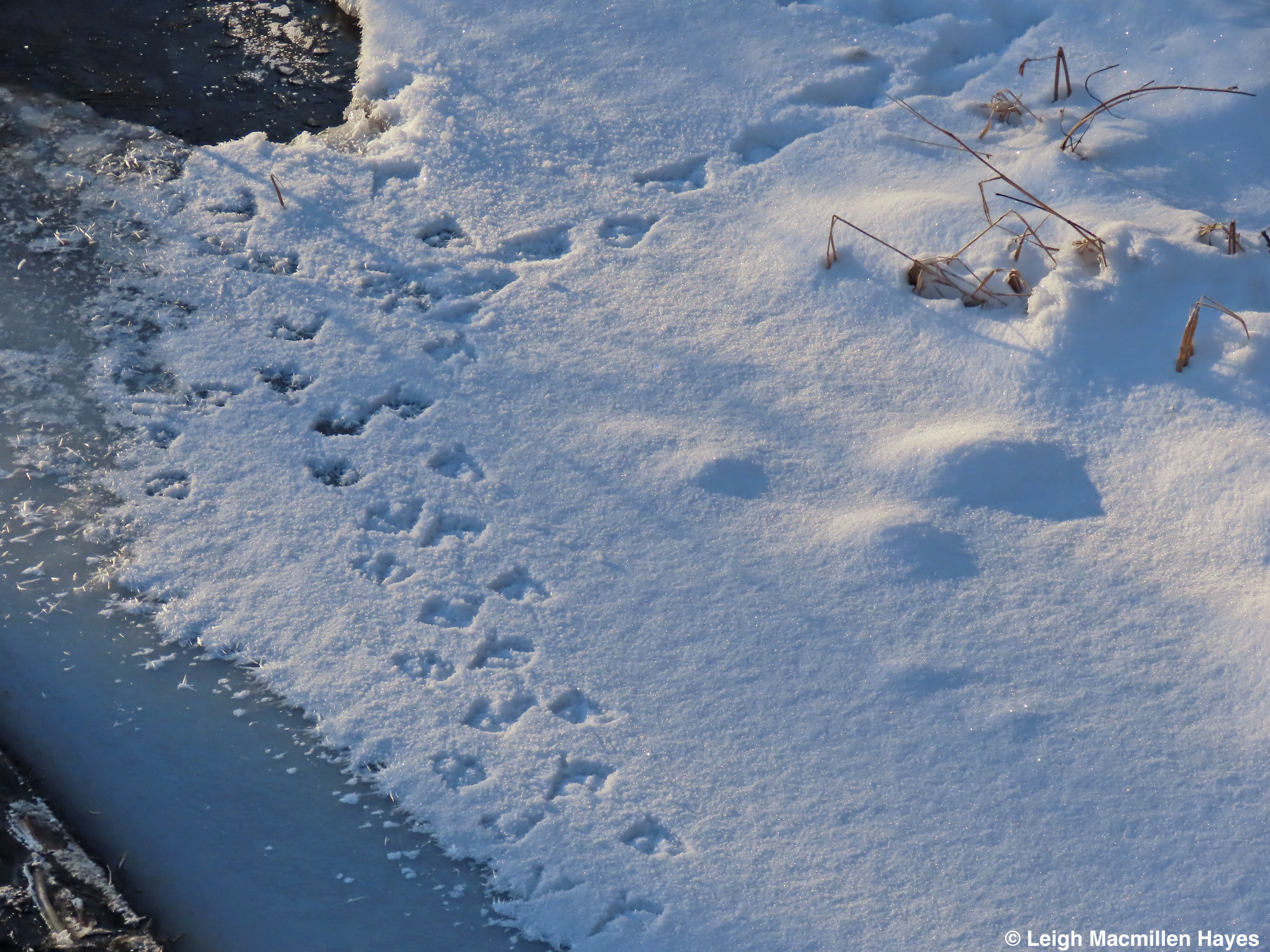
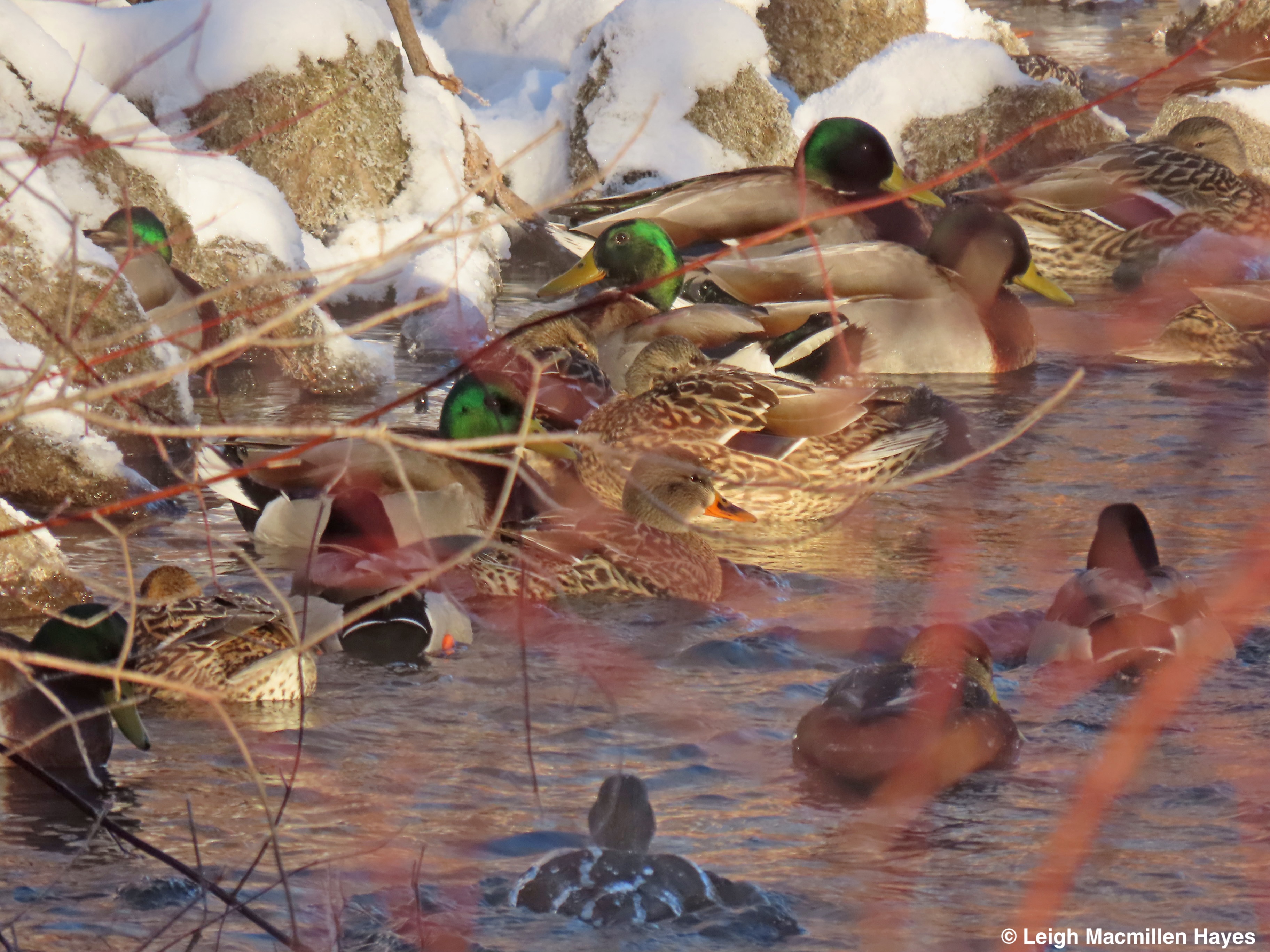

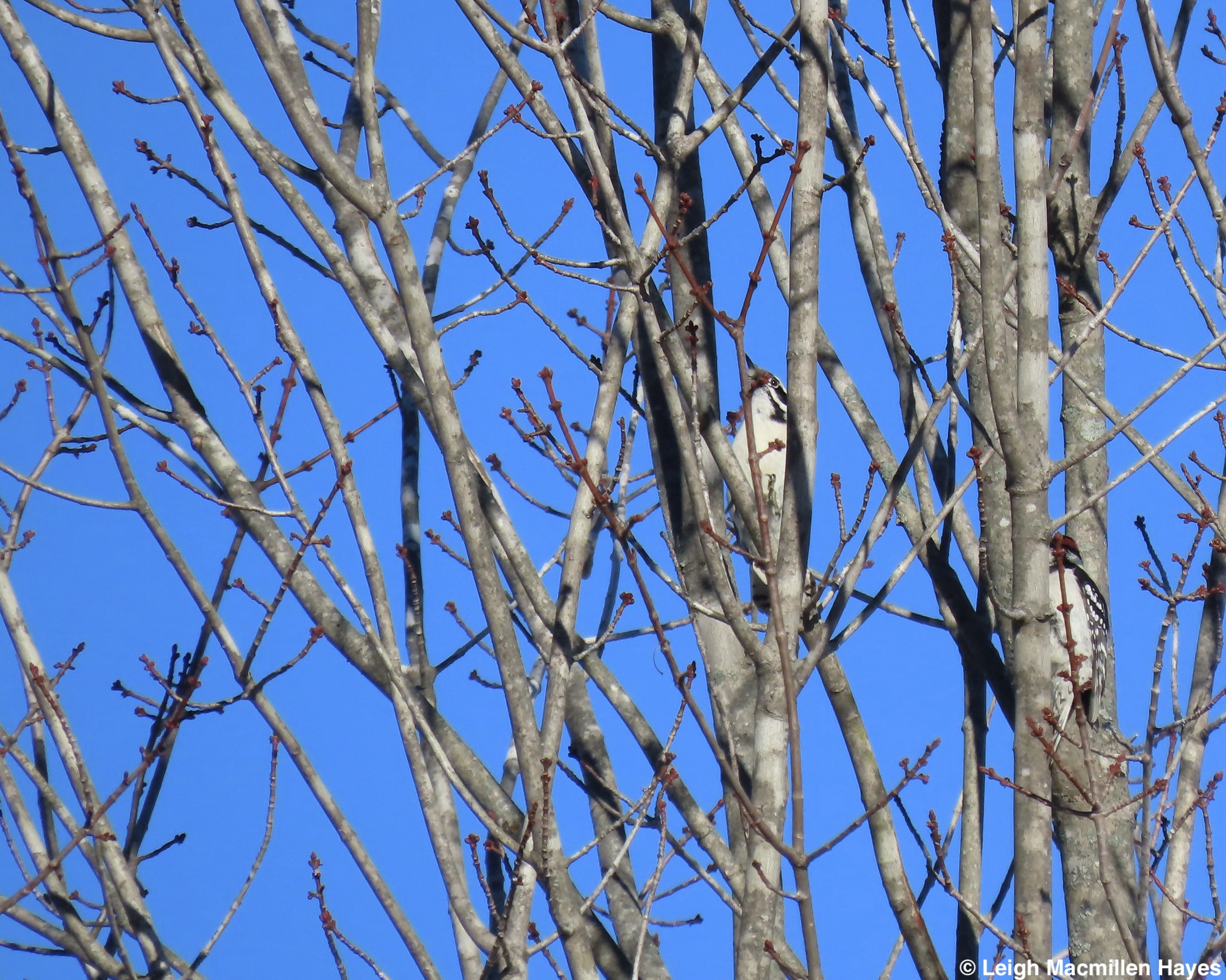
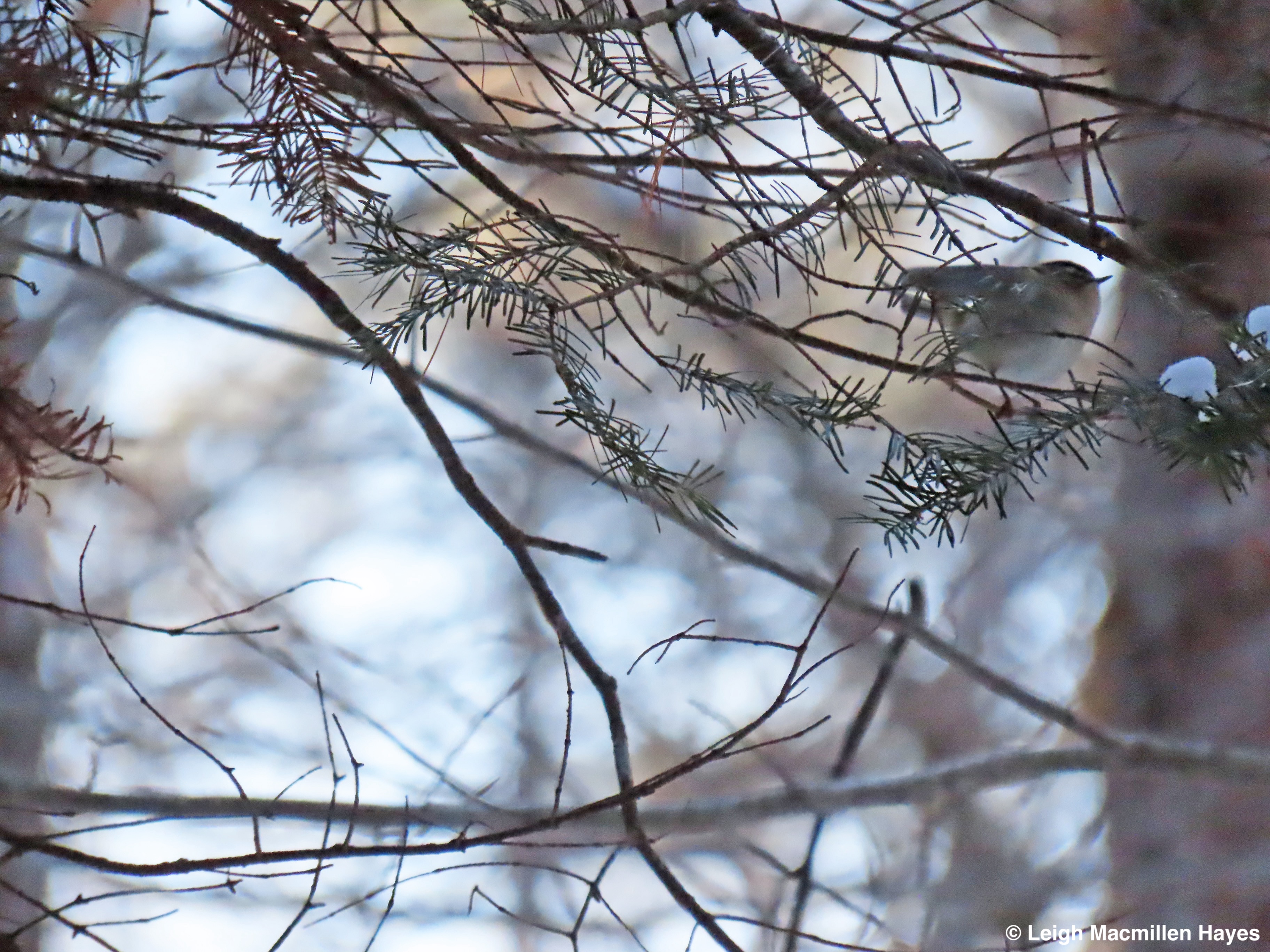

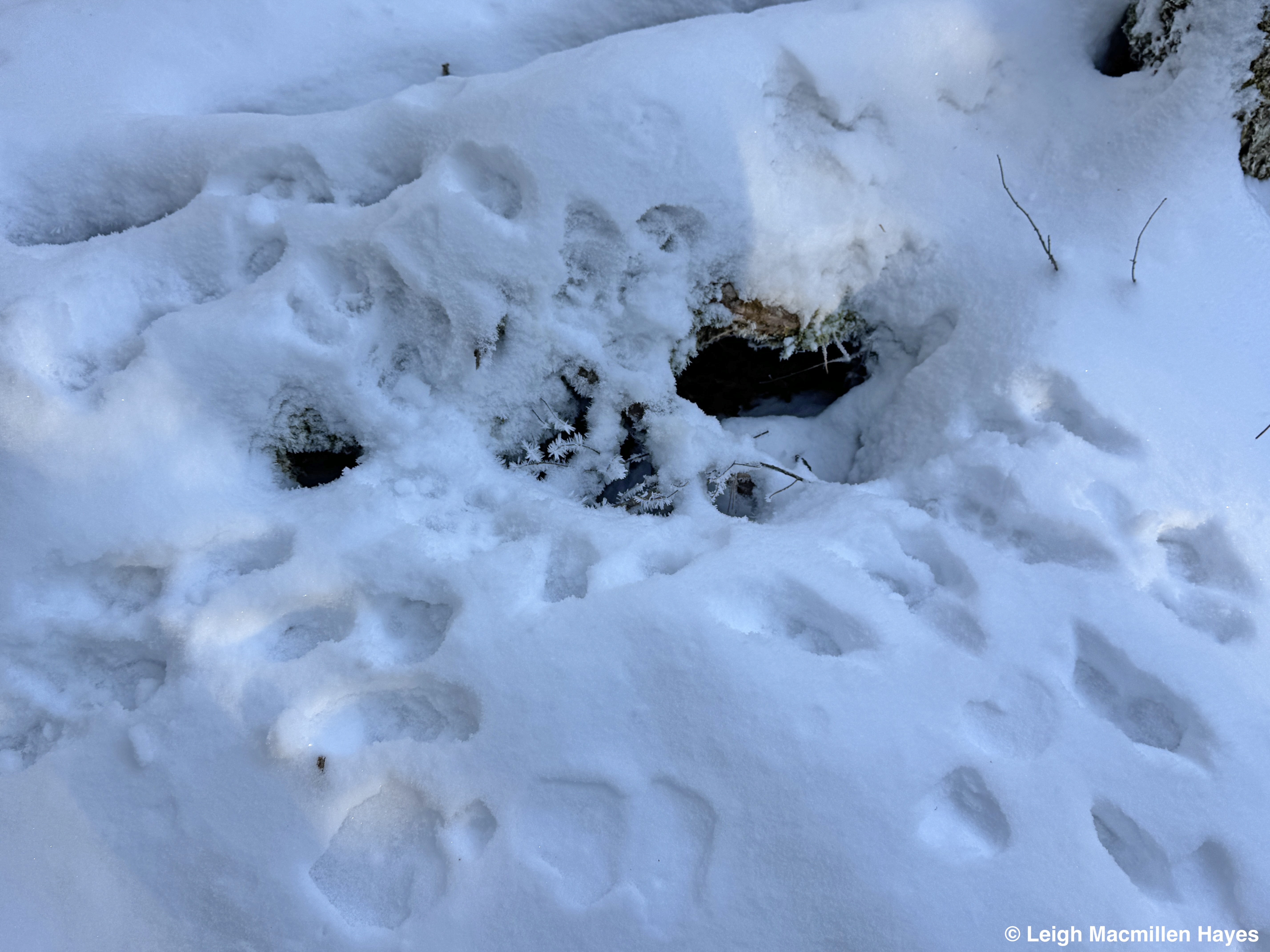
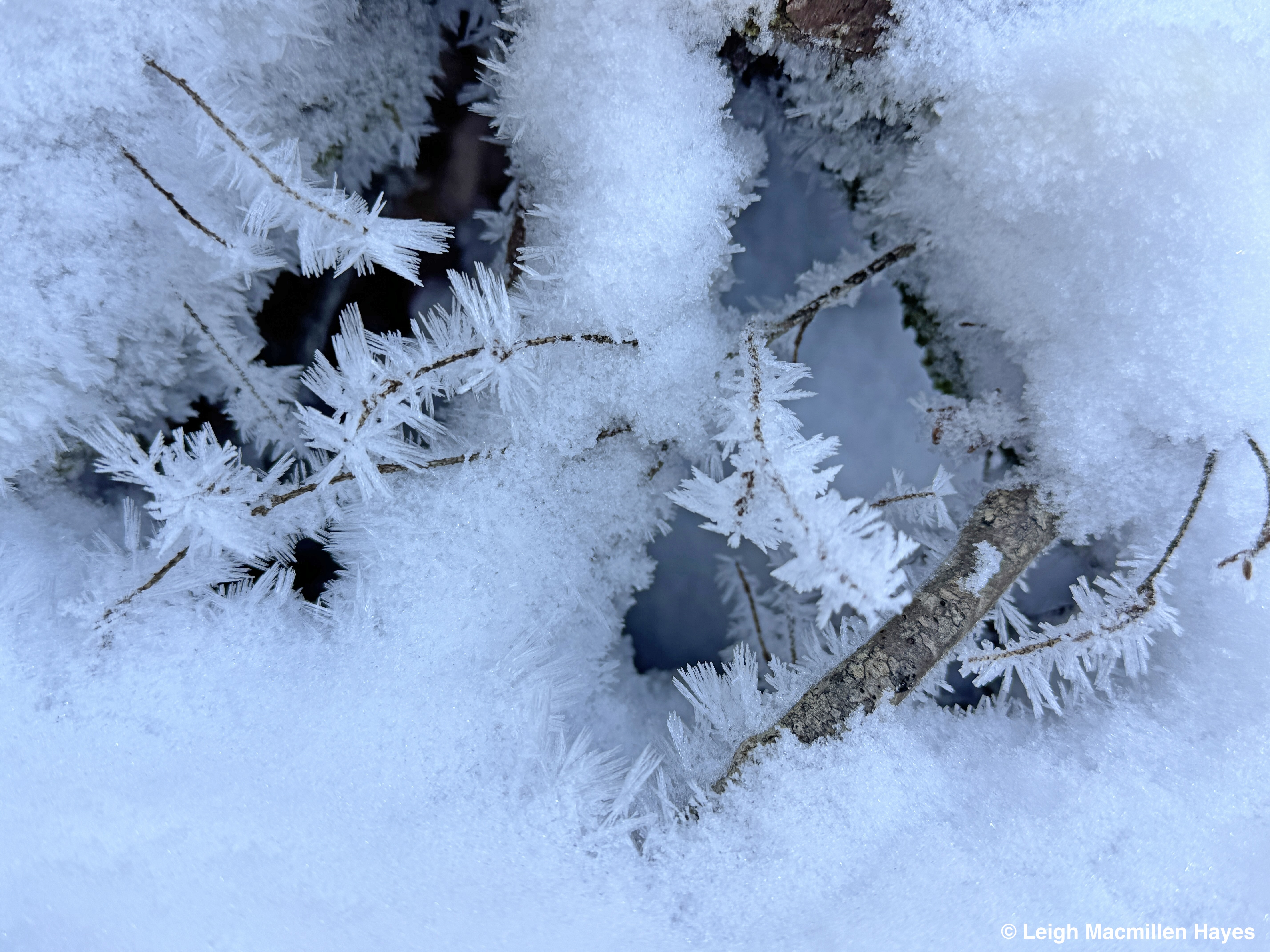


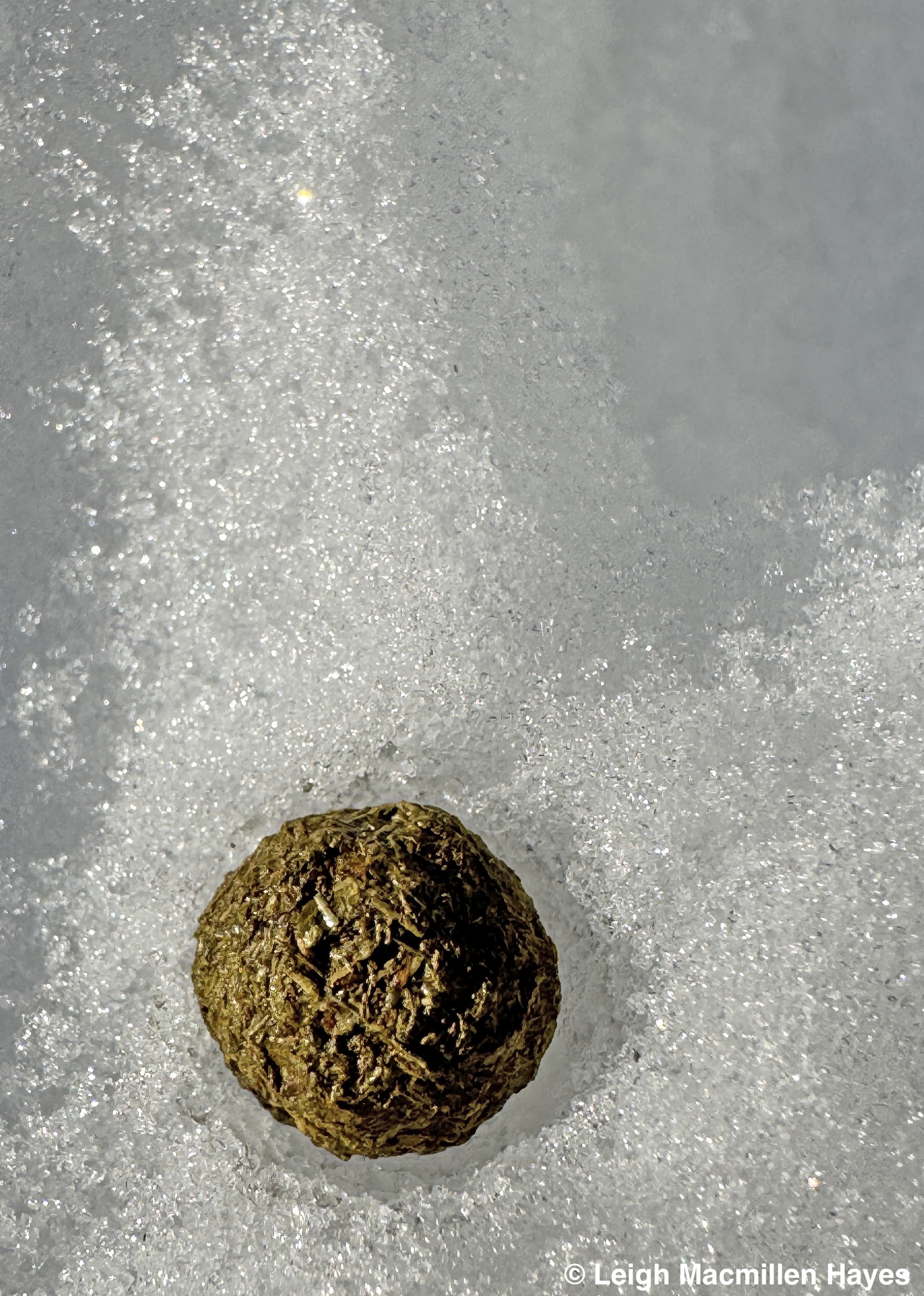


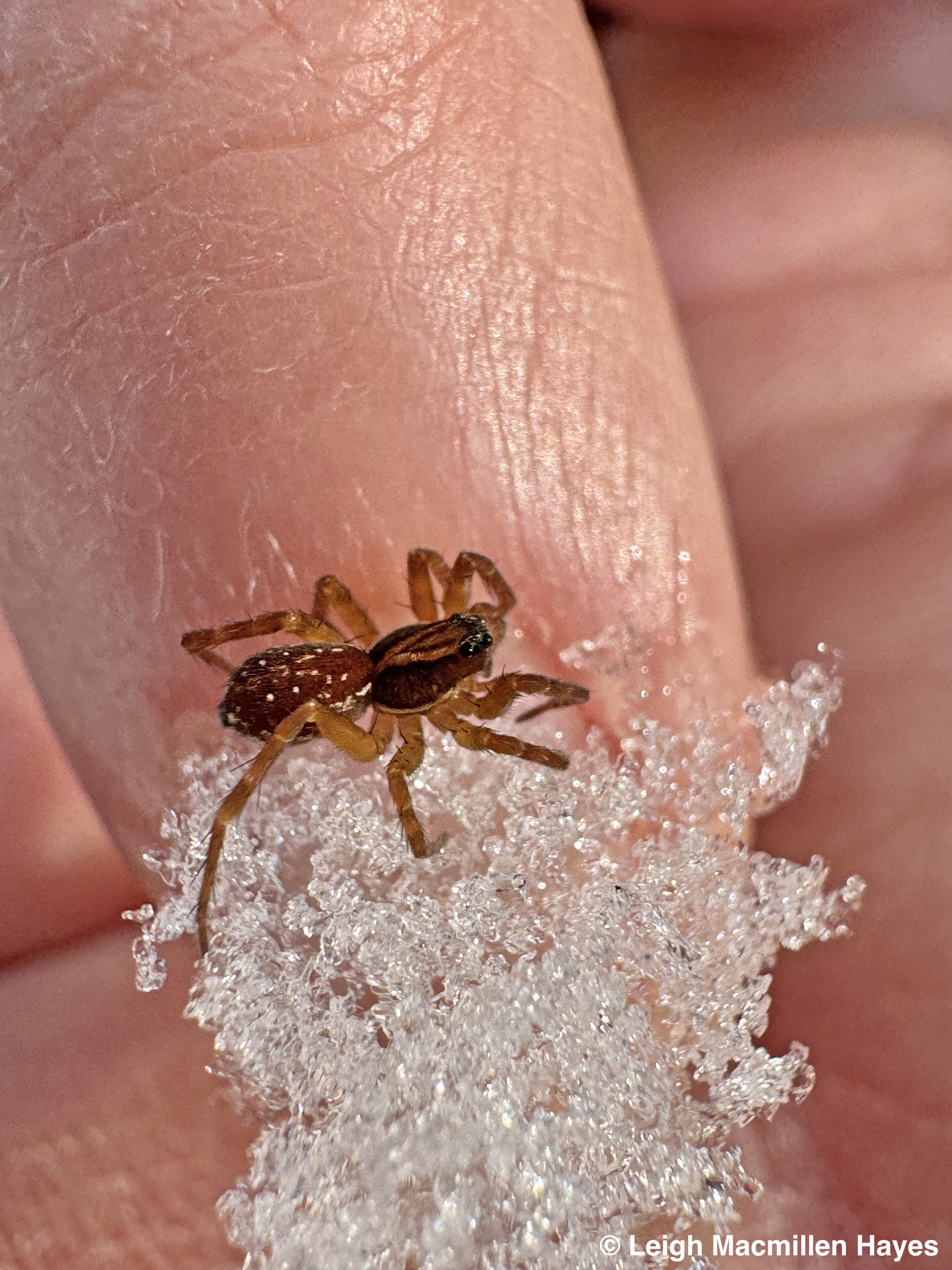


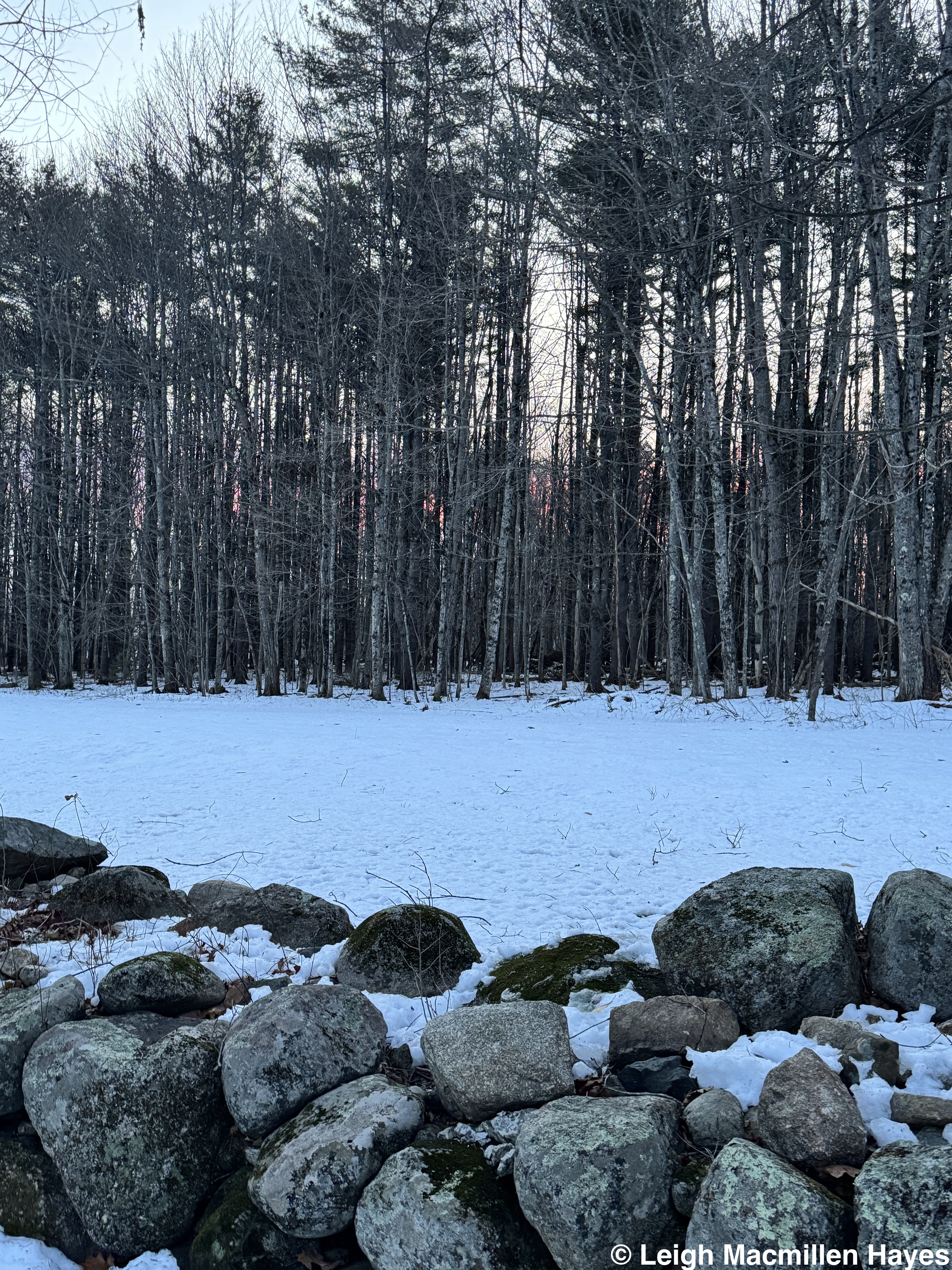


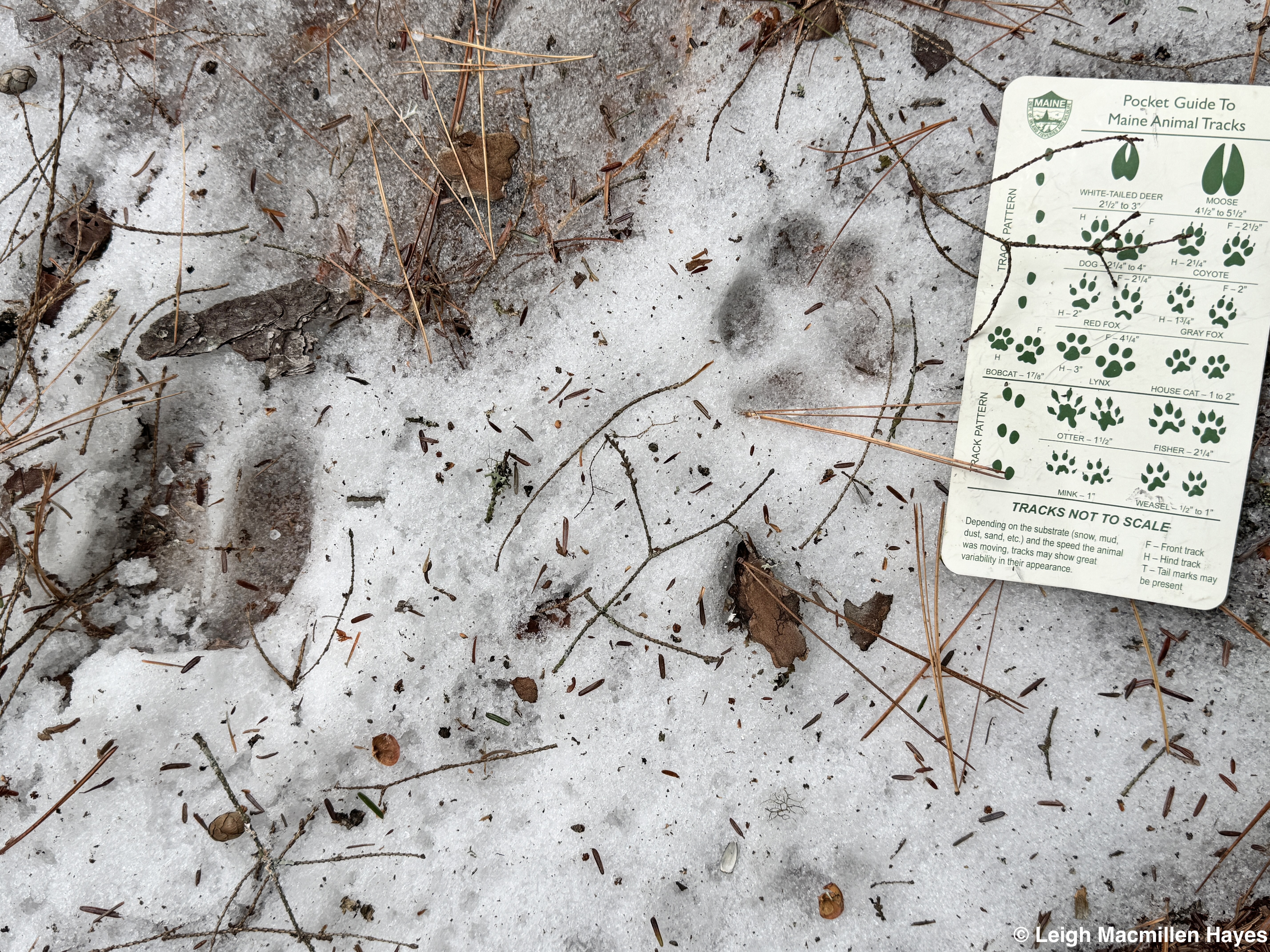


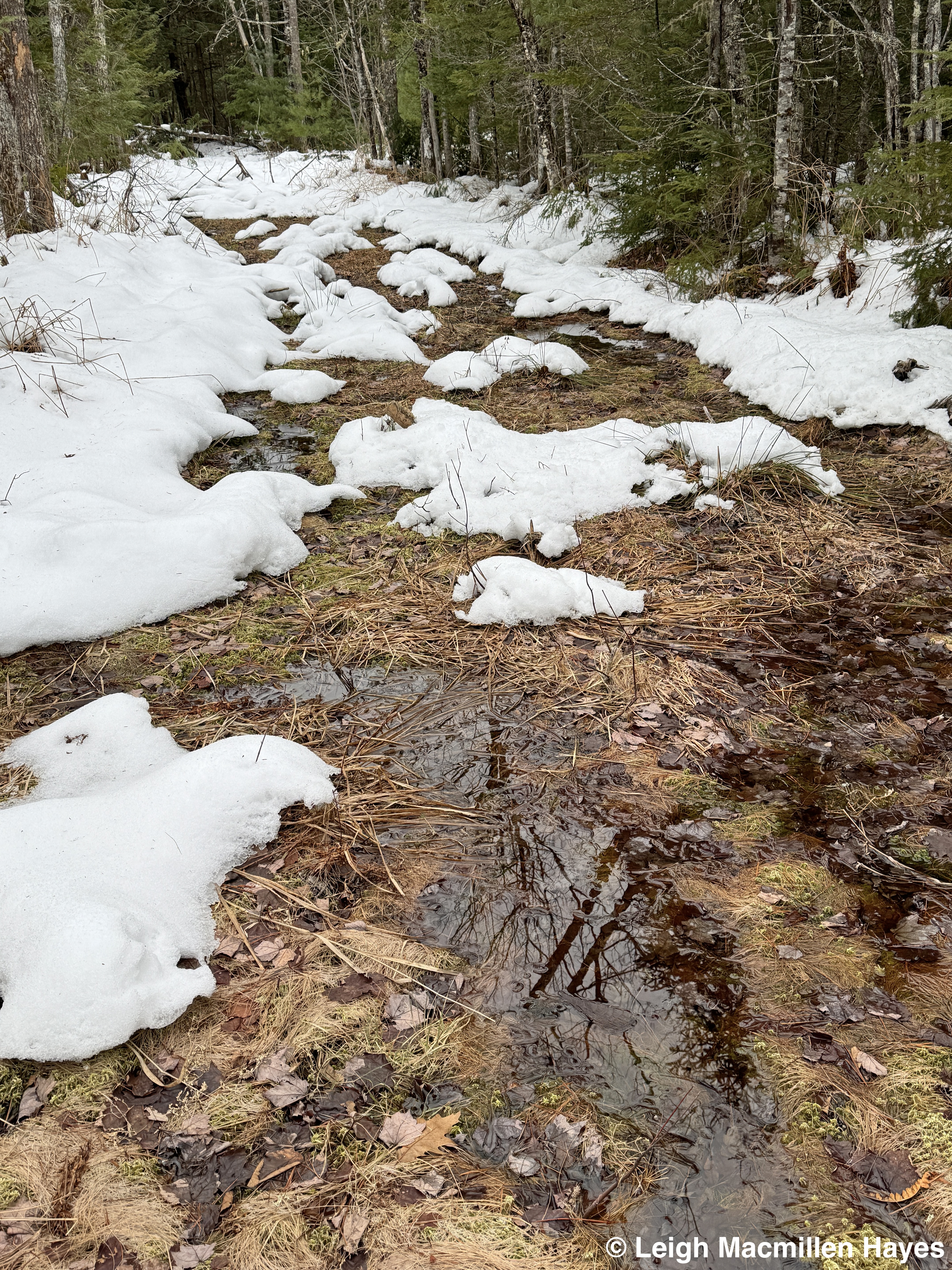


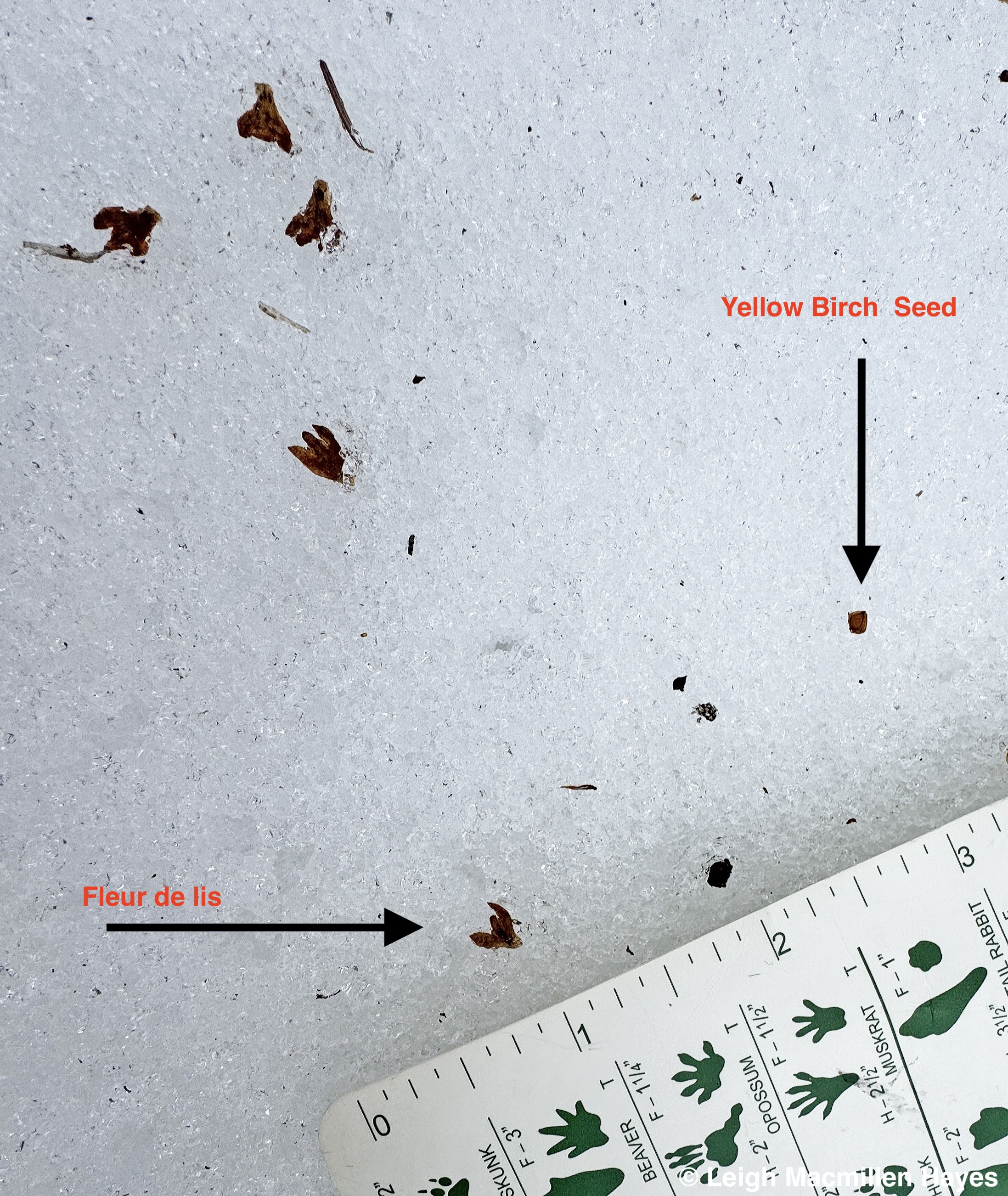

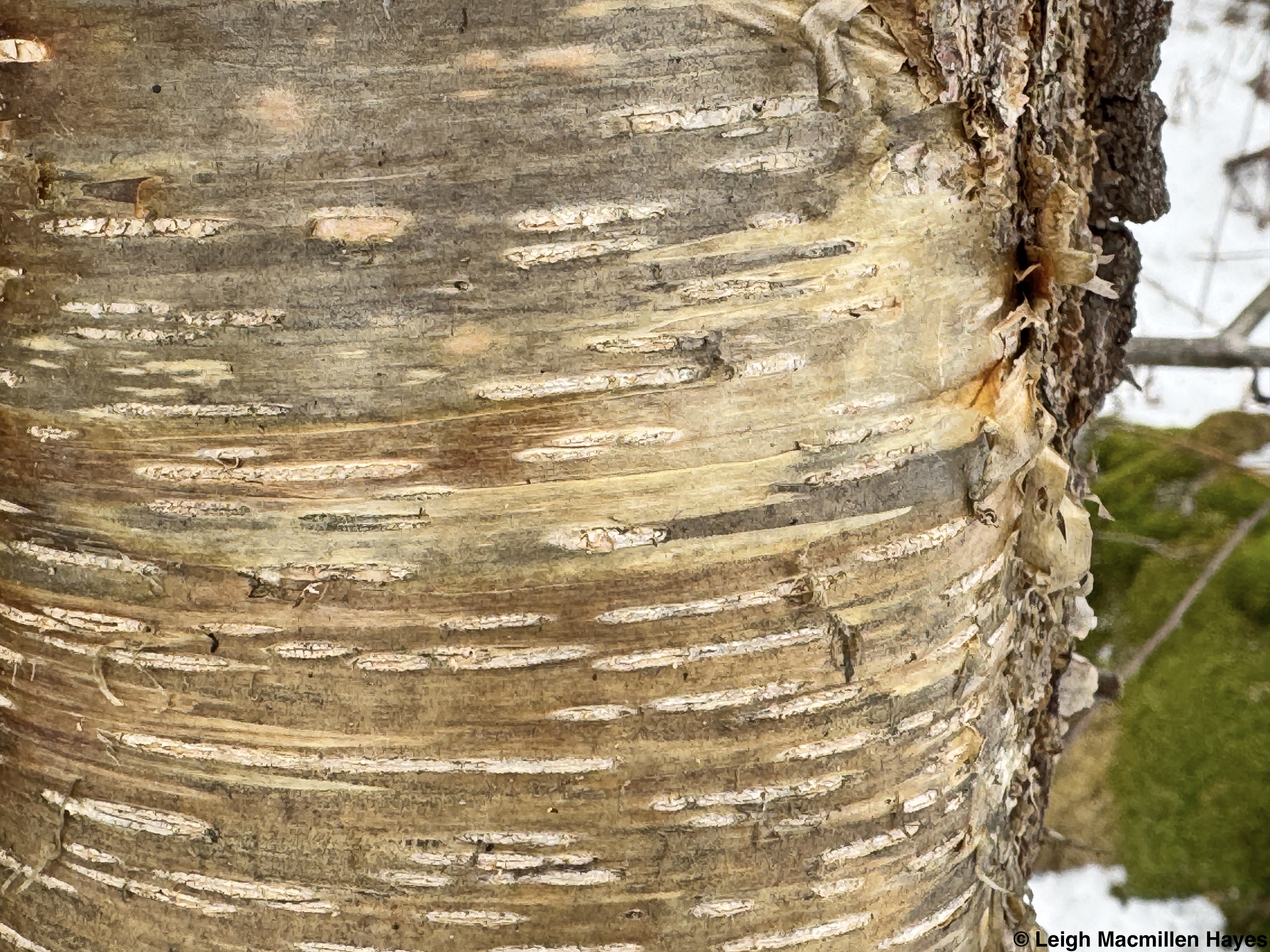

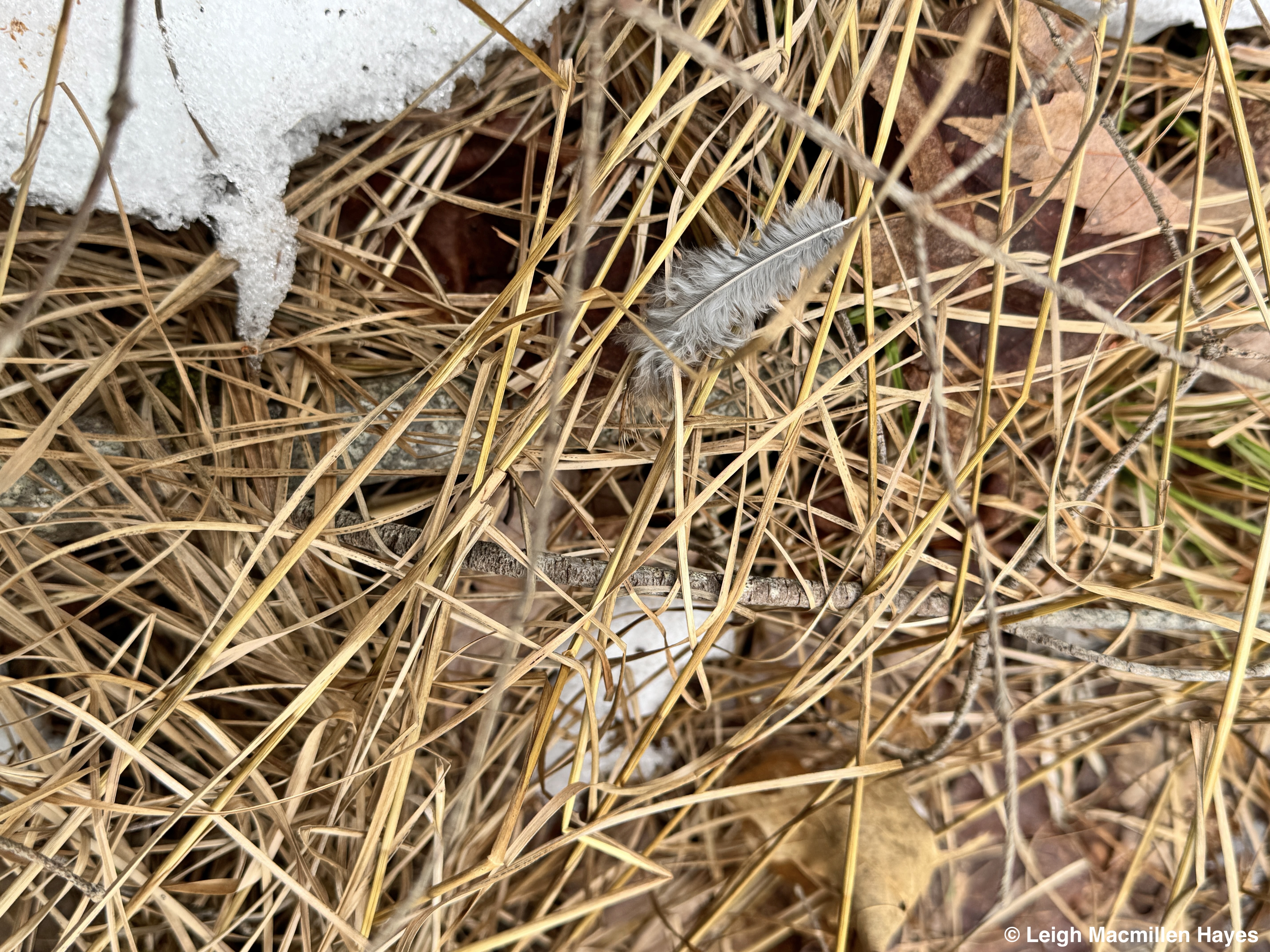
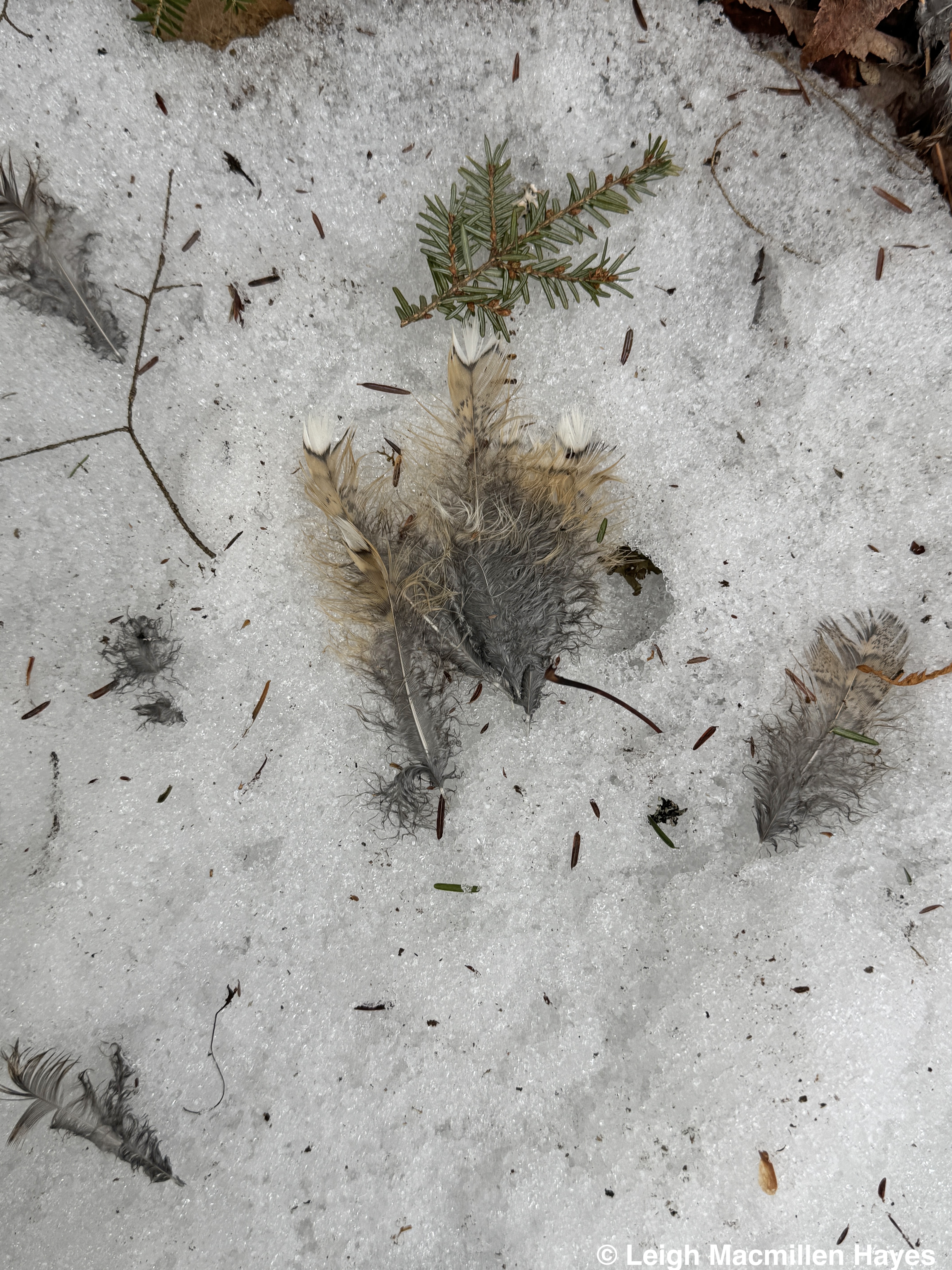
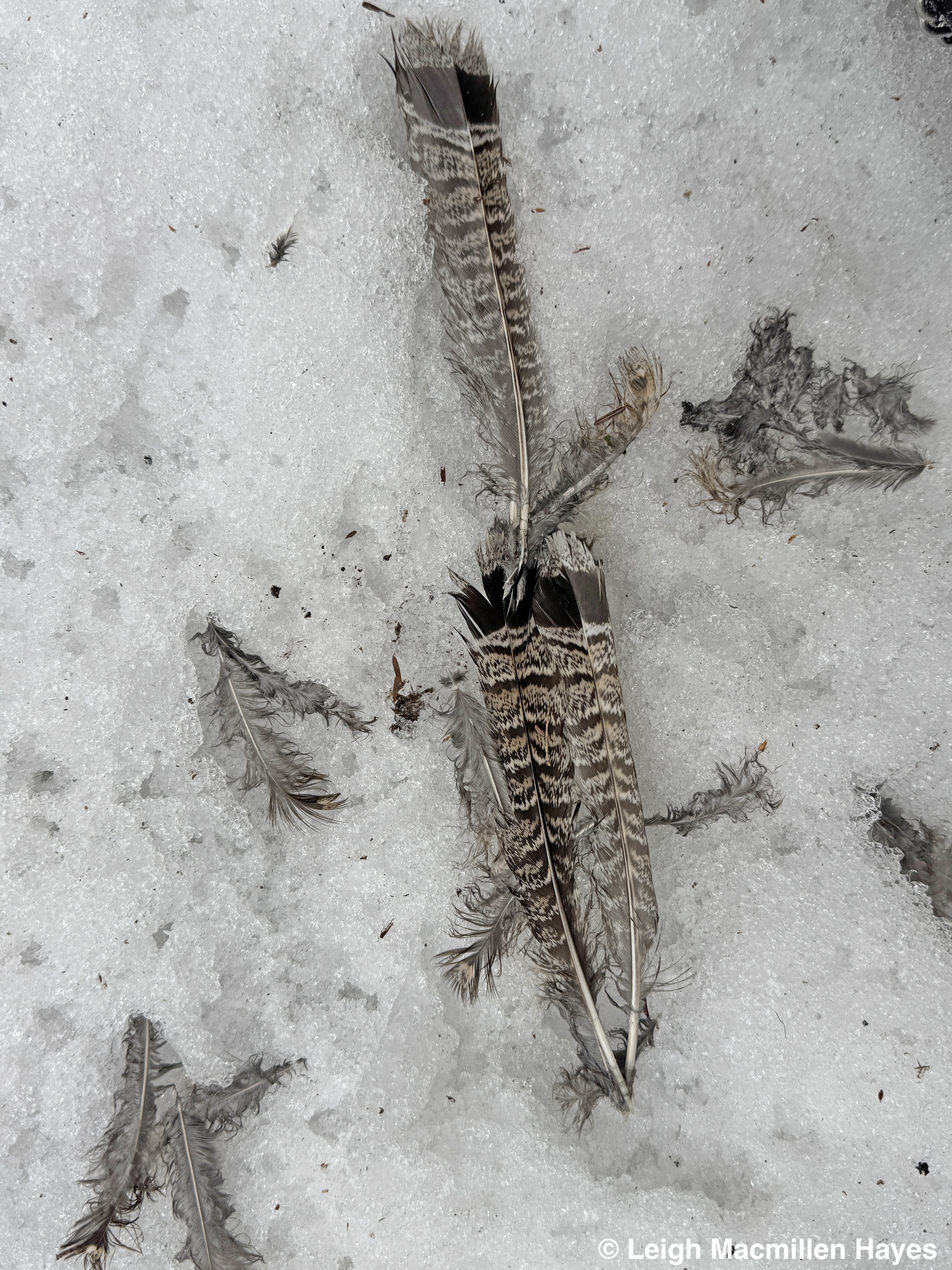


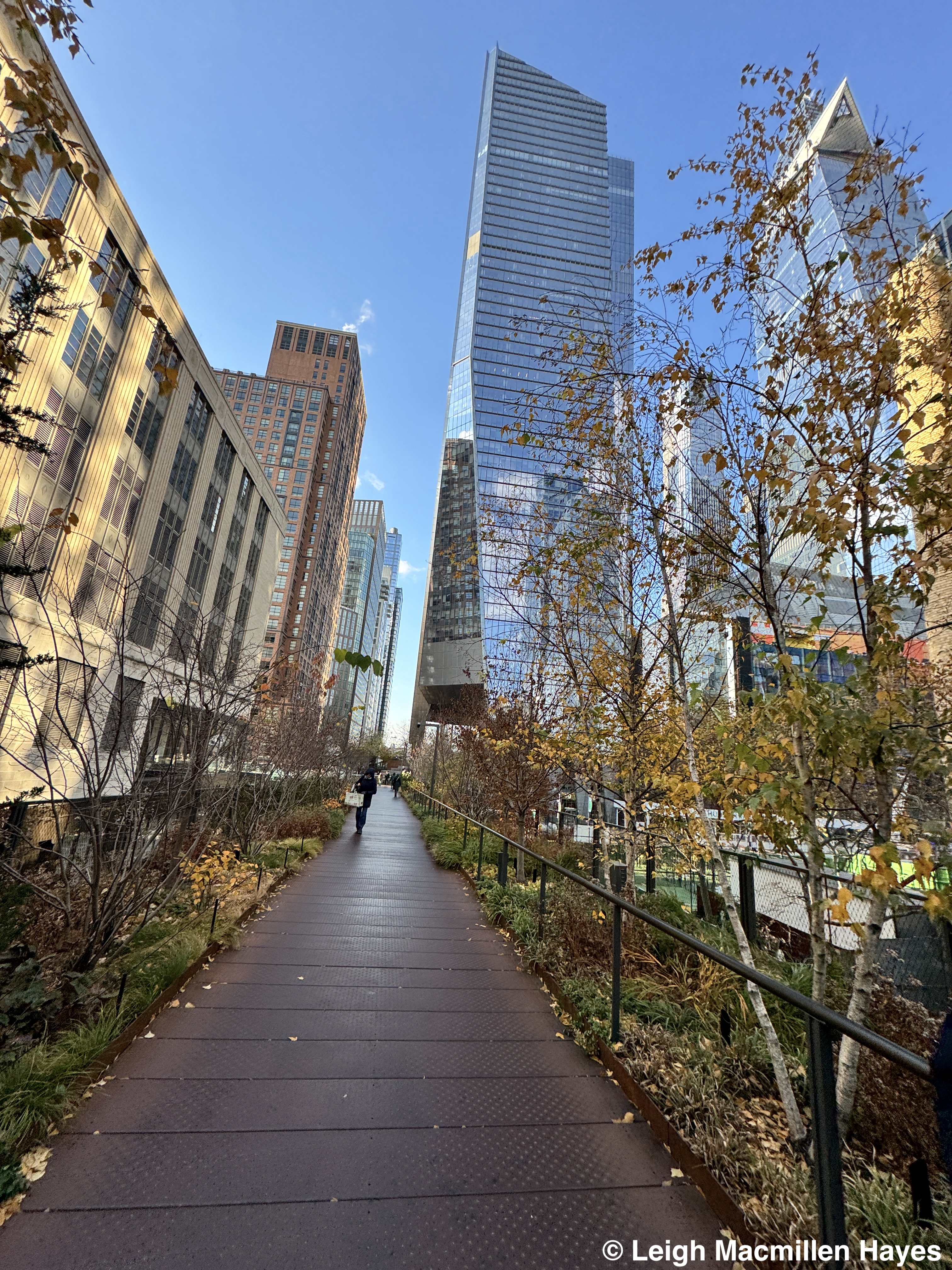


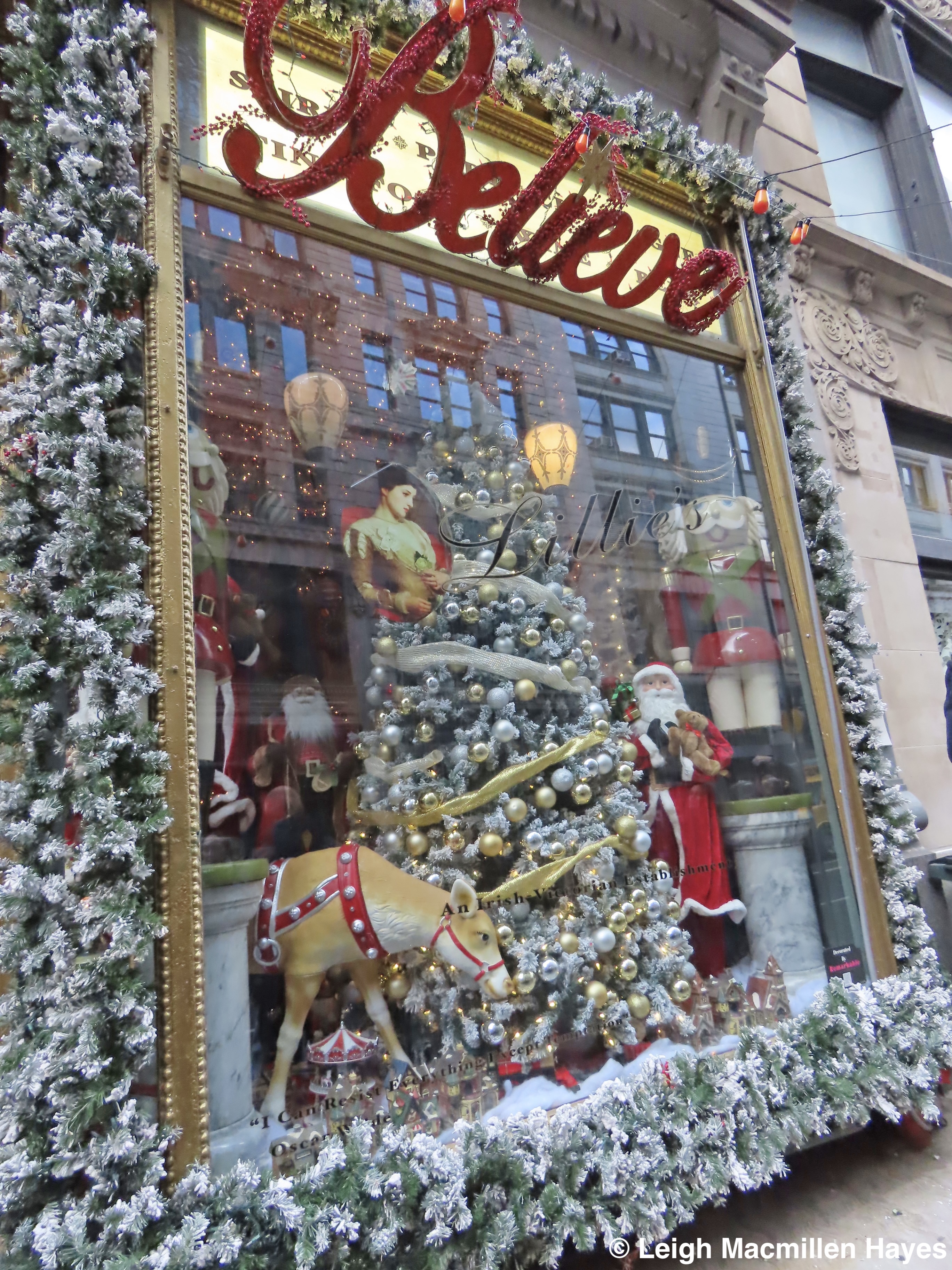


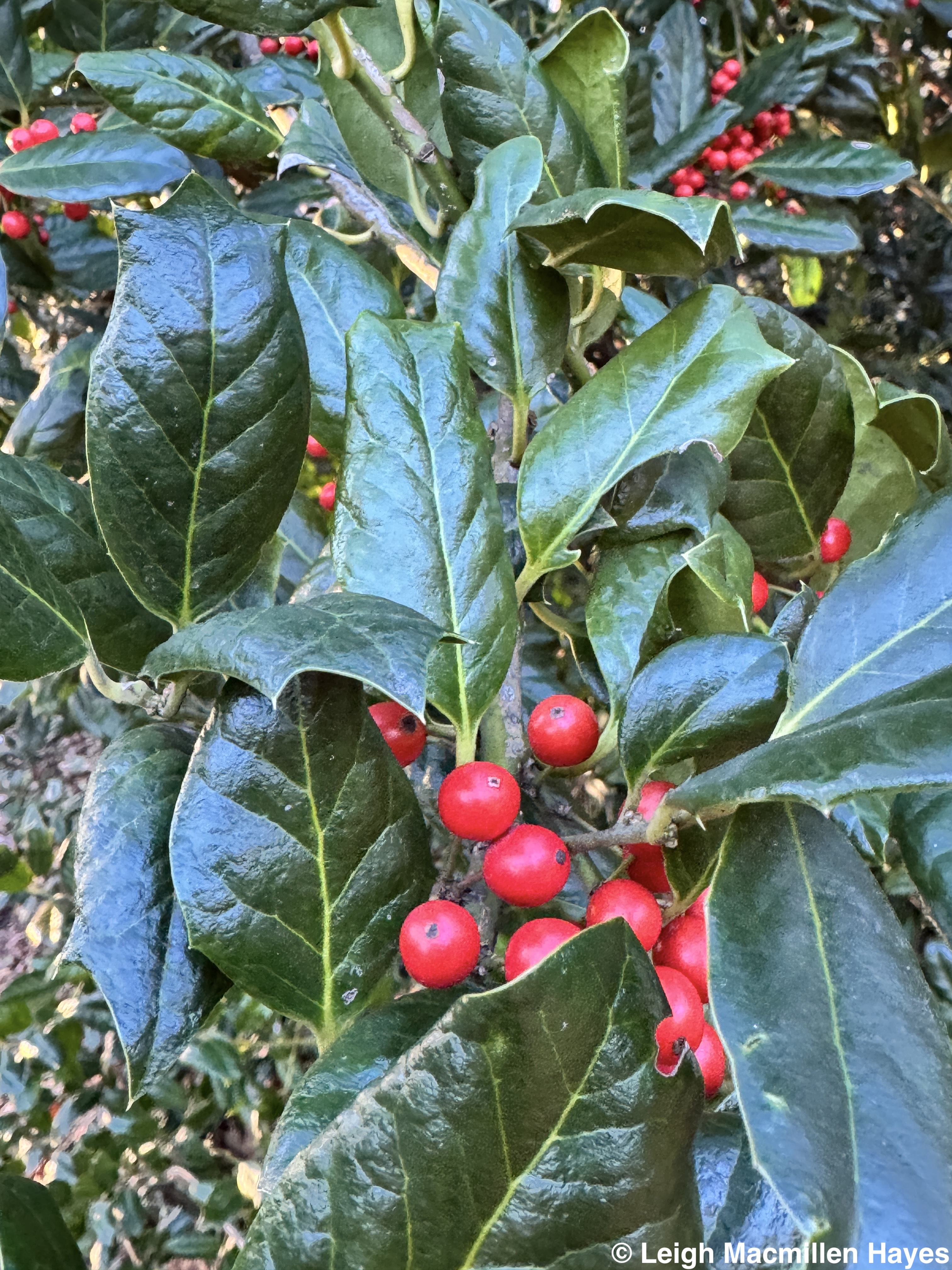








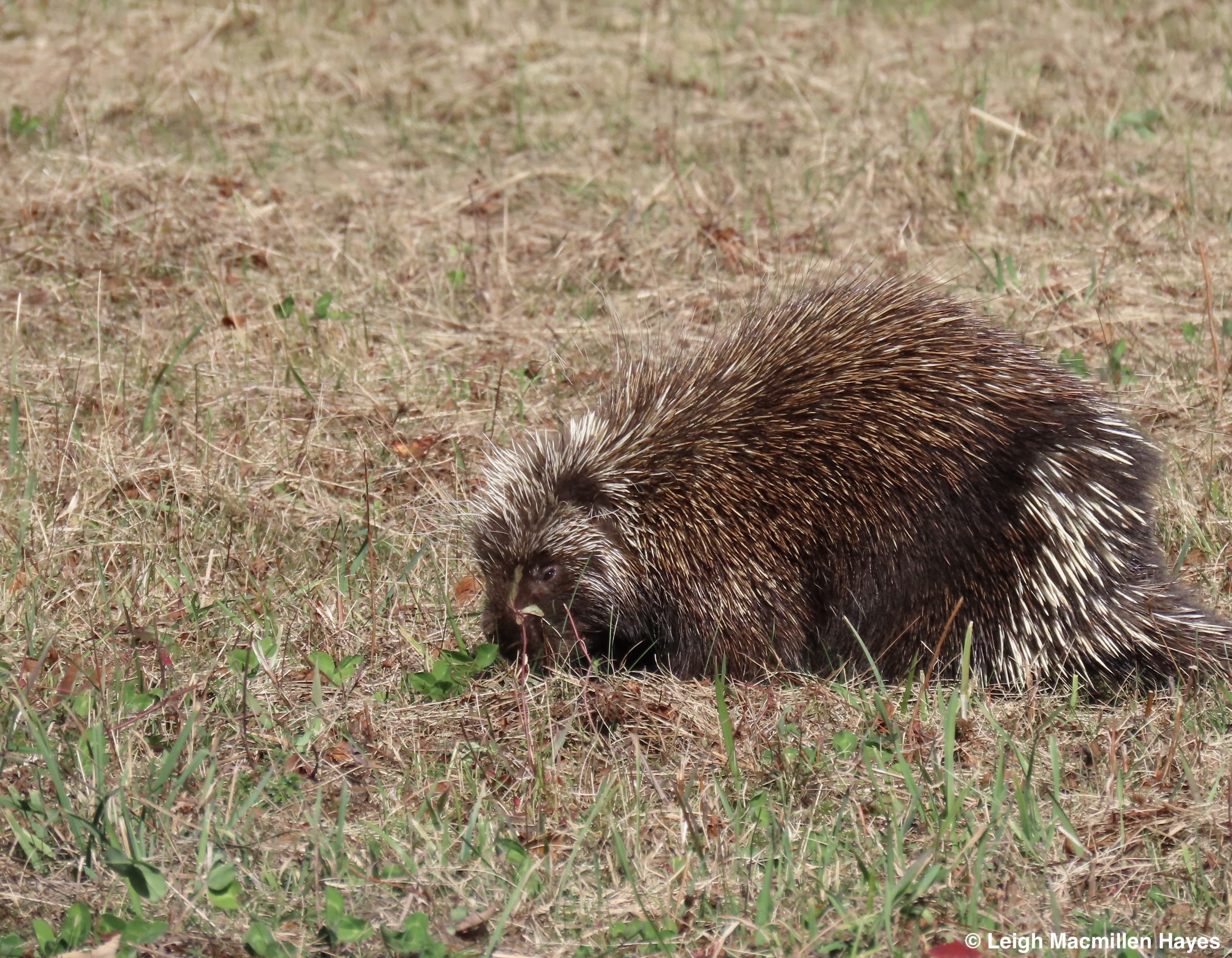
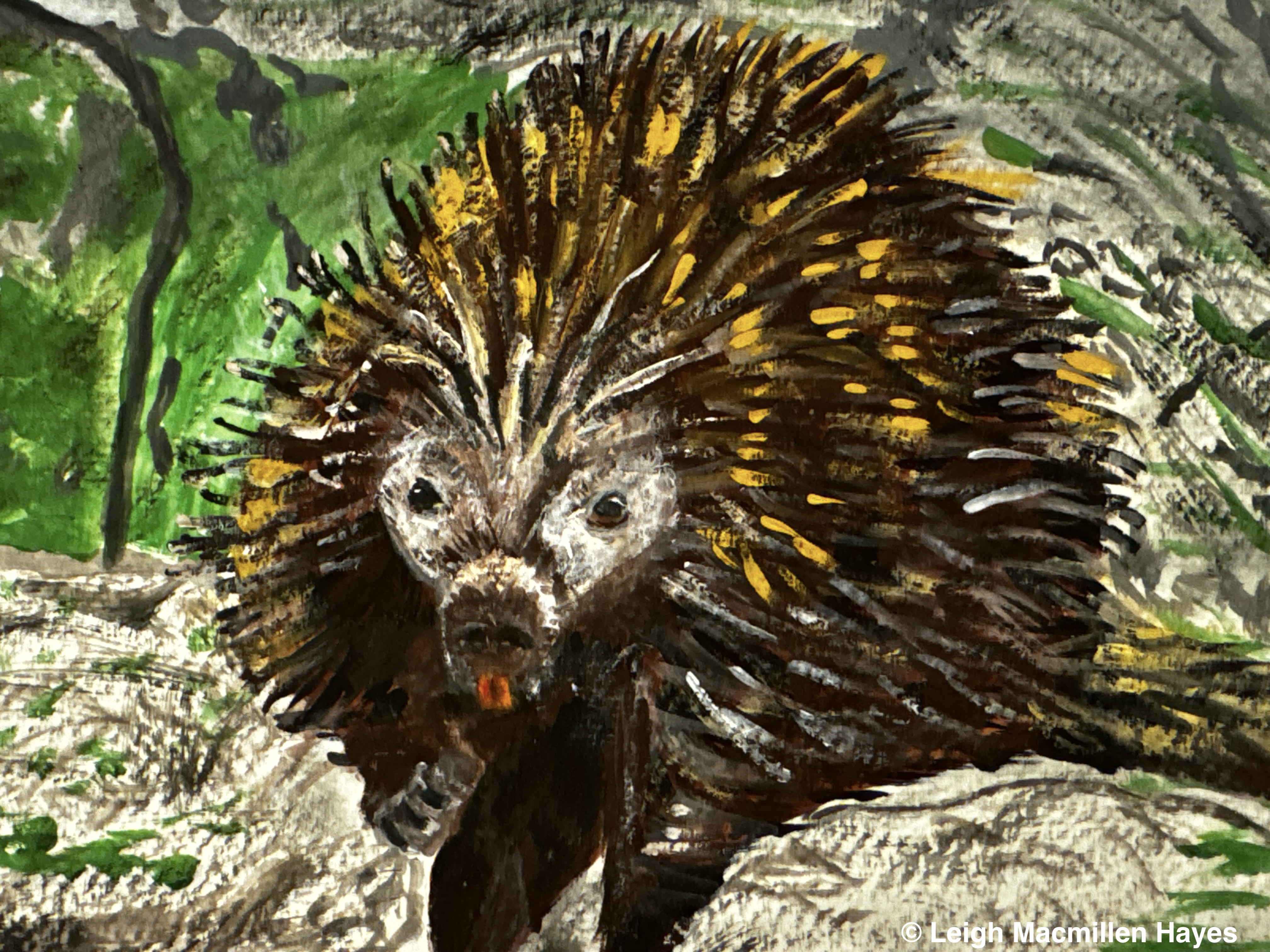


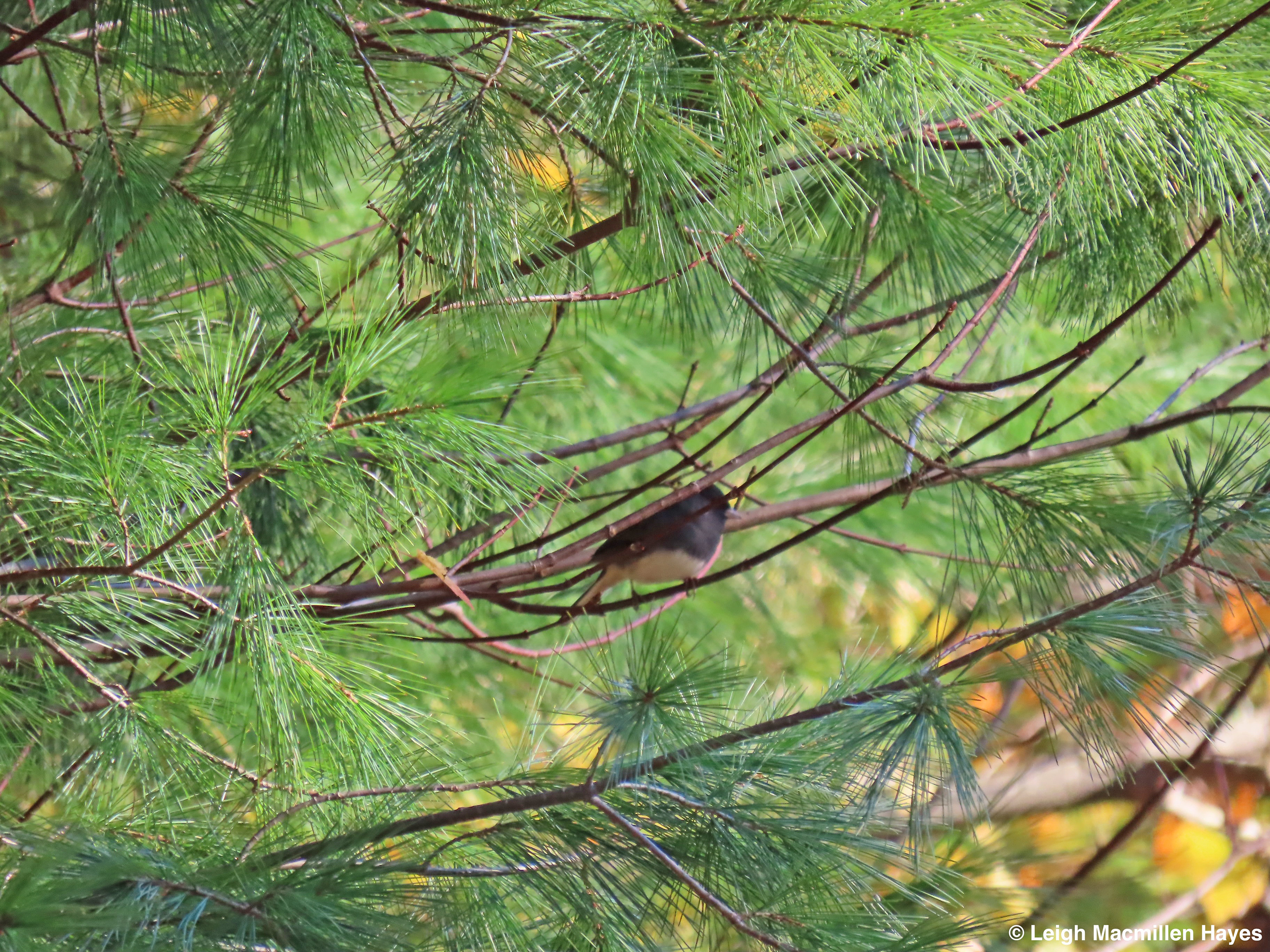



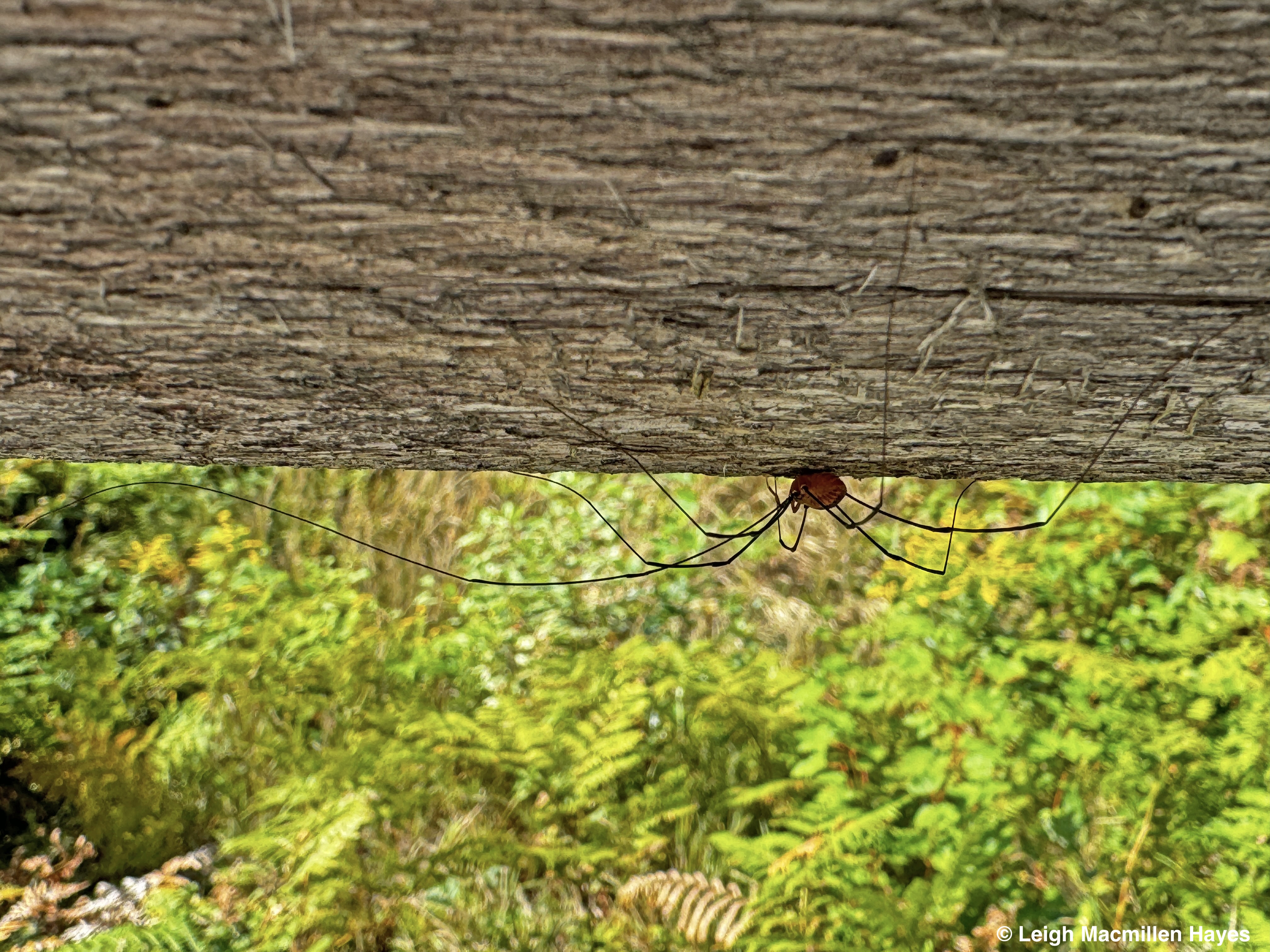
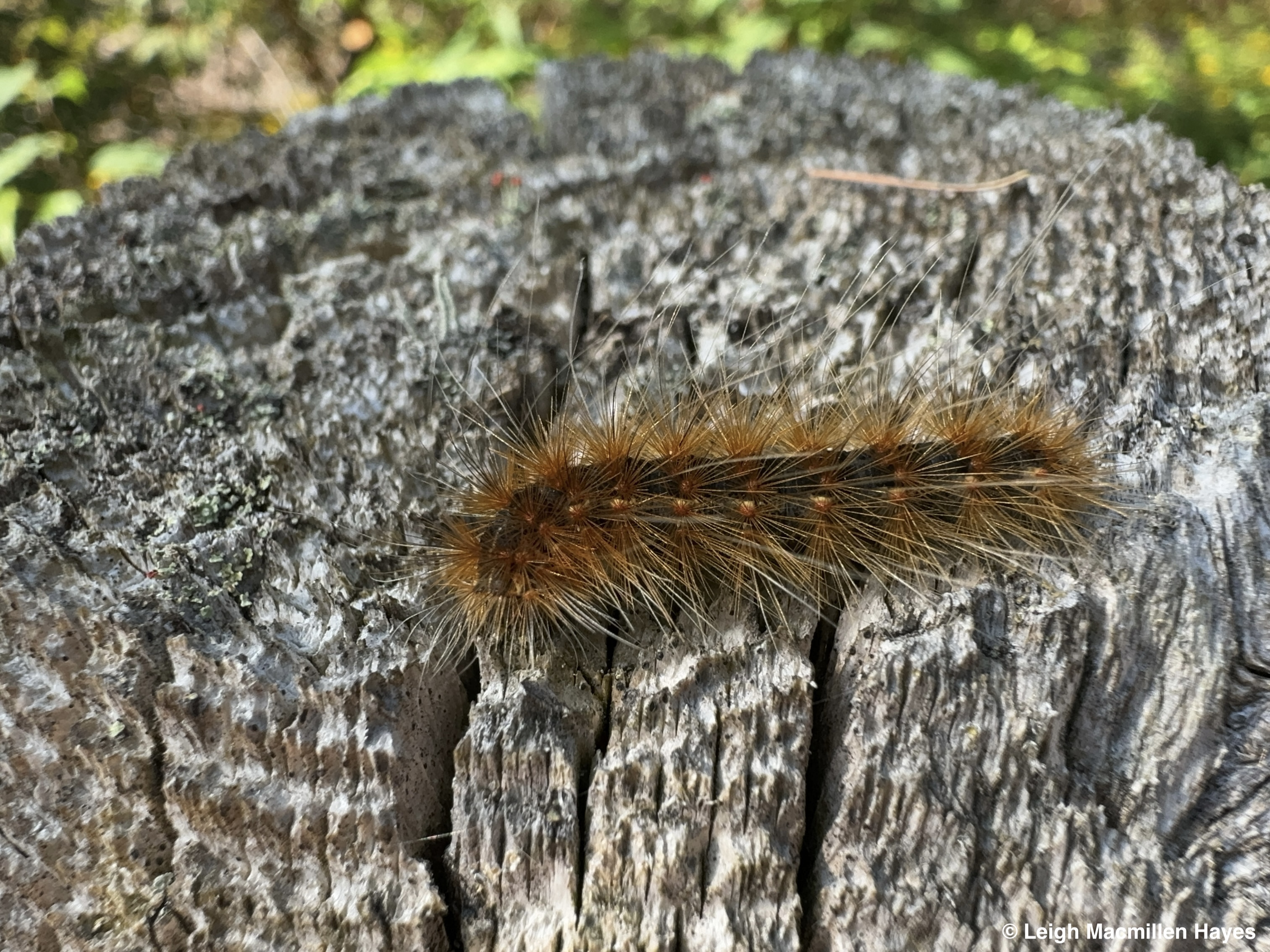
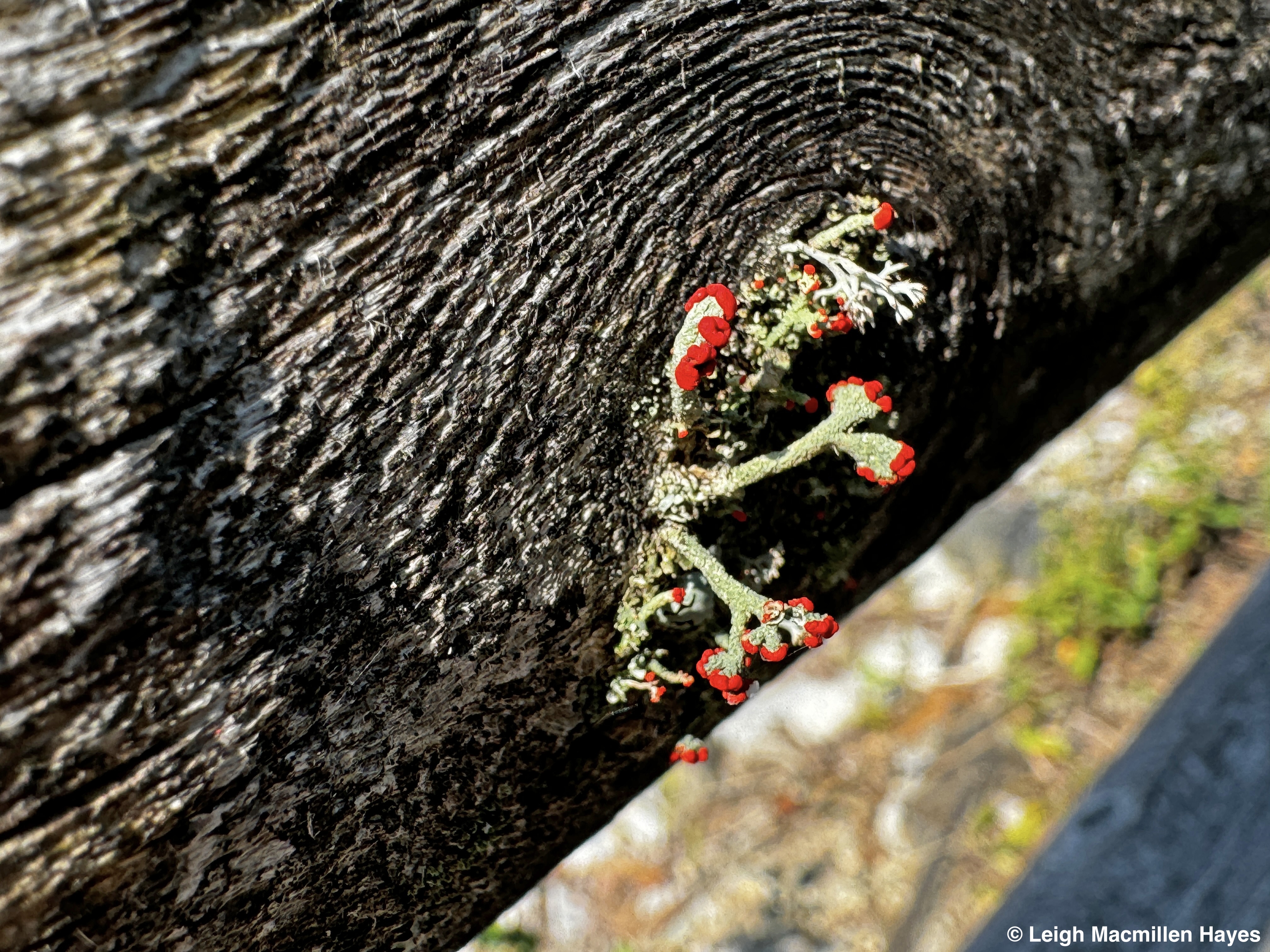


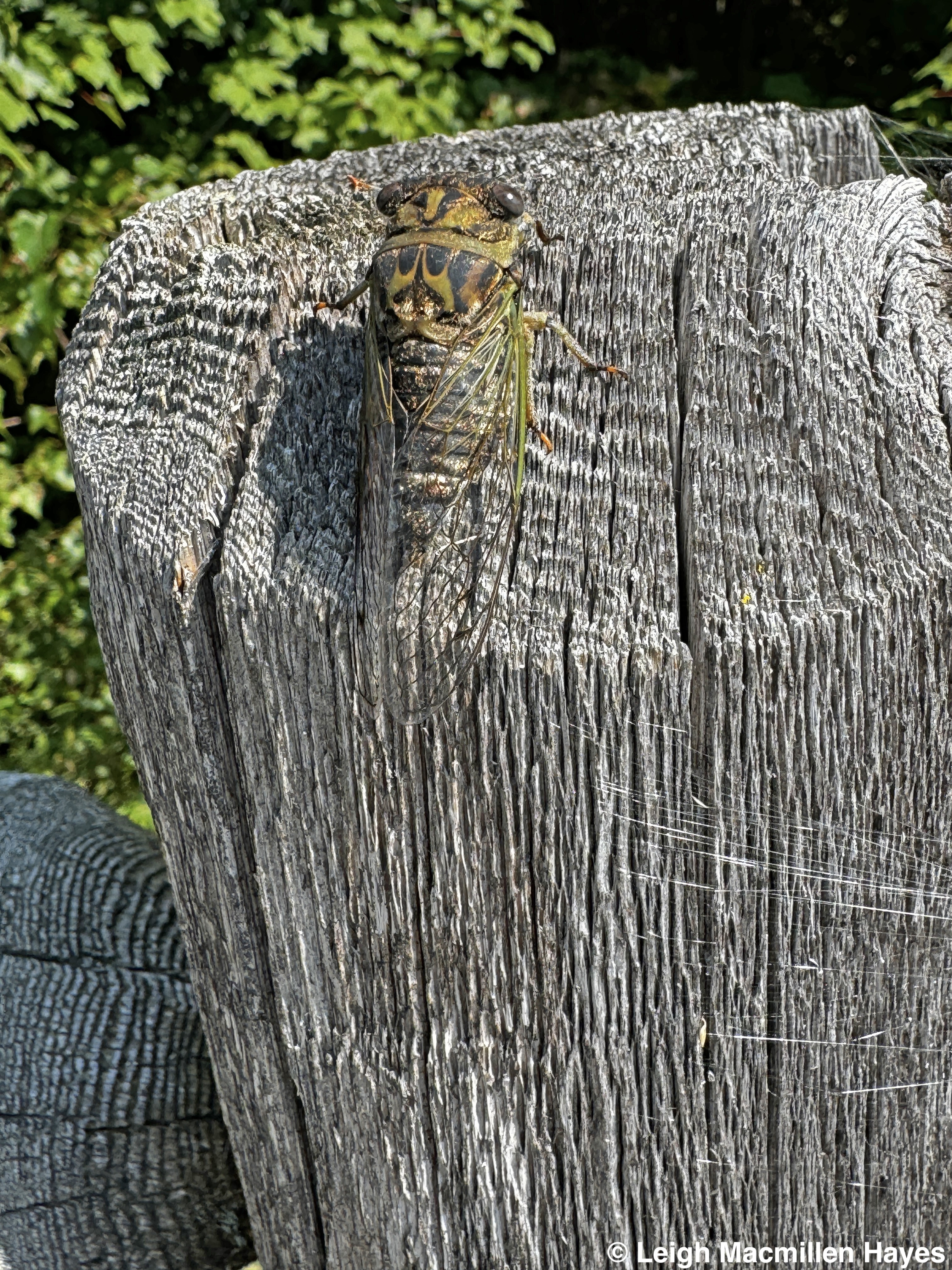
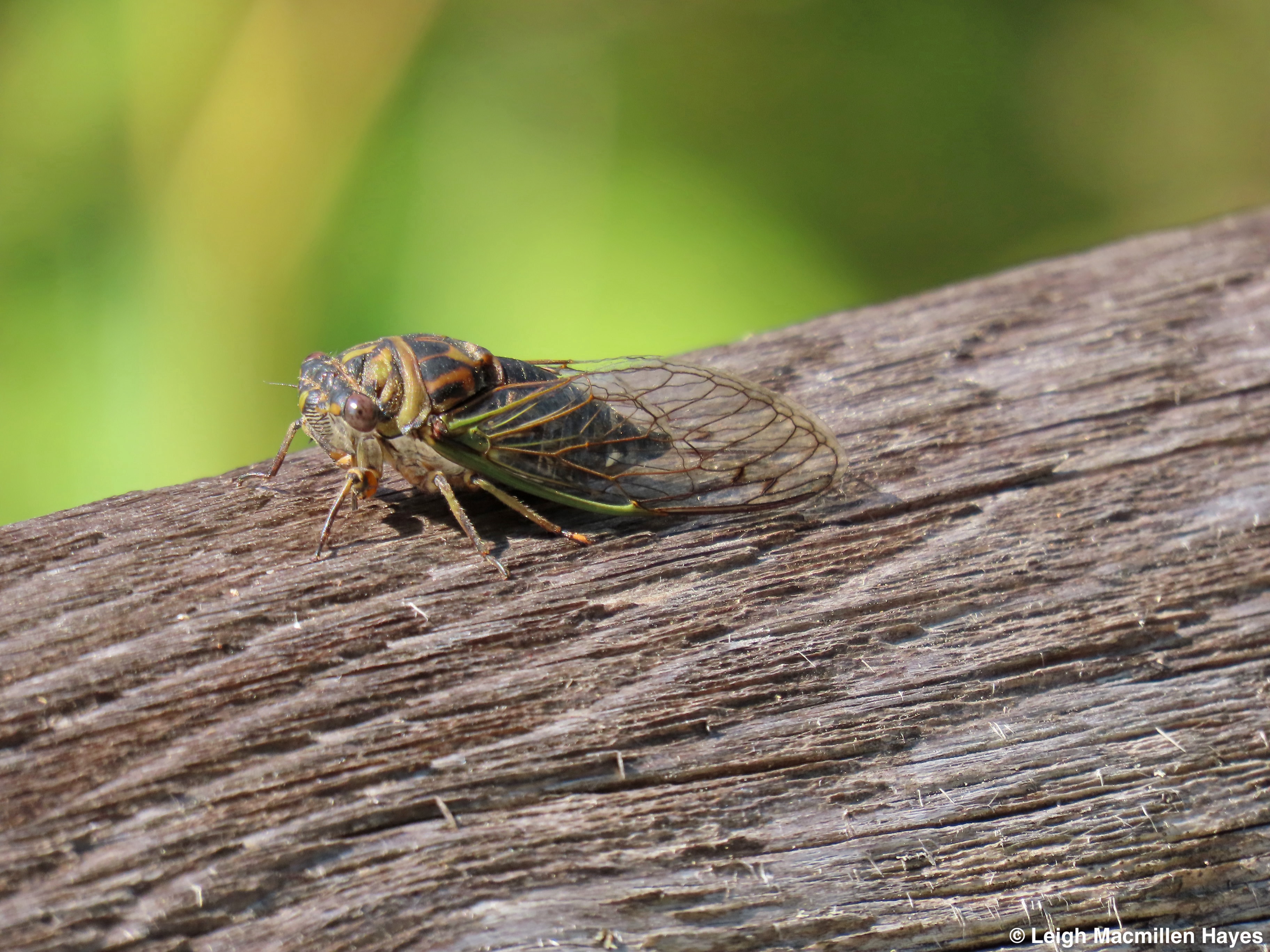
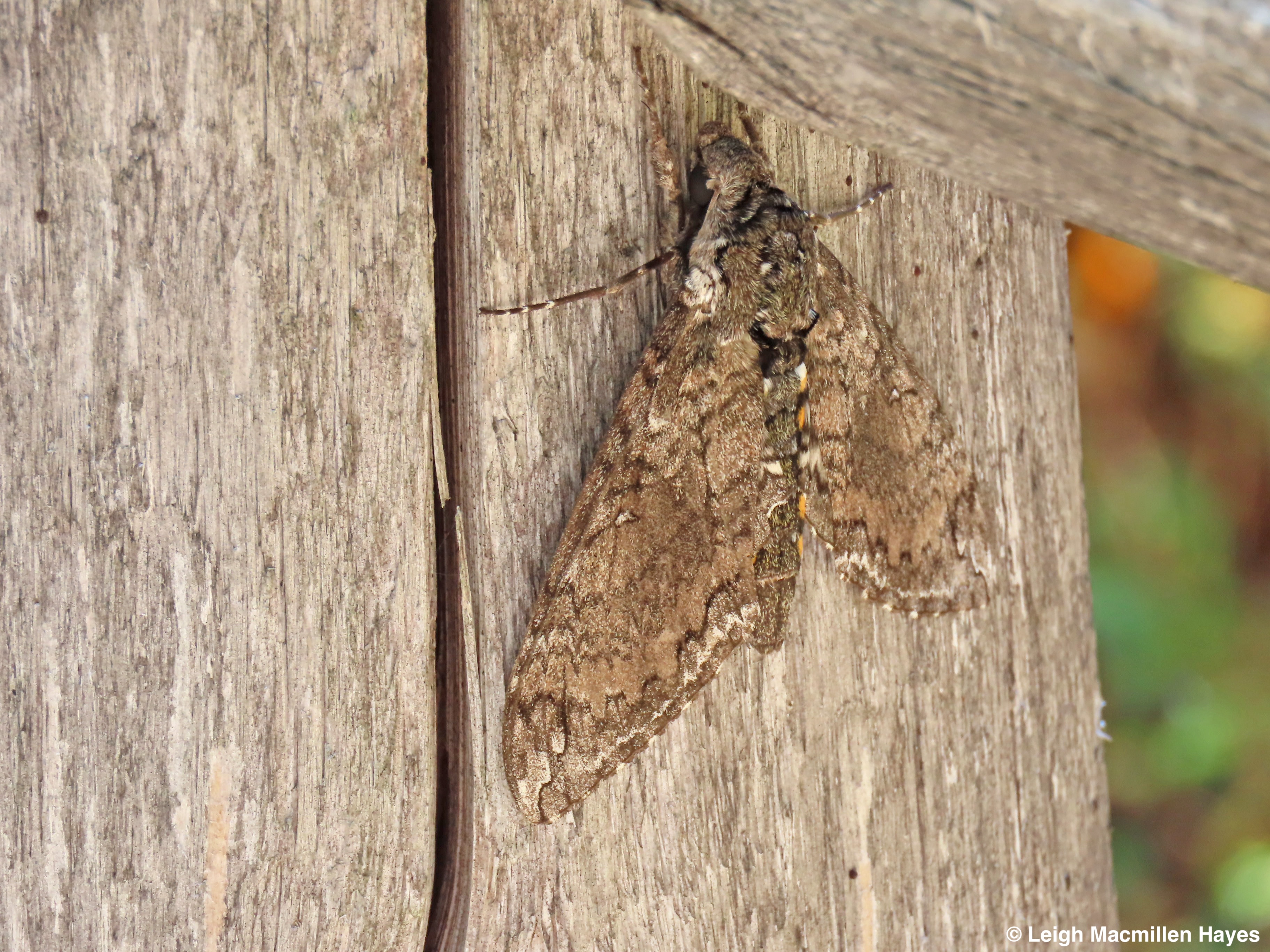
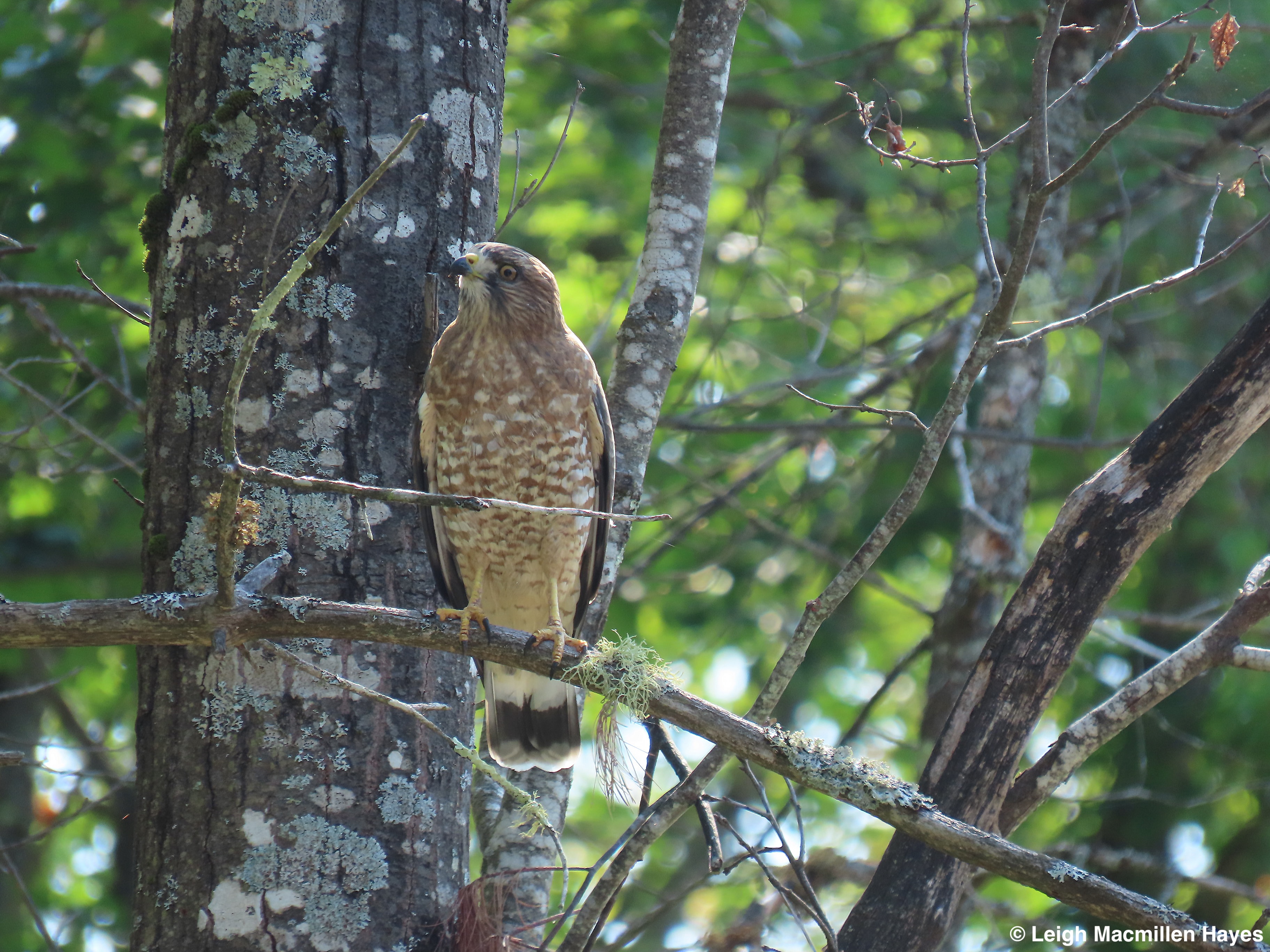


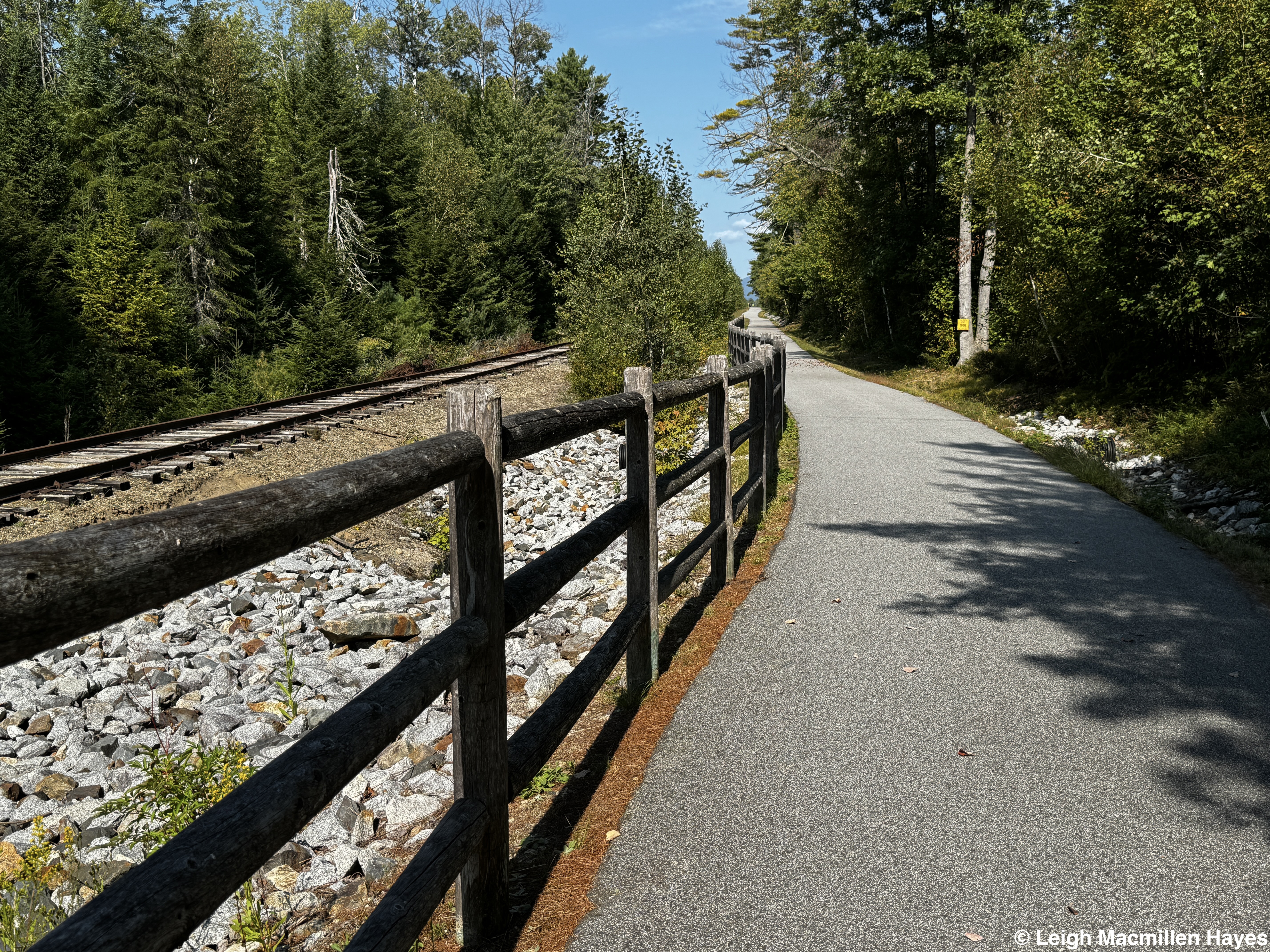
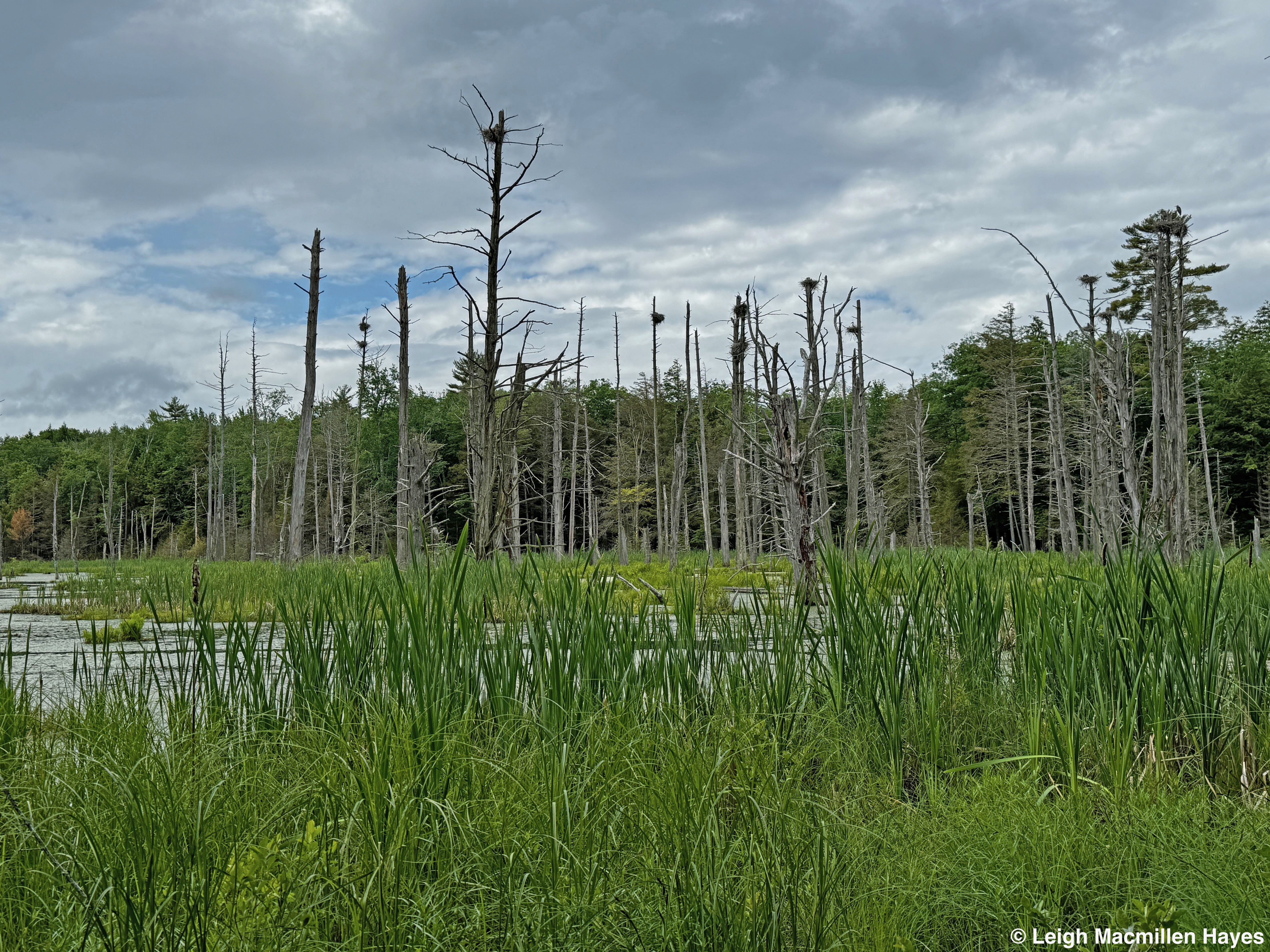
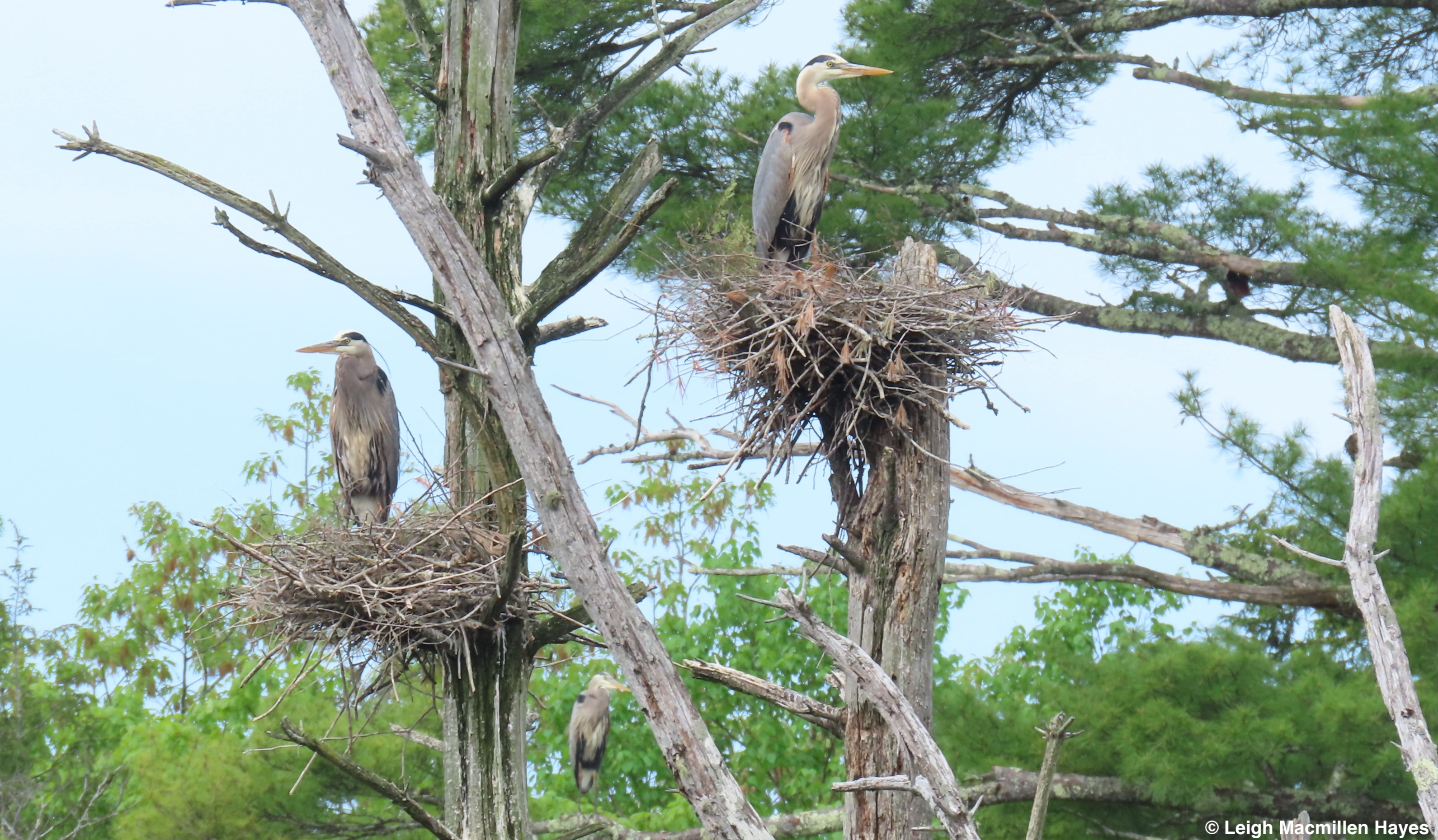


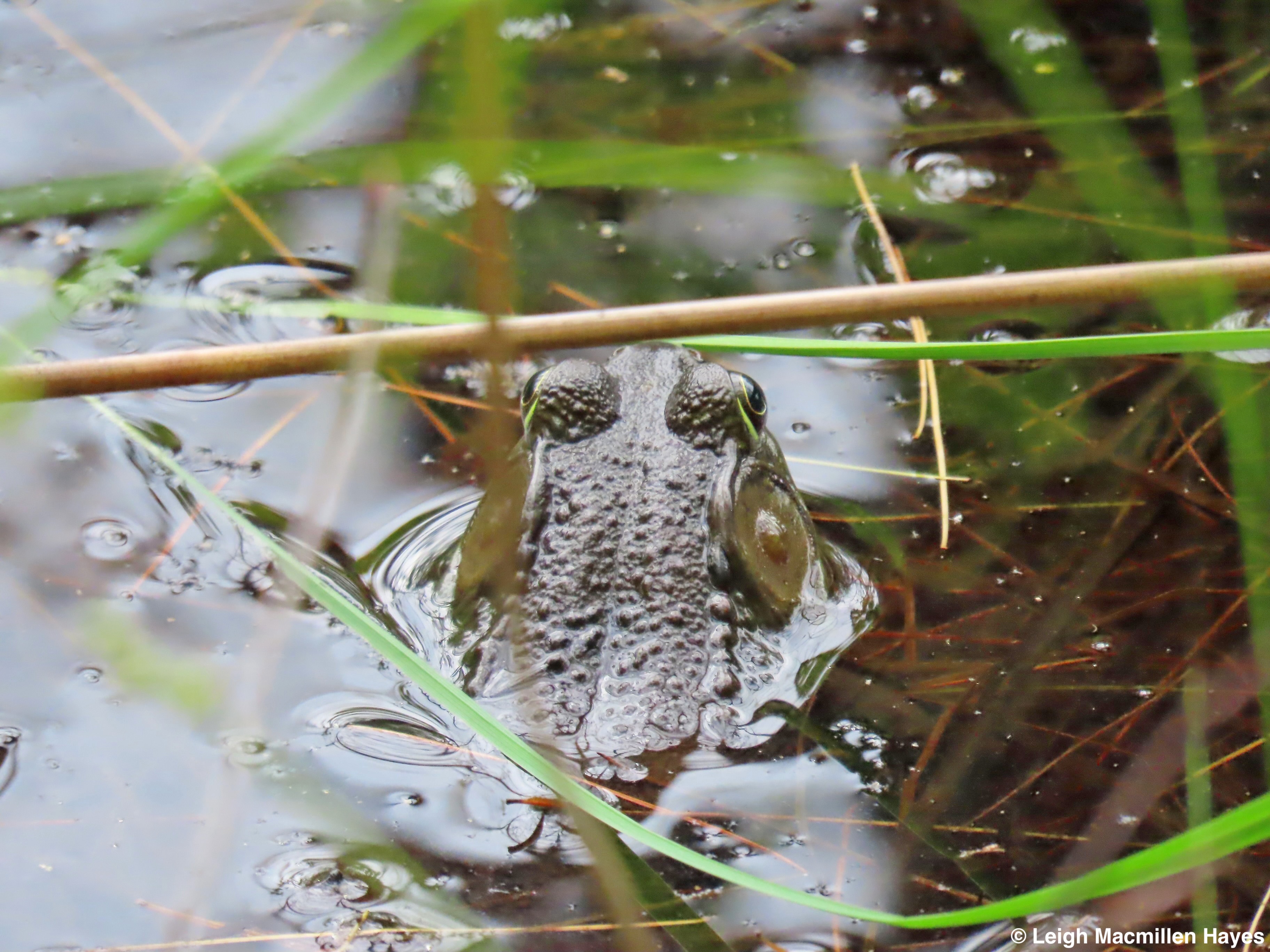


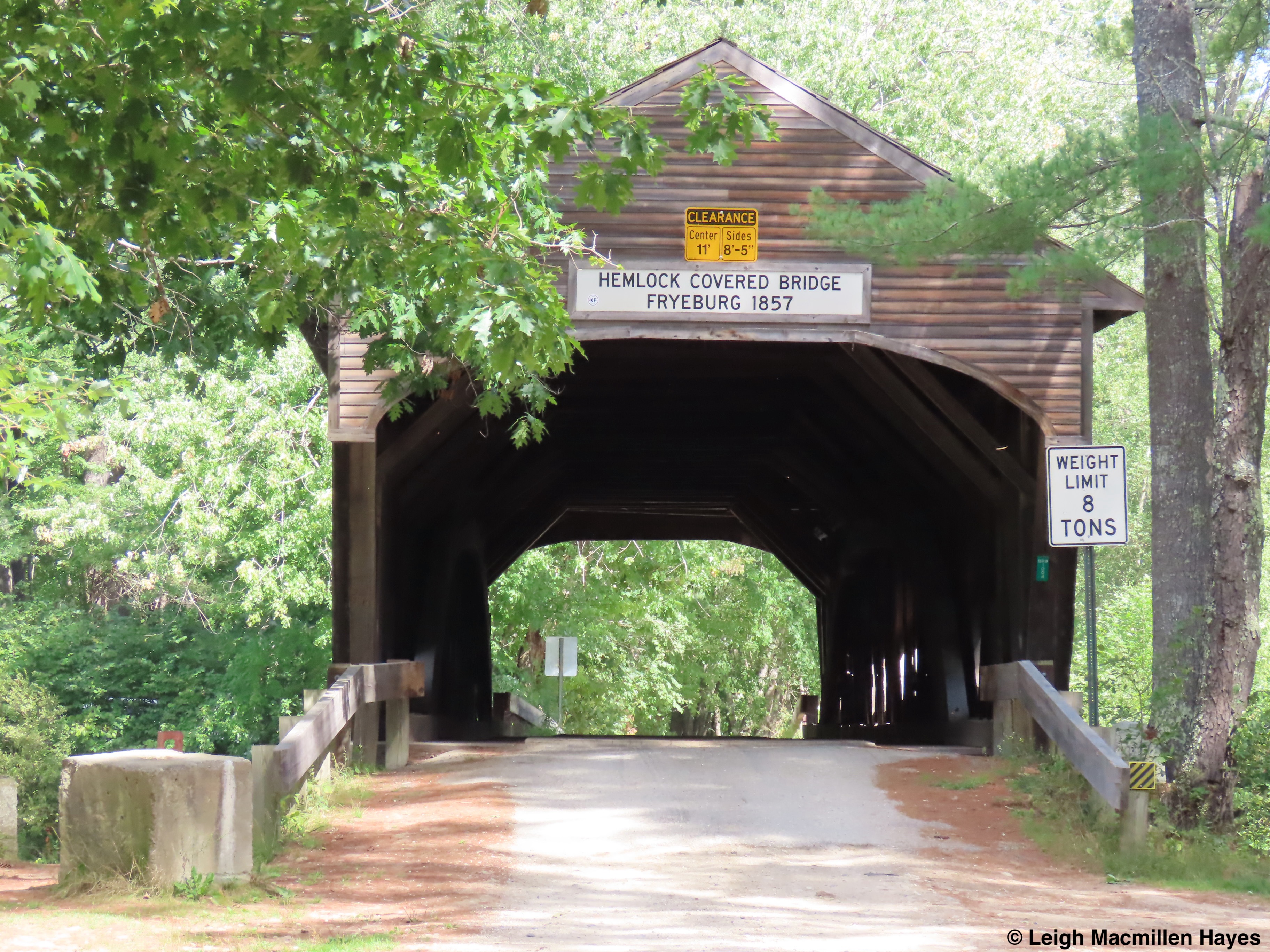

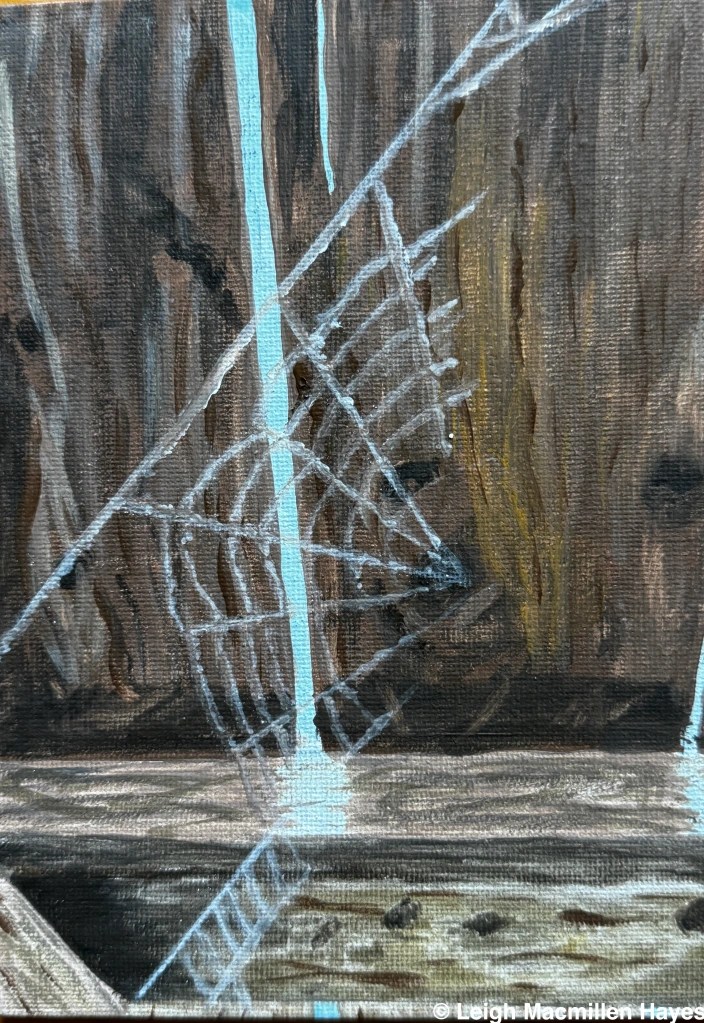


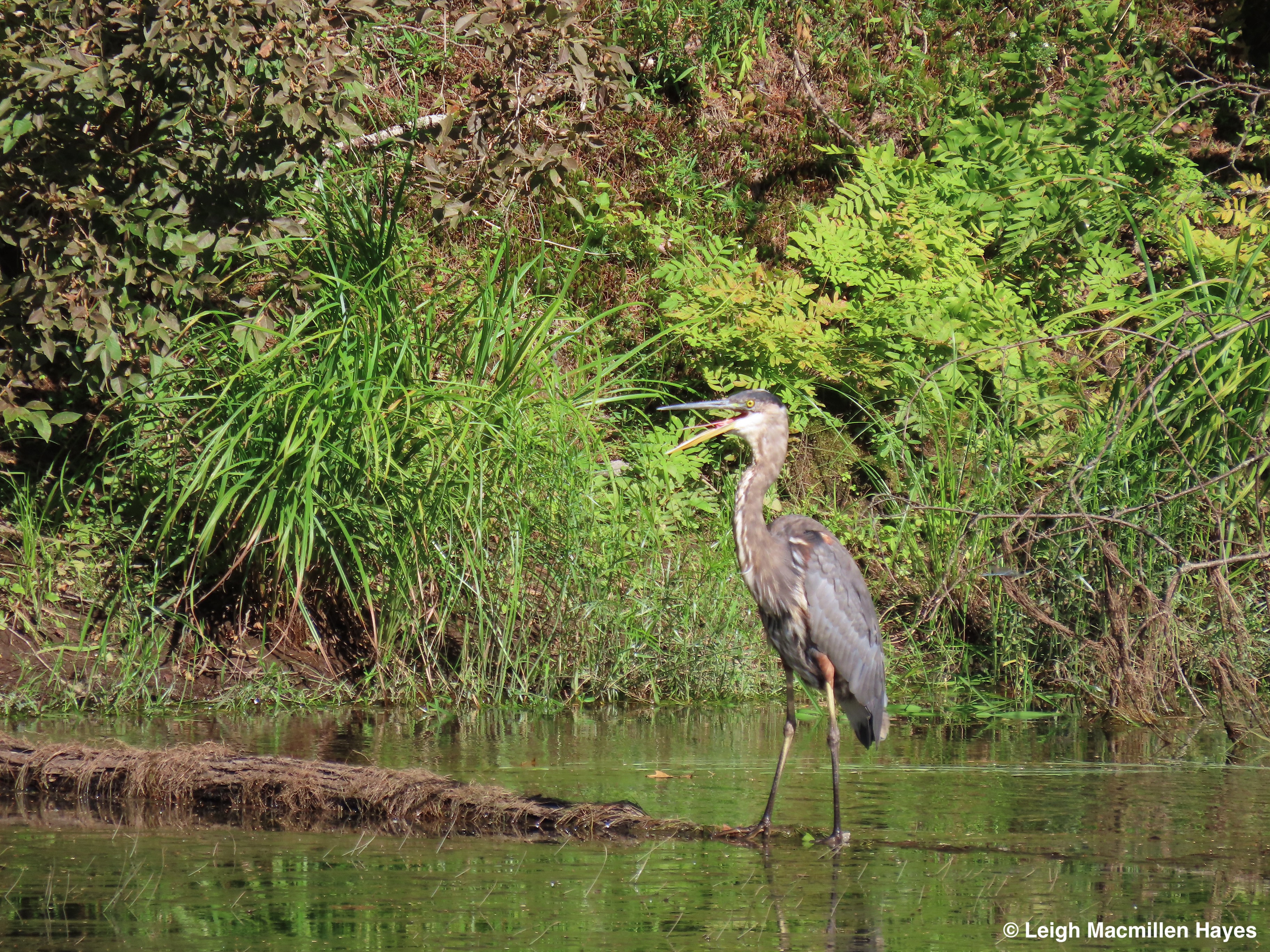

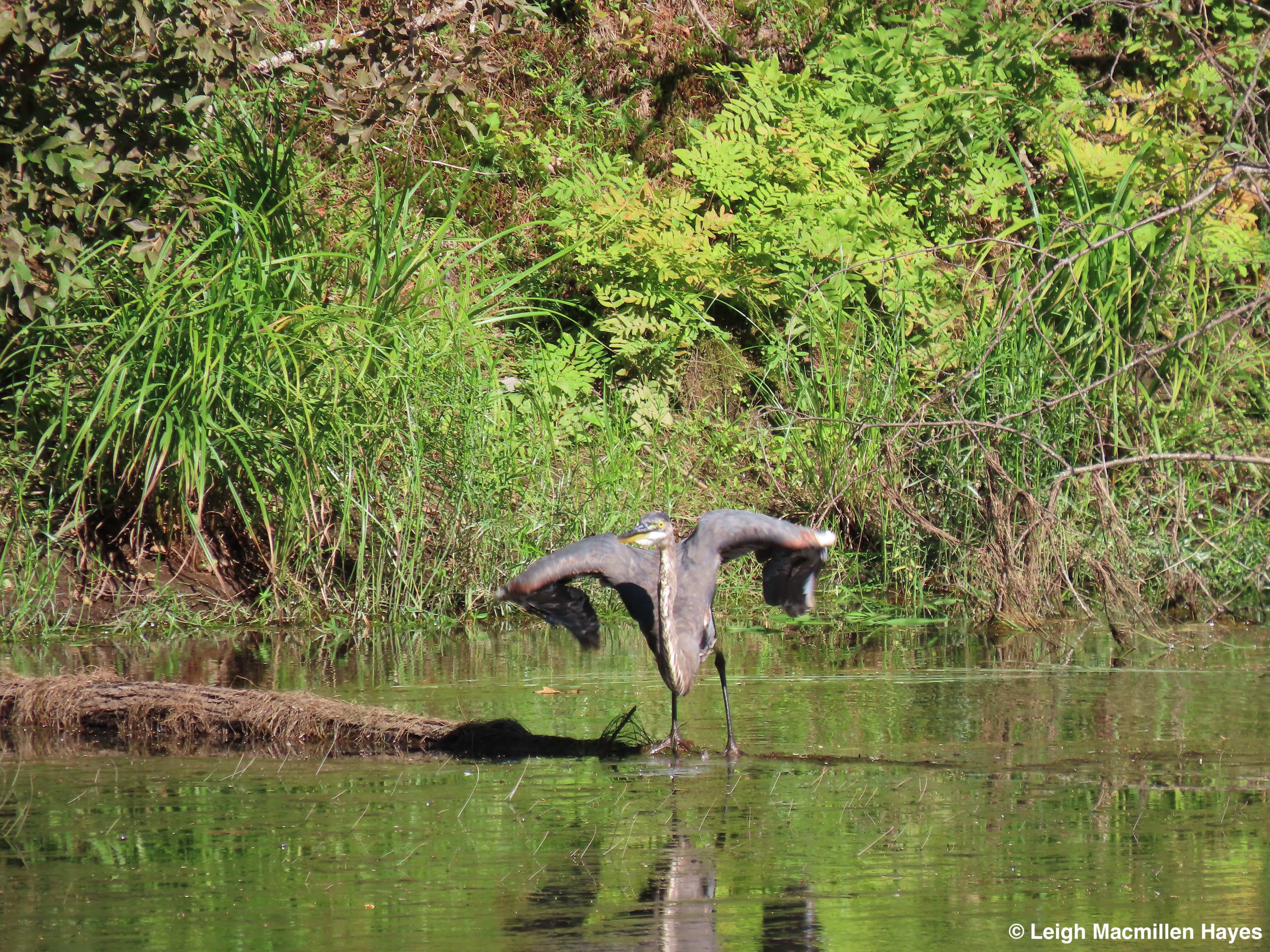
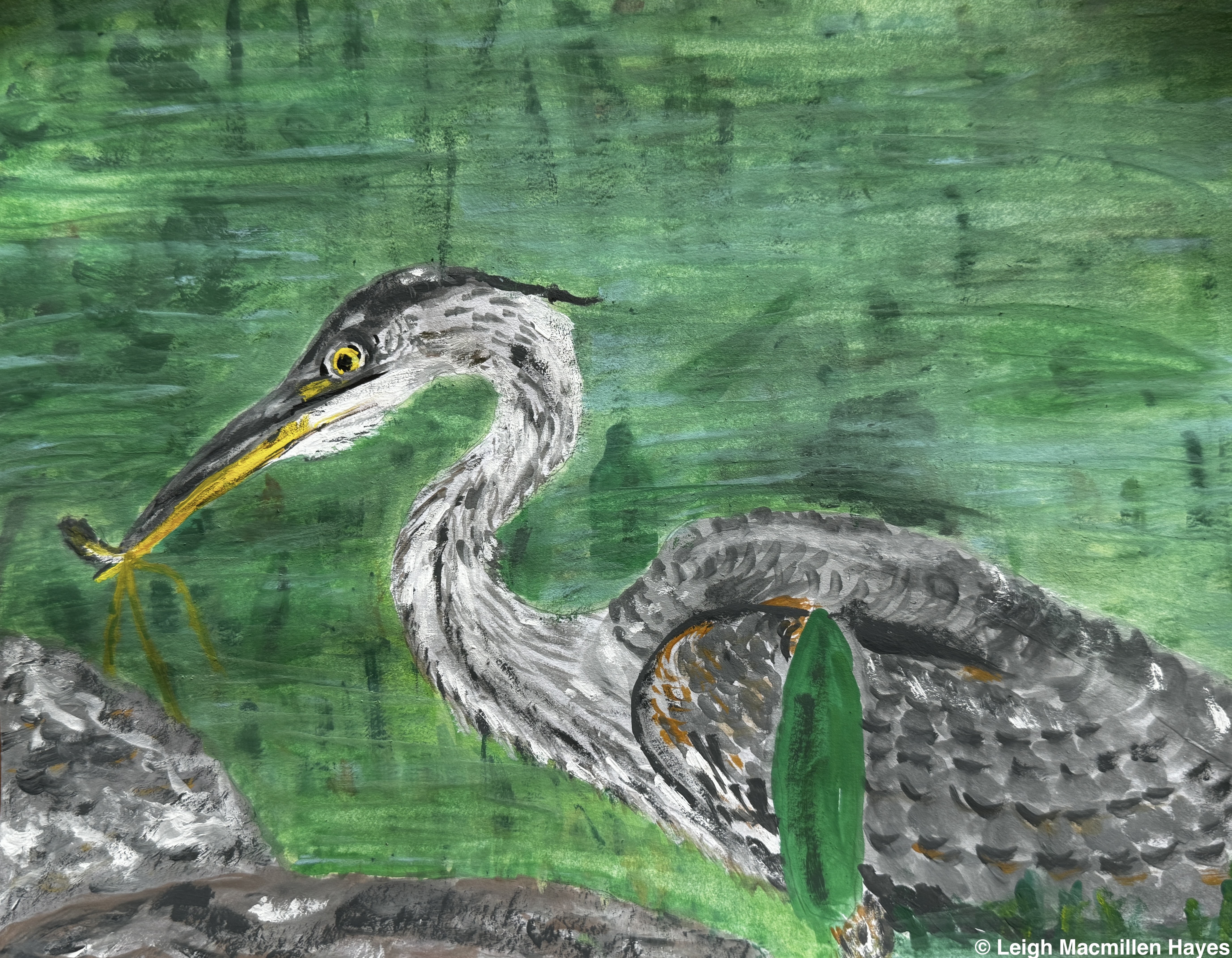


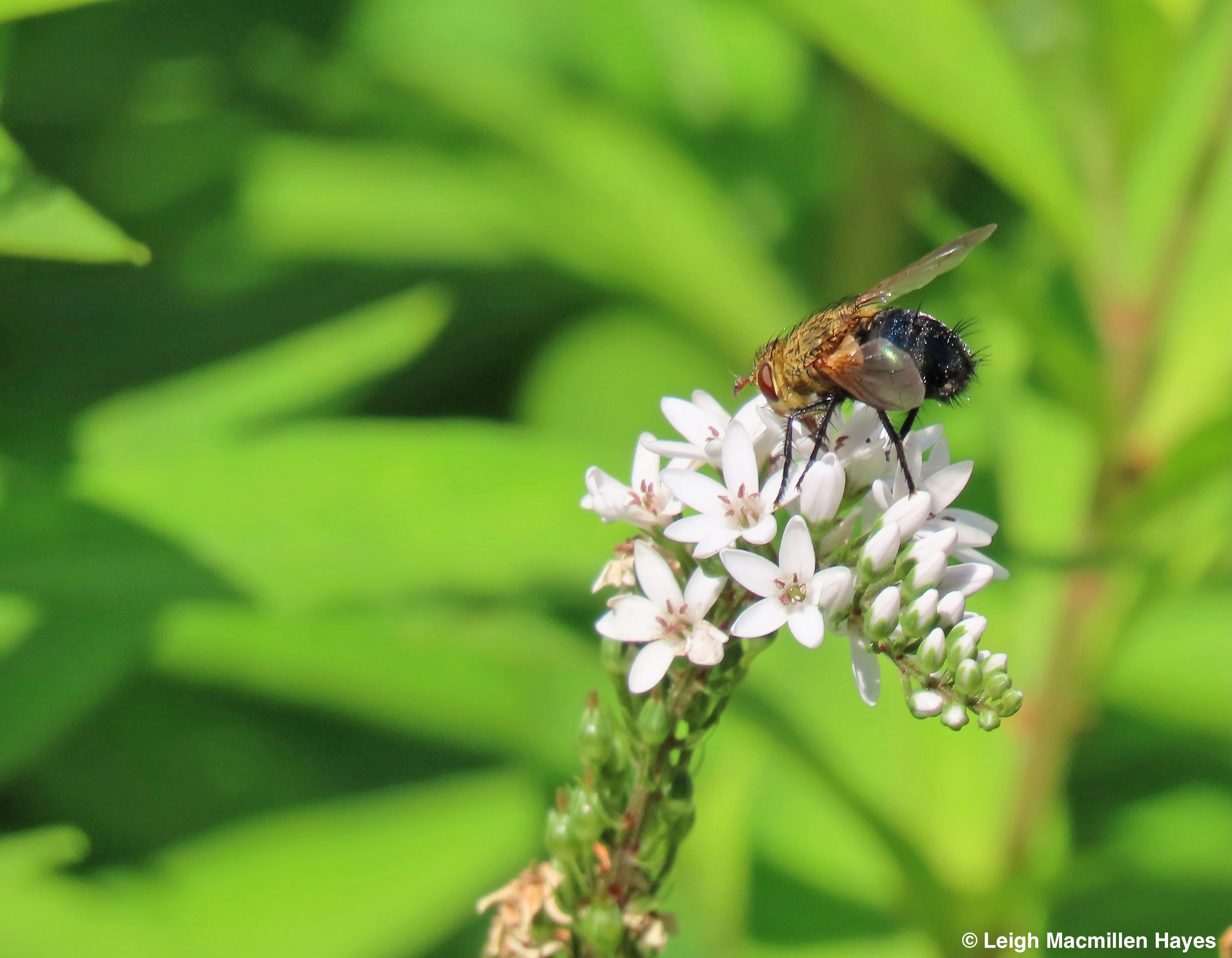
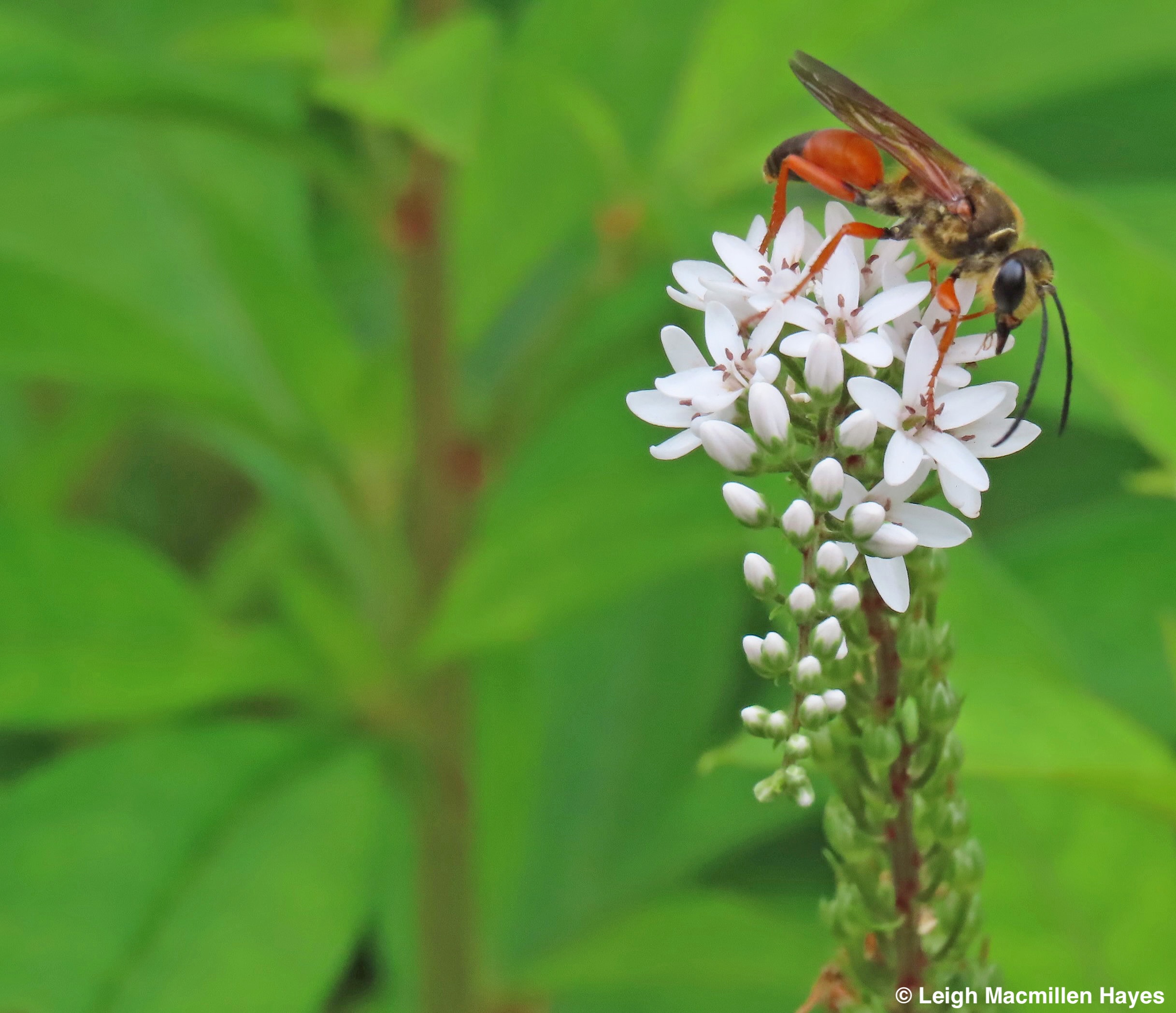

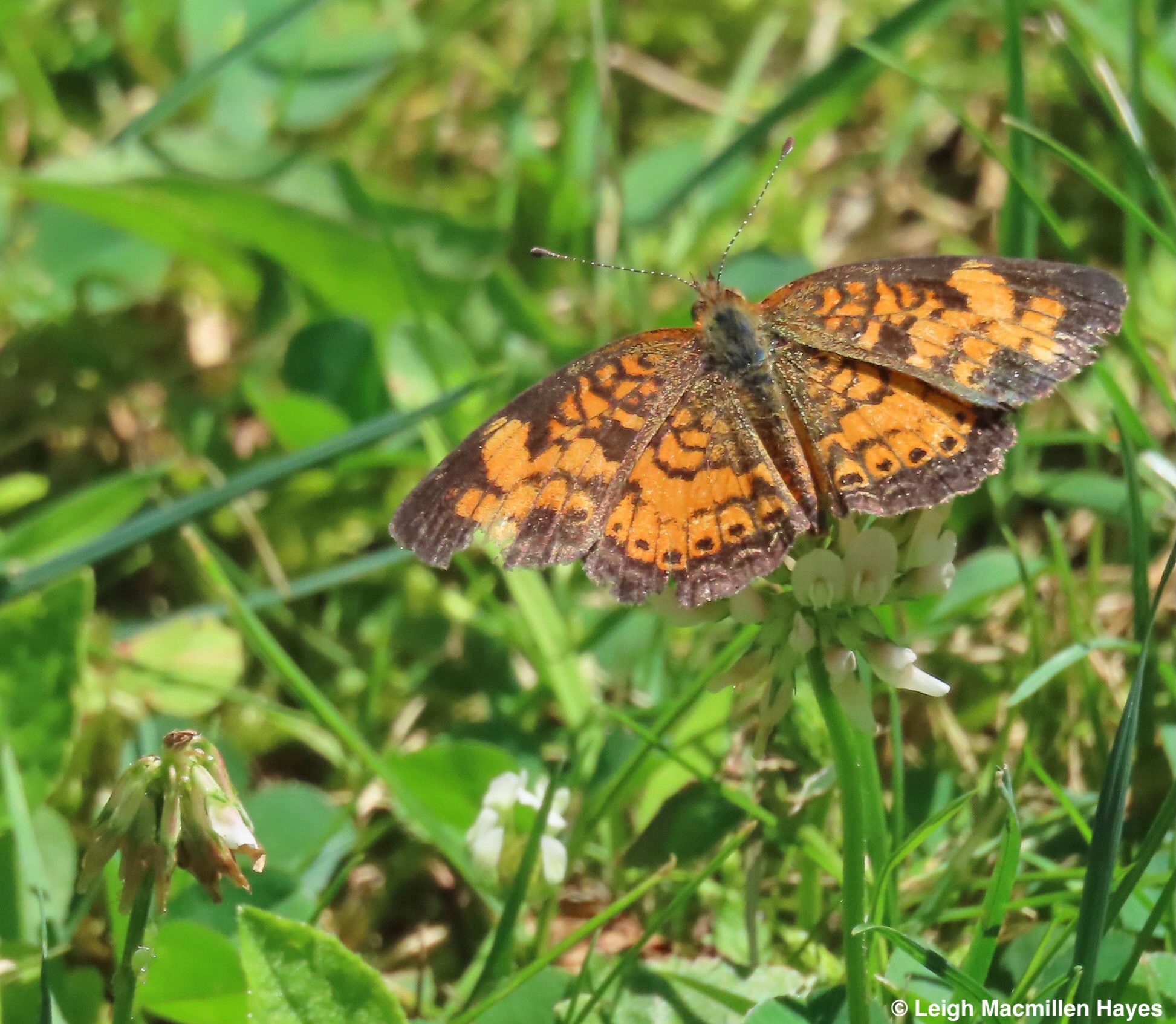
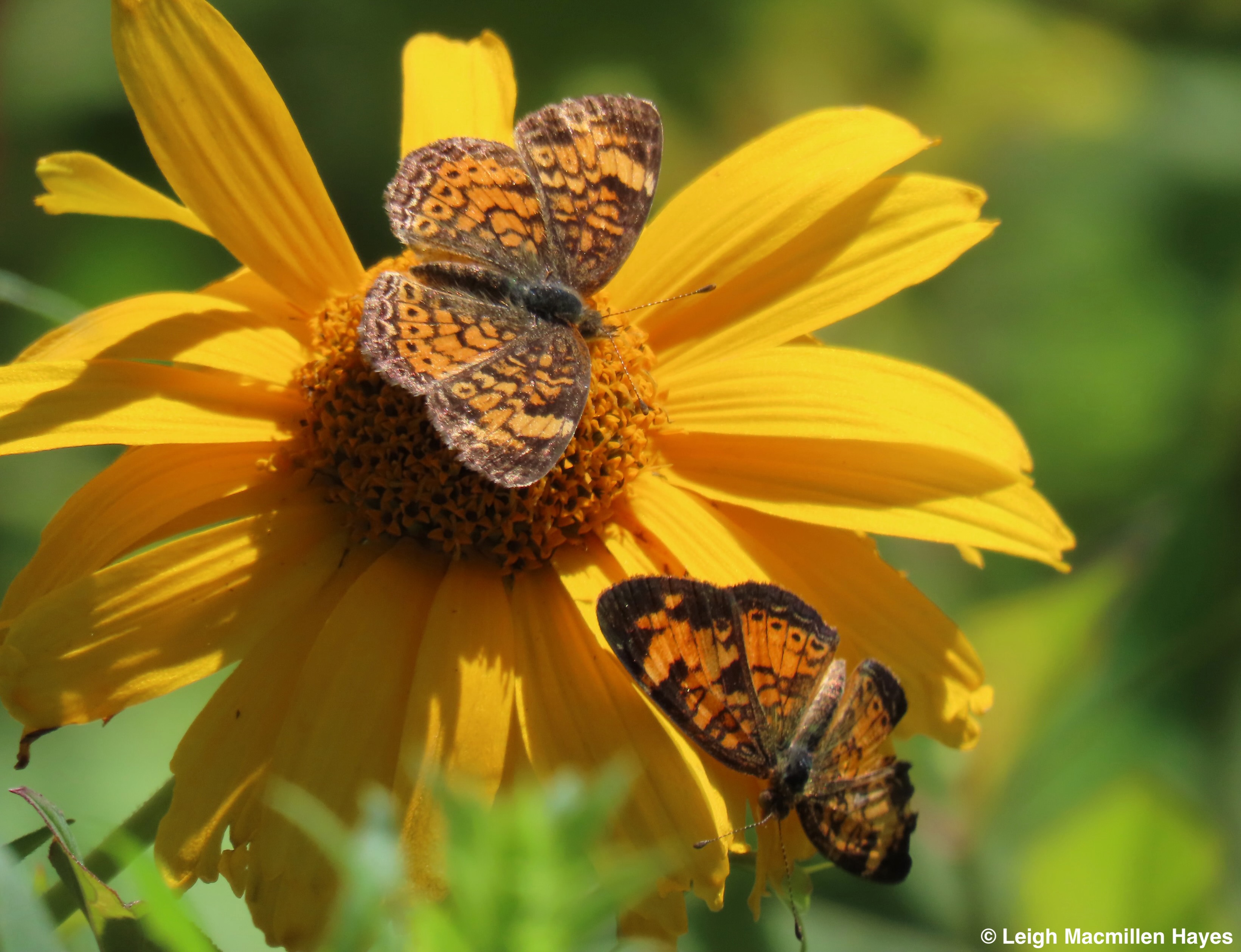



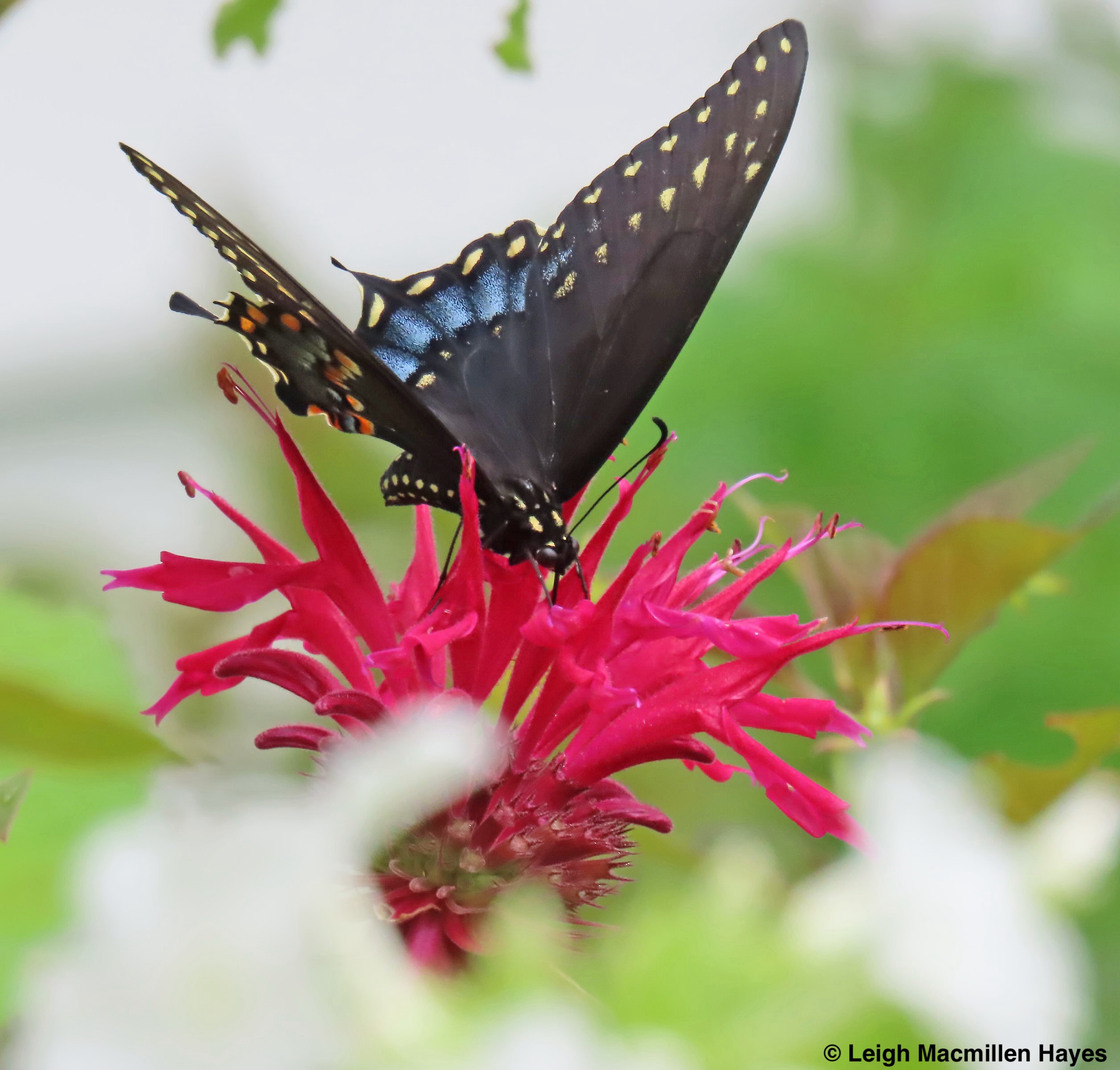


 wondermyway