I love this time of year when the windows are open and the birds wake me and invite me to head down the stairs and stare out the window. And so I did this morning.
It seems the Northern Cardinals always announce their arrival with a “Chewip, Chewip, Chewip,” call and usually he arrives first, and she, pictured above follows. For some reason, I didn’t see him this morning, but maybe tonight as they are early morning and early evening visitors.
While watching her another bird flew in. This a House Finch. And it immediately amazed me. I didn’t realize that they eat Dandelion seeds . . . until, that is, I watched it do exactly that.
So, My Guy and I are at opposite ends of the spectrum when it comes to Dandelions. He wants to banish all from the yard. I want to encourage them and any other wildflower that chooses to appear.
And today, I decided to discern what I might hear when I take time to listen, and not just listen to the birds.
It was the voice of the Dandelion for which I yearned. Some call them weeds and wish they would wither and die. But the Dandelion wants us to know it is strong and persists even in the poorest soils.
And so it should.
To begin, there are the green bracts. Some of the bracts are turned downward as if in a dance, perhaps to keep certain insects that might gobble up the flower at bay, while other bracts protect the developing flower.
When the flowerhead begins to open, it does so one ray or “petal” at a time, for each “petal” is actually a floret, all of which combined look like the sun at high noon and make this plant a composite.
Toward the stem, each floret narrows into a tube, which rests on an ovary containing a single ovule. In that tiny tube is the nectar. While you may not see the tubes unless you carefully pull the flower apart, we can’t overlook the stigma, that tip of the pistil, or female part, covered with pollen. Each stigma for each floret is split at the end into two curling lobes.
The Dandelion sings out from its nectary, inviting insects to stop by for a visit. Meanwhile, the pollen remains in the protected areas within the circles or loops the two lobes of the stigma create.
Bees and many flying insects seek the nectar and in the process of visiting the flower, they smear themselves with pollen grains, which drop off at the next flower where the insect seeks another drink, thus insuring cross-pollination.
Of course, if you are going to listen to a Dandelion in full flower, you should be equally wowed as it continues its journey.
In time, the entire head of the bloom matures, the florets close up within the green bracts, and the bloom looks almost like it did as a bud, and evokes an image of our life cycle–from birth to death.
But the transformation isn’t over yet. Next on the Dandelion journey, the flowerhead opens into a fluffy ball of seeds, that fluff being fine hairs attached to each seed that will serve as a parachute.
Each seed represents one floret. And they wait for us, the wind, animal. or bird to disperse them. Out into the world they are ready to go. I don’t know about you, but it’s hard to resist the temptation to pick a stem and blow on the puffball.
As I walked around our yard today, I noticed carpets of another composite, with a flower of the same color, but this one a Mouse-ear Hawkweed.
One easy way to differentiate between the two plants is by their leaves. Both have basal leaves, but those of the Dandelion are irregularly lobed.
The Mouse-ear Hawkweed leaves are entire, and entirely hairy. And much shorter in length.
Some call them weeds, but I prefer to think of them as volunteers who reflect the sun’s image. When I take the time to listen to them, they remind me that we are all interconnected and we need each other to survive, a lesson the pandemic certainly taught us. And that includes letting the undesirables flourish–in our yards and in our lives. I know I need to remember that.
If we take the time, really take the time, to slow down and observe, watch the variety of insects that pollinate flowers like Dandelions and Hawkweeds, and begin to understand that we need to save the flowers in order to save the bees and their relatives who also pollinate the fruits and vegetables we need in order to flourish, then we may change our minds and realize they are desirable after all.
And not all the seeds will end up growing in your lawn, as the House Finch taught me today.
Thanks to the Northern Cardinal for leading me to the House Finch, and subsequently the Dandelion and Hawkweed.
Sometimes we hike with a purpose, My Guy and I. And on those days, he actually slows his pace down.
And opens his eyes wide, much like the Red Squirrel–ever on the alert.
Was it the Fringed Polygala, aka Gay Wings he sought? No, but I certainly did. Those petal-like wings are actually sepals. Two of the petals are fused into a tubular structure, thus giving this plant a “bird-of-paradise” form. The fringe at the end of a third petal or keel below invites all to enter.
Don’t they look like birds in flight? Being a spring ephemeral, these delicate blooms will only last a few more weeks and then I’ll confuse their leaves with those of Wintergreen, but My Guy was rather oblivious to all of this.
Was it the Dandelions he sought? No, he scuffs at those. But the Flower Fly and I–we were two of a kind for this incredible display. Notice how each ray is notched at the tip like teeth. Those five “teeth” represent a tube-shaped floret. Fully open, the bloom is a composite of numerous florets.
Was it the Wolf’s Milk Slime he sought? No, I’m not sure he even spotted them for though we were moving at a slower than normal pace, one of us was even slower than the other. I couldn’t help it. I cannot resist this slime mold.
It was apropos that I should spot it on this trail and by the end you’ll understand why.
And so I did what I always have to do when I spot Wolf’s Milk. Picked up a stick. And poked one of the fruiting bodies. I could actually feel my peeps’ presence in the moment because they would have been doing the same, and maybe even taking a video as the salmony-pink paste inside oozed out.
As the mold matures, the paste actually turns into the spores and when we poke it later in the season, a puff of gray exits the ball. No, they are not puffballs, but they are the next best thing.
Was it the Painted Trillium he sought? No, but for once he did actually count them. I’ll let you know the total at the end.
Was it the number of blowdowns, he sought? No, but those were incredibly abundant, many occurring over the course of the past eight months. And actually, they were a hinderance to what he did seek.
Was it the Pink Lady’s Slippers he sought? BINGO! I do not know why, but My Guy loves to count them and especially to find displays like this. And I love that he loves this.
White Lady’s Slippers are a variation of Pink, and so they were included in the count.
We honored the very last one before we headed back to the truck–this being #475.
Yes, 475 Lady’s Slippers.
At this same locale in 2023: 324.
And in 2022: 411.
The thing we did notice this year, we were a week earlier than usual, and many of the flowers hadn’t completely opened. Note to ourselves: don’t be so impatient next year because we really love seeing them in full color.
And we do know we missed some because of the blow-downs, but hey, we still did well.
Number of Painted Trillium: 2. My Guy usually refuses to count them, but we didn’t spot one until we were almost done, so he figured he could. And then the second one appeared.
I couldn’t help but smile.
Where were we? By this photo some of you may now know our location. In front of us was Googins Island, as viewed from the rocky coast at Wolfe’s Neck Woods State Park in Freeport, Maine.
Now do you understand why I said the Wolf’s Milk Slime Mold was located in the right place?
And Googins Island has long been home to this Osprey nest, where the expectant parents had their eyes on the world about them. Just as we had.
We drove across the border and south today in search of wildlife. And we were not disappointed as our sightings were numerous.
But first, lunch. That in itself was a treat–mine being an Avocado and Roasted Veggie Panini. You are looking at the second half, which was supposed to follow me home. But . . . the avocado would have turned brown. And so I gobbled it all down. Sometimes, you just have to do the right thing.
We may not have been the only ones eyeing lunch, though what this Bobcat was looking at, we could not determine.
It was less than ten feet away from this second Bobcat and it appeared that they had their eye on the same little tidbit. Perhaps a mouse or chipmunk was on their menu.
With a lick of the chops, it appeared that the nearby Mountain Lion had indeed enjoyed a morsel of delight. So, the fact that we saw a Mountain Lion is rather curious because they were officially extirpated in New Hampshire. But . . . sometimes one makes it way into the state and perhaps this was one of those.
I love how its front paw rests so naturally on its back leg. And my, how big those paws are. Notice also that the claws are tucked in. Members of the cat family only use their claws to capture prey (or if conditions are muddy or in some other way slippery, then the claws are extracted to help with stability).
In the midst of our adventure, we stepped into a garden filled with flowers and flowering shrubs and trees, a haven for pollinators this early in the season.
And then it was on to search for River Otters, who had obviously decided to take a post lunch nap. And rejoice in the opportunity. Or so it seemed with those front feet raised.
Take a look at the bottom of those paws–with their five tear-drop shaped toes identifying them as members of the weasel family.
Our next sighting mystified us a bit. As two who are always looking for signs of Black Bears, we were thrilled to see this one. Every once in a while we are granted such views, but the troubling thing today was how the bear paced. Back and forth and back again. It was obviously anxious about something despite its ability to roam in a large area.
Birds were also part of our view, this being a Black-crowned Night Heron, or more simply Night Heron. Look at that eye–its color allows it to hunt at dawn, dusk, and even during the night.
The same is true for the eyes of the Great Horned Owl.
Okay, so by now you’ve turned into a great tracker and hunter and realized that there is fencing behind these animals. Yes, we had travelled to Squam Lakes Natural Science Center in Holderness, New Hampshire, about an hour and a half from home. All photos were taken through glass. Glass that was smeared with finger and nose prints.
The animals are only there because they were orphaned or injured or for some reason couldn’t survive in the wild. And they live in habitats that equal their preferred home territory.
The Red-tailed Hawk offered a shrug, maybe because it thought it should be out in the open. But, it had an important job to do here: to educate all of us. To be an ambassador.
How often do we get to eye all of these species up close. Their behavior might not be entirely natural given their confinement or injury, but I think it’s amazing that we can visit with them and that so many tots were there with their moms today, and there were a couple of school groups visiting as well. These kids get to meet these critters, and maybe will develop an appreciation of them, and who knows where that might lead.
Today was the beginning of a heat wave, and the Bald Eagle reacted by panting, its way of cooling down.
Our plan was to walk through the exhibits, and then hike some of the trails, including climbing to the summit of Mt. Fayal.
Along the way, we had a special treat, for we got to meet Barred 13, who was out for a walk as well, and panting.
The “name,” Barred 13 refers to the fact that this was a Barred Owl that came to the Center in 2013. As a policy, they do not name the critters who reside there so folks like us won’t think that wild animals should become pets.
Barred 13 was very curious about something in the vicinity. We learned that she once heard a Black Bear before her handler turned and saw it. And that she’s at the Center due to a broken wing.
The Barred Owl’s hearing is so acute that it can pinpoint the location of its prey. There’s a cool exhibit to help us humans better understand how well they hear, but I’ll leave that for you to discover upon a visit.
At the summit of Mount Fayal, My Guy found a bench upon which to sit for a bit and enjoy the view of Squam Lake.
What he missed, I discovered behind the bench.
A Pink Lady’s Slipper. The first for us for this year.
His comment: “Only one?!”
We are rather Lady Slipper’s Snobs. Truth be told.
Back on the animal exhibit trail, we stopped by to visit the Otters again. Thank goodness. The most amazing thing–we were the only ones there. The Otter exhibit is usually packed.
We quickly realized that the time to visit the Center is in the mid to late afternoon, after the kids have packed up and gone home. Or if you go earlier, do like we did and head off for a hike before returning to the exhibits.
The two Otters entertained as they constantly climbed up toward us and then did backflips into the water.
Up . . .
Bend over . . .
And swim.
And flip over and swim some more.
Lions, and Otters, and Moose–but wait. This moose was in the same pose when we left as it was in when we arrived. Allegedly we saw a moose. Well, we have a photo to prove it. But, unlike all the other critters, it wasn’t alive. Still.
Squam Lakes Natural Science Center–we highly recommend a visit, no matter how many years you have under your hat.
And lunch from Squam Lake Marketplace. The flour-free Chocolate Chip and Peanut cookies–a great way to end a meal, even if you wait three hours for the ending because your belly was filled by your sandwich.
I love to venture off and explore other places but more and more I feel drawn to just head out the back door and see what this land of field and forest and vernal pools and puddles has to offer. And so I do. Almost daily.
It’s land where the Red Maples are in full flowering mode, this cluster being male, each with five to ten slender stamens.
As beautiful as the flowers are, one of the real reasons I head out so often right now is that the vernal pools are full of egg masses, both Wood Frog and Spotted Salamander. Somehow, this year, except during Big Night, I missed the Wood Frog activity in the pools I frequent, but by the amount of egg masses, I know they were there.
What cracks me up is that it isn’t just vernal pools that are used for the canoodling ritual. Sometimes, if there’s a rut on the way to the pool and he decides to start calling, and she responds, well, you know how it goes.
And so it must have, for this one mass is in the rut pictured above.
It reminded me of the two sets of Wood Frogs we had to gently move off the road during Big Night. They couldn’t even wait until they found a rut.
It’s only been about two or three weeks since the eggs were laid and fertilized, and already the embryos are taking on their tadpole shape.
In another location, I spotted a Spotted Salamander egg mass that was also deposited about two weeks ago, at a time when snow melt and rain were the norm. We’ve had some rain since then, but the tide is quickly going down in the pools. Wait. There is no tide in these. Being rain/snowmelt dependent, the water is quickly evaporating and this mass probably will become food for something rather than turn into 100 or so salamander tadpoles.
But in “My” vernal pool, where I put “My” in quotes because I don’t actually own the land upon which it is located, I just think I do, the salamander embryos are also taking form.
Of course, when one is stooped over and staring into the water, there’s more to see like this Water Strider. Water Striders are so cool as they skate along the surface thanks to some hairs at the ends of their legs that we can’t see. At least I can’t. Those hairs don’t get wet and instead attract water molecules. I placed an arrow on the photo because the shadow a strider creates with what appear to be larger than life feet speaks to this adaptation.
And in this case, the arrow points to a Water Boatman. I love how his tiger-like body design, though not intentionally, mimics the oak leaf above which he swam. Unlike the skating strider, a Water Boatman uses its hind legs as oars.
In one of the shallowest pools I know of outback, Mosquito and Caddisfly Larvae move about, the first suspended in the water column just below the surface, breathing air through tubes at the end of the abdomen. The Northern Case Maker Caddisflies took advantage of all the plant material, including a Red Maple flower to add a bit of class to its house.
When I wasn’t looking into water, I did notice a few other things like about five or six Greater Bee Flies frequenting one area. The cool thing about bee flies is that they do look like bees, but don’t sting. While they feed on nectar, they also parasitize the nests of solitary bees and I have to wonder if that was what their behavior was about.
Several Six-spotted Tiger Beetles with their metallic green coloring, dashed here and there, always on the move as they looked for other insects to devour. Here’s the thing about these beetles–not all have six white spots, or even any spots.
Speaking of spots, I love the violet-blue markings on a Mourning Cloak Butterfly. This species overwinters under tree bark and other protected places as adults, so they are one of the earliest for us to encounter in the spring, along with Question Mark and Comma Butterflies. And then we get to enjoy a second brood in the autumn that will hibernate as adults.
So it’s not all about insects, though I suspect if I look hard enough I will find one in this photo. But it was the first Bluet of the season that I needed to note. Sure, they’ll be commonplace soon, but this one is the harbinger. And it was enhanced by the contrasting red caps of some British Soldier lichens.
As I walked toward home this afternoon, this Turkey Vulture rode the thermals and I took its photo to honor my neighbor for she alerted me Monday to the fact that she’d spotted some vultures and a Bald Eagle in our ‘hood, and we met on Tuesday afternoon to search for a kill site in an orchard behind some other houses. We didn’t find anything, but I love that she was curious. And that occasionally we share natural occurrences with each other and sometimes walk the same stretches of land. Thank you, Karen.
Back home, I was surprised to find these two sharing a feeder, a female Purple Finch on the left and male Cardinal on the right. She would squawk at other finches, but not at the Cardinal. And so they fed simultaneously for a while. If only we could all take a lesson from them.
As a self-confessed home body, I love how the land that surrounds my house and beyond has been my classroom for so long now (30+years), and that it has taught me to celebrate the extraordinary found in everything ordinary.
For the fourth time in the last few years, Lake Region Television has featured wondermyway.com. Thanks to producer Evan Miller and station manager Chris Richard for working on this project with me. And to Evan for the original music that accompanies it.
Why not pour your favorite beverage, sit in a comfy chair and watch it here.
Click on the white arrow above to watch and listen.
Thank you so much for stopping by! I hope you enjoyed the show.
The hype for a predicted snowstorm today kept providing various amounts, rising one hour, falling the next, over the last couple of days. And so I made my own prediction: 1 inch – 12 inches possible.
What I didn’t predict was the number or variety of species that would choose our yard to dine. The snow started to fall during the wee hours of the morning and the birds began visiting before 7am, including this Goldfinch and many of its kin.
I was probably most thrilled to have a male and female Bluebird return. It’s been a couple of months since my neighbor and I have spotted them. Here’s hoping they soon use the nest boxes she has made available.
A male Downy Woodpecker found the suet, frozen as it was.
His female counterpart did a curious thing–she walked across the bottom of the feeder before righting herself to dine where he had been a few minutes prior. I’ve yet to figure out why she chose that approach.
There were territorial wars on the ground, at the feeders, and in the air.
Nothing major came of it, yet . . . but oh what drama.
And an exchange of roles as a Song Sparrow pretended to be a squirrel and dine on the corn . . .
while a Gray Squirrel pretended to be a bird and dine at the feeder.
Both the female and male Cardinals were frequent visitors, and she looked especially dashing today.
As did a Tufted Titmouse and the yard was filled with songs of “Peter, Peter, Peter,” as has been the case lately.
Toward the end of the day Purple Finches showed up and spent lots of time hanging out between one of the feeders and a Quaking Aspen tree.
And a couple of times the Mourning Doves paused on a branch. She winked. At least I think it’s a she and a he because the other day one chased the other and they are always together.
Then they both looked at me as if I’d caught them in a secret moment. Did I?
I love that snow and rain bring in more birds than usual and today was no different.
What was different was that we finally got a real snowstorm on this 23rd day of March. An hour ago the total was over a foot, exceeding my prediction, and it’s still snowing.
Ah March in Maine.
Update: March 24, 7:30am. Twenty-one inches of fluffy snow! Ah March!
You might think of it as a homecoming; a return to that time of year when all begins again. Slowly. Ever Evolving.
A time when one needs to stand watch and listen. And so My Guy and I did yesterday when we heard this Red-bellied Woodpecker before we finally spotted it. And for the first time I could actually see the red belly for which it is named.
A time when I start visiting vernal pools and can be found with my hands on my knees as I lean forward to peer into the water.
A time to be in shock at spying such large Fairy Shrimp on this date, March 19. There were dozens and they were at least an inch and a half long. I have never seen such big Fairy Shrimp and can’t help but wonder the size of those I hope to see in other pools going forward. In the past they’ve been about a half inch long in April, and might grow close to an inch by May.
A time for catching a dash of a look at a Predaceous Diving Beetle heading for cover to avoid becoming prey in my presence.
A time to notice the minute, such as this wee bright orangey-red water mite that could easily be mistaken for a spider.
A time to return home and walk the path of the now snow-free labyrinth I created a few years ago.
A time to visit the vernal pool on a neighbor’s land and notice that only the edges are ice-free.
A time to peer into the water along those edges and watch a multitude of larval mosquitoes wriggling as is their custom.
A time to poke a Balsam Fir blister with a stick to get some sticky resin on the tip and then place it in a puddle along the path and watch the essential oils form rainbow designs.
A time to look up before heading indoors and realize that the Quaking Aspen flower buds are starting to fluff out much like Pussy Willow buds.
A time to realize that this spring’s season opener officially begins at 11:06 tonight, but the Fairy Shrimp suggest it may have started earlier than normal.
Not necessarily a good thing. Not at all. But . . . if you are looking for me in the next few months, you know where I’ll be. Somewhere near water.
I love that I can step out the back door and explore hundreds of acres of woods or follow a path, cross a road, and step into a town park protected with a conservation easement. Lately, I’ve been spending a lot of time in the park, for starters because I love to spot the Mallards and look for Winter Stoneflies, but also because I’m working on getting to know bryophytes and lichens better. Of course, I could to that anywhere because mosses and lichens grow everywhere. And do not harm the substrates upon which they grow. In fact, they may actually help as in the form of mosses retaining water.
So, I invite you to step across the Bob Dunning Memorial Bridge and into Bridgton’s Pondicherry Park. Sixty-six acres of forest beside Stevens and Willet Brooks, with stonewalls, an old spring, and carved trails, including one that is ADA accessible, though in the current conditions, it’s icy and micro-spikes are the best bet for staying upright.
I’m almost certain these two ducks are named Donald and Daffy, but what I do know is that they laugh. A lot. Or at least that’s what it sounds like when they quack.
Finally, the reason I invited you along for this journey. One of my favorite little mosses. Meet Ulota crispa, or Crispy Tuft Moss (and Curled Bristle Moss and Crisped Pincushion . . . and probably several other common names). This moss is an acrocarp in form, meaning that the main stem generally grows upright and the capsules and seta or stalks that hold the capsules grow from the tip of the main stem. Usually, they grow upright that is, but in the case of Ulota crispa, they orient horizontal to the ground.
On this tree trunk, you might notice the pale green crustose lichen (crustose meaning crust-like and tightly pressed to the surface of its substrate) and the brown spiderwebby structure of a Frullania liverwort. Like mosses, liverworts are also considered bryophytes–meaning they don’t have a vascular system like plants and trees; nor do they produce flowers or seeds.
Ulota crispa grows in little tufts between the size of a nickel and a quarter. On some trees you might find one or two and others, such as this one, there are many.
My walk in the park was actually a self-assigned quiz because a friend and I had visited a few days prior and I wanted to make sure I could identify species on my own. As I always say when I’m tracking by myself, I was 100% correct in my ID.
But actually, this quiz did give me time to slow down and notice features, such as the thickness of the Brocade Moss, aka Hypnum imponens. This one is a pluerocarp in form, because the moss grows mostly prostrate, has many branches, and the capsules and seta (stem supporting capsule) arise from a side branch rather than the tip like that of the acrocarp.
I found one downed tree (and I’m sure there are many others under the snow) that looked as if it was covered with a carpet, a Brocade carpet. Given that a brocade fabric has a raised design, this common name seems to fit, though my research informs me that the Latin Imponens is the root for “imposter.” Apparently it can have different looks. That’s something I’ll need to pay attention to in the future.
Delicate Fern Moss, or Thuidium delicatulum, is another pluerocarp species. The fronds really do look like miniature fern fronds, in fact, twice-cut in fern lingo. But that’s a topic for another day.
I found the Delicate Fern Moss growing on a tree trunk, but also on a rock. Mosses don’t have actual roots, because remember, they are non-vascular plants. Instead, they have rhizoids, which look rather root-like, that anchor the plant to the substrate.
So how do they get water and nutrients? Via their leaves. And they have the unique ability of being able to dry out completely and stop growing, but pour water on them, or visit them on a rainy day after a dry spell, and they’ll begin growing again and turn from brown to green as photosynthesis kicks back into action.
If you been in the park, then you may now this stream below the Kneeland Spring. And you realize that I’d probably already spent an hour on the path and hadn’t moved very far. The old joke that I can still see my truck in the parking lot doesn’t work this time though because I had walked there. But I could still see the parking lot.
What attracted me to the stream was the sense of color. On a bleak winter day, the view was breathtaking in a subtle way.
In particular, the bright green of a plant that isn’t a moss or liverwort, but rather a vascular plant known as Watercress. It grows in natural spring water, thus its abundance below the spring from which this water flows.
While I was admiring the Watercress, I met a moss that I swear I’ve never laid eyes on before, but don’t think I’ll ever forget going forward: Willow Moss, aka Fontinalis antipyrectica. Its one that prefers to be submerged, thus its location. When the water is warmer, I need to get to know it better, but it almost looked like the leaves were braided.
The funny thing about this spot is that as I was looking down, a young couple walked along the trail above me. In an instant, the young man and I made eye contact and at once recognized each other as we are neighbors. He said, “I wondered who was down by the stream.” He wasn’t at all surprised.
Because the snow is beginning to melt, I finally saw an example of the poster child for acrocarpous mosses: Common Haircap Moss or Polytrichum commune. Here are a couple of easy ways to ID it from other haircap species: when dry, the leaves don’t twist as they fold upward toward the stem and the leaves have reddish tips.
Mixed in with the mosses were some little structures that actually remind me of caterpillars. They are also non-vascular and are associates of mosses, these being liverworts. Bazzania trilobata does not have a common name as far as I know. That’s probably a good thing because it forces me to learn the scientific name.
A small piece may have followed me home and stuck itself under the microscope. Liverworts are also small and where a moss has leaves arranged in more than three rows, a liverwort has two rows, like this one. That said, some have a third row underneath. Another key is that while mosses often feature a midrib, liverworts as you can see by this example do not. There’s more, but that’s enough to get started.
Mosses and liverworts aside, I had been looking for examples of this foliose lichen upon a previous visit, and finally found this one. It’s one of the ribbon lichens, but I haven’t yet figured it out to species. And I don’t know if it grows on anything other than Eastern White Pines, for that is where I see it.
Lichens come in four forms. Earlier I mentioned crustose: crust-like or pressed against the substrate; foliose–foliage-like or leafy; fruticose: upright and pendant, think grape branch; and squamulose: with little raised scales.
So, which form is this? Ah, the quiz is now in your hands. Crustose, Foliose, Fruticose, or Squamulose. I’ll tell you it isn’t the latter. Of the first three, which is it?
The little black discs or bumps are its reproductive structures.
Here’s a great take-away from Joe Walewski’s Lichens of the North Woods: “Successional stages of lichen communities on rock progress from crustose lichens, to foliose lichens, and then on to fruticose lichens. In contrast, successional stages for lichen communities on tree bark follow an opposite pattern. Many crustose lichens are a sign of an older successional lichen community.”
If you answered my question above as the form being crustose, you would be correct. Common Button Lichen or Buellia stillingiana.
This next one pictured above is among my favorites. Maybe it’s because though I find it on other trees, I love how it appears between the “writing paper lines” on the ridges of Eastern White Pine bark. Known as Common Script Lichen, or Graphis scripta, you might see it year round as white spots on trees but the squiggly apothecia (reproductive or spore-producing structure) appear only when it gets cold enough.
And here again: same crustose form, different crustose colors. Do you see at least three colors? Two shades of green surrounded by a blueish-grayish white? The white fringe is called the prothallus, a differently colored border to a crustose lichen where the fungal partner is actively growing but there are no algal cells. Though named the Mapledust Lichen, Lecanora thysanophora, it grows on several species of trees just to keep us all questioning ourselves.
The final lichen of this journey, and believe me, there could be a million more, or maybe not quite that many, but . . . anyway, is the Common Green Shield. I’m realizing just now that I don’t have a fruticose lichen to share, but that I’ll leave for another day. This Flavoparmelia caperata demonstrates the foliouse form. One that my lichenologist friends, Jeff and Alan, describe as one you can easily ID while driving 60 mph. Of course, you should be looking a the road and not at the lichens or your cell phone, but should you glimpse it out of the corner of your eye, you can easily remind yourself that it is a Common Green Shield.
While finally making my way homeward, I was stopped by a sight that always invites a look. You may be tired of seeing it, but I hope I never am. The debris left behind by a Pileated Woodpecker.
There are at least two packets worth examining in this mess, and if you know what I mean, see if you can find them.
The tree was one rather gnarly Eastern White Pine and it grew near one of the old boundaries for the park was originally three different properties that were combined to create such an open space. You can read about that in Pondering the Past at Pondicherry Park. I suspect its growth pattern had something to do with being a boundary tree in an otherwise open area.
Do you see the bird’s excavation site?
And did you find this scat in the debris? Staghorn Sumac had been part of this bird’s diet prior to visiting the tree.
But carpenter ants were on the menu as well. Vegetable, Protein, Fiber. The perfect meal.
When I arrived home, it was time to do some organizing of my moss collection, some of these which I’d collected in the past and kept in Ralph Pope’s Mosses, Liverworts, and Hornworts: A Field Guide to Common Bryophytes of the Northeast.
The book is warped because, of course, most of these were damp when I placed them in it.
Here’s the thing about collecting mosses: only take just enough to study. Mosses can take a long time to grow, so you only need a small piece for closer inspection. As for lichens, if you need to, collect from those that have fallen off trees. Otherwise, let them be. They take even longer than mosses to grow.
And I encourage you to spend some time trying to get to know what you meet up close and personal. Looking through a loupe and sketching help me.
Slowing my brain down and noticing. I love that I am finally making time to do this again. And taking topics that had often stymied me and trying, trying, trying to get to know them better.
While I was pondering once again in Pondicherry, I did notice that someone was pondering about me. I went with the expectation of possibly seeing an owl while spending time quizzing myself on all of these species, and indeed I did. See an ice owl that is.
Knowing it was going to be warmer today, we decided to venture to a local park where the snow pack would be less. That doesn’t sound right coming from this snow queen, but we didn’t feel like postholing or having snow stuck to the bottoms of our snowshoes.
This is a place where we know beavers are active. And I, of course, went with expectations. And convinced My Guy that we should begin and end at the bog.
And bingo–a beaver-chewed tree that had probably been munched upon this past fall based on the color of the sapwood greeted us immediately.
But do you see the lodge in the background?
Here’s a closer look. Fully iced in and no mud on the exterior. This one had been active for several years, but today we learned that that is no longer the case.
Still, as we moved past it, there was another tree (on the left) that had been equally munched upon this past fall, while the color of the wood on the tree to the right indicated activity from a previous year.
There was even a dam, but I was beginning to lose hope. And to kick myself for coming with expectations. When will I ever learn?
Because we were in a park, there were structures and behind one close to the path, we found an Eastern Phoebe nest upon a platform placed there for the very bird to set up housekeeping each spring.
The cool thing was that the Phoebe wasn’t the only structure dweller, for directly below her nest a Funnel Weaver Spider had constructed an intricate home. I love all the guylines meant to keep the web intact, in fact it worked so well, that the winds of the fall and winter didn’t seem to have touched it. Well done, spider!
As we continued on, I thought about the gems this place offers, including this beautiful old Yellow Birch standing on stilts. As I noted in Becoming Tree Wise, the seeds of Yellow Birch, like Eastern Hemlock, struggle to germinate on the forest floor, but give them a moss-covered rock, or tree stump, or nurse log, and bingo, a tree grows on it. As it continues to grow, the roots seek the ground below and if it is upon a stump or log that eventually rots away, you have a tree in the forest that appears to stand on stilted legs. Tada!
Our trail was sometimes bare and other times snowy or icy, so we did don microspikes, which turned out to be the perfect choice most of the time.
At the summit of what is known as Lookout Trail, the view is of the forest beyond, but we did look down at the picnic table and discovered mushrooms growing on the wood. The cap was like a tapestry of oranges and yellows and rosy browns.
It was the underside, however, that aided ID: Gloeophyllum sepiarium (Rusty-gilled Polypore or Conifer Mazegill).
Occasionally there were brooks to cross and icicles to admire and sounds of percolating water flowing beneath the ice to encourage stopping for a few minutes to take it all in.
Heading downhill, in a boulder field below a granite ledge we discovered the territory of one very busy Red Squirrel. Middens covered numerous rocks.
And I could only imagine what the original cache had looked like. Since it takes two years for pinecones to mature, next year this squirrel may not be so fortunate, but living in the here and now, life is good.
At last we reached the lake for which the park is named and for the second year in a row, it did not freeze this winter. Being the second largest lake in Maine, it covers 45 square miles and at its deepest hole is over 300 feet in depth.
We backtracked a birds trail along the water’s edge and found our way to the perfect lunch spot.
The view from lunch rock found us dining with few words shared as we took in the vastness of this space while small waves broke along the shoreline and we realized we could have been at the coast.
Back on the trail, we hiked a couple more miles before returning to the bog’s opposite shoreline. Surely, the beaver would not let me down.
And there is was. The lodge that is. With mud on it. That meant a family could have overwintered in this one.
Wouldn’t you feel warm and cozy inside that building?
And there was evidence that another tree had been dined upon in the fall. But . . . no signs of smaller trees being cut for a food supply. Are they still home? I do not know, but maybe another visit in a month or so will reveal the truth.
There was, however, lots of sign that humans had been cutting trees: to clear trails so people like us could enjoy them.
And we did as we journeyed the West Side of Sebago Lake State Park.
So you must be wondering why this was an Oopsy of a Mondate. No, I didn’t fall. Nor did My Guy.
In fact, we had a wonderful time exploring and loved every minute of our adventure.
But . . . there was some logging going on and it wasn’t until we got home and I looked at the Sebago Lake State Park website that I discovered this message: February 25, 2024 | Campground infrastructure improvements begin tomorrow, Monday 2/26/2024. While heavy trucking activities occur, State Camping Rd. in Naples will be closed to foot-traffic for public safety. However, the Day Use Area, found at 11 Park Access Rd. in Casco will remain open to visitors. Thank you for your patience and understanding while these improvements occur.
Oopsy. Don’t follow our footsteps, but rather go to the Day Use Area instead.
Thank you to all who read and comment and share wondermyway.com. Some of you have followed my blog posts since the beginning, February 21, 2015. A few have joined the journey as recently as yesterday. I’m grateful for the presence of all of you in my life.
To mark this occasion, I thought I’d reflect upon those moments when my wonder gave me a glimpse of the “Thin Places” that I’ve experienced either by myself or in the company of others.
To quote my friend, Ev Lennon, “A Thin Place is a spot of beauty, loveliness, space–an example of the wideness and grandeur of Creation.”
I think of them as places that you don’t plan a trip to visit, but rather . . . stumble upon.
I had
the track of
a bobcat to thank,
for it showed me the way
to a special friend.
It was without expectation
that we met
and spent at least
an hour together.
And then I realized
though its sight is not great,
it was aware of my presence
and I hightailed it home,
but I will always
celebrate time spent
with the Prickly Porcupine.
Something quite small
scurrying across the snow
captured my attention
and suddenly
there was a second
and a third
and then hundreds
of Winter Stoneflies.
All headed west from the brook
toward mature tree trunks
to beat their drum-like structures
against the bark
and announce their intentions to canoodle.
Though I could not hear
their percussion instruments,
I am grateful
to learn
with those who
march to the beat of a different drummer.
Standing beside quiet water,
I was honored
on more than one occasion
to have my boot and pant legs
considered the right substrate
upon which to transform
from aquatic predator
to teneral land prey
before becoming
a terrestrial flying predator.
It takes hours
for the dragonfly to emerge
and I can't think of a better way
to spend a spring day
than to stand witness
as the mystery unfolds
and I begin to
develop my dragonfly eyes
once again.
It took me a second
to realize that I was
staring into the eyes
of a moose,
and another second
to silently alert My Guy
while grabbing my camera.
She tip-toed off
as we relished our time
spent in her presence
and at the end of the day
had this Final Count
on a Moosed-up Mondate:
Painted Trillium  59
Red Trillium  3
Cow Moose   1
One was certainly enough!
Some of the best hours
I spend outdoors
include scanning
Great Blue Heron rookeries
to count adults and chicks
and get lost in the
sights and sounds
of rich and diverse wetlands.
Fluffy little balls
pop up occasionally
in the nests and the
let their presence be known
as they squawk
feverishly for food.
And in the mix of it all
Nature Distraction
causes a diversion of attention
when one swimming by
is first mistaken for a Beaver
but reveals its tail
and morphs into a Muskrat.
I give thanks to the Herons for these moments.
What began as a "Wruck, Wruck" love affair
continued
for longer than usual
and due to
a rainy spring and summer
I was treated to a surprise
in the form of developing frog legs.
In the midst of my visits
one day I heard
the insistent peeps
of Yellow-bellied Sapsucker chicks
demanding a meal on wings,
which their parents
repeatedly provided.
Walking home
from the pool
another day,
I was honored
to spend about ten minutes
with a fawn,
each of us curious
about the other
until it occurred to me
that its mother
was probably nearby
waiting for me to move on,
so reluctantly I did,
but first gave thanks
that something is always happening
right outside my backdoor.
While admiring shrubs
that love wet feet,
I counted over
one hundred branches
coated with white fluffy,
yet waxy ribbons.
Theirs is a communal yet complex life
as the Woolly Alder Aphids
suck sap from Speckled Alders.
Communal in that
so many clump together
in a great mass.
Complex because
one generation reproduces asexually
and the next sexually,
thus adding diversity
to the gene pool.
Along with the discovery
of coyote scat,
and Beech Aphid Poop Eater,
a fungus that consumes
the frass of the Aphids,
it was an omnivore, herbivore, insectivore kind of day.
Awakening early,
a certain glow
in the sky
pulled me from bed
and I raced downstairs
to open the door
and receive the quiet
that snowflakes create.
The snow eventually
turned to rain,
which equally mesmerized me
as I watched
droplets elongate
and quickly free fall,
landing on bark below
in such a manner
that caused them
to mix with sap salts and acids.
The result was
White Pines foaming
in the form of
Pine Soap
with its hexagonal shapes:
worth a natural engineering wonder
and I gave thanks for being present.
Occasionally,
it's the action
outside the backdoor window
that keeps me standing sill
for hours on end,
as a variety of birds fly
in and out
of the feeding station,
such as these Purple Finches,
the males exhibiting
bad hair days.
Bird seed is not
just for birds
as the squirrels prove daily.
And White-tailed Deer
often make that
statement at night.
But this day was different
and they came
in the morning
using their tongues
to vacuum the seeds all up.
At the end of the day,
my favorite visitors
were the Bluebirds
for it was such a treat
to see them.
But it was the mammals
who made me realize
not every bird has feathers.
These are samples
of the Thin Places
I've stumbled upon
this past year.

They are a
cause for celebration,
participation,
and possibility.
My mind slows down
and time seems infinite
as I become enveloped
in the mystery.

I give thanks
that each moment
is a gift
and I have witnessed
miracles unfolding
that did not
seek my attention,
but certainly captured it.

And I thank you again
for being
one of the many
to wander and wonder my way.
Pileated Woodpeckers often take the rap unfairly for killing trees. In fact, even though they drill holes into the bark and excavate wood in order to reach the galleries of Carpenter Ants, the trees are both dead and alive. Huh?
Take for instance this Eastern White Pine along the cowpath in our woods. While the Pileated Woodpeckers have riddled it with holes, its still standing and still producing needles and cones, because there’s enough bark left to protect the cambium and sapwood.
There was a time years ago when hearing or spotting a Pileated was a rare occurence, but now it seems that every day I either find evidence of habitat, hear their drumming and Woody Woodpecker calls, or actually spot one such as this that I spent some time with by the cowpath today.
And it’s not just holes that they drill. Quite often, I’ll see a tree that appears to have been chisled and shredded. This to is also Pileated Woodpecker sign.
Some trees receive only one visit, but others must be a huge source of food for multiple squarish to rectangular holes are drilled.
I love to peer into the holes because sometimes I’m rewarded with sightings such as this . . . a long-horned beetle that got stuck in the sap and is now frozen in situ.
Though we can’t see it, Pileated Woodpeckers have sticky tongues, which they probe into the tunnels the delicious (to a woodpecker, that is) ants have created. Their bodies don’t process all of the ant, and so their scat is another sign I love to find. It’s like a treasure hunt at the base of a tree and let’s me know if the bird was successful in dining or not.
Their scat is made up of the Carpenter Ant exoskeletons, and some wood fiber, and white uric acid.
If you haven’t looked for this, I highly encourage you to do so. Any scat is fun to encounter because it helps us determine who passed this way, but there’s something extra special about seeing those body parts and knowing better the critter’s diet.
Pileated Woodpeckers excavate from any spot on a tree, including at the base, so if you see large woodpecker holes there, you’ll know the creator. The cool thing is that they use their long tail feathers as the third leg on a tripod in order to stay steady while smacking their beaks into a tree.
Don’t worry, their brains don’t get rattled. While it was long believed that they had a shock absorber to protect their heads, new research states this: “Their heads and beaks essentially act like a stiff hammer, striking and stopping in unison.” You can read more here: New Study Shakes Up Long-held Belief on Woodpecker Hammering.
So I stated earlier that not all trees are dead, until they are like this one, even though the Carpenter Ants have set up their own woodworking shop. The heartwood, at the center of the tree is deadwood and its pipelines that served as the xylem and phloem, servicing the tree with water, minerals, (xy rhymes with high pulling these up from the roots), and sugars (phlo rhymes with low, pulling sugars down from the leaves), become clogged with resins and that’s where the ants take up residence. A storm knocked this particular tree over on Burnt Meadow Mountain where My Guy and I hiked about a month ago. It was so overcome with the ants that the core could no longer support the tree.
If you look closely, you can see the galleries or tunnels the ants had created. That’s a lot of ants and a lot of work.
My woodpecker seems to be hanging out in a small part of its territory these days. A Pileated Woodpecker’s territory can reach up to 200 acres, and there’s certainly more than that available to him here (the red mustache indicates this is a male), but he appears to have found his pantry closer to our home.
I don’t mind because it means I get to witness him on a more intimate basis.
The other day a friend asked if my bird feeders were busy, but I’d been so focused on looking at mosses through the microscope lens, that I had my back turned to the yard and no idea what was going on out there.
Then today dawned.
And as is typical, a large flock of Juncos flew in. I love to watch them sit up in the Quaking Aspen and then almost dive bomb before gracefully landing on the ground, where I always make sure to spread plenty of seed for the ground feeders. My seeds of choice–a wild bird mix and lots and lots of black oil sunflower seed. Plus suet.
Of course, the Blue Jays also had a presence and, in fact, always make their presence known with their loud squawks. But I do love their colors, especially against the snow, and so I welcome them.
One of my favorite visitors is also the most timid–the female Cardinal. The second any little movement or sound startled her, she flew to a line of shrubs, a favorite hangout for most of the species that visit our yard. And when she flew, usually the others did as well. And then two minutes later, they’d begin to filter in again.
Her guy friend showed up as well, but she spent more time here than usual, despite his bossy attempts to get her to fly. Soon, though, he won’t be pushing her away, but rather sharing seeds beak to beak.
Tufted Titmice happened by and I had to wonder if this one saw its reflection in the feeder. That does happen and sometimes the results are comical.
Meanwhile, at another feeder, a large Gray Squirrel that grows larger every day thanks to my offerings, made sure everyone knew that the feeder attached to the tree was his. We knew when we put it there, that this would be the case, but it was our only choice of position.
And so he dines. A. Lot.
The good news is that eventually he leaves and others, such as this Goldfinch, fly in and look for just the right seed of choice.
Bingo. Mission accomplished.
And then . . . and then . . . two surprise visitors arrived. Bluebirds . . . of happiness, of course, for they made me happy.
And then, another surprise visitor–a female Purple Finch who looked quite pleased with her tasty seed.
She was so pleased, that she apparently invited two males to join her. Their postures and bad hair day made me laugh–they seemed to have been put here to provide comical relief. That’s not true at all, but so it seemed.
With all of this action, I had to stand as still as possible to take these shots through the back door window. And because I was so still, I had yet another surprise.
Bird seed is not just for birds, as the squirrels prove daily. And the White-tailed Deer often make that statment at night, but today . . . today was different. They came in the morning and were like vacuums as they consumed the seed.
Observing the birds, I often note that the Juncos can be quite defensive, the Male Cardinal sometimes suggests the female should leave (until that is when he decides to feed her), Chickadees fly in, grab a seed and fly off to a branch to break it open, and Goldfinches hang out together. As do the deer. These were the two young skippers, and they weren’t at all disturbed to be in each others space.
One of the skippers approach this feeder was instantly startled by its movement, but momma doe was much more curious, though in the end she chose to opt for seeds on the ground.
And all were delicious.
After about a half hour, my body tense from holding still for so long because after all, they were only steps from where I stood, the deer had consumed most of the ground seed and headed off to the woods. I waited a few minutes to give them time to depart without pressure and then went out to spread more seed around.
It took a few more minutes and then the action picked up again and in flew a male Downy Woodpecker to sample the suet.
His mate also arrived and waited in the Aspen to take her turn, though there are two suet feeders out there so I’m not sure why she felt the need to wait her turn.
And the rest of the mixed flock returned as well, including the Tufted Titmouse.
At the end of the day, my favorite visitors were the Bluebirds for it was such a treat to see them.
I can only hope they make a habit of returning to our yard.
And the deer, who found everything tongue-licking good.
And along with the squirrels, proved that not every bird has feathers. I mean, seriously, have you ever watched Gray Squirrels fly from tree to tree? And Deer fly across a field? Certainly reindeer fly.
This lesson began on Black Friday, but I was waiting for a sloggy snow day to finish the assignment and today was such. Three more inches of snow and then, of course, rain. Ugh!
But, Black Friday was bright and brisk and while many people spent dollars and dollars shopping for the perfect Christmas gifts at supposedly discounted prices, some peeps from the Maine Master Naturalist Program and I joined Jeff Pengel and Alan Seamans for a Moss Foray in New Gloucester.
Among other things, they reminded us that mosses are divided into two groups based on their reproductive structure, and this I think I now know. Pluerocarps form spore capsules from side branches while Acrocarps are not as branched and the capsules arise from the tip of the stem or main branch.
We’d hardly walked fifty feet from the parking lot when the first subject was introduced. I love its common name: Electrified Cat-Tail Moss. This was a new one for me and the real quiz will be if I can find it on my own once the snow melts (though I do hope we get some more snow first).
The guys introduced us to a variety of mosses and a few liverworts, but . . .
one of my take aways was gaining an understanding of this blue-green growth under the arrow. I always thought it was algae. Not so. This is protonema, or germinating moss spores all tied together with filaments. We could not identify them to species yet, but their mossy leaves were starting to emearge here and there. Now I can’t wait to spot this again–and meet it all over for the first time.
As we moved along, and I think we determined in the end that we had traveled less than a quarter of a mile in the few hours we were together, I collected some specimens I wanted to get know better. Damp as they were, they put my all-weather field book to the test, and it’s now a bit warped. Ah, but so worth it.
Fast forward to today. The mosses found their way from the field book to petri dishes and all were labeled with common and scientific names. I’m feeling so efficient. For a brief moment.
And then it was on to a somewhat deep dive and so out came a 10X and 20X loupe, as well as the microscope. Let the fun begin.
Taking photos through the scope is an acquired skill and I’m working on it.
Up first: Electrified Cat-tail Moss, Rhytidiadelpus triquetrus. I can remember the common name, but am going to have to practice the scientific. Though the leaves grow outward in so many directions, thus giving it an electrified look, even as a dry specimen, it feels rather soft and fuzzy.
This is a pluerocarp that likes wet soil. The take aways for me are the orange stems and shaggy appearance.
Under the scope, I could see the pleats on leaves, which is another identifying feature.
Along a stream we found the next species, growing in another shaggy manner, though more upright than the Electrified Cat-tail. This is Lipstick Thyme Moss or Mnium hornum. It is an acrocarp.
I’m fascinated by the leaf cells that are equal-sided and look like snakeskin. Along the toothed margin the cells are elongated.
Though the common name of this next species is Tree Moss, it grows in moist areas and not on trees. But Climacium dendroides does resemble a tree in its growth form.
The leaves of this pluerocarp are overlapping and toothed.
They are so tighhtly arranged and didn’t let much light into the photo.
This next species has two common names: Wrinkled Broom Moss and Bad Hair Day Moss. I think I prefer the latter because that’s me every day.
The stems have conspicuously whitish or reddish tomentose (lots of filamentous rhizoids or hairs) and hold water.
Dicranum polysetum actually has more common names: Waxy Leaf and Wavy Leaf moss. It seems to fit all of its descriptors.
The final species was Delicate Fern Moss, Thuidium delicatulum. We found it, as is often the case, growing on a rotting stump. The leaf structure is very fern-like, thus making this one easy to identify even without Jeff and Alan as guides.
As a pluerocarp, the sporophytes would have formed in this curved capsule. In the fall, the operculum or lid covering on the capsule opened, releasing spores. Visible at the tip is the one ring of teeth located inside the mouth of the capsule and known as peristome.
Looking through the lenses and microscope offered a great way to get to know these mosses better, but slowing myself down to do some sketches may be the thing that solidifies them in my mind.
Even my guy noted that it’s been a while since I’ve actually made time to sketch. The real test will be if I can meet these friends in the wild and greet each one by name. I think I should earn bonus points if I can remember both the common and scientific names. Fingers crossed. And practice needed.
One needs eagle eyes to really learn the idiosyncrasies of bryophytes such as mosses, those tiny green plants with rhizoids, rather than roots, and no true vascular system.
As it was, on Black Friday, an immature Bald Eagle greeted us when we returned to the parking lot, all grateful for the time spent together learning from each other, and especially from Jeff and Alan.
A perfect ending to the perfect classroom shopping expedition.
This story begins . . . at the beginning. Okay. Early morning, not enough coffee, humor. Rather, this story begins at a bird feeder located about twenty feet from our back door.
Birds, like this Tufted Titmouse, frequent it, especially on rainy days, which seems to be the norm this December. In fact, this year. Sadly.
But, there’s another visitor, who thinks its a bird. If it had the membrane that stretches from the wrist of a front paw to the ankle of a rare paw, we could at least call it a Flying Squirrel. It does not. It just thinks its entitled to the bird feeder selection, despite the fact that I spread plenty of seed on the ground and have a dangling corn feeder intended for such uses.
Eventually, it did resort to normal Gray Squirrel behavior and fetched an acorn, then frantically searched for a spot to cache it. And taught me a lesson.
I realized I’ve never paid particular attention to a Gray Squirrel caching acorns, one here, one there, for future food sources, or a future oak sapling if not dined upon. I knew they did that. But what I didn’t realize is that much consideration goes into location of said single cache. The squirrel moved through two gardens, across the yard, and paused about three feet from the back door to dig, all the while holding the acorn between its lips.
And in the end, that wasn’t the right spot and so it moved on.
And I stepped out the door. The hole was just deep enough and wide enough for that single acorn, but the last I saw of the squirrel , it still hold the nut tight as it pranced along the stone wall and then into the field beyond. Funny thing is that when I returned home an hour or two or three later, there was a second hole excavated but equally empty. Why dig here twice and not make a deposit?
The Gray Squirrel’s activity inspired me to step into our woods and check on the activity of my friend Red. He doesn’t disappoint and each day that I visit I notice new middens (garbage piles of discarded cone scales) and new cones added to the cache (food cupboard).
My favorite cache is now a foot tall and the cool realization is that he doesn’t dine upon this pile. Like the Gray Squirrel burying his acorns for future consumption, Red is dining on plenty of pine cone seeds, but saving up for that day when we have so much snow (will that day ever come again?) that he has a food supply available and doesn’t have to tunnel through the white stuff in search of a meal. Considering how many pine cone seeds he must consume each day, I have to wonder how long this source will last and will it grow taller and wider in the coming weeks?
On the other side of the cow path, for that is where the tall pile is located, I realized he’s started another cache, this one located under some discarded garden fence left behind by previous owners of the land. It’s actually a great spot in my squirrely mind, for its beside the wall so he can easily access it from a dry spot within and the fencing and sticks and leaves have created a shelter.
Much to my delight, I spotted Red on a pine branch, a perfect high spot on which to dine and keep an eye on invaders of his domain, such as me. My presence, however, did not stop him from peeling each scale to seek the two seeds tucked close to the cob.
And as is the custom, its only the seeds that he cares about, scales discarded because their usefulness is no longer important.
The base of the tree shows just how many scales he’s discarded over the last few months as his midden contiunes to grow. Considering this year was a mast pinecone production year for Eastern White Pines in western Maine, this is one well fed squirrel.
Another tree that produced a mast crop is the Northern Red Oak and the abundance of acorns has been a food source for the squirrels, especially the Gray, Porcupines, and White-tailed Deer.
The tree behind our barn is massive, with a coppiced base and therefore three large trunks. Our sons once built a fort in that space between.
At about 4:15pm the day before, our youngest son, his gal, and I watched Bandit, the local porcupine come from the acorns to a puddle beside the herb garden and pause for about five minutes as he sipped from it. That was another first for me. And them as well. In fact, for his gal, just seeing a porcupine in the wild was a first.
Then he waddled off to the woods on the other side of the stone wall, and probably found an Eastern Hemlock upon which to dine for the night. I found a few trees with downed twigs, but none that cried out, “I’m Bandit’s food source,” so I suspect I need to expand my search on another day.
Instead, I made a different discovery. We know that Bandit has spent time under the barn, and he’s left tracks when we did have snow that led to a neighbor’s shed, but I have wondered about the old oak tree and the hollow within its three trunks And today, I spied evidence that he has inspected the hollow. Do you see it?
How about now? Quills! I found them on both sides of the trunk.
And on the ground below.
About two inches in length, and some were longer, I love how his brownish hue is similar to that of the bundle of dried pine needles.
The hollow is dark and deeper than my camera could see. The curious thing is that there is no scat. Yet. You can rest assured that I will keep an eye on this spot.
I decided to hang out not too far from the tree and barn as day turned to dusk in hopes of spotting Bandit emerging. Much to my surprise, an Eastern Chipmunk appeared on the wall behind the tree. Wait. What? Shouldn’t he be in torpor? Yup. But chipmunks will make an occasional appearance on warmer days and we’ve had way to many of them this year.
A doe and her two skippers also appeared and watched me from the edge of the field, or at least listened to my movements, which I tried to minimize as much as possible, but those ears were on high alert.
About a month ago, when we did have snow, I discovered blood beside her tracks on this side of the wall and knew that she was in estrus. A day later, I noticed a young buck in the field and by the way he kept his nose to the ground and moved frantically, I knew he was on a mission to find her. Did he? Is she with child? Only spring will tell.
In the meantime, her twin skippers are still with her. They ran off before I headed in, but I suspect it wasn’t long before they returned under the blanket of darkness and munched on a bunch of acorns.
Bandit never did appear during the time that I waited. Who knows? Maybe he had spent a night and day or two in the hemlock of his dining choice. I’ll continue to search for evidence of his activities because it’s what I most enjoy doing.
There’s always something wild going on outside our back door, rain or shine or snow or sleet, and I’m grateful for each lesson they take the time to teach me. I am a forever student, naturally.
My Guy and I took in an old fav from a different perspective today. That’s because I always thought that the Micah Trail at Loon Echo Land Trust’s Bald Pate Mountain Preserve was for Camp Micah only. This morning I learned that anyone can begin the ascent via this sweet trail and so we made it our mission to do so this afternoon.
There is room for about four vehicles to park at the trailhead on the left-hand side of Moose Pond Cove Road off Route 107 in South Bridgton, Maine. Maps are available at the kiosk located a few steps in from the parking area.
Afew more steps and we met new bog bridging, always a welcome sight and so we crossed and then continued on up the trail, pausing frequently to search for bear claw trees among the American Beeches.
No such luck in the bear claw department, but we were serenaded by a flock of Chickadees singing their rather wispy fall songs, if they are songs indeed.
And a Hairy Woodpecker or two did what woodpeckers do . . . it pecked. This is a male as you can see by the hint of red at the back of its head. And he’s all puffed up, in reference to the brisk temperature of the day. Trapping air between his feathers helps him to warm up. Wearing several layers helps us do the same.
Once we reached the South Face Loop Trail, it was a quick ascent to the summit. Just before the summit, we paused to honor the bonsai tree–which is really a Pitch Pine. The summit of the pate is home to a Pitch Pine Forest. Though these trees can stand straight and tall, on mountain tops they take on a contorted structure.
The “pitch” in its name refers to its high resin content, thus making it rot resistant.
The needles are bundled in packets of three–making it easy to remember its name: Pitch–three strikes you’re out!
Another easy way to identify Pitch Pine is to look for needles growing right out of the bark–both on the trunk and branches.
Pitch Pine cones take two years to mature and upon the tip of each scale is a pointed and curved prickle.
They open gradually but depend upon fire for their seeds cannot be released until they are heated to an extremely high temperature.
That being said, this is the only native pine that will re-sprout when damaged.
I was told this morning that there had been some view openings and we were thrilled to discover a couple of them, includng this one overlook Peabody Pond with Sebago Lake in the distance.
And no visit to the summit is complete without paying homage to our friends Faith and Ben by taking a photo of their beloved Hancock Pond.
You may note the difference in the sky view from one pond to the next–snow showers are in the forecast for tonight so as we looked to the west, we could see the front moving in. No accumulation is expected, but any day now it will be most welcomed by us.
Though most of our foliage has dropped to the ground, another view at the summit included the scarlet colored blueberry leaves turning any day into a cheery one.
A quick loop we made next around the Bob Chase Trail, noting that we could almost see Mount Washington located in the saddle of our other beloved: Pleasant Mountain. On a clear day, this view is spectacular.
At last it was time for us to return to the South Face Trail and continue to follow the loop down. This section of trail we don’t often use so we did have to backtrack once and locate the orange blazes again.
You might think that upon our descent it would be the ice needles that gave us a difficult time. The six-sided slender ice constructions form in moist soil and can take on a variety of presentations from straight to arching curves. And yet, they grow perpendicular to the ground’s surface.
But, they were no bother and only crunched under our feet if we stepped on such in the trail.
The leaves, however, offered a different story. We had to make sure we weren’t fooled by the fact that many American Beech leaves still have some greens and bronze hues.
And others, though dried up, will wither on the trees until spring as they are marcescent (mar-CESS-ent). Some trees, such as the beech, especially those that are younger, choose to hang on to their leaves until spring.
Most deciduous trees drop their leaves in autumn, when cells between the twig and the leaf’s petiole create an abscission layer, thus causing the leaf to fall off. Not so in the case of marcescence, and I know that many will rattle and initially startle me all winter long. But, they also provide another hue in the winter landscape.
Northern Red Oaks also do the same, though in my observations, many are loosing their leaves with November winds, but some will remain throughout the winter.
Today, three seemed to play Tic-Tac-Toe on the trail before me.
So, young beech may retain their leaves, but look toward the sky and you’ll notice bare branches and look at your feet and you’ll see where they have all landed. A word of warning if you are hiking in New England right now–these leaves make for a very slippery slope, especially upon your descent. Hike with caution. Even My Guy has learned to do this.
As our hike came to a close, I noticed two trees close to the trailhead that I’d missed on the way in. An Eastern White Pine and a Paper Birch. Do you see what I see?
They had found a way to grow in the same space and actually fused together. Wind must have caused frequent branch movement. It probably took many years for the surfaces to gradually abrade, with the cambium of the trees touching and forming an adhesion, necessary for a graft union, and the trees fused.
It always strikes me when trees do this, especially those of different species. My Guy and I had been on a slippery slope on this Mondate, but the world seems to be on an even slipperier slope these days.
Maybe we all need to be like the trees and figure out a way to live together without so much conflict.
We’ve journeyed to Nova Scotia several times before, my guy and me, but it’s one of those places that beckons for a return adventure, and so we heeded the call and went forth.
The first leg of the trip found us tailgating in the parking lot for The Cat in Bar Harbor. When we had gone inside to pick up our tickets, we realized we couldn’t take tomatoes or bananas into Canada and so we put them on the lunch menu.
Our yacht was a wee bit late arriving, but at last we spied it pulling in to the dock. Given that, we still had to wait a bit more to board so others could disembark and pass through USA customs.
At last it was our turn and we rolled up the ramp and into the parking lot of this huge catamaran ferry with Yarmouth, Nova Scotia our destination, 3.5 hours away. Somehow we scored a table and chairs in the bow and sat down to enjoy the international cruise. I don’t have photographs to prove this, so allegedly we saw dolphins off the port side and even a whale just starboard shy of center that the boat drove over (remember, it’s a catamaran)–and might possibly have made contact with for we felt a thump.
At Canadian Customs we offered to give up the tomatoes and bananas and were told not to worry.
The first night found us at a hotel in Yarmouth and then we began our journey north the next morning, pausing at a spot a woman in the Liverpool information center suggested we visit: Cosby’s Garden Centre. It’s home not only to an amazing display of plants, but also the imaginative artwork created by Sculptor Ivan Higgins.
Around every corner of the path that weaves through the woods, there are plantings and sculptures waiting to surprise, all made of wire and concrete.
My Guy is not exactly a garden-type-kinda guy, but he absolutely loved all the discoveries we made and at one point we split up and he couldn’t wait to show me what he found. Ahhh, but I’ll wait until the end of this post to share that. Don’t skip ahead cuze you’ll ruin the surprise.
This one was one of my favorites. Do you see it?
How about now? I snuck up on this guy who was hiding behind the trees. There are acrobats and dragons and all kinds of wonders to locate and if you are driving by on the road, you really have no idea what is hiding in the woods behind the garden centre.
Our next stop was St.John the Evangelist Anglican Church in Eagle Head. The last time we visited, My Guy’s (MG) second or third cousin gave us a tour of the church and said that if MG had been at the service the day before, he would have pointed to almost everyone in the parish and said, “You are related to him, and her, and her, and . . . ”
We visited the gravesite of MG’s great-great grandparents and then continued up the road to West Berlin , where we stopped in to visit his relative’s widow. (RIP Borden)
After sharing our condolences because Borden passed away two years ago, and catching up with her, we went for a walk up the lane to follow the route MG and Borden’s great-greats used to traverse to their home. Only the ell is left now, the rest of the house having burned many moons ago, but still.
It was here where they toiled as they farmed the land by the ocean and we felt like we were breathing some of the same air they used to breath.
And then it was another 45 minutes or so to our “hometown” of three nights as we’d rented a chalet overlooking the town of Lunenburg.
Ours was the cabin in the middle, complete with kitchen, living room with woodstove, bedroom, and kitchen, plus deck with bench and grill, and plenty of firewood, and sorta an ocean view being the Oceanview Chalets. It was a delightful place to stay, clean, comfortable, and quiet. Plus, this is a dark-sky -friendly property and on the third night there was no cloud cover and we enjoyed the celestial view.
Though we didn’t tour the Bluenose II, it gave us pause each time we walked past it, for it’s one handsome schooner that was built at a local shipyard to honor the legacy of the original Bluenose that struck a reef off of Haiti in 1946. The present day boat was constructed in 1963 by some of the same shipbuilders as the first.
Wind and a few raindrops, but mostly wind, gusty wind, blowing at at least 25 miles per hour, were the name of the game on our first full day in Lunenburg. We drove to Ovens National Park in Riverport and walked the ocean-side cliff trail to explore the sea caves. I followed MG down into Tucker’s Tunnel, a natural cave that was extended during the 1861 Gold Rush! Yes, there’s touted to be gold in this area and though we didn’t do it, you can rent a pan and go gold panning!
Opposite the overlook at Indian Cave, where as the story has it, the cave was “named after an ancient legend wherein a M’Kmaq native paddled his canoe into the cave emerging near Blomidon on the other side of the province,” we noticed something we’ve never viewed before.
If you look closely at this photo, you may see small white balls floating in the air. The wind was so strong that as waves crashed below, balls of foam rose like silly snowballs rising rather than falling.
Walking along, we began to get a sense of the force of nature and reason it’s called Ovens Natural Park, for the caves look rather earth-oven-like in shape, much the way an Ovenbird builds its ground nest in the same shape.
In Cannon Cave, we climbed all the way down and in, and I was sure we were going to get washed away each time a wave roared in. The wave action really does create a resounding boom and it’s much more dramatic than Thunder Hole in Acadia National Park, at least in our opinions.
From Riverport, we drove to Mahone Bay, a sweet little town of shops and known for its three church spires. But for us, it was the rail trail that attracted our attention, so after lunch at Oh My Cod, we planned to find the spot where three trails meet and walk a portion of each. Somehow that plan changed without us even realizing it, and instead we followed the Dynamite Trail for 11K each way (6.8 miles each way) and honestly, had beat feet by the end.
But, in the midst of it all, we stumbled upon this art display: High Tide contructed by Erin Philp, a local artist, woodworker, and shipwright. According to a plaque at the site, the sculptures are based on the classic Lunenburg Dory design, historically used in combination with Grand Backs Schooners, like the Bluenose, to fish the Atlantic Coast. “The High Tide collection . . . elevates the vessels into a new and surprising relationship with their environment, highlighting and celebrating these simple, yet enchanting boats.” Indeed!
At our turn-around point on the Dynamite Trail we literally stopped in our tracks when we spotted a deer ahead and it mimicked our behavior. Look at those ears on high alert. The three of us spent a little time together, and then it continued across the trail while we turned to head back.
A few minutes later we spotted two more, this one licking its chops after enjoying some buds and leaves.
At home, we love to watch deer from the kitchen windows, but it’s an equally fun sighting when we are somewhere else.
The next day we realized that we’d skipped a planned hike after visiting Ovens National Park, and so we headed to Hirtle’s Beach and Gaff Point in Dayspring. In contrast to the rail trail, this was a combination of beach, forest, and rocks, and much more comfortable under our weary soles.
Again, the winds were strong, which enhanced the wave action.
After circling the point, MG skipped a few stones, channeling his inner child.
You might say we are glutons for punishment, but after lunch at the chalet, we walked down the road and found another rail trail, the Back Harbor Trail. This time, however, we only walked about two miles on the trail, coming out at the other end of town. Rhonda the Snake was waiting to greet us and so we admired her unique skin pattern.
Walking back through town, I spotted this Basswood tree in full fruiting form. The fruits are nutlets borne on a stem bearing a persistent bract, or modified leaf–note its lighter green coloration. Somehow the bract aids in the wind dispersal of the fruit.
It was on this day’s journey that I also met Jointed Charlock, aka Wild Radish. Apparently, it’s an invasive species, so I should be grateful we hadn’t met before.
Our time in Lunenburg came to an end, so then we drove northwest to Amherst. Okay, so here’s where I have to tell the story of my mistake. When I first booked our next chalet, I saw that it was two miles out of Amherst, and thought that was perfect. We’d be on the Bay of Fundy and yet only two miles from town.
Ahem. Wrong. I failed to read the rest of the sentence until we arrived and grabbed a late lunch. Two miles out of town, and then 25 more miles to Lorneville on the Northumberland Strait.
It’s a good thing we did some grocery shopping before driving north to Amherst Shore Country Inn. Despite the distance to the Bay of Fundy, our little place, with a living room, dining area, kitchenette, bedroom with jacuzzi, and small bath was perfect. And the deck, also with a grill and adirondack chairs, offered a spendid view of the gardens and waterfront of this 20-acre property.
It also offered a splendid view of Craneflies for so many hung out on the windows. I spent at least an hour one morning watching them walk as if on wobbly stilts, occasionally fly, canoodle, and even lay eggs on damp vegetation.
Our first full day dawned foggy, but still we made the long drive to the cliffs of the Bay of Fundy. After realizing we were a wee bit too early for the Joggins Fossil Cliffs museum to open, so we instead drove to Eatonville in Chignecto Provincial Park to go for a hike.
A couple of miles in, we realized that even when we reached the coast, the fog would be too pea-soupy and so we retraced our steps.
On the way out, we did stop for a walk along a red sand beach, so colored because the sand eroded from rocks with significant iron content.
We decided that rather than retrace the drive back to Joggins, we’d follow a loop, which turned out to be a mistake for a detour spit us back out opposite where we wanted to be and cost us some time. We missed the last guided tour at the fossil cliffs, but climbed down to the beach and began searching for signs of the Coal Age.
One of our finds was possibly a calamite fossil, a type of horsetail plant that lived in coal swamps of the Carboniferous Period.
It was back to Chignecto the next day because we really wanted to explore more of the park. A park ranger mapped out a trail for us and off we went. We only had time for about five or six miles, but would love to someday explore more.
I think one of my favorite sights occured there as well as everywhere else we traveled in Nova Scotia, a sea of goldenrods and asters.
My other favorite sight was the color of the water. We’ve never been to Bermuda, but somehow based on photographs I’ve seen, I’m pretty sure we discovered the Bermuda of the North.
Though we never did see the tides I was hoping for because I’d not read the directions for the chalet fully, we could see the effects of erosion everywhere, and had to wonder how much longer this spruce will hold its ground.
Next stop on the agenda, not that we had such, was Cape D’or Lighthouse, erected to warn mariners of the tidal rip. Though the history of a fog horn and then lighthouse date back to 1875, the current concrete structure was built in 1965.
As we stood out on the point and looked back, I was rather grateful that it was low tide and we could get a real sense of the topography.
Our final trek that day was to the Three Sisters Sea Stacks. So . . . it turns out that when we were hiking in the fog the previous day, we weren’t all that far from the sea stacks. And it also turns out that while we might not have had a good view of them in the fog, arriving late in the day also didn’t offer a spectauclar one from a camera’s point of view because the sun was setting right behind them and my photos came out overexposed. That said, I did want to share The Fissure, a large crack in the underlying bedrock that occurred as a result of extreme faulting and lifting 325 million years ago. Can you see the large rock suspended over the beach?
In our Chignecto Park hikes I spotted a few flowers also new to me including Herb Robert and this one, Large-leaved Avens, which is said to grow from the Arctic south to Northern USA.
And back at Northumbria Strait, Cormorants cooled off by spreading their wings.
All right, so if you’ve stuck with me this long, I promised when we were at Cosby’s Sculpture Garden Centre that I’d show you what My Guy spotted and took me to see: Momma Bear reading to her three sleepy cubs. It was a foreshadowing . . .
Of the best kind, for on that foggy day as we left Chignecto and eventually made our way to Joggins, we allegedly spotted momma bear and a cub cross the road. As I reached for my camera, a second cub crossed the road. I told My Guy to not start driving again because I thought we might see a third cub, and Bingo! He scampered out of the woods and racced up the road as if saying, “Hey guys, wait for me.”
In any given year,
I've said good-bye
to you,
my dear vernal pool
in late May
or early June.
But this year
of Twenty-twenty-three
has been like no other
as you've retained water
beyond your ephemeral season.
When upon July 14
I peered into
your shallow depth,
I was greeted
with frog legs
growing upon tadpole bodies,
a sight not witnessed
in your waters
ever before.
In years past
miniature amphibians
had to mature quickly
or become scavenged tidbits
supplying energy
to insects and birds,
but this year,
the Wood Frogs
and Spotted Salamanders
who share birthrights
of your pool
took their time
to metamorph.
As I stood quietly
beside you,
you invited an American Robin
to land on the opposite shore
and I could not believe
my good fortune
to watch its behavior.
Much to my amazement,
and despite my presence,
for no matter how still
I tried to be
I still made noise,
the Robin
splished and splashed
in frantic birdbath form.
It paused
and looked about . . .
Then jumped in again
for a final rinse
from your warm waters
before taking time
to preen.
Finally cleansed,
the bird posed
upon a moss carpet
and then
we both took our leave
fully sated from your offerings
of that day.
When next I visited you
on August 9,
wonder accompanied
my approach
and I knew
sudden movements
and resulting ripples
meant I would not be
disappointed.
Below your surface,
I spied a live frog,
its hind legs formed
and front feet developing.
And there was another,
and another,
and more legs,
and sometimes even
the tiny suction-cuppy toes
and my heart was full again.
I last made my way
down the cow path
to the trail
leading to you
on August 18
and again
the amount of water
you held in your grip
far exceeded
my expectations,
but other than
Mosquitoes,
all was quiet.
And then today dawned,
 and after listening
to this morning's homily
about Celtic Thin Places
offered by Ev Lennon,
I felt compelled
to pay you a visit again.
On the way
I slowed my brain
by intentionally stepping
along the labyrinth path
I created a few years ago.
And then . . . and then . . .
as I approached you,
my dear pool,
a pile of Black Bear scat,
full of acorn and apple pieces
from a neighborhood forage,
sat smack dab
in the middle of the trail.
And so it was
that as I reached you,
surprise again overcame me,
for though you are shrinking
to your traditional
early June size,
you still exist
on this day, September 3.
Small Water Striders skated
across your surface,
sometimes approaching others
who quickly
escaped any chance
for an embrace.
As has been
my experience
for the last month
you offered no evidence
of Wood Frog or Spotted Salamanders
and I trust many
hopped or crawled out
as is their manner.
Green Frogs, however,
squealed to announce
their presence
before diving under
the leafy bottom you offer,
which makes a perfect hideout.
When one frog resurfaced,
we carried on a starring contest,
until my attention
was drawn away.
Ten feet from
where I stood
American Goldfinches
poked the ground,
foraging in the duff.
Then one took a bath,
and suddenly it
occurred to me
that this was
the third time this summer
I've had the honor
of watching birds
make use of the watery offering
your pool provides,
even as it is now
a not-so-vernal puddle.

Before I finally
pulled myself
away from you,
I offered great thanks
for all the lessons
of life and love and even loss
that you have
taught me all these years.

And thank you,
Ev,
for being today's inspiration
and for reawakening
my wonder,
which occasionally goes dormant,
as the pool will soon do as well.
It’s been a while since I’ve shared a Mondate mostly because it’s either rained, or we had errands to run, or whatever we did was something we’ve already done a million times before and didn’t seem worth sharing. And so this weekend dawned as a three day weekend for the two of us and we decided to dig in and have fun.
We began our journey on Saturday with a long (think 9.5 mile out and back, with some backtracking in the mix) walk on old roads deep in the woods of western Maine. Our goal was to find the Hand on The Rock. Yes, you read that correctly. The Hand on The Rock.
And we did. I’d heard friends talk about this over the years, but until recently didn’t know of its actual location. Yes, that’s my guy’s hand. But do you see the engraved hand on the rock? It was perfect for my guy to place his hand on top, as he’s left-handed.
Below the left hand is the name LH JEWETT, that features a backward letter J. According to Arthur Wiknik, Jr.’s Hand on The Rock essay, “The rock carver has been identified to be Leander Hastings Jewett. Leander was born on April 4, 1851 in Sweden, Maine to Milton and Eliza (Whitcomb) Jewett, and for a time lived in the northeast corner of Sweden known as the Goshen neighborhood.”
Continues the writer: “As with most young men in the 1800s, Leander was a working member of his family and likely chiseled the rock between 1868 and 1873, presumably out of boredom while helping his father do some logging.”
I think what I love most about all of this is that Wiknik acknowledges my friends Jinnie Mae and Dick Lyman, (may they both RIP,) for their historical knowledge.
Since we were in the neighborhood, we also stopped in at the Goshen Cemetery. The stones were discovered years ago under the duff and uprighted in situ. The tombstones are unmarked and as far as I know, two theories exist–an epidemic struck the neighborhood and those who died needed to be buried as fast as possible, or these were the tombs of the residents from the town’s poorhouse.
And when we finally returned to the truck, we were blessed to discover a bag of fresh veggies left by two dear friends.
That was Saturday.
Sunday found us driving across Hemlock Covered Bridge in Fryeburg, Maine. The structure has spanned the Old Course of Saco River for 166 years.
Built of Paddleford truss construction with supporting laminated wooden arches, Hemlock Bridge is one of the few remaining covered bridges still in its original position. Peter Paddleford of Littleton, New Hampshire, created this design by replacing the counter braces of the Long-style truss bridge, creating an unusually strong and rigid structure. It was reinforced in 1988 and one can still drive across (“You’re stating the obvious, Mom,” our sons would say.).
Our goal was to paddle under the bridge and head to Kezar Pond on this beautiful afternoon.
My guy had never actually travelled this route before, so it was fun to share the tranquil paddle with him.
A juvenile Bald Eagle greeted us from high up in a White Pine. And we greeted it back. As one should.
Reaching the pond, we discovered a beautiful day to the east and storm clouds to the west. And so it was a quick look-about and then a wise decision to turn around and paddle back to the bridge.
But first, a small skimmer dragonfly known as a Blue Dasher, begged to be admired. And so I did.
As soon as we started our return journey it began to sprinkle, but despite the rain, we were rewarded with another look at the juvenile eagle as it flew down to a tree limb beside the river.
Did we get wet? A tad bit. It was a gentle rain, however, and since it wasn’t cold, we didn’t mind.
Was my guy faster than me? Yup. But he waited under the bridge until I caught up.
And then today’s decision was to climb The Roost trail in Evans Notch and hike along another trail in Shelburne, New Hampshire. The Roost is a fun loop that doesn’t have much of a view at the summit.
But we found things to look at that made up for it, like this Clintonia, aka Blue Bead Lily, growing out of a dead snag.
And this mystery plant for my naturalist friends to identify.
The trail down that we chose to follow was a wee bit longer than that ascending The Roost, but offers a much more gradual descent. And four water crossings.
And a view of Hobblebush leaves speaking of the future. Since I mentioned Jinnie Mae earlier in this post, she had to be smiling down upon me when she saw that I was taking this photo. She used to tease me about all the Hobblebush photos I took. But it always has something interesting to offer, no matter the season.
At the final stream crossing, we spied an old sluice way that speaks to the history of the area once known to support many logging camps. We were just below Hastings Campground and Hastings was formerly a booming village during the early 20th Century.
There are also bricks in the water, so I wondered if a grist mill or saw mill had been operated here.
As we walked back up Rte 113 to complete the loop and return to my truck, we took a detour across the bridge over Wild River. It’s part of the snowmobile route when the white flakes do fly.
Our next plan was to explore Shelburne Riverlands, a Mahoosuc Land Trust property just across the line in New Hampshire, but where gnats had been annoying on The Roost, the mosquitos drove us crazy and about a half mile in we decided to turn around and save this hike for another day. A cooler day. A less buggy day. I think we’re on at least the fourth mosquito hatch this summer.
Instead, we continued down the road to Mahoosuc Land Trust’s pollinator garden at Valentine Farm. It’s a favorite hang-out of mine. My guy tolerated my slo-mo photo taking by napping in the truck.
Look at all the pollen on that bee!
And check out this Hawk Moth that hovered much like a Hummingbird.
I also fell in love all over again with the White Admiral Butterfly, especailly since the orange on its hind wings seemed to match the orange of the Coneflower.
But the stars of the show were the newly emerged Monarch Butterflies.
If my guy hadn’t been waiting so patiently in the truck, I might still be there, circling around and around watching all the action.
It was the perfect ending to this Tri-day Mondate. And I’m glad we were able to make the most of it.
As a community scientist for Maine’s Heron Observation Network these past 14 years, I have the distinct honor of keeping track of several rookeries each spring/summer to monitor the number of active nests, inactive nests, hatchlings, young, and fledglings, plus any obvious disturbances. It’s a task that only takes a few hours every other week and the time span in total is about six weeks. Those few hours are some of the best hours that I spend outdoors because rookeries in this neck of the woods are located in or abutting wetlands and offer a rich abundance of wildlife.
From the HERON website: “The Heron Observation Network of Maine (HERON) is a citizen science adopt-a-colony program started by Maine Department of Inland Fisheries and Wildlife (MDIFW) in 2009 to help investigate the status of Maine’s nesting population of great blue herons. Since 1983, the coastal breeding population of great blue herons has undergone an 82% decline; and it is unknown whether that decline is a statewide phenomenon or whether it is restricted to only the coastal colonies. This is where HERON volunteers come in: they collect invaluable data on colonies statewide that will help biologists assess the population trend over time.“
One of my rookeries has had no nests for the past two years since Bald Eagles wiped out the Great Blue Heron population three years ago.
But the beaver pond in the photo above is making a come-back after peaking with about 30 I think about ten years ago, then crashing to a single digit number. This year, we counted 12 nests, all of which proved to be active over the course of the six-week time span.
Observing means making ones way quietly to the edge of the wetland, listening as the youngsters squawk for an incoming meal, then finding a good spot to see the nests with binoculars while not disturbing the birds, and begin counting.
We avoid publicly sharing the locations of these sites for as it is stated on the HERON website: “If you are not the landowner or colony monitor, please refrain from visiting colonies during nesting season to minimize unnecessary disturbance.”
This third rookery we thought had crashed after discovering two nests two years ago and then none last year. But . . . we knew the birds had to be somewhere in the vicinity because, though several rookeries in the area were no longer active, there were still adult birds visiting local ponds and lakes and rivers.
It wasn’t until Maine State Waterbird Specialist Danielle D’Auria completed a flyover this spring and sent an email with the subject: “Your colony is THRIVING!” and two friends joined me and we explored the wetland from a different vantage point than in the past, that we knew just how big the colony was. In total, there are over 40 nests and over 30 of them were indeed active.
Counting so many can be a real challenge, and even with three pairs of eyes, we still needed to restart several times with this larger colony, but figured out a system to identify certain nests as a given # and then restart from there and move from left to right, though sometimes we had to dip down and then look up again to find the next nest.
What added to the counting confusion was that my peeps and I suffer happily from Nature Distraction Syndrome (I used to call it Disorder, but really, it’s such a good thing that it deserves a new name), aka NDS rather than NDD.
And so this is a Dot-tailed Whiteface Skimmer, its name reflecting its features.
Looking up again, we’d spot hatchlings, those fluffy little balls that we could barely make out unless they popped up . . . definitely one of the many joys of those special mornings.
Sometimes the youngsters were difficult to spy based on how well they blended in with the snags upon which the nests were built.
And then it was a matter of deciding: is that a bird or part of the tree? And is there another lump in there? Do you see three or four young, plus the two adults?
Often, several adults stood sentry, keeping an eye on the entire rookery, rather than heading off to fish and feed the youngsters. This one stood on one leg, which I’ve read is a way for birds to reduce the amount of heat loss on their unfeathered limbs.
One of the things I always found amazing is that by week #3, the youngsters seemed to know that their parent was approaching with a feast to share, while those in the condo below waited patiently and quietly for their meal on wings to fly into the nest.
Meals were regurgitated, with those prehistoric croak-like squawks perhaps encouraging the parent to pass the food to its youngsters.
And then it was time for the kids to fight over who got the best and biggest bite, while momma or poppa stepped aside to let them assert their birthright. The question remains, did the first born always get the worm? Or in this case fish or amphibian or whatever the meal might be?
And how could we not admire the Green Frogs that “Ga-dunked” their banjo strings as they surrounded us and kept moving in closer making us think we might become a meal while we stood there and counted?
Feeding time continued to be the birds’ favorite time and as they grew bigger, they certainly became more assertive.
Vying for position continued to stymie us for we didn’t understand which mouths received first dibs. But of equal importance, how did all of those birds remain in their treetop nests without falling over during such squabbles? And how did the nests and birds withstand the rain and wind that marked our spring and summer here in western Maine?
Motion below the nests caught our attention once again, and what we first thought was a Beaver because it explored a beaver lodge, morphed quickly into a Muskrat when we spied its rat-like tail.
It went about its business as we watched, probably in search of food, maybe to feed its own youngsters.
And then there was the ever lovely Four-spotted Skimmer Dragonfly.
By week #6, most of the kids were tweens, and those in the left-hand duplex watched intently for their lunch box to arrive just as their neighbors to the right were about to eat.
We labeled this double-nest “The Squawkers” because anticipation of the lunch box contents in both places was extra loud.
Once the right-hand duplex had finished eating, they turned their attention next door, though nary a beg did they offer and nary a tidbit did they receive.
Still they looked on.
And so did we . . . at this female Eastern Pondhawk Skimmer dragonfly with her bright green thorax and pair of white cerci (terminal appendages).
During week #6 the moment arrived, when encouraged by others a teen got up the gumption . . .
to step out on a limb . . .
and then turn back to say, “Hey, look at me. I did it.”
And then, in an instant, first flight!
So where did the herons go once they no longer needed to remain at their breeding grounds? Well, I took off in my kayak to see if I could answer that question. And a Slaty Blue Skimmer posed on my boat much like a figurehead, this one in obelisk form with its abdomen raised toward the sun to offer some relief from the heat.
I also found the Eastern Pondhawk’s mate. Look at that green face, and powder blue abdomen, or the hints of color on its wings.
I was equally excited when I spied him again, this time with a frontal views. I hope your “Ohs” and “Ahs” match mine.
Another “Oh” moment: A Water Snake peering out from under its lilypad-shaped sun umbrella.
And a couple of Painted Turtles basking upon a rather shaded rock.
Plus a pair of juvenile Mallards in preening mode.
And among my favorites, okay, really, they are all my favorites, but I was quite surprised to spend a few minutes with this Beaver while searching for herons one recent day.
Tada. The search has ended and going forward I’ll probably spot them more and more frequently for I know how successful at least two local rookeries have been this year.
I give great thanks to this Great Blue Heron and all of the others because they offered a chance to not only contribute to research, but also to spend some delight-filled hours standing still and observing. Your breeding and food-gathering habitats are my favorites too.
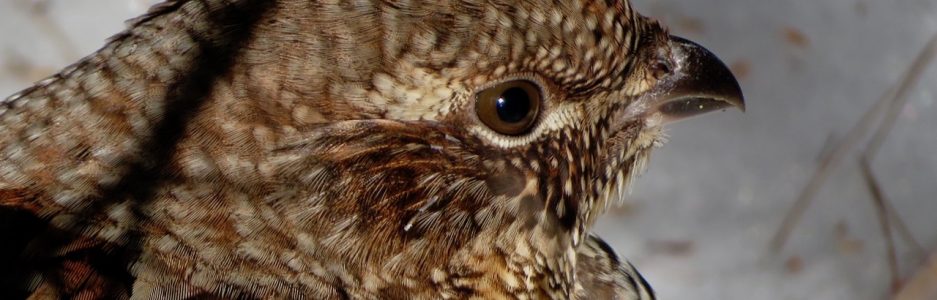
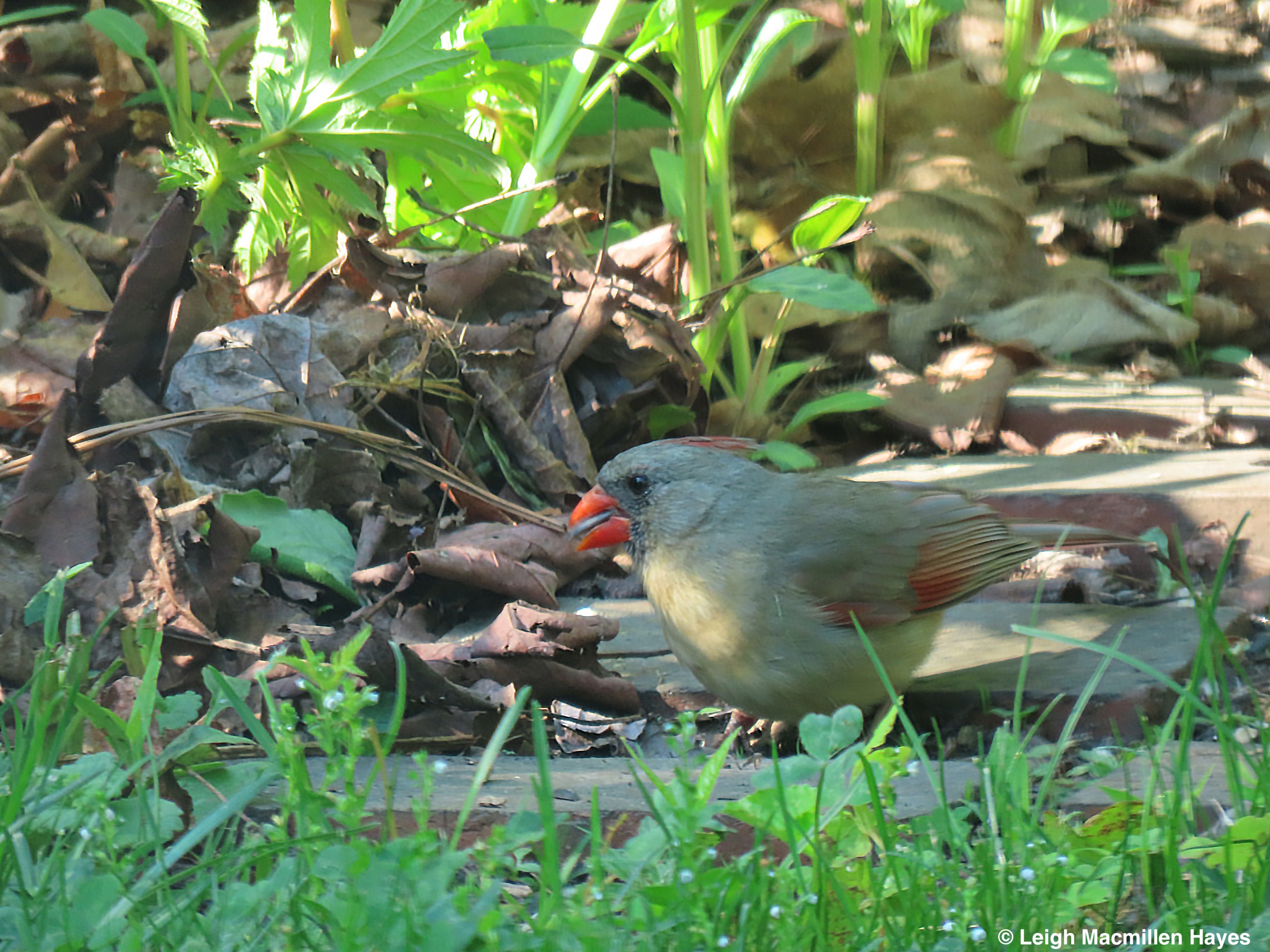


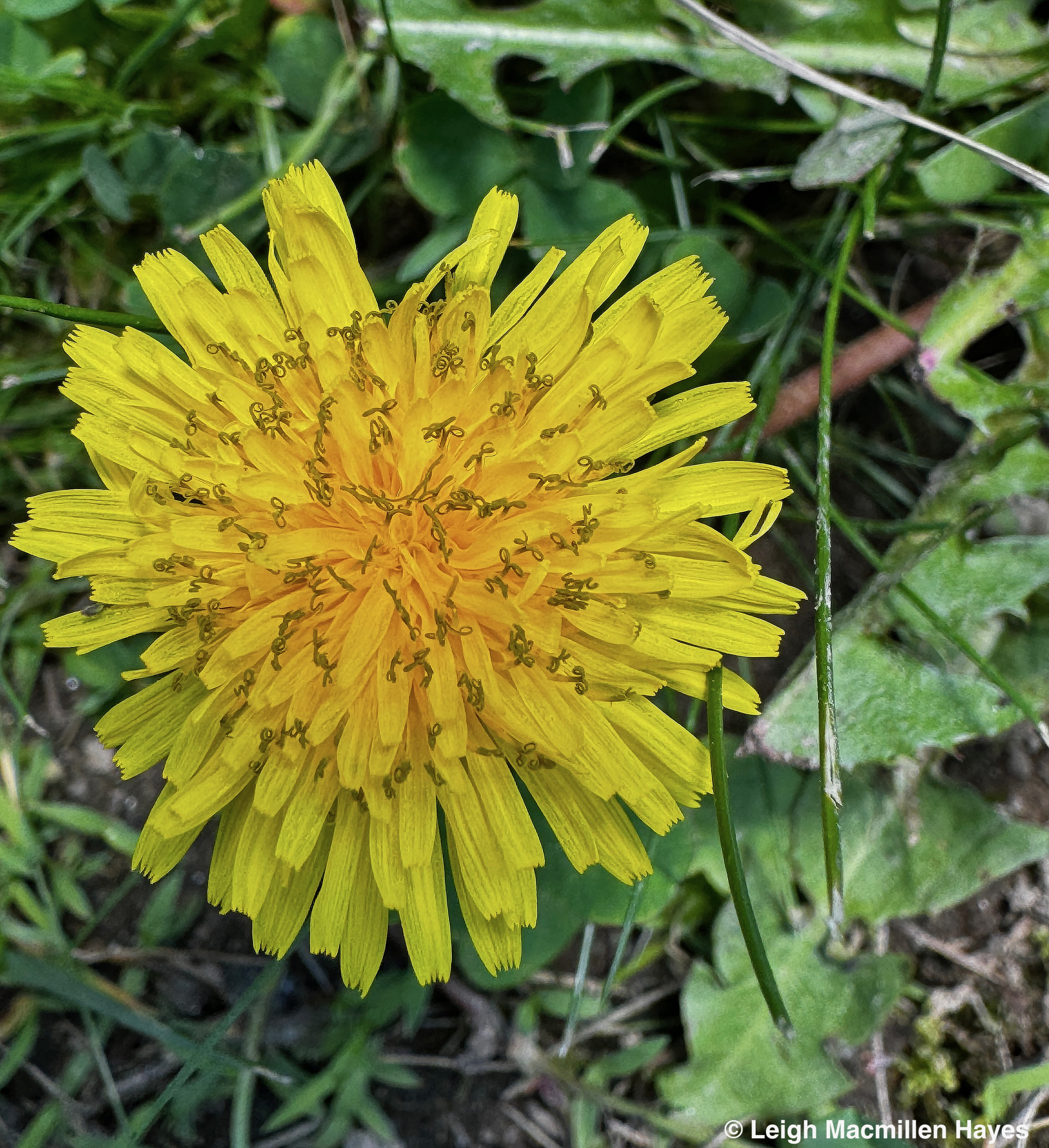
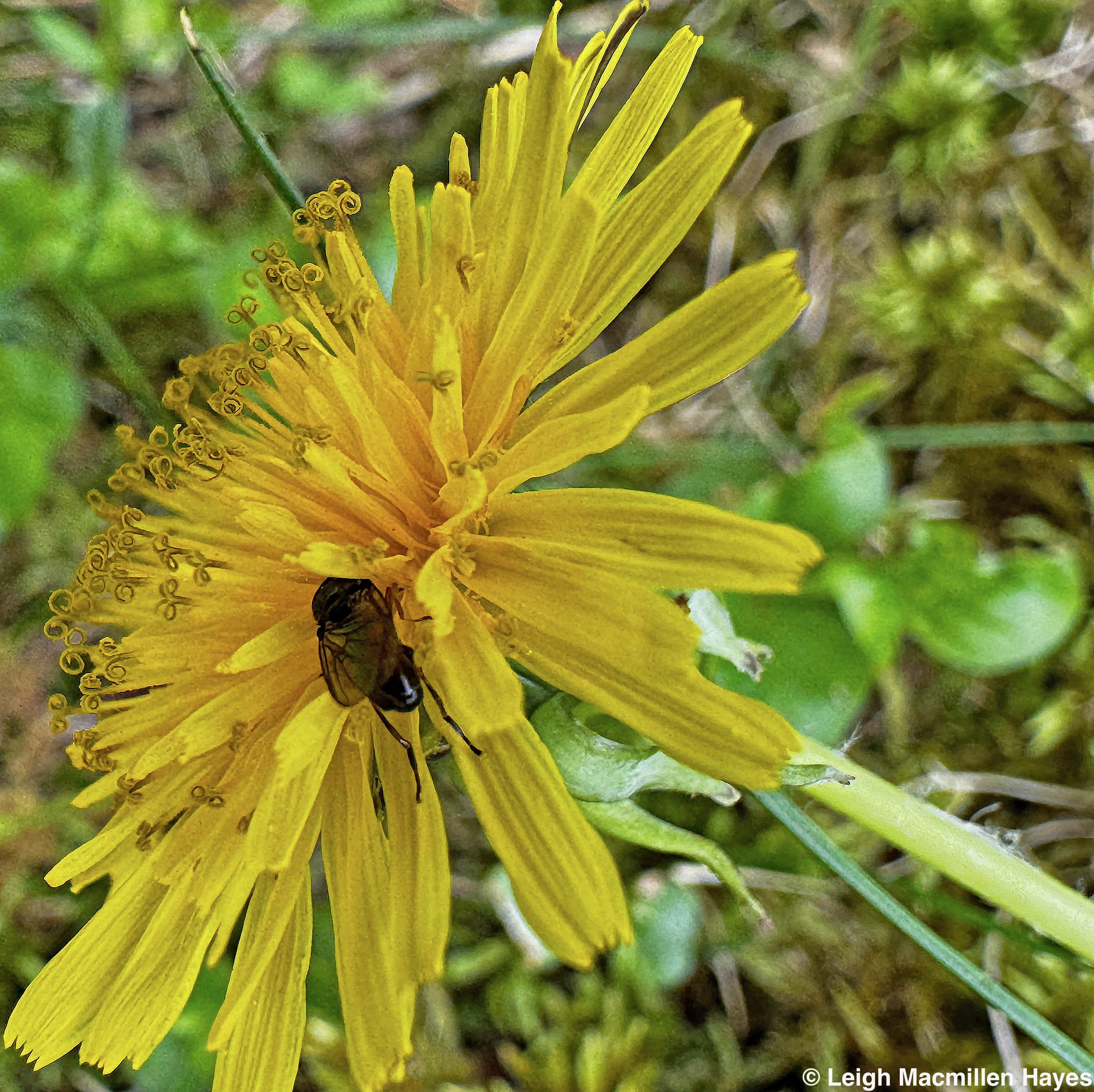
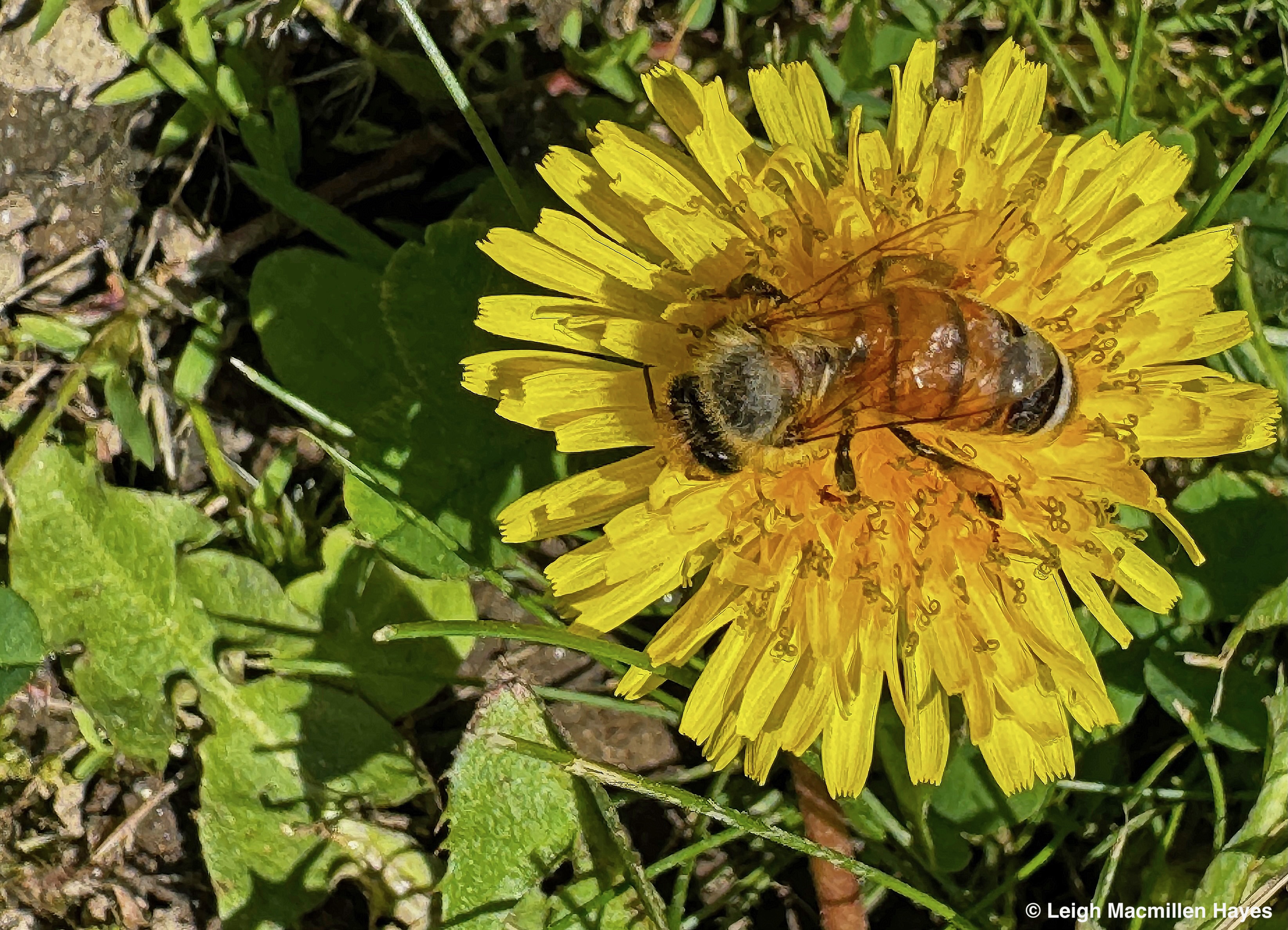
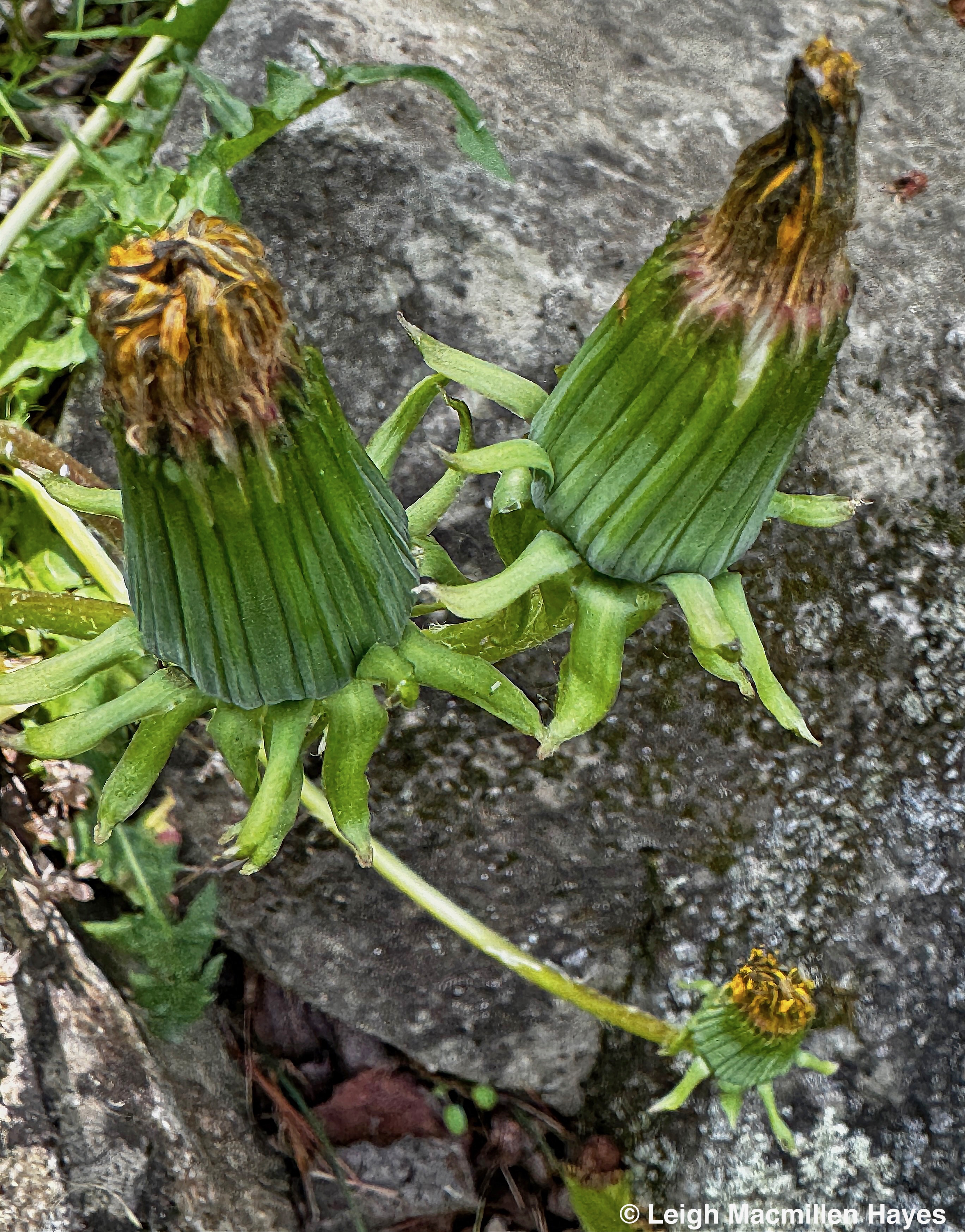


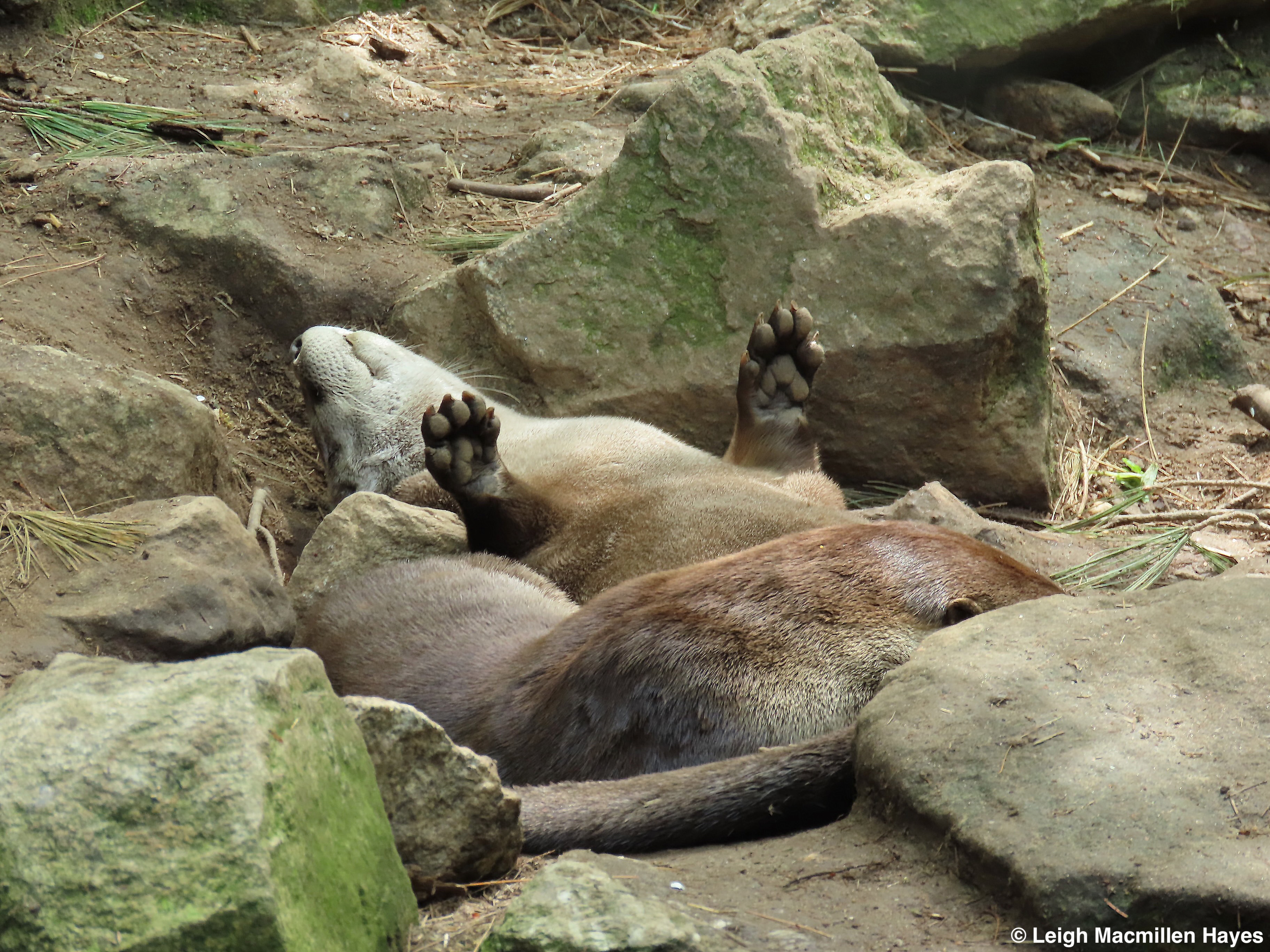
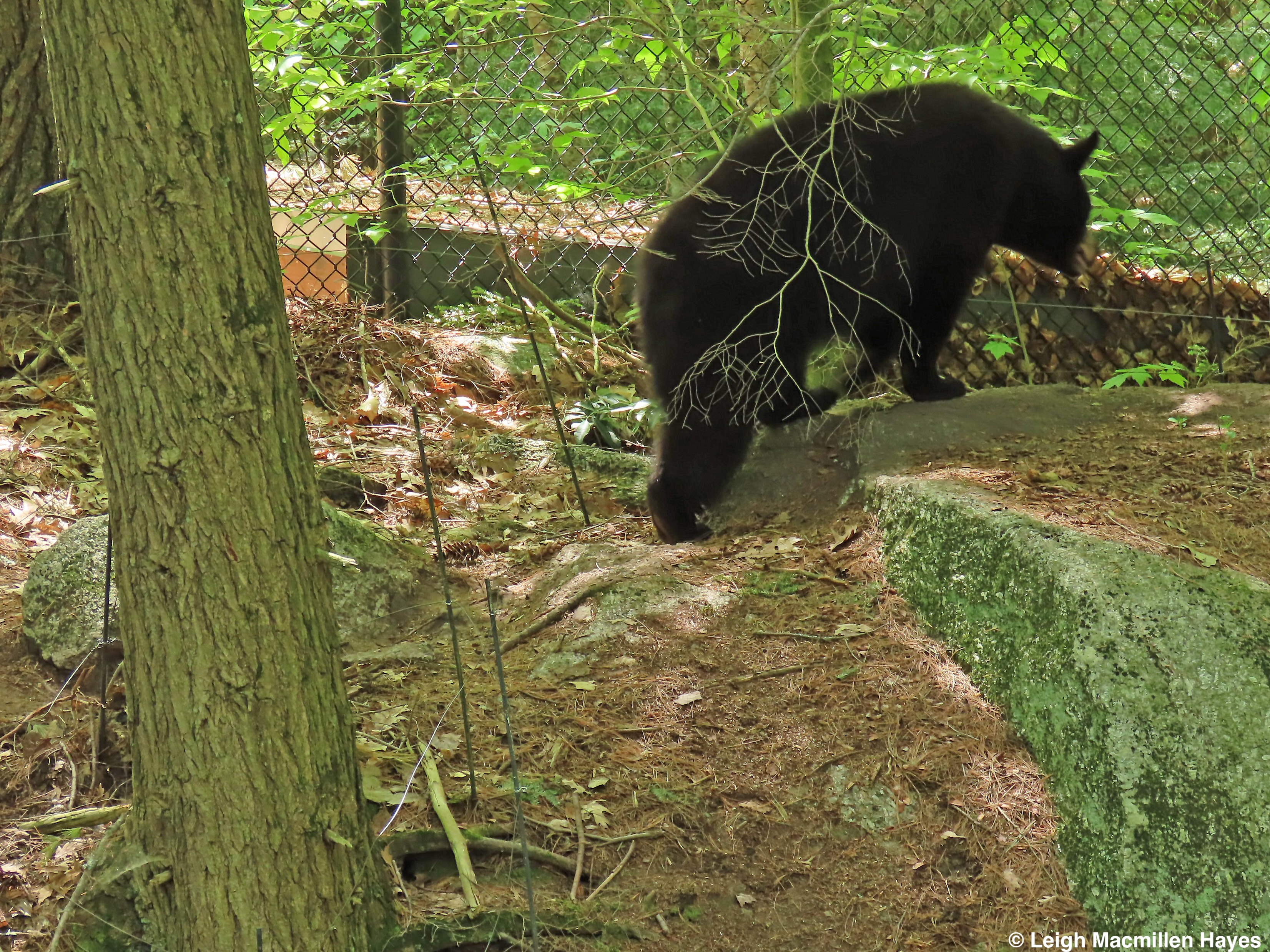

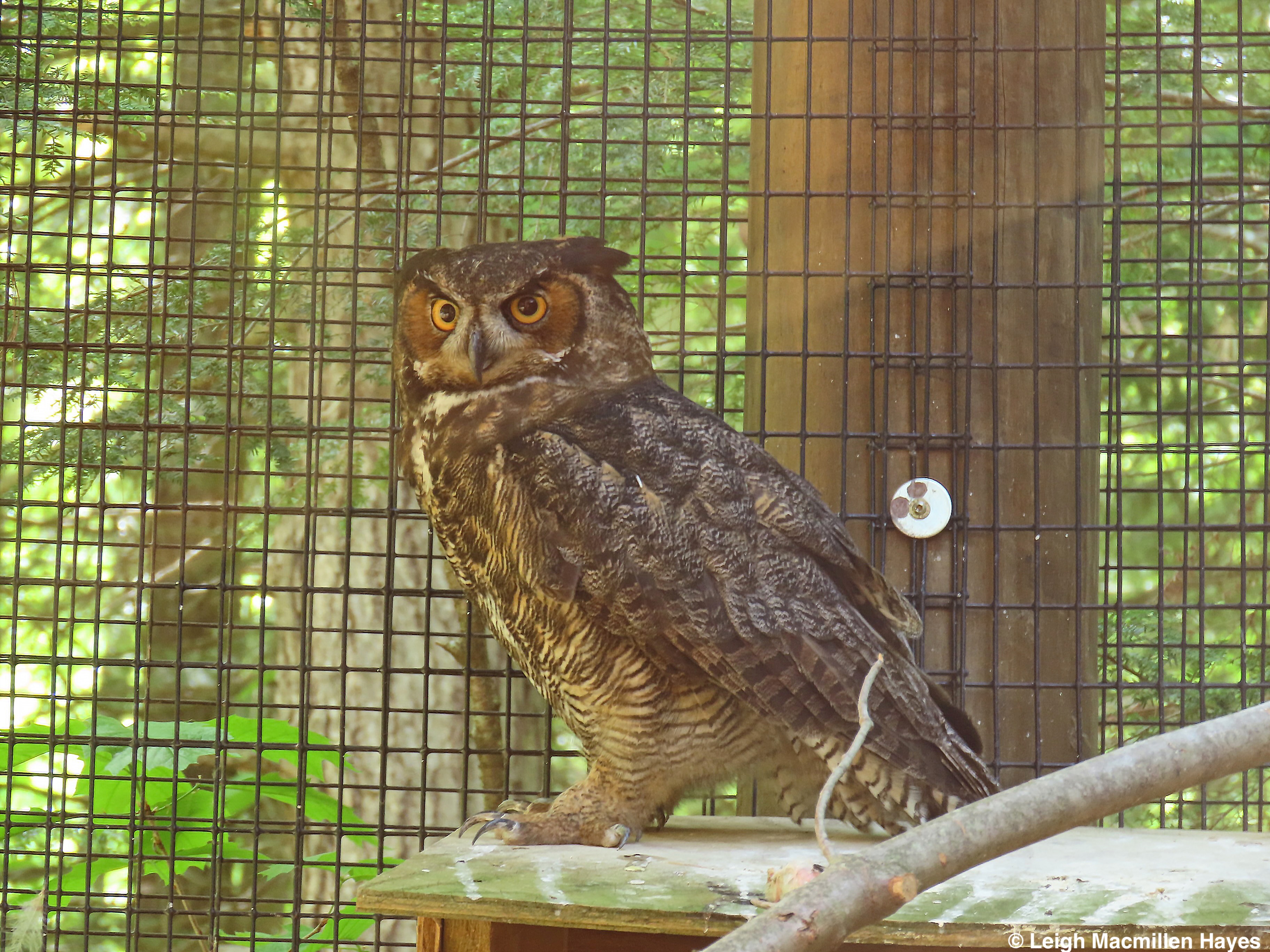


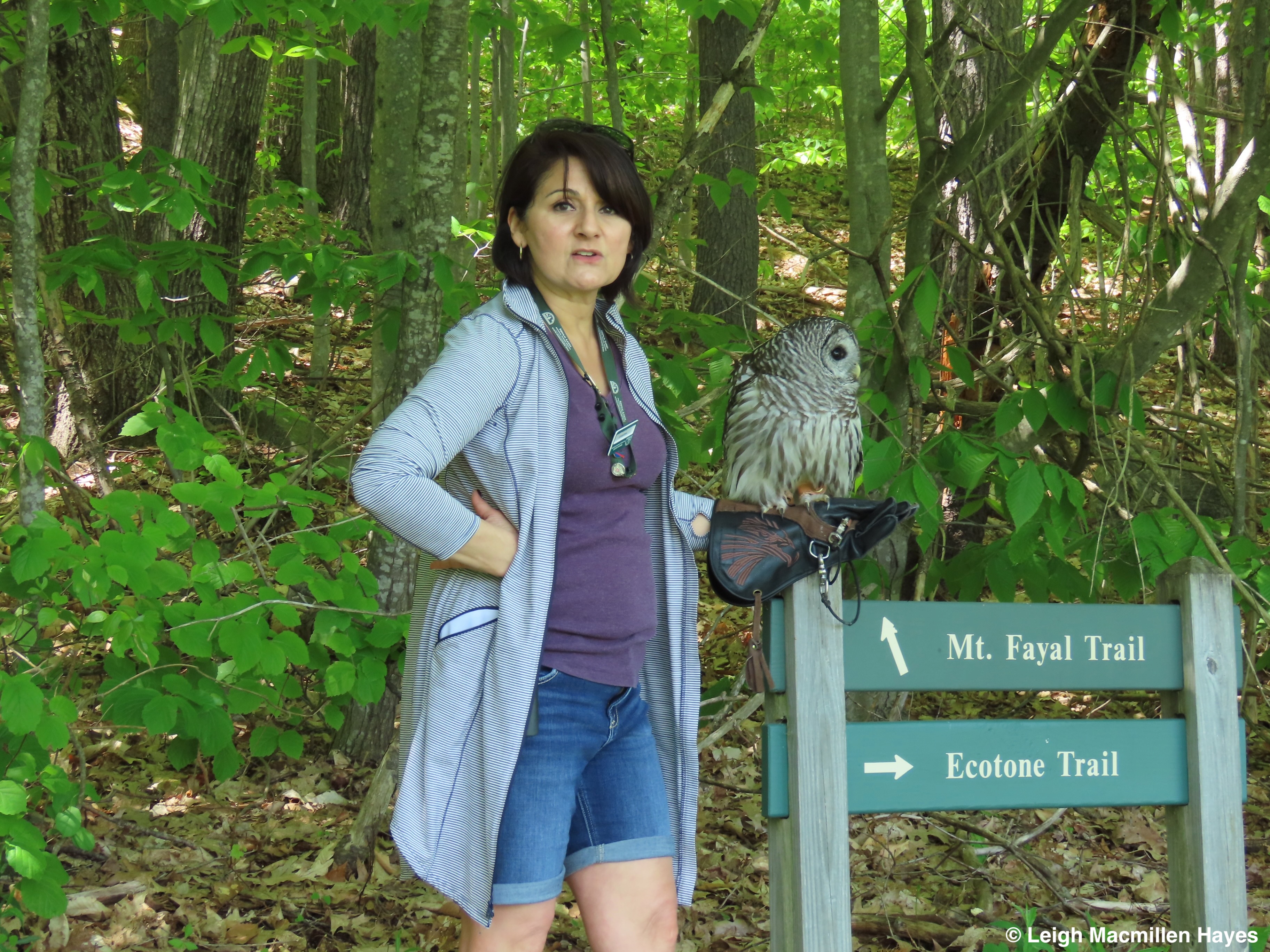

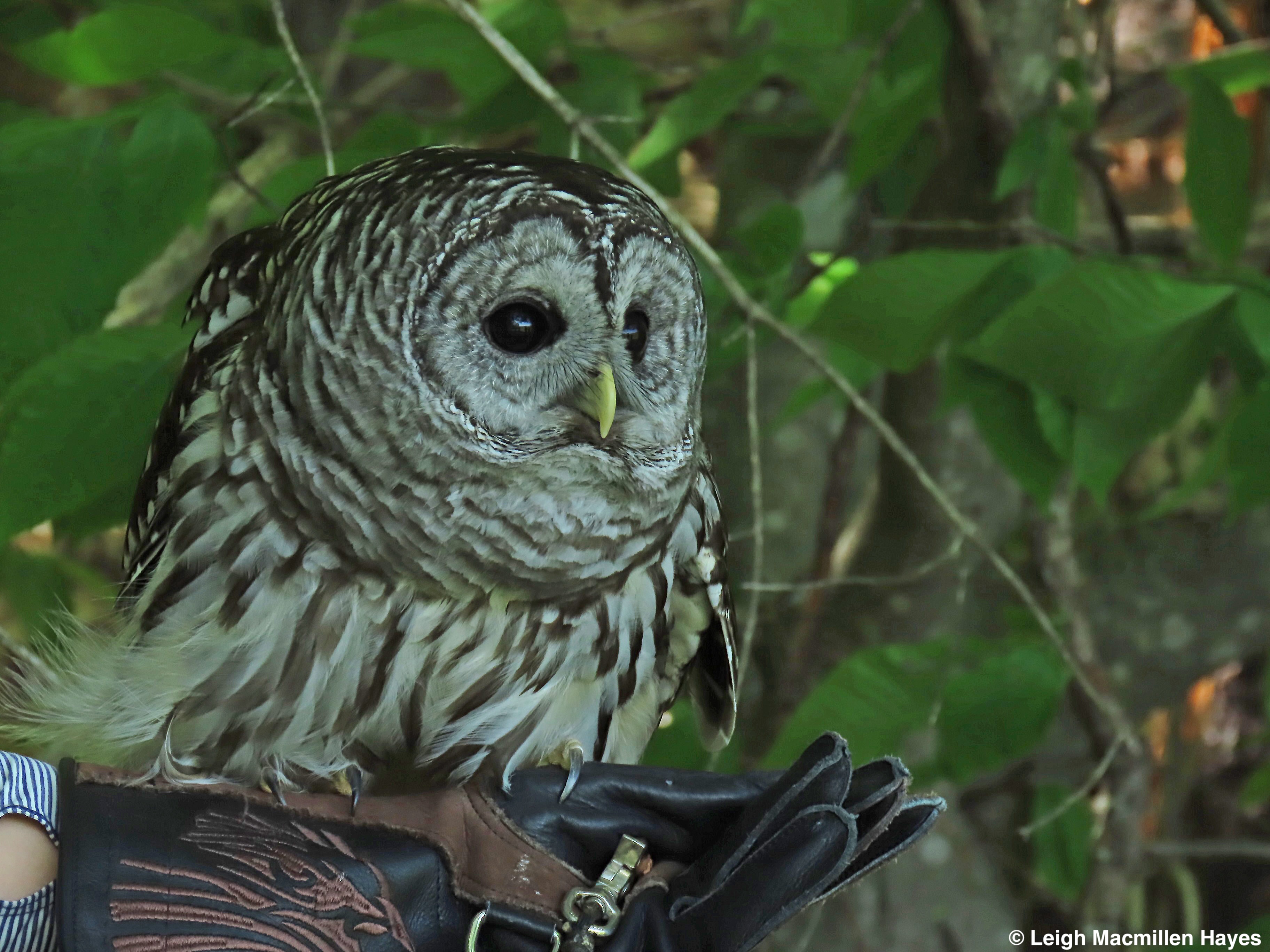

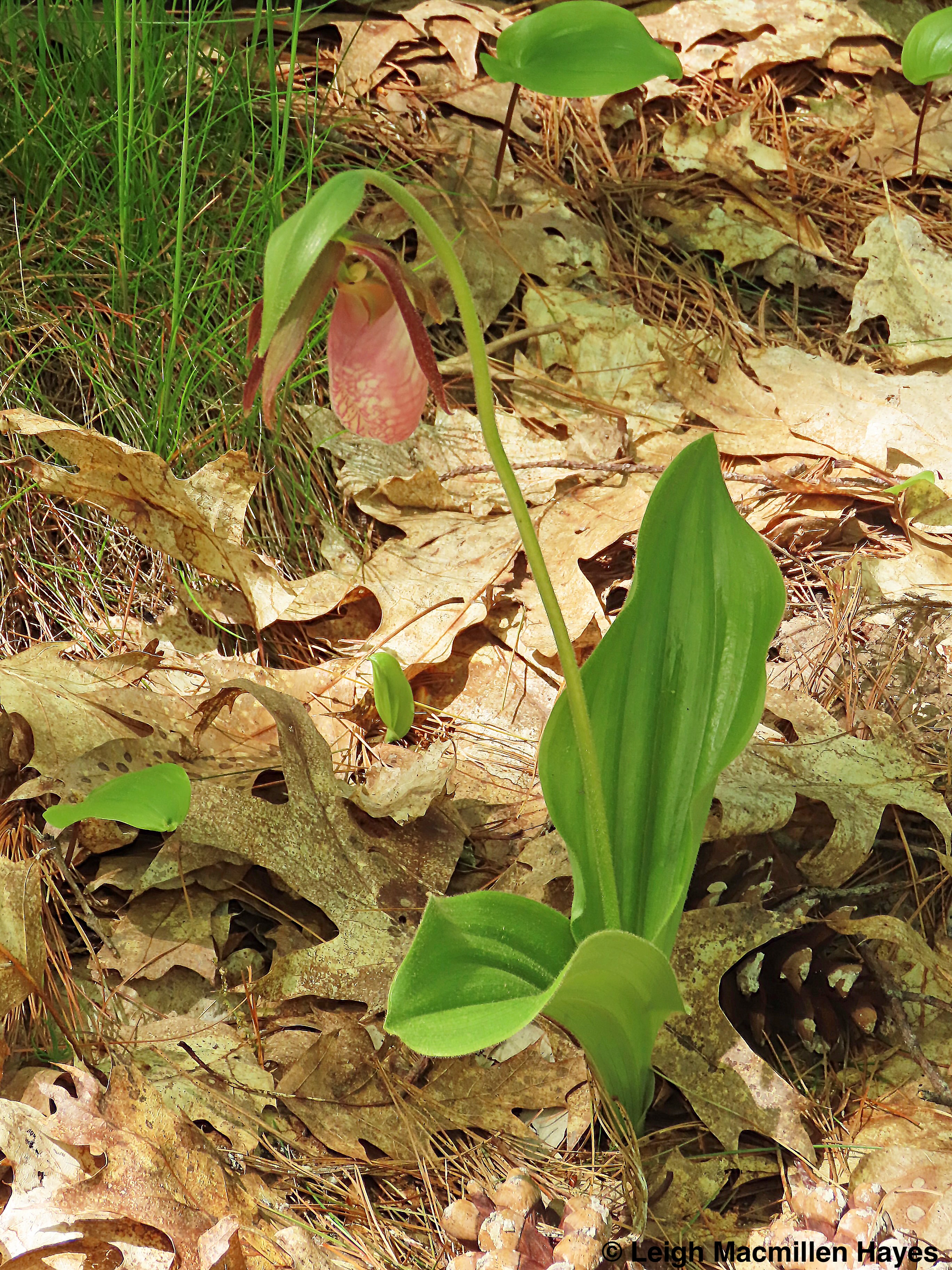

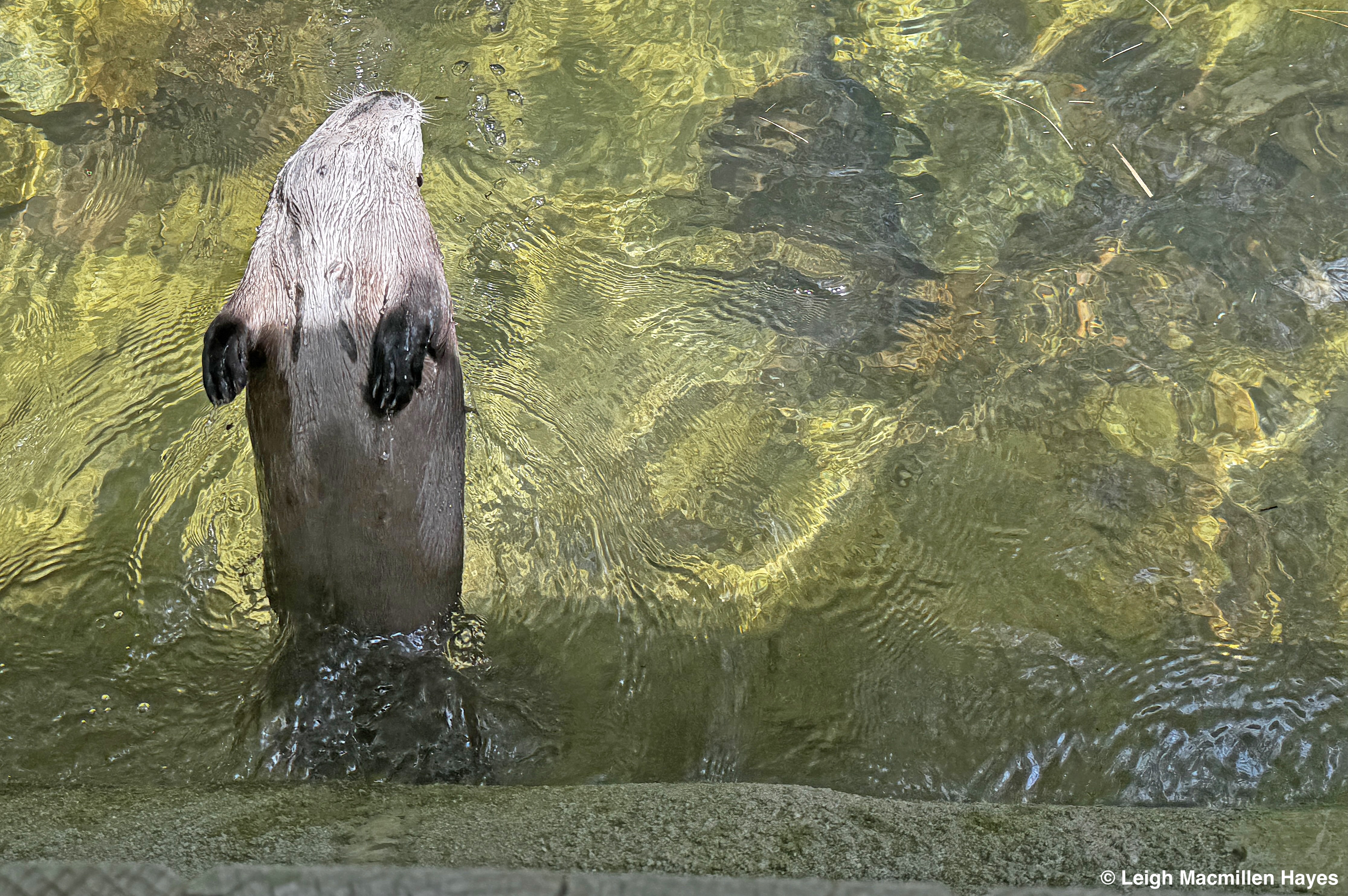


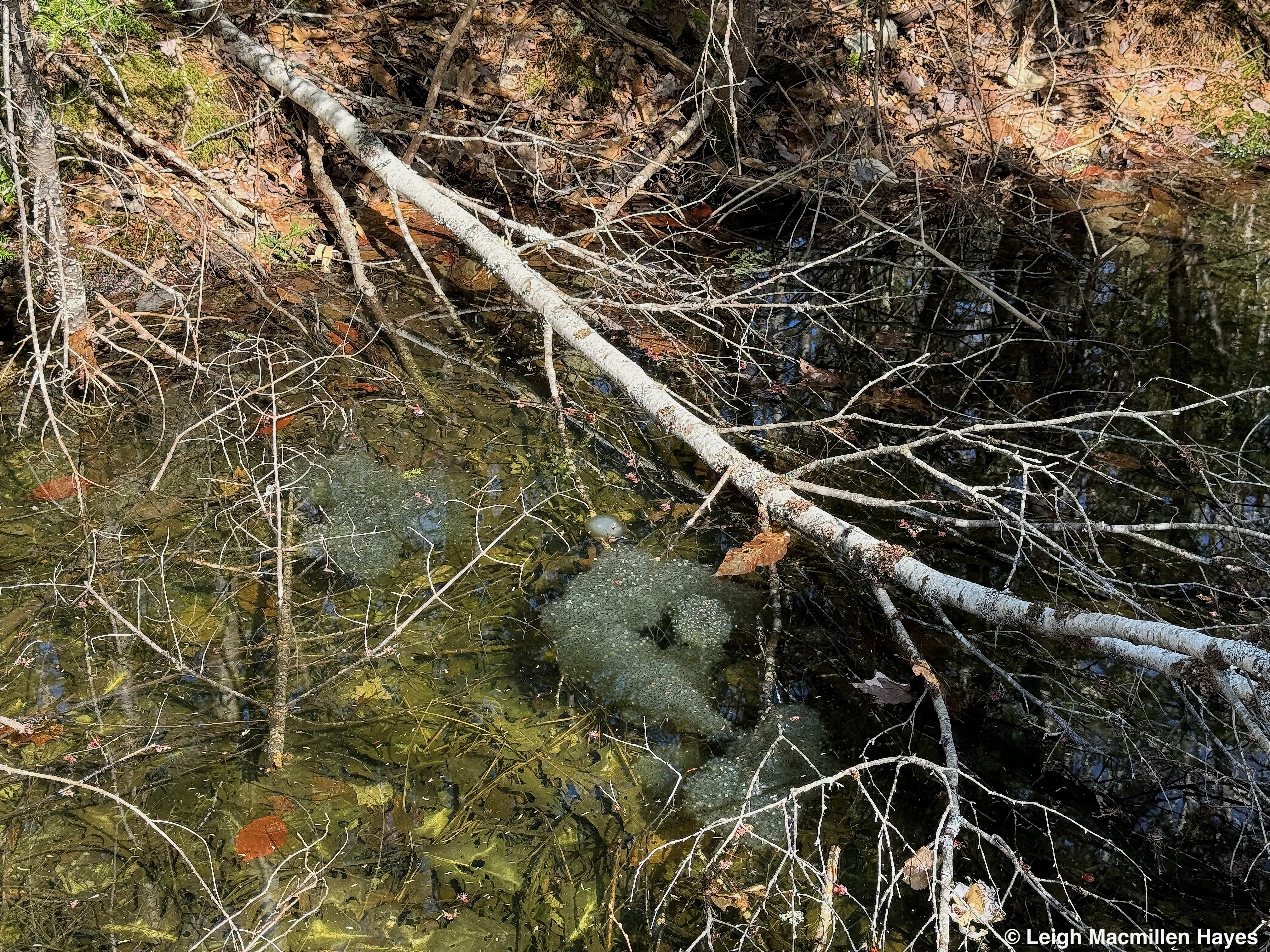

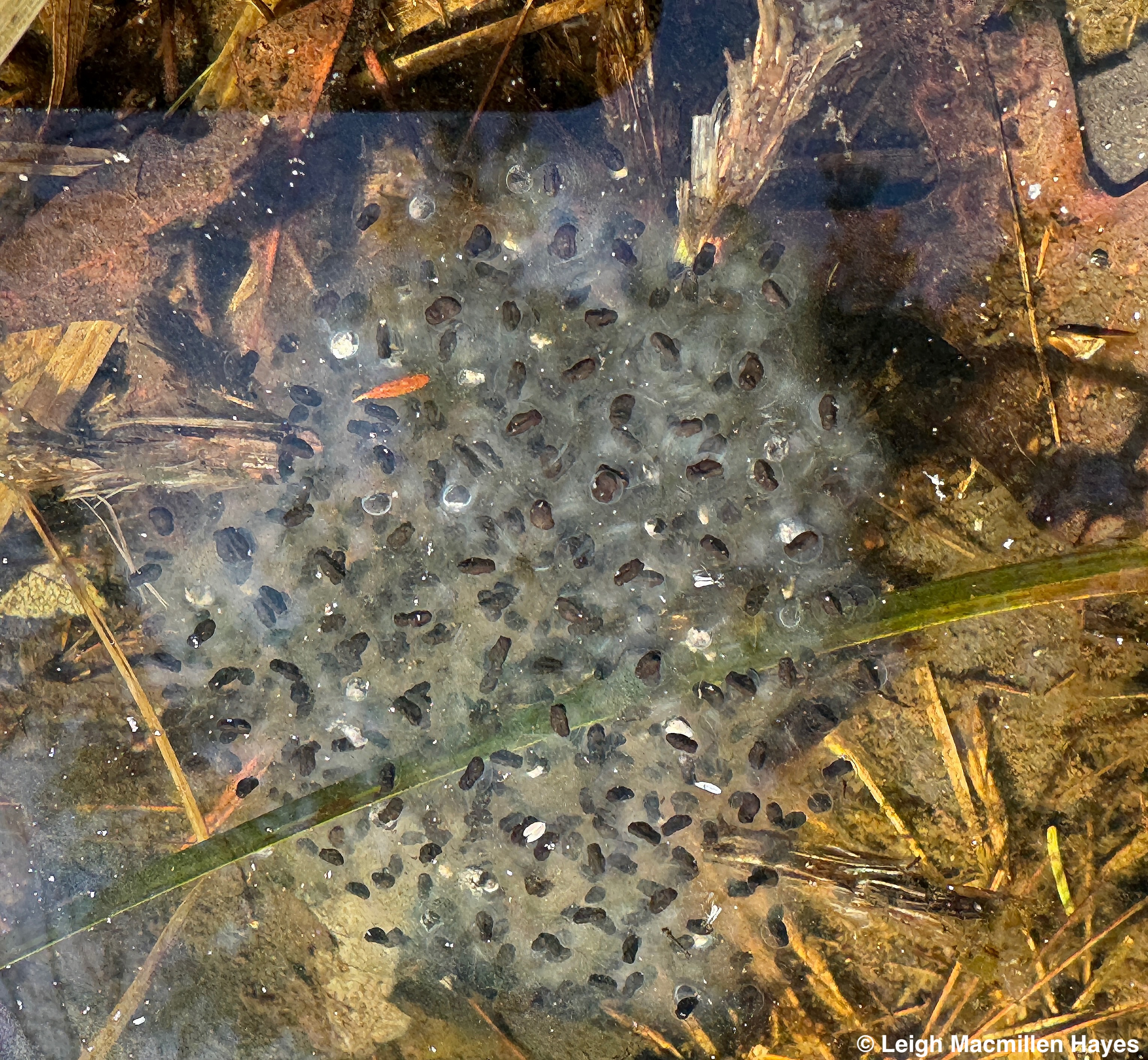
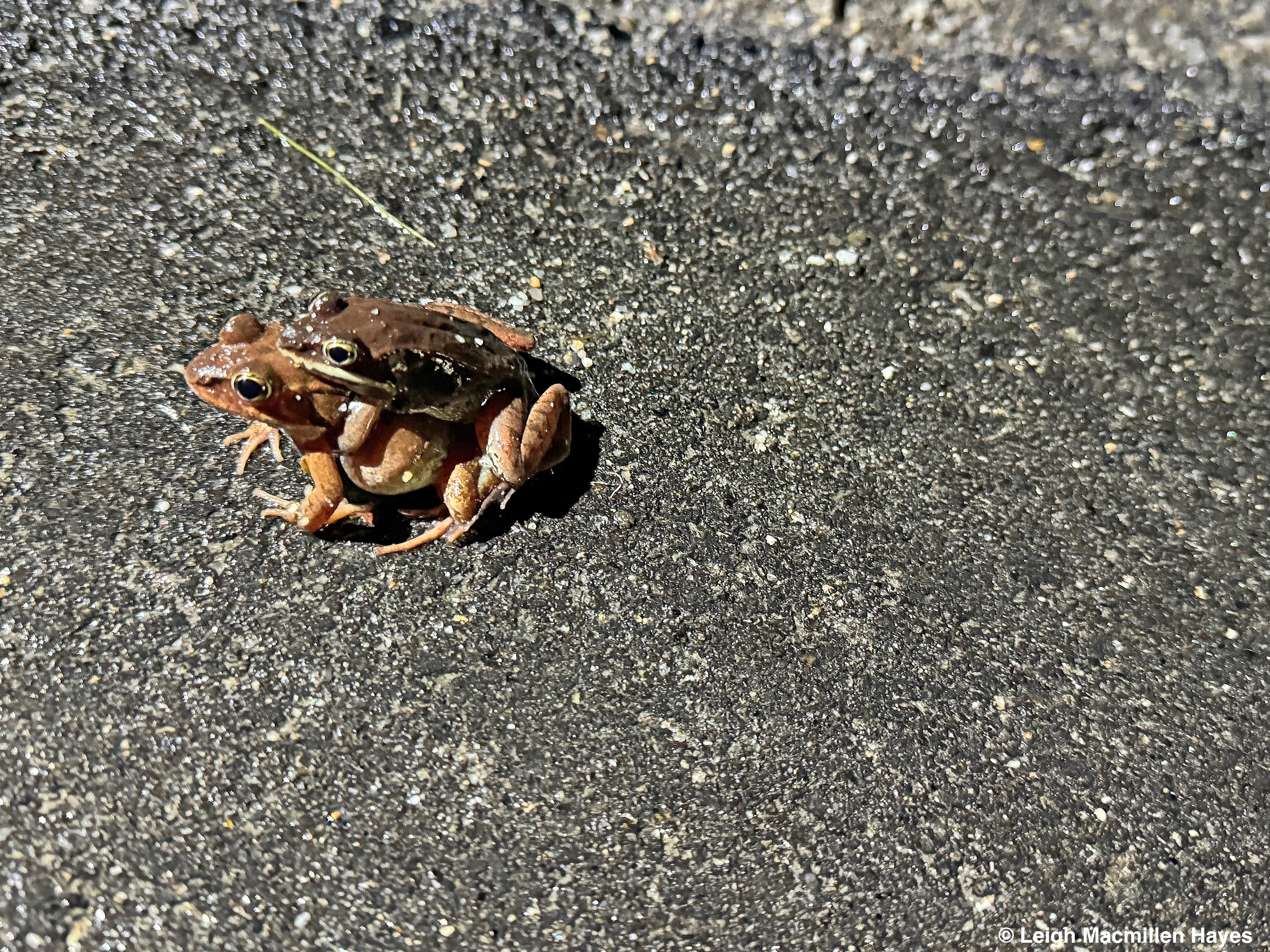
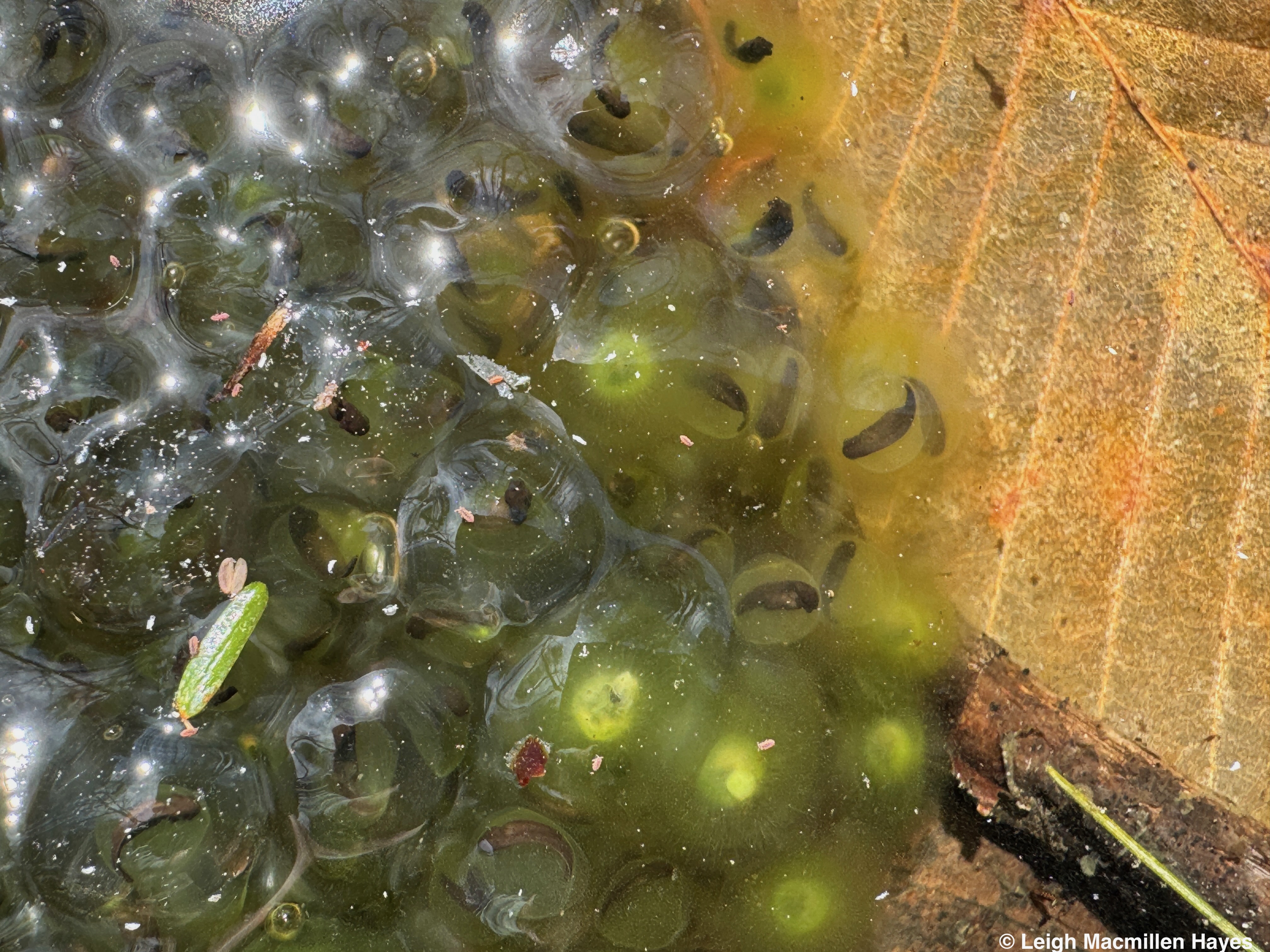
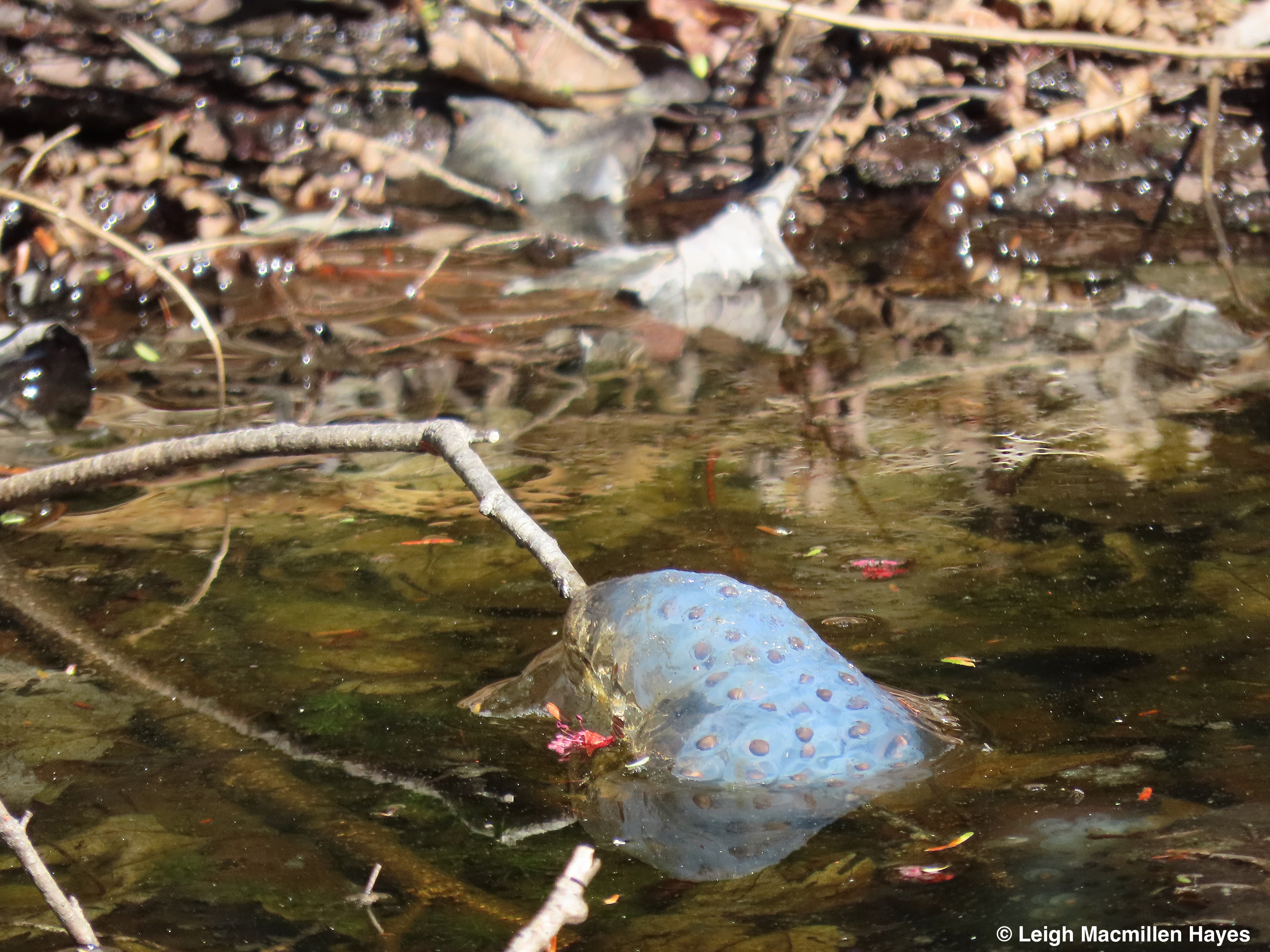


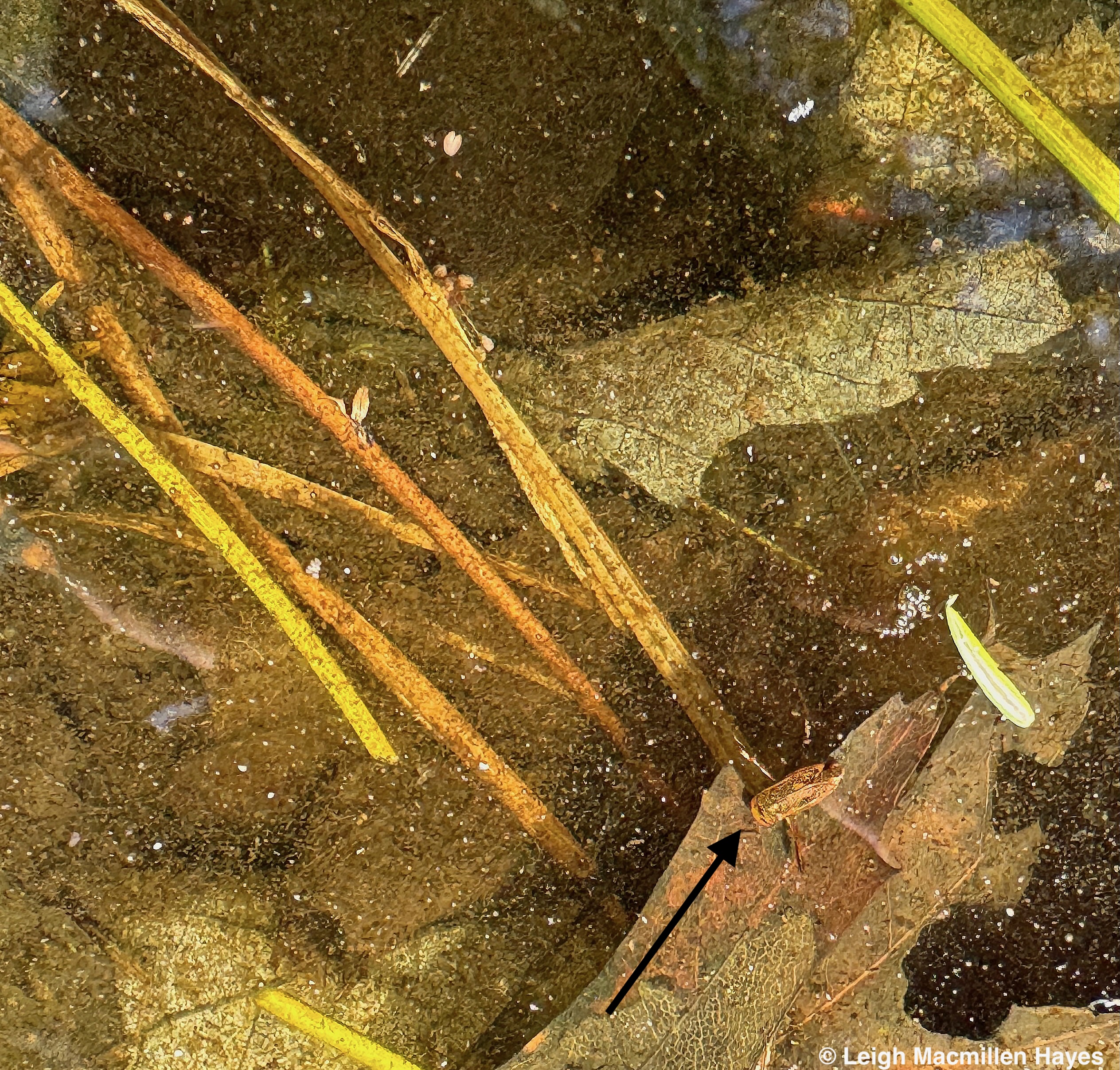

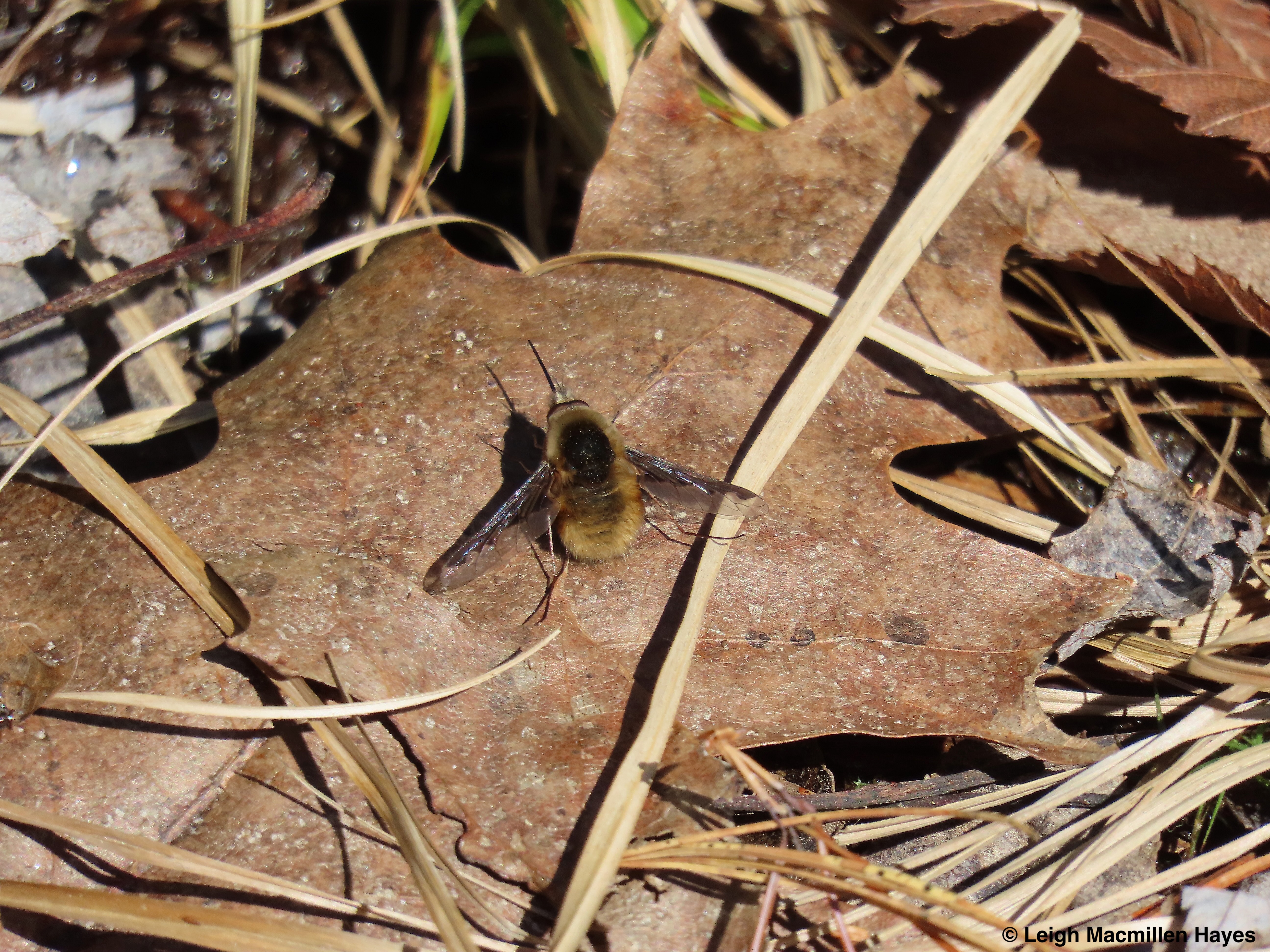


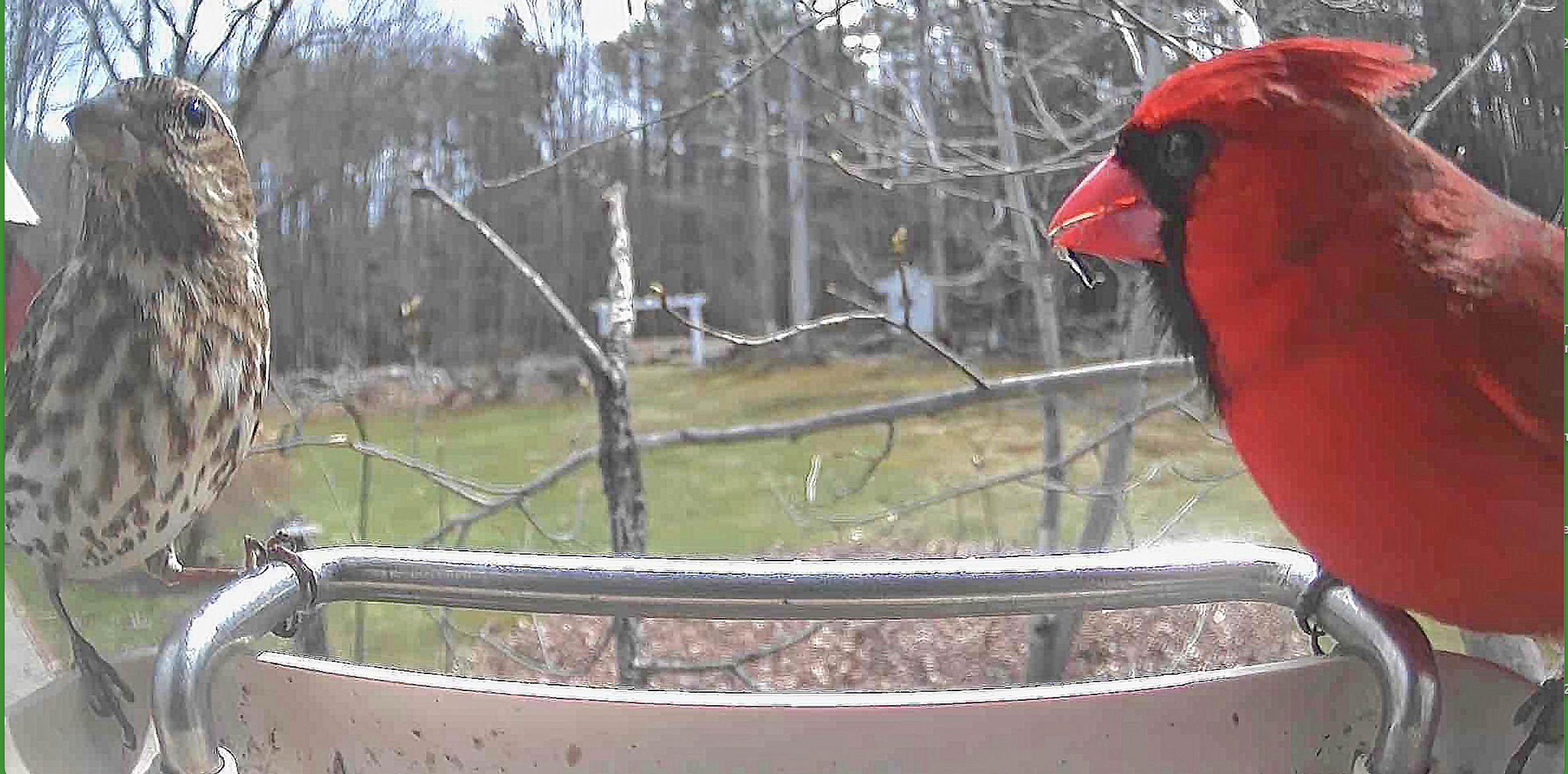


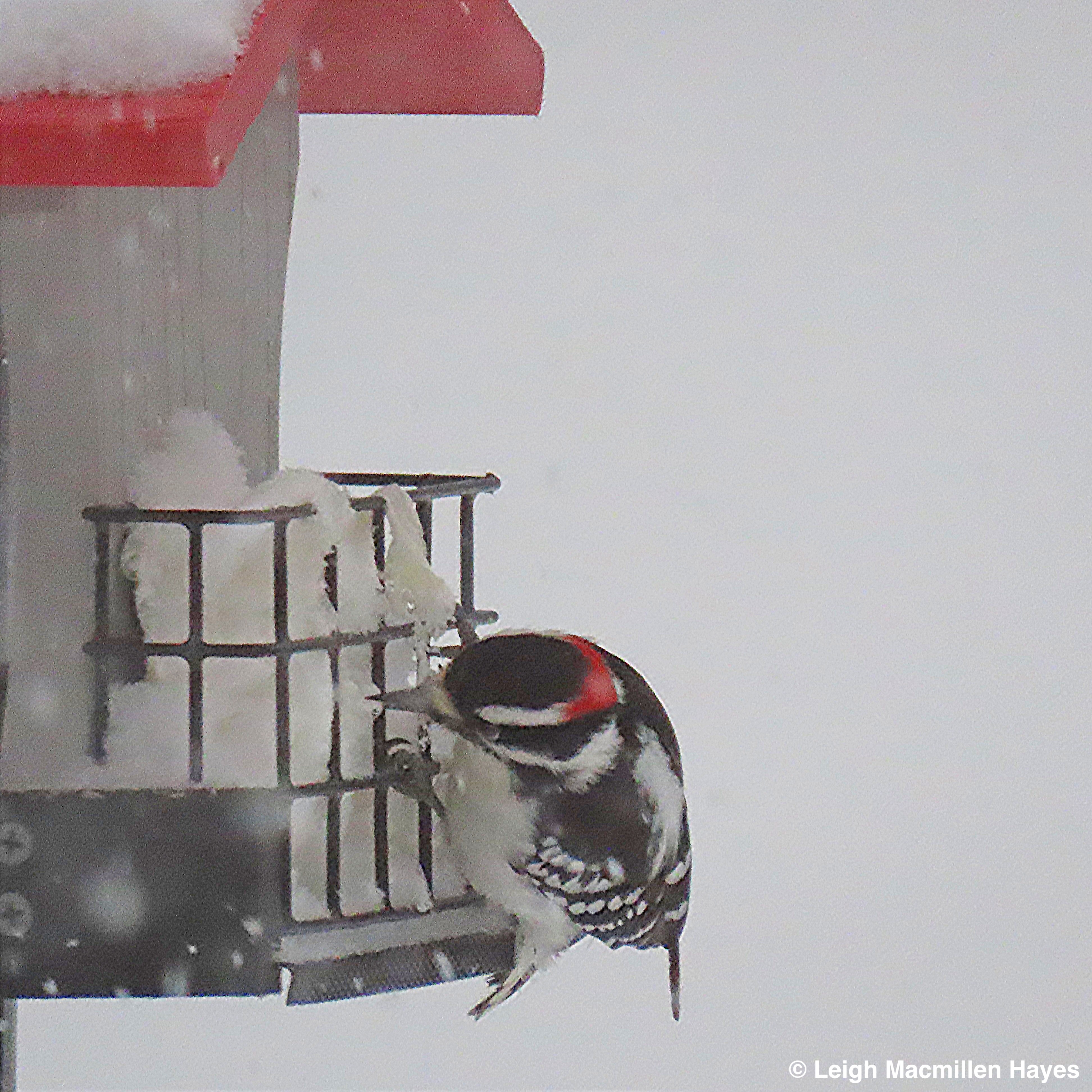

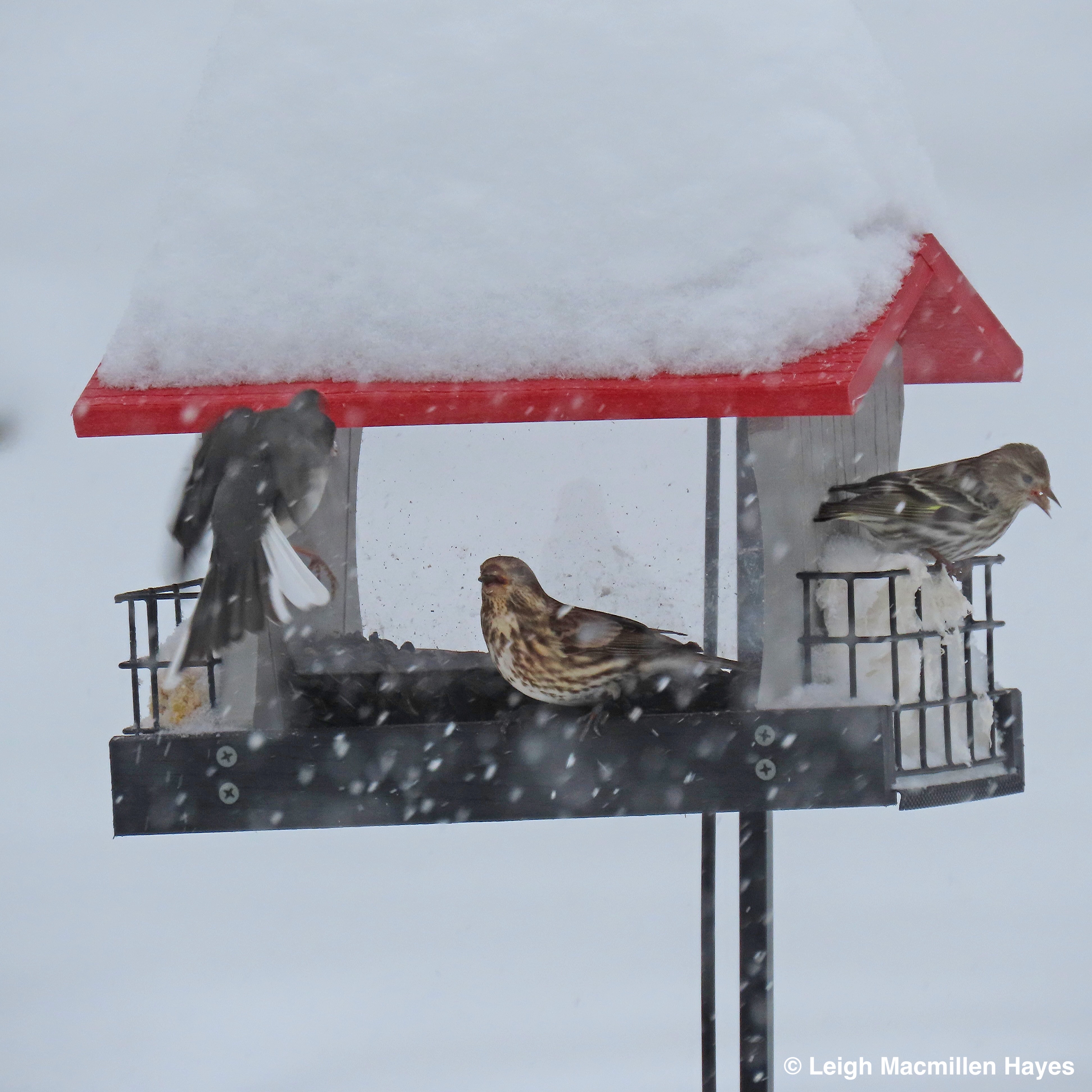

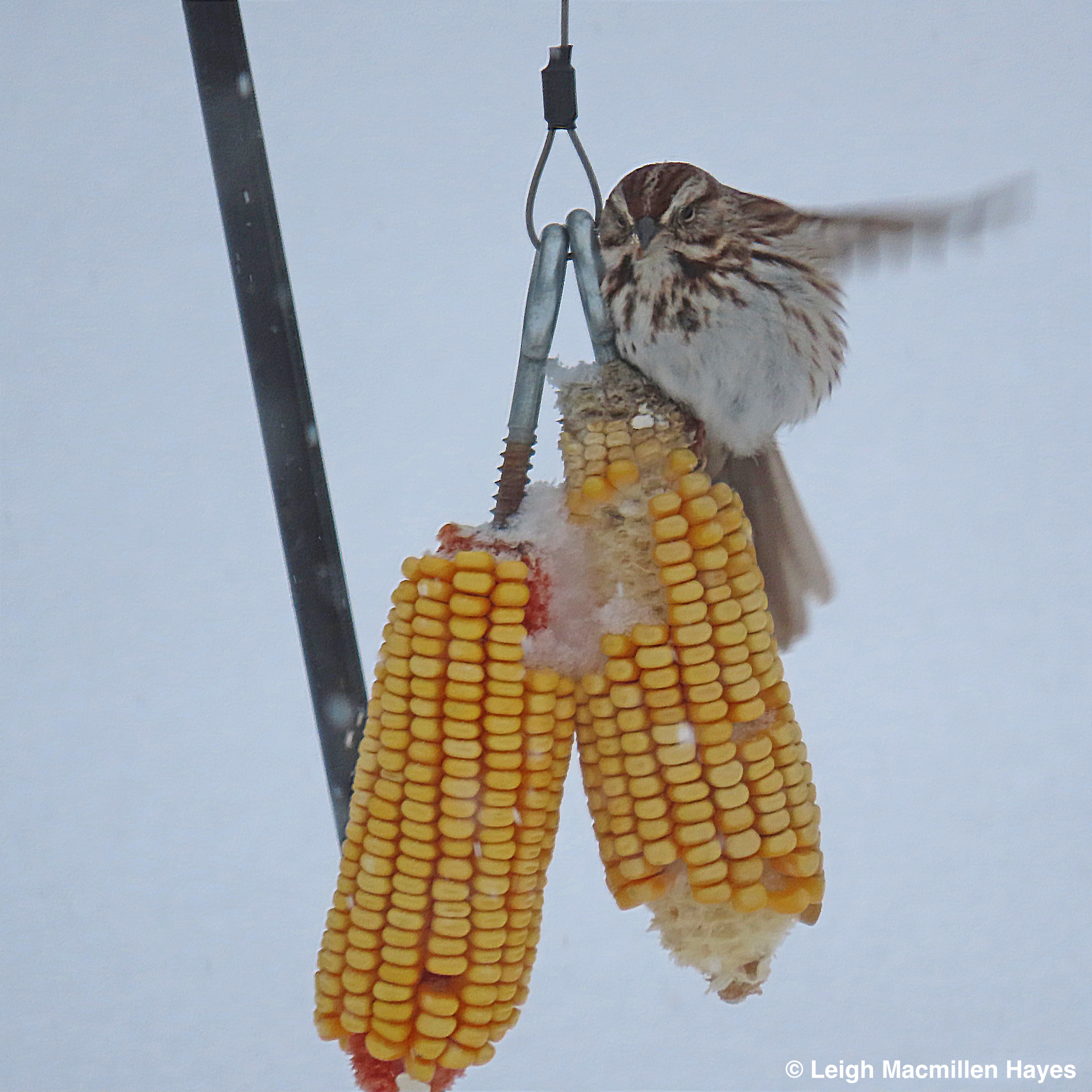


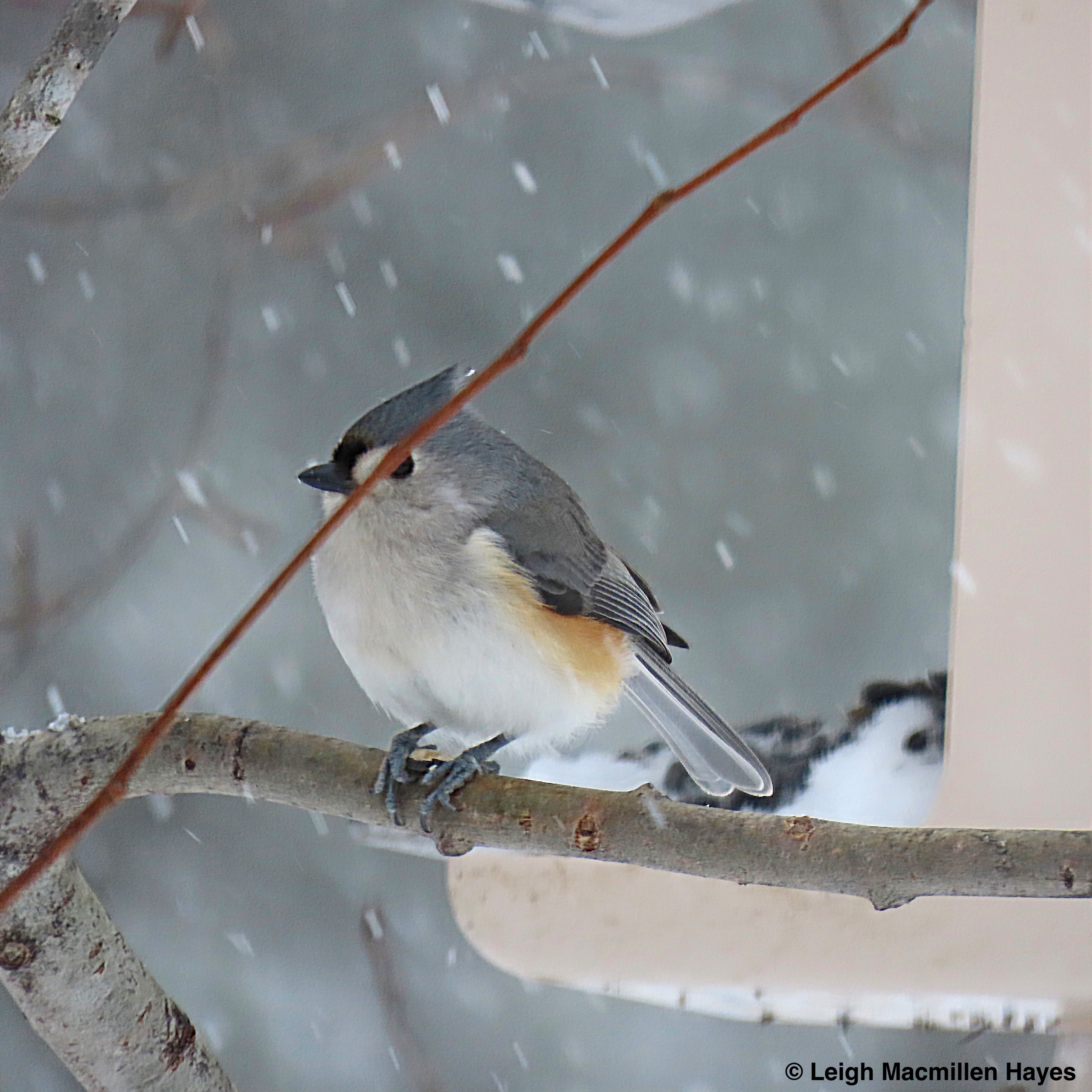

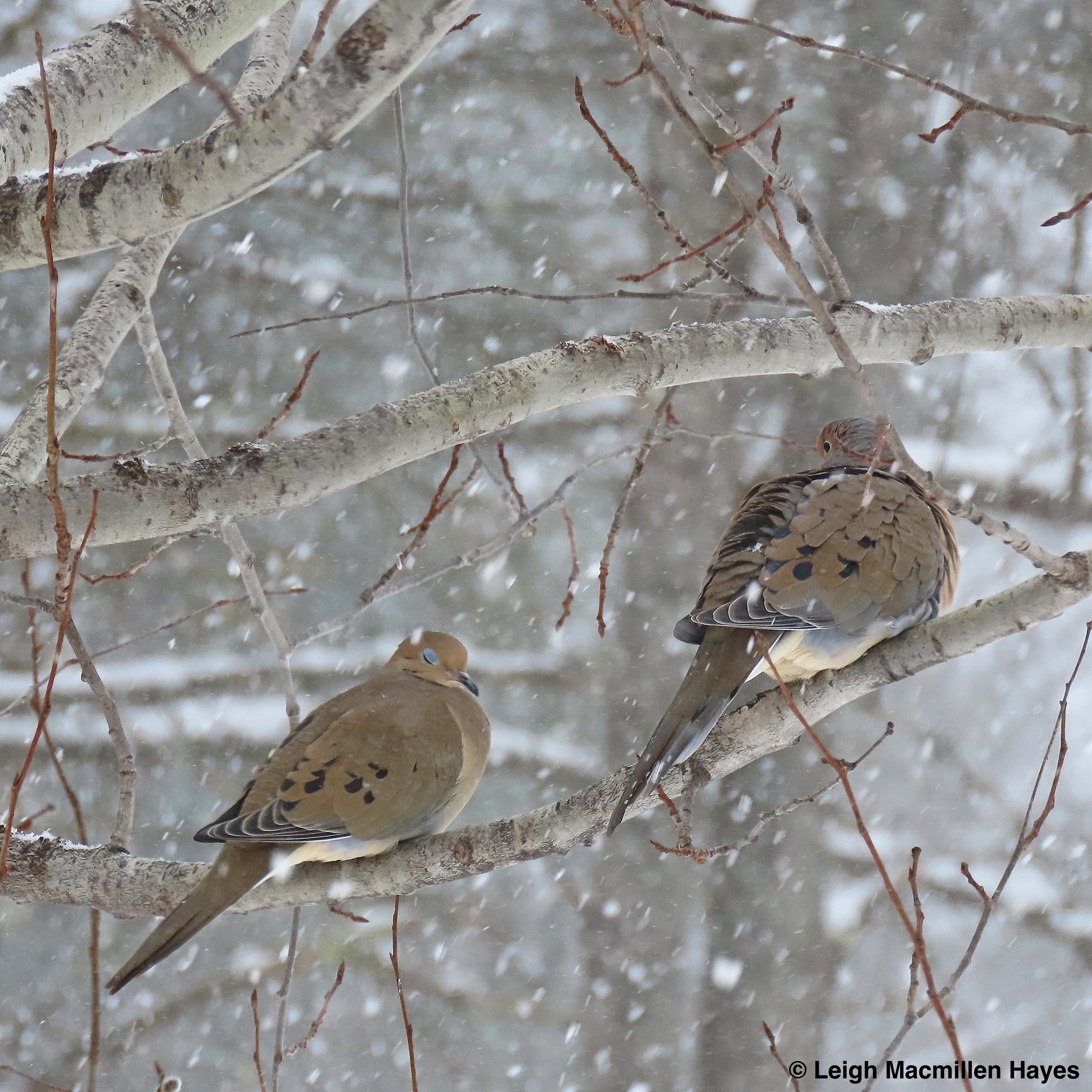


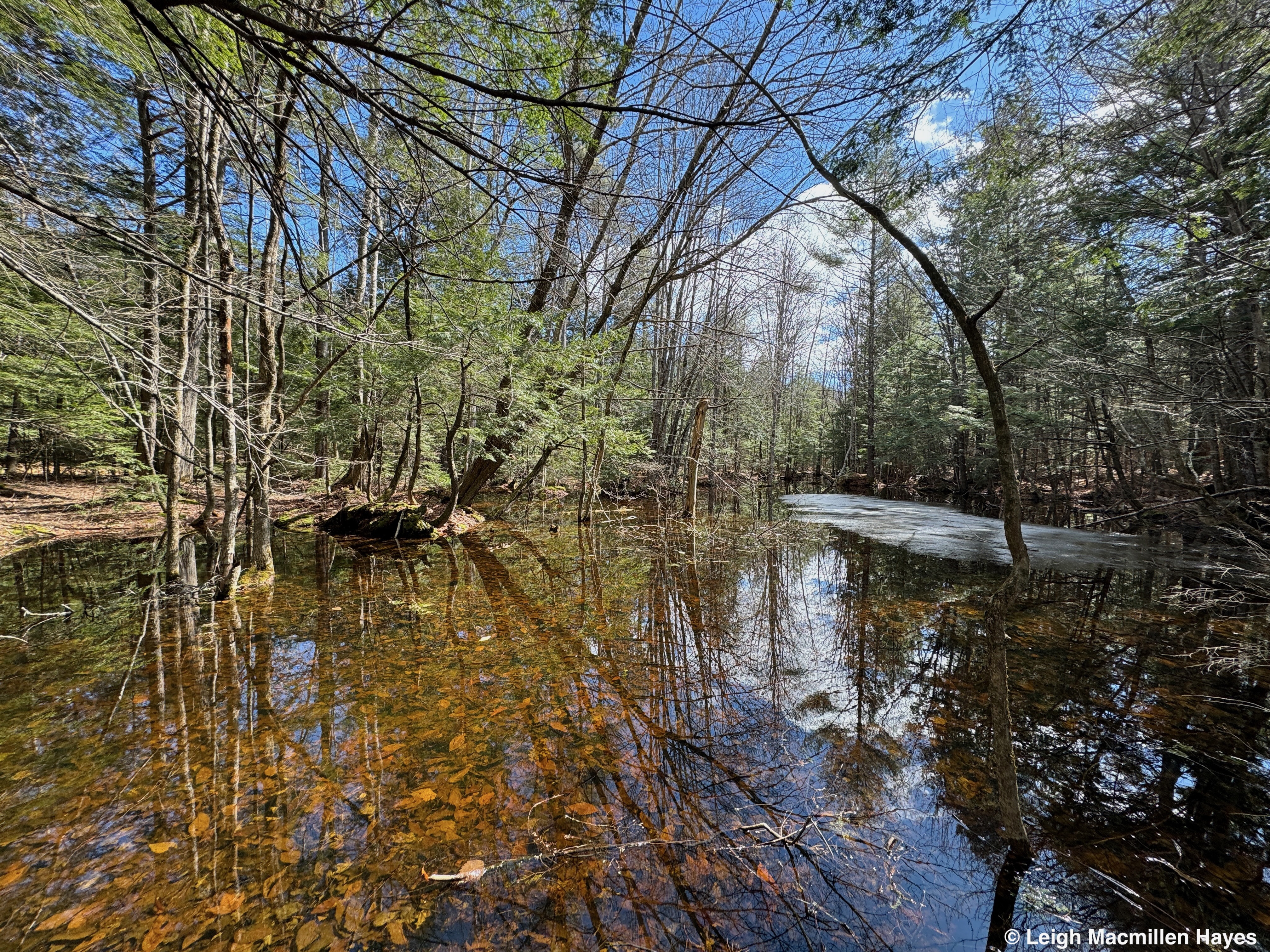


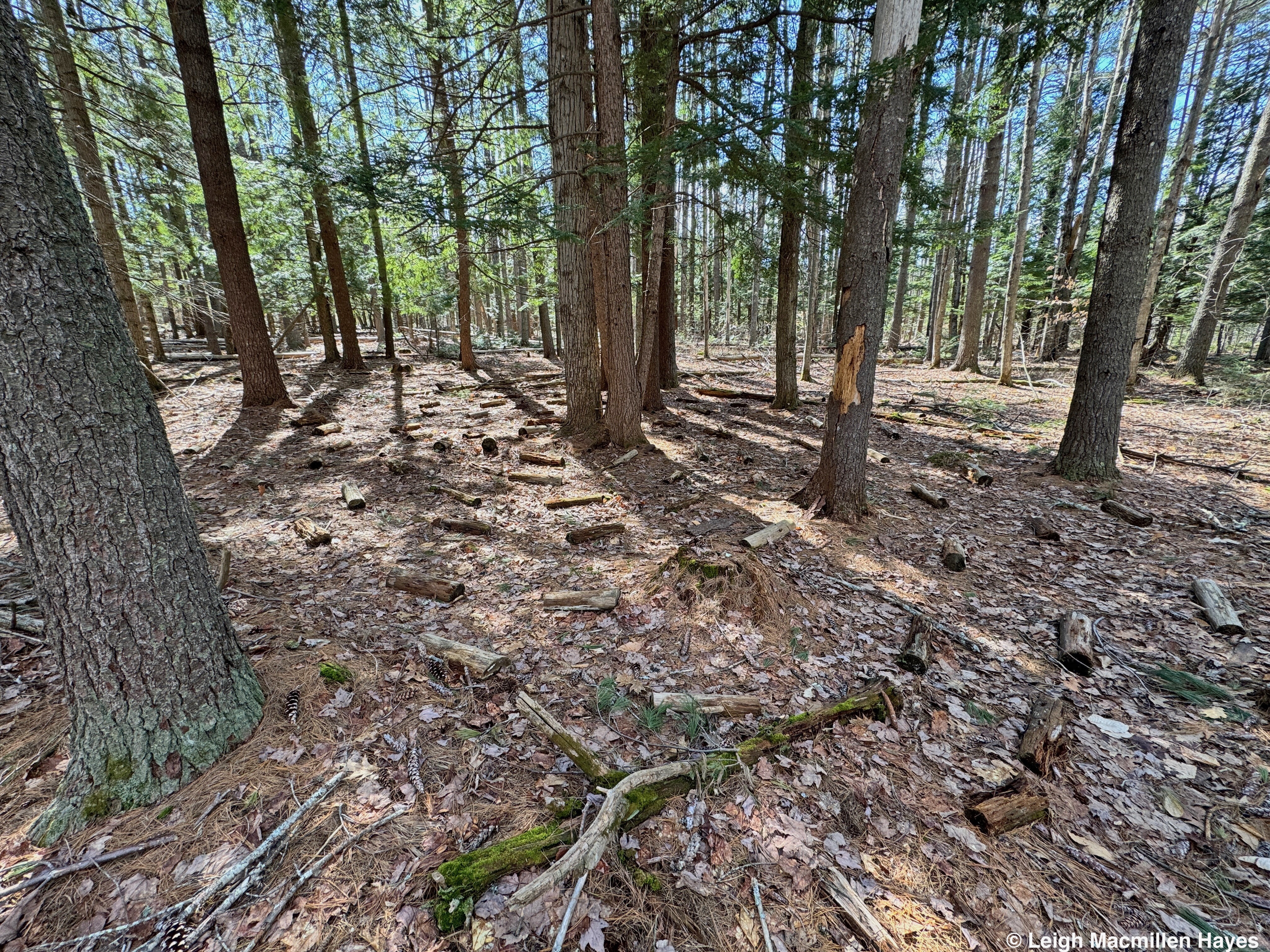


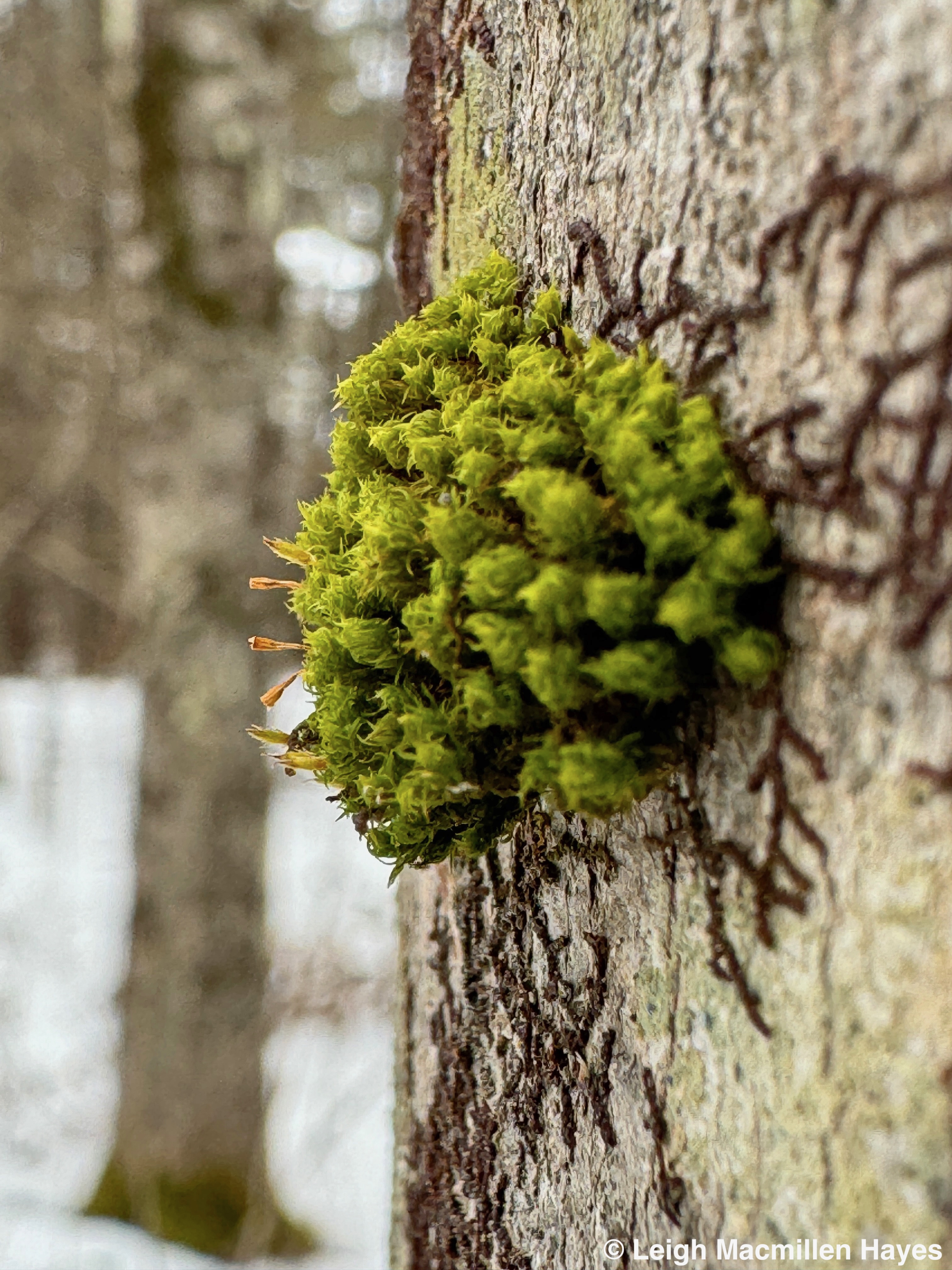
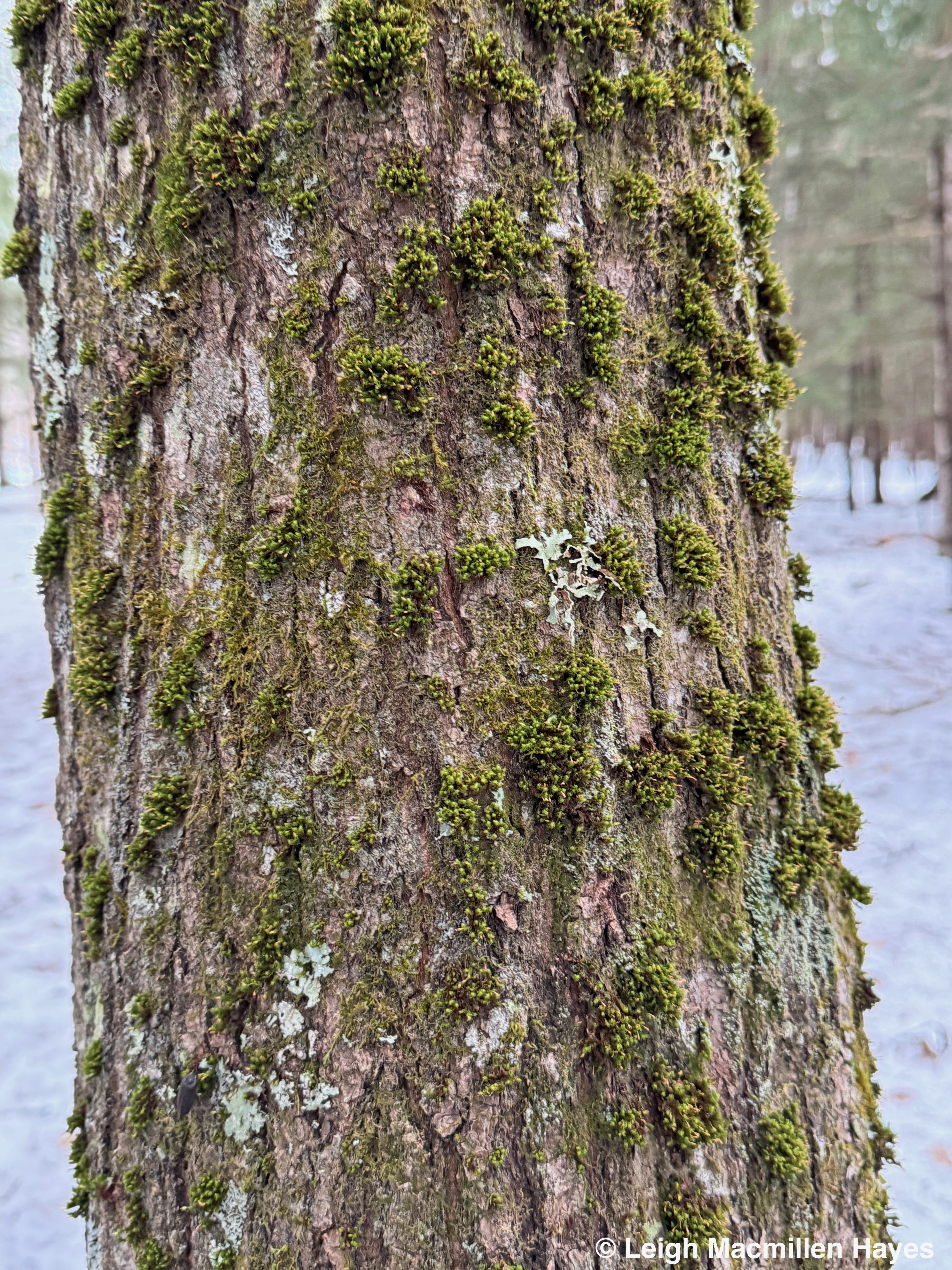


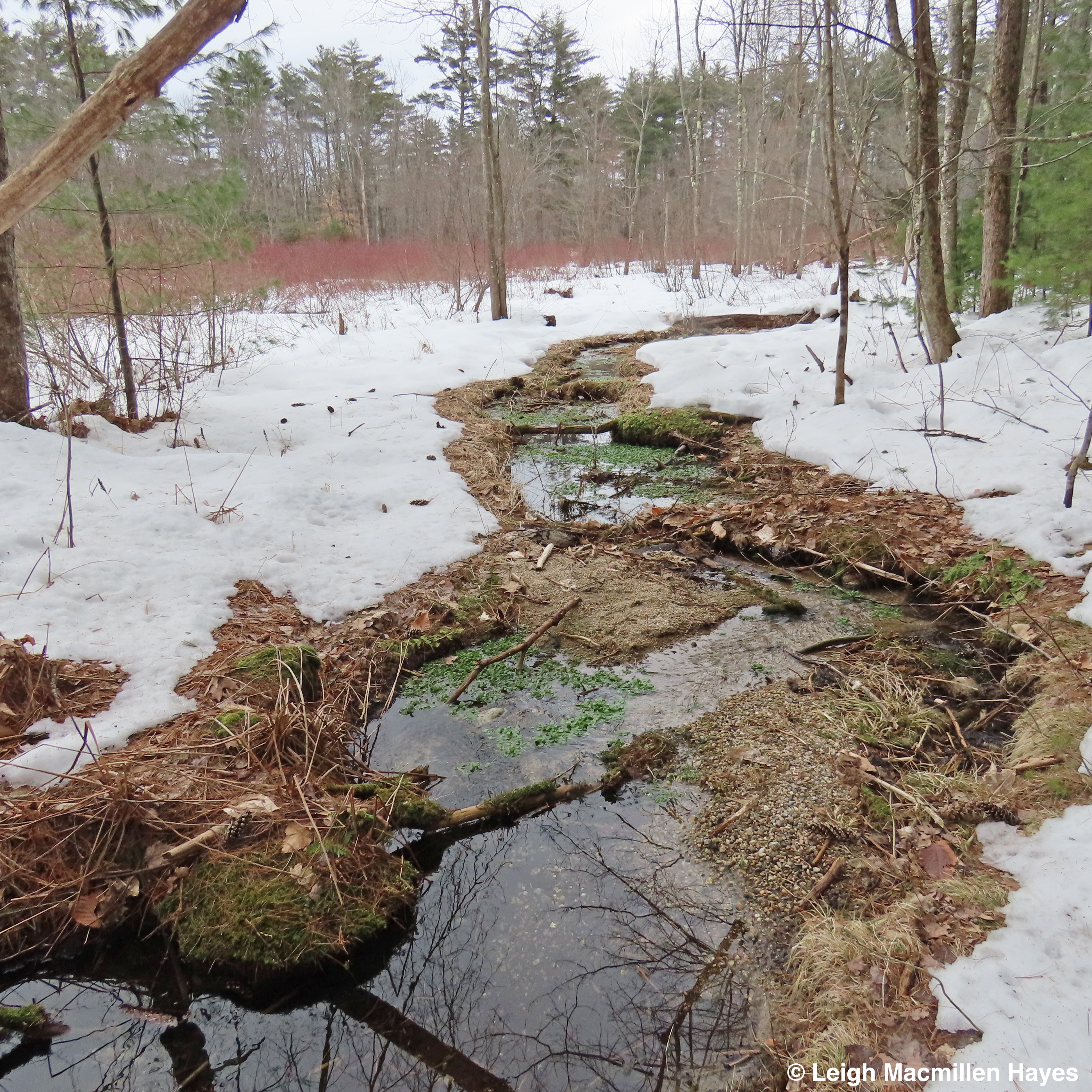


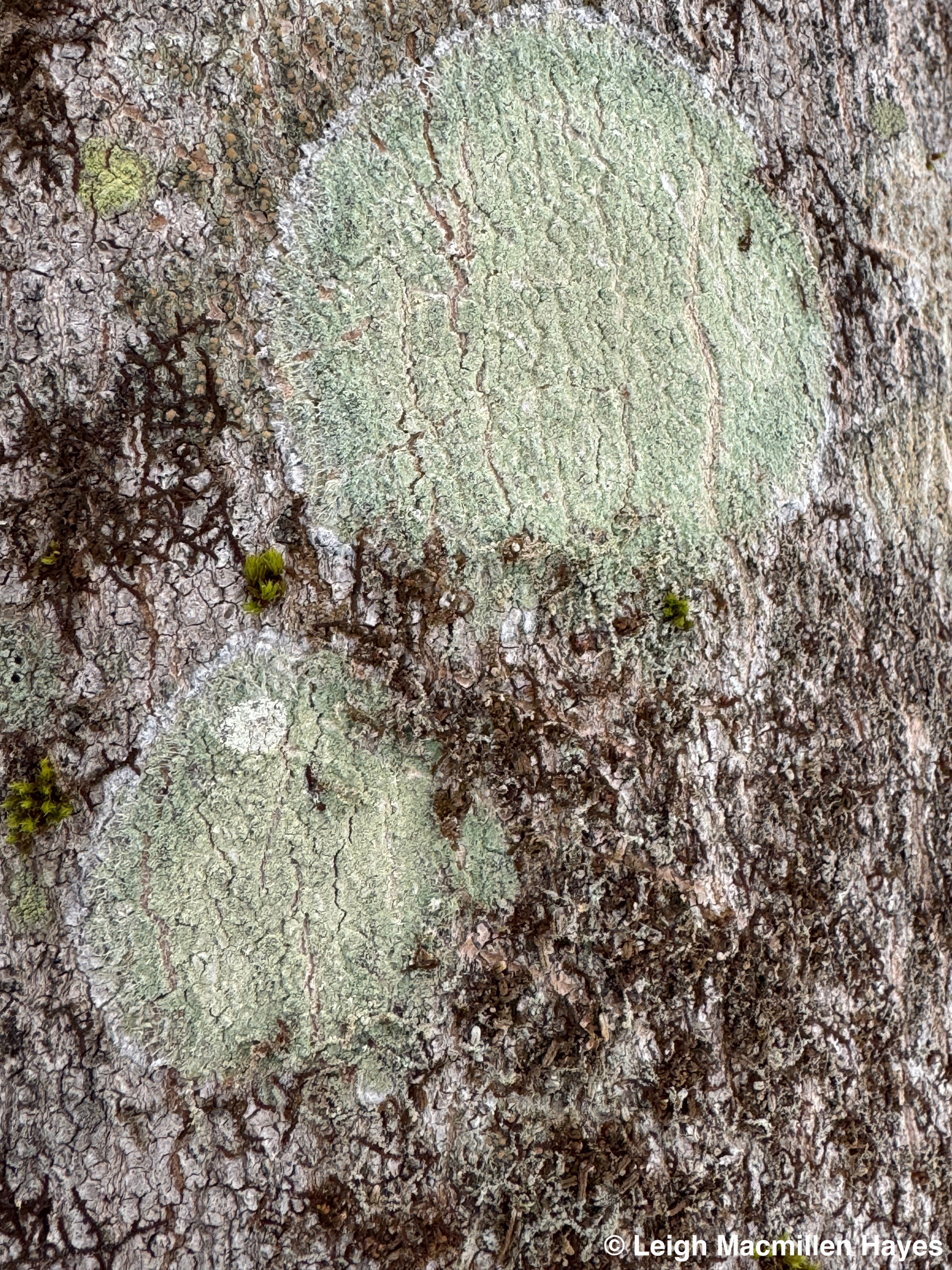


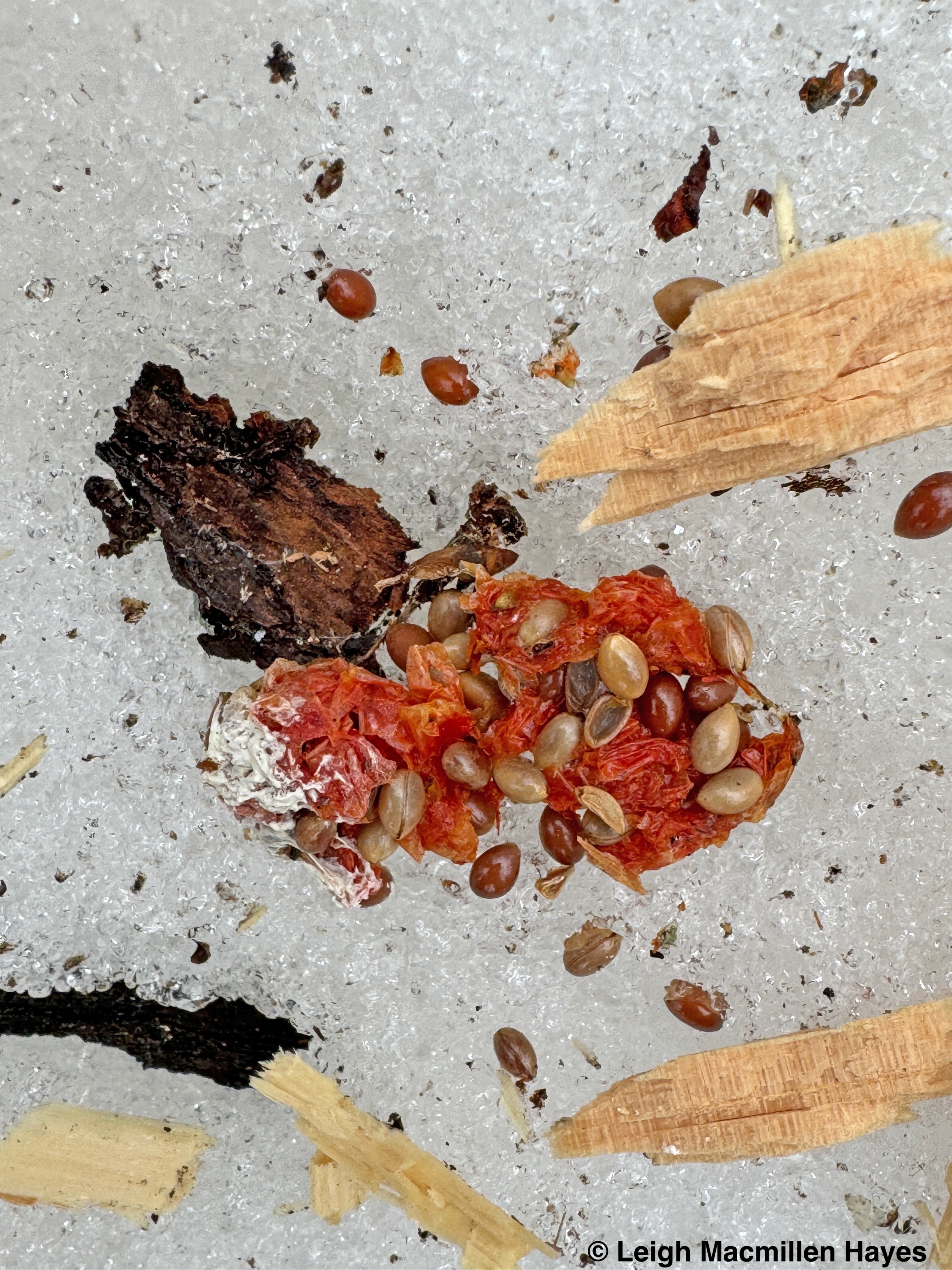


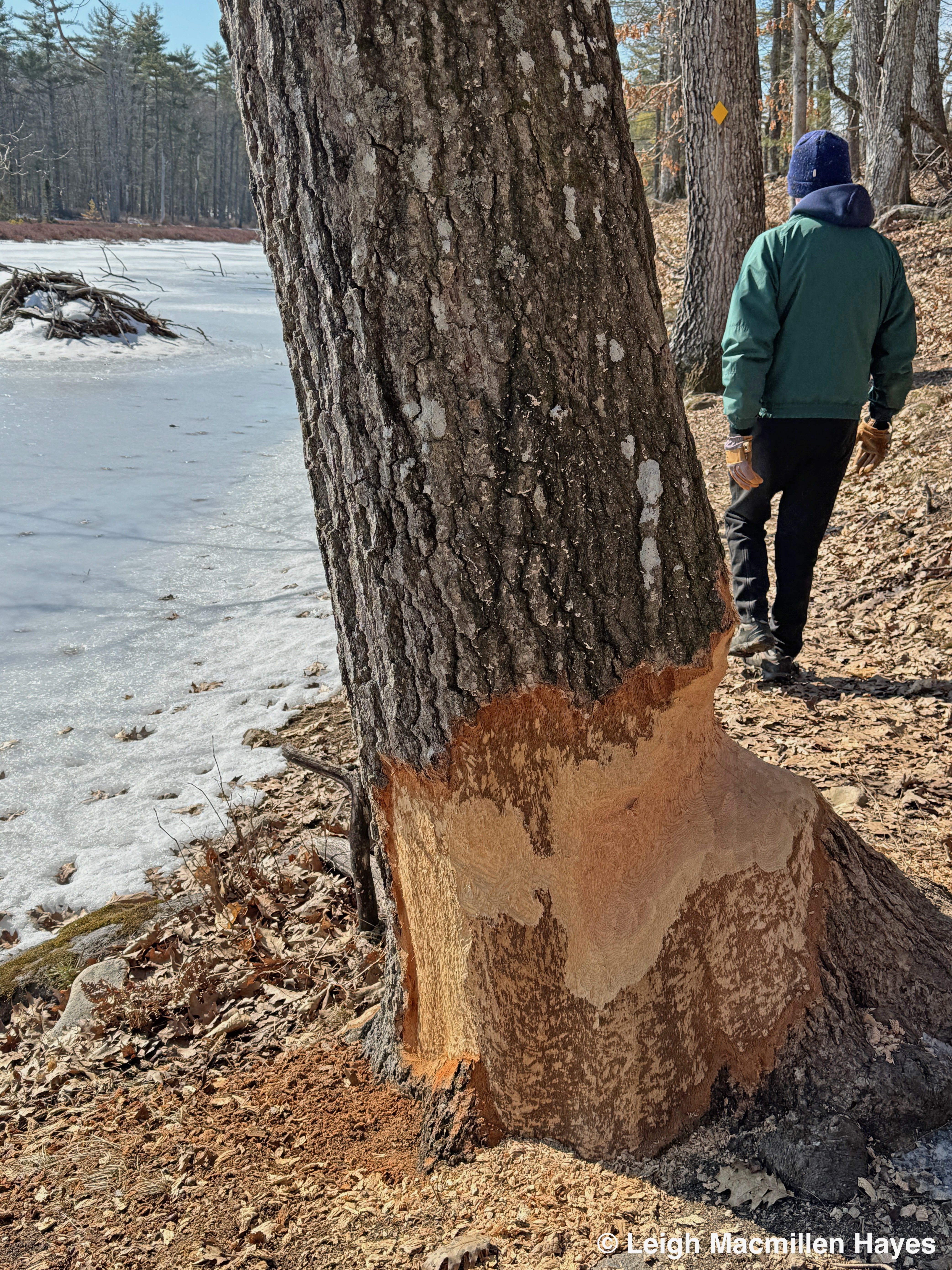


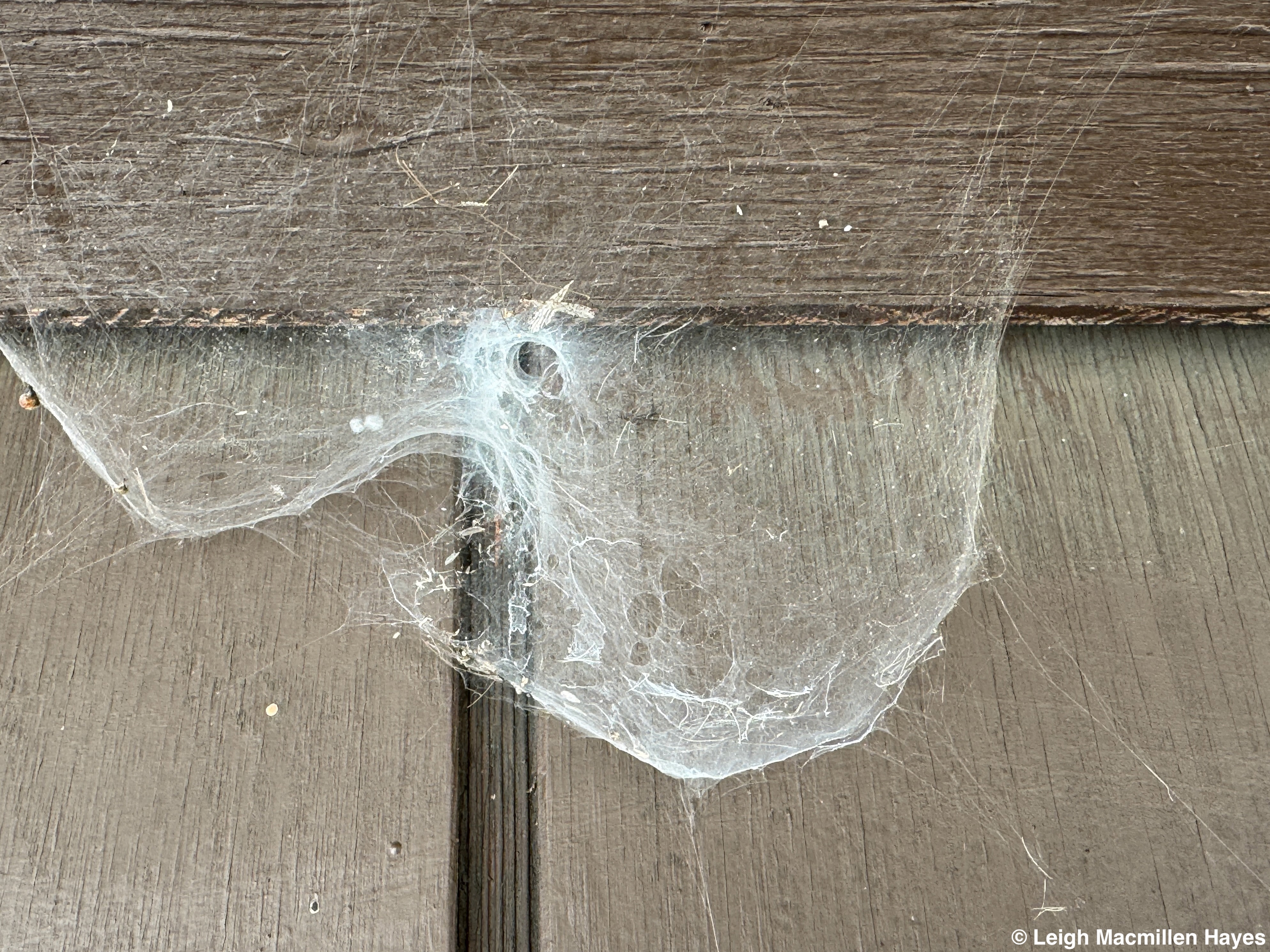
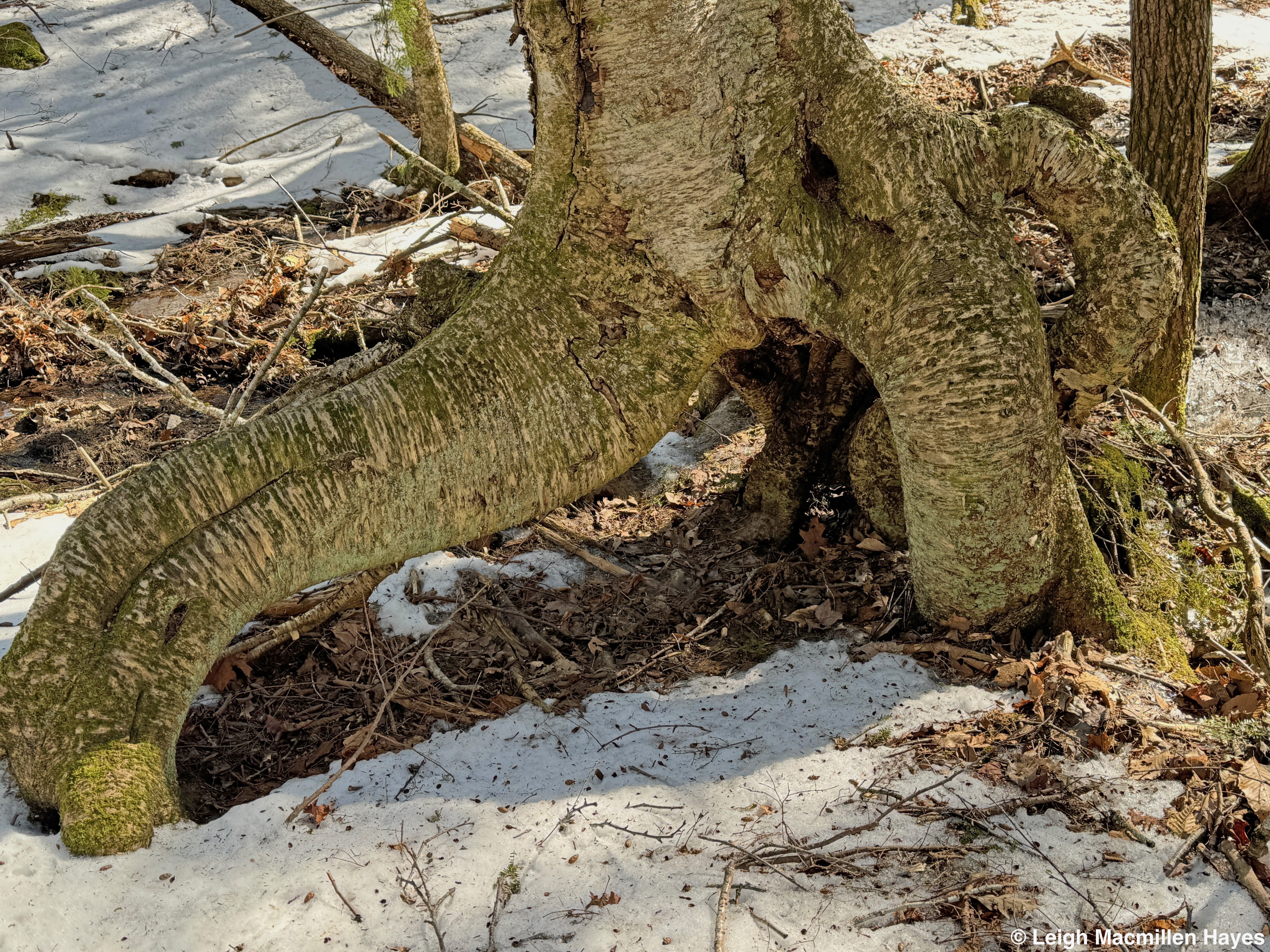


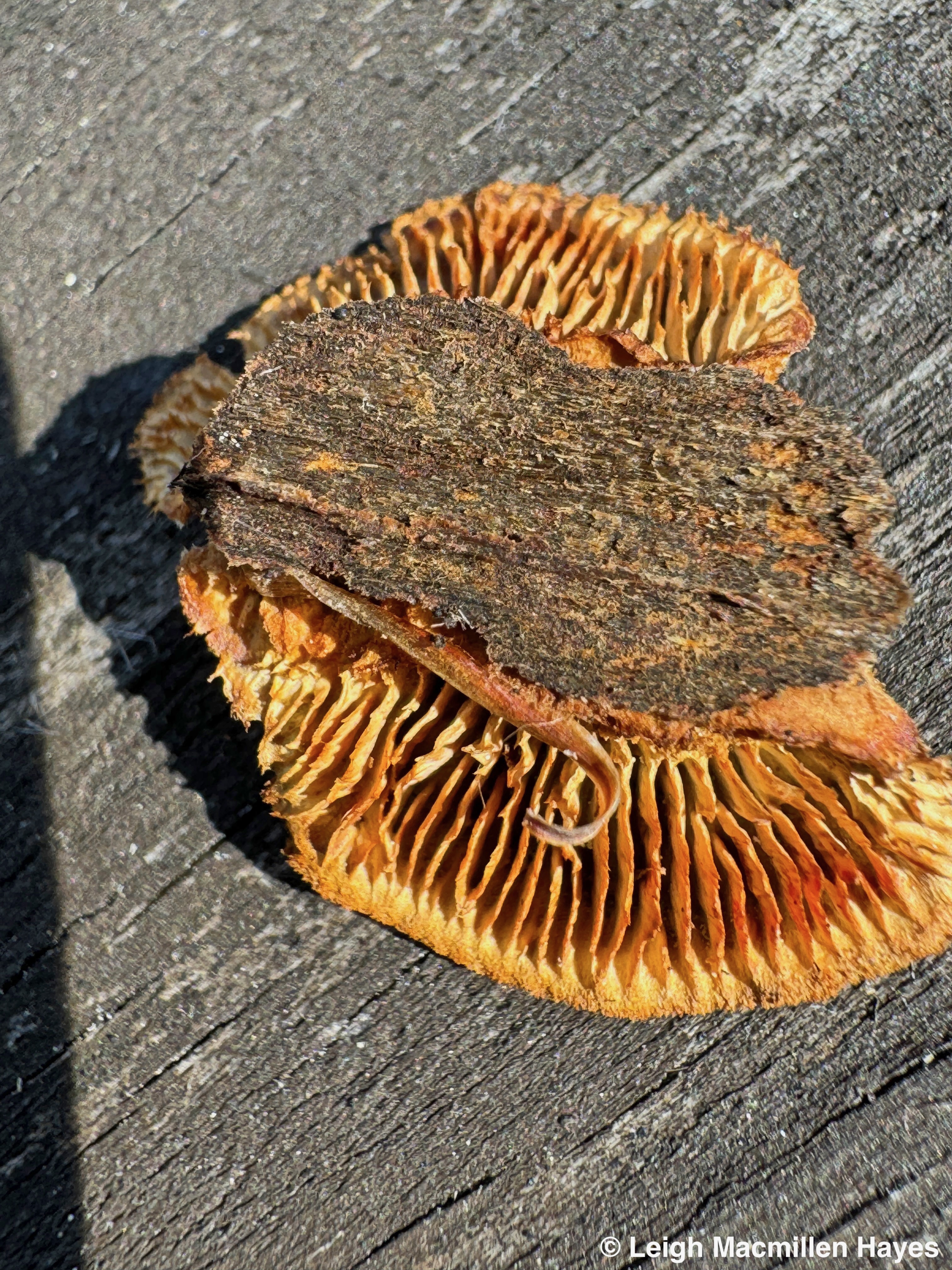
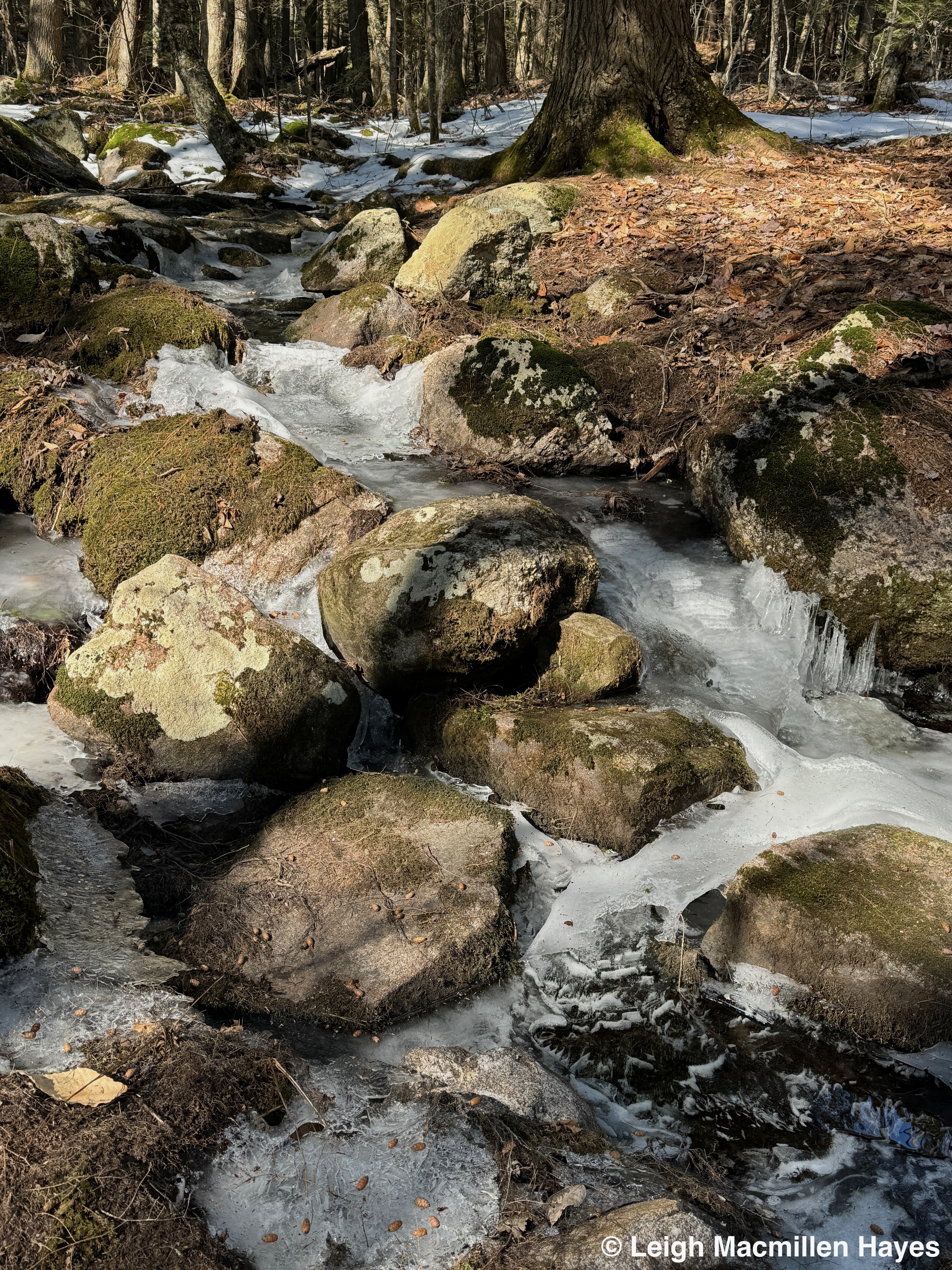

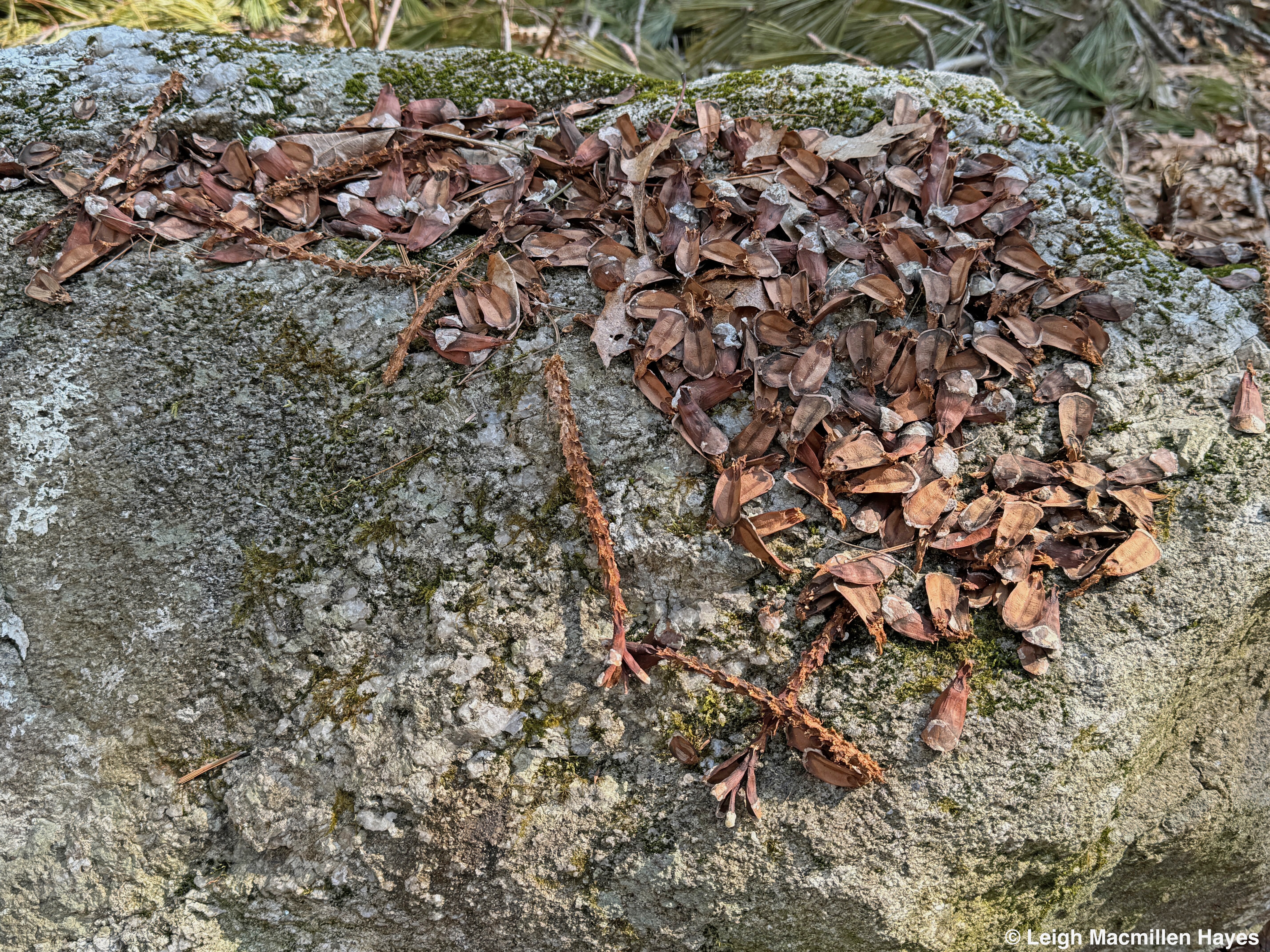
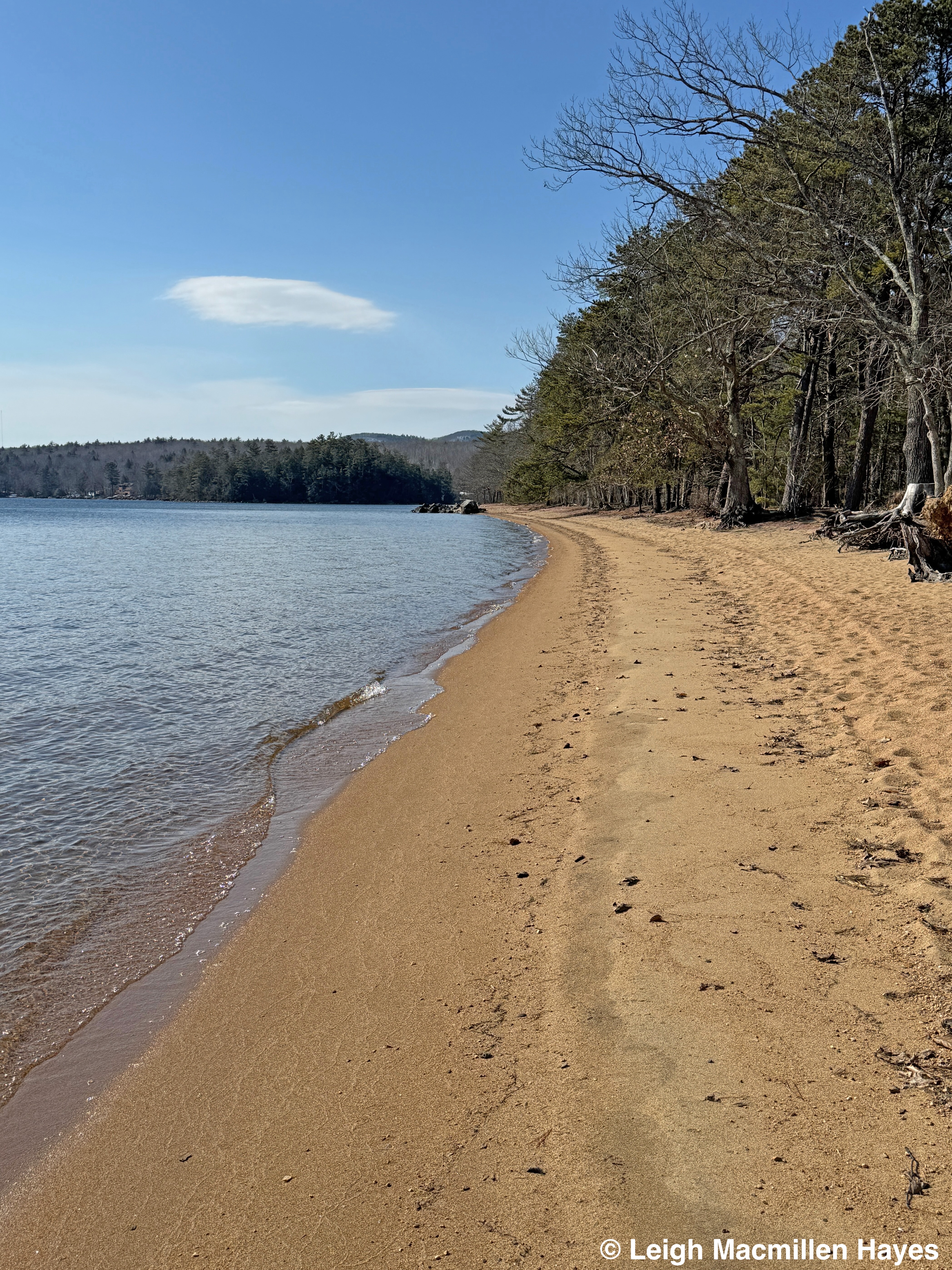
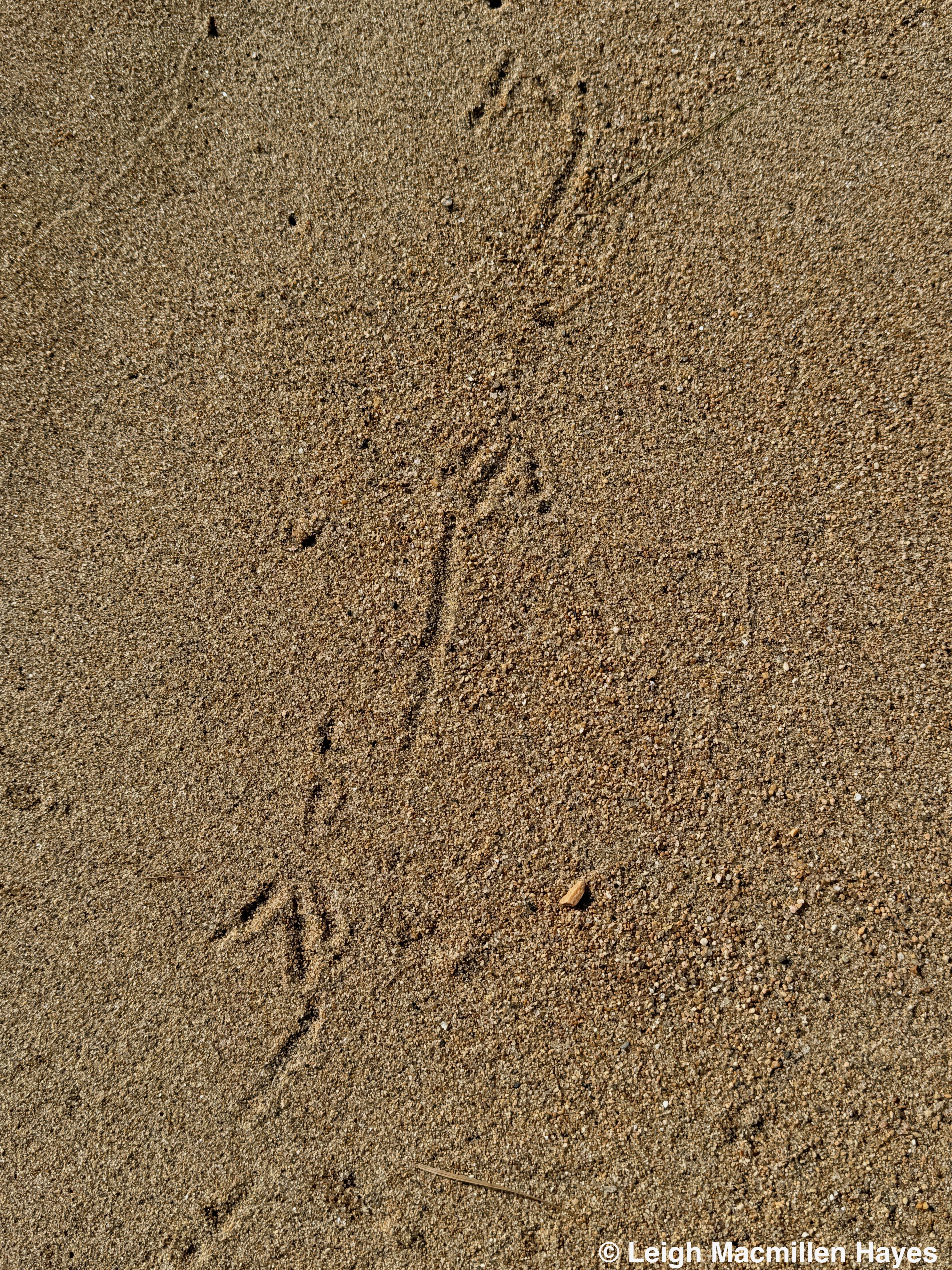


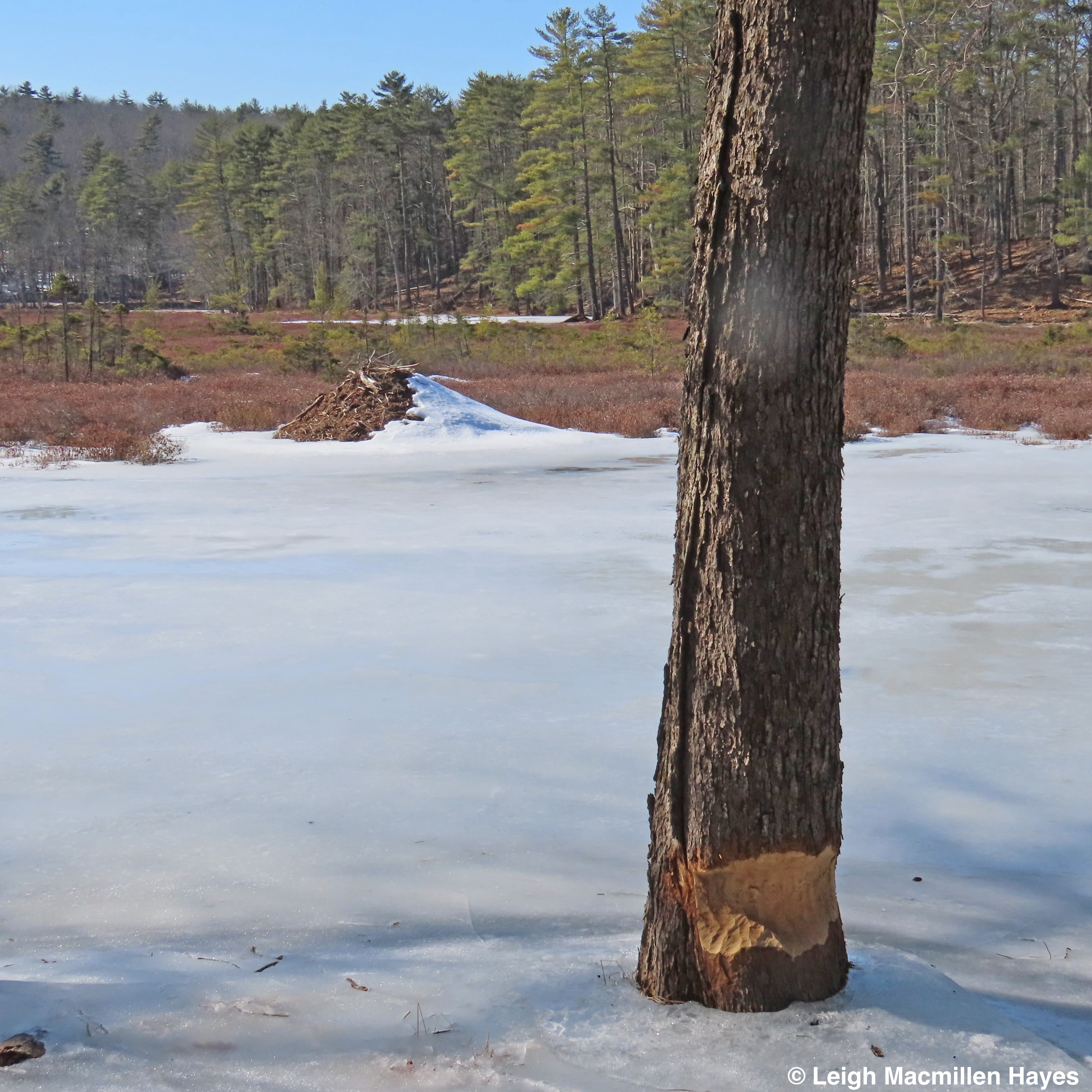


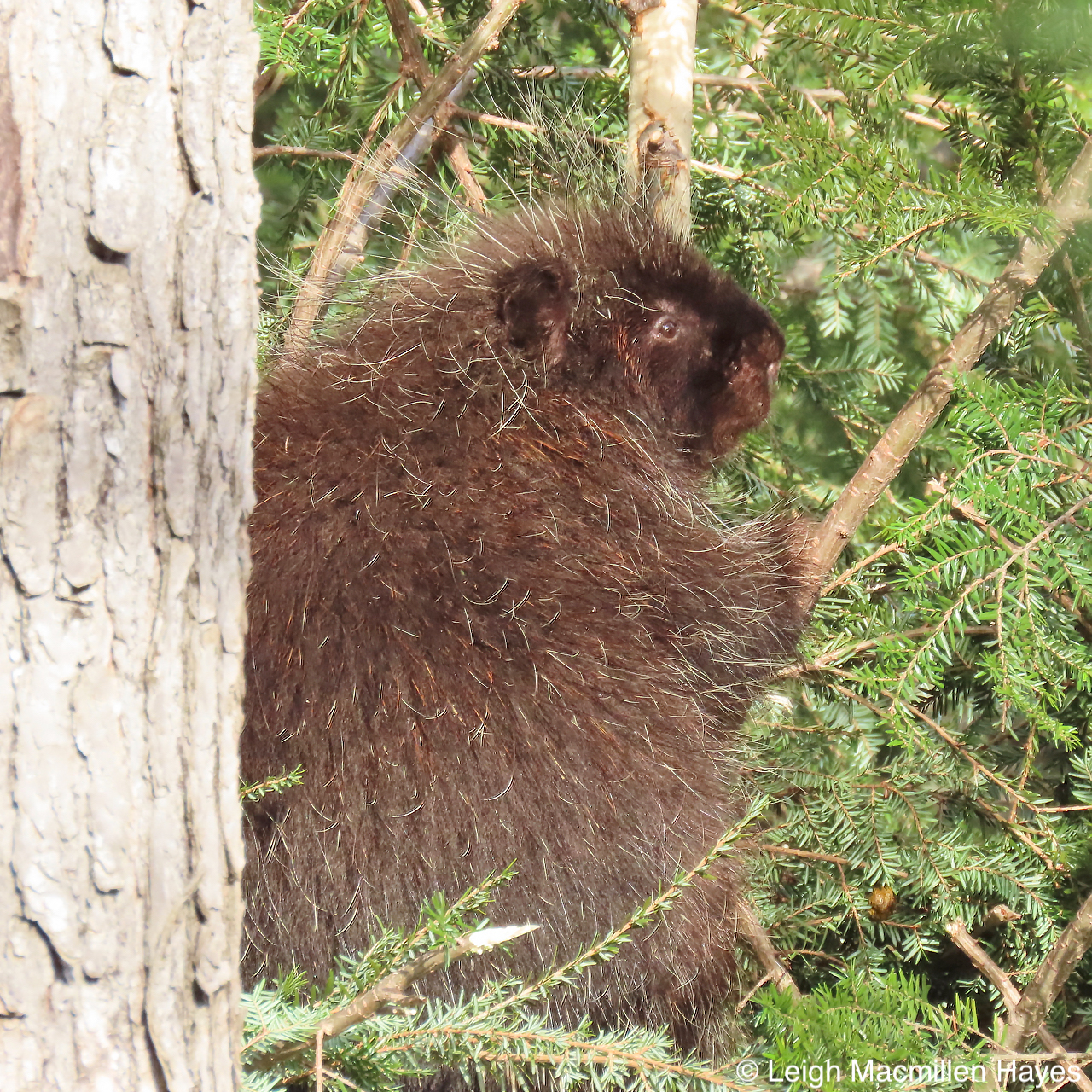
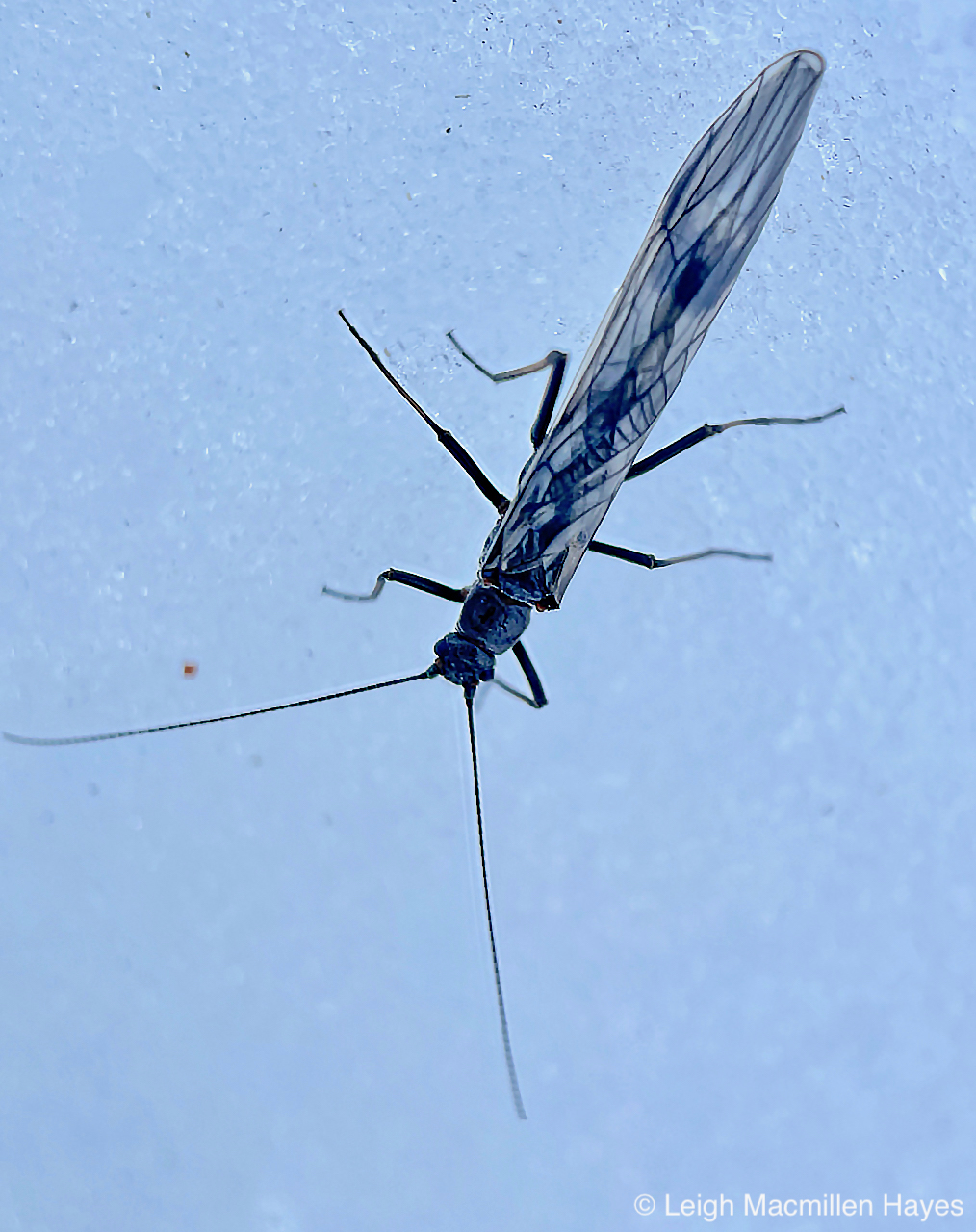

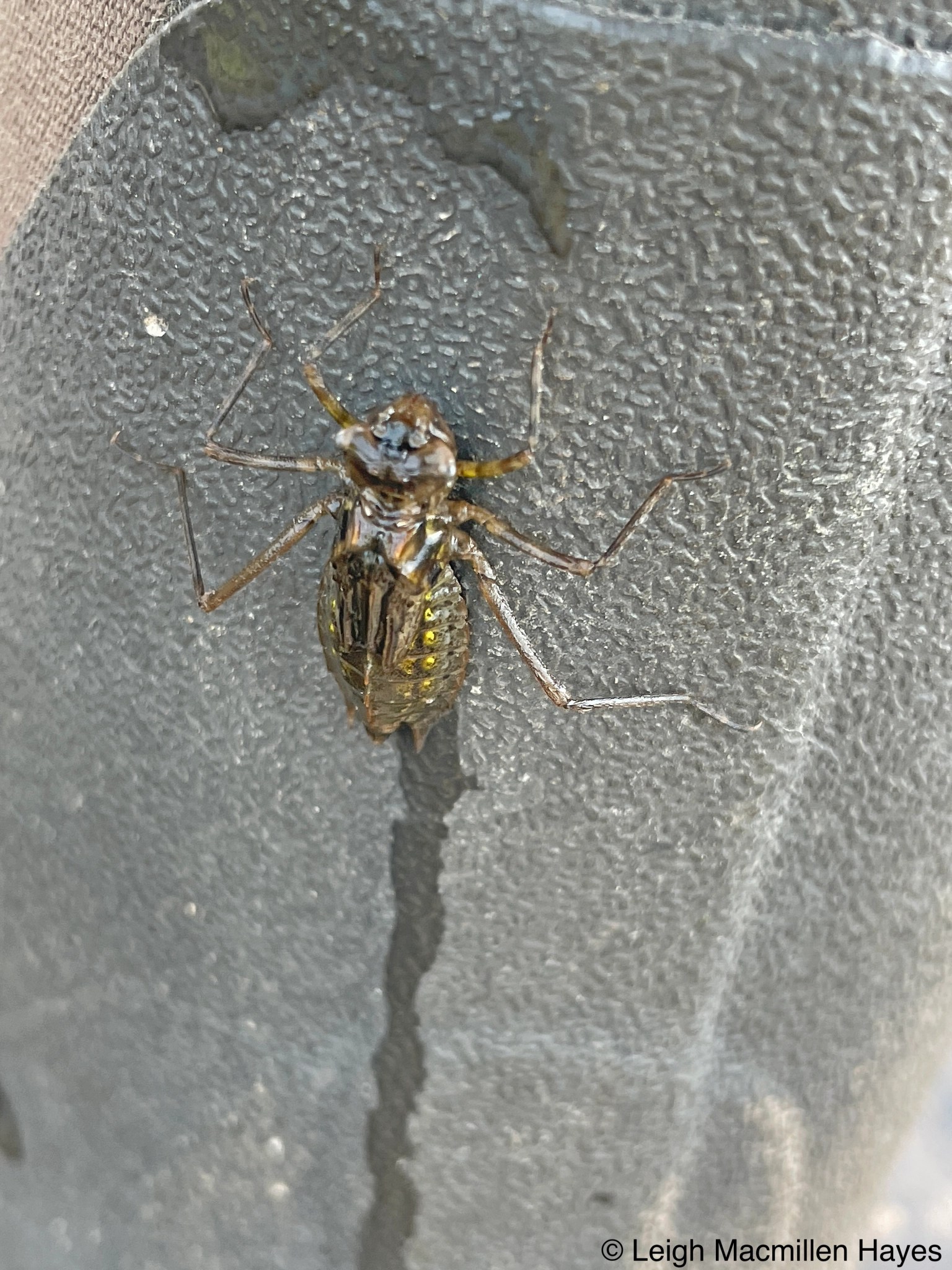


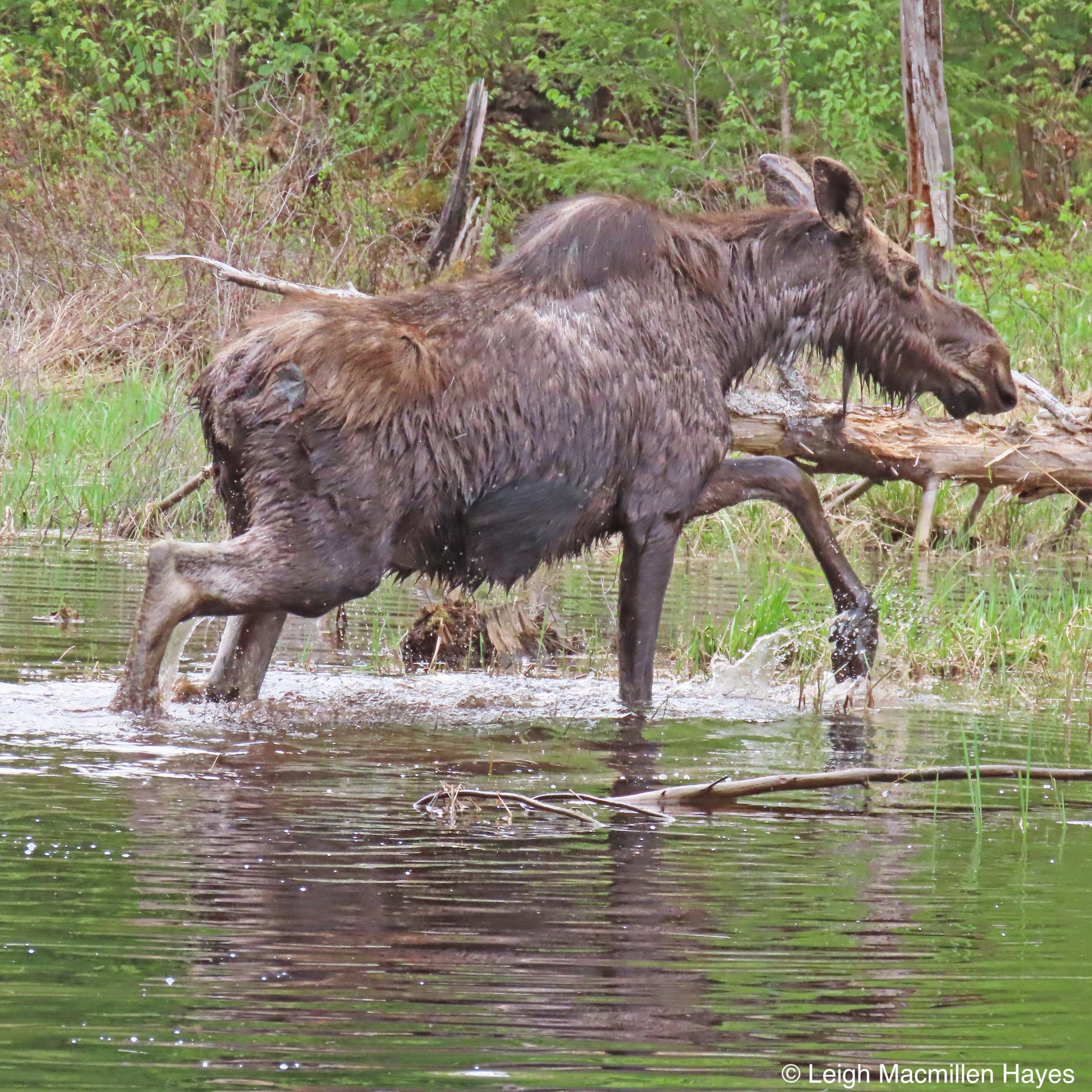


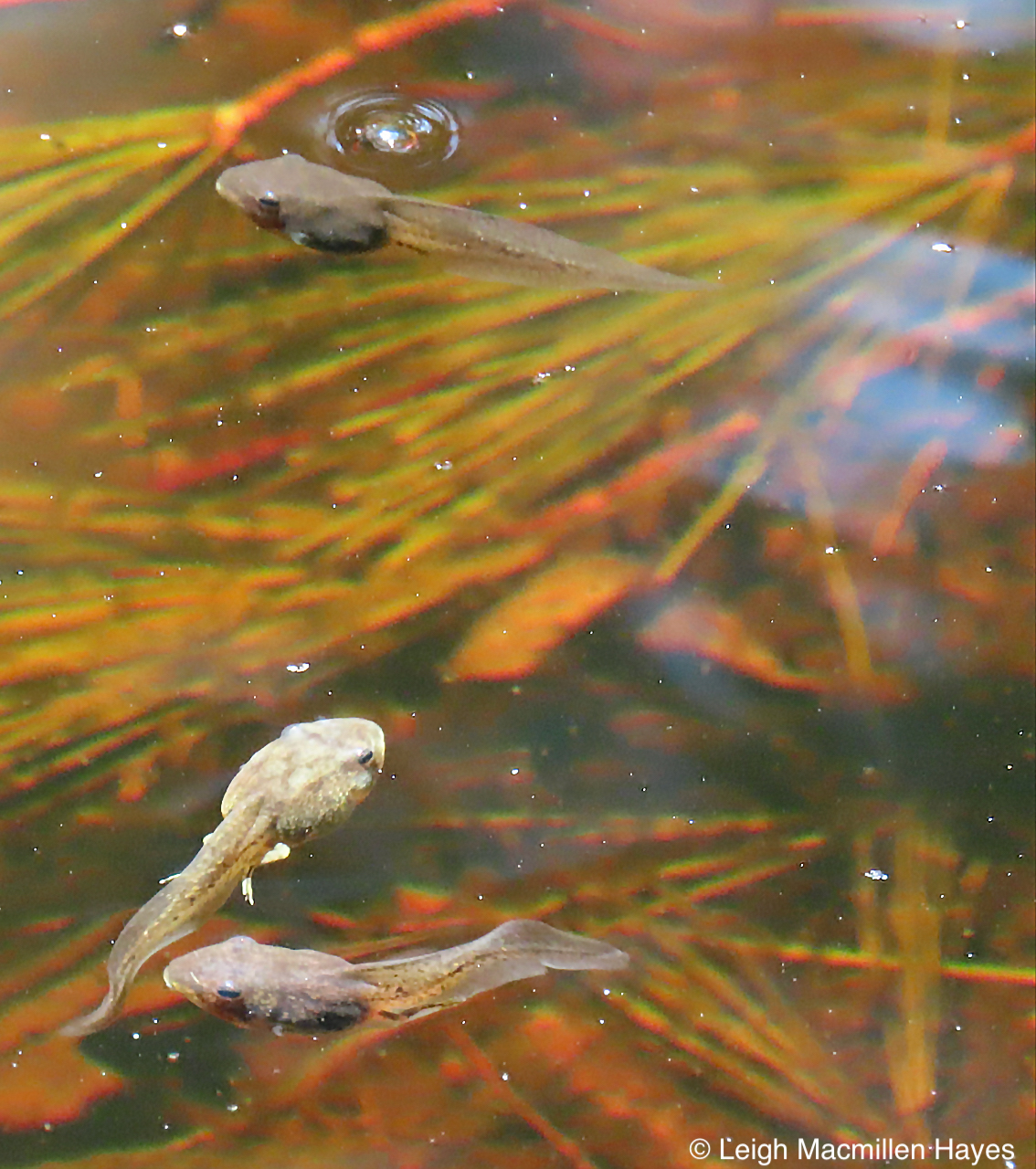
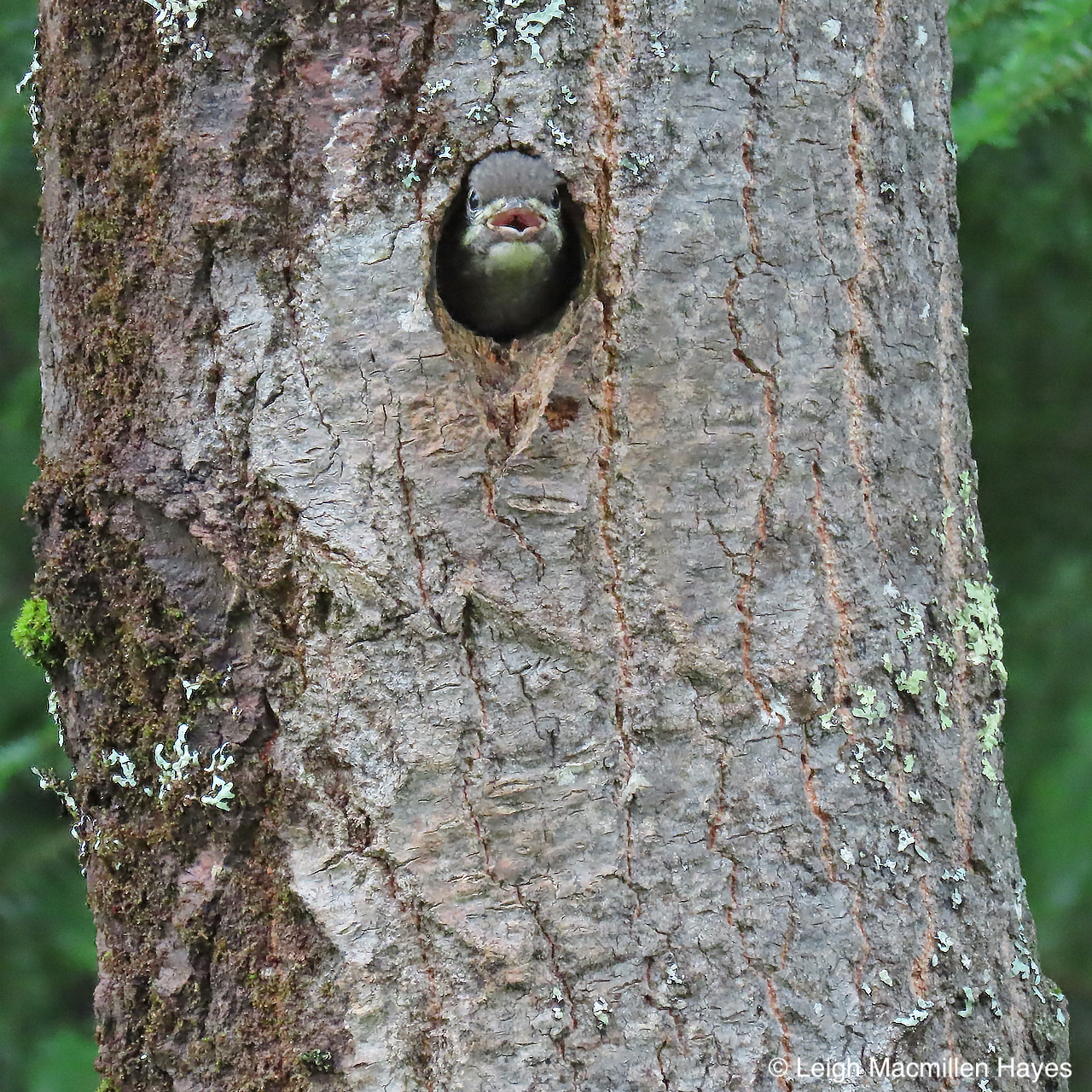

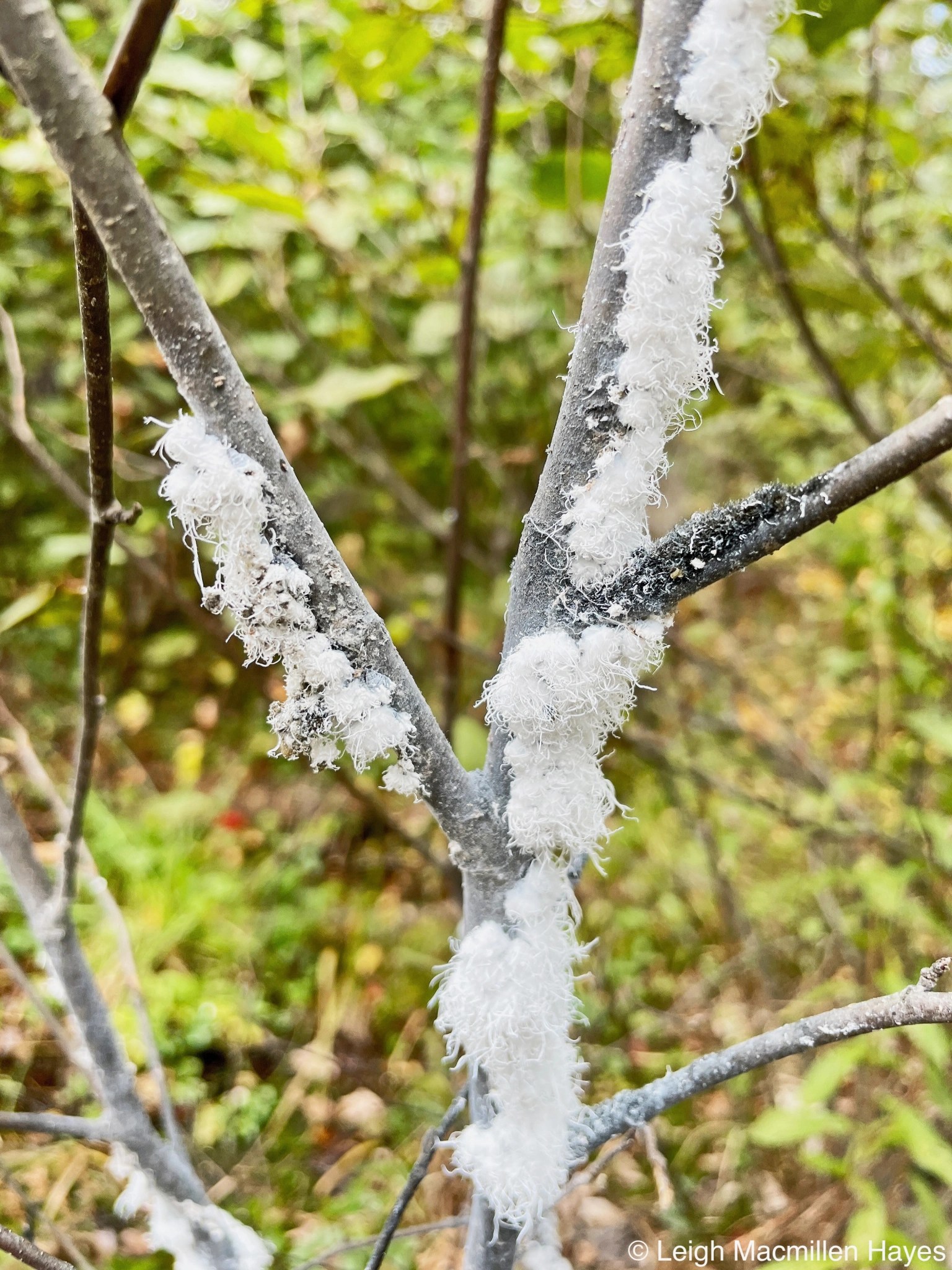
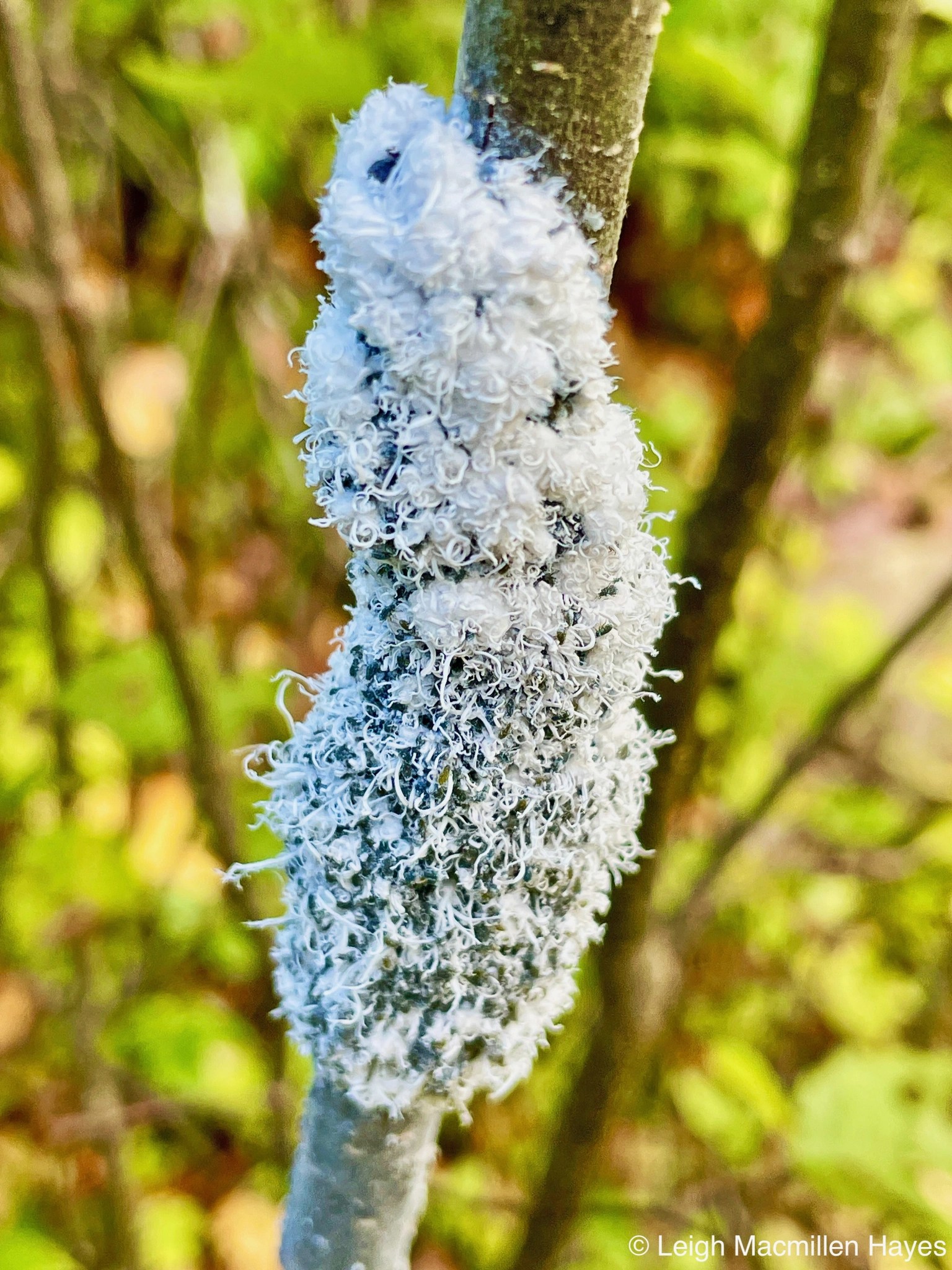
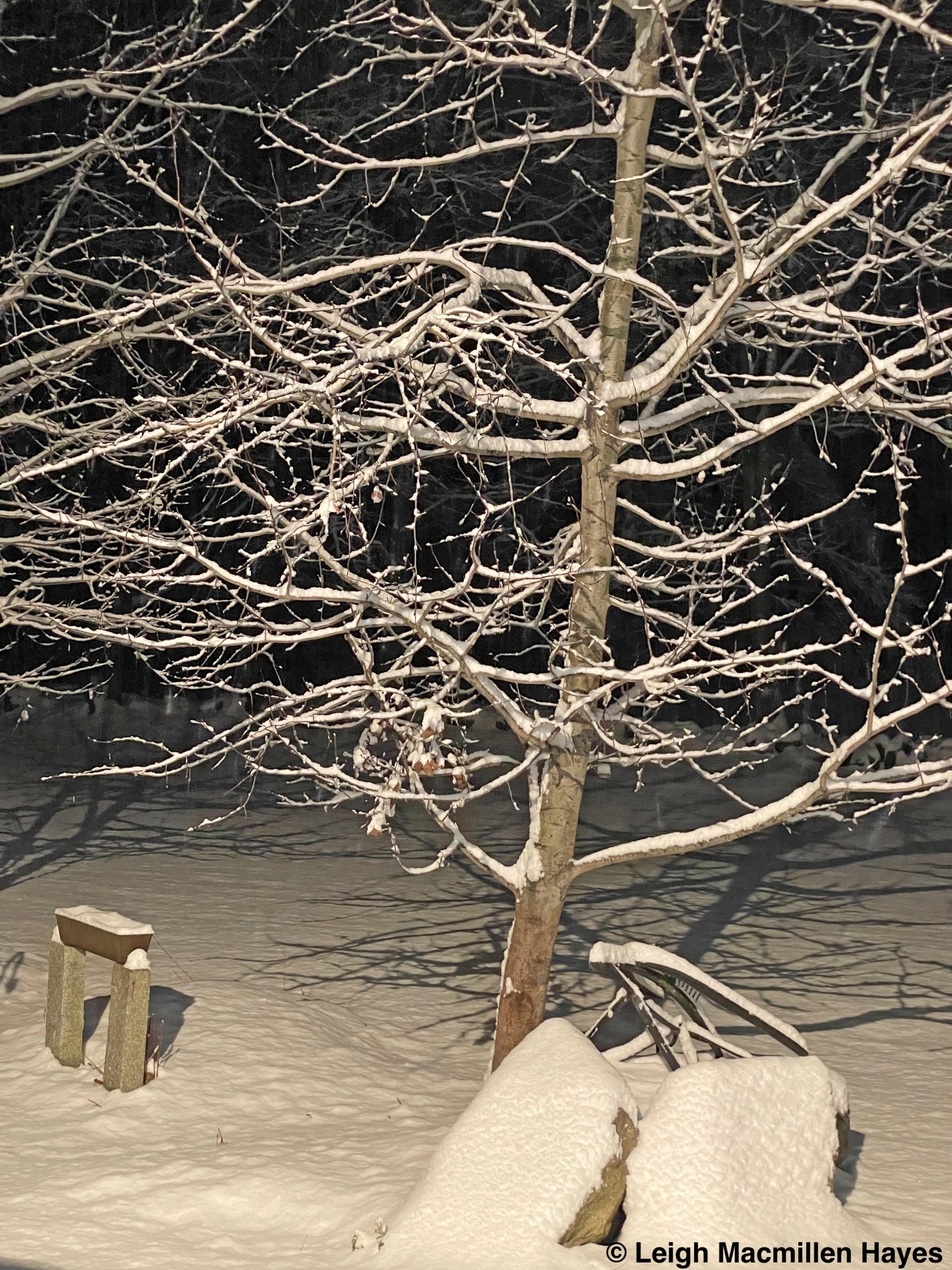
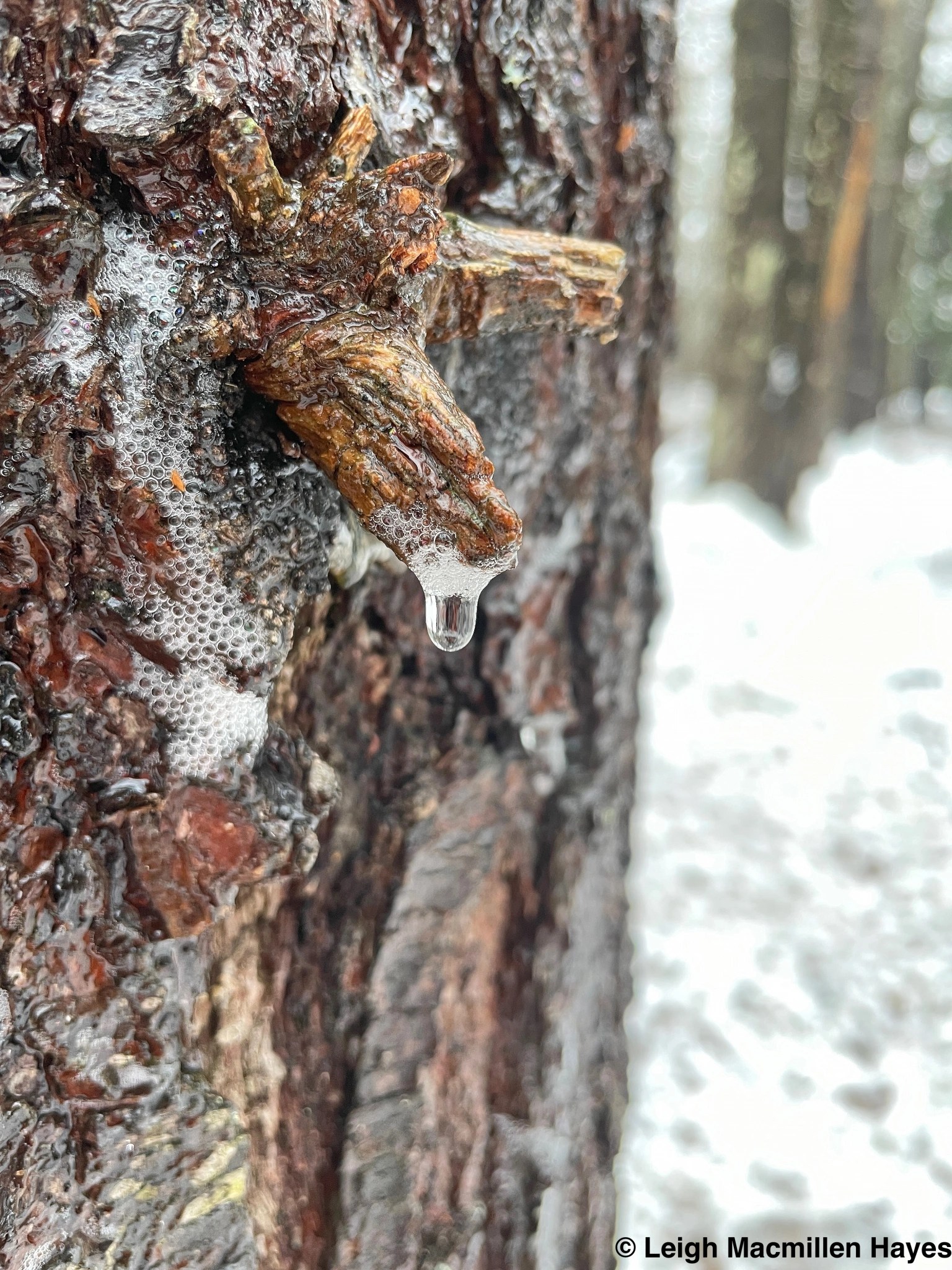

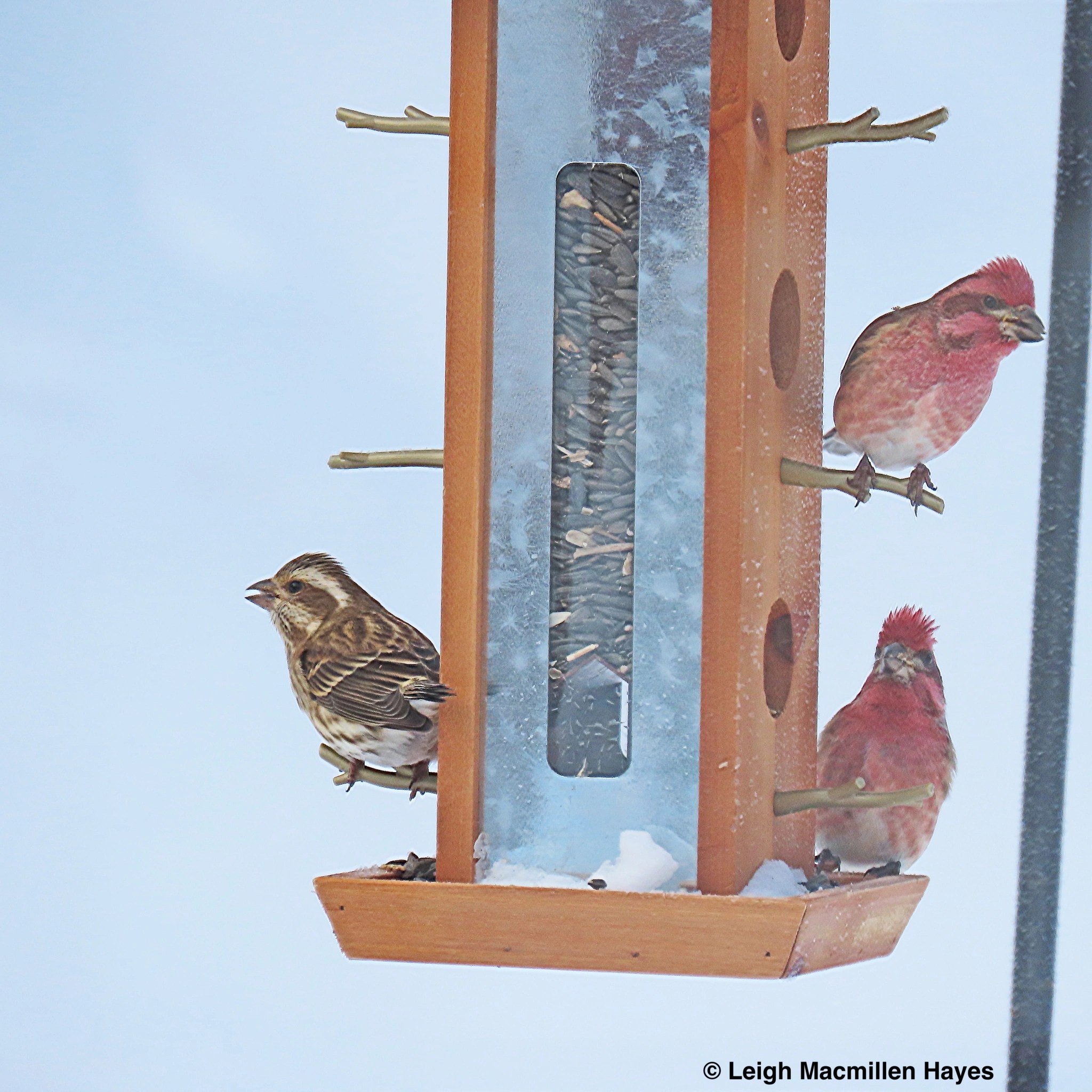
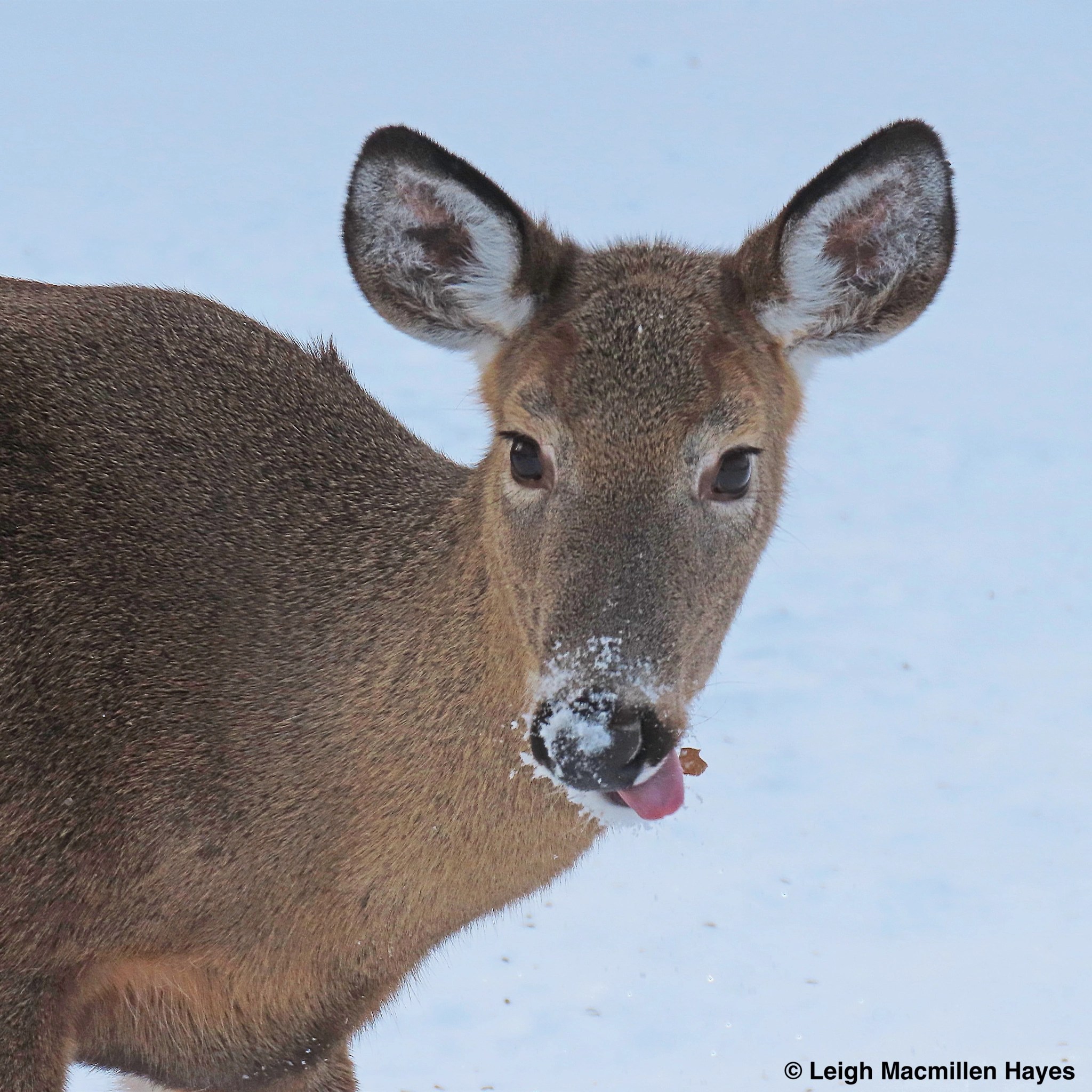


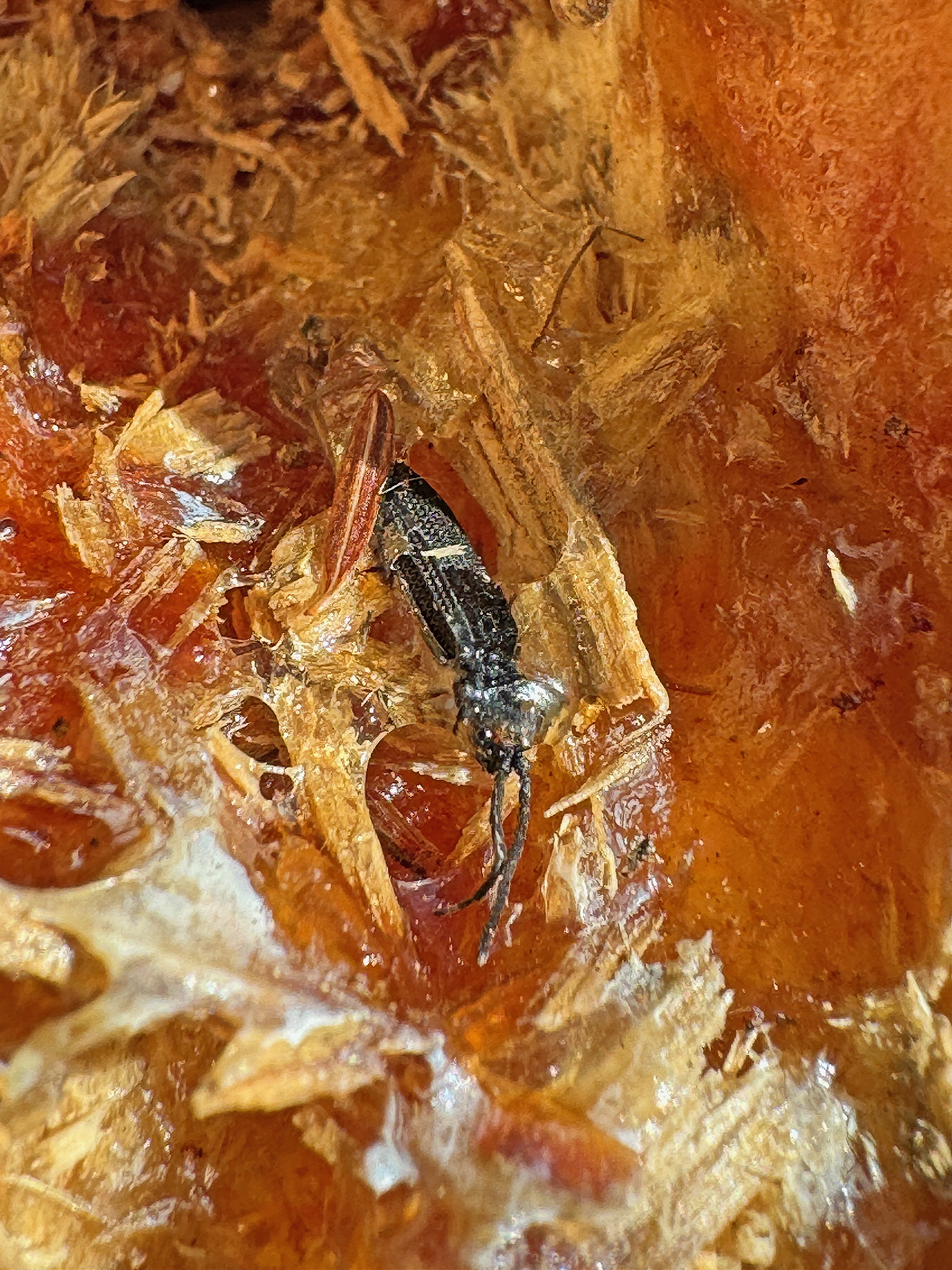
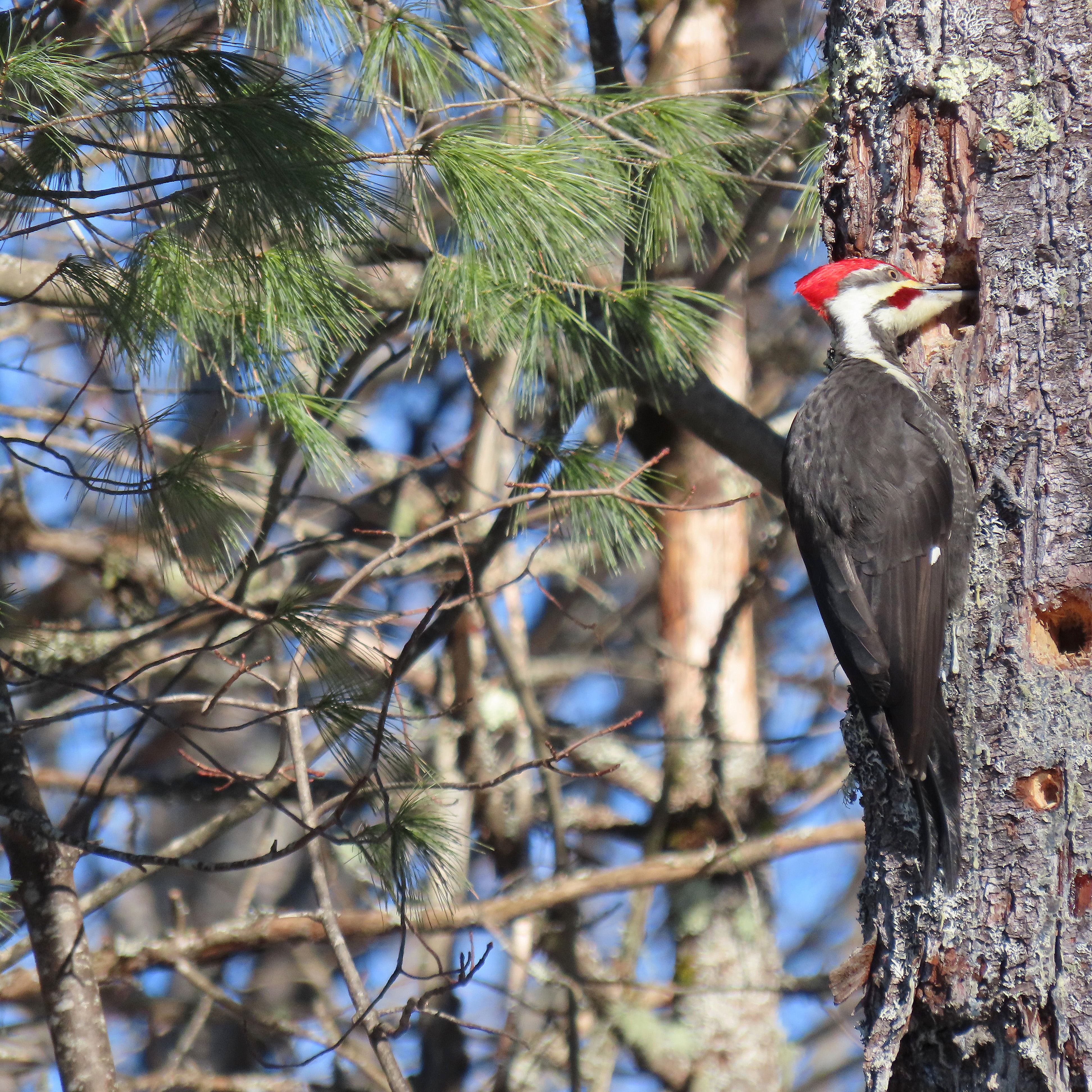


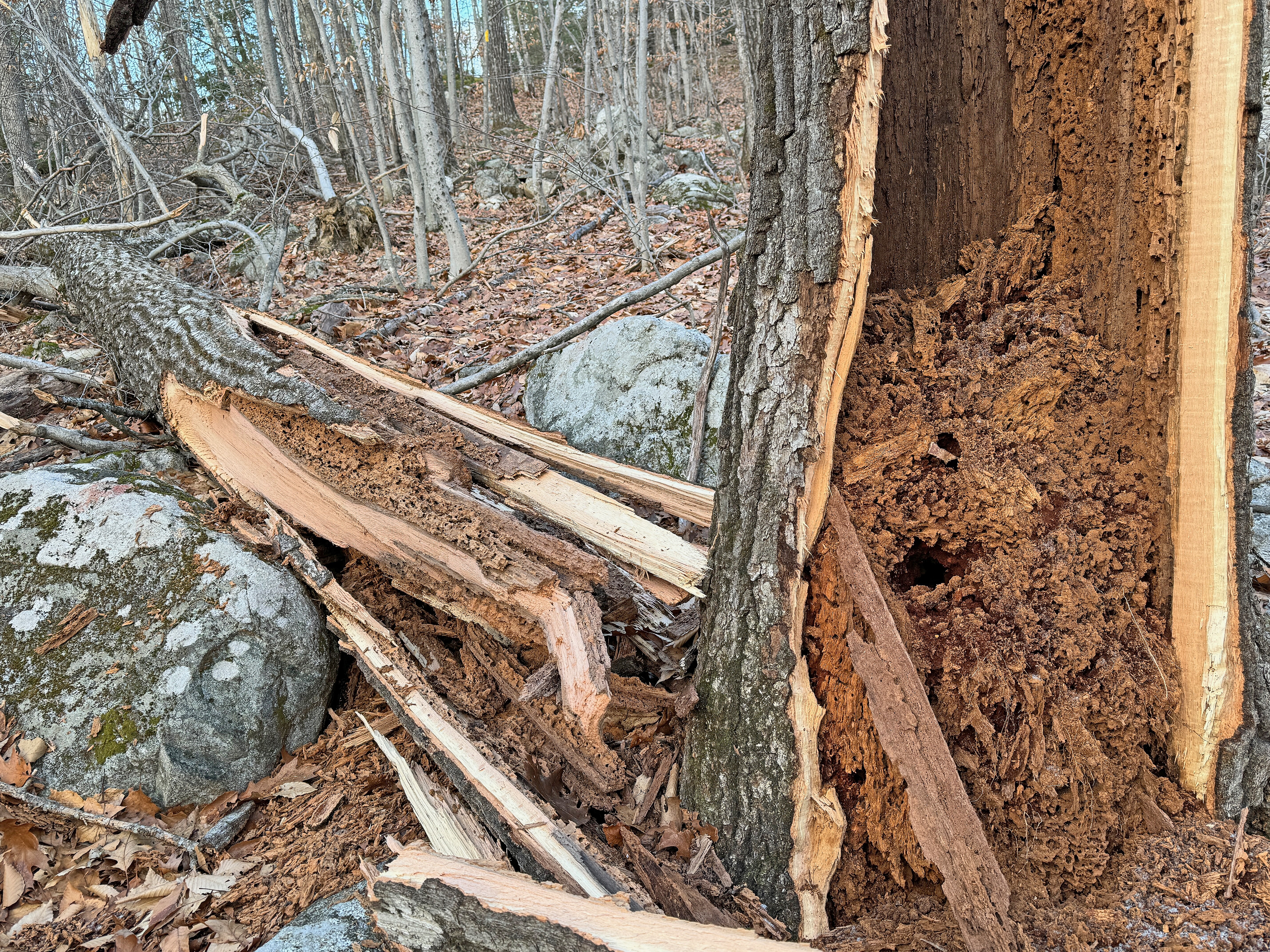
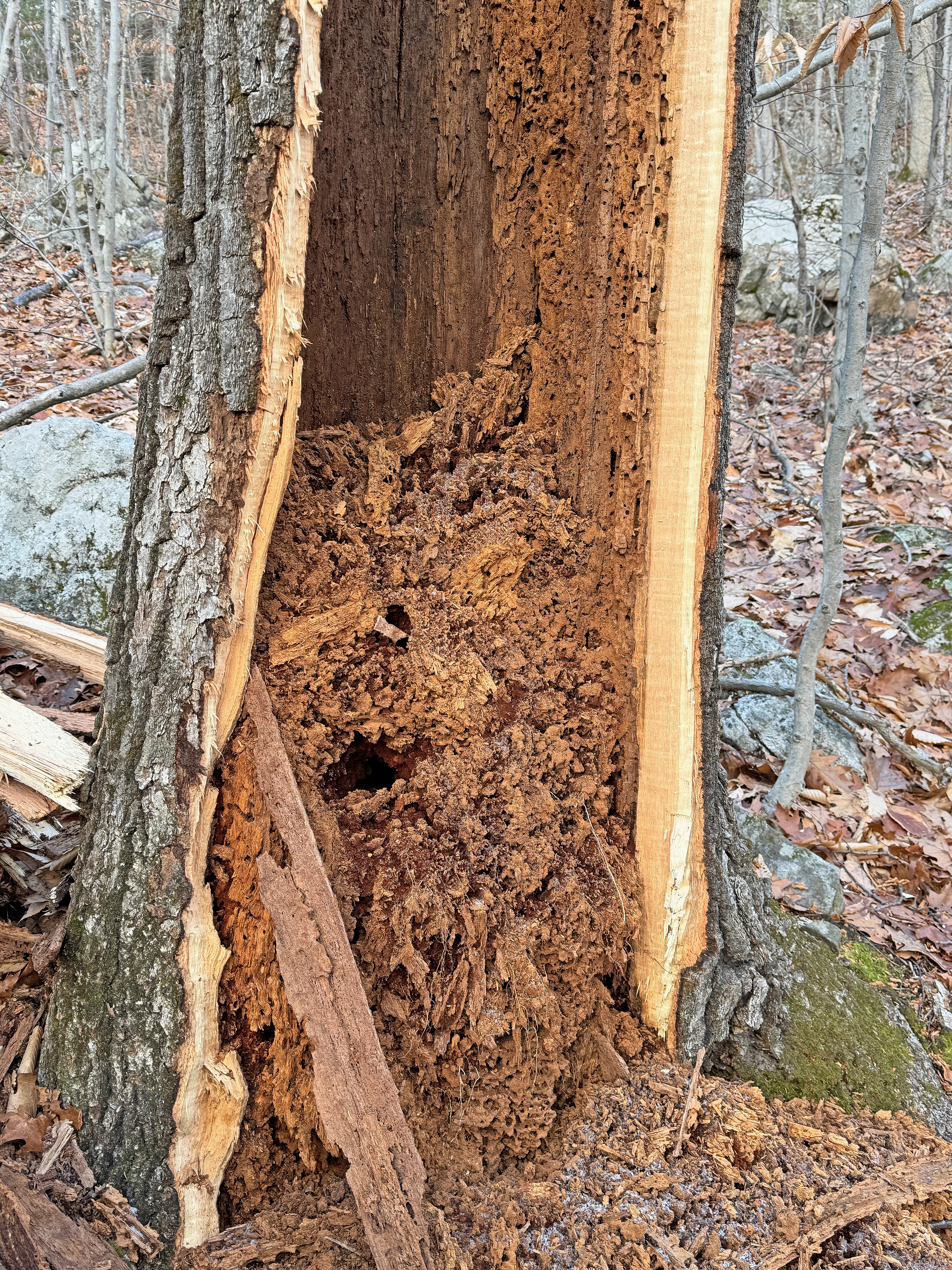

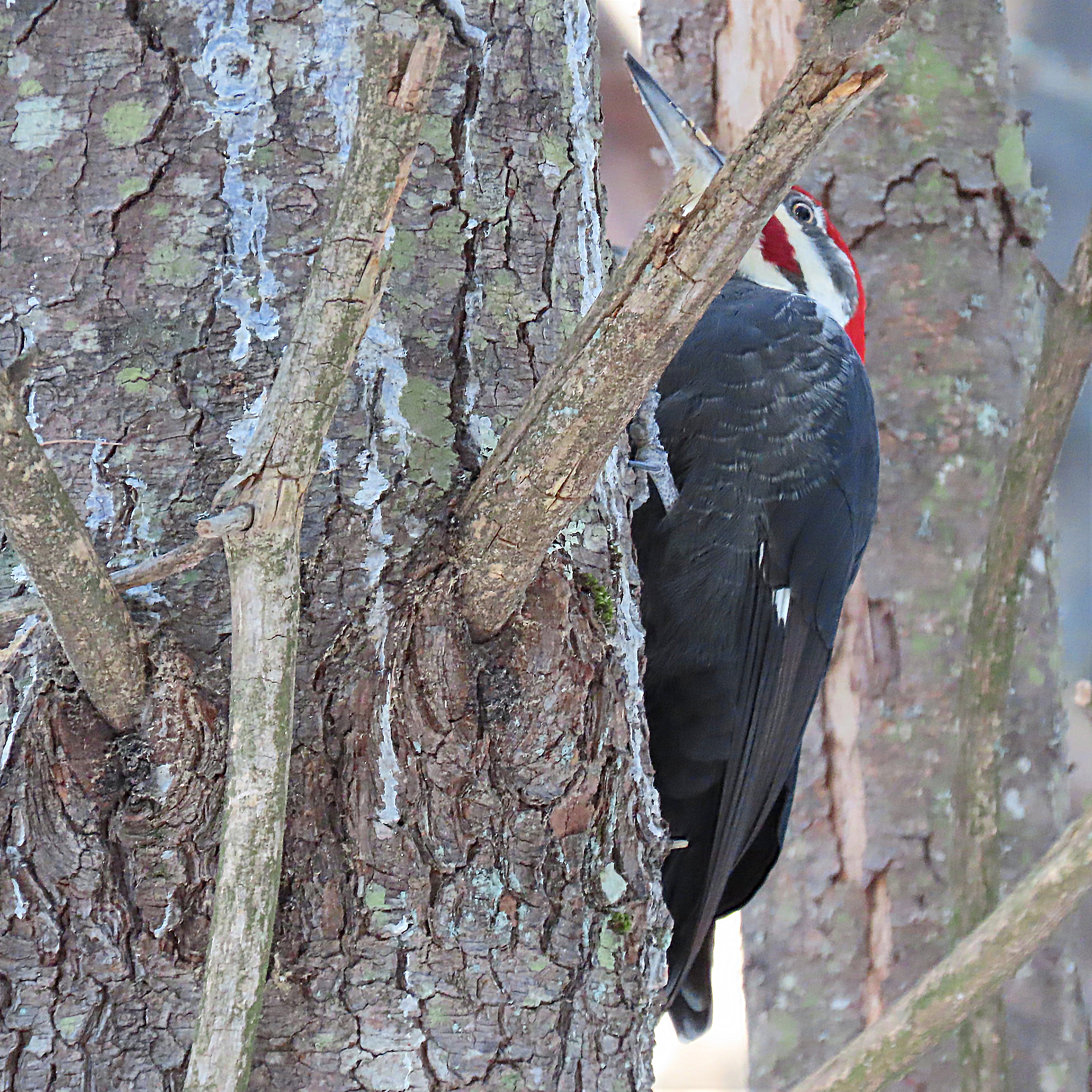
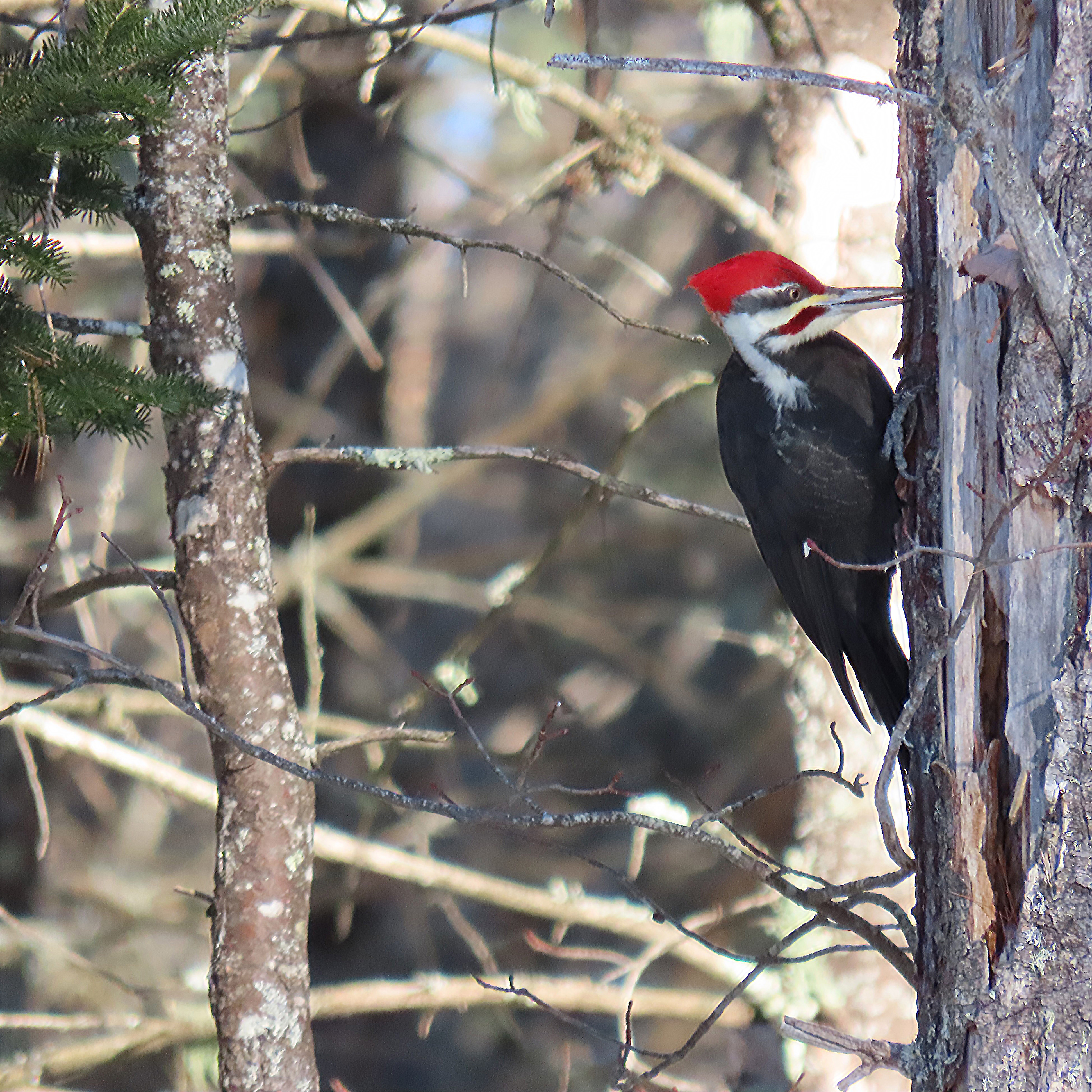


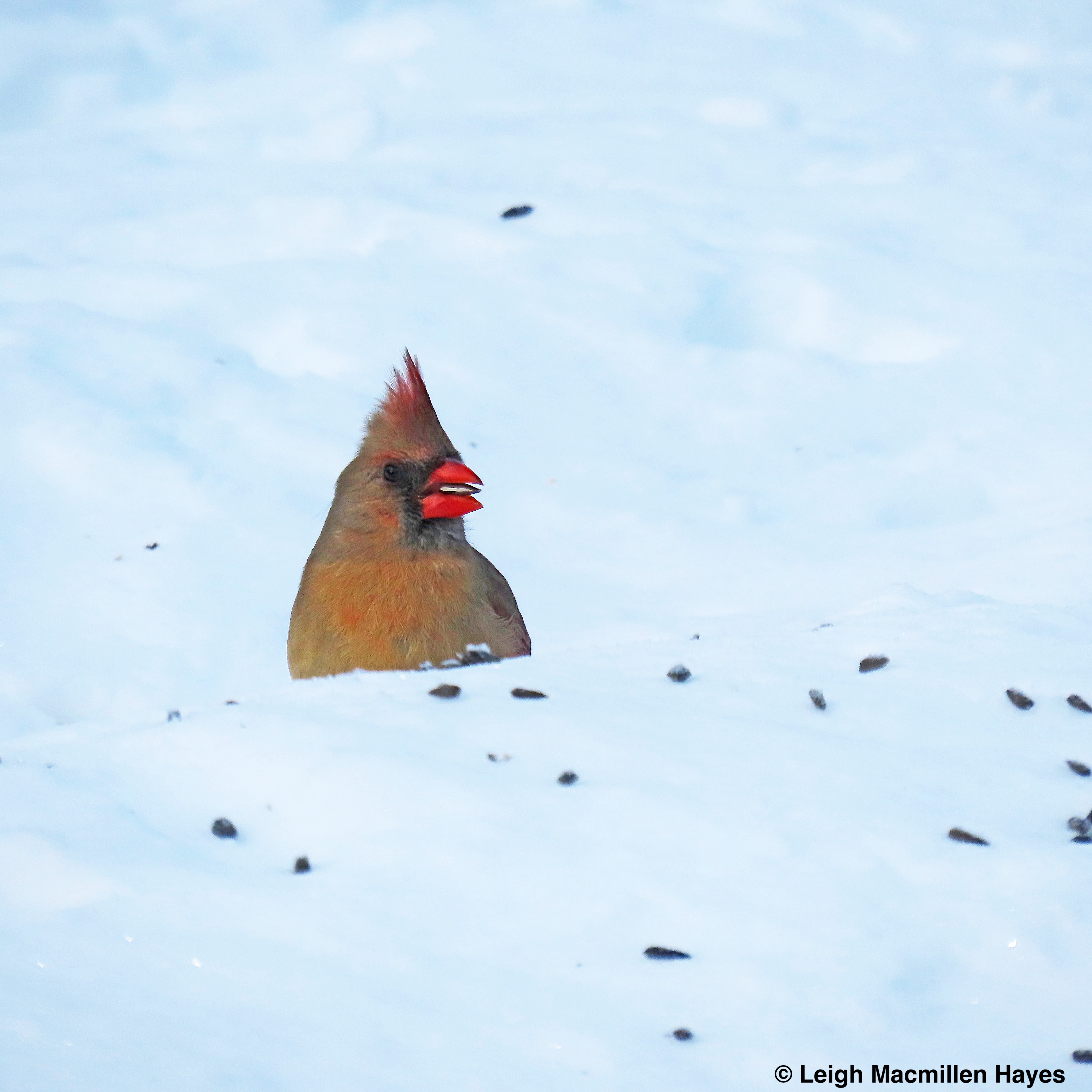
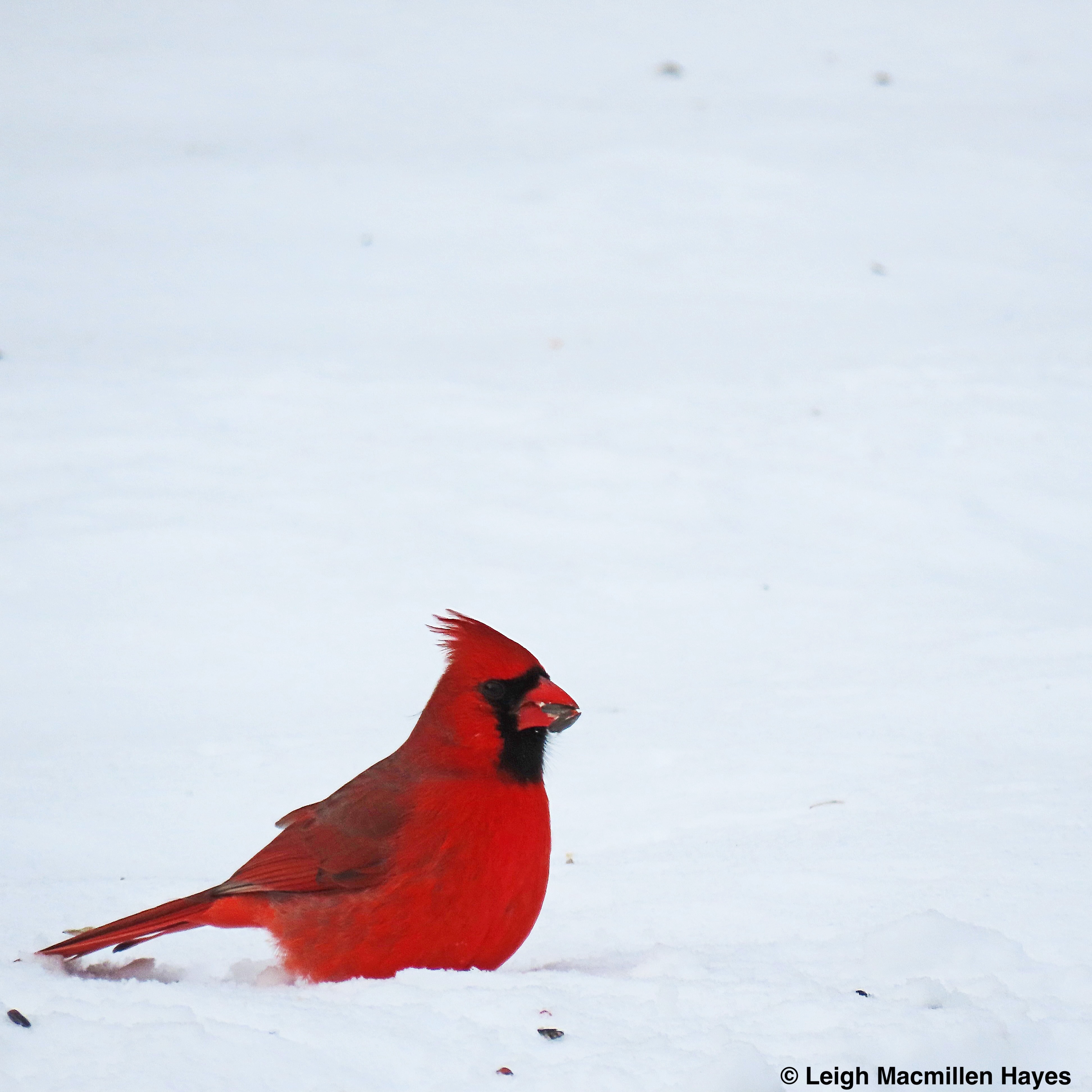
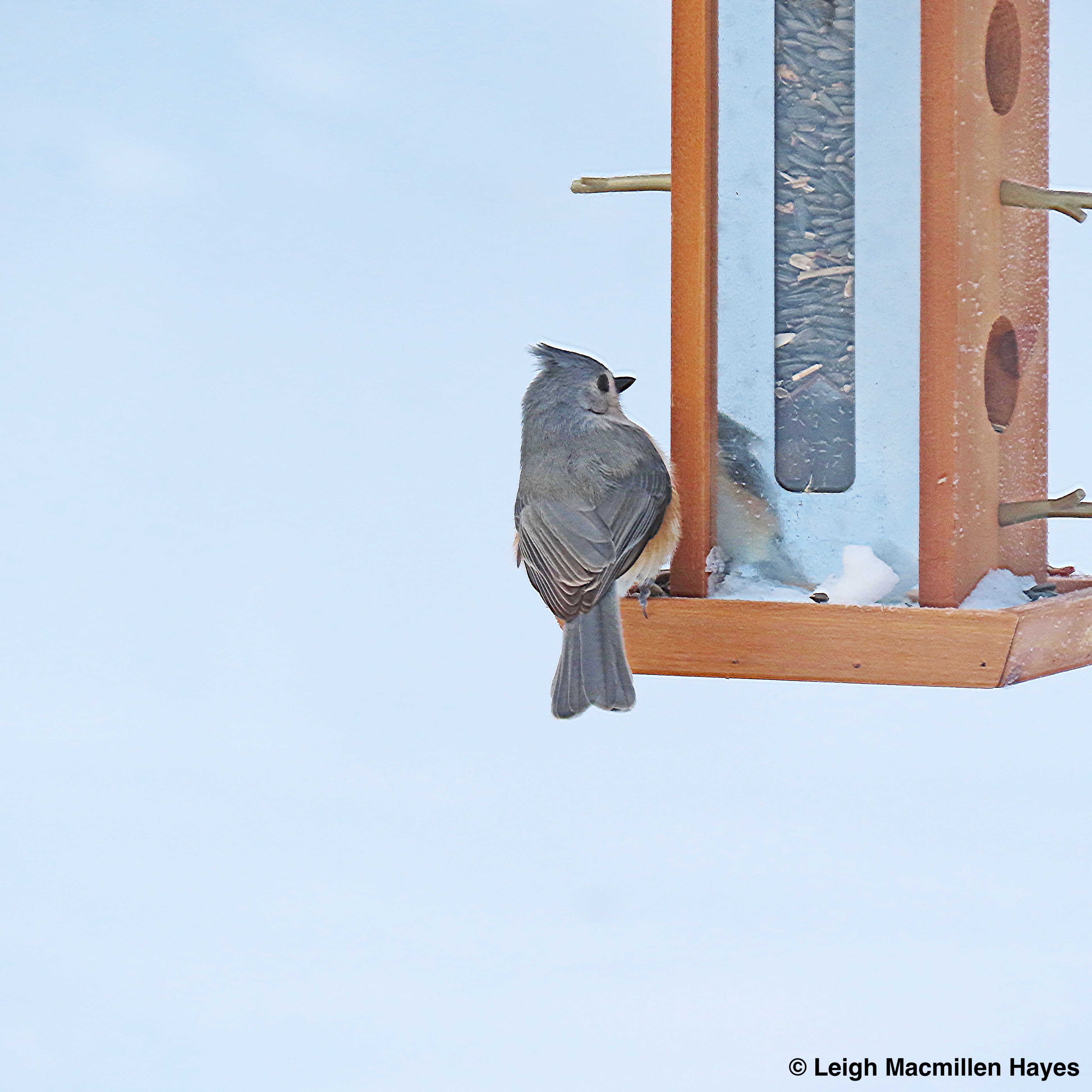
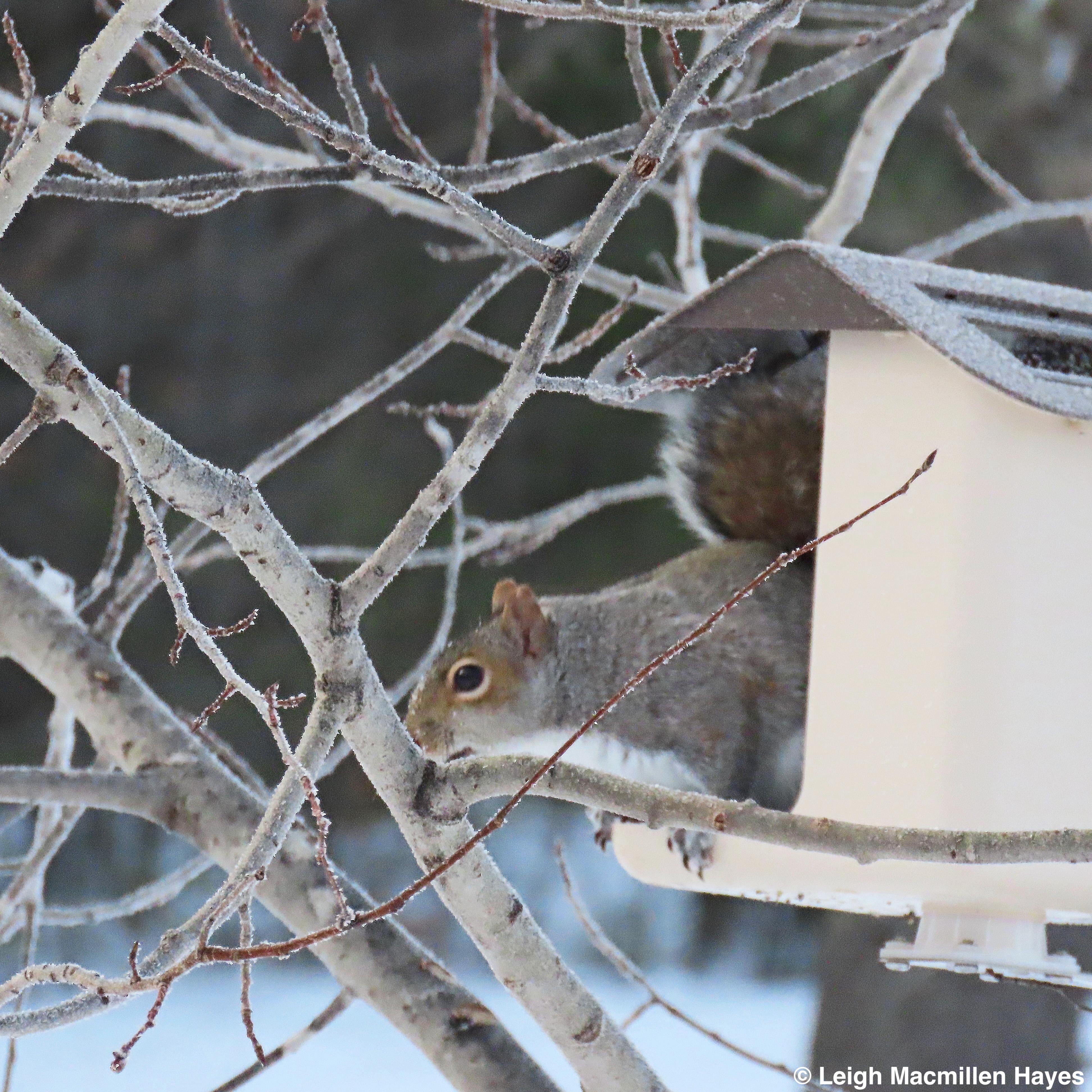

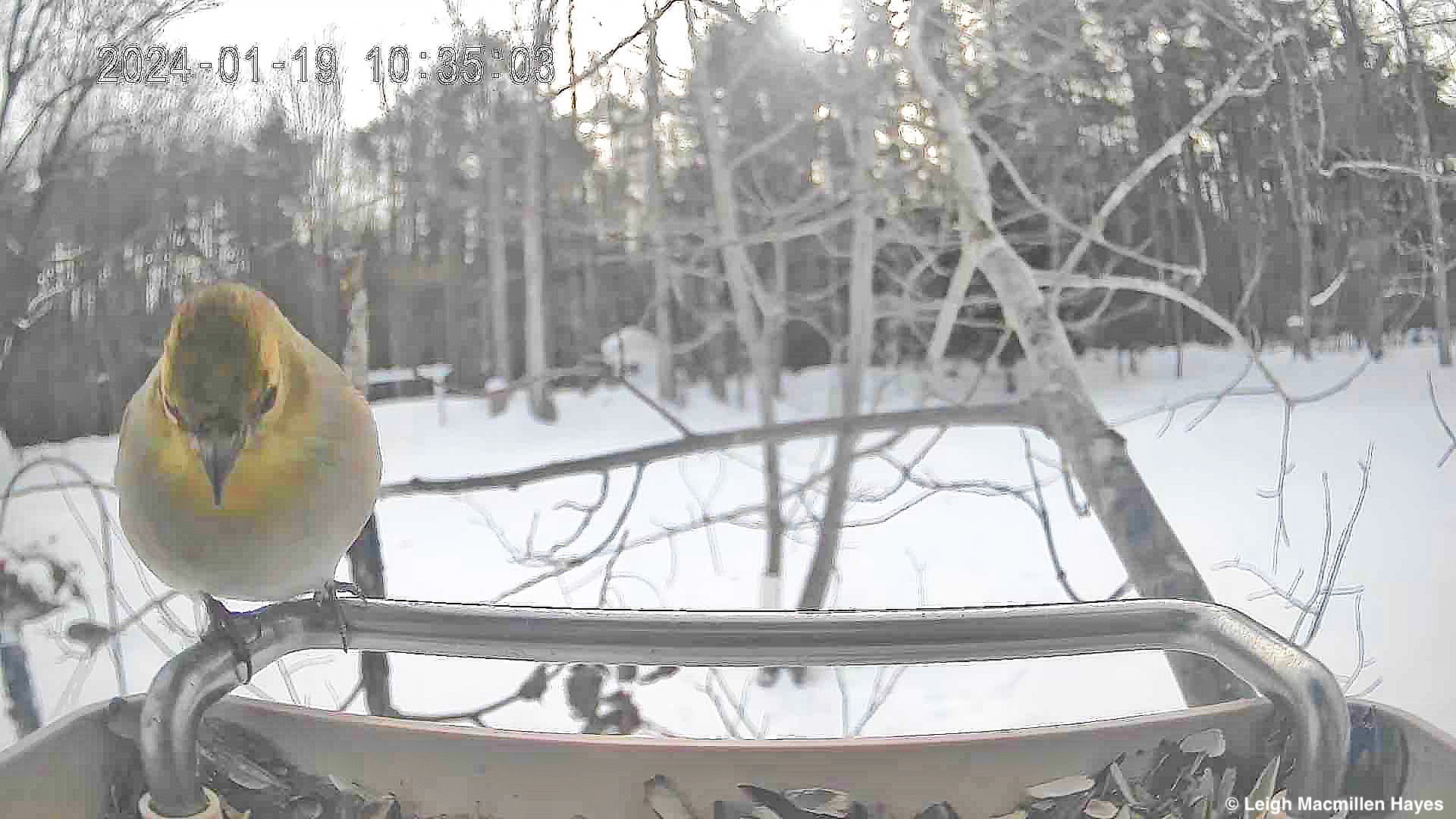


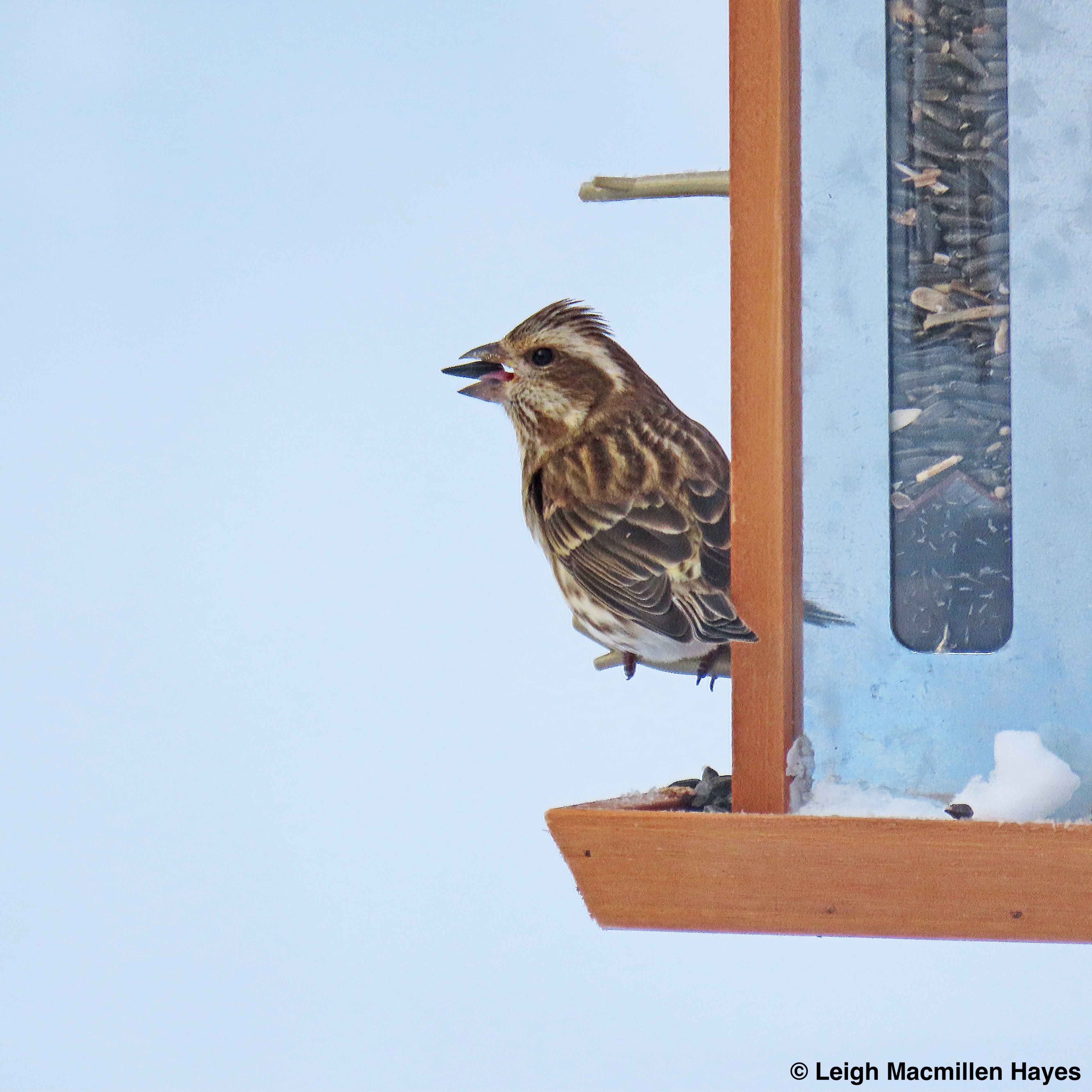
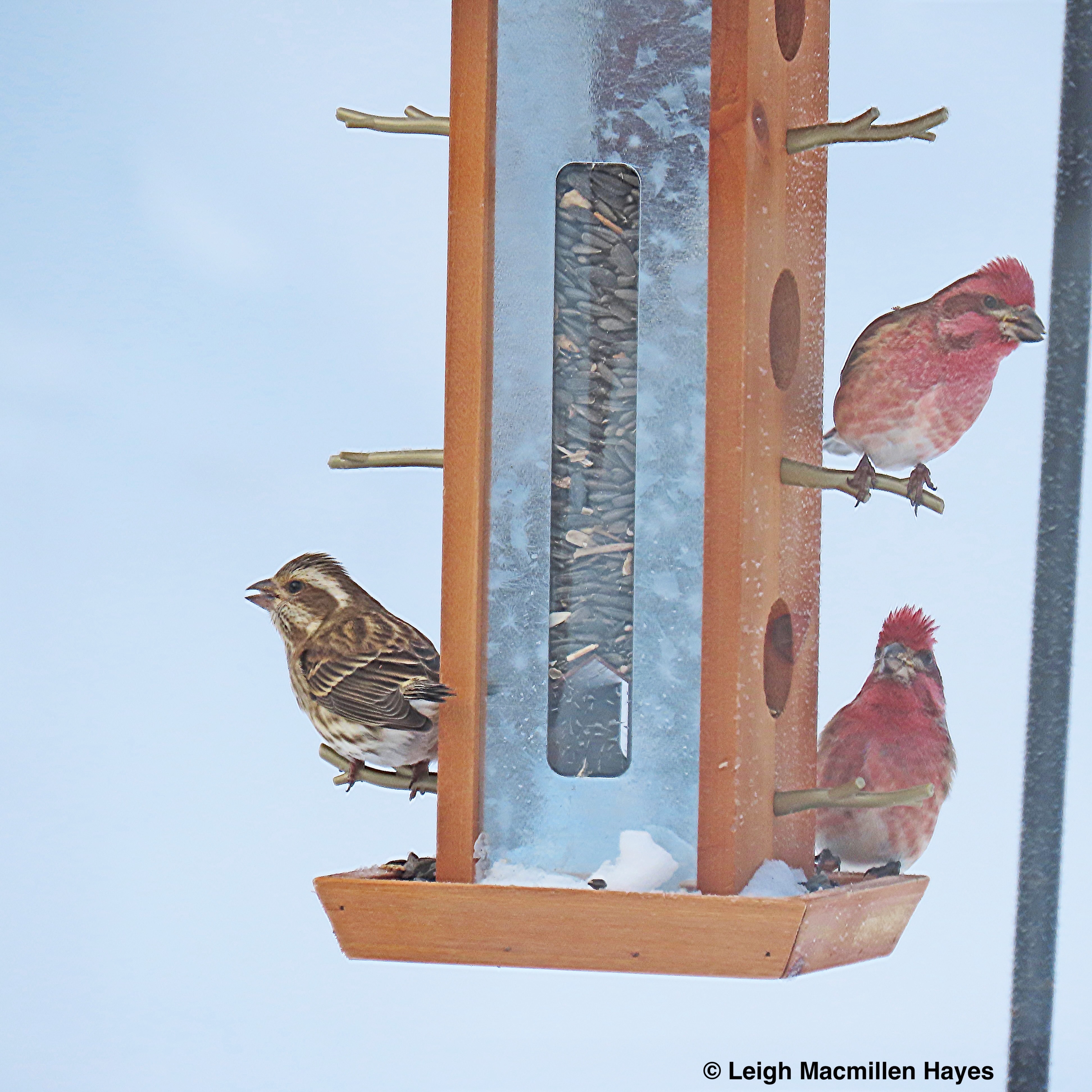


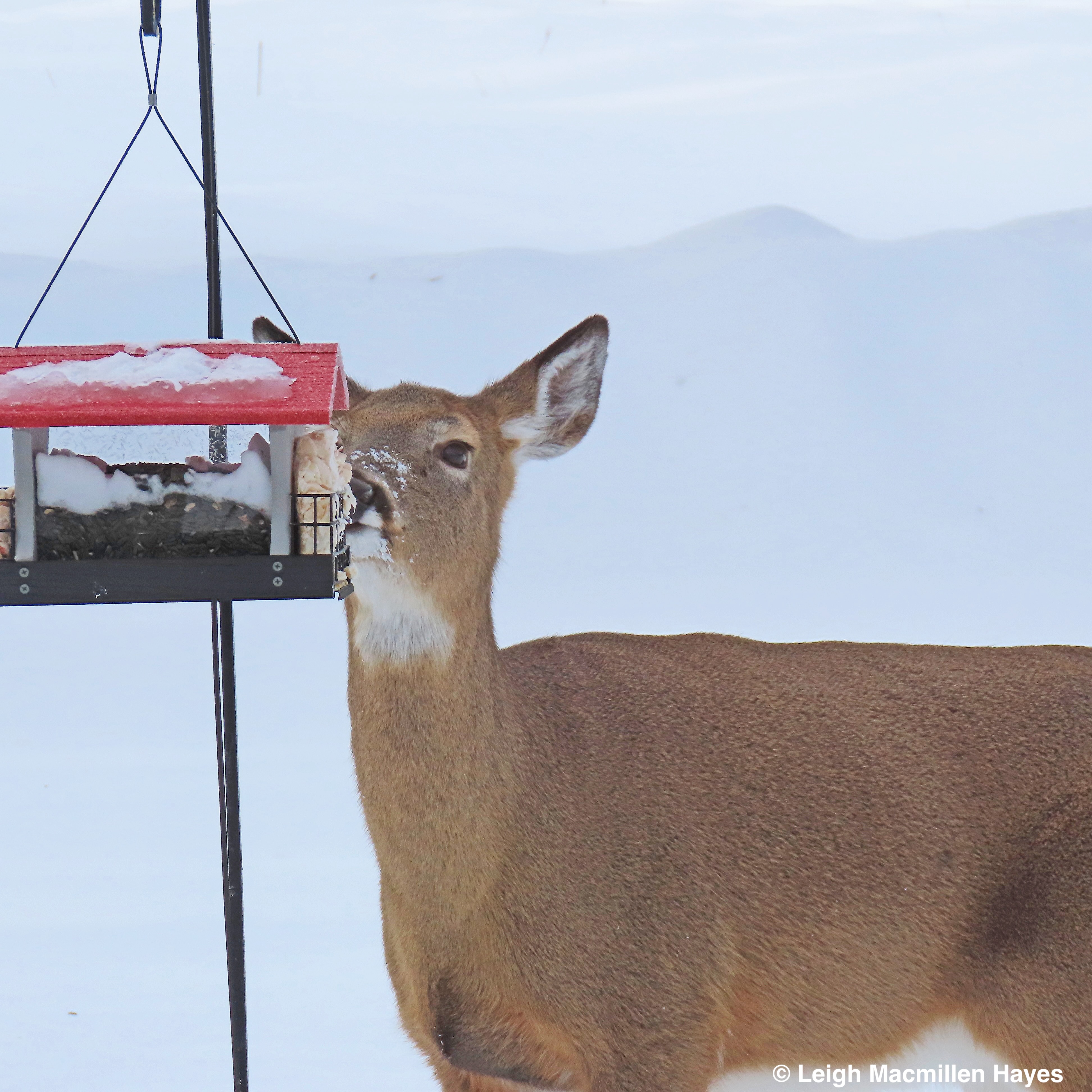


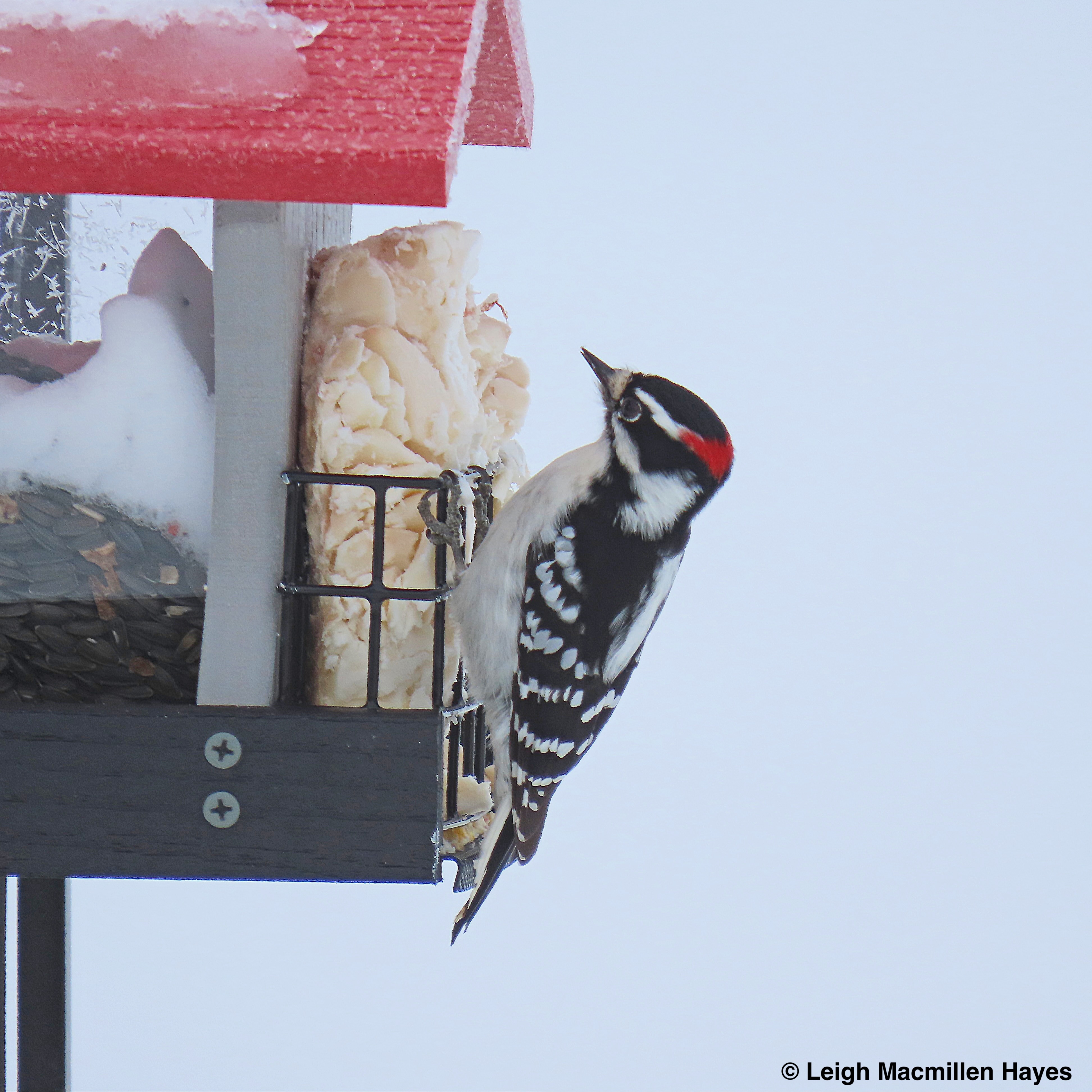

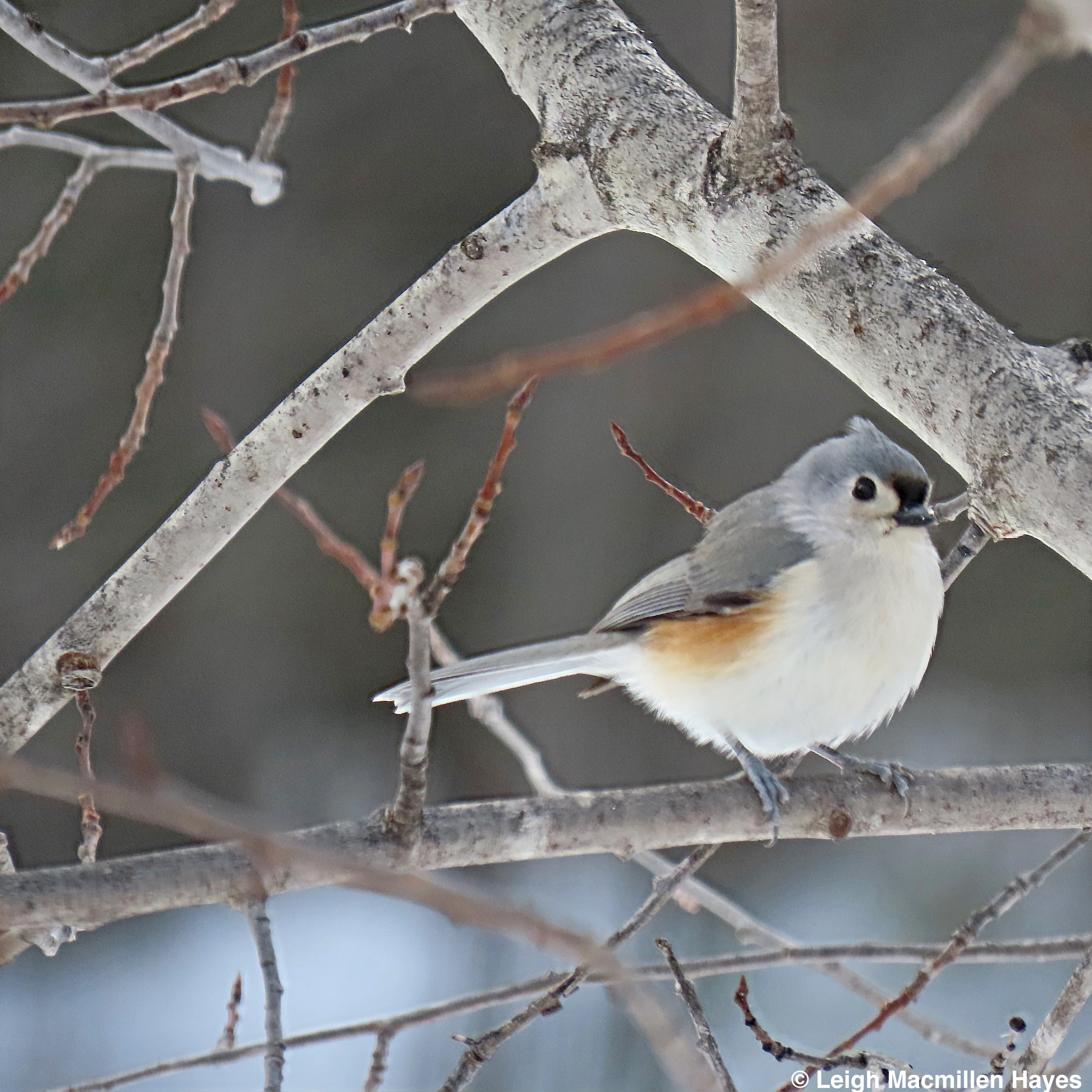

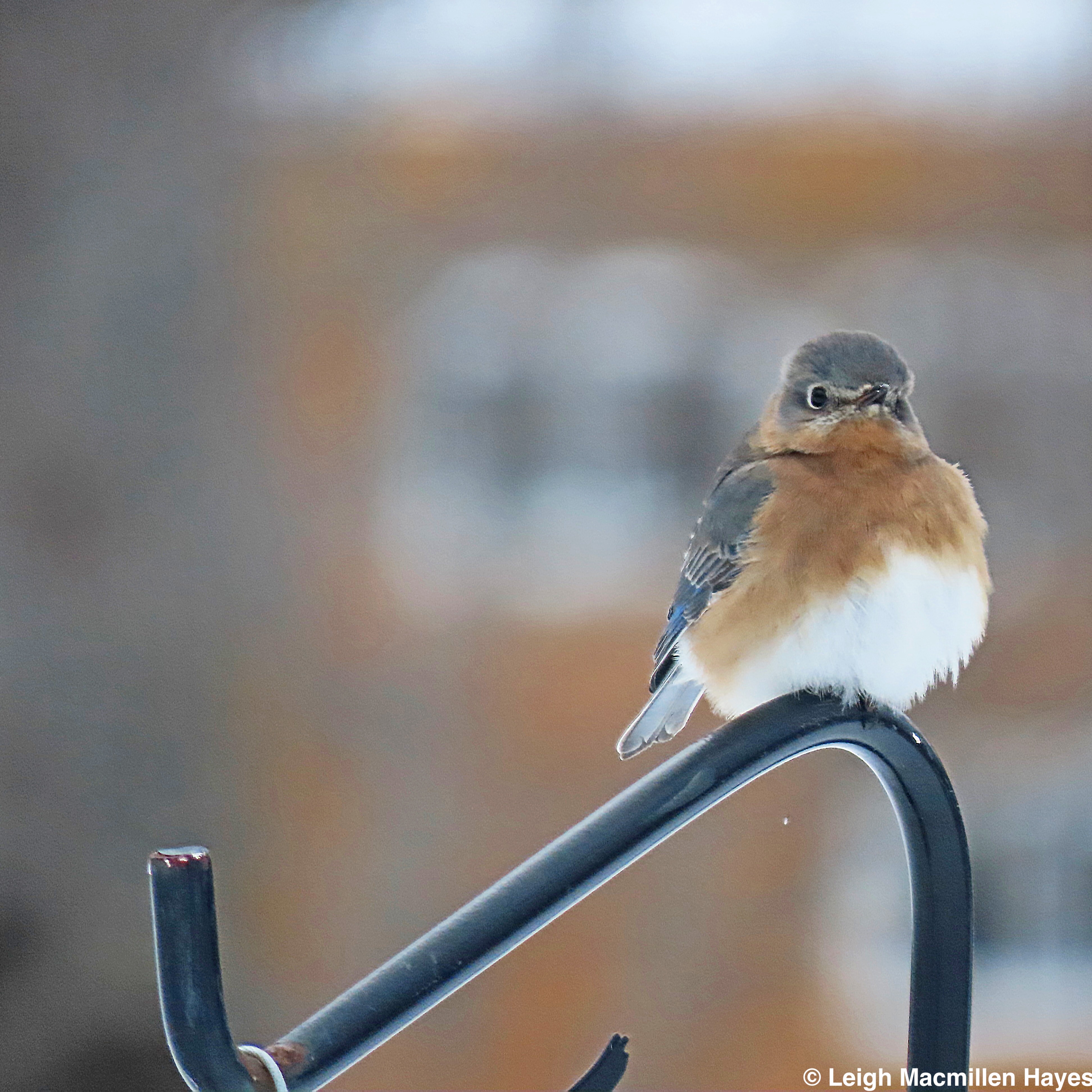
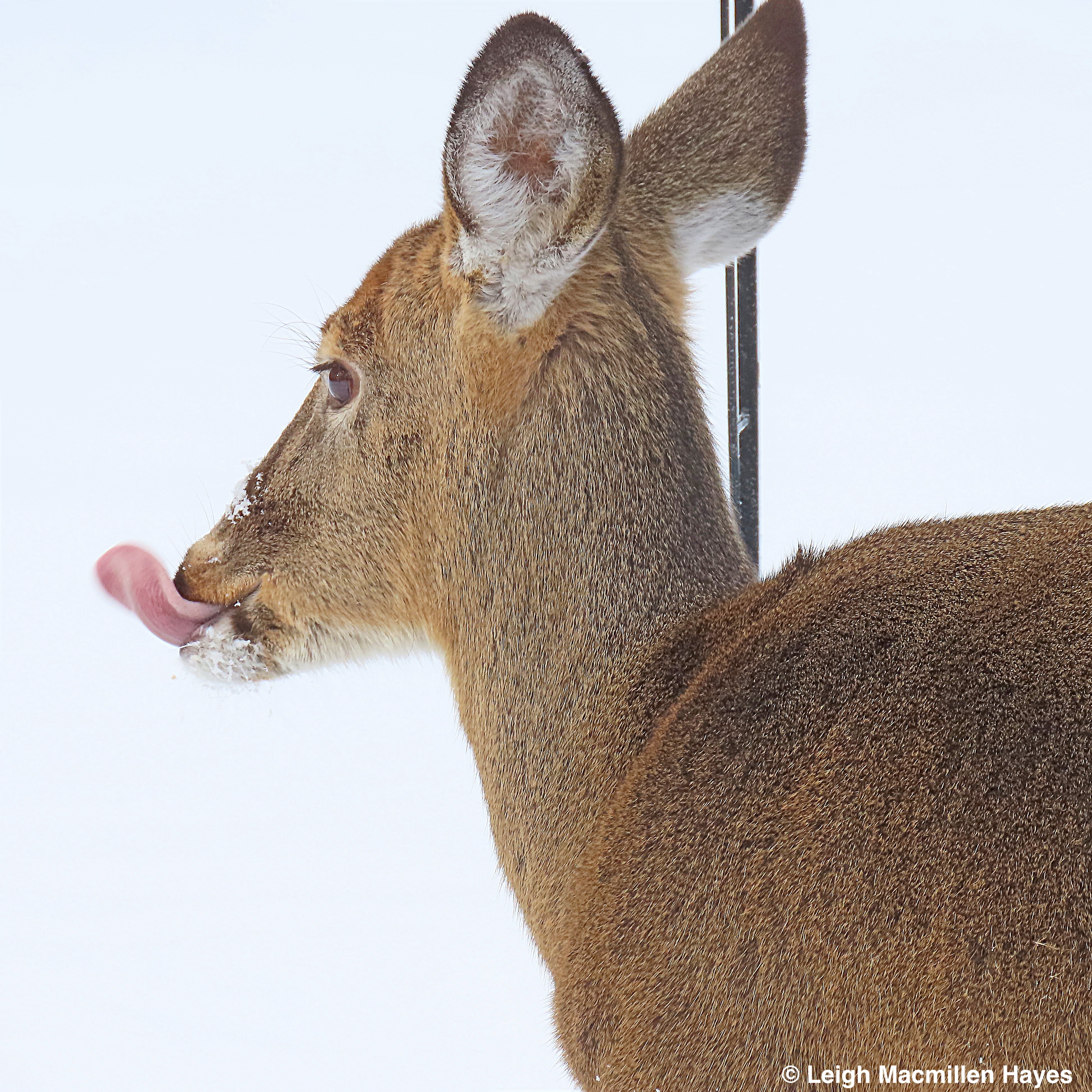


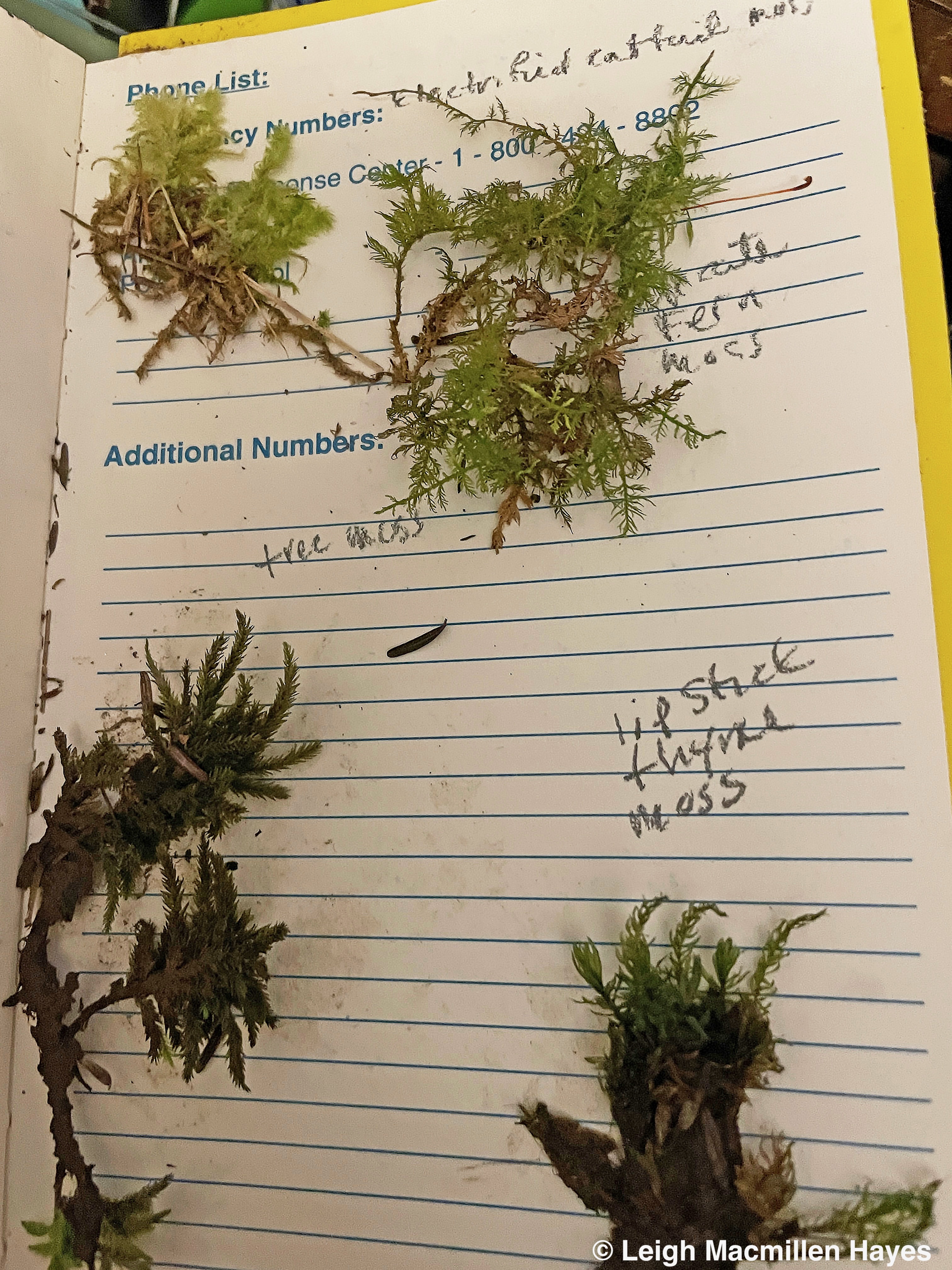
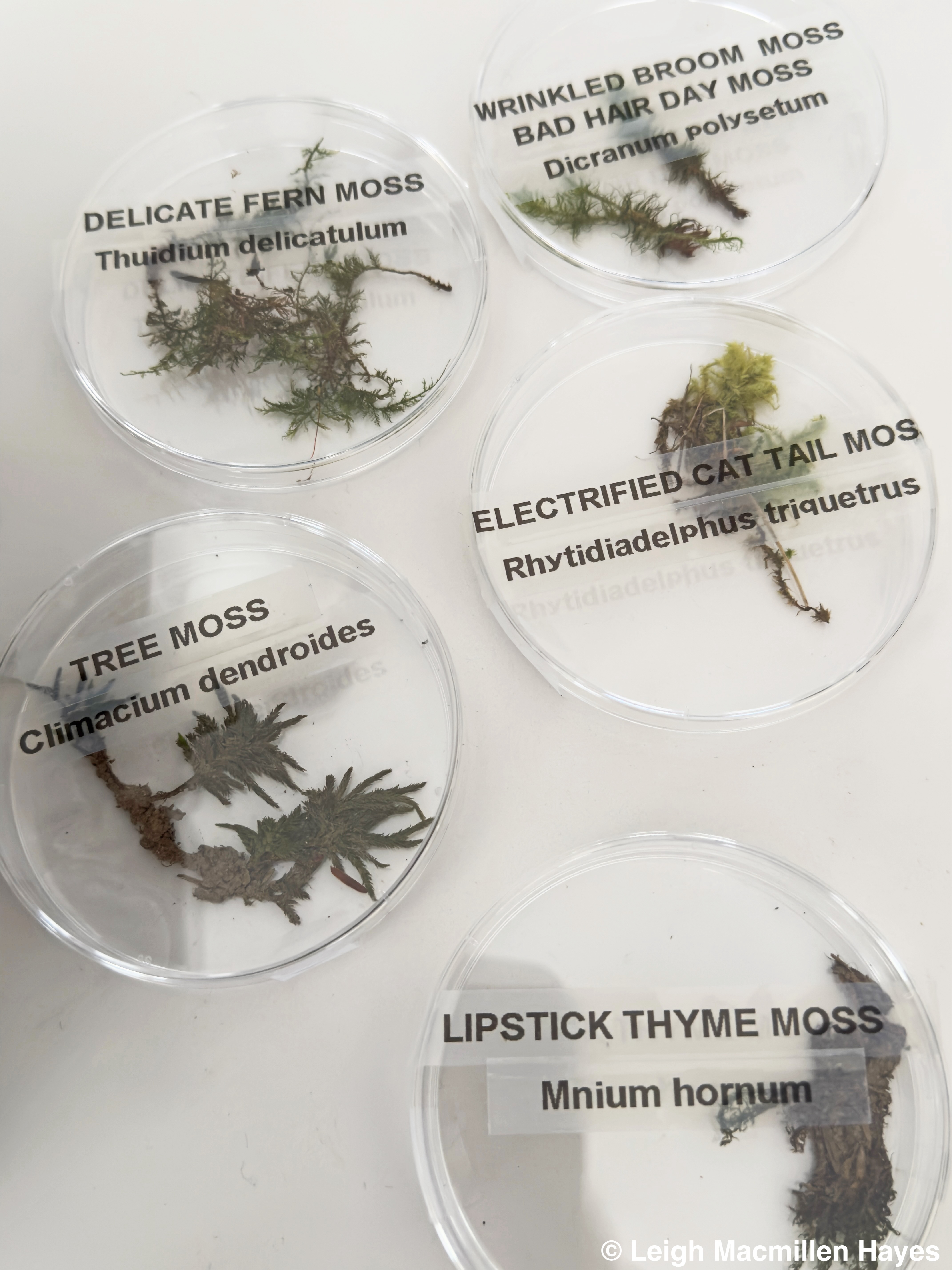


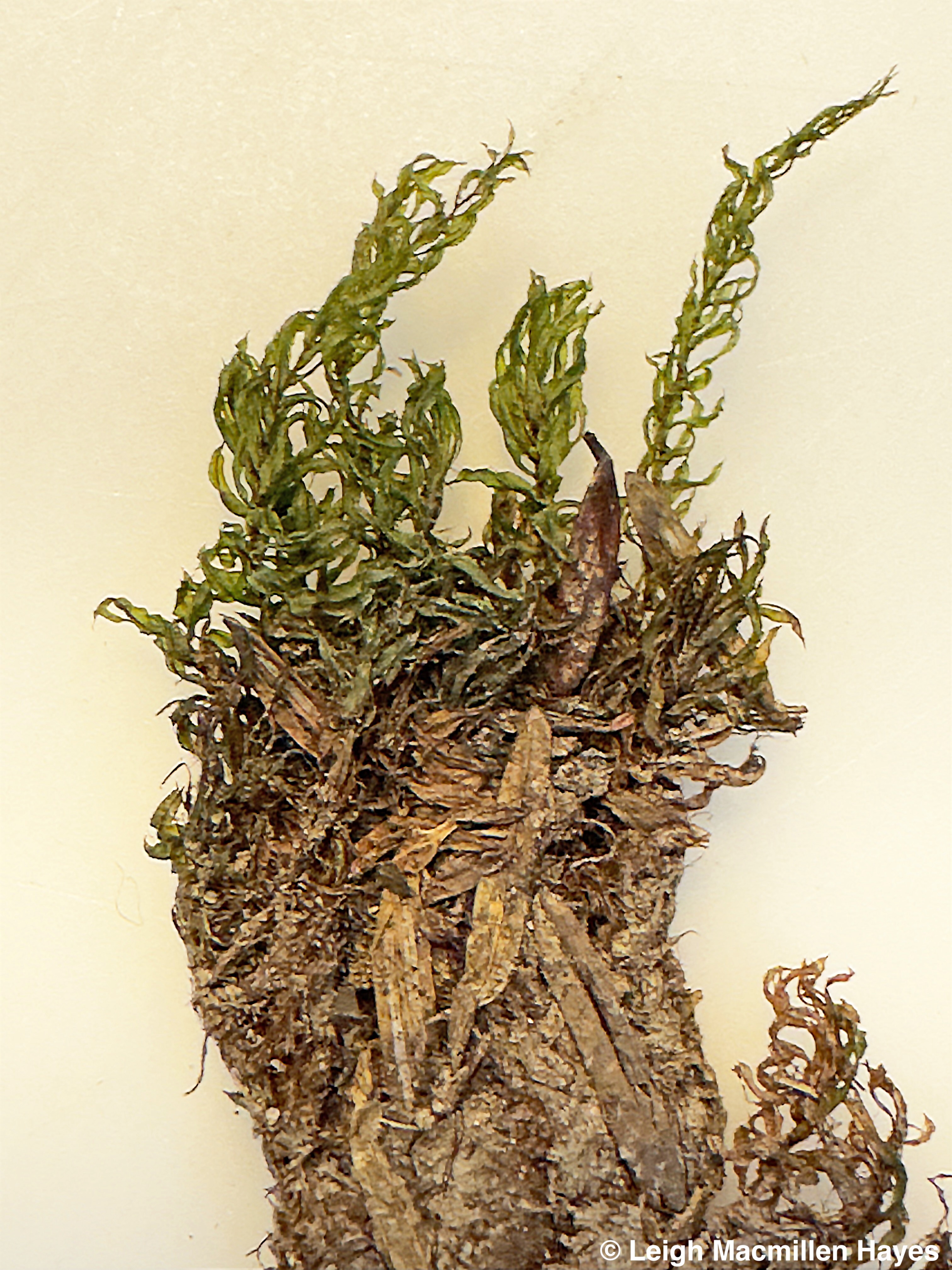
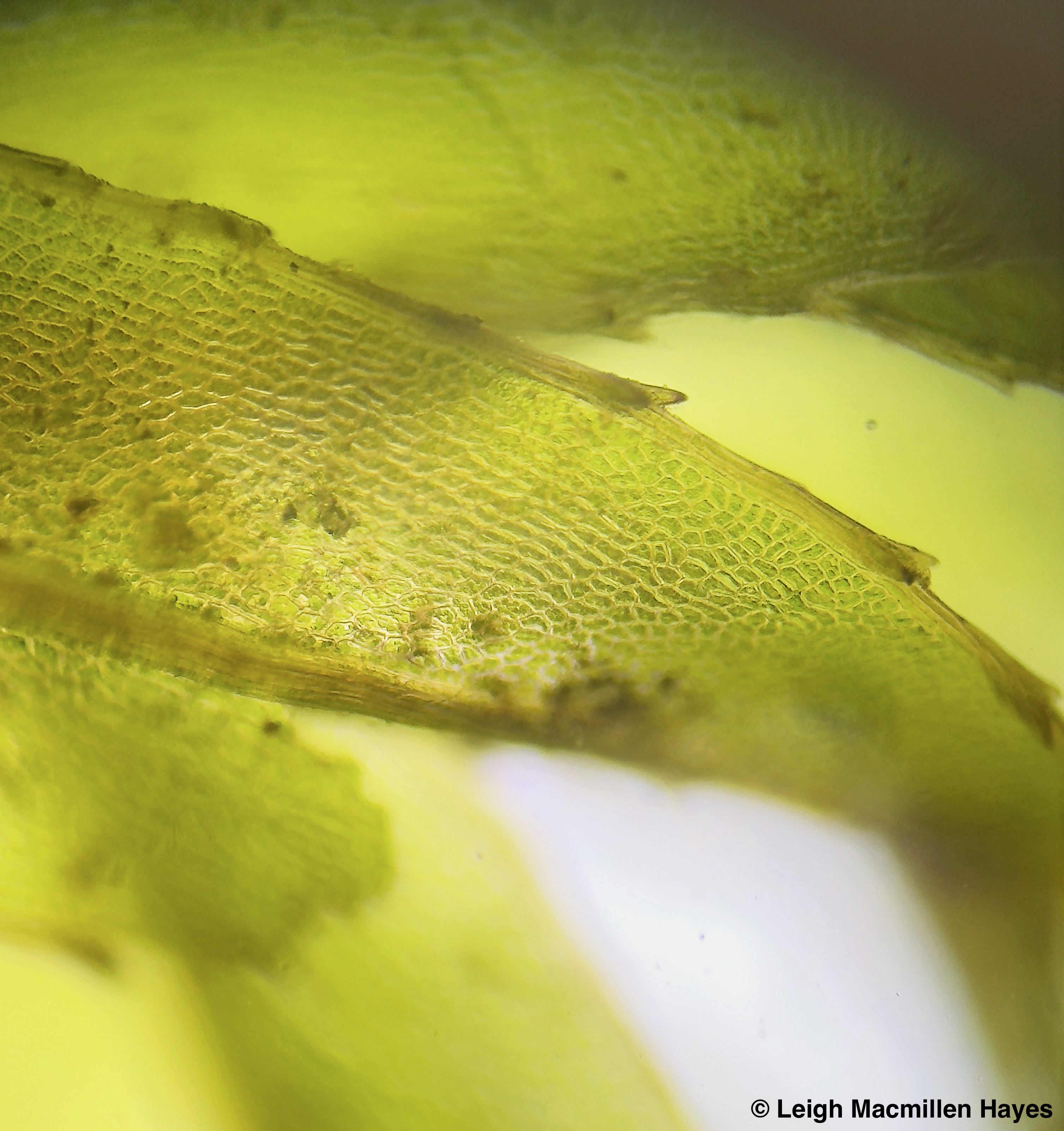

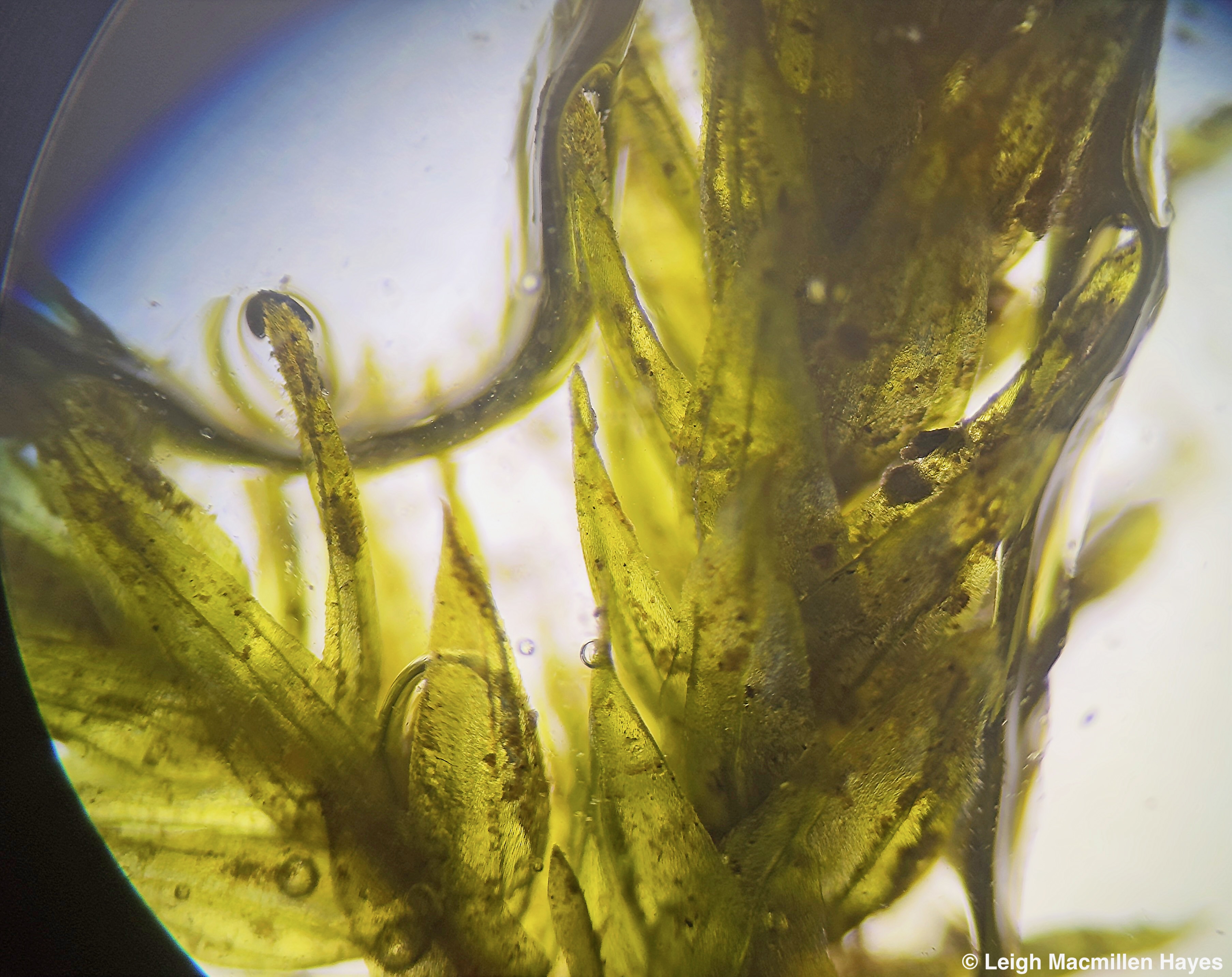


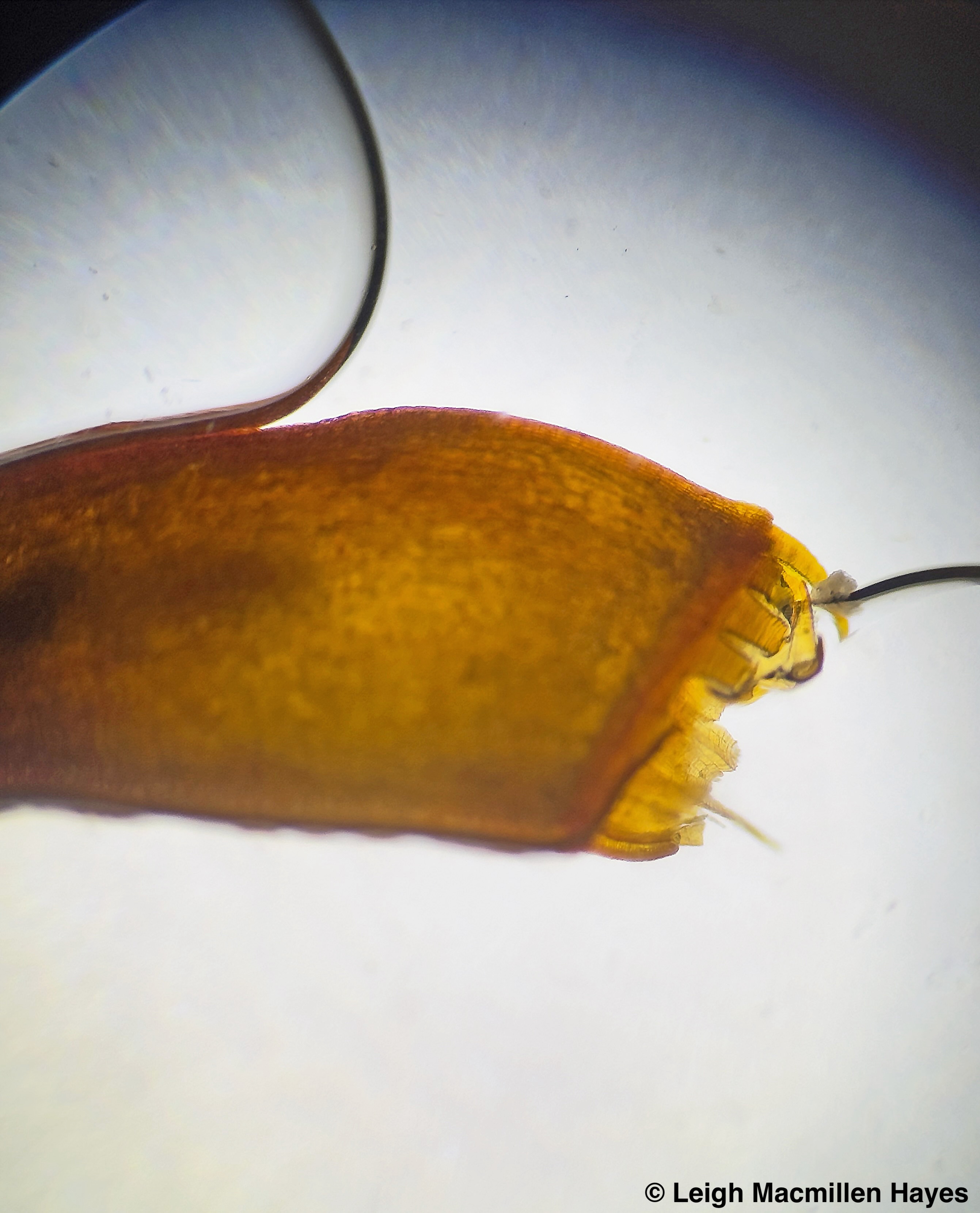
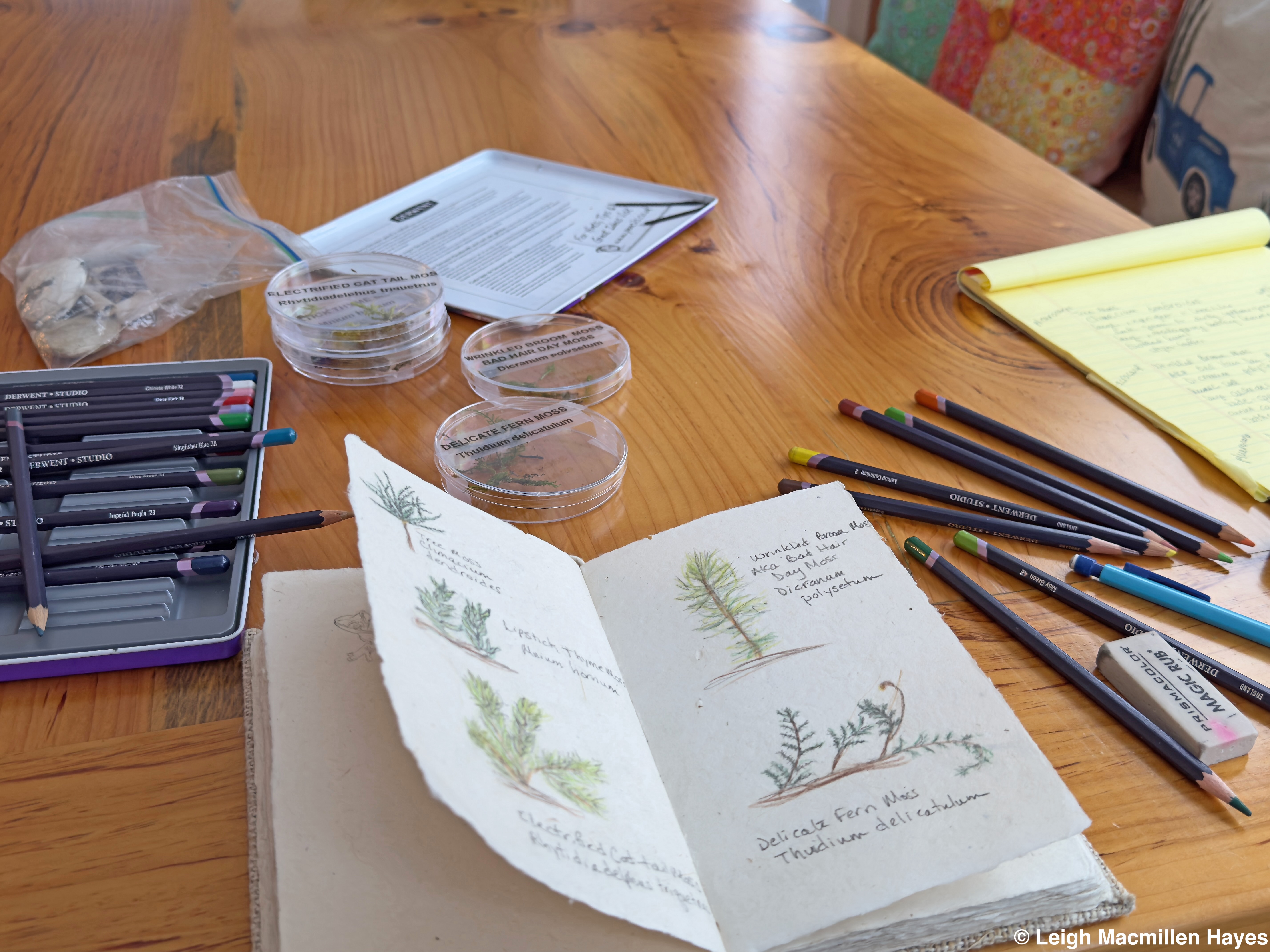


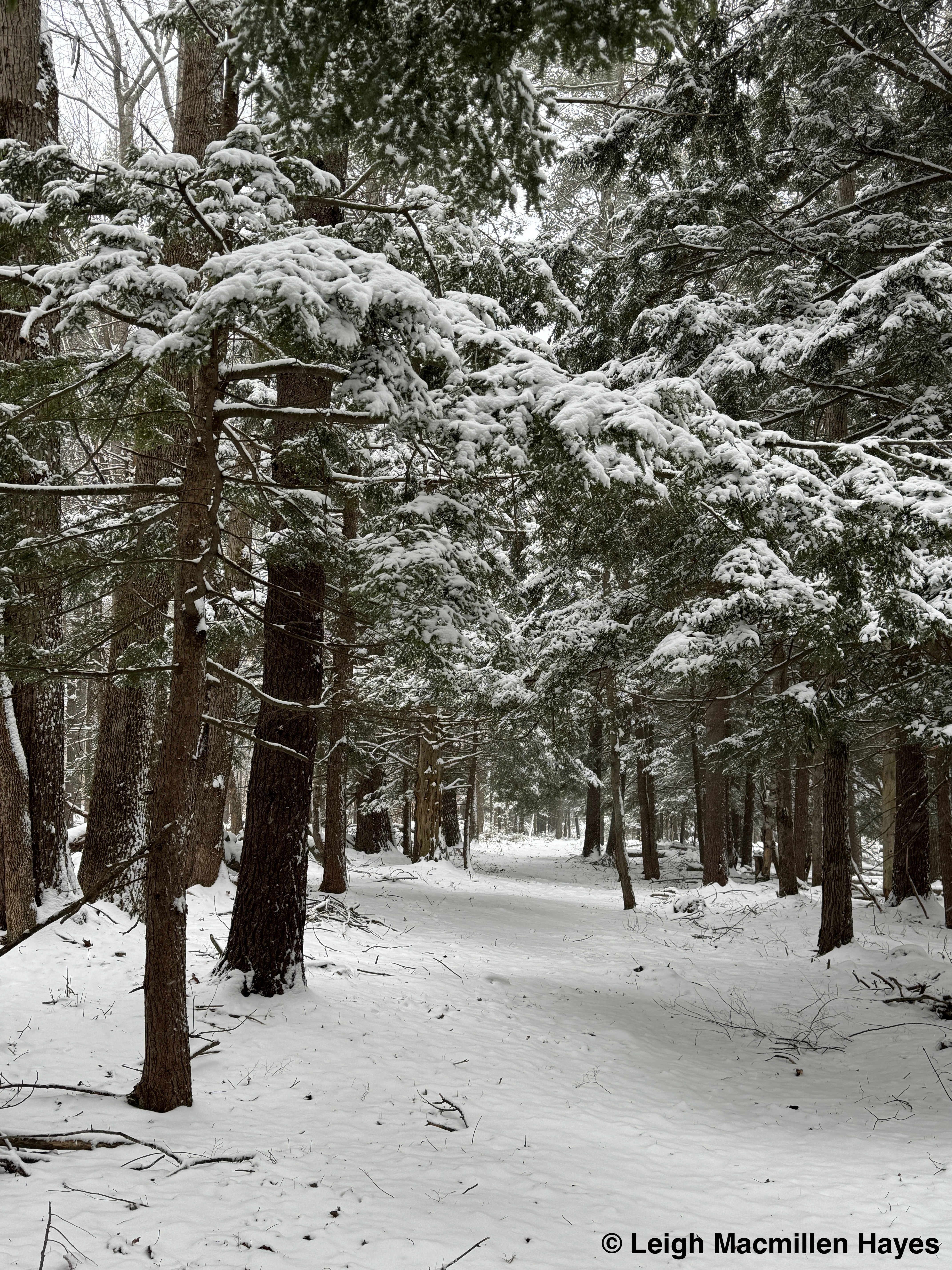

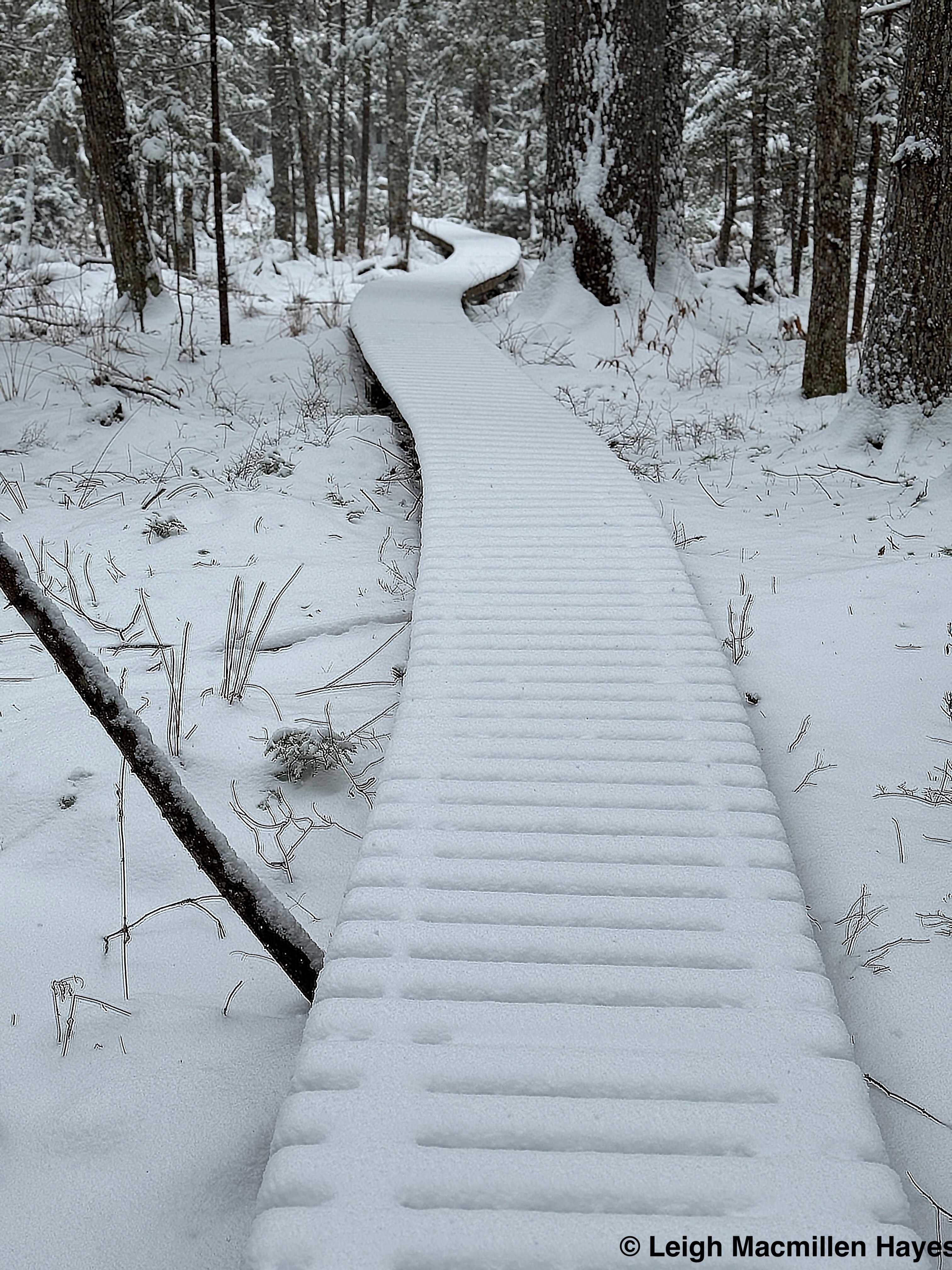


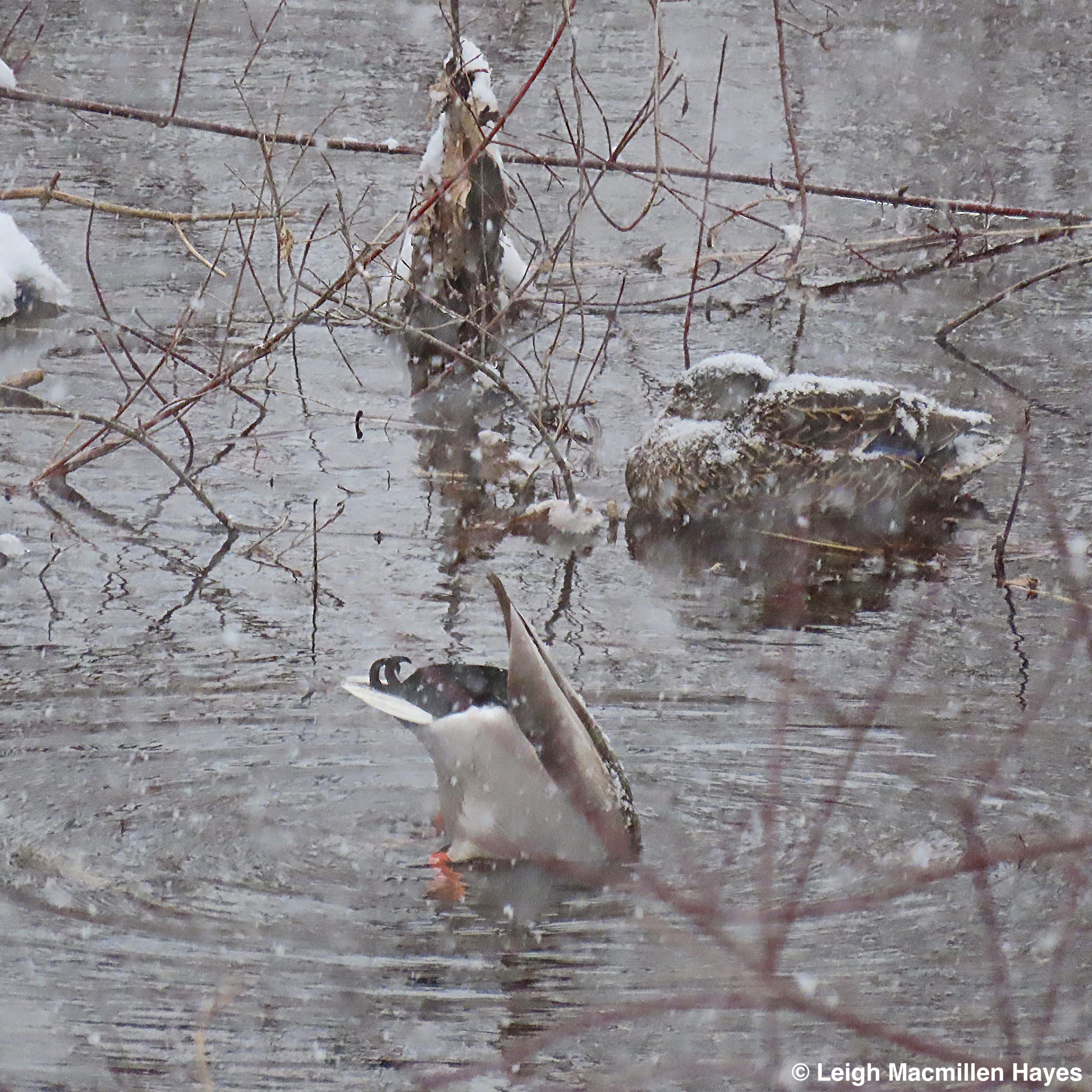

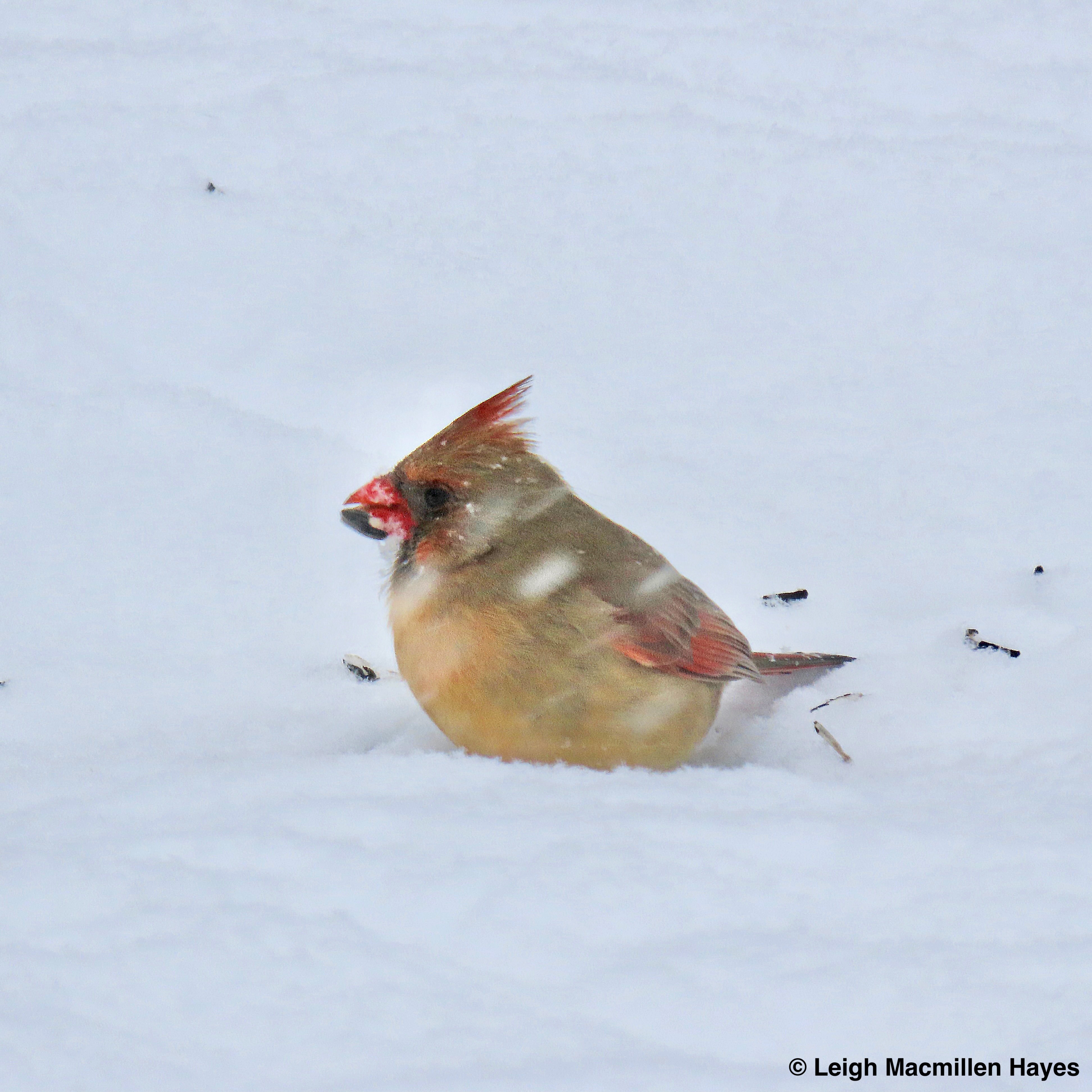
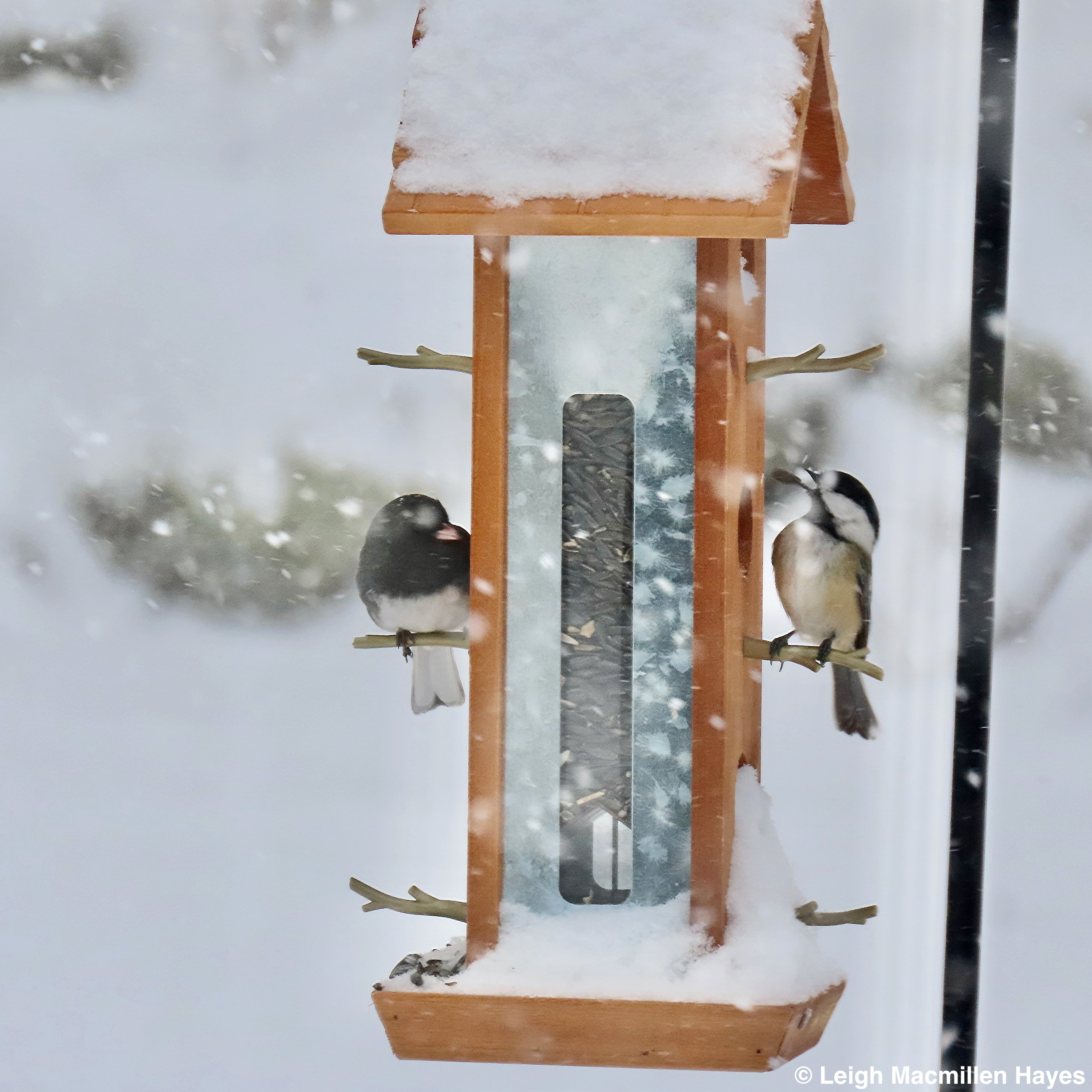

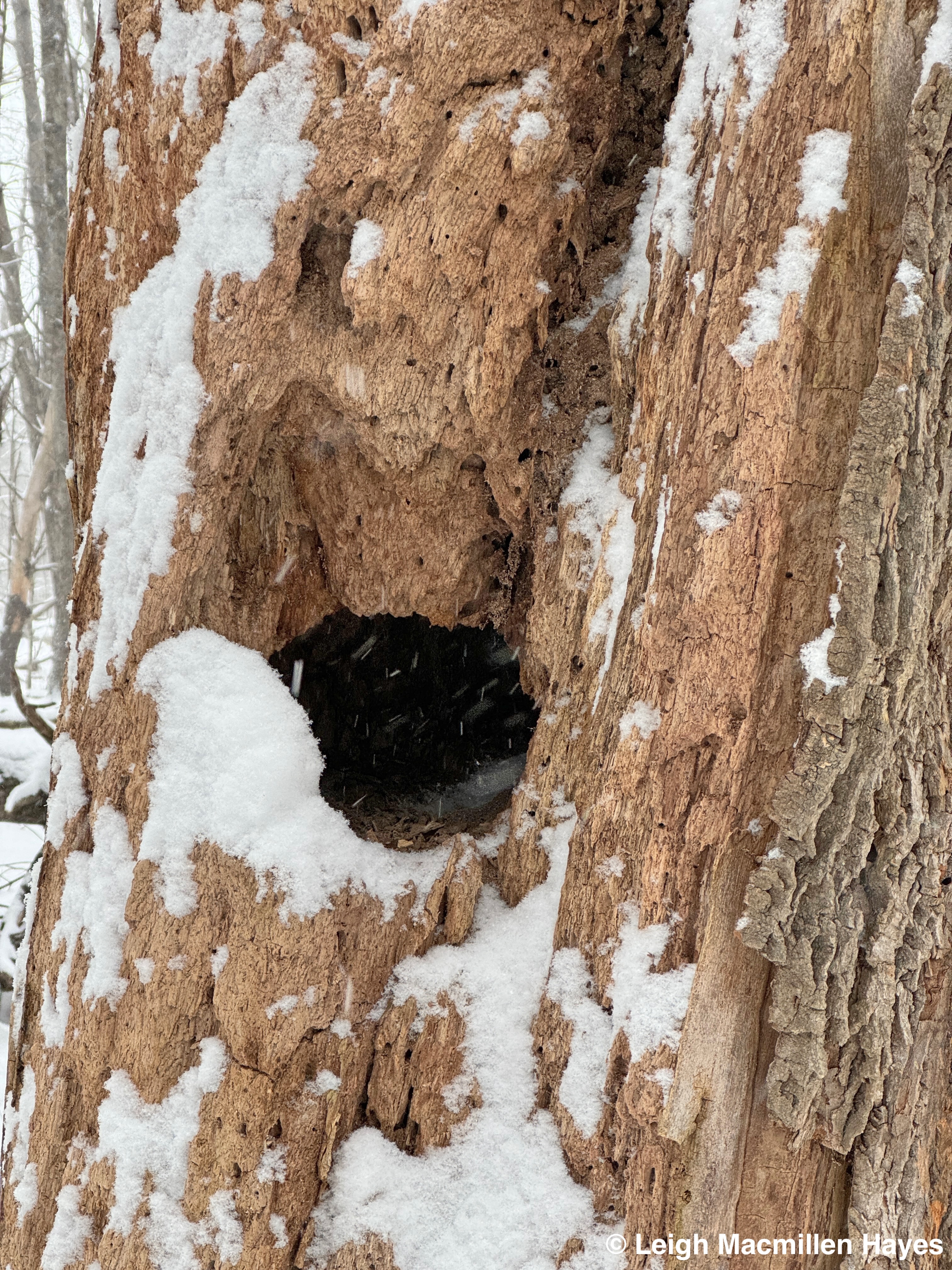

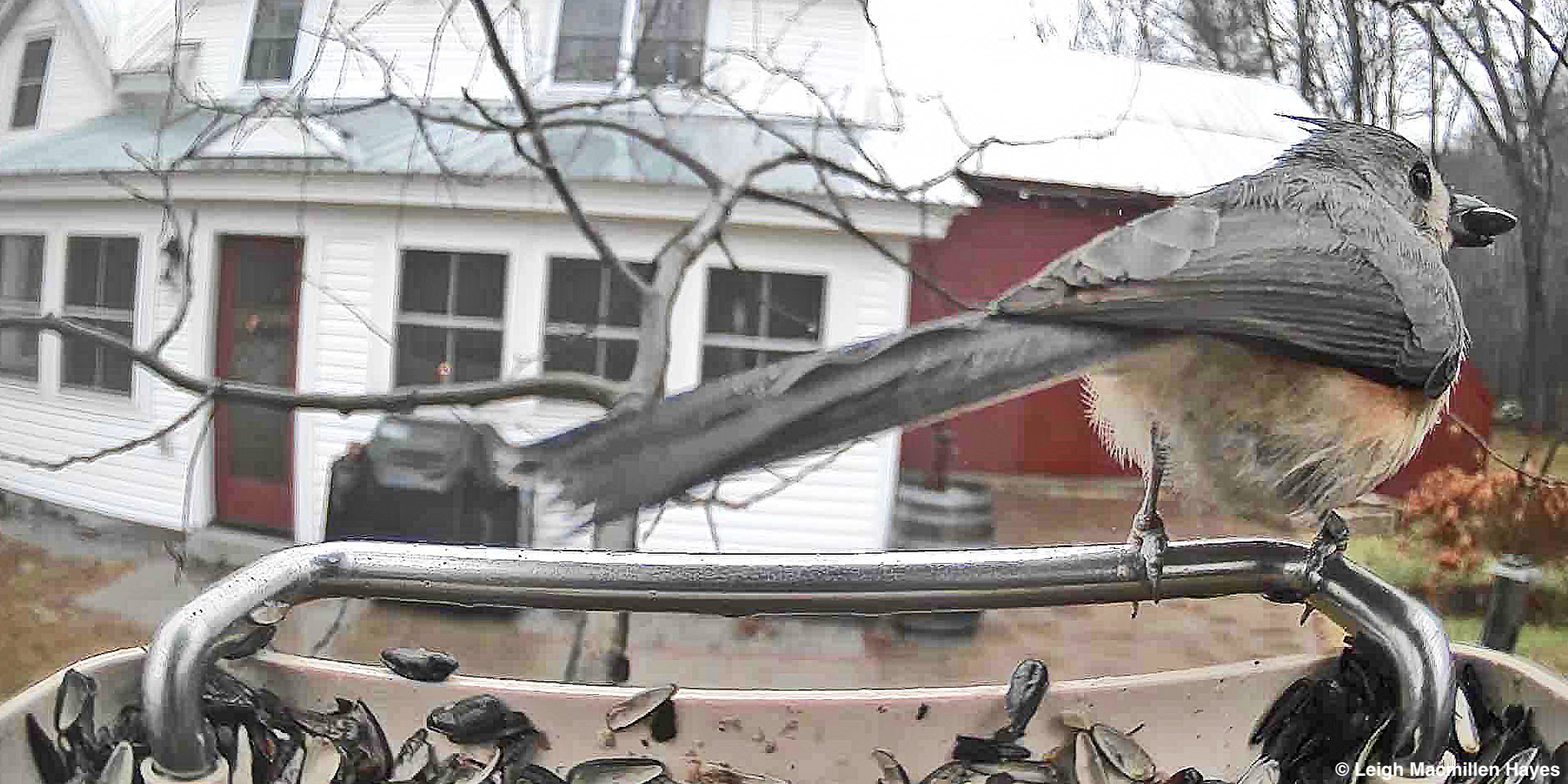
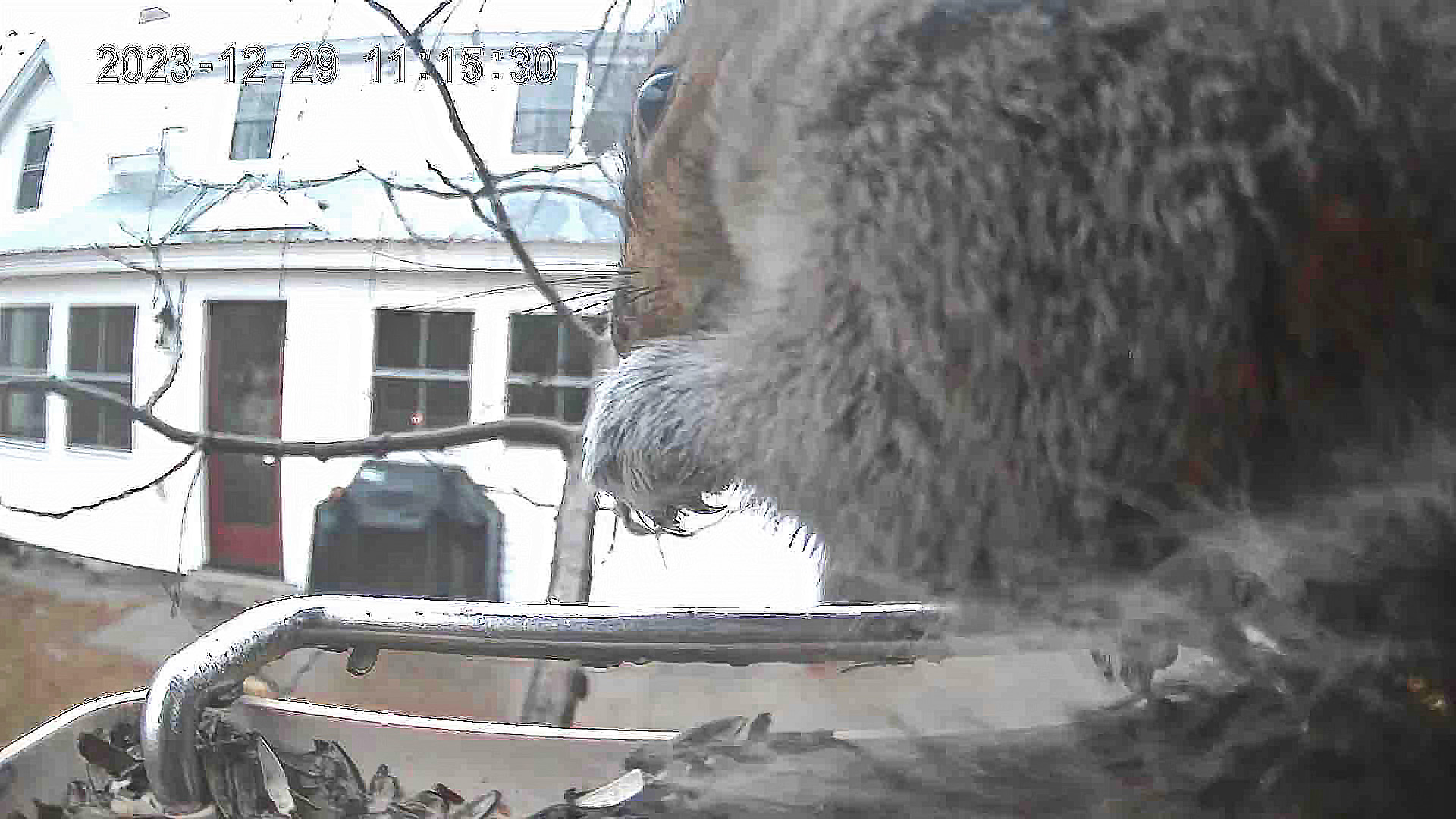
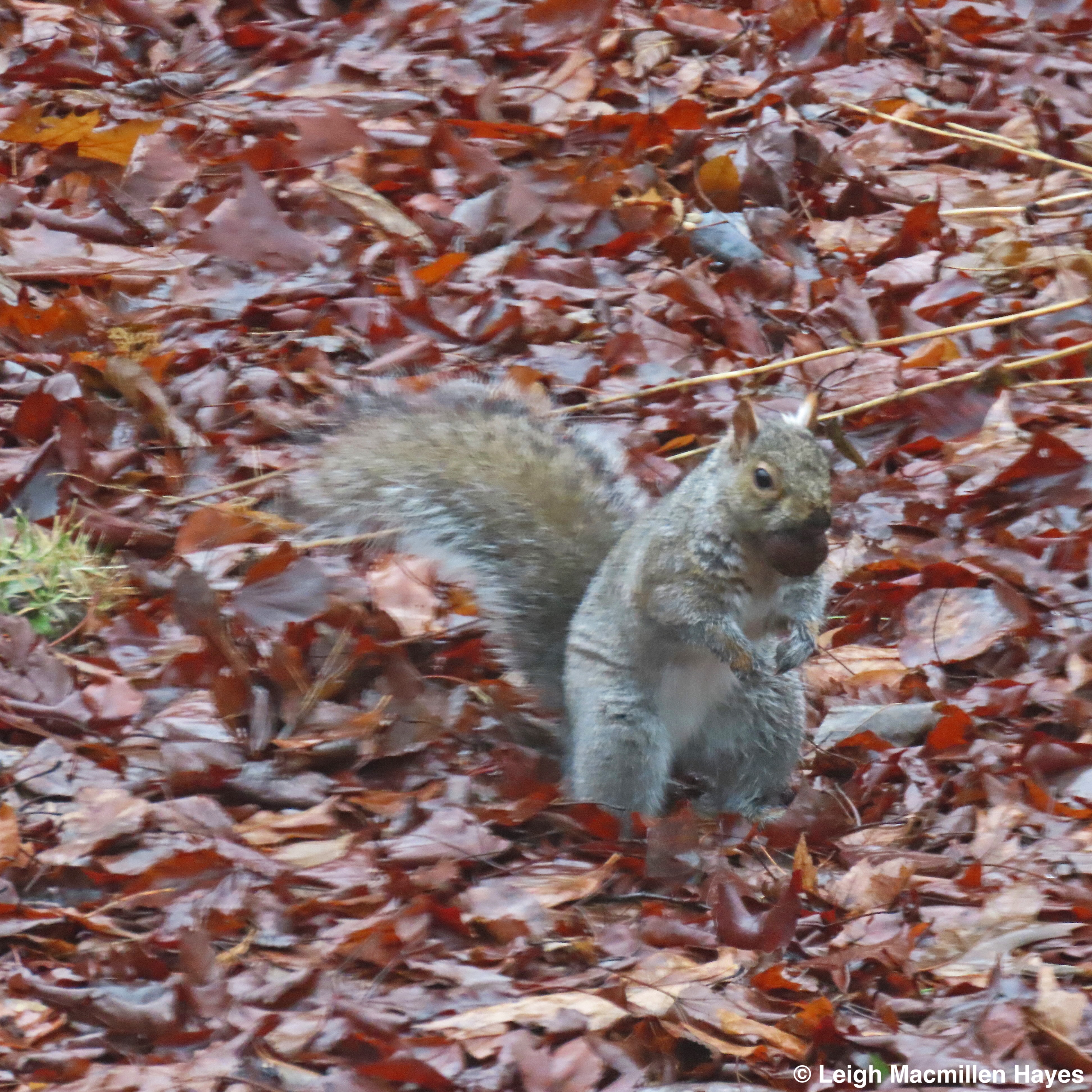
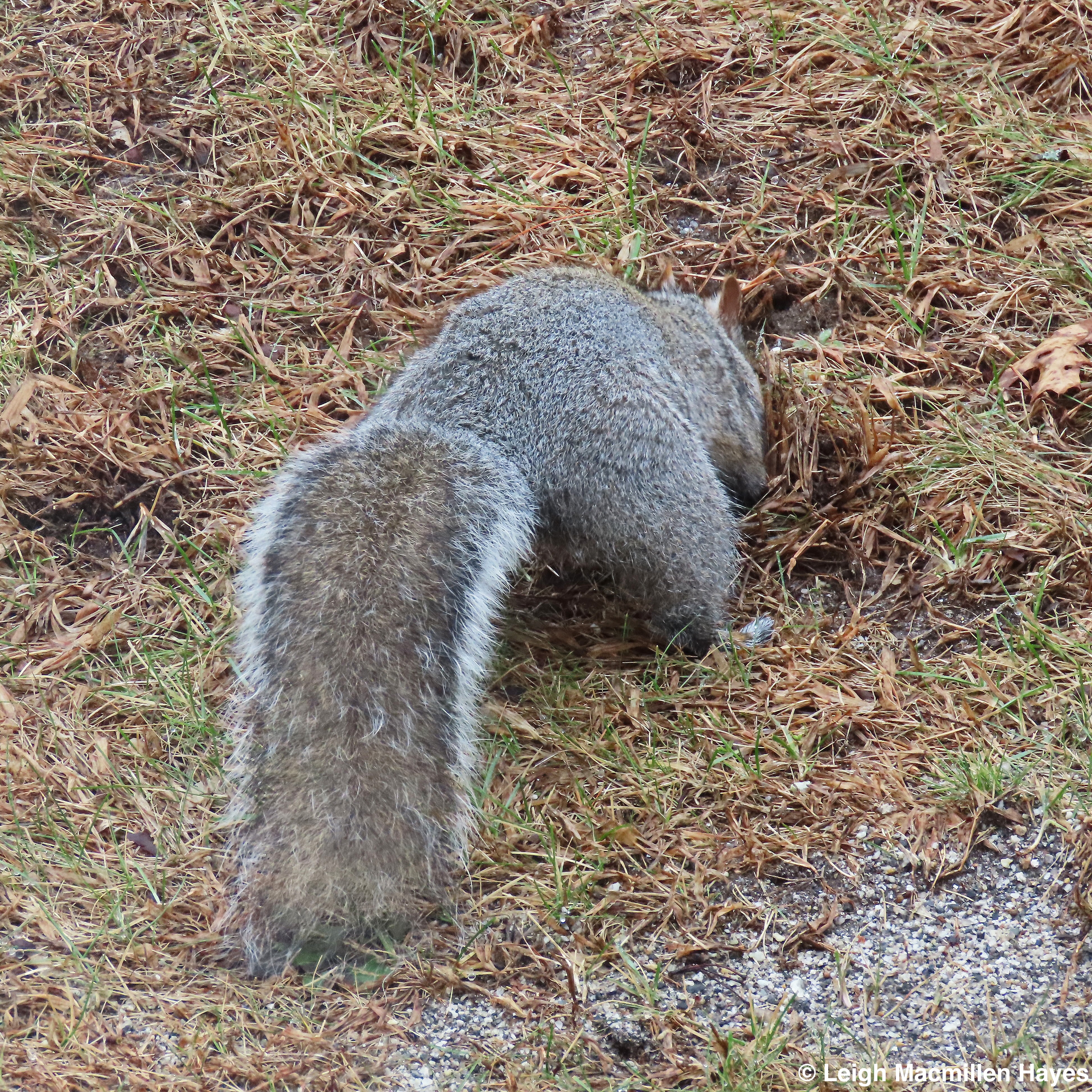

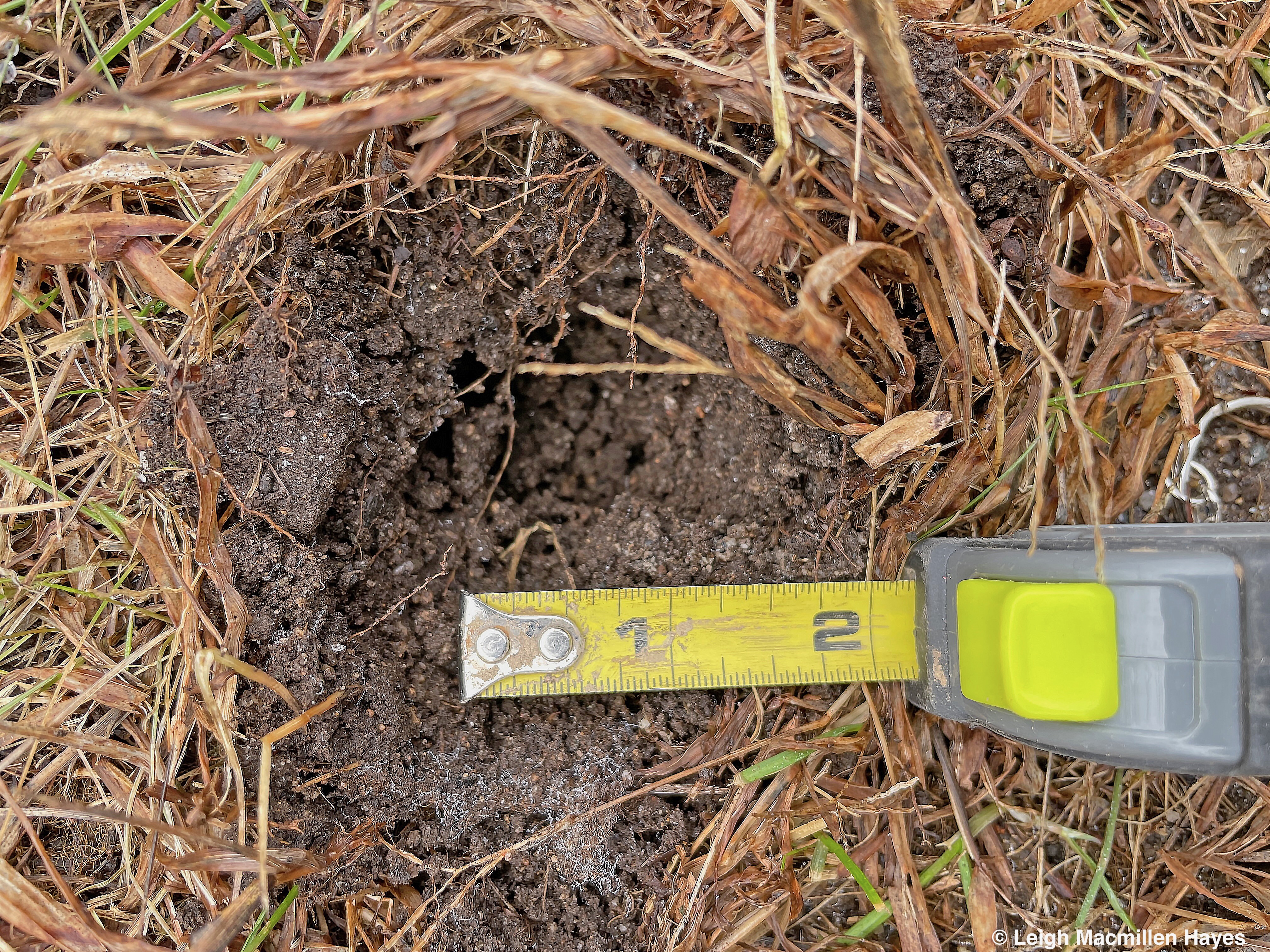
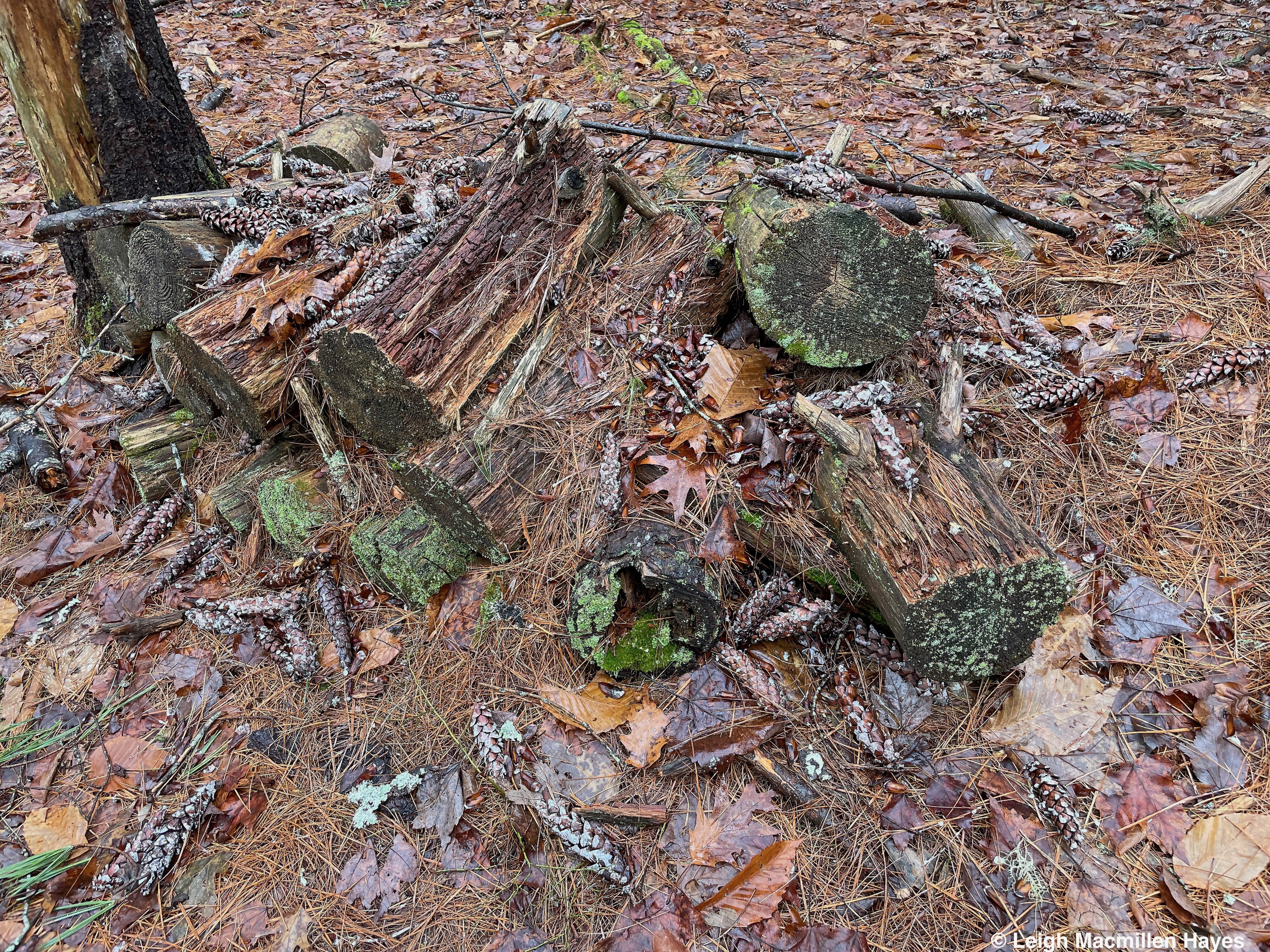

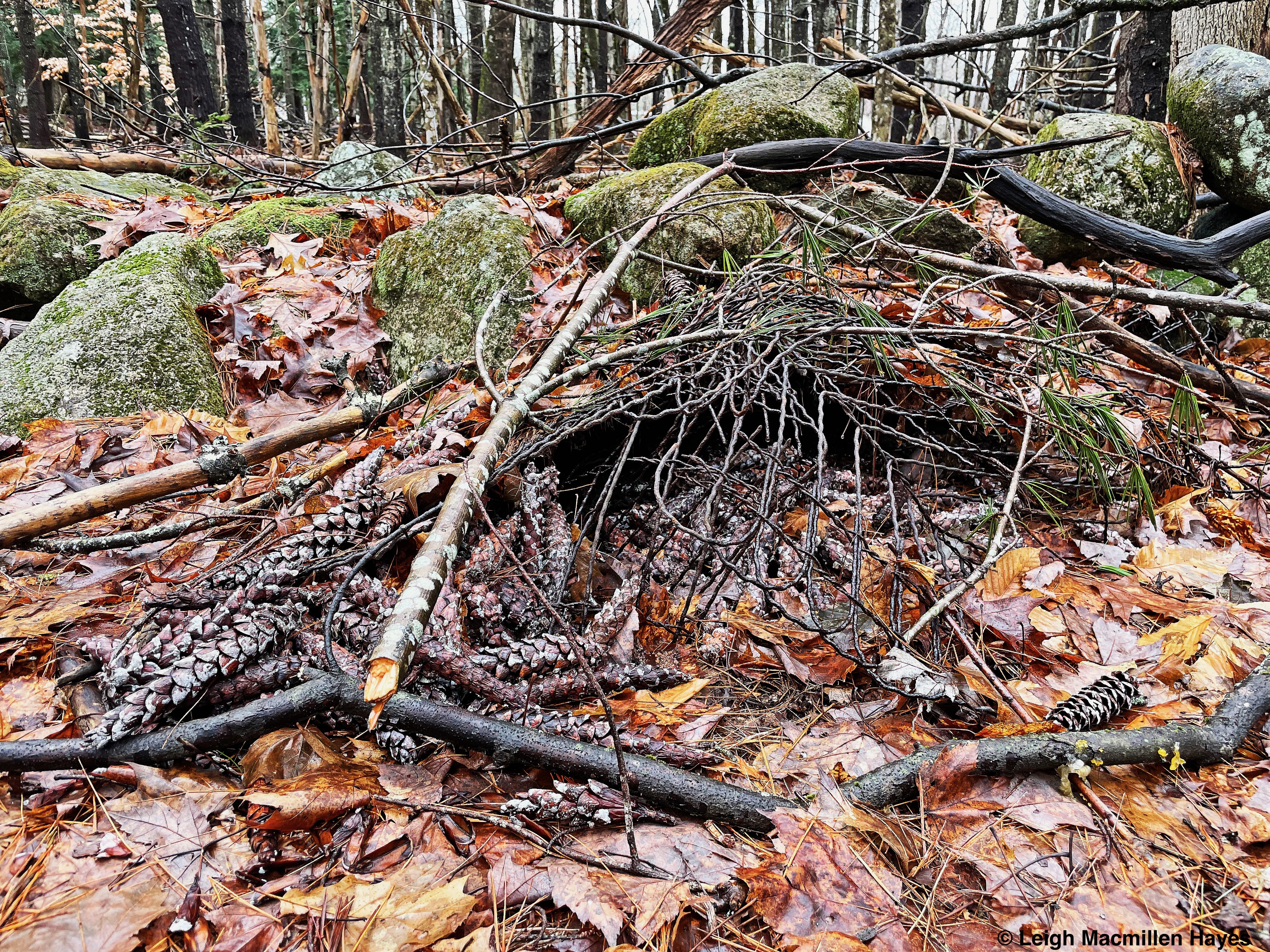


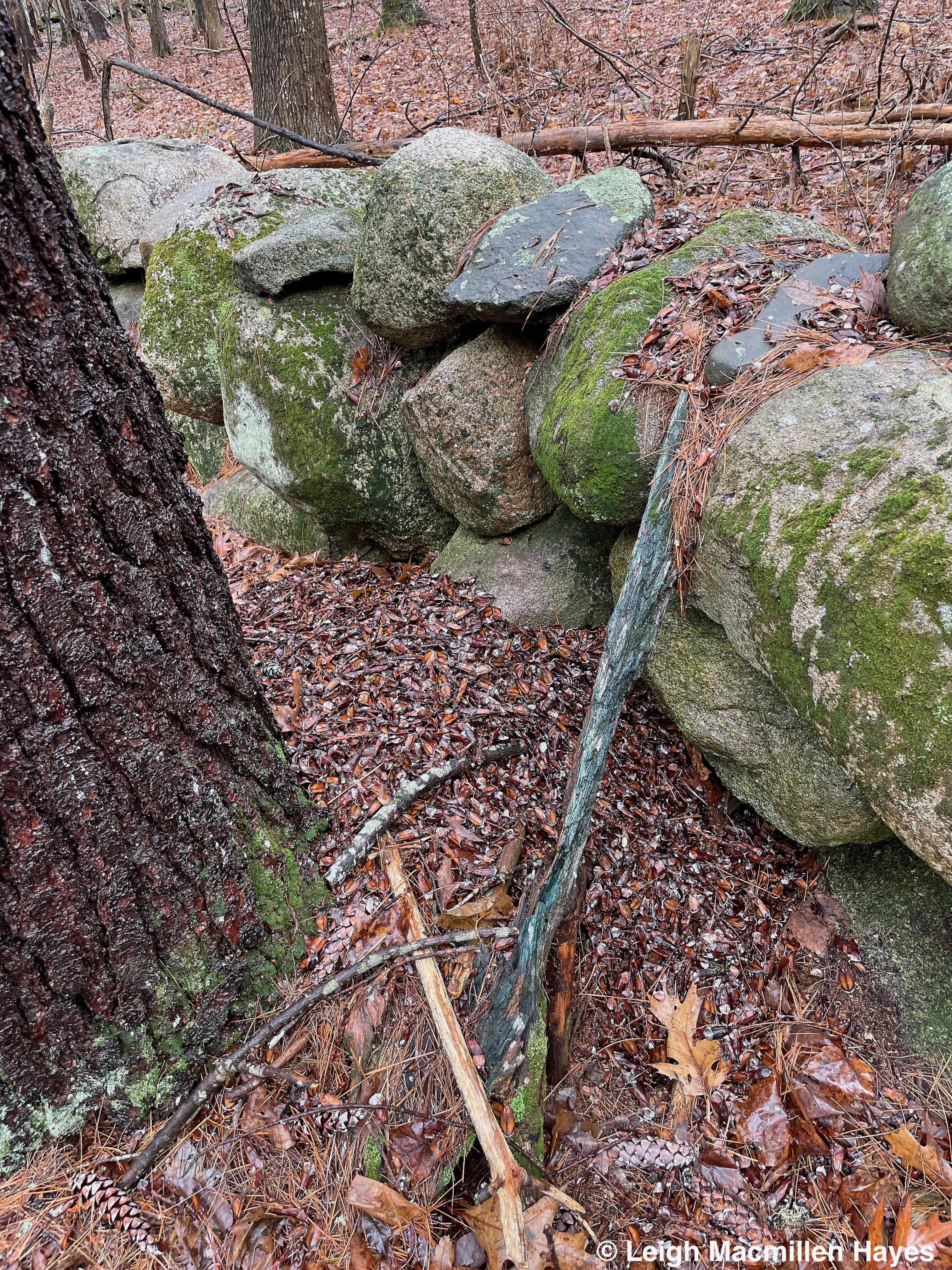

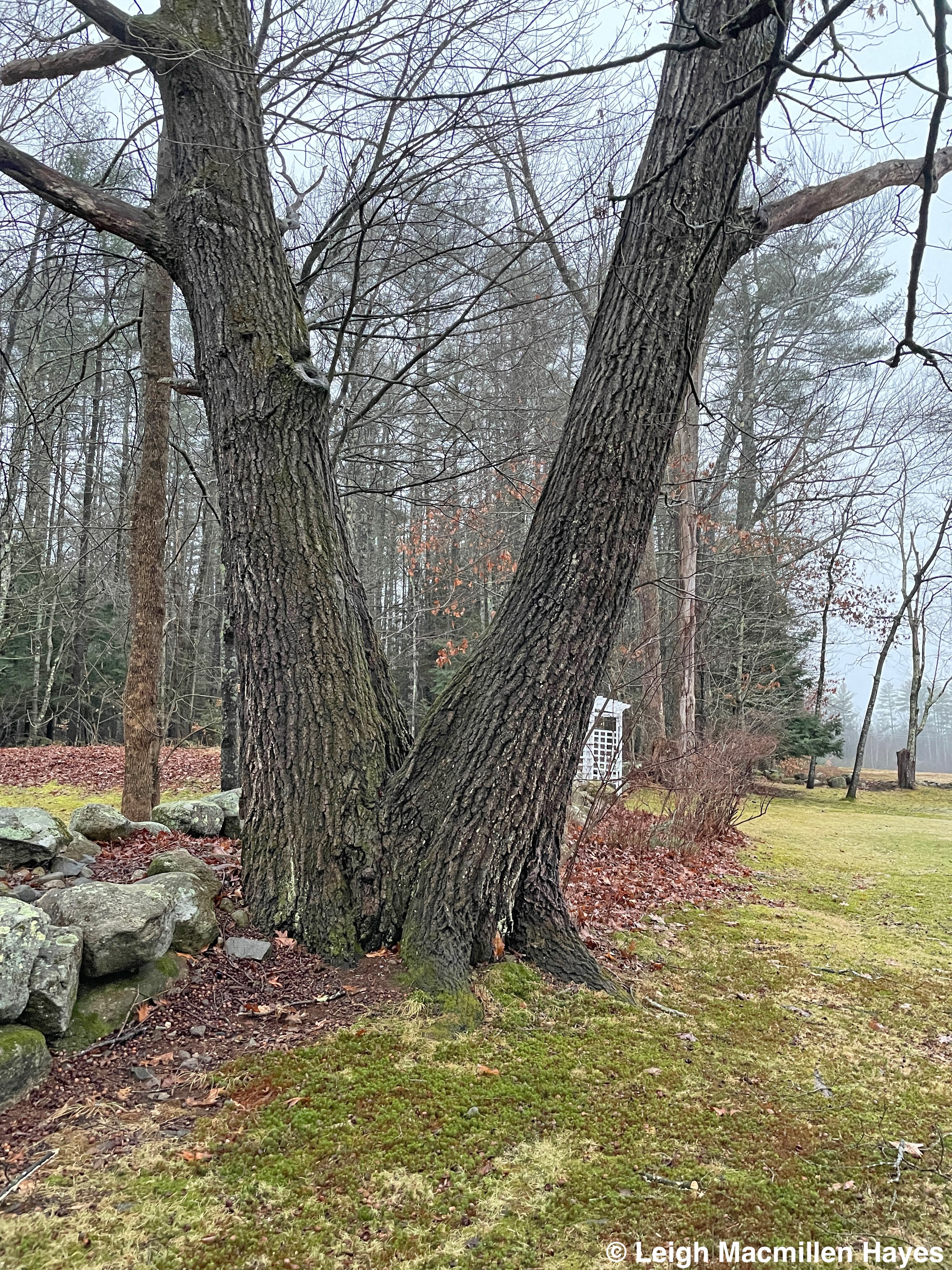
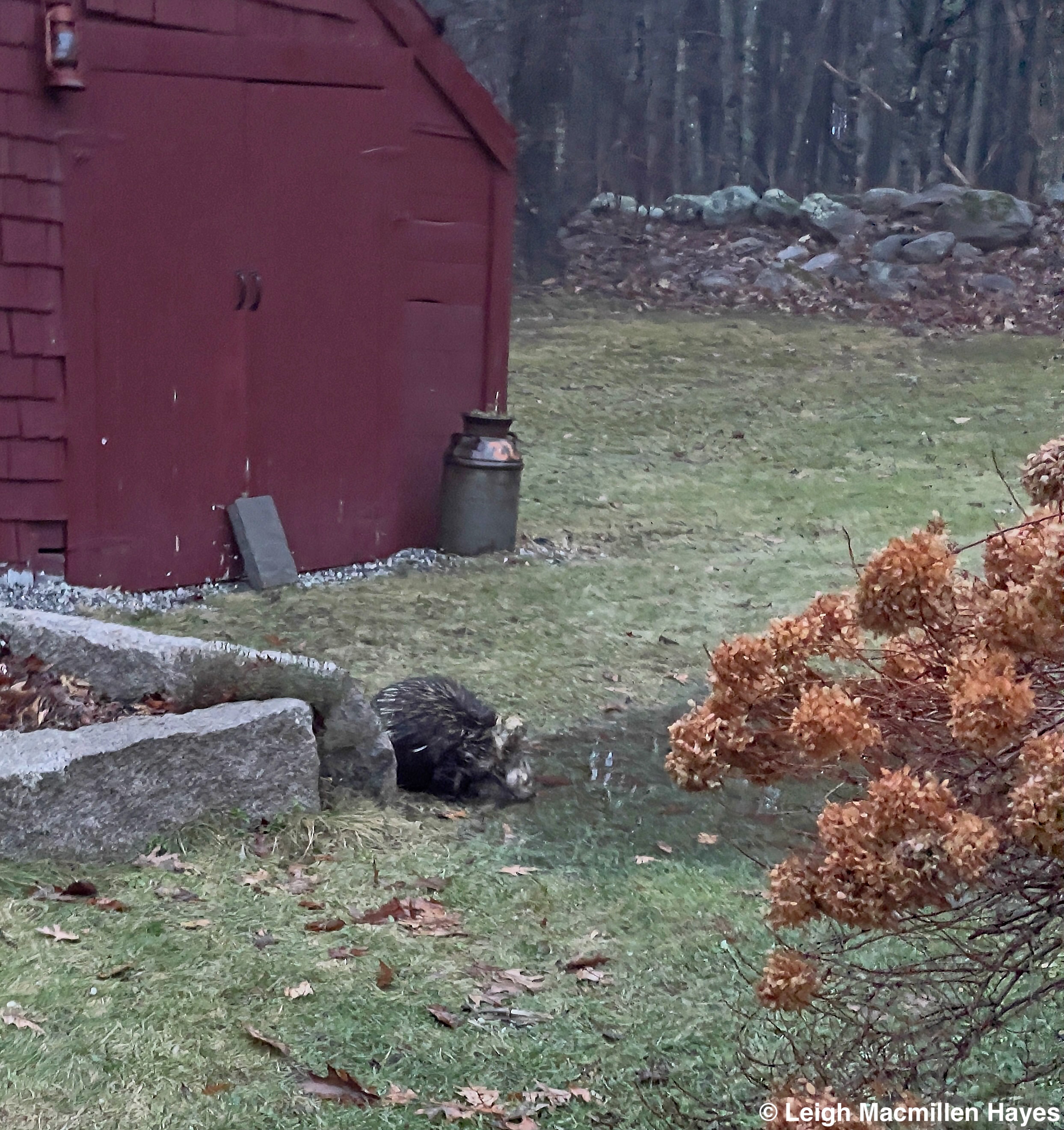
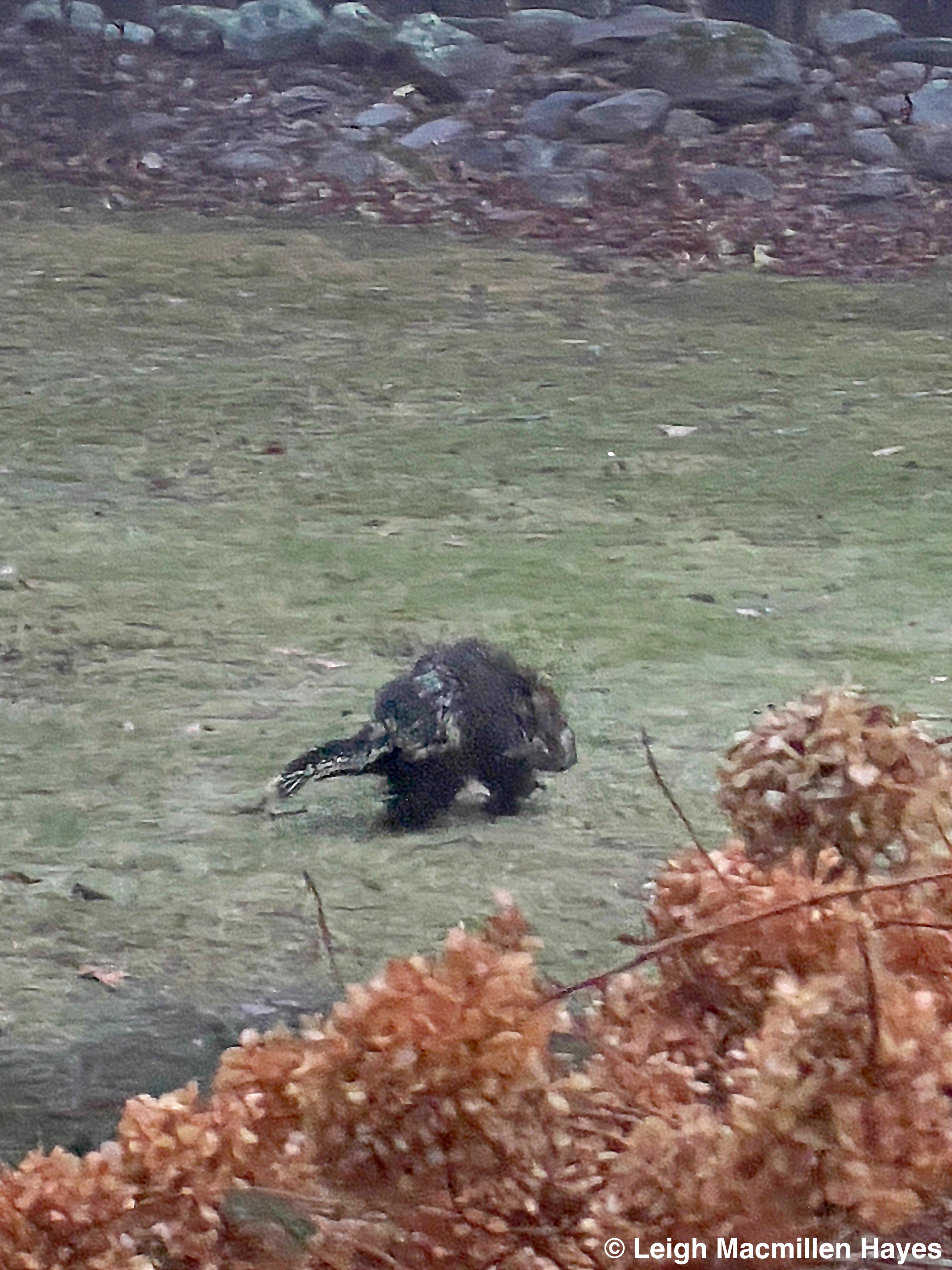
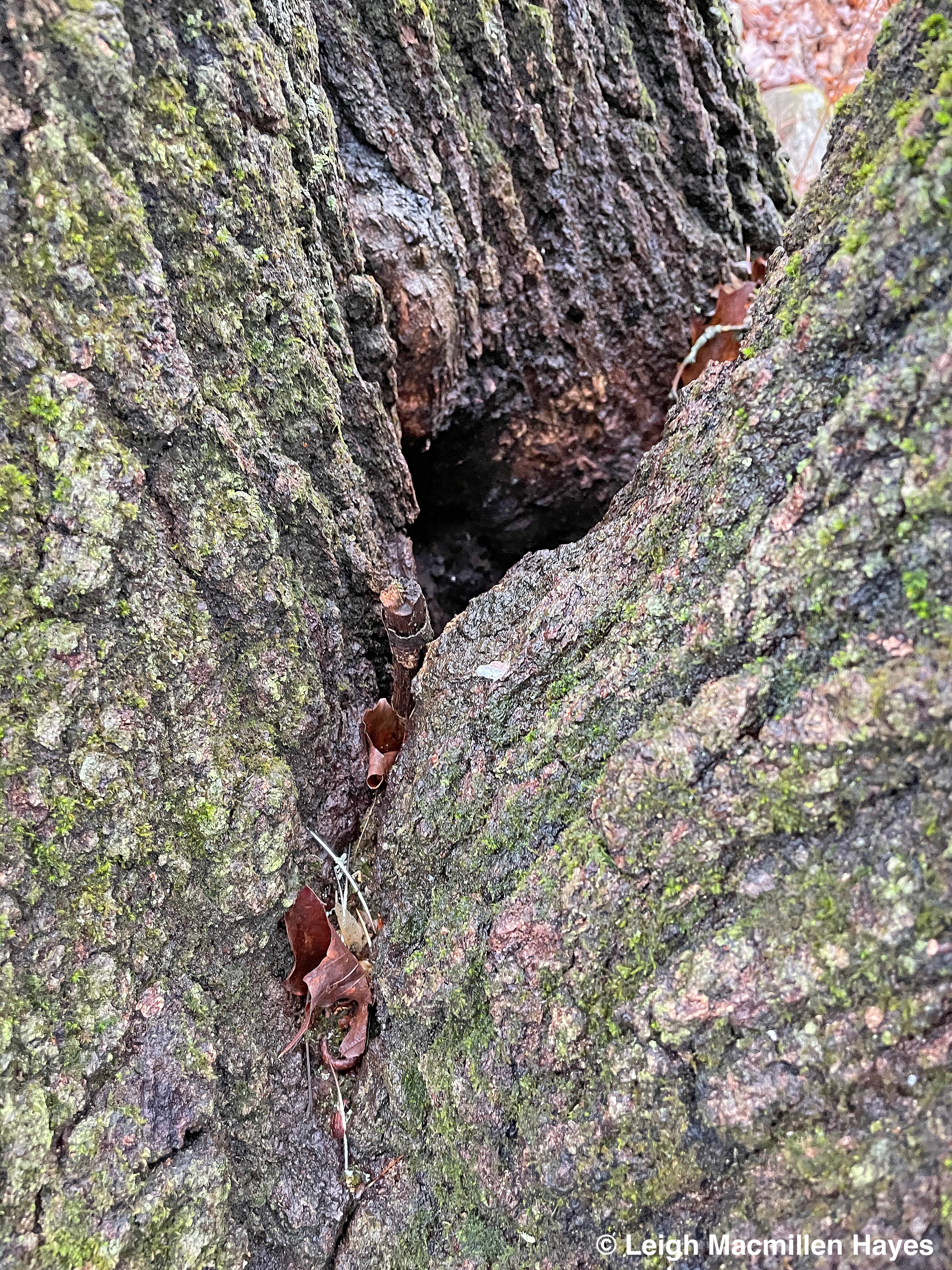


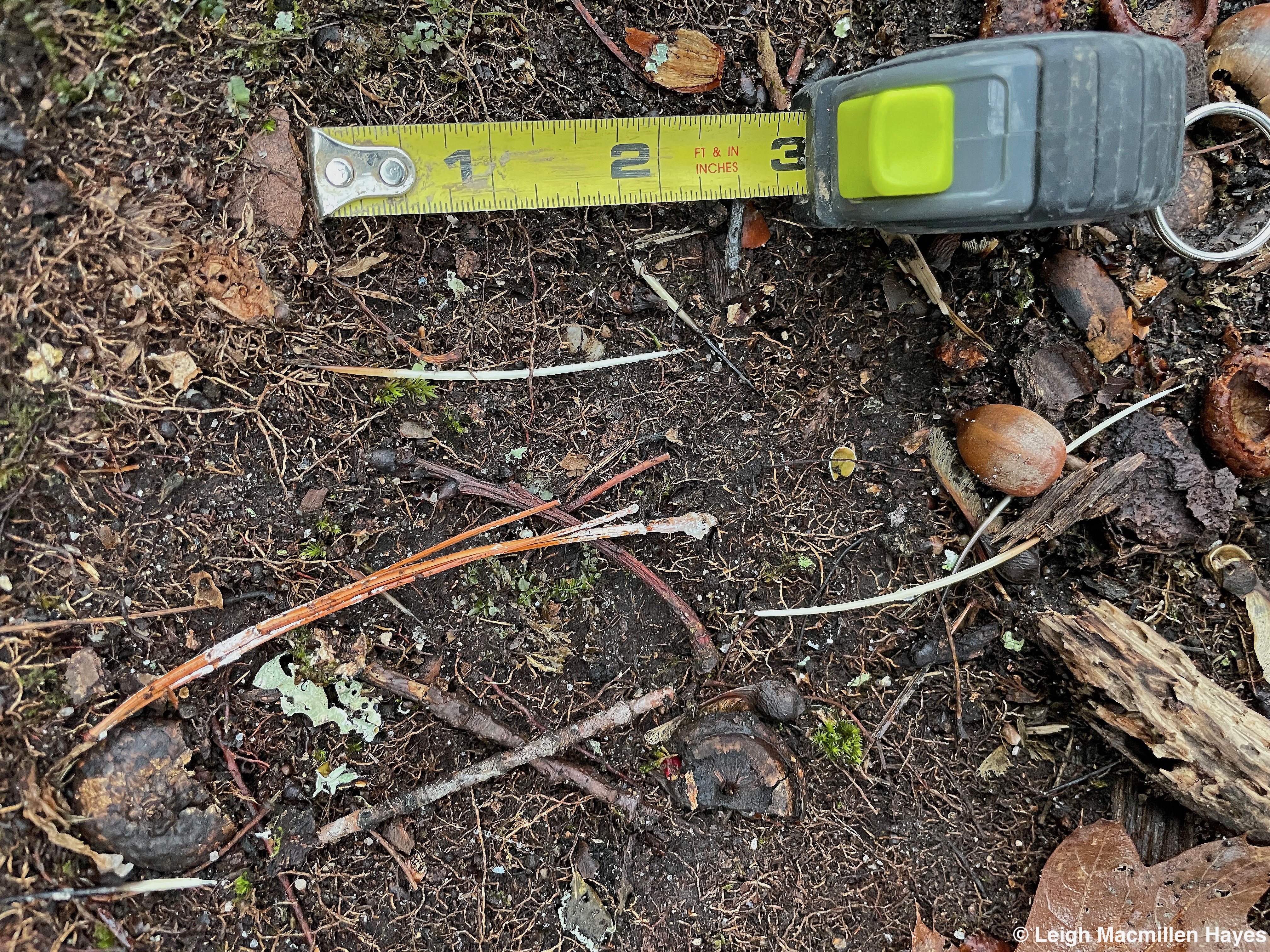

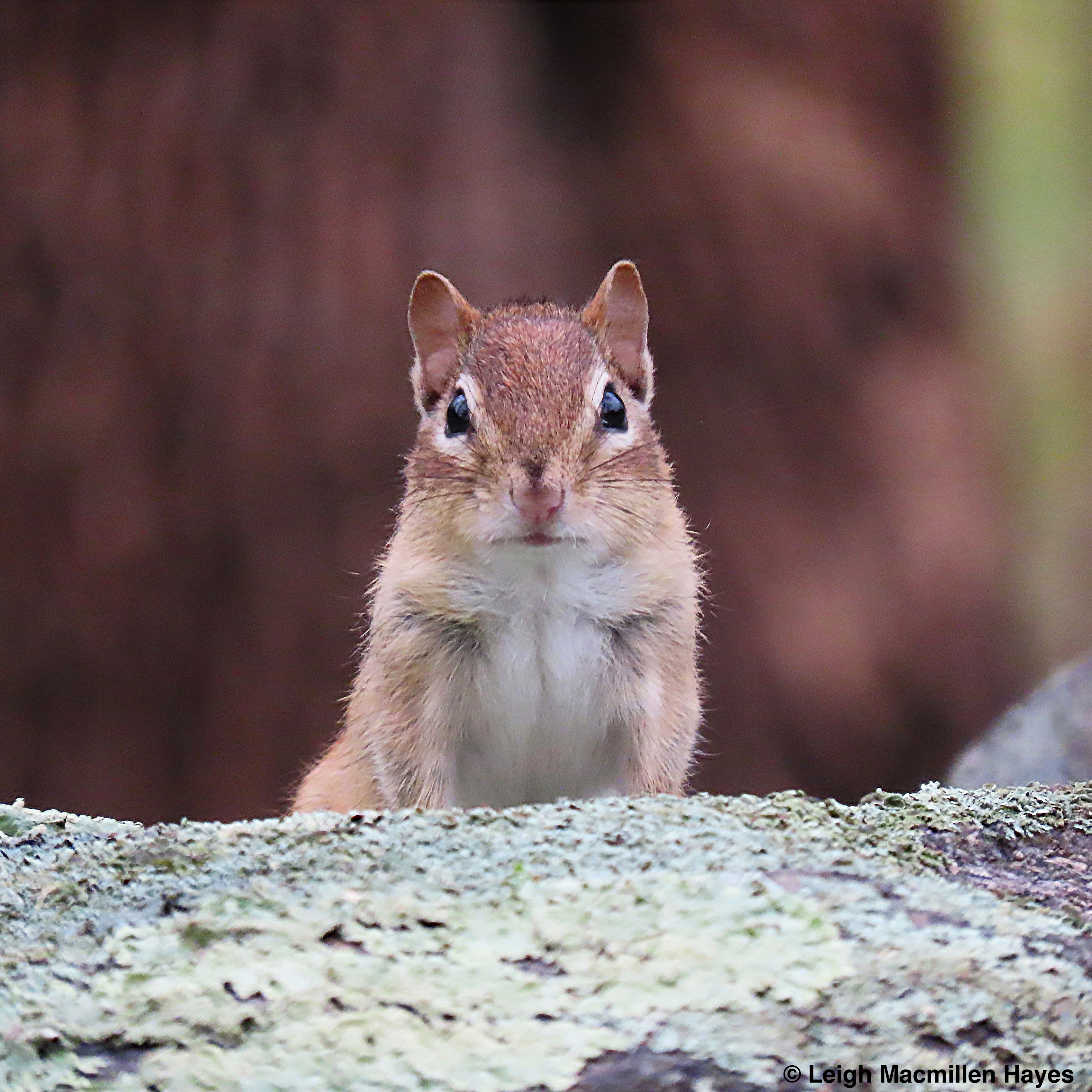
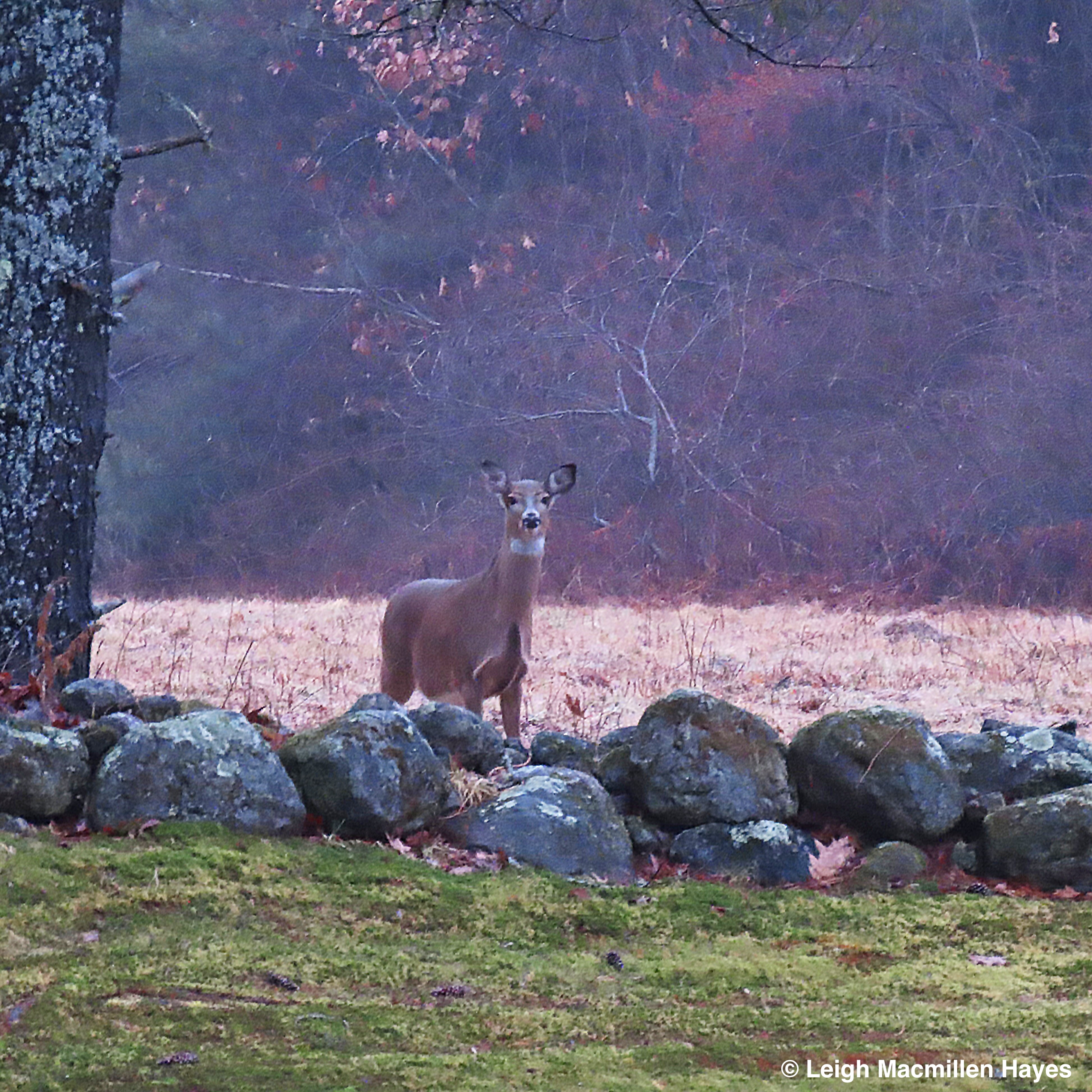


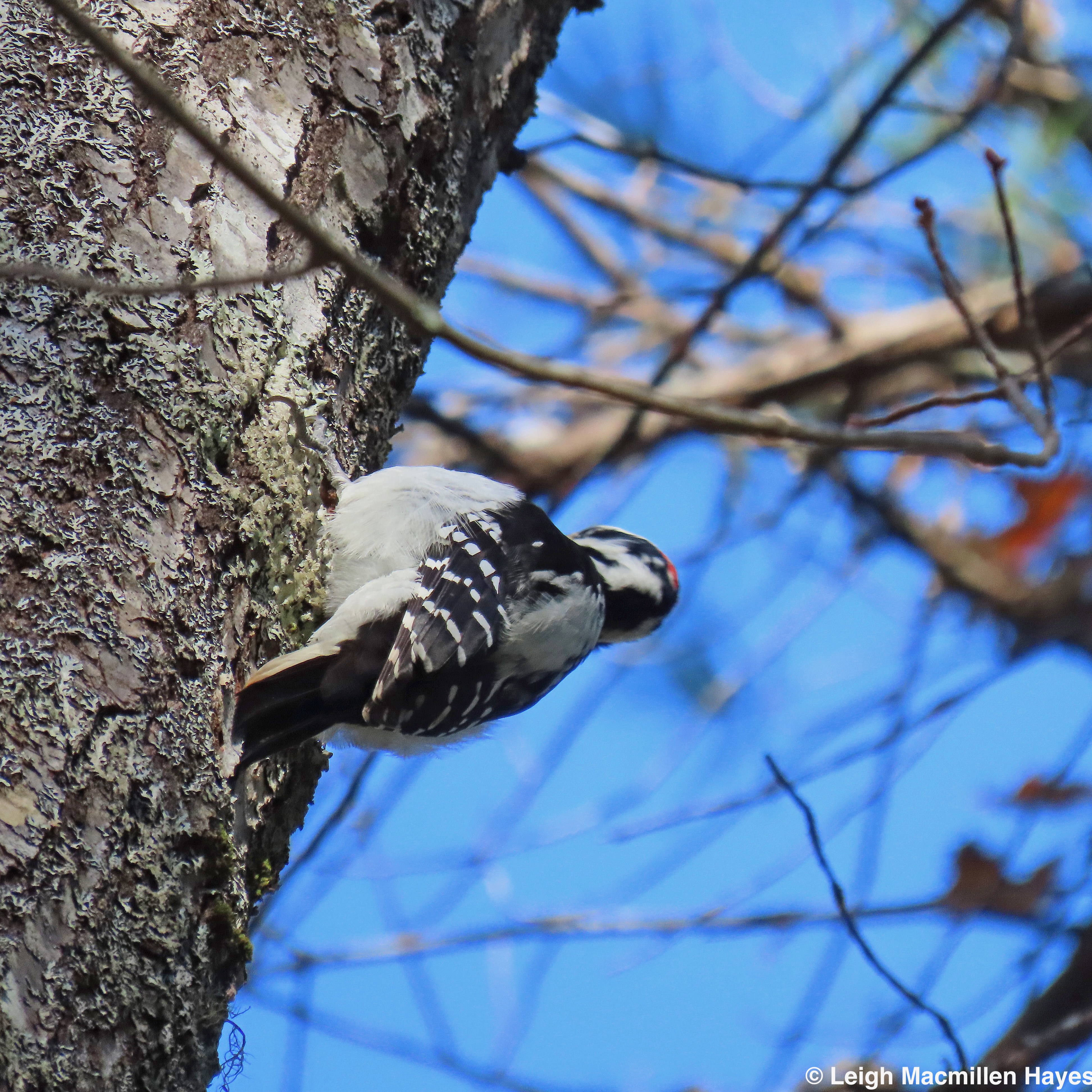


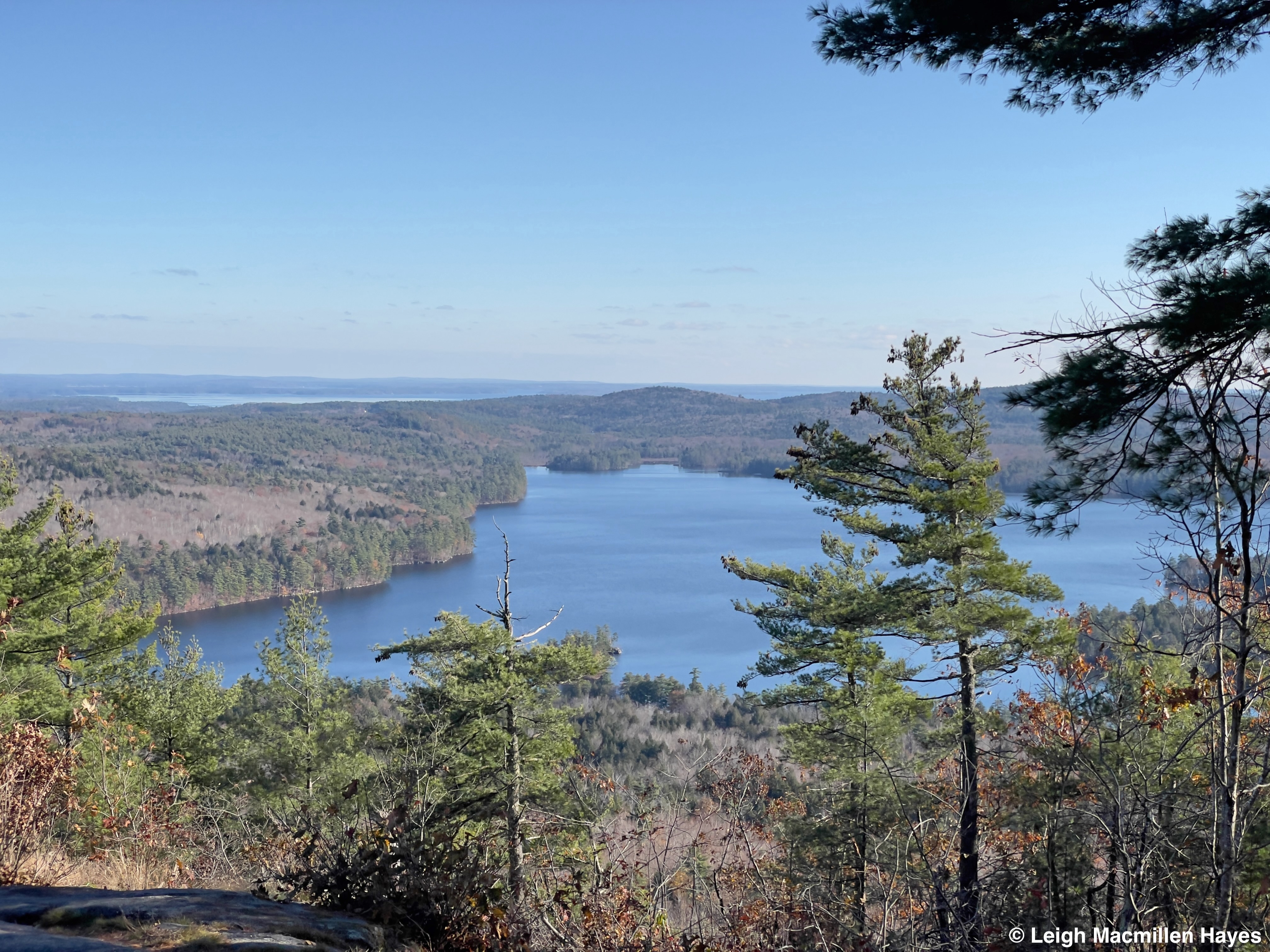


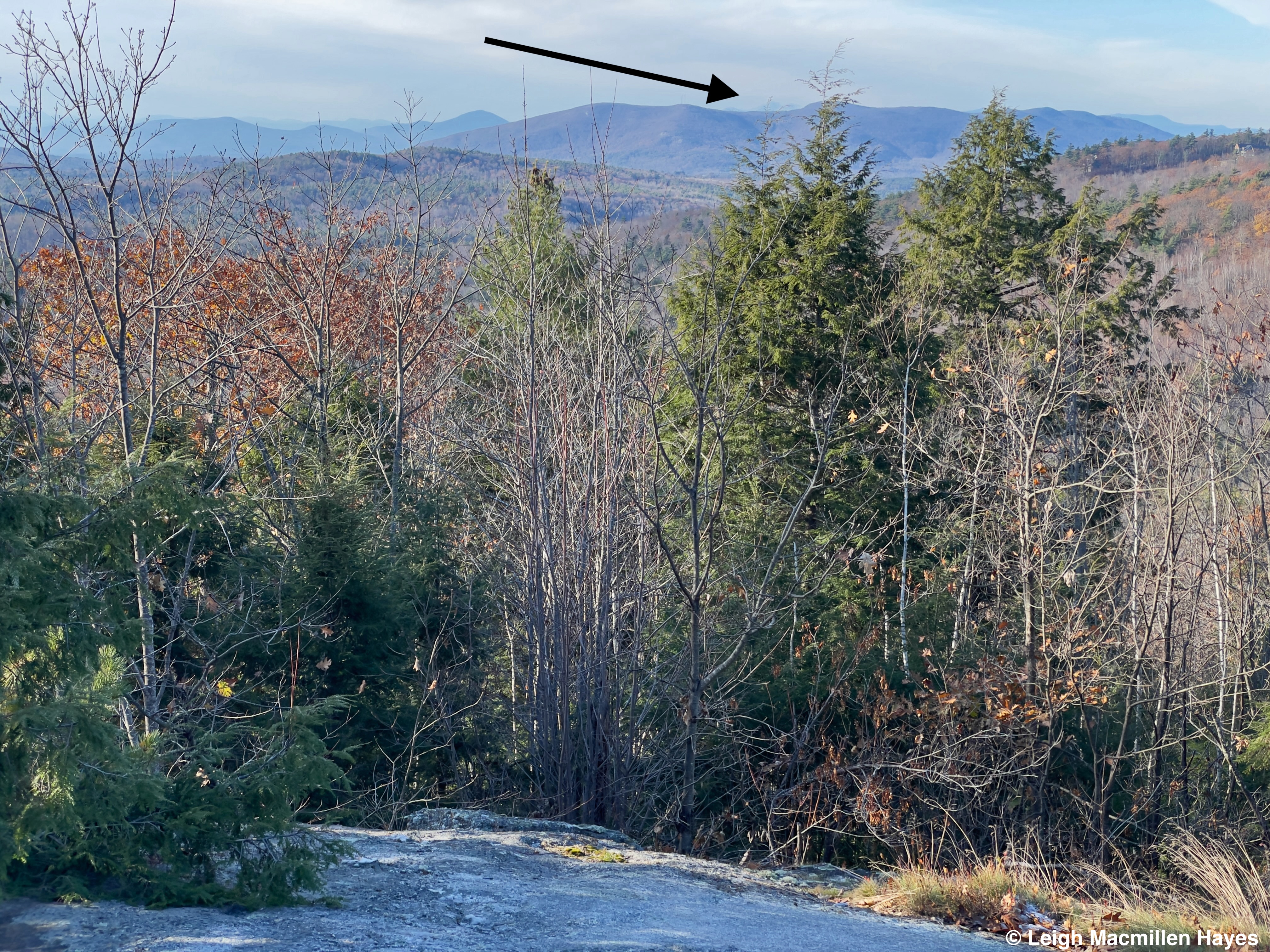
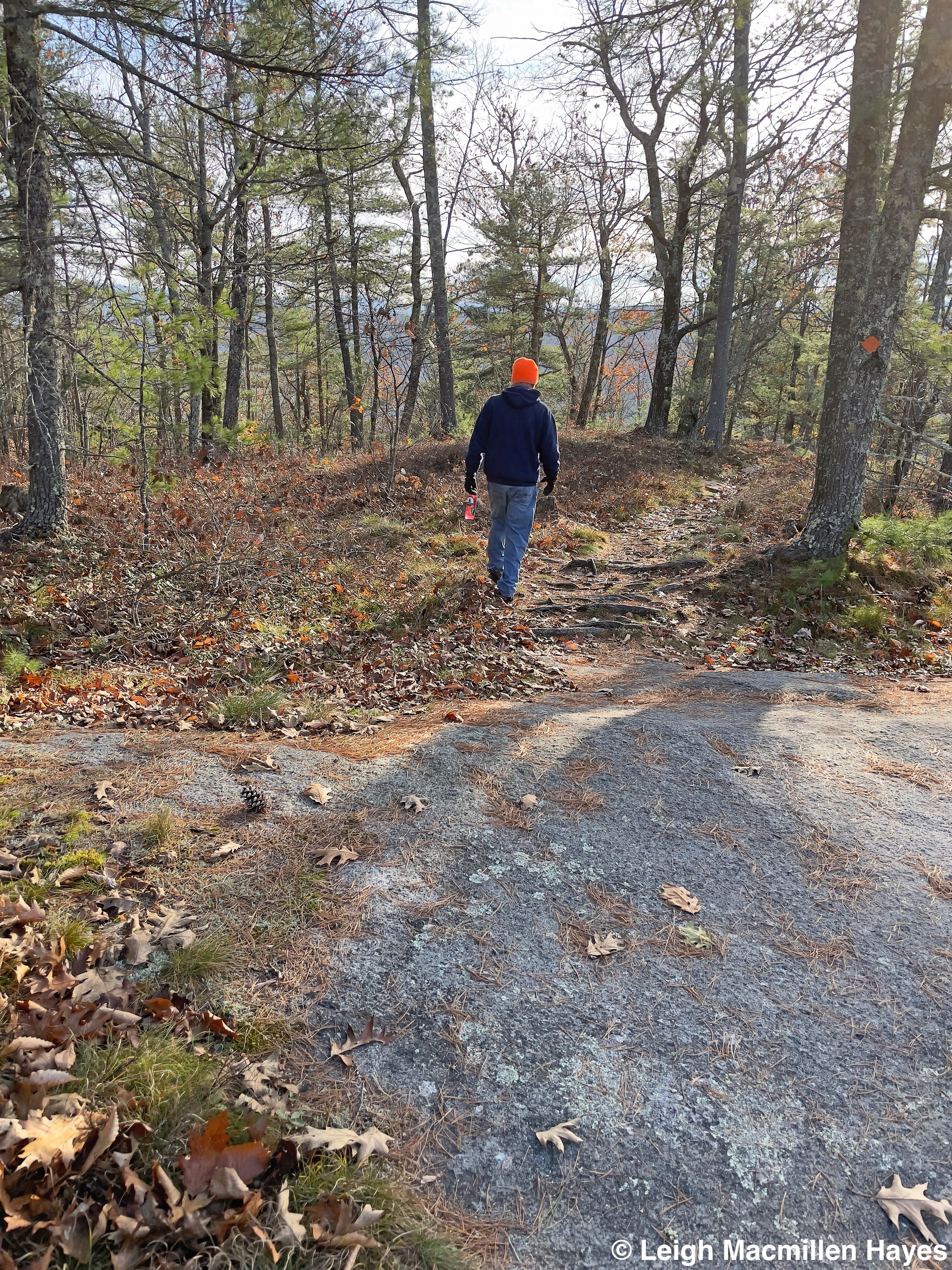
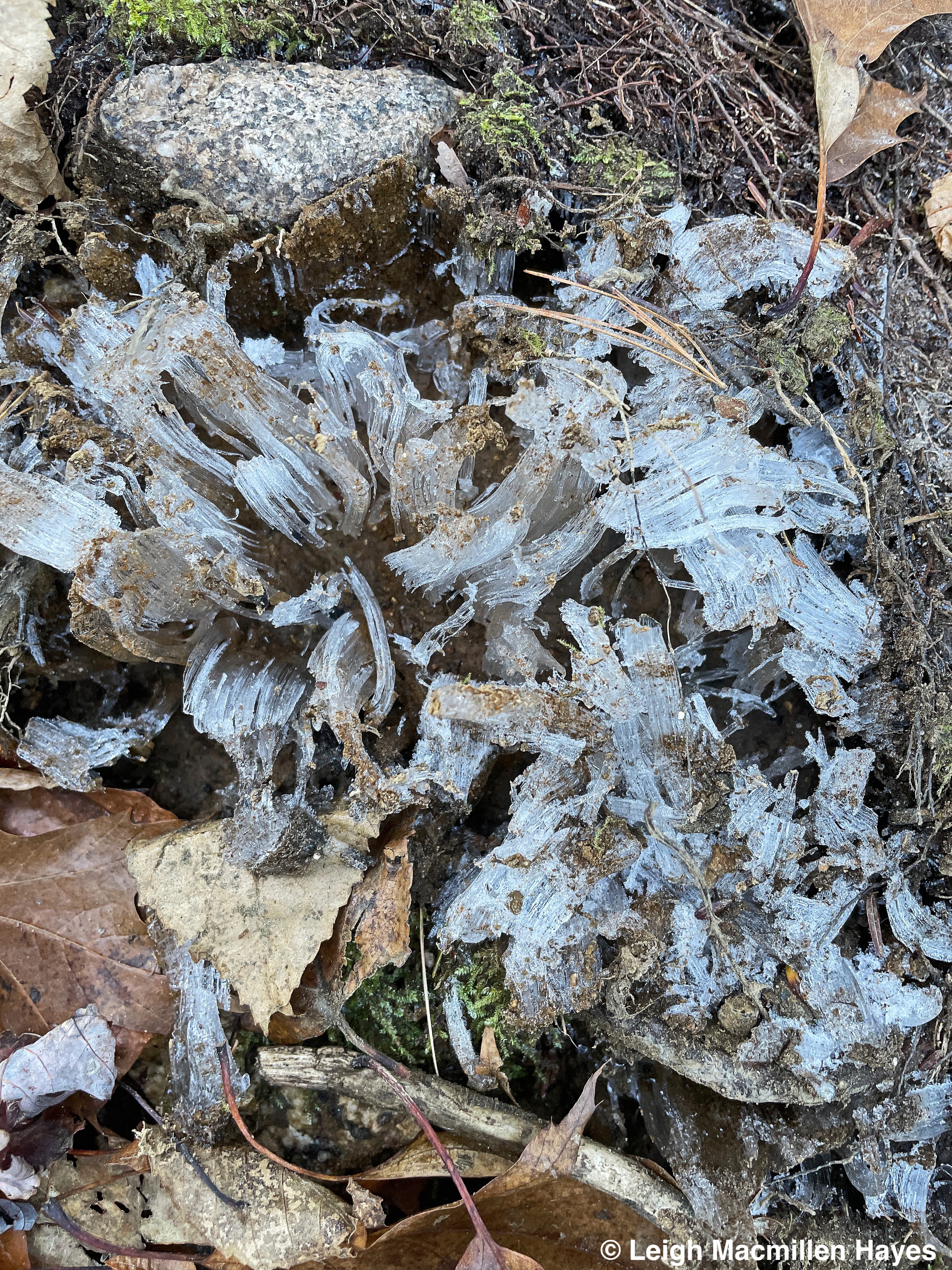
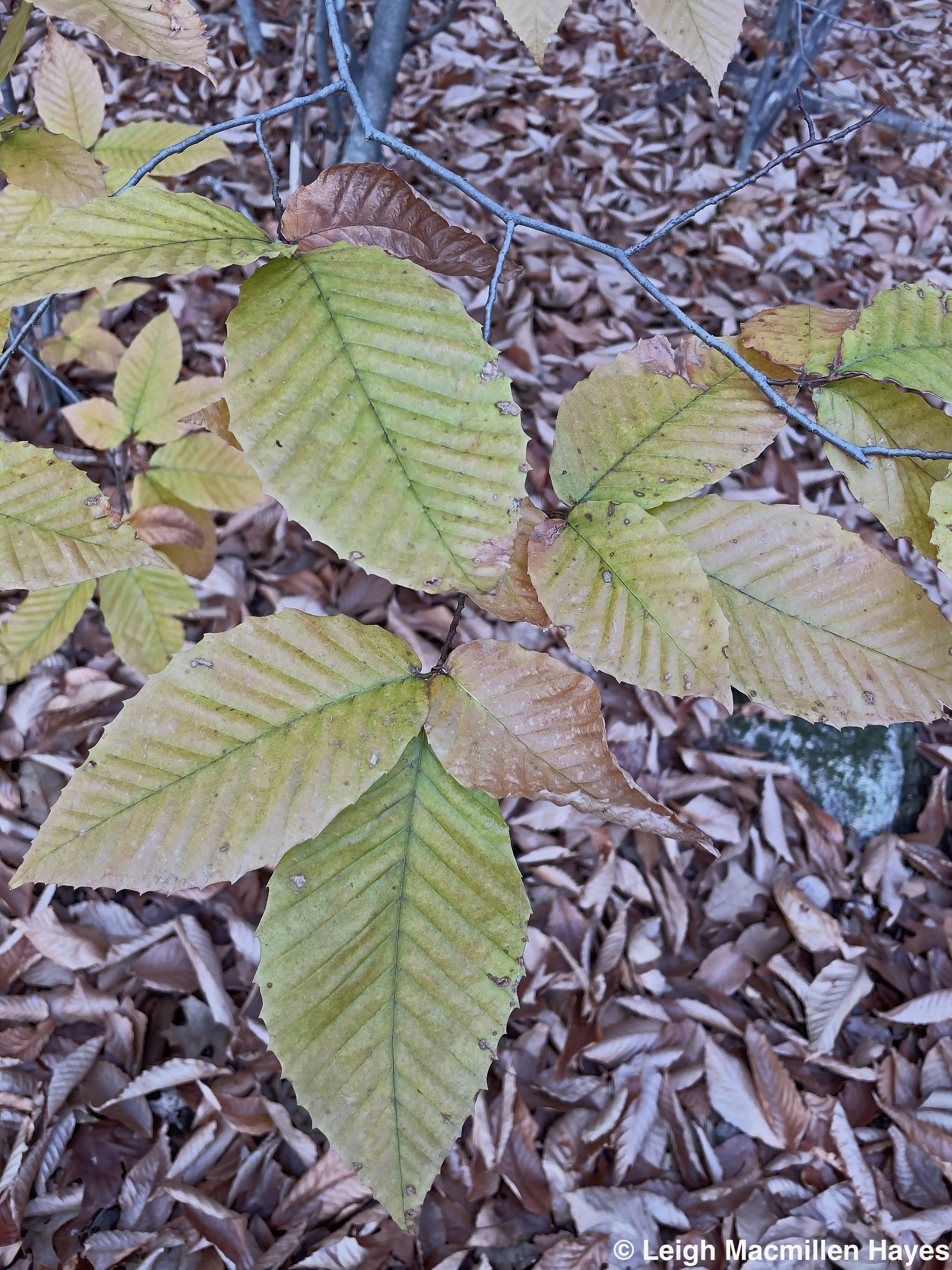

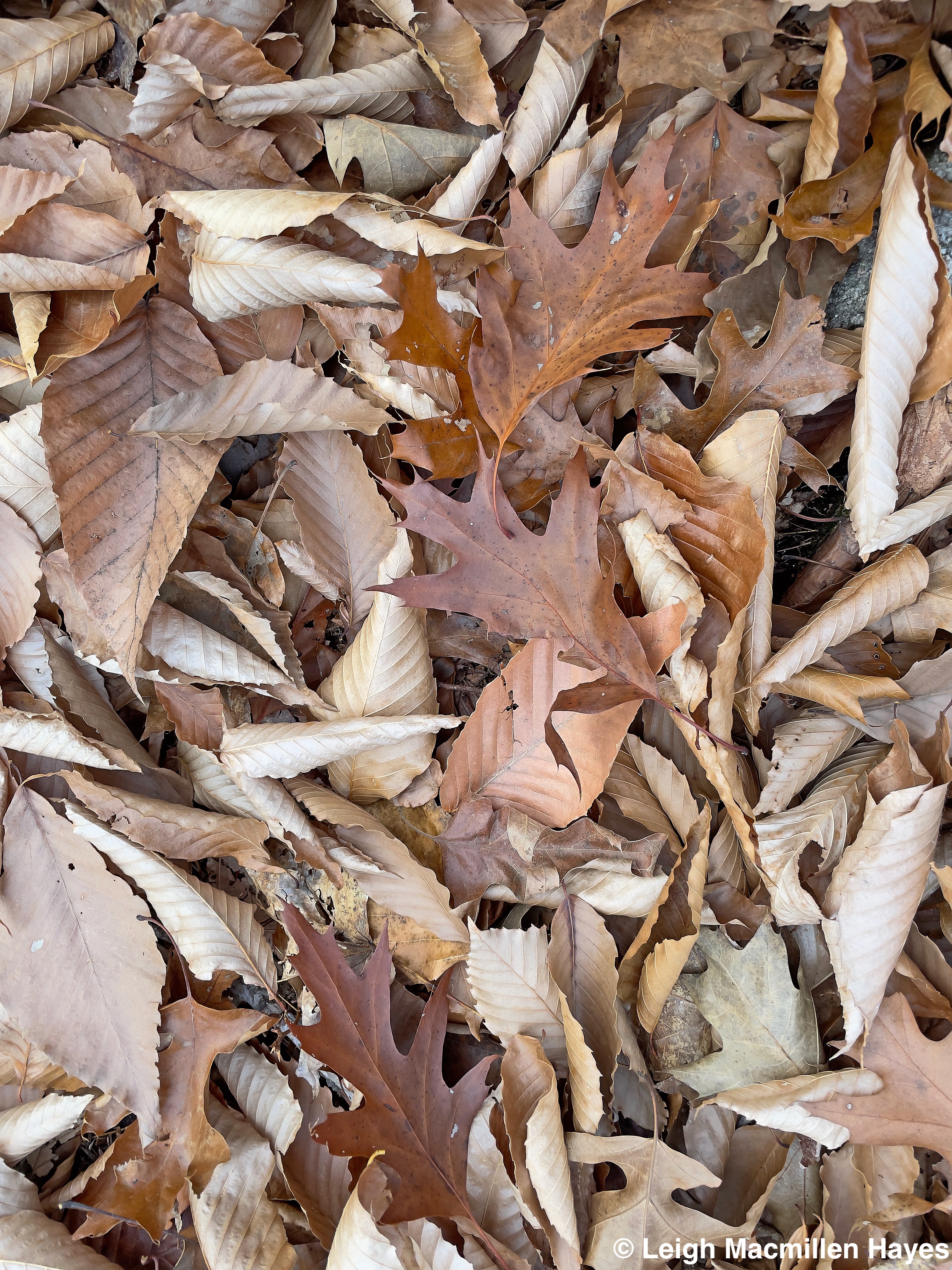
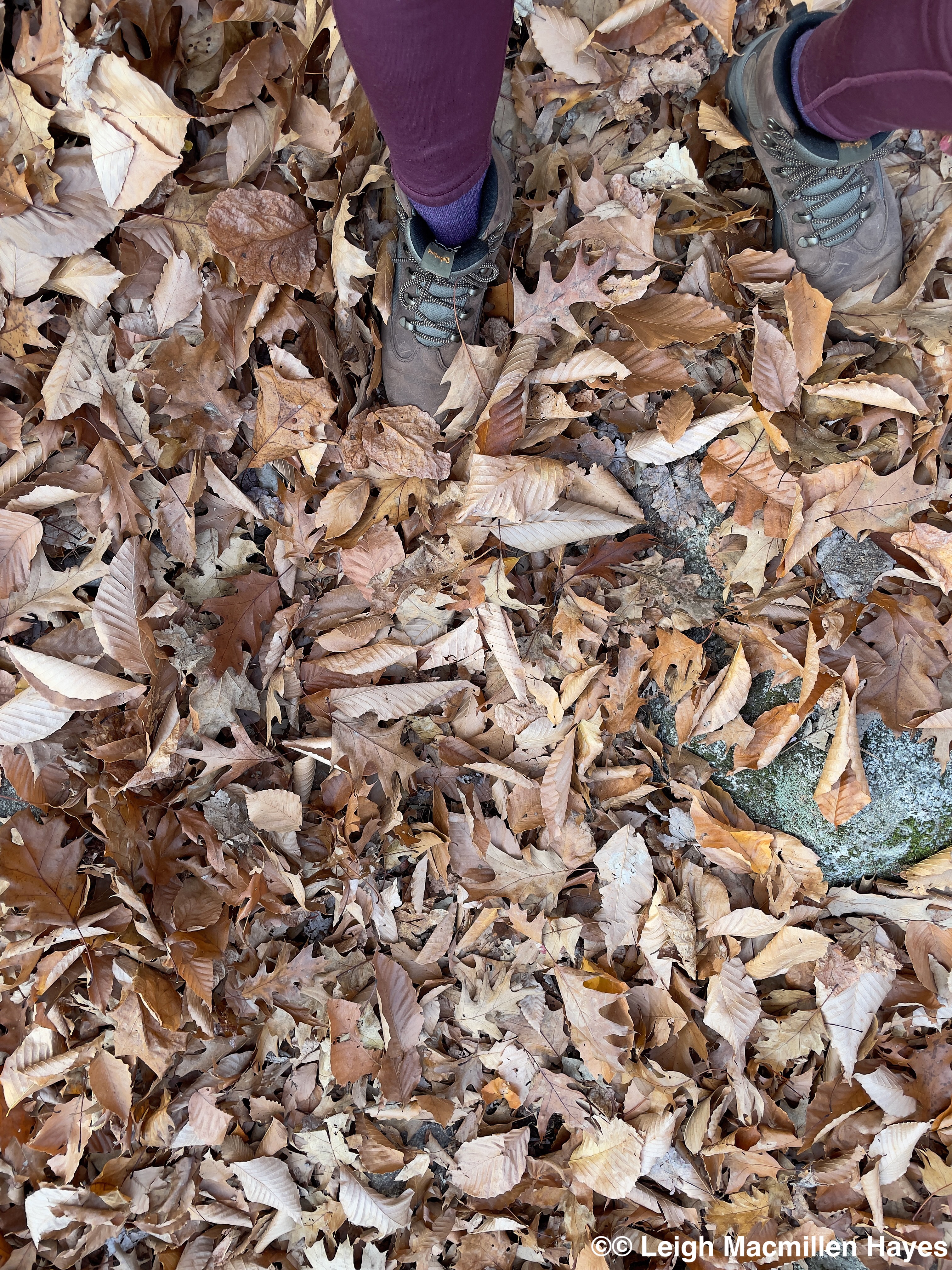
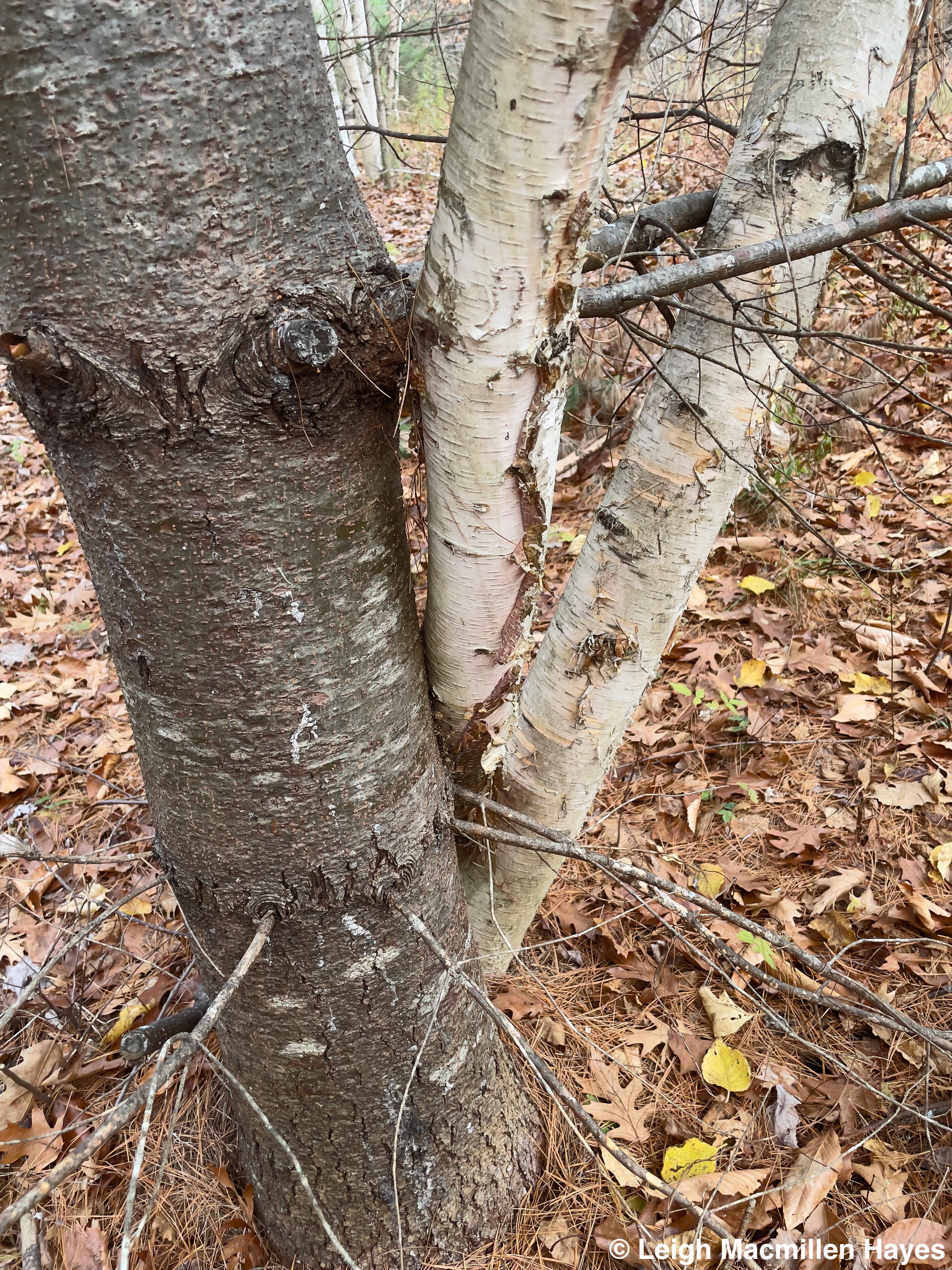





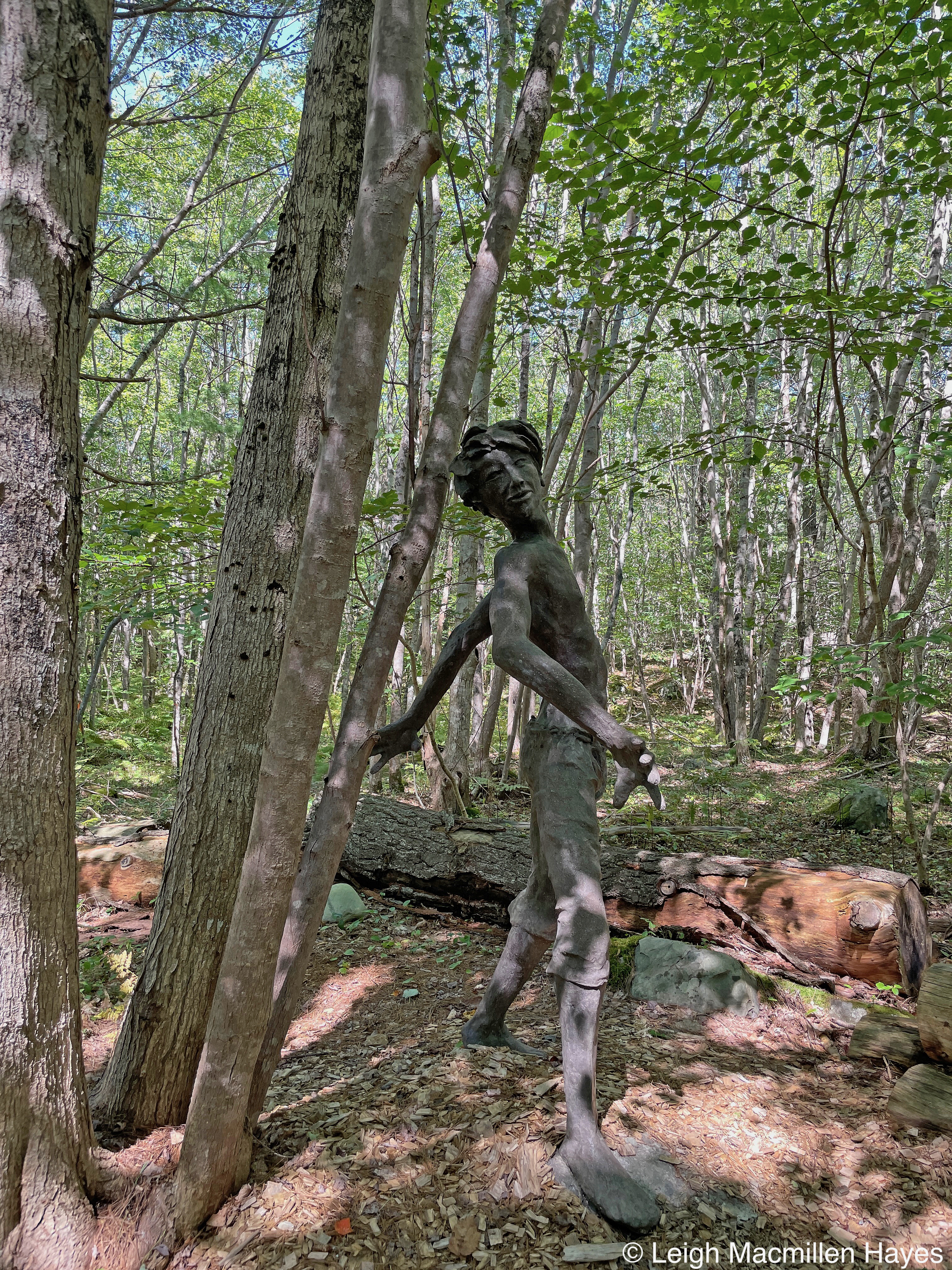
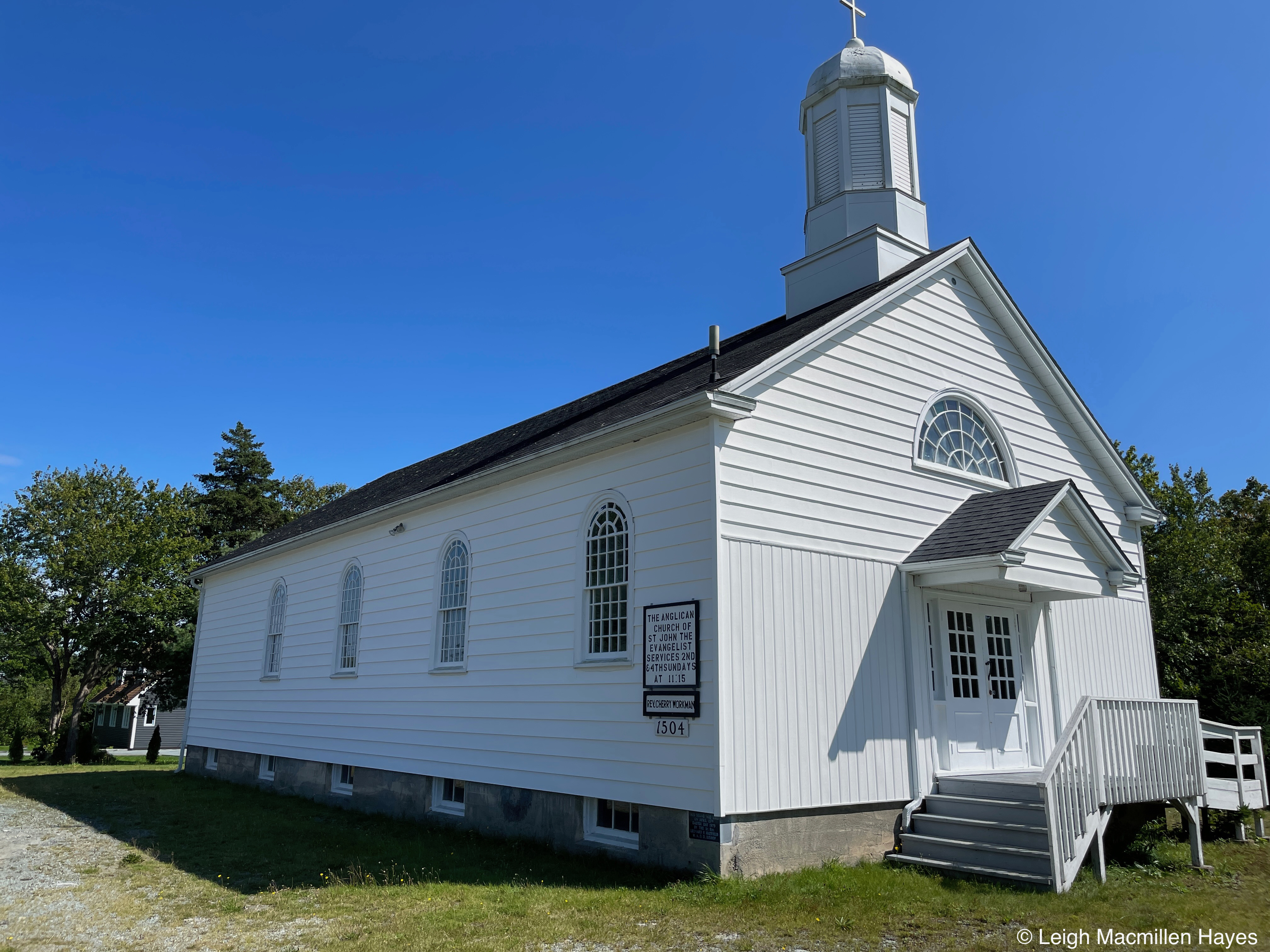
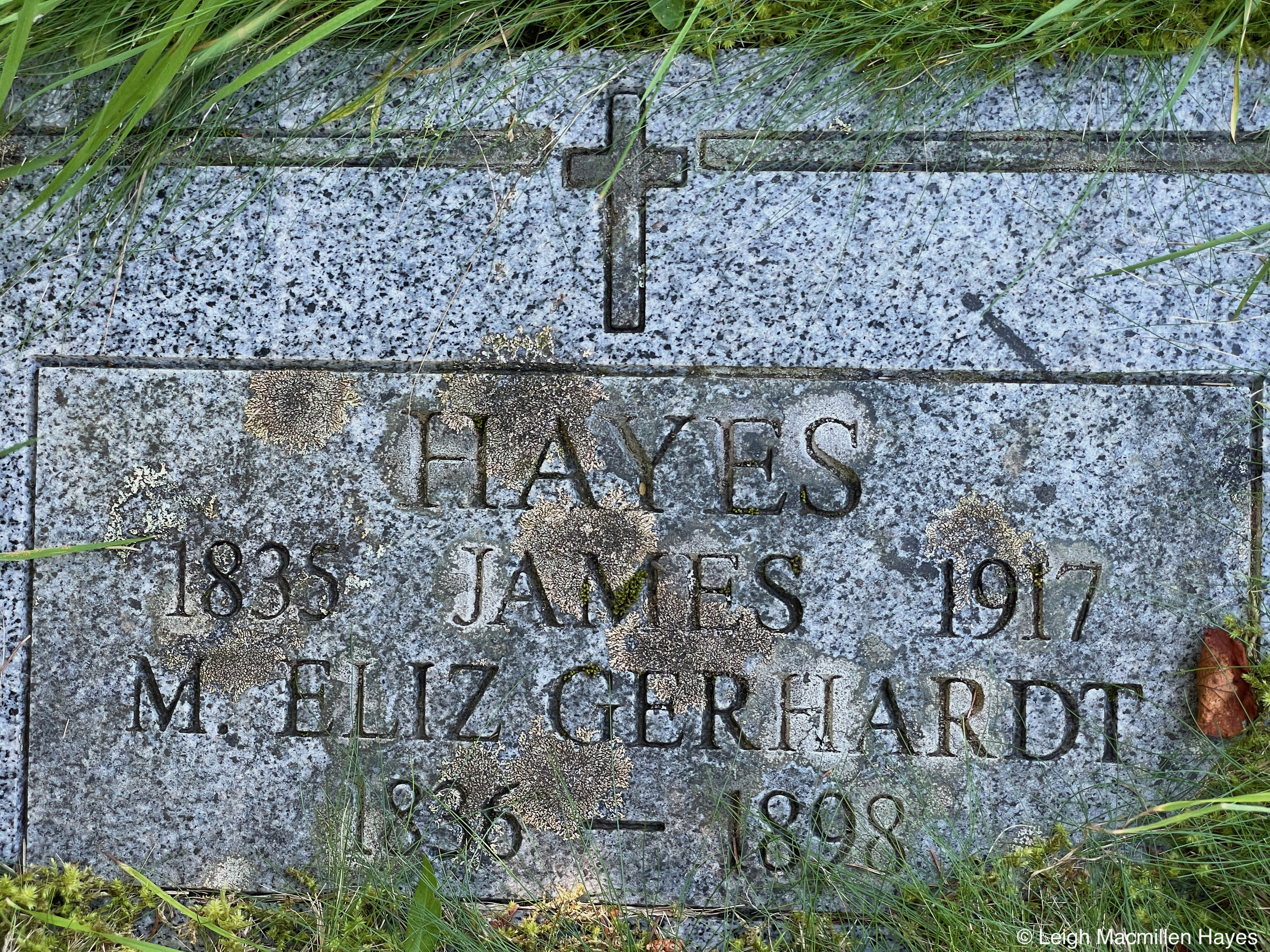


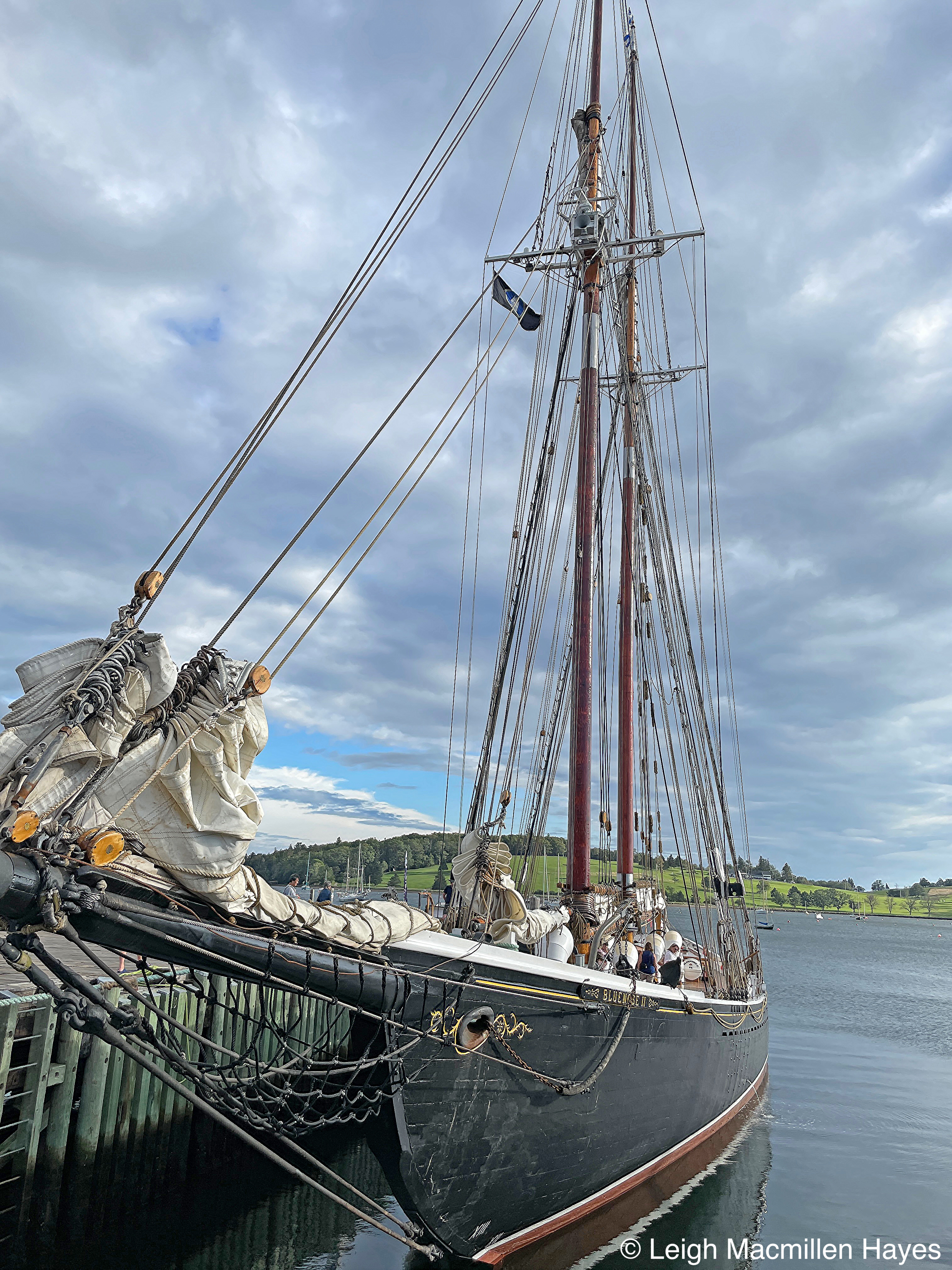


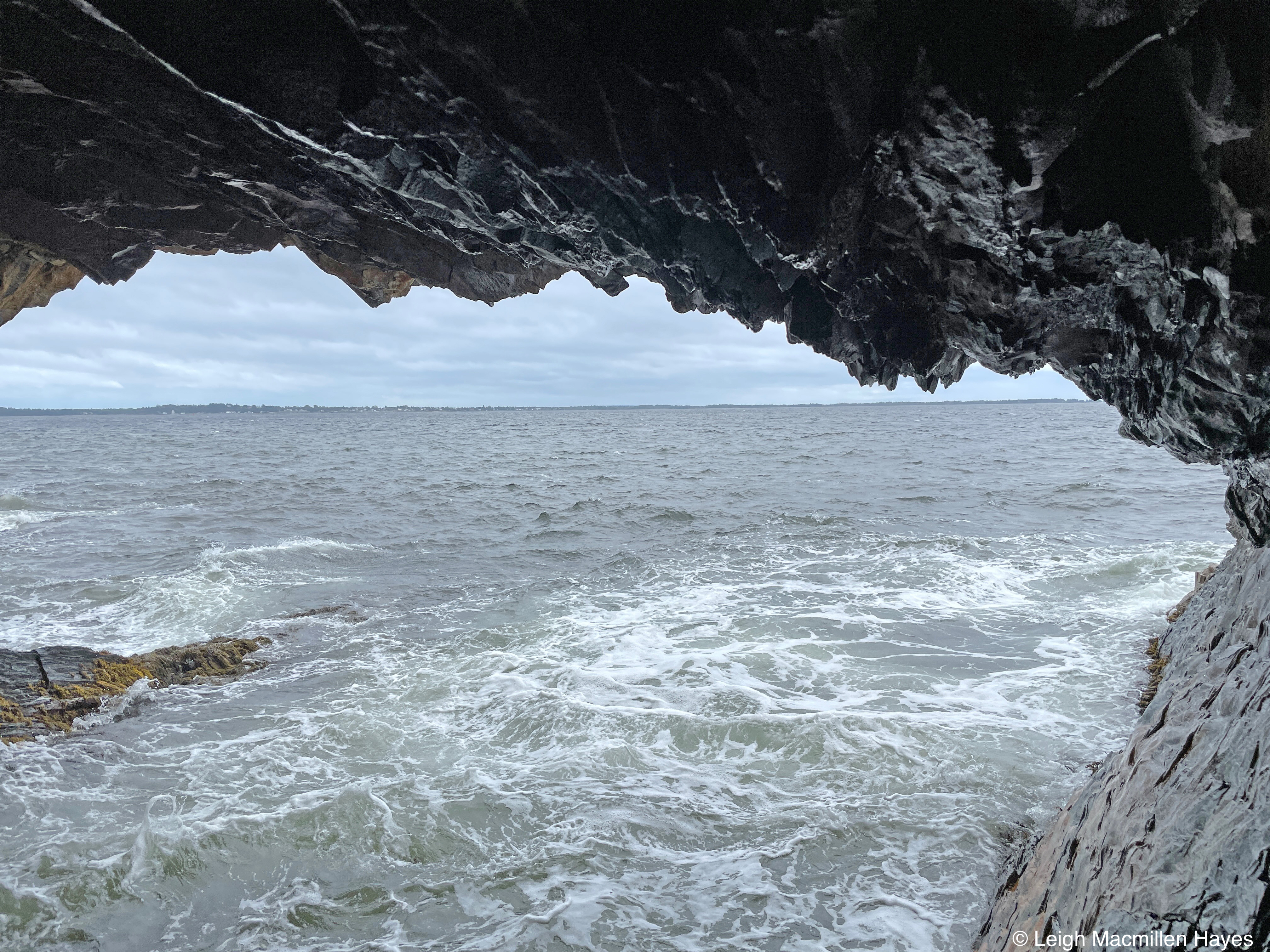


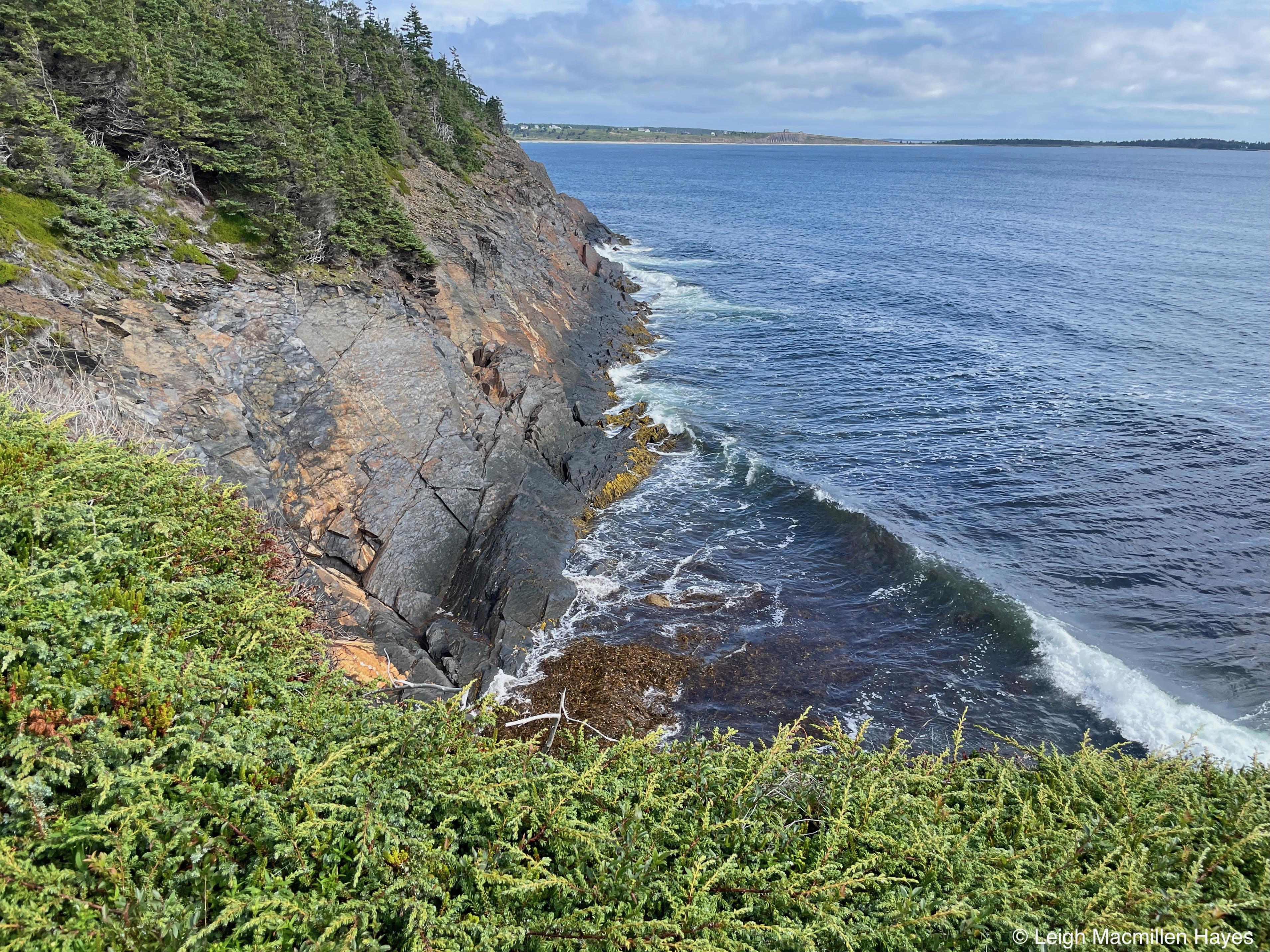


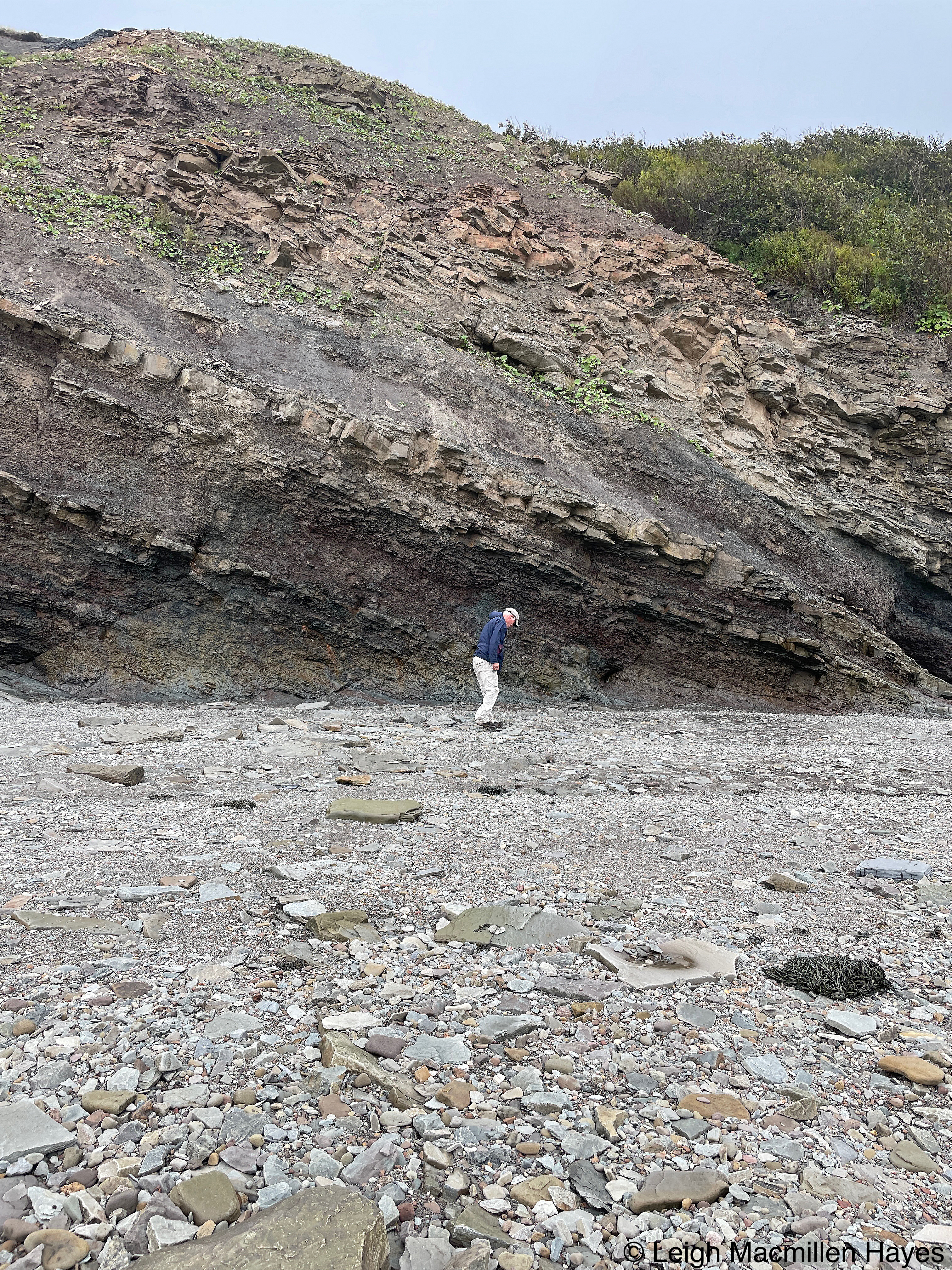


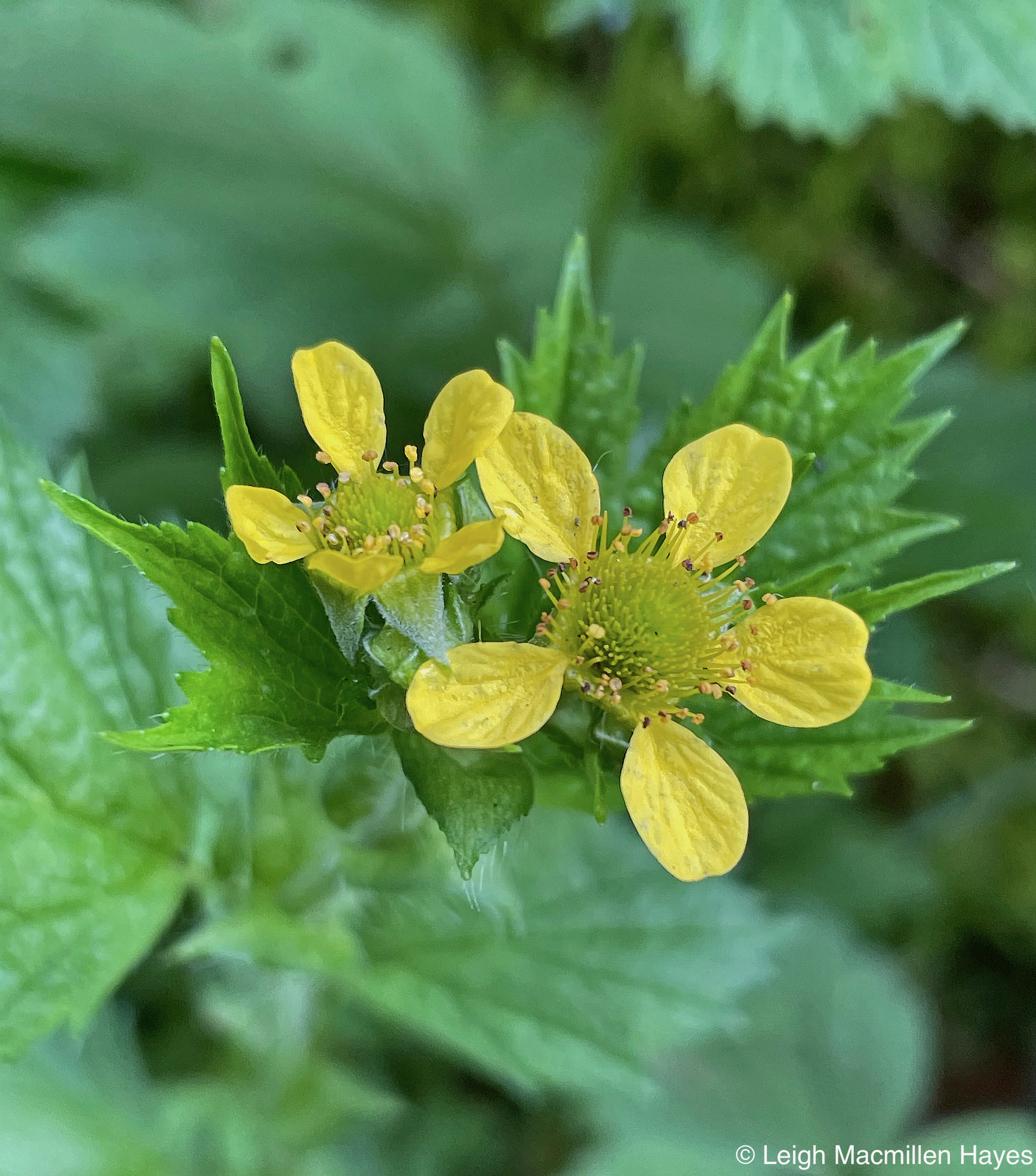


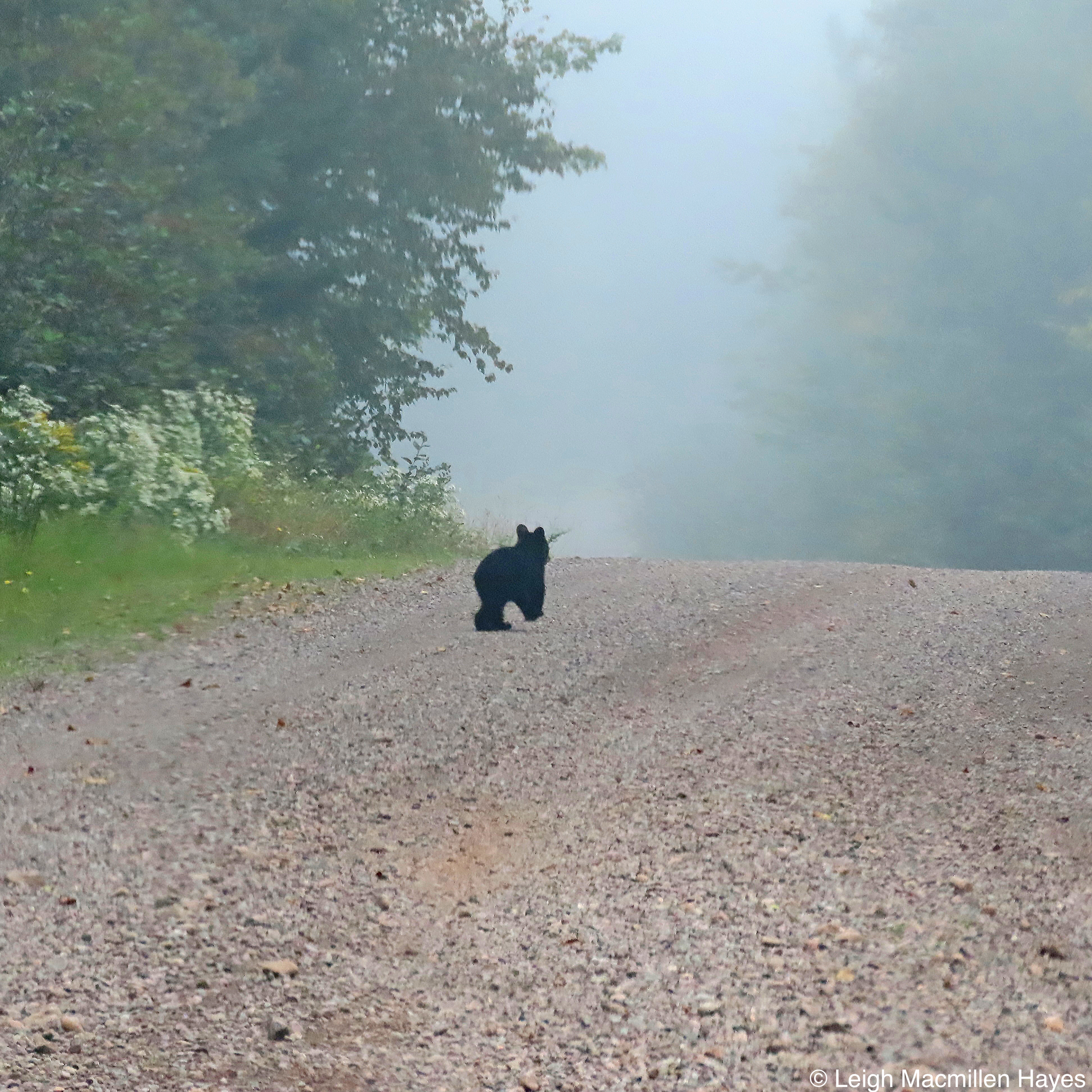
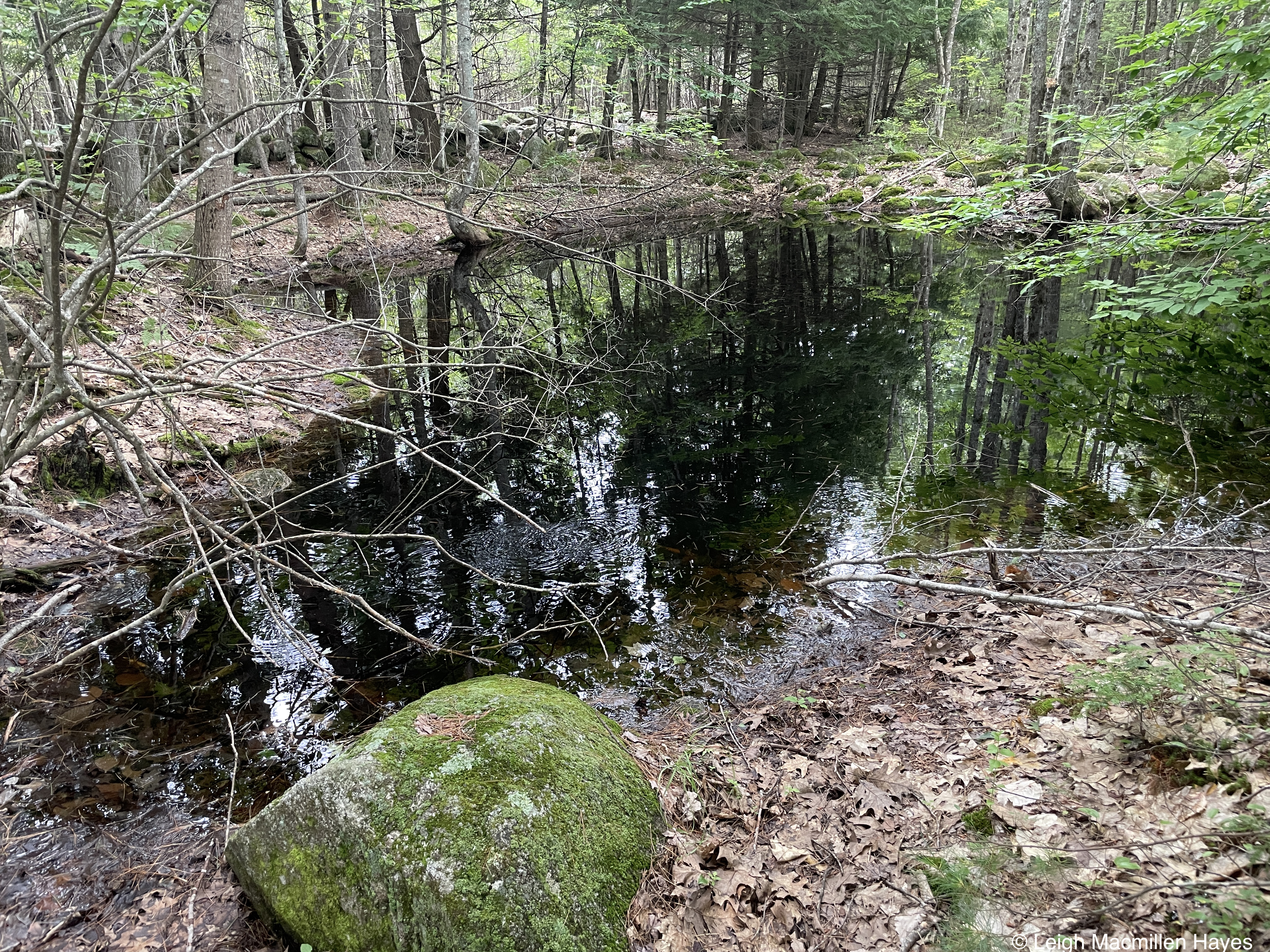

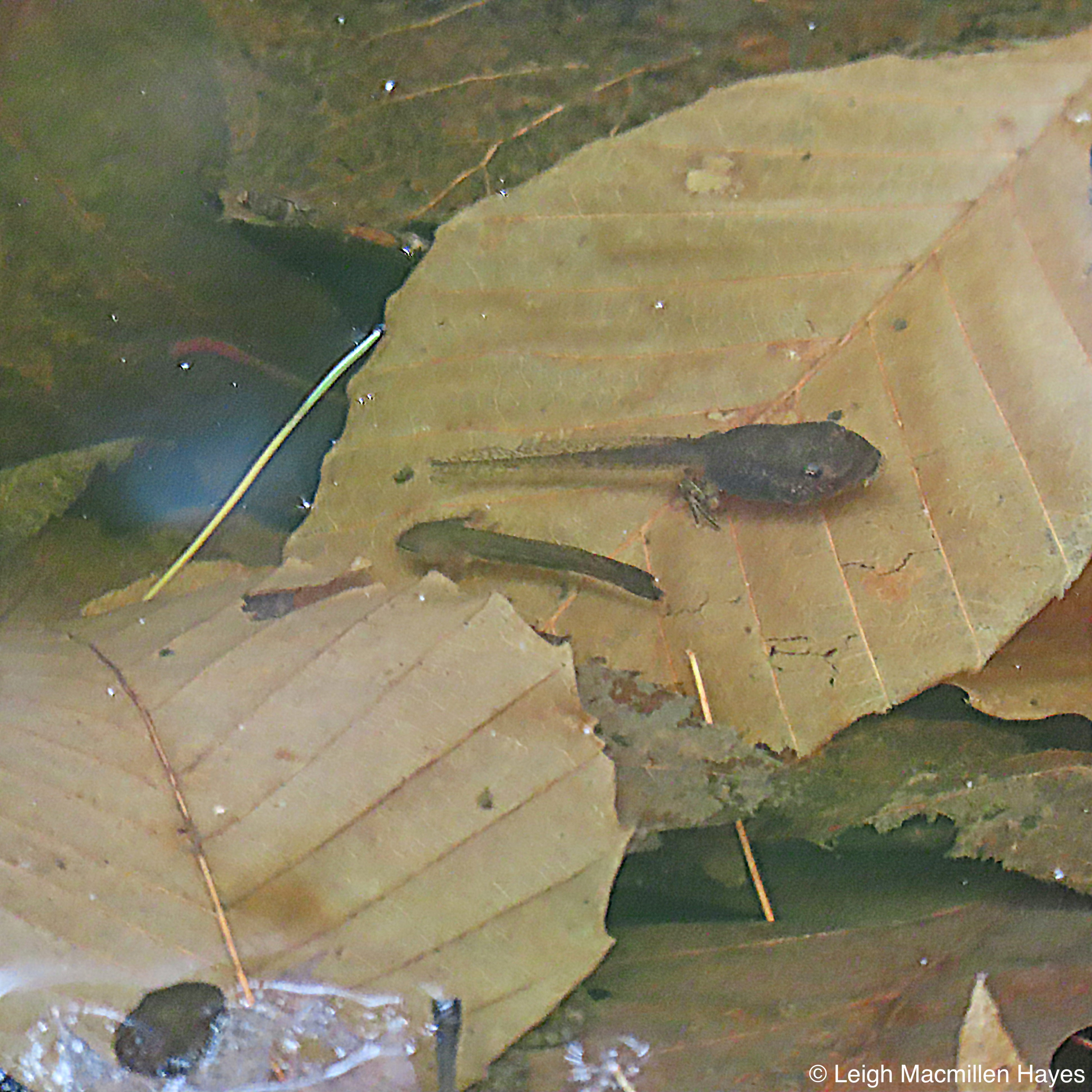
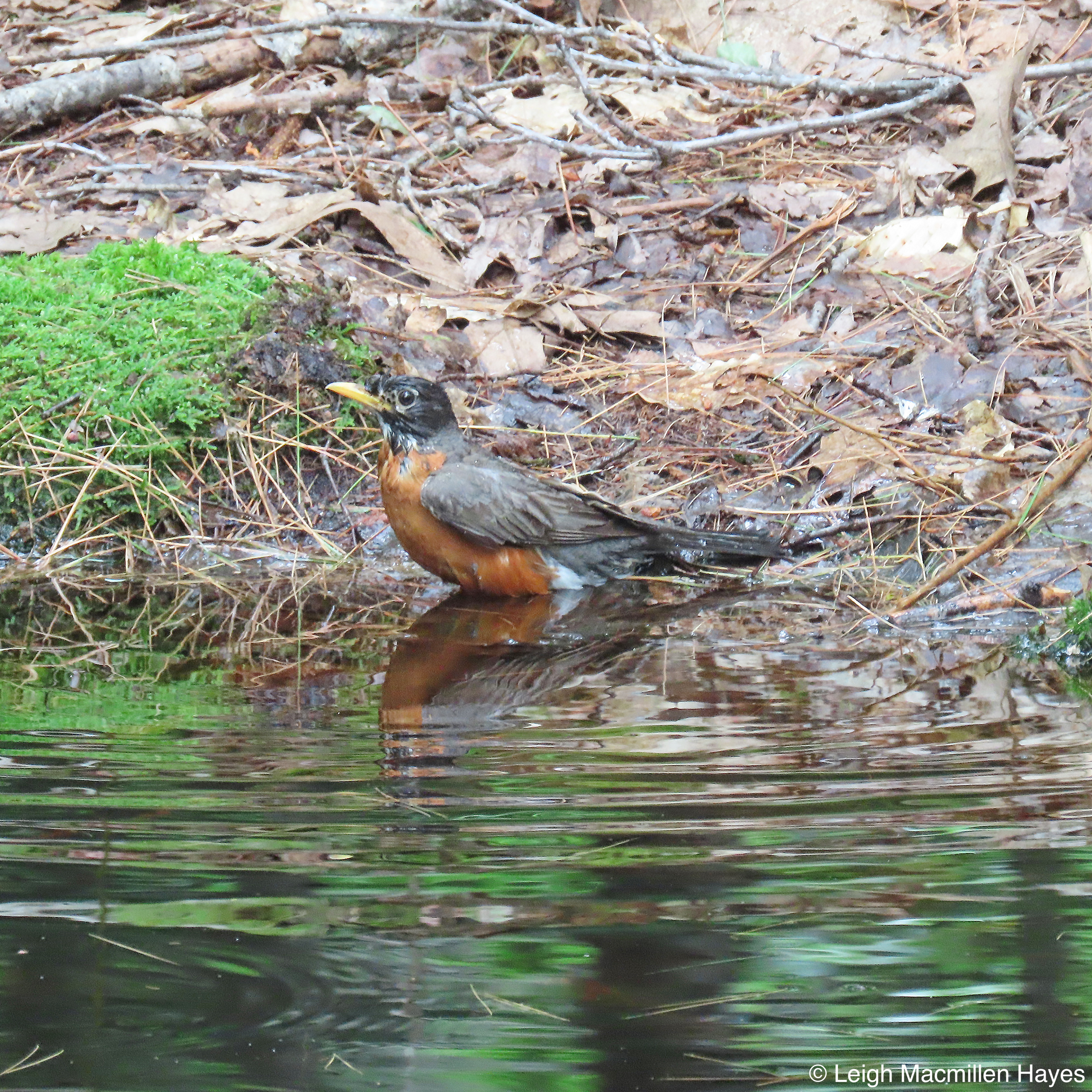


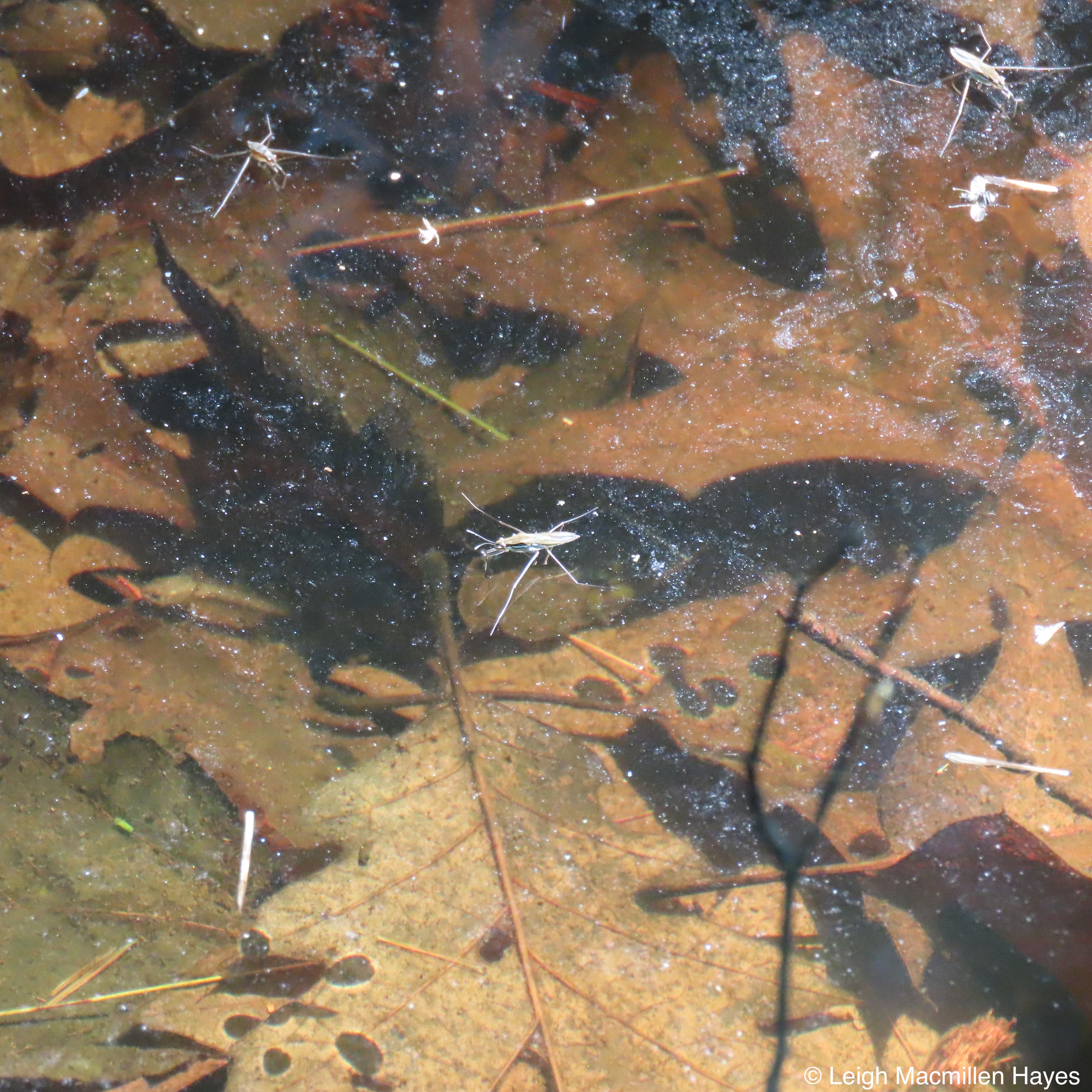


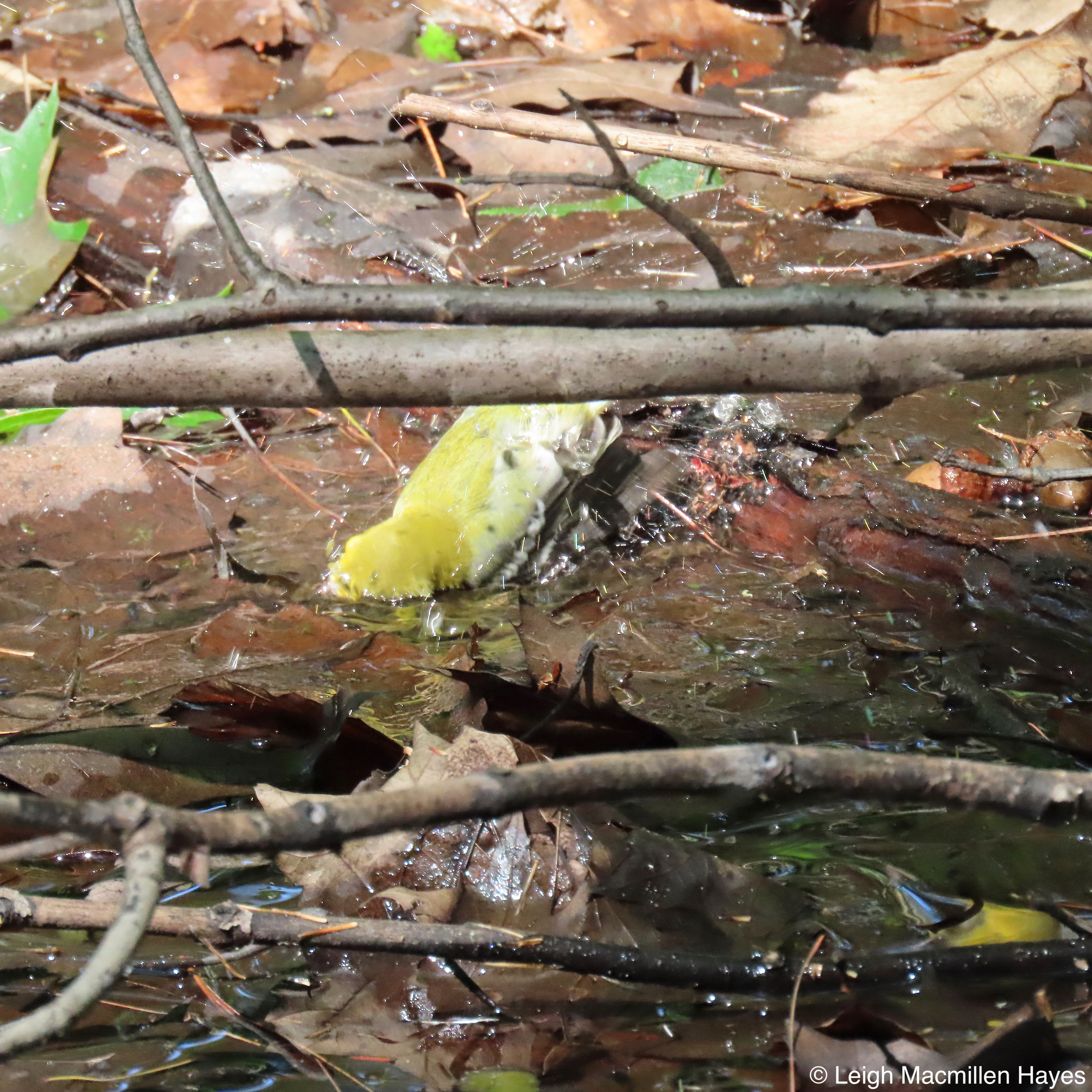

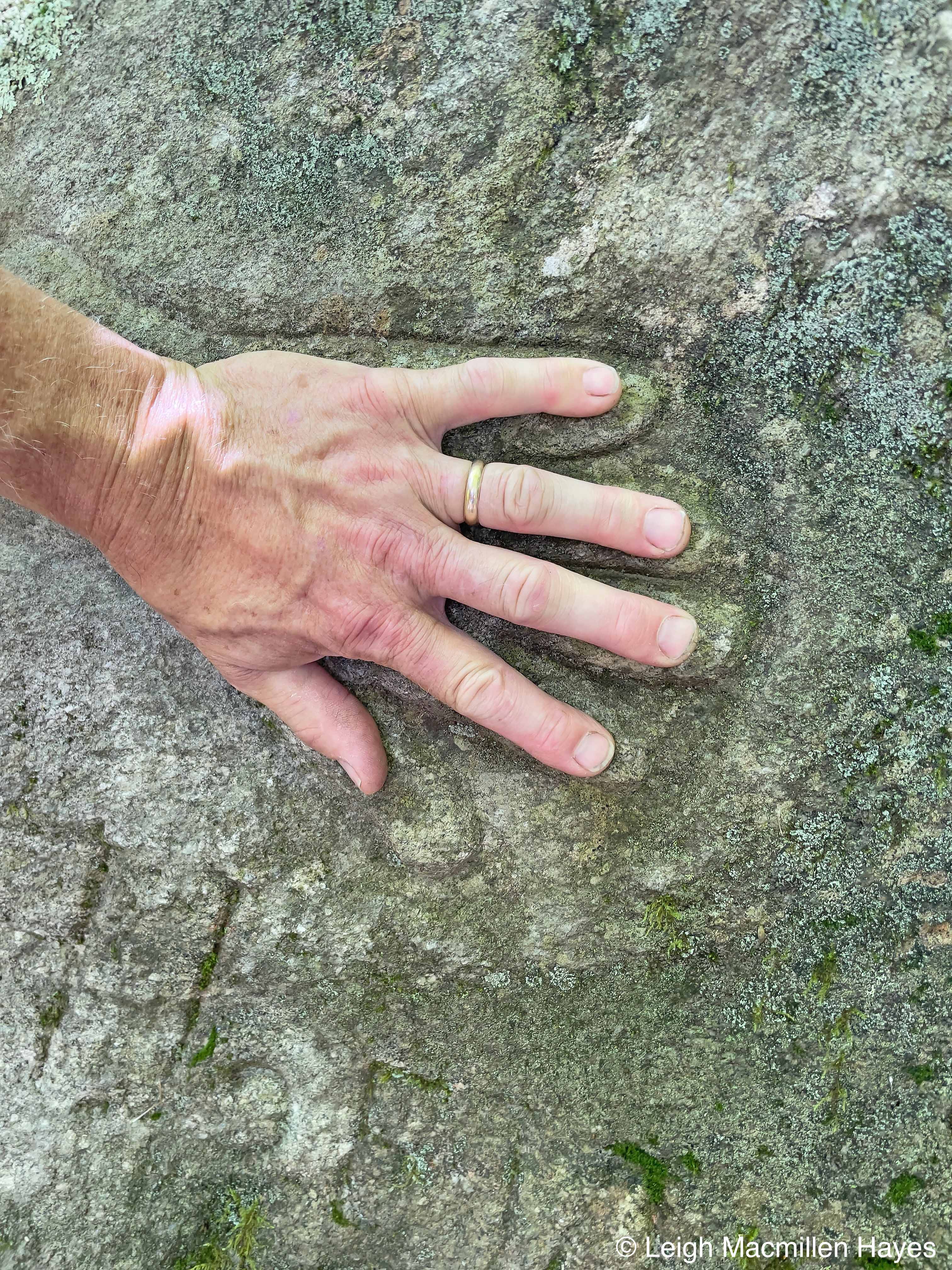


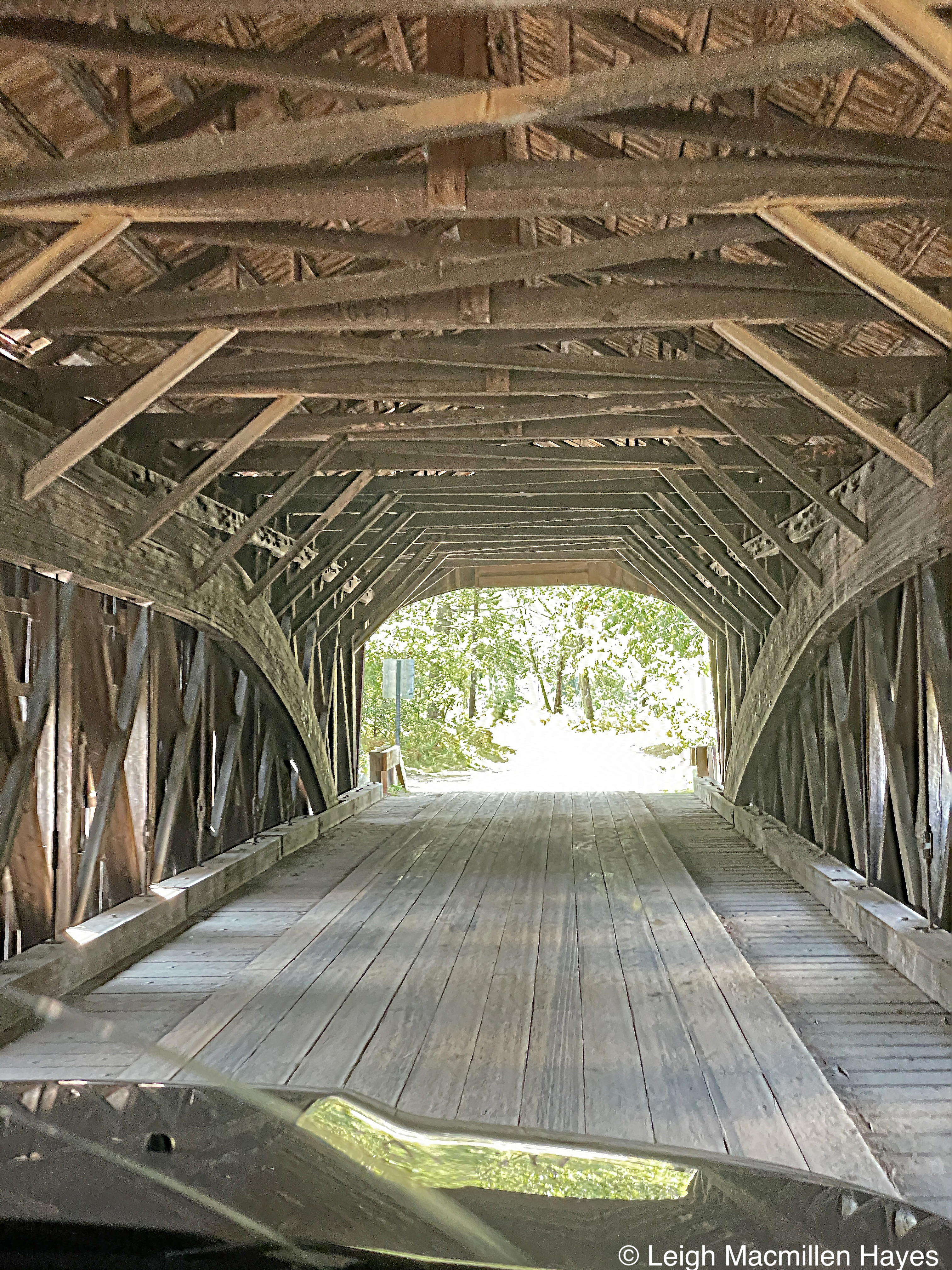

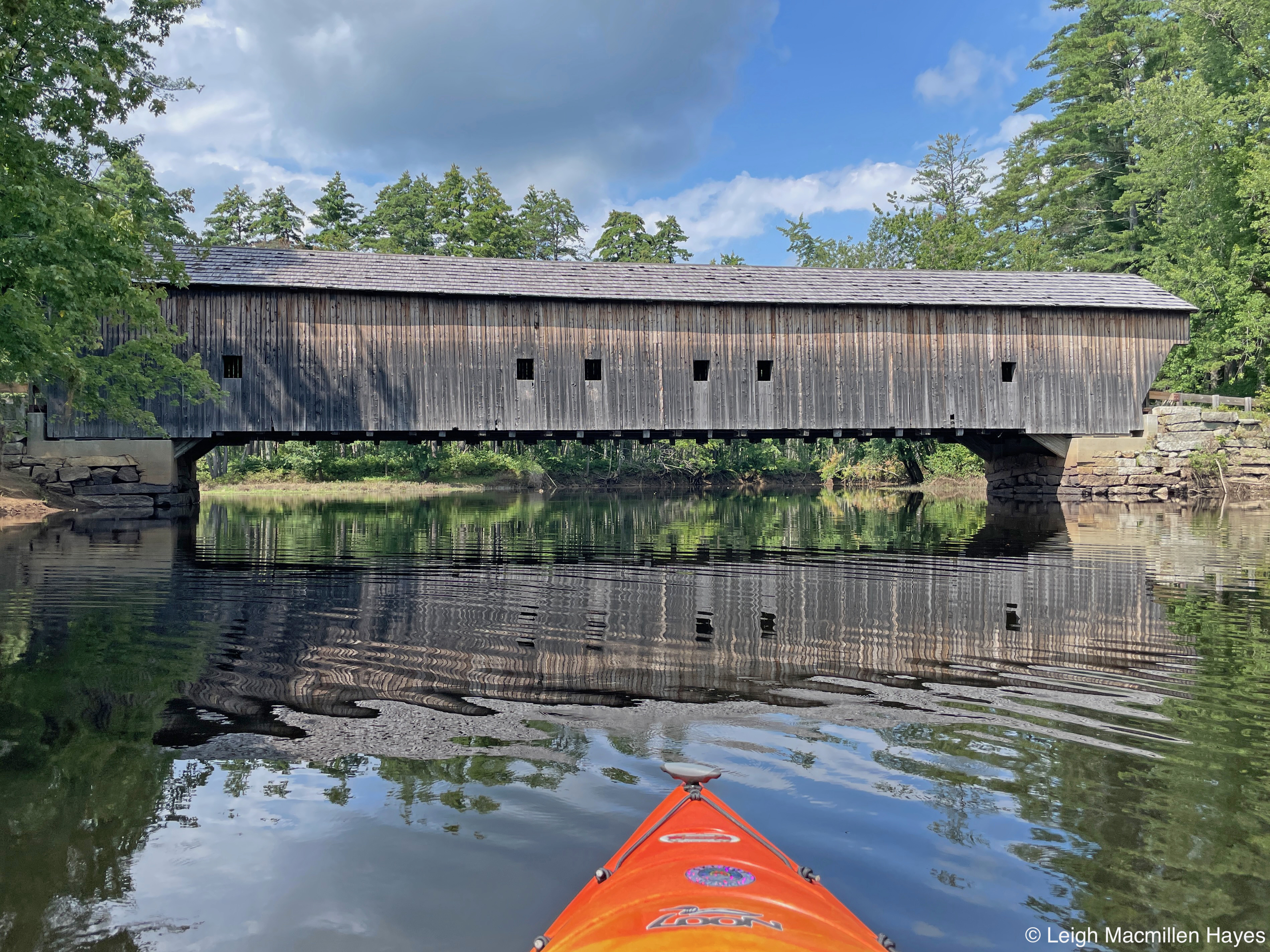


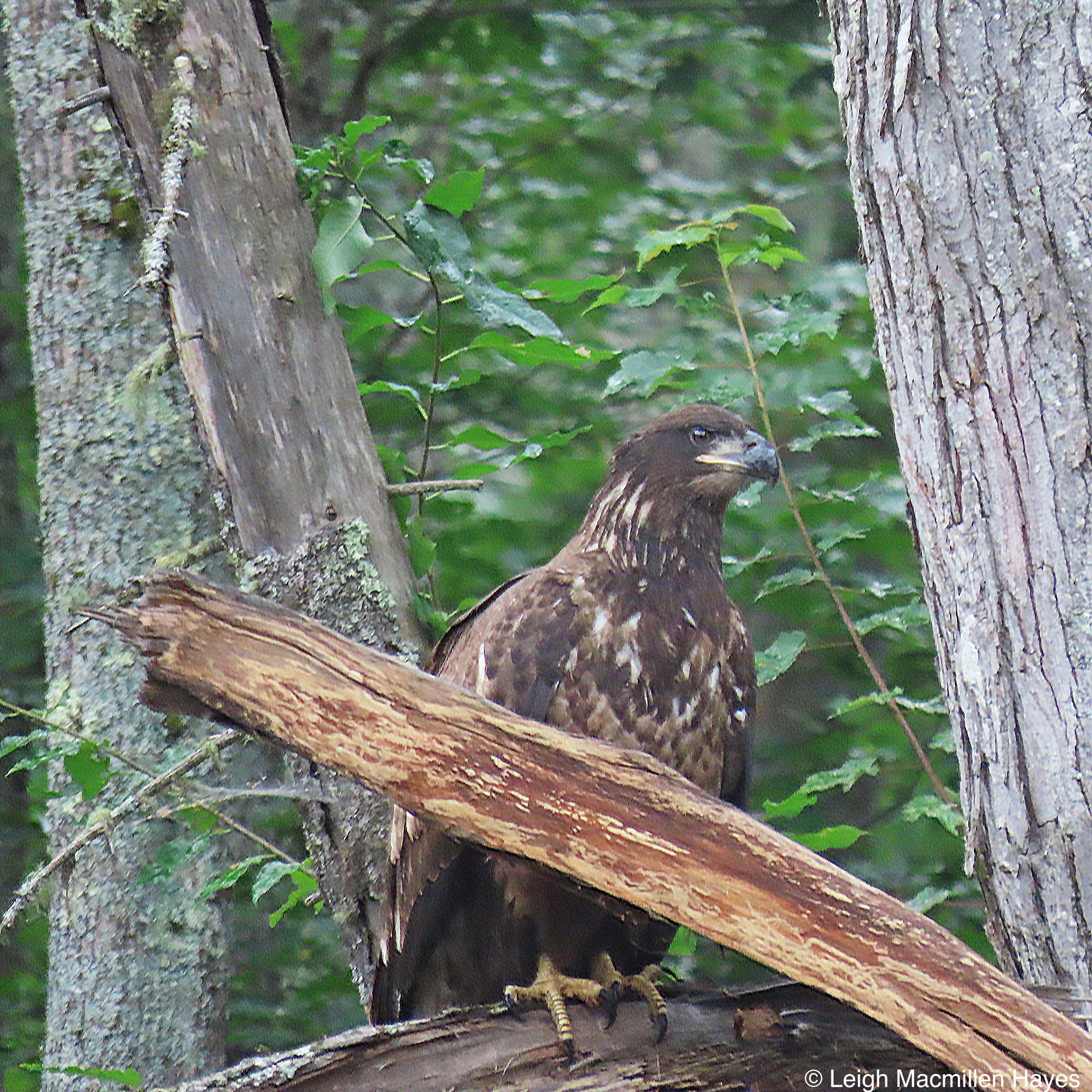


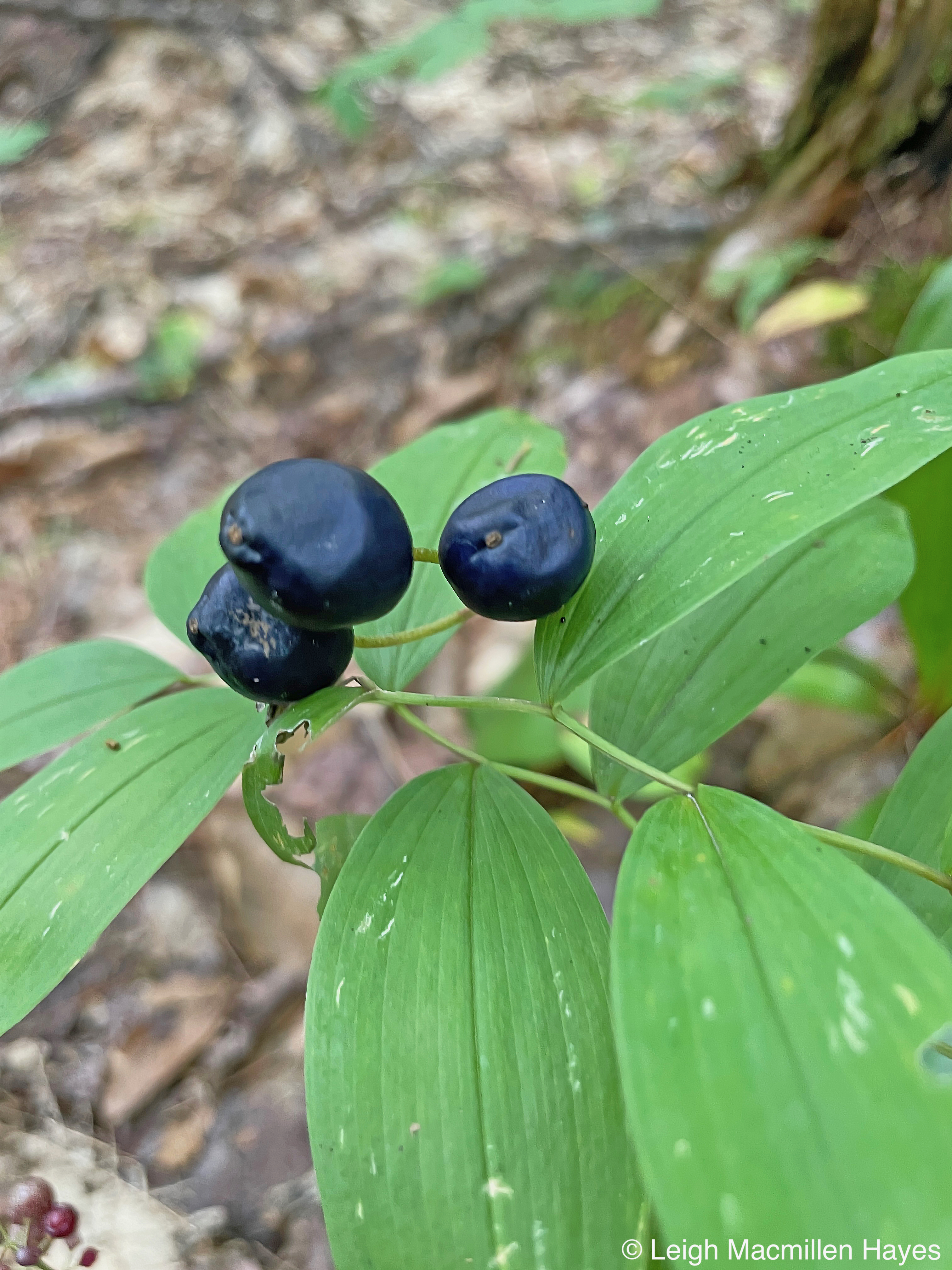
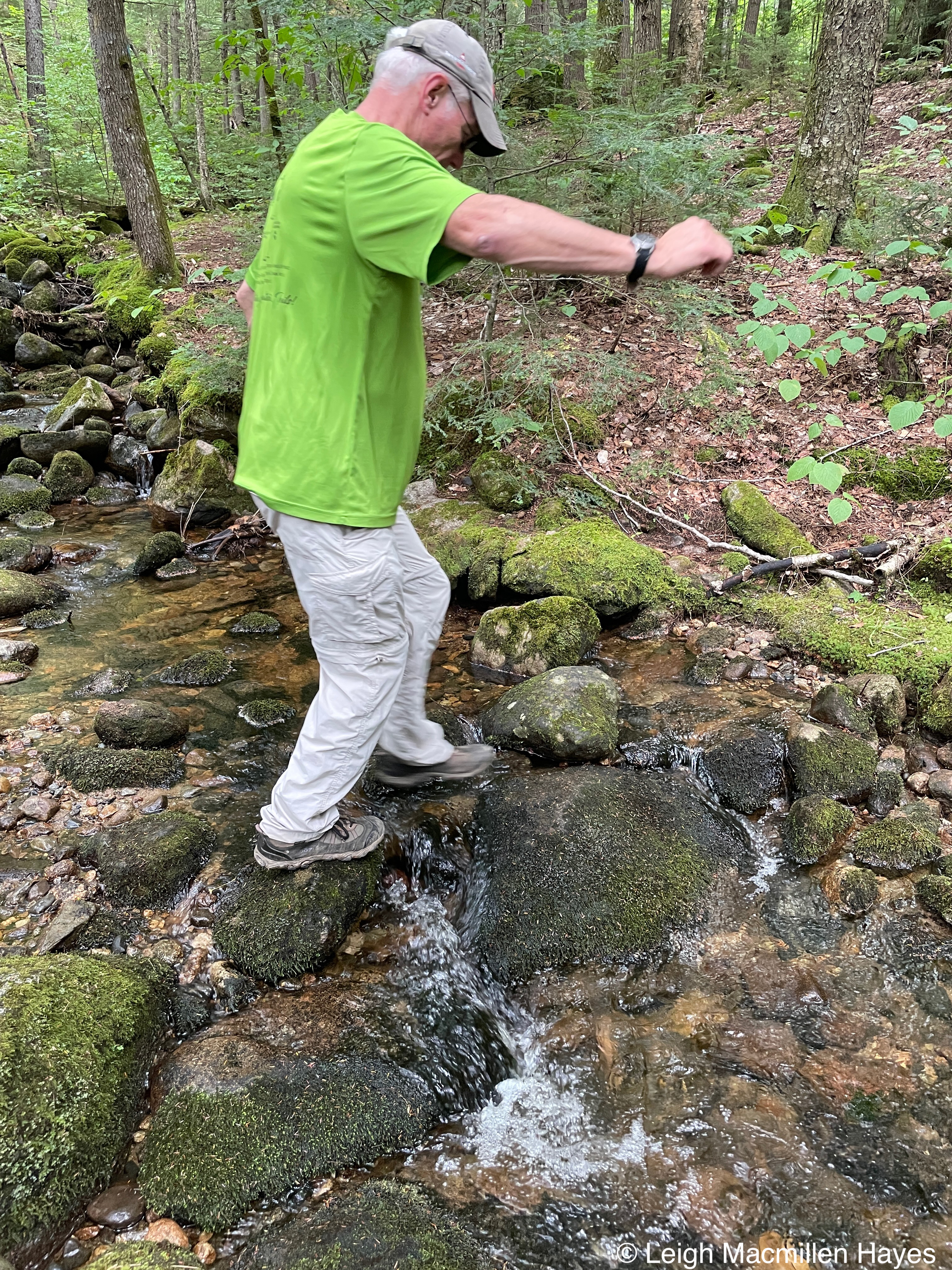
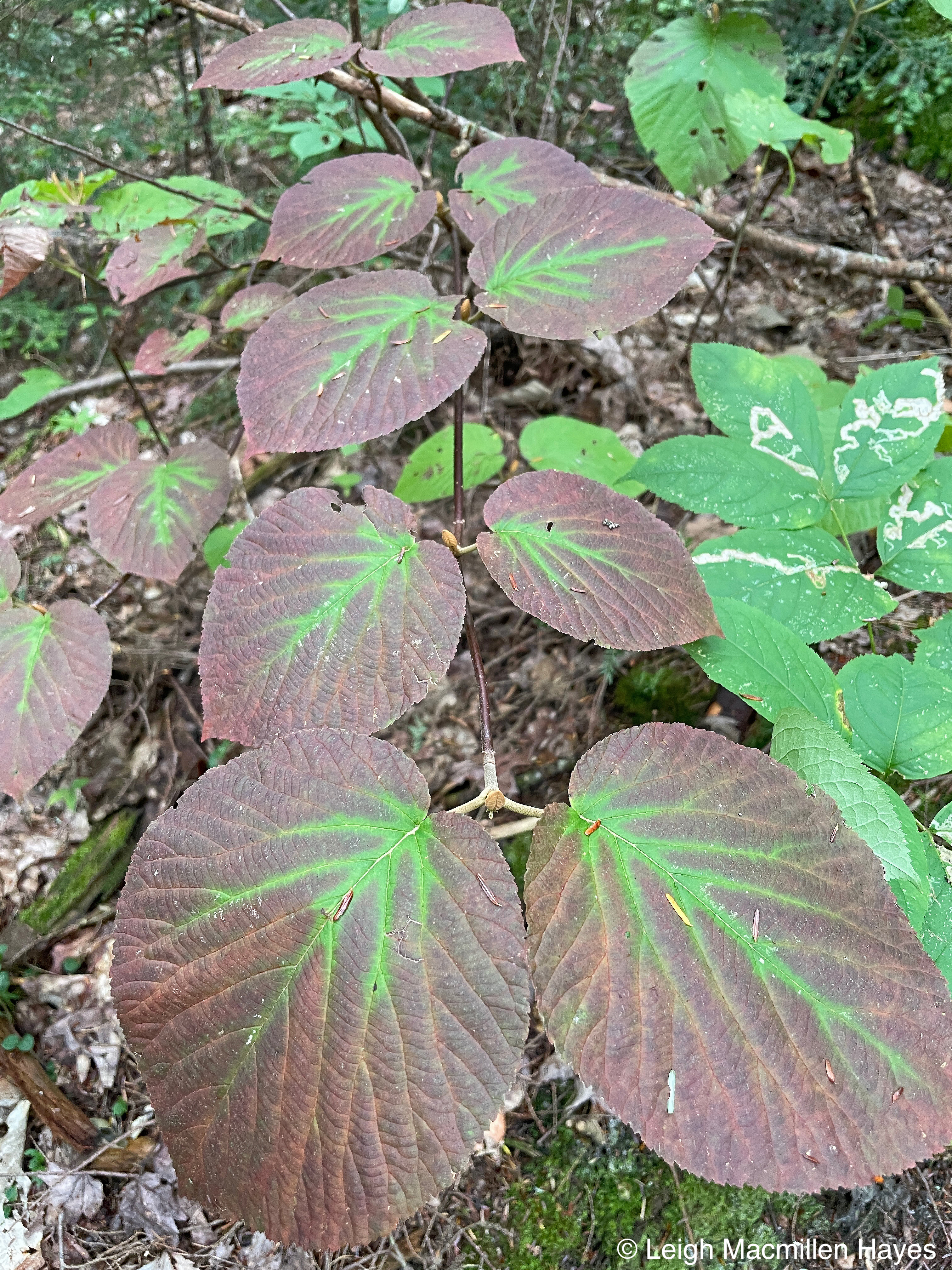
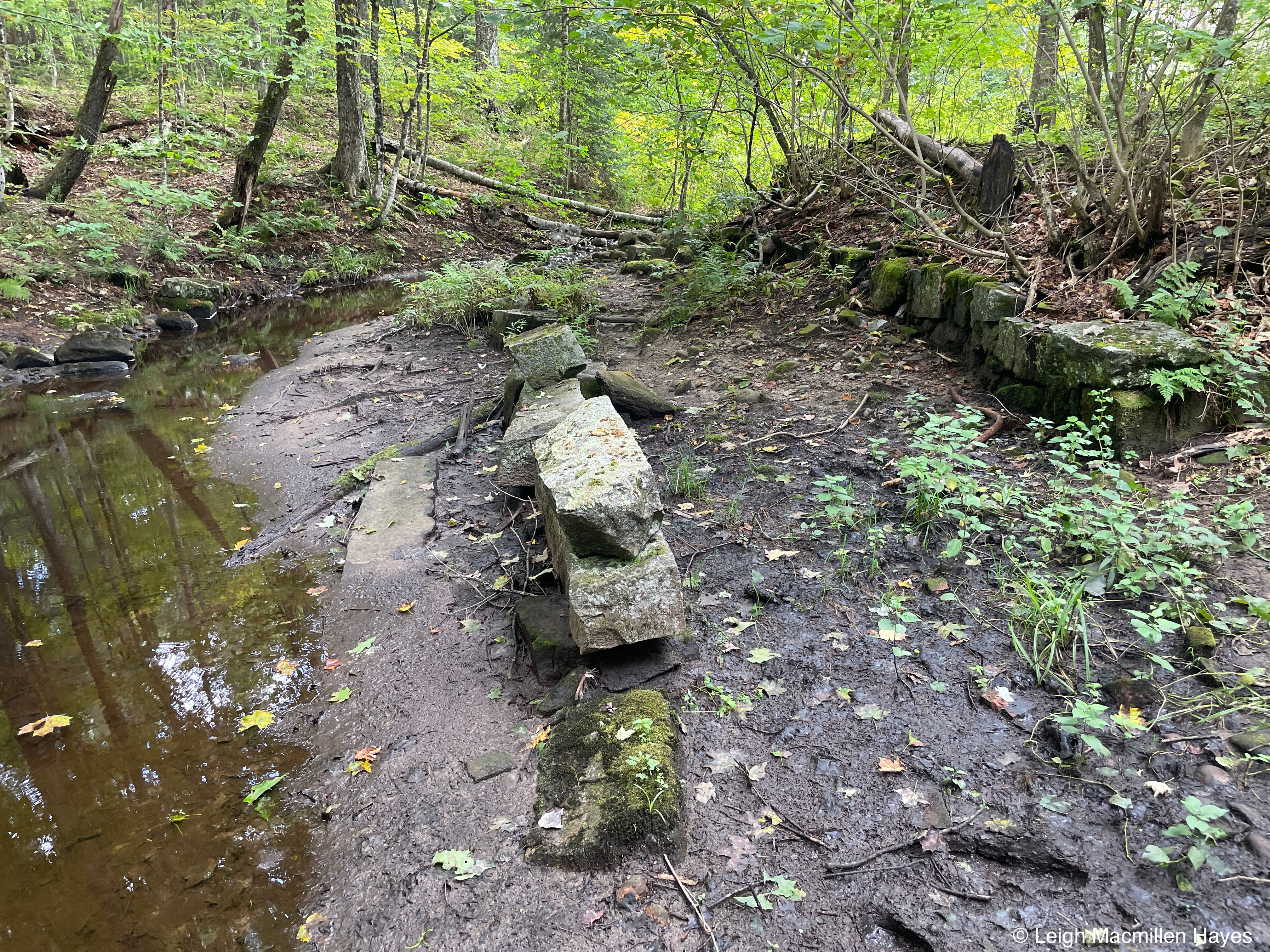
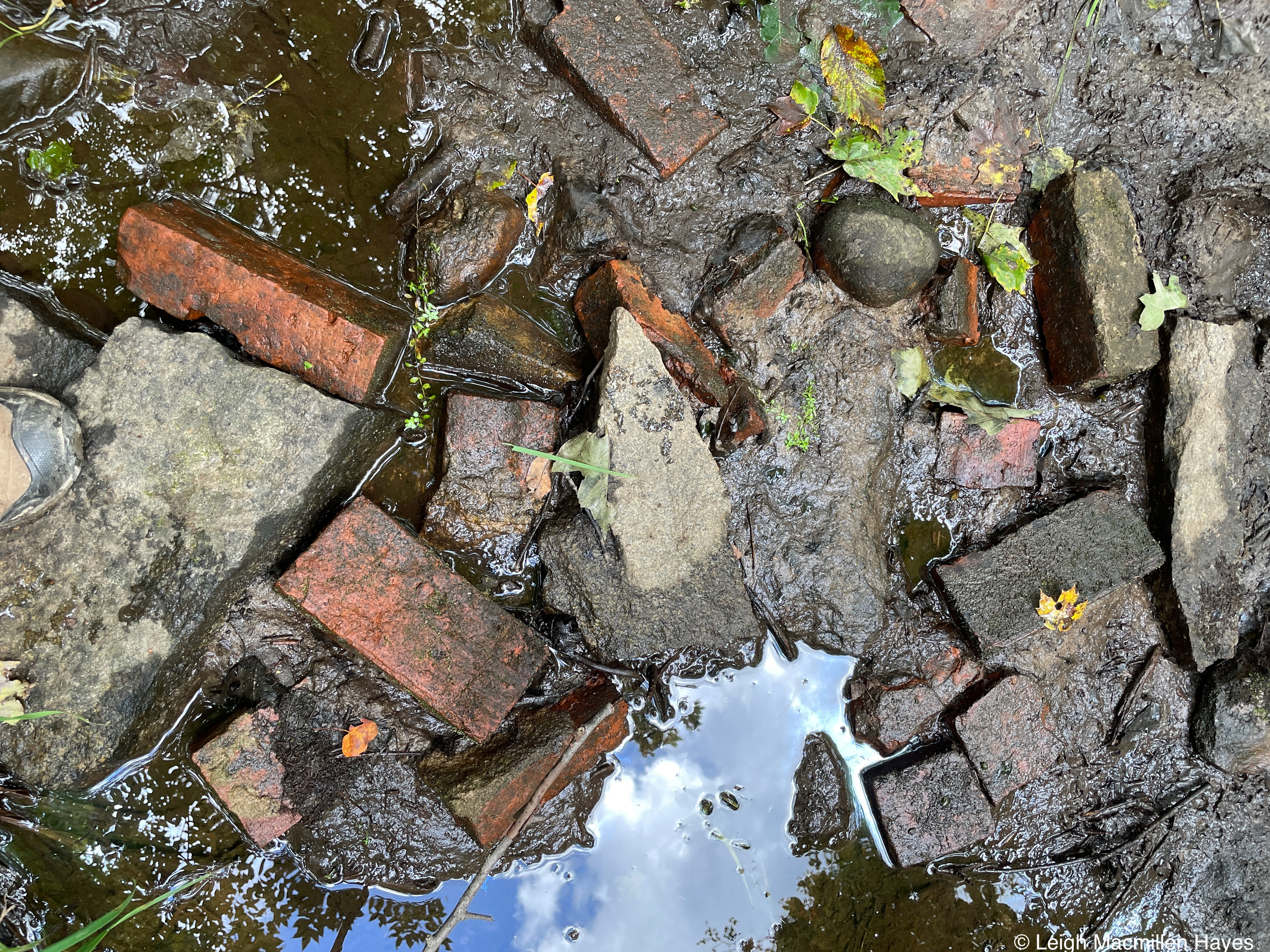


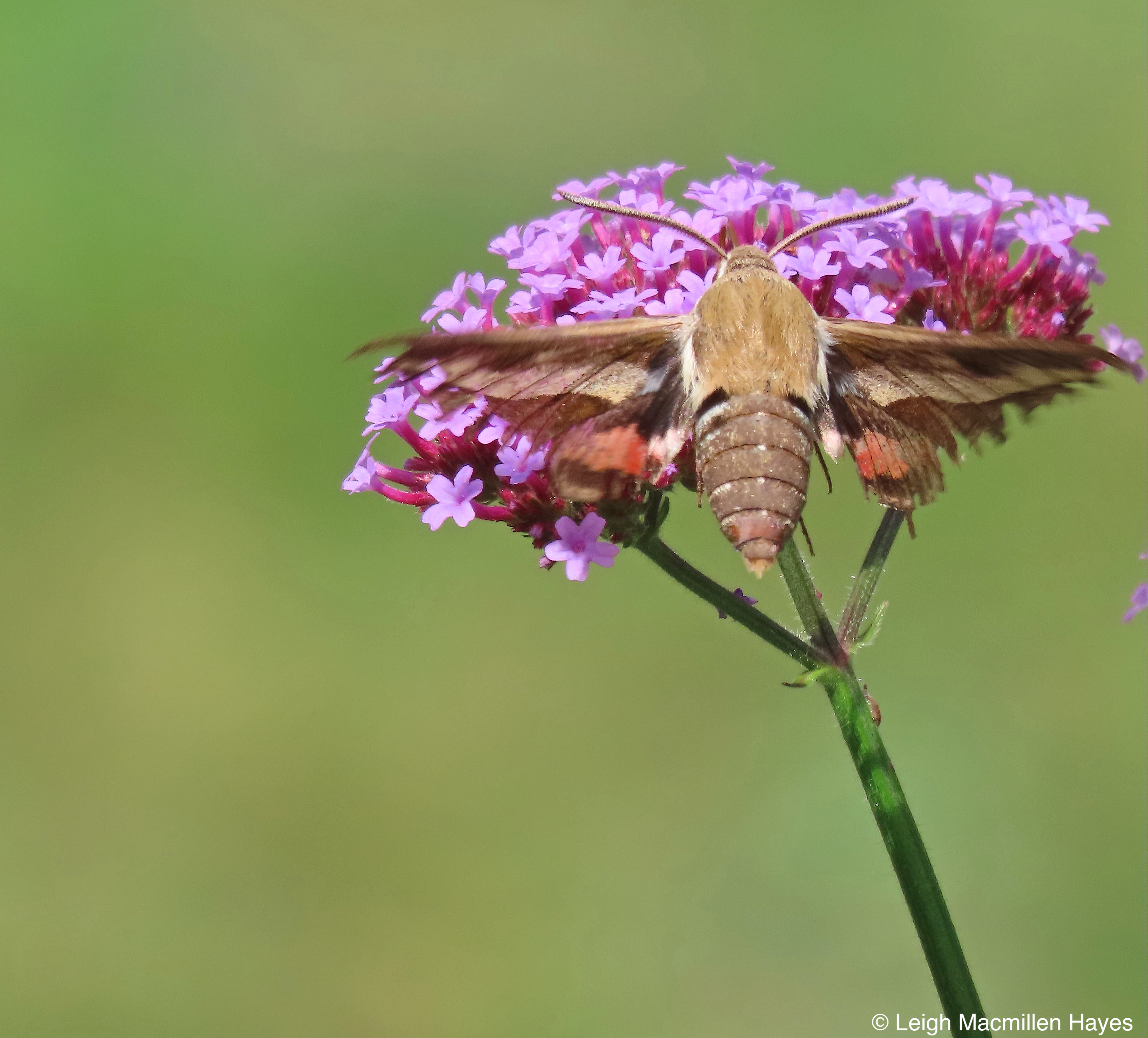
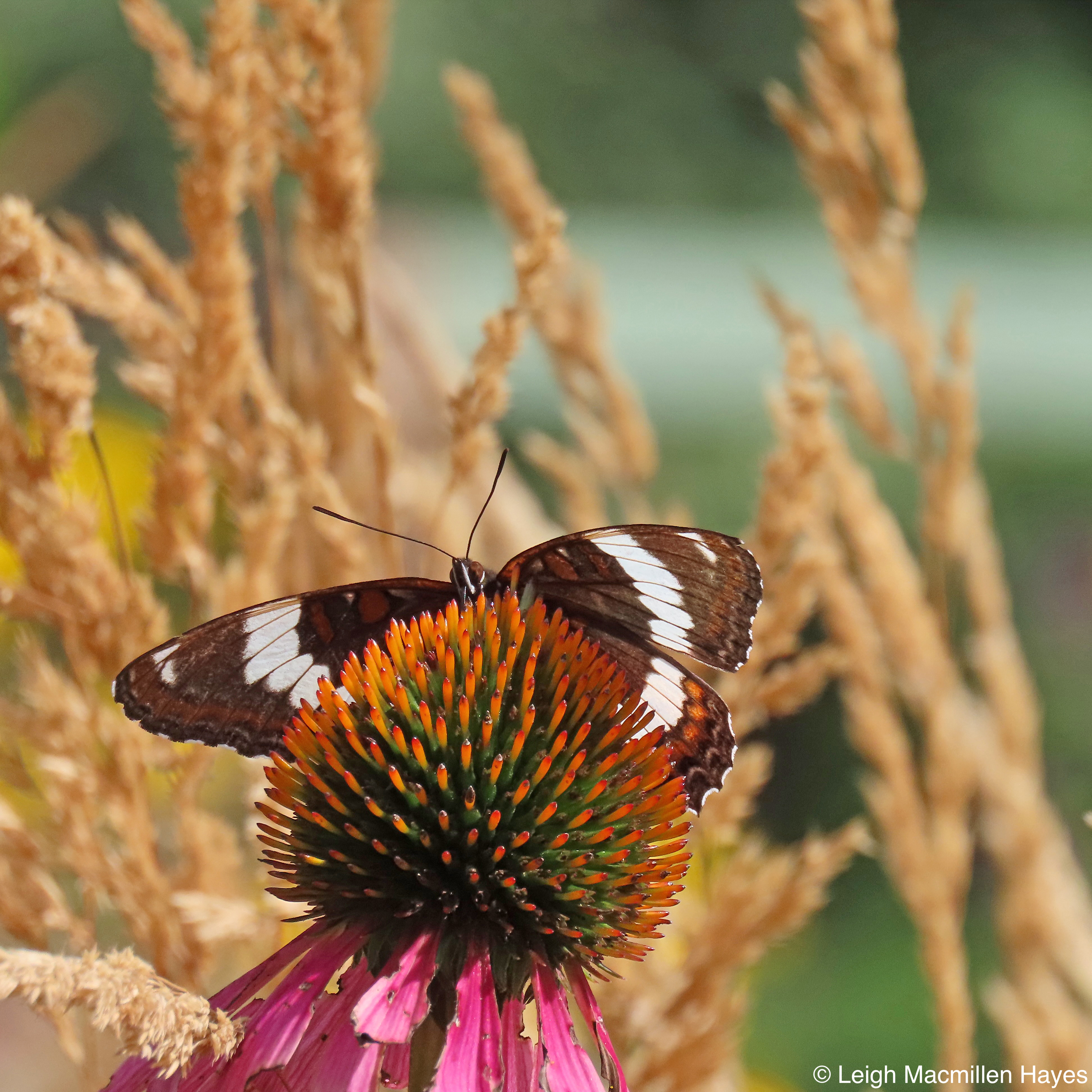


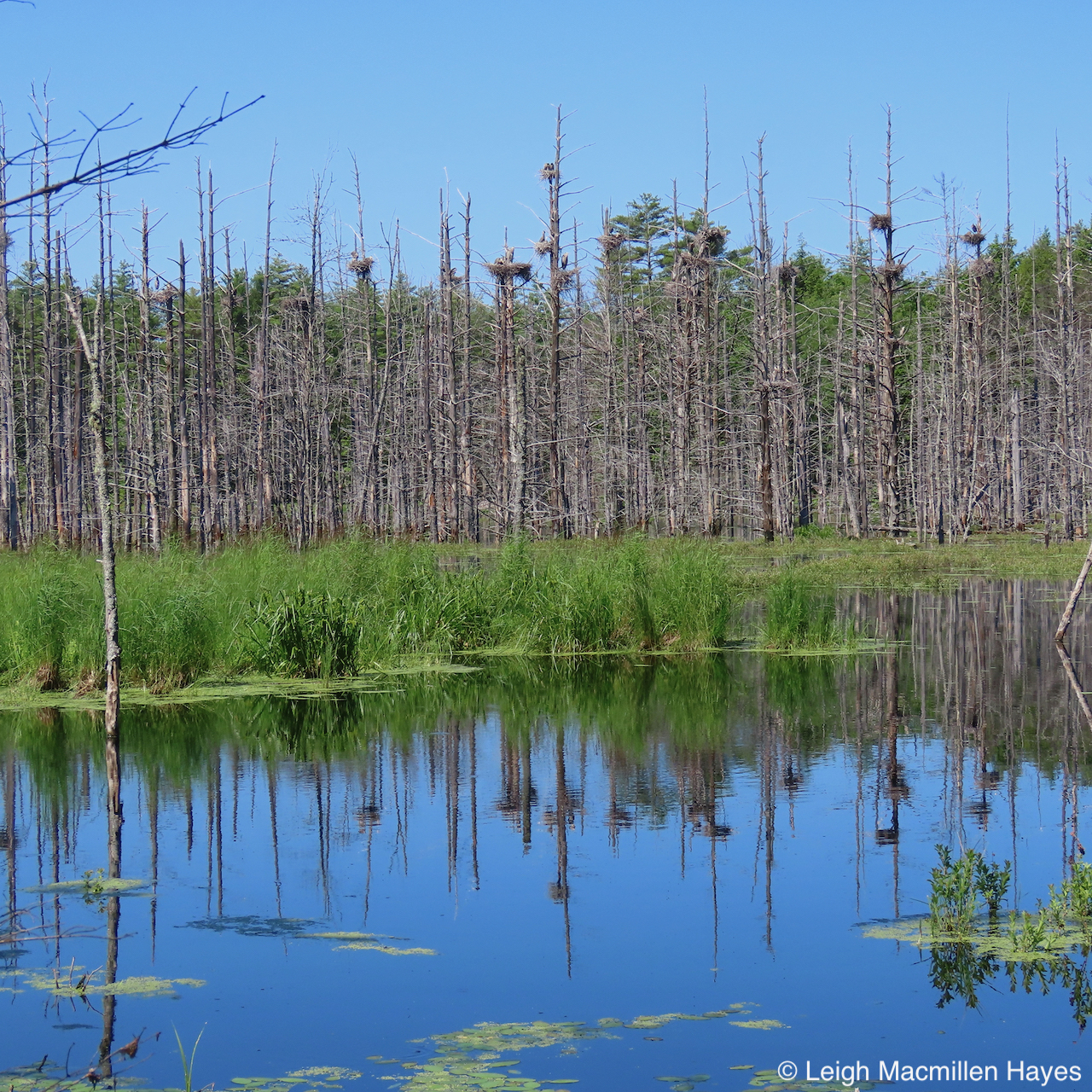
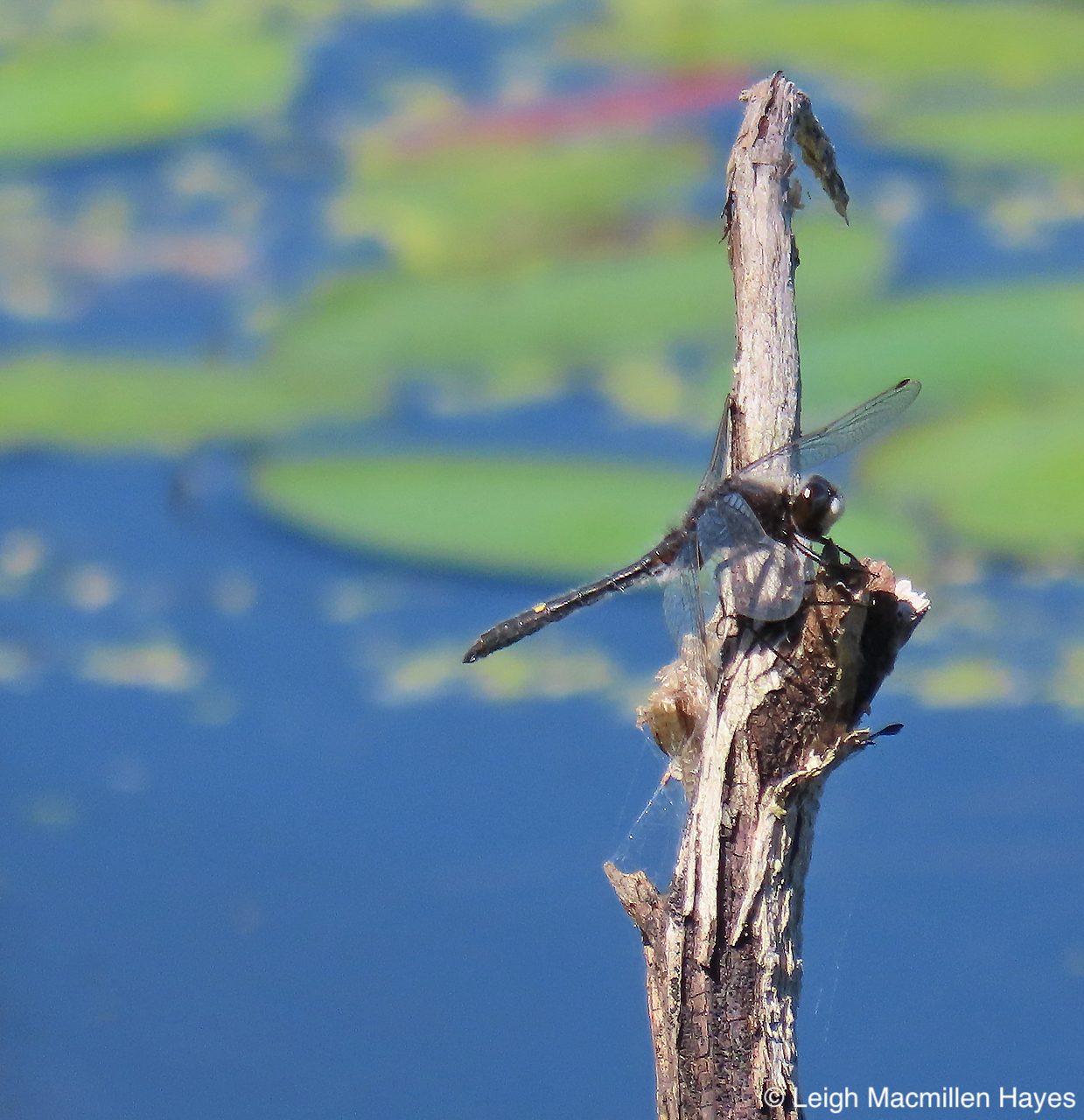


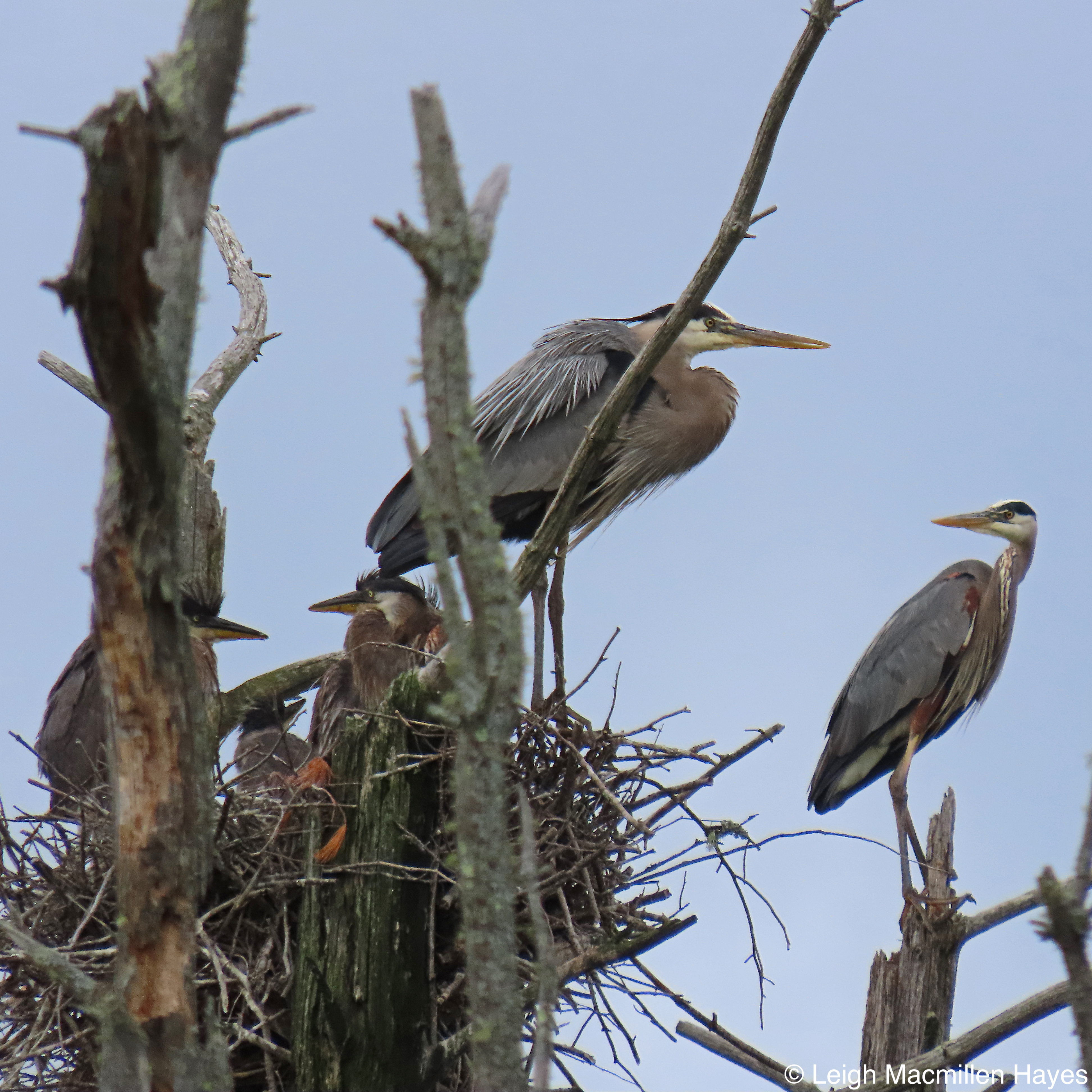


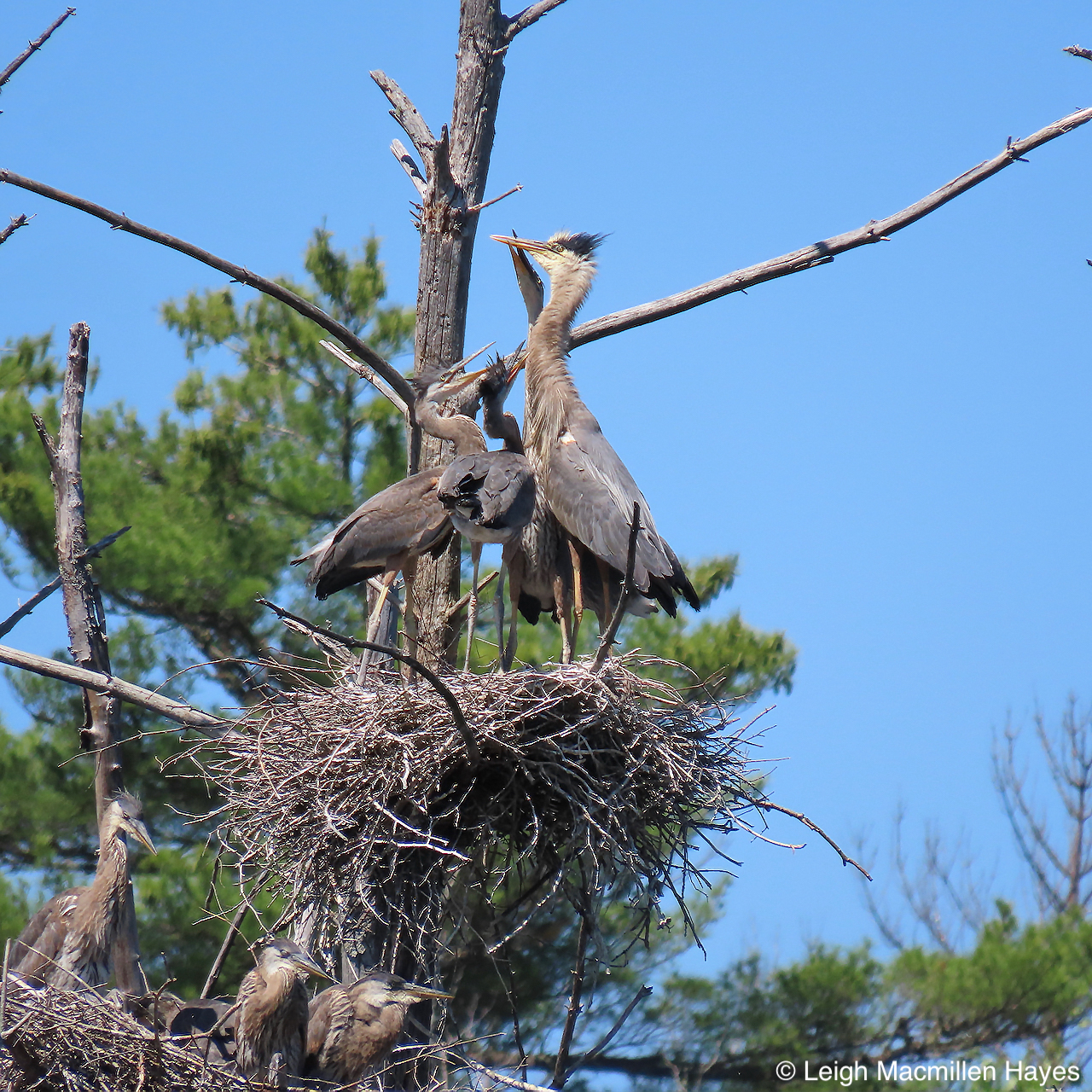

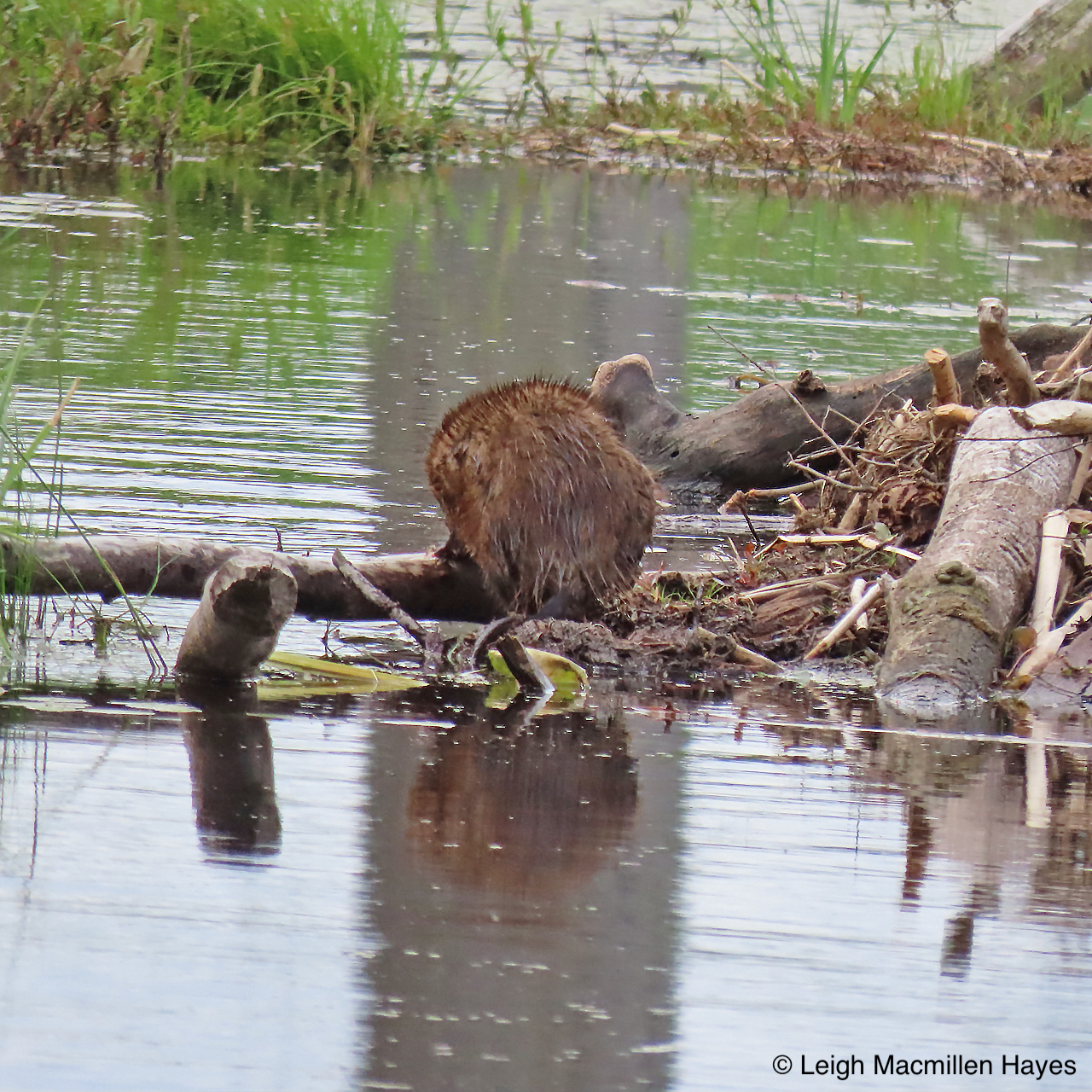
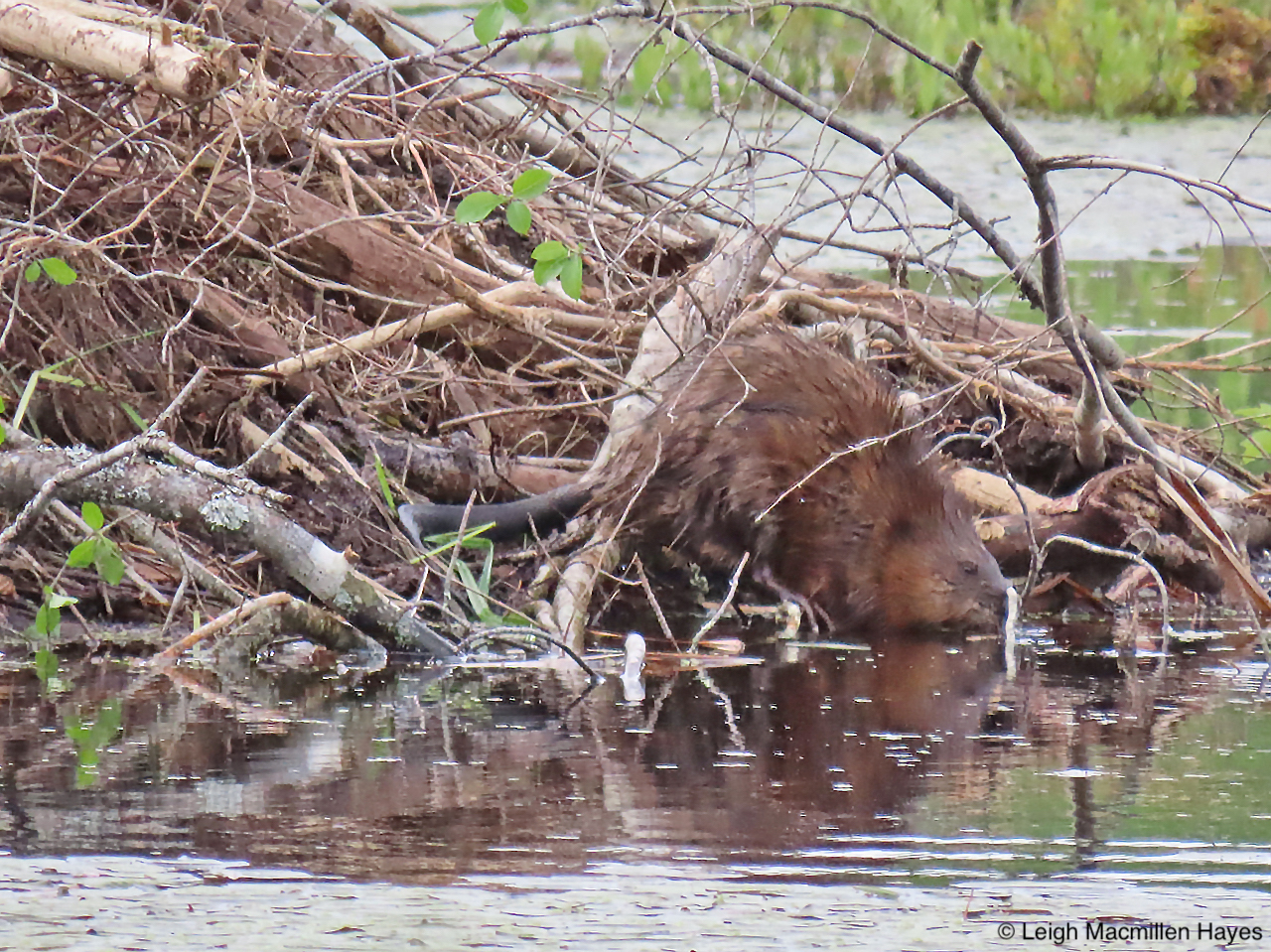
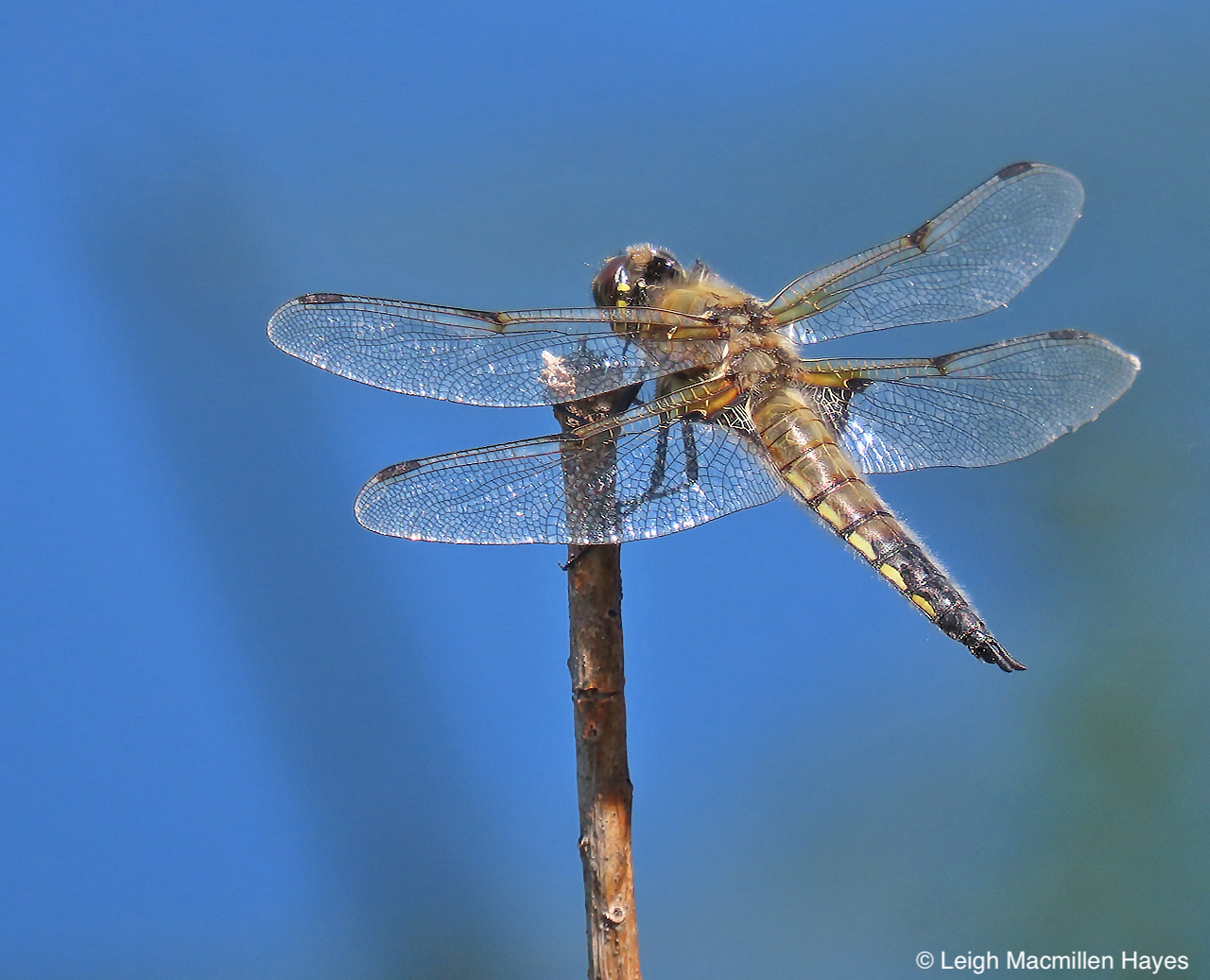

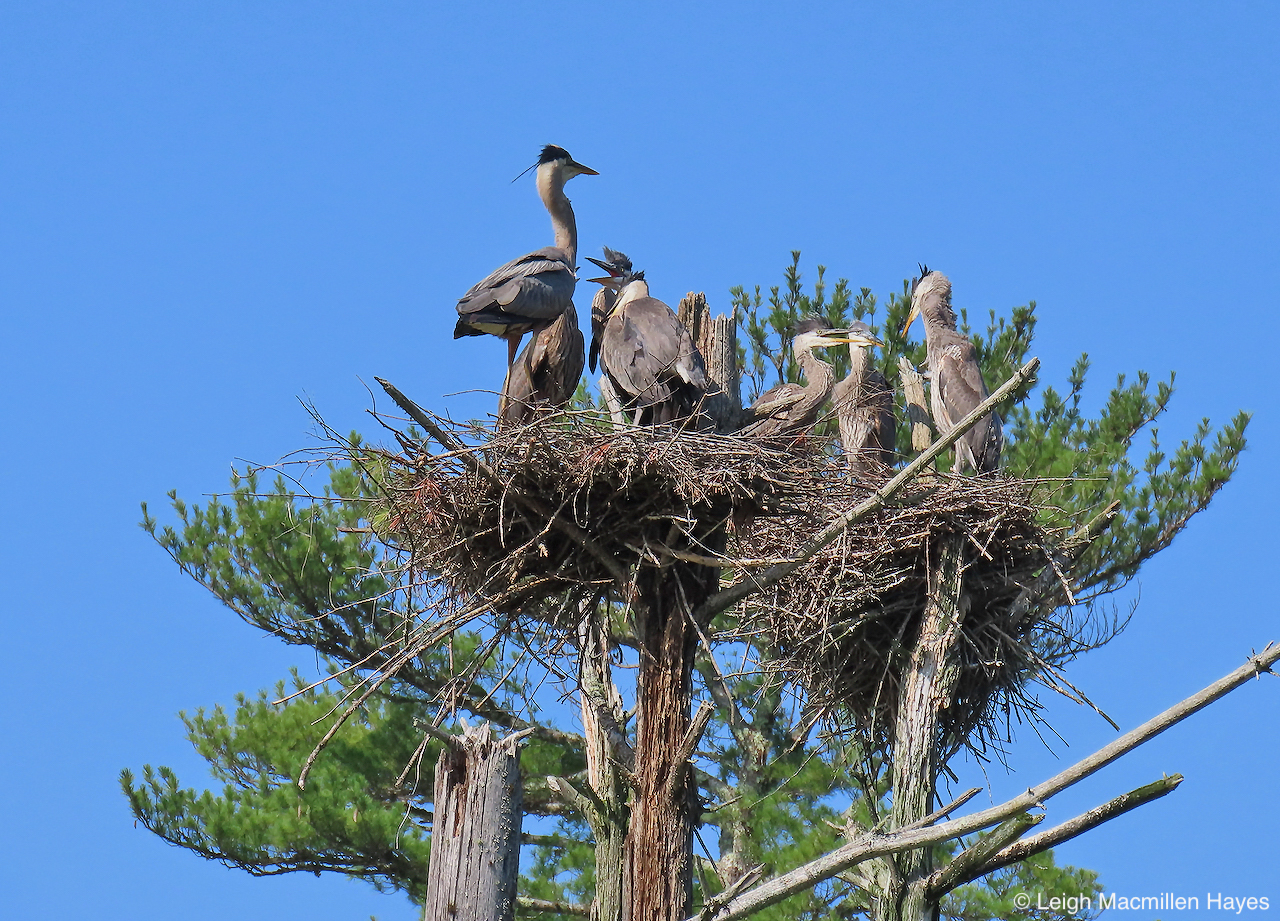

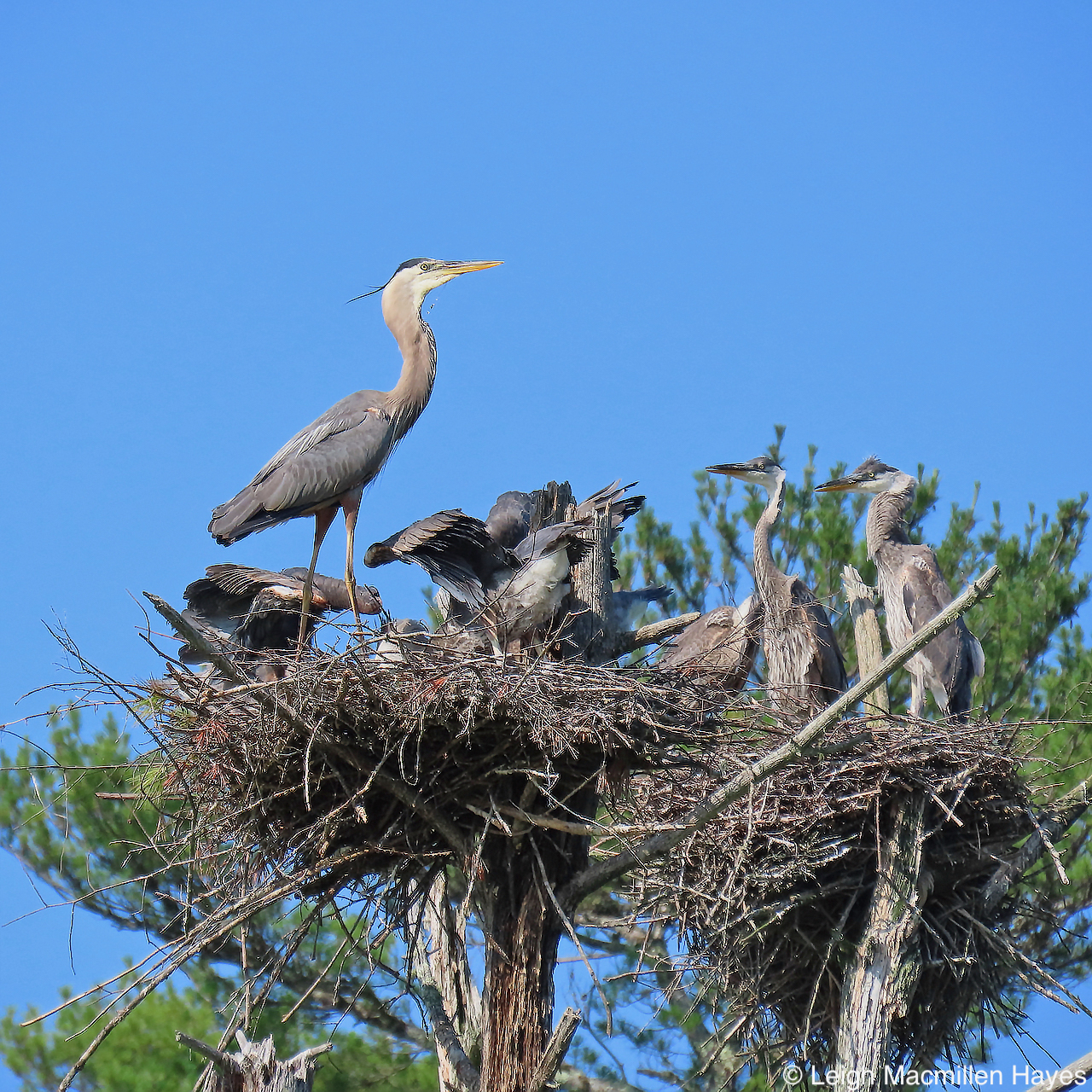
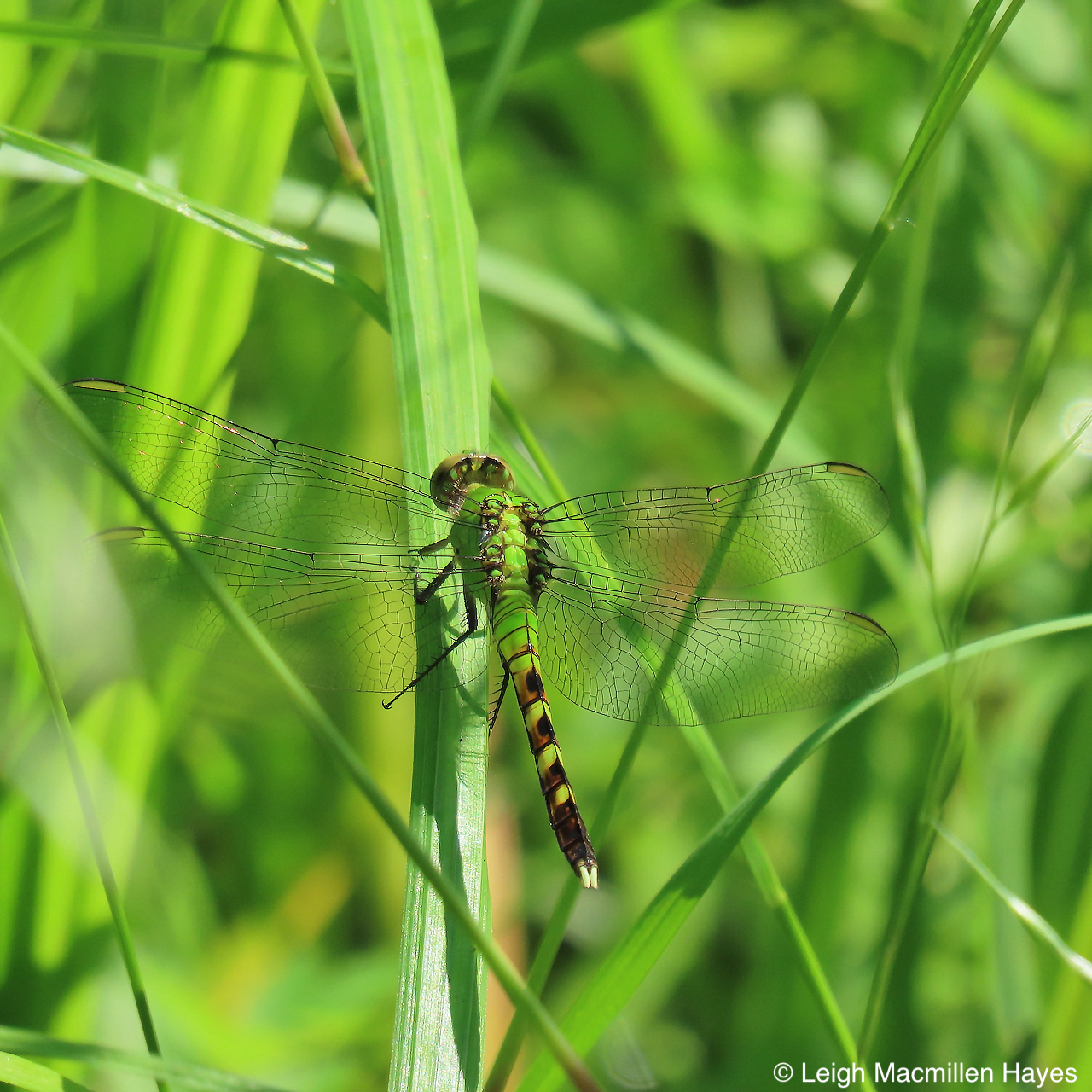
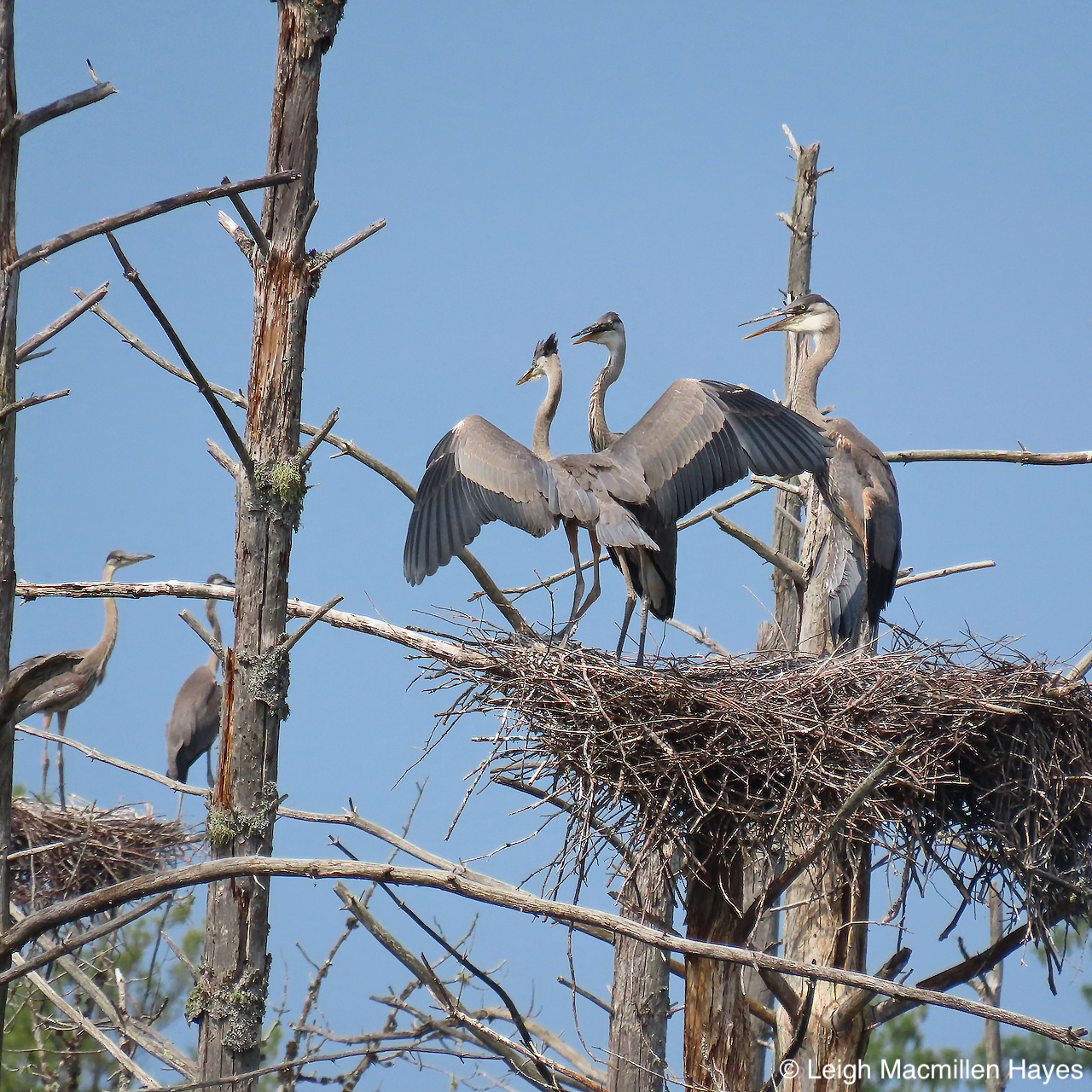
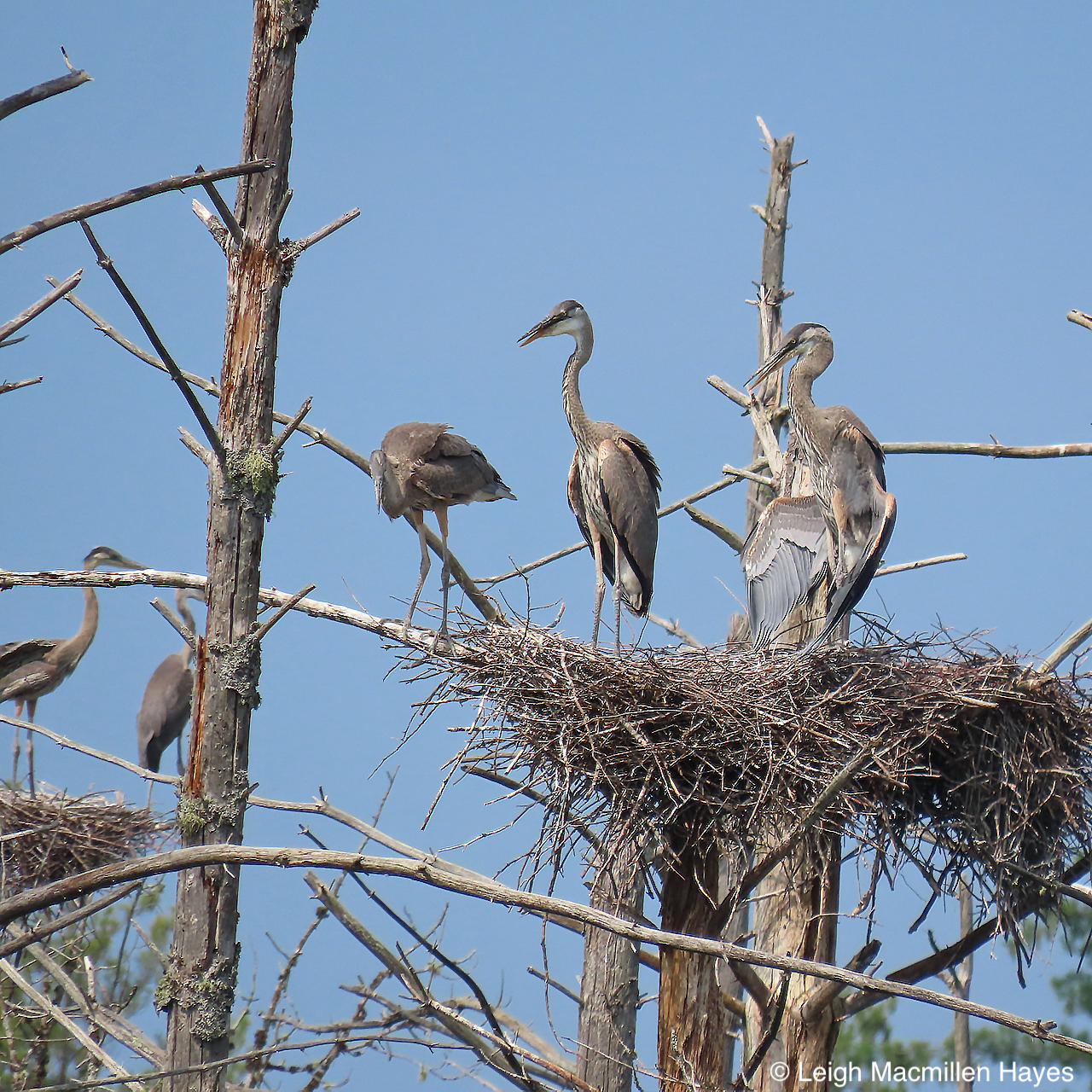
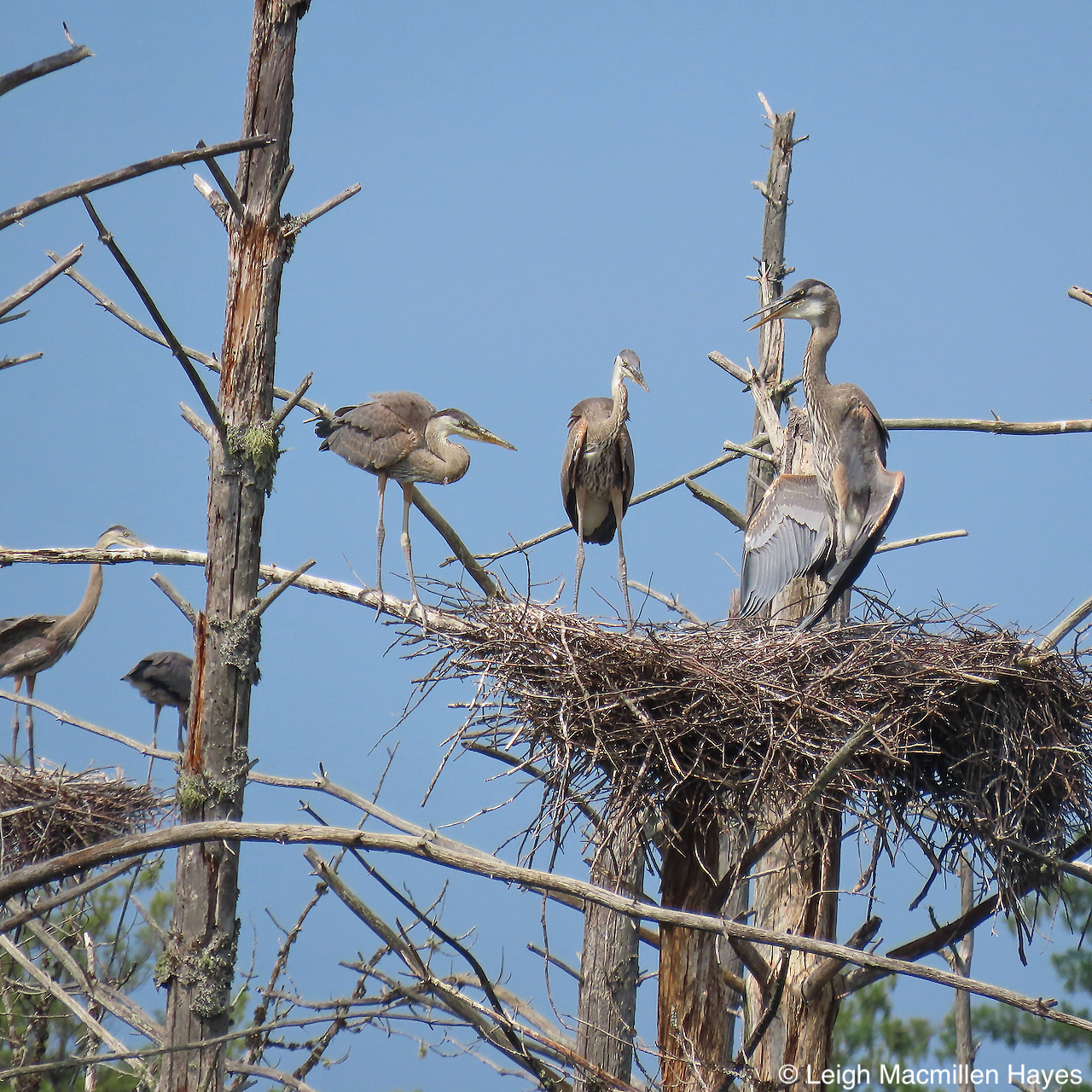
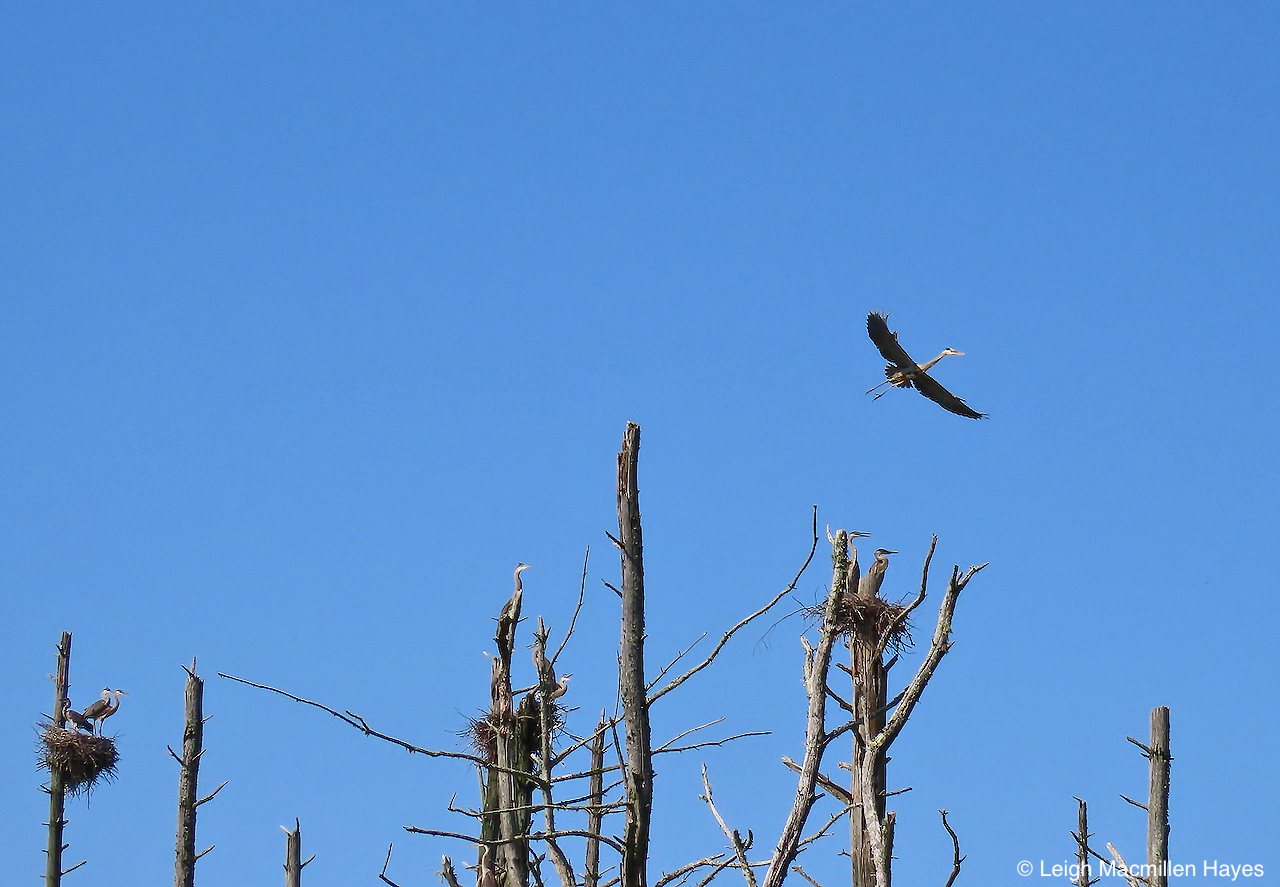


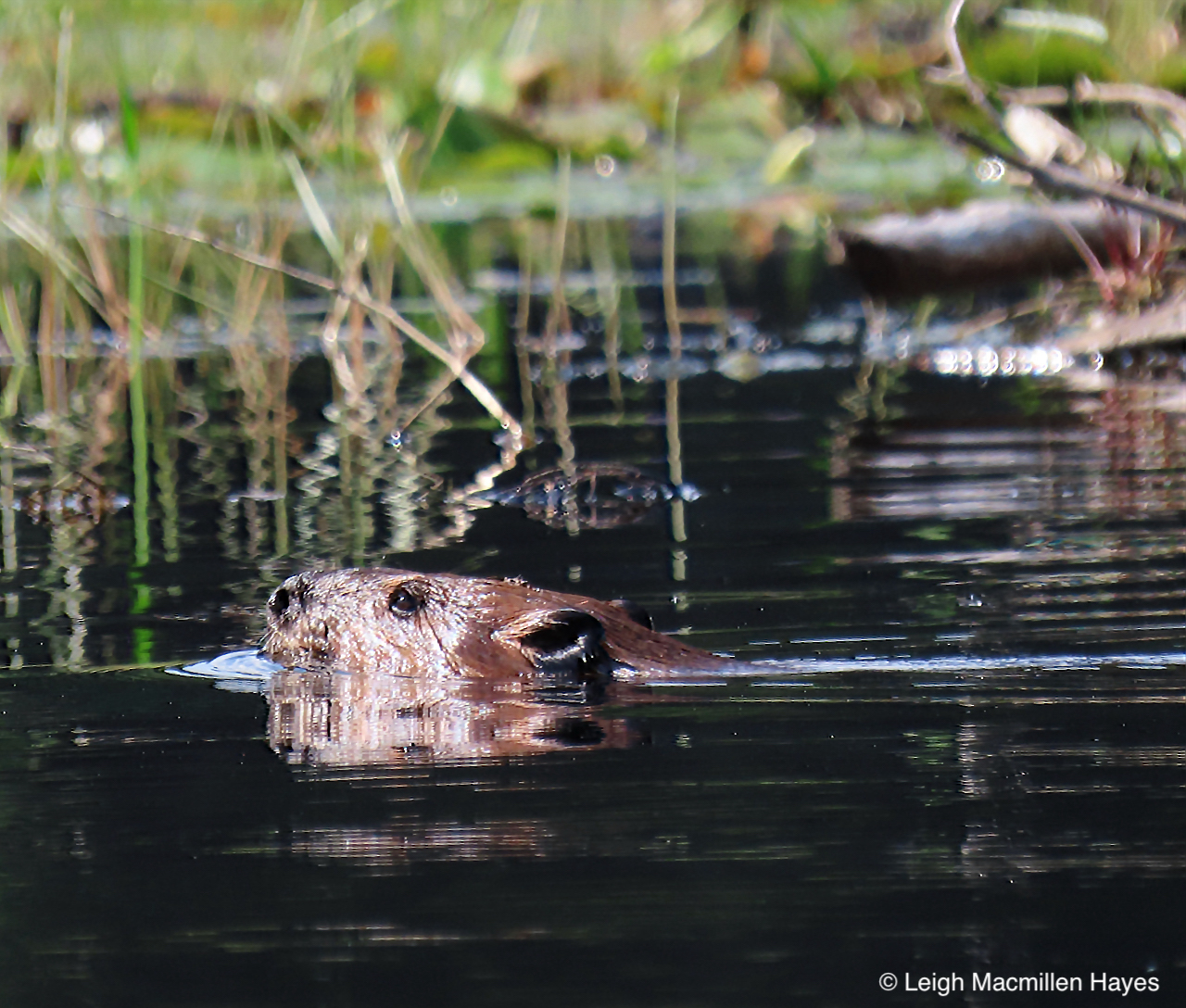

 wondermyway