We had no intention of eating lunch in this spot today, but while looking for a mountain to climb, we kept encountering full parking lots and so our backroad meander put us beside a bog at lunch time and voilà, we managed to walk all of less than two tenths of a mile. Total.
But in that short distance, our eyes feasted. First it was all the Painted Turtles basking in the sun.
And then a Grackle flew in with a meal in beak.
I didn’t realize what that meal was until . . .
while expounding on one topic or another of which I’m sure I thought I was the authority, I stopped mid-sentence with a mouth open wide in surprise for upon a tree trunk a newly emerged dragonfly showed off its slowy unfolding wings as it moved back toward the exuviae from which it had just emerged. Why did it move back? I don’t know, but they often cling on nearby as they let their wings dry before flying. It was at that point that my lecture changed focus and suddenly I knew that our being there was important for we were saving this vulnerable being from becoming the Grackle’s dessert.
As for our lunch, my guy found a spot and . . . dined alone. I was beside myself with joy and knew there were more discoveries to make. Thankfully, he has the patience of Job in many situations, and this was one of them.
A brisk breeze blew, which kept the Black Flies at bay, a good thing for us, and perhaps it was also a welcome treat for the dragonflies as they dried their wings in preparation for first flight.
Some managed to keep wings closed over their abdomens, but again, that was another sign of new emergence for as adults, wings are spread while resting.
In the sunshine of the early afternoon, those cloudy, moist wings glistened and offered a rainbow of subtle colors.
Upon a variety of vegetation different species clung in manners of their ancestors until ready for takeoff.
At one point I turned and was surprised to find this friend upon a sapling beside my knees.
And so we began to chat . . . until he’d heard enough and flew off.
But in that same second another flew in even closer, and I just had to find out. Would he or wouldn’t he?
He would and did. Yes, I quietly placed my finger on the leaf and he climbed aboard, then struck a rather relaxed pose.
It’s been a yard work kind of weekend for my guy and me, but in the midst of it all, the habitat that this is kept drawing my focus. Oh, I shoveled more piles of dirt than I care to count and shook it down as many times as my guy did to separate the rocks from the loam and raked it all into place and did it all over again for hours on end, but in between I did what I love to do on days such as this. I stalked.
I stalked insects including mimics.
And wee ones like sawflies.
And ants trying to bring spiders home for lunch.
And miniature wasps pausing on blueberry bushes.
And hoverflies seeking nectar from azaleas.
And then. And then. An Eastern Forktail damselfly upon one of those mounds that we were working on.
And then . . . the crème de la crème for the weekend: a female Dot-tailed Whiteface dragonfly.
My other favorite season is officially underway. Bring on the damsels and dragons. And everyone else in between.
There was a time when insects bugged me. Apparently, I’m long beyond that for though I morn the loss of snow and tracking season, I can’t wait for insect season to begin. Ah yes, that is, except for the blackflies, aka Maine’s state bird, or so they should be. But even the blackflies I can endure because I know that they provide food for actual birds and for other insects such as dragonflies. By now, you’re probably thinking I’m about to present a series of dragonfly shots. Not today, but that day will be upon us very soon for in the natural world everything seems to be on time and there is no such thing as The Pause.
Pause, however, I did beside another wetland setting today in a spot where my boots slowly sunk down into the sphagnum moss for the longer I stood the deeper they went, and the stoneflies crawled, their veined wings showing off a stained-glassed window naturally.
If you look closely at the tip of the abdomen that curves out from under the wings, you may see the cerci or paired appendages. They are one of the clues to identification and sighting stoneflies is a great thing because they are intolerant of water pollution.
Of course, when one is looking one sees . . . caddisflies everywhere, though because I was in a different wetland habitat today as compared to yesterday’s vernal pool journey, the shelter of choice differed. Notice how this caddisfly’s home resembles the equisetum upon which it climbs.
But at the risk of boring you with too many caddisfly photos, I moved on (after taking too many caddisfly photos). About an inch to the left, that is. And that’s when I spied a mayfly larva with cerci of three. The thing with mayflies–they can have two or three tails. At this stage mayflies are called nymphs or naiads.
Eventually I made my way over to some false hellebores and what should I spy at the tip of one? A teenager! Well, not exactly, but the subimago or dun form of a newly emerged dragonfly. Notice the cloudiness of its wings–a clue that it isn’t an imago or adult. Mayflies are the only insects that I know of which also molt as adults. Once the final molt occurs, the clear-winged adult will live for a day or two, mate, lay eggs, and then become part of the detritus upon which they fed as nymphs.
Checking the next false hellebore was worth it not only to embrace the design of the ribbed leaves, but hiding within–yes, another subimago.
Again, the cloudy wings were the giveaway.
At a different spot along the water’s edge, a giant of sorts scanned the scene in hopes of snagging a meal. Yesterday I looked for giant water bugs. Today I found not one, but two. My next hope is that someday I’ll get to see a male carrying the nursery his mate deposits upon his back.
But then another sight forced me back into the world of the mayflies for I spotted the exuviae or cast skin of . . . a mayfly larva. Can you see where it split at the top (bottom actually) of the structure.
And just a few inches away, the one who had just emerged from aquatic life . . .
found its feet and began to march toward a new life . . .
as it tried out its balance in the terrestrial world.
Being bugged by insects is one of my favorite ways to be. Even if there are some who annoy or predate, they are all still worthy of our wonder for they each bring something to the natural world–otherworldly or otherwise.
It’s never the same, any visit to a wetland or vernal pool, and such was the case today when I got my feet wet in three different aquatic habitats.
The first was at the edge of a wetland that borders a local lake and it was there that the crazy little springtails taught me a lesson.
I’d gone to see what I might see and first it was a spider, mosquito larva and a few springtails that caught my eye.
But then, I began to notice white springtails floating across the watery surface. Oh, and a water bug of sorts climbing a submerged twig.
For a bit my focus turned to the latter as I noticed his antennae and legs.
And for a second, I considered him to be a small grasshopper, but that didn’t make sense for he was in the water, after all. For now, he’ll remain a mystery until I gain a further understanding.
But then I turned back to the springtails in pure white form. They didn’t move. How could that be? Was I missing something? Or were they actually the molted skins of some of the slate-colored ones that did jump about? My later learning: Some springtails can molt up to forty times, leaving behind white exuviae. After each molt, the springtails look the same.
While watching them, something else caught my eye–a small circle . . . with a thousand legs.
I don’t know that I’ve ever seen a millipede in the water before. Moist places like our basement, yes. But swimming? Perhaps I just haven’t paid attention.
Or perhaps all the rain that graced our world yesterday caught this one by surprise.
With that find, it was time for me to take my leave.
But my next stop brought pride to my heart.
And I found myself promising a hundred million tadpoles that I will keep an eye on them since their parents have left the nursery unattended. As their surrogate mother, I’m going to worry each day and pray the water doesn’t dry up, the garter snake doesn’t return, and that these little ones will be able to mature and hop out.
A little further on at another vernal pool I met more caddisfly larvae than I ever remember meeting before.
Each sported a log cabin built of shredded plant material and I got to thinking about how they carry their houses with such agility.
Each is a wee bit different and some are messier structures than others. As I watched, one actually flipped over a few times and I finally realized it was adding another layer to the building.
A few took it upon themselves to meet at a social closeness we’ve come to avoid of late, for this one long structure is actually three sharing the same space.
Even the mosquito wrigglers, such as the one in the upper-right-hand corner, captured my sense of awe today. And all of these species got me thinking about their good works. Most feed on algae, detritus and other organic material, so yes, even mosquito larva should be celebrated.
Wander outdoors if you can and let the anomalies pull you into their realm. I promise, your eyes and your mind will be opened to so many wonders that you’ll resist the urge to move along for so enamored will you be by your finds. Slow down and look and be wowed.
May it begin with an oval-shaped structure sitting atop a tree stump and filled, curiously, with a red maple samara, the latter’s own shape a decaying, many-veined wing.
Creating an oval by touching your thumb to your pointer finger, may you know the size of this leafy building created to protect a luna moth’s cocoon. Sadly, it seems, the pupal stage that had started life within had been predated. Still, the structure adds a lesson–to notice one that reminded me of an oak apple gall, but wasn’t because of its shape being more oval than round and much tougher than the gall’s papery construction. If you are like me, you’ll need to stick that in the back of your mind the next time you encounter such.
And then may you encounter one whom you know well, but still, each time you greet the Striped Maple twig and bud a sense of awe simply overwhelms you because of its striking beauty demonstrated in the pattern of leaf and bundle scars topped by growth rings over and over again.
As your eyes tune in, may you notice another who is easily overlooked for its diminutive size and may it remind you of work upon the ceilings of cathedrals that is oft under appreciated for so few can view. Each time you come to recognize the tiny, magenta blossoms of Beaked Hazelnut, may you celebrate their existence matched by your noticing.
With your awareness of the hazelnut’s flowers, may you be equally wowed by the occasional presentation of last year’s fruits, beaked as they are.
In the midst of your adventure may you meet a slab that poses a story featuring warriors of the past and may you have fun recreating the saga by letting your imagination flow. What happened here?
And just when you are thinking that there can’t be anything else to spy, may you suddenly spot the barrel-shaped egg cases of Wheel Bugs and wonder who lives within–Ambush Bug or Assassin? What you may know for sure is that the residents are Hemiptera or True Bugs.
Walking five more steps before stopping to wonder again, and then five more and so it goes, may you stumble upon a tussock moth cocoon with life formulating within and consider its possibilities–perhaps a White-marked Tussock Moth?
Next, may a long silky string with a cocoon swaying at the bottom capture your attention.
As you peer within, may you spy a Prometha Moth peering out.
May your viewing opportunities be enhanced by others who also look, including the Six-spotted Fishing Spider, who’s six spots are hidden below its upper abdomen that features twelve.
As you continue to develop an understanding may a forked tongue sniff you out as you sniff the snake out.
In the end, may it not be an end. May it be a beginning. May you live under the bubbles and give thanks that to your bubble are attached so many others as you share a brain.
I speak for myself when I say that I appreciate those who answer my questions as Anthony Underwood did today with my many insect photos (and others have done as well on a variety of topics) and I equally welcome your questions about what you are seeing. We may all live under a bubble, but may our bubbles continue to be connected.
We don’t know what tomorrow holds, but I have to wonder if all of our physical/social distancing, and stay-at-home orders may actually have a silver lining. Think of the creative initiatives underway to help others; the reaching out that has become an essential component for many. And think about how all of this is affecting the natural world as we travel much less and spend more time noticing the action in our own backyards.
What have I noticed? For starters, nature didn’t get the directive for social and physical distancing and so as they do, semi-aquatic springtails gathered upon stagnant water as well as in the leaf litter. The mob scene was initiated by phermones sent out by adults, perhaps as a way of saving their lives in herd fashion. If you look bigger than you are while you feed on dead organic matter, algae, spores of mold and mildew, and pollen on the water’s surface, perhaps your enemies, such as spiders and beetles, will reconsider your fate.
What have I noticed? A spider paused briefly before journeying on toward a goal. That goal? To eat some springtails? Spin a web for future meals? Carry out a courtship ritual with a mate? Our time together wasn’t long, and while I moved forward so did it, though less conspicuously for there was plenty of natural litter to hide its progress.
What did I notice? Because I was looking down so much, that is when not looking up trying to spy all the birds chiming up their orchestral instruments from the tops of the hemlock trees, there were other things to see like this vole tunnel and hole. I placed the quarter for size and wondered if the creator survived? Voles are everyone’s favorite food and so typically they spend the winter in what’s called the subnivean zone, the area between the surface of the ground and the bottom of the snowpack, which allows them to move about without being spied by their predators. Once the snow melts, the tunnels they’d created as they fed on roots and grasses and seeds become visible.
What did I notice? I don’t know the vole’s fate, but I do know how the story ended for the hickory tussock caterpillar. Well, rather, I think I know. There’s so much I don’t know, but I do love trying to figure it out. My theory is that it waited too long last fall and a cold snap zapped the life out of it before it could wrap itself in a cocoon.
What did I notice? Life was certainly happening for some, like the underwing moths that chose to “puddle” on fox scat. While they get most of their nutrition from nectar (which must be a challenge right now), perhaps they found sodium as they probed that could serve as a gift should either of them find a fair maiden.
The name “underwing” comes from the fact that while at rest, the brighter wing color of their hind wings doesn’t show. Granted, the brighter color appears on the upper side of those “underwings.”
What did I notice? The hairy buds of Shagbark Hickory were growing larger by the day and each wore its own set of pastel colors. The colors reminded me of the inner part of an oyster shell.
What did I notice? The furry catkins of Pussy Willows begged to be touched, and if everything else wasn’t already giving the message that spring is on, these certainly did.
What did I notice? It wasn’t only the insects, spiders, birds, and buds that were the harbingers of spring, but the acorn also had a message to deliver in the form of a new root: Life will continue; and perhaps because of the challenges so many face, we’ll come out on the other side better persons for it–on behalf of each other and on behalf of the Earth. That would be one of the greatest dividends of noticing.
From sun to rain to sleet and even snow, it’s been a weekend of weather events. And like so many across the globe, I’m spending lots of time outdoors, in the midst of warm rays and raw mists.
I’m fortunate in that I live in a spot where the great beyond is just that–great . . . and beyond most people’s reach. By the same token, it’s the most crowded place on Earth right now.
On sunny days, water scavenger beetles swim about in search of a meal to suit their omnivorous appetite.
Preferring decaying plant and other organic matter as the ideal dinner menu are the mayfly larvae. Some call them nymphs, others know them as naiads.
To spot them, one must really focus for they are quite small and blend in well with the bottom debris, but suddenly, they are everywhere.
And then, another enters the scene, this possibly one of the flat-headed mayflies. If you look closely, you may see three naiads, two smaller to the upper far left and lower on the stick to the right. In between is the larger, its paired gills and three tails or caudal filaments easier to spy because of its size.
Switching to a different locale, a winter stonefly, its clear wings handsomely veined, ascends fallen vegetation on its tippy toes and my heart dances for this is probably my last chance to see one of these aquatic insects until next year. Then again, none of us can predict the future.
In the mix, green insects move and I surmise by their minute size, shape and coloration that they are leafhoppers all set to suck sap from grasses, shrubs, and trees.
Who else might live here? Why a caddisfly larva in its DIY case.
Of course, no aquatic exploration is complete without sighting mosquito larvae somersaulting through the water.
And a wee bit away from the watery spots, the pupal stage of a ladybug, a form that has perplexed me for months. It is my understanding that motion stops and so does feeding, the insect scrunches up its body and color changes . . . but the transition should last five to seven days–not since last fall. Or perhaps this species has a lot to teach me about waiting and what is to come.
Another one for the books is a translucent green caterpillar not much more than inch-worm size that I discover clinging to a red maple twig only hours before snow descends upon the setting.
Mind you, I also spotted three crescent or checkerspot butterflies, their small orange and black wings adding a quick flash of color as they flutter across my path.
And then my mind shifts, as it has a lot in the last few weeks, and between patches of snow and a fresh snow fall, I welcome the opportunity to remember others who share this space, including an opossum amidst the turkeys and deer.
Following a Tom turkey who seemed to walk with determined speed, I get to meet another neighbor and note by Tom’s toe print that his path intersected with that of a coyote after the predator had passed by. Phew for the Tom.
After all, he has a job to do. Suddenly, I note a change in his pace, which slows down considerably based on the closeness of his feet. And then I spy wing marks on the outer sides of the prints and know that he is in display mode. The curious thing: on average, he takes ten steps, then displays, takes ten steps, then displays. I know this because I counted, over and over again. But then . . . he must hear his lady friends for he makes an about turn.
And struts his stuff.
I’m not sure they are impressed for they move on and head in the direction of other neighbors, specifically a squirrel and porcupine. Others presenting tracks include chipmunks, snow lobsters, I mean snowshoe hares, moose, and a bobcat.
This is my little space on the Earth and I love spending time trying to understand it and find out more about my neighbors.
Watching over all of this action is a Fox Sparrow, whom I greet as a welcome visitor, knowing he’s on his way north to the boreal forest.
Like him, we’re all in transition, my neighbors and me. What the future holds, we know not. The best we can do is hope we come out on the other side–changed by the experience, of course.
I’ve recently felt like the wonder disappeared from my wanders. And so I hoped a tramp late this afternoon around Lakes Environmental Association’s Holt Pond Preserve held the tonic.
We parked at the corner of Perley and Chaplin’s Mill Road, and hauled our snowshoes to the trailhead about a half mile down Chaplin. A few steps in and we decided to stash the shoes and proceed, sure that the snow depth would be on our side and we wouldn’t posthole too much. Until we did. And abruptly turned around to fetch the snowshoes, proving time and again how wise we are.
I was following my guy, so of course it didn’t take us long to get down to the pond, where love was written across the sky in the form of a squished heart and I knew my sense of wonder was about to kick back into gear.
Back on the trail, it was a pileated hole that stopped me in my tracks. Okay, so that happens on a regular basis, but take a closer look with me.
First there was the inner bark, call it cinnamon or mauve, or some crayola color between, with a delightfully bumpy texture, and I knew I had a winner. But there was more. Take a closer look. Do you see the horizontal lines where the woodpecker must have scraped its beak against the bark? And the fibers of the wood? And the depth of the hole? Certainly, this woodpecker must have found something worth drilling for in the depths of this hemlock.
Anyone who knows me well, knows that once I spy a pileated woodpecker’s excavation hole, the debris below becomes a focus of my attention.
I was not disappointed. What some may see as a silver caterpillar, I knew to be the cylindrical scat of the Woody Woodpecker of the woods. The compact package was coated with the bird’s uric acid, but it was the contents that really mattered. While I looked, so did a few others–do you see a couple of springtails, aka snow fleas–at least one on the wood chips and another on the snow?
With my continued perusal, a second scat appeared. Look closely at the darker sections and you may see some body parts of the carpenter ants and tree beetles that the pileated woodpecker sought from the inner confines of the hemlock tree.
My guy was patient as I looked and then we continued our journey. At the first stream crossing, where a bog bridge seemed to have disappeared, he practiced his inner ballerina (don’t tell him I said that) and leaped to the other side, landing a jeté: a leap taking off from one foot and landing on the other.
Since the pileated’s scat leant itself to my insect quest, I continued to look and smiled each time I spied a funnel spider’s holey web no longer in use. Check out all the points of attachment that strengthened the structure when it was in use.
In what seem like no time we reached a former log landing where he was astonished by the fact that pine saplings had grown into teens. And then he looked at one and asked, “Is that a red pine?”
“Yes,” I replied as I took a closer look and spied the tiniest of tiny homes among its needles. Do you see the circular cut in the center? It was the former home of a pupating pine “circular” sawfly. Their cocoons are everywhere and once you see one, you’ll see a million. If cut like this one, the insect departed when conditions were right, but if completely intact then life grows within.
At places along the trail, it was other compositions that bore witness to the nature of the community, such as this icy ornament that dangled like a stocking from one hemlock twig to another.
Another hemlock offered the vision of a forest wizard, his face, albeit, rather long and gnarly. His lips, pursed. His eyes, narrow. Certainly he had a lot to contemplate.
Throughout much of the preserve, which made sense given that it was a wetland habitat, fisher prints prevailed, its five tear-drop shaped toes adding a clue to its identification.
Check out that diagonal orientation that trackers look for because it tells them that the mammal who bounded across the landscape was a member of the weasel family.
Reading tracks isn’t easy, but learning the idiosyncrasies of family patterns, preferred community, and finer details such as number of toes and measurement of prints adds to the knowledge bank and enhances the trek for suddenly, even though you may not see the mammals that have left behind their calling cards, you can still get a sense of those with whom you share a presence in the woods.
The more we tramped today, the more I realized that there were sweet things to notice, like a snow-plop spotted hemlock twig that offered a suggestion of winter’s Swiss cheese.
An enlarged yellow birch catkin, formed by the tree to protect its seeds held tightly within, mimicked a wreath on the snow, and reminded me of the circle of life it represented.
And then I spotted one who perhaps best represented life. Foremost in consideration was the fact that it was alive. And second, that an antifreeze we can hardly comprehend allows it to remain active throughout the winter. Spiders on snow? Worth a wonder.
Our journey progressed as the lighting changed given the late hour of the day and our position on the globe. At times it seemed night would descend any minute.
And into the night tramped my guy, crossing a bog bridge he built several years ago. But . . . slow yourself down rather than try to keep up with him. What do you notice? Clue: to the left of his bridge?
Do you see the muddy line extending upward from the water? And the finger-like prints left on the snow. Yup. The signature of a local raccoon left behind like a done deal on a piece of property.
At last we reached my nemesis, the very spot where almost two years ago my feet flew out from under me, my wrist hit the edge of the boardwalk with a wallop, and suddenly I was a southpaw. It’s become my place of pause and contemplation. To go or not to go. Today, my guy did the same.
And then he went, assuring me from the other side that all was well. I’m pretty sure I’ve heard those words before.
I followed as I often do and gave thanks that I safely made it to the other side, where the snowy mounds and reflections offered a taste of mid-winter reflection.
Our journey across the snow-covered boardwalks through the wetland showed off the fruiting structures of many wetland shrubs, but surprisingly, winterberry offered the most brilliant form.
Eventually, we found our way out to the pond again via the quaking bog, following a fox track that we’d encountered during much of our journey.
Given that there were no dragonflies to spy at the pond’s edge, after a few moments we headed back into the woods.
At the next spur choice, we took it, and headed out to Muddy River, where the beaver resort included its big house, little house structure, bespeaking the New England tradition of home construction.
A bit of open water prevented us from taking a personal look.
But, freshly carved logs at the peak of the lodge bespoke recent activity. Similar activity below was questionable, but my whimsical mind wondered if they’d tried to set up a fire pit.
Our journey was coming to a close as we continued across the boardwalks through the wetlands, where within blueberry stems a baker’s dozen of wasp larvae pupate. The gall’s kidney-shaped form is easy to spy.
Following the Muddy River out, we couldn’t resist its late afternoon relections.
Beside the river another weasel showed its form in the prints of a mink.
Diagonal, diagonal, diagonal, so is a weasel pattern.
At last, before climbing up to the Emerald Field that would lead us back to our starting point, we paused beside the brook and let it work it’s magic in the sound of flowing water, but also the forms and reflection and colors and wonder. Moments of wonder. I gave great thanks for yet again Holt Pond had worked its magic.
I set off on a mission this afternoon: to spy another Tetragnatha viridis, the green long-jawed orb weaver. I last spied one on December 17th, and was sure the task would be a piece of cake today.
On the plot of land that I roamed, which had been owned by a paper company until about thirty years ago, stood towering pines, but also some that were about 20 years old and others mere saplings. I’d love to say each one captured my attention, and really, they all did, but there are still a million more to examine.
In the process, I began to notice that it wasn’t just the spider that would give me reason to wonder. First there was the ichneumon wasp cocoon. In size it was the same as another that I’ll share later in this post, but the metallic color and spotted pattern made it stand out. Presumably the larva that created it is a parasitoid of some caterpillars that feed on conifers.
Mind you, I was in the woods and there were patches of snow and certainly other patterns to pay attention to so I let my mind wander in the moment. And rejoiced with this find: an opossum track.
An opposable inner toe on each hind foot looks like a human thumb. In a shuffling motion as it waddles along, an opossum places its back feet just behind the front feet.
I followed this guy’s track for a bit until it disappeared into leaf cover and I suspected it might be up a tree.
And so my spider expedition continued. My next find: a tiny clump of bird feathers. But no spider in sight.
Again, I digressed, however, for on an old snag, I found lungwort growing over a burl in a formation I’ve not seen before. I’m used to finding it on the trunk of a tree, but wrapped around the rounded growth was a new presentation.
Back to the task at hand, and I suspected this was a molt of what may have been a tiger moth caterpillar. No spider yet, but I was getting more and more excited with each find.
Practically tripping over a downed tree I came upon another sight new to me. Here’s how I’m reading this story: the green capped mushrooms, violet-tooth polypore, had begun life when the tree was standing. Once it toppled, new fungi grew perpendicular to their parents so that their spores might drop downward. While I’ve seen this with other mushrooms, where new growth emerges from old, I’ve never encountered it with this species before.
Certainly that called for the reward of a spider. A dried up caterpillar molt would have to suffice in the meantime.
And then, in another patch of snow, another waddler had shuffled through. Remember the opossum pattern of the hind foot overlapping the front? Well, a raccoon’s pattern is offered in a series of alternating diagonals. One front foot and hind on the first angle, the other front and hind the opposite. And so it continues.
What made me chuckle about the raccoon was that it chose to walk on a downed tree rather than the more stable ground. Why not?
Refocusing my attention, upon another pine was a pupating ladybug beetle. Its structure strikes me as unique until I realize all insects are idiosyncratic in any stage of life. Still no spider.
Traveling through the woods was a bit difficult at times as there was no path and there were either clumps of trees growing in each others space or downed and rotting trunks. It was upon the later that I spied a bit of color from a thin-maze flat polypore, Daedaleopsis confragosa.
Its underside gave the name meaning. Can you follow the maze?
At last I turned my attention solely to the pines for the hour was getting late and the sun sinking lower and I still had to find my way out and walk home. It was then that I met an old friend in a new form. Remember the ichneumon wasp cocoon at the start of this story? Well, the pine sawfly cocoon is similar in size and shape. This one I refer to as an old friend for I encounter these on any type of tree or shrub all the time, but given that there was no opening, I knew that within the sawfly was pupating. Still no spider.
Then I found examples of those that had been sawed open. Given that the cut is always uniform, a few friends and I have taken to calling it the circular-saw fly. The fly would have emerged in the spring. Still no spider.
Finally, I found another sight new to me: double sawfly cocoons. Surely a two-seater.
I never did find the spiders I sought. But there was certainly plenty to pine over as I tramped the woods. And all of it was worth a wonder.
It’s an eager group, the Greater Lovell Land Trust’s Tuesday Trackers, and since we had to cancel our expedition two weeks ago, I decided to go forth with today’s plan despite the weather forecast predicting snow.
And so we gathered, most meeting at the library to carpool and another at the trailhead.
Not long into our tramp, we moved off trail and began looking for green-tinted tan milk duds. We’d barely finished describing them to some newbies when one among us spotted a pile. And then, we realized they were everywhere.
Also everywhere, for we were in an early succession forest, were the fleur de lis and teeny seeds of gray and paper birches.
Scanning the area, we recognized the diagonal cut on woody vegetation indicating the source of the hare scat. Once the frost kills succulent plants, a hare’s diet switches to saplings of aspen, birch, maple, willow and cedar. Oh, they’ll browse other species, but these are their favorites and the site we were in offered at least four of the five.
Of course, examining scat is one of a Tracker’s favorite things to do and today was no different. Bob got excited when he saw rainbow reflections in one little specimen. Mind you, we know better than to pick it up for scat can contain parasites, but . . . (don’t do this at home).
Our journey soon found us starring at a much larger scat. Truth be told, Pam had discovered it last week and I joined her the next day to admire it. It is indeed, MUCH larger than the hare scat, because it was created by Ursa Major, a black bear.
The funny thing (at least to us) was that the day Pam spotted this, Mary Holland posted a blog on her Naturally Curious site about black bears scent marking on telephone poles during the non-breeding season and reminding people to bring their bird feeders in at night because it hasn’t yet been cold enough for the bears to hibernate.
It’s often like that if you follow Mary’s blog. She’ll post something that you either just spotted or can expect to see that day or the next. (Thank you, Mary)
Oh how I wish I had a photo of Joan and Bob as they simultaneously spotted the scat after Pam and I had walked a wee bit to the side and paused to chat–ever so nonchalant were we. Their eyes expressed their excitement over such a find.
Again, we know not only not to handle scat, but also not to sniff it. But, we couldn’t resist getting close to see that this hearty specimen was chock full of acorn shells. And so we held our breath as we looked.
We told the newbies that the initiation ceremony included taking a closer look.
And so Joe did.
And Dawn followed suit.
It was almost as if David Brown had used this specimen to sketch the scat on his Trackard, but . . . his find was full of apples.
I, however, may do the same, for true confession is that I took a wee bit. Well, okay, I took a huge piece. To dry out and add to my collection. All in the name of education.
At last we pulled ourselves away and continued on in search of more mammal sign, which we found in the form of a small hole with a clean dooryard. Where there is one hole, there is usually another.
Our curiosity was satisfied when it was spotted not too far away and then we actually found a third on the other side of the path and suspected that a chipmunk had a castle below and knew how to avoid sky space above the trail. Sky space can be hazardous to a little brown thing if a bird of prey spots it and trails often create that opening that the LBTs fear.
Because we are who we are, and curious about every little thing, it wasn’t just mammal sign that captured our attention. There were sawfly cocoons to examine.
And then, the leaf that dangled from a hemlock. All we could think of was that a deciduous leaf had landed on the conifer and a leafroller insect took advantage of the opportunity to create its cocoon in situ. Can you see the threads that hold the leaf’s petiole or stalk to the hemlock needles?
There were other danglers as well, all befitting the current season for this was the trail that the GLLT’s Nature Explorers, a group of homeschool families, had used to decorate a Christmas tree last year for the Maine/New Hampshire Christmas Tree Quest.
This year’s tree is located along the Homestead Trail at the GLLT’s Heald and Bradley Ponds Reserve, so be sure to get your quest on and go take a look.
And speaking of Christmas, snowflakes began falling as we made our way and we paused for a few moments to admire how they’d gathered on spider webs and danced in the slight breeze.
One of our other great finds and we found many, was the tubular shape of pine needles, which had been constructed by a pine tube moth caterpillar, Argyrotaenia pinatubana. The caterpillar had used a bunch of needles to form its hollow cocoon, binding them together with silk and munching on the ends of its winter home.
Later in the day, when I was alone, I discovered more tubes on pines and while I was looking I spied movement created by Tetragnatha viridis, the green long-jawed orb weaver. Do you see it? The green color helps it camouflage amongst pine needles, its usual habitat.
I bet you can see it now.
I only wish I’d been able to spy the spider when I was with this crew for we chatted about how after a winter rain droplets decorating webs make us realize how active spiders can be despite the temperature.
Today’s crew included Joan, Joe, Pam, Dawn, and Bob, and I suspect we all drove home with smiles in our hearts as we reflected upon the discoveries we’d made and fun we’d had during our time together.
We didn’t go over the river, but we certainly did go through the woods, laughing all the way, ho, ho, ho.
Since it’s deer hunting season in the Maine woods, we decided to host a walk one Sunday in November on a Greater Lovell Land Trust property because hunting is prohibited on this day. And today happened to be that Sunday. But first, this story begins with a few other events. On Friday, I had the honor of participating in a late afternoon program at New Suncook School. Before the young girls in the program, their leaders, and I stepped outside, one of them struggled with a Hannaford bag that was splitting apart because it was full of canned and boxed food. I helped her get the bag into her backpack before she dropped all its contents and the act drove home the need to make sure my guy and I attended the second event.
The second event was the Second Annual Bowls and Brews Chili and Chowder Challenge and Beer Tasting held at the Lovell VFW Hall last night.
The land trust was well represented by participants, including Executive Director Erika Rowland who created a delicious Black Bear Chipotle Chili.
Erika’s chili didn’t win, but she and GLLT’s Office Manager Alice Bragg were still all smiles.
The real winners of the event were the kids like the young girl I helped on Friday. For what she was trying to hold was a bag full of food as is provided to her family by the Sunshine Backpack Food Program. And the Bowls and Brews event was a fundraiser to support that program. Throughout the school district, elementary students in need go home with nutritious, non-perishable, easy-to-prepare food every Friday. One hundred percent of the proceeds from the fundraiser support the program.
That brings me to this afternoon’s walk first advertised as Sunday Beside Sucker Brook. Months ago I wrote this description: Let’s get a head start on Thanksgiving, and journey the trail at John A. Segur East where we’ll take in the afternoon views of Sucker Brook, its plants in their winter forms, beaver lodges, and mountain views.
And so we did. First we stepped off the trail and took in the view to the south where Sucker Brook empties into Kezar Lake’s Lower Bay.
And then we looked north to admired the hills that are reflected by three beaver lodges situated in a triangle. The one to the right had some mud on it and so we trusted the beavers had been adding insulation to the homestead.
It’s a good thing because a thin layer of ice had formed around the edges of the brook and we realized the next season is on the horizon.
Even within the Pitcher Plant leaves ice had formed. Some of today’s participants touched the downward pointing hairs that draw insects into this carnivorous plant, noting the difference between the easy slide down and much bristlier texture one encounters trying to climb back out.
Continuing along the green-blazed trail, one among us spied a Bald-faced Hornet’s nest. When we noticed part of it on the forest floor, we had to step off the trail and check it out.
In the summer we avoid these nests for fear of being stung by the aggressive workers who defend their territory. But by now the workers have all died and the queen has found a snug spot to overwinter under tree bark.
Being able to examine the nest drew our awe as we noted the individual hexagonal cells created by the queen who had collected wood and plant fibers, chewed them into a papery pulp mixed with her saliva, and built brood chambers into which she placed eggs. To enclose the chambers that housed her girls she then constructed a thin papery envelope. The fact that the cells were the same size and shape was worth our wonder as we thought about the queen’s degree in mechanical engineering.
Within the outer envelope, several suspended combs contained chambers for larvae. A two-tiered section had fallen to the ground and Miriam picked it up for further examination. Her findings: brood chambers were papery and the darker gray that glued the combs together was much firmer.
Pam gave the piece the sniff test. Her findings: the combs smelled like hay, but the glue offered a much more offensive odor.
Our examination also revealed a few grub-like larvae that didn’t have an opportunity to cycle through life.
After kinda, sorta, not really bee-lining to finish before darkness fell, we reached the scenic view that again included the brook and mountains beyond.
There was even more ice in our vision. Ripples made it look like the water flowed from south to north, but we knew it to actually be the opposite. The wind blew from the southwest and thus caused the current oxymoron.
Quietly we stood for a minute and then shared “thanksgivings” for the land, the air, the water, the people, and the place.
Before turning around, a short bushwhack revealed another beaver lodge in the offing.
It, too, was covered in the beavers’ form of Typar: mud. And topped with fresh wood. Construction continues.
With one final view of the brook, the clouds shifted and revealed the Baldface Mountains in Evans Notch.
On the way out, we paused for moths as we’d done on the way in. Linda’s eagle eyes spotted this tiny one: Bog Bibarrambla Moth.
All along we’d noticed male moths flying about, but again on the return trip one among us noticed a few males in one area. If we’re correct in our identification, they were Bruce Spanworms, but what was even more important was the realization that the female is wingless. Yes, these two are canoodling.
One last stop to make before continuing our “bee-line” to the parking lot was a bit of a scavenger hunt: A Bear-claw Tree Scavenger Hunt. Bingo. Brian made the discovery and everyone gathered ’round for a closer examination.
As I said earlier, when I first wrote the description for the walk, I said we’d get a head start on Thanksgiving, but I didn’t really define what that meant. And then a brainstorm a week ago revealed a plan. To offer thanks as we did by the brook, but also . . . to bring food for the Sweden Food Pantry, which serves Lovell, Sweden, Stow, Stoneham, Waterford, Fryeburg, and Bridgton. Our numbers were small today as nine of us traveled the trail at John A. Segur Wildlife Refuge, but our givings big (and we had some items from a few others who couldn’t join us.) We were equally glad to have Linda Bradley (she’s wearing the blaze-orange vest), president of the food pantry, along for the journey.
We’re grateful to all who either joined us or contributed to our offerings as we gave thanks beside Sucker Brook and helped fill the shelves in Sweden.
As we departed we made plans to repeat this event, but choose the following weekend next year so we don’t complete with the Third Annual Bowls and Brews fundraiser.
It was just after noon when my guy and I parked on Knapp Road to complete trail work along the Southern Shore Trail of Lakes Environmental Association’s Holt Pond Preserve. We should have completed such sooner, but prided ourselves on waiting until after last week’s Nor’easter because there were many trees and branches that needed attention.
Some were too big for us, but we did the best we could to make the trail enjoyable for all. And then, even though we’d completed our section, we continued the journey along the 5.3-mile trail, clearing as we went.
It was while in a sunny spot that I did the “I swear I’ll never do this” task–I took a selfie featuring me and my dragonfly pennant. It was my happy moment.
Another happy moment occurred once we’d circled around to Chaplin’s Mill Road and then down through the Emerald Field via the Muddy River Trail.
Beside the river I spied the makings of a fresh beaver mound, where bottom muck and leaves had been piled up and a certain scent, almost vanilla in odor, deposited.
Last April, LEA Education Director Alanna Doughty and I had discovered tons of beaver action in this area and the tree beside the water on the left-hand side still stands as a monument.
Other monuments included three to four-foot gnawed stumps scattered throughout the area that served as reminders of last year’s snow depth. Either that, or the beavers stand as tall as deer in these here woods.
This is an area that the giant rodents have known for many moons as evidenced by hemlocks they chose to girdle in hopes their least favorite trees might fall. Instead, the trees tried to heal their wounds and show the beavers who is boss of this territory.
All along the river, water flowed over beaver dams, much the same way it would have flowed over a mill dam in a different era and we loved the juxtaposition of man and nature. Or was it nature and man?
Onto the boardwalk system and through the Red Maple Swamp did we trek, and of course I stopped beside the Pitcher Plants because . . . just because. But notice the water. So, we’ve had a lot of rain, but also we suspected the beavers had something to do with the high level.
Out of curiosity, we stepped onto the boardwalk out to the Muddy River to check on some beaver lodges.
And there just happened to be an Autumn Meadowhawk upon the wood. I wasn’t sure it was alive, for it didn’t move as we stepped past it.
We made it almost to the end of the boardwalk, but eventually it dipped under water and so we stood still and gazed toward the lodges. Can you see them? ;-)
Like a duplex, they were joined. But what was the best news was the sight of new branches and some insulation that had been added . . . in the form of mud. Though we hadn’t seen any new beaver works, we suspected that somewhere in this waterbody a beaver or two or family had been active.
Returning to the Hemlock Grove behind the boardwalk, I stopped to check out the dragonfly and it moved a foreleg as I watched–a sure sign of life.
And so, I did what I love to do, stuck my finger in front of it, and upon did it crawl. My heart stopped beating.
My guy had gone before, so he missed this opportunity. But chatting to it quietly, my dragonfly and I moved from the boardwalk to the much darker Hemlock Grove. He seemed not to mind, but did move about a bit on my finger and I wondered if the much cooler and darker grove might not be to his liking. Despite my concern, he stayed with me and I introduced him to my guy, who questioned the fact that I was talking to a dragonfly. And then he chuckled, “Of course you are.” I guess he knows me.
We followed him onto the next section of boardwalks that passes through the second section of the Red Maple Swamp. All along the way, I murmured sweet nothings and my little friend took in the scene. But . . . when we reached the next Hemlock Grove, he flew off. I couldn’t say I blamed him for it was much cooler and darker than the first.
By that point, my guy and I were by the Quaking Bog, so out to Holt Pond did we venture. And . . . I spotted more dragonflies to meet.
And greet.
A few of his relatives were also in their meet and greet tandem form. Had they just canoodled and dropped eggs into the water or was she playing coy?
I don’t know the answer to that, but my new friend liked the view of the pond.
And then he began to do something that it took me a few minutes to understand. Notice how his wings are down.
And then hind up, forewings down.
Fluttering, they moved rather like a windmill, but never did he take off.
The speed increased.
And I finally realized he was just trying to stay warm in the cooler air by the pond. Wing-whirring they call it. Like turtles, dragonflies are cold-blooded or ectothermic. They can’t regulate their body temperature and must depend on sunlight and ambient air temperature for warmth, which is why we encounter them along the sunny spots on the trail. My little friend was trying to warm up by vibrating his wings. Knowing his need for sunlight, just before we returned to the dark grove, I left him upon a shrub leaf.
Oh, and the beavers, we never did see them, but finally, as we approached Holt Pond from Grist Mill Road, we found fresh beaver works. They’re out there somewhere and I can’t wait to see what they do next. I’m excited to know that I’ll have their antics to watch in the upcoming months for I suspect that my dragonfly days are about to draw to a close.
But today was most definitely a Meadowhawk Dragonfly Mondate and I gave thanks for the opportunity to travel with my guy and this guy, and one or two of his relatives.
My gaze turns upward
 to take in your mighty presence
 as you reach out
 and shake hands
 with each other.
Your crown tells the story of your true nature, ever graceful as it is, and decorated with daintily dangling needles, which spell your name much like my fingers of five: W-H-I-T-E.
In maturity you form furrows of stacked outer layers and I wonder about your age. Within those furrows, others, like a Stink Bug, take refuge from the world, especially as raindrops fall.
Though considered dead cells,
 your skin protects life within,
 where phloem and xylem
 work like dumb waiters.
 The former transports sugars
 created by photosynthesis
 from your needles
 to feed branches, trunk and roots,
 while the latter
 pulls water and dissolved nutrients
 from your roots for nourishment.
I have this and so many other reasons to revere you. Today, I focus on the decorations you perhaps unknowingly encourage by providing a scaffolding upon which they may grow. Mosses and lichens first take advantage. of your hospitality.
And they in turn, offer places for others to gather. As I peek, I notice tiny flies of a robotic style seeking each other. The seeker advancing upon a fruticose form, while the seekee waits on a foliose lichen.
Upon another, a tiny cocoon, once the snug home for the larval form of a Pine Sawfly. Its opened cap indicates the transformation of another generation.
There were others
 who once considered
 your trees their own.
 A spider web
 woven during warmer months,
 gathered raindrops today
 that highlighted
 the 3-D artwork
 of its creator.
Not to go unnoticed
 were the fruiting structures
 of lichens,
 such as a crustose
 with its thick, warty, grayish crust
 topped by numerous
 jam tart fruits.
But my favorite find on this soaking wet day was caused by a chemical interaction that resembles the creation of soap.
During a heavy rain,
 water running down your trunk
 picks up oils.
 Air in the bark furrows
 bubbles through the oily film
 and produces froth.
 It’s a tapestry-forming froth
 and within some bubbles,
 surrounding trees
 pronounced their silhouettes.
Oh Pinus strobus. Some know you as “The Tree of Peace.” I know you as “The Tree of Protection, and Life, and Color.” And then I realize that is Peace. Thank you for all that you do, naturally.
The minute we launched our kayaks, I knew we were in for a treat, for beside bur-reed and water-logged branches and even upon our boats, the Autumn Dragonflies danced, theirs a frantic last-minute mating routine.
Single males watched as couples prepared for the grand event and every once in a while they’d try to interfere, though that usually ended within seconds.
Once they gave up, they were willing to land and hang out with me for a few moments. If you know me, you know I was thrilled–especially given that every time I see a dragonfly of late, I’m sure it’s the last of the season. And then . . .
I heard a loud buzz over my head and upon my friend Pam’s vest, a Lake Darner landed. I told her not to move as I took in its glory. That being said, only moments before perhaps this same dragonfly tried to nab a canoodling pair positioned right below my paddle. For the moment, they survived, and he took a break.
His break over, onward we paddled into the wind and current. But really, it wasn’t a tough journey and around every bend we were wowed as we paused, drifted, and got lost in the scenery. The colors have reached their beyond peak rendition, but still, we were surrounded by beauty.
It showed itself in layers,
reflections,
and a combination of the two.
We paused beside tree stumps and gasped at their intricate structures as we remembered summer sightings of painted turtles.
As one might expect, the littlest things begged our focus, such as the spider only Pam spied through her lens.
While she looked down, I looked beyond to a far stump and Heron Rookery in the distance. And in the midst of my search–a Lake Darner Dragonfly flew in on patrol. Do you see it in the upper right-hand corner?
Our next wonder moment occurred when we realized a certain insect posed upon a drowned branch.
Our spot: a Wooly Bear caterpillar. Having grown up in Canada, Pam didn’t know about the Wooly Bear’s reputation as a predictor of winter weather. According to local lore and backed up by The Farmer’s Almanac, this is how it works: “The Woolly Bear caterpillar has 13 distinct segments of either rusty brown or black. The wider the rusty brown sections (or the more brown segments there are), the milder the coming winter will be. The more black there is, the more severe the winter.”
The curious thing: this is the first I’ve seen with a wider rusty brown section; all others have had wider black sections. Hmmm. Methinks that by April we’ll know which W. Bear was correct.
But here’s another question: there was water on either side of the downed limb. How in the world did the caterpillar get there? We’ve watched Hickory Tussock Caterpillars squirm their way across the water all summer, so we know they can “swim.” Did W. Bear come from the shore? A bird’s mouth? Or fall from a branch above? We’ll never know, but considering the possibilities opened our minds.
Beyond W. Bear, we found ourselves looking at a familiar view we’ve always enjoyed from the land behind us: a look north toward a Heron Rookery.
High up in the trees sit condominiums that we’ve seen filled with birds. One, two, three, four, even five birds. Large birds. Yes, the nests are large, but how in the world do they survive wild winds and how in the world do the birds co-exist upon them before fledging?
We spent a lot of time looking up, but an equal amount of time looking down, where Equisetum fluviatile, or Water Horsetail grew prolifically. The thing about it was that it had all been browsed as if a field mowed. We suspected the diners were Canada Geese that we knew had inhabited this place for months.
At last we reached a point where paddling further north presented some issues and the sun was lowering in the sky. So, we turned around and paddled south as far as we could go, with the sun blinding much of the sights. But . . . beside another stump we did stop. And were honored with the lines it presented from a complicated spider web intermixed with the tree’s lines.
Wthin sight of the Route 93 bridge, we again turned around to return to our launch site. The temperature had dipped and as we rounded the final bends, we found ourselves in full shade rather than sun. And a discussion of seasonal lighting entered our conversation.
Things are in flux in these parts. But for one more day, we were the women of the dragonflies.
This morning I chose to channel my inner Jinny Mae in honor of my dear friend who has been in isolation for medical reasons since last January. That meant I had to try to slow down and be sure to notice. And ask questions. Mostly it meant I needed to wonder.
She’s a lover of fungi, so I knew that she’d pause beside the Violet-toothed Polypores that decorated a log. The velvety green algal coating would surely attract her attention. Why does algae grow on this fungus?
I didn’t have the answer in my mind, but a little research unearthed this: “As is the case for lichens, the algae on top of a polypore arrangement appears to benefit both partners. The algae (usually single-celled ball-shaped green algae), being filled with green photosynthetic pigments, use sunlight to make sugars out of carbon dioxide gas. Some of these leak out and are absorbed and consumed by the fungi as an extra source of energy-rich organic carbon. The fungus, in turn, provides a solid platform upon which the algae can set up shop and grow into dense green communities.” (~rosincerate.com)
The next stop occurred beside the fall forms of asters where the seeds’ parachutes could have easily passed as a flower. What’s a seed’s parachute and why does it have one? The parachutes are made up of hair-like structures. As an immobile parent plant, it needs to disperse its young so that new plants can grow away from those pesky competitive siblings. And maybe even colonize new territories. At this stage of life, the seedy teenager can’t wait to fly away from home and start its own life. Do you remember that time in your life?
And then, it was another fungus that asked to be noticed. Those gills. That curly edging. And crazy growth structure. Jinny Mae would have keyed in on it right away, but it took me a while. I think it’s a bioluminescent species, Night Light aka Bitter Oyster (Panellus stipticus). But as I often say, I don’t know mushrooms well, so don’t look to me as the authority. What would Jinny Mae ask? Hmmm. What makes it glow? That’s even further beyond my understanding than naming this species. But I can say that it has to do with enzymes that produce light by the oxidation of a pigment. And have I ever actually seen such a glow? NO. But one of these nights ;-)
As I continued to walk along, I noticed movement and realized I was in the presence of a butterfly. A butterfly I don’t recall ever meeting before. It had the markings of several familiar species, but it wasn’t until I arrived home that I figured out its name. Do you see its curled proboscis?
Jinny Mae would have been as wowed as I was by this species that I can confidently call a Faunus Anglewing or Green Comma. Typically it flies from May to September, so why today? I got to wondering if this week’s Nor’easter caught it in a more southern clime and forced it north on the wind? But I discovered that its a boreal species and was perhaps at the southern end of its range. Maybe the storm did have something to do with its presence today after all.
Eventually the journey became a mix of following a trail and bushwhacking. Both provided examples of the next moment I knew Jinny Mae would love. Dead Man’s Fingers, all five of them, in their fall form, the lighter color spores having dispersed and the mushroom now turning black. Why the common name for Xylaria longipes? According to Lawrence Millman, author of Fascinating Fungi of New England, “Certain African tribes believe that if you’ve committed a crime, and you rub the spore powder from an immature Xylaria on your skin, the police won’t identify you as the culprit.”
It seemed these woods were a mushroom garden and one after another made itself known. I could practically feel Jinny Mae’s glee at so many fine discoveries. Resembling cascading icicles (I was wearing a wool hat and my snowpants actually, which turned out to be overdress after three hours), I wanted to call it Lion’s Mane, but to narrow down an ID decided to leave it at the genus Hericium. I suspected Jinny would agree that that was best and it should just be enjoyed for its structure no matter who it really was.
Nearby, another much tinier, in fact, incredibly teenier fungus could have gone unnoticed had the sun not been shining upon it. I was pretty certain 2019 would be the year that would pass by without my opportunity to spy this one. But, thankfully, I was proven wrong. Forever one of my favorites, I knew Jinny Mae also savored its presence. The fruiting body of Green Stain are minute cup-shaped structures maybe 1/3 inch in diameter. I used to think when I saw the stain on wood that it was an old trail blaze. And then one day I was introduced to the fruiting structure and rejoice each time I’m graced with its presence. There was no reason to question these delightful finds. Noticing them was enough.
In complete contrast, upon a snag nearby, grew a much larger fungus.
Part of its identification is based on its woody, shelf-like structure projecting out from the tree trunk. Someone had obviously been dining upon it and based on its height from the ground and the tooth marks, I suspected deer.
The pore surface, however, is the real reason to celebrate this find for it stains brown and provides a palette upon which to sketch or paint, thus earning it the common name of Artist Conk. But the question: while some mushrooms fruit each year and then if not picked, rot and smell like something died in the woods, what happens with a shelf fungus? The answer as best I know: A shelf fungus adds a new layer of spore tissue every growing season; the old layer covered by the new one, which look like growth rings in a tree.
A lot of the focus on this morning’s walk tended to be upon the fungi that grew in that neck of the woods, but suddenly something else showed its face. Or rather, I think, her face. A Wolf Spider. Upon an egg sac. Super Mom though she may be for making a silk bed and then enveloping her young in a silk blanket, and guarding it until her babies hatch, this spider did not make the slightest movement, aggressive or not, as I got into its personal space. Usually the mother dies either before or after her babies leave the sac. What would Jinny Mae think? Perhaps that for some reason Momma waited too long and maybe the cold weather we’ve experienced upon occasional lately got the better of her?
I don’t know entirely what Jinny Mae would think, but I have a pretty good idea because the reality is that today, she and I traveled the trail together for the first time in forever. For each of these finds, it was like we played trail tag–first one spying something wicked cool and then the other finding something else to capture our attention as we tried to capture it with our cameras.
We caught up. We laughed. We noticed. We questioned. We laughed some more.
Our three-hour journey drew to a close as we revisited the Stair-step Moss that grows in her woods.
I’m still giddy about the fact that I got to wander and wonder the Jinny Mae way today.
P.S. Jinny Mae returned to Super Momma spider a couple of days later and as she paused to take a photo, Momma scooted into a tree hole, carrying her sac. She LIVES.
I never expected it to be so, but stalking insects has become a favorite pastime. And this beautiful fall day, with temps in the upper 60˚s, provided plenty to admire if one took the time to look. The best way to spy the insects, for often so camouflaged are they, is to stand still for minutes on end and try to cue in on your surroundings.
Grasshoppers, their armored bodies so intricately designed, drew my attention first and I spent an hour on and off watching a male and female in hopes that they might set a date. On my clock, they never did, though I suspect when I wasn’t looking, they snuggled under a leaf.
Another was a Robber Fly that flew from boat to boat and root to root as is its habit in this habitat. So named for its ferocious manner of pouncing from the air onto its prey, I didn’t have the good fortune to observe that behavior. But do check out that bristly body.
And then I wandered over to the hammock and a Stink Bug made its presence known. I surprised myself with the find for it was almost camouflaged as it moved upon the ropes.
And somehow, cueing in on the Stink Bug provided the opportunity to see another dangling below the ropes. I thought I’d been in insect heaven up to this point, but the position was cinched when I spotted the dragonfly.
It didn’t move and so I was sure it was dead, and gave thanks for the opportunity to snap photos of it.
Really, it was a perfect specimen, its body and wings in immaculate shape. I had visions of my insect collection growing by one.
To that end, I took the dragonfly from the hammock and placed it on the cover of the well. Giddy as could be at my good luck in locating such a fine specimen on a mid-October day, I began snapping photo after photo as I took the opportunity to get to know this guy better.
It wasn’t until I placed him on the palm of my hand, however, that I began to notice more than its mosaic thorax.
Suddenly, his wings began to beat, ever so slowly and methodically. And yet, he remained in the same spot on my hand.
I gave constant thanks for I couldn’t believe the opportunity I’d been gifted to examine this magnificent being at such a close perspective. My typical encounter with a darner dragonfly is that they cruise over water in almost constant motion and rarely land. And yet . . . here one sat upon my hand with no intention to move on any time soon.
Have you ever looked at a dragonfly in such close proximity? And taken time to notice all the hair on its thorax?
Even its underside is covered in hair. And those folded legs. Remember when I found it dangling below the hammock? Its legs were extended back then.
My handling of the dragonfly was gentle for I wanted it to fly off, but at the same time, my fascination got the better of me. The face provided part of its identification for it had a thick black crossline stripe in the middle of the face that looked rather like a mustache.
I assumed it had been caught in a spider web under the hammock, and really, it did seem a few pieces of silk were stuck to one wing. With extreme caution I tried to brush them away, but feared I’d tear a wing in the process.
Back in my hand, I noted another facial idiosyncrasy–a T-spot with a robust upright and a top cross-piece–almost like a cat face upon its “nose.”
But what was really noticeable was the fact that suddenly my friend arched his body as he might when meeting his love. Was he as in love with me as I with him?
Just as suddenly as he arched, he began to relax.
And then, another movement . . . his bent legs that had been folded close to his thorax moved and he stood upon his knees.
What I couldn’t understand was why he didn’t extend those legs.
Rather, he started to do something else. Keep an eye on his head.
He cocked it as if to say, “Hey lady, it’s getting late. What are you going to do about me?”
I did what I hope was the right thing even if it wasn’t what I wanted to do. I placed him on a leaf upon the well cover. Yes, I so wanted to take him inside, but he wasn’t meant to be inside and whatever happens to him, happens. I can’t control his world, despite that questioning face that tugged at my heartstrings.
What was our encounter all about? And why didn’t he behave in typical darner fashion? I’ll never understand, but I will forever be grateful for the opportunity to enjoy today’s afternoon dragon delight. Indeed.
When I invited friends Pam and Bob to join me at Lakes Environmental Association’s Holt Pond Preserve for a reconnaissance hike, I had no idea what might await us. But isn’t that true of every day, no matter what path in life we choose to follow? With each step we take, doesn’t a surprise await?
Today’s path found us making a few detours for fun, but it was when we followed the route long ago laid out by LEA that we made the most interesting discoveries.
The boardwalk through the Red Maple Swamp led us to the hummock that leads out to Muddy River, where fall’s colors were ablaze on the far side. Red Maple is an early harbinger of autumn as it turns color well in advance of other eastern deciduous trees, especially when it is located in wet sites.
As we continued, we found ourselves on the new/old boardwalk to the Quaking Bog by Holt Pond. The boardwalk is new in that its old self has recently undergone a renovation with corrugated culverts added below in hopes that come high water in spring or fall, the water will flow and the structure will float above.
We were excited to see such a change, but especially wowed by the Pitcher Plants that grew there.
As wild as the Pitcher’s leaves are, the fall structure of the flower was equally astonishing. I’ve forever found it a wonder that the extremely large style of this flower sits below the rest of the structure in order to capture pollen in its upside-down umbrella shape. With leathery sepals above, the large swollen ovary below may house as many as 300 tiny seeds.
At the end of the boardwalk, we stood beside Holt Pond for a bit and did what we frequently found ourselves doing: listened; looked; lollygagged.
At last we pulled ourselves away; but still there was more to see.
Because we were noticing, Pam spied Charlotte, a yellow garden spider, aka Argiope aurantia.
You might think we weren’t actually in a garden, but indeed, we were. Just prior to meeting Charlotte, we’d munched on tart cranberries, and sniffed and tasted Bog Rosemary leaves.
There was also a Lake Darner Dragonfly to admire. Especially given the tattered nature of its wings. Really, the dragonflies controlled their territory throughout much of our journey and sometimes appeared to brazenly want to gobble us up. I’m here to say that they didn’t succeed and we’ll never tire of being in their presence.
Leaving the quaking bog behind, we walked through a huge hemlock grove and noticed one noticing us. Do you see the Chipmunk? He remained still for moments on end, sure that we wouldn’t spy him. And then when we made a sudden movement, he darted into a safety hole.
At the edge of the hemlock grove, the natural community switched immediately to another wetland and offered new opportunities. This time, you need to locate the Phantom Cranefly. Do you see its black and white legs?
At last we reached Tea Garden Bridge, so named if I remember correctly, because the water in Sawyer Brook resembles the color of tea.
What drew our attention was the Water Strider Convention. The shadow of the Water Striders tells their story. To our eyes, it looked like their actual feet were tiny and insignificant. What we couldn’t see were the fuzzy little hairs that both repel water and trap tiny air bubbles, thus allowing them to float or skate along the water’s surface. But still, why was the foot shadow so big while the body shadow was more relative to the strider’s size? Did the movement of the foot against the water create the larger shadow?
Continuing on into the land of abundant Winterberry, we thought about all the birds who will benefit from its red fruit in the coming months.
And then our eyes cued in again. First on a Katydid, with its beady eyes so green.
And then another Phantom Cranefly. And another. And another. I met my first Phantom Cranefly in the spring, but today they seemed to appear from out of nowhere everywhere.
And finally, a male Ruby Meadowhawk Dragonfly pausing and flying; pausing and flying; all within a small territory it had claimed.
At last it was time for us to turn around and head out, but I gave great thanks for the opportunity to travel slowly and wonder with Pam and Bob as I prepared for a private hike I’m leading tomorrow. Some folks chose to bid on a walk with me in support of camperships (aka full scholarships camp) for Camp Susan Curtis, a camp for economically disadvantaged Maine youth who attend at no cost to their families. I’m honored to lead them and pleased that local kids will benefit from this offering.
I can only hope that I’m able to weave a story for them as Charlotte did for us today. She even signed it. Do you see her zigzag signature?
Out of the magical hiking box today came the possibility of Page Pond and Forest in Meredith, New Hampshire. And so my guy and I found ourselves driving from the Lake Region of Maine to the Lakes Region of New Hampshire, my old tromping grounds.
Because it was noon when we arrived, we decided to begin our adventure with a beer. Especially since on our last Bear to Beer Possibility adventure, we never did sip any suds. The note in the magical hiking box suggested that we stop by Frog Rock Tavern in Meredith. The beer we enjoyed. Mine was a Switchback and his a 603 Winni Ale. The food–not so great. In fact, the cheese and lettuce in my chicken sandwich were thicker than the breast. And BBQ sauce poured out of his chicken wrap as if it wanted to join the Waukewan Canal that flowed below our table.
But, right after lunch we headed to Page Pond and Forest and soon forgot lunch for our focus was on the American Beech trees and whatever else we might discover on this property that the town has conserved because of its importance both historically and naturally, especially with its vicinity to Lake Winnipesaukee. Would we find bear claw marks on the trees was our main question.
We started examining every beech tree we met both on trail and off, but loved the vistas offered, such as this look at Page Pond.
Beside the pond was a wetland that screamed dragonflies to us and so we stood still and watched.
I suggested to my guy that he stick his hand out and actually he did. Bingo. In flew a male Autumn Meadowhawk. My guy: the new Dragonfly Whisperer.
And then we saw a couple canoodling. Of course.
It may have been that others were canoodling or who knows what they were doing when they abandoned their truck. But, we were on property that had previously been farmed and quarried, so it wasn’t really such a surprise to encounter such an artifact.
Coming upon the mill site, however, was a delightful surprise. We knew it was there, but the sight of it was worth our awe.
According to Daniel Heyduk, who wrote a historical guide to this place, “Sewall Leavitt built a substantial dam and sawmill, which he operated until selling the mill and the 2 ½ acre mill lot to John Page in 1836. Page operated the mill until 1855, and the brook became known locally as Page Brook”.
It’s an impressive sight.
Heyduk writes: “Measured today, the dam is 96 feet long, 16 feet wide and 18 feet high at the spillway. The sluice opening is 5 feet wide and 9 feet high. The walls of the spillway which carries water from the sluice are 53 feet long.”
Because we were near water, we spotted several young Garter Snakes,
many, many Cardinal Flowers (I even heard my guy telling a woman their name as I bushwhacked to take some close-up photos–quite the naturalist has he become.),
and Pickerel Frogs.
We did well following the outer trails of the looped system on this almost 900-acre property, but . . . we got a bit ambitious and found ourselves suddenly crossing a field to nowhere. Well, it went somewhere, but took us away from the pond and forest and we ended up having to back track.
That was okay with me because I had the opportunity to spend a moment with a Monarch Butterfly.
Make that two moments.
Back on the trails, along the Wetland Loop, we began to realize that the shadows were growing longer.
And though we marched quickly back through the variety of natural communities because the hour was later than we’d realized, we paid a visit to the Leavitt cemetery before departing.
In his guide, Heyduk notes, “Schoolmaster and Farmer’s Almanac founder Dudley Leavitt, his wife Judith, and their children moved to Meredith in 1806, buying some 47 acres of lot 45. Leavitt bought more parcels between 1813 and 1829, bringing his farm to some 115 acres, which he actively farmed together with teaching in the public and his own school, writing textbooks and researching and writing the almanac. Two years after moving to Meredith, Dudley Leavitt was signing the town tax inventory as a selectman. He wrote the annual Leavitt’s Old Farmer’s Almanack from 1797 until his death in 1851, and left manuscripts for the years through 1857.”
Oh yes, there was all of that, but we went in search of bear claw trees. There were beech nuts after all–a favorite form of sustenance for Black Bears.
But the only Black Bear in sight was one whom I follow on many a hike as he tends to don his UMaine clothing. On the back of his T-shirt the motto is this: Forever a Black Bear. And if you scroll back to the photo of the beers, you’ll see the Black Bear on his sweatshirt posed between the two glasses.
So . . . on our last Bear to Beer Possibility adventure we didn’t sip any suds as I said earlier. And today, we didn’t find any evidence of bears.
But, do you see who we did find? ARCHIE! His creator, Bob Montana, lived in Meredith for 35 years and last August the town dedicated this statue to him as part of their 250th anniversary.
Bear to Beer Possibilities: Good Beer. No Bears (except for my guy). And Archie. Another fun day of discoveries.
I don’t always find it easy to get to know someone upon our first greeting, especially if our time together is brief. And sometimes it takes me a year or even longer to feel comfortable in the presence of another. But there was something a wee bit different about today’s encounter that encouraged me to break down any false barriers.
Maybe it was because at first glance I thought an old friend had stopped by for the clothing it wore on its back looked familiar.
But my old friend, Ashy, wears a cloak with a yellow triangular spot on segment eight on the coat tails and segments nine and ten have no coloration above.
If you look back at my new acquaintance, you’ll realize that the pattern is quite different all the way to the hem line.
That’s when I began to realize I was in the presence of someone I hadn’t had the pleasure to meet before. Or, if I had, perhaps I hadn’t taken the time to notice the idiosyncrasies that earned it a name. To really get to know him.
Notice, for instance, the wide black shoulder stripe on the side of his thorax.
And the spines along the thigh of his hind leg.
Those two features were key, but there was more to see: look at the thorax again. Can you see two long, thin bluish-green ovals and the “I” that separates them?
Because he looked similar in some ways to Ashy and another friend I know as Sir Lancelot, I wondered if he’d be comfortable with an up close and personal meeting.
It appeared he didn’t mind as my steel-gray-blue eyes peered into his of vivid green.
He didn’t stay on my finger long and despite the fact that he was at least a half inch longer than his cousins, he felt like a lightweight.
I, of course, could not let the chance encounter pass without another opportunity to gain a closer perspective.
He seemed to feel the same . . .
and ever so slowly climbed aboard again. Three times we stared at each other, but each time it was only for a brief period.
At last he flew off and I could only hope that he felt as excited about our meeting as I did.
My only other hope is that the next time we meet, I remember his name: Black-shouldered Spinyleg Clubtail Dragonfly or Dromogomphus spinosus.
Today, I made a new friend, naturally. And it wasn’t so hard after all.
Don’t tell her husband who wasn’t able to join us today, but Pam fell fast and hard for another guy. His name is Charles.
It was supposed to be just the three of us kayaking when we launched this morning, Pam, my guy, and me.
But it soon became apparent that this other guy was trying to woe her with bouquets of wildflowers, including Cardinals so red,
Turtleheads so white,
Arrowheads with broad leaves,
and those whose leaves overtopped the flowers.
But I think Pam was most wowed when he presented her with Ground-nut, its maroonish flower with a pair of upper petals forming a hood or keel, a pair of lower lateral wings, and a lower keel that curled upward.
And then Charles made a point of inviting his friends to meet Pam, though we wondered if the Painted Turtle always grimaced or if perhaps he was jealous of all the attention bestowed upon her.
The female Ebony Jewelwing Damselfly was much friendlier and happy to say hello in its lighthearted manner.
And the Dragonhunter Dragonfly made frequent visits to get . . .
to know . . .
Pam better. We’re grateful he didn’t decide to gobble her up.
But perhaps Pam’s favorite moment was when Charles presented not just a Pickerel Weed in flower, but also a Clearwing Hummingbird Moth pollinating it.
Oh, he wasn’t one to make things super easy, that Charles.
But he’d asked my guy to help us portage around the dam, and so we never had to get out of our kayaks. Chivalry at its best.
Continuing our paddle, we began to think of Charles’ estate as Brigadoon for such were the colors each time we rounded a bend.
Around a final corner, Charles revealed his mansion with promises of many happy days to come.
It was so large that we knew it was an example of a big house, little house, back house, barn, which made sense given that Charles’ family had long lived in the area.
On one of the walls inside, he’d painted a scene that reflected the outdoors, including the mountains in the background.
From the backdoor it was a straight shot and suddenly we emerged onto his pond. The man was wealthy, but we told Pam that if she was going to fall for him, she had to do some serious thinking for her guy Bob is really the one who holds the strings to her heart.
In the end, though she thanked him for sharing his place with us today, Pam did inform Charles that they could remain friends, but not get any closer than that. And she added that the next time they meet, Bob will be with her.
My guy and I were thankful that she introduced us to the kind man as the three of us explored his property: Charles River and Charles Pond in Fryeburg, Maine. But we’re equally grateful that their relationship will remain merely aquatic.

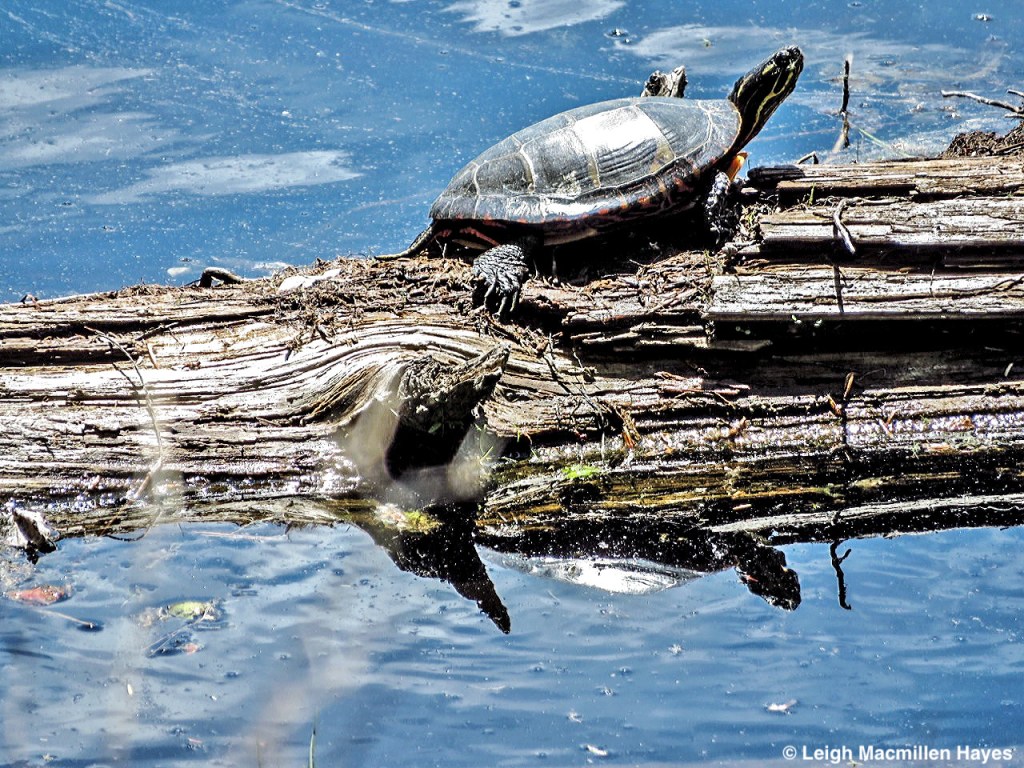
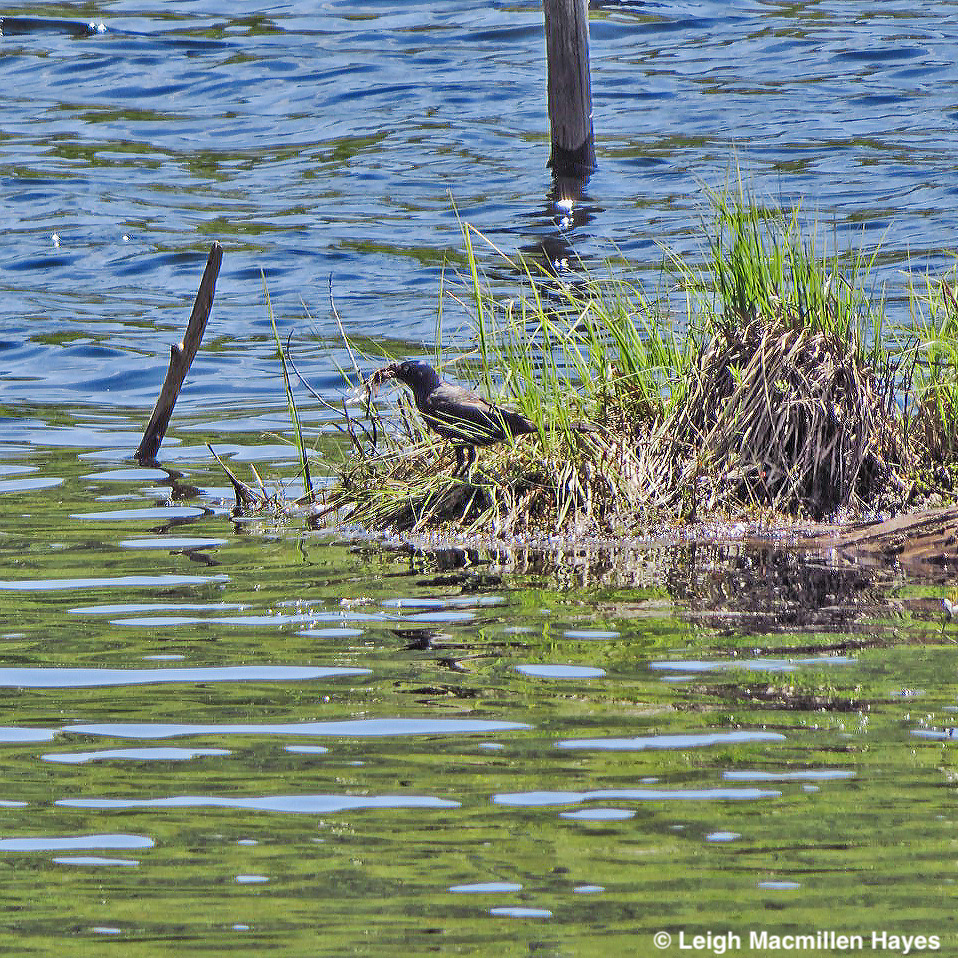
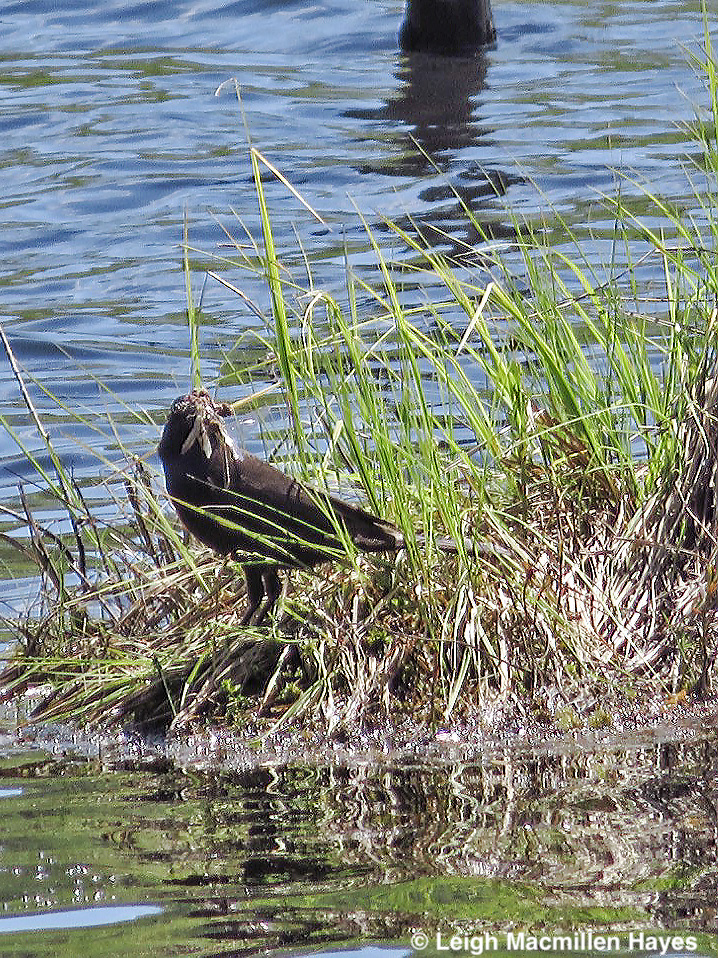
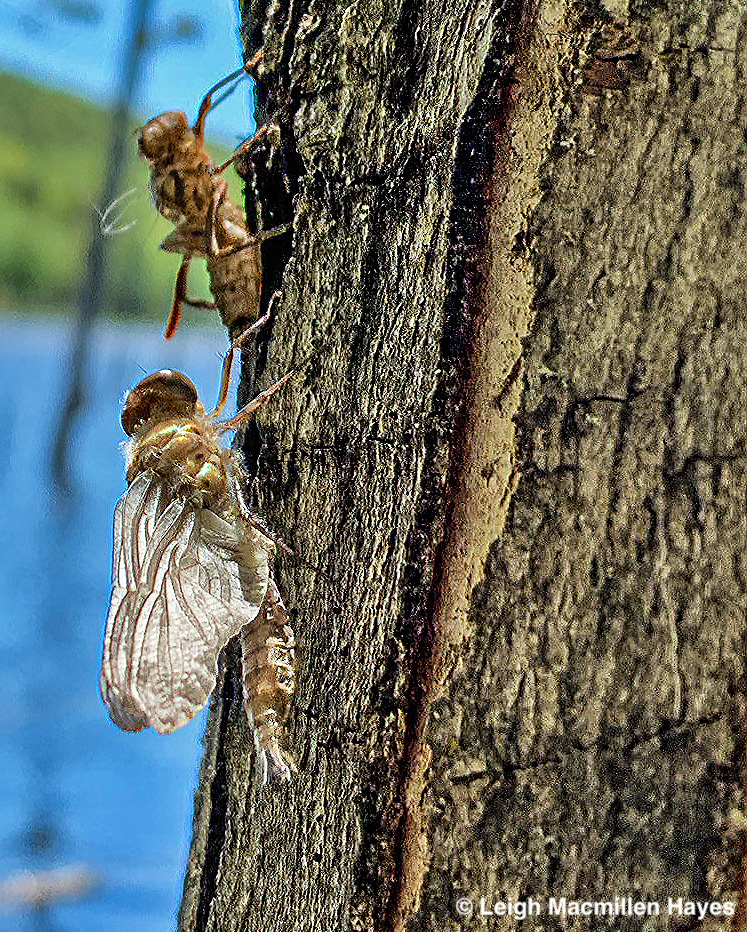
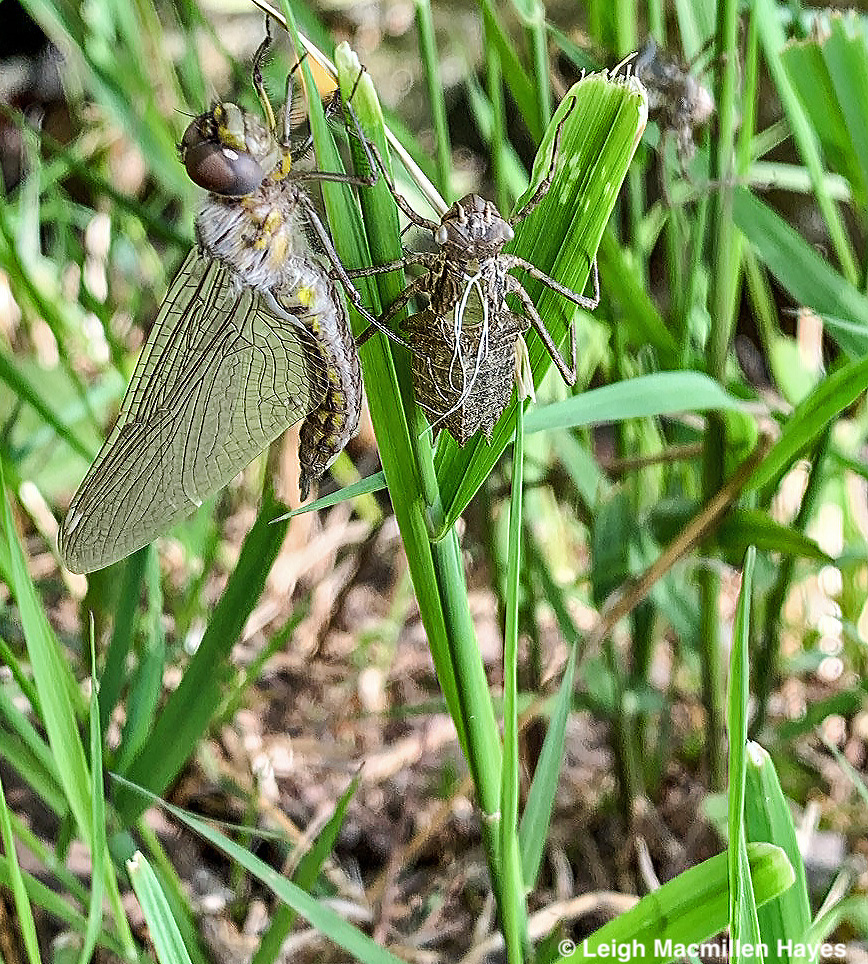
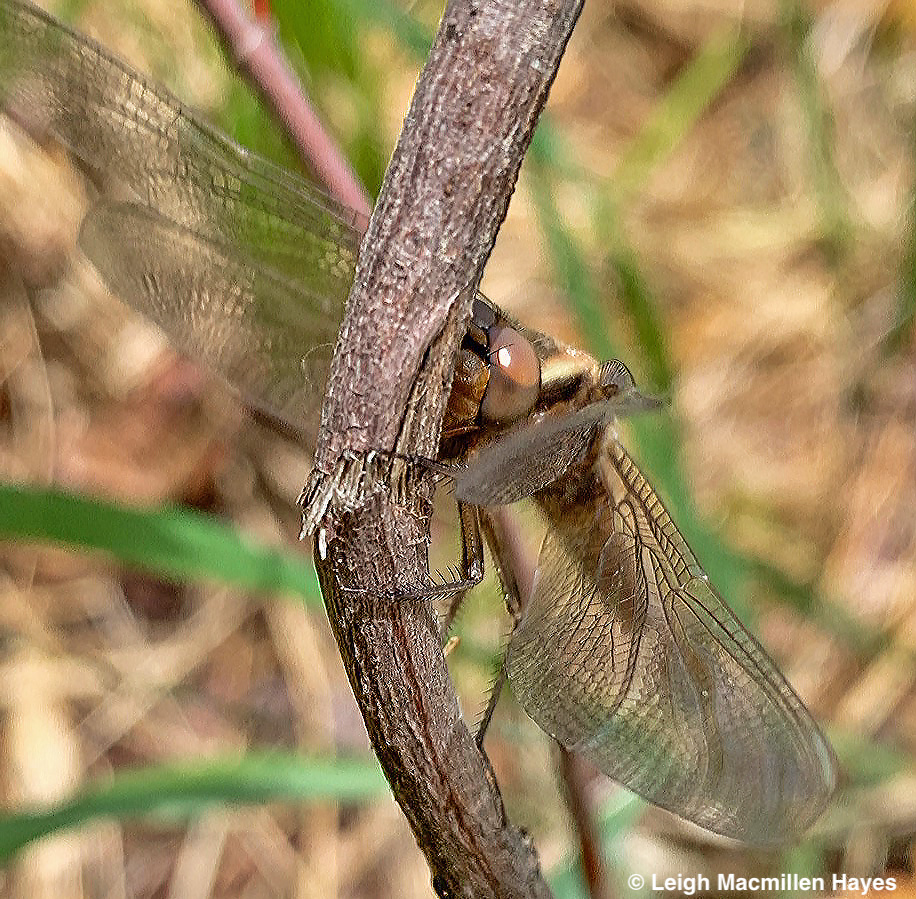
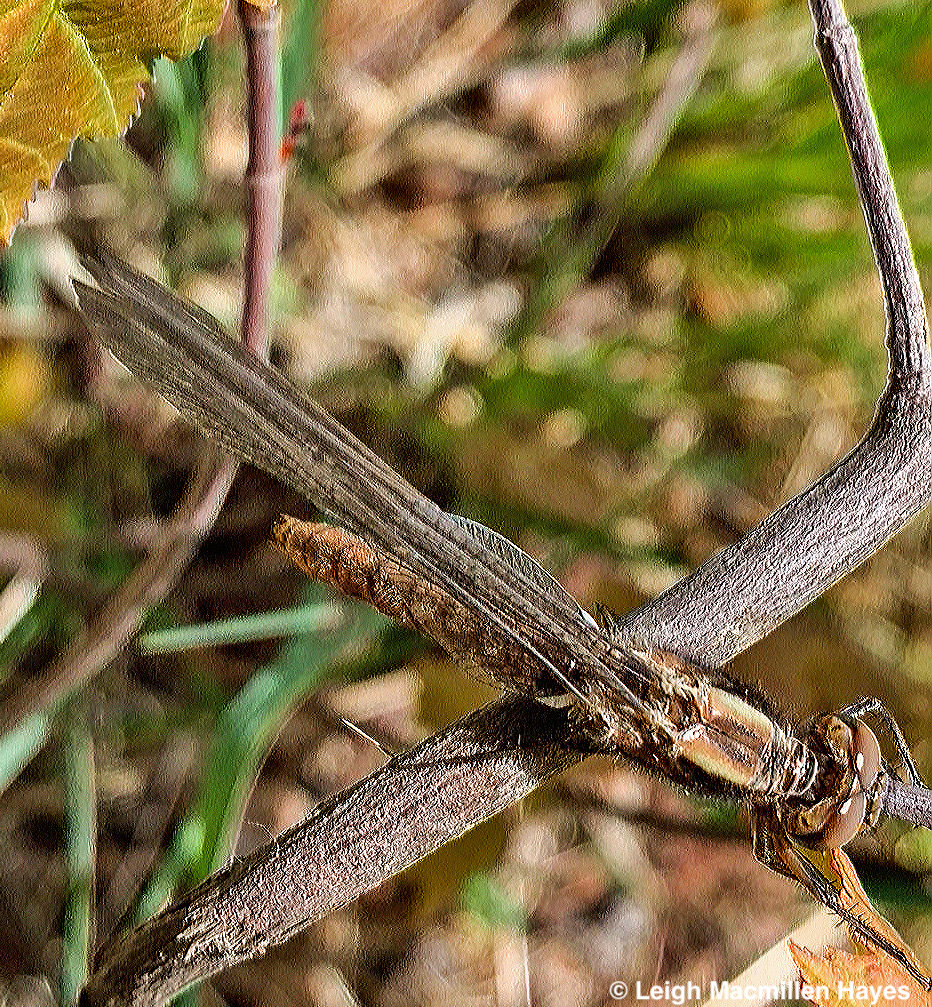
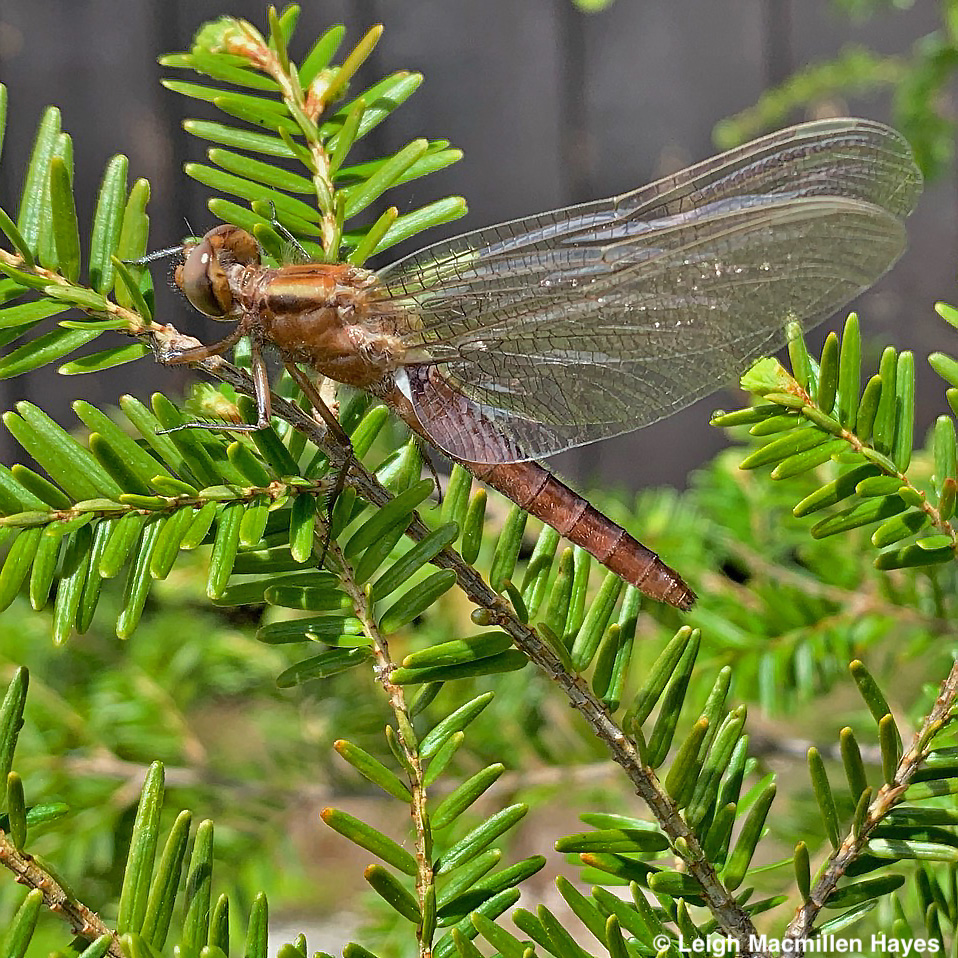
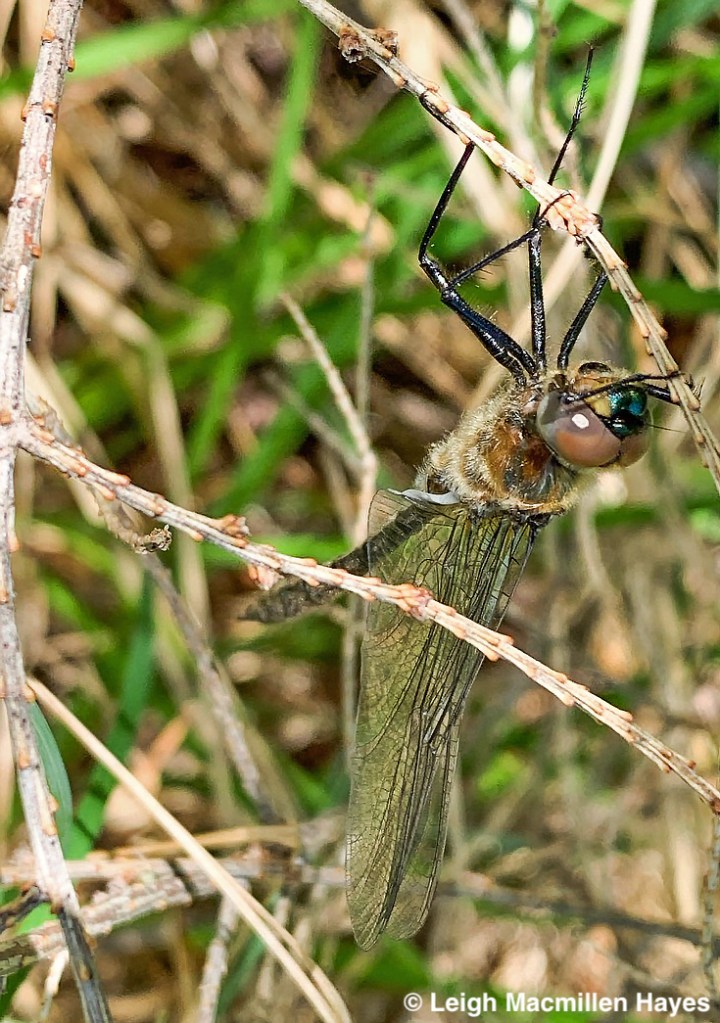
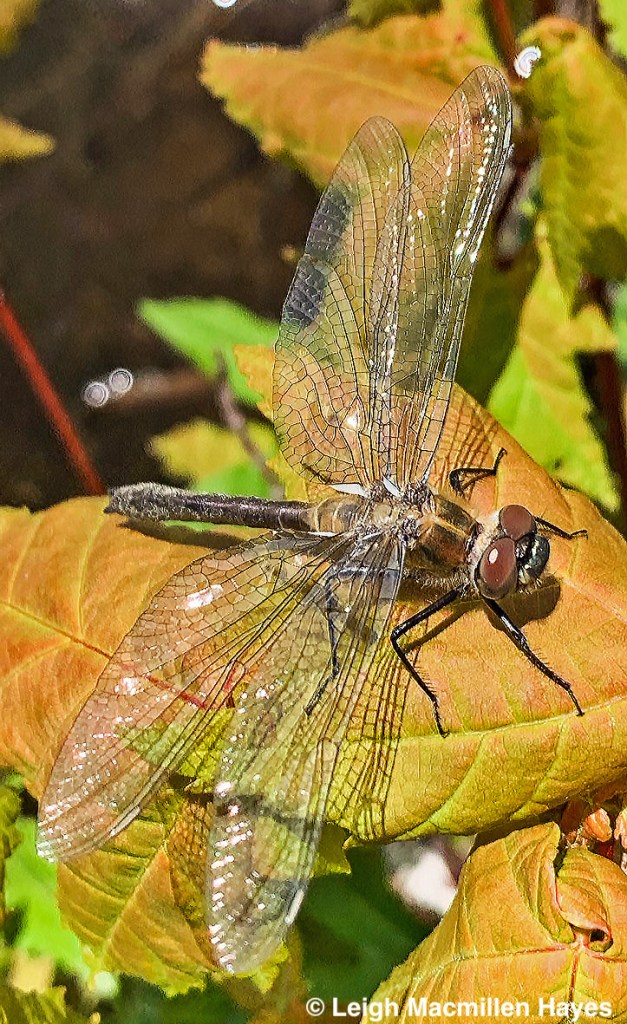


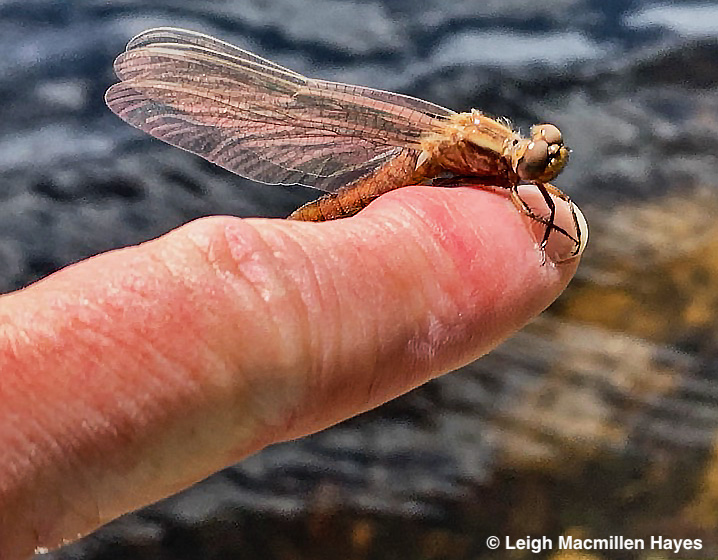
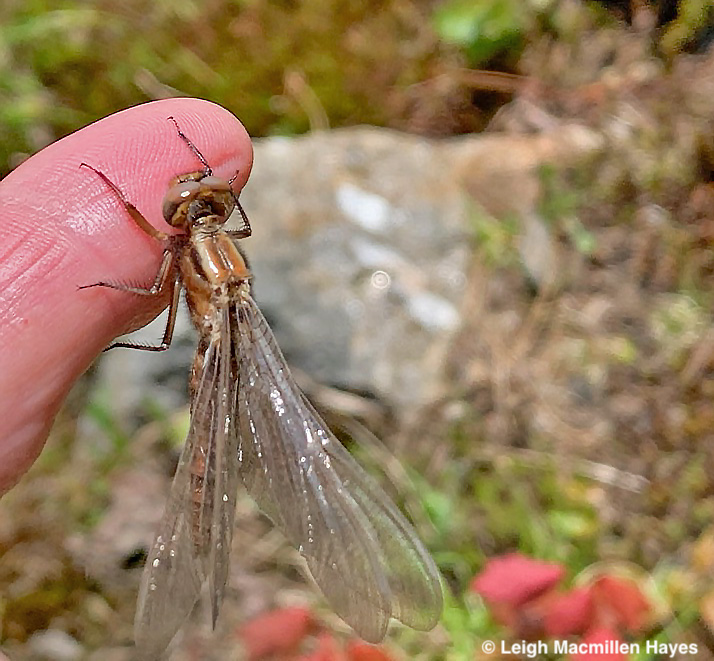


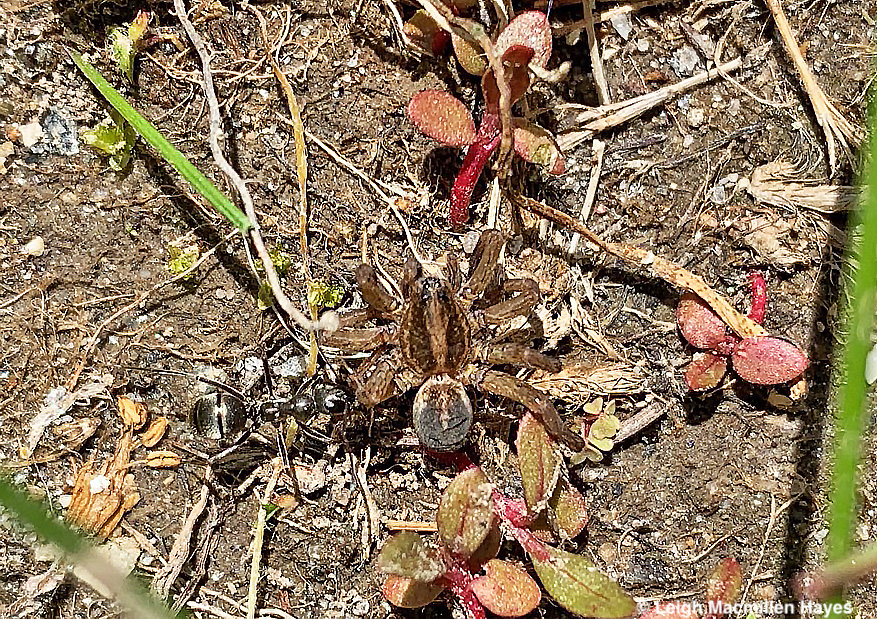
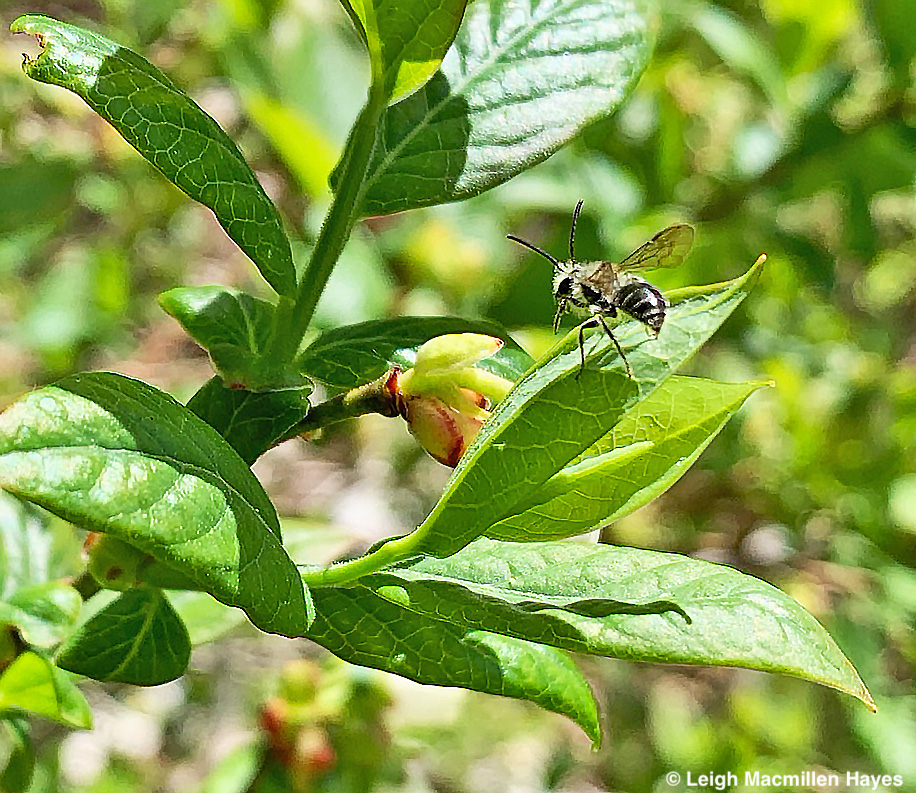


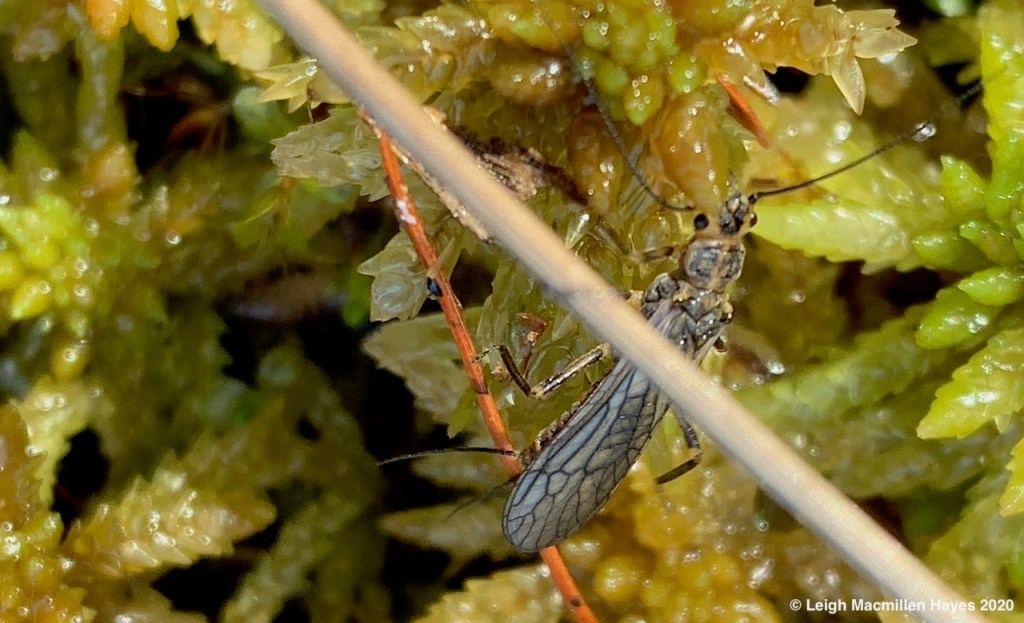

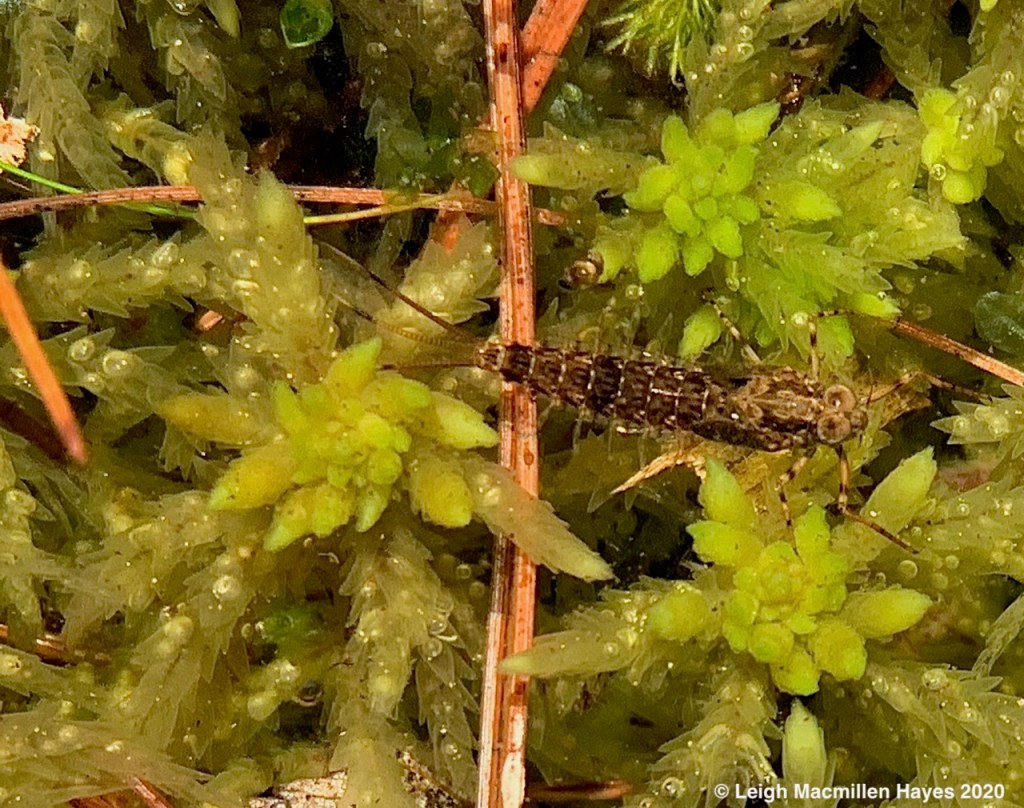


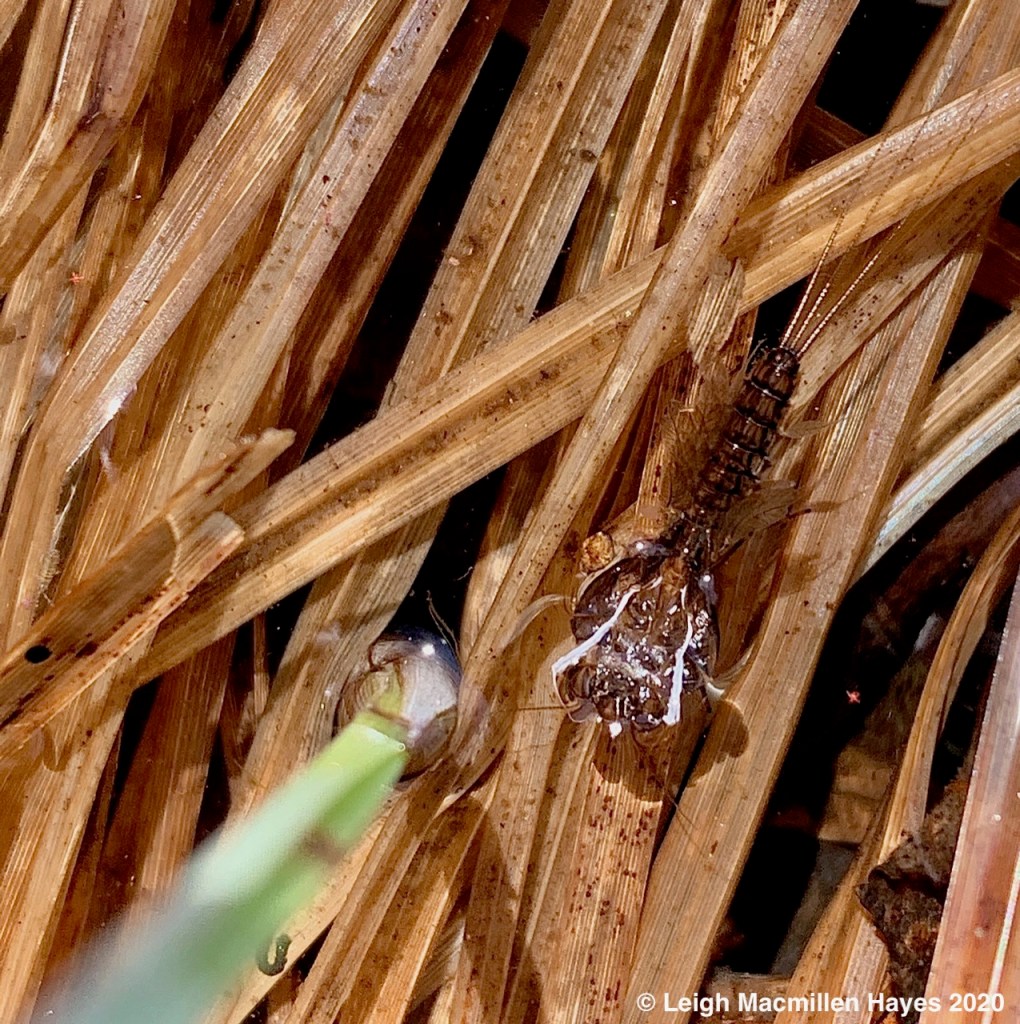
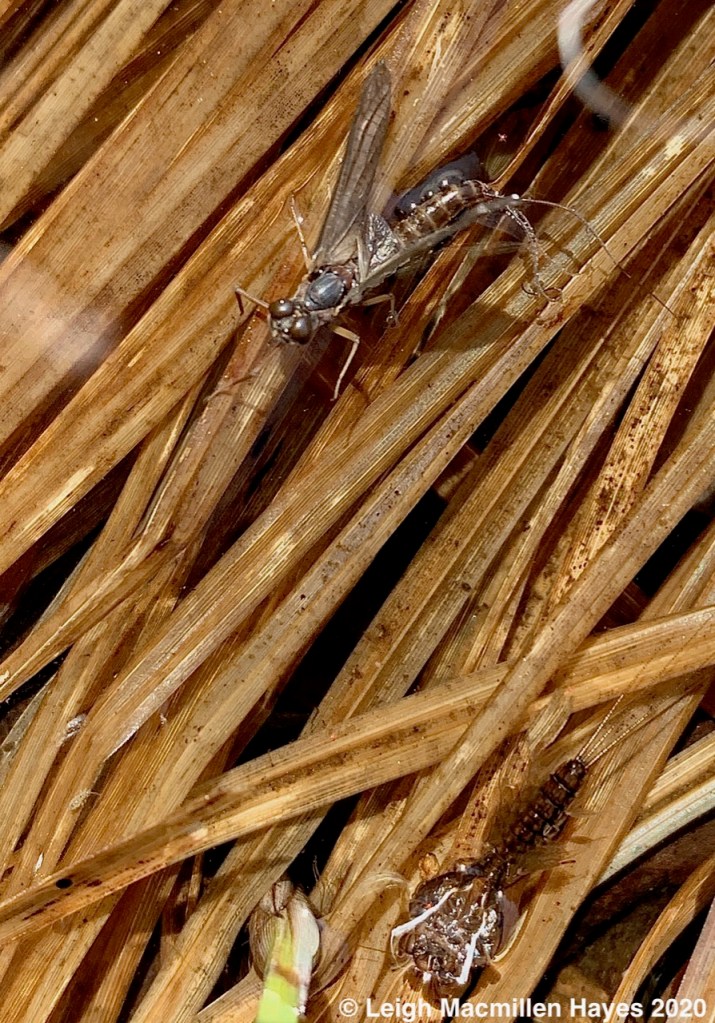

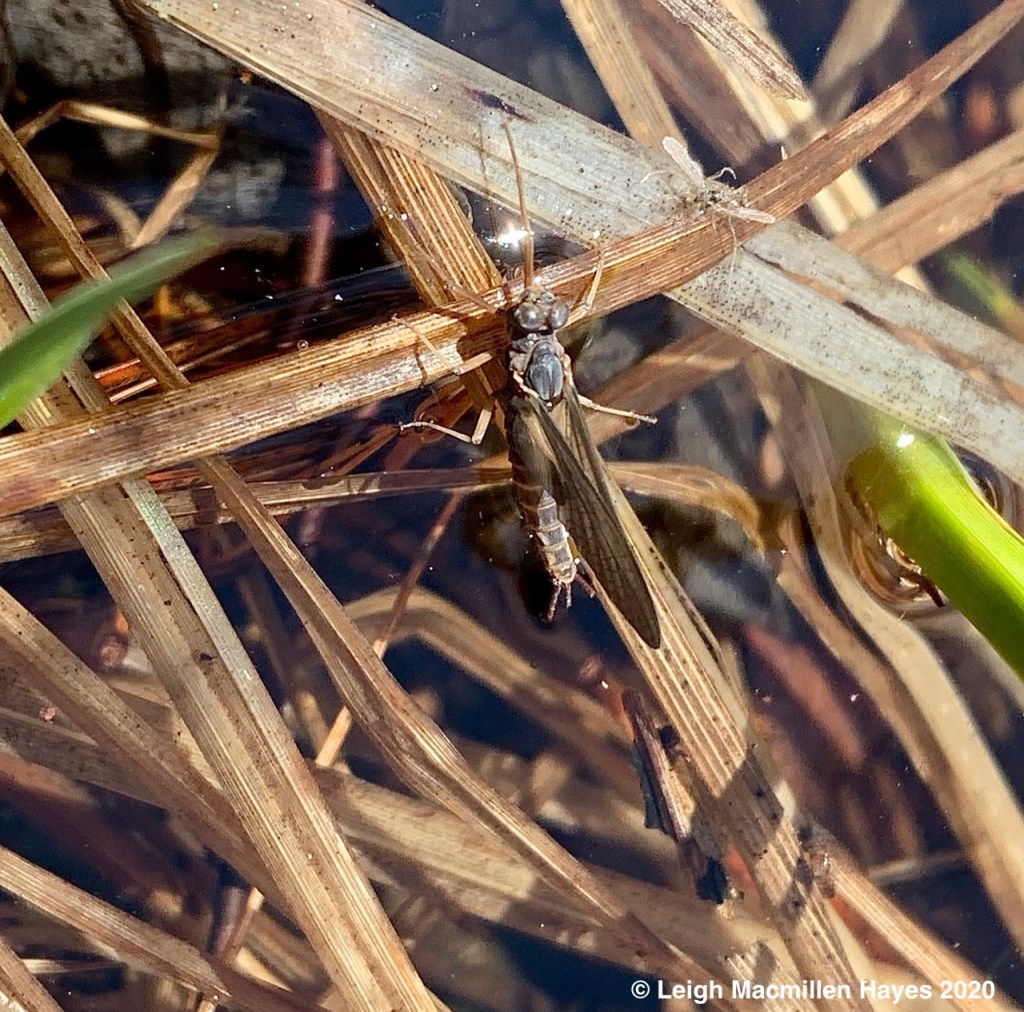

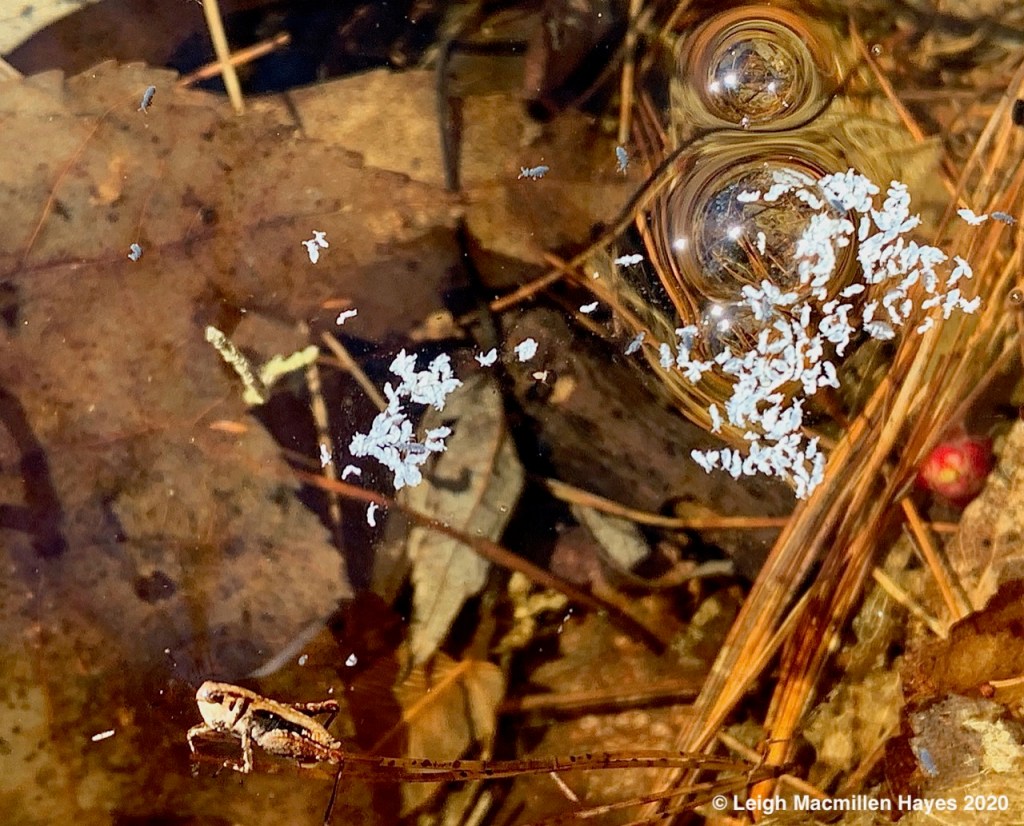

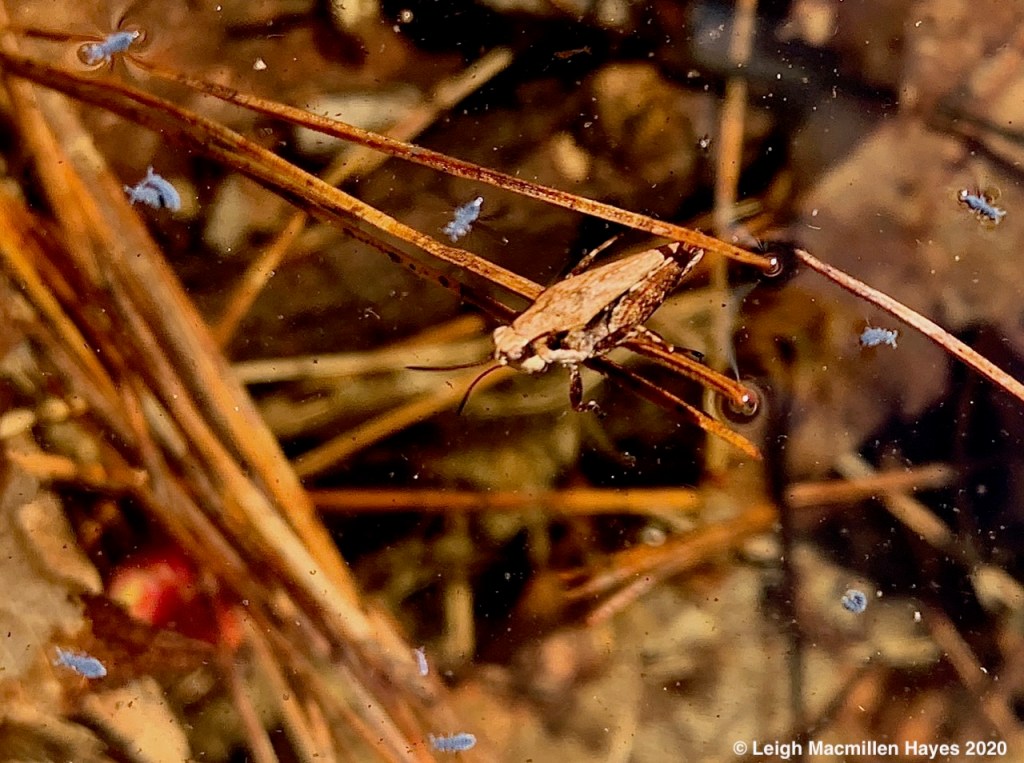

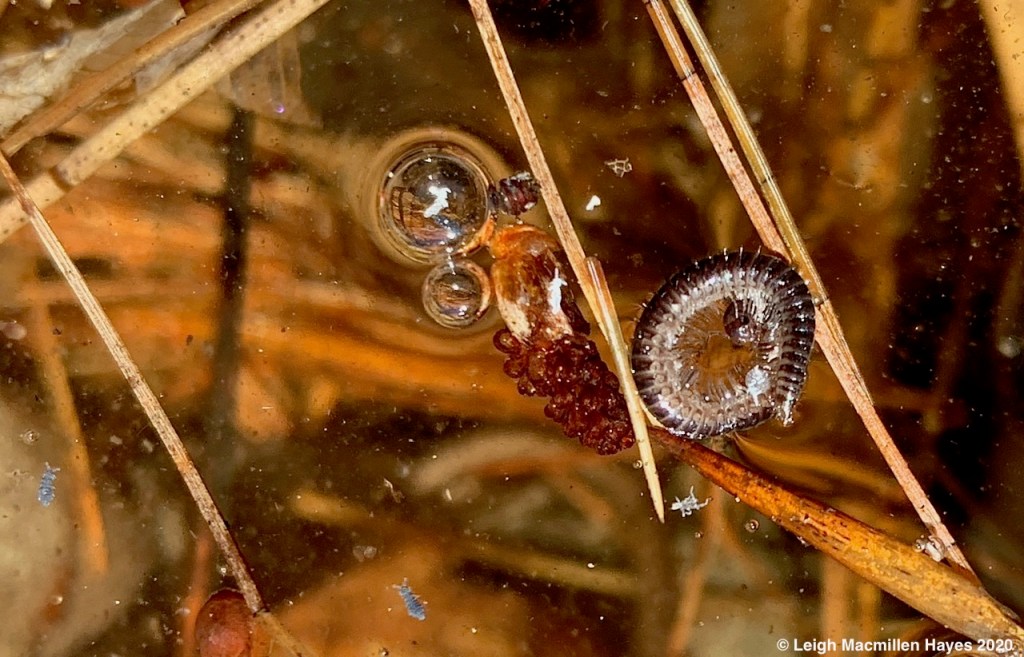
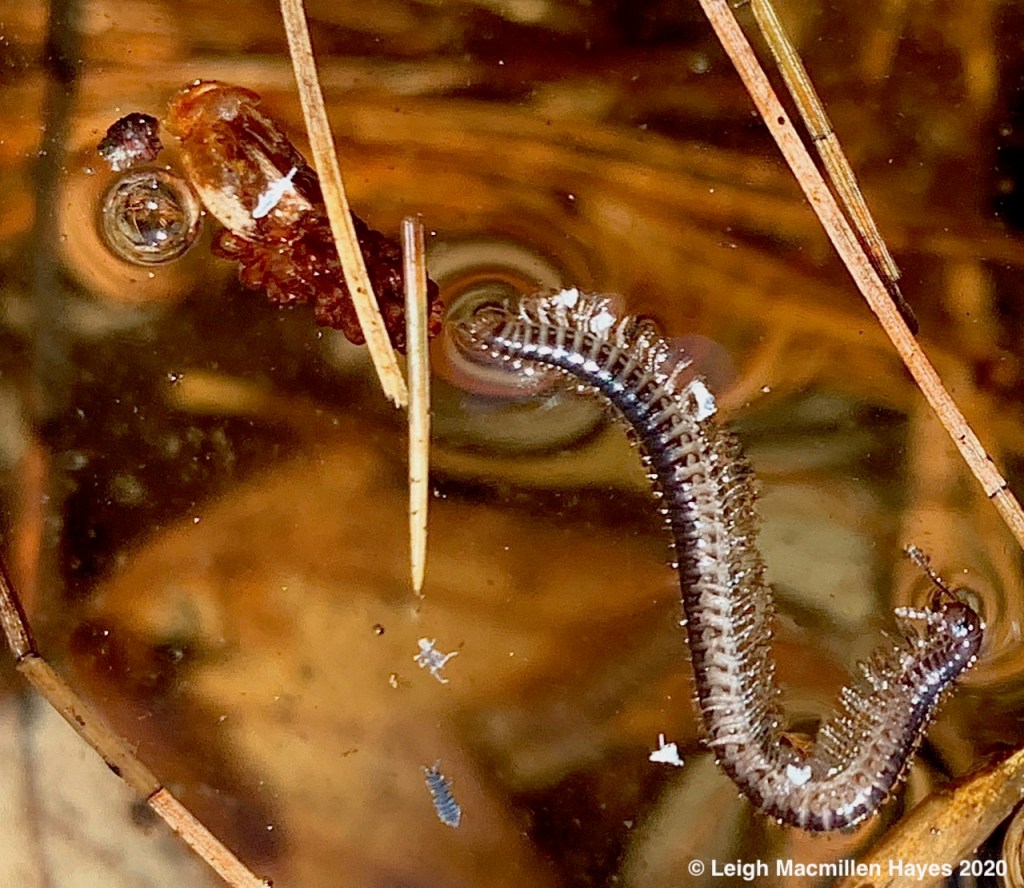


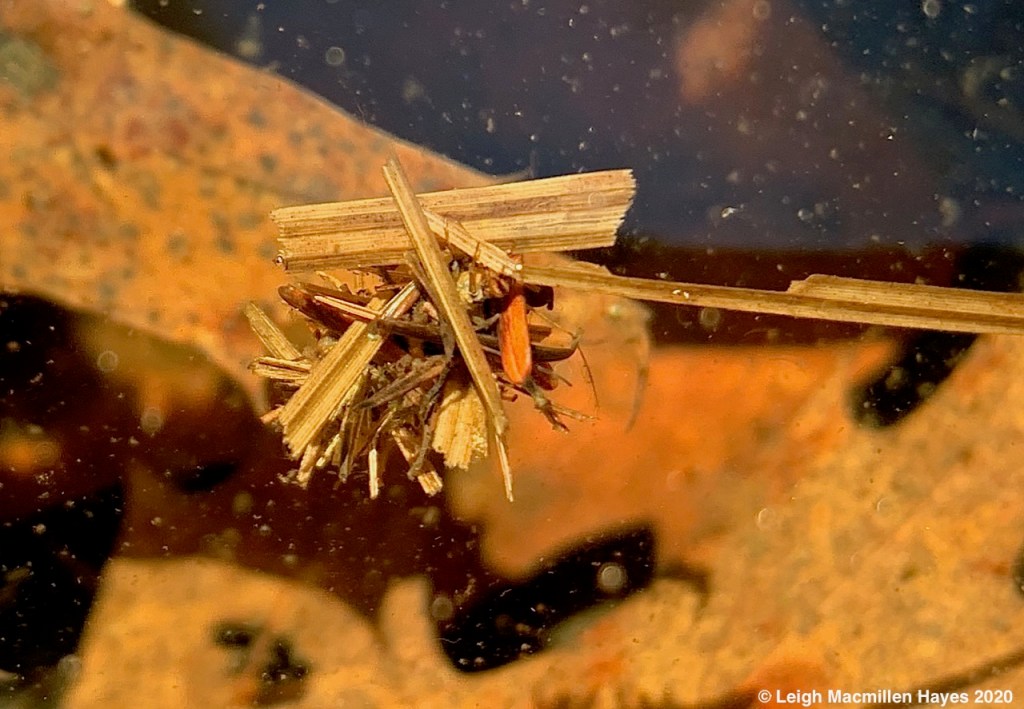


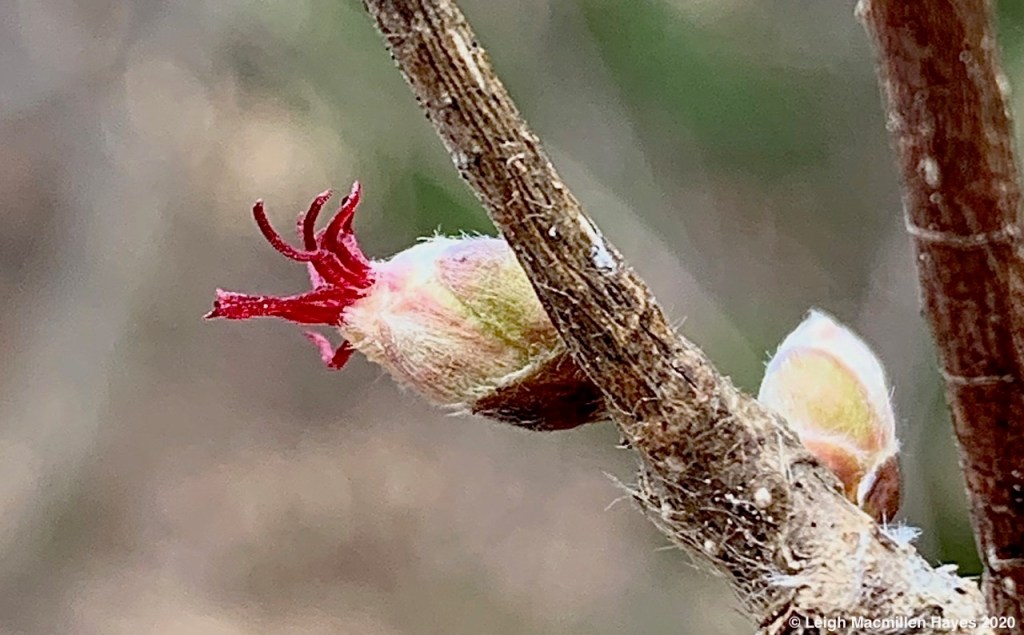


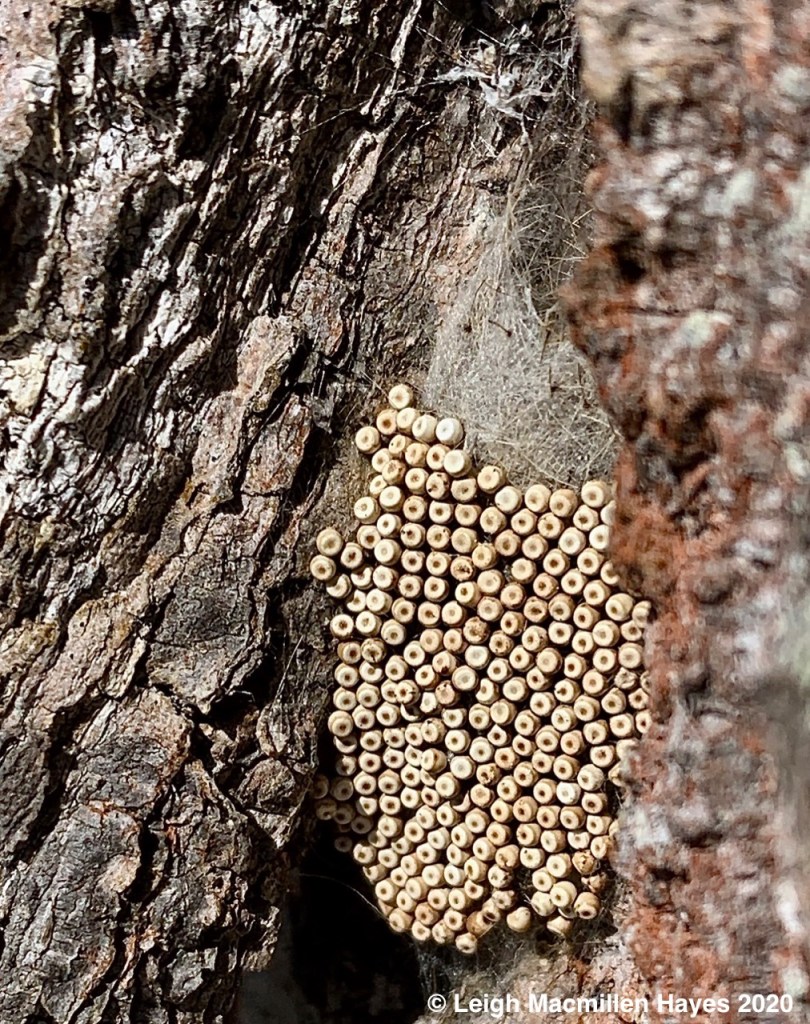

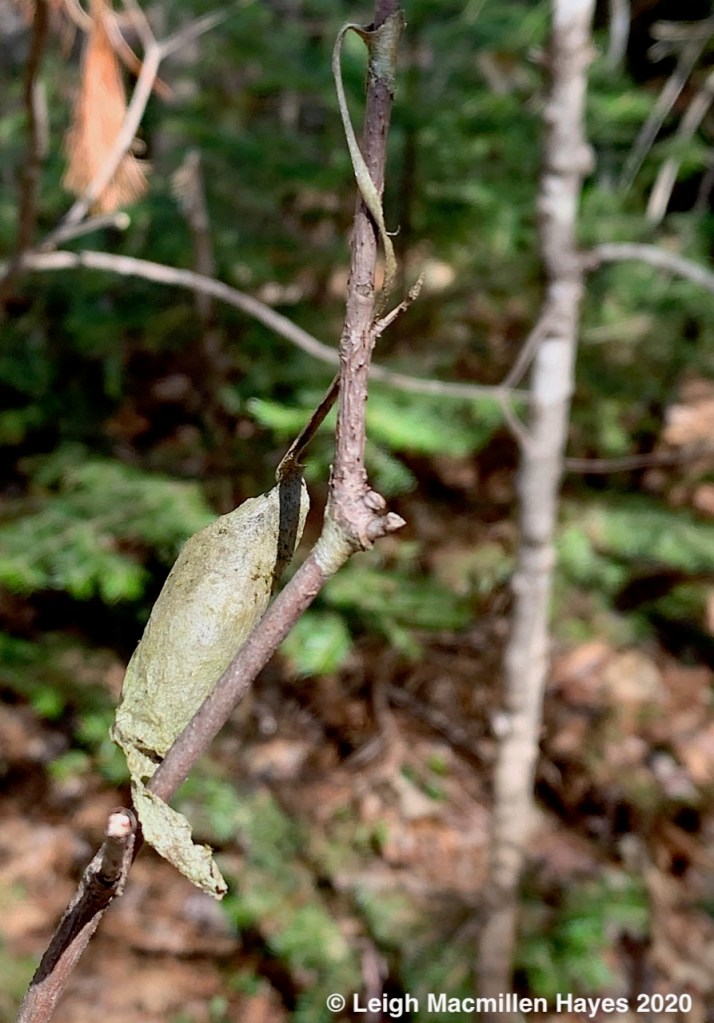
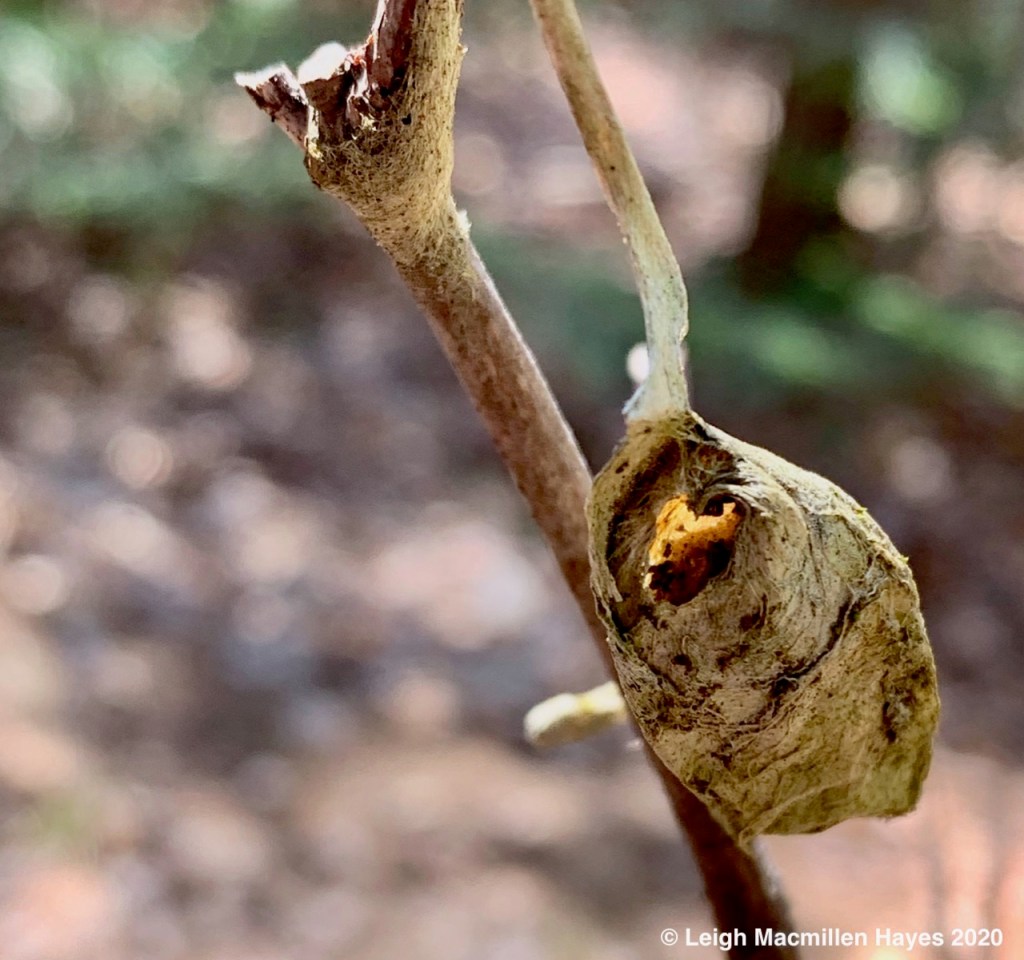


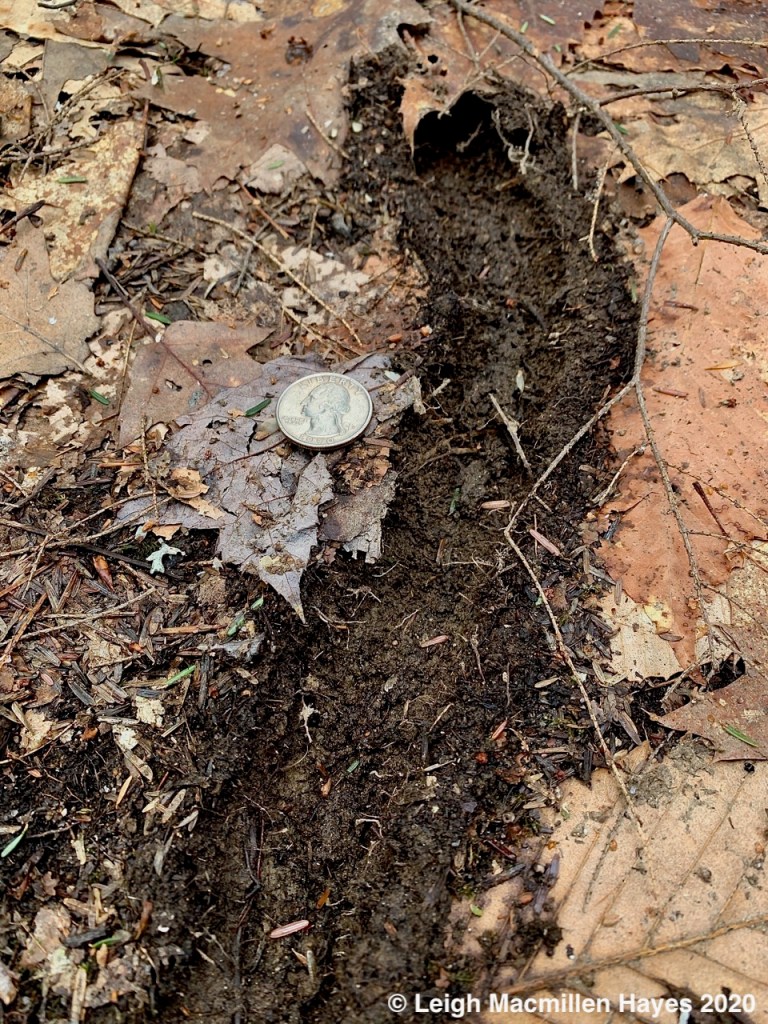


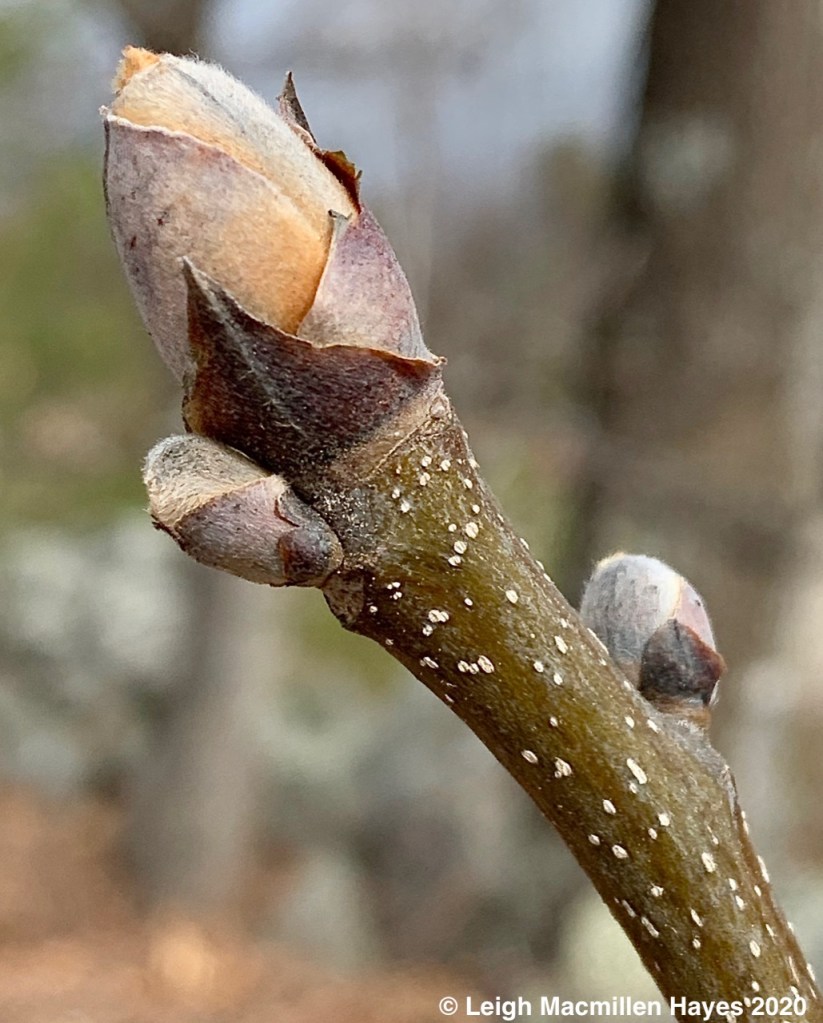


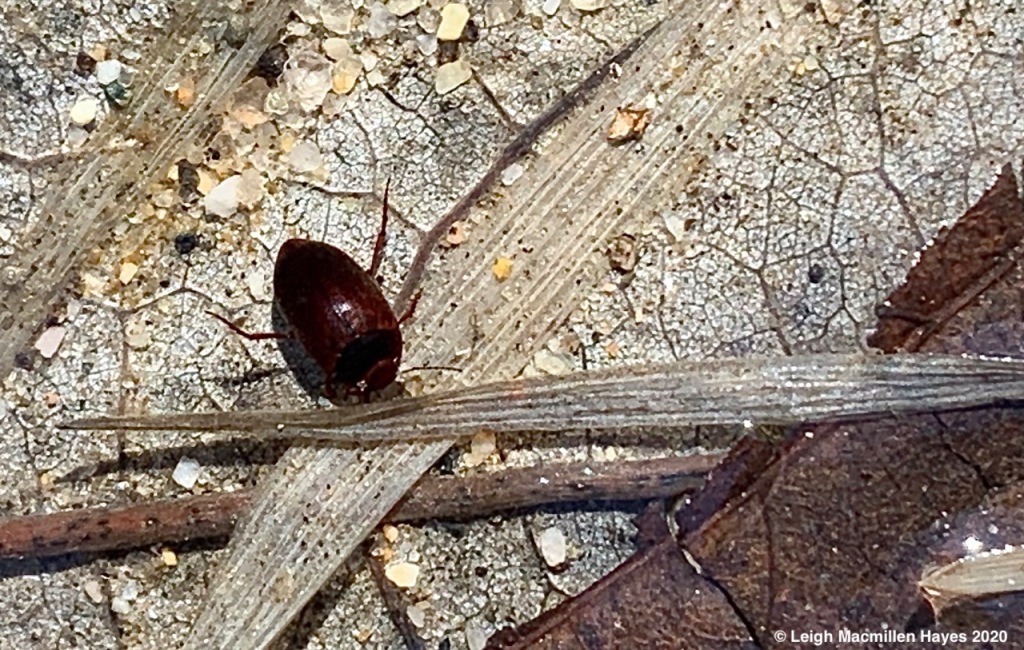

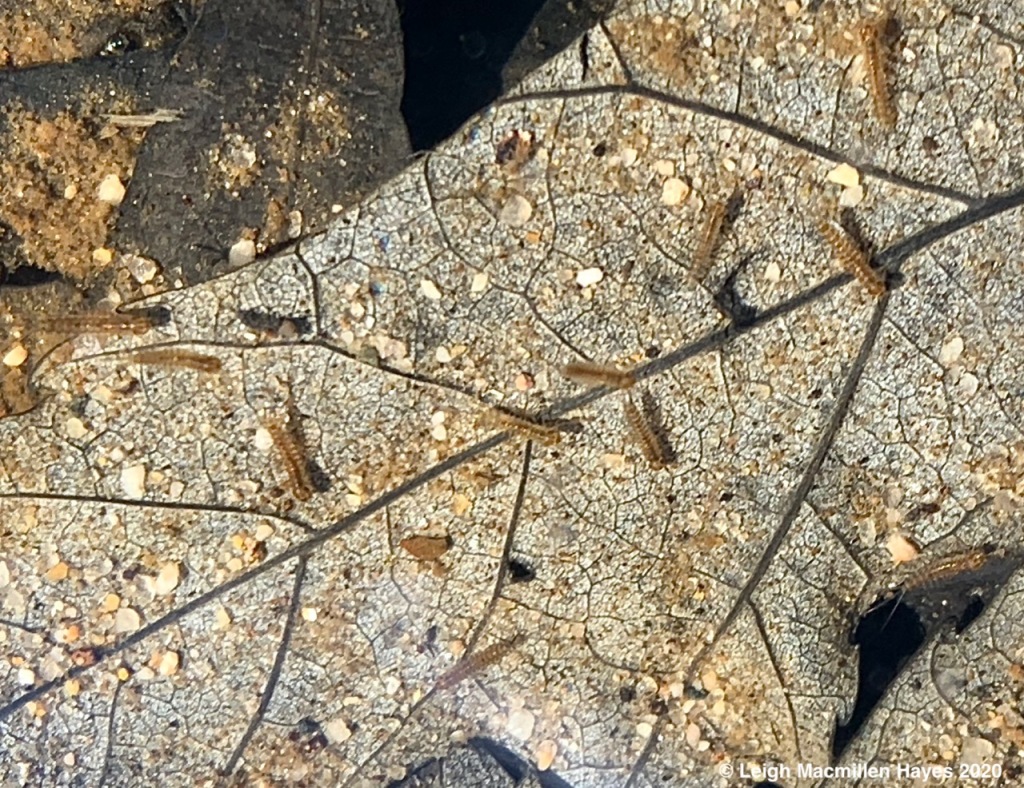


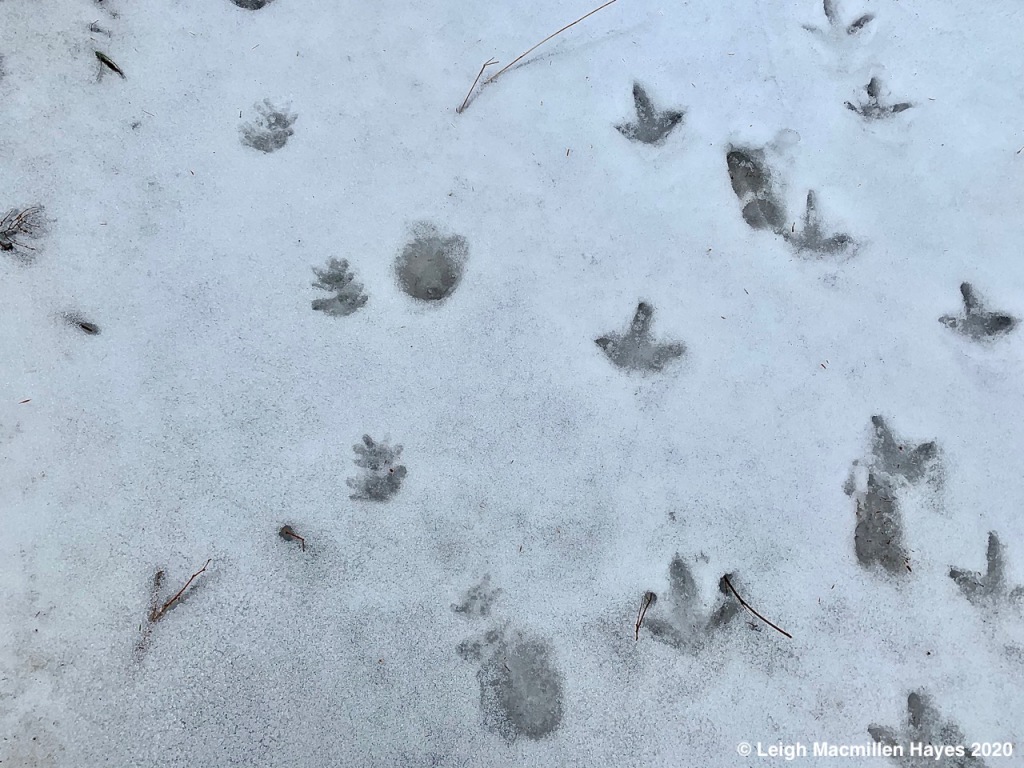


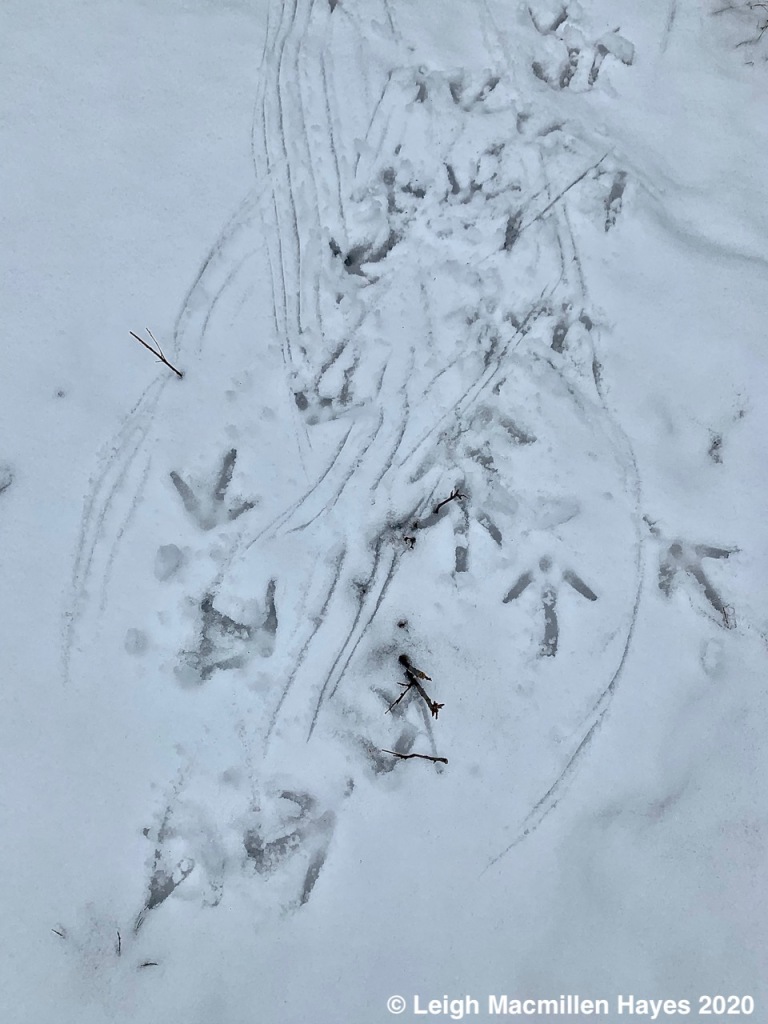


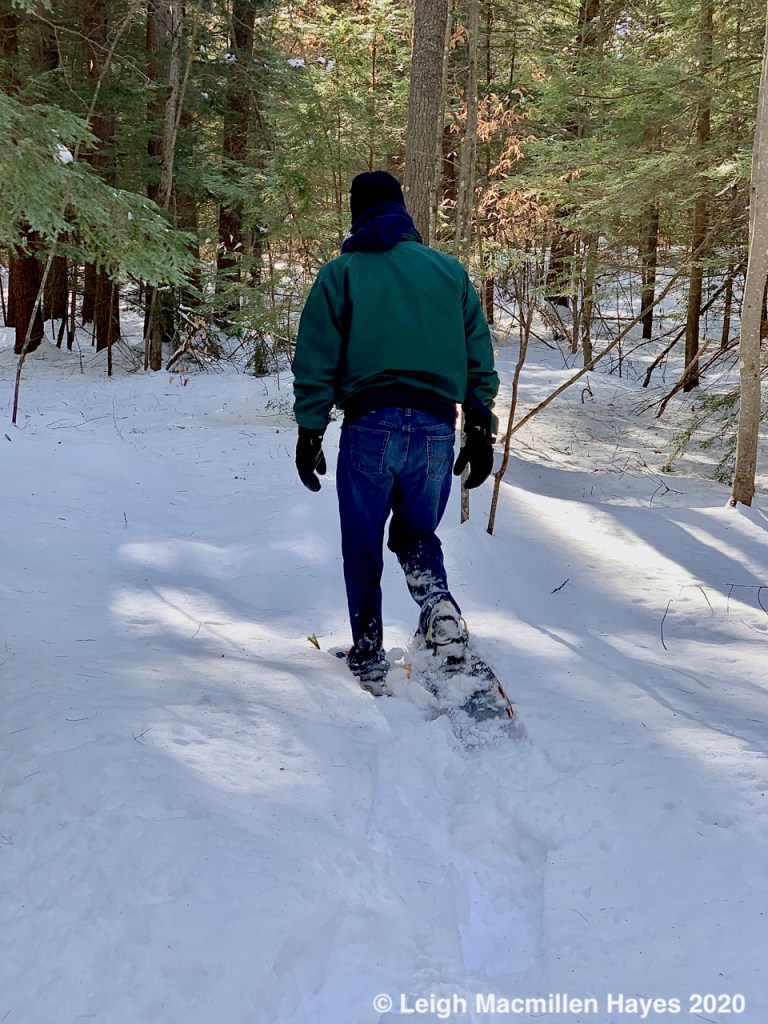

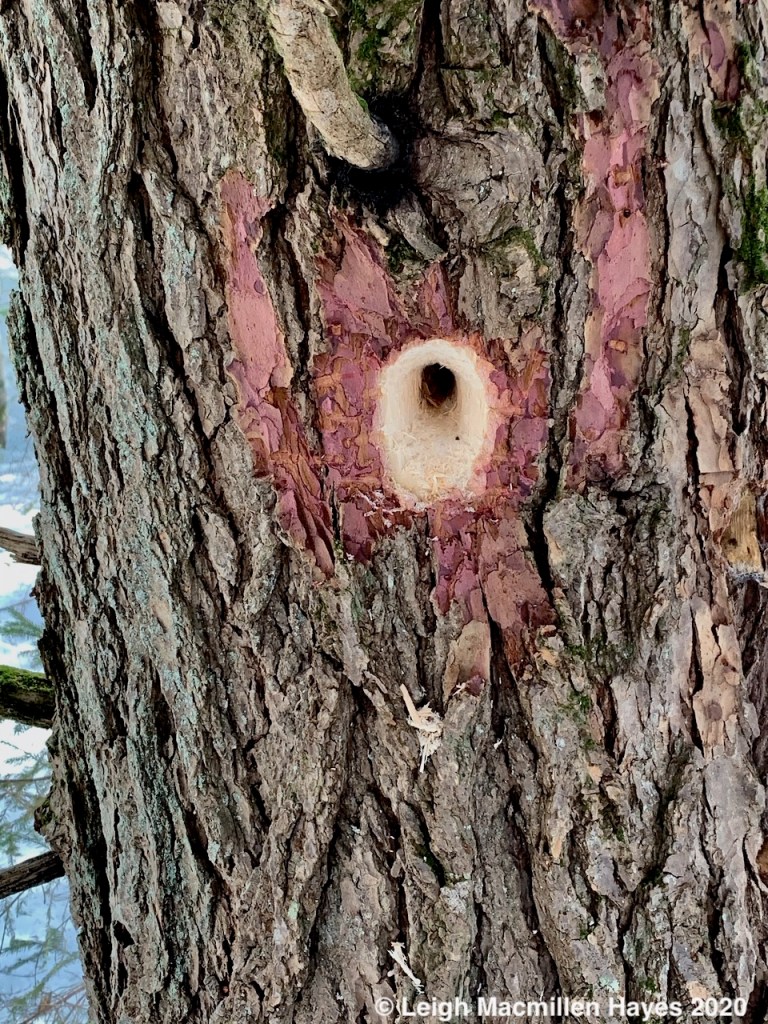

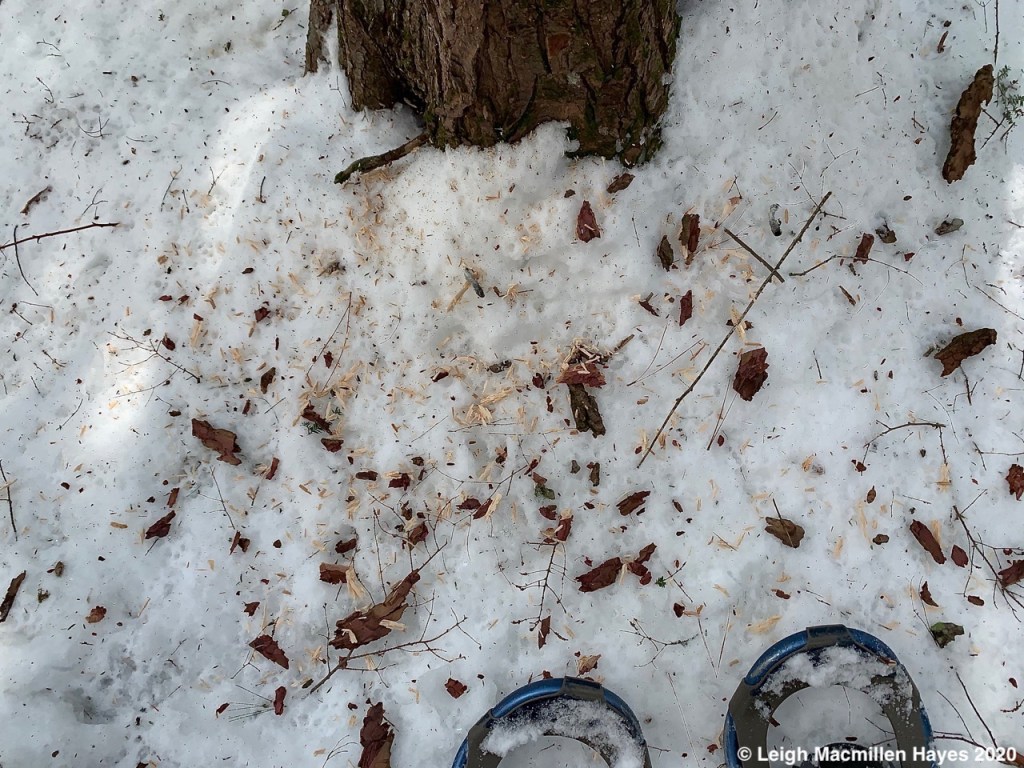


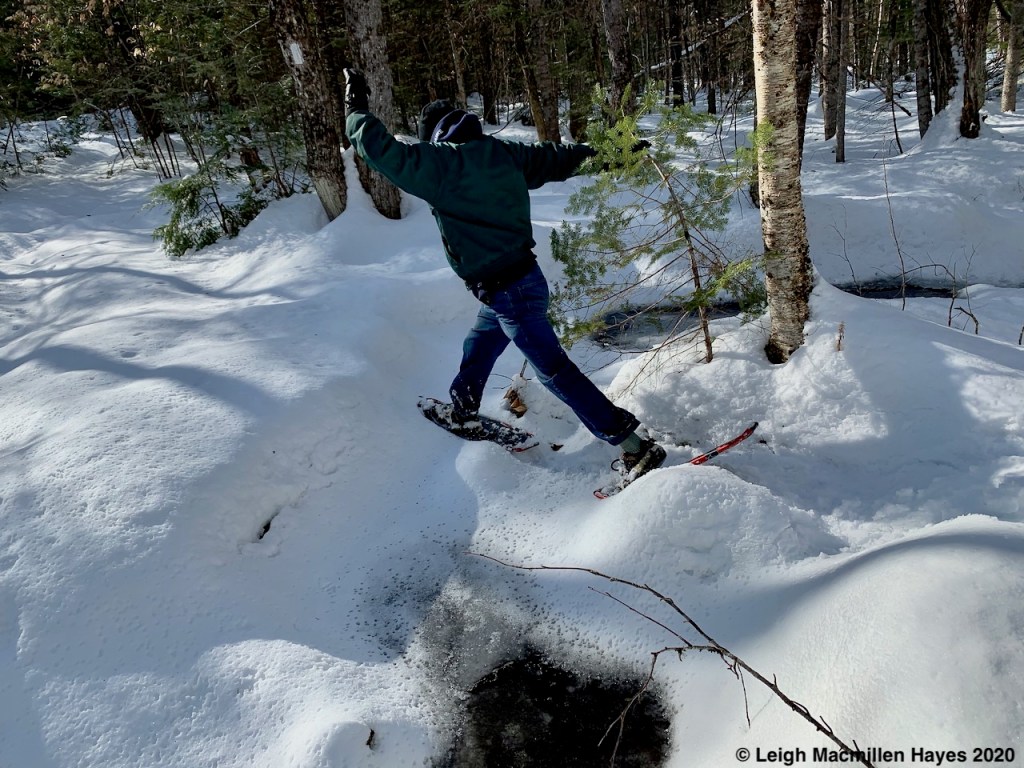
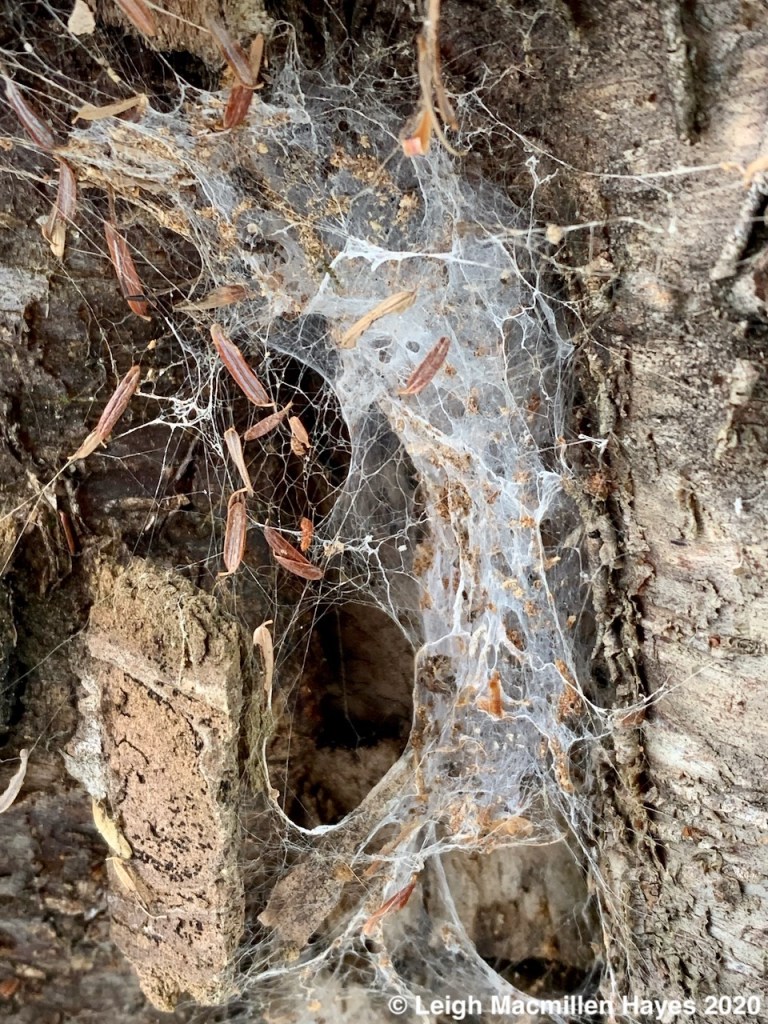
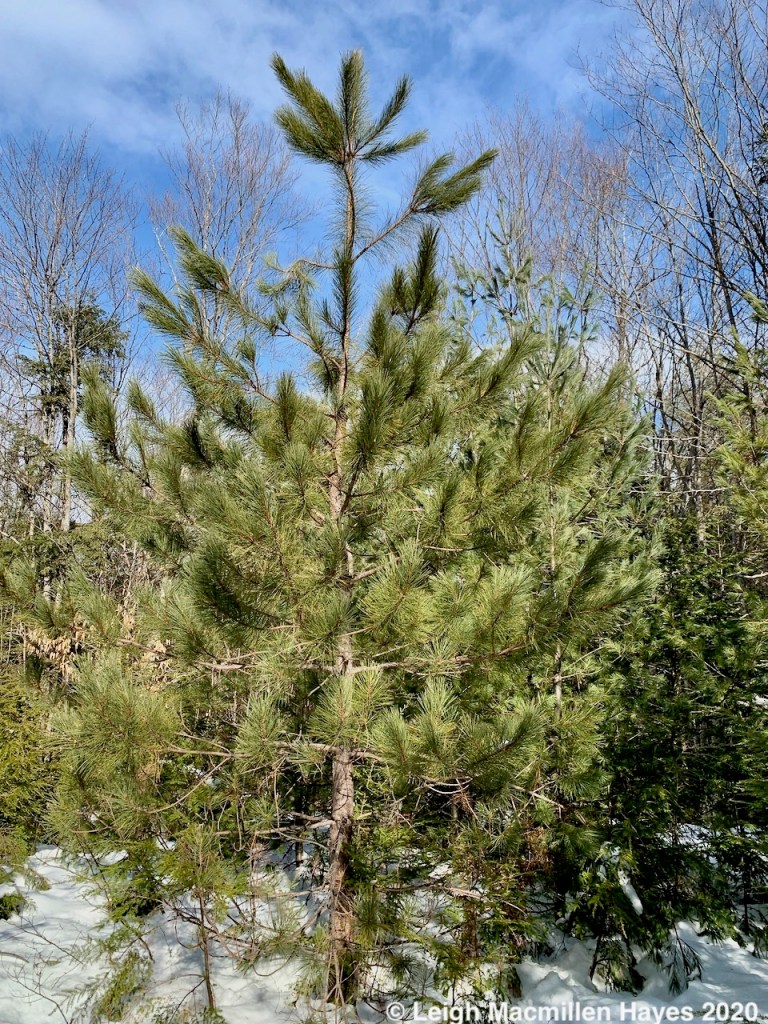
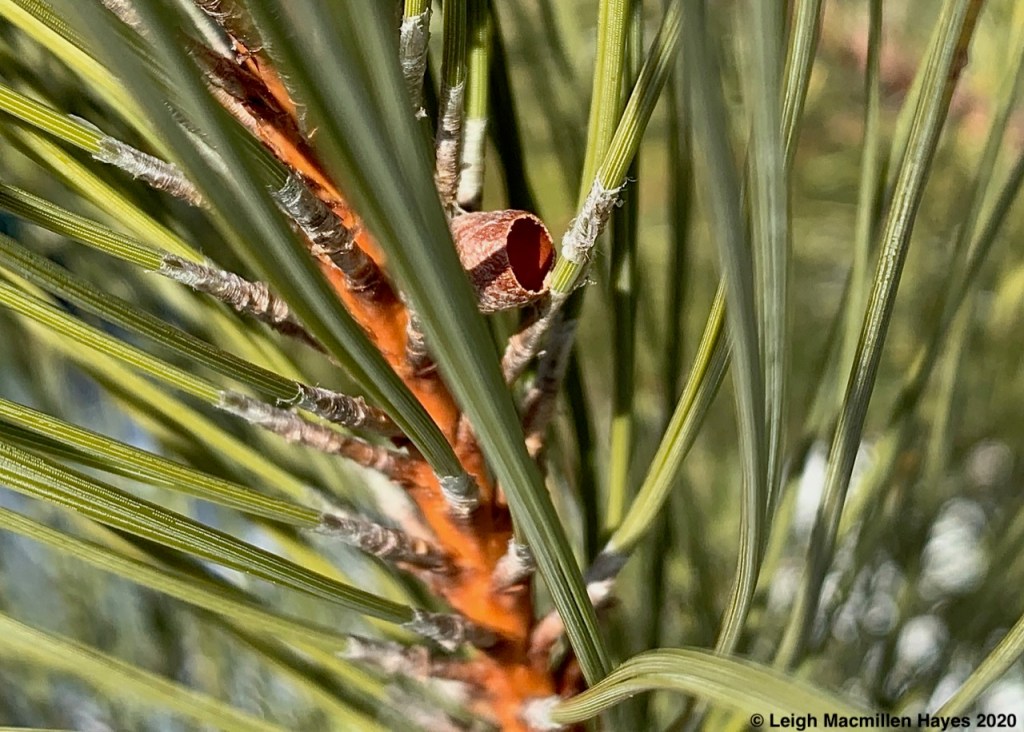
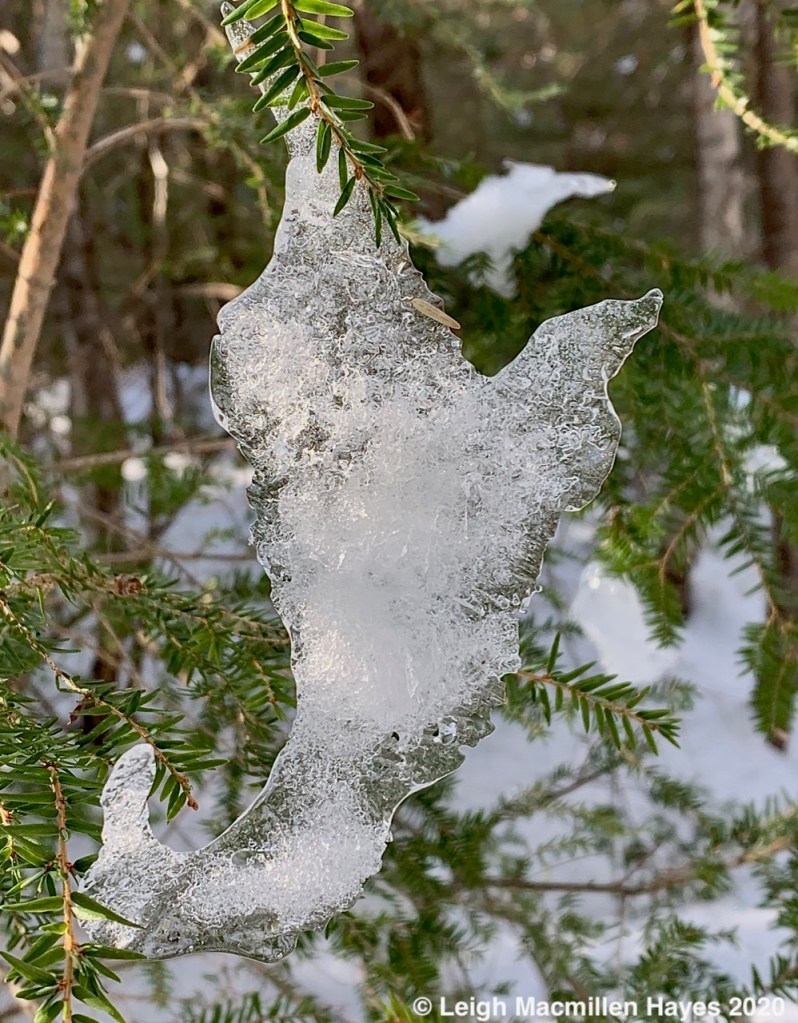
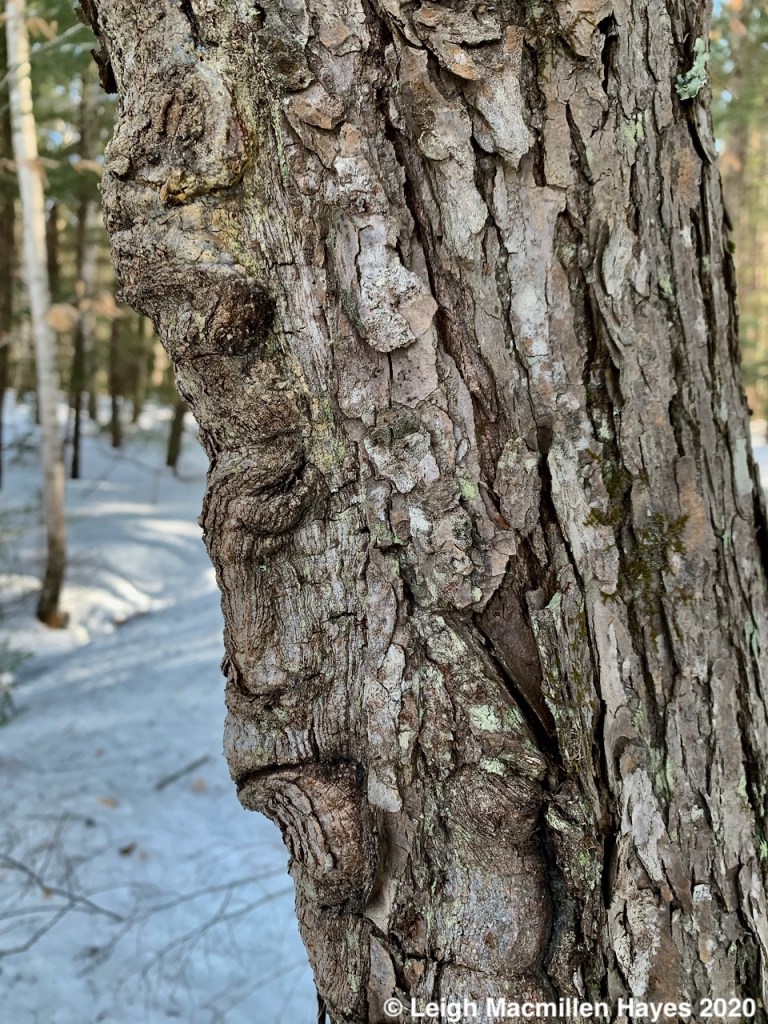

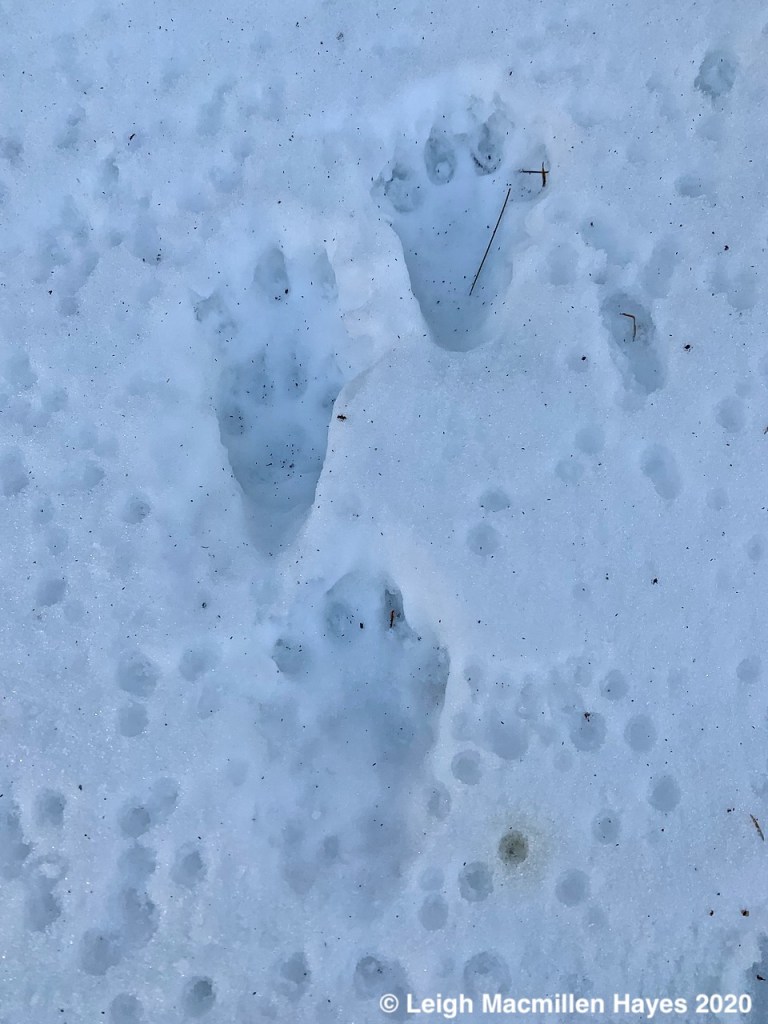

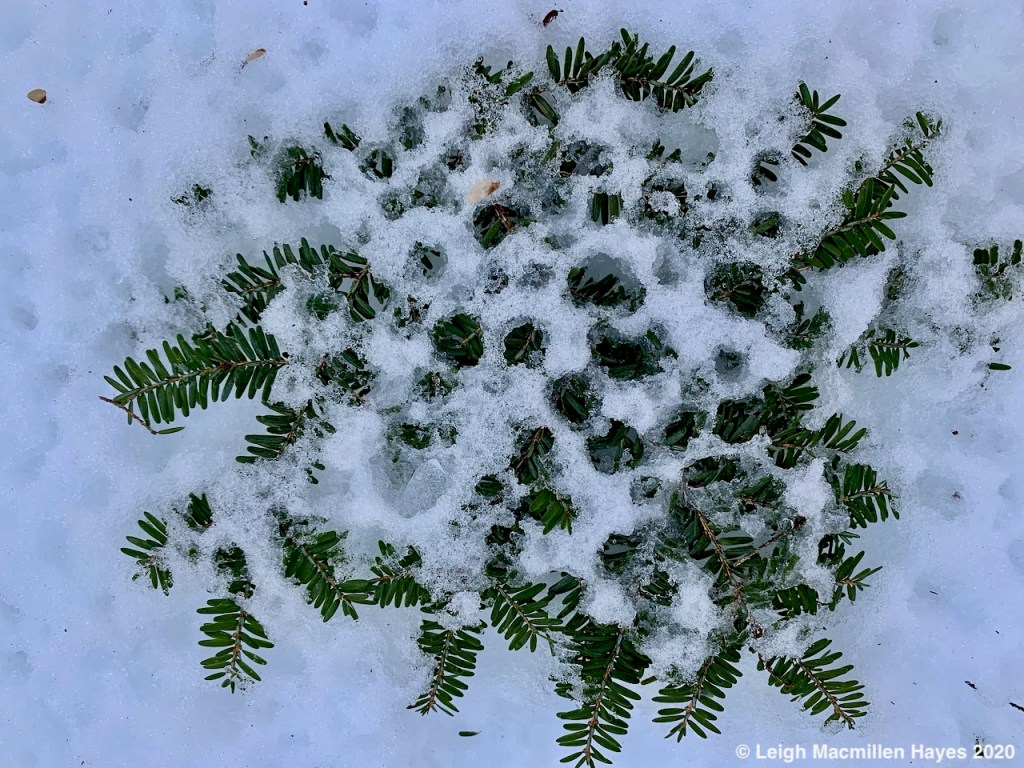

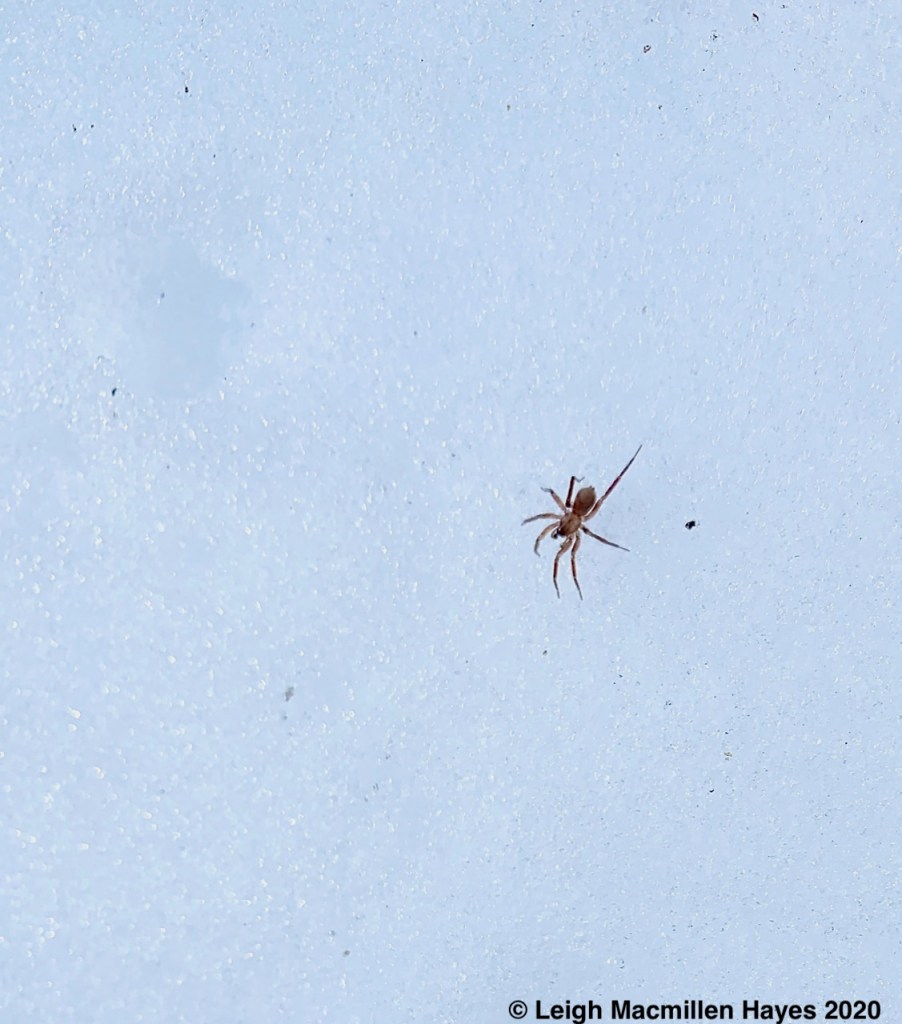


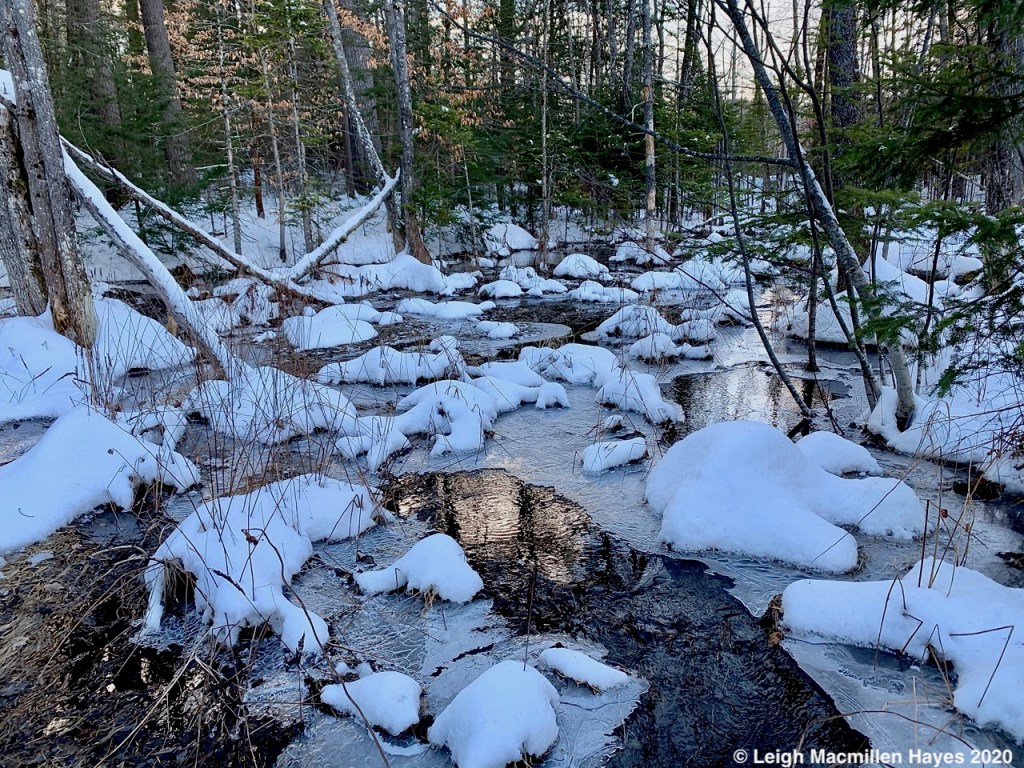

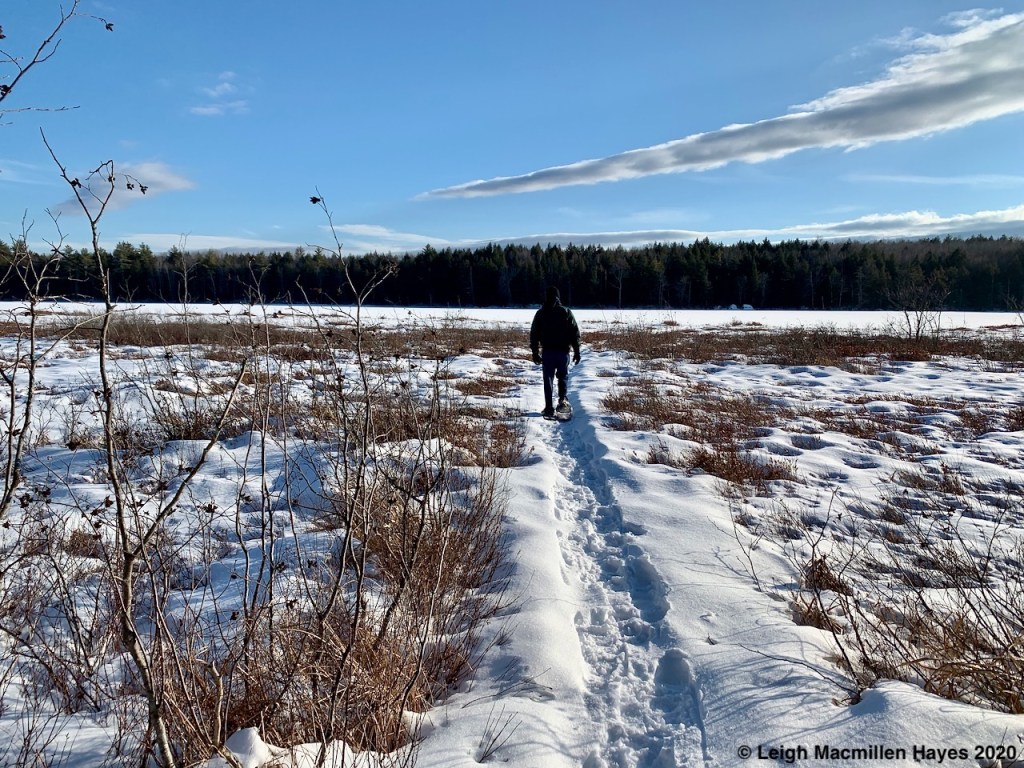
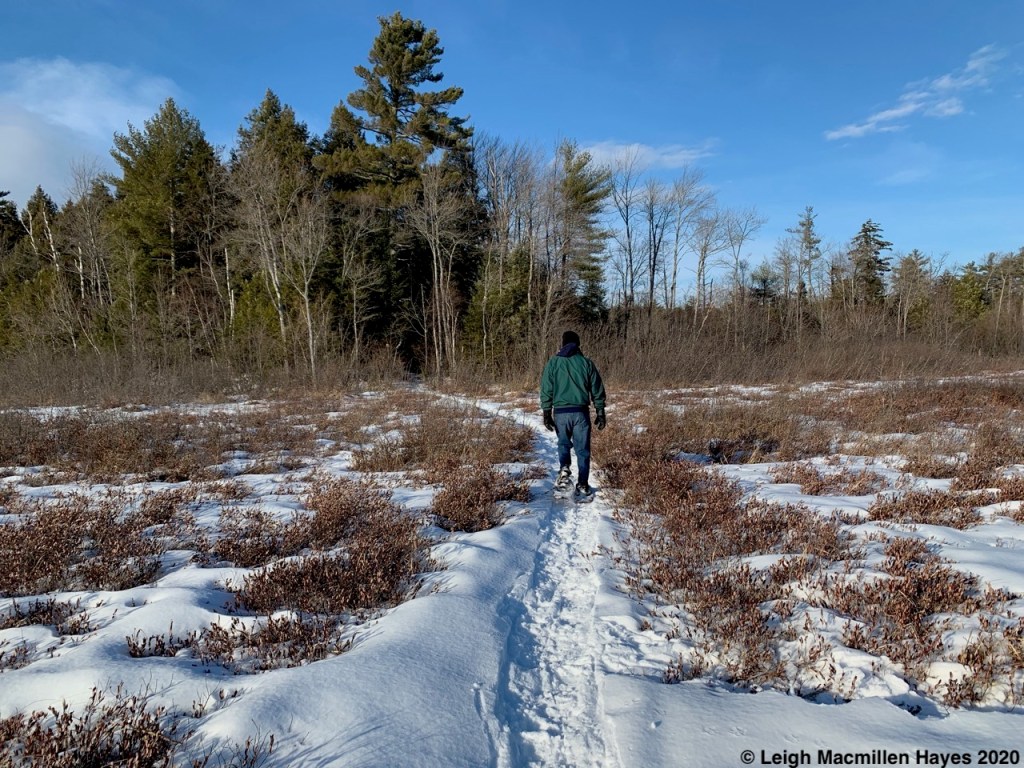
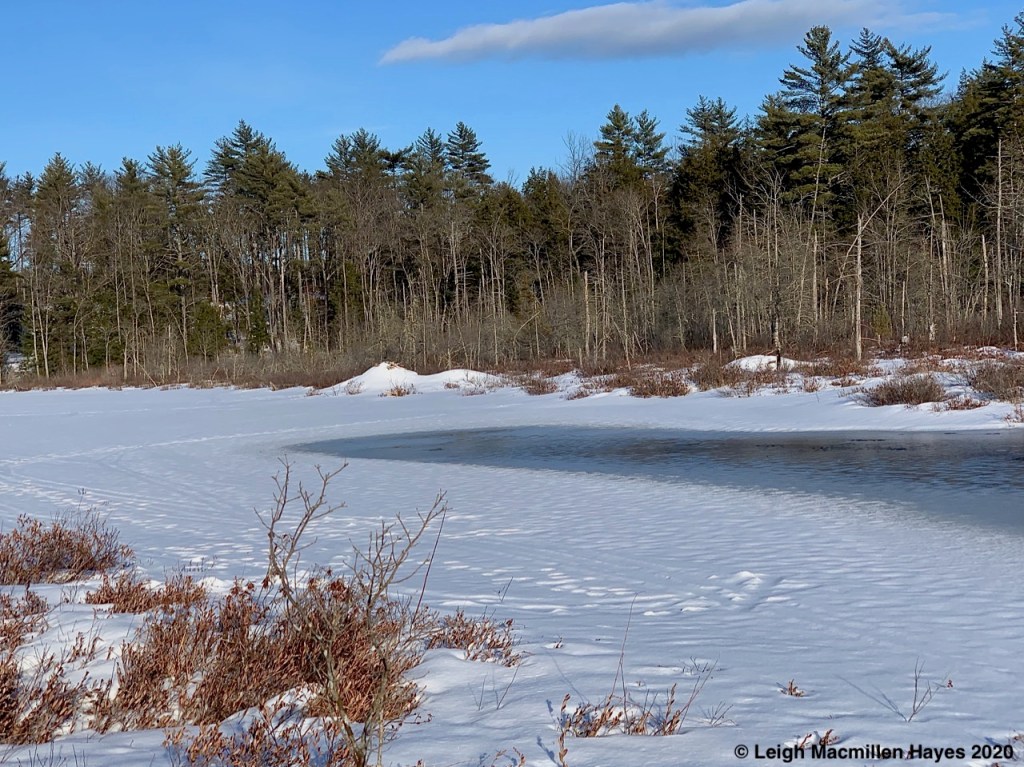
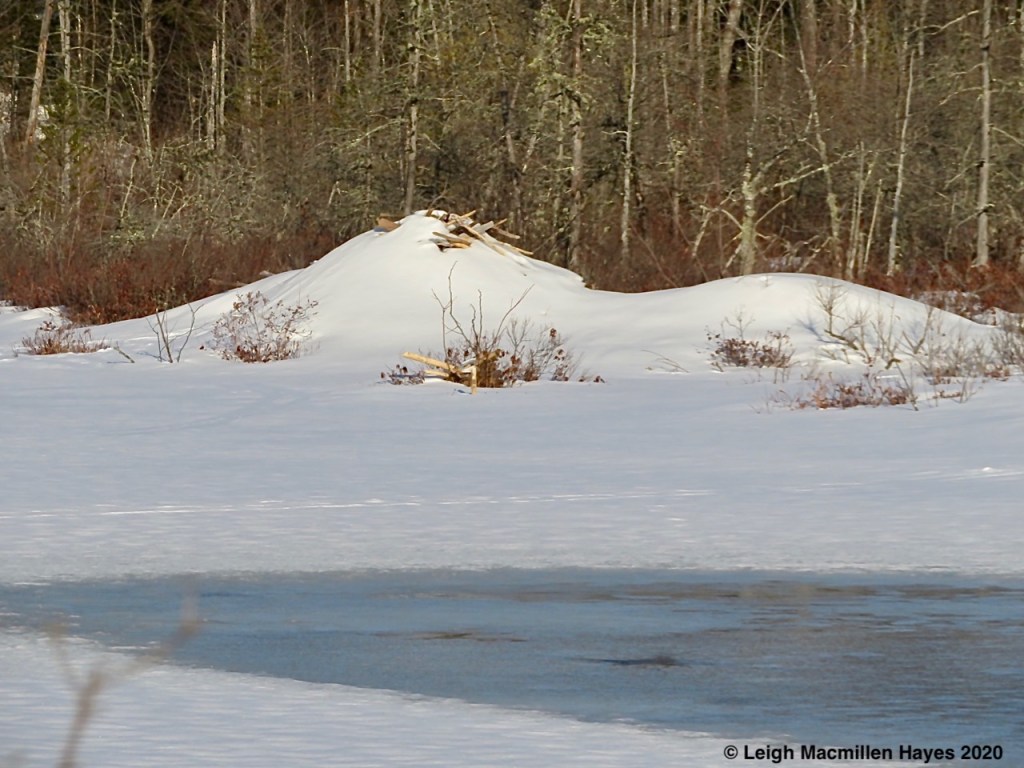


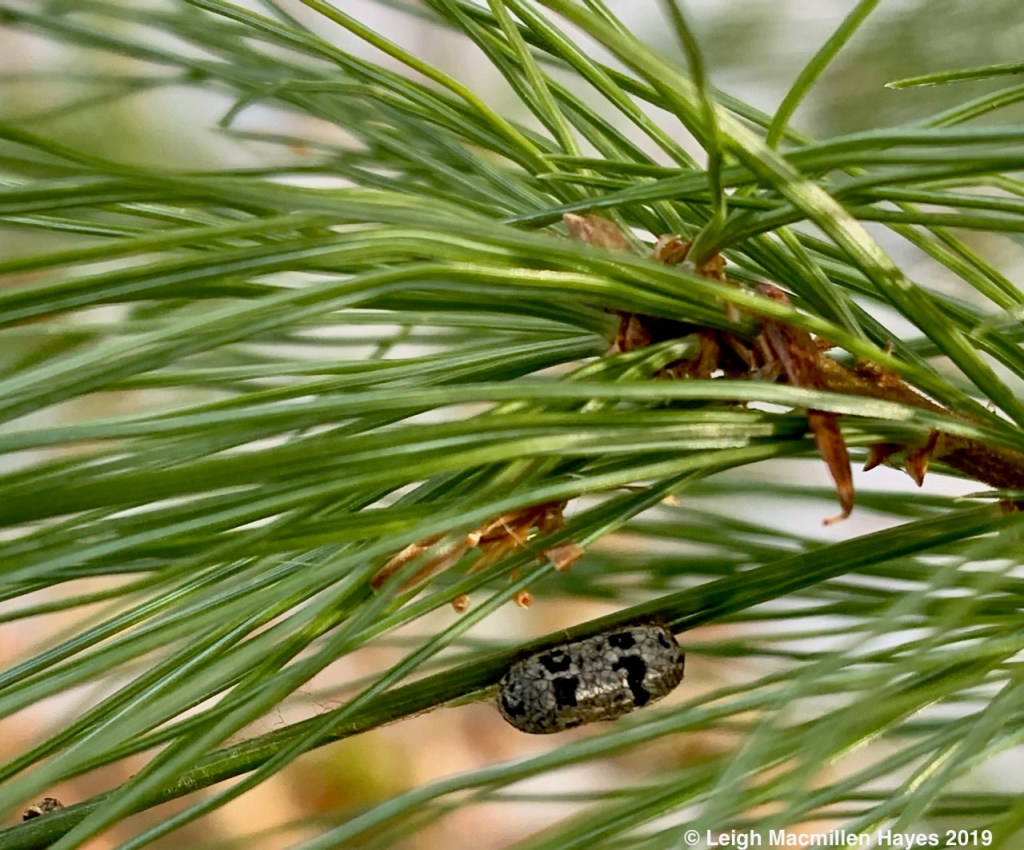

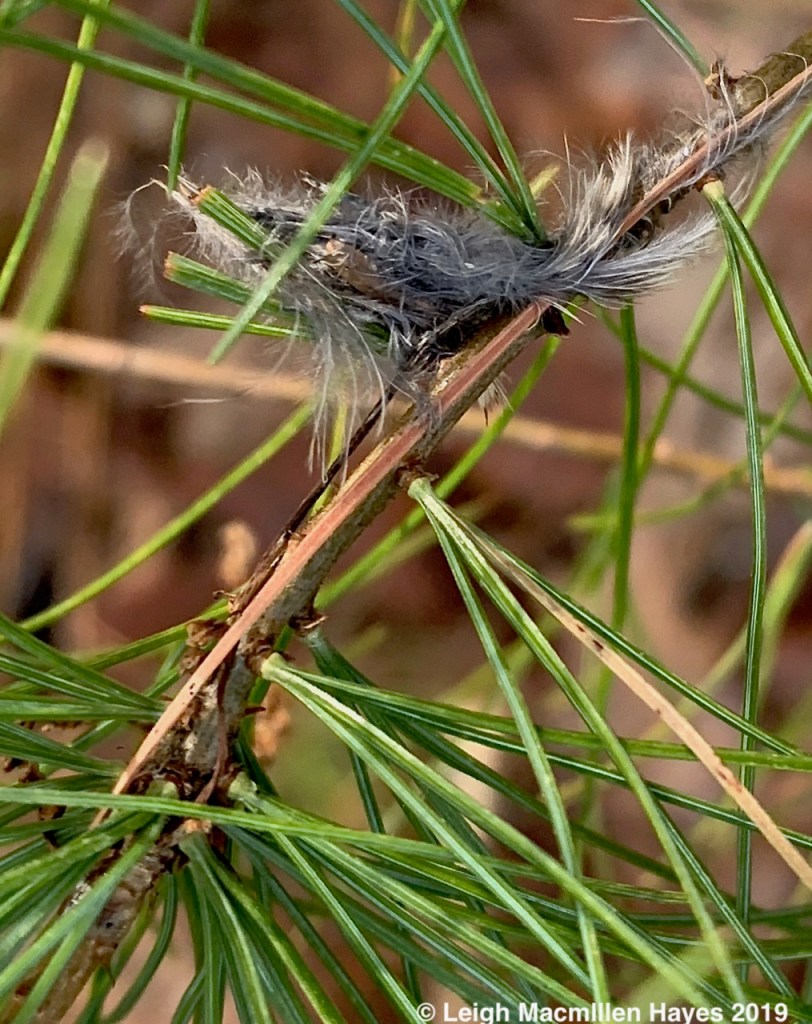


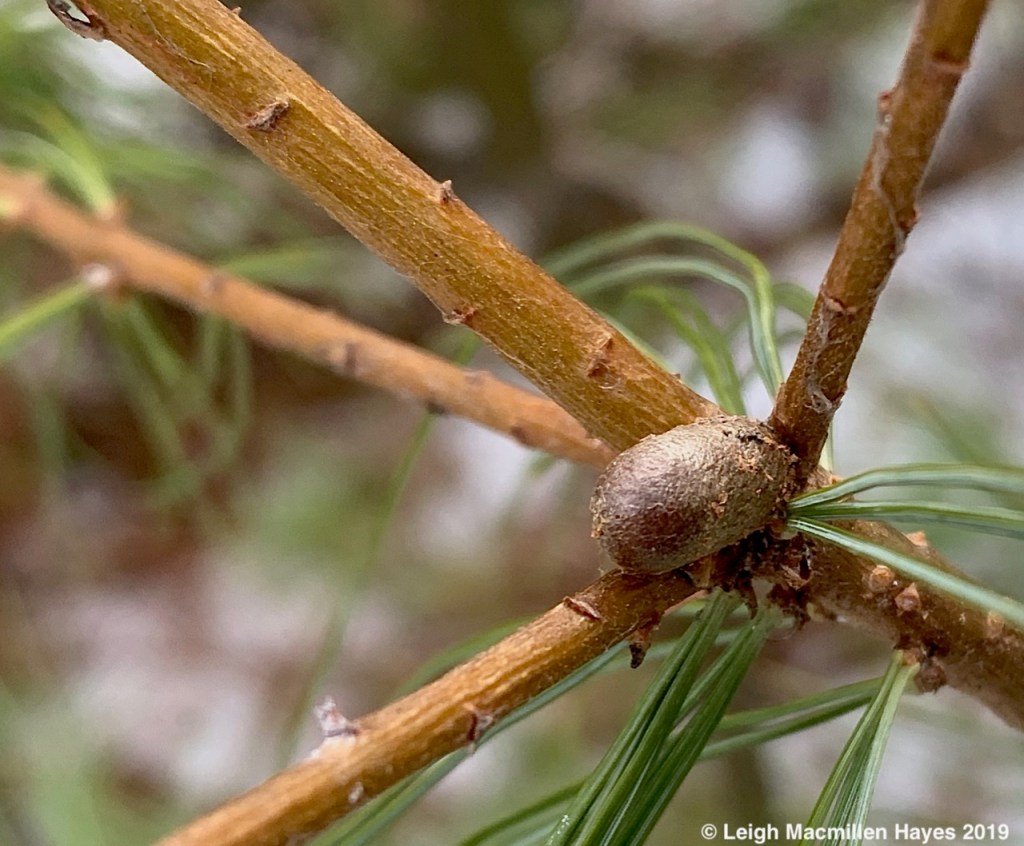
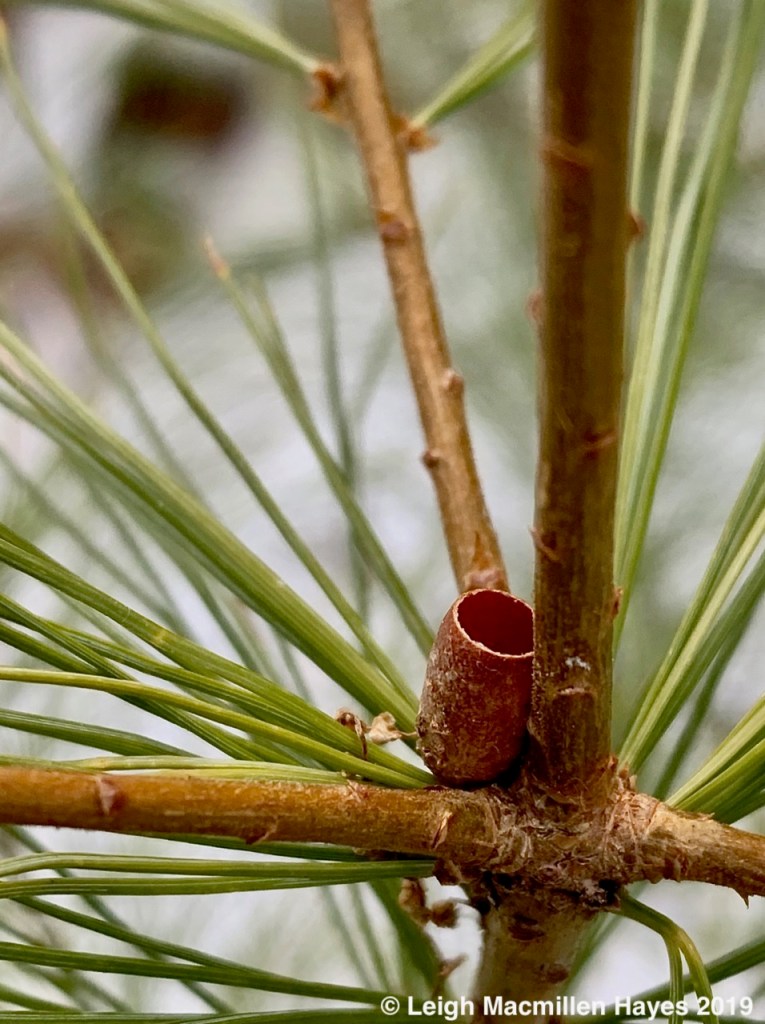
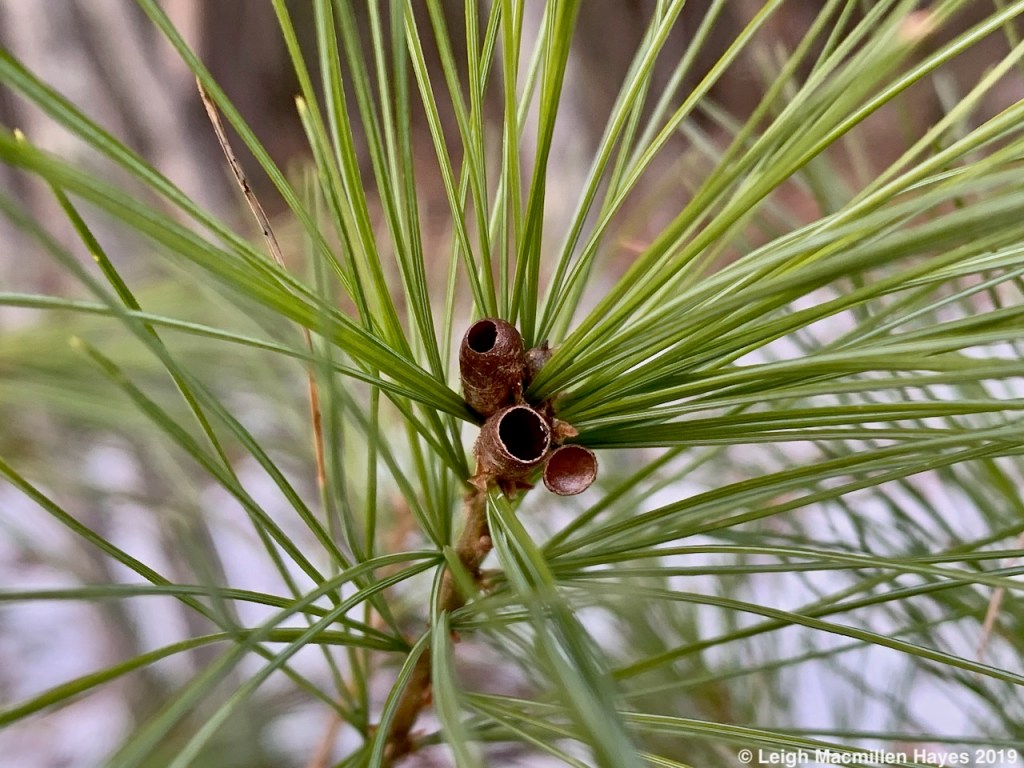


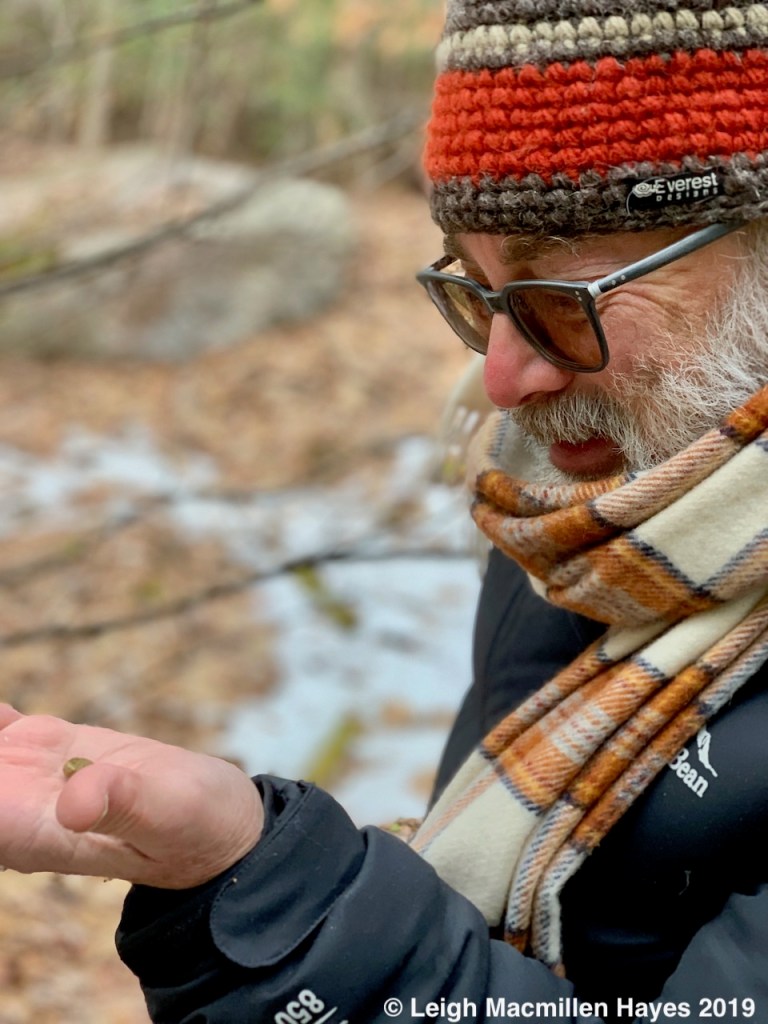

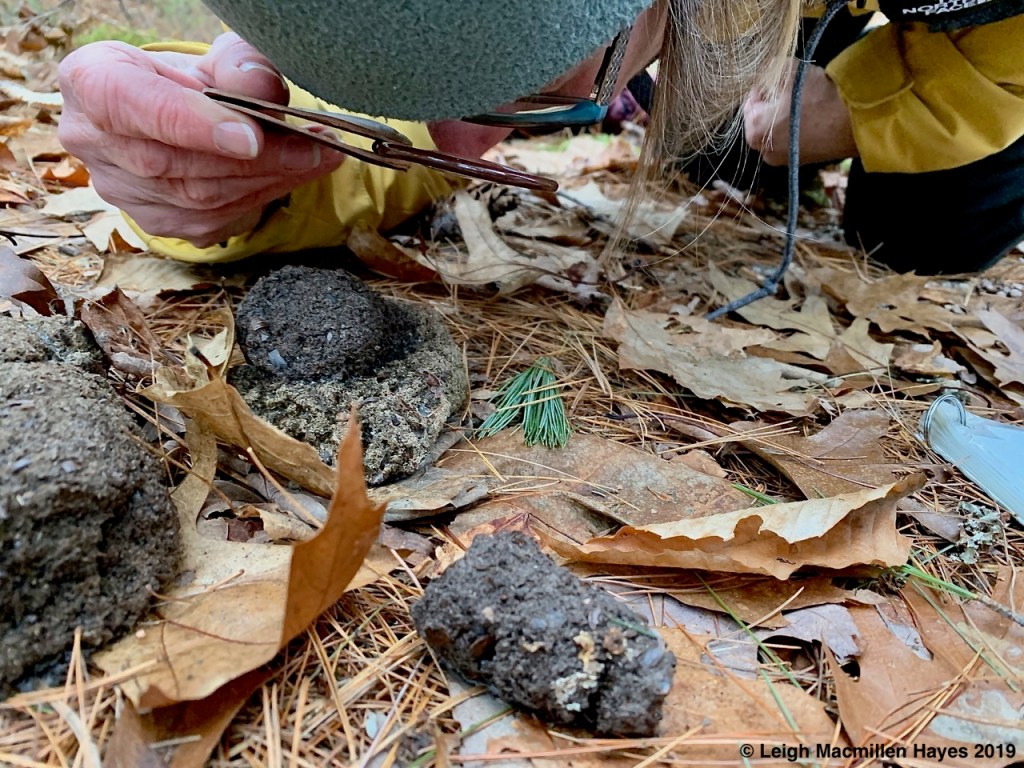


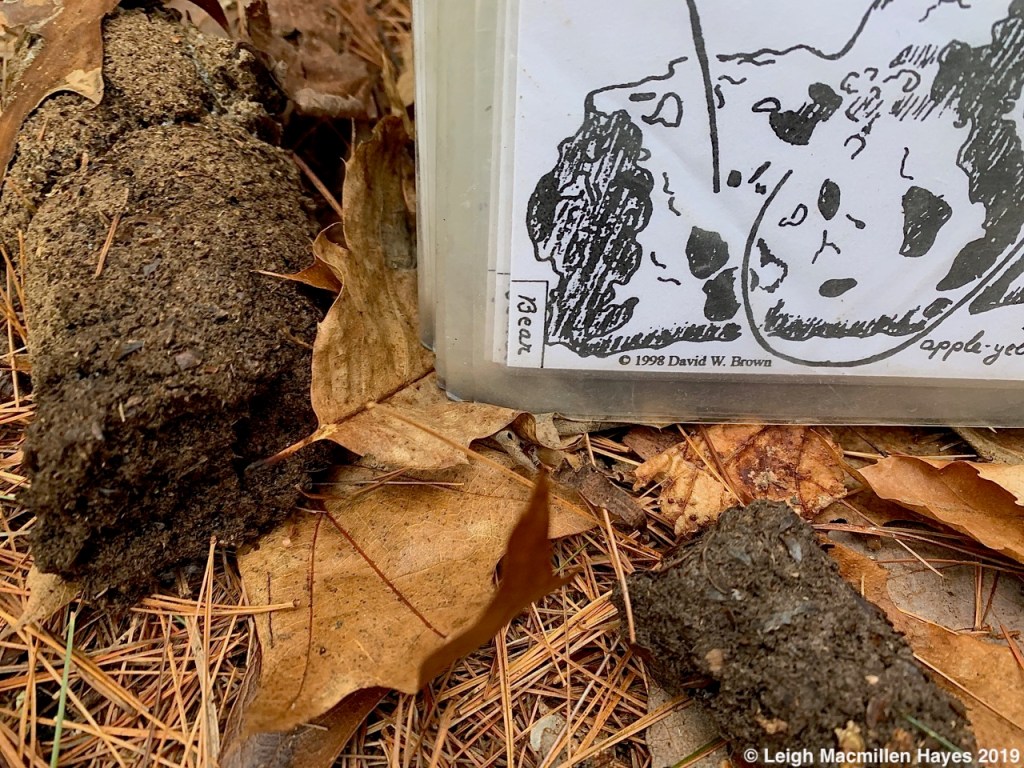
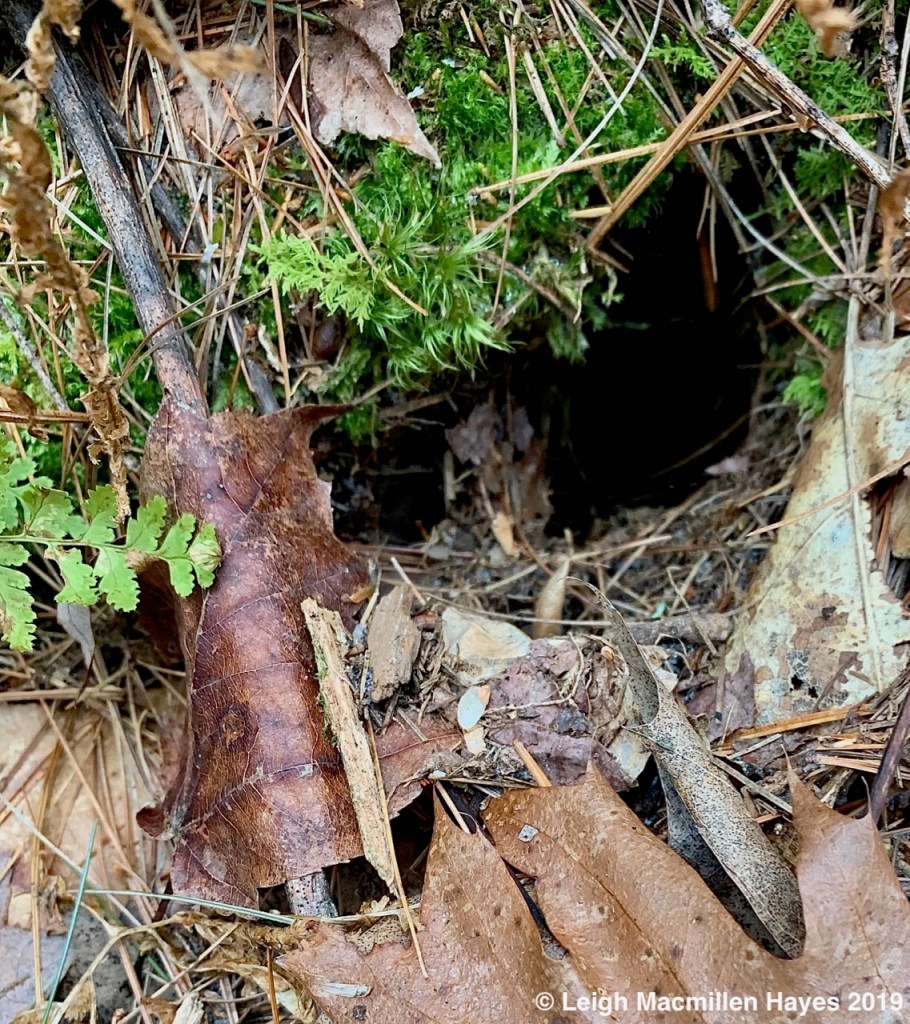

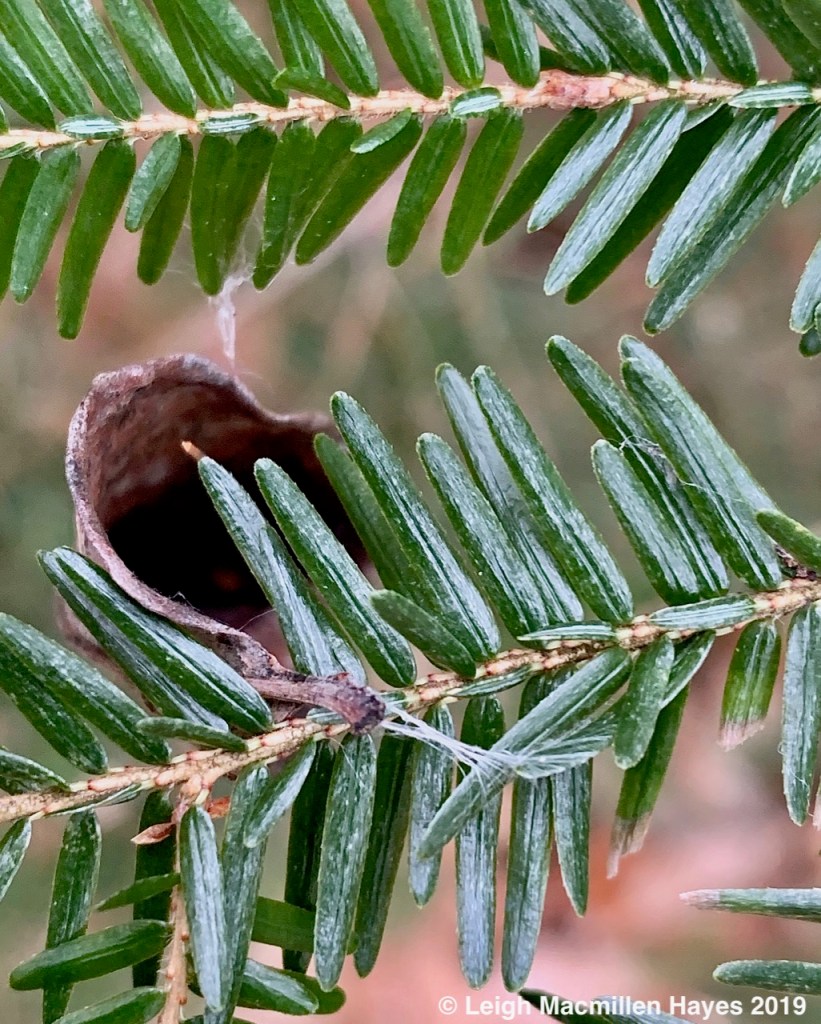

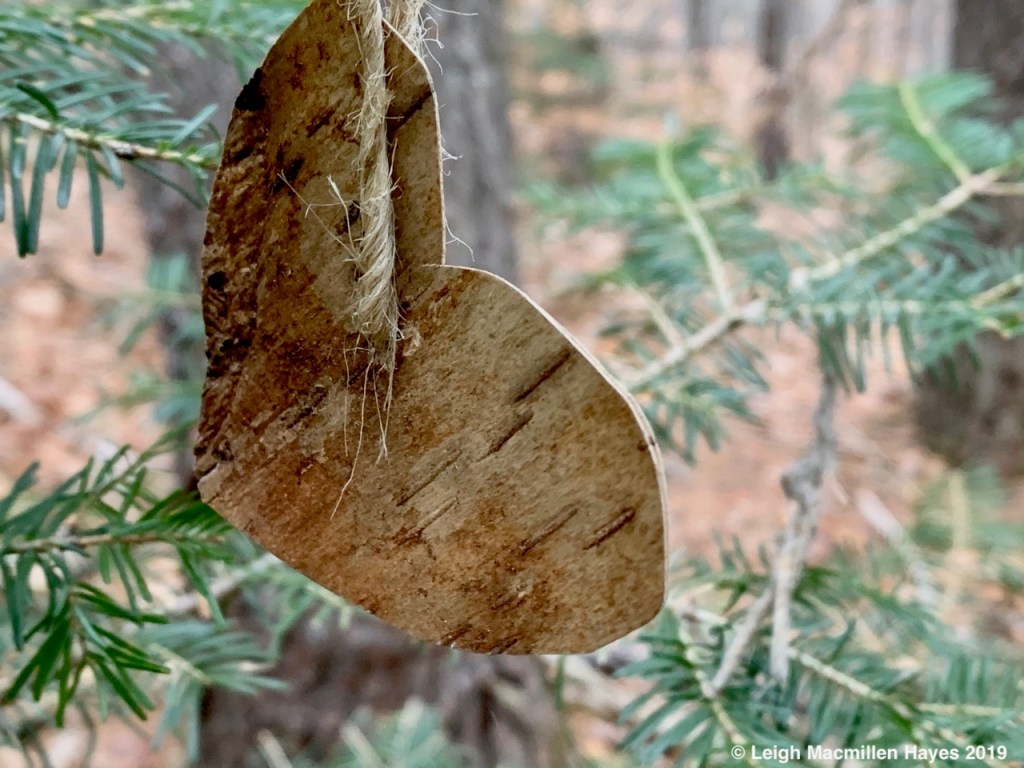


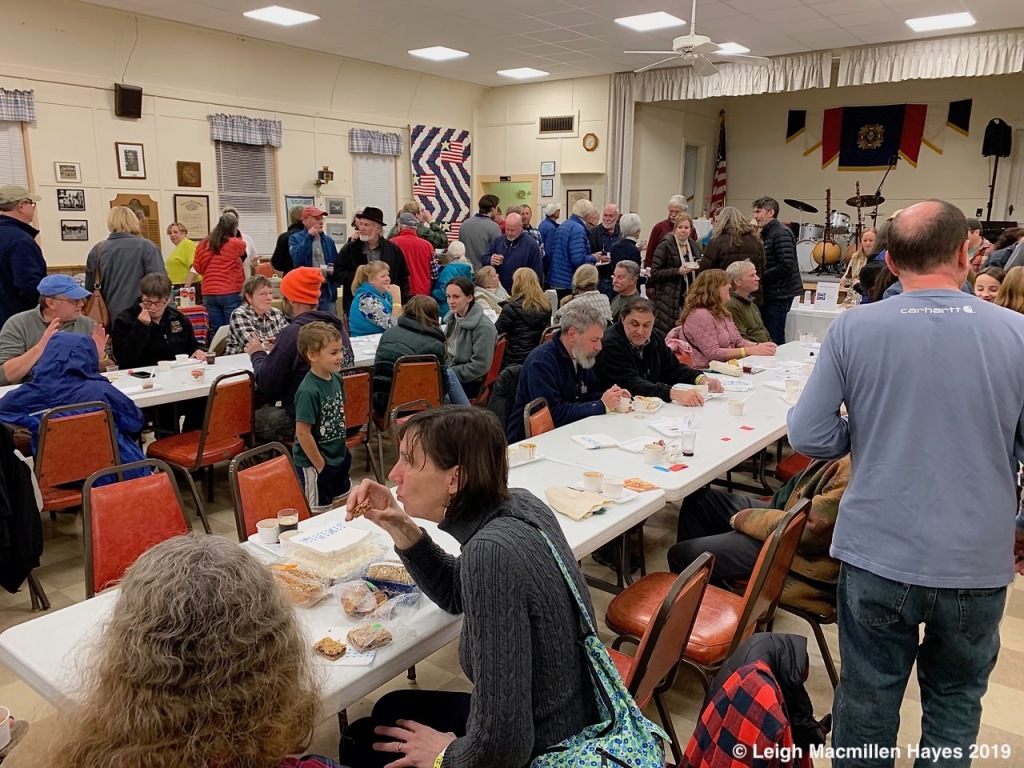

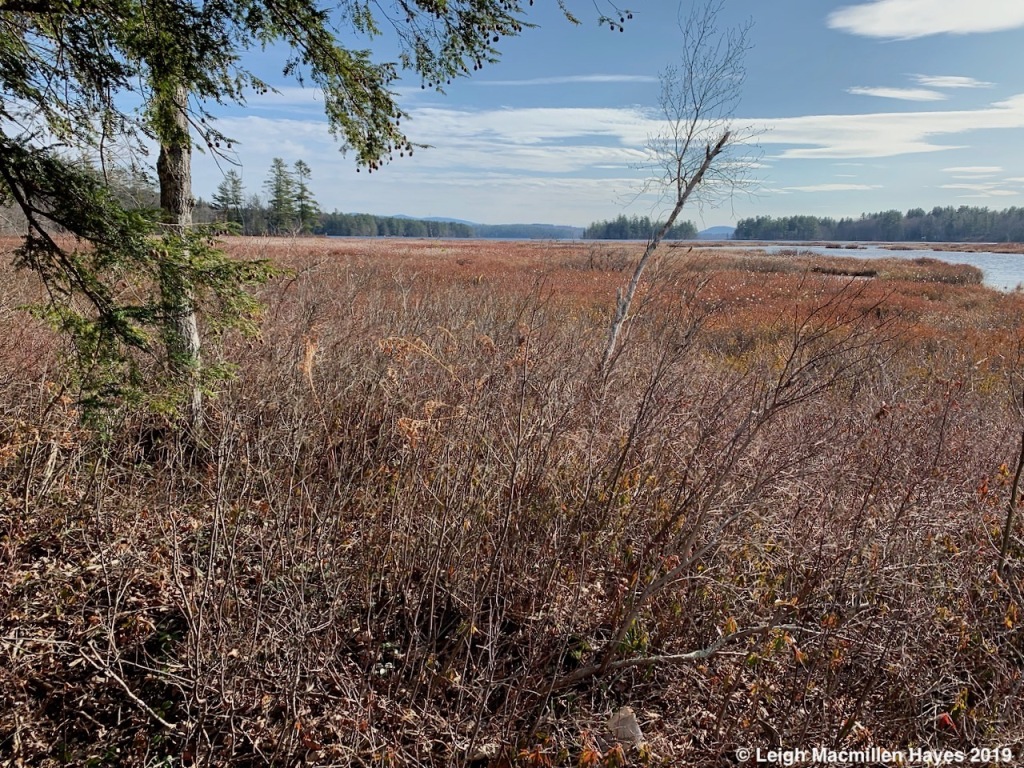


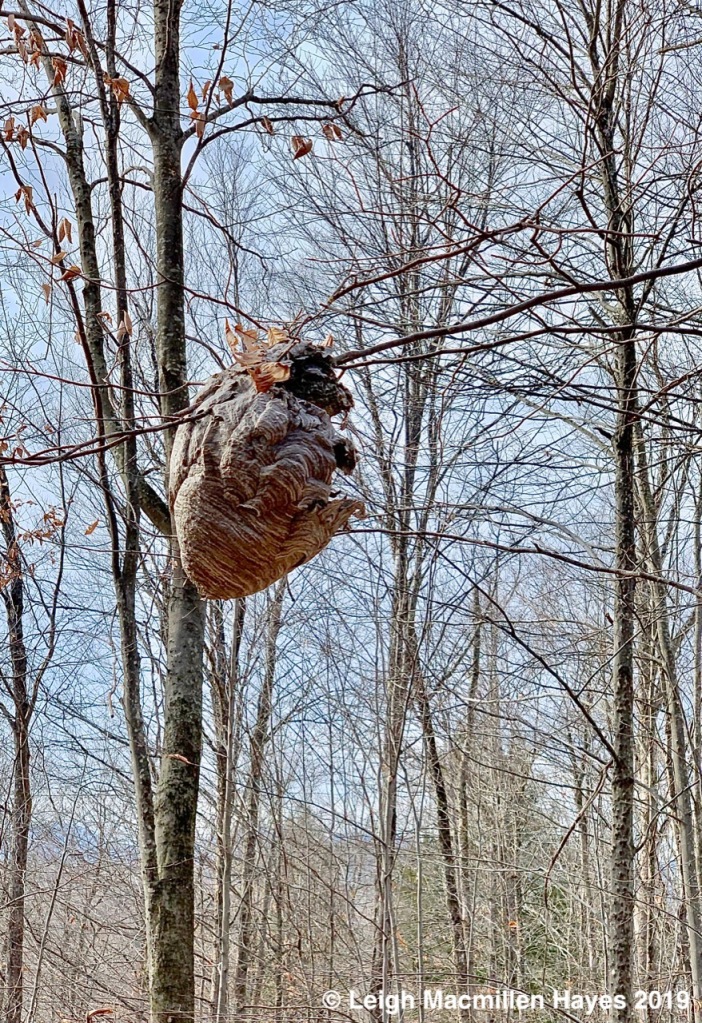

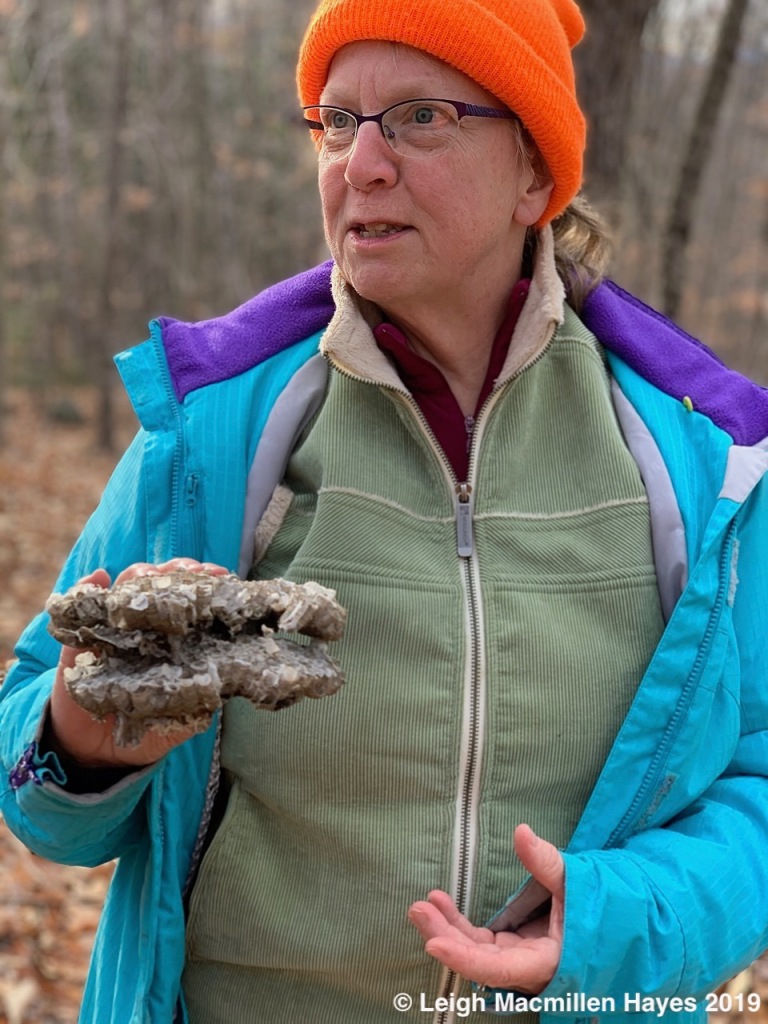
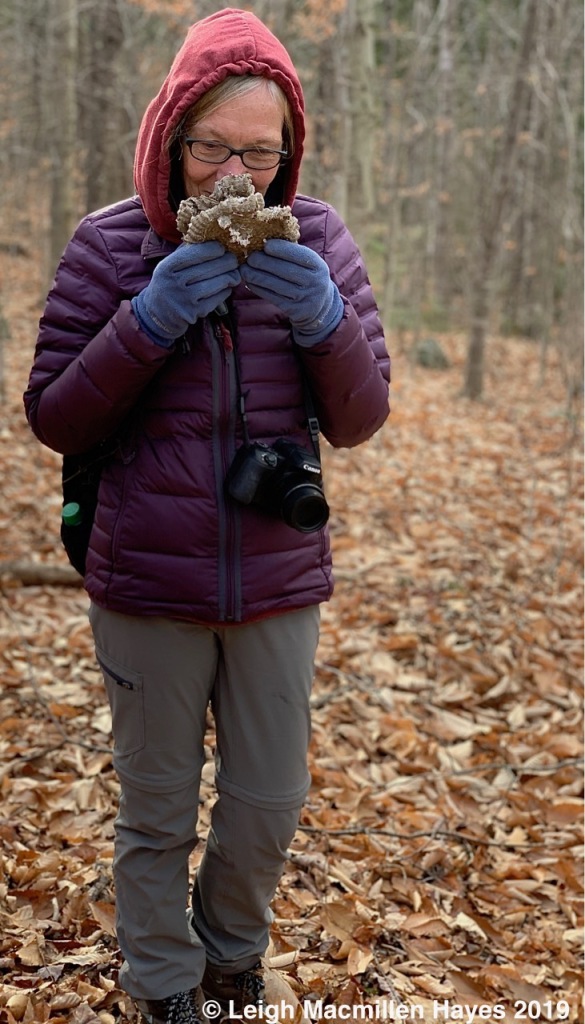
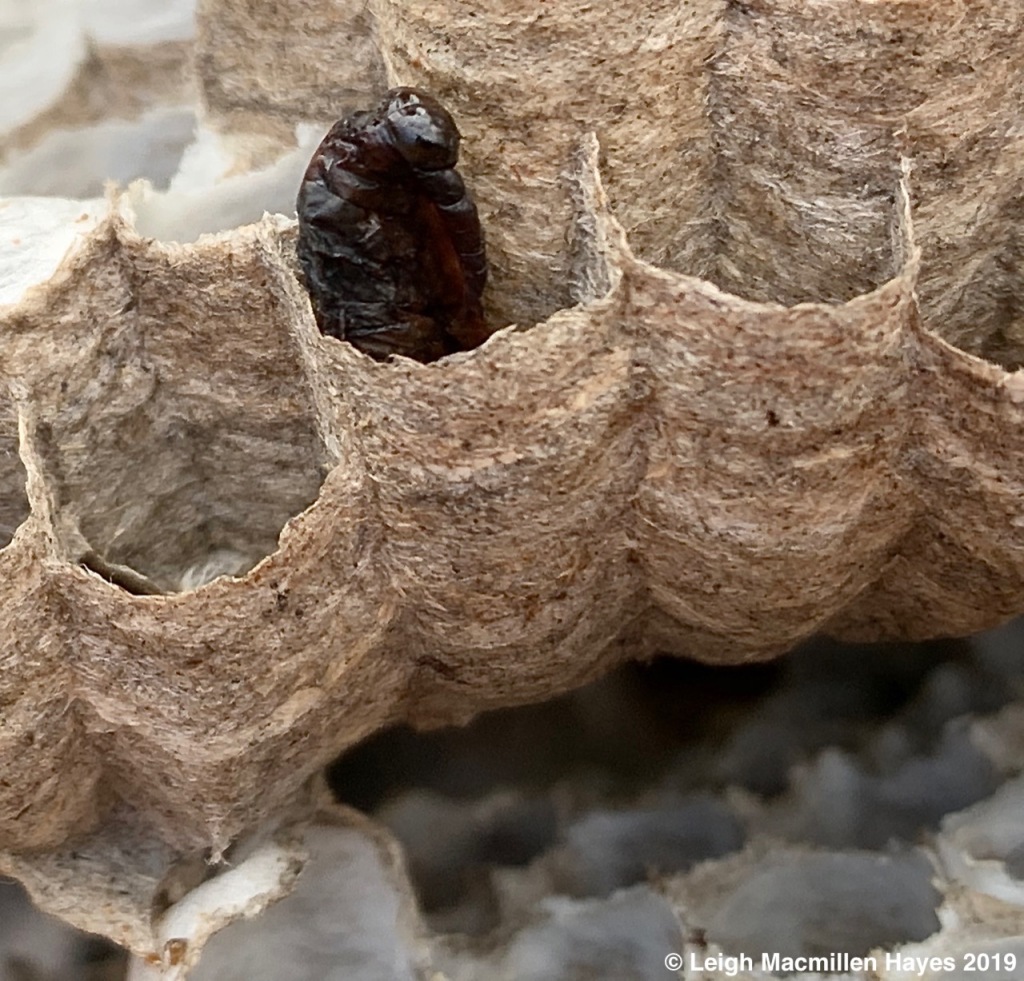

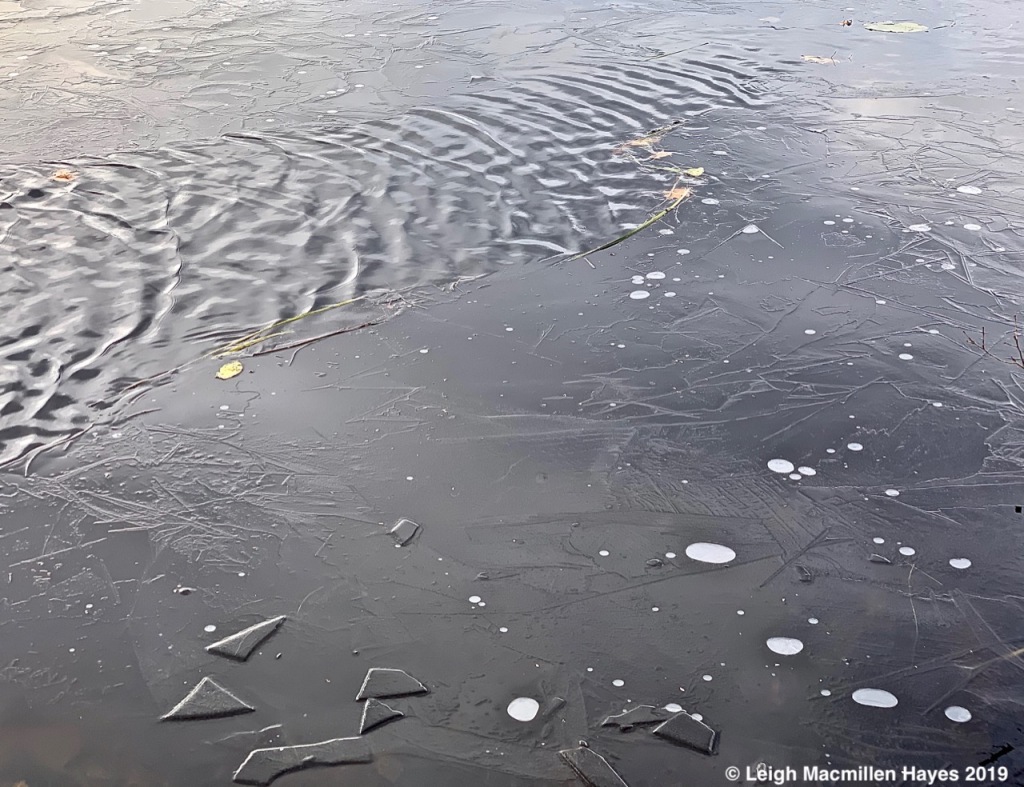
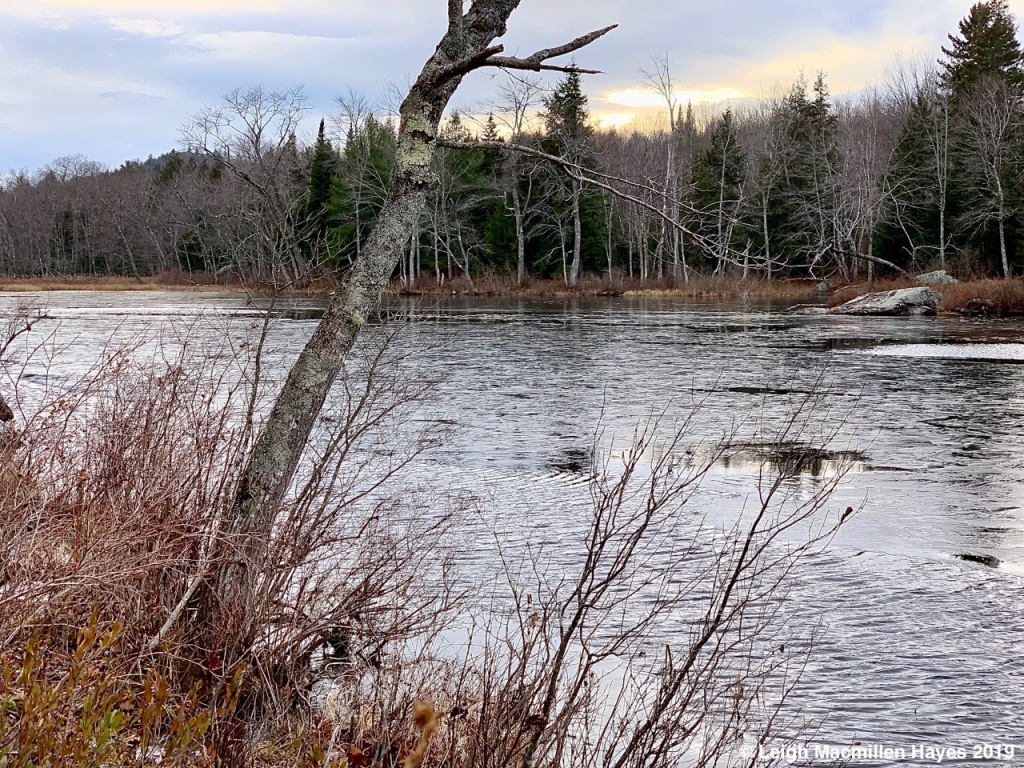

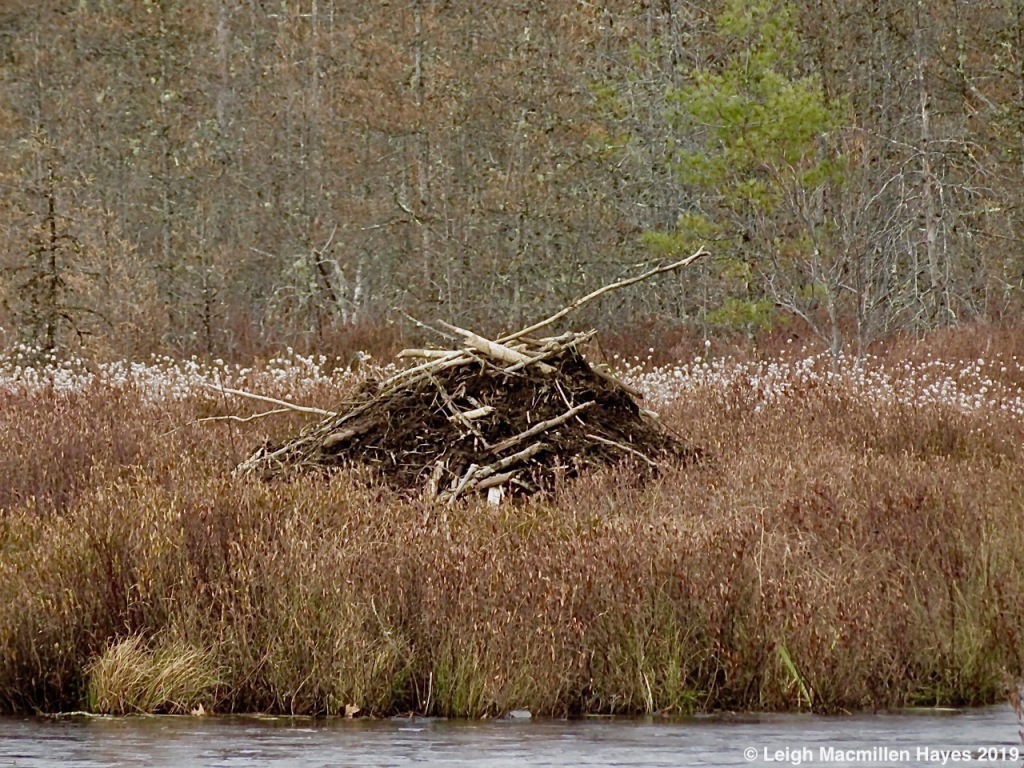
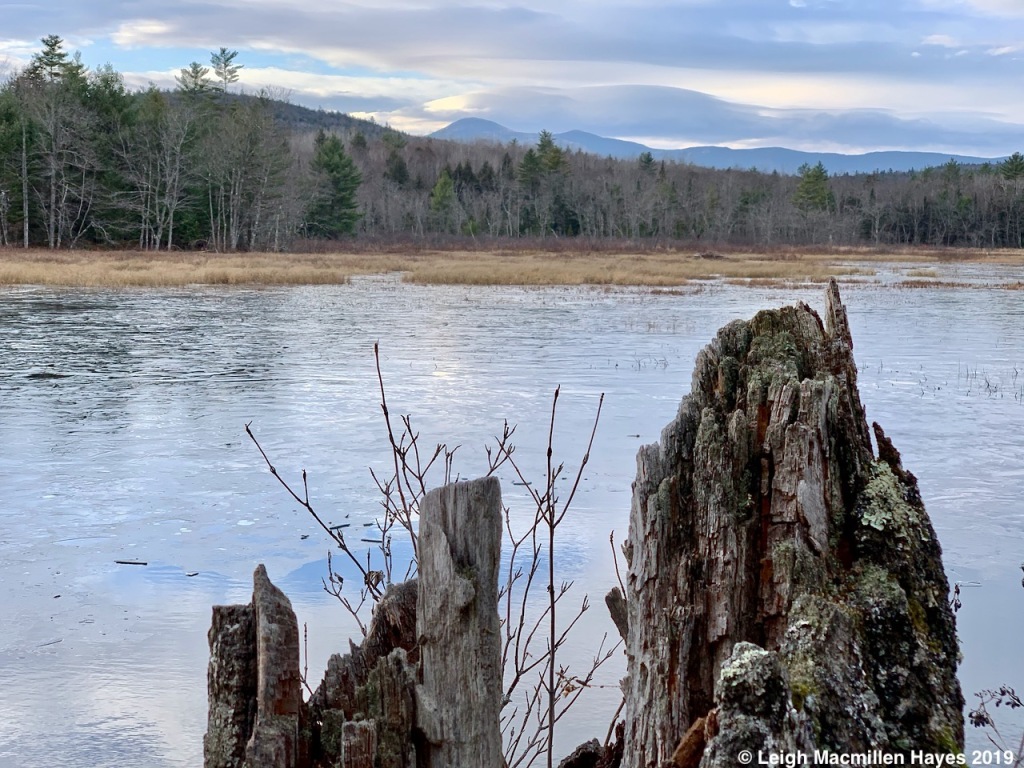

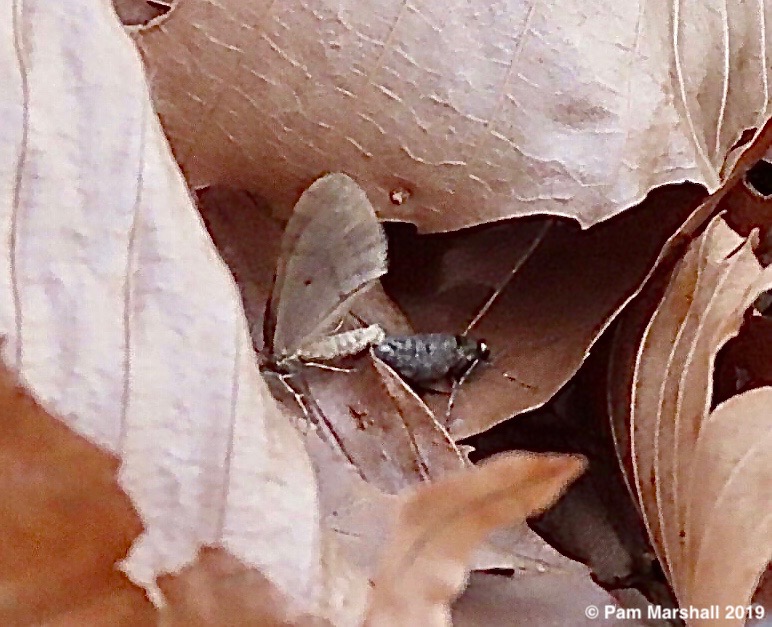
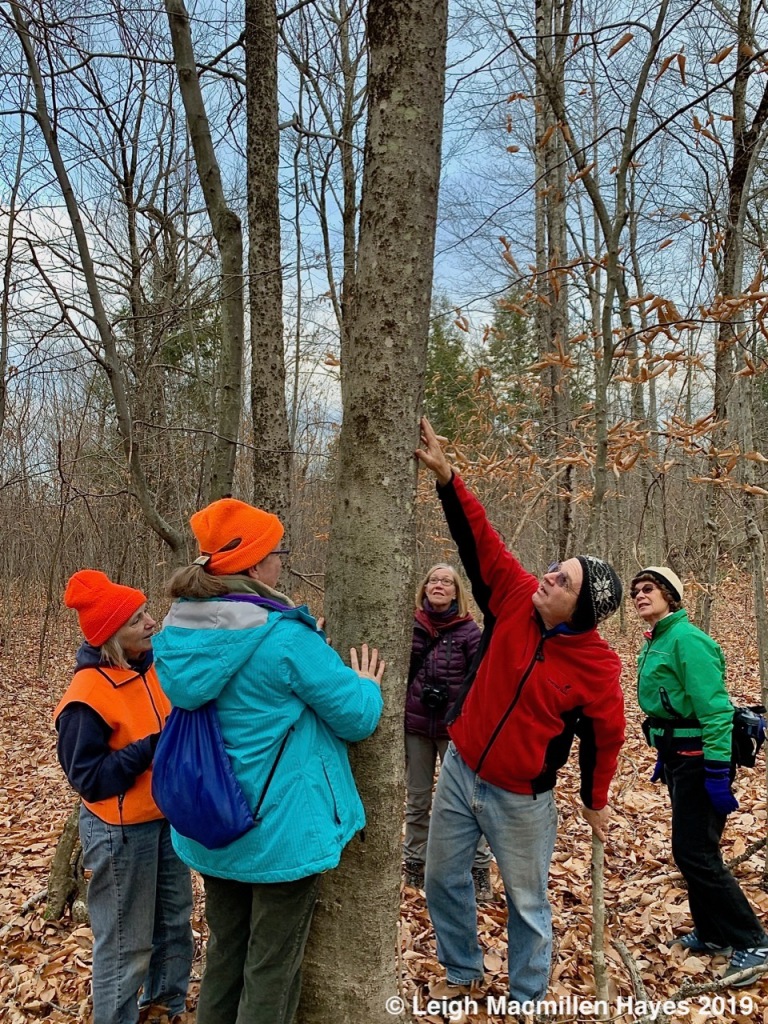
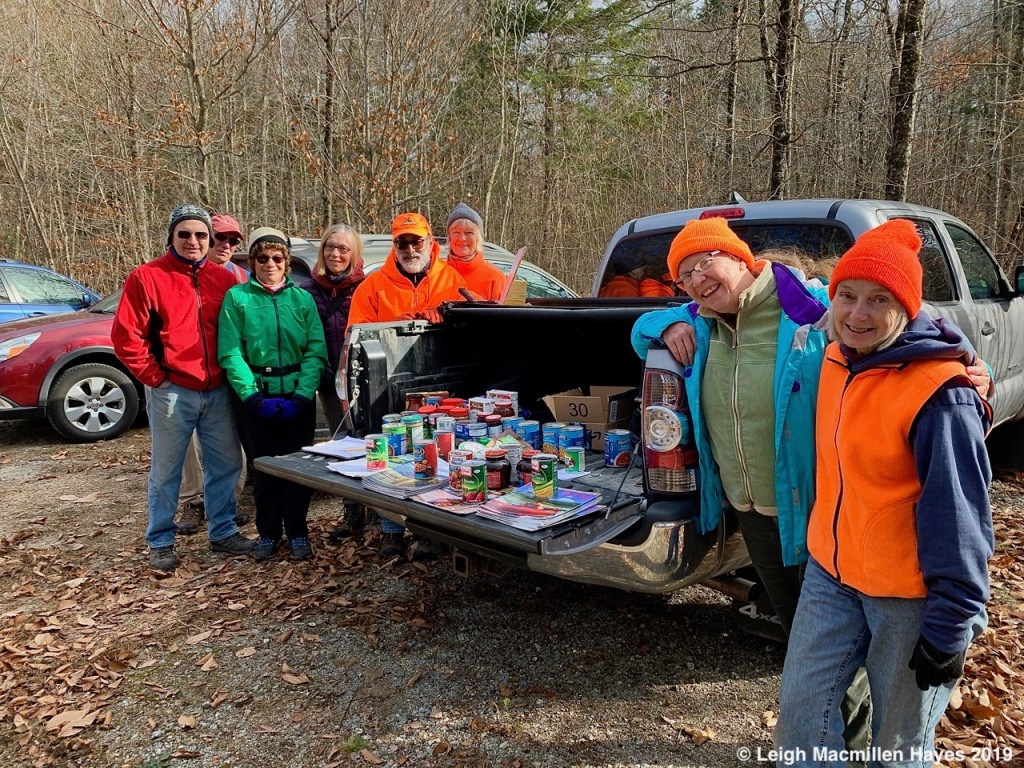
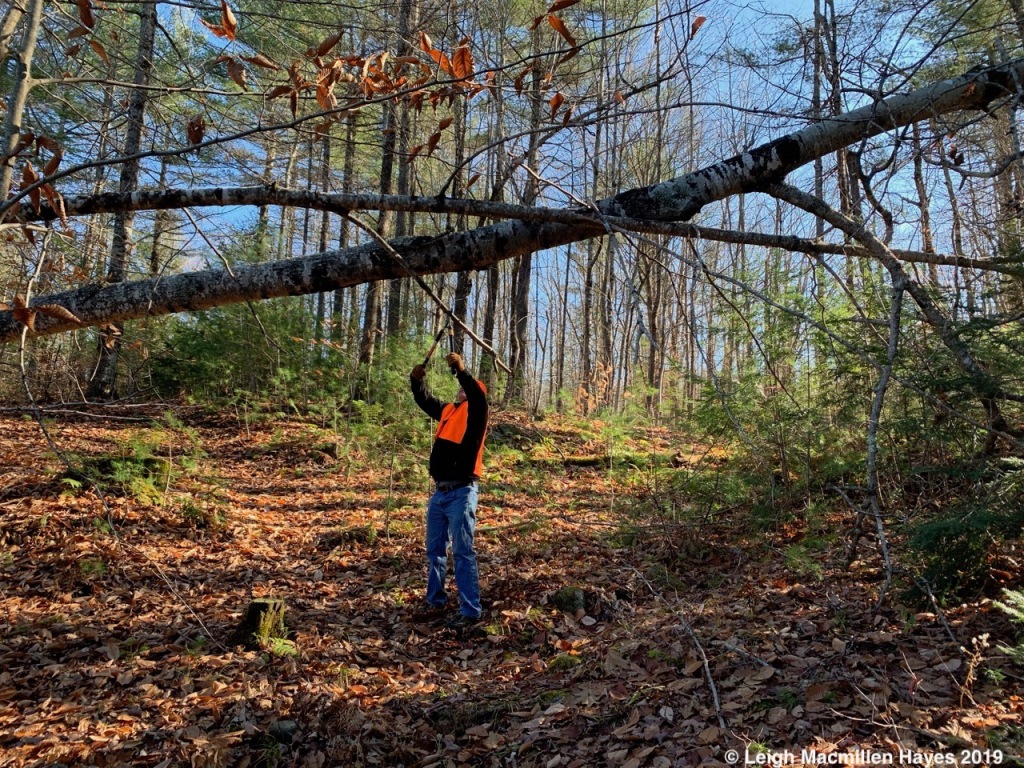
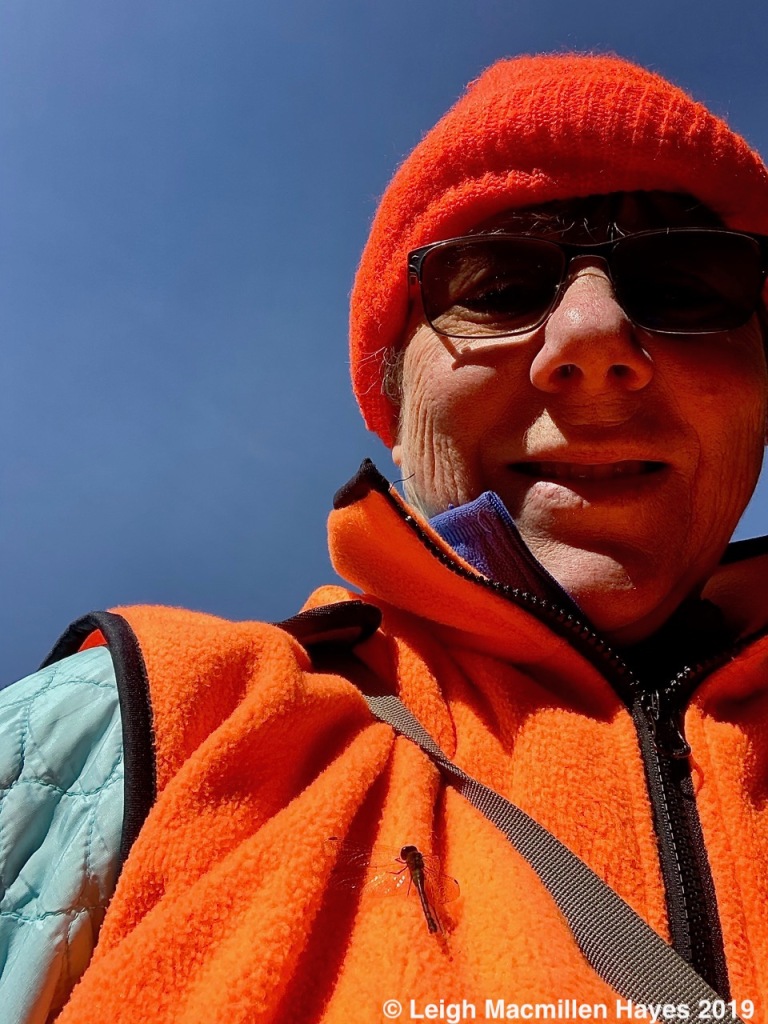
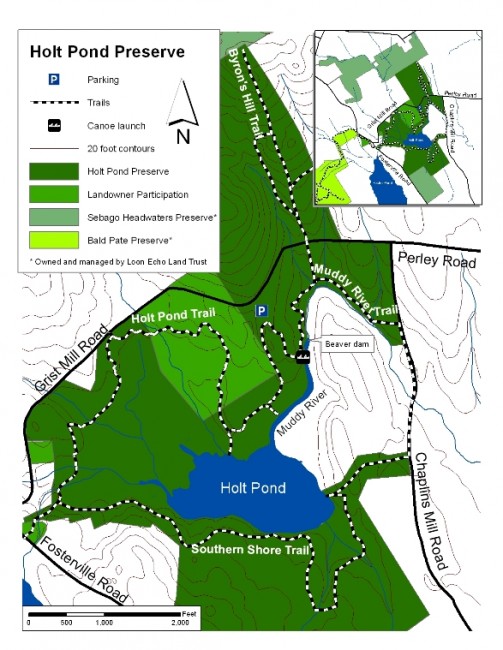
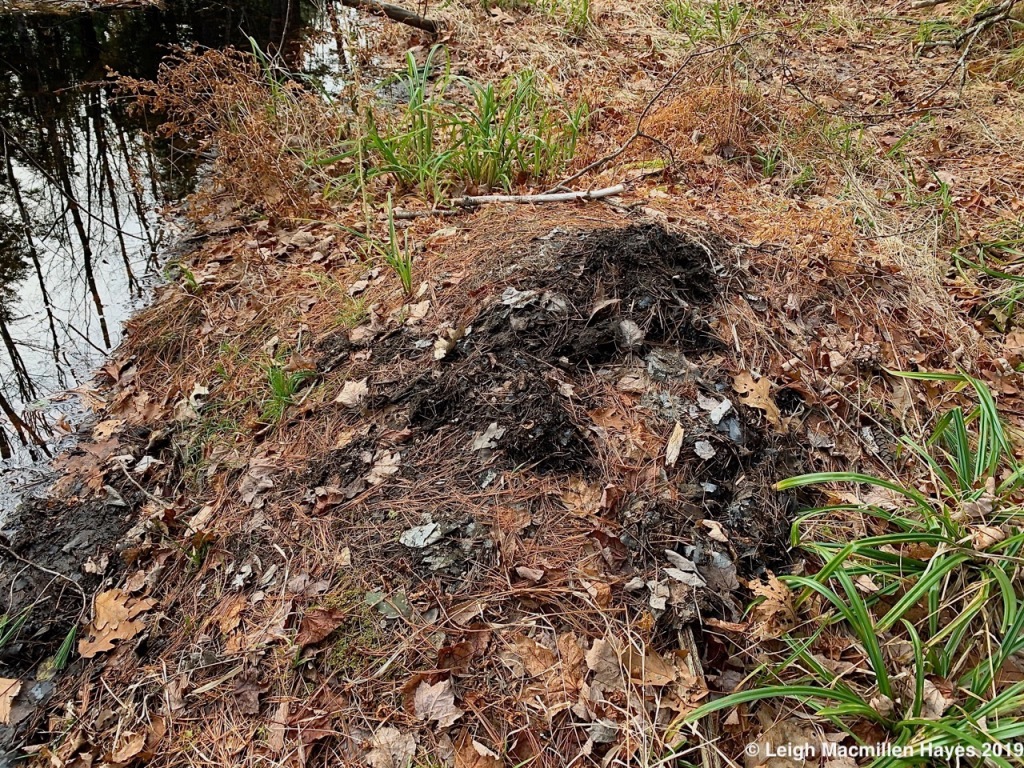
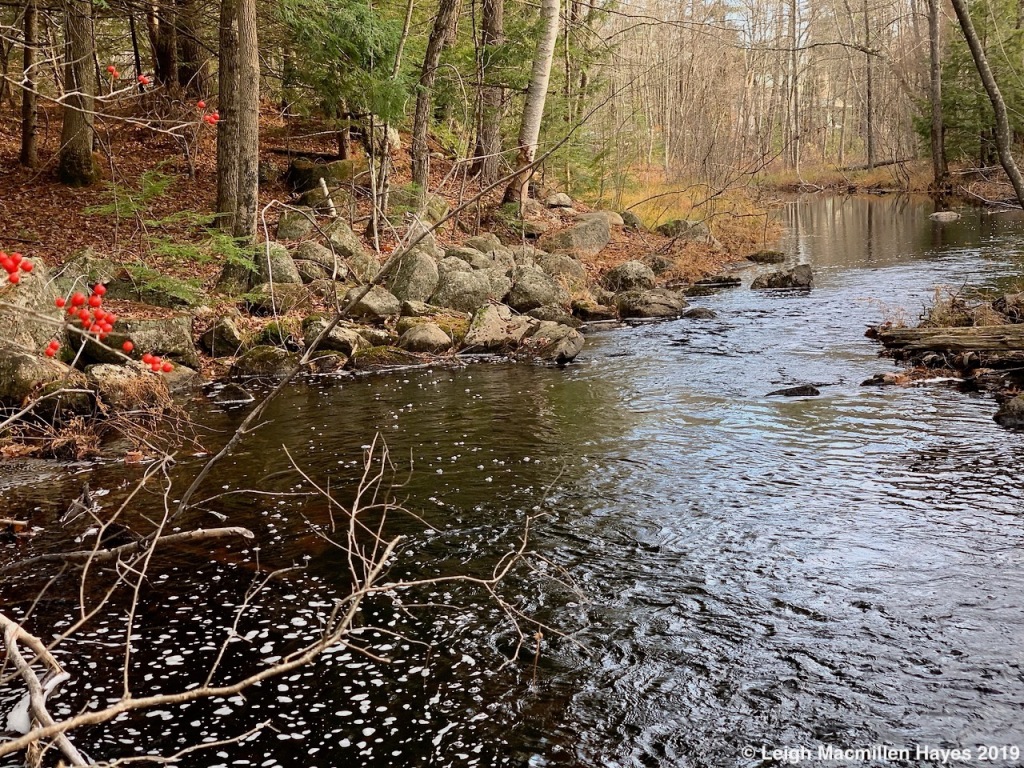
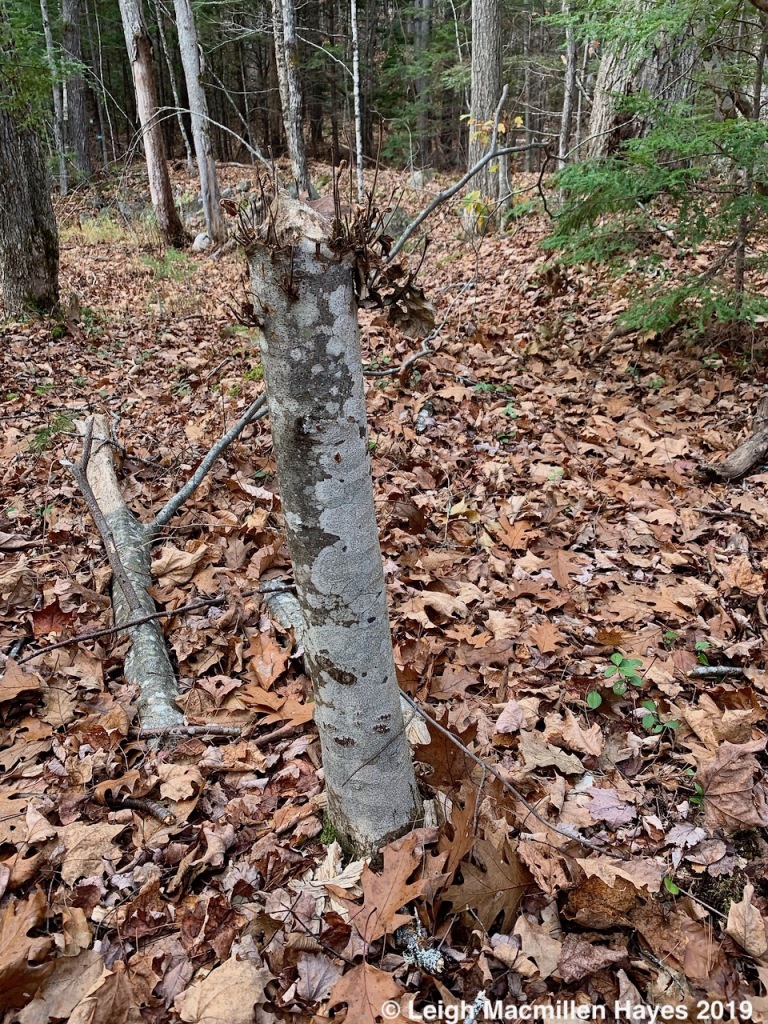
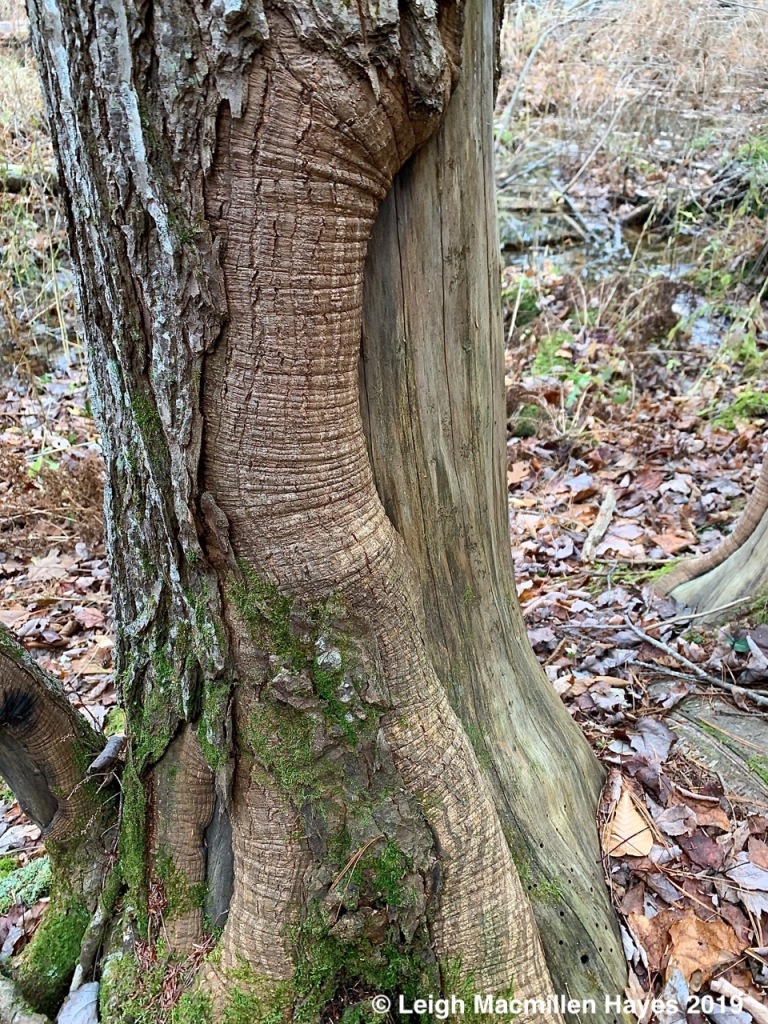
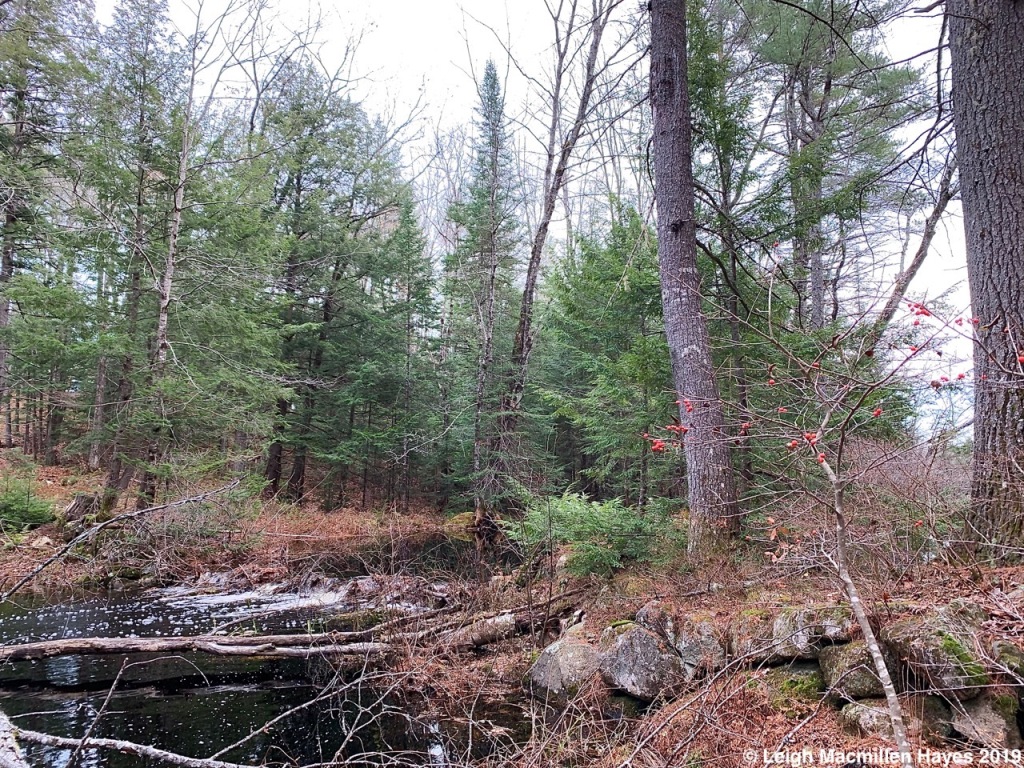
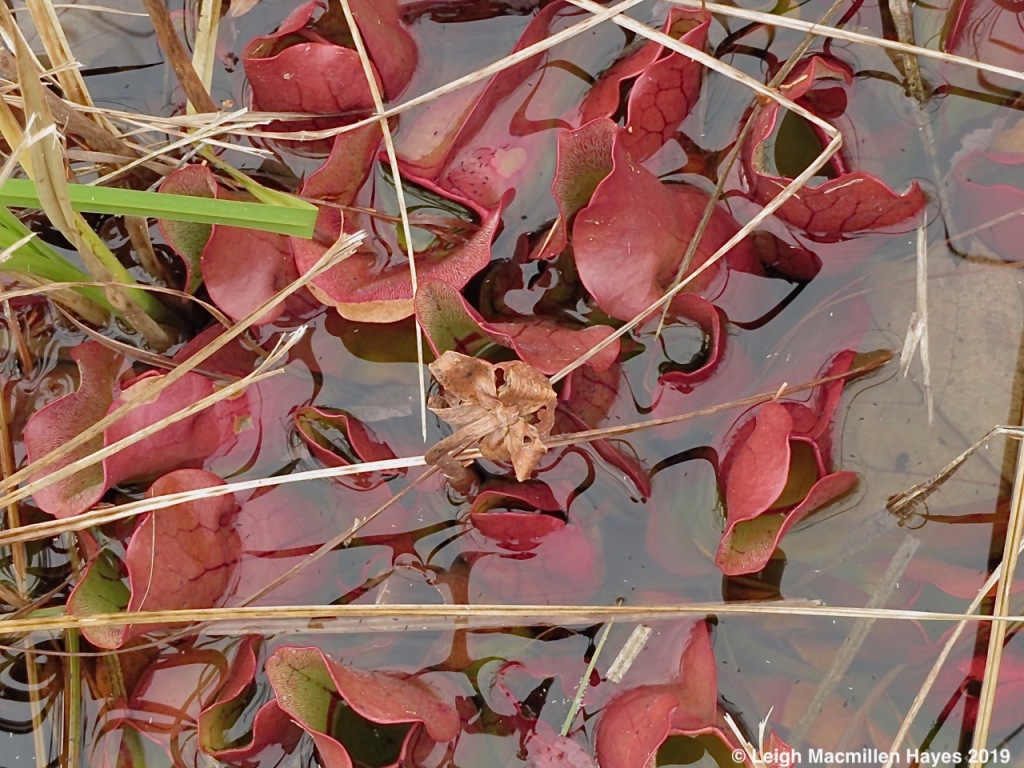
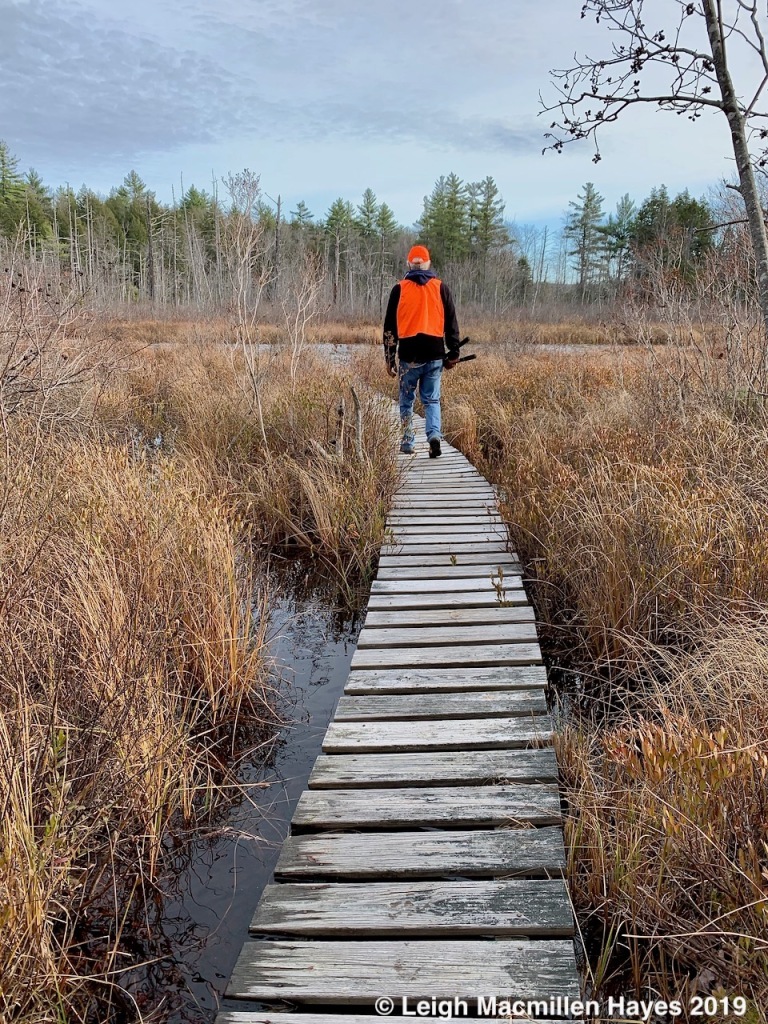
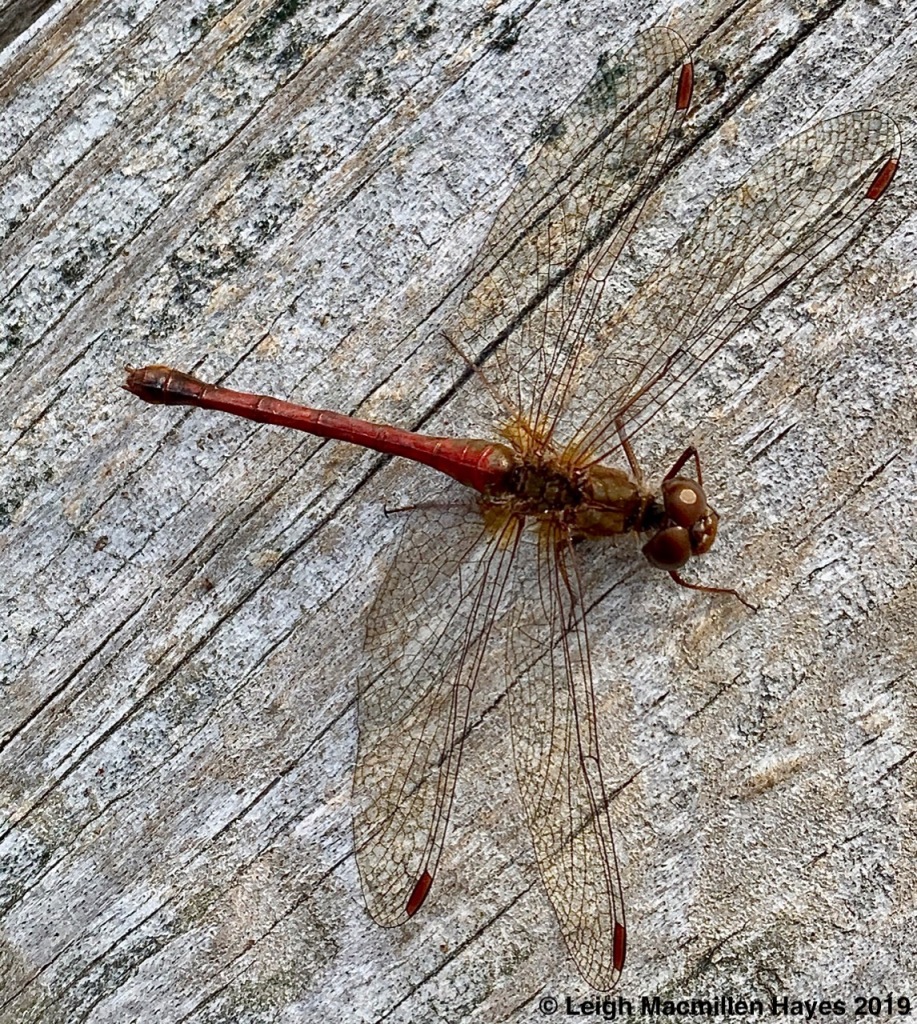
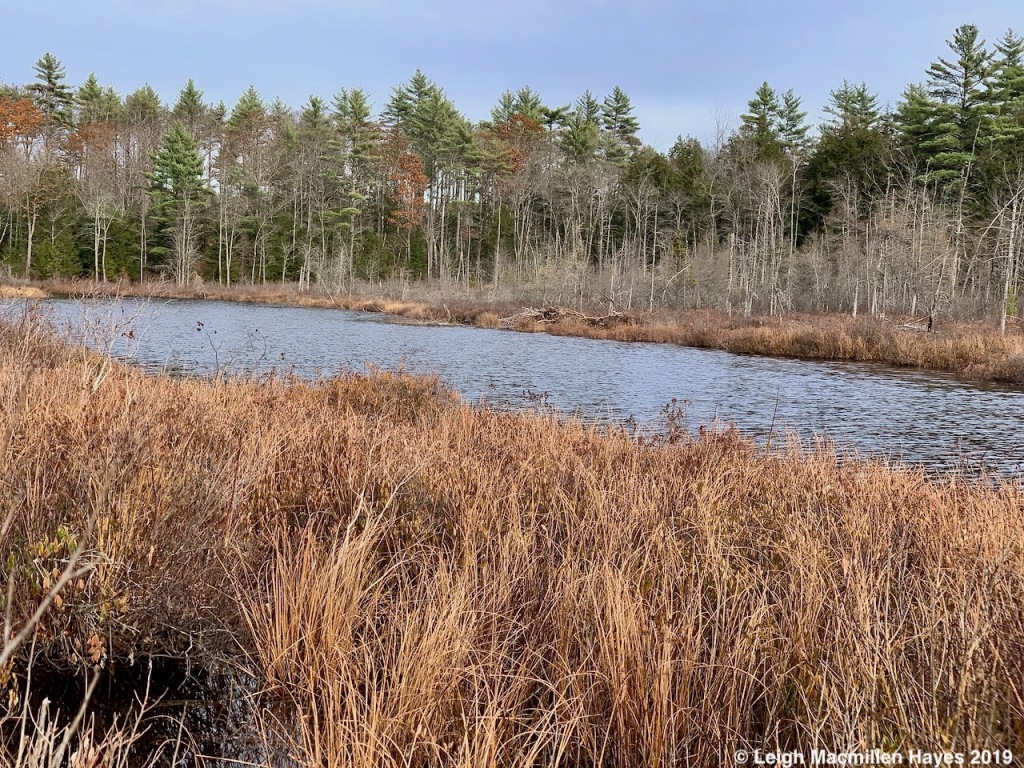
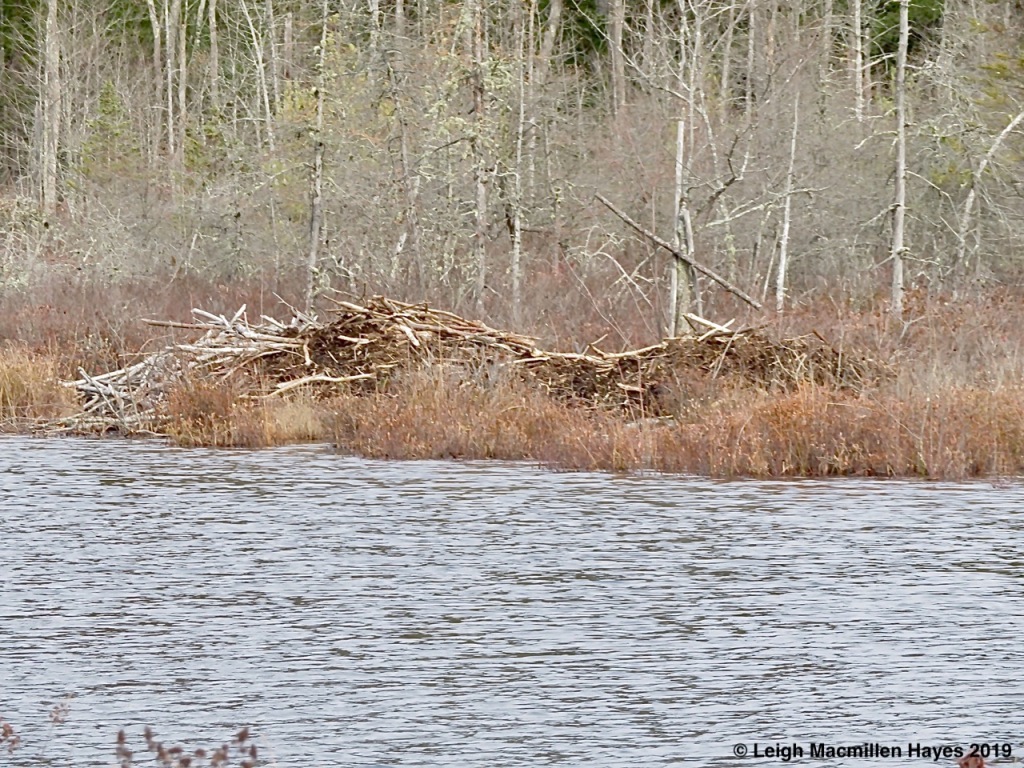
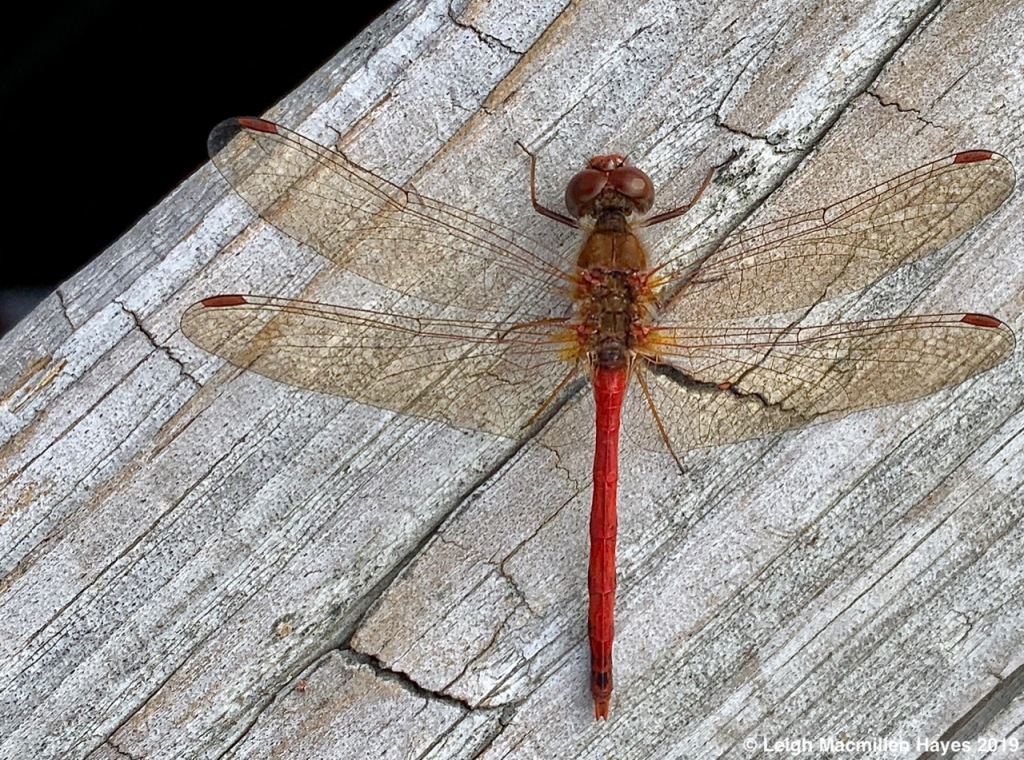
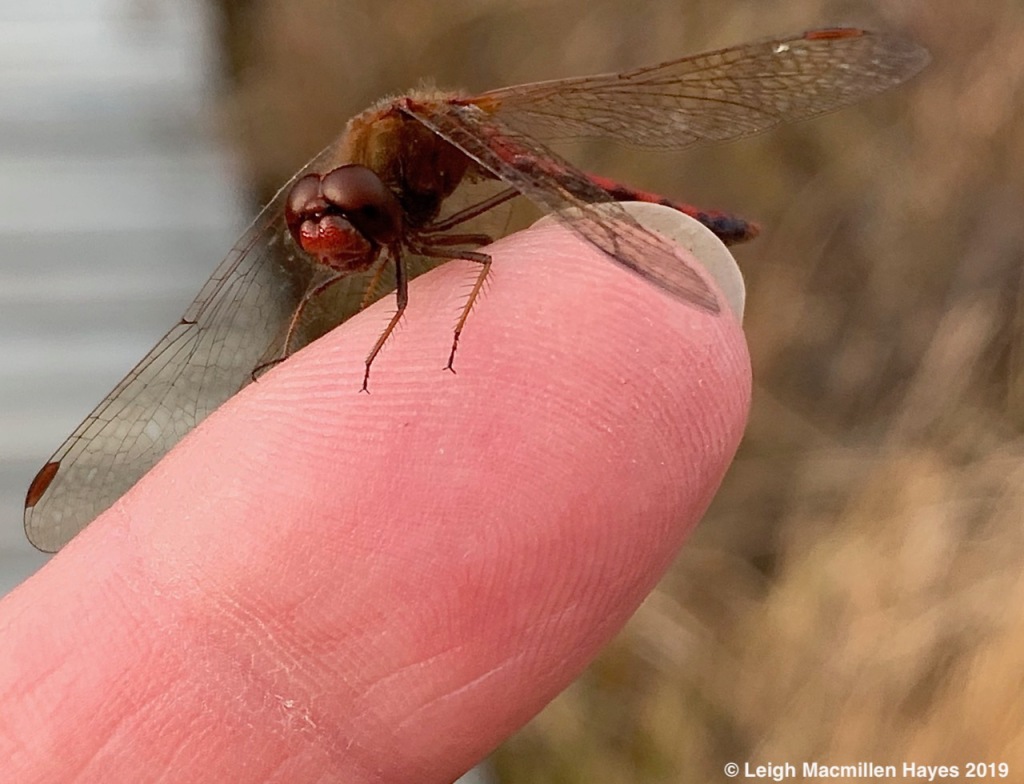
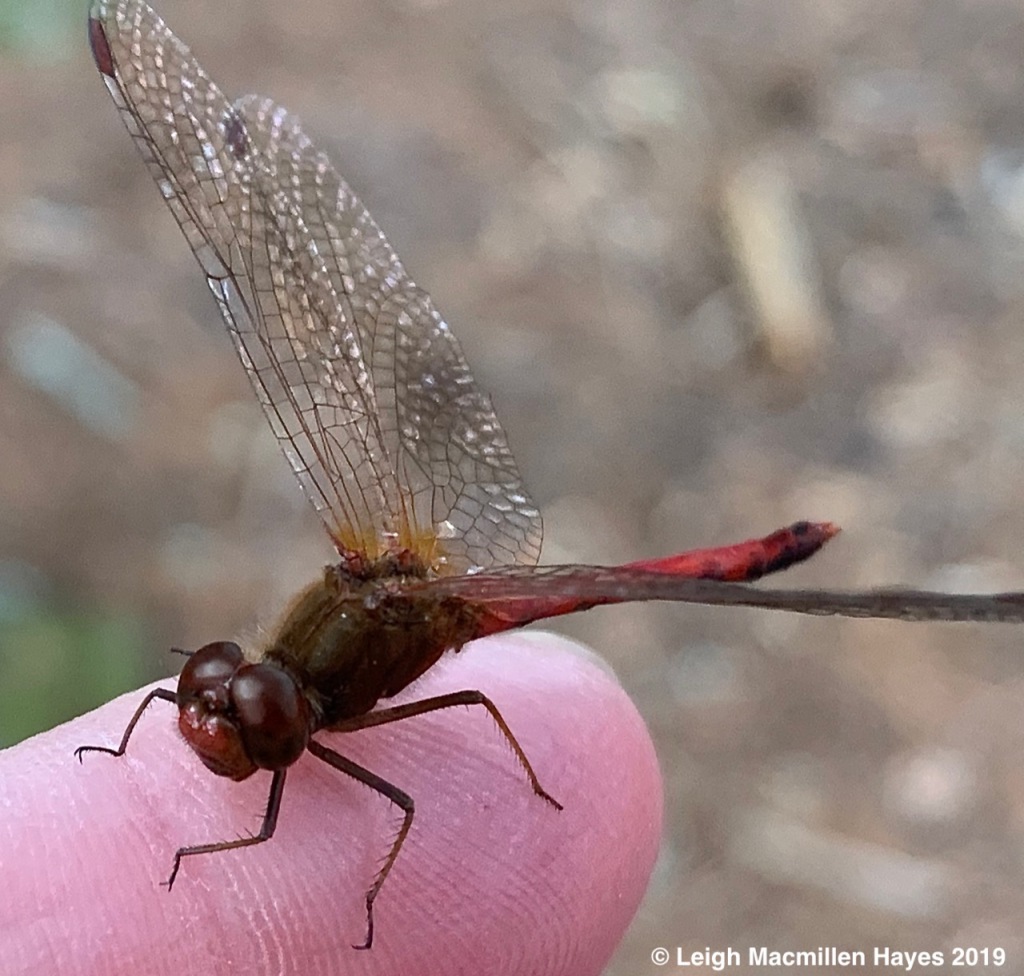
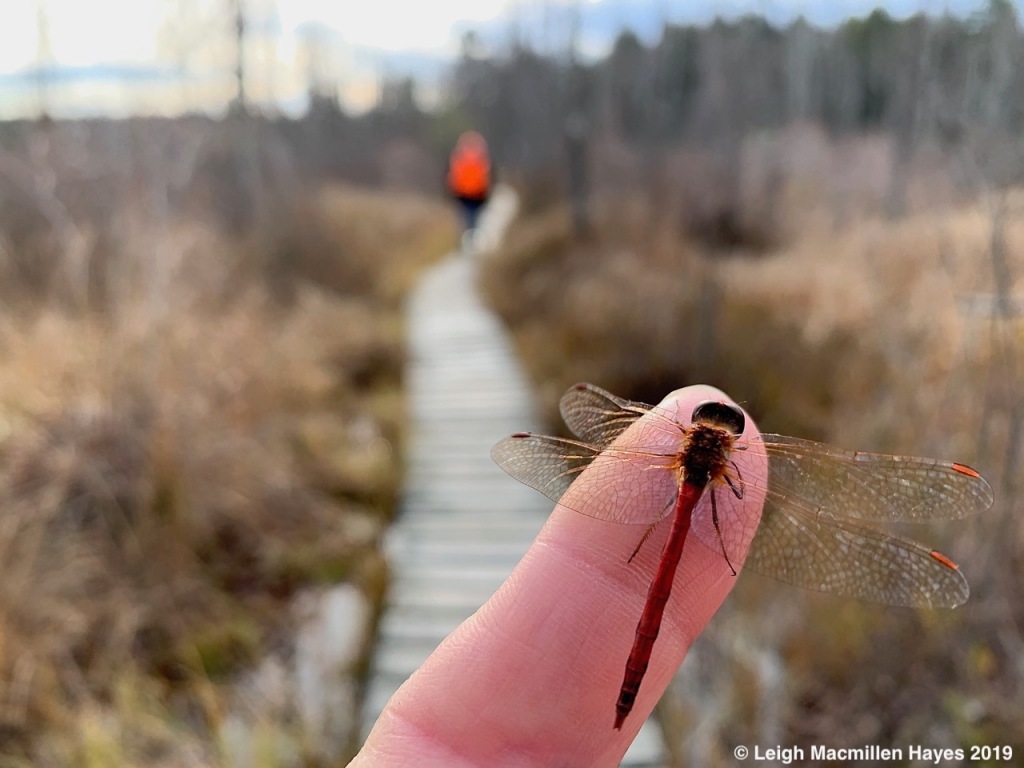
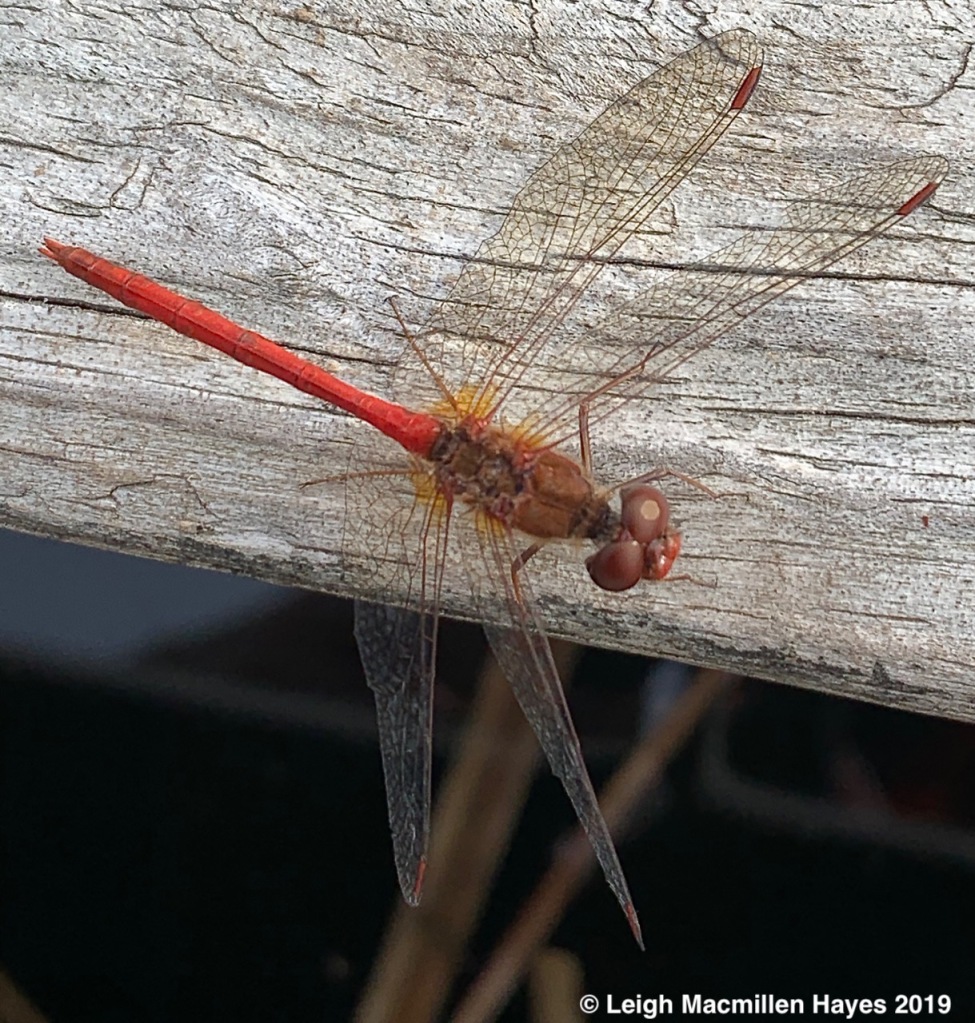
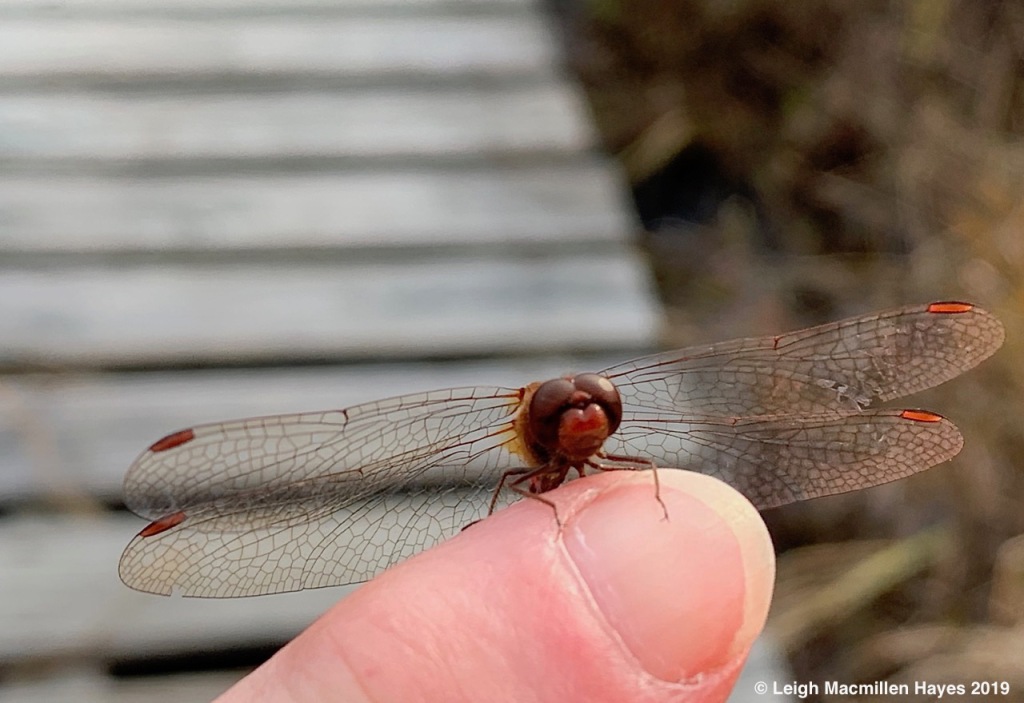
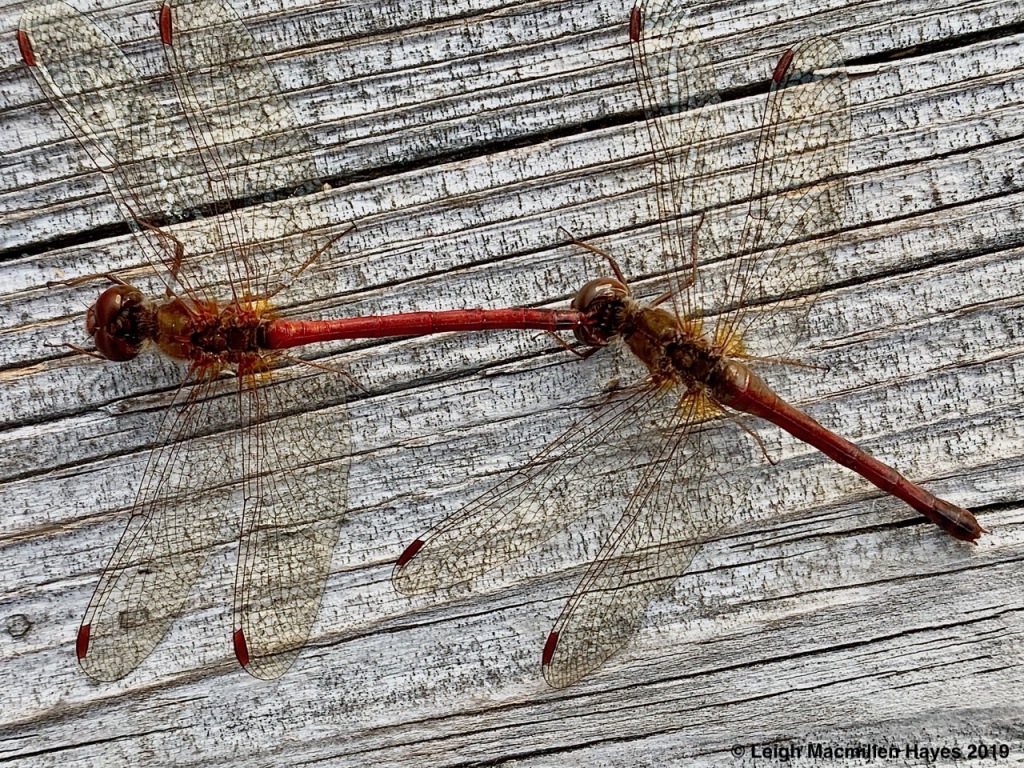
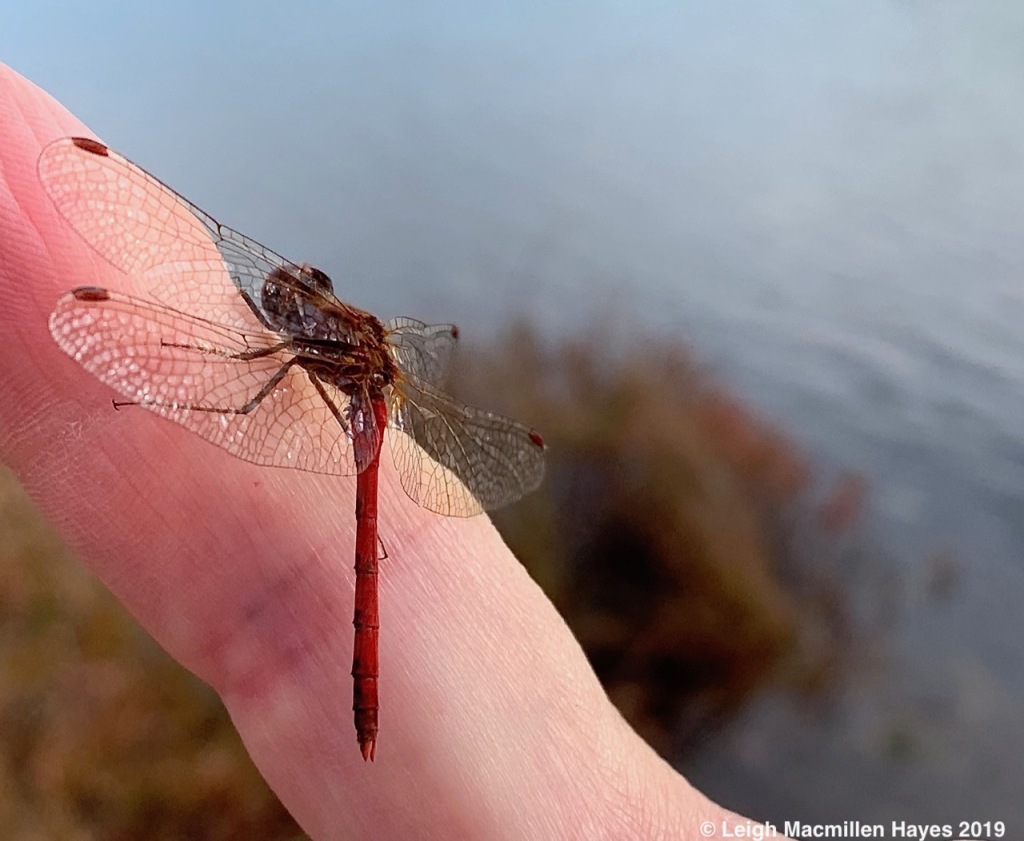
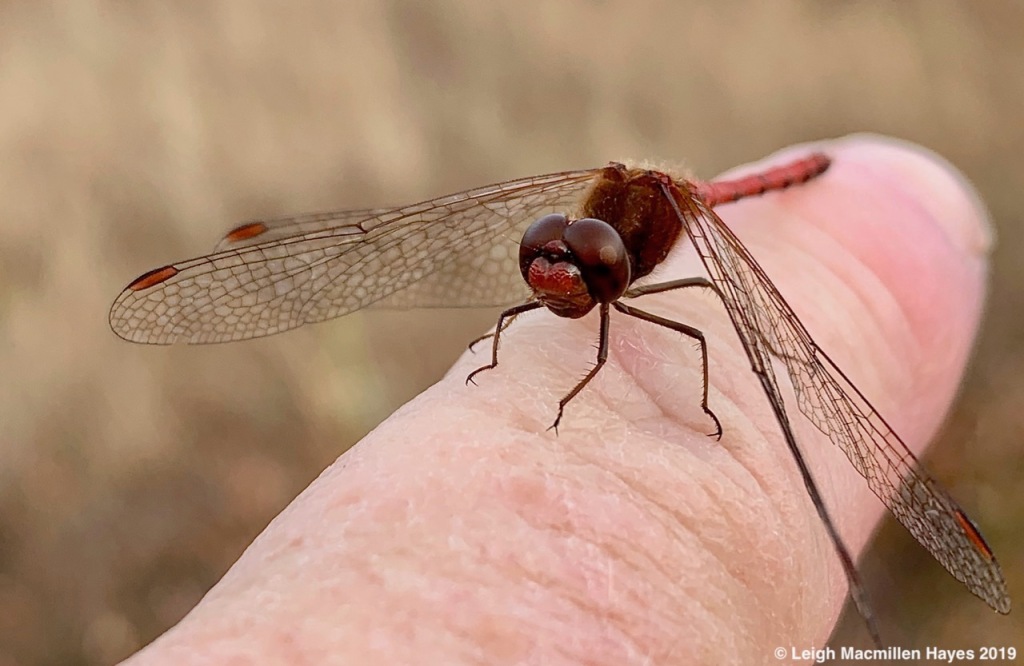
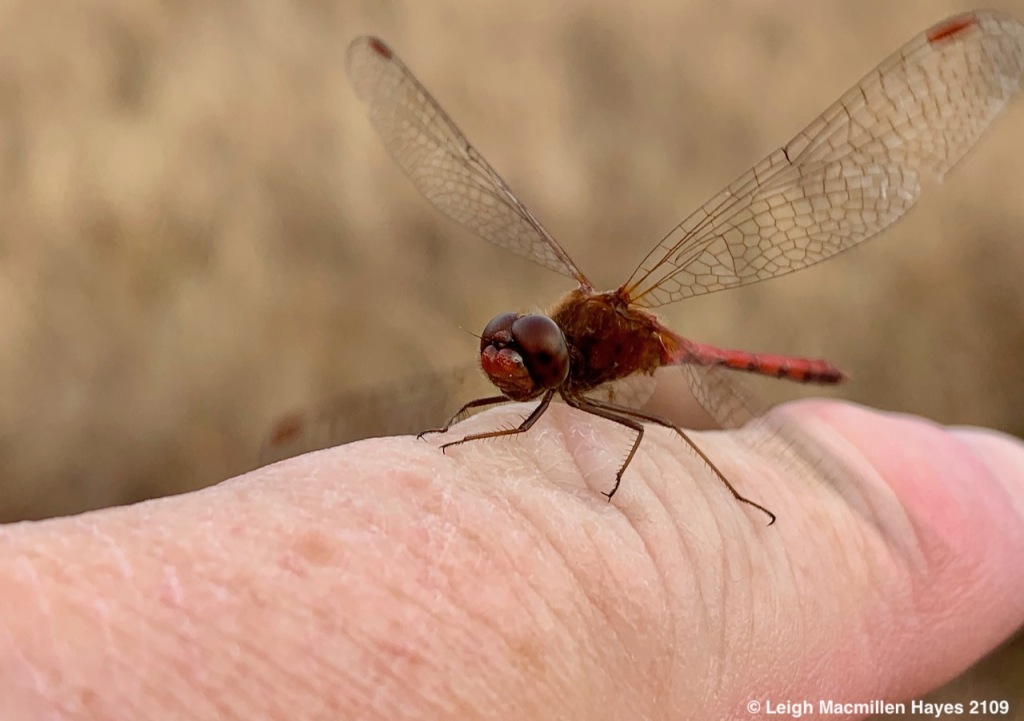
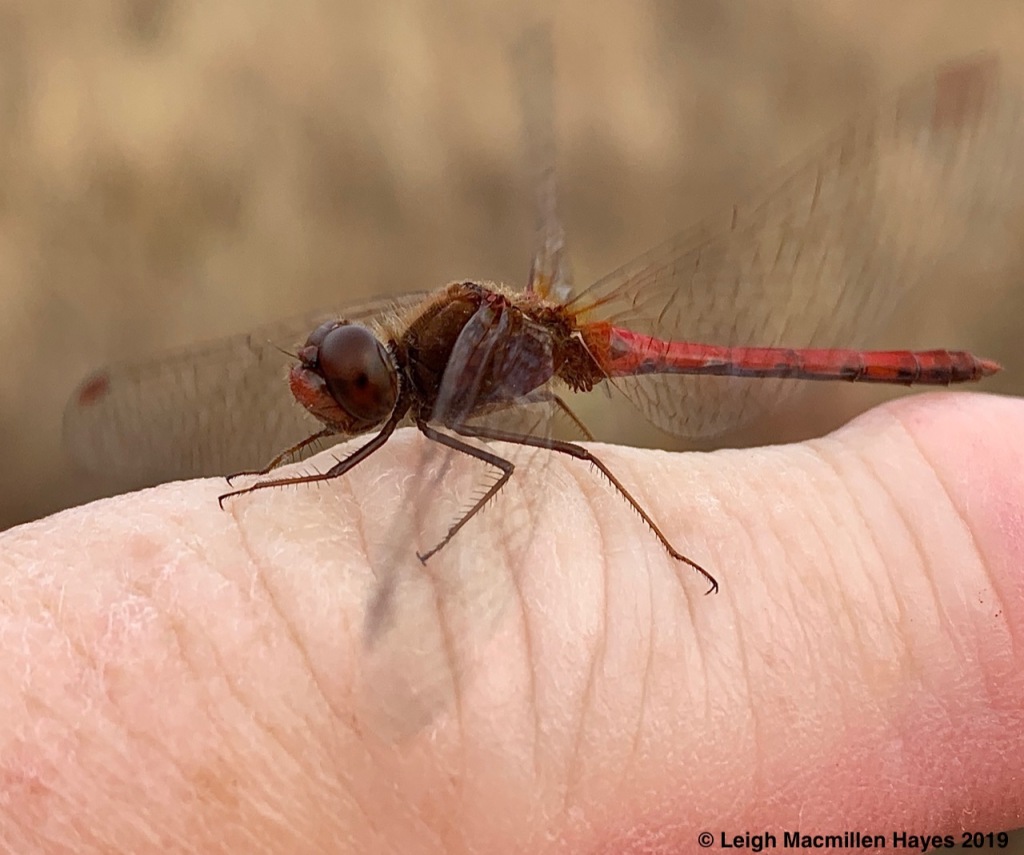
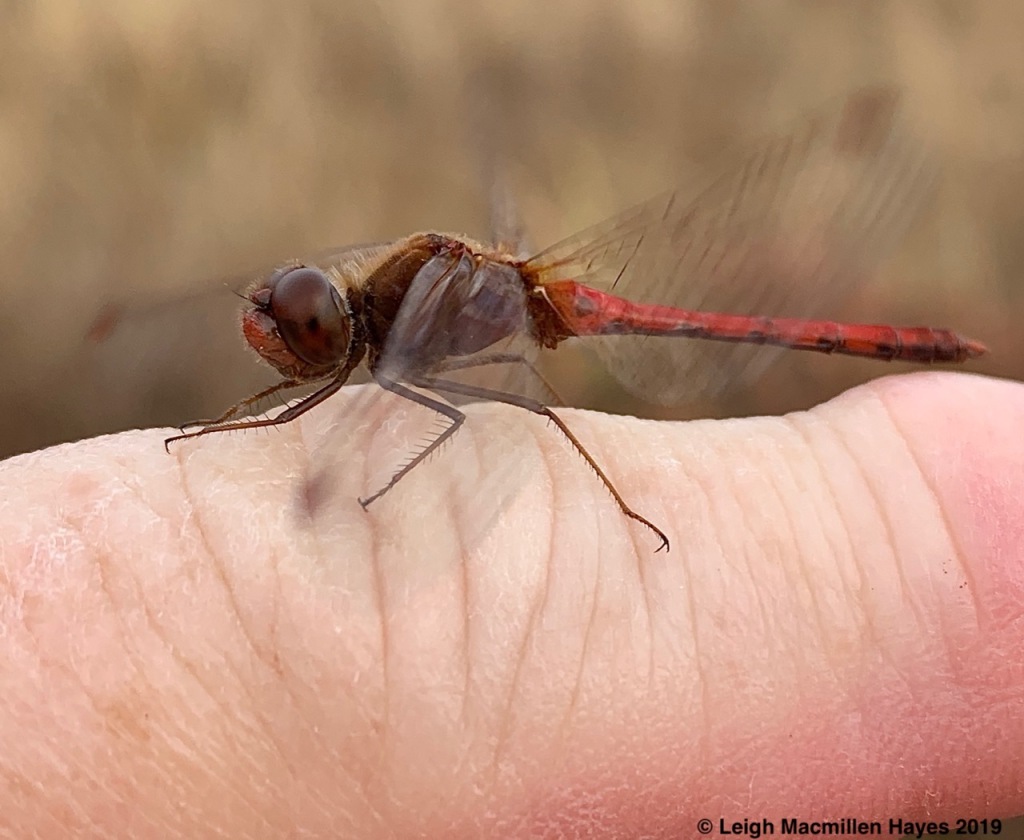
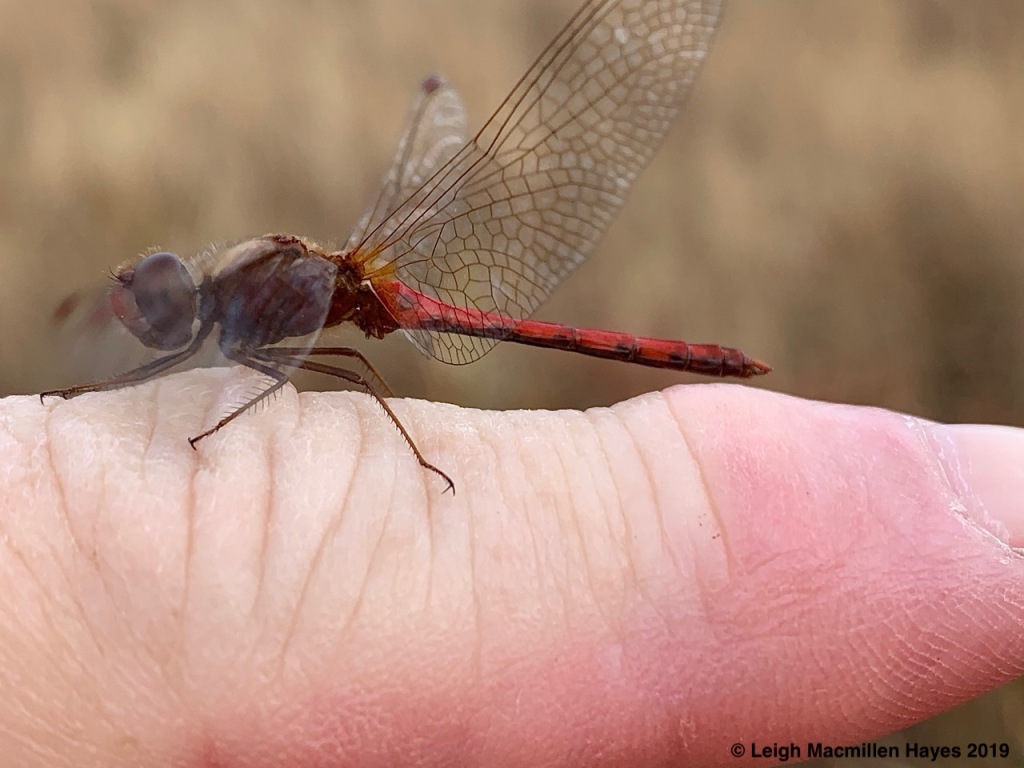
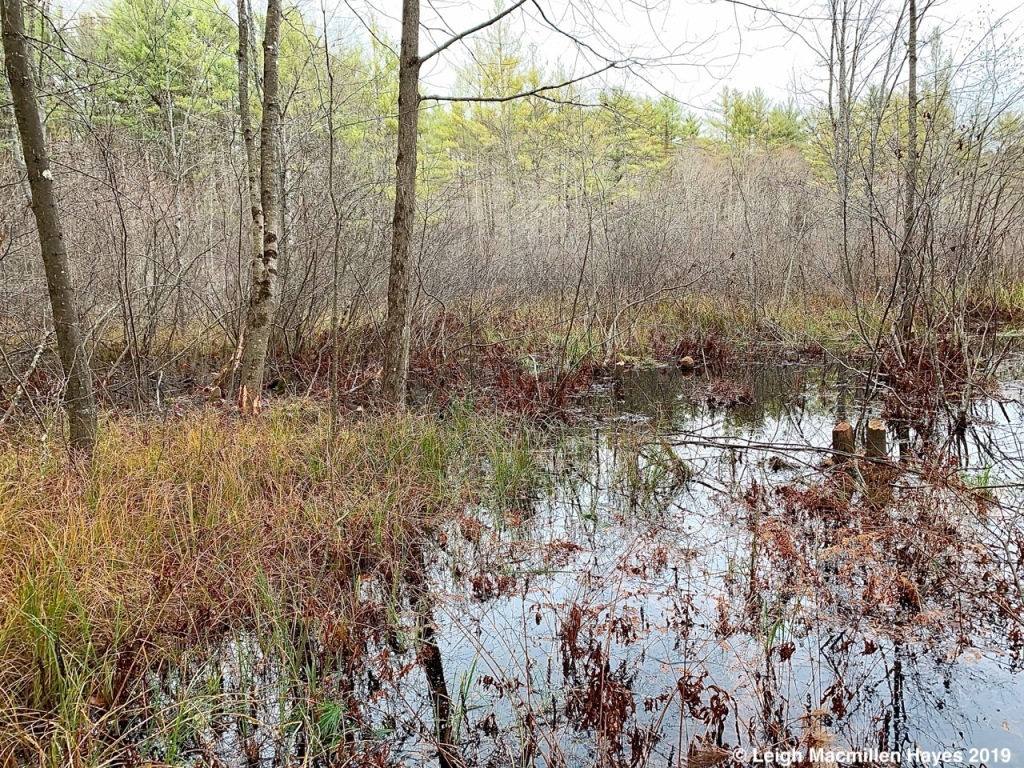
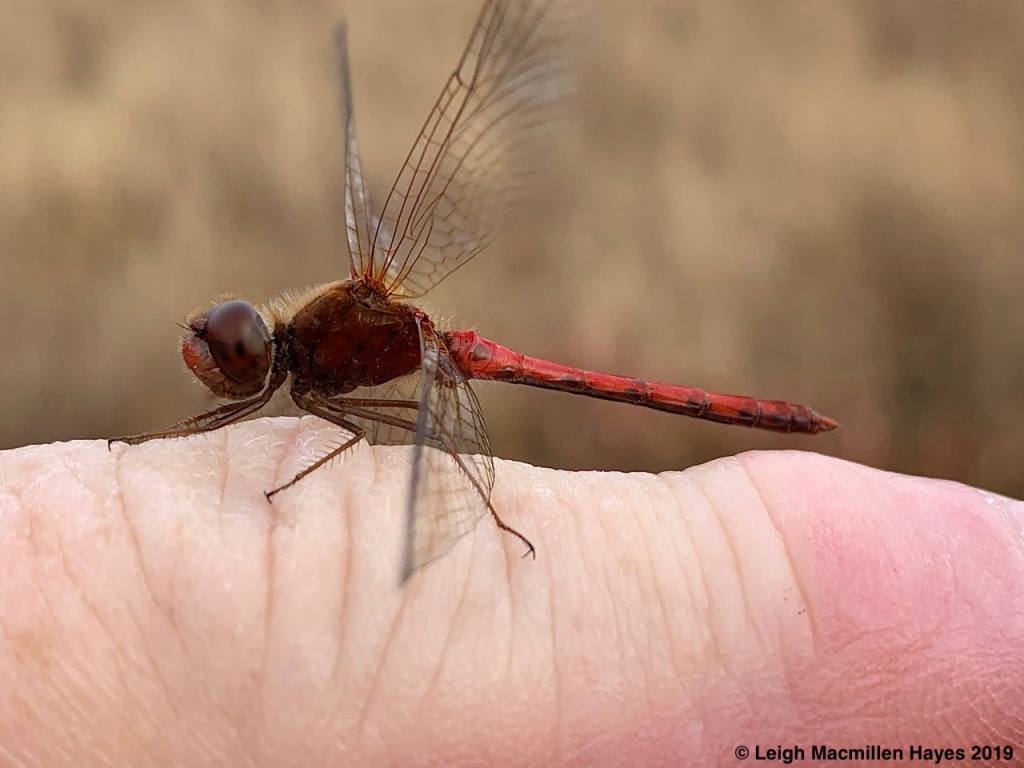


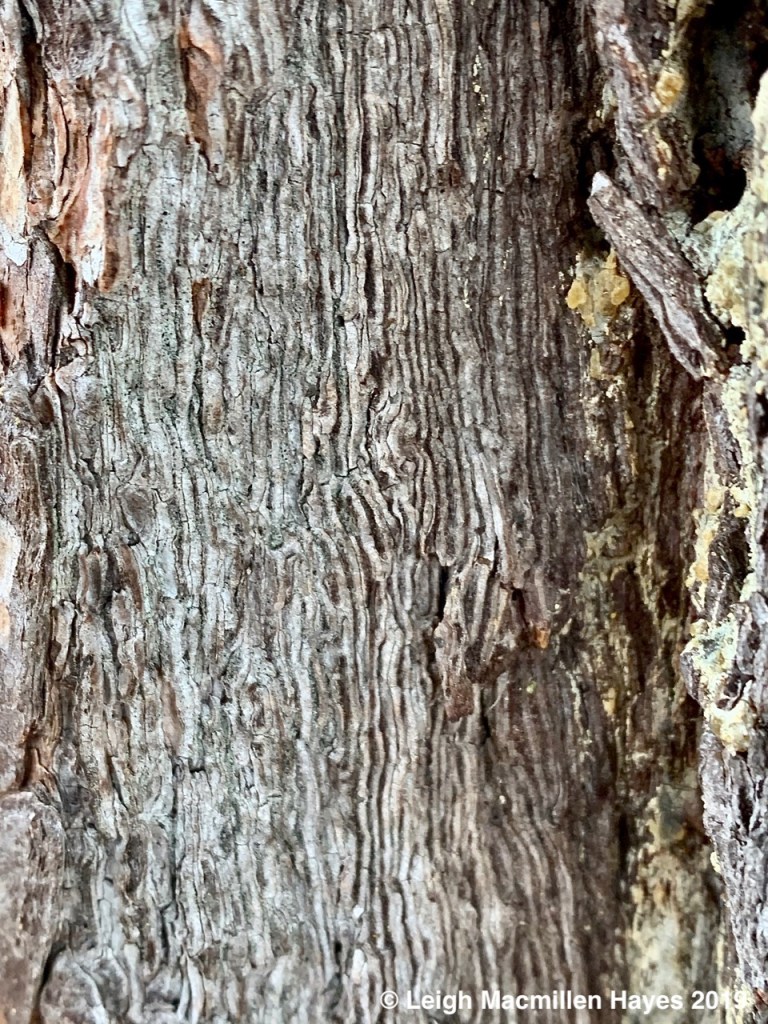
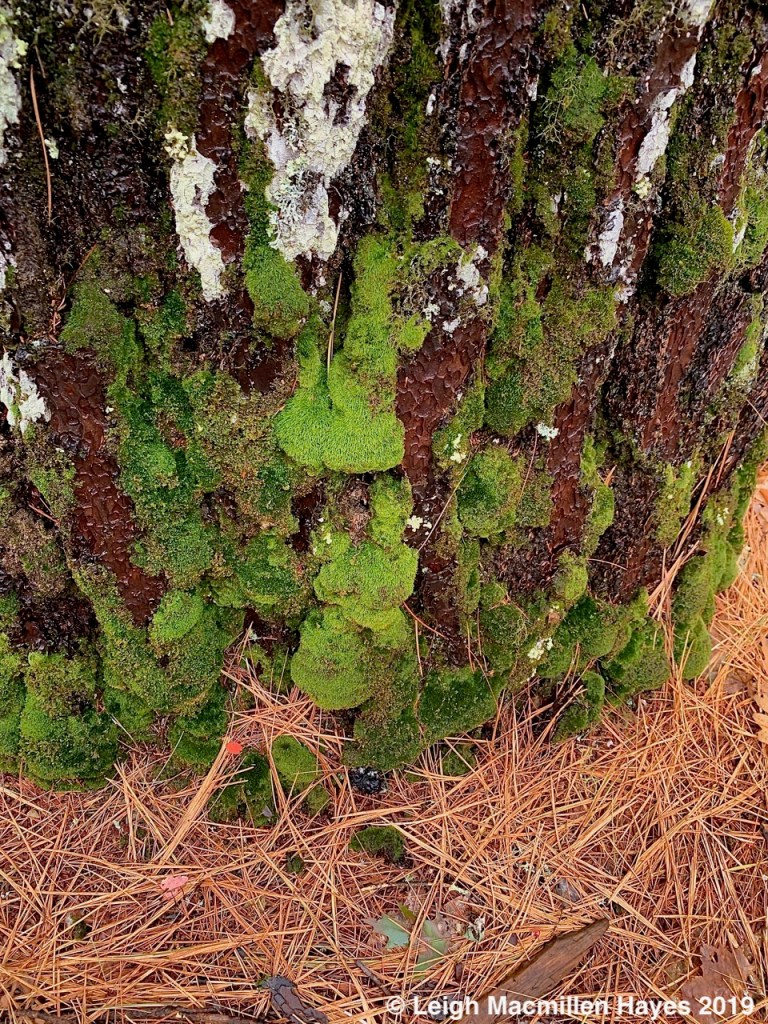
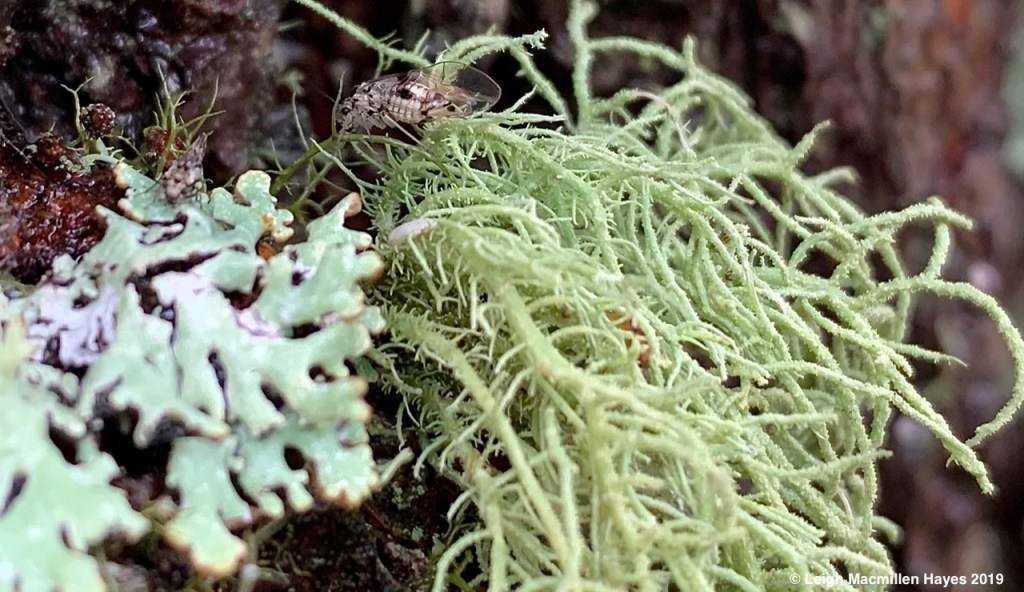
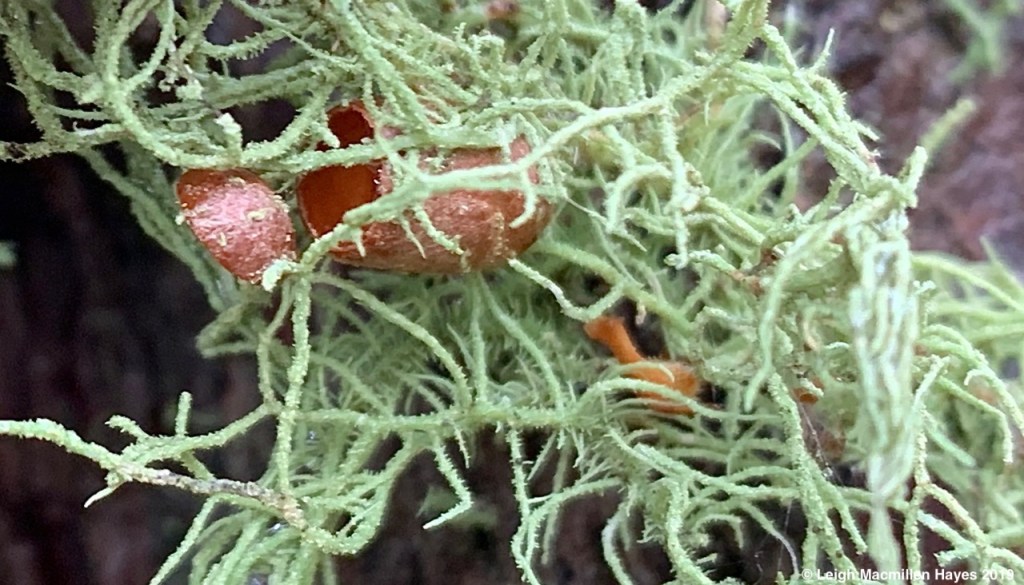
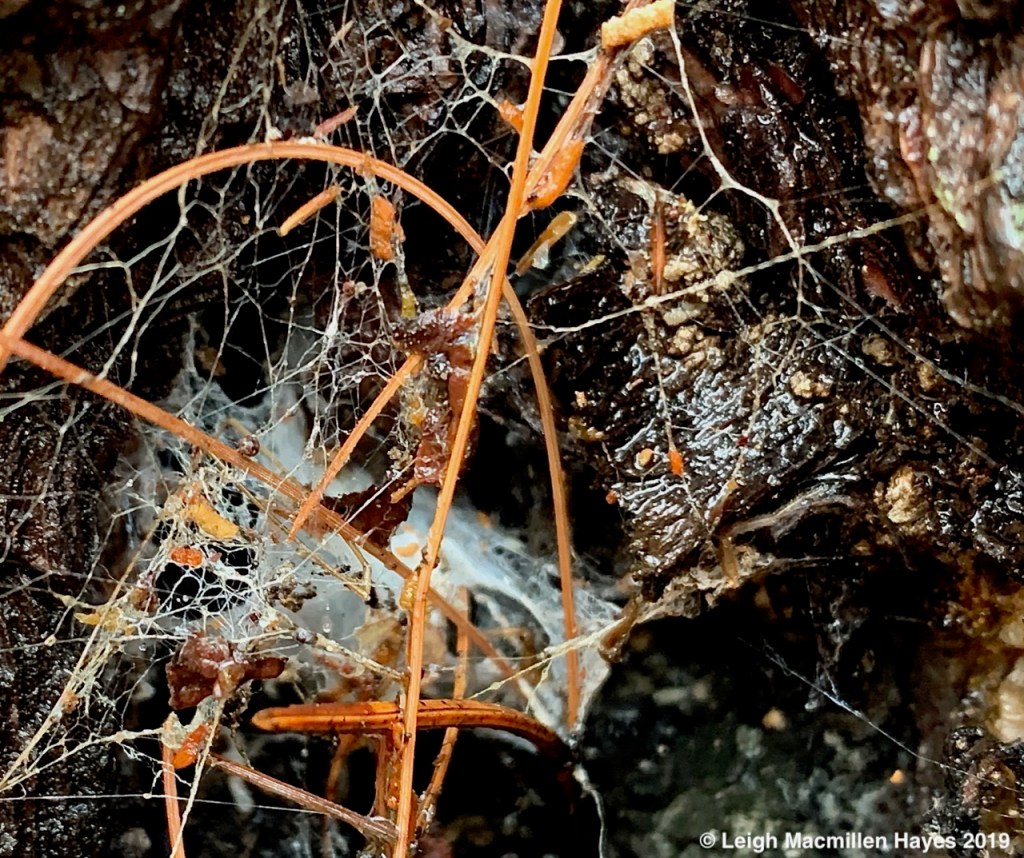


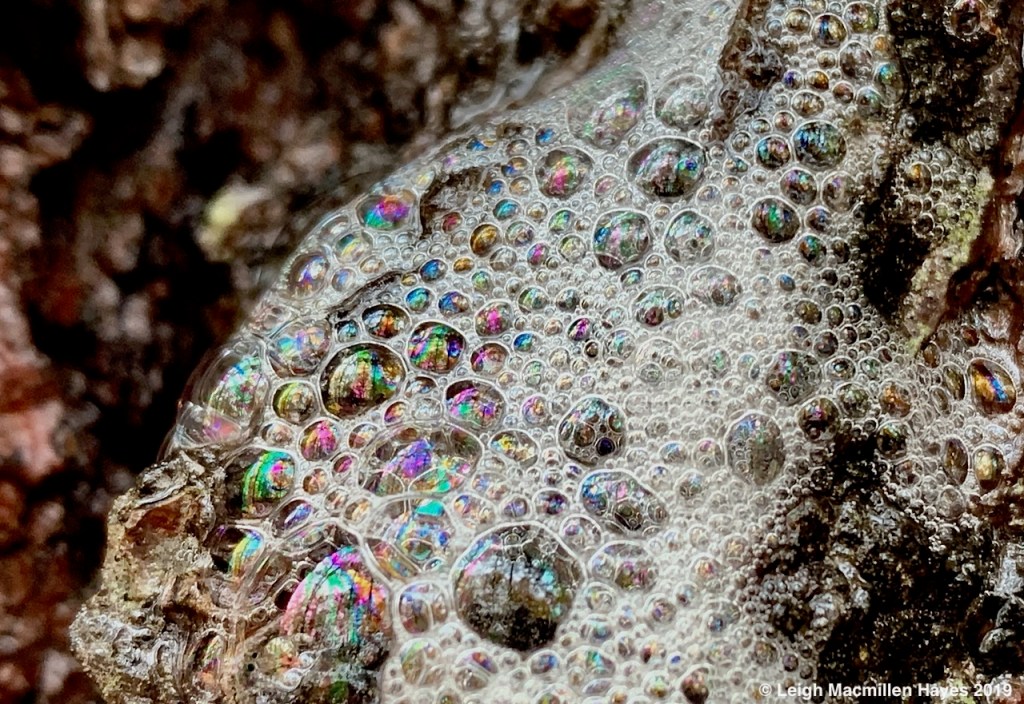
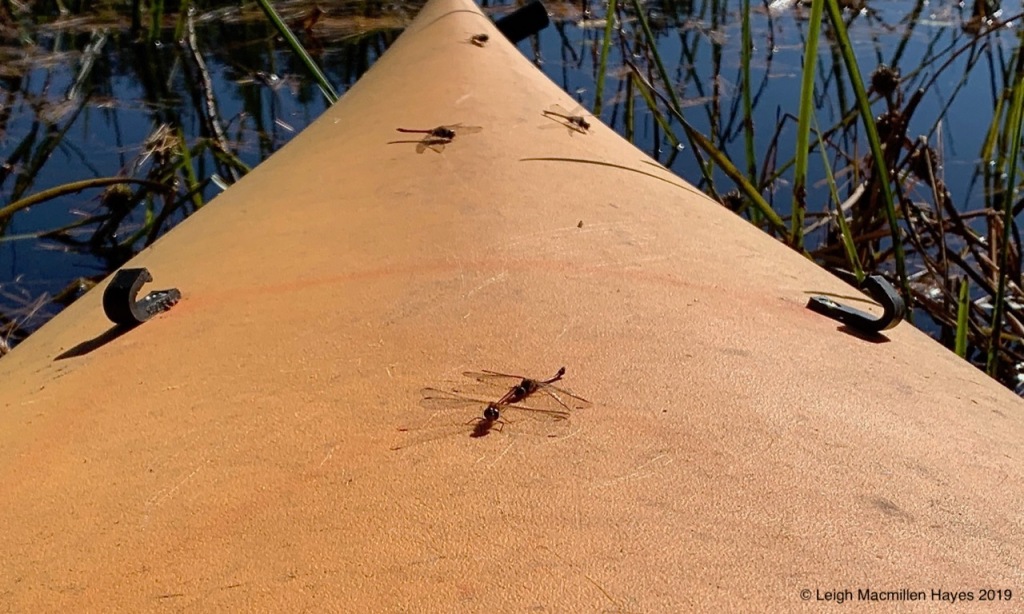
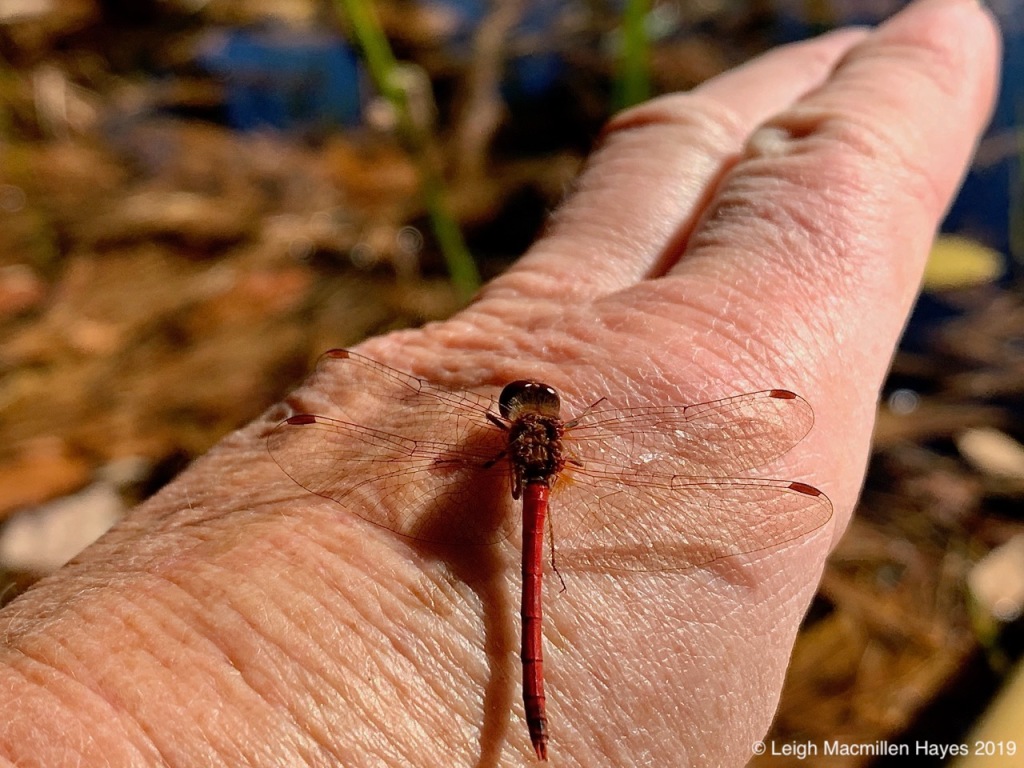
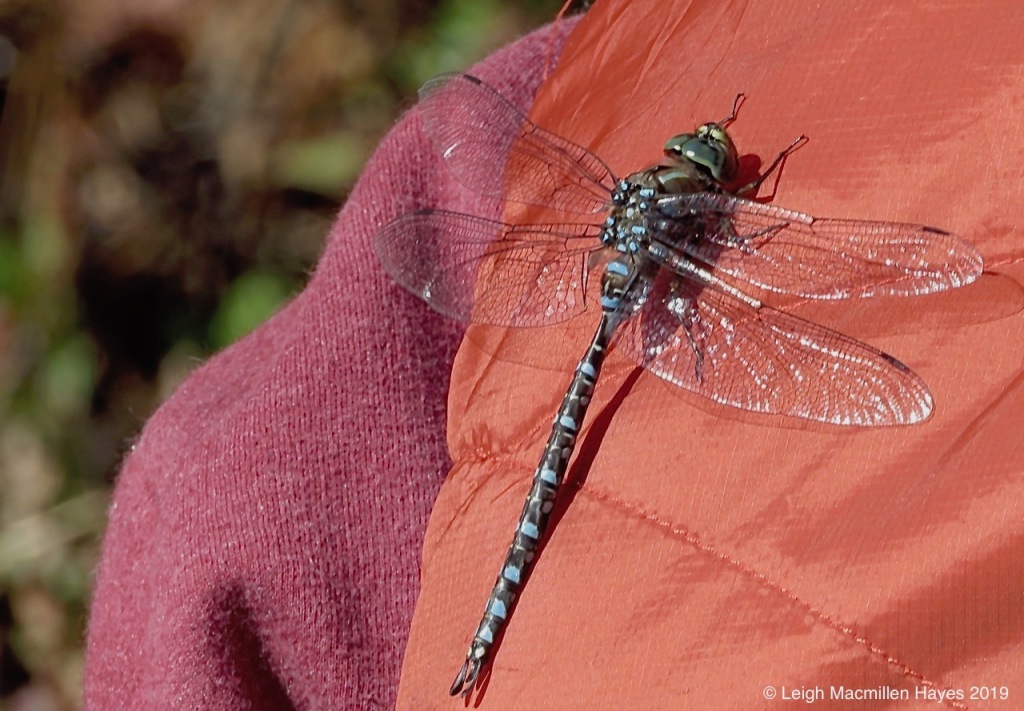
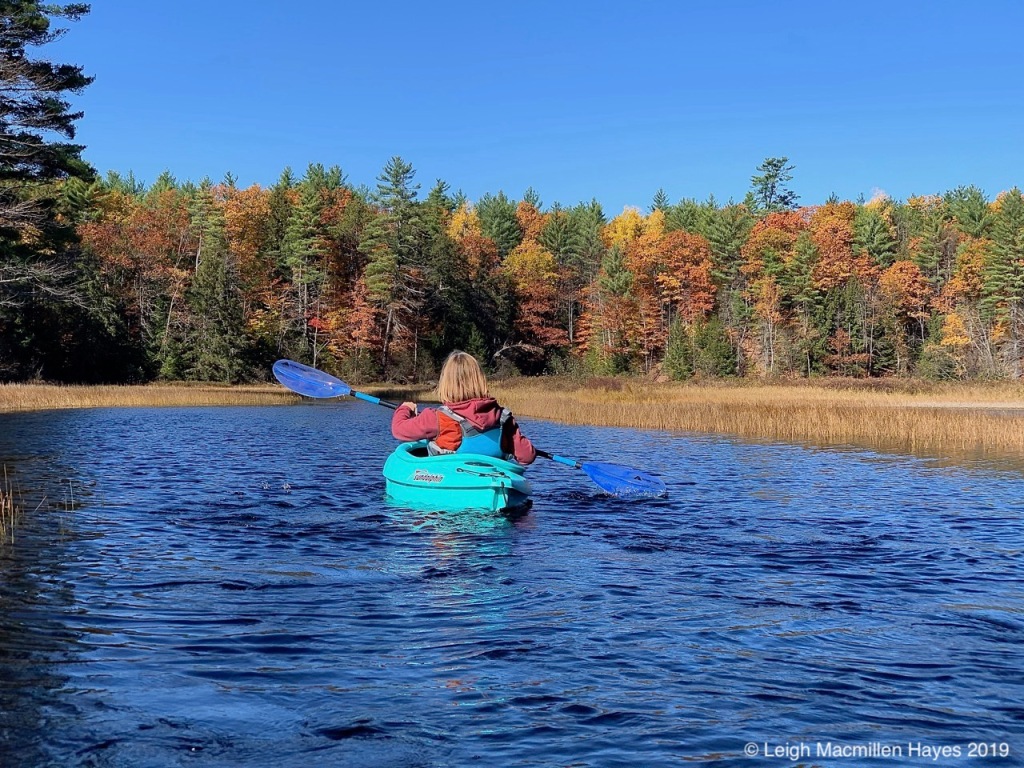
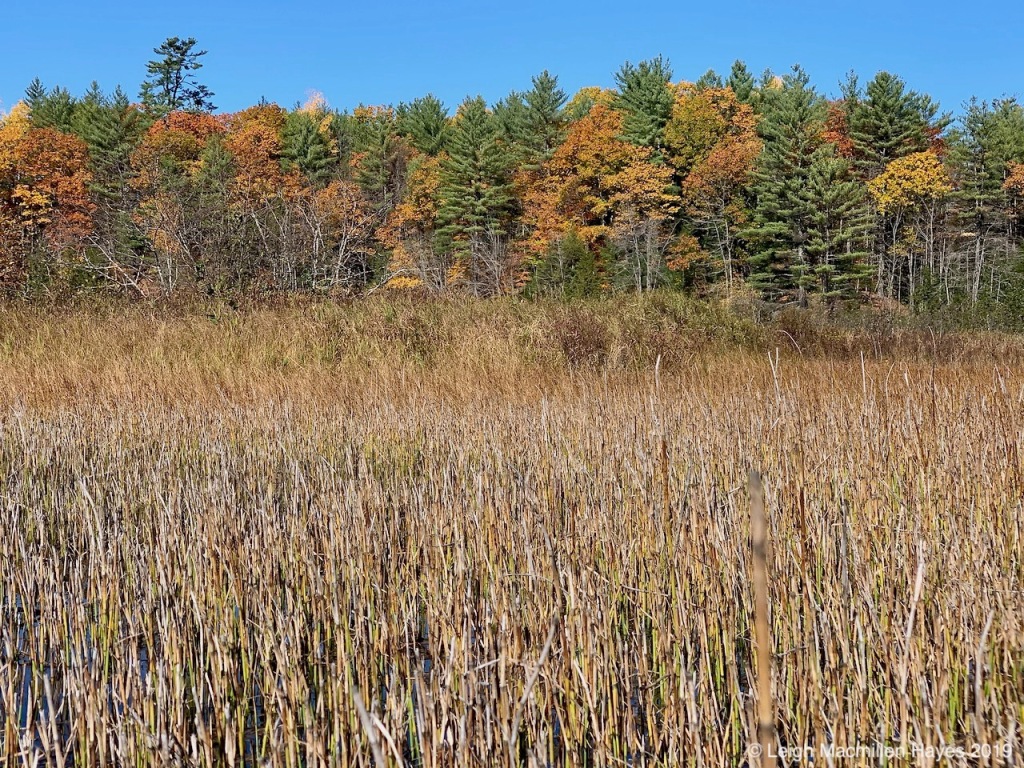
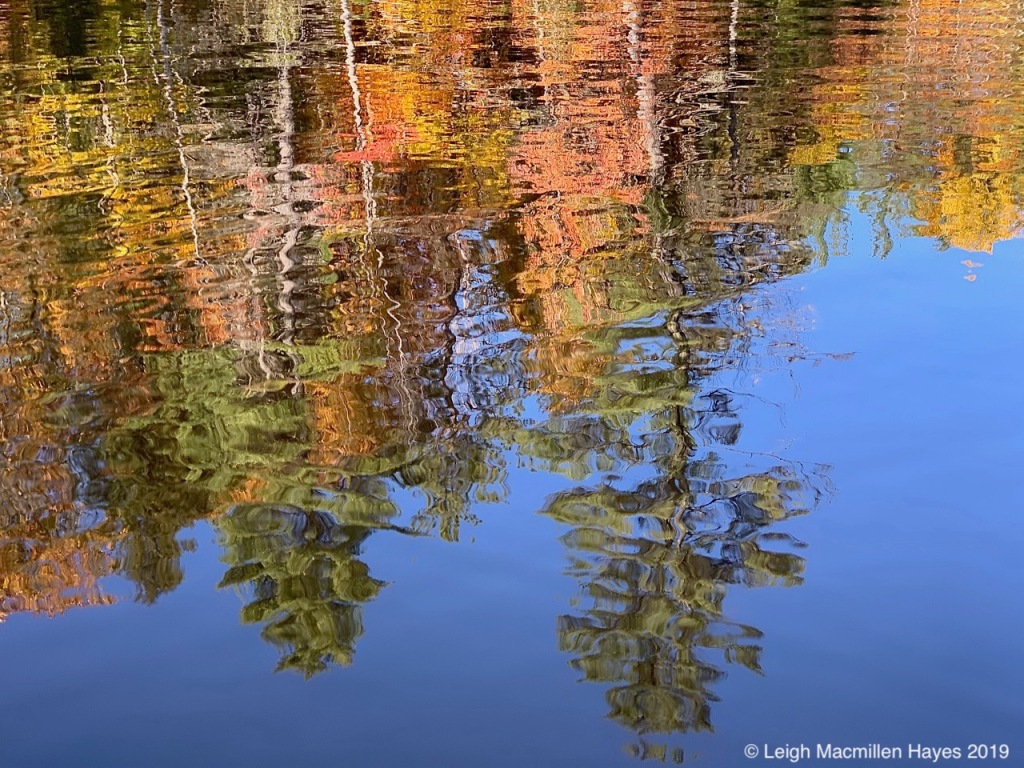
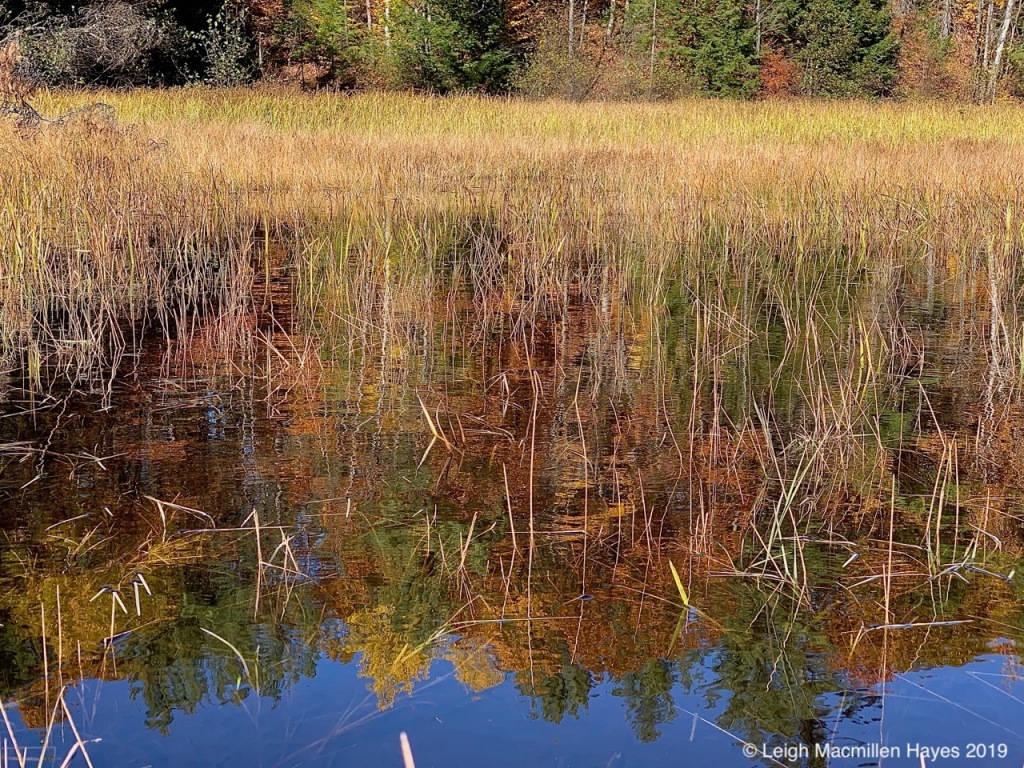
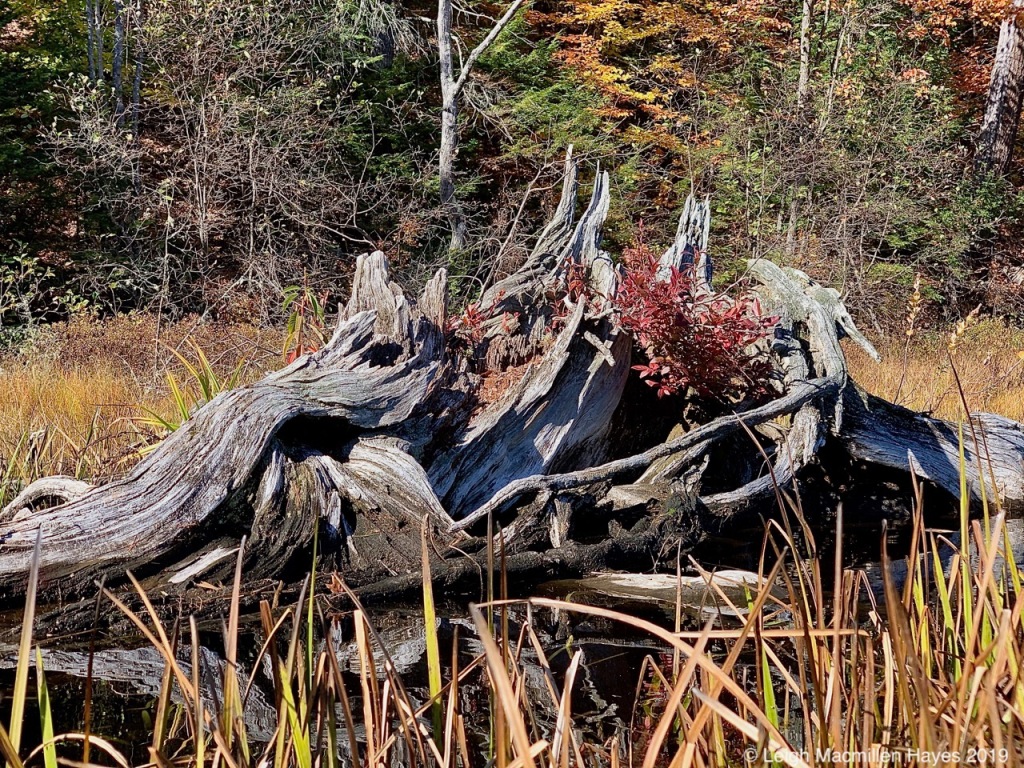
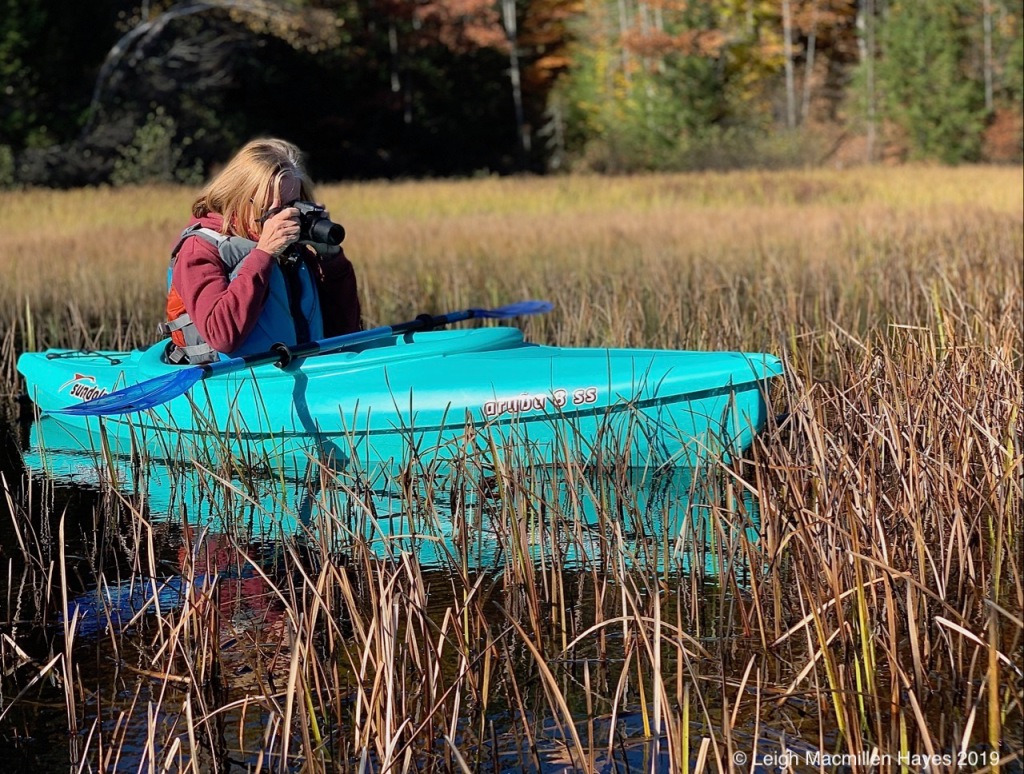
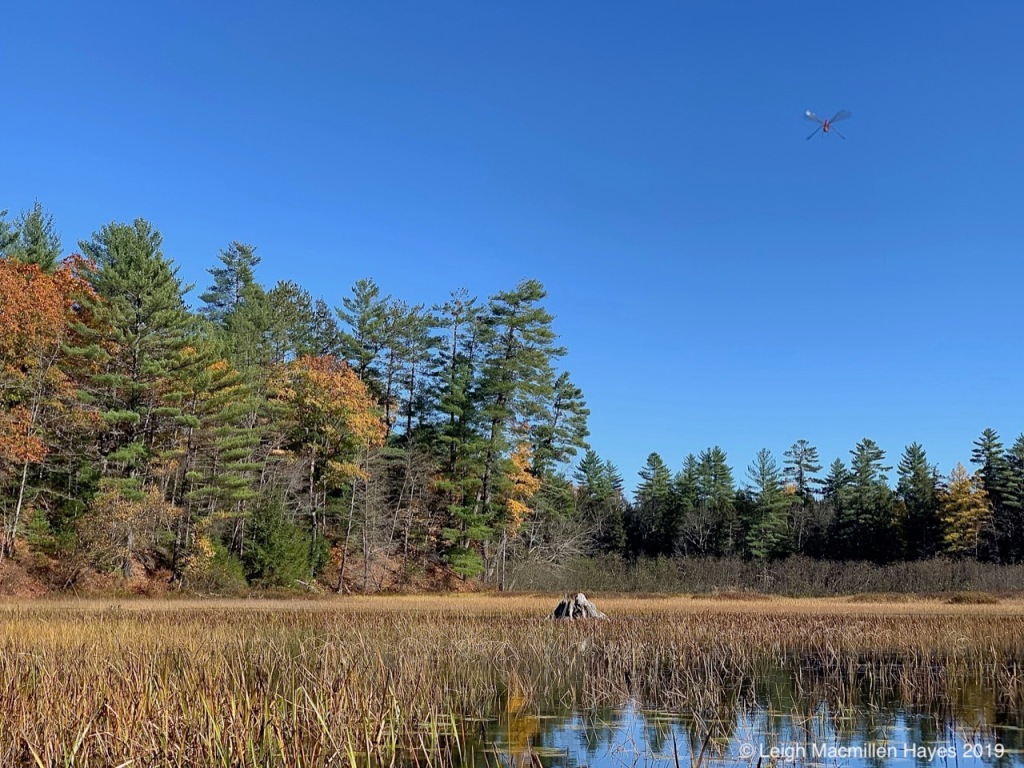
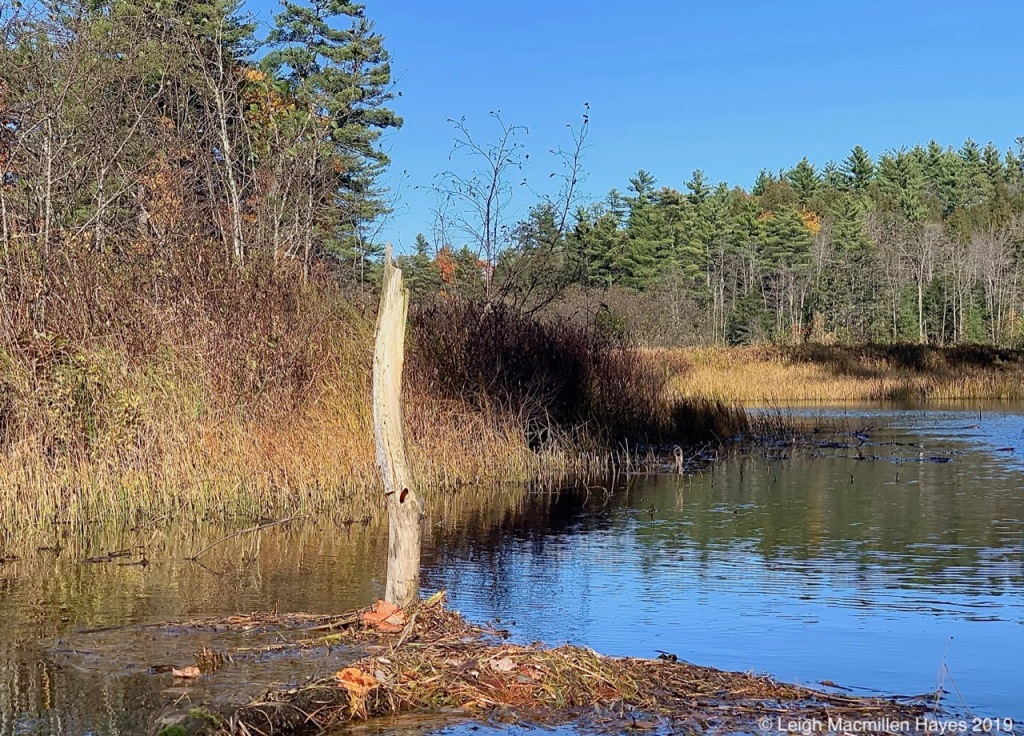
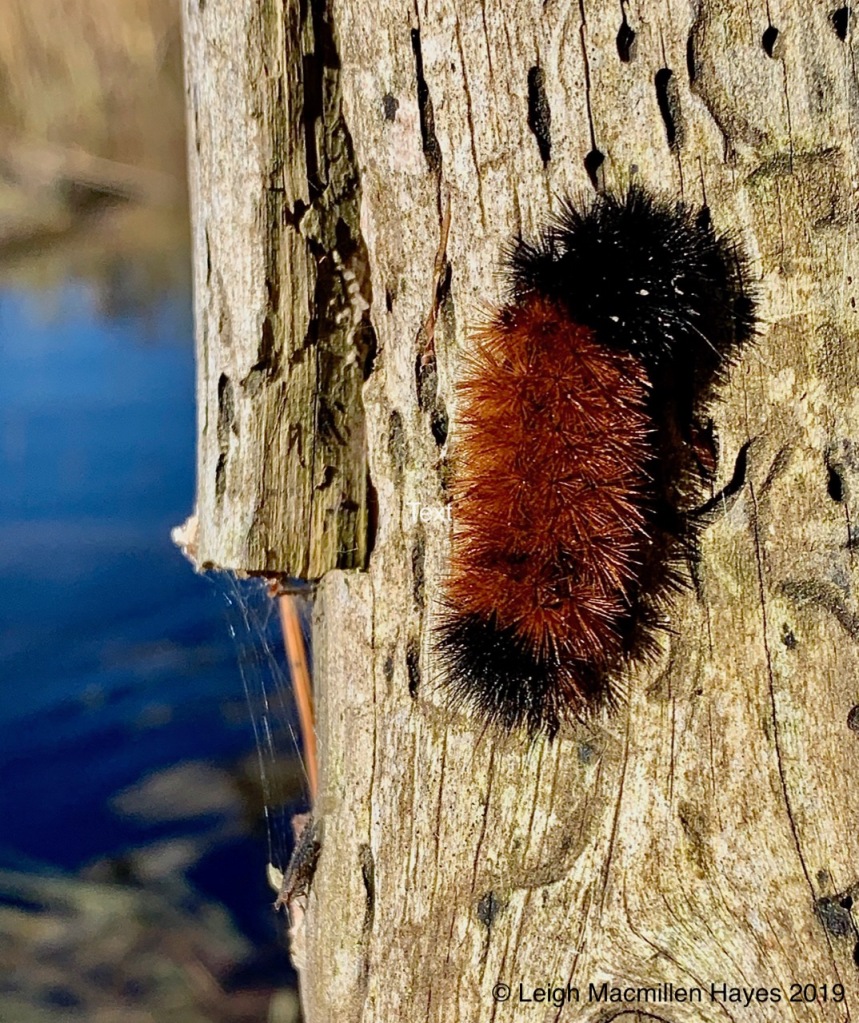
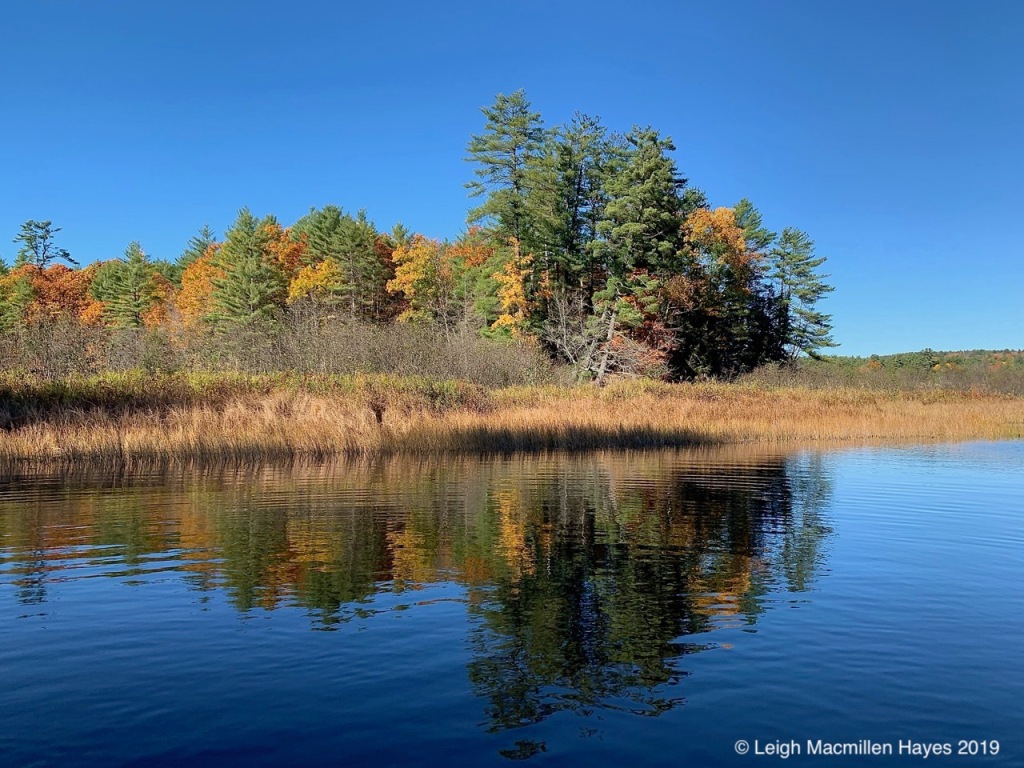
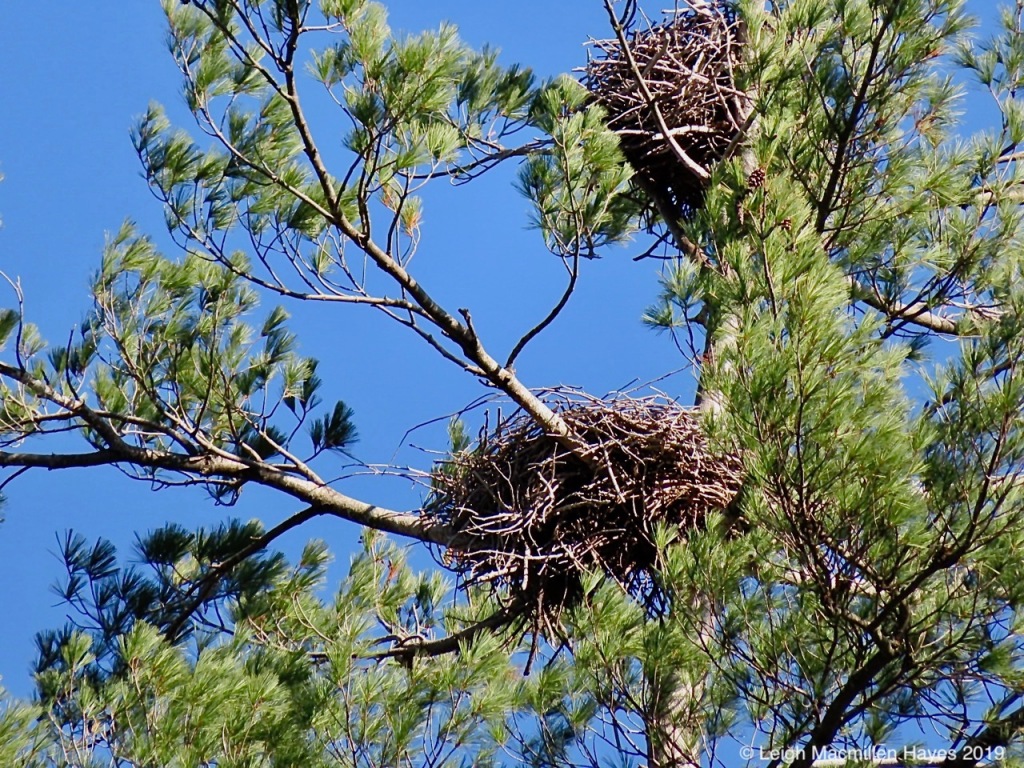
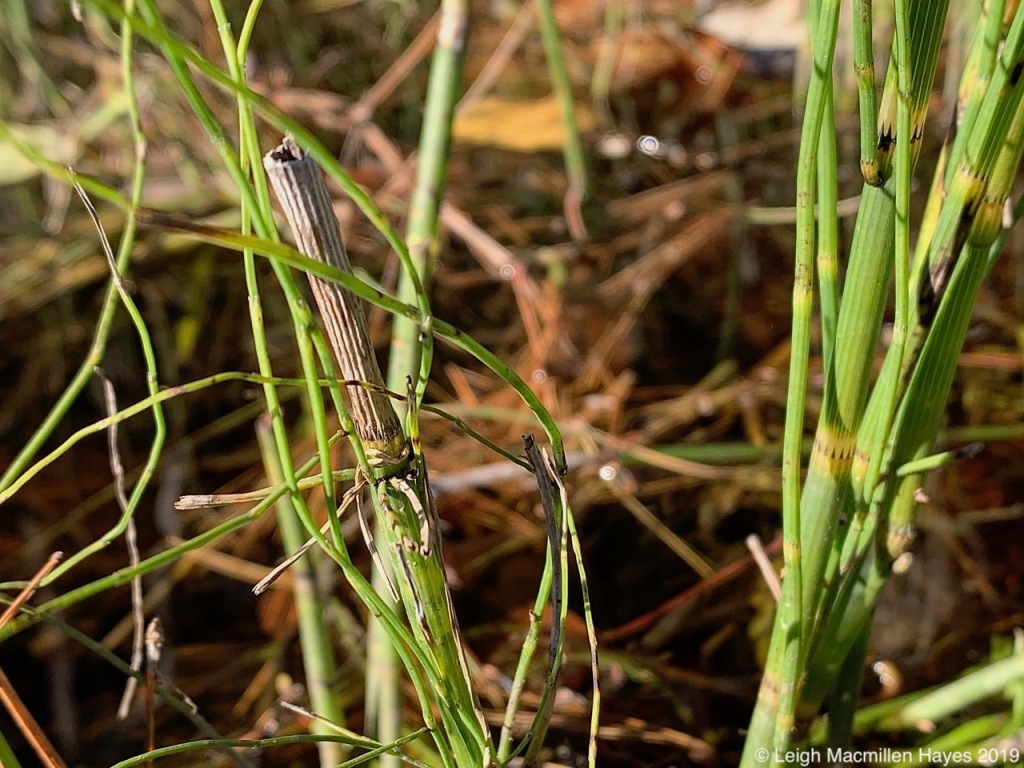
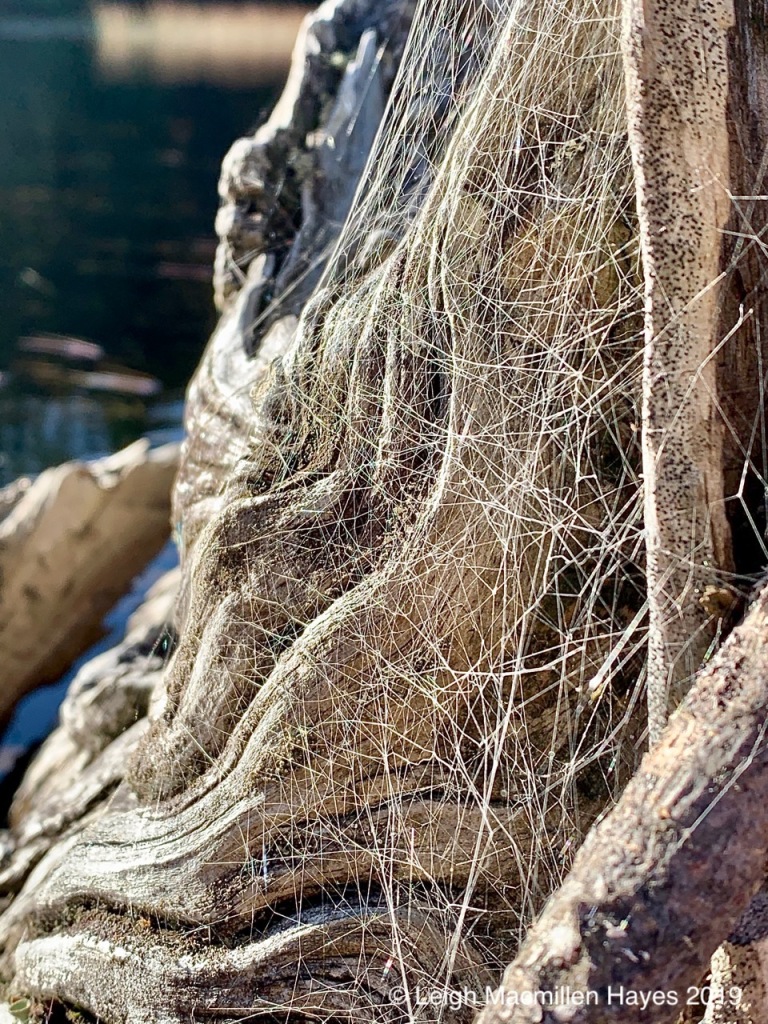
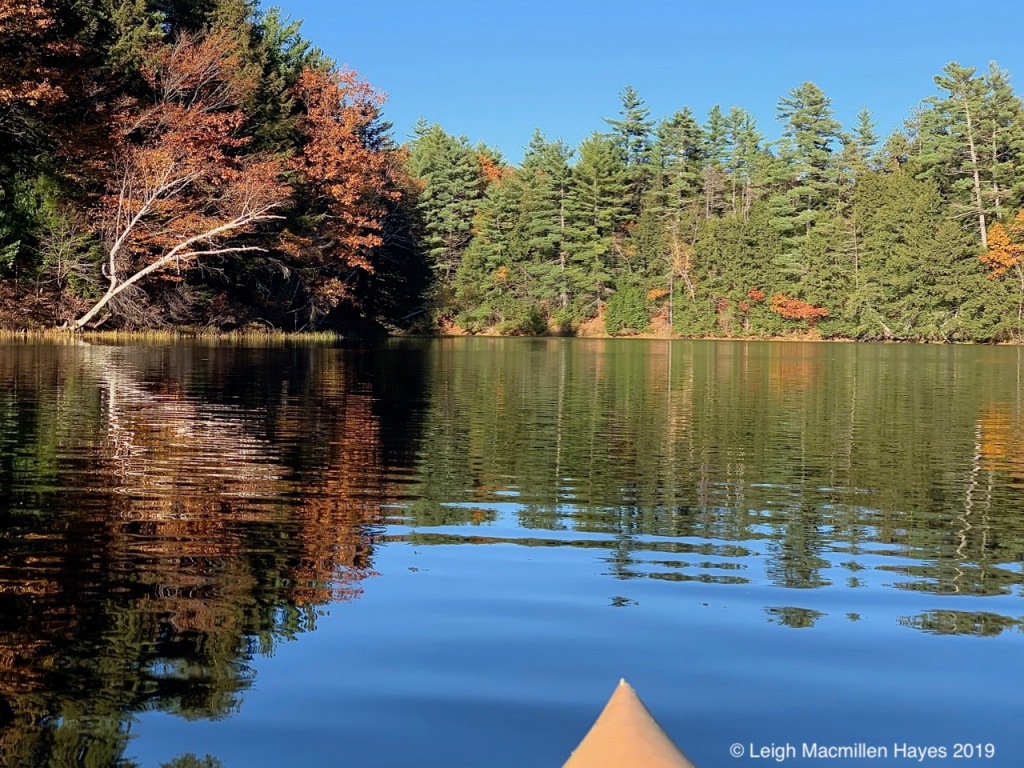
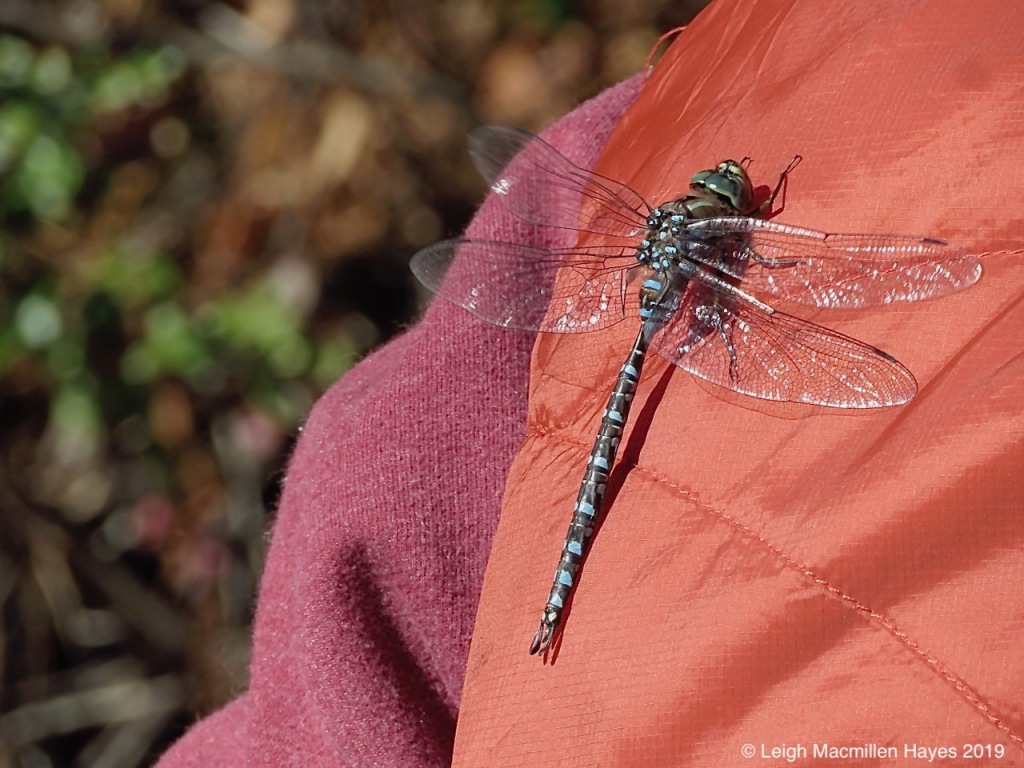
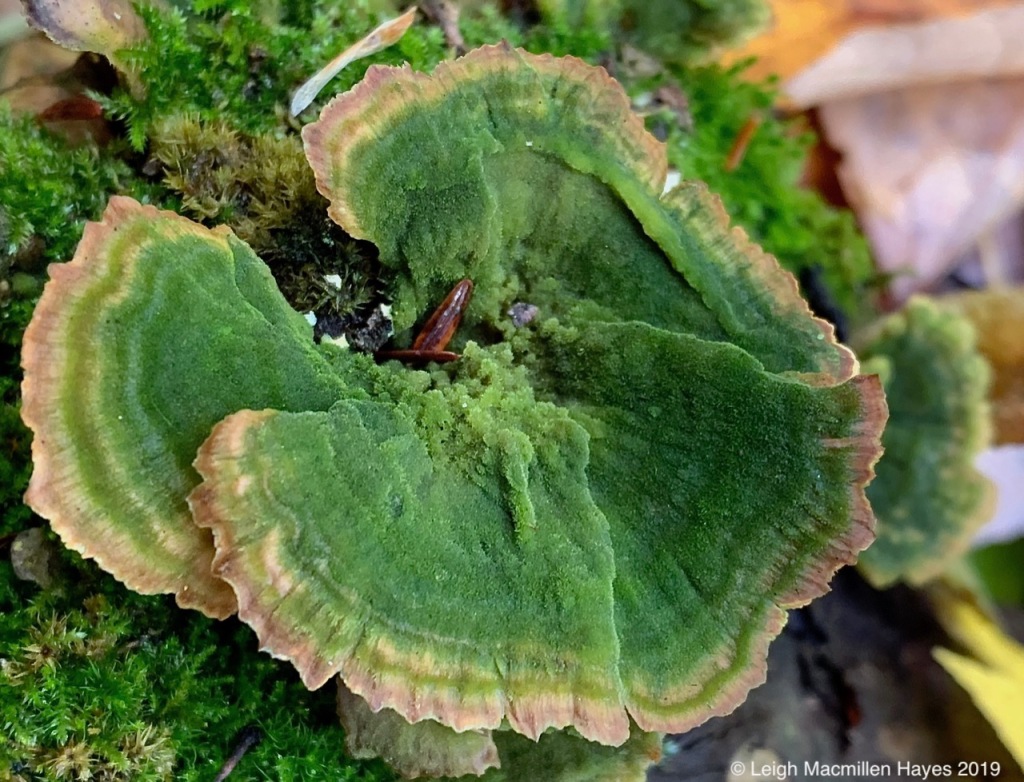
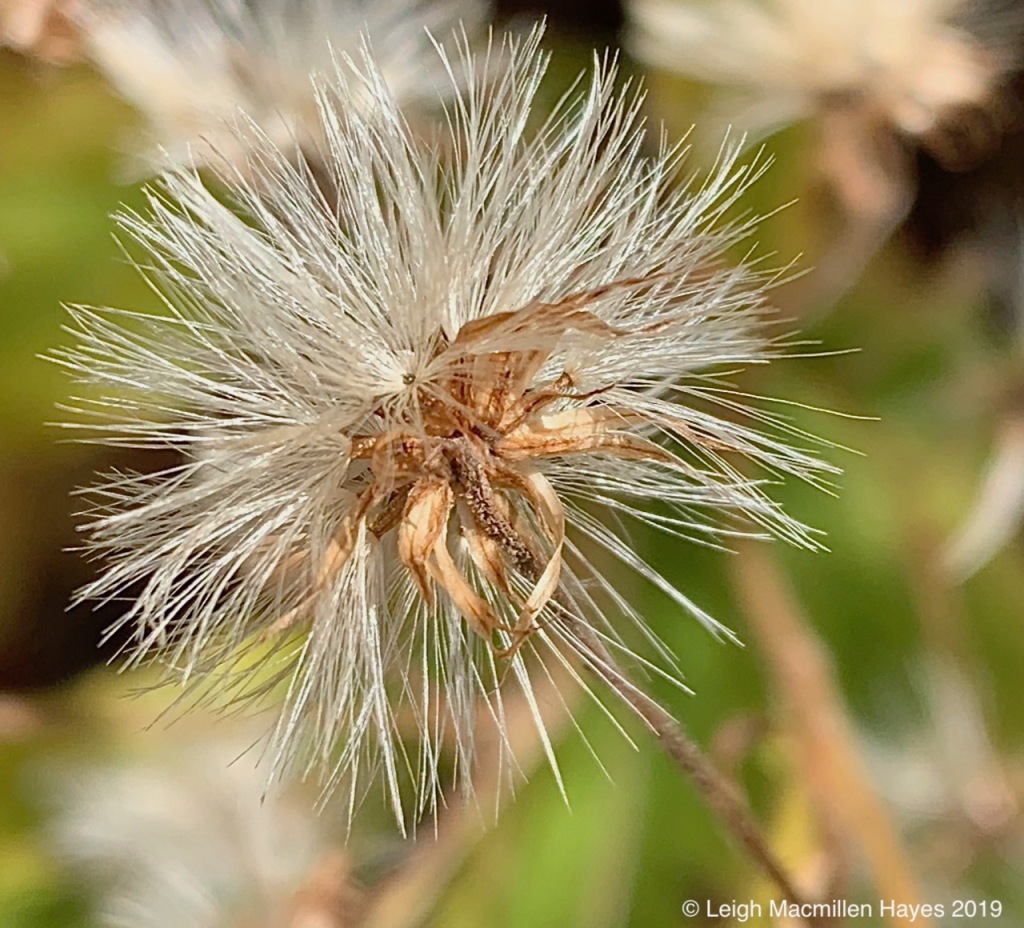
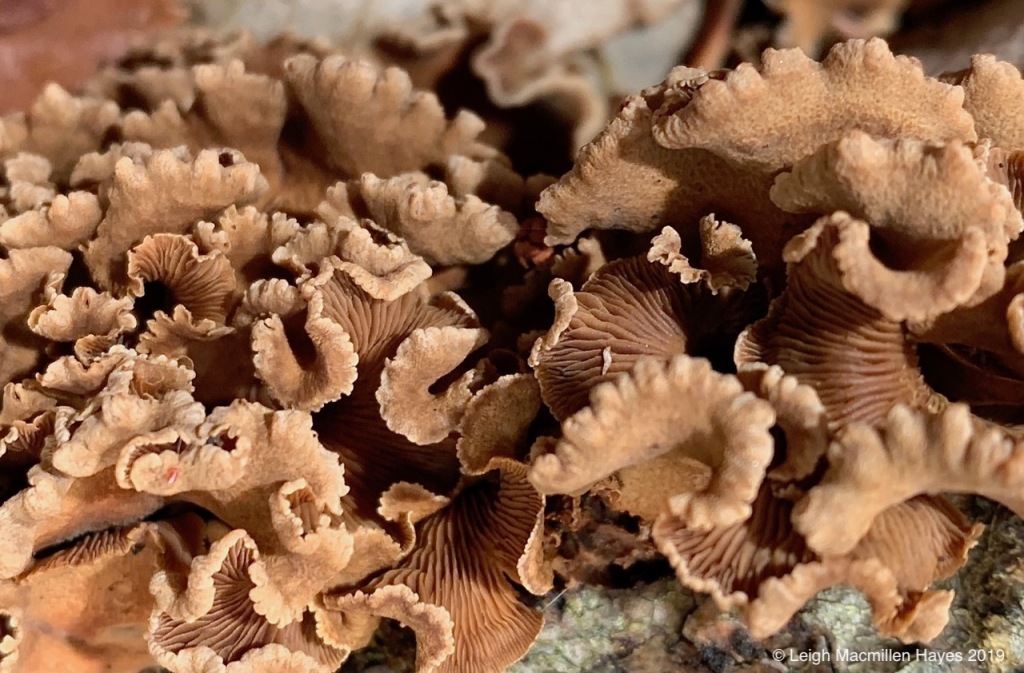
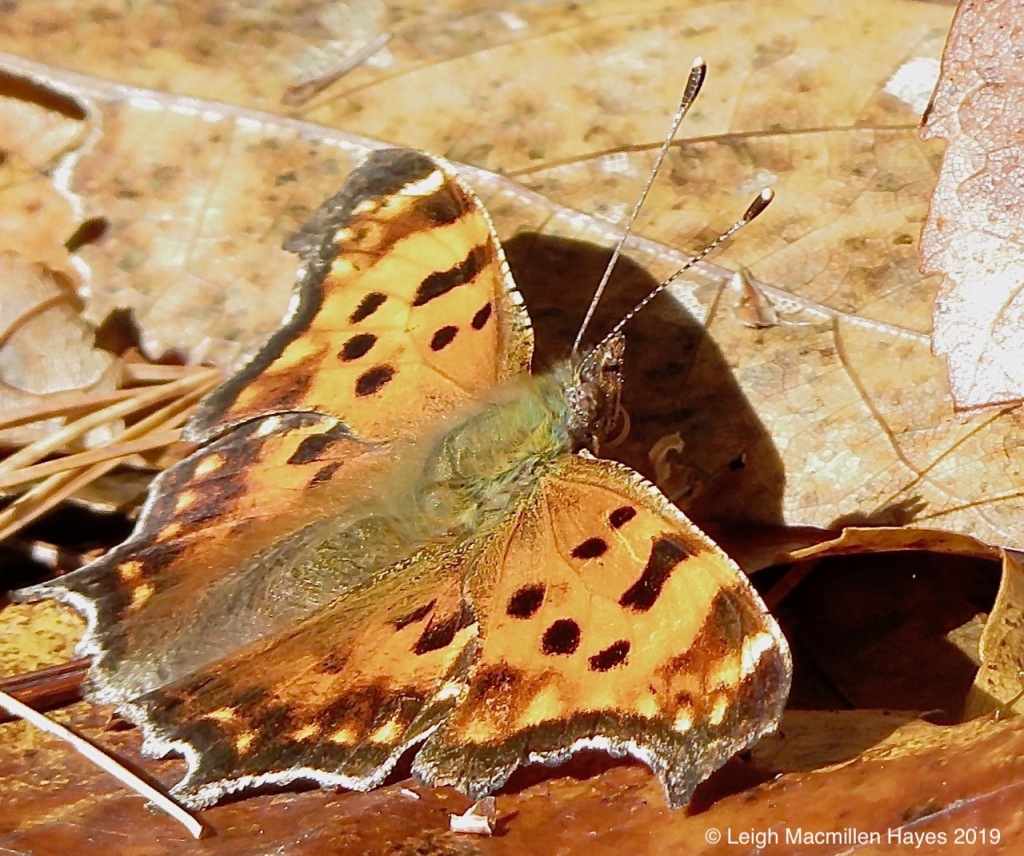
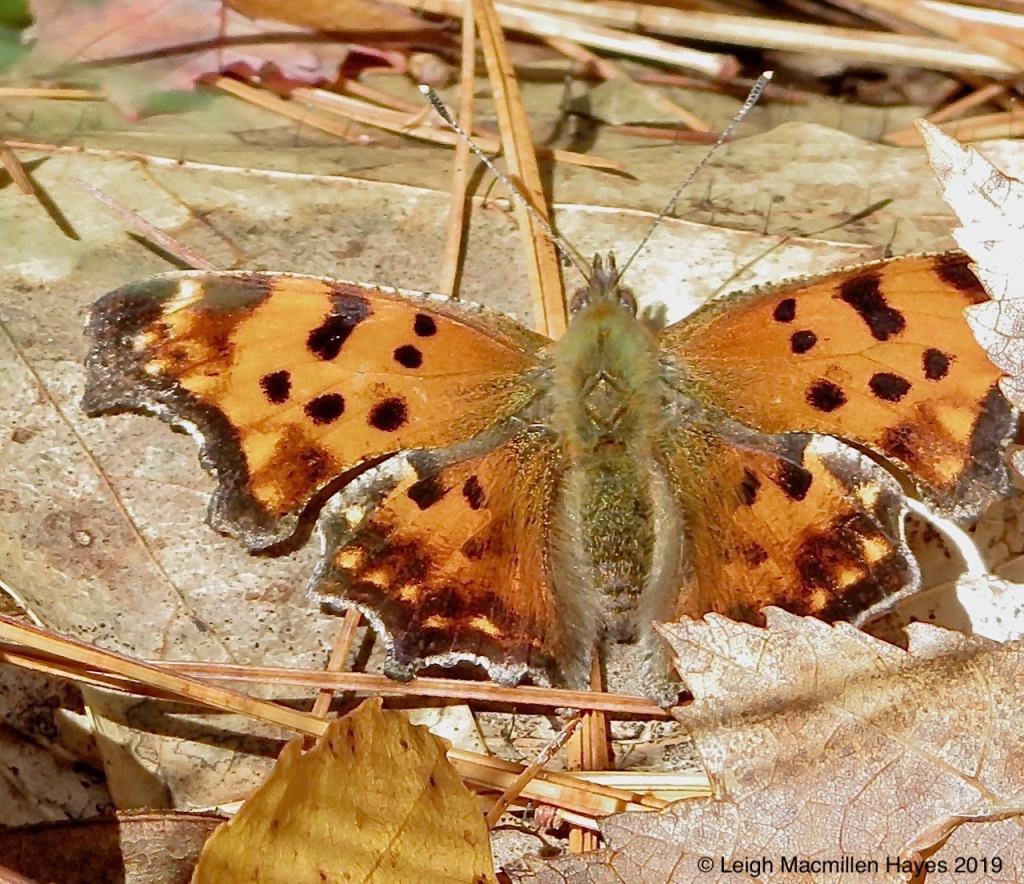
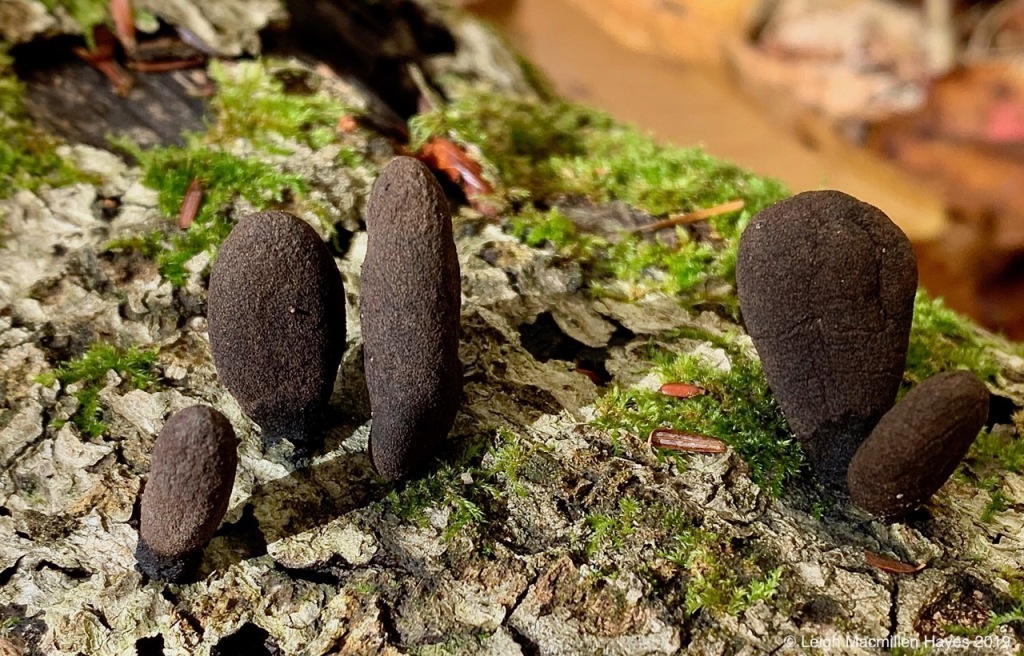
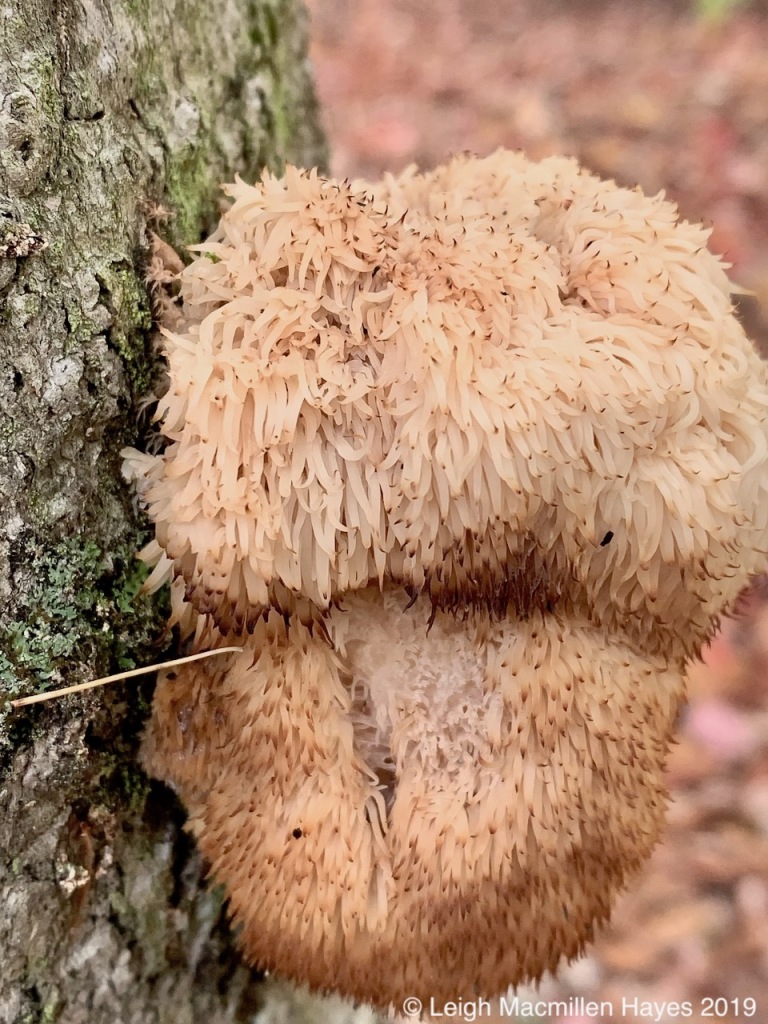
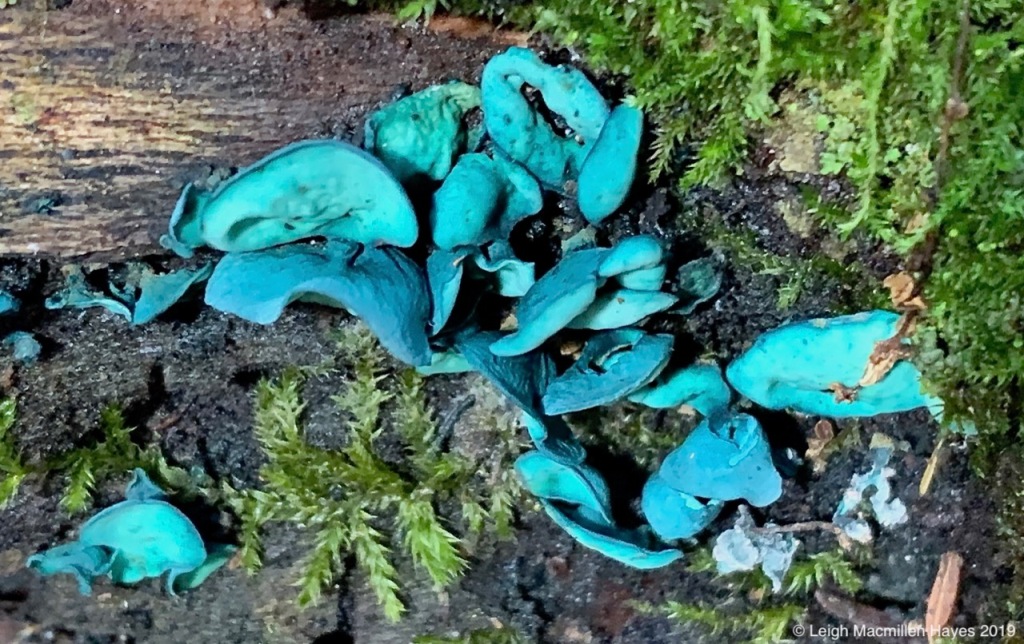
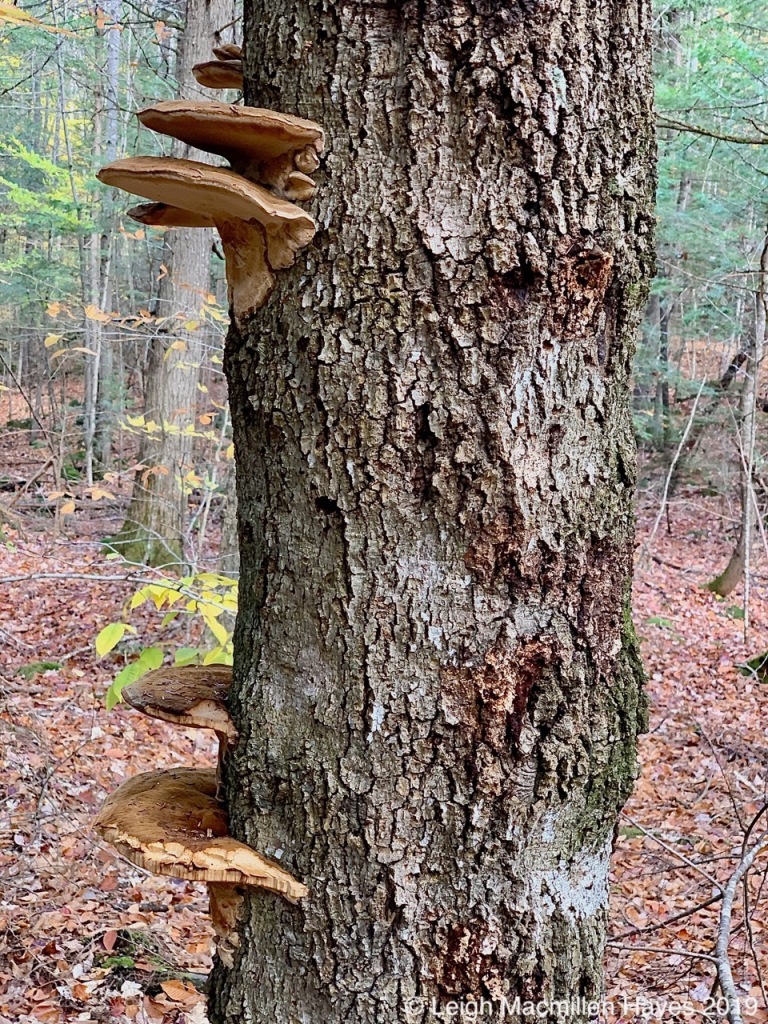

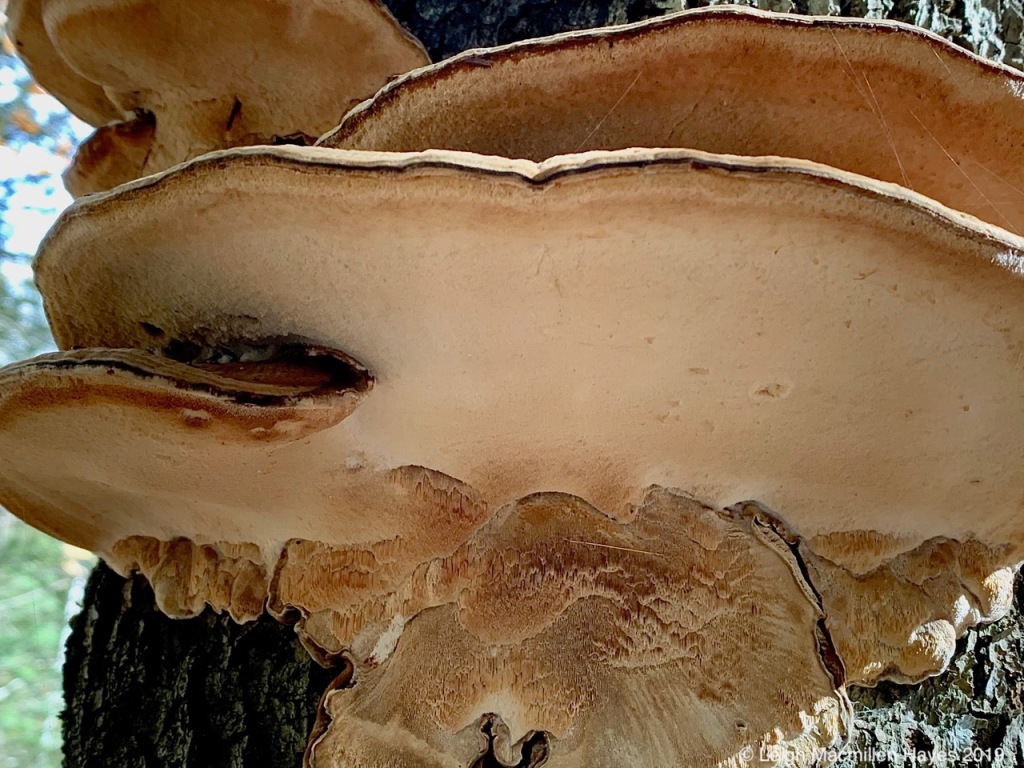
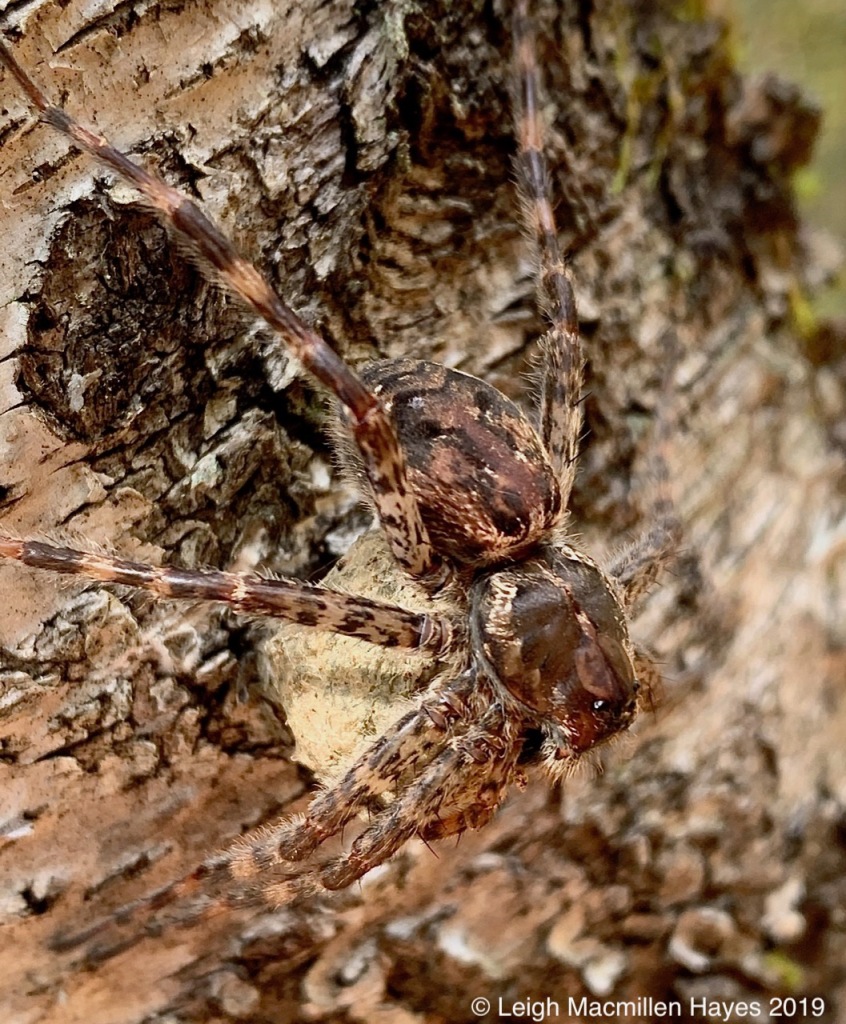
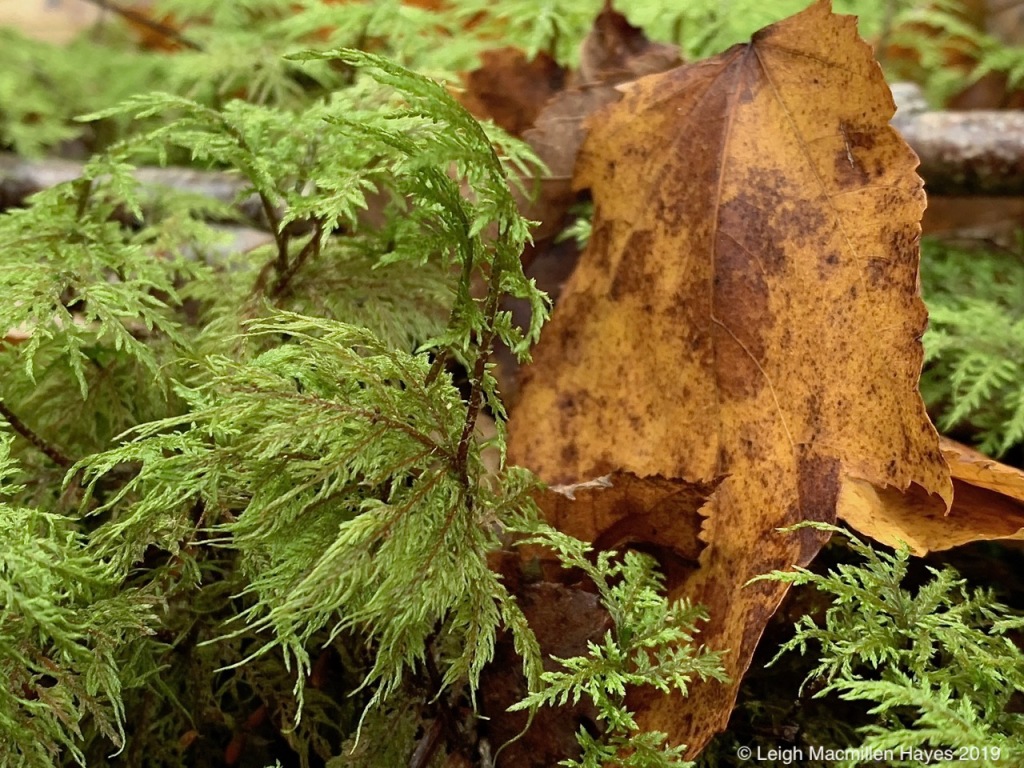
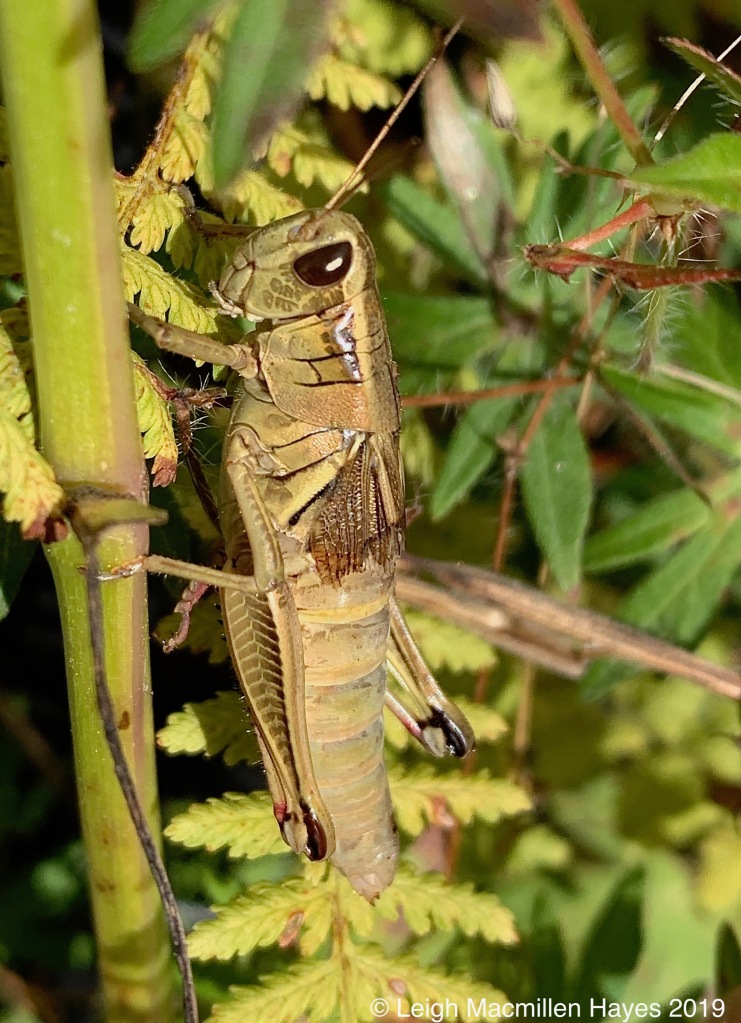
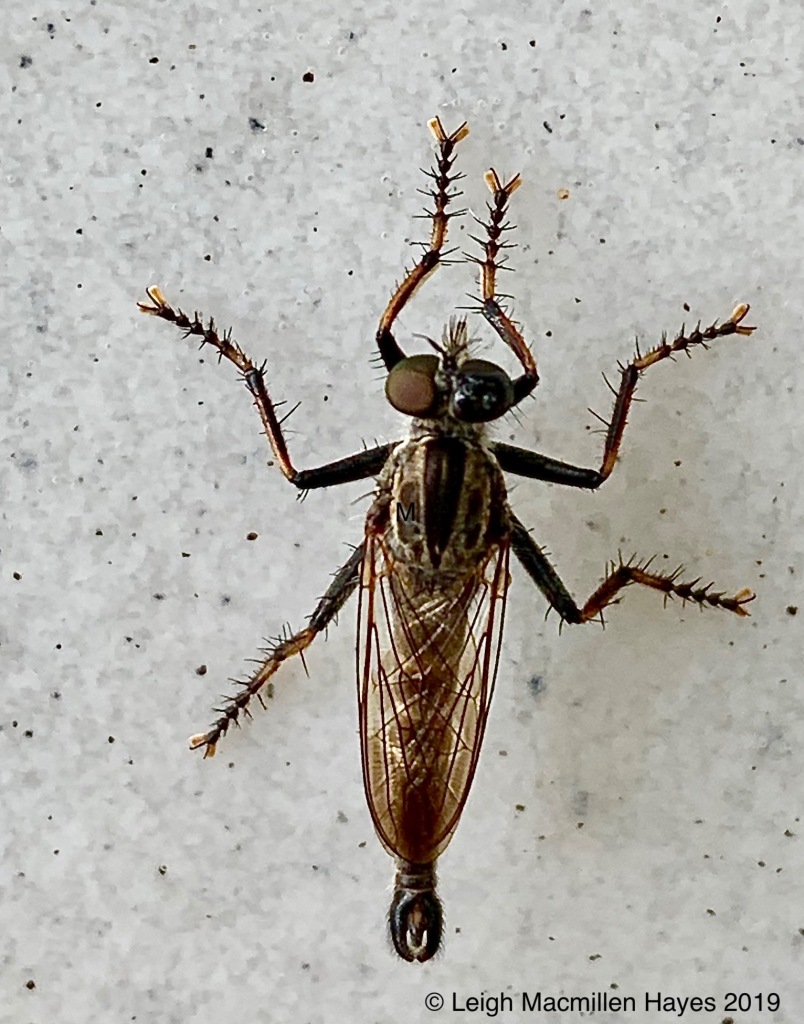
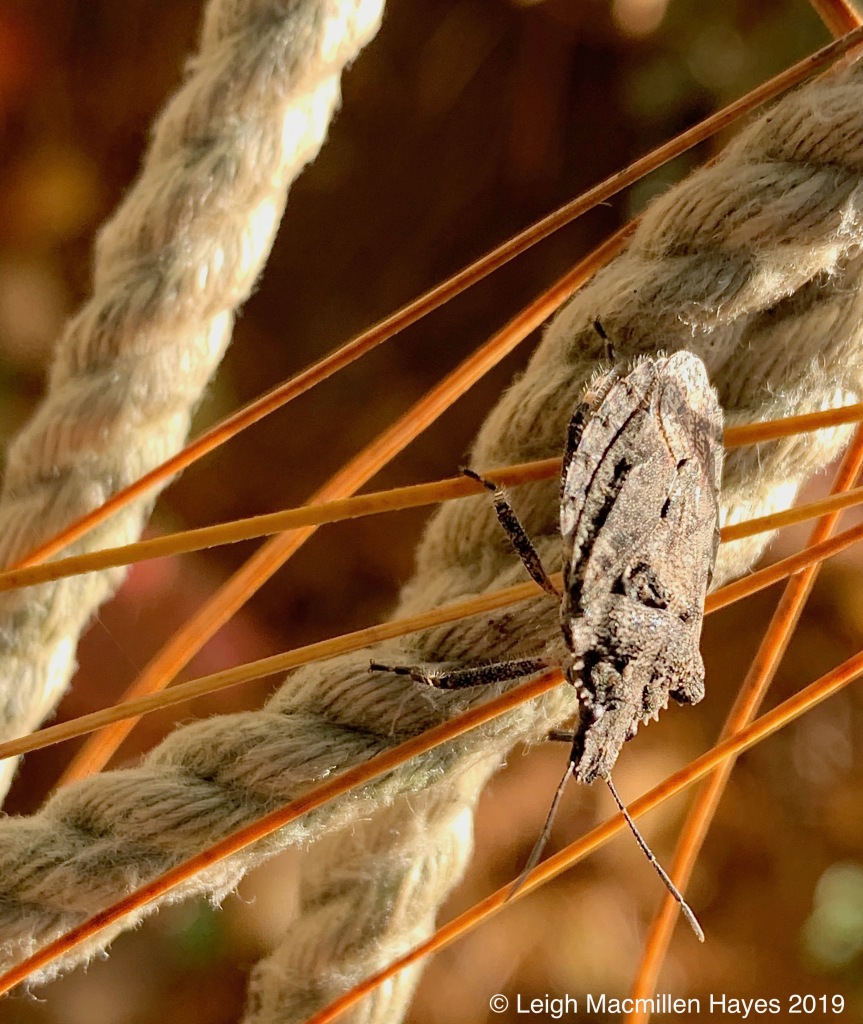
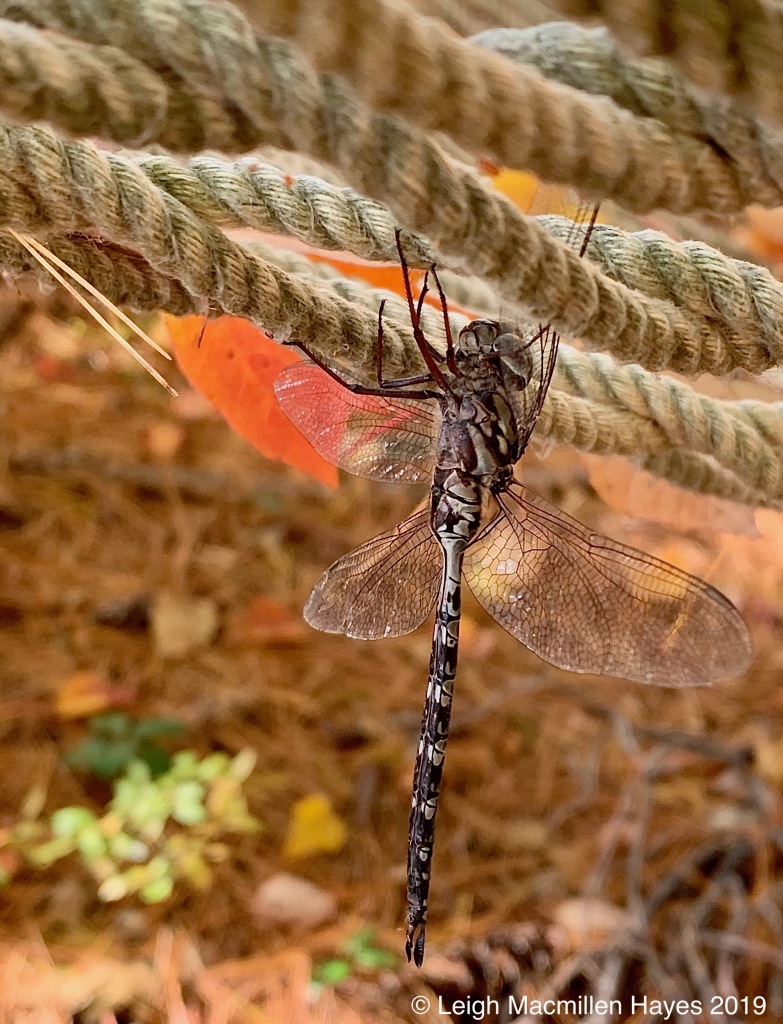
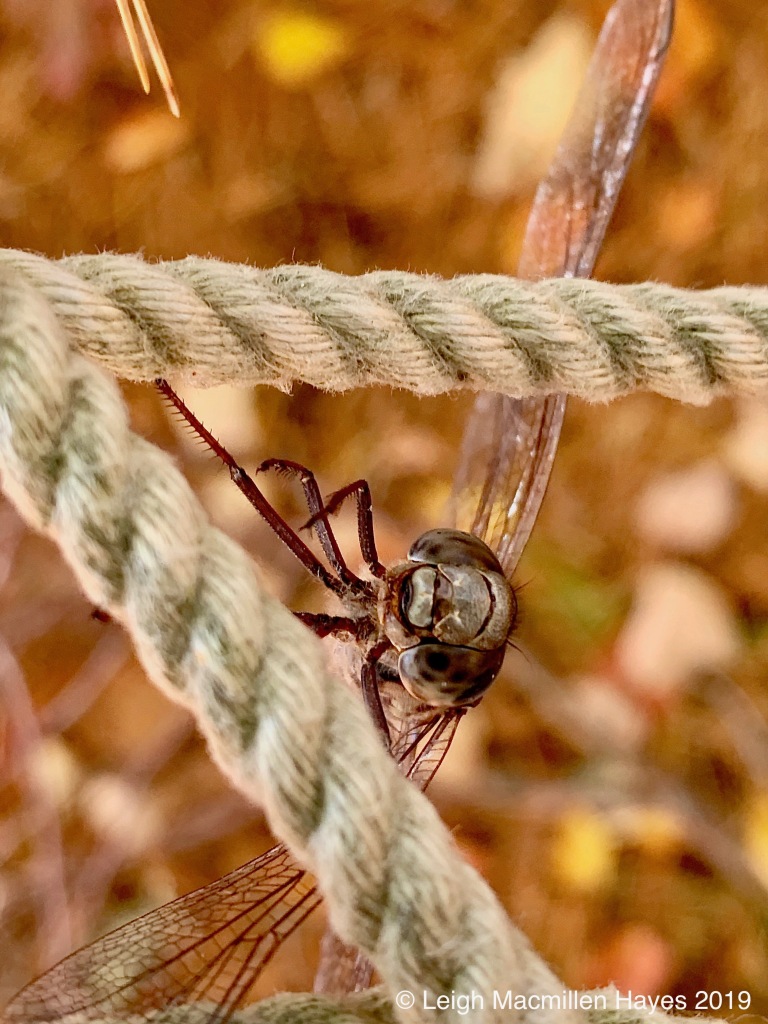
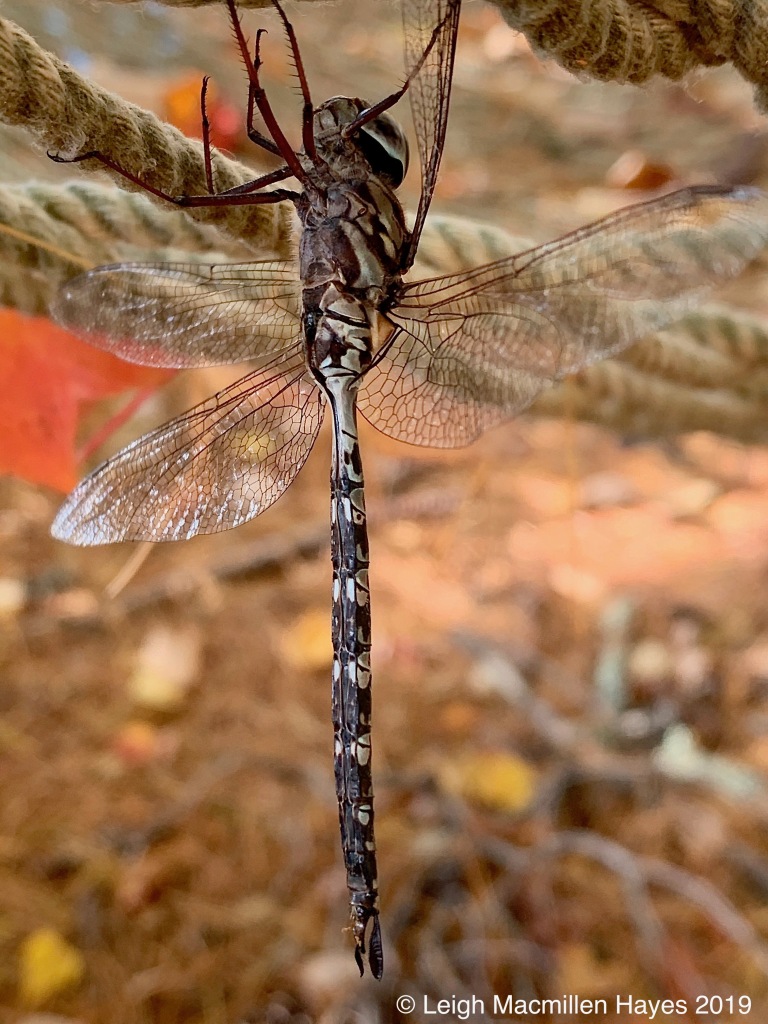
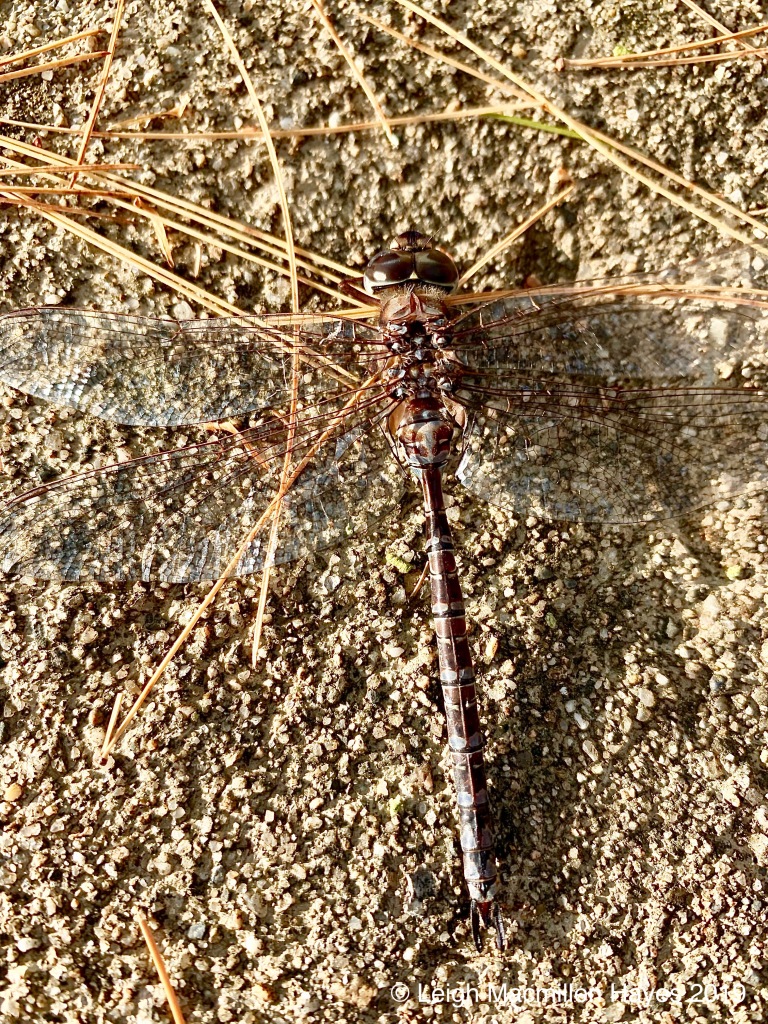
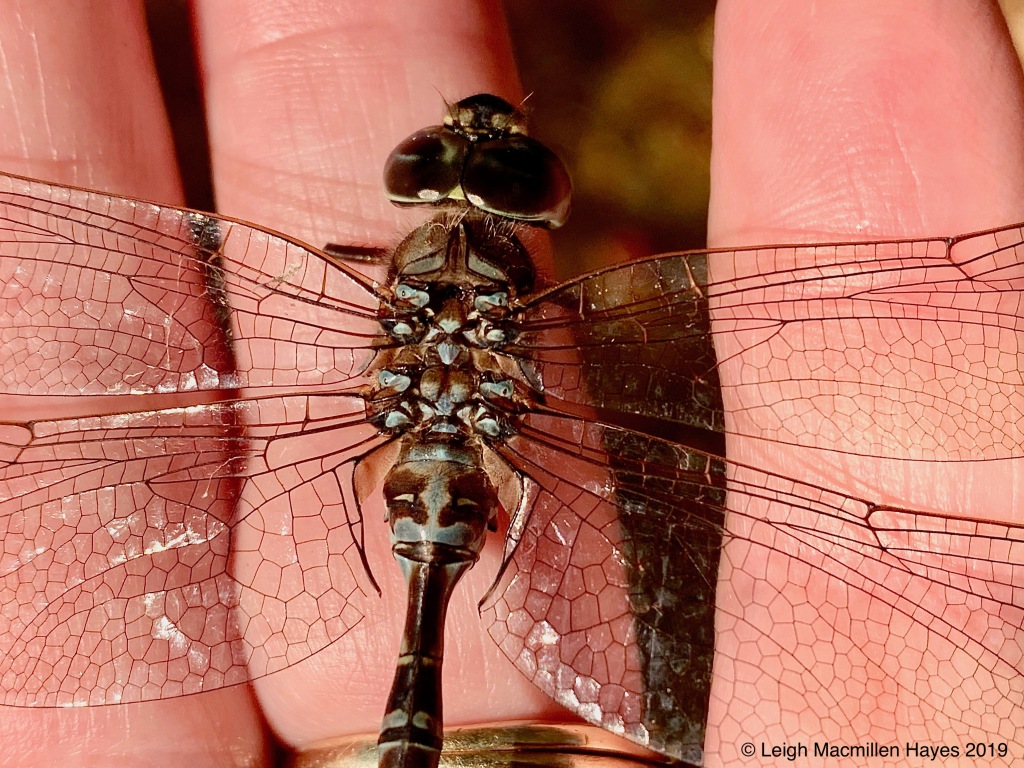
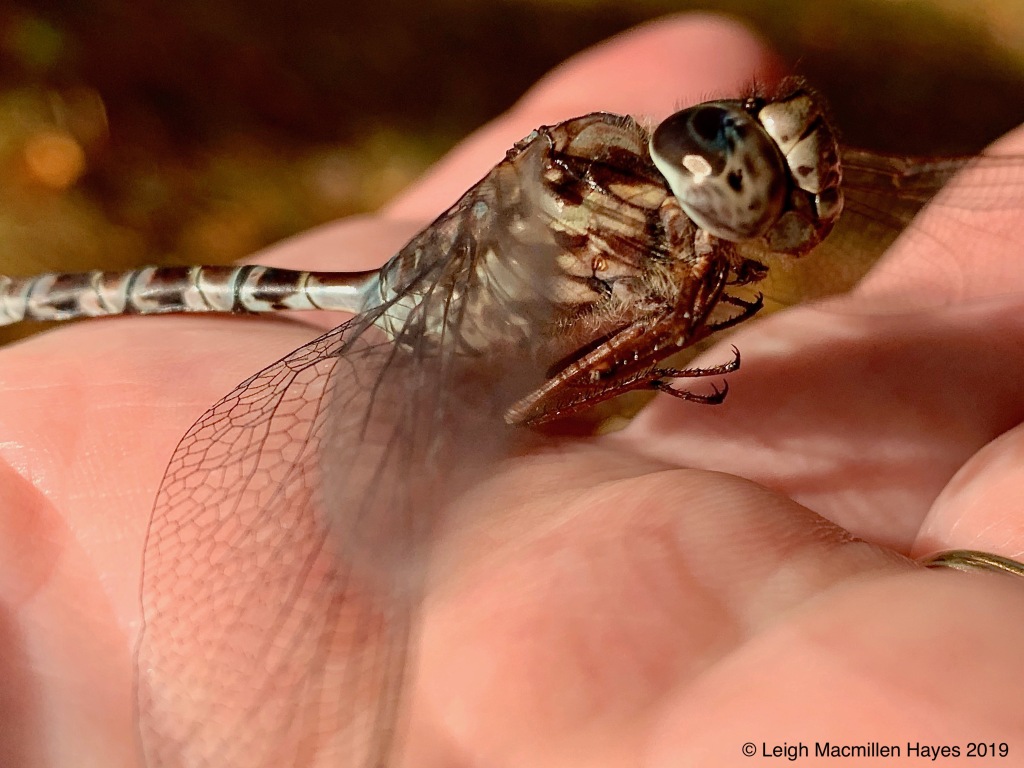
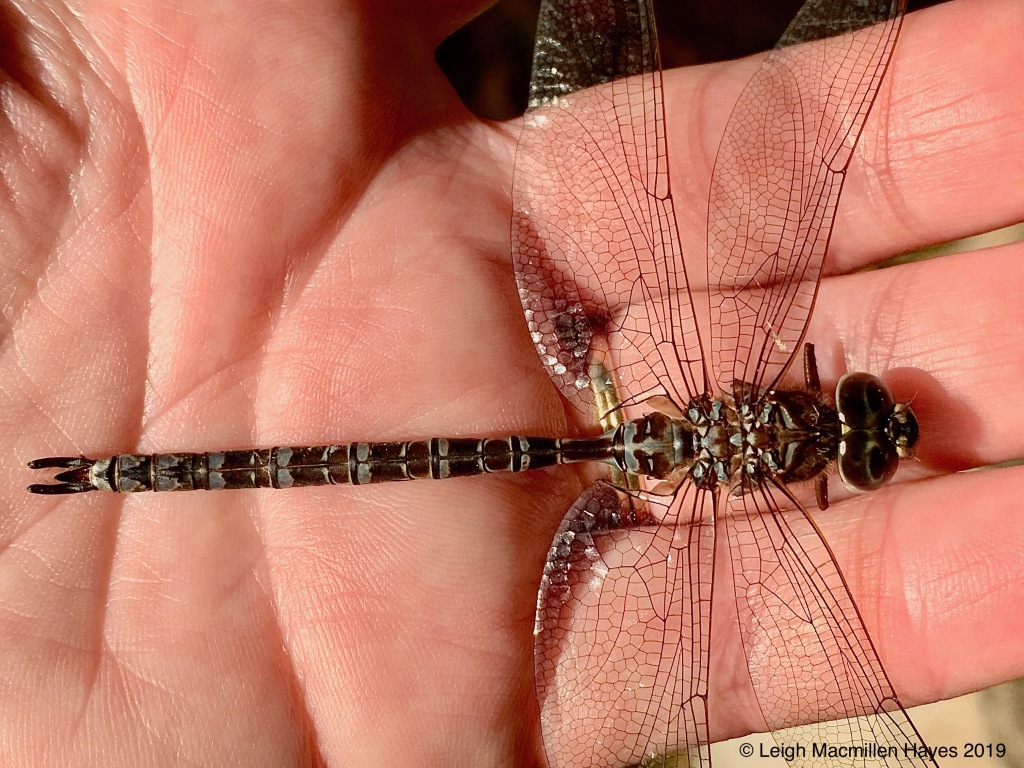
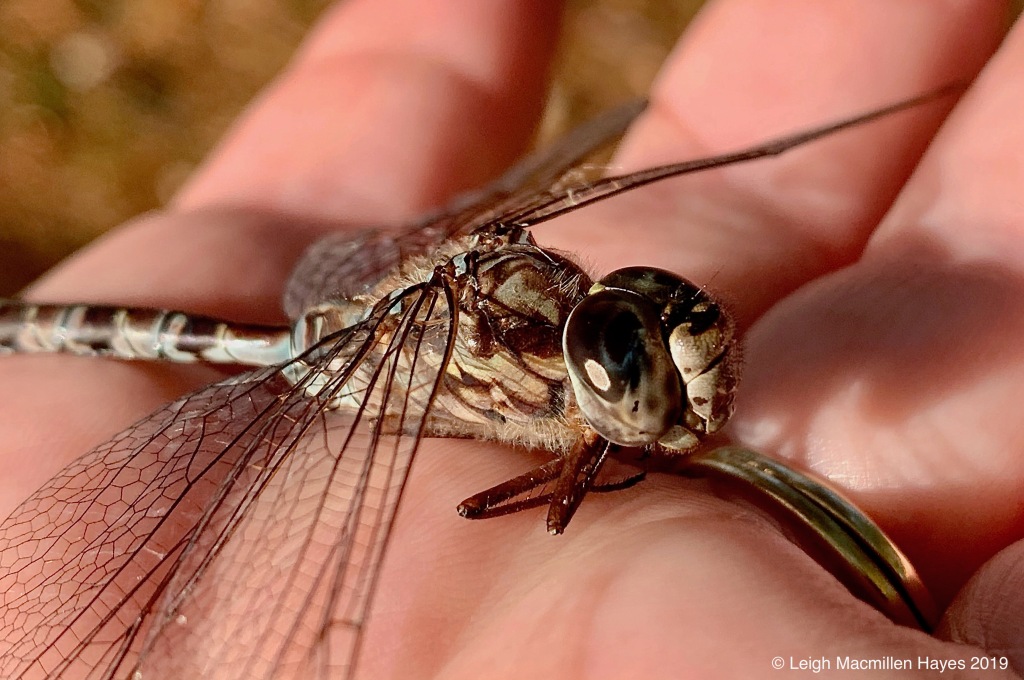

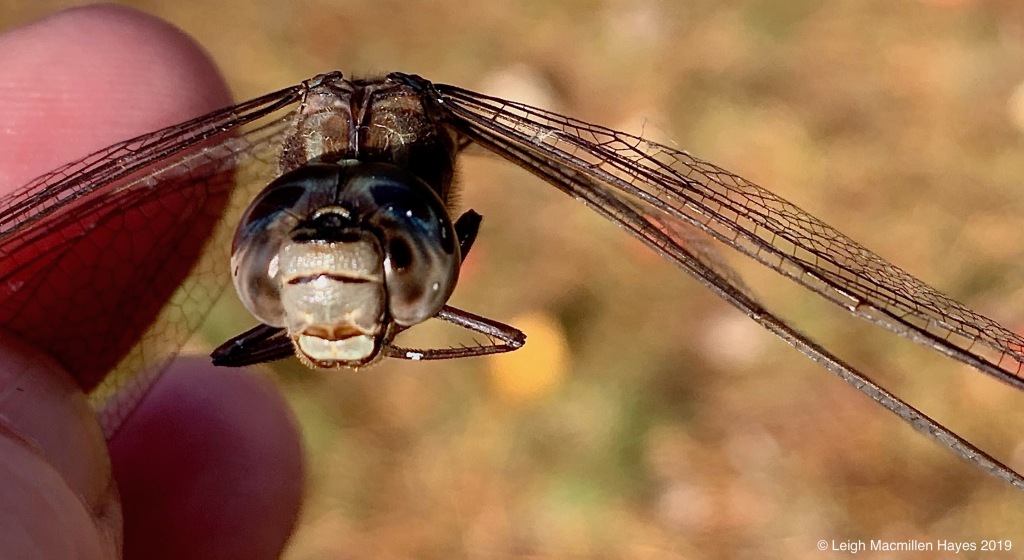
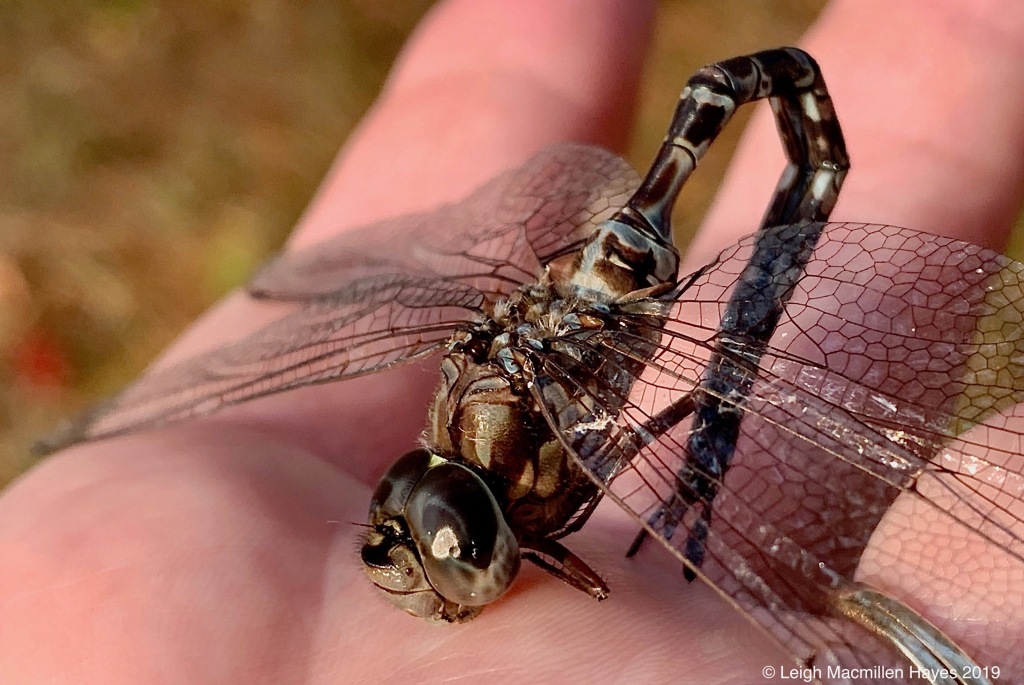
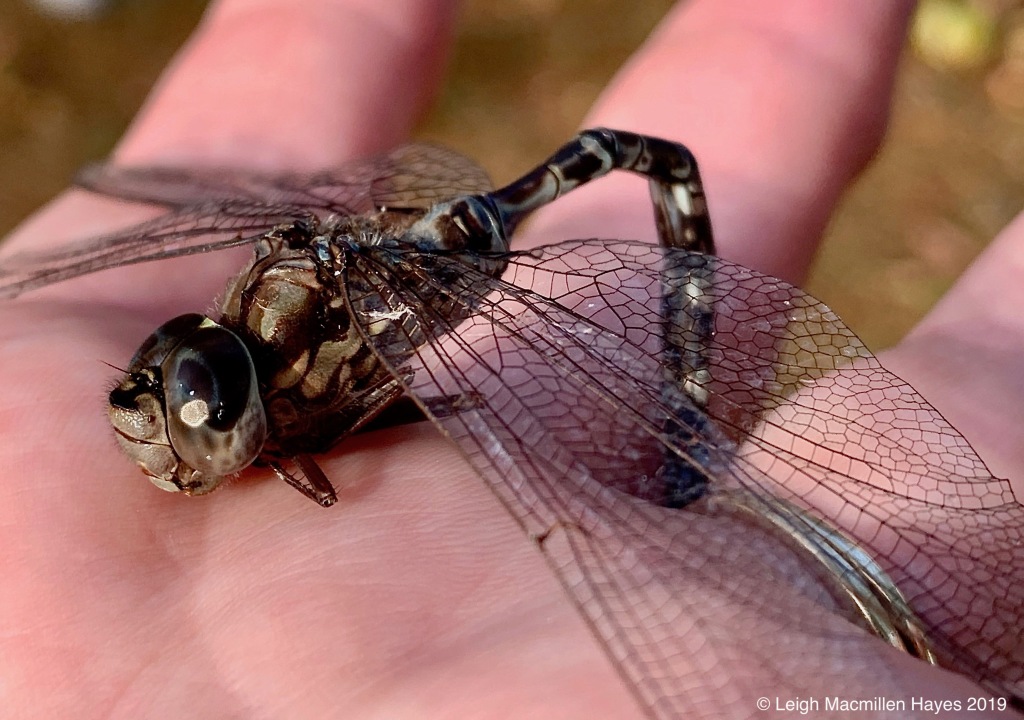
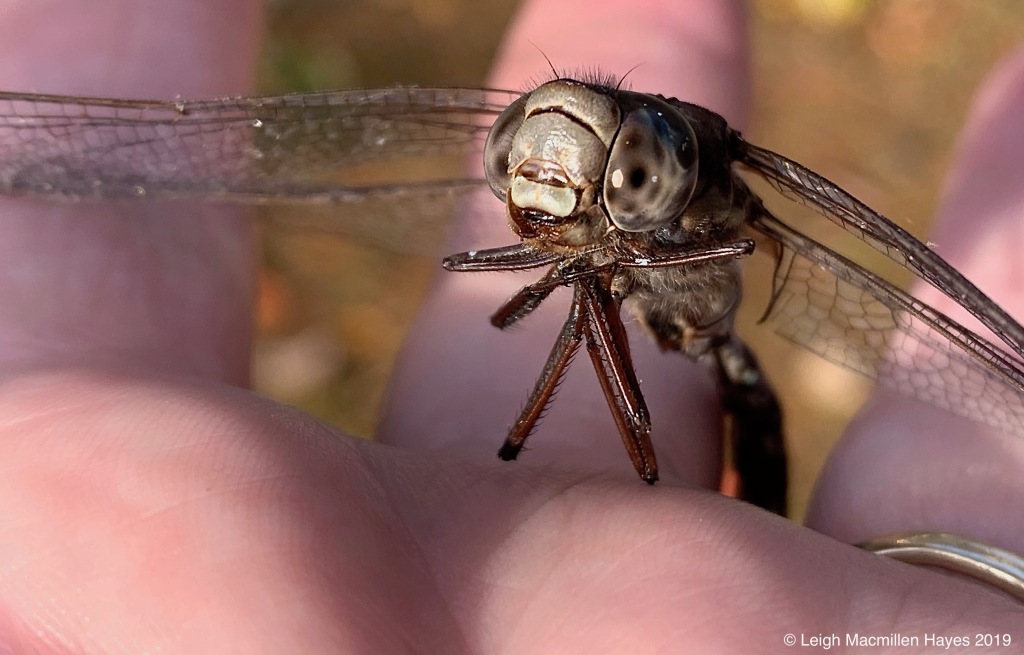
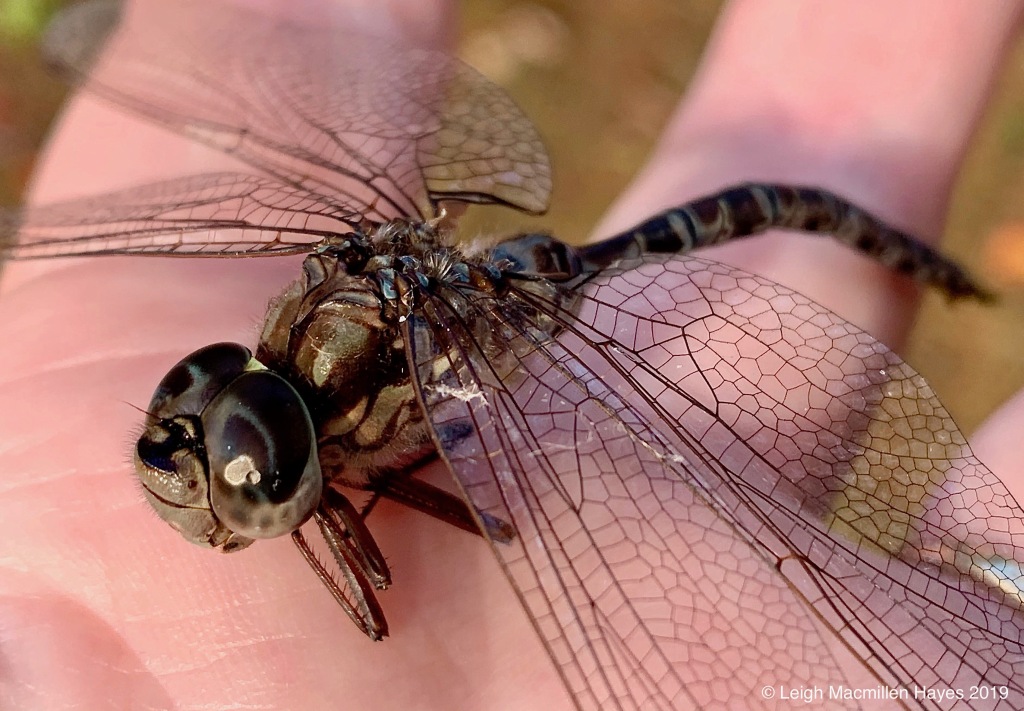
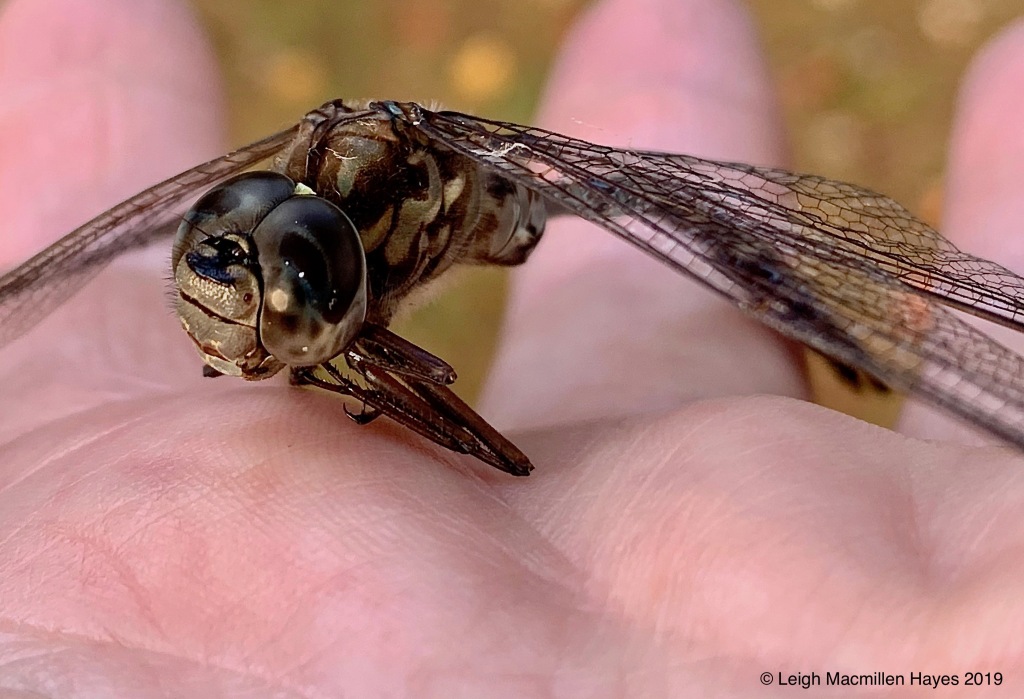
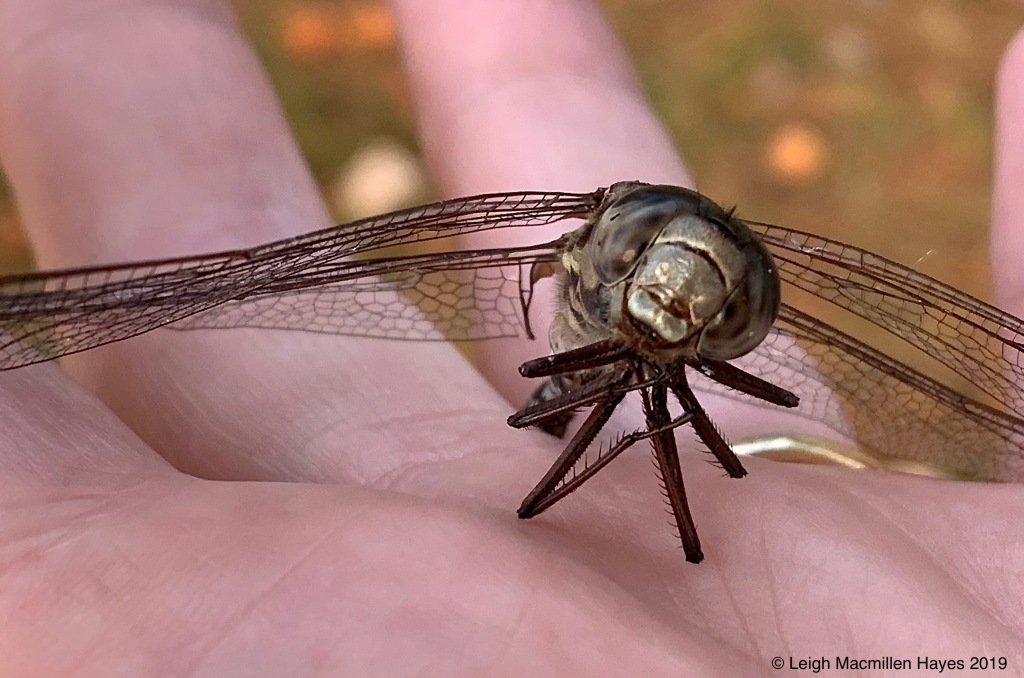
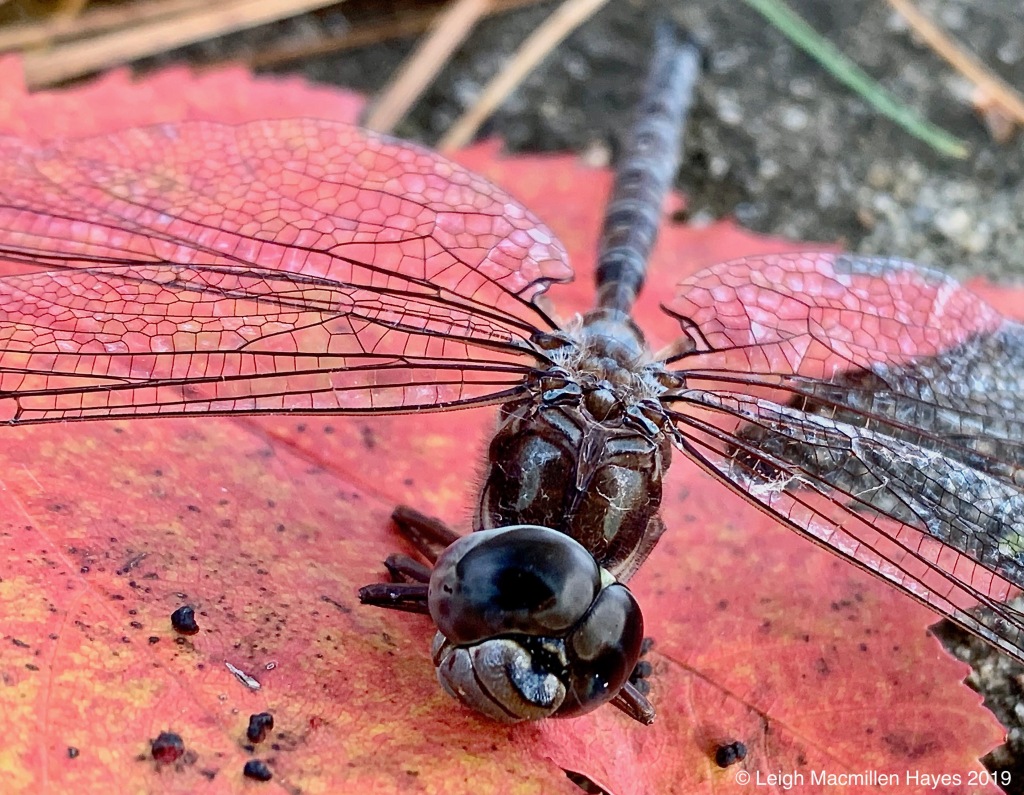


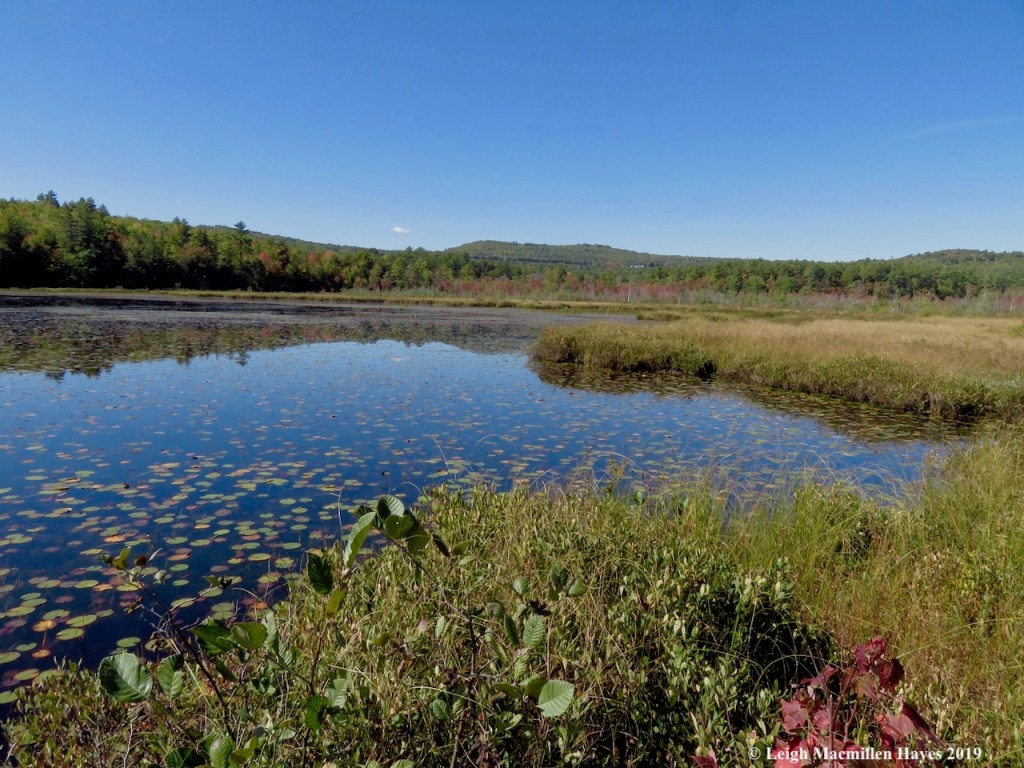


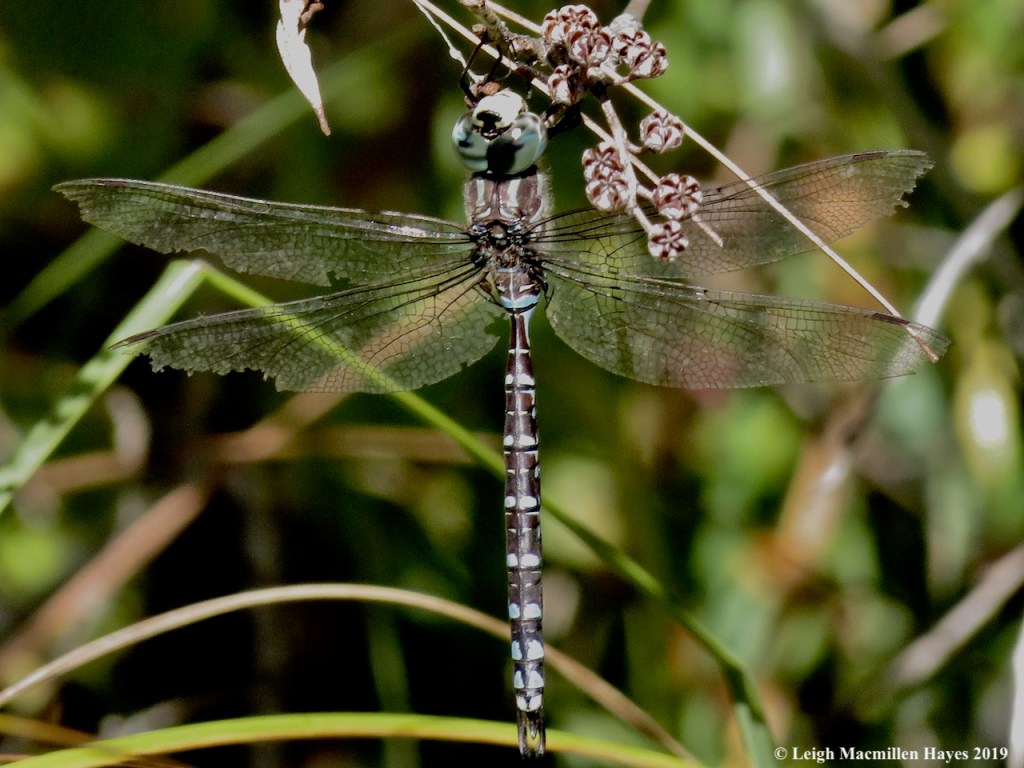
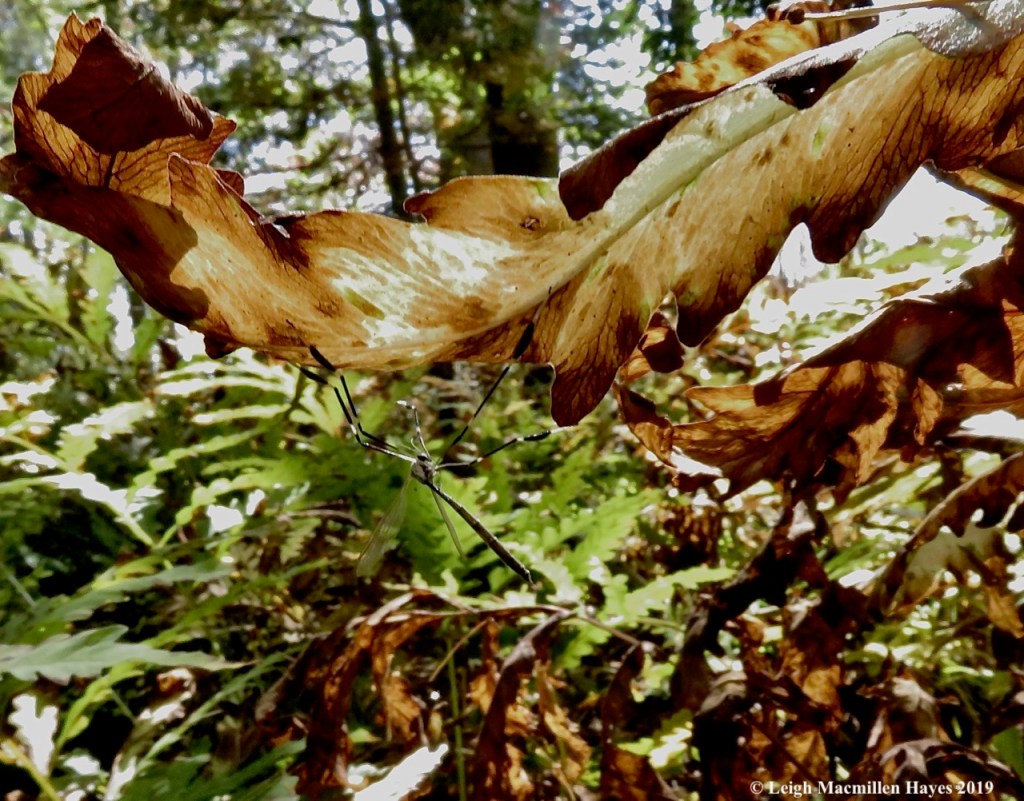
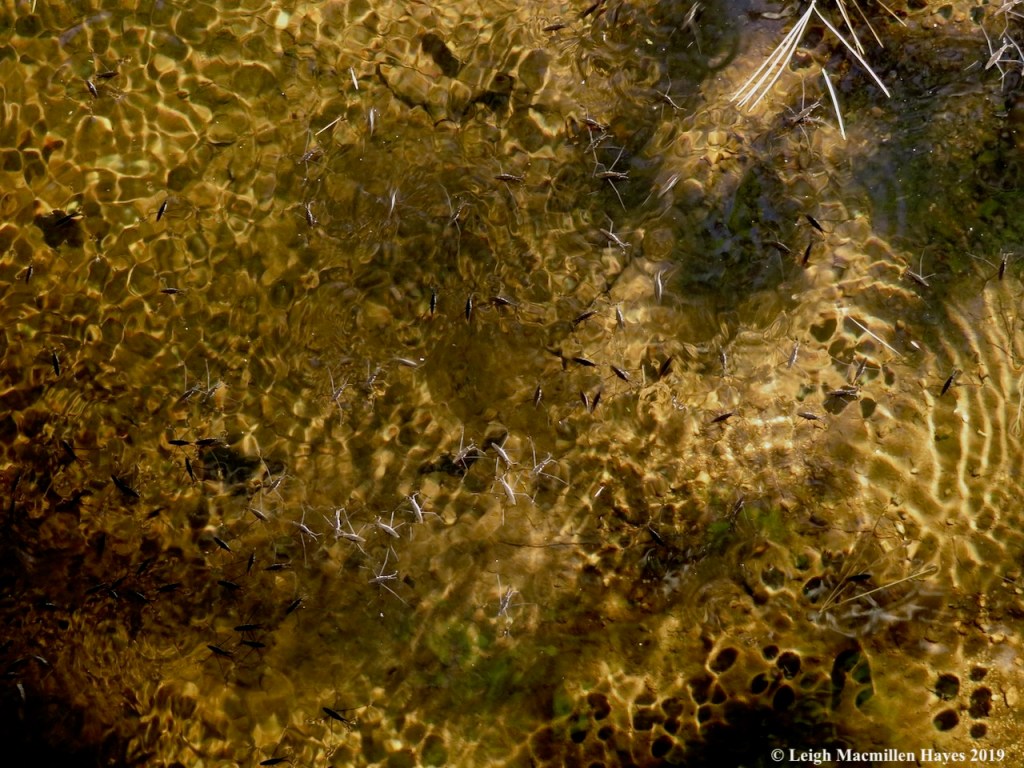
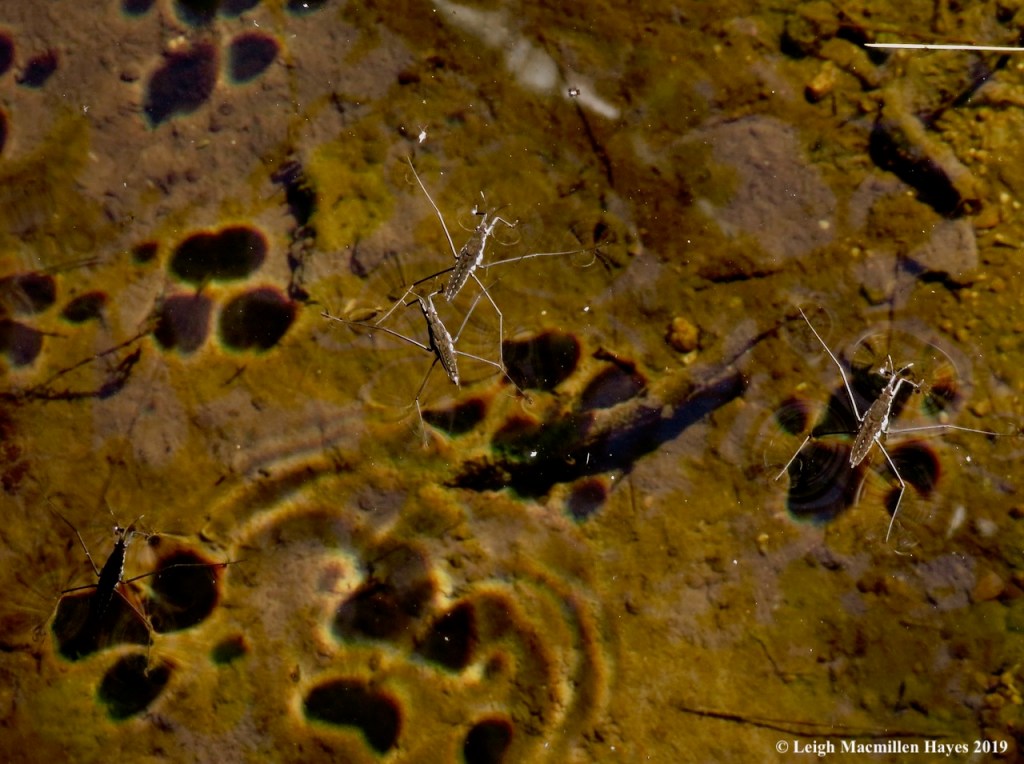
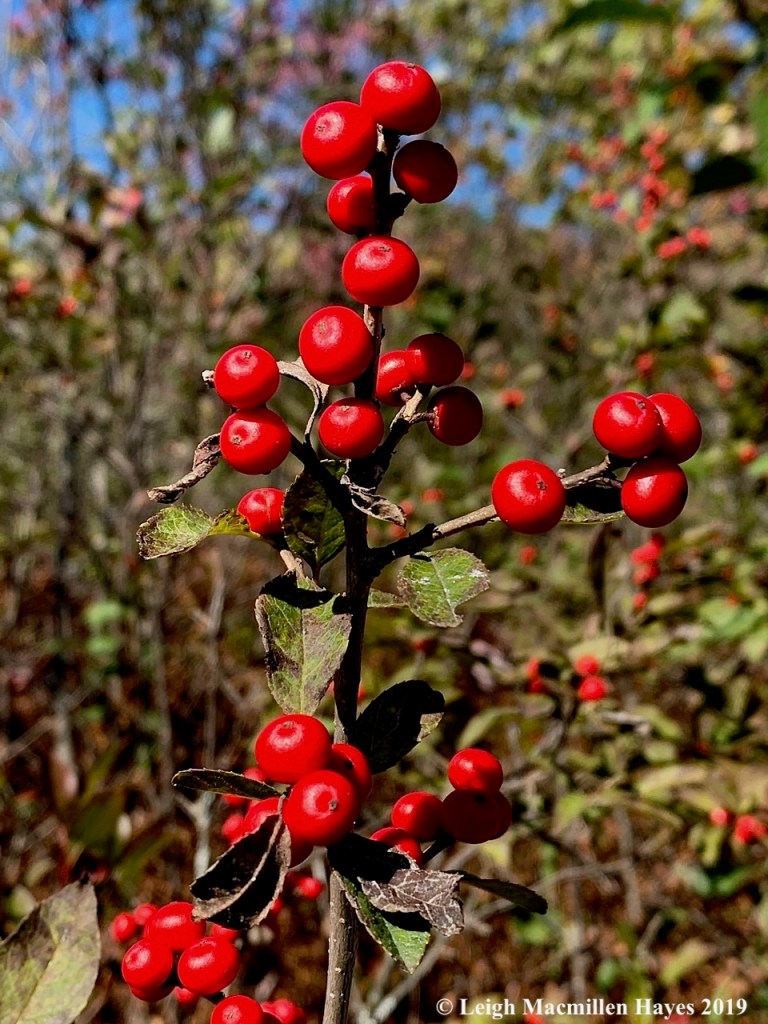
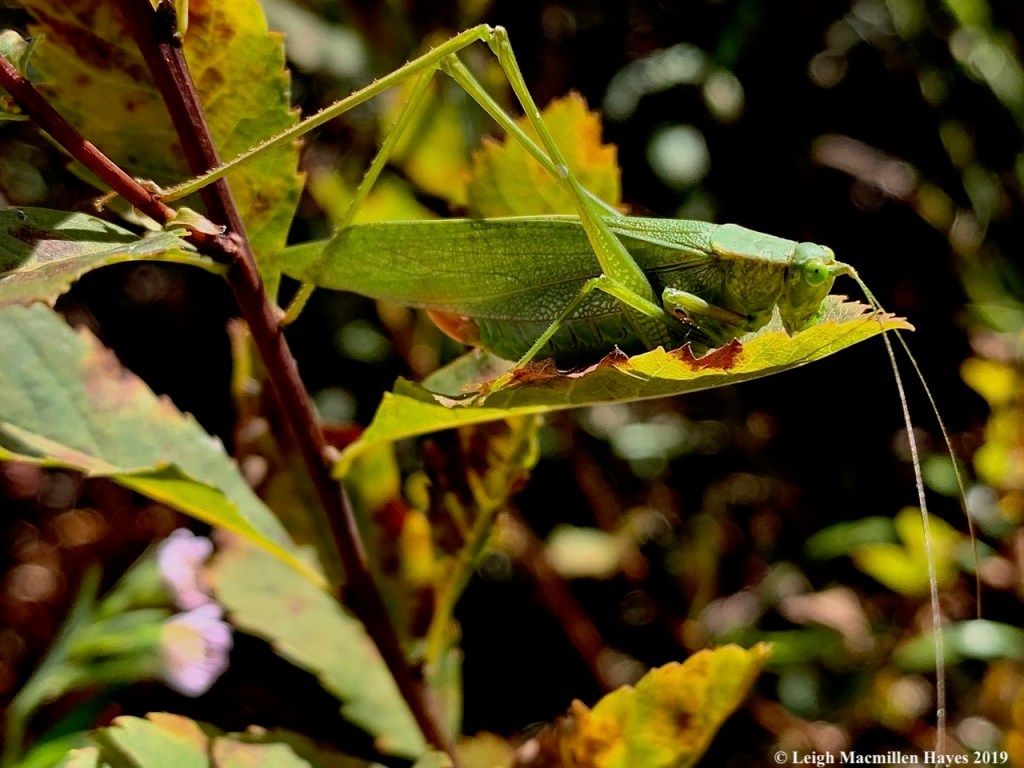
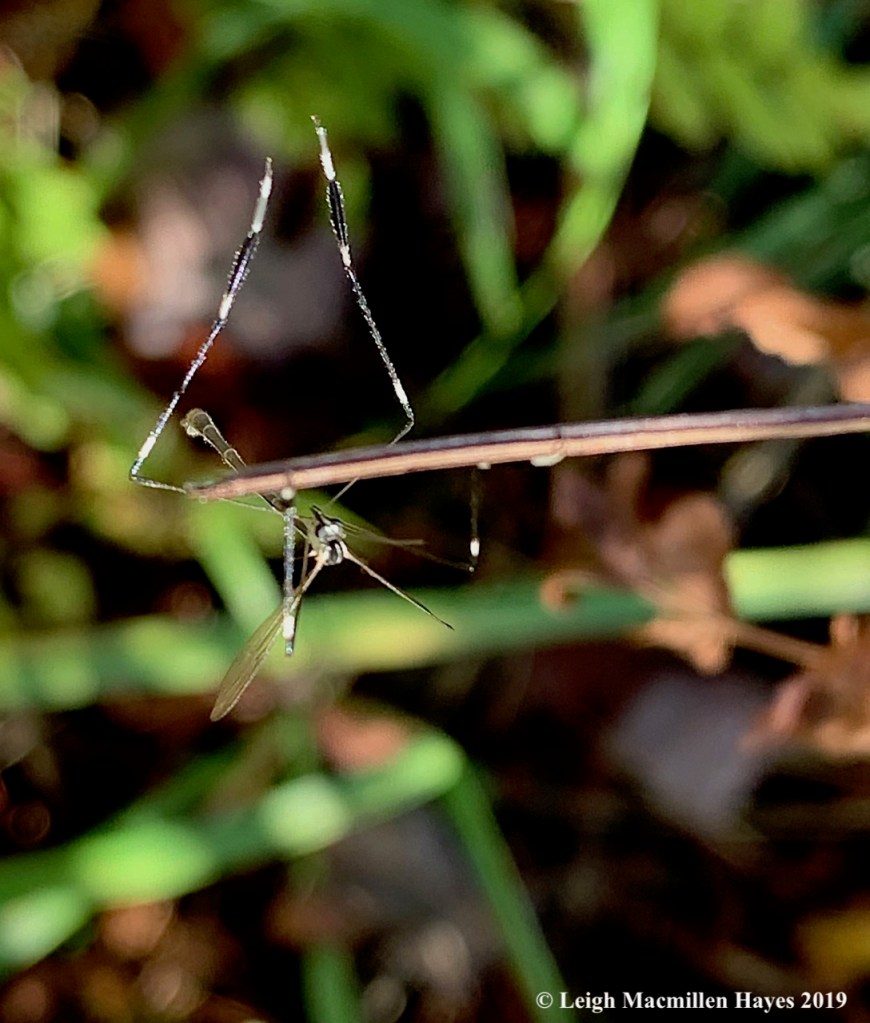

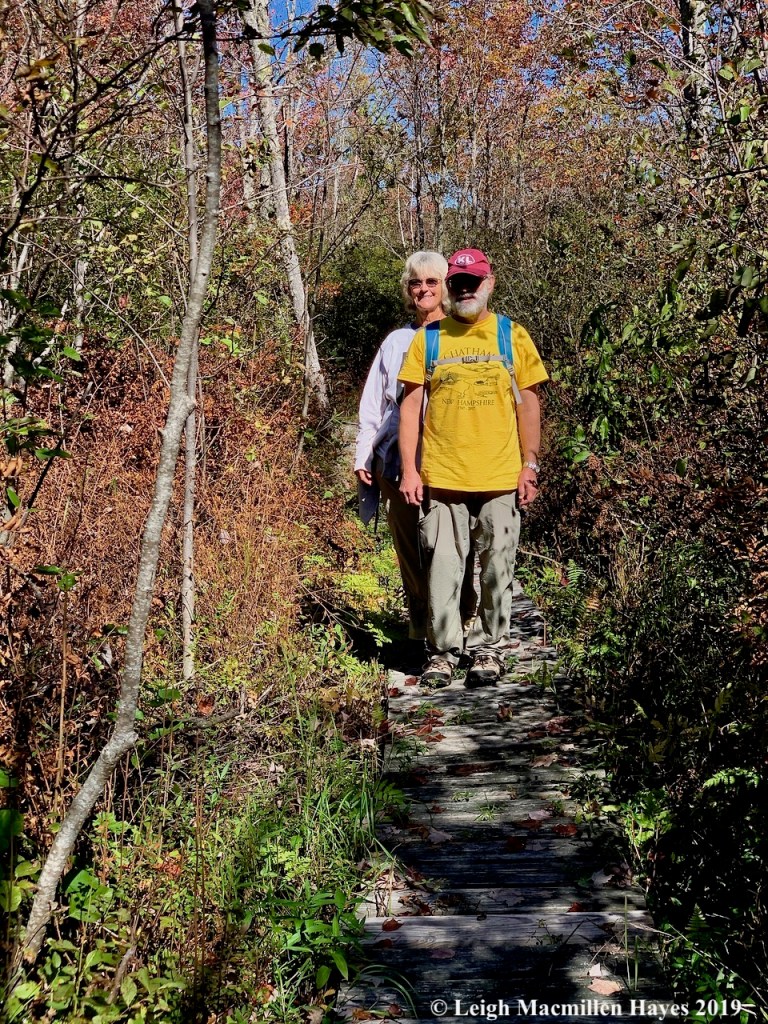
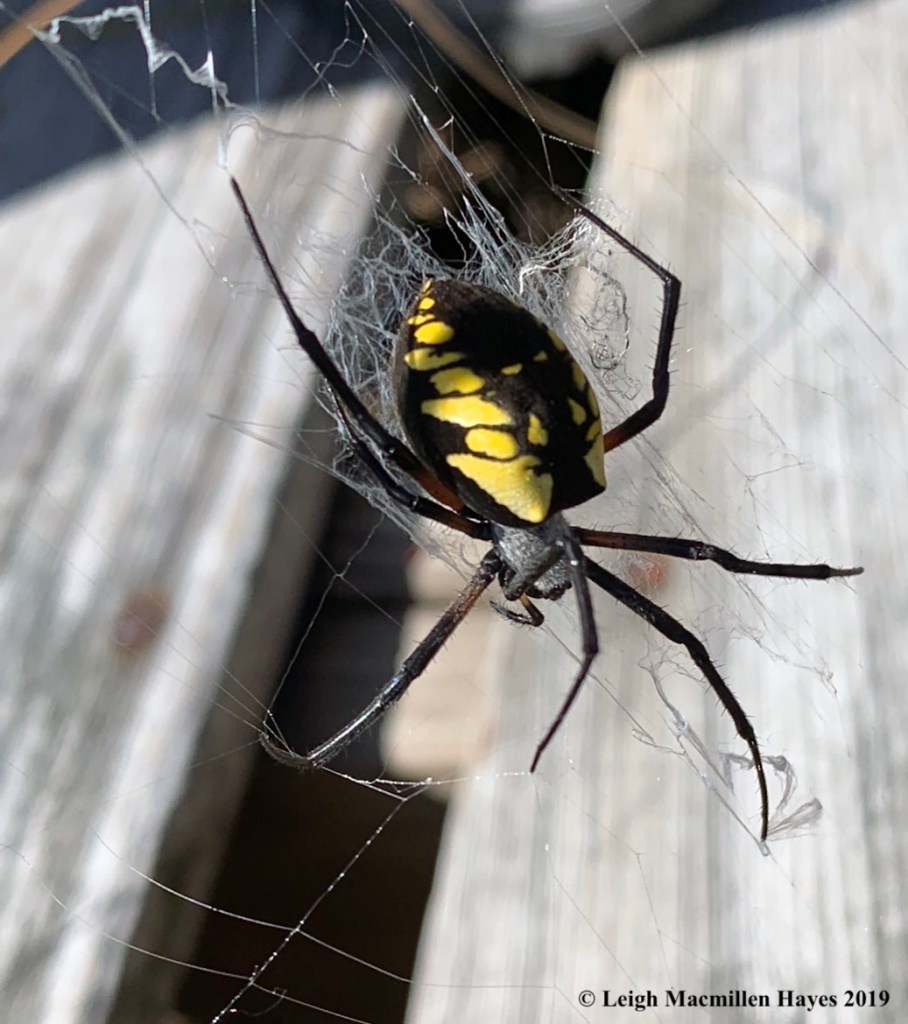


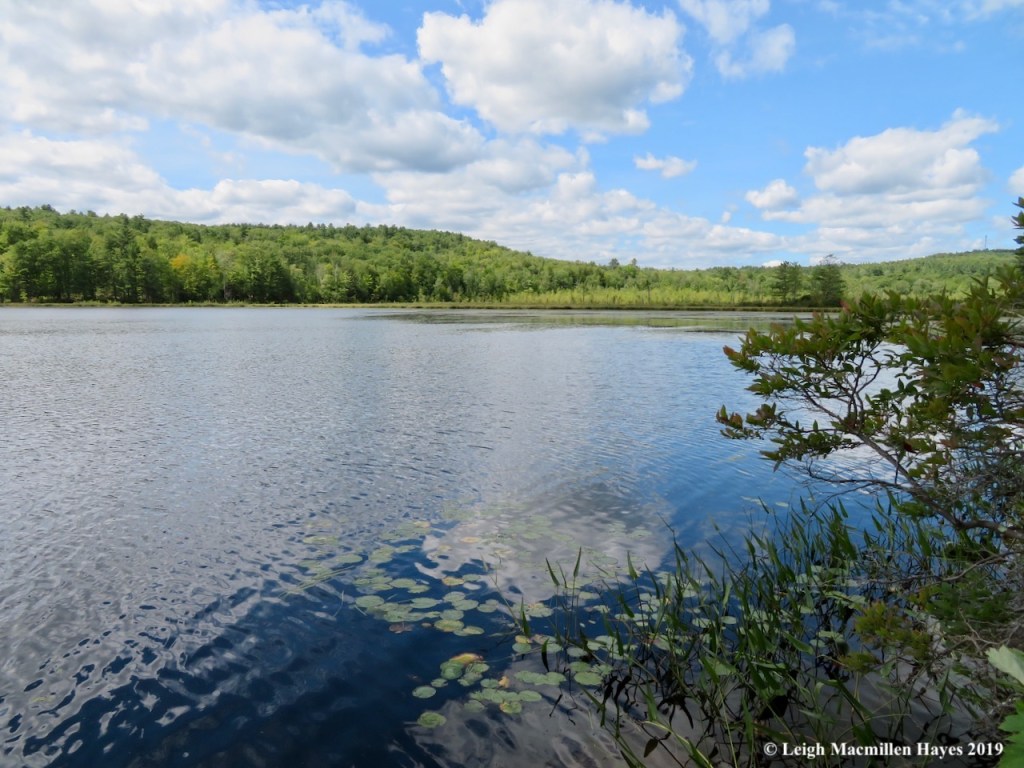


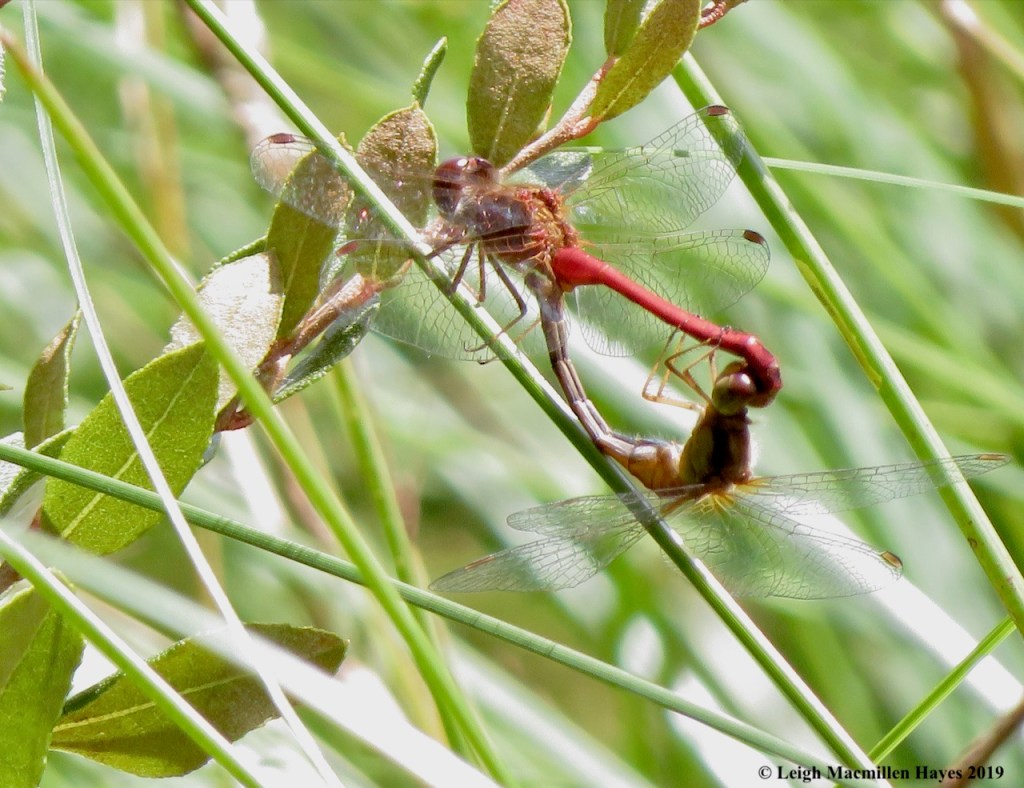

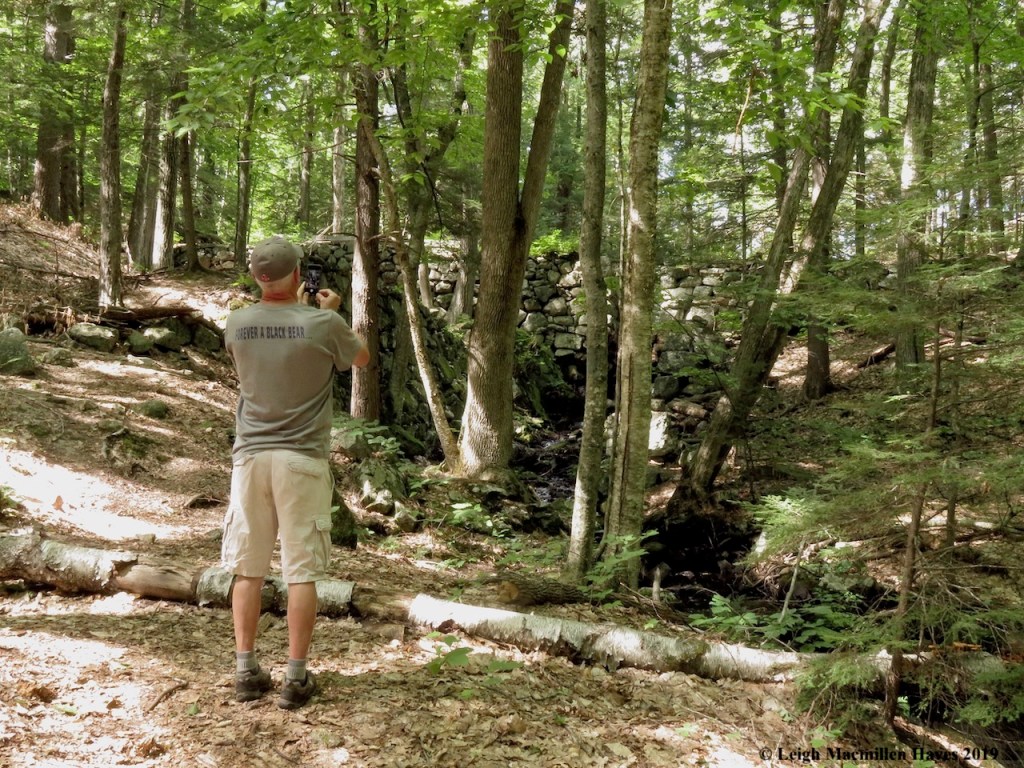

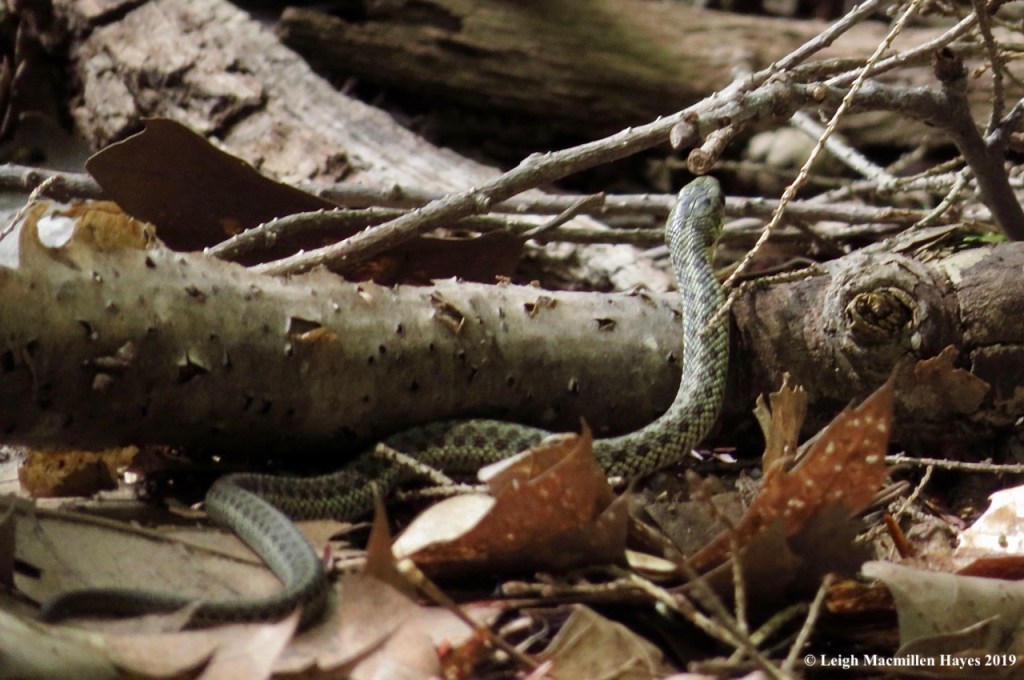
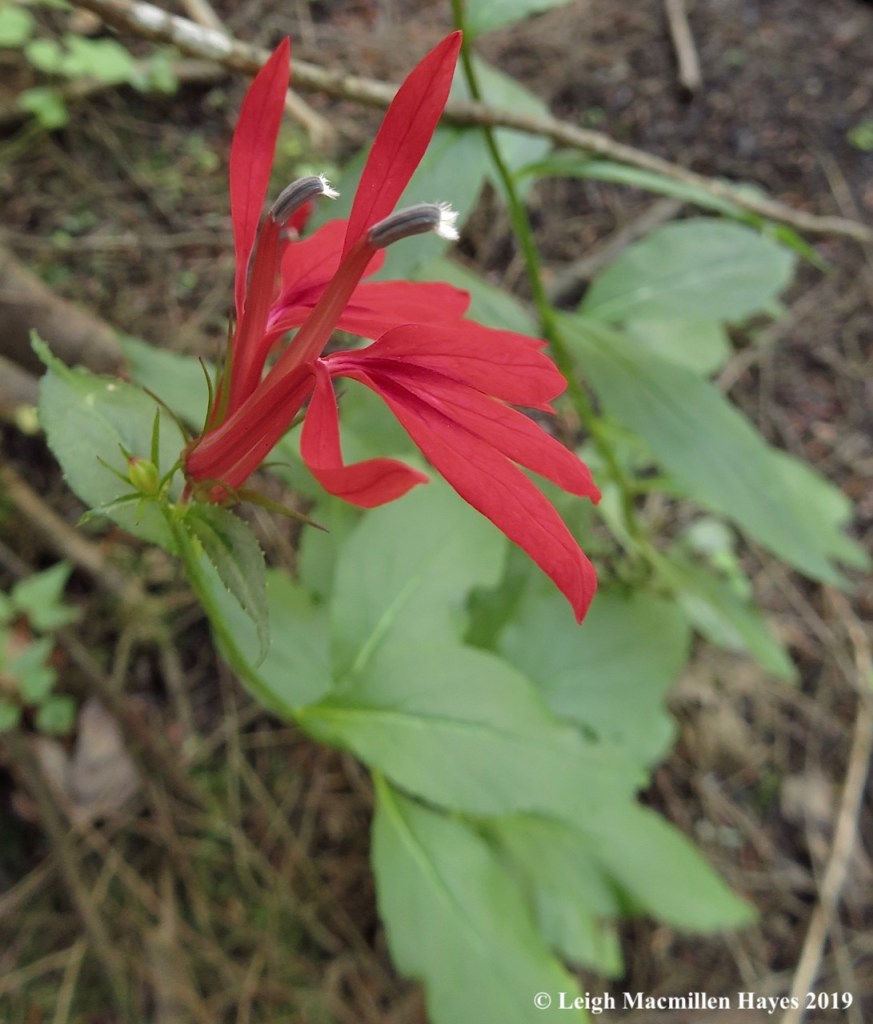

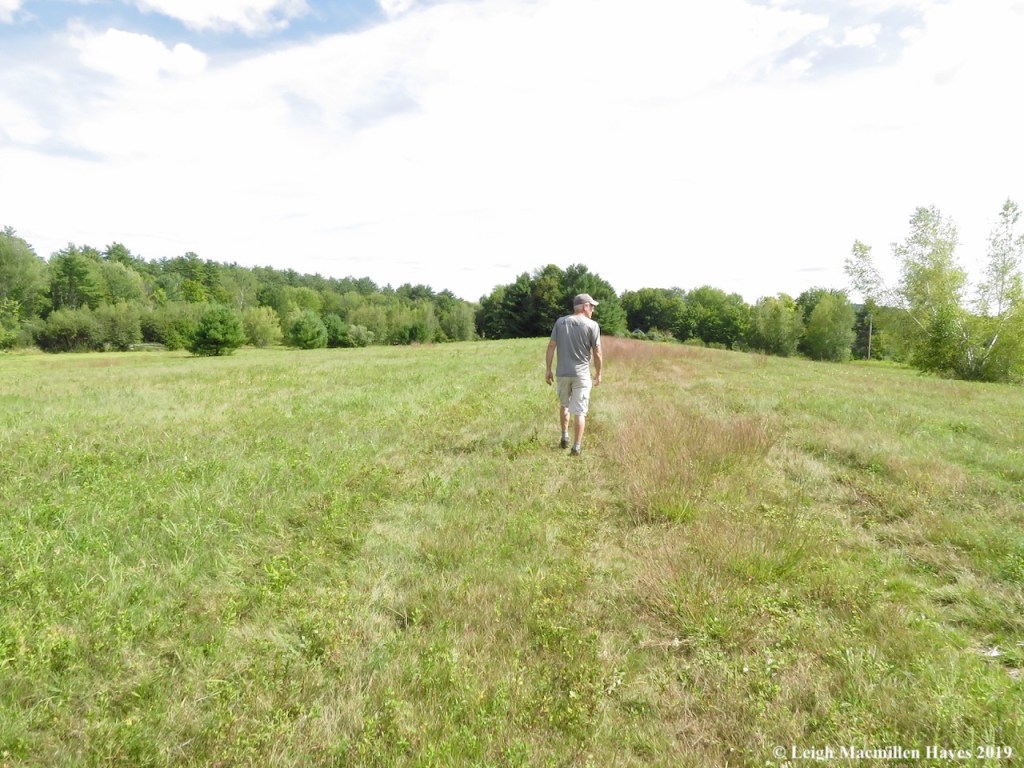
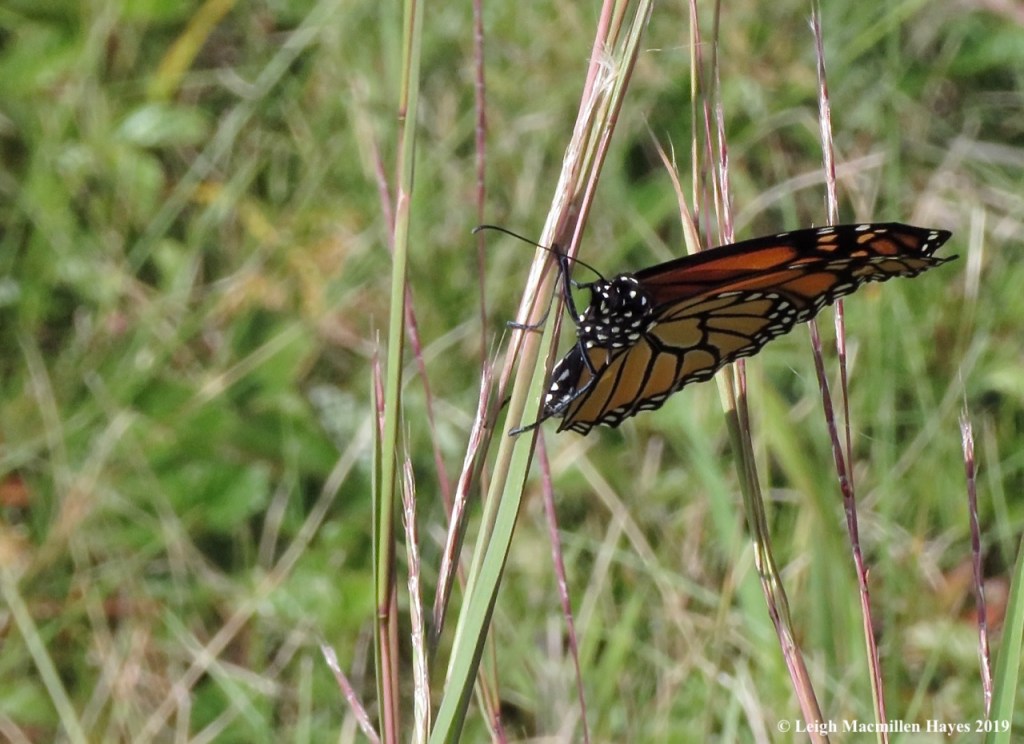
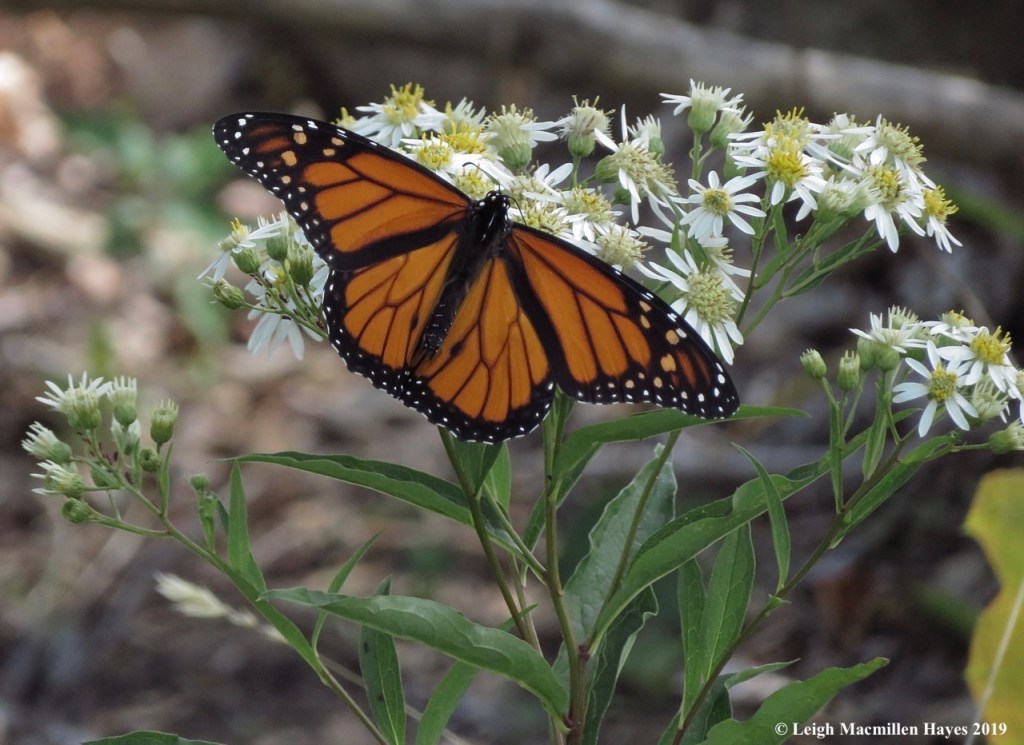
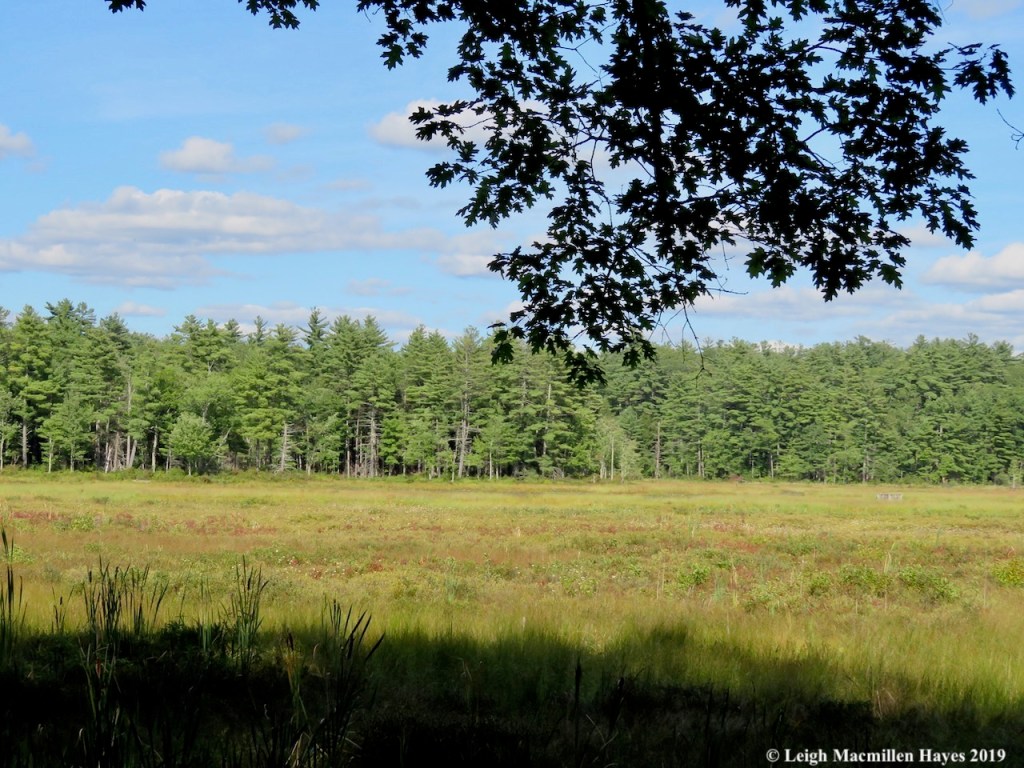
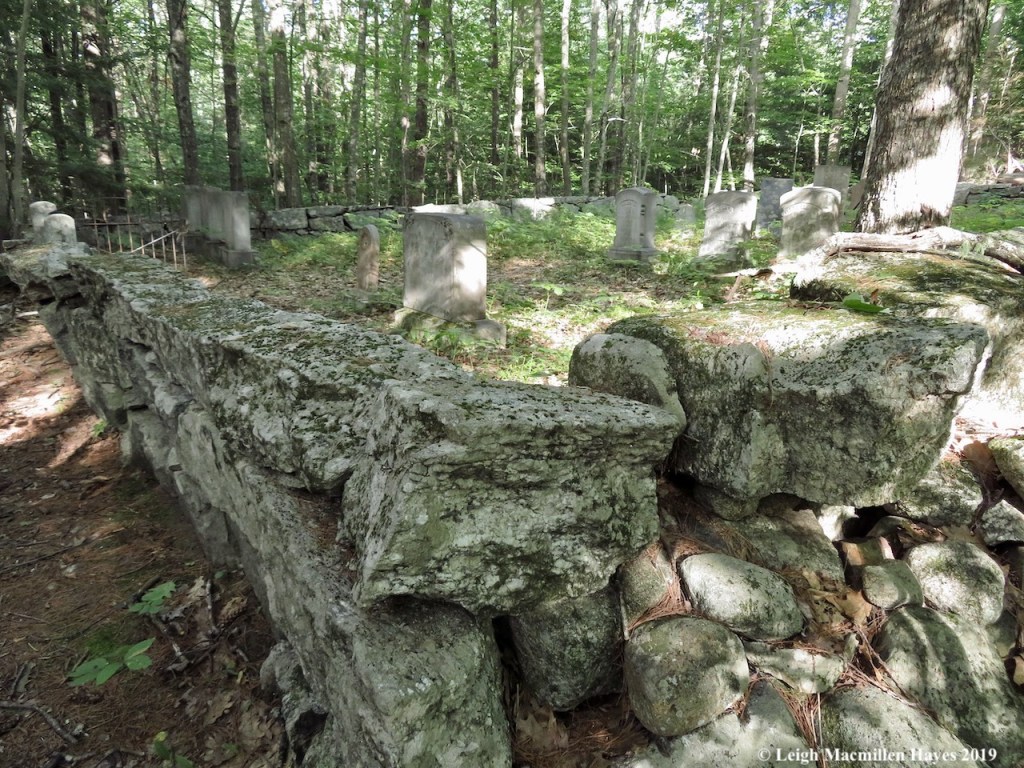
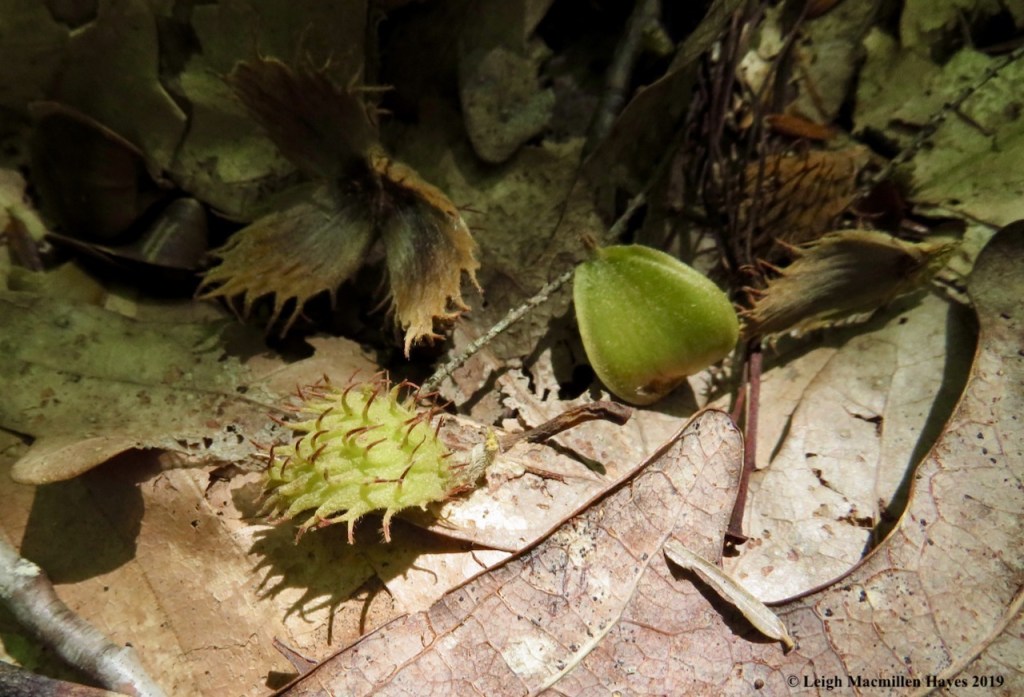



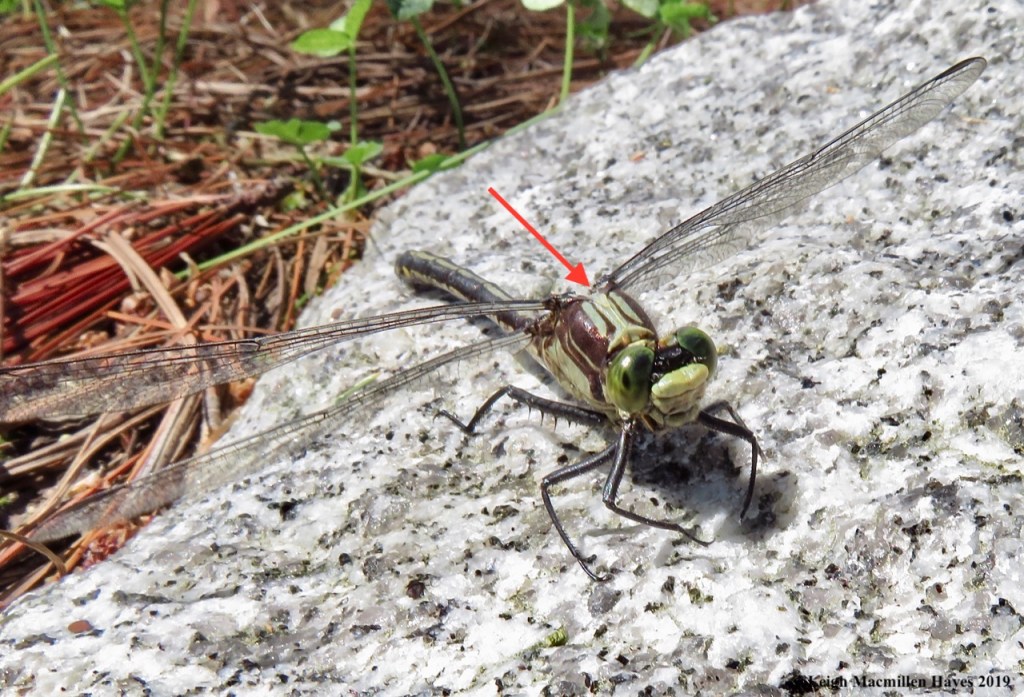


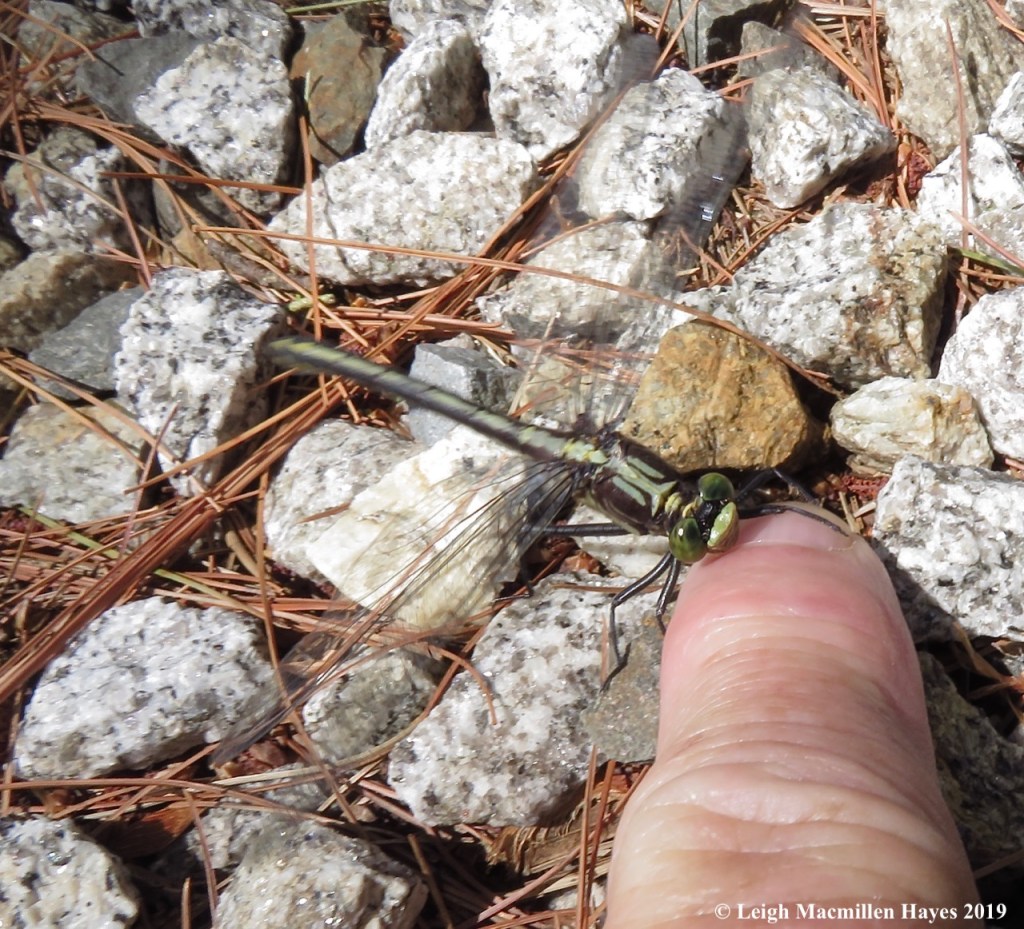
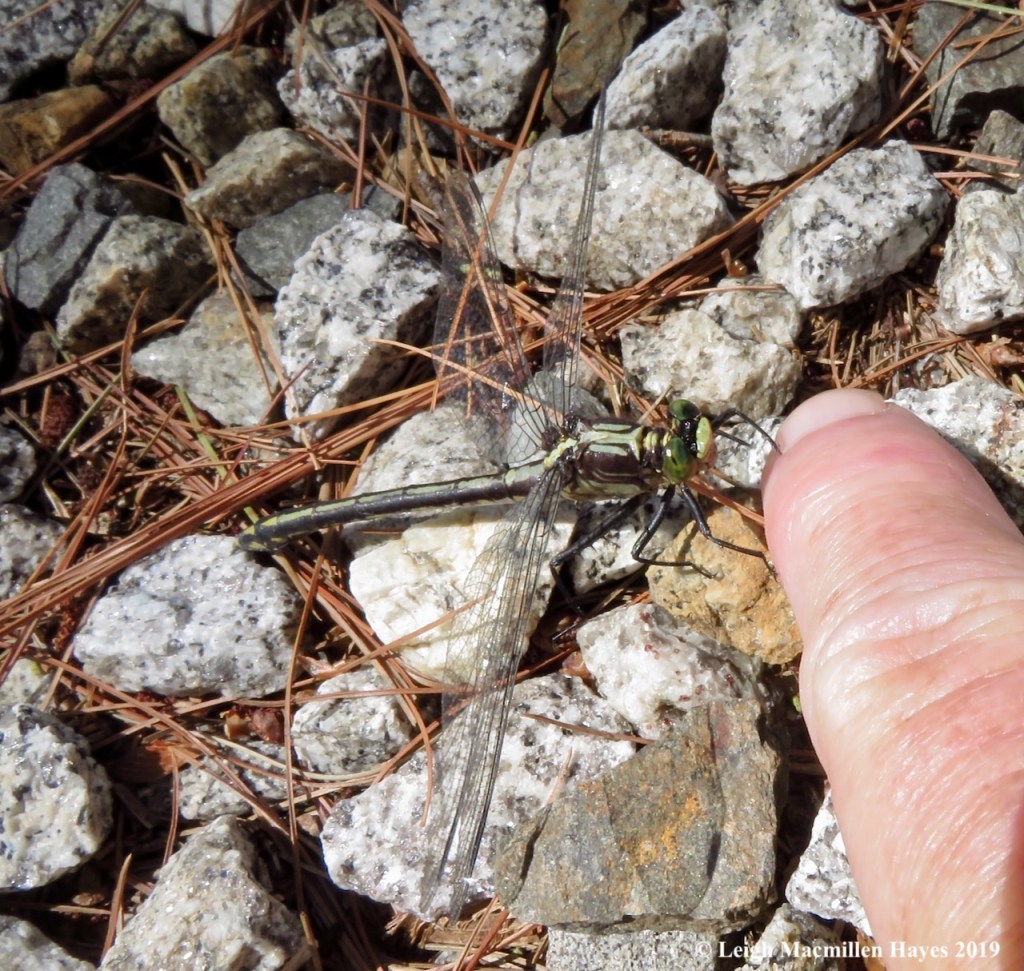


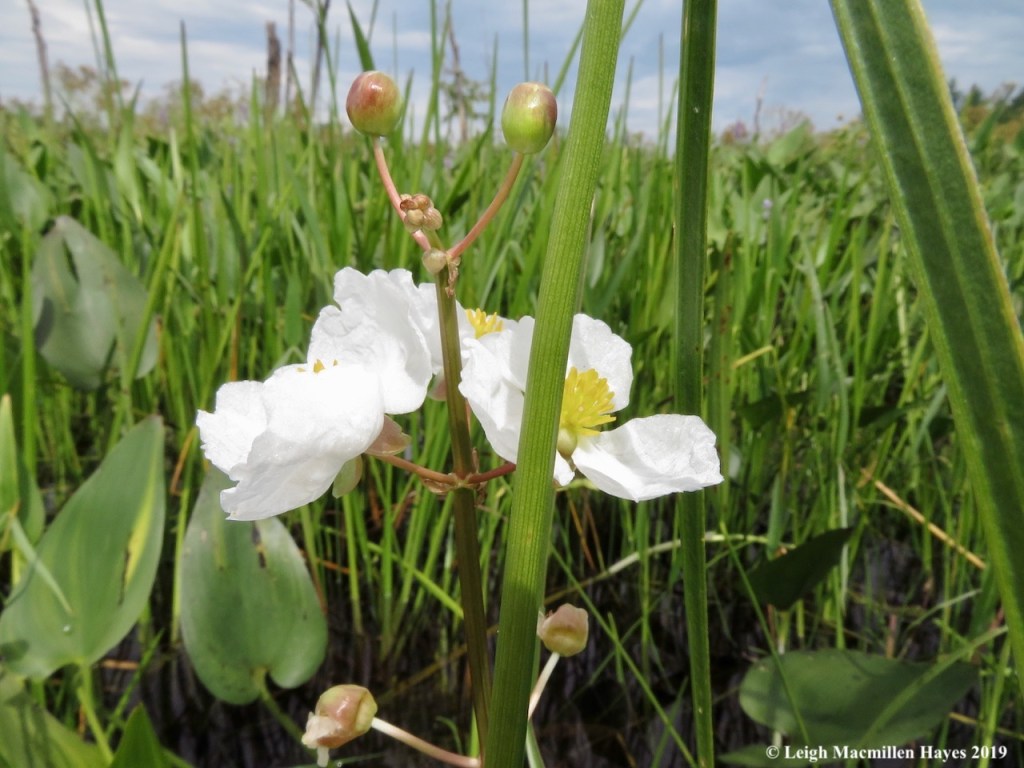


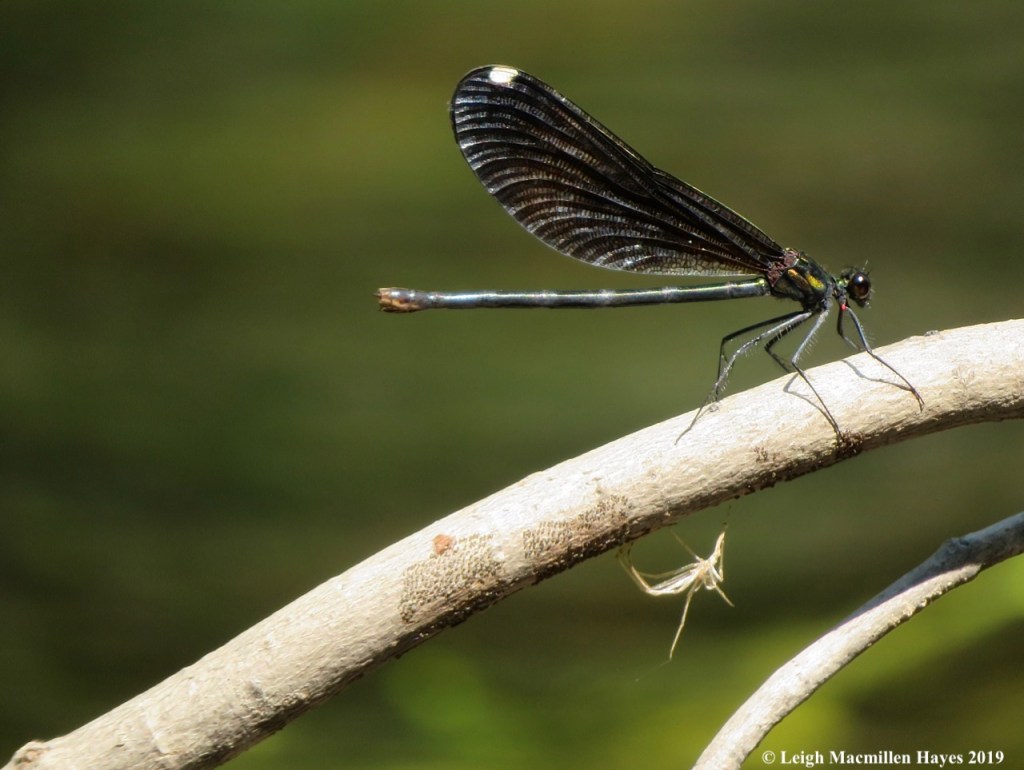
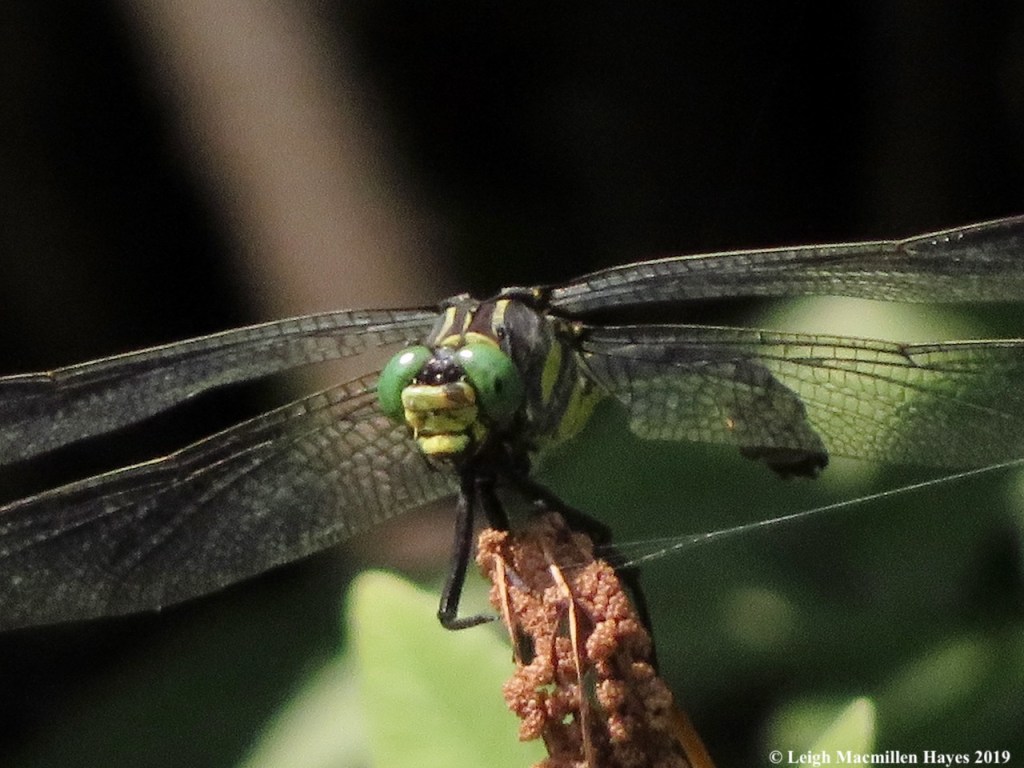


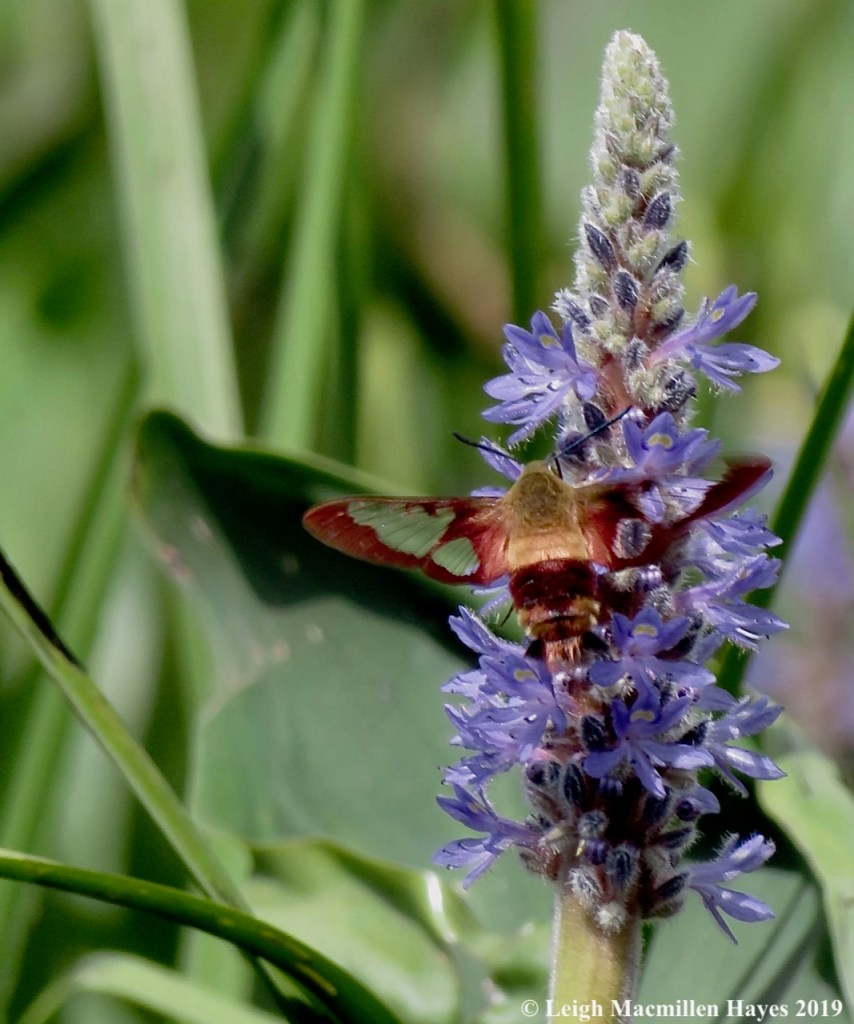


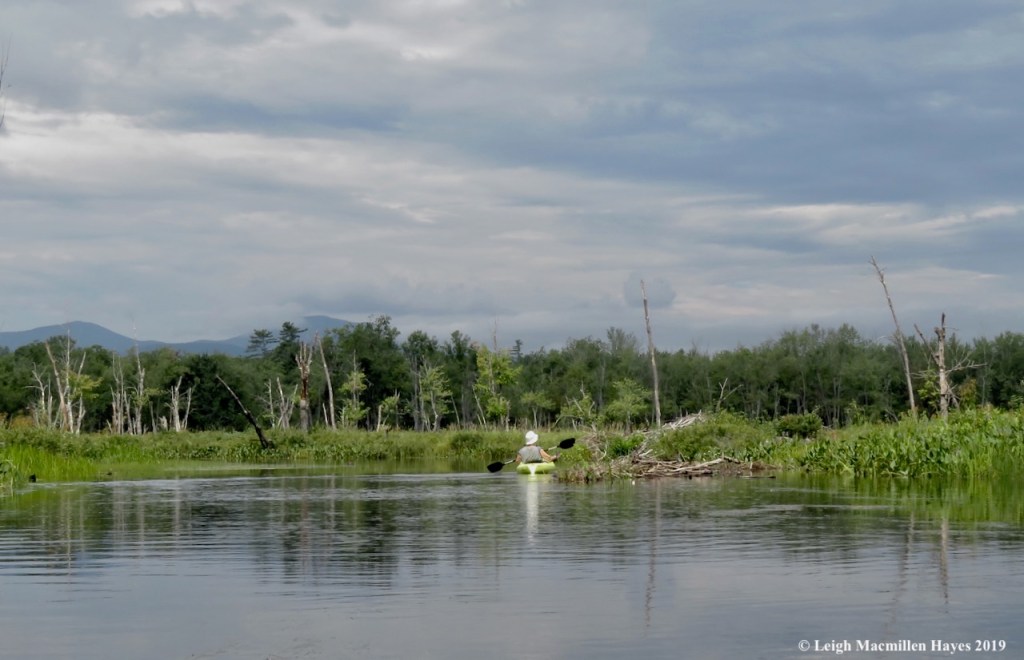

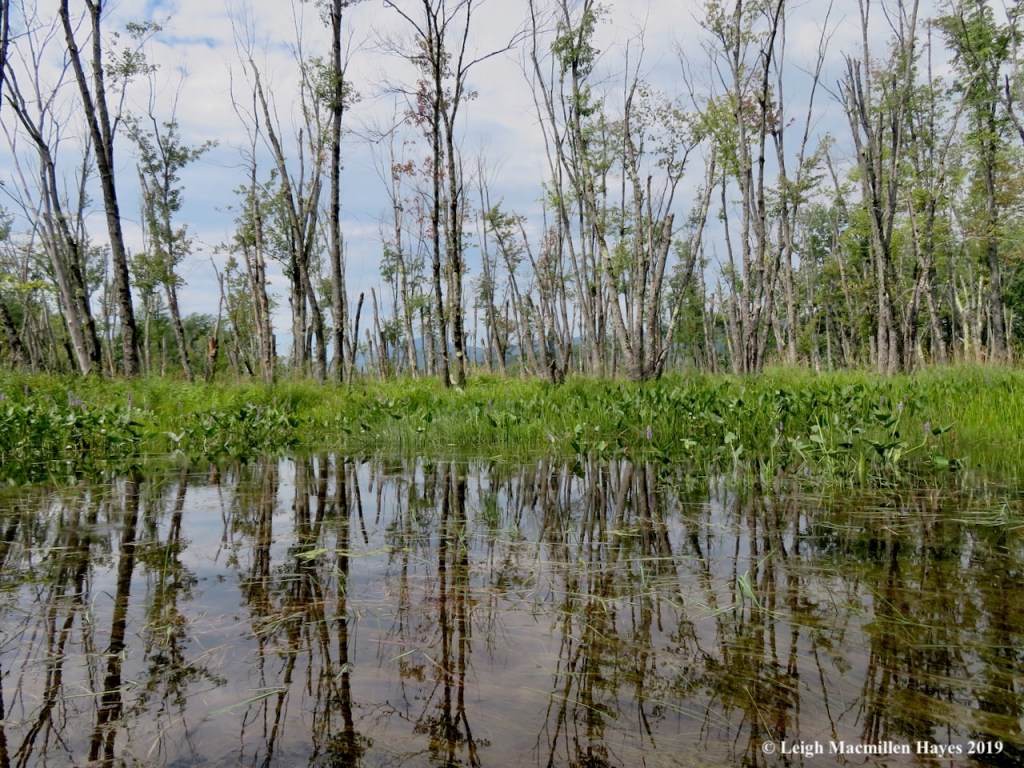


 wondermyway