I’m working on a challenging article and can’t quite figure out how to introduce the topic. After a bunch of attempts, I suddenly had an inspired idea . . . drop the pen, walk away from the legal pad and head out the door.
And so I did despite the freezing rain that was falling atop this morning’s snow. Heading down a trail I haven’t had a chance to step upon in months, I realized that I was among old friends who had passed by prior to the storm.
In fact, every where I went for the next two plus hours, they had been there before me.
Their tree of choice also gave away their presence and I fear that there won’t be too many red maple leaves in bloom come spring. Imagine this: a moose needs to consume fifty to sixty pounds of vegetation daily–that’s a lot of buds, twigs, and bark.
With their lower incisors and hard toothless upper palate, they grabbed the twigs and yanked to pull the buds off for consumption. Left behind were their calling cards–long dangling tags. Some were at least three feet above my head.
Also think about that moose face–homely and ungainly as it may be with a large upper lip that can wrap around the twig in order to dine, and the bell or dewlap dangling below its mouth.
With utter glee I found some hair stuck to one twig and it wasn’t the hollow shafts of its dense coat, so I wondered if in the process of browsing, hair had come off its face or dewlap.
As I said, the moose had traveled throughout the woods and I began to follow their tracks exclusively, for they always lead to coppiced red maples that are trying to make a comeback in these woods that were logged within the last five to ten years.
It was on one of the trees that I did find the hollow hair shafts, and I’ve used black arrows to try to point them out to you. There were three which seemed to intersect at the point where the twig had been swiped. Notice how straight they are, especially in contrast to the slender, curly hair.
The more I looked, the more soft, curly hairs I found. Hmmm, I have a feeling any of my hunter friends can enlighten me, for now I’m considering belly hair? Is it softer? Or am I correct in thinking about the chin hairs?
It doesn’t matter. Well, it does because I’d like to know.
And maybe the chickadees were trying to tell me as they flew in and landed on maples while singing their “Chick-a-dee-dee-dee” song. But what mattered most was that I got outside and cleared my brain and came up with an introduction to the challenging article: It was a dark and dreary day . . . oh drats, I can’t use that–especially since despite the snow and rain, I hardly found it dark or dreary.
I think instead, I’ll begin in the middle and see where the article takes me from there. In the meantime, though I didn’t see them, I’m tickled to know that there are still several moose in the woods behind our house.
This morning dawned as all do, but not all are quite so pristine. As I drove to Lovell I gave thanks that I’d be able to explore with a friend as we completed a reconnaissance mission before leading a wetland hike next weekend.
My friend Alice brought along her friend, Diana, and we tried to bee-line to Bradley Brook and the wetland beyond, but there were so many things to stop of us in our tracks, including the numerous prints of white-tailed deer and an occasional squirrel. Plus beech buds and marcescent leaves and . . . and . . . and. If I share all now, you won’t need to join us on February 8 and we really want you to come.
Eventually we reached the brook and were wowed by the colors and textures it offered.
As the brook flowed so did the ice form and its variation bespoke the water’s varying ways.
It was beside the brook that another local resident revealed its name by the prints it had made. We welcomed conditions that have been a bit on the warmer side of late (it wasn’t exactly warm when we began this morning, but these prints were made a night or two ago and actually showed some details or clues that led to identity). Do you see the baby hand in the upper left-hand print? And the diagonal orientation of one foot ahead of the other?
We continued following the raccoon and the brook toward the wetland of our destination, but paused again and again to rejoice in the presentation before us, including the tree that formed a triangle in reality and shadow.
At last we arrived at our destination, curious about the possibilities it offered. Though the temp was on the chilly side and we’ve had some really cold days this winter, we’ve also had some with much milder temps and so we watched our footing because none of us wanted to break through.
It’s a place where animal tracks intersect with nature’s lines and shadows grow long, whether arced or straight.
While we focused on the offerings, Alice and I gave thanks for Diana’s questions, which helped us consider how and what to share with participants who join us next weekend. Male and female catkins? Oh my.
Eventually we found our way back to the brook, and if it seems like I’ve failed to show you all that we saw, it’s only because I don’t want to give away any treasures we want to share. Did I mention that Alice and I are leading a walk for the Greater Lovell Land Trust on February 8th at 9:30am.
We noted an ice bridge that crossed the brook, but it was thin and no critters had yet taken advantage of its structure. Next weekend, however, we’ll check again.
At the old yellow birch we paused before turning away from the brook, but really, don’t you just want to spend some time in this landscape? Listening to the babble of the water and calls of the chickadees and nuthatches? It’s a perfect place to get lost for a few moments and let the forest refill the innermost recesses of your lungs.
And then to look for lungwort lichen (Lobaria pulmonaria), an indicator for rich, healthy ecosystems such as old growth forests.
Alice teased me because I love to pour water upon it and watch as it magically turns bright green. The main photobiont is a green alga, and when water hits it it immediately photosynthesizes and goes from dull and dry to vibrant and pliable. It’s also a type of cyanolichen, meaning it contains nitrogen-fixing bacteria. When it falls to the ground and decomposes into the forest floor, it contributes its nitrogen reserve to the soil.
Eventually our time in Lovell came to an end and within the hour I drove to Lewiston for another meeting with some like-minded friends.
The plan was for me to deliver sets of tree cookies to Cheryl Ring and Sue Kistenmacher, two of four co-coordinators for the Maine Master Naturalist class now taking place in Waterville. After filling Cheryl’s car with boxes of bark, we headed off for a walk in the woods of Lewiston.
Within moments, we found ourselves admiring the red in the bark of a red oak and Cheryl went forth to honor it for announcing its name.
Red maple also announced itself, though in a completely different manner. It’s the only tree in Maine that suffers from bullseye target canker which creates . . . a bullseye shape or circular plates caused by a fungus.
With these two notorious birders, we spent a lot of time looking up and saw chickadees, nuthatches, crows, a downy woodpecker, heard a pileated, and the icing on the cake: two brown creepers upon the tree trunks.
But . . . we also spent time looking down and the footprints beside our feet amazed us.
It was the orientation of prints always presented on a diagonal with five tear-drop shaped toes and in a bounding pattern that first heard us exclaiming.
Taking measurements and noting all the details, while using Dorcas Miller’s Track Finder book and David Brown’s Trackards, we nailed it. Fisher. (I just have to say this: not a fisher cat. It’s not in the feline family; it’s a weasel.)
As we followed the fisher tracks we met another traveler of these woods. It threw us off at first because its pattern led us astray. But we followed the track for a bit and examined the prints until we found a few that helped us make a positive ID.
We’d considered fox, but none of the measurements matched up and we were pretty sure we were seeing five toes rather than four and then we knew the creator. The second raccoon of my day.
As it happened we followed both the fisher and raccoon and noticed that while the raccoon walked by the pine trees, the fisher’s prints were visible on one side and then on the other in a way that was not humanly or fisherly possible, unless the mammal climbed the tree and jumped off the other side.
And planted a solid landing–like any great gymnast.
How great it was to stand there and note where the fisher and raccoon tracks had intersected–both overnight perhaps, but for as far as we had traveled no interaction had taken place.
We did, however, find an area that explained why the fisher was on the hunt: a hillside filled with squirrel middens. This spot offered more squirrel middens than I’ve seen all winter.
A midden is a garbage pile. The red squirrel finds a high spot, either the lay of the land, a rock, tree stump, or branch, upon which to “eat” a white pine cone like an ear of corn. The squirrel pulls off each scale on the cone and munches on the tiny pine nuts, discarding the inedible parts.
Each pine scale holds two pine nuts with attached wings or samaras–think maple seed with its wing. If you look closely at the inside of the pine cone scale, you can see the shape of the samaras and seeds.
Just before we turned back on our afternoon journey, we discovered a coyote track and gave thanks that we were in a city space that provided an incredible sanctuary for the mammals and birds.
My thanks began in the morning when I spent time exploring the John A. Segur Wildlife Refuge in Lovell with Maine Master Naturalist Alice and her friend Diane.
And it concluded with the afternoon spent with Maine Master Naturalists Cheryl and Sue at Thorncrag Bird Sanctuary in Lewiston.
From Lovell to Lewiston, naturally with naturalists. Thanks be.
“Even if the conditions weren’t great for tracking, it was still fun to get out,” said Gilda, one of the newest Greater Lovell Land Trust Trackers as we explored off trail today. Mind you, it was -11˚ at daybreak, and the temperature registered in the single digits when we all met at Lot #1 of Heald and Bradley Ponds Reserve.
Not too far along the Chestnut Trail a trough extending from both sides drew our attention. We split up and followed it in either direction trying to determine the creator. Deer? No, not deep enough in the fluffy snow. Coyote? We kinda sorta saw the footprint and perhaps the pattern, but why the trough? Fisher? We were almost certain it was for we convinced ourselves that the vague prints were on a diagonal and the critter had bounded and slide across the landscape. It seemed to be characteristic of a weasel family member. But would a fisher slide that much? We’ve seen occasional slides but this was consistent. Porcupine? Now that didn’t occur to us and as I looked at the first photo I took I thought why didn’t I think of that. I know that the summit of Flat Hill is covered with porcupine tracks and dens. We were at the base. Just maybe what we saw was the trough of a porcupine. As it was, we spent a lot of time questioning our observations and blaming it on the snow for not providing us with the best tracking conditions. Someone mentioned that I should have kept track of how many times I said, “I don’t know.” Perhaps tracking those three words would have provided us with a higher success rate.
What I did know was that when we reached the stream and noted that the mystery trough maker had crossed to the other side and we didn’t like the looks of the ice and running water below and chose not to follow suit, we did spy some prints with a pattern we all knew to be coyote based on the size, X between the foot pads, and nail marks. Actually, we thought a family was on the hunt. Perhaps for a porcupine?
All in all, we did find vole and mouse tracks, and later some that we were 95% sure were fisher, and domestic dog. But like Gilda said, it was fun to be out on a brisk winter day in a beautiful location as we shared a brain and tried to figure out the stories in the snow.
Today’s Tuesday Trackers included Joan, Bob, Lucy, Ingrid, Pam, Joe, Gilda, and Frank.
These trackers were as intrepid as those I traveled with year ago and the article that appeared in today’s Bangor Daily News was based on a similar adventure last year. Well, let me clarify that. It was similar in that the temp was 4˚, but if I recall correctly it must have been windy for it felt even colder. And the tracking conditions were pristine that day.
Christmas gifts don’t always have to cost and such was one that my guy cashed in on today. You see, I gave him a card and wrote a message within that read something like this: “Let’s travel to Tin Mountain Conservation Center’s Rockwell Sanctuary in Albany, New Hampshire, one Monday this winter. Your task will be to identify three reasons why I chose this place for us to journey. If you figure out all three, I’ll buy you a beer.”
And so we went. And I wondered how quickly he would figure it out.
At the kiosk, we examined the map and decided we’d start off on the Maple Leaf Loop to the left and stay to the left, thus covering all of the outer trails. That meant we wouldn’t see everything, but in three or four hours we would see enough. Maybe.
From the get-go, he tried to figure out what three things I had in mind. Was it the signage on the trees for he appreciated that they boasted their names?
I liked that as well, but, no, the tree signs weren’t part of the deal.
What about the trail being well marked, he wondered. Yes, that was a good thing and we do sometimes have a tendency to get “fake” lost, but donning snowshoes meant we could always backtrack and find our way out. So that wasn’t it.
Could it be the decorated Christmas tree? Well, that certainly is what introduced me to the trail system a month ago for the tree was decorated as part of the ME/NH Christmas Tree Quest I’d coordinated, but that wasn’t why I wanted to travel these trails with him.
Maybe it was Chase Pond? No again. I did, however, love its layers and really wanted to walk onto it to explore some more, but I’m not ready to trust ice recently formed and then coated with an insulating layer of a foot of snow. Soon, but not yet.
In the meantime, however, the edge of the pond presented the woody structures of Leatherleaf’s former flowers and I rejoiced. He marched on, totally oblivious, but that was okay. I knew these would capture my heart, not his, and the goal was for him to figure out the three things that would appeal to both of us.
“Could it be the beaver works?” he asked as we circled the Beaver Loop.
No, but the high ridge of an old beaver dam in the mid portion of this photo made me wish we’d seen more recent works. It appeared the beavers had done their work and moved on a few years ago.
Was it the canoe half hidden in the snow? That surely was fun to stumble upon and reminded us both of canoes at LEA’s Holt Pond in Bridgton. This looked like another case of bring your own PFD and paddles. You might throw in some duck tape, just in case. But, no, it wasn’t the canoe.
We followed Stoney’s Spur down to the water’s edge and again a question: Perhaps it was that we could be the first to make tracks in the snow? Well, sorta the first, for a fox and mink had been there before us. I reminded him that when I wrote the message on the card I had no idea exactly when we would visit the sanctuary or what the trail conditions would be so again, that wasn’t one of the thoughts on my mind.
The spur did lead us to a boardwalk and we broke trail on it before heading back around to the Laurel Loop.
A sudden stop by me and he knew that this wasn’t part of the equation for he had no idea what the structure was that drew my attention. We find these occasionally and they always make me happy. This was the capsule of a Lady’s Slipper and while I suspected that there are more such plants in these woods, we’ll have to return in the spring to verify that assumption.
The Laurel Trail lead us across Bald Hill Road and it was there that the great signage we’d enjoyed came to an abrupt end. And so we moved about searching left and right to figure out where to go next.
No blaze led diagonally behind us, but down through the trees my guy spied some yellow paint and so he checked it out before beckoning me to join him.
It was that way for much of the trail and though we enjoyed the lay of the land, we had a difficult time determining where to go next.
The glacial boulders, however, were a sight to see.
And upon one I discovered an act of gravity I didn’t understand: icicles extending outward and growing parallel to the ground rather than perpendicular to it.
Was this some sort of magnetic hill? My guy never saw these so he couldn’t add his two cents, which I would have gladly welcomed. Sometimes he sees things that make sense of what I spy.
The thing about the trail, however, was that neither of us could spy the blazes most of the time, unless we turned around and looked back. We were supposed to be exploring a loop and crossing back over the road, but suddenly found ourselves traveling back toward whence we’d come. Even with GPS, which didn’t pick up the actual trail, we could see our movement but couldn’t determine where we were supposed to be since the map wasn’t geo-referenced.
That was okay because our wander found us traveling through a Mountain Laurel field we would have otherwise missed.
My guy was rather certain the plant was not for his focus and so he moved on while I paused for the old Kodak moment.
Finally crossing back over the road by backtracking our steps for a bit, he wondered if the Owl Prowl Trail was one of the three reasons I’d chosen this place. No, though we both love owl encounters.
Crossing a bridge, he didn’t realize that he was suddenly getting hotter.
The bridge marked the outlet of Chase Pond and huge boulders formed its old damming point.
Our next left hand turn took us on to the Quarry Trail.
As we traversed it, a lightbulb went off and he asked, “The quarry?” YES! Quarries fascinate both of us and I knew he’d enjoy finding and exploring this one. He was feeling rather successful and grateful that he wouldn’t be the victim of a shut out.
At the next intersection he had his second answer: Bear Trees. Bingo. But, would we be able to actually see any?
Indeed we would. We both love the discovery of scratches left behind by the big mammals.
And so, as we climbed about through the quarry, we continued to look for beech trees with marks showing the way of the climber.
The rocks left behind offered their own interesting forms.
And the trees, lots of evidence.
There was more on the trees as well, and not all of it worth celebrating: do you see the tiny white spots mingled occasionally among the red bloom? Those white dots are the minute beech scale insects. The holes the tiny insect makes in the bark create a perfect entry point for nectria pathogen to make its way into the tree. The pathogen, a type of fungus, kills some areas of the tree at the point of entry. In reaction, the tree develops a canker as a defensive attempt to ward off the invader, but by doing so the canker blocks the vascular tissue of the infected beech by stopping nutrient flow in that one area.
And those red spots, as pretty as they appear, are actually tarry spots which ooze out of the cracks in the bark caused by the canker. Essentially, it appeared the tree was bleeding.
We preferred to focus on the scratches, some indicating a more recent visit than others, based on the width of the marks.
We kept finding them and wondered how many more there must be within the sanctuary and beyond.
It was no wonder for many of the trees are mature and, as evidenced by the husks left scattered on the snow, they’ve been producing fruits, aka beech nuts, for a long time.
After almost four miles in three hours, my guy and I finished up our trip and he was thrilled to have figured out that I chose this place for the quarry and the bear trees. But the third reason alluded him.
That’s okay. It just means we’ll have to return again so he can figure it out. Of course, that also meant no stop for a beer on the way home.
Perhaps the next time. In the meantime, we’re both still thrilled with the finds we did make as we rocked this first Mondate of the new year.
We never know how many to expect for any event, but the Greater Lovell Land Trust’s First Day hikes typically attract a maximum of nine. Today, however, we were wowed as eighteen gathered.
Before leaving parking lot #2 on Slab City Road to reach the trailhead for our loop up and down Whiting Hill at the Heald and Bradley Ponds Reserve, we all donned snowshoes and marveled at the mix of styles and colors.
Why snowshoes? Because Mother Nature dumped a foot of snow over the past two days and finally it felt like winter.
In single file, we marched along, but paused periodically, including to practice shouting. The phrase that bore repeating: Happy New Year.
Occasionally mammal prints made us stop in our tracks and for one we noted signs of urine. Hmmm, who exactly was the four-footed explorer? A red fox. And how could we be so certain? Because its pee smelled rather acrid and skunky. We initiated a few of our trekkers for they got down on all fours to take a whiff.
Other things also drew our attention along the way, including Mother Nature’s Snowball Tournament.
At last we reached the summit of Whiting, where the view encompassed Kezar Lake, but not so much the mountains for it was snowing.
While there, we shared hot cocoa and tea, pumpkin bread and scones, and lots of conversation. And again, we shouted, “Happy New Year.”
The temperature was just right and the snow the right consistency, that soon a few of us got creative.
Snow sculptures and a snowman became the focus of our intentions.
This snowman was extra classy for he chose to sport a mustache.
At first, he wanted to look into the woods, but eventually he decided to change his orientation and take in the vista of the lake and beyond.
Because we were in a festive mood, or maybe just because, a juggling act began to take shape.
In the form of snowballs.
Perhaps next year we’ll add a talent show to the day’s offerings.
In the midst of all the fun, conversations continued and old acquaintances were renewed while new friendships formed. What we love about any of our hikes is that by the end, whether you come as a frequent traveler or a newbie, you leave feeling like part of the crowd.
A couple have traveled this particular hike with us since its inception: Kitty and Dale Nelson. Kitty has been with us for three of the four years that we’ve offered a First Day hike and Dale hasn’t missed one yet.
Finally, we decided to call our time at the summit to a close. But first we needed to hear from those gathered. Mr. GLLT began by shouting: “Happy!”
To which the Mrs. added, “New!”
And the rest of us completed the phrase, “Year!” Additionally we shouted out the names of the towns we serve: “Stow, Stoneham, Sweden, Lovell, and even Chatham.”
When the snow falls on the last day of the year, embrace all that it has to offer.
And there’s no better way to do such than by strapping on the old snowshoes and taking a selfie. My style of selfie, that is.
As you head into the woods, the first thing you should do is locate a treasure map. You never know where it might lead. Sometimes, you’ll discover you’re traveling in circles, as I did a couple of times today.
If the map leads you under archways, be sure to duck.
Or if it presents a field of pine saplings, find your way around them. Do be sure to look for insects and spiders as you pass by.
Today, all I saw were needle-like snowflakes.
You might soon discover that you aren’t the only one on a quest: the batman-shape of prints may indicate other travelers on the snow–in this case a squirrel.
At some point, you may come to realize that others followed the directions on the map, but at an earlier time. By the muted hour-glass shape and depth of the track, you should recognize it as a white-tailed deer.
If you are really fortunate, the map will lead you to deer beds, the rounded part of each large indentation indicating the back of the mammal.
When you look up, you’ll understand why they chose this location to bed down during the night–the huge hemlock above provided some protection from the weather.
Take a few more steps and suddenly you may discover that fresh tracks had been left behind probably moments before you approached.
And though your brain may trick you into thinking the deer had gotten a head start on a New Year’s Eve party, reality will sink in when you remember that they have two basic needs: food and safety from prey.
Fresh beds may also make themselves visible and by the shape you might begin to envision a head on the snow just right of the center, the rounded back side on the left and extended legs toward the bottom right of the impression.
As you continue your journey more treasures will be revealed, like the “naked,” yet hairy buds of hobblebush keeping winter’s weather at bay.
And the waxy scales of beech buds doing the same. For some, such a sight will provide a measure of hope that spring will come again.
Be sure to enjoy all the messages on the map, such as this one: be proud of your roots and don’t be afraid to let them show.
Or this: interruptions happen and that’s probably a good thing.
Always do you best to be as transparent as possible.
Listen to you mama and dress in layers.
Don’t be afraid to cross boundaries (even if they’re marked).
Recognize that you may have some prickly moments.
And in the end, check in on old friends and make new ones.
When the last day of the year, in fact, of the decade, gives you snow . . . make a snow person.
The heartiest lesson of all: take time to laugh with it and at yourself. Ho Ho Ho!
Happy New Year, dear readers. I truly appreciate having you along for each wonder-filled wander.
I set off on a mission this afternoon: to spy another Tetragnatha viridis, the green long-jawed orb weaver. I last spied one on December 17th, and was sure the task would be a piece of cake today.
On the plot of land that I roamed, which had been owned by a paper company until about thirty years ago, stood towering pines, but also some that were about 20 years old and others mere saplings. I’d love to say each one captured my attention, and really, they all did, but there are still a million more to examine.
In the process, I began to notice that it wasn’t just the spider that would give me reason to wonder. First there was the ichneumon wasp cocoon. In size it was the same as another that I’ll share later in this post, but the metallic color and spotted pattern made it stand out. Presumably the larva that created it is a parasitoid of some caterpillars that feed on conifers.
Mind you, I was in the woods and there were patches of snow and certainly other patterns to pay attention to so I let my mind wander in the moment. And rejoiced with this find: an opossum track.
An opposable inner toe on each hind foot looks like a human thumb. In a shuffling motion as it waddles along, an opossum places its back feet just behind the front feet.
I followed this guy’s track for a bit until it disappeared into leaf cover and I suspected it might be up a tree.
And so my spider expedition continued. My next find: a tiny clump of bird feathers. But no spider in sight.
Again, I digressed, however, for on an old snag, I found lungwort growing over a burl in a formation I’ve not seen before. I’m used to finding it on the trunk of a tree, but wrapped around the rounded growth was a new presentation.
Back to the task at hand, and I suspected this was a molt of what may have been a tiger moth caterpillar. No spider yet, but I was getting more and more excited with each find.
Practically tripping over a downed tree I came upon another sight new to me. Here’s how I’m reading this story: the green capped mushrooms, violet-tooth polypore, had begun life when the tree was standing. Once it toppled, new fungi grew perpendicular to their parents so that their spores might drop downward. While I’ve seen this with other mushrooms, where new growth emerges from old, I’ve never encountered it with this species before.
Certainly that called for the reward of a spider. A dried up caterpillar molt would have to suffice in the meantime.
And then, in another patch of snow, another waddler had shuffled through. Remember the opossum pattern of the hind foot overlapping the front? Well, a raccoon’s pattern is offered in a series of alternating diagonals. One front foot and hind on the first angle, the other front and hind the opposite. And so it continues.
What made me chuckle about the raccoon was that it chose to walk on a downed tree rather than the more stable ground. Why not?
Refocusing my attention, upon another pine was a pupating ladybug beetle. Its structure strikes me as unique until I realize all insects are idiosyncratic in any stage of life. Still no spider.
Traveling through the woods was a bit difficult at times as there was no path and there were either clumps of trees growing in each others space or downed and rotting trunks. It was upon the later that I spied a bit of color from a thin-maze flat polypore, Daedaleopsis confragosa.
Its underside gave the name meaning. Can you follow the maze?
At last I turned my attention solely to the pines for the hour was getting late and the sun sinking lower and I still had to find my way out and walk home. It was then that I met an old friend in a new form. Remember the ichneumon wasp cocoon at the start of this story? Well, the pine sawfly cocoon is similar in size and shape. This one I refer to as an old friend for I encounter these on any type of tree or shrub all the time, but given that there was no opening, I knew that within the sawfly was pupating. Still no spider.
Then I found examples of those that had been sawed open. Given that the cut is always uniform, a few friends and I have taken to calling it the circular-saw fly. The fly would have emerged in the spring. Still no spider.
Finally, I found another sight new to me: double sawfly cocoons. Surely a two-seater.
I never did find the spiders I sought. But there was certainly plenty to pine over as I tramped the woods. And all of it was worth a wonder.
I never had the good fortune to meet John A. Segur, but I’ve given him thanks repeatedly over the years. You see, Mr. Segur left a bequest to the Greater Lovell Land Trust to preserve habitat so that native wildlife might thrive.
It was my choice today to check on how that was playing out as I circumnavigated the John A. Segur Wildlife Refuge from Farrington Pond Road. Since the parking lot isn’t plowed for the winter, I pulled off at the cul-de-sac at the end of the road, which actually was a better spot because I didn’t want to be enticed to follow the trails.
A wise decision it was, for as I tramped along the property line on a northeasterly route to start, a grin immediately emerged. It was the downhill slide that made me instantly happy for I knew that rather recently an otter had also visited the refuge. As it should.
The bottom of the slide ended at the shore of Farrington Pond, a view those of us who visit the refuge rarely see for there is no path to it. But I rather like it that way for bushwhacking allows for new discoveries that aren’t as sterile as a maintained trail. And I suspected Mr. Segur would have felt the same. Plus, his vision was all about a wildlife corridor.
He also would have smiled when he realized that the beavers by Farrington had been active at some point in the fall. Unfortunately, (or as I’m sure some neighbors feel: fortunately) I didn’t see any other “fresh” beaver works, though I didn’t walk all the way around the pond, so I’m not sure of their status in this locale.
But, they had visited in the past including at least ten years ago, based on the growth rings on display around the wound. It’s my understanding that Eastern Hemlock is not a favorite species of beavers and they will often girdle a tree by eating the bark and cambium layer all the way around the trunk, perhaps in hopes it will die. I’ve heard a few theories on this including that beavers do such so that their preferred species will have a chance to grow where the hemlock once provided so much shade that no other trees could set root. But here’s another to throw onto the table: what if the beaver starts to dine and then realizes the flavor is not to his liking? And so he moves on to another tree. Hey, it’s just a theory.
Another thing about beavers is that sometimes they chop down trees that don’t exactly fall as planned. In this case, the entire upper portion dangles from another in the form of a widow maker–as in, don’t stand, or in this case sit, below it.
While studying the tree and thinking about the beaver, I looked down to the pond and saw more mammal sign. Can you spot the otter slide?
Eventually my bushwhack led me toward a stream crossing where the ice wasn’t exactly solid. But the bubbles that had formed within it were like little round spirals that reminded me of the inside of abalone shells. Or perhaps snails.
Suddenly, leaf cracklings filled the air that had been silent except for the sound of wind whooshing at a higher elevation. It took my eyes a few moments to discover the source of the noise, and then I realized I was near a flock of robins. My movement disturbed them, but they didn’t fly far and so we each spent a few moments contemplating our next moves.
As I stood there, I noticed a small tuft of feathers stuck to a hemlock branch, which reminded me that I need to stand still more often for it’s in those moments that things make themselves visible.
Finally I carried on, pausing again, however, when an old, old Yellow Birch showed off the stilts upon which it grew. From their height, I could just imagine the long rotted trunk that once served as its nurse tree, allowing its seed to germinate and set down roots.
Nearby was another ancient, this one a hemlock that preferred to begin life in the same manner as the Yellow Birch. I was sure it had stories to tell and know I’ll return one day soon to spend some time enwrapped by those roots as I listen.
The trees led the way to the wetland and I really, really wanted to explore it, but because I was alone (well, not exactly alone for Mr. Segur was with me kinda sorta, not really) I thought that that too should wait for another day.
If you peer closely at the snow-covered ice beginning from the lower right hand corner and moving toward the shrubs, you may spy the track of another mammal. Do you recognize the pattern? Once you learn patterns, you don’t always have to see the prints up close to know the creators.
Finally, I decided to turn away from Farrington Pond for there was another wetland on the property that I wanted to visit. But first, I found an old beaver dam. Given the lower level of water behind it, I knew that it was not in use, but it looked like a mighty sturdy structure.
Across the landscape I made my way, noting tracks of a million wild animals. Well, maybe not a million, but certainly many including coyote, fox, deer, raccoon, squirrel, vole, mouse, hare, weasel, and fisher. Some were fresh, while others a bit diluted from fluctuating temperatures. This was a place where the mammals wander freely as Mr. Segur intended.
In so doing, I also spied some puff balls that reminded me of applehead dolls with their weathered faces.
There were others who also offered a different take on their natural form–one might call this the star steeple for aster seeds had landed upon the woody structure of steeplebush capsules.
And then in a field I made a “new to the property” discovery: Tamarack trees. I love the nubs that once supported their leaves (aka needles) and the upright cones. Cones remain on the trees for about two years. I wondered about them being upright, but I suppose that as the scales open to release the winged seeds, they catch the breeze and rather than merely rain down below their parent, they are uplifted to a new location.
Continuing my bushwhack, I also continued to keep a keen eye on the world.
But there were a couple of locations I wanted to check on before my time with Mr. Segur ended. At last I reached Sucker Brook and again I chose not to venture onto the ice. One of these days.
From there, it was on to another place more secret than the last that I had my sights set upon. First, however, I stopped to look at the marcescent beech leaves, some like this one that were mere skeletons of themselves so thoroughly had they been munched. It was almost like all that was left was the backbone and rib cage.
Seeing this reminded me of a spring day on this property about four years ago: A Perfect Beech Day. On that day I’d been wowed by the unfurling beech leaves and noticed how hairy they were. In my book, the hairs are meant to keep insects at bay, and yet beech leaves are attacked by many, many little bugs. On that day I also made a bunch of other cool discoveries. You really should click the link above and read about it.
Speaking of little bugs, I also found a pupating ladybug beetle, its form so unique. If I hadn’t known, I never would have guessed it was a ladybug.
At last I reached that spot that I think of as the secret garden. There isn’t an official trail to it, but over the years many have had the opportunity to discover it on their own and been wowed. That’s how I think Mr. Segur would have liked it. We don’t need trails bisecting every inch of a property. We just need more curious people.
This is a spot where three beaver lodges are located as one gazes north.
In the distance to the south there are two more, but you’ll have to visit the secret spot in order to see them.
While you are there, don’t forget to honor the Rhodora, which is slowly preparing to wow all of us in the spring.
And if you choose to bushwhack out, eventually you might stumble upon the inflated capsule of Indian Tobacco. (Hint: it’s near the edge of an opening)
A little more than three hours and over three miles after beginning, my time wandering the property with Mr. Segur had drawn to a close.
I gave thanks to him for showing me all the stars within and surrounding the circle.
When Pam and I decided to meet this morning we knew it was going to be the coldest day of the season and so we’d need to dress accordingly. For me, it was six layers on top, two on my legs, wool socks, a hat and buff, plus mittens and hand warmers. Her ensemble was similar.
We met on the side of a road by an old stomping ground we’ve been eager to revisit for there was a certain porcupine that had been calling our names since last winter.
He didn’t let us down. Almost immediately we spotted his track pattern and the hole that serves as an entrance to his home.
His prints weren’t super clear, but I suspected some snow had blown into them after he’d made his way home about sunrise this morning. We could also see more muted prints that led away from the hole and decided that those were made just prior to last night’s snow squalls.
We looked around the area for other signs of his presence and found a vent hole or two above his underground home.
Outlined with hoar frost, we knew this guy was snug within his living quarters.
But, the question remained: where had last night’s adventure taken him? His track passed by the hemlock he spent last winter in and we noted that all the twigs he’d snipped off now decorated the ground as skeletons of their past, needleless as they were.
He led us to another hemlock tree that he seemed to pause beside and perhaps climb, but he didn’t do any dining there. A chipmunk had also raced around a wee bit later than the porcupine.
Sometimes he waddled over downed trees.
Other times he went under them and we had to find an easier way around, all the while making sure that in wet spots, we didn’t fall through any ice. It was a bit tricky to say the least, but we were determined.
At last our question was answered when we saw disturbance in the snow and oak leaves. Mr. Porcupine had come to forage for acorns.
We even found a spot where it appeared he’d paused to dine. And the track of a vole. One of the things I love about snow is the information it gives us and the fact that it makes us think about the story. The porcupine’s story ends there for our adventure, as the acorn feast was his turn around point. From there, his track returned to his den.
We, on the other hand, went looking for more and on our way to a brook that slices through the property, we discovered many ornamental icicles decorating the trees, each with its own interpretation of form and structure.
Our hope was to get as close to the water as possible, for there we were sure we’d spot others who had passed through the landscape. To keep from falling through the thin ice, however, we had to cross from one Cousin Itt clump to another.
If anyone tracked us later in the day, they must have thought, “Hmmm, human paused here for .minute, then took a giant step to get to the next Cousin Itt.” And they would have been correct in their assumption.
It was closer to the edge, where the winterberries and sweetgale grew, that Pam spied another ornament to add to nature’s Christmas tree.
The remains of a small bald-faced wasp nest dangled from the shrub. One cannot view such without wondering about the fact that the wasps had collected plant and wood fiber, mixed it with saliva, and chewed it into a papier-mâché of their own form. And in so doing, though this nest was smaller than some we’ve encountered, its structure was the same. This happens over and over again in nature and my awe never ends.
Eventually, we left that spot and journeyed to another. Not far along, we recognized another old friend, a snow lobster, I mean snowshoe hare.
Typically with hoppers, leapers, and bounders, I don’t take time to measure the stride because it can vary so much, stride being the length from one set of prints to the next. But, this was one huge hop and so out came my tape measure. Mind you, it’s a six foot measure. And by the black lines you can see that the hare flew through the air and landed almost seven feet from his jumping off point.
We followed him for a few minutes and then got distracted by the bird prints that were everywhere . . . as were the hemlock and birch seeds. Tis the season, and while folks aren’t necessarily finding birds at their feeders, I hear and/or see them every time I step into the woods. Let’s hope the same holds true for next week’s Christmas Bird Count. BTW: these are junco tracks.
A ruffed grouse had also wandered through and we laughed as we followed his track for he made some abrupt turns.
Again, making our way to the brook that crossed through this property, we found other cool things to admire and wonder about, including the Blackberry Knot Gall. Of course, we didn’t know it’s exact name at the time, but some homework helped with the ID. Apparently, the Blackberry Knot Gall Wasp (Diastrophus nebulosus) laid numerous eggs in the plants cane and the plant accommodated such by creating an abnormal growth. Being colonial, there’s a group of larval wasps wintering inside. I did wonder, however, if the hole was created by a very hungry woodpecker or some other bird. This one will need repeat visits so we can keep track of any ongoing activity.
Besides more bird tracks, lots of bird tracks, we found a set of gray squirrel tracks and chuckled as we noticed his attempt to climb to the top of the tree, at which point it appeared that he decided not to jump to the other side of the brook, but rather to run back down and cross via the ice. The brook isn’t entirely frozen, so his journey was precarious at best.
For a bit, we followed the brook to the wetland, a wetland that we love to explore in winter, but again, the conditions were such and I did break through some ice, that we finally turned around. But really, we may have continued if it hadn’t been for the temperature and wind.
When she arrived home, Pam sent me this image. I think saying it “feels like 2˚” may have been an understatement. It was our feet that proved to be the coldest. Later, we each admitted that it took a hot bath/shower to finally warm up. A cup of tea also helped do the trick.
Despite that, we were grateful for the opportunity to travel the fringes of the wetlands during the fringe season as fall turns to winter in western Maine.
It’s an eager group, the Greater Lovell Land Trust’s Tuesday Trackers, and since we had to cancel our expedition two weeks ago, I decided to go forth with today’s plan despite the weather forecast predicting snow.
And so we gathered, most meeting at the library to carpool and another at the trailhead.
Not long into our tramp, we moved off trail and began looking for green-tinted tan milk duds. We’d barely finished describing them to some newbies when one among us spotted a pile. And then, we realized they were everywhere.
Also everywhere, for we were in an early succession forest, were the fleur de lis and teeny seeds of gray and paper birches.
Scanning the area, we recognized the diagonal cut on woody vegetation indicating the source of the hare scat. Once the frost kills succulent plants, a hare’s diet switches to saplings of aspen, birch, maple, willow and cedar. Oh, they’ll browse other species, but these are their favorites and the site we were in offered at least four of the five.
Of course, examining scat is one of a Tracker’s favorite things to do and today was no different. Bob got excited when he saw rainbow reflections in one little specimen. Mind you, we know better than to pick it up for scat can contain parasites, but . . . (don’t do this at home).
Our journey soon found us starring at a much larger scat. Truth be told, Pam had discovered it last week and I joined her the next day to admire it. It is indeed, MUCH larger than the hare scat, because it was created by Ursa Major, a black bear.
The funny thing (at least to us) was that the day Pam spotted this, Mary Holland posted a blog on her Naturally Curious site about black bears scent marking on telephone poles during the non-breeding season and reminding people to bring their bird feeders in at night because it hasn’t yet been cold enough for the bears to hibernate.
It’s often like that if you follow Mary’s blog. She’ll post something that you either just spotted or can expect to see that day or the next. (Thank you, Mary)
Oh how I wish I had a photo of Joan and Bob as they simultaneously spotted the scat after Pam and I had walked a wee bit to the side and paused to chat–ever so nonchalant were we. Their eyes expressed their excitement over such a find.
Again, we know not only not to handle scat, but also not to sniff it. But, we couldn’t resist getting close to see that this hearty specimen was chock full of acorn shells. And so we held our breath as we looked.
We told the newbies that the initiation ceremony included taking a closer look.
And so Joe did.
And Dawn followed suit.
It was almost as if David Brown had used this specimen to sketch the scat on his Trackard, but . . . his find was full of apples.
I, however, may do the same, for true confession is that I took a wee bit. Well, okay, I took a huge piece. To dry out and add to my collection. All in the name of education.
At last we pulled ourselves away and continued on in search of more mammal sign, which we found in the form of a small hole with a clean dooryard. Where there is one hole, there is usually another.
Our curiosity was satisfied when it was spotted not too far away and then we actually found a third on the other side of the path and suspected that a chipmunk had a castle below and knew how to avoid sky space above the trail. Sky space can be hazardous to a little brown thing if a bird of prey spots it and trails often create that opening that the LBTs fear.
Because we are who we are, and curious about every little thing, it wasn’t just mammal sign that captured our attention. There were sawfly cocoons to examine.
And then, the leaf that dangled from a hemlock. All we could think of was that a deciduous leaf had landed on the conifer and a leafroller insect took advantage of the opportunity to create its cocoon in situ. Can you see the threads that hold the leaf’s petiole or stalk to the hemlock needles?
There were other danglers as well, all befitting the current season for this was the trail that the GLLT’s Nature Explorers, a group of homeschool families, had used to decorate a Christmas tree last year for the Maine/New Hampshire Christmas Tree Quest.
This year’s tree is located along the Homestead Trail at the GLLT’s Heald and Bradley Ponds Reserve, so be sure to get your quest on and go take a look.
And speaking of Christmas, snowflakes began falling as we made our way and we paused for a few moments to admire how they’d gathered on spider webs and danced in the slight breeze.
One of our other great finds and we found many, was the tubular shape of pine needles, which had been constructed by a pine tube moth caterpillar, Argyrotaenia pinatubana. The caterpillar had used a bunch of needles to form its hollow cocoon, binding them together with silk and munching on the ends of its winter home.
Later in the day, when I was alone, I discovered more tubes on pines and while I was looking I spied movement created by Tetragnatha viridis, the green long-jawed orb weaver. Do you see it? The green color helps it camouflage amongst pine needles, its usual habitat.
I bet you can see it now.
I only wish I’d been able to spy the spider when I was with this crew for we chatted about how after a winter rain droplets decorating webs make us realize how active spiders can be despite the temperature.
Today’s crew included Joan, Joe, Pam, Dawn, and Bob, and I suspect we all drove home with smiles in our hearts as we reflected upon the discoveries we’d made and fun we’d had during our time together.
We didn’t go over the river, but we certainly did go through the woods, laughing all the way, ho, ho, ho.
My hostess wasn’t home when I ventured upon her land today, but I went with her blessings. And in return was blessed.
I’d barely stepped into the woods when a female pileated woodpecker called for attention as she tapped with intention and sloughed off pieces of bark in a quest for insects.
My own quest was to check on beaver activity, for I’ve traveled this land before and knew their previous hangouts, but . . . by the level of water behind the first dam the water was a wee bit low and I sensed no one was at home nearby.
Just below the dam, a tall sculpture created last year indicated that we grow ’em big in these parts. Beavers, that is. But really, last winter the water was higher and so was the snow, so it wasn’t a super hero beaver after all who had gnawed and shouted, “Timber.”
A wee bit downstream stood dam number 2, also not in current use. But . . .
By the path through broken ice, I suspected that an otter had checked out the scene rather recently.
Perhaps he had high hopes of finding someone at home. When I knocked, no one answered.
Dam number 3 was also defunct and I began to wonder if there were any beavers in the neighborhood.
And then . . . and then I spotted a tell-tale sign: fresh incisor marks on a single tree. Do you notice how they are oriented left to right? A beaver must turn its head to the side in order to scrap the tree trunk and reach the inner bark with its upper and lower incisors.
Beyond the new works, were plenty of old, the shades of the wood telling the story of years of activity.
And on some trees, new met old, adding more colors and designs to the art work.
An old lodge stood in the middle of the wetland that was fed by a brook and stream, where ice sealed the world above from the world below.
A closer look at the lodge revealed that it had been compromised, and the memory of an exploration last winter reminded me that a predator had been attracted to it but didn’t seem to find anyone at home. Today, it seemed, the house was still an empty chamber.
As I continued along the edge of the wetland, I found one tree where a beaver merely took a quick taste and perhaps didn’t find it to his liking. Or . . . a predator happened along and he skedaddled back through the icy water to the safety of home.
It became apparent that someone was indeed home, just not in the first lodge. And by the color of the wood, the logging operation had occurred rather recently.
Wood chips on the ice added to the assumption that this was a recent harvest and if you look beyond, you’ll see two dome-shaped lodges in the offing.
From the shore, both looked well mudded, like we might add insulation and Typar to our homes to keep winter temperatures at bay. This technique also makes it resistant to attack from predators. What it doesn’t keep out is other undesirable visitors often in the form of hordes of insects.
The closest lodge was rather skyscraper in height and I began to wonder, was it the living room and the shorter one perhaps the kitchen? Did you know that beavers heap sticks until they are well above water and then gnaw their way up into the structure to create a chamber?
Much of the color surrounding the houses and throughout the wetland was provided courtesy of leatherleaf and its upright leaves and future flowers stored within the tiny buds.
Not far downstream from the two lodges, an infinity pool any homeowner might die for gave proof that someone was indeed home. Keeping the water high is important for beaver survival since they need to access their food supply of munch sticks stored underwater near the lodge and come and go from said homestead via a secret entryway. Secret to us and most of their predators, that is. Water snakes came find them in season. And otters can find them at any time, especially when the possibility of enjoying a meal of a young one seems a possibility.
Below dam number 4 water rushed and ice formed.
Dam number 5 was along a different stream, and though it hasn’t been in use for several years, its structure is worth honoring.
The meadow above invites others to take advantage and in the spring muskrats and wood ducks were seen in this place.
That’s the thing about beavers; they create wetlands that create habitats for others to enjoy, such as the deer that left behind some rubs on trees by dam number 1. From the raggedness at both ends of the rub and smooth wood between, I knew a buck had roamed this land and rubbed his antlers, leaving an inviting scent for a doe to notice.
And a chipmunk hole surrounded by hoar frost indicated someone was eating and breathing within.
But . . . not all chipmunks have decided to retreat to their underground homes just yet. The funny thing about a chipmunk is that it can pose as still as possible for minutes on end so a predator won’t spy it, but the minute it decides to move, it chirps. Why is that?
Certainly, it seems, it sends out a message to others like the bobcat who left behind a print or two or three on several patches of snow.
I traveled this land today because of the generosity of my hostess and so for her I found a bunch of fungi and decided to honor her with a false tinderconk as my way of giving thanks for letting me trespass almost anytime I want.
I’d gone to check on the beavers and was pleased with the discoveries I made for I know where they are and aren’t active. And I’ll return because those five dams and four lodges are only a taste of what her land has to offer.
But, it was the ice that once again stopped me in my tracks. Like the water it forms from, I’m always awed by the artwork created, in this case chandeliers dangled.
Seriously. Seriously, my heart stopped when I found a three-dimensional heart sticking up from a rock. Seriously.
My favorite find of all though, was a reflection of my face as I rejoiced in the unexpected.
This next month I hope you’ll make time to do the same.
Mid-morning this email message arrived: “Hi Leigh, I just returned from Heald Pond Road GLLT trail with this sample. There are other white hair clumps on several rocks along the path about 8 blue signs in.” The attached photo was of a clump of deer hair. Why the clump? Why the location? Was there more? Was it a mammal versus mammal kill site?
I had to know. And so when another friend contacted me about a hike later this weekend, I asked what her afternoon plans were for today. She’d be free by one. Perfect. We agreed to meet just after that at parking lot #1 for Heald and Bradley Ponds Reserve.
We weren’t exactly sure which trail to follow as two headed off from the lot, but placed our bets on the Chestnut Trail. As we started, I began to count trail blazes, but soon lost track.
Heck. There were other things to notice, including the minute blue stain fungus still holding court in its fruiting form. I’m enamored by so many different fruiting forms, but I think if someone asked which is my favorite, it would be this one. The color. The teeny structure. The fact that when it’s not fruiting, one can easily mistake it for a painted trail blaze.
It appeared that I wasn’t the only one who felt such love. Do you see the Springtail, aka snow flea? The size of the snow flea should provide perspective on the size of the fruiting body–lilliputian at best.
And then on a white pine sapling another structure captured our attention. Who was the creator?
By all the hairs in the structure, we suspected a tussock moth caterpillar. We also wondered if there is a good guide to cocoons. If you know of one, please enlighten us for we see them everywhere in every form and desire to know more. As much as we pay attention, we realized we need to watch even more closely and perhaps one day we’ll be honored by discovering the creator.
So, truth be told, we left the cocoon behind and continued along the trail searching for deer hair, but suddenly realized we’d lost track of the number of trail blazes. At a fork in the trail, we figured we’d gone too far, so we walked back to the start, turned around and tried to be present in the moment as we counted blazes. Of course, we got distracted, but had a general idea and still no deer hair. We again reached the fork and decided to split up. Along the route I explored, a female Hairy Woodpecker made her presence known by tapping at the tree trunks in hopes of detecting an insect tunnel.
At last I found the hair, a few more than eight blazes out. I went back to find my companion, Pam, and as we regrouped, the woodpecker worked other trees. And because we paused to admire her, we spied a Bald-faced Wasp nest dangling, much of its papery structure still intact. Why? Why? Why? Why are all wasp nests similarly shaped. It’s the same for so many other aspects of nature and internalizing the innate nature of it all is beyond our understanding.
Finally, I showed Pam the hair, rod-like in structure for such is its winter insulating form. Softer, curlier hairs were also in the mix. Had these tufts been pulled out? We wondered what had happened while the teeny, tiny Springtails made themselves at home on the shafts, their preference for moist conditions met by the location.
Channeling Sherlock Holmes, we searched for more hair and found clumps and tufts and even pieces of pelt.
Flipping one over, we wondered how it had come to be on the trail. Was the deer attacked by another animal? But . . . there was no blood.We eventually searched off trail, expecting to find a carcass or other signs of a confrontation. Nada.
But, we did find other things to make note of like an open catkin of a Yellow Birch resembling a cone, some of its babes already sent off to make their way in the world and others awaiting a moment to fly the coop.
There was also some handsome Lungwort Lichen to admire, its ridges and valleys reading like a topographical map.
Back on the trail, we continued forward and found more clumps, determining that it was spread about in a thirty foot section. Near some clumps we found that moss on rocks in the path had been disturbed. What was going on?
Over and over again, we got down to examine and photograph our finds.
At the next Y in the trail, where the grape ferns grow, we turned to the right. And found another clump of hair a wee bit along.
We also discovered a beautiful scalloped fungi with gills that we couldn’t recall ever meeting before.
And we made a really cool discovery that took us some time to understand because neither of us recalled making its acquaintance previously. Or at least we think we understand it. Soft in form and many veined, we wondered if it was the cellulose of a leaf, perhaps a maple. Once we found one specimen, we began to see many, some possibly maple and others from flower leaves gone by.
Speaking of flowers, we recognized one of a most unique structure: an American Basswood. The hairy, nutlike fruit was once a small greenish flower uniquely attached and hanging under a pale, leaflike bract.
As we looked at the basswood bark, a Winter Firefly caught our attention. How can a firefly glow in the winter? Do they? Adults don’t emit light and do hide in the bark of trees, so unless we pause to look for other things such as rubbing our hands along the smoothish bark today, they largely go unnoticed.
It was getting dark as we made our way back to the parking lot, when we spotted one more find–that of another caterpillar cocoon. Was it a Promethea Moth? I almost don’t think so, but seeing so many cocoons makes me want to better understand their structures. Do you see the guideline attaching the cocoon to the tree? Maybe it wasn’t even a moth. But if not, then who?
Who? What? When? Where? Why? How? Indeed.
As for the deer, we ended up suspecting that a hunter had shot it and carried it out, perhaps pausing to drop and drag it for a few minutes. It didn’t all make sense, but it was the best we could determine.
Our intention had been to explore the Pondicherry Wildlife Refuge in Jefferson, New Hampshire, during the summer months, but intentions are just that. An aim or a plan. In our case it was an aim that was a bit off plan.
Today, however, dawned, as each day does, and we honored the plan we’d made last night by packing a lunch and getting out the door by 9:30.
An hour and a half later, we’d driven across Route 302 through Crawford Notch, recalling sites we’d enjoyed from the Conway Scenic Train less than a week ago, and on to Jefferson where we found Airport Road, aka Hazen. At the kiosk, we developed a bit of a trail plan and then ventured forth.
The area is supported by several organizations as noted on a website: “Pondicherry is a Division of the Silvio O. Conte National Fish and Wildlife Refuge, and it is owned and managed by the U.S. Fish and Wildlife Service in partnership with New Hampshire Audubon and the New Hampshire Department of Fish and Game. A local Friends group also plays a role in the management of the refuge, and the New Hampshire Bureau of Trails has specific jurisdiction for the rail-trails.”
For a mile and a half, we followed the rail trail to its vantage point. Well, not quite all the way, but to the Waumbek Station, where three rail lines once converged.
We thought we’d step out onto the Tudor Richards Viewing Platform, then continue on the rail trail. But, a woman ahead of us had stepped onto the platform to practice Tai Chi and so we let her be and walked for a bit on the Presidential Recreation Trail, a 20-mile link to Gorham, New Hampshire.
Along the way, much of the scenery looked more like November than October, given the fact that we were further north than our hometown. But, a few goldenrods still bloomed. And upon some of their stems, the Goldenrod Ball Gallmaker had made itself a home.
Though we’d planned to eat lunch upon the observation deck, we were delightfully surprised to locate a small bench overlooking Cherry Mountain and so down we sat. PB& Strawberry and Peach, we each enjoyed a half of the others intended sandwich.
Eventually, we returned to the observation deck and enjoyed the fruits of Witherod and High Bush Cranberry that outlined the boardwalk leading to Cherry Pond.
The Pliny Range offered a backdrop on this day filled with sun and clouds.
In the distance, Bufflehead Ducks swam.
Returning to the junction, we continued northeast where rail trail joined rail and one could imagine the clackety clack of trains passing by.
A bit further on, we turned left toward Little Cherry Pond, where the natural community began to seriously embrace all sorts of coniferous trees.
At our feet, the trail cover was a bit more golden and much shorter than our native White Pines.
Looking toward the sky, Tamaracks sang their cheery autumn song as their needles turned golden before dropping. I’m forever intrigued by this deciduous conifer. And thrown into the mix of the cathedral ceiling: spruces of colors I need to spend more time with for throughout the refuge grew white, red, and black spruce. My task down the road: get to know each one individually so that I recognize them in new settings.
While I can tell you that there are five needles in a White Pine bundle, three in a Pitch Pine, two longer ones in a Red Pine, and two shorter needles in a Jack Pine, the needles of the Tamarack are produced in clusters of ten to twenty.
They are attached to the twigs in tight spirals around short spur branches. giving the tree a feathery look.
Upon a downed conifer, a jelly fungus offered its own version of a flower.
At last we reached Little Cherry Pond, where more Buffleheads swam.
And then we noticed another swimmer who made us smile. Yes, that’s a beaver. We couldn’t see his destination for it was around a corner and signs warned us not to venture further in order to protect the area.
Backtracking a bit, all the while admiring the plants including Rhodora, Creeping Snowberry, Trailing Arbutus, Pitcher Plants, and so many more (I need to return in the spring), we found our way back to the Mooseway Trail. (Note: “You Are Here” was taken on the way in, but I wanted to give perspective. Look for the Mooseway Trail toward Mud Pond.)
Not long onto the Mooseway Trail, I was thrilled to discover Lungwort growing up a tree trunk. Its ridges and lobes create a leafy lettuce or lung tissue appearance (thus its common name).
Because lungwort’s main photobiont is a green alga, it is also a type of cyanolichen, thus meaning it contains nitrogen-fixing bacteria. When lungworts fall following a storm, they decompose into the forest floor, contributing their nitrogen reserve to the soil.
The Mooseway Trail seemed easy to follow at first, but soon it became more of a bushwhack and we wondered when the last human had ventured forth. We found all of three blue blazes indicating the way.
But after the third, we had a choice to make. Head north or south. We chose south. And within a short distance the trail completely disappeared. Thanks to GPS and occasional glimpses of Cherry Mountain, we persevered. And startled a snowshoe hare that startled us. I couldn’t capture it in a photo for so quick was its hop, but suffice it to say that the hare’s coloration was gray/white, given the next season that had already visited some of the surrounding mountains.
Maybe it only took a half hour, but it sure felt like hours before we finally found the rail again. I actually considered kissing it, but my guy convinced me otherwise.
There was so much more of the refuge to explore, but we followed the trail back, giving thanks to the shape of the mountain that helped give us perspective on our location as we’d bushwhacked.
And a backward look upon the pond brought to light the snow that had fallen upon the Presidentials, previously hidden in the clouds.
As for that darn Mooseway Trail that led us astray . . . it did have much to offer including this Bobcat scat. We also found a specimen of coyote.
And not only Moose scat, but also some prints. We were rather excited by that.
And then the crème de la crème: bear scat filled with berries. Yes, we’d scanned the trees for claw marks, but if they were there, they were difficult to distinguish (cuze, um, we were moving at my guy’s speed). Despite that, this display made us both happier than happy.
I had no idea when I chose most of the places for our Bear to Beer Possibilities, what the trail’s tales might be, but really, our success rate was quite high.
And we topped off our success by sipping some suds at an old fav in Glen, New Hampshire. For him: Moat Mountain’s Matilda’s Red Rage. For me: Tuckerman’s Pale Ale.
I’ve no idea how many times I’ve driven past the Kezar Outlet put-in on Harbor Road in Fryeburg and noticed others either embarking or debarking from a canoe or kayak trip and always desired to do the same. Occasionally, I’d stop and take photos, and once I co-led a trip from the Lower Bay of Kezar Lake to the dam, but until August I’d not gone any further. And then our friend, Pam Katz, invited my guy and me to join her for a journey from the dam to Charles River, on to Charles Pond, and part way up Cold Brook.
The put-in can be a bit tricky with rocks and stirring water flowing from the dam, but somehow the three of us managed not to tip as we kerplunked into our kayaks. That day inspired all of the subsequent trips for really we were scouting out a route for the Great Maine Outdoor Weekend paddle co-sponsored by the Greater Lovell Land Trust and Upper Saco Valley Land Trust.
On that first journey and two that followed, we were wowed by the floral displays including, Cardinal Flowers,
Pickerel Weed,
Sessile-fruited Arrowhead and . . .
Common Arrowhead,
Ground-nut, and . . .
Turtlehead. Today, only a few asters showed off their composite form.
We’d paddled along, my guy, of course, always in the lead so he was the first to reach the old beaver dam. Pam was surprised by it because the water had been higher when she’d last followed this route. But it was obvious from the fact that there were no new sticks and the water wasn’t at dam level on the far side that there was no current beaver activity. My guy, feeling chivalrous, hopped out of his boat and shuffled us around on the wet grassy area to the far right of the dam.
Upon the sticks and branches Emerald Jewelwings flew, males such as this one with the white dot on its forewing waiting for a second before attempting to dance with a mate.
Once all three of us were on the other side, the water was a wee bit deeper and it seemed we’d entered Brigadoon.
And then the community changed again and Swamp Maples allowed glimpses of the mountains beyond.
Before one of the final turns in the Charles River, we reached an abandoned beaver lodge.
And then Charles Pond opened before us.
We crossed the pond to Cold River, found a great lunch spot and reflected upon our sightings, which included a few ducks, an eagle, and a heron.
My second visit was with Trisha Beringer, Outreach and Office Manager for Upper Saco Valley Land Trust. It was an opportunity for me to show Trisha the route and for us to create our plan for the GMOW event. And to bask in the sun much the way the Painted Turtles did.
She was as wowed as I was by the journey and excited to share it with others.
Our turn around point was Charles Pond, but we paused for a few moments to take in the view.
And on the way back, as I contemplated sliding over the dam because the water was a bit higher due to some rain, three otters surprised me as they played below. Only one is visible with its head above water, but the others had just dunked under. Once they realized we were there, they took off. Our portage wasn’t a portage at all for rather than go over the dam, we did the dam shuffle, maneuvering our boats around it with a full-body back and forth motion.
Finally, it was time for the GMOW event, and the night before we decided to let those who had signed up know that we needed to postpone it from last Saturday to Sunday because of the weather. As it turned out, it was the right choice to make and Sunday dawned bright and beautiful with dew drops to top off the gathering.
Just beyond the Harbor Road bridge we passed under, a maple astounded us with the first official glimpse of the season to come and many of us paid it homage with photographs and words of awe.
At the beaver dam, the water was lower than on the previous visits, but thankfully two paddlers hopped out and helped everyone get out of boats and shift them around to the other side.
Continuing upstream, the Swamp Maples that offer the first glimpses of the mountains, showed that they too were trying on their new coats for the next season.
The group took in the view while crossing to Cold River and continuing on until we couldn’t travel easily any more. As always, the return trip was quicker and we finished up in three hours, grateful for an opportunity to explore the water that connects the GLLT’s fen property on Kezar Outlet with USVLT’s Stearns Property on Cold River and make new friends. It was a spectacular day and we were pleased that we’d made the choice to postpone.
One who had to back out of the GMOW trip at the last minute, asked if we’d offer it again, thinking we’d gone ahead with our Saturday plan. She really wanted to check out the course because though she’s lived locally forever, she’d never been below the dam on Harbor Road. And so this morning, I met Storyteller and GLLT member, Jo Radner. As we moseyed along, we began to notice bank tunnel after bank tunnel for so low was the water. In a muddy section, we found prints with a tail impression thrown into the mix and deciphered them as beaver.
It made perfect sense when we noticed a sight not spotted on the previous trips: beaver works on a maple. Given that, we began to wonder what the dam might look like.
Despite the fact that we found more and more evidence of recent beaver works, the dam certainly was bigger, but not because it had been added to by the rodents. Rather, the water level was much, much lower than I’d seen on any previous visit.
It seemed the beavers were active, but we couldn’t help but wonder why they hadn’t added to the dam. That meant that they were probably not at the lodge either, but we still had more water to travel through before reaching that point.
The trip around the dam was more challenging than upon any other visit, and we were both sure we’d end up in the water, but somehow we did it with more grace than we realized we possessed.
And then the spot that I’d called Brigadoon on the first visit showed off a much more colorful display.
Closer to the pond, the curtain hiding the mountains also had undergone a transformation.
Just beyond, we reached the lodge that is longer than tall and always reminds me of a New England farmhouse: big house, little house, back house, barn. Jo’s canoe helped characterize the length of the lodge.
We too, lunched on Cold River as has become the habit, and then turned around.
It was on the way back that the Painted Turtles, basking in the sun in order to thermoregulate, began to show themselves. As usual, they took on a Yoga-like pose with back feet extended to collect additional heat.
Like Jo, I want to come back to this world as an otter because they love to play in summer and winter, but a Painted Turtle might be my next choice if I ever feel the need to let winter pass by while I nestle into the mud.
Speaking of otters, we found stone pile after stone pile above the water, each a copy of the next. They line both sides of the river. In high water, they’re not visible, but with today’s low height, they were quite obvious. Upon this one we found a beaver chew stick that wasn’t there a week ago.
All are almost pyramid shaped, in a rounded sense, and constructed of varying sizes from gravel to stone potatoes. Not only did we find beaver chews upon a few, but fresh water mussel shells and the ever present acorns that are currently raining in such a fashion that one feels like the sky is falling.
The mussel shells would have indicated that the otters had been dining. And so we began to develop a story about otters piling the stones on purpose to confuse us. Beavers also took advantage of the piles so they became part of our interpretation.
I’ve asked several people about these formations and have a few theories of my own, but would love to hear your take on this. I suspect a few fishermen may have the answer about the stone piles.
Four hours after we started, today’s journey ended. I suspect it will be a while before I return, for so low is the water, but . . . you might twist my arm.
Thanks to Pam, and Trisha, and Jo: today I got to paddle into autumn in a most amazing place.
Having a tendency to be a bit prickly in certain situations, I can relate to one who exudes this characteristic.
And today was even more special because I had the opportunity to spend a few minutes in the presence of the immature form of my prickly friend whose “English name, ‘porcupine,’ comes from the Latin for quill and pig (porcus = pig and spina = quill). The scientific name, Erethizon dorsatum translates loosely as ‘creature with an aroused back.'” (Thanks PM)
Yes, it was a young porcupine that I met upon a gravel driveway. And the pleasure was all mine. For a moment, however, I did wonder about its daytime foraging habit. Was there something wrong with this critter, e.g. rabies, for he and his parents are generally nocturnal? But, as I watched, I was reassured that it was just out enjoying a mid-afternoon snack.
And in watching, I actually got to see the motion that I know so well through its parents’ winter footprints left in the snow. Notice how the feet on the right side are both in motion and the left side supports the rodent’s weight for a quick second, before it all switches to the opposite side? All with the toes turned in, of course. And nails extended out front. You know who else waddles in such a manner? A bear. And minus the quills, who does the porcupine remind you of?
Periodically, as he crossed the drive, he stopped and stood on two feet. I wanted to think he was checking me out as I checked him out, but really, a porcupine’s eyesight is rather poor. Instead, as he develops so do his two best senses: sound and smell. Did he perhaps sniff me?
I don’t think so. What he was really intent upon were the acorns that had fallen from a Northern Red Oak that towered above.
Lately, it seems, no matter where I am in the woods, I realize that the sky is falling as acorns land with kerplunks. And porcupines, after all, are herbivores, feasting as they do on all that our forests and fields have to offer in the spring and summer, and then bark and twigs and the underpinnings of our barns in the winter.
Every once in a while, this little guy turned his back on me. Had he been an adult, I would have seen the action as a defensive mode for they are known to spin around so that their tails face the predator during a confrontation. If attacked, an adult will use the tail to strike its assailant. And those quills—they detach easily and with their barbed ends become embedded in the skin of the attacker. But . . . it’s a misconception to think that a porcupine can eject or throw its quills.
This babe was born in the spring, somewhere between April and June. I’m assuming (never assume—if you know what I mean) he was an early babe and is now independent since he appeared to be moving about with no parents watching anxiously. He won’t reach sexually maturity until next September. Until then, he’ll enjoy life on his own.
Our time together, wasn’t long as I said, but I was grateful for a few moments to celebrate the porcup-ette, as a young one is known. Here’s to you, little prickly pig.
Out of the magical hiking box today came the possibility of Page Pond and Forest in Meredith, New Hampshire. And so my guy and I found ourselves driving from the Lake Region of Maine to the Lakes Region of New Hampshire, my old tromping grounds.
Because it was noon when we arrived, we decided to begin our adventure with a beer. Especially since on our last Bear to Beer Possibility adventure, we never did sip any suds. The note in the magical hiking box suggested that we stop by Frog Rock Tavern in Meredith. The beer we enjoyed. Mine was a Switchback and his a 603 Winni Ale. The food–not so great. In fact, the cheese and lettuce in my chicken sandwich were thicker than the breast. And BBQ sauce poured out of his chicken wrap as if it wanted to join the Waukewan Canal that flowed below our table.
But, right after lunch we headed to Page Pond and Forest and soon forgot lunch for our focus was on the American Beech trees and whatever else we might discover on this property that the town has conserved because of its importance both historically and naturally, especially with its vicinity to Lake Winnipesaukee. Would we find bear claw marks on the trees was our main question.
We started examining every beech tree we met both on trail and off, but loved the vistas offered, such as this look at Page Pond.
Beside the pond was a wetland that screamed dragonflies to us and so we stood still and watched.
I suggested to my guy that he stick his hand out and actually he did. Bingo. In flew a male Autumn Meadowhawk. My guy: the new Dragonfly Whisperer.
And then we saw a couple canoodling. Of course.
It may have been that others were canoodling or who knows what they were doing when they abandoned their truck. But, we were on property that had previously been farmed and quarried, so it wasn’t really such a surprise to encounter such an artifact.
Coming upon the mill site, however, was a delightful surprise. We knew it was there, but the sight of it was worth our awe.
According to Daniel Heyduk, who wrote a historical guide to this place, “Sewall Leavitt built a substantial dam and sawmill, which he operated until selling the mill and the 2 ½ acre mill lot to John Page in 1836. Page operated the mill until 1855, and the brook became known locally as Page Brook”.
It’s an impressive sight.
Heyduk writes: “Measured today, the dam is 96 feet long, 16 feet wide and 18 feet high at the spillway. The sluice opening is 5 feet wide and 9 feet high. The walls of the spillway which carries water from the sluice are 53 feet long.”
Because we were near water, we spotted several young Garter Snakes,
many, many Cardinal Flowers (I even heard my guy telling a woman their name as I bushwhacked to take some close-up photos–quite the naturalist has he become.),
and Pickerel Frogs.
We did well following the outer trails of the looped system on this almost 900-acre property, but . . . we got a bit ambitious and found ourselves suddenly crossing a field to nowhere. Well, it went somewhere, but took us away from the pond and forest and we ended up having to back track.
That was okay with me because I had the opportunity to spend a moment with a Monarch Butterfly.
Make that two moments.
Back on the trails, along the Wetland Loop, we began to realize that the shadows were growing longer.
And though we marched quickly back through the variety of natural communities because the hour was later than we’d realized, we paid a visit to the Leavitt cemetery before departing.
In his guide, Heyduk notes, “Schoolmaster and Farmer’s Almanac founder Dudley Leavitt, his wife Judith, and their children moved to Meredith in 1806, buying some 47 acres of lot 45. Leavitt bought more parcels between 1813 and 1829, bringing his farm to some 115 acres, which he actively farmed together with teaching in the public and his own school, writing textbooks and researching and writing the almanac. Two years after moving to Meredith, Dudley Leavitt was signing the town tax inventory as a selectman. He wrote the annual Leavitt’s Old Farmer’s Almanack from 1797 until his death in 1851, and left manuscripts for the years through 1857.”
Oh yes, there was all of that, but we went in search of bear claw trees. There were beech nuts after all–a favorite form of sustenance for Black Bears.
But the only Black Bear in sight was one whom I follow on many a hike as he tends to don his UMaine clothing. On the back of his T-shirt the motto is this: Forever a Black Bear. And if you scroll back to the photo of the beers, you’ll see the Black Bear on his sweatshirt posed between the two glasses.
So . . . on our last Bear to Beer Possibility adventure we didn’t sip any suds as I said earlier. And today, we didn’t find any evidence of bears.
But, do you see who we did find? ARCHIE! His creator, Bob Montana, lived in Meredith for 35 years and last August the town dedicated this statue to him as part of their 250th anniversary.
Bear to Beer Possibilities: Good Beer. No Bears (except for my guy). And Archie. Another fun day of discoveries.
It’s been a while since my guy and I have ventured on a Bear to Beer Possibility hike, but today dawned bright and even a wee bit chilly. A perfect August day. A perfect hiking day.
As he dipped his hand into the little box filled with potential, Burnt Meadow Mountain in Brownfield surfaced.
And so it was that we decided to hike up and down the Twin Brooks Trail rather than doing the loop to the North Peak. Though a bit longer, it proved to be a good choice as we came upon a couple of bear trees we hadn’t met previously. The first was the best for so many claw marks did it feature.
Even from the back side there was proof that not only was this our favorite bear tree, but it was also some bear’s favorite.
A little further on we found another we hadn’t met before. Or . . . perhaps we were meeting it for the first time all over again. That happens to us sometimes and, after all, we were approaching from a different angle than is our norm.
There were other things to slow us down, like the occasional Autumn Meadowhawk Dragonfly, especially in an area where the trail had been rerouted a few years ago during a logging operation and most of the growth is early successional.
And a Bald-faced Hornet nest that was quite active. “How does your nest grow?” I asked the lady of the house. “With chewed wood fibers mixed with saliva,” she responded. The result was an impressive condominium a few feet off the trail.
Continuing on, there was a cave that deserved a visit so my guy peeked in. Fortunately, no one peeked out.
And then . . . another bear tree, though not nearly as impressive as those we spotted previously.
Onward and upward we climbed. Thankfully, we didn’t have to partake of the heart-throbbing scramble of the North Peak Trail that sometimes gives me pause, but we still had some scrambling to do on the trail of today’s choice.
It was worth it, for we paused at one point and turned to take in the view of Mount Washington.
At last we reached the flat top of Burnt Meadow Mountain. It always amazes us that with all the boulders and ledges we encounter on the way up, the summit is rather like a mesa.
Lunch rock found us taking in the view to the east. The Atlantic Ocean is somewhere beyond the sea of trees.
And though there were still plenty of berries at the top, we never met an interested bear. (Almost 20 years ago, we did when hiking there with our sons.) Nor was my guy interested in what I typically call his blue gold.
Instead, he chose to nap.
As for me, well, you can guess what I was doing before we descended. This tiny dragonfly is a female Eastern Amberwing and this was our first meeting. I first met her male counterpart last month in NYC’s Central Park.
She wasn’t a bear, but in my book, she was the next best thing.
And the Backburner Restaurant in Brownfield wasn’t open when we passed by on our way home, so . . . our bear to beer possibility this time included bear trees but not beer. Even so, it was a great hike.
There’s a place here in western Maine that I frequent on hot summer days. Oh heck, there are many places I frequent, but this one is extra special and it doesn’t involve a hike. In fact, from my perspective, there’s only a short distance of a road that consumes hour after hour of my time. But always, it’s time well spent.
The road is dirt and crosses through a hay field that has yet to be cut. Smack dab in the center stands a beautiful Elm and though I’m not sure the Bluebirds nest there, I do know that they at least rest upon its mighty branches for I watched them fly down and disappear into the wildflowers and grasses below and then zoom back up into the tree a few minutes later, their wings of iridescent blue mesmerizing me during flight.
As the Bluebirds flew back and forth to the tree, so I walked back and forth below it. And back and forth again. And again. I have no idea how many times I turned or how often I muttered, “One more time and then I’ll leave.”
But . . . because I stayed I had the good fortune to spend some time admiring a Twelve-spotted Skimmer Dragonfly. In true character, it paused for long periods of time, flew off for a moment or two, and then returned to the same perch. And I gave thanks.
The only other dragonfly I saw was also a skimmer, but about half the size of the Twelve-spotted. At about one inch in length, the female White-faced Meadowhawk also paused for long breaks. And I was equally grateful.
With each step, grasshoppers did what they do–scattered from the dirt road to nearby stems. By the dozens. Providing constant motion and sound.
But then . . . I found two who chose a different activity to entertain themselves and ensure that there will be future generations of grasshoppers in the field.
Aren’t they amazing? And I don’t mean in their canoodling, but rather their design.
My pacing included frequent stops to check out the visitors upon the flowers as well. The Steeplebush appeared to offer a feast to any who chose to stop by.
Because the grass was so high beyond the flowers at the edge of the road, I didn’t realize at first that I wasn’t alone. Twice I was startled because I’d startled another. Both times it was a deer that I didn’t see until they ran off. Do you see the white flag of the tail as one bounded toward the woods?
There was more movement in the grasses and among the flowers. It was accompanied by sound. Looking for stalks moving at odds with the slight breeze, I finally spied the creator of the “Cheap” that resounded almost constantly. A Common Yellowthroat Warbler hopped from one plant to another, possibly seeking a meal to share with youngsters relaxing in a distant tree.
Curiously, a different sound could be heard from the other side of the road, where a male and female frequently took flight before settling down for a bit.
The Bobolink’s song hit notes both low and high, offering a serenade that bubbled forth in a rather bouncy and most pleasant warble.
Every which way I looked, something different presented itself. Some I knew, but others I met for perhaps the first time, such as this large bee fly. I’ve since learned that they are also commonly known as humbleflies, and I found that curious given that with the banded abdomen and patterned wings and overall large size, it hardly seemed humble.
What I’d really gone to check on, however, were the Milkweed plants and their visitors. I wasn’t disappointed for there were both big and little Milkweed beetles.
And Tiger Swallowtails seeking nourishment. This one needed all the nourishment it could get to continue its flight and avoid the birds and other predators. Do you see its tattered wing?
Some, like the Fritillary, chose the road for nutrition and did what butterflies often do.
It puddled. To puddle means to extend your mouthparts and probe the dusty road in search of nutrients. There is no actual puddle involved, but there may be raindrops or in this case, morning dew that help the butterflies extract minerals to share with their gals.
What I’d really gone to see, however, were the Monarchs. And I wasn’t disappointed for a few fluttered about and occasionally landed, much to my delight.
At last, my “One more time and then I’ll leave” utterance became reality and I drove off. And then . . . there was one more sight to behold. I stopped the truck and watched as a fawn bounded in its awkward fawn manner.
Because of the Monarchs . . . I experienced a wonder-filled morning.
We got a later than normally late start to our hike today and didn’t arrive at the trailhead for Puzzle Mountain until 11:45 am. It’s a trail we’ve hiked only once before, but knew the chance to see trees with bear claw marks would be numerous.
The Mahoosuc Land Trust and Maine Appalachian Trail Club maintain the trails. Our starting/ending point were at the trailhead on Route 26 in Newry. The plan, should we wish to complete it, was to hike up the Grafton Loop Trail to the summit, then veer to the right and follow the Woodsum Spur Trail in a clockwise manner back to the GLT.
Our other plan to locate bear claw trees . . . was soon fulfilled. The first we spotted about twenty feet off trail, but once our eyes became accustomed to the pattern, we realized they were everywhere.
And some trees had been visited repeatedly.
A few had hosted other guests such as Pileated Woodpeckers.
For about two miles, we traveled under the summer green leaves of a hardwood cathedral. And within such we noticed numerous bear claw tree both beside the trail and beyond.
Occasionally, we noted others worth mentioning such as spring ephemerals like False Solomon’s Seal that showed us the season on the slopes is a bit delayed as compared to our lower elevations.
At last we reached a false summit where the views to the west enhanced the mountains and their natural communities, so defined by shades of green: darker defining conifers and lighter the deciduous trees.
Sunday River Ski Area was also part of the display.
It was at this ledge that we met two young men. They started up a trail behind us and then made their way back and asked us to take a photo. When we asked where they were from, the older of the two said he lived in a small town outside of New Haven, Connecticut. Being a Nutmegger by birth, (and in fact having been born in New Haven), my ears perked up.
“Where in Connecticut?” I asked.
“A small town called Wallingford,” he said.
“I grew up in North Branford (about 15 minutes or so from Wallingford),” I replied. “And have friends in Wallingford.”
Turns out he’s a teacher at Choate-Rosemary Hall, a private school. And his hiking partner was his nephew from New Jersey. They were on their first day of a multi-day backpack expedition.
I took photos for both and then we sent them on the right path, which was behind their first choice. We paused before following them as we didn’t want to be on their tail, but heard the older of the two exclaim, “Wow, that was fortuitous. If we hadn’t gone back for a photo, we wouldn’t have known where the trail was.” We didn’t have any treats to give them as trail angels do, but perhaps our gift of direction was just as important.
While we waited, I honed in on the newly formed flowers of Mountain Ash. I love these trees for the red stems of their leaves and fruits to come.
At last we began the push to the summit, but I had to pause much to my guy’s dismay for the black flies swarmed us constantly. I discovered, however, one reason to celebrate them–besides the fact that they feed birds and members of the Odonata family. I do believe they pollinate Clintonia for we found them on the anthers of those in flower.
Not long after the false summit that the two guys we’d met thought was the top, we reached the junction with the Woodsum Spur Trail. Our plan was to continue to climb and then locate the other end of the spur to follow down from the top. It would take longer, we knew, but be a wee bit gentler in presentation. A wee bit.
As we continued up, another ledge presented a view of Sunday River and so my guy took a photo and sent a text message to our youngest son, who works in Manhattan, and lives in Brooklyn with two buddies he meet while skiing at Sunday River when they were all in high school.
Onward and upward, the conifer cones added a bit of color to the view.
And then we reached a cairn just below the summit. Mind you, the Black Flies were so incredibly thick that we could barely talk without devouring a few. In fact, we gave thanks for eating our lunch much lower on the trail, but even then we’d devoured PB&J with a side of BF.
The view, however, was one to be envied and as long as the wind blew, we could enjoy it in all its panoramic glory.
Again we spied Sunday River. But what always makes me wonder is the tallest tree in the forest. What makes it stand out?
Still, we weren’t quite at the tippy top and had a few more feet of granite to conquer.
There we found the second of two survey markers. Why two? That was puzzling.
Equally puzzling as had happened to us before, where did the trail go?
From past experience we knew that the descent wasn’t all that well marked, but we found it much more quickly today than in the past. And we made sure to point it out to our fellow hikers from CT, whom we’d somehow passed on our final ascent. Our hope for them is that they made it to the shelter on the GLT where they planned to spend the night and that they were well prepared for the bugs. As we left them at the summit, they looked a bit like deer in headlights.
The descent via the Woodsum Spur is as varied as the ascent, but not always as easy to follow. There were downed trees, overgrown sections, lots of mud, and times when we had to search for the trail, much unlike the carpenter ants who knew exactly where they were going on a tree snag.
We passed through one section that reminded my guy of the Munchkins in the The Wizard of Oz, his favorite movie. Just after that we entered an enchanted forest where the giant in my fairy tale, The Giant’s Shower, could have lived happily every after with Falda the fairy.
It was ledges to woods and back to ledges as we descended. But the mileage was questionable for the signs we encountered that indicated distance didn’t necessarily agree.
What did agree with the Woodsum Trail was a moose or two or three. For much of the trail we spotted scat indicating they’d traveled this way all winter.
It was natural signs like that which we most appreciated, but . . . once we finished the spur trail and rejoined the GLT, we spotted a boulder filled with messages we’d missed upon our ascent. You might be put out that some left messages in the moss, but as Ralph Pope, author of Mosses, Liverworts and Hornworts, told us on a Greater Lovell Land Trust walk in 2017, this sort of activity won’t hurt the bryophytes.
When humans leave their initials upon beech trees, however, it does affect them. And I suppose the bear claw marks do as well, but still we are thrilled each time we spy the latter.
Our plan had been to stop for a beer on the way home and make this a Bear to Beer Possibility. But we were pooped for we hiked almost nine miles on a hot summer day and knew if we stopped we might not be able to drive home.
As it happened, driving south on Routes 5/35 and just before the intersection with Vernon Street, a Black Bear ran across the road. For us, it will be another in our shared minds’ eye as I couldn’t take a photo.
Thus today’s hike was a Bear to Bear rather than Bear to Beer Possibility.
It had been a couple of years since we’d hiked Rumford Whitecap together. As we drove north we recalled summer, fall and winter adventures on the loop trail, but never spring. And so today, we rectified that.
The 761-acre Rumford Whitecap Mountain Preserve was purchased by the Mahoosuc Land Trust in 2007. Our preferred route is to hike up the Orange/Red Trail and descend via the Starr Trail denoted by yellow blazes.
As we ascended, we chatted about our relatives and friends who had and do serve in the Armed Forces, including grandparents, dads, uncles, my brother-in-law, cousins, friends, and classmates.
Memorial Day was always special in our home growing up as my hometown celebrated with a parade that sometimes featured my siblings, neighbors, and me. Before it became a Monday holiday, it was celebrated the day before my mom’s birthday, so we always noted that the parade was held in her honor. And furthermore, her younger brother died in WWII, so it was a celebration of his service and life. I noted today that I only have known him all these years through photographs of a handsome young man, and stories of his youthful adventures.
Because we were chatting and spending much of our time looking at the ground to avoid tripping on rocks or roots, the trail passed quickly under our feet. Suddenly, I realized we were in an area of mature American Beech trees and so I started to search the bark on our never ending quest of bear claw marks. Two seconds later and bingo–I spotted one tree with a couple and then together we found another with many scars made by the bear’s long, sharp claws.
Some were older than others, and it appeared that during the mast beechnut year we had two and three years ago, this tree had been climbed several times.
We felt instant satisfaction for our efforts and continued to look as we followed the trail to the summit. But . . . we never found another.
That was okay as there was much more to see including the fluttering petals of Serviceberry or Eastern Shadbush, a shrub that loves the understory. According to Dr. Michael L. Cline’s Shrubs of the Northern New England Forest, the names Serviceberry and Shadbush “refers to early flowering corresponding to the time that those departed in winter could be interred and when anadromous shad returned to major rivers in spring.”
The natural community changes several times on this mountain, like many, and eventually it thins into a bald with islands of lichens, Black Crowberry, Alpine Bilberry, Lowbush Blueberry, Leatherleaf, Sheep Laurel, and . . . Red Pines. The summit is host to one of the largest Red Pine communities in the state–some dwarfed by the wind that flows across the granite daily.
Others standing tall in their military stature.
The wind was welcome as we continued up the granite pegmatite, and then a deposit appeared before our eyes and we knew we were indeed in the right place for this Mondate–Black Bear scat. By its color and texture, it was obvious that Ursus americanus had dined on the organ meat of a hairy critter. Too much information, I’m sure, but consider the wildness of it all.
Given all the blueberry blossoms, we suspect Ursus will return. Be ye forewarned.
At the summit, it’s always fun to find a survey monument-–the bronze disks used by surveyors since 1879 for mapping purposes.
From there (lunch rock–why does PB&J always taste so good when one hikes?) we took in the view toward Black Mountain in the near beyond,
Rumford in the valley below,
and several ridges covered with wind turbines. I’m of two minds on this topic–the old wishy-washy self that I am. In Canada, wind turbines are located across the landscape and even as we hiked the Cape Mabou trails on Cape Breton Island a few years ago, we stood below one and listened to its airplane engine-like sound, but we didn’t hear it until we were quite close. I actually think they are quite beautiful as they turn–ballet of a sort.
At last it was time to get out of the chilly wind and begin our descent. If you look closely, you might spot Sunday River with a wee bit of snow still on the ski trails. But . . . you have to look closely (Faith–I’m talking to you!)
It was on the way down the bald peak that I noticed the pompoms of several Tamarack (Larch) trees–because we don’t meet on an every day basis, they always bring a smile to my face.
We slipped from the Orange/Red trail to the Starr and found Rhodora beginning to bloom–its magenta buds bursting with pride prior to its leaves.
Pollination was happening everywhere we turned, including by Hover Flies becoming familiar with Pin Cherries.
The trail down was sometimes wooded and other times granite. As I was about to step up onto one slab, a mottled design captured my attention. It would have been easy to overlook for so well did it blend in–even seeming to mimic green lichen. But . . . it was a moth that hugged the stone face.
Soon after I made a curious observation. Colonies of Painted Trillium greeted us several times, but always at a higher elevation. I know they grow low, for I’ve encountered them many times, but it had to be a soil consideration that I don’t yet understand that caused such behavior.
Those that we saw had not yet been pollinated for their petals were not translucent . . . a give-away trait.
Further down the trail, we began to meet patches of Stinking Ben, aka Red Trillium.
There were also selections of White Quartz to admire.
And tiny Bluets that edged the lower pathway. Red, White, and Blue.
Being a Bear to Beer, we honored the hike and the day with a few sips at Sunday River Brewing Company in Bethel before heading home.
But really, the sight that best represented the day was the Red Admiral–red, white, and blue all in one. And an admiral to boot.
Thank you to all who have sacrificed your lives for our country. I did spend much of the day thinking about the peace and freedom that my guy and I enjoy. And the fact that we were surrounded by a variety of colors other than those of the American flag, which made me think of how the American Flag represents so many no matter their color or creed. And wondering why we can’t all agree to get along. We don’t have to like each other, but why can’t we agree to disagree and leave it at that?
Bear to Beer possibilities: Rumford Whitecap on Memorial Day.
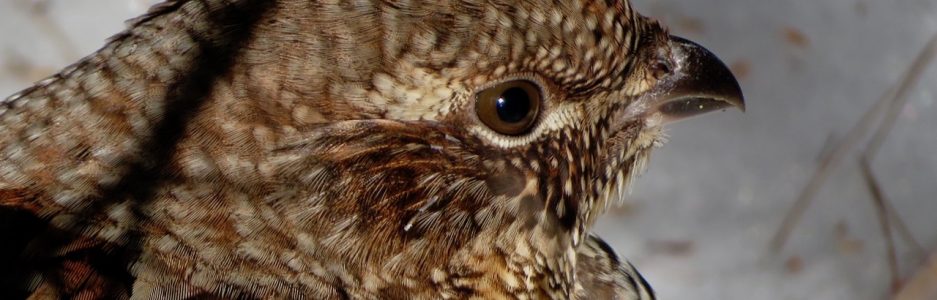
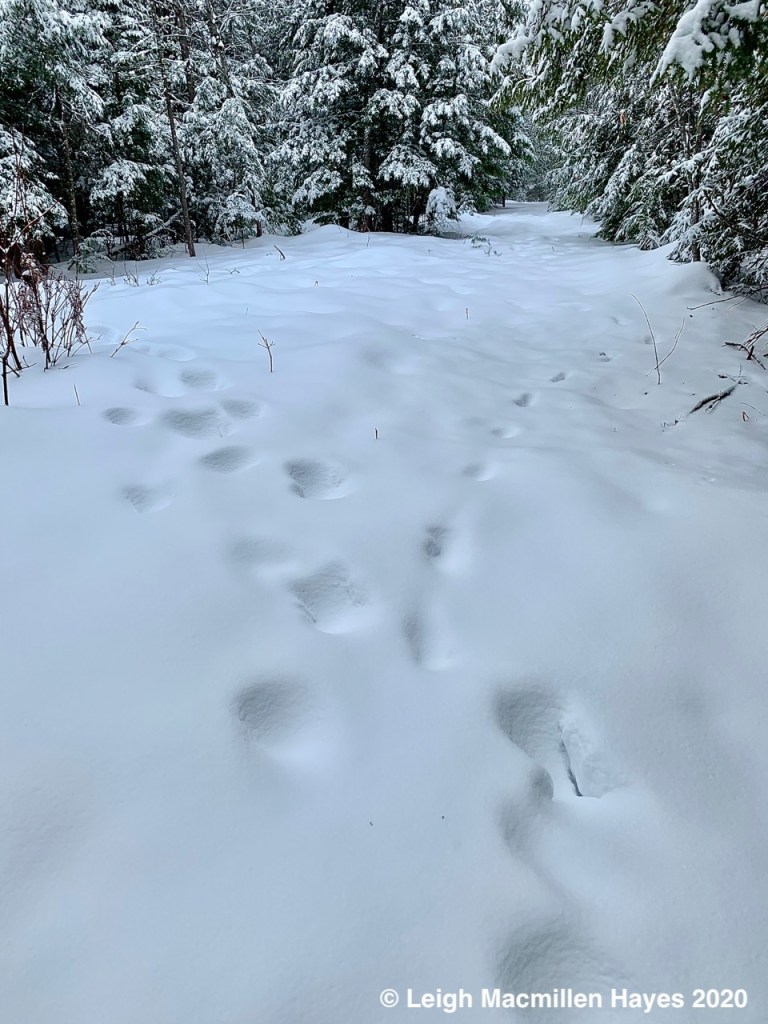
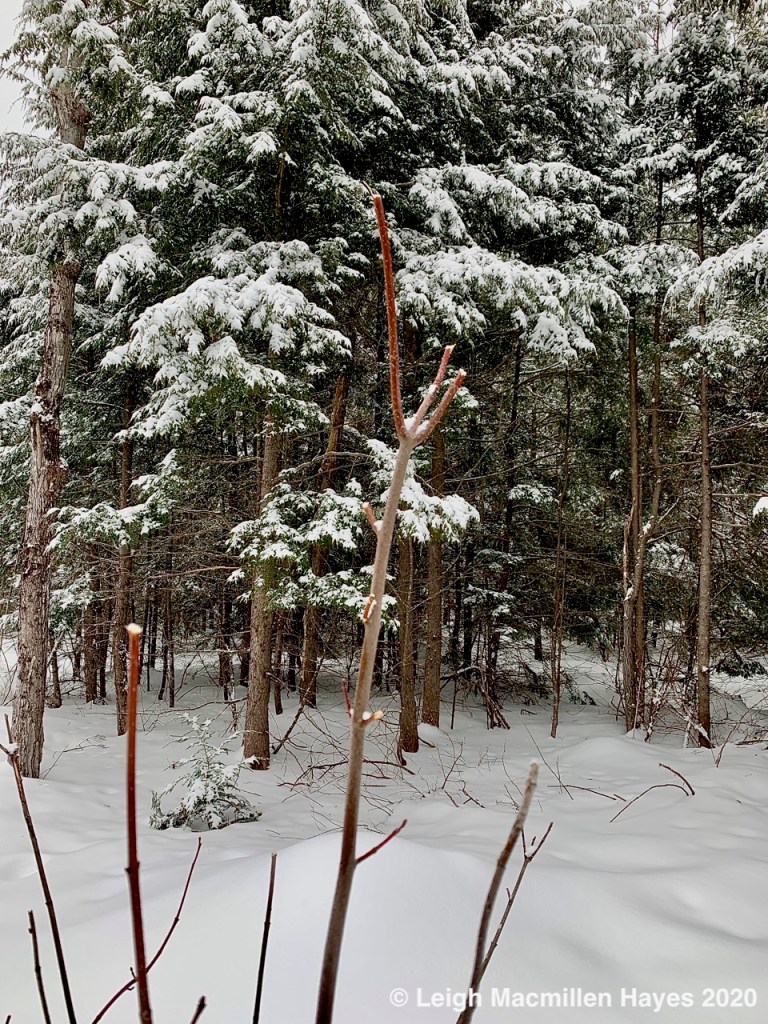


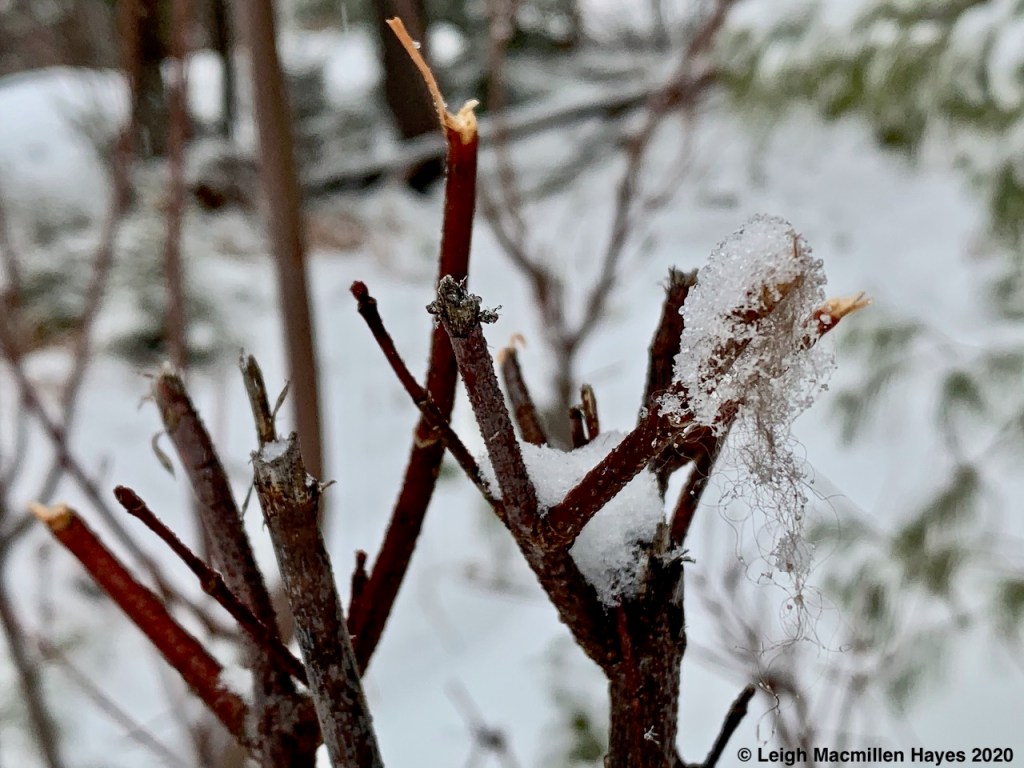
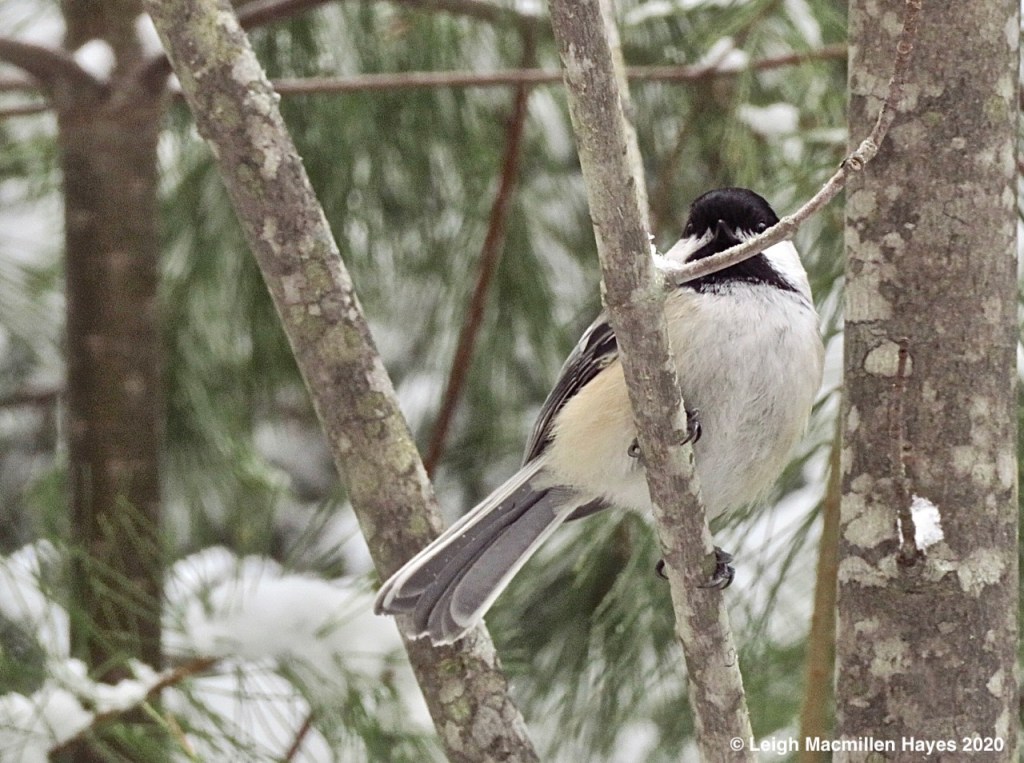


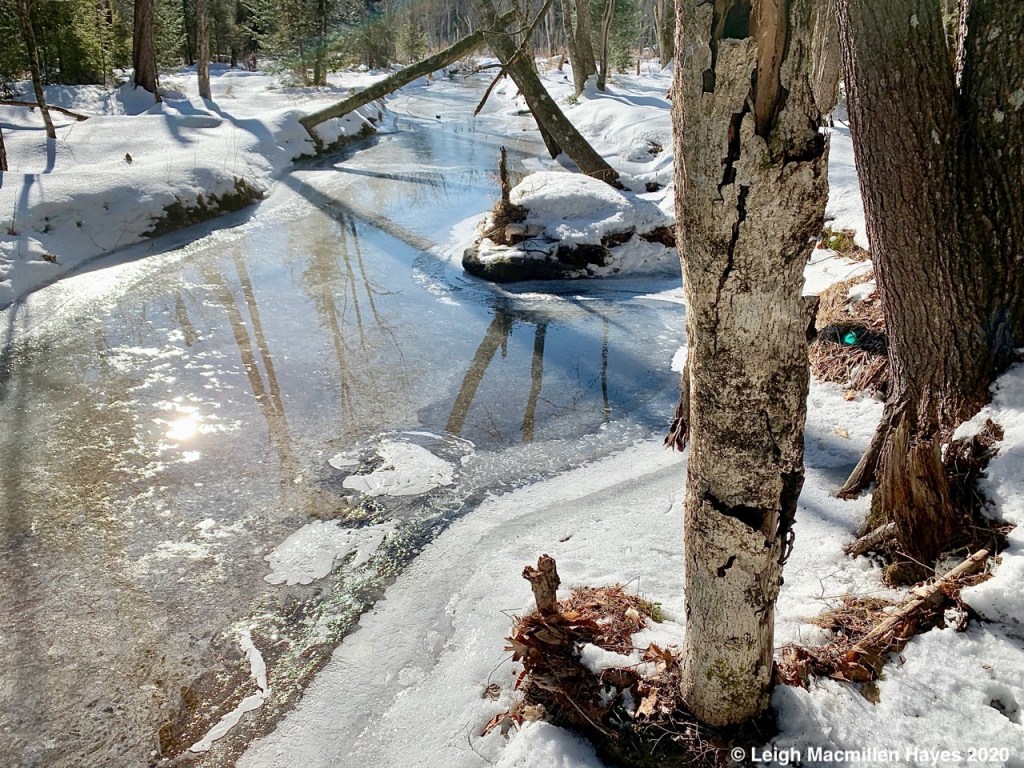


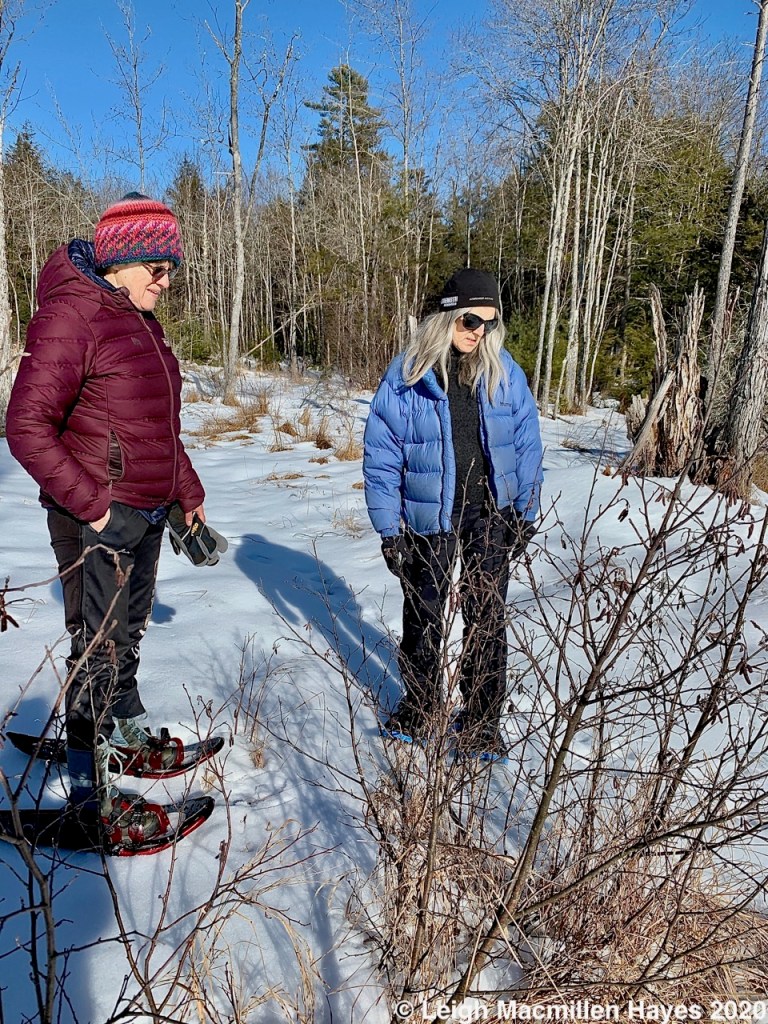
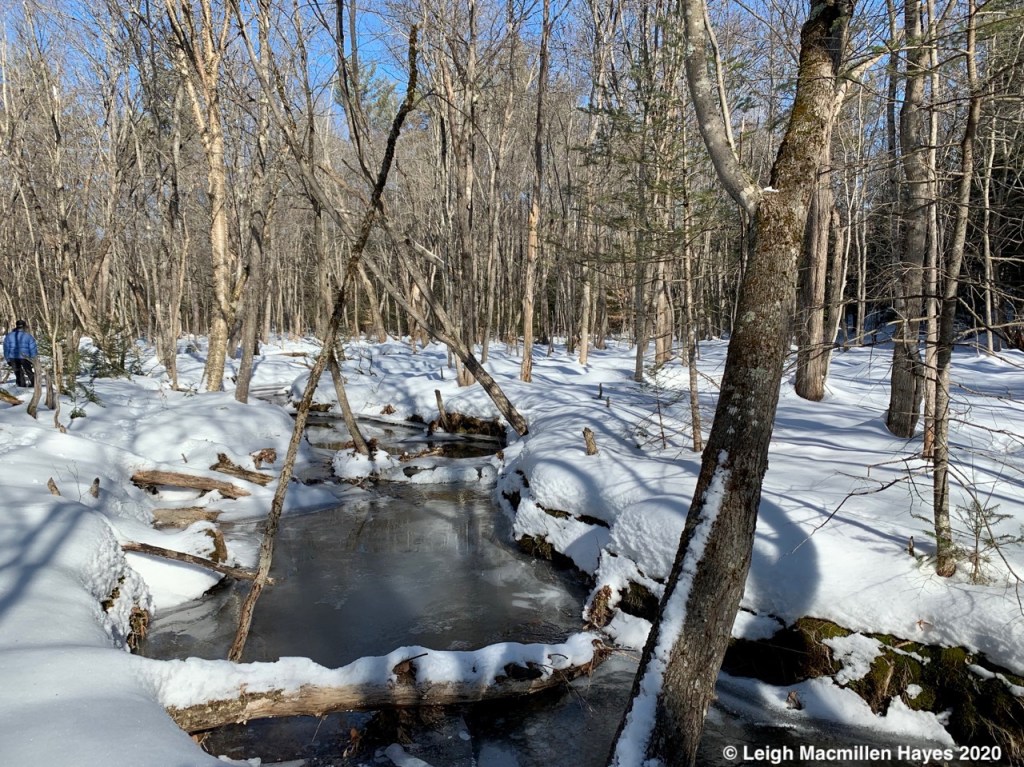
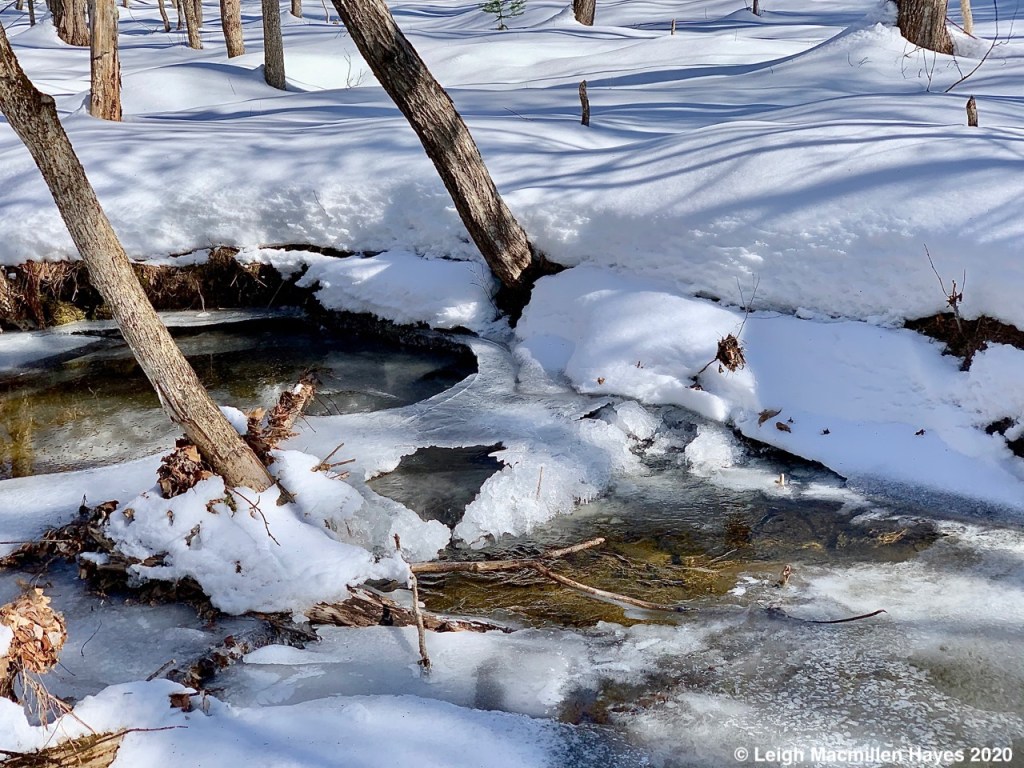

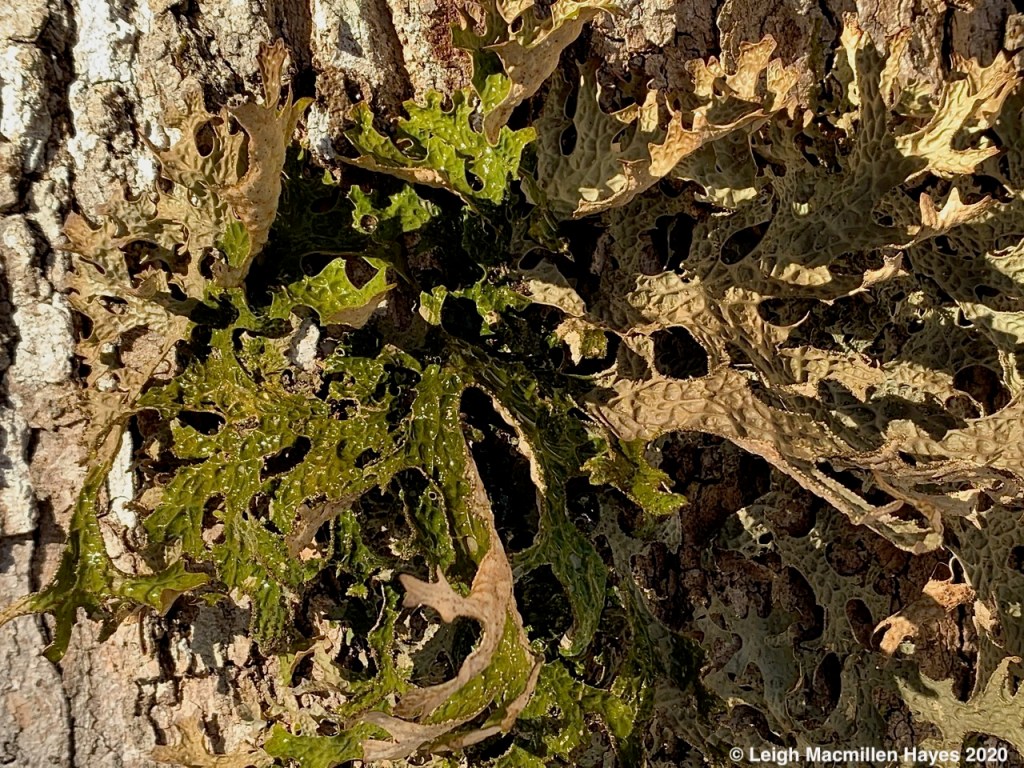
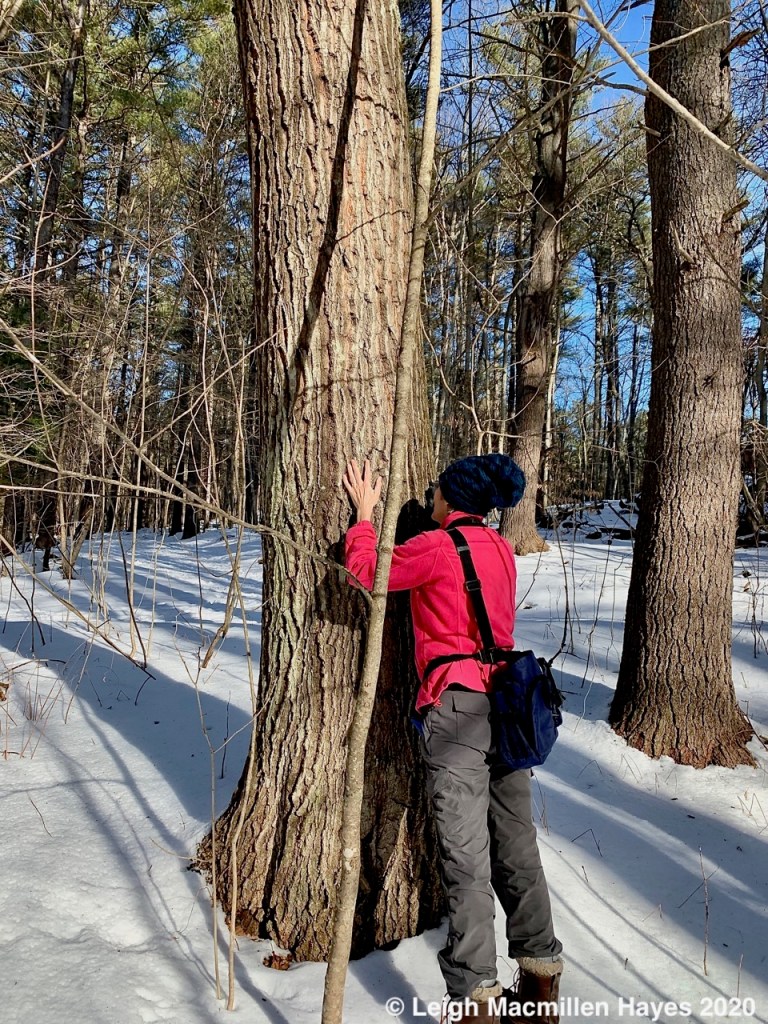


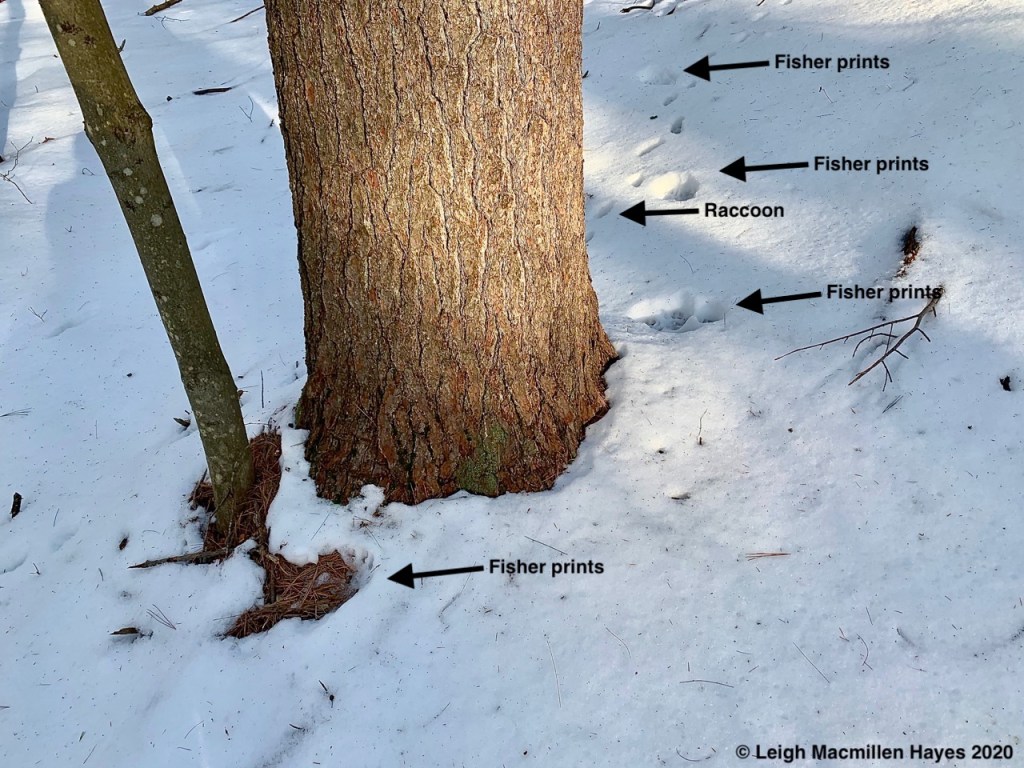


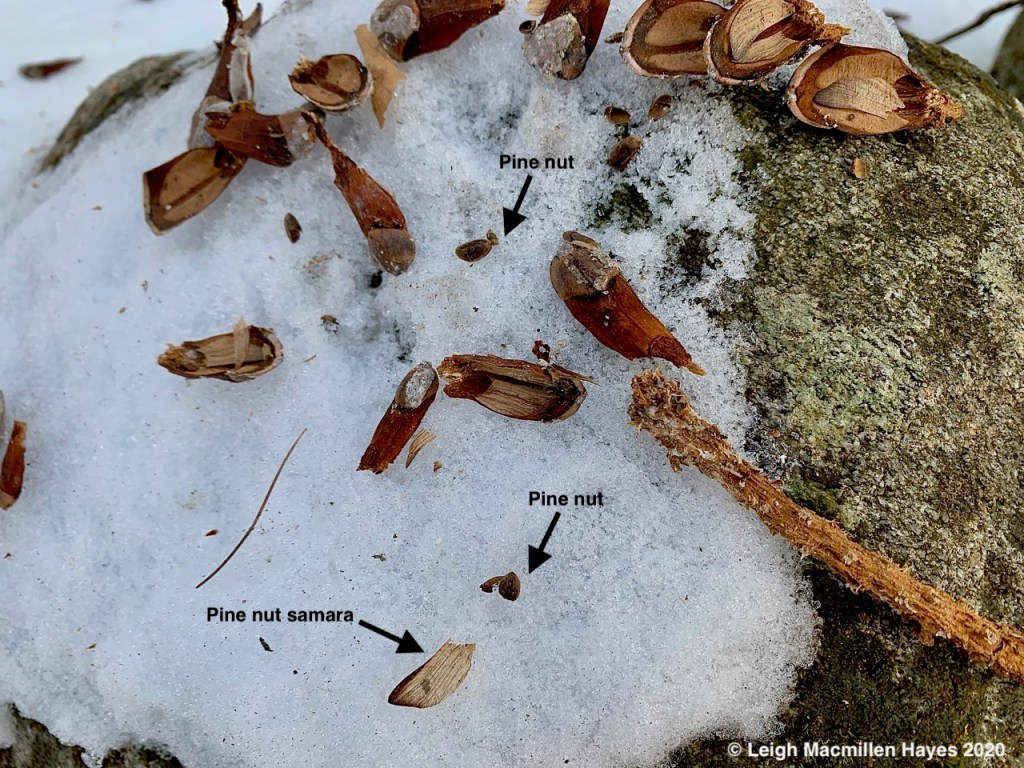
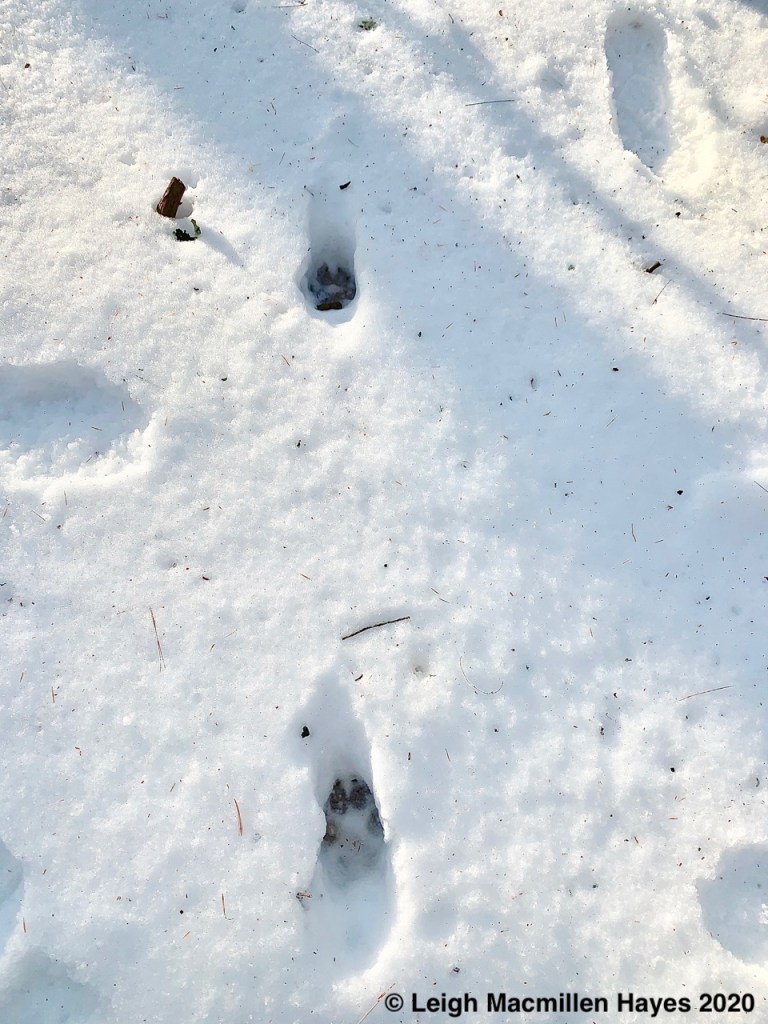


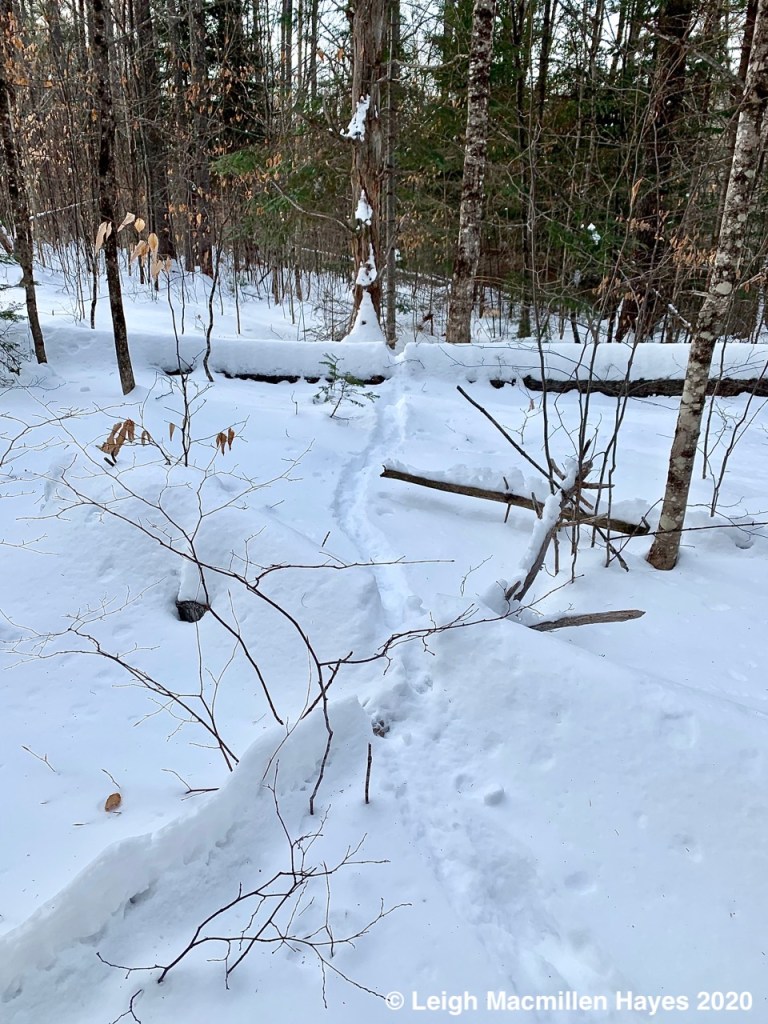

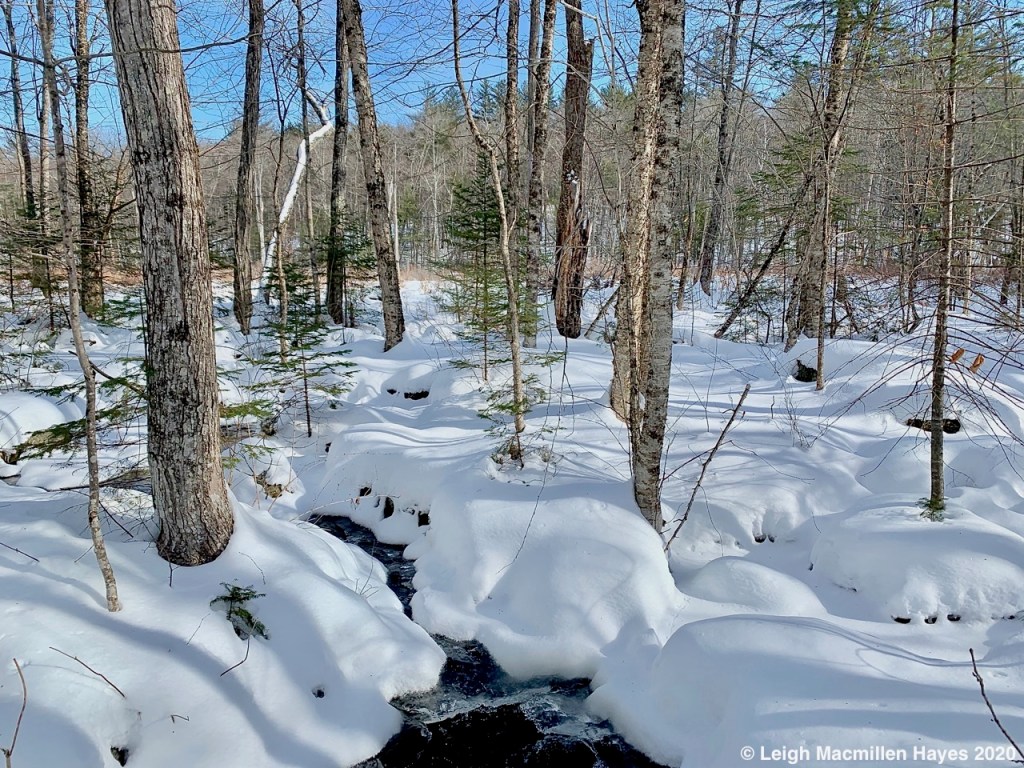
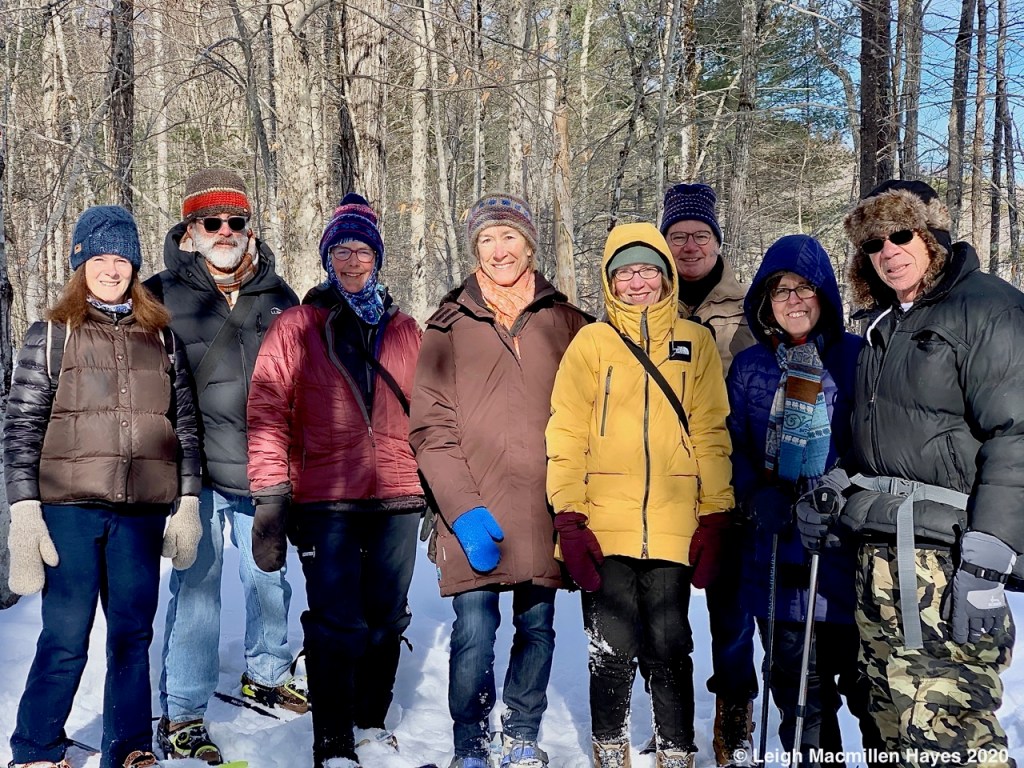
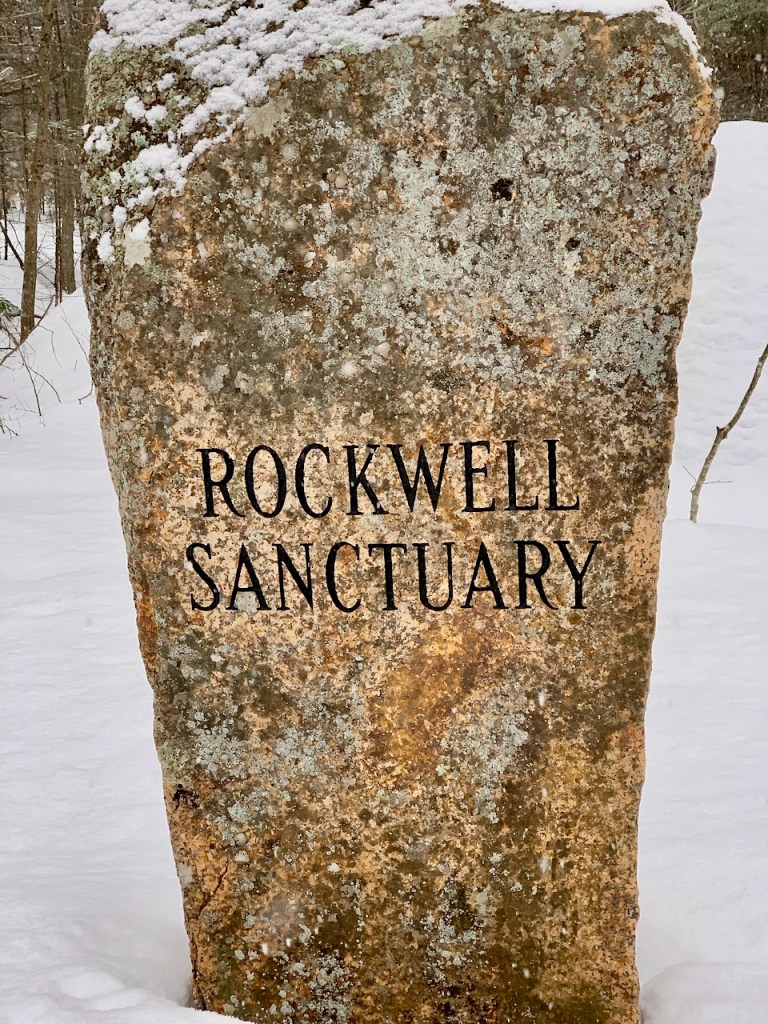
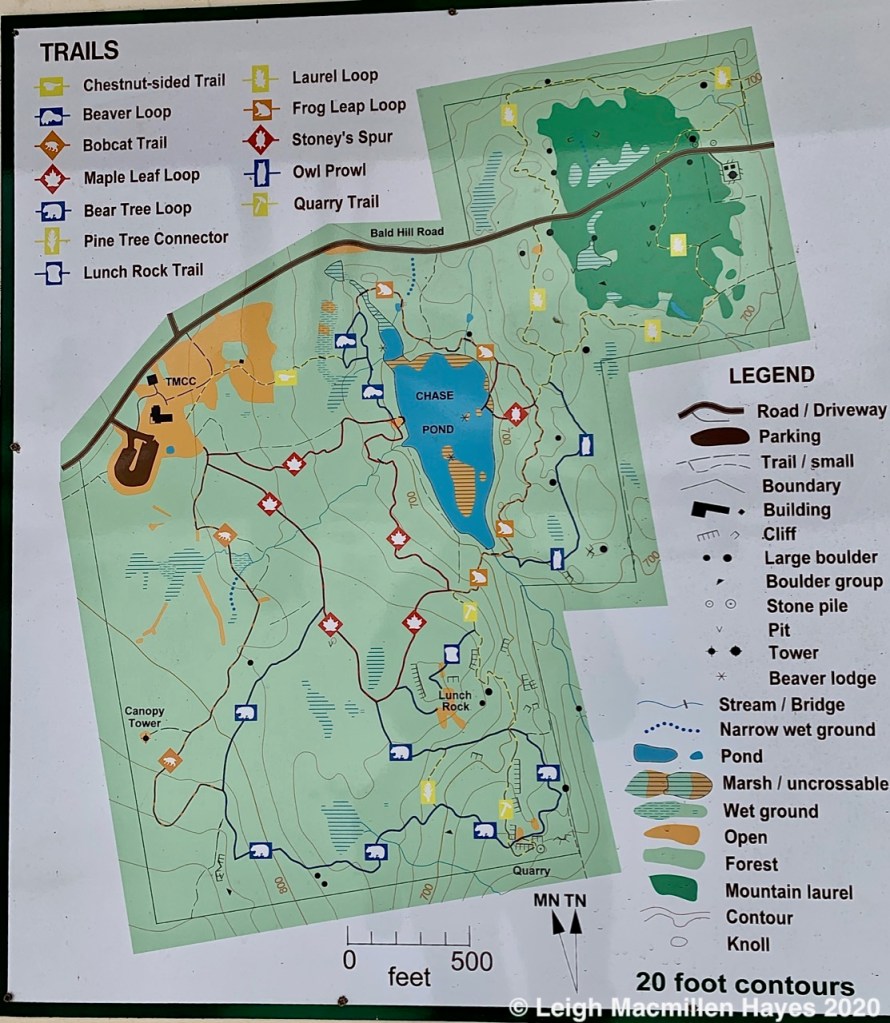
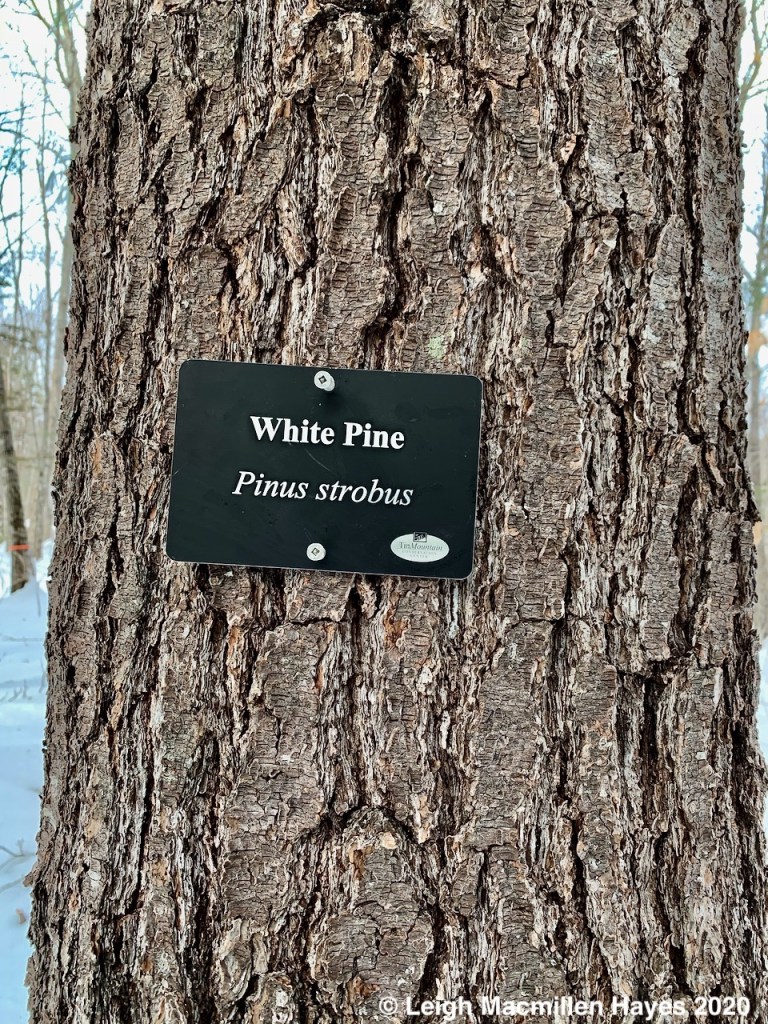
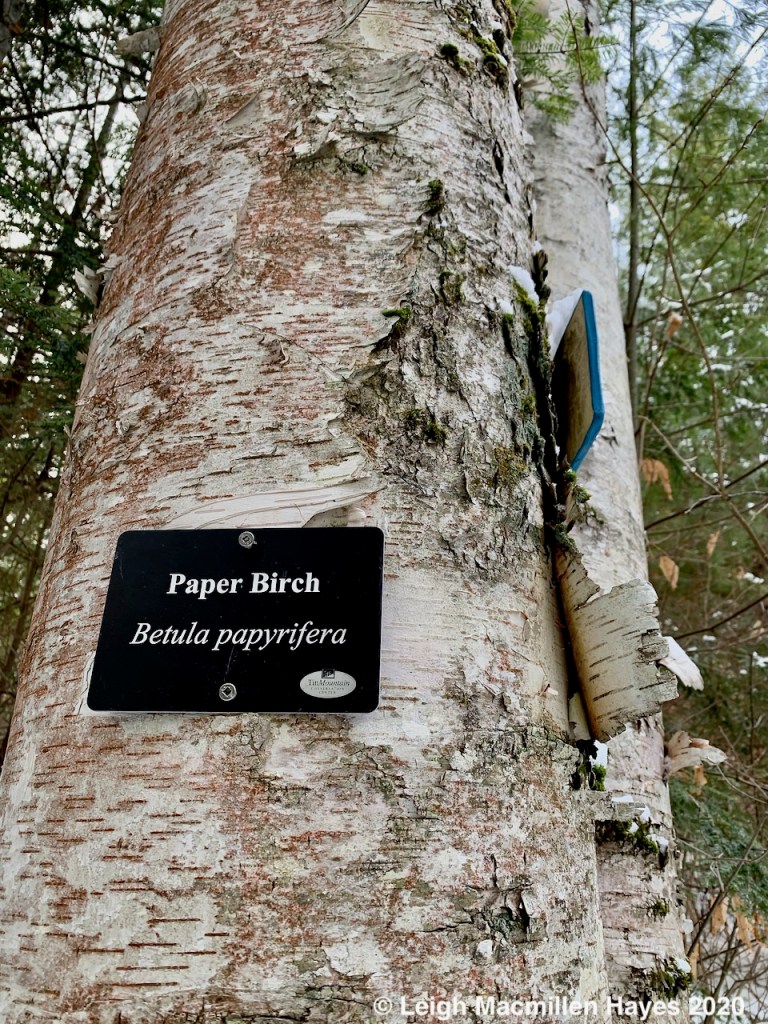


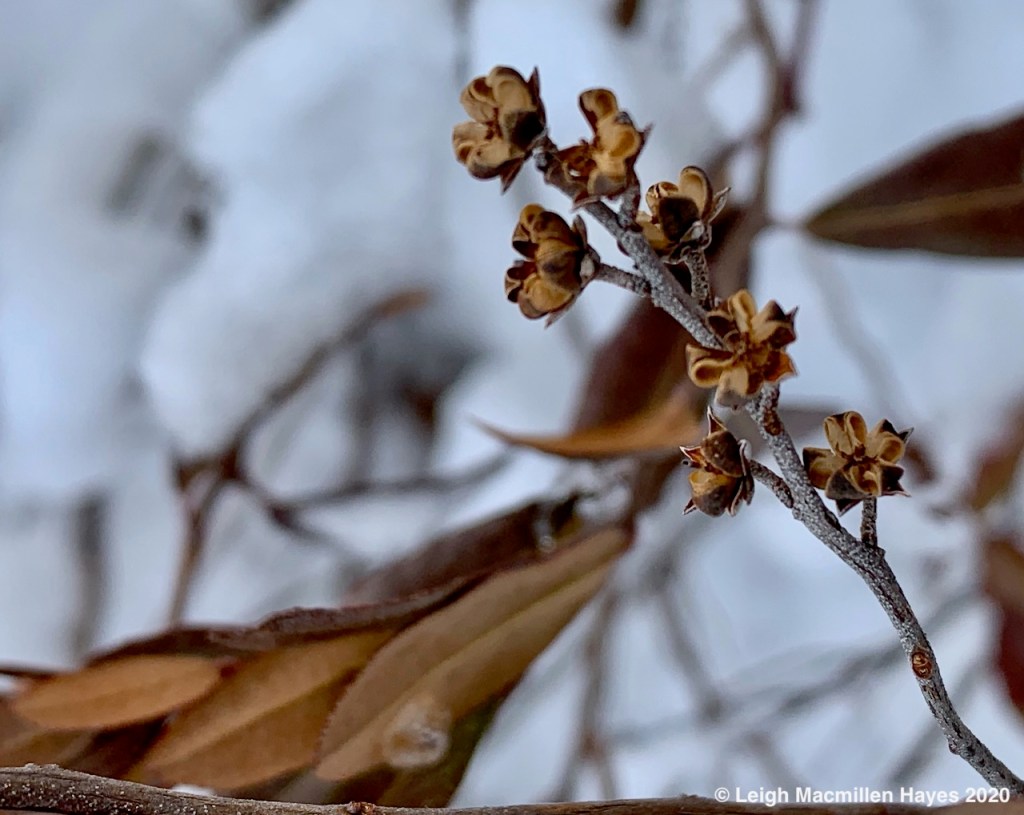

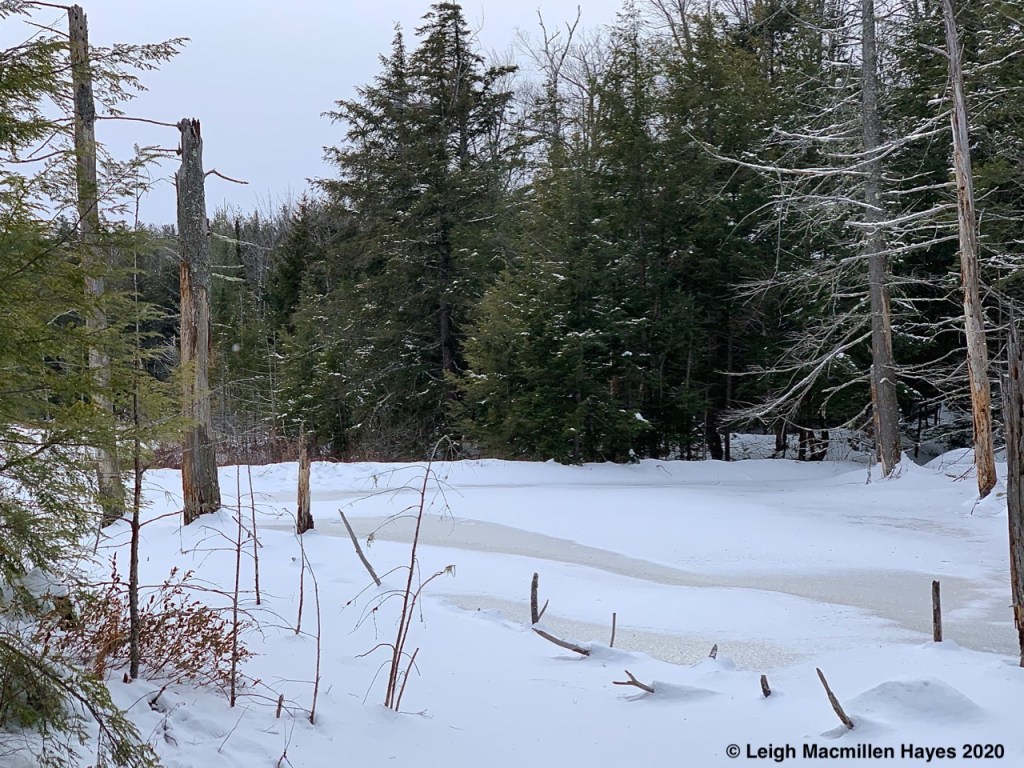
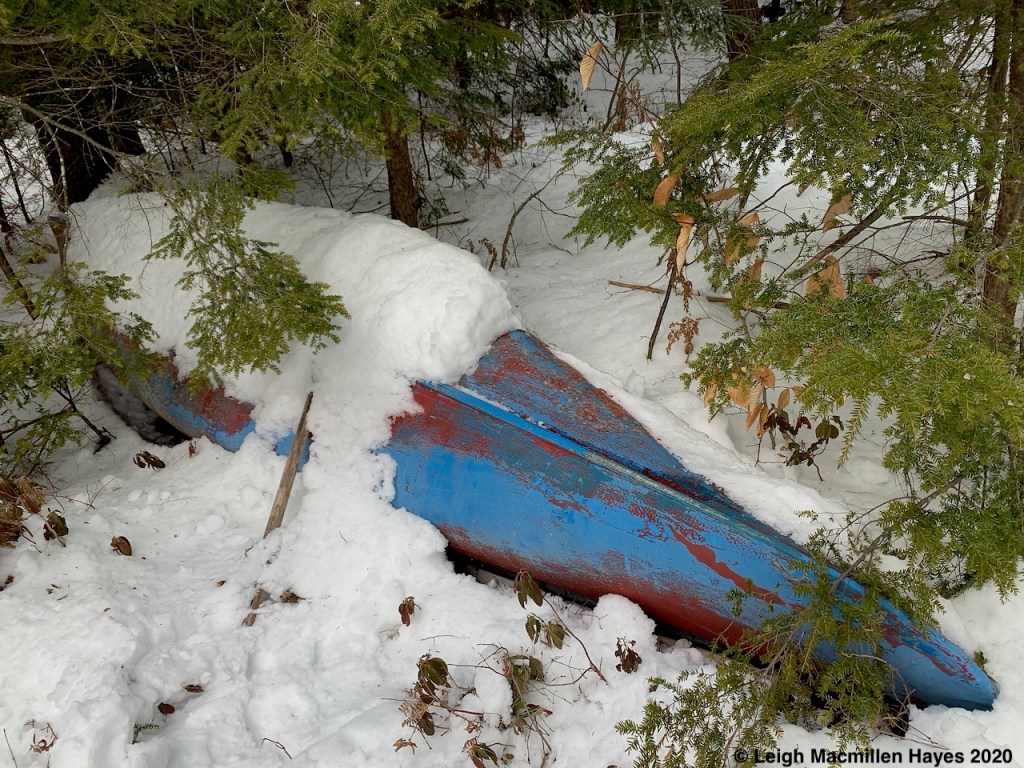


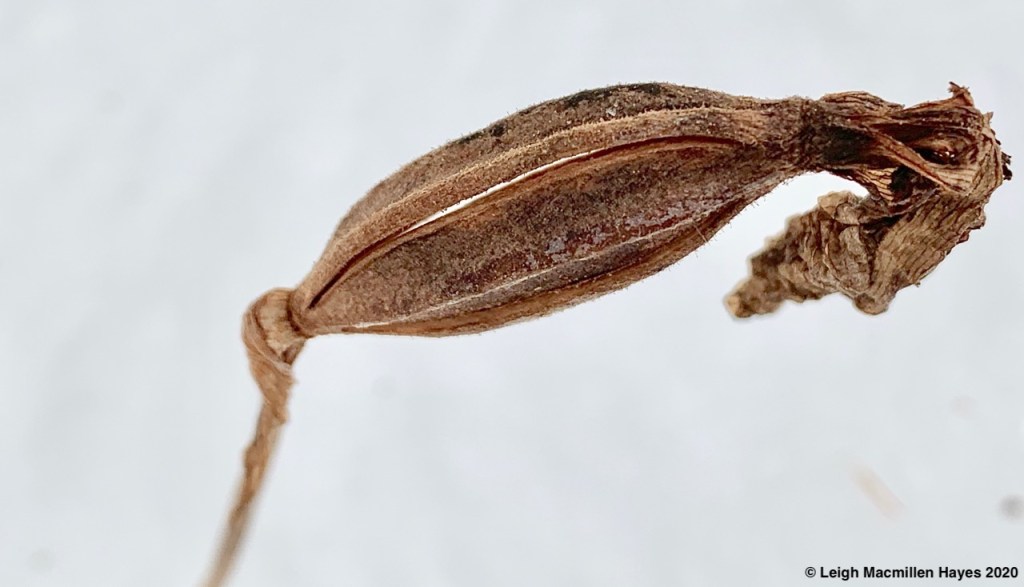


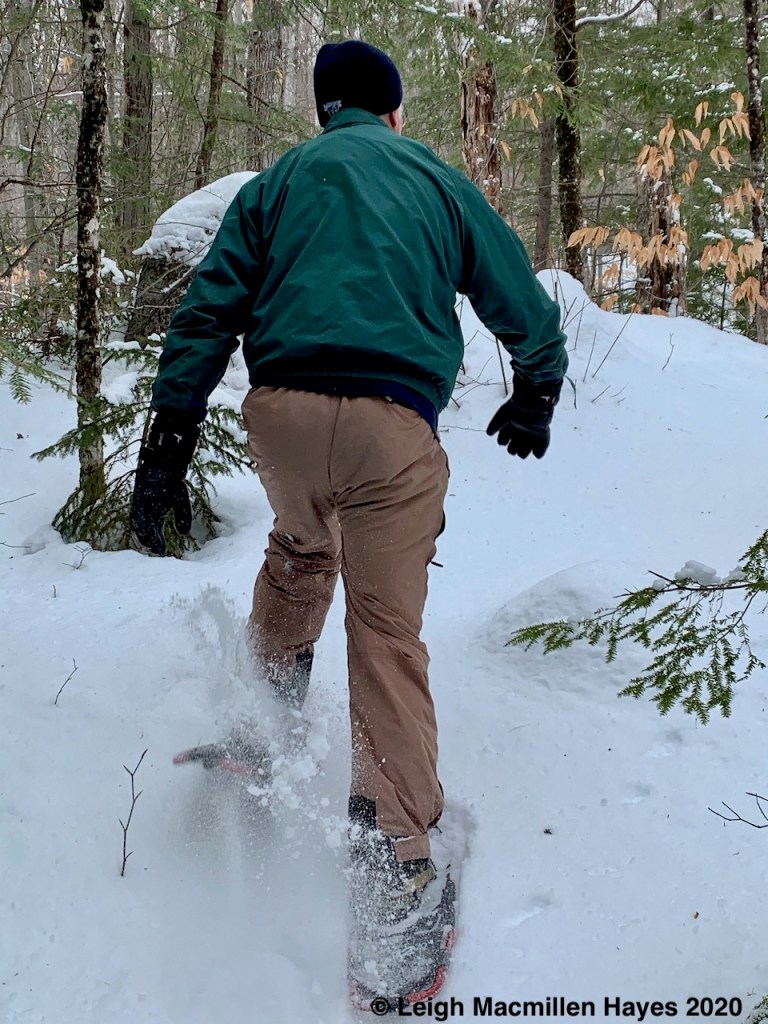

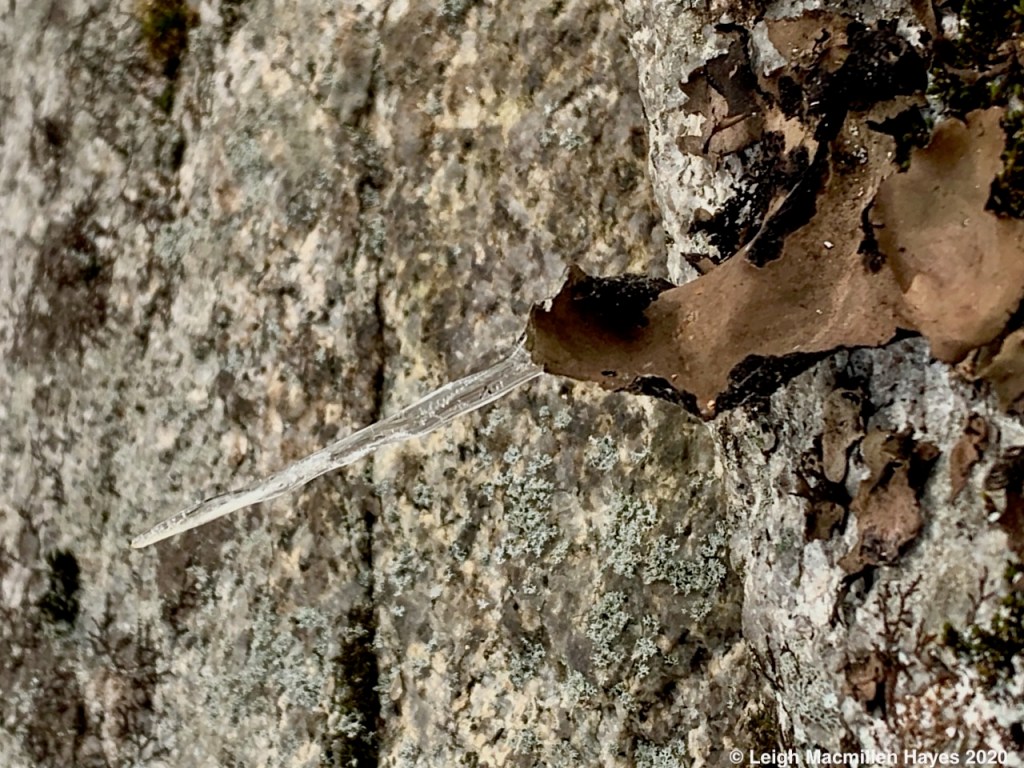
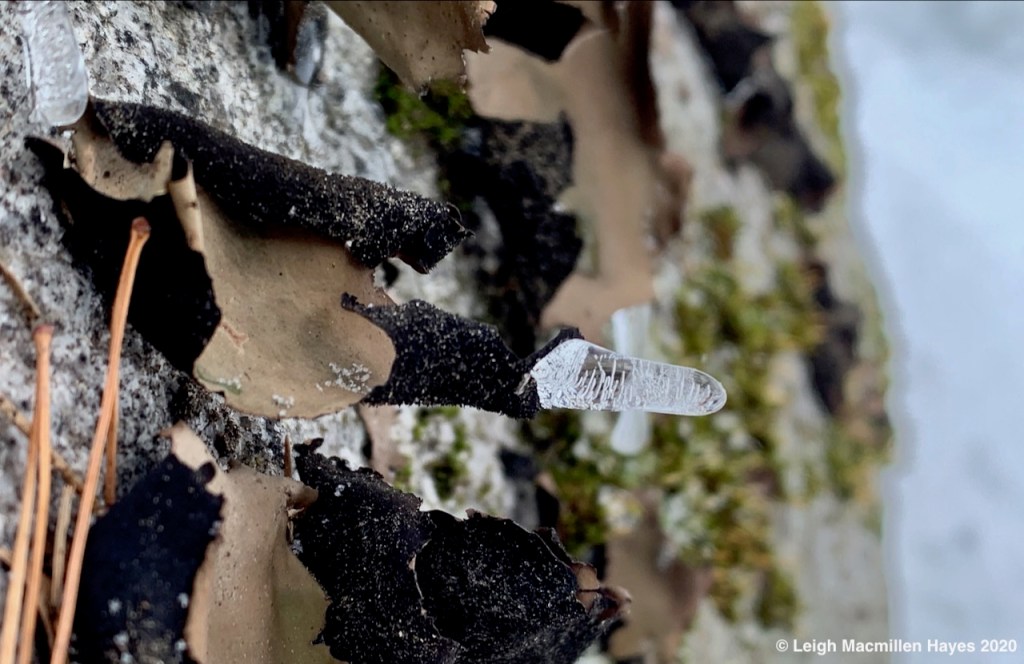
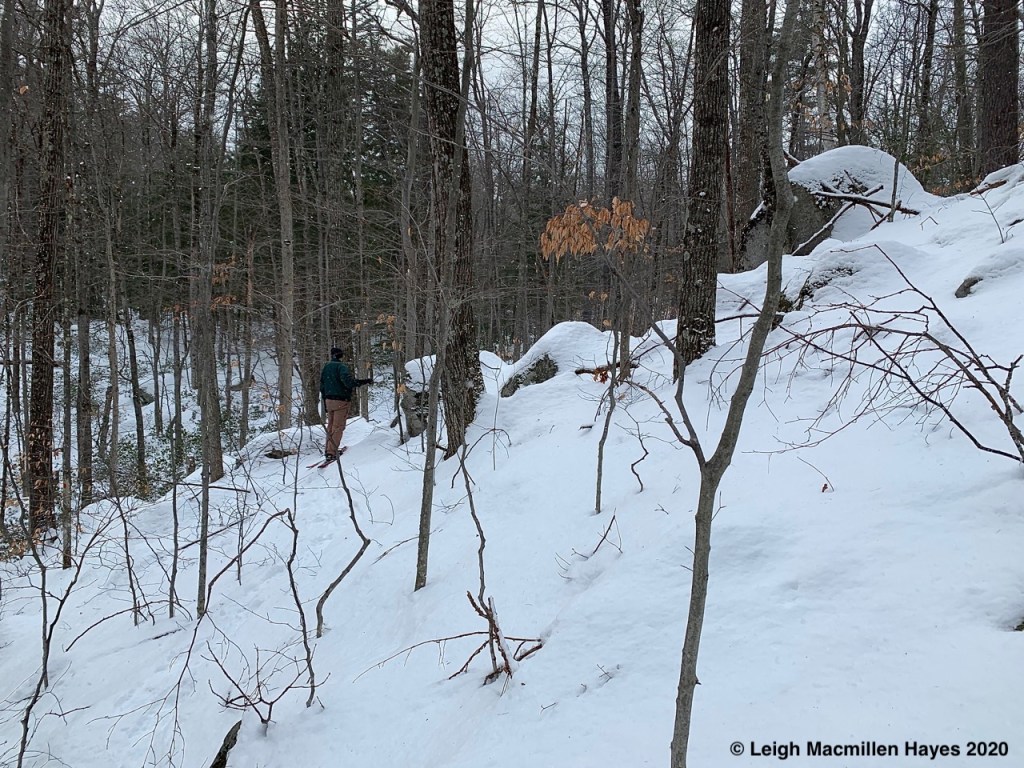


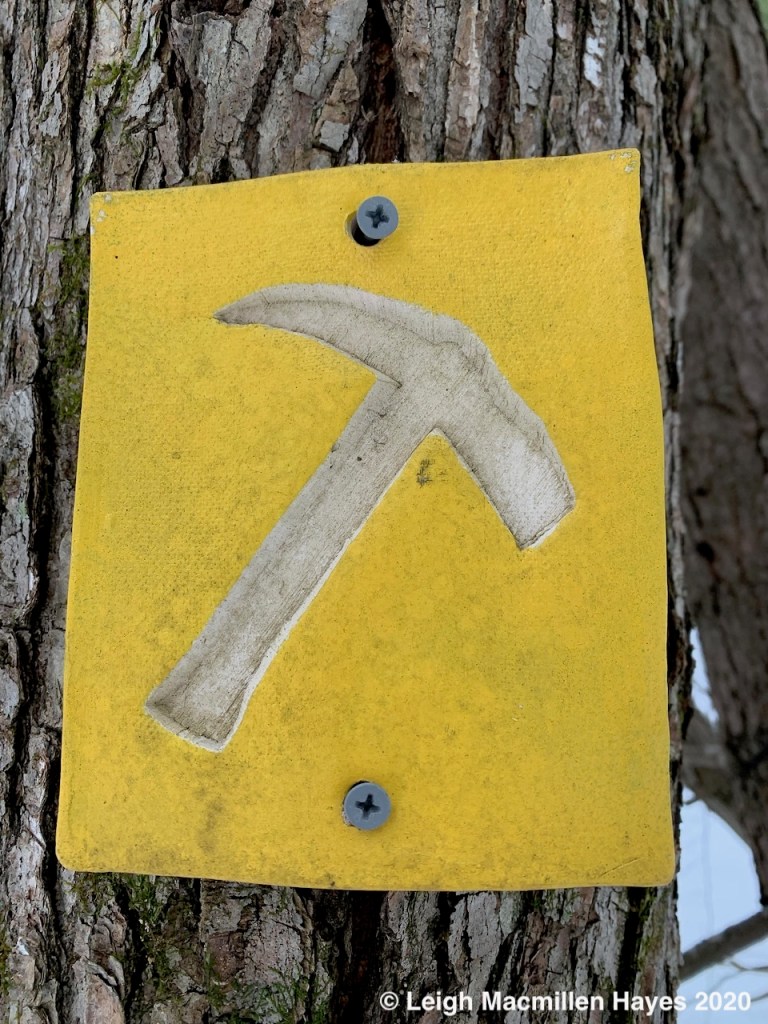
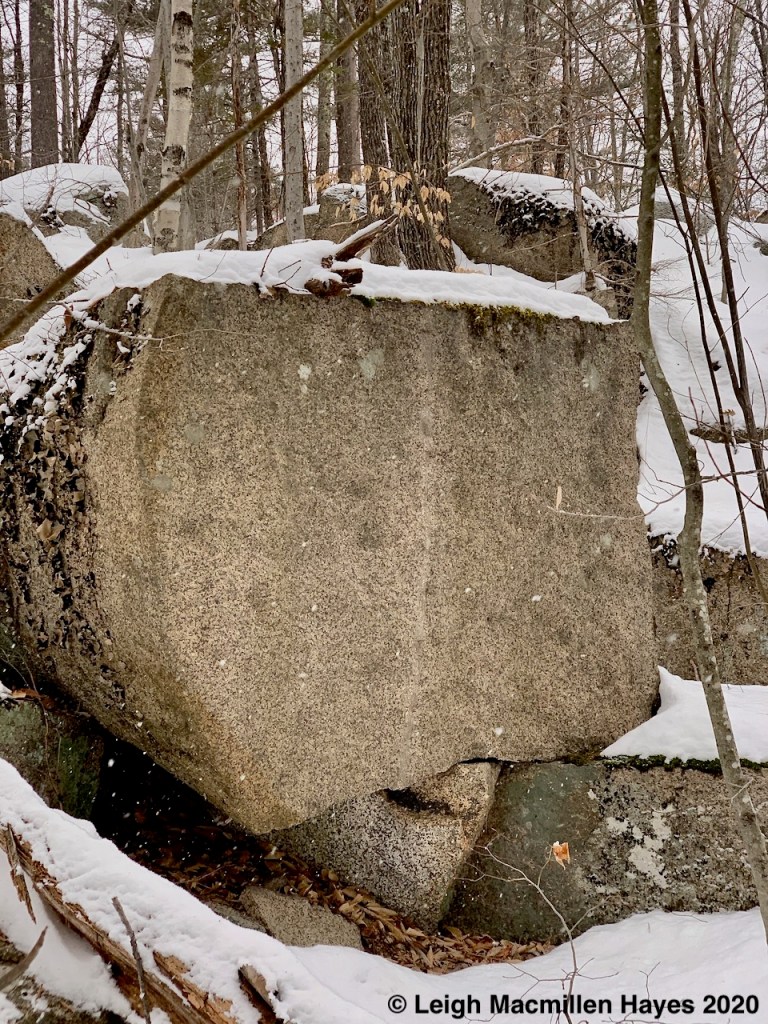


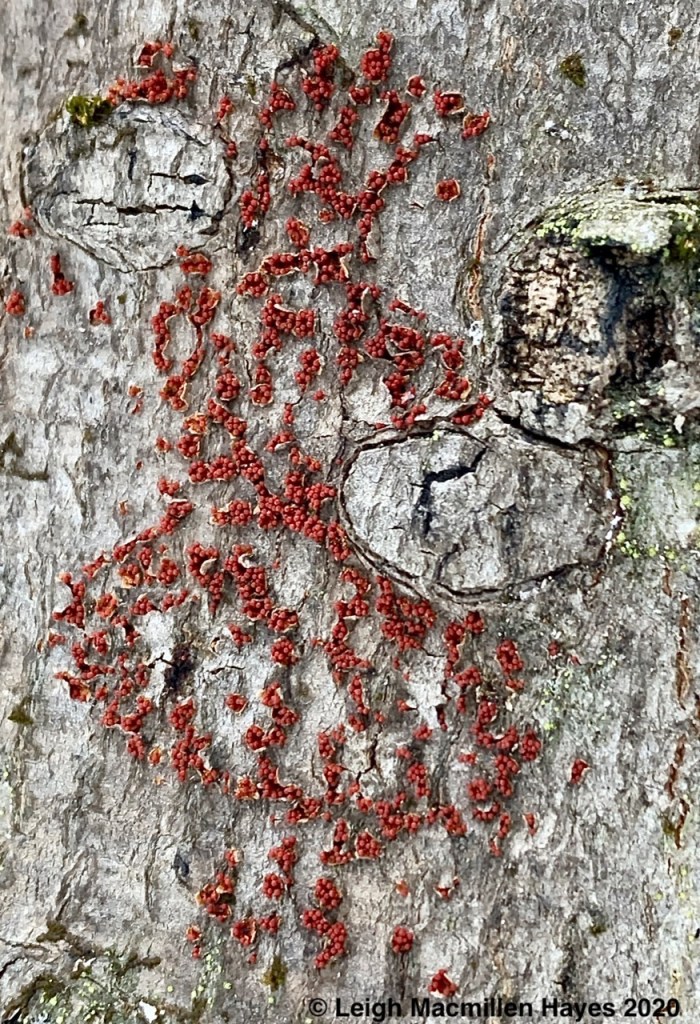


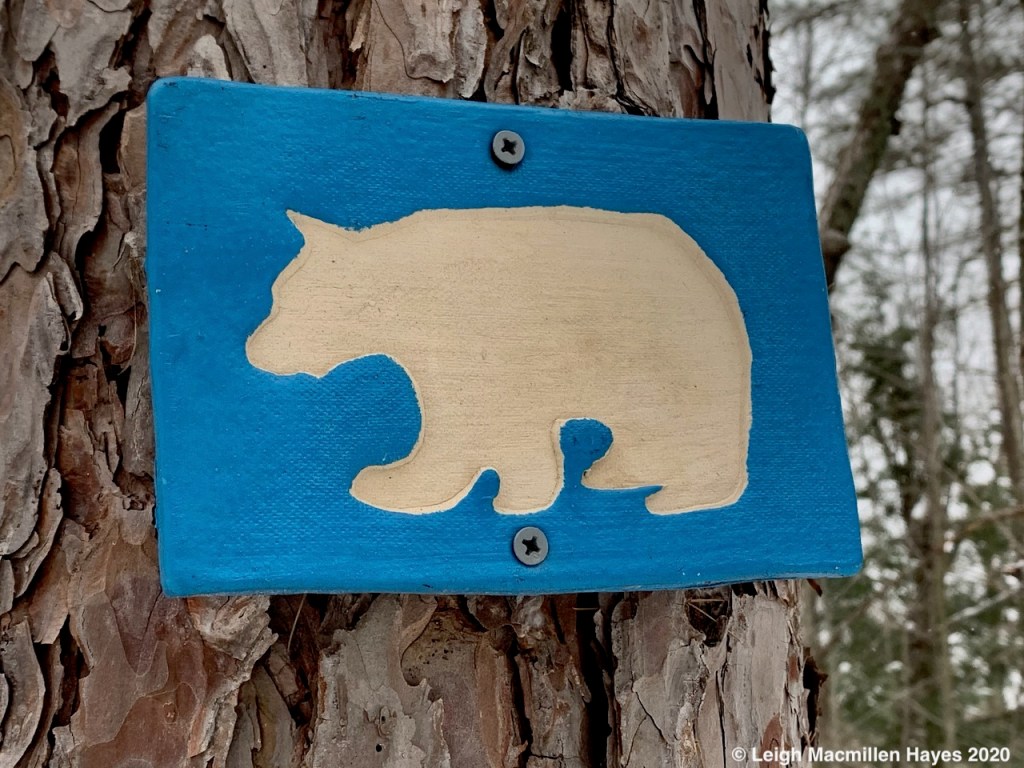
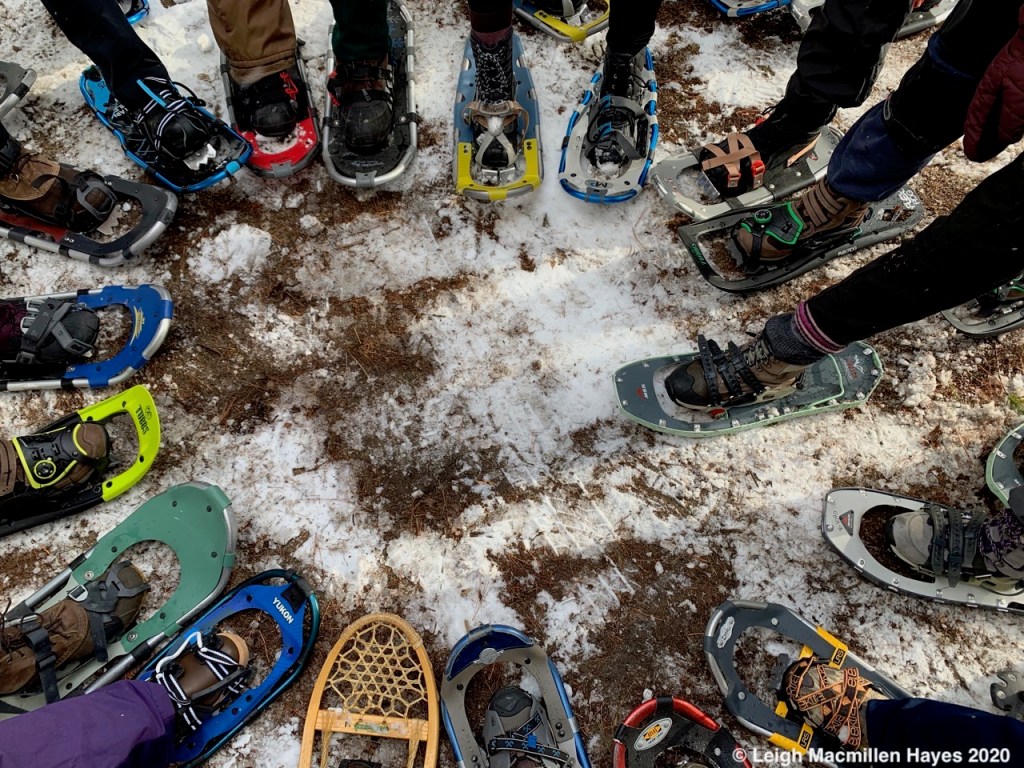

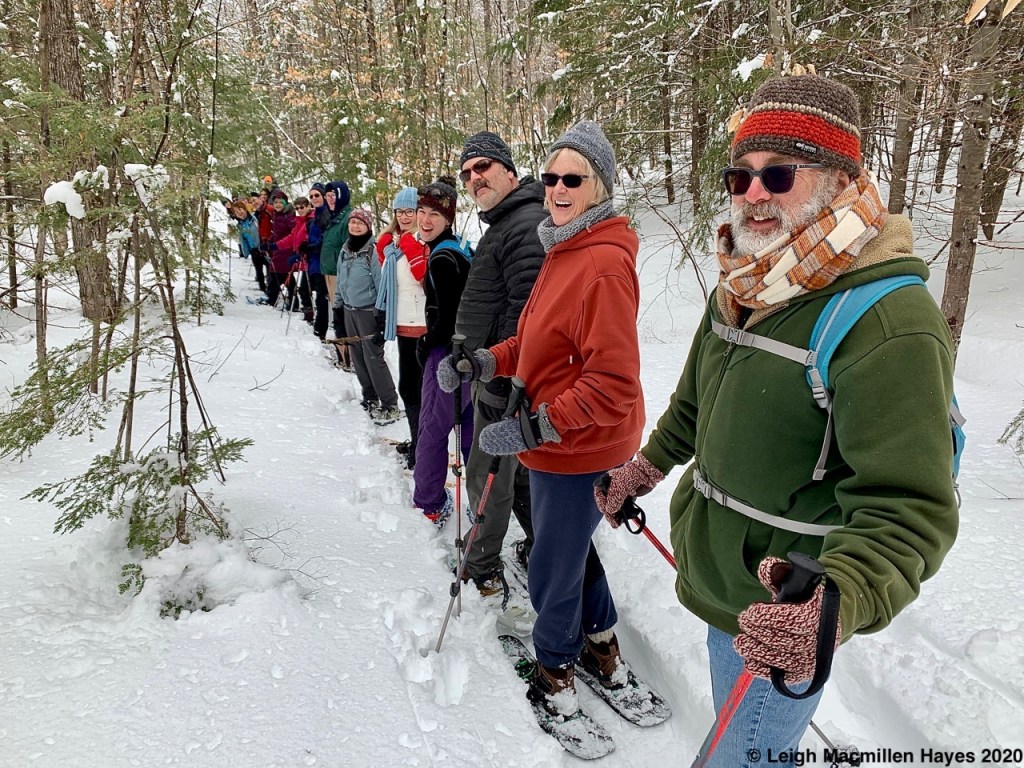
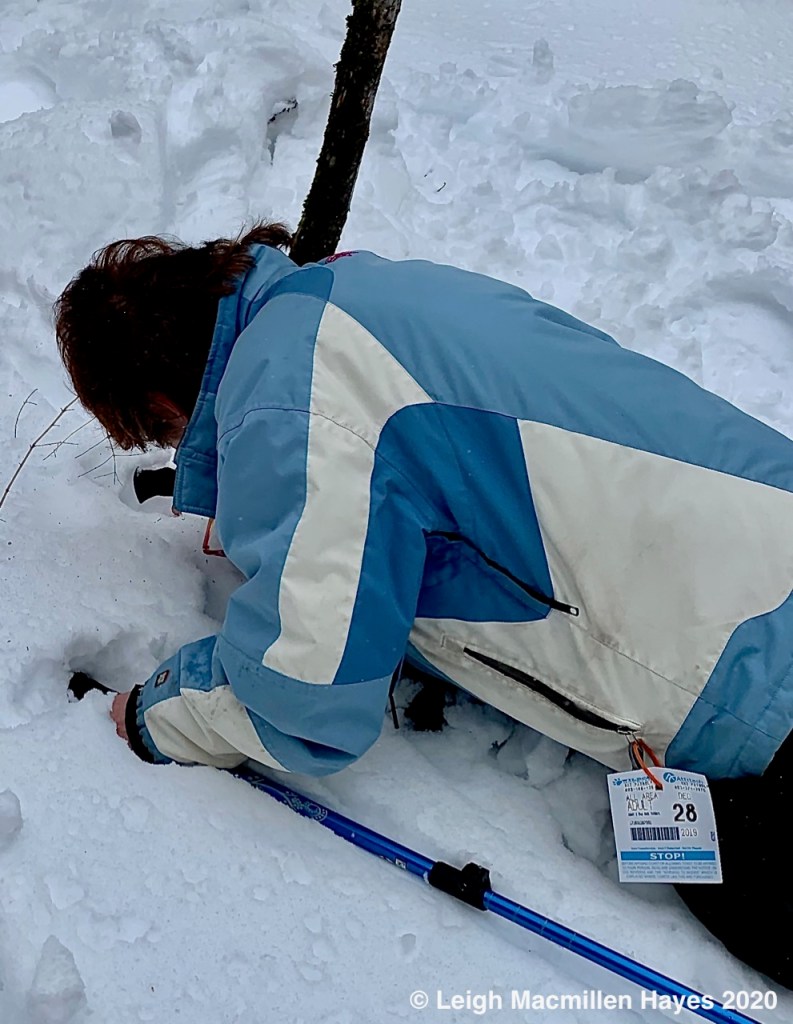
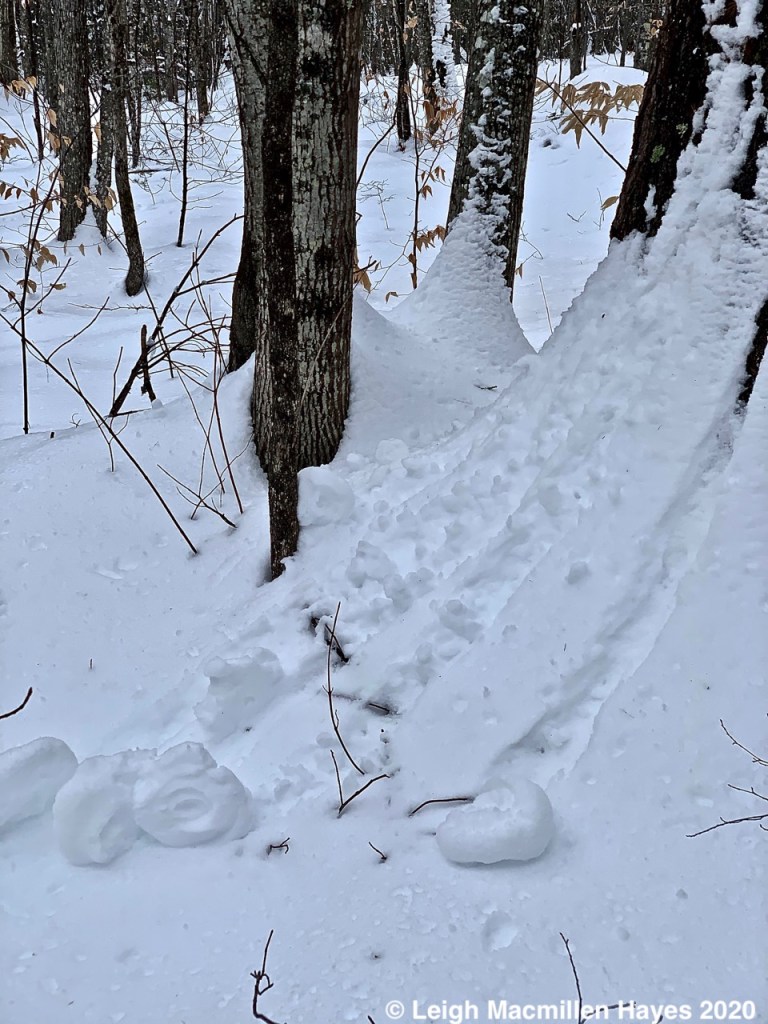
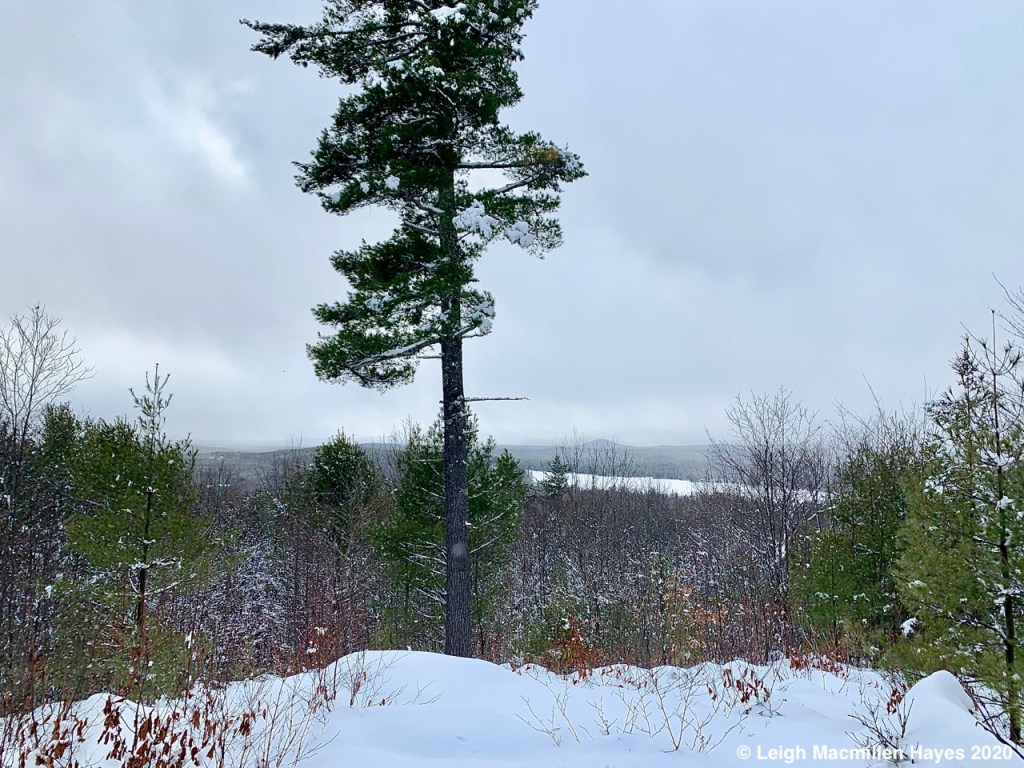
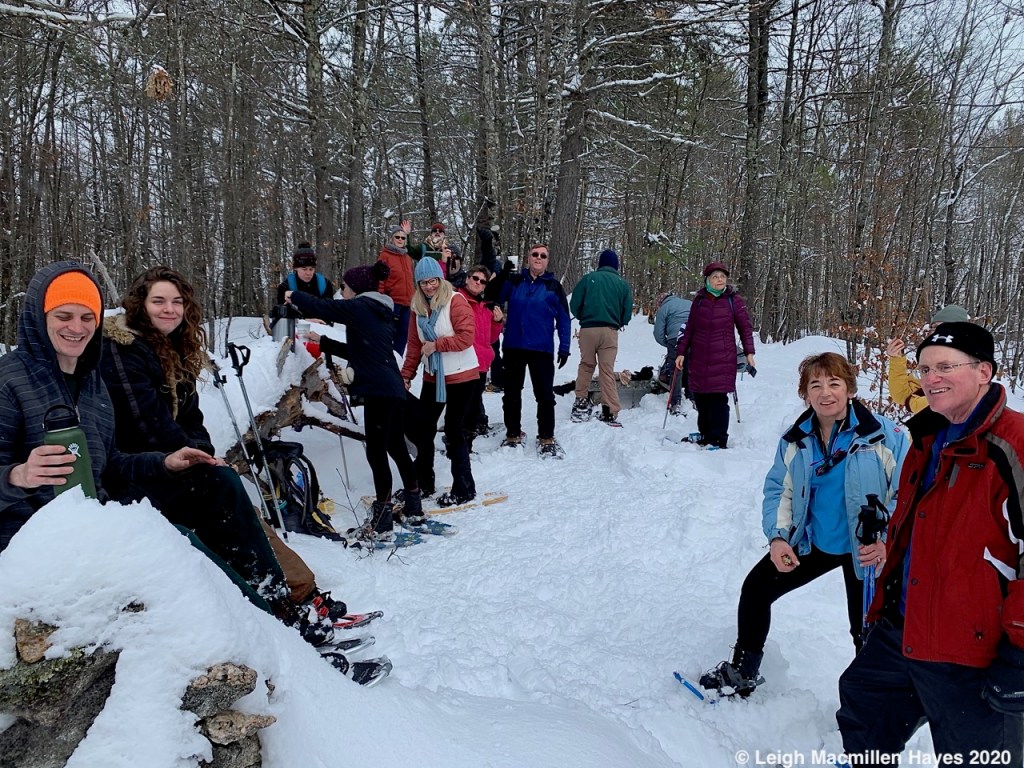
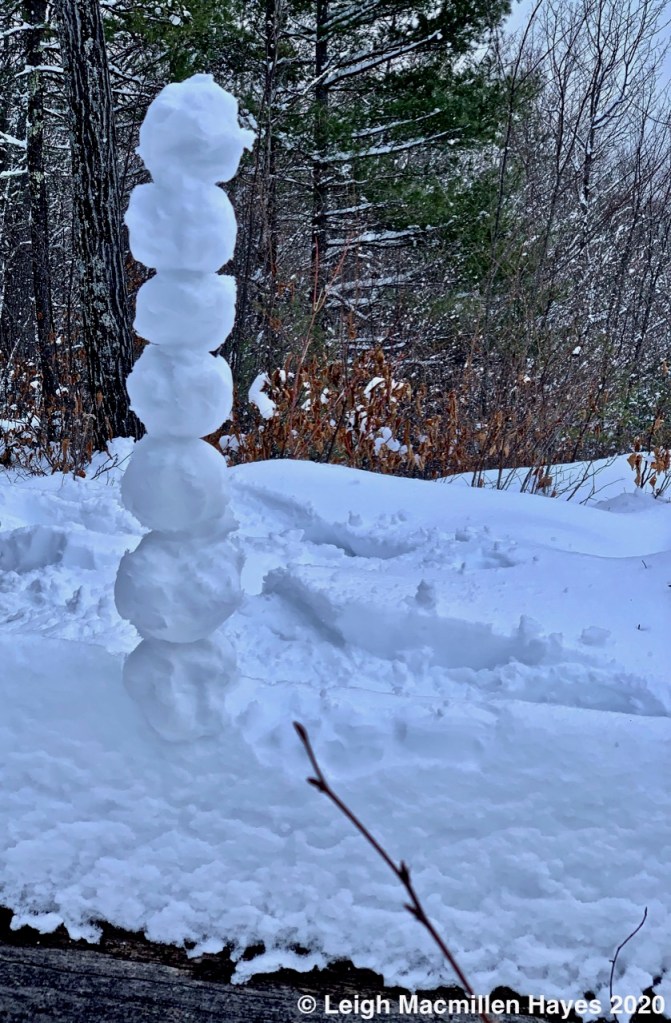

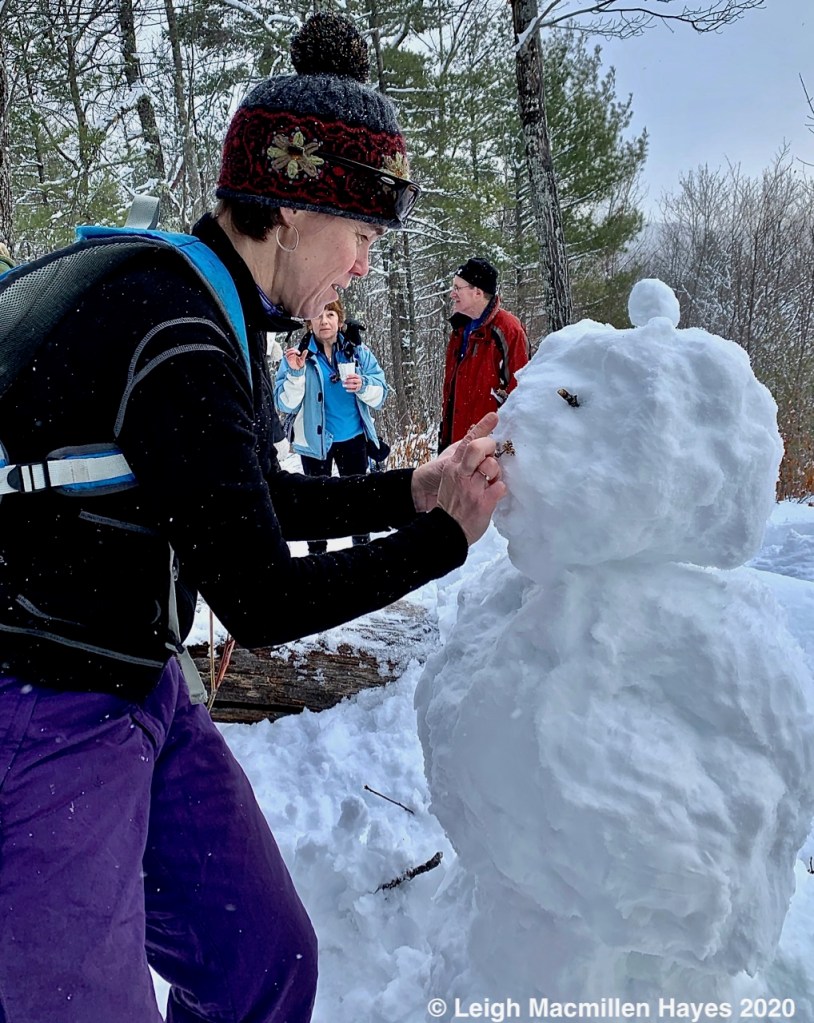
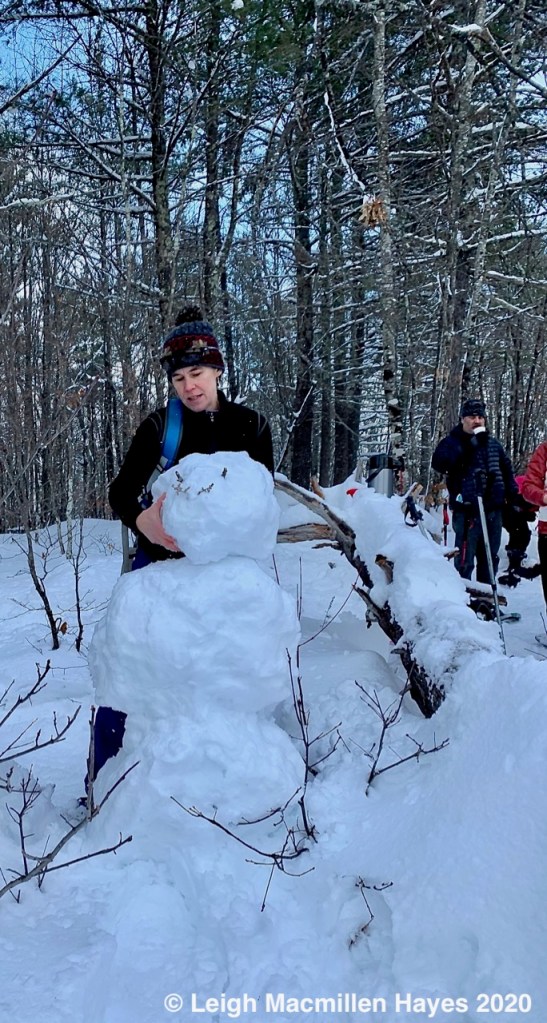

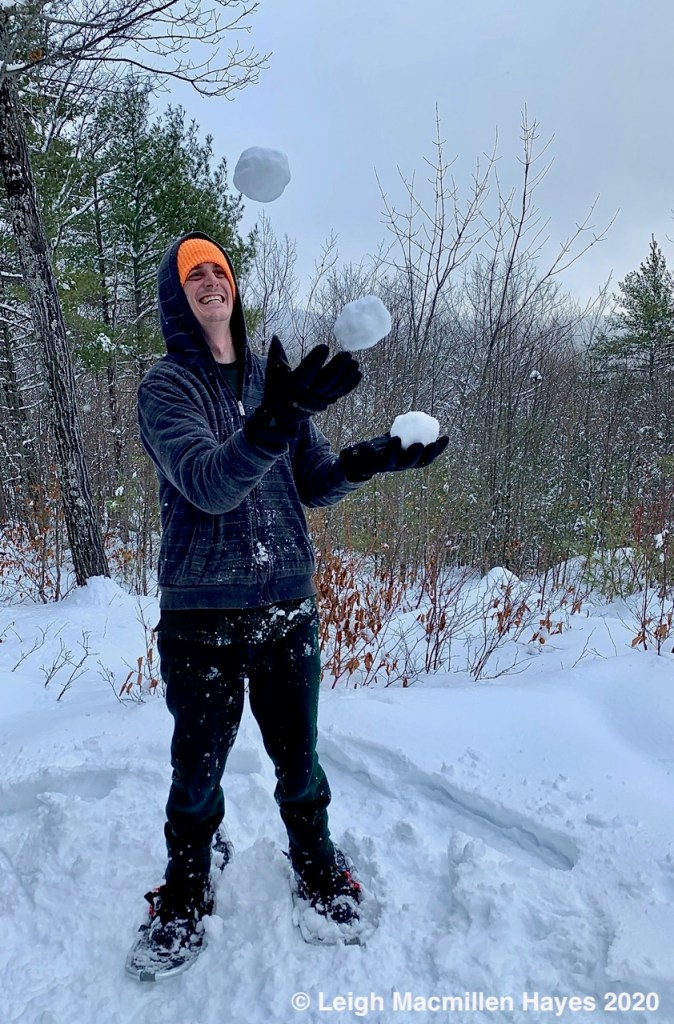


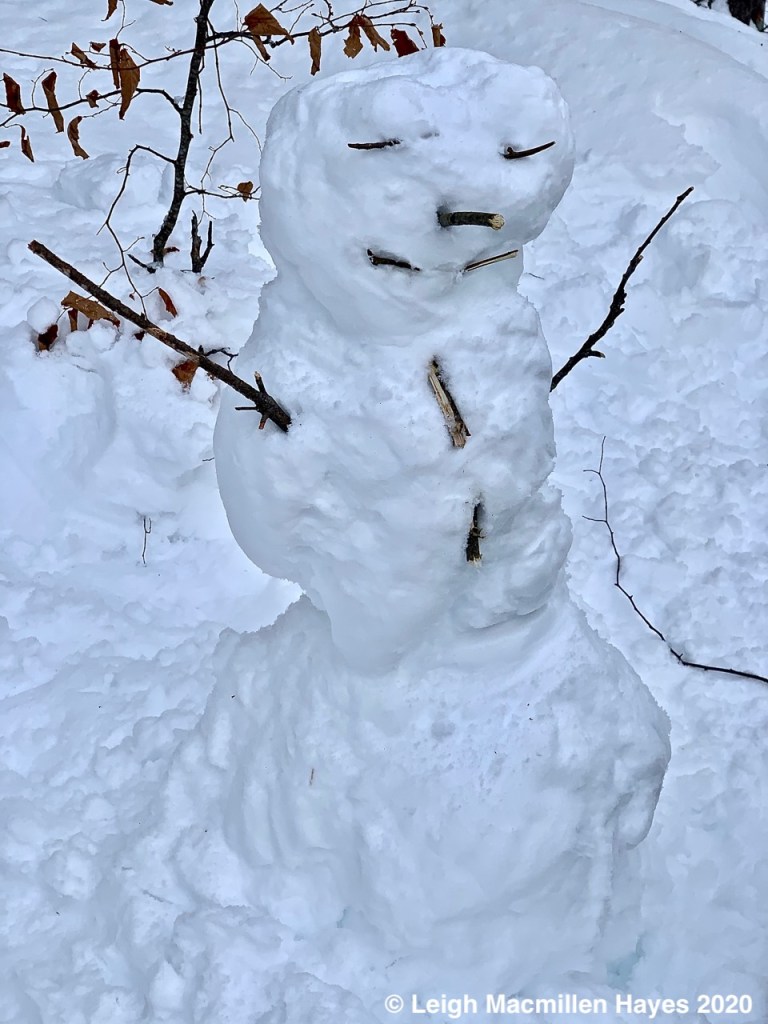
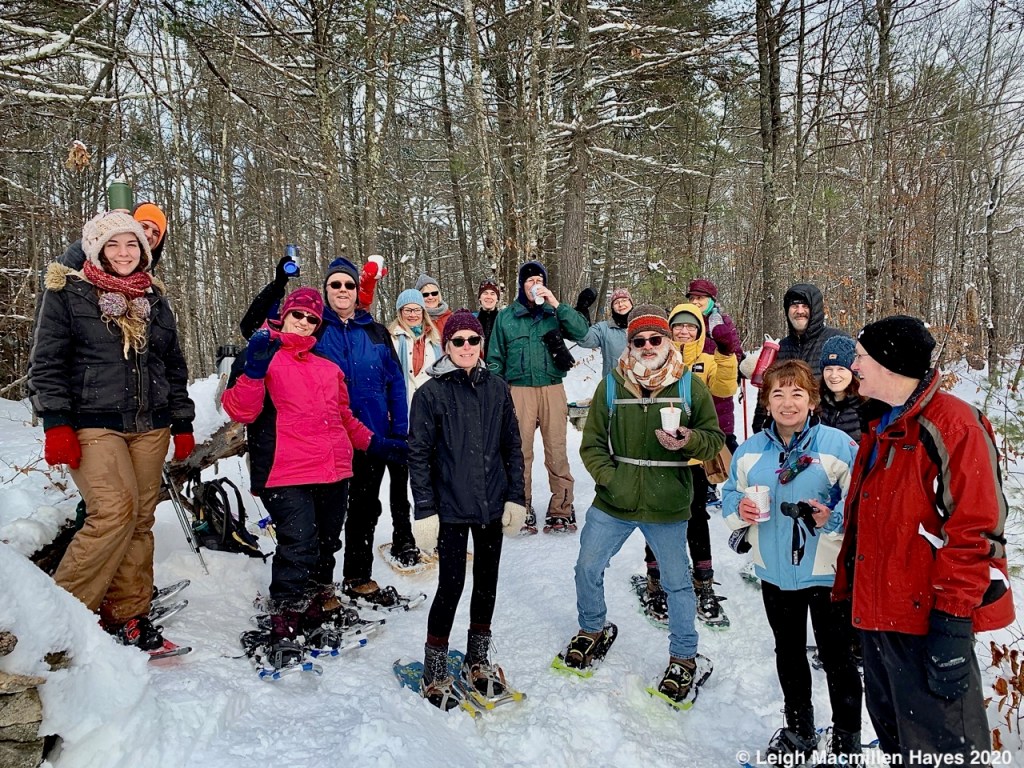
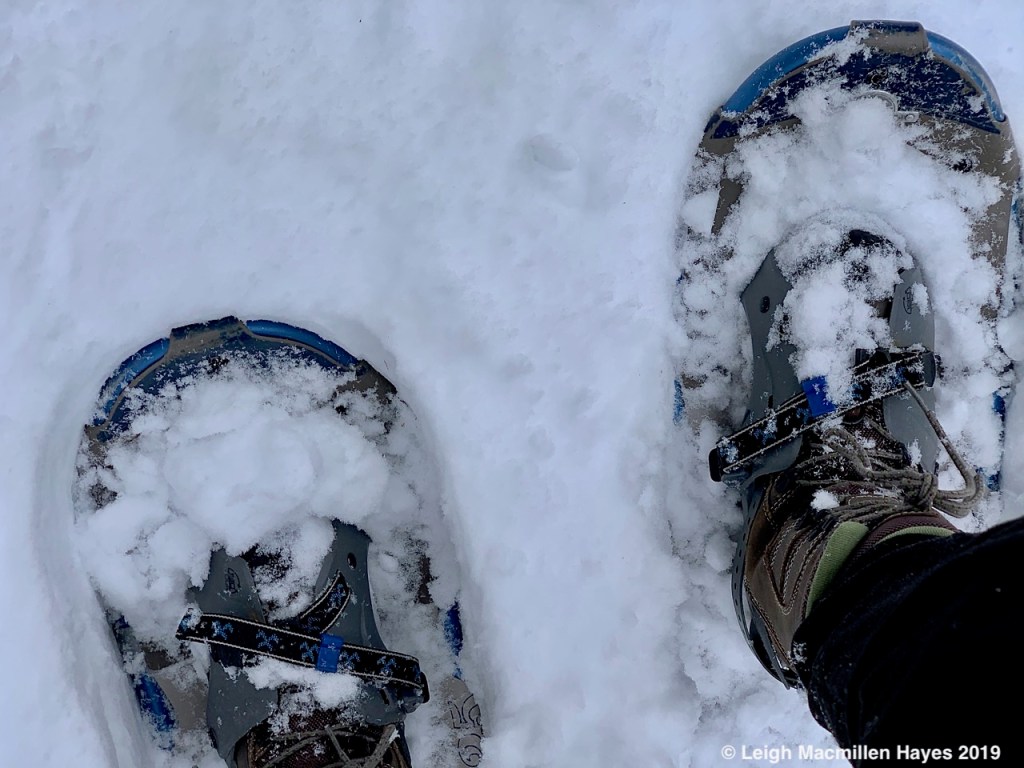
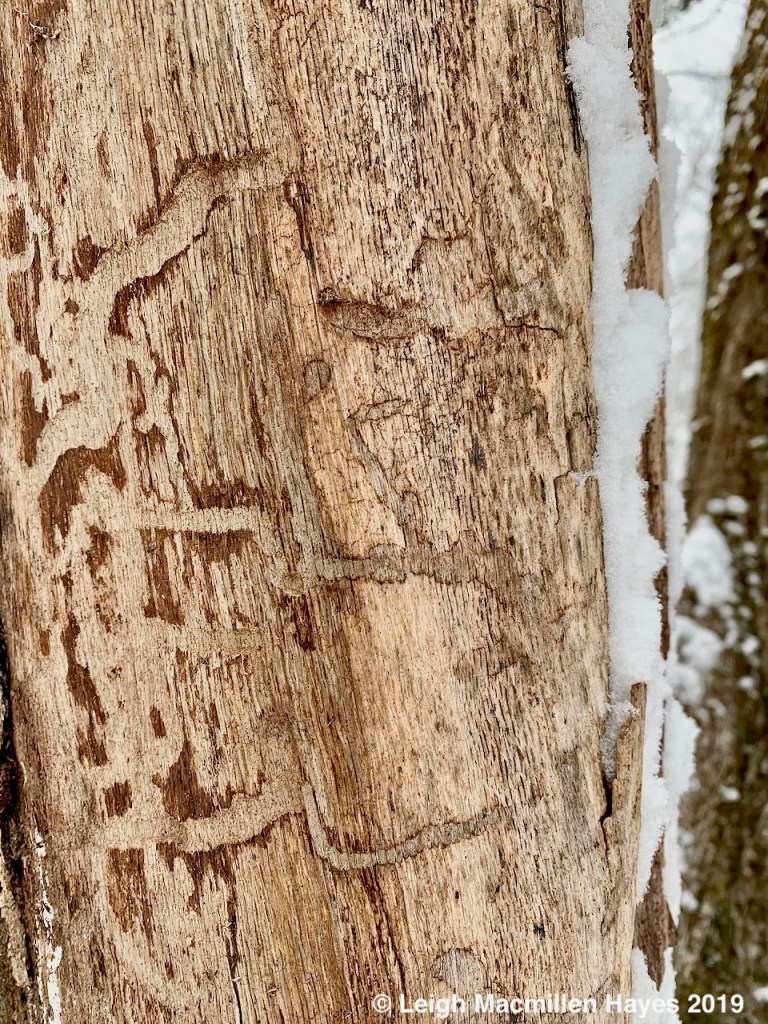
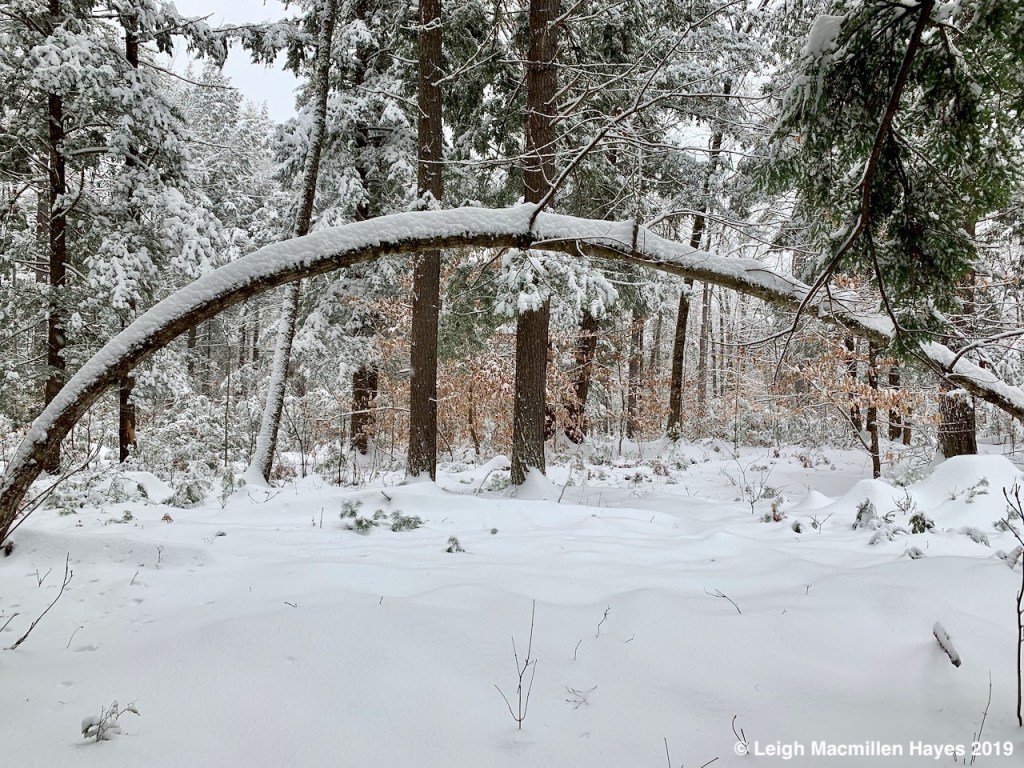
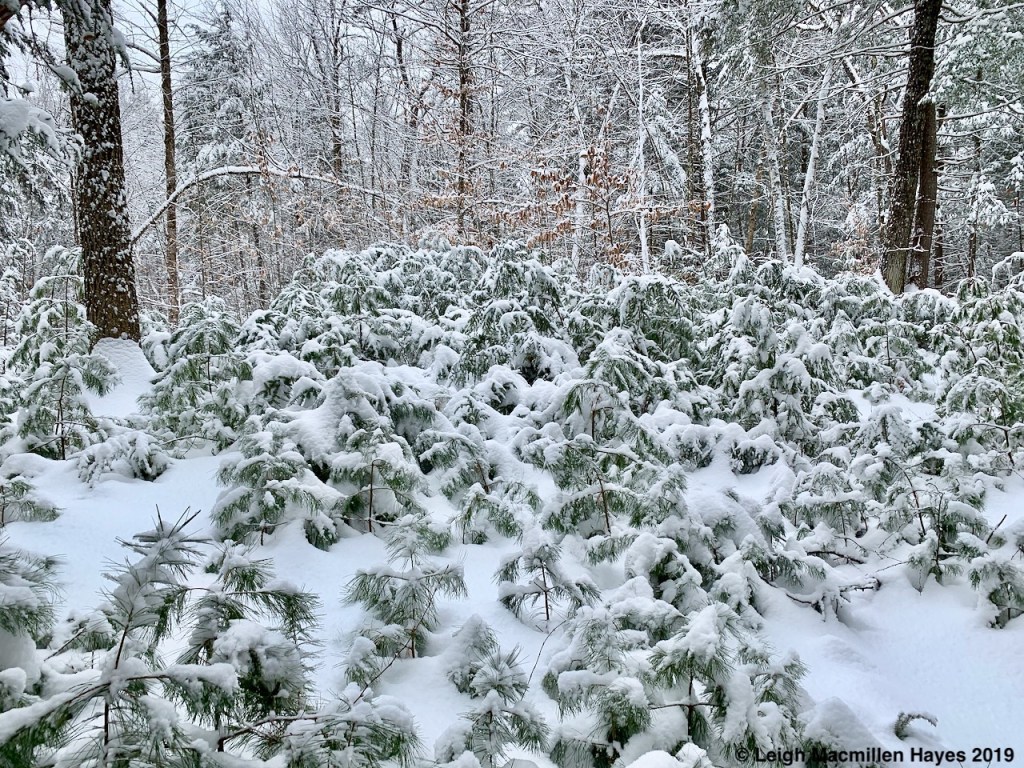


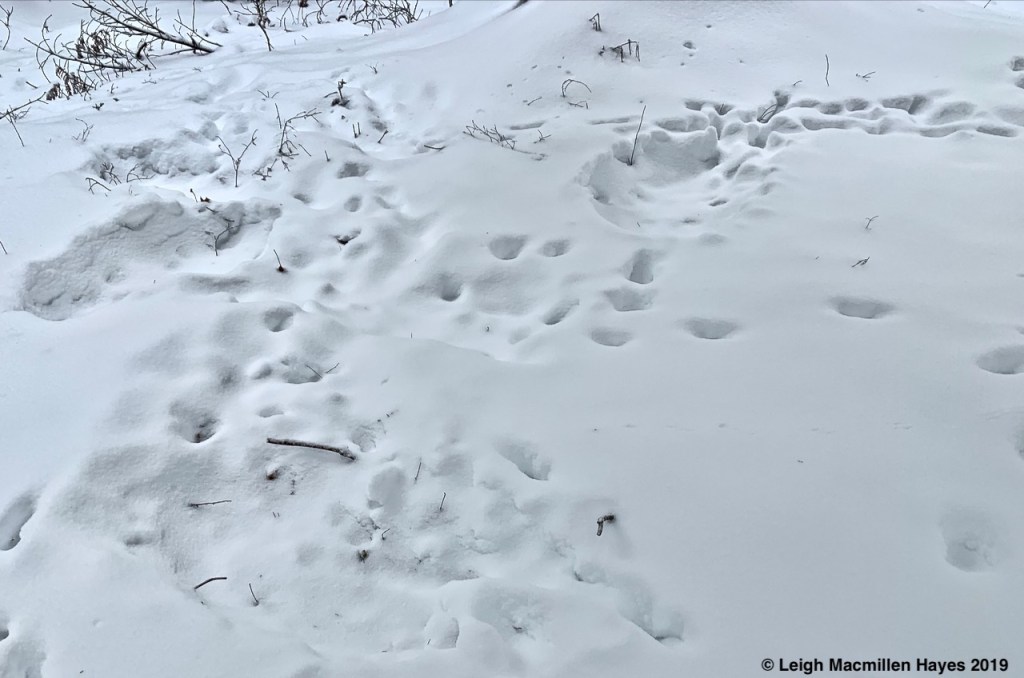
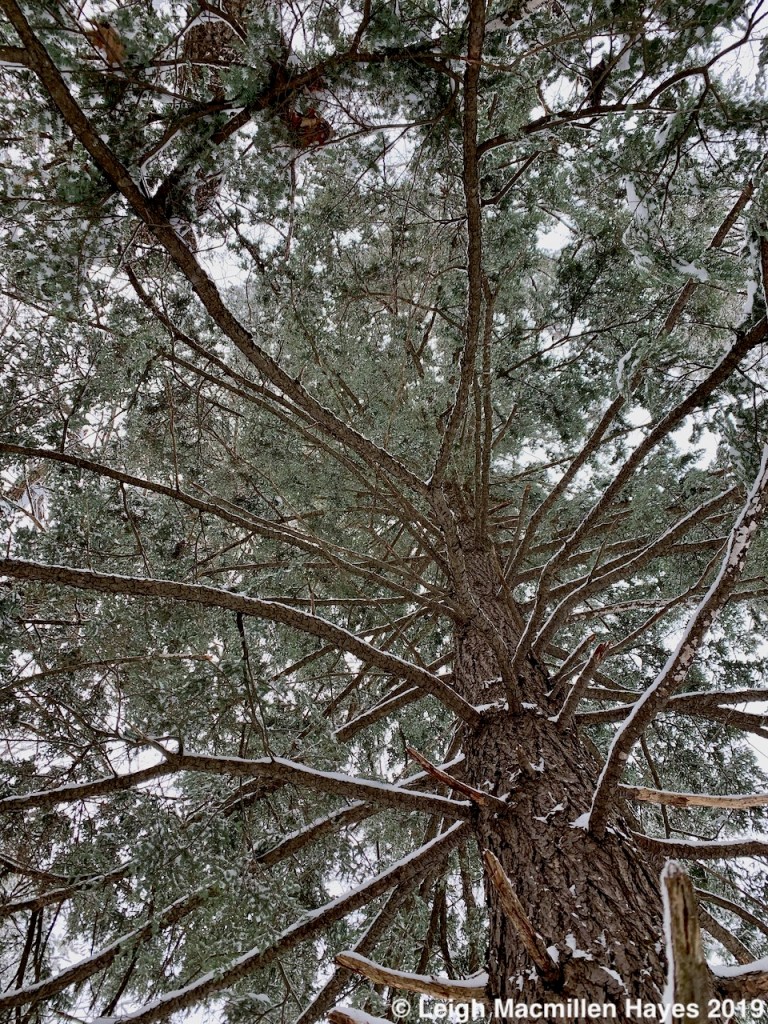
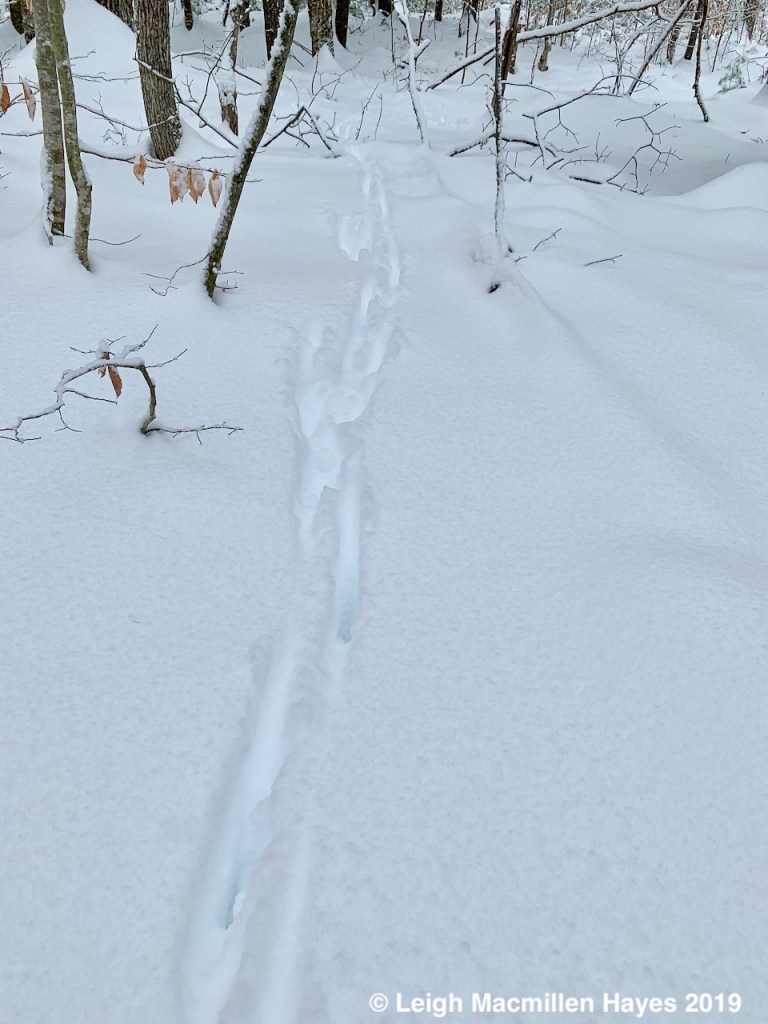

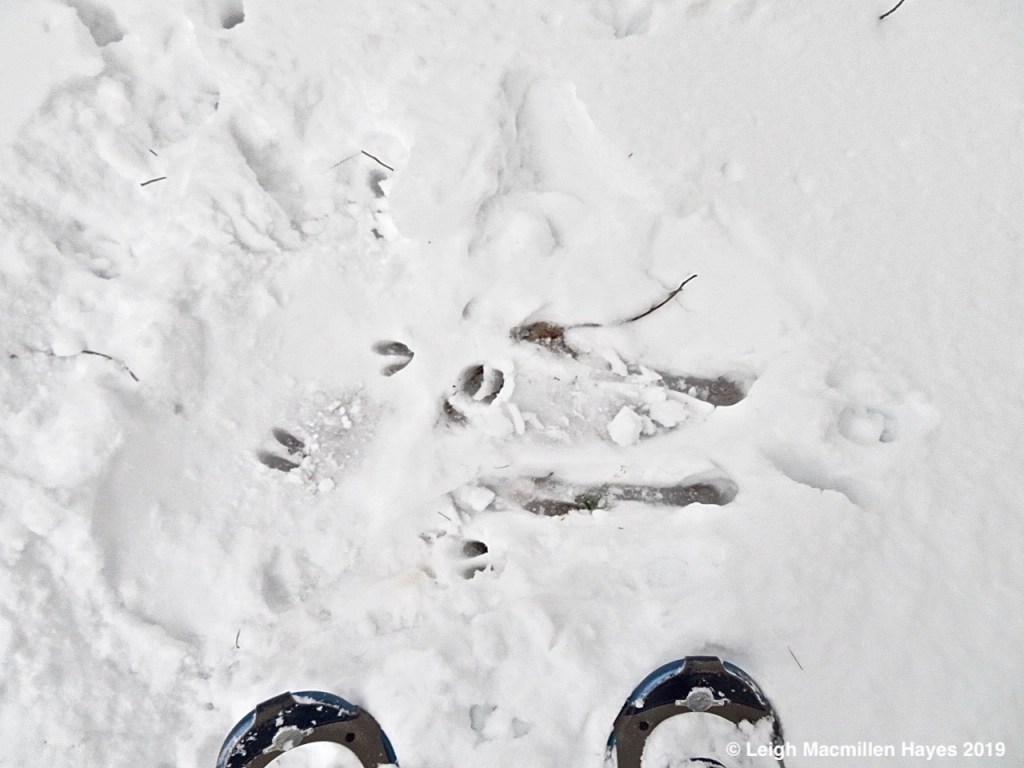


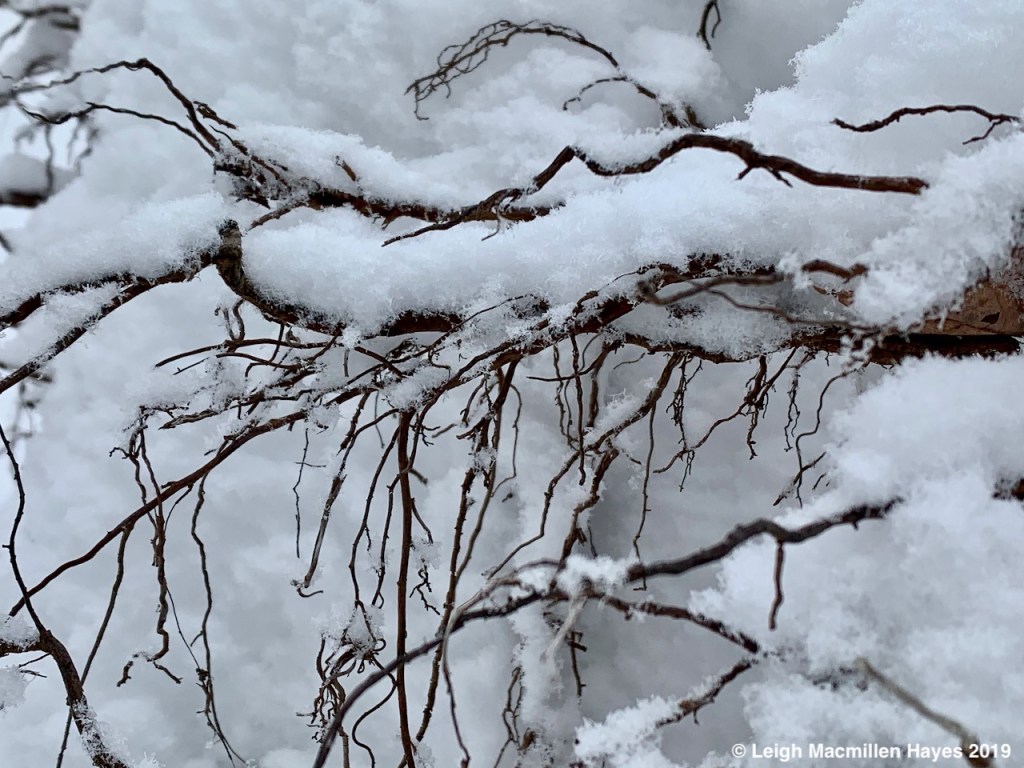

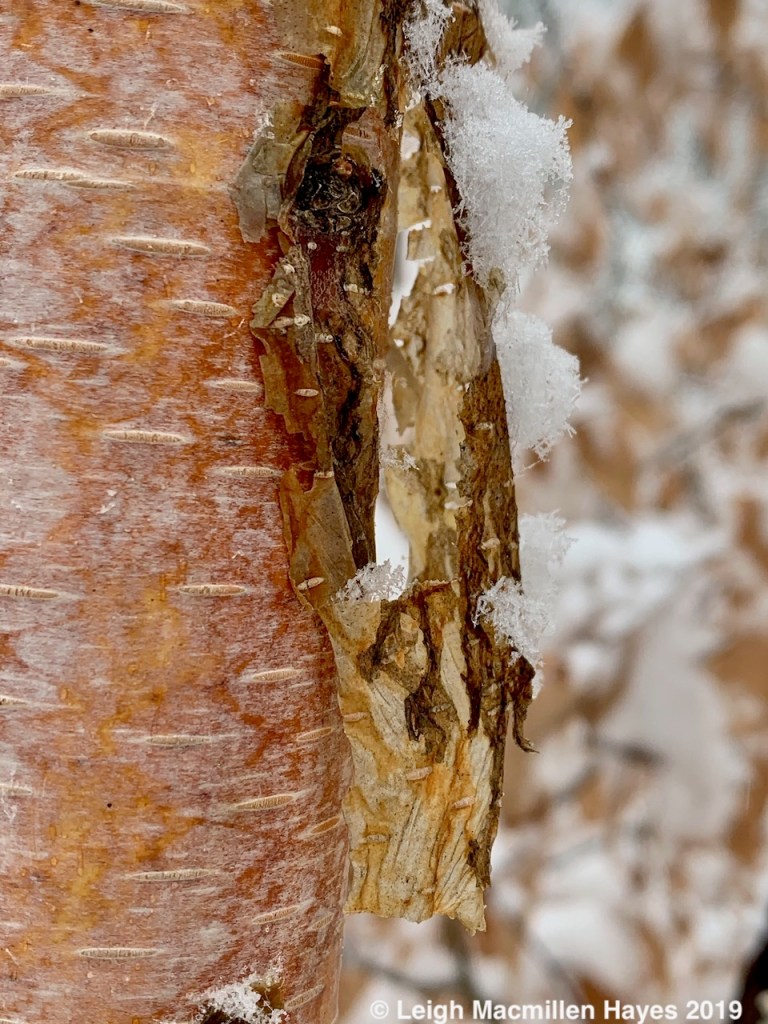


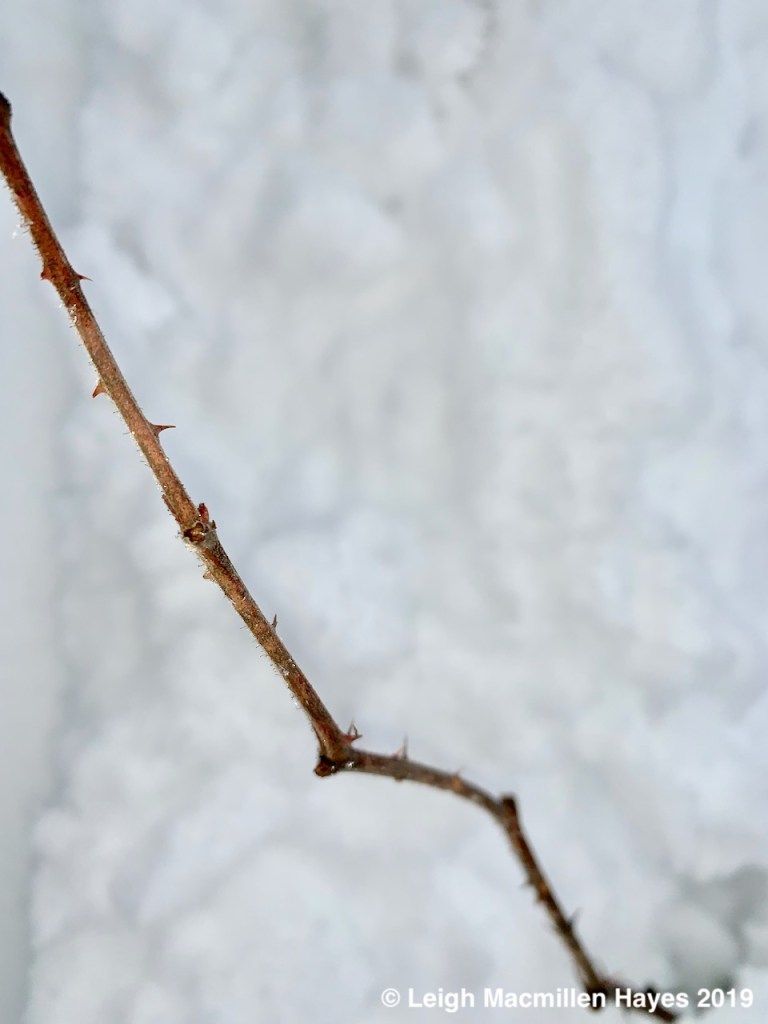
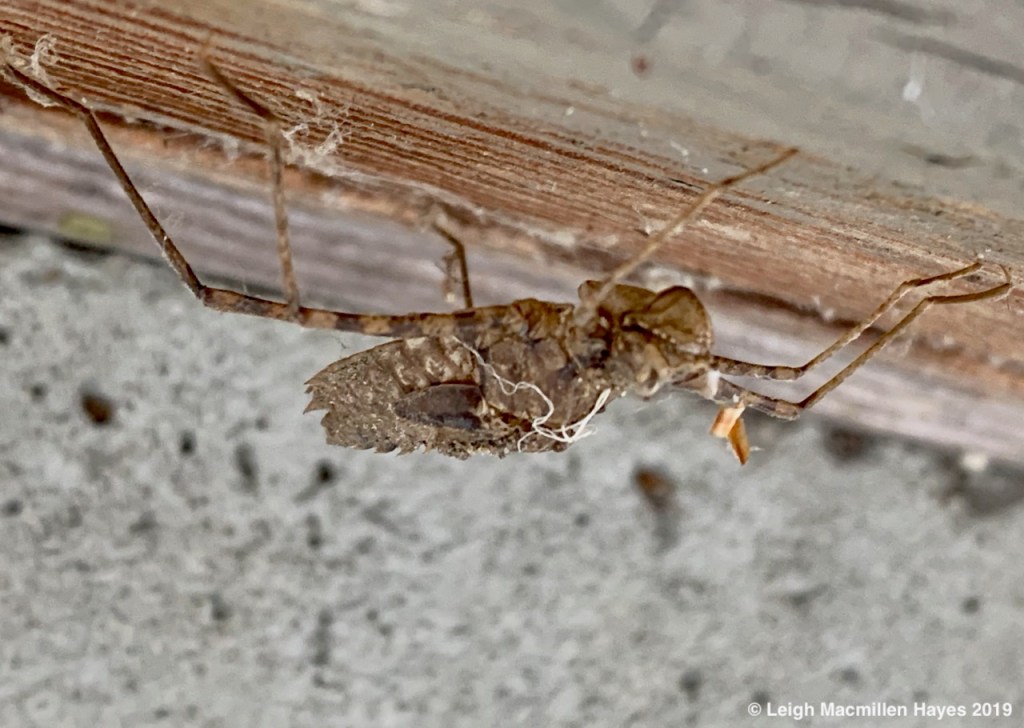
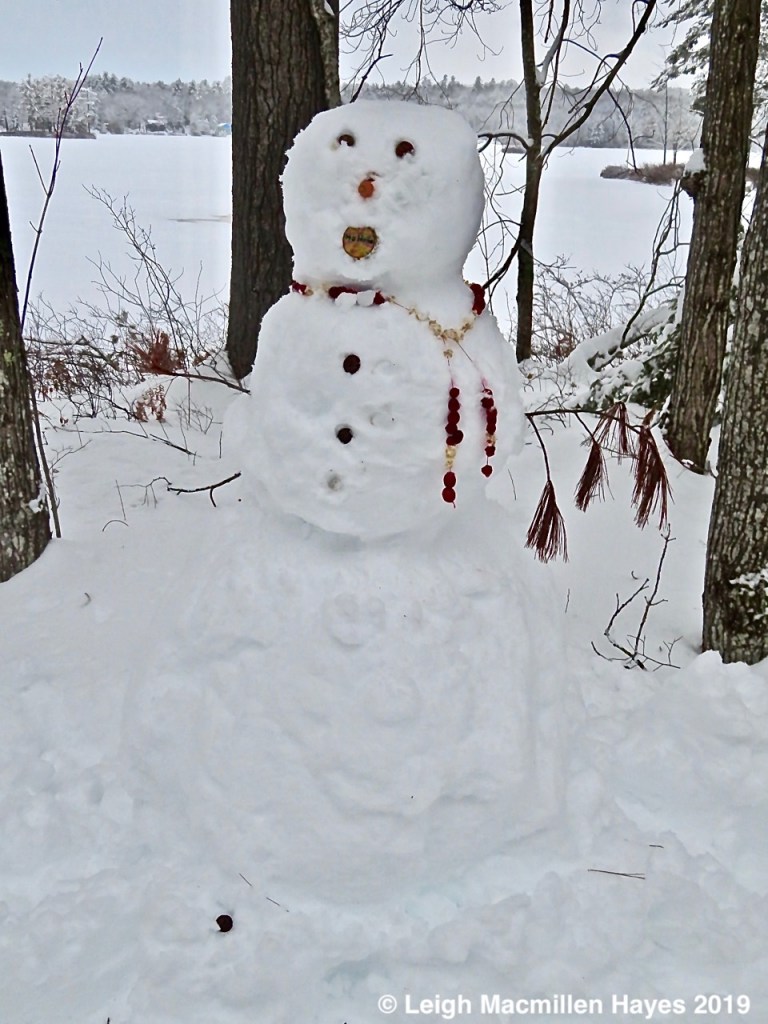
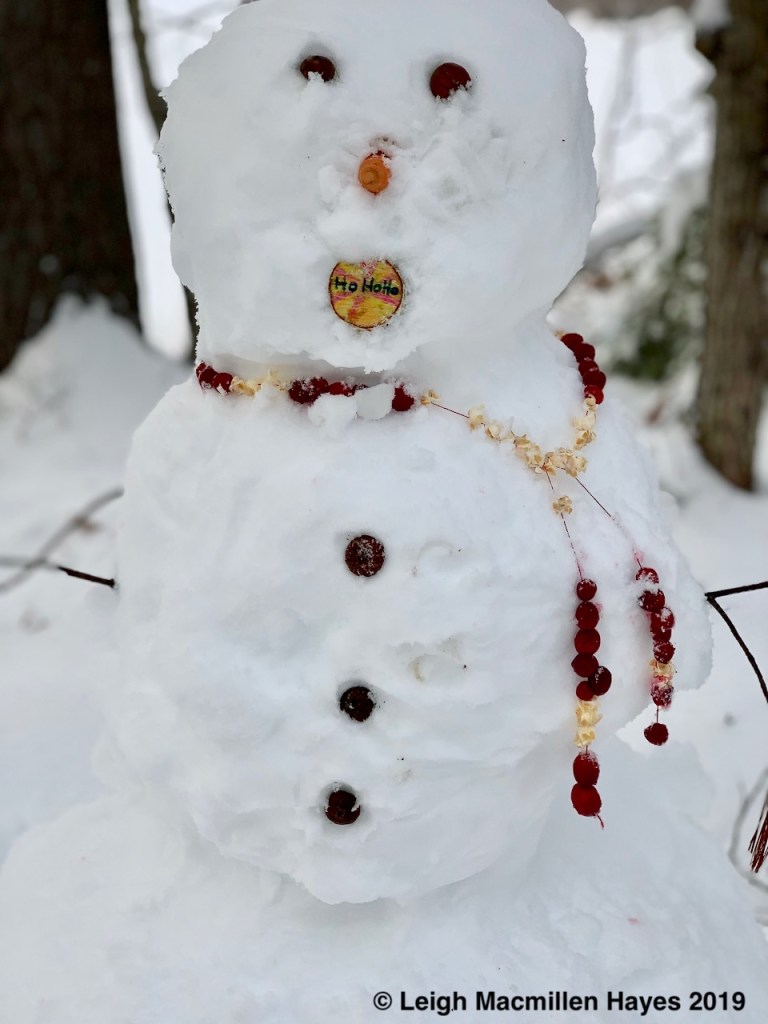
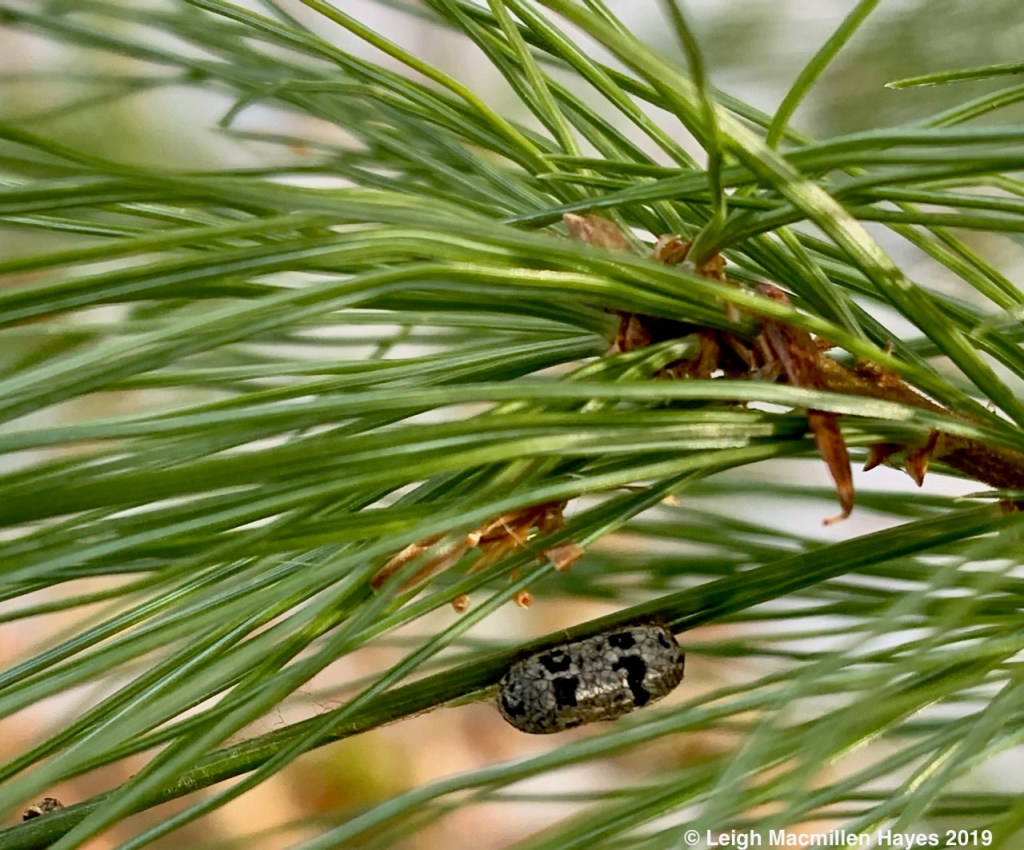

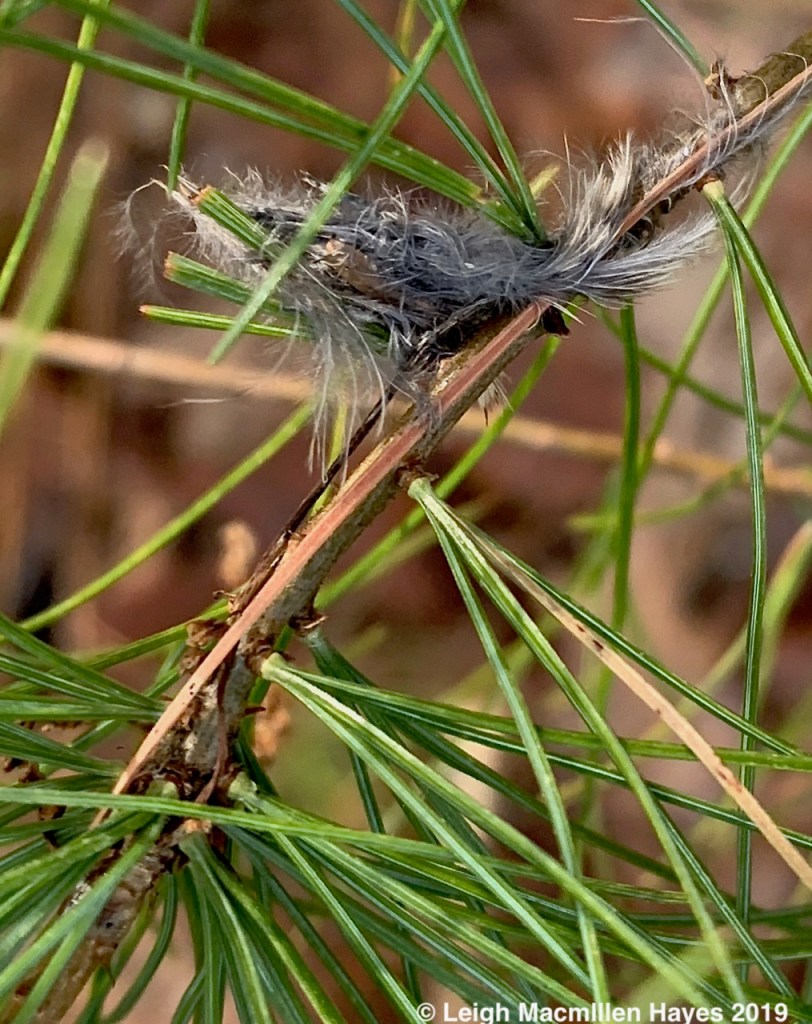


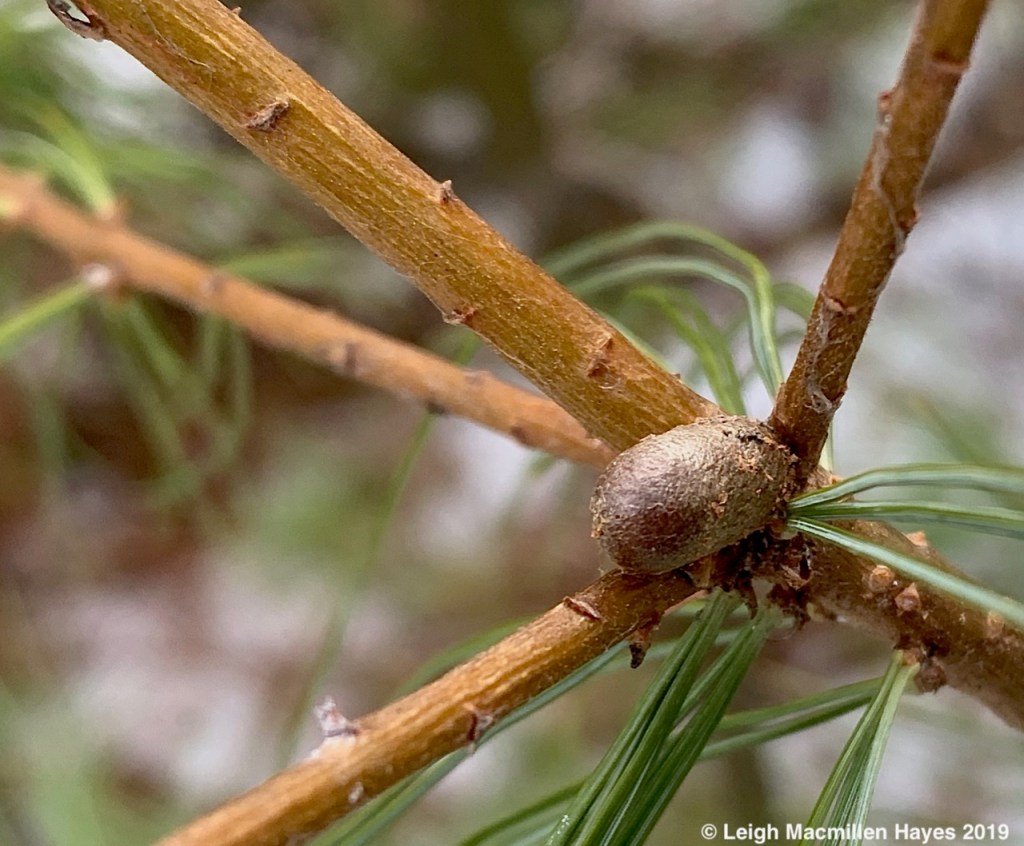
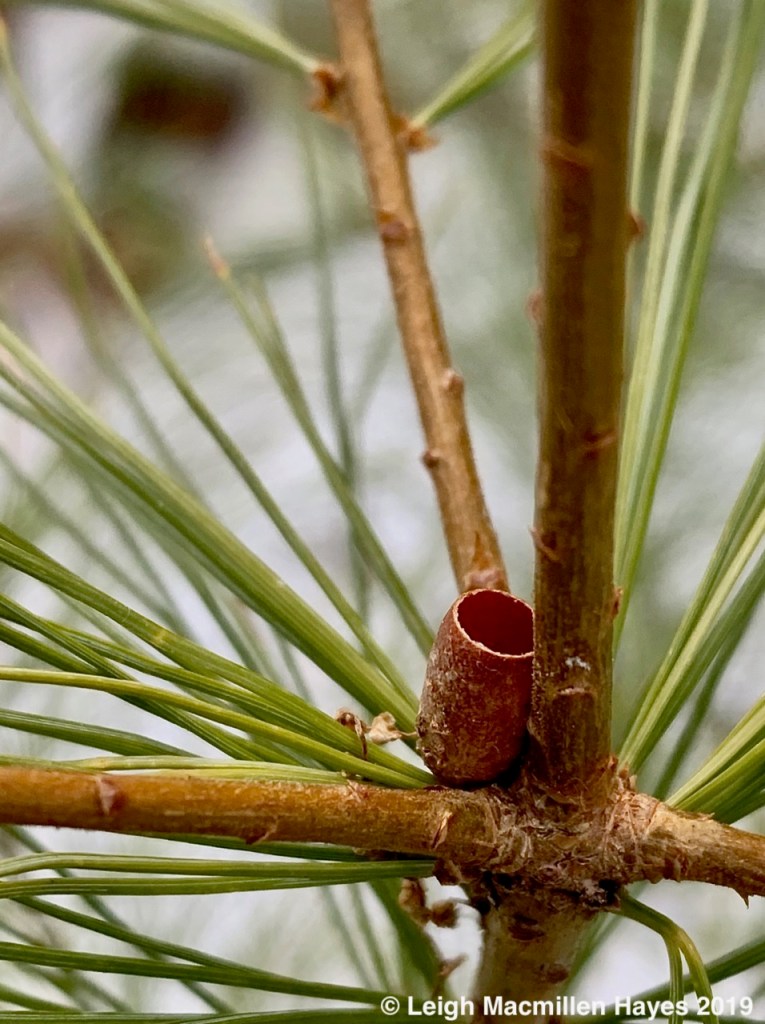
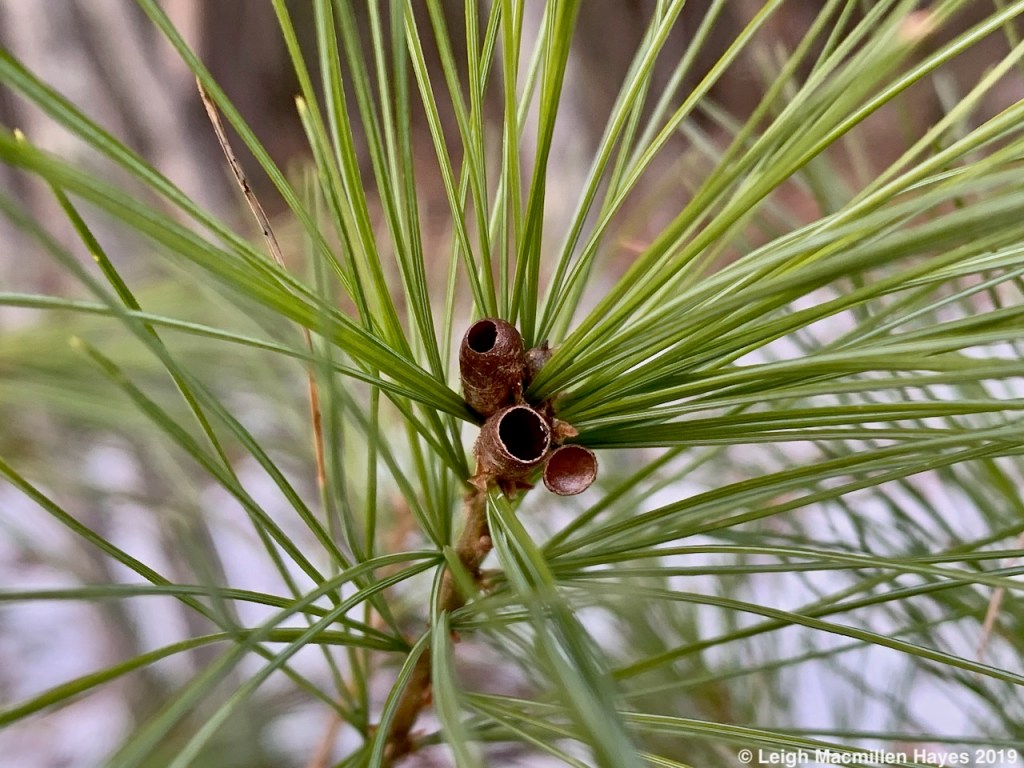

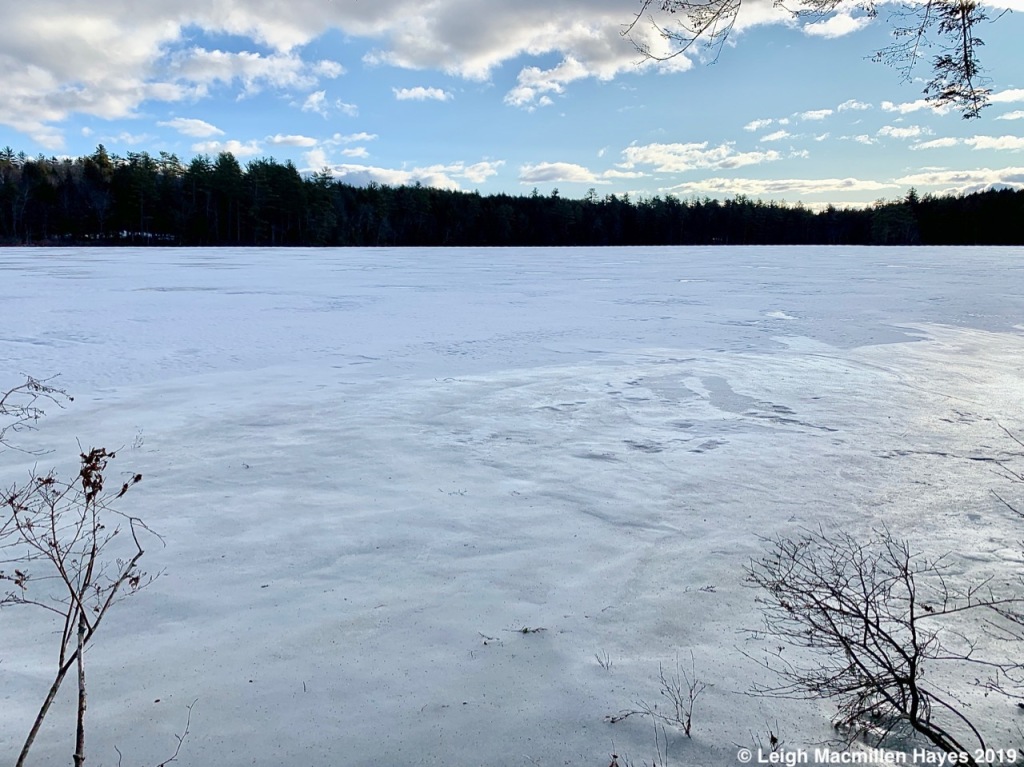
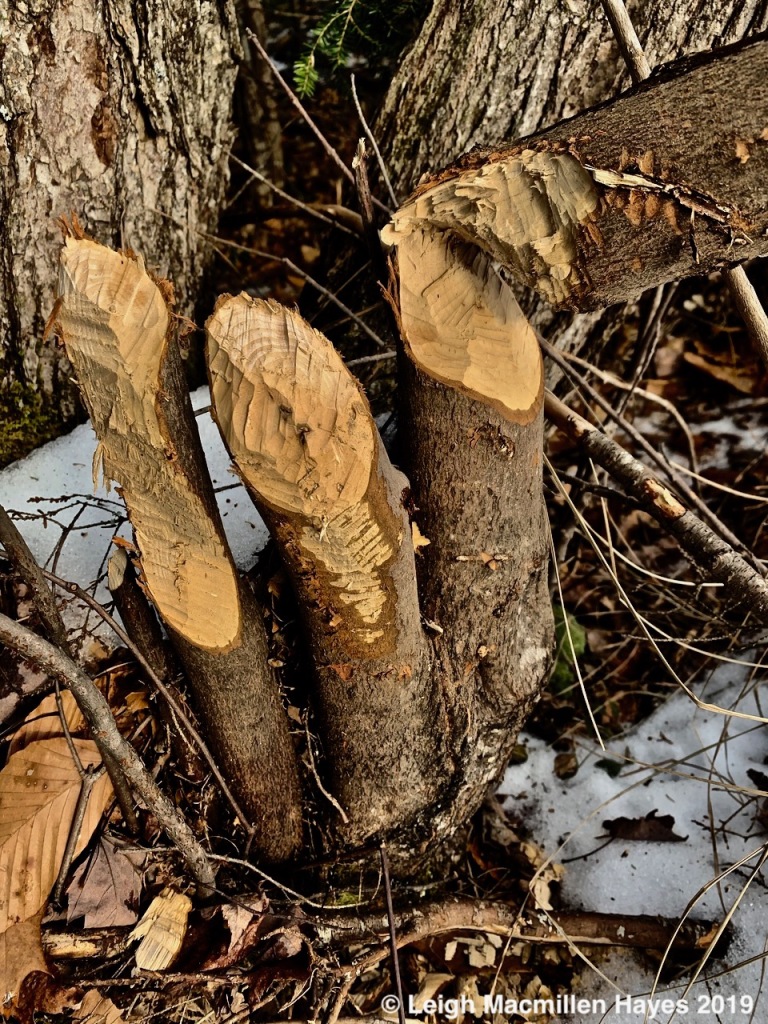


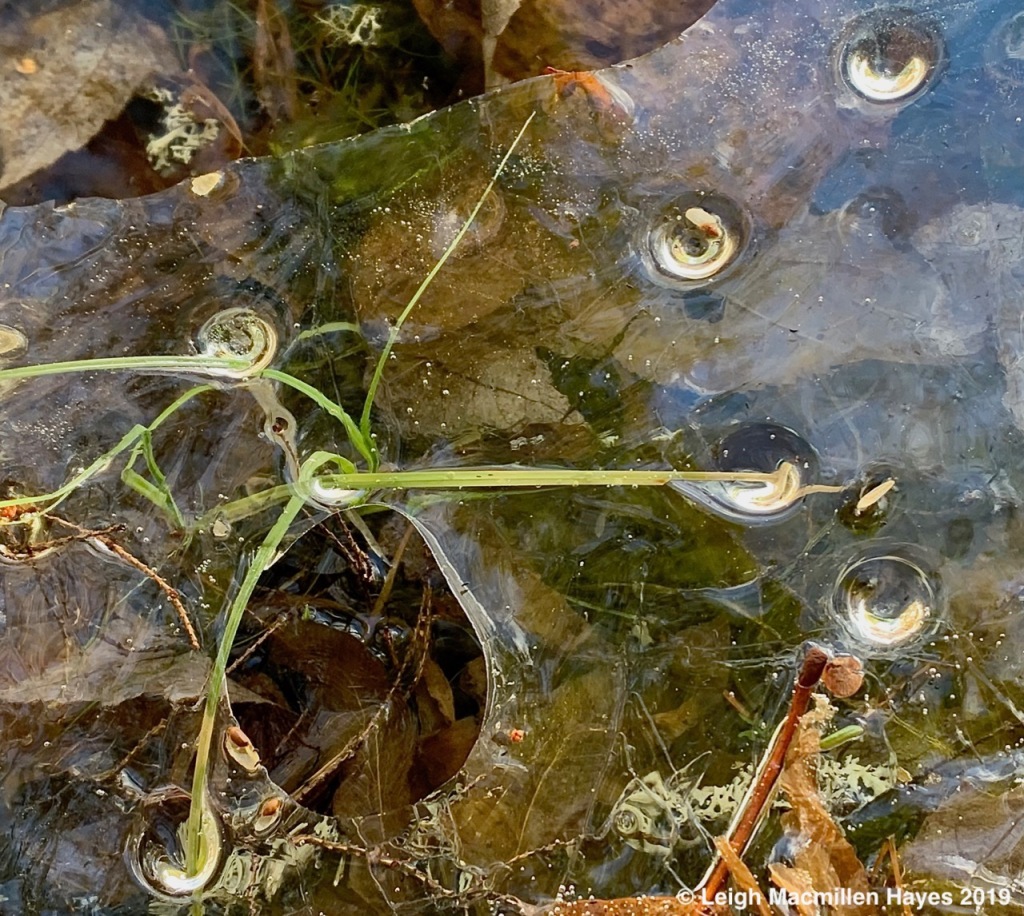
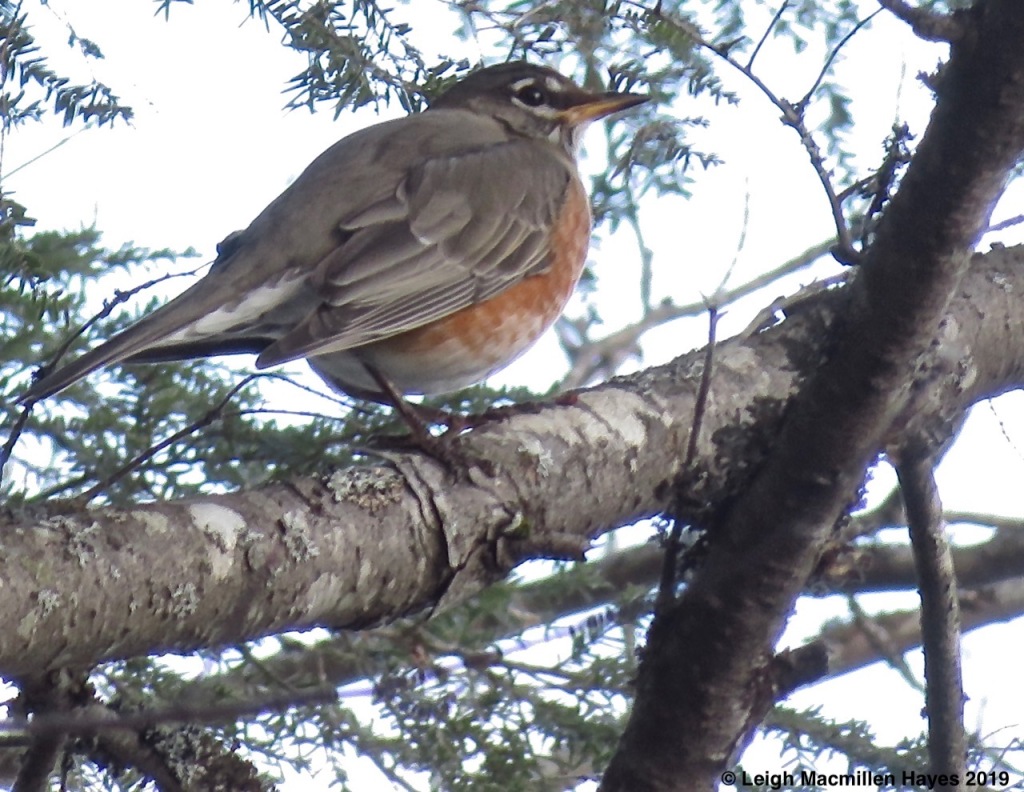
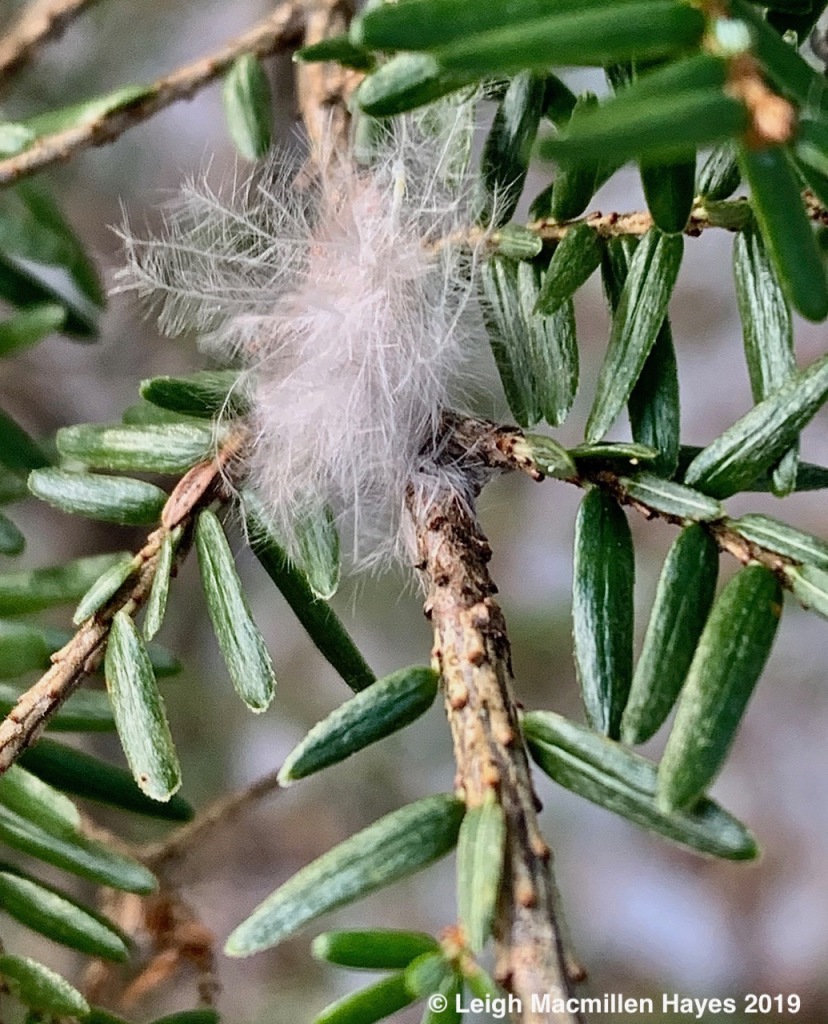

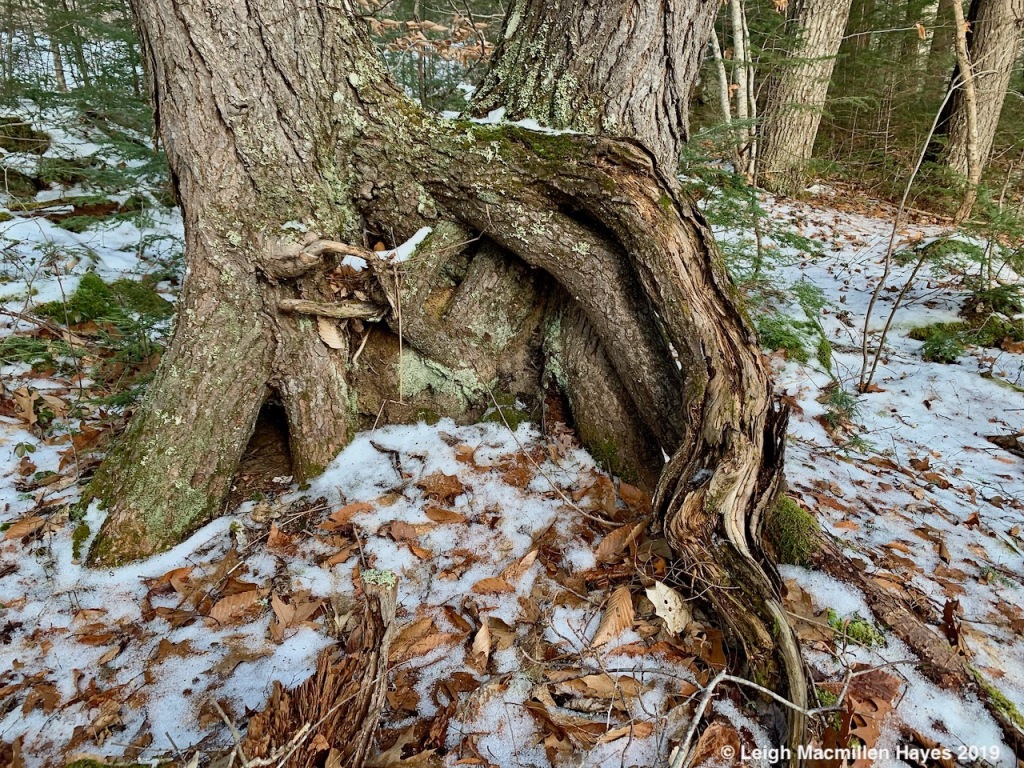
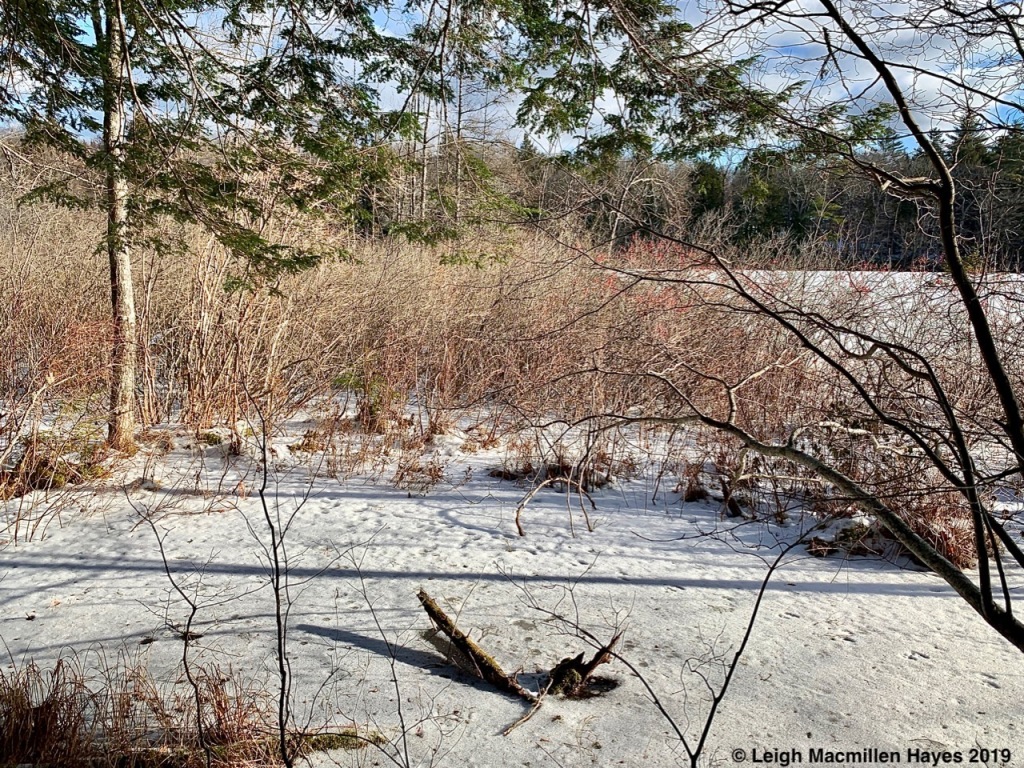


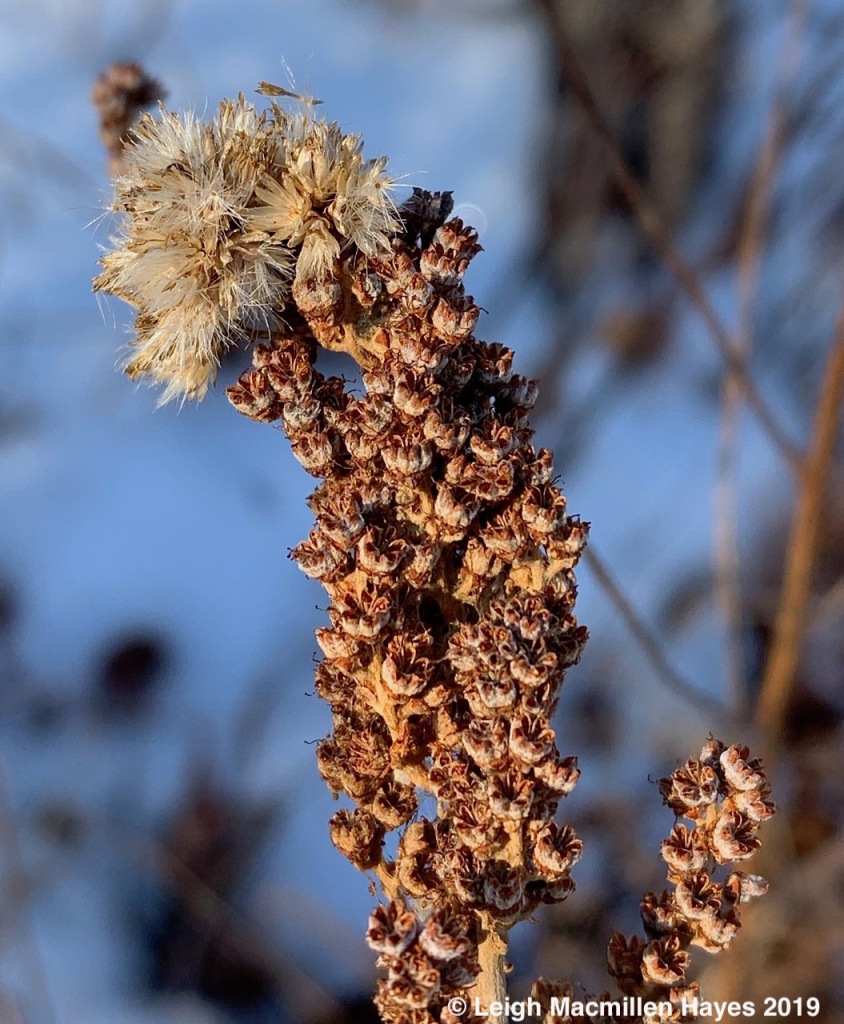
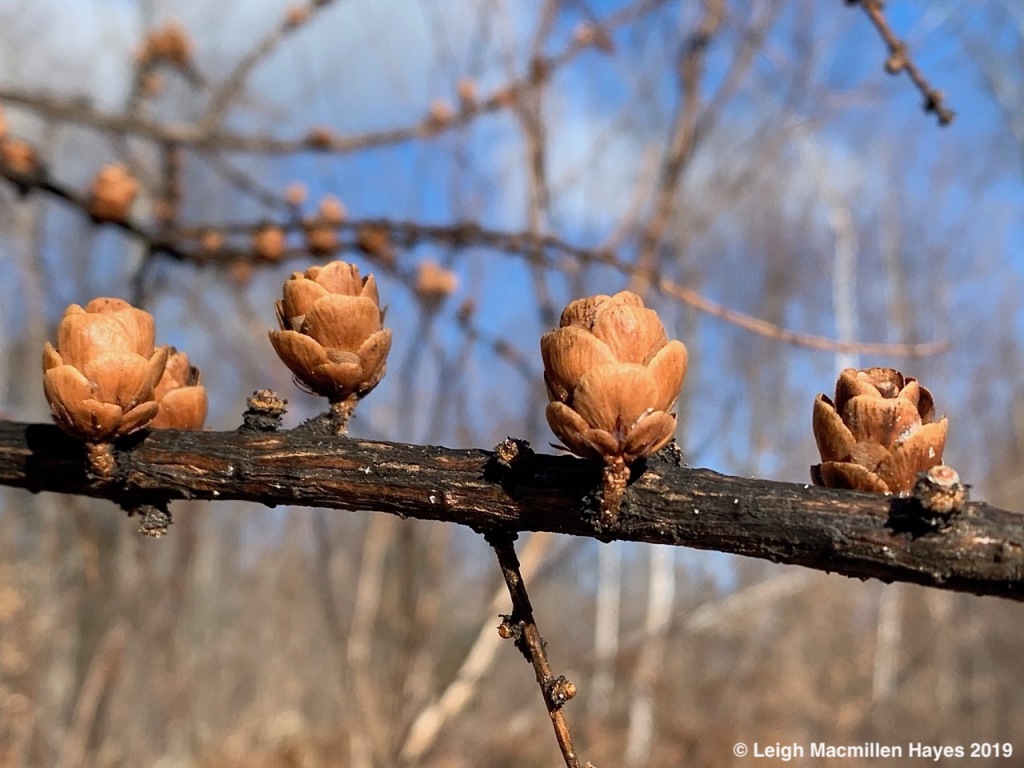
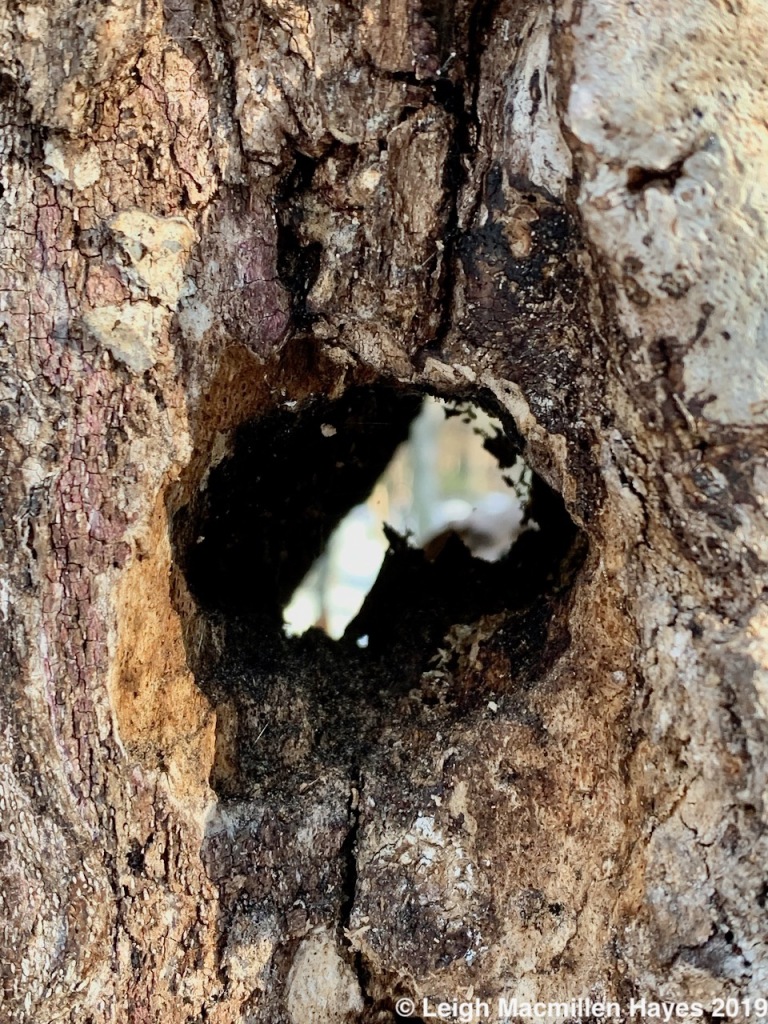

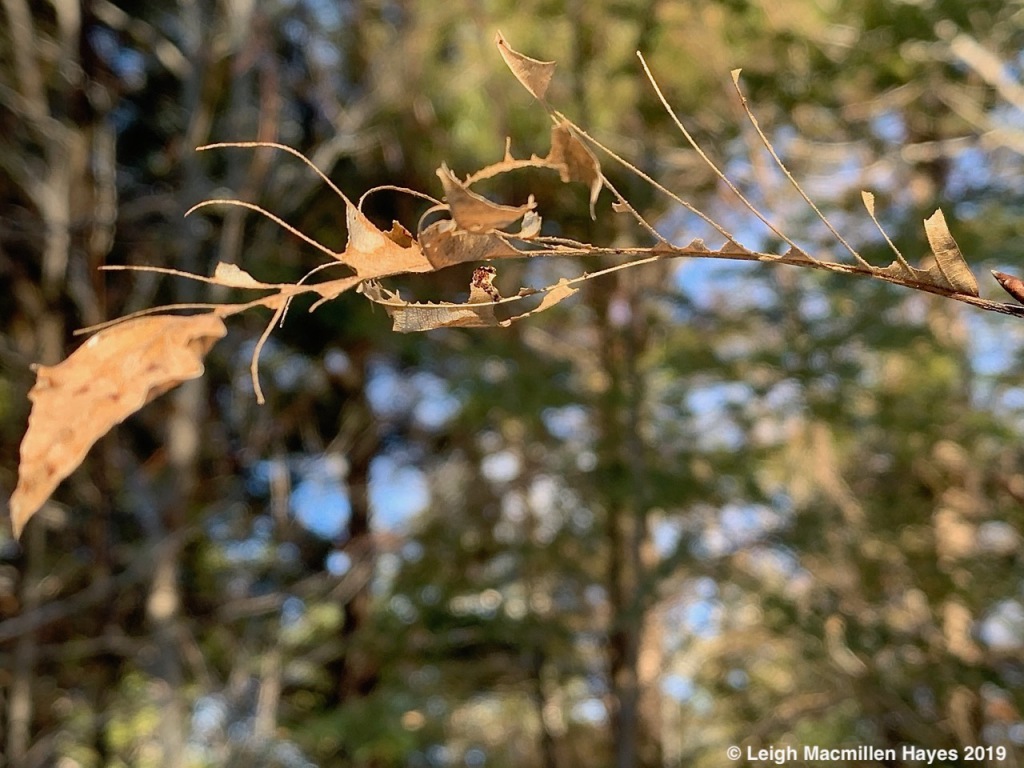
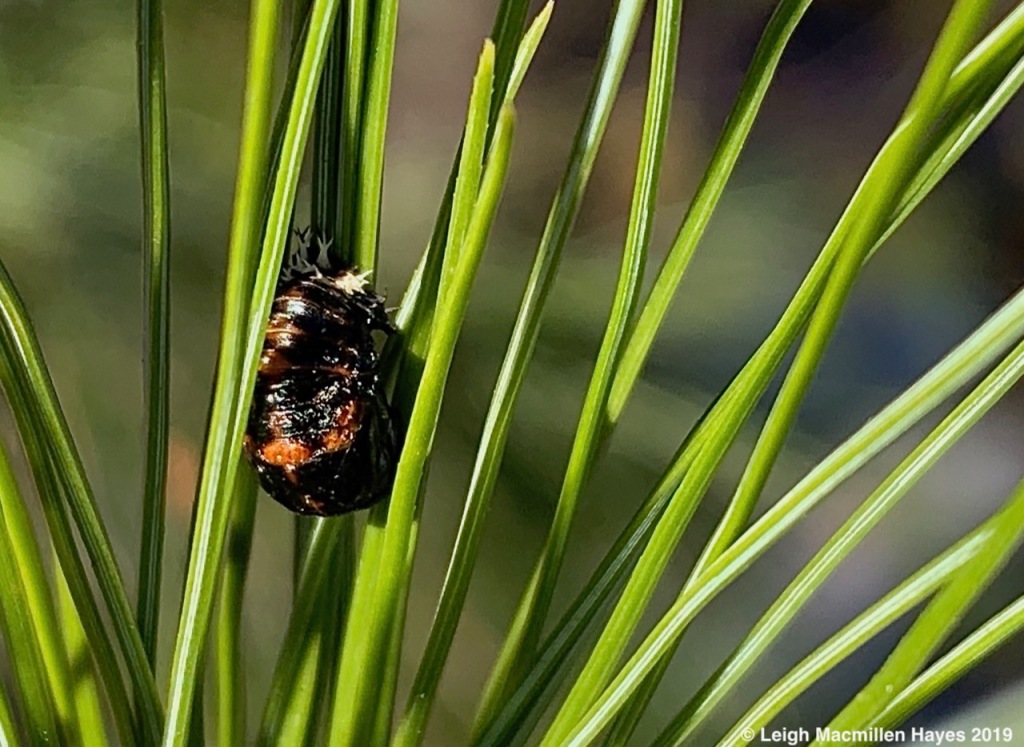


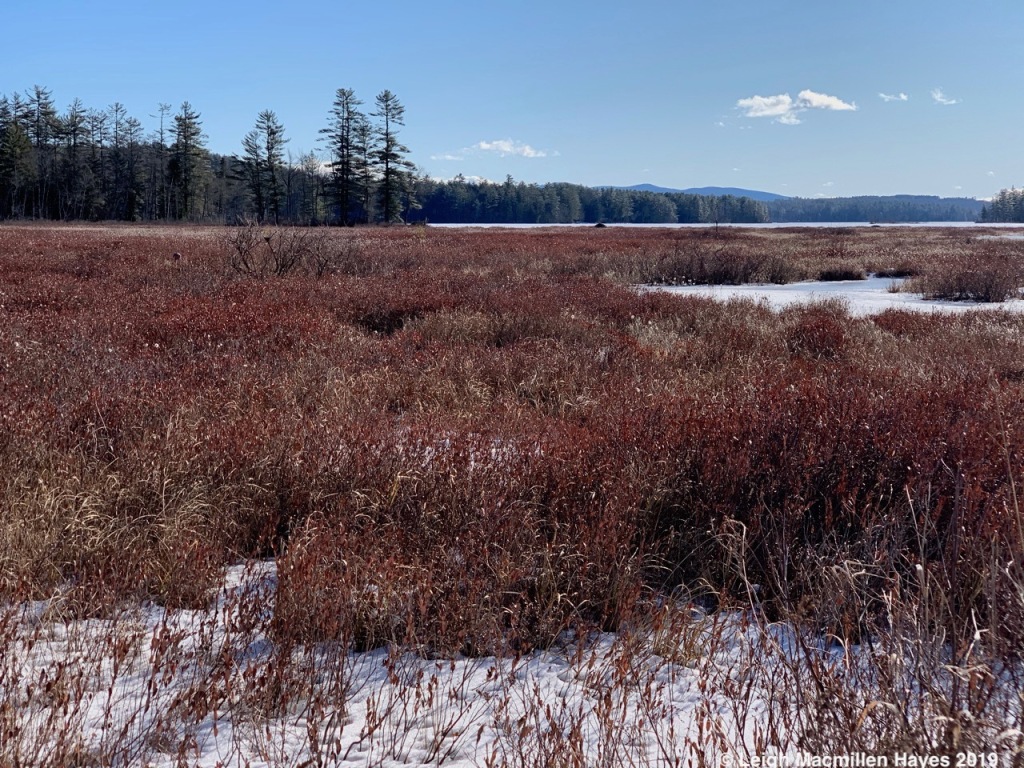
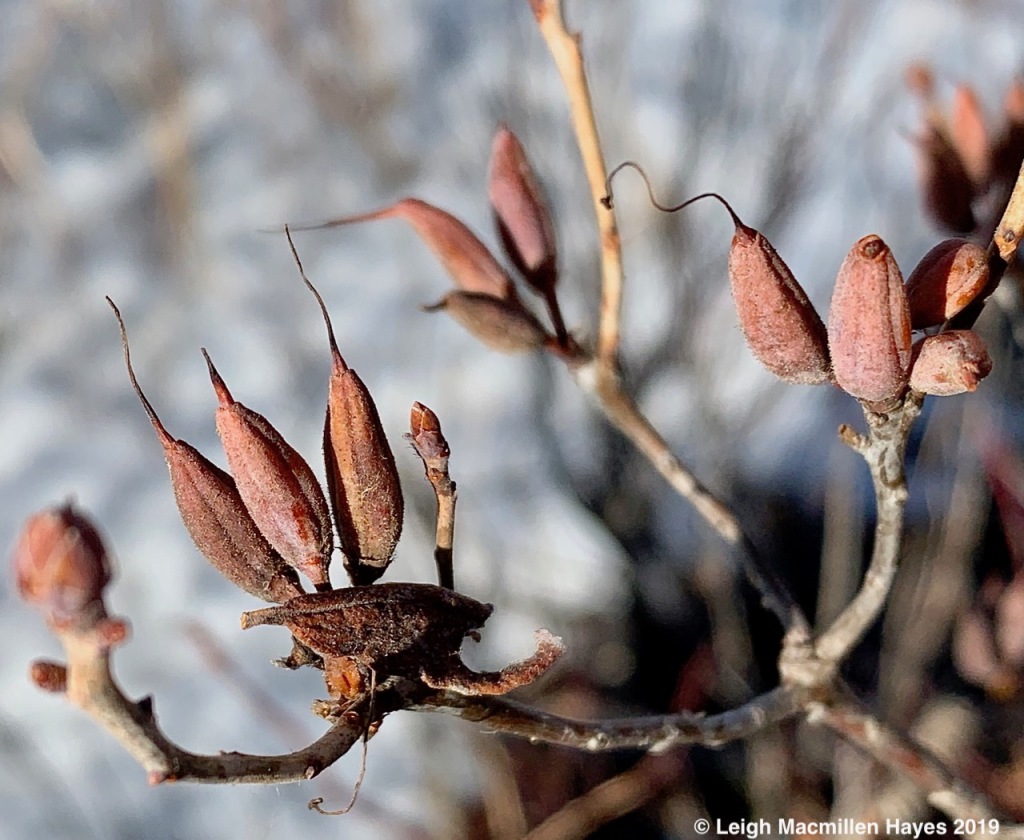

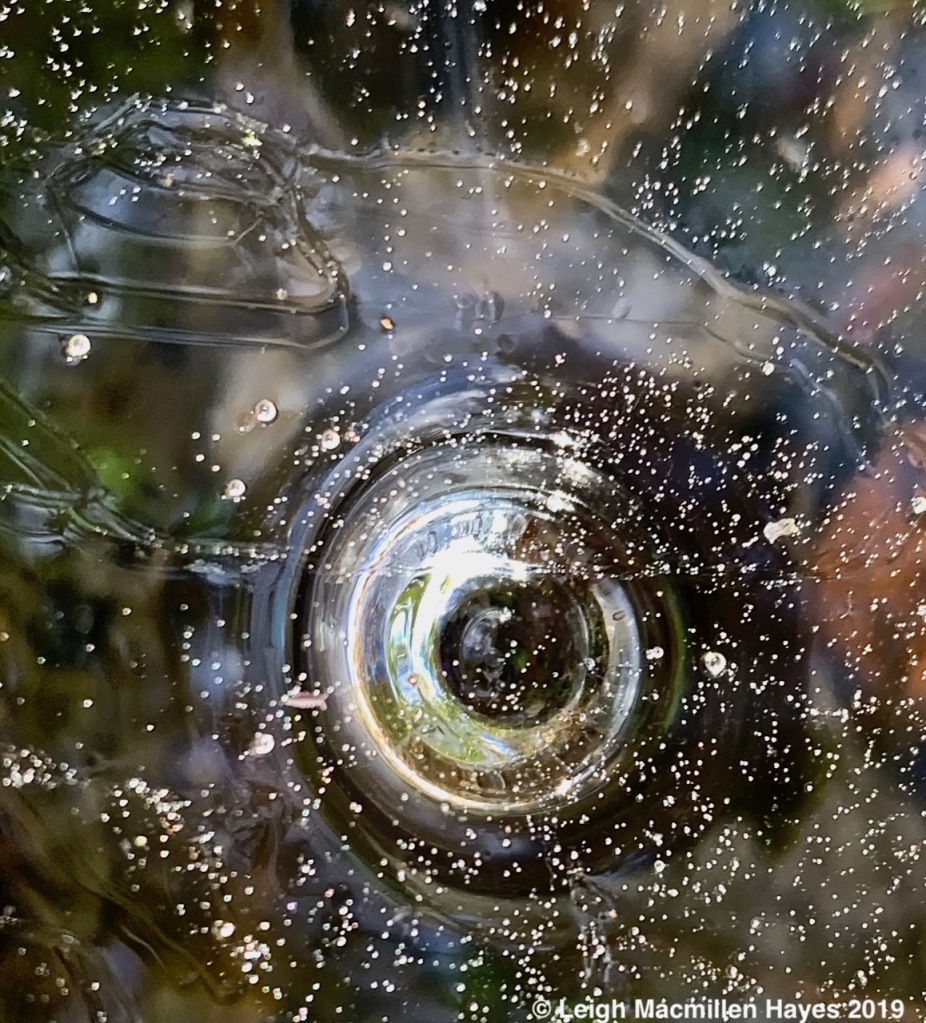
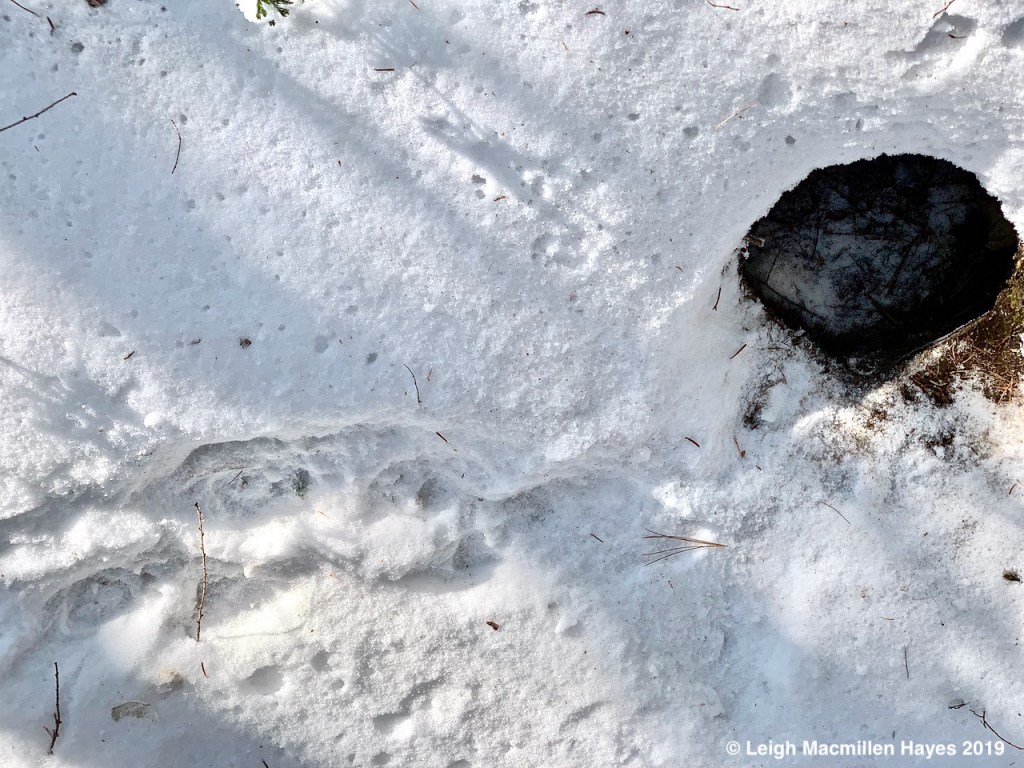


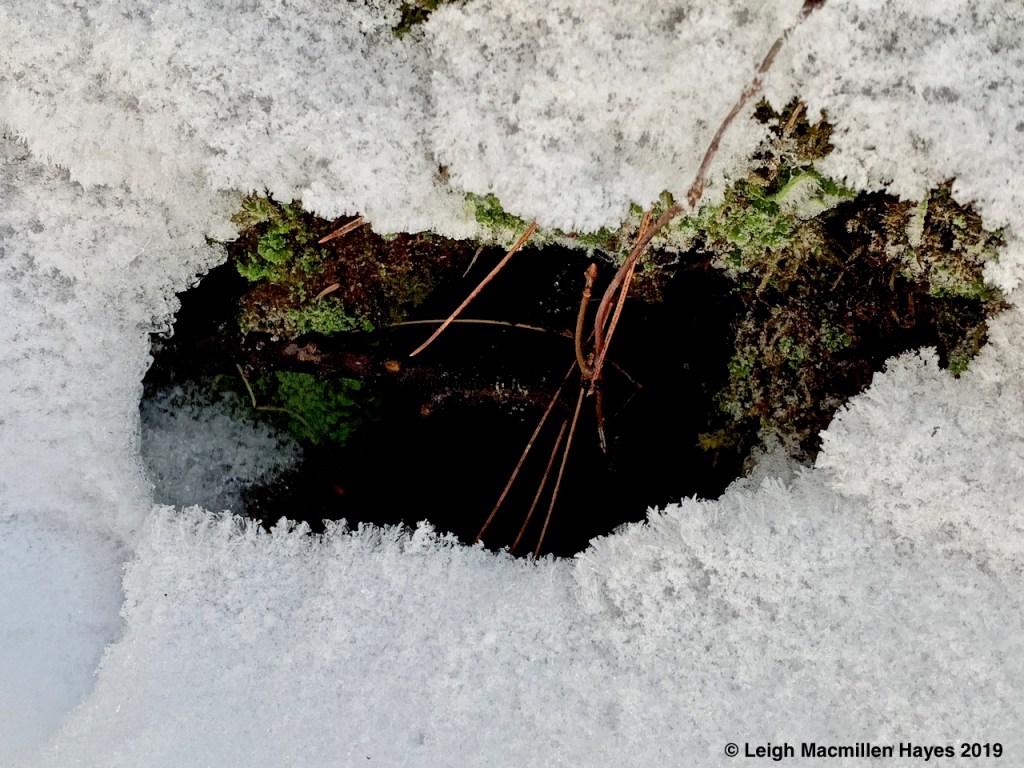
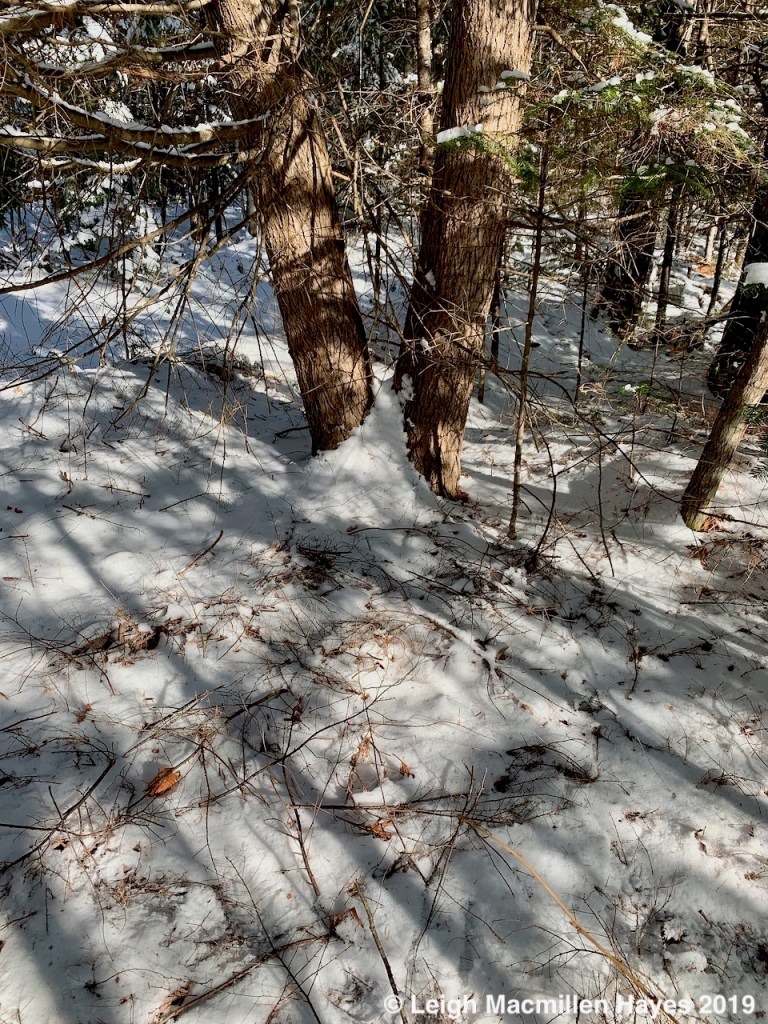
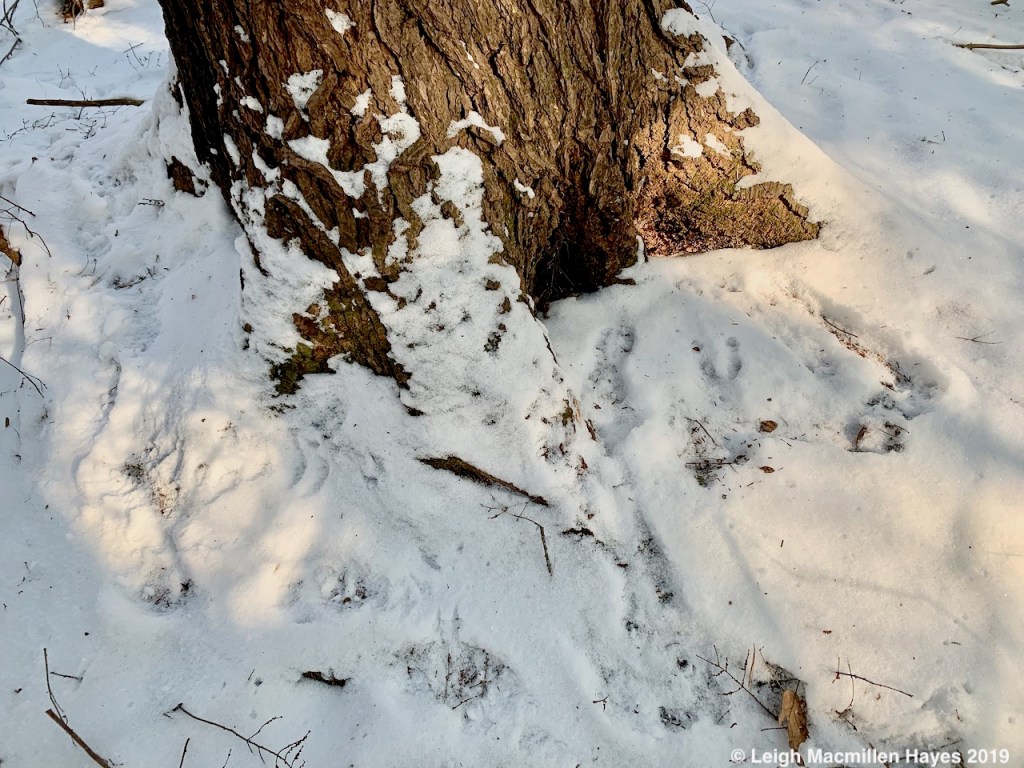

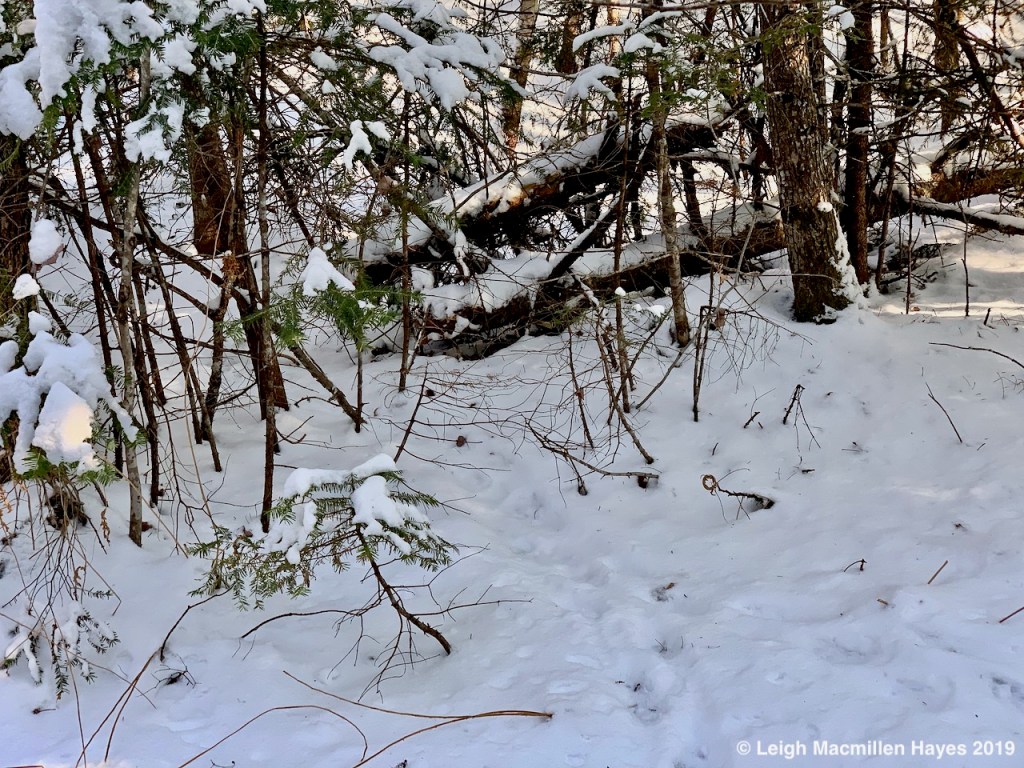
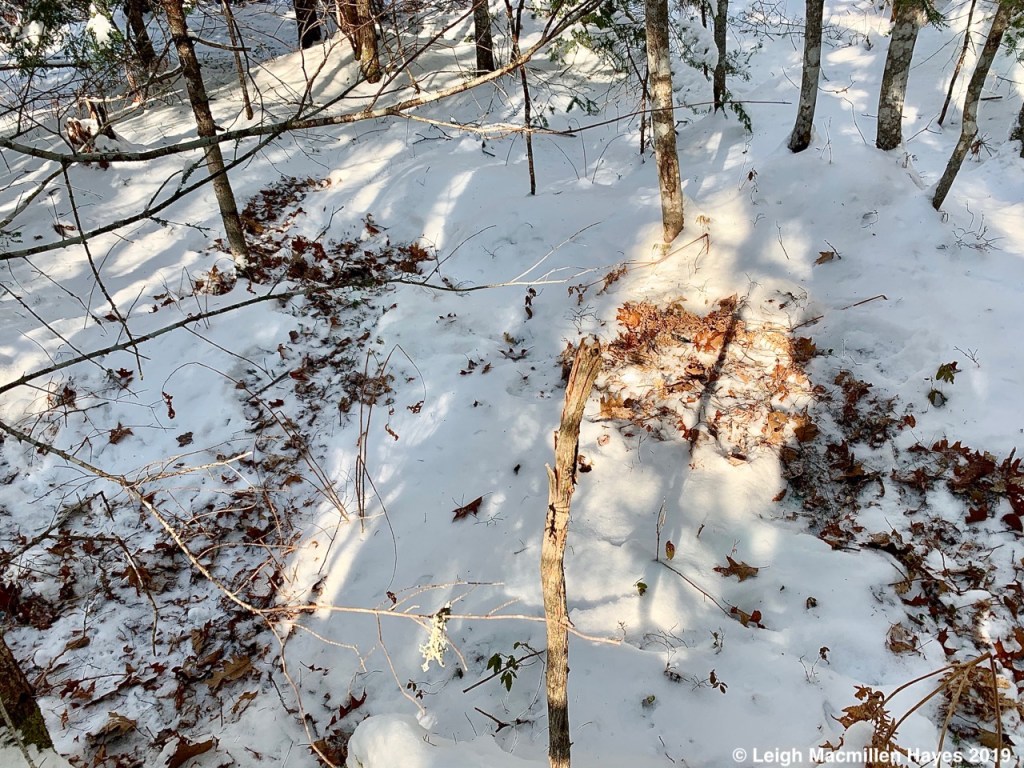
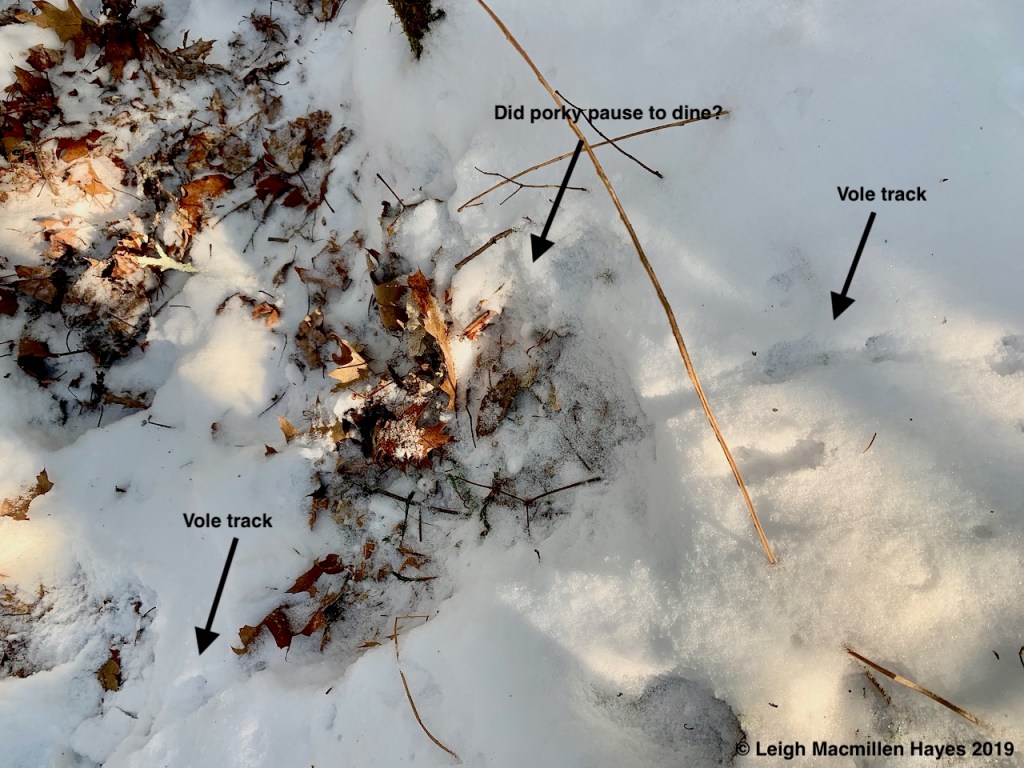
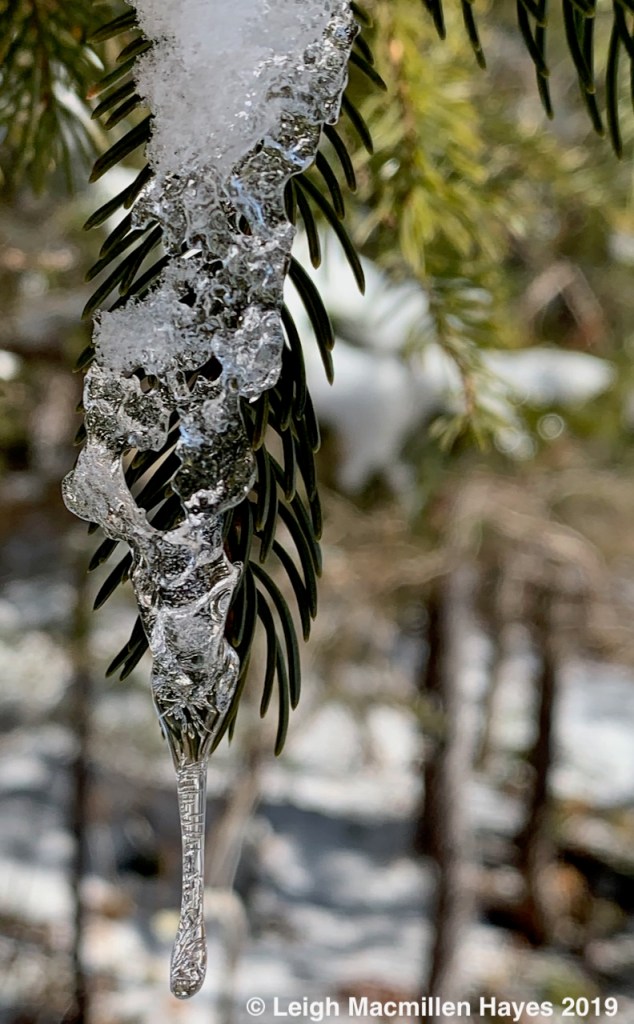

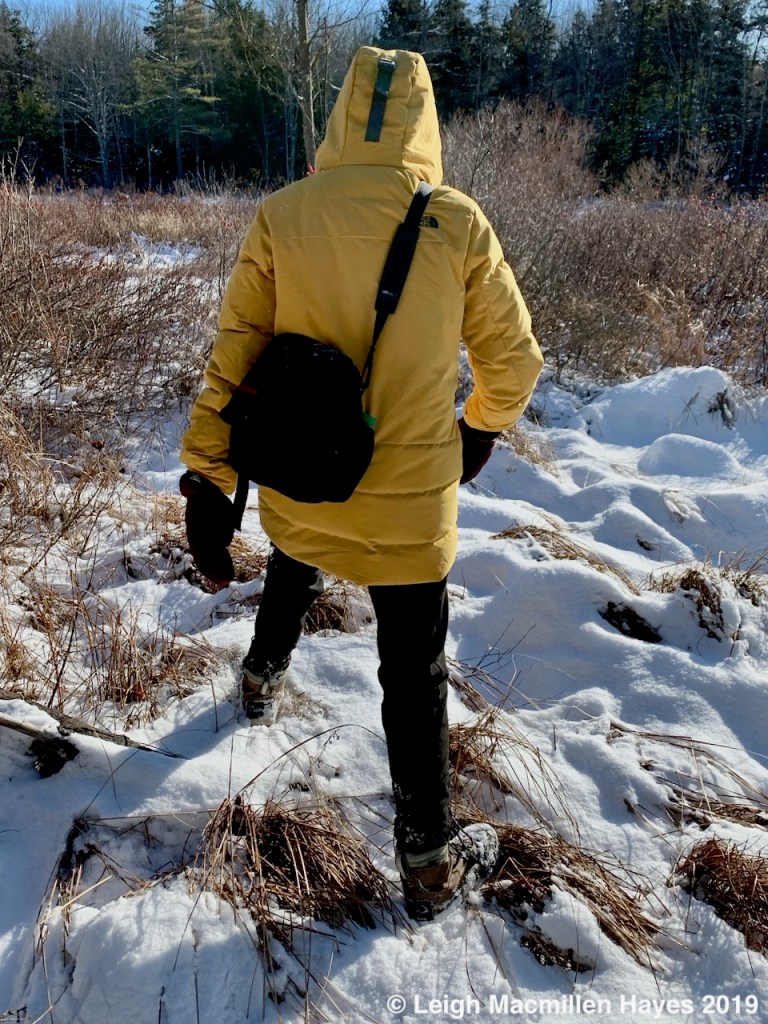


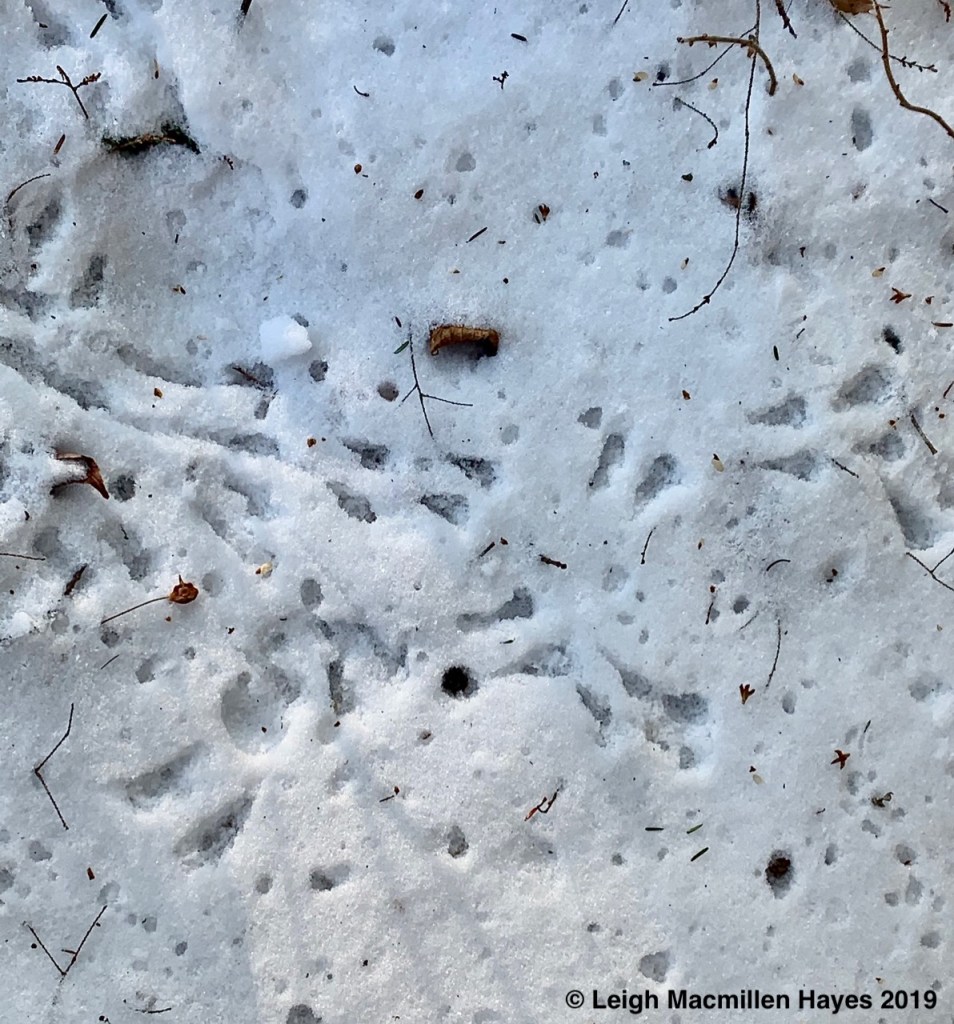
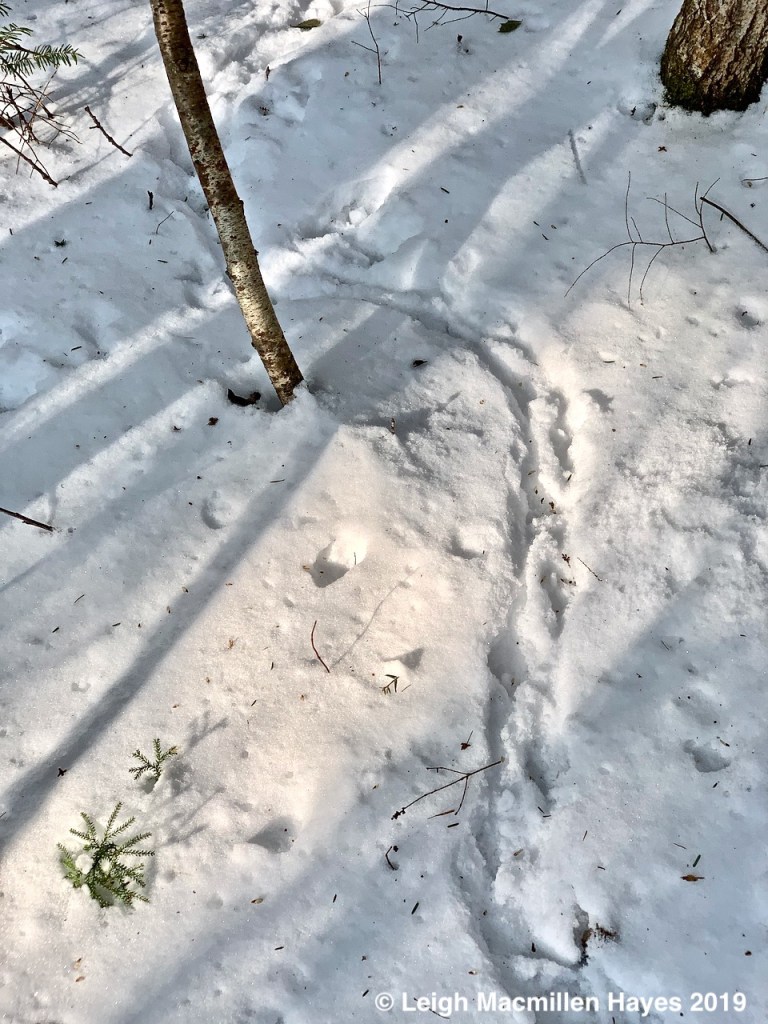


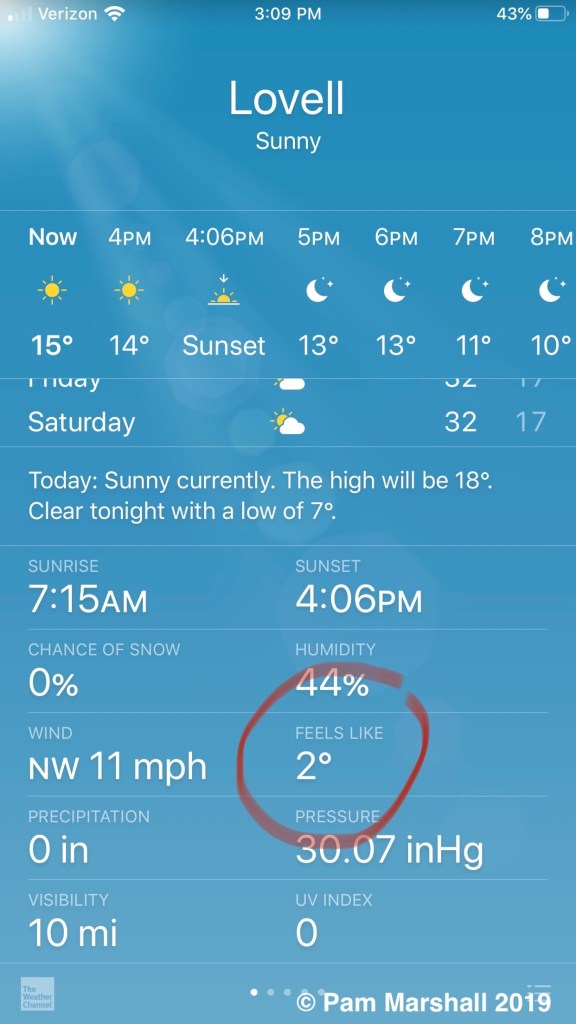
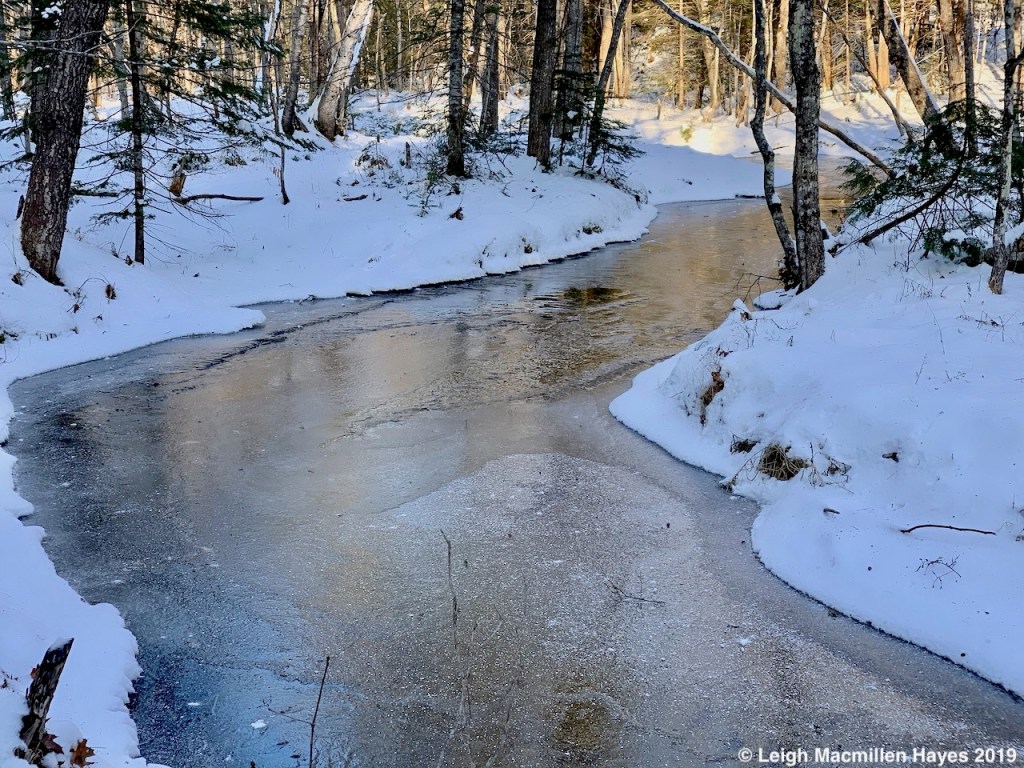


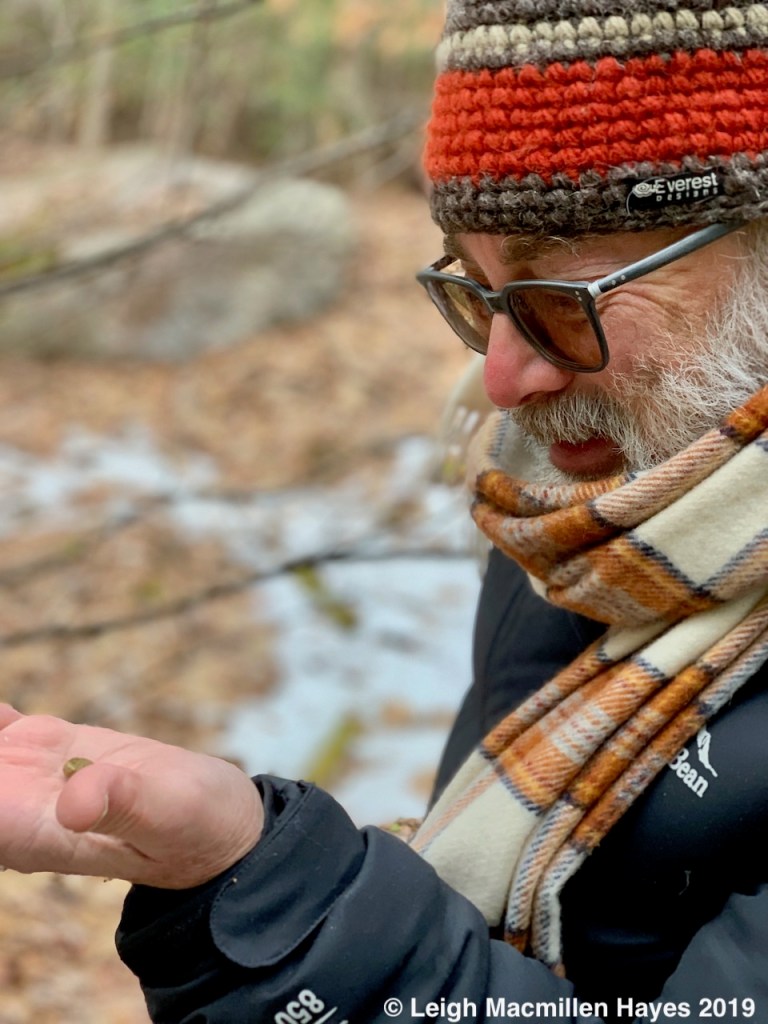

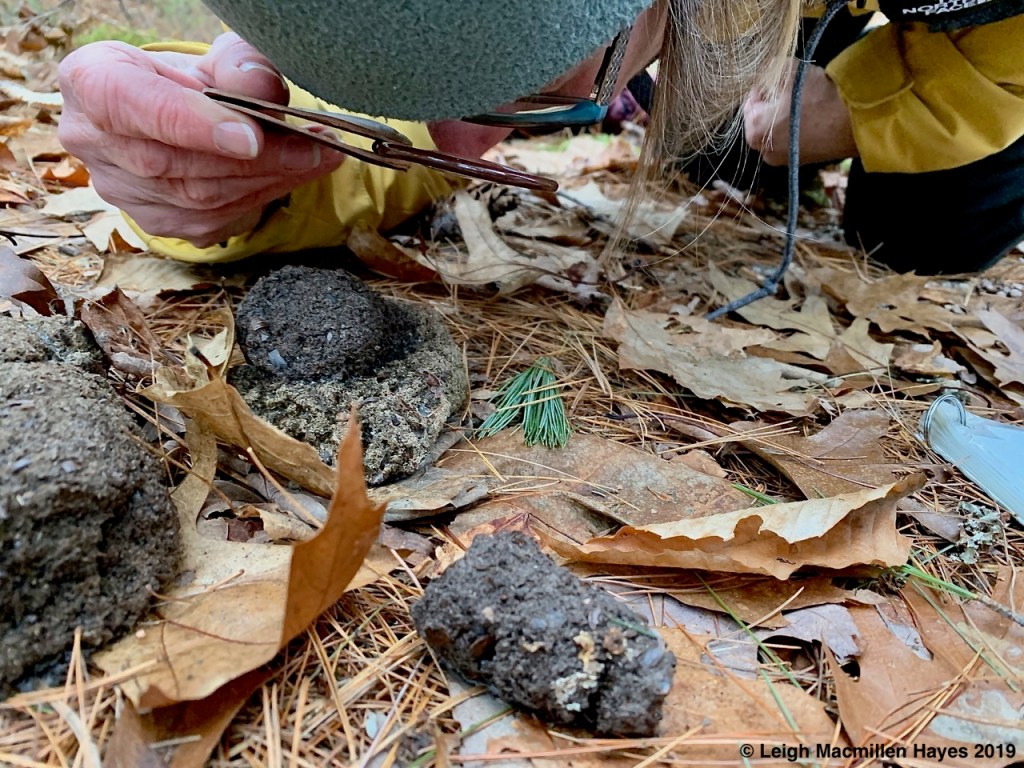


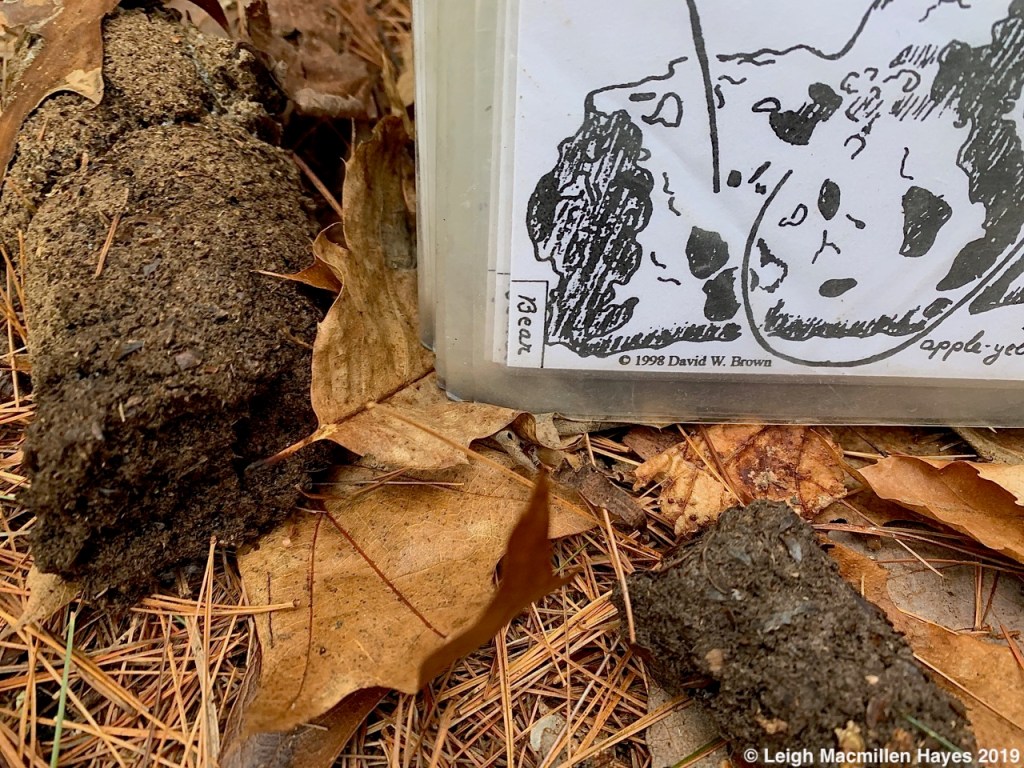
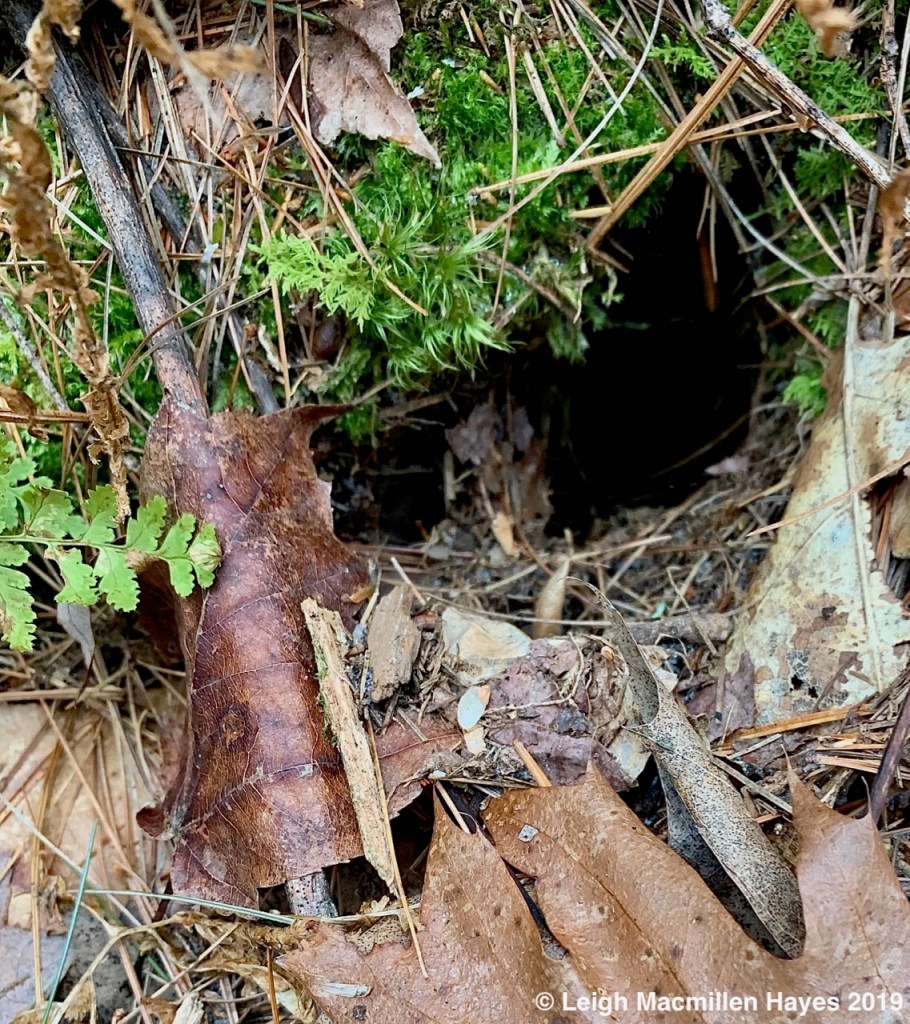

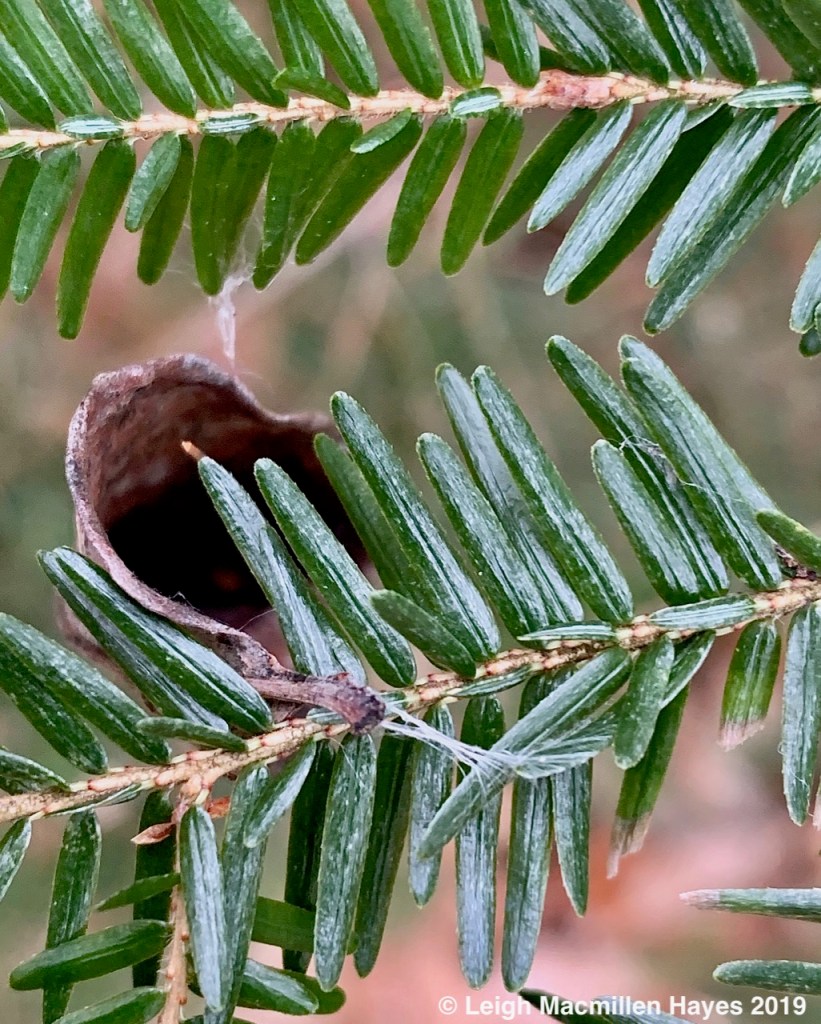

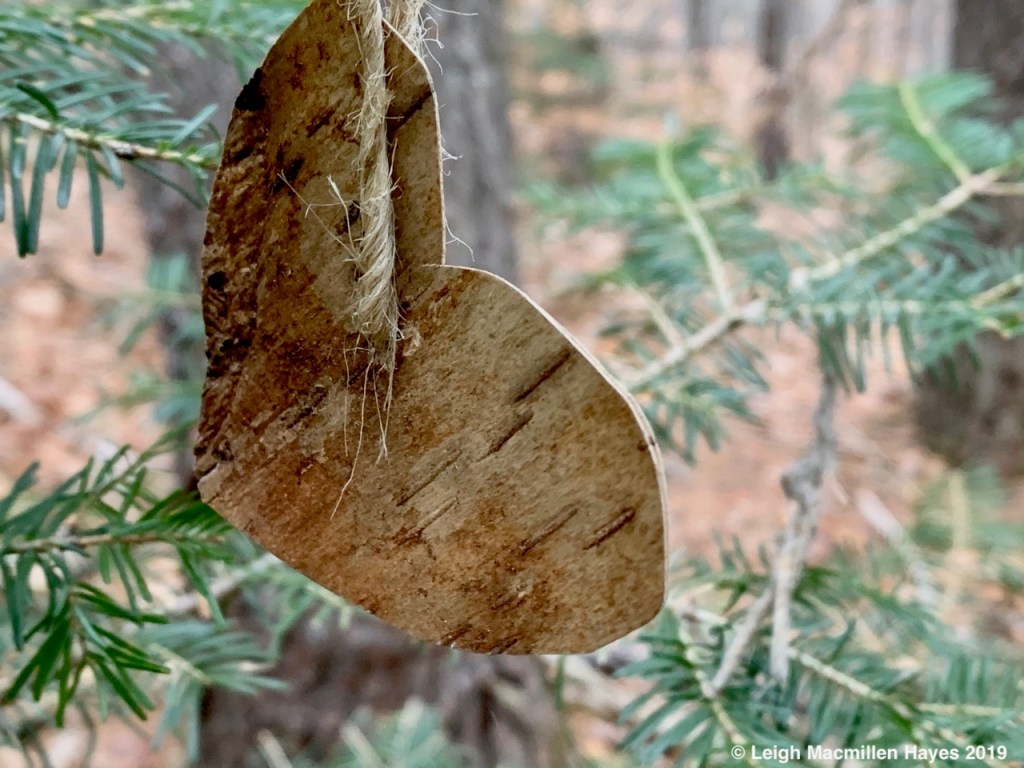


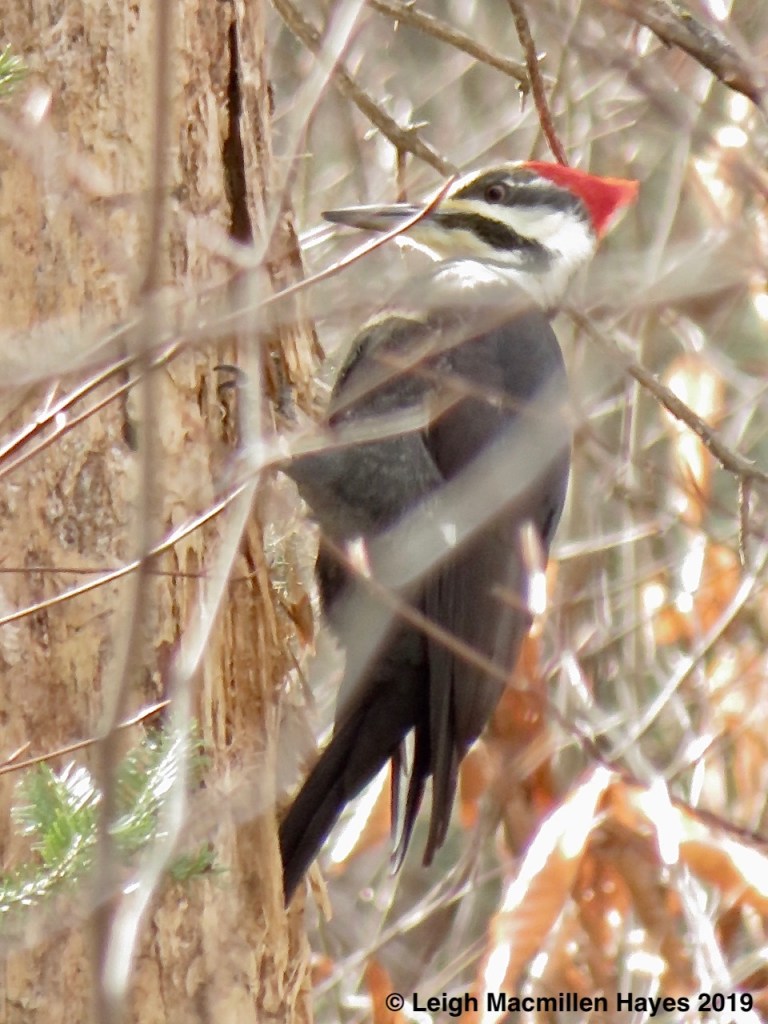

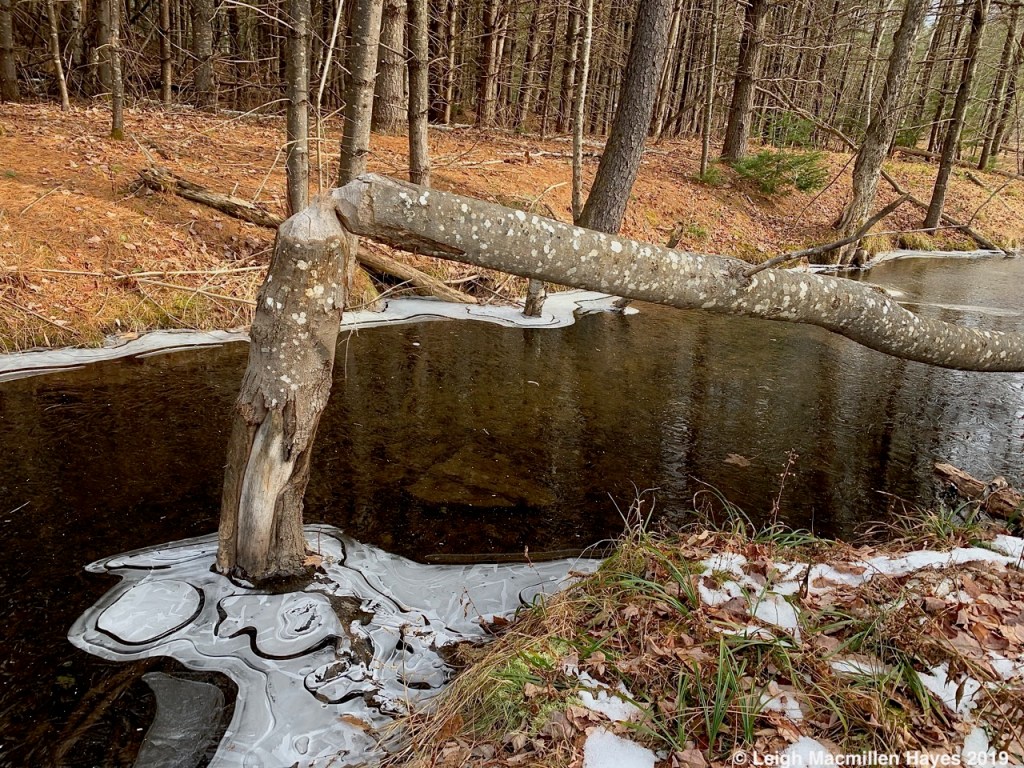
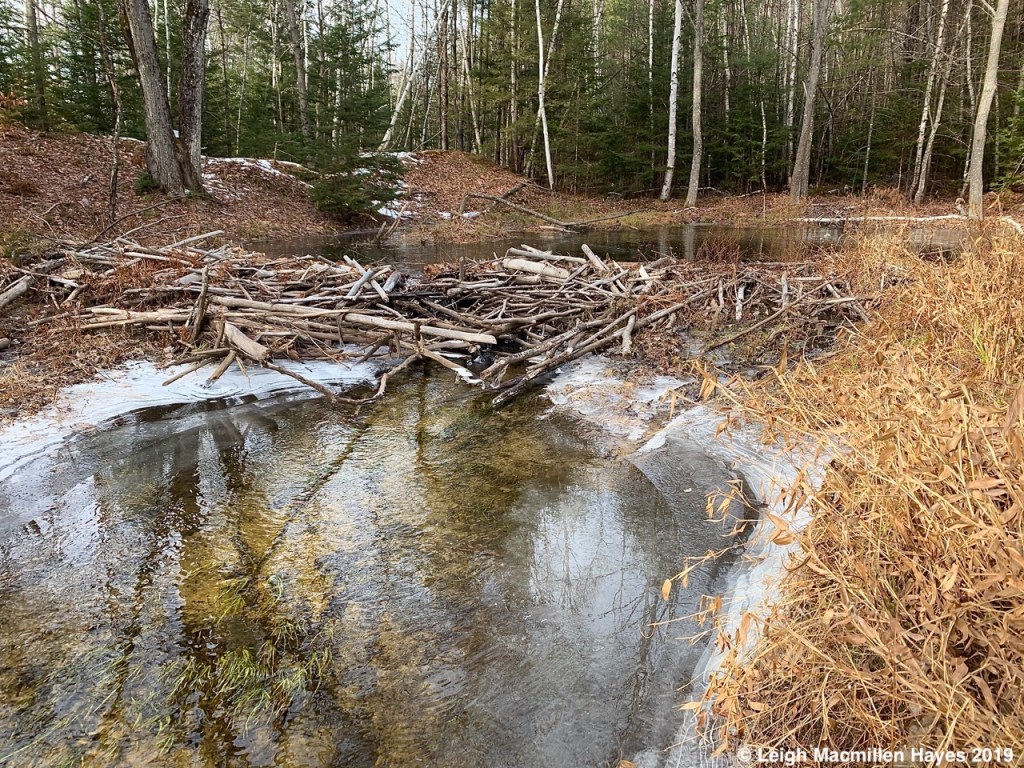

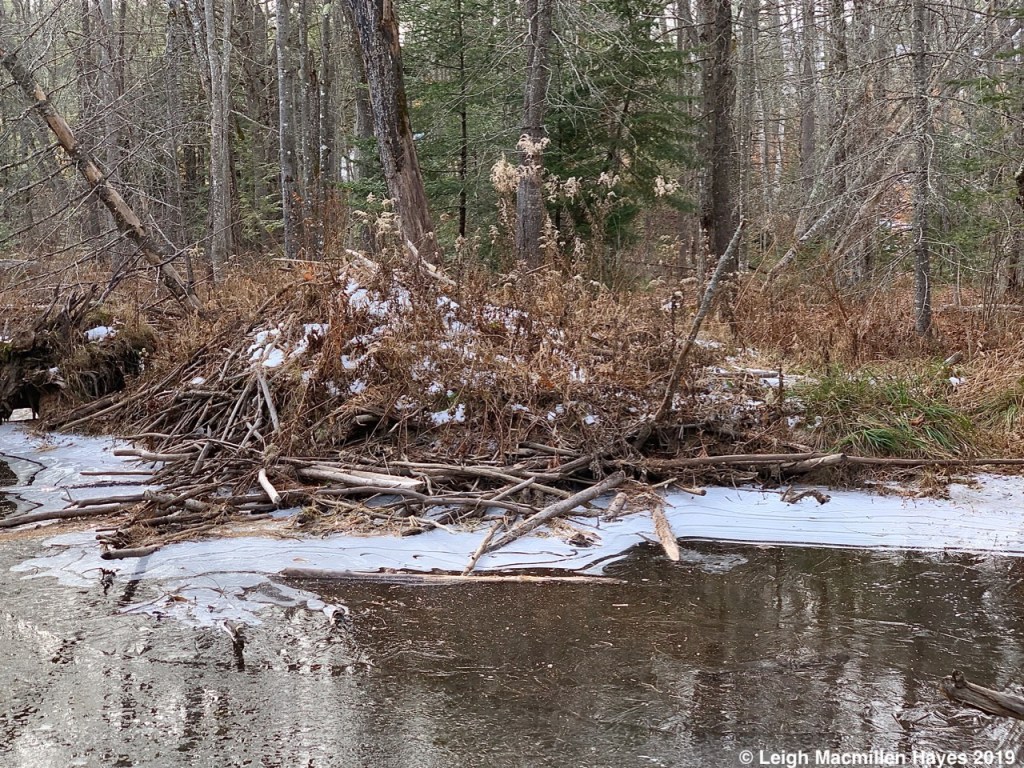
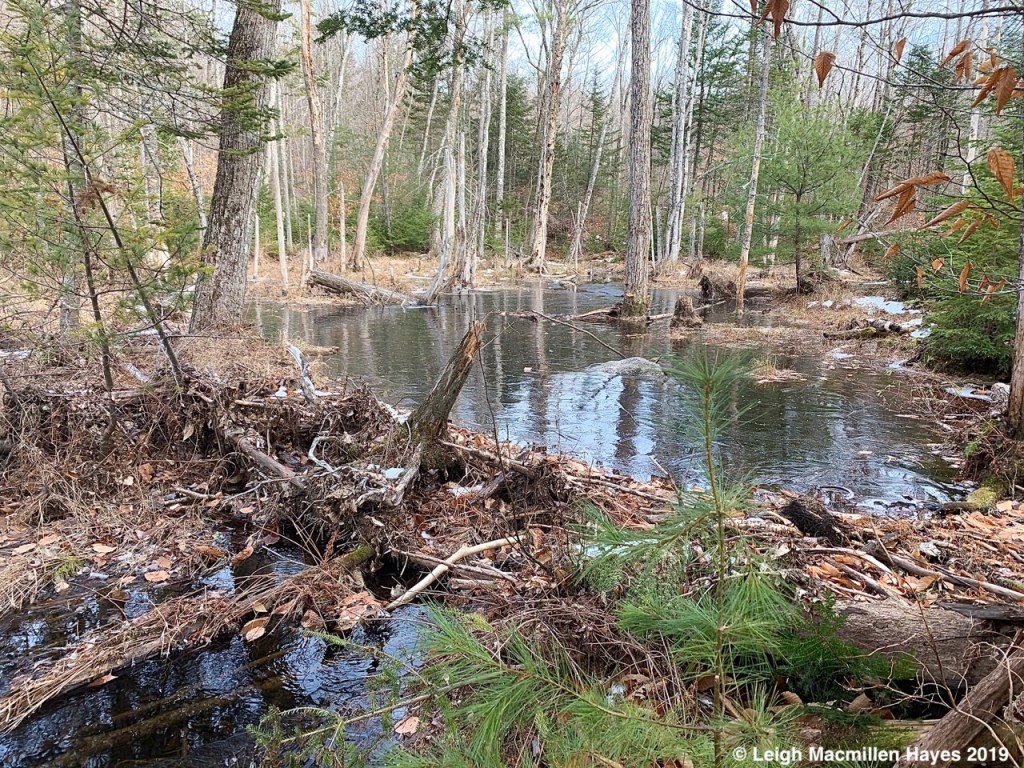


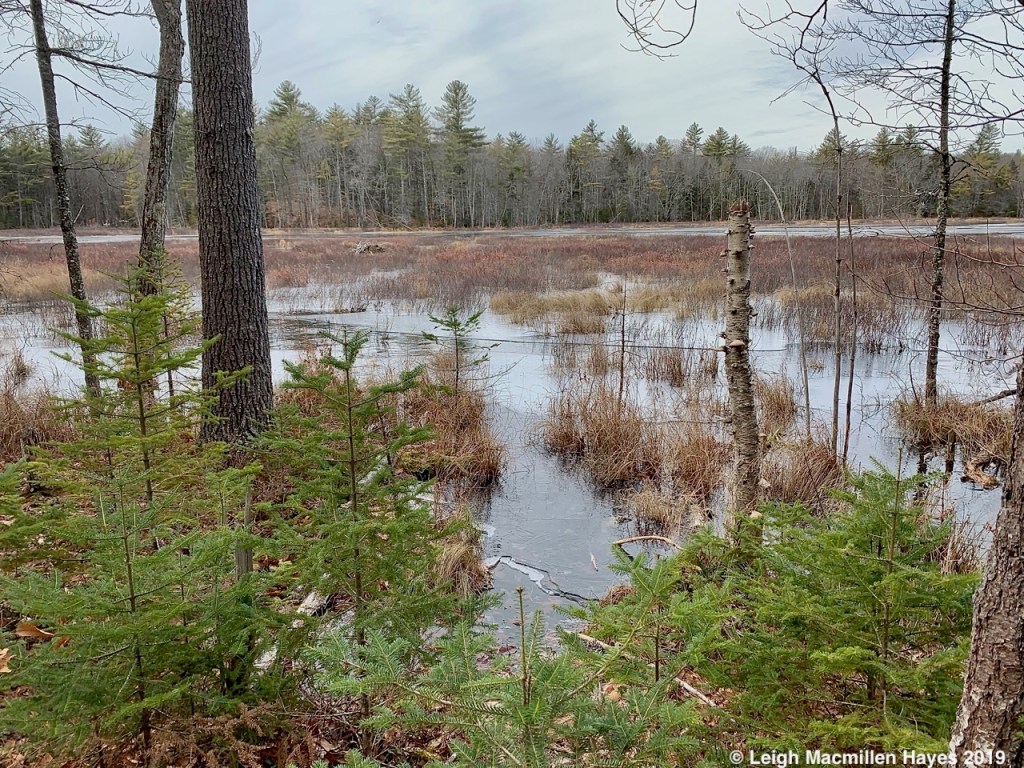

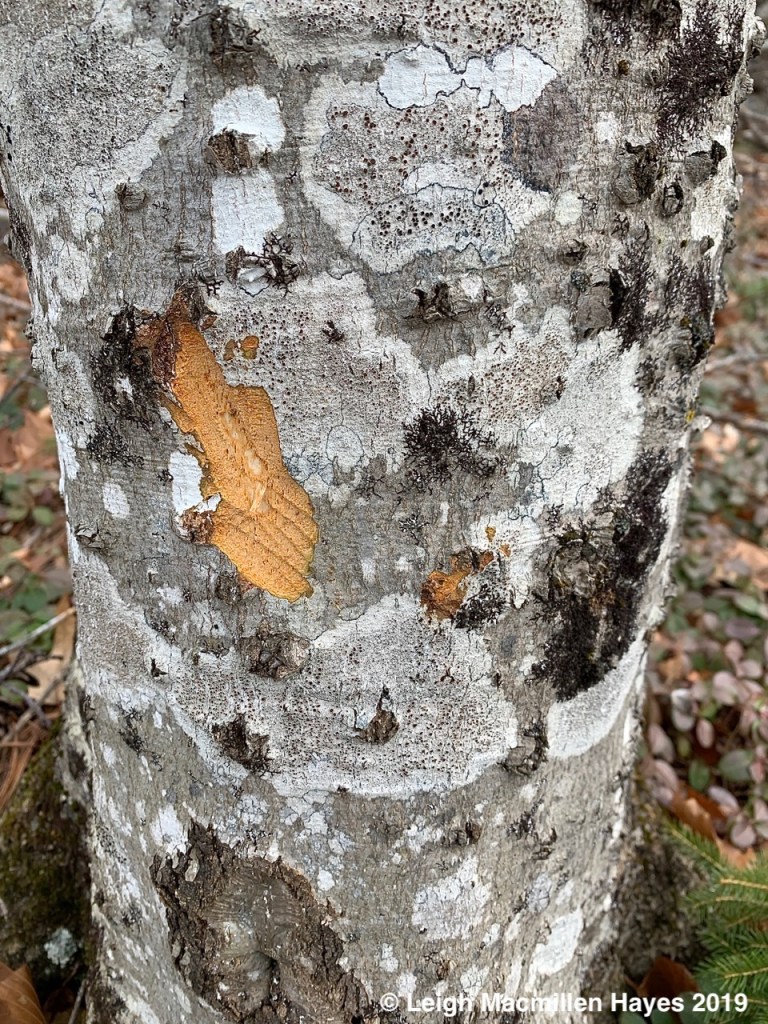

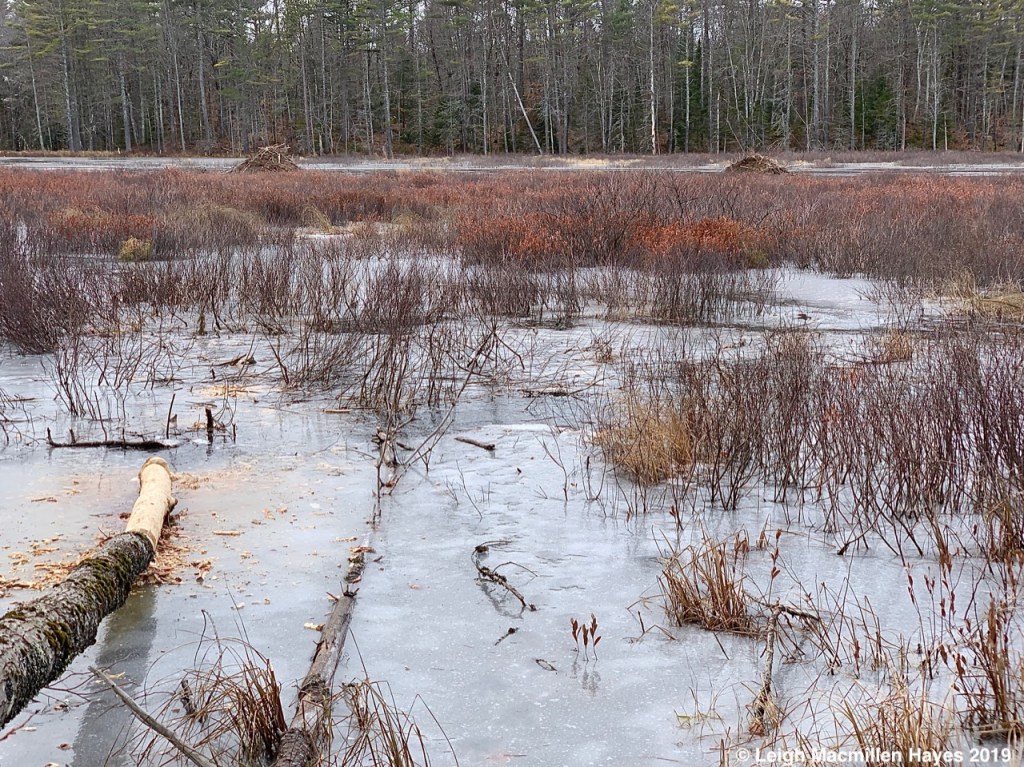
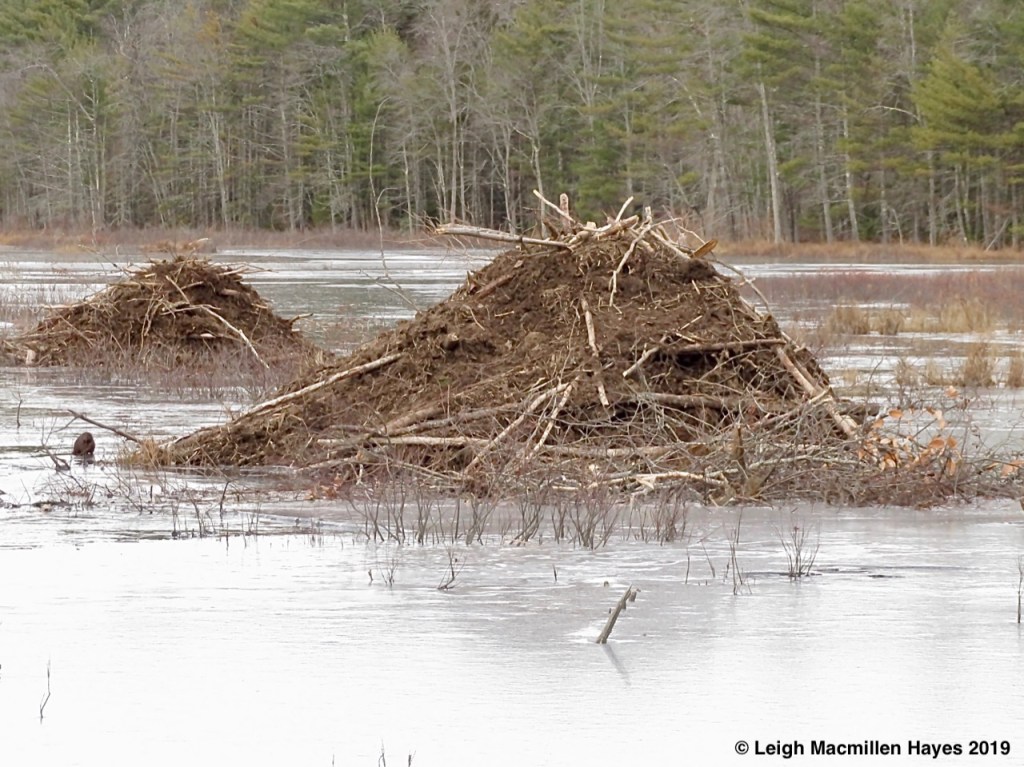

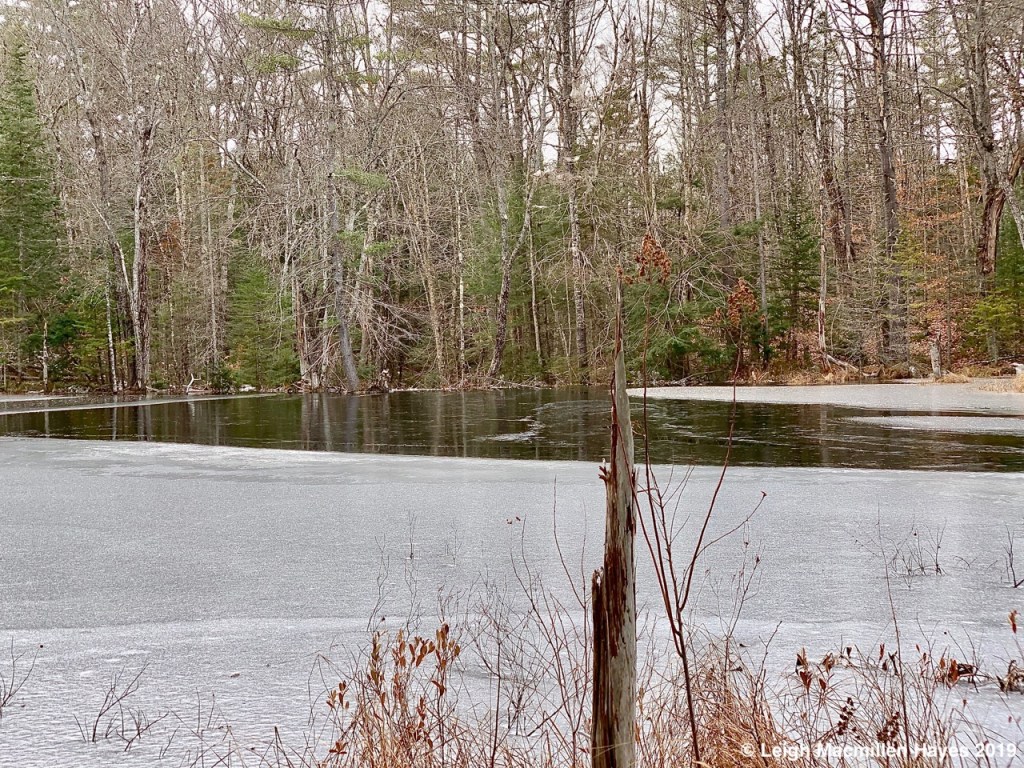


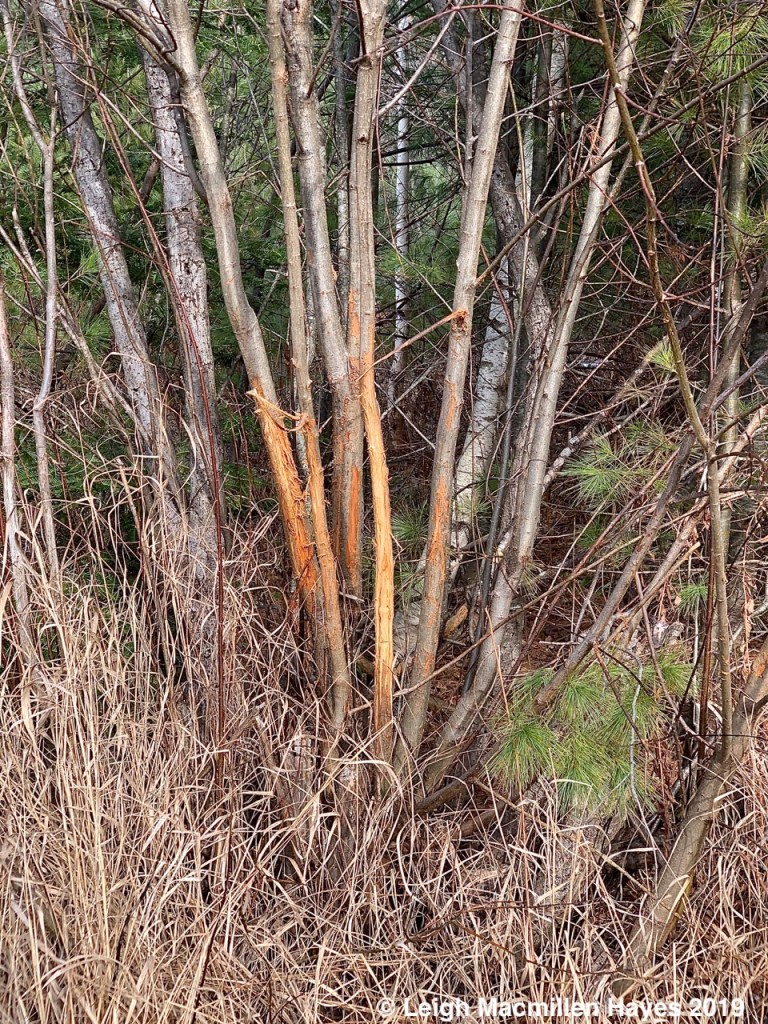
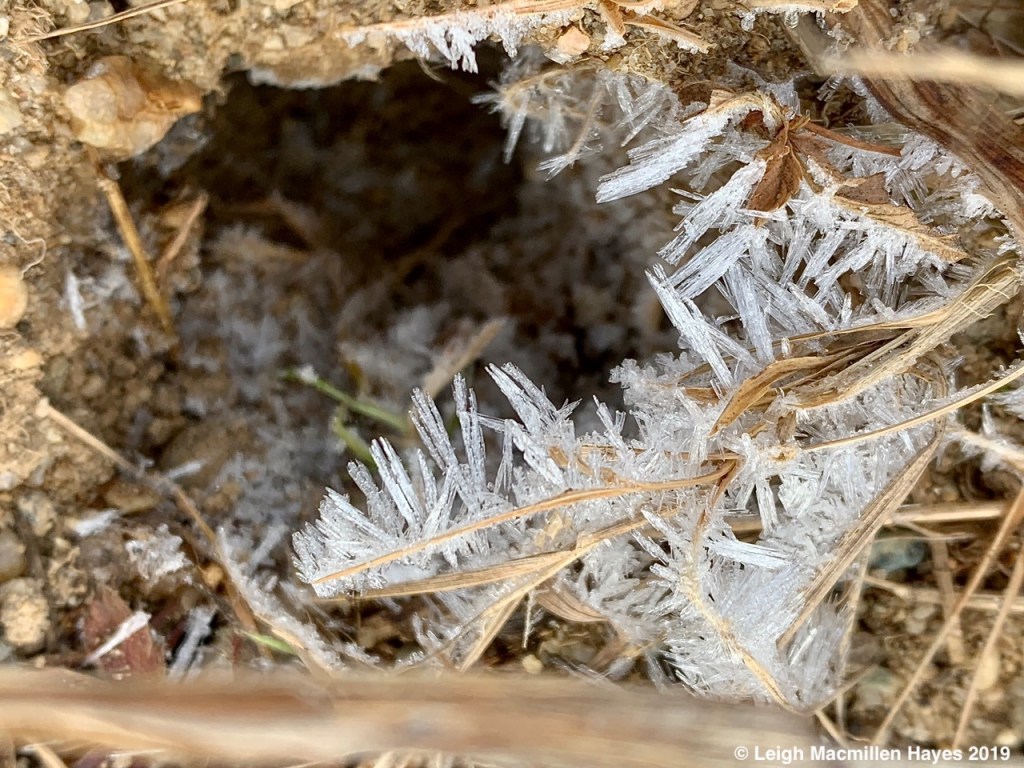

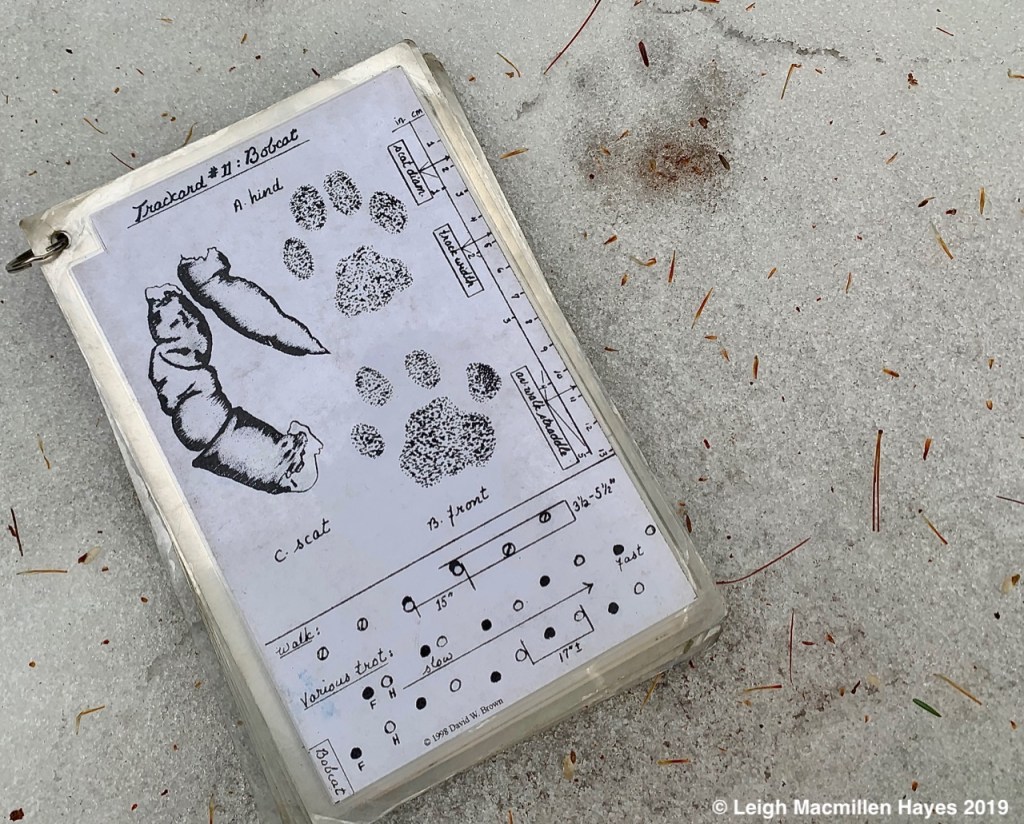
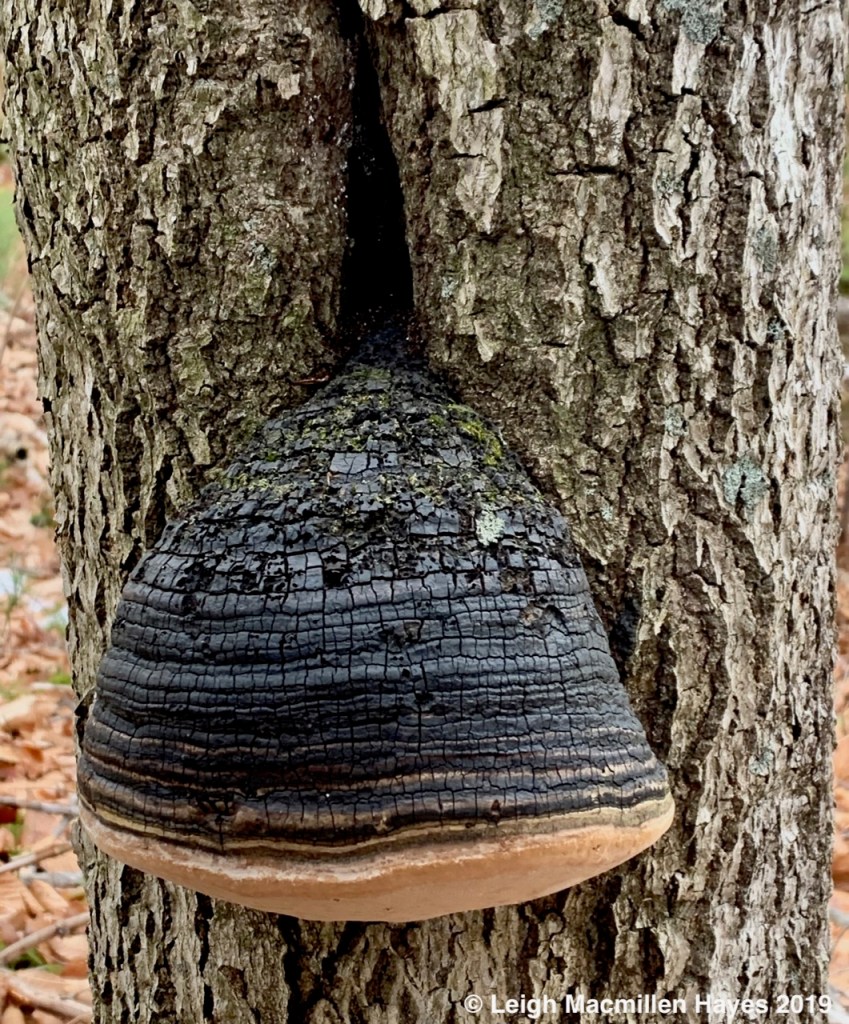

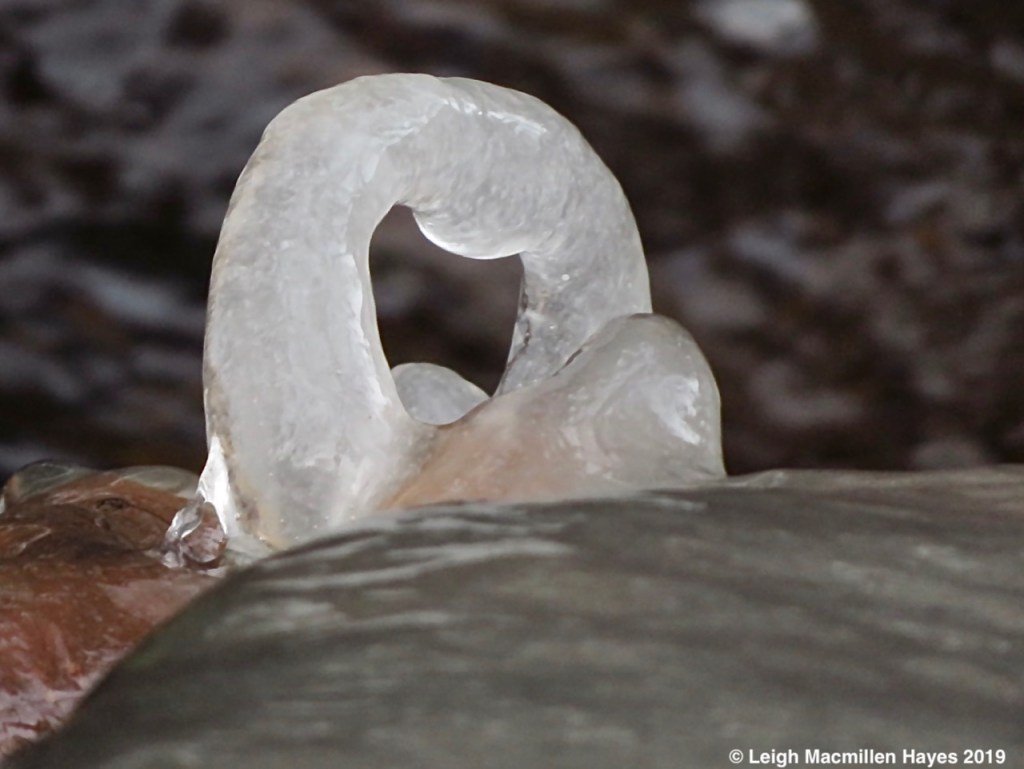
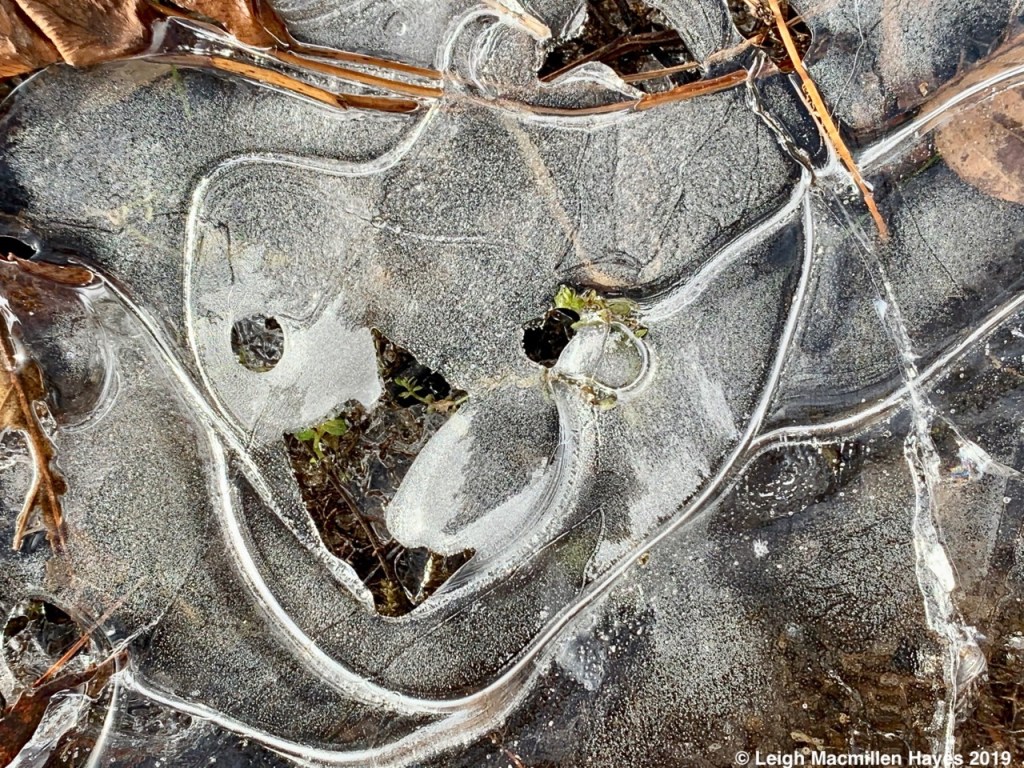


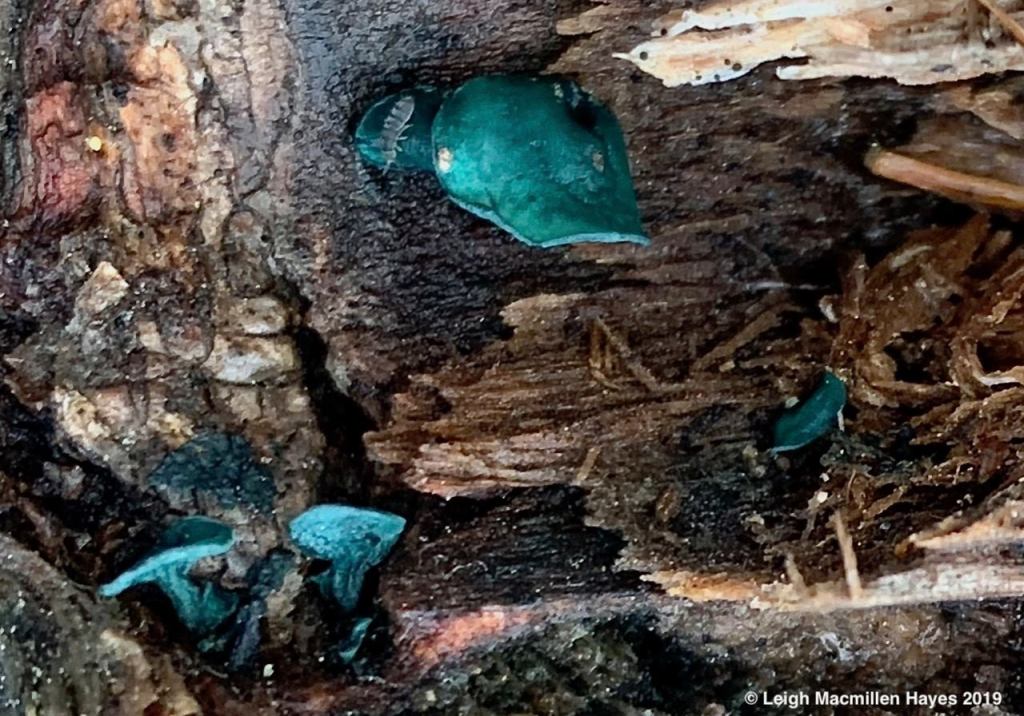
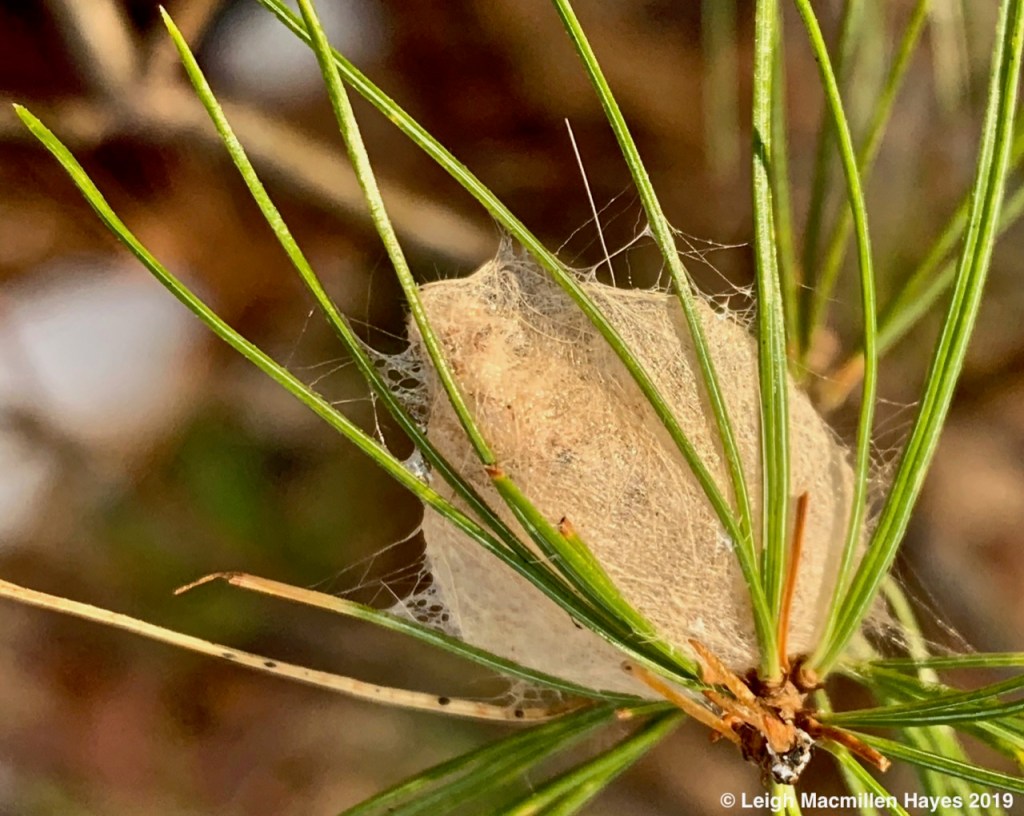


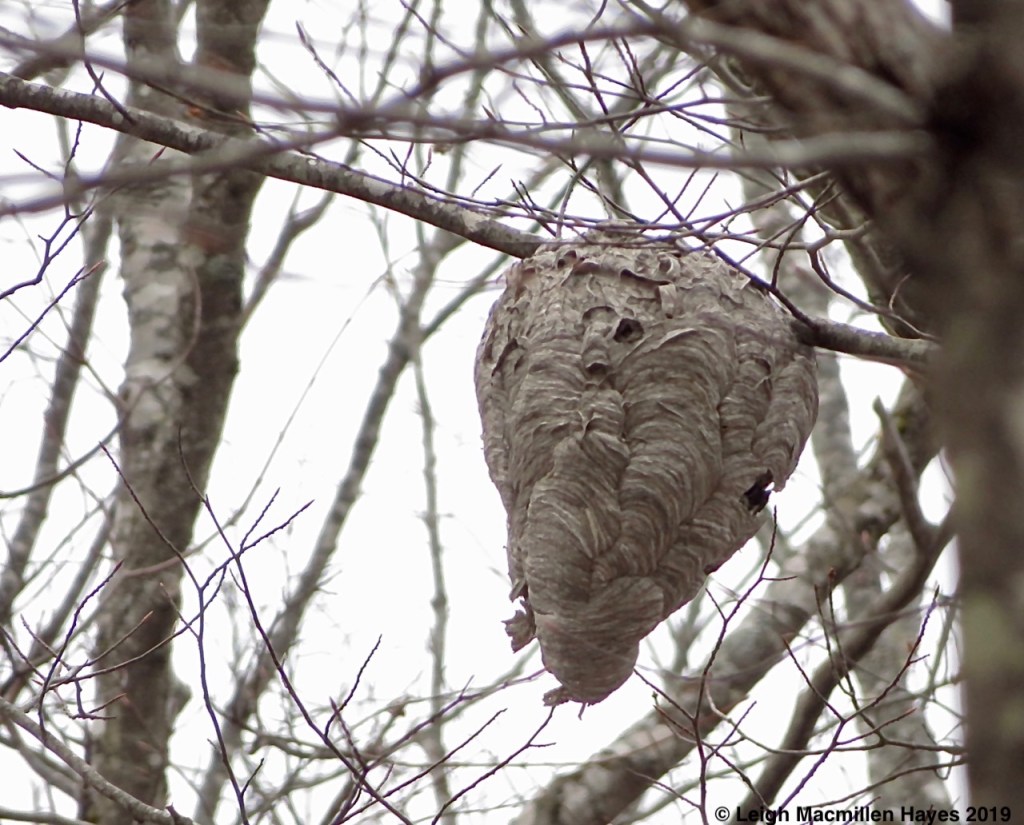


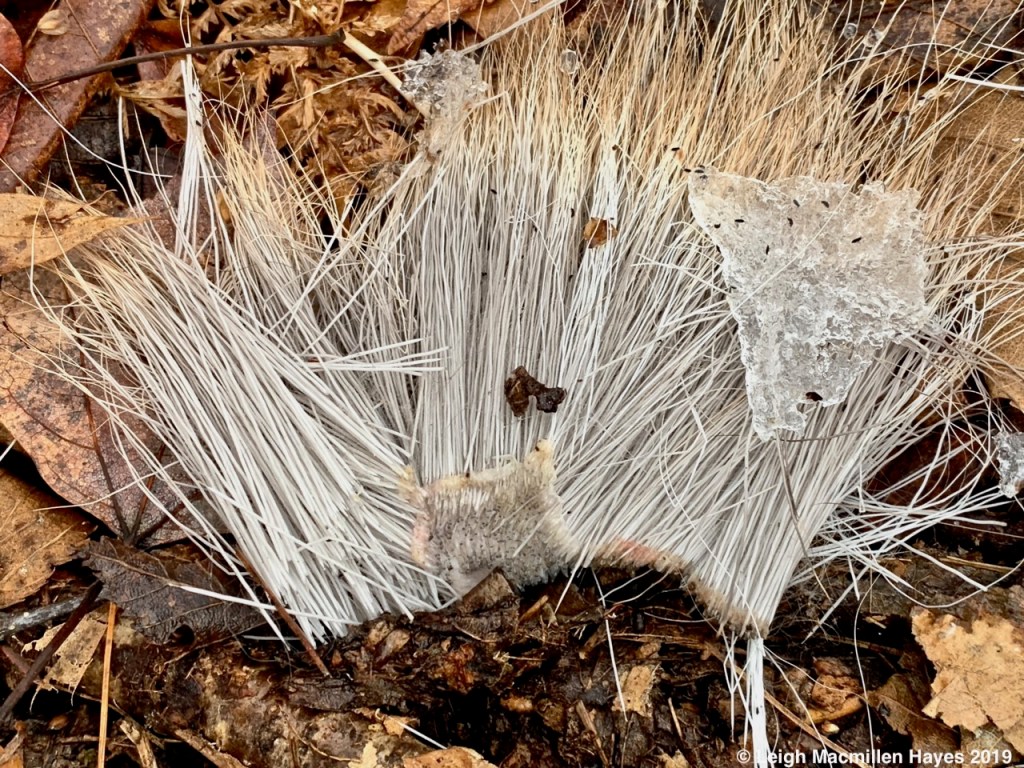


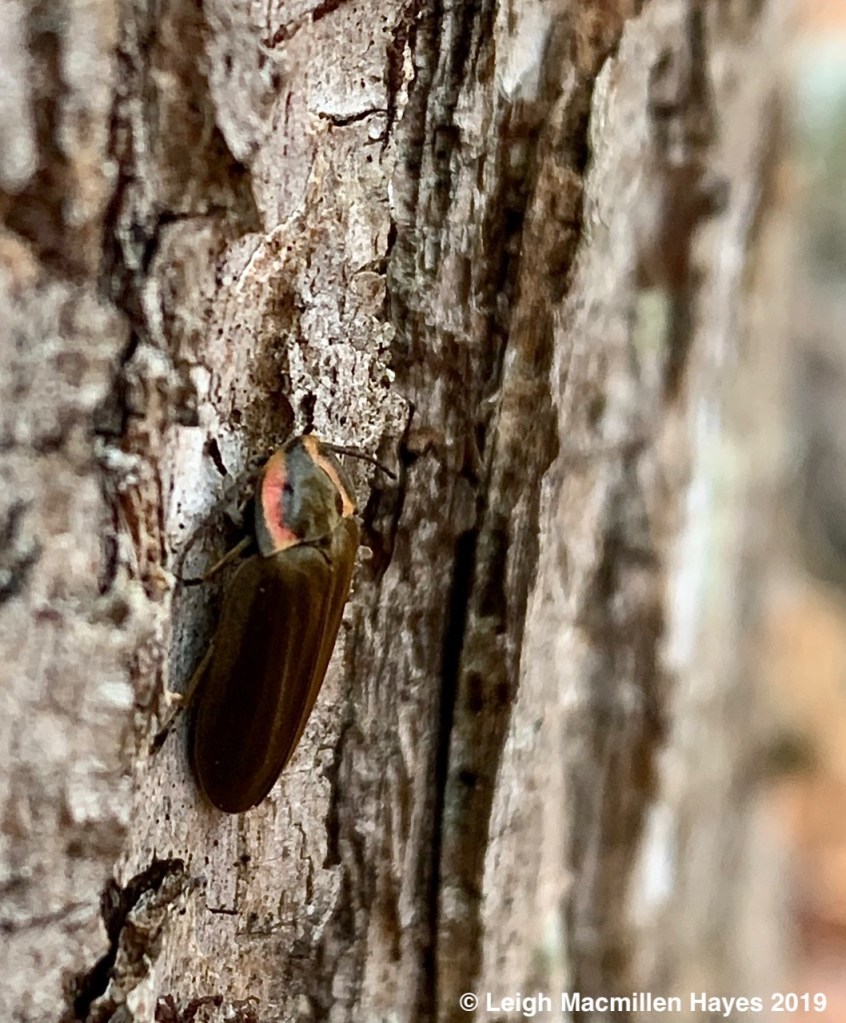
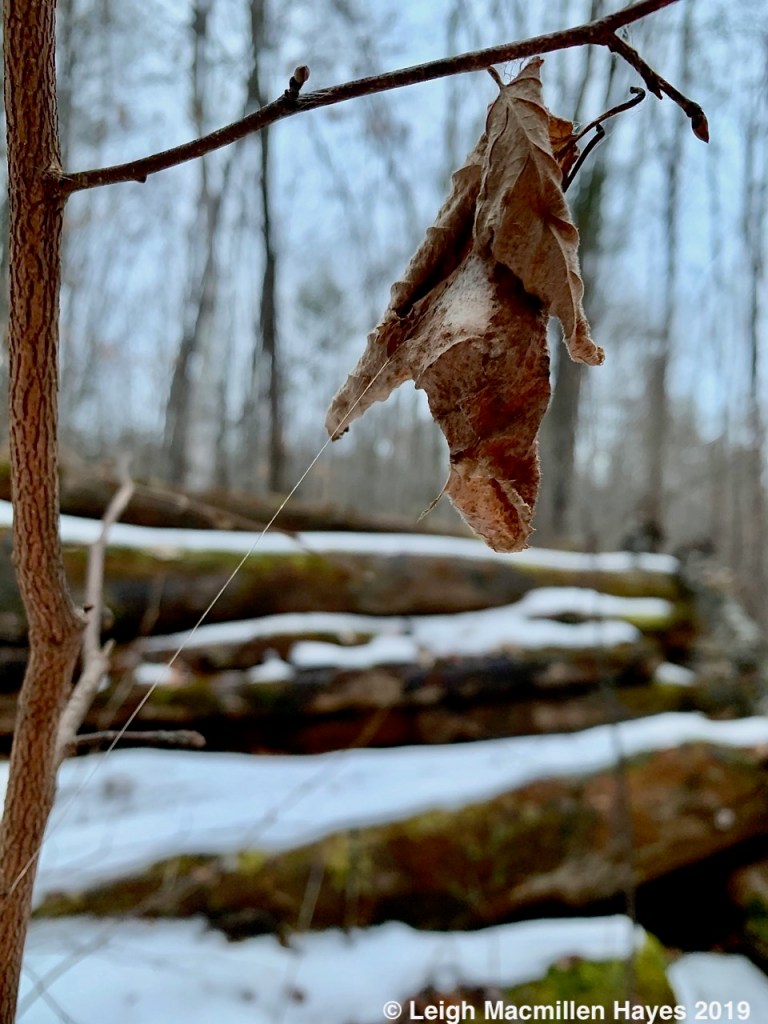
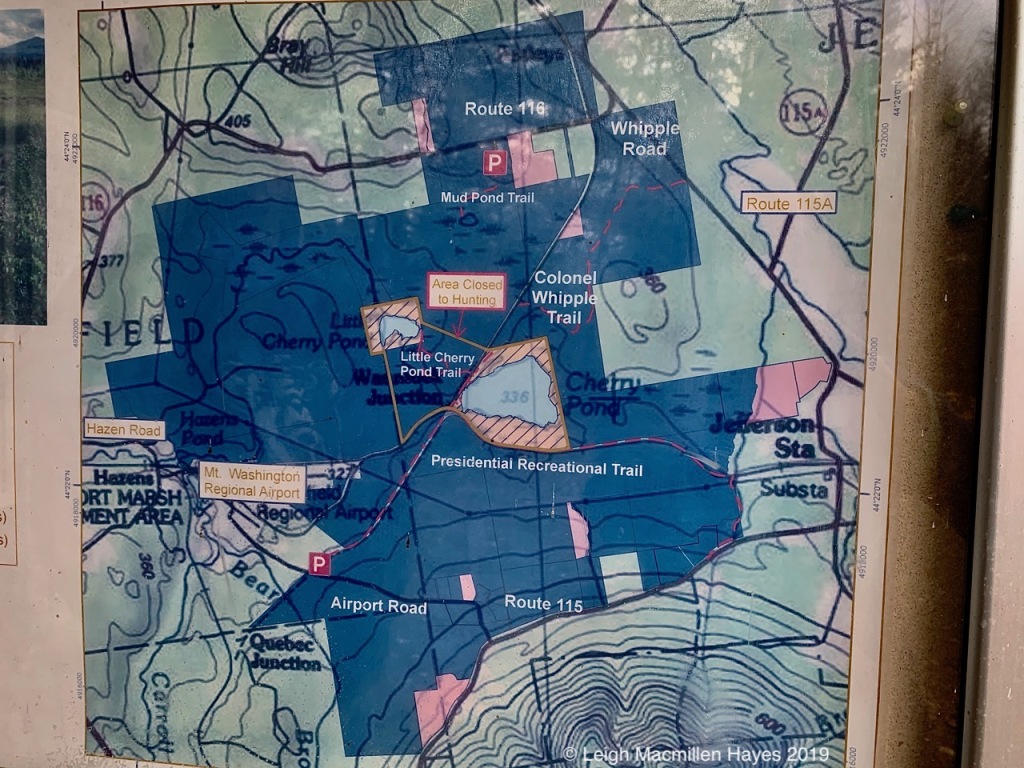

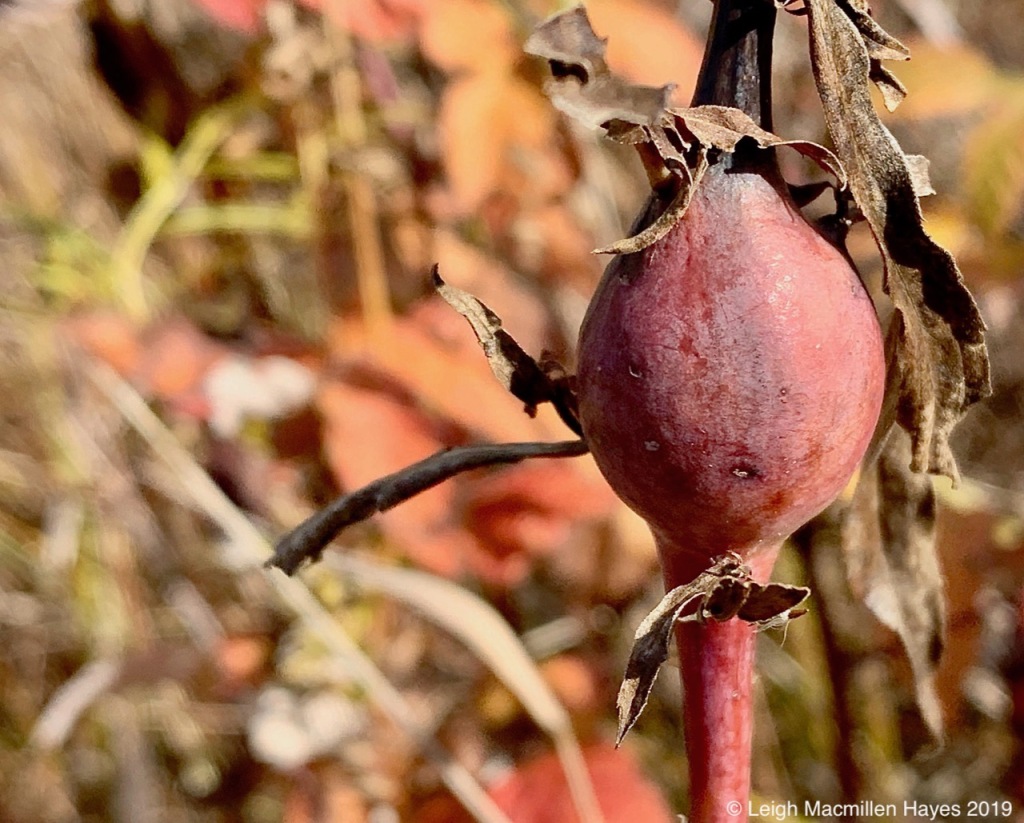
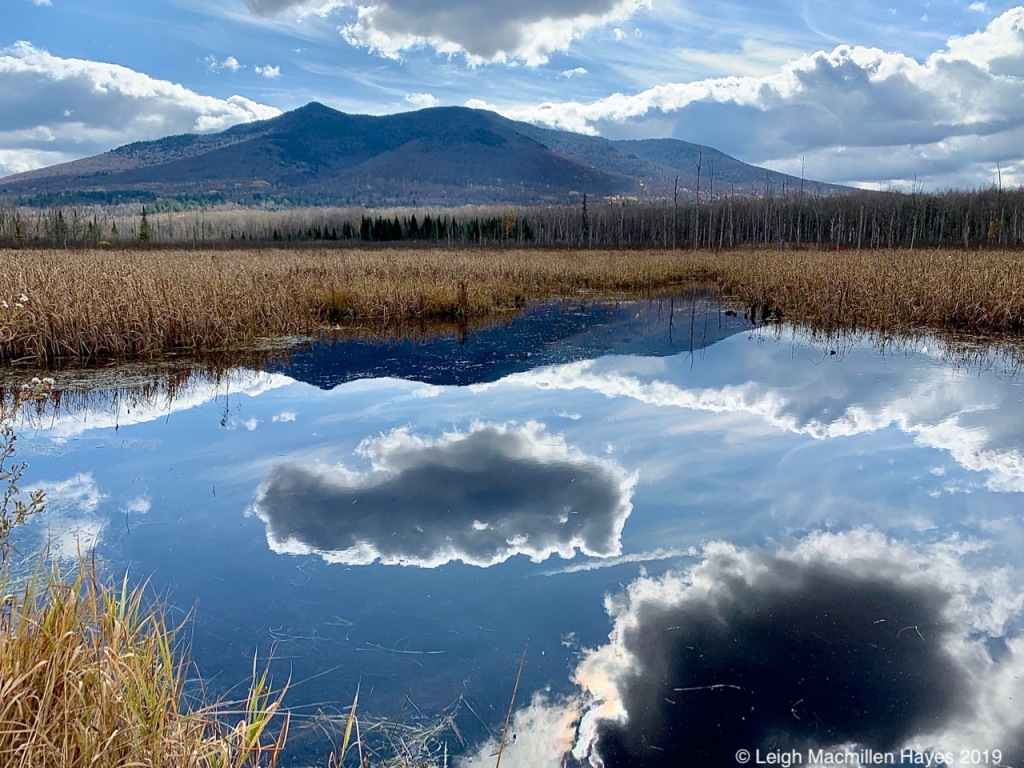
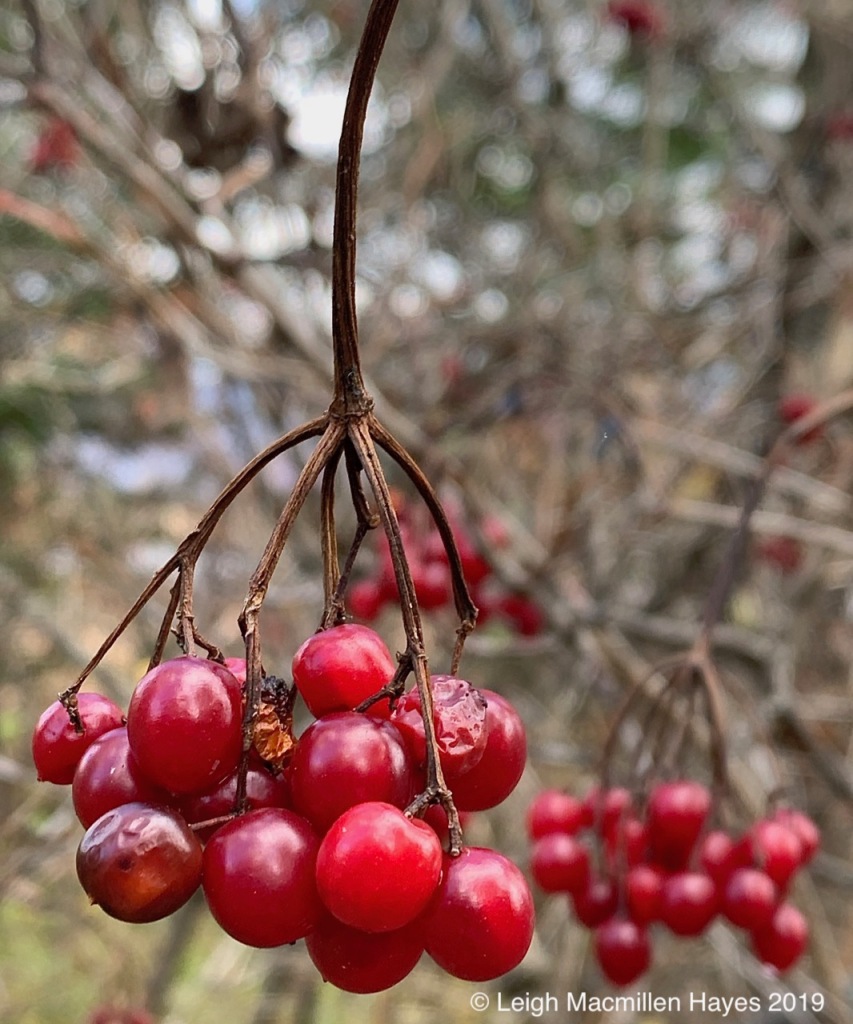
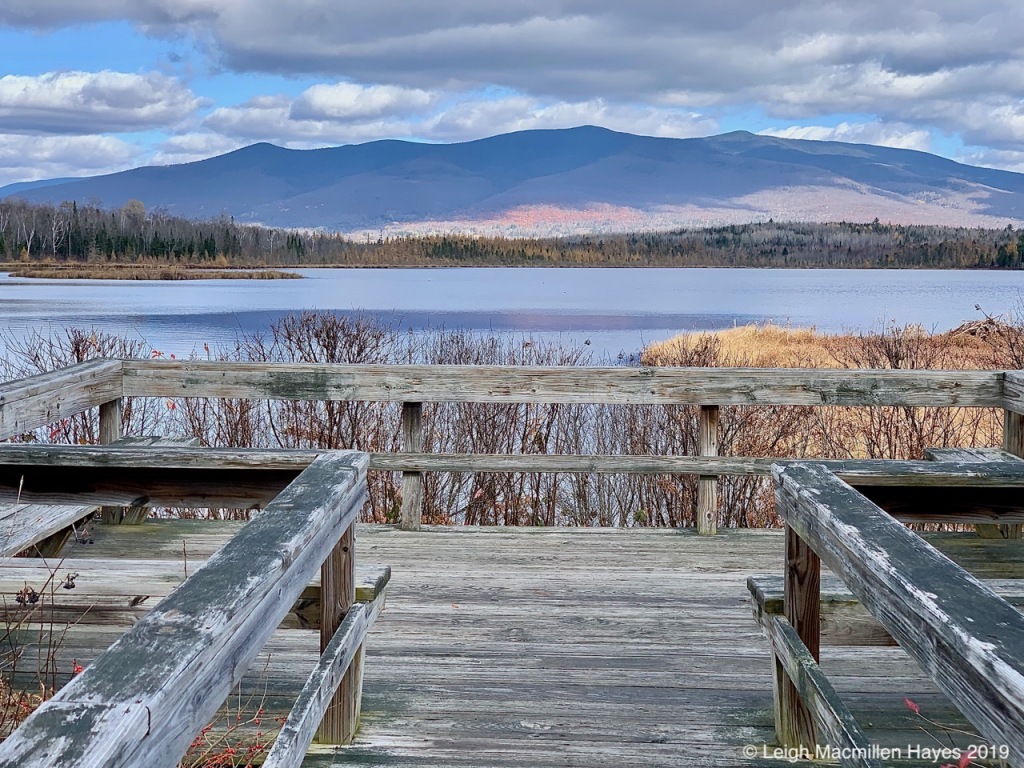
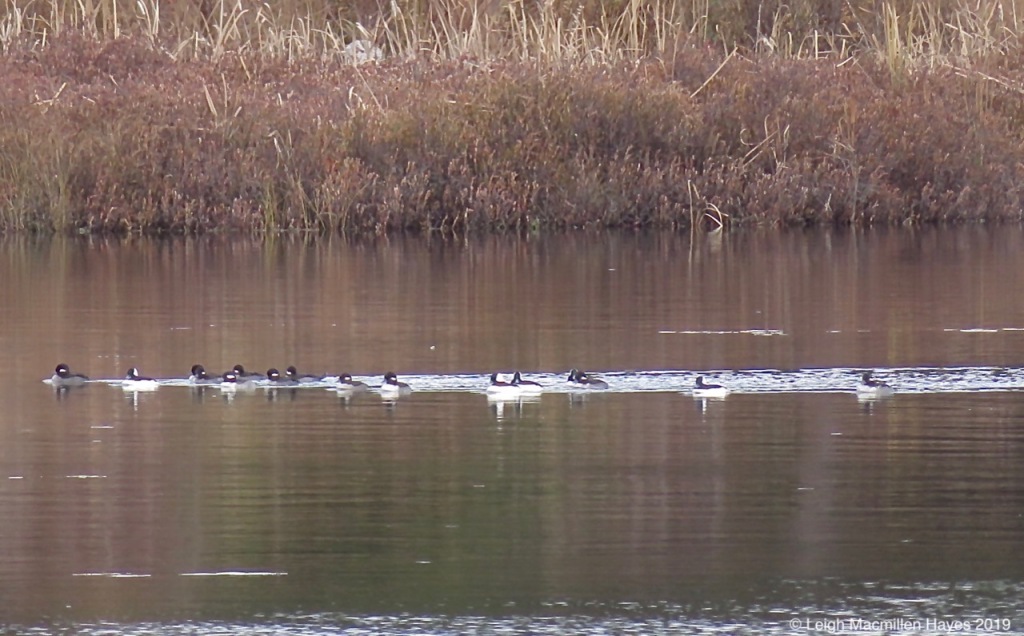

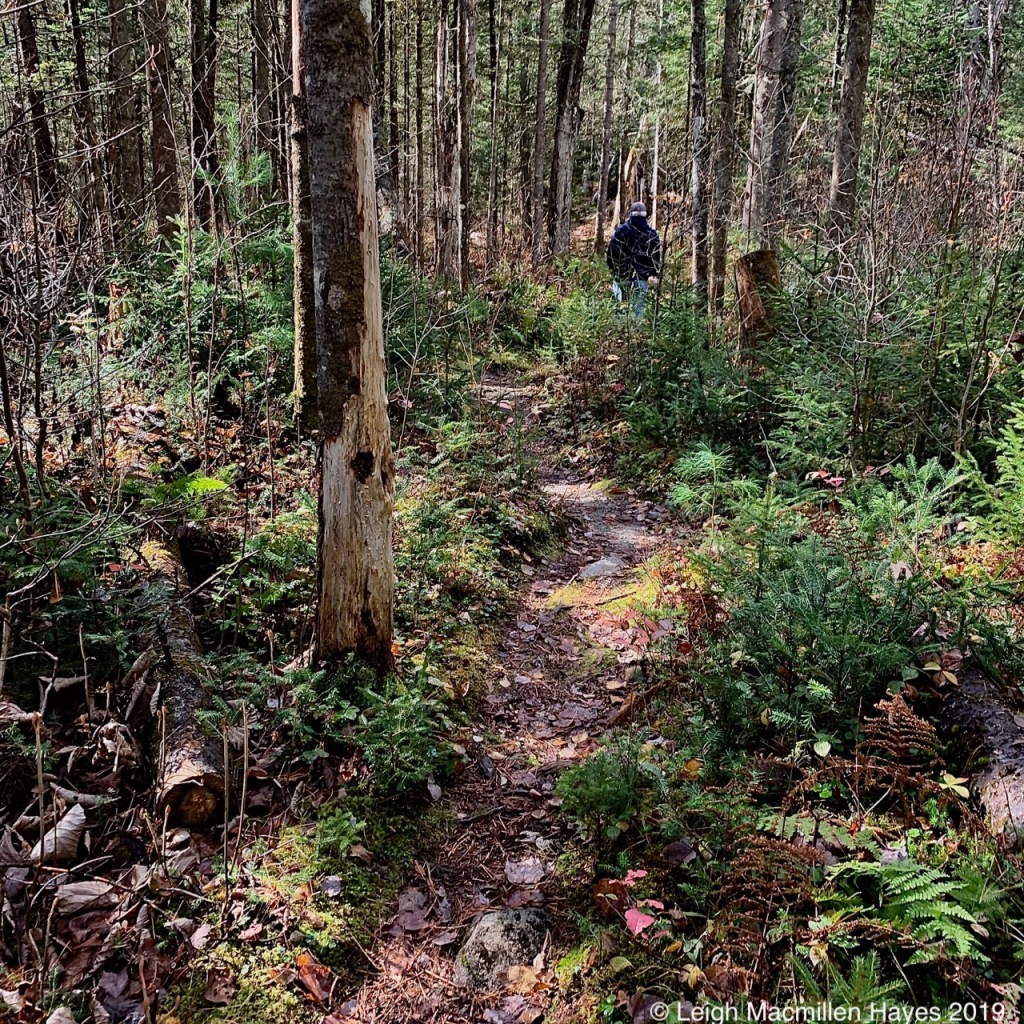

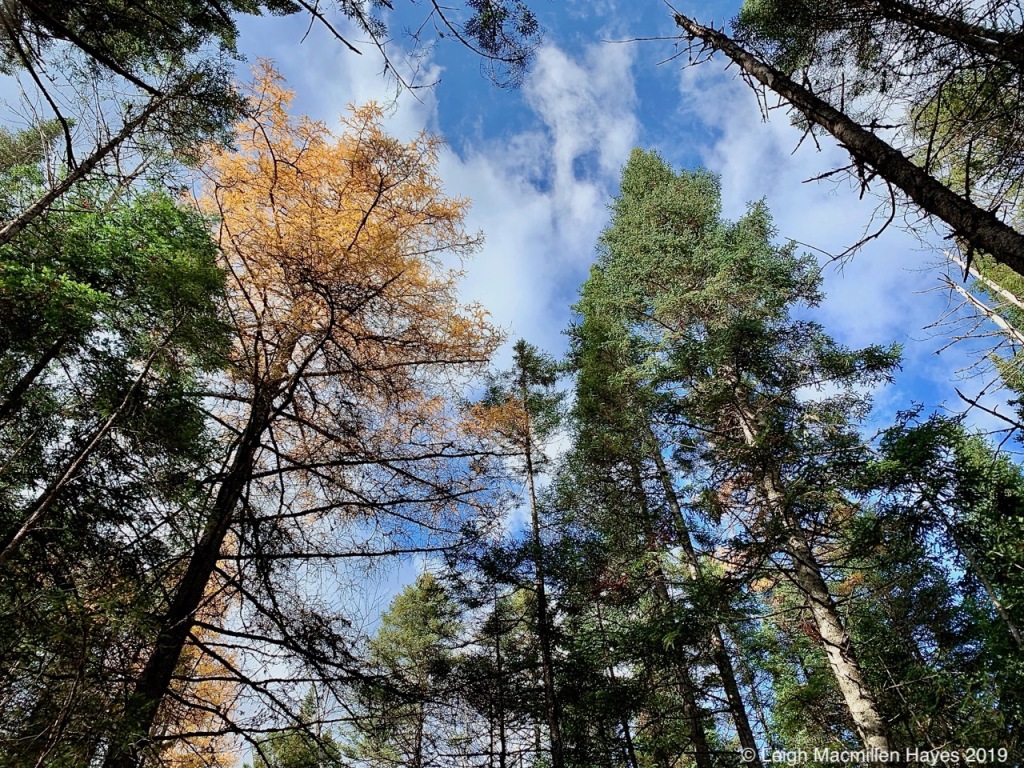


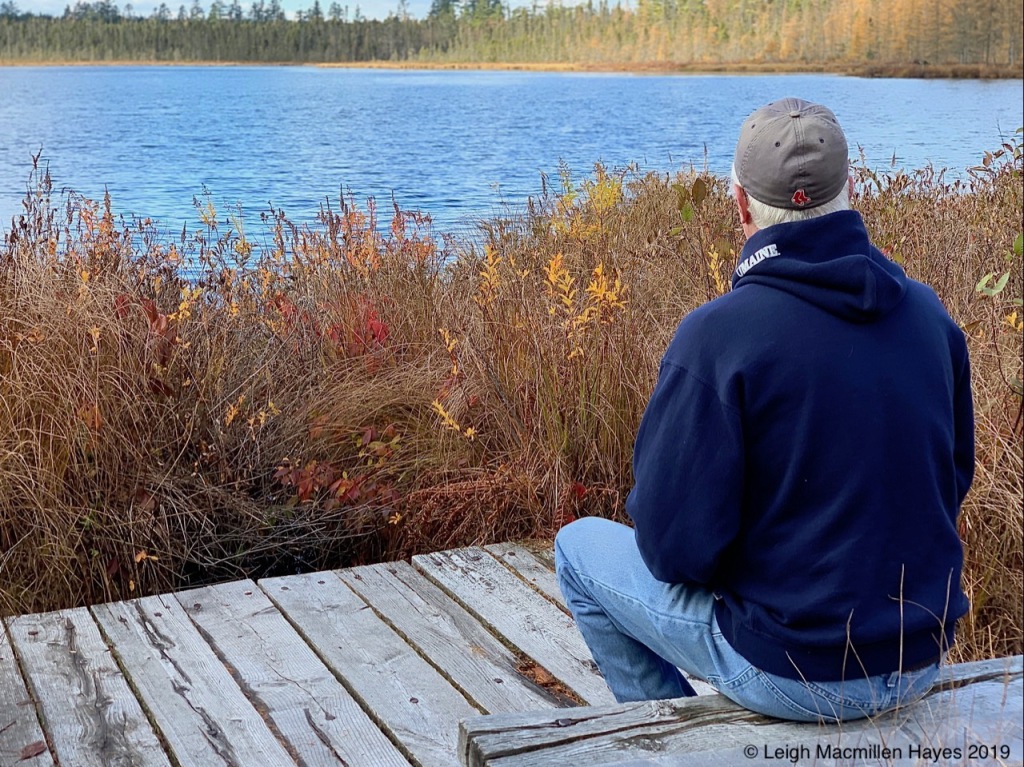

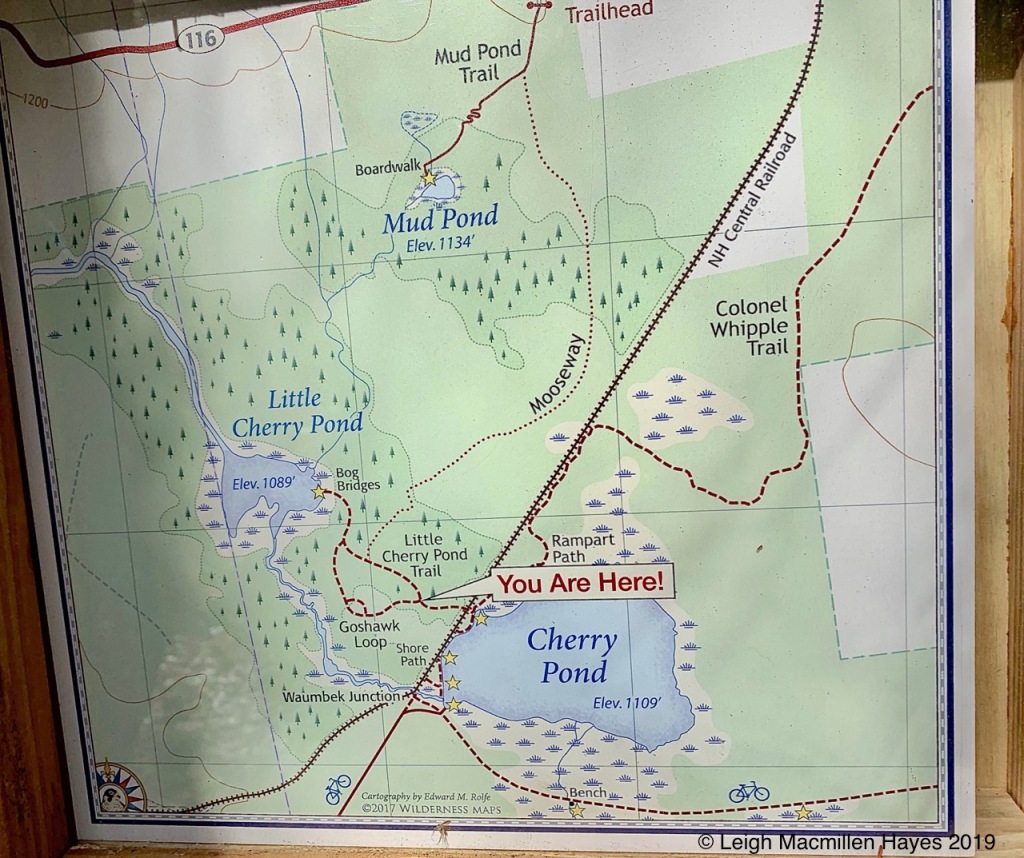


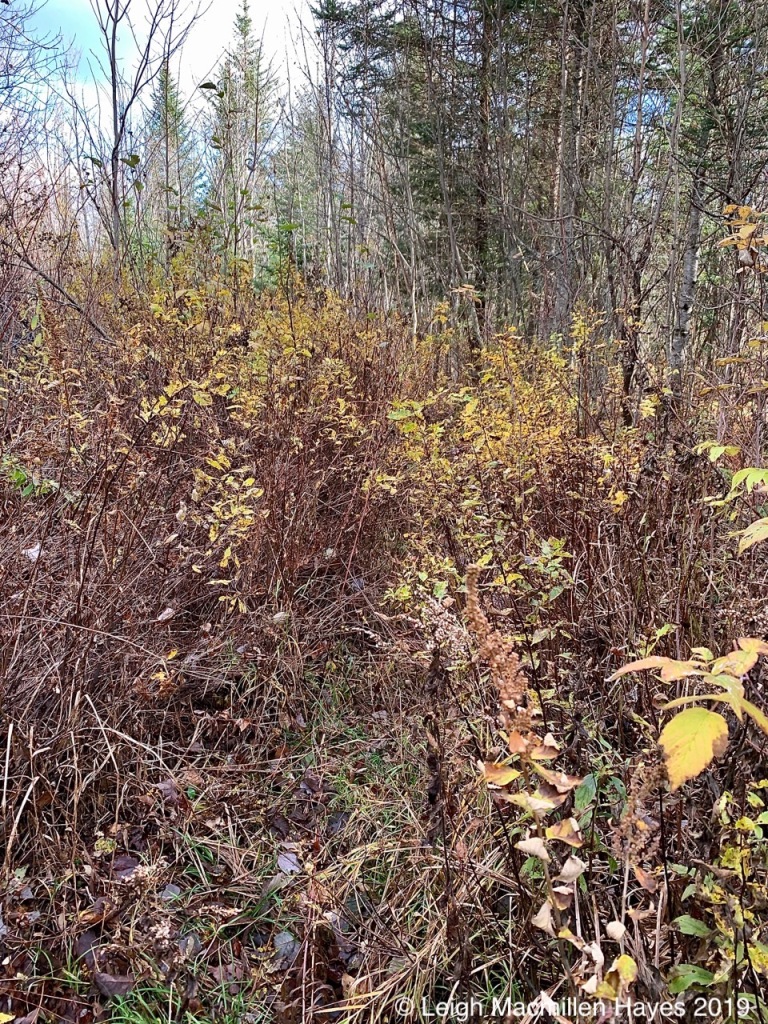

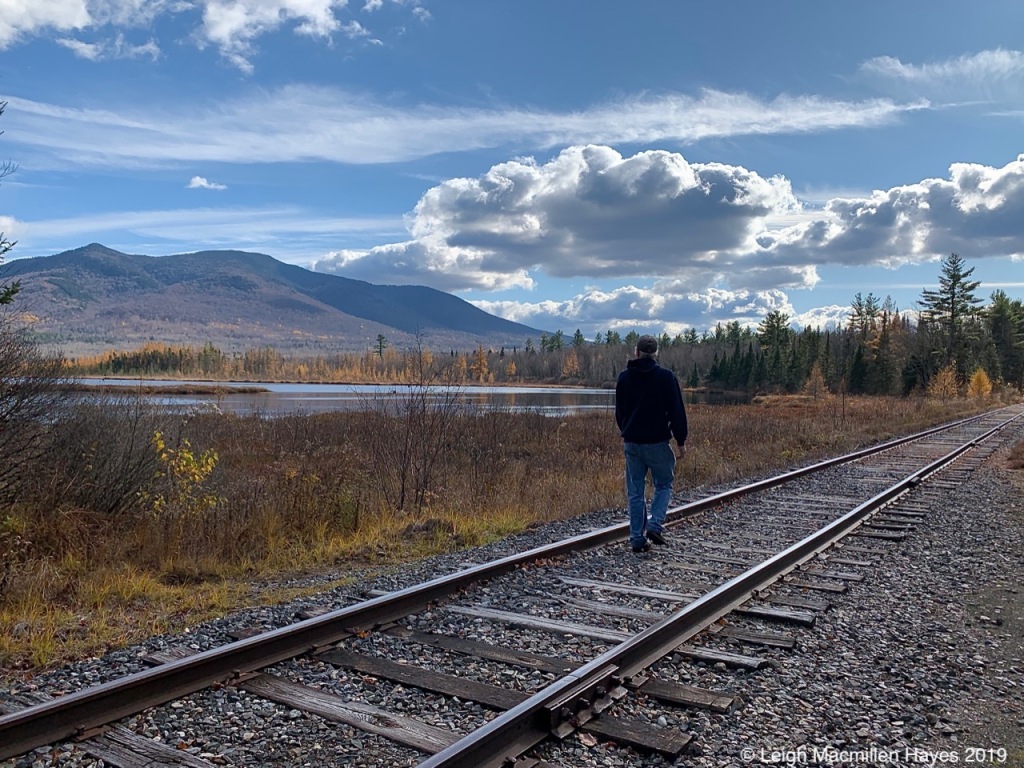

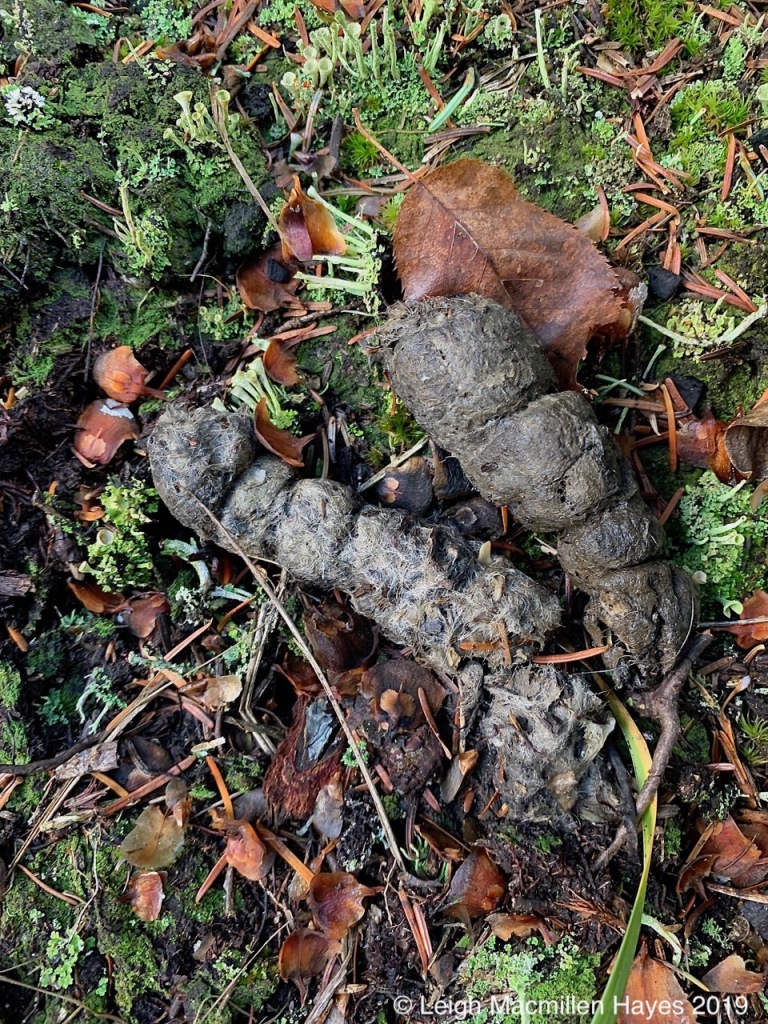
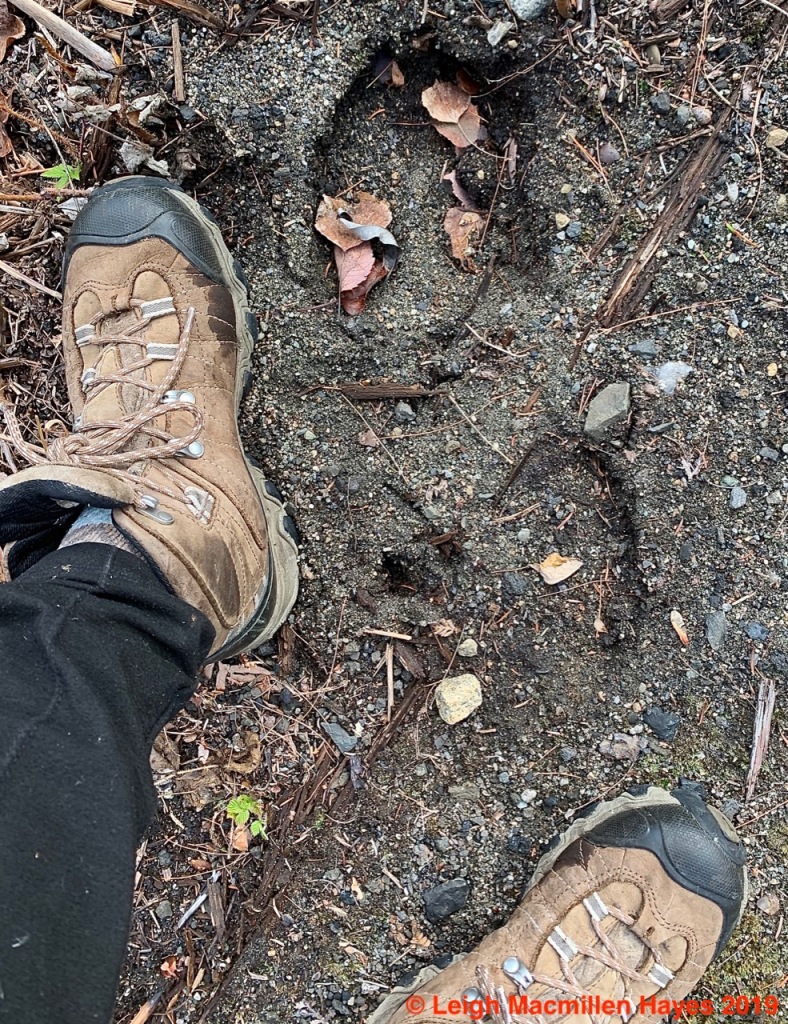
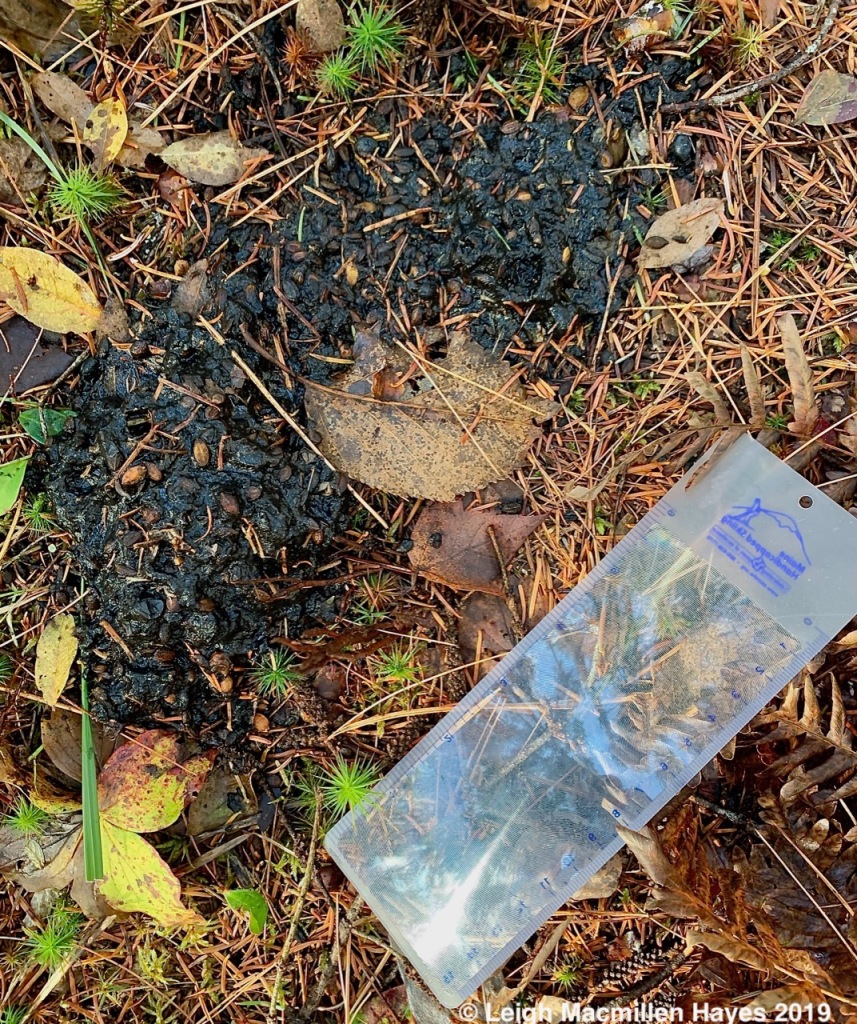
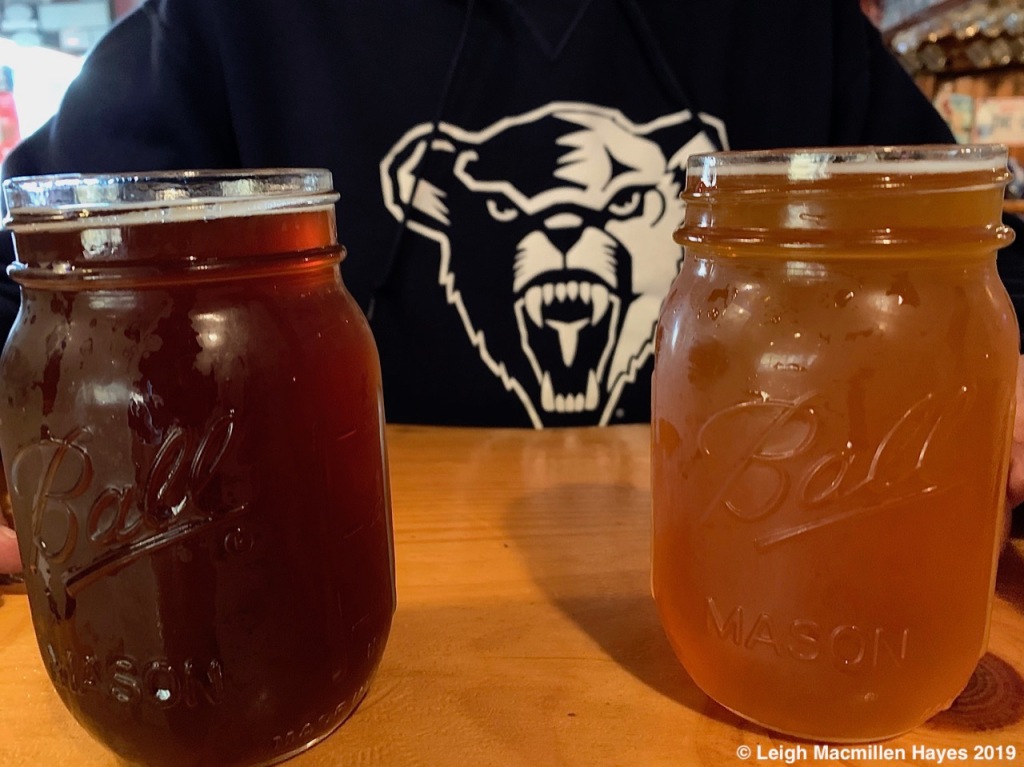


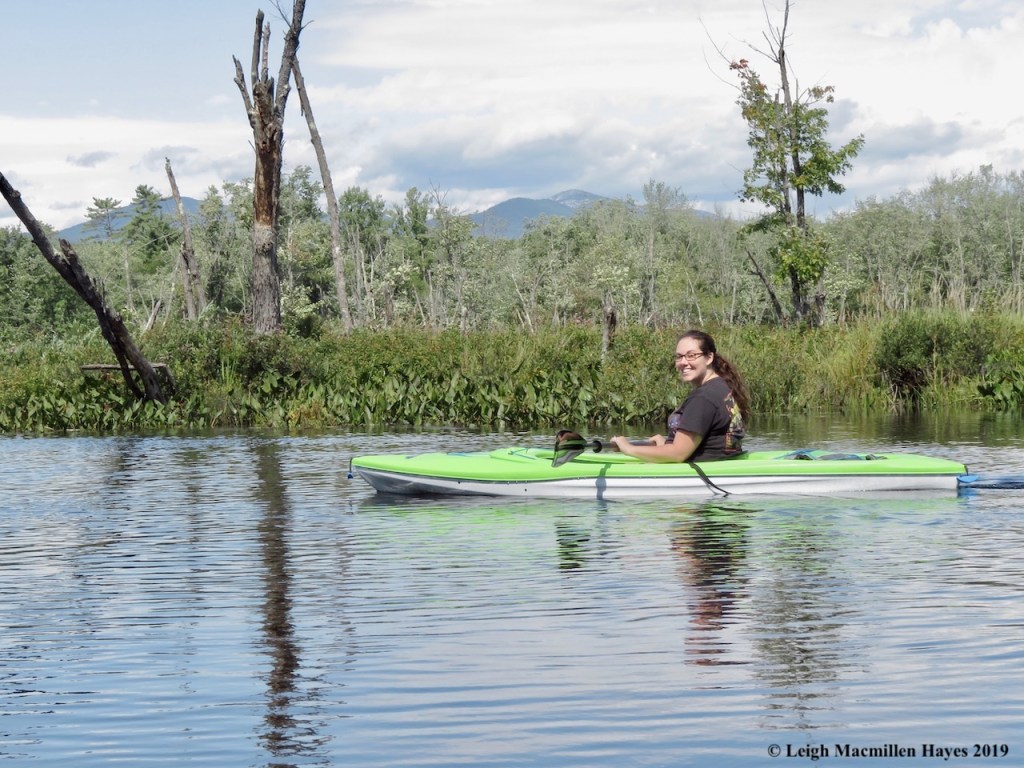


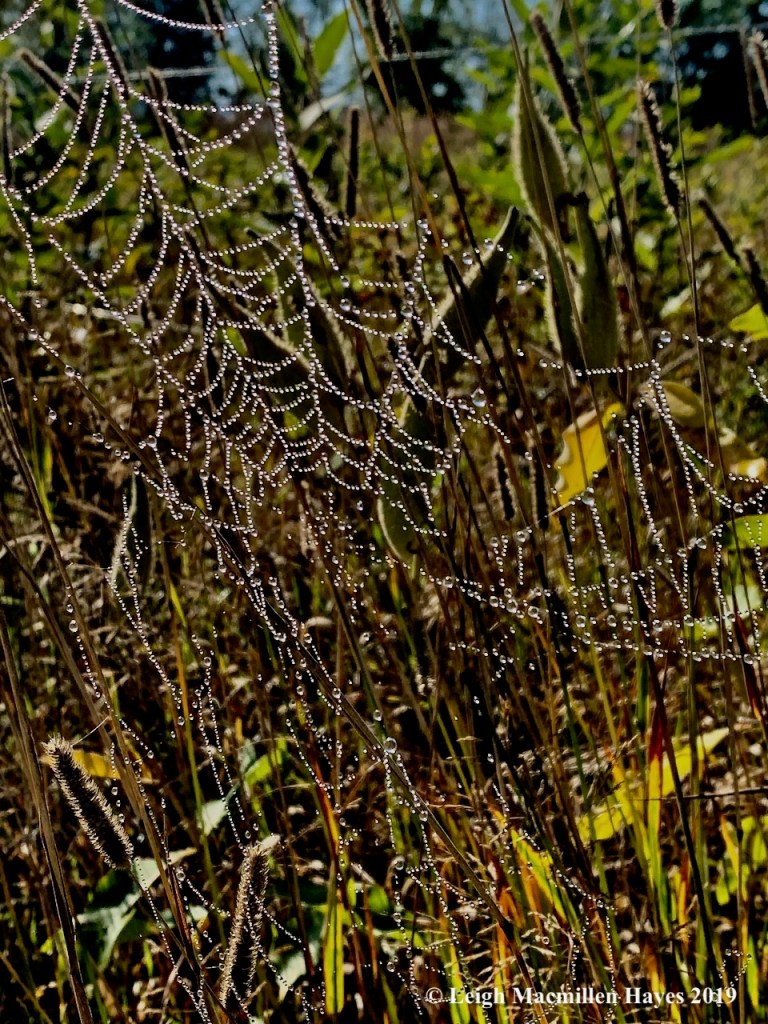
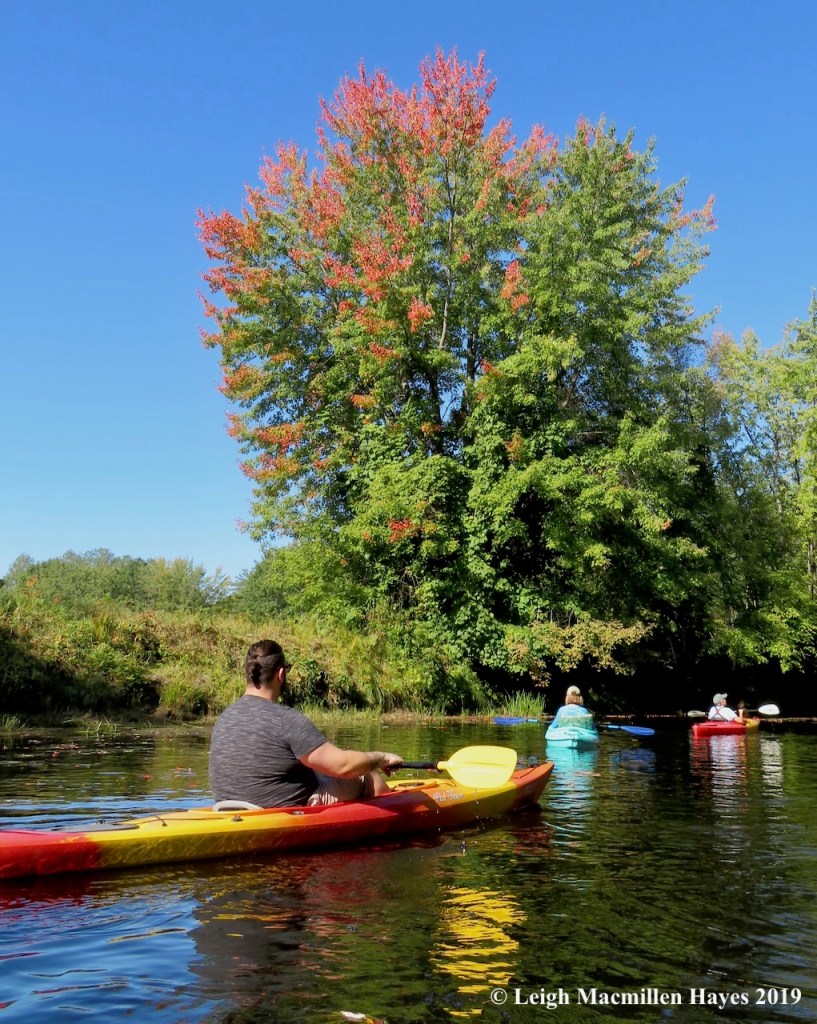
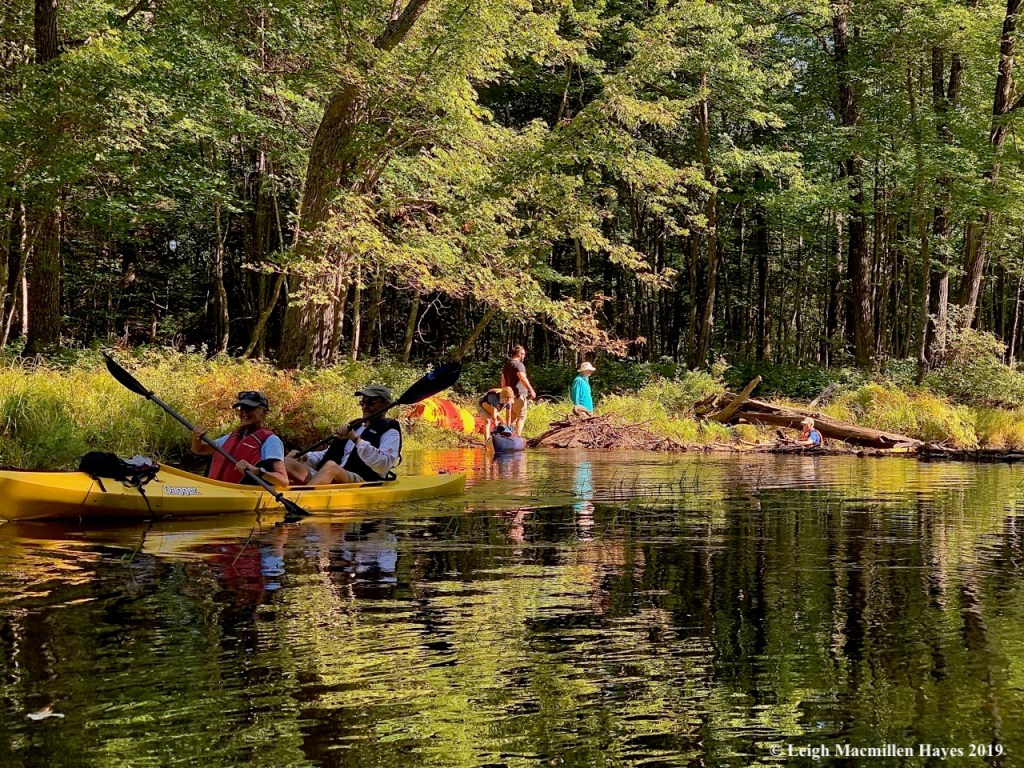
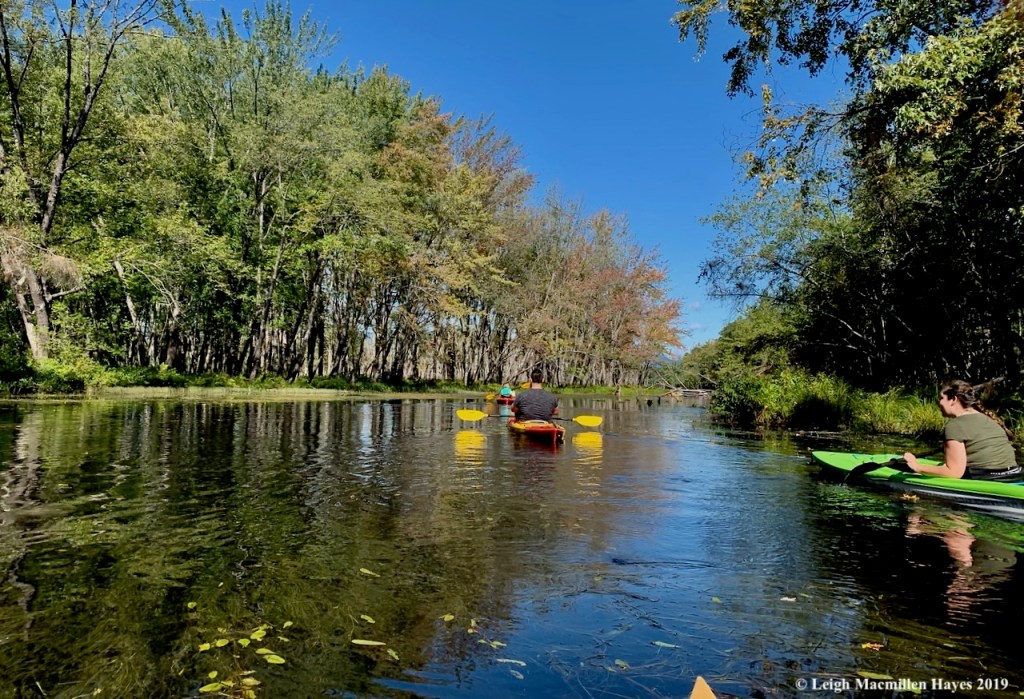

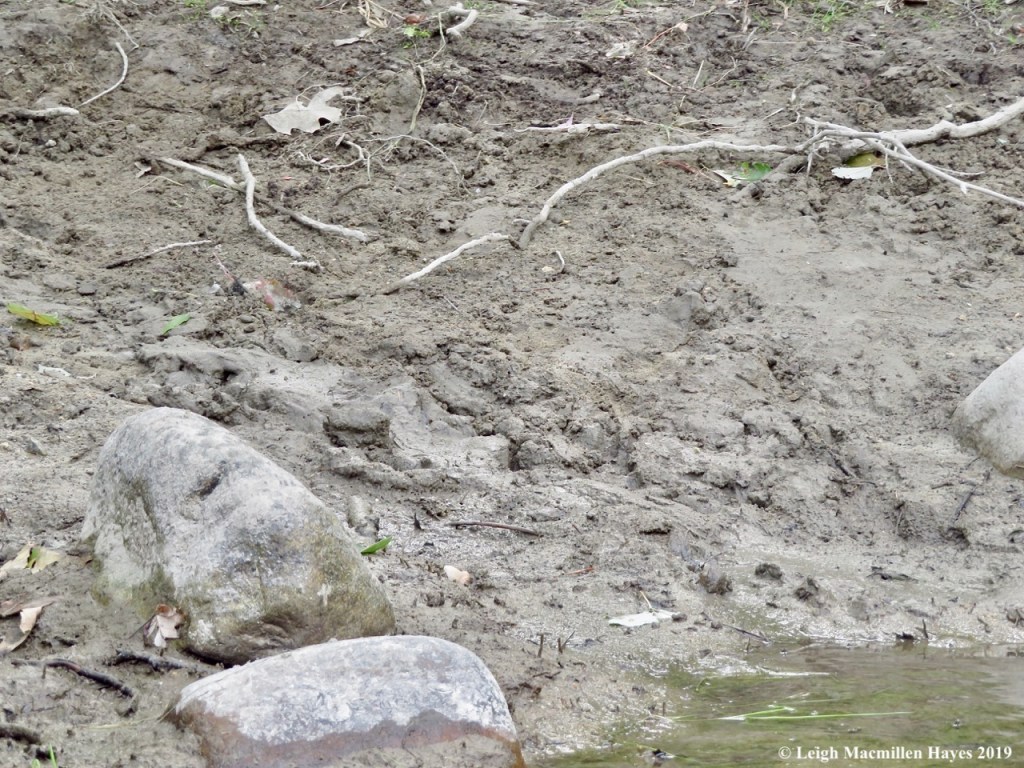


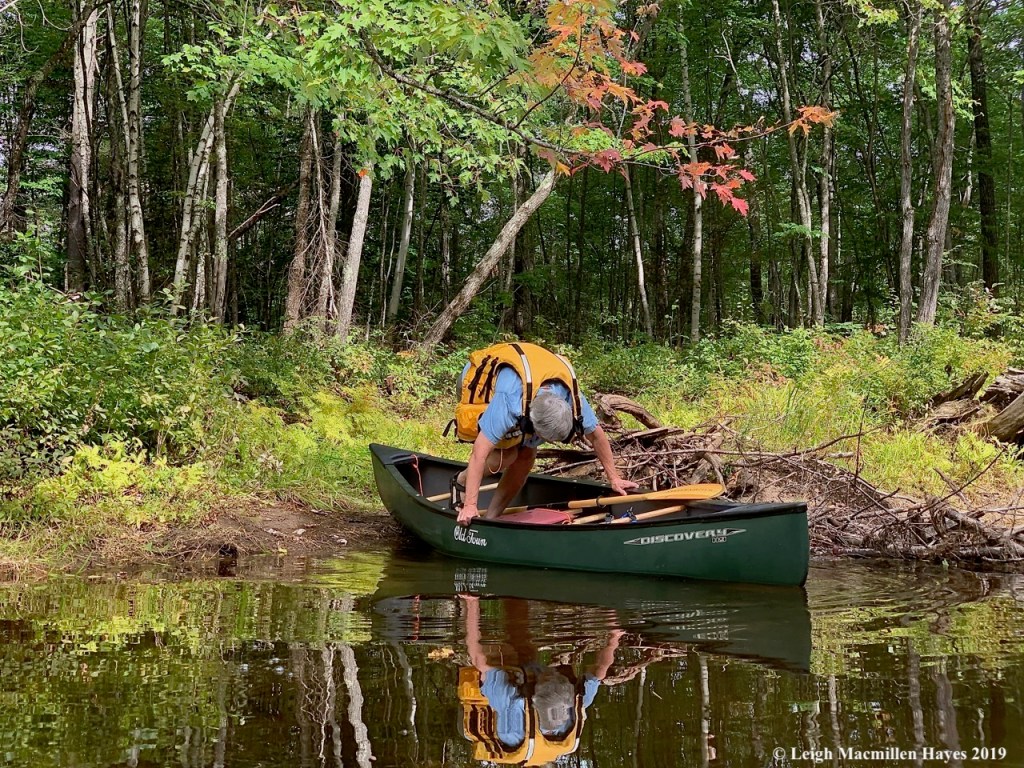


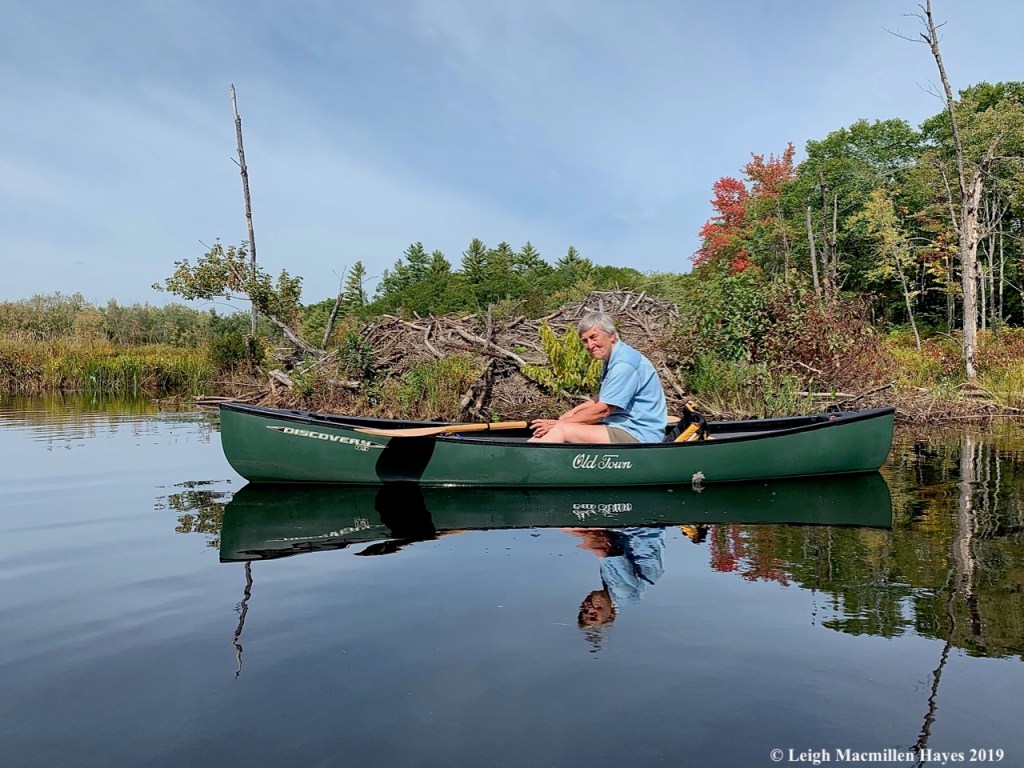


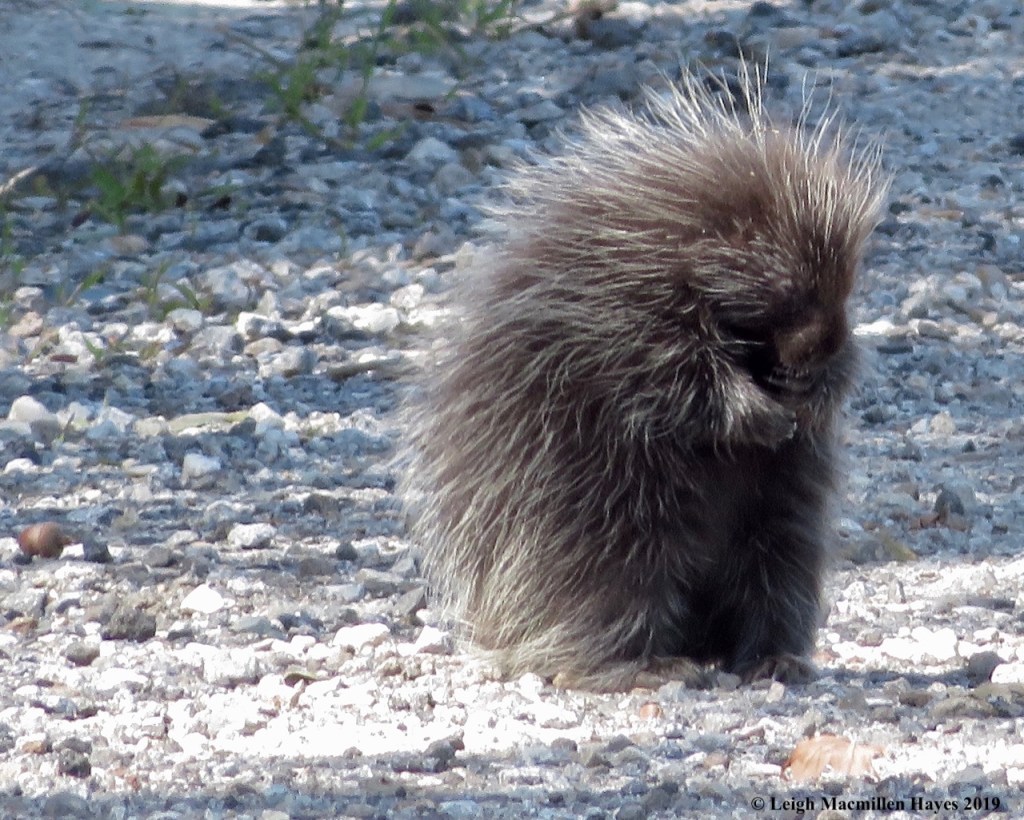
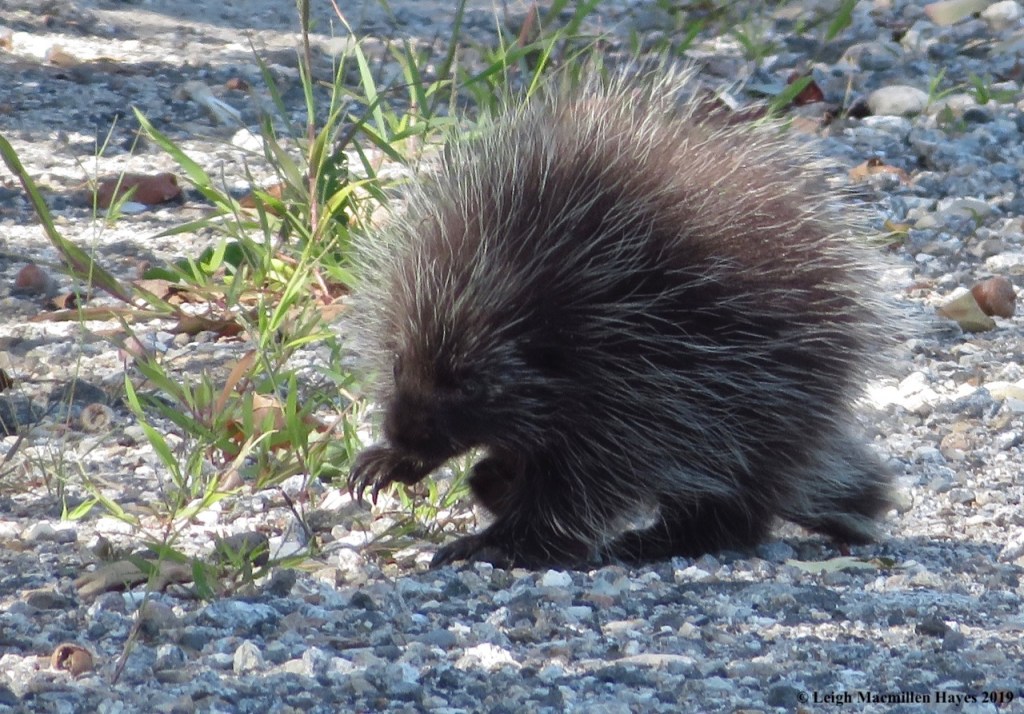


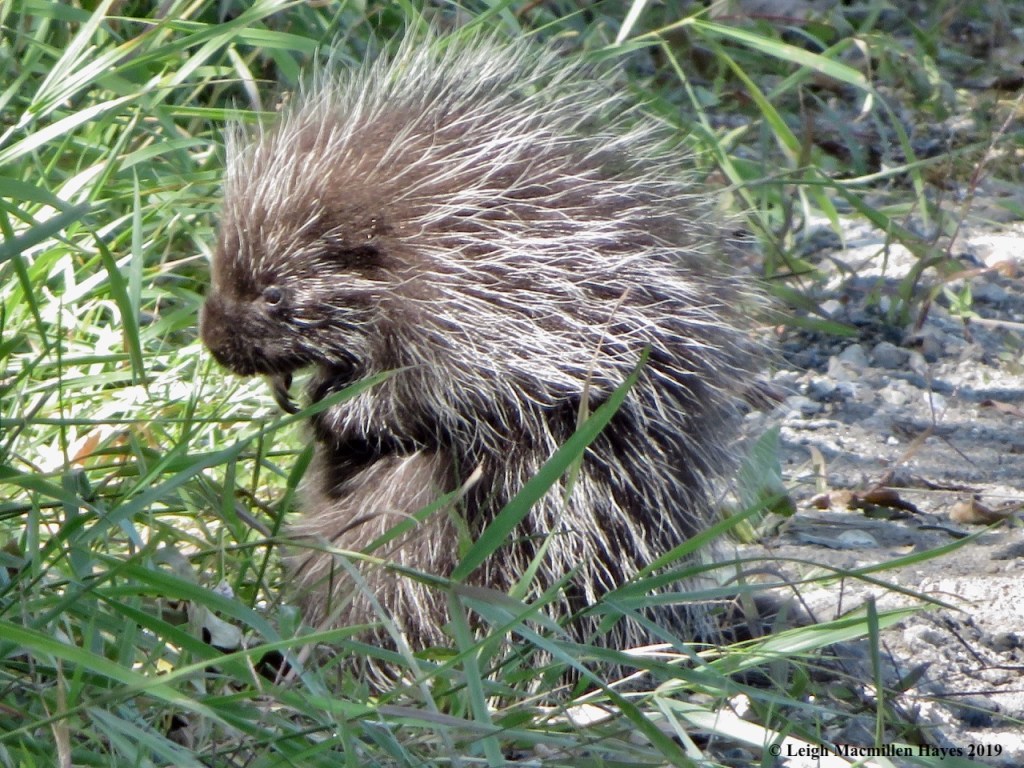
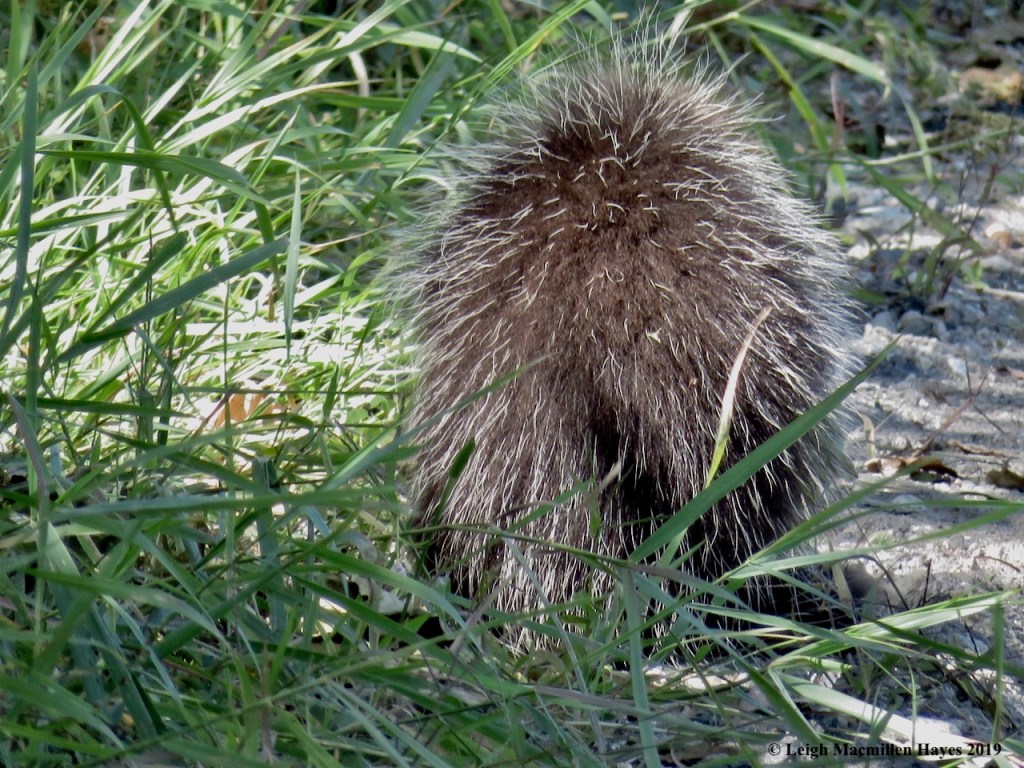
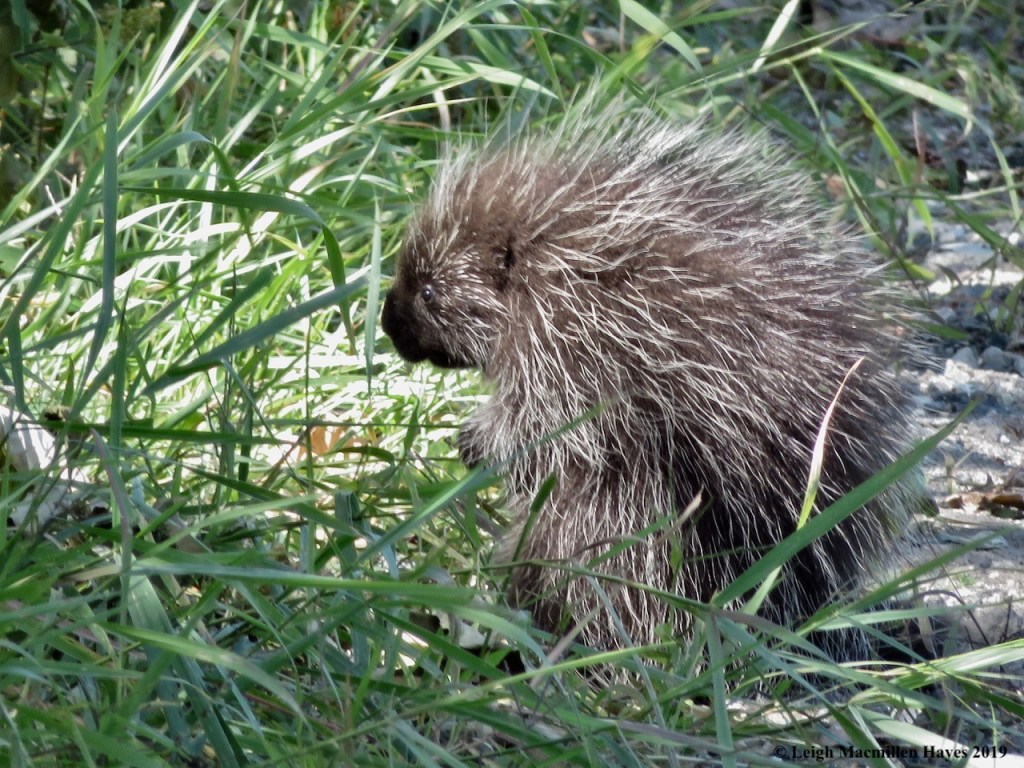


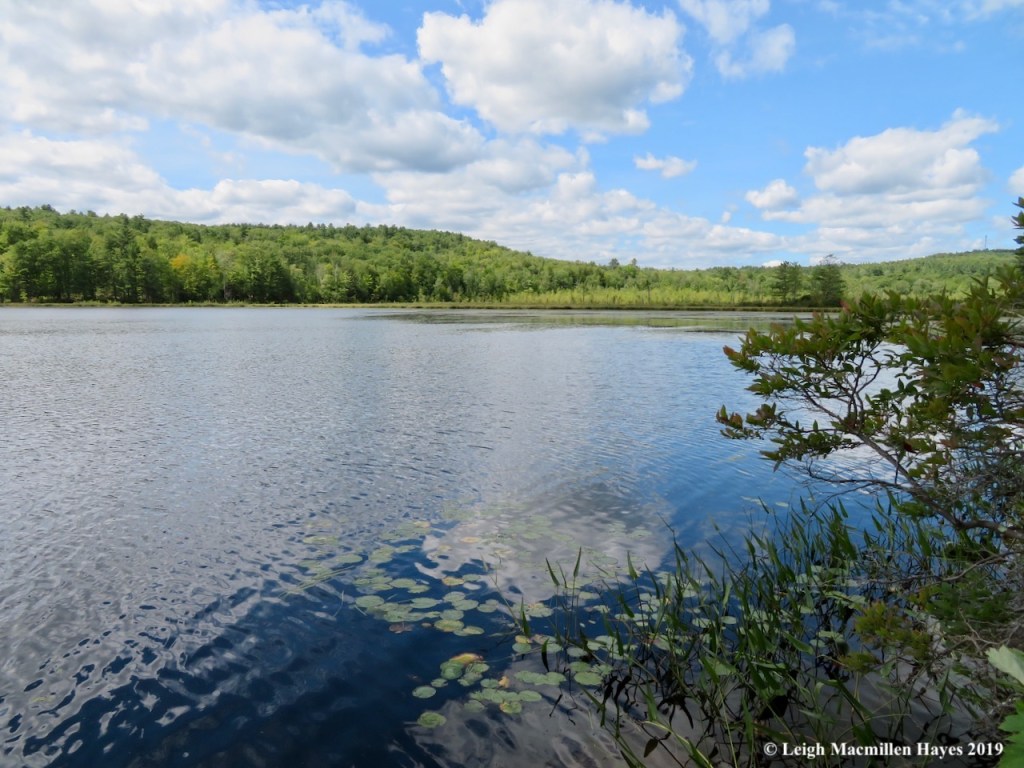


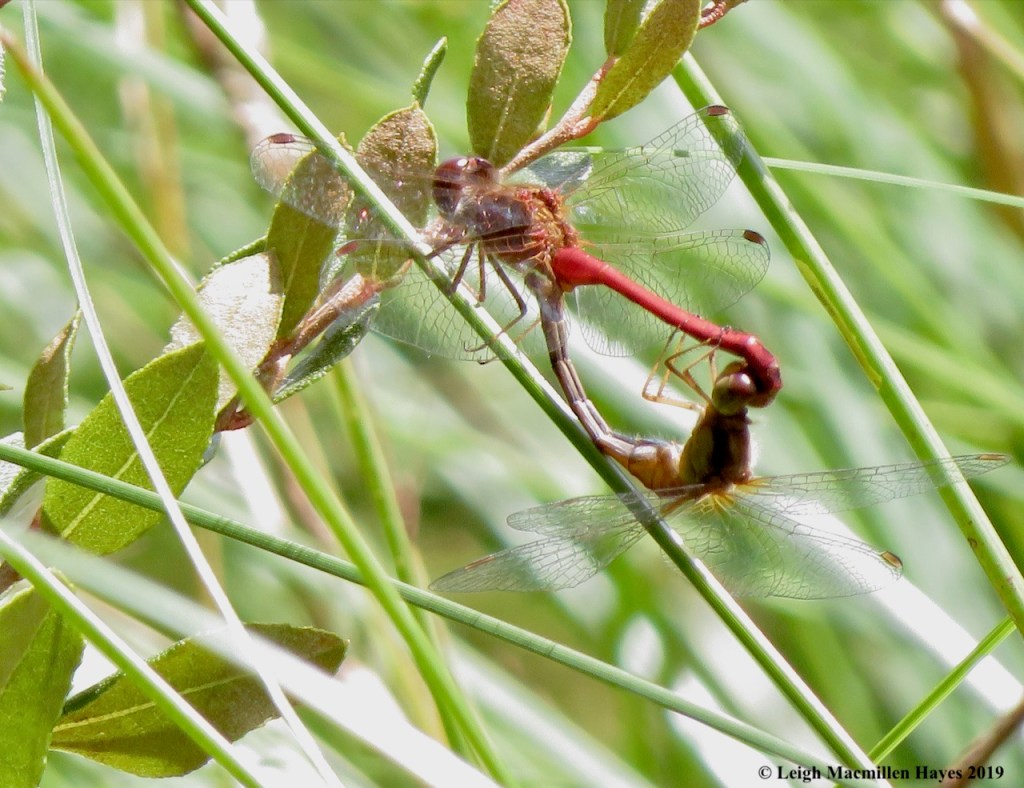

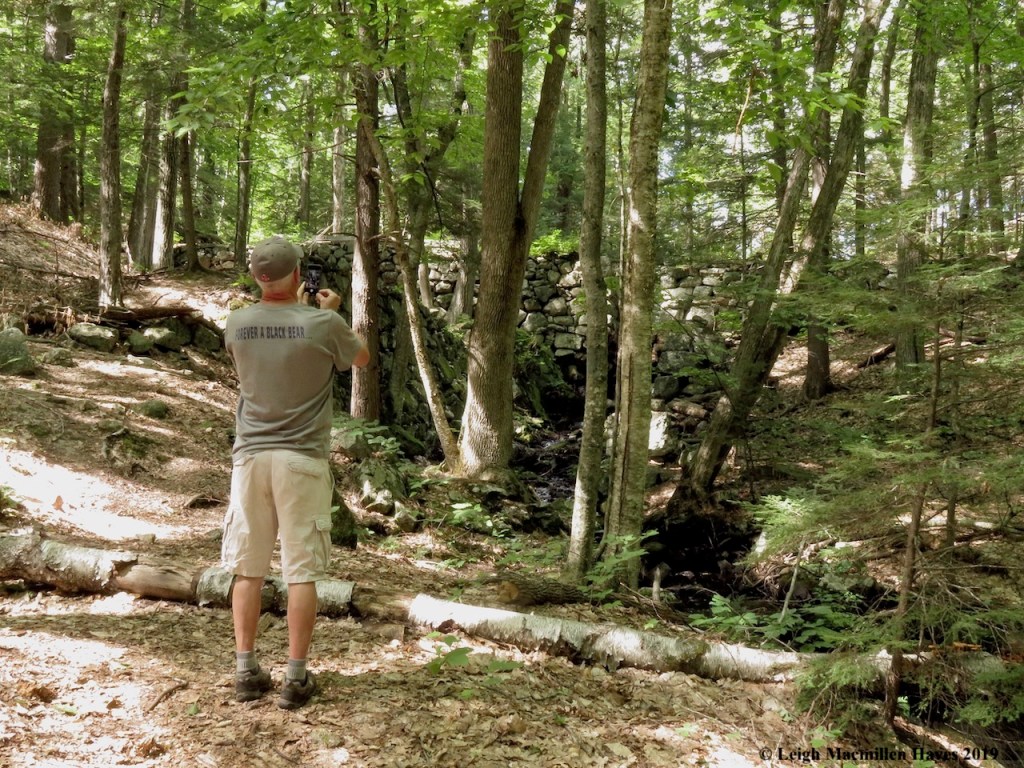

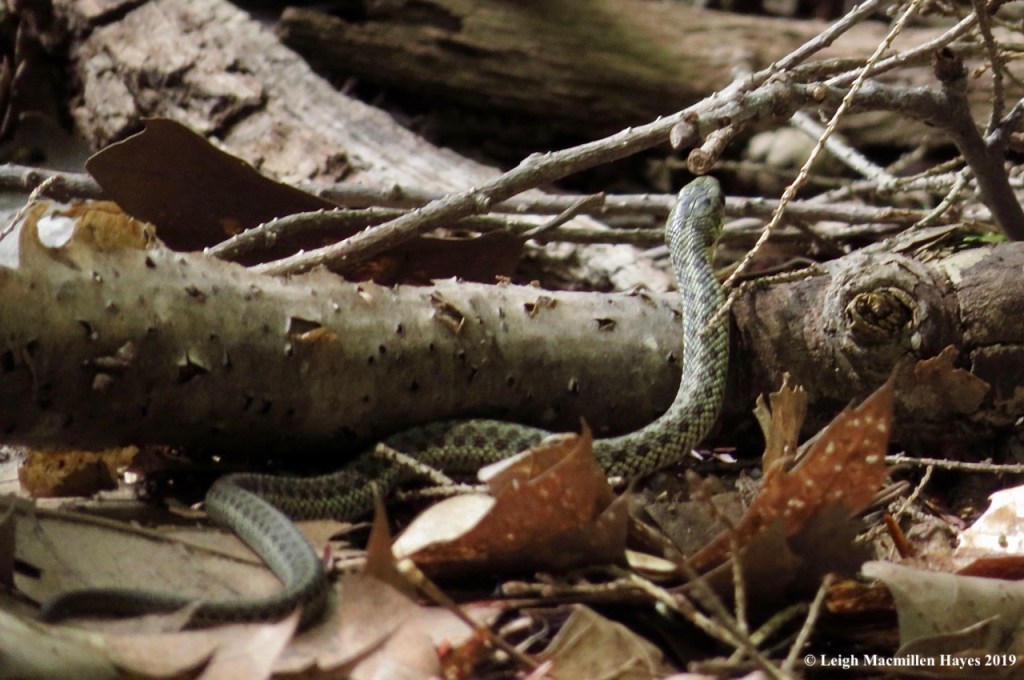
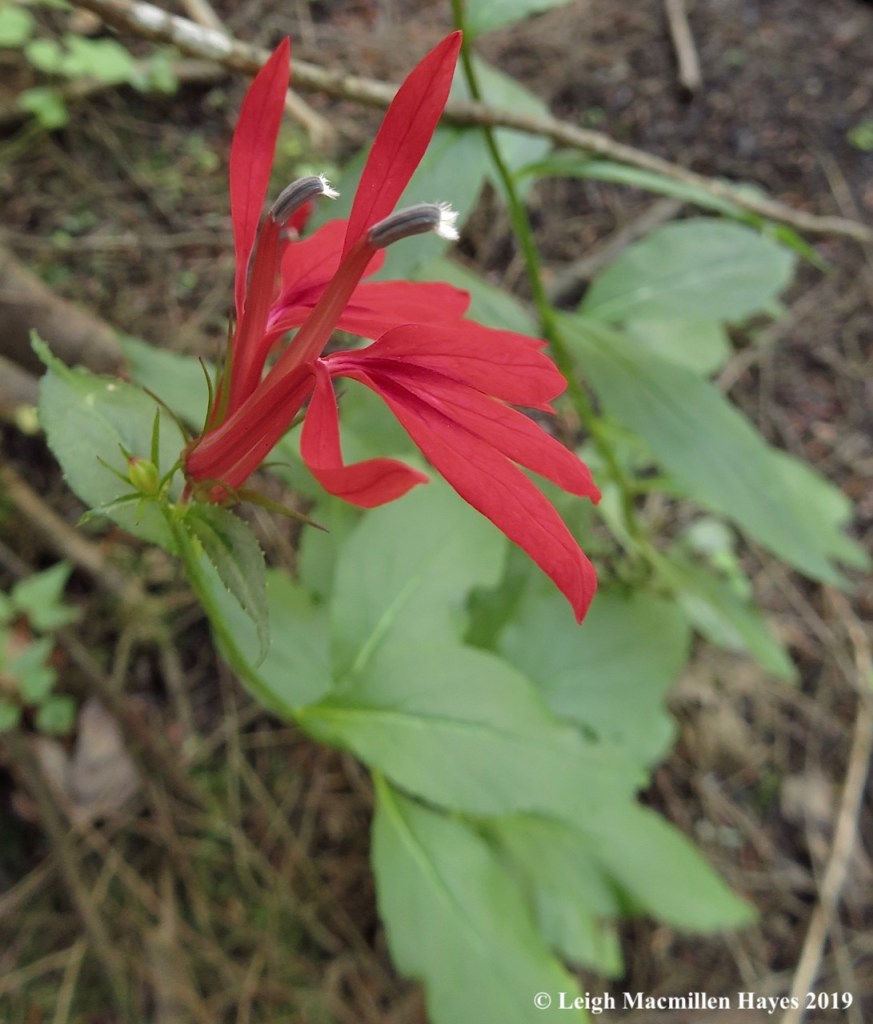

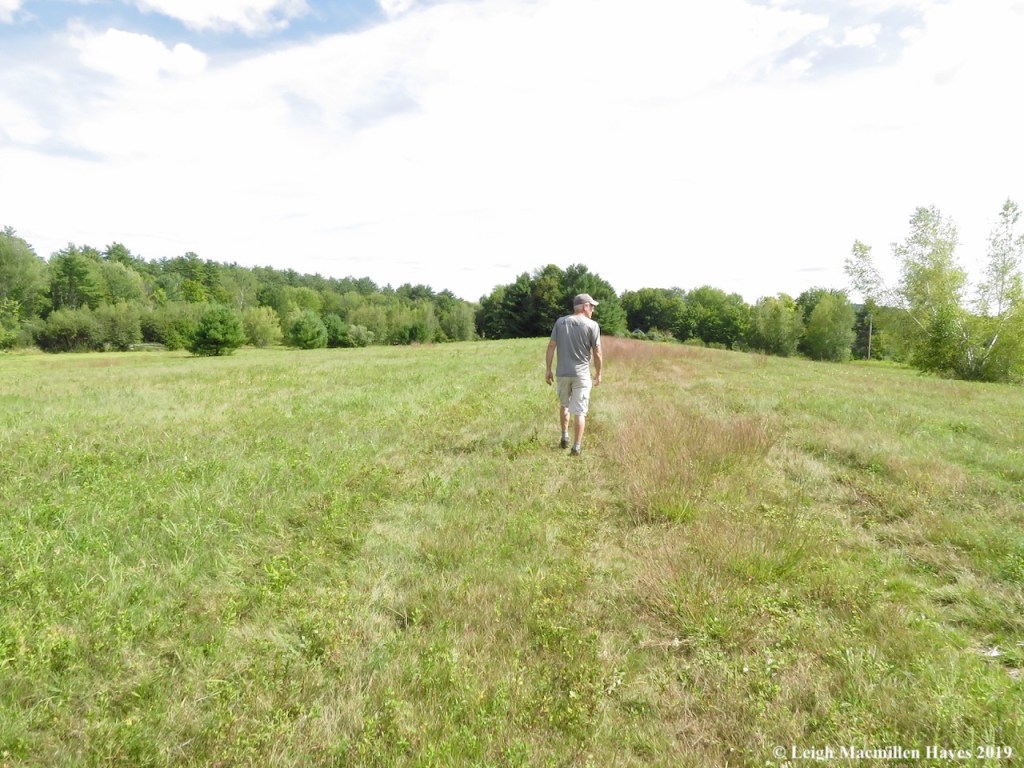
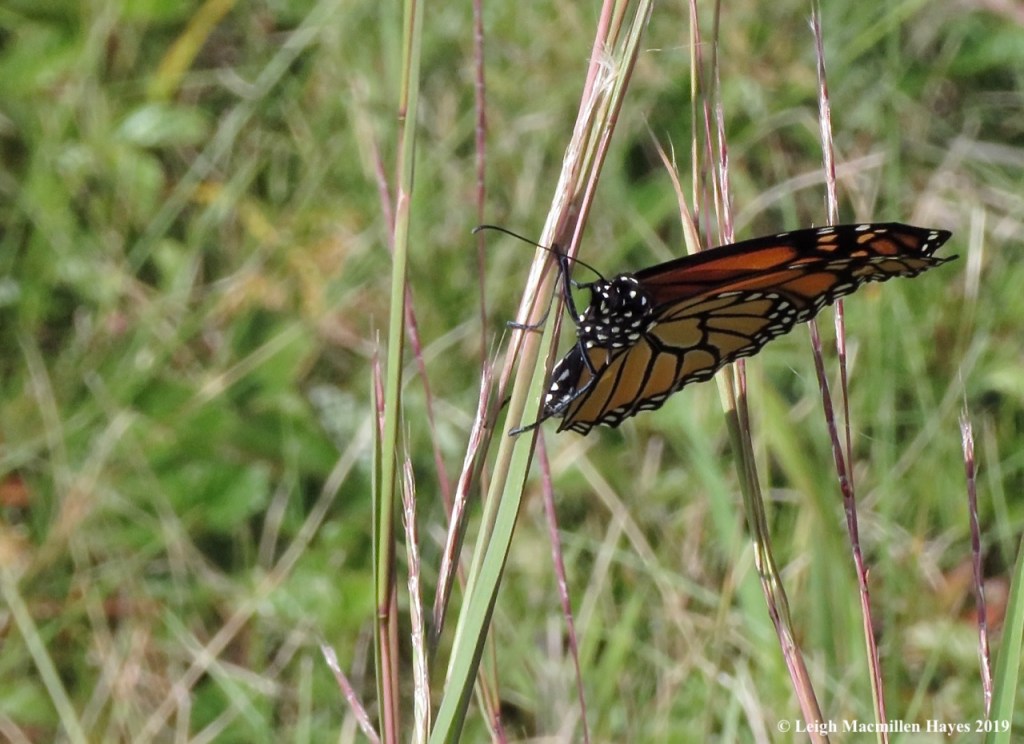
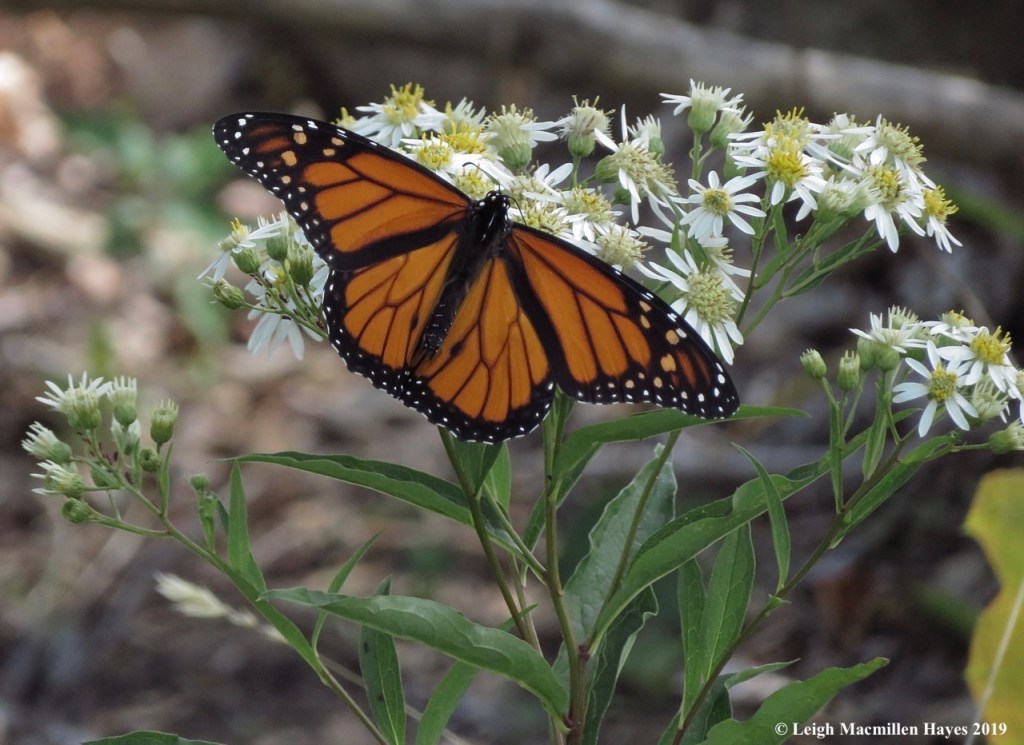
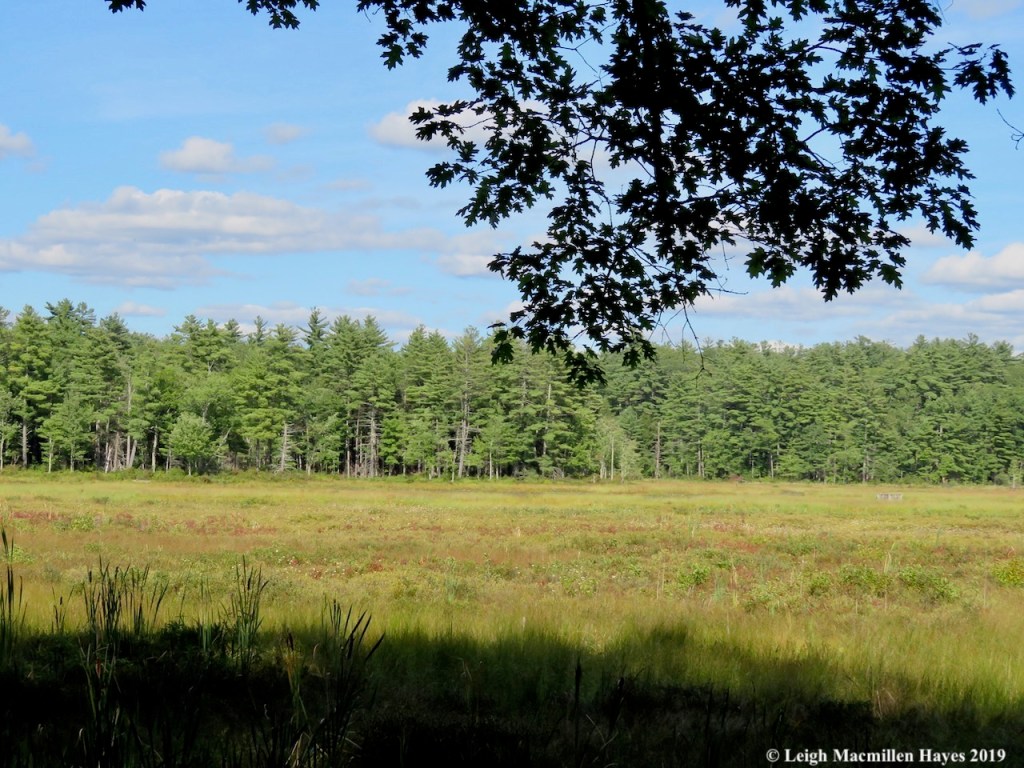
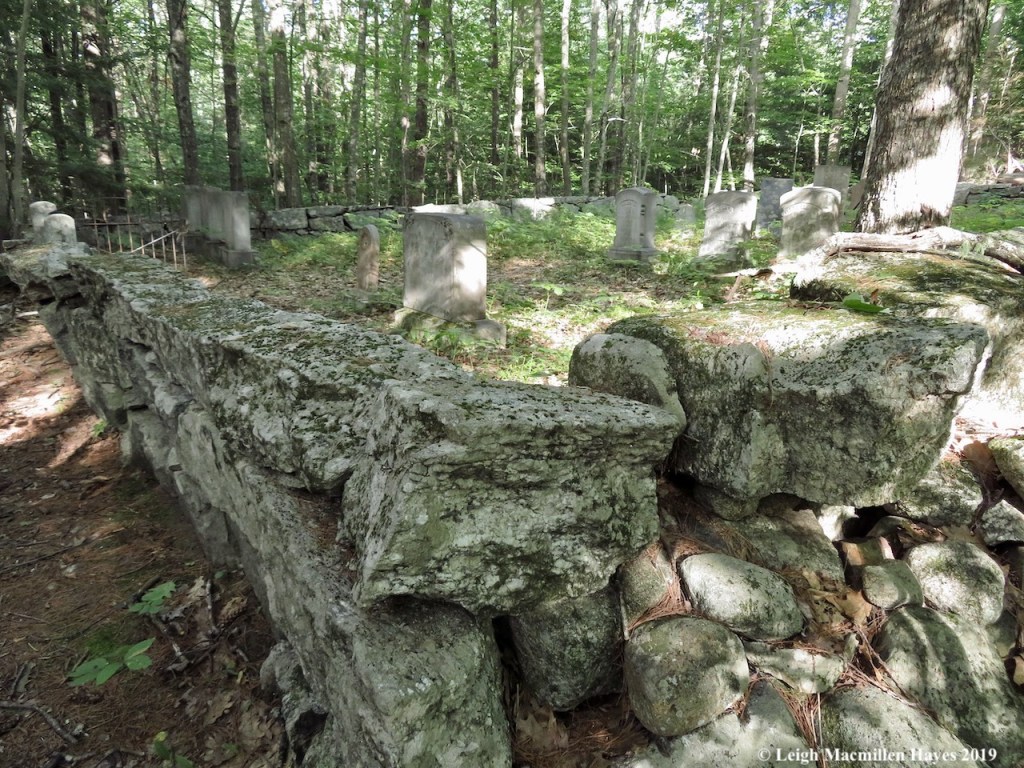
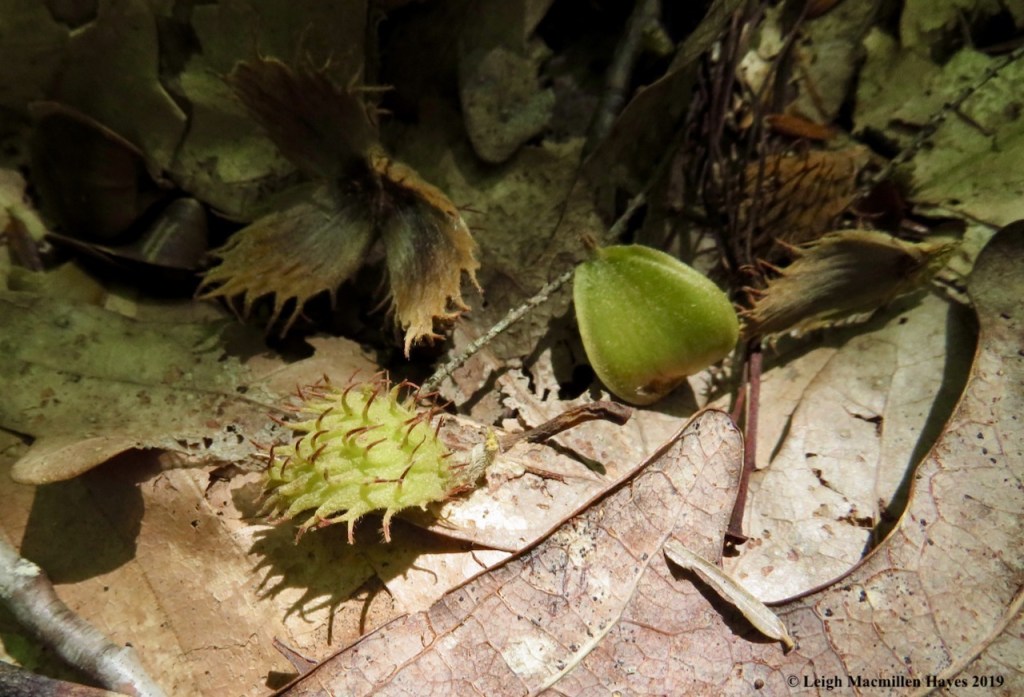



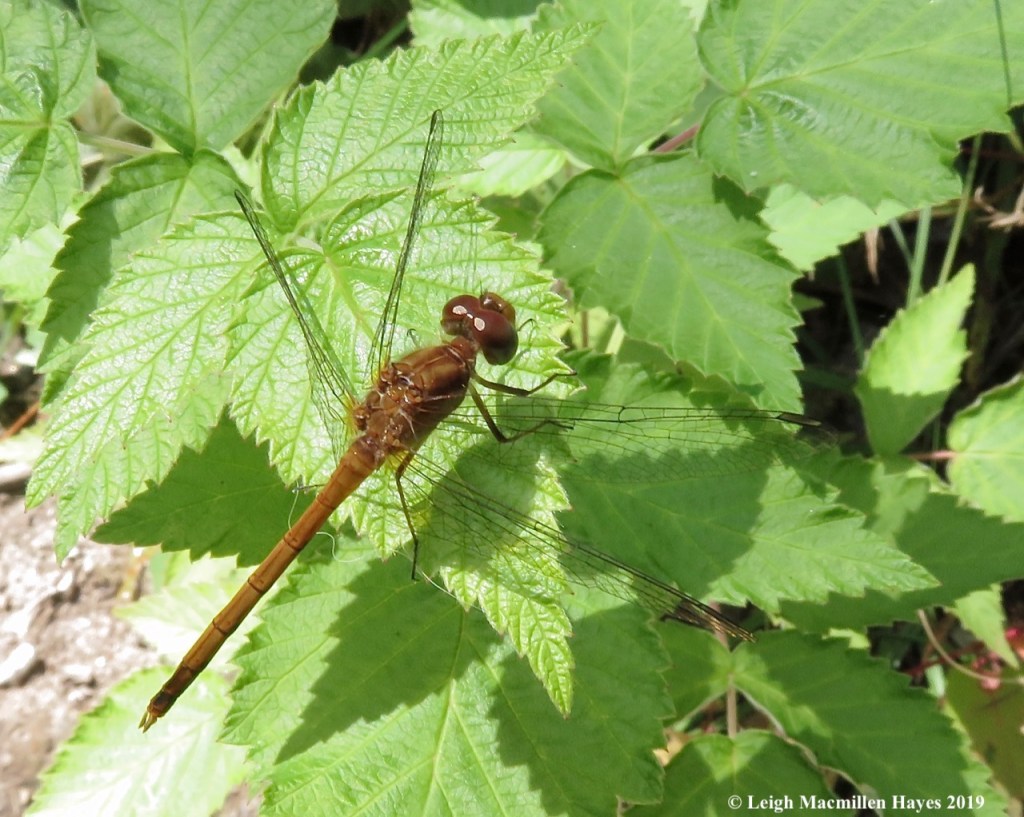


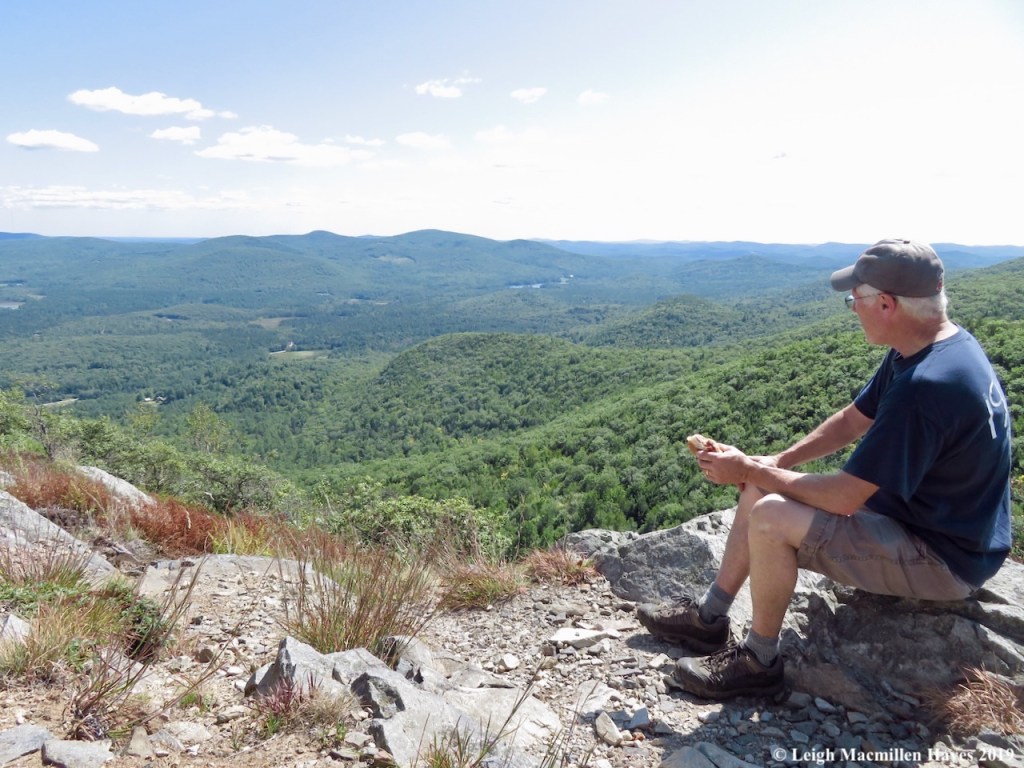

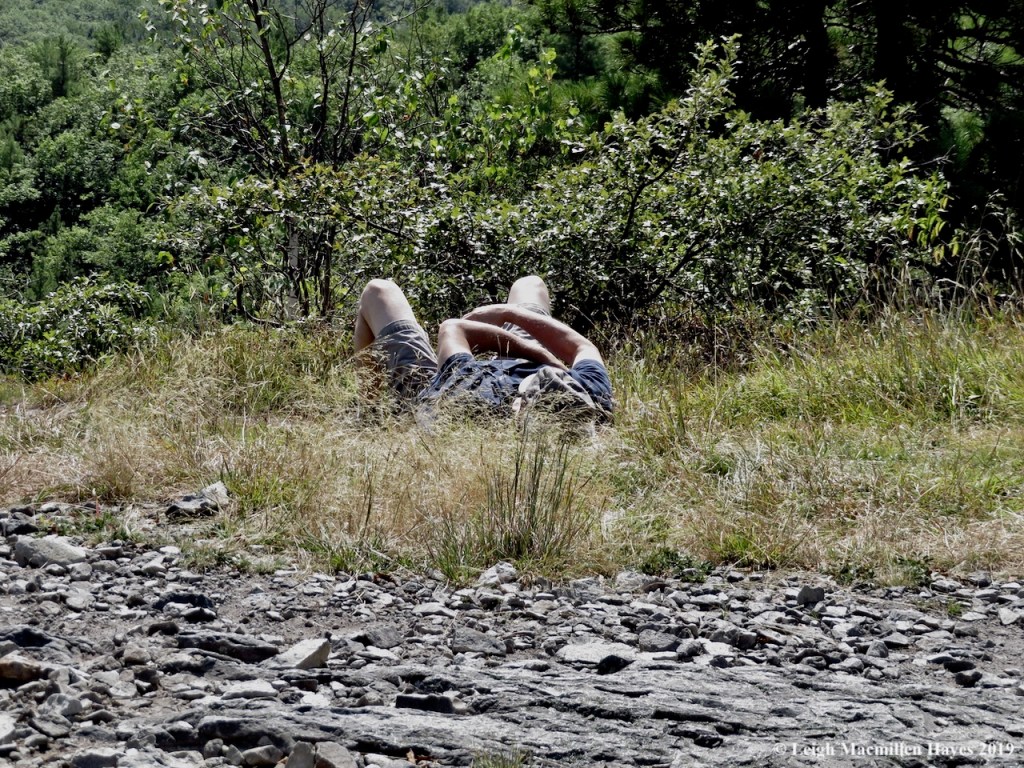



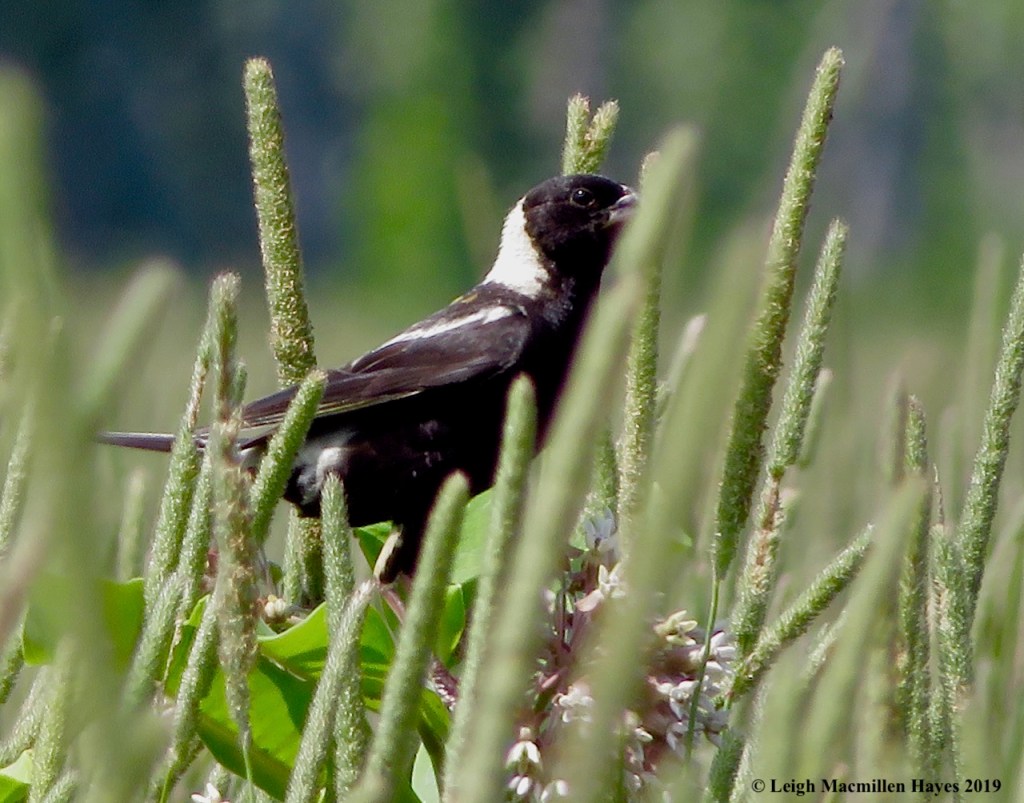
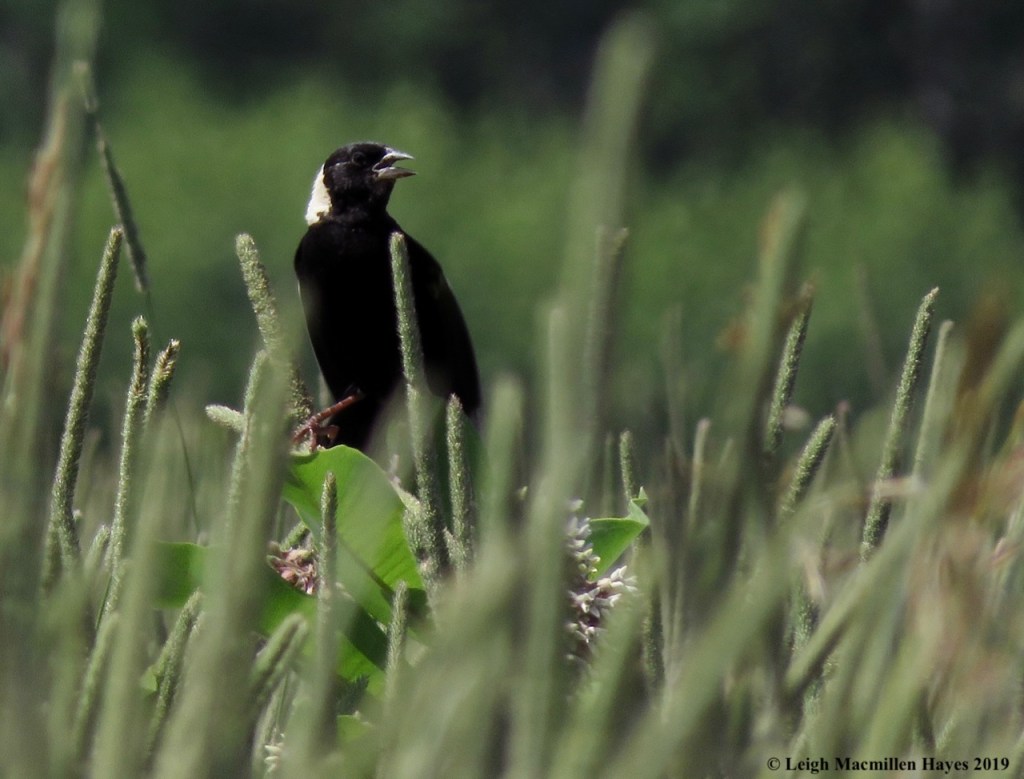


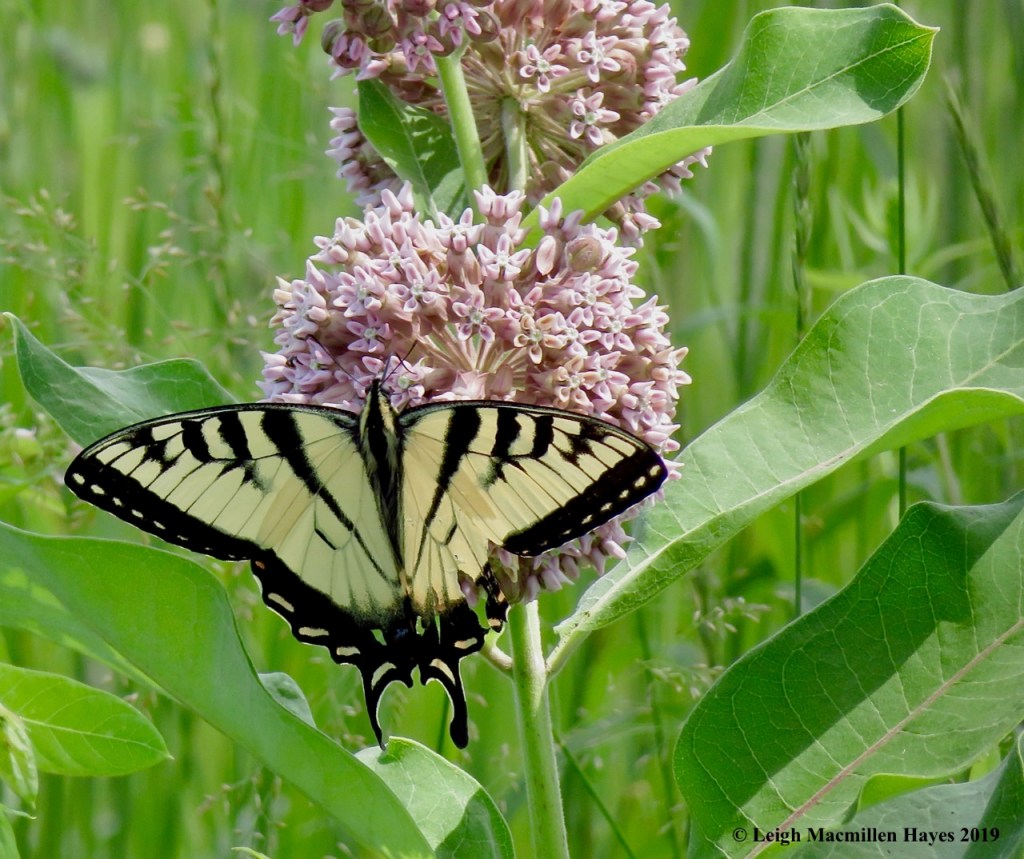
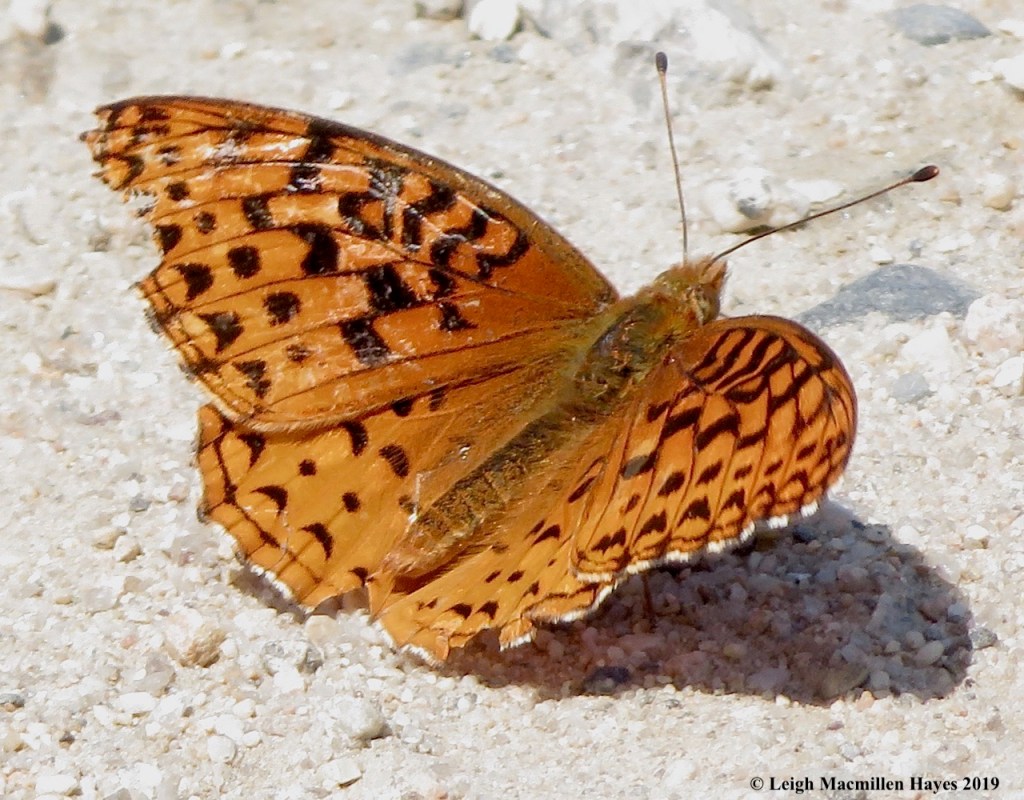

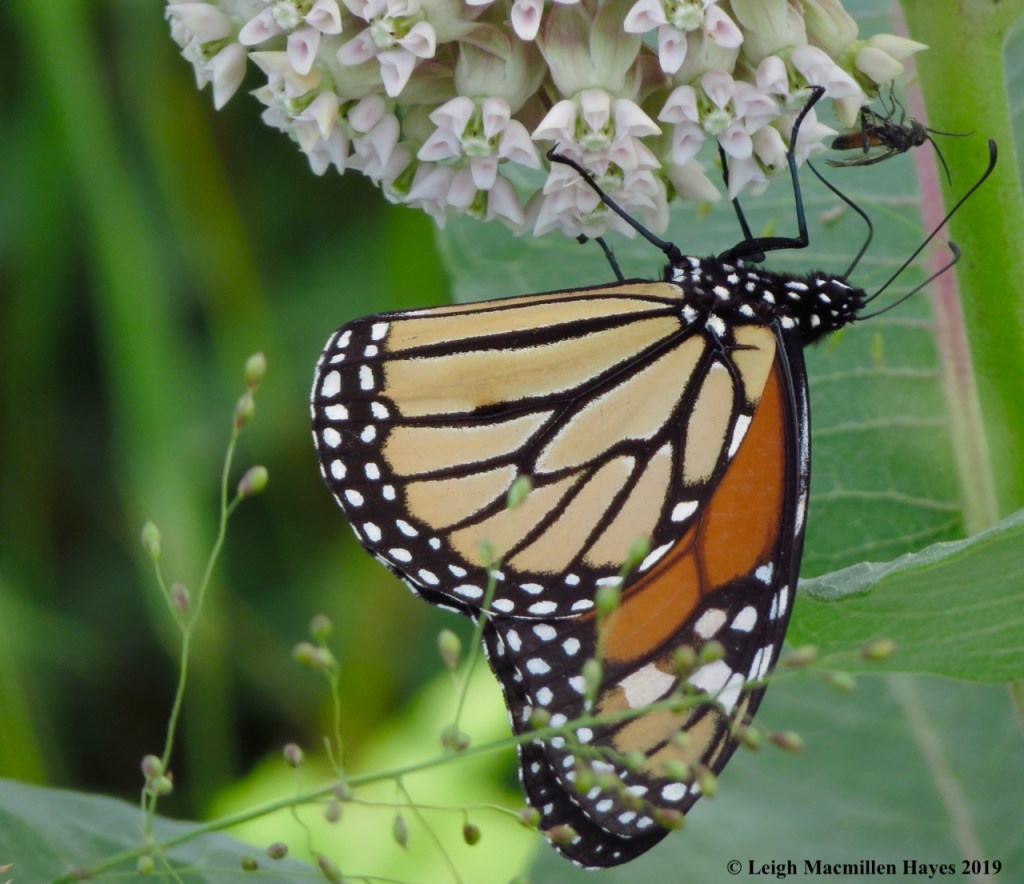


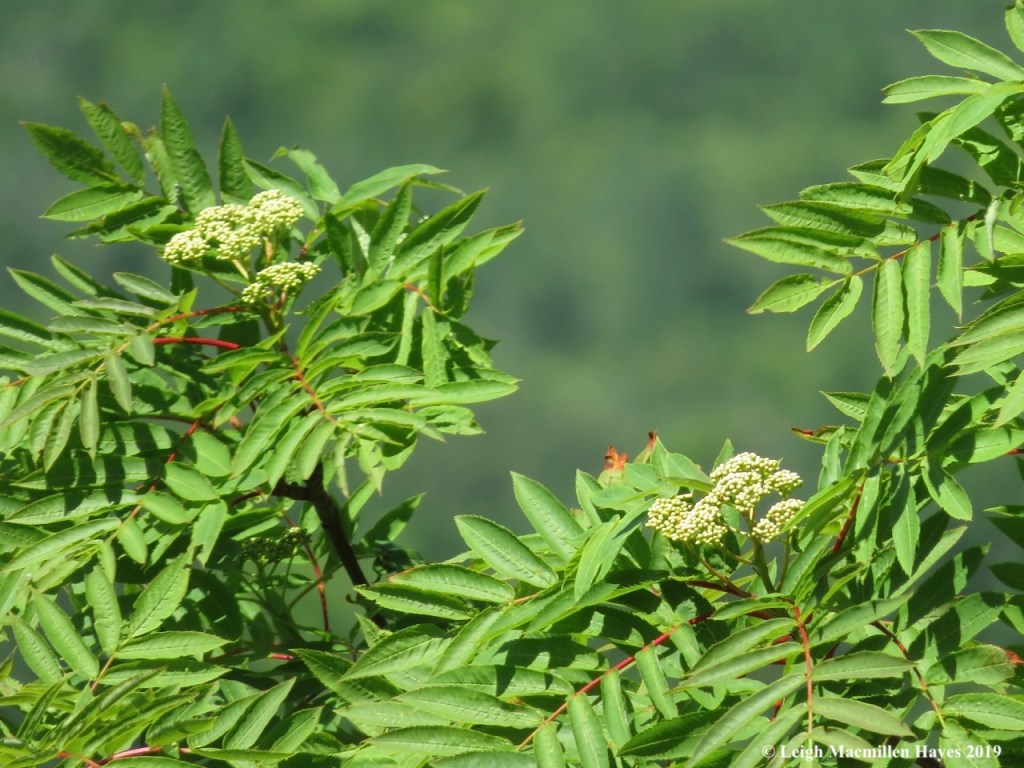
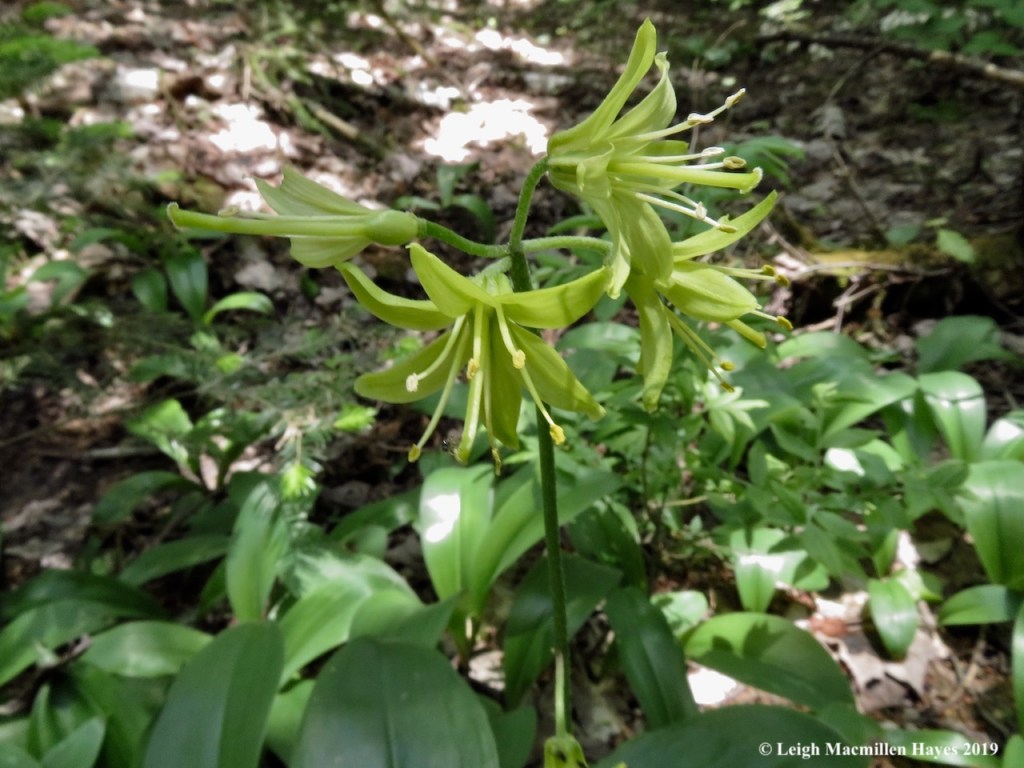

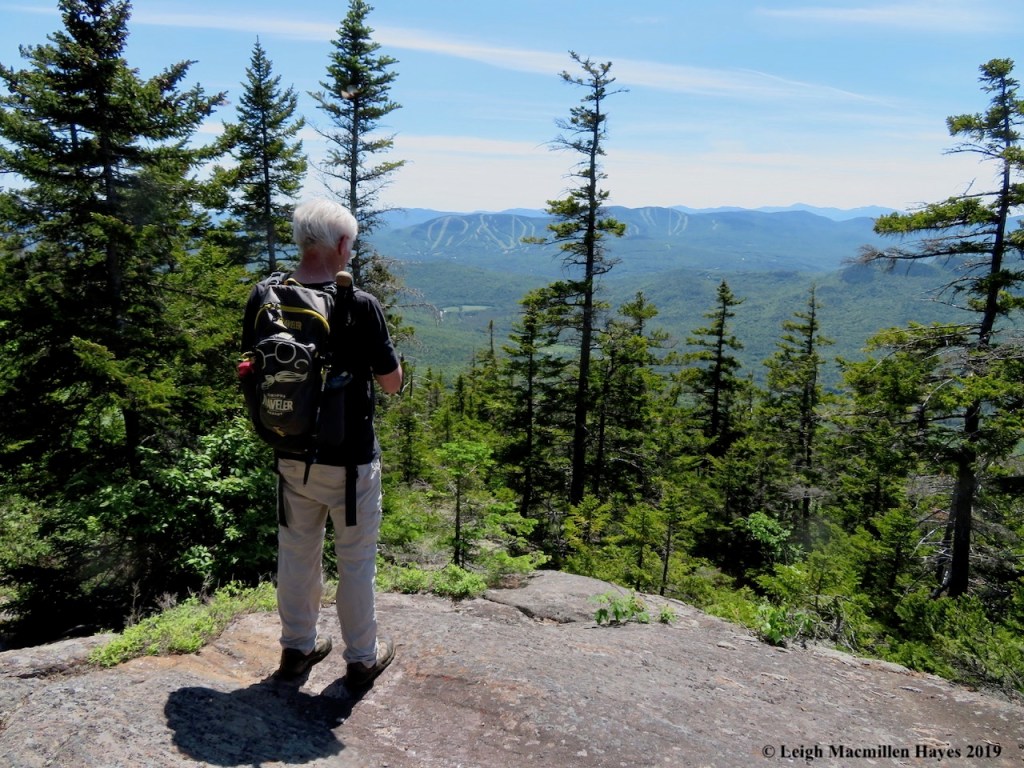
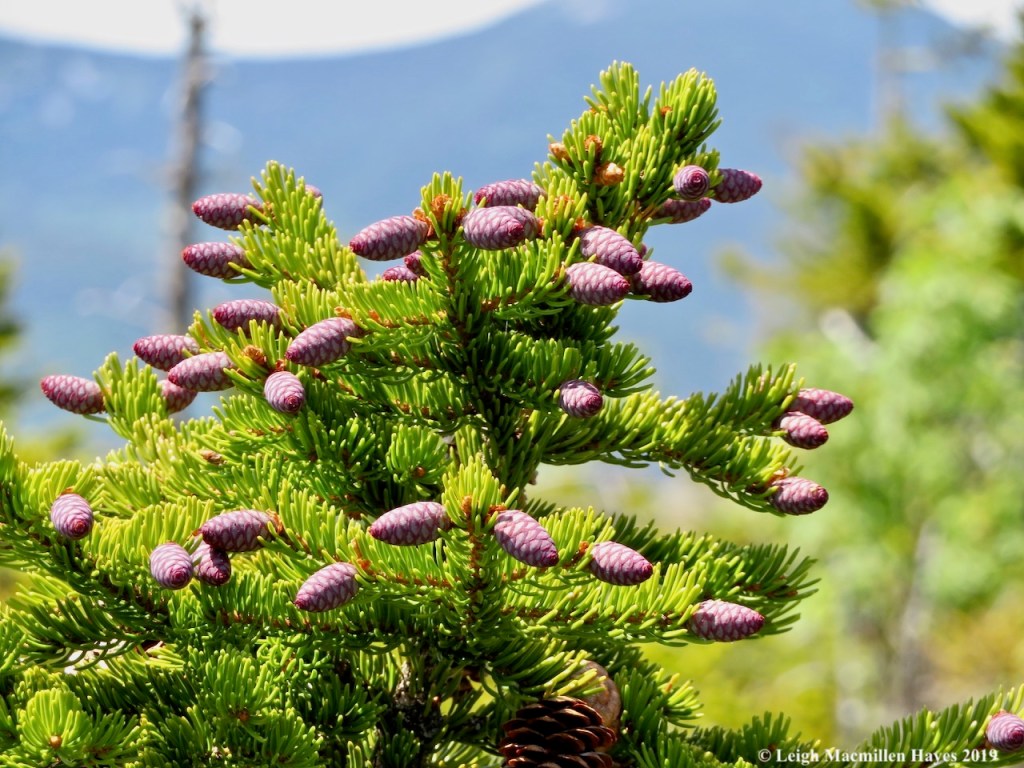
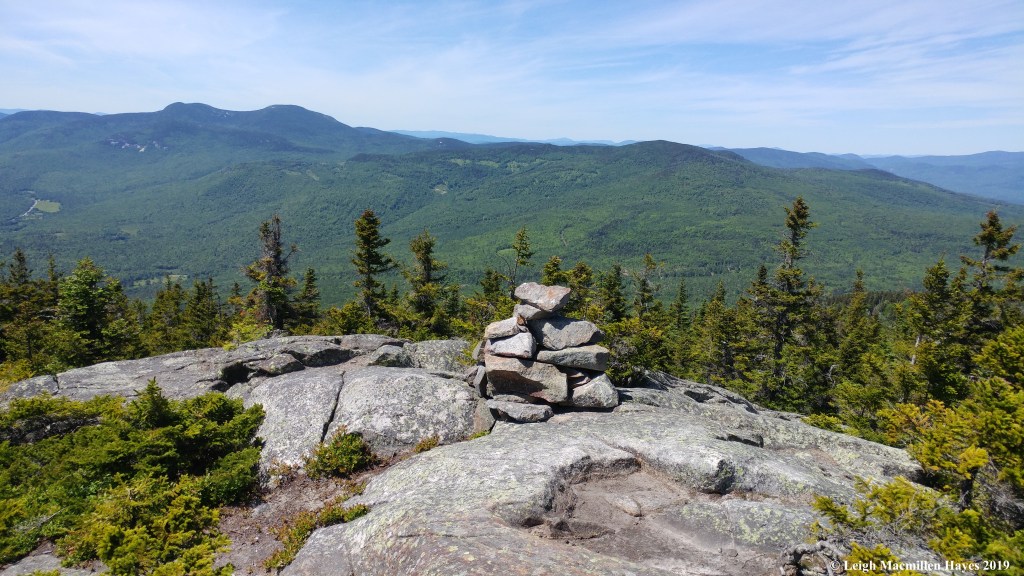
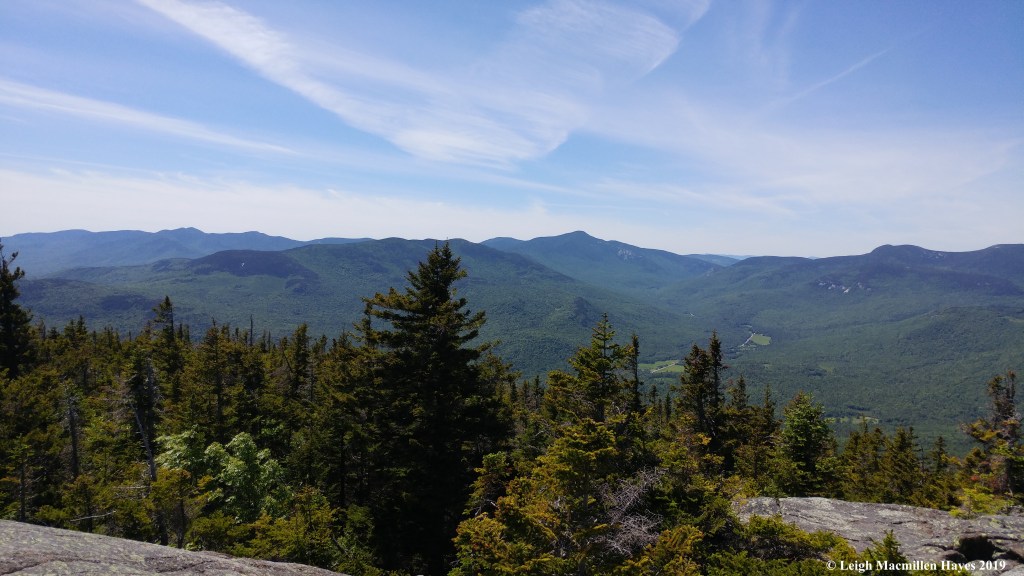
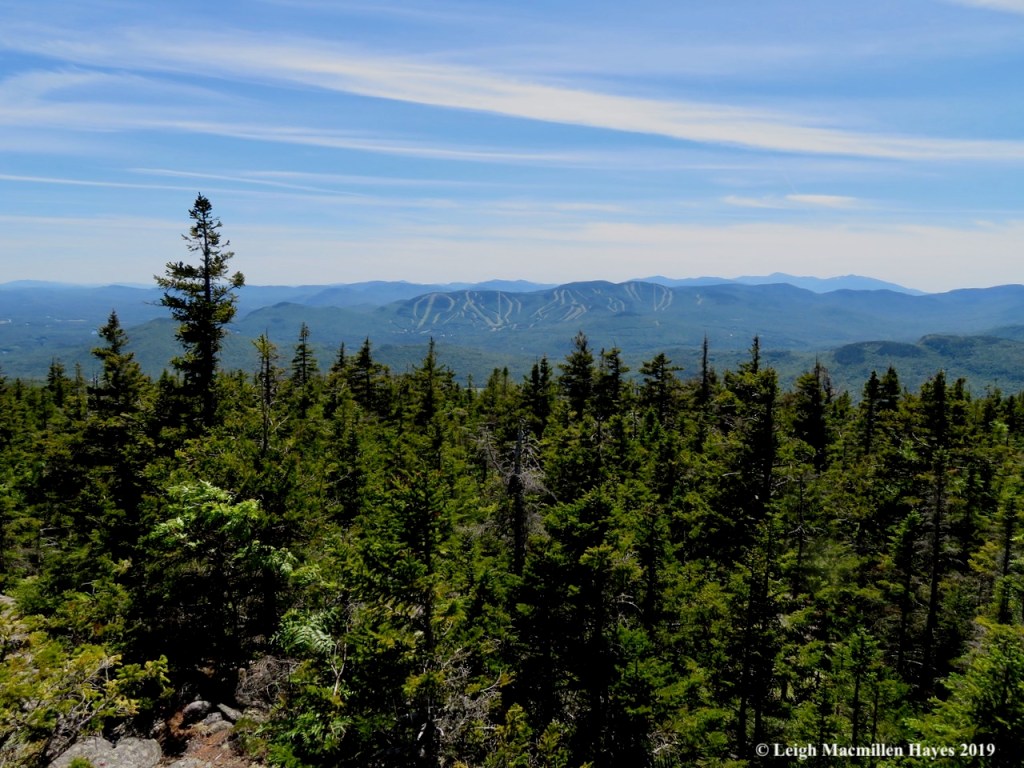

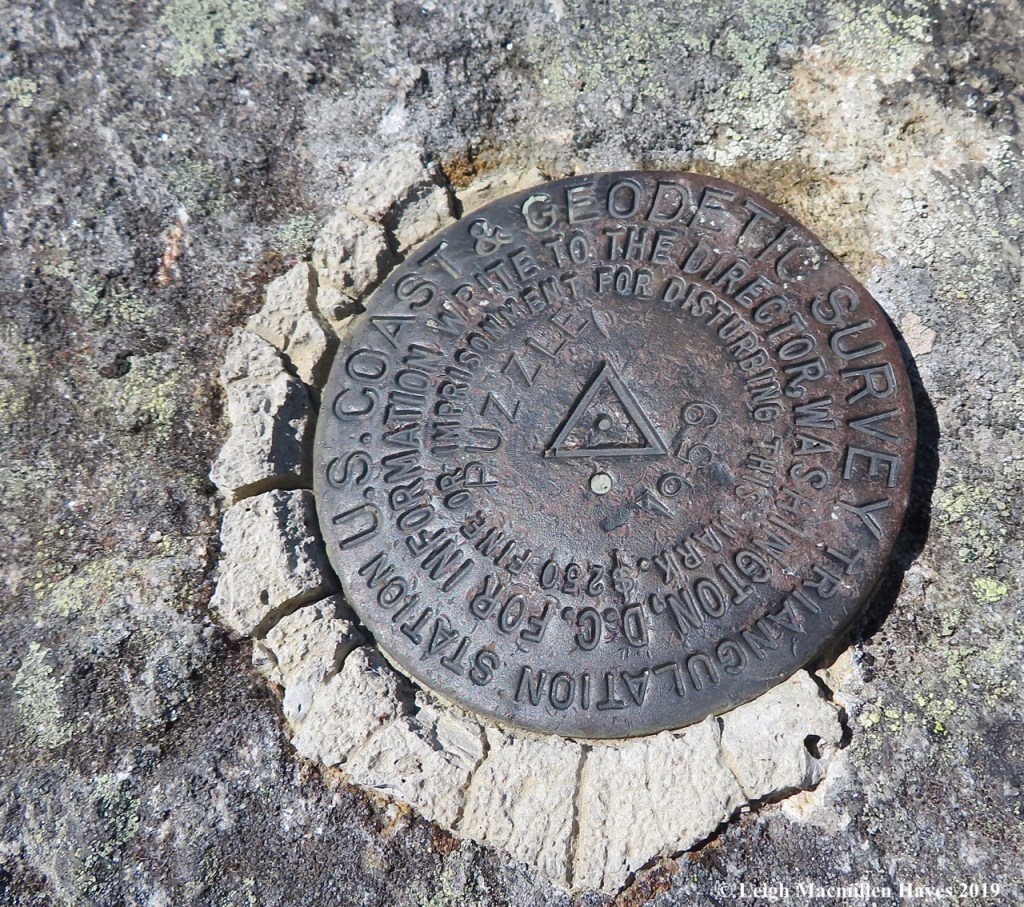
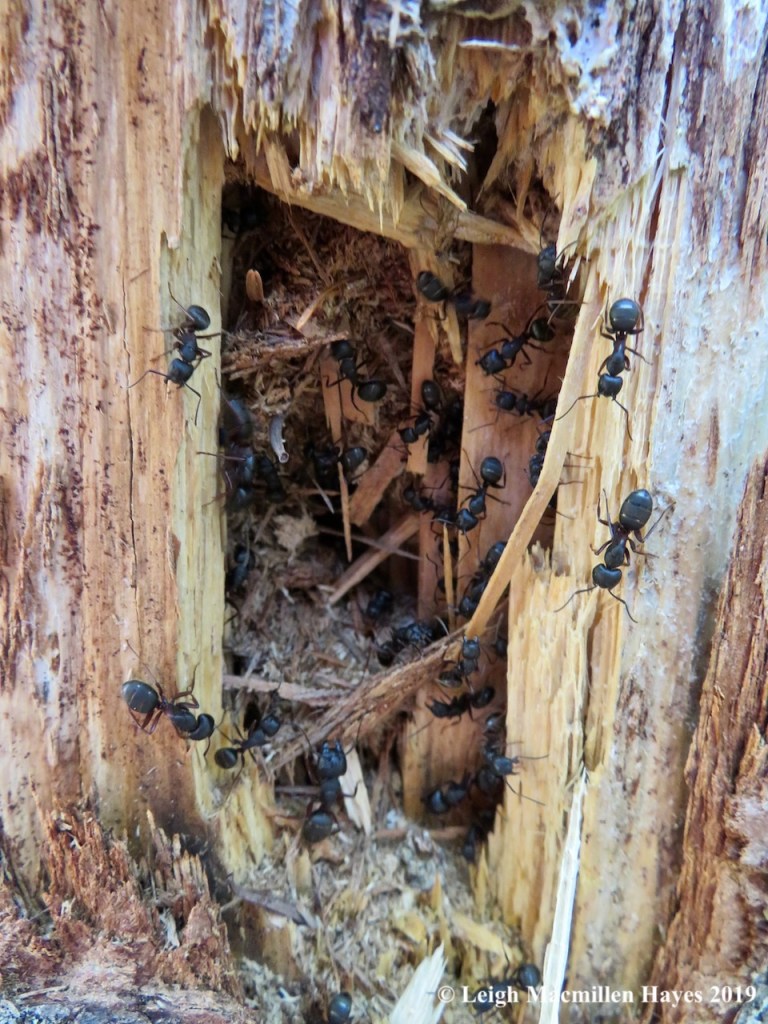


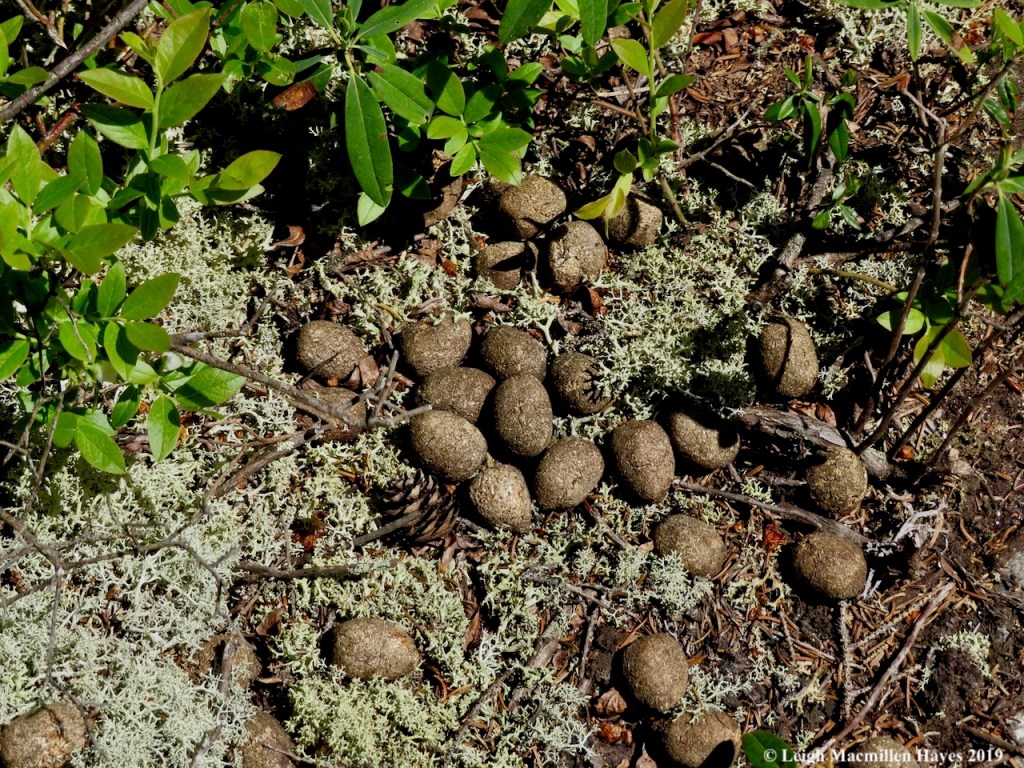

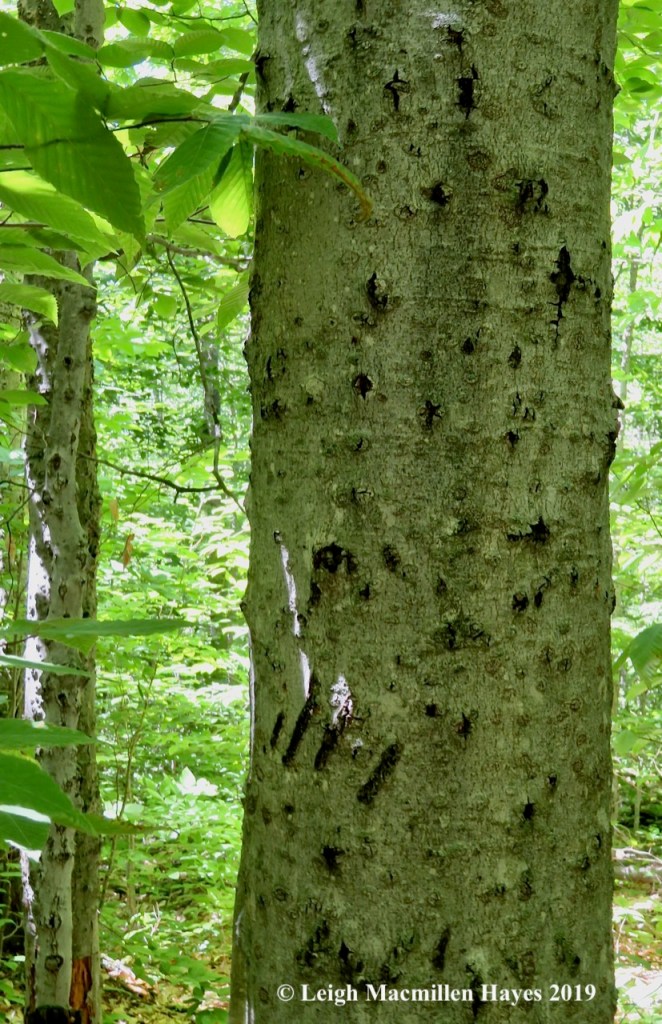
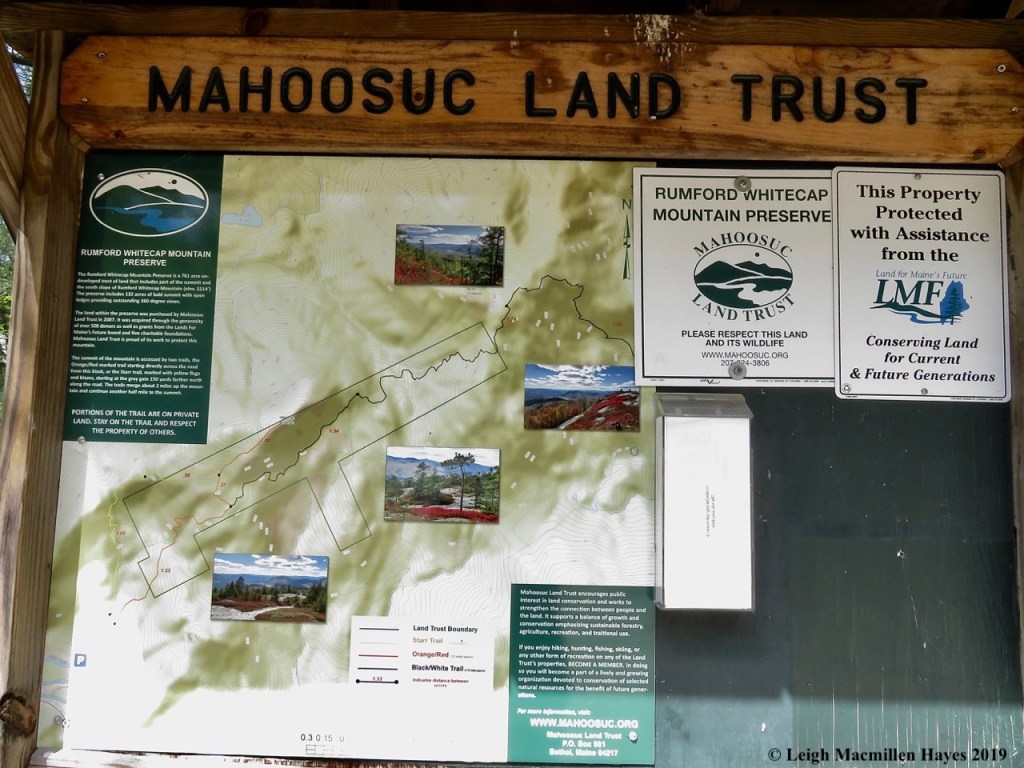

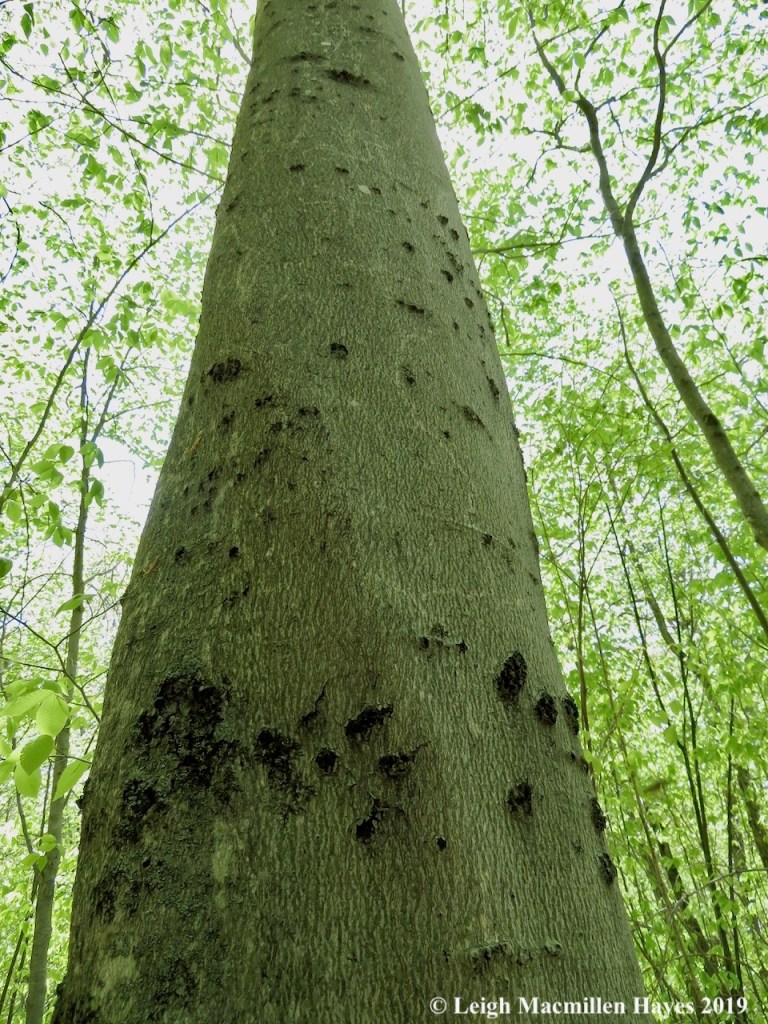


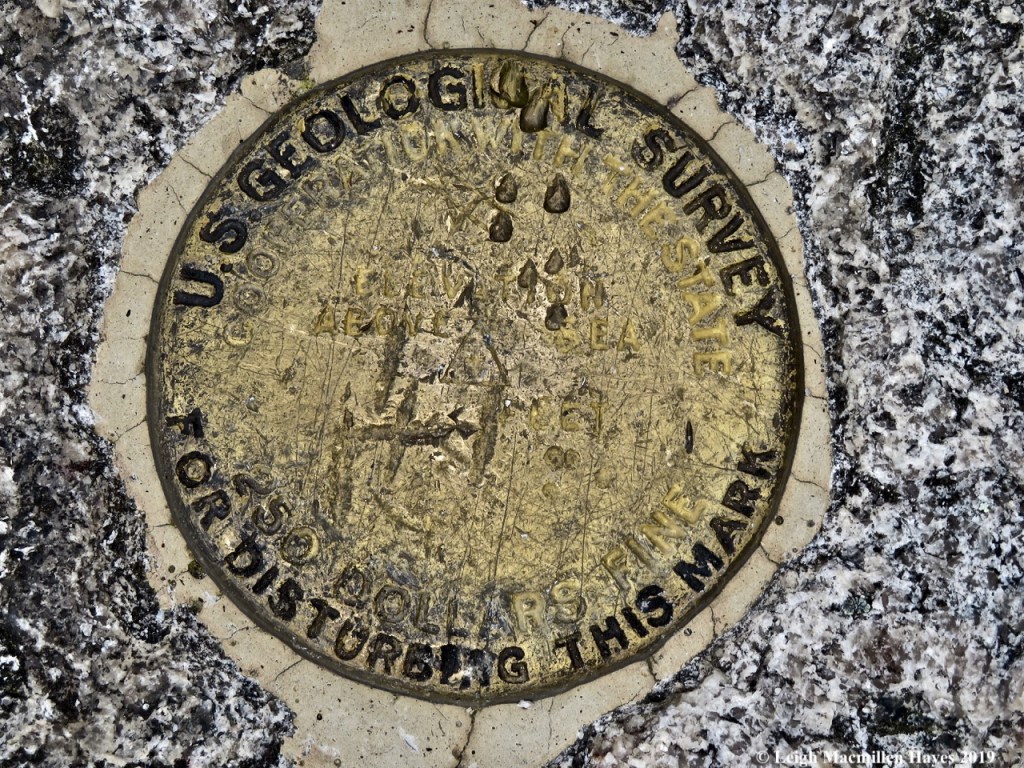
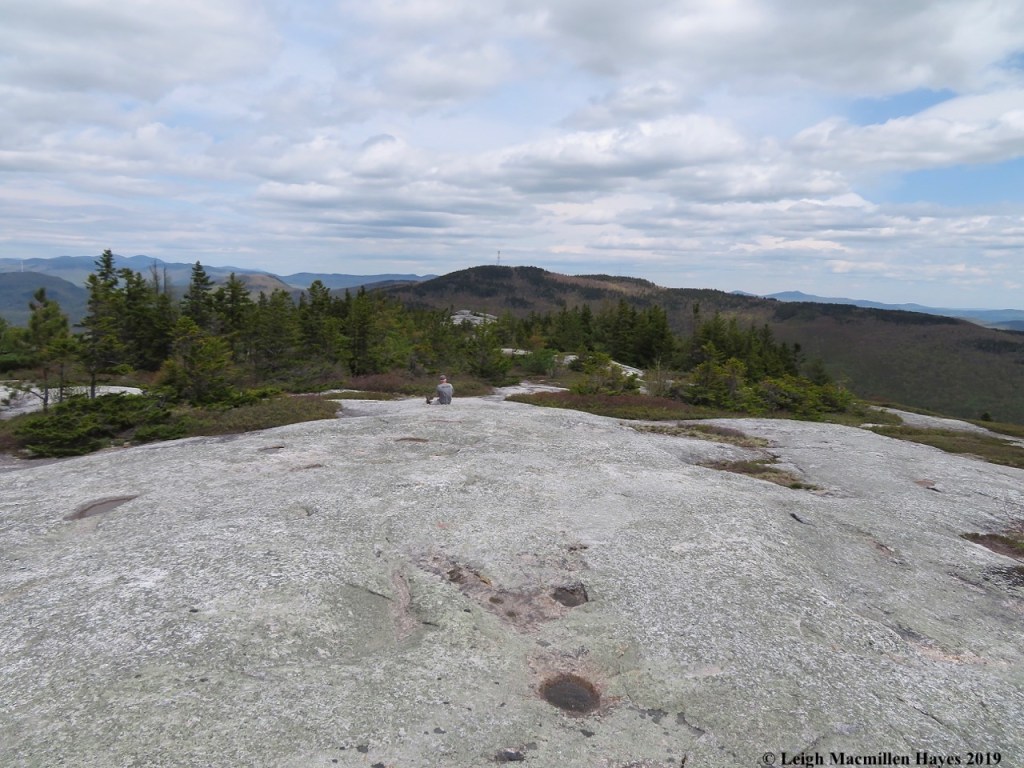
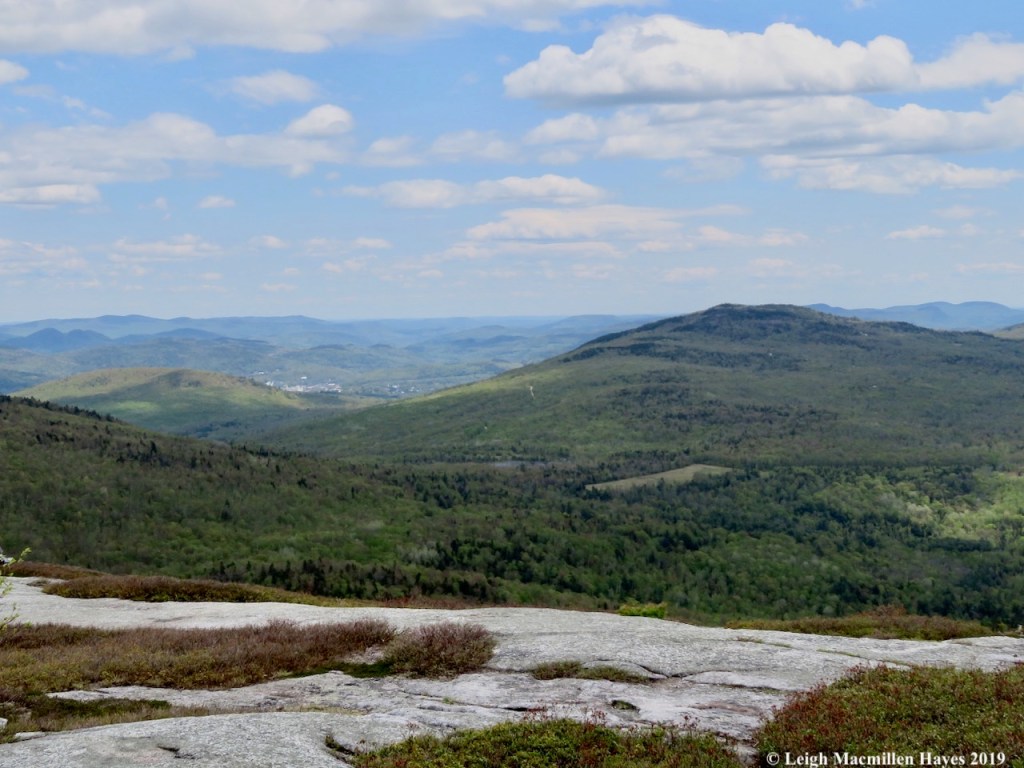
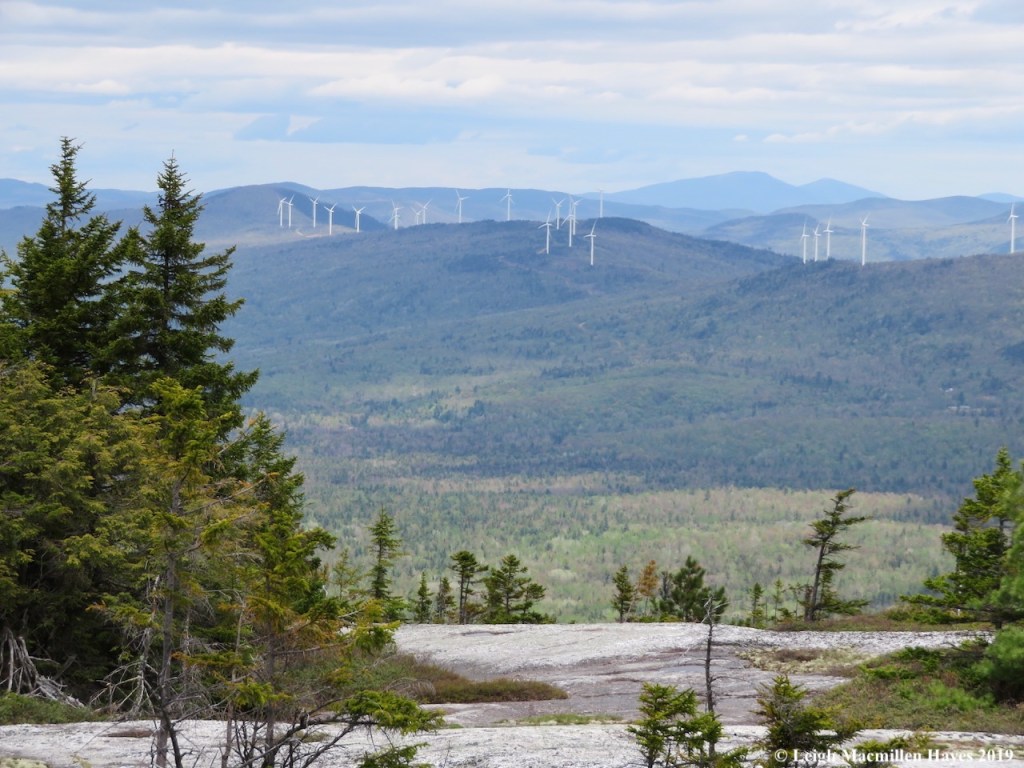
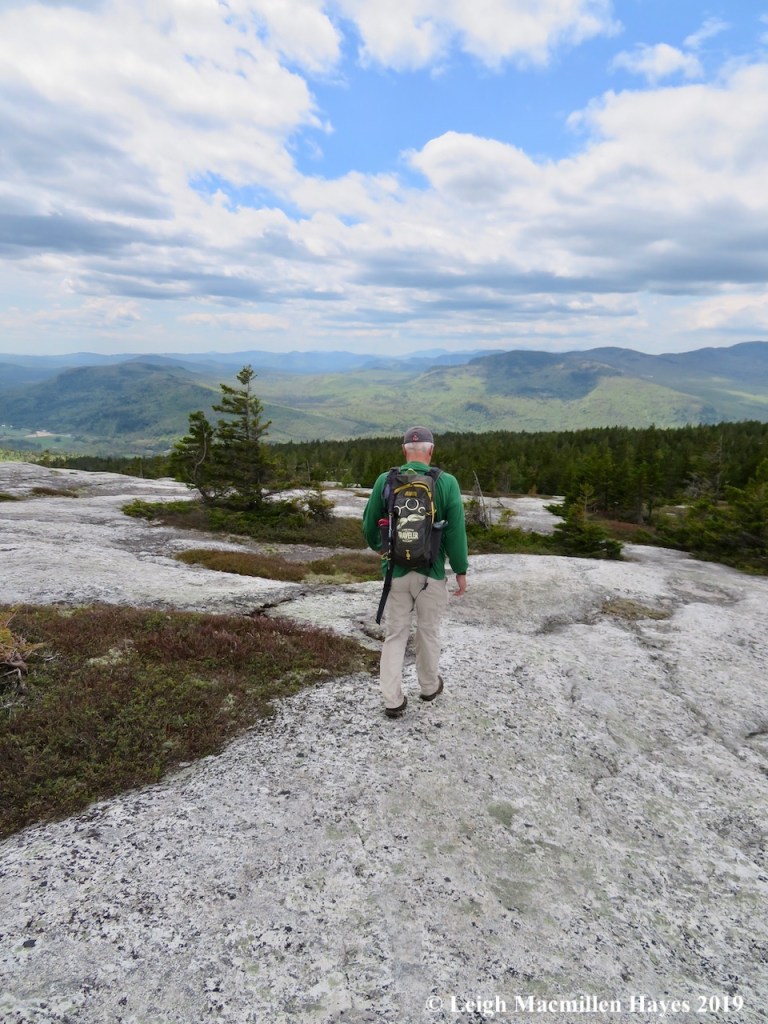

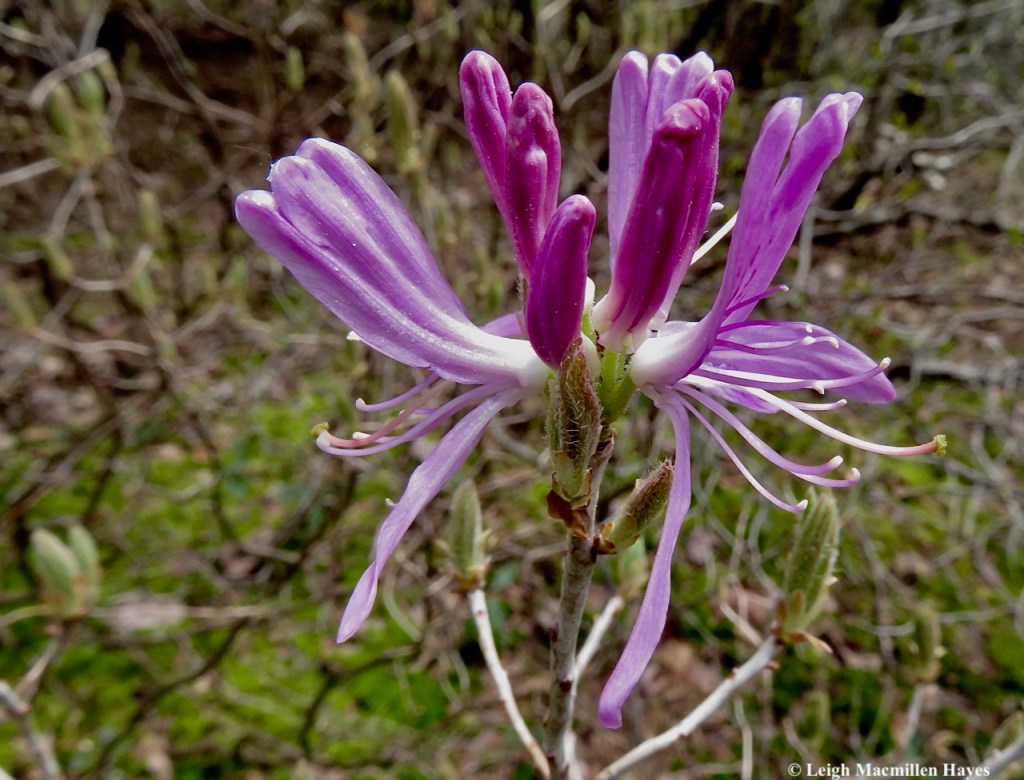


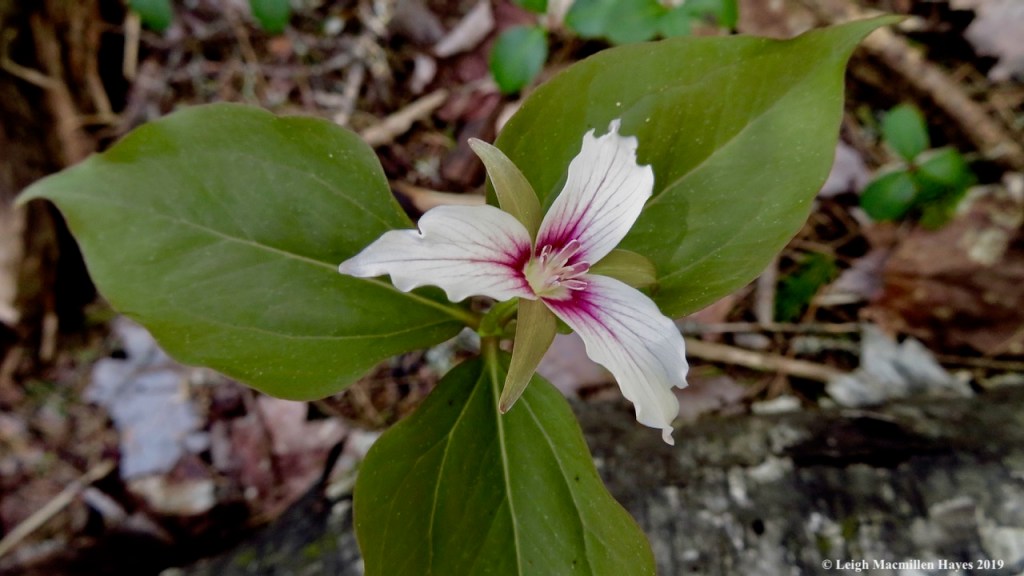
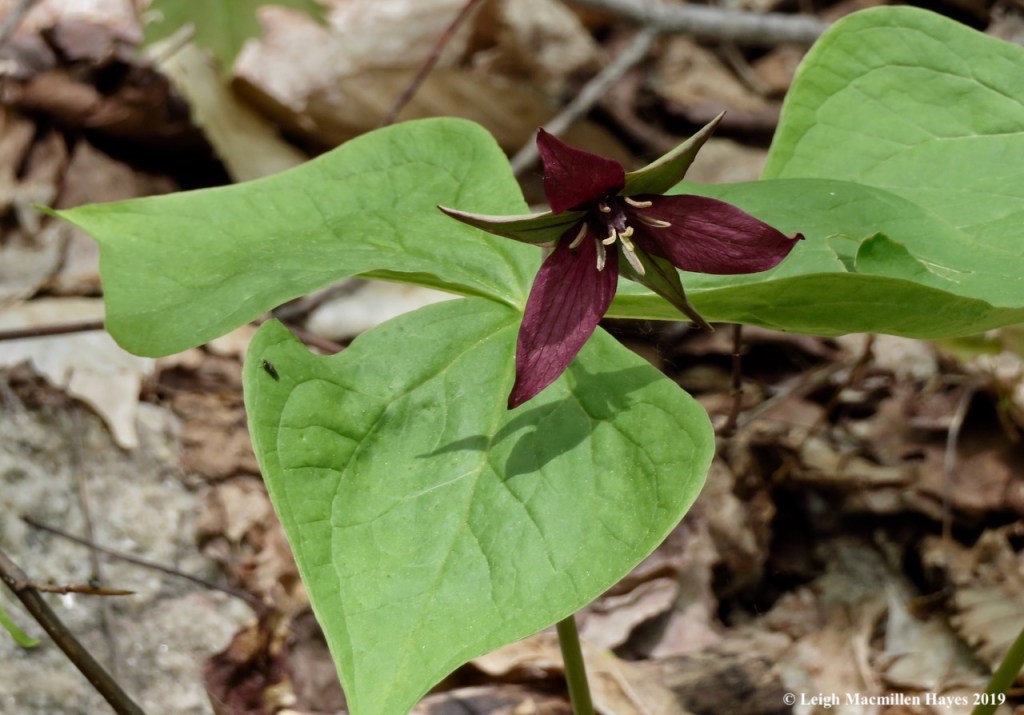

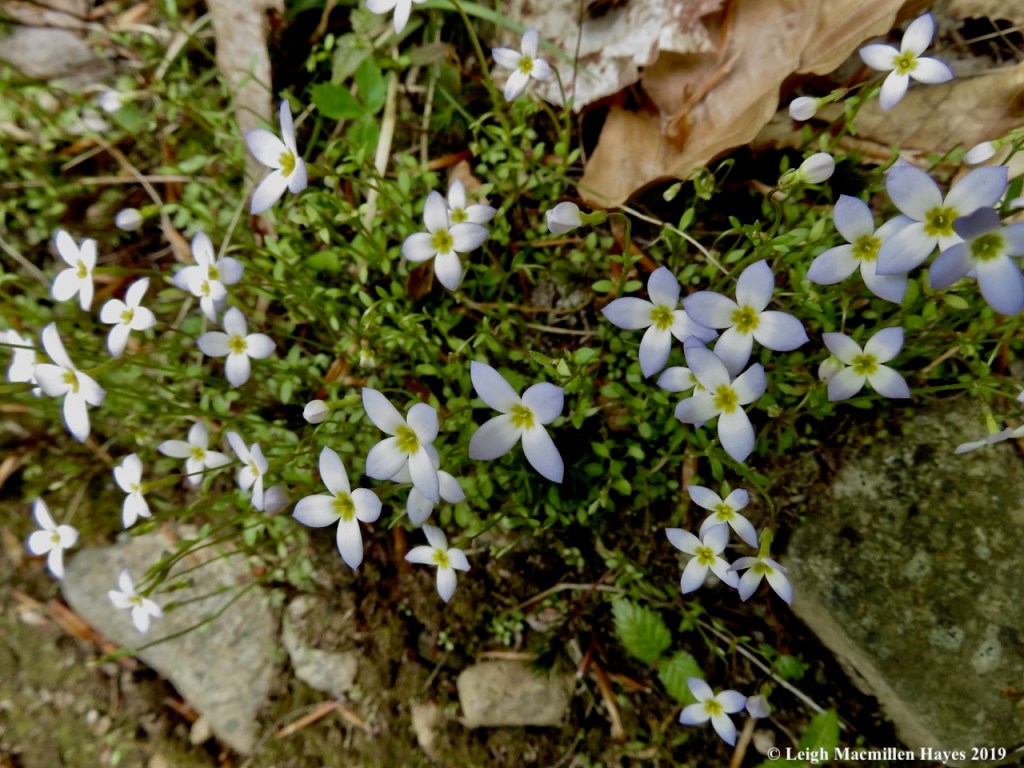
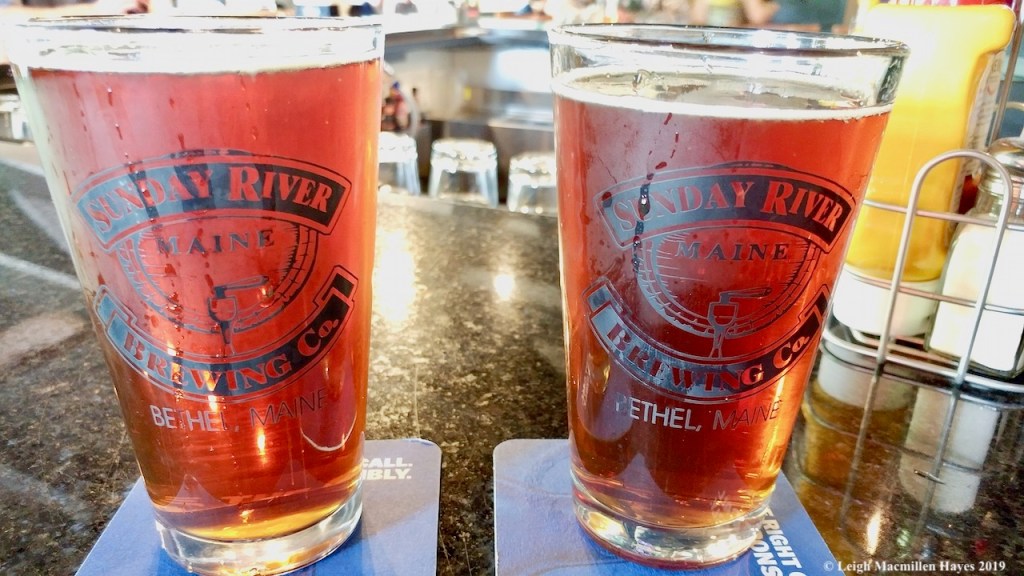

 wondermyway