I did a thing. Years ago I wrote a children’s story. Well, a bunch of them actually. And I tried to sell this particular one to publishing houses. No takers. Then, a couple of years ago I purchased a Fairy Coloring Book created by the one and only Solana, teenage daughter of the Fly Away Farm Wards in Lovell and Stow, Maine, and approached her about illustrating my fairy tale. She took on the task and did an amazing job. Then I asked copyeditor Pam Marshall to wave her magic wand over it. And finally a few weeks ago I asked graphic designer Dianne Lewis to use some fairy dust and turn it into an actual book. I always said I’d never self-publish a book. And tada: I did just that.
Aisling, a fairy who lives on Sabattus Mountain in the western Maine village of Lovell, has a vision during the Midsummer Eve celebration.
Twinkles, flitters, a bit of fairy dust and some tsk-taking are necessary to make Aisling’s vision a reality.
You and your children will delight in the story accompanied and the colorful and whimsical illustrations created by artist Solana Ward.
Marita Wiser, author of Hikes and Walks in and around Maine’s Lakes Region had this to say about the book, “The fairies in The Giant’s Shower will captivate children with their merry life in the forest. It’s not all magical though, as they moved from New Hampshire to Sabattus Mountain in Maine to avoid a certain devil. At least they thought the giant was a devil, but the situation wasn’t what it seemed at first. Both the writing and the detailed illustrations capture many features of the woods of northern New England, and the fun of fairy life and houses.”
A naturalist and writer, many of you know that I hike frequently in Maine and New Hampshire, and those adventures inspired this story. I feel the fairies’ magic whenever I’m among moss-covered ground and tree stumps.
Included in the book are directions to the two featured settings, Sabattus Mountain and Arethusa Falls. Both are easily accessible for young hikers who might experience some magical moments while exploring.
Also included is a list of character names and their explanations, as well as instructions to create fairy houses and fairy dust.
The Giant’s Shower is available for $16.99 at Bridgton Books, Hayes Ace Hardware, Fly Away Farm, or by contacting me: thegiantsshower2023@gmail.com.
Those who know me know how excited I was to wake to snow. So excited in fact, that I awoke early, saw that certain glow in the sky through the window above our bed, and jumped up, not wanting to miss the day dawning.
At just before 6am, I turned on an outside light for a minute and opened the door to receive the quiet that the flakes created.
It snowed for a couple more hours before turning to rain and by the time I shoveled the driveway it was heavy cement.
But still the world glowed. Especially the beech trees that are like spots of sunlight on a gloomy gray day.
Into the woods, I trudged, though I didn’t plan to go far because I suspected hunters would be as excited since they could more easily track deer, so decked out in blaze orange as I was, I stayed in our woodlot, with the intention of checking on my friend, Red. His caches have grown this past week, so I knew he had food in the pantry.
What I didn’t expect to spy along the way was this: White Pines foaming at the mouth! What really occurred: sap salts and acids that had accumulated on the bark’s surface mixed together in the dripping snow and formed soapy suds or pine soap.
Pine soap on the tree and snow disturbed by plops of falling snow at the base of the tree offered a contrast of textures.
Much as I’m mesmerized by fire, I’m equally mesmerized by water, and especially in the form of droplets. I’m actually surprised I eventually dragged myself home.
But first, I had to watch the droplet elongate.
And eventually (which was only seconds later), fall free. Although, was it really a free fall?
I suppose it was, but it landed on another section of the bark and continued the process of mixing with the sap salts and acids.
The other cool thing about the pine soap–its hexagonal forms–worth a natural engineering wonder.
As it turned out, it wasn’t just the pine soap that was flowing down the bark. Some trees had started peeing. Do trees really pee? It’s actually sap and I think given the temp, that rather matched a March day, sap was flowing, giving the melting snow a yellowish tint.
Eventually I reached my friend Red’s favorite hangouts and though the snow conditions had deteriorated from the point of view of a mammal tracker, he’d left plenty of sign on top of the white surface to tell me he had dined.
A lot. But then again, every scale on the cone protects two tiny seeds and one needs to eat a lot to attain nourishment from them. That’s why he has to create caches or piles of cones to last throughout the winter.
I didn’t actually see Red today, and surmised that he’d decided to make an early day of it and was probably snuggled in somewhere under the wall, using the snow and leaves as insulation. I know from watching 315 15-second game camera videos a few Christmases ago, that Red Squirrels rise with the sun, follow much the same routine all day long, eating pine seeds, dropping scales, leaving behind the cobs, dashing along to the next cache, returning to the first, dining again and repeating this activity over and over again during the course of the day, before disappearing about a half hour before sunset. Each day. Every day.
On this eve of Thanksgiving 2023, I recall some sketches I did in 2019 at a workshop at Hewnoaks Artist Residency in Lovell, Maine. The presenter offered us a variety of materials to work with as we saw fit. My fascination with squirrels and pine cones is not new and that day I chose to sketch one in three stages and then highlight the scales of the opened cone with pieces of mica.
In the end, I give thanks for being present for today’s discoveries of pine soap inspired by snow, and tree pee (that reminded me of yellow topaz), knowing full well that not every moment is as bright and shiny as muscovite mica. And snow does melt. But here’s hoping more will fall. And I’ll head out the door and be present again. And again.
May you also have plenty of reasons to give thanks.
I walked up two stone steps beside one of our pollinator gardens this afternoon and when I looked up, which wasn’t really up, but rather a few feet ahead instead of at my feet, I was startled.
“Whoa!” I exclaimed.
My sudden companion didn’t even make a peep, which in hindsight is surprising, because its brethren are known to make some various squeaks in different occasions, but it did turn quickly so that its back was facing me, such is its defense weapon.
Yes, in the middle of the day I met a porcupine. If you are a frequent flyer on wondermyway.com, you know that I’m fascinated by these large quilled rodents. And their quills. And especially their scat!
By turning its tail toward me, my friend was ready to go on the defense should I try to get too close. Notice how the 30,000 quills on its back side were raised–a message to me that I should beware.
No, a Porcupine cannot send its quills aflying, but if I nudged it, which I chose not to do, the barbed hairs would have detached easily and I would have been screaming for help.
Instead, my friend decided to move away from me. And I decided to follow at a reasonable distance, giving it some space.
Our property is bordered again and again by stonewalls, some once used to mark boundaries, others to keep animals in or out, and still others served as garden walls, their double-wide structures the garbage pail for small stones that popped up each year during the spring thaw.
My friend had a single wall to conquer and that’s when today’s lesson began.
Actually, it was a few lessons. Maybe the first was noting the coloration of my buddy. We are used to variation in colors of our local Porcupines, but typically they are either black, or black with a lot of white, or brown. This guy seemed to bear the “coat of many colors,” embracing all of the above.
Not only that, he donned a white mask, the opposite of a Raccoon’s black mask. Today that mask earned him a name. From this day forward, he shall be known as Bandit.
The second lesson Bandit taught me is that because his sense of sight is not as prime as his sense of smell, once he was on the stonewall, he had a difficult time making the move down to the next stone.
I moved to the other side of the wall, and watched in awe as he raised his front legs in the air and stood upon his hind legs, rather bear-like in stance it seemed. Okay, so he even looks like a mini bear.
I began to realize that I sometimes channel my inner porky when I’m hiking down a trail. Going up is rather easy, despite the increase in elevation and sweat effort. But coming down. That’s a different story and I need to know where to place each foot. Especially in this autumn season when American Beech and Northern Red Oak leaves are slippery and hide obstacles.
Bandit continued to test his next move for a few minutes. Of course, some of that may have included my presence, and perhaps he was also sensing my odorous being. I have to admit that I hadn’t showered this morning, and for one who has a keen sense of smell, I was probably a bit of a mystery since I didn’t smell like a Fisher or a Bobcat. Those are a Porcupines finest predators–going for the soft hairs on his face or stomach.
Eventually Bandit took a step of faith. I know the feeling because I’ve done the same frequently on a hike and it brought to mind descending South Baldface in Evans Notch, and thinking that I couldn’t possibly lower my body from one ledge to the next, especially given that I couldn’t see a safe spot to place my foot. Or any spot, for that matter. I thought that perhaps I should just wait for a rescue mission, but My Guy did what he does and patiently waited and then talked me over the edge. Bandit talked himself over the edge and that worked for him.
And then I watched him waddle through our woodlot, lifting first the legs on his left side, and then his right.
He traveled close to the stone wall that borders our land and our neighbor’s field and I worried he’d cross over and she’d let her dogs out and quills would fly. Well, not really fly, but you know what I mean.
Thankfully, she wasn’t home yet. And . . .
Bandit had a different idea. He started to climb an Eastern Hemlock on our side of the wall.
Higher and higher he climbed and I noted that like me, he much prefers going up to coming down.
Knowing that he was going up the trunk and would be looking for a place to settle down, and probably wouldn’t go anywhere else for the time being, I decided to leave him be for a bit and check on my friend Red.
I’ve actually been checking on Red frequently these past few weeks and today I noted that he’d finally started to really build up his caches in several places. Cold temperatures have triggered his need to grow the pantry.
And in the meantime, he needed to eat to maintain his stamina.
I also checked on the Northern Red Oak beside another stonewall behind our barn. I suspected that prior to our meeting, Bandit had been feasting upon the abundant acorn crop the tree had produced.
I scanned the acorns for scat, but haven’t turned up any sightings yet. That said, I’m sure it’s there and don’t worry. I’ll continue to search, because, after all, scat happens.
I also intend to keep an eye on a hollow within the tree, which in the past has served as a Raccoon’s retreat. Maybe this year Bandit will do some housekeeping in this place. Or under our barn. Or somewhere else, for the options are endless in our neck of the woods.
Finally, I headed out to the field on our neighbor’s side of the wall and up in the Eastern Hemlock spotted Bandit. Do you see him? I say “him” because males typically are the ones we spot during the day.
I’ve been waiting for such a sighting because it is the time for Porcupines to switch from a summer diet in a field or orchard to a winter diet of acorns and hemlock cones and buds.
Today I give great thanks once again for living in a place where I can spy wildlife frequently and always there is a lesson to be learned. Porcupine as teacher, as it should be.
My Guy and I took in an old fav from a different perspective today. That’s because I always thought that the Micah Trail at Loon Echo Land Trust’s Bald Pate Mountain Preserve was for Camp Micah only. This morning I learned that anyone can begin the ascent via this sweet trail and so we made it our mission to do so this afternoon.
There is room for about four vehicles to park at the trailhead on the left-hand side of Moose Pond Cove Road off Route 107 in South Bridgton, Maine. Maps are available at the kiosk located a few steps in from the parking area.
Afew more steps and we met new bog bridging, always a welcome sight and so we crossed and then continued on up the trail, pausing frequently to search for bear claw trees among the American Beeches.
No such luck in the bear claw department, but we were serenaded by a flock of Chickadees singing their rather wispy fall songs, if they are songs indeed.
And a Hairy Woodpecker or two did what woodpeckers do . . . it pecked. This is a male as you can see by the hint of red at the back of its head. And he’s all puffed up, in reference to the brisk temperature of the day. Trapping air between his feathers helps him to warm up. Wearing several layers helps us do the same.
Once we reached the South Face Loop Trail, it was a quick ascent to the summit. Just before the summit, we paused to honor the bonsai tree–which is really a Pitch Pine. The summit of the pate is home to a Pitch Pine Forest. Though these trees can stand straight and tall, on mountain tops they take on a contorted structure.
The “pitch” in its name refers to its high resin content, thus making it rot resistant.
The needles are bundled in packets of three–making it easy to remember its name: Pitch–three strikes you’re out!
Another easy way to identify Pitch Pine is to look for needles growing right out of the bark–both on the trunk and branches.
Pitch Pine cones take two years to mature and upon the tip of each scale is a pointed and curved prickle.
They open gradually but depend upon fire for their seeds cannot be released until they are heated to an extremely high temperature.
That being said, this is the only native pine that will re-sprout when damaged.
I was told this morning that there had been some view openings and we were thrilled to discover a couple of them, includng this one overlook Peabody Pond with Sebago Lake in the distance.
And no visit to the summit is complete without paying homage to our friends Faith and Ben by taking a photo of their beloved Hancock Pond.
You may note the difference in the sky view from one pond to the next–snow showers are in the forecast for tonight so as we looked to the west, we could see the front moving in. No accumulation is expected, but any day now it will be most welcomed by us.
Though most of our foliage has dropped to the ground, another view at the summit included the scarlet colored blueberry leaves turning any day into a cheery one.
A quick loop we made next around the Bob Chase Trail, noting that we could almost see Mount Washington located in the saddle of our other beloved: Pleasant Mountain. On a clear day, this view is spectacular.
At last it was time for us to return to the South Face Trail and continue to follow the loop down. This section of trail we don’t often use so we did have to backtrack once and locate the orange blazes again.
You might think that upon our descent it would be the ice needles that gave us a difficult time. The six-sided slender ice constructions form in moist soil and can take on a variety of presentations from straight to arching curves. And yet, they grow perpendicular to the ground’s surface.
But, they were no bother and only crunched under our feet if we stepped on such in the trail.
The leaves, however, offered a different story. We had to make sure we weren’t fooled by the fact that many American Beech leaves still have some greens and bronze hues.
And others, though dried up, will wither on the trees until spring as they are marcescent (mar-CESS-ent). Some trees, such as the beech, especially those that are younger, choose to hang on to their leaves until spring.
Most deciduous trees drop their leaves in autumn, when cells between the twig and the leaf’s petiole create an abscission layer, thus causing the leaf to fall off. Not so in the case of marcescence, and I know that many will rattle and initially startle me all winter long. But, they also provide another hue in the winter landscape.
Northern Red Oaks also do the same, though in my observations, many are loosing their leaves with November winds, but some will remain throughout the winter.
Today, three seemed to play Tic-Tac-Toe on the trail before me.
So, young beech may retain their leaves, but look toward the sky and you’ll notice bare branches and look at your feet and you’ll see where they have all landed. A word of warning if you are hiking in New England right now–these leaves make for a very slippery slope, especially upon your descent. Hike with caution. Even My Guy has learned to do this.
As our hike came to a close, I noticed two trees close to the trailhead that I’d missed on the way in. An Eastern White Pine and a Paper Birch. Do you see what I see?
They had found a way to grow in the same space and actually fused together. Wind must have caused frequent branch movement. It probably took many years for the surfaces to gradually abrade, with the cambium of the trees touching and forming an adhesion, necessary for a graft union, and the trees fused.
It always strikes me when trees do this, especially those of different species. My Guy and I had been on a slippery slope on this Mondate, but the world seems to be on an even slipperier slope these days.
Maybe we all need to be like the trees and figure out a way to live together without so much conflict.
When My Guy looked out an upstairs window this morning, he noticed an anomaly in the field. I looked with binoculars and confirmed his suspicions. A carcass.
Last night, at about 5:15, we heard a single gunshot. Closer than any I’ve heard in the past. The gunshot itself is not unexpected in these woods as it is deer hunting season in Maine. And based on the date, hunters had until 5:50pm on November 4th to take down an animal.
Was it mere conincidence that we heard that single shot and today discovered a carcass on the other side of the wall? My first inclination was anger at the hunter. I assumed before I actually approached the site, that he/she had taken the deer down in our woods, then dragged it to the field to dress. And all that happened while I was inside reading in a room closest to the field. But . . . we never saw any lights or vehicles and so I had to wonder how the person carried the meat out.
Mind you, I don’t have anything wrong with hunting. In fact, I have huge admiration for hunters because they know the natural world better than most and they don’t have to go to the grocery store to purchase processed meat. Theirs is the finest and freshest.
It wasn’t until a couple of hours later that I realized it was a kill site. And so the questions changed: Had the hunter injured the animal and another animal took advantage? Or was the animal ill or elderly and a predator did what they do and preyed upon it, such is life in the forest.
If you are still reading, please be aware that some photos are kinda gruesome. But it’s nature in its rawest form.
This is the site that greeted us, and made us realize a full meal had been devoured last night. It’s amazing to think that this occurred so close to home and yet we heard no howling. Or . . . we were so tired from yard work that we slept right through it?
I promised you gruesome and didn’t want to let you down. Here’s the thing. By the head, you can see it was a doe. Had she been entered from the hind. So it seems. Who would do that. Well, coyotes and bobcats both do. And bobcats also go for the back of the neck, but that wasn’t the case.
I started to look around for more evidence. And found that there had been a struggle and the doe had been dragged around the field as you can see by the bloodstained grass.
Tufts of hair highlighted the tussle and I can just imagine how awful it must have been for the doe.
As is the case at any natural buffet, the entrails had been left behind.
Also on display was the rumen and other chambers of the stomach. This article from Wildlife Online helps explain how a deer’s stomach works: “Deer are ruminants, which means that they “chew the cud”. Indeed, the word ruminant stems from the Latin ruminatus, meaning “to turn over in the mind” or “chew the cud”. Cud is thought to have roots in the Old English cwidi, meaning “what has been chewed”. More specifically, deer are “foregut fermenters”, so-named because the fermentation chamber is ahead of the “true” stomach. Overall, the stomach is compartmentalised into four chambers, each of which has a different role in the digestive process and, in order from the oesophagus to rectum, these are the rumen (sometimes called the “paunch”), reticulum, omasum (“manifold”), and the abomasum (“true” or “glandular” stomach), which empties into the small intestine, which joins the large intestine and finally the rectum. Despite how this list might make it appear, the rumen and reticulum are essentially sections of the same the same functional space (chamber), because material moves back and forth between the two as it’s regurgitated for chewing and re-swallowed. Hence, some authors collectively refer to the two as the reticulorumen.”
Northern Red Oaks are masting in our area this year and so the acorn crop is abundant and after fermenting with microorganisms in the stomach, they begin to turn to a pasty cud. Don’t you want to regurgitate that?
When I looked at the ribs, I noted that they’d been gnawed off in a ragged manner and not one was left on this side of the doe. If she gets turned over tonight, I will check her other side. Think of it as a meal of spare ribs. Or at least rare ribs. Very rare. As in raw.
Crows visited the site several times today, but I scared them away each time I went out the door. What I did find on the carcass was a Blow Fly that I believe to be a Common Green Bottle Fly. Tom Murray, author of Insects of New England and New York states that their “normal food source is carrion.”
All the evidence I found was within about 20 X 20 feet and as I said, just over the wall from our house. I still can’t believe we didn’t hear any of the action.
Still thinking the hunter had taken that shot in close proximity to our property, I scanned the field looking for a gun shell, especially along the herd path, but found nothing. My neighbor thought the shot was taken farther out in the woods. I don’t know. It certainly sounded close, but that noise does carry.
Standing at the far edge of the field, I continued to look for evidence.
And that’s when I spotted several bobcat prints in the mud. Yes, the toenails are showing, for those who track with me, but . . . it was slippery mud and so they were needed for traction.
Bobcat. Maybe that’s why we didn’t hear anything. If it was coyotes, we would have heard the family howling to announce the feast.
And remember the ribs–with ragged breaks. That’s typical of bobcats. Did one bobcat eat all that meat? They are known to be solitary. I didn’t find a cache anywhere, but that doesn’t mean there isn’t one. And I did spot a large amount of scat, but for some reason didn’t photograph it. I’m losing my touch.
For a brief relief from the hard core deer carcass photos, because I wandered the field and woods looking for evidence, I noticed that Red has been active this last week, creating small caches that I hope I’ll be able to watch grow.
The Crows may not have cooperated and let me watch them dine, but Red did. And I began to wonder if he knew that a predator was nearby last night. Did he shiver in his sleep?
As for the doe, her sleeping days are over. May she rest in peace.
While she was a dear one, last night this deer lost. But others gained.
As my peeps know, I felt like it was a gift–Kill Site. Practically in my back yard. Did I interpret it correctly? We may never know, but I had fun trying to pull the story together.
And now, our neighbor has a game camera focused on it and we can’t wait to find out the rest of the story.
It’s been two years since we’ve spent time together, and to be honest, I kind of doubt this is my friend from 2021, but perhaps an offspring. Anyway, what I do know is that last year was not a mast year in my woods and so there wasn’t much food available–the type my friend prefers to survive the winter months. But this year–pine cones and acorns abound.
As I headed down the cowpath that marks one of the boundaries of our property here in western Maine, I knew instantly by the chortling that greeted my ears that things had changed for the better.
You see, my friend is a Red Squirrel. And he spotted me before I spotted him. And then he let me know in no uncertain terms that I was not welcome. What kind of friend is that?
As I looked at the rocks along the inside path of the cowpath, I began to notice garbage piles Red had created, or middens as we prefer to call them, full of cone scales and the inner core or cob.
They were located in high places where Red could sit and eat in peace . . . that is until someone like me comes along, or worse . . . a neighboring squirrel, or even worse, . . . a predator. Given that a cone on this rock was only partially eaten indicated he’d been interrupted mid meal.
Maybe that’s why he continued to chastise me as he climbed higher up the tree.
It takes at least two years for an Eastern White Pine cone to mature. And once they do, Red has a habit of squirreling his way out to the tips of twigs, gnawing the cone stem and letting it fall to the ground. If you spot a pine cone with closed scales such as this, count the number of scales and then multiply that number by 2. That’s the number of pine nuts the cone offers.
And trust that all are still tucked inside.
Pine cones are in a way like Common Polypody ferns and Rhododendrons in that they predict the weather. If it’s dry, the scales on cones will open. If rain and humidity are in the air, the former being today’s weather, the scales will close tightly, overlapping and sealing the seeds from the outside world.
While wet weather dampens seed dispersal, dry windy days are best and that allows the seeds to be carried away from the mother tree.
In the photo above, you can see where the two seeds had been tucked in, close to the the cob, while the lighter shade of brown indicates where the wings or samaras that help carry the seeds were attached to the outer scale.
And I can attest that the sap on the scales is still sticky even though this cone no longer had any seeds stored inside. The sap coats the cones because its the tree’s reaction of placing a bandaid on a wound when its been injured or in this case had a fruit gnawed free.
One would think that Red’s face and whiskers would be covered in sap, and that does happen, but just as it stuck to my fingers initially, eventually it wore off. And Red is much better at grooming than I’ll ever be.
To get to the seeds, Red begins by holding the cone with both front paws, and turns it in a spiral, tearing off one scale at a time. Quickly! And gnawing each tiny seed packet open. The seeds may be small, but they are highly nutritious.
He continued to watch, vocalizing constantly, as I explored his territory below.
Upon every high spot, including tree stumps, there was at least a midden, but also a few cones for possible future consumption, though I did have to wonder if some went uneaten because he realized they were open and thus not viable.
More of the same I found upon some of the cut pine stacks we created long ago that serve as shelter and . . .
Storage! I’ve been looking for a cache for the past few weeks, a squirrel’s food pantry, and today I located a few small ones that I know will grow in the coming weeks. Cool. moist locations like among the logs, but also in the stone wall, offer the best places to keep the cones from drying out.
As he backed up but still chattered at me, one thing I noticed about Red, which will help me to locate him in the future, is that he not only has a reddish gray coat, but between his back and white belly there is a black stripe. Maybe he’s disguising himself so he can go trick-or-treating this week and his neighbors won’t recognize him.
So here’s the thing. Red is an omnivore. And though we associate him with pine cones, especially in the winter, he also eats flowers and insects and fungi and even smaller mammals if given the chance. And acorns. And this year is also a mast year for acorns in our neck of the woods.
He’d peeled the outer woody structure away and had started to dine, but again, something or someone, and possibly I was the culprit, had interrupted his feeding frenzy.
That said, I was delighted to find the acorn shell fragments because already in my collection I had samples from a Gray Squirrel and a Porcupine. Now I have all three and you can see by the tape measure how they compare in size, as well as the manner of stripping. As you can see, Red’s fragments are about a quarter inch in size, while Gray’s a half inch or so, and Porky’s are about three quarters of an inch. And the latter are much more ragged in shape.
Red. My Squirrel Friend. He just doesn’t know it. Maybe by the end of the winter he will because I intend to call upon him frequently to see what else he might teach me.
It rained. And rained again. And rained some more. All spring. Seemingly all summer. And then we had a wee bit of a break as summer turned to fall. But . . . as important as rain is to trees, they didn’t necessarily appreciate so much of it. At least, that’s been the case for some species, in particular Sugar Maples.
Typically, the leaves on this Sugar Maple in our front yard don an orangey-yellow hue and add a glow to our front rooms in mid-October. Not this year. I took this photo on October 1, and as you can see, many of the leaves had dried up and fallen off prematurely.
The reason. The rain. Well, not the rain but related to the rain. Between all that water saturating the roots, high humidity, and warmer than normal temperatures, fungal spores attacked the leaves, causing them to turn brown and dry up since their photosynthesis had been slowed and they no longer had the energy to carry on into foliage season.
Probably adding to this particular tree’s stress was the fact that it had produced prolific fruits. It did look rather odd to see so many samaras dangling and nary a leaf. But, the silver lining, the fruits speak to future generations and next year’s buds are present and ready to overwinter for emergence in the spring.
That said, the front yard doesn’t look all that pretty with a pile of dried up leaves, but the chipmunk hole tells me that some local residents are thrilled–they’ve had leaves available for longer than is the norm to fill their nursery/bedding chambers and now that the seeds are finally dropping, they have an abundance of food as well.
With that in mind, my mind has formed a negative take on this year’s foliage. Oh, it’s been pretty in little pockets, but nothing to rave about and I was getting frustrated with Peak Foliage Reports telling leaf peepers how beautiful it is.
And so I wondered as we headed across a boardwalk to Long Mountain this afternoon, what we might encounter for color on our climb.
During much of the hike, Mill Brook babbled insistently . . .
flowed intensely . . .
and even roared immensely.
So much water, mimicking spring run-off, was the result of several more inches of rain that fell this past weekend.
Accompanied by the sound of the rushing water, and perhaps calmed by it as well, I began to notice the colors that surrounded us.
And when I looked down, there were jewels to be admired, like this Red Maple. Notice the V I added to the gap between the leaf’s pointed lobes? Red Maples offer a V-shape in the gap because they are VERY abundant in the Maine woods.
Fortunately, the Sugar Maples in this forest faired better than the ones on our road, which made me happy. So . . . how to tell the difference between the Red and the Sugar. The U-shaped gap can be thought of as a scoop. Get it? A scoop of sugar?!
Maple-leaf Viburnum, a shrub in the understory, had its own hues to offer. Usually I see these leaves in their mulberry shade, but either we were too late today, or this one decided to be much more pastel in hue. It doesn’t really matter because it was still beautiful, had fruits left for wildlife, and bright red buds preparing for the future.
It is a bit early for Northern Red Oaks, but some in the understory had given up their need to continue to produce energy and change is in the air, or at least along the veins.
A Quaking Aspen with its flat petiole (stem), was the greenest of the species we encountered today.
I think one of my favorites was the Quaking’s cousin, a Big-tooth Aspen, which also features a flat petiole. Oh, and what big teeth along the leaf’s margin.
I was reminded as I looked at this leaf that yesterday we learned of a man who when in kindergarten many decades ago, was allowed to use only one color of crayon. I suppose the same teacher also told him to stay within the lines.
As the Big-tooth Aspen can attest, nature is a much better teacher in that and so many other regards.
Okay, so I called the Big-tooth my favorite, but then I spotted an Elm. It didn’t feel quite like an American Elm to me lacking as it was that gritty sandpaper feeling, but being with My Guy, I didn’t have time to look around for more leaves or locate the tree. One day I will. The other choice is a Slippery Elm, but this isn’t actually their habitat. But then again, another lesson or two from nature–she doesn’t always read the books and there are no absolutes.
The cool thing, besides the tie-dyed coloration of this leaf’s edge, is the asymmetrical base, one side dipping longer down the petiole than the other.
And then there was the Indian Cucumber Root. I think what caught my eye as much as the red on the leaves and the fruits waiting for a critter to dine, was the negative space between the upper tier of leaves, creating a five-pointed star. Maybe they always look like that and I’ve just never noticed before.
Today’s hike began to give me a change of heart about the foliage. Whether at our feet . . .
or flying above us . . .
or forming a tapestry before us . . .
it was beautiful in its own way . . .
and I’m grateful that this turned into a Not Dissing Fall Foliage Mondate.
We’ve traipsed through these woods before, My Guy and I, but always, there’s the old to see and the new to appreciate. And so today we visited both.
By the shape of the forest road we walked, I could have driven another mile before parking. But . . . I like to walk. And besides, you can’t appreciate all the beauty that surrounds you on a wet autumn day if you fly in at 60 miles per hour. Or even at 20!
And because we walked, we found an off-shoot trail that led us to a sweet spot we’d not visited before along Great Brook, where we stood for a few moments watching and listening and smelling as the water cascaded over the rocks.
Once we got to the trailhead after passing around a gate, we followed another old road for a ways, up and down over a few little hills, and then, because memory was on our side, as the road curved to the right and the stonewall began on the left, we knew it was time to turn and begin a bushwhack up a road that hasn’t seen much use in decades. It was there that we spied the first witness. A tree standing over a marker. By the way the tree is growing around the sign, it’s obvious that it’s been keeping watch for decades.
So if that was the witness post, where was the survey marker? Atop a rock at the base of the witness tree. And 1965 would be the year that the sighting was first made.
Eventually we reached the first of the foundations because even when we are what seems to be deep in the woods, we’re in the middle of a place that was once somewhere — someone’s neighborhood. In this case, according to the 1858 map, we were visiting the Durgins.
My friend, Jinnie Mae (RIP), was an historian and tech guru and years ago she overlaid part of the bushwhack we did today on an 1858 map. You can see the name E. Durgin on that.
One of my favorite things about the Durgin cellar hole is the cold storage. In the cold to come, it will still serve as storage, so witnessed by the findings within today.
For the back corner has long provided protection from the elements for a porcupine, given the scat pile.
Because we were there, we decided to check on the Durgins who hang out a ways in the woods behind their former home and followed a stonewall to their locale.
Three of them were still there. Sarah, daughter of Anna and Ephraim (E. Durgin on the map), died in 1858 at age 22.
Beside her stood Mary, wife of Sumner Dergin, who died before Sarah in 1856, also at age 22.
Our best guess is that Sarah and Sumner were siblings.
Ephraim, father of Sarah and Sumner, and husband of Anna, died in 1873 at age 81. Did you notice the difference in stone from the 1850s to 1870s? Slate to cement. And the name change–Dergin vs. Durgin. We’ve learned through geneology research that spellings often differ. I found the following a few years back on RootsWeb.
8. ANNA3 FURLONG (PATRICK2, JOHN1) was born 1791 in Limerick, Maine, and died 1873 in Stoneham, Maine. She married EPHRAIM DURGIN June 18, 1817 in Limerick, Maine14. He was born April 13, 1790 in Limerick, Maine, and died in Stoneham.
Children of ANNA FURLONG and EPHRAIM DURGIN are: i.OLIVE4 DURGIN, b. 1811, Stoneham, Maine; m. DUNCAN M. ROSS, April 11, 1860, Portland, Maine. ii.SALOMA DURGIN, b. 1813. iii.ELIZABETH DURGIN, b. 1815. iv.SALLY DURGIN, b. 1817. v.SUMNER F. DURGIN, b. 1819, Of Stoneham, Massachusettes; m. MARY ANN DURGAN, July 11, 1853, York County, Maine; b. Of Parsonsfield, Maine. vi.CASANDIA DURGIN, b. 1821. vii.EPHRAIM DURGIN, b. 1823. viii.FANNY DURGIN, b. 1825.
Sarah isn’t listed above. But . . . Sally and Sarah were often interchangeable.
We ate lunch with the family as we looked out at the view they enjoy every day–possibly once called Durgin Hill, and then maybe Sugar Hill.
After lunch, our journey continued a wee bit further until another witness stopped me in my hiking boots. It took me three bear hugs with arms fully outstretched to completely circle this ancient Sugar Maple. Can you imagine the tales stored inside this great, great, great grandfather?
And at his feet, a wee one to appreciate –a Many-fruited Pelt Lichen, the many fruits being the brown fruiting bodies or apothecia.
A few steps away, we reached the Willard family foundation. Two large granite slabs are visible in the back and I had to wonder if they originally formed the roof of another cold storage.
Again, I referred to Jinnie Mae’s research. By 1880, the Willards house was occupied by the McKeens. And the Durgins were no longer living there, which makes sense given that Anna and Ephraim both died in 1873. The Rowlands had moved in to their home.
A newer member of the neighborhood, a Striped Maple, may not have known any of these occupants, but despite the full canopy of evergreens and maples and birches, it sure knew how to produce large leaves to increase its chances of survival.
Eventually, we turned west and followed an old road way bordered by stonewalls on either side. I remember when few trees grew there, but now one has to move through like a ball in a pinball machine, ricocheting off this tree and that rock along the way.
It’s well worth the effort because it leads directly to Willard Brook, which flows southward toward Great Brook , where we first began our journey.
Though I know the first part of the trip well, I sometimes get a bit mixed up with the second part and such was the case today. That said, as we scrambled up and down the sometimes steep hillside beside the brook, we came upon these wheels and bingo. We knew them as old friends we’d met on a previous trip.
There is so much history tucked away in these woods, and I gave thanks for two more witnesses, who despite their differences, stood together and supported each other.
We live in unceded Wabanaki land and I’ve come to some understanding of the Native American presence that once existed here in this place between Great Brook and Willard Brook. And I’m sure still does.
After witnessing the past, we walked back down the road as raindrops fell. A perfect hush to end the journey.
I walked out the door this morning and wandered down one trail and then another and intended to go farther into the woods, but as often happens, I was stopped in my tracks.
On granite at my feet, covered as it was with lichens of the crustose and foliose sort, I spied a rather large specimen of scat. High point. Center of trail. Classic.
Based on the size and hair and bones packed within, I knew the creator: a coyote. If I awake during the night I can sometimes hear the family members calling to each other, the youngsters learning to hunt so they’ll be ready when they disperse.
The trail narrowed by a small stream and I was wearing my muck boots so proceeded at will. It’s been a few months since I’ve traveled this way and was surprised at how grown in it had become this summer. While the Sugar Maples do not like wet feet from all the rain we’ve had, other species have thrived, including the Red Maples, and this shrub that bordered each side of the trail.
It’s leaves still entact showed off that they are doubly toothed in a rather random order. So each little “tooth” is like the edge of a saw, but if you look closely, you’ll note that there are bigger teeth made up of a series of smaller teeth before the leaf margin cuts in toward the main vein and then heads out again to form the next bigger tooth made up of smaller teeth. And those veins in between the main vein and those that lead to the margin–reminded me of the crinkles on an apple doll person, since it is apple season.
The leaf buds, which form in the summer for next year, are hairy and have only two scales. Because of recent warm weather, at least one decided to jump the gun and open now rather than waiting until next spring. I’ve seen that with other plants of late, including Blueberry, Daylily, Sheep Laurel, and Partridgeberry.
Others who best not jump ahead are the catkins of this species, the longer green and red being the male pollen carriers that will slowly elongate over the winter and turn more yellowish red in the spring. The female flowers are tiny magenta catkins located just above the males.
Once the females are wind pollinated, the males will drop off and the females will form into a fruit that resembles a cone.
The name of these shrubs, if I haven’t already spilled the beans, is Speckled Alder, so named for the white dots (think lenticels for gas exchange) that populate the bark. These shrubs love wet feet, which is why they are growing on either side of that small stream.
Some of the Speckled Alder cones hide beneath tongues imitating piles of snakes stretching out, made from galls caused by an infection to increase the surface for spores from a fungus to spout. It’s a smart strategy.
I also found a few Lady Beetles today, including one larval form. They were on these shrubs for one reason.
That reason being the Woolly Alder Aphids who live a complex life in which they alternate between a generation reproducing asexually (no guys, just gals), and one reproducing sexually with both males and females adding to the diversity of the gene pool. The males and females fly to Maple trees to canoodle, but those found on the Alders are all female.
They live such a communal life as they suck sap from the shrub, that one might think this entire mass is just one insect. Hardly. And do you see all that waxy wool that covers their bodies? If you watch these insects for even a few seconds, you’ll note that the hairs move independently. It’s almost otherworldly.
Since they’ll overwinter, I think of the wool as providing a great coat. In the summer, ants, and now Lady Beetles, and even a few other insects farm them to get the aphids to excrete honeydew from the sap.
The aphids don’t harm the the shrubs, but I saw so many today that that fact is hard to believe. I gave up on counting branches but over one hundred played host.
That said, there was another character in the mix. Do you see the top branch that leans out to the right?
The sweet honeydew I mentioned forms a substrate for a nonpathogenic fungus called sooty mold that blackens leaves and bark beneath colonies of aphids. The mold is known scientifically as Scorias spongiosa or, my favorite and drum roll please . . . Beech Aphid Poop-Eater: A fungus that consumes the scat (frass in insect terms) of a Beech Blight Aphid (not the same as Beech Scale Insect that causes Beech Bark Disease). Alders are in the Beech family.
As I left a few Autumn Meadowhawk Dragonflies flew ahead of me on the path. They’re days are numbered, so I’m always thrilled to see them flying and posing.
Omnivore, Herbivore, Insectivore, Oh MY! And all of this within a ten-foot stretch of the trail.
The morning began as Tuesdays do in my current world, with a visit to a Greater Lovell Land Trust property accompanied by a group of curious naturalists we know as docents who love to do deep dives on every little thing that we encounter and in the midst we share a brain. A collective brain is the only kind to have, in my opinion, because we each bring different knowledge or questions to the plate.
And so it was when we first encountered what could have been a hair ball of sorts and then discovered this hair-filled scat about a yard beyond. And near it another “hair ball.” Based on size and structure we determined the scat belonged to a bobcat, and thought that the hair balls made sense as maybe the cat had to cough up some of the hair of the mammal consumed. What did it eat? Well, we know both snowshoe hare and deer frequent this place and so it could have been either.
A little further down the trail we reached a beaver lodge that some of us had seen under construction in August 2022, and gathered game camera photos over the course of time, and spotted all kinds of sign of activity each time we visited, until that is, May. When it rained. And rained. And rained. In a torrential manner. And the dam the beavers had built was breached. And they disappeared. And we know not their fate.
But the beauty of a beaver pond is that once breached, change happens and other critters take advantage of the space and there’s so much possibility and we can’t wait to watch how this space, one in which we could walk prior to August 2022, will evolve and other flora and fauna may move in until another beaver family takes up residence and changes it again.
About an hour or so after departing, a call came. Well, really, it was a typed message. But as my morning peeps know, shout, “Kill site,” and no matter what I might be focused upon, I’ll come running.
The message included a few photos of a mammal skeleton and a thought that it might be a beaver that had become the meal because it was located close to another beaver pond. Beaver ponds are plentiful in the landscape of western Maine.
After a few messages back and forth, the writer and I agreed to meet and walk to this site. Take a look. The meal this skeleton became had been consumed months ago, I suspect in the winter, given how much was missing, including the head. And even after any hide and meat had been eaten, the bones continue to provide calcium for rodents seeking such.
Since my guide suspected beaver, I knew I had to slow my brain down and assess the evidence. My, what long toe nails. And though some were broken, it seemed obvious to me that they were all oriented to the front of the foot. Plus, there was no evidence of webbing.
A bigger clue was observed with a closer look. Barbed quills sticking into the spine. I pulled one out and we examined it.
And about a foot away, a pile of quills, with vegetation growing through them adding to the age of the kill site.
And hiding there also, as if stuck into the ground, a quilled tail.
Did you know that porcupines have a variety of hair? For winter insulation, they have dark, wooly underfur. In addition, there are long guard hairs, short, soft bristles on the tail’s underside, stout whiskers, and then there are those pesky quills.
They aren’t pesky to the porcupine; just us and our pets and any animal that might choose to or accidentally encounter a porcupine.
Overall, a porcupine sports about 30,000 quills, and within one square inch on its back, you might count up to one hundred, as demonstrated by my jar of toothpicks.
The quills are 1 – 4 inches in length and lined with a foam-like material composed of many tiny air cells, thus their round, hollow look. There are no quills on the porcupine’s face, belly, or inside its legs.
Look at that nose. Soft hair indeed. As is the stomach. A fisher, which is a member of the weasal family and not a cat, will attack the porcupine’s face repeatedly.
Fishers and bobcats also have been known to flip a porcupine onto its back and then go for the belly. That doesn’t mean that they don’t get quilled, for in moments of danger, the porcupine instinctively raises its quills and positions itself with its back facing the predator, showcasing its formidable defensive strategy. but the predator does get a meal.
This dinner had long ago been consumed as I said. But was it a fisher or a bobcat who scored this meal? We’ll never know, but I give great thanks to Dixie and Red and their best friend Lee, for being such great scouts and sharing the results of their hunt with me.
Found a kill site? Give me a shout and I’ll come running.
Whether wandering along the board walks at Holt Pond for six hours with a friend, or . . .
hiking up the new Patterson Hill Trail with My Guy, there’s always something to look at.
One of the most beautiful, and also most difficult to spot, is the Phantom Crane Fly, so named for its black and white markings. As it floats through the air, for I swear it looks like a little box adrift rather than an insect that is flying, its presence is so subtle that it is easy to miss because it blends in with both light and shadows. Shady edges of wetlands are its preferred habitat and that’s exactly where this specimen and a bunch more were spotted . . . at least in the moment. Finding them to photograph is not easy.
While the black and white coloration seems to help the crane fly disappear into its landscape, the White Admiral Butterfly, who utilizes those same colors, but with a different pattern, plus a few other hues in the mix, is hardly inconspicuous. And by the tattered wings, it seems this insect has escaped becoming a meal on more than one occasion. That, in itself, is reason to celebrate.
Of course, if you are a follower of this blog, you are hardly surprised to spy a dragonfly. It’s Meadowhawk Season, for those who thought the season is actually autumn. And take my word for it because you can’t see it, this is a Cherry-faced Meadowhawk, one of the most common species, along with White-faced Autumn, and Ruby Meadowhawks.
If you near water, be on the lookout for a bunch of pairs in tandem flight as he continues to grasp her behind her head while she dips her abdomen on the surface of water in the act of ovipositing eggs. Sometimes, many tandem pairs will oviposit simultaneously, for there is safety in numbers.
In addition to the Phantom Crane Flies, I’ve been looking for this species, a Pale Green Assassin Bug for months, and tada, a nymph makes an appearance. While its name sounds intimidating, this is actually an insect to admire for it eats flies, wasps, aphids and other small insects that you might consider pesky things.
This was another for whom I’ve been searching, stalking actually, as I pace around gardens. And then, the other day a colleague invited me to join her behind our land trust office, and there Charlotte was, writing a message in her orb-shaped web. Now to find Wilbur. But he’s probably busy getting ready for the Fryeburg Fair.
And today, it was this big Bumblebee that surprised me for though it moved its antennae and abdomen, it seemed to remain in one spot on the Gooseneck Loosestrife.
In fact, it stayed so still, that I was able to get into its face, without worry of being stung. Did an Ambush Bug have hold with its claws? Or was a Crab Spider somehow involved? I walked away several times and returned to find it in the same spot, unlike all its other cousins who were busy as . . . bees! But, on a final visit, it had disappeared. I looked under the plant and on the ground below, thinking it might just be a skeleton if a predator had sucked its guts, but found nothing, so can only assume that it finally flew.
The next two photos are of flowers and not insects. Actually, there are fewer and fewer flowers in bloom right now as we enter the early phase of autumn, but Witch Hazel has started to show off its ribbony display and that made me happy to think that all is right with the world.
Until, that is, I arrived home a few days ago and found a Day Lily blossoming in mid-September, which is quite late, especially considering all of its brethren had had their day in the spotlight back in early July. Houston, we have a problem. (And maybe sending more aircrafts into space isn’t the wisest decision.)
That said, dear readers, I leave you with something that I hope will bring a smile to your face as it did to mine. My Guy returned from a business trip toward the end of last week and said he had a gift for me. He opened his backpack and pulled out this box of Jelly Slugs! For those who know me, you’ll know that he knows me as well!
It’s been a week of wonders indeed, and though these are only a few samples, I’m grateful for every little thing that captures my attention.
I had only one intention when I stepped onto the patio this afternoon, but that changed quickly when I spotted a Great Black Wasp behaving in what I thought was a peculiar manner . . . until it wasn’t.
Rather than flying around the flowers, where I usually find these large wasps, who may be aggressive in terms of flying at me to let me know I need to take a step back, but never actually stinging me, this Great Blue was walking frantically through the grass. Well. we call it grass. I guess I should say “across the lawn,” but that sounds too fancy for our yard.
Do you notice something strange about the wasp? It was actually carrying a spider. I was stymied at first, until I read that they bring home treats for larvae to feed on. This I wanted to see.
What I observed was that the wasp dropped the spider on the edge of the patio and then the wasp scrambled around on the ground for a bit before flying off. The spider stayed dead still . . . cuze it was dead! Apparently, the wasp won the struggle, if there was one, and paralyzed the spider.
Since the wasp had flown off, I decided to give it some time, though I was curious to know if it would return. Dragonflies defend territories, but do wasps know where they dropped a meal?
Instead, I turned my attention to the flowers that are still in bloom, including this Oregano I let go to flower because though I love its flavor, I equally love the insects it attracts, like this Thread-waisted wasp.
That got me to thinking how I often see the insects in situ, but don’t get to follow their daily lives.
That said, I poked around some more and found Bumblebees on Sedum,
Great Blue Lobelia,
Plus Turtlehead . . . going in,
And backing out.
There was even a Green Stink Bug trying to trick me into thinking it was just part of the leaf.
But I let it know that I was aware of its existence.
There were even a couple of canoodling wasps who flew out of the herb garden and landed on a window screen before moving on.
I, um, moved with them to the corner of the house, where they frantically walked across the ground as well. But when they finally flew off toward the driveway, I decided to give them some space.
(Note: Do you see the brown maple leaves? Who would think that after last year’s drought we’d have too much rain this year, but that’s exactly what happened and the Sugar Maple leaves in some places are drying up and dropping. Fall foliage? I’m thinking it’s not going to be as spectacular a show as we’d like.)
When I returned to the spider’s location, I noticed that the wasp had returned but was behaving in an odd manner . . . or so it seemed to me. Its legs on the right side appeared to have collapsed.
Eventually, however, it stood on all six and walked back toward the spider.
I was amazed to think that this insect had flown off, but knew where it had left the intended meal. All I can think of is that there has to be a scent involved.
The wasp proded the spider with its antennae before grasping it again.
And then the two headed off in the same direction of travel as I’d earlier observed (north). Until, that is, the wasp passed under the dandelion leaves and somehow dropped the spider. Off the wasp flew, but again, a minute or two later, it returned to the exact spot and located the spider that I couldn’t even see.
Then the march began again and I followed the two until the wasp reached the edge of another garden. It climbed over the granite stone, taking the spider with it, and then disappeared below the foliage and that’s the last I saw of them.
I’d gone outside originally to sit on the patio and start rereading a book I read about 30 years ago. That never happened.
And I don’t know the rest of the story for the Great Black Wasp, but I sure wish I did. I wish I knew what happened between the wasp and the spider because I imagine that would have been a great show. And I wish I knew where the wasp’s hole was and its larvae were waiting for a meal, as I assumed.
One of these days, I’ll open that book and maybe the rest of the wasp’s story will be revealed or another story will attract my attention.
We’ve journeyed to Nova Scotia several times before, my guy and me, but it’s one of those places that beckons for a return adventure, and so we heeded the call and went forth.
The first leg of the trip found us tailgating in the parking lot for The Cat in Bar Harbor. When we had gone inside to pick up our tickets, we realized we couldn’t take tomatoes or bananas into Canada and so we put them on the lunch menu.
Our yacht was a wee bit late arriving, but at last we spied it pulling in to the dock. Given that, we still had to wait a bit more to board so others could disembark and pass through USA customs.
At last it was our turn and we rolled up the ramp and into the parking lot of this huge catamaran ferry with Yarmouth, Nova Scotia our destination, 3.5 hours away. Somehow we scored a table and chairs in the bow and sat down to enjoy the international cruise. I don’t have photographs to prove this, so allegedly we saw dolphins off the port side and even a whale just starboard shy of center that the boat drove over (remember, it’s a catamaran)–and might possibly have made contact with for we felt a thump.
At Canadian Customs we offered to give up the tomatoes and bananas and were told not to worry.
The first night found us at a hotel in Yarmouth and then we began our journey north the next morning, pausing at a spot a woman in the Liverpool information center suggested we visit: Cosby’s Garden Centre. It’s home not only to an amazing display of plants, but also the imaginative artwork created by Sculptor Ivan Higgins.
Around every corner of the path that weaves through the woods, there are plantings and sculptures waiting to surprise, all made of wire and concrete.
My Guy is not exactly a garden-type-kinda guy, but he absolutely loved all the discoveries we made and at one point we split up and he couldn’t wait to show me what he found. Ahhh, but I’ll wait until the end of this post to share that. Don’t skip ahead cuze you’ll ruin the surprise.
This one was one of my favorites. Do you see it?
How about now? I snuck up on this guy who was hiding behind the trees. There are acrobats and dragons and all kinds of wonders to locate and if you are driving by on the road, you really have no idea what is hiding in the woods behind the garden centre.
Our next stop was St.John the Evangelist Anglican Church in Eagle Head. The last time we visited, My Guy’s (MG) second or third cousin gave us a tour of the church and said that if MG had been at the service the day before, he would have pointed to almost everyone in the parish and said, “You are related to him, and her, and her, and . . . ”
We visited the gravesite of MG’s great-great grandparents and then continued up the road to West Berlin , where we stopped in to visit his relative’s widow. (RIP Borden)
After sharing our condolences because Borden passed away two years ago, and catching up with her, we went for a walk up the lane to follow the route MG and Borden’s great-greats used to traverse to their home. Only the ell is left now, the rest of the house having burned many moons ago, but still.
It was here where they toiled as they farmed the land by the ocean and we felt like we were breathing some of the same air they used to breath.
And then it was another 45 minutes or so to our “hometown” of three nights as we’d rented a chalet overlooking the town of Lunenburg.
Ours was the cabin in the middle, complete with kitchen, living room with woodstove, bedroom, and kitchen, plus deck with bench and grill, and plenty of firewood, and sorta an ocean view being the Oceanview Chalets. It was a delightful place to stay, clean, comfortable, and quiet. Plus, this is a dark-sky -friendly property and on the third night there was no cloud cover and we enjoyed the celestial view.
Though we didn’t tour the Bluenose II, it gave us pause each time we walked past it, for it’s one handsome schooner that was built at a local shipyard to honor the legacy of the original Bluenose that struck a reef off of Haiti in 1946. The present day boat was constructed in 1963 by some of the same shipbuilders as the first.
Wind and a few raindrops, but mostly wind, gusty wind, blowing at at least 25 miles per hour, were the name of the game on our first full day in Lunenburg. We drove to Ovens National Park in Riverport and walked the ocean-side cliff trail to explore the sea caves. I followed MG down into Tucker’s Tunnel, a natural cave that was extended during the 1861 Gold Rush! Yes, there’s touted to be gold in this area and though we didn’t do it, you can rent a pan and go gold panning!
Opposite the overlook at Indian Cave, where as the story has it, the cave was “named after an ancient legend wherein a M’Kmaq native paddled his canoe into the cave emerging near Blomidon on the other side of the province,” we noticed something we’ve never viewed before.
If you look closely at this photo, you may see small white balls floating in the air. The wind was so strong that as waves crashed below, balls of foam rose like silly snowballs rising rather than falling.
Walking along, we began to get a sense of the force of nature and reason it’s called Ovens Natural Park, for the caves look rather earth-oven-like in shape, much the way an Ovenbird builds its ground nest in the same shape.
In Cannon Cave, we climbed all the way down and in, and I was sure we were going to get washed away each time a wave roared in. The wave action really does create a resounding boom and it’s much more dramatic than Thunder Hole in Acadia National Park, at least in our opinions.
From Riverport, we drove to Mahone Bay, a sweet little town of shops and known for its three church spires. But for us, it was the rail trail that attracted our attention, so after lunch at Oh My Cod, we planned to find the spot where three trails meet and walk a portion of each. Somehow that plan changed without us even realizing it, and instead we followed the Dynamite Trail for 11K each way (6.8 miles each way) and honestly, had beat feet by the end.
But, in the midst of it all, we stumbled upon this art display: High Tide contructed by Erin Philp, a local artist, woodworker, and shipwright. According to a plaque at the site, the sculptures are based on the classic Lunenburg Dory design, historically used in combination with Grand Backs Schooners, like the Bluenose, to fish the Atlantic Coast. “The High Tide collection . . . elevates the vessels into a new and surprising relationship with their environment, highlighting and celebrating these simple, yet enchanting boats.” Indeed!
At our turn-around point on the Dynamite Trail we literally stopped in our tracks when we spotted a deer ahead and it mimicked our behavior. Look at those ears on high alert. The three of us spent a little time together, and then it continued across the trail while we turned to head back.
A few minutes later we spotted two more, this one licking its chops after enjoying some buds and leaves.
At home, we love to watch deer from the kitchen windows, but it’s an equally fun sighting when we are somewhere else.
The next day we realized that we’d skipped a planned hike after visiting Ovens National Park, and so we headed to Hirtle’s Beach and Gaff Point in Dayspring. In contrast to the rail trail, this was a combination of beach, forest, and rocks, and much more comfortable under our weary soles.
Again, the winds were strong, which enhanced the wave action.
After circling the point, MG skipped a few stones, channeling his inner child.
You might say we are glutons for punishment, but after lunch at the chalet, we walked down the road and found another rail trail, the Back Harbor Trail. This time, however, we only walked about two miles on the trail, coming out at the other end of town. Rhonda the Snake was waiting to greet us and so we admired her unique skin pattern.
Walking back through town, I spotted this Basswood tree in full fruiting form. The fruits are nutlets borne on a stem bearing a persistent bract, or modified leaf–note its lighter green coloration. Somehow the bract aids in the wind dispersal of the fruit.
It was on this day’s journey that I also met Jointed Charlock, aka Wild Radish. Apparently, it’s an invasive species, so I should be grateful we hadn’t met before.
Our time in Lunenburg came to an end, so then we drove northwest to Amherst. Okay, so here’s where I have to tell the story of my mistake. When I first booked our next chalet, I saw that it was two miles out of Amherst, and thought that was perfect. We’d be on the Bay of Fundy and yet only two miles from town.
Ahem. Wrong. I failed to read the rest of the sentence until we arrived and grabbed a late lunch. Two miles out of town, and then 25 more miles to Lorneville on the Northumberland Strait.
It’s a good thing we did some grocery shopping before driving north to Amherst Shore Country Inn. Despite the distance to the Bay of Fundy, our little place, with a living room, dining area, kitchenette, bedroom with jacuzzi, and small bath was perfect. And the deck, also with a grill and adirondack chairs, offered a spendid view of the gardens and waterfront of this 20-acre property.
It also offered a splendid view of Craneflies for so many hung out on the windows. I spent at least an hour one morning watching them walk as if on wobbly stilts, occasionally fly, canoodle, and even lay eggs on damp vegetation.
Our first full day dawned foggy, but still we made the long drive to the cliffs of the Bay of Fundy. After realizing we were a wee bit too early for the Joggins Fossil Cliffs museum to open, so we instead drove to Eatonville in Chignecto Provincial Park to go for a hike.
A couple of miles in, we realized that even when we reached the coast, the fog would be too pea-soupy and so we retraced our steps.
On the way out, we did stop for a walk along a red sand beach, so colored because the sand eroded from rocks with significant iron content.
We decided that rather than retrace the drive back to Joggins, we’d follow a loop, which turned out to be a mistake for a detour spit us back out opposite where we wanted to be and cost us some time. We missed the last guided tour at the fossil cliffs, but climbed down to the beach and began searching for signs of the Coal Age.
One of our finds was possibly a calamite fossil, a type of horsetail plant that lived in coal swamps of the Carboniferous Period.
It was back to Chignecto the next day because we really wanted to explore more of the park. A park ranger mapped out a trail for us and off we went. We only had time for about five or six miles, but would love to someday explore more.
I think one of my favorite sights occured there as well as everywhere else we traveled in Nova Scotia, a sea of goldenrods and asters.
My other favorite sight was the color of the water. We’ve never been to Bermuda, but somehow based on photographs I’ve seen, I’m pretty sure we discovered the Bermuda of the North.
Though we never did see the tides I was hoping for because I’d not read the directions for the chalet fully, we could see the effects of erosion everywhere, and had to wonder how much longer this spruce will hold its ground.
Next stop on the agenda, not that we had such, was Cape D’or Lighthouse, erected to warn mariners of the tidal rip. Though the history of a fog horn and then lighthouse date back to 1875, the current concrete structure was built in 1965.
As we stood out on the point and looked back, I was rather grateful that it was low tide and we could get a real sense of the topography.
Our final trek that day was to the Three Sisters Sea Stacks. So . . . it turns out that when we were hiking in the fog the previous day, we weren’t all that far from the sea stacks. And it also turns out that while we might not have had a good view of them in the fog, arriving late in the day also didn’t offer a spectauclar one from a camera’s point of view because the sun was setting right behind them and my photos came out overexposed. That said, I did want to share The Fissure, a large crack in the underlying bedrock that occurred as a result of extreme faulting and lifting 325 million years ago. Can you see the large rock suspended over the beach?
In our Chignecto Park hikes I spotted a few flowers also new to me including Herb Robert and this one, Large-leaved Avens, which is said to grow from the Arctic south to Northern USA.
And back at Northumbria Strait, Cormorants cooled off by spreading their wings.
All right, so if you’ve stuck with me this long, I promised when we were at Cosby’s Sculpture Garden Centre that I’d show you what My Guy spotted and took me to see: Momma Bear reading to her three sleepy cubs. It was a foreshadowing . . .
Of the best kind, for on that foggy day as we left Chignecto and eventually made our way to Joggins, we allegedly spotted momma bear and a cub cross the road. As I reached for my camera, a second cub crossed the road. I told My Guy to not start driving again because I thought we might see a third cub, and Bingo! He scampered out of the woods and racced up the road as if saying, “Hey guys, wait for me.”
In any given year,
I've said good-bye
to you,
my dear vernal pool
in late May
or early June.
But this year
of Twenty-twenty-three
has been like no other
as you've retained water
beyond your ephemeral season.
When upon July 14
I peered into
your shallow depth,
I was greeted
with frog legs
growing upon tadpole bodies,
a sight not witnessed
in your waters
ever before.
In years past
miniature amphibians
had to mature quickly
or become scavenged tidbits
supplying energy
to insects and birds,
but this year,
the Wood Frogs
and Spotted Salamanders
who share birthrights
of your pool
took their time
to metamorph.
As I stood quietly
beside you,
you invited an American Robin
to land on the opposite shore
and I could not believe
my good fortune
to watch its behavior.
Much to my amazement,
and despite my presence,
for no matter how still
I tried to be
I still made noise,
the Robin
splished and splashed
in frantic birdbath form.
It paused
and looked about . . .
Then jumped in again
for a final rinse
from your warm waters
before taking time
to preen.
Finally cleansed,
the bird posed
upon a moss carpet
and then
we both took our leave
fully sated from your offerings
of that day.
When next I visited you
on August 9,
wonder accompanied
my approach
and I knew
sudden movements
and resulting ripples
meant I would not be
disappointed.
Below your surface,
I spied a live frog,
its hind legs formed
and front feet developing.
And there was another,
and another,
and more legs,
and sometimes even
the tiny suction-cuppy toes
and my heart was full again.
I last made my way
down the cow path
to the trail
leading to you
on August 18
and again
the amount of water
you held in your grip
far exceeded
my expectations,
but other than
Mosquitoes,
all was quiet.
And then today dawned,
 and after listening
to this morning's homily
about Celtic Thin Places
offered by Ev Lennon,
I felt compelled
to pay you a visit again.
On the way
I slowed my brain
by intentionally stepping
along the labyrinth path
I created a few years ago.
And then . . . and then . . .
as I approached you,
my dear pool,
a pile of Black Bear scat,
full of acorn and apple pieces
from a neighborhood forage,
sat smack dab
in the middle of the trail.
And so it was
that as I reached you,
surprise again overcame me,
for though you are shrinking
to your traditional
early June size,
you still exist
on this day, September 3.
Small Water Striders skated
across your surface,
sometimes approaching others
who quickly
escaped any chance
for an embrace.
As has been
my experience
for the last month
you offered no evidence
of Wood Frog or Spotted Salamanders
and I trust many
hopped or crawled out
as is their manner.
Green Frogs, however,
squealed to announce
their presence
before diving under
the leafy bottom you offer,
which makes a perfect hideout.
When one frog resurfaced,
we carried on a starring contest,
until my attention
was drawn away.
Ten feet from
where I stood
American Goldfinches
poked the ground,
foraging in the duff.
Then one took a bath,
and suddenly it
occurred to me
that this was
the third time this summer
I've had the honor
of watching birds
make use of the watery offering
your pool provides,
even as it is now
a not-so-vernal puddle.

Before I finally
pulled myself
away from you,
I offered great thanks
for all the lessons
of life and love and even loss
that you have
taught me all these years.

And thank you,
Ev,
for being today's inspiration
and for reawakening
my wonder,
which occasionally goes dormant,
as the pool will soon do as well.
It’s been a while since I’ve shared a Mondate mostly because it’s either rained, or we had errands to run, or whatever we did was something we’ve already done a million times before and didn’t seem worth sharing. And so this weekend dawned as a three day weekend for the two of us and we decided to dig in and have fun.
We began our journey on Saturday with a long (think 9.5 mile out and back, with some backtracking in the mix) walk on old roads deep in the woods of western Maine. Our goal was to find the Hand on The Rock. Yes, you read that correctly. The Hand on The Rock.
And we did. I’d heard friends talk about this over the years, but until recently didn’t know of its actual location. Yes, that’s my guy’s hand. But do you see the engraved hand on the rock? It was perfect for my guy to place his hand on top, as he’s left-handed.
Below the left hand is the name LH JEWETT, that features a backward letter J. According to Arthur Wiknik, Jr.’s Hand on The Rock essay, “The rock carver has been identified to be Leander Hastings Jewett. Leander was born on April 4, 1851 in Sweden, Maine to Milton and Eliza (Whitcomb) Jewett, and for a time lived in the northeast corner of Sweden known as the Goshen neighborhood.”
Continues the writer: “As with most young men in the 1800s, Leander was a working member of his family and likely chiseled the rock between 1868 and 1873, presumably out of boredom while helping his father do some logging.”
I think what I love most about all of this is that Wiknik acknowledges my friends Jinnie Mae and Dick Lyman, (may they both RIP,) for their historical knowledge.
Since we were in the neighborhood, we also stopped in at the Goshen Cemetery. The stones were discovered years ago under the duff and uprighted in situ. The tombstones are unmarked and as far as I know, two theories exist–an epidemic struck the neighborhood and those who died needed to be buried as fast as possible, or these were the tombs of the residents from the town’s poorhouse.
And when we finally returned to the truck, we were blessed to discover a bag of fresh veggies left by two dear friends.
That was Saturday.
Sunday found us driving across Hemlock Covered Bridge in Fryeburg, Maine. The structure has spanned the Old Course of Saco River for 166 years.
Built of Paddleford truss construction with supporting laminated wooden arches, Hemlock Bridge is one of the few remaining covered bridges still in its original position. Peter Paddleford of Littleton, New Hampshire, created this design by replacing the counter braces of the Long-style truss bridge, creating an unusually strong and rigid structure. It was reinforced in 1988 and one can still drive across (“You’re stating the obvious, Mom,” our sons would say.).
Our goal was to paddle under the bridge and head to Kezar Pond on this beautiful afternoon.
My guy had never actually travelled this route before, so it was fun to share the tranquil paddle with him.
A juvenile Bald Eagle greeted us from high up in a White Pine. And we greeted it back. As one should.
Reaching the pond, we discovered a beautiful day to the east and storm clouds to the west. And so it was a quick look-about and then a wise decision to turn around and paddle back to the bridge.
But first, a small skimmer dragonfly known as a Blue Dasher, begged to be admired. And so I did.
As soon as we started our return journey it began to sprinkle, but despite the rain, we were rewarded with another look at the juvenile eagle as it flew down to a tree limb beside the river.
Did we get wet? A tad bit. It was a gentle rain, however, and since it wasn’t cold, we didn’t mind.
Was my guy faster than me? Yup. But he waited under the bridge until I caught up.
And then today’s decision was to climb The Roost trail in Evans Notch and hike along another trail in Shelburne, New Hampshire. The Roost is a fun loop that doesn’t have much of a view at the summit.
But we found things to look at that made up for it, like this Clintonia, aka Blue Bead Lily, growing out of a dead snag.
And this mystery plant for my naturalist friends to identify.
The trail down that we chose to follow was a wee bit longer than that ascending The Roost, but offers a much more gradual descent. And four water crossings.
And a view of Hobblebush leaves speaking of the future. Since I mentioned Jinnie Mae earlier in this post, she had to be smiling down upon me when she saw that I was taking this photo. She used to tease me about all the Hobblebush photos I took. But it always has something interesting to offer, no matter the season.
At the final stream crossing, we spied an old sluice way that speaks to the history of the area once known to support many logging camps. We were just below Hastings Campground and Hastings was formerly a booming village during the early 20th Century.
There are also bricks in the water, so I wondered if a grist mill or saw mill had been operated here.
As we walked back up Rte 113 to complete the loop and return to my truck, we took a detour across the bridge over Wild River. It’s part of the snowmobile route when the white flakes do fly.
Our next plan was to explore Shelburne Riverlands, a Mahoosuc Land Trust property just across the line in New Hampshire, but where gnats had been annoying on The Roost, the mosquitos drove us crazy and about a half mile in we decided to turn around and save this hike for another day. A cooler day. A less buggy day. I think we’re on at least the fourth mosquito hatch this summer.
Instead, we continued down the road to Mahoosuc Land Trust’s pollinator garden at Valentine Farm. It’s a favorite hang-out of mine. My guy tolerated my slo-mo photo taking by napping in the truck.
Look at all the pollen on that bee!
And check out this Hawk Moth that hovered much like a Hummingbird.
I also fell in love all over again with the White Admiral Butterfly, especailly since the orange on its hind wings seemed to match the orange of the Coneflower.
But the stars of the show were the newly emerged Monarch Butterflies.
If my guy hadn’t been waiting so patiently in the truck, I might still be there, circling around and around watching all the action.
It was the perfect ending to this Tri-day Mondate. And I’m glad we were able to make the most of it.
Each spring and summer I find myself basking in insect awe.
In my Book of Shoulds, everyone should behold these masters of land and air who all have the same body plan: Head. Thorax. Abdomen.
Let's start with the Sedge Darner's head.
That "face"--oh my--yellow-green mouth parts below darker bluish-green eyes.
And a T-spot just below the eyes and thin black crossline lower down on the face.
What a treat to meet this handsome guy.
And then there's the contrast of Halloween colors on the Great Golden Digger Wasp.
Take a look at its thorax connected to the head.
It actually consists of three segments, the prothorax, mesothorax, and metathorax,
each supporting a pair of legs.
It's hard to tell, but the front wings are attached to the prothorax, with the hind to the metathorax.
Meanwhile, upon another flower there's a view of the abdomen, the beginning of which is quite skinny on this Thread-waisted Wasp. How does that body function?
This female Blue Dasher offers a perfect stance to truly see the head, thorax, and abdomen.
When trying to identify insects, coloration is important, as well as shape and placement.
Compound eyes provide complex vision with thousands of tiny lens creating an entire scene.
Compared to a dragonfly's eyes, those on a butterfly like this Painted Lady are much smaller,
but her clubbed antennae are much longer.
Antennae are actually segmented sensory organs that function differently for each group of insects.
They may be used for smell, taste, touch, air motion, or maybe even vibrations.
In the case of the freshly emerged Dog-day Cicada, the antennae are short, but the eyes bulge from the sides.
And that camouflage coloration will be useful as this insect disappears into the treetops singing raspy love songs in an attempt to attract a mate, while trying not to be eaten by a predator.
Behold next the Robber Fly, this particular species with such a hairy body that it mimics a bee.
Its proboscis, or mouthpart is rather beak-like, the easier to consume insects.
The Goldenrod Soldier Beetle can spend a long time actively pursuing pollen on one plant, as has been my experience in its presence. It's a similar body structure as a firefly, but the legs strike me as being much longer.
While I was focused on this Bumblebee seeking nectar with its tongue, an Ambush Bug lay in wait, hoping for a big, hairy meal of its own liking. It didn't succeed this time, but one of these days I'll spot the leftovers of an Ambush Bug's dinner.
The first Monarch of the season, at least for me, was sipping from a Marigold with its super long straw-like proboscis. I've noted them before, but notice again the club-shaped antennae, a feature of a butterfly, unlike the feathery antennae of a moth.
The Silver-spotted Skipper is another butterfly, albeit much smaller than the Monarch. For such a small one, its eyes are huge and proboscis equally long, as it reached deep into the Wild Bergamot.
The Dog-day Cicada pictured earlier gave me a unique opportunity to look at its underside as it perched upon a broken stem. Do you see the zebra-striped design below its eyes and above its legs? That's the start of its mouthpart, which is tucked against its body until its decides to dine. Moments after this photo was taken, the Cicada made its first flight ascending high into the treetops.
The Great Black Wasp with its iridescent blue wings, offers a prime example of the amazing construction of insect legs. Insect legs have moveable joints between some segments.
So here's how the song goes:
The pretarsus (toe-like with one or two small hooked claws) is connected to the tarsus (foot-like),
the tarsus is connected to the tibia (longest part of leg),
the tibia is connected to the femur (largest and thickest),
the femur is connected to the trochanter (kinda like a hip joint),
the trochanter is connected to the coxa (joins body)
the coxa is connected to the body!
Now shake dem insect bones!
The fiercest looking legs are the lobster claws of the Ambush Bug,
the better to snatch prey and hold it in position to suck its guts out.
Another incredible insect feature: wings.
Muscles that work the wings are attached to the thorax.
But how do such scaly membranes provide the gift of flight for such a robust looking body?
Even the much tinier Hover Fly is amazing as it flaps its wings so rapidly that they are almost invisible and can "hover" in place, much like a Hummingbird.
In the end, it all comes down to investing in the future by canoodling upon the flowers that nourish you and you help pollinate.
And then it's time to be like the Robber Fly and find a safe place that will protect you from the elements so you can take a rest. As August continues into September, my hope for you is that you'll spend a few moments basking in insect awe and develop or continue to nourish your own form of Bugmania.
As a community scientist for Maine’s Heron Observation Network these past 14 years, I have the distinct honor of keeping track of several rookeries each spring/summer to monitor the number of active nests, inactive nests, hatchlings, young, and fledglings, plus any obvious disturbances. It’s a task that only takes a few hours every other week and the time span in total is about six weeks. Those few hours are some of the best hours that I spend outdoors because rookeries in this neck of the woods are located in or abutting wetlands and offer a rich abundance of wildlife.
From the HERON website: “The Heron Observation Network of Maine (HERON) is a citizen science adopt-a-colony program started by Maine Department of Inland Fisheries and Wildlife (MDIFW) in 2009 to help investigate the status of Maine’s nesting population of great blue herons. Since 1983, the coastal breeding population of great blue herons has undergone an 82% decline; and it is unknown whether that decline is a statewide phenomenon or whether it is restricted to only the coastal colonies. This is where HERON volunteers come in: they collect invaluable data on colonies statewide that will help biologists assess the population trend over time.“
One of my rookeries has had no nests for the past two years since Bald Eagles wiped out the Great Blue Heron population three years ago.
But the beaver pond in the photo above is making a come-back after peaking with about 30 I think about ten years ago, then crashing to a single digit number. This year, we counted 12 nests, all of which proved to be active over the course of the six-week time span.
Observing means making ones way quietly to the edge of the wetland, listening as the youngsters squawk for an incoming meal, then finding a good spot to see the nests with binoculars while not disturbing the birds, and begin counting.
We avoid publicly sharing the locations of these sites for as it is stated on the HERON website: “If you are not the landowner or colony monitor, please refrain from visiting colonies during nesting season to minimize unnecessary disturbance.”
This third rookery we thought had crashed after discovering two nests two years ago and then none last year. But . . . we knew the birds had to be somewhere in the vicinity because, though several rookeries in the area were no longer active, there were still adult birds visiting local ponds and lakes and rivers.
It wasn’t until Maine State Waterbird Specialist Danielle D’Auria completed a flyover this spring and sent an email with the subject: “Your colony is THRIVING!” and two friends joined me and we explored the wetland from a different vantage point than in the past, that we knew just how big the colony was. In total, there are over 40 nests and over 30 of them were indeed active.
Counting so many can be a real challenge, and even with three pairs of eyes, we still needed to restart several times with this larger colony, but figured out a system to identify certain nests as a given # and then restart from there and move from left to right, though sometimes we had to dip down and then look up again to find the next nest.
What added to the counting confusion was that my peeps and I suffer happily from Nature Distraction Syndrome (I used to call it Disorder, but really, it’s such a good thing that it deserves a new name), aka NDS rather than NDD.
And so this is a Dot-tailed Whiteface Skimmer, its name reflecting its features.
Looking up again, we’d spot hatchlings, those fluffy little balls that we could barely make out unless they popped up . . . definitely one of the many joys of those special mornings.
Sometimes the youngsters were difficult to spy based on how well they blended in with the snags upon which the nests were built.
And then it was a matter of deciding: is that a bird or part of the tree? And is there another lump in there? Do you see three or four young, plus the two adults?
Often, several adults stood sentry, keeping an eye on the entire rookery, rather than heading off to fish and feed the youngsters. This one stood on one leg, which I’ve read is a way for birds to reduce the amount of heat loss on their unfeathered limbs.
One of the things I always found amazing is that by week #3, the youngsters seemed to know that their parent was approaching with a feast to share, while those in the condo below waited patiently and quietly for their meal on wings to fly into the nest.
Meals were regurgitated, with those prehistoric croak-like squawks perhaps encouraging the parent to pass the food to its youngsters.
And then it was time for the kids to fight over who got the best and biggest bite, while momma or poppa stepped aside to let them assert their birthright. The question remains, did the first born always get the worm? Or in this case fish or amphibian or whatever the meal might be?
And how could we not admire the Green Frogs that “Ga-dunked” their banjo strings as they surrounded us and kept moving in closer making us think we might become a meal while we stood there and counted?
Feeding time continued to be the birds’ favorite time and as they grew bigger, they certainly became more assertive.
Vying for position continued to stymie us for we didn’t understand which mouths received first dibs. But of equal importance, how did all of those birds remain in their treetop nests without falling over during such squabbles? And how did the nests and birds withstand the rain and wind that marked our spring and summer here in western Maine?
Motion below the nests caught our attention once again, and what we first thought was a Beaver because it explored a beaver lodge, morphed quickly into a Muskrat when we spied its rat-like tail.
It went about its business as we watched, probably in search of food, maybe to feed its own youngsters.
And then there was the ever lovely Four-spotted Skimmer Dragonfly.
By week #6, most of the kids were tweens, and those in the left-hand duplex watched intently for their lunch box to arrive just as their neighbors to the right were about to eat.
We labeled this double-nest “The Squawkers” because anticipation of the lunch box contents in both places was extra loud.
Once the right-hand duplex had finished eating, they turned their attention next door, though nary a beg did they offer and nary a tidbit did they receive.
Still they looked on.
And so did we . . . at this female Eastern Pondhawk Skimmer dragonfly with her bright green thorax and pair of white cerci (terminal appendages).
During week #6 the moment arrived, when encouraged by others a teen got up the gumption . . .
to step out on a limb . . .
and then turn back to say, “Hey, look at me. I did it.”
And then, in an instant, first flight!
So where did the herons go once they no longer needed to remain at their breeding grounds? Well, I took off in my kayak to see if I could answer that question. And a Slaty Blue Skimmer posed on my boat much like a figurehead, this one in obelisk form with its abdomen raised toward the sun to offer some relief from the heat.
I also found the Eastern Pondhawk’s mate. Look at that green face, and powder blue abdomen, or the hints of color on its wings.
I was equally excited when I spied him again, this time with a frontal views. I hope your “Ohs” and “Ahs” match mine.
Another “Oh” moment: A Water Snake peering out from under its lilypad-shaped sun umbrella.
And a couple of Painted Turtles basking upon a rather shaded rock.
Plus a pair of juvenile Mallards in preening mode.
And among my favorites, okay, really, they are all my favorites, but I was quite surprised to spend a few minutes with this Beaver while searching for herons one recent day.
Tada. The search has ended and going forward I’ll probably spot them more and more frequently for I know how successful at least two local rookeries have been this year.
I give great thanks to this Great Blue Heron and all of the others because they offered a chance to not only contribute to research, but also to spend some delight-filled hours standing still and observing. Your breeding and food-gathering habitats are my favorites too.
Somehow that time of year always sneaks up on us. And yet today dawned and the writing was on the wall: This is that time of year-kind-of-day. But the question remained: Would we be rewarded?
Well, we had to find out and so this morning we set off in search of this small mountain nestled in the midst of so many behemoth uprisings. It took us several wrong turns before we finally shared that sudden “Aha” moment that indeed the pasture road was the correct road. It was all rote from there.
Last year we discovered the mountain top had been cut back and there were no little specks of blue to glean, but that cutback lead to this year’s abundant offerings. My Guy was in his happy place.
Well . . . one of his happy places. This one offering such sweetness in a manner all blue.
I chuckled when I overheard a mom commenting, “This is just like Blueberries for Sal.” I immediately texted our friend Kimmy for she and I know otherwise. Drop the “S” from Sal and you’ll know what I mean.
That said, his blueberries are my pollinators and with pollinators you have flowers, this one being one of many, many Wood Lilies.
There was also the Red-shouldered Long Horn Pine Borer, so frantic in its activity upon the Steeplebush flowers.
Plus a Paper Wasp upon Yarrow, . . .
And Flower Longhorn Beetle on Bristly Sarsaparilla. The season is short and there’s so much work to be done and the rain may have slowed things down so when the sun doth shine, it’s all insects on hand.
We finished up our hike, grabbed a to-go lunch at a locally eatery and then took off in the tandem kayak, with the same mission on our minds. Picking more blueberries for him, of course.
And checking out the local wildlife activity for me. We watched a beaver pass by our dock two nights ago, so we knew there was an active lodge somewhere in the area.
We actually found two new lodges and other older ones that were turning into islands. But we didn’t spy any beaver activity, probably given that it was the middle of the afternoon.
I, however, spotted a couple of species that envied My Guy’s blue greed, this being a male Slaty Blue Skimmer pausing in the midst of defending its territory.
And my heart was glad for we also spent some time with this tiny male Blue Dasher, another Skimmer who posed longer than I expected.
Only yesterday, I included his mate in Hunting for Dragons. Suddenly, here he was, albeit with a few Red Mite hitchhikers attached to his thorax.
While My Guy’s Blue Greed may be low and highbush blueberries, mine is definitely insects, and the bluer the better.
Living life in two forms, as members of the Odonate family do, I spend countless delight-filled hours peering into water for their naiad forms and watching them eclose upon vegetation. I so appreciate their flying acrobatics as they defend territory and, of course, their preference for smaller flying insects such as the ubiquitous deer flies and now a second hatching of mosquitoes.
This summer I’ve had the pleasure of standing upon boardwalks and other edges of ponds and streams as the naiads have literally decided the temperature is right and that particular day is the day that they are going to make the great transformation from aquatic to land form.
And I’ve been especially tickled when an Emerald or two or three, thought my boot was the perfect place to climb in order to split open its thorax and step out of its former self.
Earlier in the season, hundred upon hundreds seemed to emerge at the same time, and now we aren’t see as many as they’ve become bird food, passing energy gained from the insects they ate on to the birds who eat them.
By the color of the eyes, markings on their thorax and abodomen, and shape of the latter, I’ve been teaching myself, or rather the dragonflies have been teaching me their names, some of which I actually remember from one year to the next, this being the Racket-tailed Emerald. What distinguishes it from the Kennedy Emerald, at least for me, is the shape of the abdomen that rather resembles a tennis racket, unlike the long and slender tail of the latter.
Upon arriving “outta” rather than “upta” camp late yesterday, I plucked a few different exuviae from the foundation, in awe of the journey they each made since it’s about twenty feet from the water’s edge. Emergence is such a tenuous time, exiting the watery world, crawling to just the right place, and then beginning the process of shedding ones old ways for a new form–a time when they are most vulnerable. And so I am honored that they chose our little place and hope it provided the protection they needed.
Another who honored me recently was a Variable Darner, its hues of blues and greens among my favorite color combo. Capturing a photo of a Darner is no easy task, and so I was amazed that this one actually posed. Notice the thin black line across its face–a clue in the identification. (And I hope I’m correct on the actual species)
The Darner’s naiad form is long and thin as compared to most of the others.
This is a crisper look. I love the clear bubbles where the eyes had once been. And the wing pads that form during the last instar before the critter climbs out of the water.
Next up on the plate is a member of the Skimmer family. There are so many, many members of the Skimmer family, and Maine hosts quite a few of them. This is the Spangled Skimmer, a female by gender. She and her mate are the only ones with white stigmas on their wings, so if you spot a brown and yellow female or a blue male with the white you’ll be able to identify them immediately. Or share a brain with someone else as so many of us do.
Another Skimmer I recently met for the first time, or so I think, is an immature Blue Dasher. In Dennis Paulson’s Dragonflies and Damselflies of the East, I read that those red over gray eyes will turn green with age (not envy).
Here’s another look at its abdomen because it was the two rows of stripes that clearly helped me feel confident about this identification.
And I would feel remiss if I didn’t include this beauty, despite that fact that many of its ancestors have graced wondermyway.com in the past. What not to admire about this female Calico Pennant Skimmer? Those stain-glassed wings with yellow stigmas and the yellow hearts on her abdomen. Her honey is adorned in the same pattern, only with red where she displays yellow.
This is the shed exuvia of a Skimmer, perhaps one of the Slaty Blues that I didn’t photograph as they defended their territory late yesterday afternoon. I looked to see if anyone was flying today, but found the water’s edge to be rather quiet in the midst of so much rain.
The shed skin of this Stream Cruiser I did not find because this isn’t the right habitat for the oreo cookie of the dragonfly world. But . . . I just like to look at it and smile each time I encounter one.
What I have found recently, and also brings a bit of a thrill to my mind, is a Dragonhunter Clubtail.
These are the mighty monsters of the Odonata world, and they’ll even consume other dragonflies.
And here is the exuvia, which Paulson describes as “wide, flat larva that resembles a wood chip.” The legs alone speak to its strength; formidable in the water and out.
And the cool thing is that sometimes when you are hunting for dragonflies like the Dragonhunter, others make their presence known and you capture them in photographs rather than your jaws. The Bi-colored Sweat Bee didn’t have to worry about me.
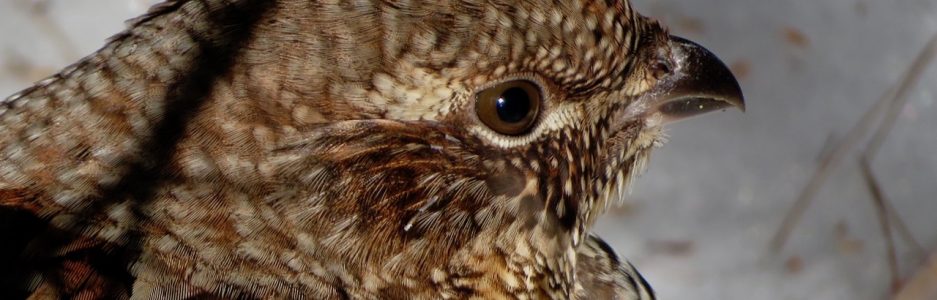
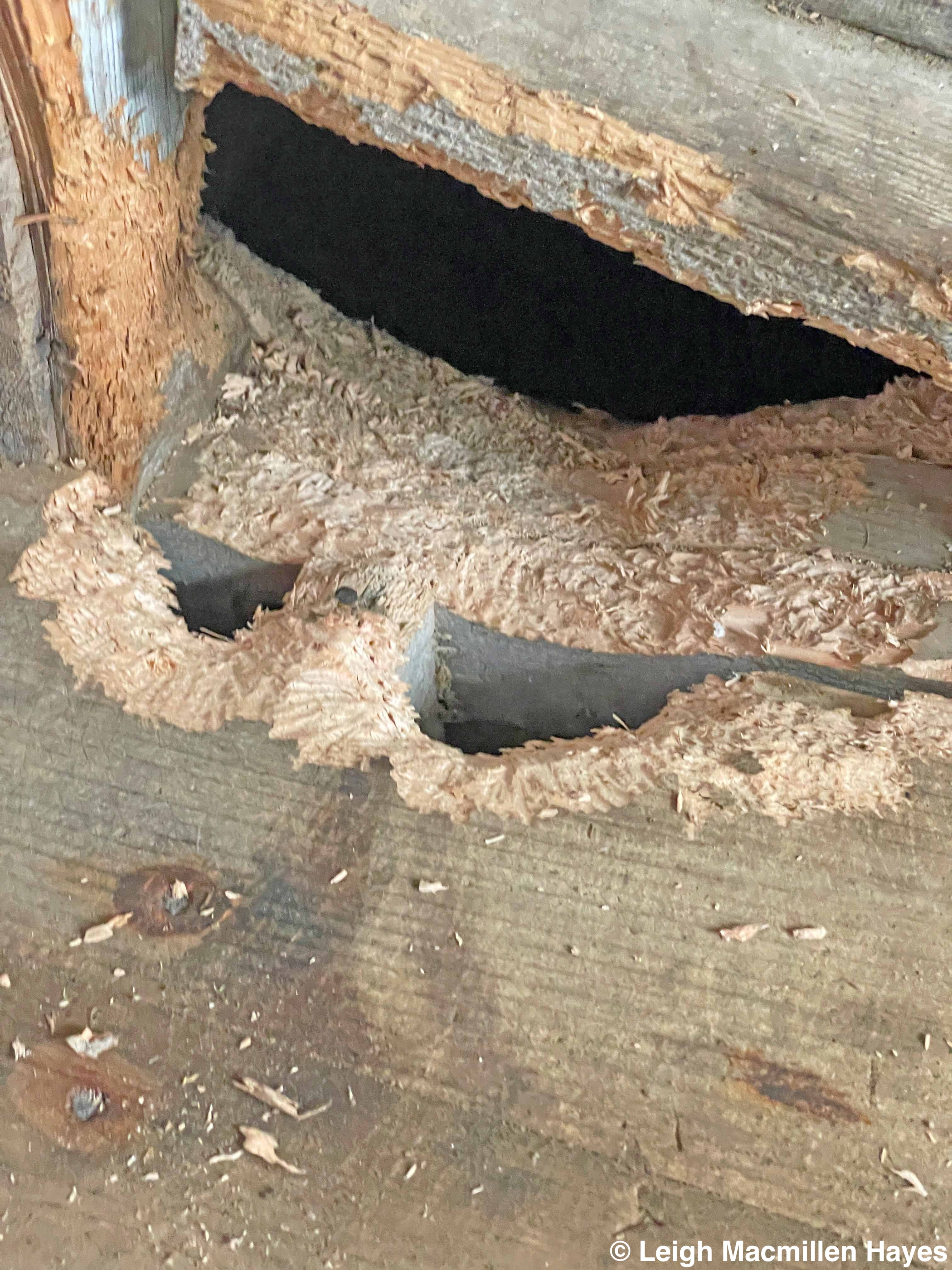
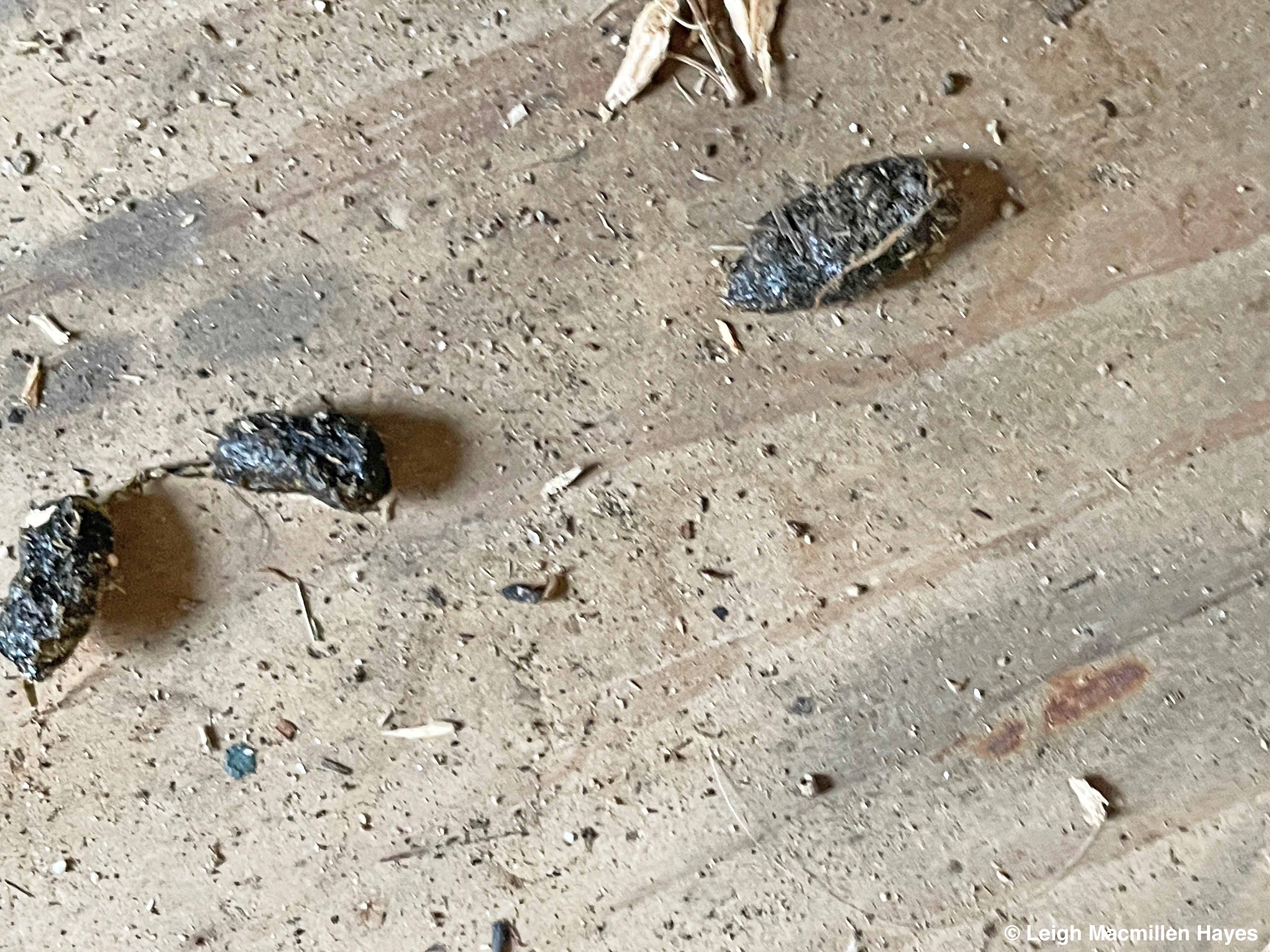


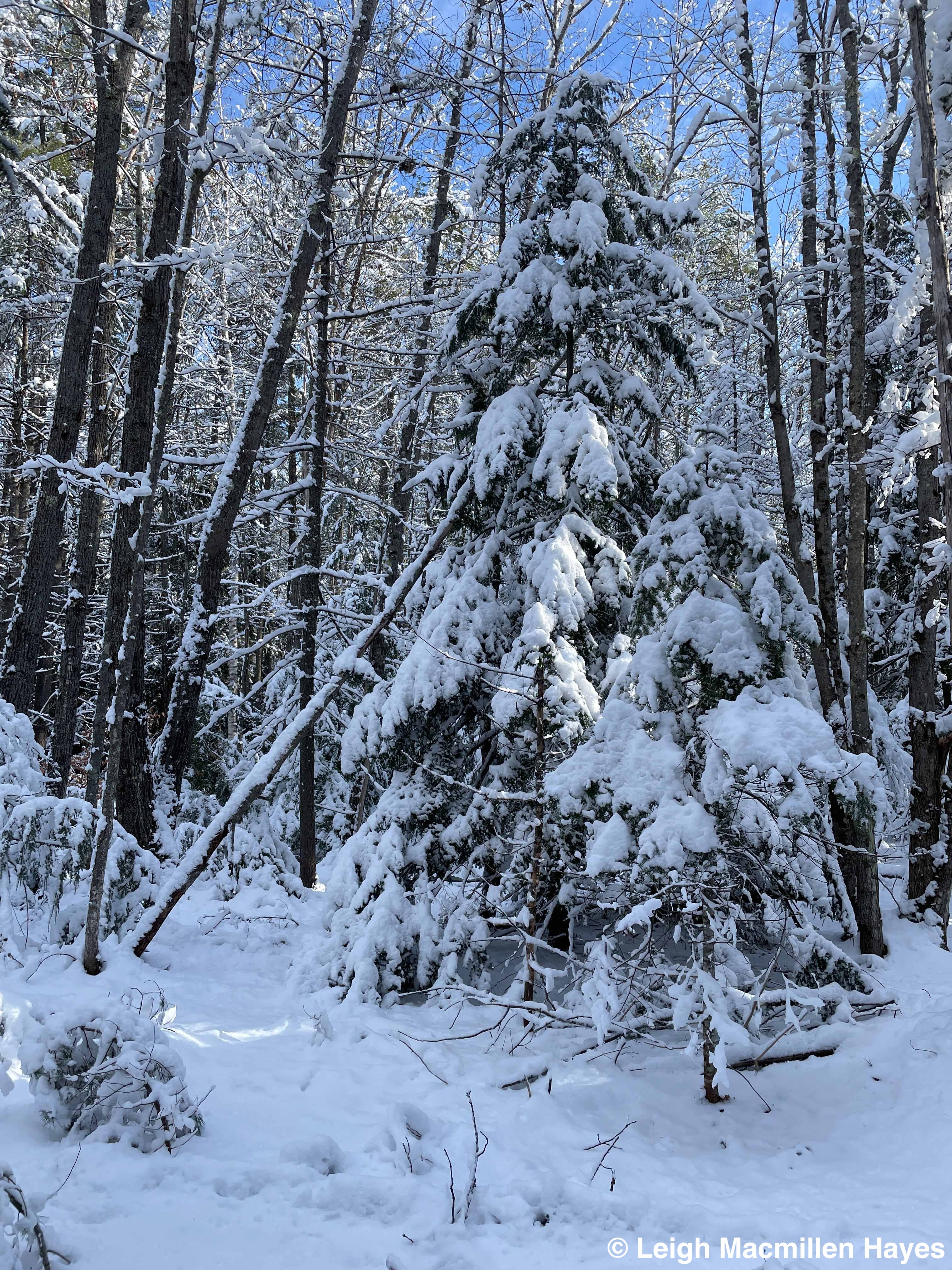



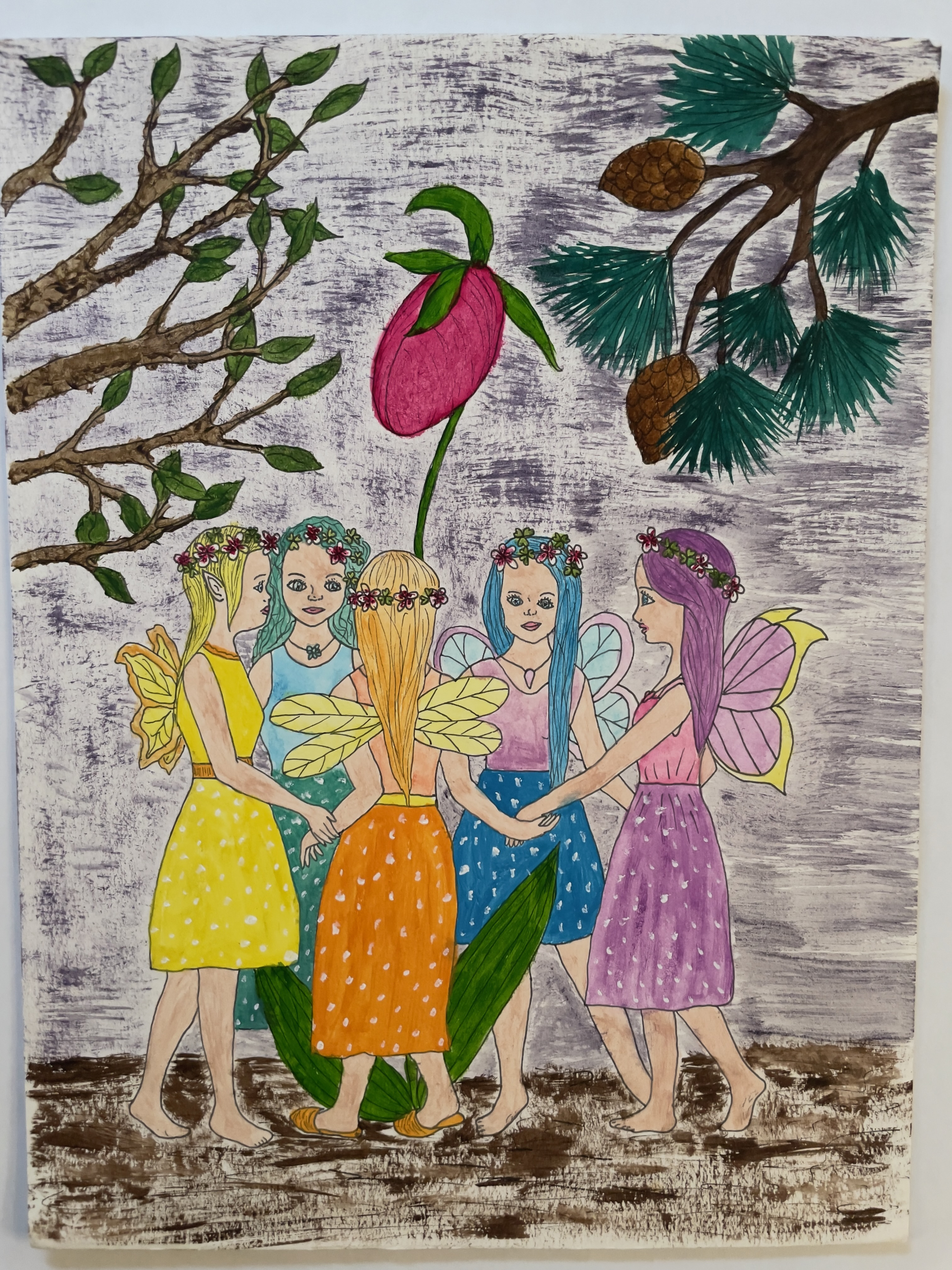

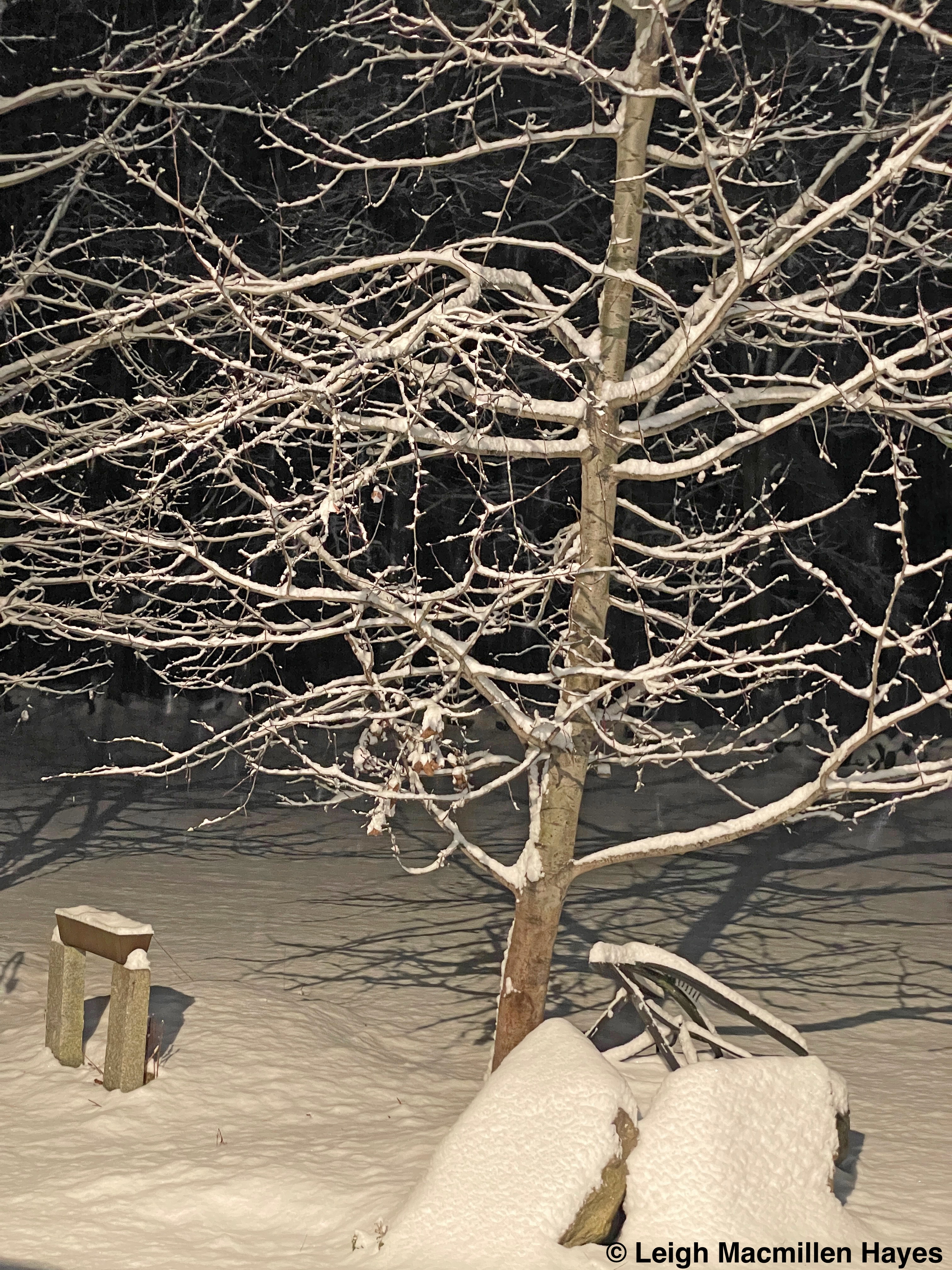
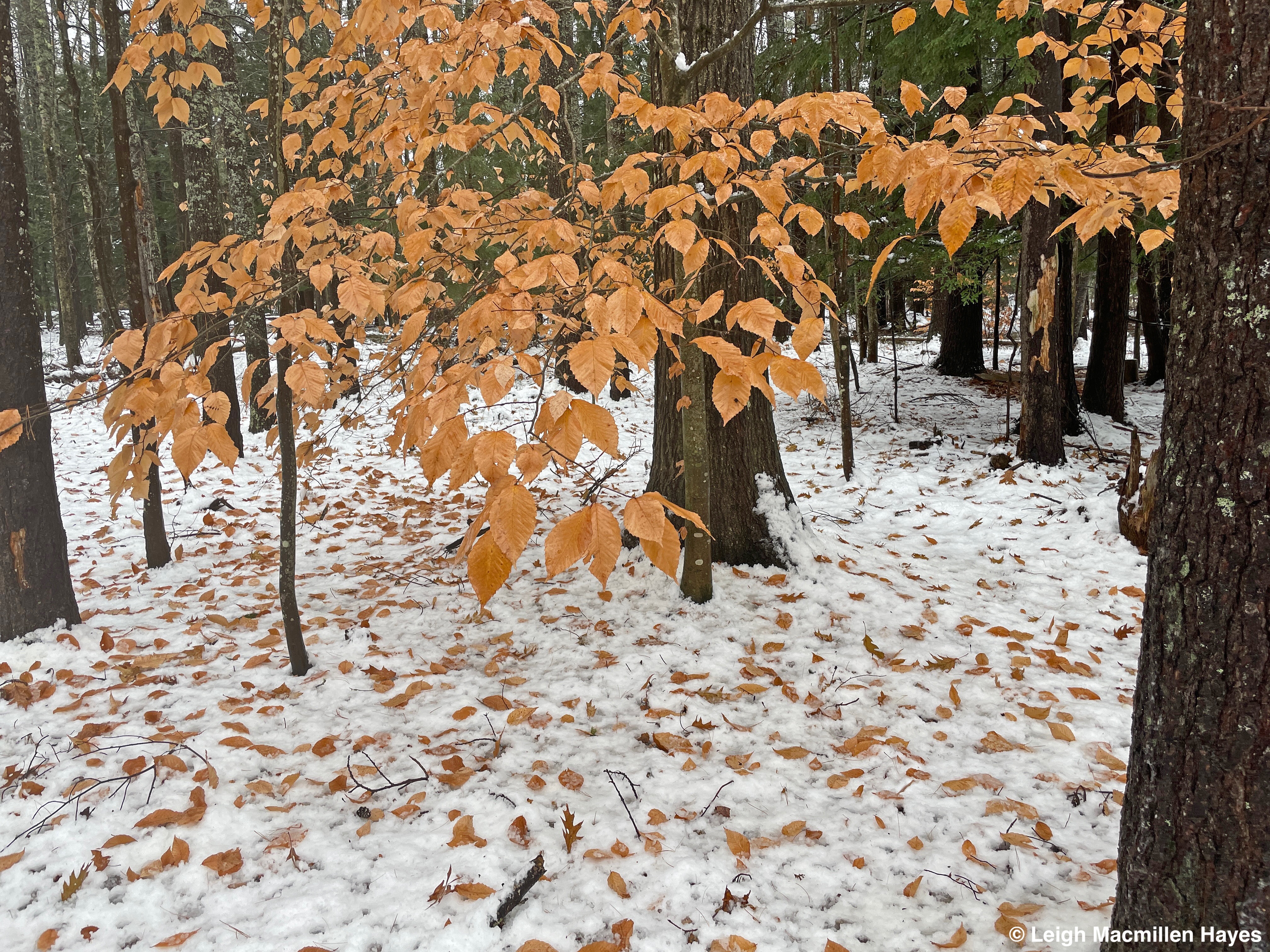
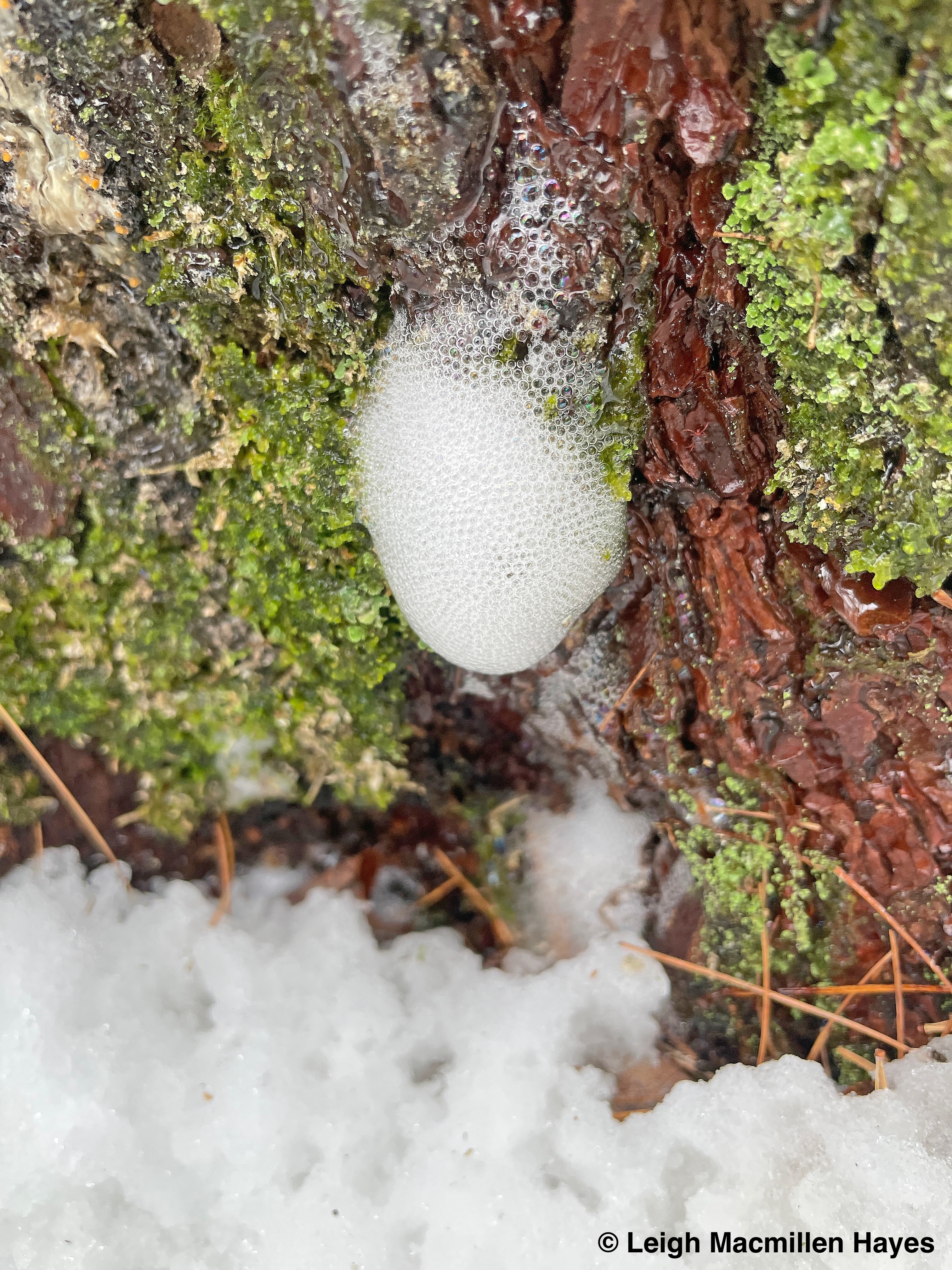

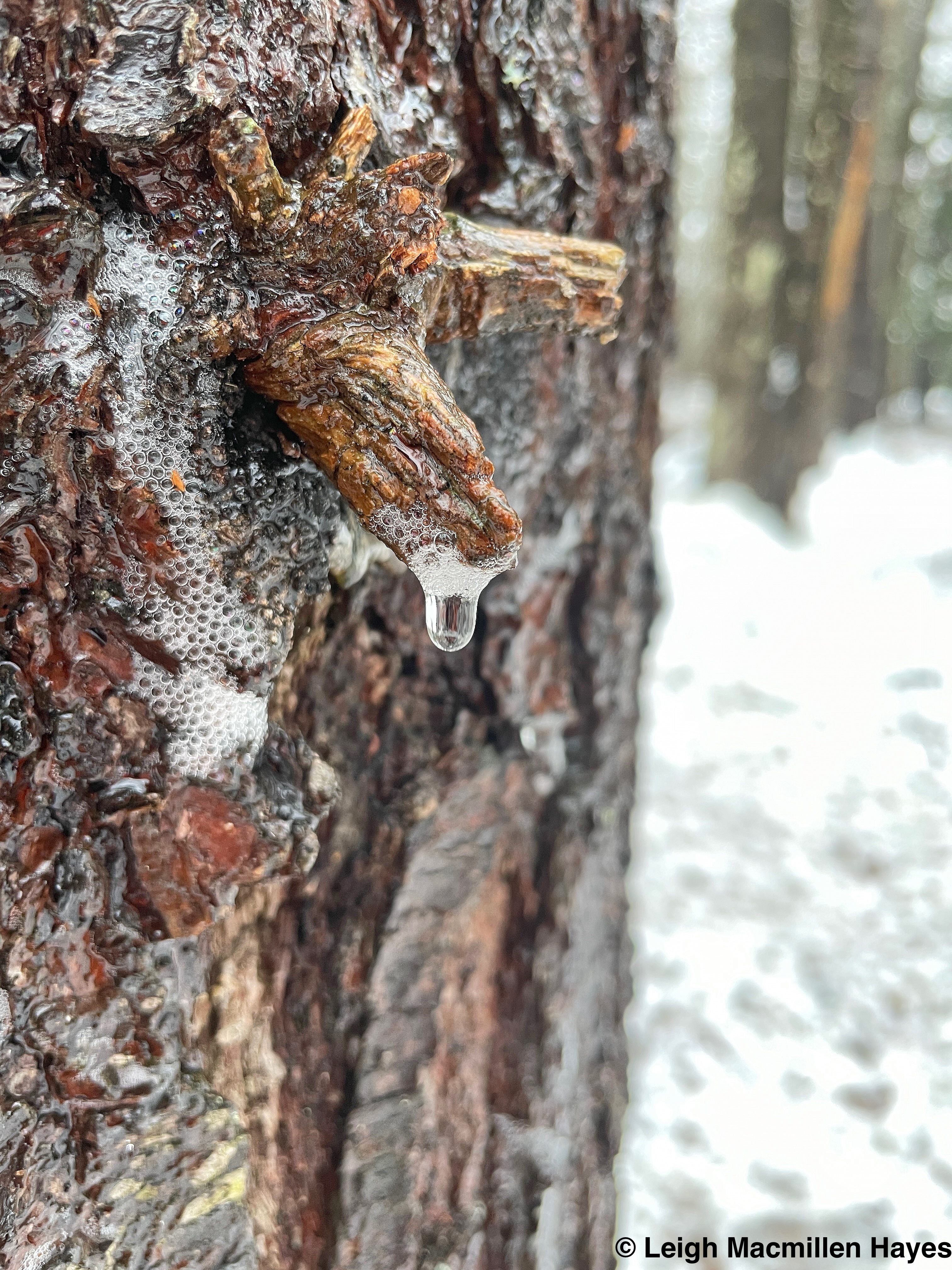

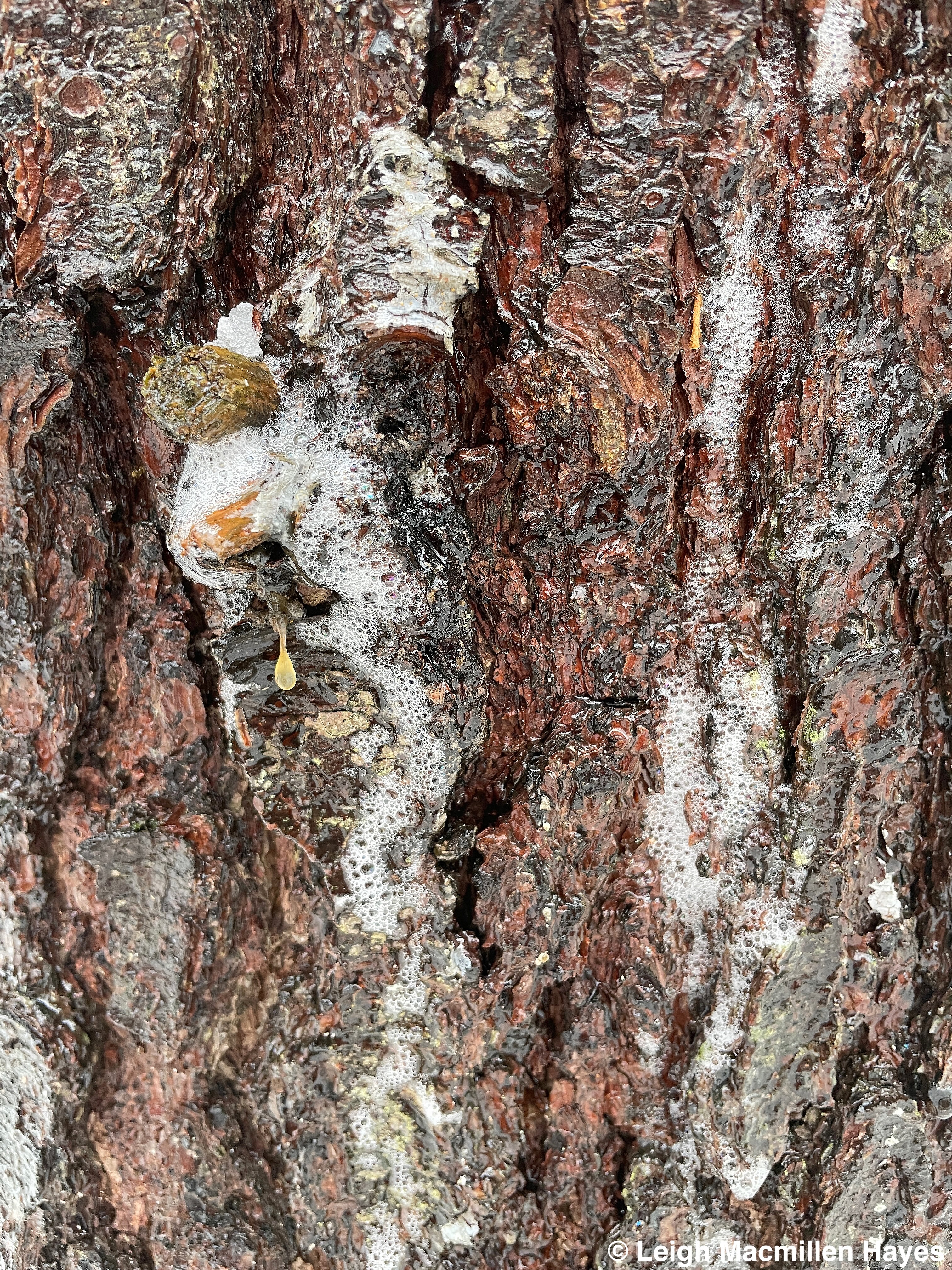


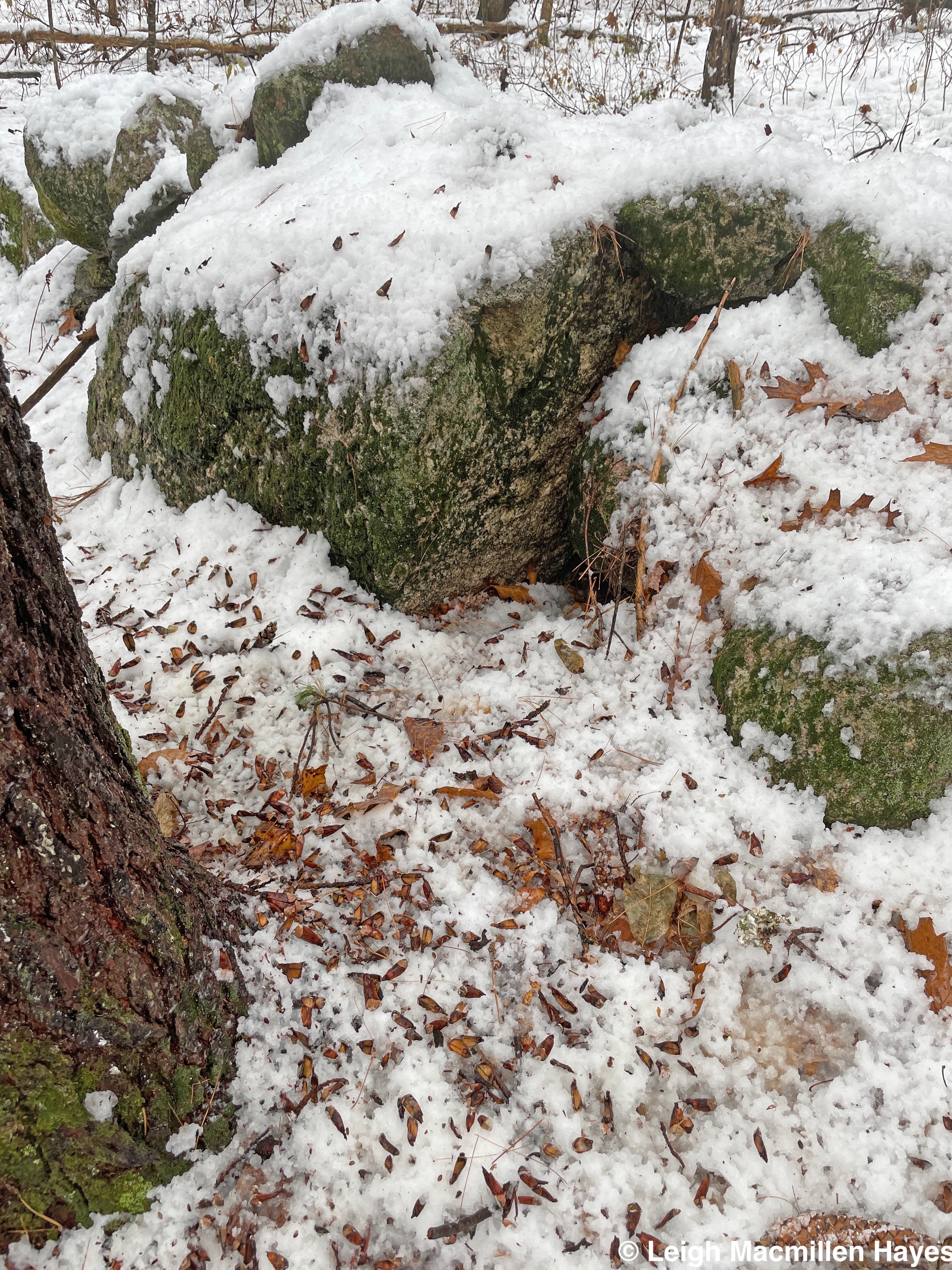
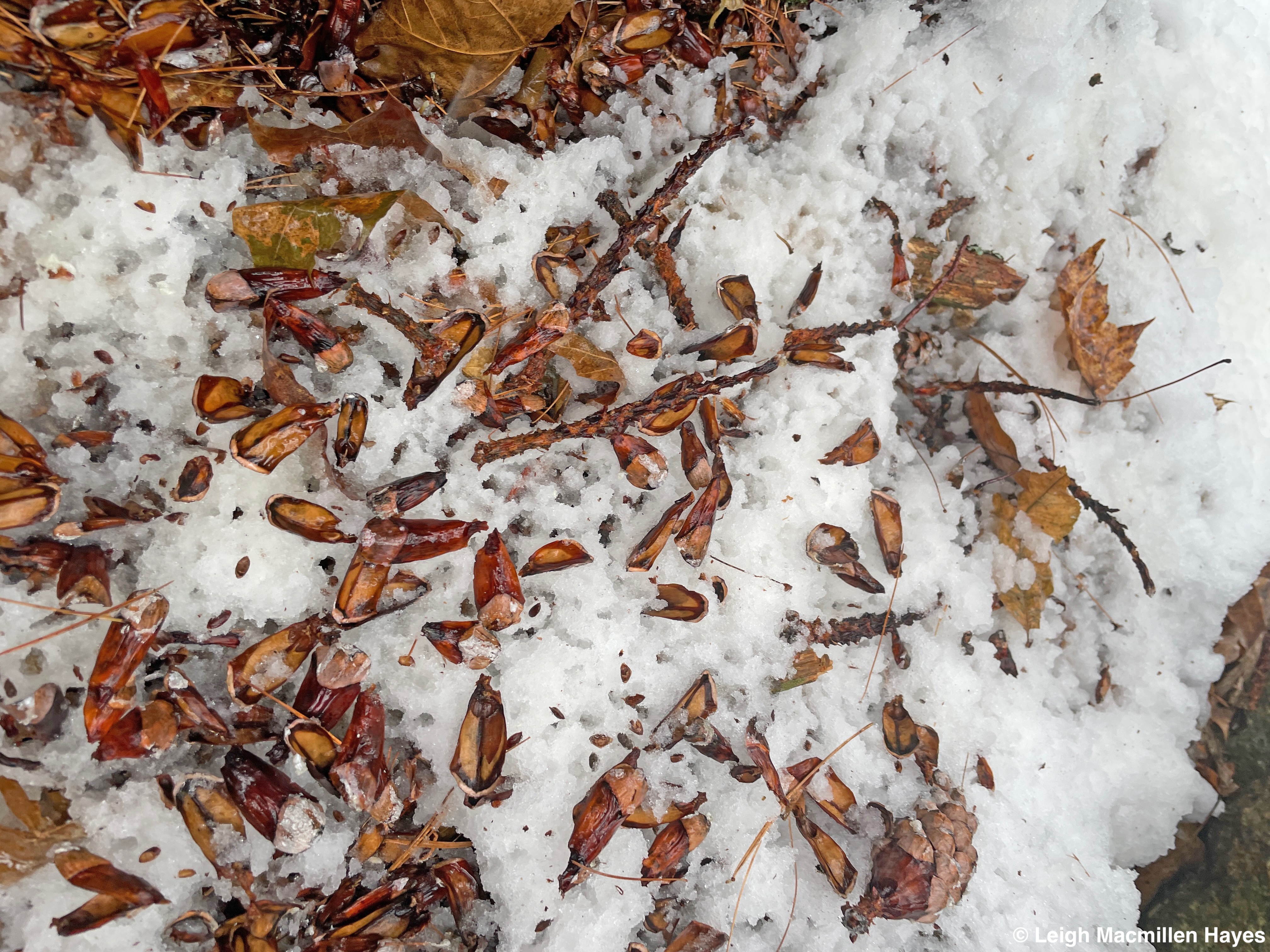
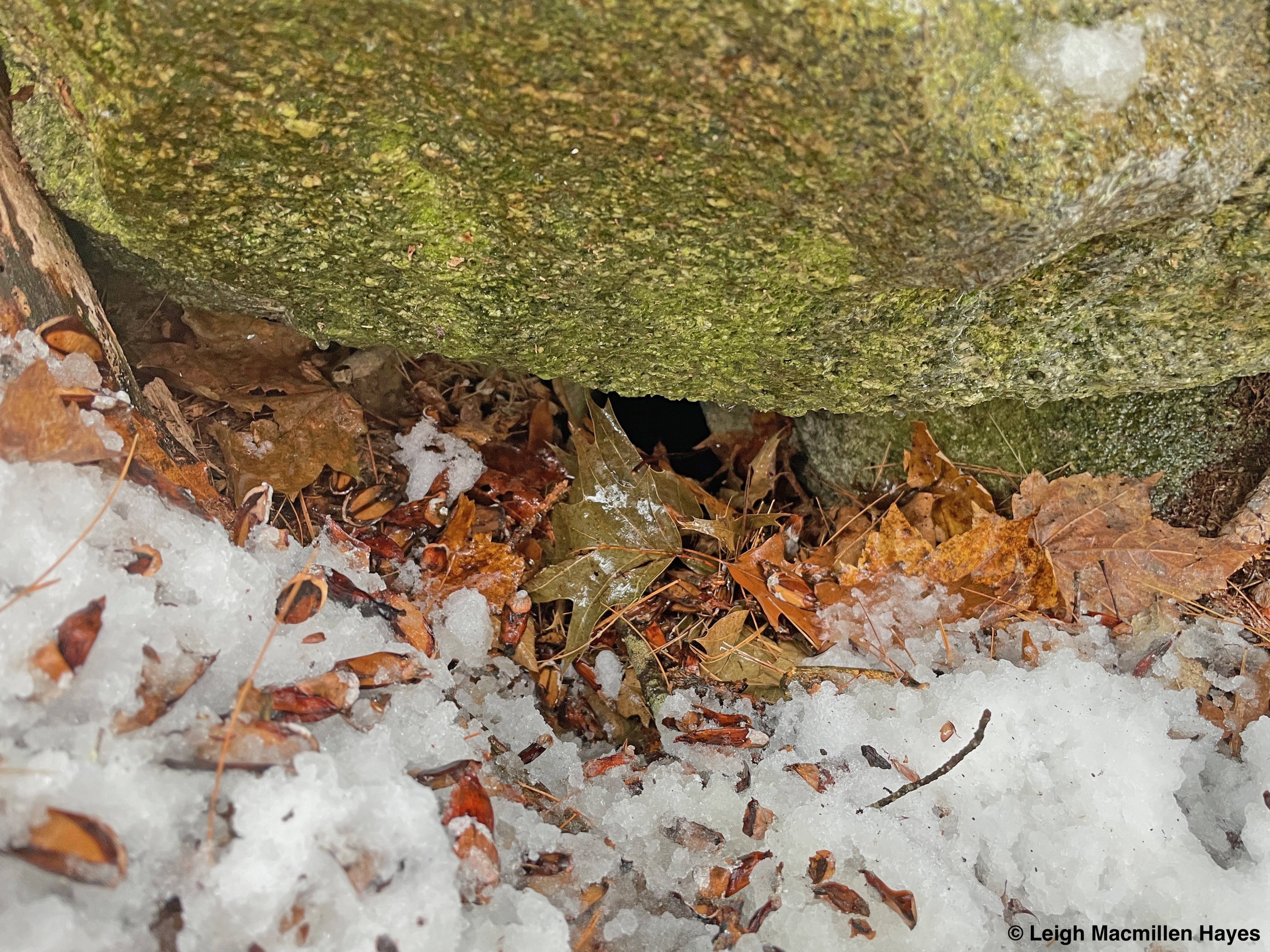


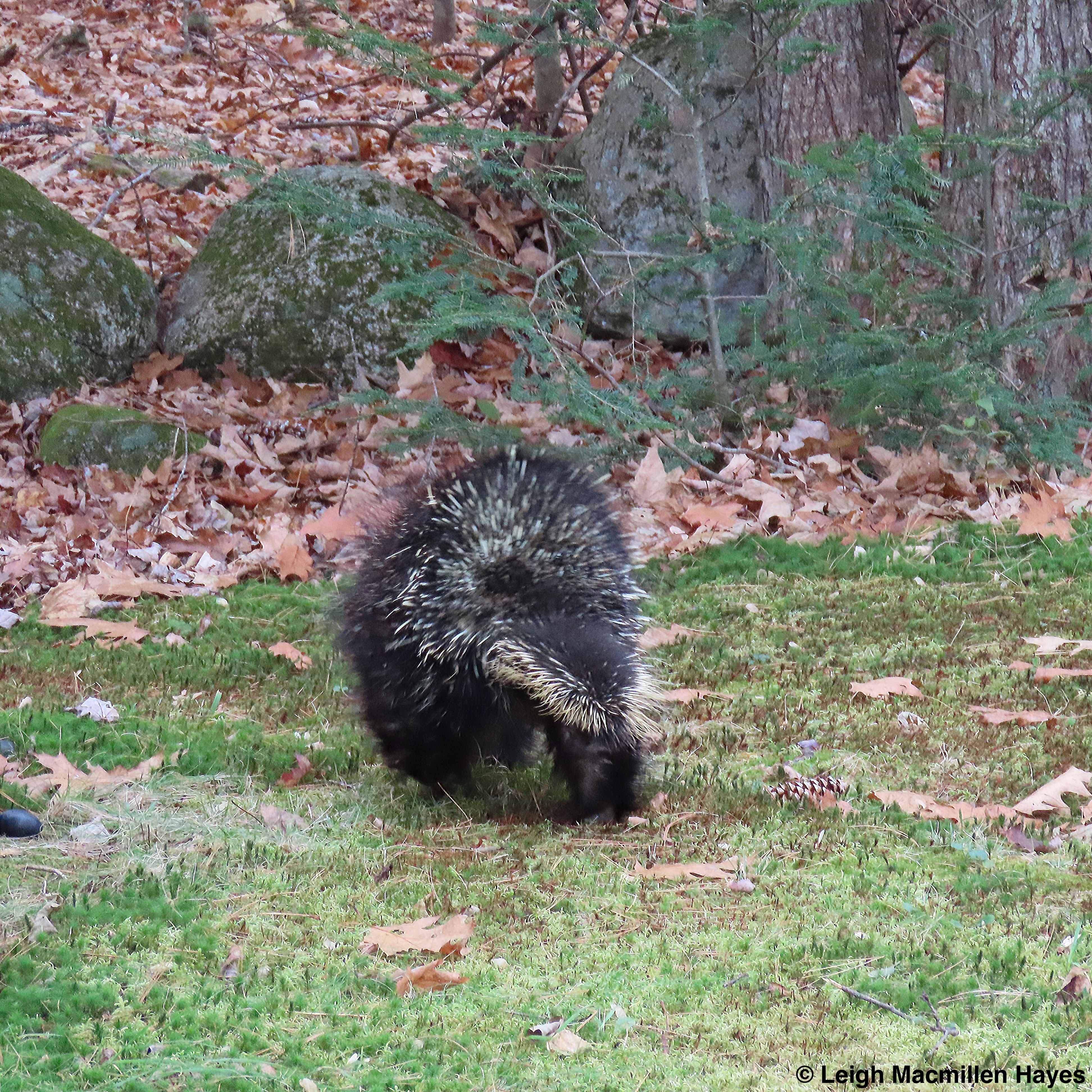


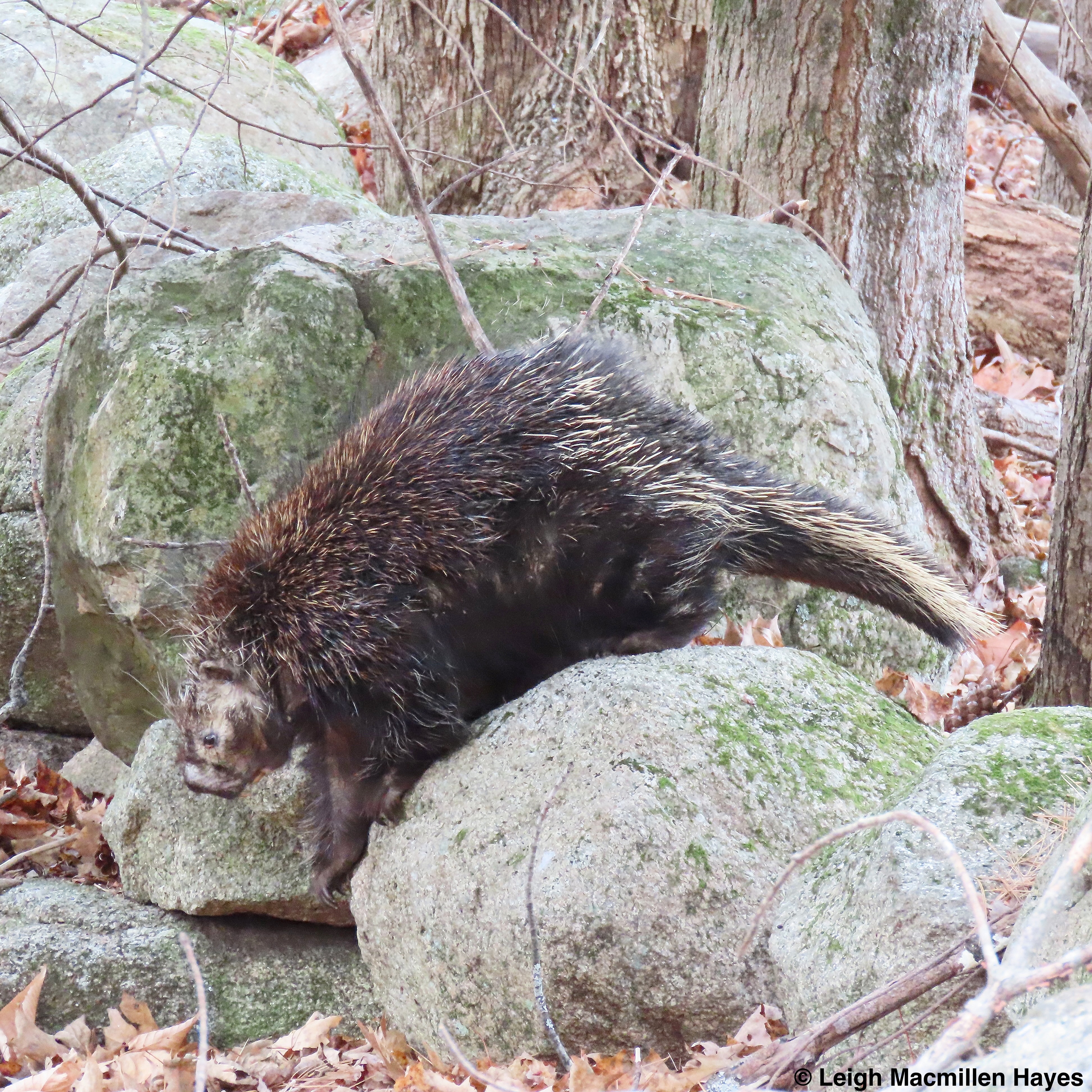


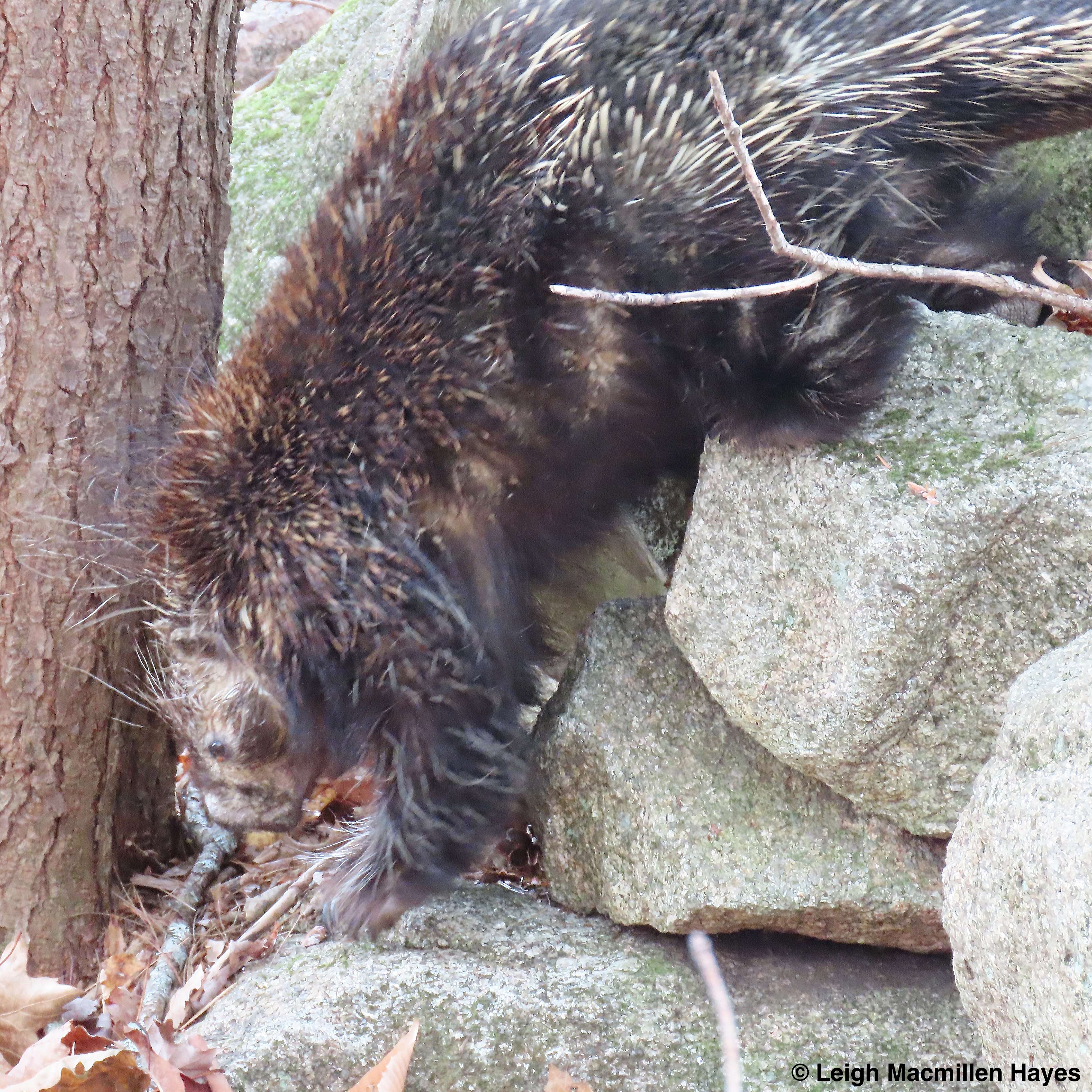
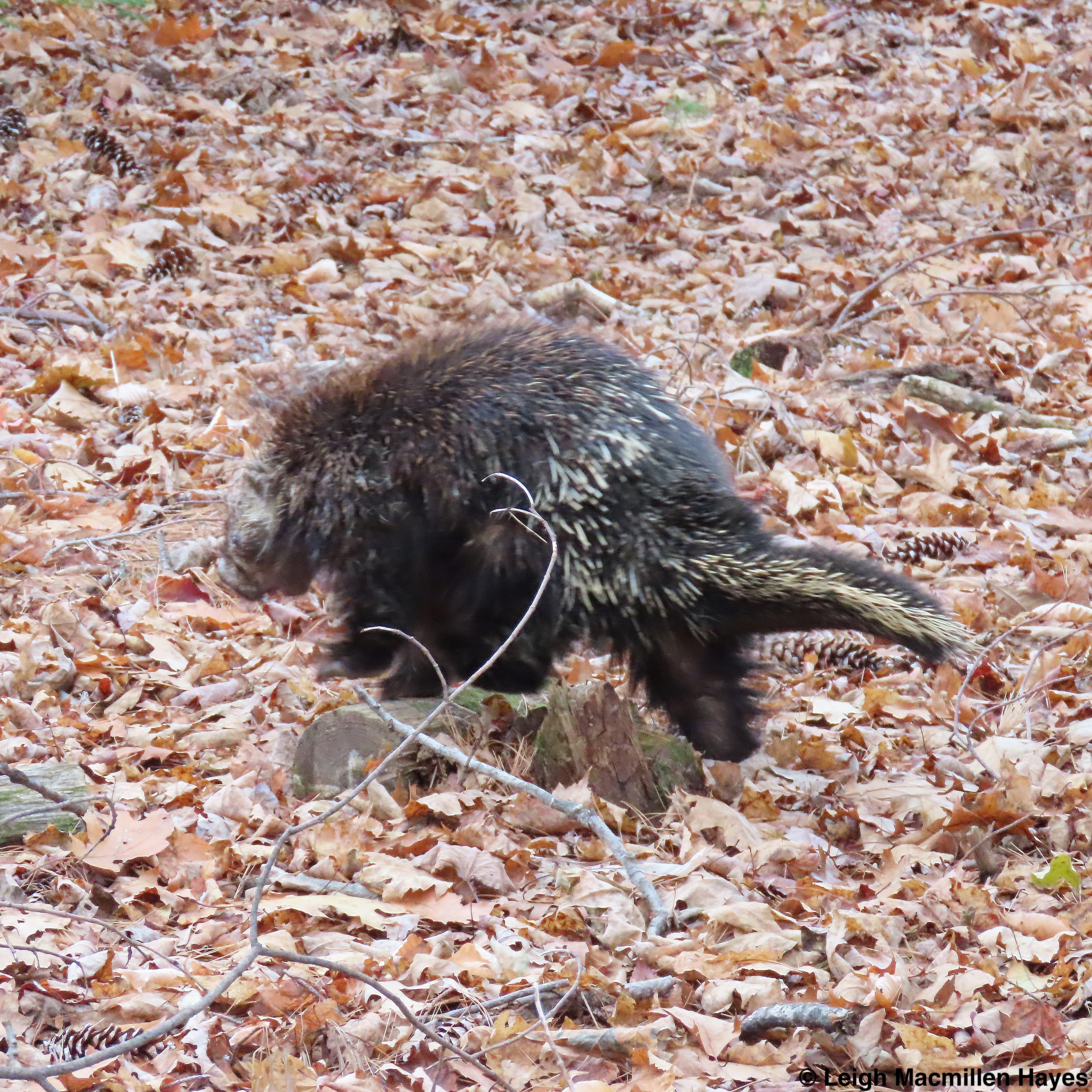


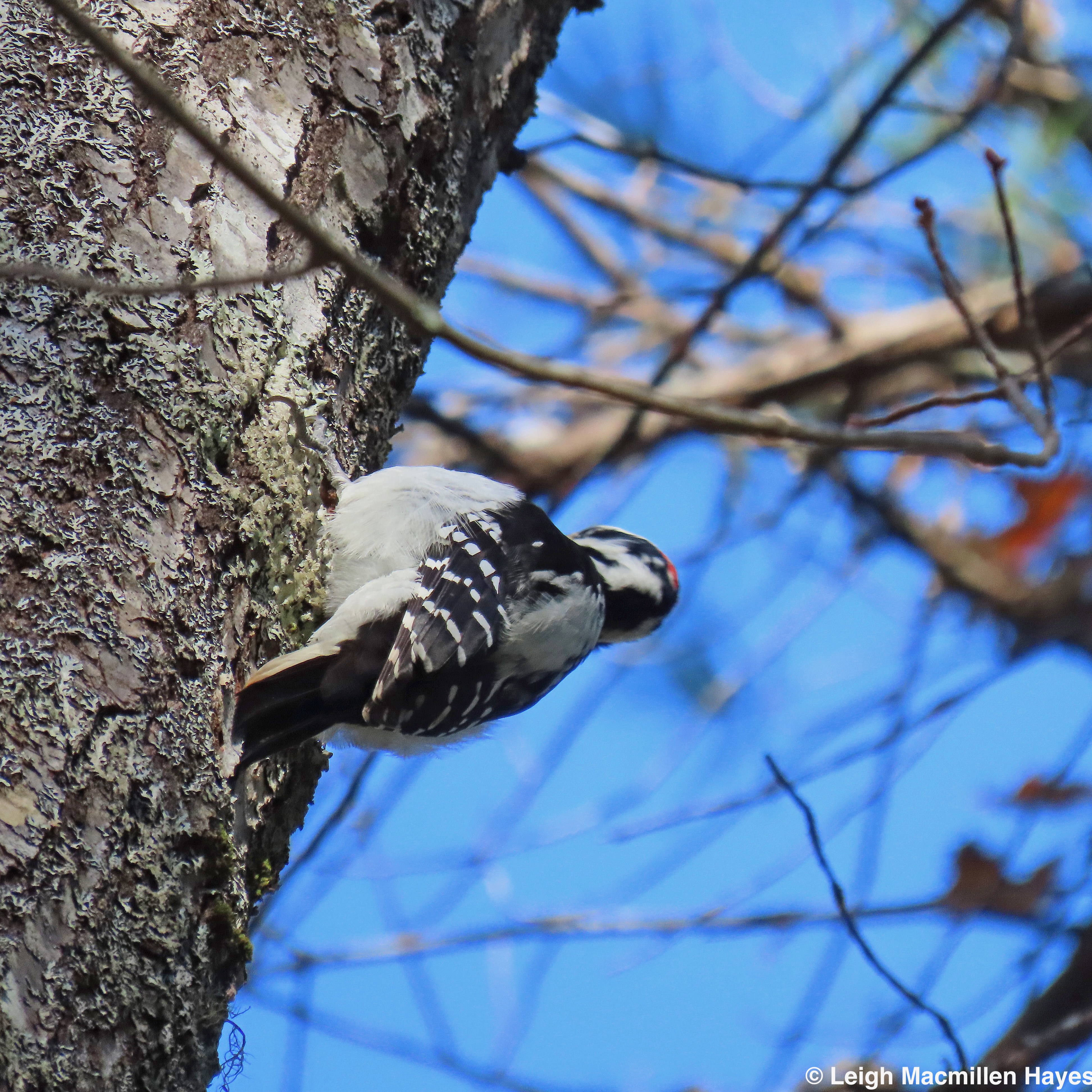


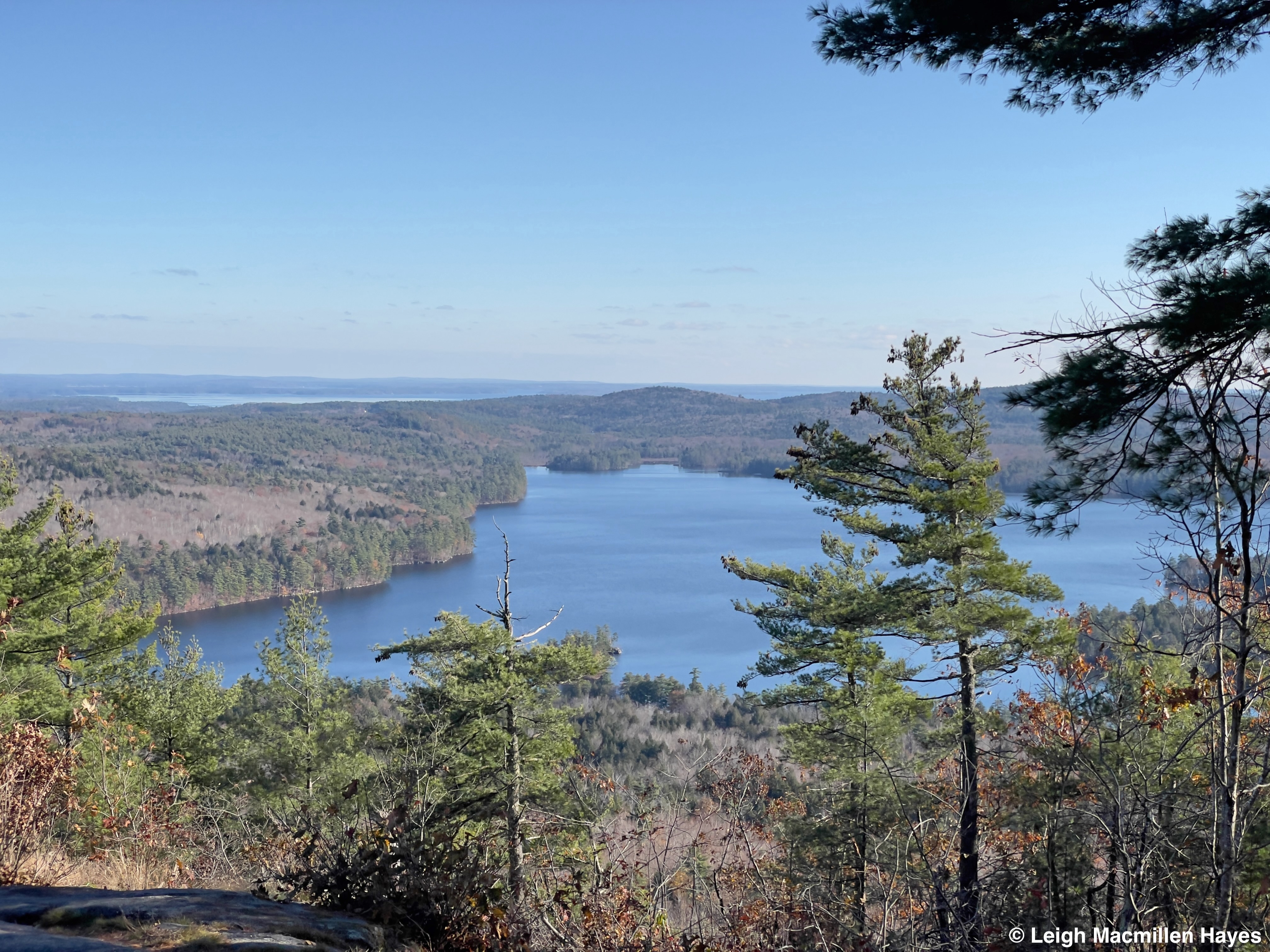


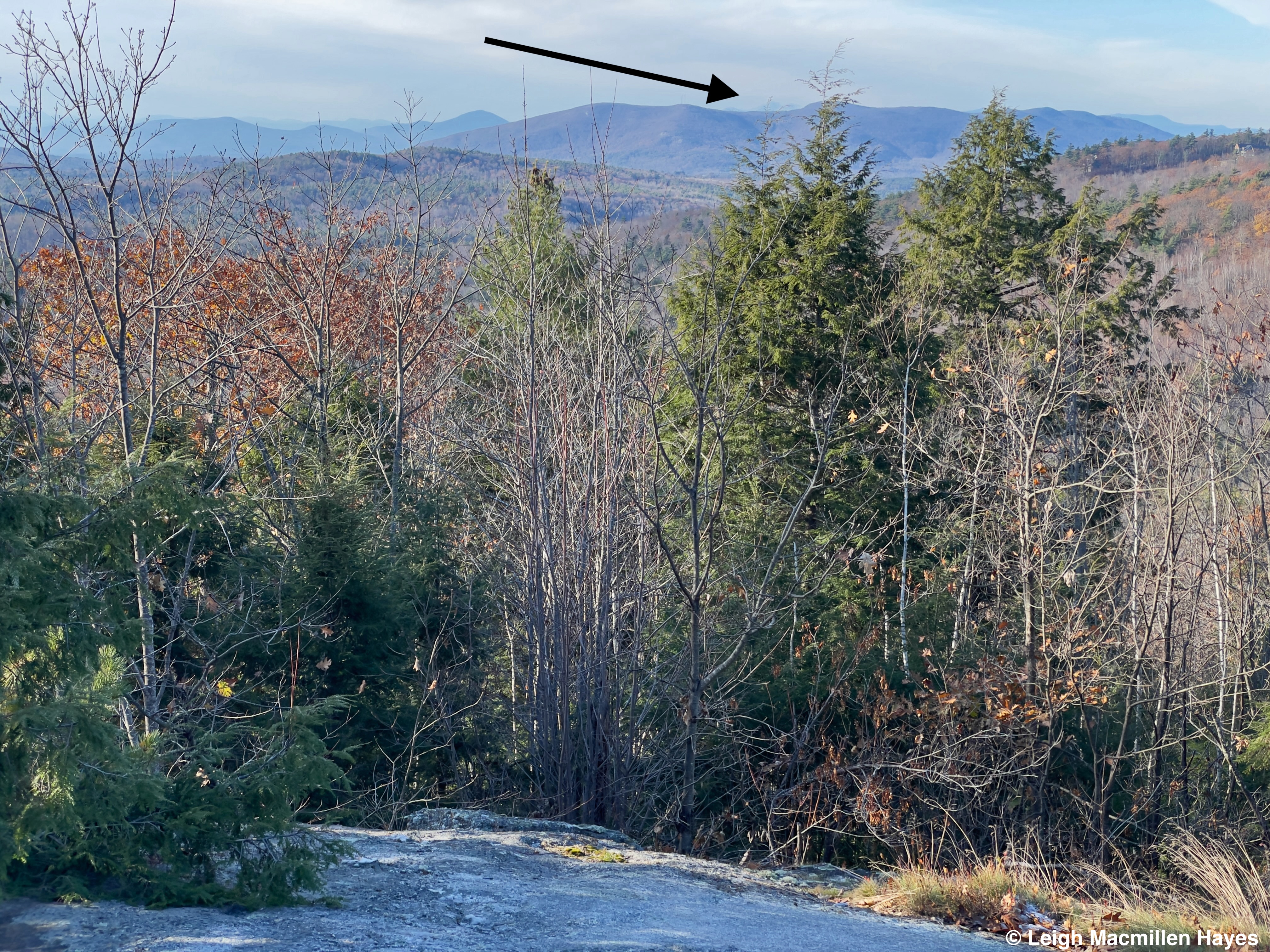
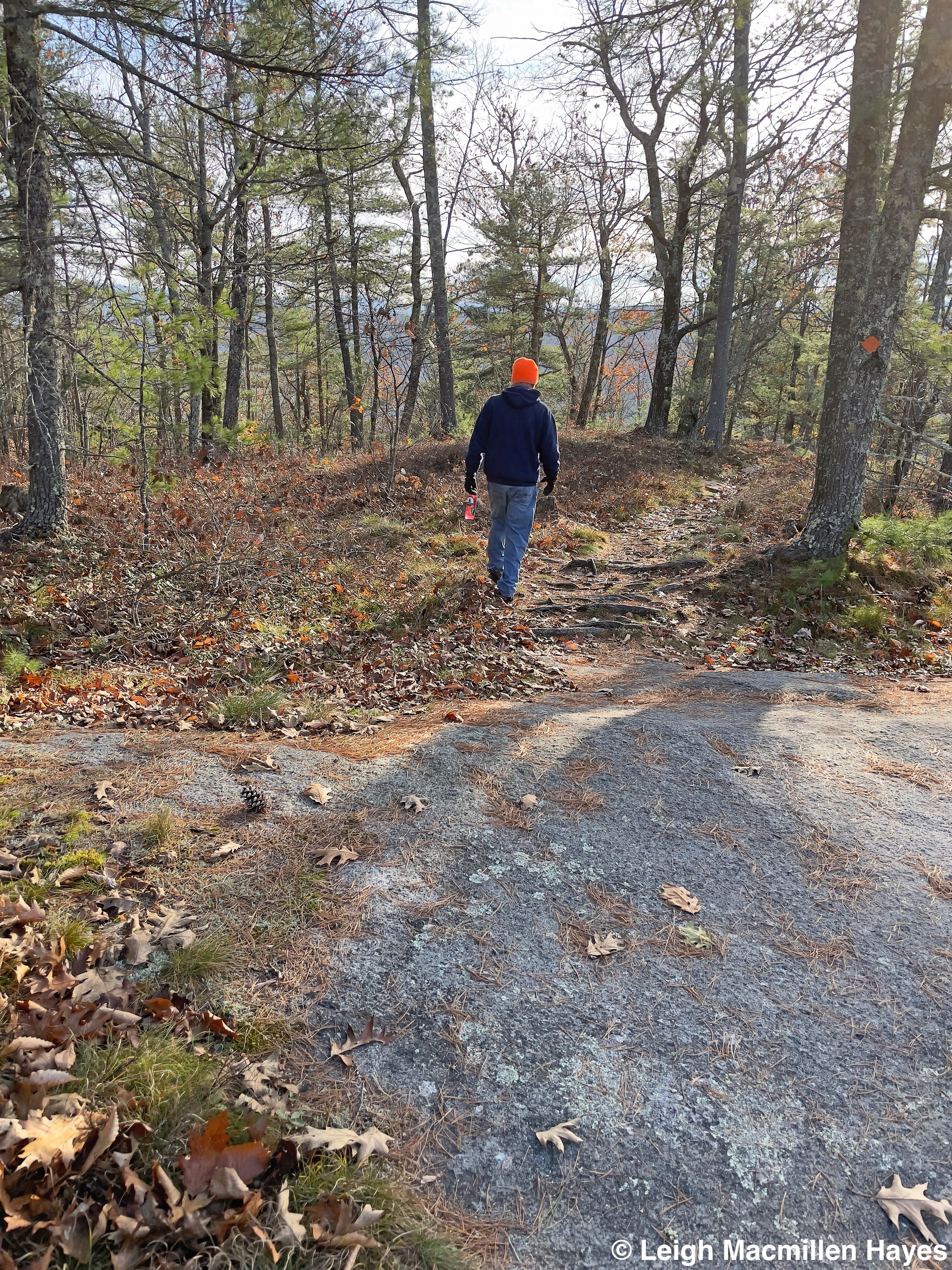
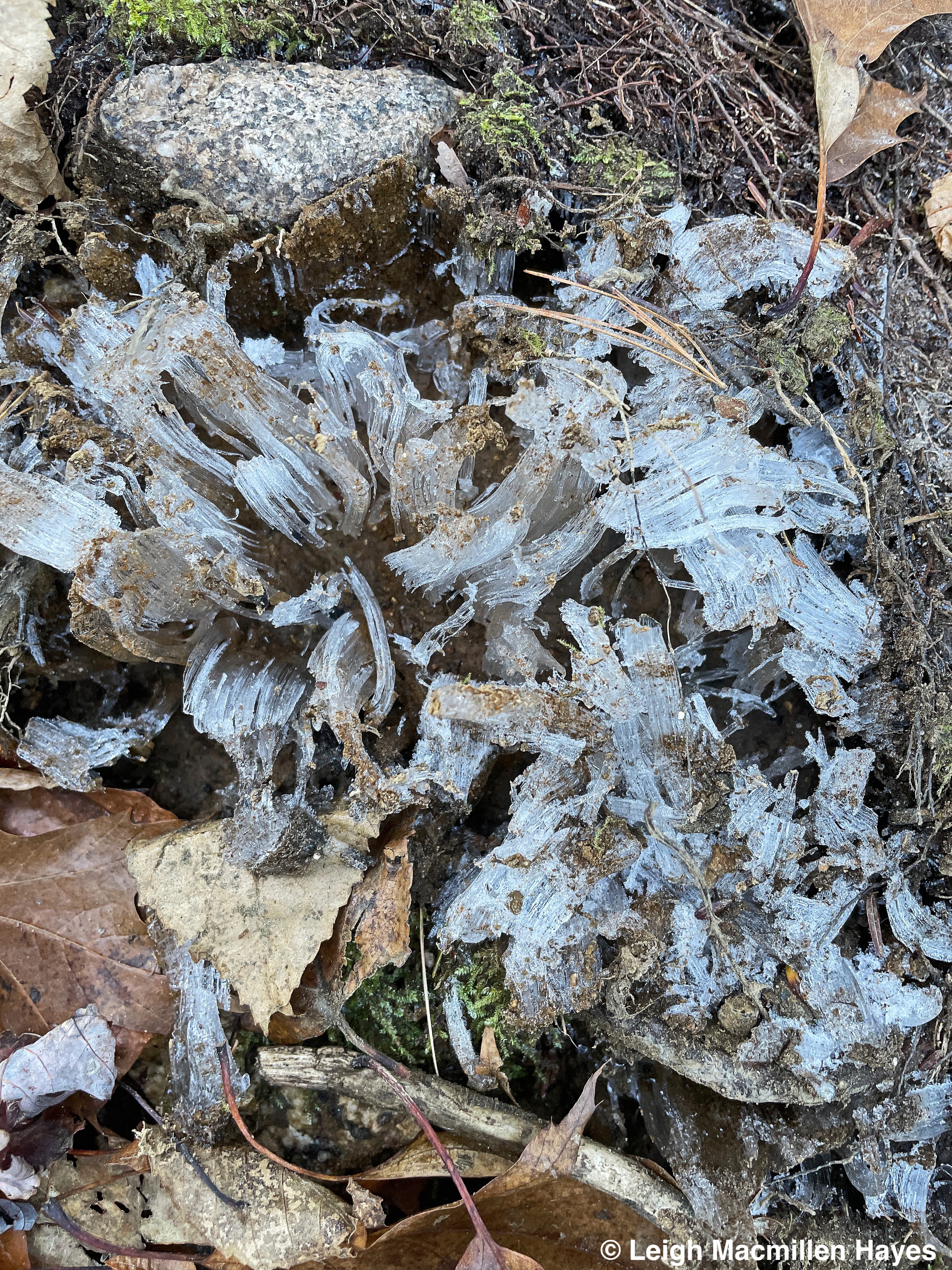
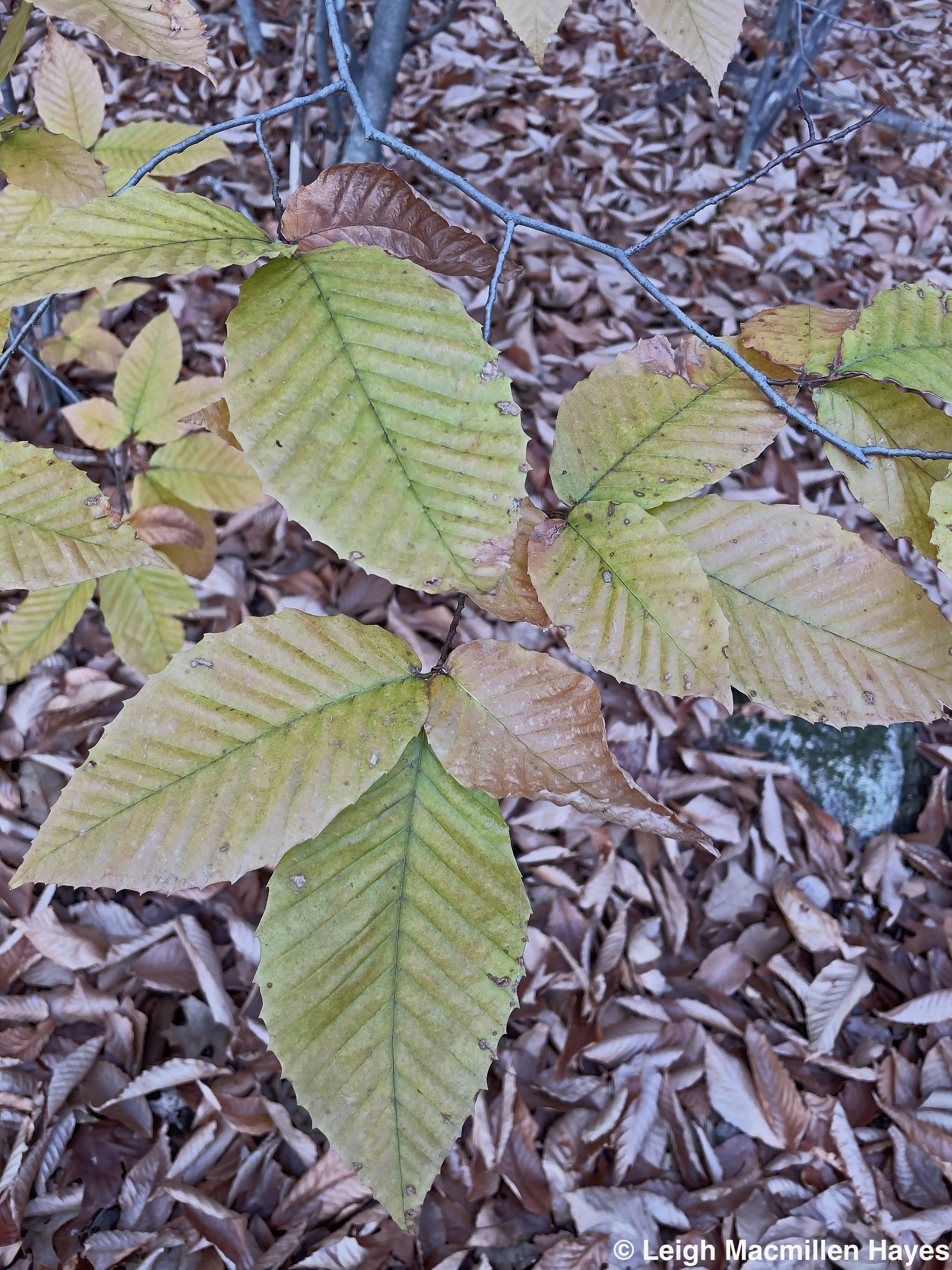

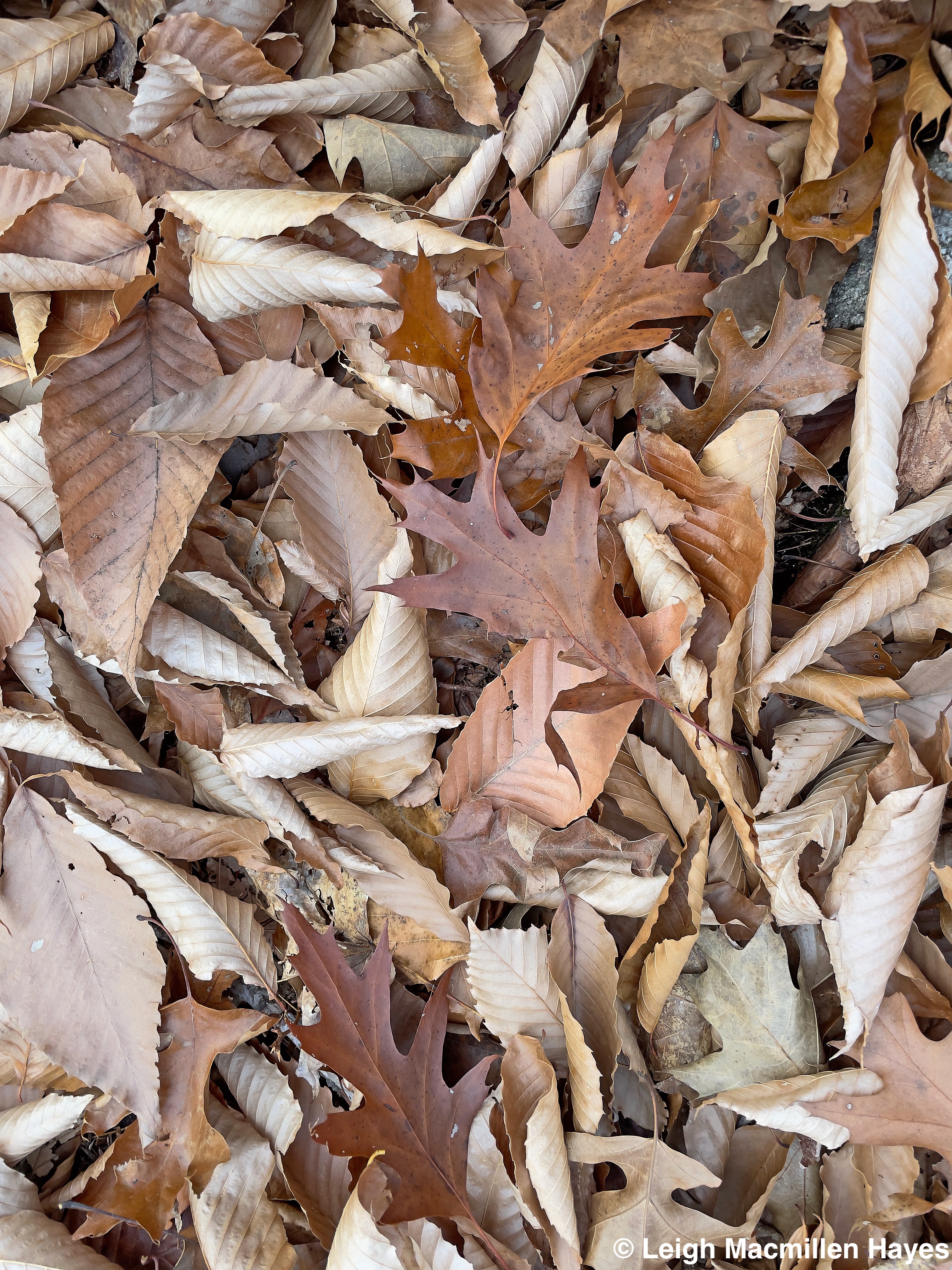
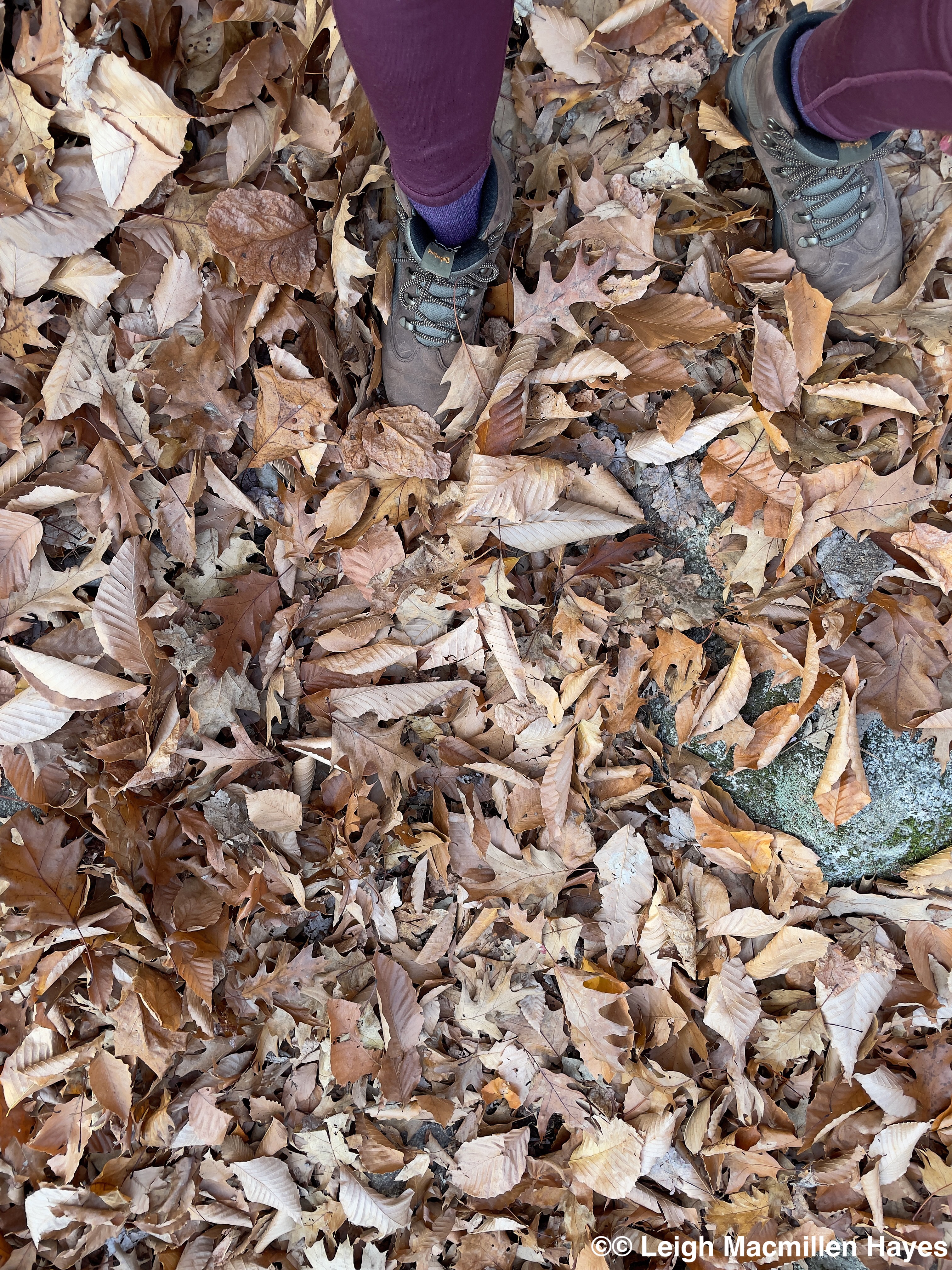
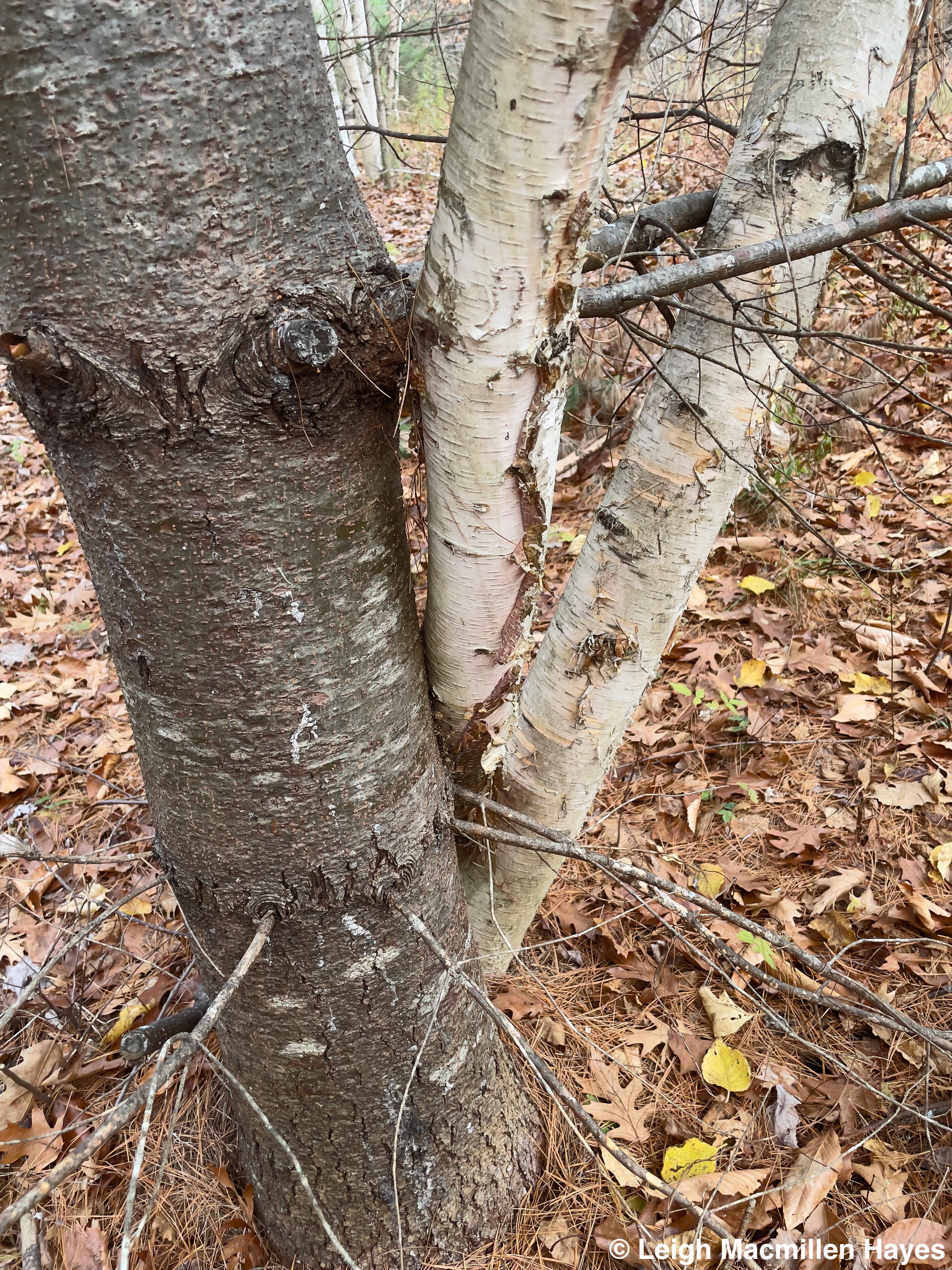

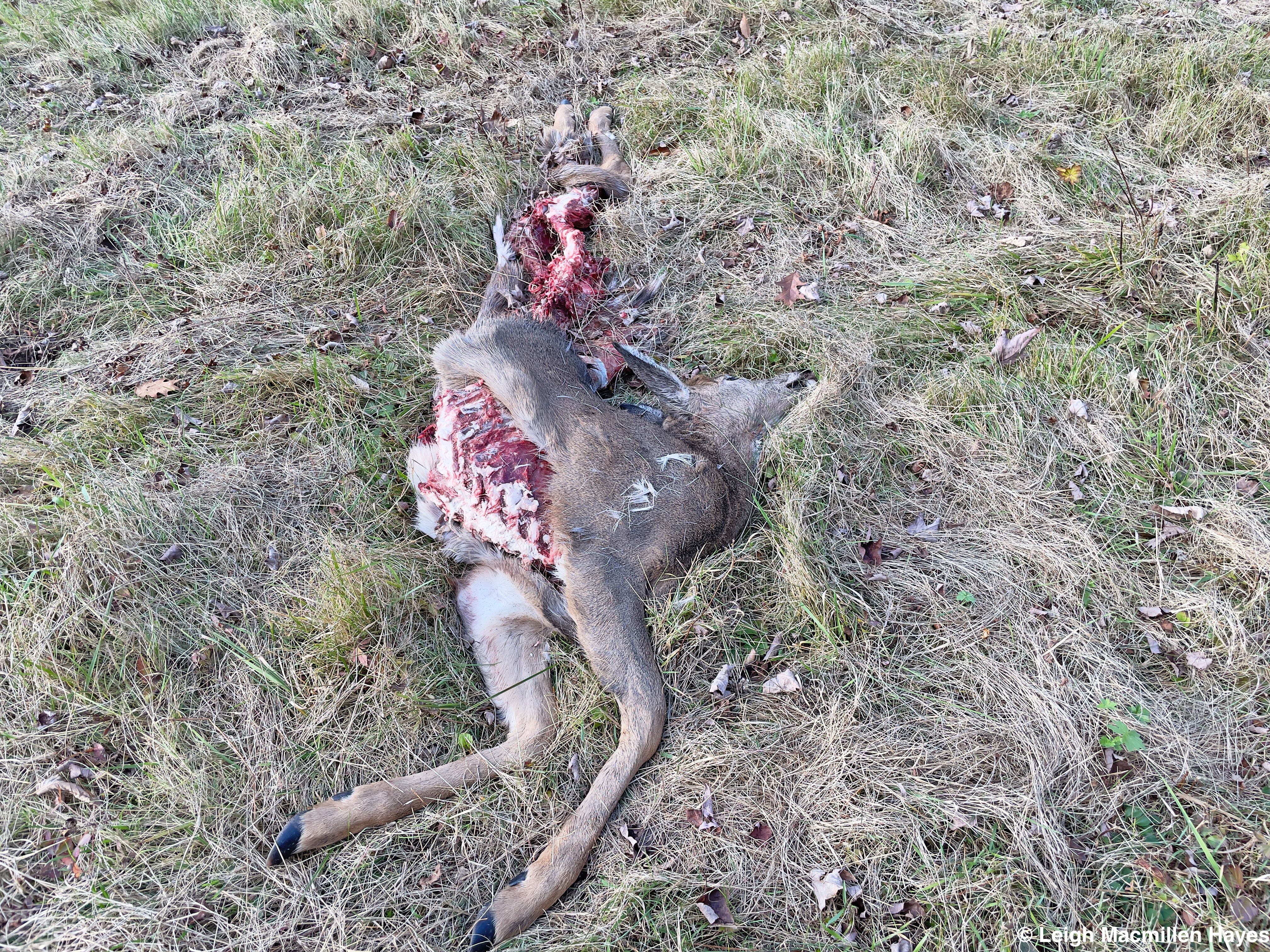
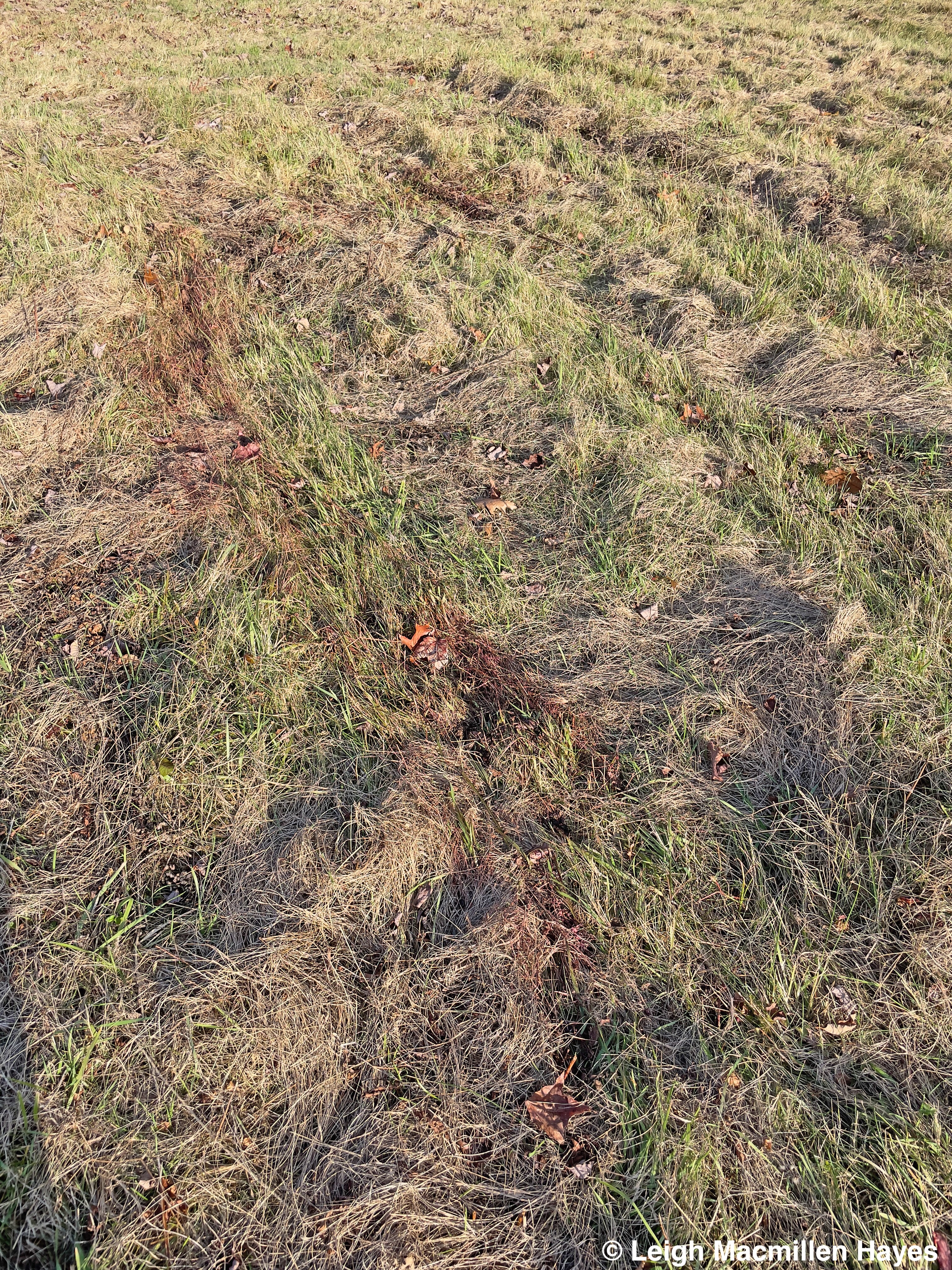

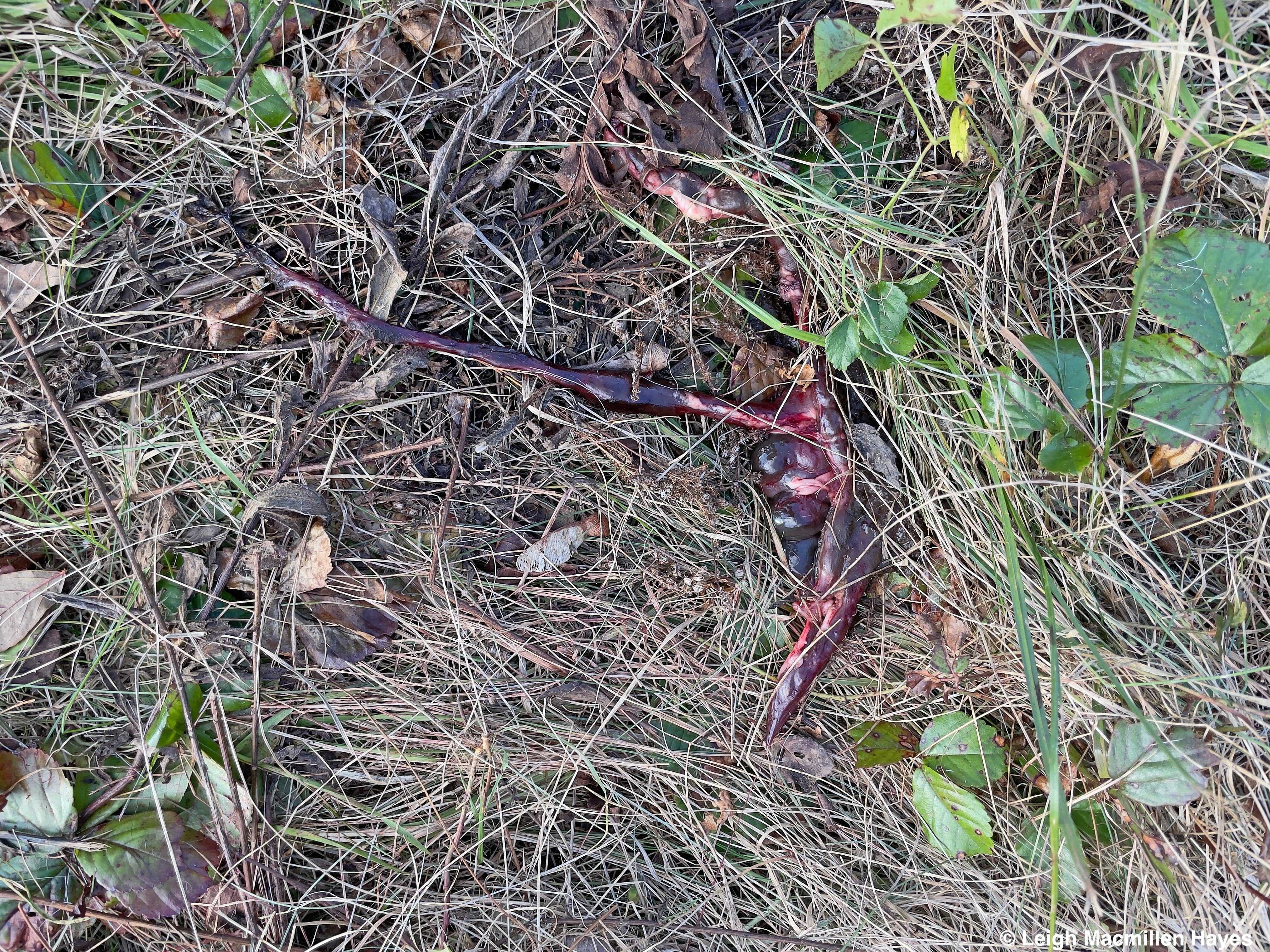


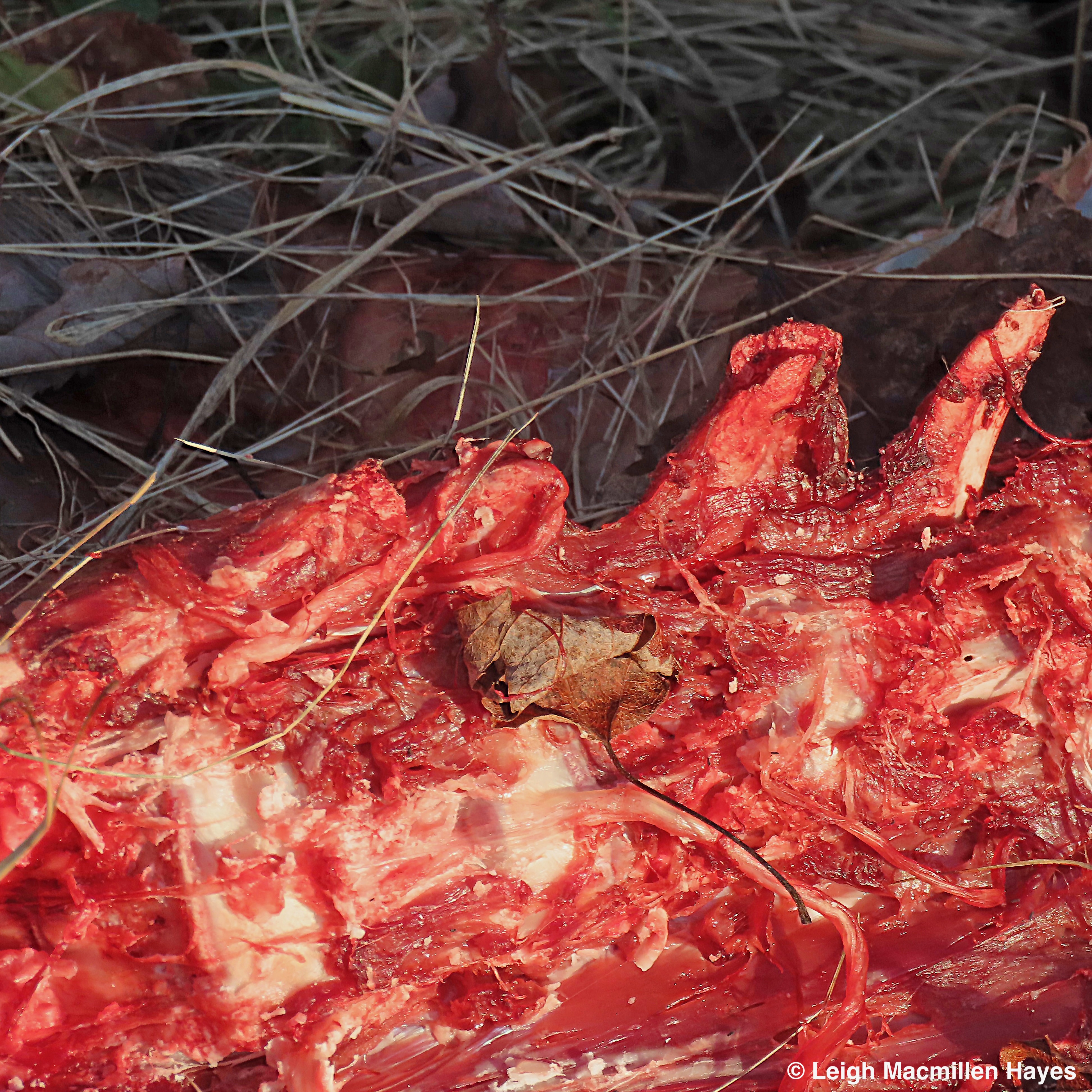
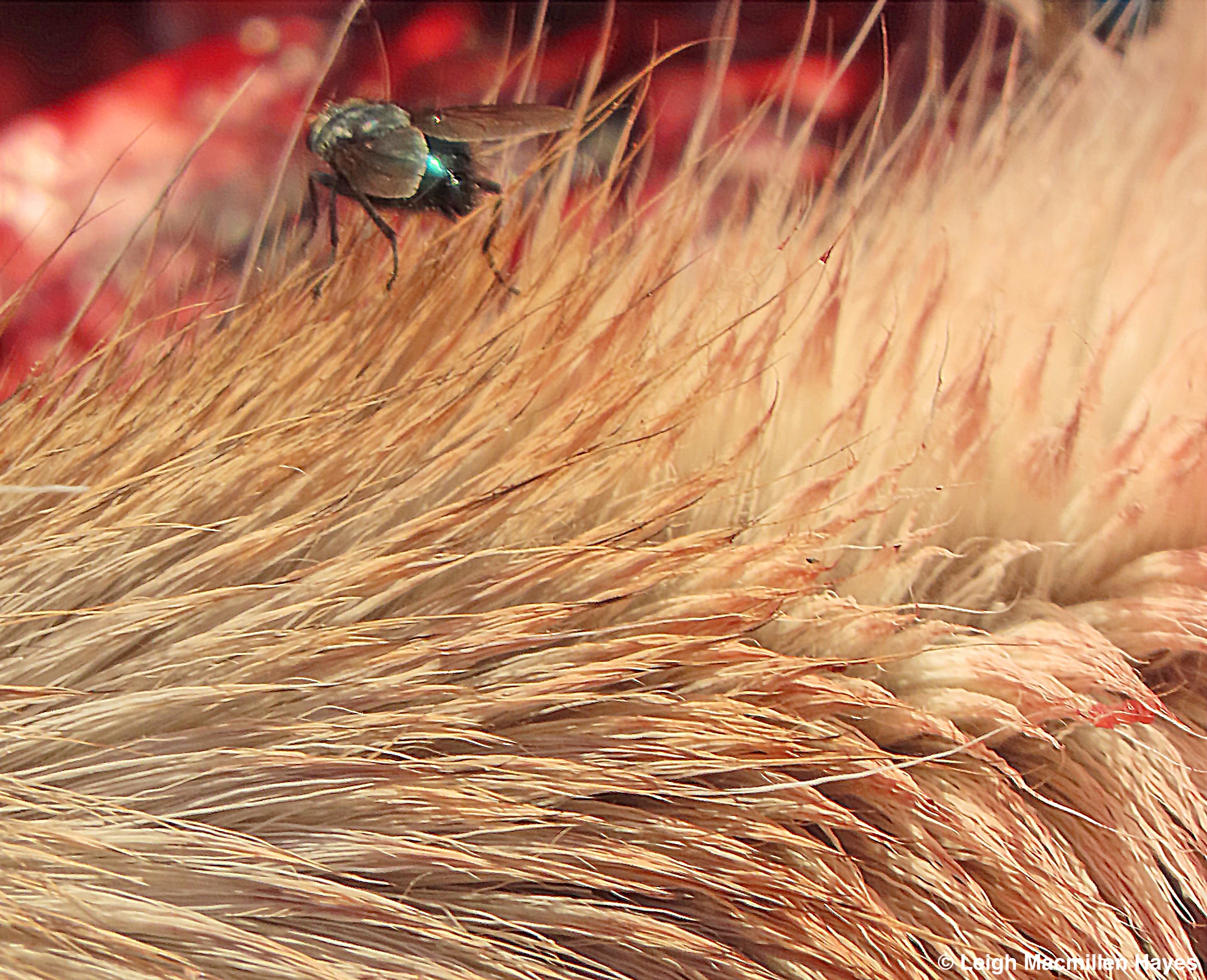
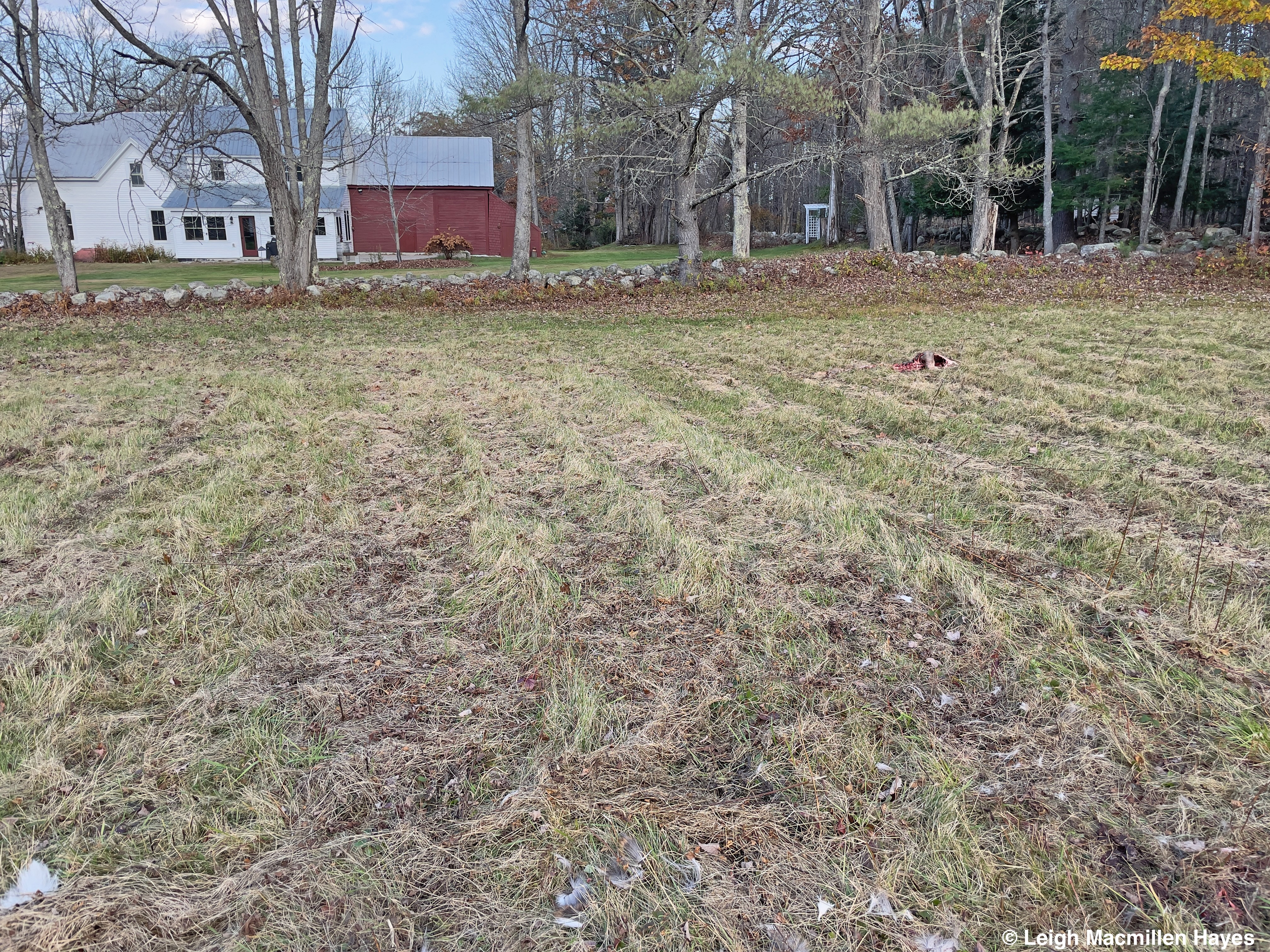
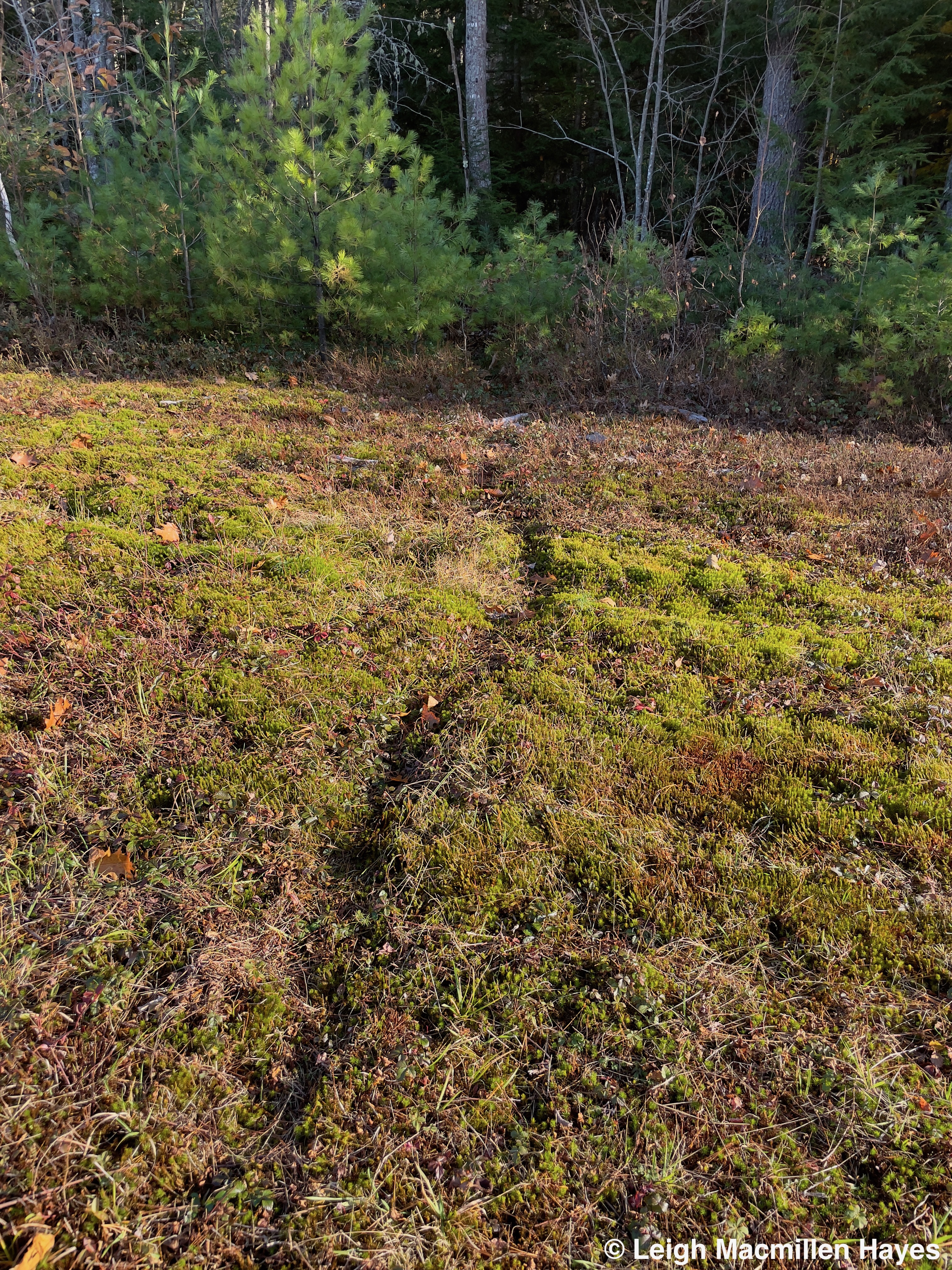
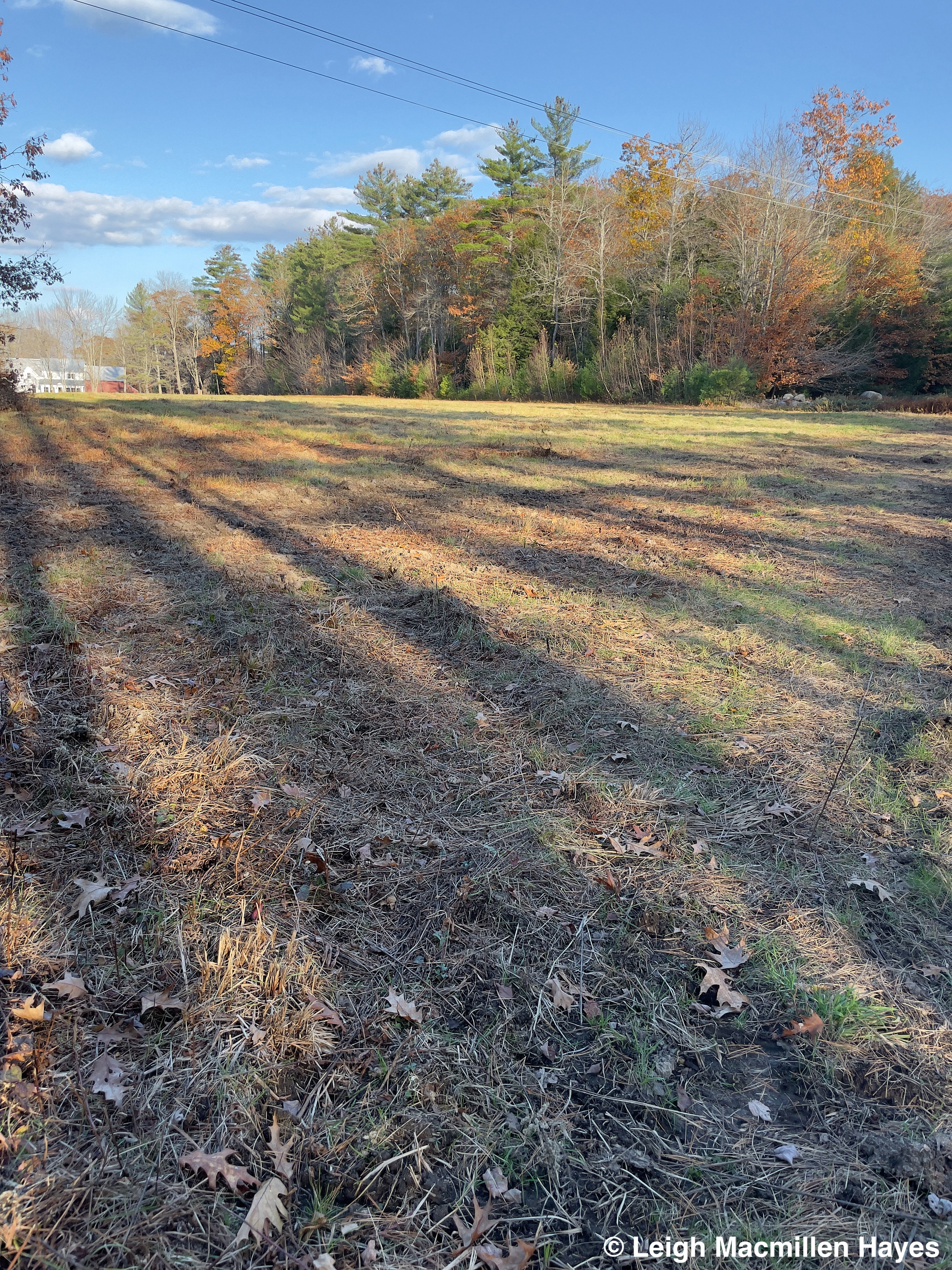


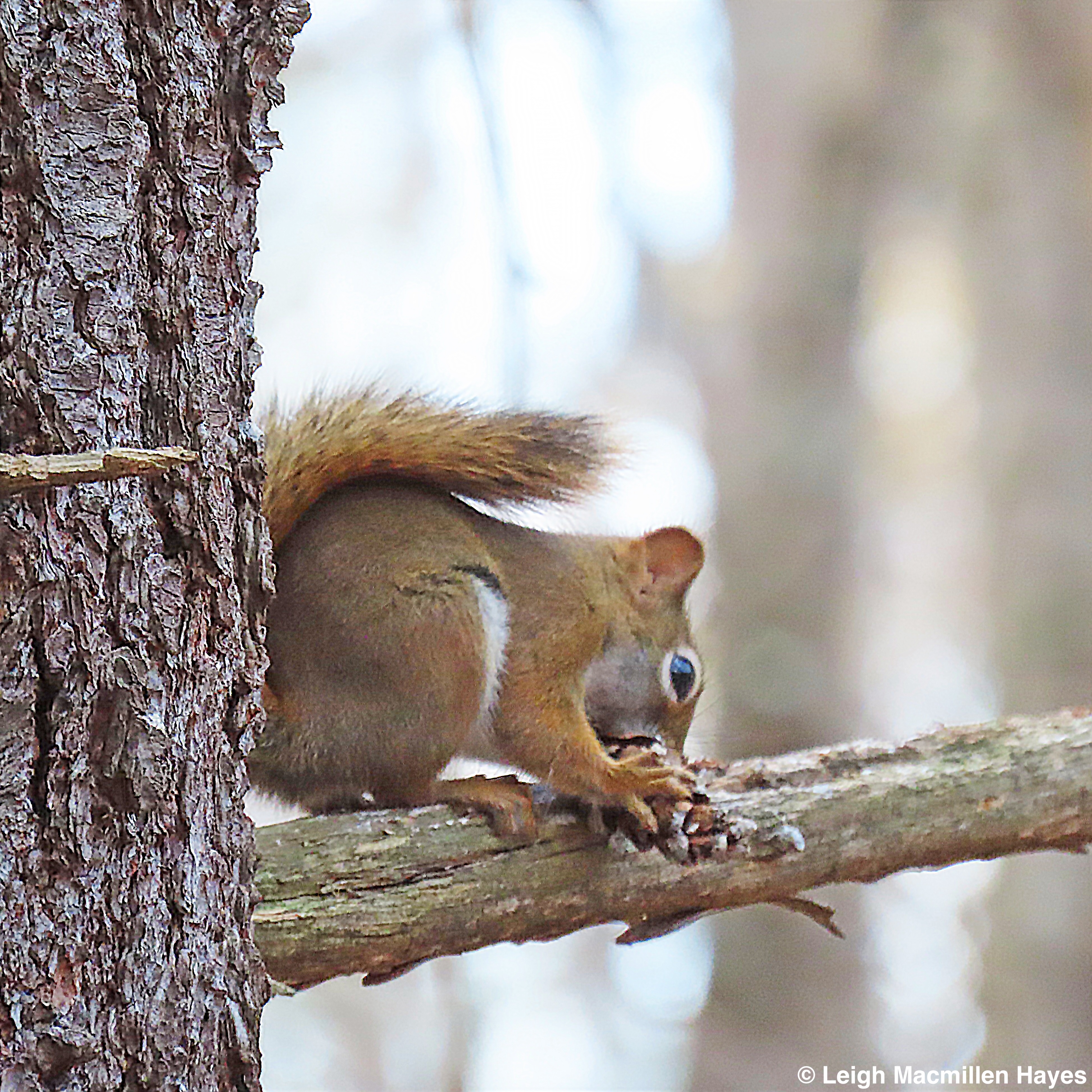

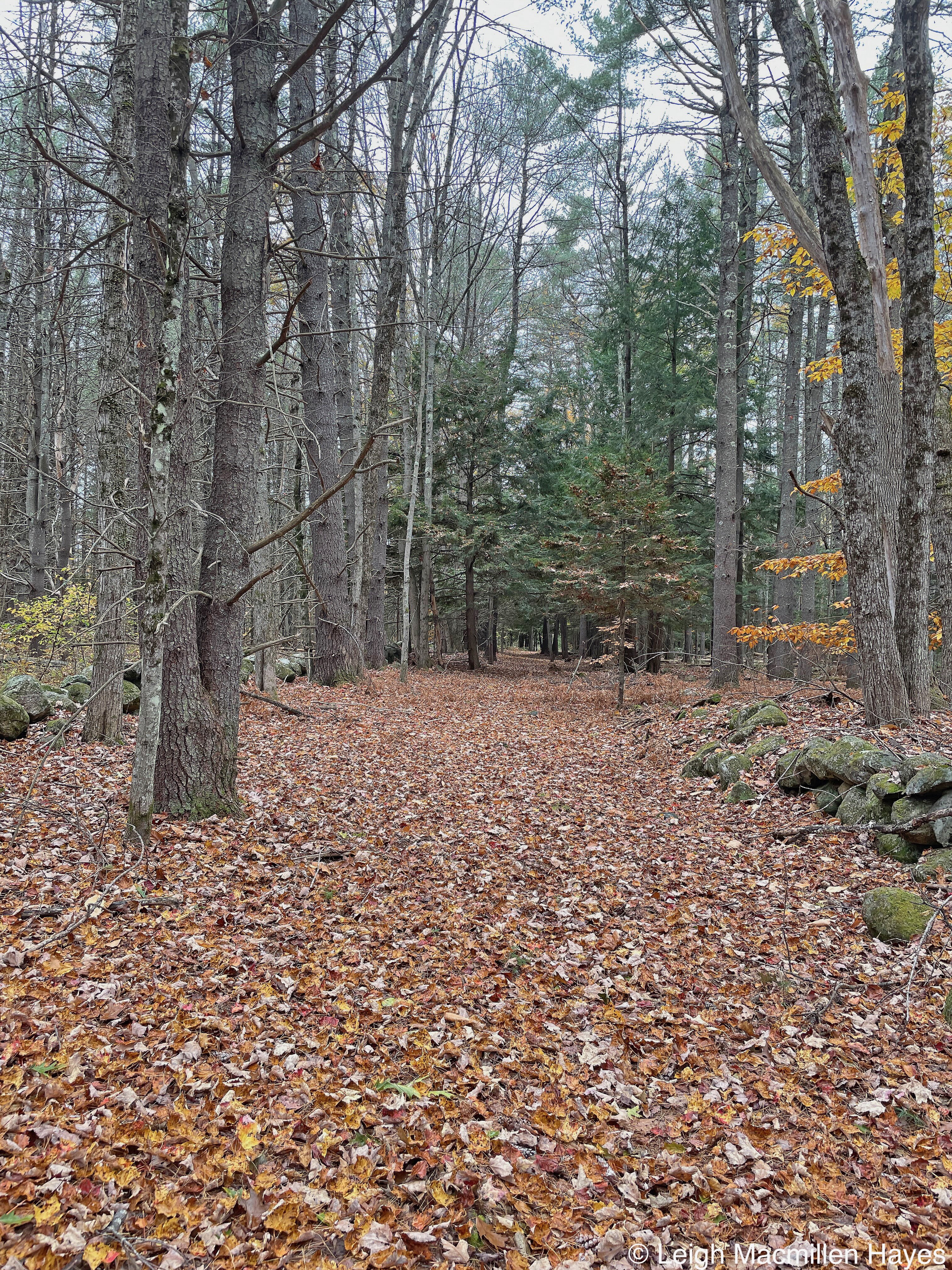
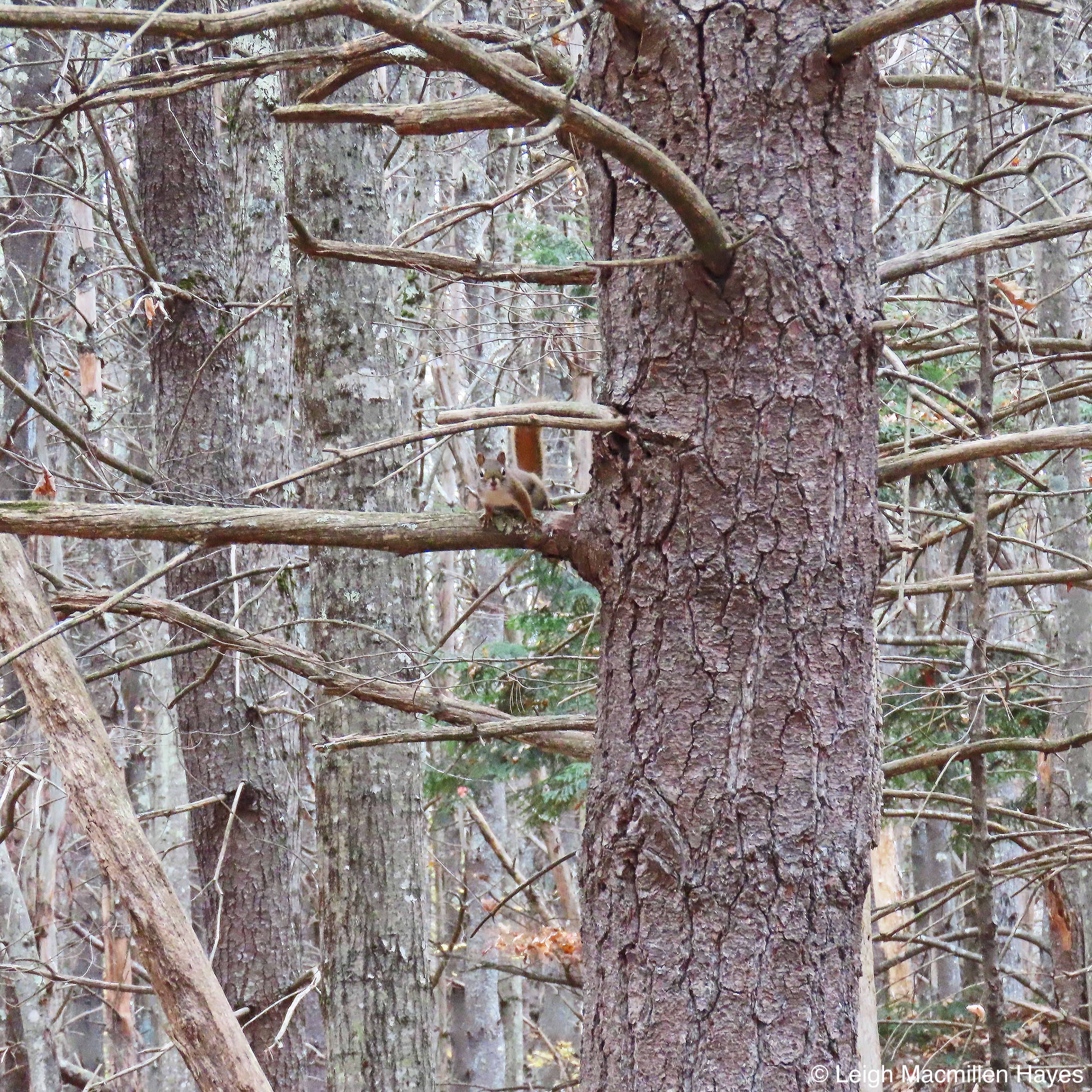


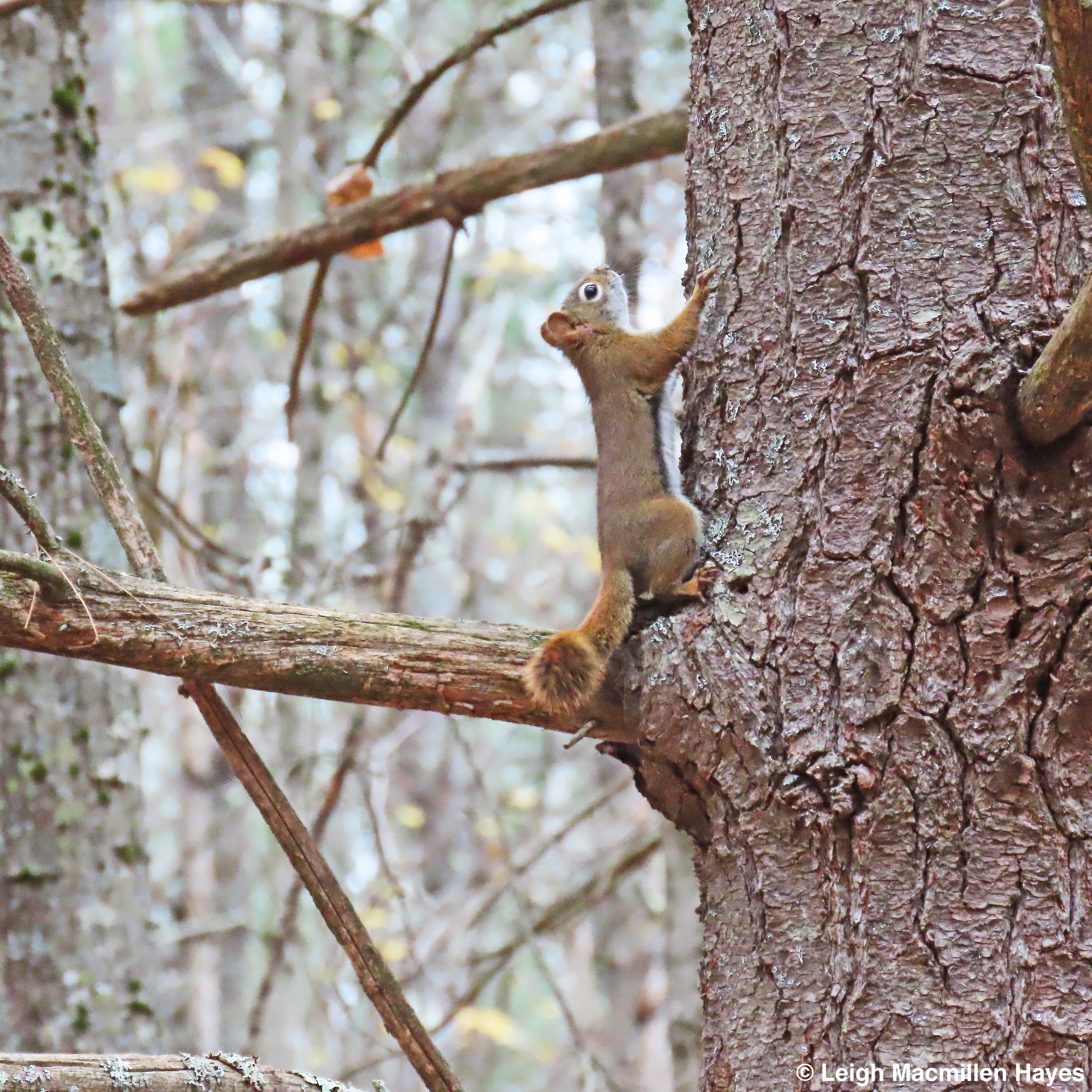


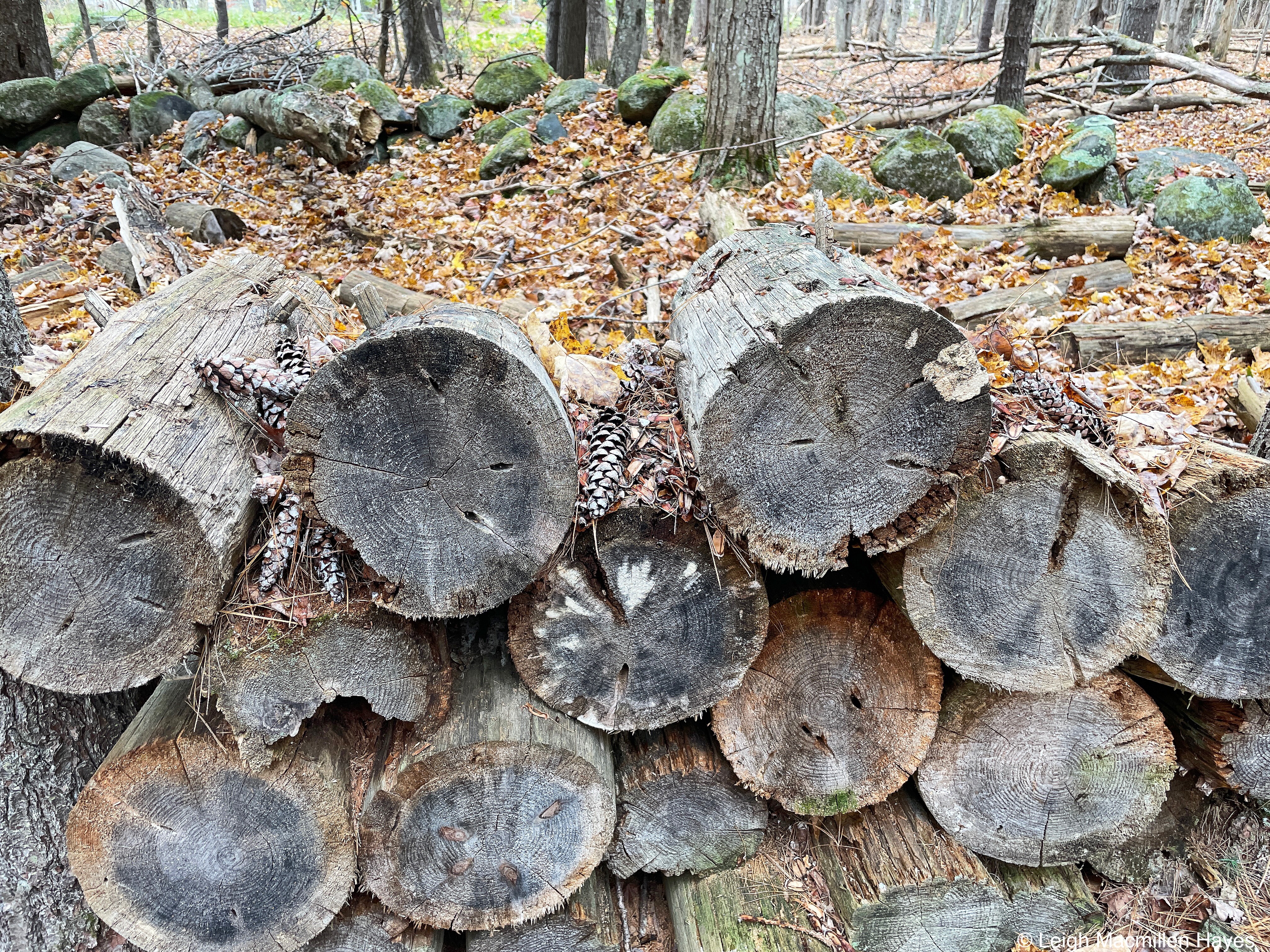


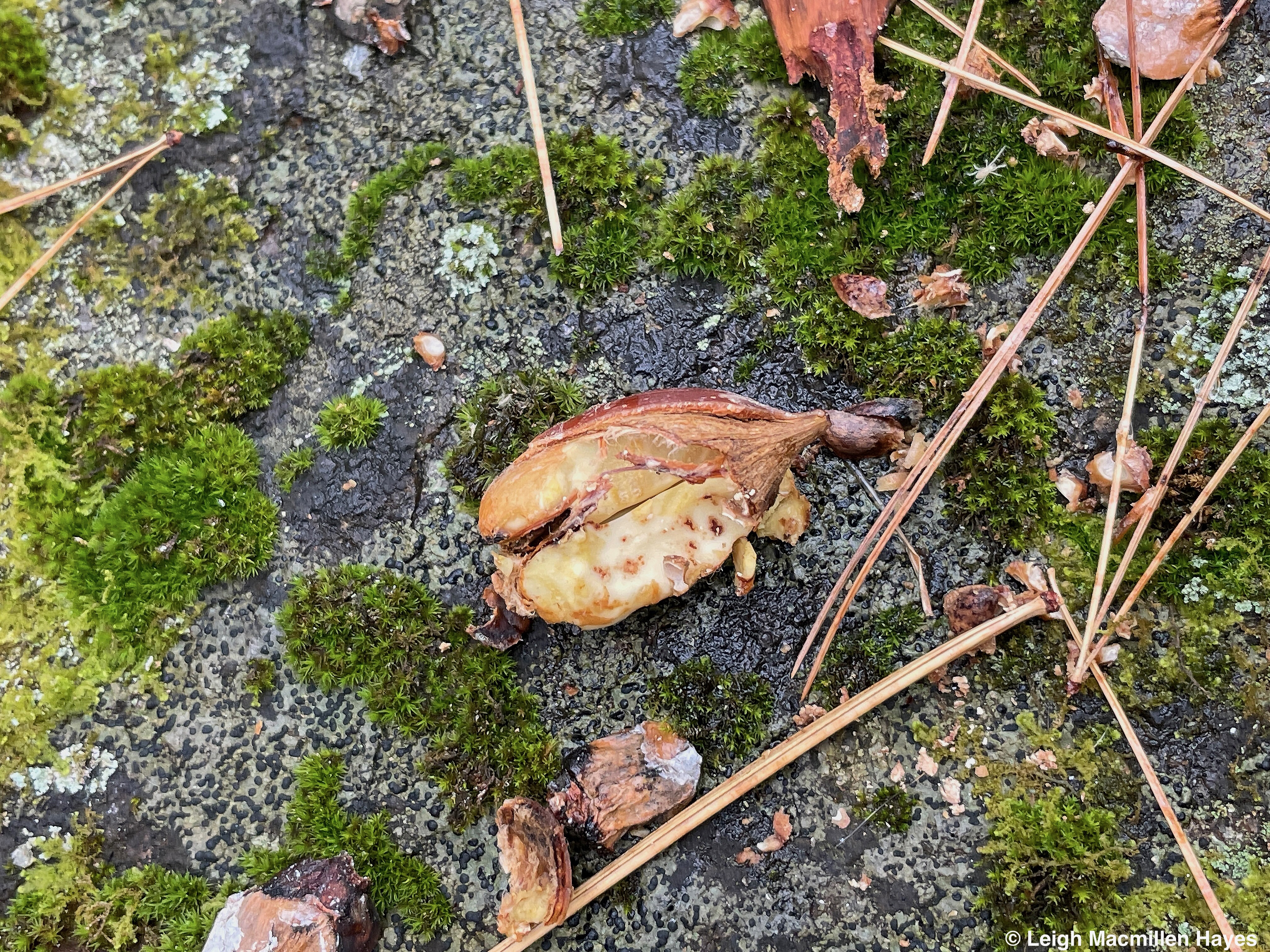
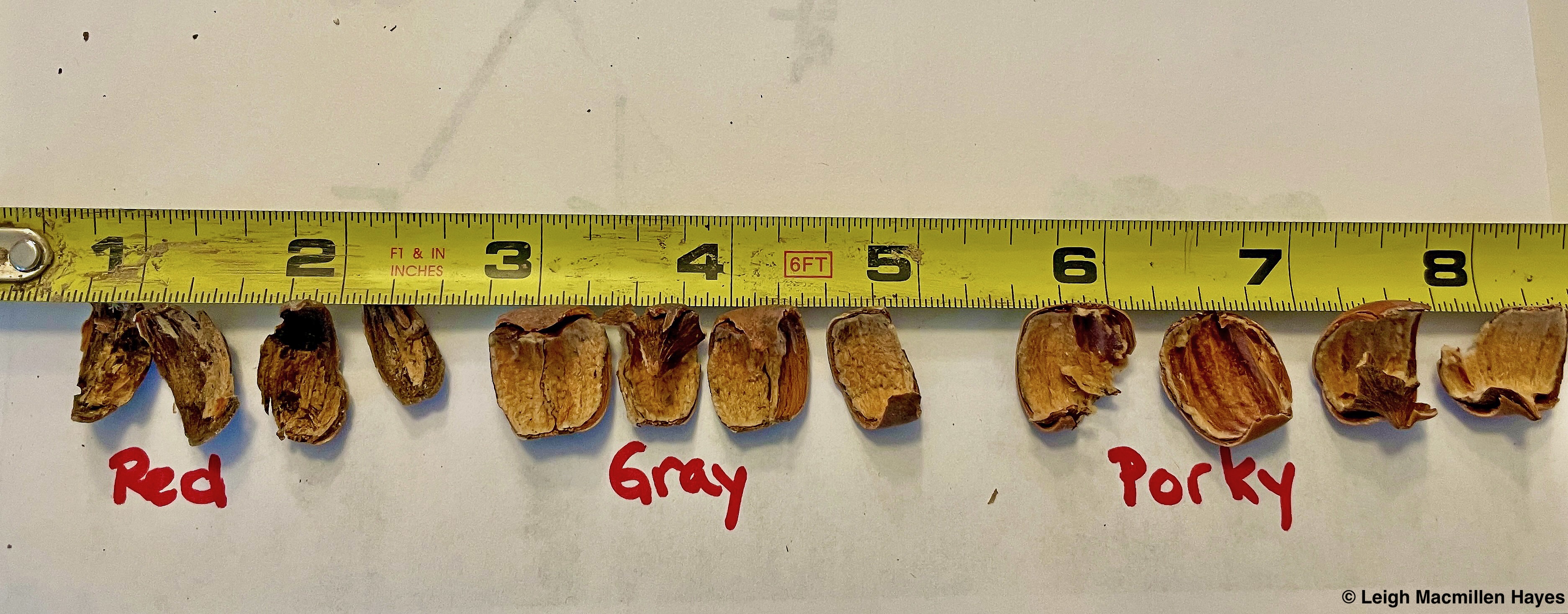


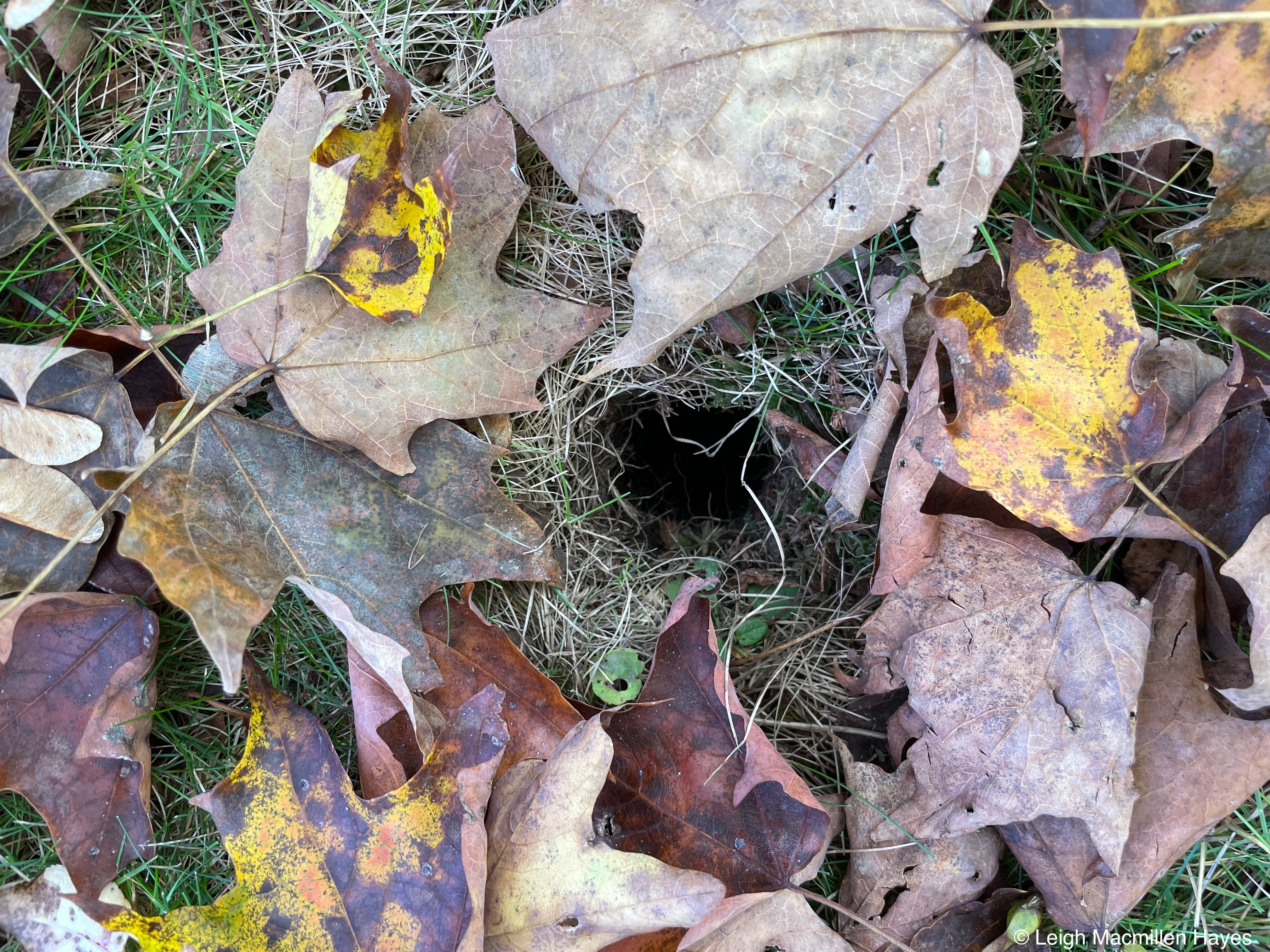

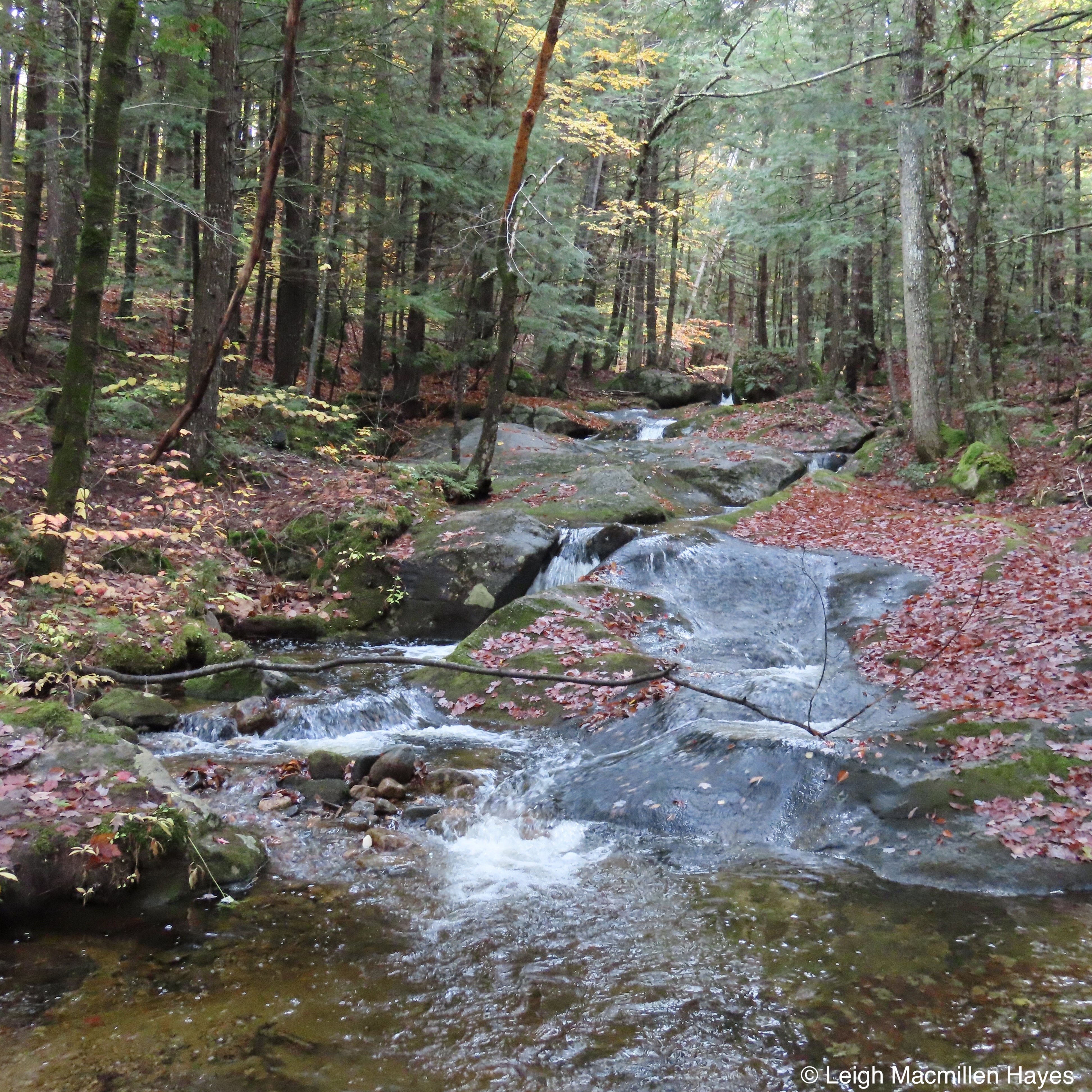


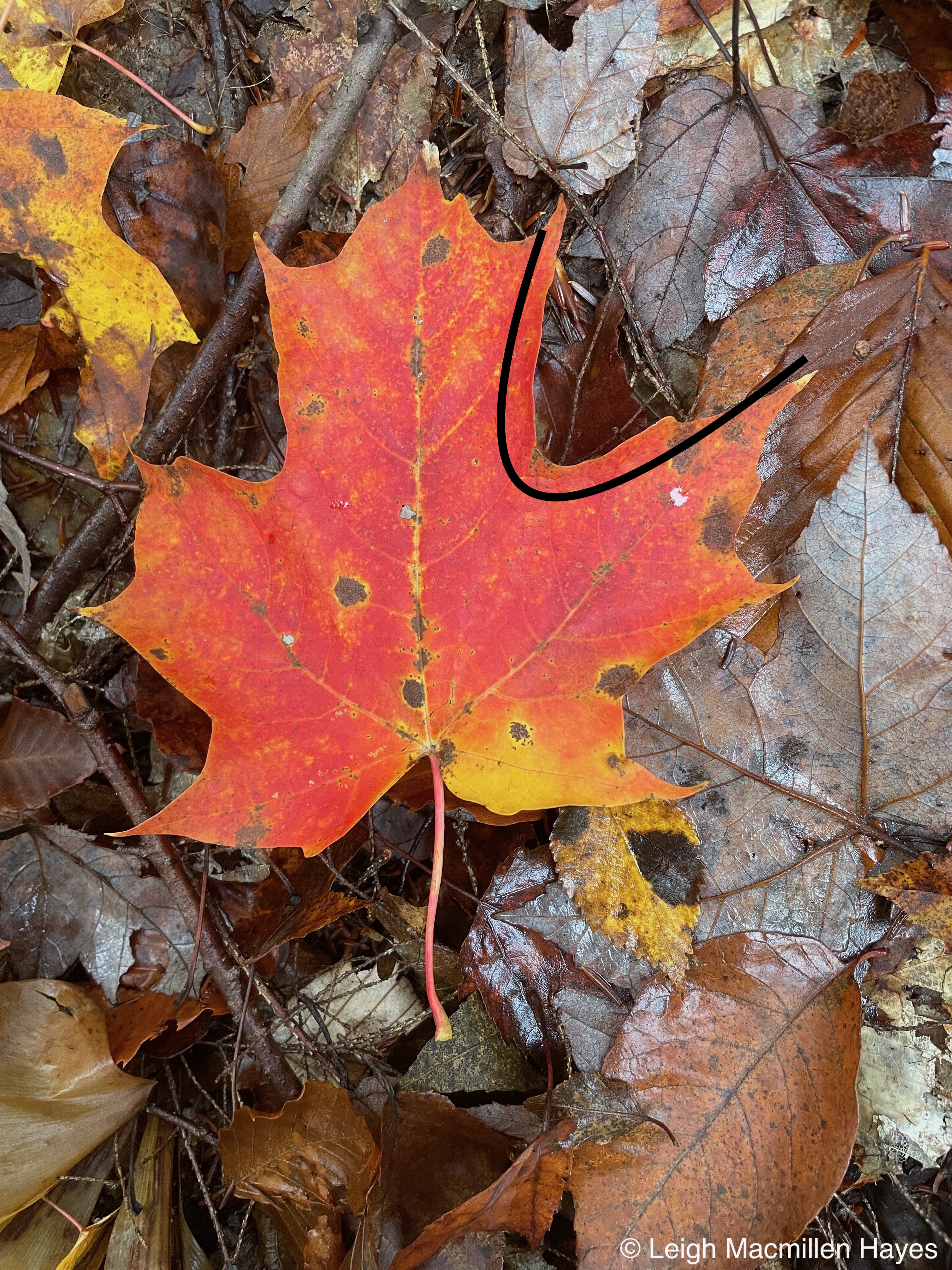
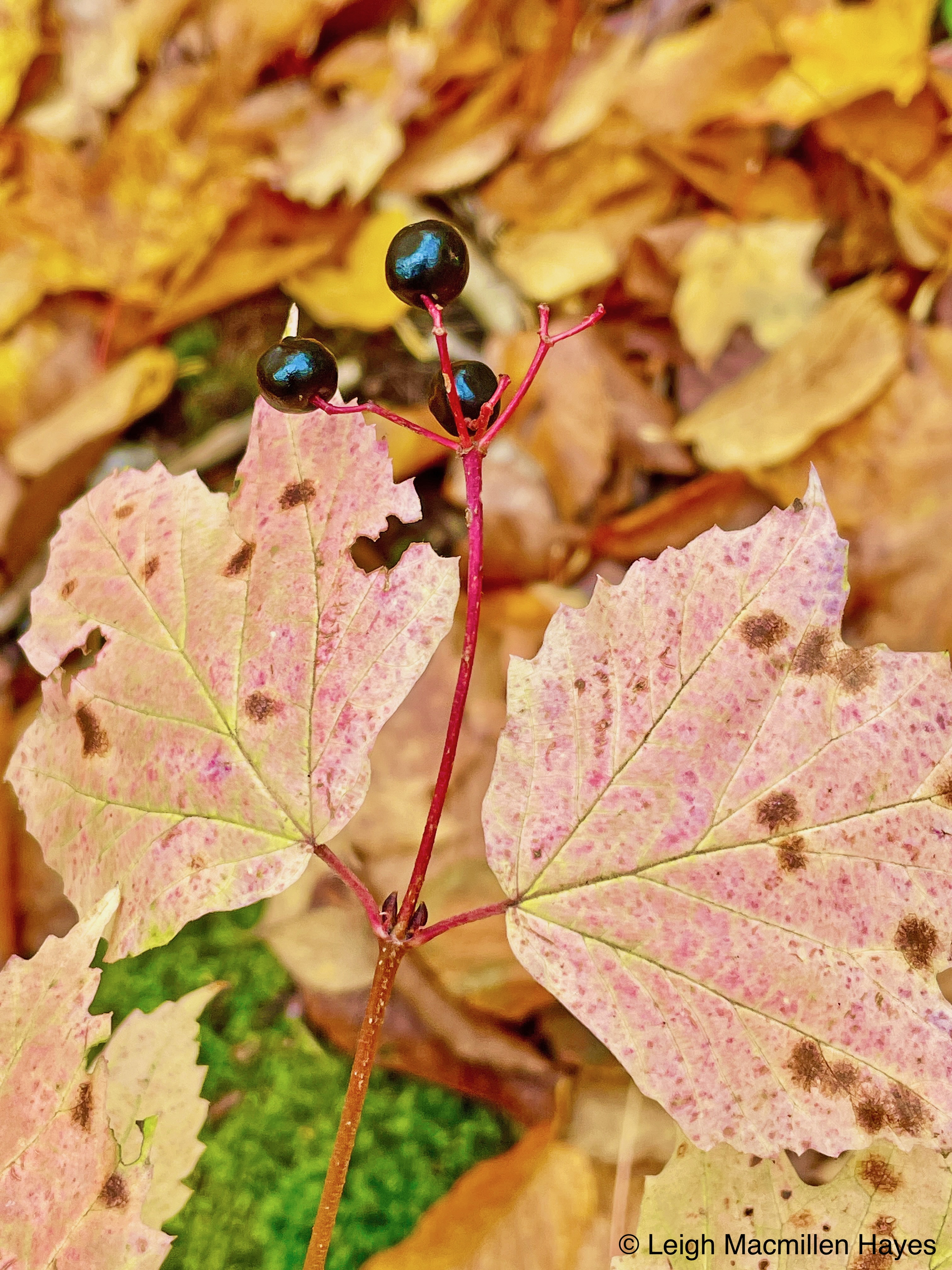

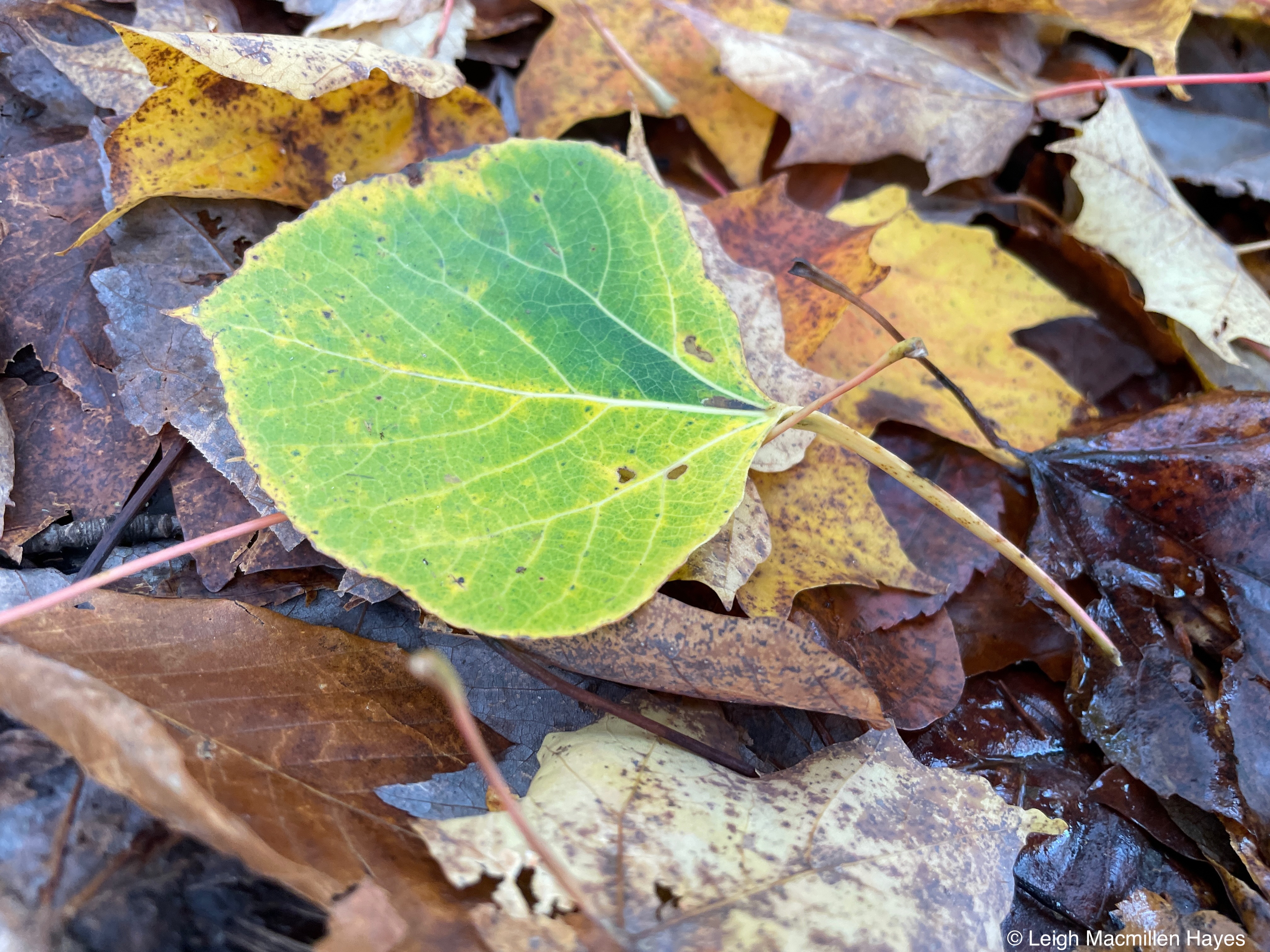


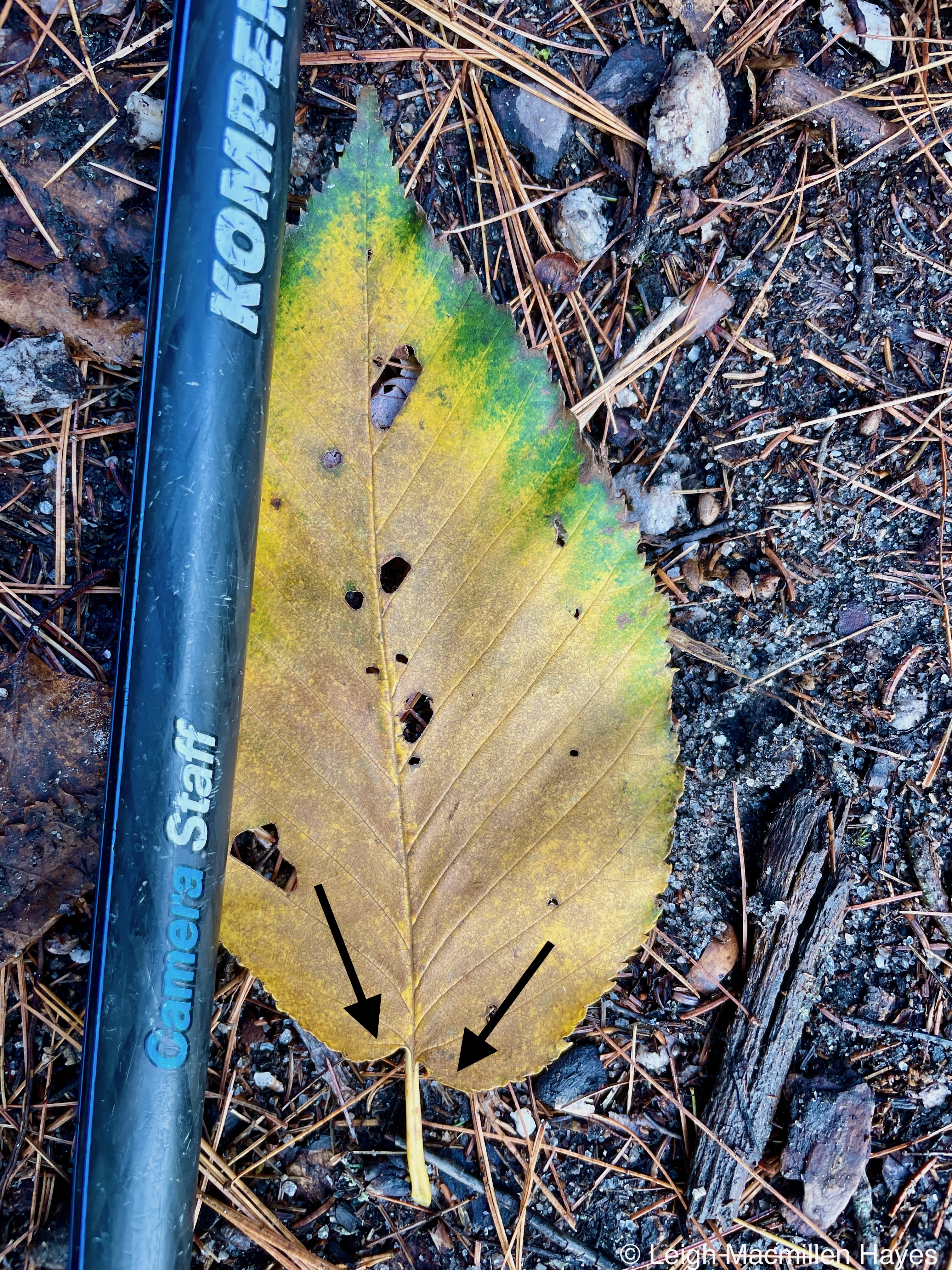

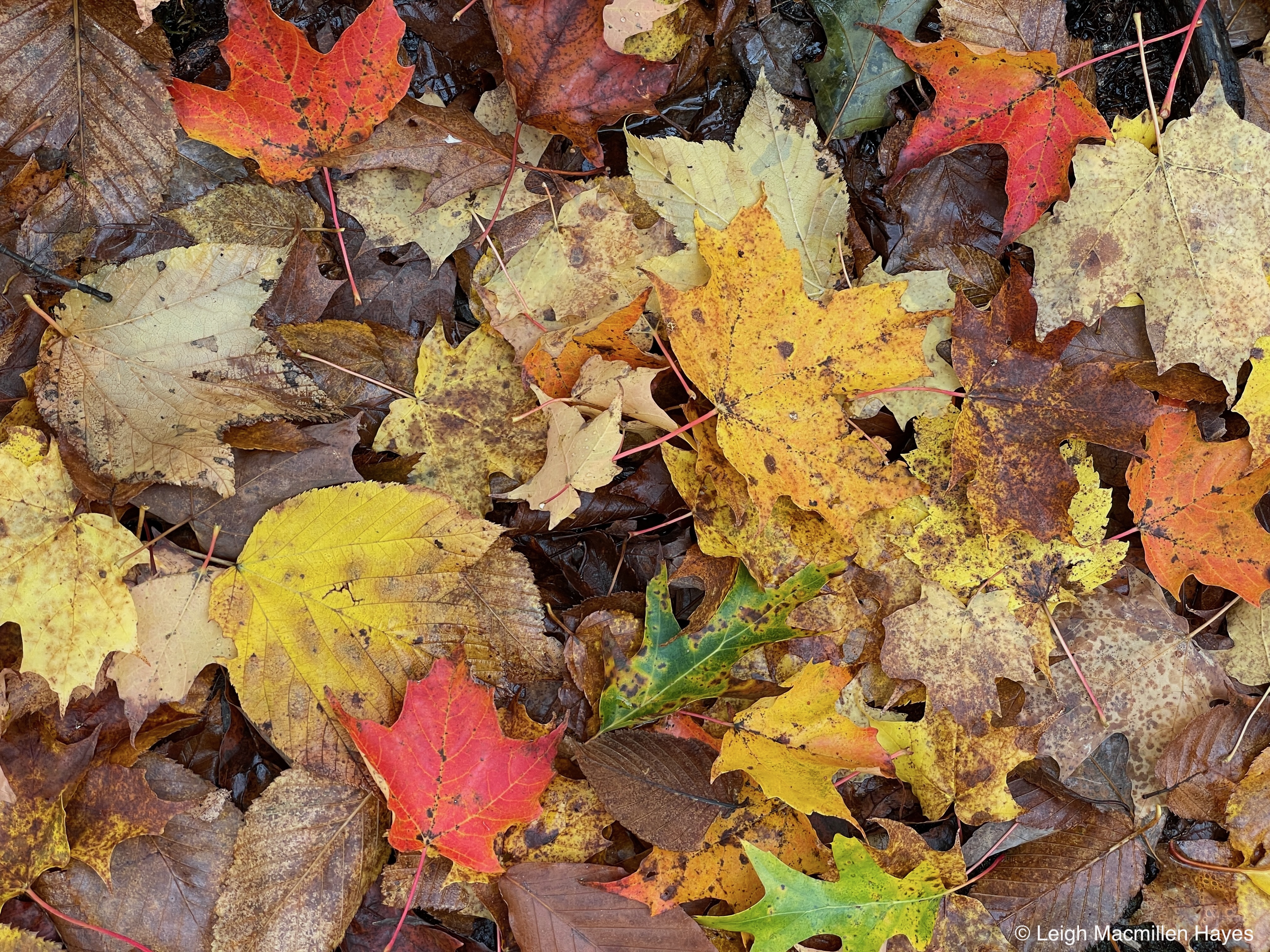
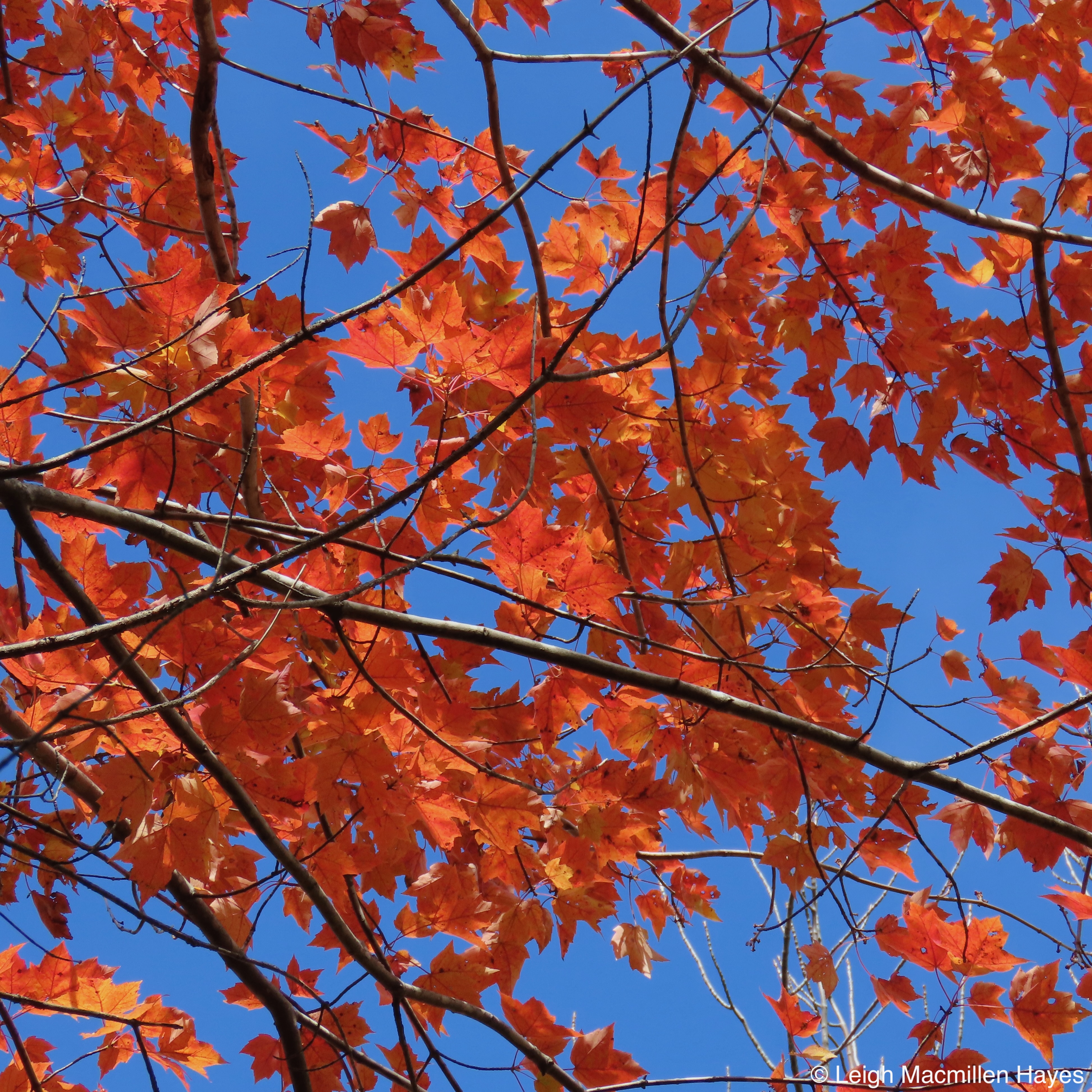

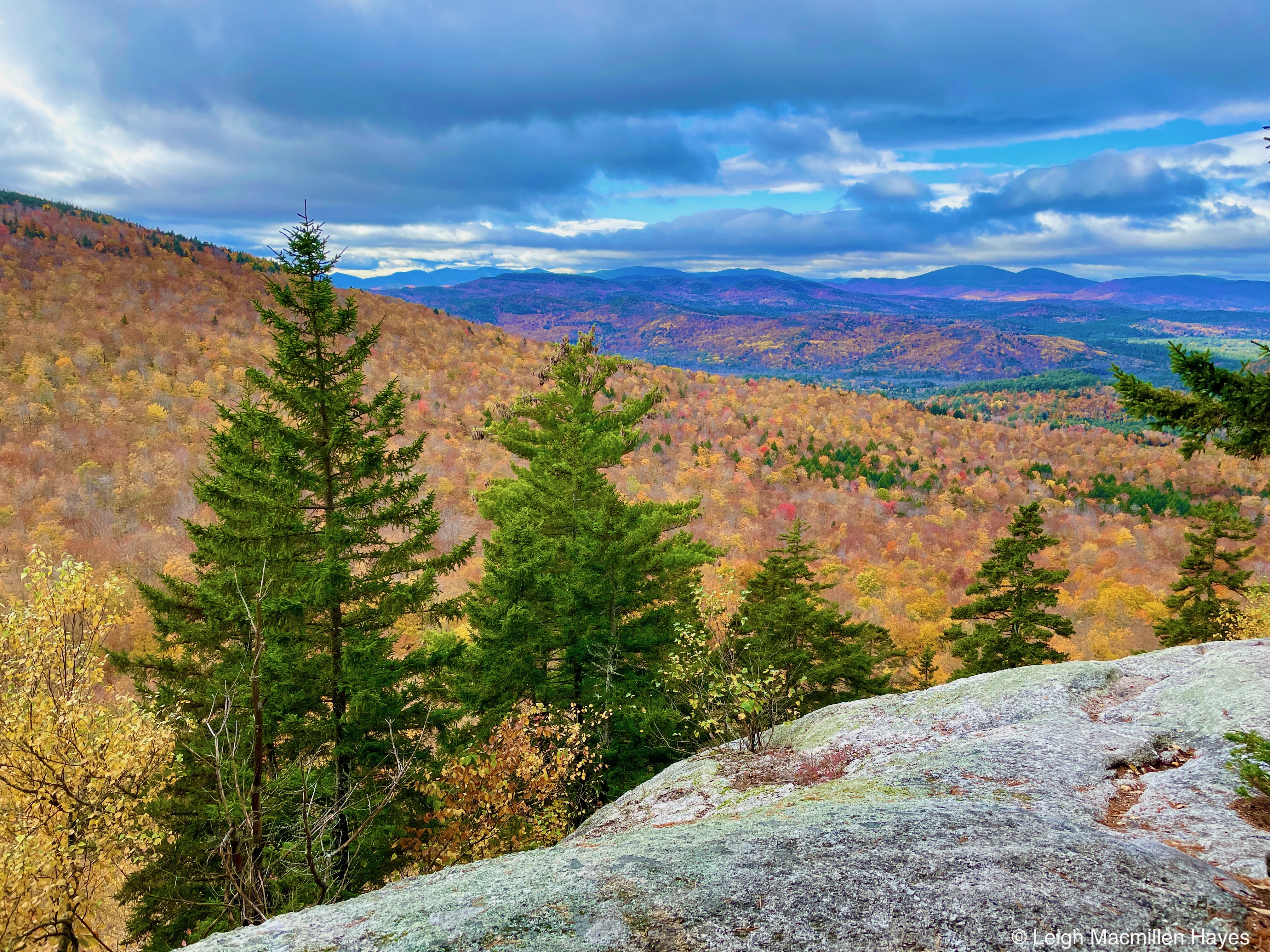

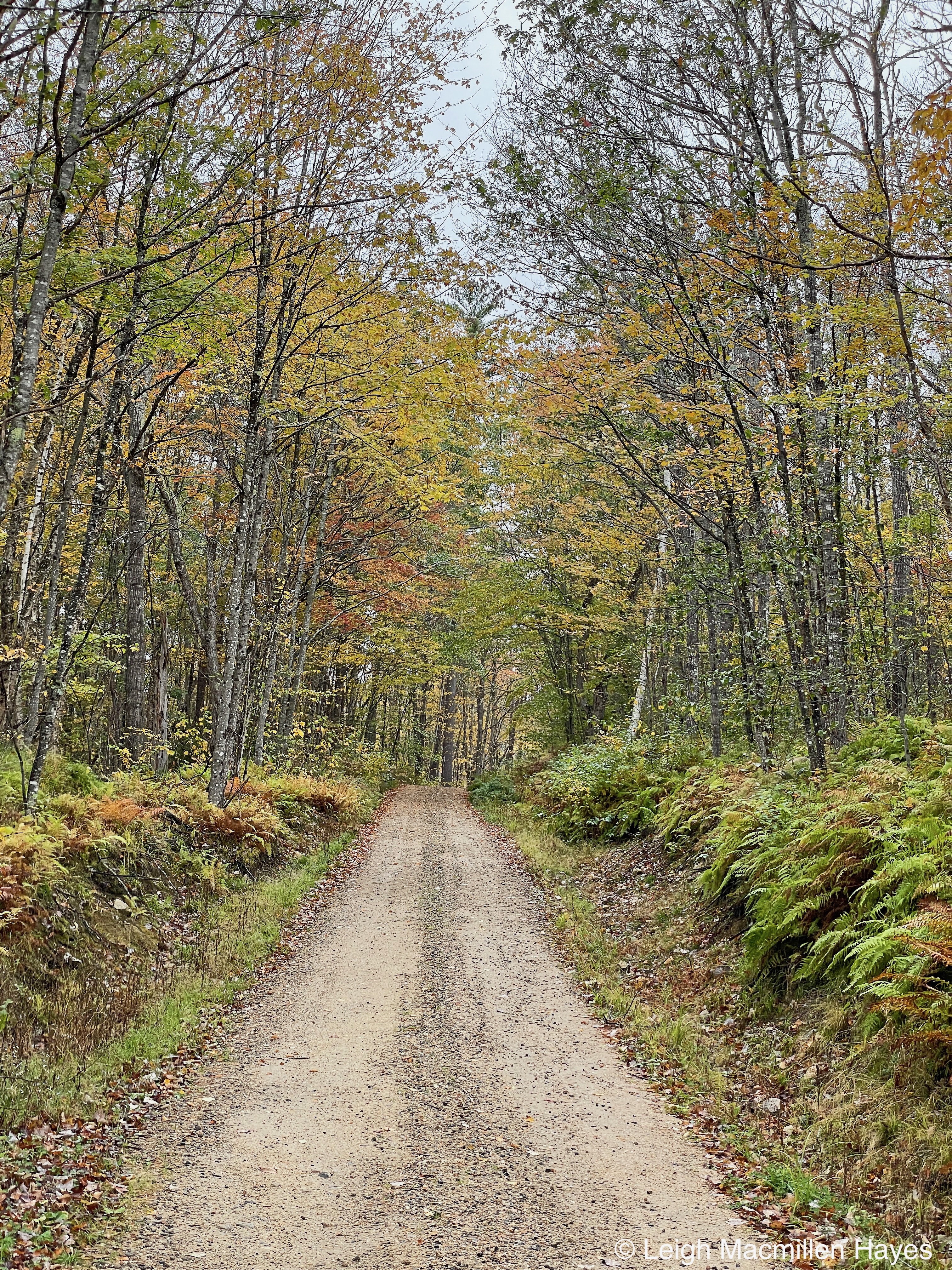
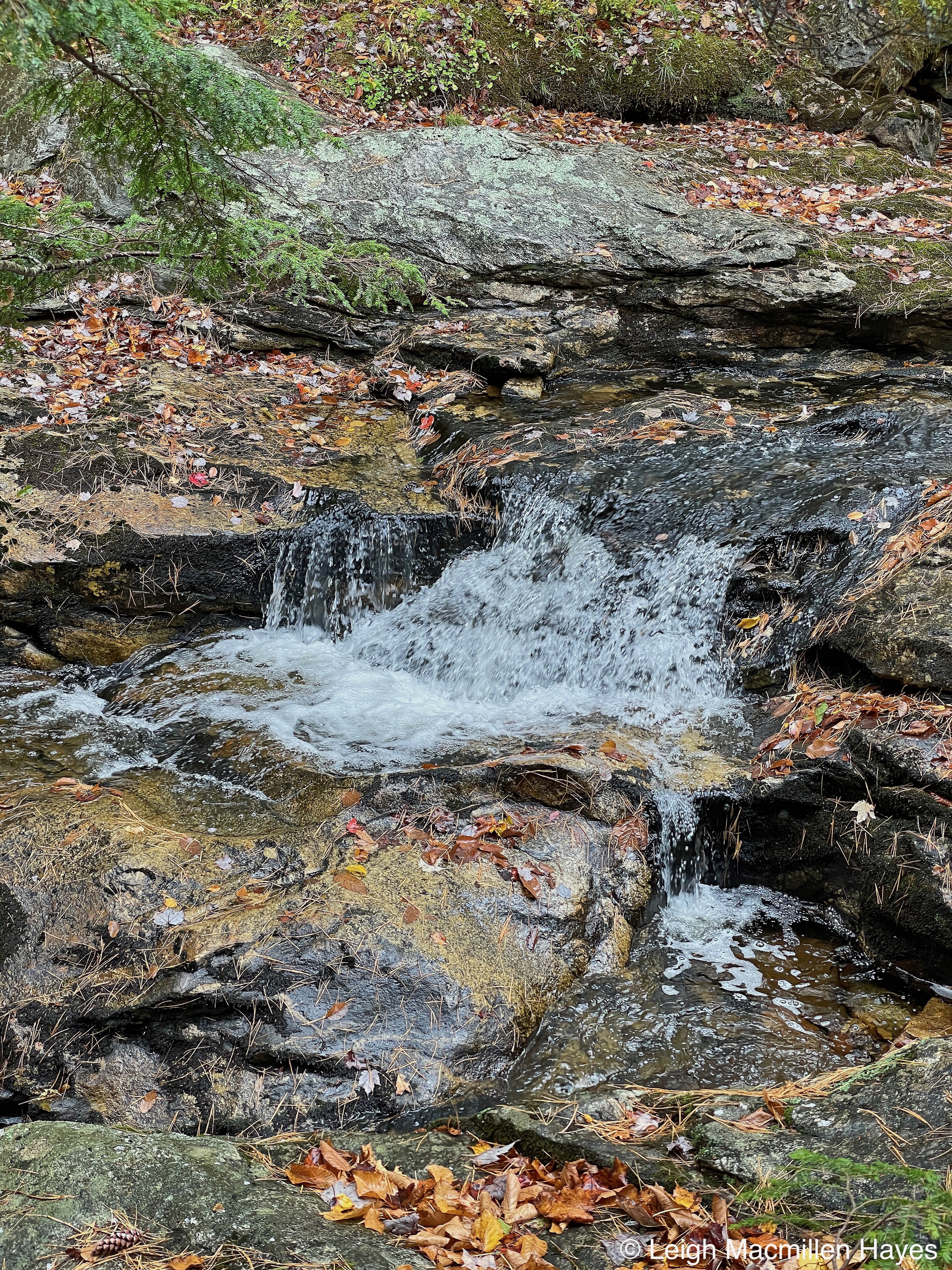


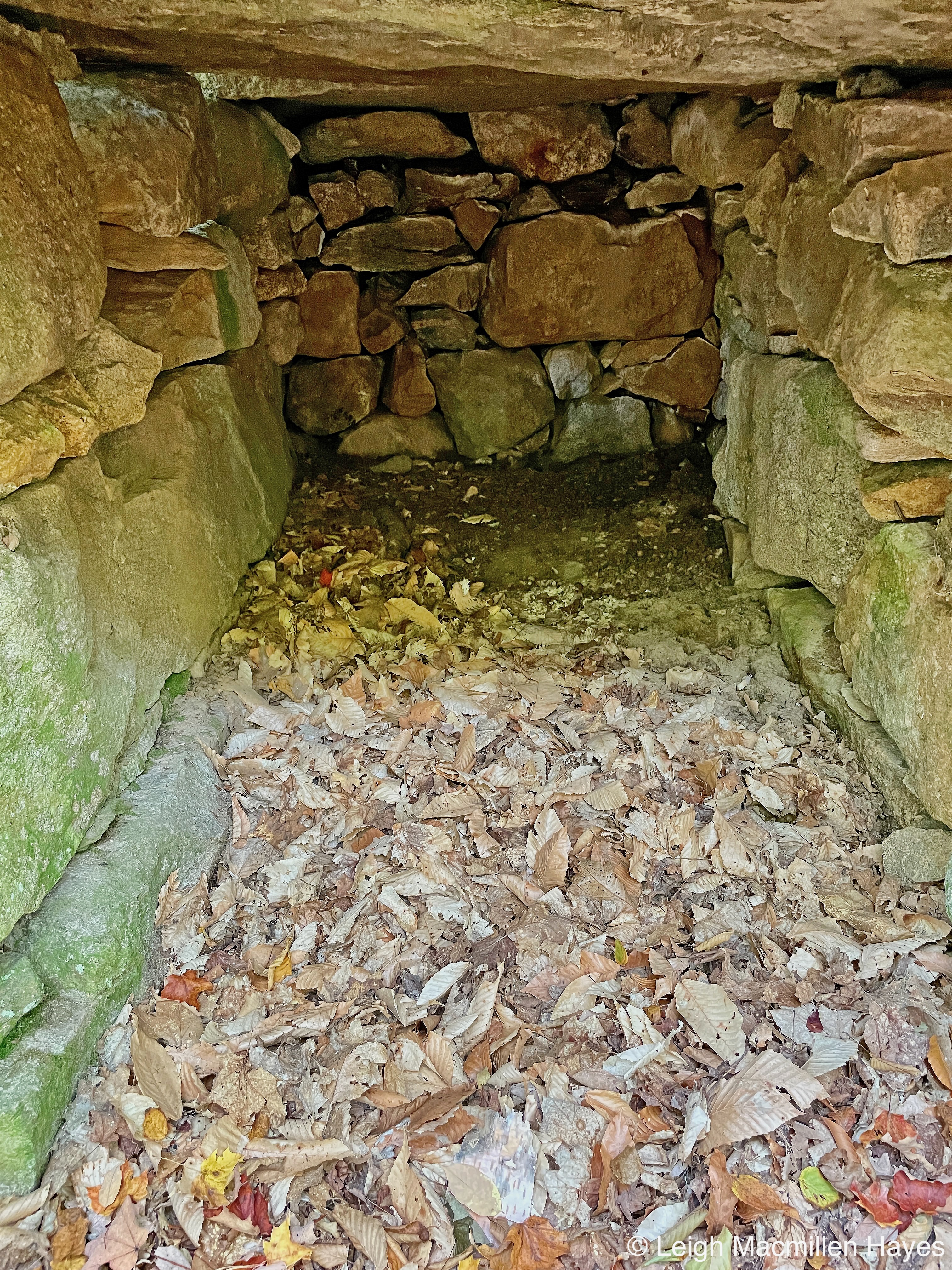


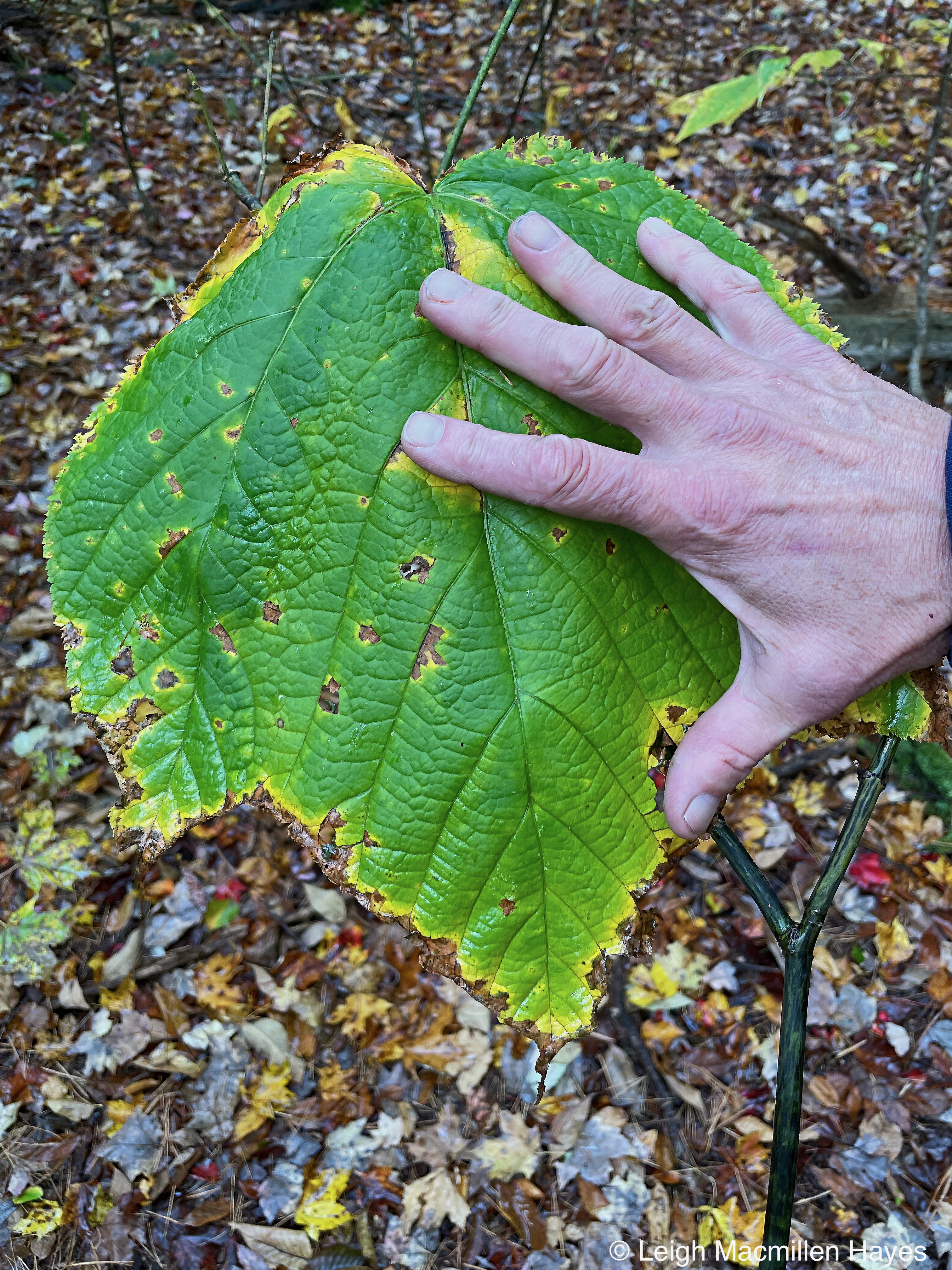

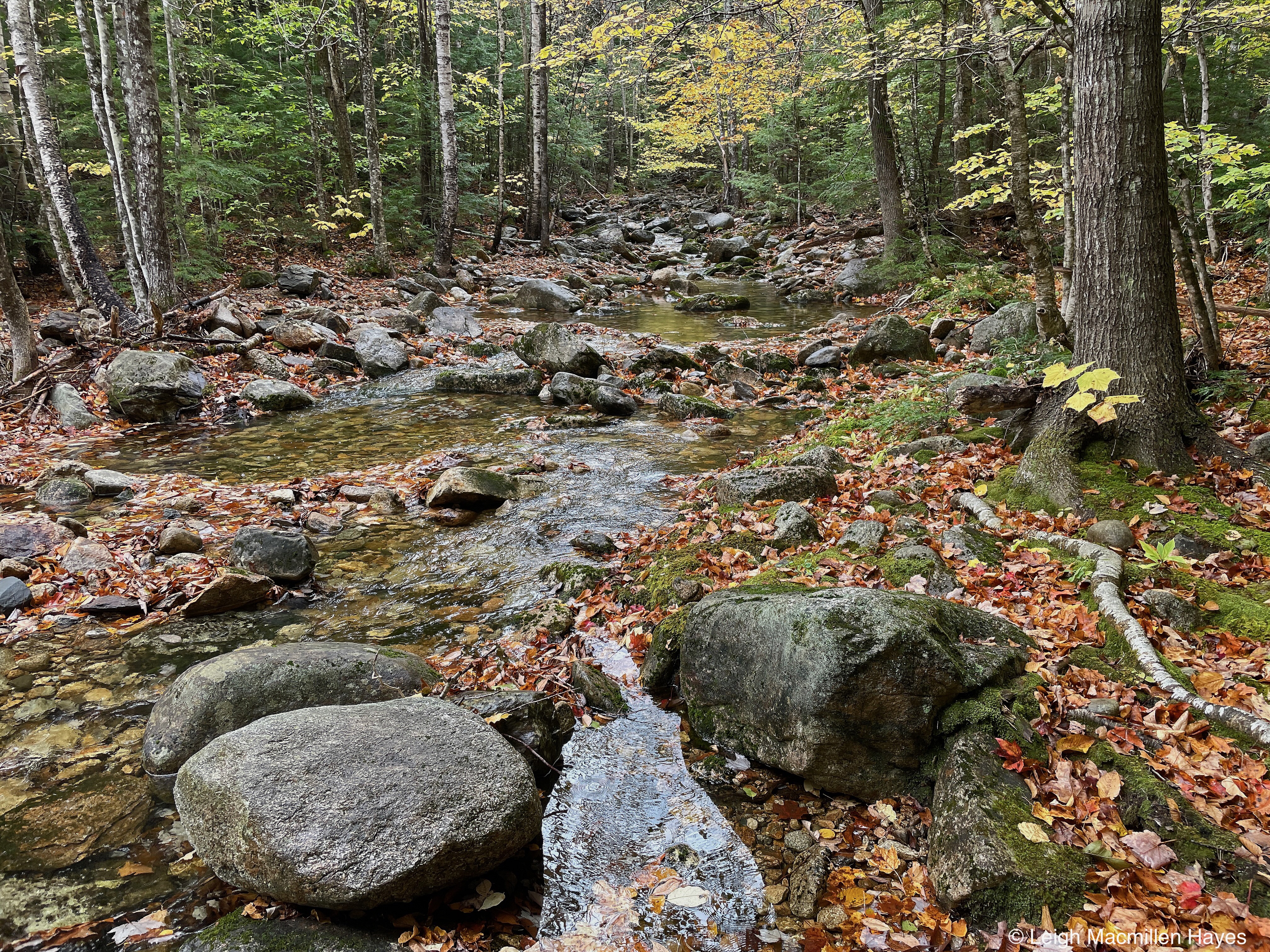

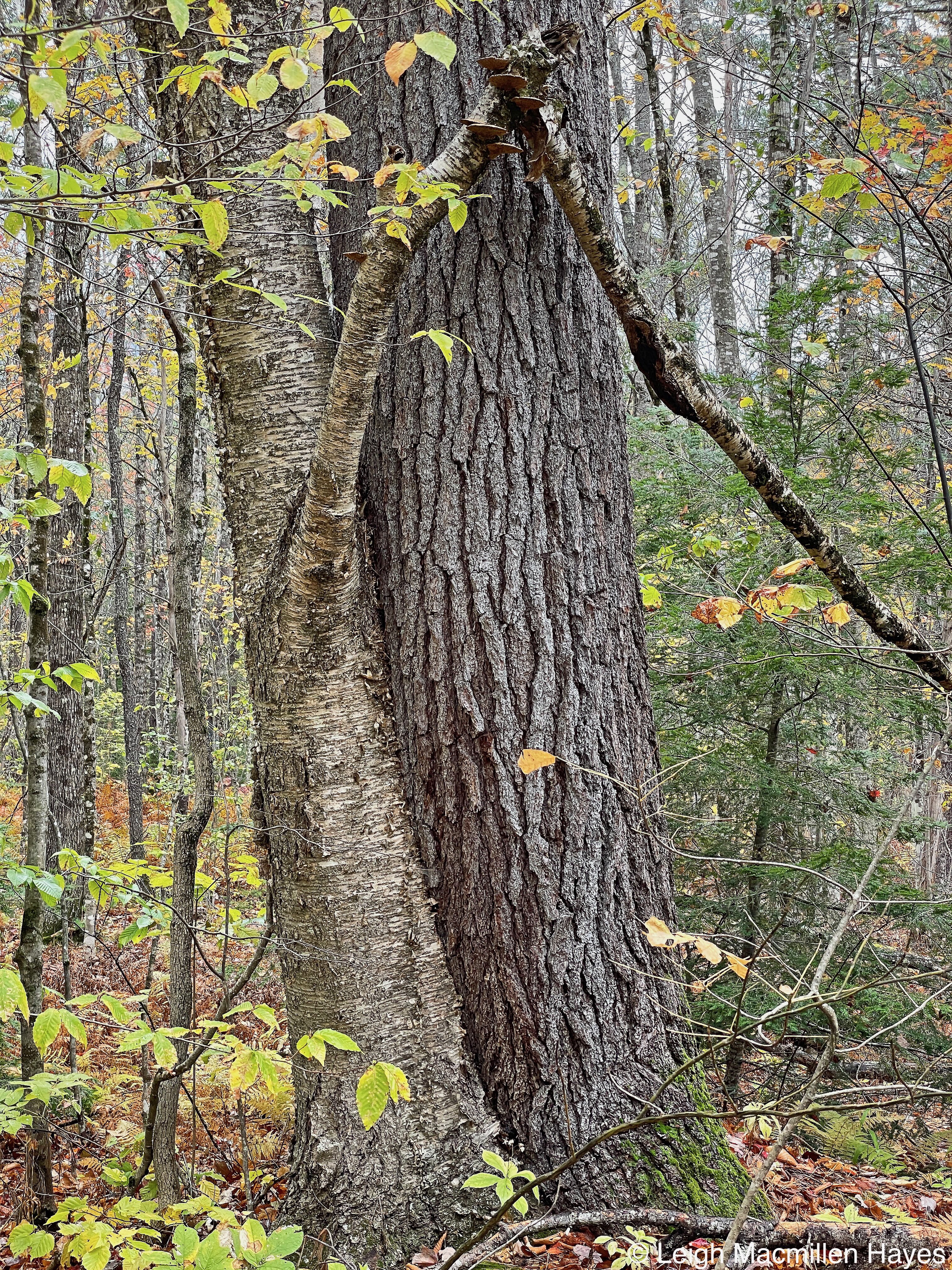


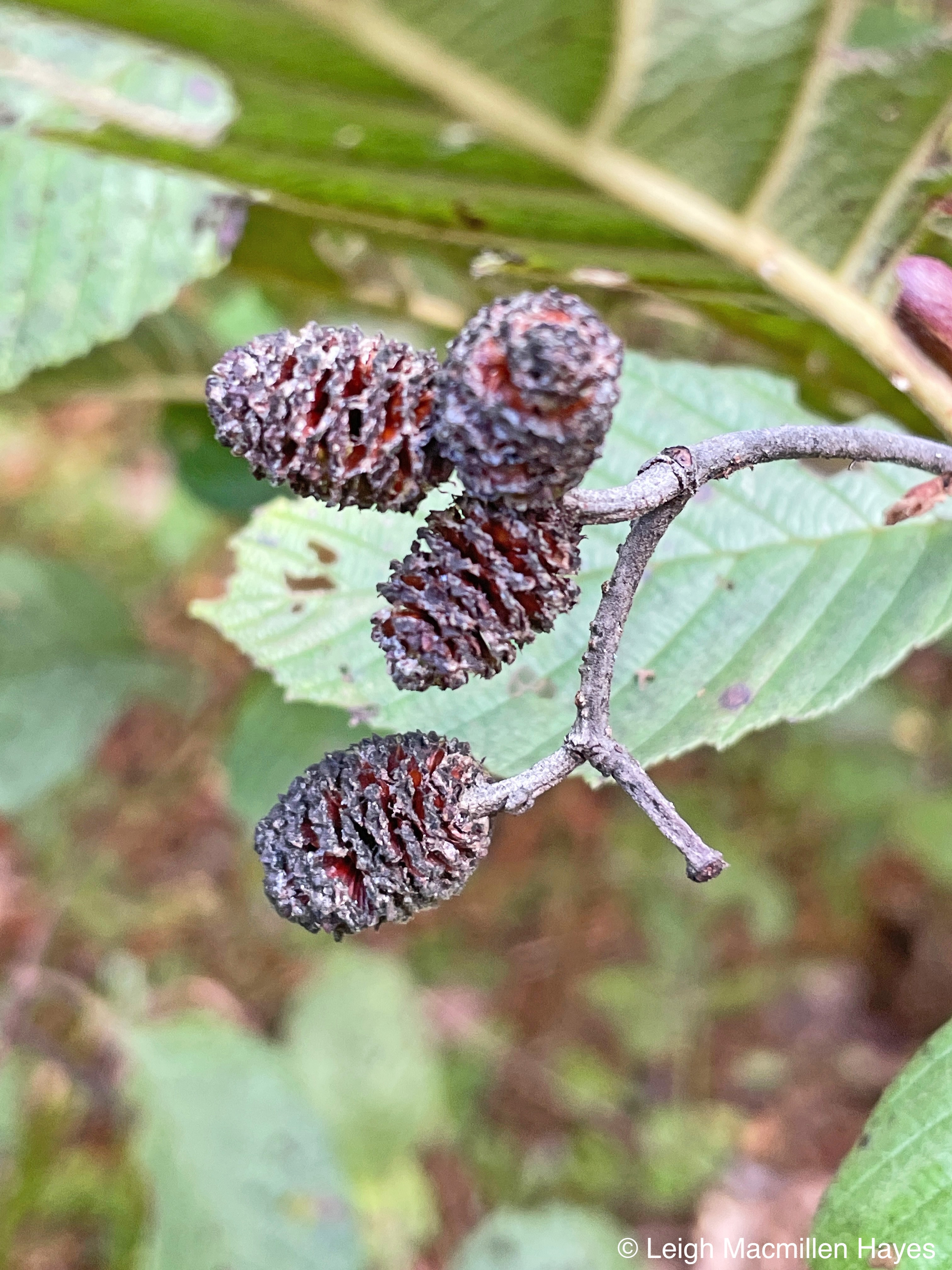


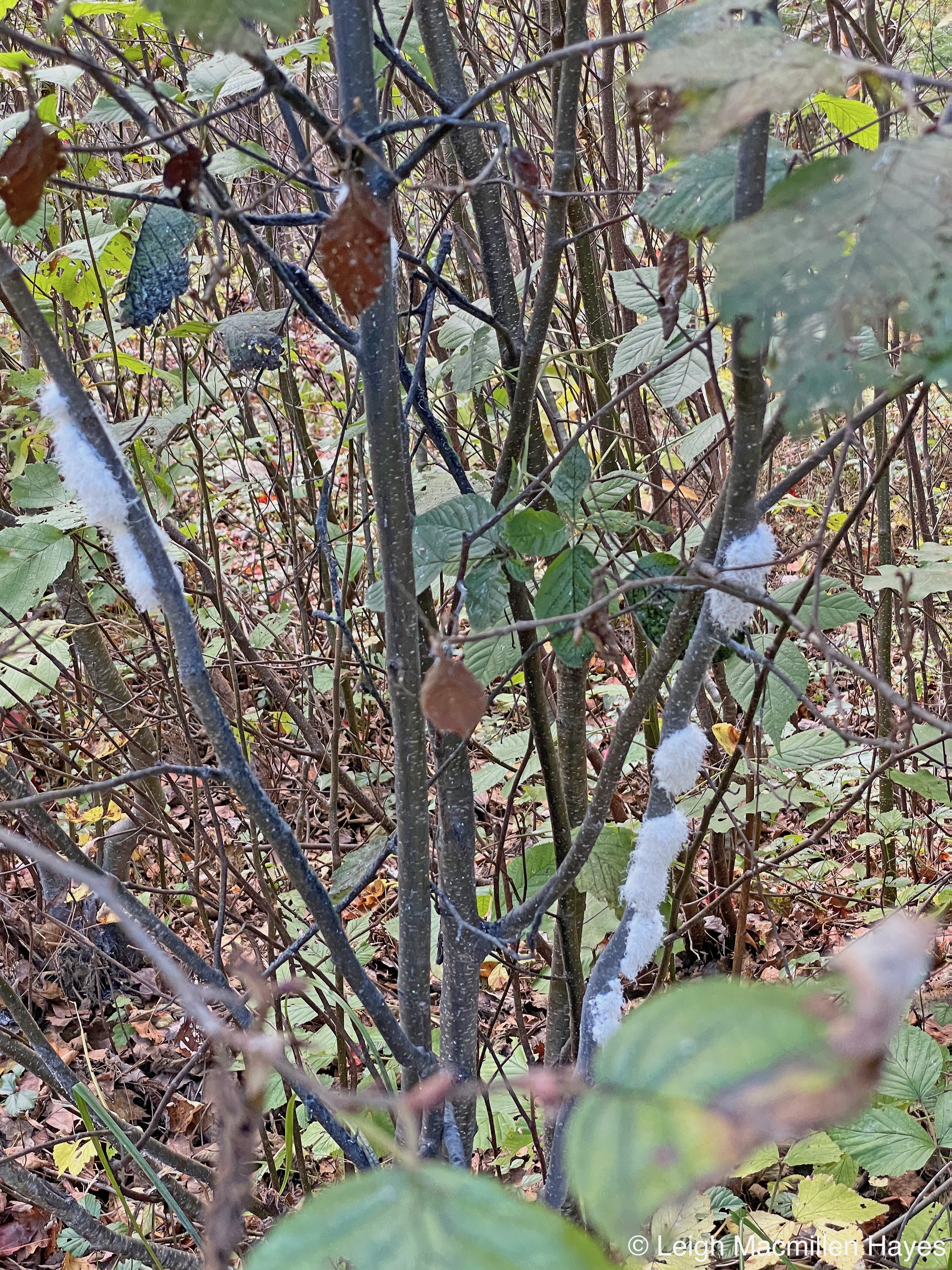
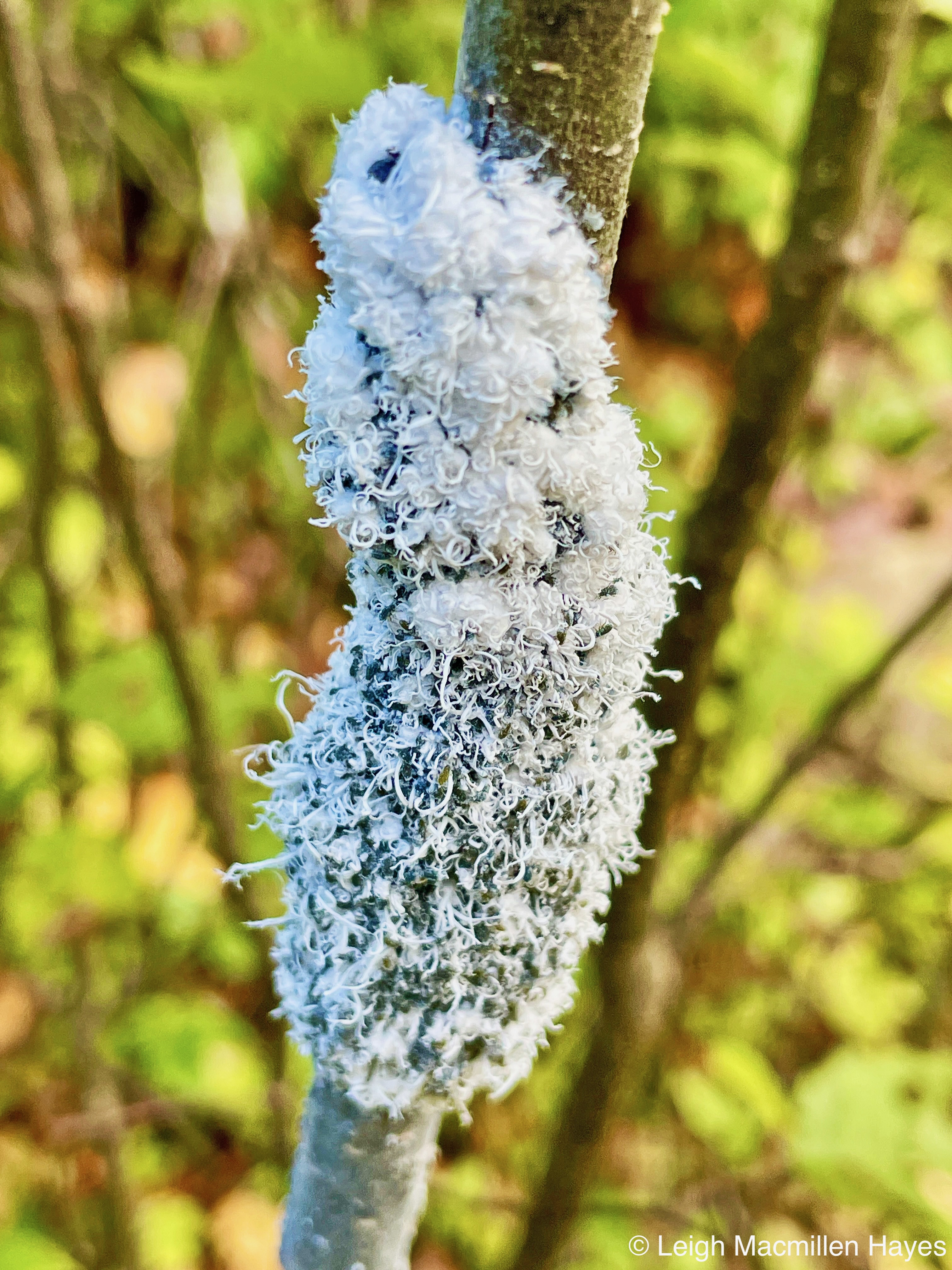


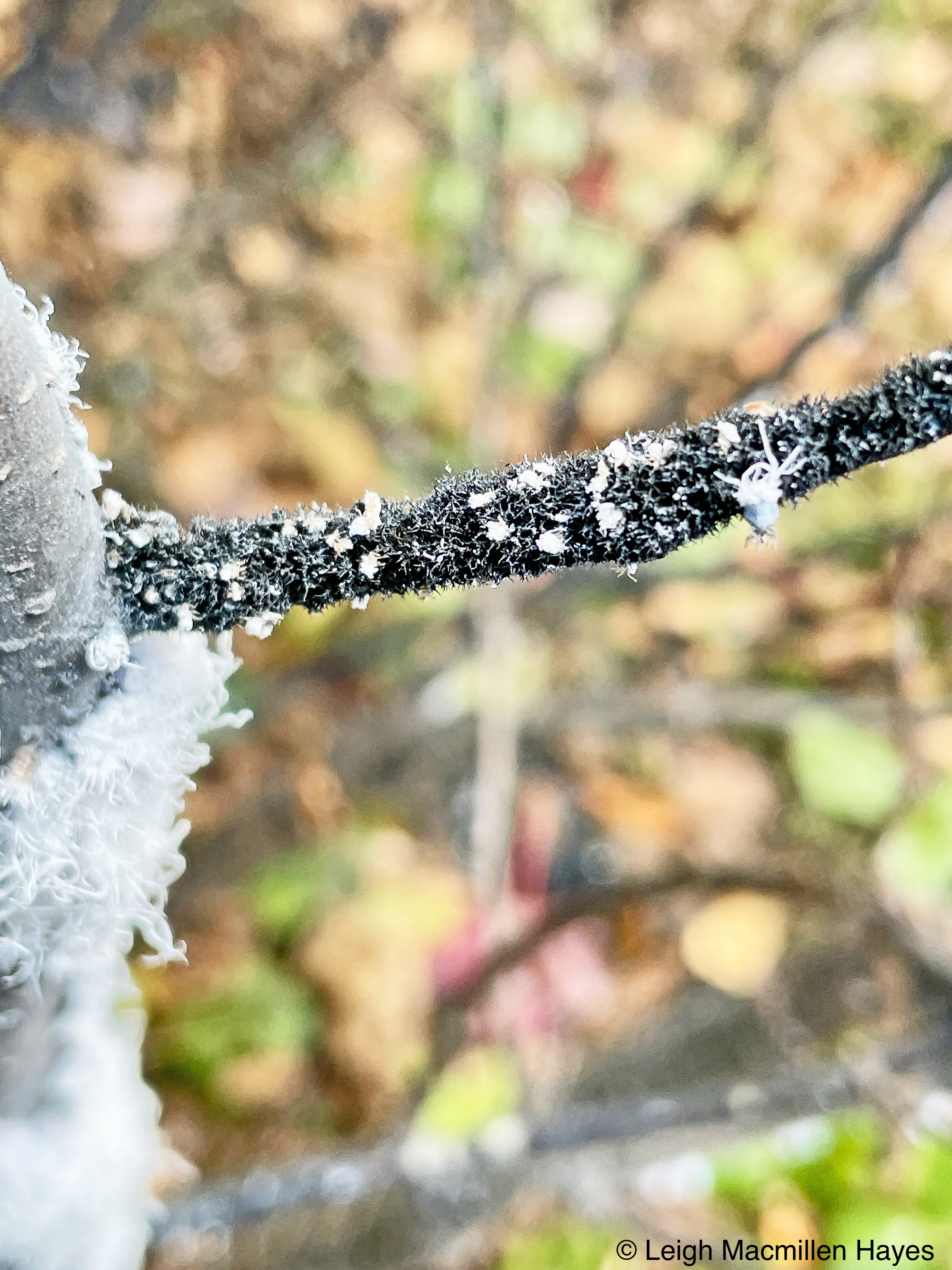
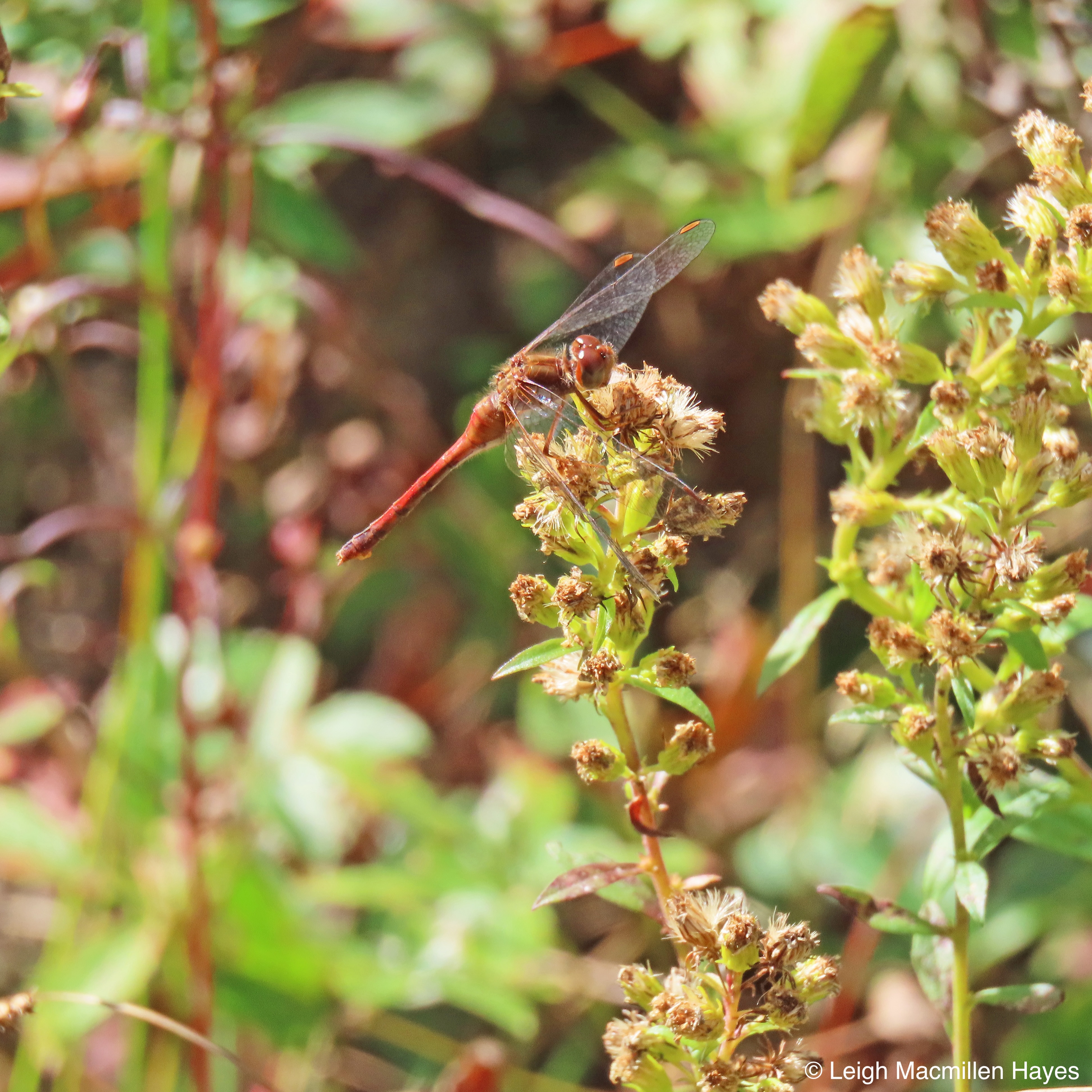

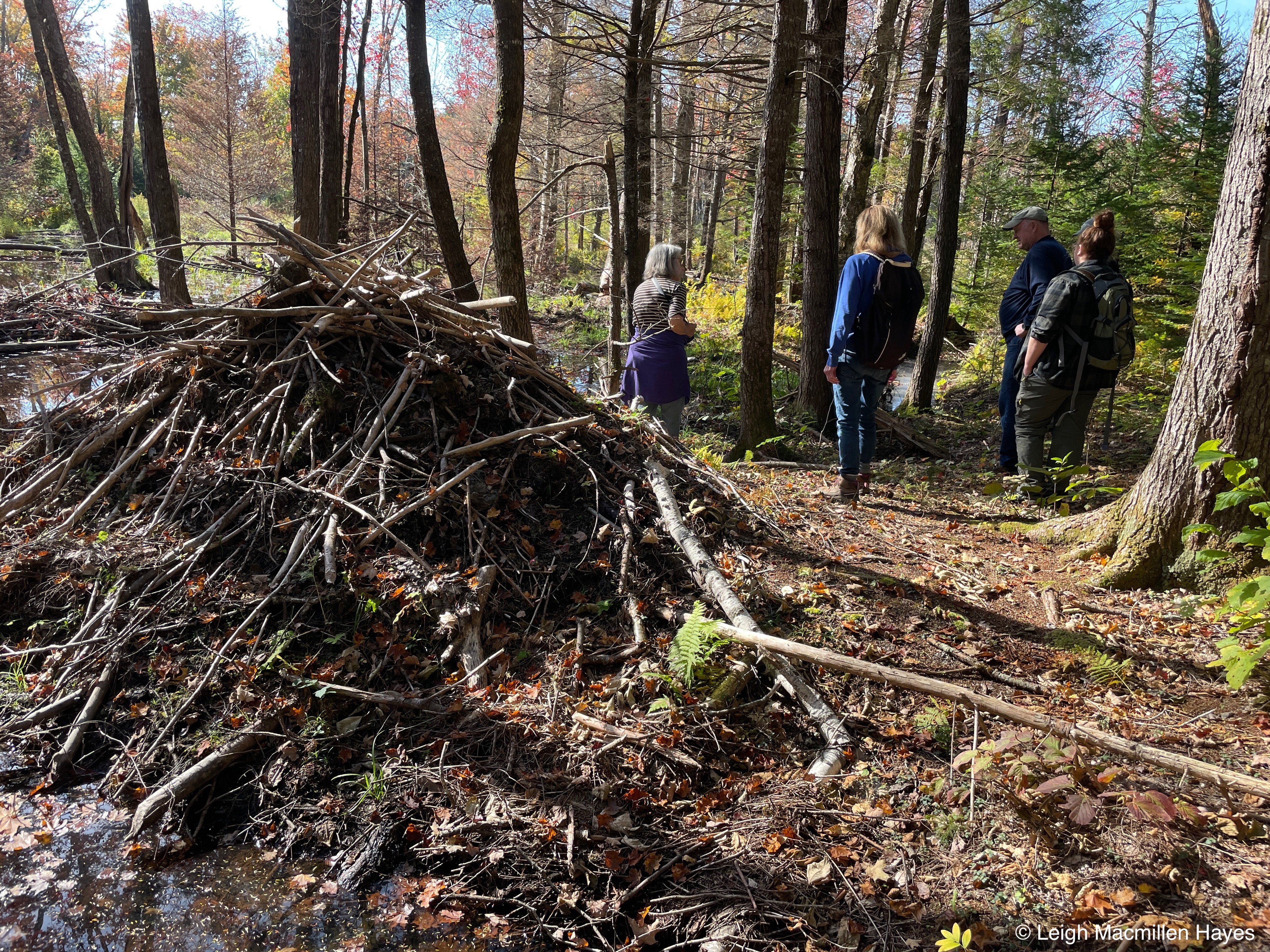
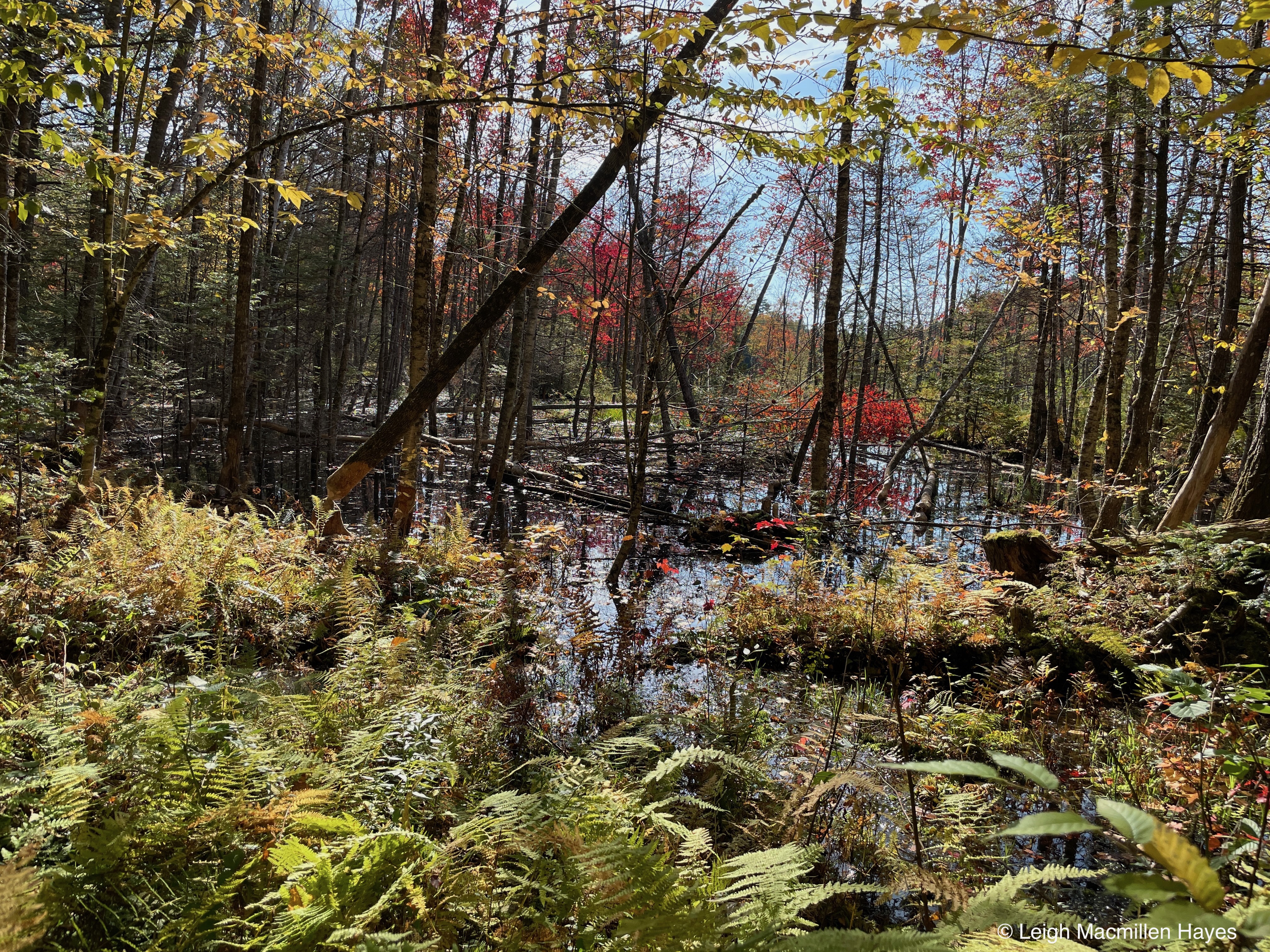
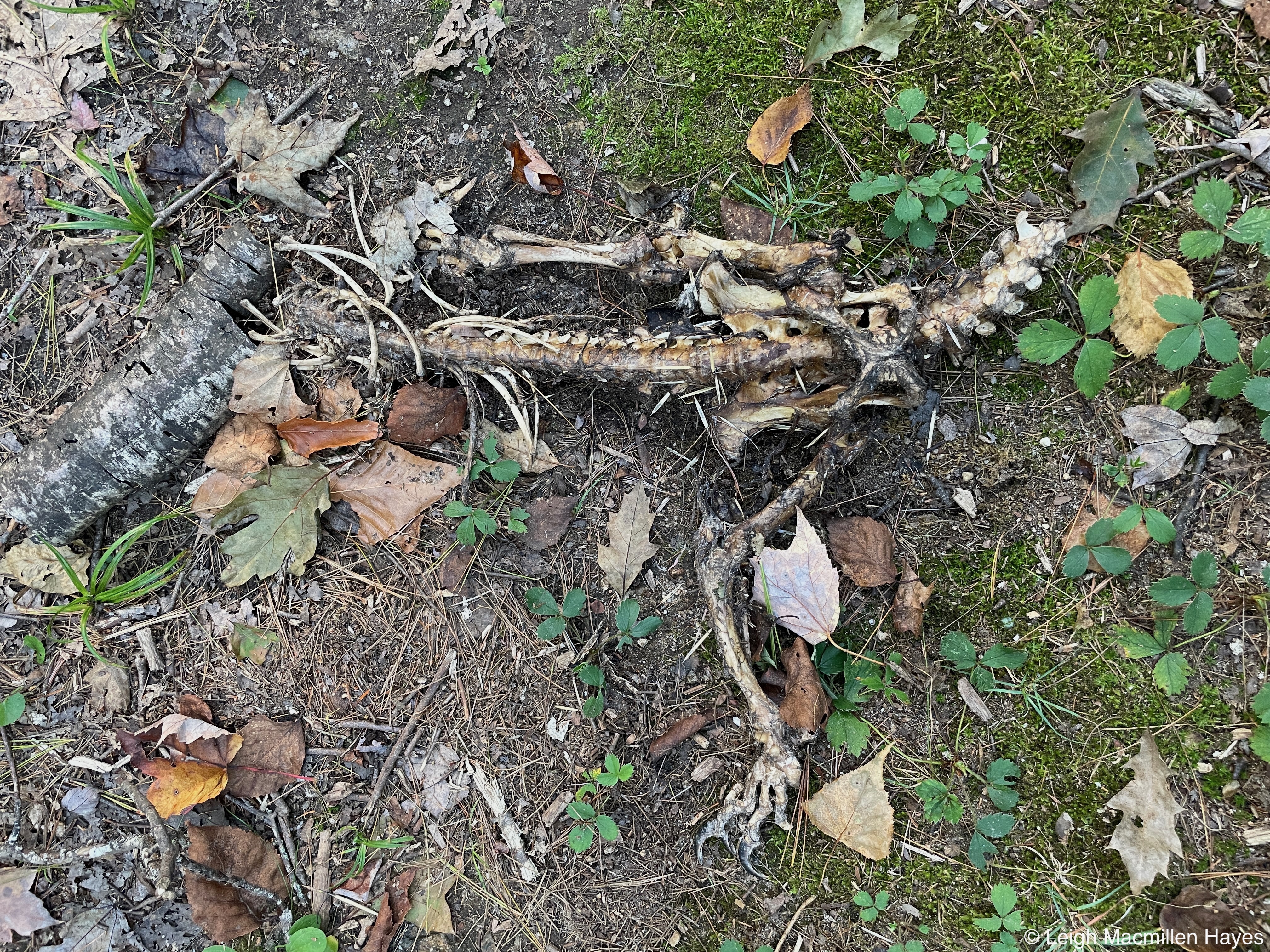
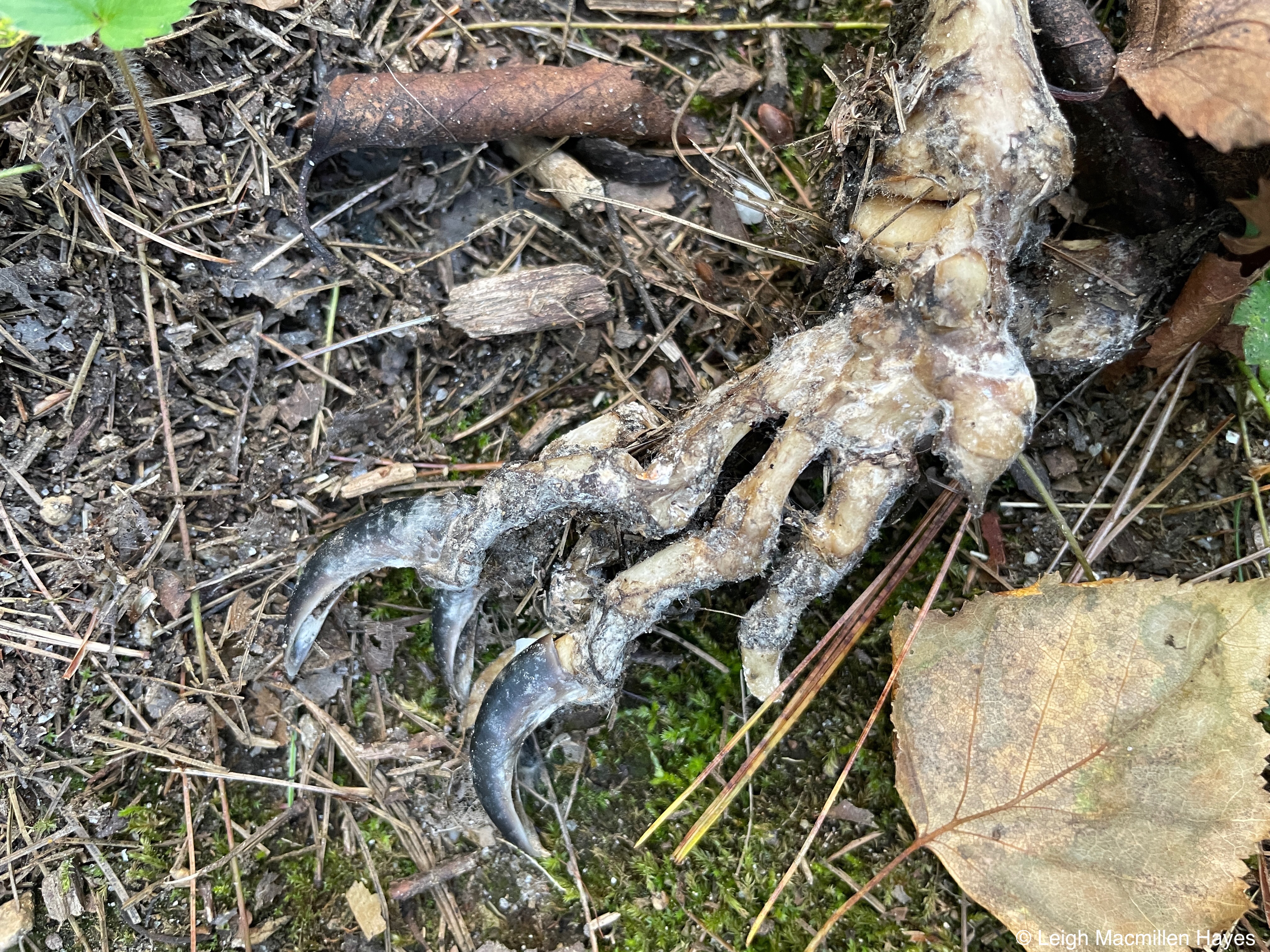
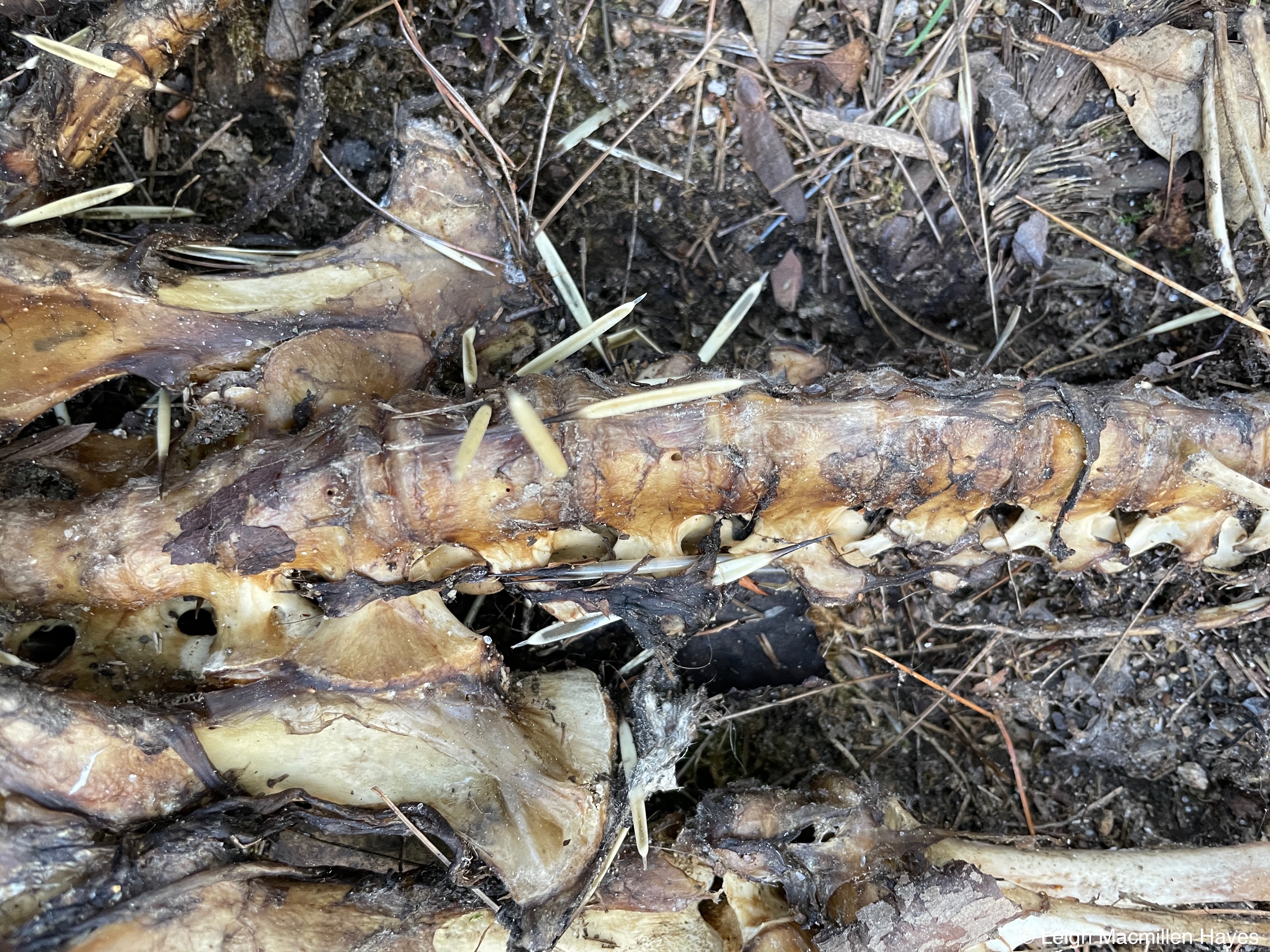


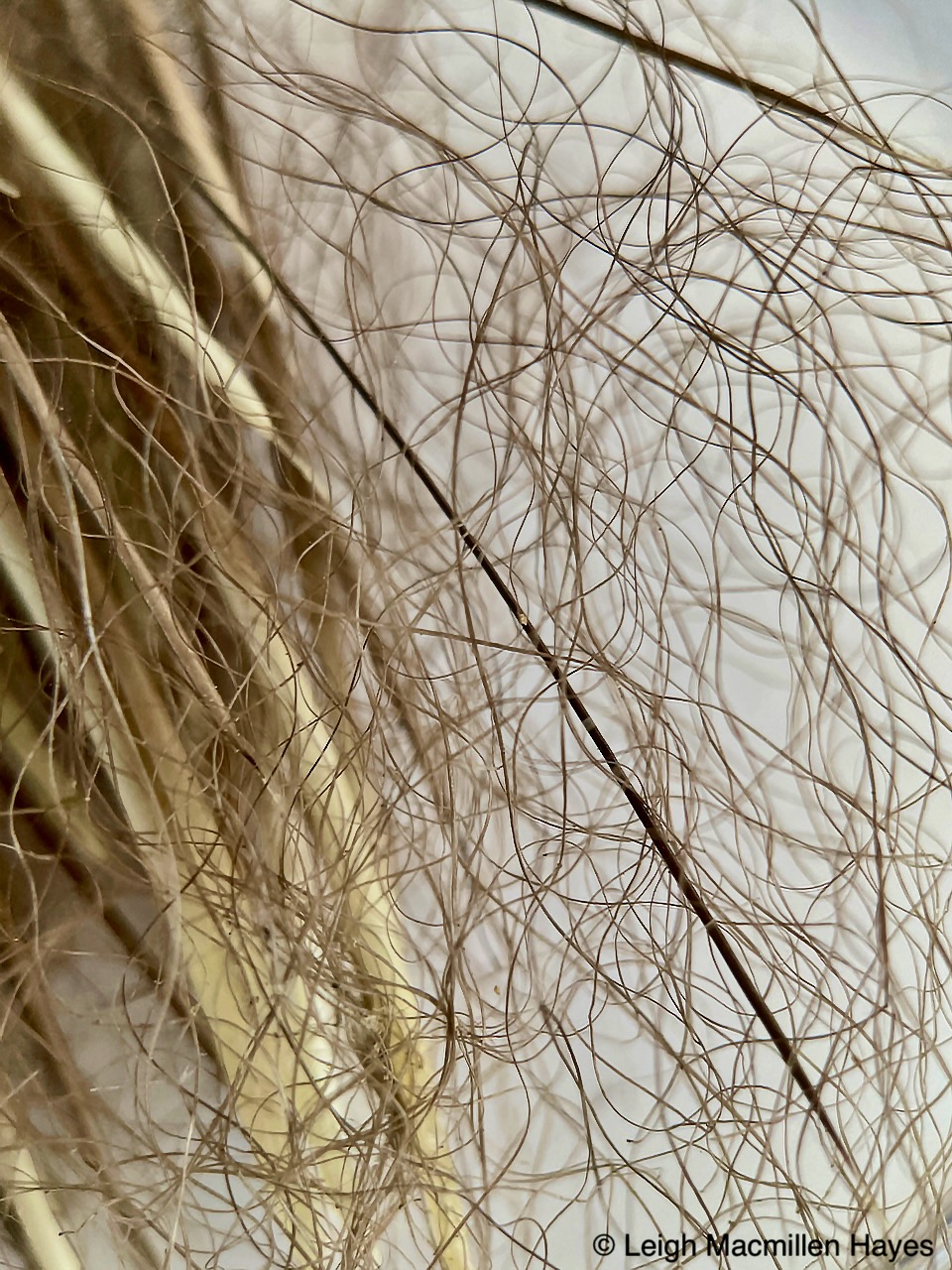


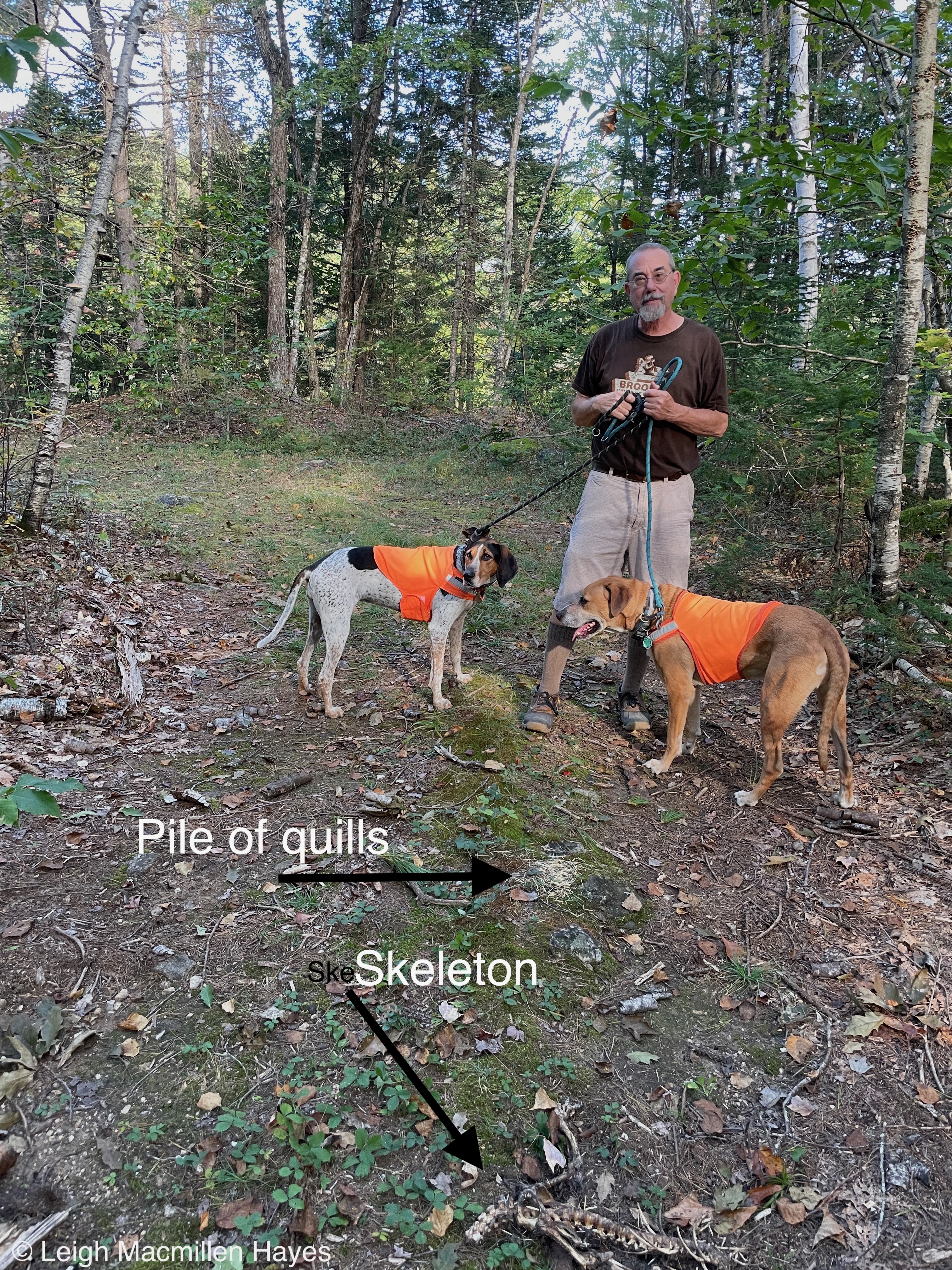


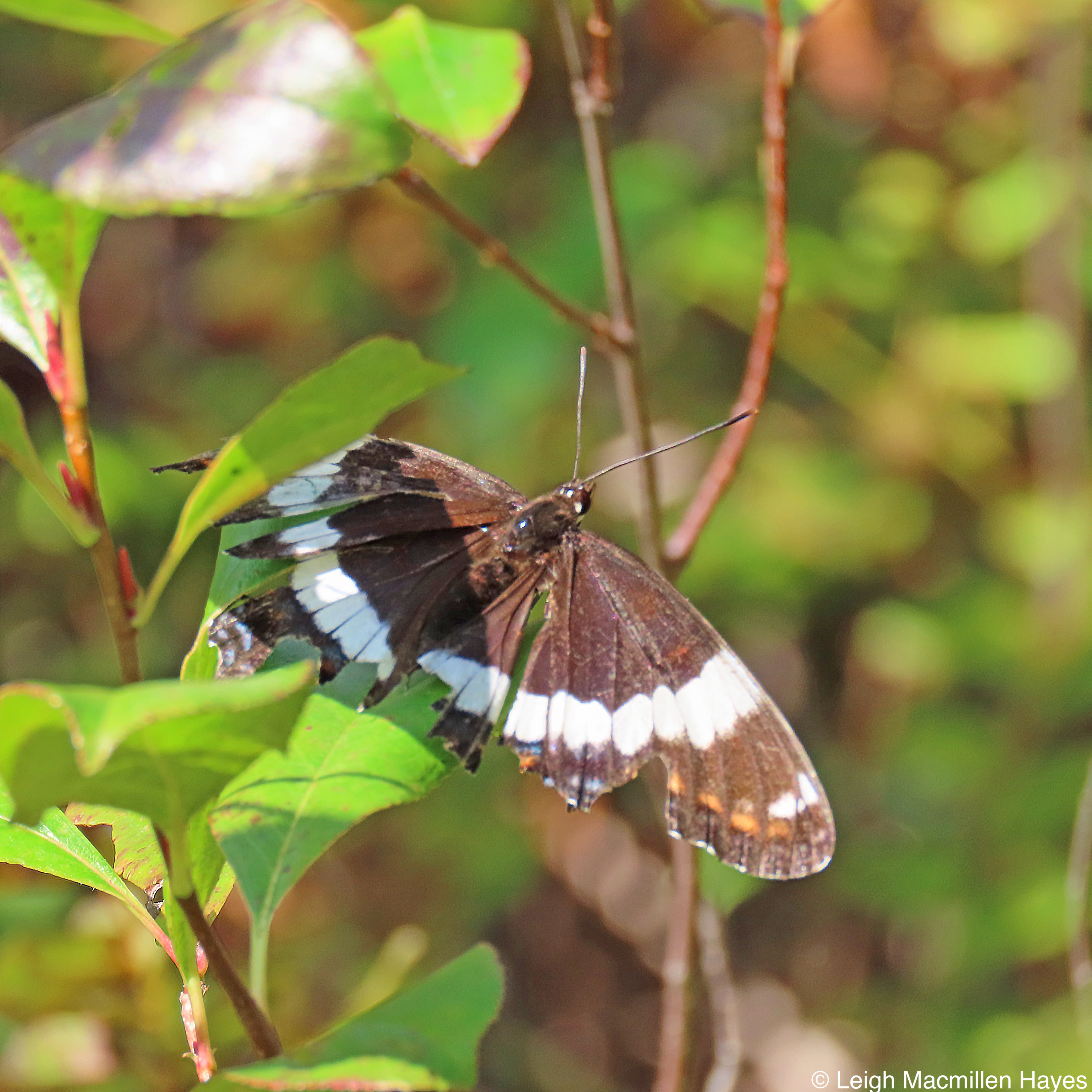


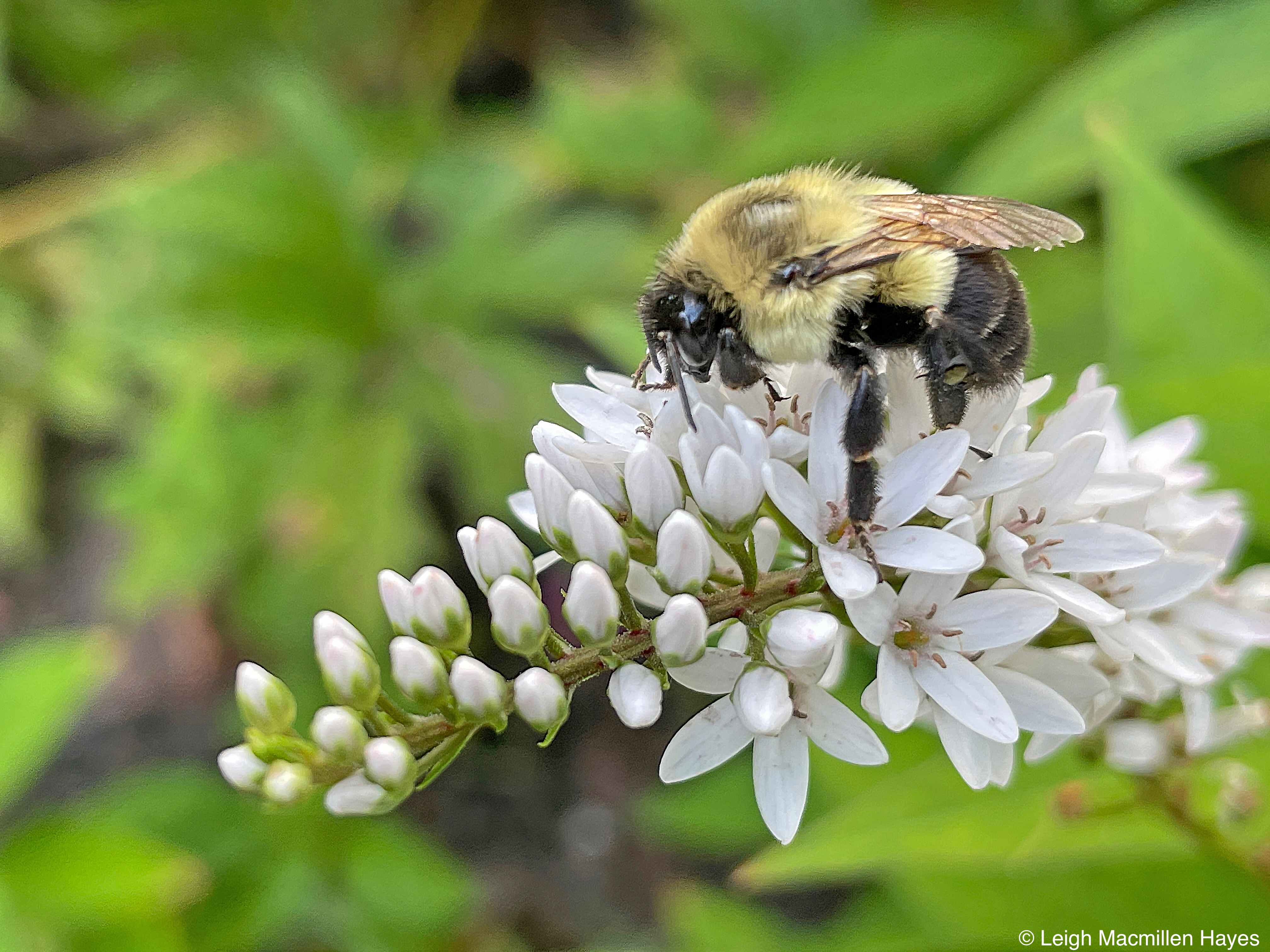

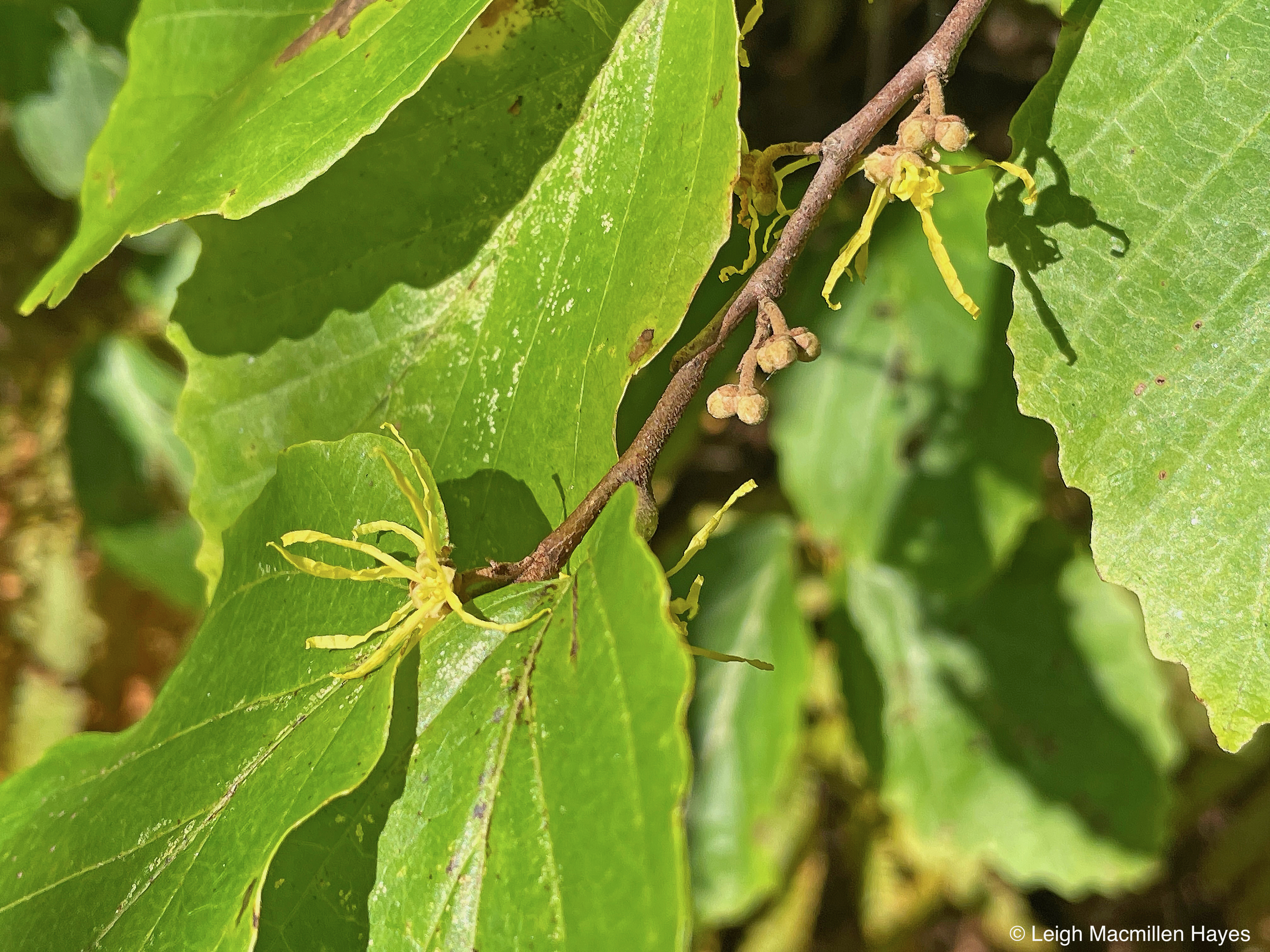
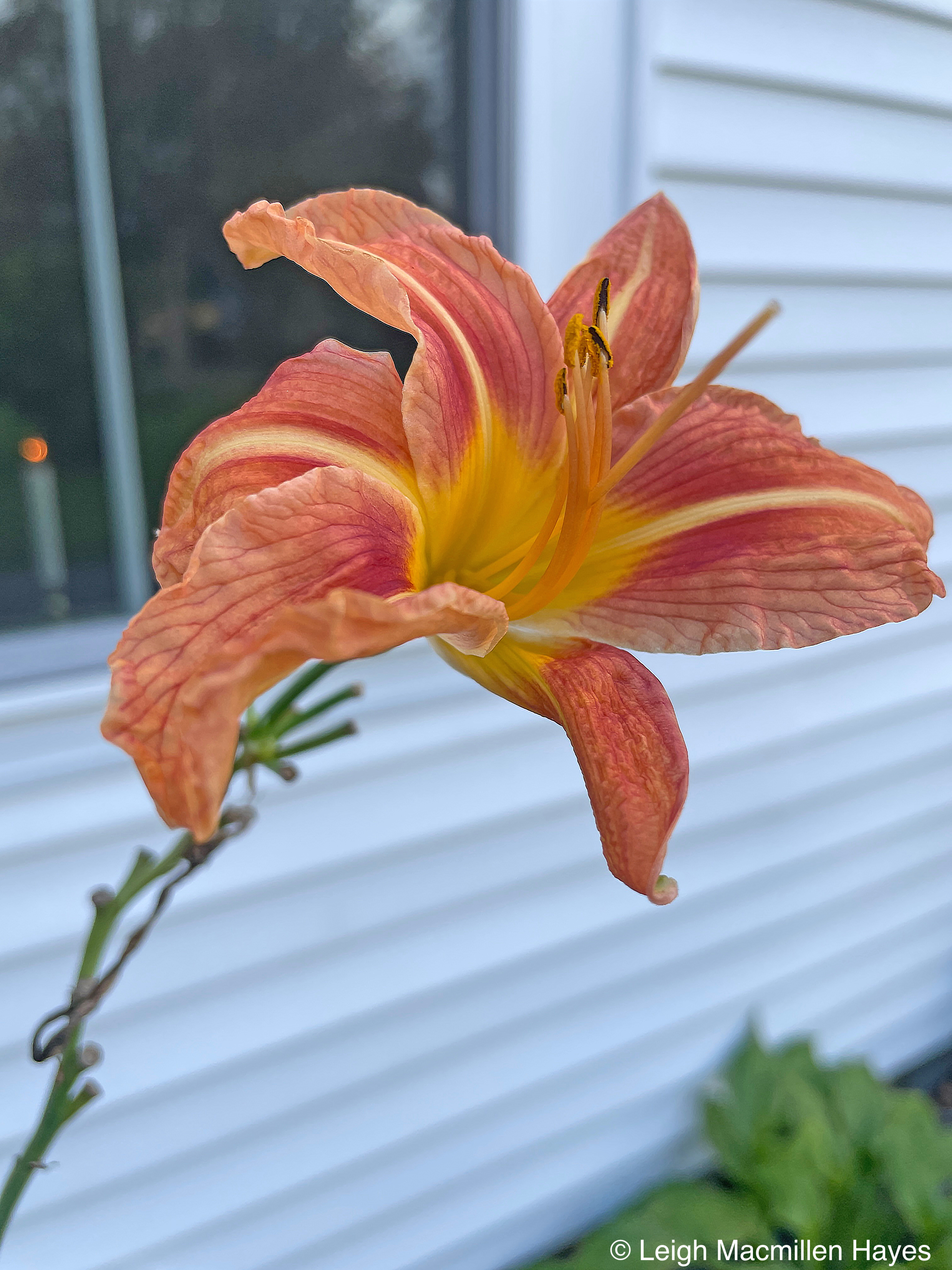


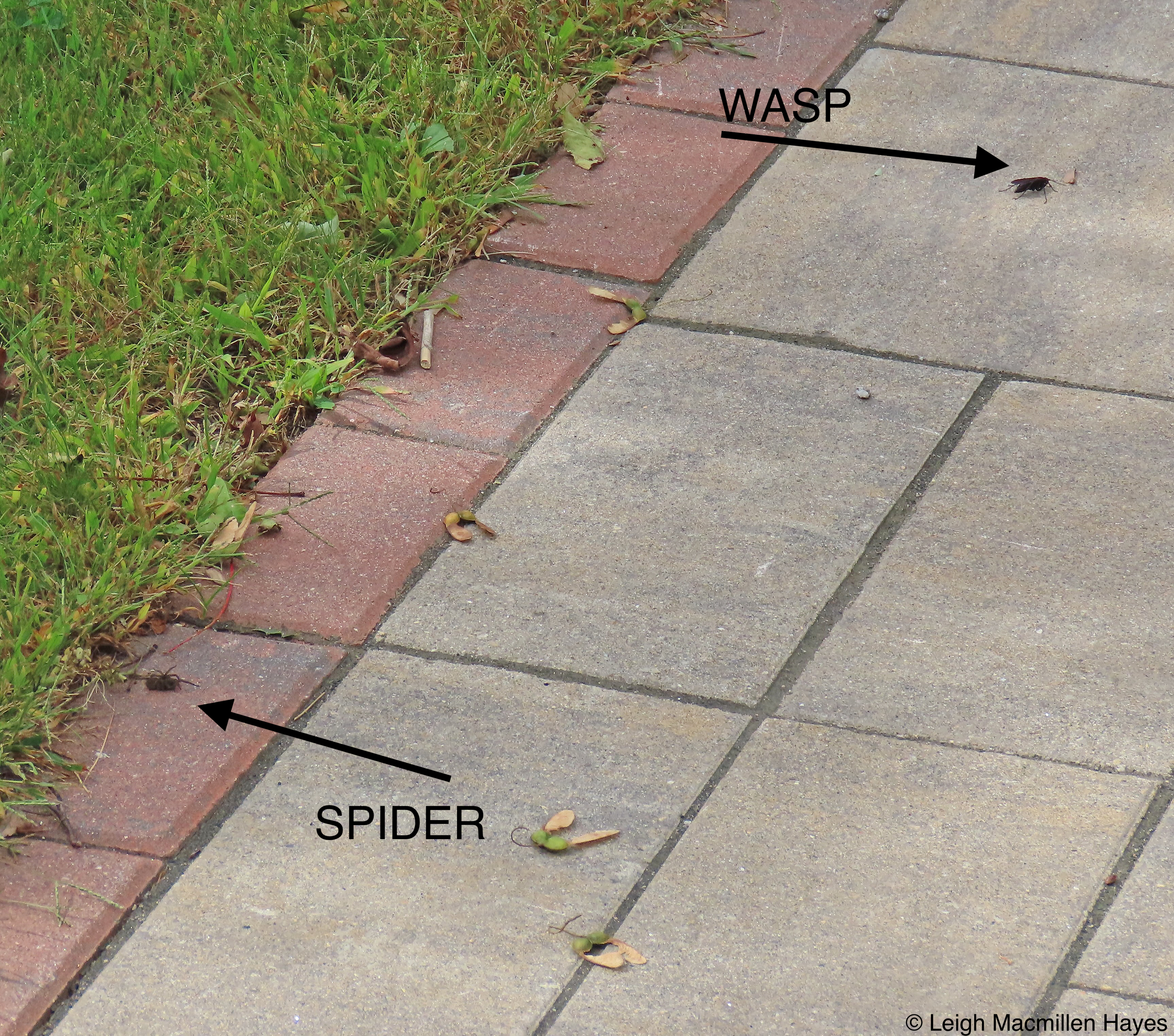


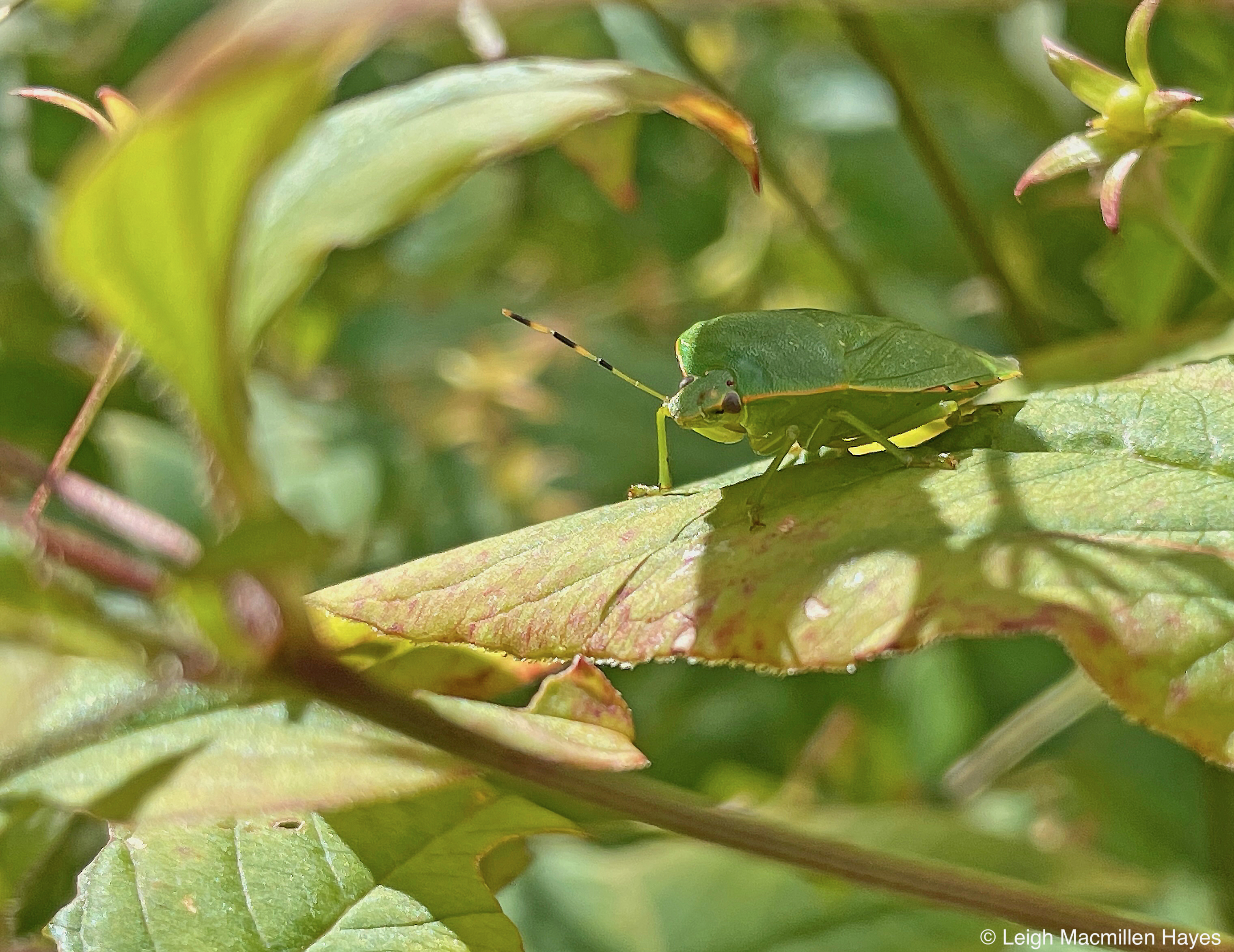


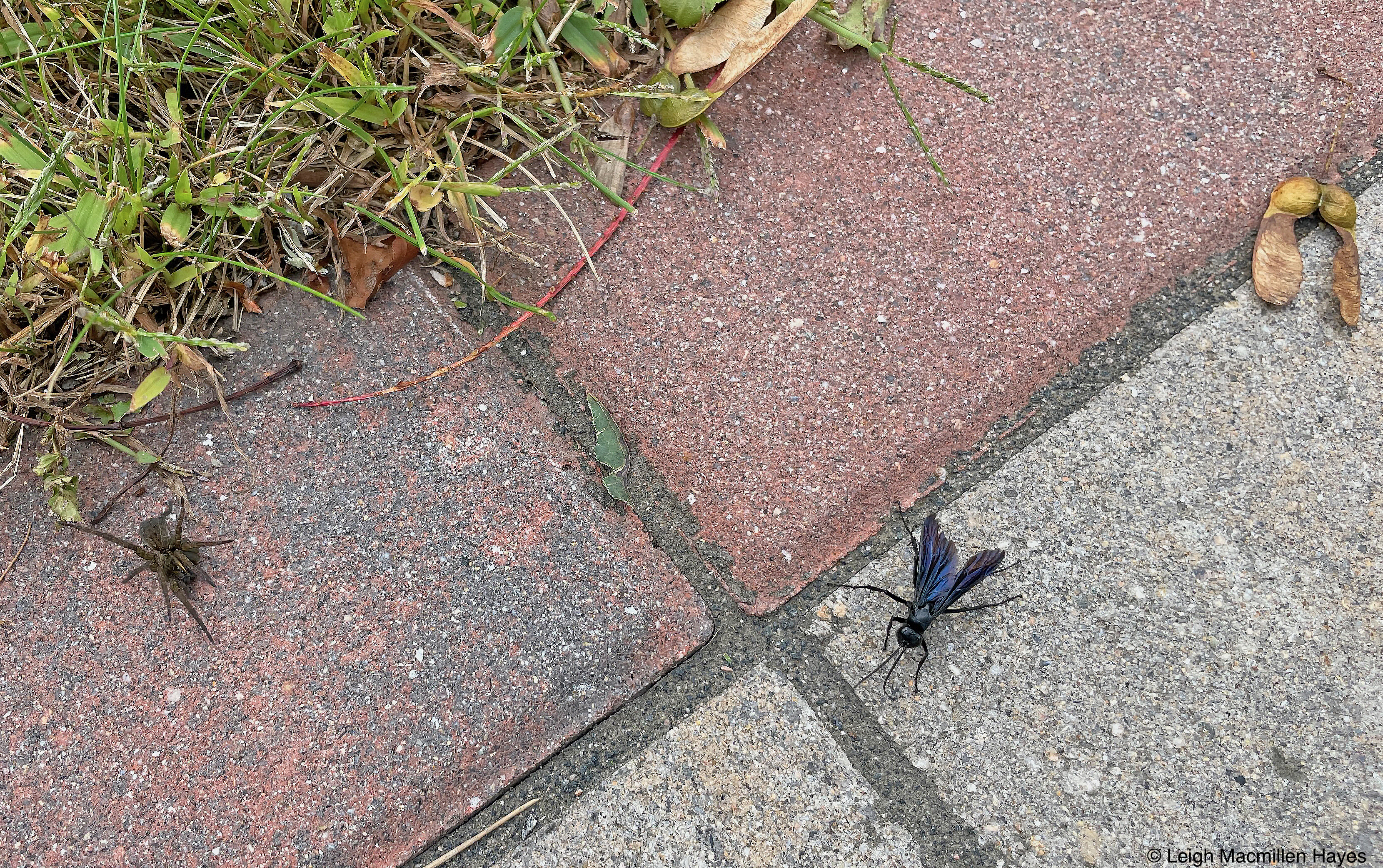
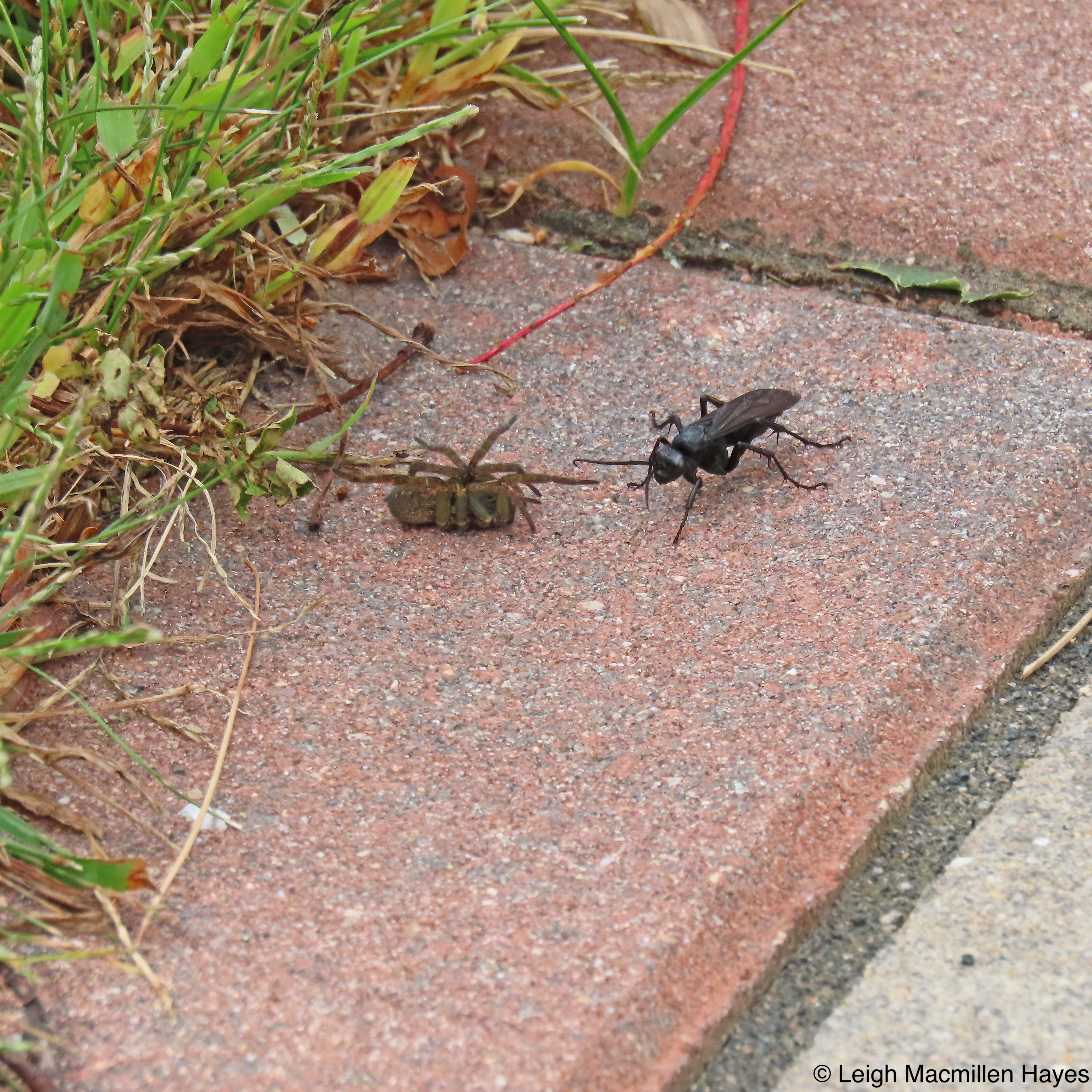
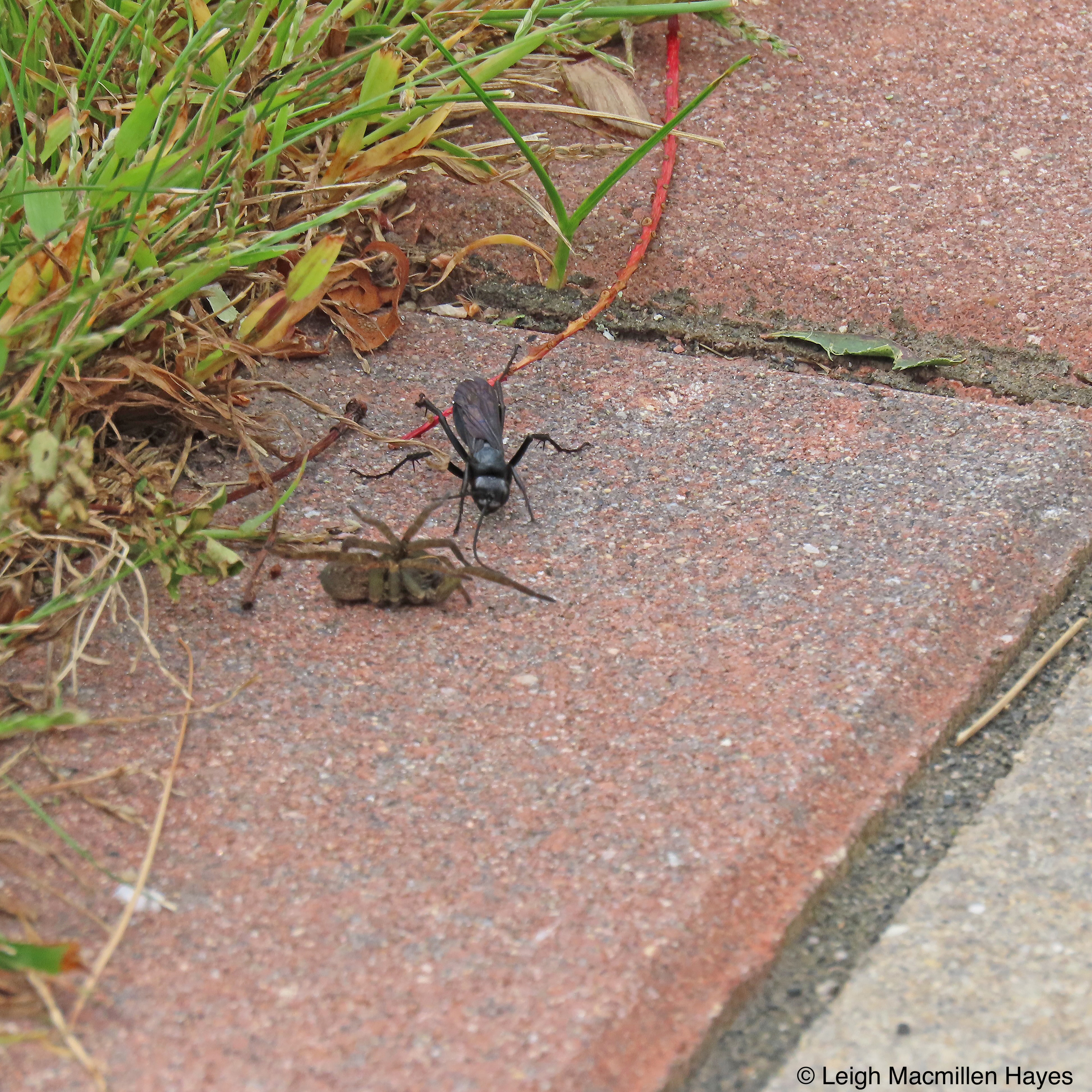
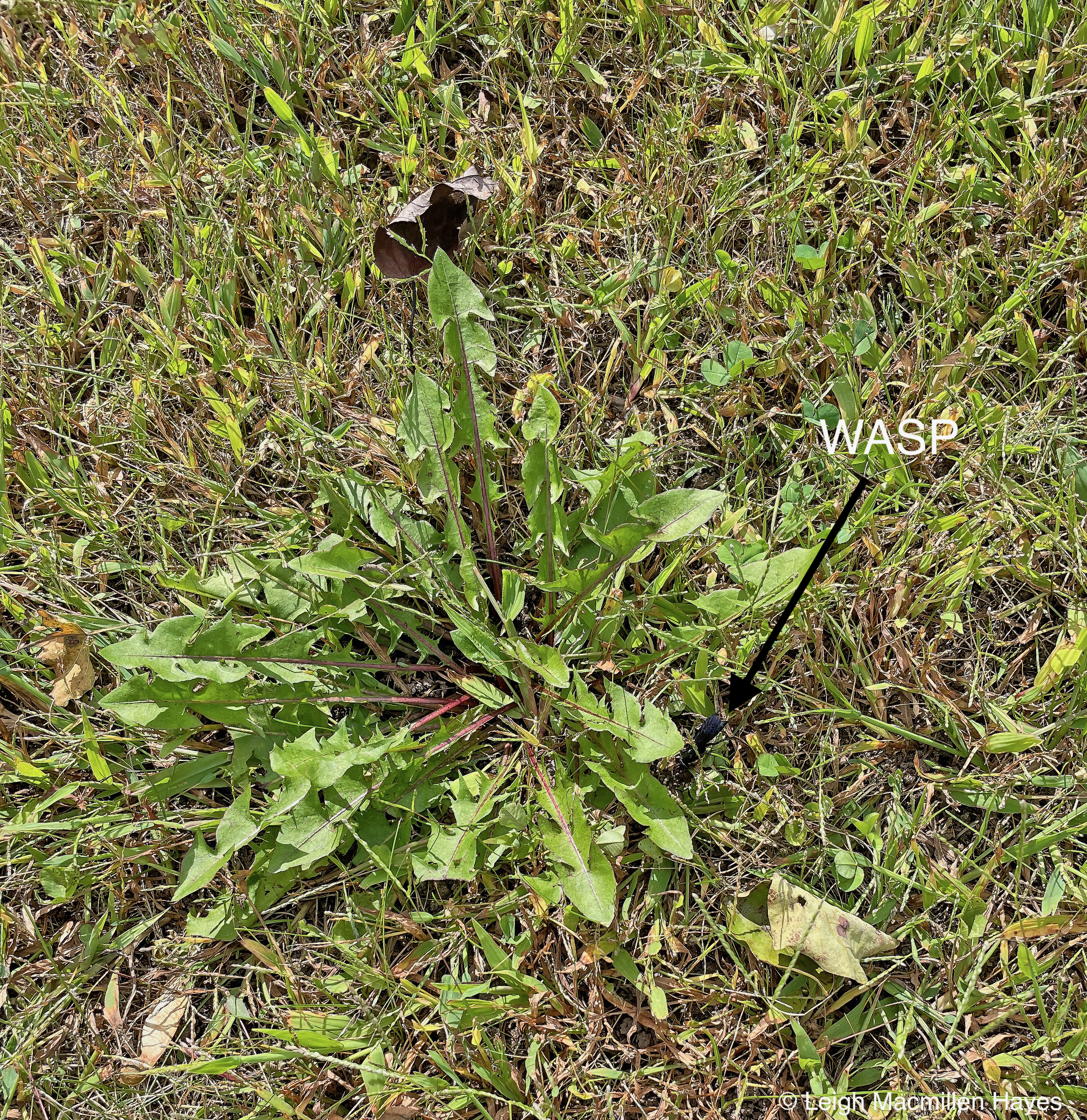
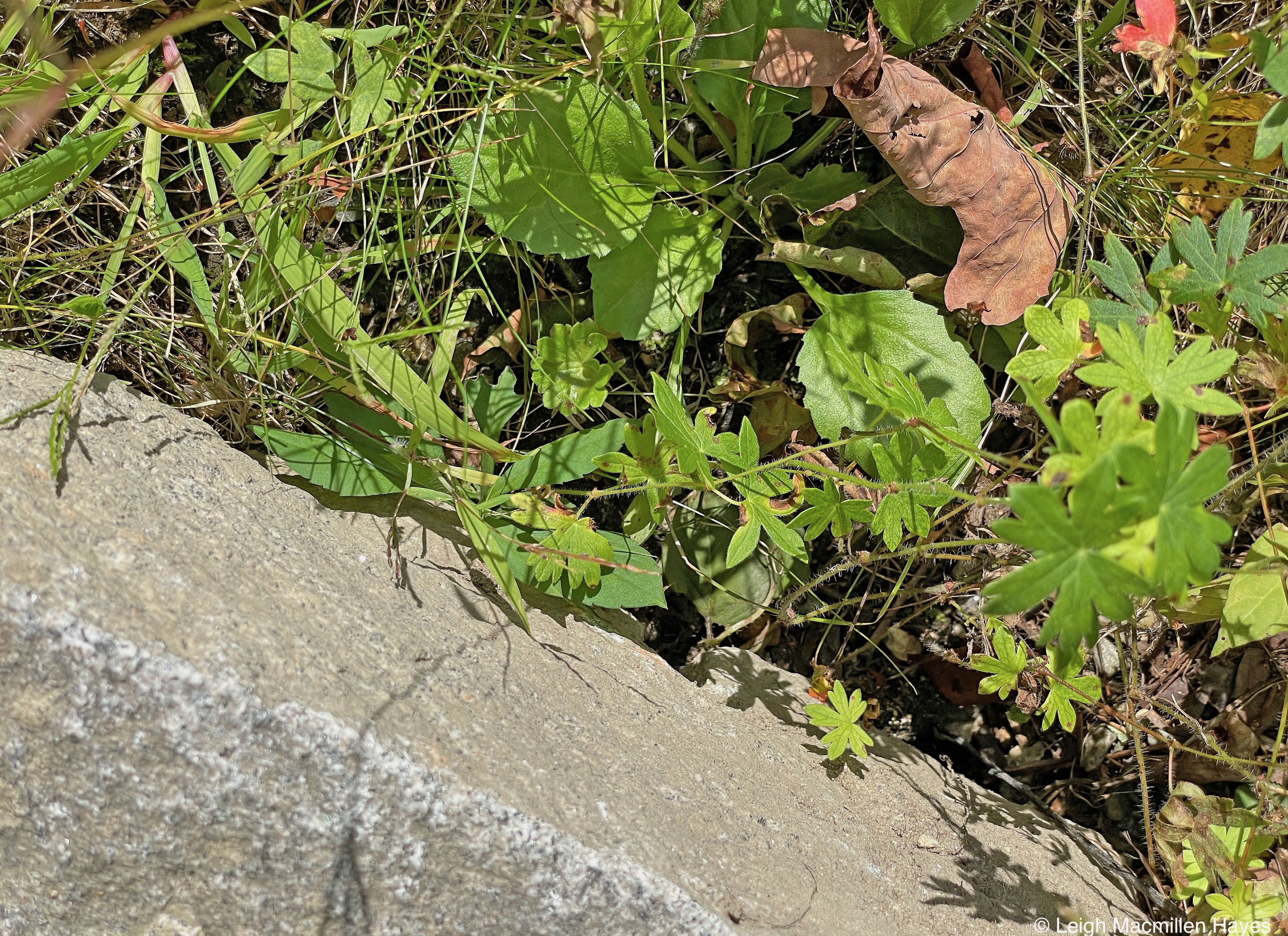
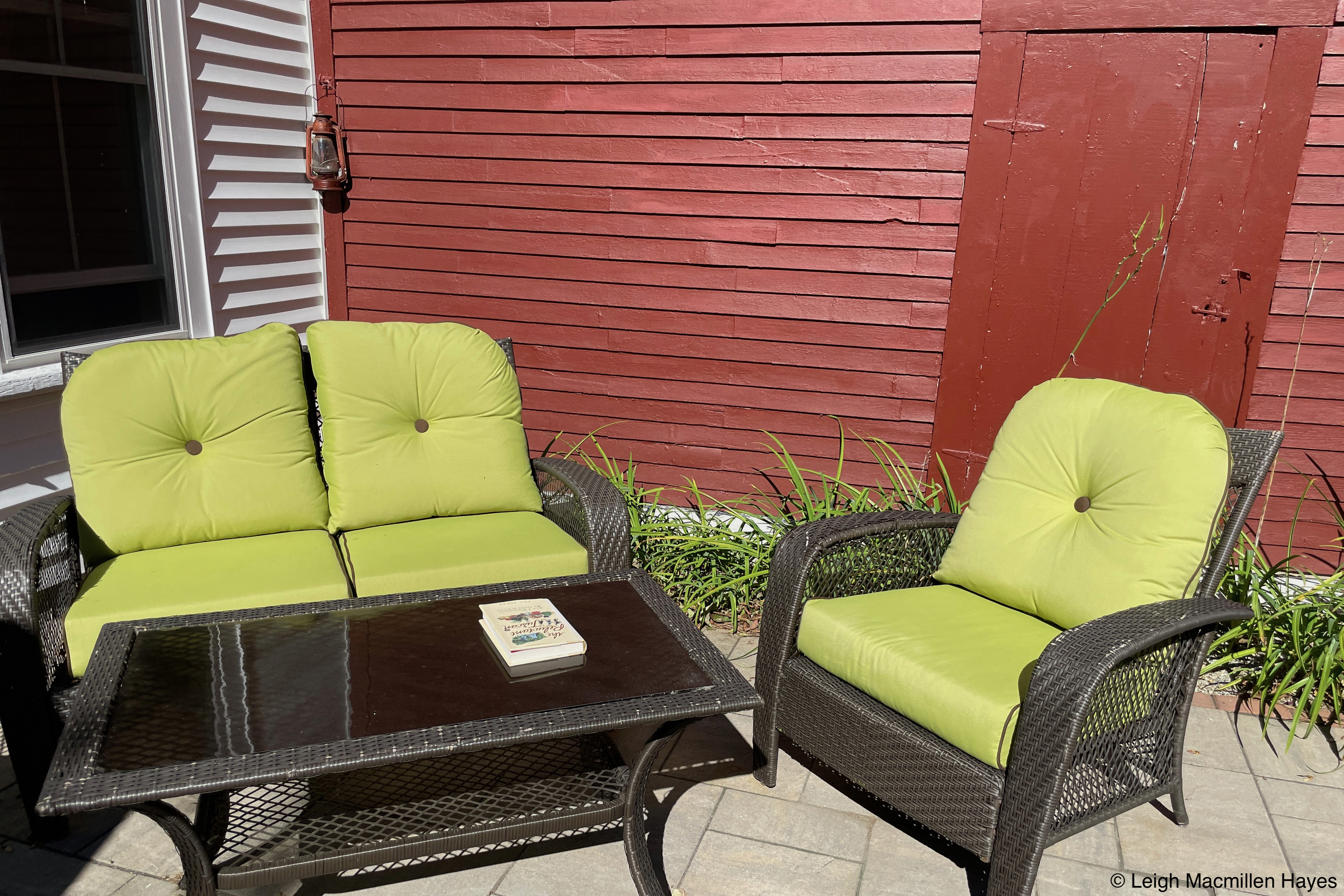





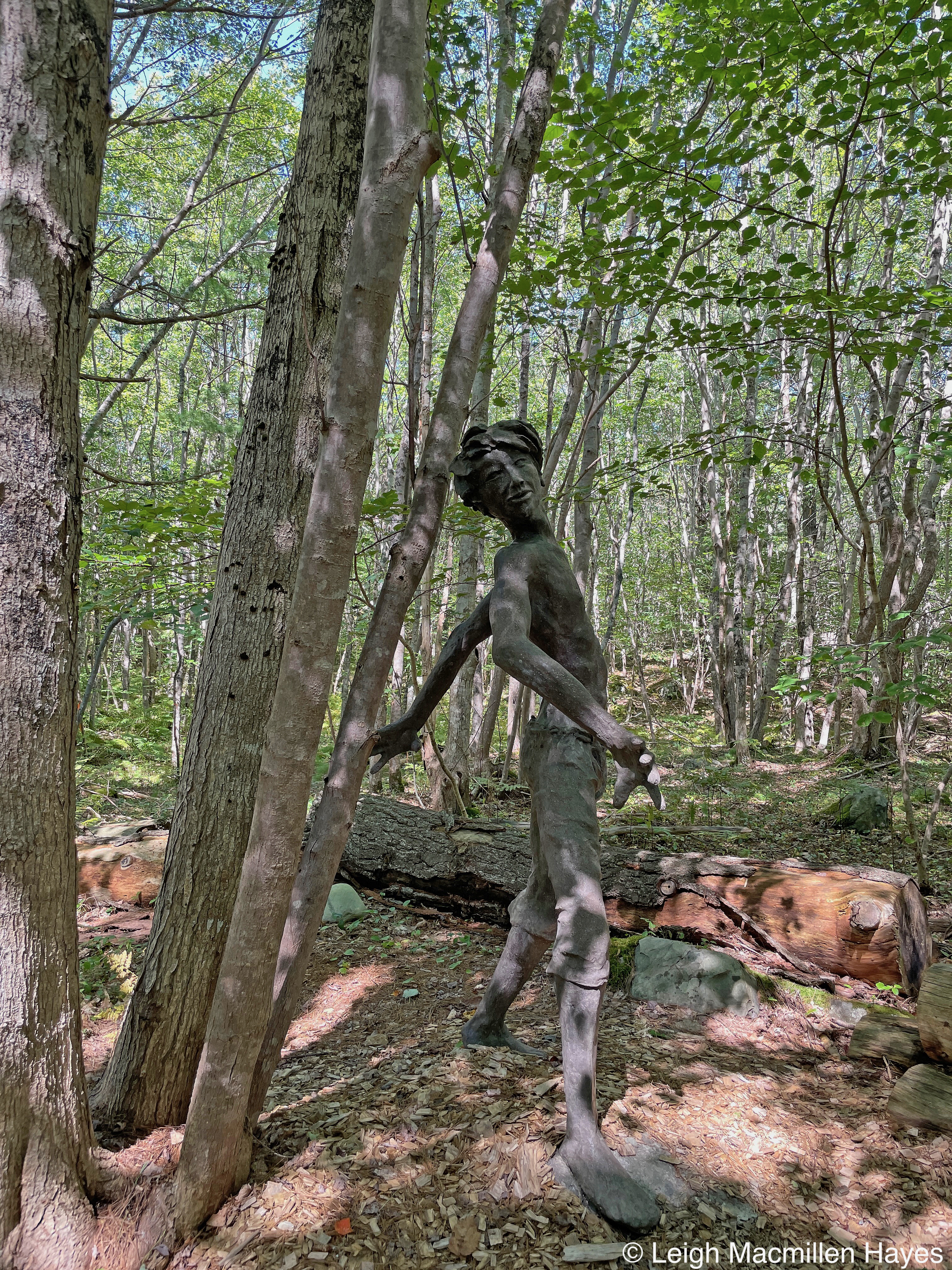
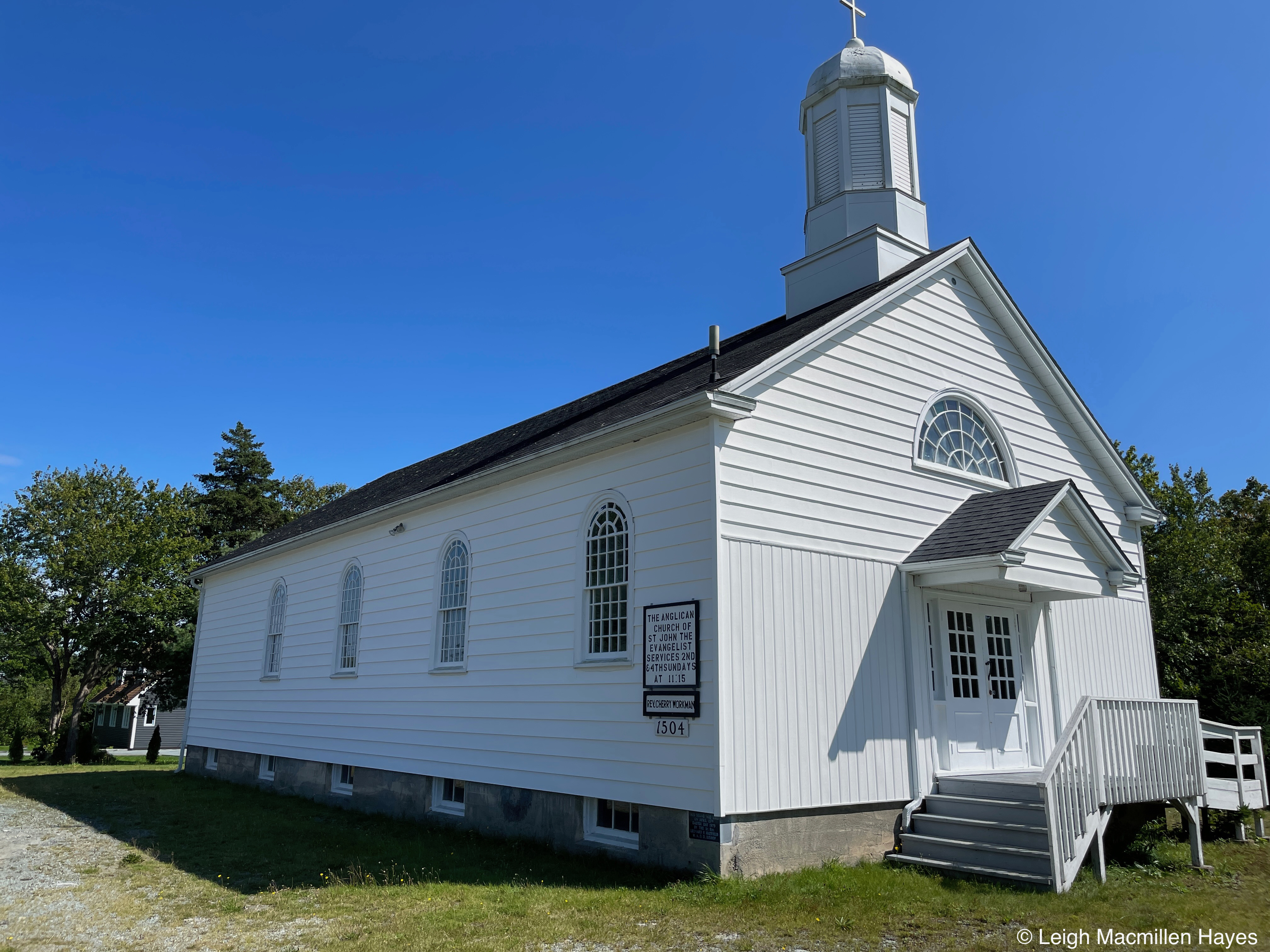
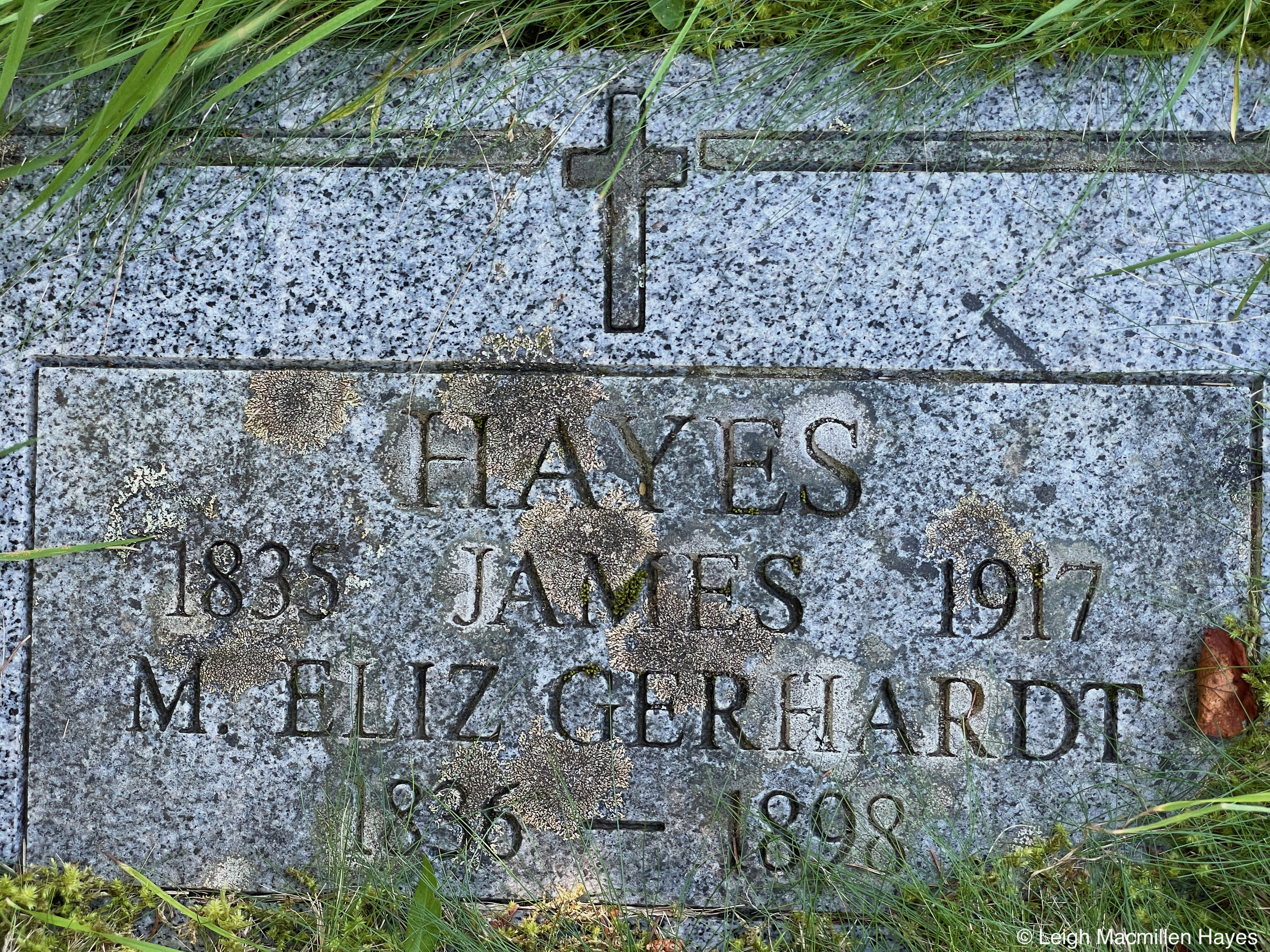


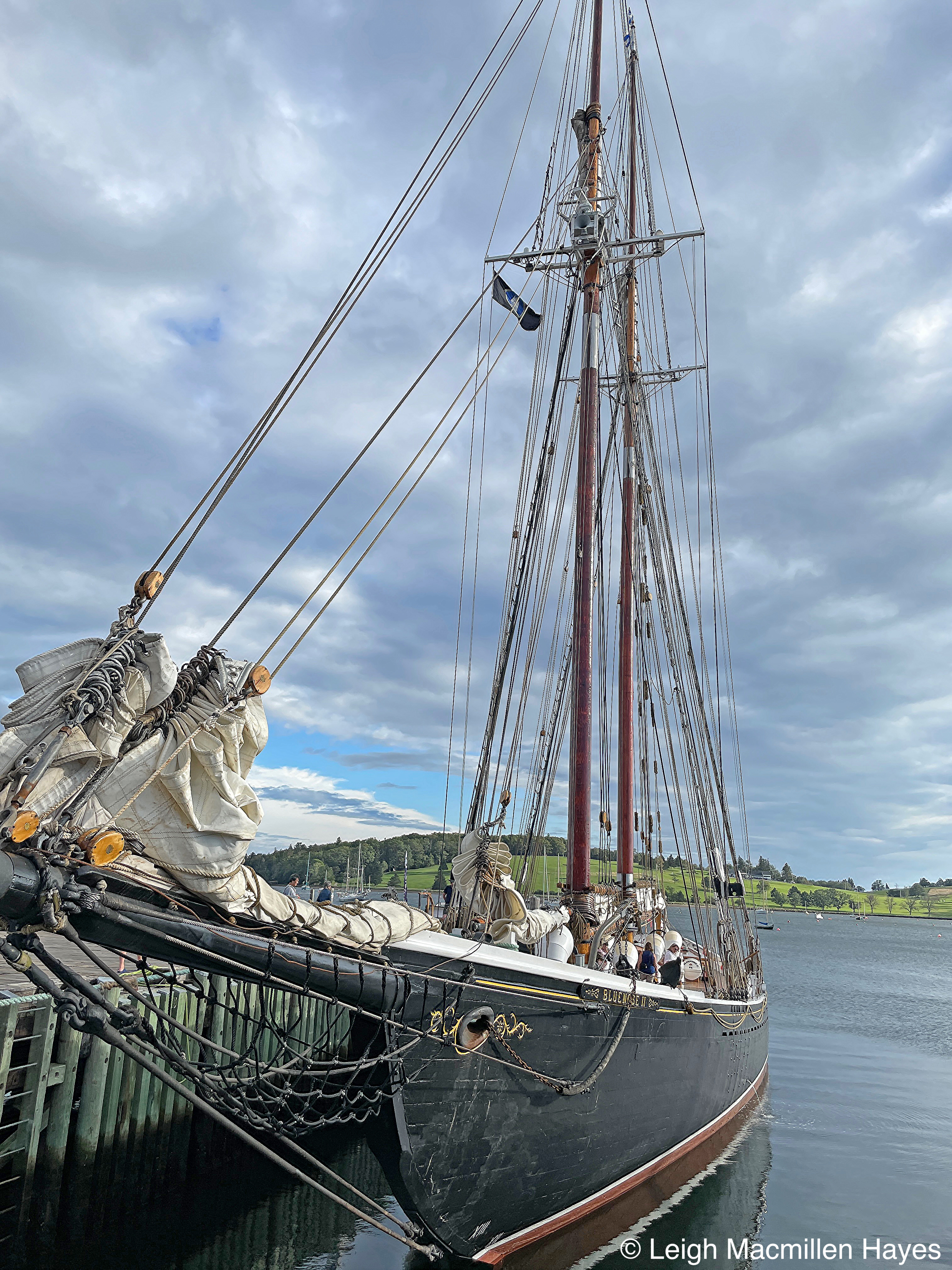


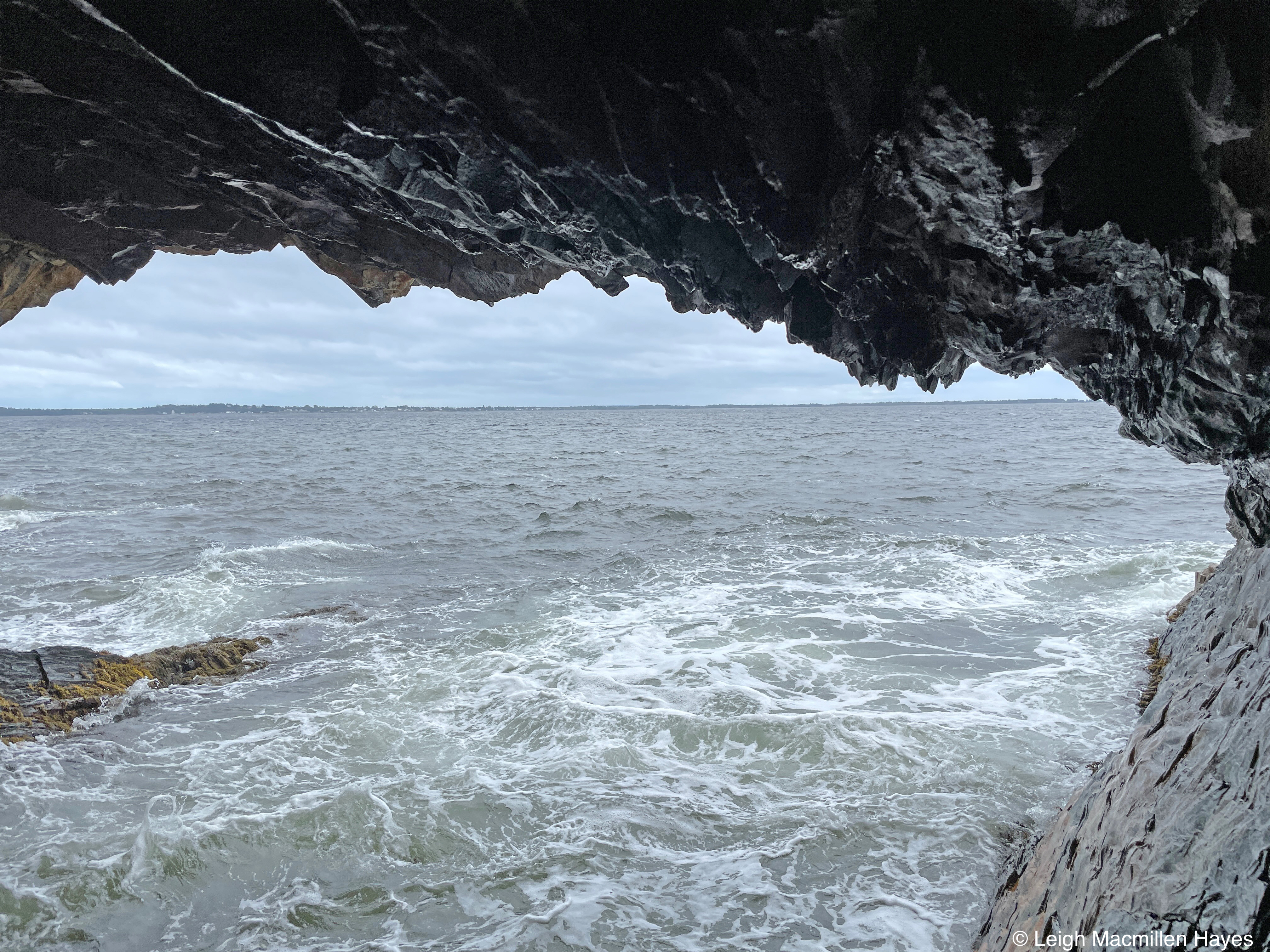


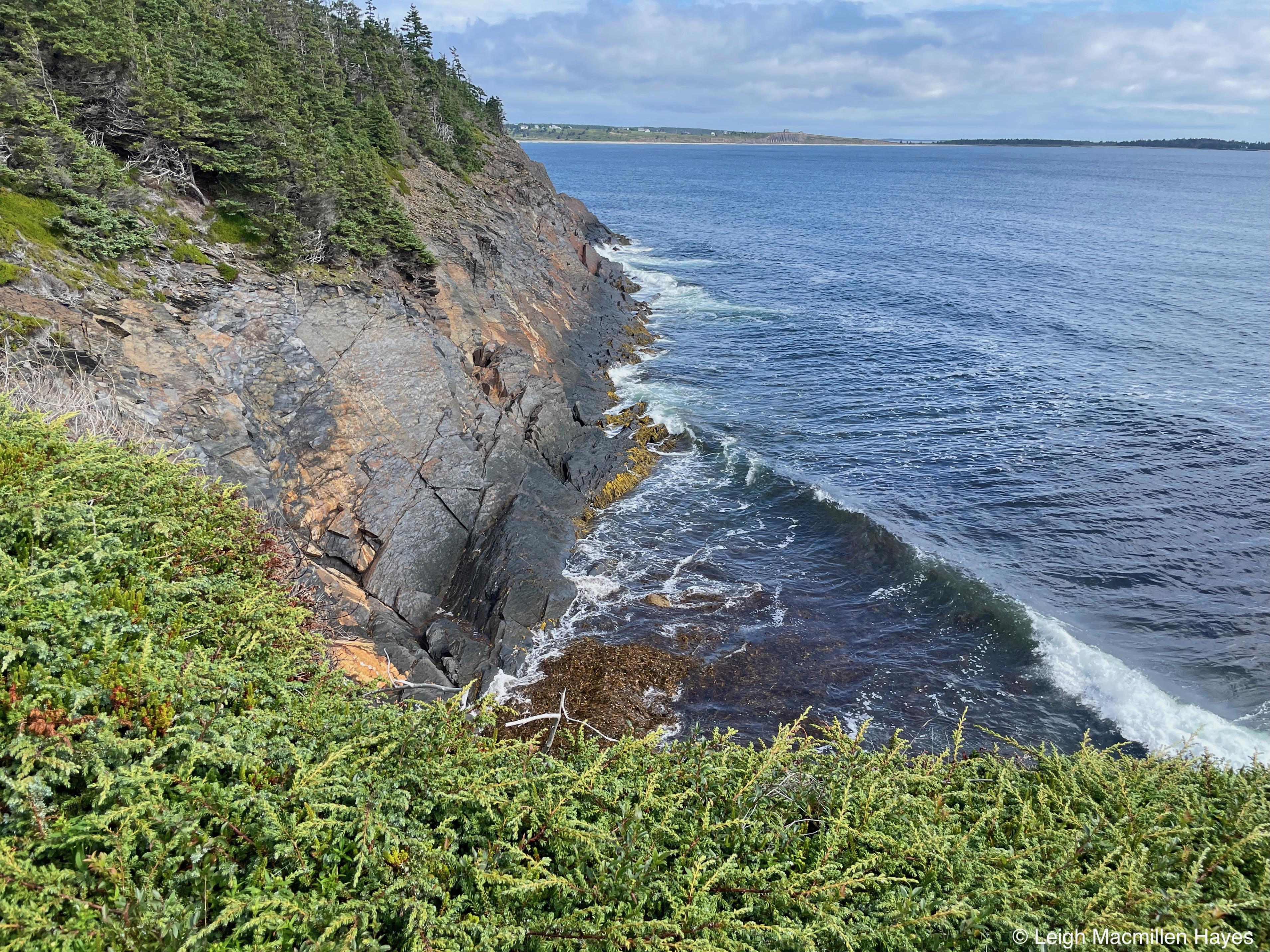


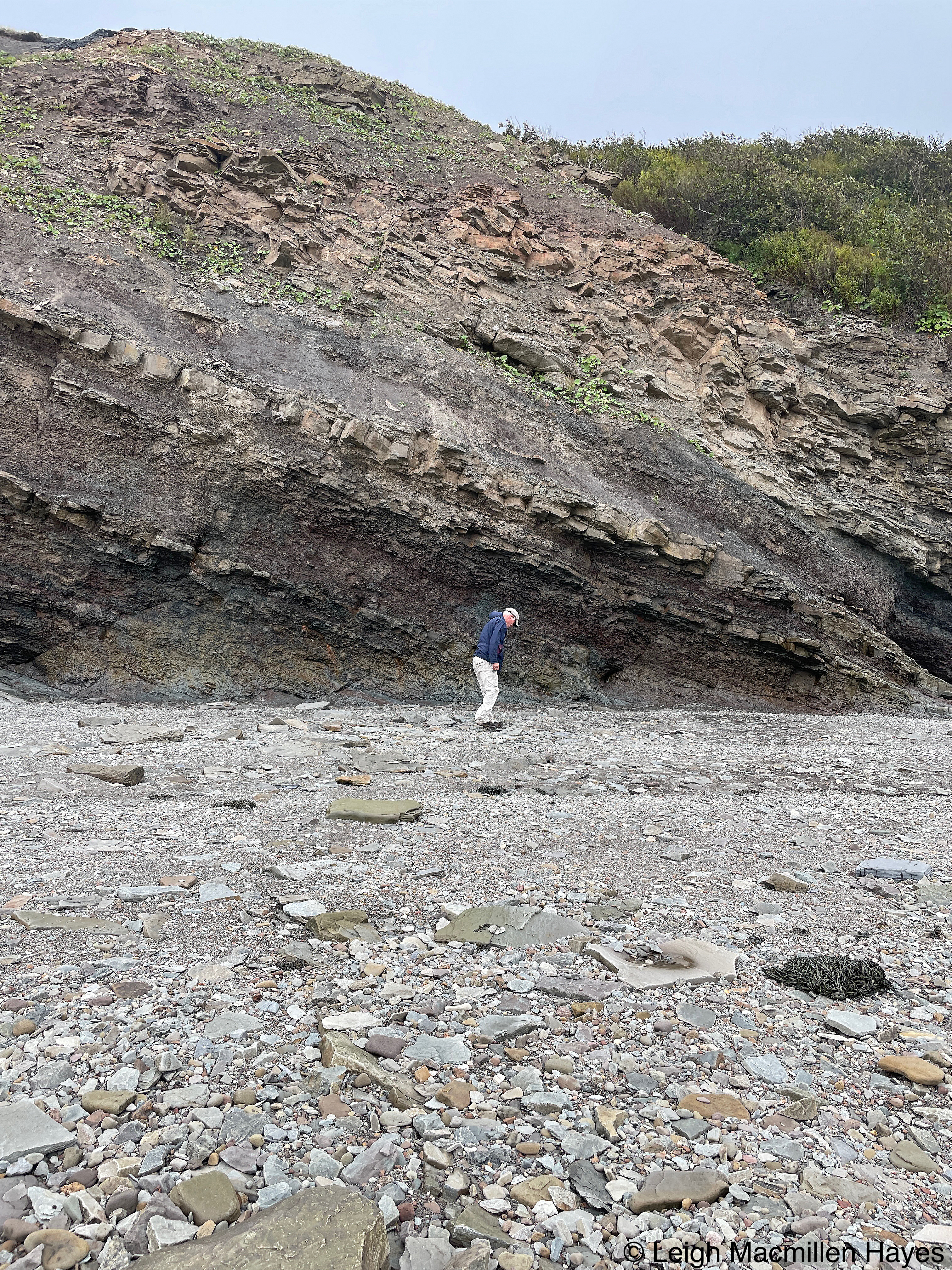


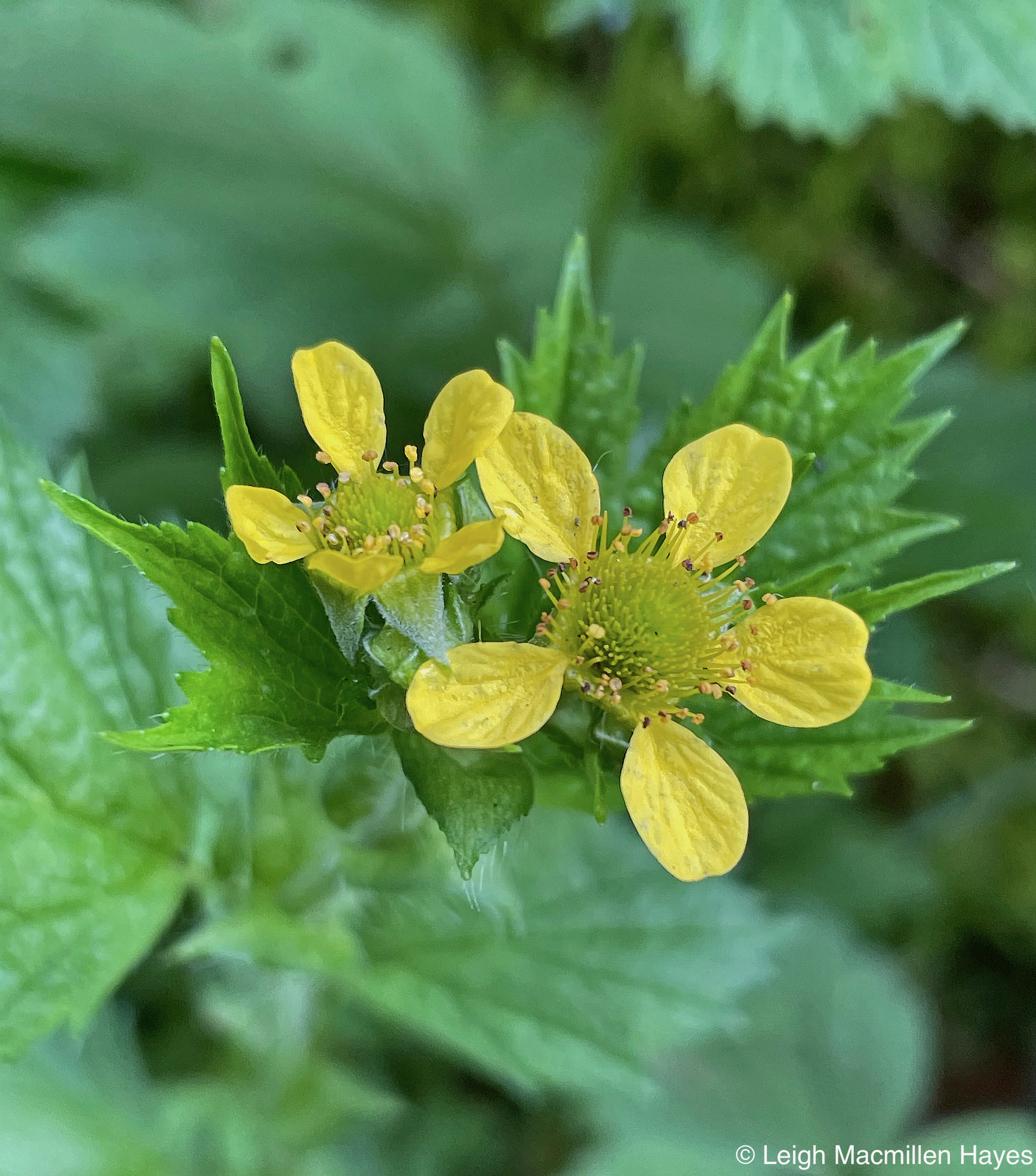


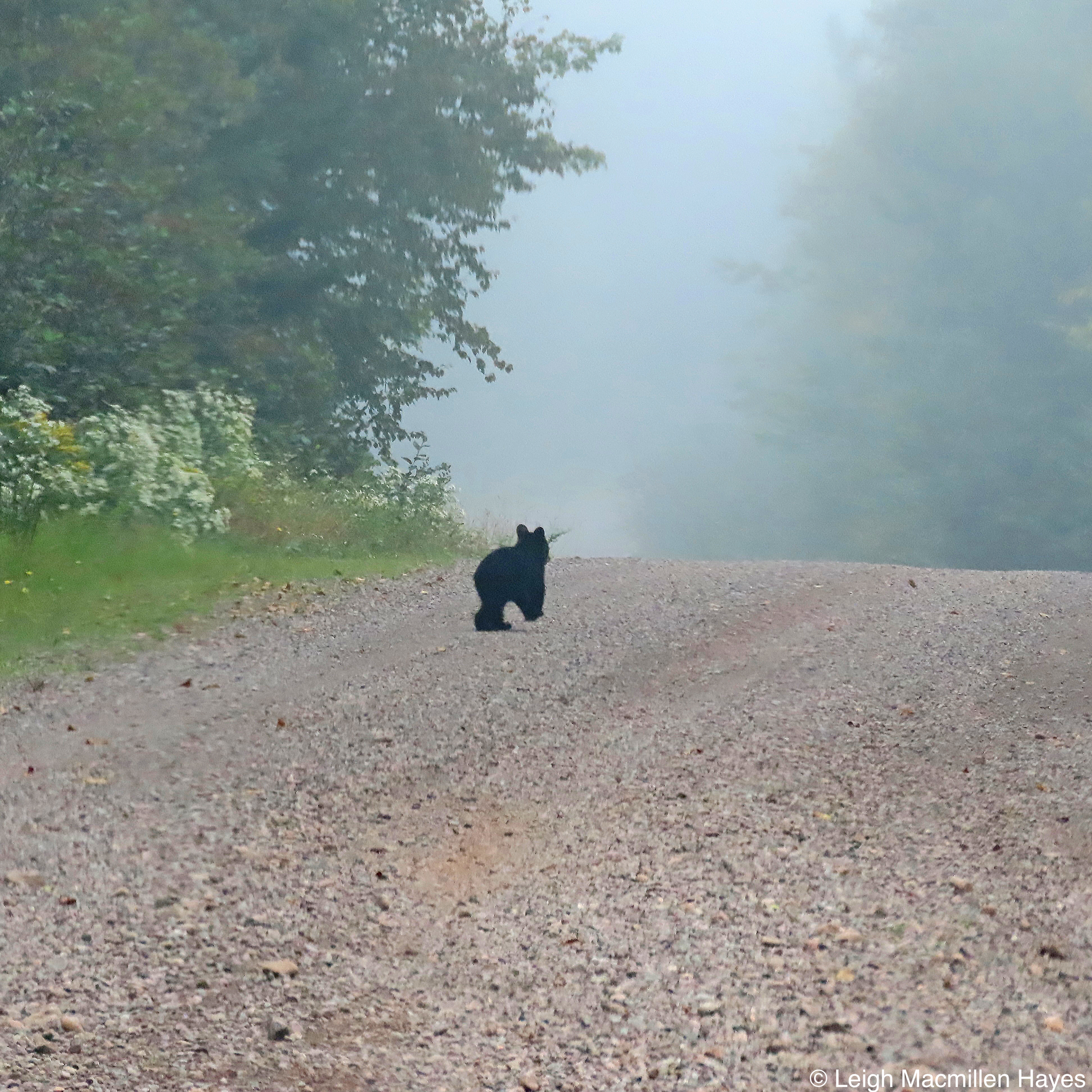
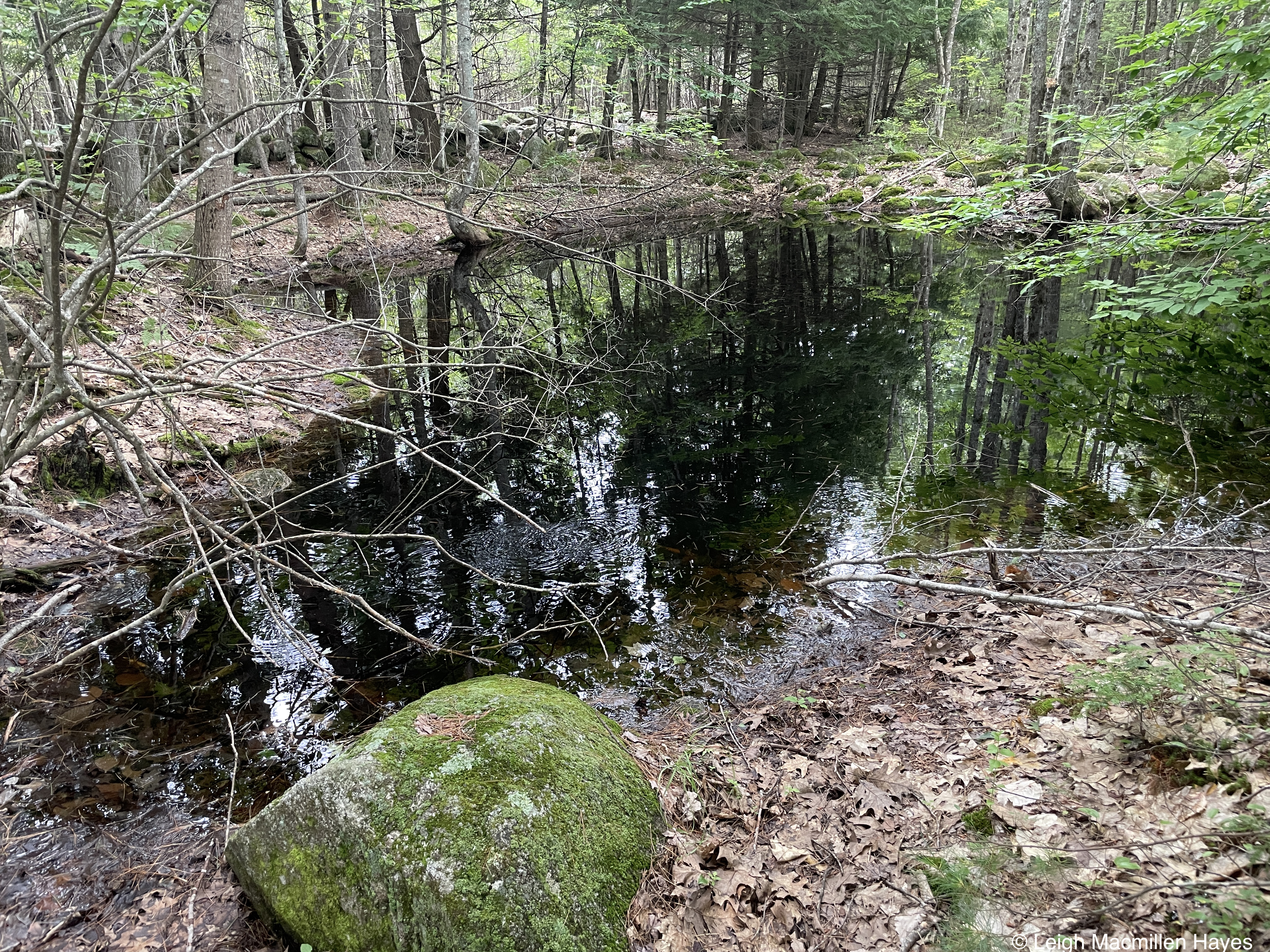

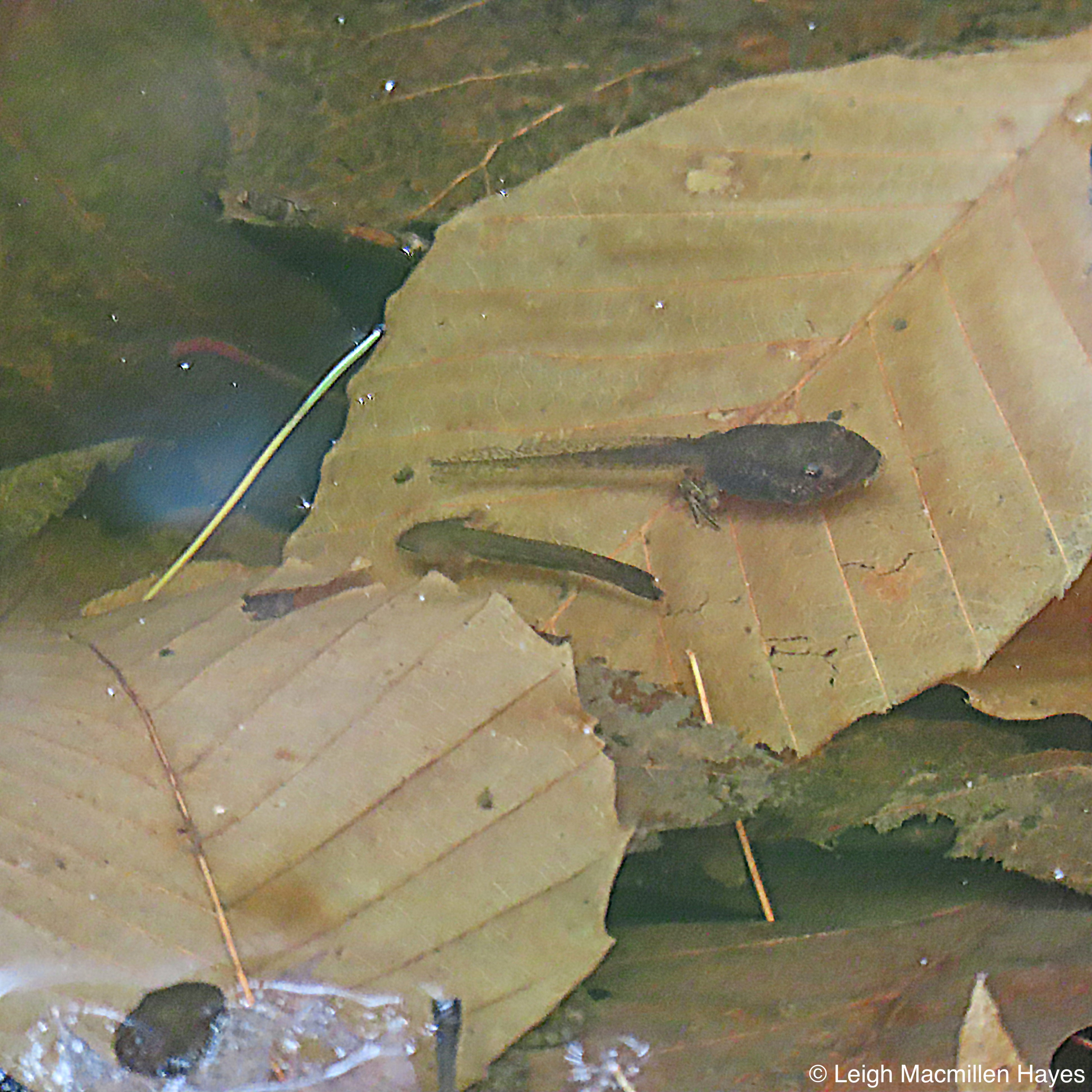
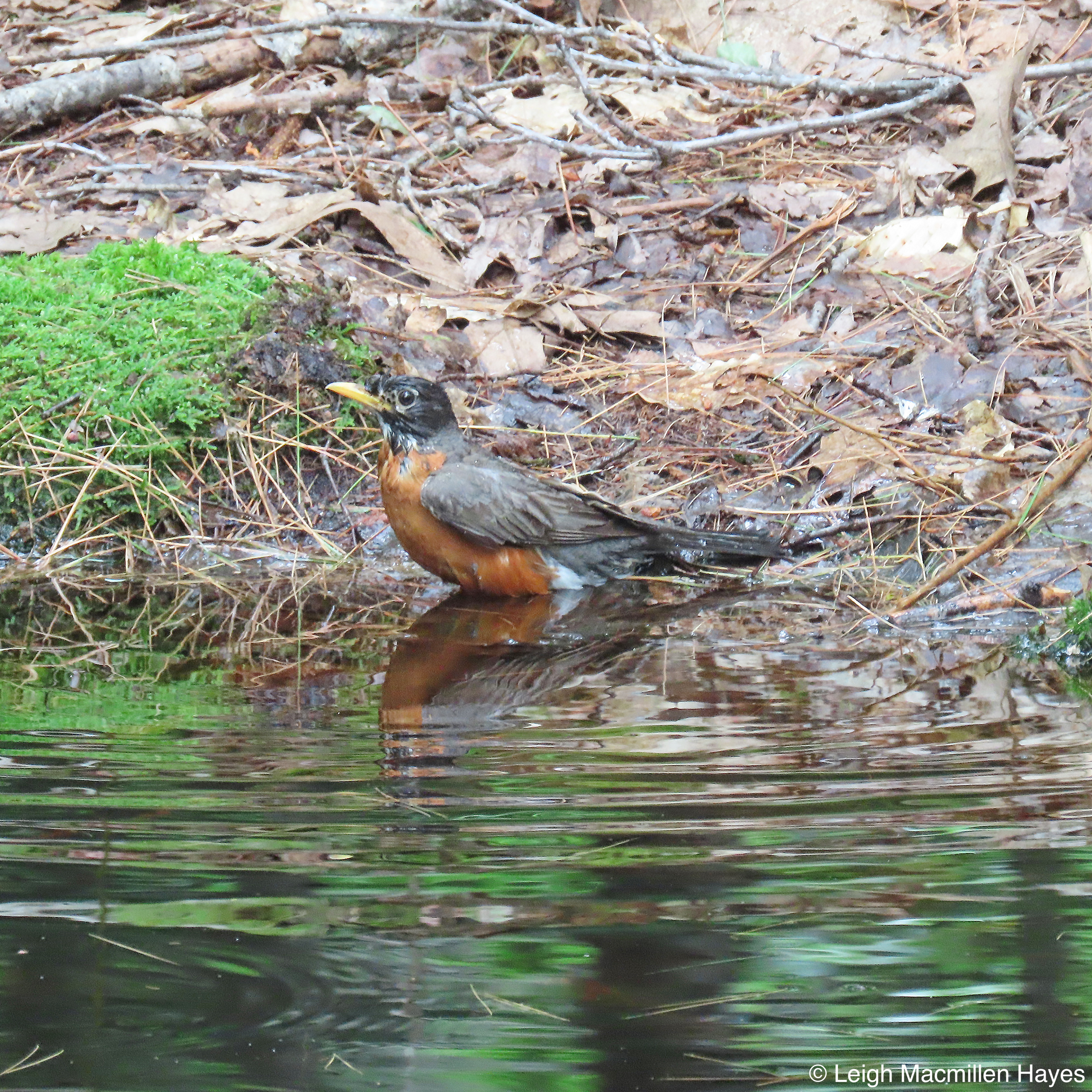


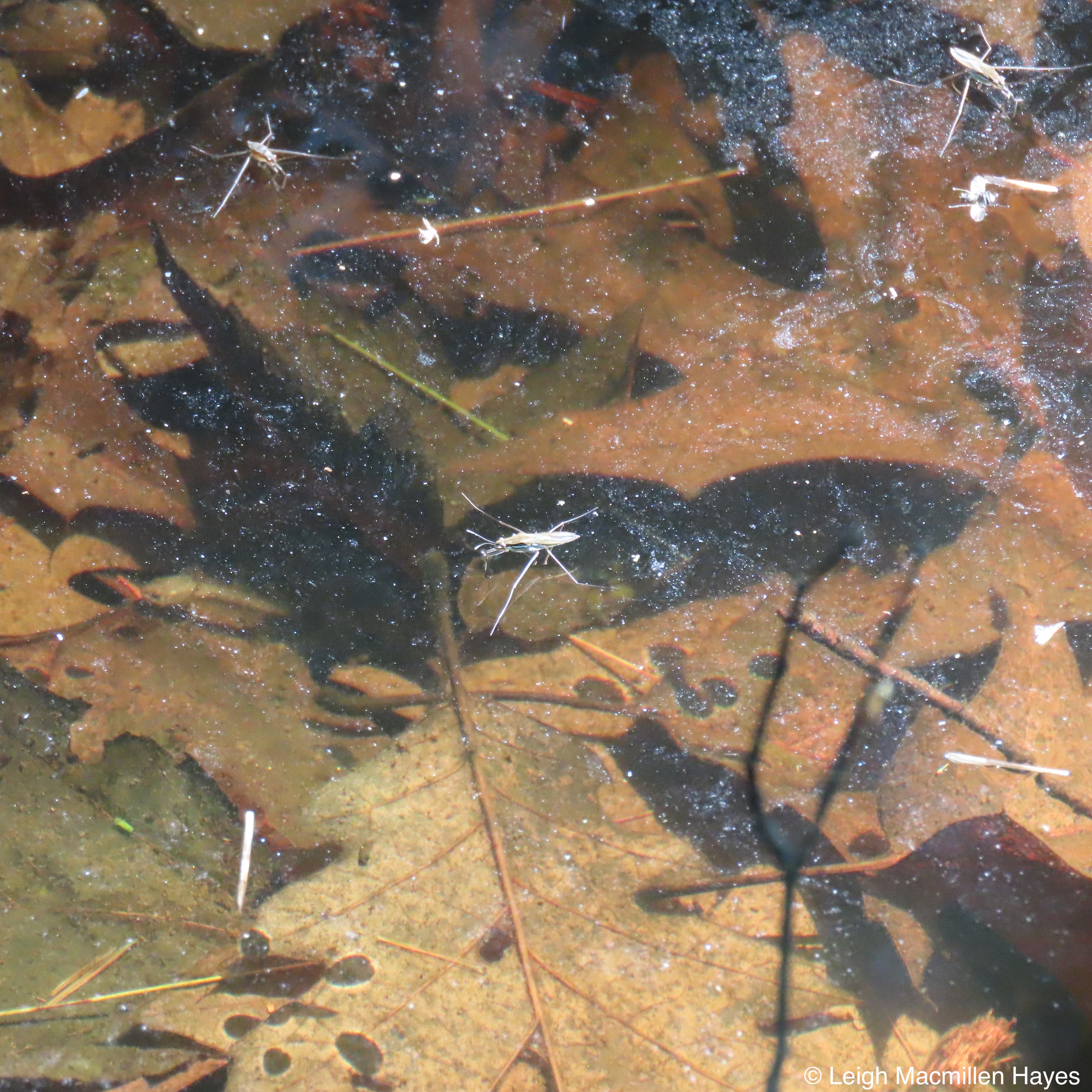


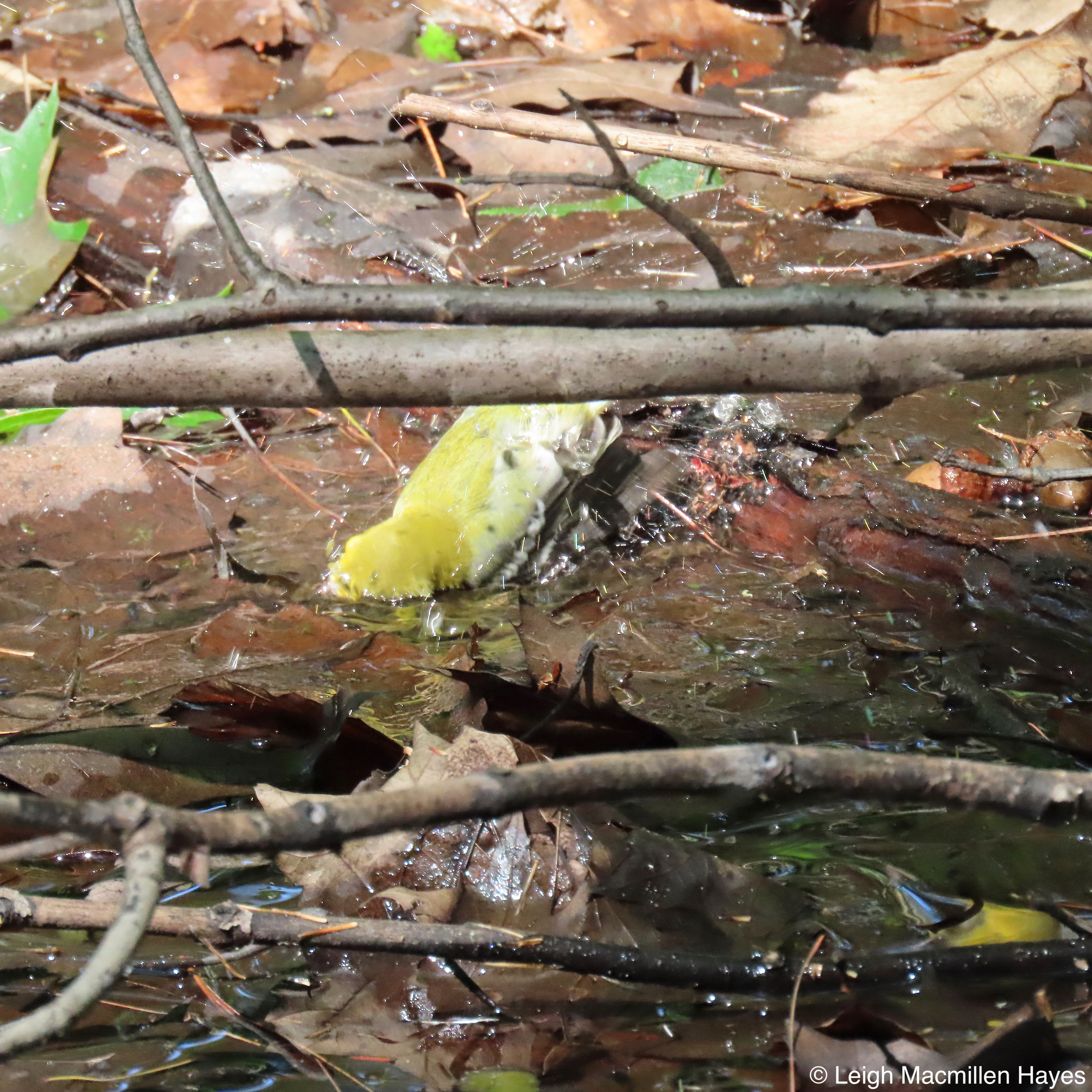

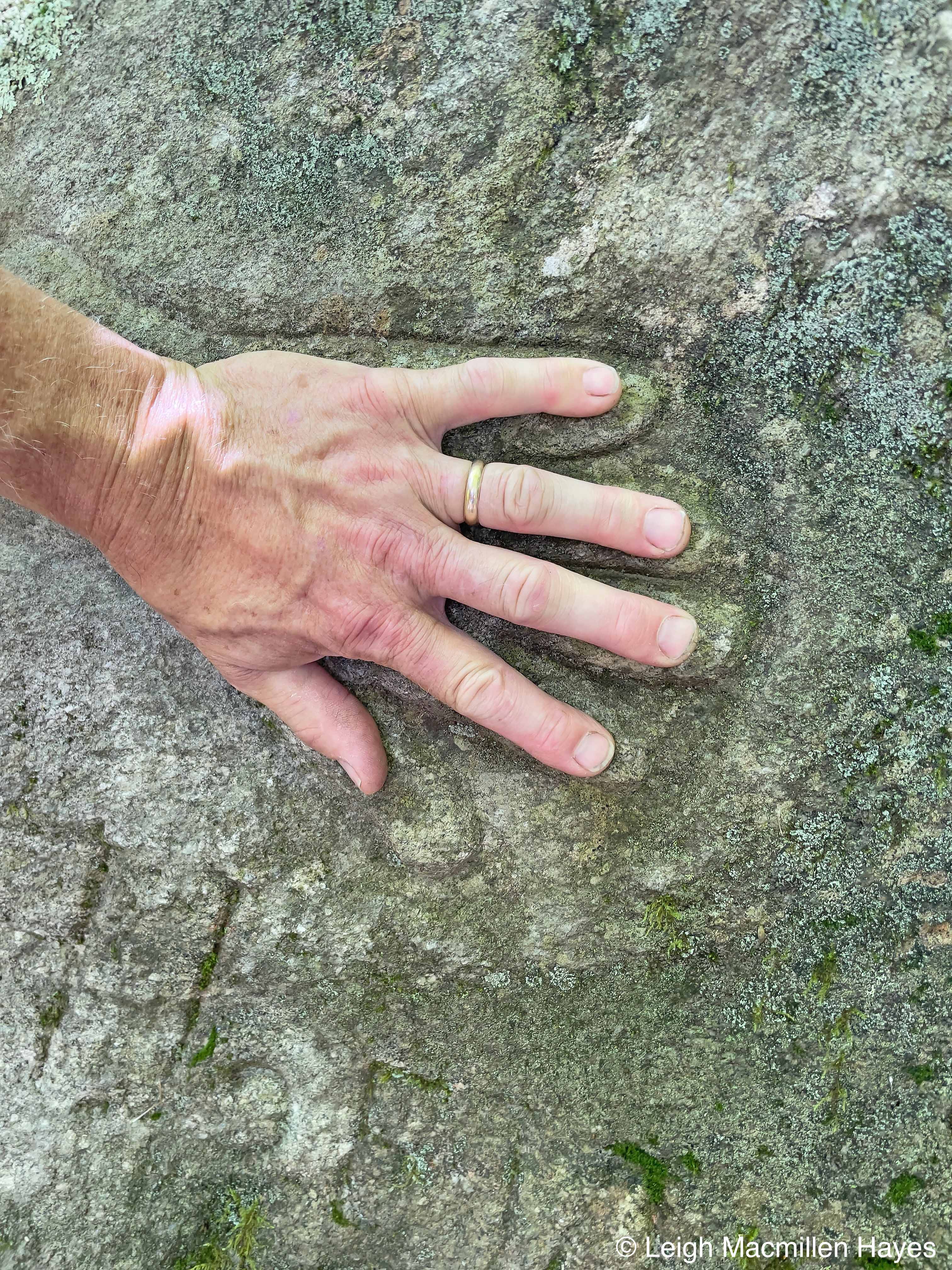


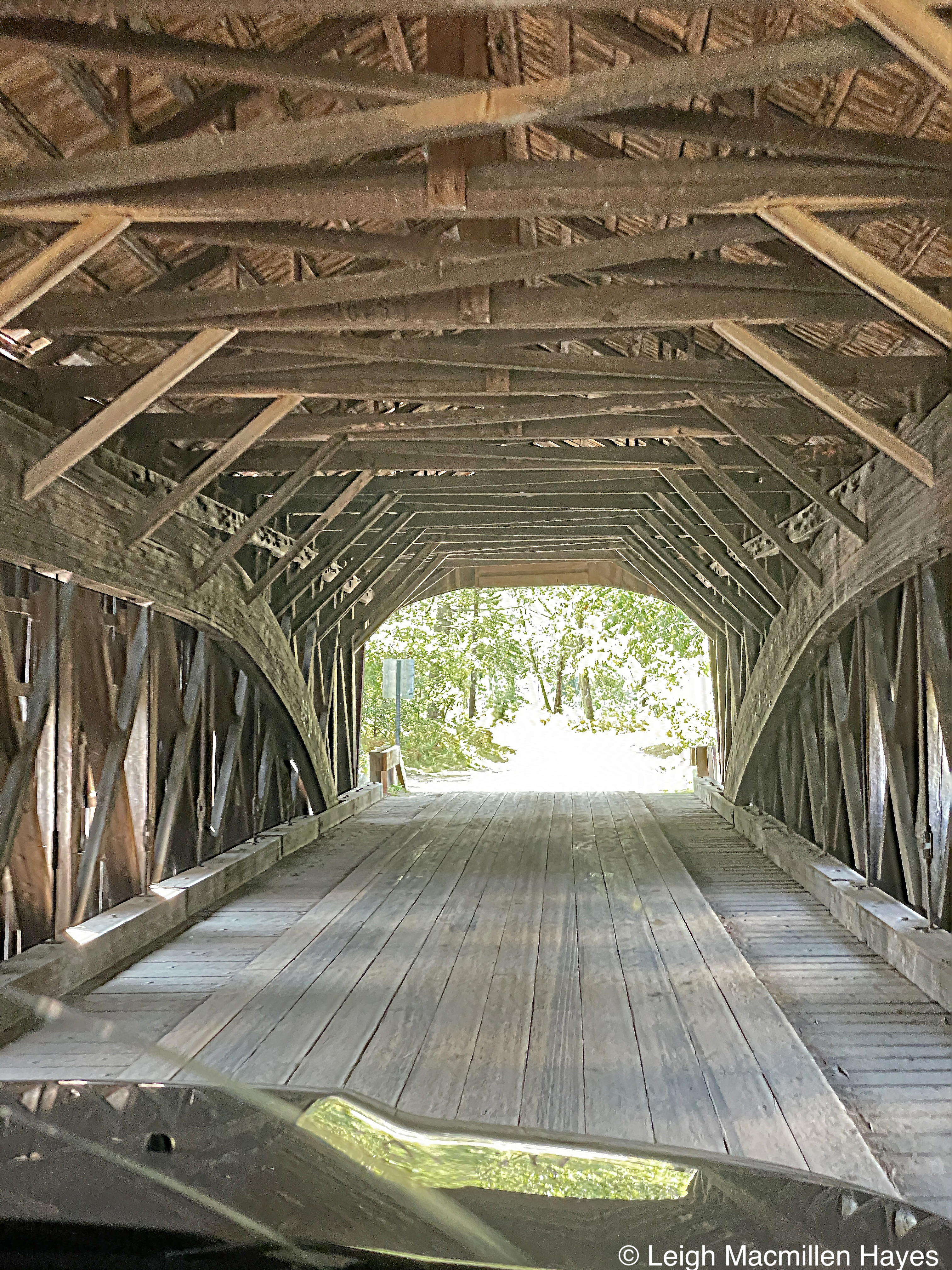

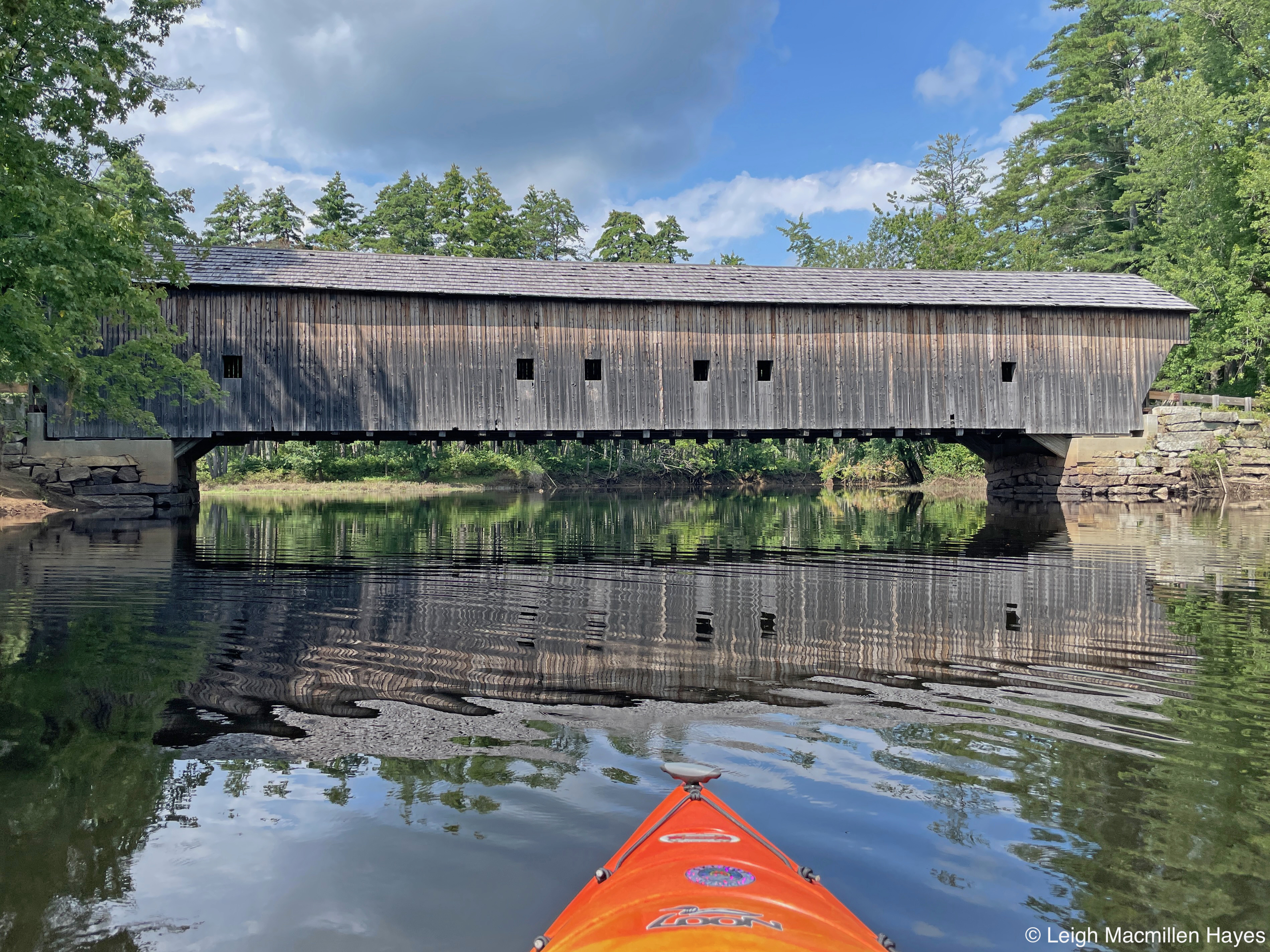


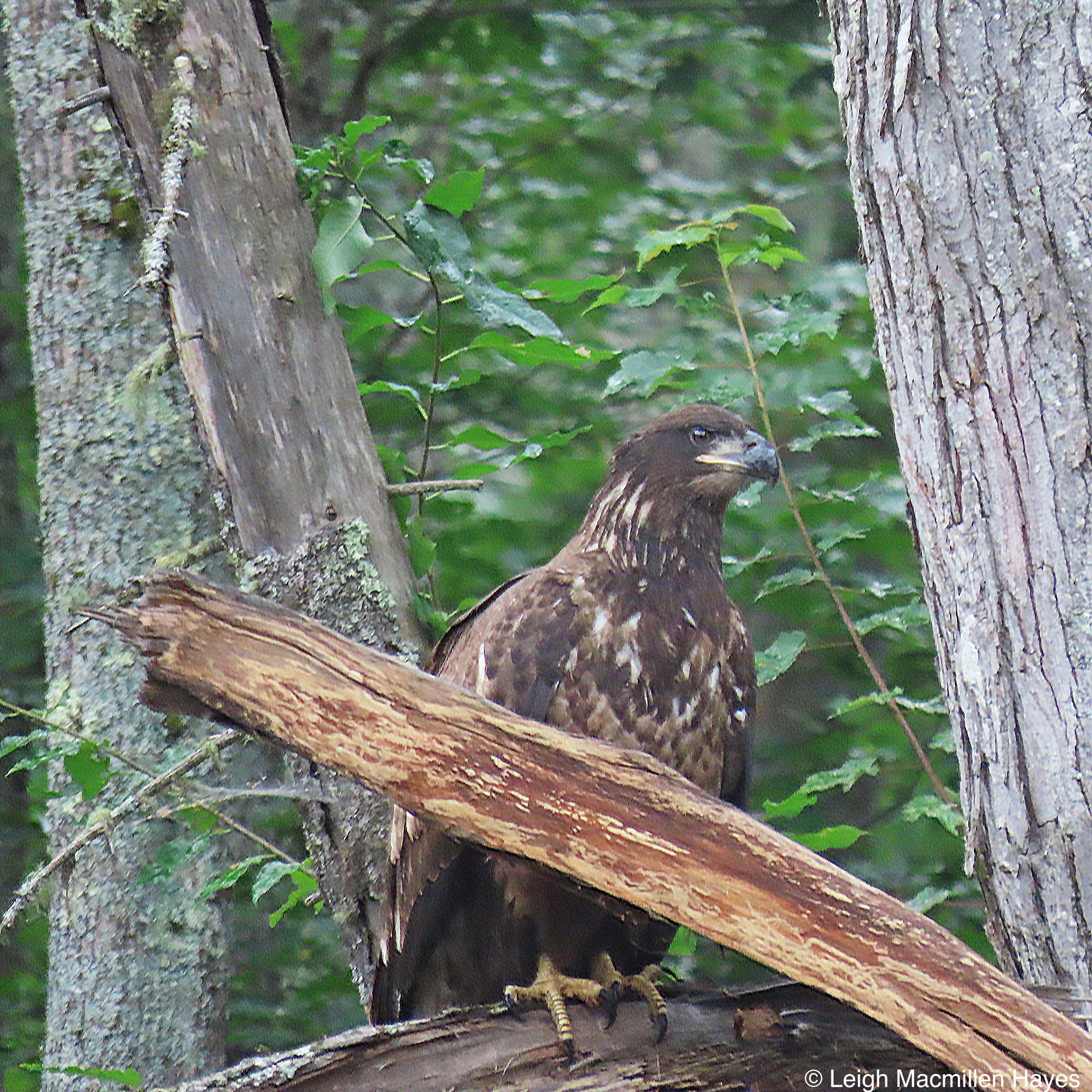


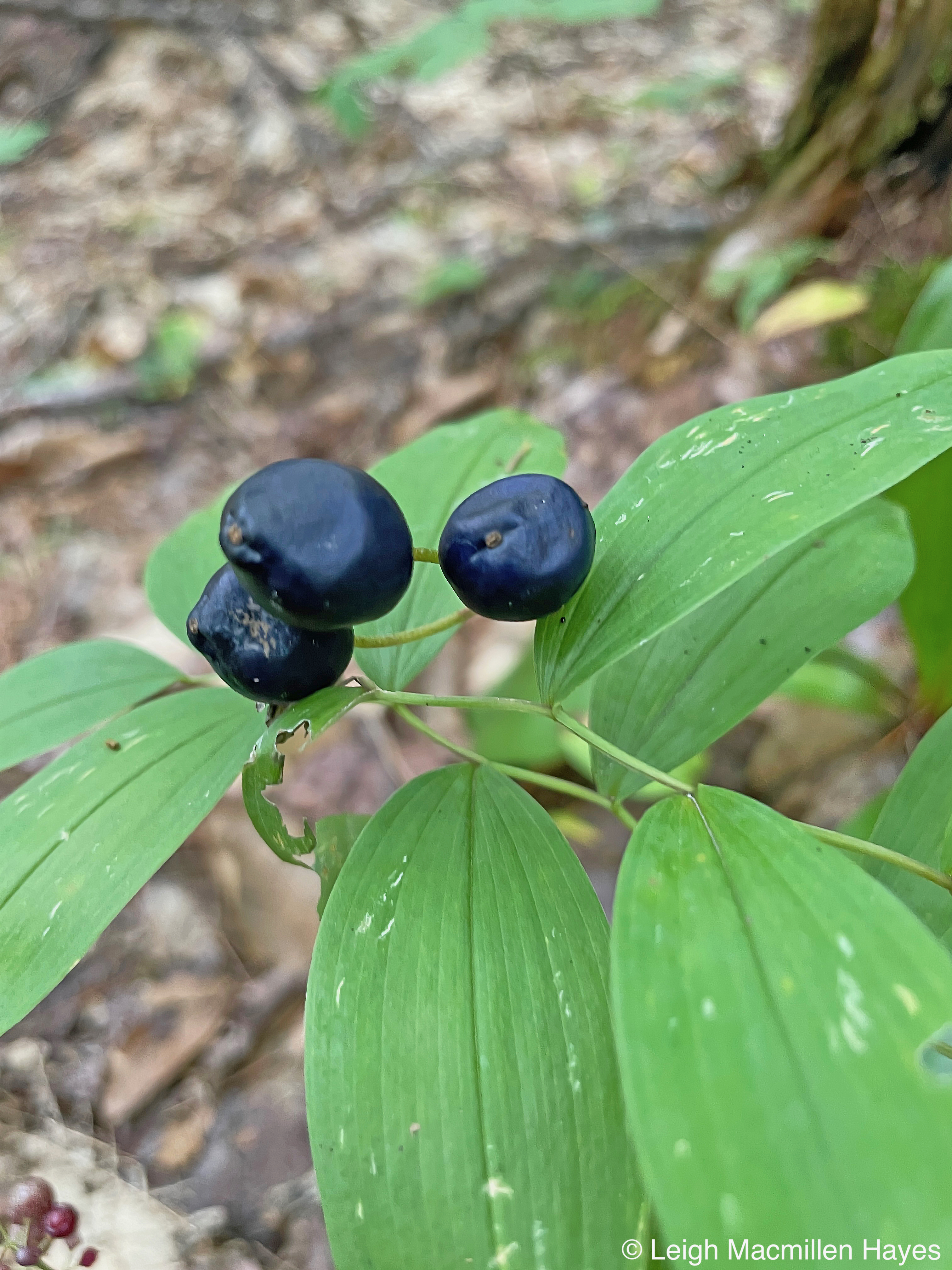
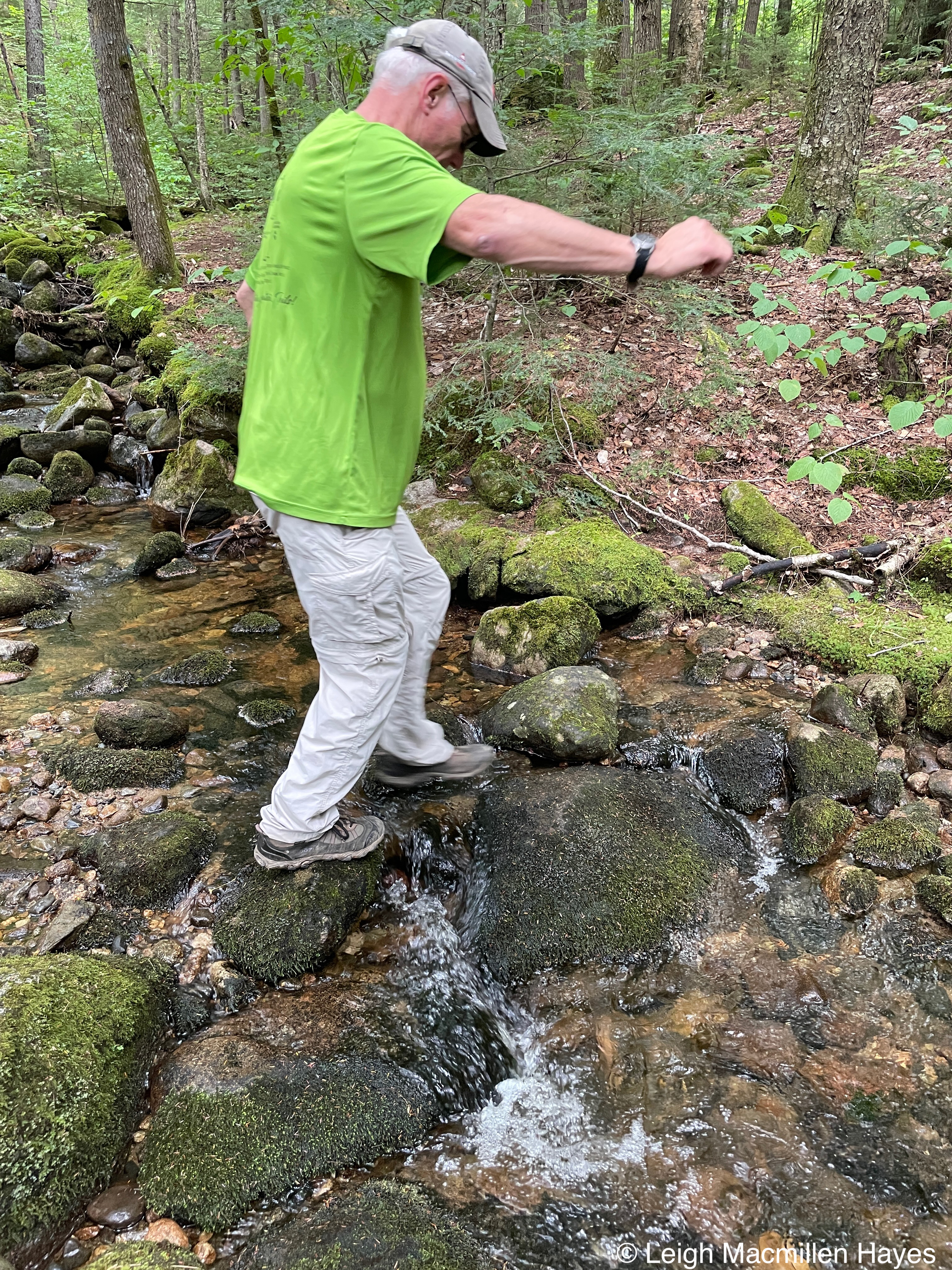
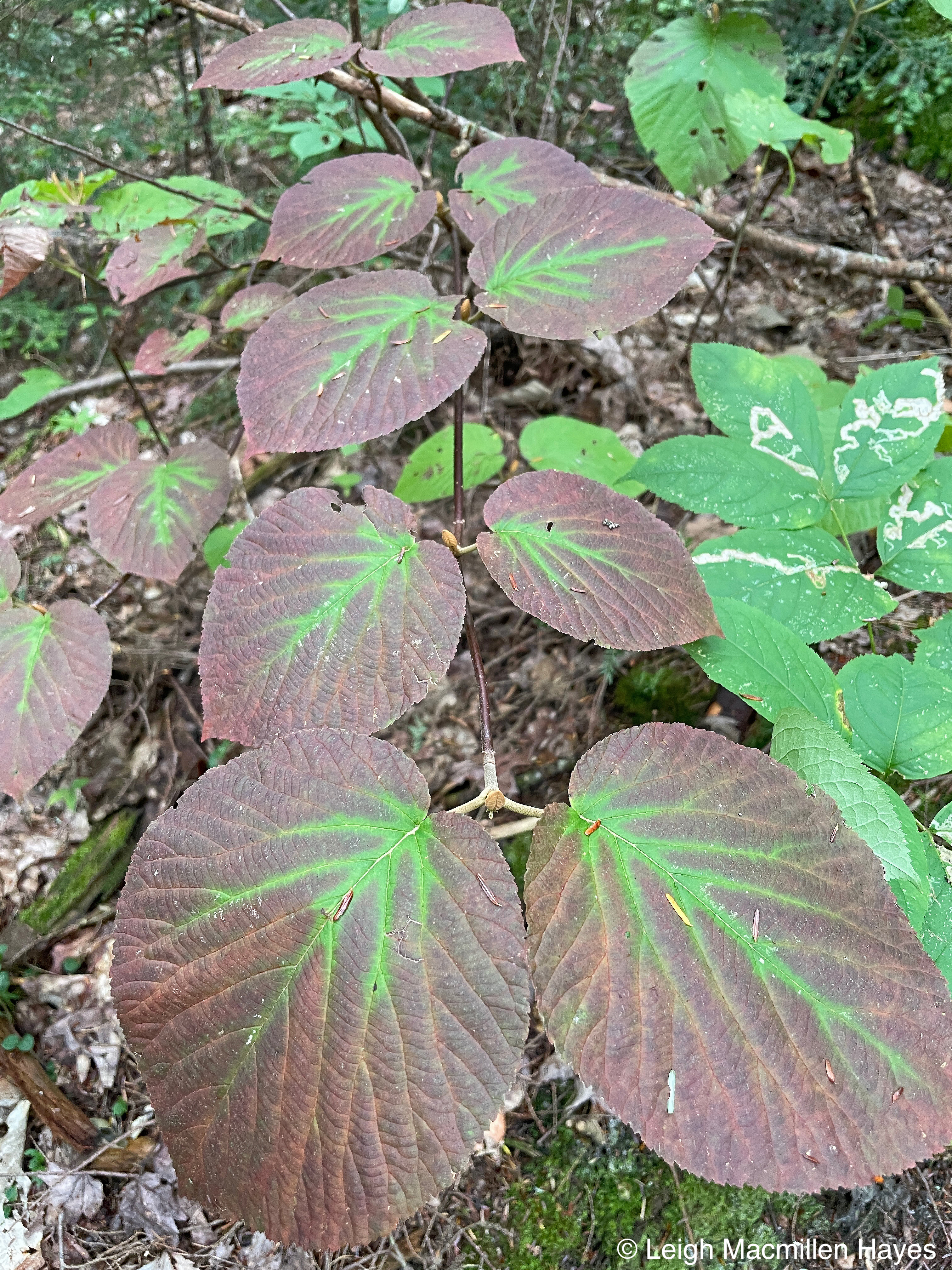
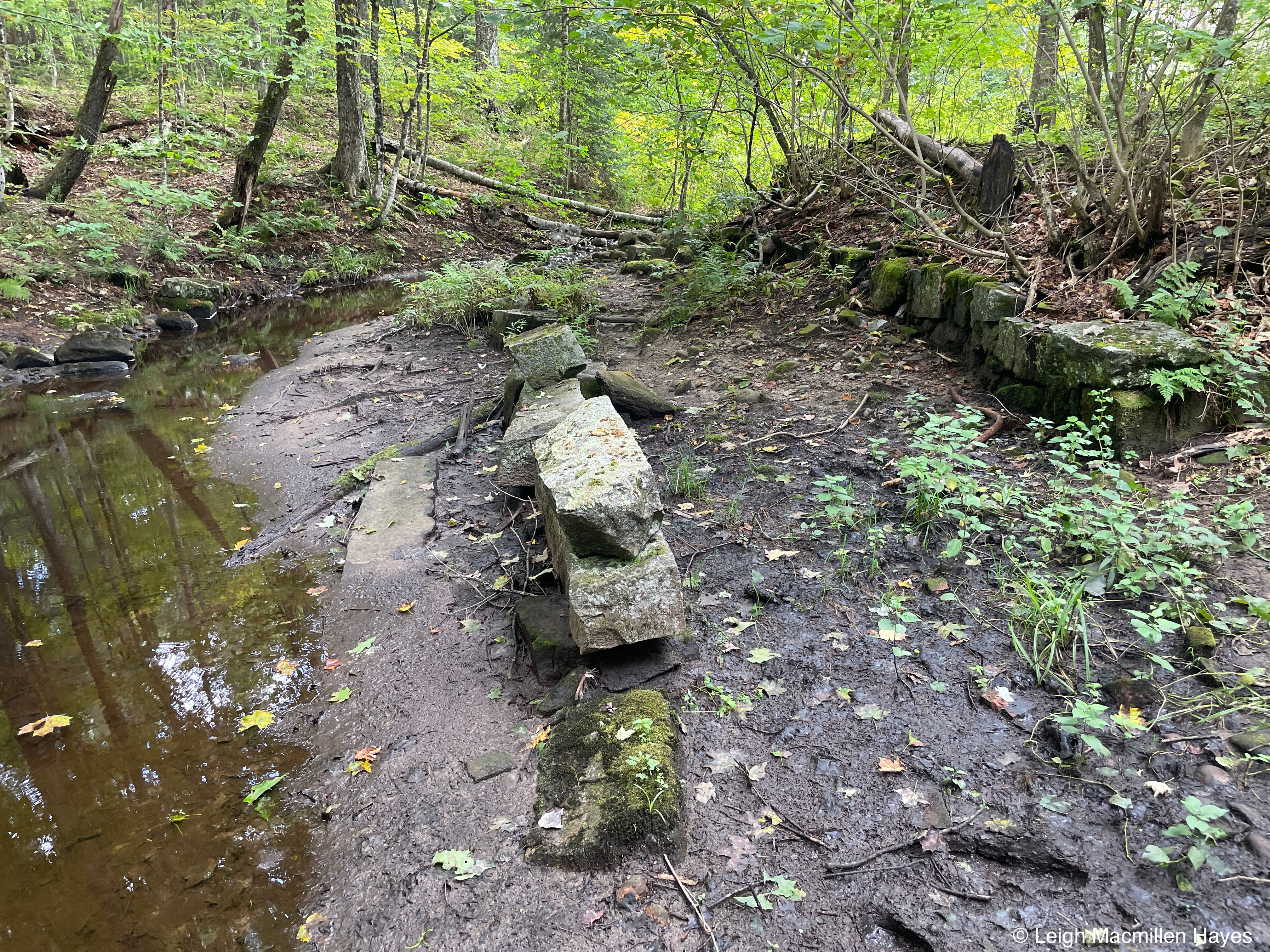
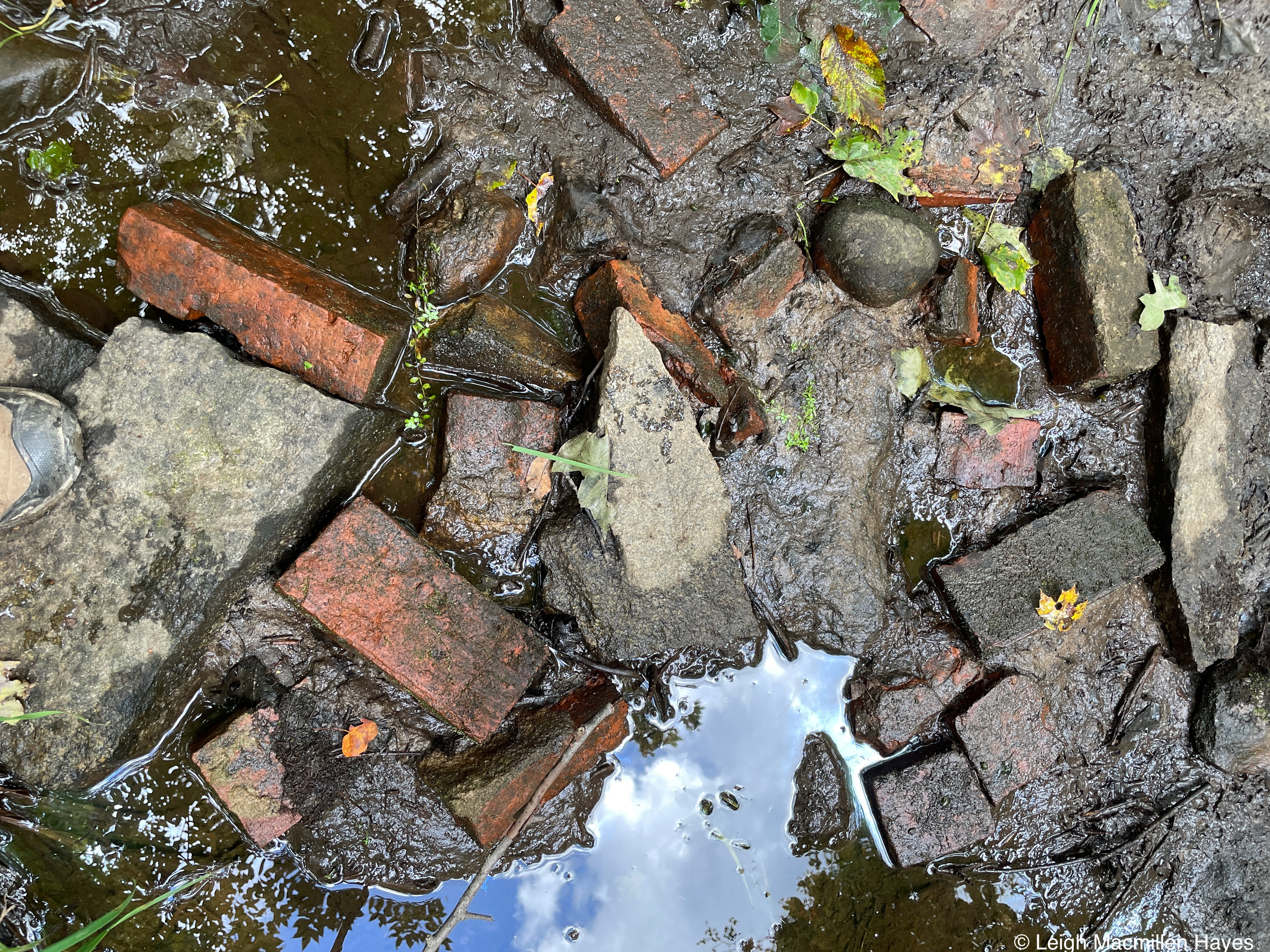


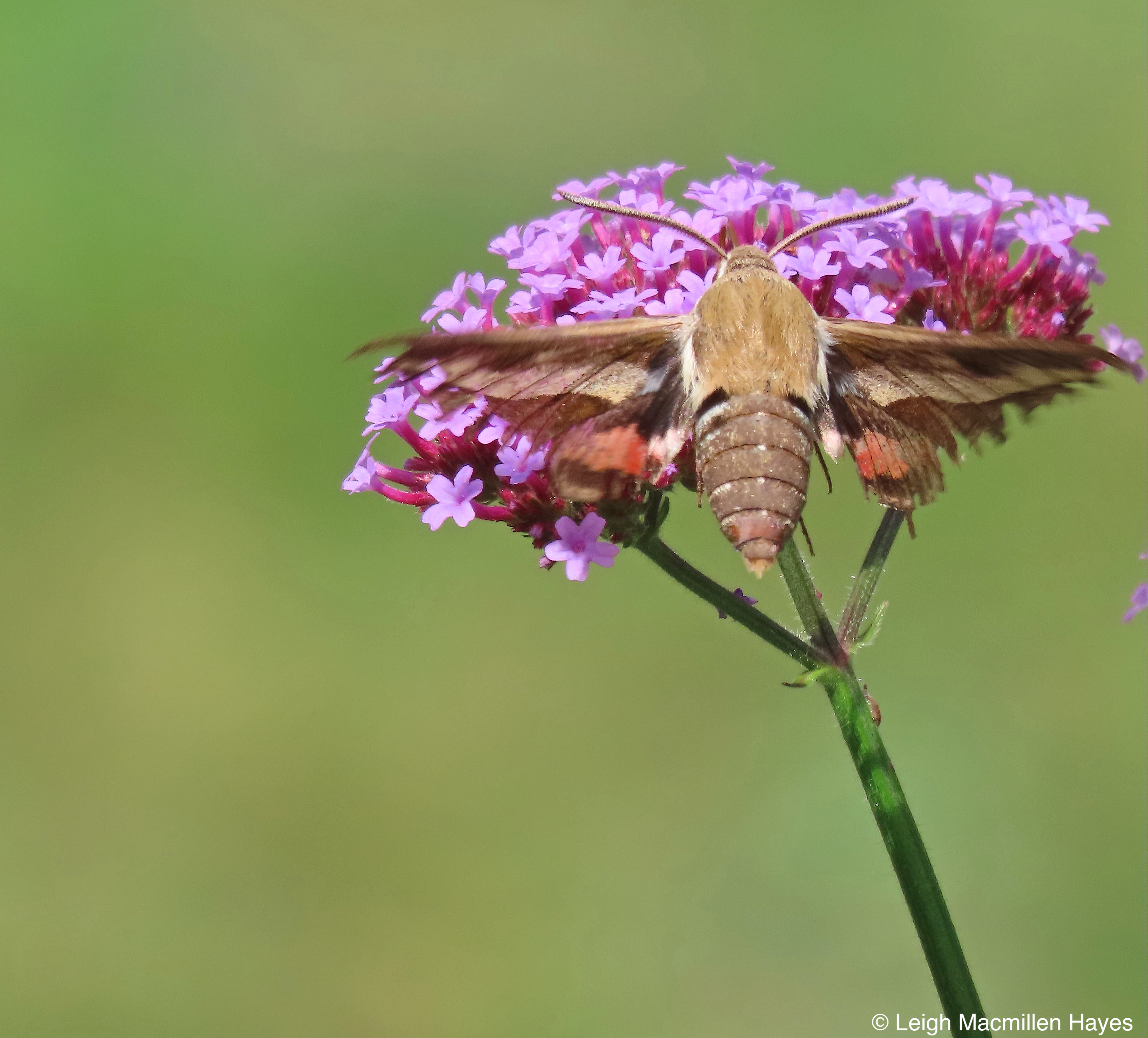
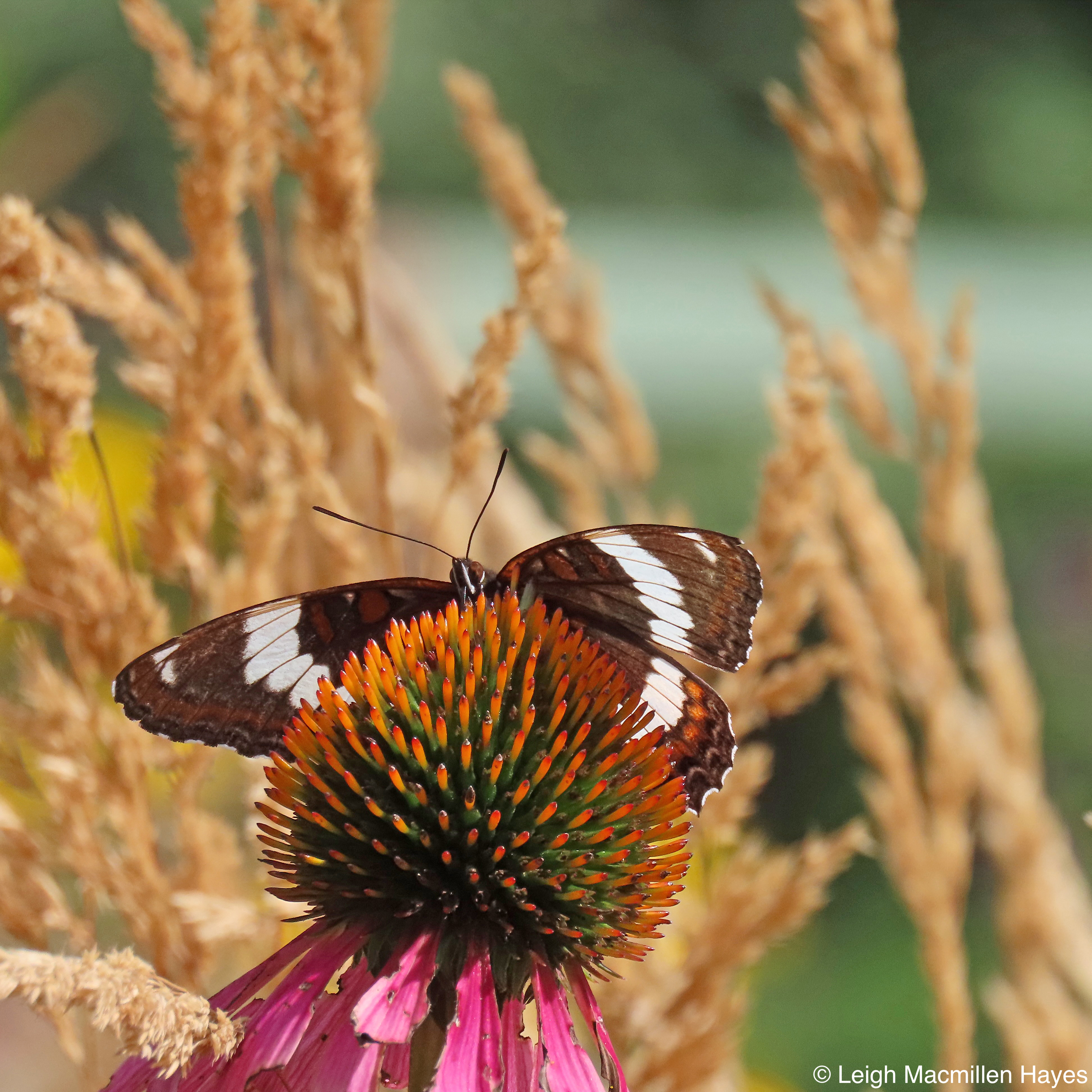


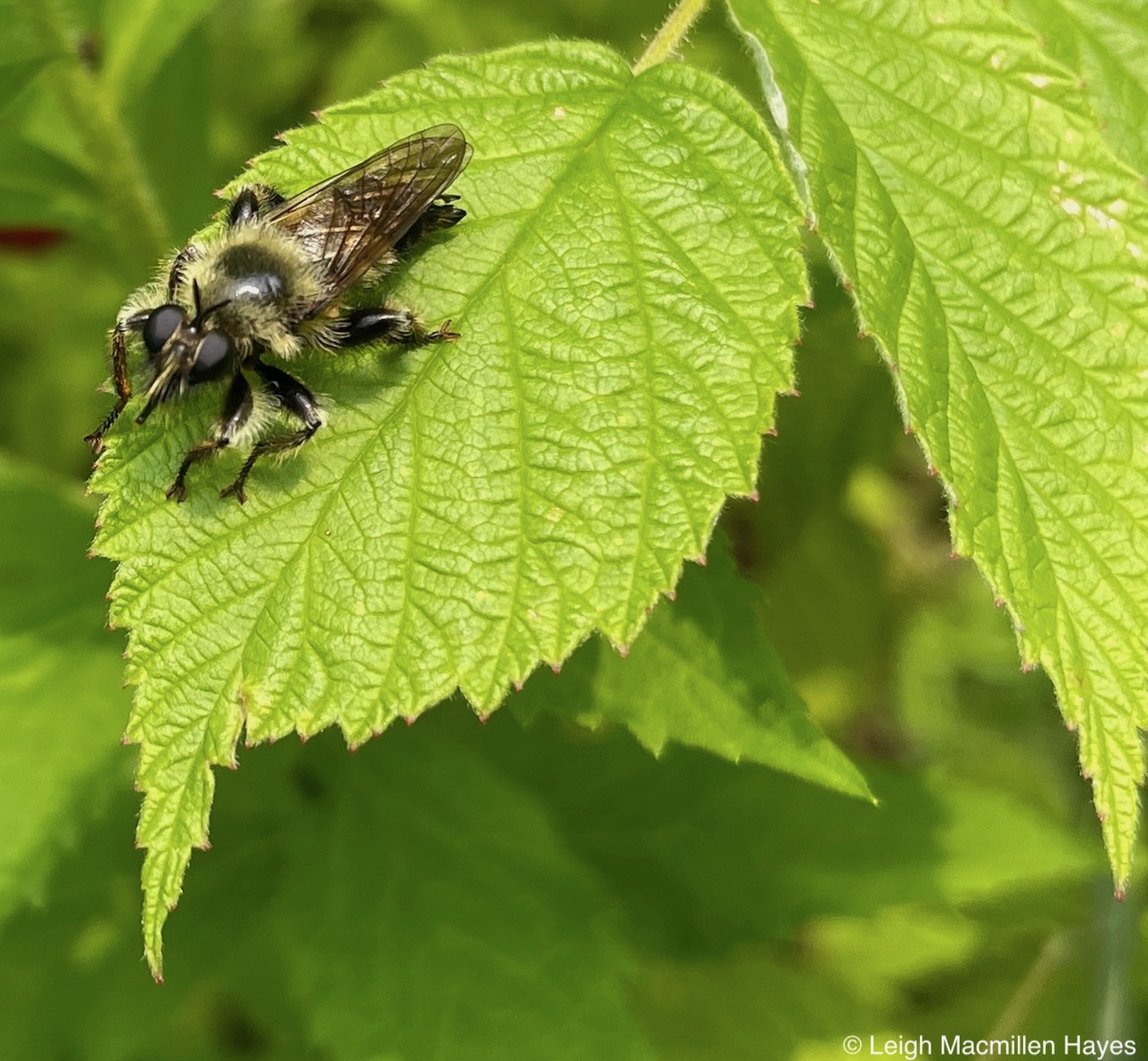


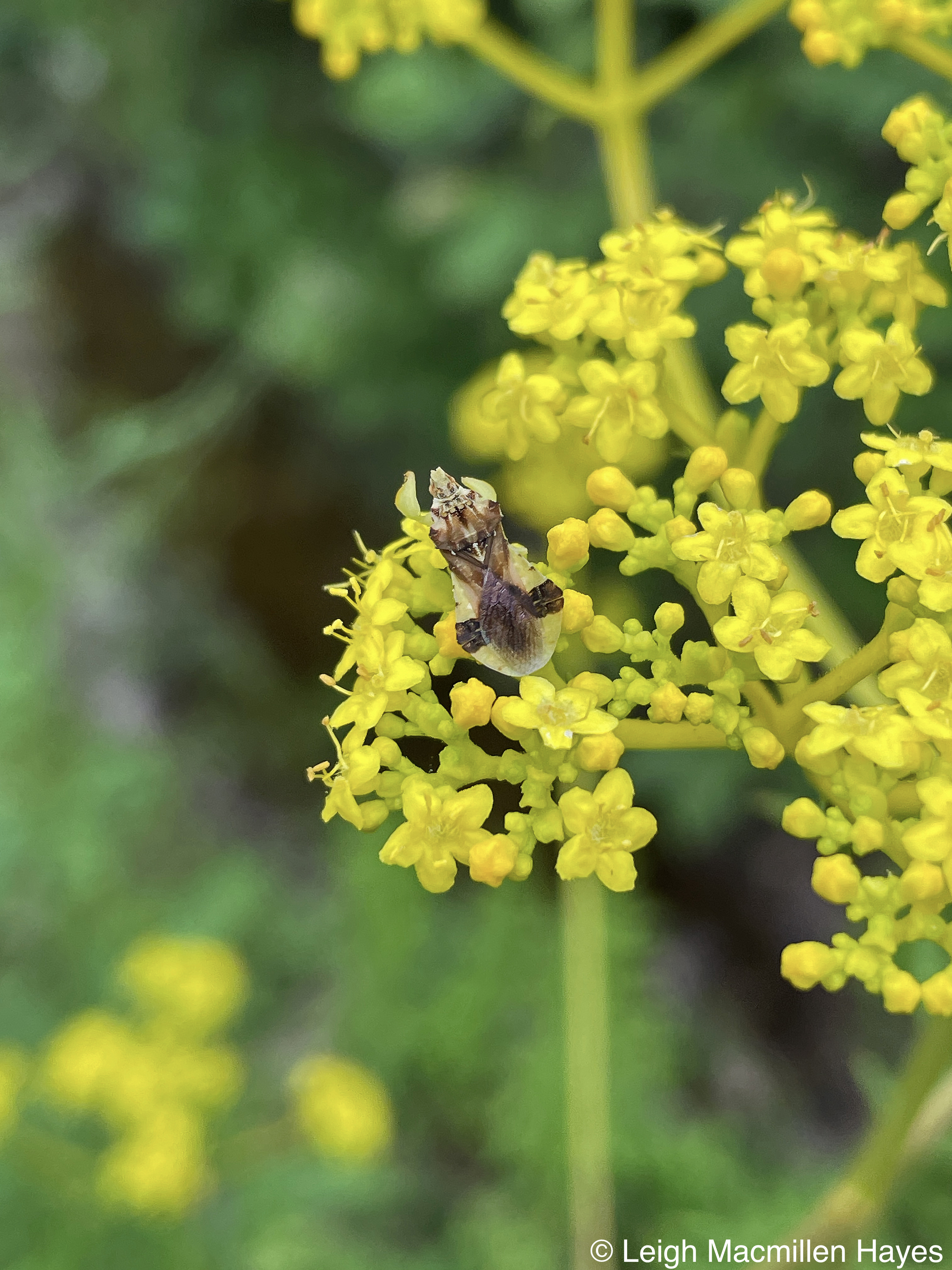

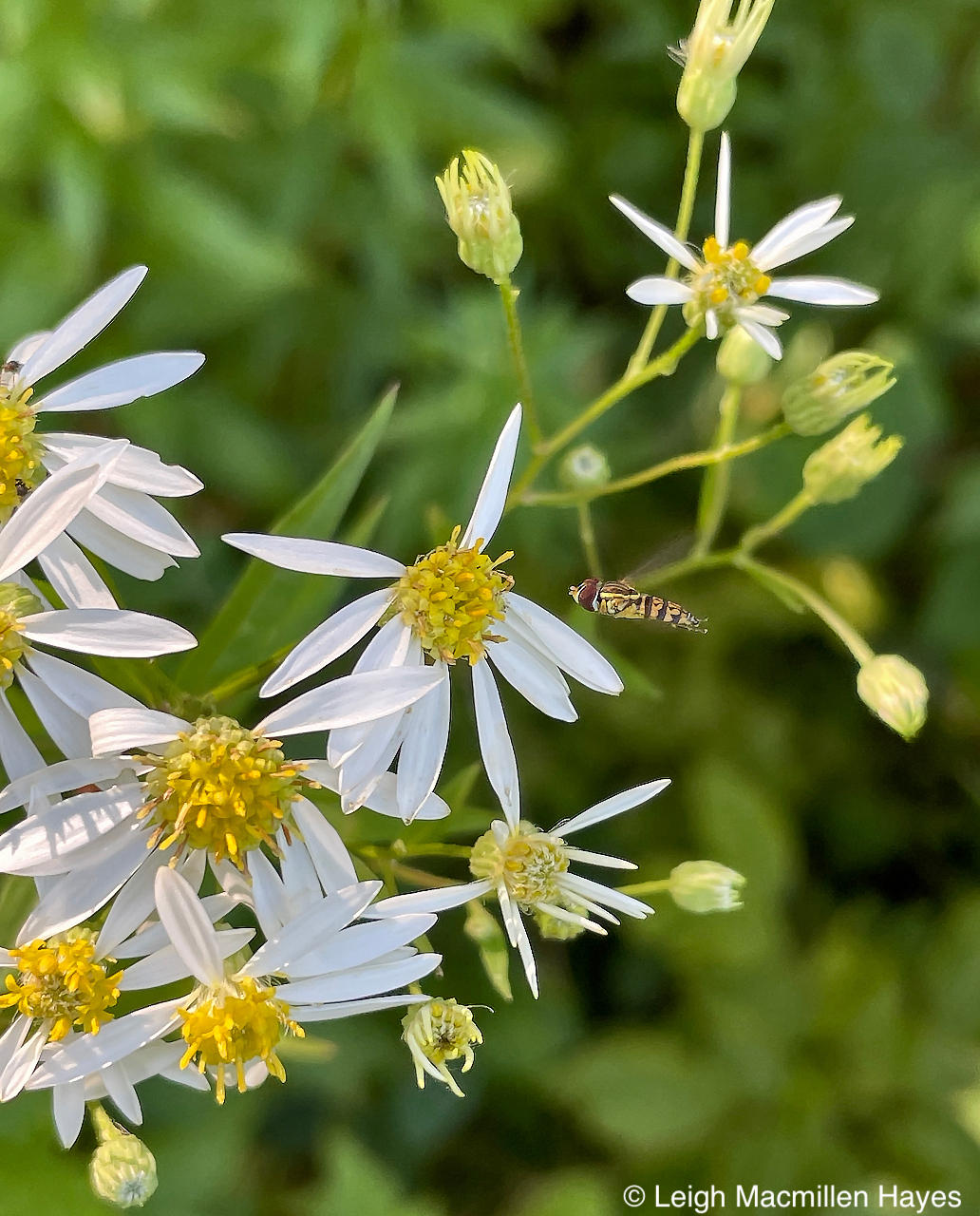
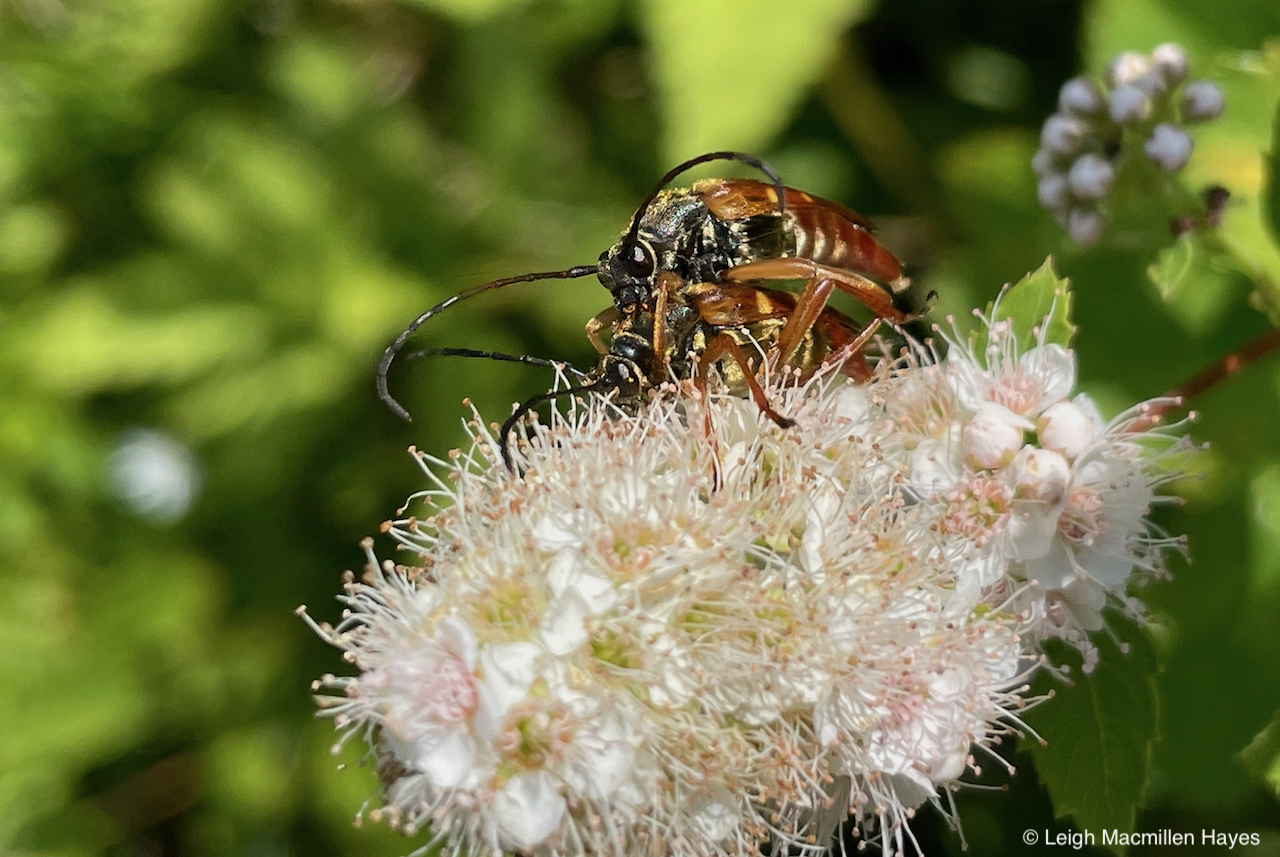
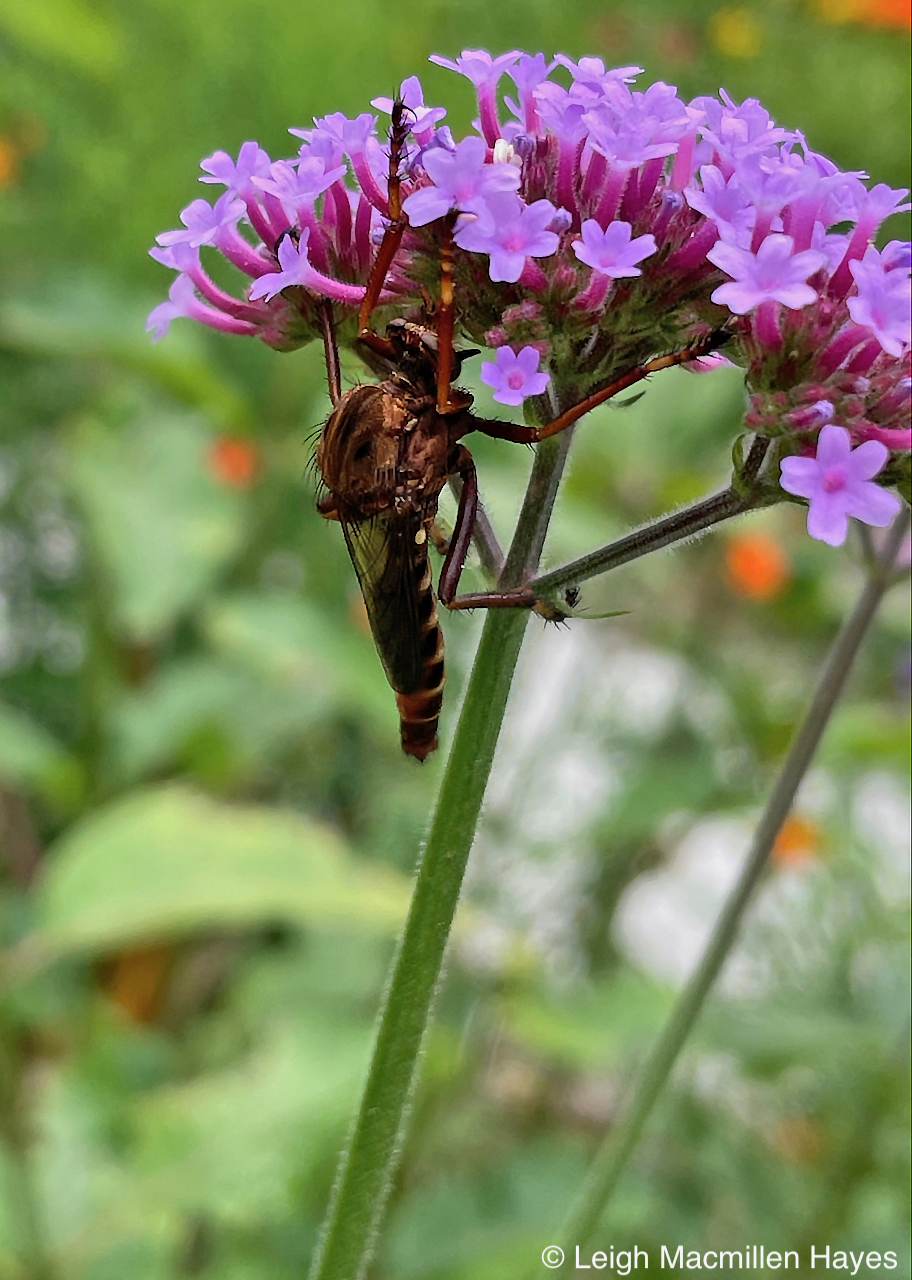

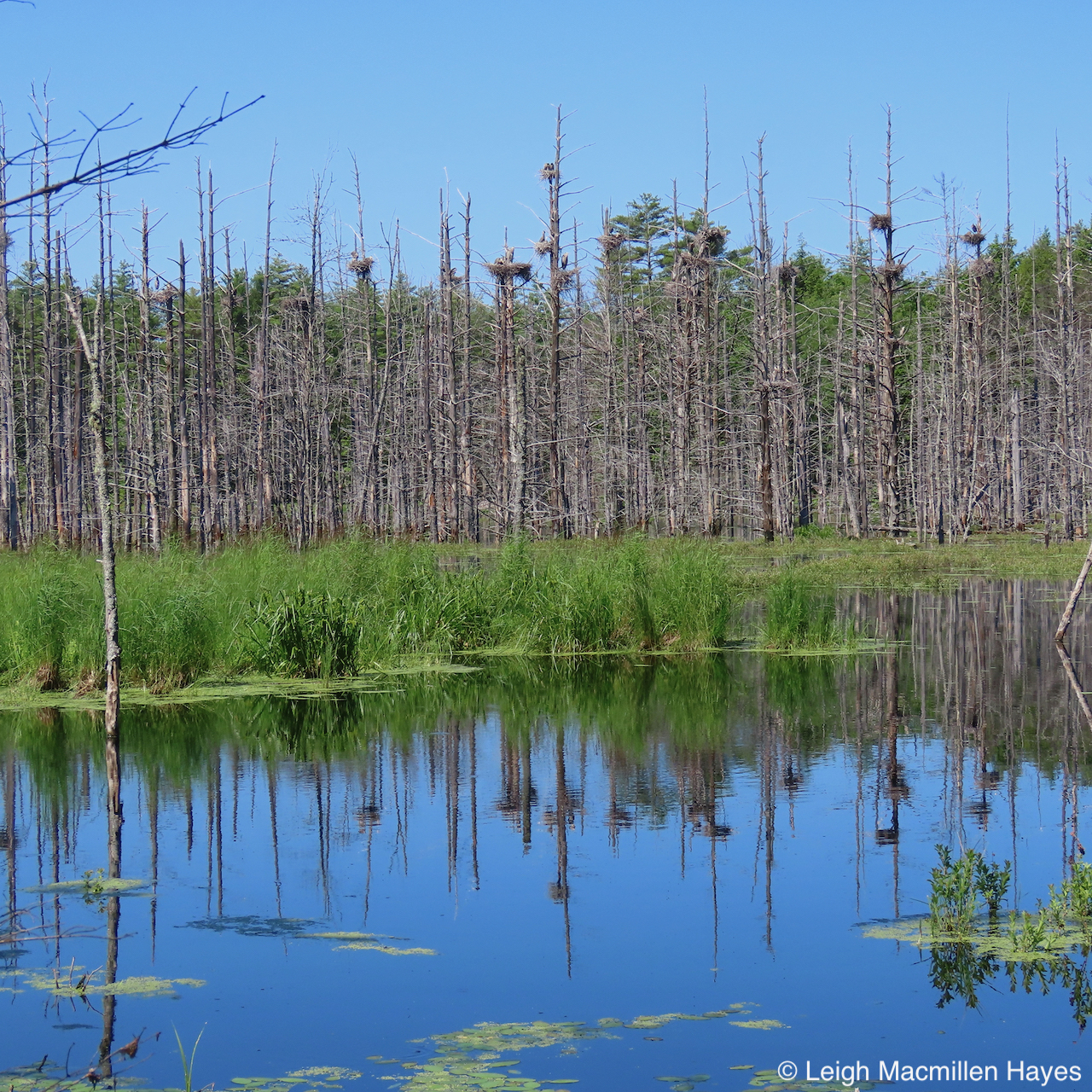
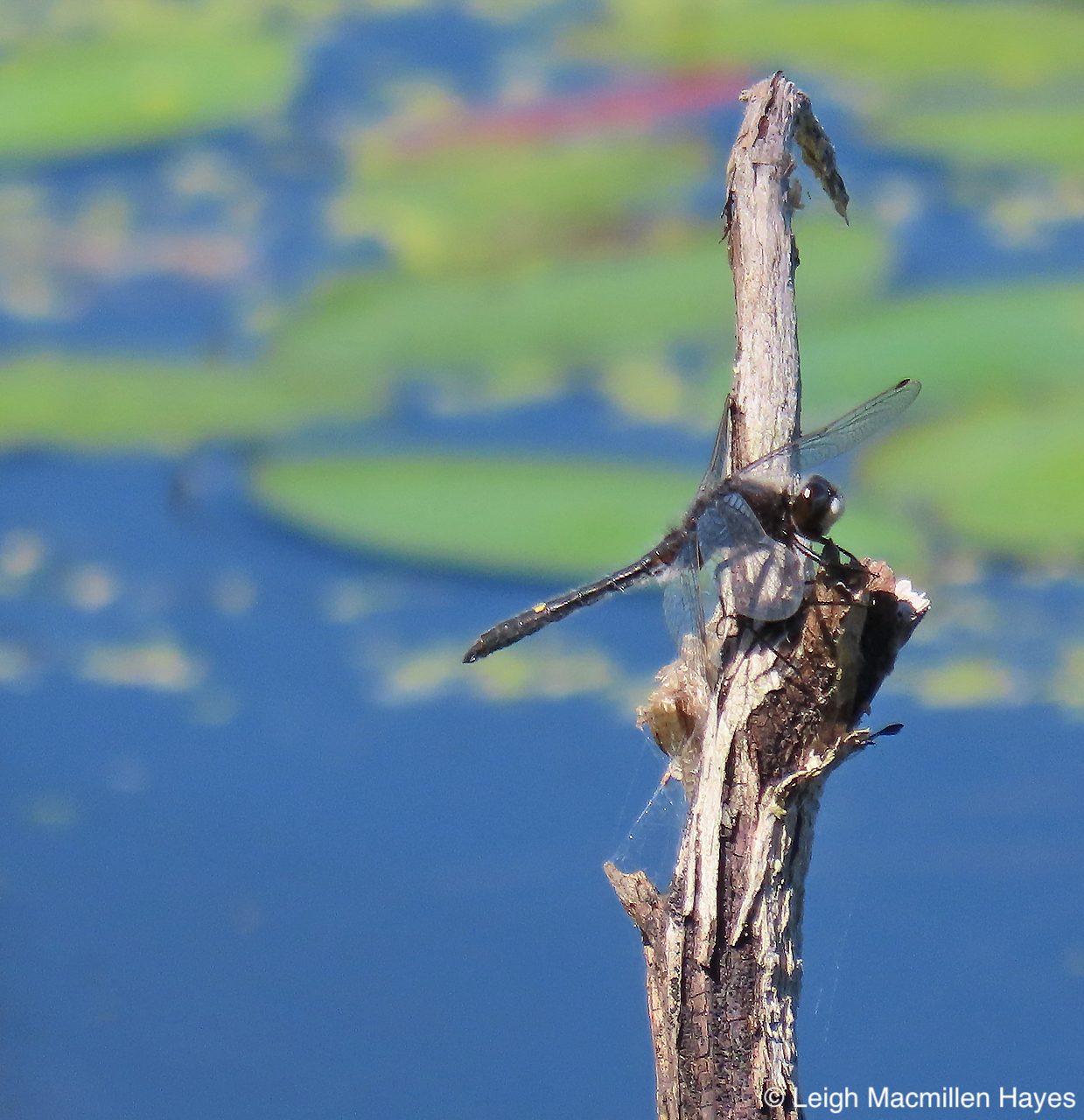


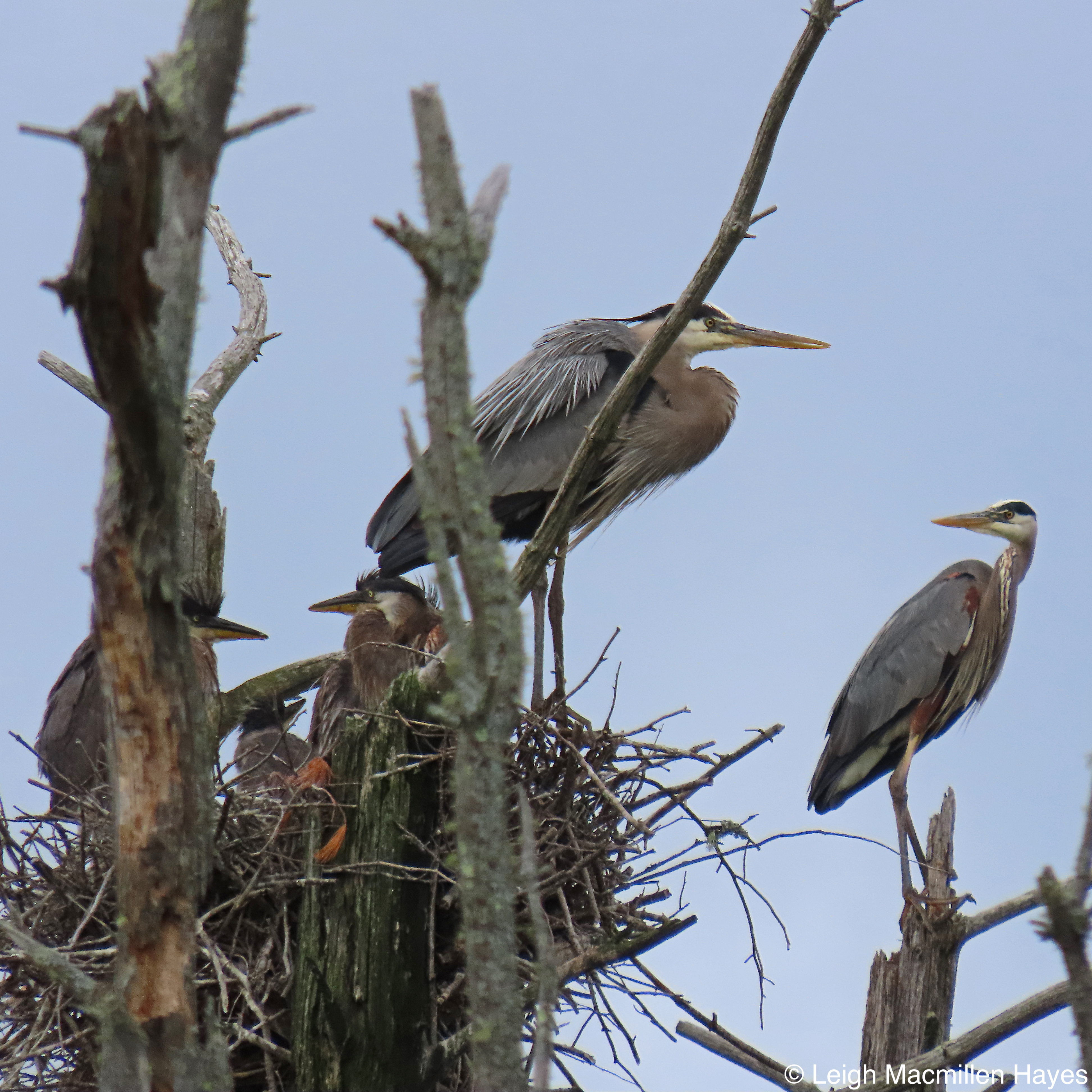


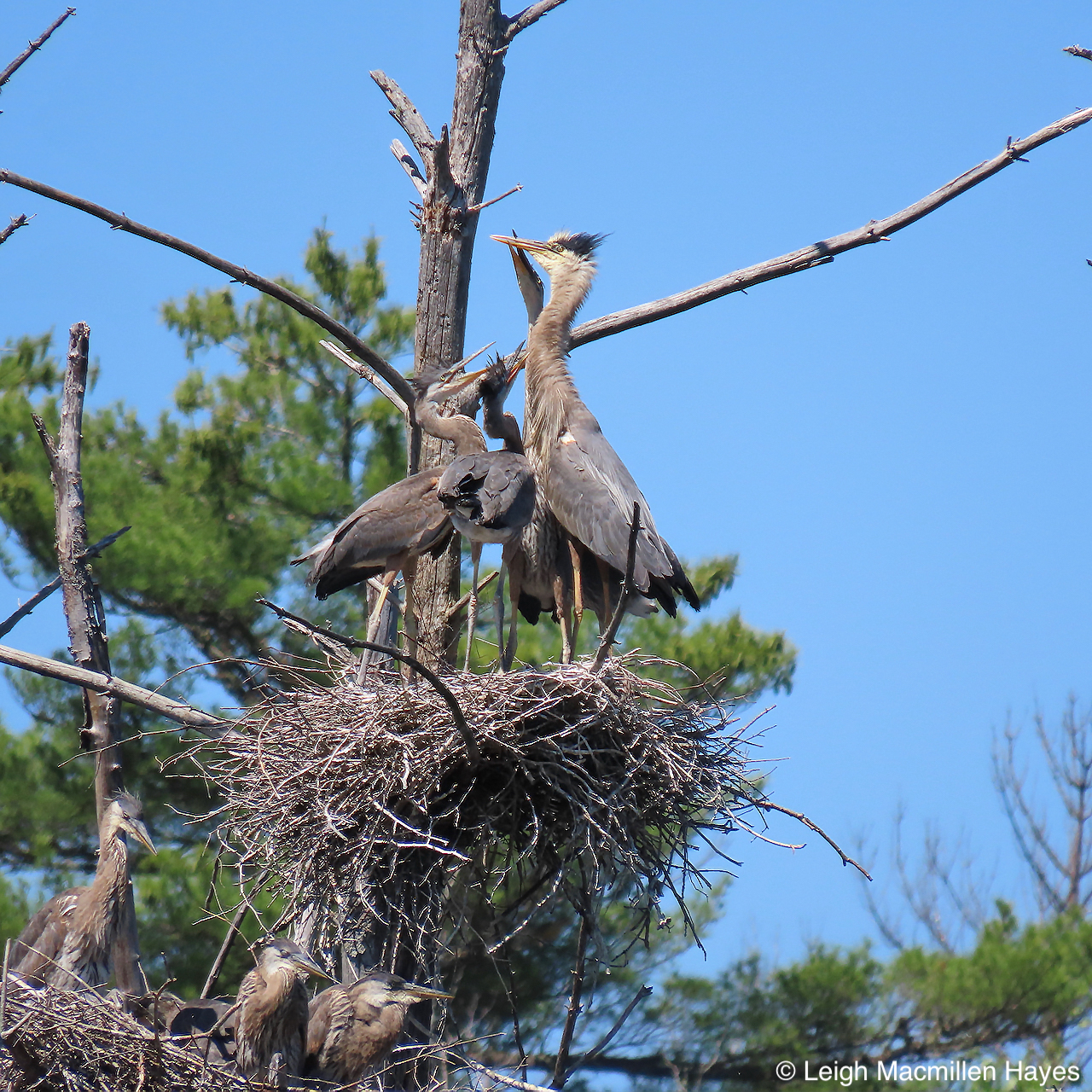

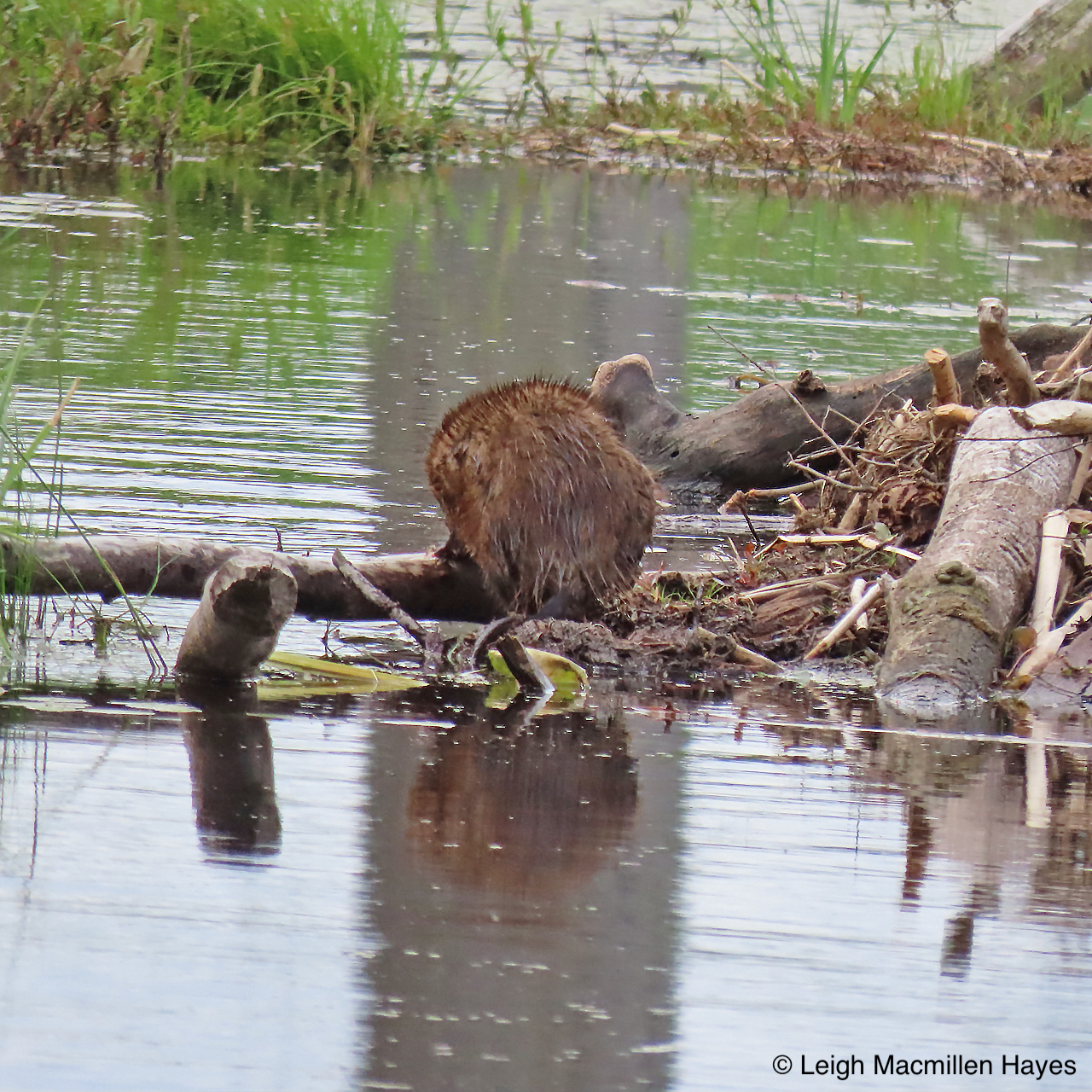
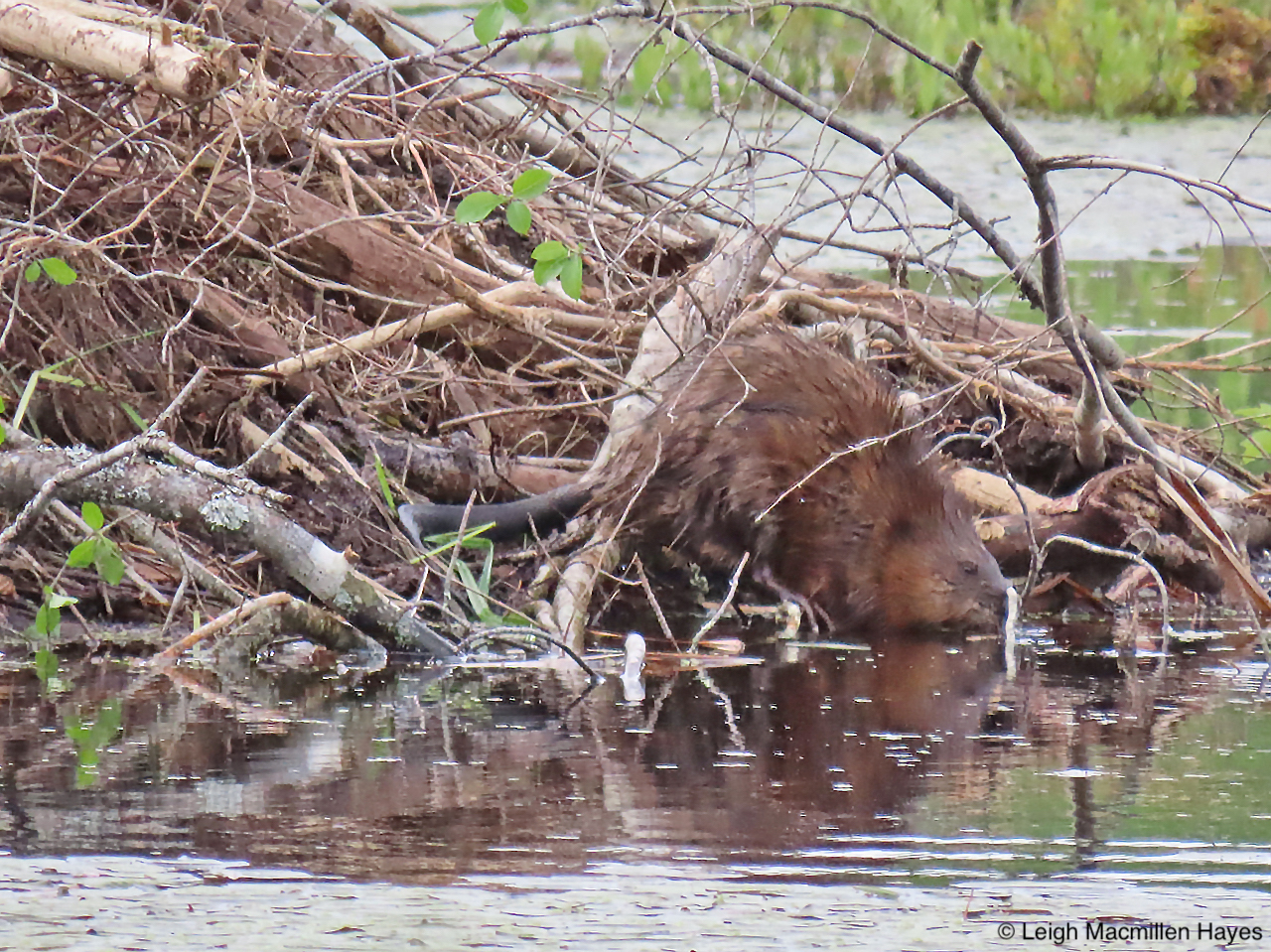
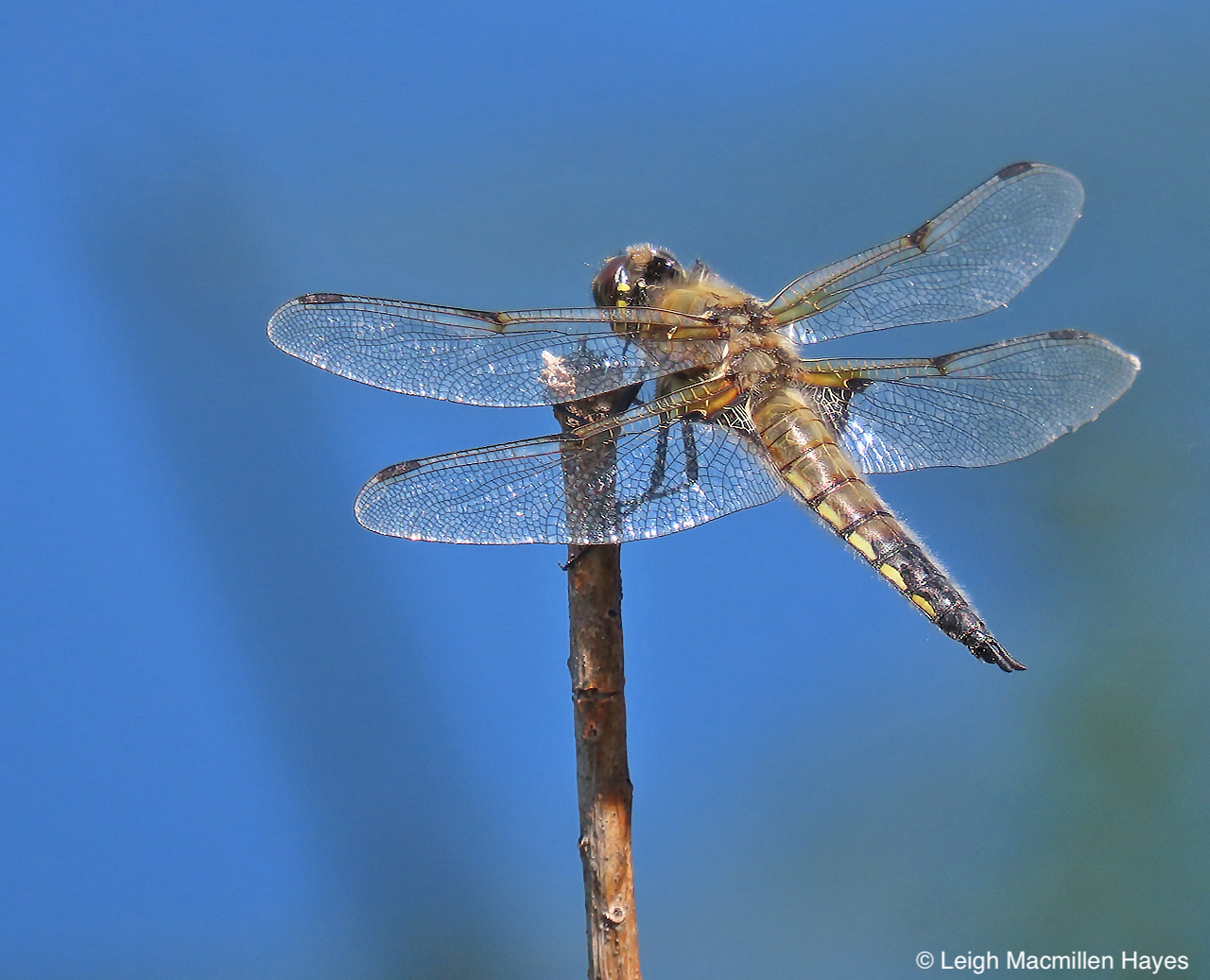

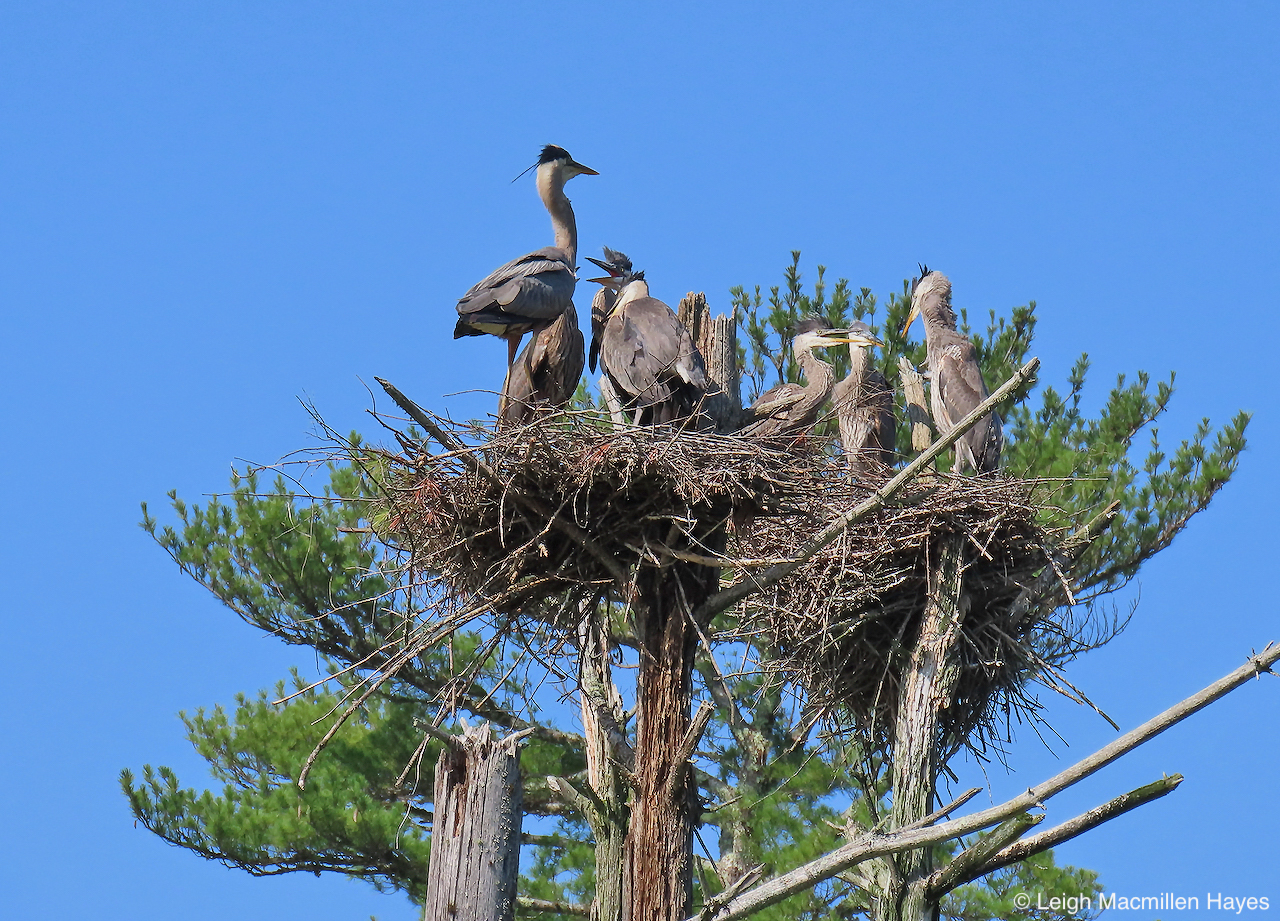

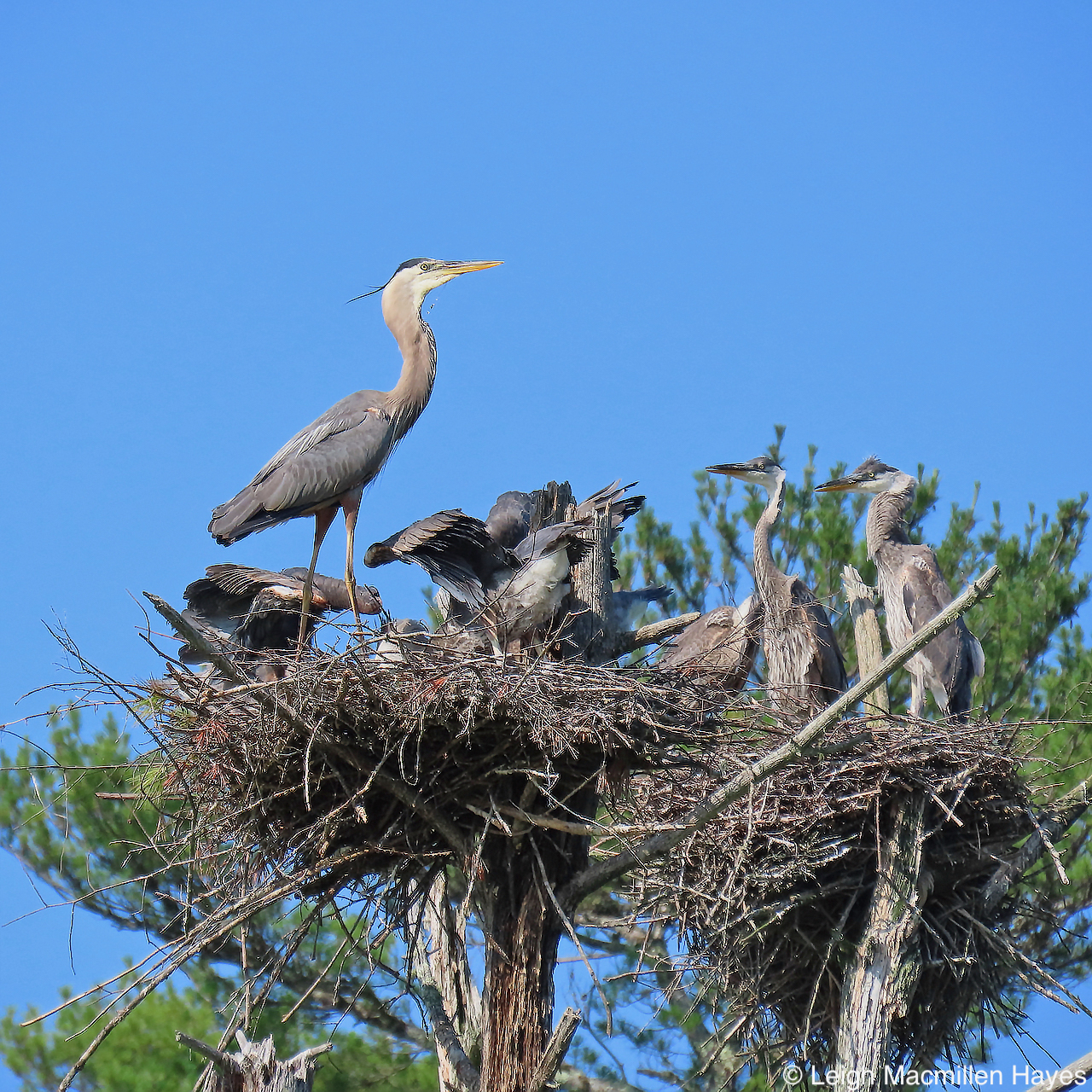
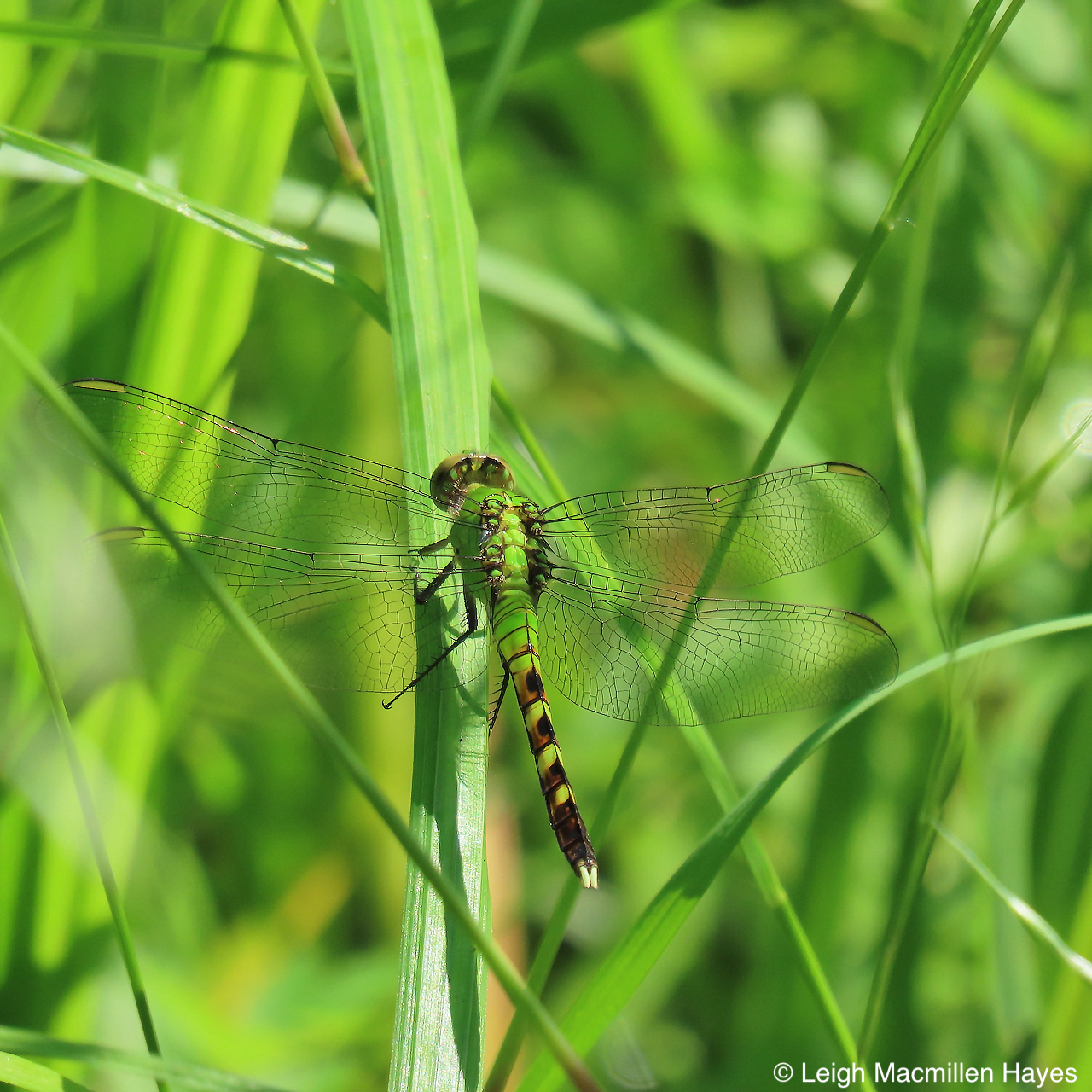
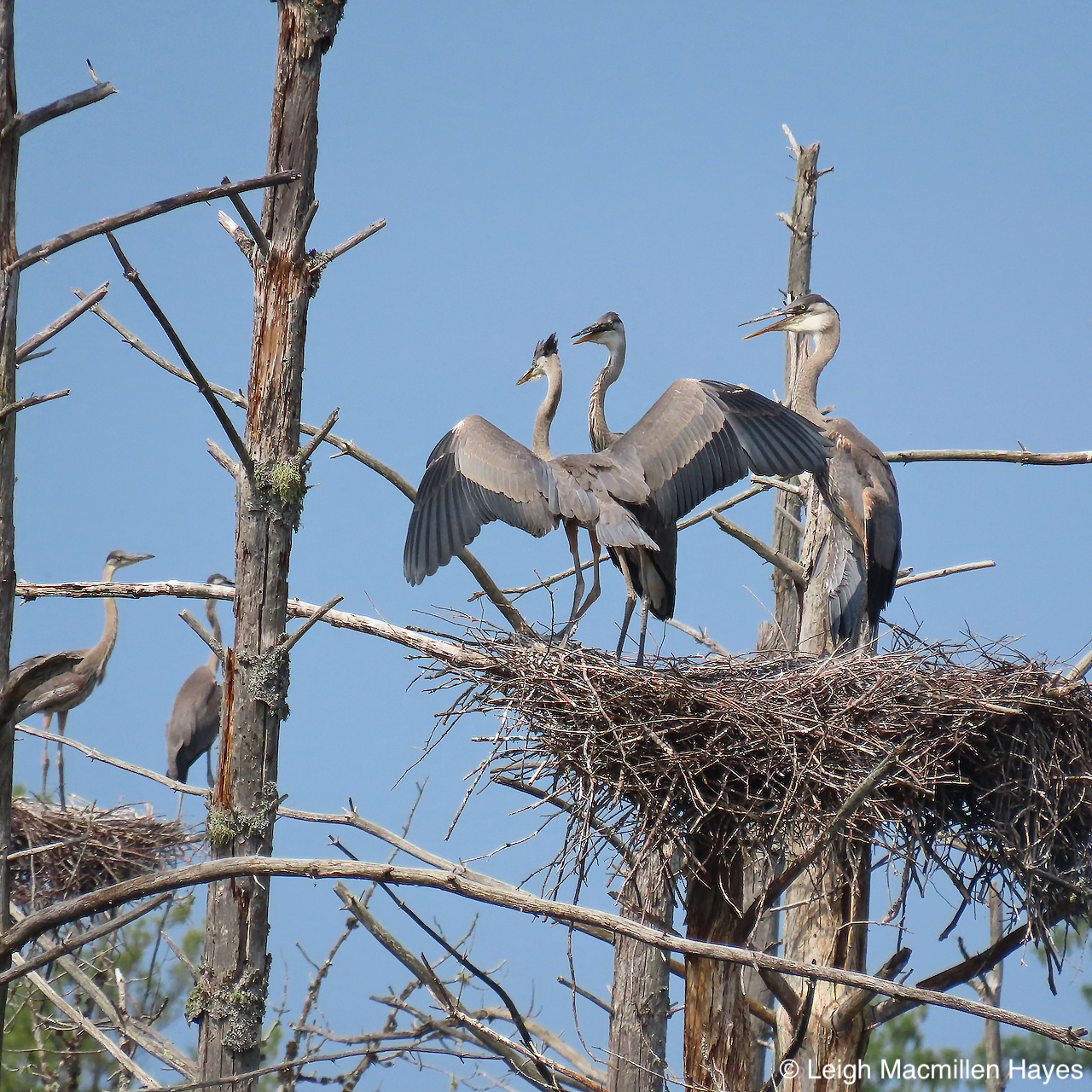
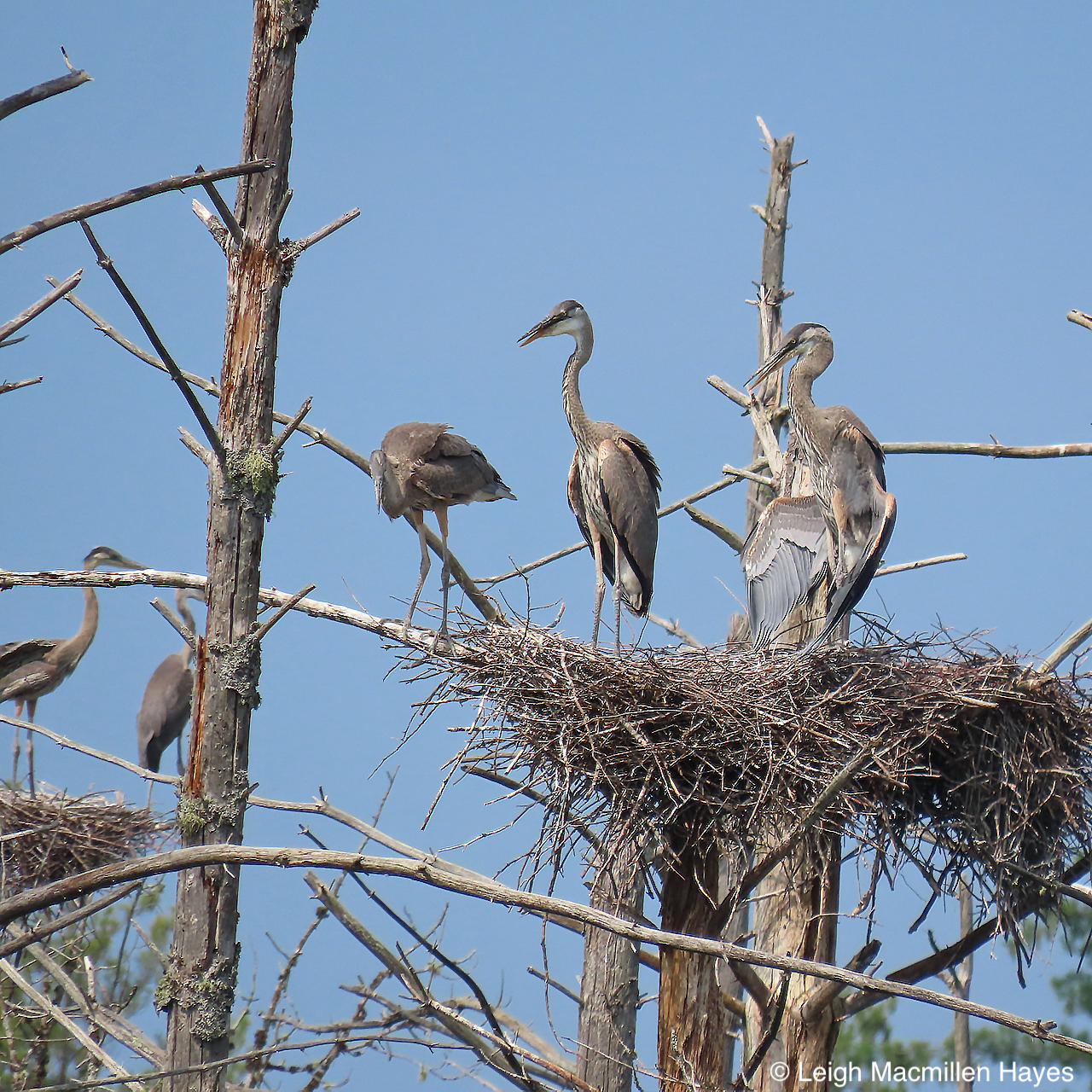
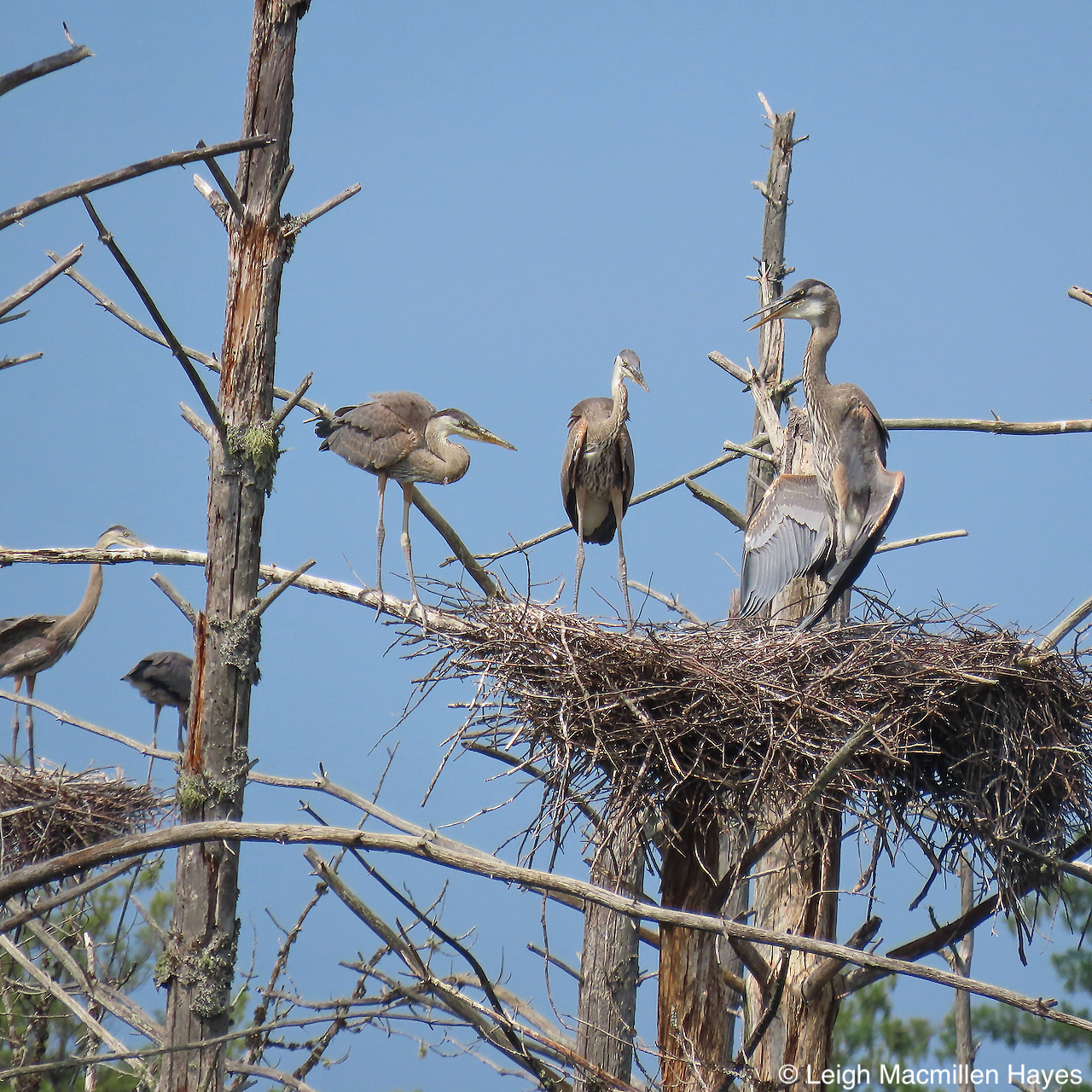
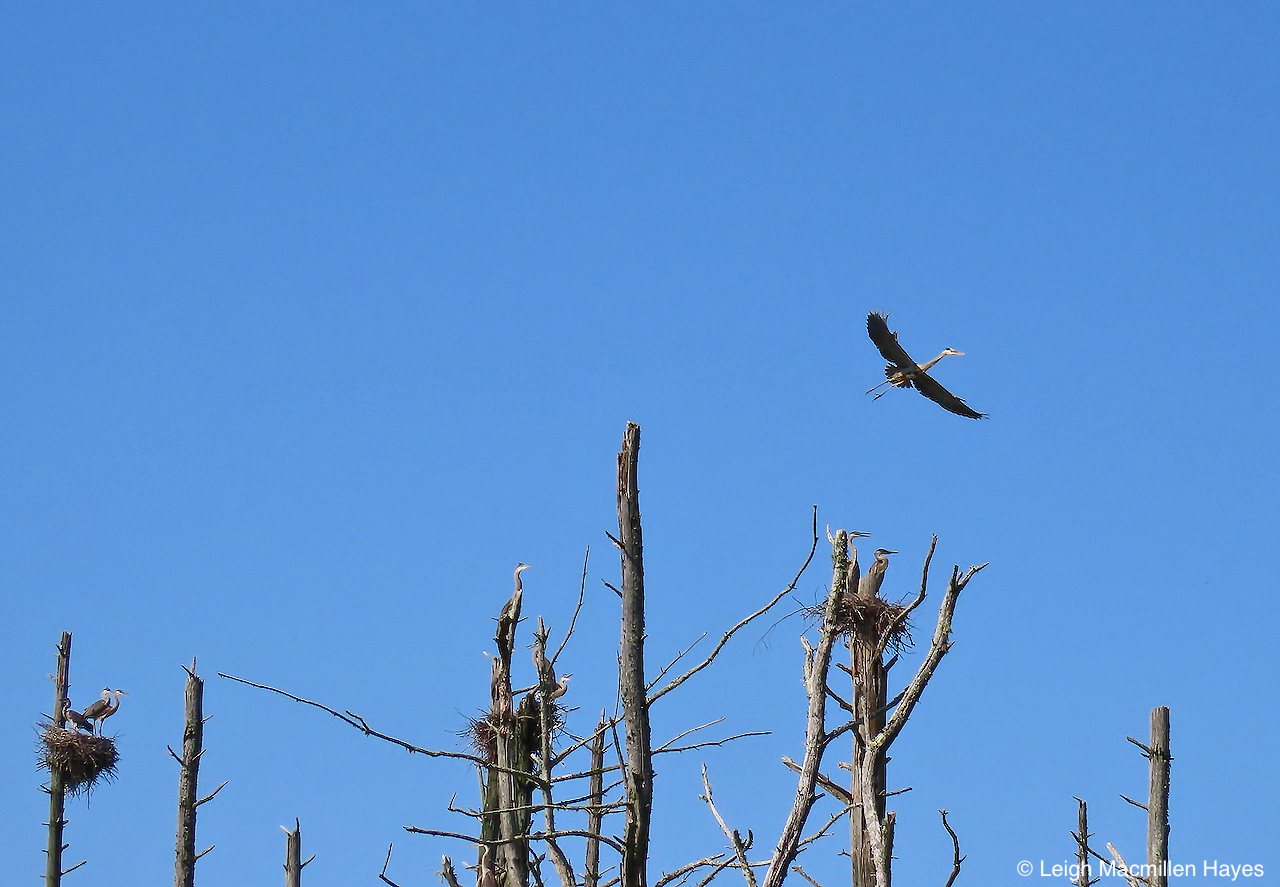


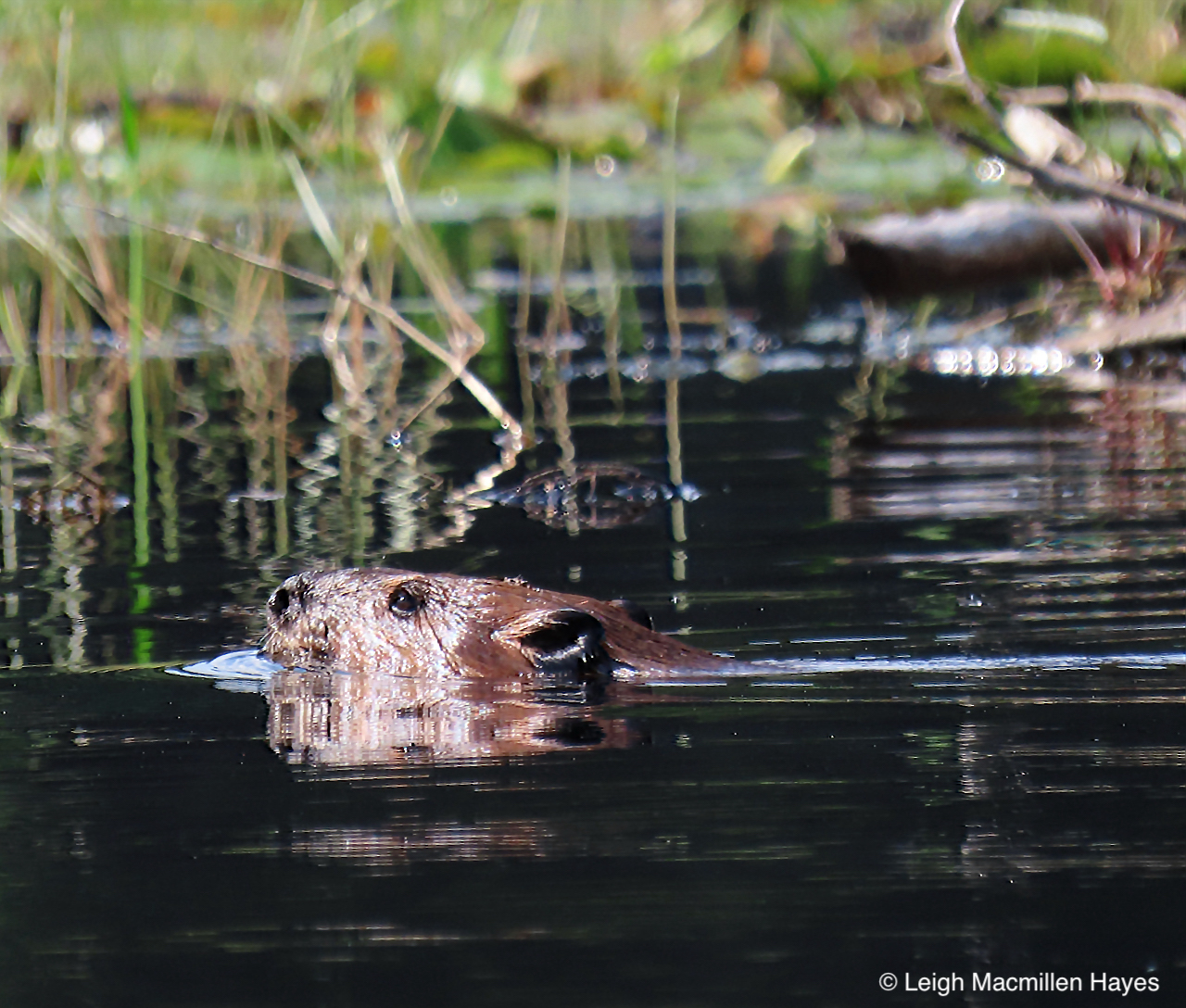


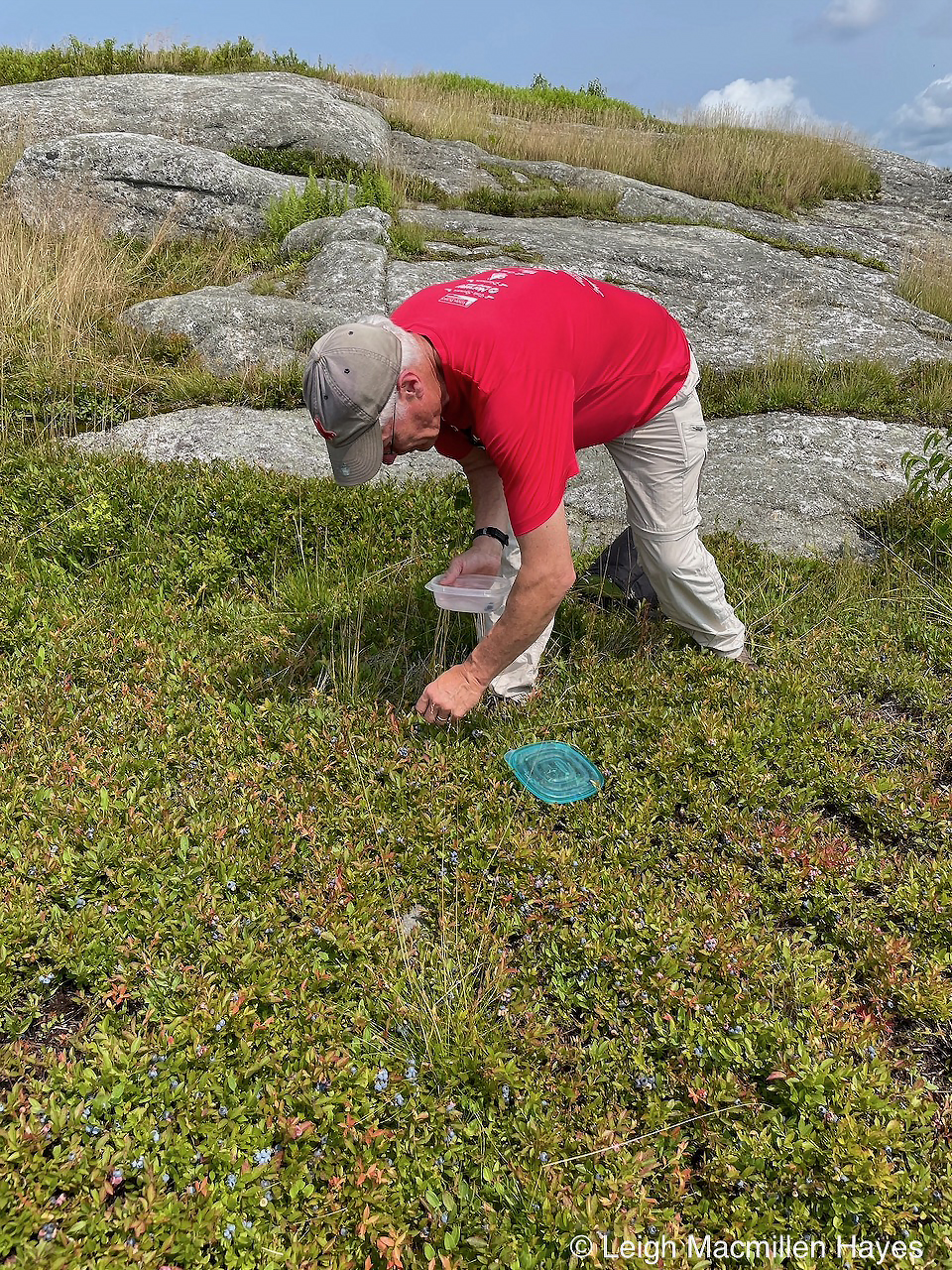

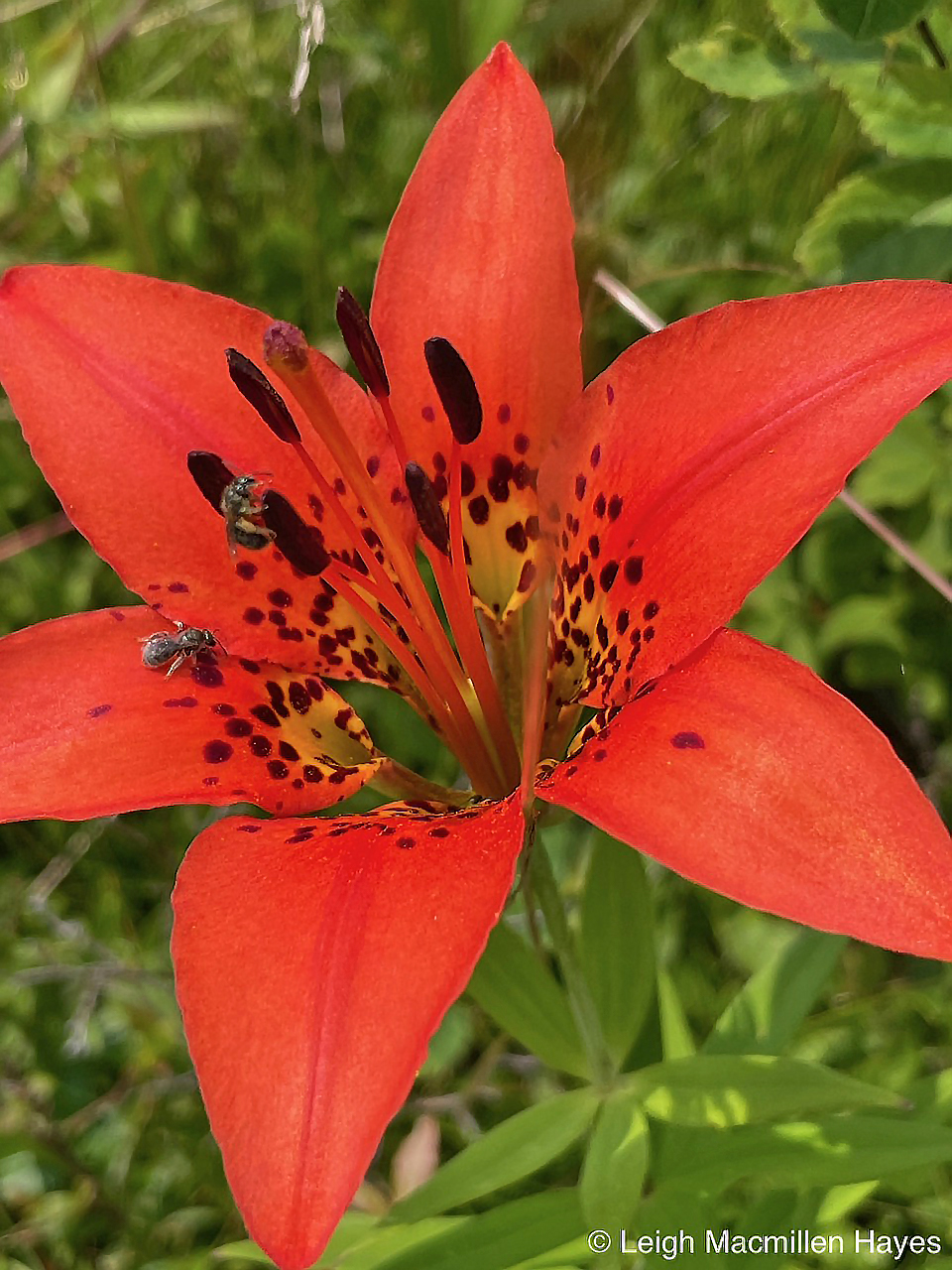


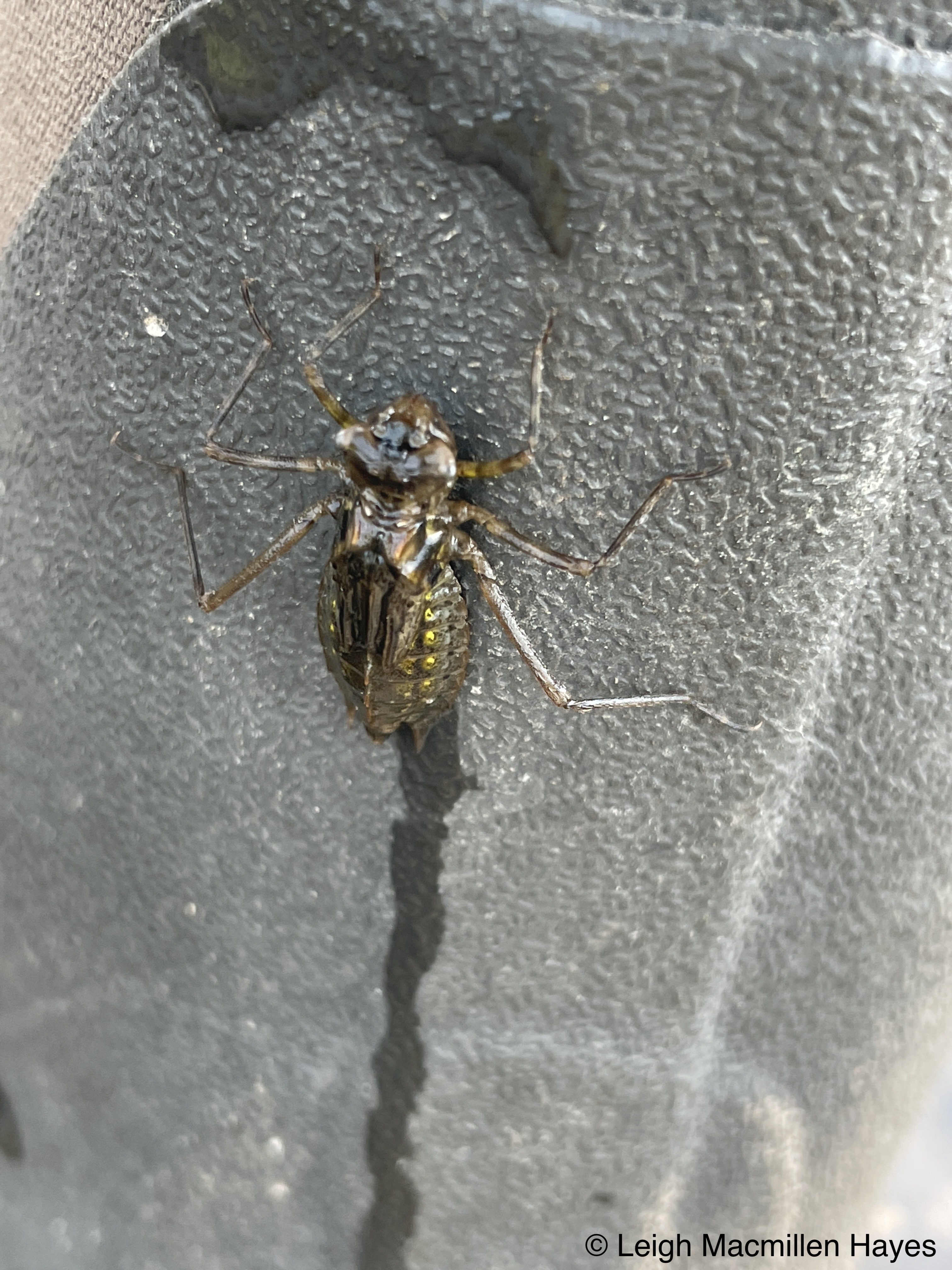


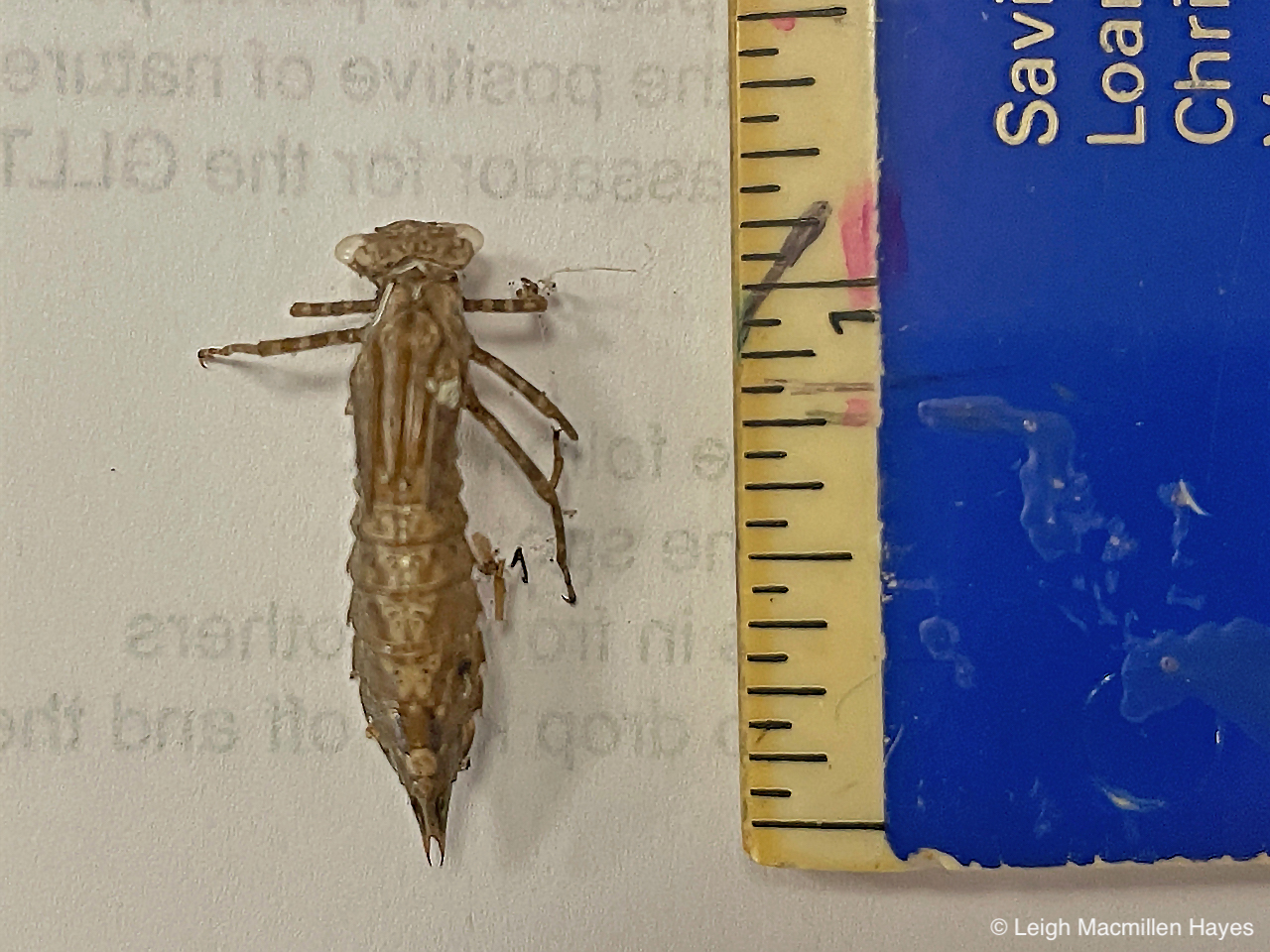


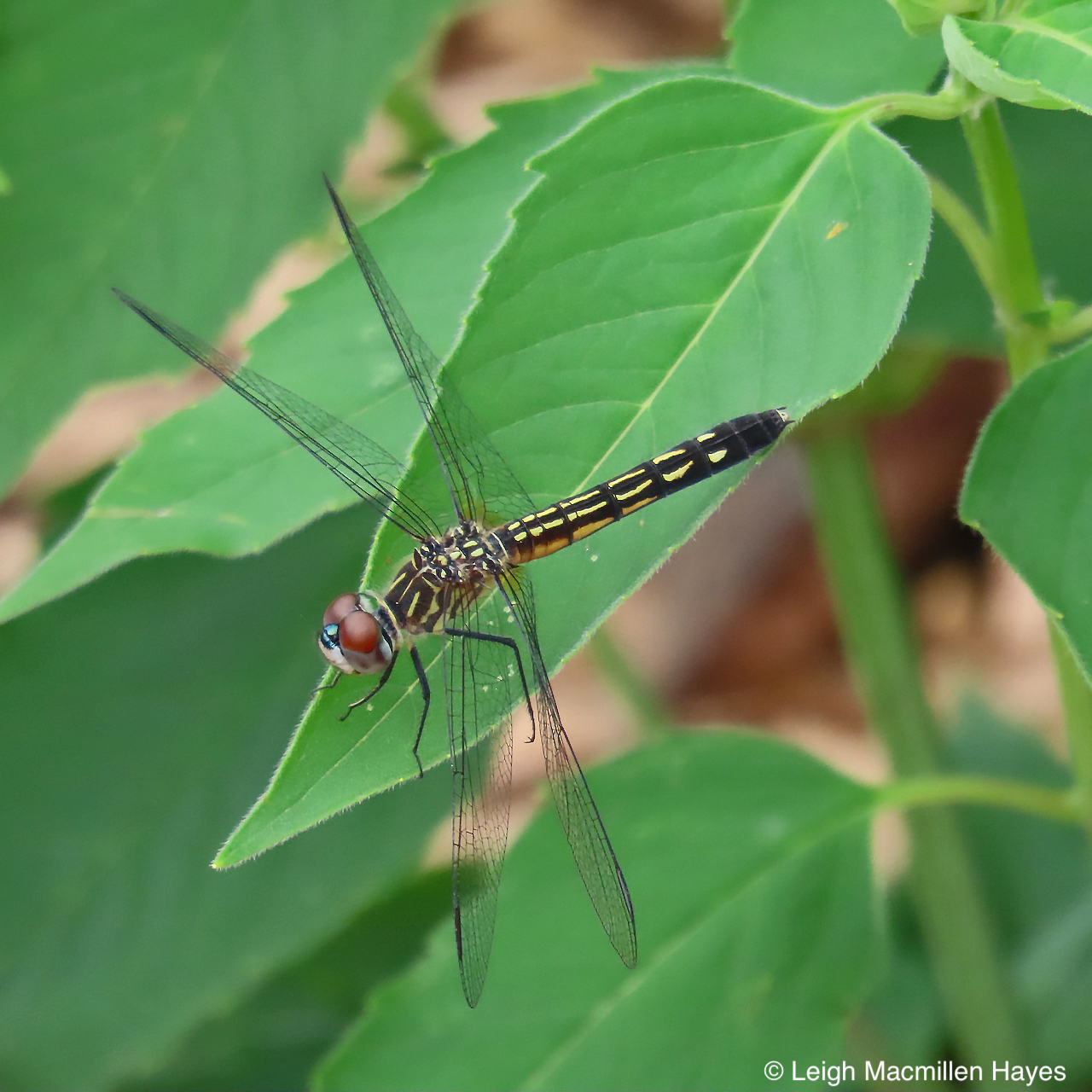
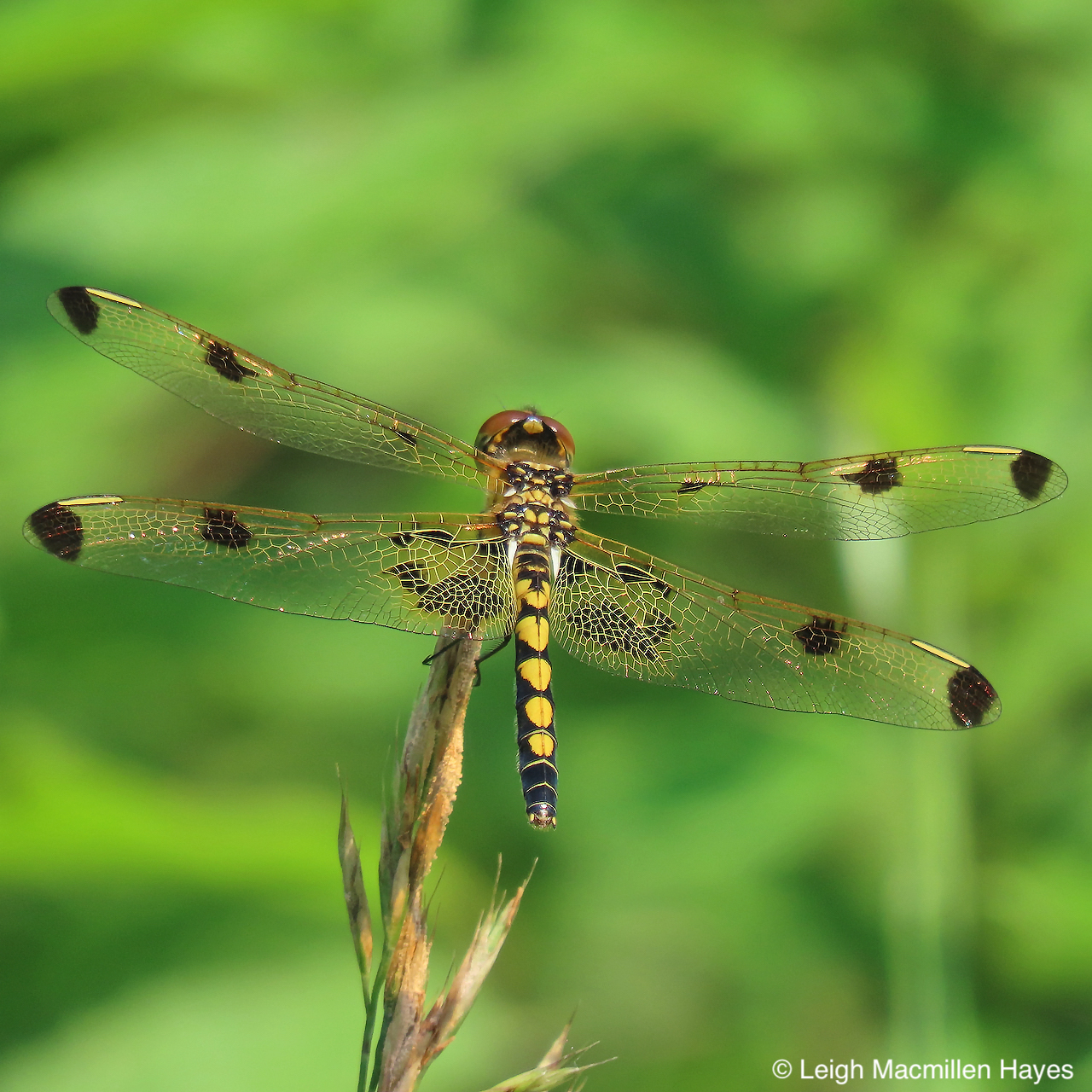

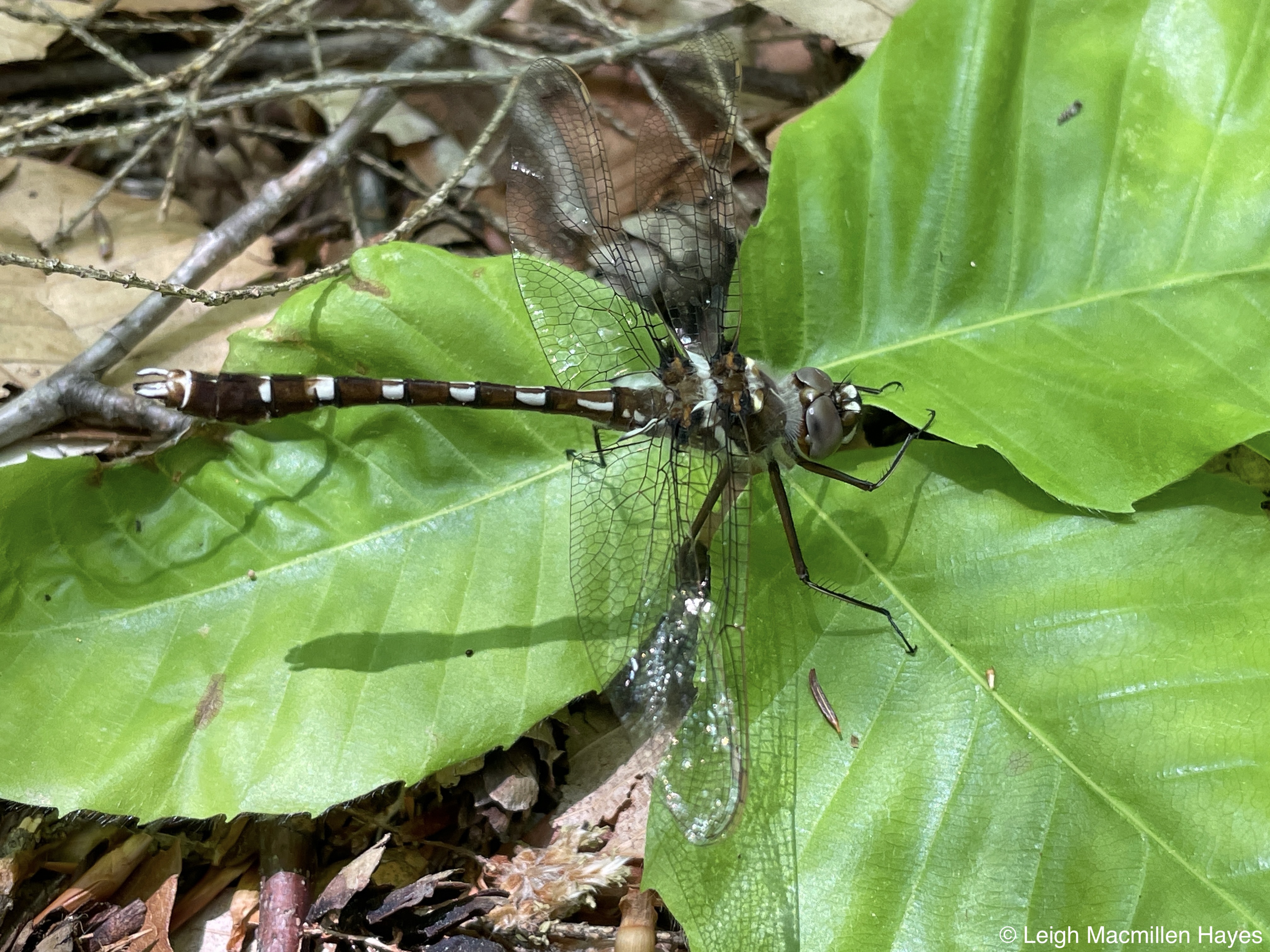


 wondermyway