Into the future

Turning the clock back two months, I can recall my slight apprehension about working with three interns at the Greater Lovell Land Trust this summer. Hannah I knew and loved from our time together last year, but the other two were complete unknowns. Not only that, but in the past we’ve always had two interns, so what would it mean to throw a third into the mix?
i-11

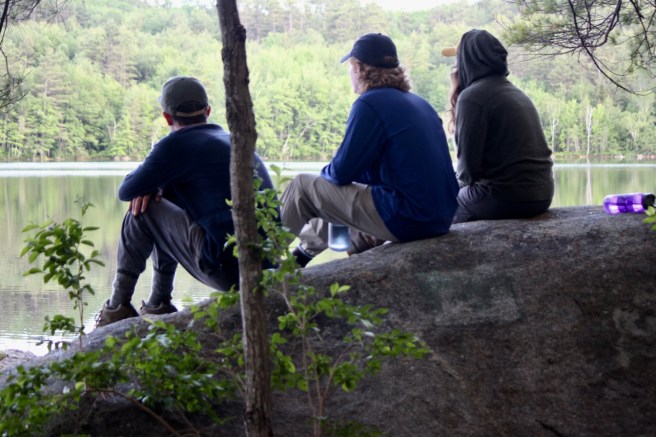
And then I met them and our first hike was a bug-ridden adventure to Otter Rock at Heald and Bradley Ponds Reserve on the evening of the summer solstice. To say the mosquitoes were intense that night would be an understatement, but Dakota, Kelley and Hannah didn’t complain.
i-9

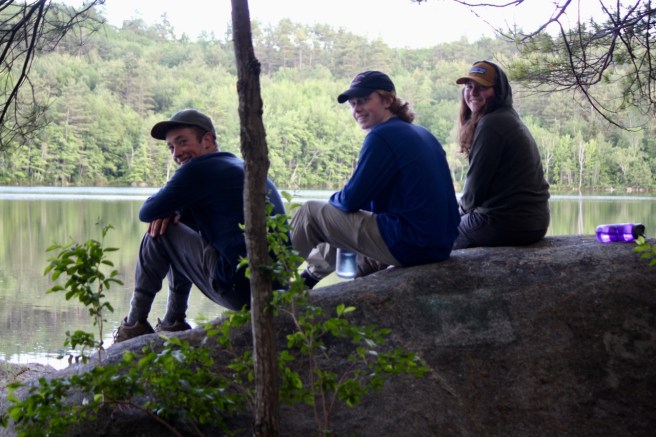
In fact, their broad smiles that would accompany them throughout our time together broadcasted their strength as individuals and a combined force. And I knew all would be well.

i-12

Each week they joined us for the Tuesday Tramps the GLLT docents take on the properties to learn from each other. And occasionally they had an opportunity to show us the efforts of their hard work, for they built solid benches and platforms, cleared trails, and even built water bars to prevent erosion. They learned about land conservation and spent hours developing an understanding of the inner workings of a land trust.
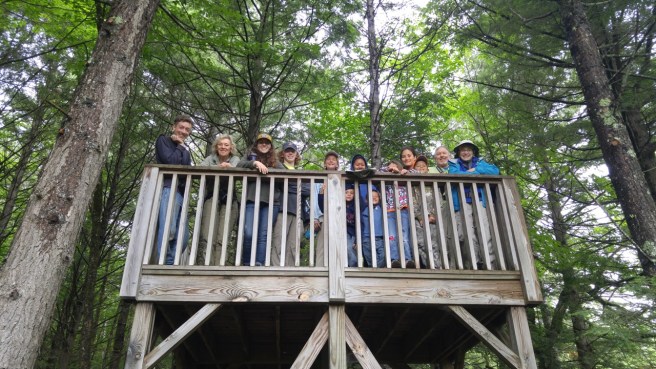
i-6

On Tuesday Tramps the main focus was to develop a better understanding of species that call this place home–both flora and fauna–and all of us shared knowledge and asked questions as we poked along.

i-19

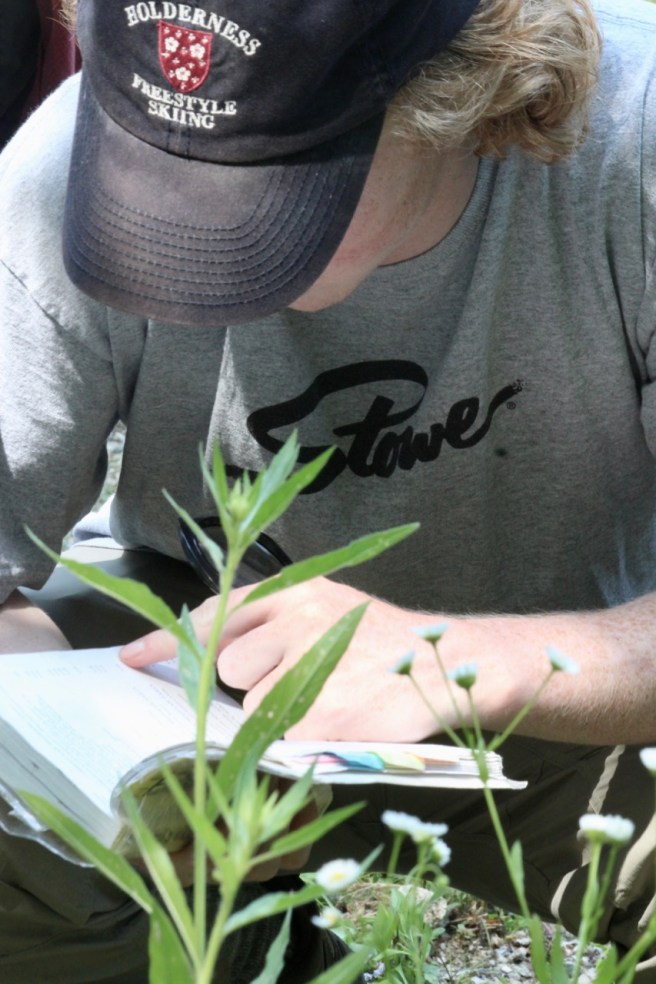
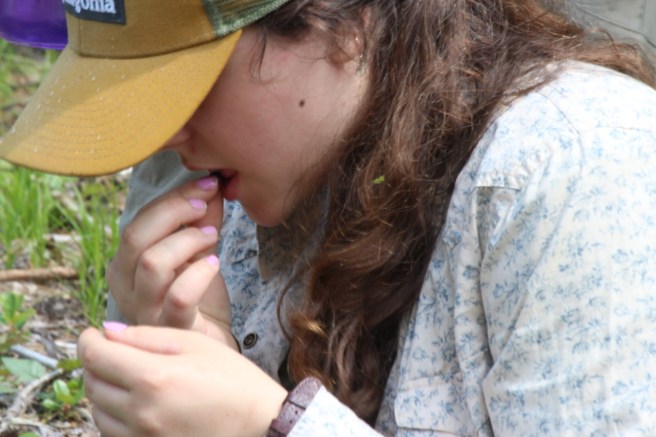
At our annual docent training, the interns jumped right into the flower ID workshop,
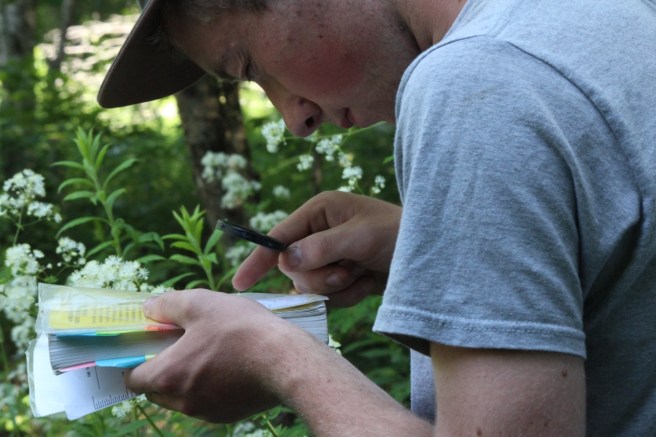
i-22

and worked on their new skills . . .

i-23

while studying details.

i-18

Their skills grew, but one was especially evident for wherever we went, they found the blueberries first.
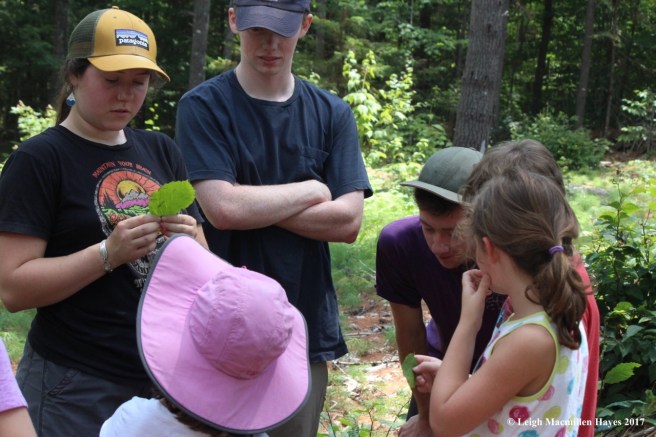
i-7

They also helped us with the Lovell Rec Summer Camp Nature Program we provided each week. This was our third summer offering said program, and based on last year’s numbers we’d split the group in two–divided mainly by younger and older kids, with a few overlaps due to interest levels. As it turned out, the Rec Program numbers doubled in size. Because I knew she has a talent for working with young children, Hannah became the mainstay of the younger group, while Dakota and Kelley took on the task of leading the older kids who wanted “less talk, more walk.” Speed hikes were the name of their game.
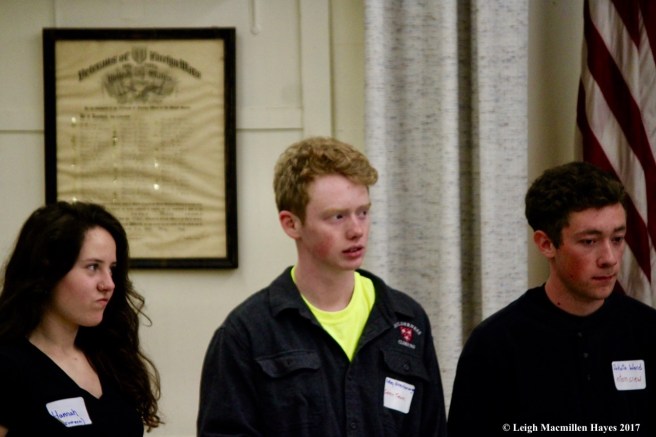
i-interns at annual meeting

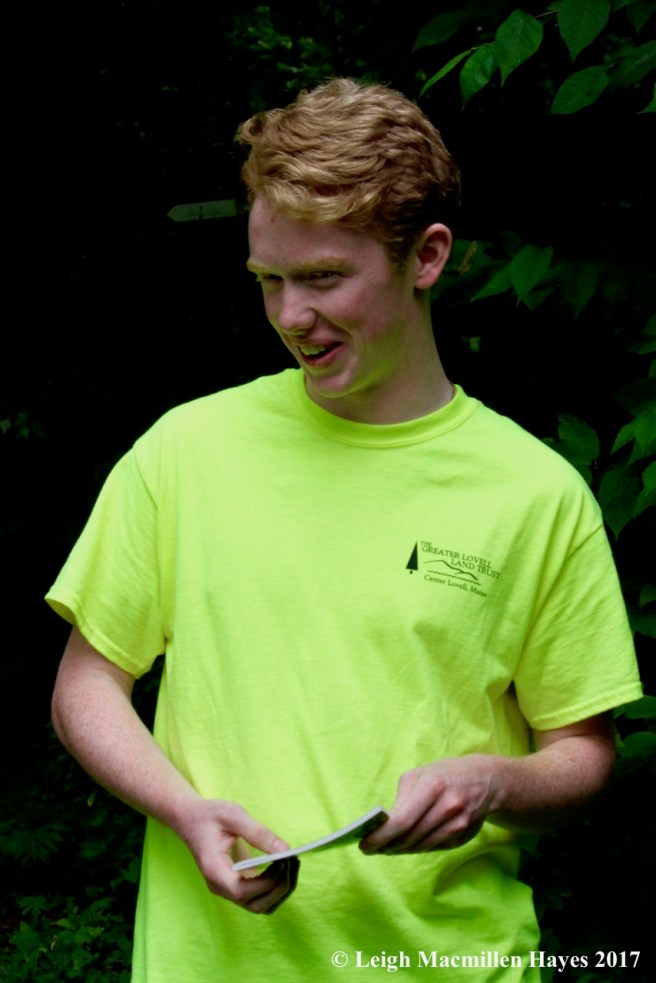
Somehow, the summer passed by much too quickly and though it isn’t over yet, suddenly it dawned on this week and it was their turn to be the featured speakers at our Wednesday night program and then to say something brief at this morning’s Annual Meeting. The triplets, as I fondly referred to them for they had formed a bond that I hope will last a lifetime, had to face the crowd. Wednesday night wasn’t so bad for they had a developed a slideshow and had fun recalling the various aspects of their summer job in front of a friendly crowd, most of whom they knew. But this morning the crowd reached 105. As they stood there, they looked like they were jail mates, but with steady voices they shared pieces of their combined experience.
i-Kelley 2

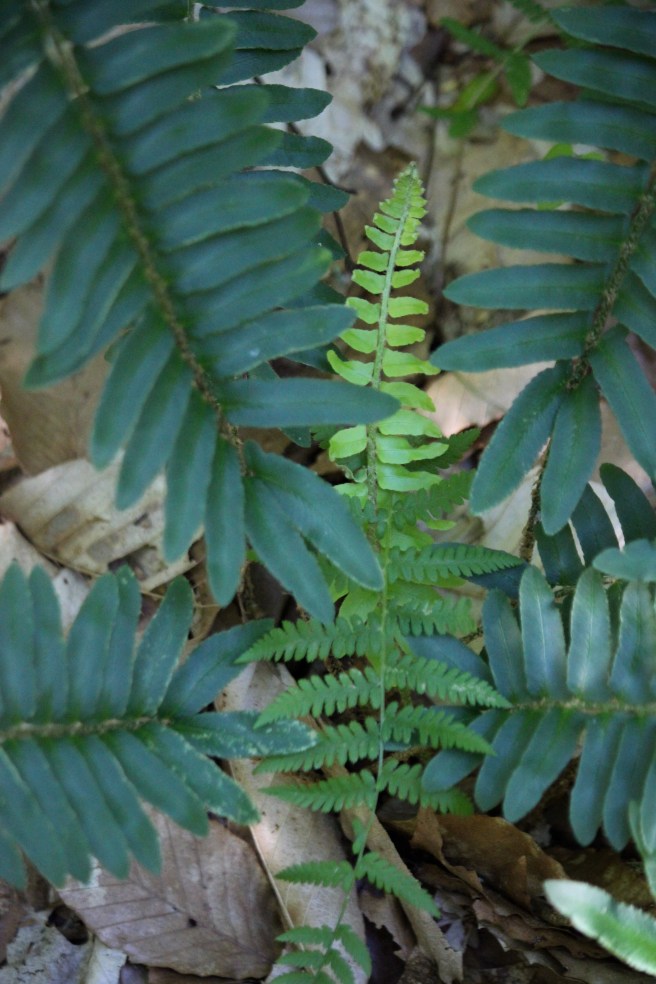
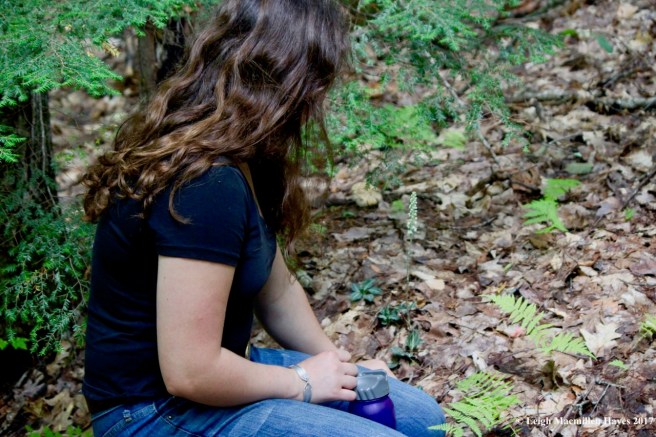
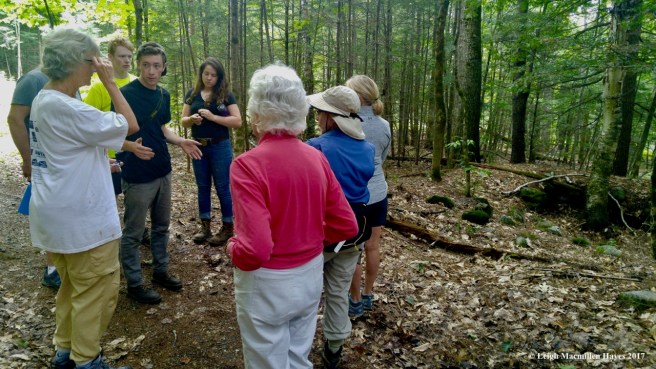
The moment to shine, however, wasn’t over. This afternoon, they led about twelve people on a walk along the Homestead Trail at Heald and Bradley Ponds Reserve. It’s a trail they knew well, but still they wowed us with their knowledge . . . of ferns,
i-Hannah at plantain

rattlesnake plantain, and

i-Dakota 2

even the forested landscape.

i-Kelley and Dakota up close

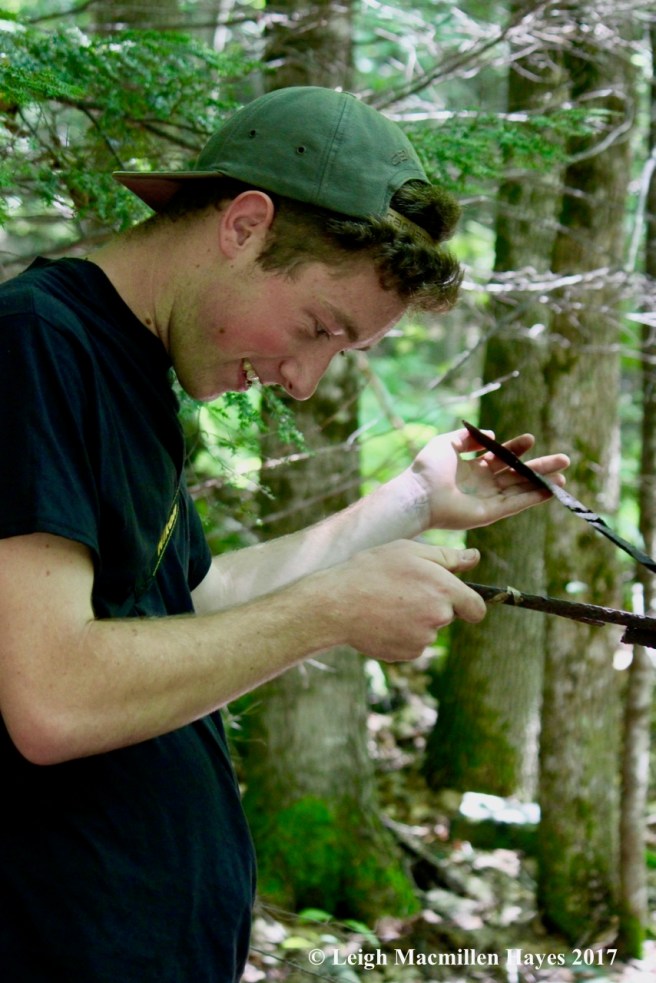
They looked for the tiniest of details,
i-Dakota, number on scythe

and took pleasure in recognizing old tools long ago left behind.
i-caesar explanation

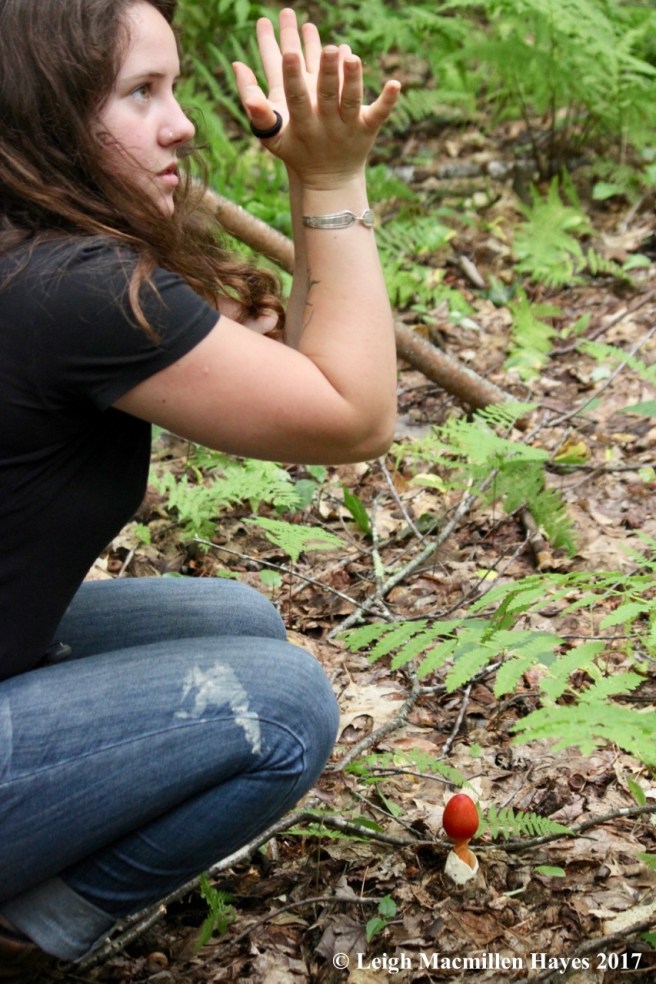
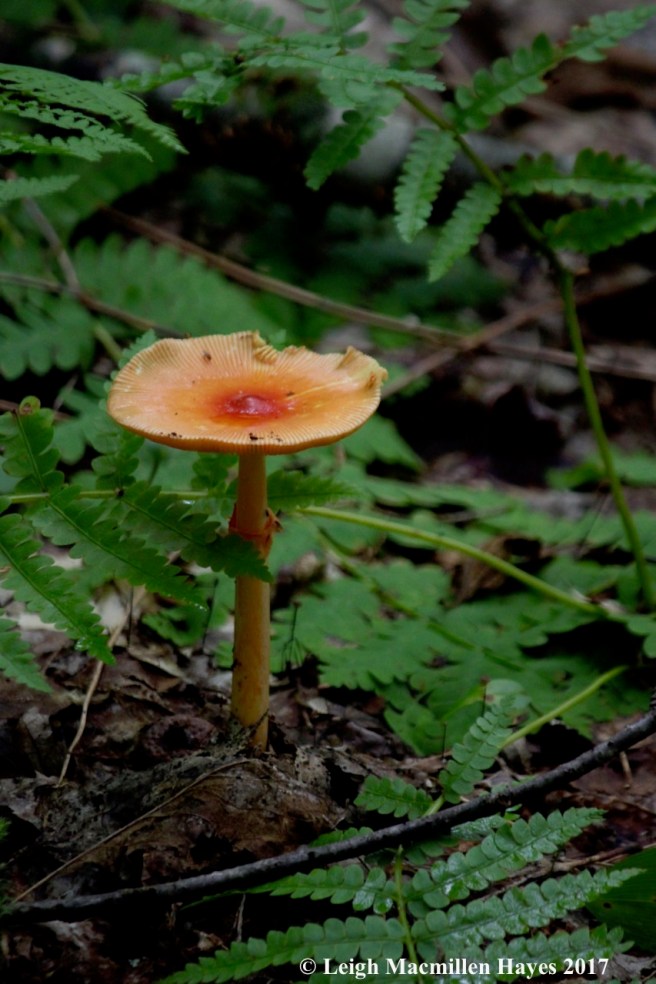
With her hands, Hannah explained how when a Caesar’s mushroom expands, its universal veil is broken and the bottom of the veil forms a cup-shaped volva.
i-caesar 2

Then she pointed to one nearby that was a couple of days old and all wondered about the variation in shape.
i-Dakota explains foundations

It was our immense pleasure to travel the trail with them this afternoon and be in awe by all that they had learned and could share. One of the fascinating things for me was to hear their hypotheses, for there isn’t an answer to everything we see, but they asked questions and considered various answers.
i-2

I know I wasn’t alone in the fact that I didn’t want today’s walk to end, for that meant this team of three would head off toward their next adventures.
Tree 3 (1)

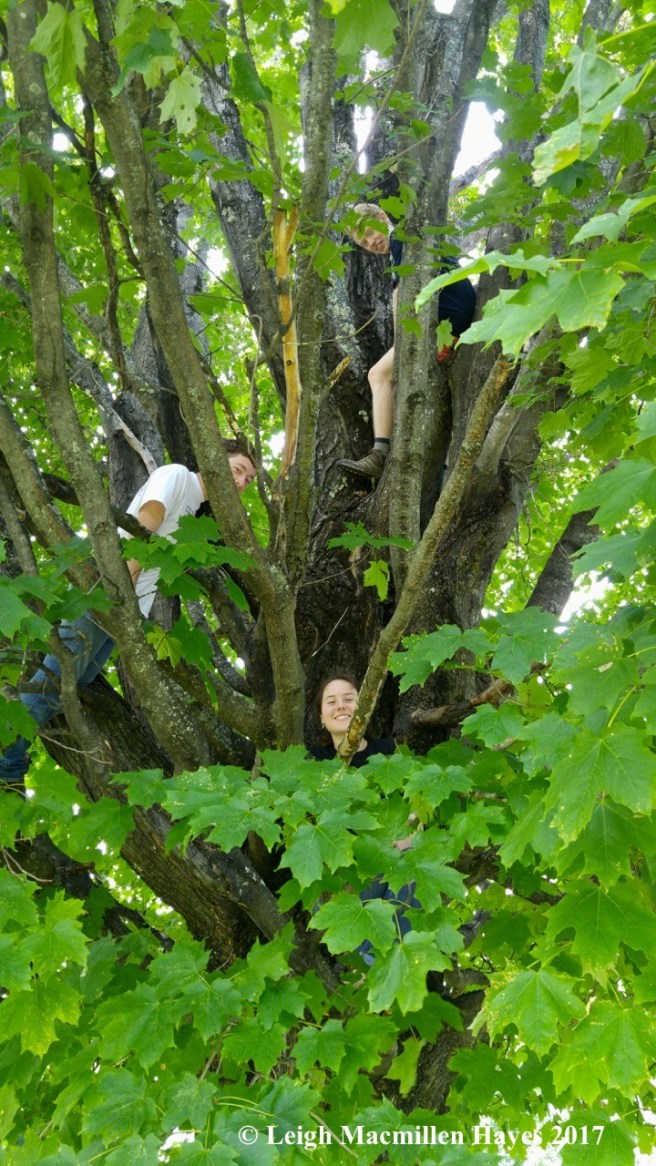
I can only hope that some day in the future when I least expect it, I’ll hear my name being whispered in the breeze . . . and I’ll recognize the voices and look up to see the triplets.

If our future is in their hands, we are in the best of hands in the land.

I want to end by sharing a poem written by Hannah. And I should add that writing and reciting poetry was another talent we discovered they have for we host a poetry workshop each summer followed by an open mic night of sharing and once again, their voices were powerful.

One who walks the woods often

Has learned silence is power

Silence allows for you to see

What lies beneath trees of tall green

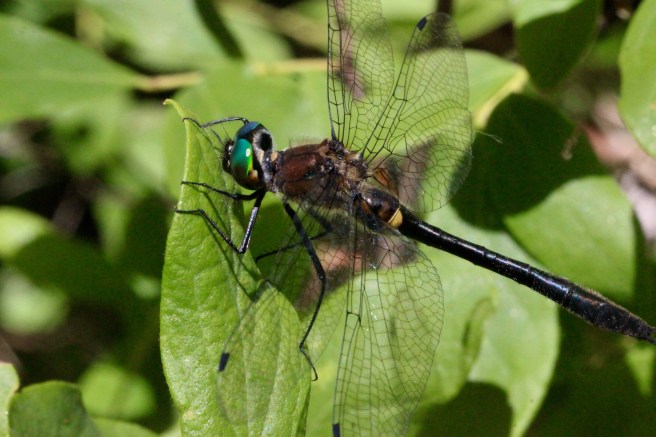
Dragonflies of iridescent magic flight

Birds perched and ferns unsearched

One that has been rewarded the gift

after silence

Teaches others the wonders 

of observation

Appreciation for what surrounds us

Nature’s beautiful creations. 

~ Hannah Rousey

Thank you, Hannah, Dakota, and Kelley. As you travel into the future, I hope you’ll remember friendships formed and paths created this summer. I know I certainly will.

Until our paths cross again . . .


Porch Rockers

For my guy, written for the occasion of our 27th wedding anniversary, which was yesterday.

porch rockers

Porch Rockers

Side by side
they sit
on the porch at camp,
reflecting a life shared.
At once
worn and tattered
with scuffed floor below,
but still a comfortable place
in a heavenly spot,
just right
for morning breakfast
and an occasional crossword puzzle,
evening repose
and our days’ story.
They provide a view
on the world beyond
where loons call,
eagles soar,
chipmunks gather,
stars glimmer,
and we watch.
Sometimes we rock in silence
or converse about issues.
A table between
holds our cups and food
and books and newspapers,
giving us space
to be our own selves
while pulling us together
with the loads we carry.
Each piece of cane
and all four armrests
know us intimately,
having heard
our joys and concerns.
And still
they invite us
in the light of the day
and the dark of the night
and provide support
as we grow old together.
These are our porch rockers
and we are theirs—
forever.

Brief Retreat at HewnOaks Artist Colony

Brief Retreat

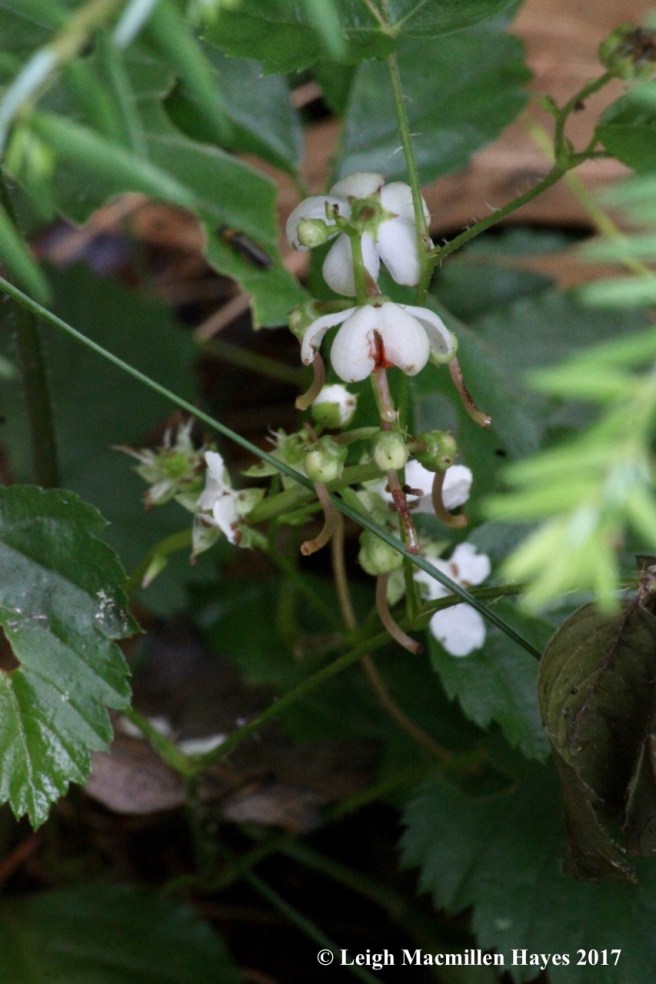
p-pyrola

Stepping out the door,

I immediately spot

the round-leaved pyrola

in bloom

with elongated pistils

arcing below

its petals of white

turned downward,

as if too shy

to share

its inner beauty.

p-mole ridge

Walking across the lawn,

I notice

a sudden change

in the ground

below my feet—

from solid to cushy,

where a raised ridge

about six inches across

snakes through the grass,

the work

of a mole

whose tedious tunneling

through the earth

is hardly ever

recognized as favorable.

p-red and white pines

p-red and white pines 2

Making my way

down the gravel road,

I find myself

in the land

of giant pines—

both red and white,

and so,

I bend my head

into a birder’s pose

to see their crowns—

so tall are they,

with branches and needles

intermingling,

even with

a neighboring hemlock,

as each vies

for the sun’s

life-giving rays.

p-trees kissing 1

Turning to the trees

beside them,

I spy

another white pine;

this one directly

connected to a hemlock,

like kissing cousins,

their trunks

naturally grafted,

providing internal support

as they

figure out

how to share

the space.

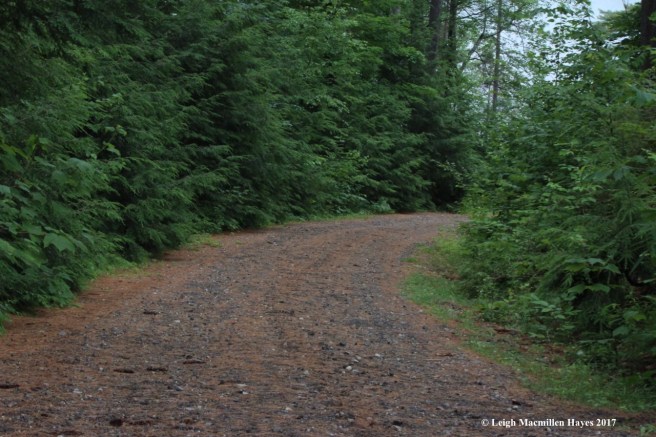
p-road

Moving downhill

with intention,

so as not to slip and fall

on the steep incline

and yet wanting

so desperately

to avoid the gnats

that harass my face

in their annoying fashion,

I wish for a breeze.

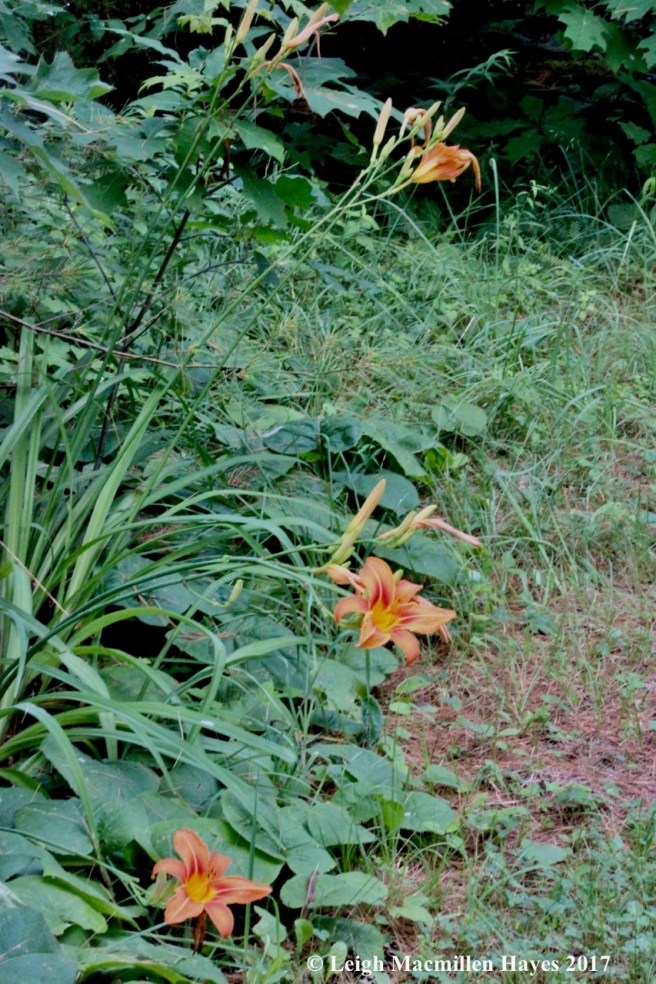
p-daylilies

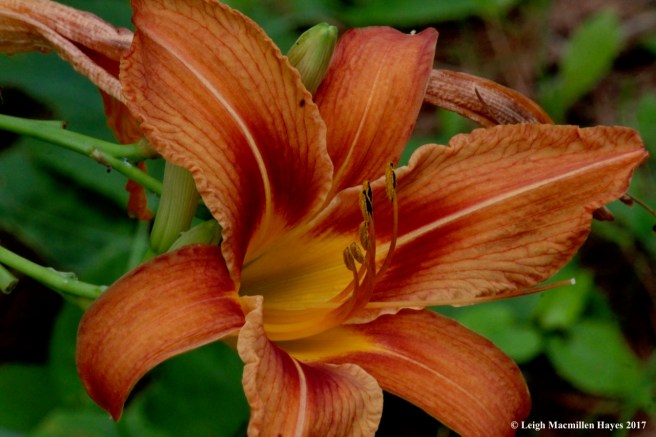
p-daylily flower

Spying a splash

of vibrant color,

my attention

suddenly distracted

from the gnats,

I see Daylilies,

the perfect flower

with thee sepals

and three petals,

six stamen,

their anthers

loaded with pollen,

and one pistil

protruding straight out

as she seeks

the offerings of others.

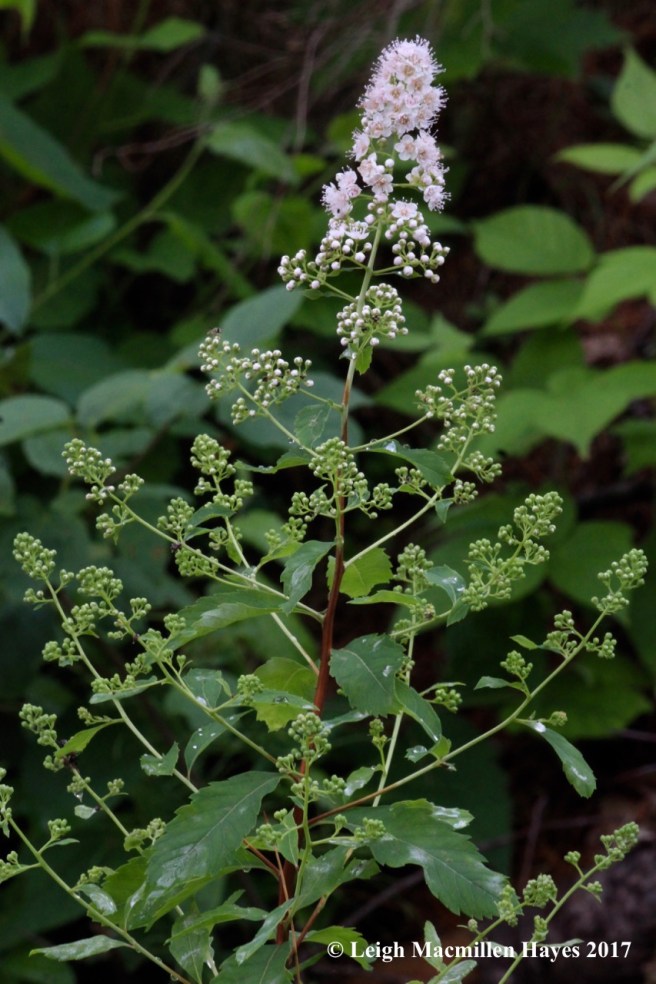
p-meadowsweet 1

p-meadowsweet flowers

p-raindrop reflections

p-ants farming aphids

Rounding a corner

on the road,

I spy a clump

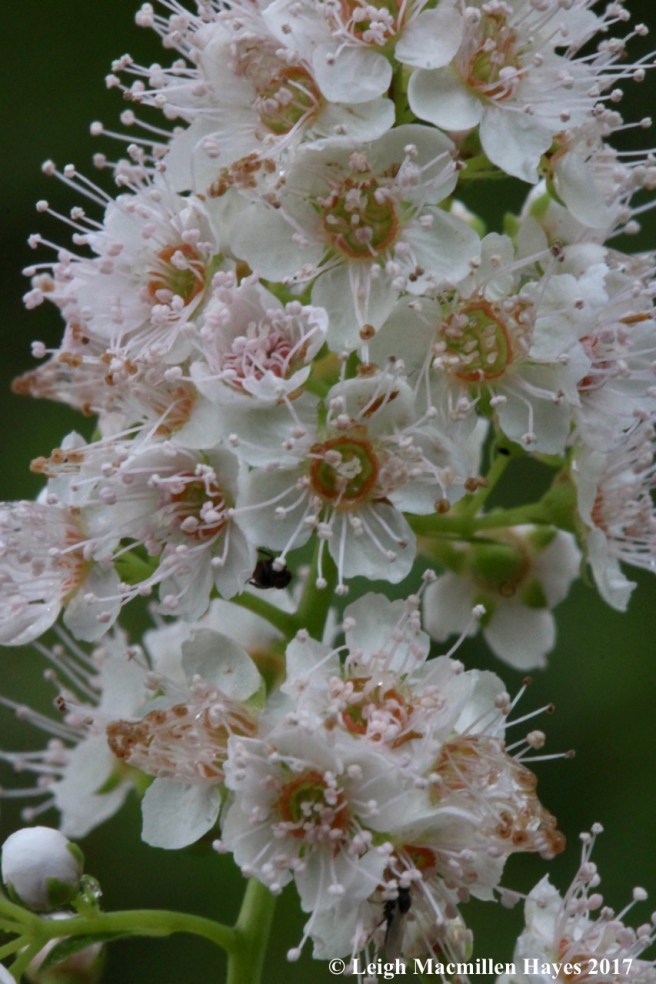
of meadowsweet

standing tall,

its buds

slowly opening

to flowers,

crazy full

of stamens

showing forth

a fireworks display,

and its leaves

holding raindrops

that reflect colors

of the canopy above,

while on one stem

ants farm aphids

in search

of the honeydew

they produce

from sucking

the sugar

out of the plant.

p-sweet-fern patch

p-sweet-fern leaves

Nearing the end

of my journey,

I pause

beside a patch

of sweet-fern,

which isn’t really a fern

for it has a woody stem,

but its presentation

of leaves

appear fernlike,

and I celebrate it

as much

for its look

of curly leaves

extending outward

in every direction,

as for its scent

that tickles my nose

in the most pleasant

of manners.

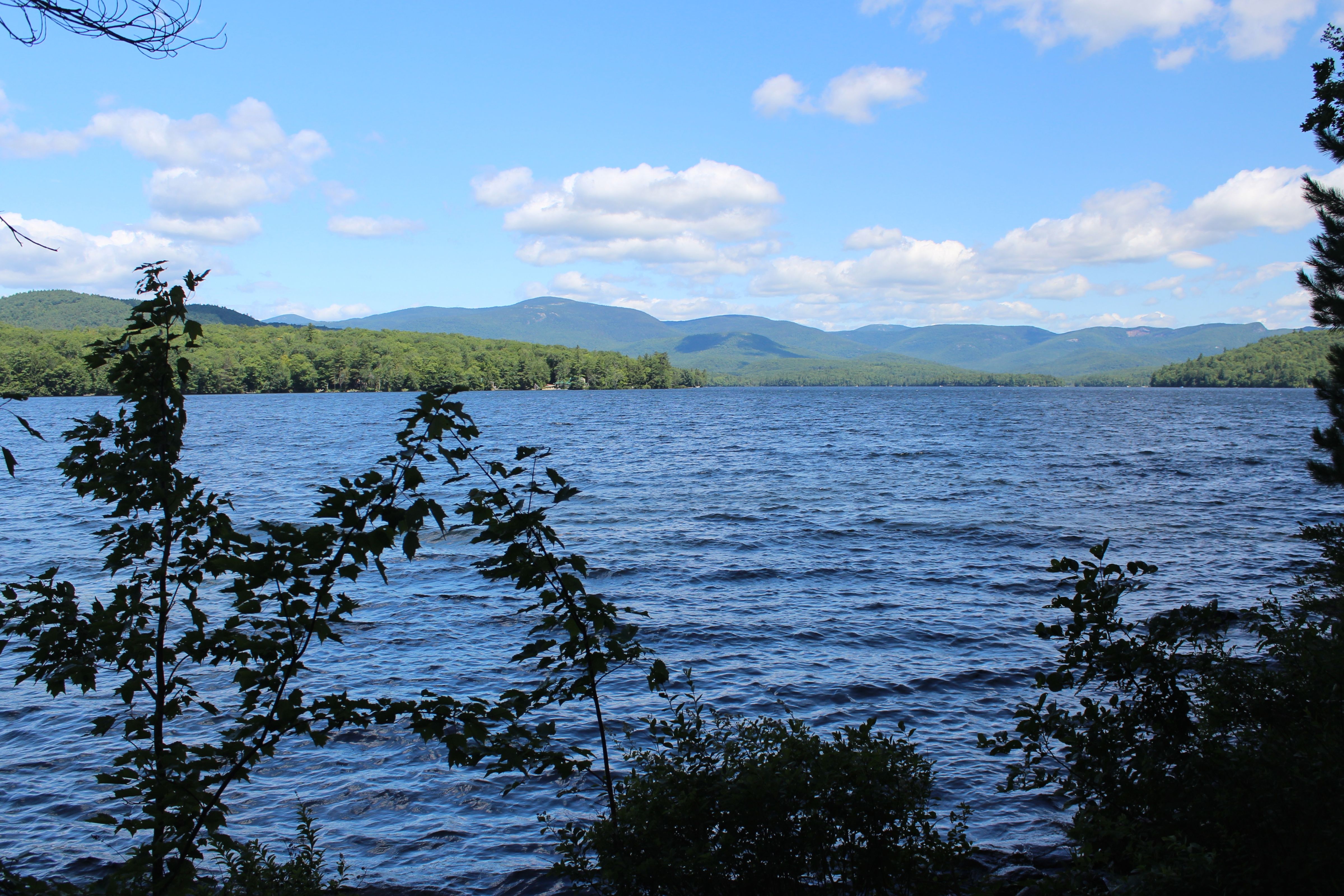
p-Kezar lake

Standing at last

beside the lake,

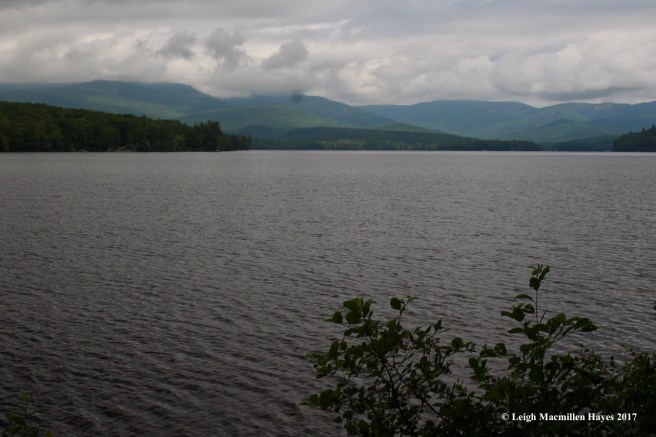
I watch dark clouds

flirt with mountains,

and it is here

that I meet

the breeze,

light as can be,

barely ruffling oak leaves

and only slightly swaying

boughs of hemlocks,

while creating

mere ripples

across the water’s surface

that give way

to gentle waves

lapping the tops

of mostly submerged rocks,

just enough

to distract the gnats.

p-HewnOaks 2

p-Hewnoaks

Revering the scene

before me,

I give thanks

for I’ve reached Kezar Lake

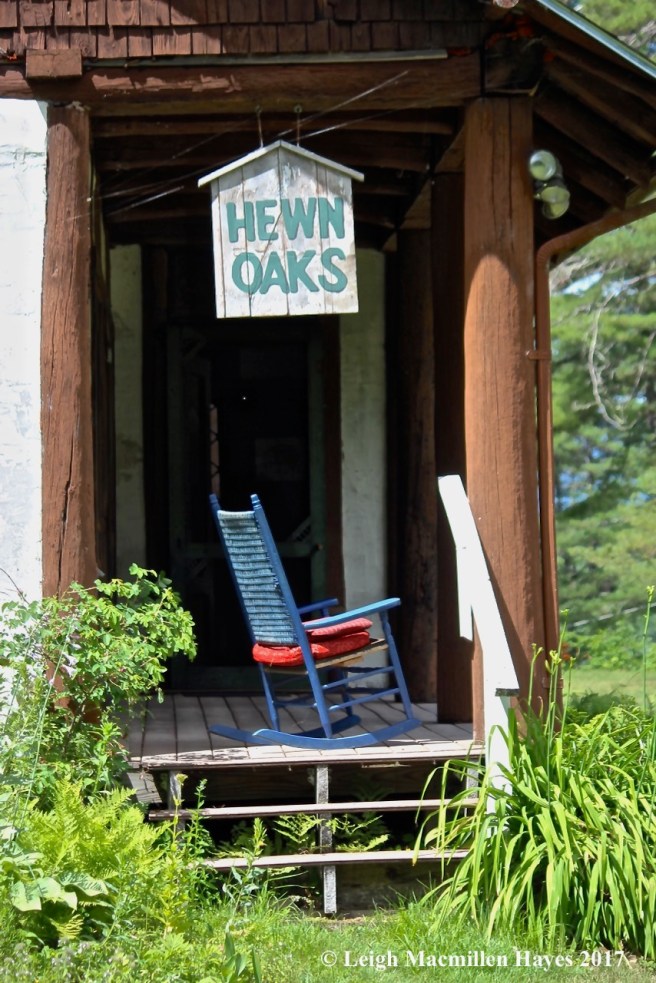
at HewnOaks Artist Colony,

where each year

due to

the generosity of others

I get to spend

two hours—

a time to listen

as Judith Steinbergh

shares poetry

in form and sound

and encourages all

to notice,

to hear,

to see,

to be,

and then sends us off

as if

we were world renown writers,

and in those moments,

I am renown

in my own world

as I listen

to my muse

and let thoughts form

first in my head

and then

on paper,

all the while contemplating,

writing and taking photos,

and come away blessed

by the voices

I hear

of the flowers,

and moles,

of the trees,

and ferns,

of the lake,

and this place.

Being.

I am.

It is enough

no matter

how brief.

Thank you,

Judy,

for once again

giving me

the opportunity

to retreat.

Book of April: How to tell the Birds from the Flowers

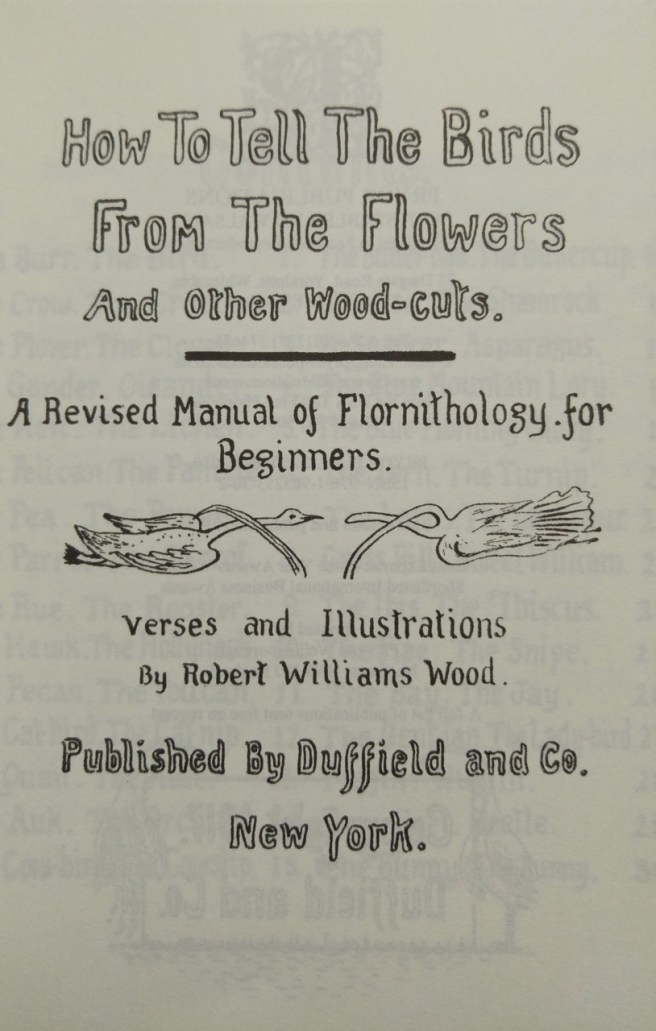
It’s April Fools’ Day and I can’t think of a more appropriate book to share as Mother Nature showers snow upon us than How to tell the Birds from the Flowers and other wood-cuts by Robert Williams Wood.

b-11 (1)

A friend found this delightful little ditty at an independent book store in Brattleboro, Vermont, several months ago and couldn’t resist purchasing it for me. Thank you, A.J. 

Can you see from the cover what Wood had in mind? 

b-9 (1)

And his language–Flornithology? Oh my. Artistic license met poetic license. 

The first edition was published in 1917–in Kent, England. According to a little research, Mr. Wood was born in England, but went on to become a physicist at Johns Hopkins. And they say (whoever they are) that he had no sense of humor.

Read on: 

b-8 (1)

b-7 (1)

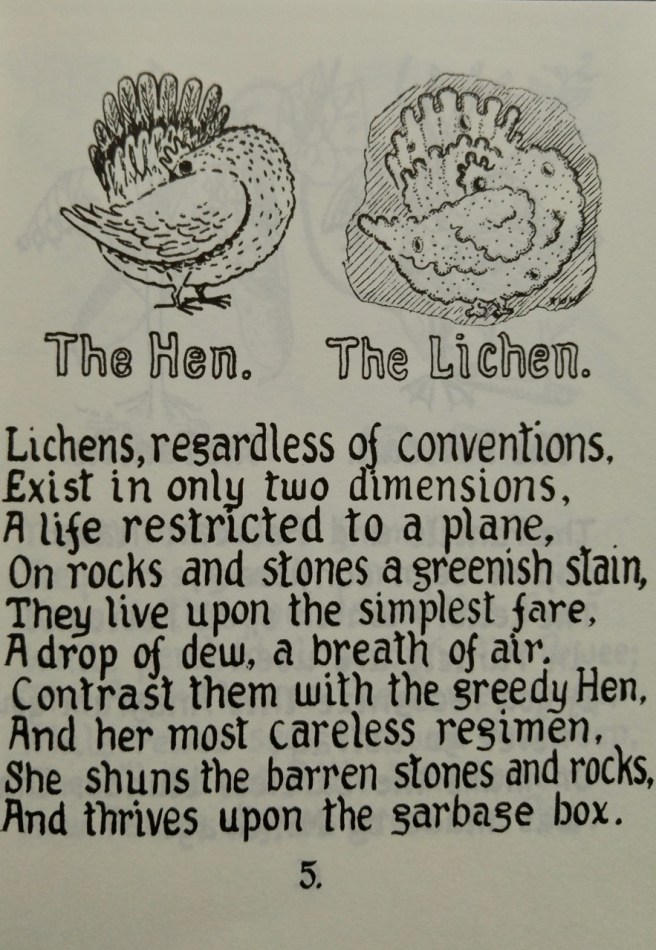
After this introduction, it gets even better (in my humble opinion). 

b-6 (1)

Whimsical rhymes and . . .

b-5 (1)

clever sketches;

b-2 (1)

Similarities and . . .

b-4 (1)

differences.

b-1 (1)

All found in the natural world. 

b-3 (1)

Doesn’t this just make you smile? The man lacked a sense of humor? Hardly.

And we know the Mother Nature also has a sense of humor. This isn’t the first time it has snowed on April first.

At the back of the book is a list of other facsimile reissues from Pryor Publications. Here are a few titles worth considering: Punishments in the Olden Times, Manners for Women, Manners for Men, A Plain Cookery Book for the Working Class and Why Not Eat Insects.

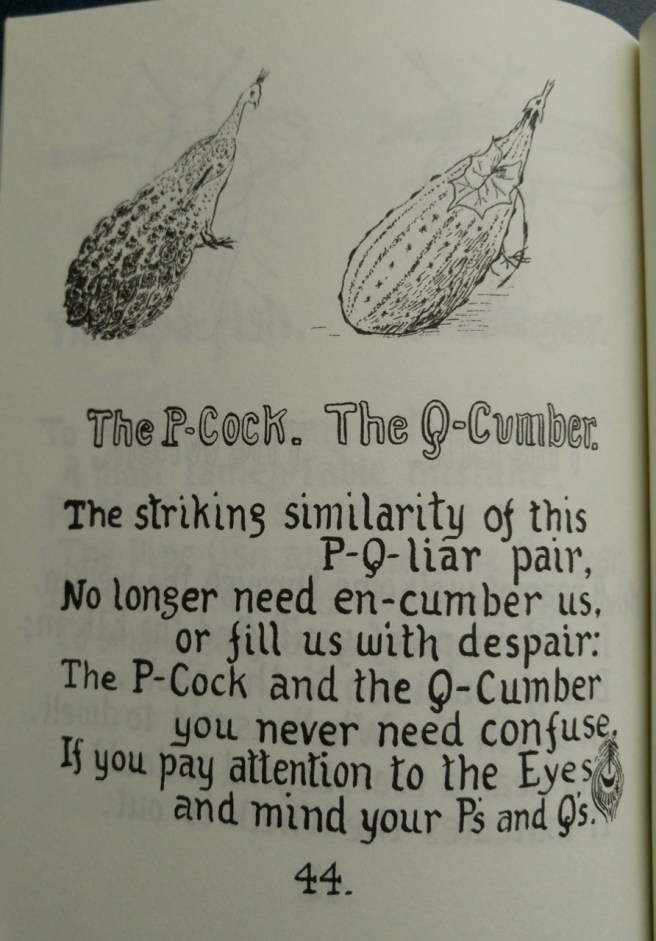
And on the back cover: “This updated edition originally published in 1917 now includes how to tell ‘The Eel from the Elephant,’ ‘The P-Cock from the Q-Cumber’ and ‘The Elk from the Whelk’ to name but a few. This book will be invaluable to those who are short sighted or just plain confused, the rest of you may even find it amusing.”

I think I fall into the latter group and that’s what A.J. had in mind (right?) when she gifted it to me because I find it quite amusing. 

Happy April Fools’ Day. 

How to tell the Birds from the Flowers and other wood-cuts (is he referring to himself?), versus and illustrations by Robert Williams Wood, 1917.

Book of March: Upstream

As friends often do, one, whom we fondly call Señora because she was our sons’ high school Spanish teacher, recommended a book to me.

And as I often do, I visited my favorite independent bookstore, Bridgton Books, took a quick look and made a purchase.

m-cover-1

Book of March: Upstream

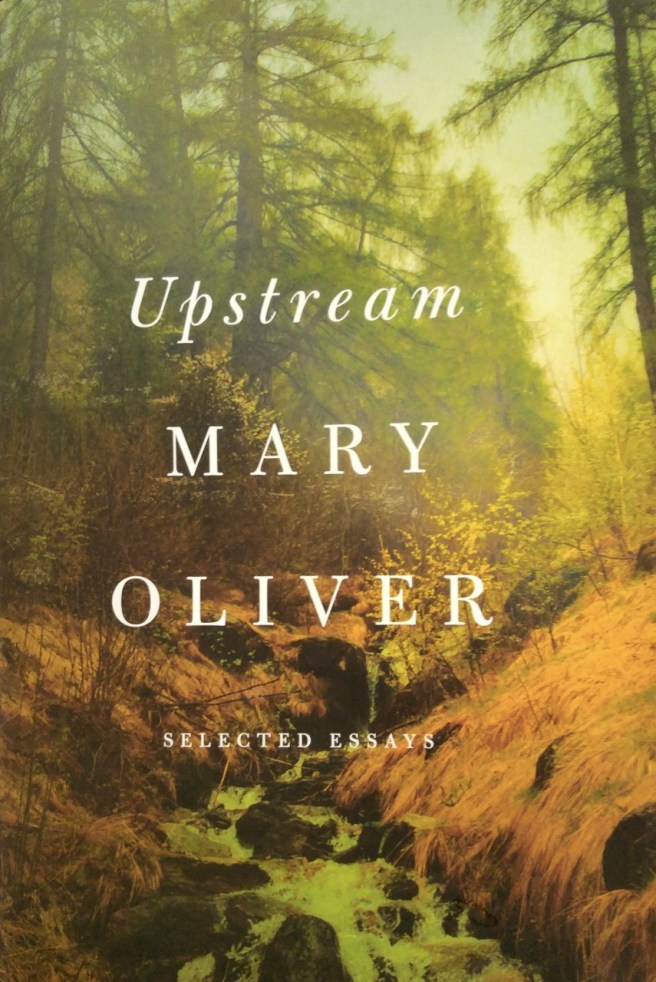
Upstream by Mary Oliver is a collection of essays, many which she previously published elsewhere. In 175 pages, the essays span a lifetime of writing–but even more so a lifetime of living. And noticing. And contemplating. And wondering. And making connections. And wondering some more. But all the time, believing, even in that which she could not see or quite comprehend.

She speaks to the writing process, a process I have embraced for what seems like forever. Only a few minutes ago I shared with a friend that a final draft is never really final. Each time we return to the words, we find other ways of playing with them.

She speaks to the natural world that she has spent a lifetime observing and recreates it on the printed page with elaborate detail. And so, with each sentence, I travel beside her, whether she wants me to or not, for Ms. Oliver embraces solo moments of exploration. I get that.

She speaks of Emerson and Whitman and Wordsworth and Poe. And actually, about the latter, she turns my head for she writes about him with such compassion.

She speaks of the reality of the universe and reminds us to exist. She is. We are.

She speaks of observing a mother spider and her egg sacs in the cellar of a rented home over the course of several months, and I sense her wonder. As a child, I was afraid of those cellar spiders. As an adult, I’m intrigued by them.

And so today, I took Ms. Oliver with me when I stepped into the woods.

m-fog

It was a snow-eating foggy  sort of day and the dampness grazed my cheeks.

m-preweb-raindrops-and-crosses

As my snowshoes slapped the hardened snow pack, rain drops drew my focus. On this particular pine sapling, I was drawn to the crosses formed by raindrops and needles, which seemed apropos given that today is Ash Wednesday. And then I noticed the spider silk.

m-web-1a

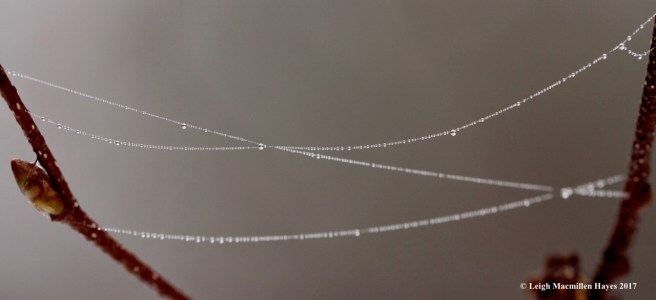
Every where I turned, long beaded strands of miniature raindrops connected one branch to the next.

m-web-connections-2

What I soon realized, however, was that the strands weren’t merely on single trees. Each tree was connected to the next throughout the forest. As I moved slowly about, I inadvertently snapped some of those lines and felt a sense of sorrow for all that work lost.

m-leaf-attachment

And because I was looking, I found other curious sites that I didn’t expect. That is one of the take-away messages of Ms. Oliver’s book–get outside and even if you are searching for something specific that you may not find, it’s what you see along the way that is more important.

m-page

As I often do when a book such as this one pulls me in, I turn back the bottoms of pages to remind myself that there are passages I will want to revisit. If the corner is turned back and back again, as this one, it means there is something to reread on this page and the one to follow.

For me, Upstream is that type of a book. It’s broken into five sections. Ah, the word broken–it doesn’t feel right in that last sentence because there is nothing broken about the book. Perhaps divided is a better word. Or maybe there’s another that will come to me eventually. That’s the thing about the writing process–it’s never final as I said above. Anyway, I found myself relating to each section with a different part of my soul.

m-rain-drop-globe

And give thanks that Ms. Oliver chose to share her reflections in this manner. I also thank Señora for the recommendation.

Upstream by Mary Oliver, Penguin Press, 2016

Falling Stars

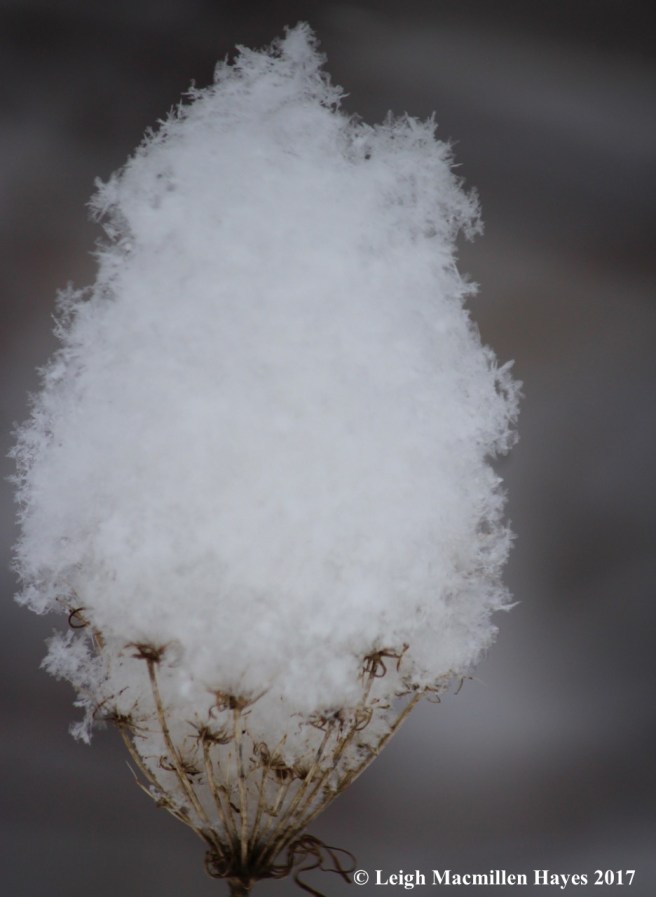
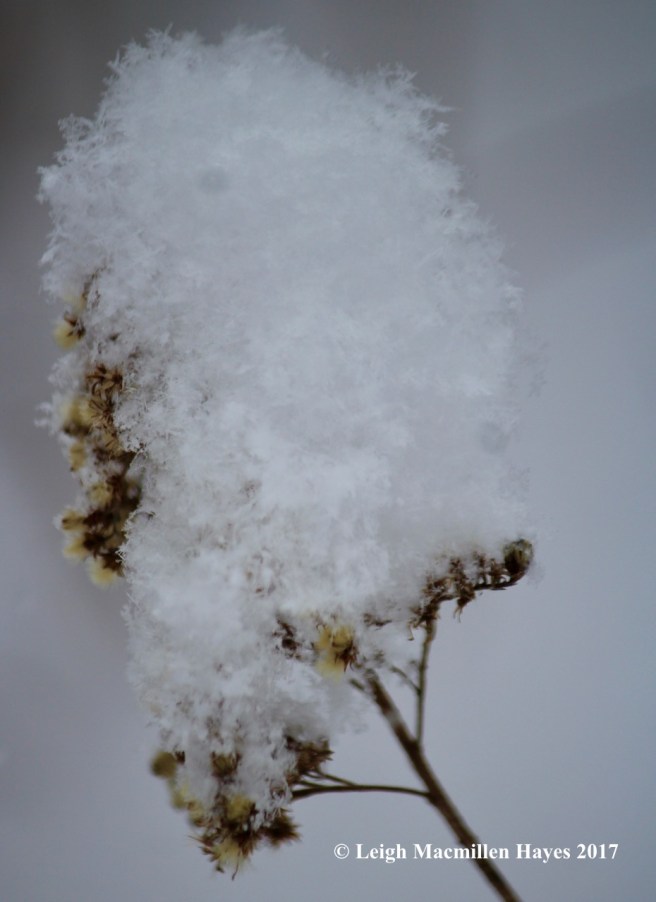
The sight of falling snowflakes filled that spot in my soul that is devoted to wonder.

p-queen-annes-lace

Each tiny morsel unique.

p-aster

Many stacked high.

p-red-maple-leaf

Some precariously perched.

p-shelf-fungi

Others well supported.

p-milkweed

Foundations varied.

p-stairway

Stairways formed.

p-lea-mlsc-boardwalk-1

Boardwalks hid.

p-moss-monster

Moss Monsters smiled.

p-moose

Moose chuckled.

p-male-mallard

Mallards speculated.

p-red-fox

And the red fox paused.

Watching snowflakes gather reminded me of the impermanence of it all. They are exquisite and beautiful, yet temporary.  Here one moment, trampled and melted the next. Yet, I am forever awed by each tiny star that falls from the sky.

Circle of Life

Searching for circles

c-fluffy-dust-lichen

as a reflection of life

c-woodpecker-holes

revealed uniqueness.

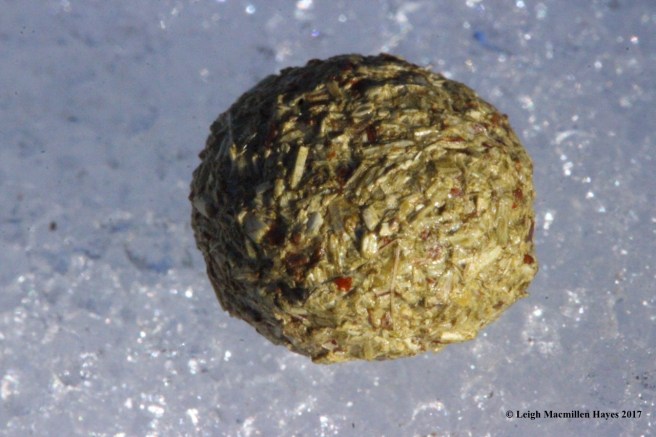
c-hare-scat

Beginnings and endings intertwined

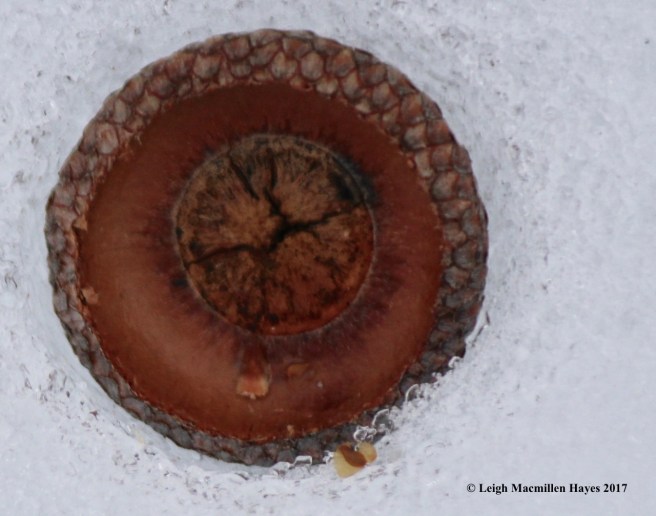
c-acorn-cap

deleted any lines defined.

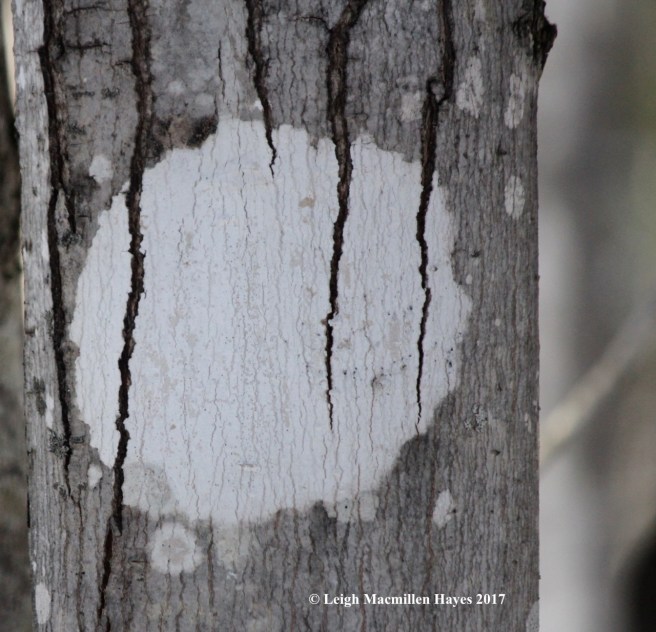
c-whitewash-lichen

The alpha and omega

c-hemlock-stump

designed with layers between.

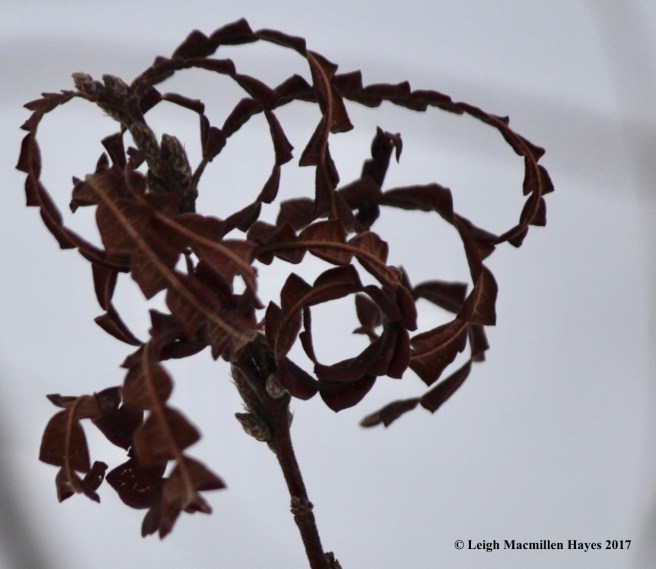
c-sweet-fern-swirls

And a variety of form

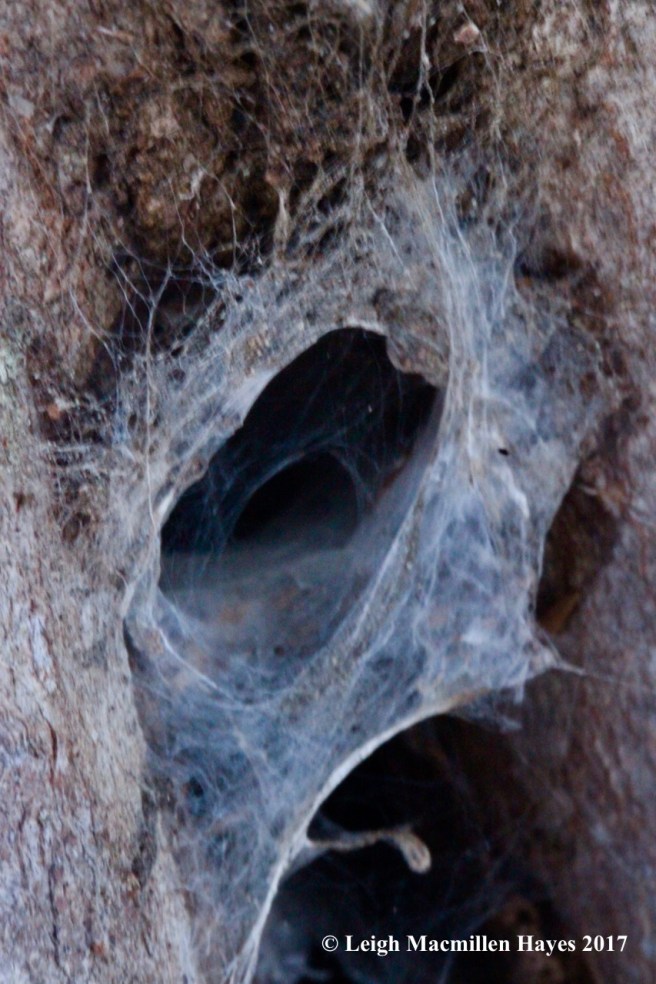
c-funnel-web

in presentations never ending.

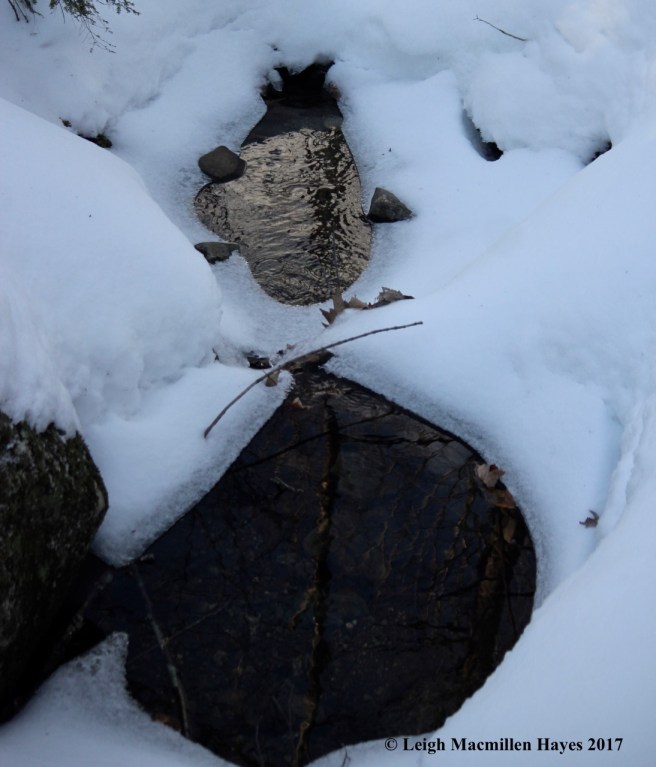
c-stream-edges

Names describe some as rounded

c-bulls-eye-target

and others: bull’s eye,

c-pinecone-spiral

spiral,

c-pine-whorl

whorl,

c-birch-catkin-stack

and cylindrical.

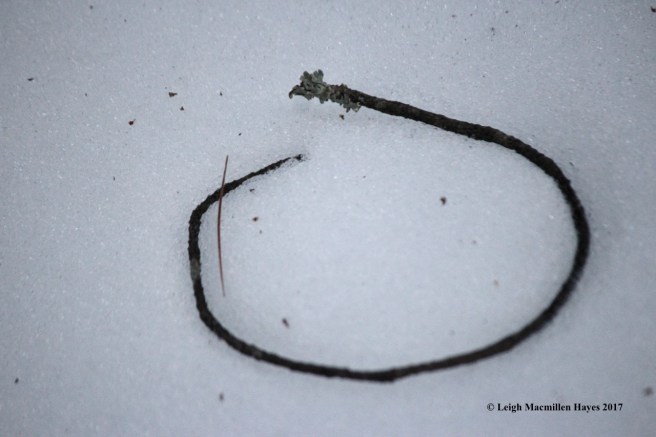
c-open-ended-twig

But what about those incomplete?

c-question-mark

Did life slip out

c-ice

or slowly drip away?

c-tree-wound

And wounds left behind

c-tree-healing-wound

that never fully healed?

c-pine-needle-spokes

The answers, like shapes,

c-frullania-asagrayana

aren’t always obvious.

Circles sought and circles found.

No two alike.

My hope–that we end as we began—the circle completed around a life well embraced.

Goodbye Autumn

On this last day of autumn 2016, nature put on a display worth donning extra layers for  along Sucker Brook at the Greater Lovell Land Trust’s Wilson Wing Moose Pond Bog Preserve.

w-frozen-in-time

Morning light provided magical moments filled with otherworldly beauty.

w-ice-1

In response to constant movement and changing temperatures,

w-ice-sculpture

original beauty knew no end.

w-sucker-brook1

While brook smoke danced along sunbeams,

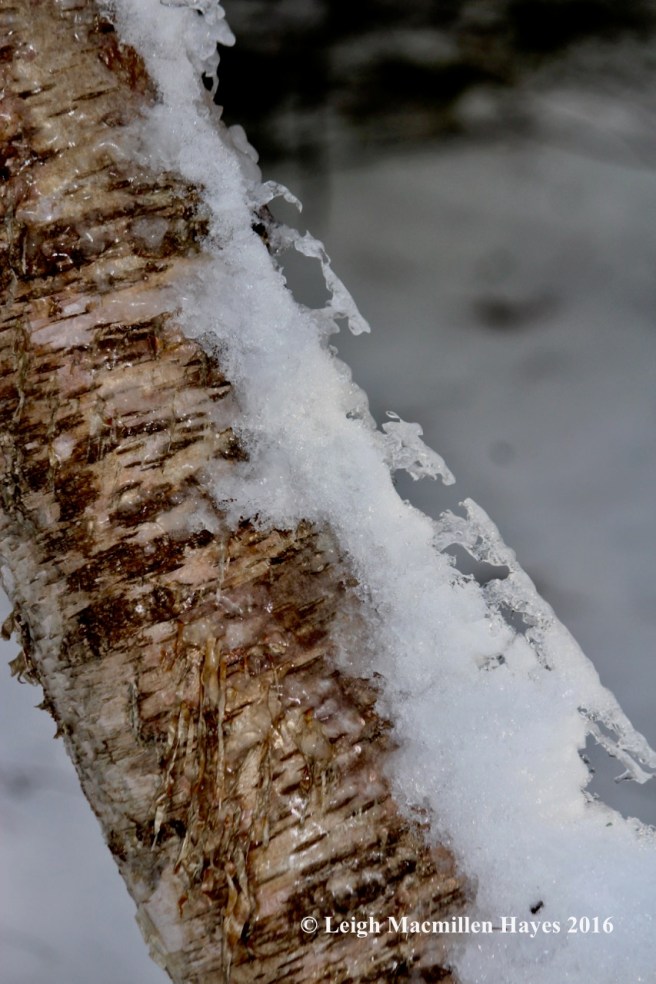
w-ice-crawling-up-tree

ice sculptures formed with the flow.

w-winter-flowers

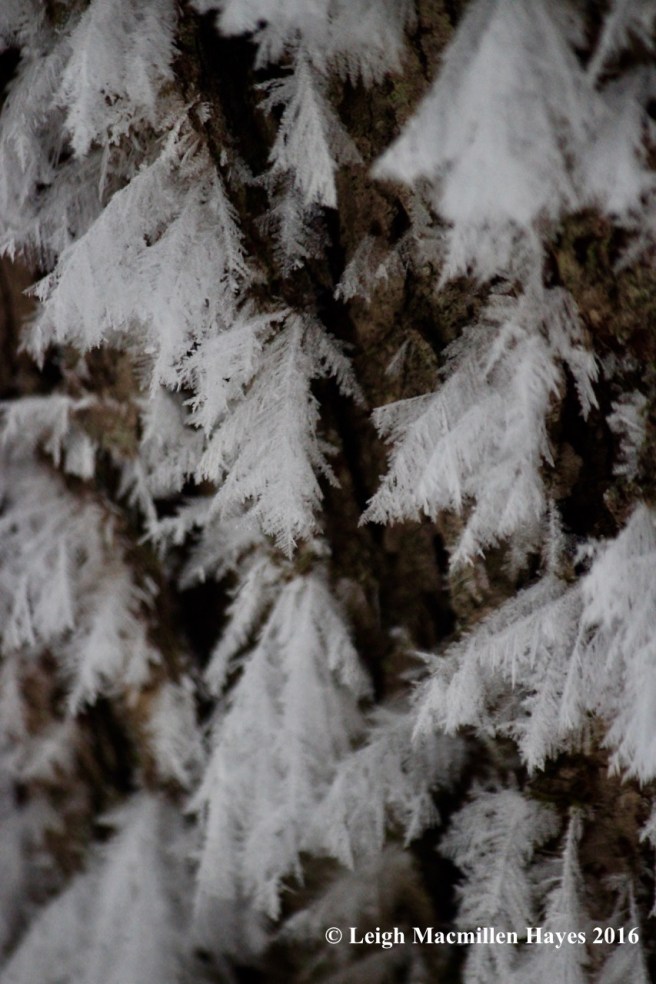
Hoar frost brought diversity of visions . . .
w-fern-trees

in detailed formations and . . .
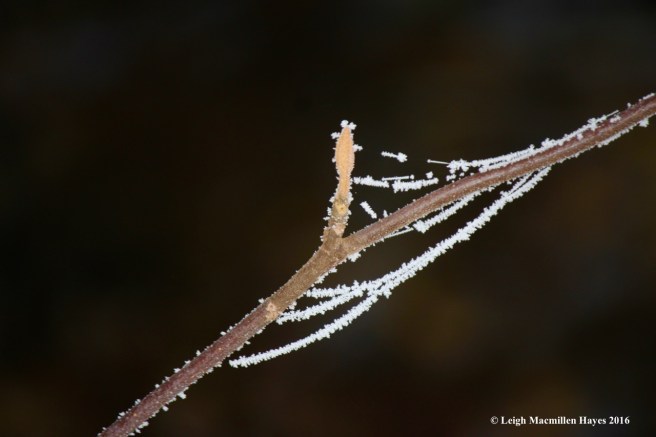
w-hobblebush-decorations

intricate presentations.

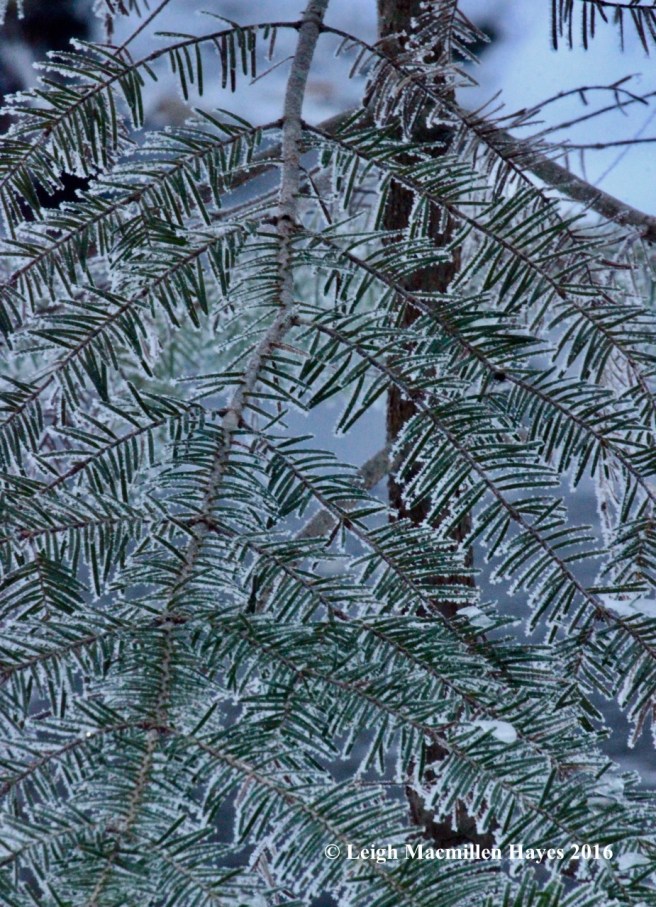
w-balsam-fir

Nothing was left untouched by the hand of the artist.

w-wilson-wing-moose-pond-bog

Before our eyes the seasons transitioned. Light. Shadows. Textures. Colors. Layers.

Goodbye autumn. Welcome winter.

Book of September: Forest Trees of Maine

The other day a friend and I made plans for an upcoming hike. Before saying goodbye, she said, “Don’t forget to bring your tree book.”

t-cover (1)

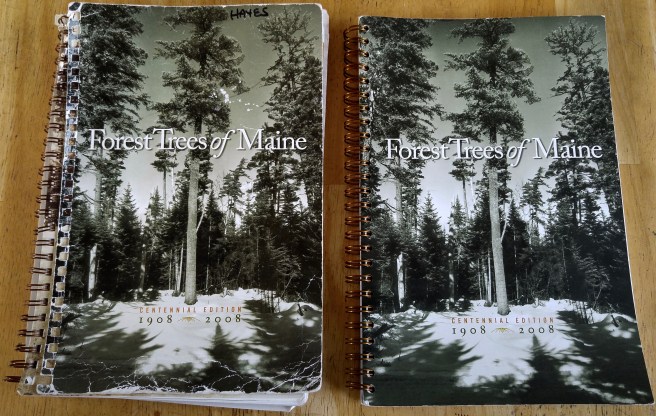
Really? I have at least thirty books dedicated to the topic of trees. But . . . I knew exactly which one she meant: Forest Trees of Maine. I LOVE this book–or rather, booklet. You’ll notice the tattered version on the left and newer on the right. Yup, it gets lots of use and often finds its way into my pack. When I was thinking about which book to feature this month, it jumped to the forefront. I actually had to check to see if I’d used it before and was surprised that I hadn’t.

Produced by the Maine Forest Service, the centennial issue published in 2008 was the 14th edition and it’s been reprinted two times since then.

t-b:y 2 (1)

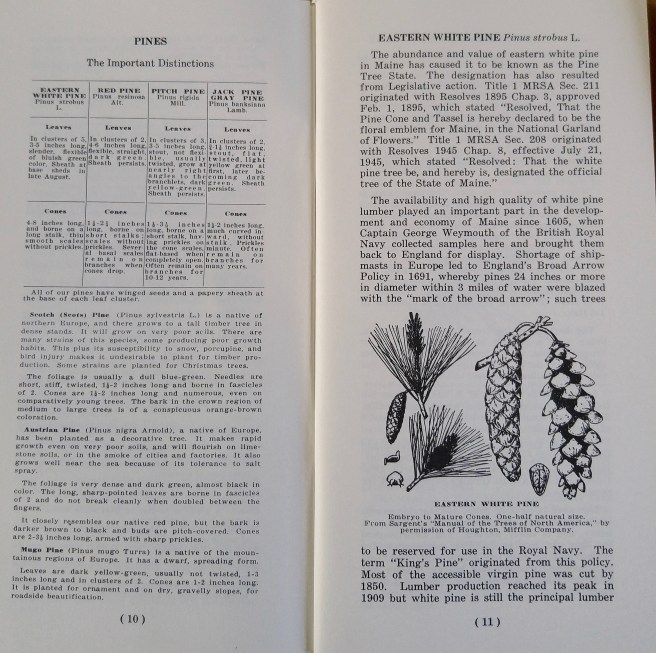
In previous years, the book was presented in a different format. Two editions sit on my bookshelf, and I need to share with you two things that didn’t find their way into the most recent copy.

From 1981: Foreword–“It is a pleasure to present the eleventh edition of Forest Trees of Maine. 

Many changes have occurred in Maine’s forest since 1908, the year the booklet first appeared. Nonetheless, the publication continues to be both popular and useful and thousands have been distributed. Many worn and dog-eared copies have been carried for years by woodsmen, naturalists and other students of Maine’s Great Out-Of-Doors.

We wish the booklet could be made available in much greater quantity, however, budgetary considerations prevent us from doing so. I urge you to use your copy of Forest Trees of Maine with care. If you do, it will give years of service in both field and office.”

Kenneth G. Stratton, Director.

From 1995: One of two poems included. I chose this one because it was one my mother often recited.

Trees

I think that I shall never see
A poem lovely as a tree.

A tree whose hungry mouth is prest
Against the earth’s sweet flowing breast;

A tree that looks at God all day,
And lifts her leafy arms to pray;

A tree that may in Summer wear
A nest of robins in her hair;

Upon whose bosom snow has lain;
Who intimately lives with rain.

Poems are made by fools like me,
But only God can make a tree.

~Joyce Kilmer

t-how to use keys (1)

The most recent edition of Forest Trees of Maine provides a snapshot of the booklets history and information about the changes in the Maine landscape. For instance, in 1908, 75% of the land was forested, whereas in 2008, 89% was such. The state’s population during that one hundred year period had grown by 580,457. With that, the amount of harvested wood had also grown. And here’s an intriguing tidbit–the cost of the Bangor Daily News was $6/year in 1908 and $180/year in 2008.

Two keys are presented, one for summer when leaves are on the trees and the second for winter, when the important features to note are bark and buds.

t-leaves (1)

t-glossary (1)

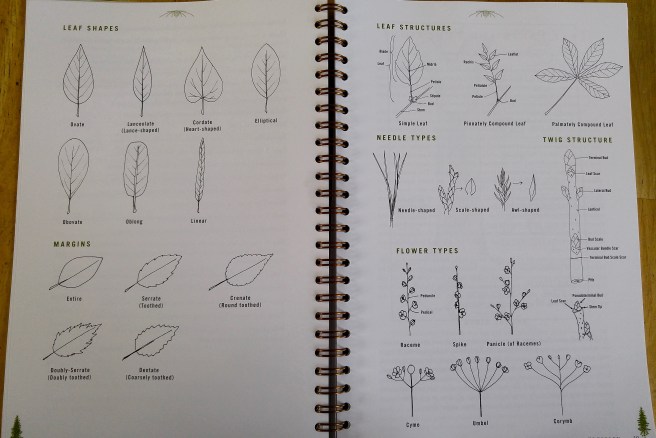
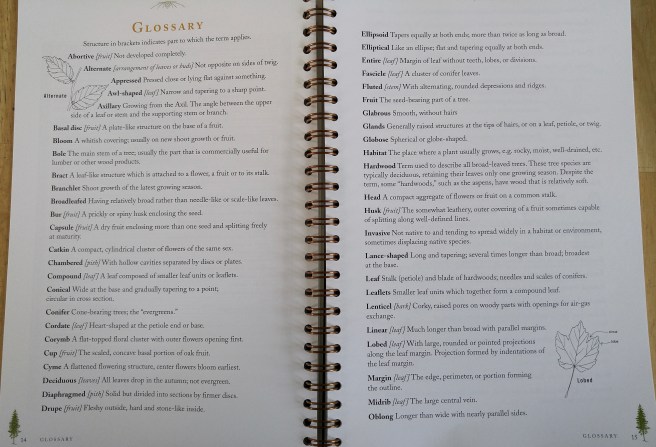
Terms for leaf shapes, margins and structure, twig structure, plus needle types and flower types are illustrated and various terms defined.

t-tree parts (1)

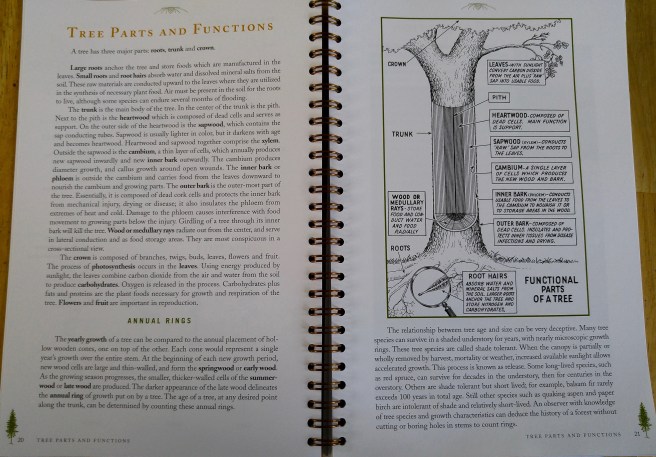
There’s even information on how a tree works because they do–for our well-being and for the benefit of wildlife.

t-white pine (1)

And then the descriptive pages begin. Each layout includes photographs, sketches and lots of information, both historical as in the King’s Arrow Pine, and identifiable as in bark, leaves, cones, wood, etc.

t-pines blue book (1)

1981

t-pines yellow book (1)

1995

Though some of the information is the same, it’s fun to note the differences from the two earlier publications.

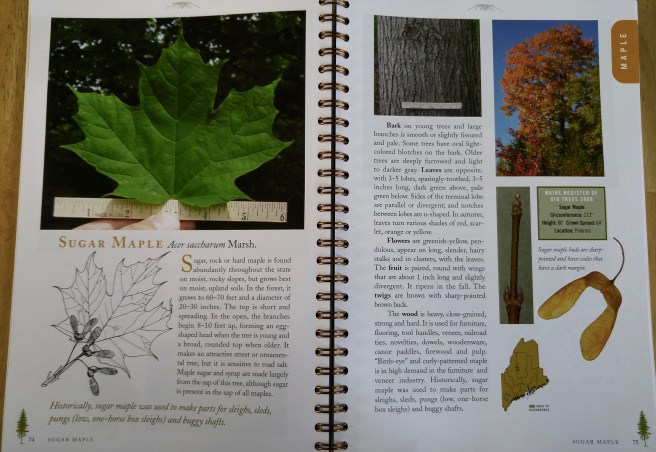
t-maple key (1)

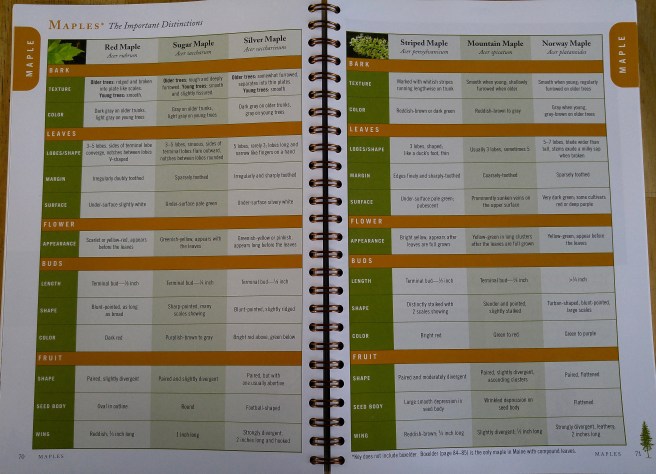
At the beginning of each family, major descriptions are noted in an easy to follow format.

t-maple (1)

And like the conifers, the broadleaves are portrayed.

Tomorrow, when my friend and I venture off, I’d better remember to pack this booklet. She’s peeked my curiosity about what she wants to ID because I’ve climbed the mountain before and perhaps I missed something. She already has a good eye for trees so I can’t wait to discover what learning she has in mind for us.

This Book of September is for you, Ann Johnson. And it’s available at Bridgton Books or from the forest service: http://www.maineforestservice.gov or forestinfo@maine.gov.

Forest Trees of Maine, Centennial Edition, 2008, published by The Maine Forest Service


Our I Dos

Twenty-six years ago we both said, “I do.” And those two little words have stuck with us ever since.

t-road

The road has had a few bumps and turns, but relatively speaking, it’s been an easy path to follow.

t spider web

Sometimes the web we’ve woven has torn, but we’ve learned to mend it when necessary.

t-birds nest fungi

We’ve filled the nest and watched our sons disperse, and welcomed them home again.

t-orchid pollinator

We’ve found fulfillment  . . .
t-pollen

and tried to share it with others.

t-wings

We’ve each grown wings and let the other fly.

t-pleasant mtn

We’ve cherished the beginning of our journey and give thanks for all the uphill moments.

sunset 3

At the end of the day, we don’t know what the future holds, but we appreciate the past.

Happy Anniversary to my guy. If I had to do it all over again, I’d still say, “I do.” And I know you would too.

Hewnoaks

This morning, the Greater Lovell Land Trust and Charlotte Hobbs Memorial Library in Lovell co-hosted a poetry workshop conducted by poet Judith Steinbergh of Brookline, Massachusetts. The setting: Hewnoaks Artist Colony.

It’s always a special treat to listen to Judy and others read poetry, wander the grounds which overlook Kezar Lake, and share with like-minded people.

Sixteen of us found our voices this morning. Or tried to. Here’s my attempt:

h-hewnoaks 1

Hewnoaks

h-raindropsMG_1835

Where raindrops jiggle

h-backs of leaves (1)

and leaf backs glow,

h-pine needles

pine needles dangle

h-pine coneIMG_1867

and new cones land,

h-pepperbushIMG_1836

shrubs sway

h-ferns

and ferns dance,

h-queen anne's lace1

flowers blossom

h-seeds 1IMG_1841

and seeds fly,

h-feather

feathers pause

h-driftwood (1)

and driftwood poses,

h-white caps 2 (1)

white caps form

h-waves 2 (1)

and waves crash.

h-poets 1 (1)

Hewnoaks, where poets write

h-poets 2 (1)

as the north spirit renews our souls

h-poets 3 (1)

with each gust of fresh air. ~LMH

h-Listening to Ann (1)

Later we gathered inside, out of the wind, to share our offerings–each one a gift.

Thank you, Judy. And Anna. And Ann ;-)


Almost Heaven

The other day, a friend sent me the following Emily Dickinson poem.

A Service of Song
Some keep the Sabbath going to church;
I keep it staying at home,
With a bobolink for a chorister,
And an orchard for a dome.

Some keep the Sabbath in surplice;
I just wear my wings,
And instead of tolling the bell for church,
Our little sexton sings.

God preaches,—a noted clergyman,—
And the sermon is never long;
So instead of getting to heaven at last,
I’m going all along!

Emily Dickinson

b-cathedral 1

Today, being Sunday, I decided to visit a cathedral in the woods, where branches arched over the path and sunspots flitted along the center aisle.

b-Christmas and NY ferns

All were welcome here, where youth and elders embraced visitors. (Christmas ferns and New York fern)

b-Equisetum 1

Ancient stories were offered up by those who long ago learned to adapt to change. (Equisetum)

b-Sweet Pepperbush

Any who sought fulfillment found it. (Sweet pepperbush)

b-Wild Sarsapirilla 1

Family members . . . (Wild sarsaparilla)

b-bristly sarsaparilla

demonstrated their differences. (Bristly sarsaparilla)

b-Marginal 1a

New life was offered . . .

b-Marginal Wood fern1

even to those waiting along the margins. (Marginal wood fern)

b-St. John's wort

And the saints watched over all present. (St. Johnswort)

b-Bald Pate summit 2 (1)

At last, I reached the altar.

b-Hancock 1

One transept offered views to the left.

b-Foster Pond Lookout (1)

And the other to the right.

b-Emerald 3

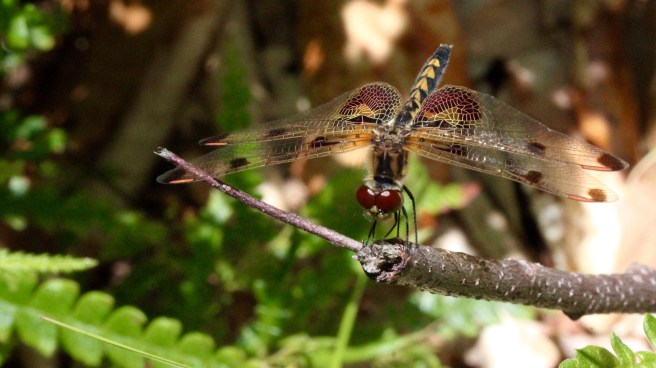
But it was the light on the stained glass windows that provided the most wonder. (American Emerald dragonfly)

b-Calico 2

b-Calico 5

b-Calico 6

b-Calico 7

b-Calico 4

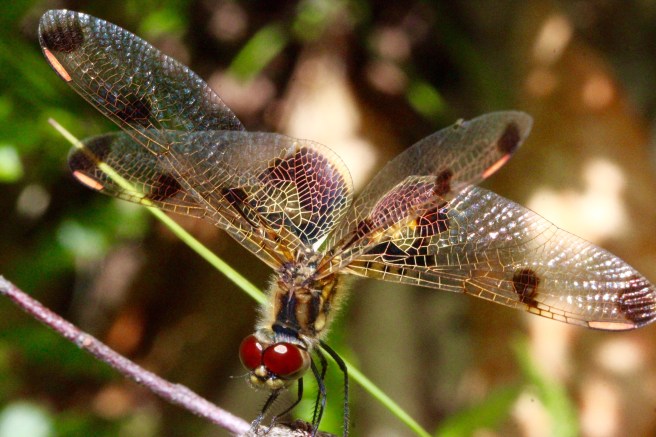
On this daily journey in heaven, I’m thankful for graces offered each moment I worship creation. (Calico pennant)

Lonesome Mondate

My guy has worked way too many hours in the last few weeks, including this past weekend, so today we ran away. Well, he went for a run early this morning while I dilly dallied around the house. And then we ran away.

plly 1

Our destination was our favorite breakfast place, though we went for lunch today–Polly’s Pancake Parlor in Sugar Hill, New Hampshire. As we walked toward the door, we noticed a family standing outside chatting and laughing. Hello neighbors! Yup, we were almost two hours from home and our neighbors from down the road had just finished breakfast. “We passed you on your run,” they said to my guy–equally surprised to see us there.

Lunch was the combo sampler–three small pancakes with sausage for him and thick, crispy bacon for me, followed by three more pancakes and full bellies. Good thing we only make this a once-a-year habit. I’d planned to only order the plain batter with blueberries because of all the choices that’s my favorite, but I have to say that the gingerbread and chocolate chip was also yummy.

ph-lupine fest 1 (1)

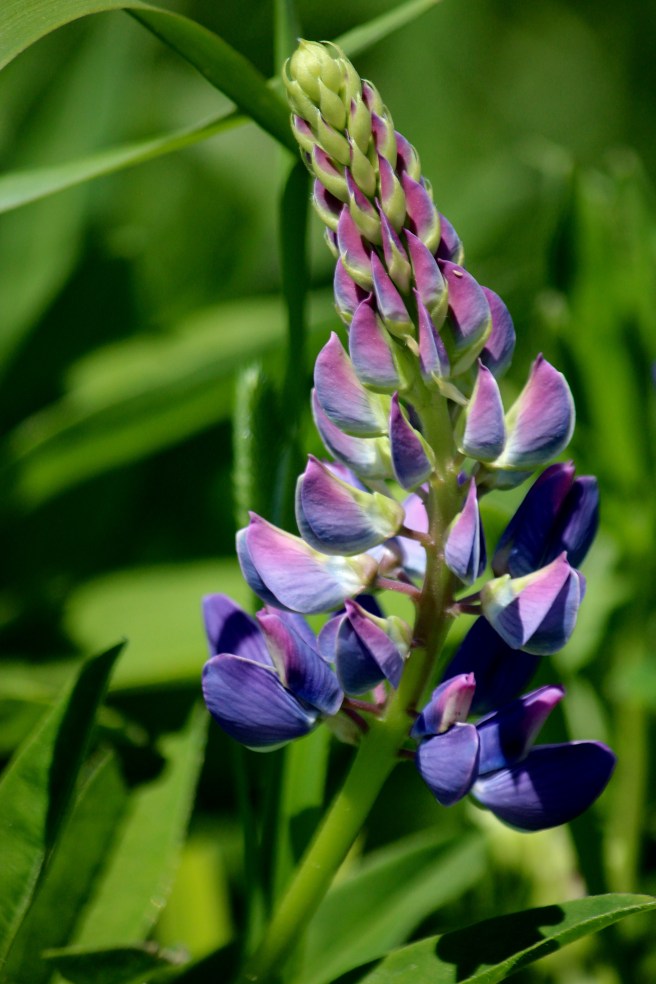
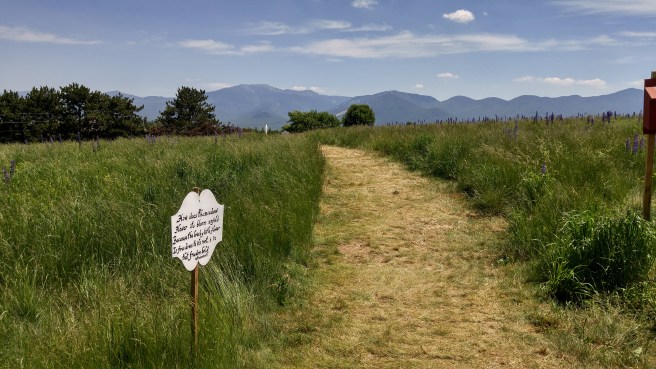
And then we moved on to the lupine fields. Actually, lupines bless the fields throughout town, but the Sugar Hill Sampler Lupine Fields feature trails with poetry along the way.

lupine sign

Such simple words of wisdom ring true

lupine 7

amid the beauty.

ph-lupines 4 (1)

The actual lupine festival occurred two weeks ago,

ph-lupines 2 (1)

but our timing wasn’t so off.

lupine 10

Color and structure wrote their own verses.

ph-tree1

A few more miles down the road, we started up a trail that appeared relatively flat in the land of giant yellow birch trees.

xylophone1

One of the brook crossings danced to the beat of its own song

xylo 2

interpreted by my guy who channeled his inner Tom Hanks as he moved across the xylophone to the beat of  “Heart and Soul” featured in the 1988 movie “Big.” So be it.

maple 2

A few months ago when I presented a workshop on tree bark, a colleague asked me about mountain maple, which I didn’t know existed. Since then, I’ve been paying attention–at least to the leaves, which I found today. Please don’t ask me what the bark looks like. That’s for a future lesson.

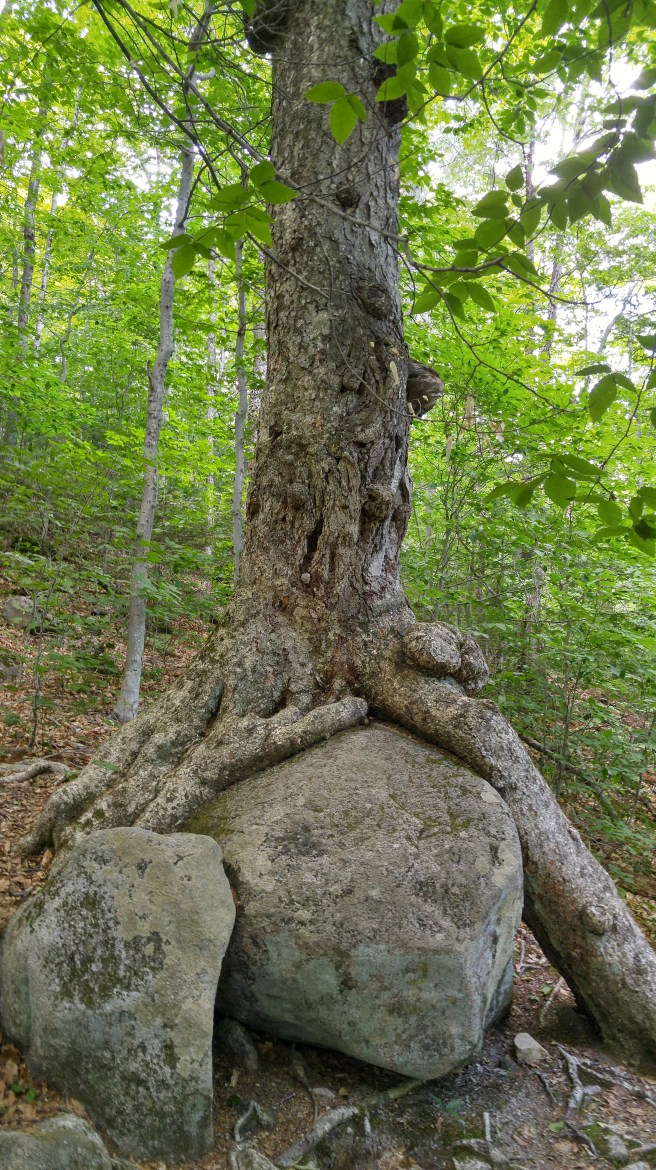
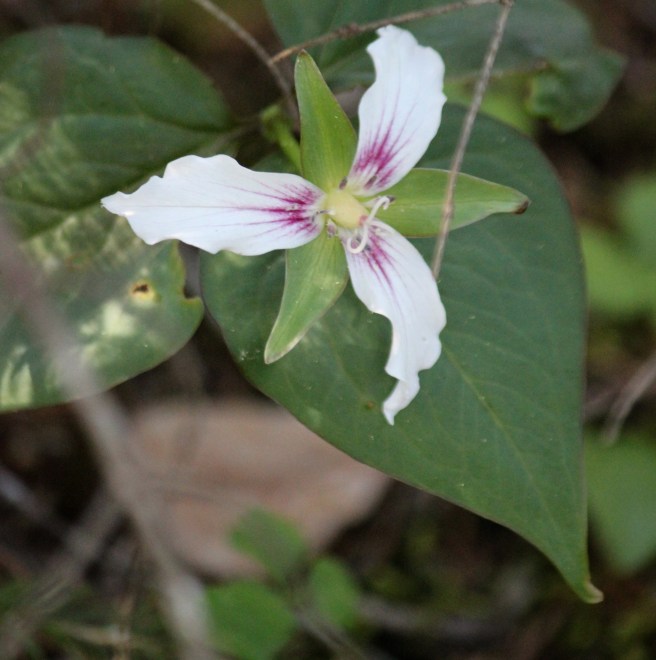
trill2

And though most have gone by, we found one painted trillium to add to my collection of a trillion trillium photos.

ph-mud (1)

After a steady climb among rocks and roots, we reached level land and bog walkways–thanks to the AMC employees and volunteers who worked on new passageways. Talk about getting into your work–check out the mud on this guy and he wasn’t the only one. We met others who had worked for the AMC 30 years ago and were volunteering their time and expertise to complete the trails that we all may enjoy. I hope there was a chilled beer at the end of their day because they were all muddy and sweaty, but smiled as they worked and suggested ways for us to bypass the mud.

salamander1

We slipped off the trail (not literally) and found today’s special find–Eastern newts in a couple of stages.

sally 1

Growing older, the eft began to resemble adults. Don’t we all! Eventually.

lake view 1

Cannon Mountain formed part of the backdrop. For me, Cannon has always evoked a childhood memory. About 50 or more years ago, as my family traveled up the tram to the summit we looked toward Canada and my parents mentioned that our next-door neighbors, the Mansfields, were on their way to Canada, which we could see. I saw the Mansfields’ station wagon. I swear. And every time I pass this way, that memory jumps to the forefront. Once I mentioned it today, my guy and I started sharing past memories as we made our own.

ph Lonesome Lake hut (1)

At last we reached the  Taj Mahal and paused to use the bathroom.

ph mts 4 (1)

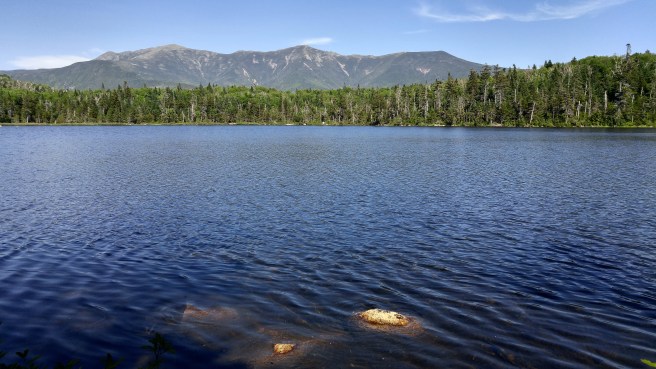
We were beside Lonesome Lake and had a splendid view of Mt Lafayette and Franconia Ridge as spring came to a close for 2016.

bog trail

ph-bog (1)

Our journey continued around the lake before we headed back down the trail–for scent and sound think balsam pillows and the banjo plunks of green frogs.

We were hardly lonesome on this trail that is described as tranquil and heavily travelled. We will attest that it is both and loved the hike to Lonesome Lake on today’s Mondate.


Blue Gold Mondate

Thunder rumbles in the distance, while clouds mask the setting sun, creating a golden blue/pink/purple sky. We need a word for that. Just as I made up Mondate to describe the Monday dates my guy and I share, I feel obligated to describe tonight’s sky as golden blinkle.

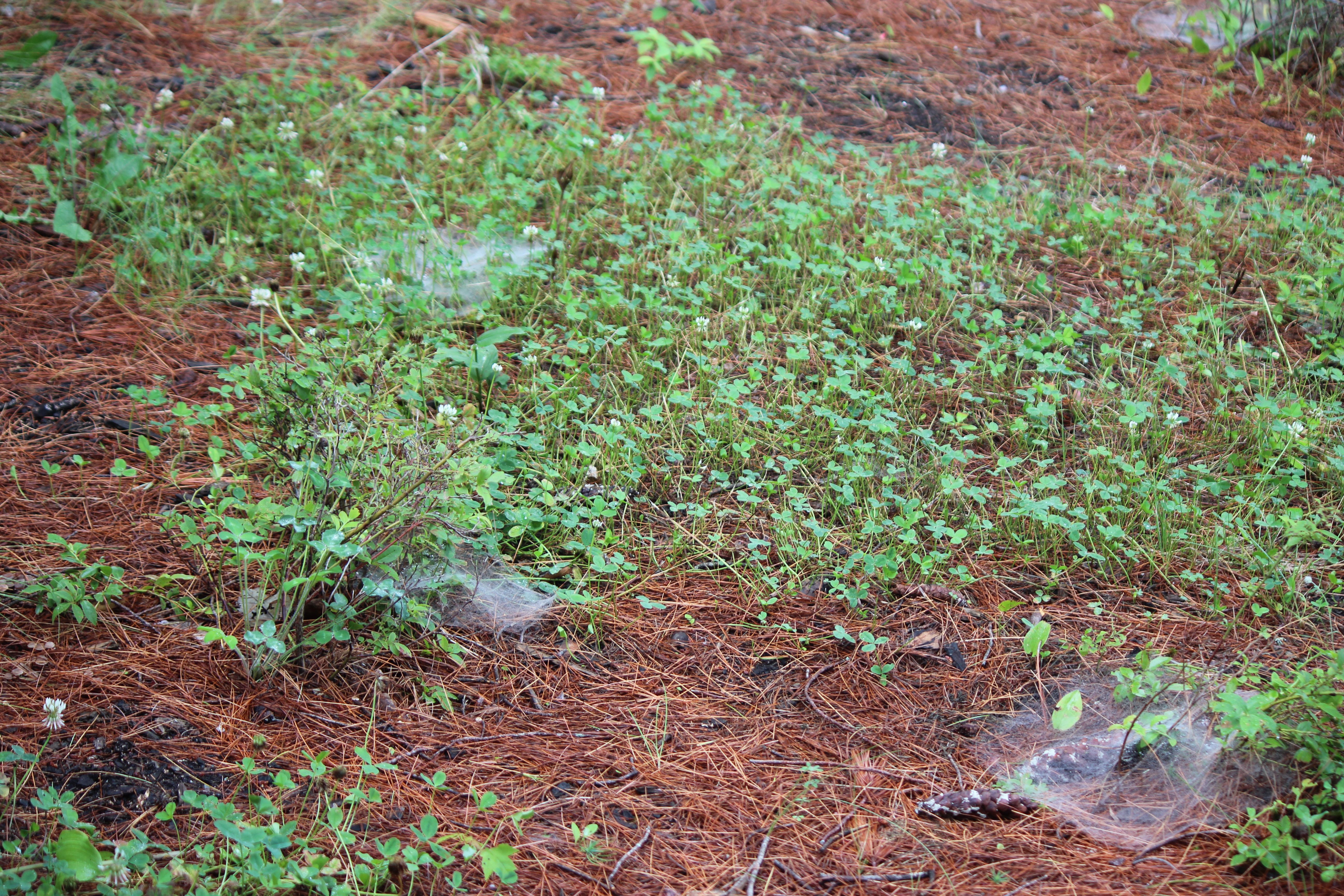
After a rainy weekend, we awoke to another gray morning. But . . . there was a bright spot. Our yard was filled with mats of spider webs.

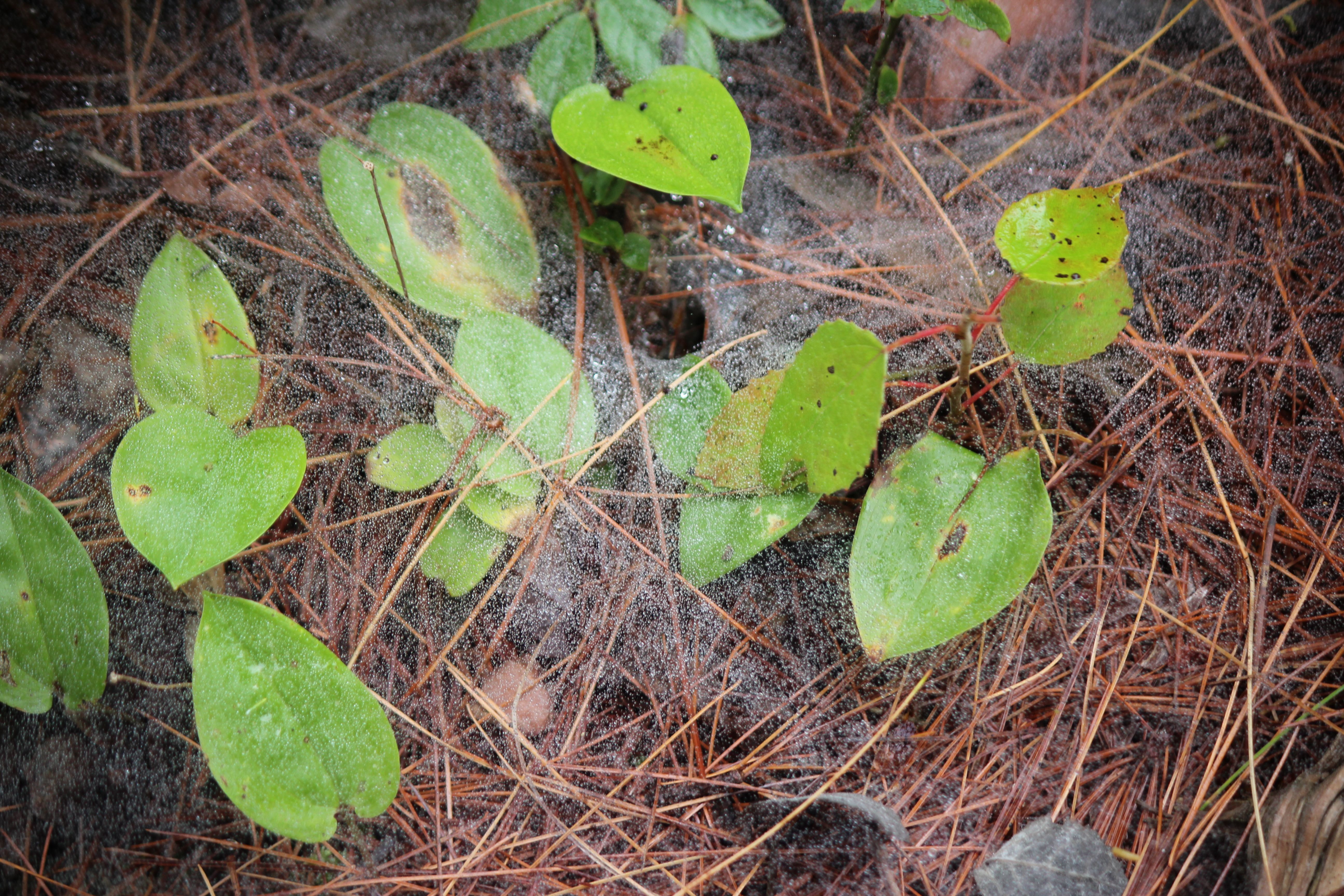
webs 1

OK, so maybe “filled” is an exaggeration, but they weren’t here yesterday.

web 2

My initial intrigue was with the water droplets sitting atop these finely woven blankets.

funnel 2

And then I spotted a hole in the center of one.

funnel 1

A look at the others, and I knew we had a yard filled with funnel weavers.

funnel 3

Imagine the industrious nocturnal work it took to complete this masterpiece.

spider 1

As I stood watching, one of the weavers appeared.

spider 3

I saw something land, I know not what, and he quickly scampered over to snatch it, and then moved into the funnel to dine. That reminded me that it was time for breakfast.

My guy had been out for a morning run and when I pointed out the webs scattered about the yard, he said he’d seen them all along his route. So . . . why today? Why so many? Will they be here tomorrow. As the day wore on, it became more difficult to see the webs.

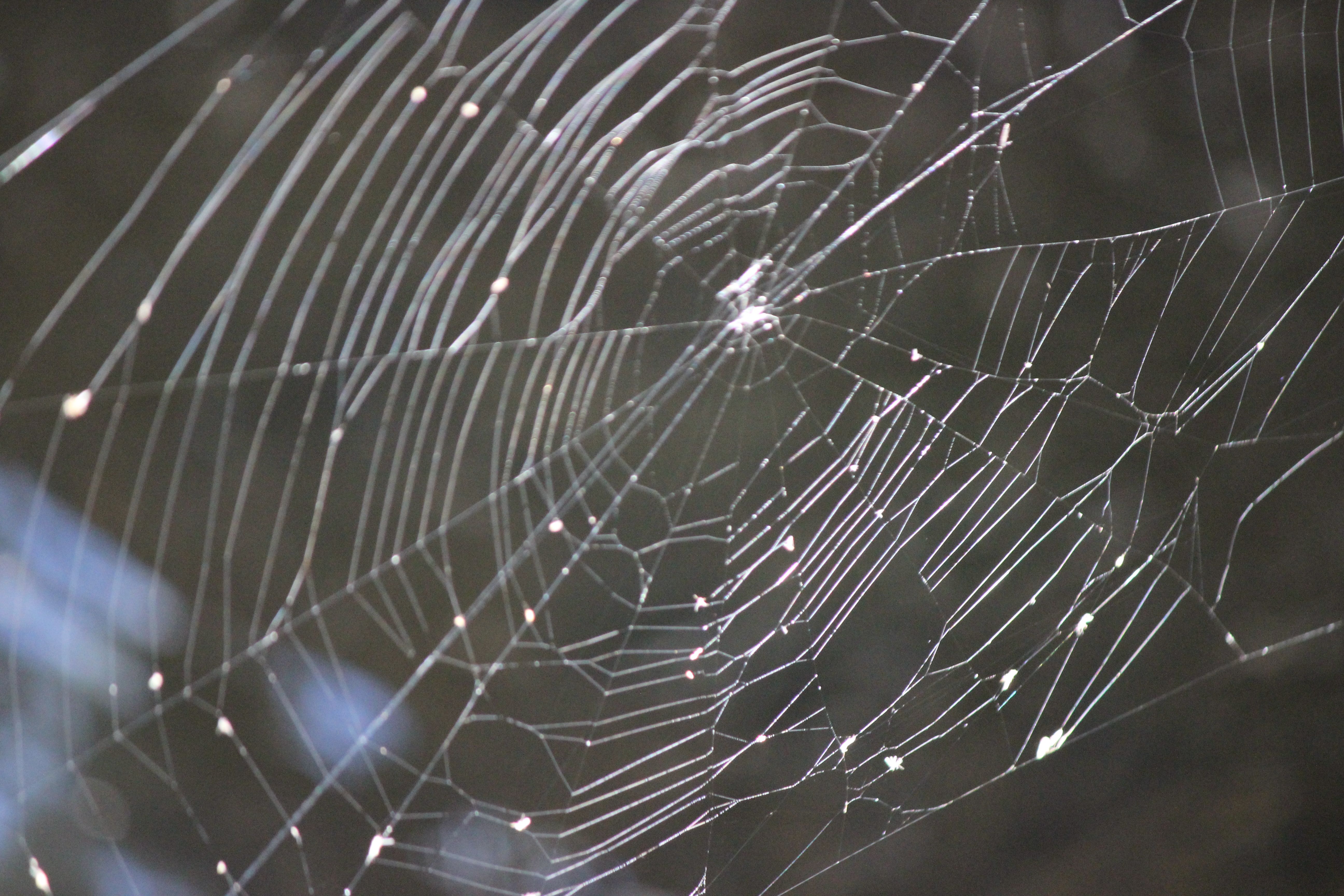
spider web dock 2

This masterpiece, however,  has been gracing the dock for weeks. I keep waiting for Charlotte to leave a message.

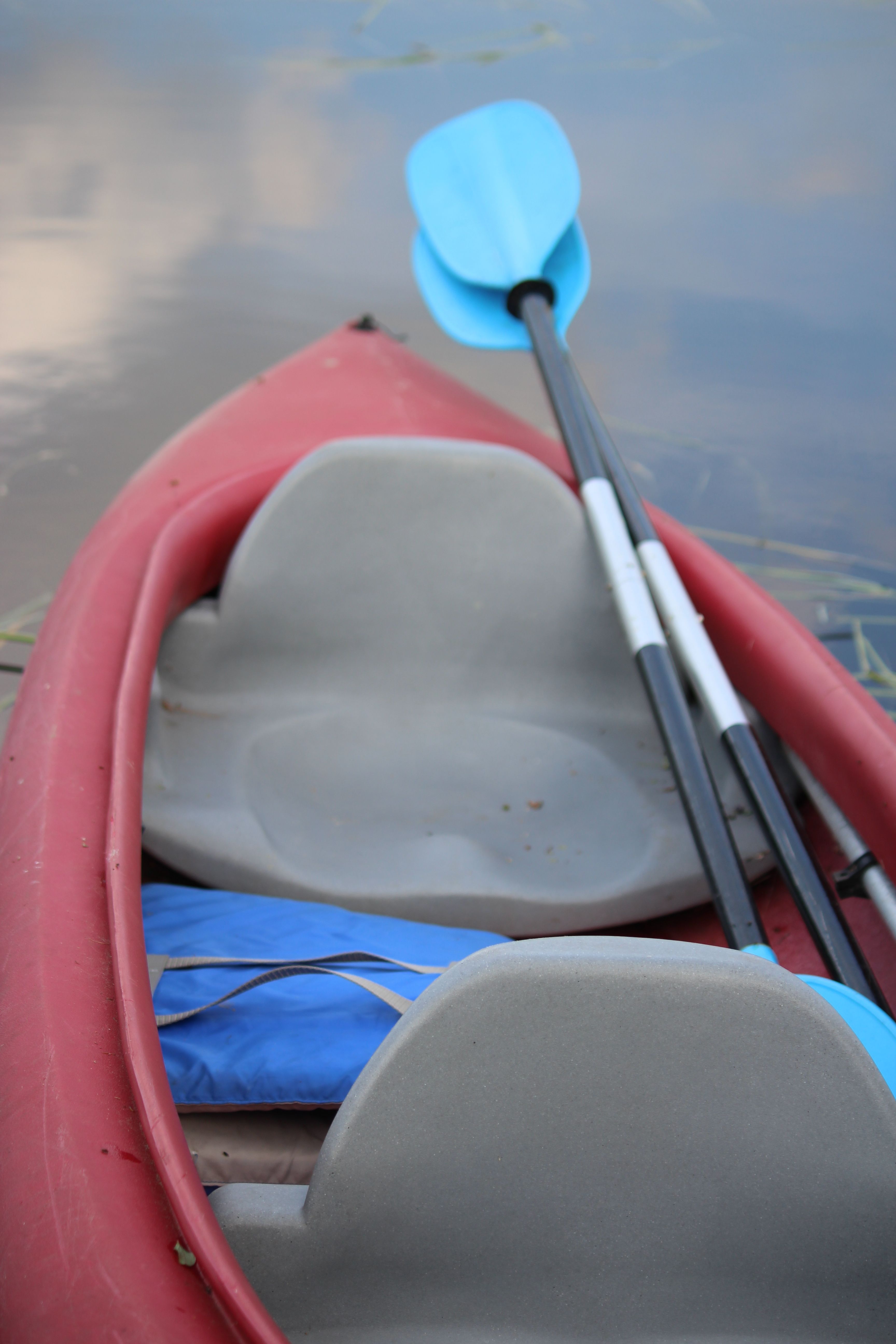
We had some errands to run in North Conway and then decided to head off in the kayak. I wish I could take a selfie of our paddles as we work together in unison. It reminds me of our relationship–we’ve always prided ourselves on our ability to think things through and come to an agreement as one. Oh yeah, sometimes we get a bit out of sync and one paddle dips into the water ahead of the other or the water splashes one of us, but all in all, we lower and raise the paddles together–and as Robert Frost would say, “That has made all the difference.”

beaver mound

As we paddled along the edge of the islands, we discovered one large beaver scent mound–it had to be three feet high.

beaver mound disturbance

While this was probably created in the spring to mark a boundary, it appears to have been visited recently.

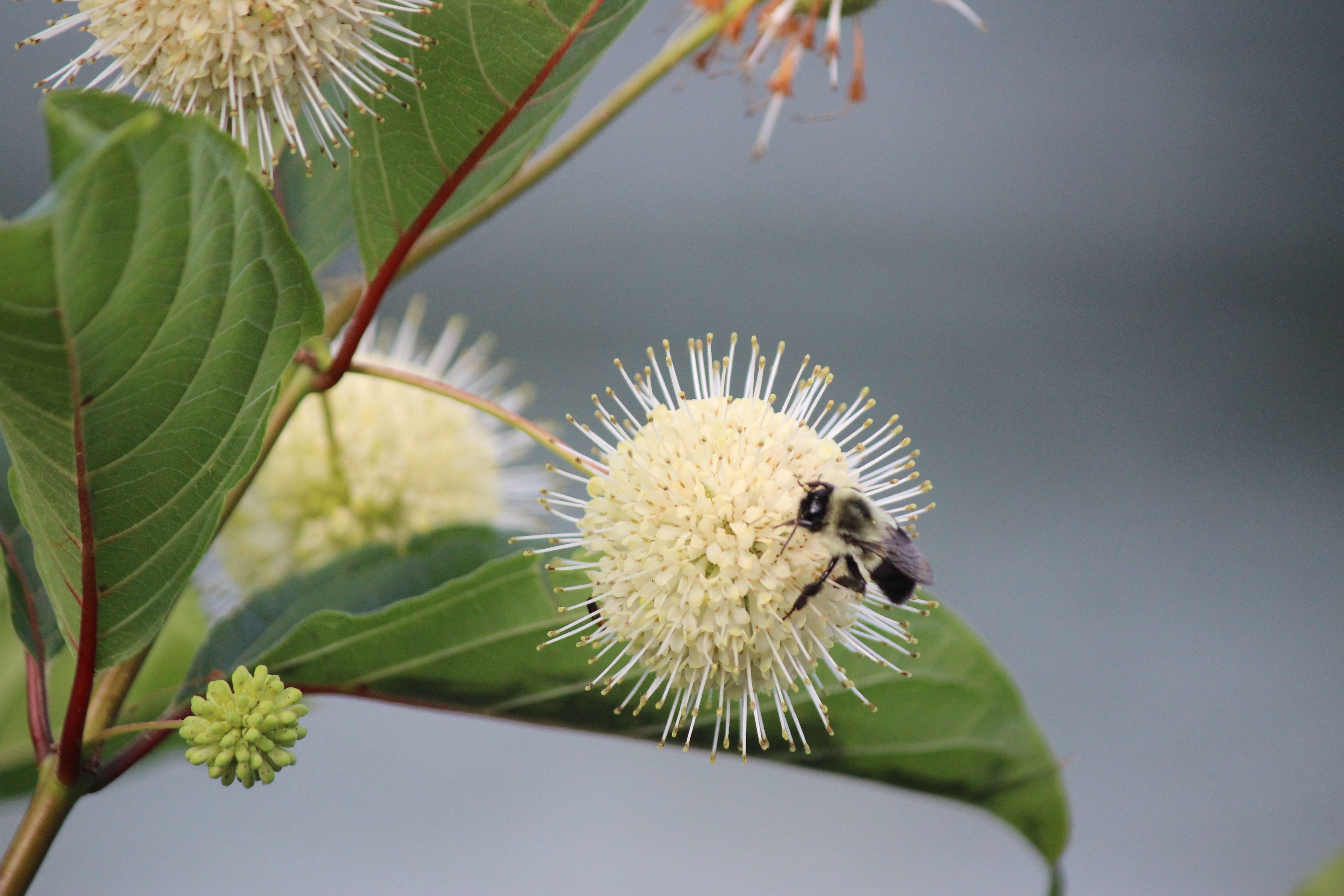
buttonbush

Numerous buttonbush plants bloom along the water’s edge. In all their manifestations, they are spectacular.

bluegold3

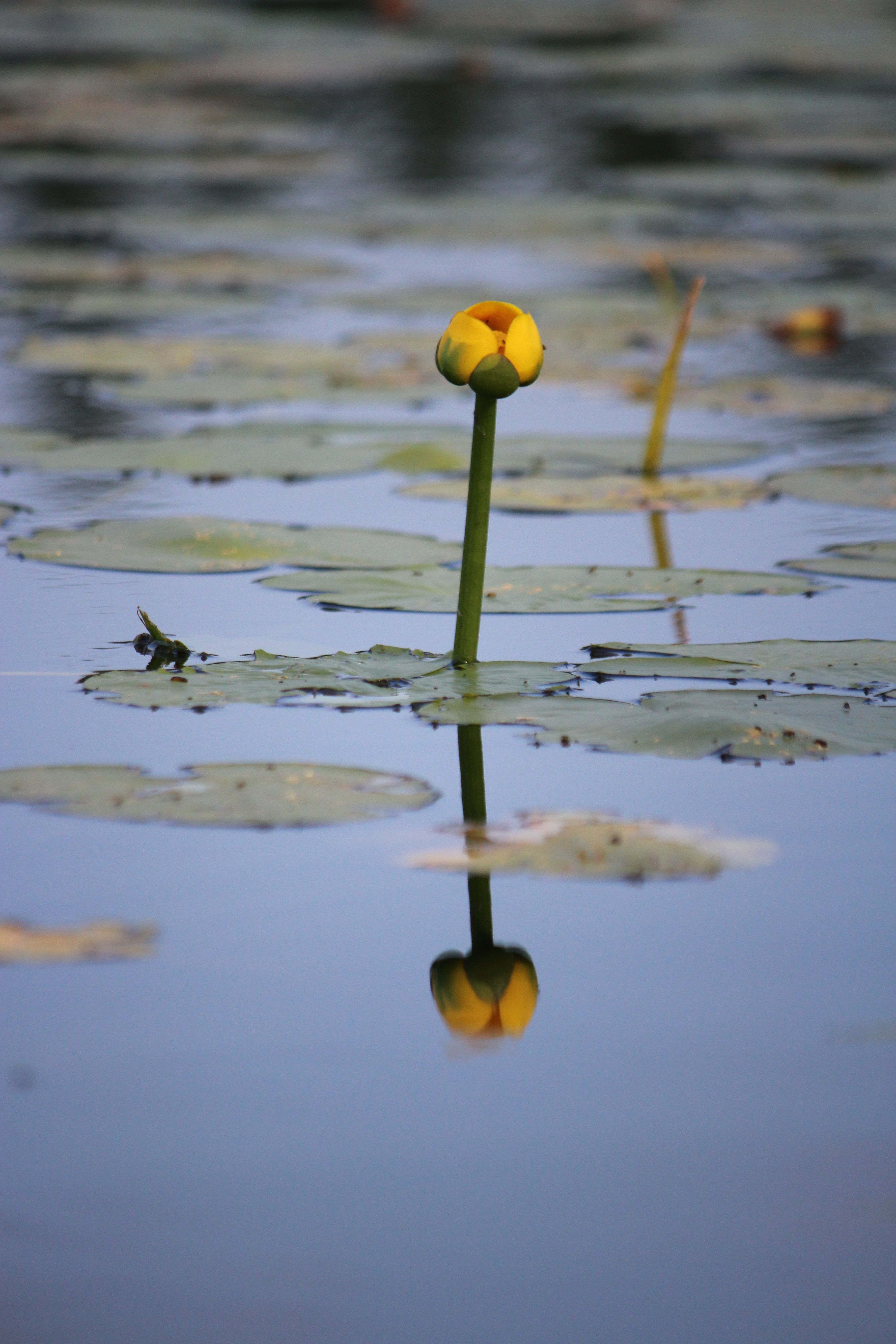
Spadderdock continues to offer a brilliant reflection of gold on blue

water garden

in the water garden.

female red-winged blackbird

But it’s the birds we follow today. Here, a female red-winged blackbird.

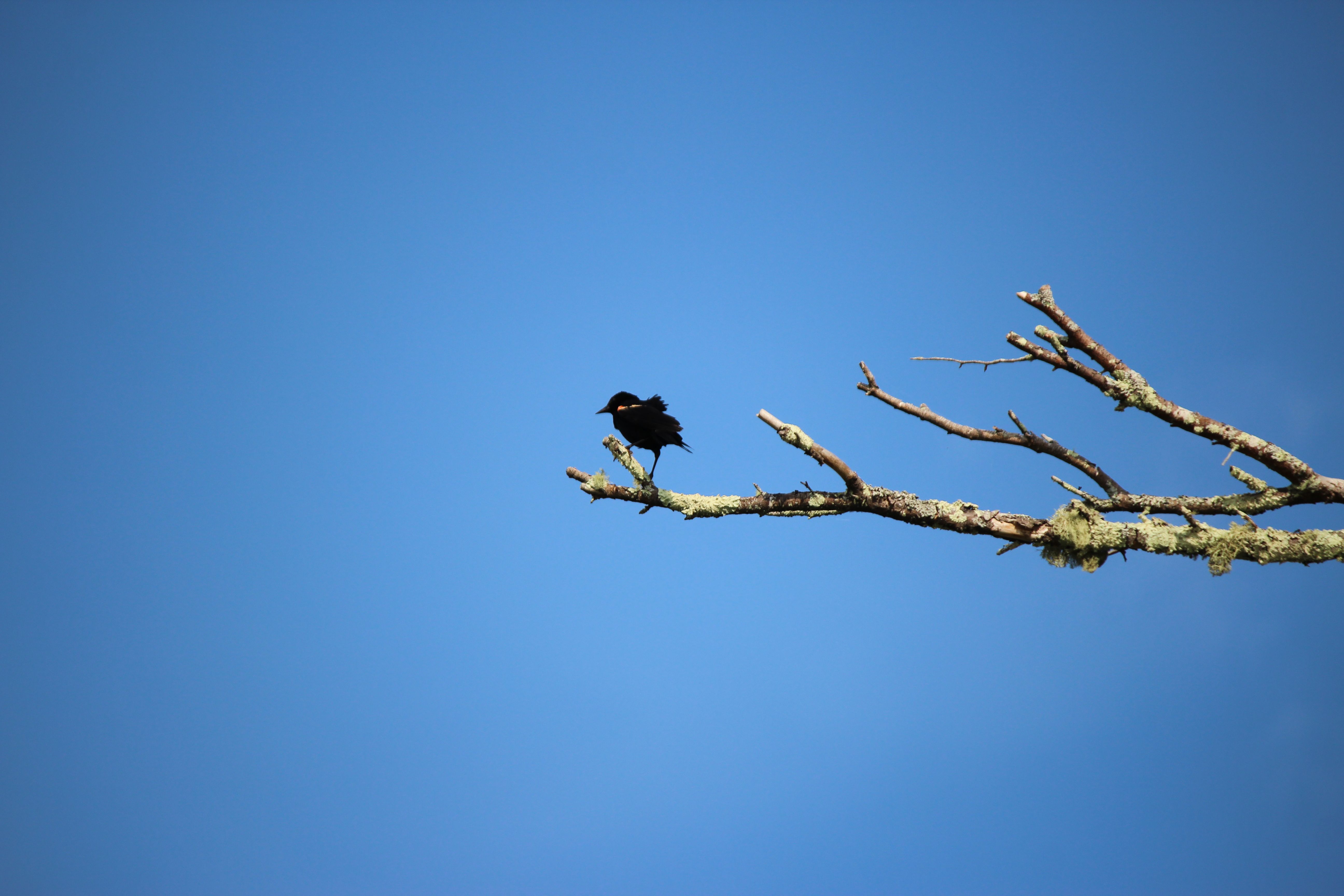
out on a limb

Her guy is out on a limb.

kayak

They don’t give us the exact information we want, but the catbirds are nearby. We hear their mews emanating from the shrubs and know that it’s time to abandon ship.

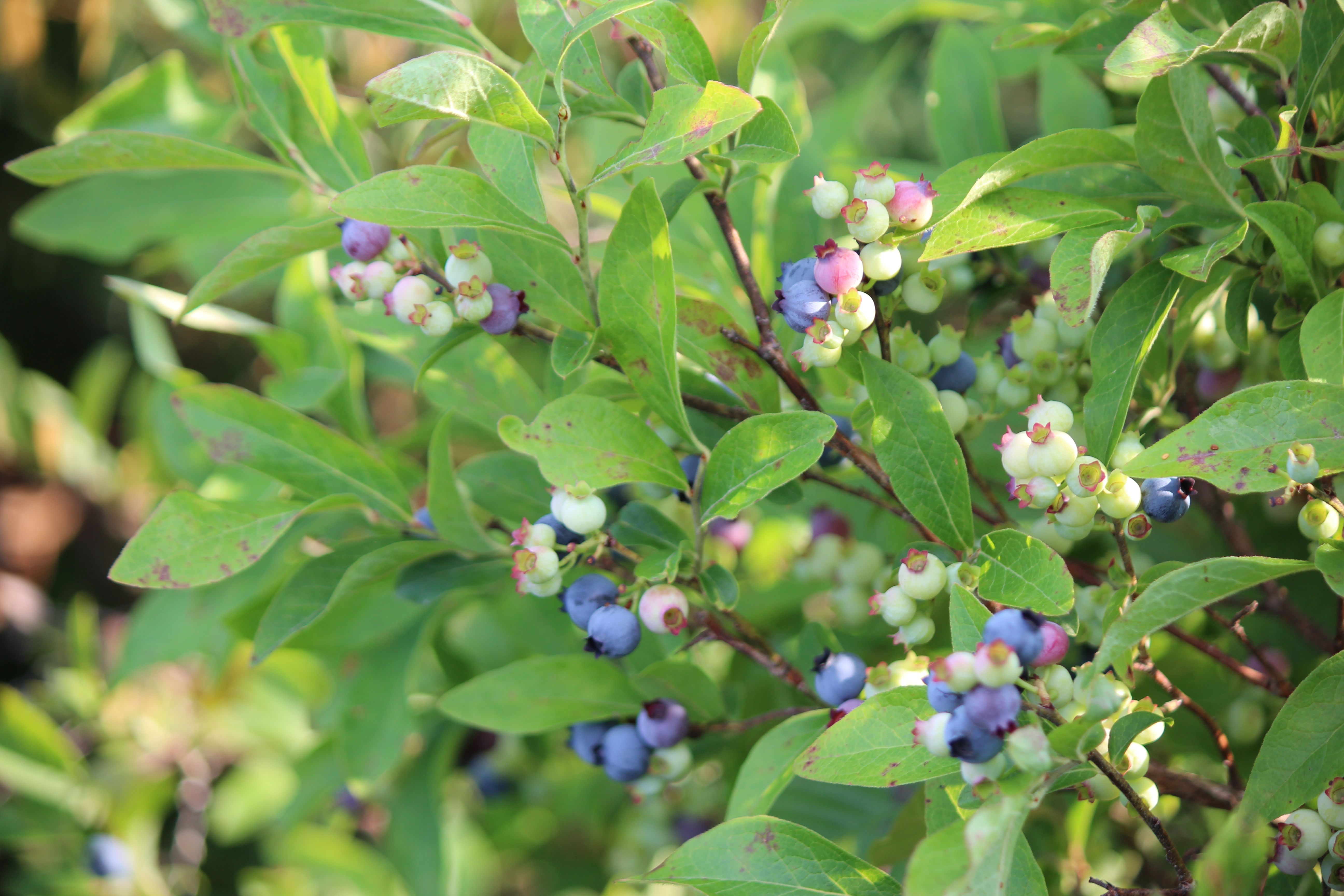
blueberries

This is blue gold. A happy afternoon spent foraging together. We made sure to leave some for the birds in thanks for their guidance.

And now, the thunder continues in the distance and occasionally lightening flashes  across the sky, but nothing can shine brighter than a blue gold Mondate.

Branching Out

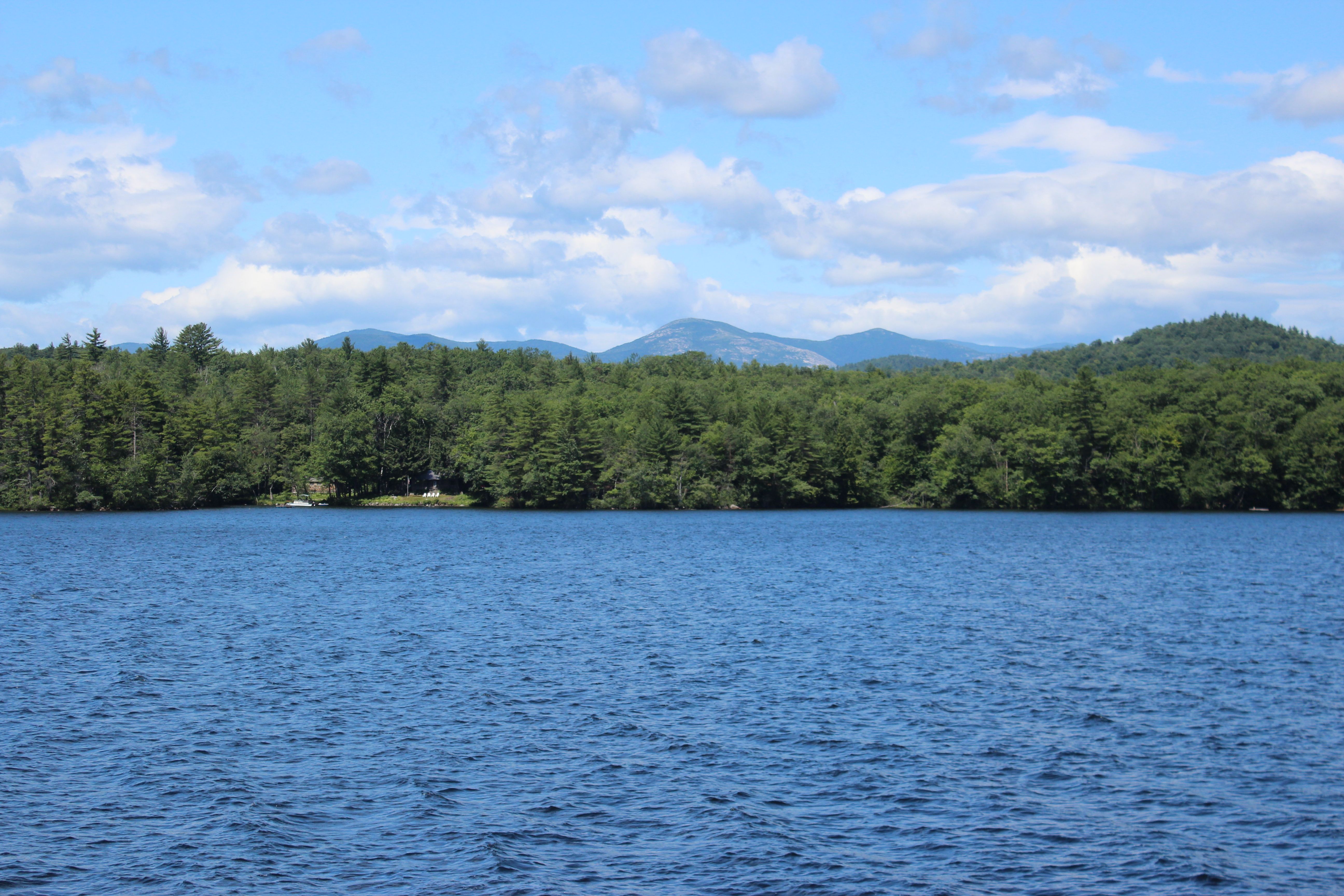
I felt privileged this morning to sit under the tall pines overlooking Kezar Lake and the White Mountains while participating in a poetry workshop.

Judy Steinbergh, a published poet and summer resident of Lovell, conducted the workshop for the Greater Lovell Land Trust, Charlotte Hobbs Memorial Library and Hewnoaks Artist Colony. The latter graciously served as the setting.

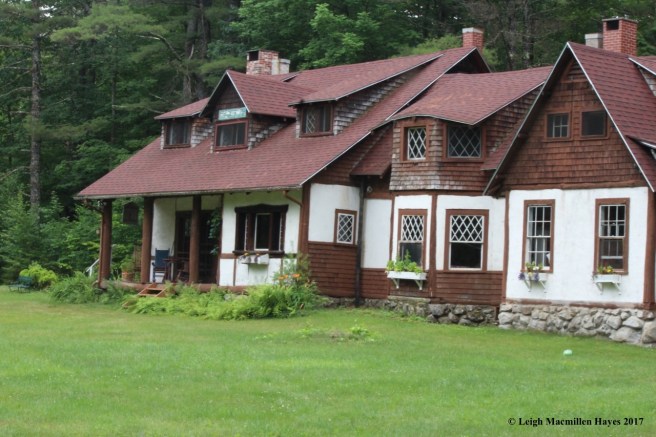
Hewn Oaks porch

From 2012-14, Judy served as the inaugural poet laureate of Brookline, Massachusetts and she has over forty years of experience teaching poetry to students of all ages. It’s a delight to listen to her share her passion for her work and that of others. She epitomizes the rhythm of nature.

And so it was, that after Judy shared examples and techniques with us, we were set free to wander about this magnificent property in search of inspiration. Hewnoaks  was originally established as an artist colony by the Volk family in the 1890s. Today, it is a non-profit organization that gives “artists time and space to create within a natural, rustic environment.”

pines

Hewn Oaks

mountain views

Kezar

morning view

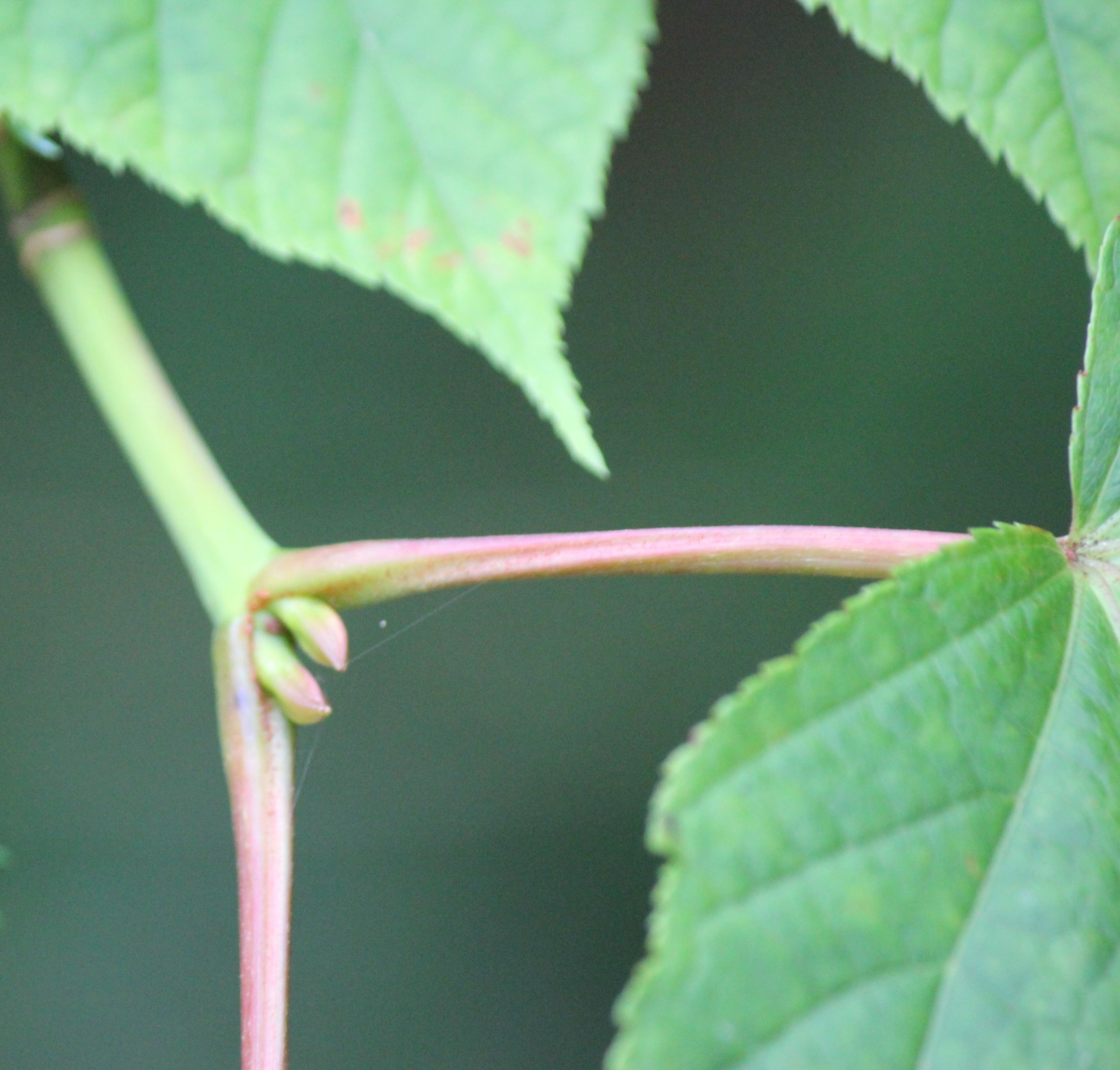
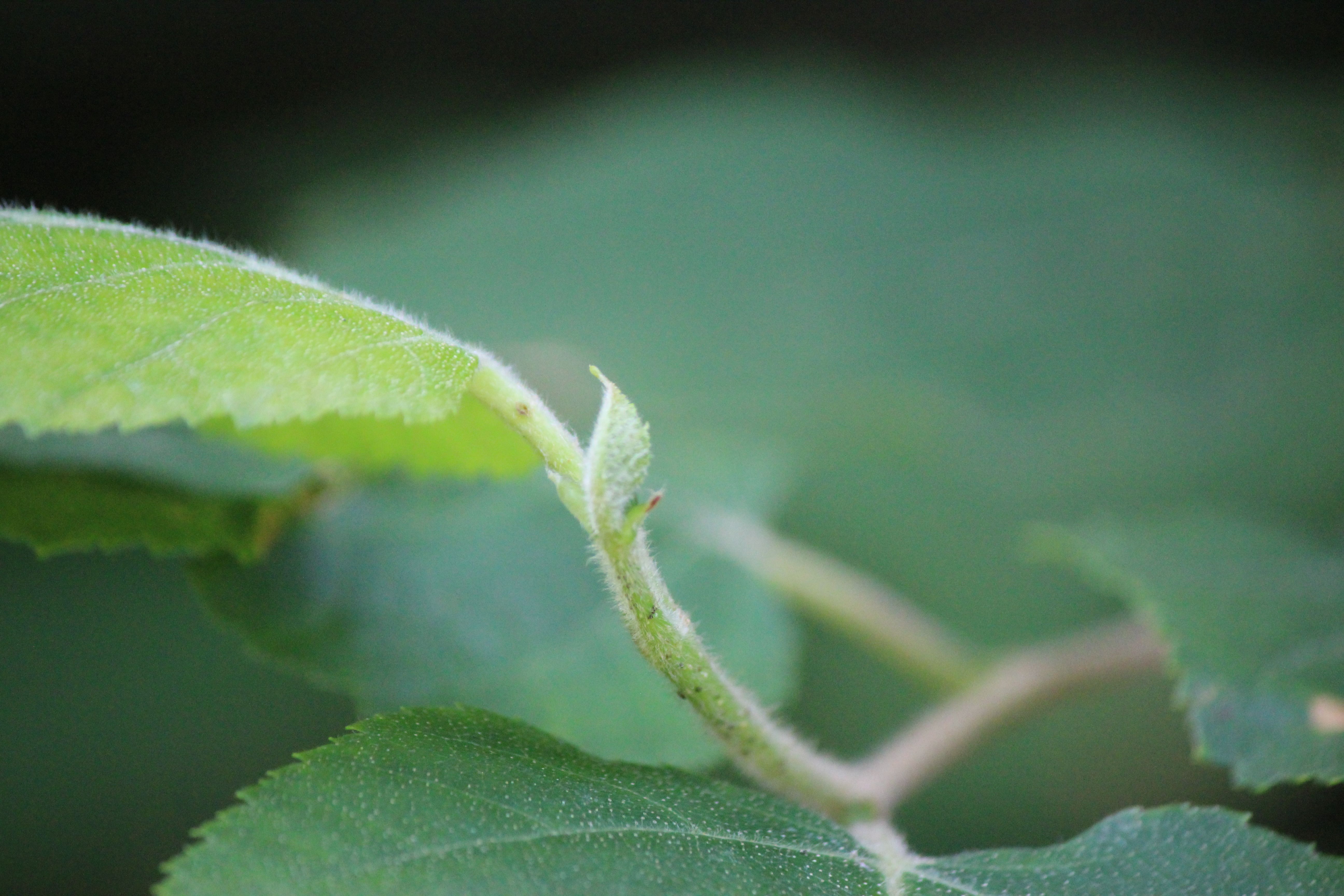
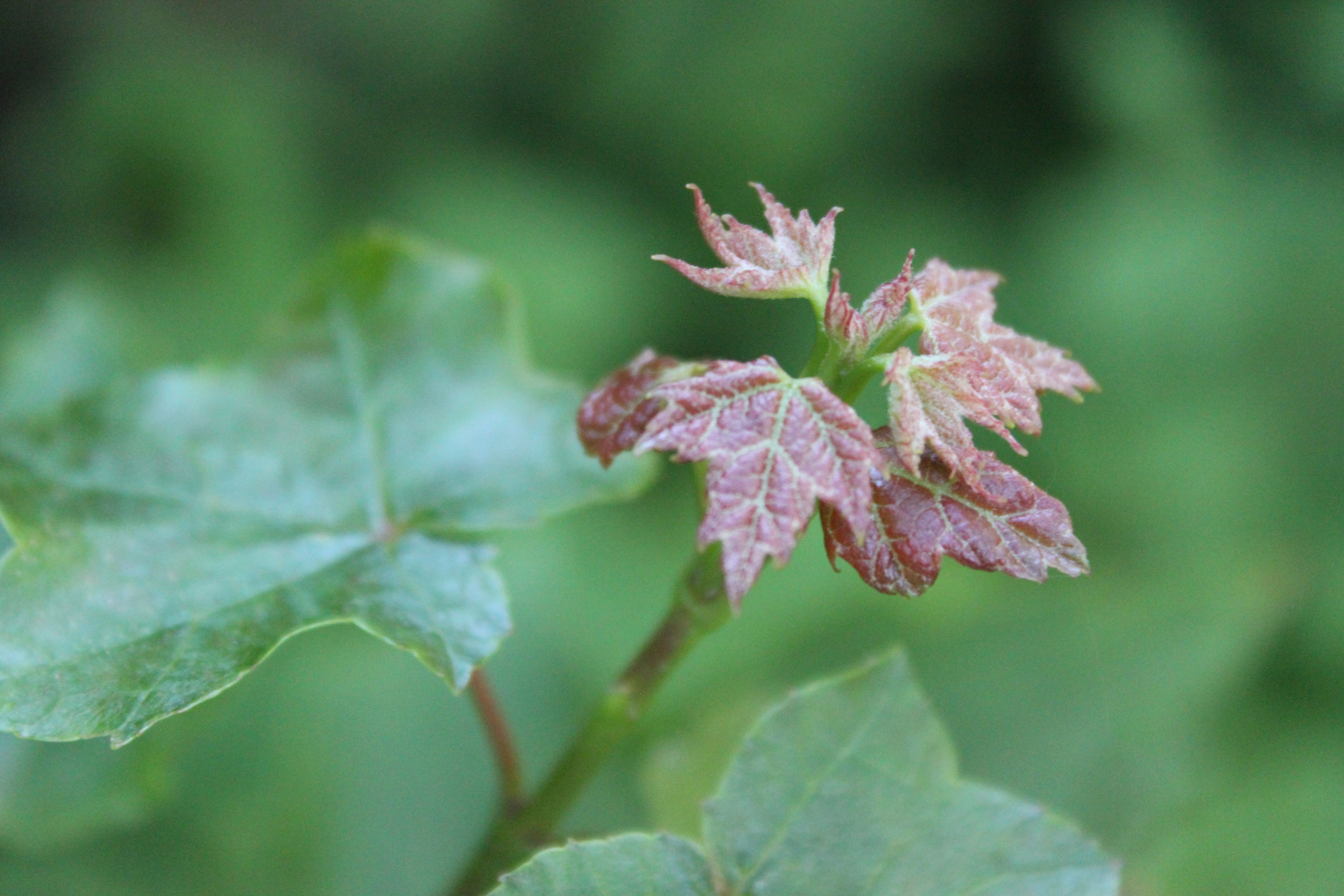
Finally, I pulled out my hand lens and focused on smaller details.

A Leaf

Life begins

 striped maple buds

As a tree bud

 oak bud 2

Tightly embraced

by Mother Earth.

quaking aspen scales

Its waxy scales

buds

and peachy fuzz

provide protection

leaf unfurling

until it unfurls

new leaves

and gathers energy

new red maple leaves

in the hope

 hope

of branching out.

~LMH, 7/22/15