My Guy and I decided to head to one of our favorite locations just below Evans Notch this morning, with a plan for a lunch date of the finest kind–al fresco, of course. What we didn’t know was what awaited us.
First, there was the surprise of the decorated Christmas tree. Actually, we saw two of these over the course of our adventure.
And there were windows to look through at the old Sap House–this one with a few panes missing providing a delightful contrast of the view beyond.
And beside it another, offering a different vision of the same theme, albeit a bit cockeyed.
That was all good, but then . . . but then . . . we spotted the warning sign. Oh my! Big Foot in these parts! It made sense. We were in a rather remote section with the National Forest just beyond. But still. What were the possibilities that we’d actually spot Sasquatch?
Yikes! Pretty darn good apparently. One festive hiker obviously had.
We had to wonder, “Did he get caught while decorating the trees?”
We started paying attention to every little thing–looking for clues. And so it came as no surprise that we found this oversized creature of the North woods–a Winter Crane Fly. But my, what little feet it had. Maybe because in reality, it is less than an inch in length.
The good news is that if you spot one of these, they are not Mosquitoes, and in fact, do not have mouth parts, so they won’t bite you. Do not fear the Winter Crane Fly.
And then another creature garnered our attention–this one even smaller, being a Dwarf Sheet Weaver Spider–and male to boot–look at those boxing gloves on its pedipalps.
But never fear again. He wanted nothing to do with us and quickly walked across the snow away from the trail we were on.
Ah, but next we found evidence of another with big feet. Would we see the creator?
We weren’t too worried about this one because Black Bears are in dens at this point. Though we have witnessed their tracks in February on Blueberry Mountain, which is just up the road, so there’s always a possibility that a young male may decide that his den of choice wasn’t all that great and he could go in search of another place to hang out for a couple of months.
But we’re heading back into frigid temps so we doubted that would happen today.
About a quarter of a mile later, we spotted the track of another mighty one. I dropped my hiking pole to show the stride of this creature. Big Foot? Big feet certainly. And deep. And at least a few days old since the 1 – 2 inch snow storms of the past three nights or so have filled in the prints.
We decided to not let our fear overcome us and so cleared off a bench farther up the trail and enjoyed our lunch–realizing that we were the luckiest people to be dining in this spot, despite the Big Foot warning.
After lunch, as we continued hiking, do you see what we saw? Yes, more BIG impressions.
And above the foot prints–missing buds from Red Maples at about 7 feet up the sapling. With little tags where the creature had torn the buds and part of the twig off because it has no upper incisors, but rather a hard palate and yanks with its lower incisors pushed against that upper dental pad, leaving behind ragged wood.
The work of Big Foot? Or a Moose with big feet?
We decided to check back in at the farm and ask Marta, the Norwegian Fjord. We know she has big feet too, but we suspected she might know where we should look for Big Foot.
She smiled and nodded her head, and so we headed down a path we’d walked upon earlier. Just maybe we’d finally get lucky.
We kept noticing the tracks of Snowshoe Hare and Squirrels and Coyotes and Foxes, the latter two sometimes traveling as if they were one and then suddenly splitting up for a minute before coming back together again, walking in the snow on the spot where the first in line had already packed it down.
As we noted those, we also kept scanning the landscape.
And yikes. Do you see him? Turns out, Marta was right. Always listen to the wisdom of a horse. Remember Mr. Ed?
Big Foot lurked behind a tree, and we didn’t want to end up like the skeleton we’d seen earlier . . .
so using our own big feet, we skedaddled out of there as quickly as we could.
We dare you to do the same. Go searching for Big Foot that is.
Rumor has it that he hangs around Notch View Farm in Evans Notch quite a bit. And even if you don’t see him, there are flat trails and hilly trails, so something for everyone to enjoy on skis or snowshoes.
Do be sure to say hello to Marta, and just maybe she’ll tell you which direction to travel as well.
And give thanks to Becky and Jim for making their land available to all–including by grooming the trails and building benches and trail signs.
Given the incredible tracking right out the back door this afternoon, you would think that would be the focus of this post. I mean really, Red Fox duo, Coyote duo at least, Red and Gray Squirrels, Ermine, Bobcat, Snowshoe Hare, White-tailed Deer, and of course, Turkey and Ruffed Grouse.
But . . . I find myself returning to the topic that has fascinated me as much as the mammal and bird stories written on the snow . . . spiders and insects. And actually, it’s a story or two or three that have taken place over the last couple of weeks as I wandered through the woods that surround our home almost daily. It’s been a rare day that I didn’t meet one of these tiny beings. It seems that whether the temperature is in the single digits or 40˚s, they are out and about, even in rain and snow.
And the beauty of observing and learning about these champions of winter is that there are so few of them, I can actually retain their common names from one day to the next. That said, often there are surprises in the mix as I’ve reported in the past two episodes of Spiders and Insects. (See Spiders and Insects: A Winter Love Story and Spiders and Insects: And More New Learnings)
On a daily basis I continue to meet Long-jawed Orbweavers such as this green female. Though she looks huge, she’s less than a half inch in size. And check out those hairy legs.
As my friend, Bruce, determined, the reason I see so many Orbweavers is because I live in a rather damp area, or perhaps I should say moist, it sounds so much more pleasant, where Snow Fleas (Collembola) are abundant and that is the spider’s main food source.
Today’s spider lesson was a bit different and it happened upon several occasions–as I went in for a closer look, unlike the Orbweavers, the ground spiders I met became coy and covered their heads, appearing to freeze in an attempt to possibly make me believe they were dead.
Of course, they can’t really make this decision, but rather are reacting by instinct–I was the predator and they the prey–not a role they usually assume.
But this story is about more than the spiders, for one of my new favorite winter insects, the Snow Fly, a wingless Crane Fly, has a strong presence around these parts. This is a male, identified by its abdominal tips.
The long ovipositor identifies this one as a female.
But, there’s something curious going on here. I’ve said before that they self-amputate their legs if the temperature is too cold and they need to keep the freeze from reaching their organs.
Do you see that she has only four legs, the hind two missing?
From some research, I’ve discovered that as she and her kin walk across the snow, the cold surface causes water in the legs to freeze; in the process of crystallizing, heat is released in the leg’s tarsus (tip–think toes), thus signaling danger to neurons and a specialized muscle at the hip joint contracts forcefully until the leg snaps off! Can you imagine? All this to survive in a season to which you were created to exist.
With four legs, one can still navigate. I found another with two legs on one side and one on the other. He still had motion, but was slower and more awkward, and I feared for his future.
Another learning occurred these past two weeks. When I took the time to stand still, I noticed that sometimes the females walked (scrambled in some cases) to vegetation.
And then headed down a stem, and I imagined she was on her way to the subnivean layer between the ground and snow where perhaps she’d find a mate in that cavity.
Not far from such activity I had the good grace to meet two more snow specialists: Snow Scorpionflies. How I ever spotted them, I’ll never know, for so small are they, but I’ve trained my eyes to notice anomalies, and sometimes its the slightest movement that draws my attention . . . and gladdens my heart.
And then I met another female Snow Fly. When I first spotted her, she was on the edge of the woods but moving quickly. Curious, I decided to watch her to see where she might venture.
Much to my surprise, she crossed a main snowmobile trail that is at least six feet wide, and then continued.
Do you see her? She’s in the midst of the Sheep Laurel that is sticking up above the snow.
Eventually, she reached a leaf, and I had to really look to see her, for so well did she blend in to her surroundings. By this point, she was about fifteen feet from where we’d first met, and only a few minutes had passed.
Why the midwinter journeys? From what I’ve read, it may be to avoid inbreeding–if you live in a group chamber below the snow’s surface, that doesn’t bode well for genetic diversity.
But if you venture forth, maybe you can find a guy from another family and hunker down with him. And if you want to avoid being observed by the local Paparazzi, or birds I suppose, find vegetation that matches your coloring. And then slip into the wedding chamber.
Okay, so I have to admit that I tried to be a matchmaker and brought a female atop my tracking card to meet a male about a half a mile away. Surely this was a pair that couldn’t resist the possibilities.
They took one look at each other and turned the other way, running as fast as their legs could carry them.
Matchmaker, matchmaker, don’t interfere!
And as I said, each time I focus on the spiders and insects, which is almost every day, I am surprised by my findings. Today, it was two Inch Worms. Or more likely, Half Inch Worms.
Spiders and Insects: yes, the love affair does continue. It’s a whole other reason to be outside observing no matter the weather.
The older (and possibly wiser) I grow, the more gratitude I find in my heart for all those who have paved the path for me. Beginning with my parents, who first grounded us in the natural world, sending my siblings and me out to play and not giving us limits so we could go to places like City Mission and Lost Pond to ice skate in the winter, and follow the old trolley line to the town dump or in the opposite direction in the summer, and certainly disappearing behind the houses across the street from us and down to the brook any time of the year, as well as taking us on long walks in the woods and along the Connecticut shoreline and encouraging us to learn–always.
And then there have been so many others who have crossed my path and I dare not name them for fear of leaving some out, but knowing that there were those who were obvious teachers for me, and others who I didn’t realize were such at the time, but I still came away with lessons learned–to all of them I give my heartfelt thanks.
Some lessons have involved the big picture view of the world, no matter how cold the temperature and frigid the wind.
Other lessons have been much subtler, like realizing that ice forms in a perpendicular manner and fans out behind a culvert that spews water at the formation of a river.
And then there have been reviews of old lessons, where the Black Bears leave no telephone pole untouched. The shiny numbers are invitations encouraging the bears to turn their heads and then pull upper incisors toward lower, mangling both the wood and metal.
And then to leave a signature scratch above this work of art.
And in the midst of this action, to accidentally deposit a bit of hair on the mangled wood. (Please note that My Guy was surprised that I can still feel such glee looking at the same poles year in and year out, but I reminded him that each year I find changes, including hair on different poles and this year the scratch marks on several that I don’t recall seeing in the past or simply failed to notice. What’s not to love? )
There are other old lessons that are also worthy of review–especially as once the snow flies I begin to see them written everywhere I look.
This one is the track of the Ermine or Short-tailed Weasel. I love how each set of prints represents four feet, the front two landing and then as this bounder’s hind feet begin to fall into place, the front feet lift off toward the next spot. One of the biggest give-aways to the creator is the diagonal orientation of each set of prints. Sometimes the diagonal changes, but it’s almost always present.
And just sometimes the same weasel decides to take it easy between sets of prints and goes for a quick slide, creating what is known to some as a Dog Bone and to others as a Dumbbell. I think it’s easy to see both once you know you recognize the behavior, but I can’t tell you how many years it took me to actually see this.
And then, along a wetland shoreline, another member of the weasel family reminded me that occasionally they like to slide much like a River Otter, but this being was a Mink!
And not to be left out of the scene, a Fisher (not a Fisher Cat–ah, but the hairs go up on the nape of my neck). The diagonal is there and though this was a quick shot and not all the details are visible, all Mustelids (weasels) have five toes and all are bounders.
Red Foxes also write lessons in the snow and I followed this one for quite a ways, finding a spot where it pounced, though I’m not sure it caught the intended meal because there was no evidence of a struggle.
While its overall trail was the zigzag of an animal that double packs a spot because the hind foot typically steps where the front foot had already been, sometimes the trail zags more than it zigs and I imagine he was looking for another food source.
Occasionally he changed his pace and I had to wonder why–did he smell or hear something that I couldn’t discern?
One thing I could easily discern–his territory marking. Fox urine! On a sapling. Skunk-like in odor. All classic during mating season, which we are in. Mind you, I learned this summer that Red Fox urine always smells skunky, but it’s even more so in the winter.
And I’m here to report that the Red Squirrel that crossed his path lived. For the moment anyway.
The final lesson of old, though hardly the final lesson, was the realization that some rather large prints were actually signals of two-way traffic. Do you see the upside down C in middle print? This is the neighborhood Bobcat crossing an ice bridge. But . . . which way is he walking?
Turns out in both directions. East and West. Packing the snow in one direction with both front and back feet and then following the same exact trail back. I remember the first time I saw this sort of behavior when I was looking for evidence of a Bobcat and a Coyote in a local watershed prior to offering a summer presentation to a lake association. It was about thirteen years ago and I think of it every time we hike the same trail at Five Kezar Ponds Reserve in Stoneham. First I knew I was following the Coyote and then I realized that a Bobcat had walked in the opposite direction on the Coyote’s prints. The same thing happened at Dan Charles Pond Reserve in Stow a few years ago. You can read about it in The Tail of Two Days.
Look carefully at the photo above. Do you see it? The better to reserve energy.
While I love reviewing old lessons because there’s always something new to observe or a better understanding of the animals behavior is gained, new lessons are even more exciting.
And tada, this is one. A Red Squirrel’s territorial mark.
The bark is nibbled and striped and a scent post is left behind letting others know who inhabits this particular area. This is the first I’ve found, but now that I’ve seen it, I can’t wait to locate more.
Another new lesson–discovering a Funnel Weaver Spider walking on the snow. Oh, I know that some spiders have Gylcerol that allows them to do this and I’ve seen sooo many, but a Funnel Weaver? Was it a bad decision? I’ll never know. So far, though, this is the only Funnel Weaver I’ve encountered this winter.
And then there have been sweet treats–not really lessons, though at some level everything is a lesson. But three times this past week I’ve spotted Red Crossbills–twice while participating in Maine Audubon’s Christmas Bird Count and once beside a local road where they’ve overwintered for years.
And . . . while the world view is important, sometimes it’s the teeny tiny things that need to be acknowledged–as in the case of this Snow Scorpionfly. I still can’t believe I spotted it. The snow was rather icy, so my ruler was sliding about, thus the positioning. But it’s there to give you a sense of this small insect’s size.
At the end of the day, or week, or hike, or blog post, my heart speaks a million words of gratitude to all of those who have helped me find my way, naturally.
I know I’m blessed.
I know how fortunate I am to have a curiosity about the natural world.
I know my desire to learn is a lifelong gift.
And I can only hope that in some small way, I can share my learnings with you.
We marked the Winter Solstice yesterday, but truly . . . winter arrived early this year. And those who have followed me for years know that this is my favorite season. The cold air. The fresh air. The creaking trees. Even the early darkness. It all makes me feel alive.
And most of all, tracking. Well, add insects to that, though tracking them isn’t a skill I’ve acquired . . . yet. And probably never will. But finding them on the snow and feeling reverence for their ability to survive (most do) despite days like today when the temp is in the teens but feels like single digits, what a wonder!
Some even surprise me by appearing on the door of my dirty truck. This is a Winter Fly and I’m in awe of its orangey-ish face with those big red button eyes.
Mind you, this fly is teeny, tiny. And still . . . it was out and about.
Porcupines have also been out and about and by their sashay fashion of moving through the snow, it’s easy to know where they are present.
And leave presents, they do! Dribbles of pee can often be found along the route they travel.
Dens can easily be discovered . . . sometimes. And other times . . . it might just be an old den, such did this old stove serve.
A peek into it and you might find a mix of both Hemlock cones that look like Porky scat, and the real deal, especially toward the back.
Large twigs scattered upon the ground below a Hemlock tree is another indicator of one of my favorite critter’s dining room.
Among the twigs with their 90˚ cuts, fresh scat stating that Porky had visited the kitchen pantry and made a meal the night before.
And at a nearby tree, I’m occasionally lucky enough to spot a chain-linked necklace, again the owner of this gem being my friend Porky, who had some fiber in his diet that held the scat pieces together.
Just when one might think that that all is enough, there’s more to be discovered, for this particular Porcupine created a few signs to indicate that this is his living room and he’s very much at home in this area.
In fact, he chose to decorate several Gray Birch trees.
To create his works of art, he turned his head this way and that while pulling his upper and lower incisors toward each other over and over again in order to break through the bark and get to the tasty inner cambium layer.
And in the process, he created a Porcupine Claw Tree! Do you see all those scratch marks left behind as he chewed? On each foot, five toes with sharp nails that aid in climbing, run across the top of the pad, and he had a lot of work to do to create the sign above, and so you can almost pick out five lines for each time he turned his foot to stabilize his body.
At the base of the tree, the thicker chunks of bark that he didn’t eat. And at least one pellet of scat.
I remember the first time I discovered bark below a Porcupine tree and I was totally confused because I always associated that behavior strictly with Beavers.
Where there are Porcupines, there also may be Cluster Flies. Who knew that they have antifreeze components that allow them to walk on snow and ice like some other insects?
This winter I’m adding to my insect and spider sightings like never before, and it’s such an amazing lesson each time I make a new discovery.
And then . . . and then . . . cuze there always has to be an “and then,” what I believe to be a Bobcat’s cache site. One day I saw a bit of disturbance in the middle of the trail, and blood. Lots of blood. But indecipherable prints.
Two days later and the area had been revisited and more disturbance.
And a Bobcat’s prints surrounding the main evidence.
That classic round shape with four toes showing. But, for the discerning eye, there is one toe on the far left that is over another toe–telling me that this print actually represents two feet! First the front foot packed the snow and then the hind foot on the same side stepped into almost that very spot.
And after that a Winter Firefly entered the scene. Notice his bare feet, but again, he’s made for winter and not made to light up the way his summer cousins do and this past summer we had the pleasure of spotting many Fireflies each night.
But I love the Winter Firefly for the orangey-pink parentheses that mark the pronotum or head shield. And the fact that they can move across the snow, though they prefer to be just under the bark on a winter day.
It’s the sign of still another that has been drawing my attention frequently because . . . that sign can be seen in almost any habitat and quite often. The “another” in this case is a Meadow Vole. If you’ve ever spotted one moving across leaf matter or plowing through the snow, you know they are like little gray torpedoes, quick and trying to go undetected.
Being one of a predator’s favorite food sources, Voles are shy of airspace, and thus tend to travel below the snow surface whenever possible. And while they are hoppers/leapers most of the time, occasionally they become perfect walkers and this track shows the essence of that in the lower zigzaggy portion of the tunnel. At least that’s my interpretation. Like the Bobcat (and canines), a Vole can pack the snow with the front foot and then the hind foot lands in the same spot. He may walk like this for a few steps and then revert back to hopping/leaping but in a super fast fashion.
As the snow melts, the tunnels become more and more apparent and I get the sense of this little guy moving here, there, and everywhere, probably on a seed quest.
Occasionally, the winter weather takes its toll, and such was this case for this Shield Bug that went belly-up. They much prefer to find their way into our homes for the winter, and so far the temps we’ve been experiencing of late, except during last week’s rain storm, have been quite frigid, and this guy made the wrong choice.
Winter isn’t just about insects and tracking, well, wait, yes it is for here is the result of another type of insect that had been consumed and the undigestible parts excreted–in the form of Pileated Woodpecker Scat filled with Carpenter Ant body parts.
Oh, and then there are spiders, but though I’ve seen plenty of them alive and moving with grace across the snow, occasionally they freeze to death despite their antifreeze and what happened here is that the spider lost a front limb and I have to wonder if the frost entered its body through the stub that was left behind. I have no proof, but it’s always good to wonder.
And how do I know this is a male? Do you see the “boxing gloves” on the pedipalps? There’s a vocabulary word worth looking up. :-)
But wait. The temperature was in the teens, with a wind chill in the single digits and I spotted the print of . . . a human being. A bare footprint. It was a few days old, given that there was some tree debris on top of it.
Of the almost six miles that My Guy and I hiked on a loop trail today, we followed these tracks the entire way.
It brought to mind this poem:
Footprints in the Sand
One night I dreamed I was walking along the beach with the Lord.
Many scenes from my life flashed across the sky.
In each scene I noticed footprints in the sand.
Sometimes there were two sets of footprints,
other times there were one set of footprints.

This bothered me because I noticed
that during the low periods of my life,
when I was suffering from
anguish, sorrow or defeat,
I could see only one set of footprints.

So I said to the Lord,
“You promised me Lord,
that if I followed you,
you would walk with me always.
But I have noticed that during
the most trying periods of my life
there have only been one
set of footprints in the sand.
Why, when I needed you most,
you have not been there for me?”

The Lord replied,
“The times when you have
seen only one set of footprints,
is when I carried you.”

~Mary Stevenson
Can you imagine welcoming winter by walking barefoot in the snow?
I’m pretty sure I was carried today! And not by My Guy! Though he was beside me the entire way.
After today’s snow ended and another inch or two had accumulated atop our already winter wonderland world, I donned my boots and cameras and headed out the back door, not really sure where I’d wander. I assumed my findings would be few because the precipitation had just stopped.
Except that is, for the snow pack growing deeper!
But . . . I was almost immediately pleasantly surprised, for there was a Winter Crane Fly, small in size with gangly legs looking rather like an oversized mosquito. As an adult, however, it doesn’t have mouth parts, for its only plan is to mate. And it only lives for a short period of time, maybe a week or two.
Why then, do all of this in the winter? Today’s temp was 21˚F, and the touch of snow even colder–I know this because I felt it several times as I placed my rulered card down for photo calls. Perhaps because there aren’t many predators at this time of year?
What I couldn’t help but notice was the stained-glass window look of its two wings, for this is one of the True Flies (Diptera–two wings), and my mind returned to Reverend Annette’s sermon about hope and joy at St. Peter’s Episcopal Church this morning and my brain and heart were smiling at this find and joy filled my whole being. We don’t have stained-glass windows in our church, but rather they offer a look at the ever-changing natural world beyond the building’s walls. A world that includes this incredible creature that has been on Earth for a time longer than my brain can comprehend.
And then the spiders began to appear, Long-jawed Orbweavers and a few others, and each and every one was on the move.
What I have learned over the past week or two is that those spiders who do venture across the snow will curl up and rest on the really frigid days, and come back to life when it warms up a wee bit. Amazing.
Well, a short clarification, for some will revive, but others truly will freeze–probably due to -14˚F mornings. I know this because I took a “dead” one home on a “warmer” day and was surprised to discover it moving the next day, but three others that I found curled up after that really cold night did not come back to life.
I did try to count the spiders today, but couldn’t keep track, so many did I spot. My journey wasn’t far, but their journey . . .
slow, with each step . . .
seeming to be intentionally chosen.
And then I began to see other friends, like this female Snow Fly, also a member of the Crane Fly Family.
Along my chosen path, I found at least a half dozen females and only one male.
Her movements were a bit faster than that of the spiders.
What amazed me was this particular Snow Fly, for it had self-amputated not one, but two legs and it’s only December.
My hope for her is that she’ll find a mate sooner rather than later because I fear if the weather we’ve been experiencing (it feels like an old-fashioned December) continues for much longer, she won’t have any legs left. Despite her loss of limbs, she still moved rather efficiently as she scurried across the snow.
And then . . . and then . . . I met another surprising member of the winter landscape. Again, a teeny, tiny member, but because I was looking down, its coloration and shape were anomalies that captured my attention and for a few minutes became my whole world.
What a dress indeed did this Acleris Braunana Leafroller Moth wear–take a look at the pattern, and those colors, and the fringe.
As I learned when I returned home, it’s not unusual for this species also to make an appearance on a “warm” winter day. Like the other insects and spiders, Glycerol, that natural anti-freeze compound that lowers the temperature at which their tissues will freeze, plays an important role for winter survival.
Of those critters that I filmed moving this afternoon, the Leafroller was the slowest, but I didn’t film the Winter Crane Fly because though those I saw were alive, they barely moved.
As my journey drew to a close, I was smiling both inside and out, for one reason, because I feel like I come alive when it’s cold out, and two, because I had so many surprises and learnings just because I was looking.
Looking down, that is. Can you imagine all that I missed by not looking up?
There’s so much to see, even in the “drab” winter landscape and my hope for you is that you’ll find joy in making new discoveries and learning along the way.
Lest you think that I spend the colder months forgetting about six and eight-legged members of the natural world, rest assured that I do not. That said, this has been an incredible week of spotting these little members of the ecosystem that often go overlooked as people tramp through the snow.
About eight inches of snow fell a week ago and in the middle of the storm, I did what I love to do. I headed out to explore in our woods. Have you ever stepped outside and listened on a snowy day? Really listened? It’s magical. The world’s sounds are muffled, except for the soft hush of falling snow.
It was while standing still and appreciating the quietness that I first began to notice these most beautiful creatures. I was compelled to check the coloration against a watercolor set gifted to me by a dear old friend. The legs of this Long-jawed Orbweaver are Sap Green Deep. Its head and abdomen: Raw Umber Deep, Greenish Yellow, and Turquoise Green Deep; and its pedipalps, those leg-like appendages near the mouth that look like boxing gloves: White Gold.
Of course, Crayola would have completely different, and certainly more creative names for the same colors.
Long-jawed Orb Weavers are also known as Stretch Spiders for their ability to spread their long, hairy legs out–two in front and two behind, when resting on a twig and blend in so well, that sometimes it is impossible to see them. Unless they are on snow, of course. And then their metallic coloration may catch your attention. Mind you, they are small.
What I can’t figure out is why they are walking on the snow on these cold days, given that their meal of choice is in the subnivean layer between the ground and snow–that being the Springtails, aka Snow Fleas, those little dots of pepper that perform circus acts as they jump around in our boot prints on warm winter days. I have yet to see any Springtails on the snow.
A few more steps and I discovered this Cutworm Caterpillar. Near this green one I also found a brown variation. While they may come to the surface on warmer days, I was surprised to find these Snow Worms when the temperature was in the low teens.
Apparently posing for the paparazzi is not in their DNA. And so I moved on.
And discovered another Long-jawed, this one being hues of brown. I’ve been thinking about these spiders all week, and actually for many years, because there are days when I can go for a walk in the woods and see one every ten feet or less. Frigid days even, which has been the case this past week.
The question is: how does a tiny critter with such a fragile looking body and legs survive in these temps? I’ve read that some spider species can lower their bodies’ freezing point by producing a cryoprotectant, Glycerol, a natural anti-freeze compound that lowers the temperature at which their tissues will freeze.
But . . . another question arises: What happens when that antifreeze no longer seems to work?
Answer: They curl up and die.
Or do they?
You see, I’d picked one spider up and held it in my hands for a few minutes in hopes of reviving it. And met no success.
The next day I picked up another and placed it in a Petri Dish, thinking I would look at it under the microscope.
A day later, and it was walking around inside the container.
Absolutely amazing to this wonderer.
And consequently, a few more have traveled home in my pocket and I’m wondering if they’ll revive as well in the warmth of our home. If so, what does that mean? That they can go dormant atop the snow in freezing temps, and thaw and become active when the sun warms them up? I guess my biggest question is this: Why are they on top of the snow, anyway, when it’s much warmer under it and that’s where their food source can be found.
There’s another critter I’ve been encountering quite a bit this past week and it looks rather ferocious.
But don’t judge a book by its cover as the old adage goes. While some look robust, like this one, others are small and slender. Again, I’ve read this, but not observed it: they don’t eat, but may sip snow. The main goal of the adults who are active in winter is to mate.
Who is this critter? A Snow Fly, a flightless Crane Fly.
They lack wings, but do have a set of halteres, those knob-shaped organs that help with stability.
This is a female Snow Fly, the gender being determined by the abdominal appendages. Notice hers is upward curving and tapered to a point.
Do you notice anything else about her? As in how many legs she has?
This robust male’s abdomen appendages are much blunter and pincer-like in shape.
Hmmm, again I ask, how many legs has he?
While the Snow Fly in the first photo I shared sported the typical six legs of an insect (as opposed to eight legs for a spider), the last three have only five. This is due to another amazing winter adaptation: Snow Flies can self-amputate freezing legs to prevent ice from spreading to organs within their body.
What? We say all the time, “Nature is amazing!” It truly is astounding.
I watched as this male made his way down a brink of snow on only five legs.
He was quick and rather nimble.
As he approached the leaf below, I realized why it is difficult to spot these adults before the snow falls, for then they are well camouflaged in the leaf litter, just as the Orb Weaver spiders are camouflaged on their tree species of choice, their colors blending in and stretched out shapes making them look like the twigs upon which they pose.
One last critter to share with you is a Green Lace Wing, who completely surprised me. I’m used to seeing them in the field during the summer months, and found this one on the trail just around the corner from the field yesterday.
Adults can overwinter behind bark and may come out on warmer days, but the temperature was 19˚F.
I didn’t have anything to carry it home in, so I scooped its fragile body up onto my little tracking card and carried it home, protecting it from being blown off by the wind. Unlike the spider, however, it didn’t revive once inside.
If you are so inclined to look down during a snowy tramp, don’t be fooled by some of the litter, such as Hemlock Needles with their short petioles, pretending to be green abdomens.
Or Birch Seeds that look like miniature butterflies.
I do hope you will venture out and search for these friends. They have a place in the ecosystem and provide us with one more reason to get outside and observe and stand in awe and try to learn no matter what the temperature is.
Spiders and Insects: A winter love story. For me, at least.
I’m back in the meadowy-field because, well, because of the Black and Yellow Garden Spiders and because of a brush fire on an extremely hot day last week.
Looking back toward our house, with our neighbors’ woods to the left and ours to the right, it looks as though the Goldenrod goes on forever. Actually, there’s some Meadowsweet and a few Steeplebushes, and some other flowers in the mix, and ferns including Sensitive and Marsh and Royal and Interrupted, and mosses galore. But right now it’s the Goldenrod and Spirea (Meadowsweet and Steeplebush) that are attracting the pollinators.
And since the beginning of August, the Black and Yellow Garden Spiders have made a return and as I slowly walk along the path my neighbor keeps mowed, I’ve been noticing more and more of them every day and wonder how many more I don’t see or are deeper in middle the field where I dare not venture . . . because I know there are Black and Yellow Garden Spiders in there.
One extremely hot afternoon last week, I noticed a few of the spiders hiding in the shade. I circled the field twice and then headed indoors to get out of the heat, rather like them. But before going in, I grabbed the SD card from my game camera.
A couple of hours later, actually about 5:30ish, I headed back out to relocate the game camera in our woods. My neighbor saw me and we waved before I disappeared.
Camera relocated, I decided to circle around the trail I’d created in our woods years ago because in the shade of the Pines and Hemlocks, and with a breeze, it was rather pleasant despite the temp being about 97˚.
I was almost to the power lines that cross both of our properties when she texted me: “Do you smell smoke?”
I sniffed and did not, which I told her.
“I’m really smelling it now,” she wrote a minute later.
“Oh boy,” I responded. “I’m just about to the power line. I’ll head home via the field.” Which meant I’d walk under the power lines toward her field, thinking that by walking north, I might be able to figure out where the smell was coming from.
And then I stepped out of the woods and onto the actual power line. “The minute I hit the powerline,” I wrote, “it is strong. Yikes.”
“I’m going to walk up the field,” she replied.
I could see haze toward the north and told her that.
And then, I heard a crackling sound near me that didn’t make sense.
The crackling was the fire.
“I see it,” I wrote. “It’s behind us Calk 911.” Yes, Calk cuze I was in a panic.
And if you look closely at the photo, you’ll see two spots of orange which were the flames.
“Behind where,” she asked because she had called 911, but she wasn’t sure where exactly I was.
And then in my panic I realized that I needed to call 911 and did so. “I’m on the phone with them,” I wrote. “Thank goodness you smelled it.”
Actually, we were both on the phone with the Dispatcher, who was incredibly calm as she asked me to describe what I could see. The fire was on land belonging to another abutter to our south and about thirty feet in from the power line. From where I stood, it was difficult to get a sense of how large it was, but no way was I going in there to give a more accurate account.
Thankfully, the cool, calm, and collected Dispatcher asked me the best way to the location, which she knew via e911, and for which I am grateful, and the fire department was in the midst of their weekly meeting, so within minutes, with the Dispatcher still on the line, I heard the sirens and ran to the field to meet them.
Because the power line is also part of the snowmobile trail, the trucks could follow the path up through the field, and then cross over and drive between the breaks in the two stonewalls that define our boundaries.
Once they were at the location, I ran down the field trail to meet my neighbors and My Guy.
A little while later, three of us decided to head up and take a peek from our land on the other side of the power line.
Ten men and one woman were in there spraying the area with foam and cutting trees, many of which I think were snags or broken from snow weight as they were Gray and Paper Birch.
Another firefighter sent a drone up to check the entire area. He also saw the haze to the north that I’d seen at first, and sent the drone that way, but thankfully found nothing.
They came back the next day to try to determine the cause, but we haven’t heard what it might have been, which is disconcerting because given how dry and crisp everything is right now, I live in fear of this happening again. (We hiked a local mountain today and the top is crisp and dry and fall foliage will not be so great this year because everything is brown)
This morning I was checking on my spider friends and others in the field and My Guy, who had been on an errand, found me out there and asked if I wanted to show him where the fire had been since he’d had to go back to his store when it actually was happening.
He didn’t realize how big of an area it was, probably 30 or 40 feet by 20, and the potential danger it could have caused if my neighbor hadn’t smelled the smoke and she and I hadn’t gone looking for the source.
But I’m trying not to focus on that and instead spend my time observing all that happens just over the stone wall from our house. Check out the size of that pollen sac!
And look at the hairy scales on this dainty Common Ringlet butterfly.
Though I occasionally meet a Katy-did around here, I think this past week was the first time I’d encountered a Broad-tipped Conehead! What a conehead it is!
There have been a variety of dragonflies over the course of the summer, and just this morning it was this male Twelve-spotted Skimmer who stopped by. Each evening, there are a bunch of Darners, but they won’t slow down enough for me to make a positive ID. I do positively give thanks for them because all are helping to keep the Gnat and Mosquito populations low. Of course, they also eat some of my other favorites, but I remind myself that that is nature at work.
I did worry that as the fire trucks were driving up through the field last week, especially when they cut across to get to my location, they were destroying the spider webs. And they probably did. But what they were doing was way more important in that moment. And . . . the spiders have found some new locations in the spaces where the tires flattened plants.
It seems every summer I learn something new from these spiders, and this year I’ve had some time to watch them wrapping their prey on more than one occasion. I’ve also watched as one Bumbler somehow managed to bounce off the web . . . one strand at a time, and fly off. But not all are successful and the spiders need to eat too.
Though they occasionally eat the pollinators, they also help keep the population of some not-so-beneficial insects down, such as this Oriental Beetle. It’s warp-speed work when an unsuspecting guest visits the web.
Silk flows from the spinneret and the victim is quickly wrapped up as the spider turns it over . . .
and over again.
Click on the arrow and you can watch this ten-second video of the action.
Their meals come in all shapes and sizes and there are plenty of grasshoppers to meet the spiders’ feeding needs.
What I found curious is that not everything gets wrapped in quite a neat package, and I’m not sure why . . . yet.
I also had the chance to watch as a meal package was moved from a lower part of the web.
And brought up to the central station, which is a rather cobweby creation in the center of the orb.
And then the spider went into its traditional upside-down manner in this home base as it continued to wrap the captured insect.
As I draw this blog post to a close, I want to note that most of the spiders (at least a dozen on any given day) I spot are located in an East/West orientation, their upper dorsal carapace or their underside facing in these directions.
And even when a Black and Yellow Garden Spider abandons a web site, the drag lines remain, for such is their strength.
Those drag lines are super thick and if we were to walk through them, heaven forbid, we’d bounce off of them. It’s an amazing wonder.
What happened to the resident spider of the web above? I don’t know. I did spot a male hanging out with the female a couple of weeks ago, so maybe they mated and were done. Or . . . she moved on to a different location.
At the end of the day and the end of the web and the end of this post, I will be forever in awe of these Black and Yellow Garden Spiders, and grateful for what they and all the insects teach me.
I am also incredibly grateful to my neighbors for their awe of the natural world as it plays out in our neighborhood. And for her nose! Which smelled that fire that could have set all of this aflame.
And I’m thankful for the calm woman at Dispatch and brave first responders who put out the brushfire on an extremely hot day.
My Flame for Black and Yellow Garden Spiders is best ignited by awe and not by real fire.
People present me with cool gifts and yesterday was no different. First, I received an email from a friend asking if I could ID a bug she’d found on the ground following a quick but harsh storm on Wednesday night. And after I did so, she asked if I’d like it for my collection.
Like it? I’d LOVE it. Look as those beefy legs. All meat on the femur and tibia, which give this insect a rather mean look. That and it’s size. From head to tip of abdomen it measures 1 1/4 inches, and it has a wing span of 1 7/8ths. Not one you really want to meet in a vacant alley.
Before I was gifted this creature, I asked if it had a whitish spot on at the top of the abdomen and was correctly informed that it did not.
Except: upon closer inspection after I picked it up from Kappy yesterday, I discovered that it did indeed have such, only where the spot had been was now a hole. And it appeared that the guts had been sucked out of it.
That got me to thinking about the weather this past week and the Bumble Bees I went in search of during some rain on Thursday. All were taking a mid-day siesta as they clung to flowers and water droplets formed on their bodies.
Some had been better at locating a spot under the foliage, but by the matted hair on the thorax, it didn’t seem to make a difference. Wet is wet.
And one I thought was rather silly because it could have easily climbed into the Hosta flowers to sleep, but instead chose the outside upon which to wait out the storm. It really wasn’t much of a storm on Thursday, but rather a pleasant summer rain that we needed.
Then on Friday I found this sight, an Ambush Bug using its raptorial legs to hold its prey, a Bumble Bee.
At less than a half inch in size, Ambush Bugs sit silently on or under flowers, waiting for the right moment to do as their name implies and ambush an insect with their hooked forelegs, then inject a venom to immobilize the victim. They also inject a liquifying fluid that turns the prey’s insides into a buggy milkshake, the summer drink that they slurp through a straw-like beak.
Knowing they can take down prey many times their own size, I began to wonder about my bees and the Mighty North American Elm Sawfly (the larvae of which, I’ve just learned feed on foliage of willow, birch, maple, cottonwood, aspen and other poplars, and of course, elm trees).
I wondered if the rain on Wednesday night and again on Thursday, helped the Ambush Bugs because they had wet and lethargic insects clinging to flowers or leaves and just waiting to be victimized–in a buggy sort of way.
I’ll probably never know, but today, I headed out to the field, which I’ve decided is actually a meadow, and I think I’ve said that before, to see if I could find more Ambush Bugs.
My neighbor, Karen, who owns the field, saw me and followed a cutover path her husband created (mowed) and we met in the middle to chat for a few minutes. And then, as we were about to go our own ways, we saw a species the two of us have been seeking for several weeks now. The best part is that we saw the Black and Yellow Garden Spider at the same time.
As it turns out, when I checked my blog posts for last year, we spotted the first of this species on August 3rd. Well, I did anyway. I think Karen was a few days ahead of me, but once I had cataract surgery, the whole world opened up and gave me a Field of Vision I hadn’t experienced in a long time.
Today’s female was working on spinning a meal into a package, and it was difficult to tell what she’d caught. But that didn’t matter to us. We were just so happy to have spotted her . . . together.
Later in the day I was back in the field, and again had a first sighting for this year–a Tachnid Fly, its dark oval eyes and bristly oversized body a giveaway. Tachnid Flies are considered beneficial because they dine on lots of other insects including sawflies (hmmm), borers, and green stink bugs, plus tent caterpillars, cabbage loopers, and spongy moth larvae.
Suddenly an interesting looking insect flew in . . . only it wasn’t one insect but two, and moving rather rapidly across the flower tops.
As they moved on, my eyes caught the action of a Pearl Crescent Butterfly, its forewing tattered and I thought of part of the conversation Karen and I had had earlier. She wondered where all the dragonflies have gone.
There are still a few Calicos and Spangles, and I suspect we’ll see more in the future, especially as the Meadowhawks continue to emerge, but our neighborhood was rich this year with birds nesting and many of the dragonflies became food for the young and I suspect this butterfly had a narrow escape at becoming such a meal. Bugs feed birds and that’s a good thing.
And then the Gold-marked Thread-waisted Wasps paused nearby and showed off their true canoodle form before moving on again.
At last my search paid off today, and I began to spot one Ambush Bug after another, laying in wait.
I just had to remind myself to look for insects hanging below flowers rather than buzzing about in true and frantic pollinator mode, such as this Yellowjacket. The Ambush Bug is by the left side of its face, but blends in incredibly well with the Goldenrod.
As it turned out, there were also spiders enjoying feasts much bigger than themselves.
And then another Black and Yellow and then this, the third, with a packaged meal suspended in the web above.
I couldn’t be sure of what species had been captured, but by its markings suspected it could be Locust Borer. What I loved even more than the doggy-bag meal, was the yellow Goldenrod pollen trapped on the spider web.
And then, as I circled back, I found myself looking at the butt end of a small butterfly I met for the first time in this very place last year.
This is a White M Hairstreak Butterfly. Do you see the upside-down M marking just below the orange on its hindwing? This is a RARE sighting! Well, I actually first spotted this species on August 3 of last year and contacted Ron Butler, one of the author’s of Butterflies of Maine and the Canadian Maritime Provinces, along with Phillip G. deMaynadier, John Klymko, W. Herbert Wilson, Jr, and John V. Calhoun. At that time, it was the furthest inland record, according to Ron. And here, one year later, we meet again. Well, not the same butterfly, but its offspring and I’m thrilled to realize that this is now part of its habitat.
What a day. What a week. I don’t have all the answers about life and death, but do love that I can take my thoughts for a walk in my neighbors’ field and try to gain a better understanding. Yes, bugs feed birds; and bugs feed other bugs; and the circle of life goes on and I’m always thrilled to watch so much of it play out and open my eyes and mind to the possibilities.
They’re large. They’re robust. They’re in constant motion. Well, almost constant motion. You see, this story begins when I looked out a couple of windows at 6:00am. And then stepped outside.
For in the back garden, on the western side of the house, . . .
on more than one flower and in more than one pose, . . .
as well as in the driveway-side garden on the eastern side, Bumblee Bees slept.
I knew insects slept on plants and under leaves, but until this week I had only paid a wee bit of attention. And then, I went into my usual stalking mode and My Guy was rather amused.
Have you ever watched a Bumble Bee sleep? Even as the breeze blew its bed?
Because I was paying so much attention, I discovered one highly camouflaged Crab Spider had captured a Bee and turned it into a meal. While this may seem an easy task, for spiders capture insects in their webs all the time, I’ve come to learn that that isn’t always the case as I continued to watch this particular one. But I’m getting ahead of myself. In this moment, she had already immobilized her meal of choice and then secreted digestive enzymes into its body to break down its tissues.
That process meant she now had a Honey-flavored Smoothie or perhaps a RootBee Float to drink, the insect becoming a liquified meal.
As I moved back and forth between gardens, I realized I wasn’t the only one paying attention, though the female Hummingbird had nectar and not Bees on its mind.
After leaving home for a few hours, I returned to find this Snowberry Clearwing Moth resting on a Hosta. My, how its fuzzy golden body and black abdomen mimicked those of the Bees.
As for the Hummingbirds, the Bees were not bothered. As for me, I tend to get in the Bees’ way, but they gently let me know by flying toward me and then backing off.
One of my realizations was how much nectar the plants produce, and of course, how so many insects are rewarded with this sugary treat–as well as these little birds. Don’t get me wrong. I know plants produce a lot of nectar, but I hadn’t thought about how when it is depleted, it takes the plant time to create more. And each plant is visited over and over again. I guess I’m just jazzed that this year I’m seeing more pollinators in the gardens and field than I have in a long, long time.
Including a Tricolored or Orange-belted Bumble Bee, which I saw in the field the day before and then in the driveway garden adding its own buzz to the story.
And still the Hummingbird flew in.
When I was a kid, my mother planted Beebalm around the base of a tree in our front yard and I detested the smell of it. But as an adult, I cannot wait for these flowers to blossom in our gardens, and usually within a day the Hummingbirds arrive–seemingly out of nowhere.
Another learning of the day(s) was that because it’s cooler in the late afternoon on the eastern side of the house, the Bees slow down sooner and actually tuck themselves into bed over the course of several hours.
Not all beds are the same, and its interesting to see what the choice might be, like this Hosta flower.
It was after 7 pm before the Bees on the western, and therefore sunnier side, decided to find a place to repose for the night.
The next morning, while most of the Bees were still asleep, I discovered that Madam Crab Spider had turned her meal around overnight. I don’t know why, but I could also see the faint lines of silk that she had used to secure it in place.
She had a plan and it wasn’t for me to know, but I appreciated understanding that she had received energy from the Bee, who had ultimately received energy from the flowers, which had received their energy from the sun, and so the web she wove was full of the circle of life.
Meanwhile, on the shadier side of the house, the Bumblers were just beginning to rise after a long night’s sleep and given that the temperatures have been in the 50˚s these past few nights, it was heavenly naps I’m sure they experienced. I know I did.
Have you ever watched a Bumble Bee wake up? Notice its antennae starting to quiver, and the same for its abdomen. I had to wonder if both were an act to warm up its body on such a cool morning.
And before it had that first sip of nectary caffeine, the Bee seemed to wobble around, rather unsure of its footing.
Once the sun warmed the world up for everyone, the Hummer started flying as well.
A moment I didn’t capture that she and I both shared, occurred just after I took the videos above. She had flown into the garden much to my surprise because I was standing right there, rather than my usual distance away (think telephoto lens), and in flew her Mr. He alludes my camera because his visits aren’t as often, and they are fast. As was the case in this instance. All I could do was watch as she moved below the blossoms and paused on a leaf to watch him. And he performed an aerial dance creating figure eights over and over again, before flying off. It was one of those moments that will be forever etched on my brain.
As for the Bee that had been the Spider’s meal–once she was done with it, she had discarded it and I found the body on the granite stone below the flowers. The color was a bit different, and in my brain, I wonder if the Bee’s pollen bags had exploded upon impact.
I again left for a wee bit of time, but when I returned, much was still the same.
Except–the Bee’s body was missing. And only some legs and a wing remained. Where had they gone, I wondered.
Above, Bee after Bee tempted the Spider, but she didn’t make a move and I suspected she was sated for the moment.
And below, I suddenly figured out what had happened to the body, being the great tracker that I am (LOL!) An Ant removed the body parts one by one.
The Hummer still flew, and occasionally took a break right above my head and I was grateful for the opportunity to watch it without it realizing I was there.
The Spider began to change position, and move from one plant to the next and even when I thought she’d take a meal, she didn’t listen to me.
The Ant completely removed all signs of the Bee and I suspect there’s one mighty happy Ant family in the garden.
And the Bees. Well they are hardly quiet, but all that buzz is a wonderful thing.
I give thanks to them and their friends like the Great Black Wasp with its iridescent blue wings, and the Great Golden Digger Wasp with its orange and black coloration, and the Hover Flies, and the Skipper Butterflies and Tiger Swallowtail Butterflies, and so many others who feast here because I know that they are doing all of us a service by pollinating the food we eat–it doesn’t get any better than that.
Next time you see Bees in your yard, I encourage you to Bee Quiet and maybe they’ll share their stories with you as well.
Just as a couple of friends and I were finishing a walk this morning, we spotted a Monarch Butterfly. One gal commented that it seemed too early, but I mentioned people have been posting pictures of them for the last couple of weeks. For all of us, that was the first of this season.
Back at home, I decided to do one of my favorite summer activities and stalk the gardens. Mind you, my gardens are not at all organized; they are rather like me–messy yet a wee bit colorful. I call them cottage gardens, but even those are probably not as random as these.
That said, they attract and provide for all kinds, including the Robber Flies who hide and wait and wait and hide.
Until a meal, such as an Oriental Beetle, enters the scene. I unfortunately missed the drama of the catch, but love that the Robber Fly was so focused on its meal that it stayed extremely still upon the granite post as it dined. As for the beetle, I was grateful for the fly because such beetles are garden pests.
In case you aren’t familiar with an Oriental Beetle, it’s similar in size to a Japanese Beetle, but as you can see, is much more drab in color. Those antennae, however, are fabulous and make me think that beetles with such are carrying around a set of forks, the better to create a salad.
Above the Robber Fly, a Silver-Spotted Skipper flitted between the Gooseneck Loosestrife that has taken over the driveway garden, and Hostas that are now blooming, seeking nectar wherever it was available.
Skippers are in the butterfly family and have you ever thought about how hairy they can be. Actually, I’m pretty sure the entire natural world is hairy.
Speaking of hair, its certainly true for the Common Eastern Bumble Bee, who stuck his red tongue into the plant’s nectary.
I’ve seen only a couple of Honey Bees so far this summer, but the gardens are full of Bumble Bees, as is the field beyond, and that makes me so happy.
And if you are worried about these critters stinging–they can and will if annoyed. But I’ve learned to be calm and quiet and they let me get into their space. If they don’t want me there, they simple take to flight and circle me or charge at me, but I know that is a warning and I need to slowly move away and give them their space.
Two-spotted Bumble Bees are also abundant. Notice his beard. And the yellow bands on his abdomen.
Also enjoying the offerings was a Gold-marked Thread-waisted Wasp, the first sighting of this species for me this year. Though in hind sight, I do think I spotted one dragging a dead spider across the patio the other day and suspected it was on its way to a nest to feed some young.
In another garden, I encountered a new-to-me moth doing its own wonderful job of pollination on an Ox-eyed Daisy. This is a Grapeleaf Skeletonizer Moth. Yeegads. What a name for such a lovely creature who held its wings straight out and flat the entire time I watched it. We do have grape leaves along a stonewall near the garden. And it also likes a relative of grapes, Virginia Creeper, and that too colonizes the wall.
One preferring not to be seen, was this little Crab Spider. I love that it has created a hiding spot by “sewing” the daisy petals together. And now it waits. Actually, by now, I’m sure it has had several meals and treats since I spotted it several hours ago.
And I would be remiss if I didn’t give time to the female Blue Dasher. I’ve seen her guy in the field, but she liked hanging out on the old Digitalis stalk. It was quite gnatty today, given the humidity, and I was hoping she’d make a meal or two, but I’m not sure that happened.
Instead, she spent her time in the obelisk posture, standing on her “hands” and sticking her abdomen up toward the sun to prevent overheating.
All of those creatures I saw because about an hour after arriving home from my walk, I saw a flash of orange out the window and realized that we too had a Monarch. It alluded me at first, but then I spotted it.
I remember when our 30-something sons were young, the Monarchs covered flowering shrubs with their presence. And now, sadly, we celebrate one.
I can only hope that as the summer progresses, this butterfly finds a mate, canoodles, and produces many more. I can only hope.
But . . . because of the Monarch drawing me back outdoors, when I was by one garden and had my back to our woods, I heard a scratching noise that didn’t sound normal.
Fully expecting it to be a squirrel, I turned around to peek. And was totally surprised by what I saw.
Oh, how I love it when that happens. Go without expectations. And be fully surprised.
As it crawled backwards down the tree, my heart sang.
One of my favorite critters was descending.
I did wonder, however, which way he would go once he reached the ground.
I had nothing to fear, for he headed toward another of the stonewalls that encompass our land.
He wasn’t aware of me, for the quills on this Porcupine’s back were not raised. Apparently I didn’t smell all that sweaty after all, for their sight and hearing are not great, but they do have a sense of odors, hard to believe given how much the scat that surrounds their dens stinks.
As he waddled over the stonewall and onto the trail I’ve created in the woods, I gave thanks for the butterfly.
After he finished Yoga, and we both purchased veggies, eggs, flowers, jam, and goodies at our favorite farm market, aka Fly Away Farm, and picked up sandwiches at The Stow Corner Store, it was time to pull into a parking spot and head off on a journey, knowing full well that it would probably begin raining before we returned. That said, we left our rain gear in the truck. Wouldn’t you?
Our trail of choice this morning was actually a dirt road. One with a million names, but possibly most easily identified as Forest Road 9.
Because the gate is still locked, we had a two-mile walk ahead of us before we reached our lunch spot, but actually, that is my preferred way to travel this route. As I reminded My Guy, when we walk another road during the winter to a location very close by, we get to see bear hair on telephone poles. There were no poles along today’s road, but there could be other things worth noting.
Like Sessile-leaved Bellwort, aka Wild Oat, showing off its drooping bell-like flower that almost blend into the roadside scenery and if you don’t know to look, you might miss it.
And Coltsfoot! What looks like a Dandelion, but isn’t a Dandelion? I LOVE this flower because like all spring ephemerals, it is so fleeting.
In the Aster family, the flowers can be distinguished from Dandelions by the presence of obvious disk florets and ray florets. The stems are unique in that they are covered in tiny bract-like, scaly leaves, and the actual leaves for which the plant received its common name, don’t grow out until after it has flowered.
At last we reached our destination, after, of course, My Guy showed me where the snowmobile trail turns to the left and comes close to a trail around Shell Pond that we’ve viewed while circling that body of water.
Today’s water body: Deer Hill Bog. One of my favorite places to go, especially when the gate is closed and there is no traffic.
But, I’ve been thinking about that descriptor: Favorite. It’s rather like this one: Common. So many species are named Common This and Common That. And I find nothing common about them at all. I guess it’s true for favorite places. On any given day, no matter where I am, it is my favorite. Unless it isn’t, of course, but that doesn’t happen very often. Thankfully.
Beside the water, we heard a loud BUZZ, and there was a huge Bumblebee nectaring among the tiny bell-like flowers of Leatherleaf and I’d forgotten that they should be in bloom already.
All along the road, and then right in front of the wildlife blind, was another fav that I can’t resist photographing: Hobblebush. I’ve yet to find one with the tiny fertile flowers open, to that means more photos to come.
While munching on my sandwich, I saw fast movement on the water surface as it appeared the critter was running. When I zoomed in with my camera lens, I realized it was a Fishing Spider, who has a hairy, water-repellent body that help it move across the water.
It was while looking down, that I heard a high-pitched whistle I recognized, but was surprised to look up and watch an Osprey land on a snag right in front of us. My, what intent looking eyes, most useful for detecting objects under the water, with fish being its main food source.
That said, the Osprey is a raptor, and I suddenly spied a Canada Goose on a nest atop an old Beaver lodge, and thought about the breeder’s camouflage and how well its wings blended in with the nesting materials making it not quite so noticeable from the air.
Really, though, I think I was the perceived threat since the Goose held its head low and pointed at me as it guarded what I assumed were eggs below its body. Thankfully, it didn’t hiss at me, and when I realized the situation, I moved on.
All the while though, I kept an eye on the Osprey who had flown across the bog and perched–looking in the opposite direction of the Goose. I didn’t want to find out if Goose eggs were on the menu along with a fish. Though it would have been great to have observed it catch a fish.
Mergansers were also out and about on the pond and these two vocalized, which drew my attention to their location upon a log where I fully expected to see Painted Turtles basking. But today wasn’t that day–basking day.
Instead, as had been predicted, it began to rain and we had two miles to walk out and unlike the ducks, could not oil our feathers and let the water roll off.
That said, it wasn’t a raw day and we really didn’t mind. I know I rather like rainy days. Besides, we both had extra clothes waiting for us in the truck.
As we walked out, I mentioned that I was surprised we hadn’t seen any Red Trilliums in bloom.
I kid you not, a minute later I spotted a Painted Trillium, the first of the season for me.
My Guy wasn’t surprised, but wanted to know if I could make a Moose appear.
No, but about a mile later . . . a Red Trillium. We had missed both of these flowers on the way in, which is another reason why though loop trails are wonderful, I don’t mind retracing my steps because there’s always something different to see.
As for the Moose, no sightings today, but . . . I still want to give a Shout-out to the Universe for what we did spot both at the bog and along the road.
Once the snow and ice began to melt, I started making almost daily visits to “My” vernal pool, located about a quarter of a mile from our house, and only a hop, skip, and jump, well maybe a few hops, skips, and jumps, from the cowpath, and more importantly, on neighbors’ property.
I met the neighbors for the first time last November when I spotted them walking their dog through their woods as I looked for any insects on trees. They were breaking branches to create a sorta trail, and I encouraged them to walk the cowpath instead because it’s flat and I try to keep it cleared of downed branches.
It was upon our second encounter when they did actually use the cowpath (and have done so regularly since though our paths haven’t crossed in months) that I asked them if they knew about the vernal pool. They did not. The dog was a rescue and they’d only had her for a few months and she was the reason they were out walking in the woods.
Being my blunt self, I did ask that they not bring their dog to the vernal pool in the spring and explained about the Wood Frogs and Spotted Salamanders who use it as a breeding pond. Yeegads. But they didn’t take it to be rude, and instead told me that they think they have another vernal pool elsewhere on their land, closer to their house. Then they invited me to walk in their woods and explore anytime. Um, I thanked them and admitted that I’ve been doing that for years; I just don’t go close to the house.
At last, about two weeks ago, the ice went out. But . . . there was no action. It was cold and seemed to snow every other day and the ground was still frozen and the breeders just weren’t ready. I waited.
Finally, on Sunday, April 13, 2025, we had some rain, and our local Big Night celebration was announced via text and email messages. Big Night is that night(s) when it’s been raining in the afternoon and evening and the roads are wet, and volunteers head out to locations close to home to help amphibians cross the road without getting smooshed. Or help most of them.
We didn’t hear any Wood Frogs or Spring Peepers as we approached the pool of our attention that night (not “My” vernal pool, which is thankfully not near a road), so we weren’t sure if we’d see any action. And others south and east of us had been posting for a week that they’d only found one or two frogs during any given rain event. Still, we went. And were glad we did because we helped a total of 158 Wood Frogs (including the one pictured above) and Peepers that night. There were still a few smooshed, but as always, we reminded ourselves that they become food for other critters.
Given that success, the next afternoon I visited “My” pool and heard not a peep upon my approach. But I did what I do, and stood as still as possible upon a rock at the edge, and within a few minutes this male Wood Frog surfaced.
And I decided that this year I am going to try to be more present at the pool and try to get to know all who venture in and around it, including Chippy, on an eternal search for seeds to stuff into his cheeks.
Mid-morning Tuesday found me making my way to the pool again and this time, I could hear the “Wruck, Wruck” calls of the male Wood Frogs as I approached. Spring has finally sprung. Oh, and the crocuses have finally bloomed. Beaked Hazelnuts with their tiny yet exquisite magenta flowers as well.
And then, my first peek into the pool, and there it was, a Wood Frog egg mass about the size of a wiffle ball and I wondered if it had been there on Monday and I just hadn’t seen it.
As always, I stood still, and as always, it took the frogs a few minutes to surface, but suddenly they were everywhere, and probably wishing, if frogs can do such a thing, that I would leave so they could begin their mating chorus again.
But I stayed. And wondered. Why is it that a Gray Squirrel, like the Chipmunk, can scamper about and rustle the leaves and make all kinds of noise and the frogs continue to float upon the surface, but the minute I flinch, they dive to the bottom and hide under leaves for minutes on end?
I did decide to change positions after a bit of enjoying the sight of so many frogs, because I wanted to see if there were any egg masses at the western end of the pool, but discovered none.
I did spy a bunch of Cluster Flies by the edge of the water.
And in the water, I watched Mosquitoes larvae wiggle about and a Predaceous Diving Beetle lift its butt to the surface to fill the air bubble located under its wings or elytra.
And then the Beetle surprised me and after swimming under the small log, it climbed onto it and gave me a whole different perspective for I never think about them as fliers, but they have strong wings and can do such, especially if the pool they are in dries up and they need to get to another pool. Apparently they are also attracted to lights, another reason not to keep outdoor lights on all night.
My morning visit came to an end when the frog nearest to me dove down and hid under the leaf cover. Well, sorta hid. Do you see it?
I was so taken with the pool, that I returned again in the afternoon. And this time I spotted something I’d missed in the morning. A more recently deposited egg mass. I suspect it had been there for at least a few hours because it was already bigger than a quarter, which is the size they are at first.
During this visit, I also spotted Whirligig Beetles gyrating around each other in breakneck speed, creating ripples everywhere.
And male Wood Frogs ever on the look out for a date.
In fact, so anxious were they that sometimes one male tried to grasp another, but the one underneath quickly squealed and swam away.
Then I spotted another old friend or its relative and wondered if the Long-jawed Orb Weaver that had created a perfect web between branches over the water was one that I’d photographed on the snow this past winter. Probably not. But a woman can dream.
Later in the afternoon on Tuesday it began to rain and while the storm didn’t last too long, it was enough to wet the roads and again the word went out for Big Night #2. This time there were a few Spotted Salamanders on the move as well.
The next photo may disturb you, so you may want to skip over it.
I included this picture of two squished female Wood Frogs because this is what happens when we drive by vernal pools and other wetlands on rainy nights. And I added the arrows to show the egg sacs that had popped out as the tires drove over these ladies.
We let out a communal groan as we heard the pop, and then made this discovery, trying to ease the moment by reminding ourselves that they would become food for others, but still . . . reinforcing the reason why we’ve been celebrating Big Night(s) on this local road for at least 25 years of organized events and I suspect many more before that.
All told for saves on Tuesday night: 836 live Wood Frogs, Spring Peepers, Spotted Salamanders, plus at least one Green Frog and one Eastern Newt.
That was a BIG night! And many thanks to Dawn and Maggie for organizing it.
And from the sound of the “Wrucks” on Wednesday, which was louder than the day before, I knew the ladies had returned to “My” pool as well. And the guys were feeling successful.
Within a minute of standing there, I looked down and spotted a couple embraced in what is known as Wood Frog amplexus, the smaller and darker male being on top with his forelegs wrapped around her, just above her enlarged belly.
She seemed to be in full control as she moved about the twigs, looking for a good location to deposit her eggs.
I thought the first spot was perfect because it was located near another egg mass and Wood Frogs tend to deposit their eggs in communal colonies, the better to avoid predation–especially if yours are among the first and are surrounding by other egg masses, and therefore protected.
Scanning the pool, I spotted another couple and decided that going forward they need names, so this is Couple 2.
Meanwhile, Couple 1 continued to move about the same set of twigs.
And then near my rock, Couple 3 appeared.
There were also lone males, and because it was breezy, no one seemed to mind my presence. In fact, a couple of males in the western corner even “Wrucked” a few times.
Couple 2 found a larger branch and hung out there.
But Couple 1, they were on the move again.
This time testing a different set of twigs. All I could do was wonder exactly what she was looking for. What made a prime location prime?
I don’t have the answer and probably never will, but still couldn’t believe my good fortune to have all three couples right there by my feet.
And then . . . and then Couple 1 swam off and disappeared under a recently fallen tree and I thought, “That’s a good place because there are so many branches to choose from,” but at the same time I was disappointed because I figured I’d never see the rest of the story.
Until . . . they swam back out and approached the twig of their first choice.
And seemed to be making a move to settle upon it.
Only they didn’t. Instead, they swam to another twig that they’d tried earlier; one that had no other egg masses.
And suddenly, right before my eyes, she began to lay eggs, which he fertilized externally. Can you see the black and white dots between their hind legs?
I could not believe I was finally witnessing this amazing moment. Magic in the making.
My body was stiff from standing so still, but it was so worth the effort.
With her hind legs, and I may be wrong about this, she appeared to be wrapping the mass around the stick so it would be well attached.
The eggs are black and white, the Pied Pattern, the top of the egg being dark so predators from above may not see it because it more closely matches the dark leaves and muck on the floor of the pool, and white on the bottom so that predators within the pool will think it’s just sky.
So, as luck would have it, and I was feeling super lucky and grateful for the opportunity to observe, my camera battery died. And the back-up battery was at home. (Note to self: carry it in my pocket.)
I pulled out the next best thing and shot this photo with my iPhone. He eventually moved off of her, but not too far away, probably exhausted from all the effort. And she remained below the quarter-size egg mass for a few more minutes.
As for the other two couples, one disappeared under the fallen tree and the other went under the leaves below my rock, perhaps seeking privacy.
Finally, I took my leave. With a huge smile on my face.
Oh Baby(ies), I know your parents will leave the pool soon, but I’ll be there to watch over you. Maybe not daily, but frequently for as long as the pool holds water, being ephemeral as it is.
We parked on the little dirt connector road between Route 160 and Lord Hill Road, close to Bog Road, because we knew the conditions would be such that driving into Brownfield Bog would be impossible. Besides, walking would offer more time to catch up on each other’s lives. Well, I’m afraid I did most of the talking, but at least my friend Bridie is up to speed on my life. Hers is so full of students and research and writing, that just having time to breathe in the fresh air of her childhood backyard was enough.
At the old shed, we paused to admire the work of her mom, Kathy McGreavy, a potter who created this tile map of Brownfield Bog in 2017 as her capstone project for the Maine Master Naturalist program. And we wondered how many of the same species we might see or encounter today.
One particular tile always elicits a shared memory, for I was with Bridie when we spotted an Eastern Ribbon Snake slither across the road and down into the water.
It was then that I learned that Ribbon Snakes are a species of special concern in Maine, and rather uncommon. Since then, I’ve seen at least one more in the bog and a few more in several other local spots, but each sighting is special, and always I return in my mind to that first time.
And why the wire across the tile art work? It seems woodpeckers like to peck at the tiles and Kathy had to repair a few a year or two ago.
We couldn’t go out on the bog today, as we had done previous winters. After all, we are on the cusp of spring, and didn’t trust the ice. But from the edge we admired Pleasant Mountain forming the backdrop–and always giving us an idea of where home is located.
Down a side road, which we were able to walk being not flooded (yet), we found our way to Pirate’s Cove along the Saco River and the water is high and mighty and muddy. For a few minutes we watched in silence. Well, we were silent, but the river wasn’t.
Returning to the main drag, we made our way back to the Old Course of the river and were greeted by the most delightful bird chorus, including the conk-le-rees of the Red-winged Blackbirds.
With their bright red shoulder patches bordered below in yellow, they were calling from high perches among the shrubs.
Puffing out while calling is indeed a breeding activity, and so the race is on. May the best males find a mate.
Our other bird sightings included this White-breasted Nuthatch, plus Hairy Woodpeckers, American Tree Sparrows, Canada Geese, and a thousand Wood Ducks. Or so it seemed. The fact that they moved every time we spotted them, even if two hundred yards away, might mean that there weren’t quite that many, but rather that we kept meeting the same ones in different locations.
We also saw signs of Pileated Woodpecker works. Not only do they excavate holes while in search of Carpenter Ants, they also shred and chisel and in these woods, that seems to be a favorite activity. We wondered why, but couldn’t come up with an answer.
We did, however, do what Bridie taught me to do a million years ago and searched for scat. Bingo! Though we saved this thought for another day, we did wonder if we dissected the scat, would we be able to tell about how many ants had been consumed?
And no adventure with Bridie would be complete without some tracking in the mix. Our snowpack is quickly dwindling and where three days ago at home, we still had a foot, now there are lots of bare spots and what snow is left might be only about four inches.
That said, we relished the finds we did make, including lots of Vole tunnels like these. And I reminded Bridie that she was the one who introduced me to the subnivean layer, that microhabitat between the ground and the bottom of the snowpack (think back to Thanksgiving 2024), which provides insulation and protection for many animals, like the Voles, who happen to be on everyone’s dinner menu.
Our other finds included Raccoon tracks,
Mink,
and Coyote,
plus a family of Coyotes on some sand at Goose Pasture.
And, of course, our adventure could not be complete without discovering several Coyote scats.
And just for good measure, we met one large Six-spotted Fishing Spider.
Okay, so it wasn’t really as big as the close-up made it look.
There were also beaver works in various places, though we suspected this was a wee bit old, but not older than a few months ago based on the color of the wood. The warmer temps made the sap flow a bit.
There are a bunch of well-mudded lodges in the bog, but we didn’t see any hoped for activity today.
We did, however, discover some scent mounds and know that claiming territory is an important assignment that will become more significant as the ice begins to melt and the two-year-olds leave the lodge to venture off on their own and claim a territory.
Next, we turned our focus to a few shrubs, including the Winterberry. While I still have some dried bright red berries as decorations in my house, most of the berries on branches have shriveled and we wondered why the birds hadn’t dined on them when they were ripe.
What we discovered, much to our delight, was that some had been procured by little brown things, presumably mice, and had been consumed in a bird’s nest. It’s illegal to take bird nests without a permit and this is one reason, they are recycled into homes for other critters.
What totally surprised us about the Winterberry, however, was that we found one shrub with the berries still bright red and plump, as if today was December 18th and not March 18th. Again, we wondered why.
We also found a few of last season’s cranberries hiding under their leaves. That reminded me of another day I’d spent searching for cranberries in the bog years ago–and though I told Bridie about it, I’ll save that two-day story for another day.
Leatherleaf also had offerings to provide, in the form of little flower buds along the woody stems.
At last we reached the old Oak at Goose Pasture and stood there for a bit taking in the sun and warmth and feeling like it was a bit of a beach day. But, our time together was coming to a close, and we knew this would be our turn-around point.
That said, there were a couple of other gifts to share together, as today was the first day this year that the two of us saw Pussy Willows in bloom.
And, drum roll please, we heard them before we spotted them way over on the other side of the bog, but their distinctive call told us to look that way and sure enough there were two Sandhill Cranes.
Like the Wood Ducks they flew, but the two morphed into three as we watched them take to the air.
We’d been blessed. In so many ways.
And at the end of our time together, after traveling 6.2 miles, we needed to say our goodbyes.
The thing is, she wasn’t really with me, which I realized when I went to put my arm around her for our selfie shot. But, in my mind, she was and I had the best time Bogging with Bridie today, her birthday.
I’ve been lamenting the lack of snow. That is, until I head out the door, don microspikes over my winter boots, and slow my brain down. And then . . . the winter world pulls me in.
It’s amazing what stories there are to interpret, whether in a dusting or a few inches of snow. But first, I need to think about the overall picture and consider where I am.
What state am I in? Maine
What season is it? Winter (my favorite)
What type of forest? Ah, that’s always changing and this week saw a range, for sure. Sometimes it’s coniferous.
Other days, deciduous.
But also a mixed forest.
Or beside a frozen wetland.
Or even a wetland with some open water.
When I do encounter tracks, I have to think–how is the mammal moving through the landscape? In more or less a straight line with a bit of a zigzag to it?
And if so, is it just one mammal, or more than one?
I need to look at the overall pattern, which might mean backtracking a bit (don’t want to put pressure on the mammal, especially if the tracks are fresh).
The thing is that the tracks in the three above photos were made by three different critters, all of whom often move in the same pattern–straight line with a bit of a zigzag as I already said. The left front foot lands and packs the snow, and as the animal moves forward, the left hind foot lands where that front foot was, and visa versa on the other side. So what is actually a set of two prints, one directly or almost directly on top of the other, looks like one print from our point of view. The front foot pre-packs the snow and the hind foot lands in the same spot to make it easier for the mammal to move more efficiently, especially since he doesn’t have a warm fire and dog food awaiting him after a walk in the woods.
“Who created them?” you ask, because of course, I can hear you wondering. The first with my foot beside the prints: Red Fox; second: Eastern Coyote; third: Bobcat.
Briefly, I want to share other forms of movement that we might spot in the woods. These are groups of four prints left behind by a leaper/hopper. Several critters move this way and the best way my brain can tell them apart is by the straddle or trail width–measuring from the outside of one of the larger prints to the outside of the other.
Just to clarify, what you are looking at in one group of four, two smaller prints are the front prints, which land first. The hind feet swing a bit forward just before the front feet lift off and so the hind feet appear to be in front of the front feet.
“What?” Yup. Thus, this mammal is moving toward the top left of the photo, because the hind feet always appear in front of the front feet. Have I lost you yet?
Together, they look sorta like a set of two exclamation points. In deeper snow, they can also look like double diamonds, or even Batman’s mask.
My game camera recently caught a Gray Squirrel in this motion, and if you look closely, you can see the back feet swinging around in front of the front feet.
What is the trail width or straddle for a Gray Squirrel? 4+ inches
Red Squirrel? 3+ inches
Chipmunk (who does come out occasionally in the winter)? 2+ inches.
Another leaper/hopper also leaves a set of four prints, but usually (not always) the two front feet are not parallel like the squirrels. This mammal is hopping toward the lower right hand corner, with the hind feet being out in front to indicate direction.
If you take that photograph and flip it 180˚ so that the world appears upside down, cuze sometimes it just does, you may see what I see that helps me with a quick ID: a snow lobster: the two hind feet out in front, being the claws and the two staggered front feet behind forming the tail.
“And the creator of the snow lobster?” you ask.
Snowshoe Hare.
Just when you think you are getting it, a wee critter enters the scene because, well, it’s everyone’s favorite food (for those who are predators that is), and I have a hunch you’ll spot these tracks rather often.
First, the wee one moves in the direct registration (zigzaggy straight line) gait of the coyote, foxes, and bobcat.
But then it changes things up and may even start tunneling as it leaps forward. And in deeper snow, you’ll see a hole beside vegetation and know that it ducked under to try to avoid becoming a meal.
These are the tracks of a Meadow Vole.
There is a group of mammals who are bounders, so much so that their bodies move almost like accordions, and as the hind feet push off, the front feet land on a diagonal, and the hind feet follow suit and land where the front feet had been, while the front feet are airborne once again.
Do you see the diagonal pattern of the impressions. For the most part, they move on the same diagonal for a while, and then might change it up.
It’s the weasel family that leaves this pattern, and these are from a Mink. Long-tailed weasels and Ermines leave even smaller prints.
Fisher prints are larger and they sometimes change their gait a bit, but always you can find evidence of the diagonal in the middle of pattern; and Otters LOVE to slide.
Finally, in this discussion of patterns, there are the waddlers, those critters with wide bodies (Think Beaver, Porcupine, Raccoon, Black Bear). Their forward motion varies, but this is one of my favorites: the sashay of the pigeon-toed Porcupine.
Another waddler, or wide-hipped critter is the Raccoon. It’s feet look a bit like baby hand prints. But a key (pun intended) characteristic is the switch of the diagonal when looking at how this critter moves through the woods.
Now that you’ve thought about the surroundings and looked at the mammal’s gait, it’s time to consider the size and shape of the print, count toes that are visible, look for nails, examine the overall track and prints from different angles, and take measurements.
We often talk about the X ridge between the toe pads and metacarpal pad of the canines. But sometimes people have a difficult time seeing it, so I find outlining it may help.
Think about this cast of a Coyote print: In your mind’s eye, flip it over so that the oval shape is actually at ground level, and the prints, that were in the mud were below the oval. If you look closely, you’ll realize you are looking at two impressions. The smaller one on top, would have been at the bottom of the impression as one foot landed. And then the second foot landed almost directly on top of it.
“Wowza,” you exclaim.
And notice the toe nails–how they are rather close together and not splayed like your fur baby’s nails when you go out to play in the snow. Conserving heat. Brilliant.
Here’s a look at what you might see when you spot an actual Coyote print.
Another with the X that I didn’t outline, but I hope you can see, is the impression of a Red Fox print. I made this one with an actual Fox foot courtesy of the Maine Master Naturalist Program (and Dorcas Miller). What I love is that you can see the chevron that appears in the metacarpal pad of the fox’s foot .
Sometimes I can see the chevron, sometimes I can’t. It’s all about snow conditions. Some days are perfect for tracking and others are a challenge. But I’ve said a hundred times, when I’m alone, I’m 100% correct in my ID.
To differentiate the walkers/trotters, there’s one more letter to consider, this one being closer to the beginning of the alphabet: C. And it indicates a Bobcat. C is for Cat. Another thing to think about when looking at the zigzaggy straightline, are the toes symmetrical or is there a lead toe?
Symmetrical: Coyote and Foxes. They are also more oval shaped; or kinda like an ice cream cone with one small scoop on top.
Lead toe: Bobcat. Round shape, about the size of a fifty cent piece, while your cat is a quarter.
I’ve been seeing lots of Bobcat prints and tracks this winter. And Snowshoe Hare. Hmmm.
Okay, so enough for the lecture. I want to show you what else I’ve seen in the past week, cuze part of the fun is interpreting the stories.
Last weekend, in the midst of a snowstorm, I taught a tracking lesson for this year’s Maine Master Naturalist class. One of the activities, that also served as an icebreaker for the students, was that within their mentee groups, they were assigned a critter and they had 15 minutes to figure out how to portray that critter so that their classmates could ID it.
This group created a Beaver Lodge and had beavers swim in with sticks from their winter feeding lodge, and one added mud to further insulate the lodge.
I won’t share them all, but this group represented a Red Fox, except that the tail (scarf) got caught. The Xs created by humans were intended to be the X in each print.
And then on Sunday, while hiking in to a wetland a mile plus behind our home, My Guy and I spotted Snowshoe Hare tracks aplenty, but something else caught my attention.
I thought it was a spider in the Hare print because I’ve seen so many on the snow in this area this winter.
That is until I took a closer look and realized it had five legs rather than eight. Oops, I wonder what happened to the sixth leg.
Despite the lack of that other leg, it moved across the snow as best it could. This being a Snow Fly. As for that missing leg, Snow Flies self-amputate so that ice doesn’t enter body. It’s a fighting chance to survive the frigid winter.
Oh, and it’s not always about tracking, especially when a bit of bird calls and color drew our eyes skyward, where we watched and listened to a flock of American Robins, and . . .
Cedar Waxwings on a chilly winter day.
On Monday, My Guy and I made a quick journey around the trails at Viles Arboretum in Augusta, and I actually never took a photo. Yikes. I bet you didn’t think that was possible.
On Wednesday, fellow Master Naturalist Dawn and I spent time at Loon Echo Land Trust’s Tiger Hill Community Forest in Sebago with a group of people curious to learn about tracking and came away jazzed by their level of interest and involvement as they took measurements and noticed details.
On Thursday, My Guy and I climbed the Southwest Ridge Trail on Pleasant Mountain in Denmark, where there wasn’t much snow given the trail’s orientation to the sun, but we did spot quite a few deer prints and runs. I love how deer follow the same trail, making it easier to get from a sleeping area to a feeding area within their “yards.” For years. We’ve lived in our house for over 30 years and I can tell you where the deer runs are located. Always have been. I pray they always will be.
Despite the lack of snow, the views were grand. And he was pleased that nature didn’t slow me down too often.
On Friday, I spent a few hours with these four and two more as we explored at Loon Echo’s Crooked River Forest in Harrison.
One of our cool discoveries was a Porcupine path that led to a den, in the same location we found it last year. I was happy to know that there was no need to move.
And based on the hoar frost around the entry way, we surmised there was at least one Porcupine inside.
We left it or them alone and followed the well worn track in the opposite direction to the feeding tree, an Eastern Hemlock, where there were plenty of downed branches cut at the typical rodent’s 45˚ angle.
And we found the curved scat that had dropped from the animal as it fed while sitting on a branch up in the tree. Happiness is!
And then we made a discovery that didn’t make sense at first, but I think we interpreted correctly based on the evidence provided. At least this is our story: Deer tracks led to the steep river embankment, which in this spot was two-tiered before it reached the water. From our spot at the top of the embankment, we spotted deer tracks leading down to the next level and saw this crazy writing in the snow. And then it occurred to us. There were no human prints or any other prints in the area down there. Only the deer prints leading to it. And on the ice-covered river below, more deer prints. What we surmised is that the deer leaped down to the next level because we could see a couple of prints on the embankment leading to it. And then slid. This way and that. And as it tried to steady itself, it fell on its side, and did a full body slide all the way down the ice and over the leaves and directly down the second embankment to the river below, where it continued to slide once it got upright, and wobbled a bit (wouldn’t you?) before it crossed to the other side.
Regrettably, I didn’t take any more photos, but we discovered that at least one more deer had done the same to the left of where we stood, and it ended up sliding down in the same spot as this one pictured, all the way to the river.
Knowing that deer have traditional runs or paths, I can’t help but wonder if this is one of them, and usually the trip down to the water isn’t quite so perilous. You can bet I’ll check again.
And finally today dawned, and after some errands, I headed into the woods to reset our game camera. That’s when I began to spot blotches of black on the snow. Huh?
Not blood from an animal. What could it be?
Some were rather big. But a closer look soon gave me the answer as it looked like pepper grains were on the move.
After a frigid few days and before what could possibly be a real snowstorm tomorrow night and the next polar vortex to follow, Springtails (Snow Fleas that aren’t really fleas and don’t bite) were doing their thing–springing from the furcula, an appendage under their abdomens, as they fed (though I could only imagine the feeding part because I couldn’t see that action) on decaying plant matter.
What I really wanted to see, I suddenly spied–a predator in their midst! The spiders that I often find on the snow, feed on Springtails. Tada!
Dear Readers, this has been a long post, and even the Robin would agree. But I wanted to share all of these amazing things with you with hopes that you’ll head outside and look around and see what you might see. The stories are yours to interpret. It’s really so much fun. Thank you for sticking with me.
I received the best compliment this morning when a current Maine Master Naturalist student sent me some track photos to check on ID: “Thanks for your assistance- after your presentation I’m finding tracks in places I normally frequent yet I wasn’t paying attention!” ~J.K.
The perfect day to count birds for Maine Audubon’s Annual Christmas Bird Count.
Focus area: Sweden Circle, Maine.
Super focus area: Pondicherry Park and Highland Research Forest, both located in Bridgton, Maine.
Partner in counting: Dawn Wood.
The Christmas lights on Bob Dunning Memorial Bridge in Pondicherry Park rather said it all for so coated were they with ice crystals when we arrived this brisk morning. Fortunately, though, we knew it was going to be as cold as it was and had dressed appropriately.
And really, there is nothing more beautiful than the world beside water on such a morning for everything was coated like the candle and the world was transformed into a glistening display.
Just a few days prior, when I’d walked in the park, I had noted that Stevens Brook was almost completely frozen and feared we wouldn’t even see ducks on today’s count. But . . . wind a couple of days ago had done its own deed and opened things up.
And much to our delight, we spotted duck tracks along the edge at about the same time that we heard a few Mallards quack in their Mallardy way that sounds much like a laugh.
And then we spotted more ducks and had to walk around a building to get a closer look. And count. And count again. And eventually decided on 100 as a number to represent the ducks as best we could for there were so many and they were in constant motion and some flew in in the midst of our efforts.
Half of birding is listening and it was the “Peter, Peter,” call that told us to look for the Tufted Titmouse.
We also spotted two Hairy Wookpeckers playing a game, or so it seemed, as one would fly to a branch, the other would follow, and then the first would move again and on it went with them trying to mimic the branches between their flying sprints.
And talk about moving, we saw five Golden-crowned Kinglets, who performed their own acrobatic moves for us, which made them difficult to photograph for they were never still. That’s the thing about photographing birds–“And then it flew,” we’ve often been heard to say once we spot one.
As we moved along the trails, another site garnered our attention: wing prints. Dawn measured the wing span–36 inches. A bit too short for a Barred Owl, but it was still our best guess. And there was plenty of food available either atop the snow or just below in the form of mice and voles. We’ll never know who actually left these impressions or if a meal was part of the deal, but that’s okay because sometimes mysteries can’t be solved and that’s what keeps us going.
We did wonder if we could add such a sighting to our bird count, but since we couldn’t name the species, thought better of it.
In another area, we noted no birds, but plenty of fox tracks and even faintly sniffed the skunky scent of Red Fox. It seemed very curious about some holes so we went in for a closer look.
The best we saw–ice needles indicating one of two things: a critter surviving and breathing in the holes; or moisture below rising and freezing. We decided to stick to the first story and knew that we were one hundred percent correct because when no one else is around, we can think what we wish.
Another set of prints tricked us for a few minutes. Our first thought when we spotted the sashay look of the track was a Porcupine. Especially since we had just been talking about one that resides somewhere in my woods. But the prints within the track didn’t strike me as porky. And then we realized it wasn’t really a trough, but rather had a ridge in the middle. And it was skinnier than a porky trough would be.
What else could it be? And had we seen this sort of track before? And then it hit us: A Ruffed Grouse! Another bird sighting without the sight of the bird. Again, it didn’t count, but it was a great lesson as we ease into this year’s tracking season.
Before we left the park, we were in an area where I often see and hear lots of bird activity and today there was absolutely none. And then a Bald Eagle flew out of a tree. I wasn’t quick enough to focus the camera, but we both will hold that shot in our minds’ eyes.
After completing our survey of Pondicherry Park, we drove north to Highland Research Forest, and not far into the property began to spot Snowshoe Hare tracks. These are the snow lobsters of the North Woods for so do the set of four feet look when arranged perfectly, which doesn’t happen with each hop. But, if you look at the set of four prints in the bottom-most impression, you’ll see the two smaller front feet that landed on an angle thus forming the lobster’s tail, with the hind feet swinging around and landing in front of them to form the claws.
And where there are Snowshoe Hare tracks, there is scat.
Malt Ball-sized scat full of plant fiber, as it should be.
And when one is looking and listening intently, one sees all kinds of things. Yesterday, while hiking along a trail near our home with My Guy, we began to count Long-jawed Orb Weaver Spiders walking on the snow, proving not all spiders are dormant in the winter. That made sense for yesterday afternoon as the temperature was above freezing, but today’s temp was colder and though it eventually reached 32˚ by the time we finished, it was still in the 20˚s when we began to spot this behavior.
I assume the spiders are able to lower their bodies’ freezing point by producing a cryoprotectant, a glycerol anti-freeze compound that prevents them from freezing. An amazing adaptation.
Going in for a closer look, check out those hairy legs! And the long pedipalps used in reproduction; they are also tactile and function like insect antennae.
It’s funny how once you notice one thing, your attention is attracted to another, and such was the case that as we hunted for spiders, we spotted a caterpillar, that didn’t seem to be alive and can only trust that it was blown off a twig.
Like the park, Highland Research Forest is located beside a wetland and a lake, with lots of waterways in between. And like the park, the frost offered artwork, each crystal unique.
Since we were there to scan the wetland for birds but came up empty handed, we were forced to observe the newest beaver lodge in town. We didn’t walk out to it, because of course, tracking was not our official business of the day, but we suspect based on the mud and resent log additions, that it continues to be inhabited.
We really were birding. Honest. It’s just that this property usually has less activity of the avian sort than the other and today was no different. And then we realized that a year ago we said we’d start here in the morning and may be be honored with more sightings, but in the planning stages forgot, so have promised ourselves that next year we will begin our birding adventure at Highland Research Forest and then go to Pondicherry.
But tracks. Oh my. We saw tracks. Which brought up another discussion. Two years ago Dawn assisted me in leading a Senior College tracking expedition on this property. I chose it because I knew it to offer many tracks of a variety of mammal flavors. And that year, we walked a loop trail and finally found signs when we were about two tenths of a mile from the starting point: a Deer rub on a tree; and one or two sets of Snowshoe Hare tracks.
Today, however, while bird activity was almost non-existent, the mammal activity was overwhelming. Including these Fisher prints. (Note to the wise: Fishers are in the weasel family and not the cat family, so they are Fishers and not Fisher Cats.)
And on a high spot near the trail in the midst of the Fisher track: another sign post. Fisher urine. Apparently he was marking his territory with a mere dribble here and another dribble there.
Reaching Carsley Brook, we paused on a bridge, again in hopes of hearing a few peeps. There was an occasional Black-capped Chickadee and a White-breasted Nuthatch, but few others making their presence known.
That said, there were other presents to honor, again two other members of the weasel family: an Ermine and a Mink. The giveaways, track width and foot orientation on a diagonal.
Moving away from the brook, we again found bird sign in the form of . . . Turkey prints. But again, though birdy they were, they couldn’t count toward the bird count.
Pausing as we did frequently to make sure we didn’t miss anything in the bird department, we spotted others flying from twigs. Well, maybe not flying yet. But certainly dangling. As is their habit in the winter. The first was the cocoon of a Promethea Moth, which will fly in the future.
And a few feet farther along the trail, that of a Polyphemus Moth.
Both are attached to the twigs with an incredible reinforcement of silk, and reminded me of how my friend Marita recently reinforced the “idiot strings” on my mittens so they can dangle from my wrists when I take them off to jot down notes or take a photograph.
We also found another spider to admire.
And a kazillion mouse tracks showing their keen interest in risky night-time missions.
Just before we finished, and while we were searching the trees for a Woodpecker, an anomaly caught my attention and I realized I was starring at a Barred Owl. Unfortunately, it flew off before I had a chance to focus the camera on it, but like the Bald Eagle earlier in the day, it was a thrill.
Oh, and did I mention the Great Horned Owl that we spotted this morning as it kept watch in the exact spot we saw the Eagle? It’s amazing the Bald Eagle didn’t take it out, but this bird seems to lay claim to the area for it sits in the same spot day after day.
At the end of our Christmas Bird Count today, these were our findings:
Distance covered: 5.8 miles
Time of travel by foot: 6 hours
Mallards: 100
Downy Woodpeckers: 5
Hairy Woodpeckers: 3
Pileated Woodpecker: 1
Blue Jay: 5
American Crow: 10
Black-capped Chickadee: 17
Tufted Titmouse: 3
Red-breasted Nuthatch: 1
White-breasted Nuthatch: 9
Golden-crowned Kinglet: 5
Dark-eyed Junco: 2
Bald Eagle: 1
Barred Owl: 1
Long-jawed Orb Weaver Spiders (12/27/24): 14; (12/26/24 with My Guy): 94
Caterpillar: 1
Moth Cocoons: 2
Tracks: a zillion including Ruffed Grouse and Turkey.
Surely the bird tracks count for something as everything counts.
Just as I stepped out the backdoor this afternoon, I realized I really should have something in my pocket to use as a reference because the snow conditions were perfect. And so I grabbed the nearest object, which happened to be an old orange Christmas bulb that no longer brightens a tree, but serves as a reminder of past holidays in my parents’ home. Not exactly a tracker’s go-to instrument, but it does measure two inches in length.
I suppose I shouldn’t have been surprised to spot Snow Fleas, aka, Springtails atop the snow, but I was. They always strike me as more of a February event, but really, they are always on the leaf litter below the snow, we just don’t take the time to look. And today’s temperature felt a bit like February leaning into March, a rather pleasant reprise from the frigid temps of the past week. And so these insects made their way up through the snowpack to do their thing: dine on fungi and decaying matter that I couldn’t see.
Also flying about and landing, Winter Craneflies, which are smaller than their summer cousins, but still have the long legs and transparent wings. They were everywhere–both flying and walking on snow.
And even the bulb! That was a bit of an experiment because I wondered if the Crane Fly would climb up once I placed the bulb in its face–much like when I can entice a dragonfly to do the same. Voila!
It wasn’t just insects to exclaim over and a few feet later I discovered the impressions of feet of another traveler. The prints left behind on one side of me indicated a hopper/leaper of the mini-kind. And it entered the snow as indicated by the hole at some vegetation that I knew grew below.
What really gladdened my heart was seeing that on the other side of my feet, its gait changed and I knew my identification was spot-on: a Vole who can change from a hopper/leaper to a perfect walker, where one foot packs the snow down and the next foot lands in the exact same spot creating a trail that looks a straight line with a zigzag twist.
Next up to shine the light bulb on–a spider! Walking on snow also. Many spiders are winter walkers and weavers and I was thrilled to spot this little one.
It had a pretty snazzy pattern and I believe it to be an orbweaver.
Then I began to play with the bulb, and spotted a tree with a hole that invited a fitting. I was admiring the tree’s bucketload of Ulota crispa, or Crispy Tree Moss, when something else caught my eye.
Below where I’d placed the bulb was the leftover molt of a tussock moth caterpillar. My, what spiny hairs you have. You make the spider’s hairs seem almost not worth mentioning. So I didn’t.
For a few minutes, trees continued to hold my attention, including this one, grafted into an H. Sometimes I think the H trees were created for me.
And not the be outdone, the Northern Red Oak showed up a brilliant display of its inner “red,” which seemed a perfect match for my bulb.
Upon a Red Pine tree stump, the bulb stopped again, this time to shine a light on a tiny pine sapling that resembled a palm tree. Whether the sapling is a Red Pine or White, I failed to figure out because my attention was consumed by something else.
The bulb changed its position to point downward, highlighting the Wolf’s Milk Fungi that grew below the sapling.
And my playful spirit did what it often does when spotting this species. I found a small stick and poked the little puff balls, which released its spores in a smoke-like manner. I can’t show you the action, but you can see the results of the dried salmony-brown spores atop some of the now-deflated brown balls.
Over the past week and half, about a foot of snow has fallen here in our neighborhood and last night’s addition, plus today’s slightly warmer temps made for some great tracks as I’d already witnessed with the Vole. Gray Squirrels also left their marks–the two smaller feet in the back being their front feet. That always feels like a bit of a stretch until you watch a squirrel move across the landscape.
There was another tree, or should I say pair of trees, that I paused by for a bit because I think of them as a landmark ’round these parts. I love introducing others to these two–the Yellow Birch growing as it does atop a White Pine. I can just imagine the stilts the birch will stand upon when the pine finally finishes rotting away.
As I admired the trees, I noticed something else. My squirrel friend had hopped up, but I can only imagine it didn’t manage a good landing, for there was only one foot impression left behind. In my mind’s eye, I could see him tumbling down–had another squirrel tried to attack from behind?
In the past year, I’ve gotten back into sketching and have been learning to paint, and now see the world through different eyes and know that I’ve walked past this barbed wire many times before, but never noticed it. Today, it looked like an artistic insect in acrobatic motion and love how the bulb found its way into the display.
As I finally headed toward home because darkness was settling in, another spider crossed my path and so I set the bulb before it.
And the spider quickly walked away. Perhaps orange isn’t its color.
To say I went without expectations today would be wrong. For I truly thought I’d see the creator of these works of art since they were made this past week. I did not.
Instead, I came away with revelations and rejoiced in letting my playful spirit run free as I was filled with awe and wonder.
As for the light bulb–it was a bright idea! A brilliant one, really.
Saying goodbye is so hard to do, yet at some point we all must. These last few days I’ve been trying to wrap my brain around how best to do that and not feel melancholy.
But then again, maybe the future isn’t all that far off. Wait a minute. Blueberries in flower? Yes! Sadly so. Over the past week or so friends, relatives, and I have noticed various species flowering due to warmer than normal autumn temperatures. These of the low-bush variety are along the path that my neighbor mowed through the field where I’ve spent many a glorious hour observing.
It’s in the same field where I delight in spotting bowl and doily spider webs and this one, a funnel web with the funnel weaver sitting inside waiting for a meal to arrive.
Orb weavers have also been mighty abundant this year and at first I assumed this was Ye Olde Black and Yellow Garden Spider that I love to watch at work–usually wrapping its prey as this one was doing.
Before I say more, take a look at the silk coming out of its spinnerets. I like this explanation by Naturalist R.J. Adams about spider silk: “Within each spider’s abdomen are a variety of silk glands which can vary in number depending on the species. Some of the oldest lineages, including relatives of California’s tarantulas and trapdoor spiders, have only a single type of silk gland, while some orb weavers can have up to eight different kinds. Each gland produces a protein-rich liquid which connects to numerous minute spigots at the tip of the spider’s spinnerets. When silk is needed, tiny valves behind each spigot control its release, and as the fluid is compressed through the spigot’s openings, tension orients the molecules into a solid, thread-like structure.”
Liquid. Spigots. Thread. What an amazing invention!
As I watched the spider move away from its packaged meal, walking so confidently on those guide lines, I realized its coloration was a wee bit different than that of the Black and Yellow Garden Spider.
Not only was the design/coloration different, but also the fact that there was no Zig-zaggy stabilimentum, an ultraviolet runway of multiple threads which perhaps provides stability or attracts prey or tells others to stay away, a trademark of the Black and Yellow.
That’s because this was a Banded Orb Weaver with a different pattern. And now I can’t wait to look for these again next year.
Until a couple of days ago, I was still seeing Black and Yellows, but not as frequently as I had all summer long. It seemed like this gal had stocked her pantry, perhaps knowing her days were coming to an end.
The good news is this sac, soft on the inside and parchment-like on the outside, was created by a Black and Yellow, and within her eggs will survive the winter months. Where there is one sac, I suspect there are dozens more.
Do you see them? The egg sacs I mean? No, I don’t either. Camouflage is the name of the game as the goldenrods and asters go to seed.
Despite or because most of the flowers have gone to seed, those that still thrive are the subject of heavy pollination activity. Frenzied in fact. From Honey Bees to . . .
an American Lady, to . . .
Female Pearl Crescents (gender ID based on orange color of antennal clubs versus dark colors for males) and their counterparts who all greet me each day, to . . .
Yellow-collared Scape Moths, to . . .
Locust Borers, to . . .
long-bodied Sweetfern Underwing Moths, to . . .
Paper Wasps, to . . .
Bumblebees, this one special because it showed me that its proboscis is orangey-reddish, to . . .
Flower Flies with big eyes.
The plants literally tremble with all the activity so it’s easy to figure out where the insects are located.
The best part of greeting so many is that occasionally a tiny new visitor enters the scene and I have to watch for a few minutes to get a good read on who it might be as it flits and flutters and finally lands.
It wasn’t the diminutive size that made my heart skip a few beats, but rather the color when the Eastern Tailed-Blue Butterfly opened its wings–a mixture of blue and pink that made me think of skyblue-pink we often see at sunset.
And then another sighting stopped me in my boots. It’s camo is incredible and it could simply be another goldenrod leaf.
But rather, it is a Katydid, only the second I’ve spotted this year. Katydids always make me happy because they remind me of my forever-since-birth friend and at about the same time that I spotted this insect she just happened to comment on a photo I’d taken during a hike this past week–of a mountain stream–because it reminded her of our “fishing” adventures as children, sticks being our poles and leaves our fish. Katydid. Of course she did.
But of all my finds, my heart was the stillest for this magnificent creature, also a gossamer-winged butterfly. I noted it first on August 3, 2024, and again on August 26. But to see one on October 4, 2024 . . .
Incredible. And RARE! I contacted Dr. Ron Butler once again as he’s one of the co-authors of Butterflies of Maine and the Canadian Maritime Provinces.
Different Bat Time, but same Bat Place for this sighting.
Ron’s reply, “Lucky you. I’ve only seen them in more southern states. I’ll add this to the database.”
Lucky me indeed. According to the book, White M Hairstreaks have only been spotted in our region four times (prior to the three I’ve now noted) and they were seen from late July to late August. So, um, that can now be updated to early October.
BUT . . . what does that mean? Ron has only seen them in more southern states. Blueberries are flowering in October. My nephew shared a photo with me this past week of a Lilac blooming in New Hampshire.
Climate change.
All that said, saying goodbye to all that the field has offered this summer and early fall is not easy. I’m going to miss the spiders and butterflies I had the honor of greeting each day. Oh, I know there’s so much more to come as the days grow shorter and temperatures drop and my favorite season arrives. I live where I do because of the change of seasons.
Still, it’s a long farewell as we transition from one season to the next and for that I’m grateful.
I have no expectations
and only so much time
to take a walk
along a nearby trail.
Hiding below a wooden rail,
An arachnid known as a Brown Harvestman rests.
Though spider-like, it's not,
for its body is single segmented.
Curious to see
what else the posts may offer
I meet a slow-moving Yellow Bear caterpillar,
It's rusty-brown hairs warning me not to touch.
A few feet away,
Whimsical with its brilliant red caps,
known as the apothecia or fruiting bodies,
a British Soldier lichen protrudes with a pop of color.
As I continue, one Harvestman
becomes two, or three, resting below,
and the long legs of these Daddies
is all I can see.
And then by complete surprise,
Hunchbacked in its former nymphal form,
with legs so stout and lobster-like claws,
I find a shed exuvia and my heart skips a beat.
Like the Harvestmen,
where there is one, there's another,
and I can only imagine
their watermelon tourmaline bodies slowly emerging.
It's when I spot a crawling creature
colored with vivid camouflage
and golden-veined wings,
I realize I've missed one of my favorite views of metamorphosis.
But still I am there to watch
as the adult form reaches out,
one muscular foot at at time,
as it walks first sideways and then skyward.
I know from experience
its tented wings will soon spread,
but worry it will meet the web beside it,
and rejoice when it instead finally flies into the forest.
On this late summer day I find another,
and can only hope these Dog-day Cicadas
have time to sing their raspy love songs
that will continue the circle of life as they know it.
A few more steps and I must backtrack,
for something large garners my attention,
its mottled pattern resembling the post
upon which this Carolina Sphinx moth rests.
A rustle and wing beats cause me to turn my gaze upward,
and I spot a Broad-winged Hawk landing,
and surveying the territory
for a consumable meal.
Intently, it looks down,
and all around with ten times the focus of my sight,
those predator eyes fixed as they are,
it must turn its head to see.
As I move the telescopic lens
I begin to wonder if it thinks its a creature
and I must admit that I duck
when it flies off . . . first toward me before swerving.
All of these sights I spy
in the course of forty-five minutes
and maybe three quarters of a mile
along the Mountain Division Trail.

On this day,
I develop a love affair
with the fence posts and all who gather there.
Can you imagine if I'd gone any farther?
Disclaimer: there may be some not so pleasant photos in this post. I apologize. BUT, what you will see is a fact of life.
Do I have your attention now?
Our afternoon began so innocently as we hiked along a well-traveled trail at Hawk Mountain in Waterford, Maine, where Goldenrods and Asters shown the way.
I knew I was in the right place the moment I saw a Black and Yellow Spider for I have spent the last two months enjoying their presence in our neighbors’ field and though they are beginning to decline in number as summer heads toward fall, a few are still on the hunt and packaging meals such as you see here.
Also like home, the presence of butterflies. Granted, we were only twenty minutes from home, so spotting Monarchs nectaring wasn’t a surprise. It was a delight, really.
And an American Painted Lady, her two eyespots on the hind wing as opposed to four smaller spots on the same wing of a Painted Lady, pasued on some bramble branches.
A Red Admiral also decorated the scene, even if it did appear to have a bit of attitude given its stance.
And then . . . and then I saw the body of a dead porcupine. It didn’t smell. But the Common Green Bottle Flies (in the Blow Fly family) that made their fly buzzing sounds around it indicated it had been dead for a bit. Some of you know that I love a such a wildlife mystery–and the opportunity to try to figure out what happened. BUT, the story doesn’t always piece together as neatly as I’d like.
First, there appeared to be three wounds on the animal’s back. Large openings. As if from a very hungry predator. And a brave one? Fishers are the porcupine’s main predator and they are known to attack the others face and belly, where the hair is soft as compared to the 30,000 barbed quills on its back. And a fisher and others would then visit the carcass repeatedly to dine. That hadn’t happened in this case. Instead, the animal died on its stomach. And other mammals didn’t take a repast from the offering. Did a domestic dog do the duty? If so, it must have had a head full of quills.
As for those metallic green flies, their maggots squirmed inside each large wound. By the hundreds. Maybe thousands. I wasn’t about to count. In his book, Insects of New England and New York, Tom Murray explains, “Blow flies are often associated with decaying organic matter, particularly carcasses and other sources of rotting meat and feces. In fact, they can figure prominently in forensic entomology, aiding in determining time of death.”
Murray adds, “This might sound like the dark ages, but cultures of sterile maggots of green bottle flies are sometimes used in hospitals to clean up deep wounds and infections that otherwise are difficult to treat. They only eat dead tissue, and secrete an antibiotic, preventing further infection. In nature, the normal food source is carrion.”
Maggots. A source of wonder! Who knew? Well, obviously doctors and scientists and Tom Murray!
There was one other thing to look at on the carcass, besides those three-toned quills and the soft curly hairs in the mix. The sole. Look how pebbly it is! The better for climbing trees, my friend. Think of non-slip socks with those little white treads. Porcupines don’t need to wear socks. Maybe they were the inspiration for such. Ahh, this site just got even better!
I still don’t know who the predator was but it took me back to what my neighbor and I discovered in her field yesterday. Two piles of feathers from the same bird.
The feathers appeared to have been plucked so I suspect a raptor did the deed, after all, they need to eat too. But what species died? We don’t know birds well enough to say. What was curious to us was that there was no blood. Nor any body parts. My neighbor’s dogs were onto a scent in the feathers, however, and we suspect that they had a better sense of either who the prey was or who needed a meal than we did.
Returning to today’s trail, I spotted Witch Hazel in bloom, the first of the season for me to spy. This flower always makes me happy with it’s yellow ribbons haphazardly displayed.
And then I sawa Maple Leaf Viburnum, its leaves already their magenta color and so many berries still intact.
And a Green Frog in a mucky puddle as we approached the summit.
The view is always amazing, enhanced by the brook and wetland below and our beloved Pleasant Mountain in the distance. You can even see the ski area at the right or northern end.
While we were out there I only captured a photo of one Turkey Vulture, but at least three road today’s thermals, gliding round and round.
And on the way down a small Garter Snake tried to hide from us. It was about the size of a pencil. And reminded me of another site in the field at home that I spotted this morning.
My first thought. Scat. Of course. Until I took a closer look. A spine?
And then I flipped it over and spotted scales. Probably a much larger Garter Snake. If I took a closer look at the scale pattern I could be certain of this ID. Maybe tomorrow. If I can locate it again.
From Hawk Mountain we made a mad dash to Mount Tire’m and again at the summit, a view toward Pleasant, just from a somewhat different angle.
We were in a bit of a rush, but My Guy didn’t mind that I wanted to explore the erratic boulders in the woods behind the summit. I think everyone who climbs that mountain ends up at this spot. Rock Castle? Bat Cave? Bear Den?
We decided on the latter given that we spied a bear through the trees.
And so, I did what I always do here and channeled my inner bear.
Now really, this wasn’t such a gruesome post after all, right? But wow. Porcupine with maggots, snakes, and a human bear. Oh my!
“This won’t take us long,” My Guy said moments after we launched our kayaks onto a small pond in New Hampshire.
“Oh, I think I can make it last a while,” I replied.
I knew there were Pitcher Plants to look for and I could see by the color of the trees on the far shore that there were wetlands to explore and there was the potential for so much more in this very quiet spot.
A friend who kayaks here often had told me where to park and some of the things to look for along the way. What was most impressive from the start is that there were flower pots on the dam and by the kiosk. Well tended, at that.
And a rather large Little Free Library, where one can take a book or share a book.
I unlatched the door and it even smelled like a library. What’s not to love?!
But, we’d ventured there to paddle.
Or better yet, to dawdle. To be like the Painted Turtle and enjoy the sunshine of a perfect September day.
And then one of my favorite things happened. A dragonfly in the clubtail family landed on my knee and I coaxed it onto my hand for a better look. It was perfectly content to be there. Which made me think of a darner on another day on another pond this past week that I rescued as it flailed in the water. The moment I picked that darner up, it tried to take a nip out of my finger and was frantic, even when I set it on the edge of the boat. I wanted to give it a chance to dry its wings. It wanted only to fly. And so it did with wings still wet and back into the water it landed, slipping under a lily pad. I rescued it again and this time it didn’t bite and it did sit for another minute or two upon the boat, but not long enough for me to get a good look at its colors and patterns for identification, or to snap a photo and then suddenly it flew and I can only hope survived.
My new friend, however, allowed me to move him from my hand to the boat, the better to take a look.
This one didn’t speak its name immediately, until I looked at its spiny back legs. As a Black-shouldered Spinyleg it is commonly known, and it’s in the clubtail family, but I’m not exactly convinced that the shoulders are actually ebony in hue. To me, they seem to be chocolate brown.
Another characteristic is the thorax pattern: two long ovals on either side with a yellowish I-shaped mark in between them.
It was the pattern on the abdomen that also helped me confirm ID, with the yellow stripes on each segment becoming triangular shaped on segments 8 and 9, while the final segment, #10, was almost completely coated with splash of yellow.
With each minute that passed I fell more and more in love as my new friend let me enter its personal space. Such big eyes–compound as they are. But then there are the ocelli, or three small black “eyes” located on top of the head–to us they look like three little bumps, but according to the field guides in my own library, they “may serve to measure light intensity.”
And all those body hairs. They work like sensors–detecting odors, temperature, humidity, and most likely wind direction.
If you have a loupe or magnifying lens, I encourage you to look at insects and plants–it’s a hairy world out there.
Let’s take a closer look at that face. It’s rather other-worldly in structure. Two dragonfly families feature eyes that don’t touch each other along any margin: Clubtails and Petaltails. I’m not sure I’ve ever met a Petaltail, so that already narrows it down for me when trying to figure out the species.
Beginning with the large compound eyes, we’ll work our way down. But first, can you imagine seeing the world through 30,000 lenses or facets? I’m happy to have moved on from progressive lenses (three lenses) that threw me off, especially when hiking or walking down stairs. 30,000?!!! A dragonfly certainly has no excuse for not seeing even the tiniest of insects on the move.
And notice how the eye is two toned, the darker being above.
Between the eyes is a plate called the occiput, which covers the upper part of the head. You might also notice, though I didn’t label them, that there are occipital horns.
Below that is the triangle of ocelli, or three tiny and simple eyes as compared to the two compound eyes. These may measure light intensity.
And then there are two antennas, perhaps for measuring wind speed. All of this and we haven’t reached the face yet.
Ah, the dragonfly face–beauty is definitely in the eye of the beholder.
Dragonfly faces consist of plates and the upper plate is the frons. In some species there are certain dark shapes or lines that help with ID. Not on this one, however.
Below the frons a crossline suture is a seam that separates the frons from the postclypeus, an upper plate that we might think of as the upper lip.
And below it, the anticlypeus, a lower plate located about where our tongue might be on a human face.
Finally, the labrum, or lower lip, and below that the mandibles, not labeled.
Such complexity for an insect that spends months to a few years as an aquatic naiad, growing through several molts, and then crawls out of the water and slowly ecloses upon vegetation, pumping insect blood into its wings and body, before flying off to control the airways and the insects who bug us. And within two months of emerging from the water, it’s life cycle comes to an end.
And to think this one simply landed on my knee and now you have all this information to digest. Don’t worry, there will be a quiz at the end.
Suddenly, the dragonfly flew off. And my focus returned to the pond. If you’ve paddled here, then you know that we hadn’t gone far as we’d only reached the third of the crooked houses.
My Guy was ready to purchase one and fix it up. I just want to paint this scene when I have time for so beautiful was it despite its lack of TLC and the reflection was equally delightful as lines were interrupted by the water’s current.
At last we reached the opposite end of the pond from which we’d begun our journey and the colorful leaves of the Swamp Maples told me we were in a different sort of wetland.
The layers. From Pickerel Weed leaves to grasses and sedges, including Cotton Sedge, to the Swamp Maples, actually being Red Maples with very wet feet which are among the first to turn as fall approaches and days shorten, to a backdrop of deciduous and conifers.
Just the colors made me happy as I followed My Guy who followed a brook as far as we could until the growth was too thick and we could hear water flowing over what was probably a beaver dam ahead. And so we turned around, but first honored Mount Kearsarge North, the pyramid mountain in the distance.
I extended the telescopic lens on my camera farther than I should have, but I wanted to see the fire tower at the summit of Kearsarge. It was incentive enough for us to decide to hike there again soon.
As we continued our clockwise journey around the perimeter of the pond, I was on a hunt–for those Pitcher Plants I’d been promised. But what caught my eye in the meantime was the late afternoon sun glowing on bowl and doily spider webs. And a beaver lodge in the background.
It always amazes me to find so many of the same type of spider webs in any one area. The spiders who wove these are rather small, but their web is incredibly complex.
They weave a sheet web system consisting of an inverted dome or “bowl,” suspended above a horizontal sheet web, or “doily,” hence its common name. And then they wait for a meal to announce itself. Should the meal fall through the bowl, the doily serves as a safety net, thus the spider makes sure to not miss a bite.
Before turning my boat to follow the shoreline again and continue my PP quest, I realized that a Tamarack grew upon the lodge. And there were several others nearby. I love these trees because they aren’t every day sights. And because they are kinda like me–beings that can’t make up their minds. Thus, they are deciduous conifers, meaning they are cone bearers who shed their needles (leaves), unlike other cone bearers in our neck of the woods who are evergreen.
I had only turned a wee bit when two structures standing above other plants caught my attention and I knew my quest had come to an end. Pitcher Plant flowers.
And below them the pitchers (leaves) for which they were named. That ruby red rim. The tree-of-life venation. And downward facing hairs. “Here little insects. Come check me out. I have a special drink I made just for you.”
At the base of the Pitcher Plant grew Sphagnum Moss and Leatherleaf, and . . . Sundews! Round-leaved Sundews–another carnivorous plant like the Pitchers. It’s a plant eats insect world out there.
As we rounded a bend nearing the end of our journey, a flock of Canada Geese honked and cackled.
And suddenly lifted off. My Guy counted 30.
At last we approached the launch site, but truth be told it took us about twenty more minutes to go the short distance because there were so many more turtles to spot. Do you see the second one in this photo?
And one climbing atop another as is their habit since turtles are ecothermic and the sun’s rays help raise their body temperature. So if your brother is on top of the log, why not climb on top of him to get even closer to the sun?
I spotted twelve in all, and love that the one on the right upon this log waved–as if to wish us farewell, for really, it was time for us to leave.
So we did, but first we gave a quiet thanks to our friend, Pam K., for recommending this delightful pond and telling me about a few of its highlights.
And I did promise a quiz, so here ’tis. Can you name at least one part of this dragonfly’s face? And can you name the species? Don’t worry if you don’t get all of the parts–that’s why I write a blog–so I can go back and remind myself.
Basking in the sights. That’s what we did much the same way the turtles basked in the sun.
Oh, and that line that the journey wouldn’t take us long–ahem. It was at least a two and a half hour tour. After all, it’s a wonder-filled world out there.
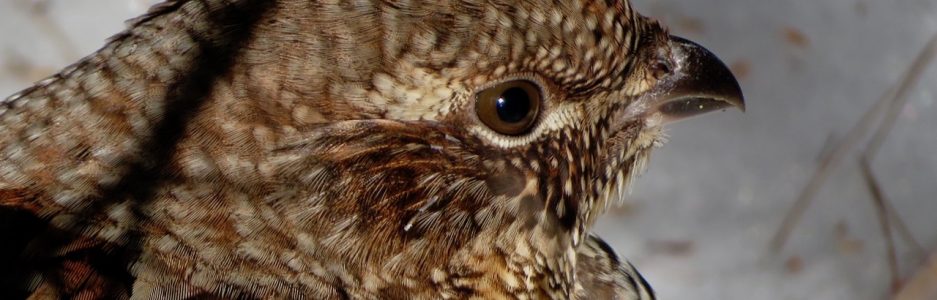
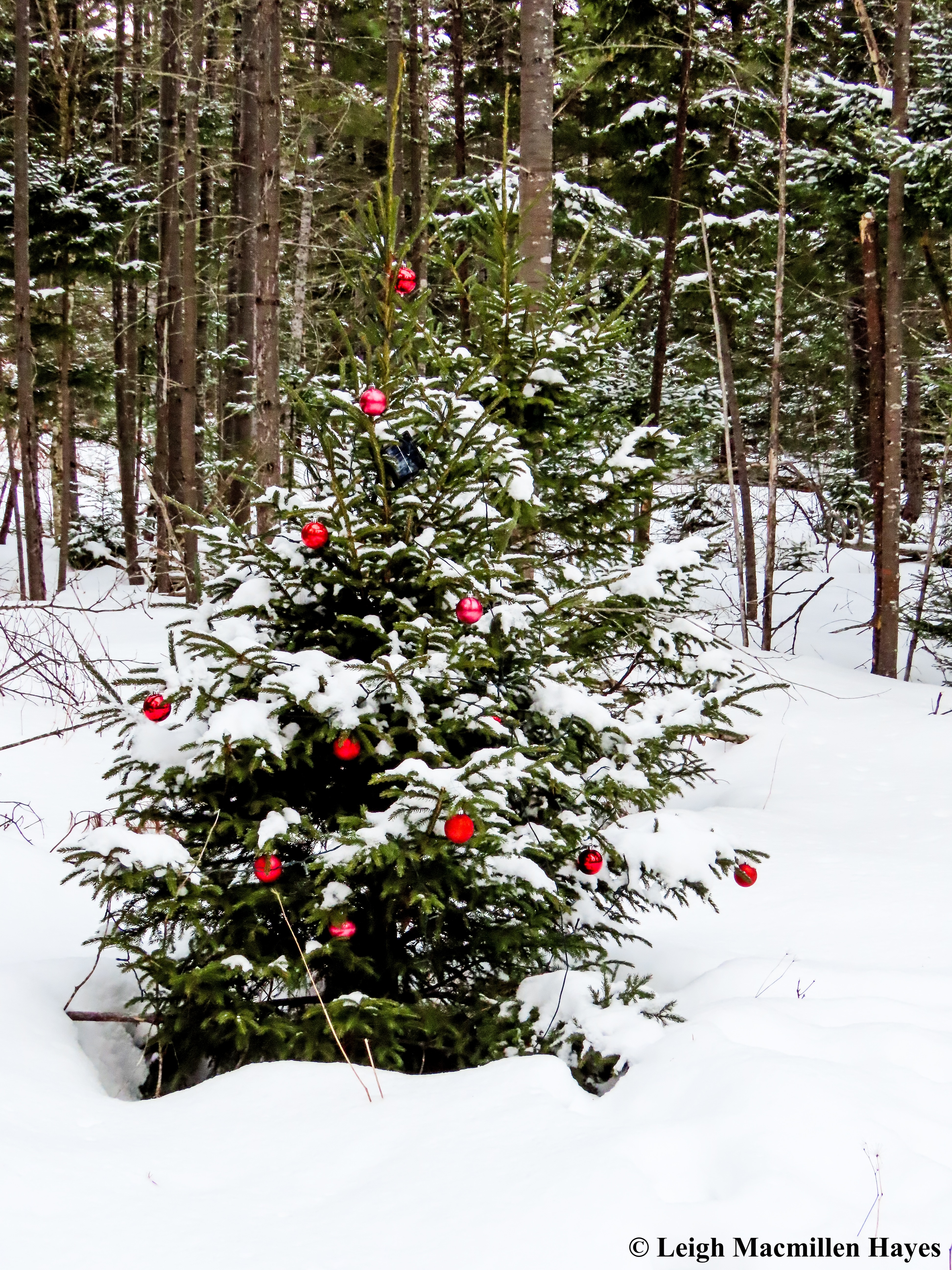
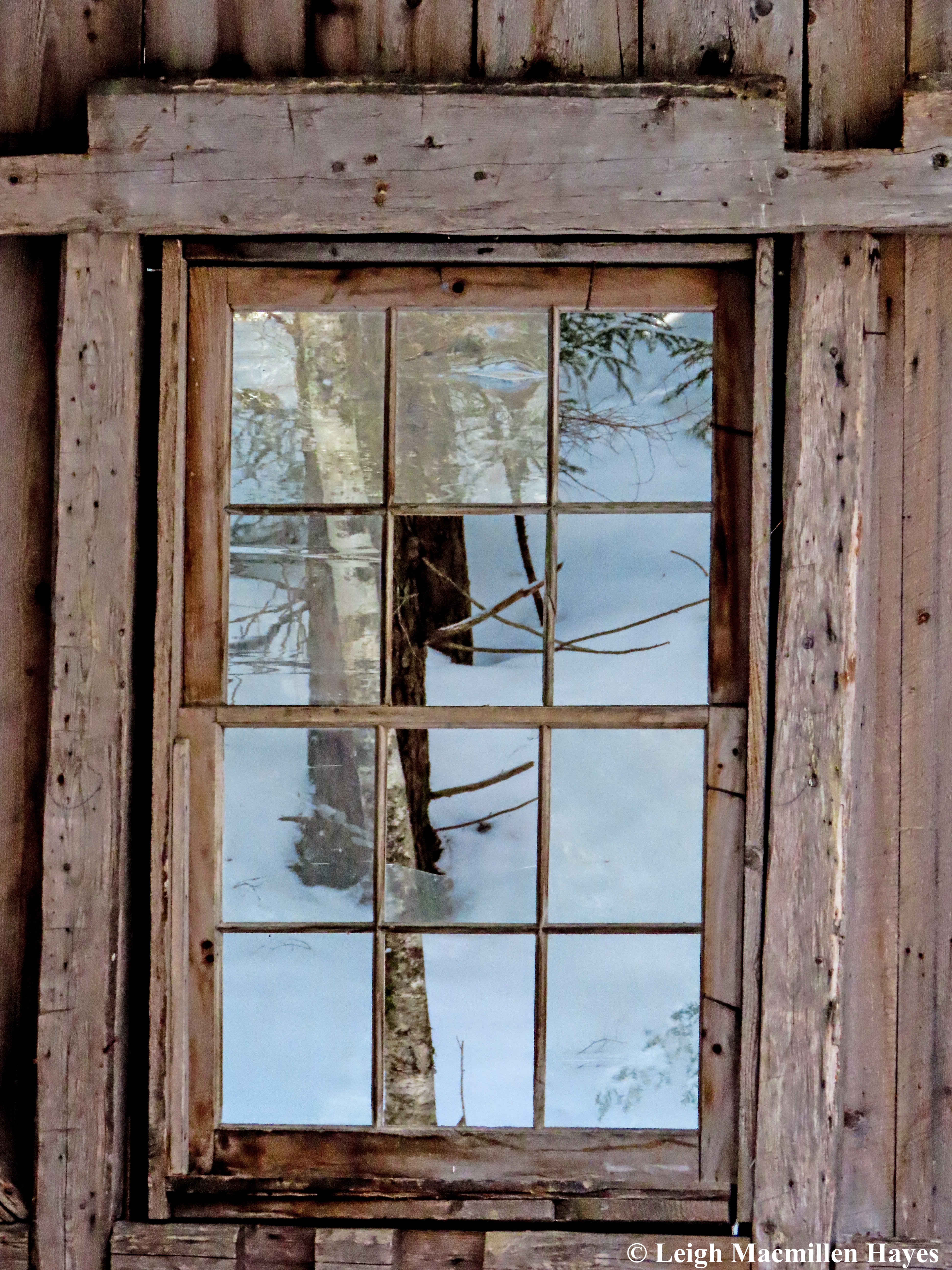
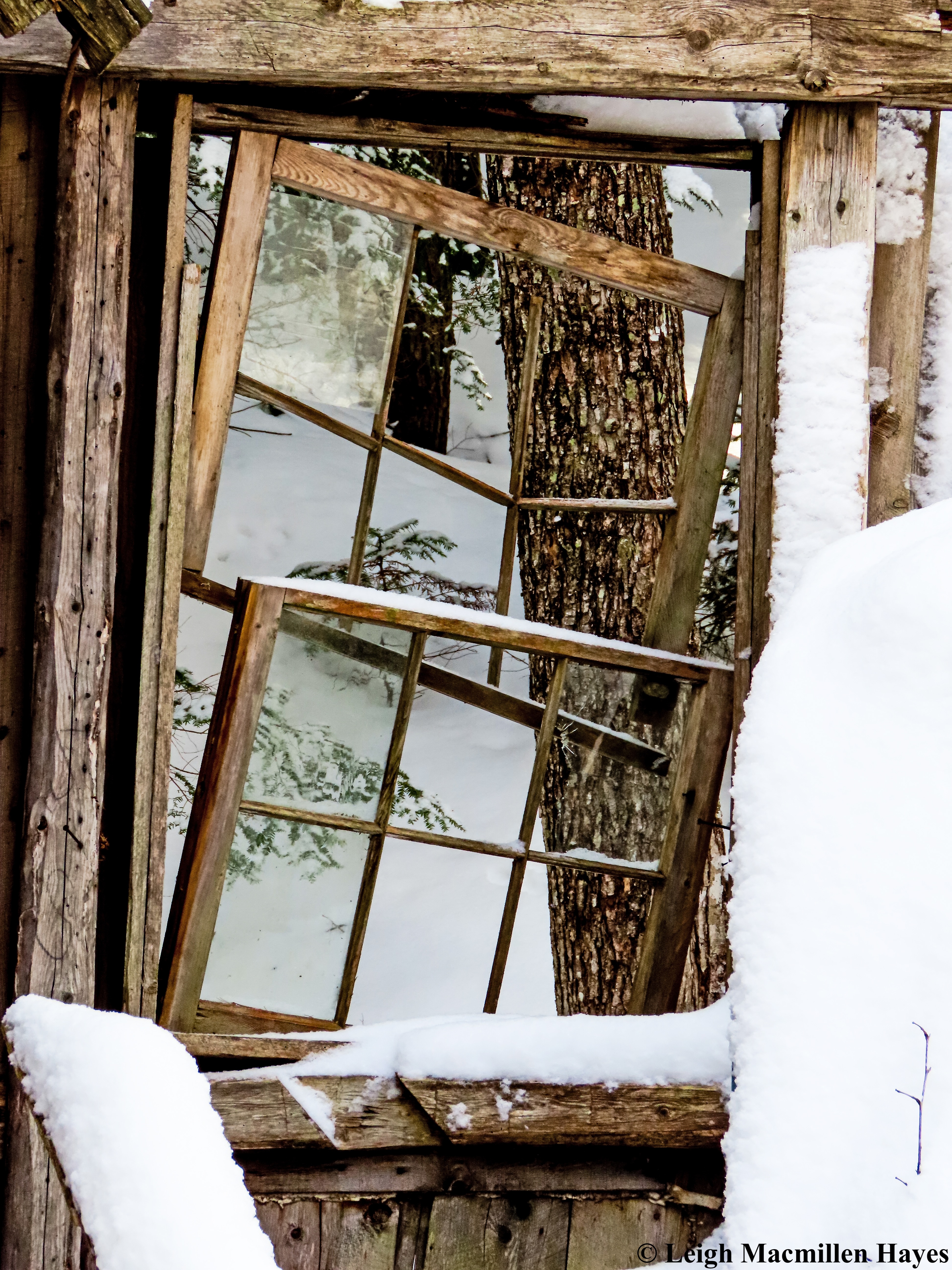
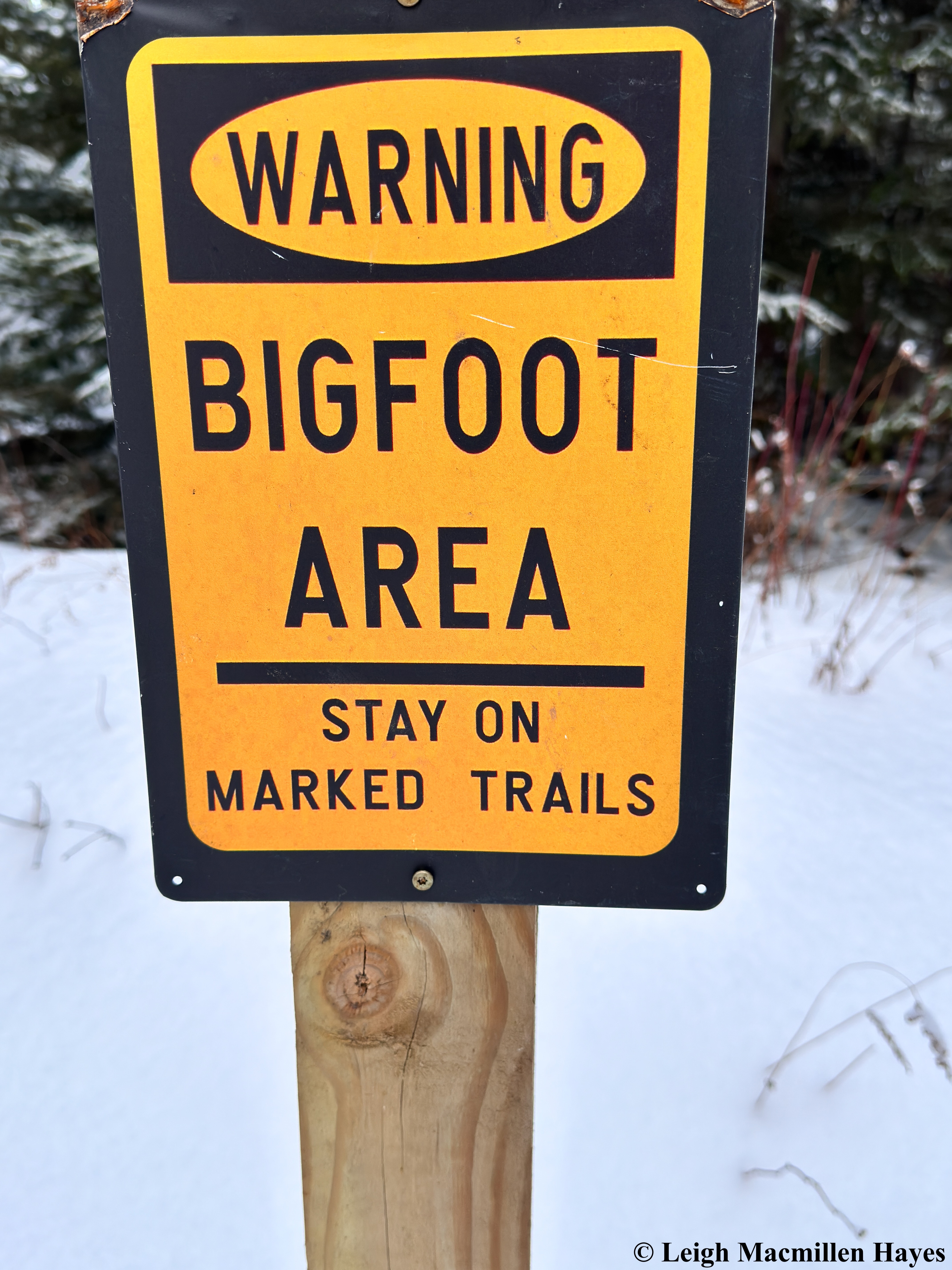
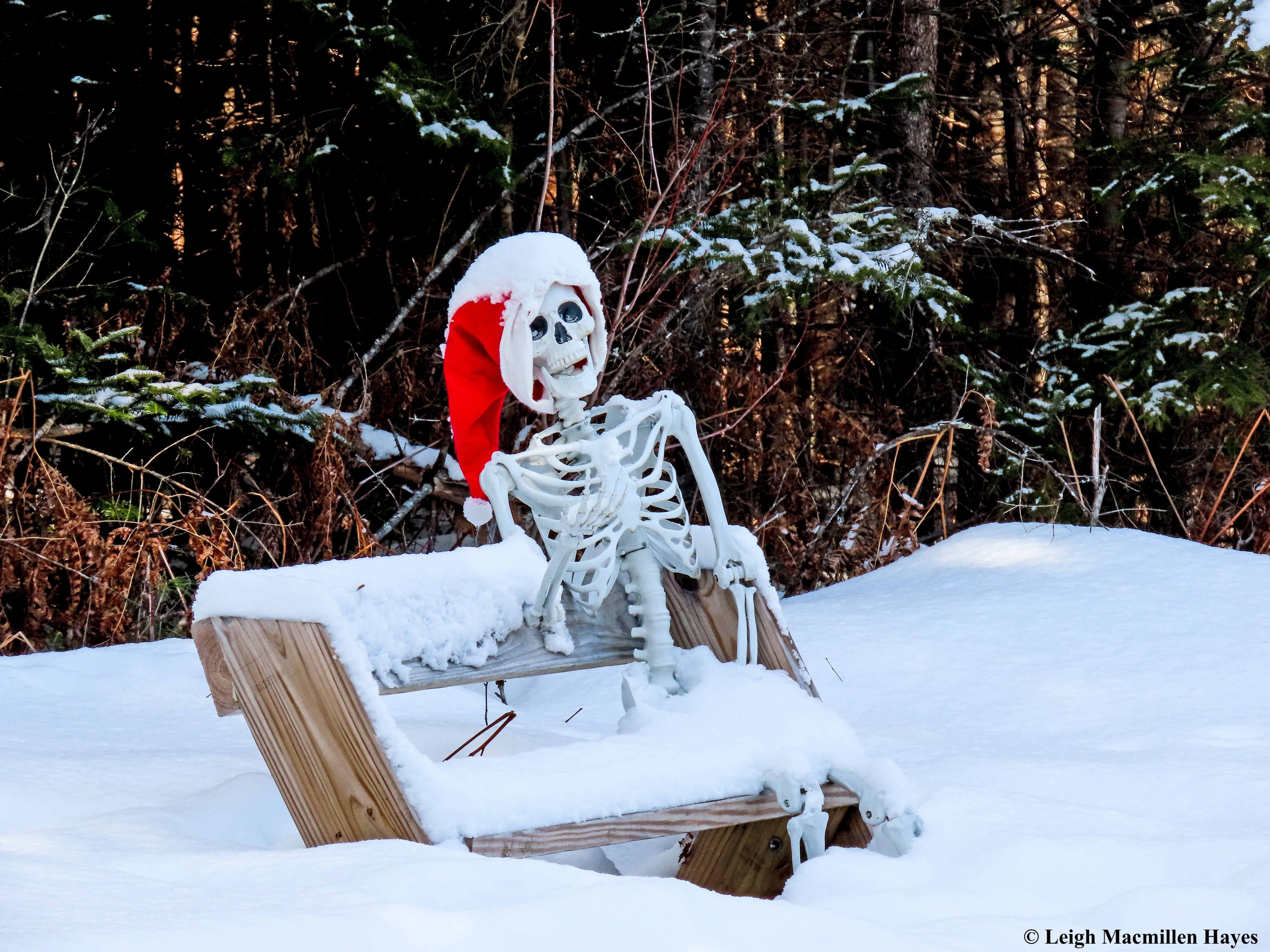
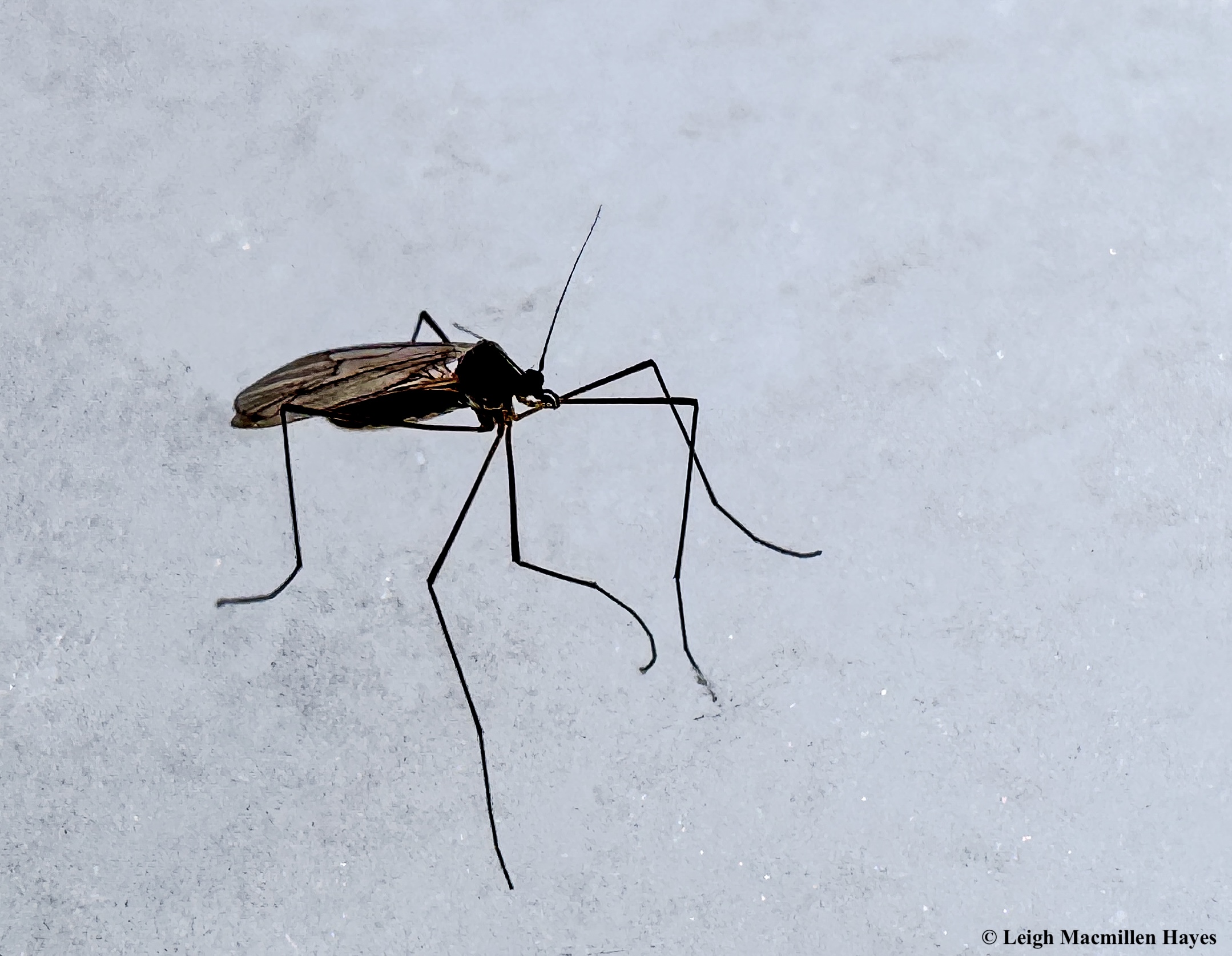
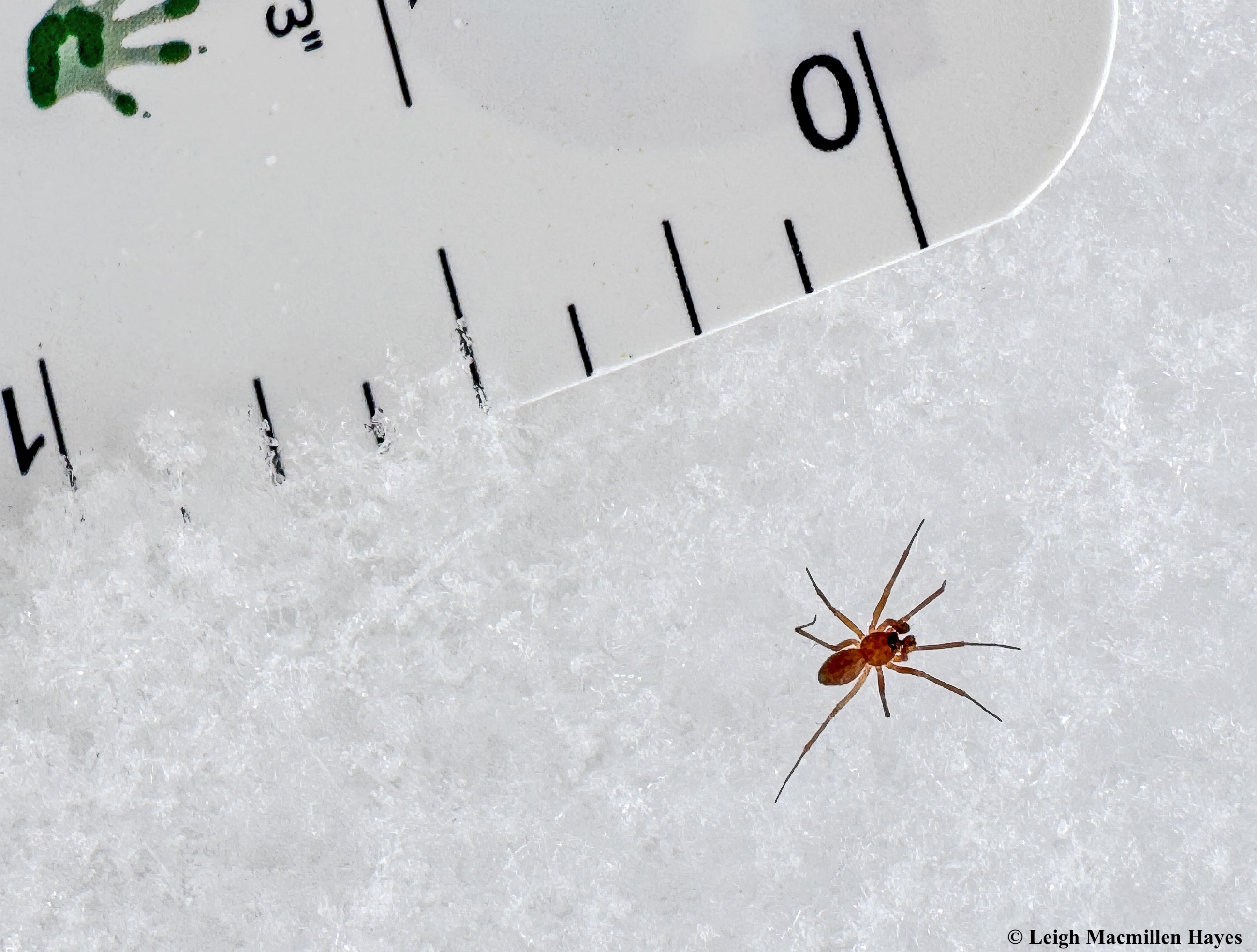
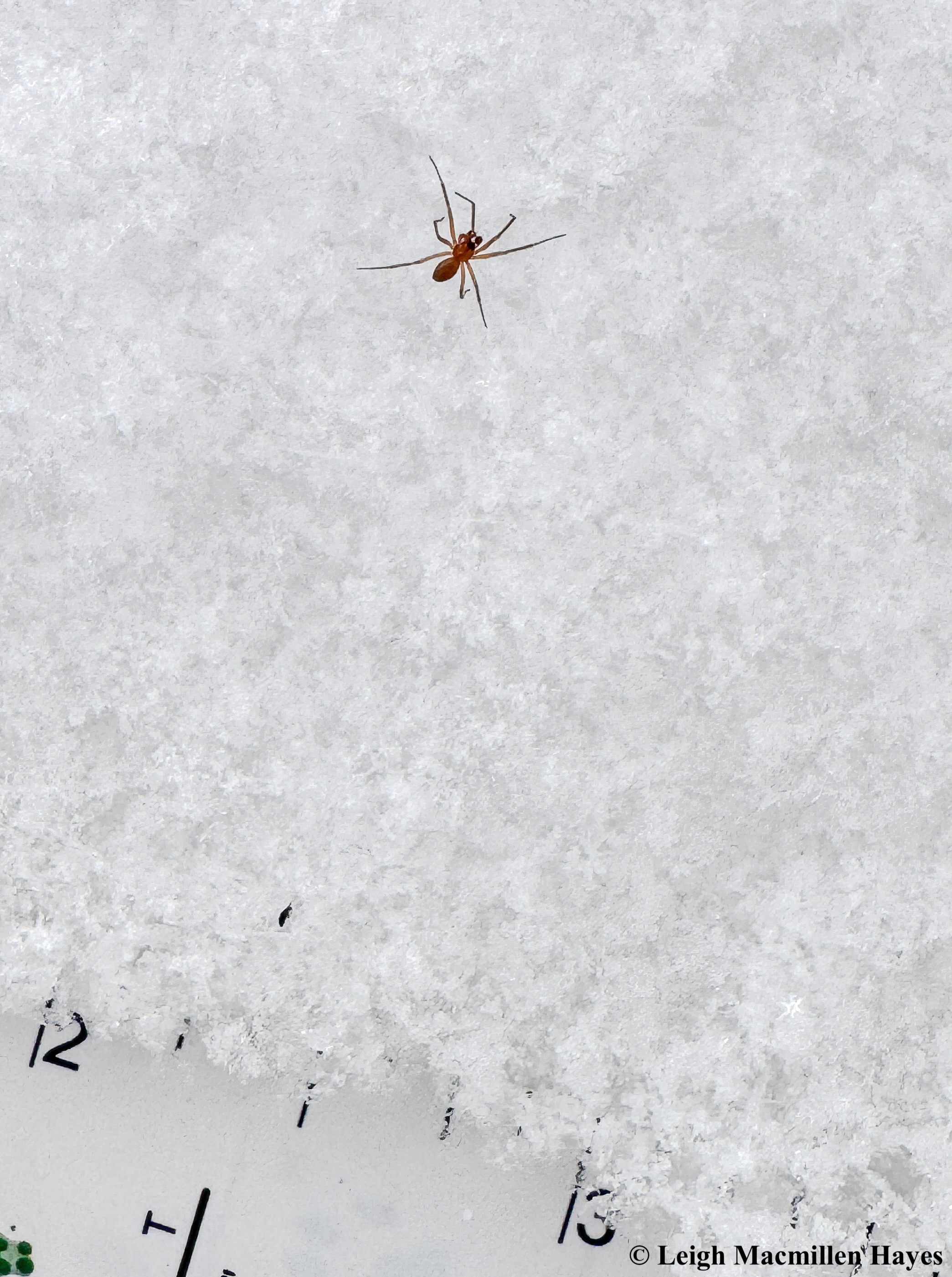
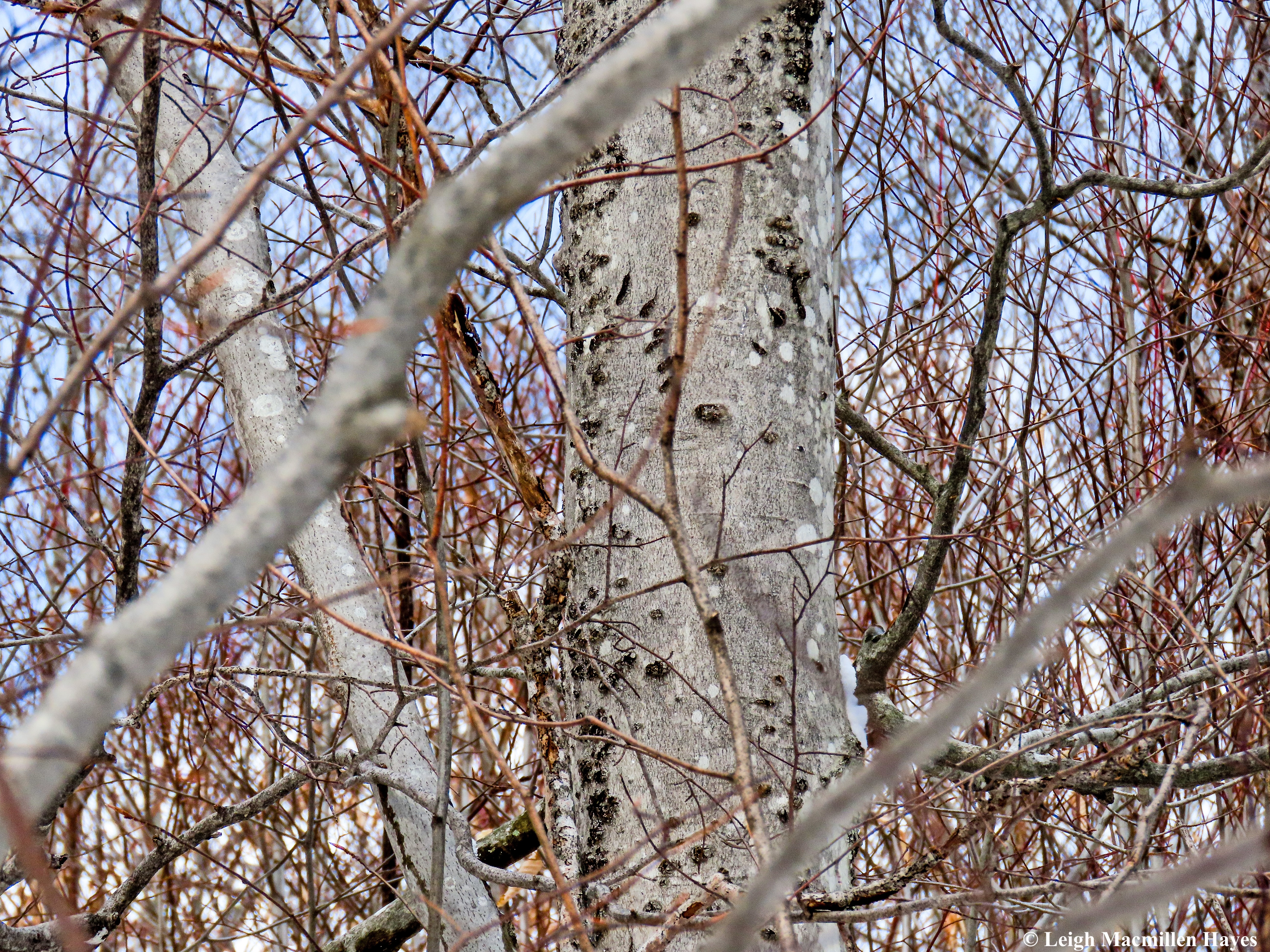
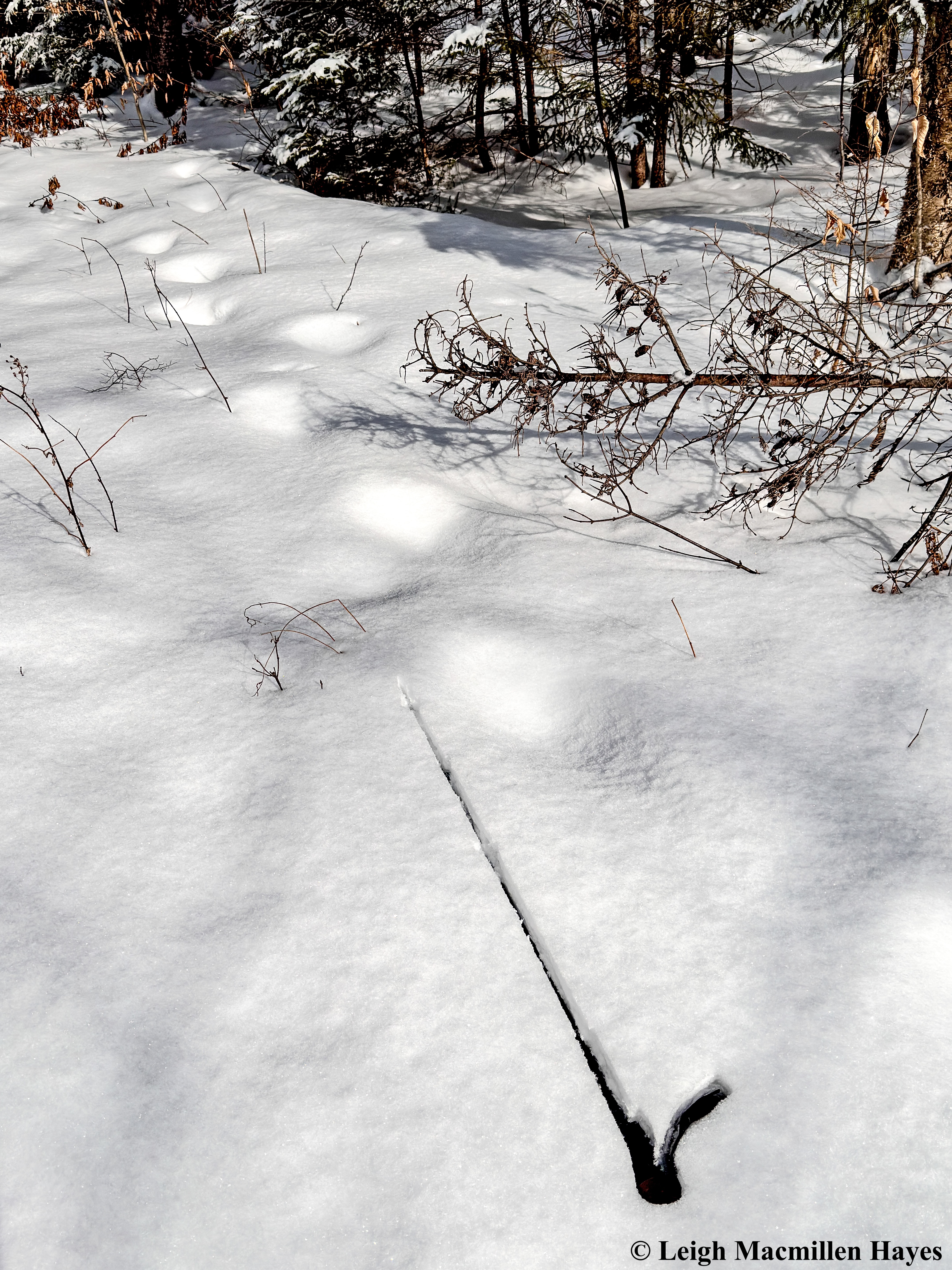
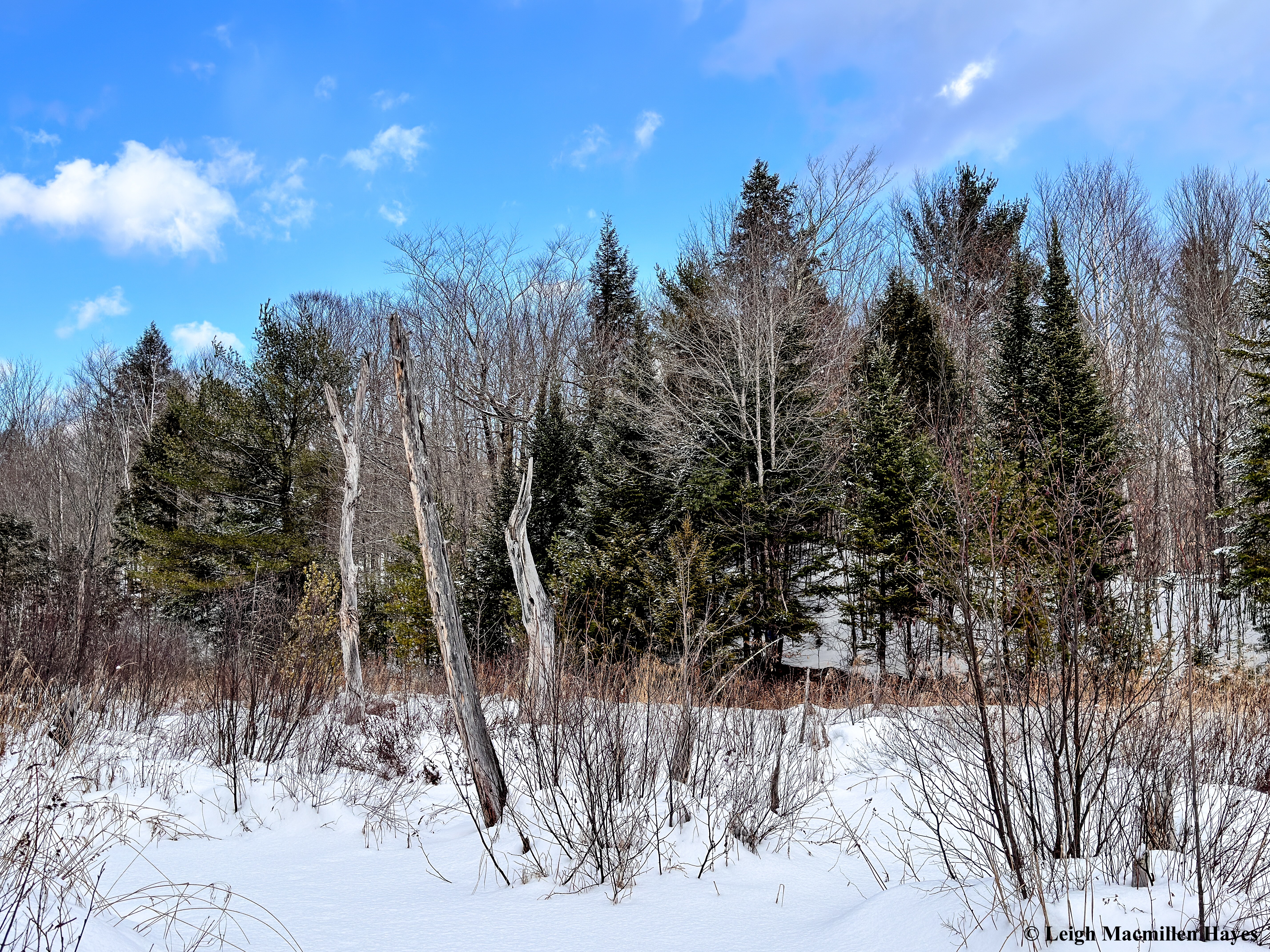
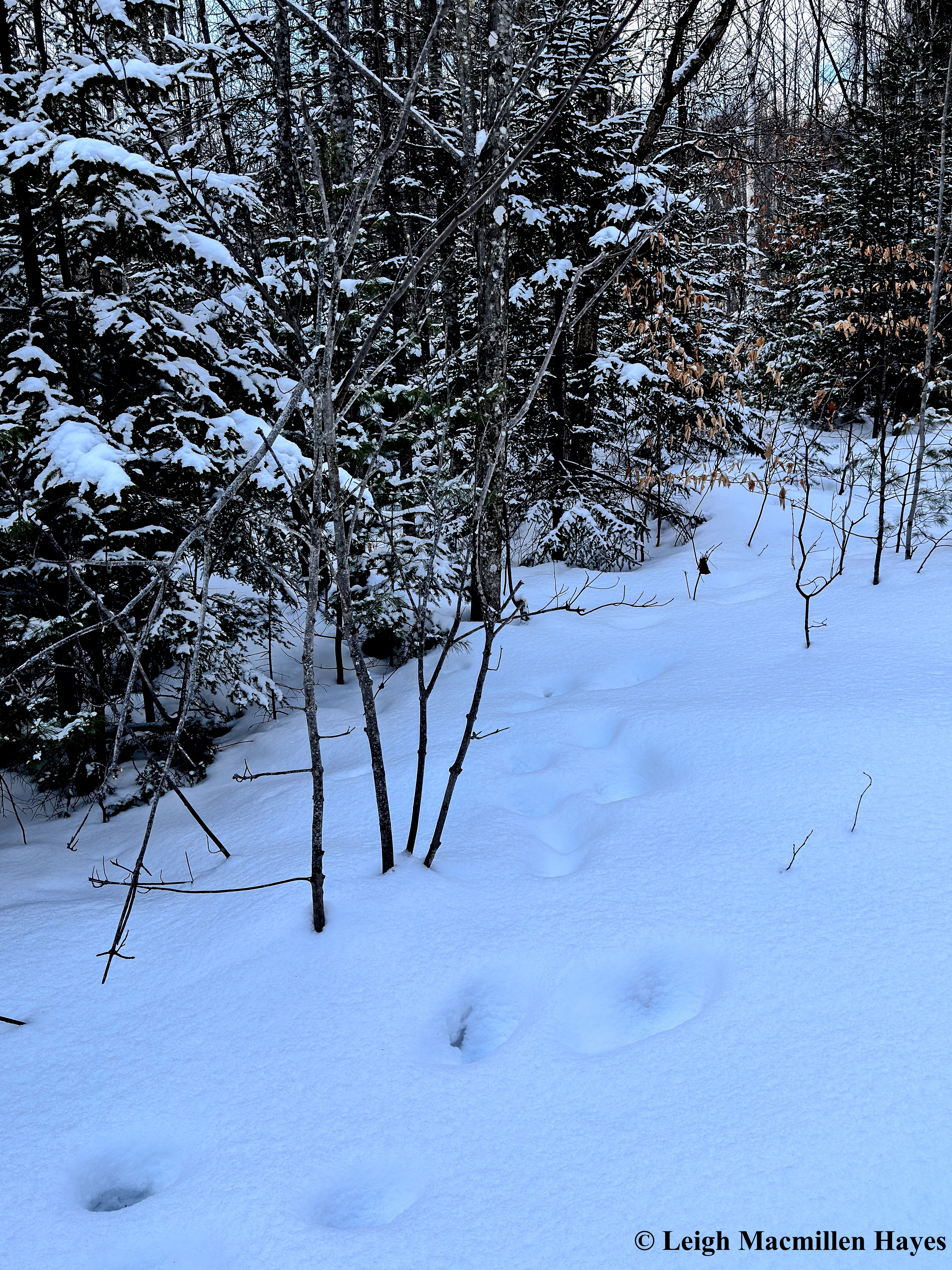
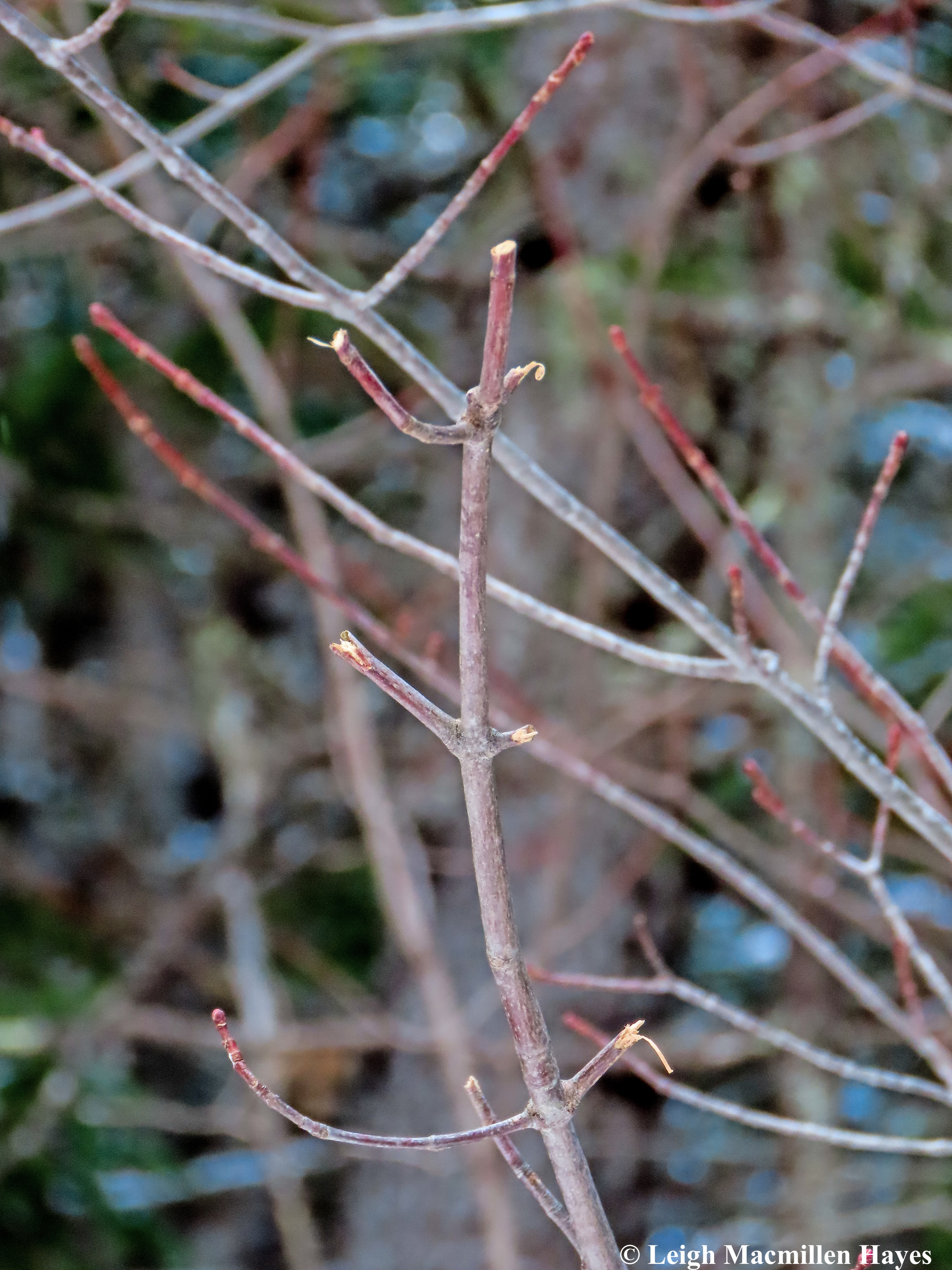
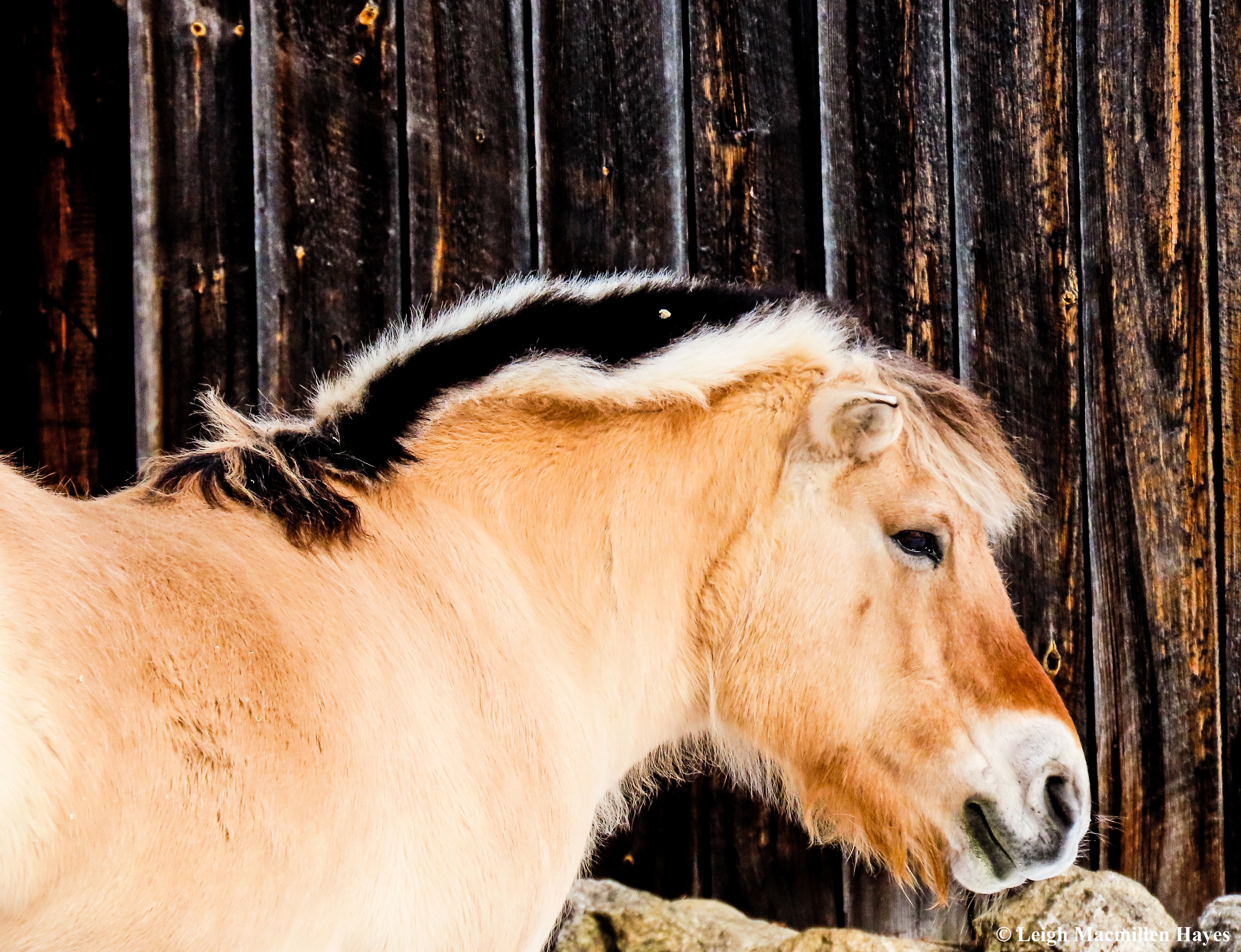
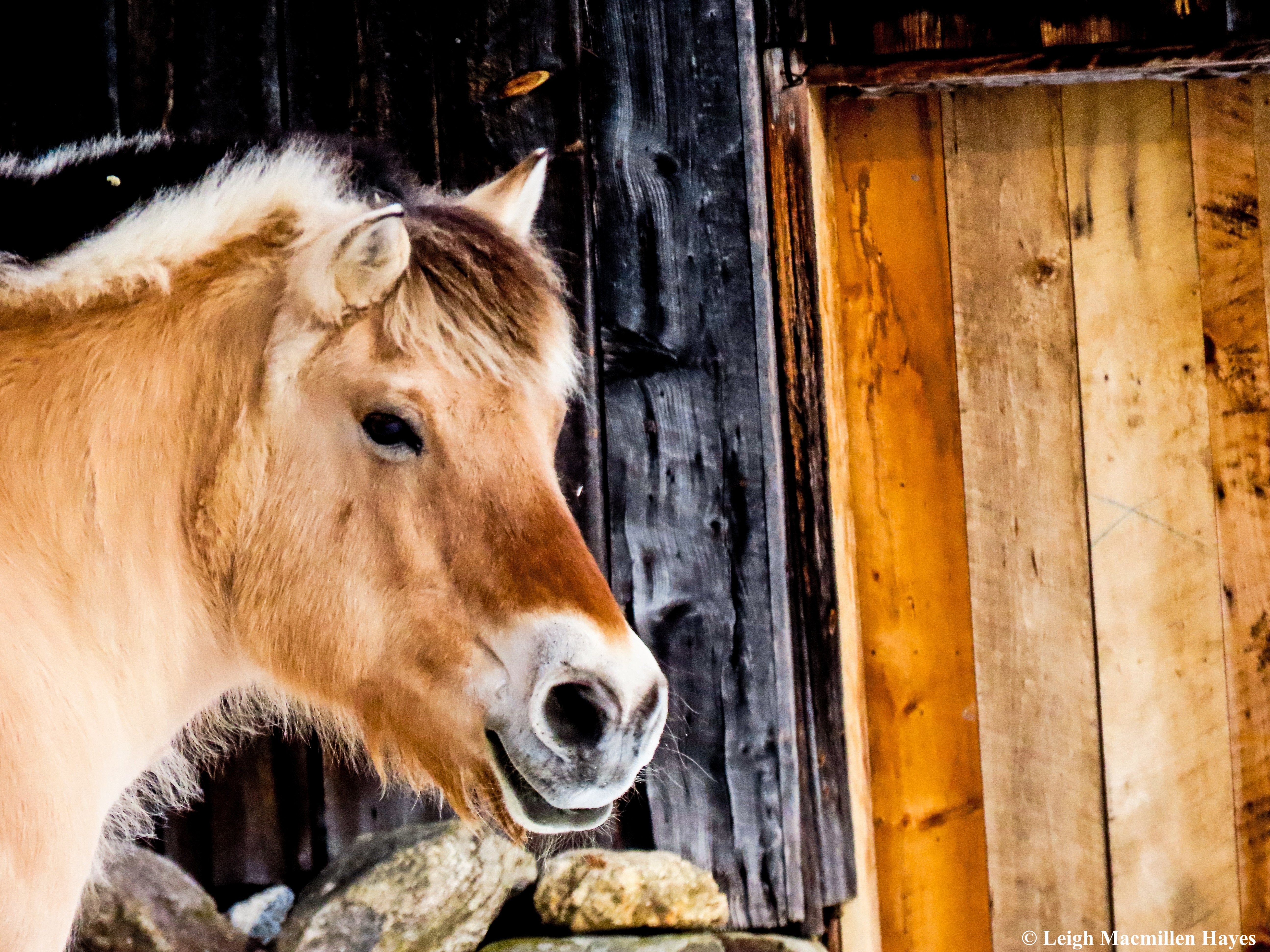
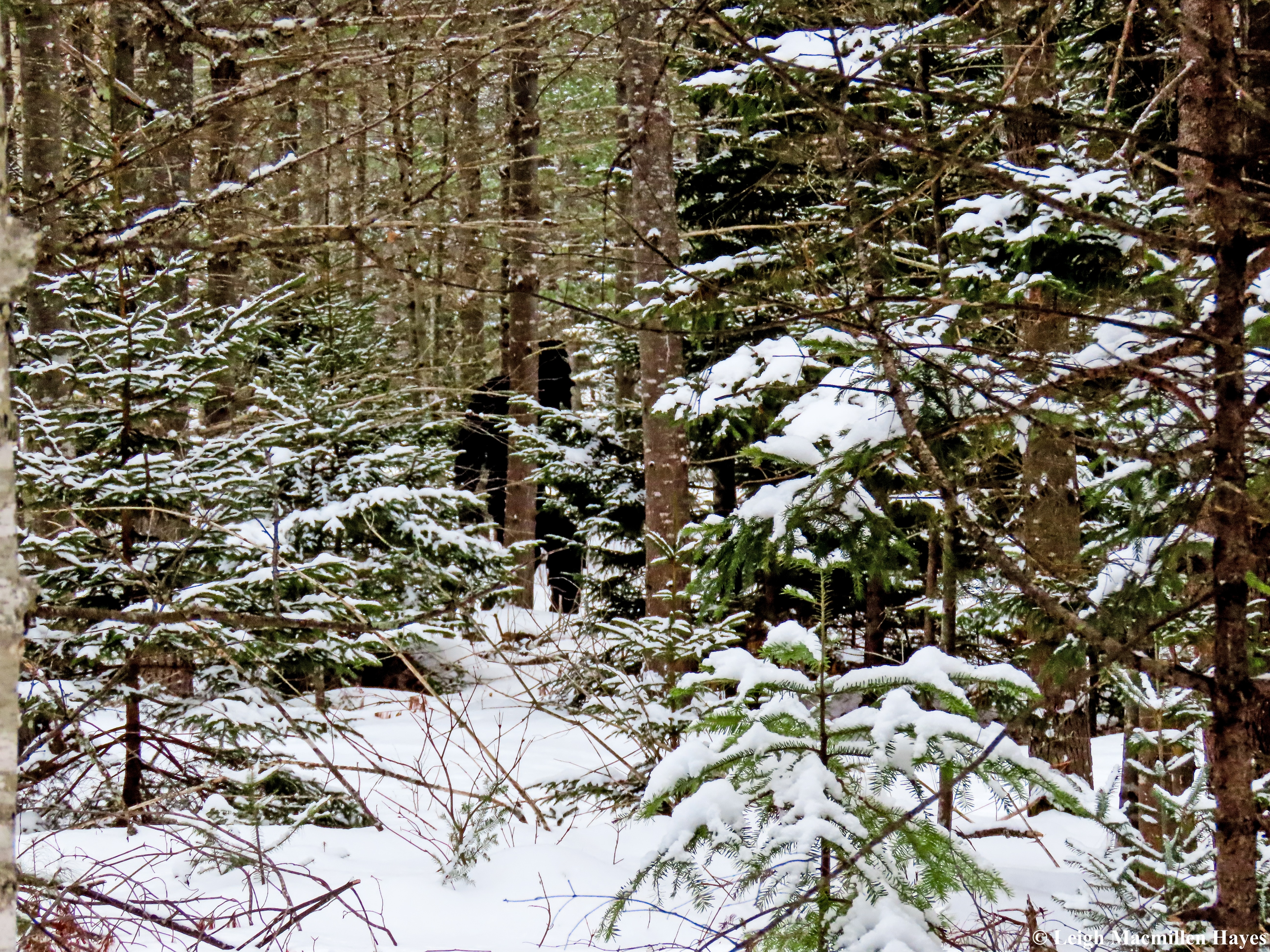
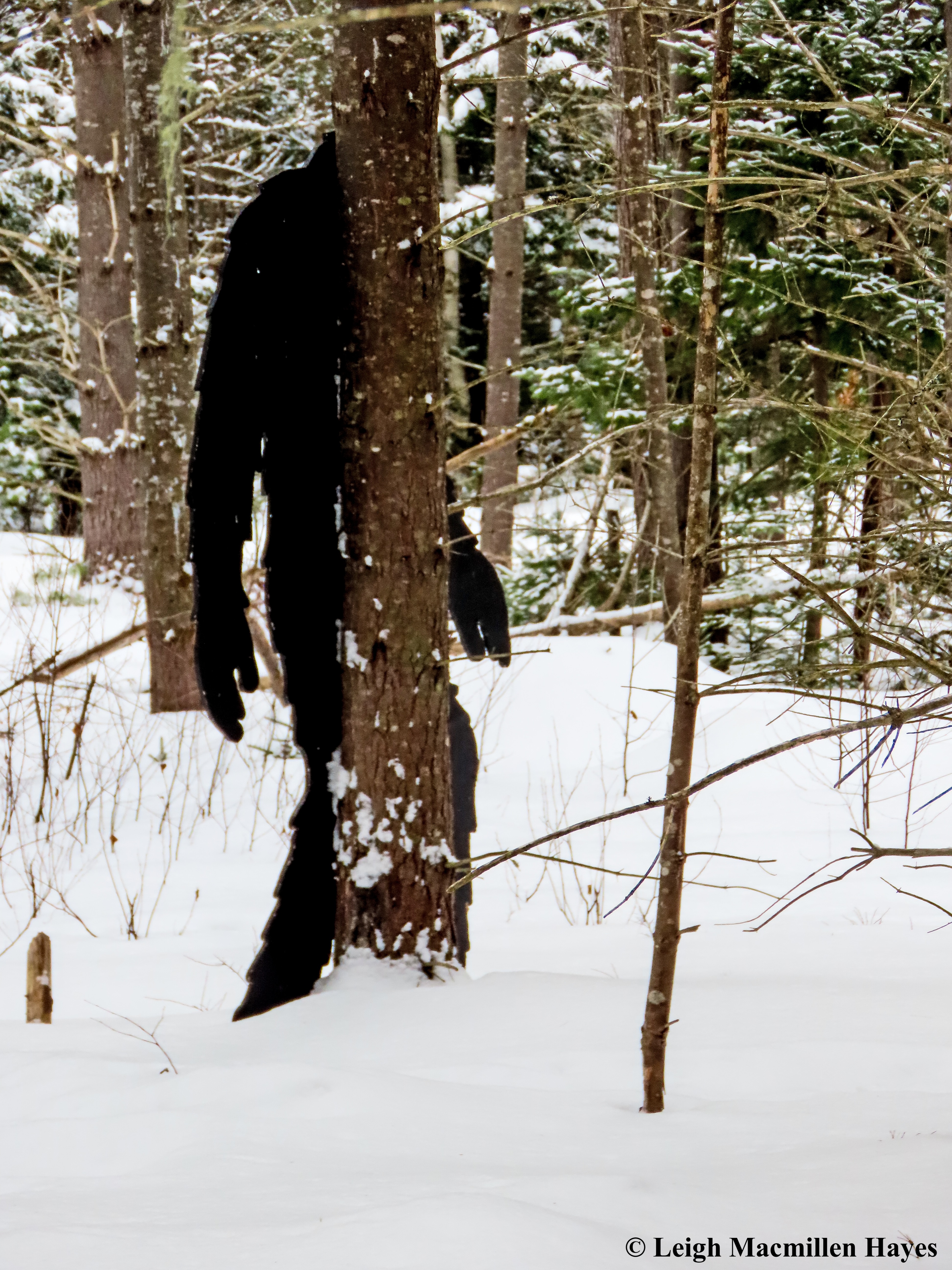
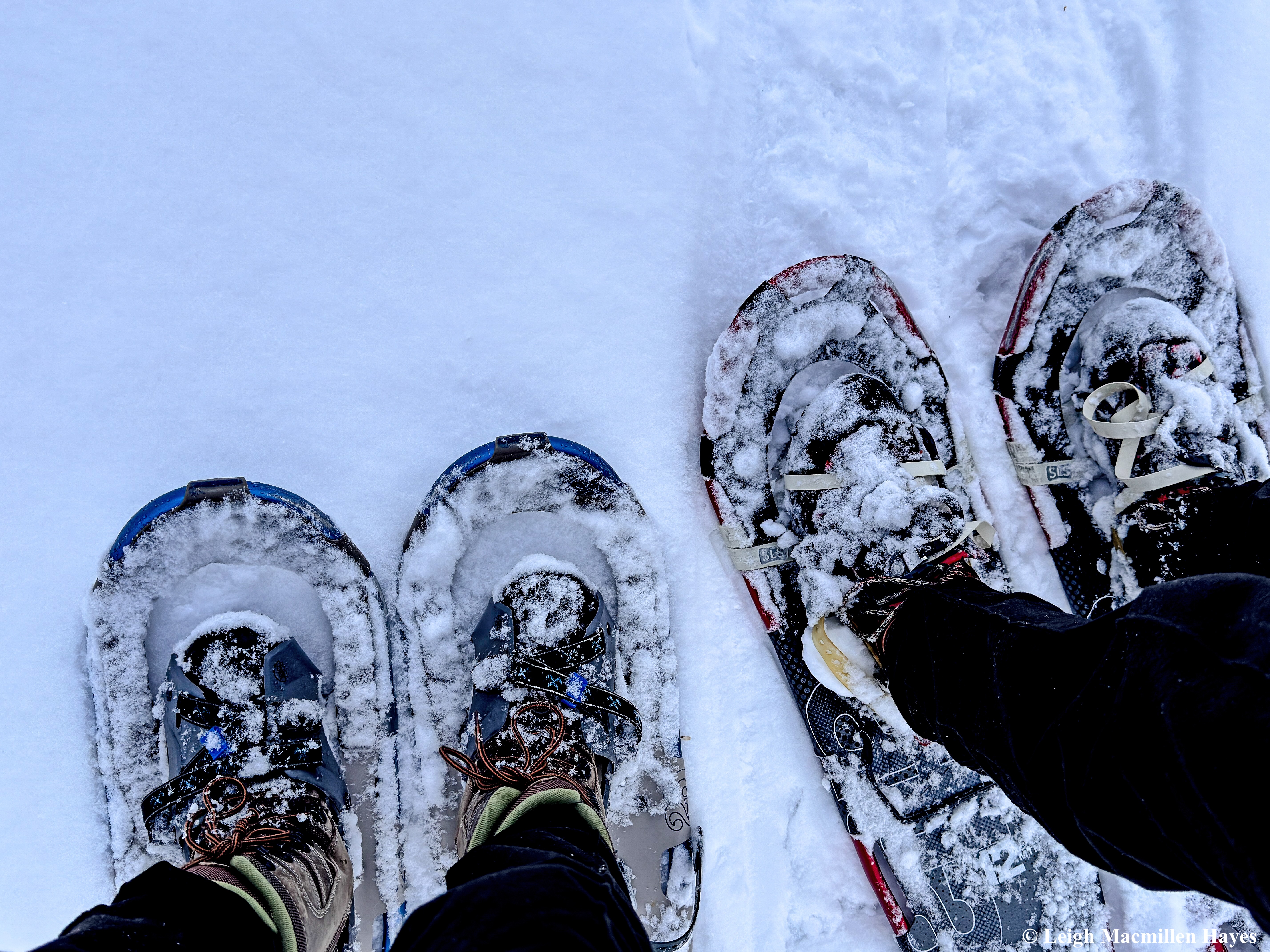
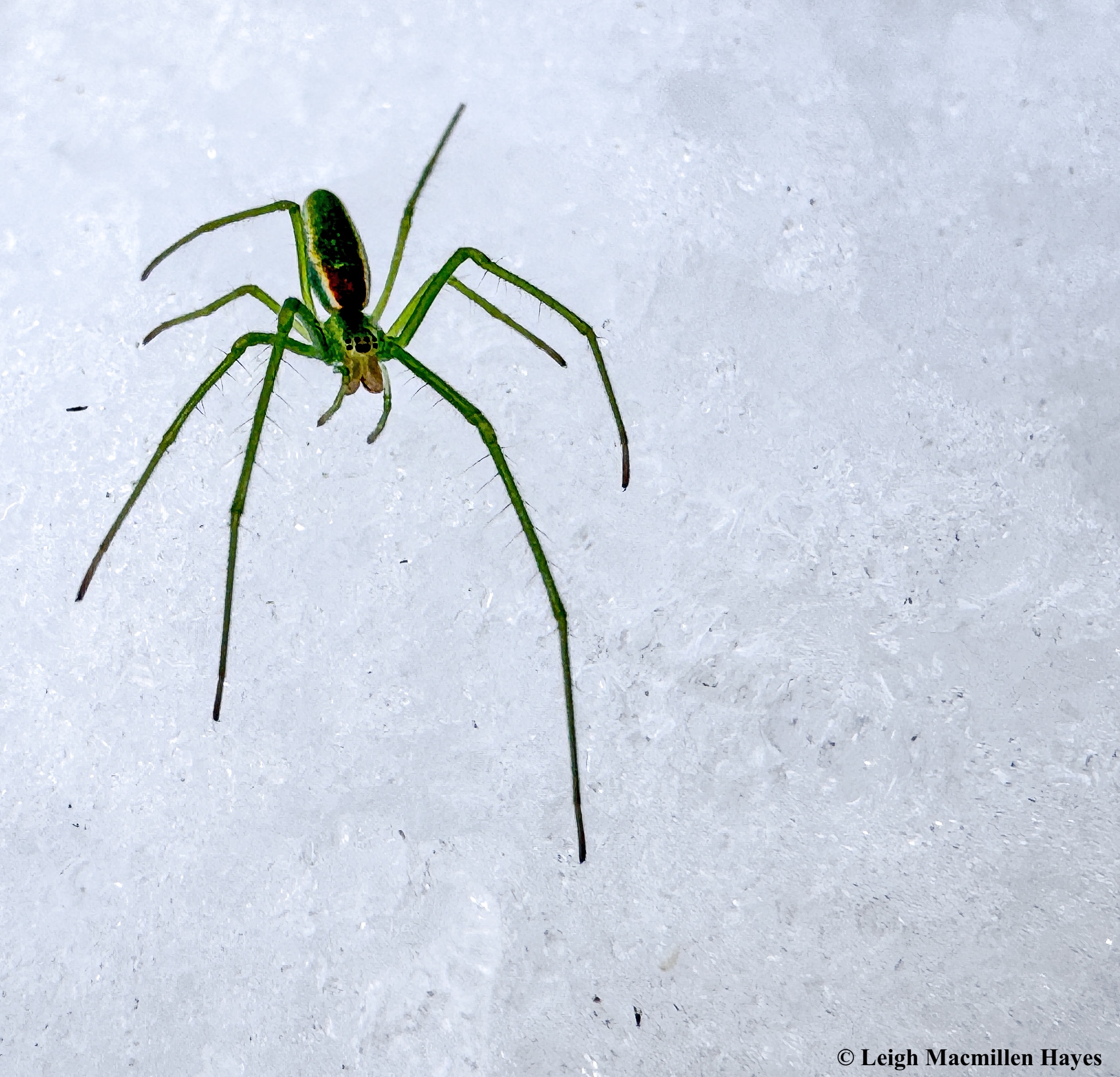
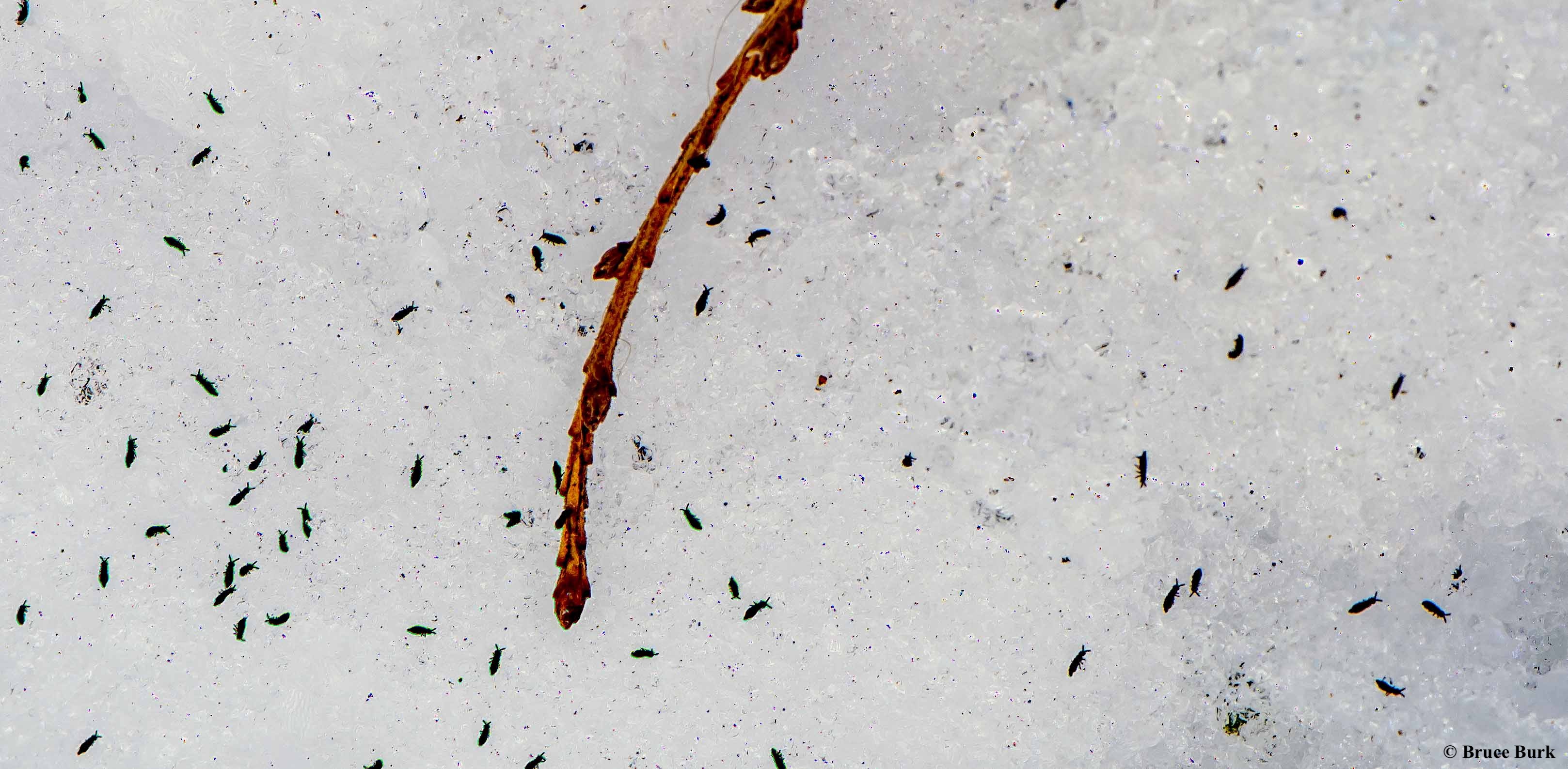
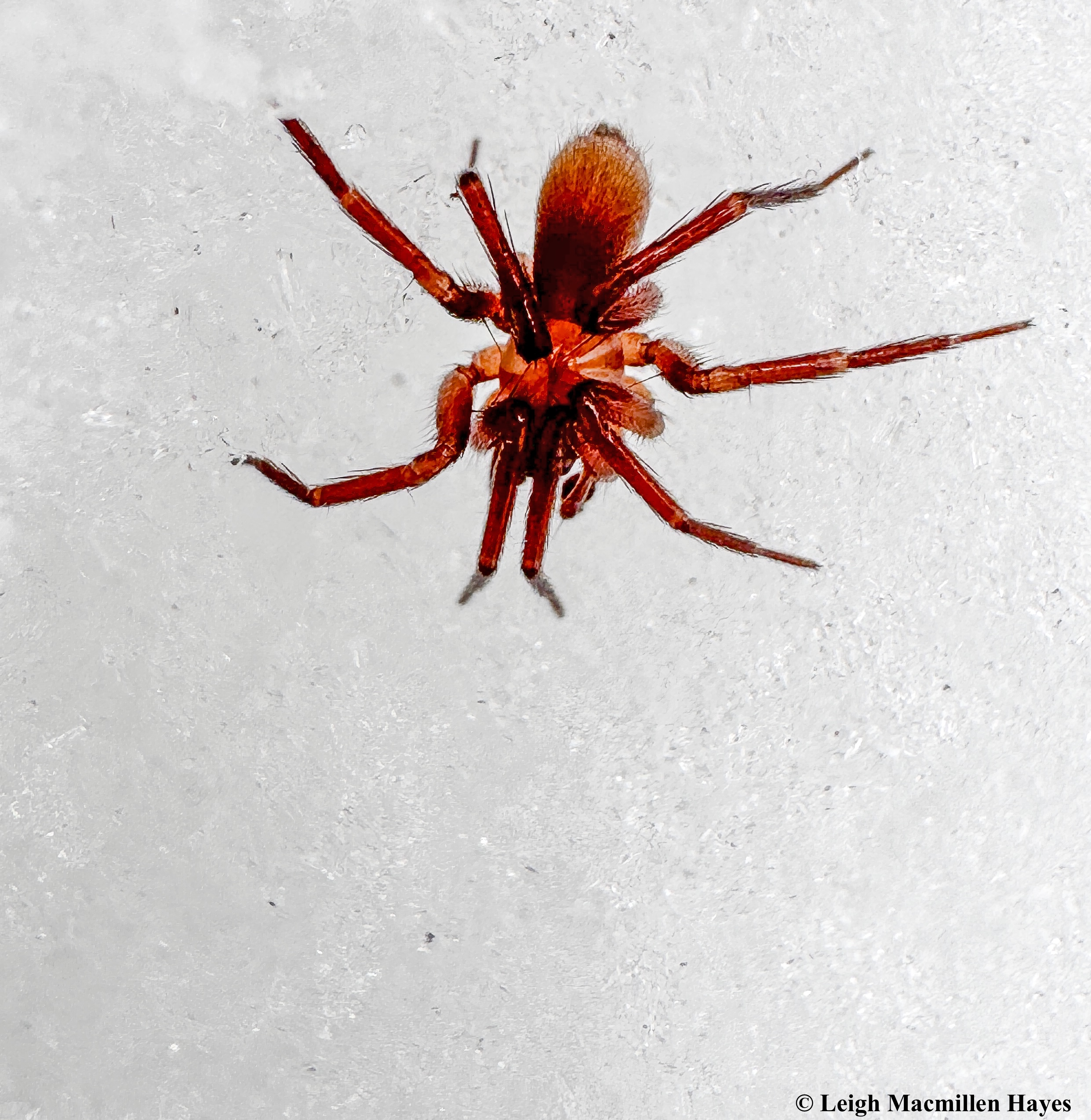
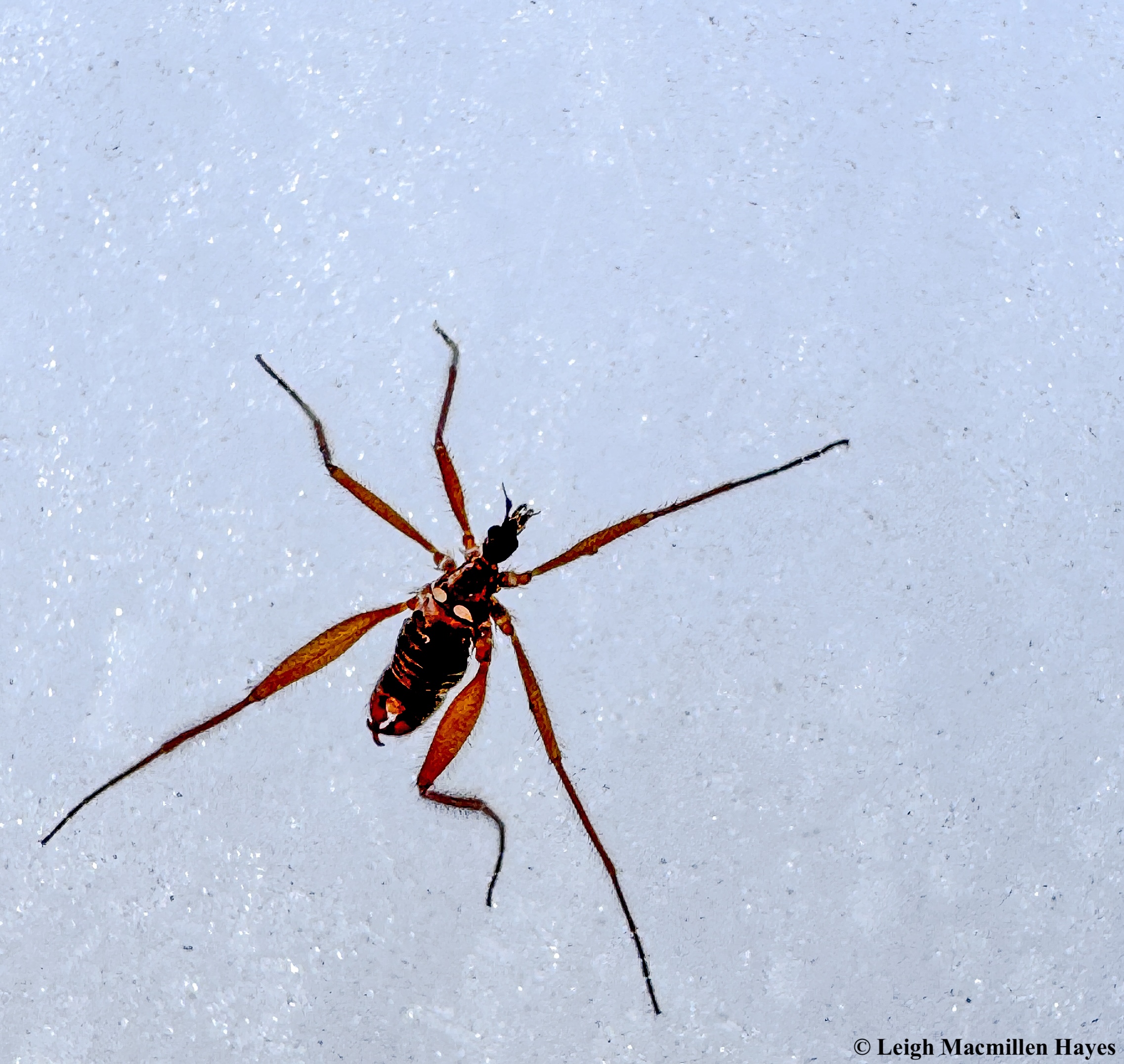
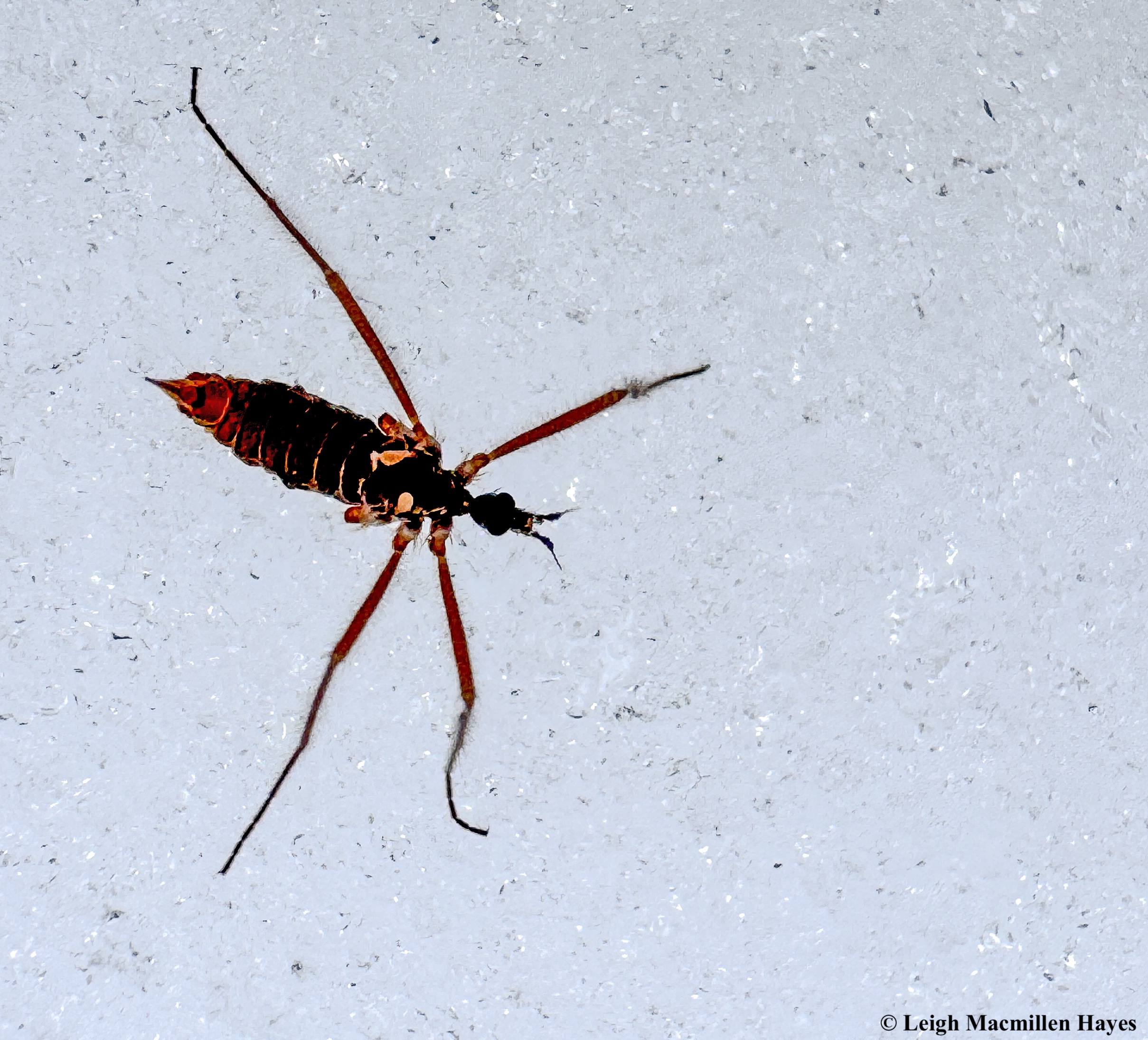
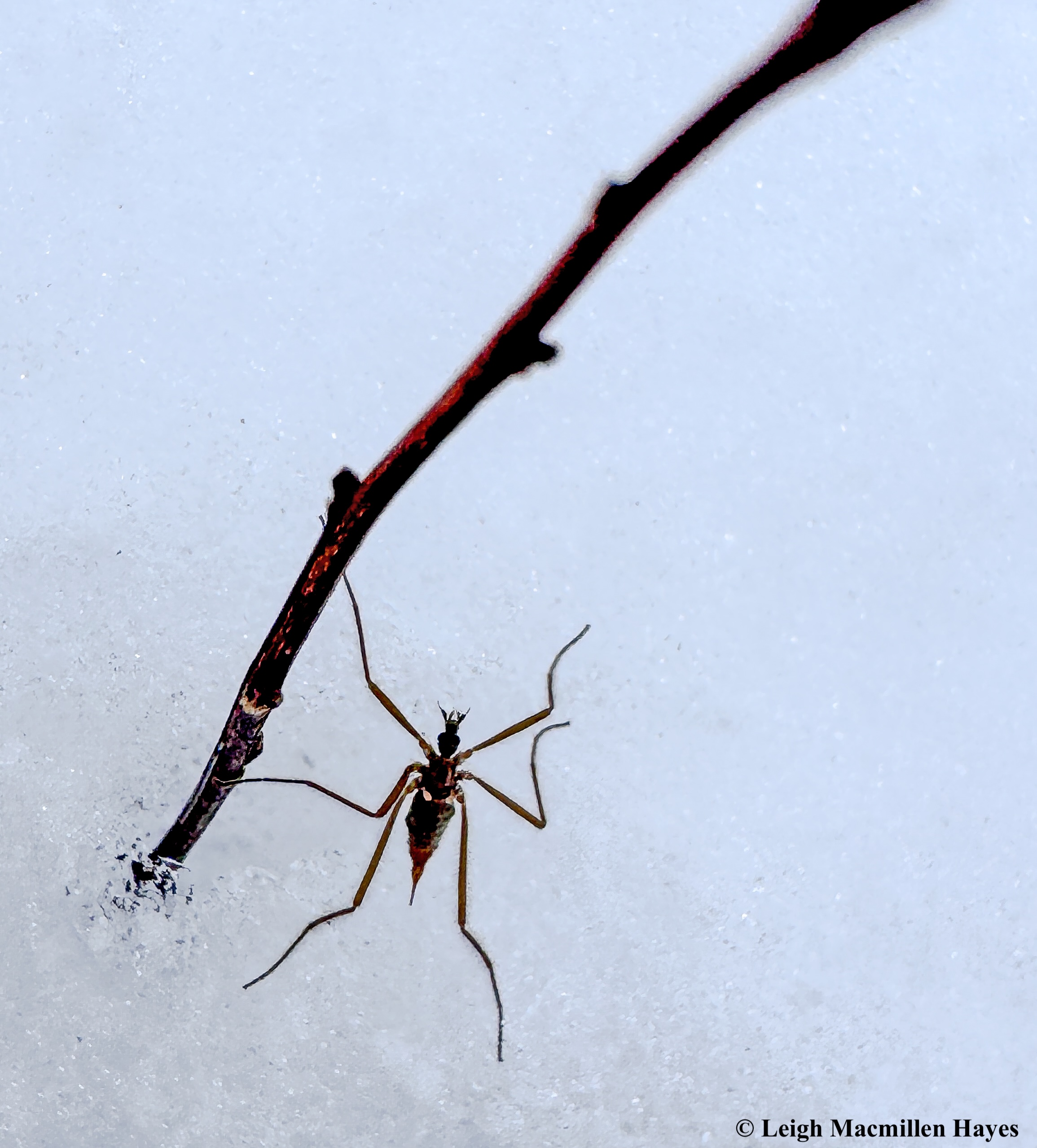
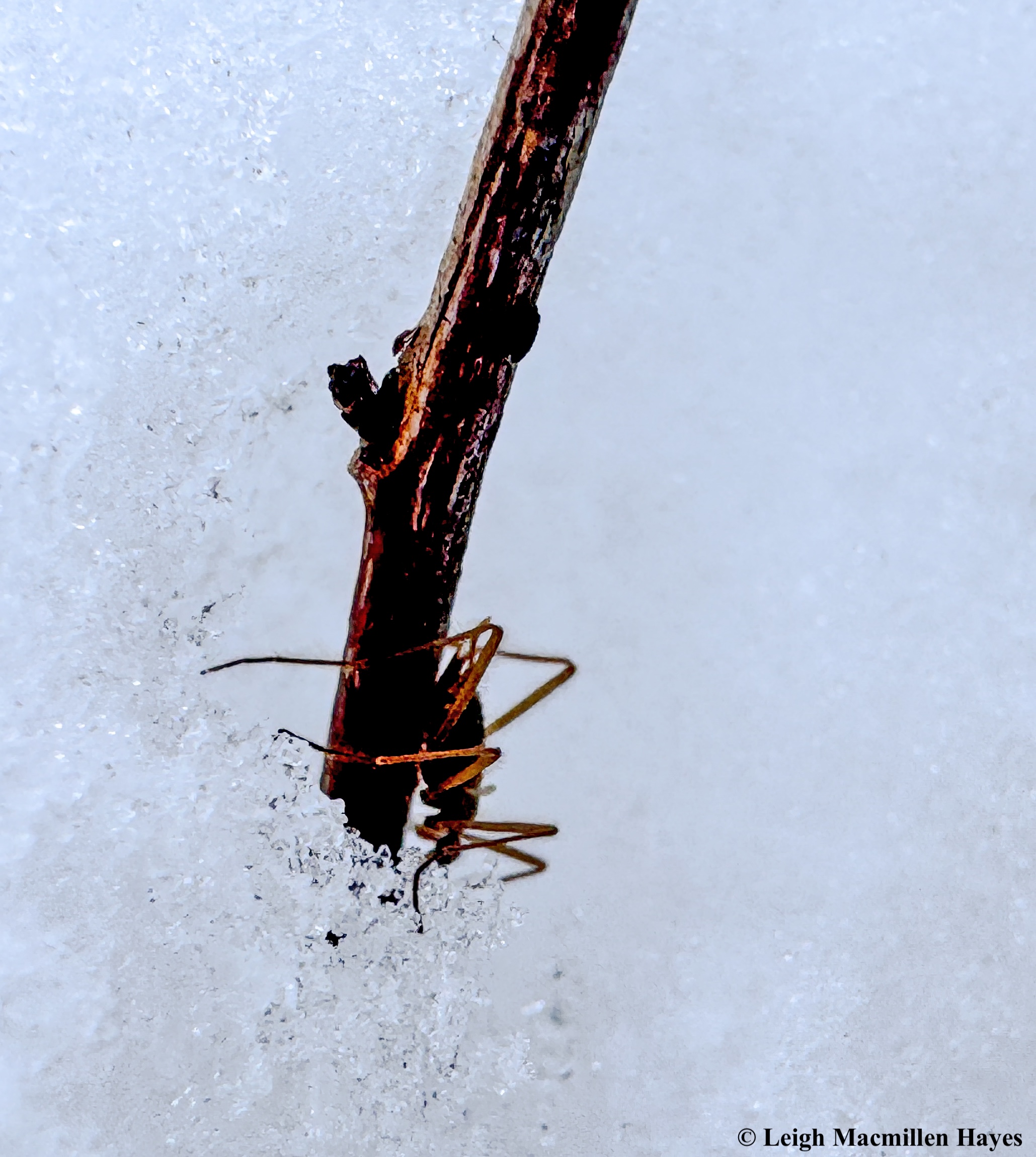
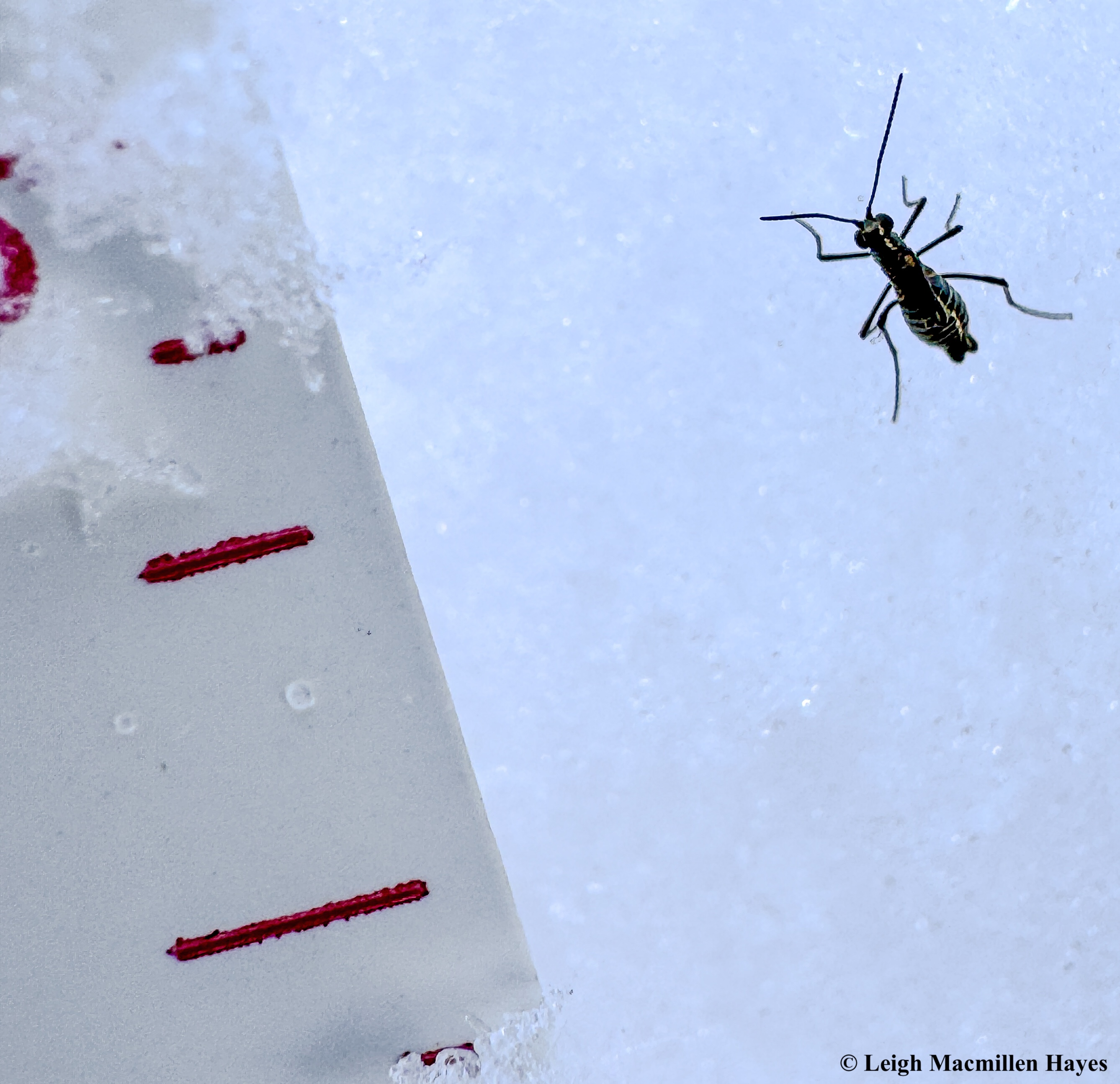
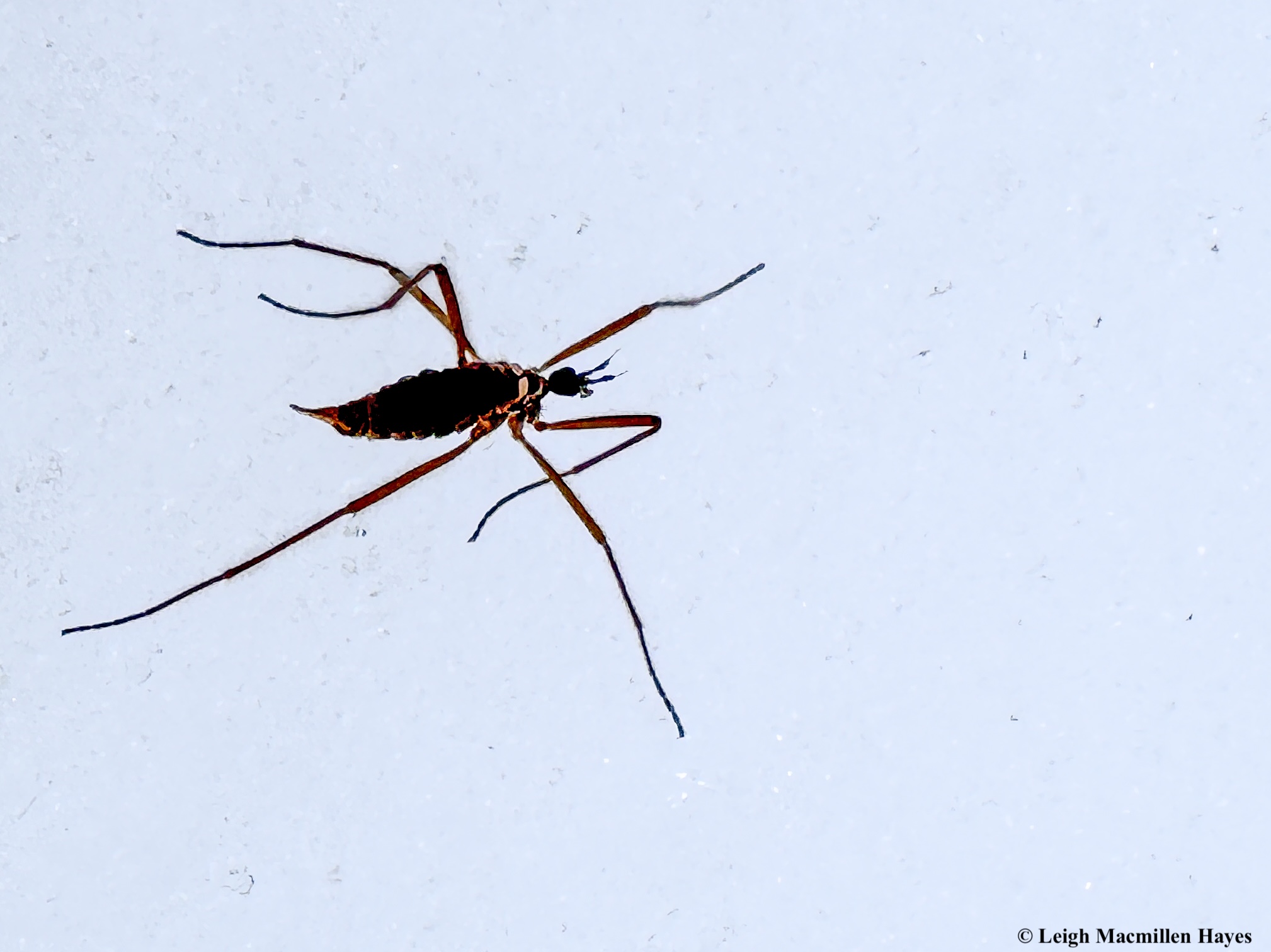
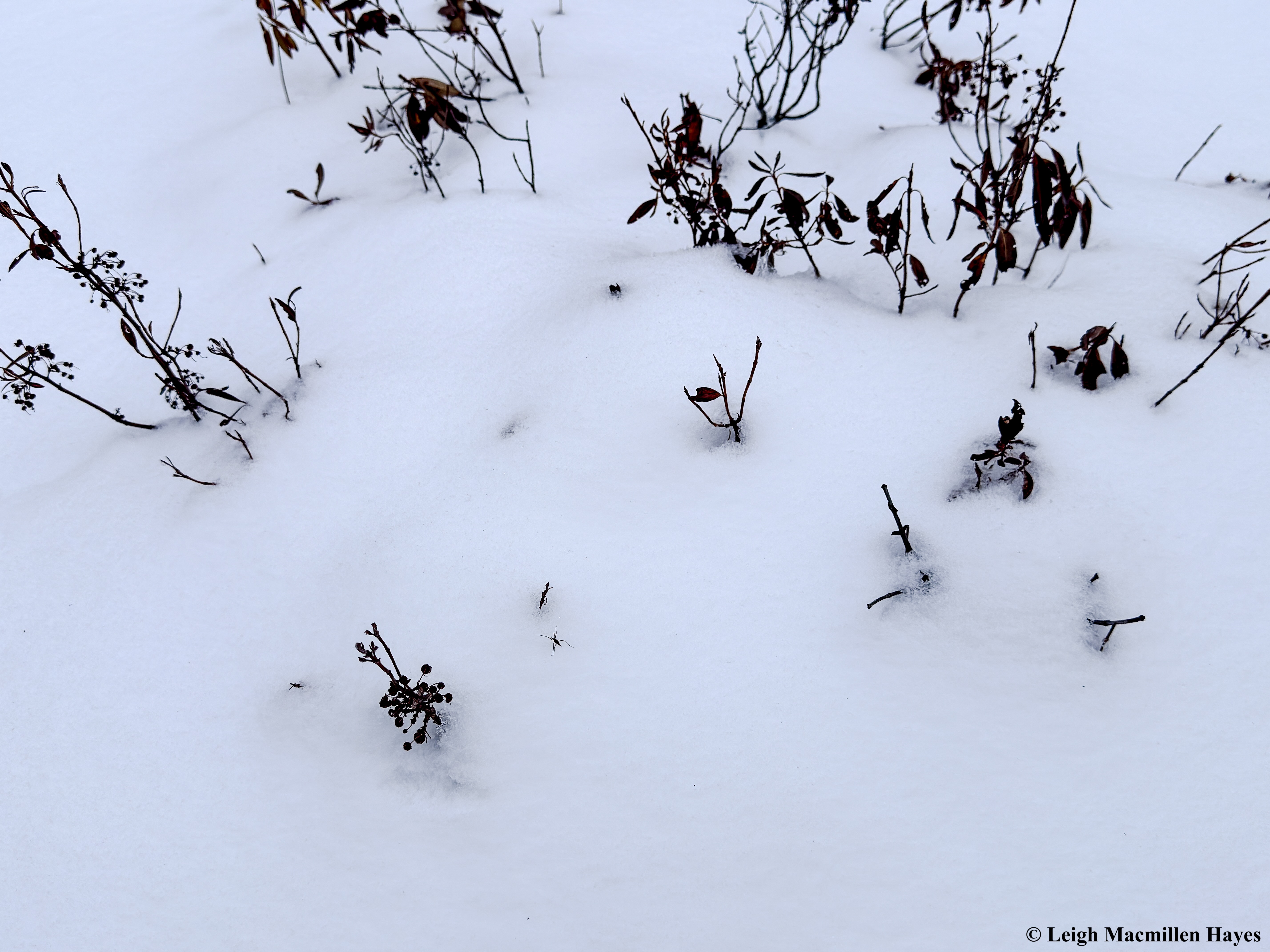
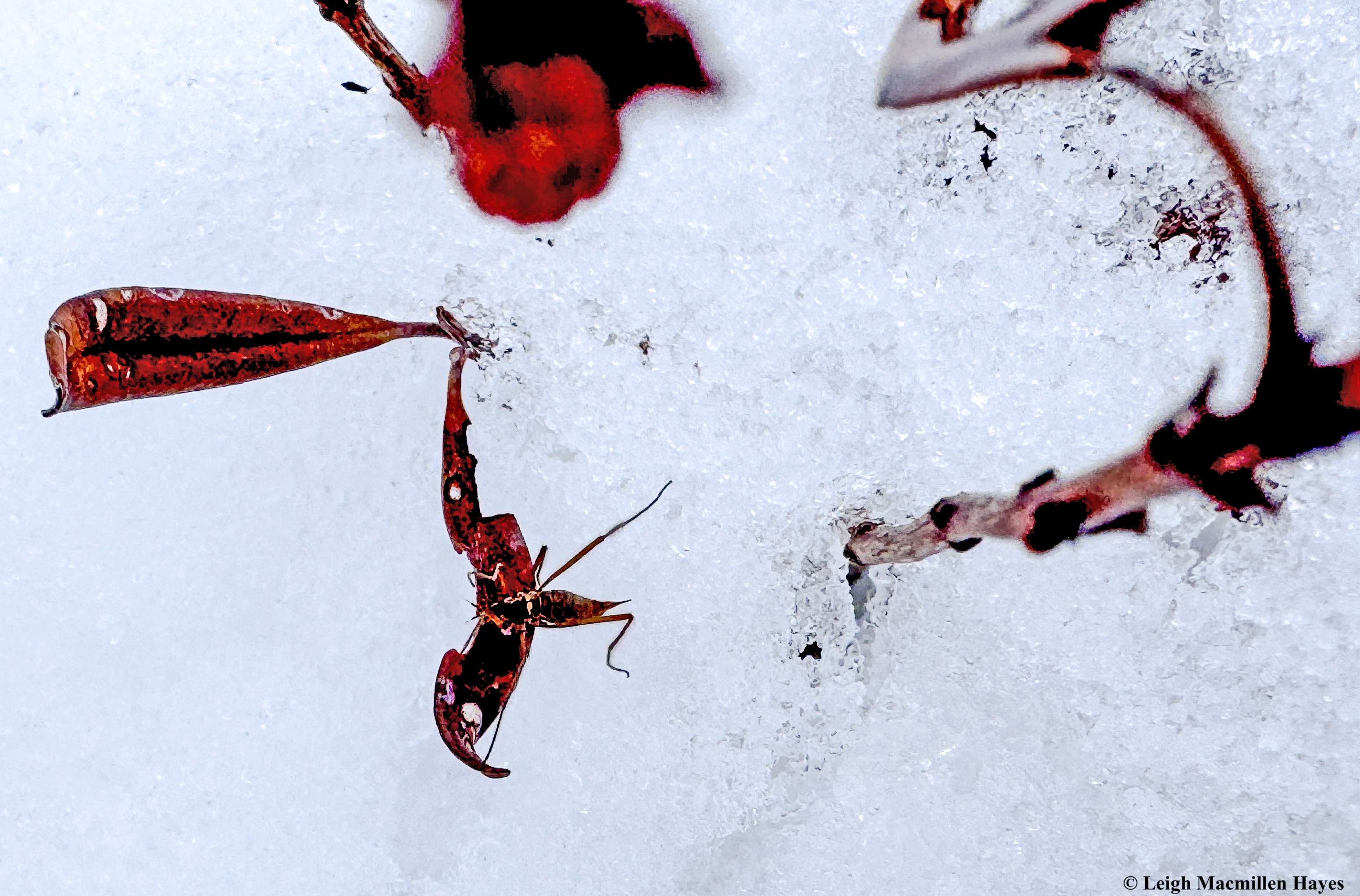
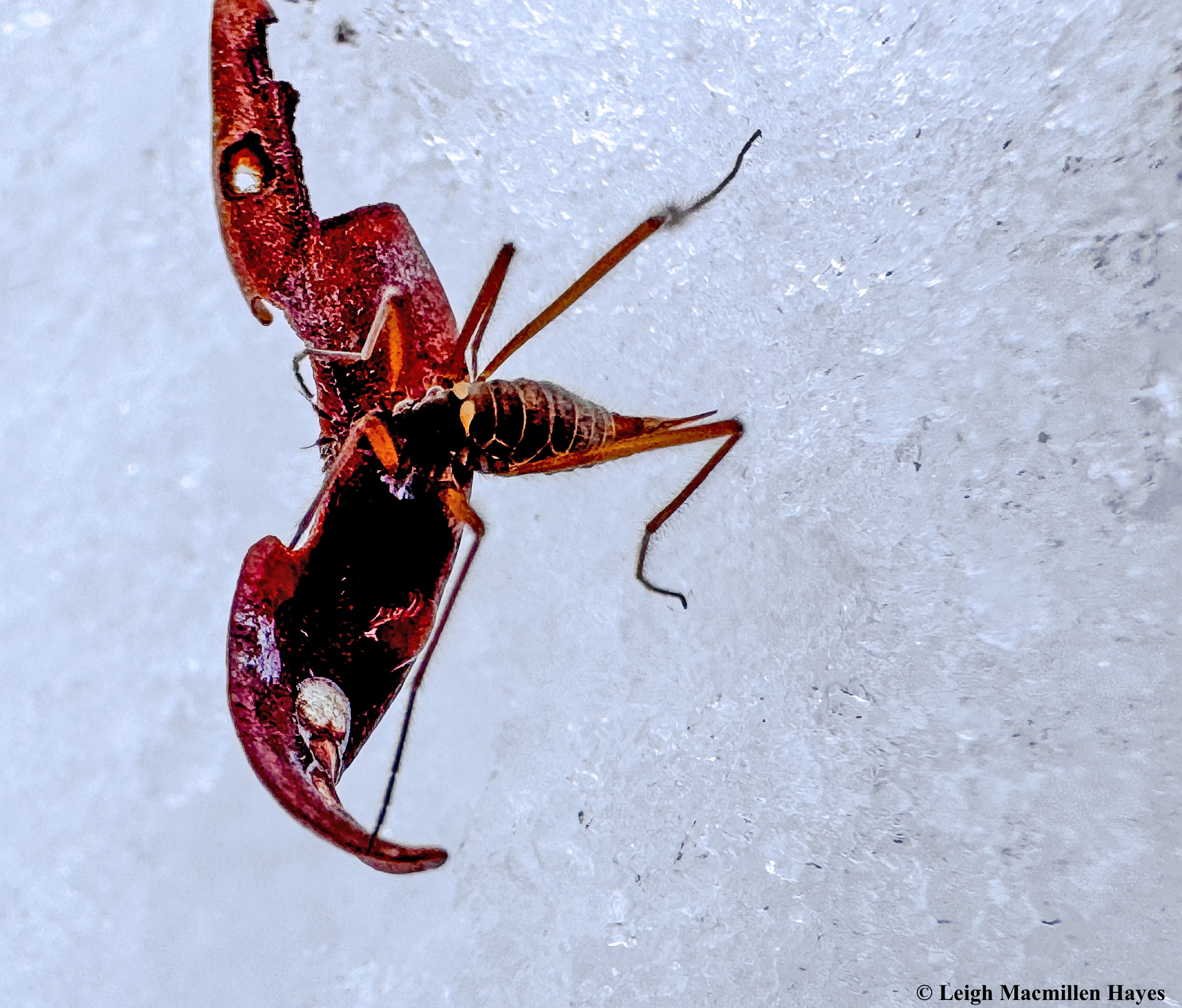
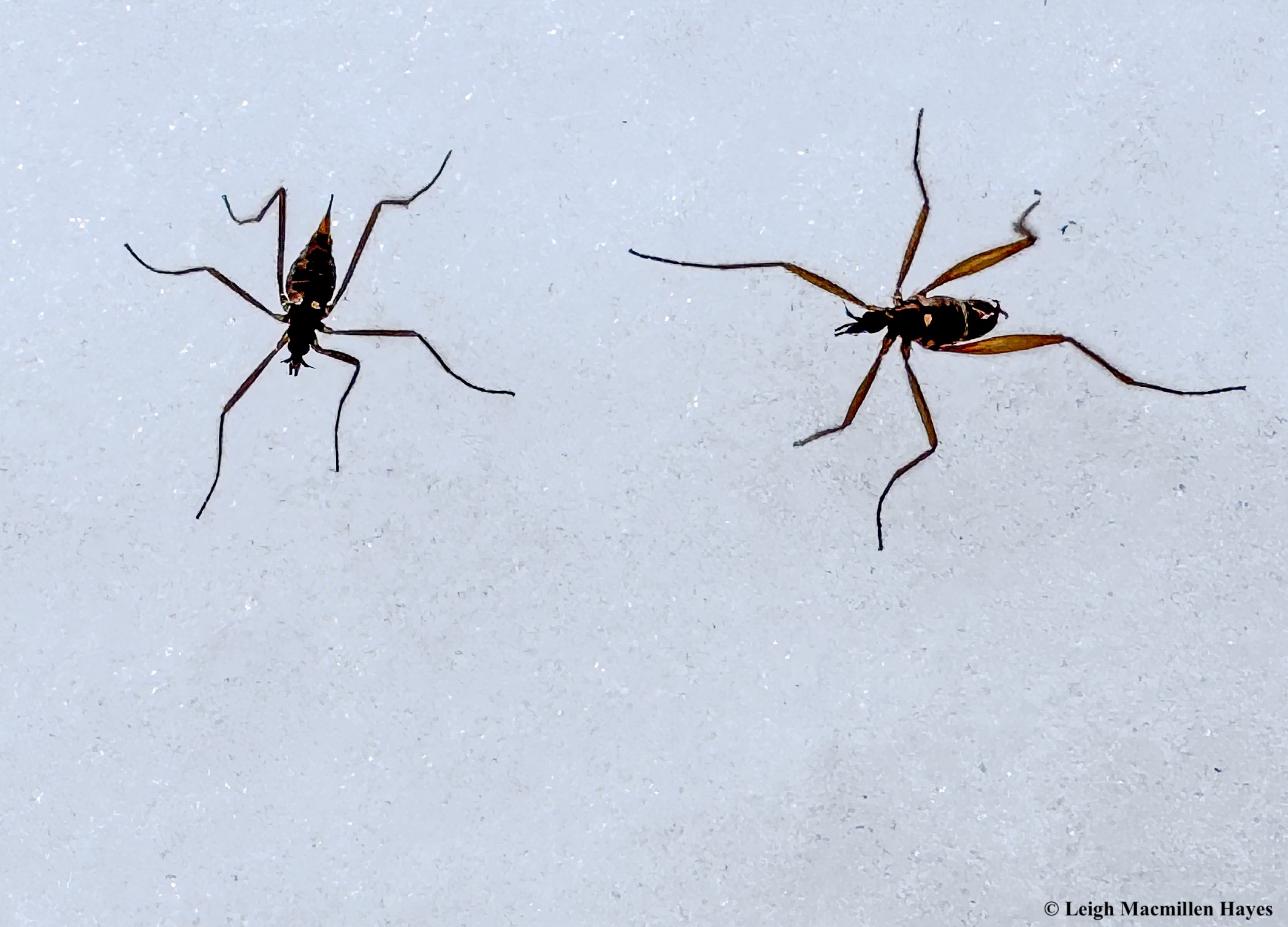
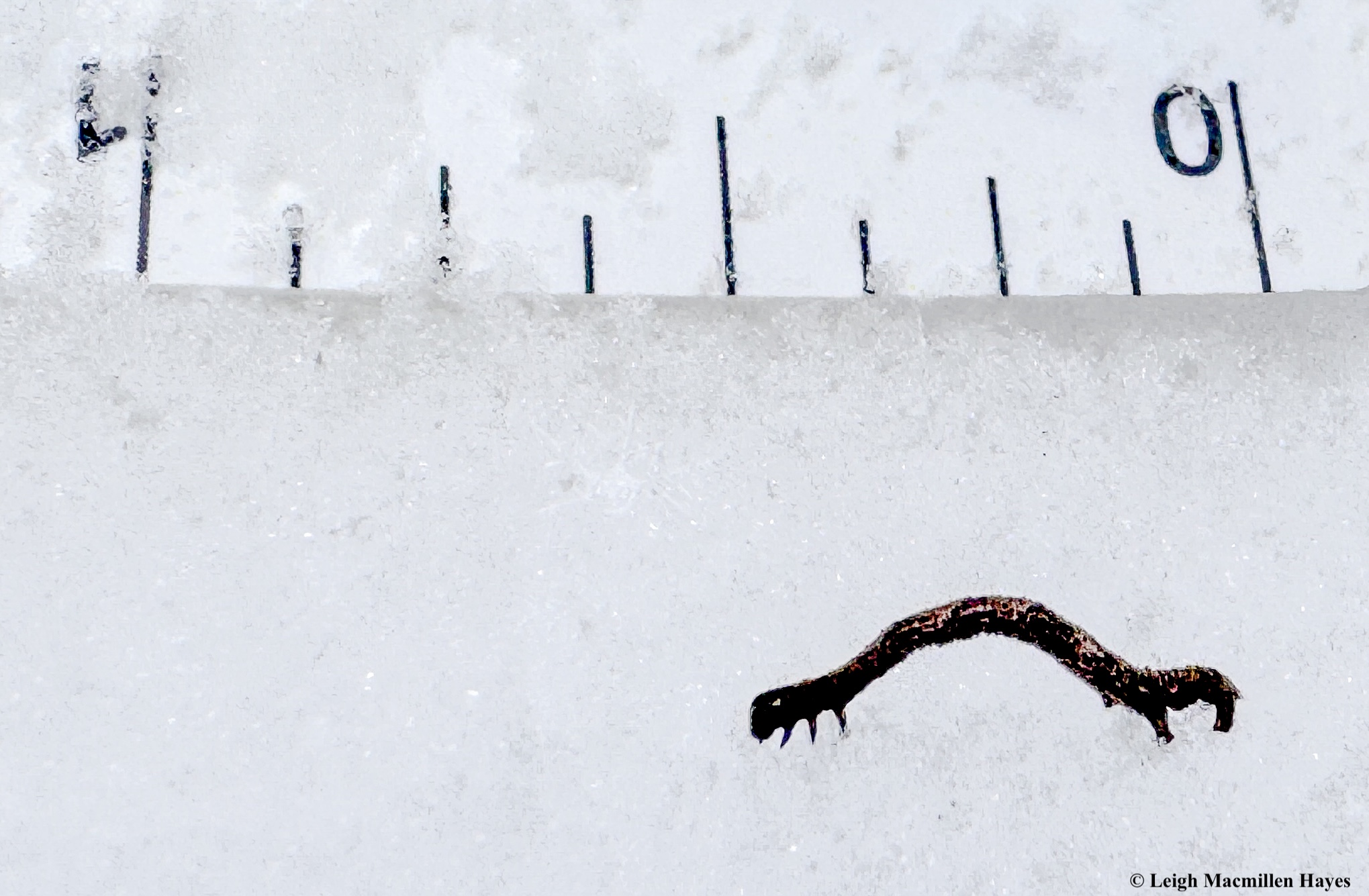
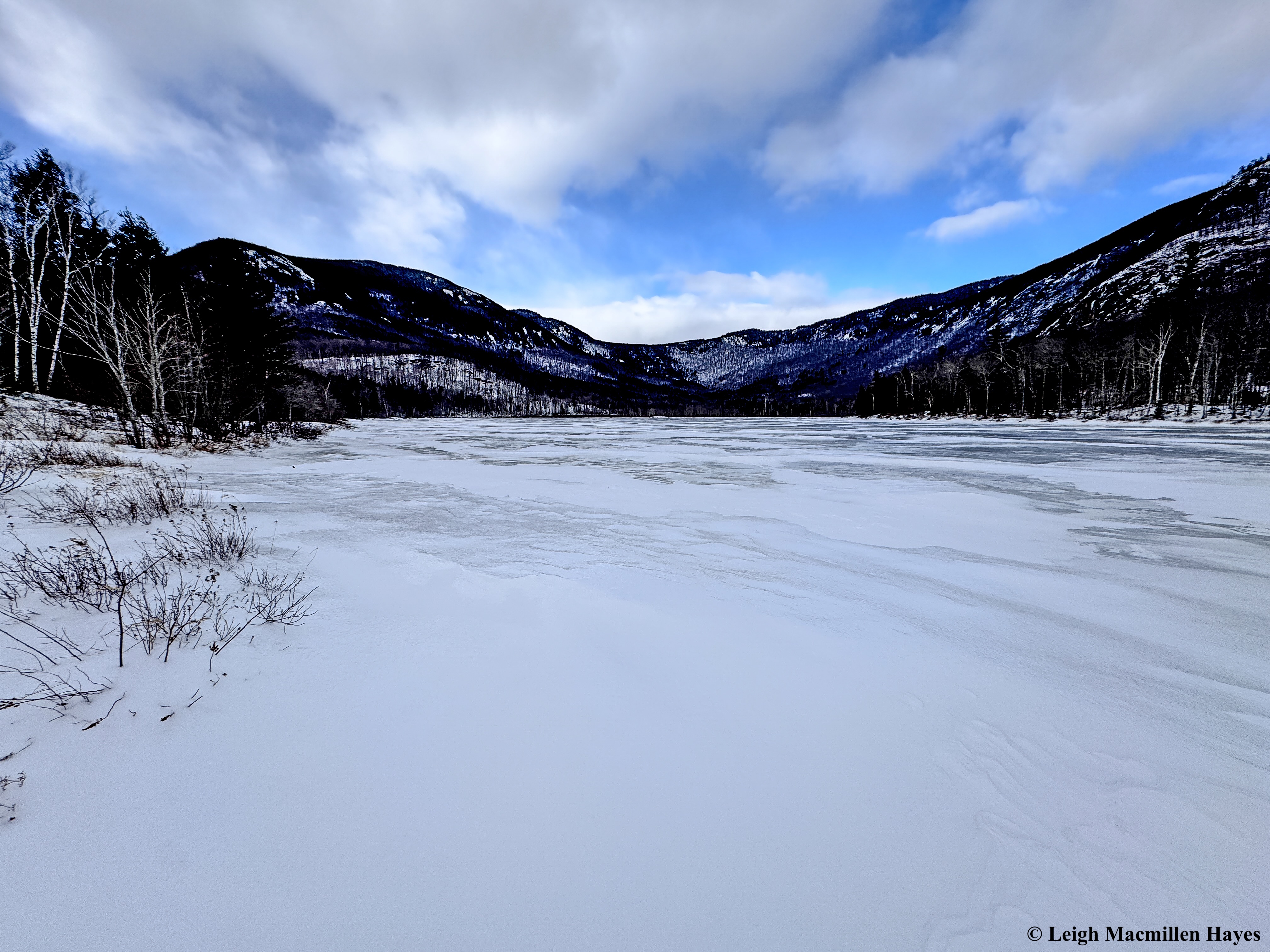
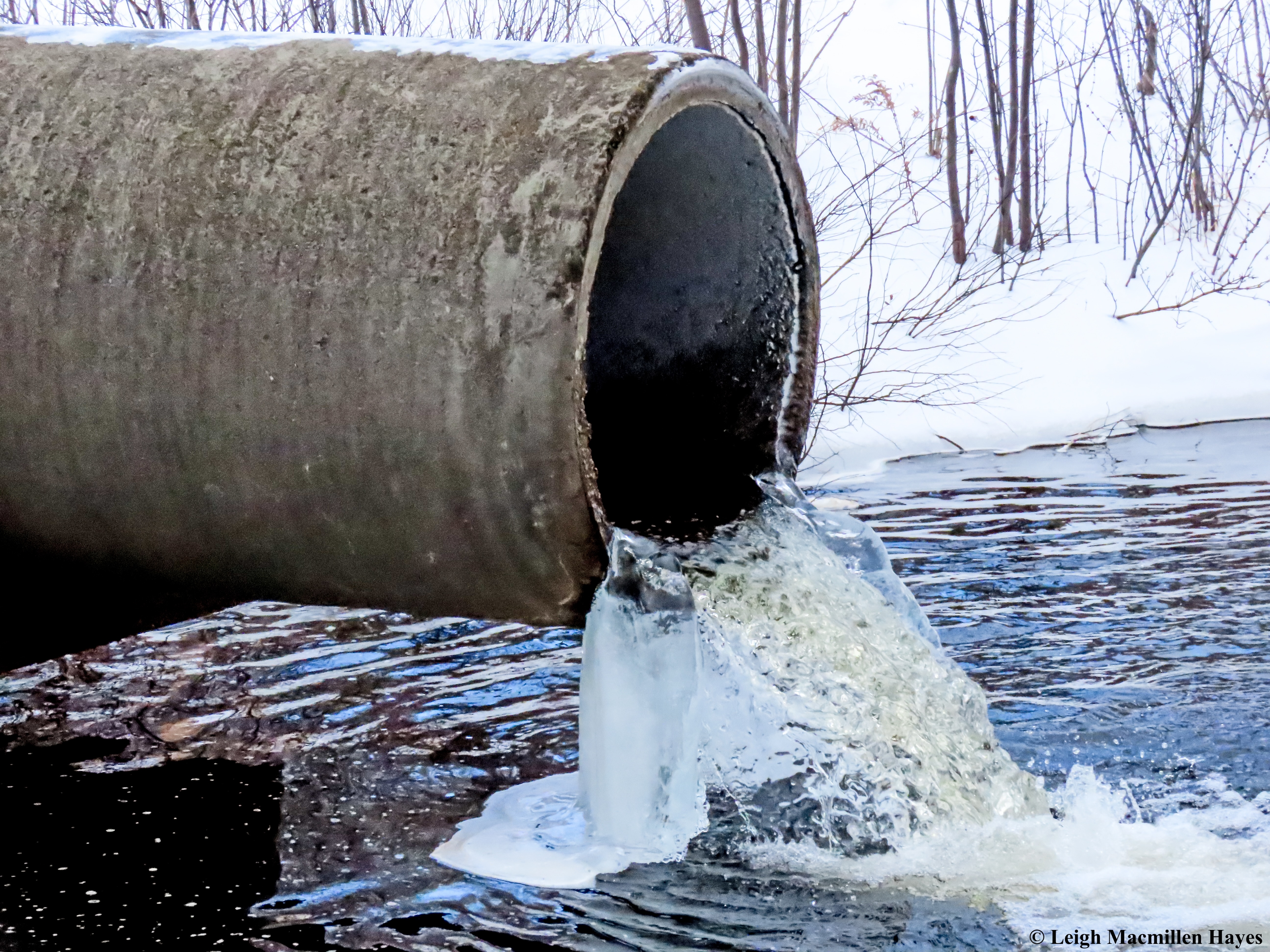
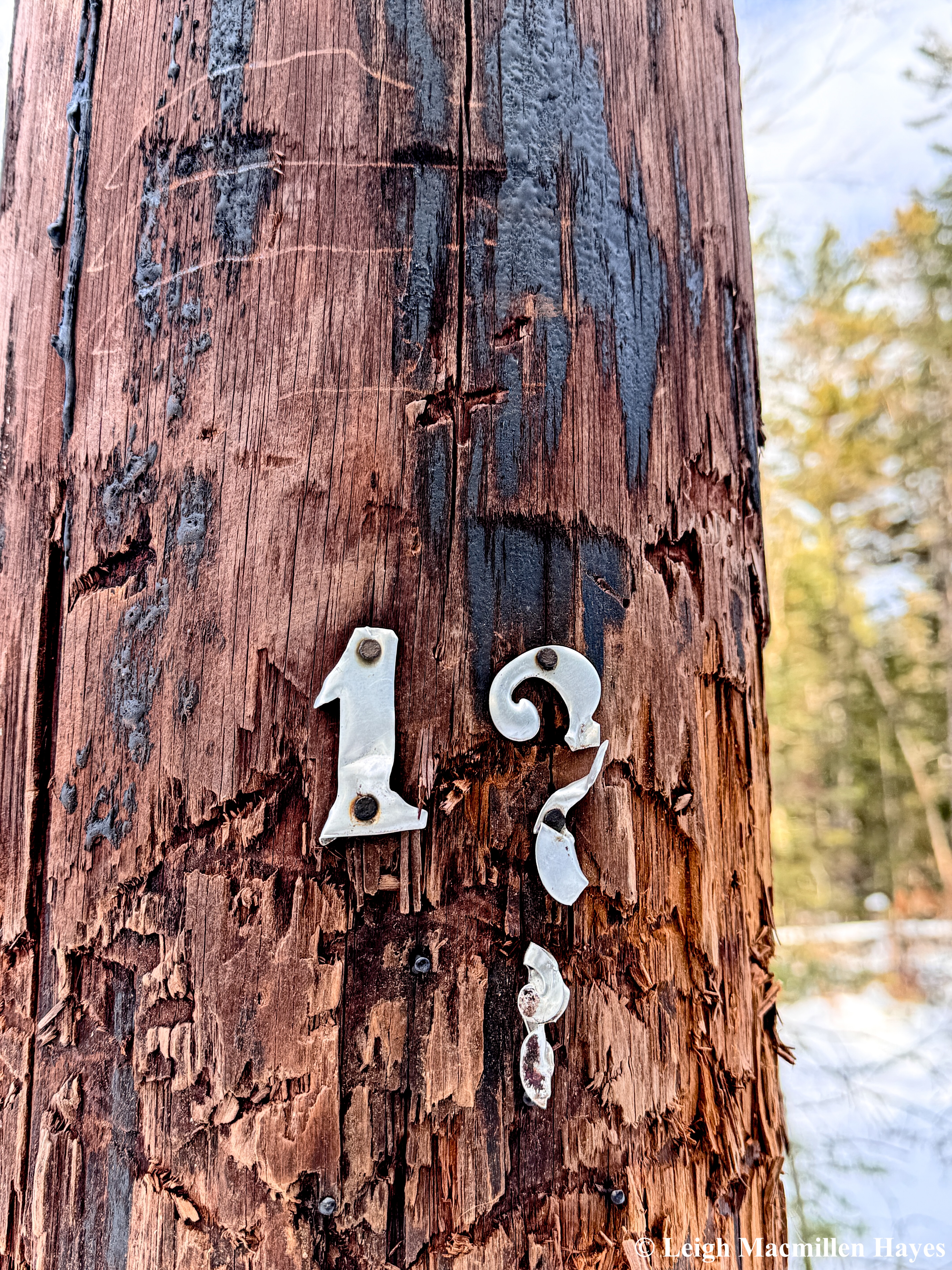
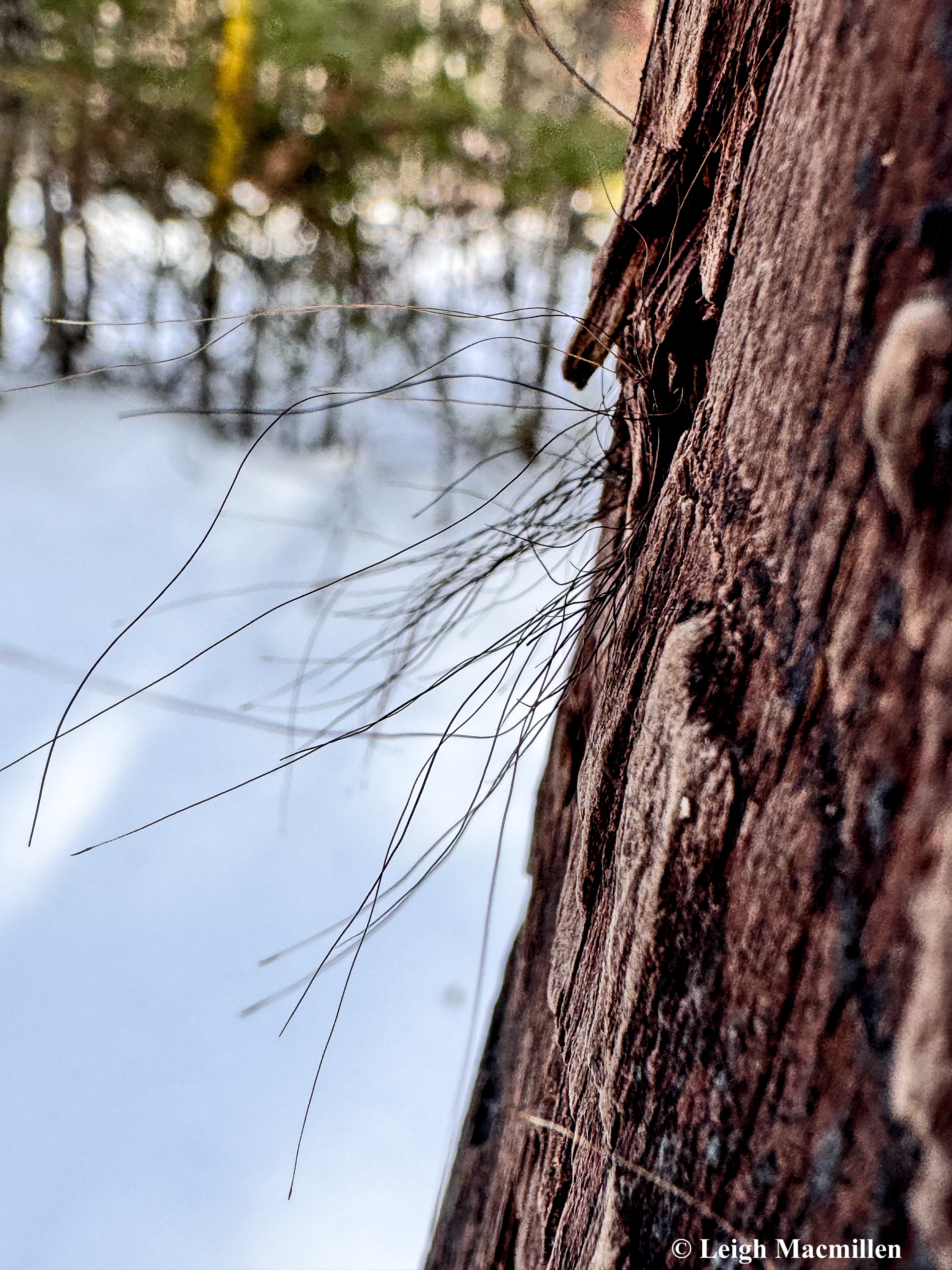
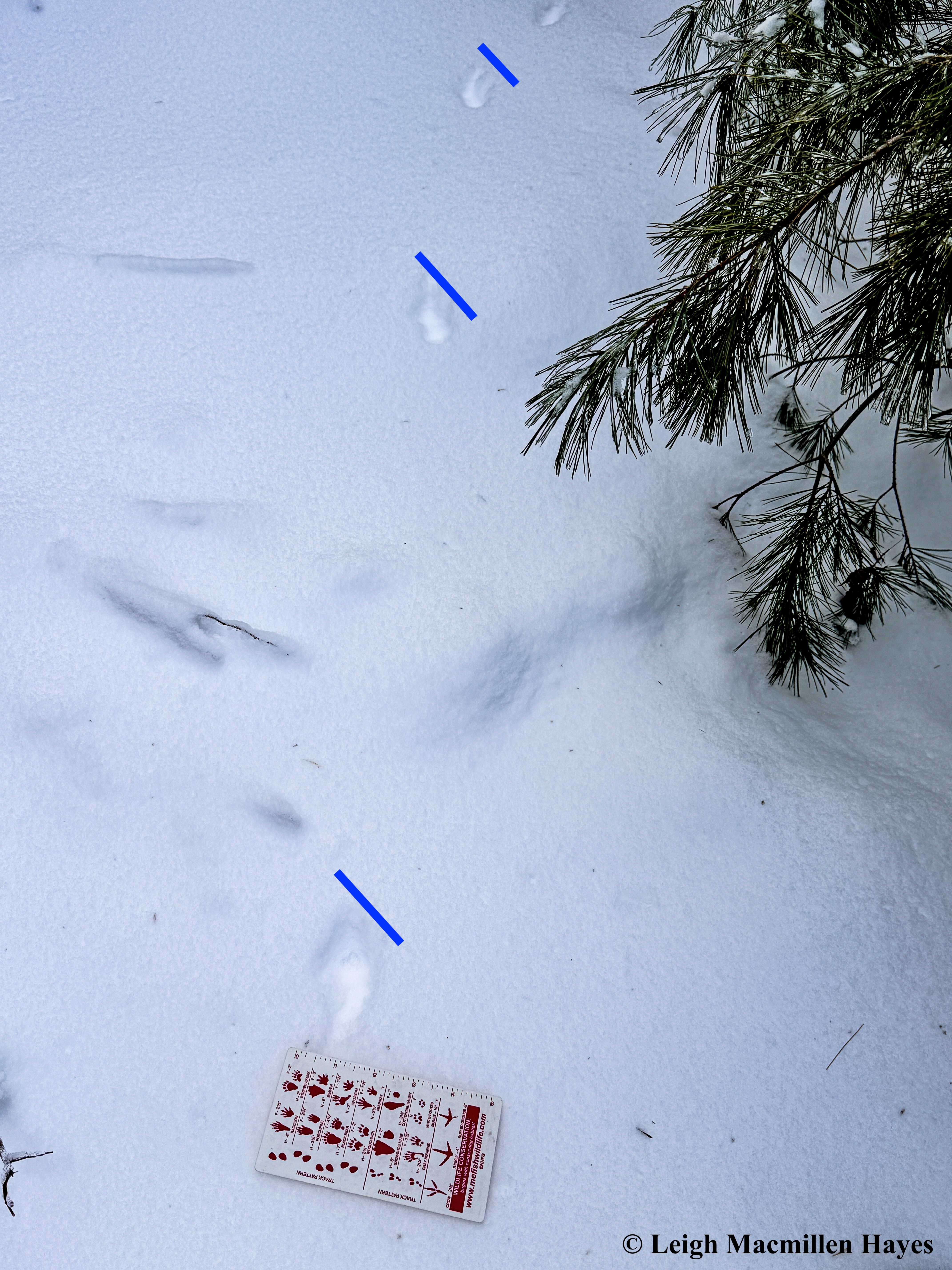
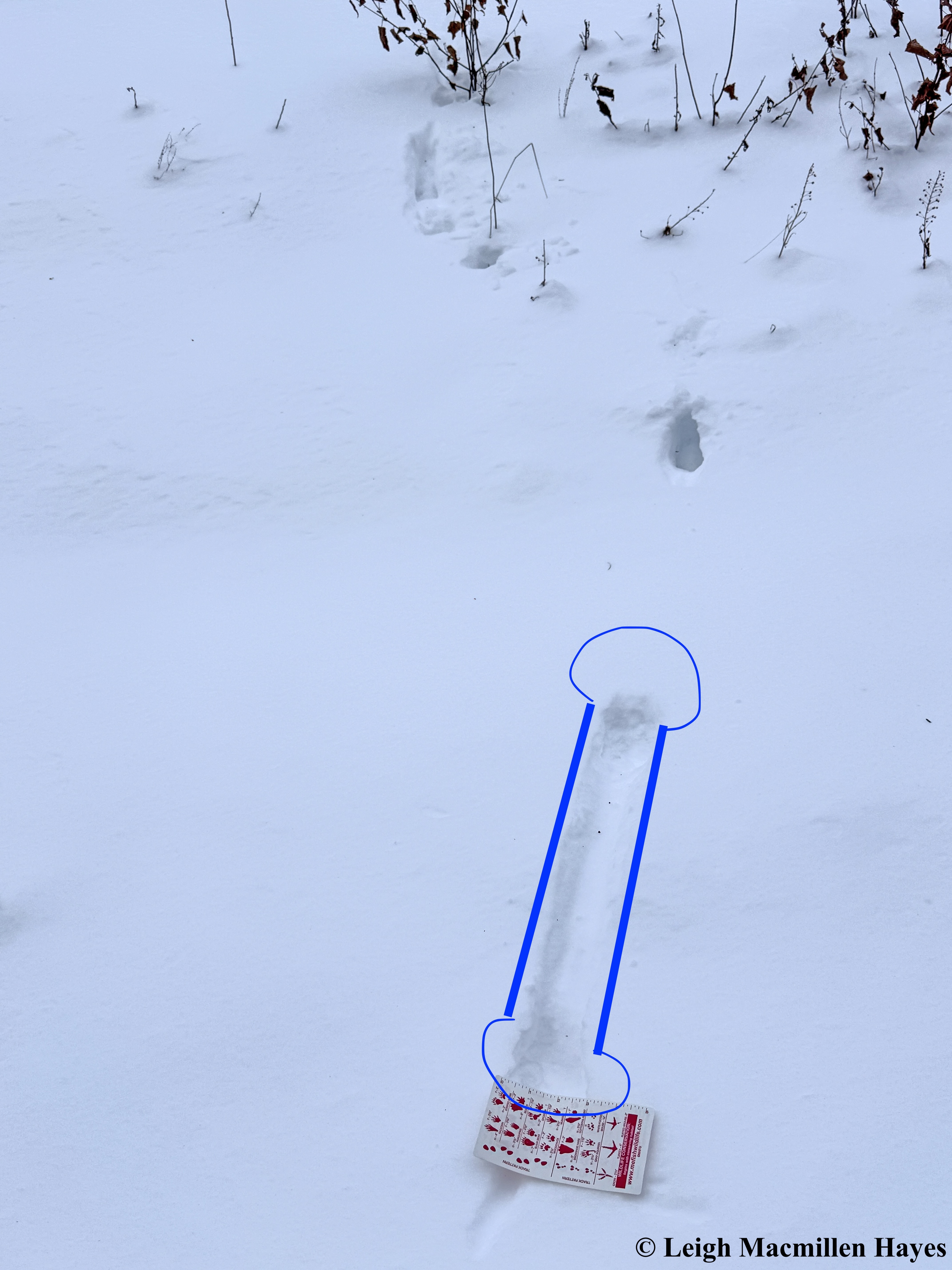

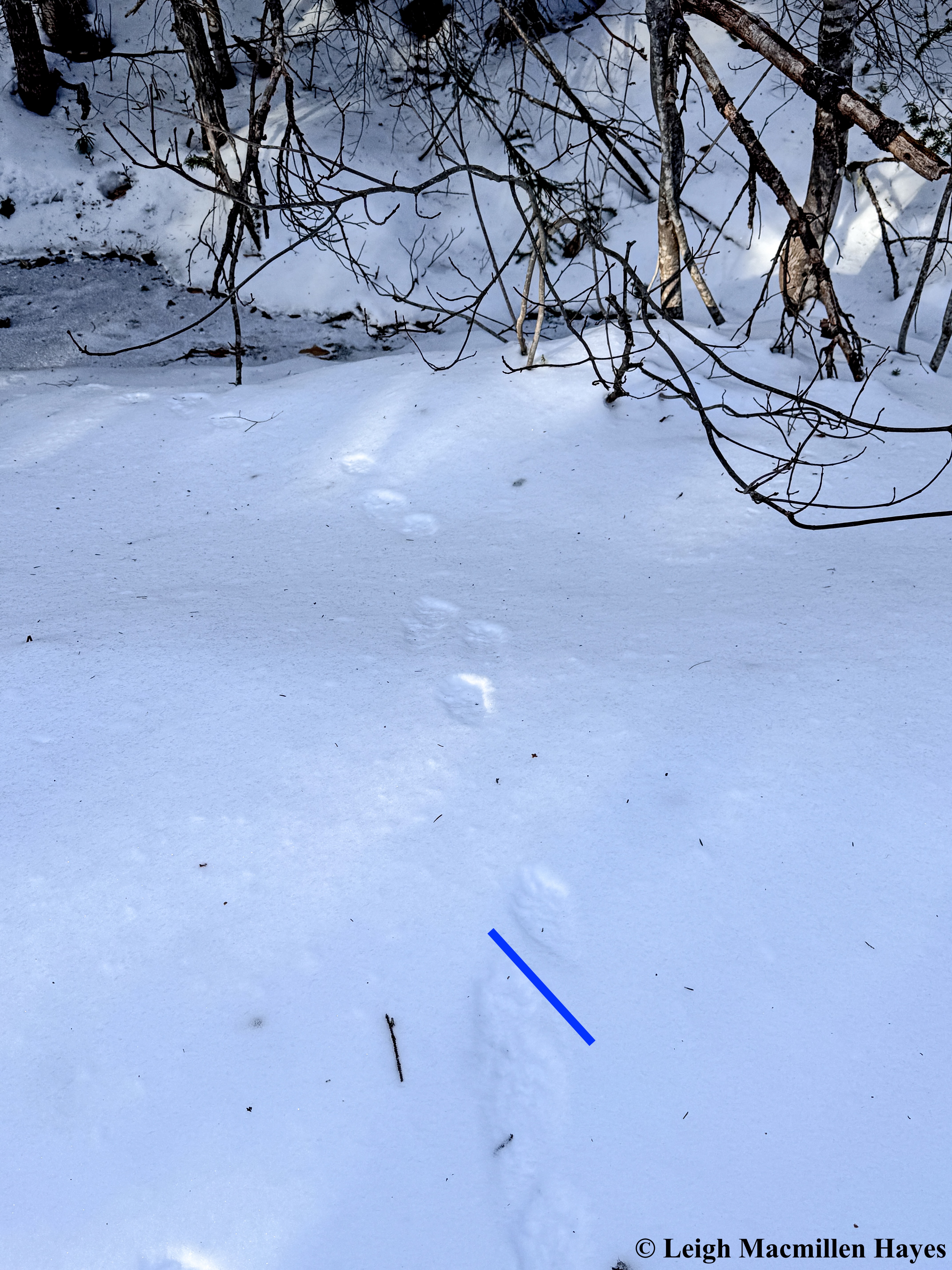
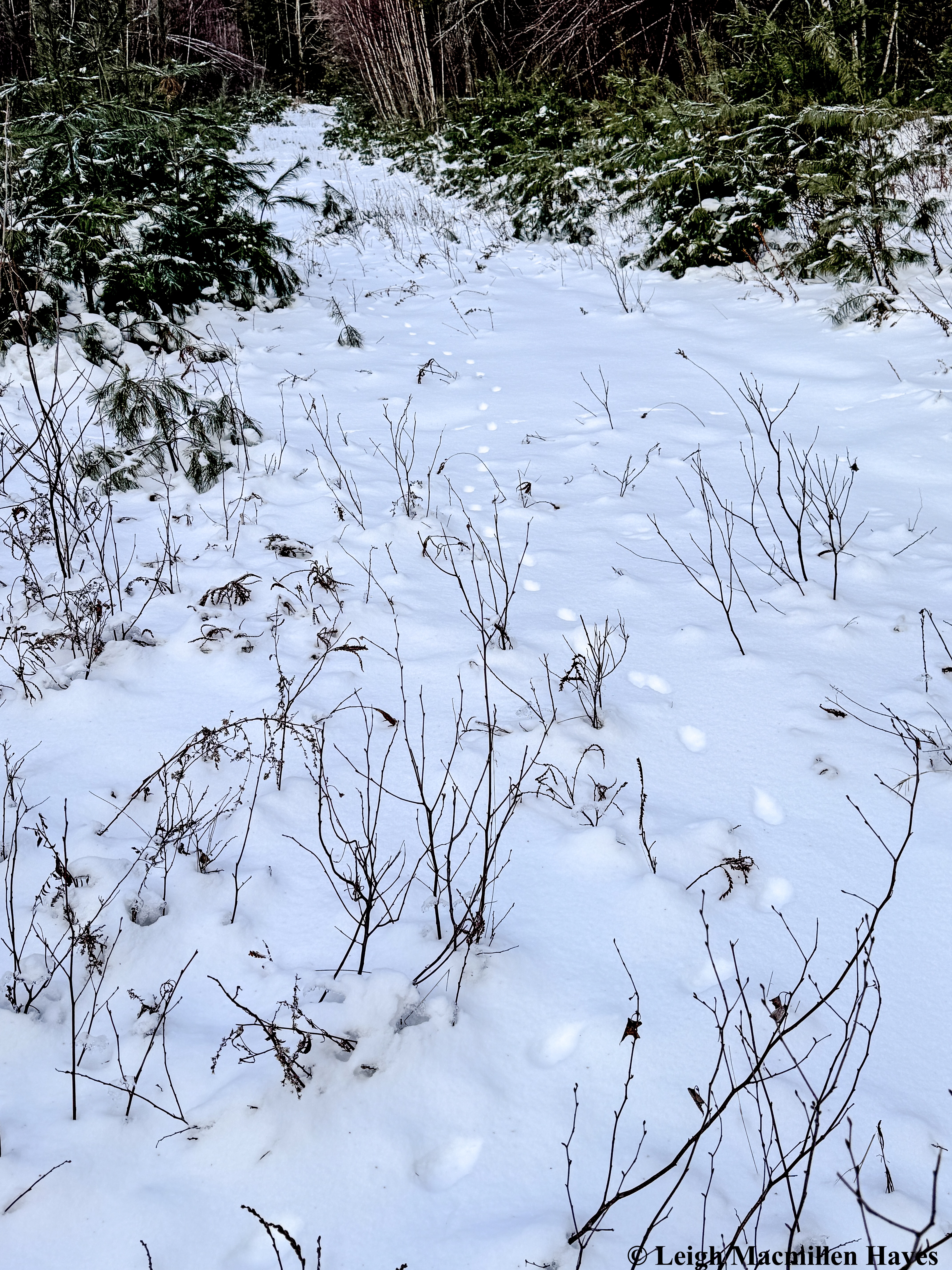
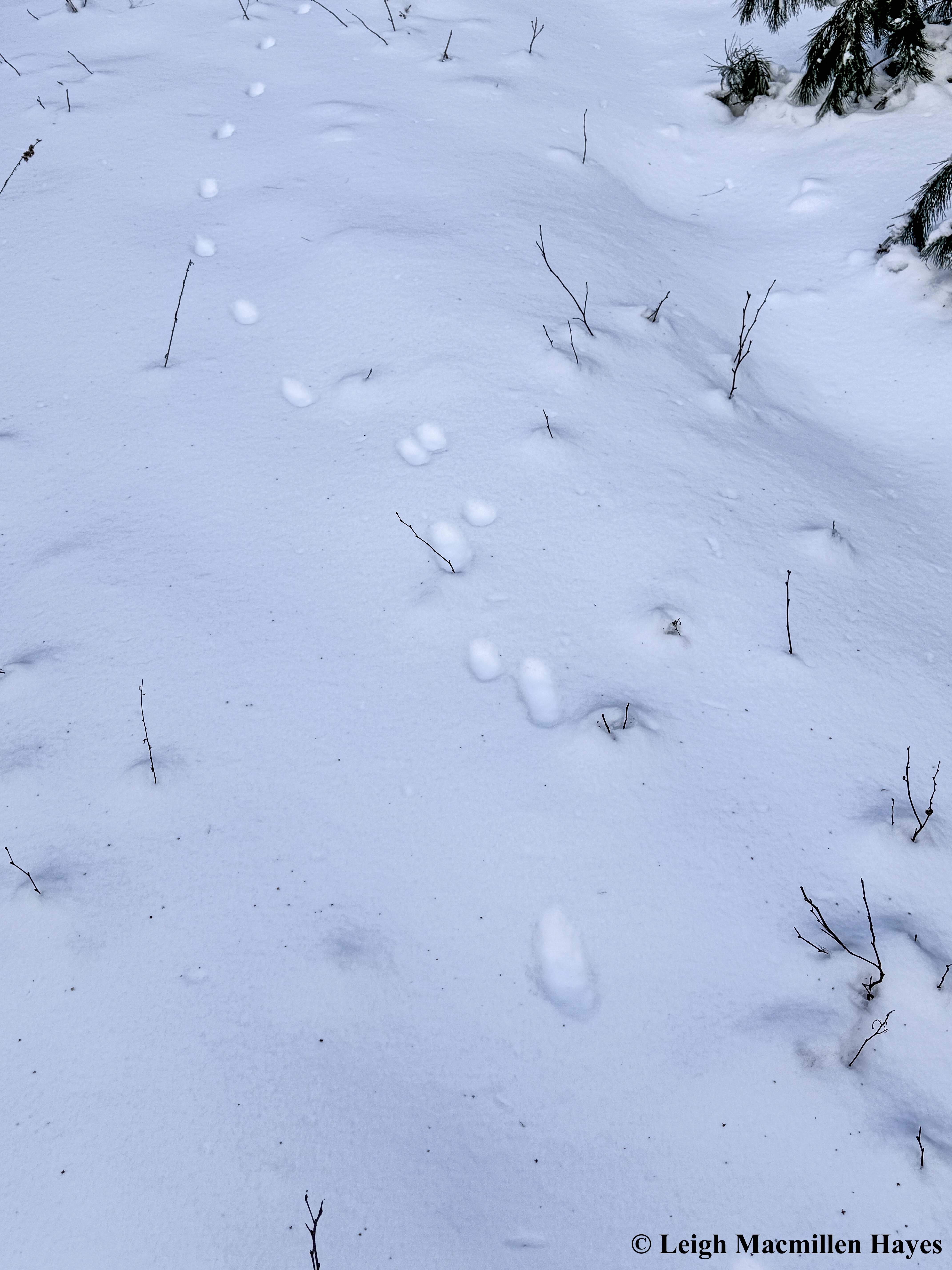
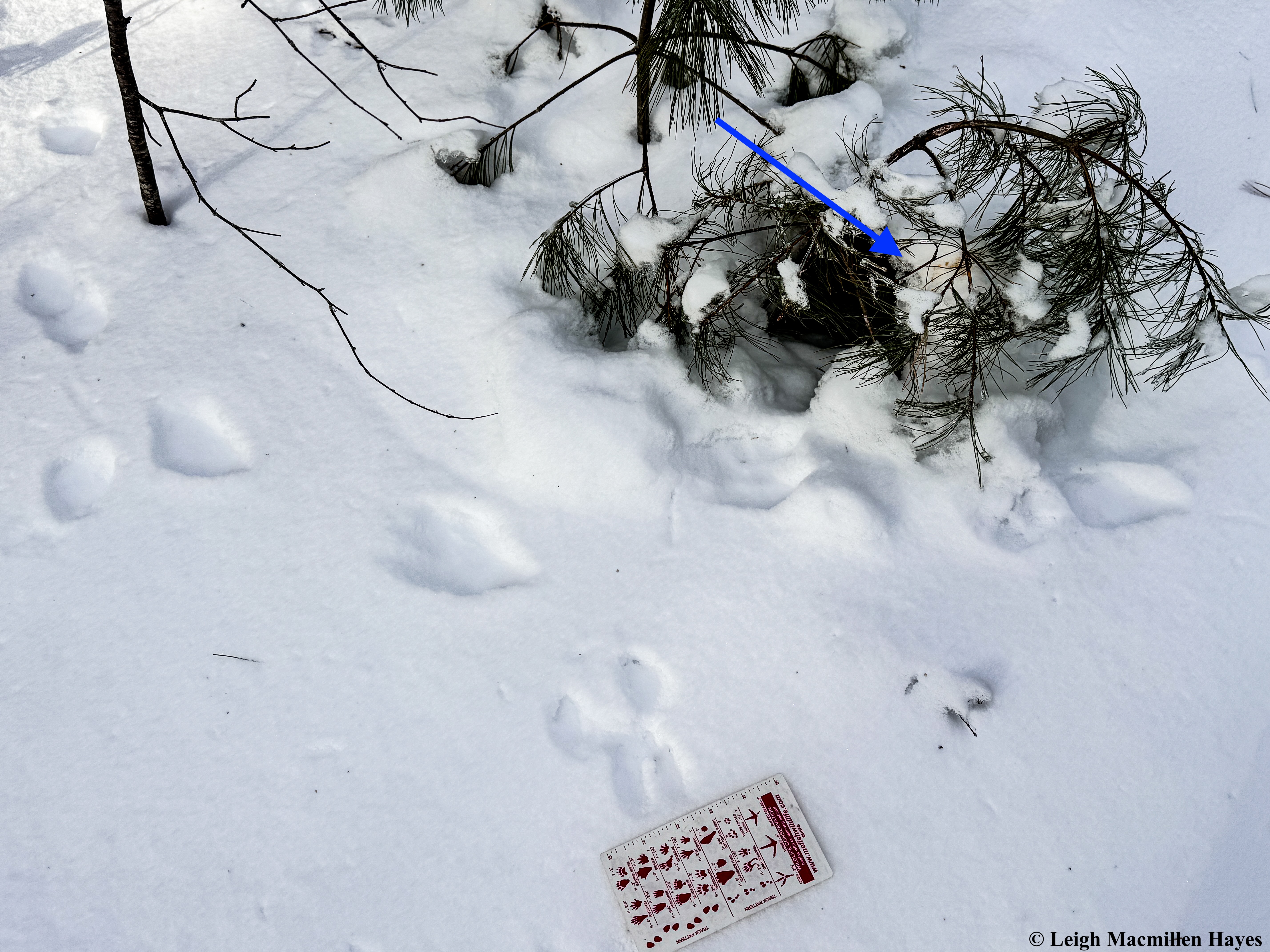
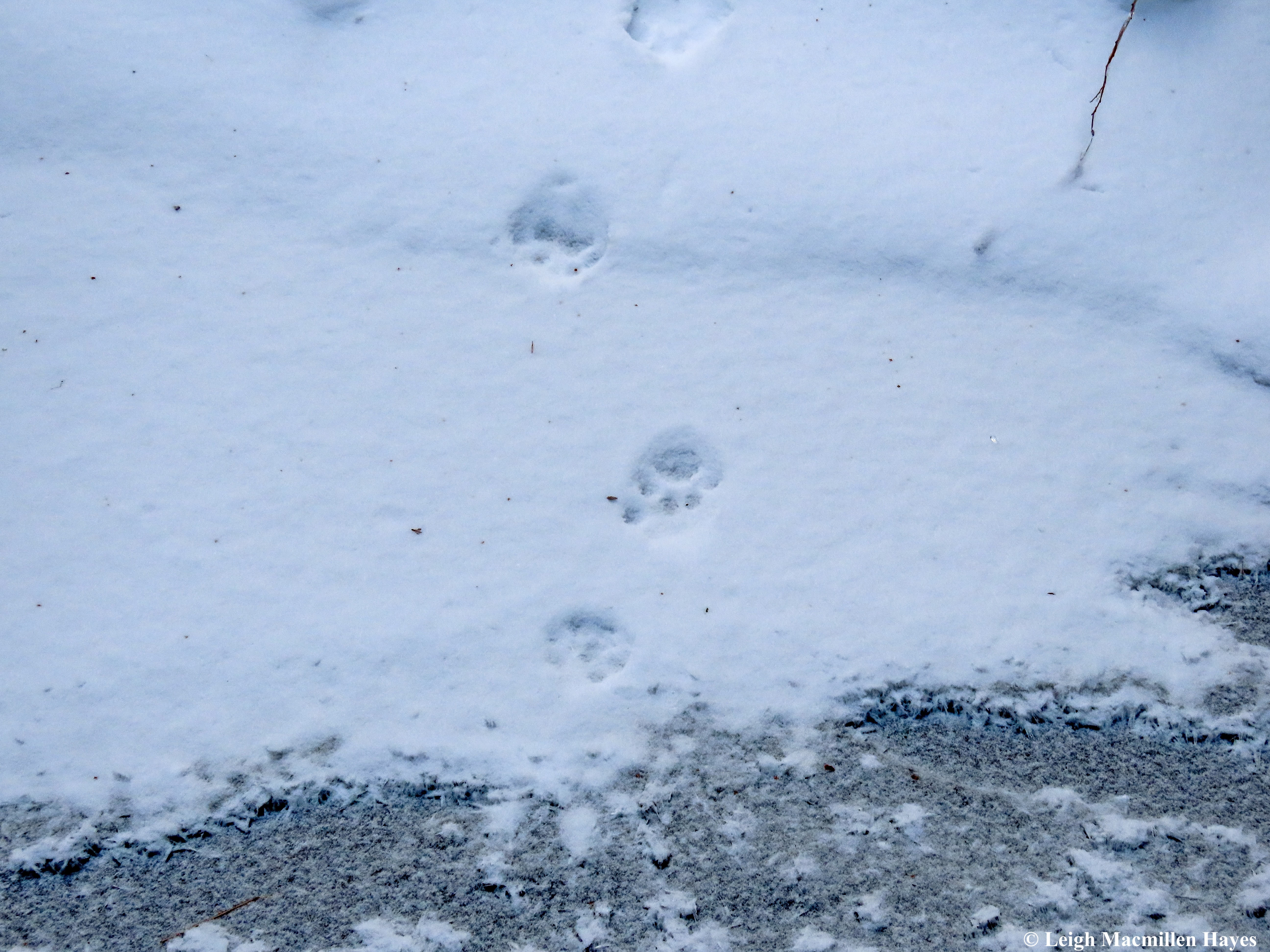

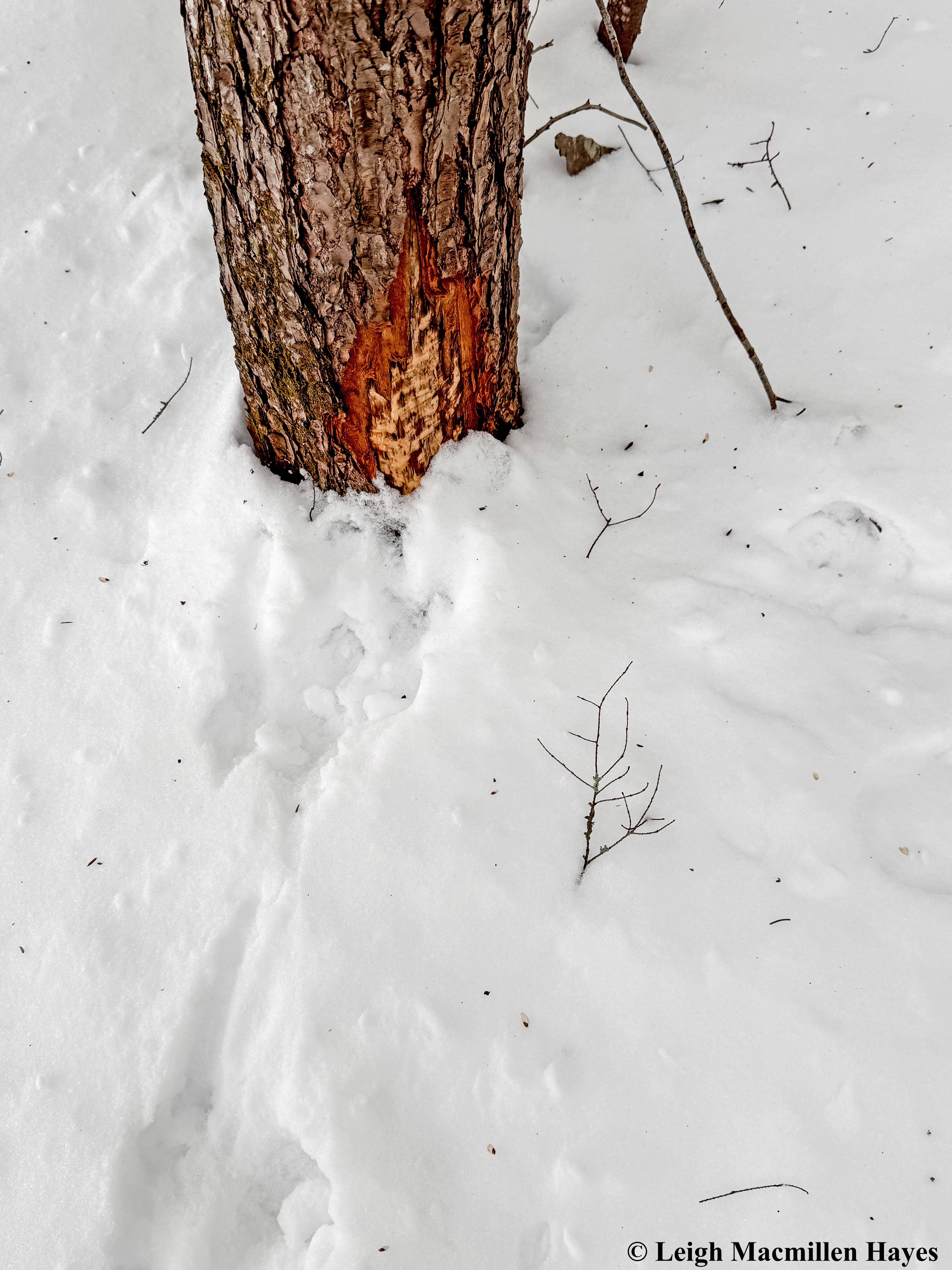
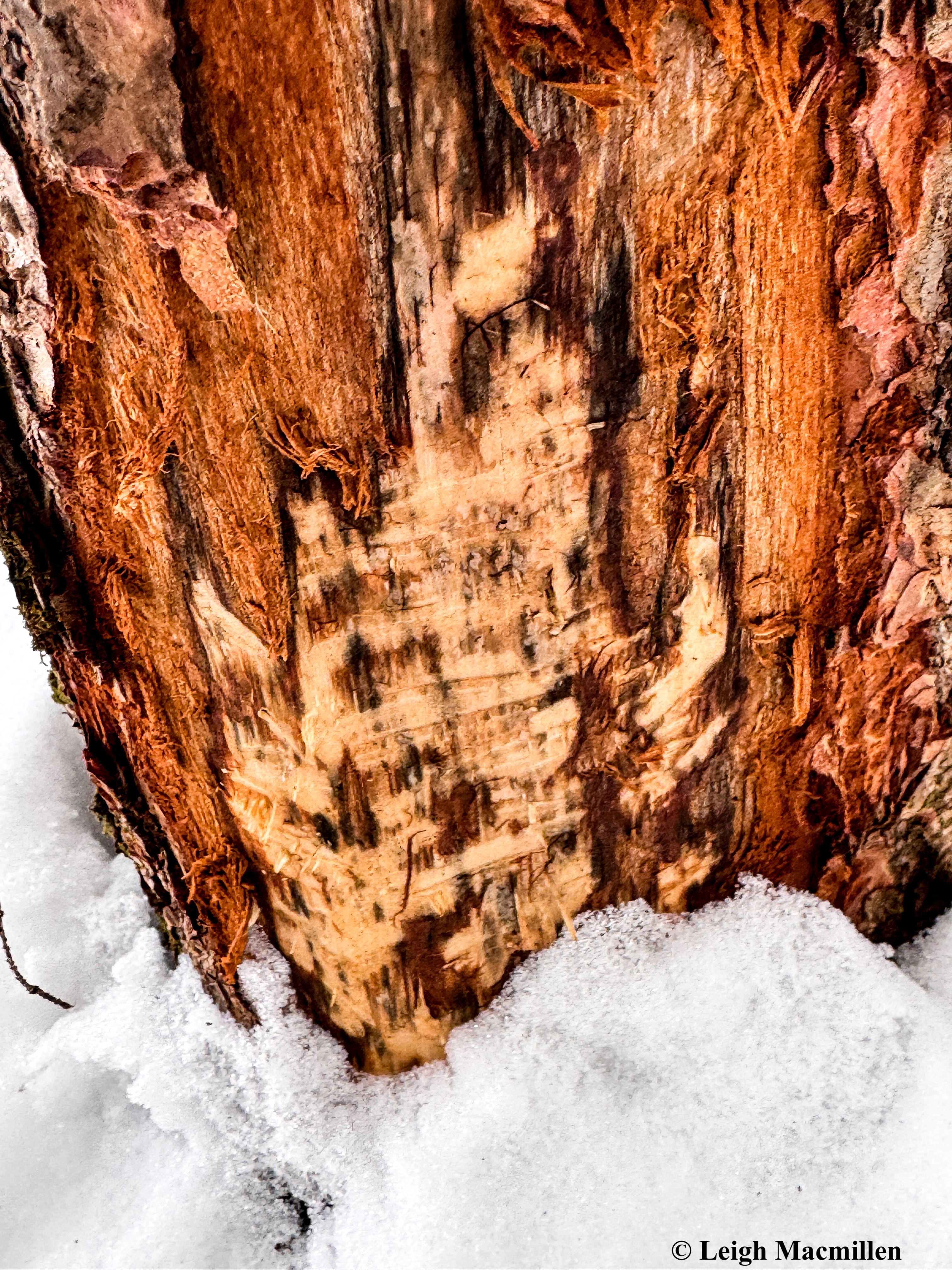
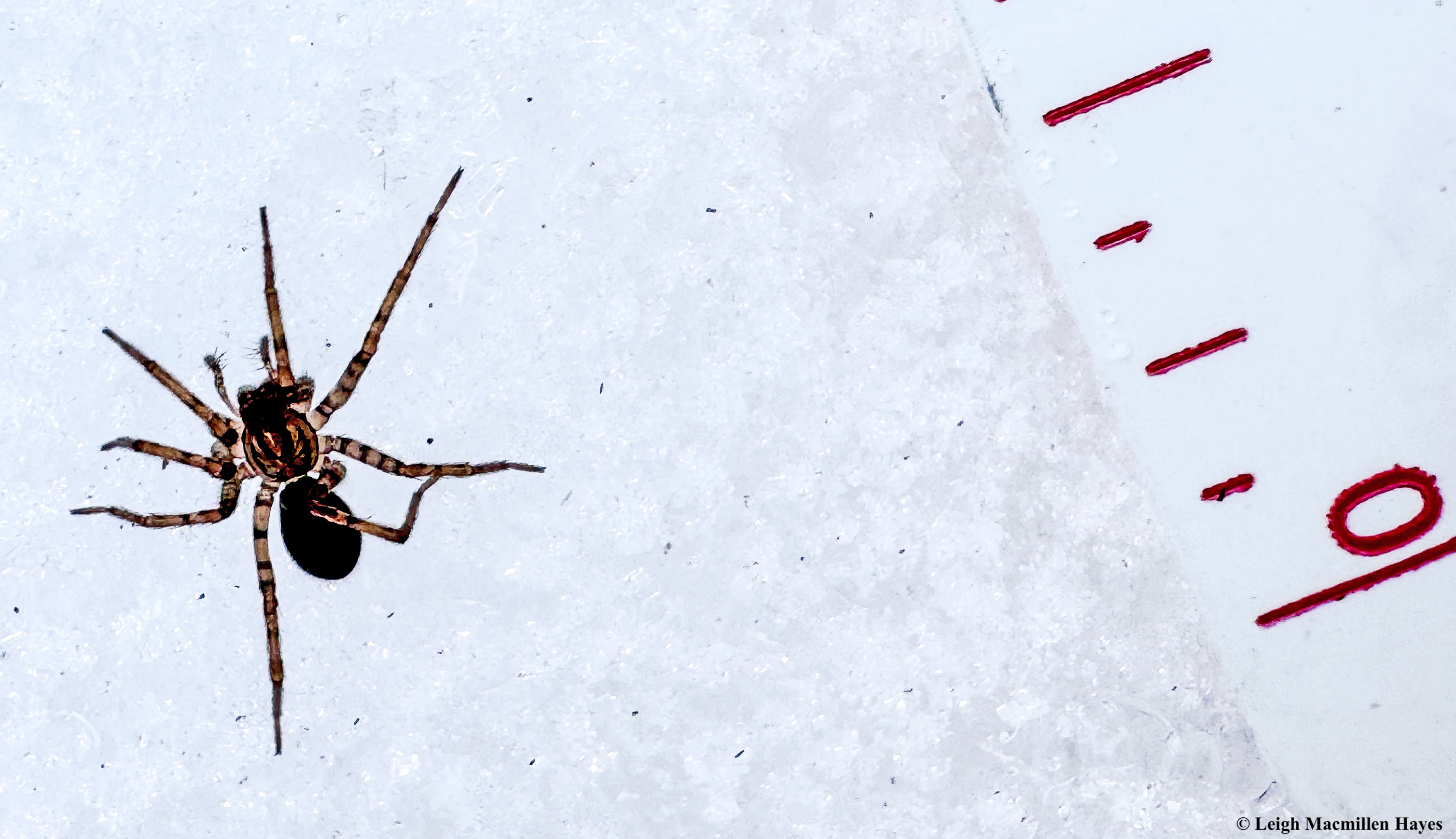
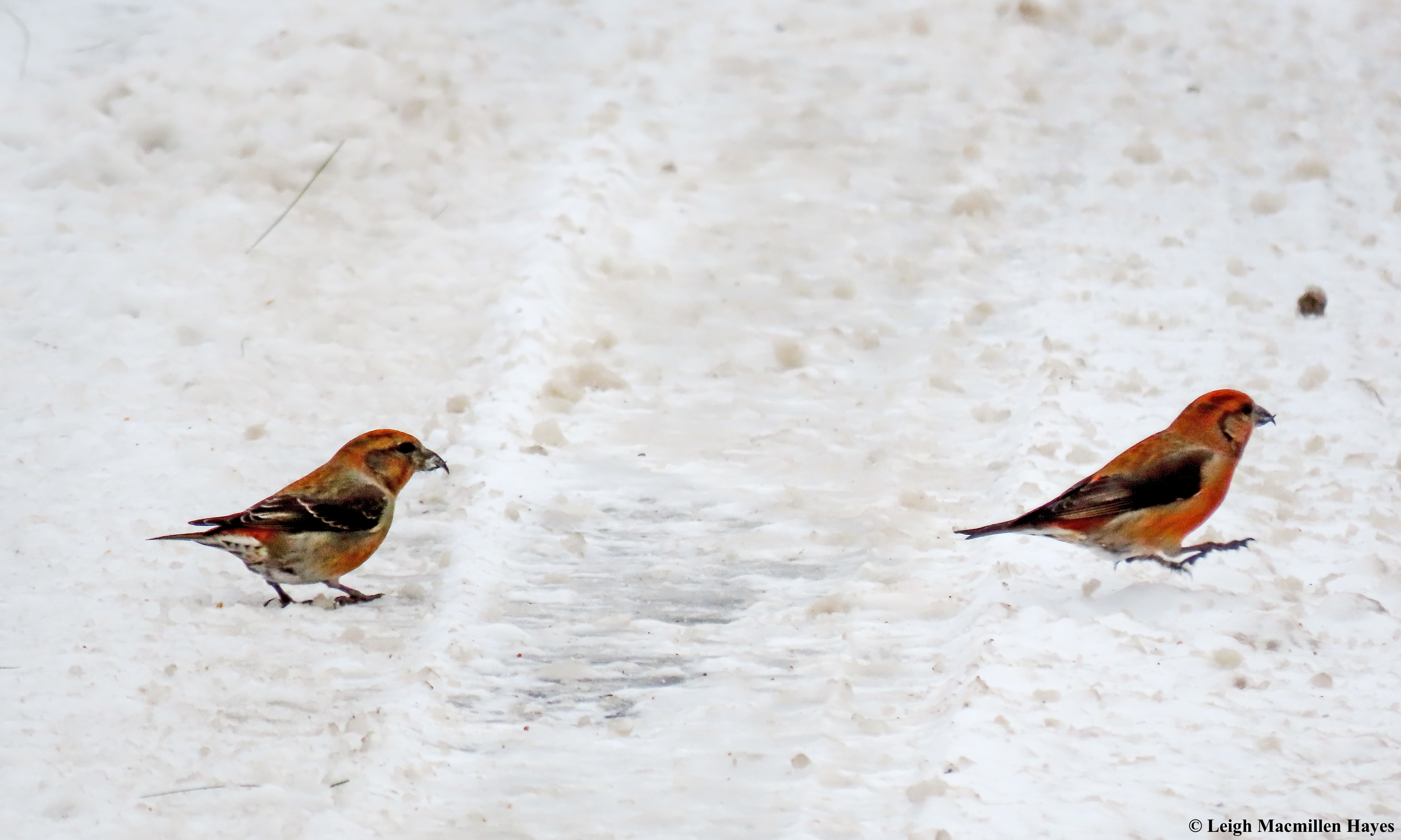
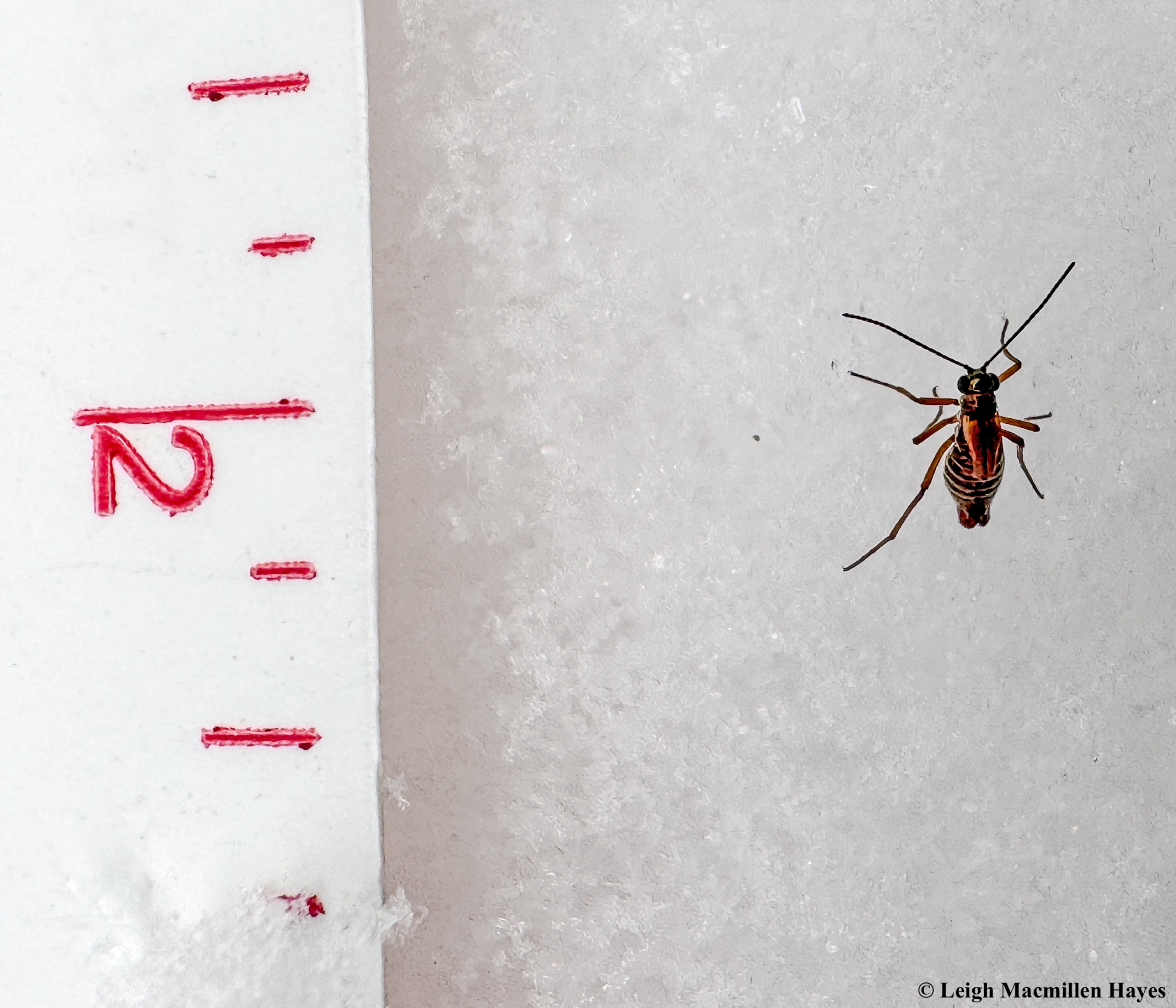
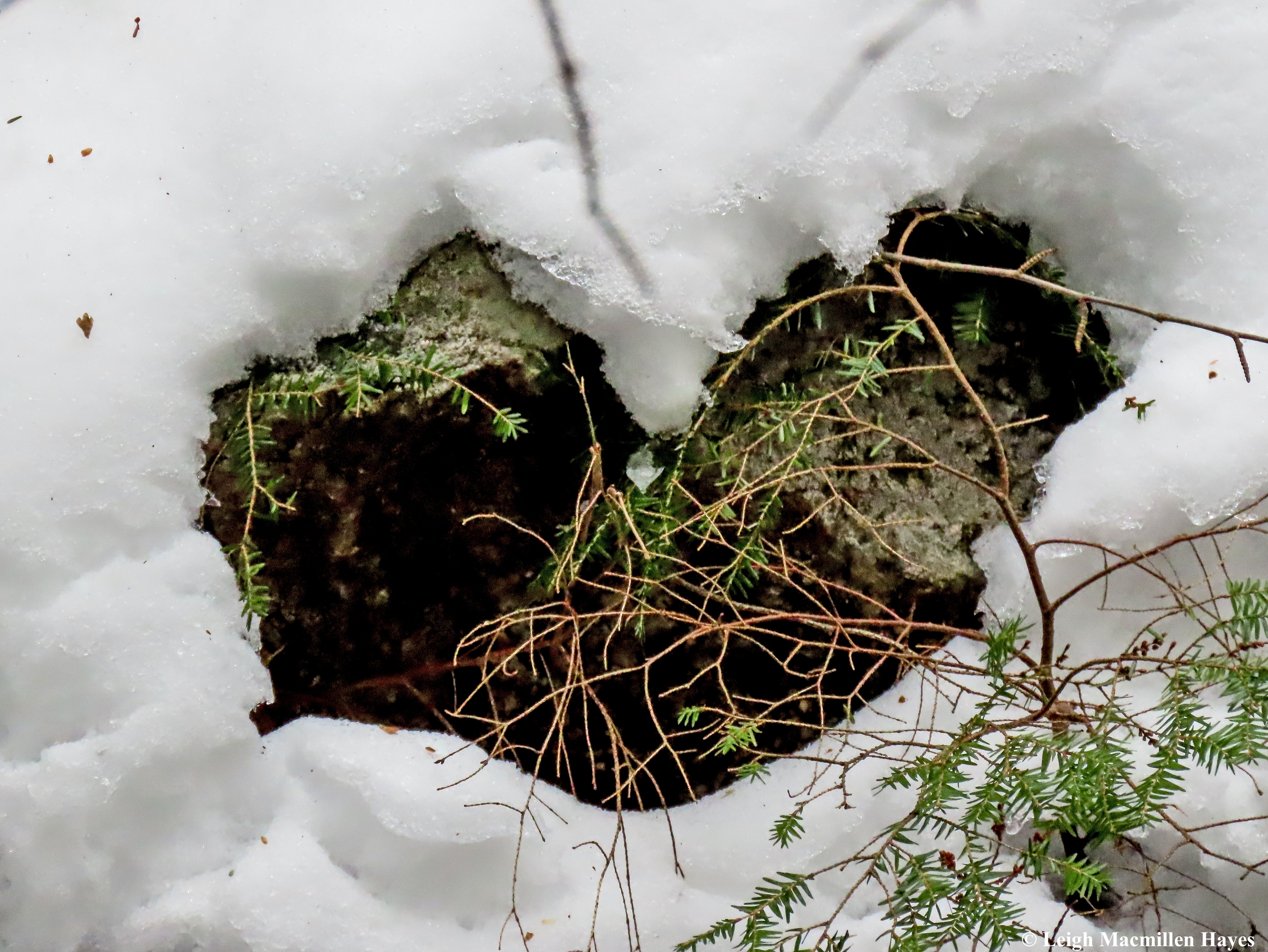
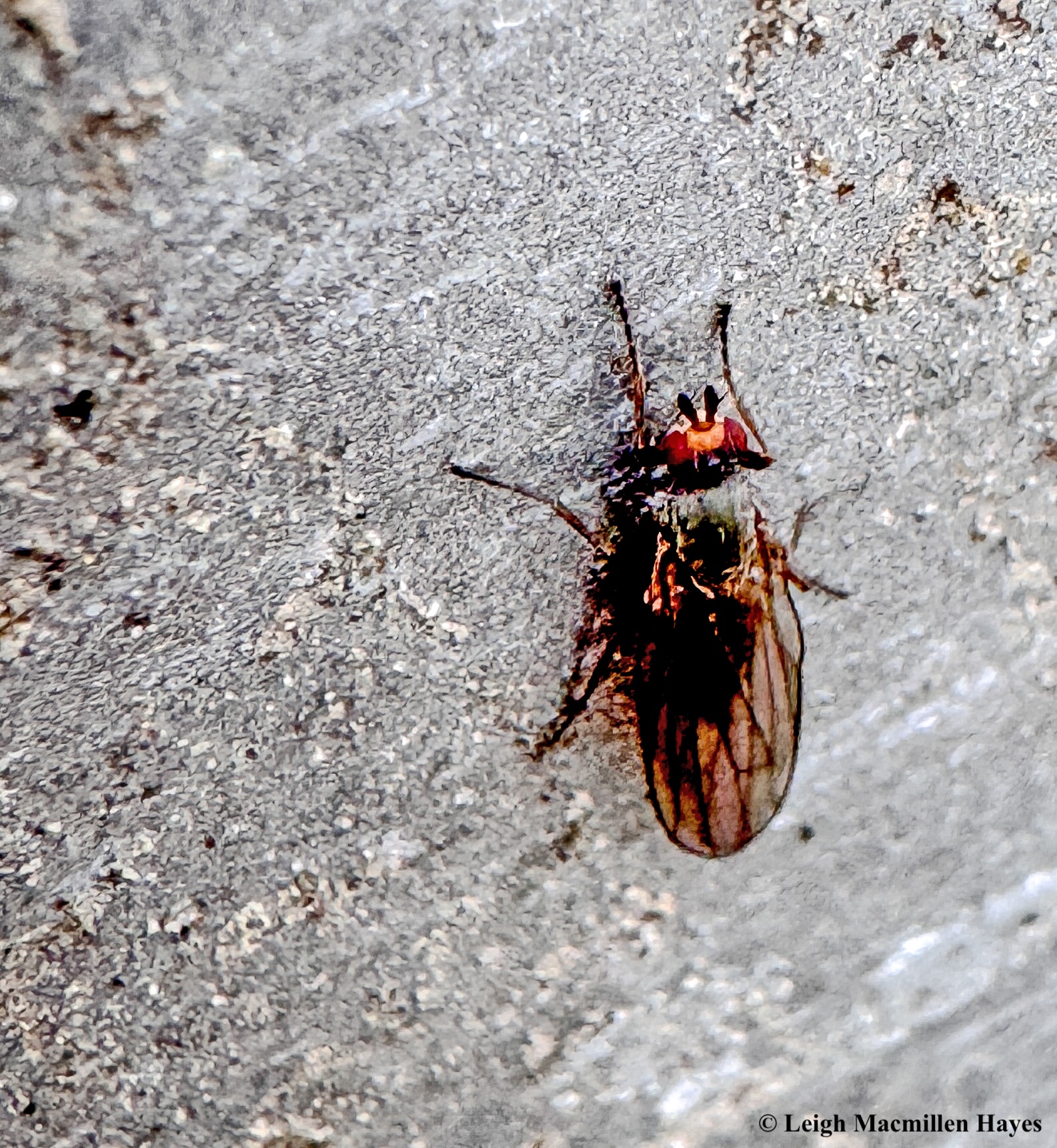


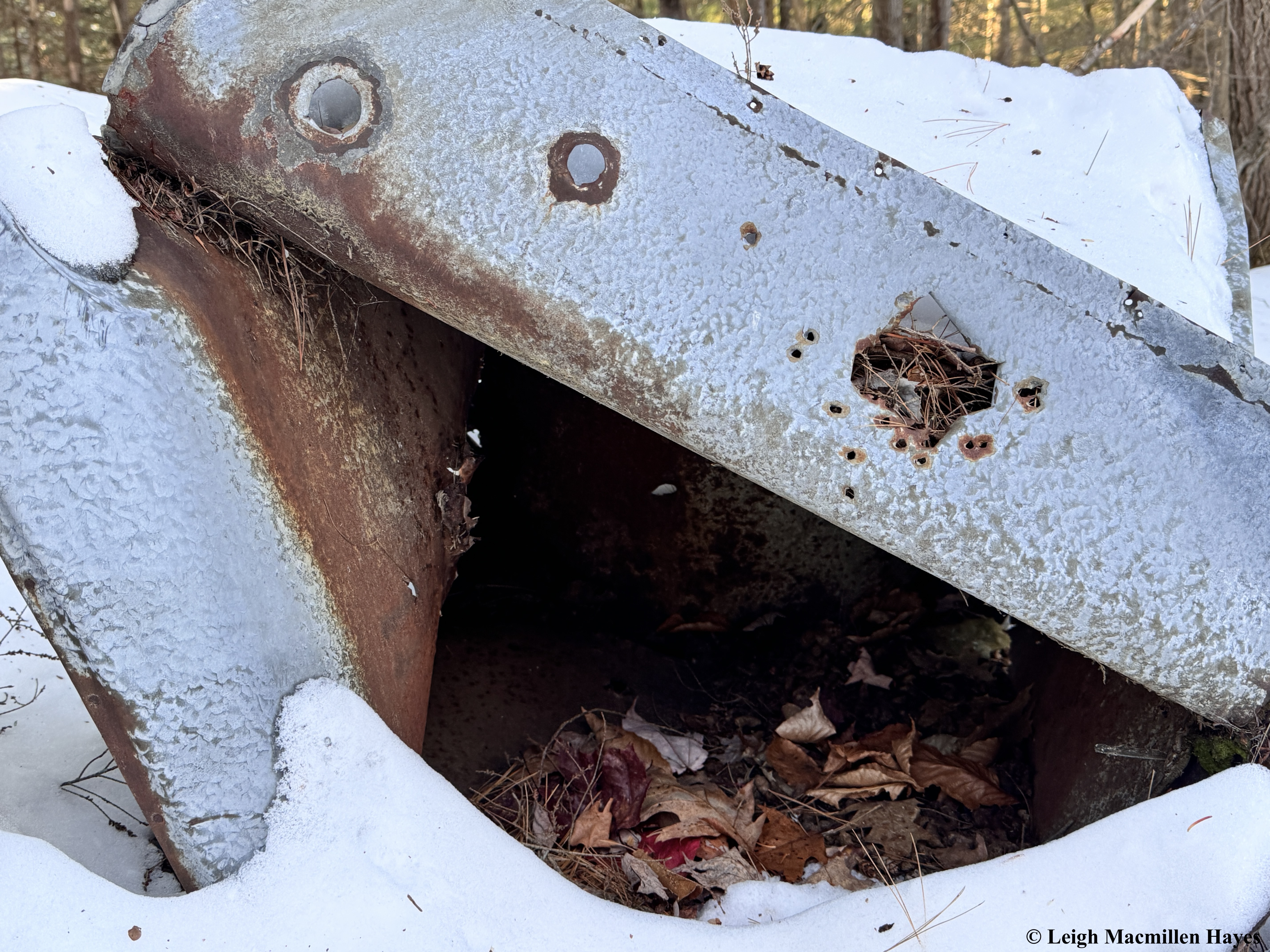
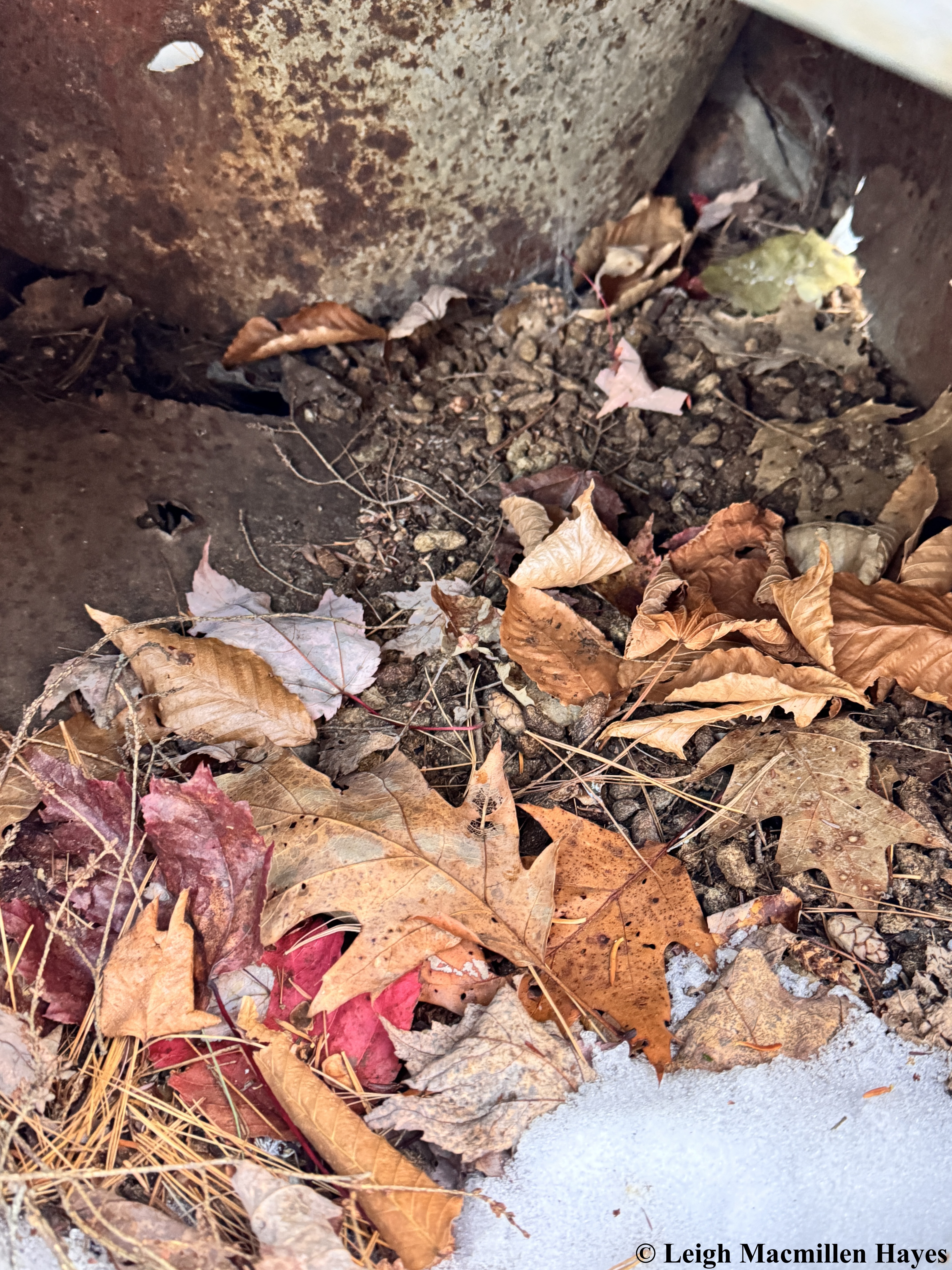
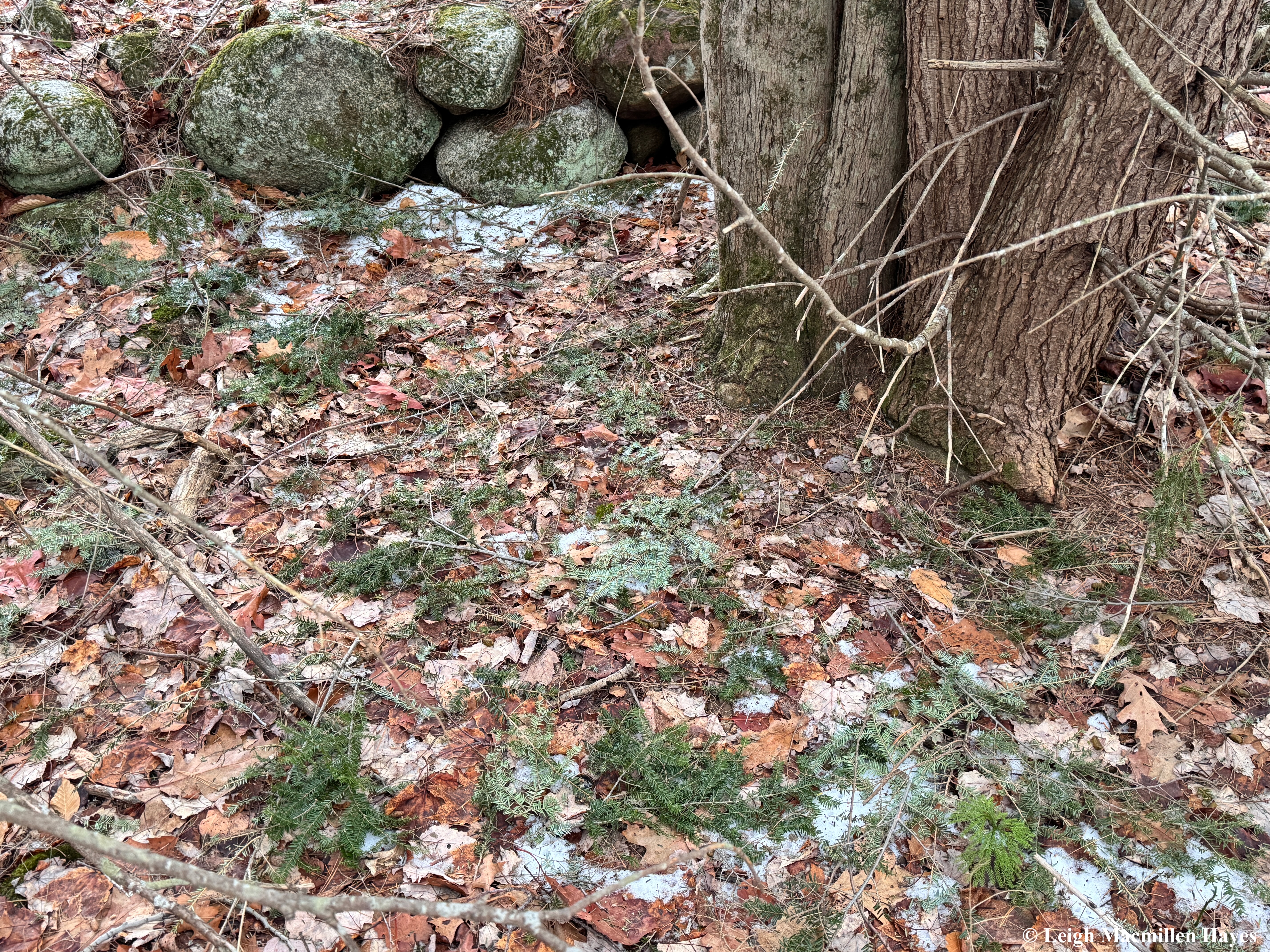
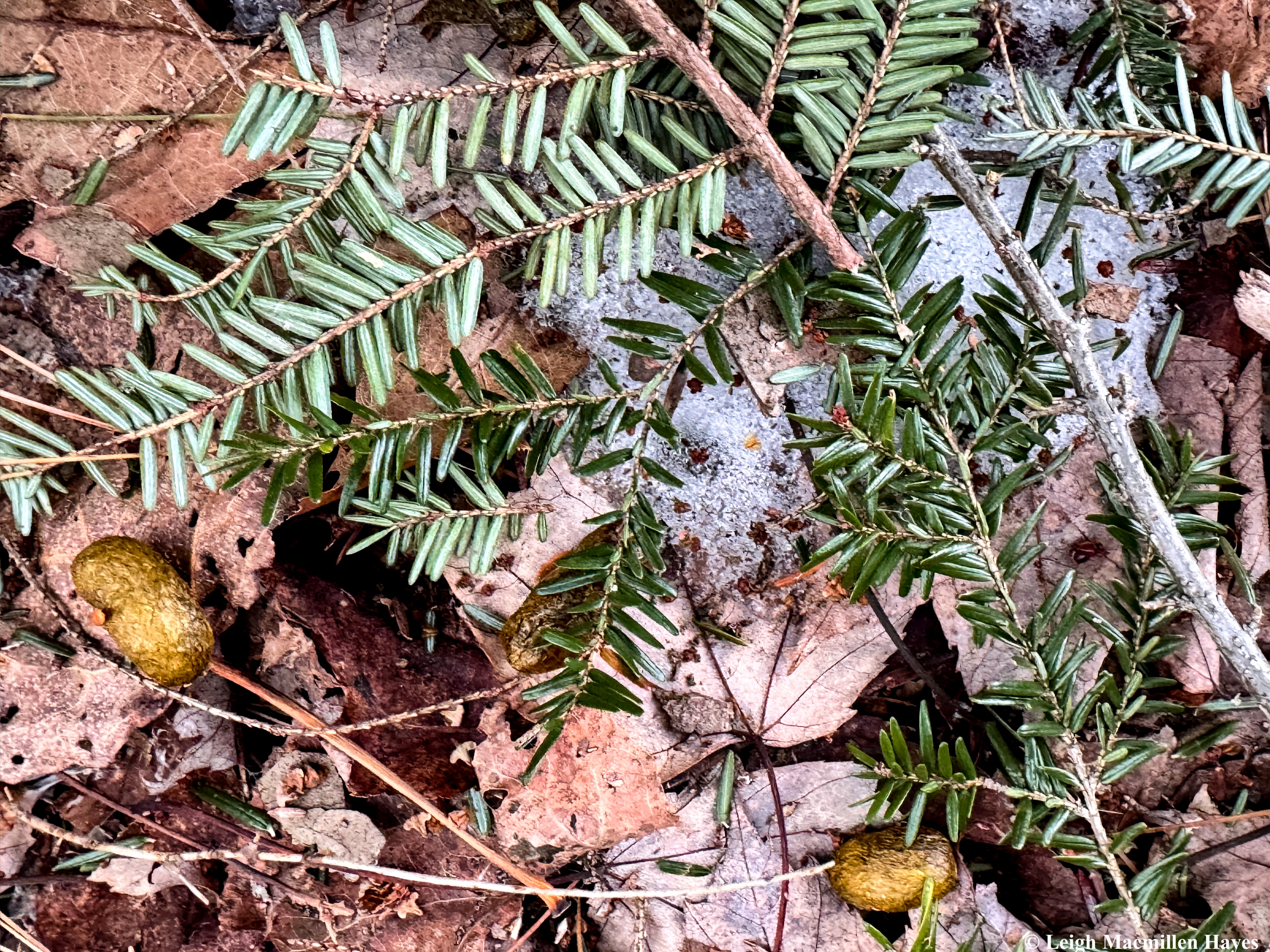

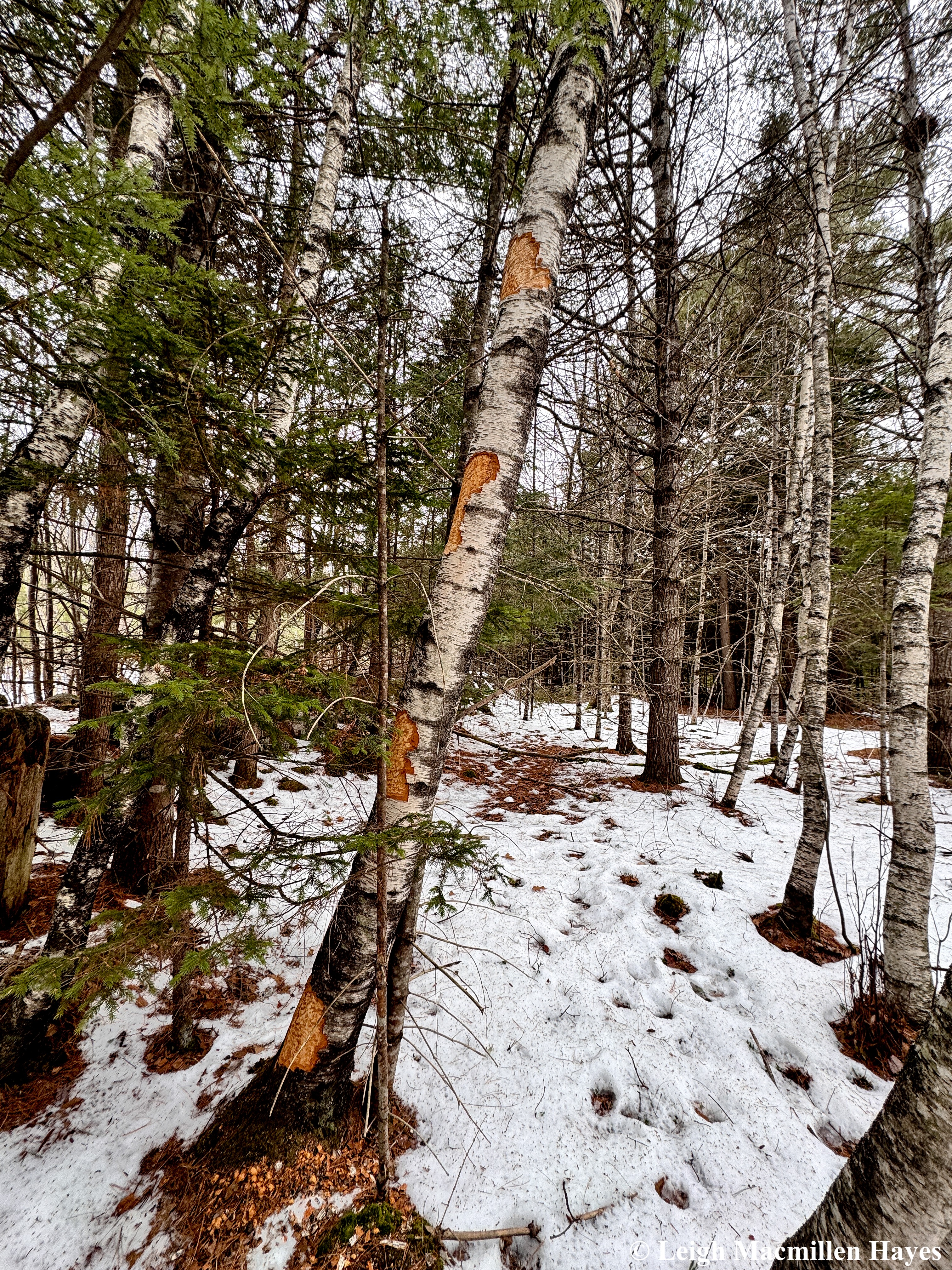
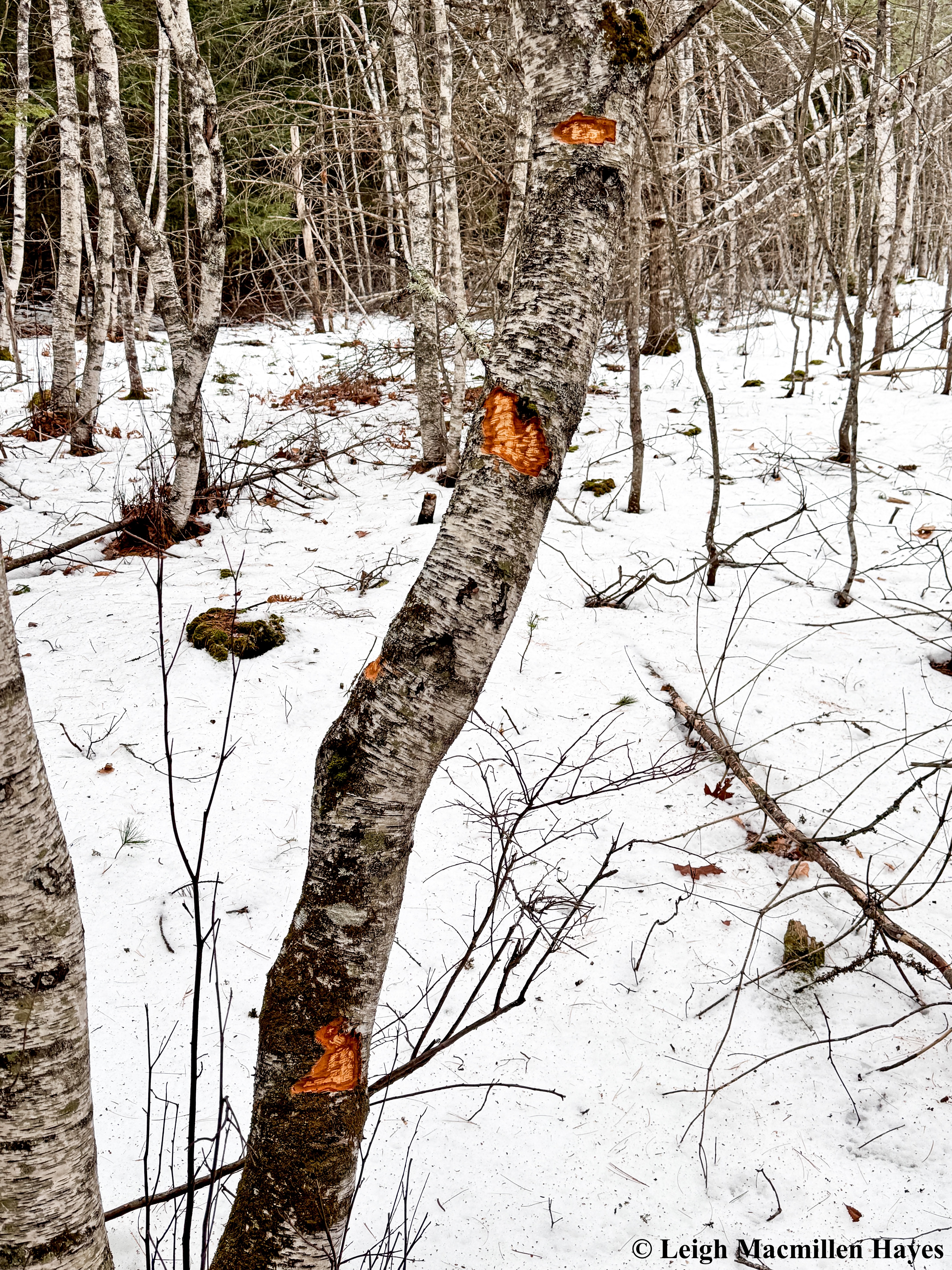

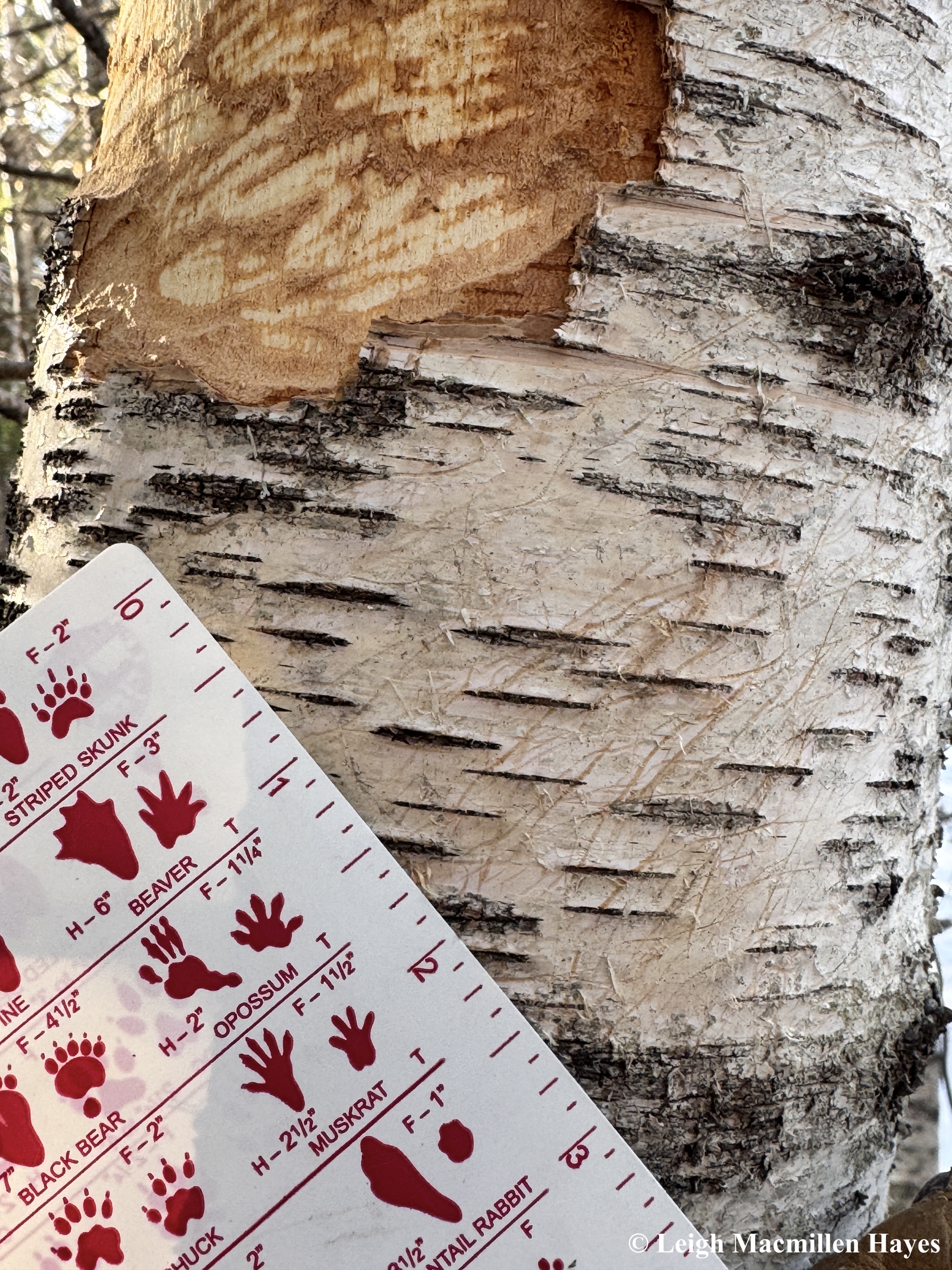
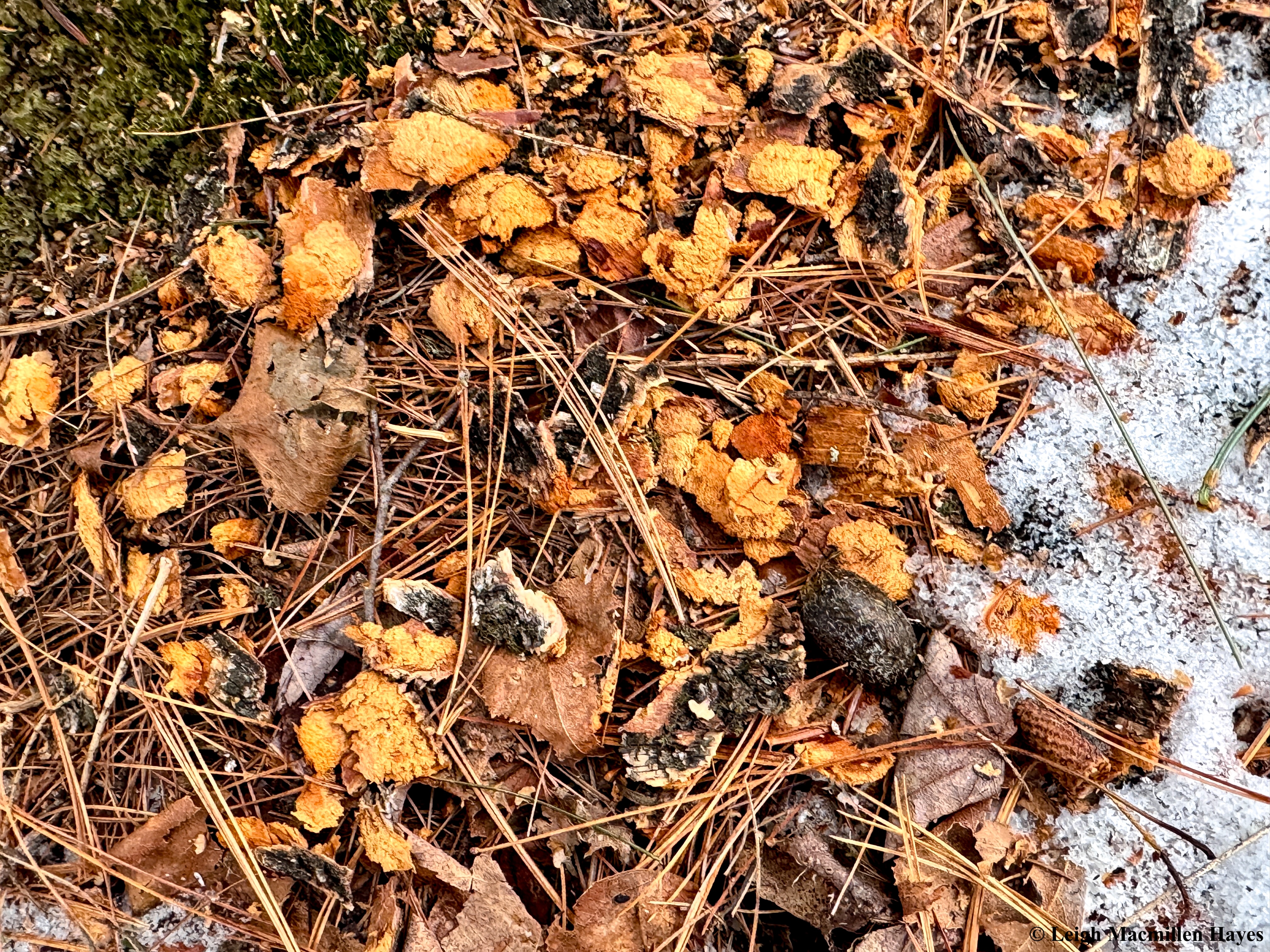
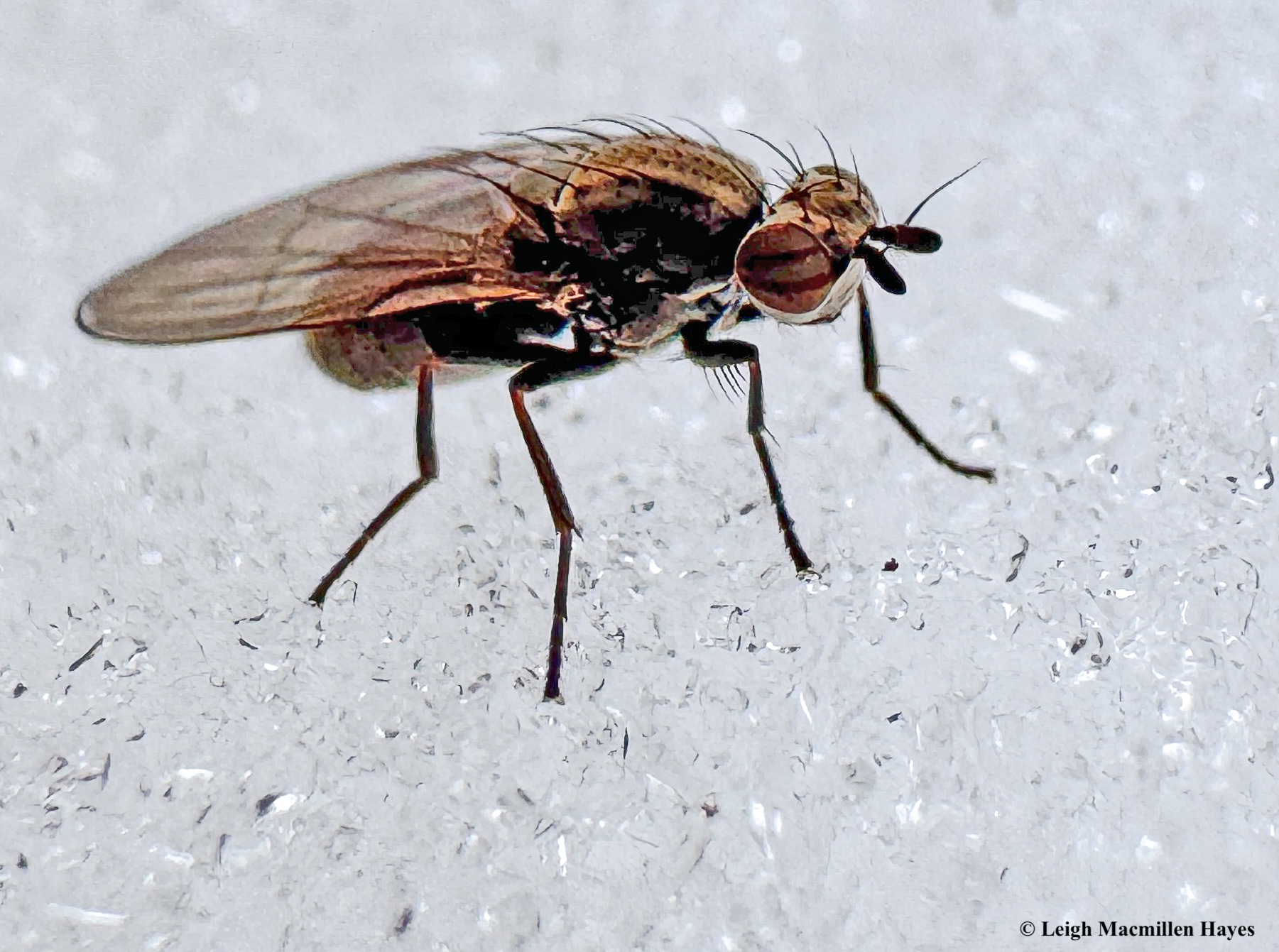

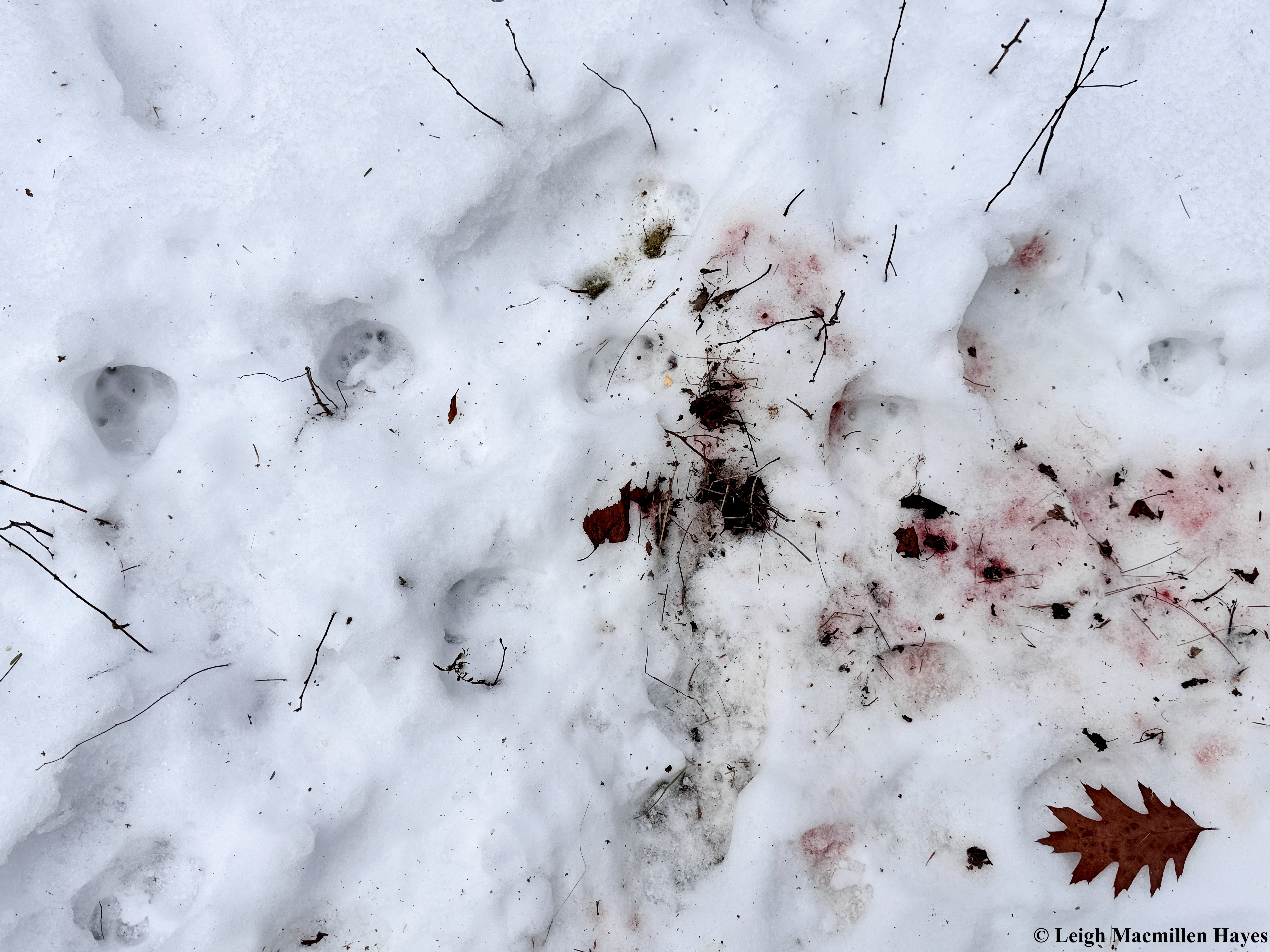


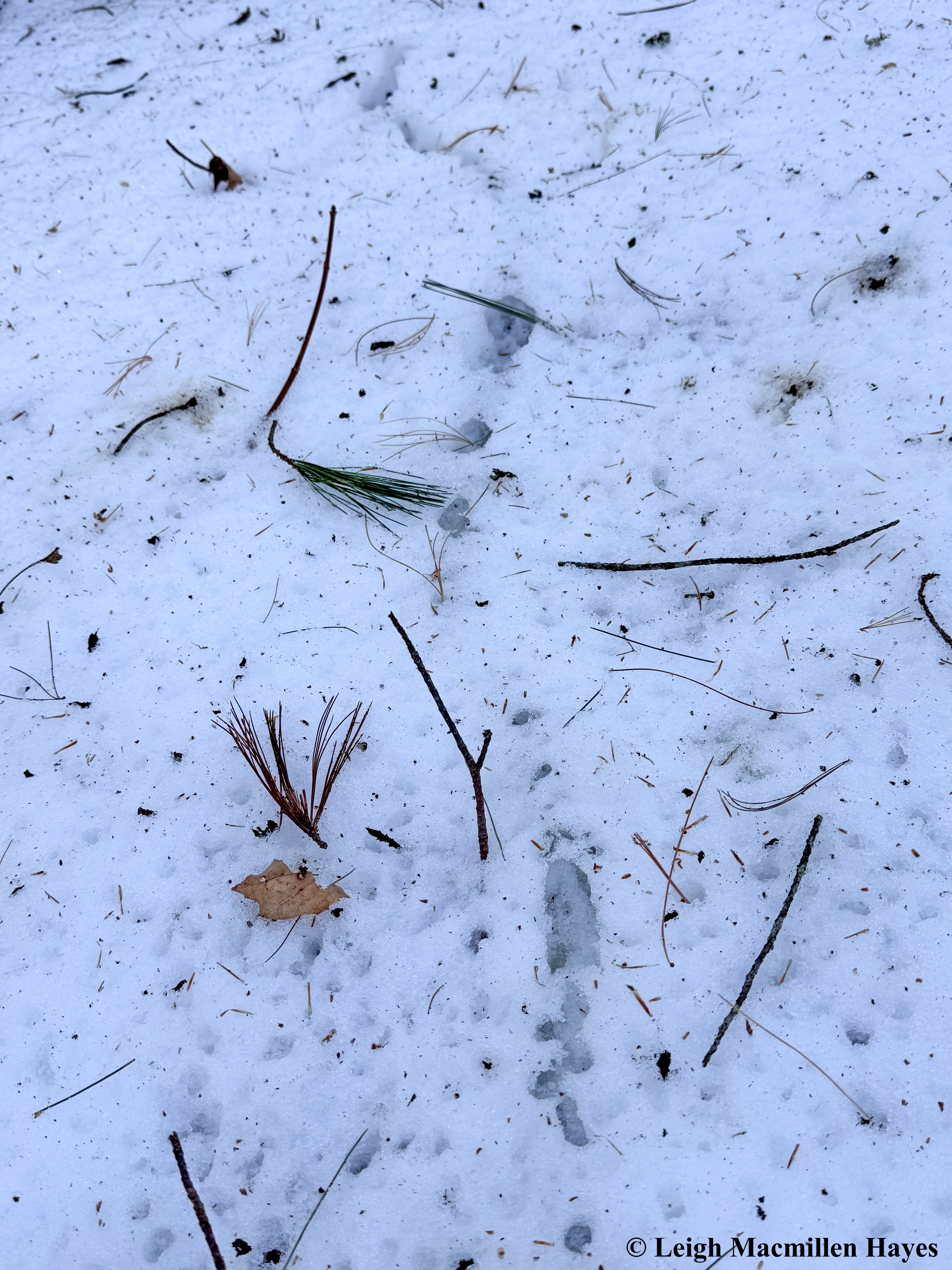
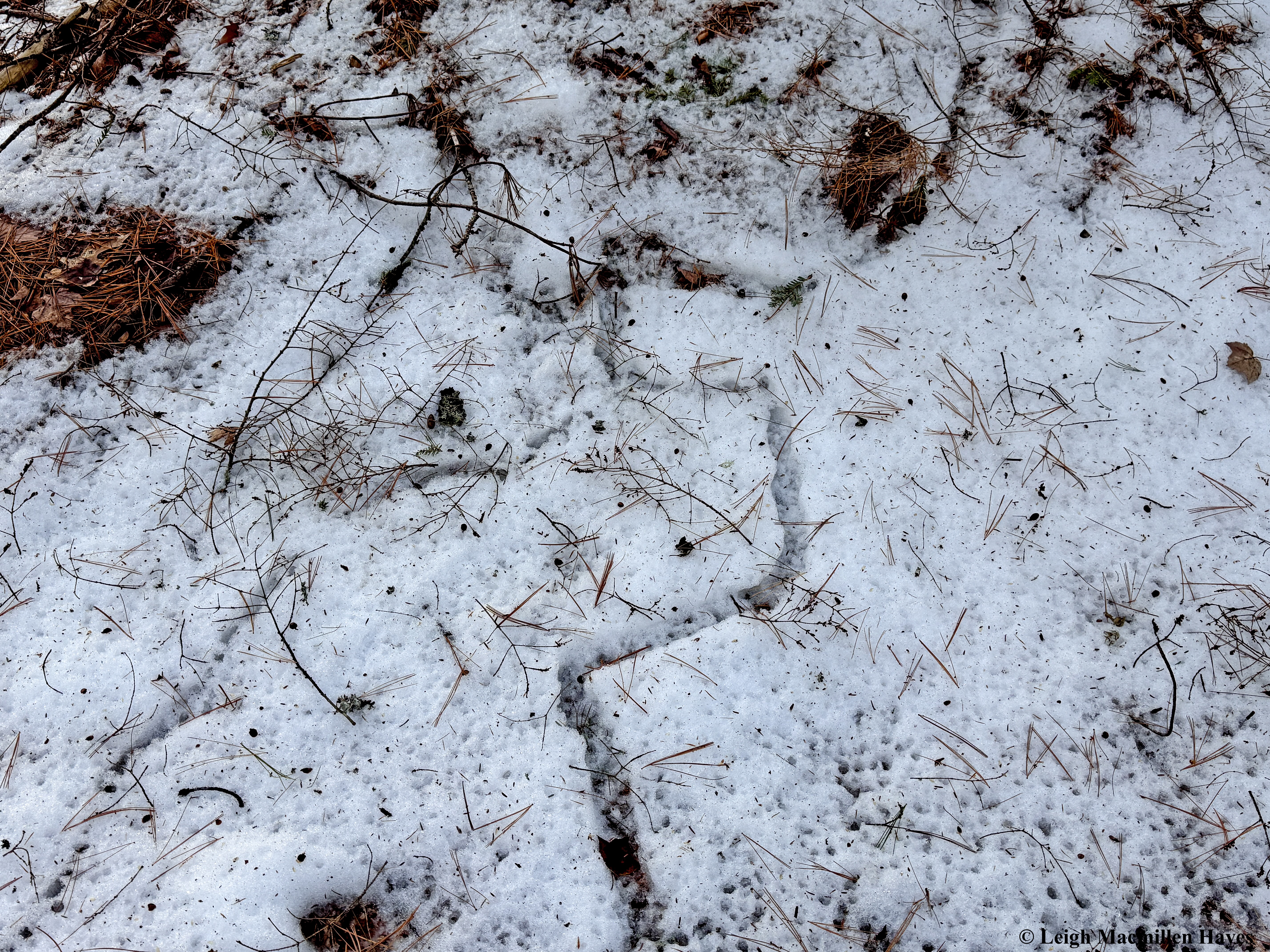
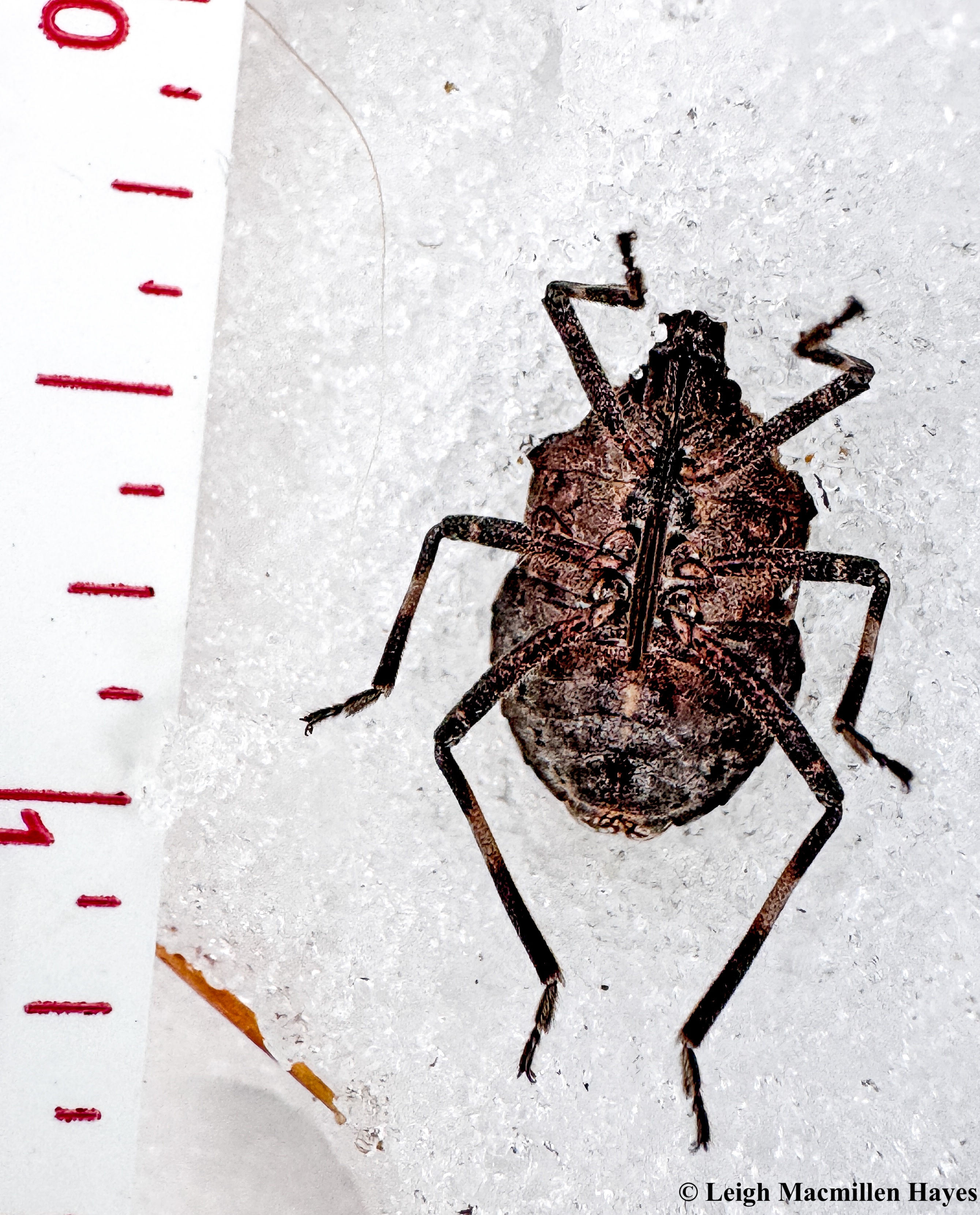
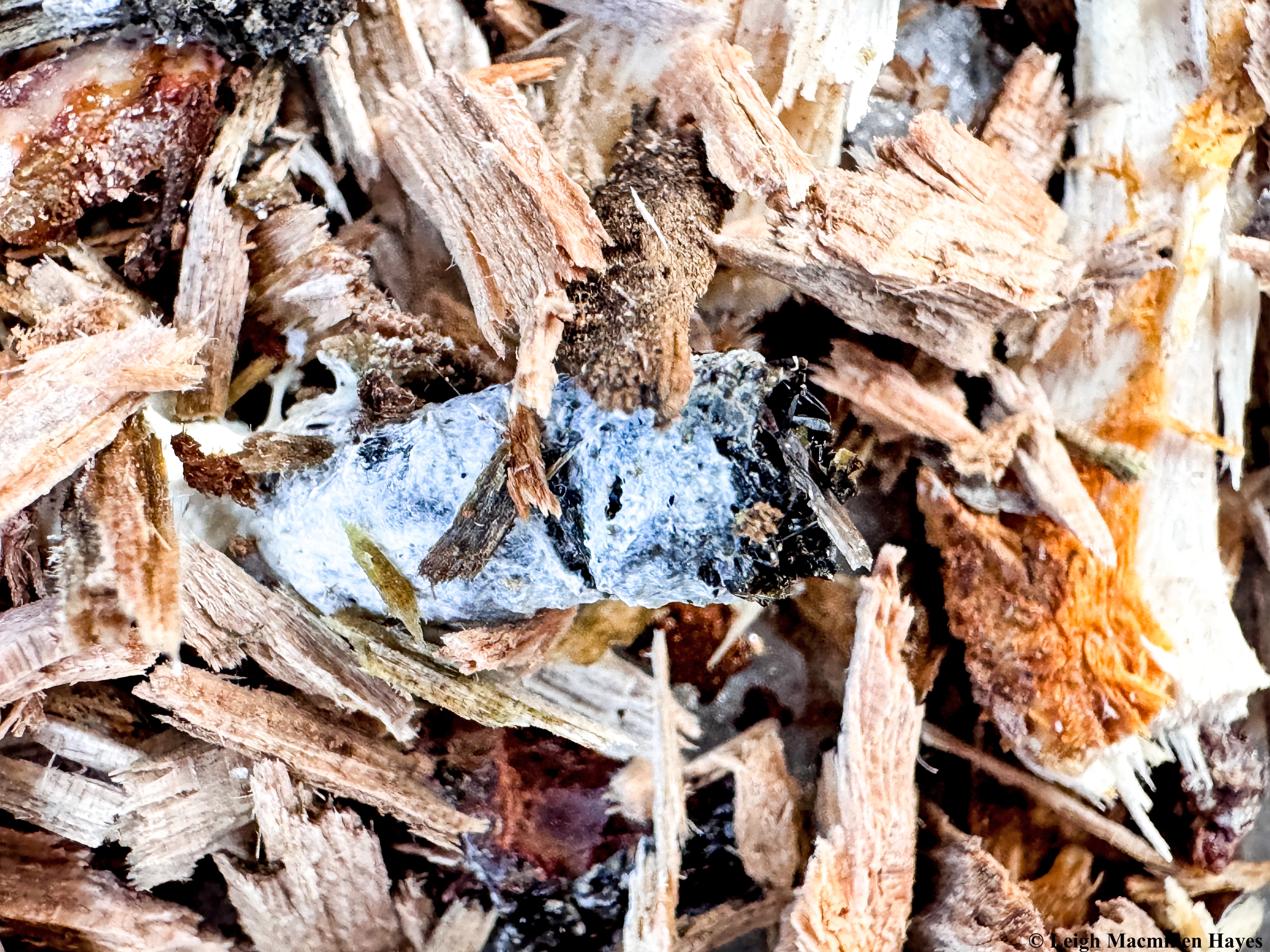

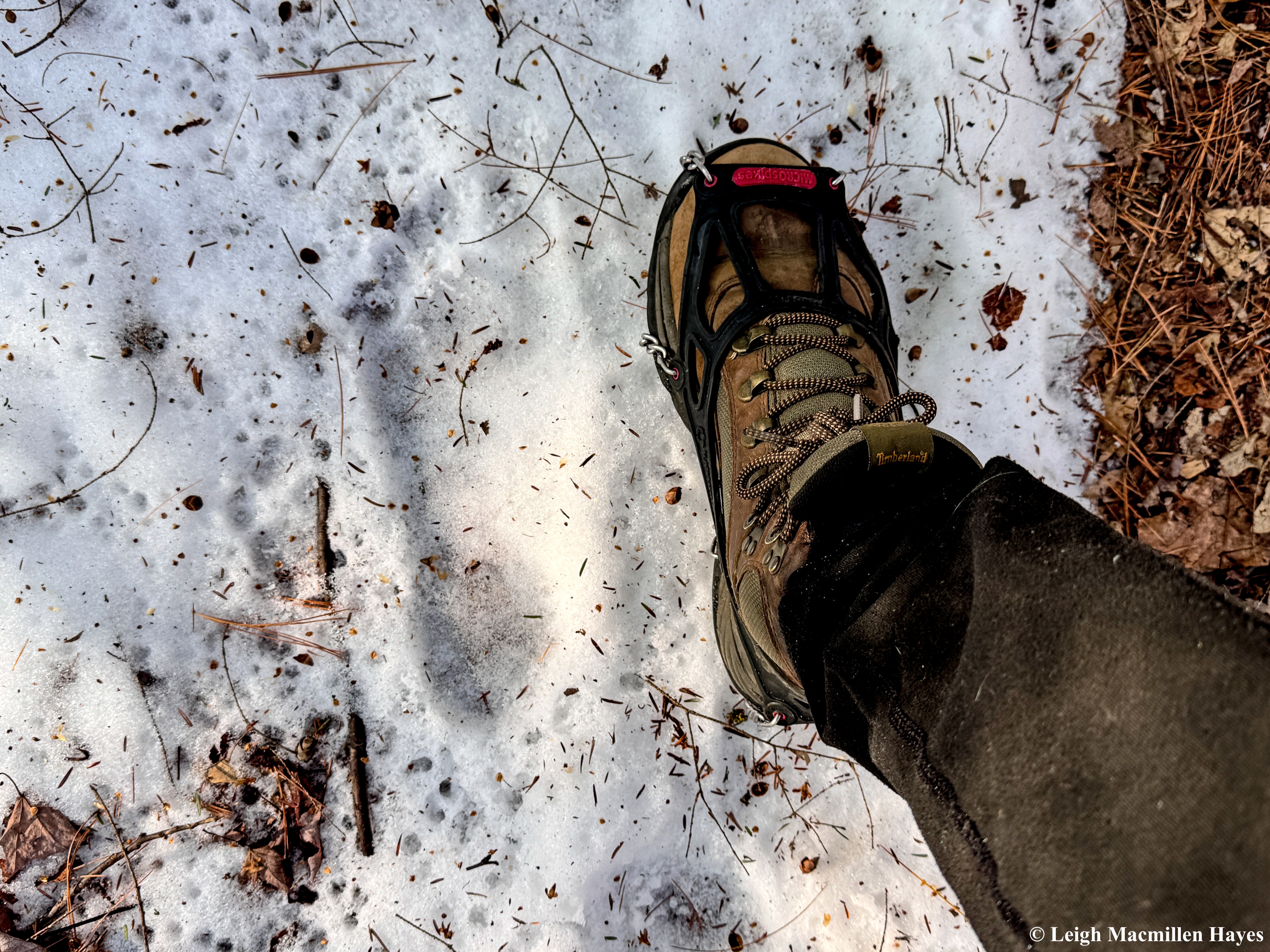
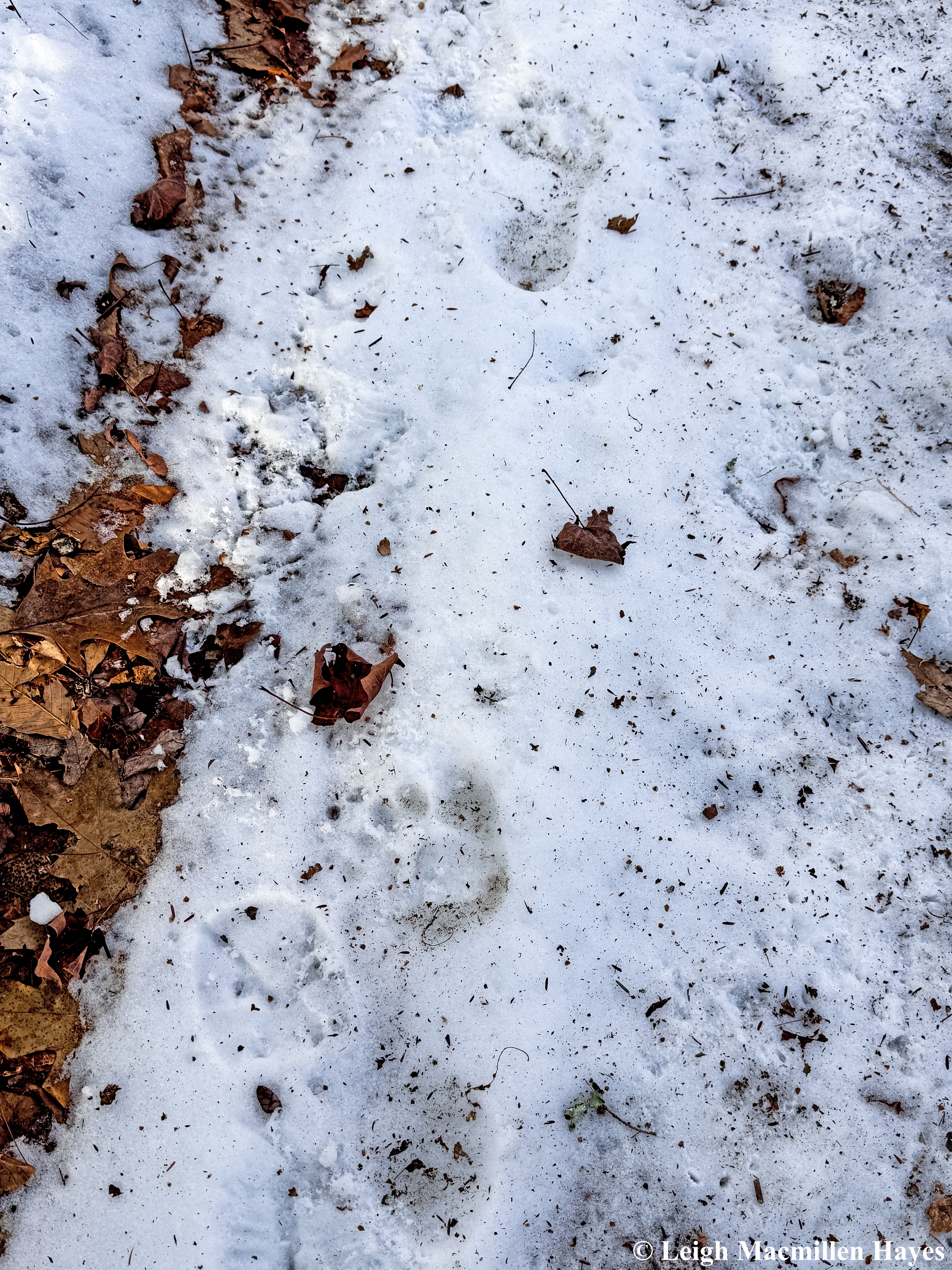
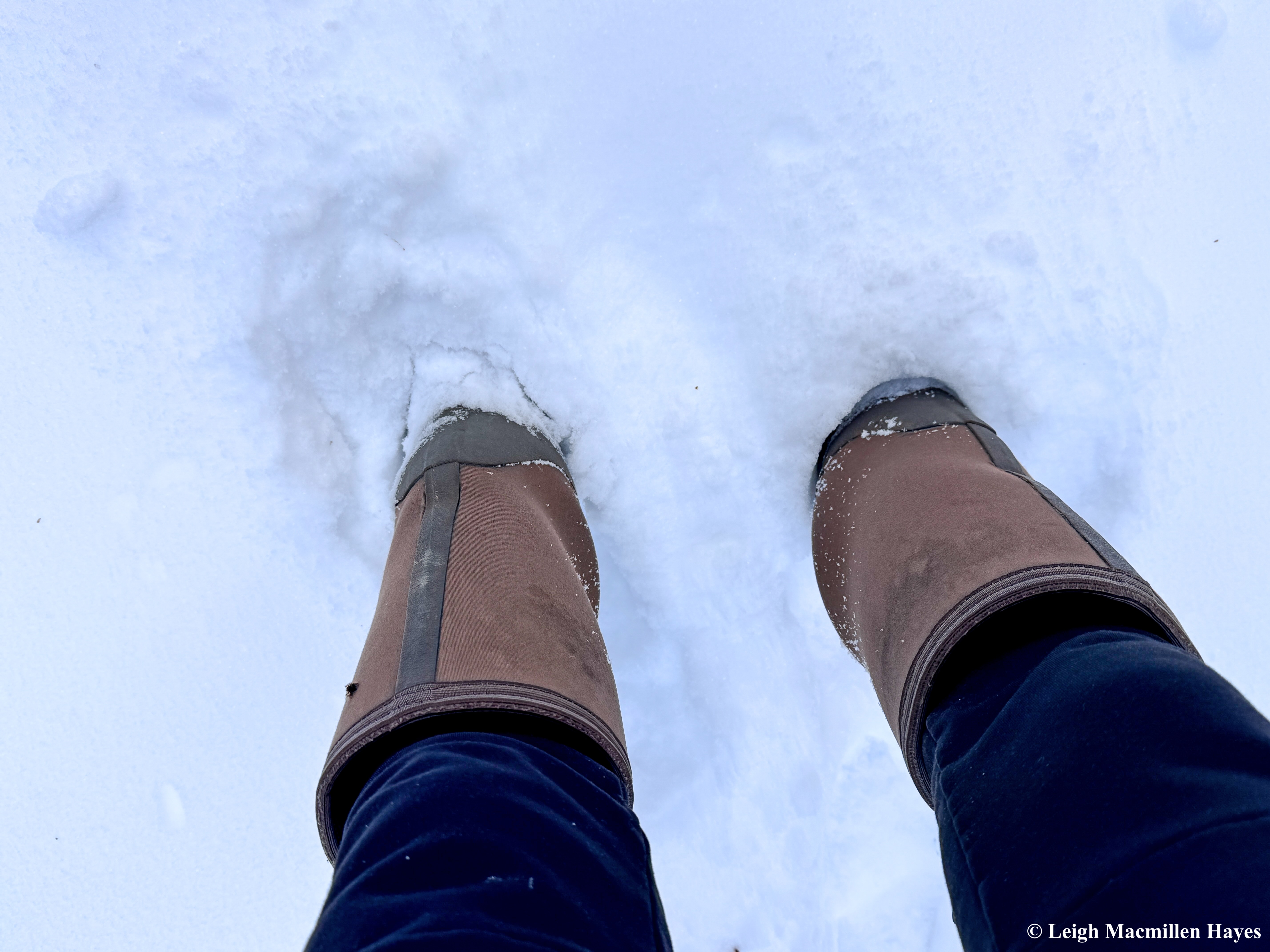


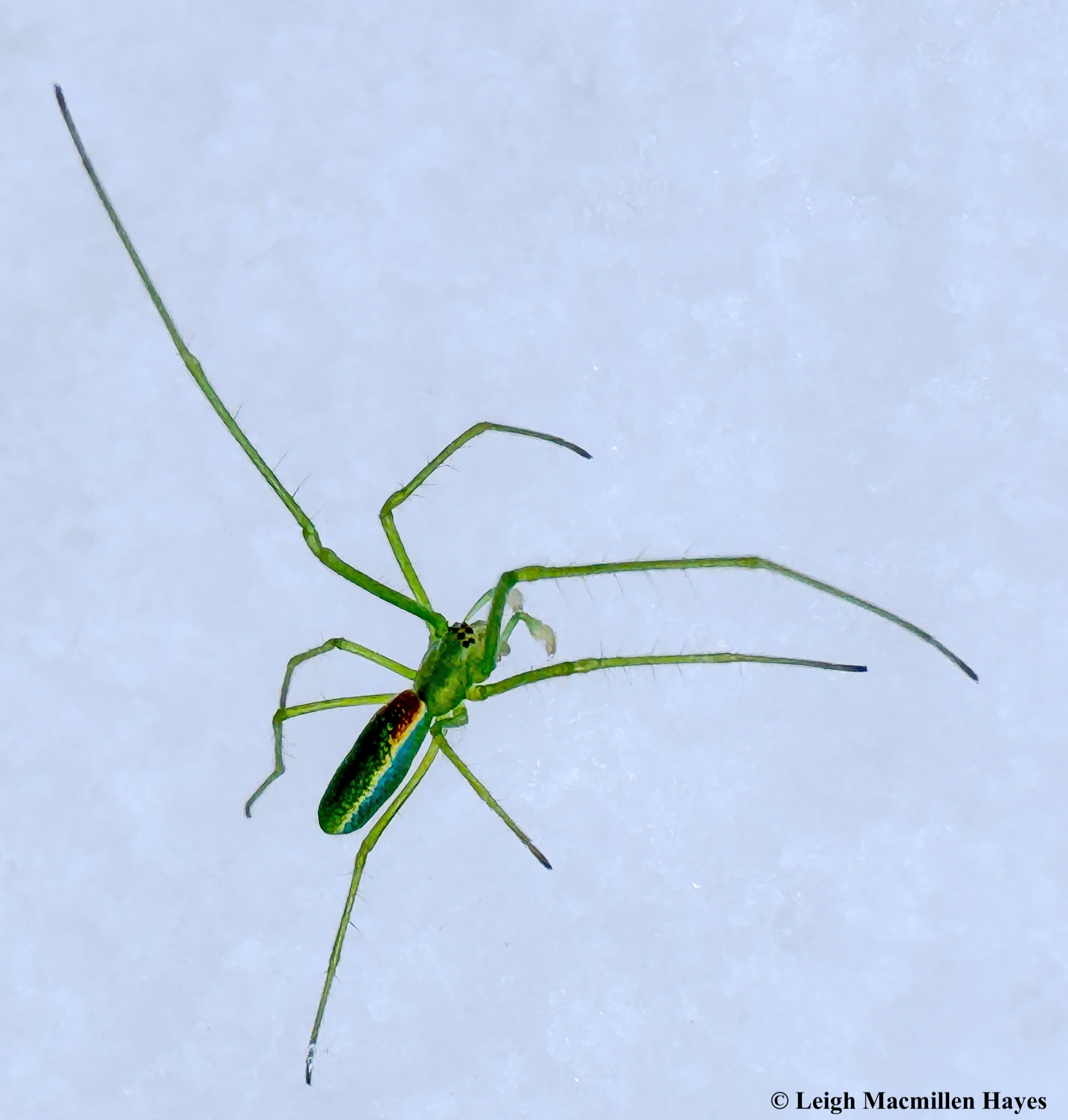
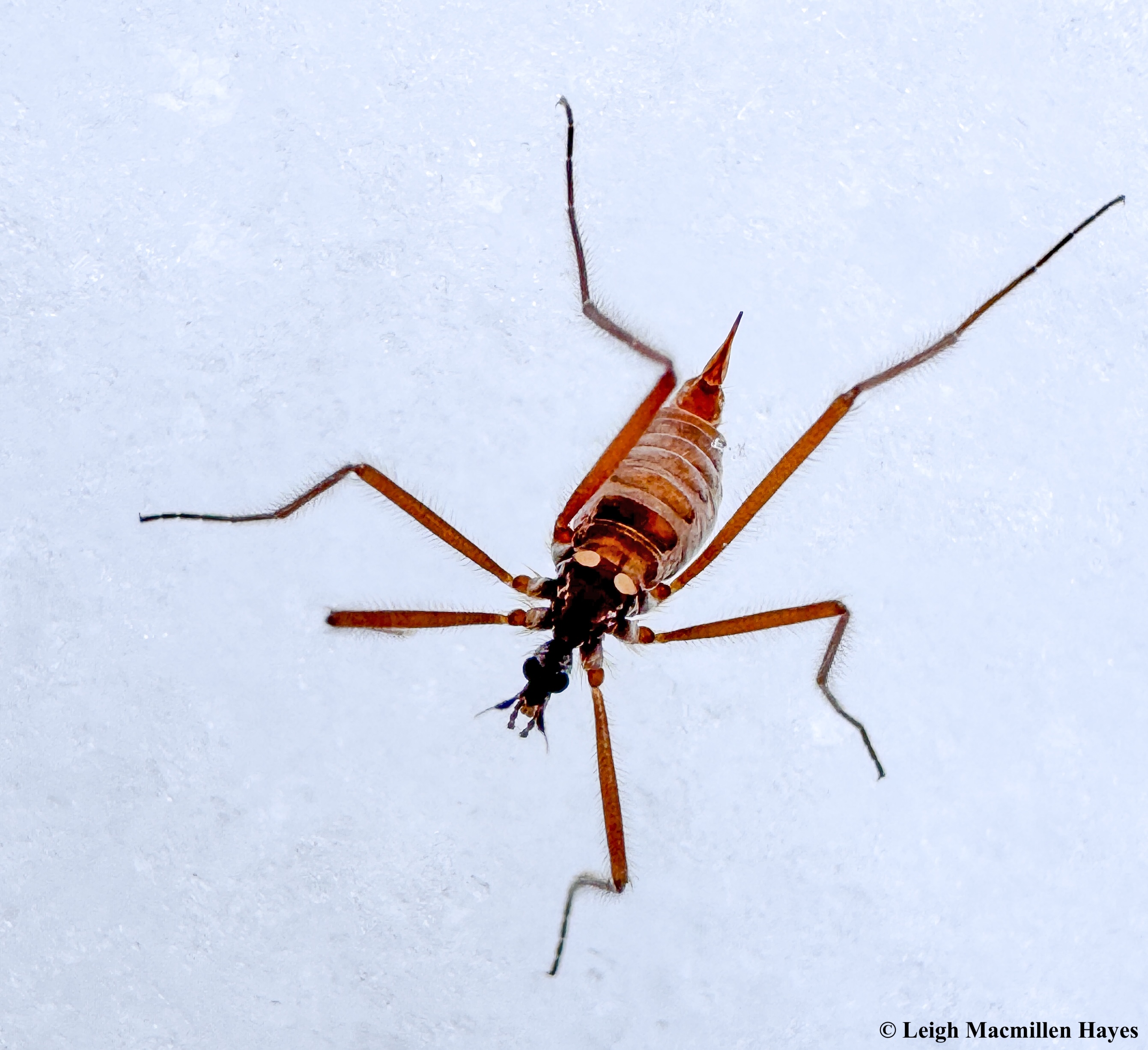

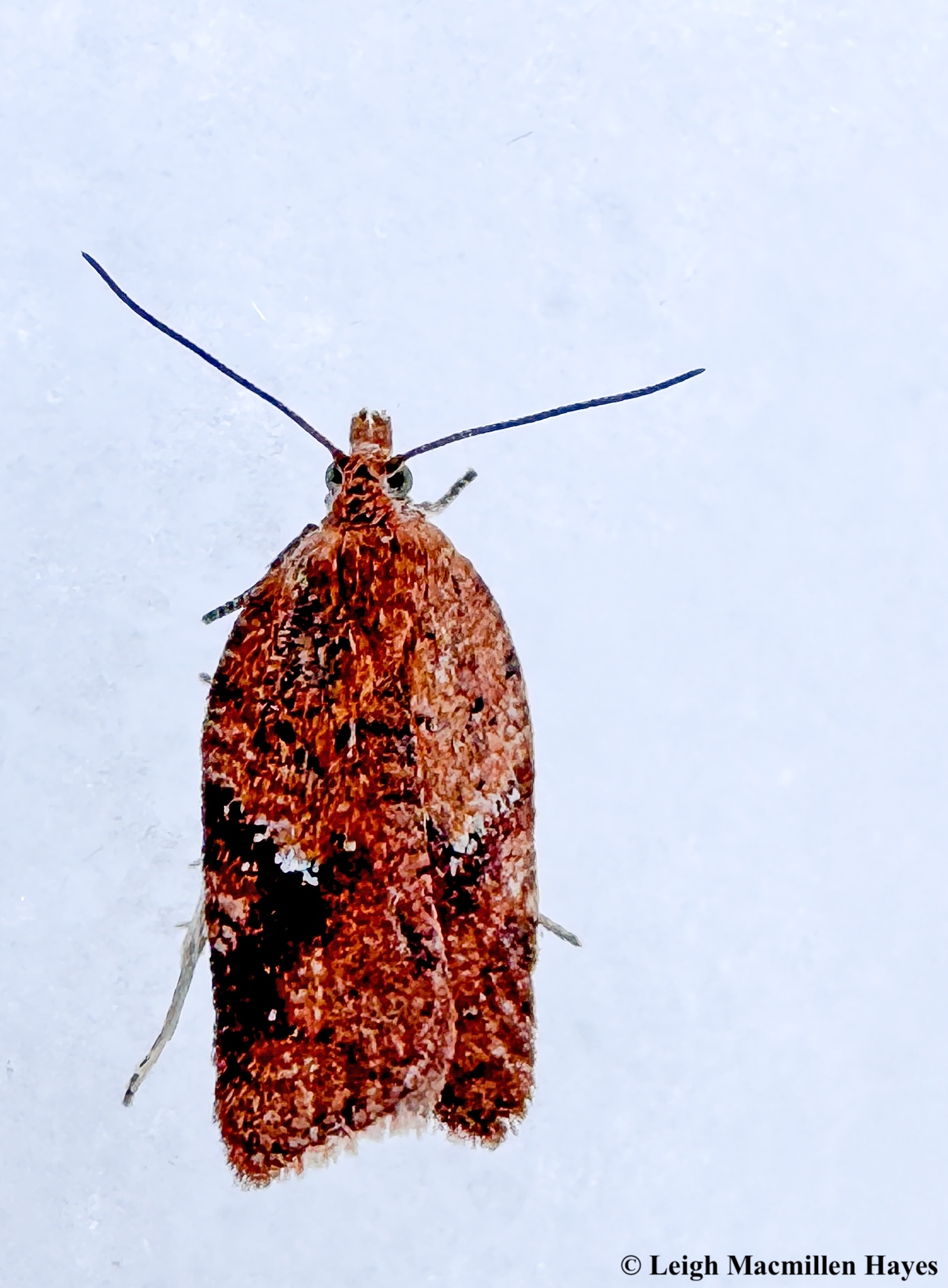

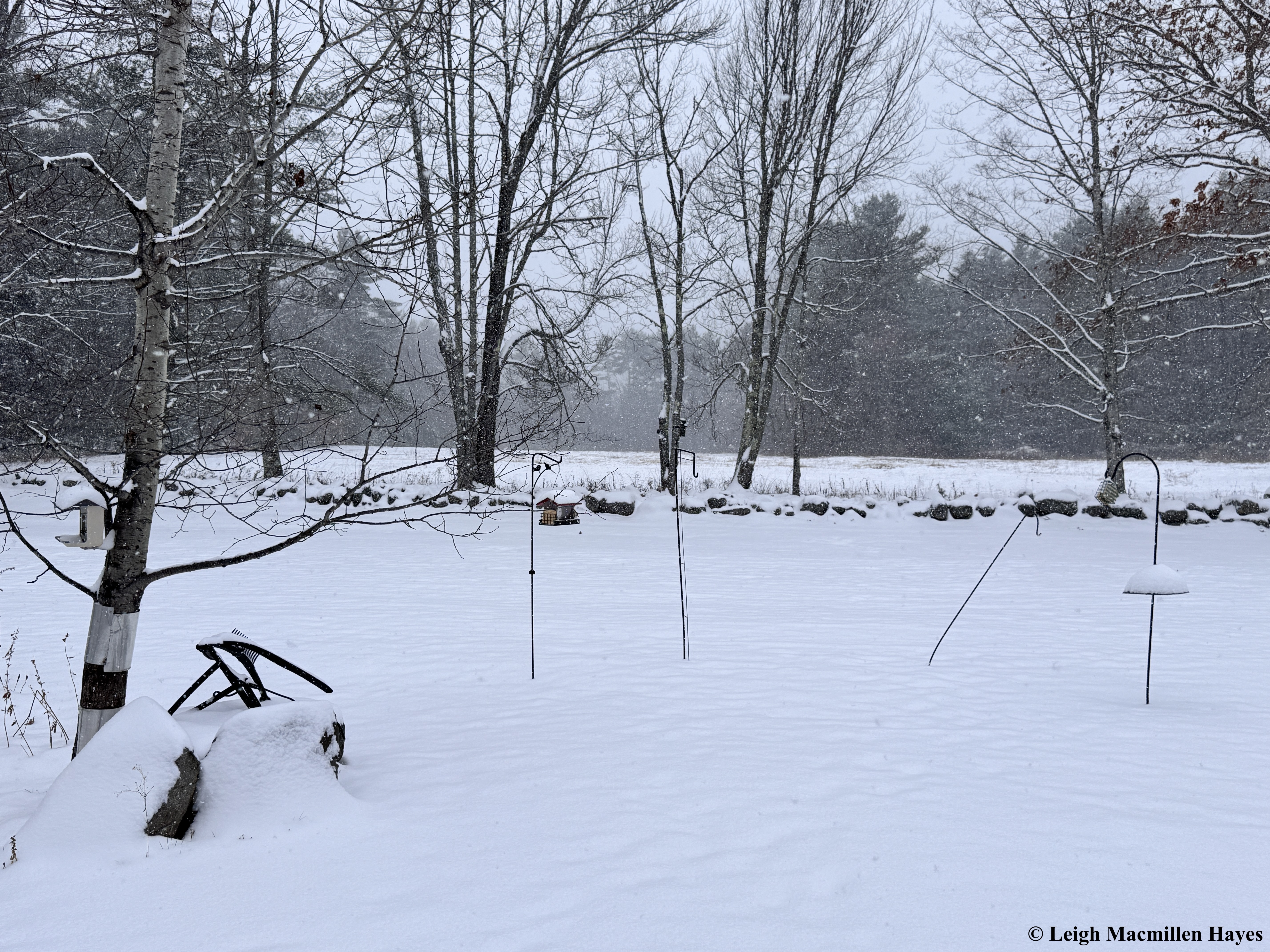

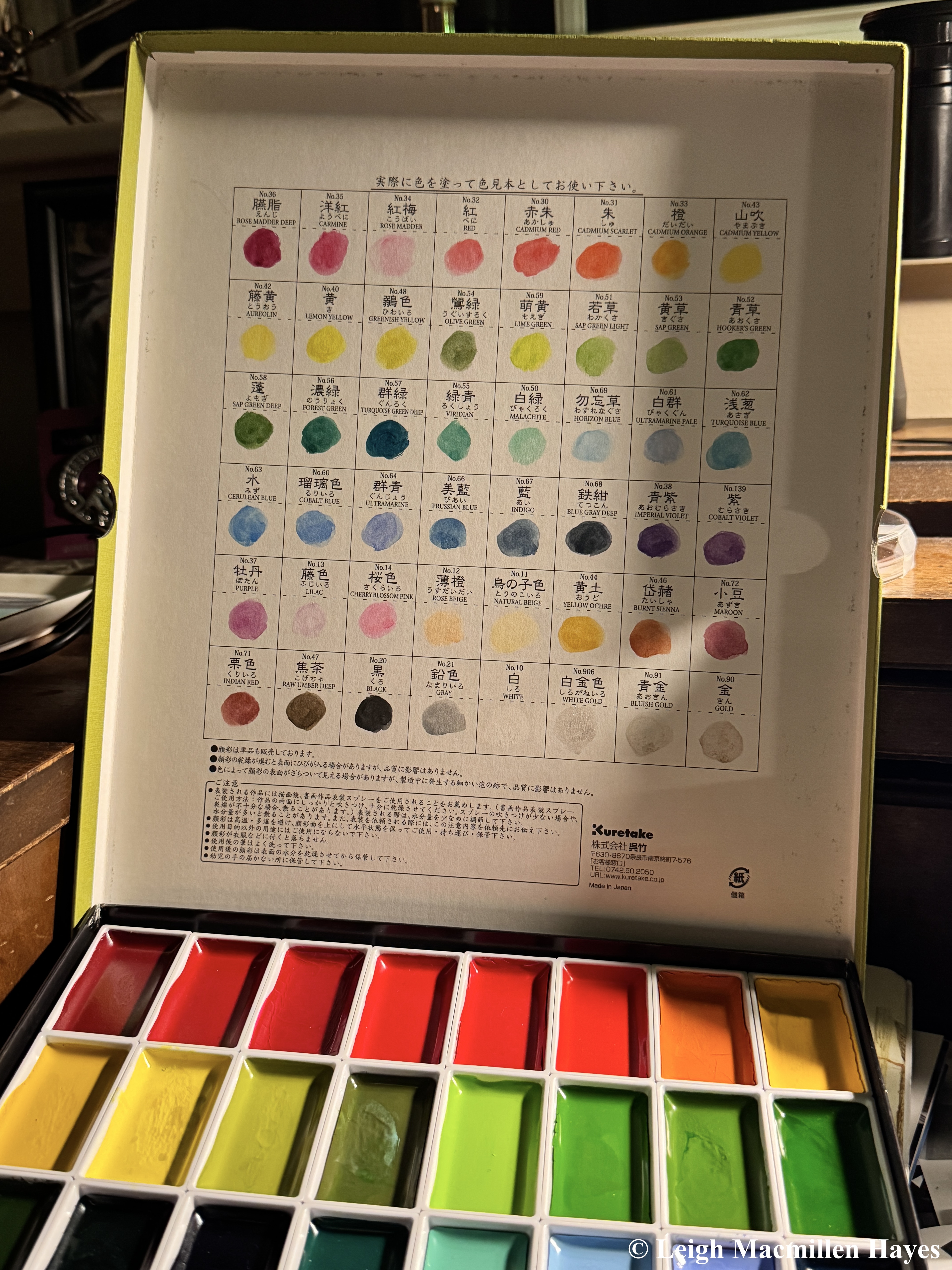

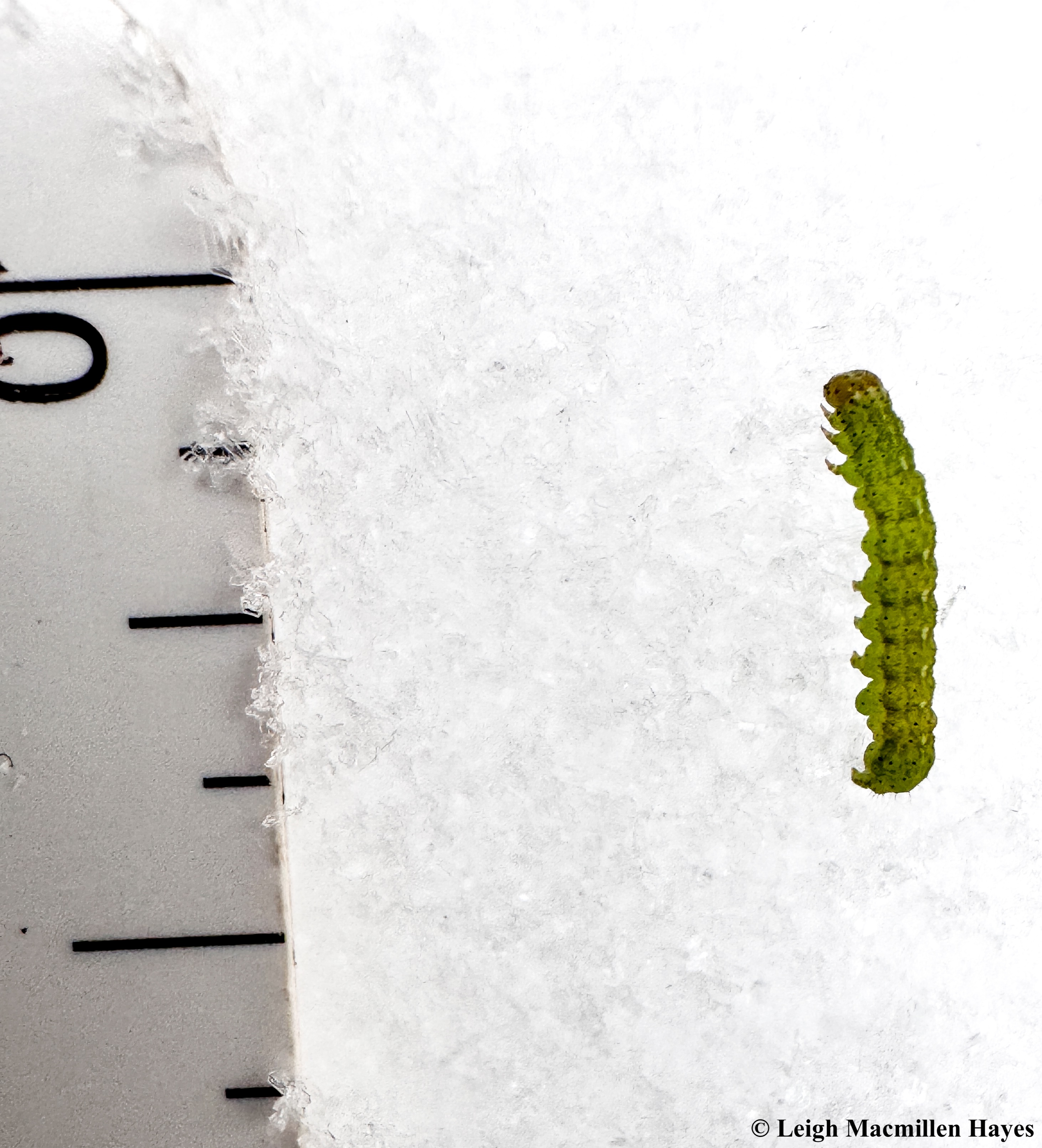

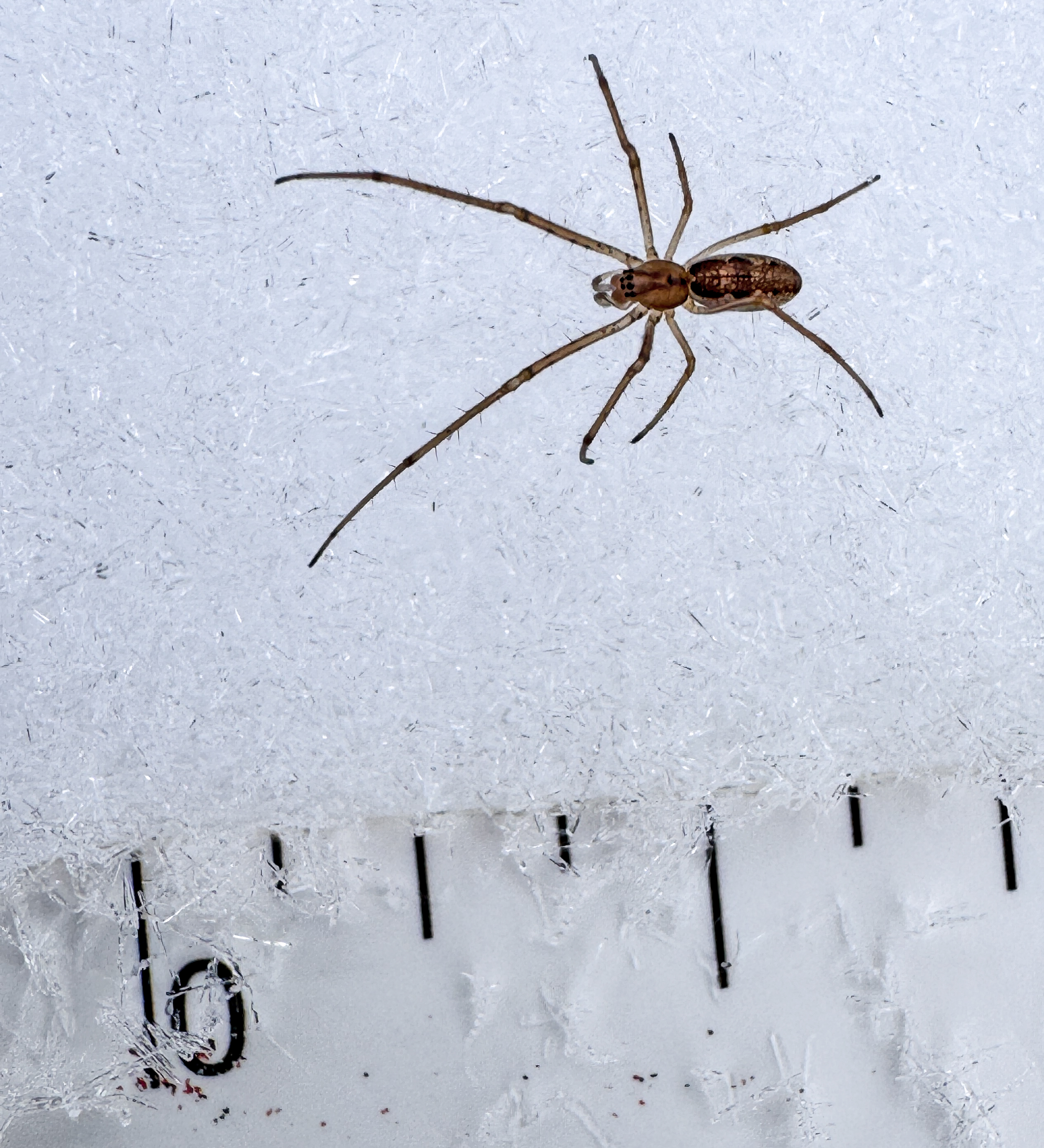


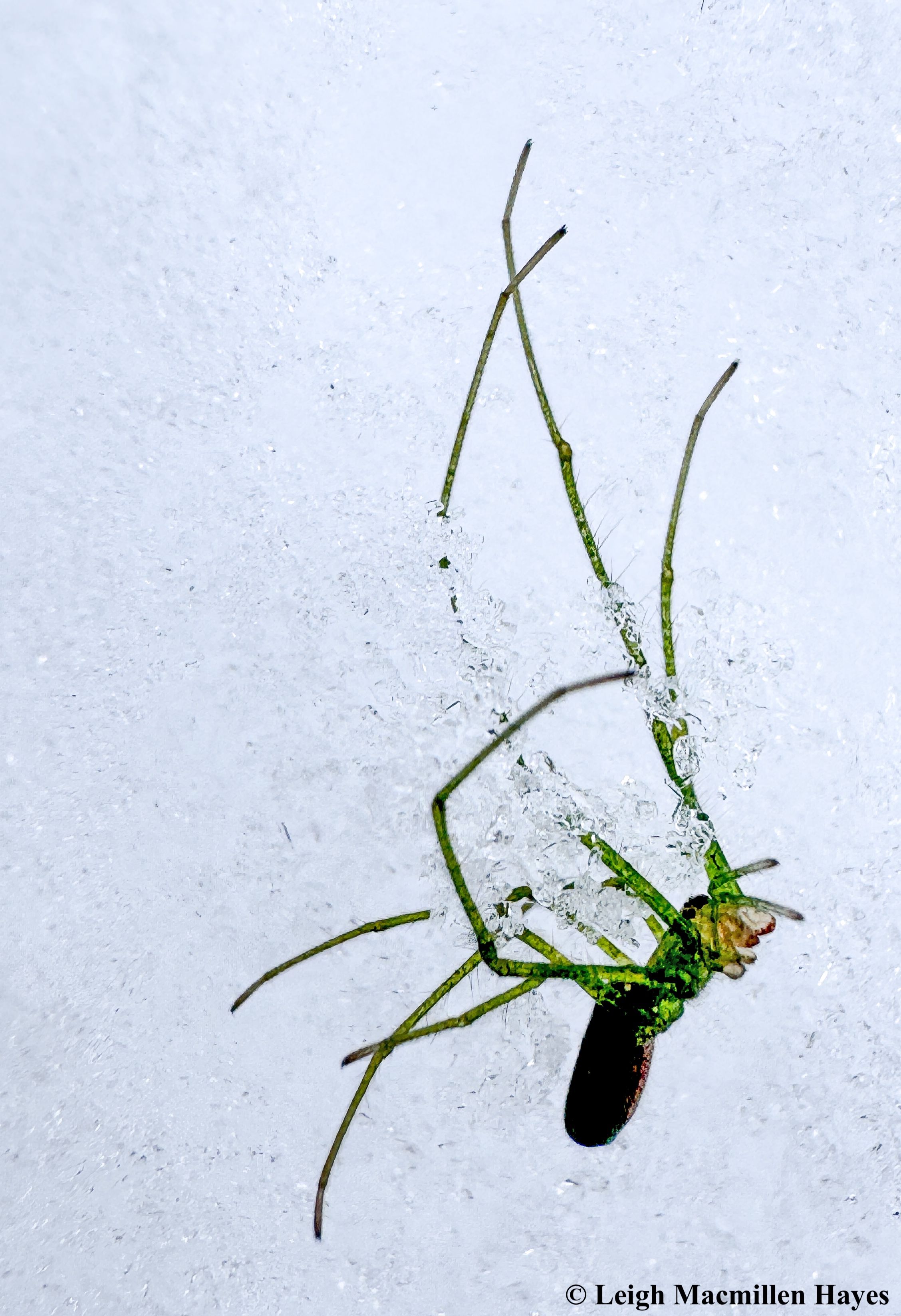


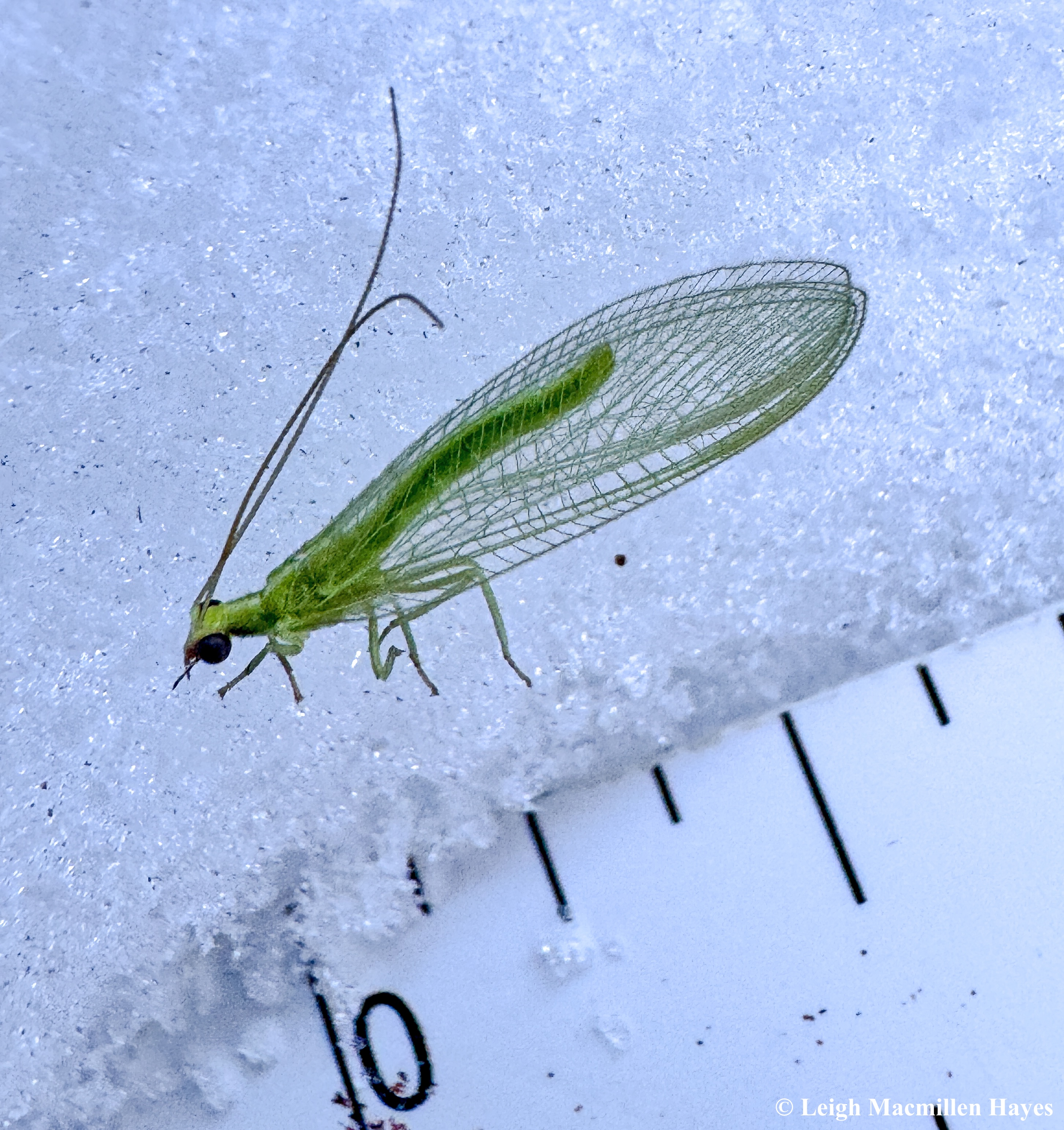
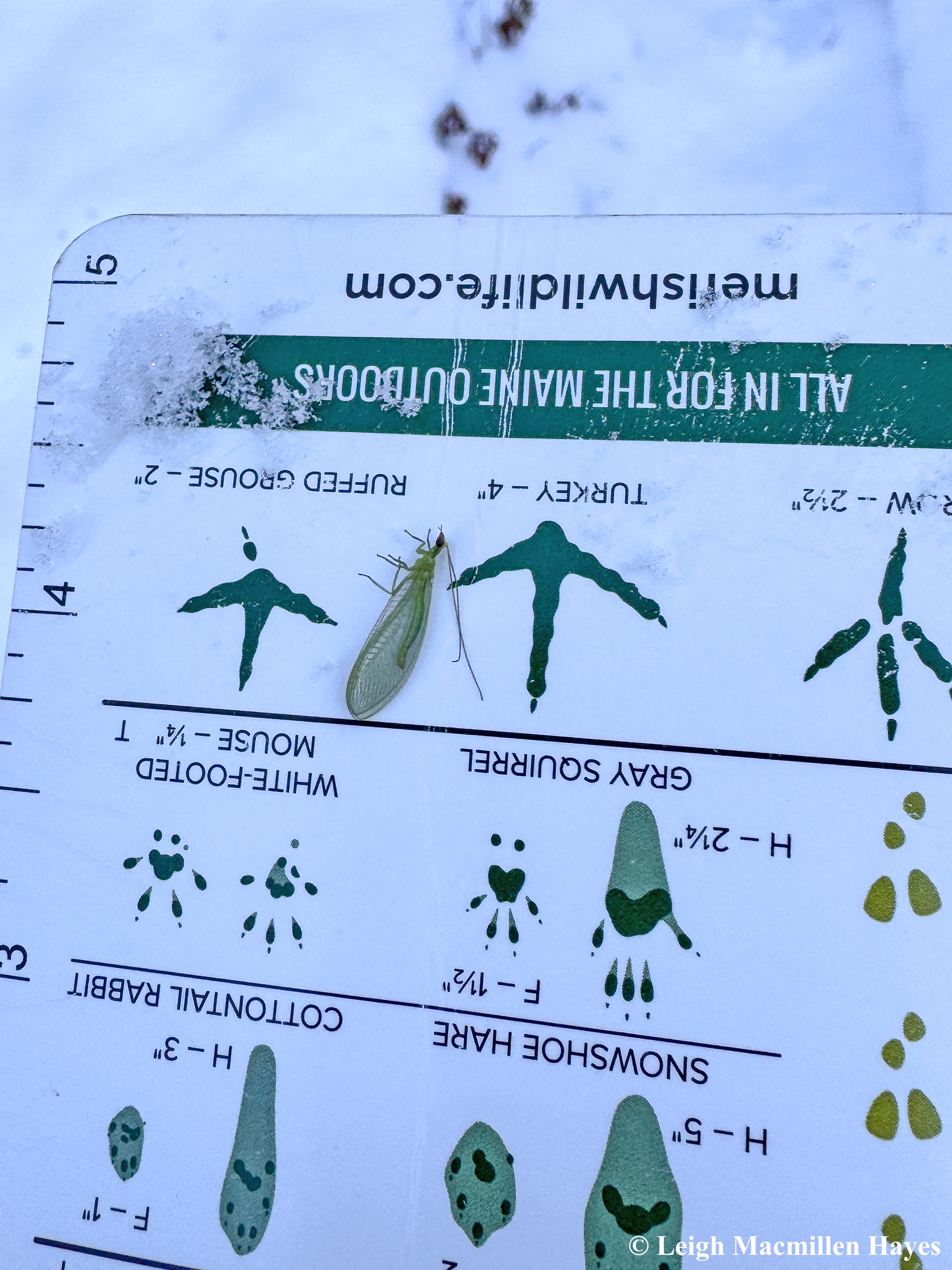
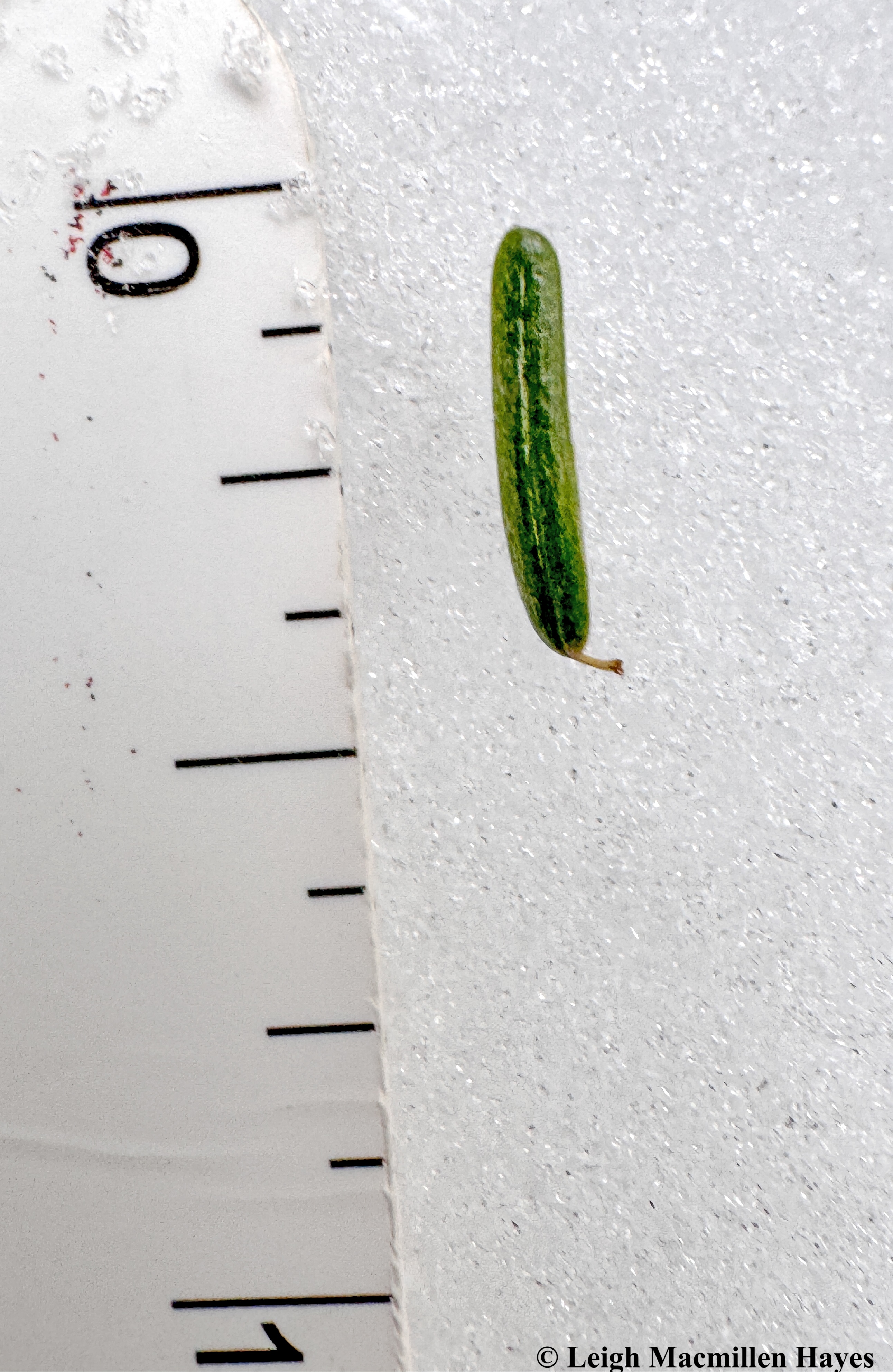


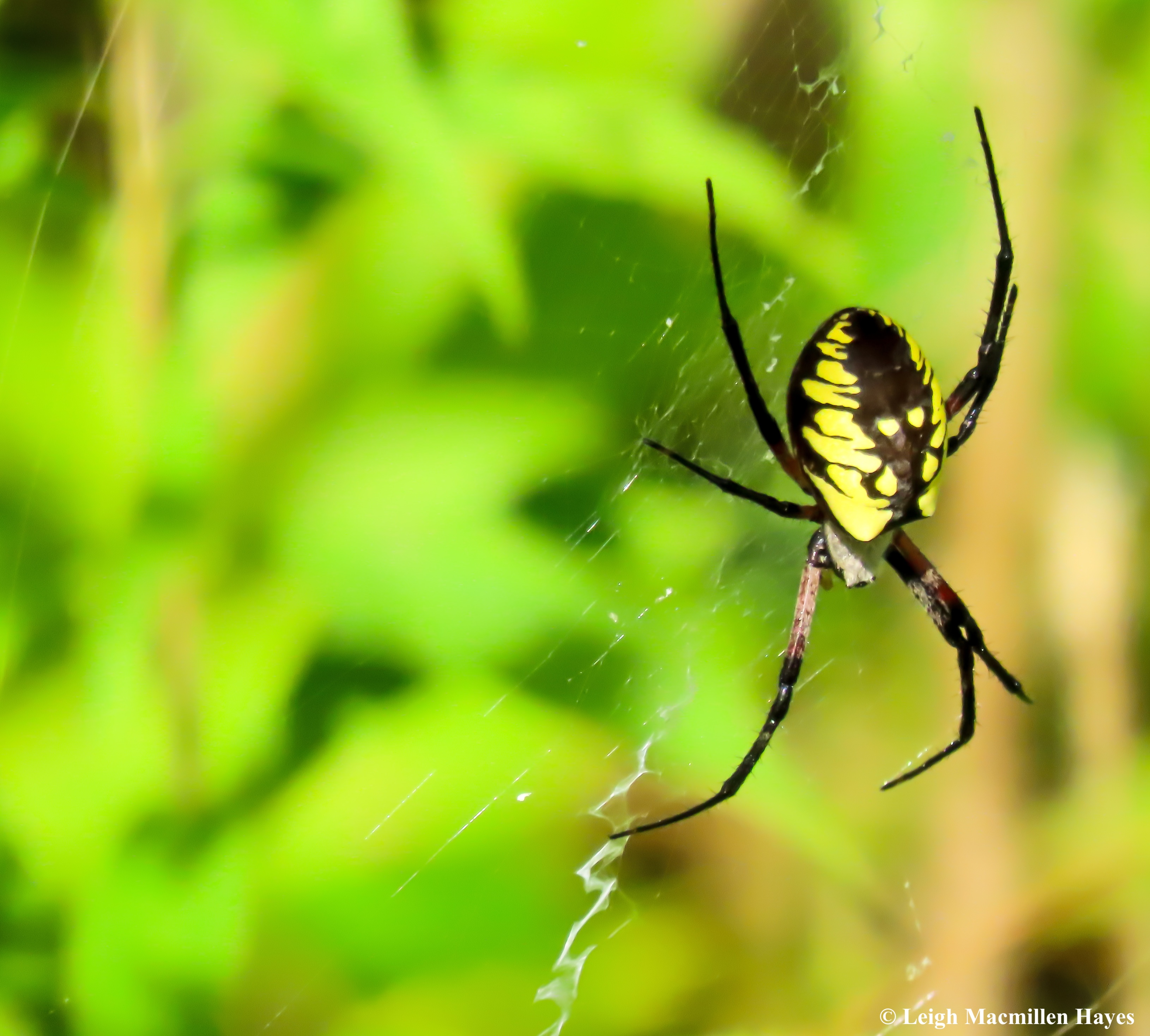


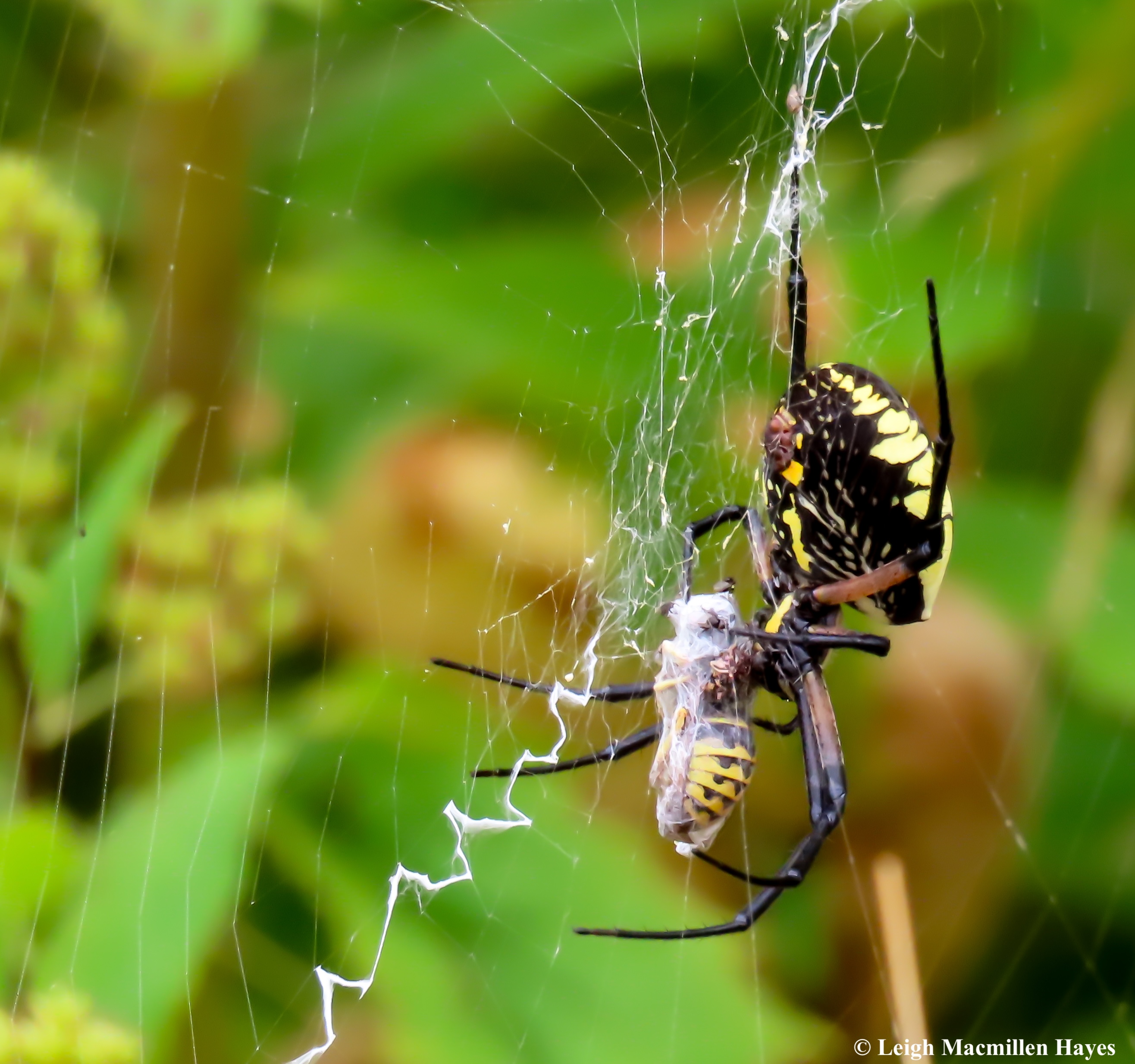
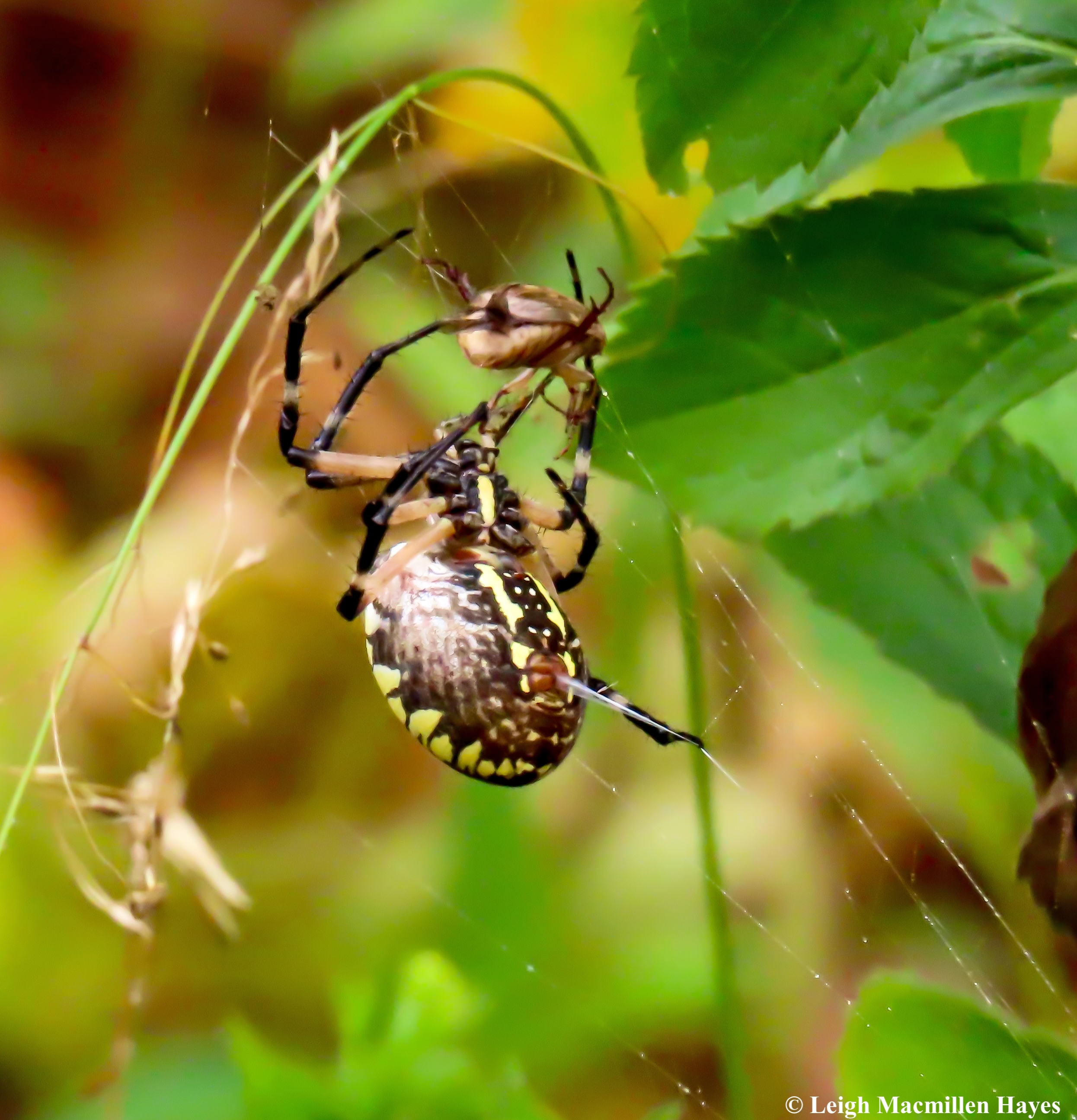
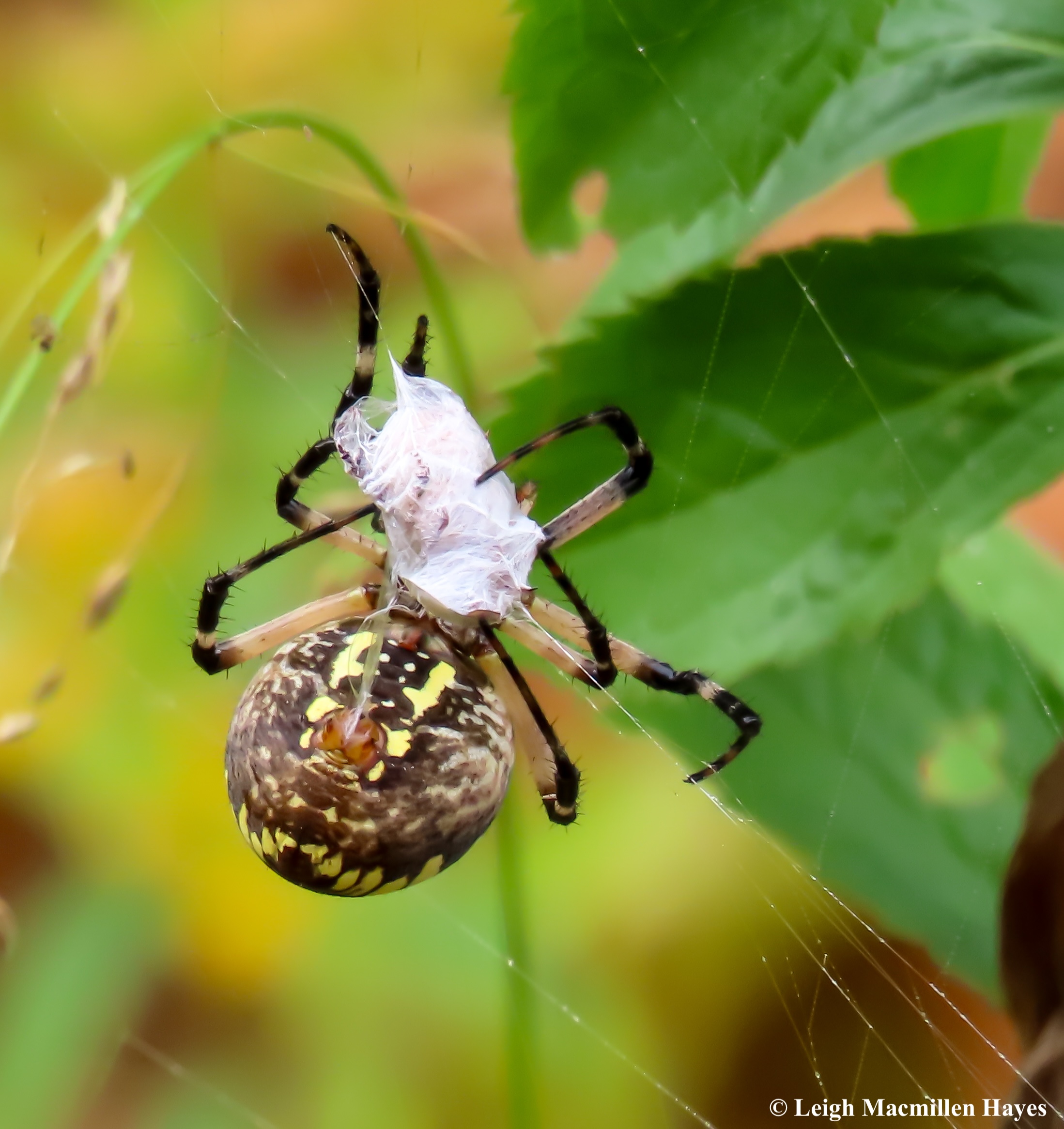

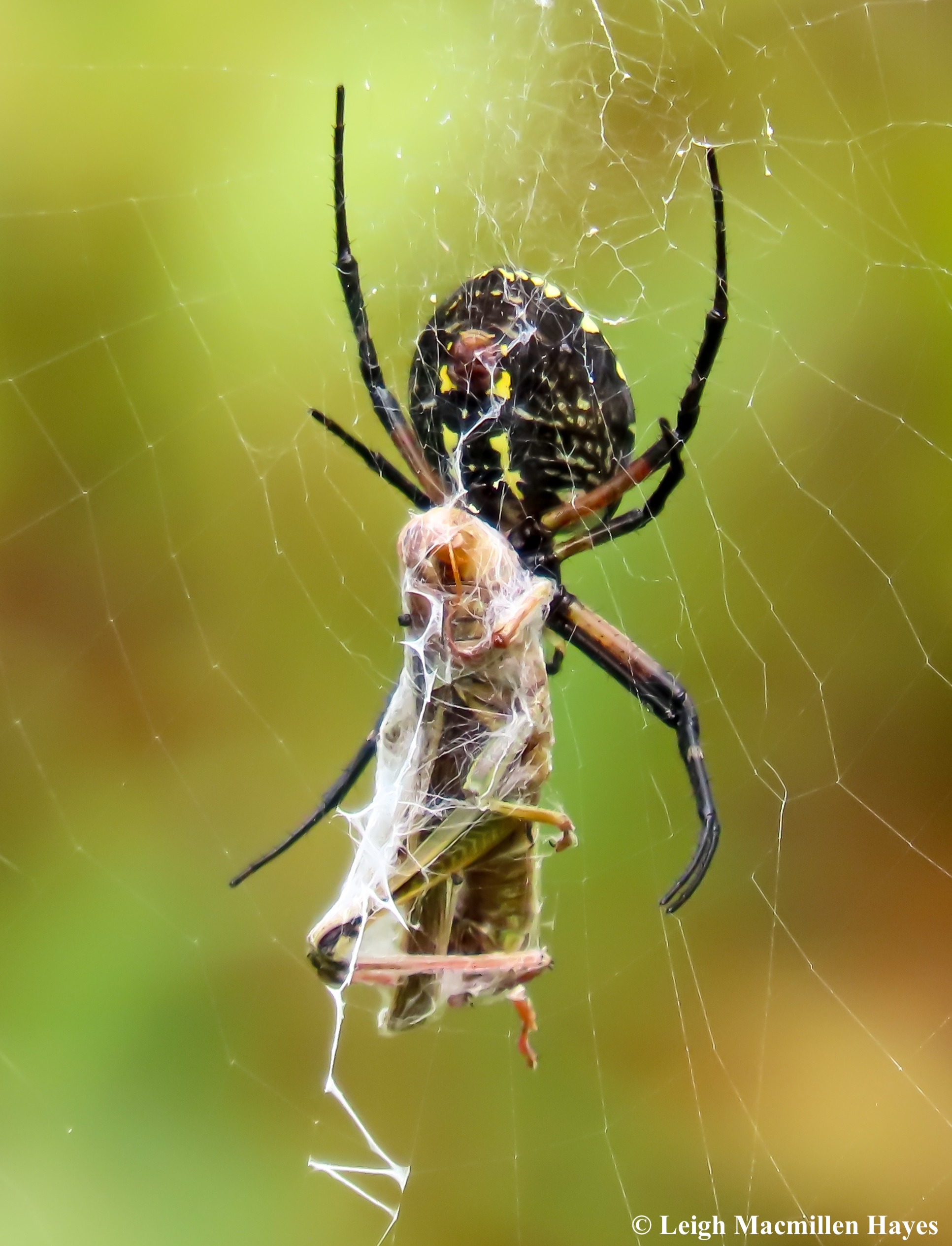

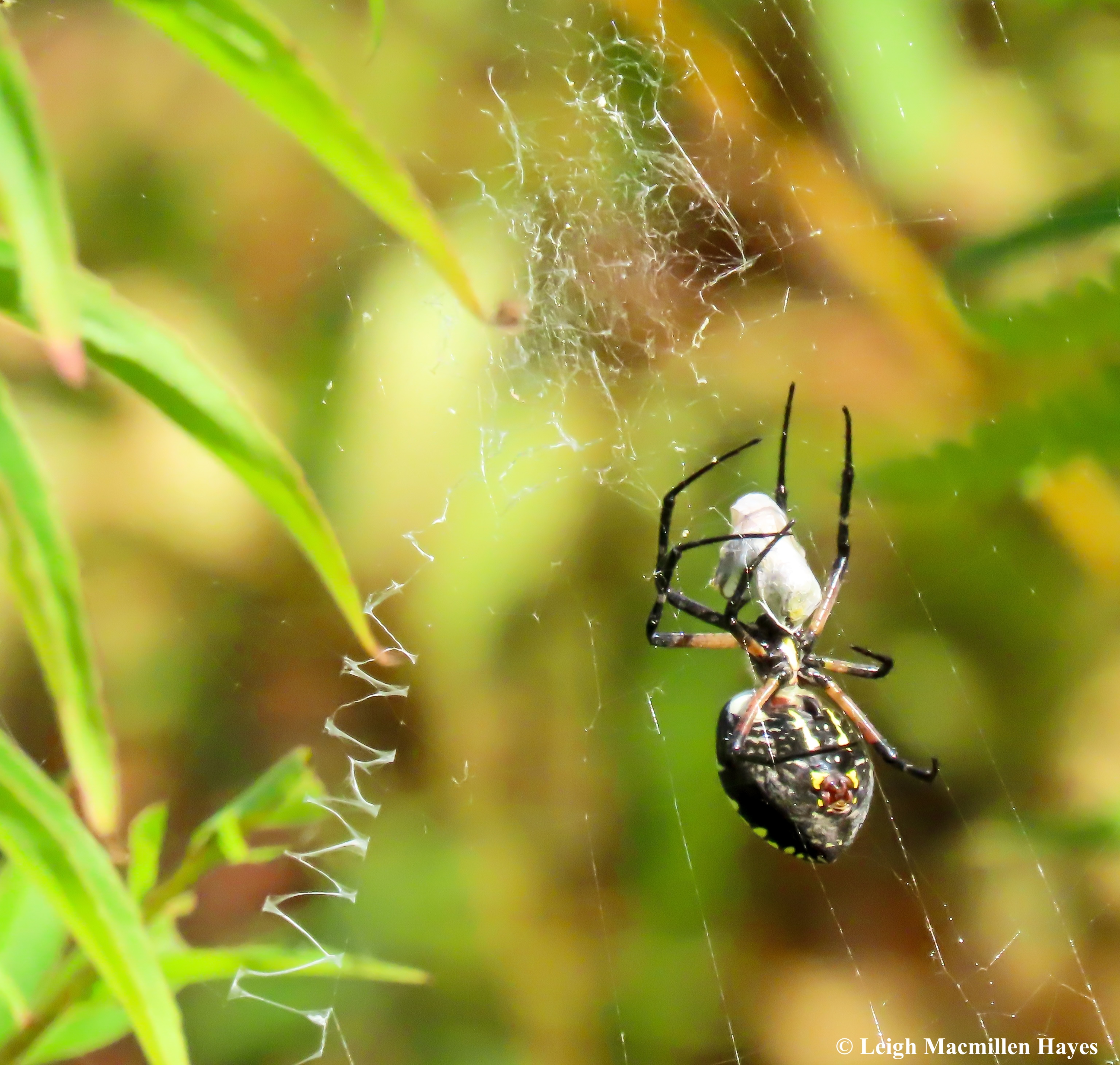

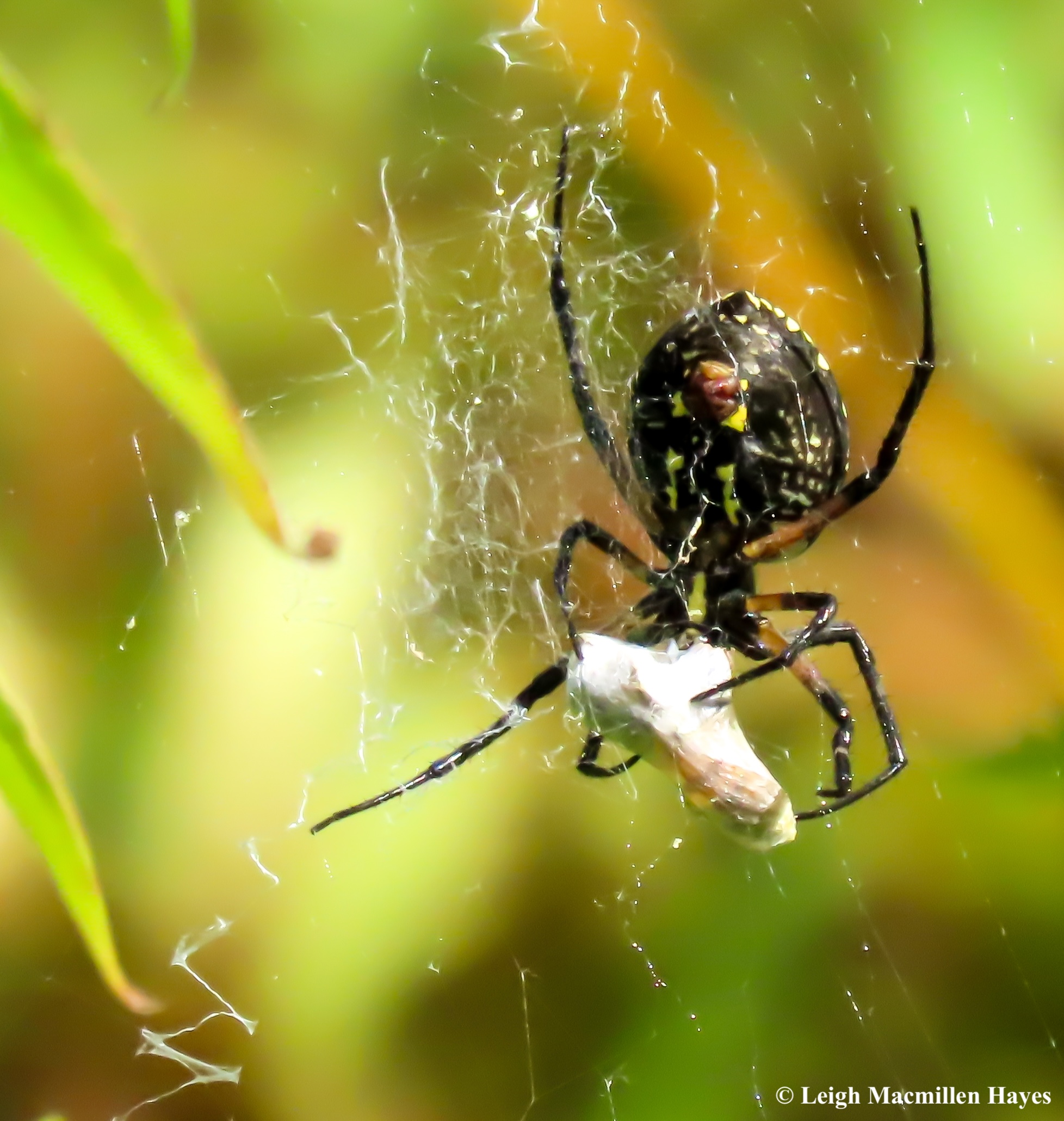


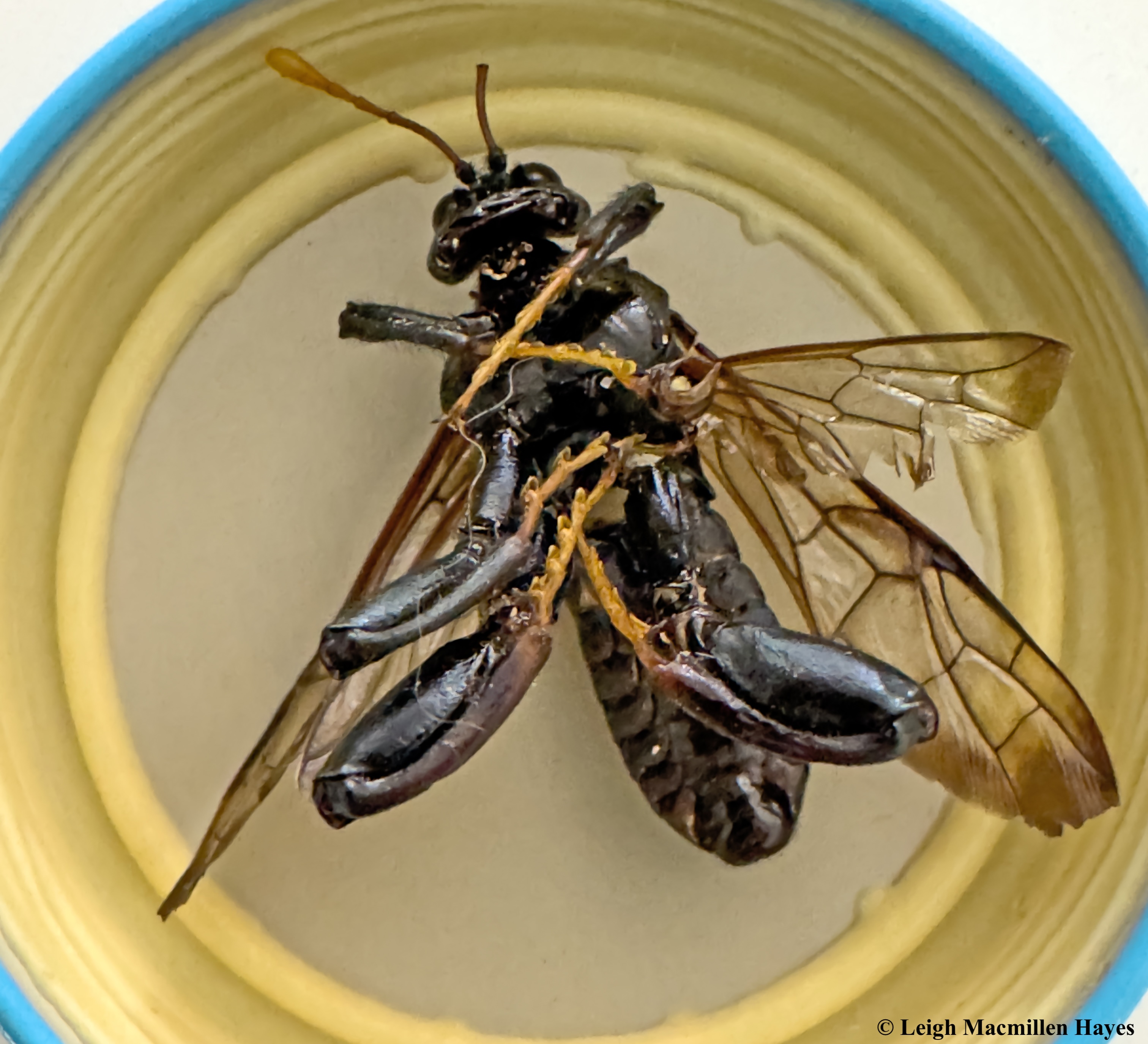
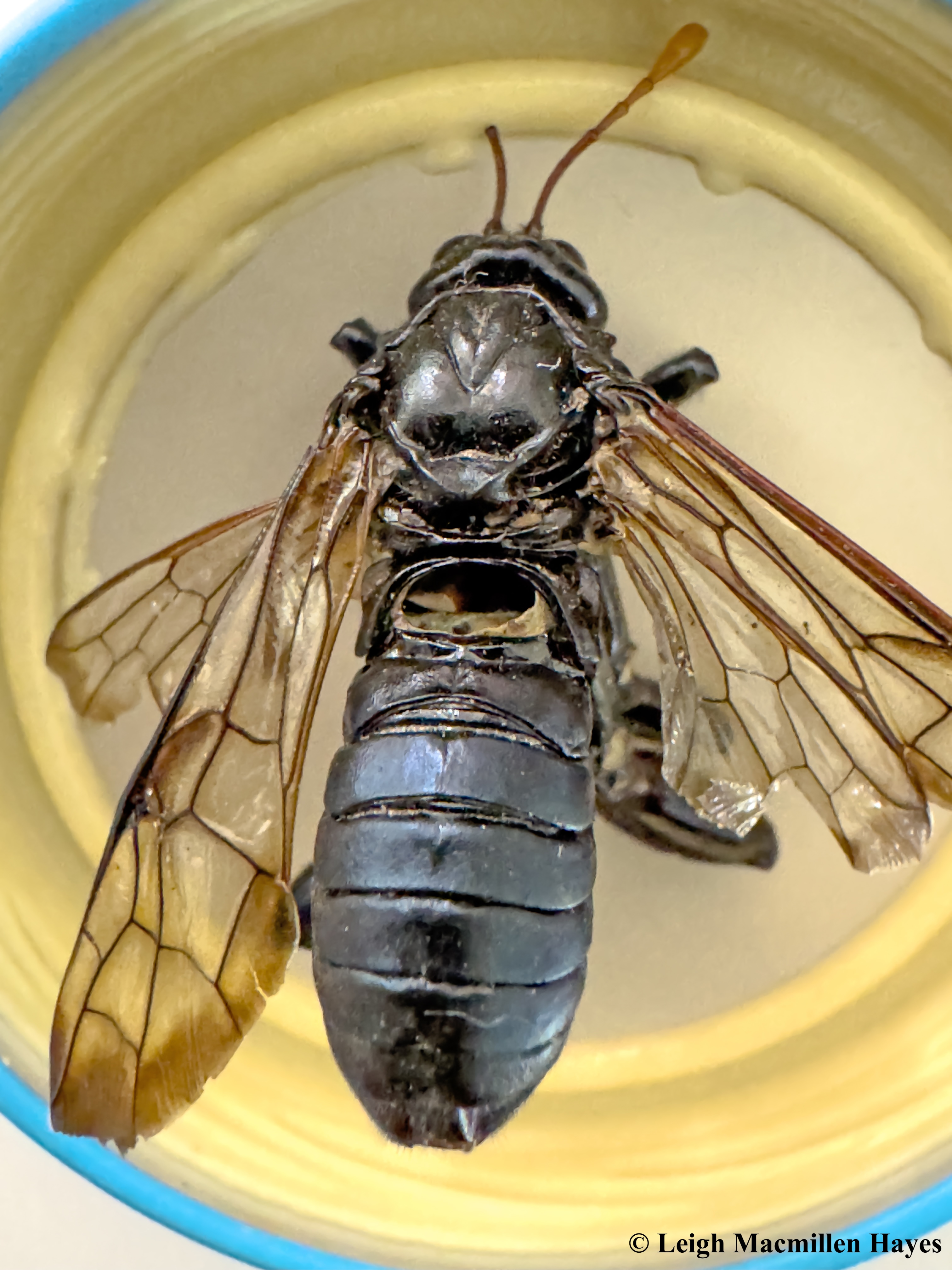


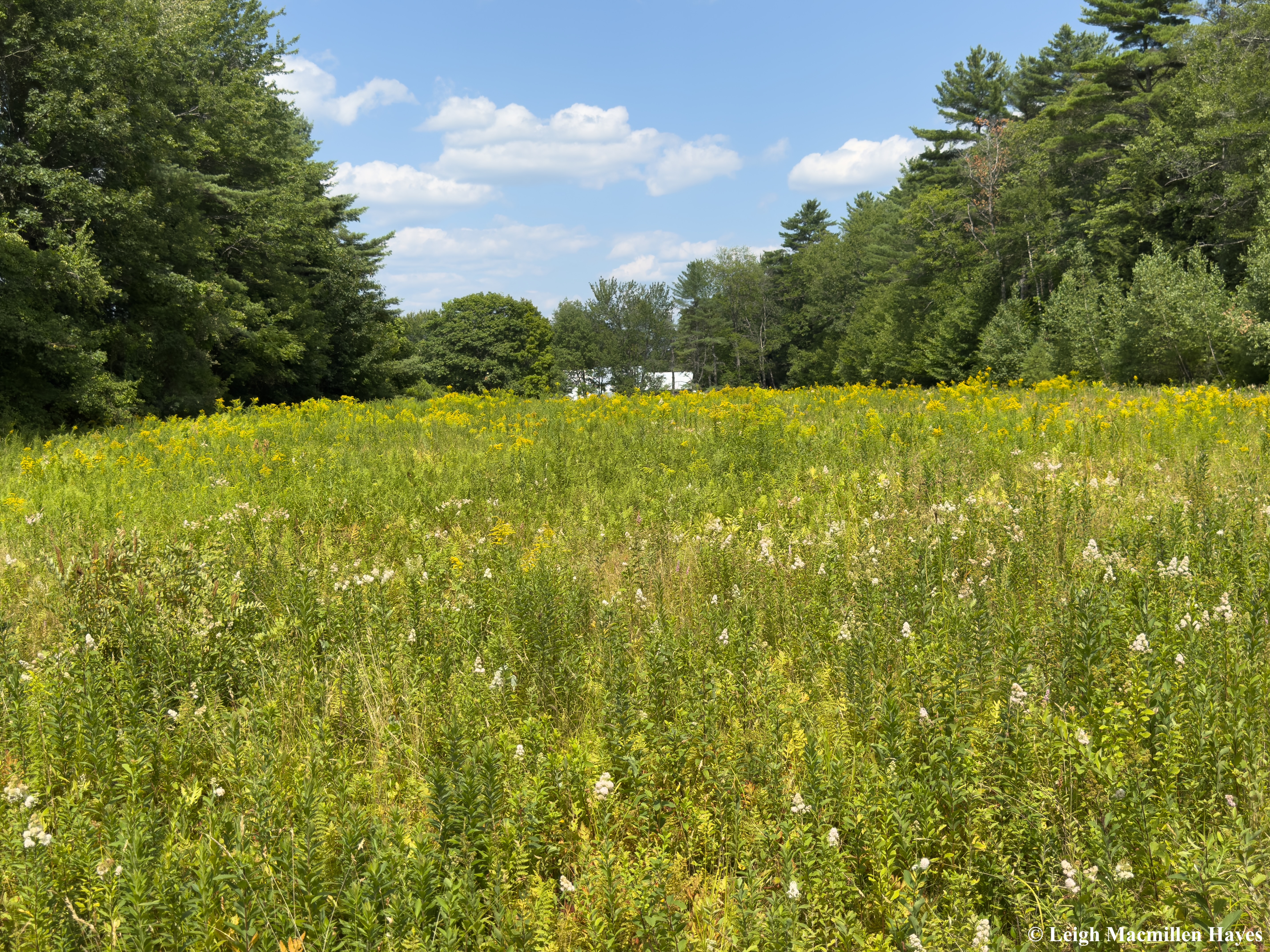
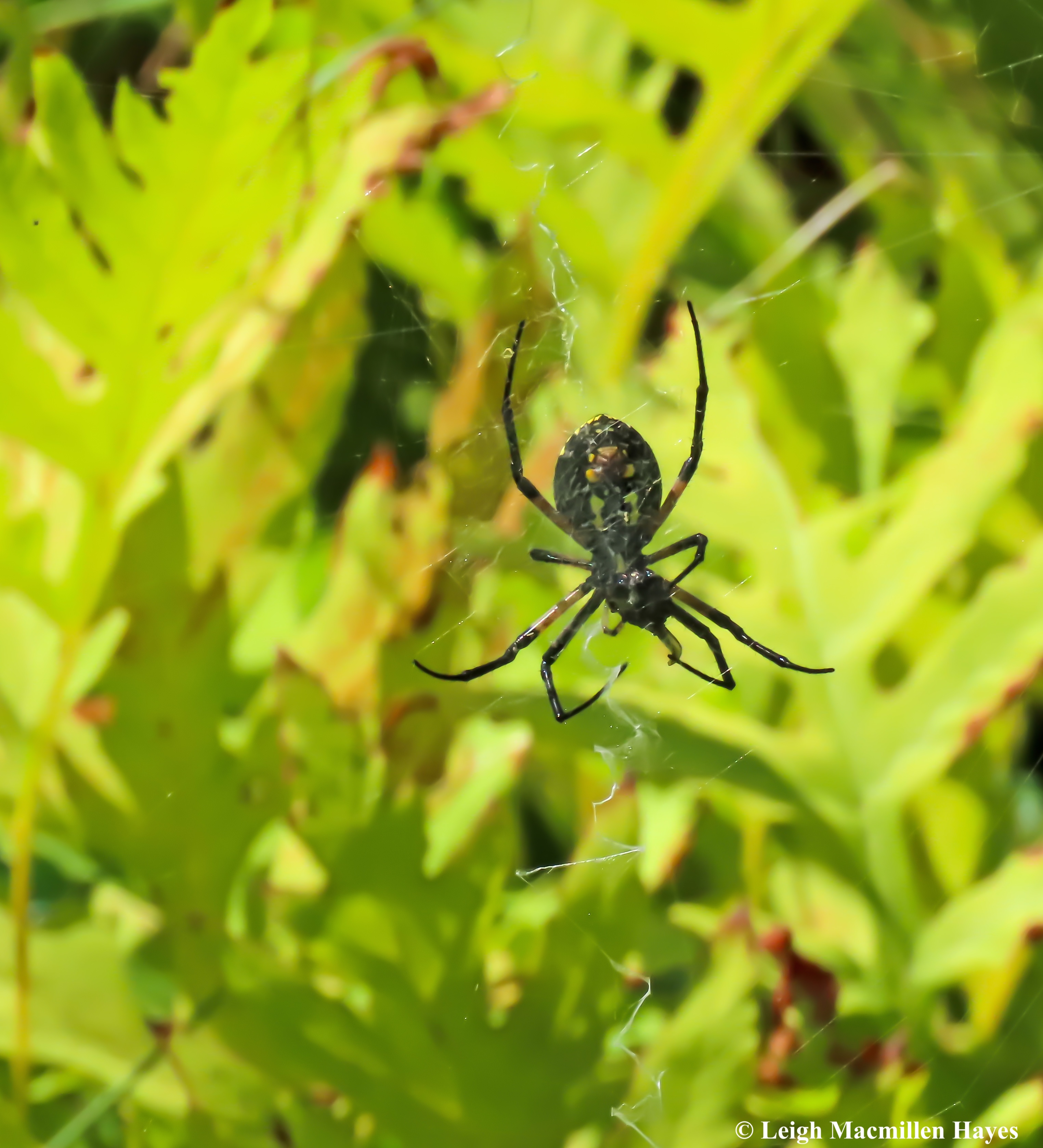

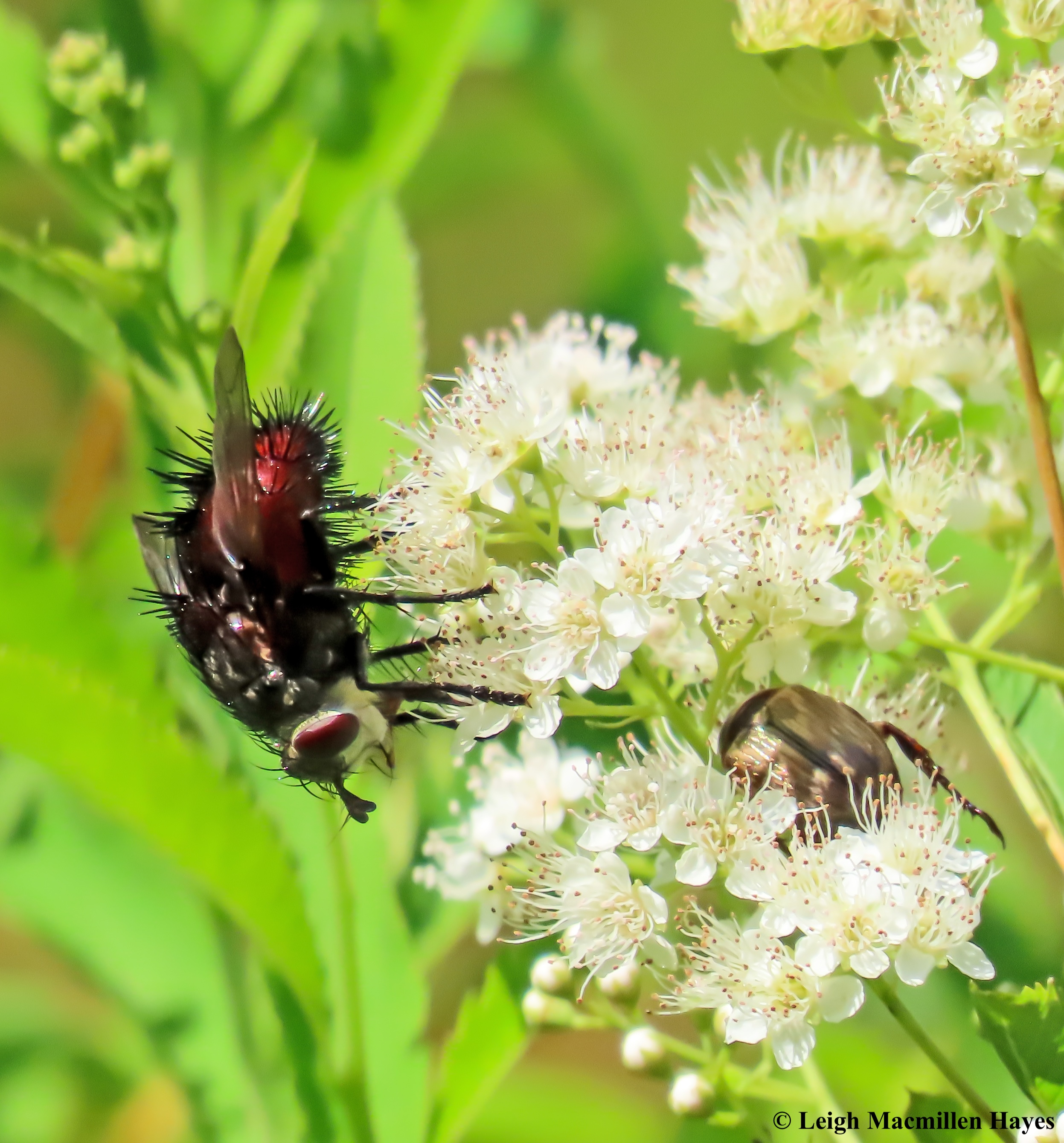

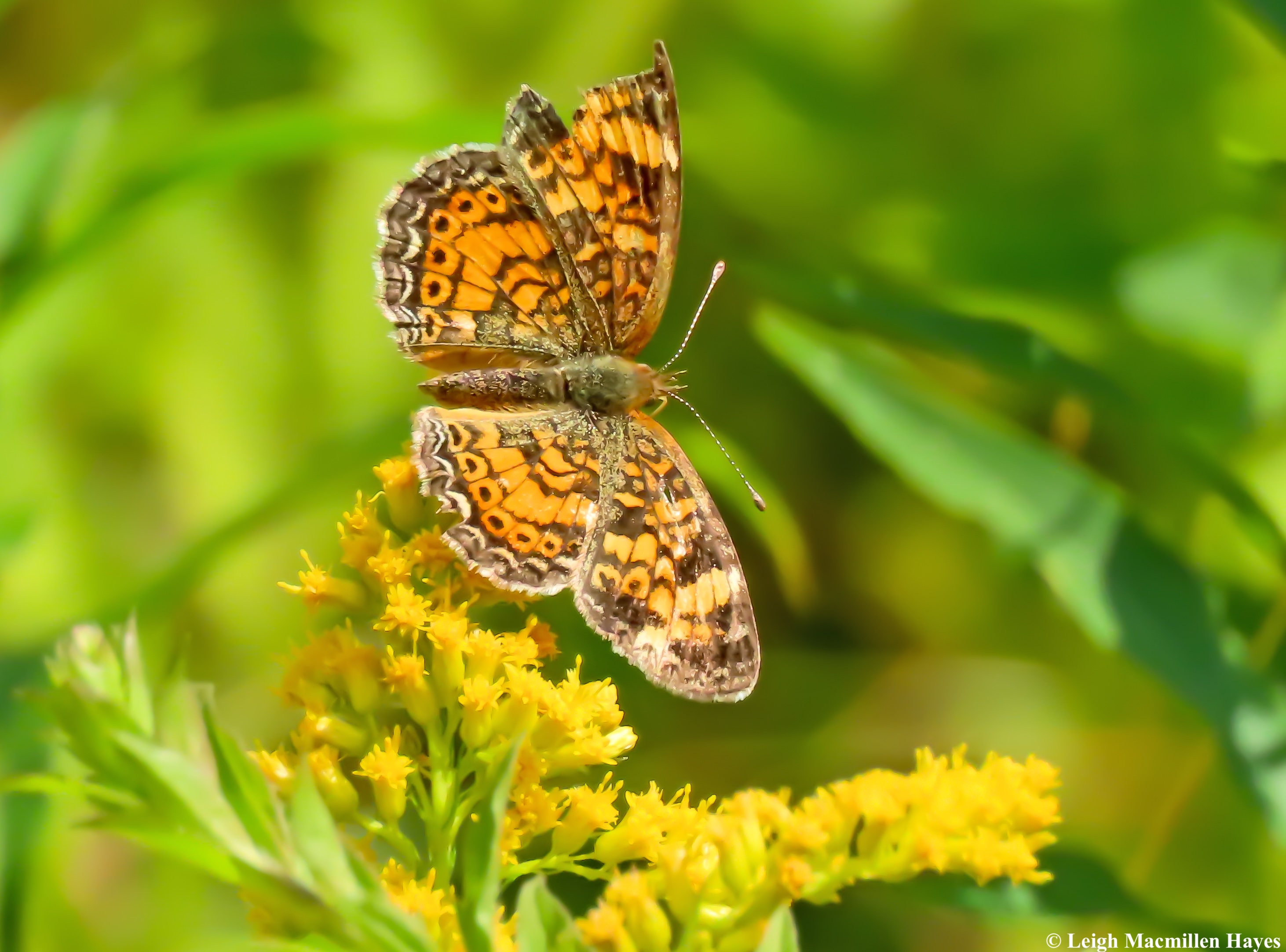


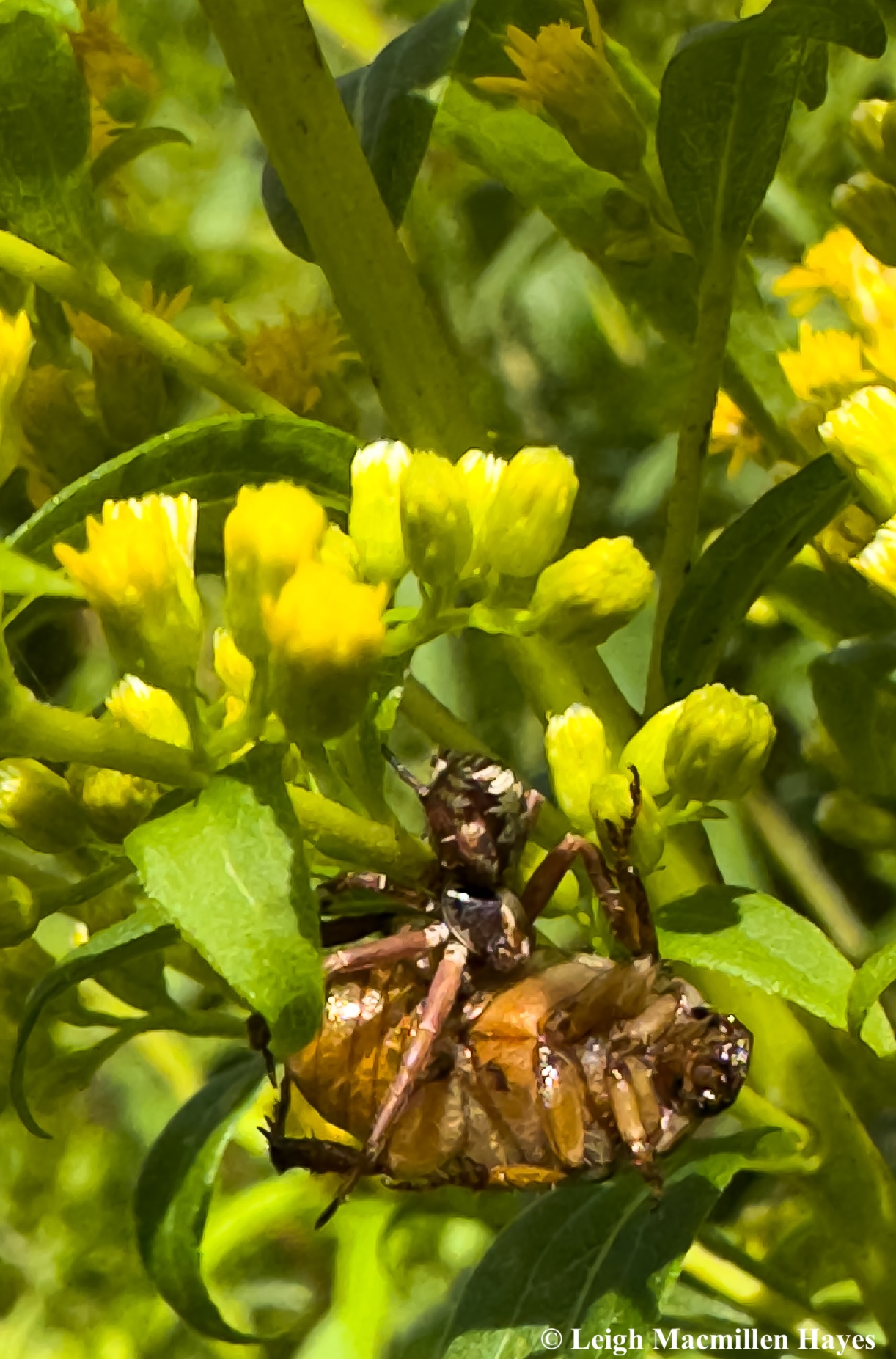
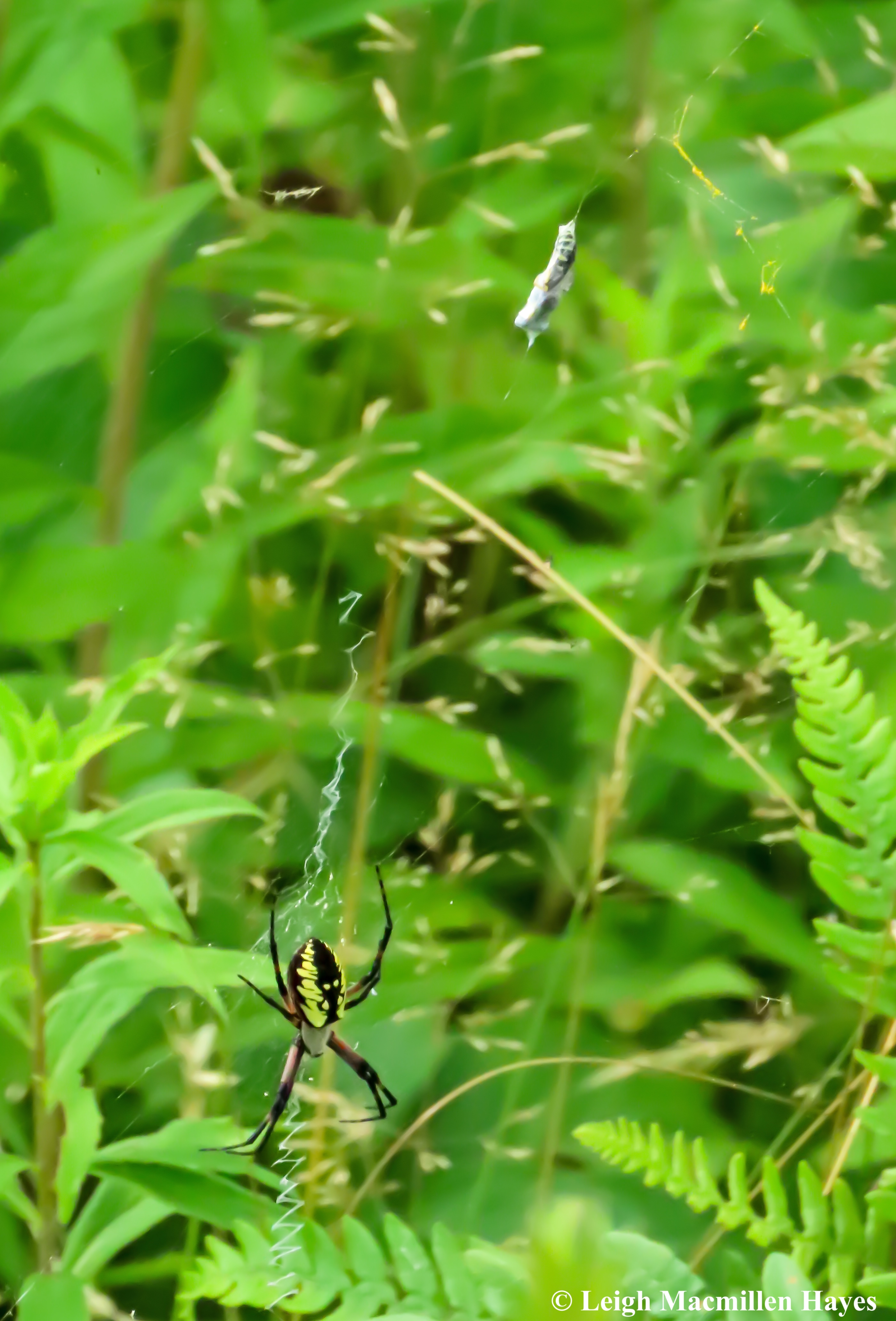
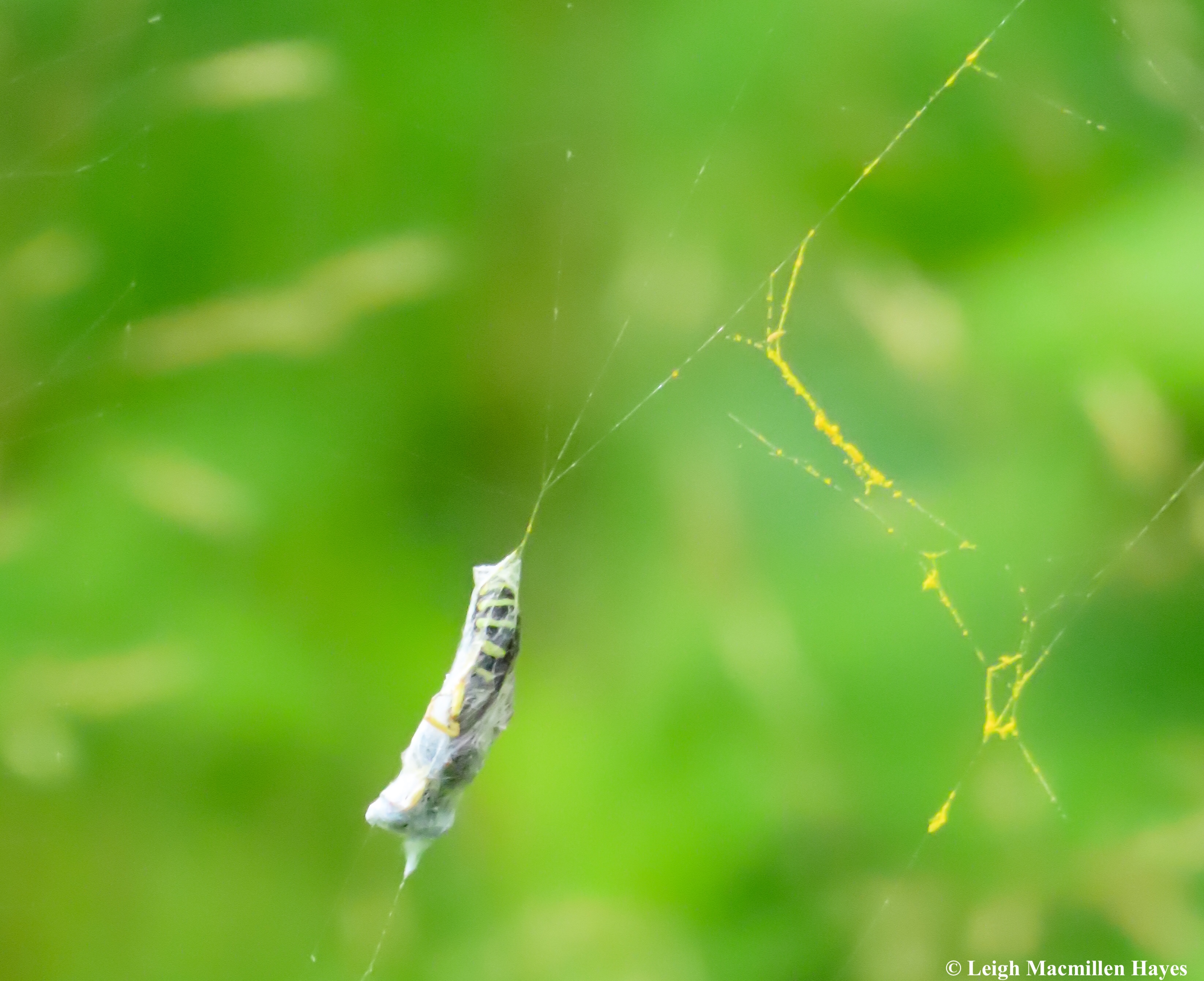
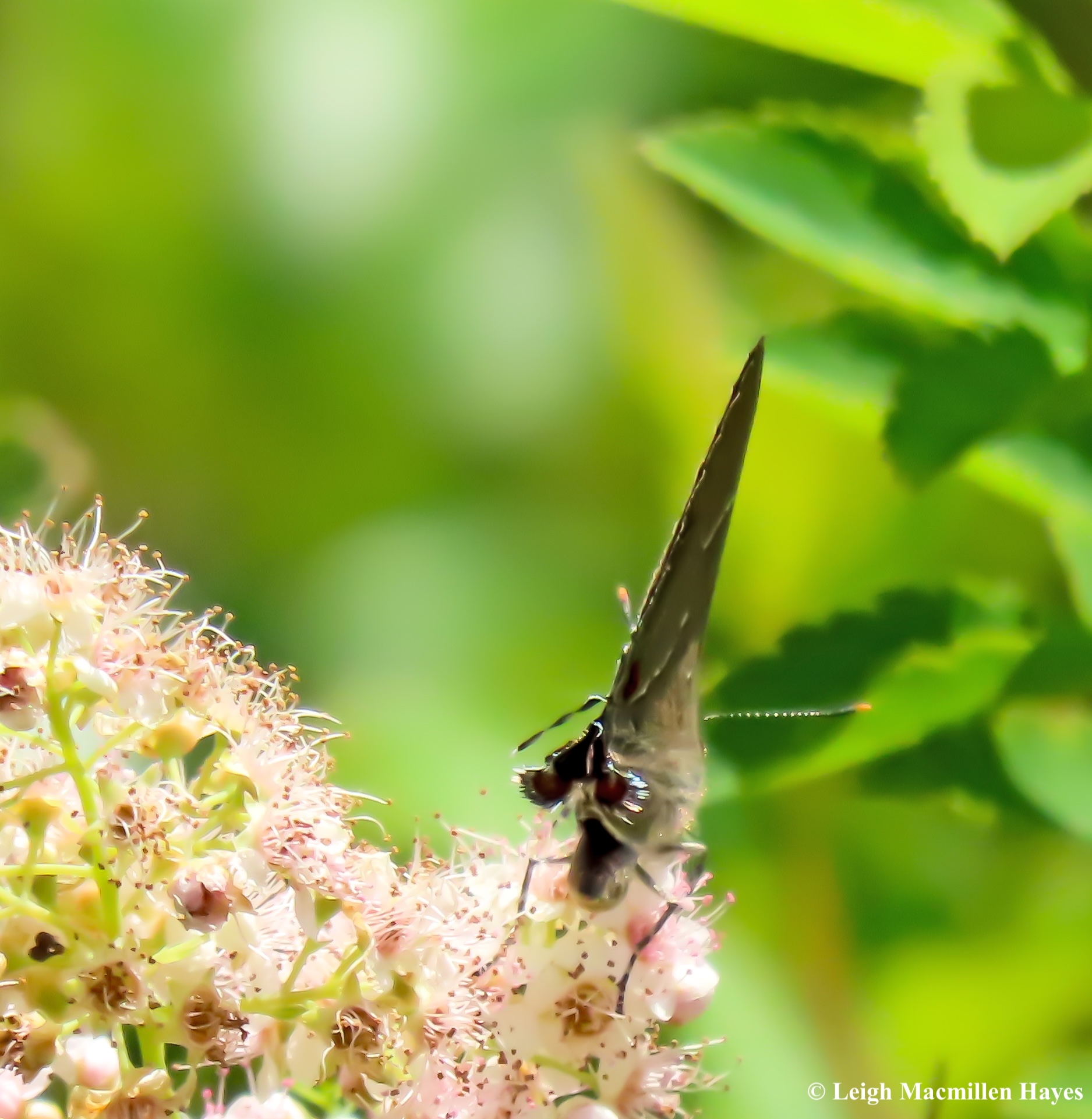

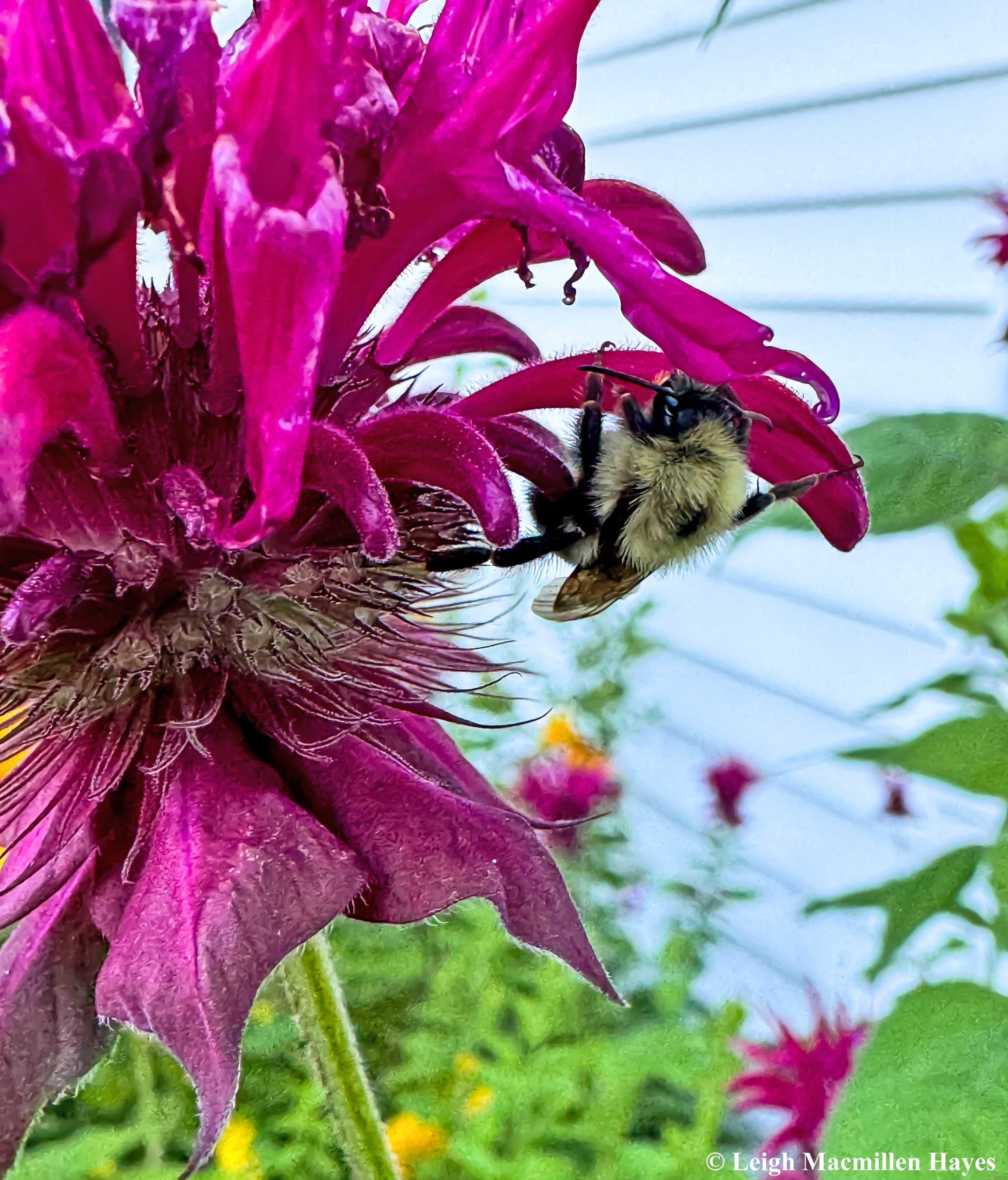
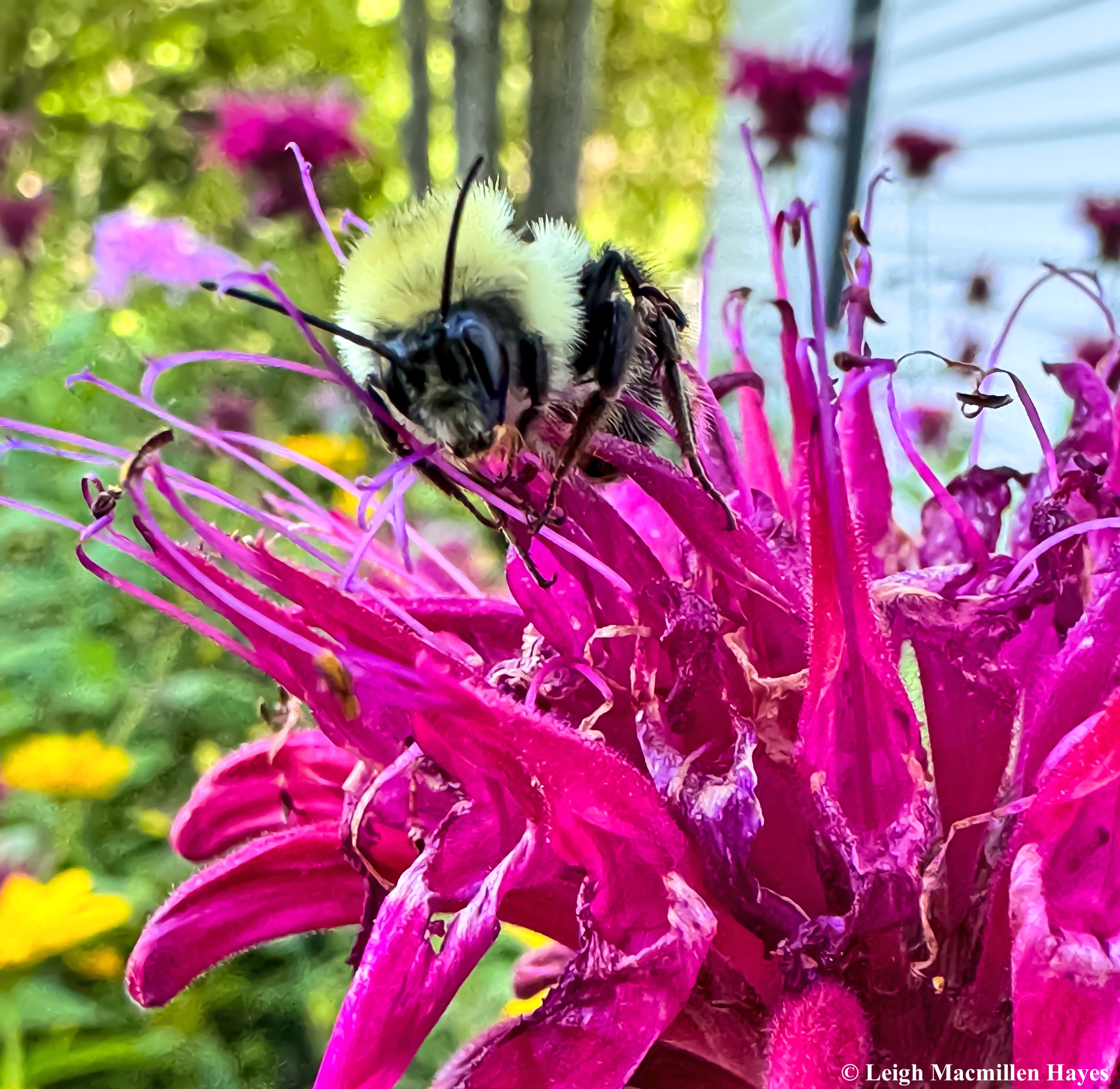

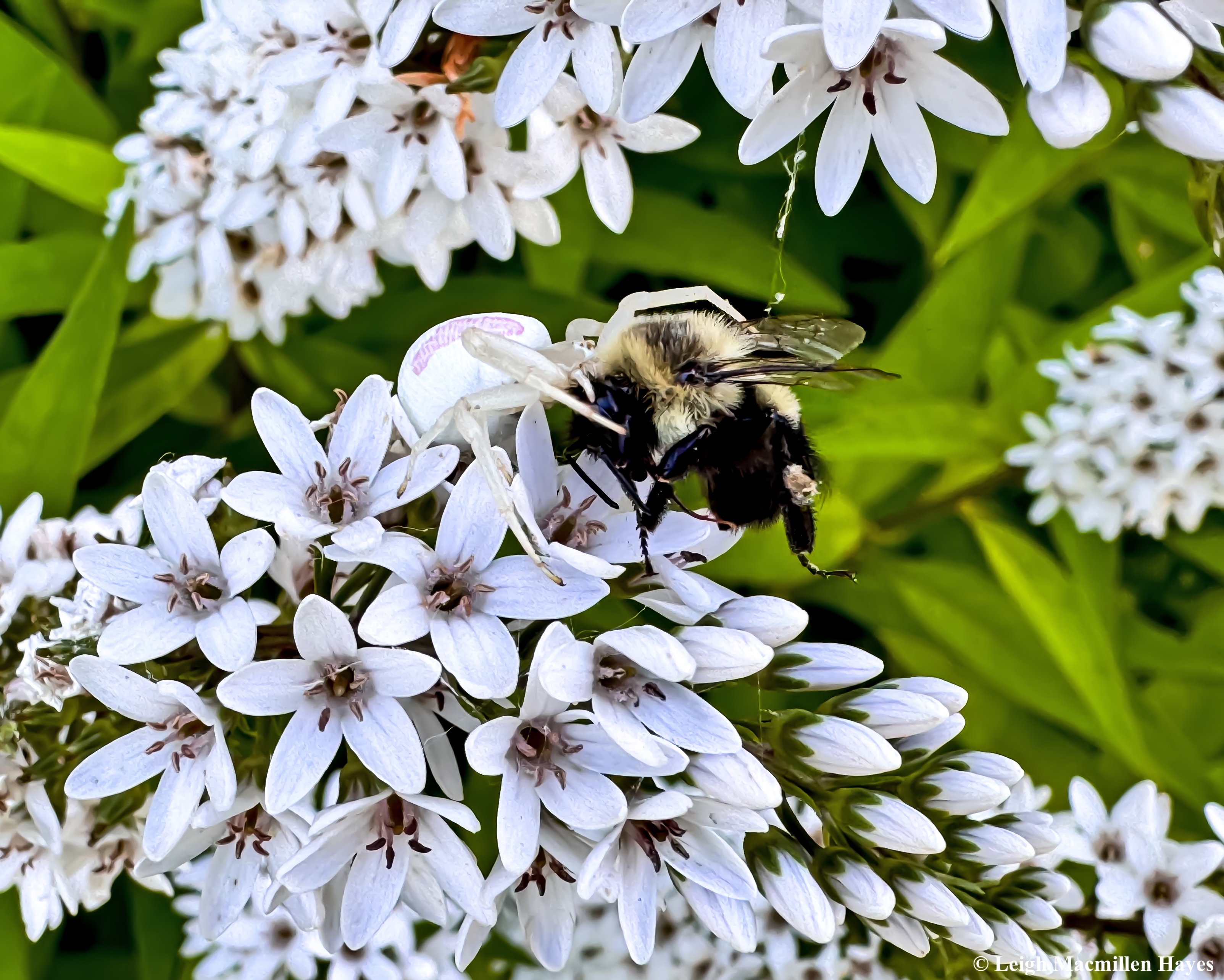

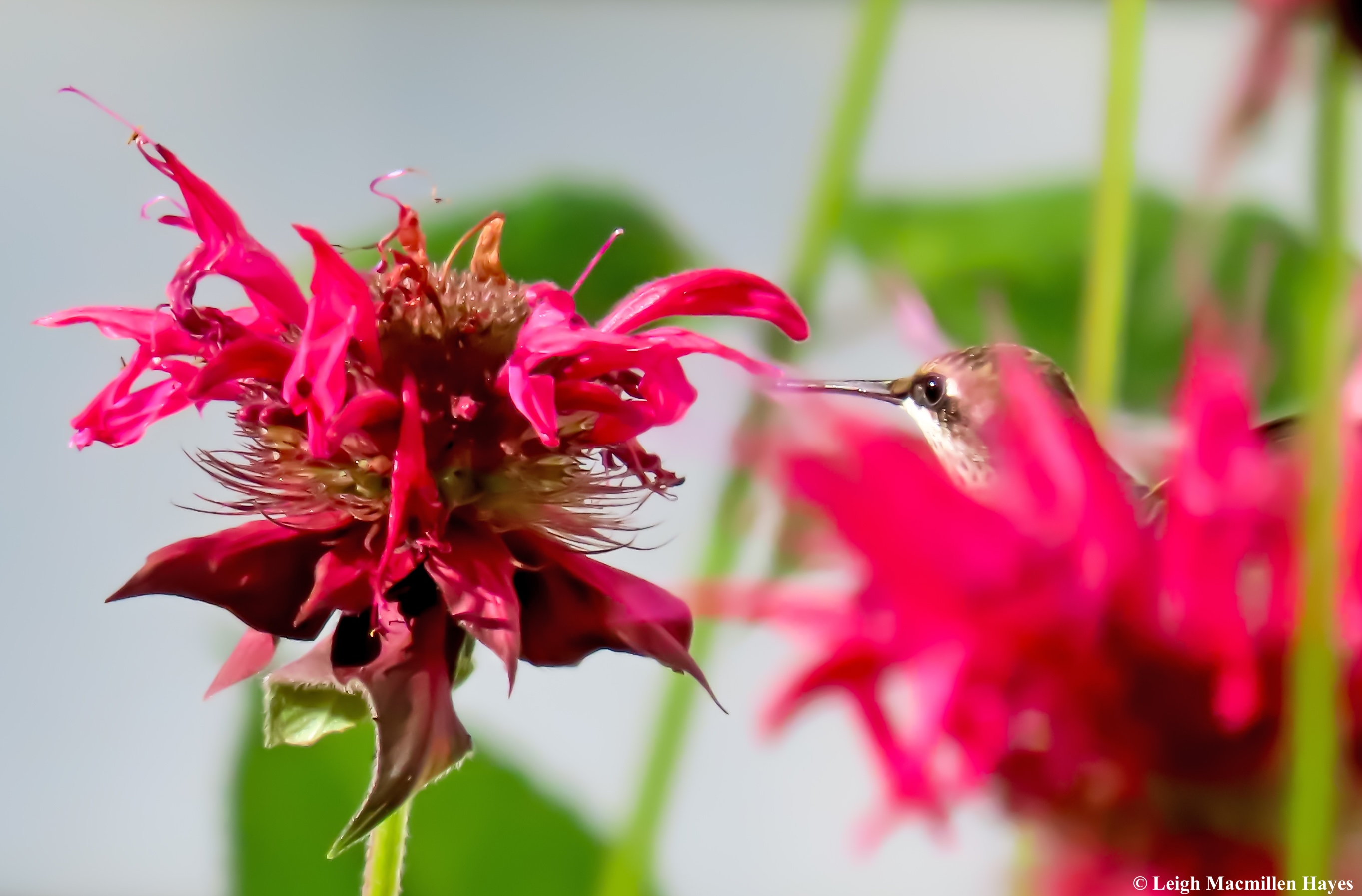

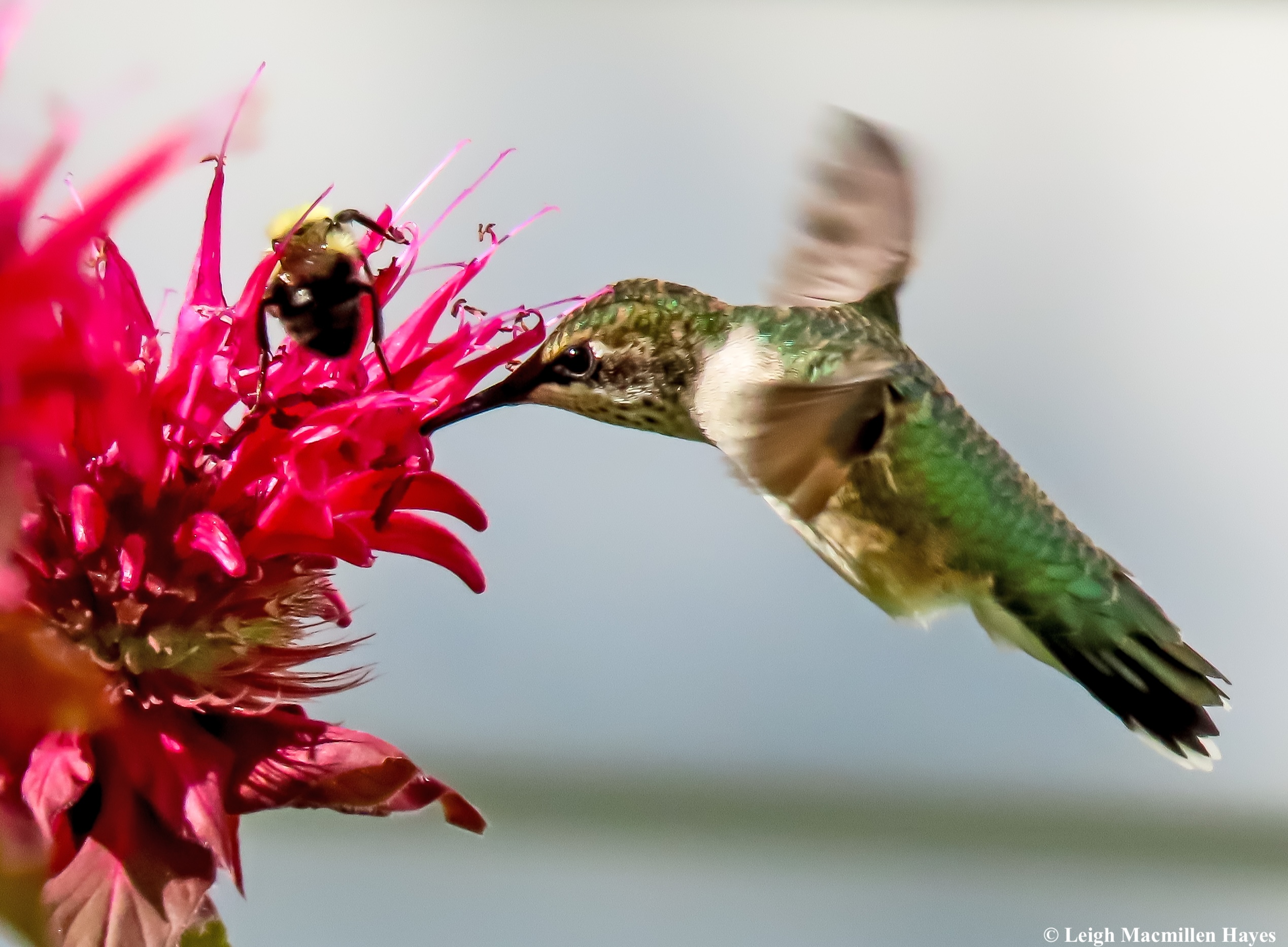
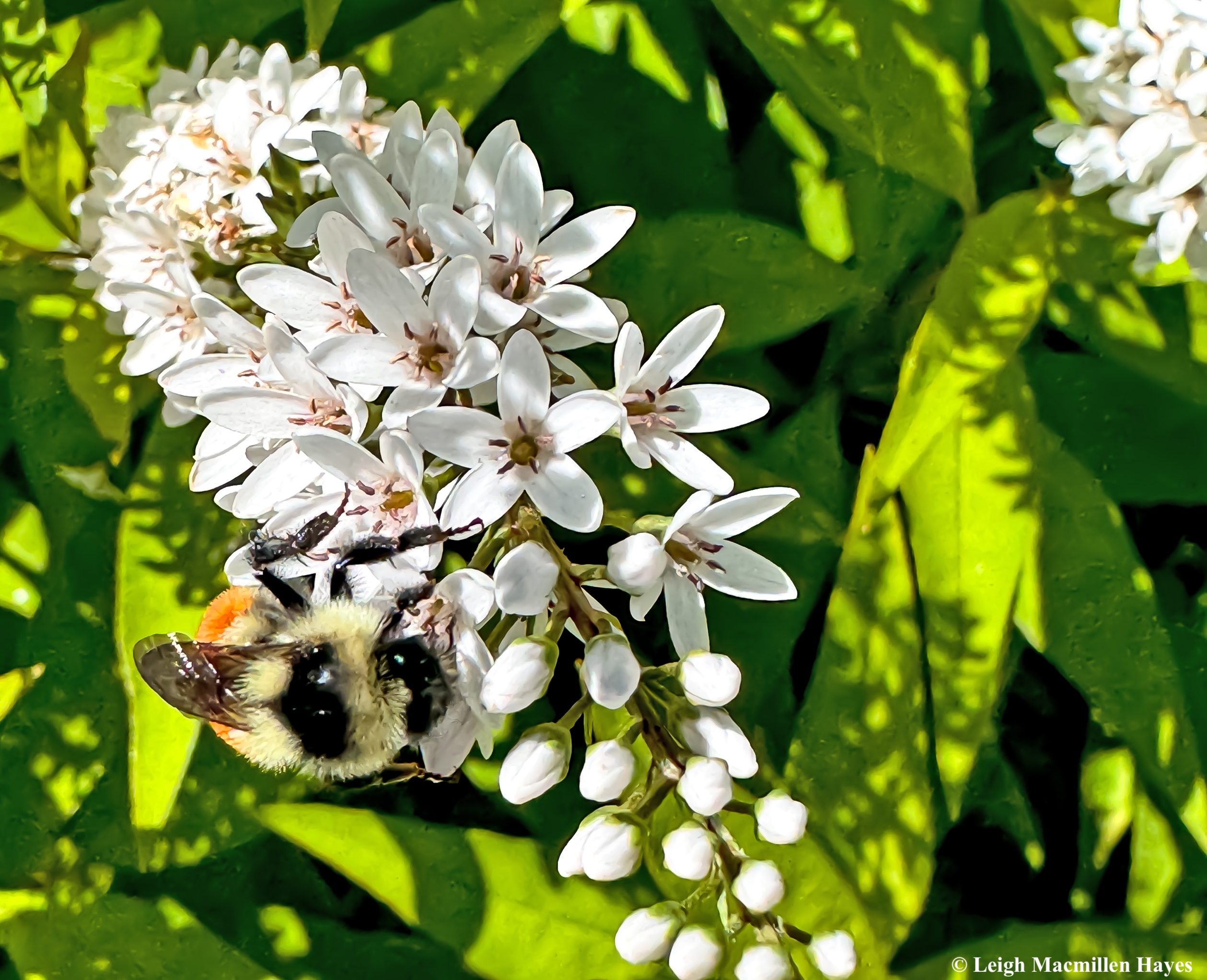


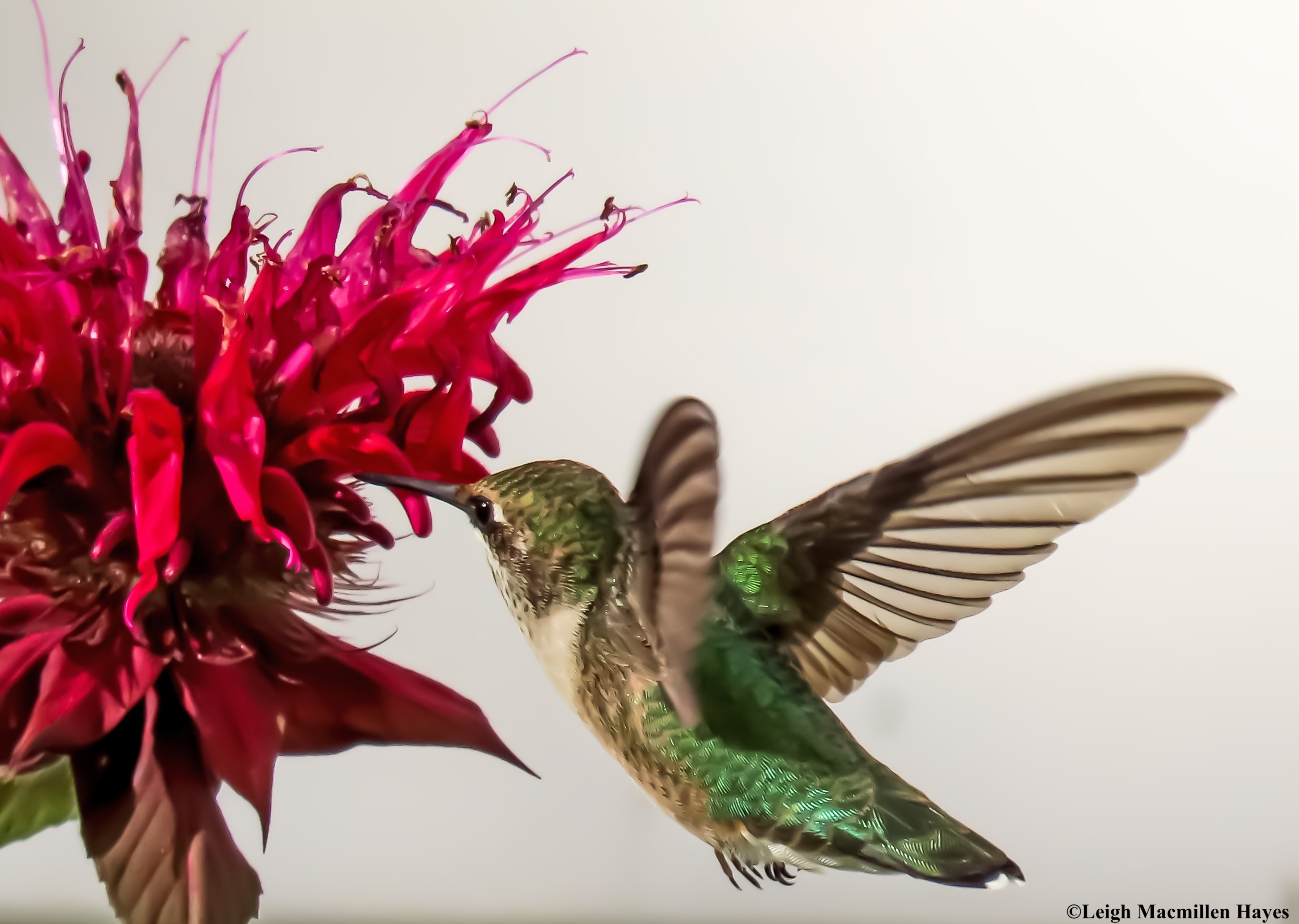

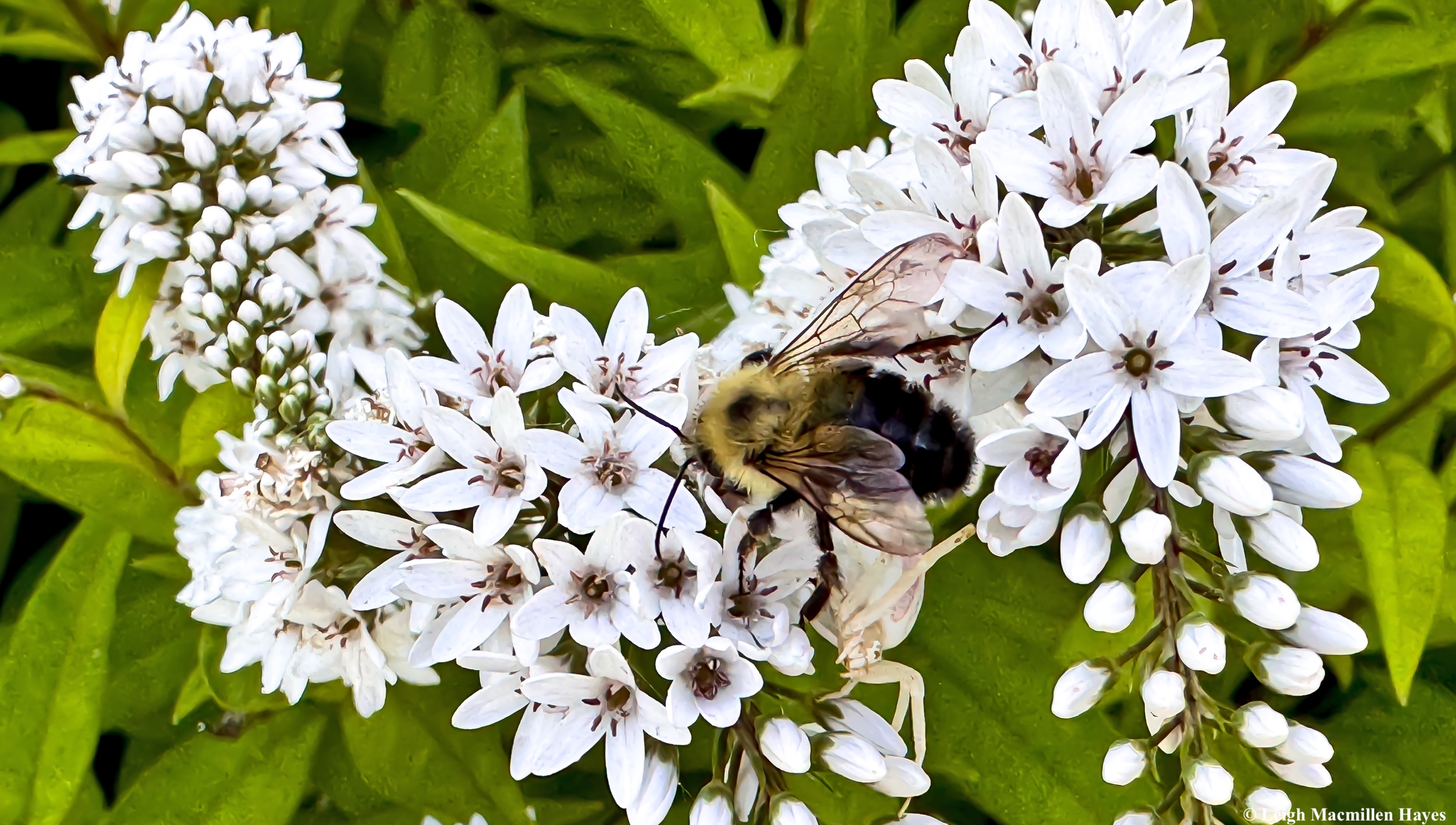


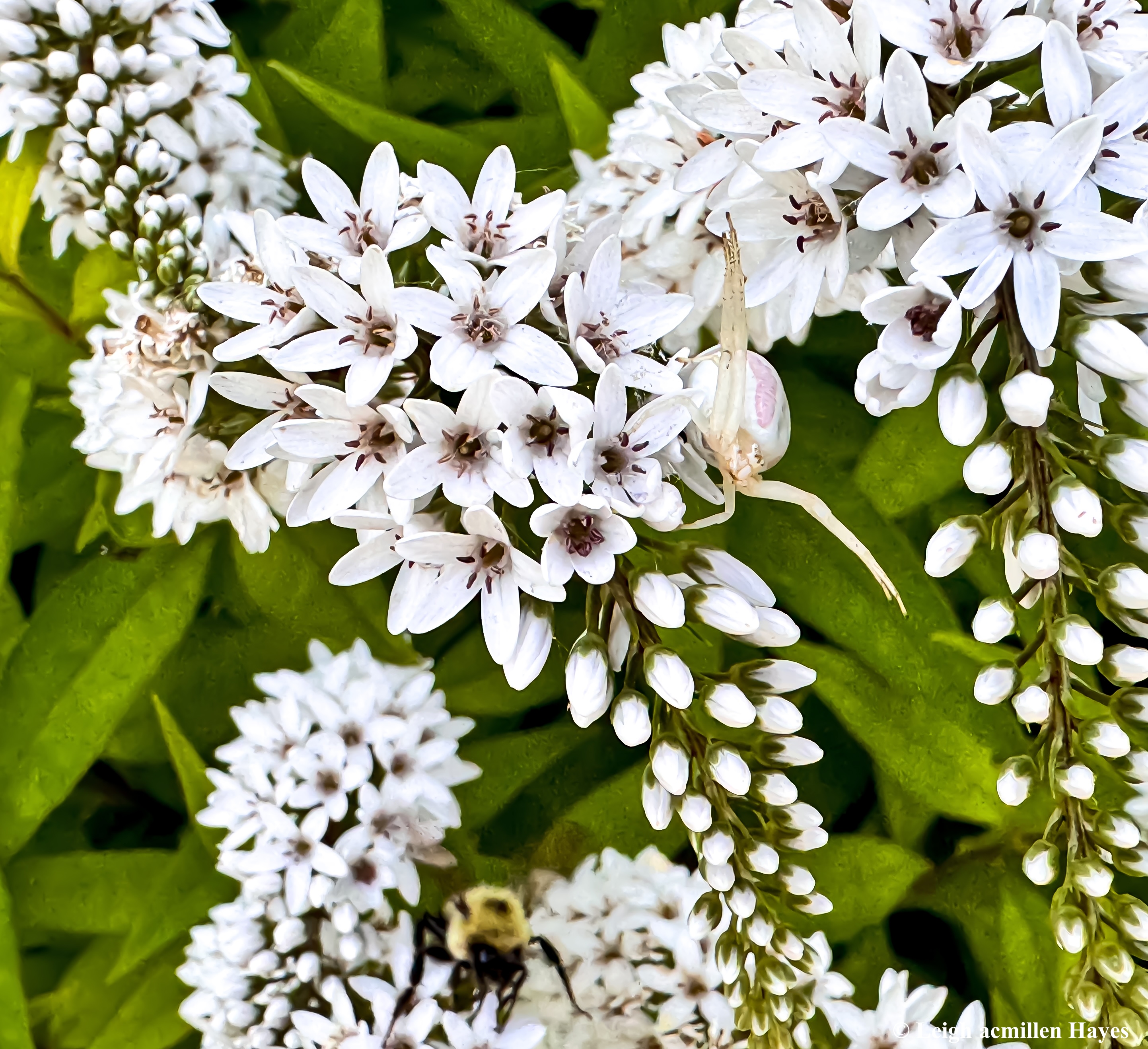


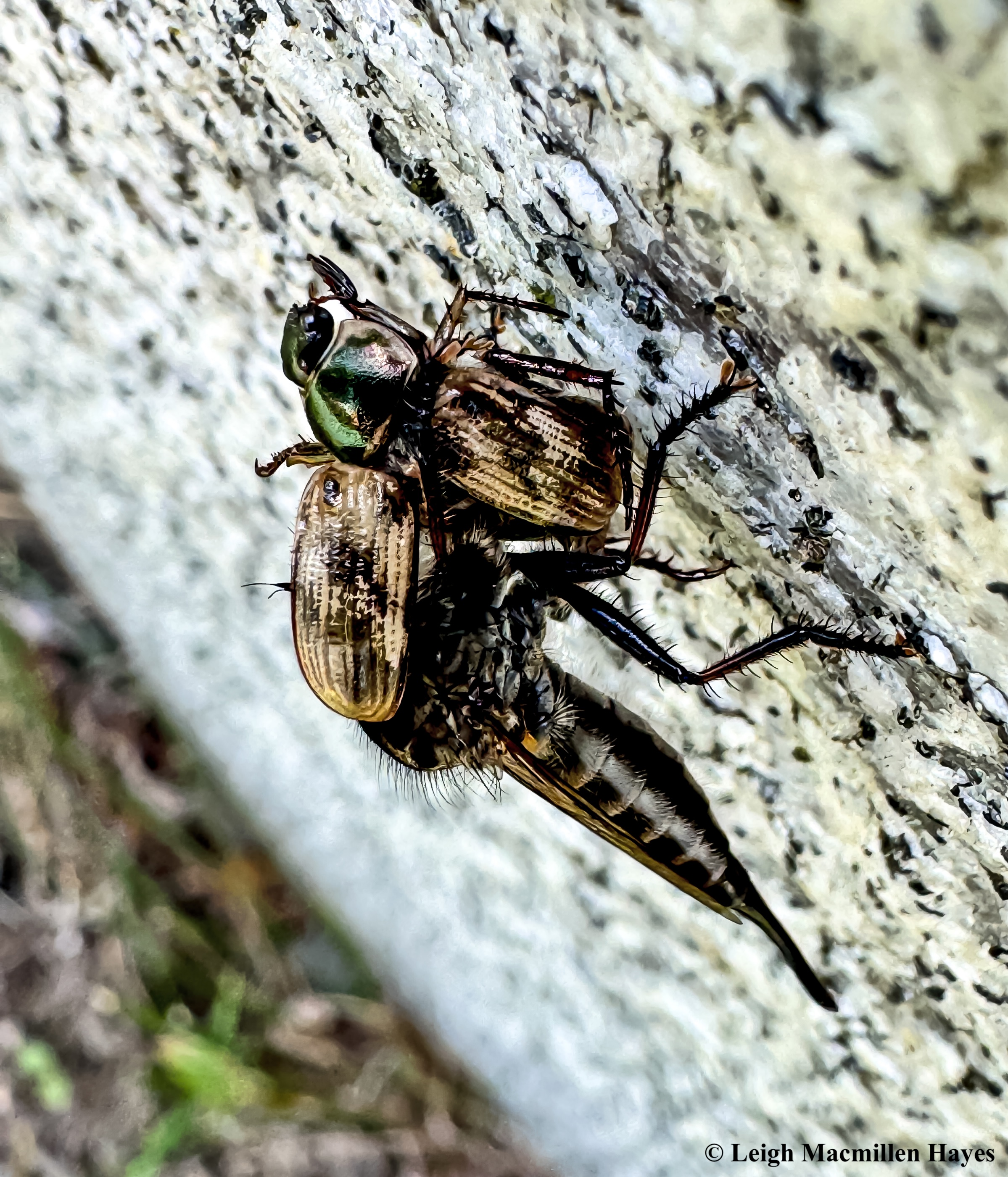


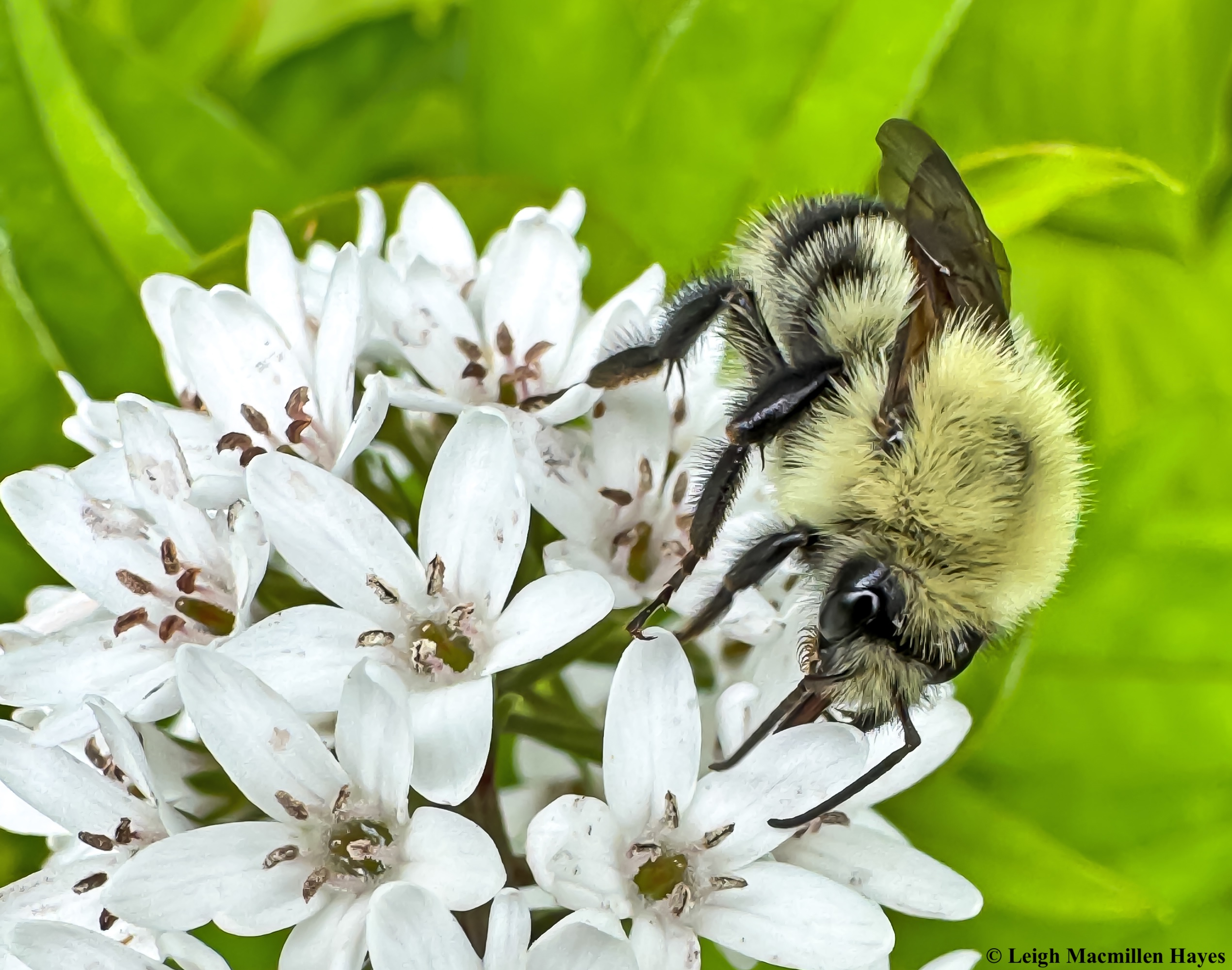
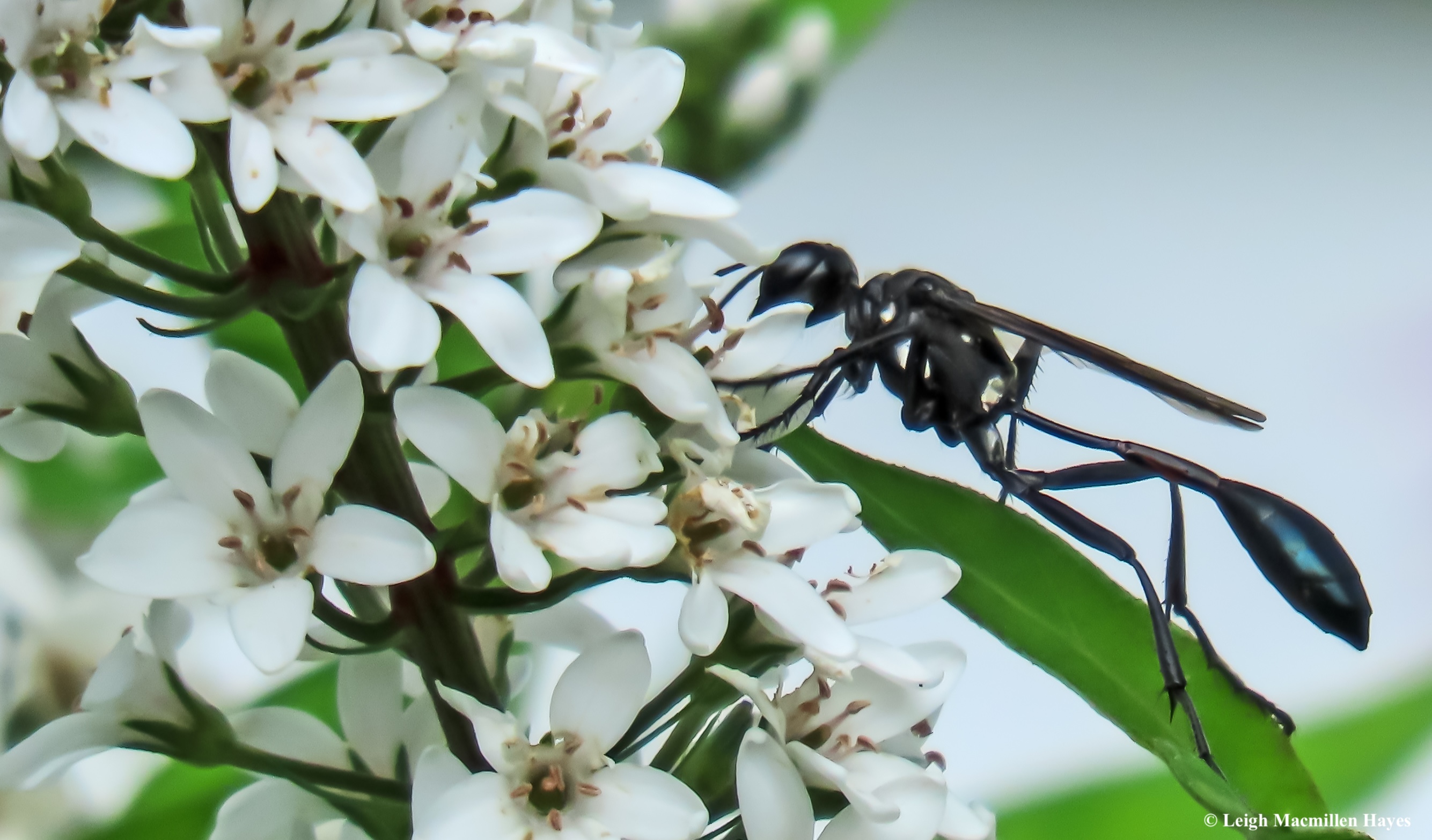


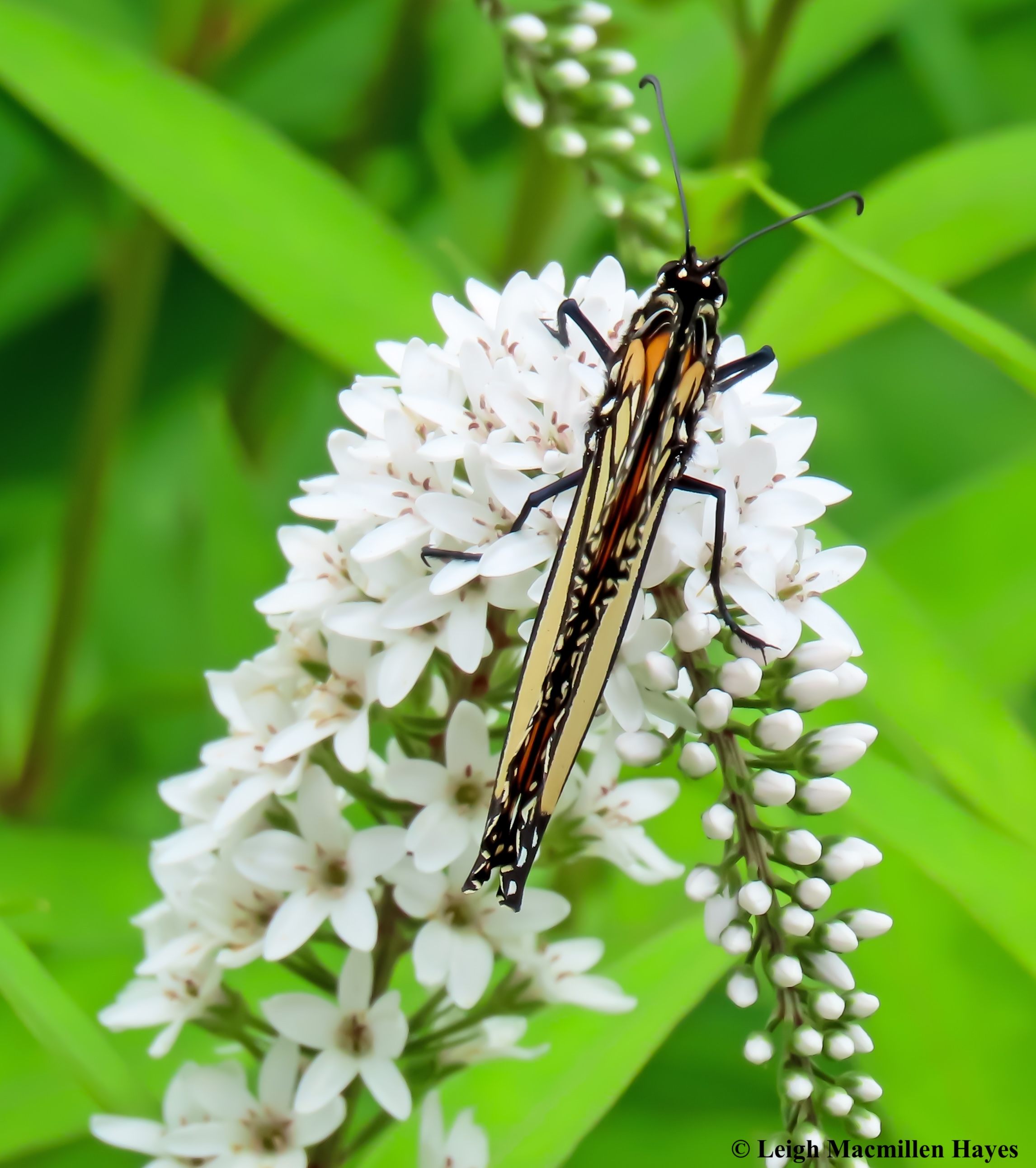

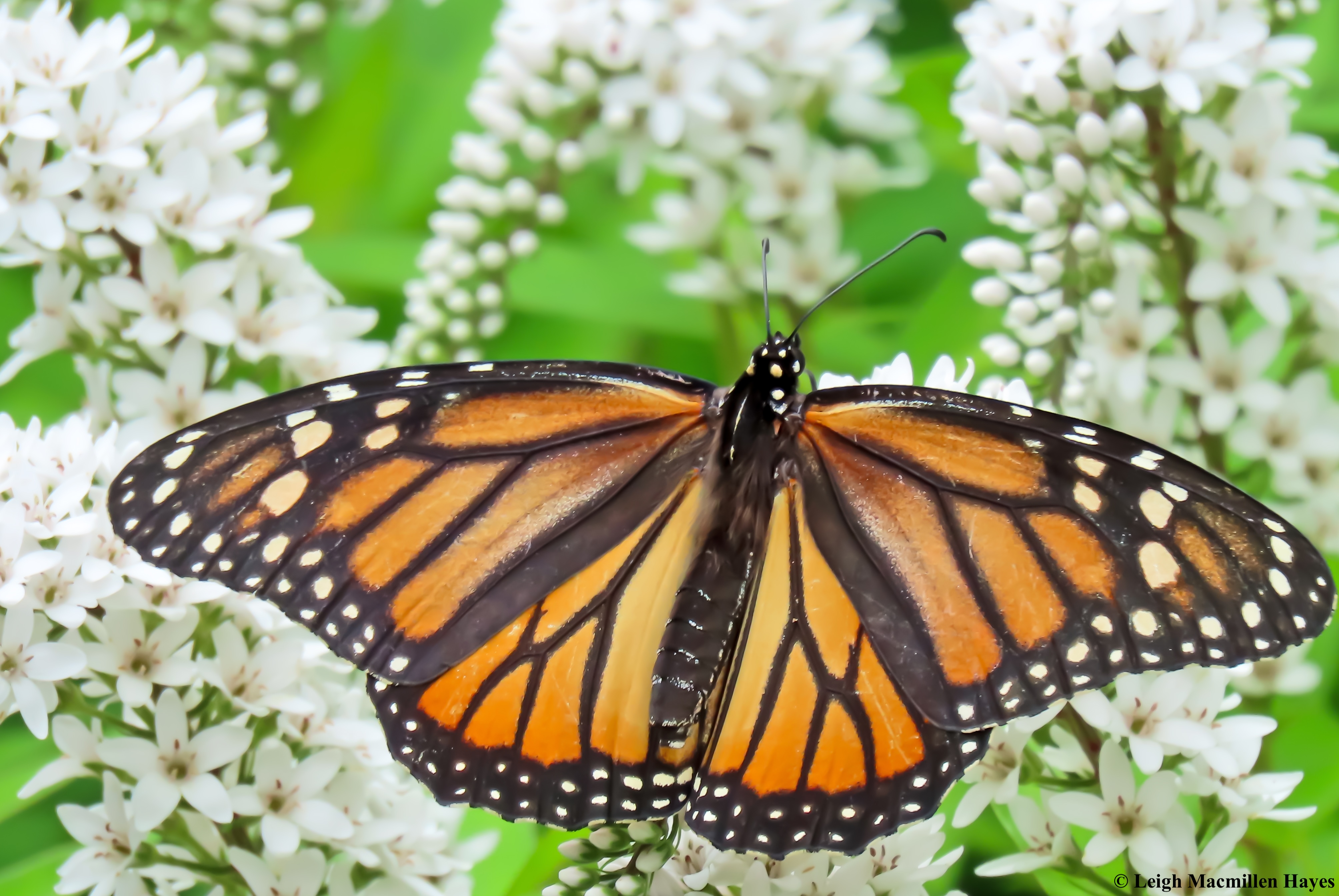

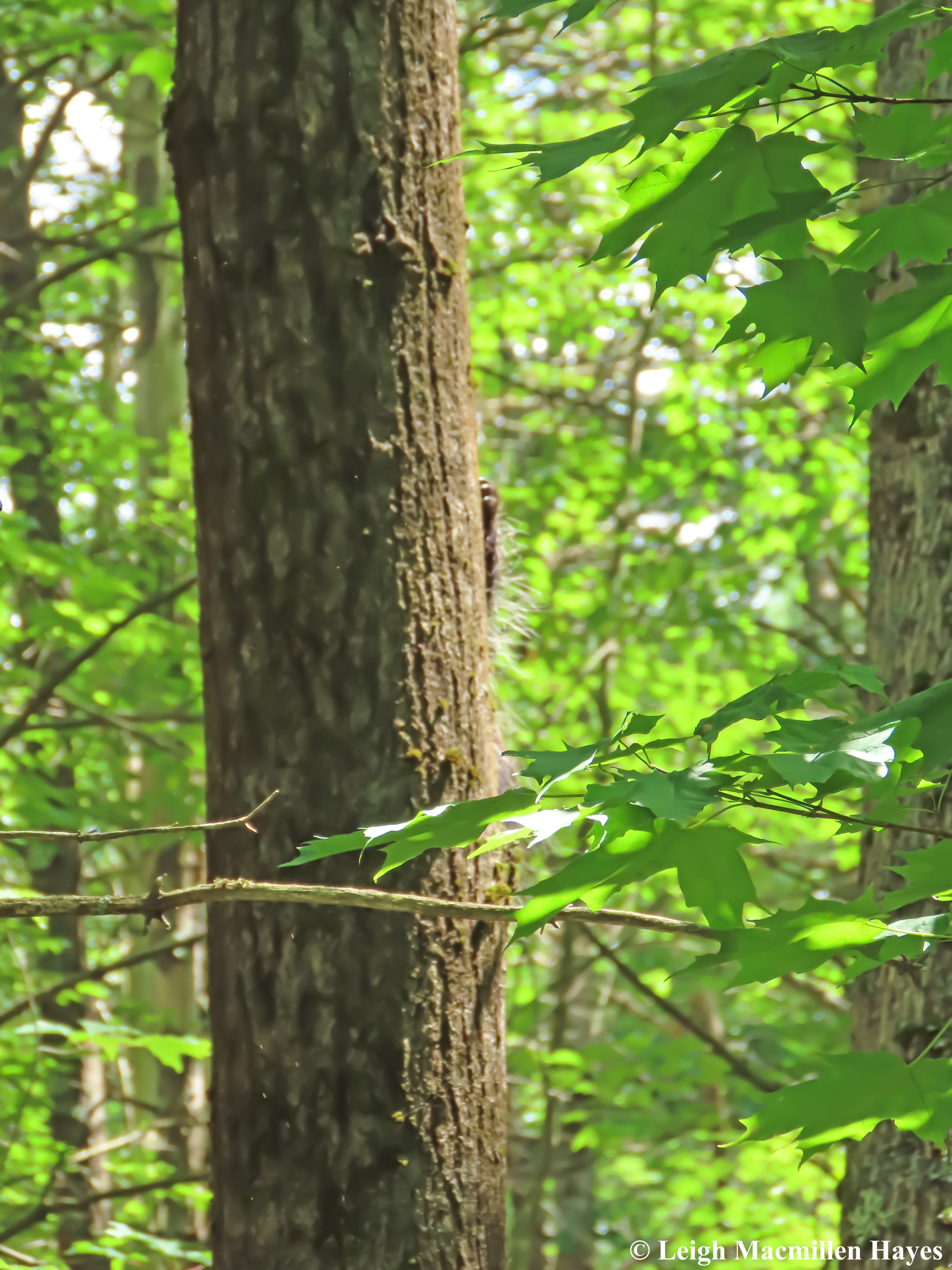
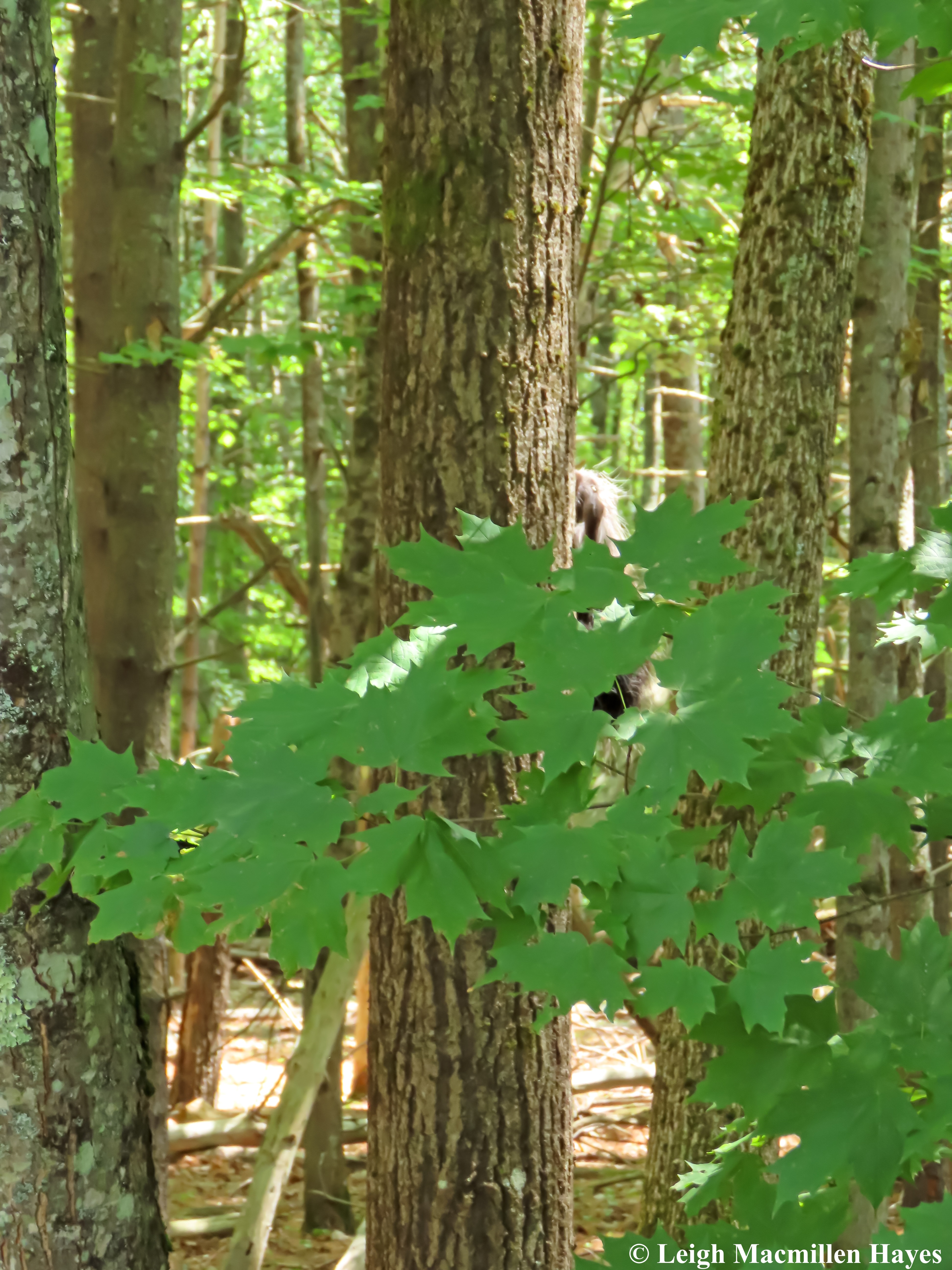


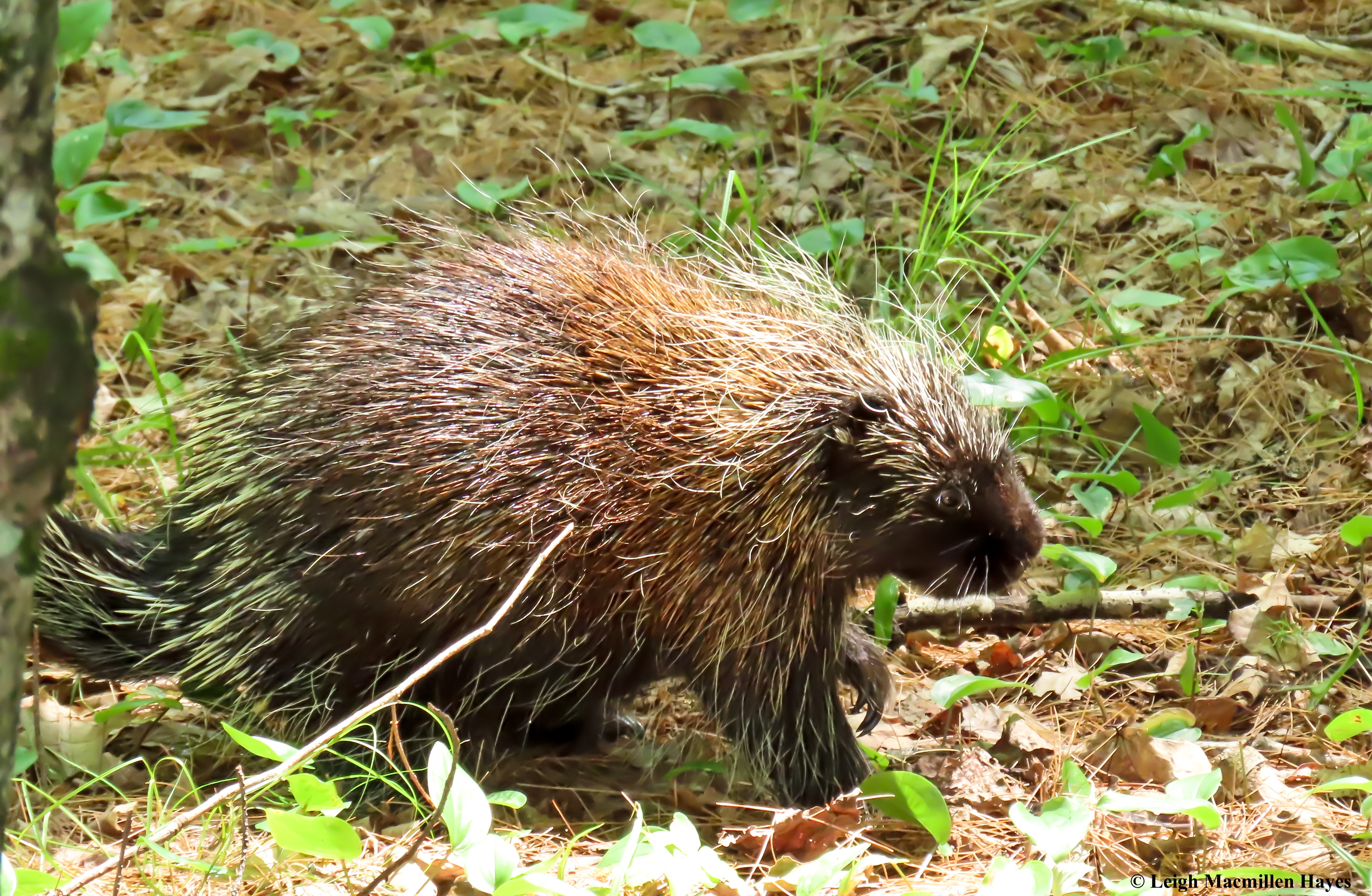


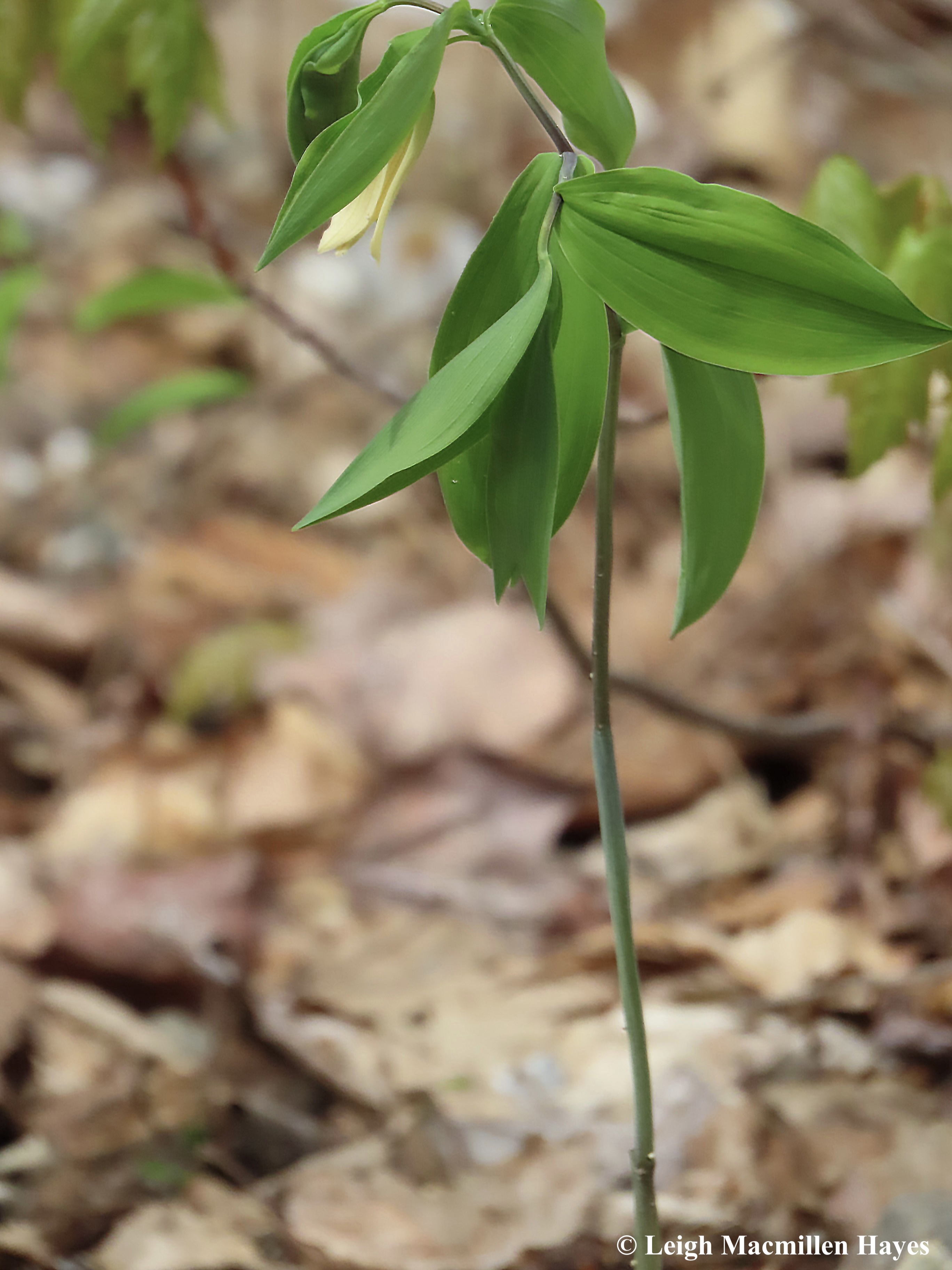
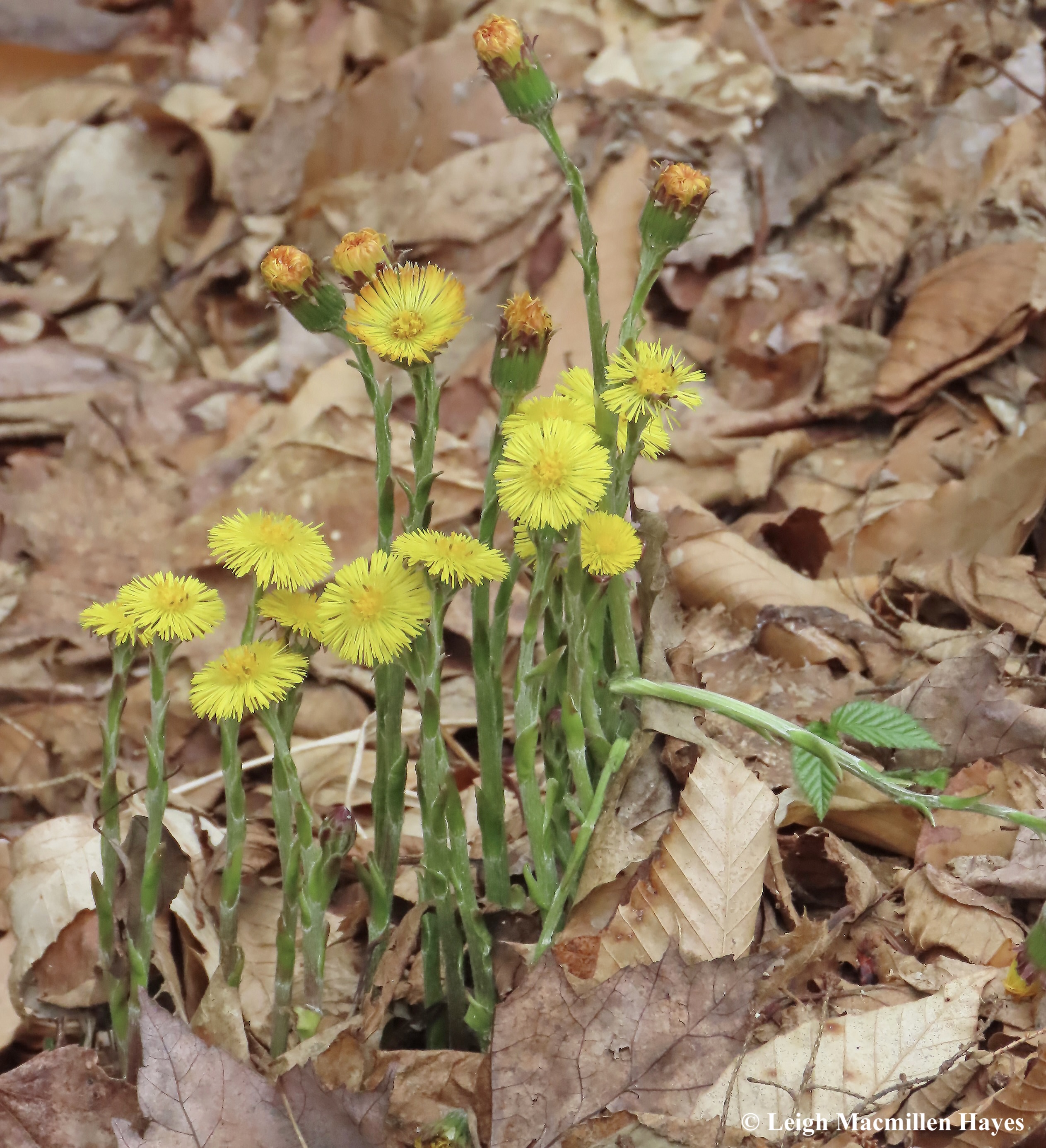
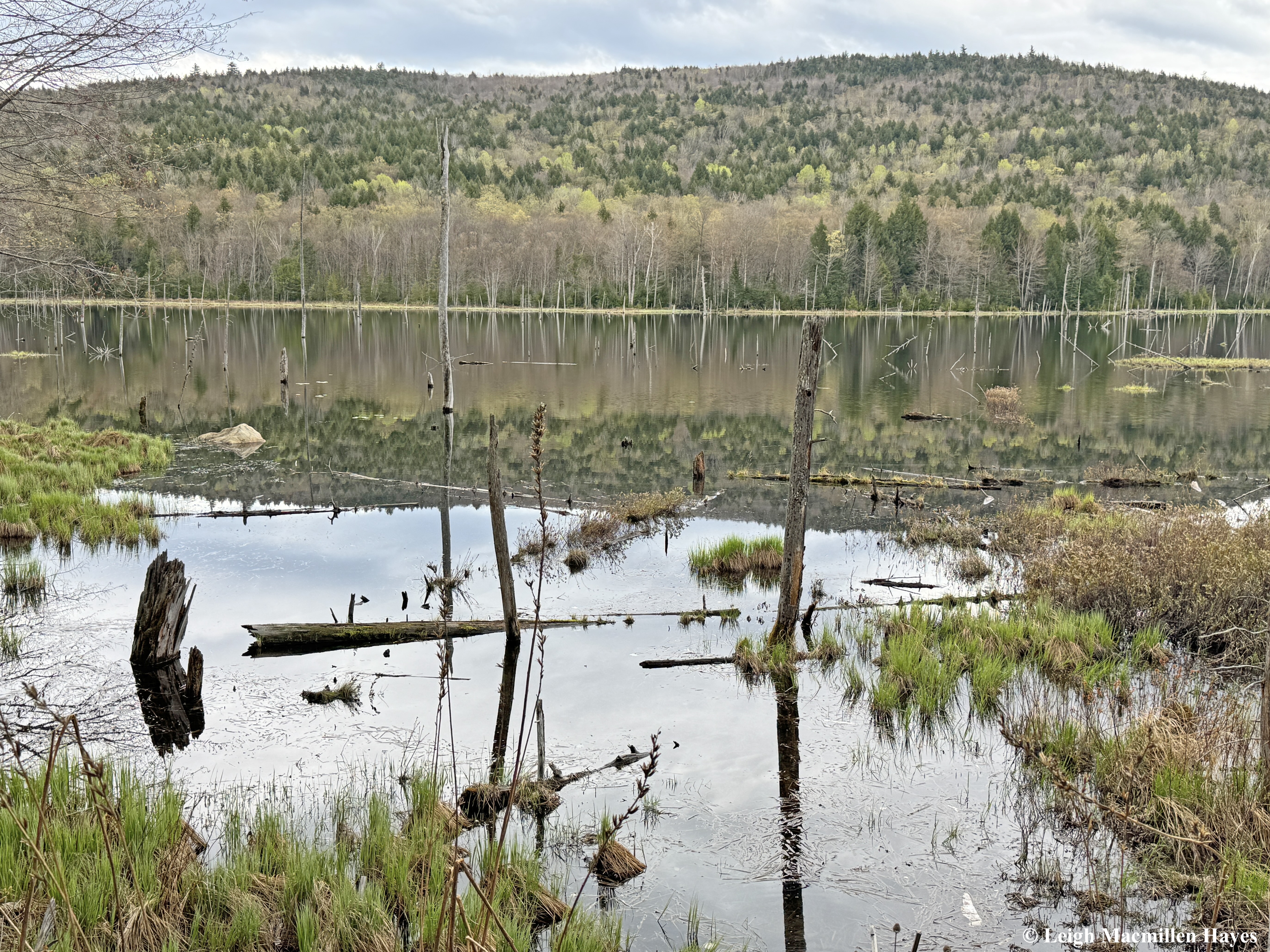

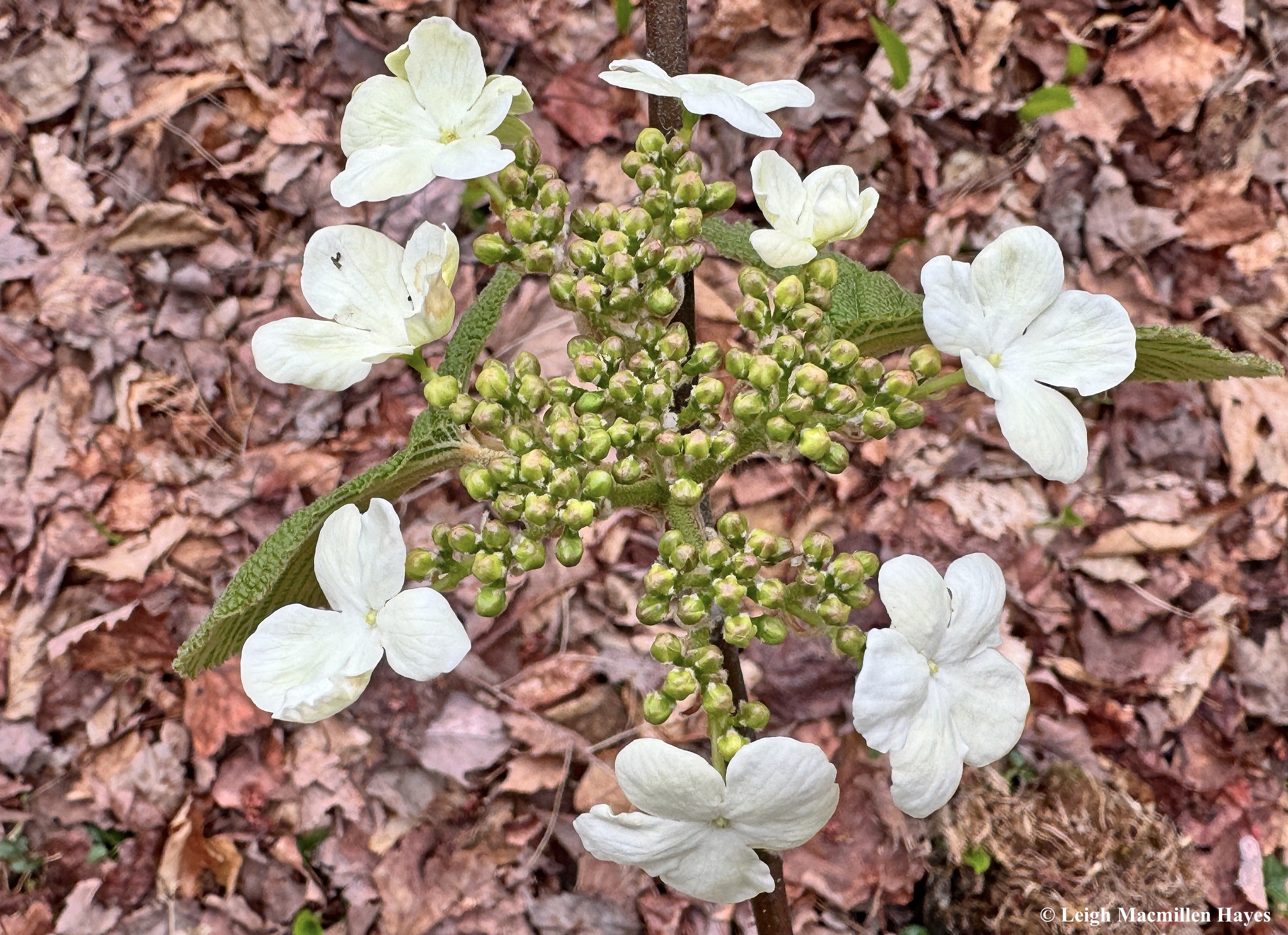



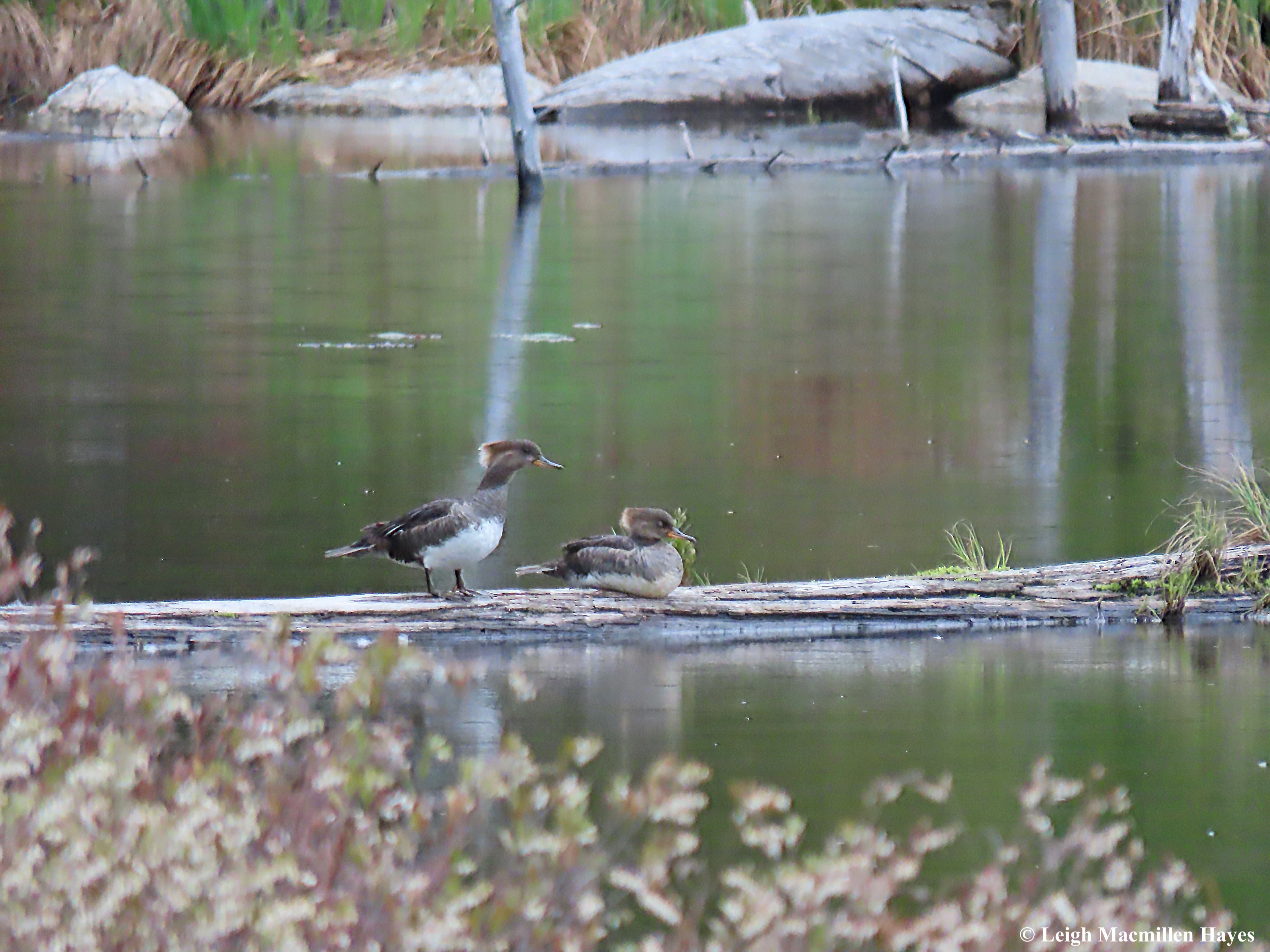


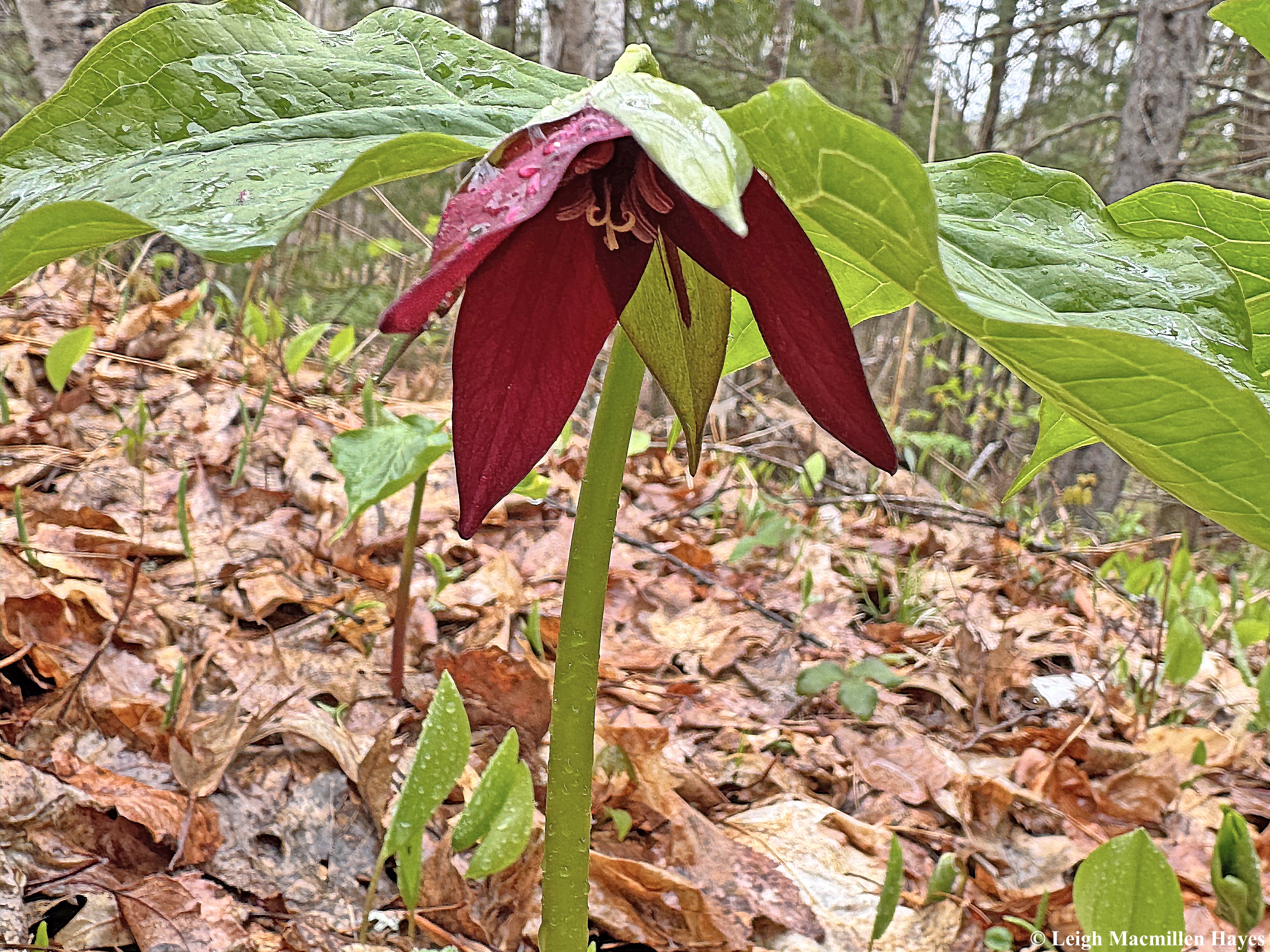

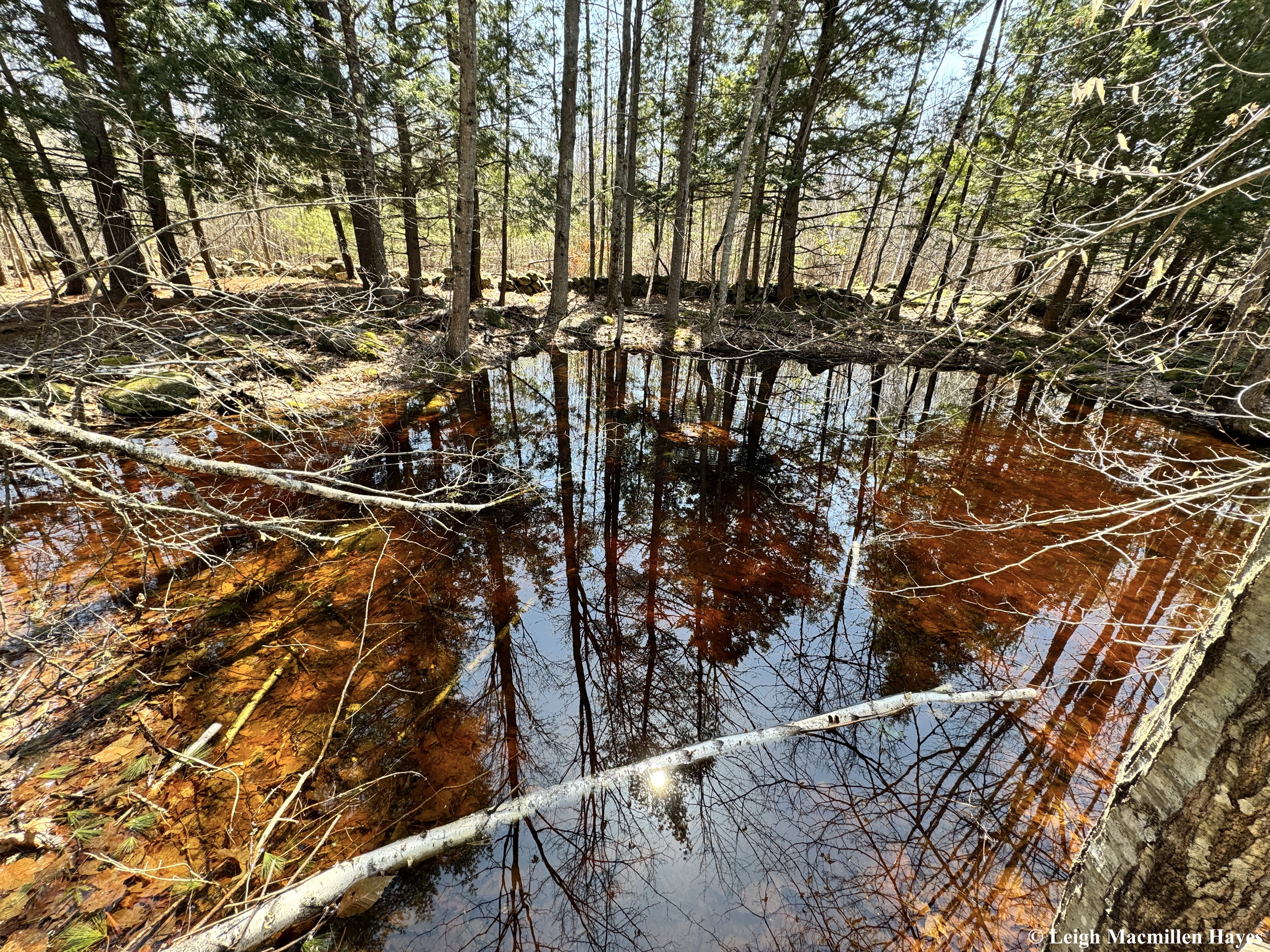
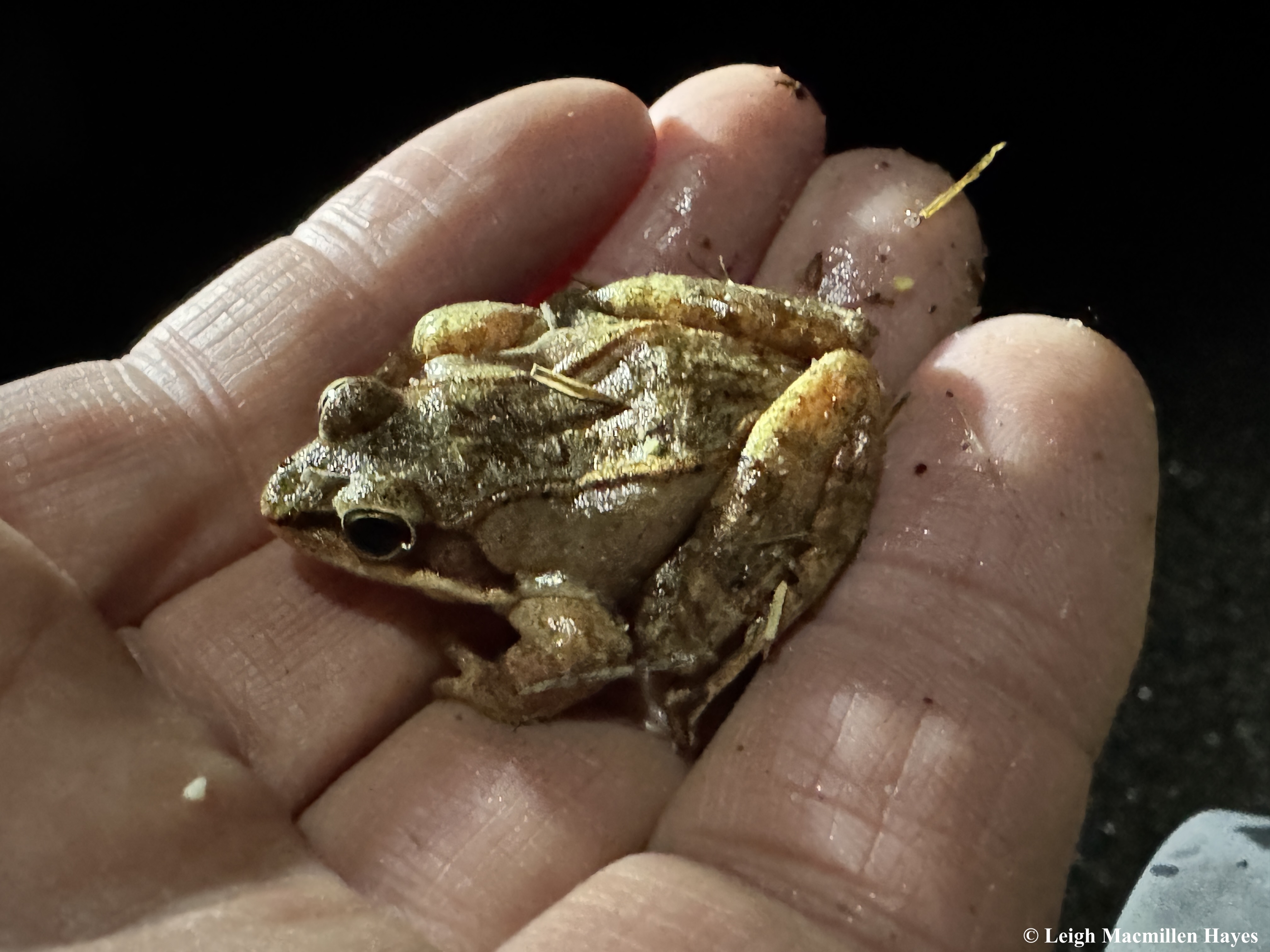
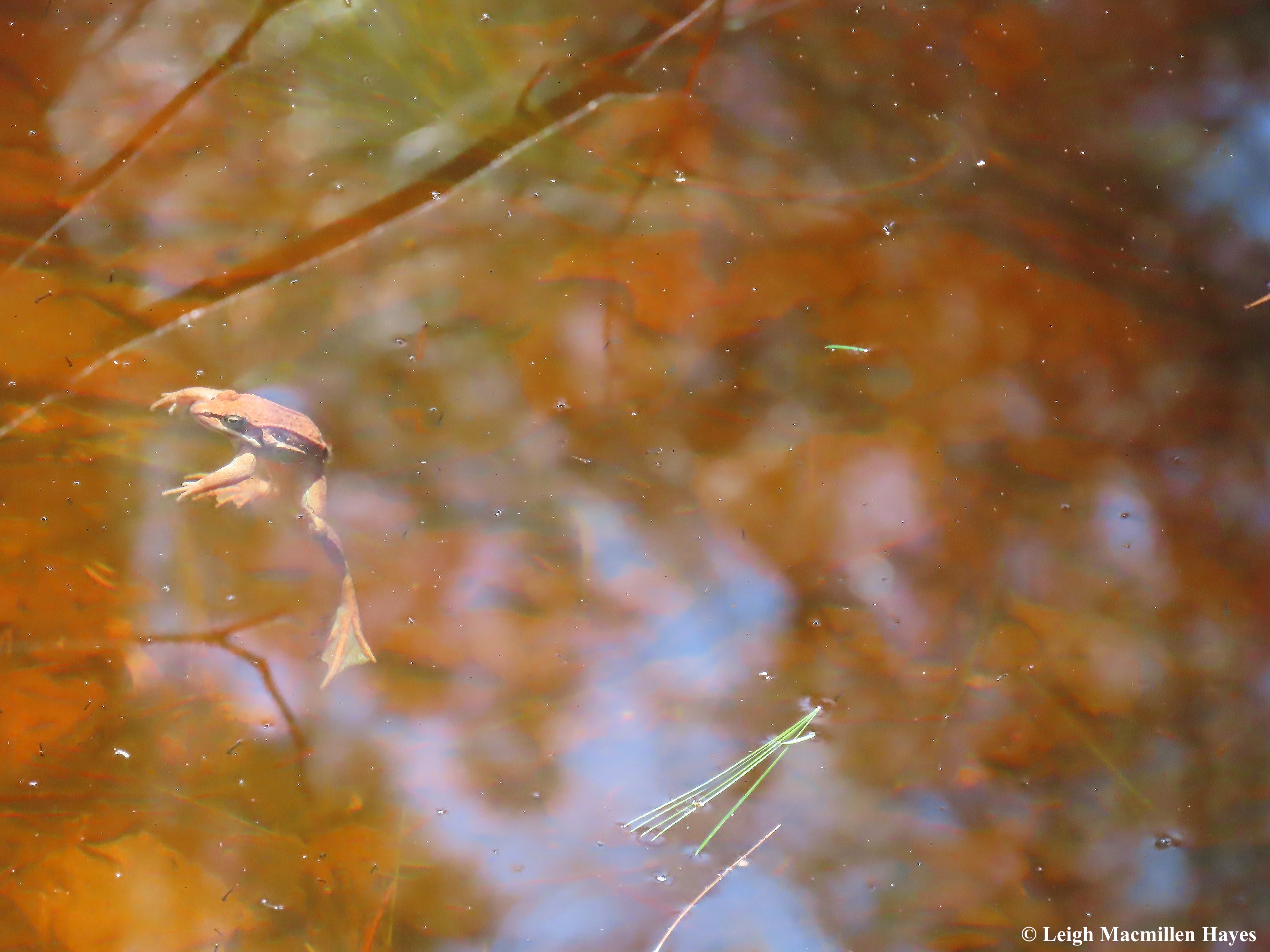
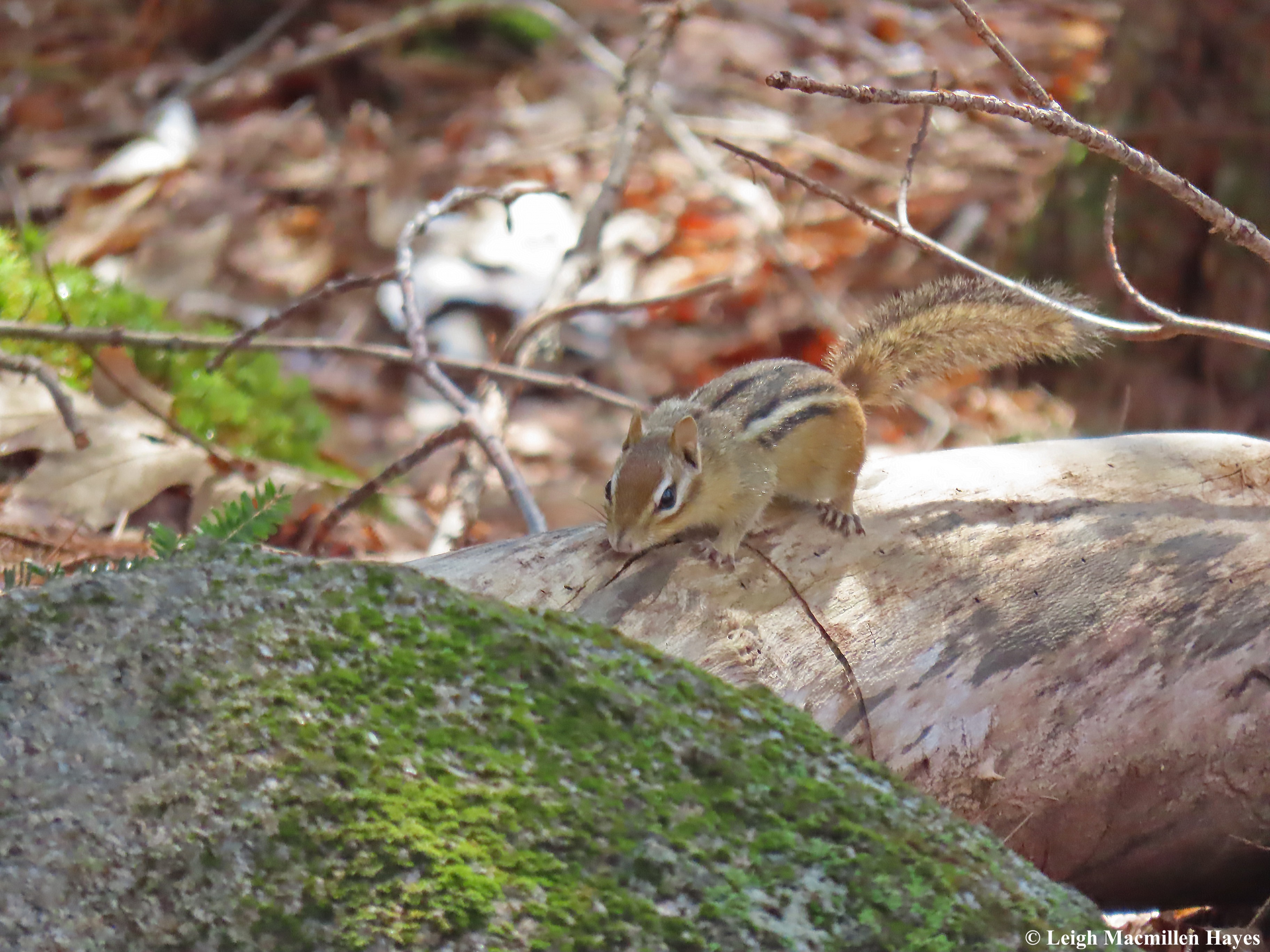


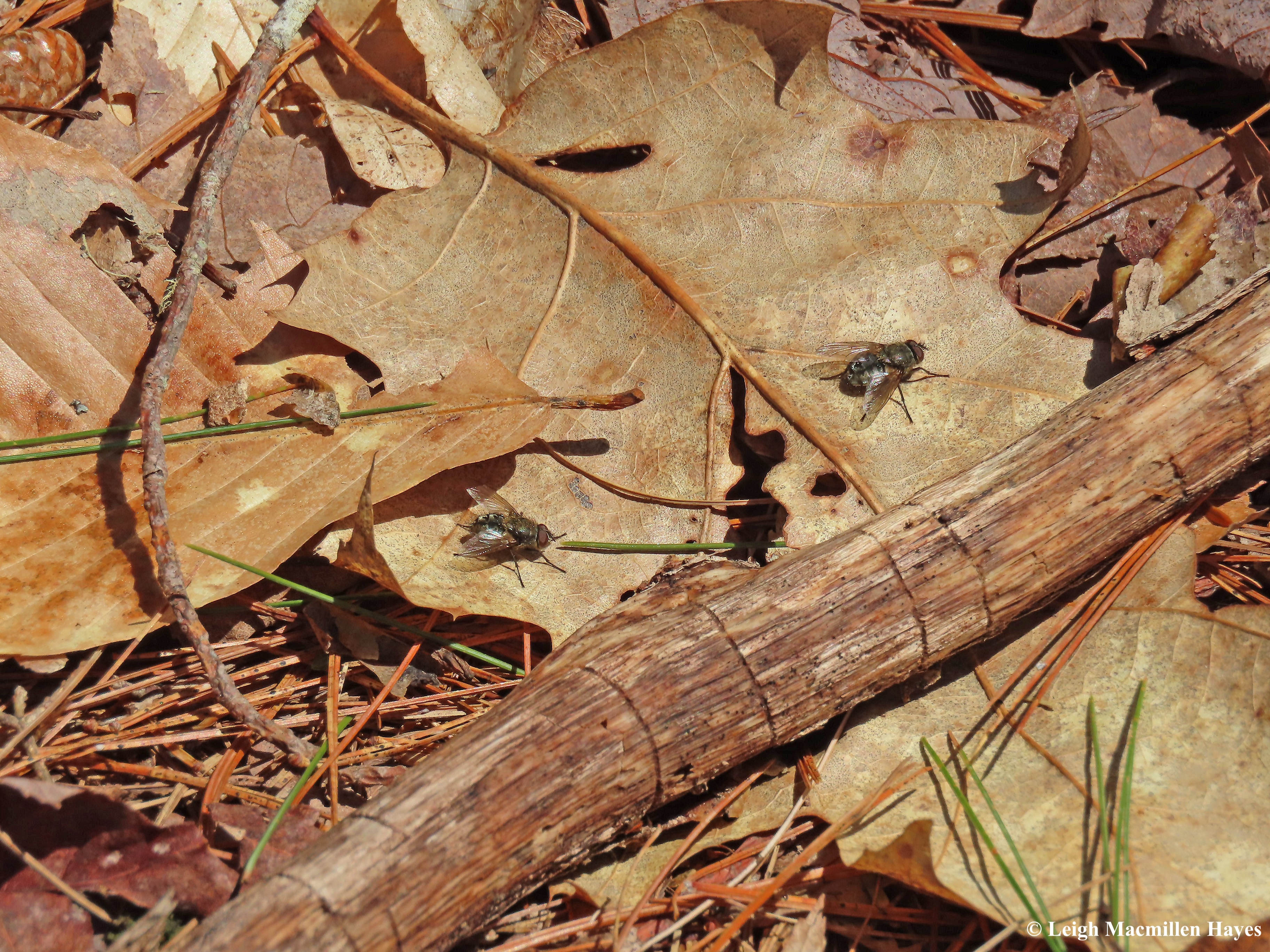


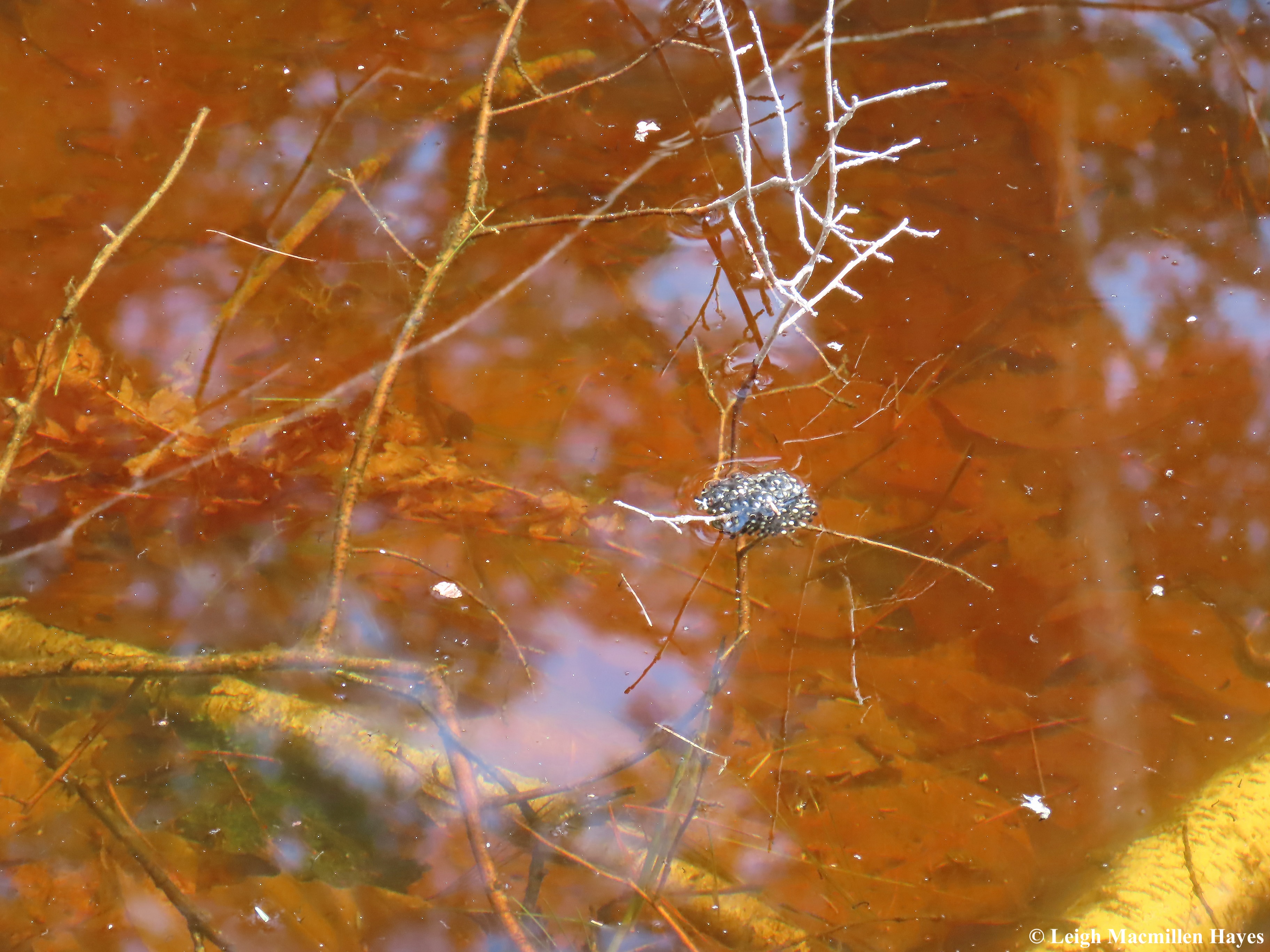
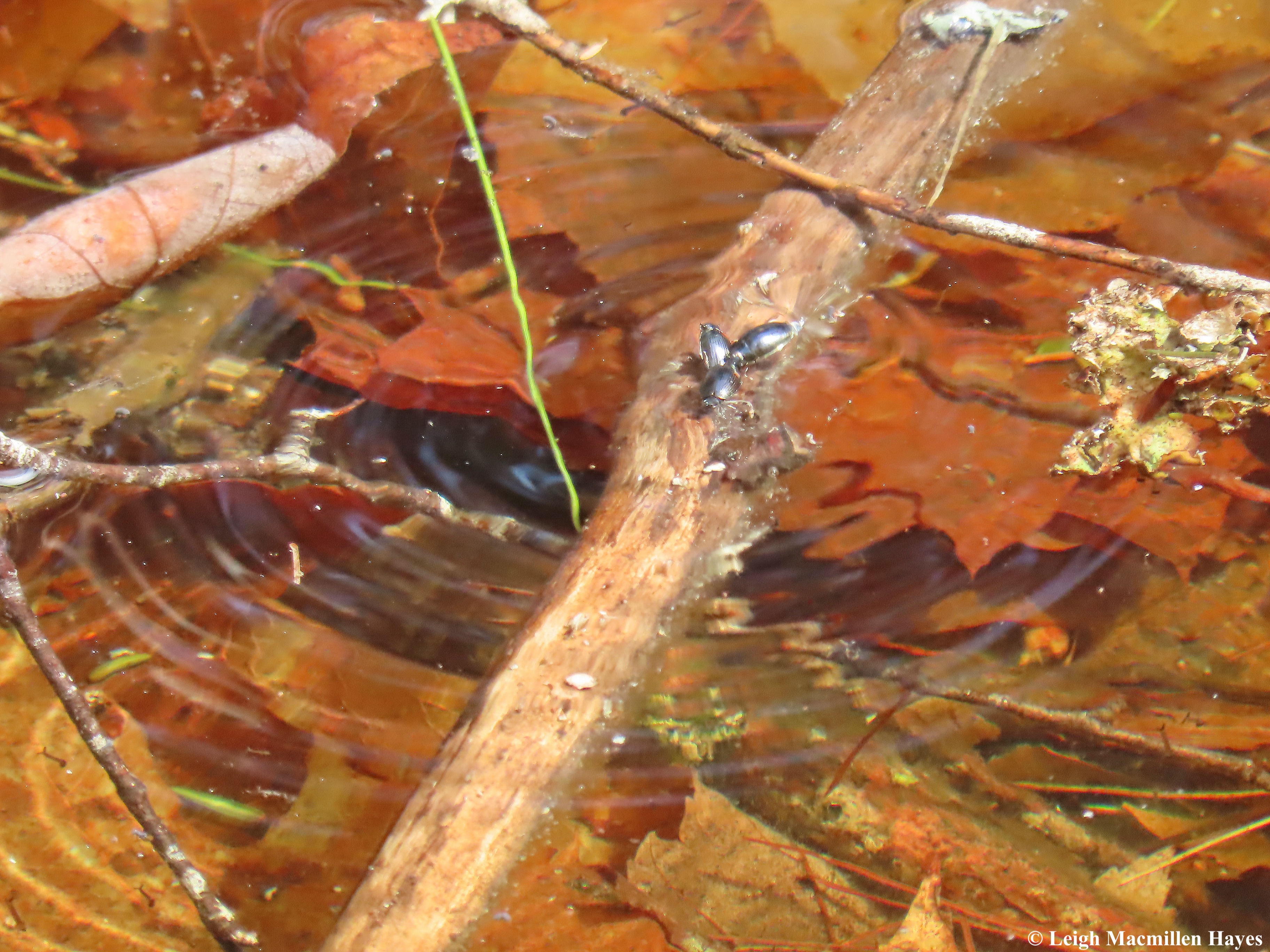


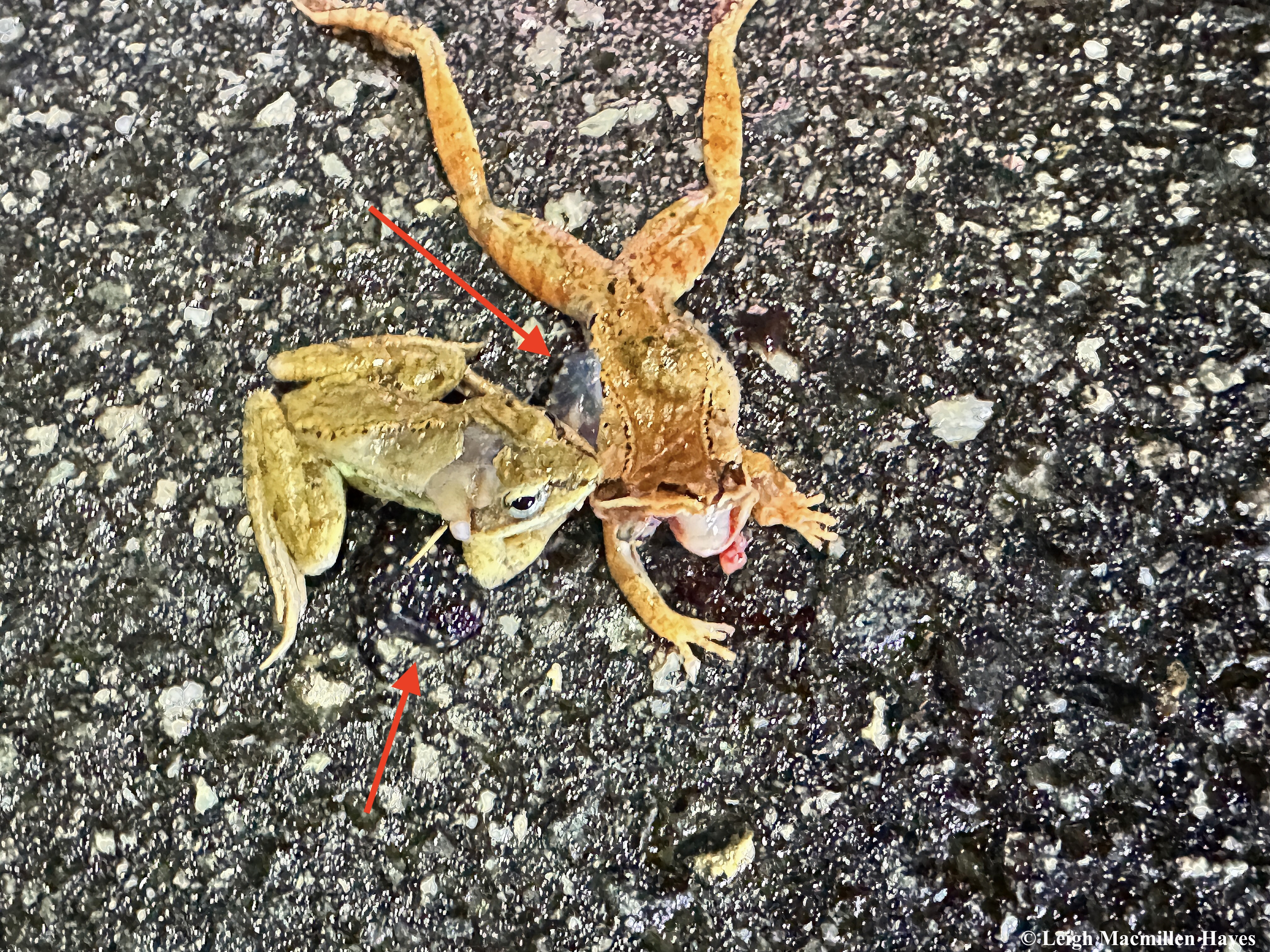


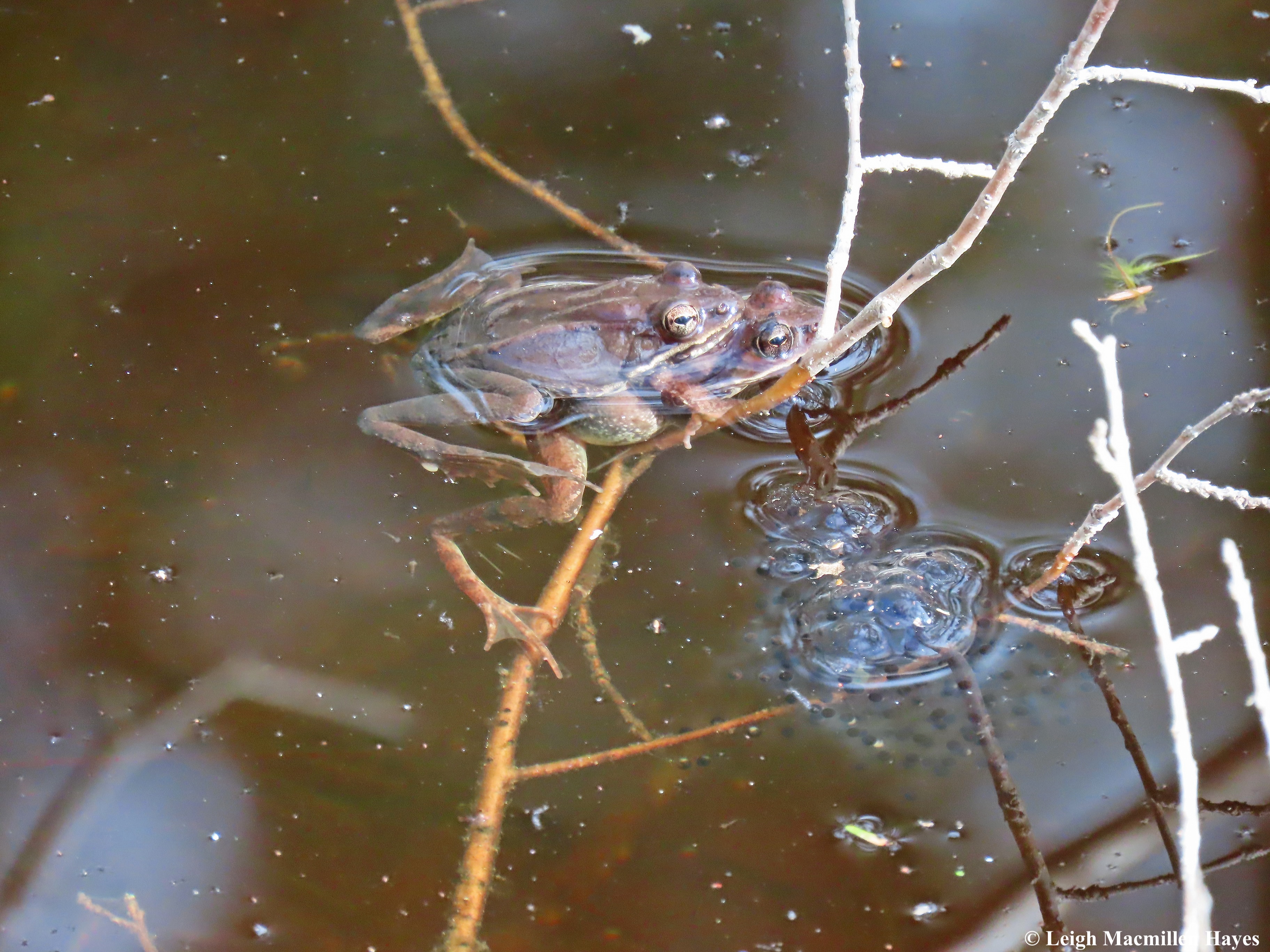
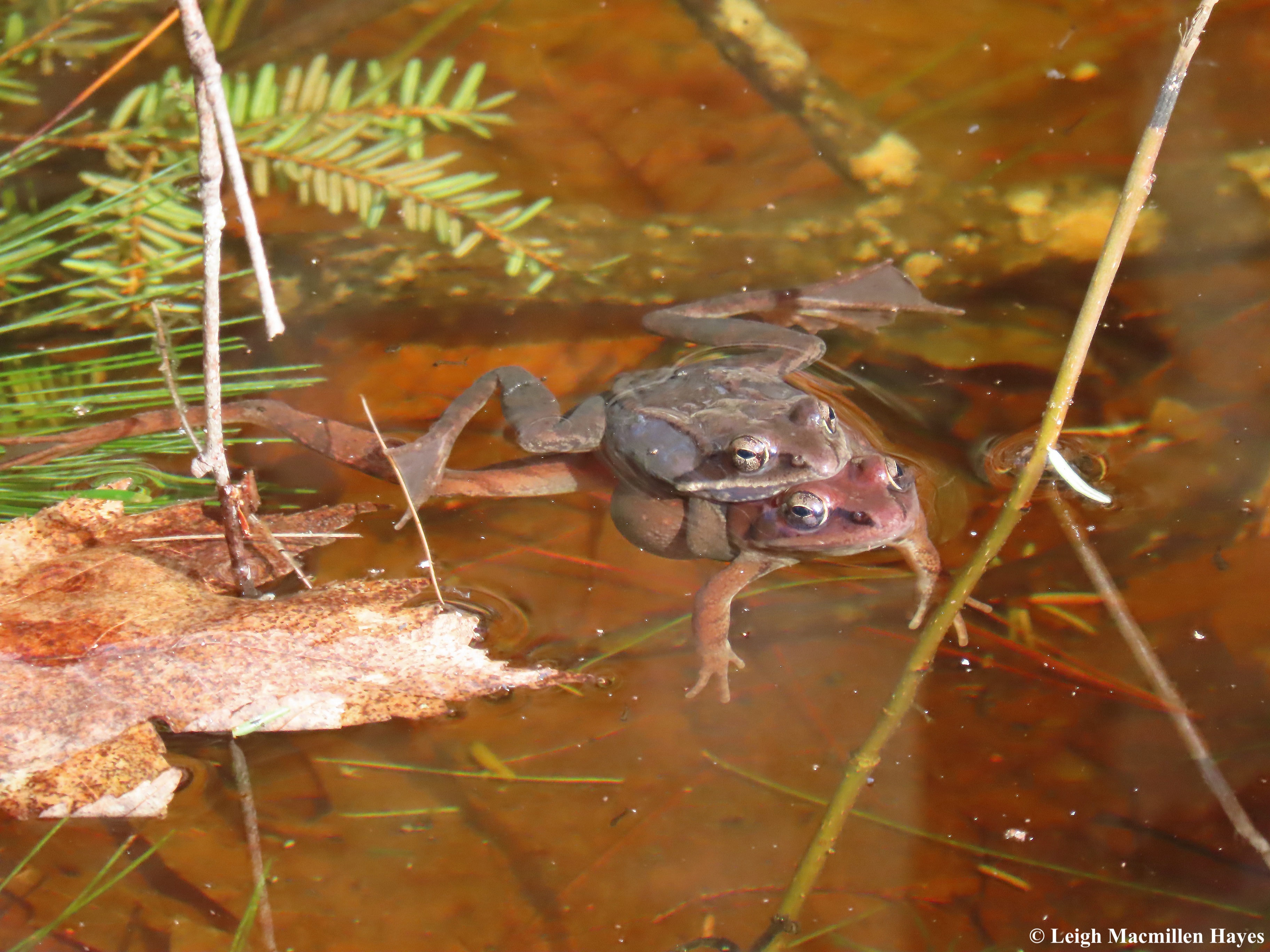

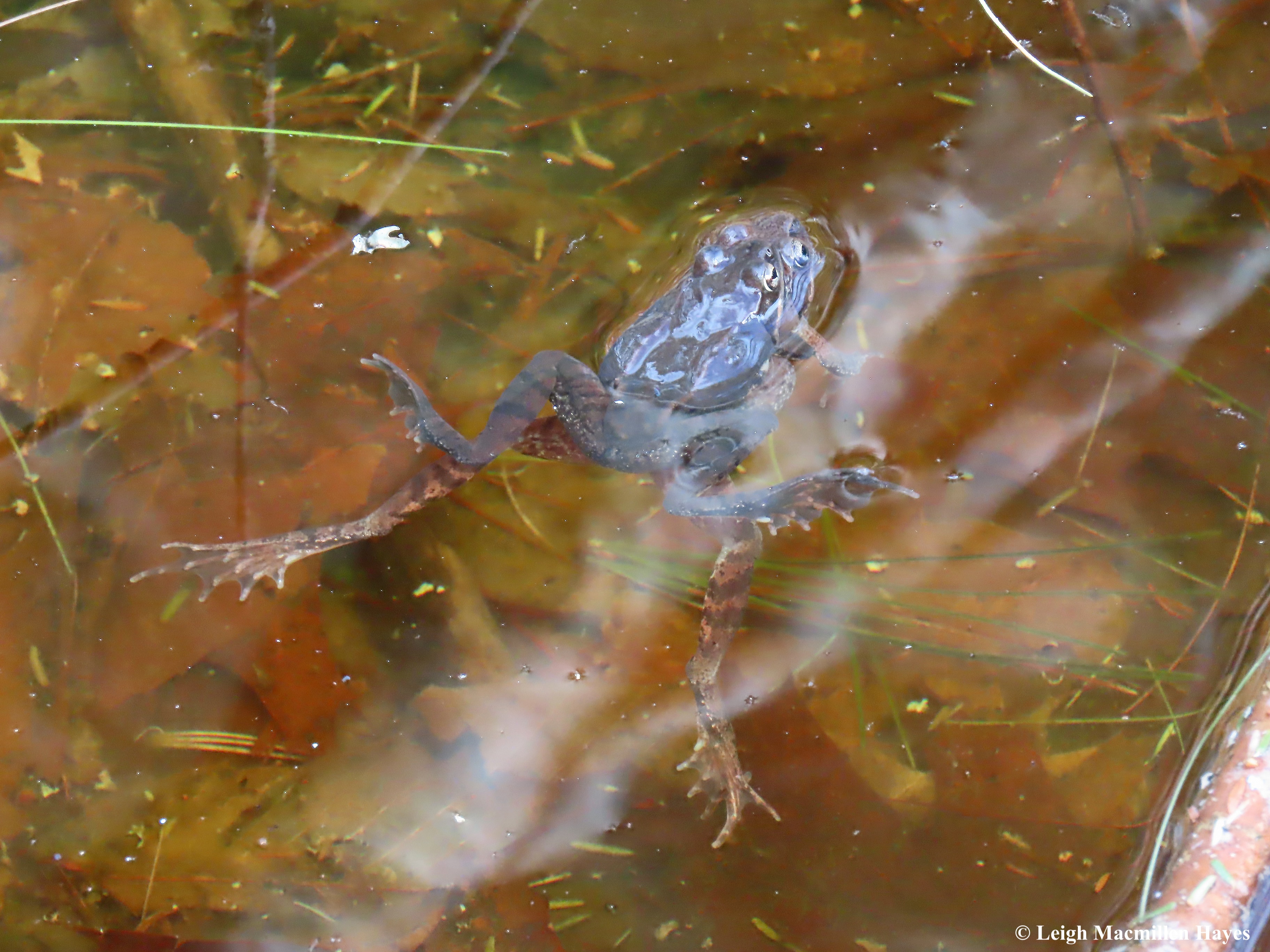

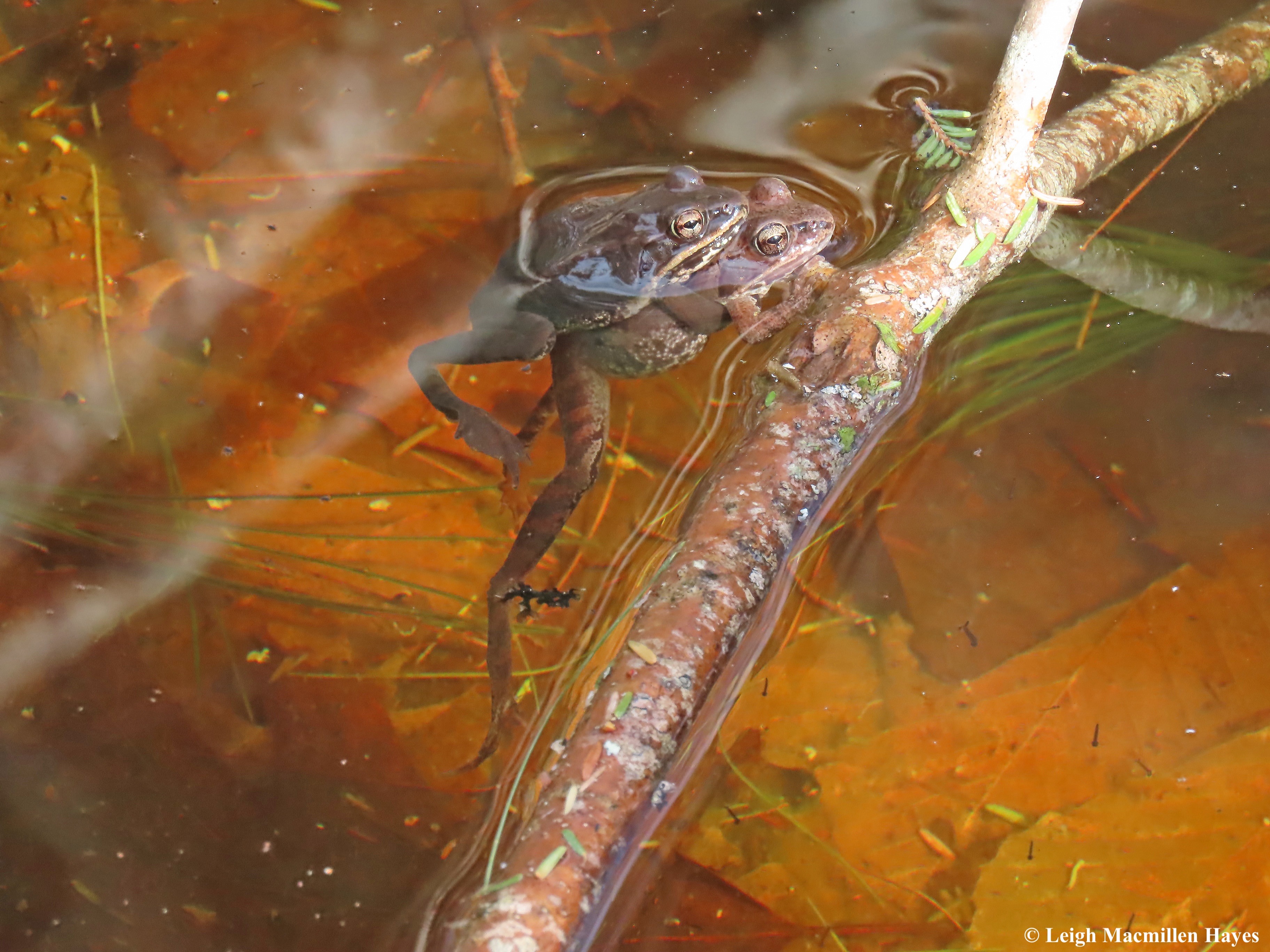


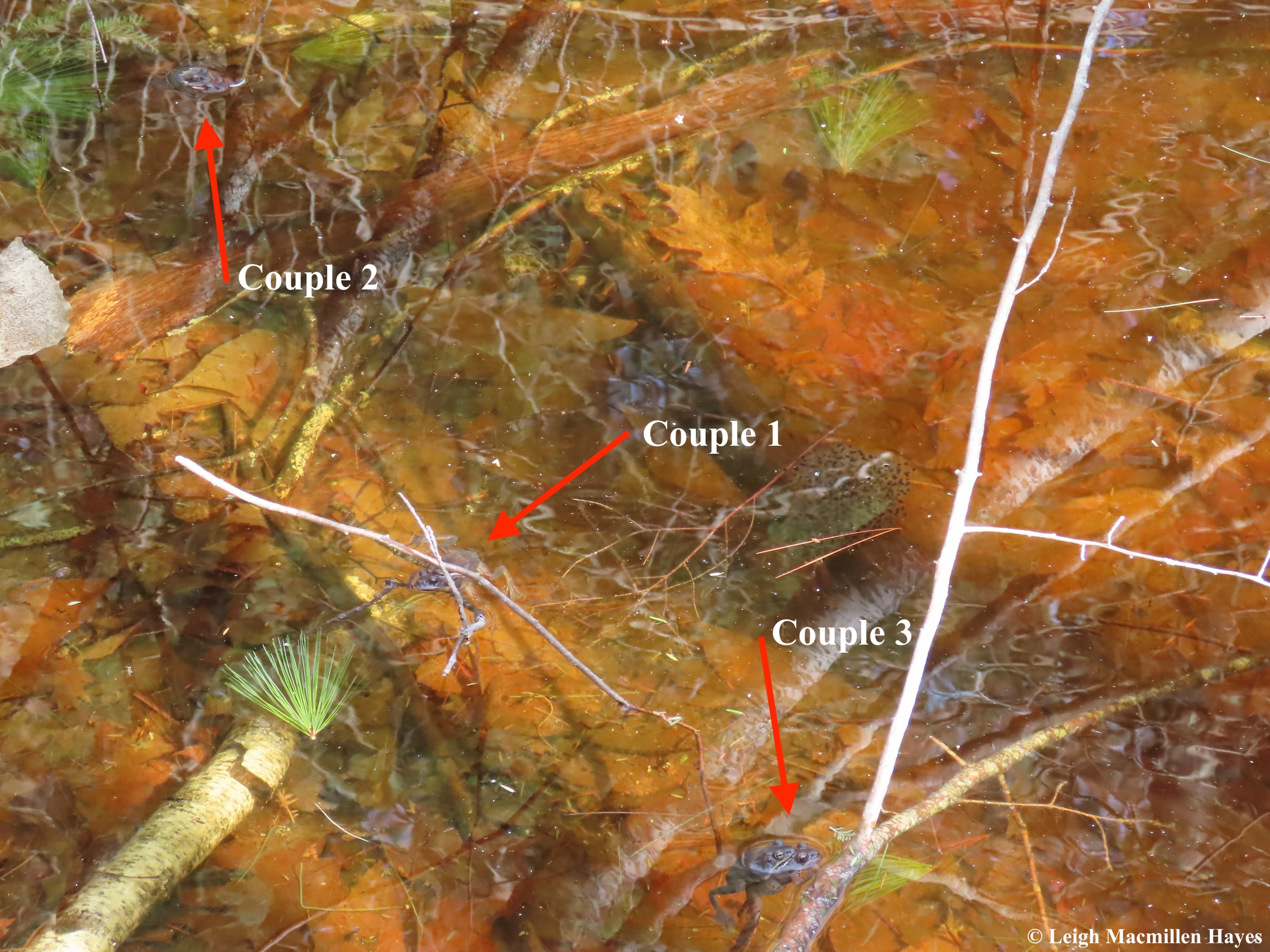


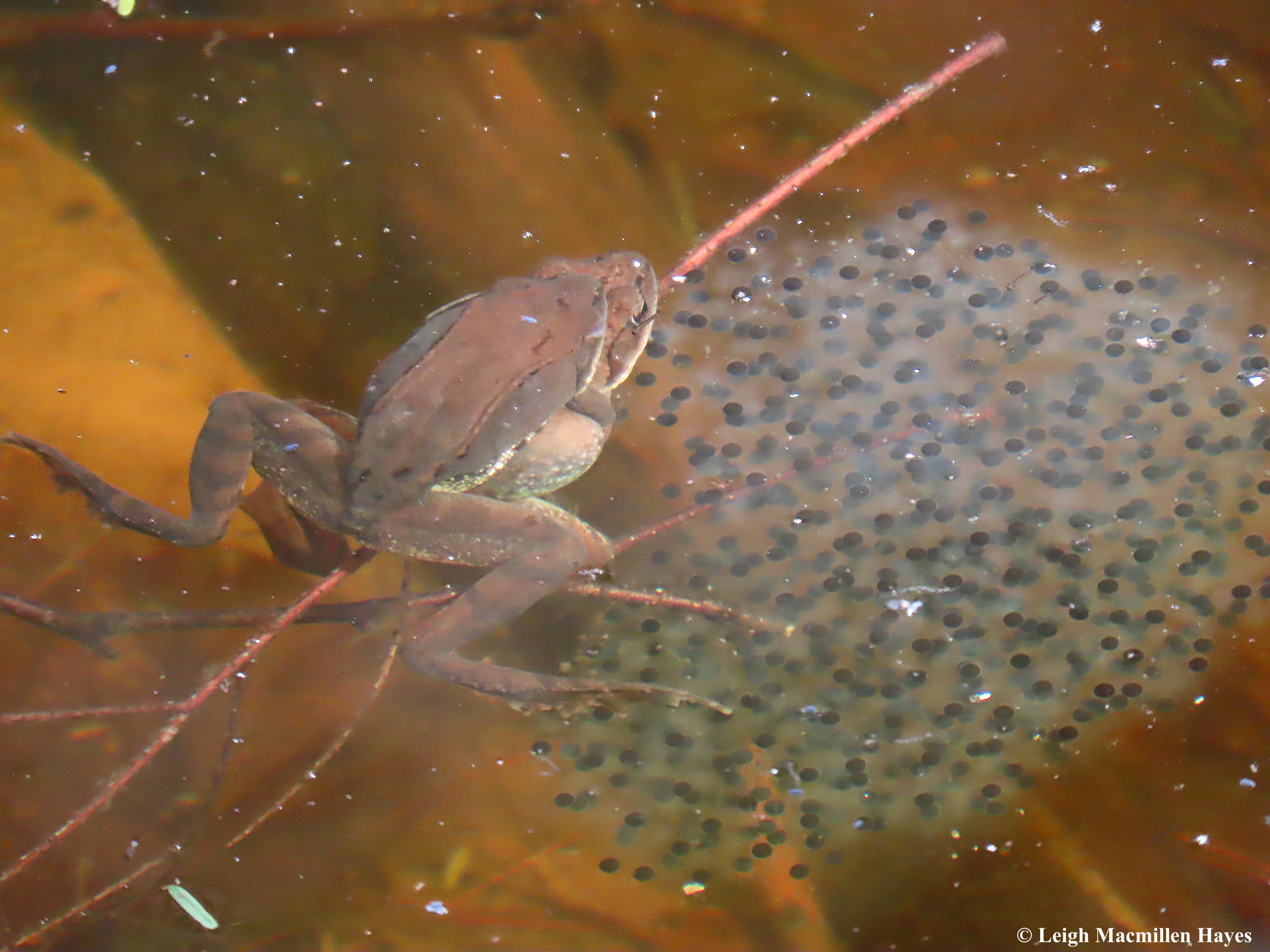

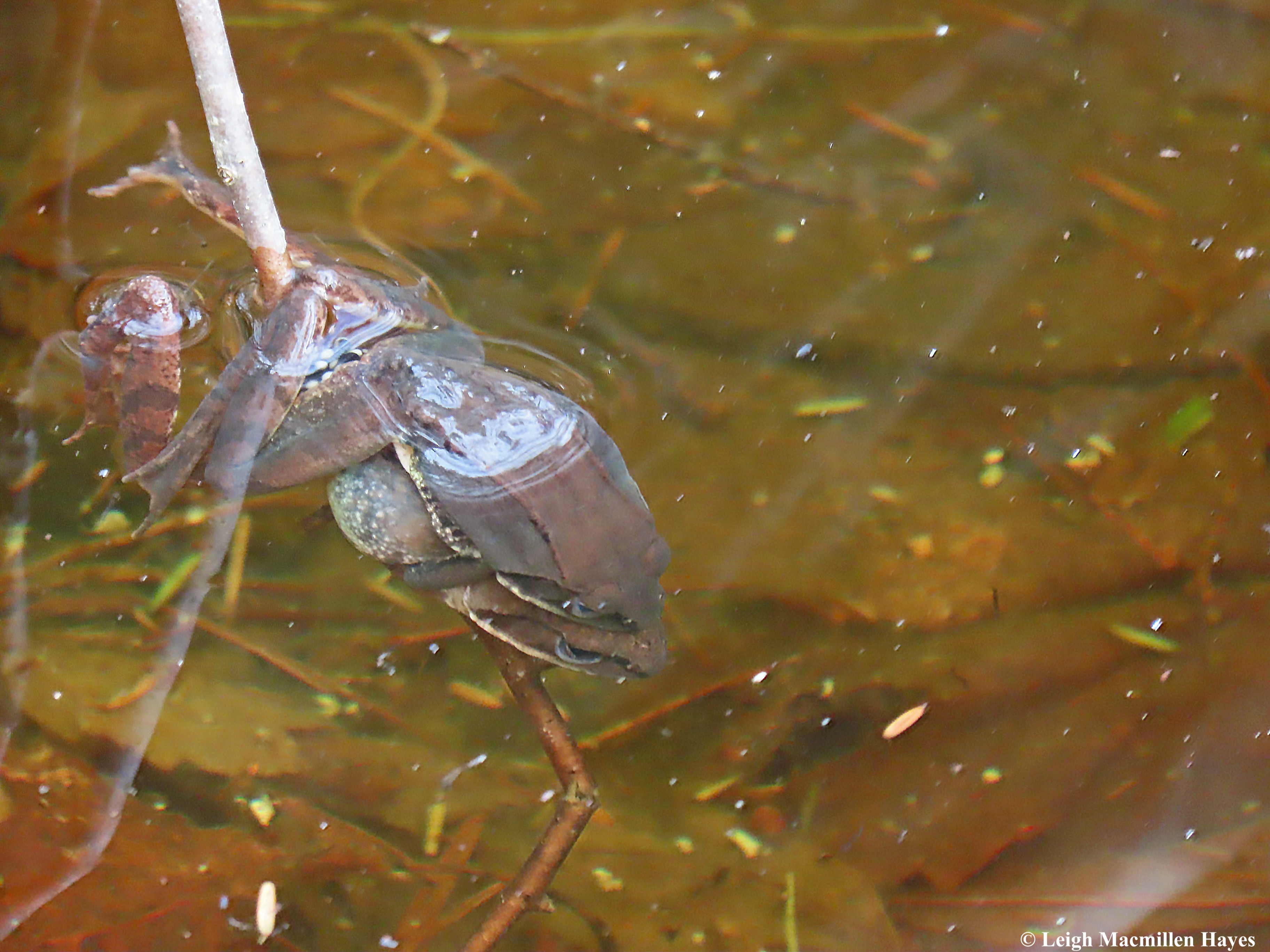

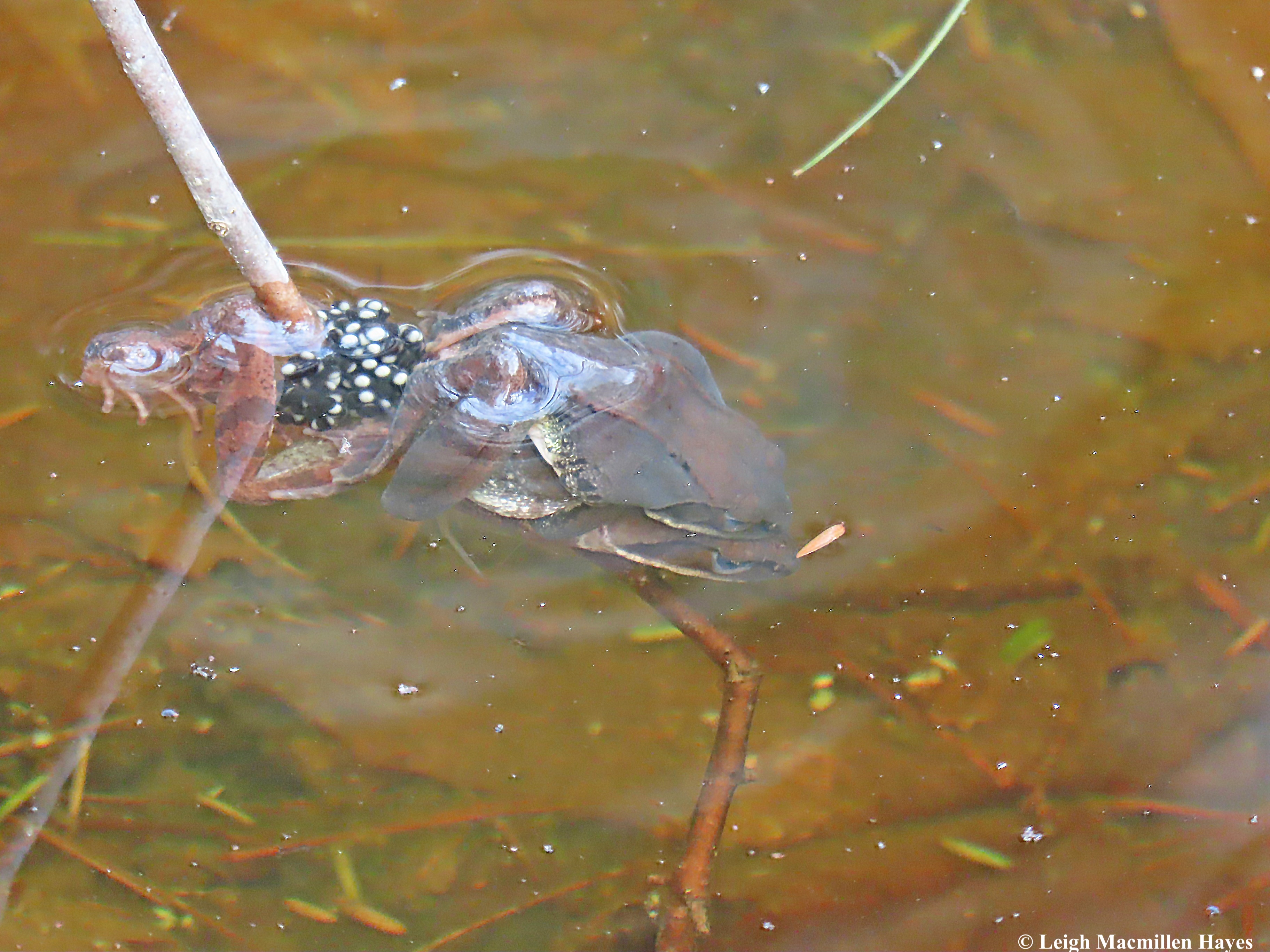

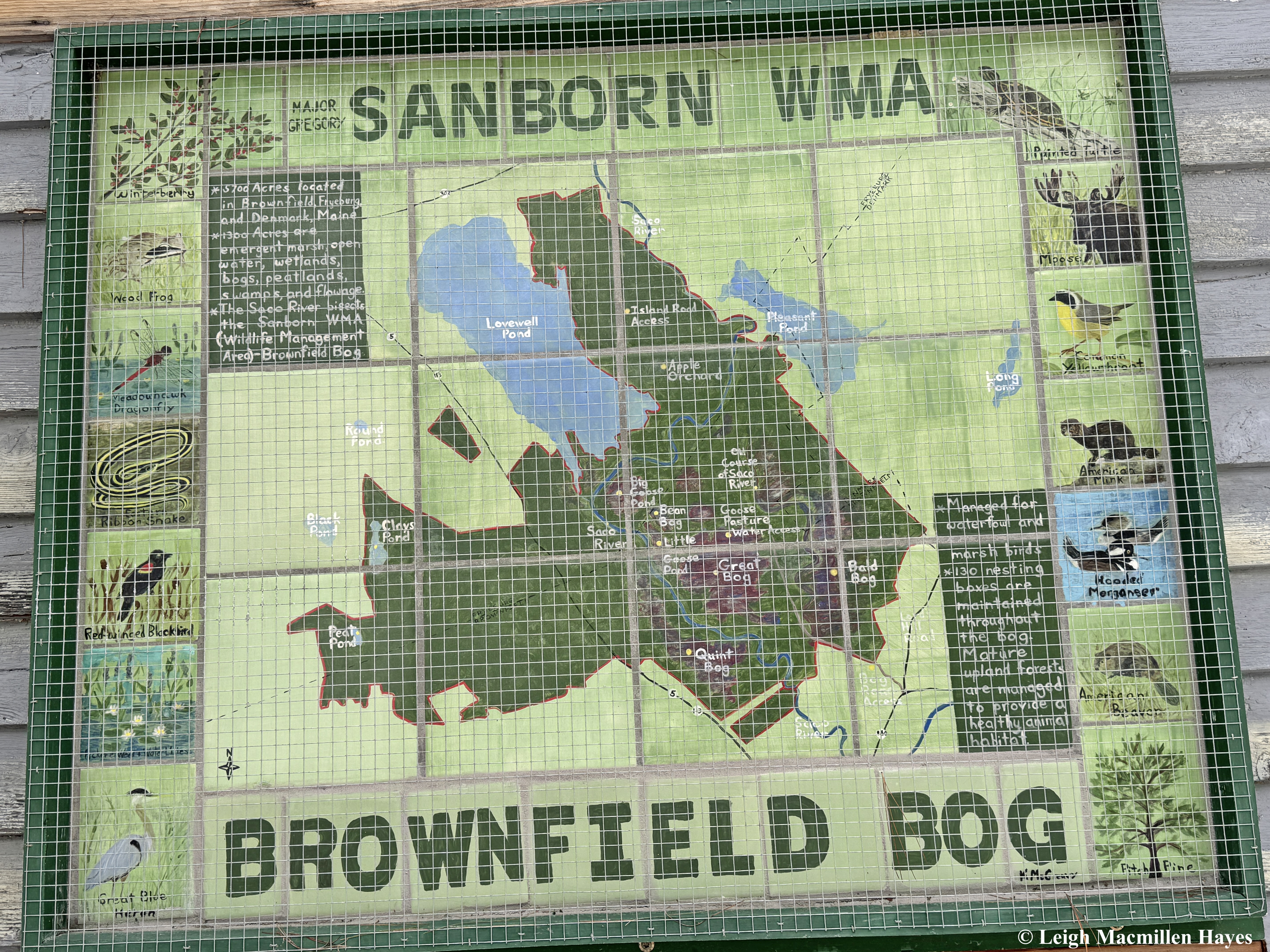


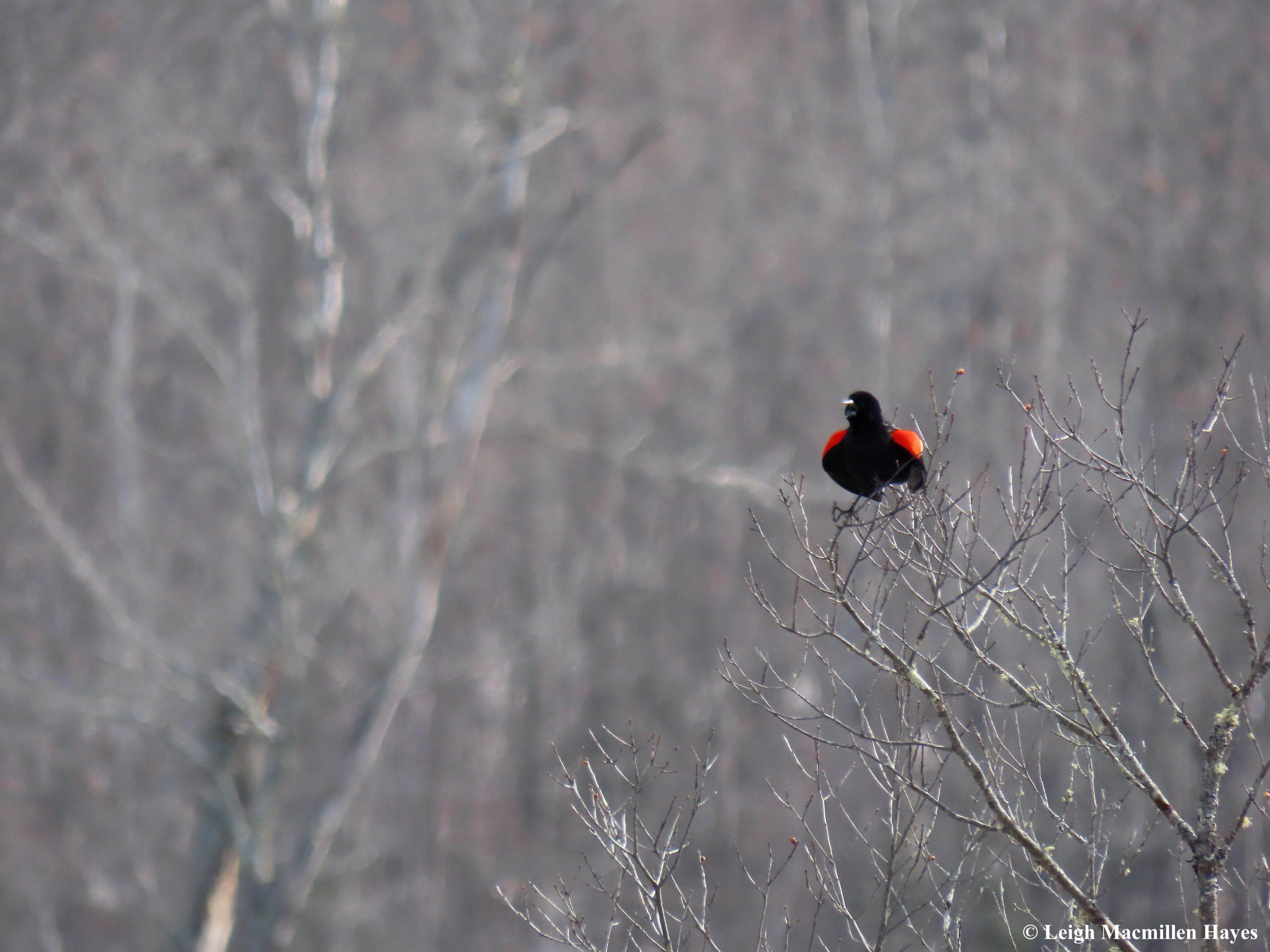


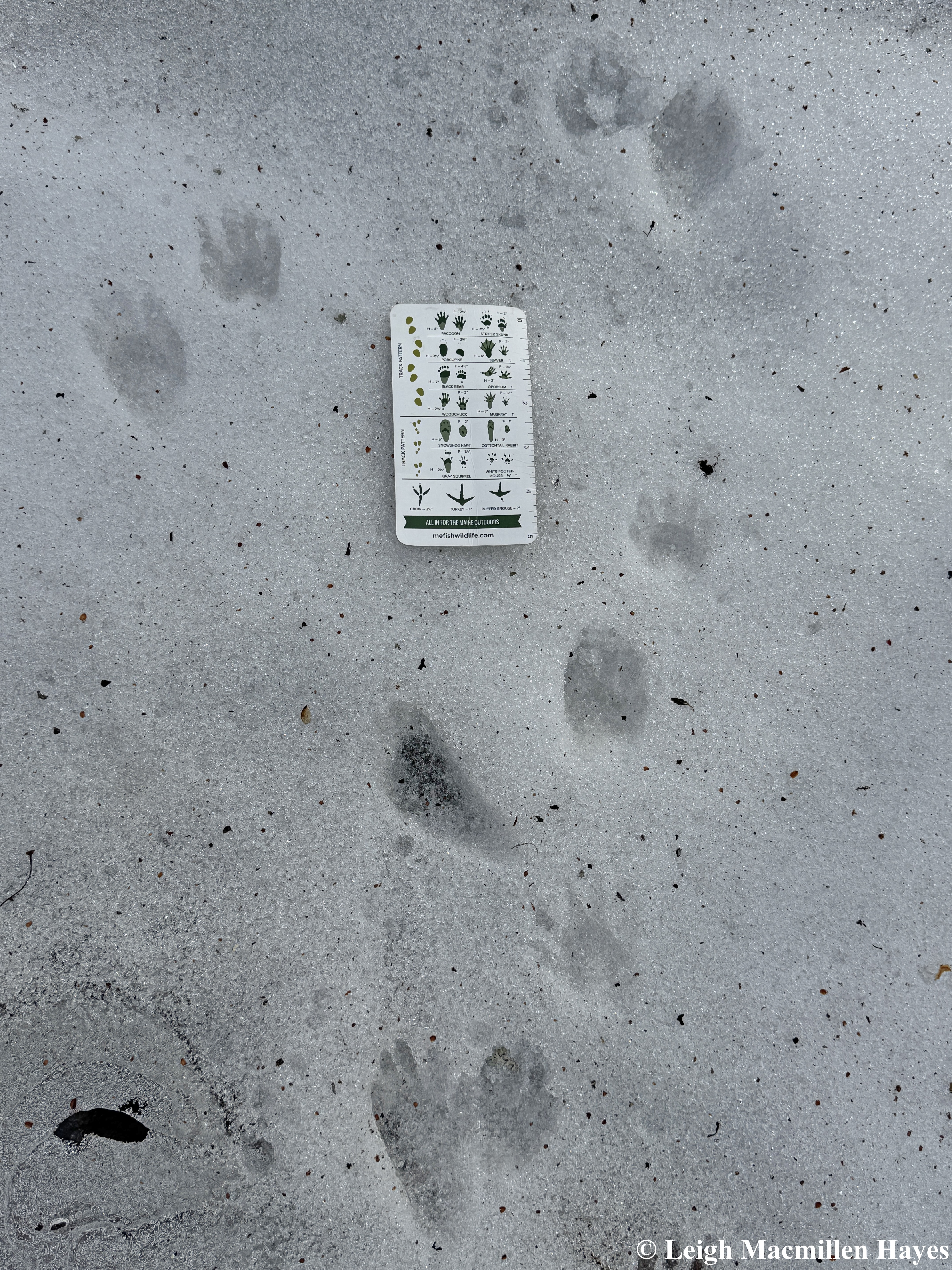


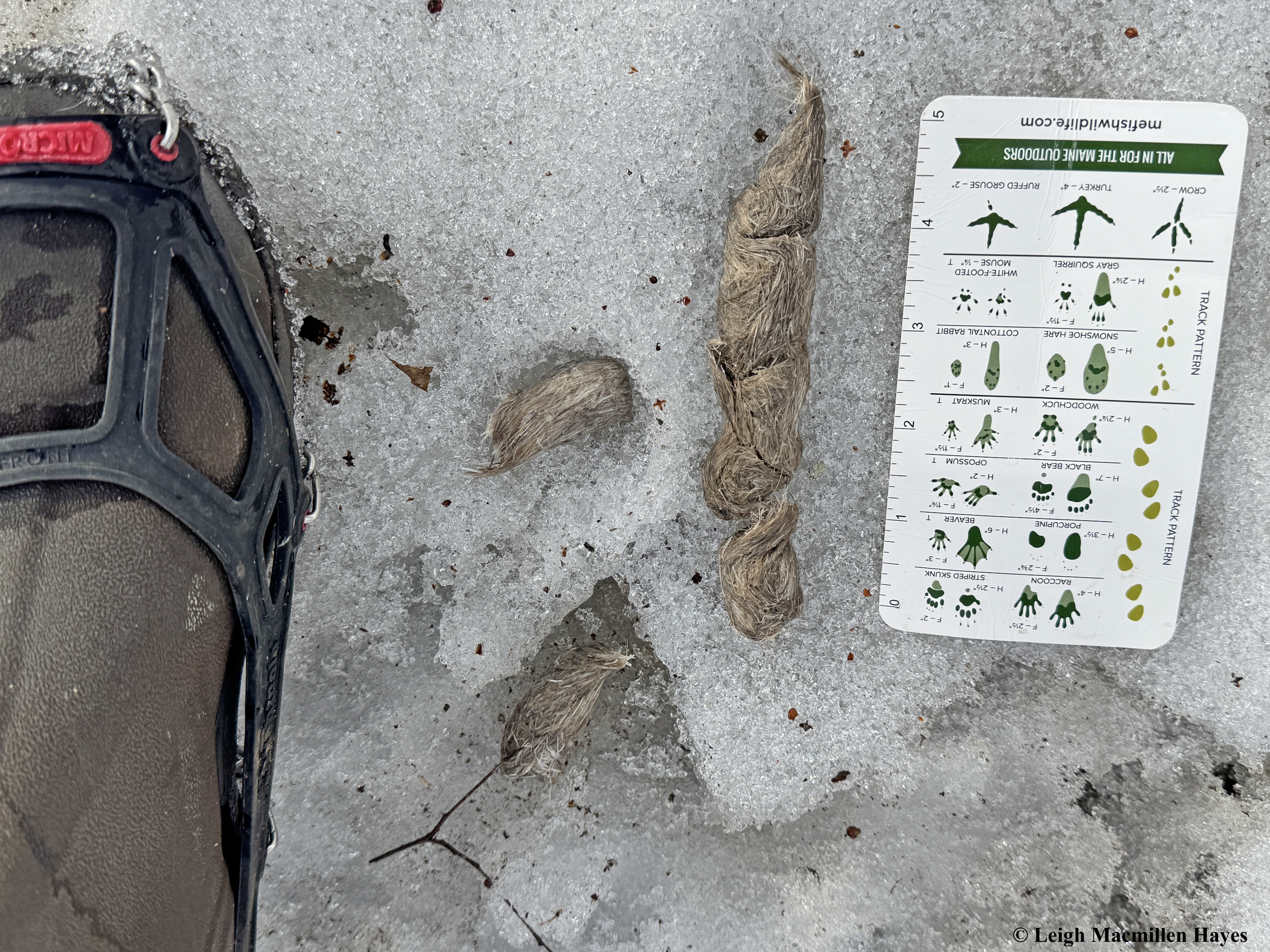

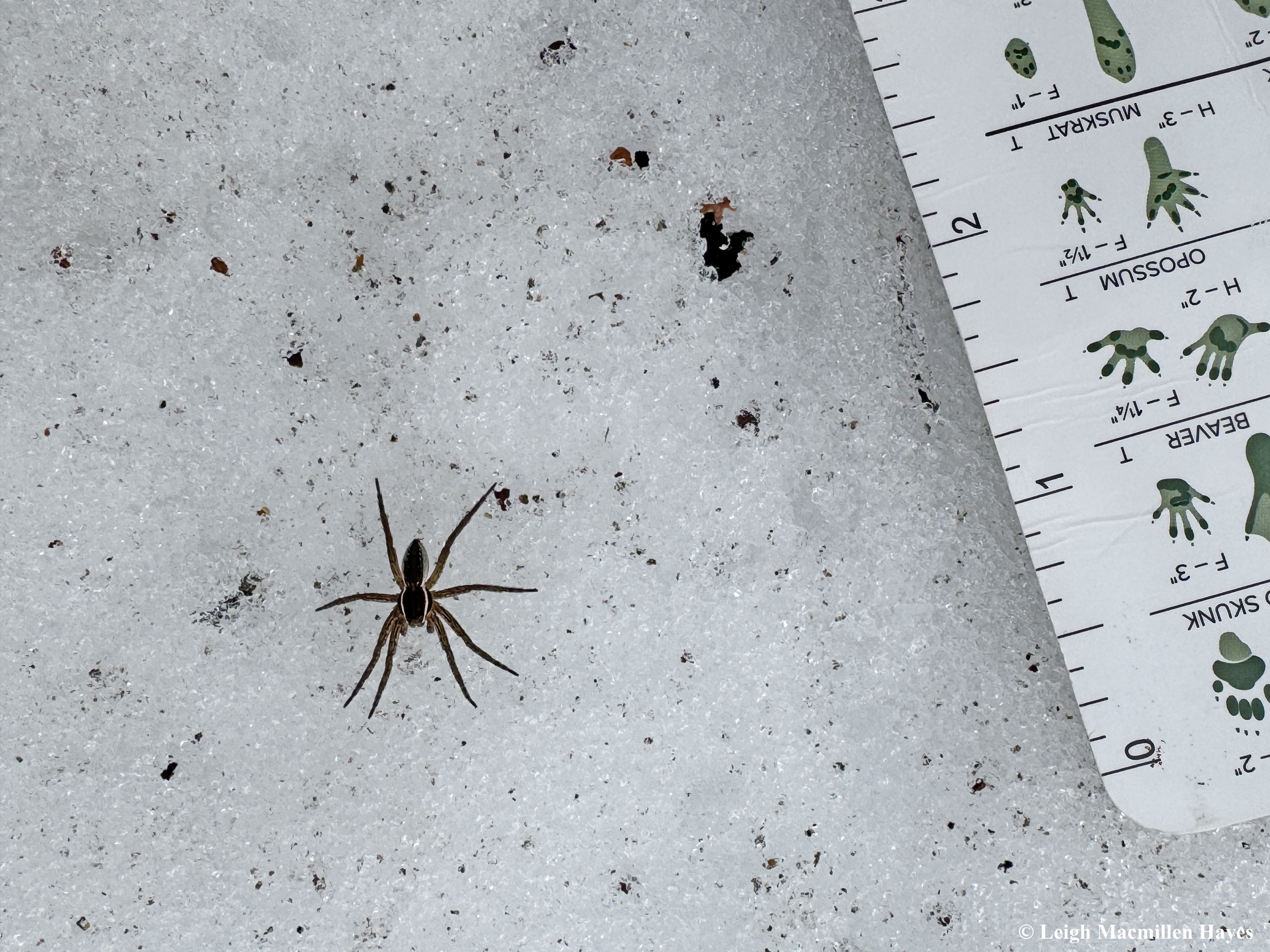


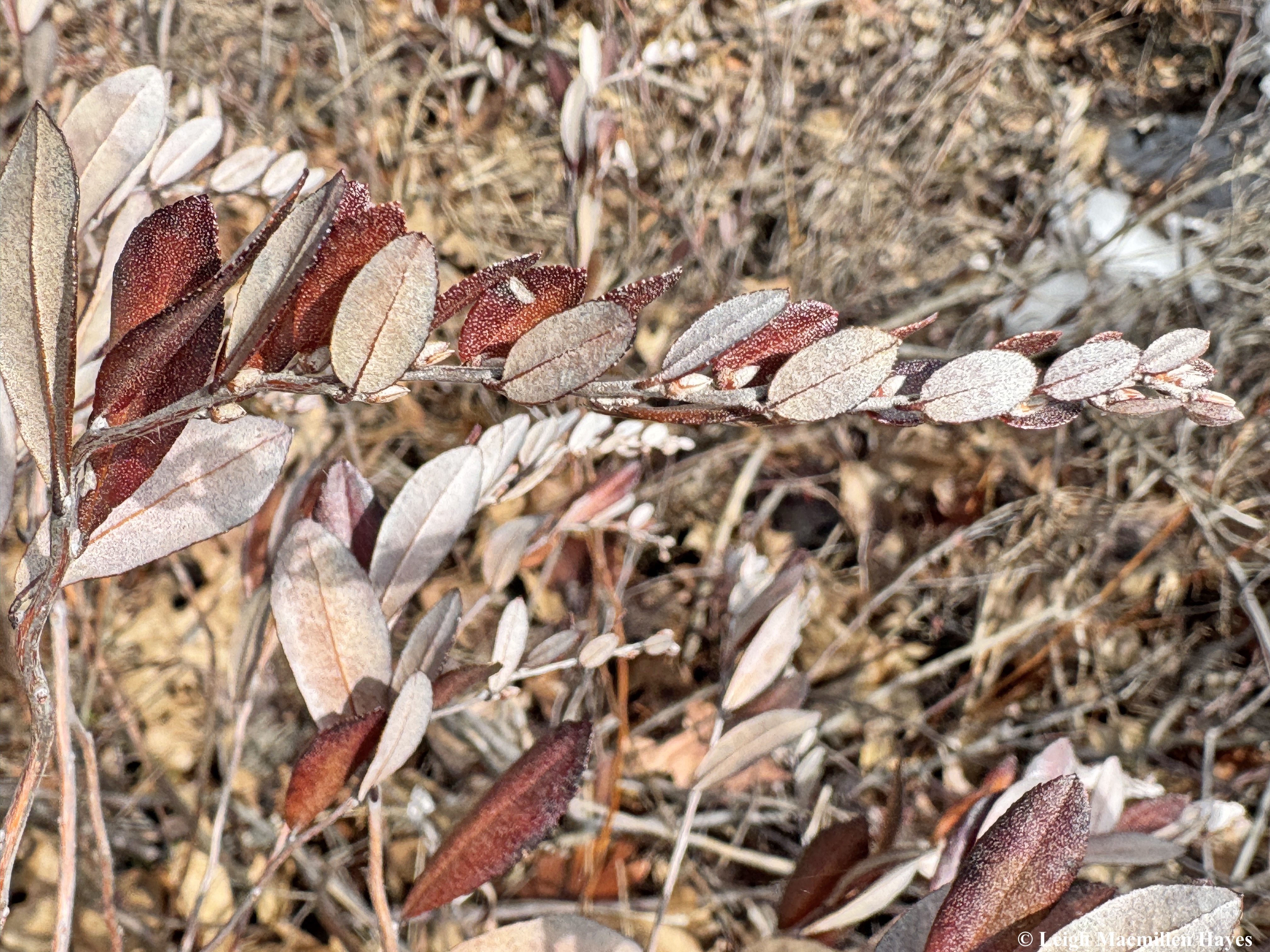
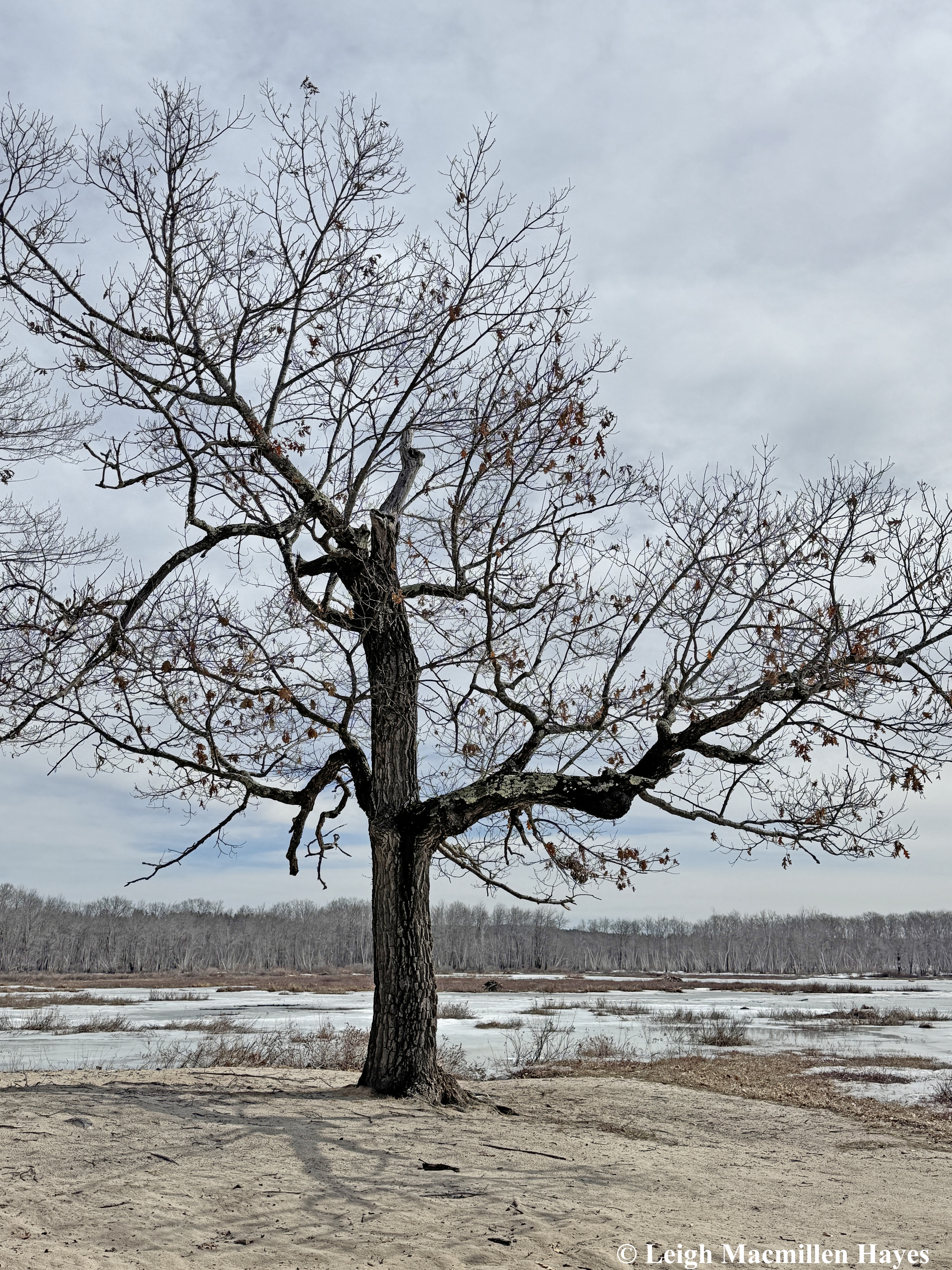


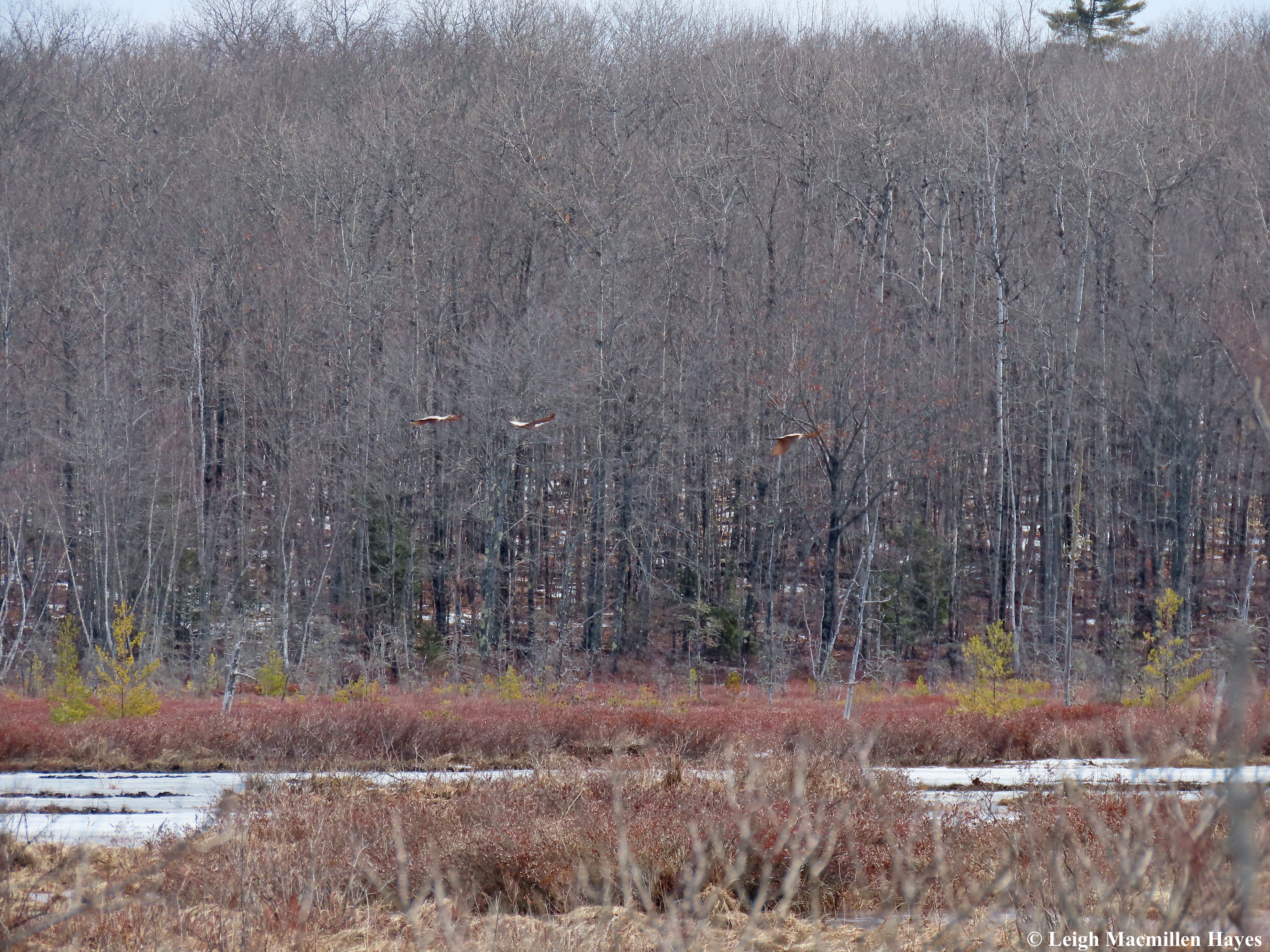



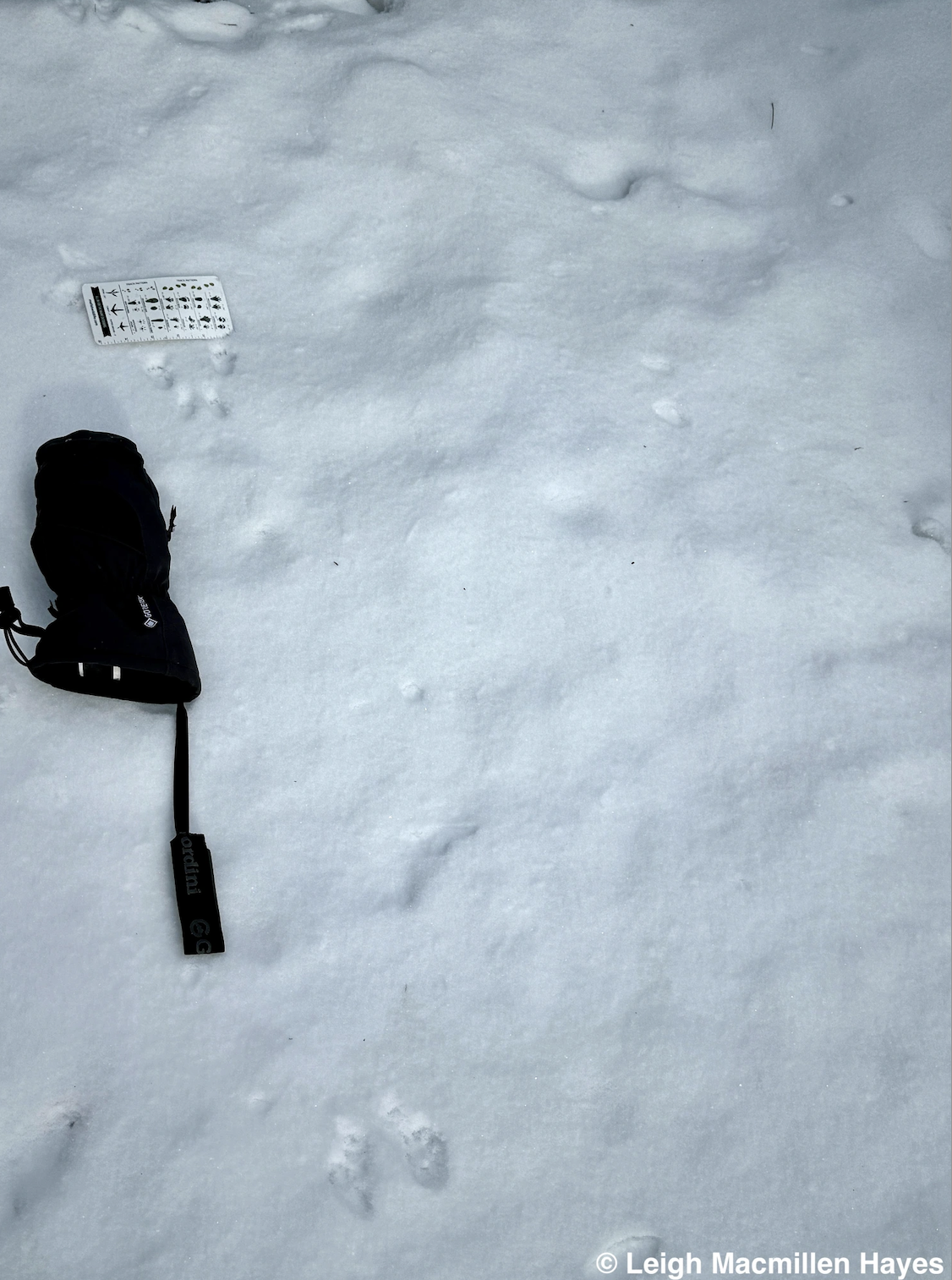

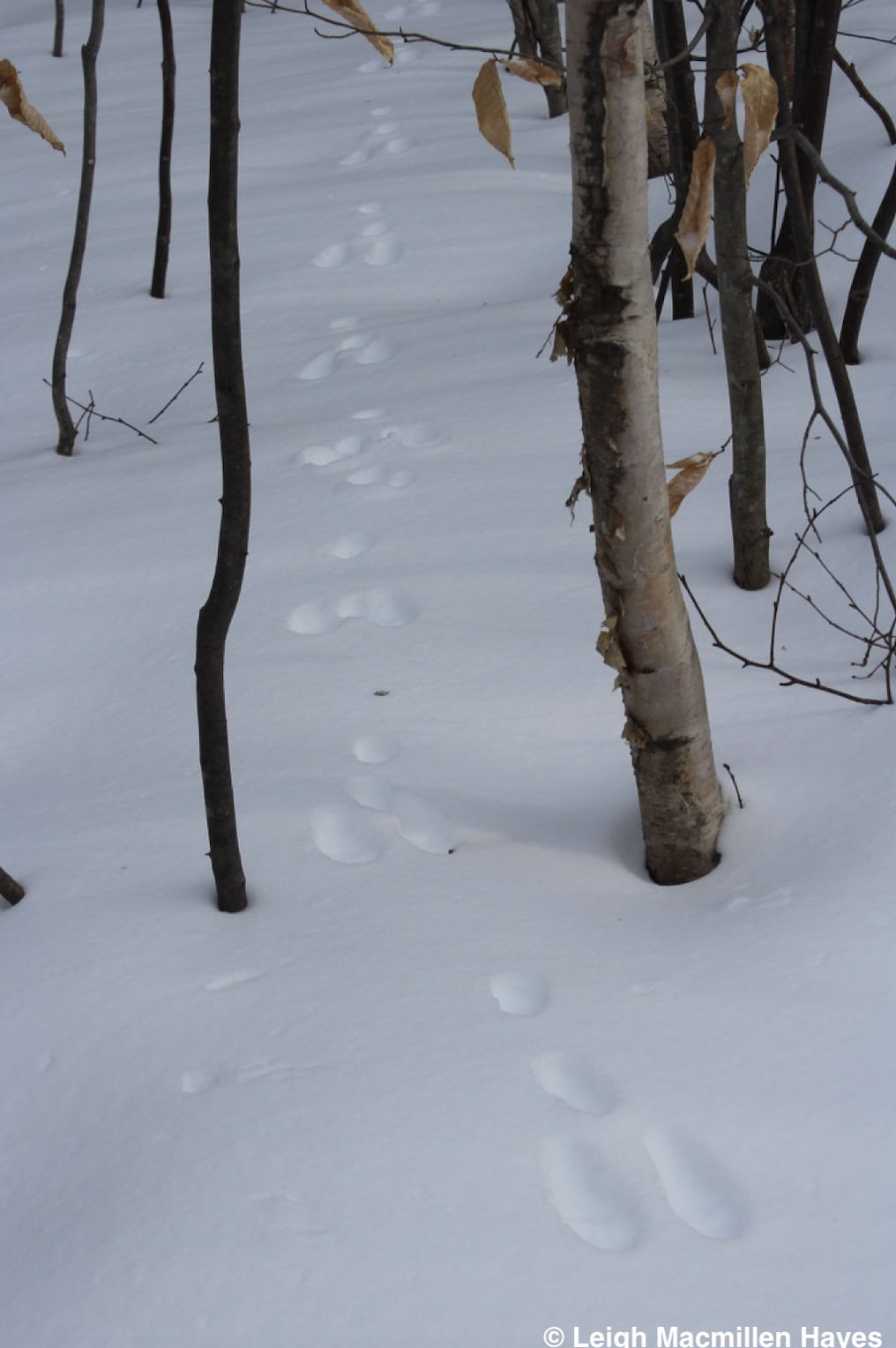
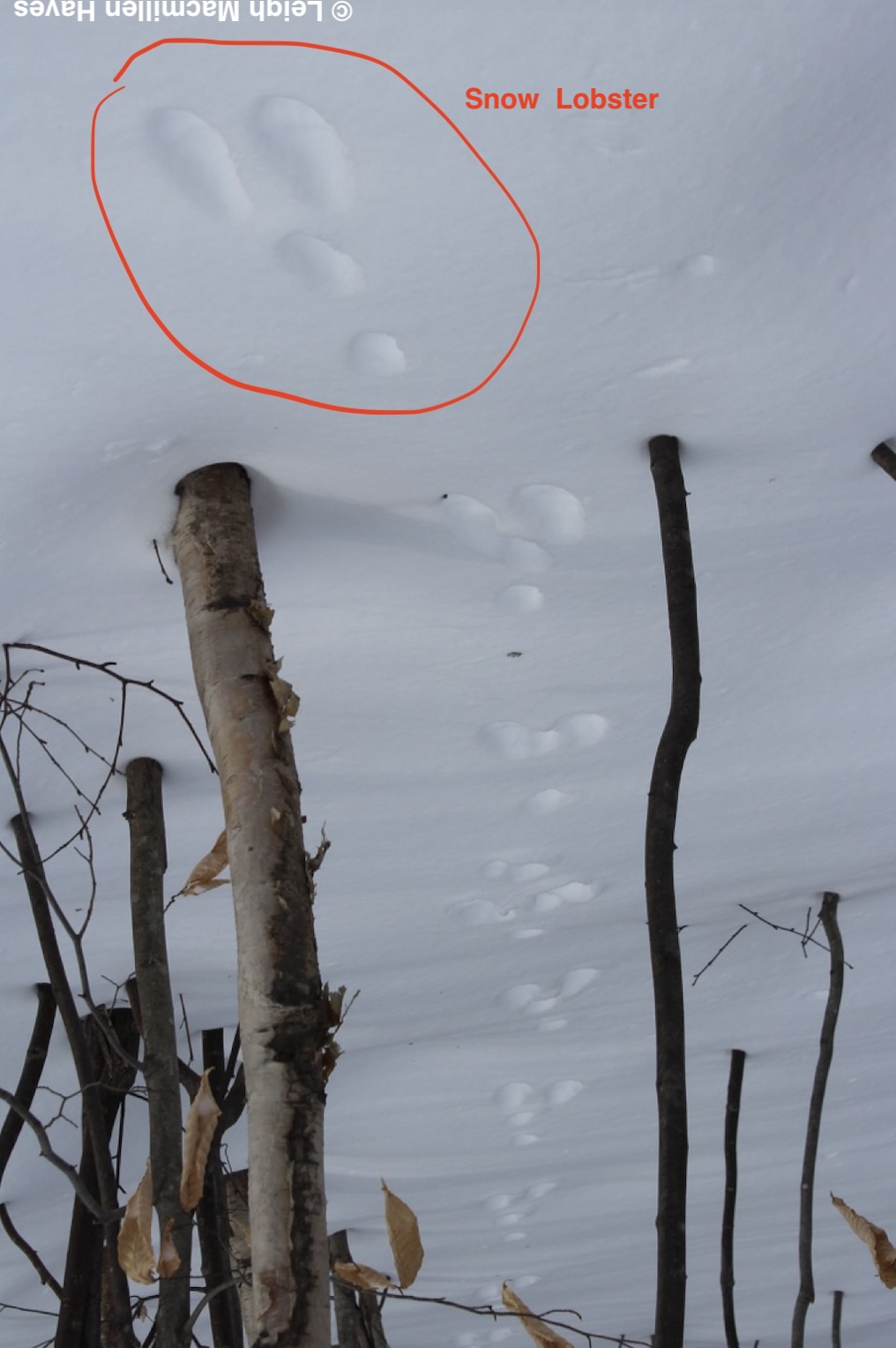


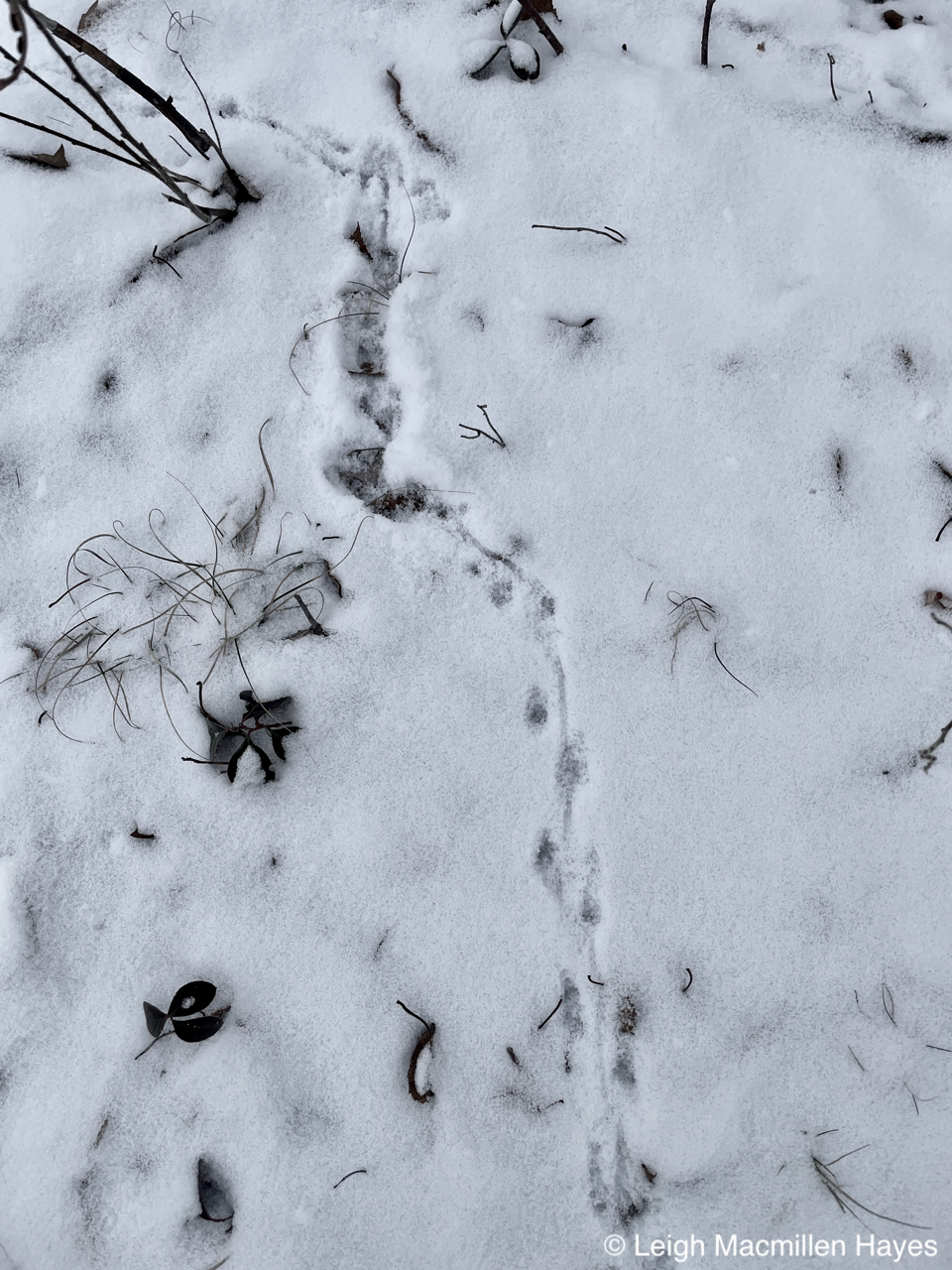

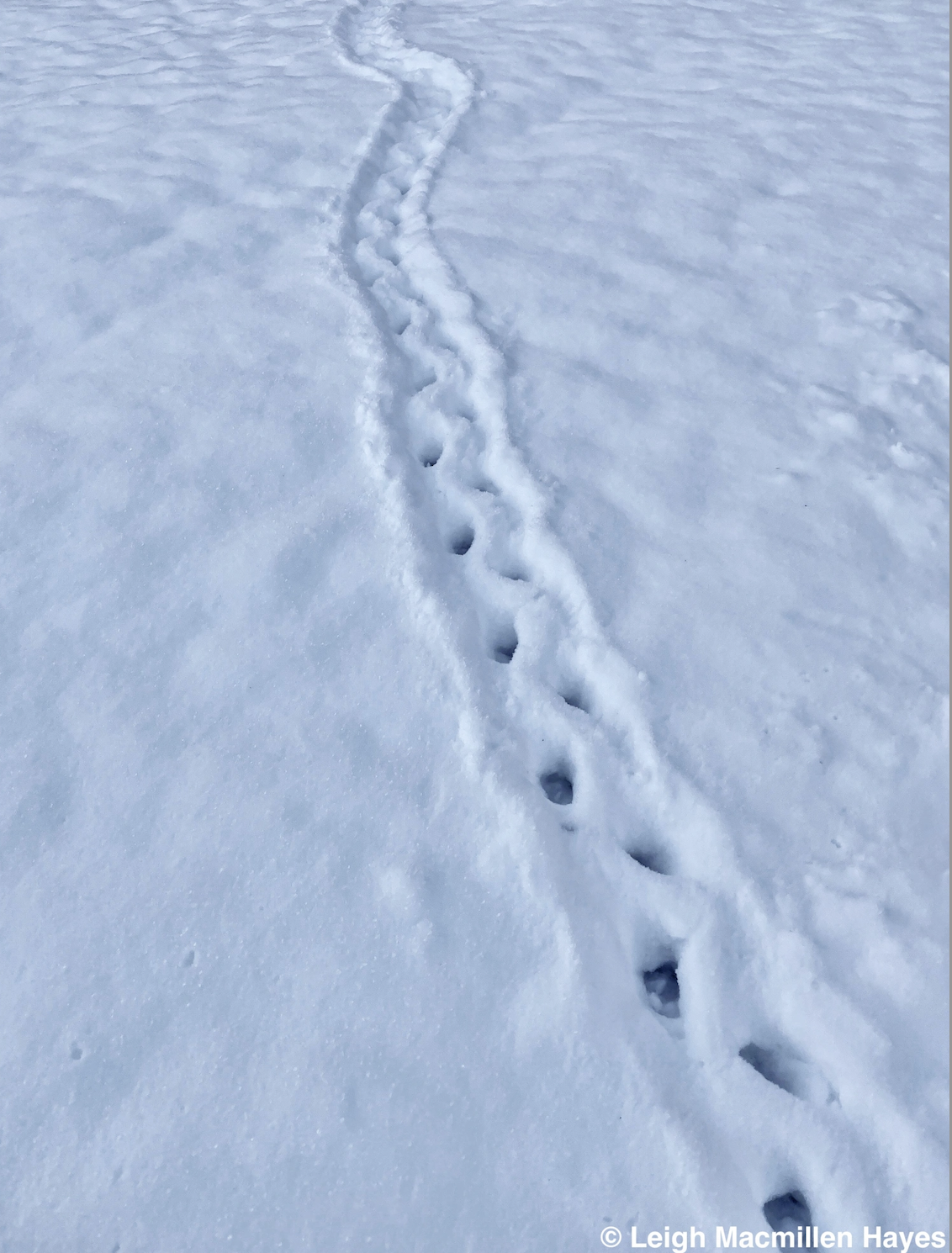


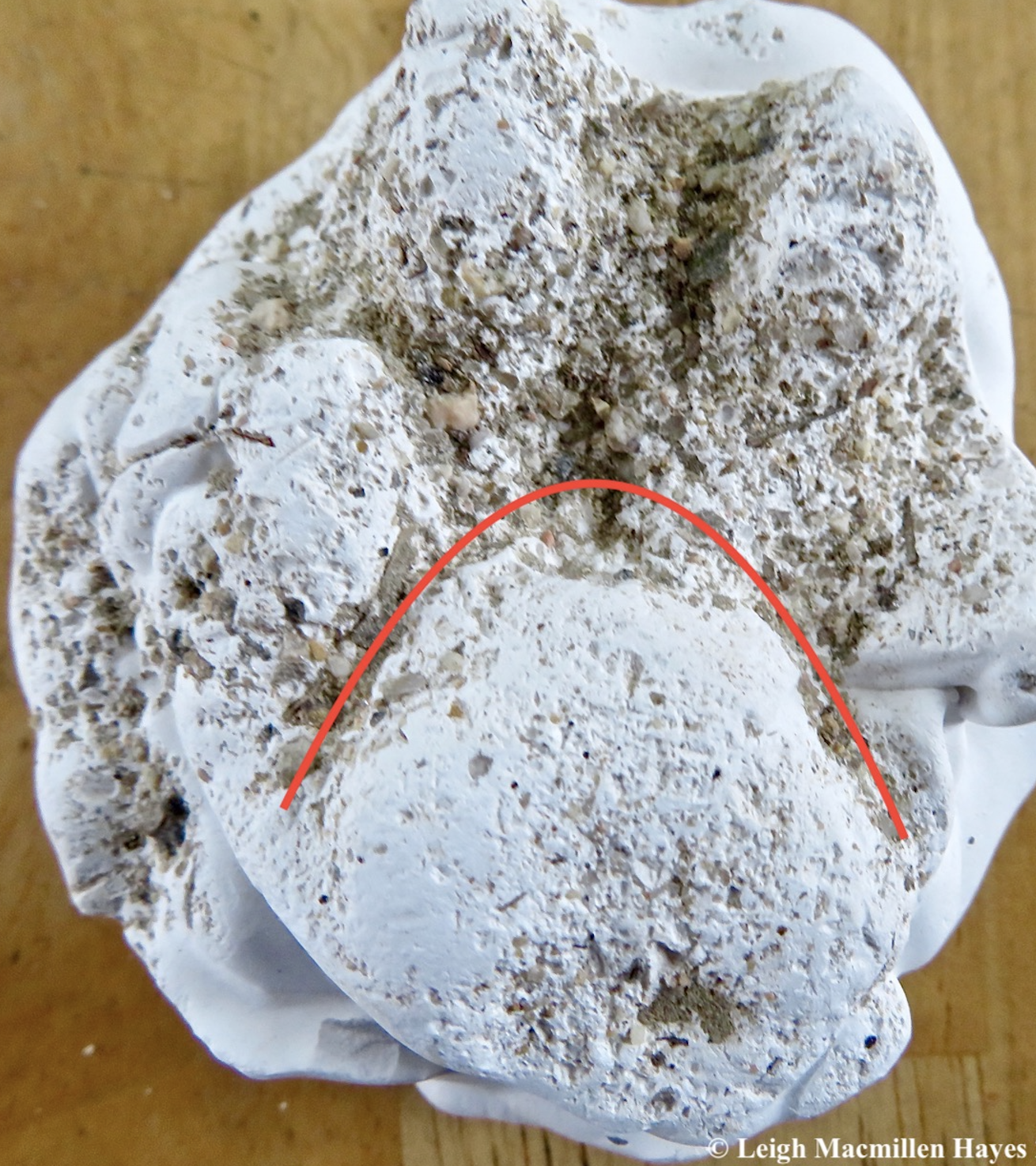


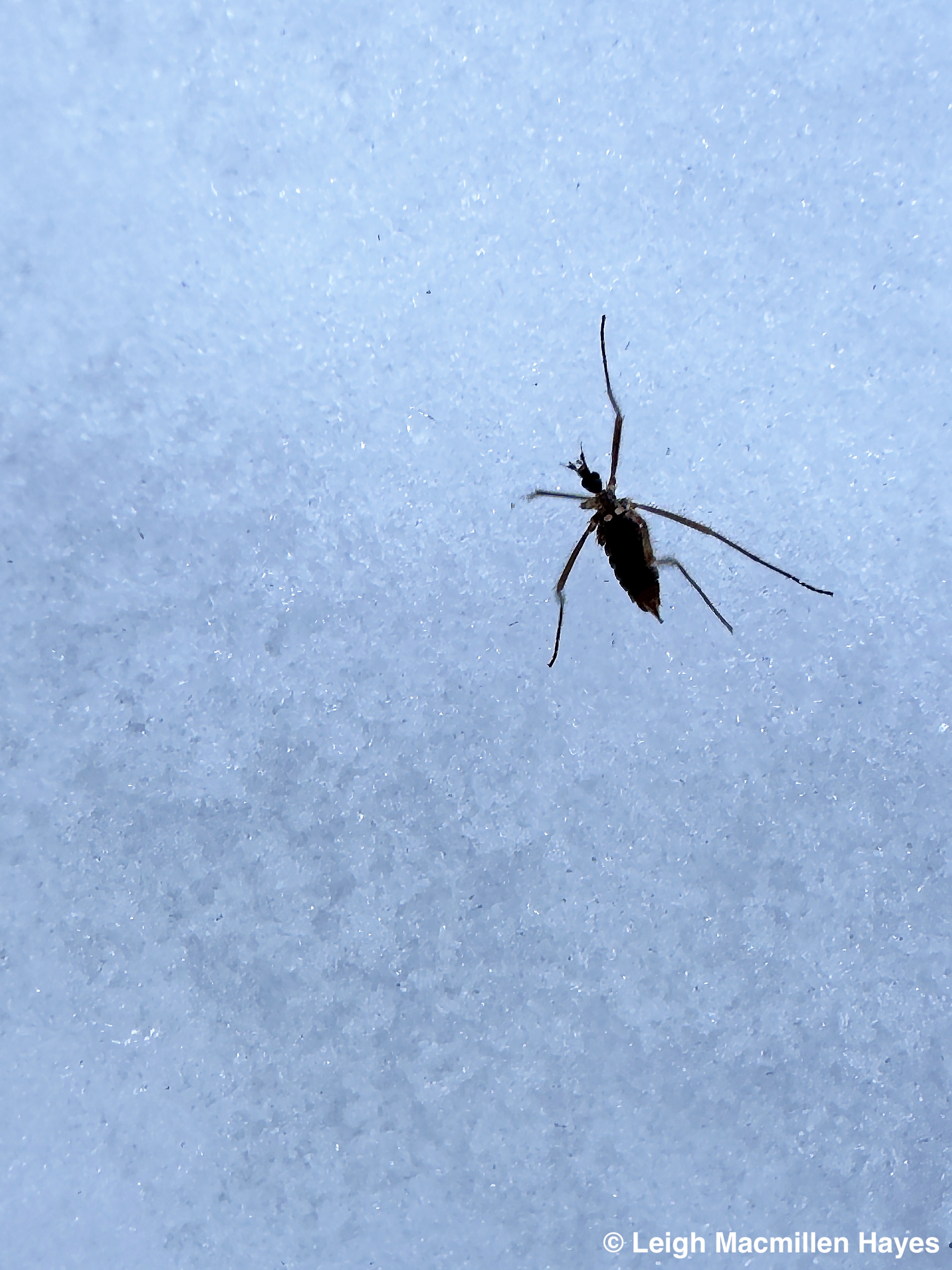

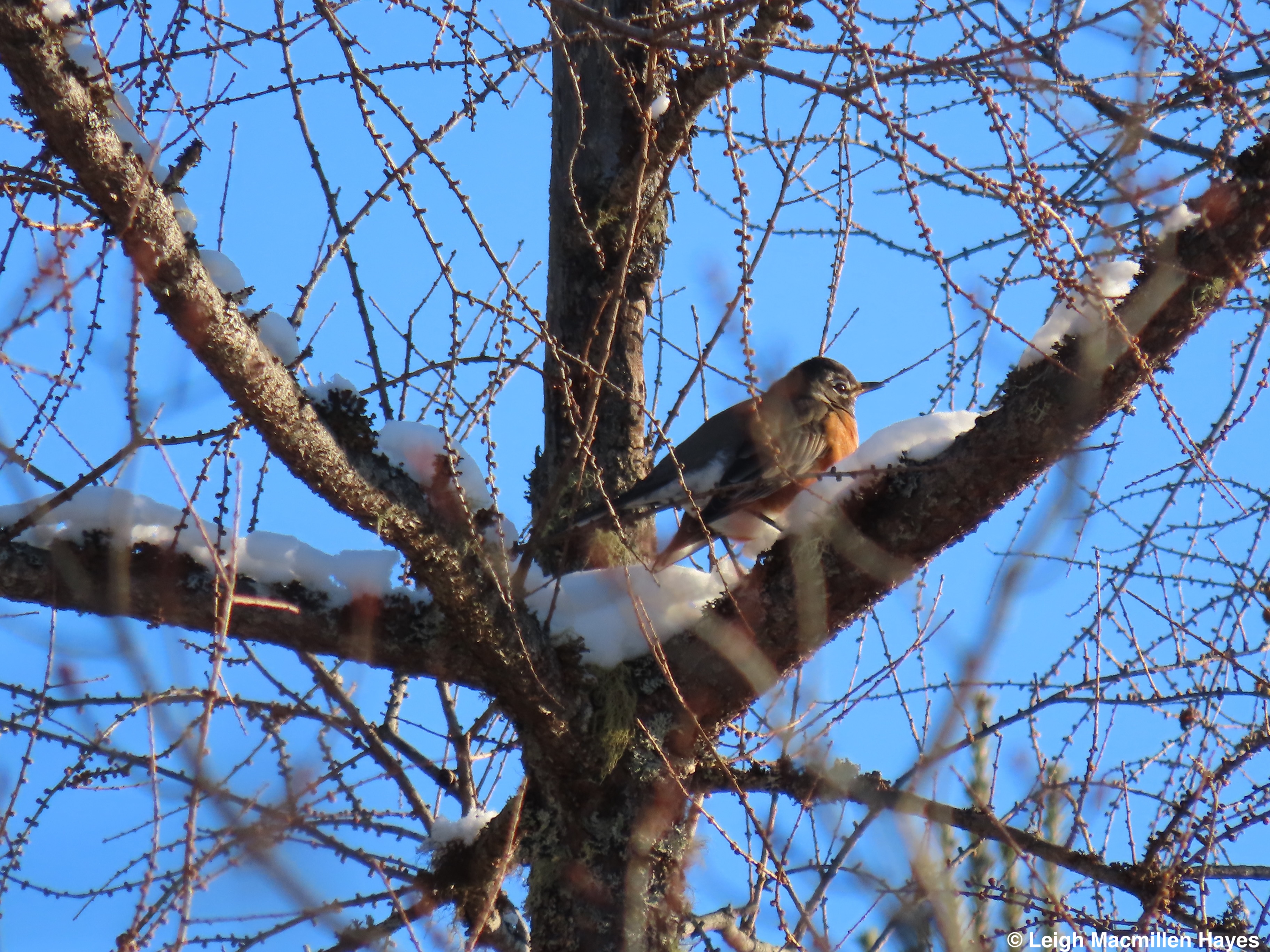

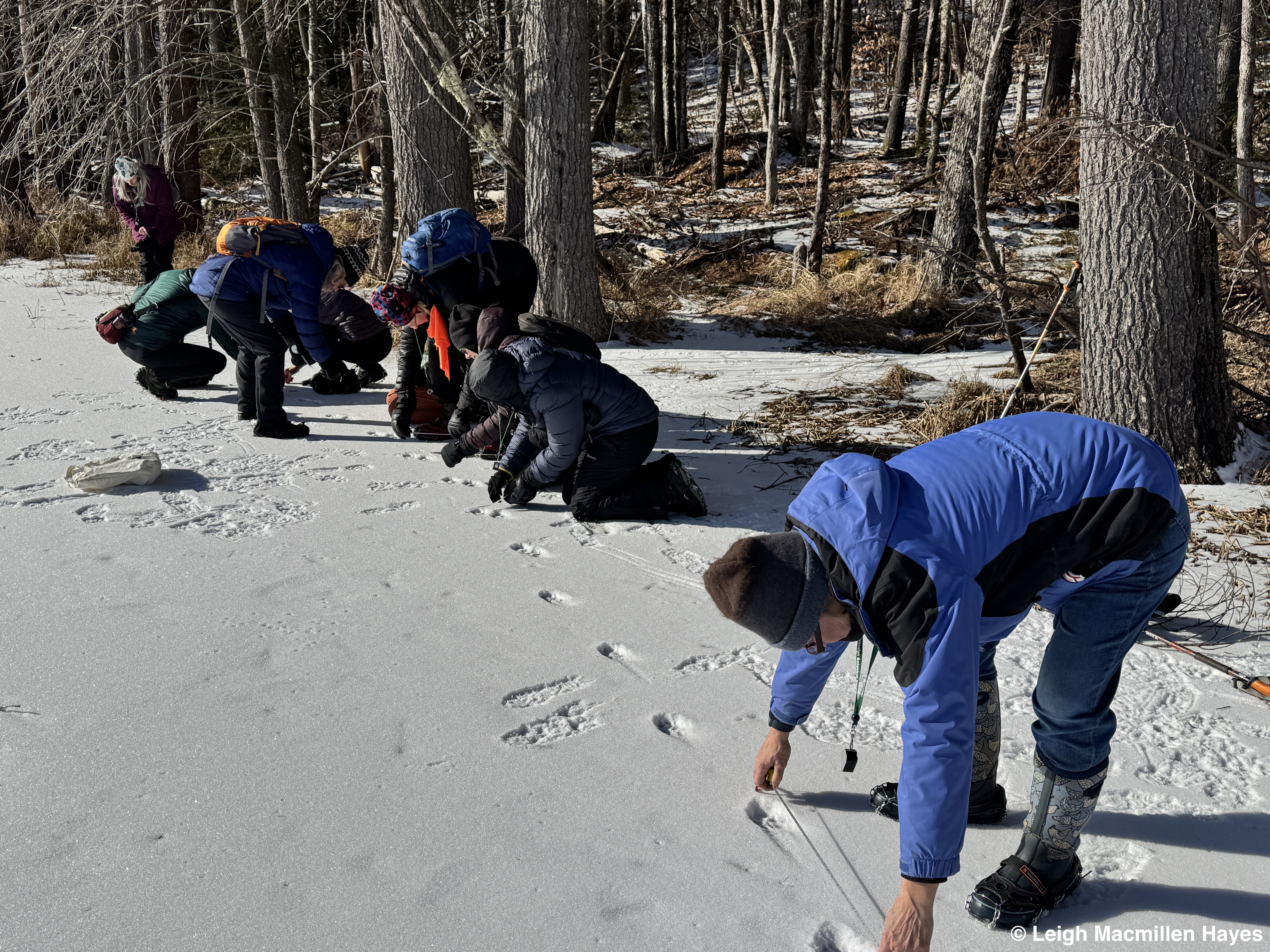


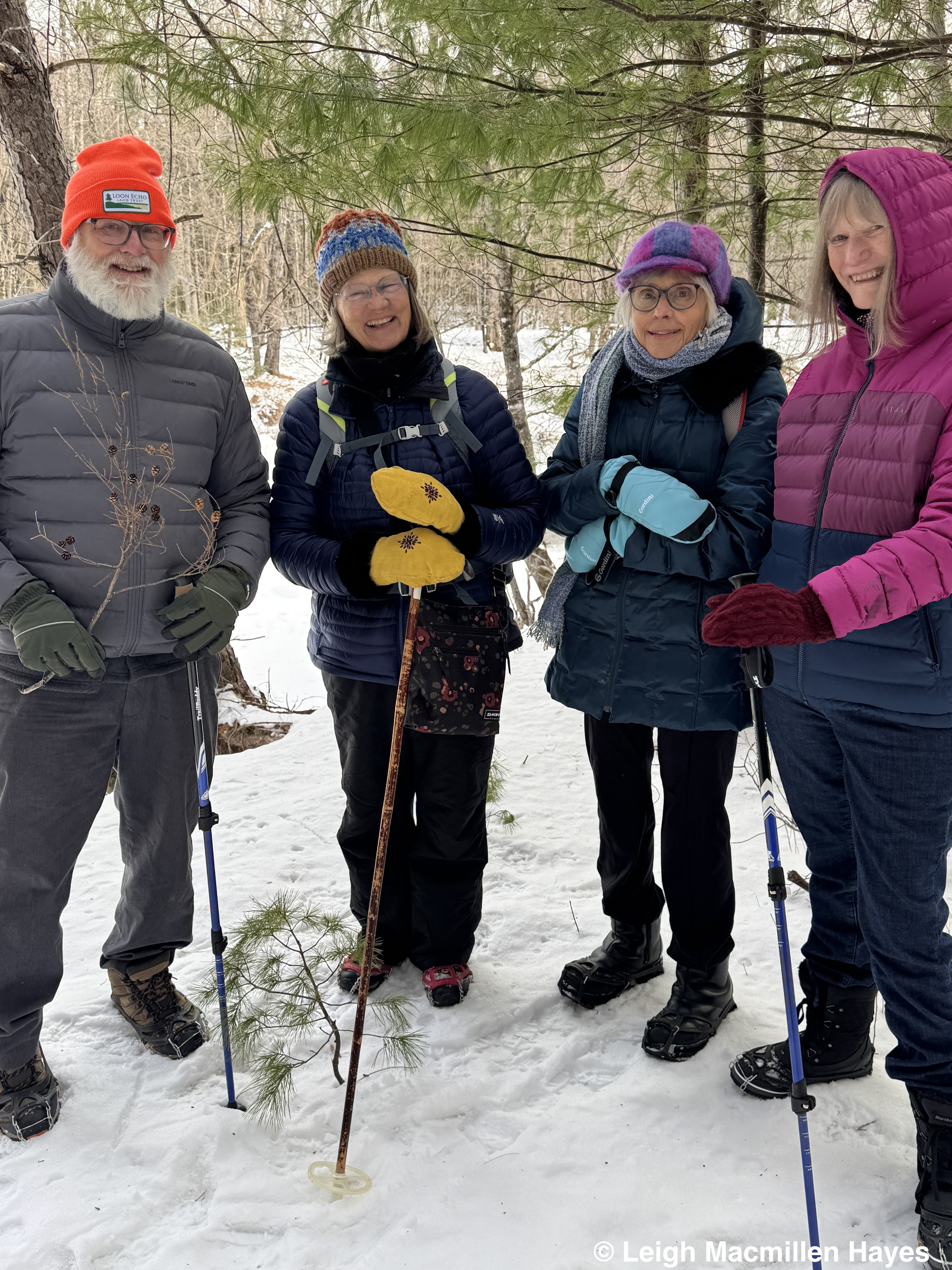

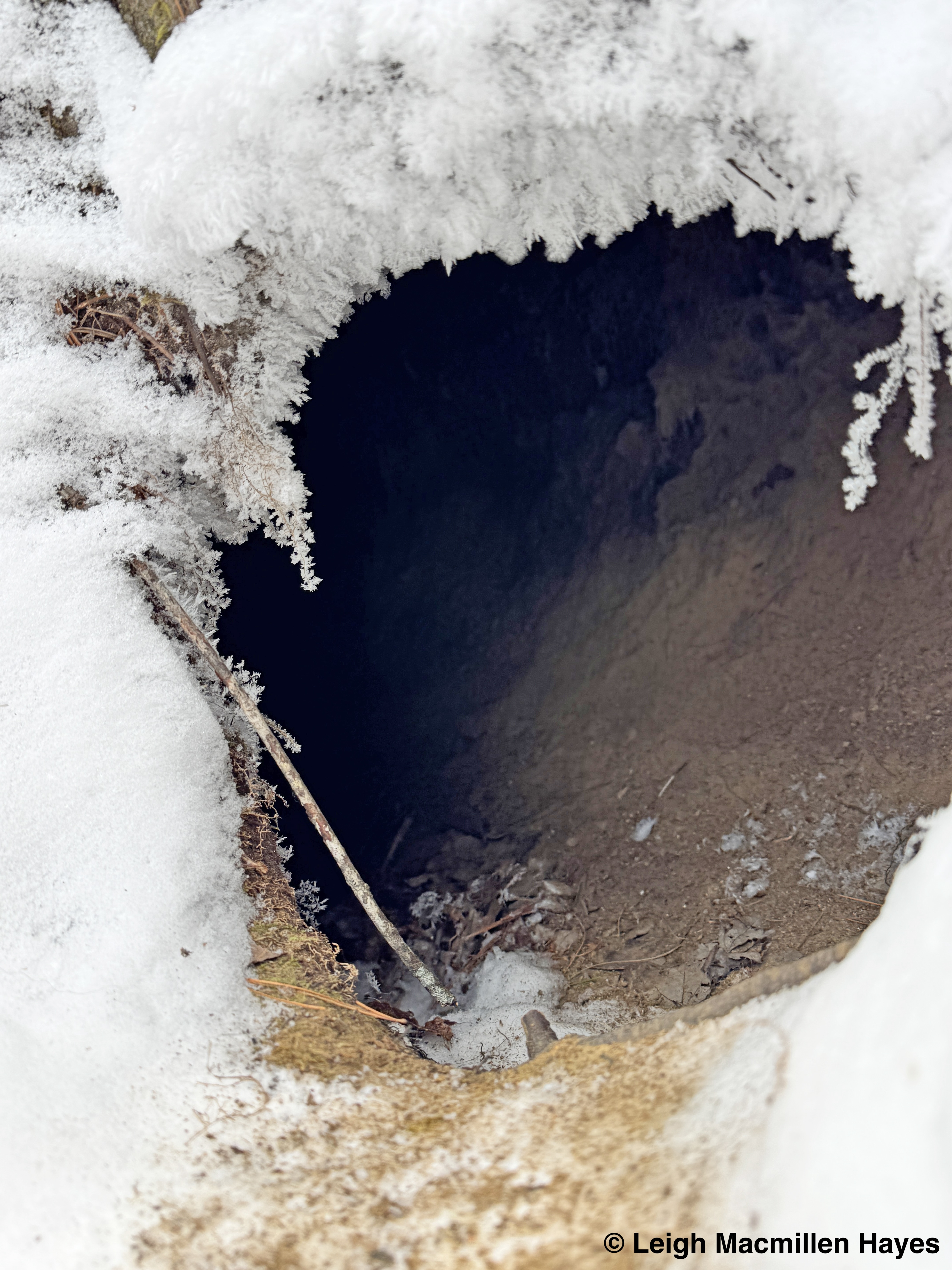
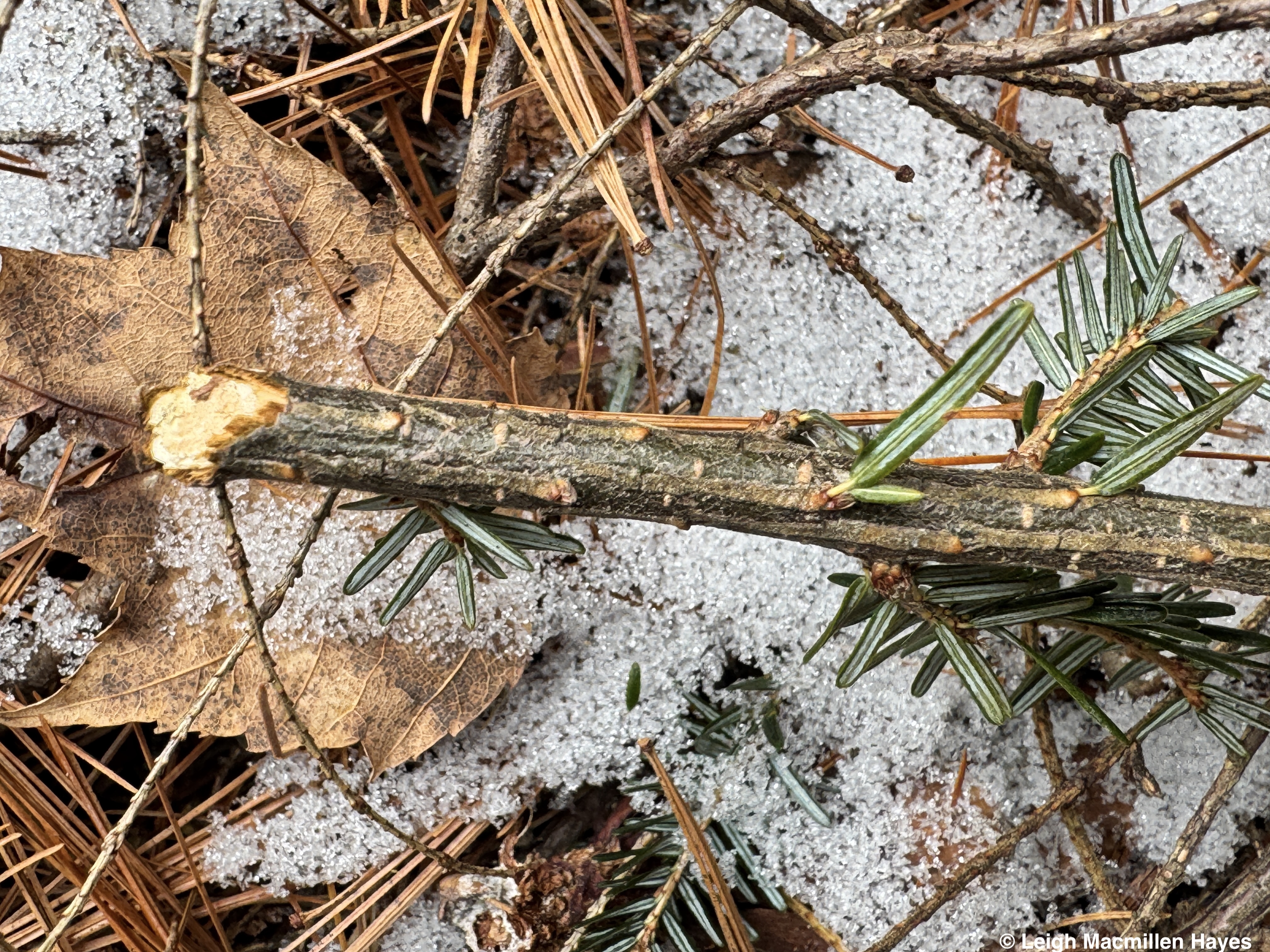
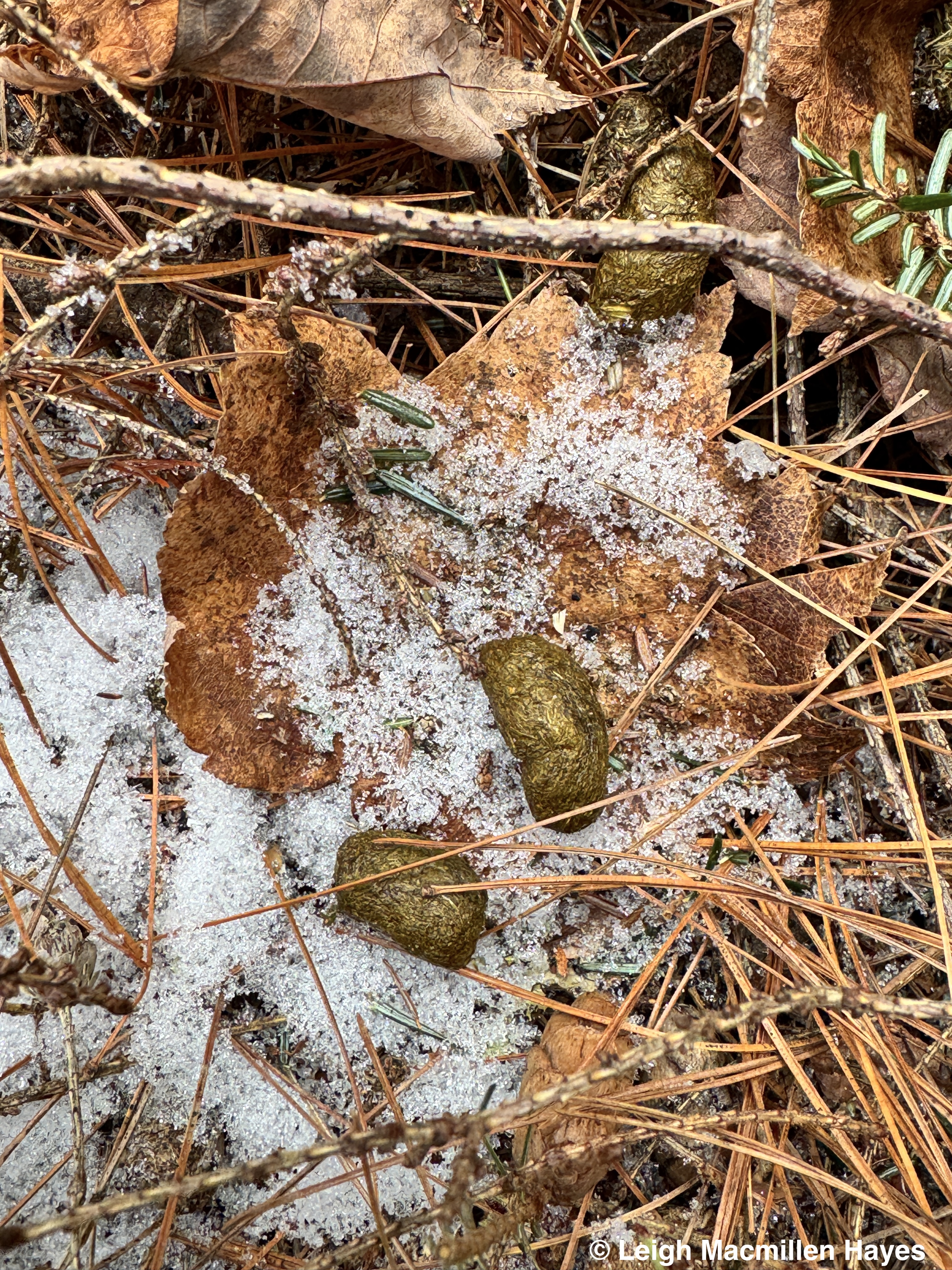
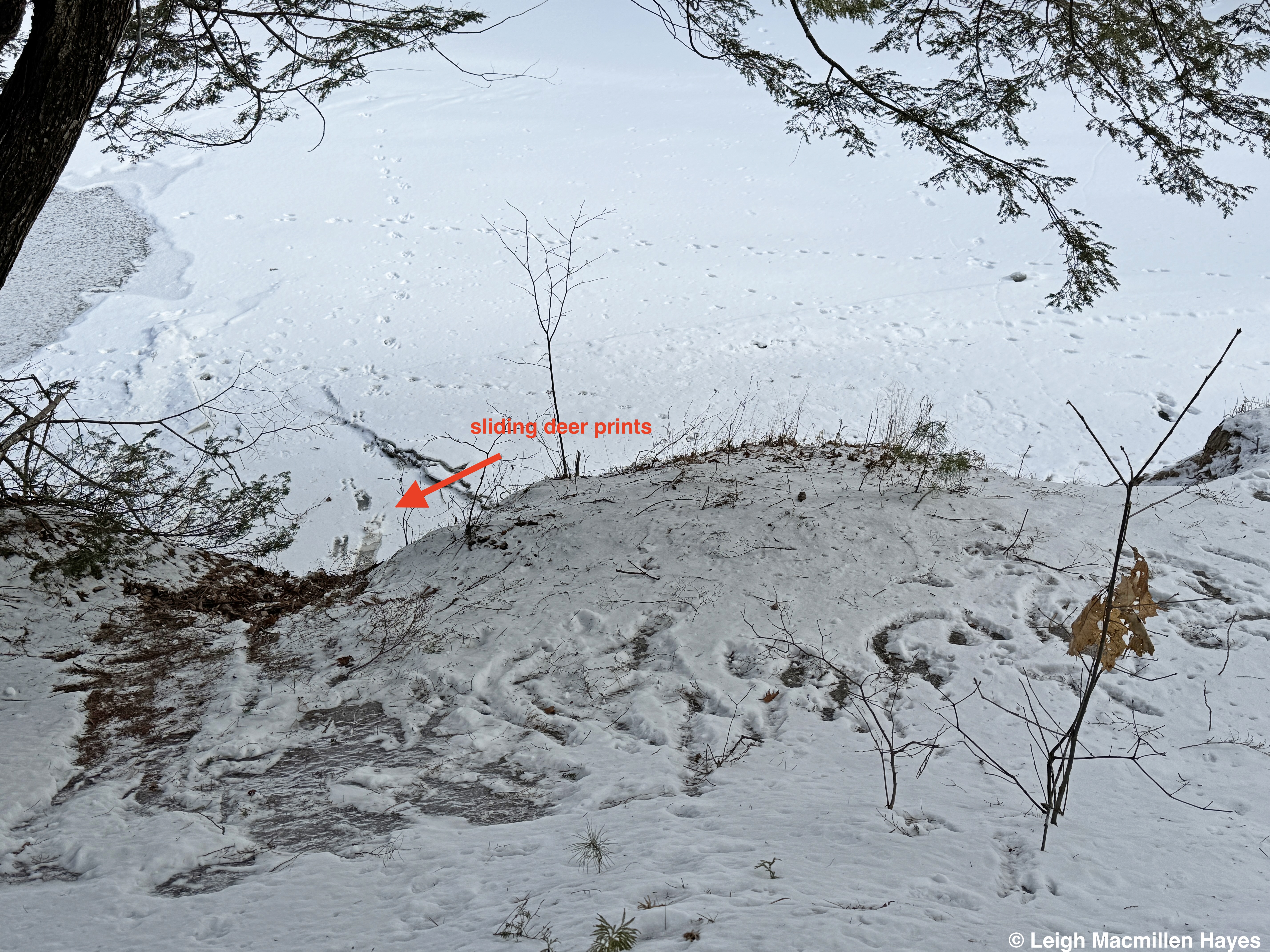
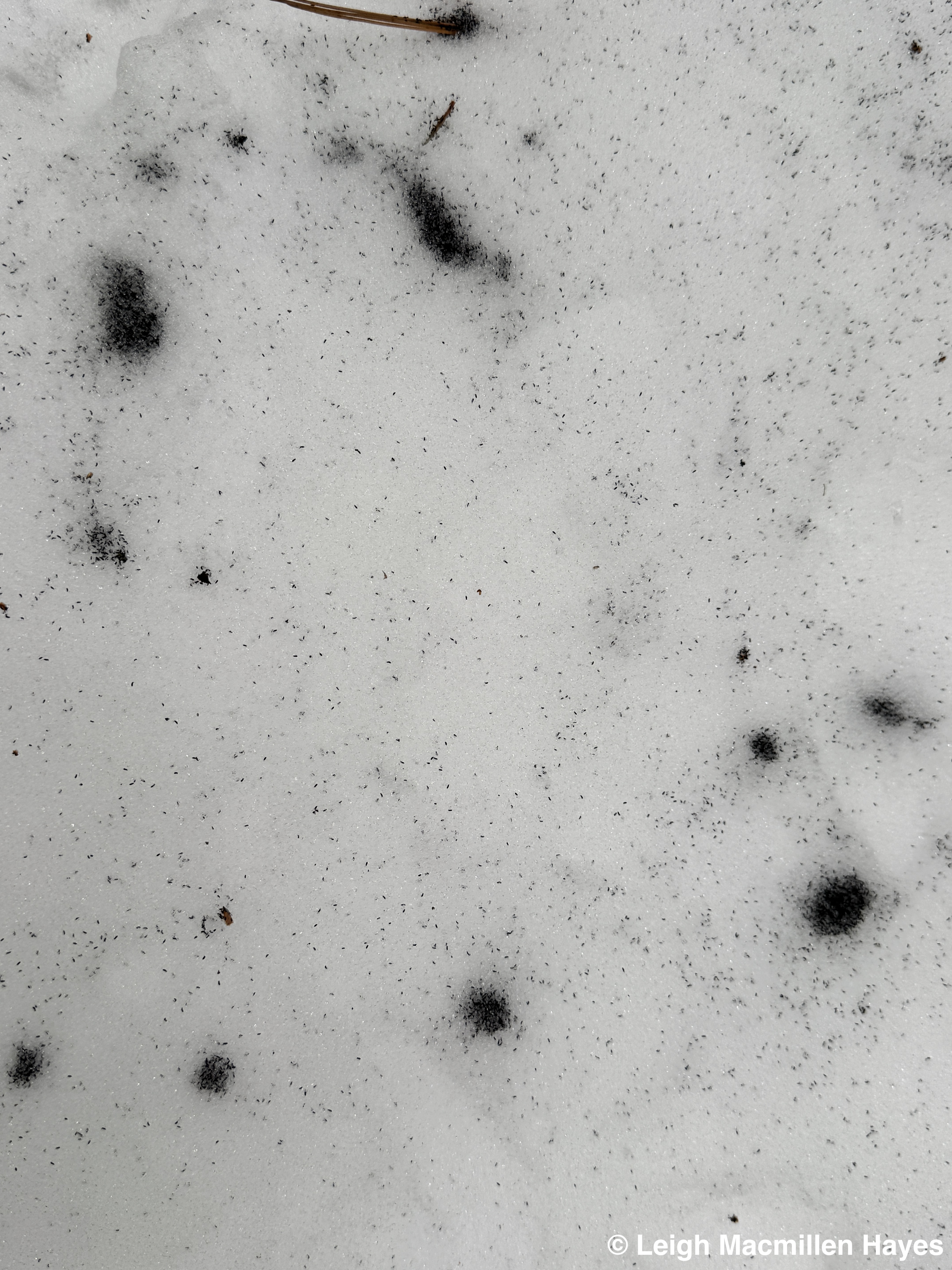


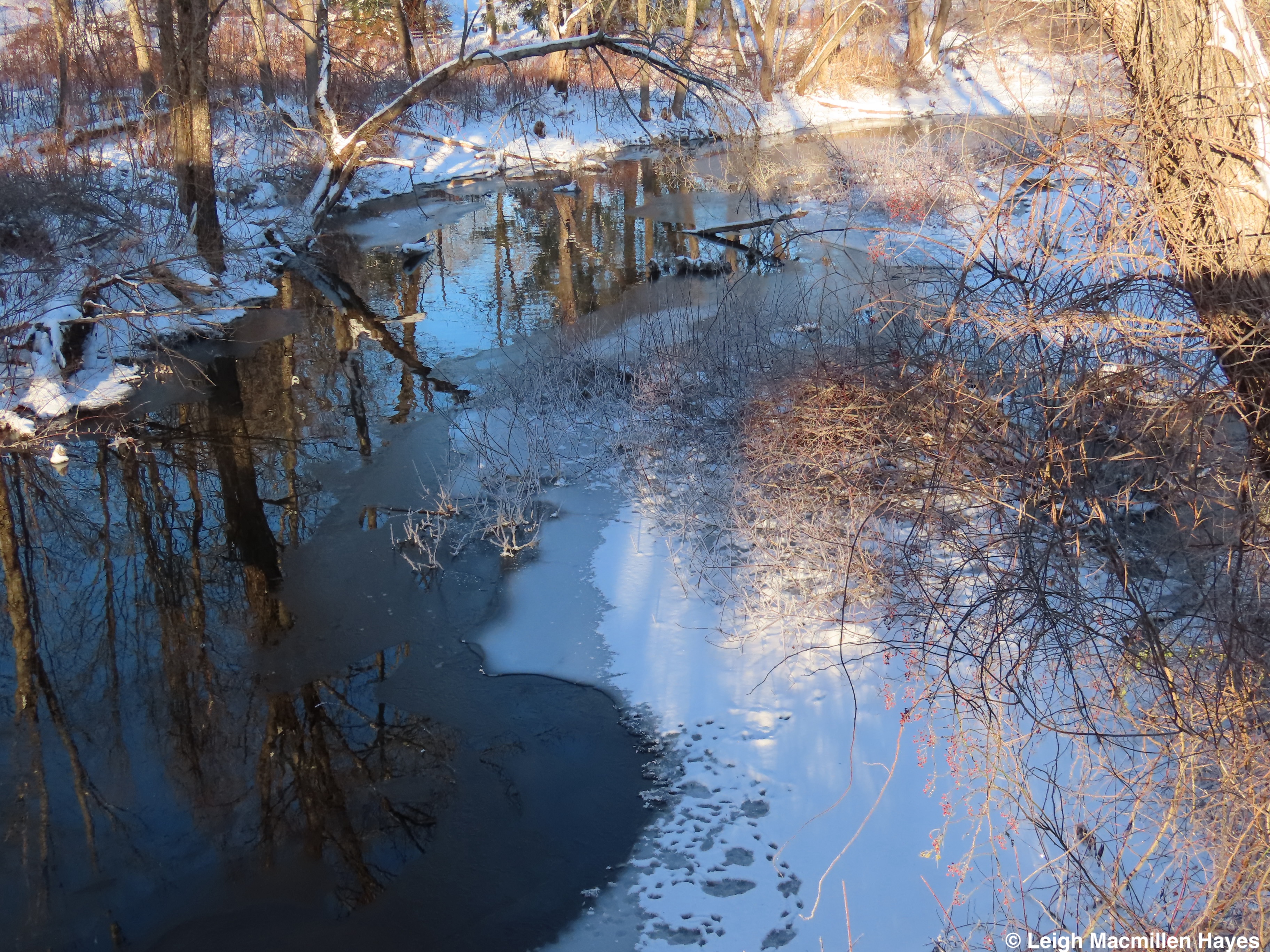
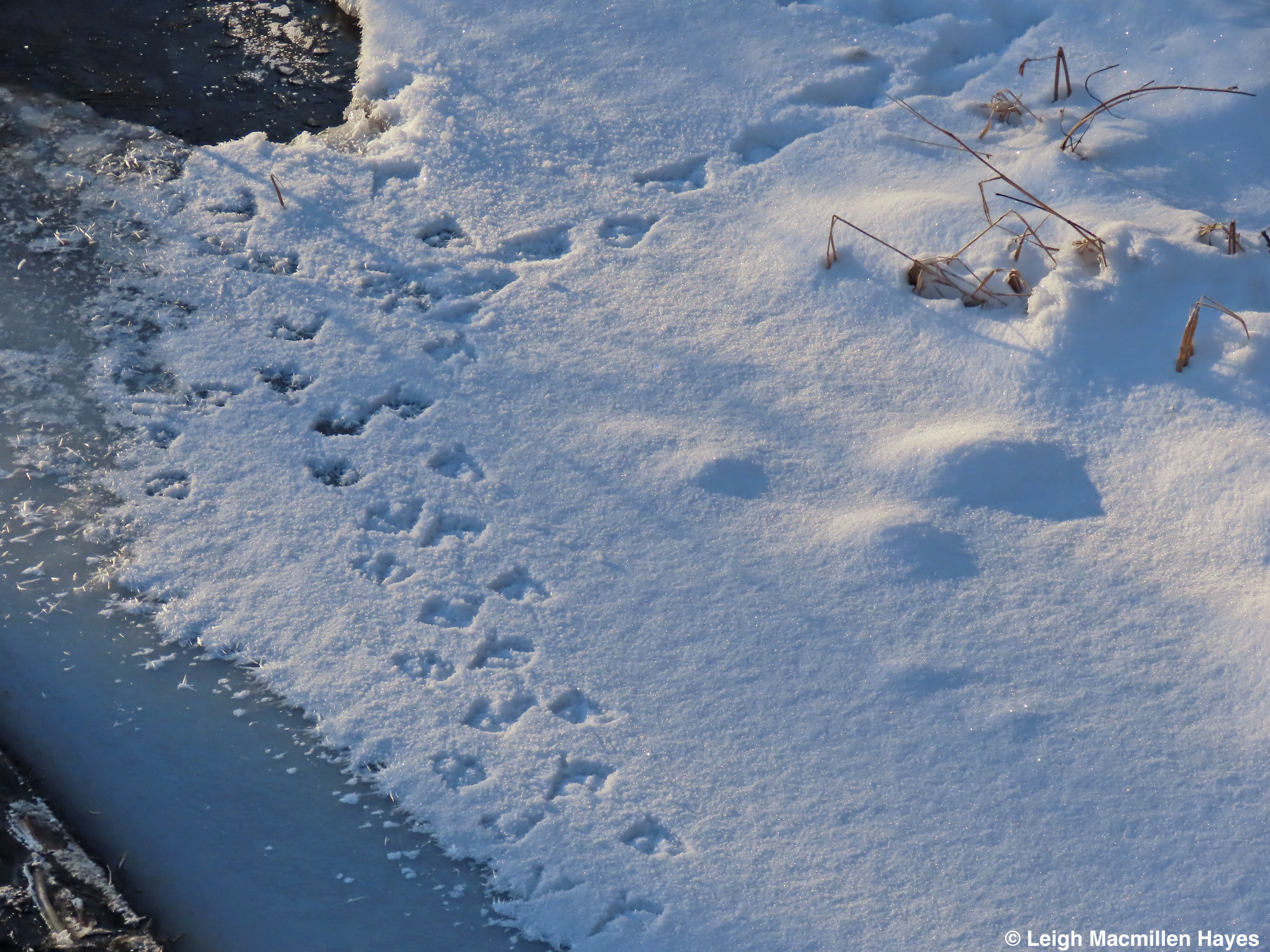
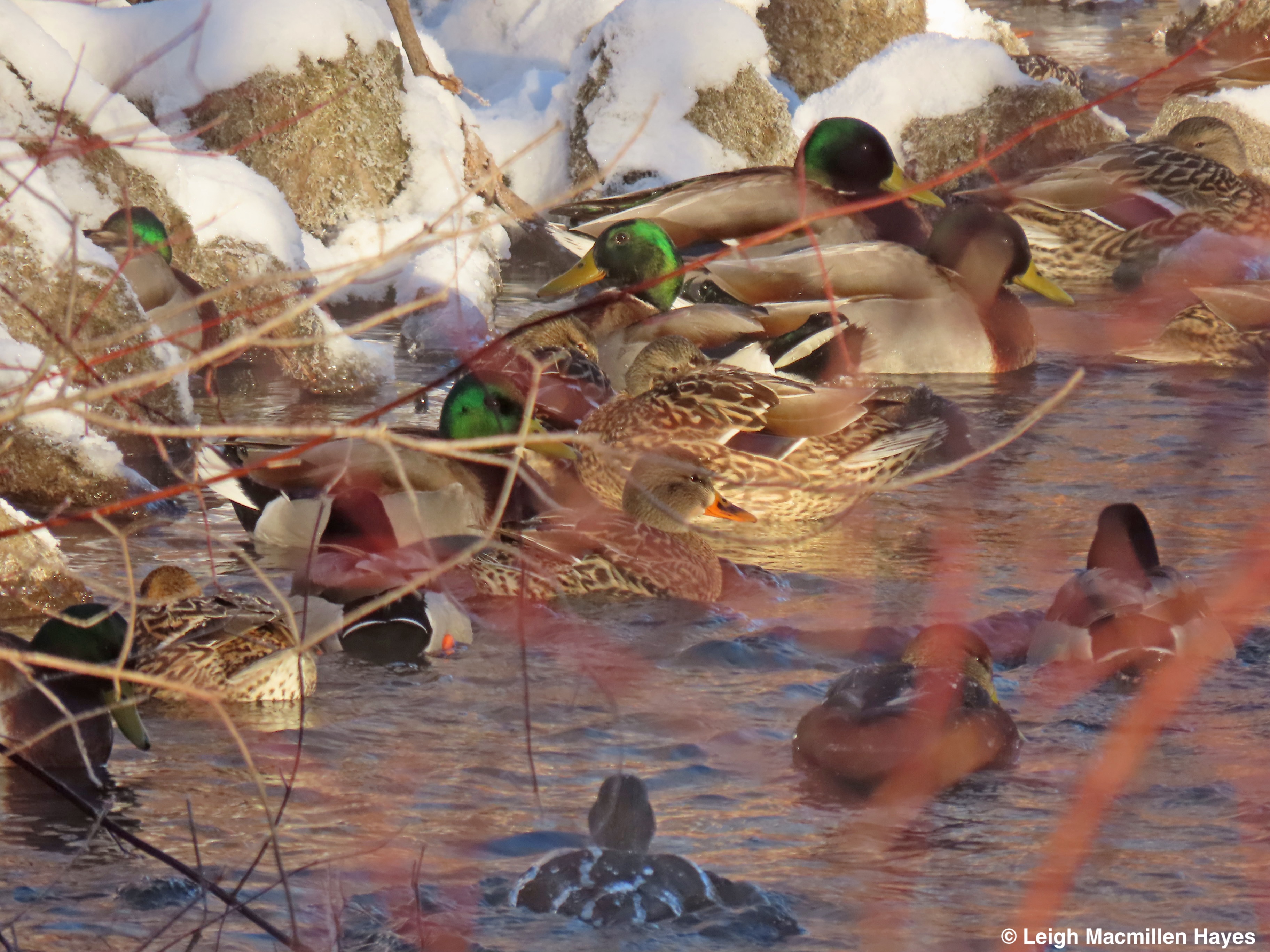

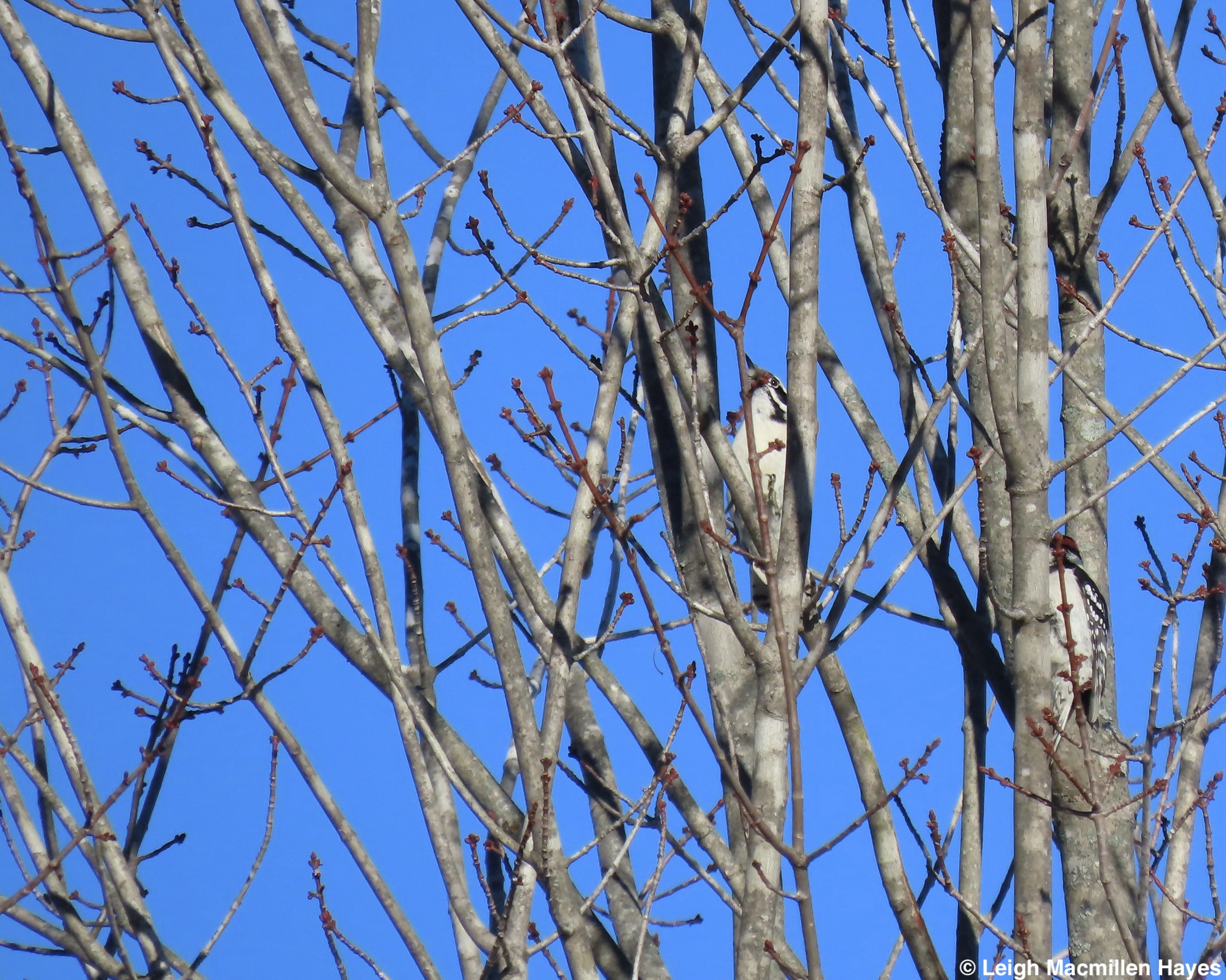
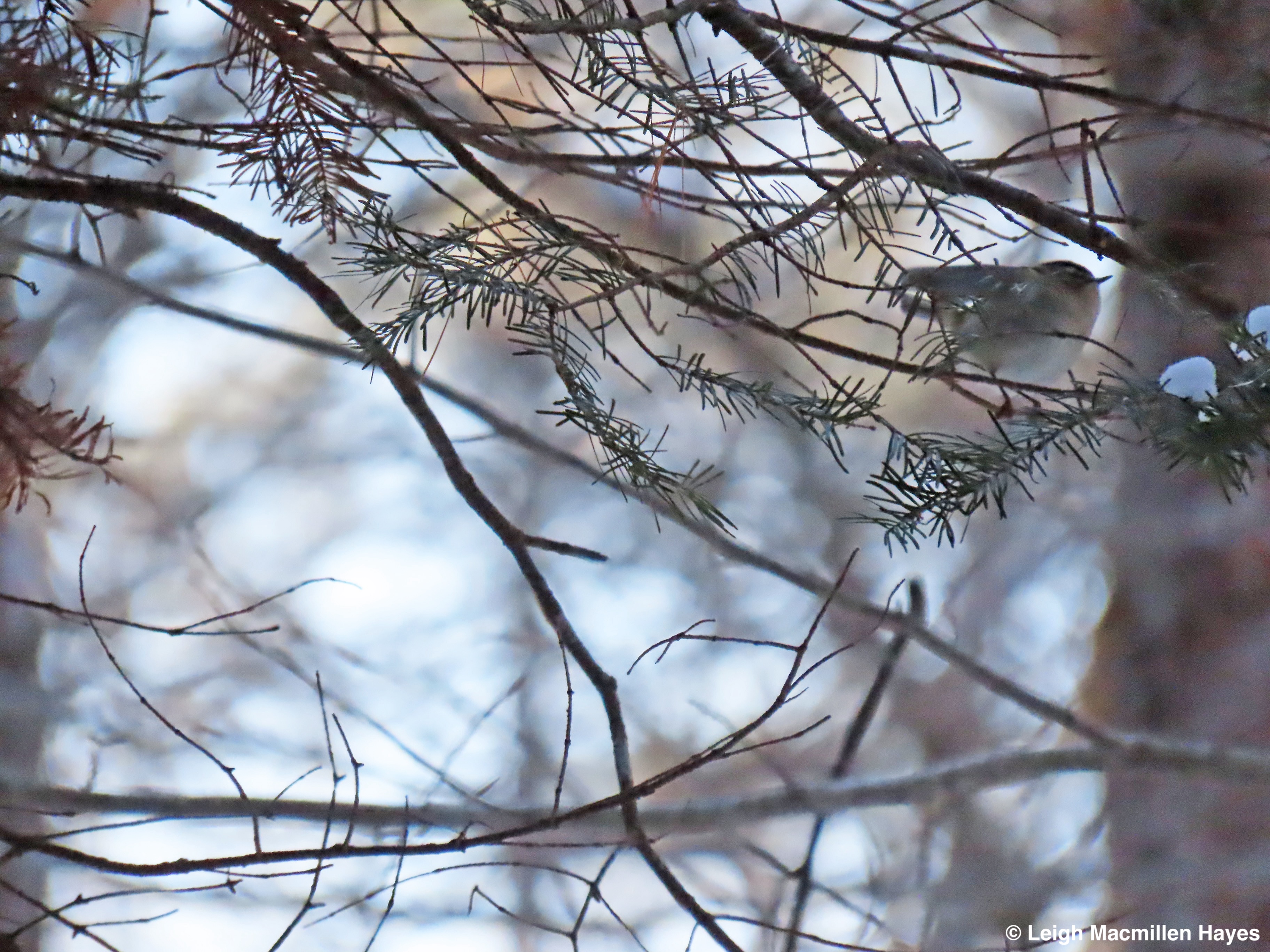

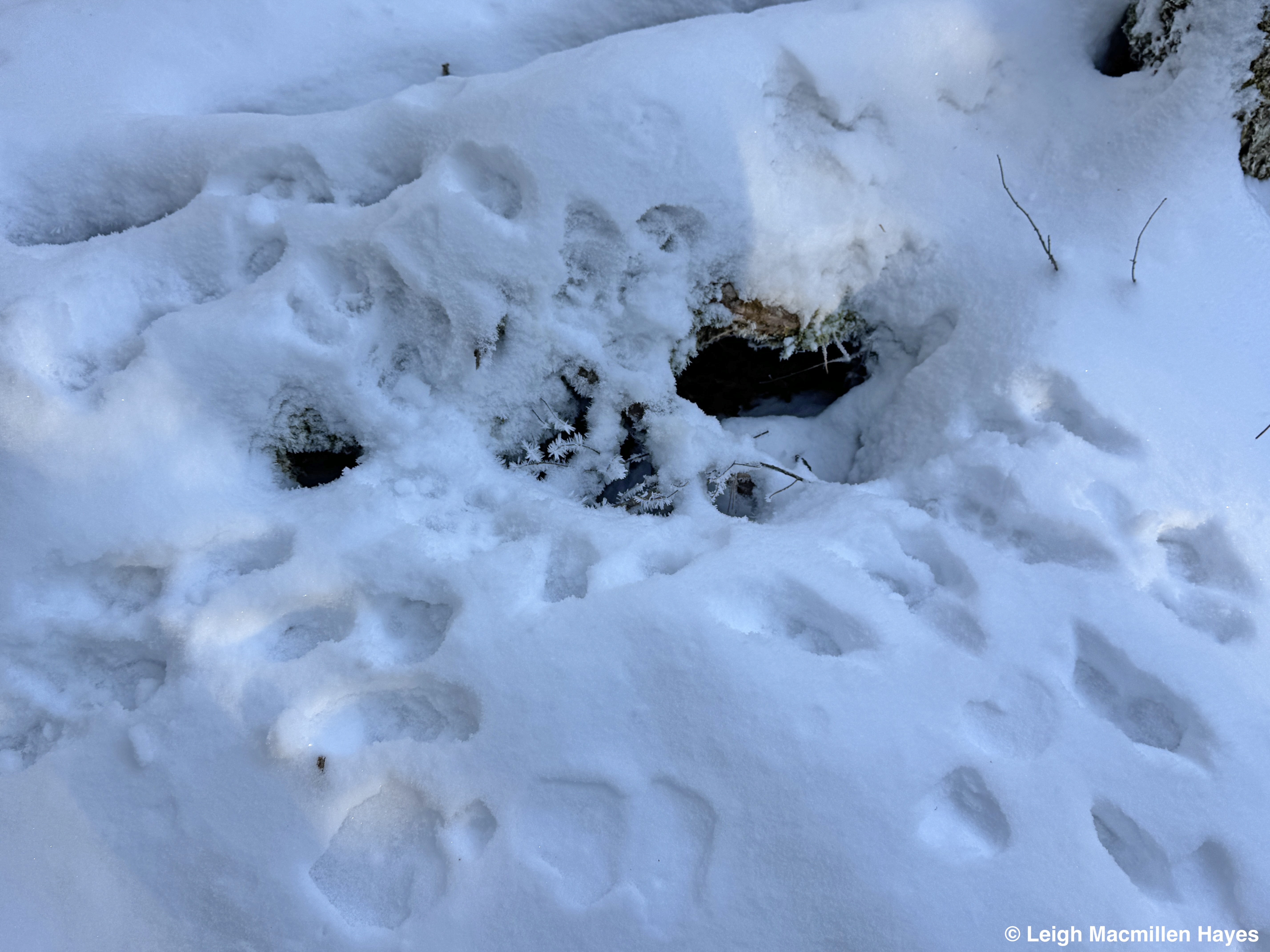
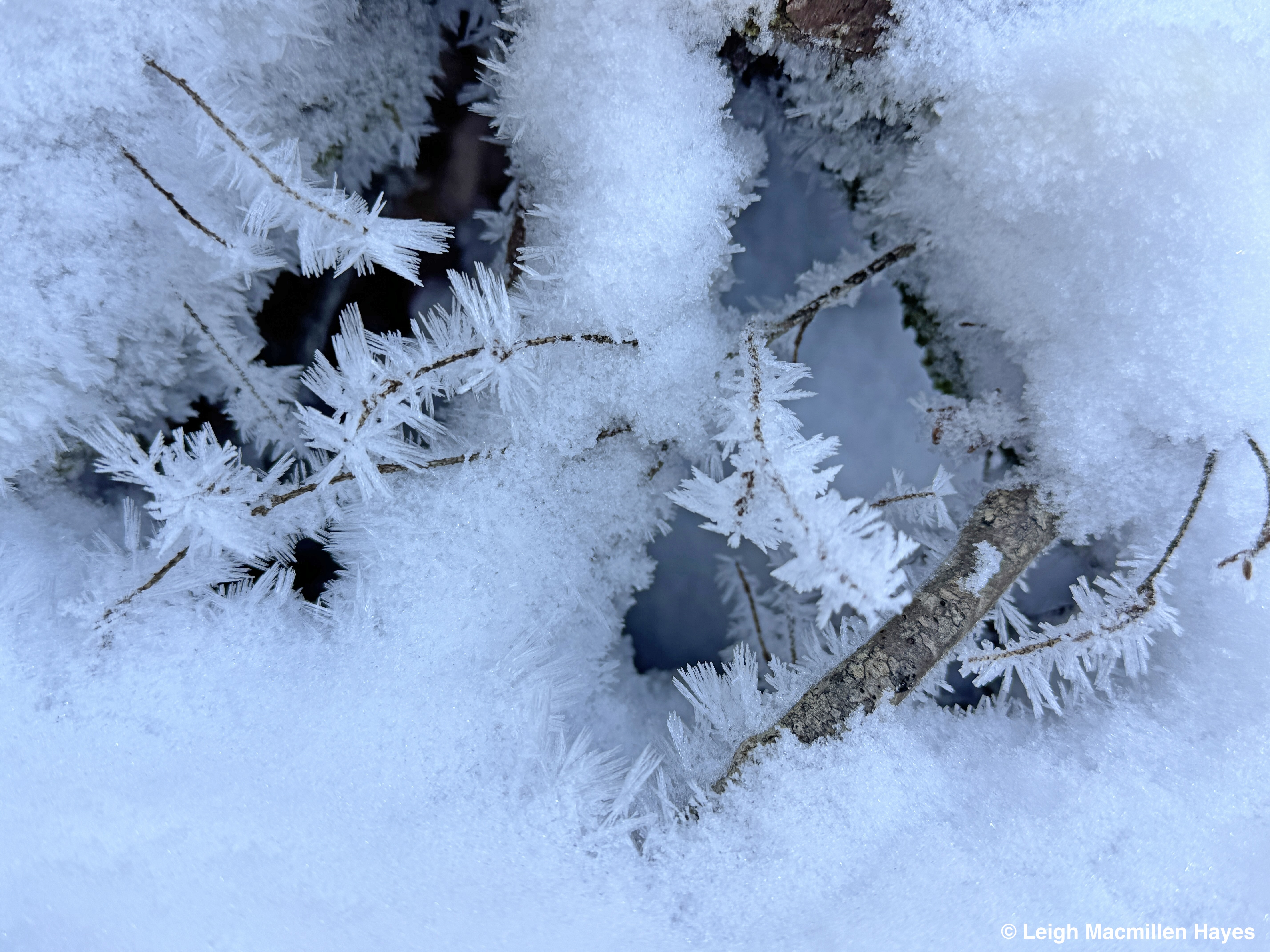


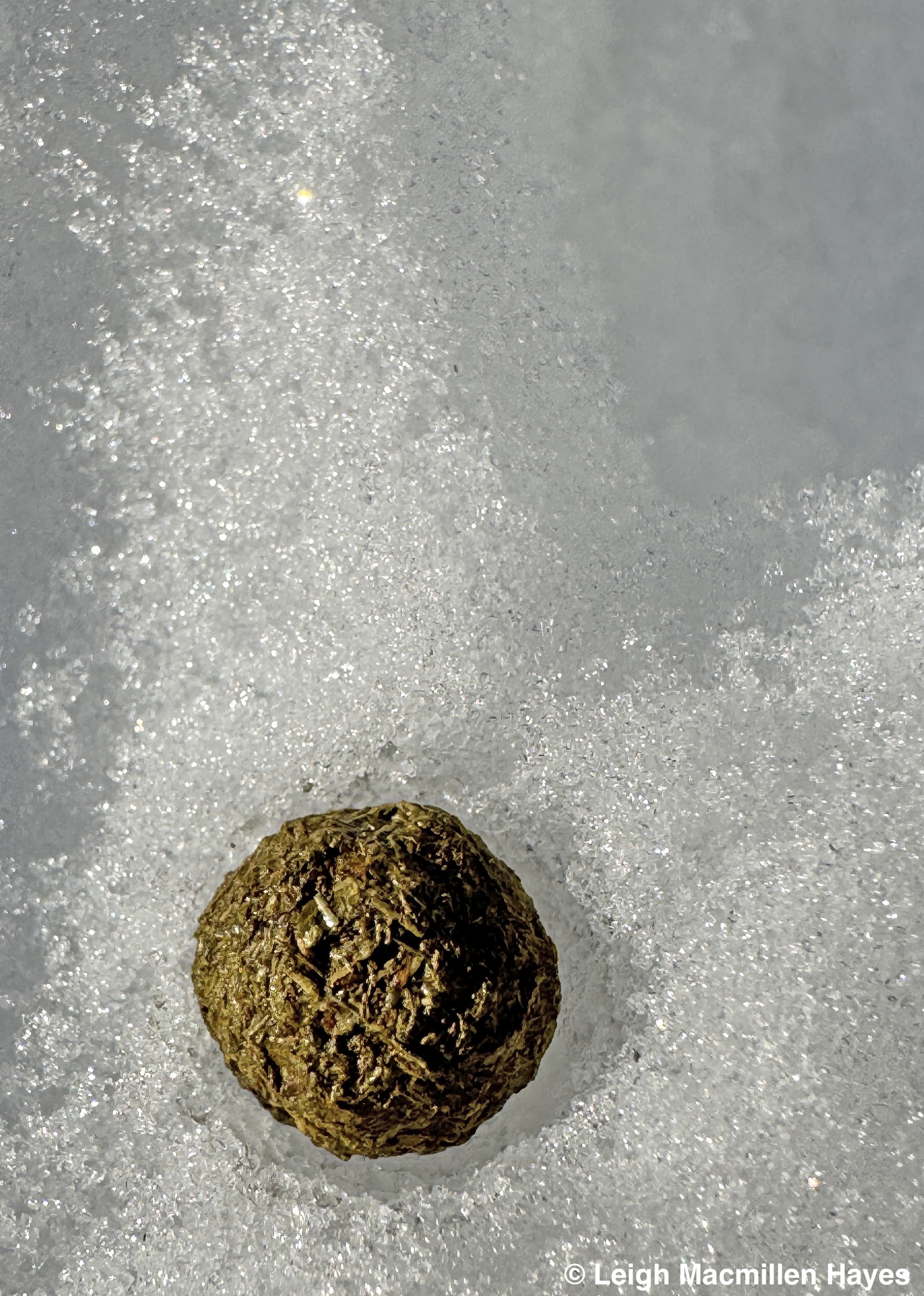


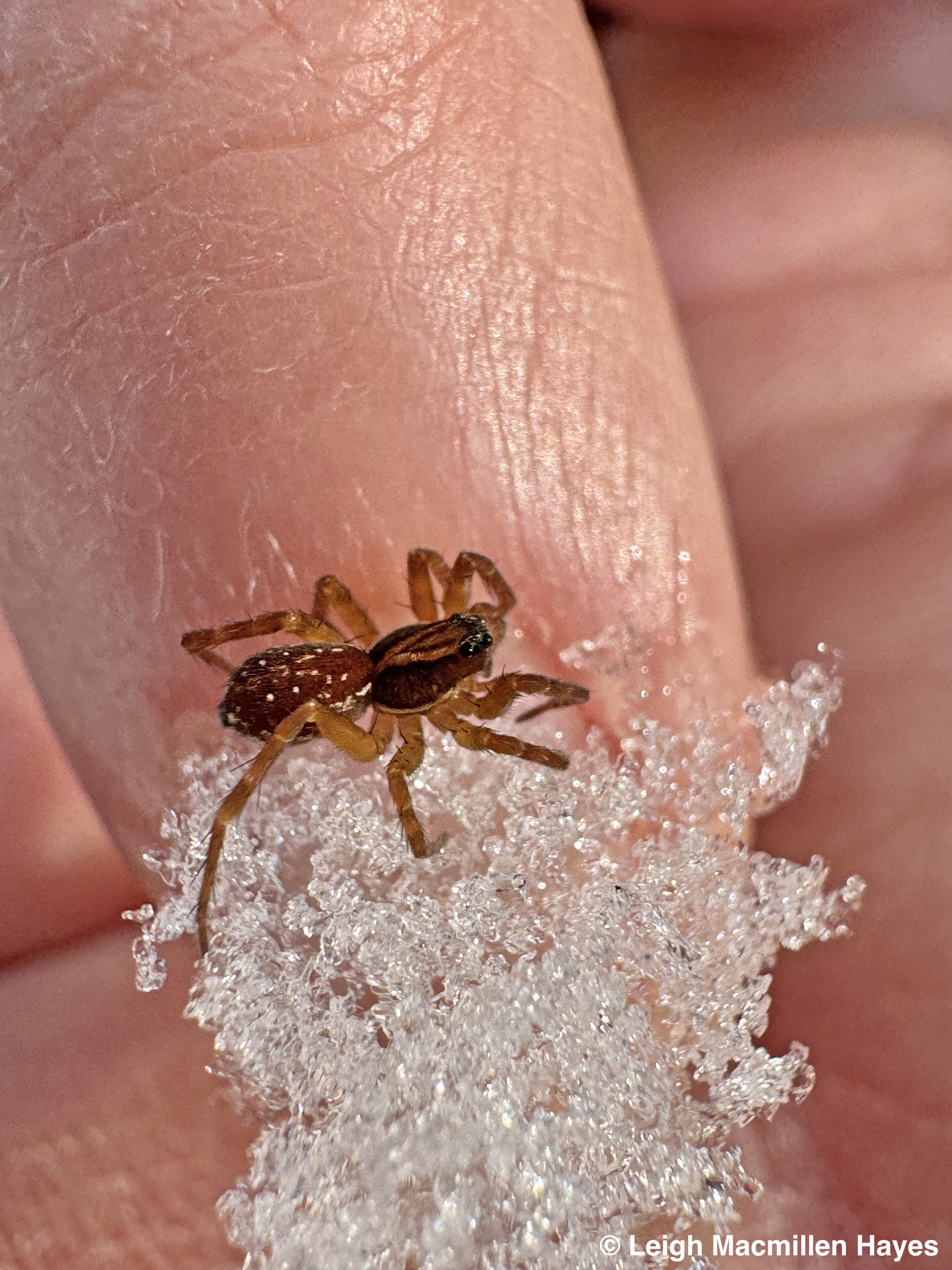


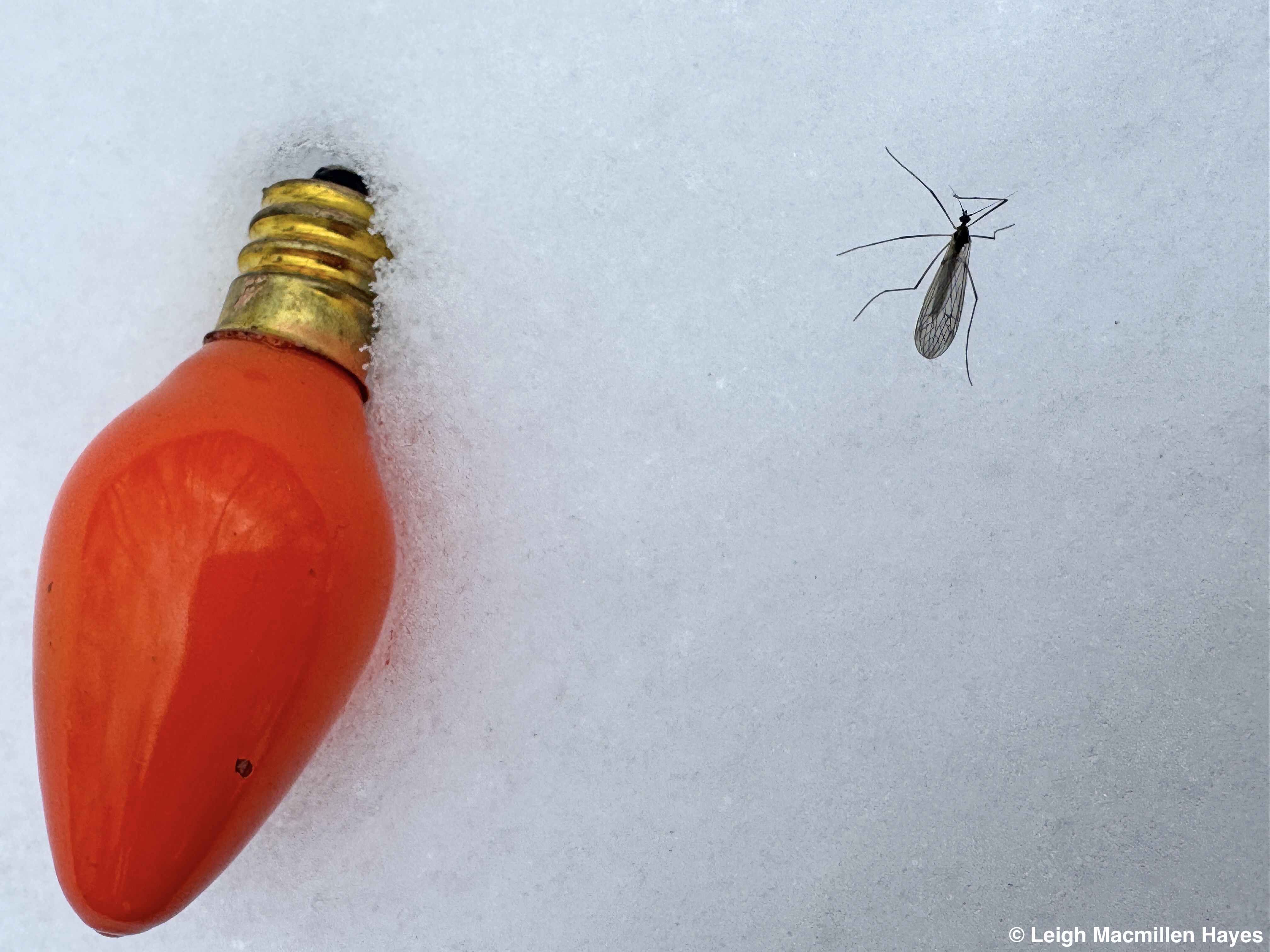
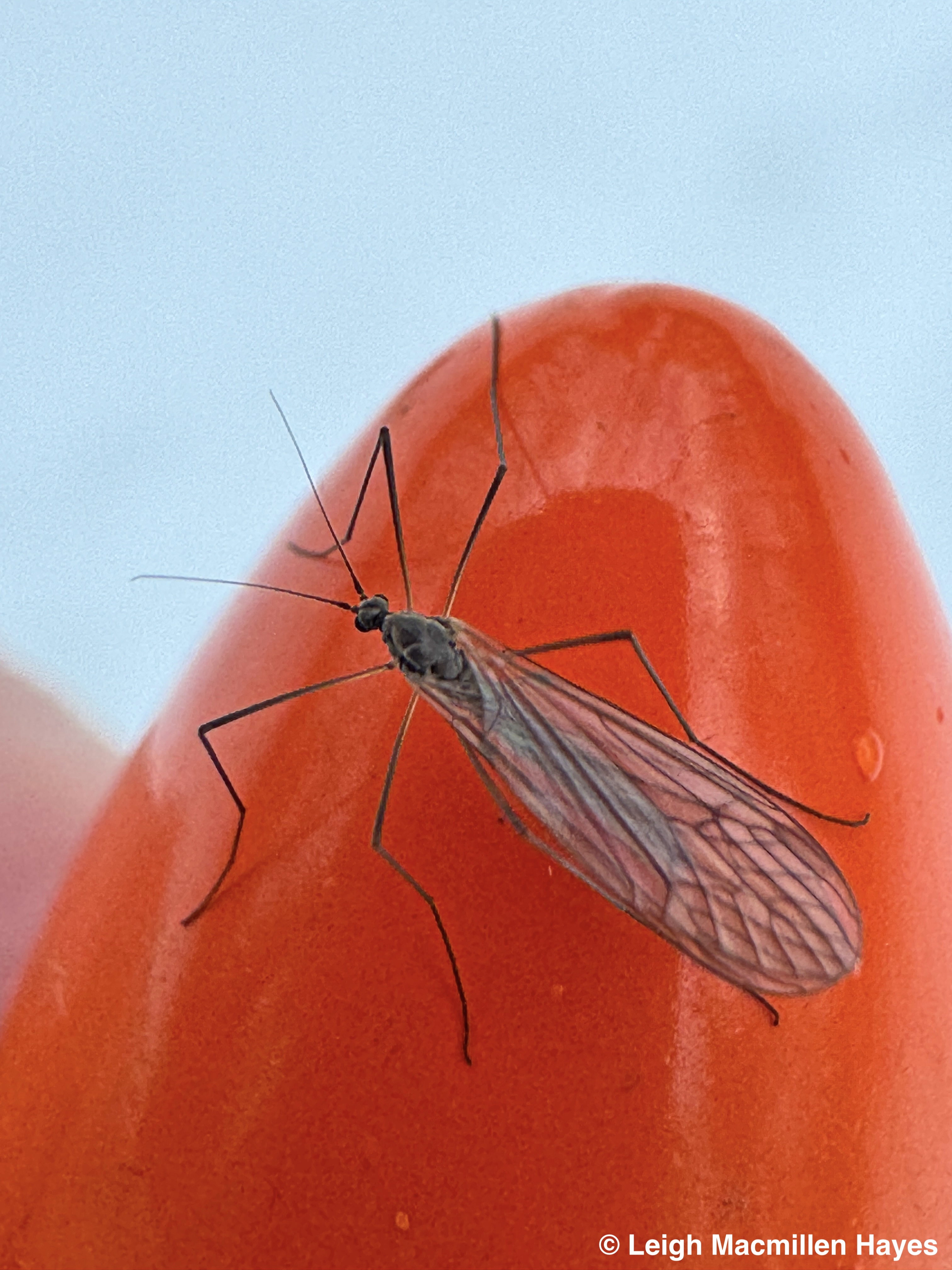
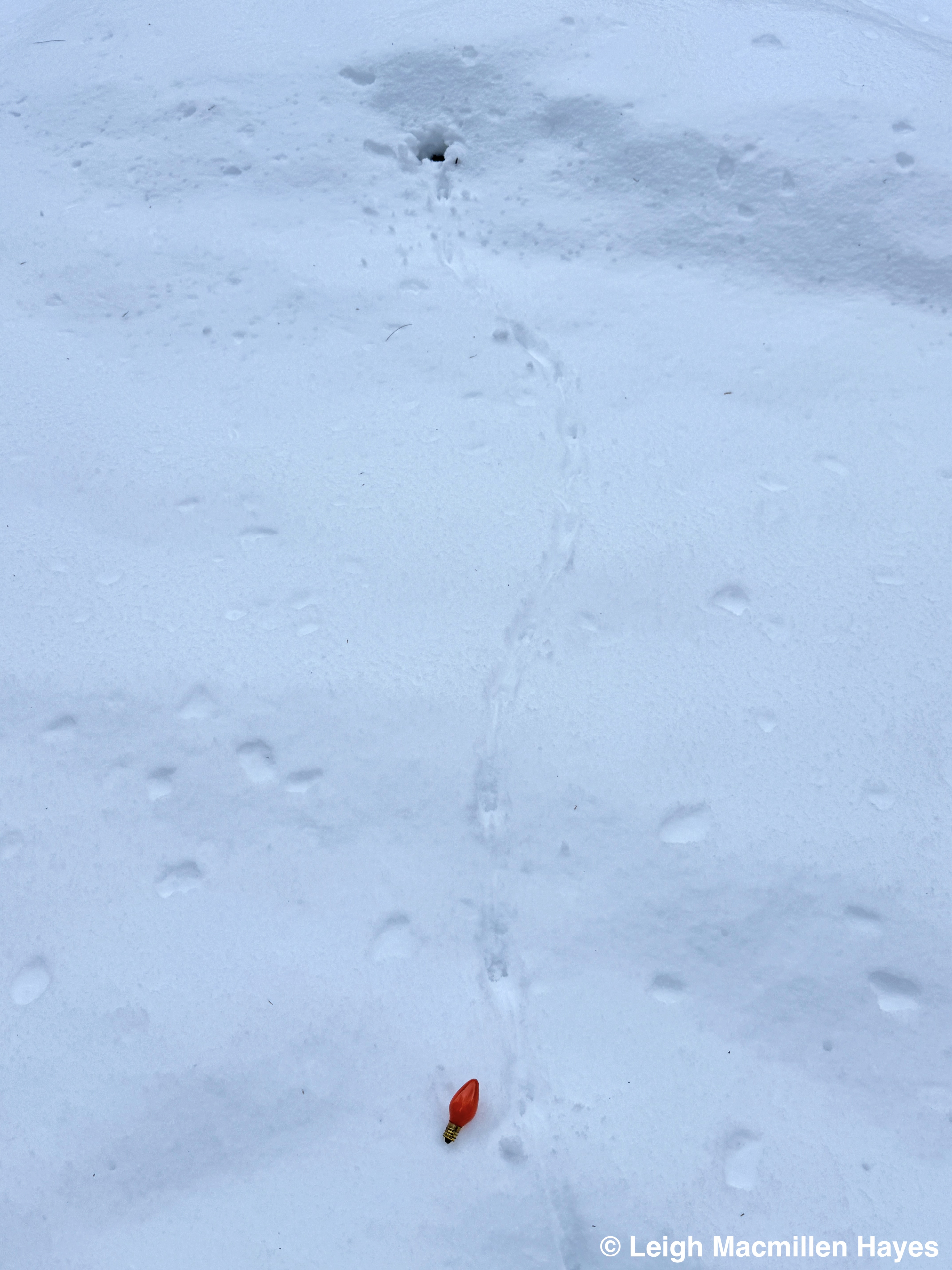

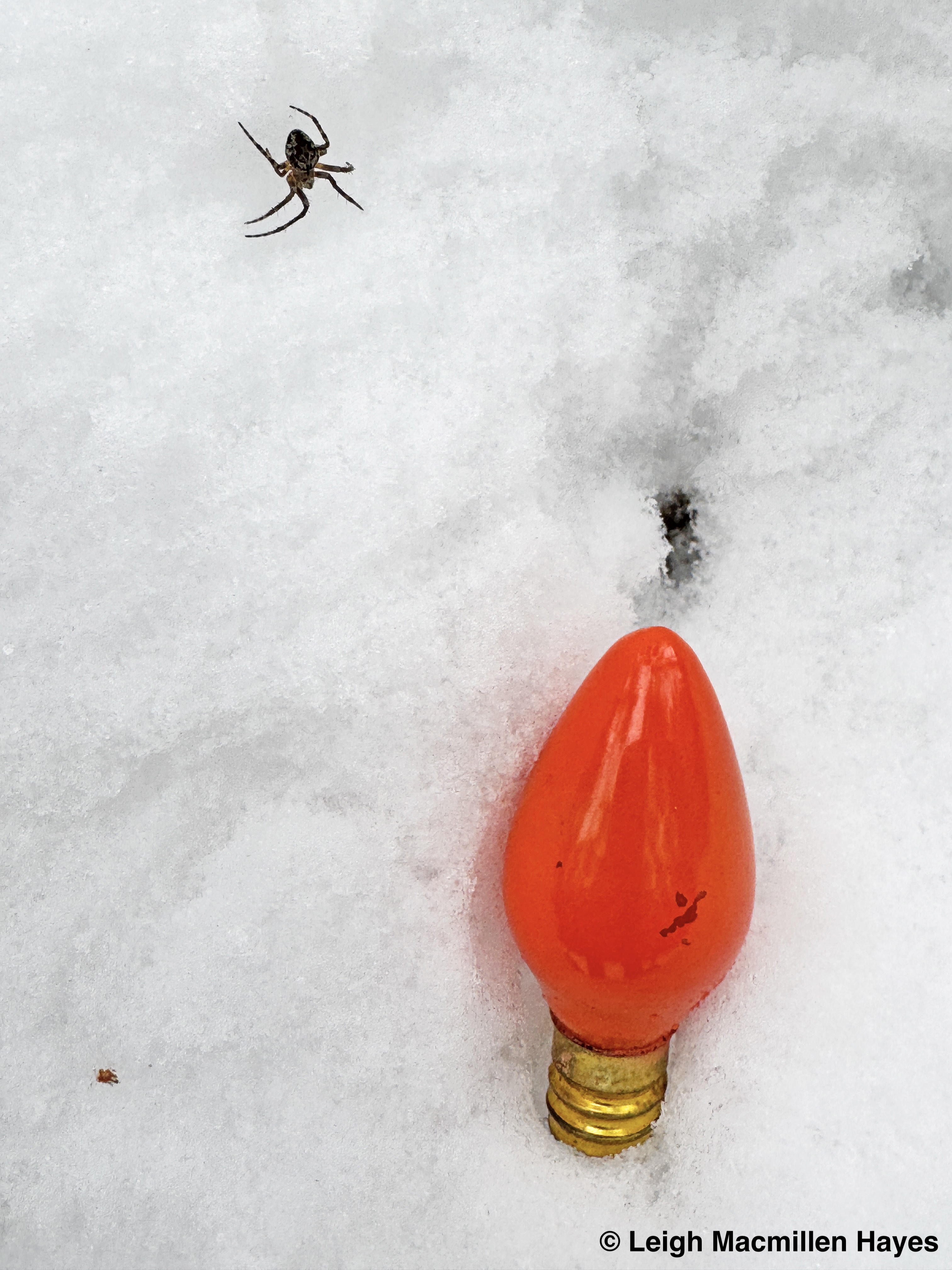


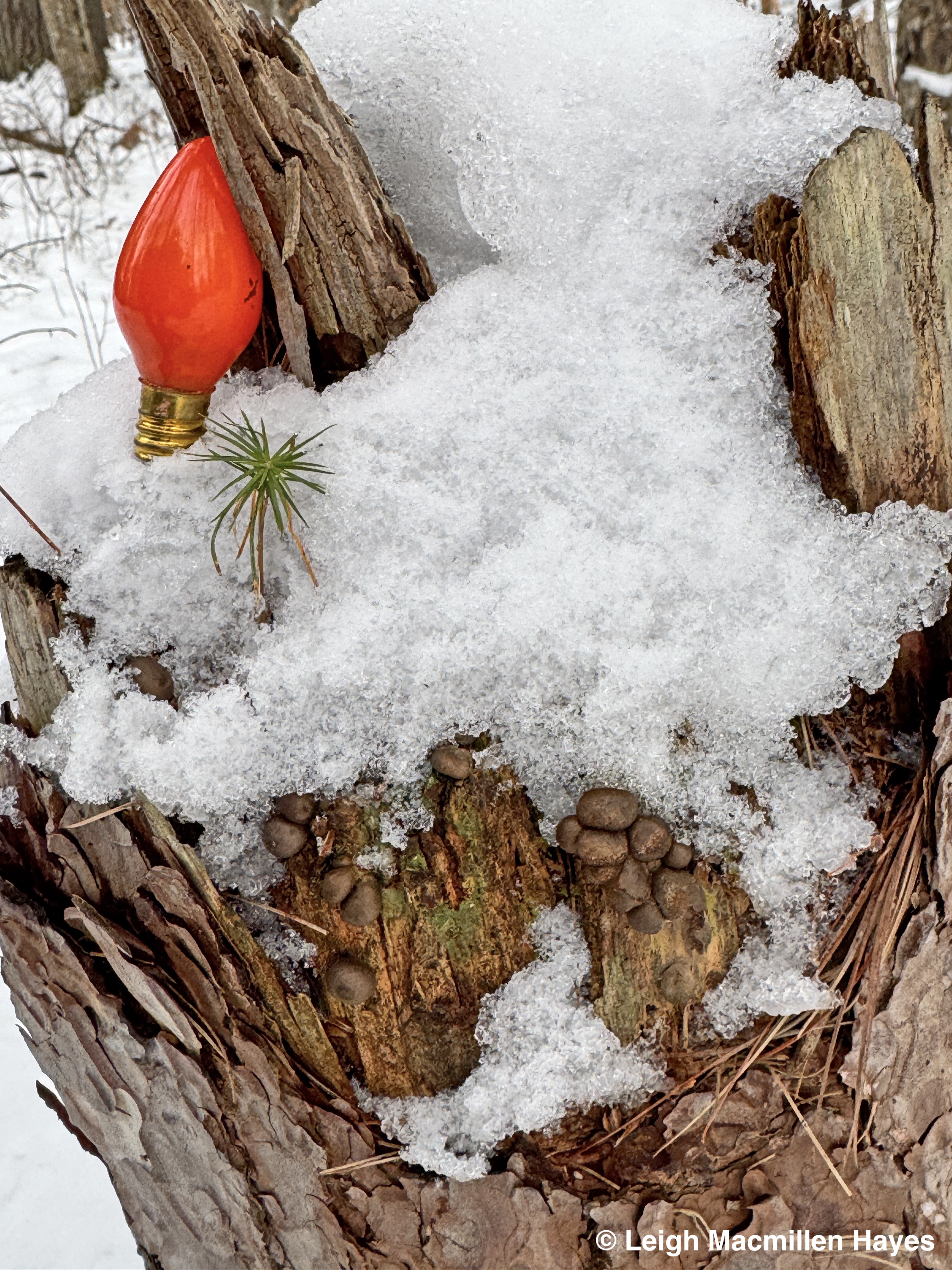
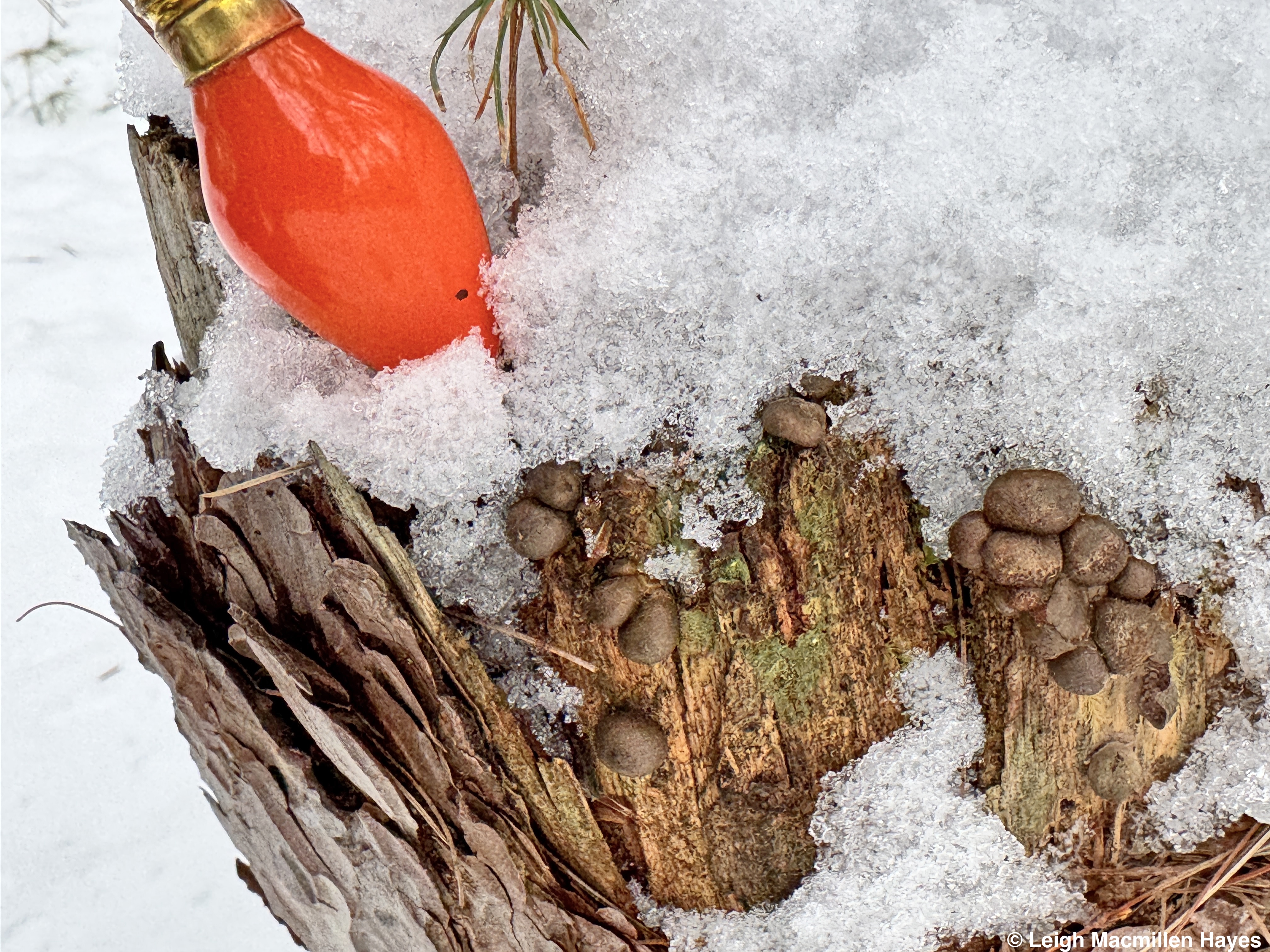


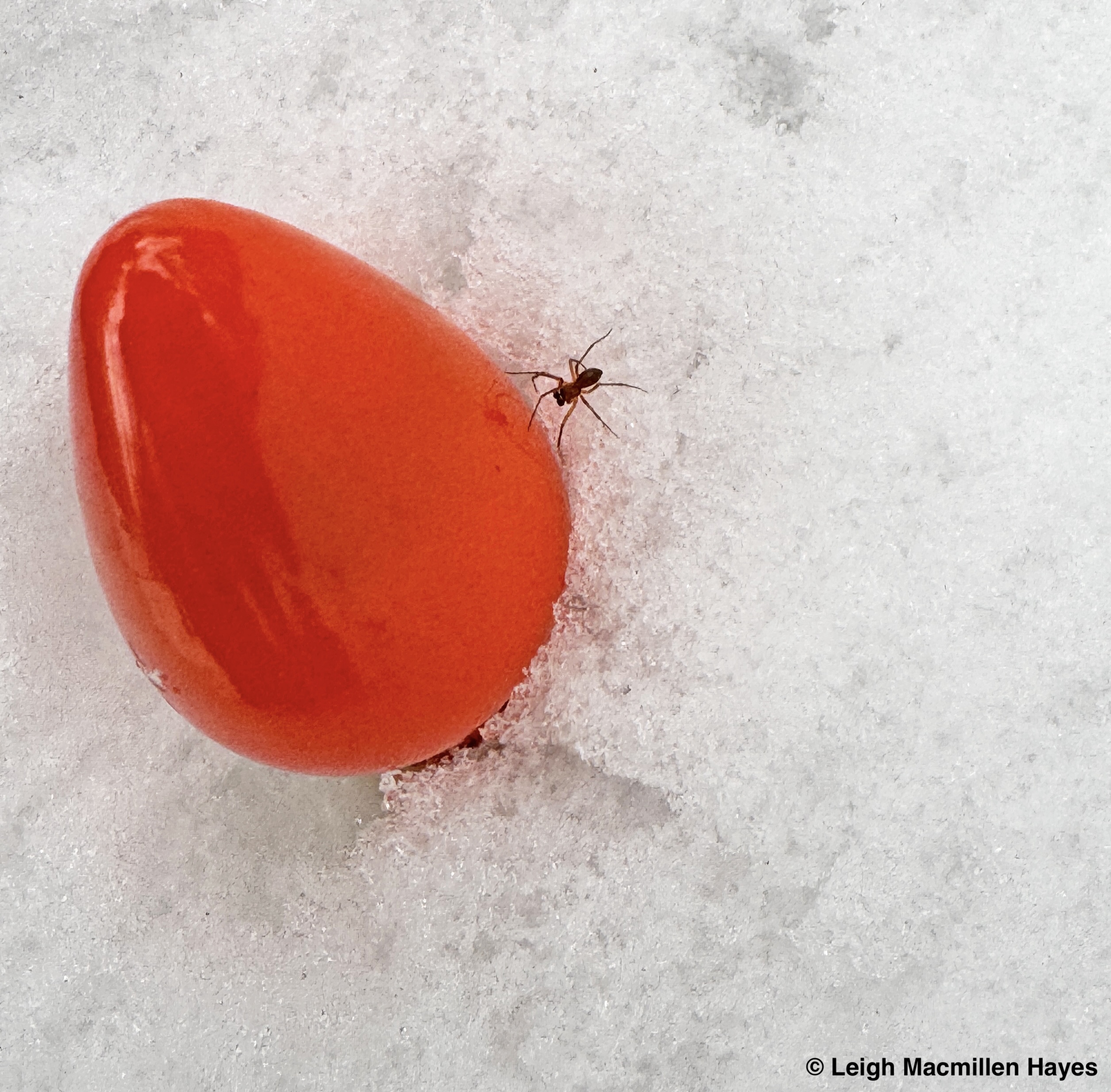

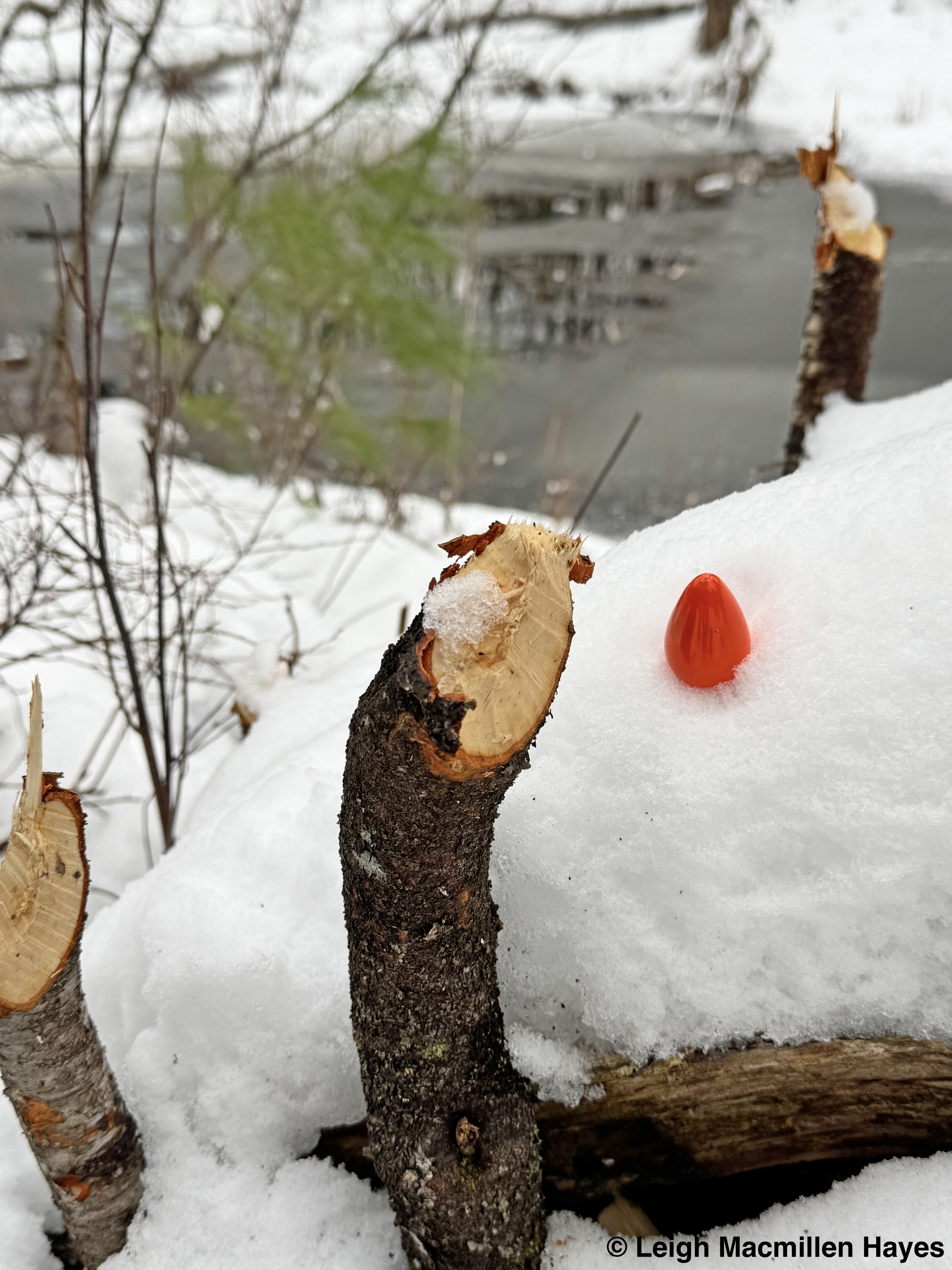


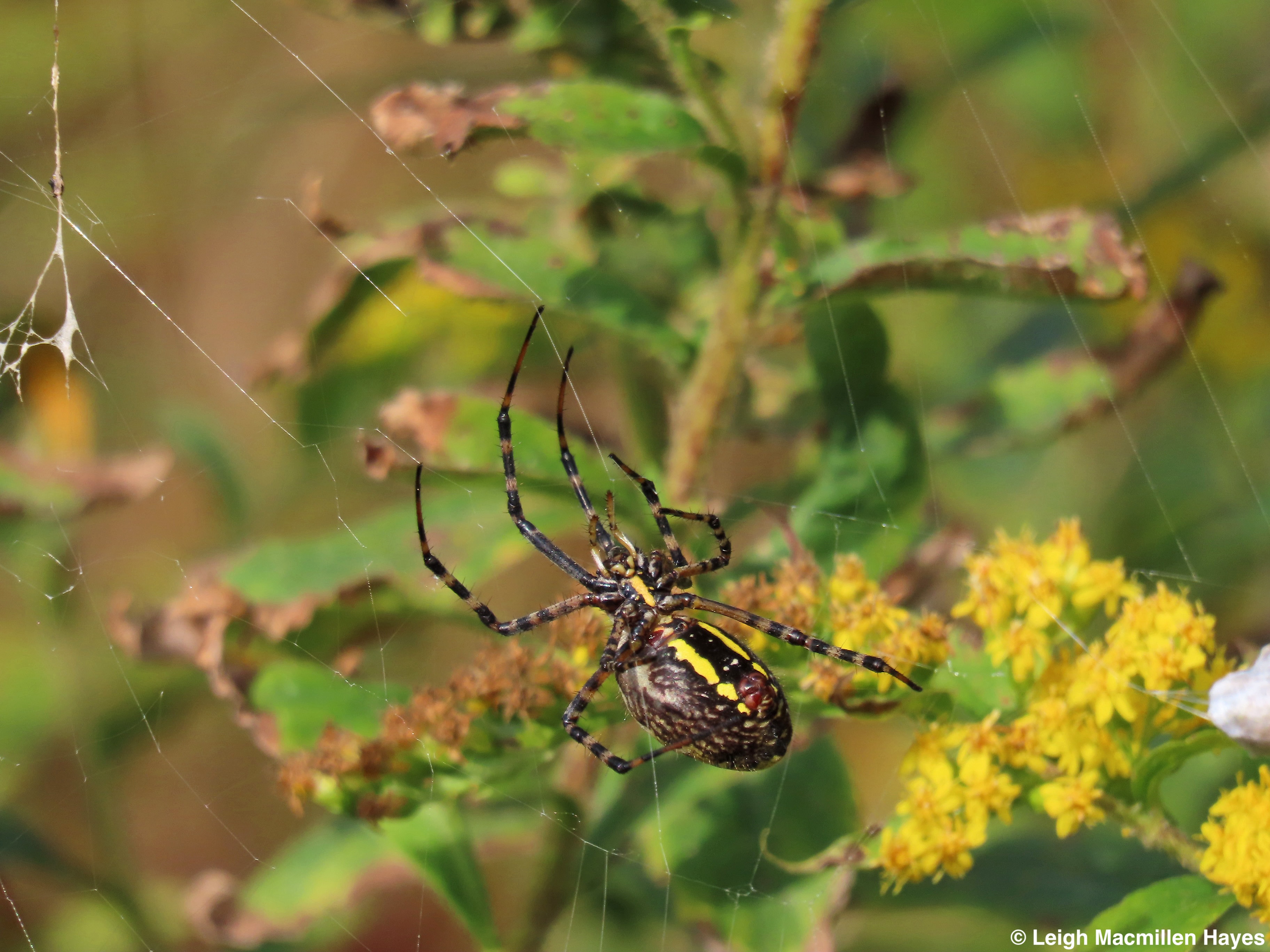
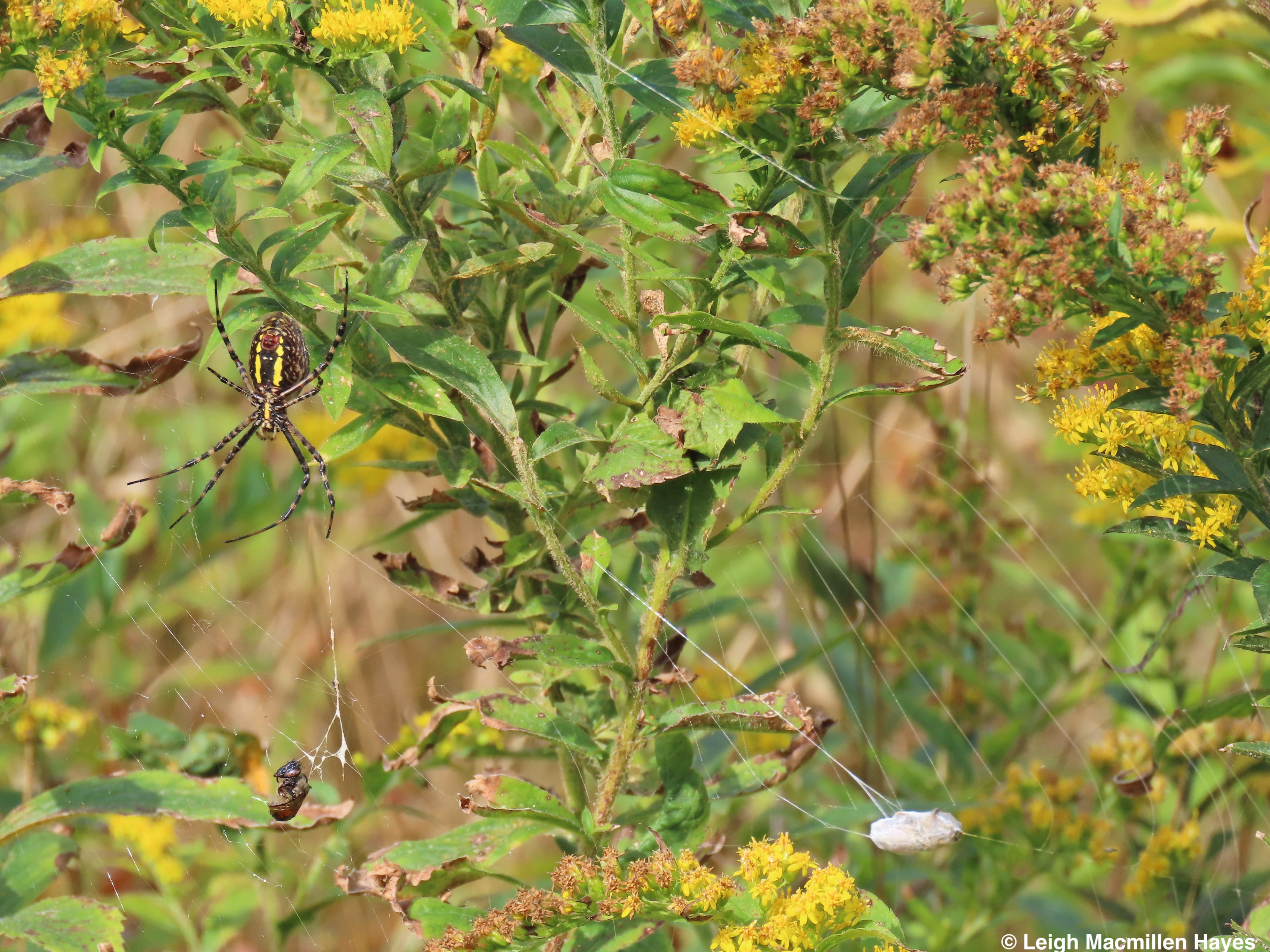

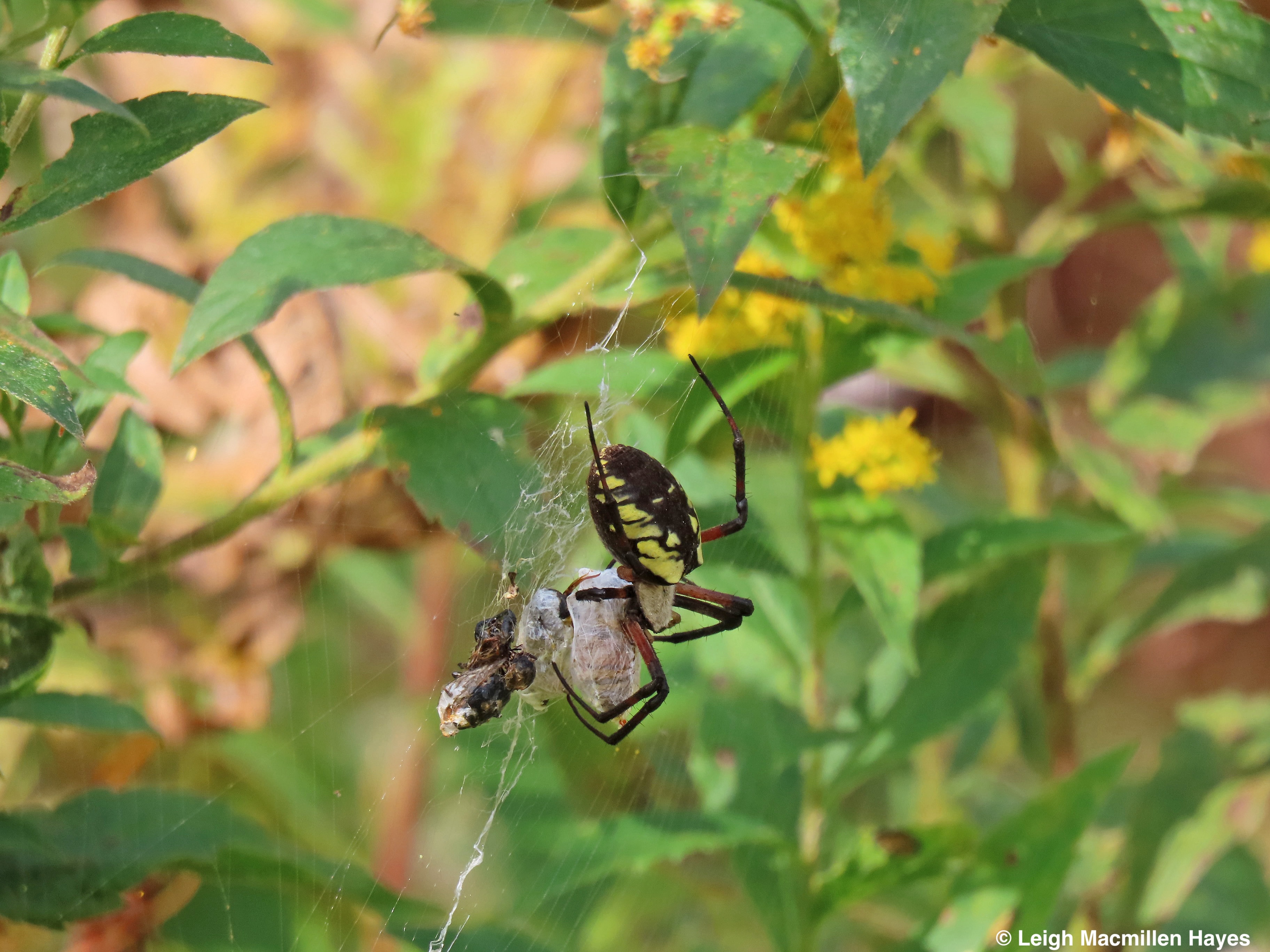
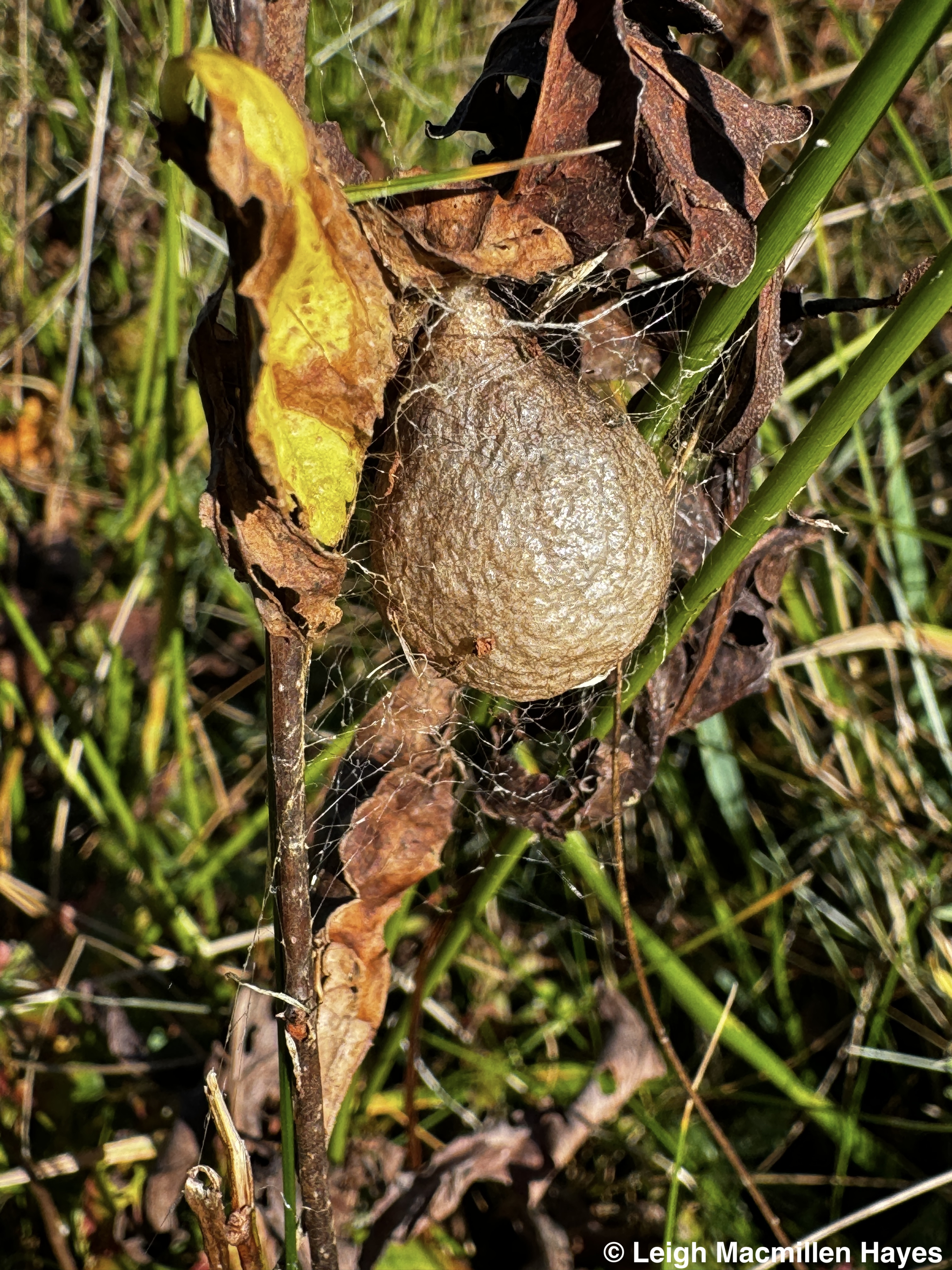

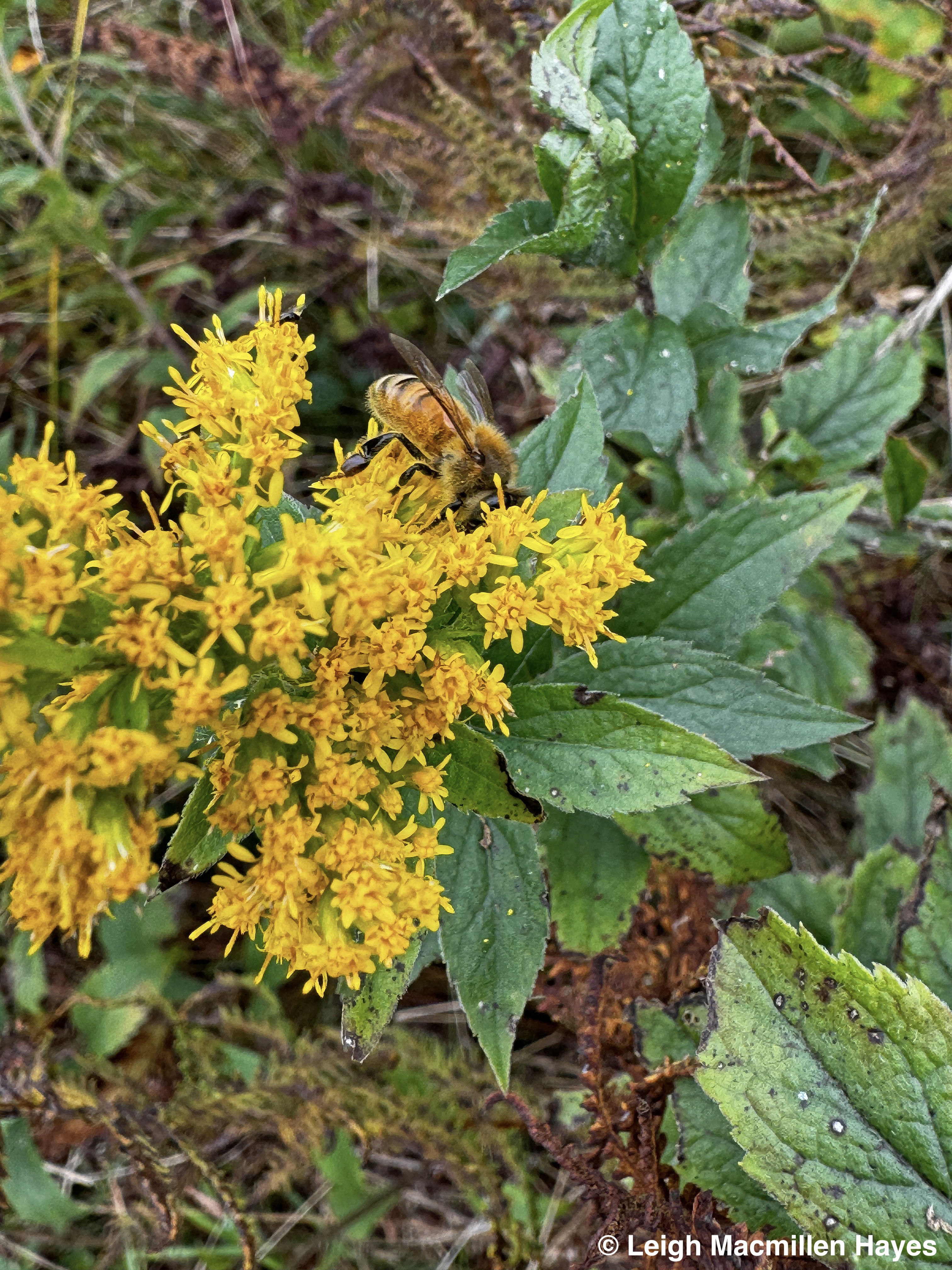
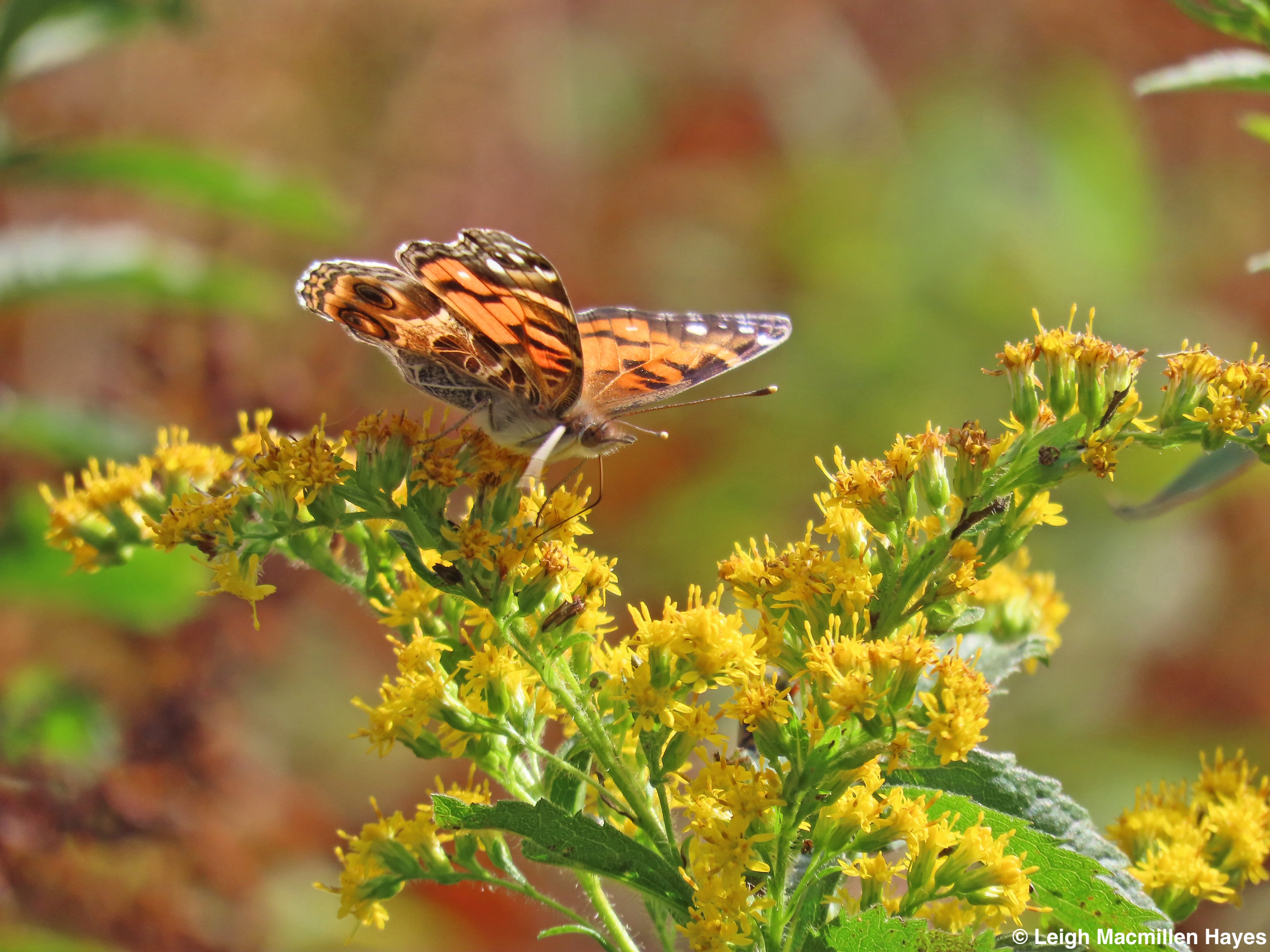

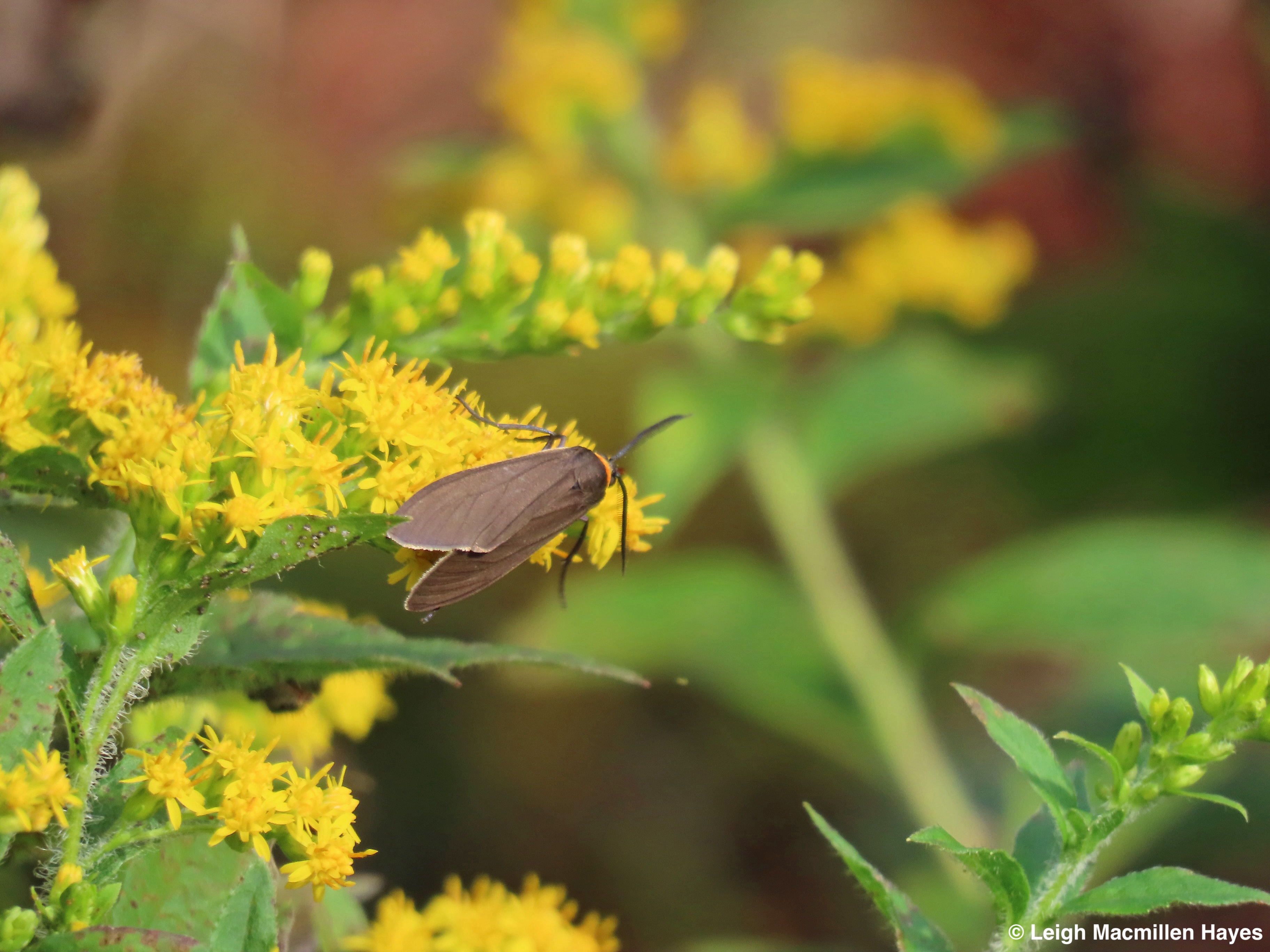


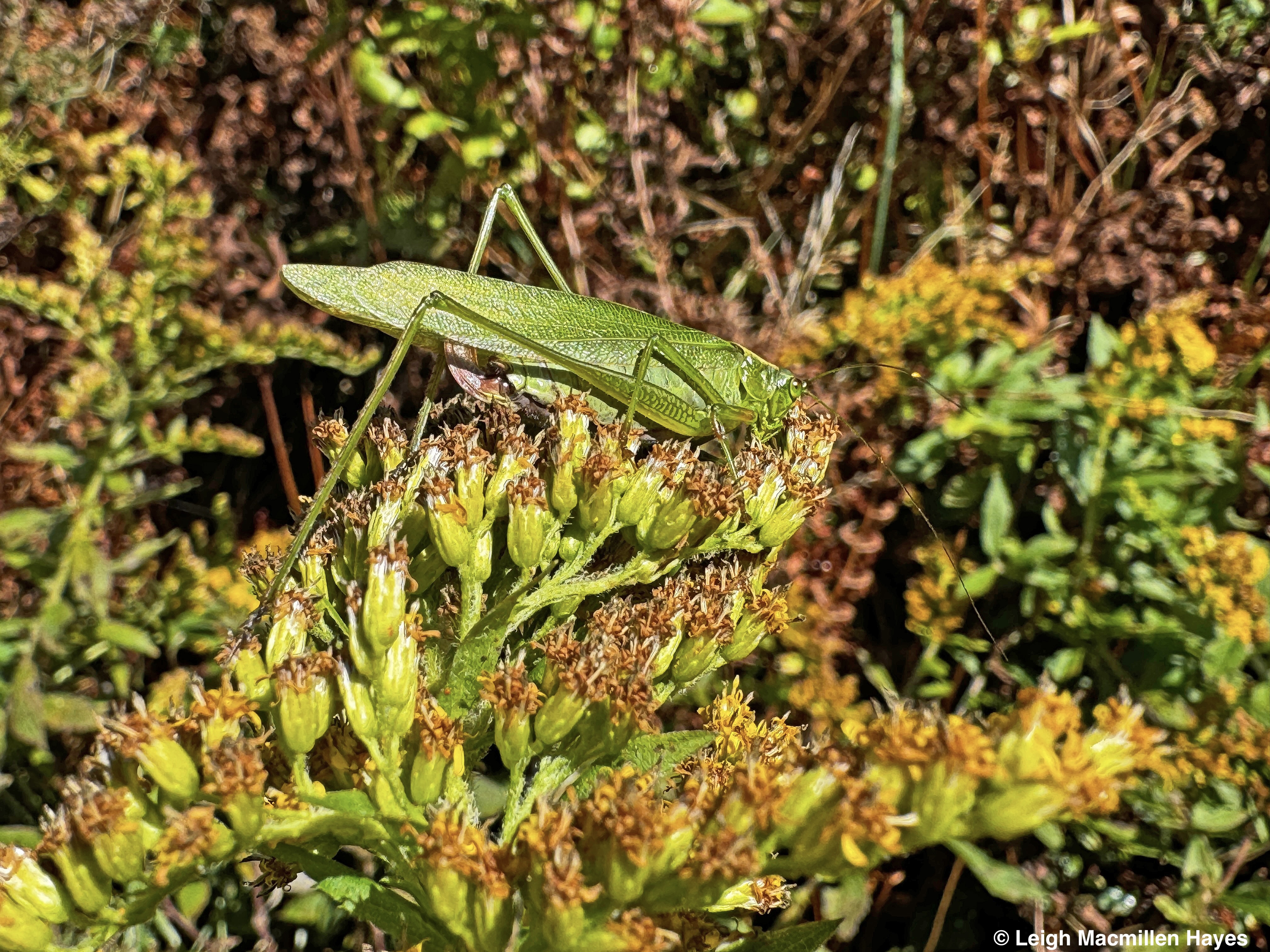


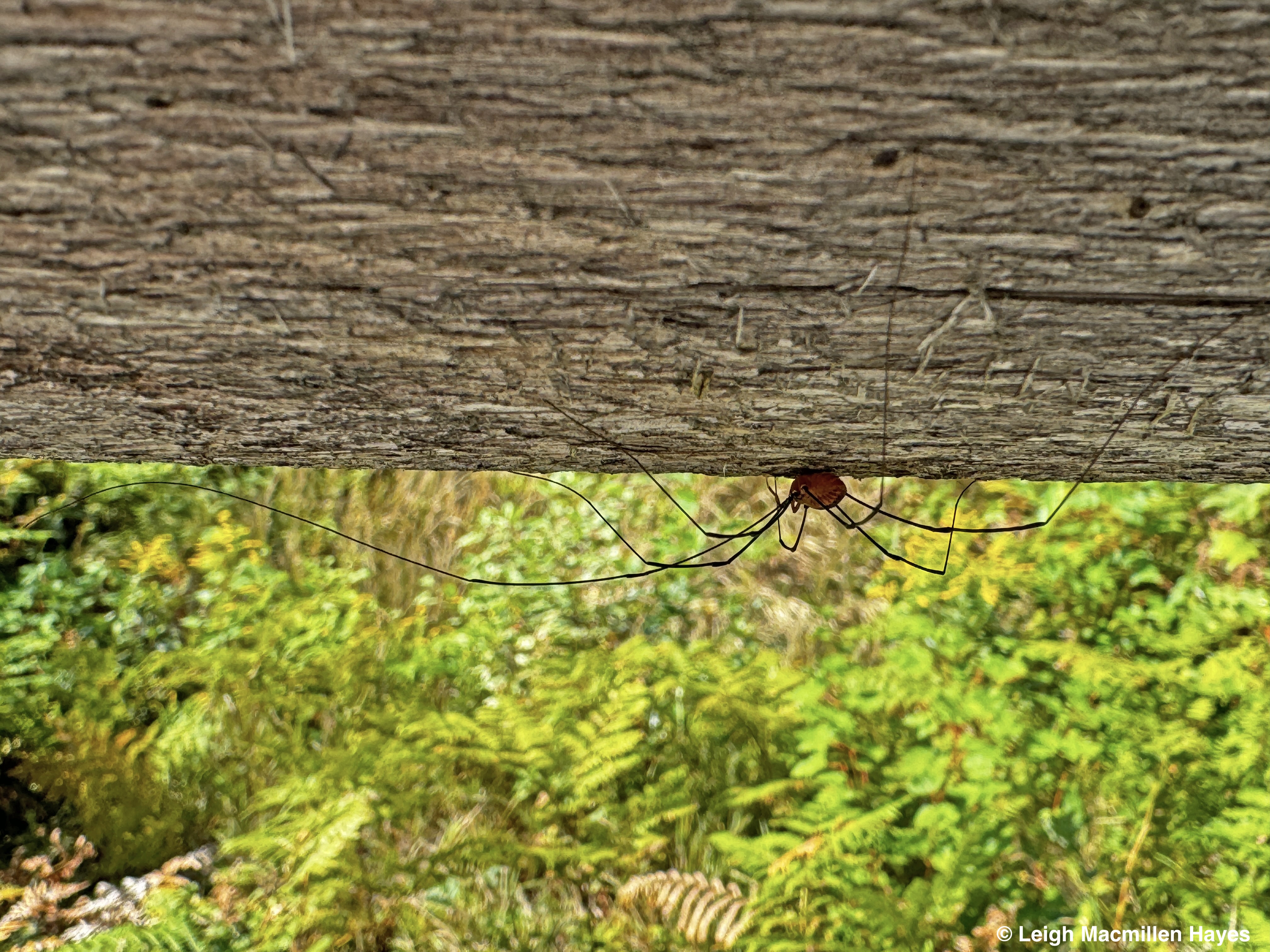
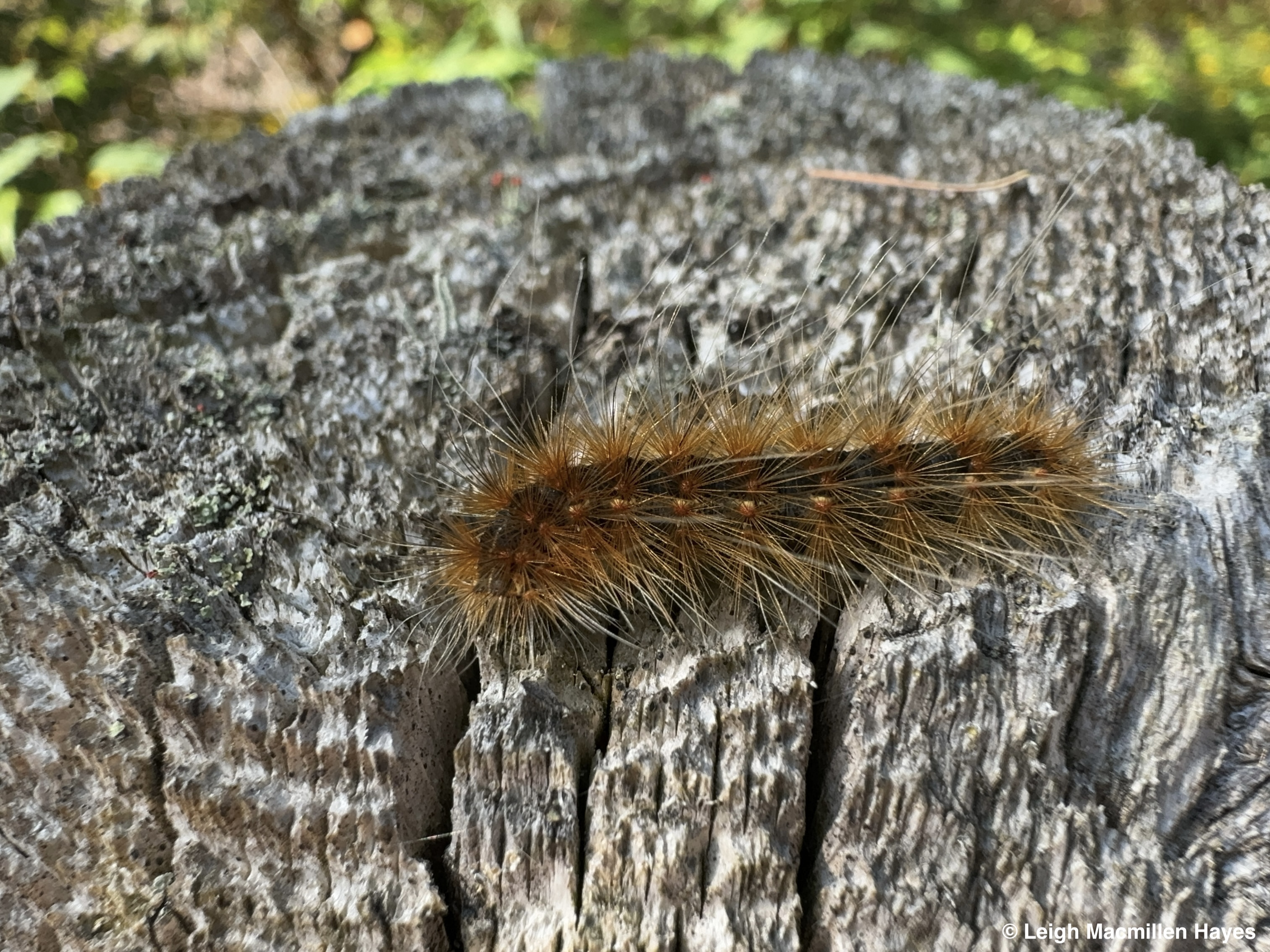
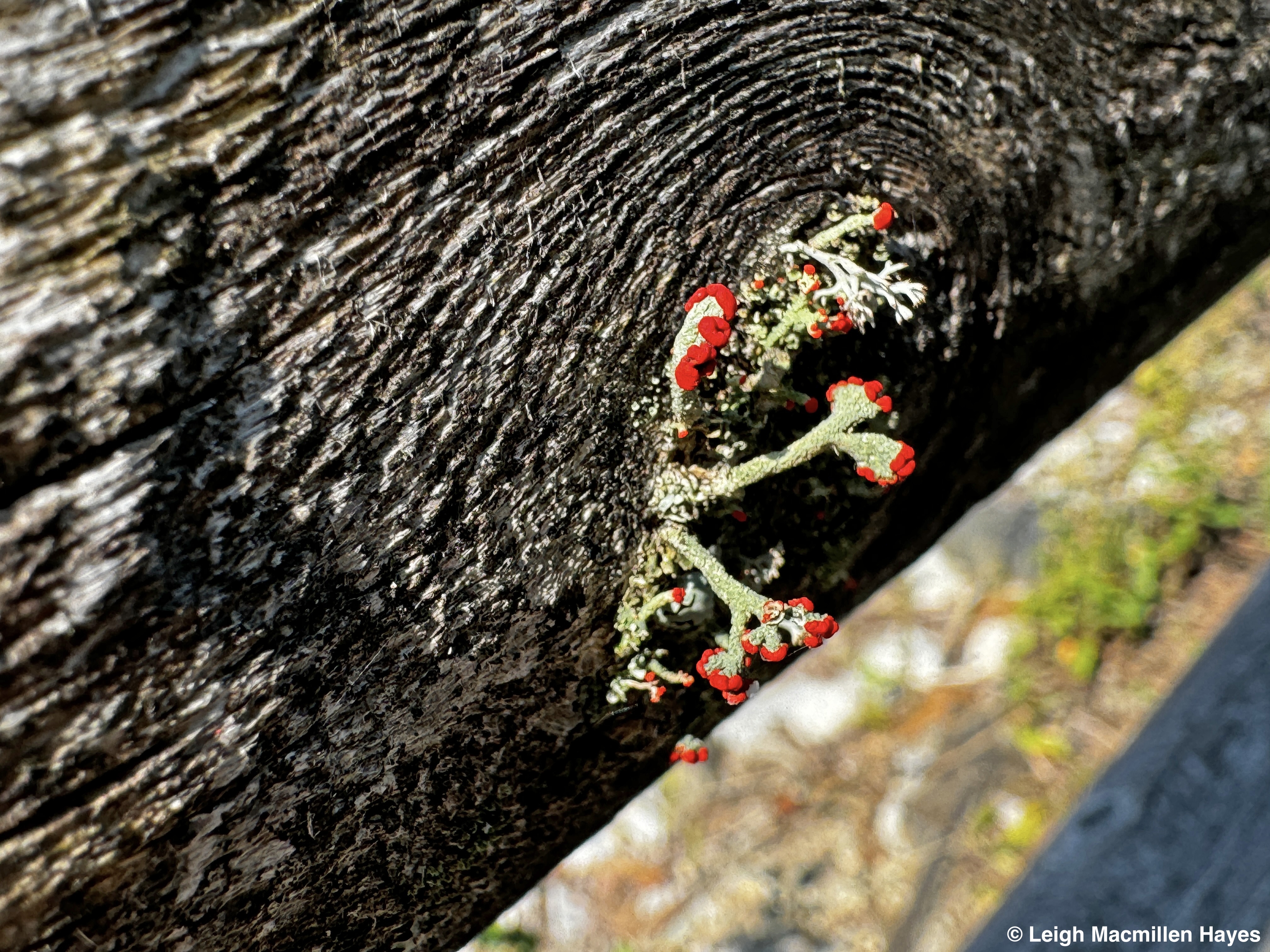


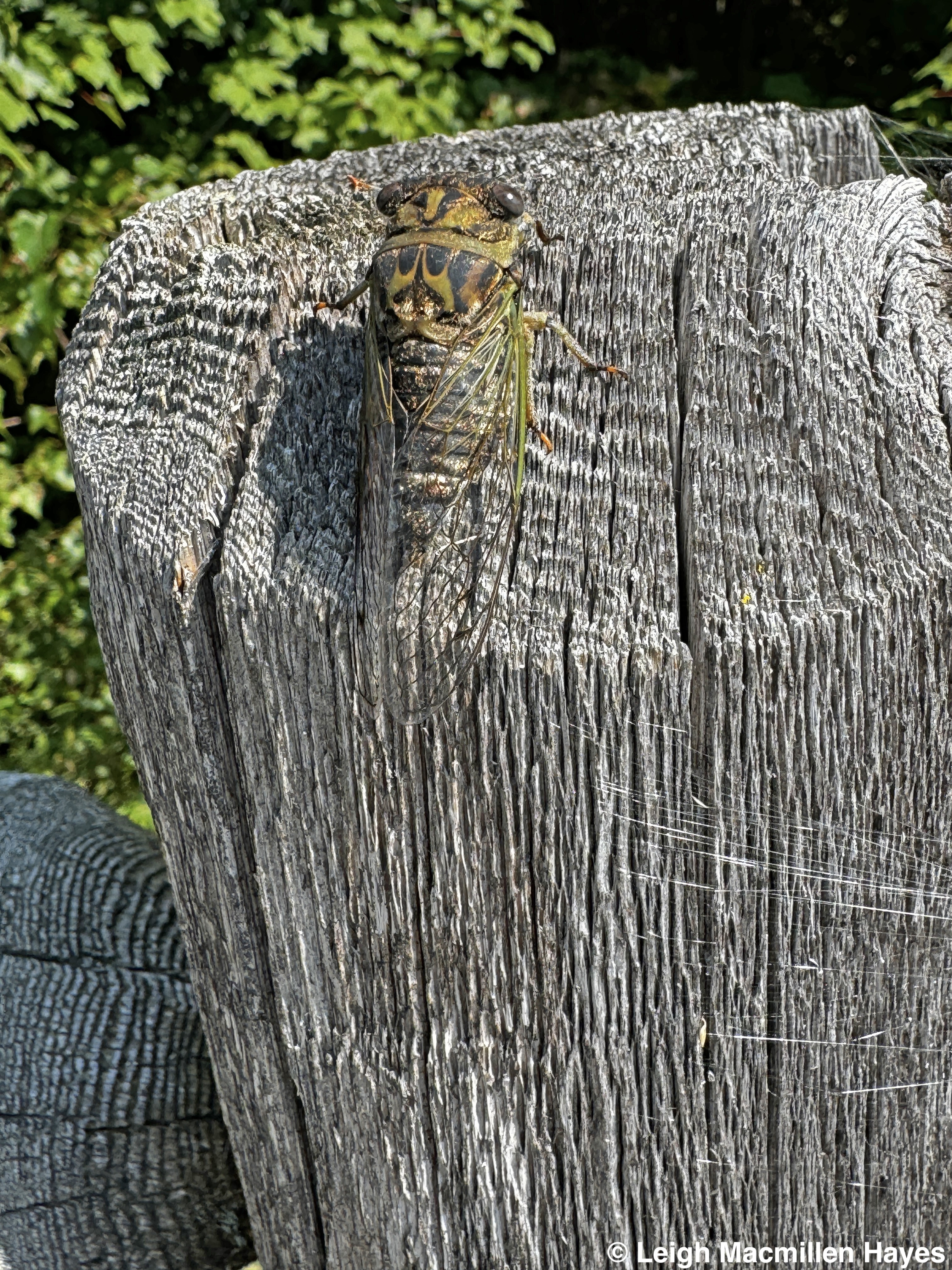
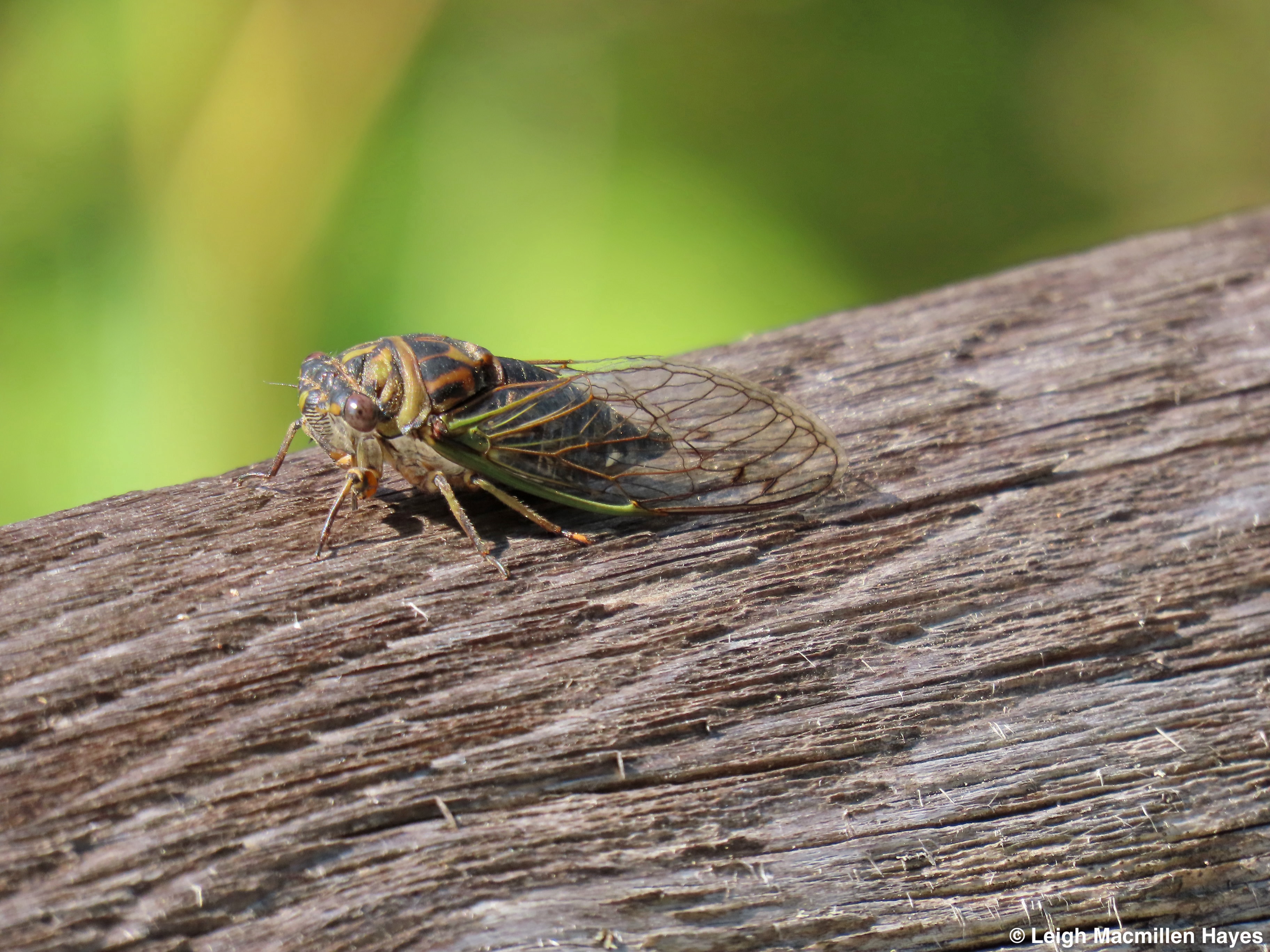
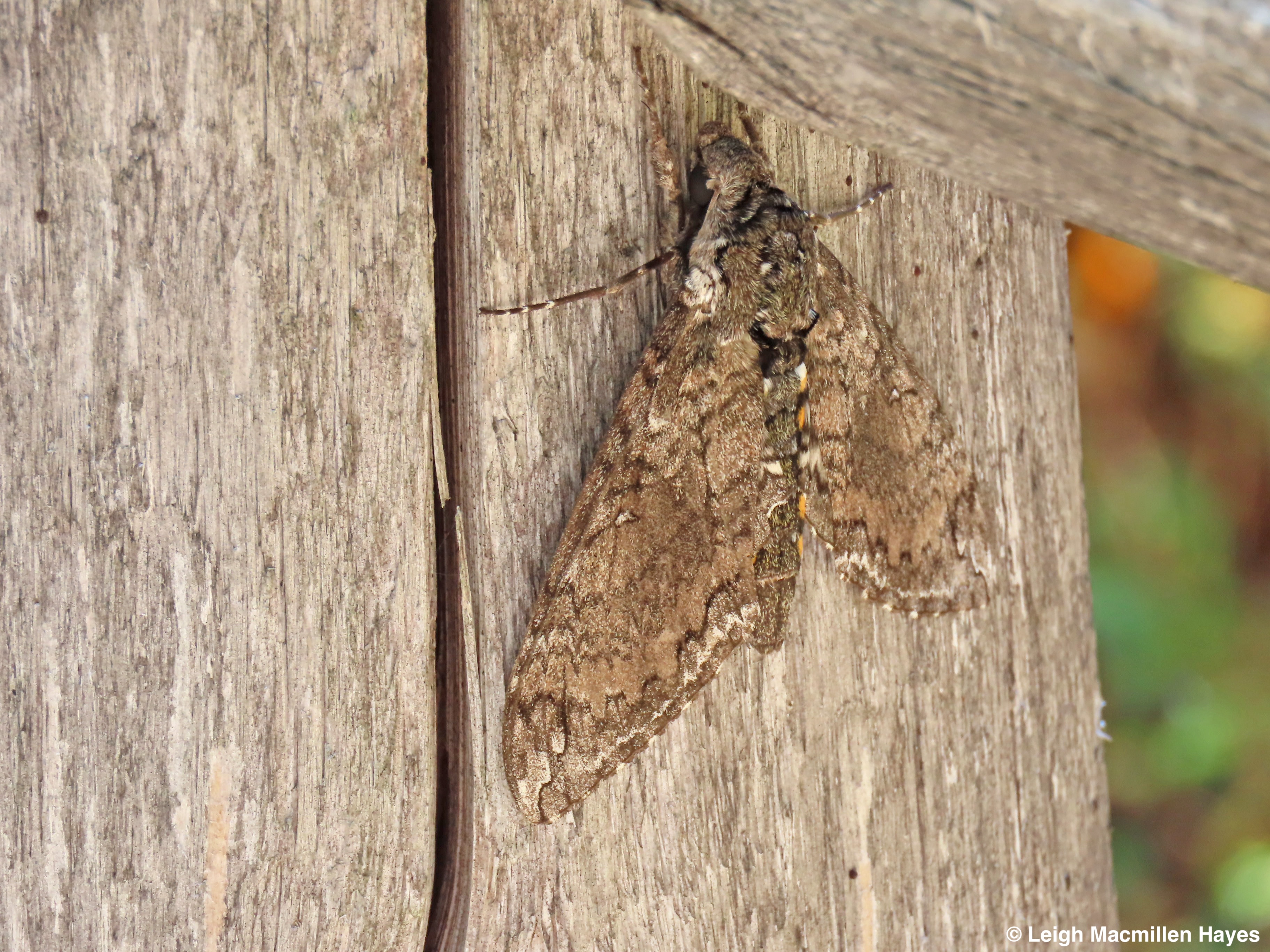
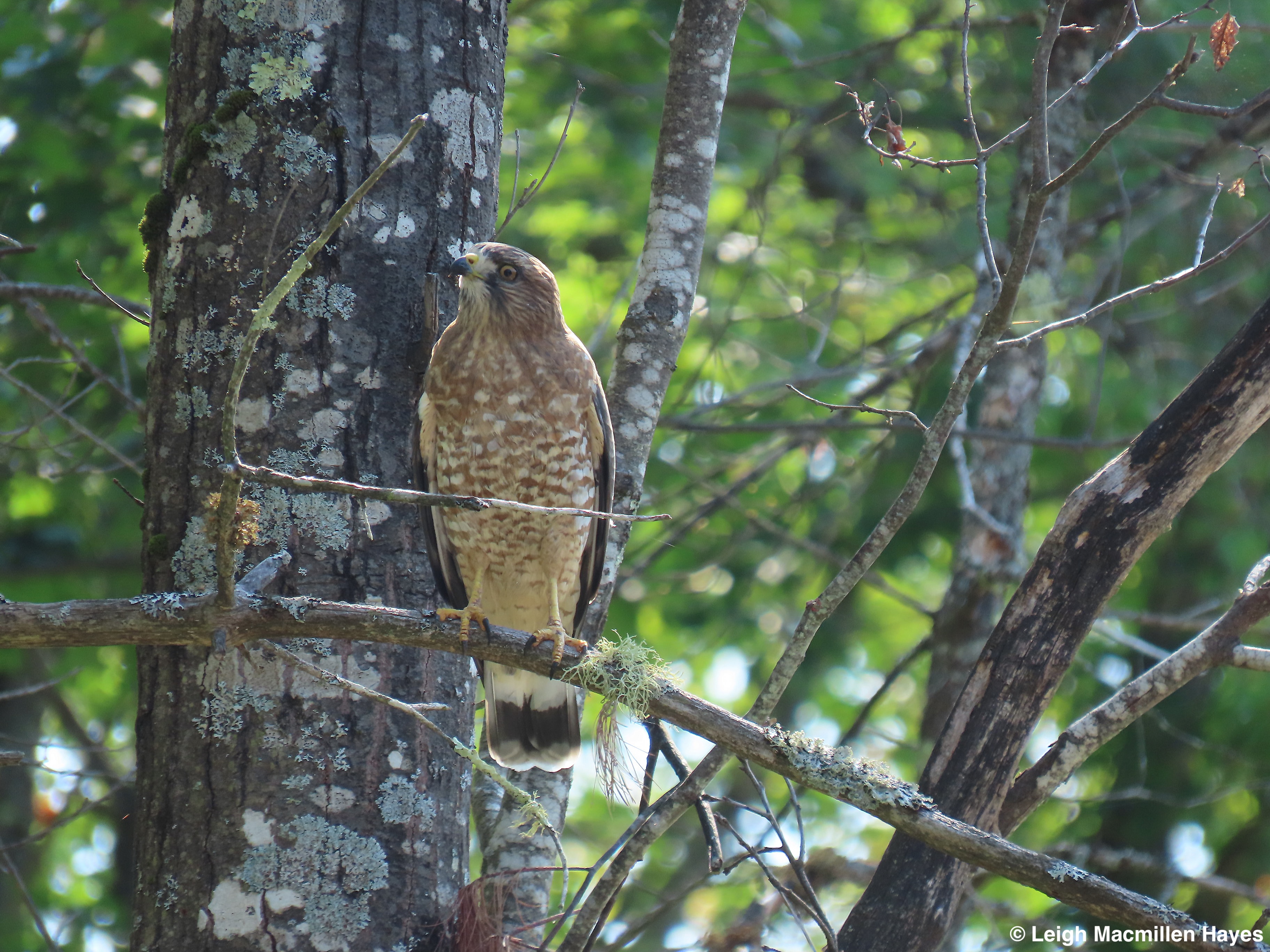


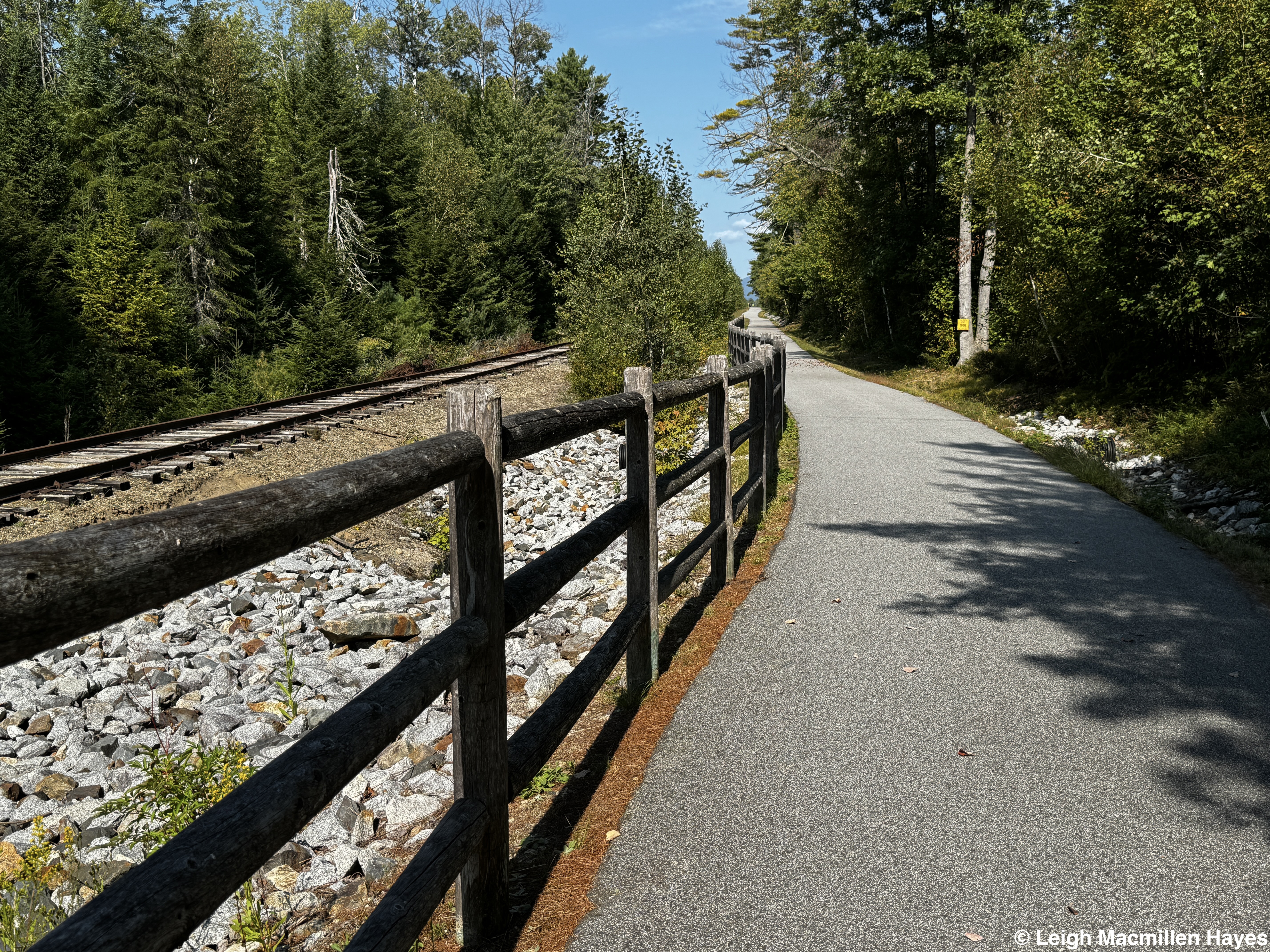


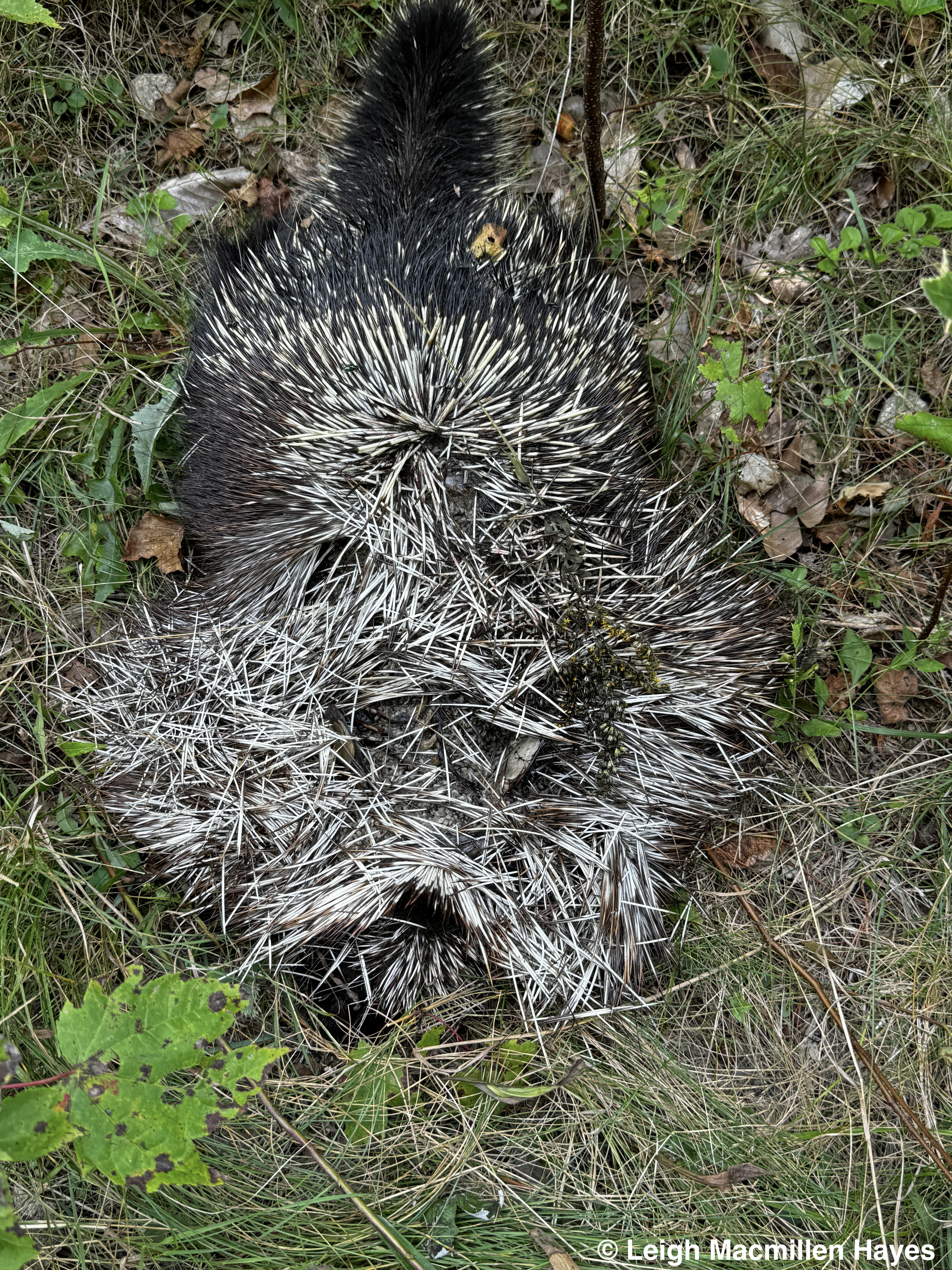


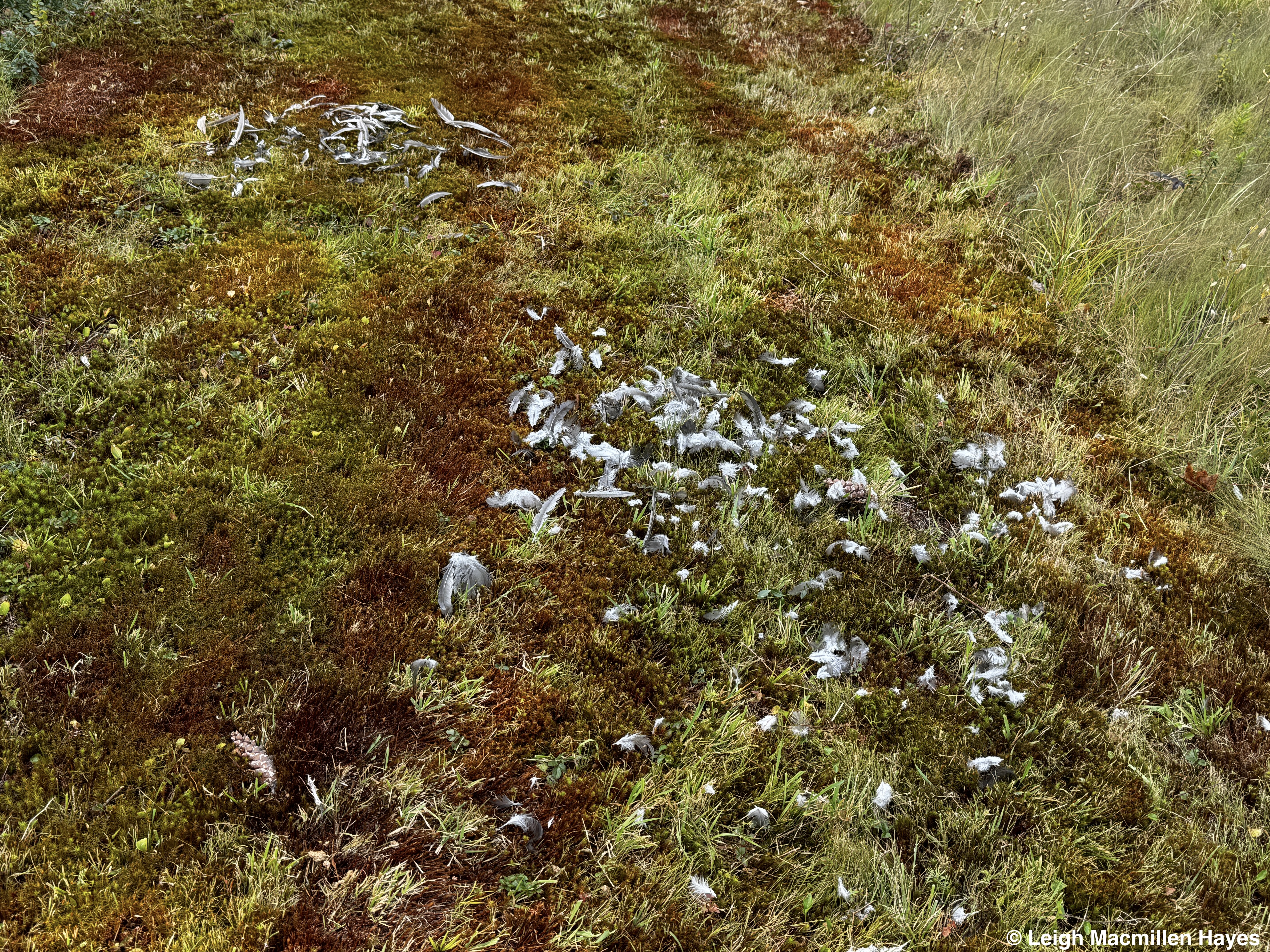

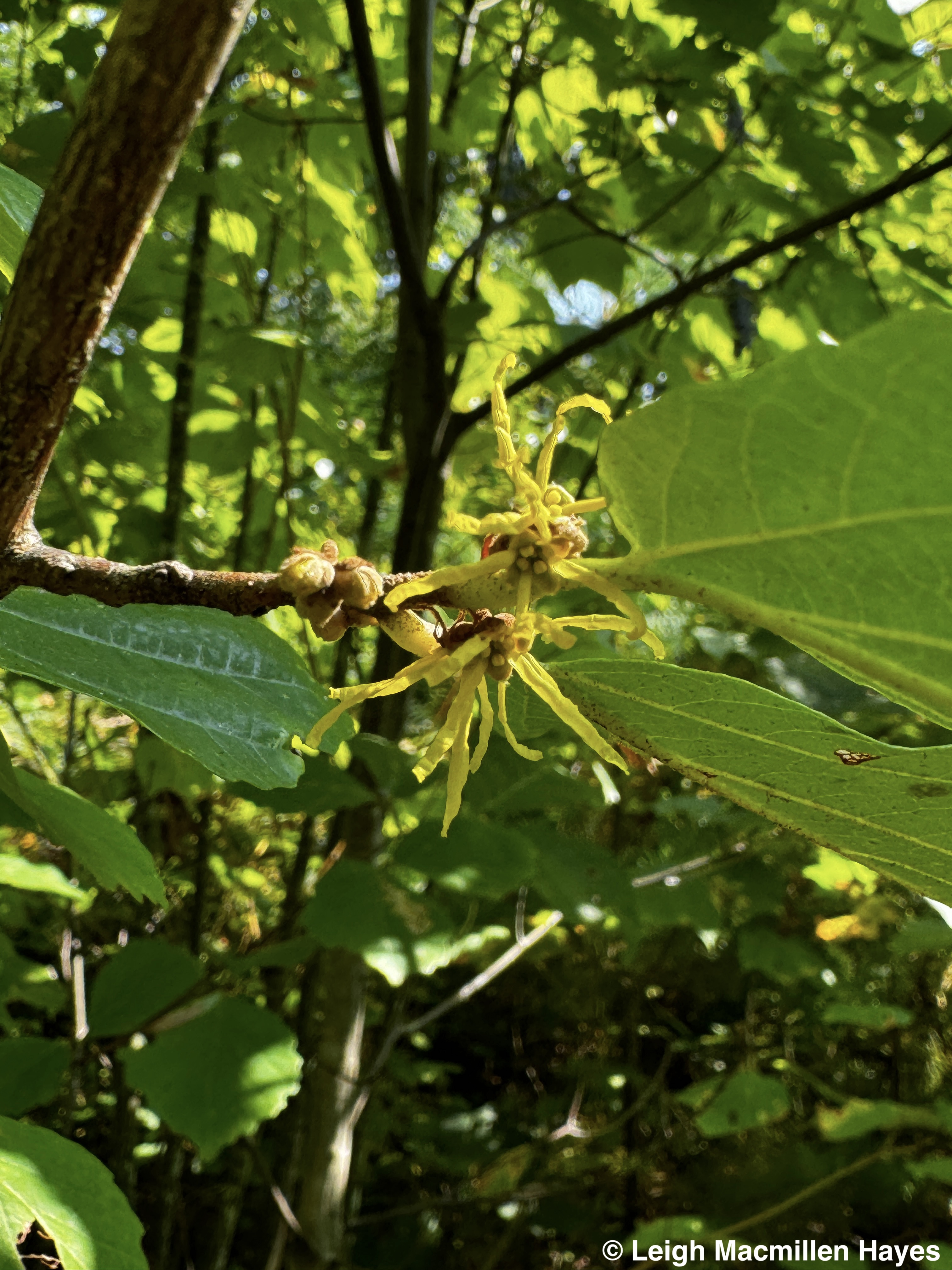

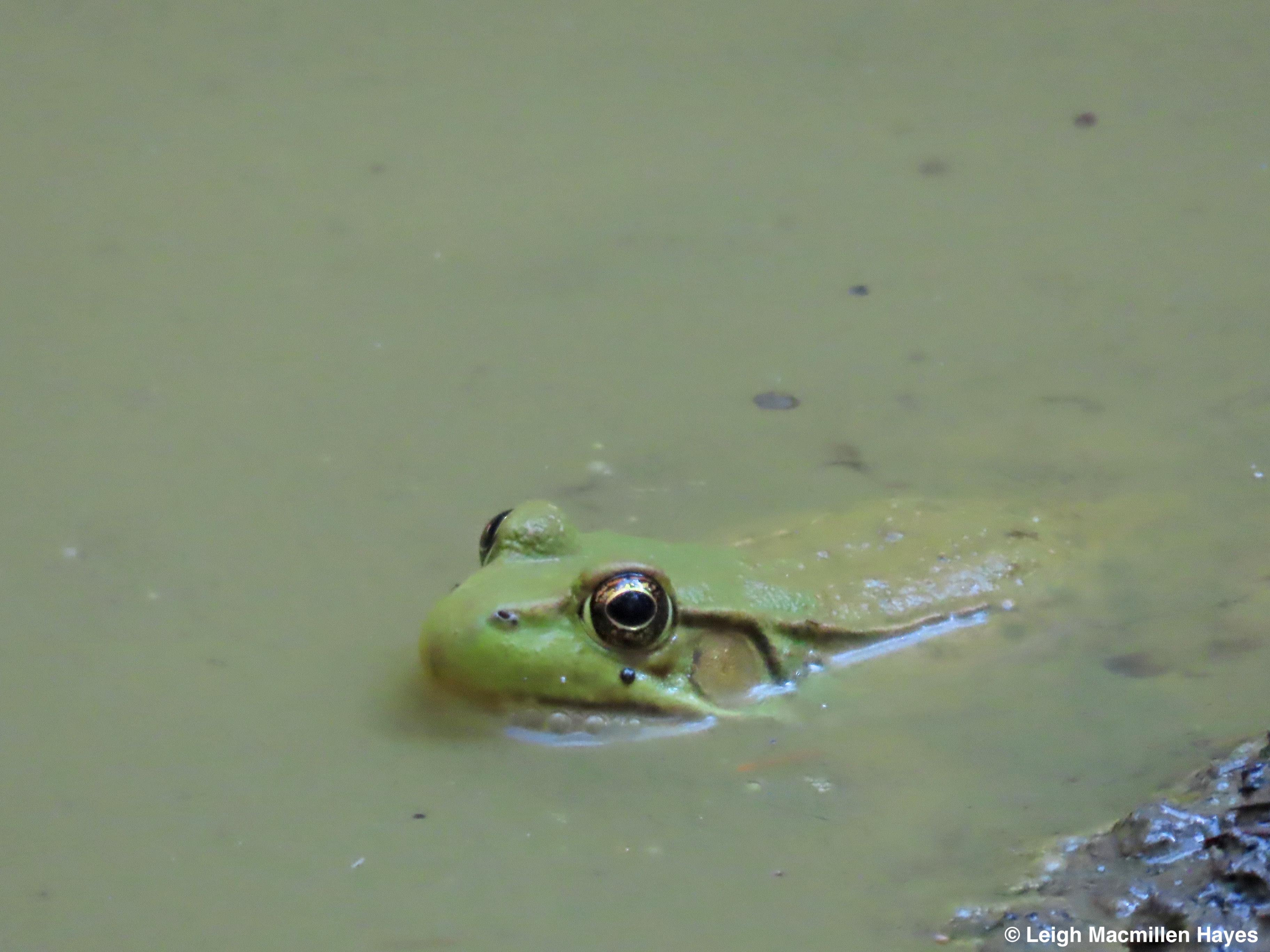
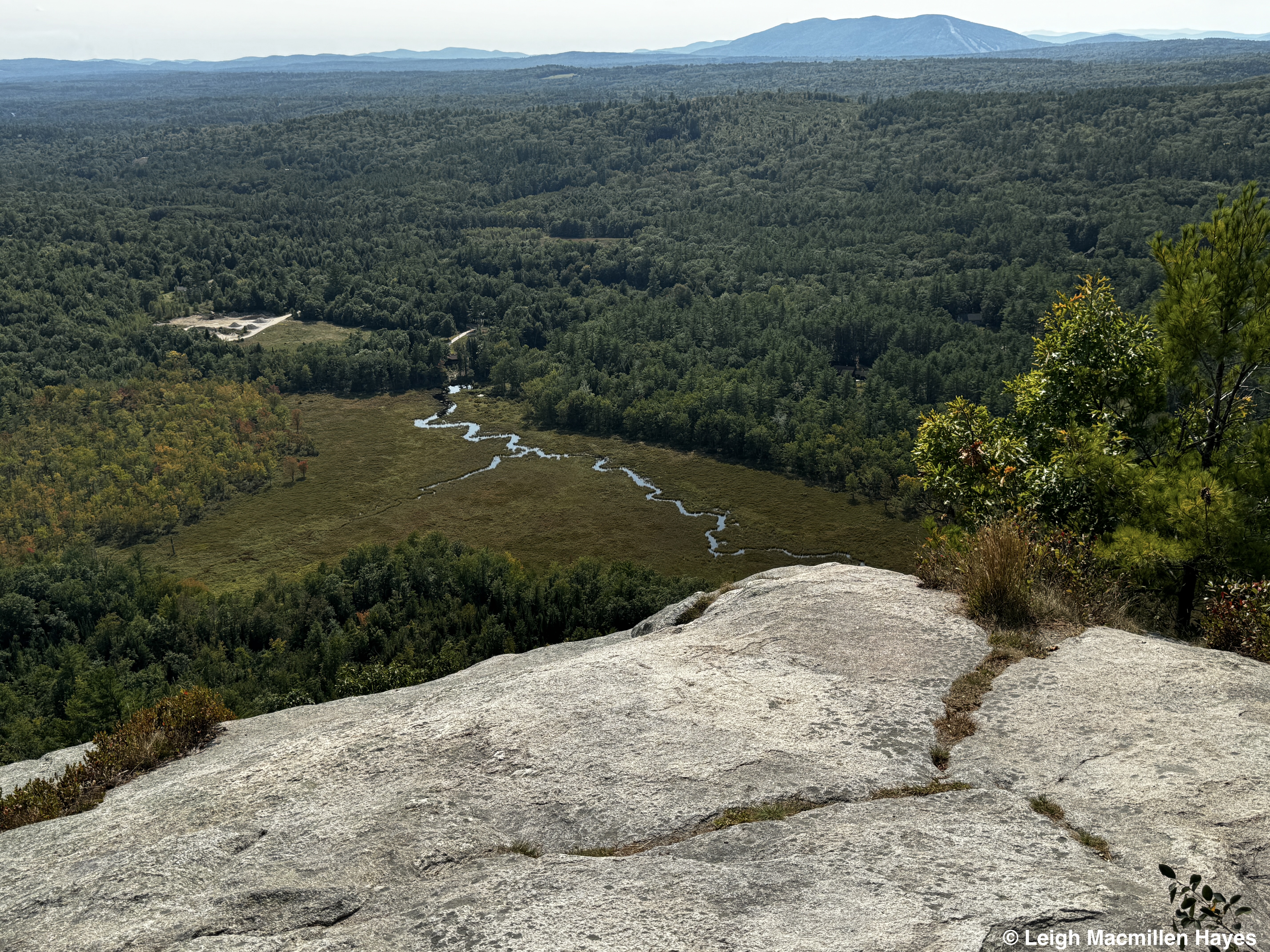
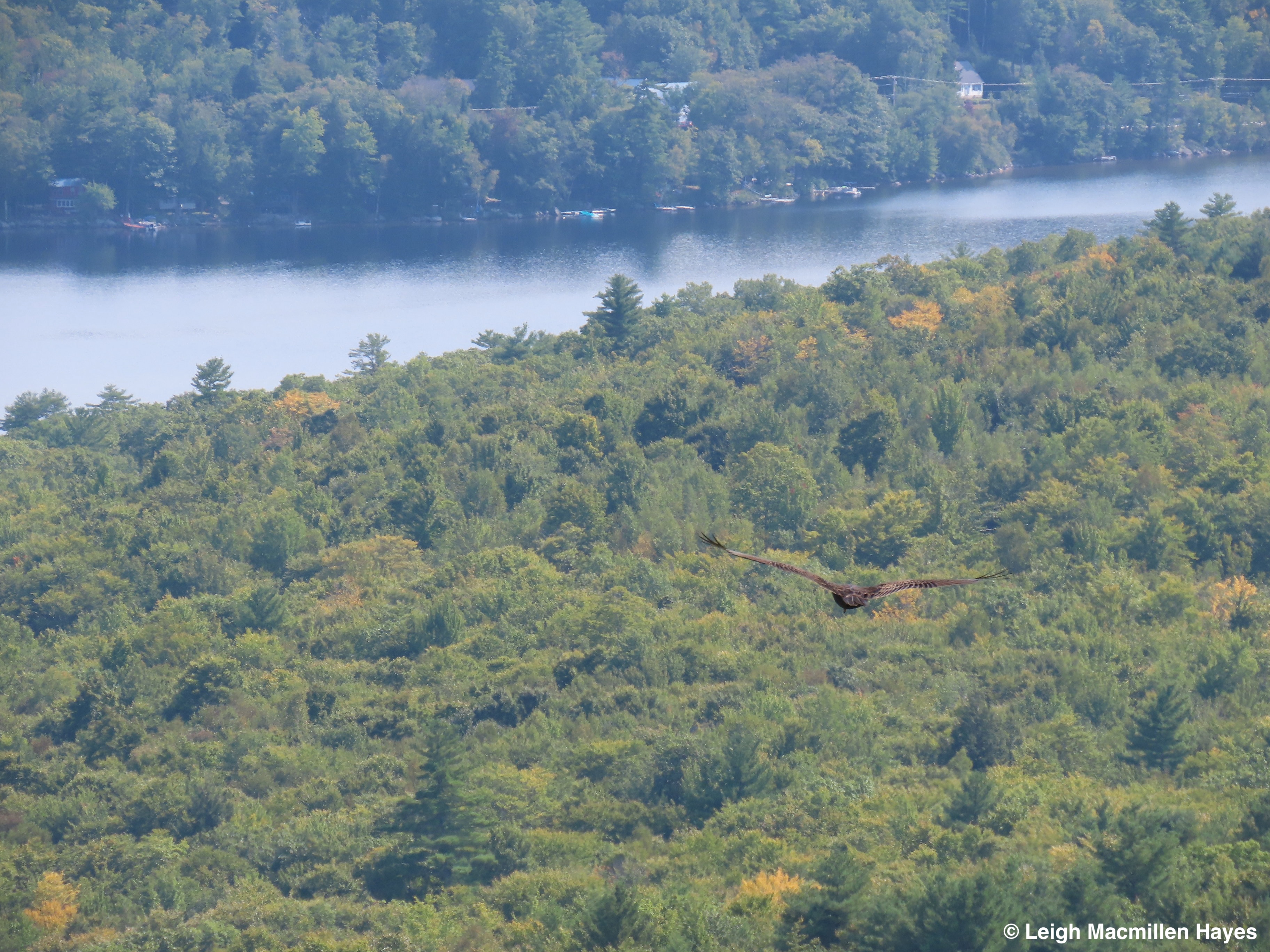

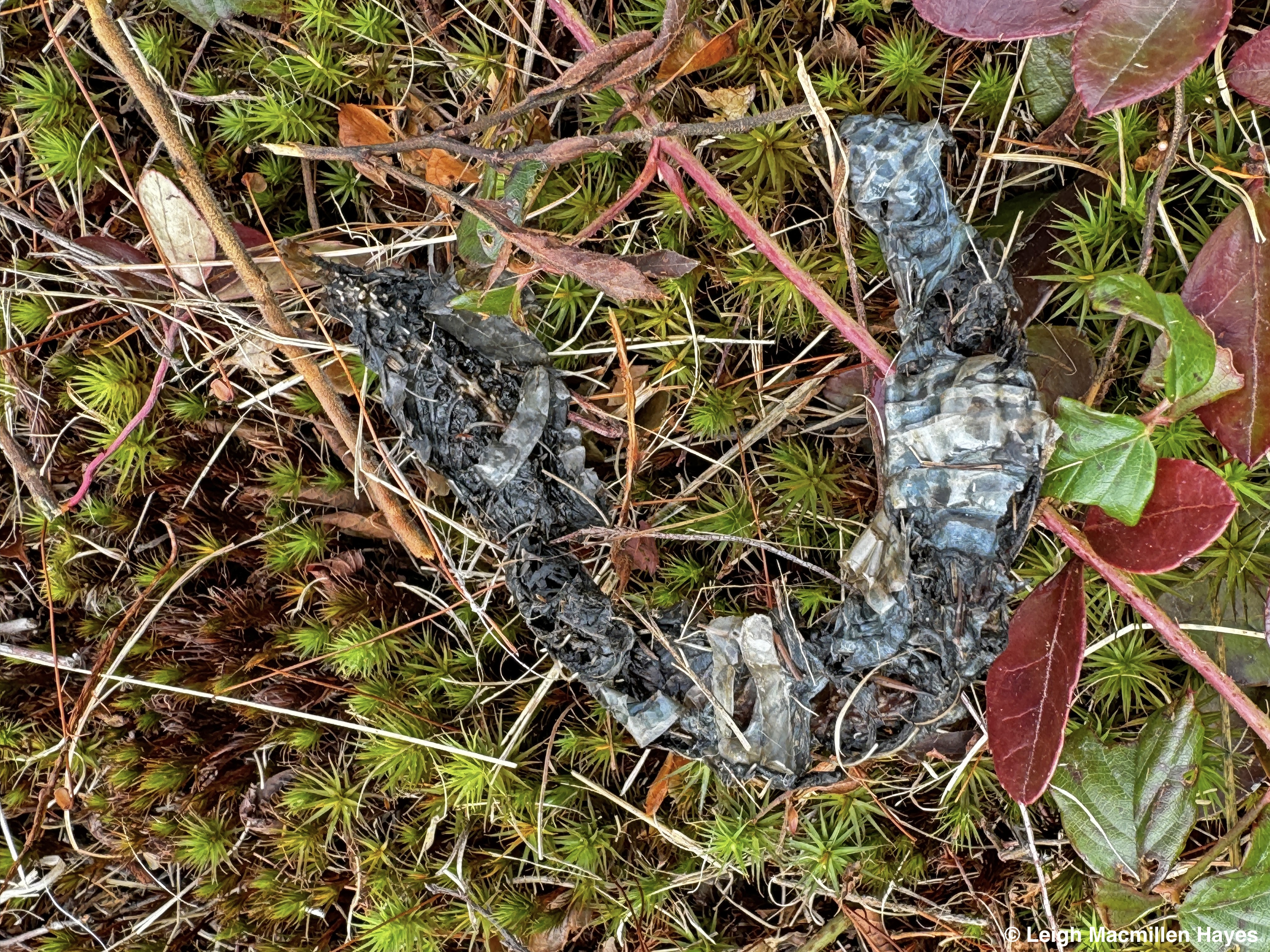
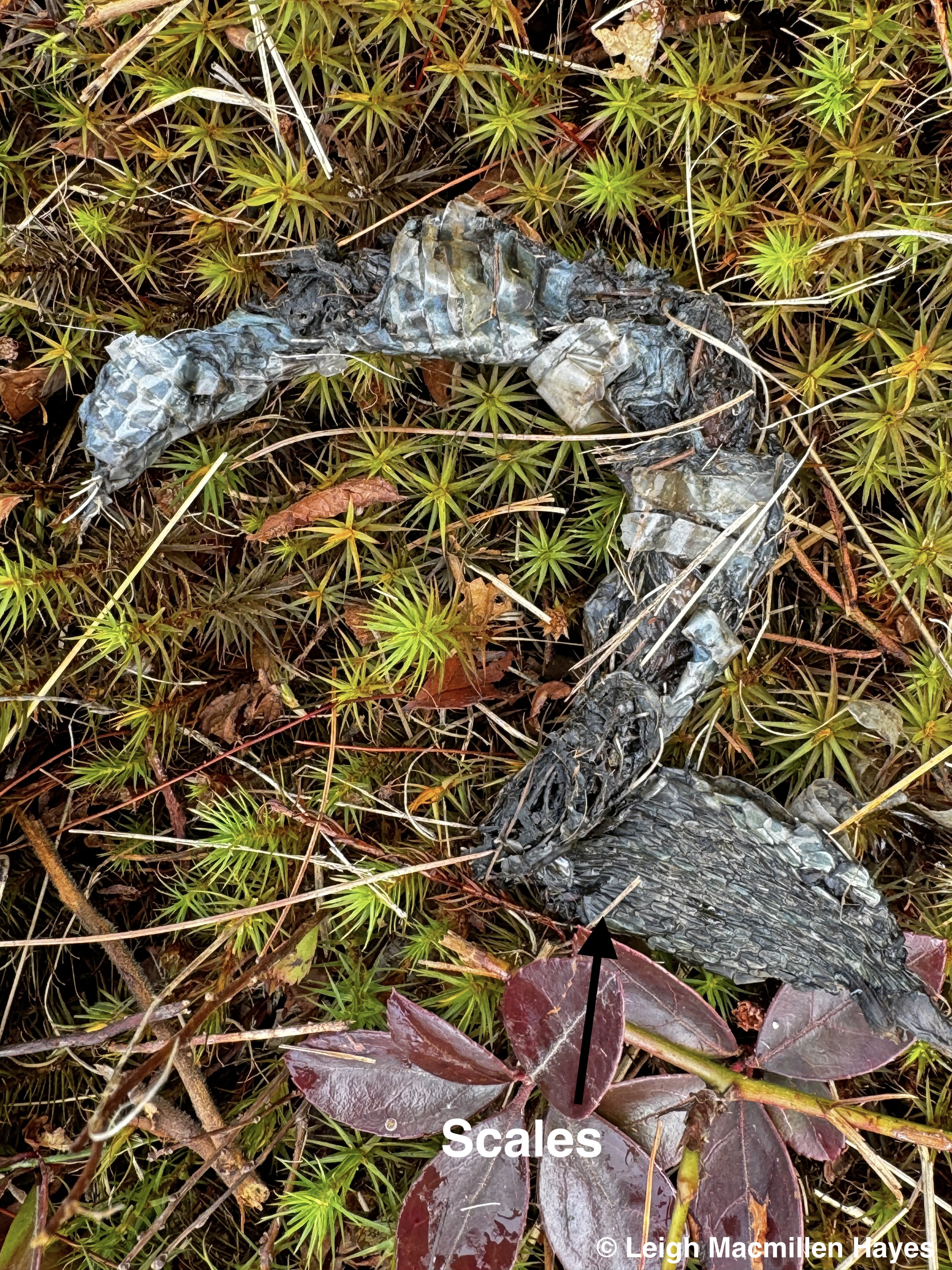


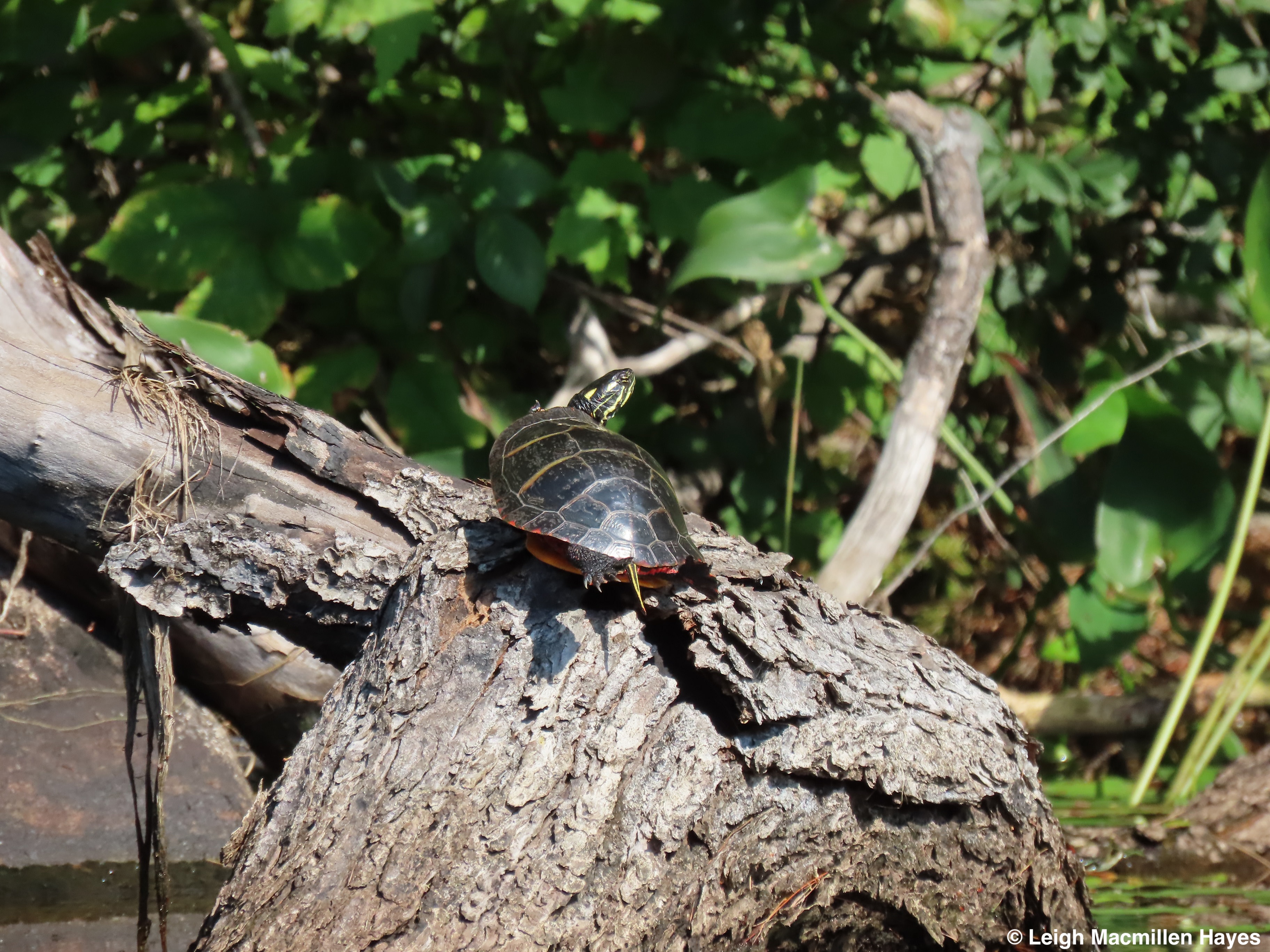
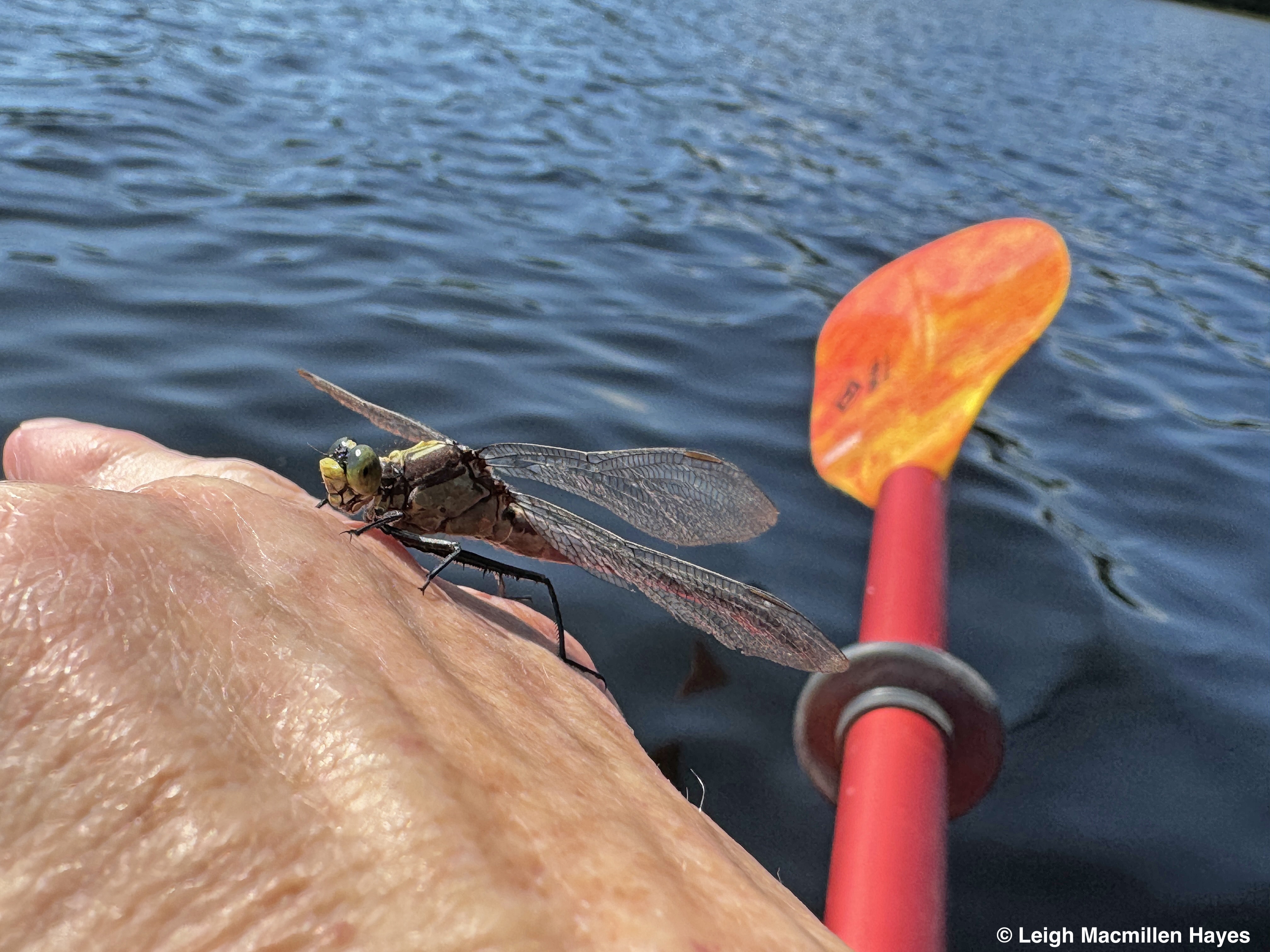

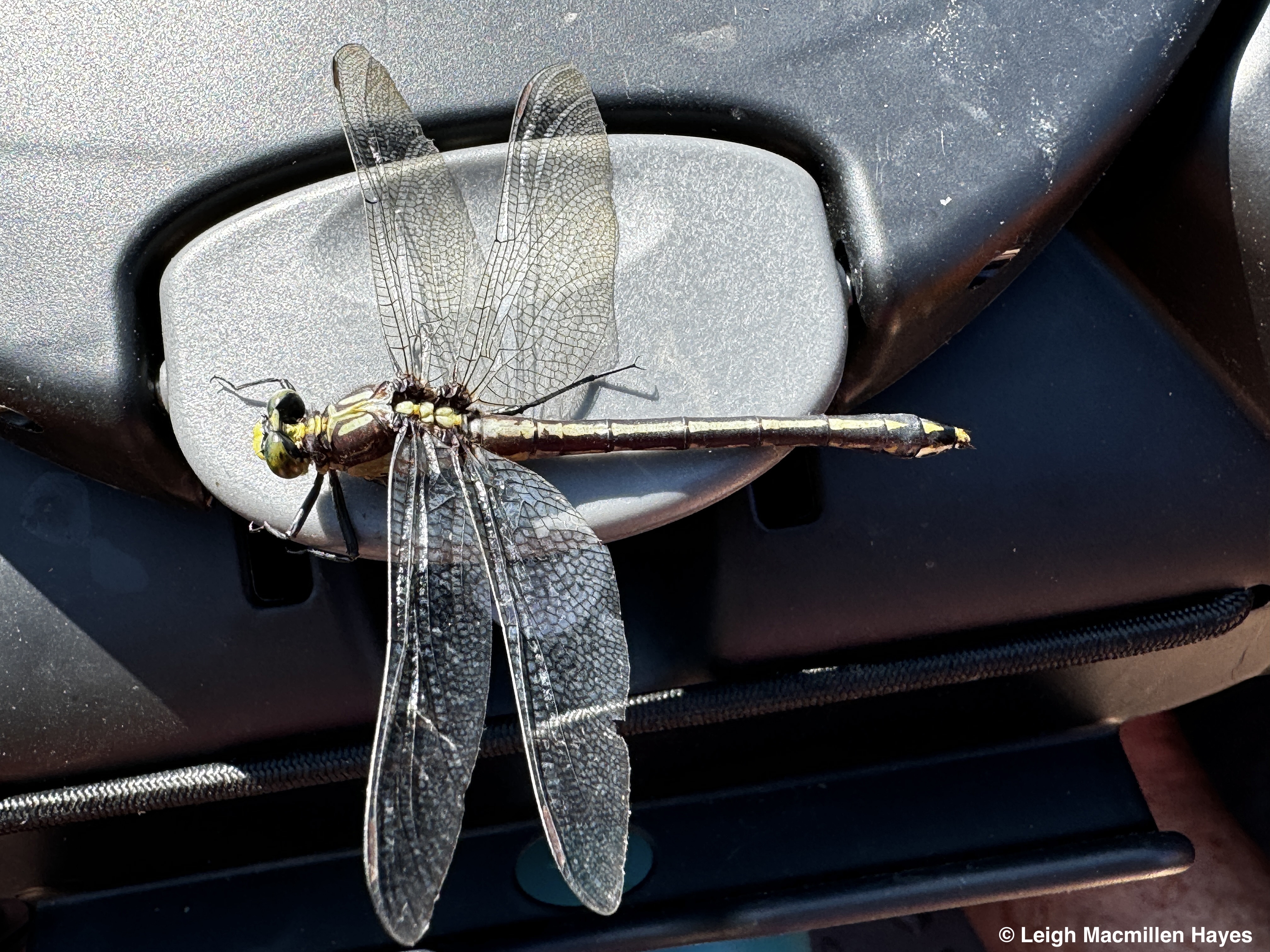
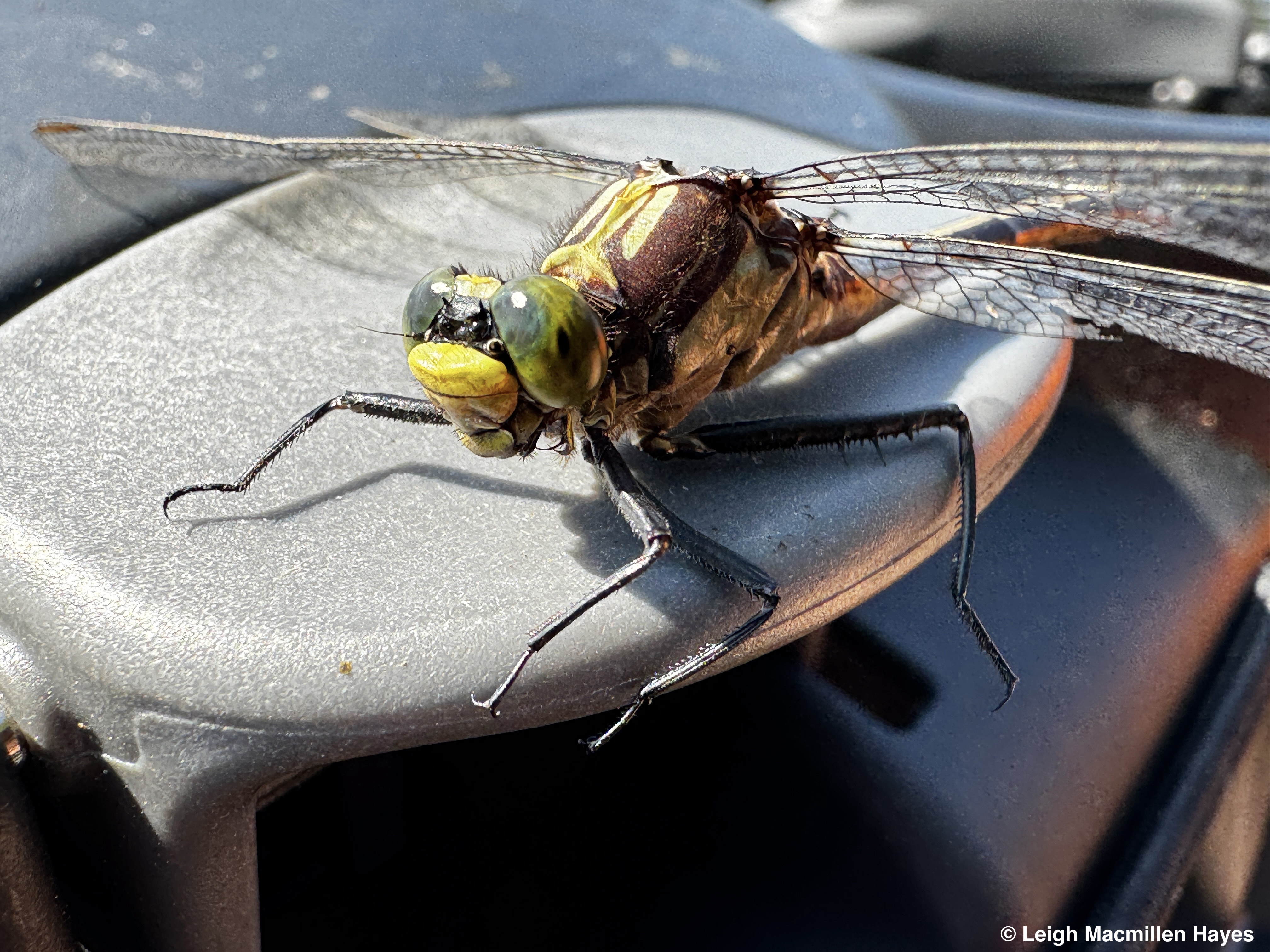
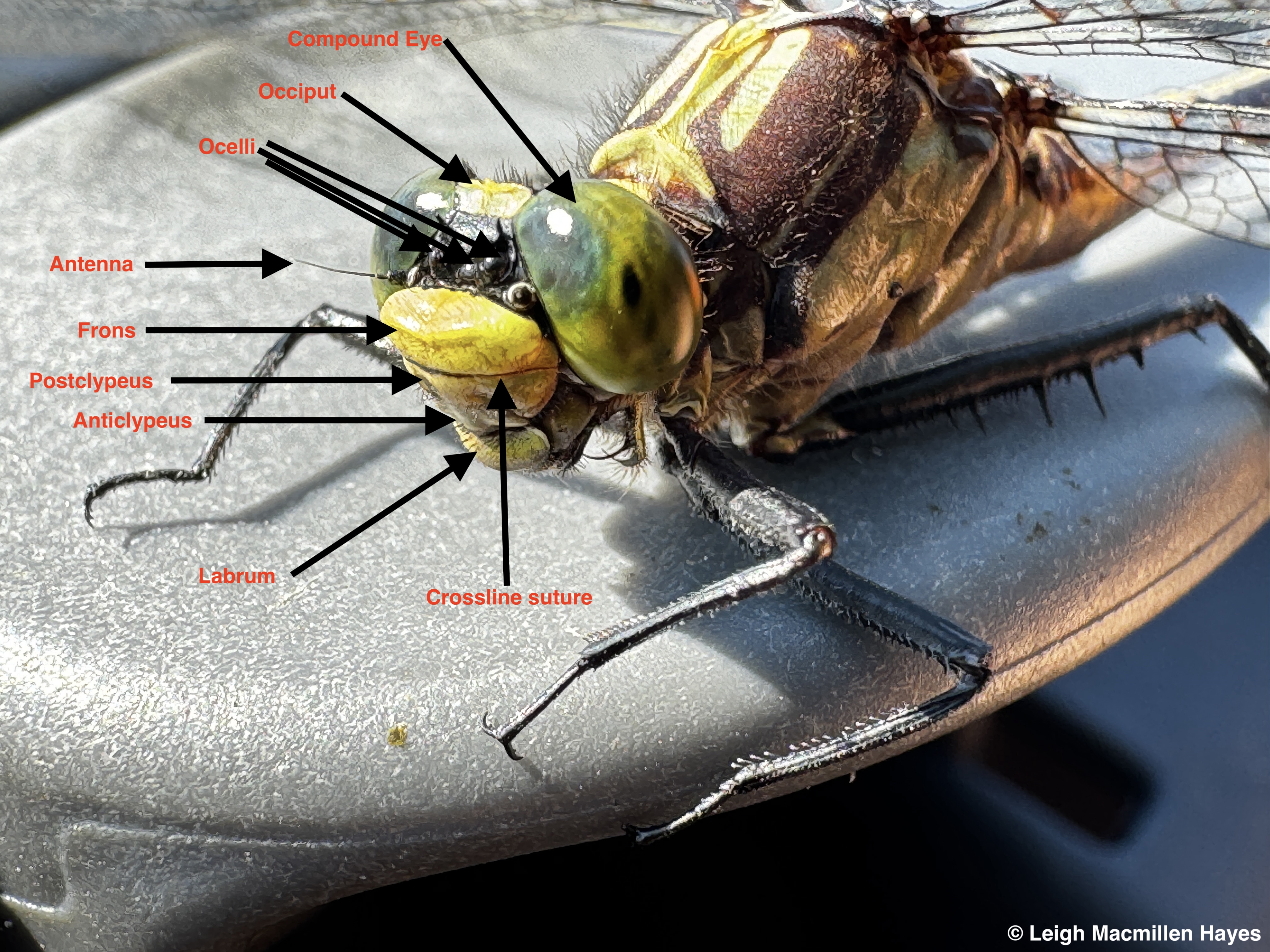
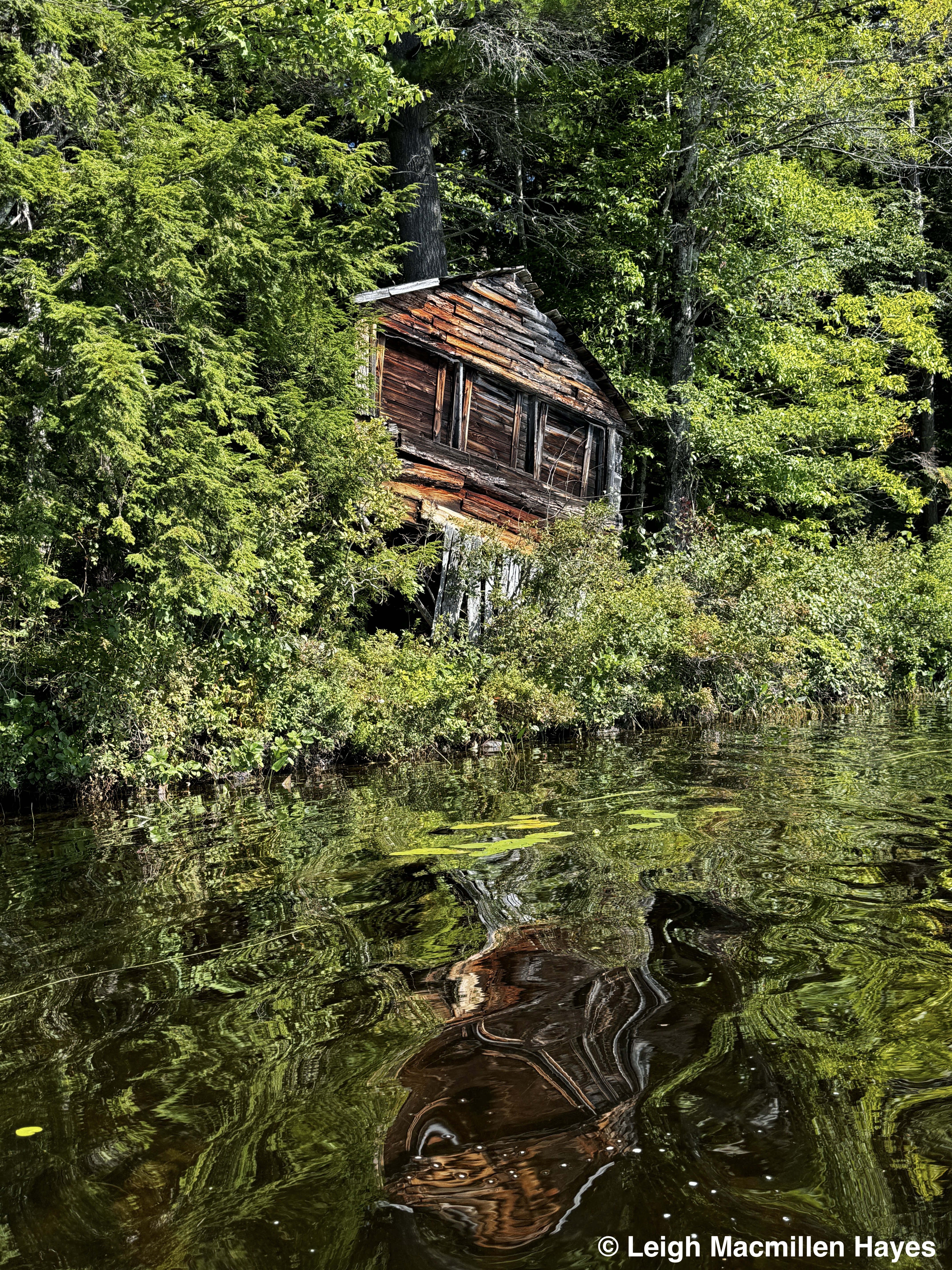


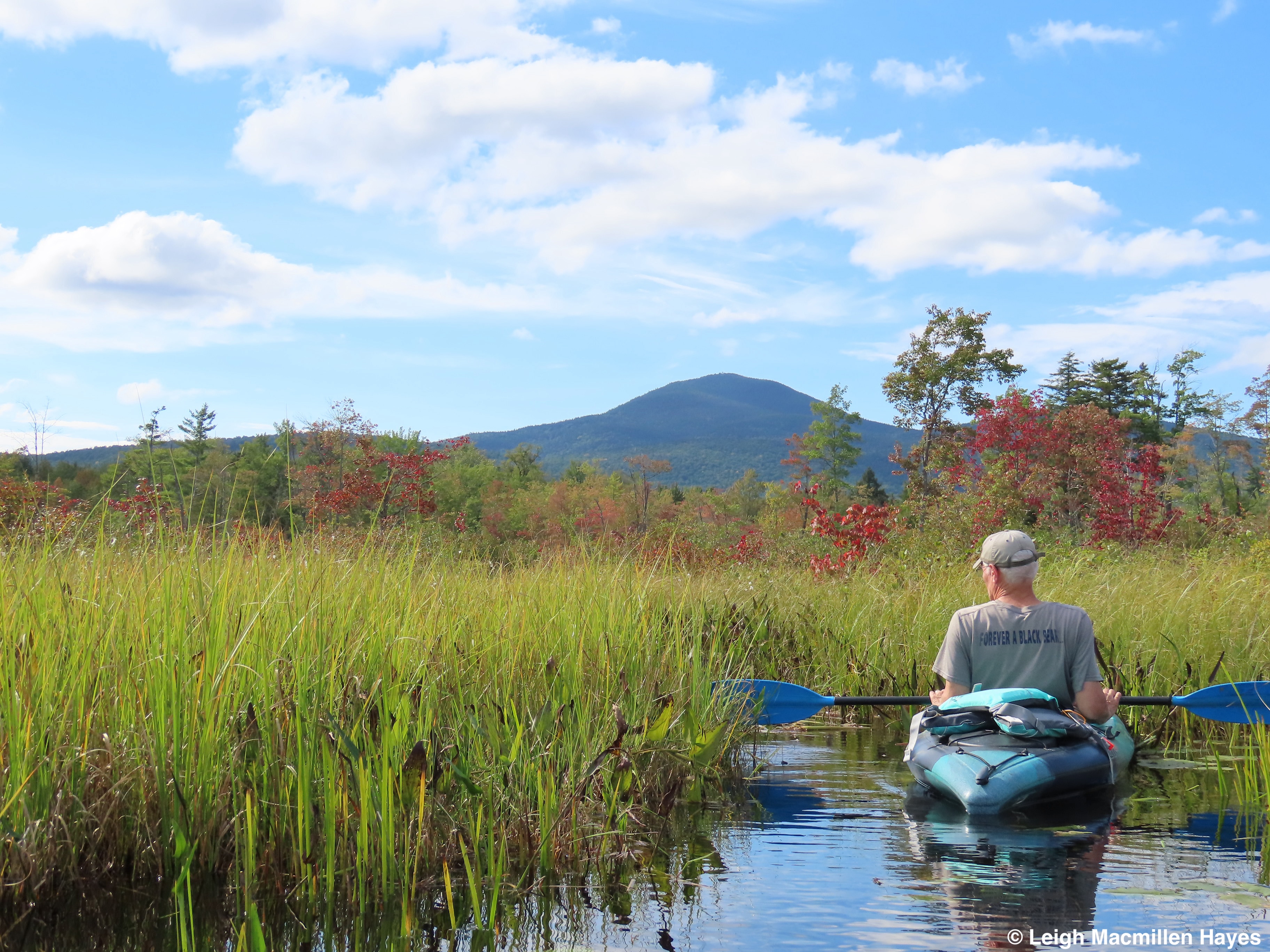


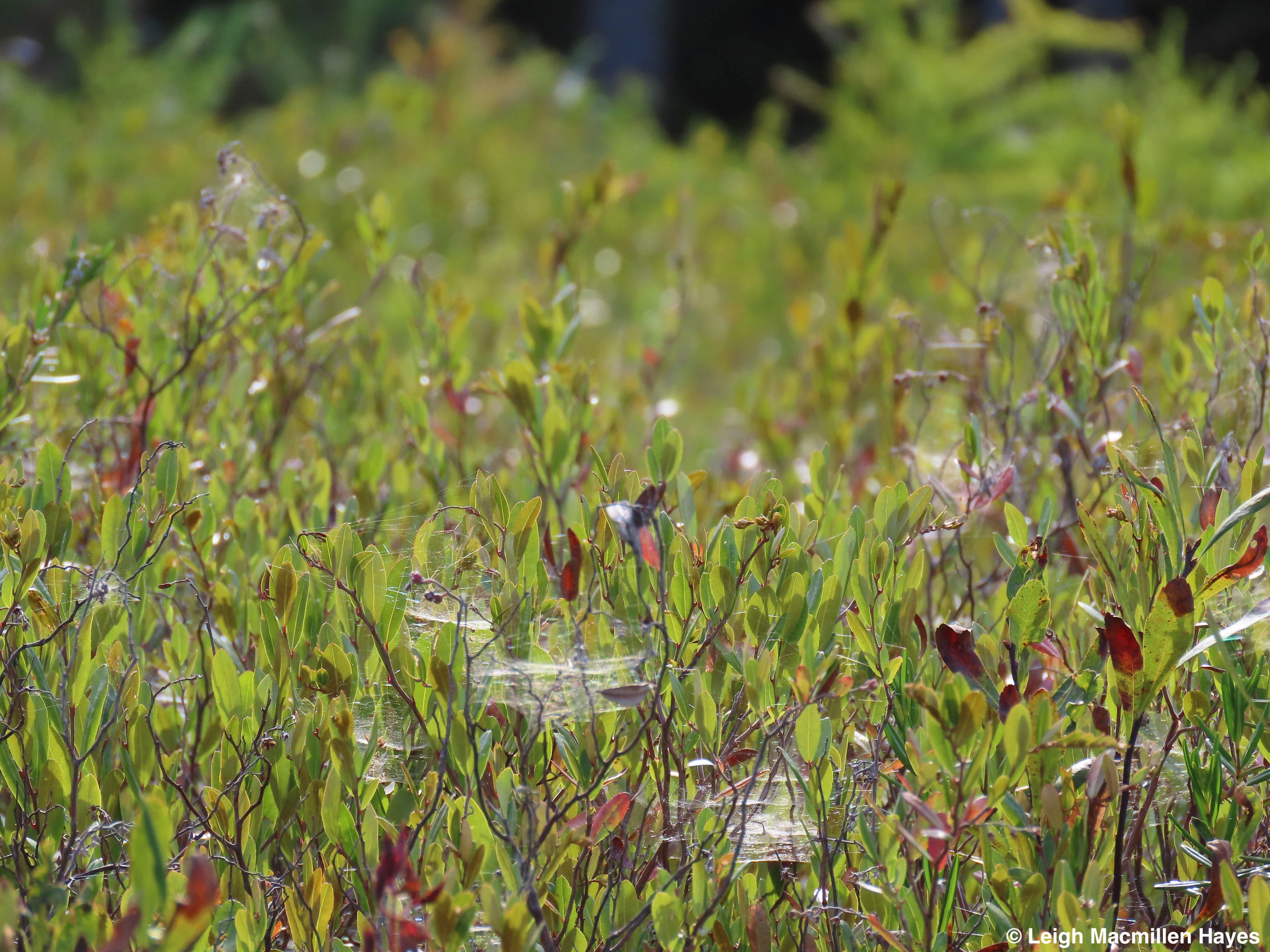
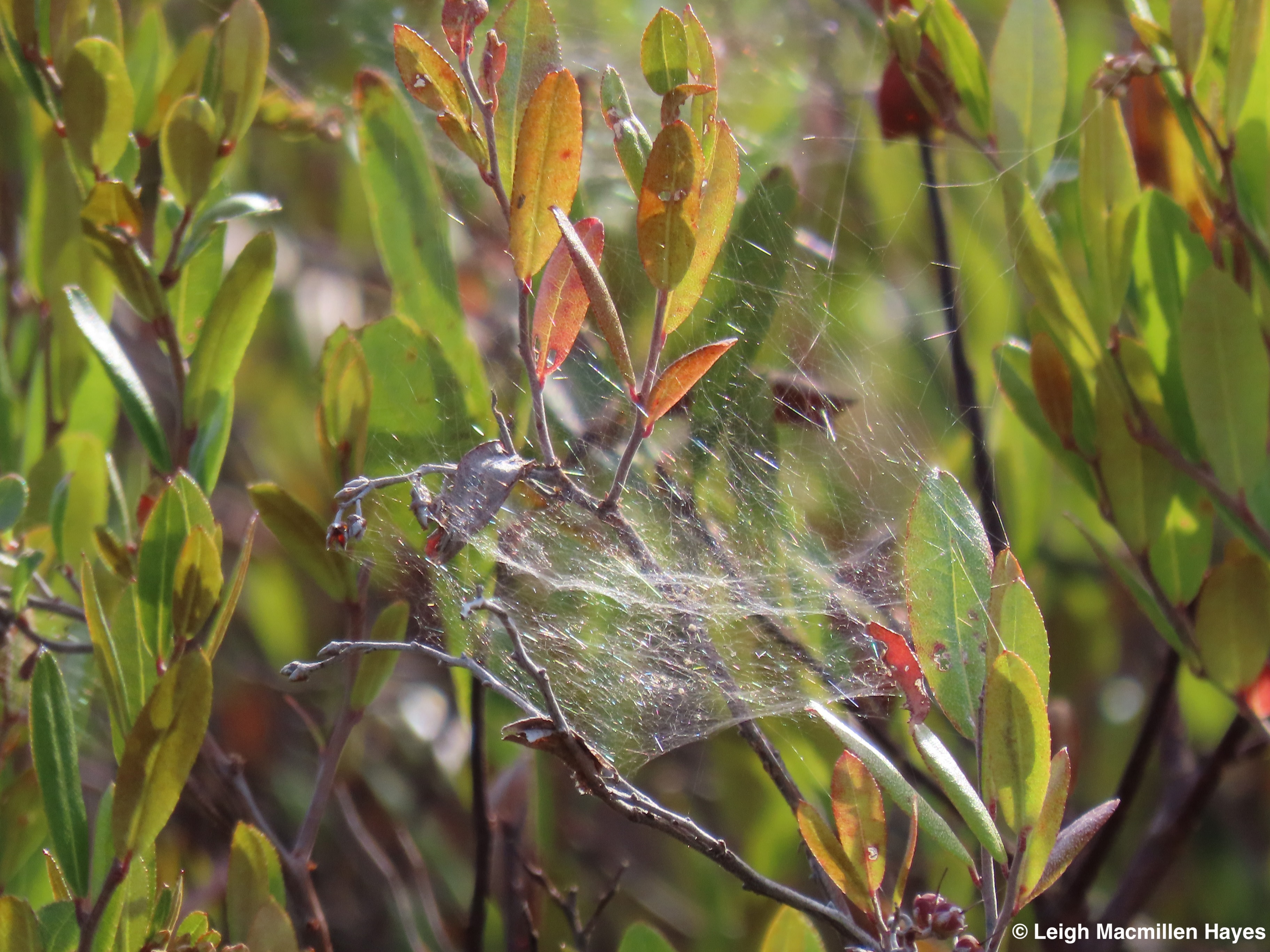
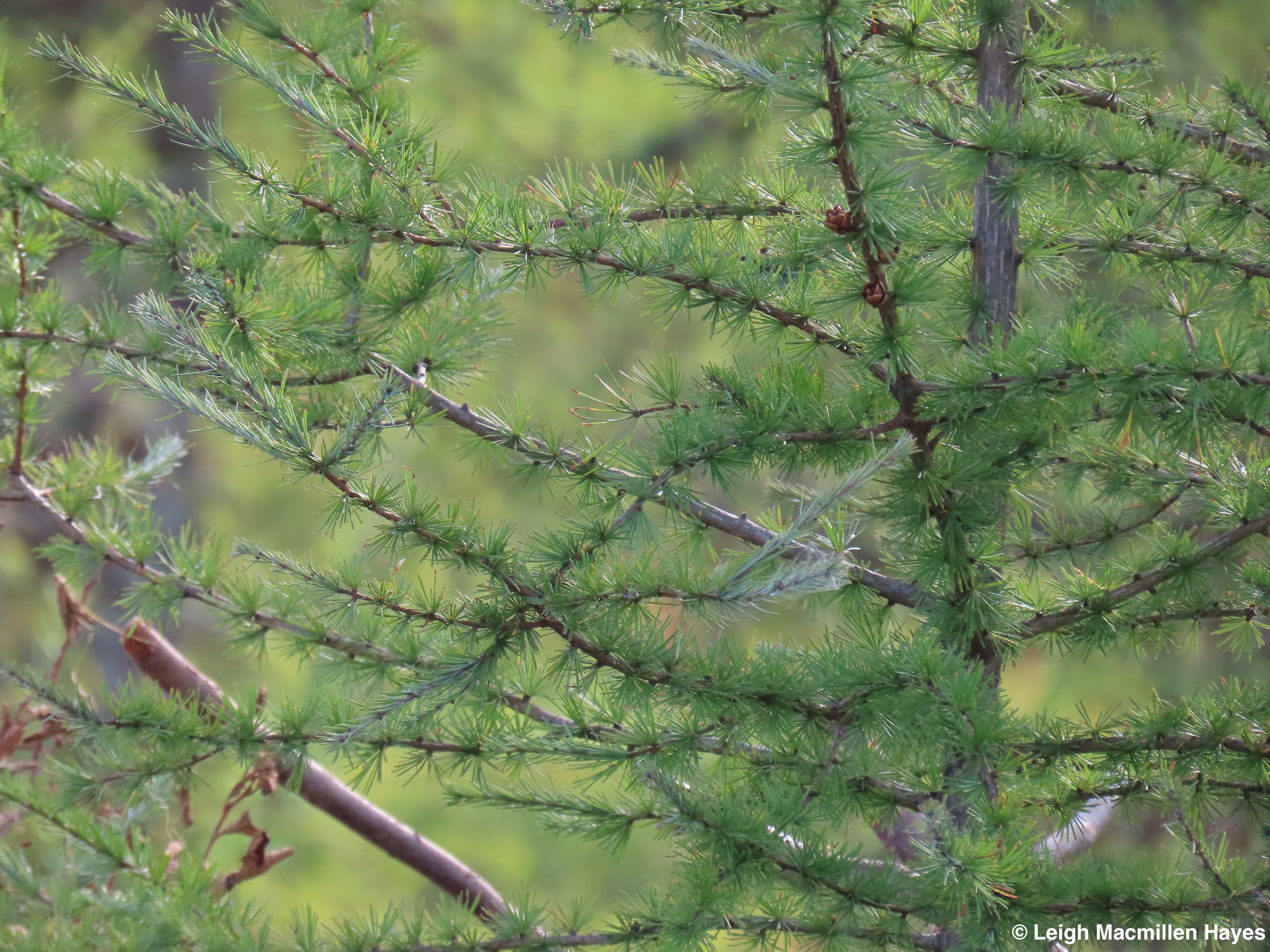


 wondermyway