My Guy and I decided to head to one of our favorite locations just below Evans Notch this morning, with a plan for a lunch date of the finest kind–al fresco, of course. What we didn’t know was what awaited us.
First, there was the surprise of the decorated Christmas tree. Actually, we saw two of these over the course of our adventure.
And there were windows to look through at the old Sap House–this one with a few panes missing providing a delightful contrast of the view beyond.
And beside it another, offering a different vision of the same theme, albeit a bit cockeyed.
That was all good, but then . . . but then . . . we spotted the warning sign. Oh my! Big Foot in these parts! It made sense. We were in a rather remote section with the National Forest just beyond. But still. What were the possibilities that we’d actually spot Sasquatch?
Yikes! Pretty darn good apparently. One festive hiker obviously had.
We had to wonder, “Did he get caught while decorating the trees?”
We started paying attention to every little thing–looking for clues. And so it came as no surprise that we found this oversized creature of the North woods–a Winter Crane Fly. But my, what little feet it had. Maybe because in reality, it is less than an inch in length.
The good news is that if you spot one of these, they are not Mosquitoes, and in fact, do not have mouth parts, so they won’t bite you. Do not fear the Winter Crane Fly.
And then another creature garnered our attention–this one even smaller, being a Dwarf Sheet Weaver Spider–and male to boot–look at those boxing gloves on its pedipalps.
But never fear again. He wanted nothing to do with us and quickly walked across the snow away from the trail we were on.
Ah, but next we found evidence of another with big feet. Would we see the creator?
We weren’t too worried about this one because Black Bears are in dens at this point. Though we have witnessed their tracks in February on Blueberry Mountain, which is just up the road, so there’s always a possibility that a young male may decide that his den of choice wasn’t all that great and he could go in search of another place to hang out for a couple of months.
But we’re heading back into frigid temps so we doubted that would happen today.
About a quarter of a mile later, we spotted the track of another mighty one. I dropped my hiking pole to show the stride of this creature. Big Foot? Big feet certainly. And deep. And at least a few days old since the 1 – 2 inch snow storms of the past three nights or so have filled in the prints.
We decided to not let our fear overcome us and so cleared off a bench farther up the trail and enjoyed our lunch–realizing that we were the luckiest people to be dining in this spot, despite the Big Foot warning.
After lunch, as we continued hiking, do you see what we saw? Yes, more BIG impressions.
And above the foot prints–missing buds from Red Maples at about 7 feet up the sapling. With little tags where the creature had torn the buds and part of the twig off because it has no upper incisors, but rather a hard palate and yanks with its lower incisors pushed against that upper dental pad, leaving behind ragged wood.
The work of Big Foot? Or a Moose with big feet?
We decided to check back in at the farm and ask Marta, the Norwegian Fjord. We know she has big feet too, but we suspected she might know where we should look for Big Foot.
She smiled and nodded her head, and so we headed down a path we’d walked upon earlier. Just maybe we’d finally get lucky.
We kept noticing the tracks of Snowshoe Hare and Squirrels and Coyotes and Foxes, the latter two sometimes traveling as if they were one and then suddenly splitting up for a minute before coming back together again, walking in the snow on the spot where the first in line had already packed it down.
As we noted those, we also kept scanning the landscape.
And yikes. Do you see him? Turns out, Marta was right. Always listen to the wisdom of a horse. Remember Mr. Ed?
Big Foot lurked behind a tree, and we didn’t want to end up like the skeleton we’d seen earlier . . .
so using our own big feet, we skedaddled out of there as quickly as we could.
We dare you to do the same. Go searching for Big Foot that is.
Rumor has it that he hangs around Notch View Farm in Evans Notch quite a bit. And even if you don’t see him, there are flat trails and hilly trails, so something for everyone to enjoy on skis or snowshoes.
Do be sure to say hello to Marta, and just maybe she’ll tell you which direction to travel as well.
And give thanks to Becky and Jim for making their land available to all–including by grooming the trails and building benches and trail signs.
The older (and possibly wiser) I grow, the more gratitude I find in my heart for all those who have paved the path for me. Beginning with my parents, who first grounded us in the natural world, sending my siblings and me out to play and not giving us limits so we could go to places like City Mission and Lost Pond to ice skate in the winter, and follow the old trolley line to the town dump or in the opposite direction in the summer, and certainly disappearing behind the houses across the street from us and down to the brook any time of the year, as well as taking us on long walks in the woods and along the Connecticut shoreline and encouraging us to learn–always.
And then there have been so many others who have crossed my path and I dare not name them for fear of leaving some out, but knowing that there were those who were obvious teachers for me, and others who I didn’t realize were such at the time, but I still came away with lessons learned–to all of them I give my heartfelt thanks.
Some lessons have involved the big picture view of the world, no matter how cold the temperature and frigid the wind.
Other lessons have been much subtler, like realizing that ice forms in a perpendicular manner and fans out behind a culvert that spews water at the formation of a river.
And then there have been reviews of old lessons, where the Black Bears leave no telephone pole untouched. The shiny numbers are invitations encouraging the bears to turn their heads and then pull upper incisors toward lower, mangling both the wood and metal.
And then to leave a signature scratch above this work of art.
And in the midst of this action, to accidentally deposit a bit of hair on the mangled wood. (Please note that My Guy was surprised that I can still feel such glee looking at the same poles year in and year out, but I reminded him that each year I find changes, including hair on different poles and this year the scratch marks on several that I don’t recall seeing in the past or simply failed to notice. What’s not to love? )
There are other old lessons that are also worthy of review–especially as once the snow flies I begin to see them written everywhere I look.
This one is the track of the Ermine or Short-tailed Weasel. I love how each set of prints represents four feet, the front two landing and then as this bounder’s hind feet begin to fall into place, the front feet lift off toward the next spot. One of the biggest give-aways to the creator is the diagonal orientation of each set of prints. Sometimes the diagonal changes, but it’s almost always present.
And just sometimes the same weasel decides to take it easy between sets of prints and goes for a quick slide, creating what is known to some as a Dog Bone and to others as a Dumbbell. I think it’s easy to see both once you know you recognize the behavior, but I can’t tell you how many years it took me to actually see this.
And then, along a wetland shoreline, another member of the weasel family reminded me that occasionally they like to slide much like a River Otter, but this being was a Mink!
And not to be left out of the scene, a Fisher (not a Fisher Cat–ah, but the hairs go up on the nape of my neck). The diagonal is there and though this was a quick shot and not all the details are visible, all Mustelids (weasels) have five toes and all are bounders.
Red Foxes also write lessons in the snow and I followed this one for quite a ways, finding a spot where it pounced, though I’m not sure it caught the intended meal because there was no evidence of a struggle.
While its overall trail was the zigzag of an animal that double packs a spot because the hind foot typically steps where the front foot had already been, sometimes the trail zags more than it zigs and I imagine he was looking for another food source.
Occasionally he changed his pace and I had to wonder why–did he smell or hear something that I couldn’t discern?
One thing I could easily discern–his territory marking. Fox urine! On a sapling. Skunk-like in odor. All classic during mating season, which we are in. Mind you, I learned this summer that Red Fox urine always smells skunky, but it’s even more so in the winter.
And I’m here to report that the Red Squirrel that crossed his path lived. For the moment anyway.
The final lesson of old, though hardly the final lesson, was the realization that some rather large prints were actually signals of two-way traffic. Do you see the upside down C in middle print? This is the neighborhood Bobcat crossing an ice bridge. But . . . which way is he walking?
Turns out in both directions. East and West. Packing the snow in one direction with both front and back feet and then following the same exact trail back. I remember the first time I saw this sort of behavior when I was looking for evidence of a Bobcat and a Coyote in a local watershed prior to offering a summer presentation to a lake association. It was about thirteen years ago and I think of it every time we hike the same trail at Five Kezar Ponds Reserve in Stoneham. First I knew I was following the Coyote and then I realized that a Bobcat had walked in the opposite direction on the Coyote’s prints. The same thing happened at Dan Charles Pond Reserve in Stow a few years ago. You can read about it in The Tail of Two Days.
Look carefully at the photo above. Do you see it? The better to reserve energy.
While I love reviewing old lessons because there’s always something new to observe or a better understanding of the animals behavior is gained, new lessons are even more exciting.
And tada, this is one. A Red Squirrel’s territorial mark.
The bark is nibbled and striped and a scent post is left behind letting others know who inhabits this particular area. This is the first I’ve found, but now that I’ve seen it, I can’t wait to locate more.
Another new lesson–discovering a Funnel Weaver Spider walking on the snow. Oh, I know that some spiders have Gylcerol that allows them to do this and I’ve seen sooo many, but a Funnel Weaver? Was it a bad decision? I’ll never know. So far, though, this is the only Funnel Weaver I’ve encountered this winter.
And then there have been sweet treats–not really lessons, though at some level everything is a lesson. But three times this past week I’ve spotted Red Crossbills–twice while participating in Maine Audubon’s Christmas Bird Count and once beside a local road where they’ve overwintered for years.
And . . . while the world view is important, sometimes it’s the teeny tiny things that need to be acknowledged–as in the case of this Snow Scorpionfly. I still can’t believe I spotted it. The snow was rather icy, so my ruler was sliding about, thus the positioning. But it’s there to give you a sense of this small insect’s size.
At the end of the day, or week, or hike, or blog post, my heart speaks a million words of gratitude to all of those who have helped me find my way, naturally.
I know I’m blessed.
I know how fortunate I am to have a curiosity about the natural world.
I know my desire to learn is a lifelong gift.
And I can only hope that in some small way, I can share my learnings with you.
We marked the Winter Solstice yesterday, but truly . . . winter arrived early this year. And those who have followed me for years know that this is my favorite season. The cold air. The fresh air. The creaking trees. Even the early darkness. It all makes me feel alive.
And most of all, tracking. Well, add insects to that, though tracking them isn’t a skill I’ve acquired . . . yet. And probably never will. But finding them on the snow and feeling reverence for their ability to survive (most do) despite days like today when the temp is in the teens but feels like single digits, what a wonder!
Some even surprise me by appearing on the door of my dirty truck. This is a Winter Fly and I’m in awe of its orangey-ish face with those big red button eyes.
Mind you, this fly is teeny, tiny. And still . . . it was out and about.
Porcupines have also been out and about and by their sashay fashion of moving through the snow, it’s easy to know where they are present.
And leave presents, they do! Dribbles of pee can often be found along the route they travel.
Dens can easily be discovered . . . sometimes. And other times . . . it might just be an old den, such did this old stove serve.
A peek into it and you might find a mix of both Hemlock cones that look like Porky scat, and the real deal, especially toward the back.
Large twigs scattered upon the ground below a Hemlock tree is another indicator of one of my favorite critter’s dining room.
Among the twigs with their 90˚ cuts, fresh scat stating that Porky had visited the kitchen pantry and made a meal the night before.
And at a nearby tree, I’m occasionally lucky enough to spot a chain-linked necklace, again the owner of this gem being my friend Porky, who had some fiber in his diet that held the scat pieces together.
Just when one might think that that all is enough, there’s more to be discovered, for this particular Porcupine created a few signs to indicate that this is his living room and he’s very much at home in this area.
In fact, he chose to decorate several Gray Birch trees.
To create his works of art, he turned his head this way and that while pulling his upper and lower incisors toward each other over and over again in order to break through the bark and get to the tasty inner cambium layer.
And in the process, he created a Porcupine Claw Tree! Do you see all those scratch marks left behind as he chewed? On each foot, five toes with sharp nails that aid in climbing, run across the top of the pad, and he had a lot of work to do to create the sign above, and so you can almost pick out five lines for each time he turned his foot to stabilize his body.
At the base of the tree, the thicker chunks of bark that he didn’t eat. And at least one pellet of scat.
I remember the first time I discovered bark below a Porcupine tree and I was totally confused because I always associated that behavior strictly with Beavers.
Where there are Porcupines, there also may be Cluster Flies. Who knew that they have antifreeze components that allow them to walk on snow and ice like some other insects?
This winter I’m adding to my insect and spider sightings like never before, and it’s such an amazing lesson each time I make a new discovery.
And then . . . and then . . . cuze there always has to be an “and then,” what I believe to be a Bobcat’s cache site. One day I saw a bit of disturbance in the middle of the trail, and blood. Lots of blood. But indecipherable prints.
Two days later and the area had been revisited and more disturbance.
And a Bobcat’s prints surrounding the main evidence.
That classic round shape with four toes showing. But, for the discerning eye, there is one toe on the far left that is over another toe–telling me that this print actually represents two feet! First the front foot packed the snow and then the hind foot on the same side stepped into almost that very spot.
And after that a Winter Firefly entered the scene. Notice his bare feet, but again, he’s made for winter and not made to light up the way his summer cousins do and this past summer we had the pleasure of spotting many Fireflies each night.
But I love the Winter Firefly for the orangey-pink parentheses that mark the pronotum or head shield. And the fact that they can move across the snow, though they prefer to be just under the bark on a winter day.
It’s the sign of still another that has been drawing my attention frequently because . . . that sign can be seen in almost any habitat and quite often. The “another” in this case is a Meadow Vole. If you’ve ever spotted one moving across leaf matter or plowing through the snow, you know they are like little gray torpedoes, quick and trying to go undetected.
Being one of a predator’s favorite food sources, Voles are shy of airspace, and thus tend to travel below the snow surface whenever possible. And while they are hoppers/leapers most of the time, occasionally they become perfect walkers and this track shows the essence of that in the lower zigzaggy portion of the tunnel. At least that’s my interpretation. Like the Bobcat (and canines), a Vole can pack the snow with the front foot and then the hind foot lands in the same spot. He may walk like this for a few steps and then revert back to hopping/leaping but in a super fast fashion.
As the snow melts, the tunnels become more and more apparent and I get the sense of this little guy moving here, there, and everywhere, probably on a seed quest.
Occasionally, the winter weather takes its toll, and such was this case for this Shield Bug that went belly-up. They much prefer to find their way into our homes for the winter, and so far the temps we’ve been experiencing of late, except during last week’s rain storm, have been quite frigid, and this guy made the wrong choice.
Winter isn’t just about insects and tracking, well, wait, yes it is for here is the result of another type of insect that had been consumed and the undigestible parts excreted–in the form of Pileated Woodpecker Scat filled with Carpenter Ant body parts.
Oh, and then there are spiders, but though I’ve seen plenty of them alive and moving with grace across the snow, occasionally they freeze to death despite their antifreeze and what happened here is that the spider lost a front limb and I have to wonder if the frost entered its body through the stub that was left behind. I have no proof, but it’s always good to wonder.
And how do I know this is a male? Do you see the “boxing gloves” on the pedipalps? There’s a vocabulary word worth looking up. :-)
But wait. The temperature was in the teens, with a wind chill in the single digits and I spotted the print of . . . a human being. A bare footprint. It was a few days old, given that there was some tree debris on top of it.
Of the almost six miles that My Guy and I hiked on a loop trail today, we followed these tracks the entire way.
It brought to mind this poem:
Footprints in the Sand
One night I dreamed I was walking along the beach with the Lord.
Many scenes from my life flashed across the sky.
In each scene I noticed footprints in the sand.
Sometimes there were two sets of footprints,
other times there were one set of footprints.

This bothered me because I noticed
that during the low periods of my life,
when I was suffering from
anguish, sorrow or defeat,
I could see only one set of footprints.

So I said to the Lord,
“You promised me Lord,
that if I followed you,
you would walk with me always.
But I have noticed that during
the most trying periods of my life
there have only been one
set of footprints in the sand.
Why, when I needed you most,
you have not been there for me?”

The Lord replied,
“The times when you have
seen only one set of footprints,
is when I carried you.”

~Mary Stevenson
Can you imagine welcoming winter by walking barefoot in the snow?
I’m pretty sure I was carried today! And not by My Guy! Though he was beside me the entire way.
Sometimes we follow familiar trails and other times we go off the beaten path. Well, sometimes we go off the beaten path along familiar trails. And other times, we just plain go off the beaten path because we’ve never explored an area before, and even then, we don’t exactly follow the intended route and part of that might not have been our fault for perhaps maps and blazes didn’t correspond. But in the end . . .
Wait. Let’s start at the beginning. We drove across the border into neighboring New Hampshire for a hike and though we’d never been to this spot before, I suspected when I spotted the fruits upon the Mapleleaf Viburnum, that we’d made the right choice. Usually it’s the colors of the leaves that tug at my heart strings, for there is no other tree, or shrub in this case, that exhibits these colors in combination: pinkish-red, purple, magenta, and burgundy.
But the dark blue fruits have disappeared on most that I’ve seen this fall and so I was thrilled to discover so many upon several of this species.
We followed the trail, and then went off trail, of course, for about 2.5 miles, but noted that the description of wetlands was rather deceiving. Oh, they were there, but not clearly visible from the trail and even when we did get to the edges, we could barely see the water for buffer vegetation was so dense. That said, I’m sure the water quality was good. That said, we were in an area with some warning signs about a mining operation years ago, and so the water quality must have been compromised and we can only hope is recovering.
As we circled our way out, we noted that we could have been anywhere in northern New England for we were familiar with all the plants and trees we met. And then My Guy, who does not like mushrooms as part of a meal, spotted a bunch of Red-belted Polypores, which we both admired for a few moments.
Our first leg of the journey completed, we ate lunch and then drove down the road and wandered into the woods again to locate the site of an open pit that was last mined in the early to mid 1900s.
Since then, others have tried their hand at prospecting and if you are a “Where’s Waldo” fan, I encourage you to try to locate a trowel in the photo above.
Among the waste rock dump, I was amazed to see a Marginal Wood Fern with its bluish-green leaves and loaded with sori (groups of spores) lining the edges of each leaflet. Their dark color indicates the spores had ripened, but still visible was the whitish, translucent tissue (indusium) that is kidney-shaped, and partly covered the spores.
We left that trail behind and headed off to complete one more loop. Well, we thought it was a loop. Turns out we followed two different trails that did not meet.
But, along the way, we discovered this huge bird box, a nesting box meant to encourage Barred Owls. I’ve since read that these should be in a mature hardwood forest near water. This one was located on a conifer at the edge of an old log landing. There was water nearby, though it took us some a while to locate it. Has the nest ever been used, we wondered. The Barred Owls in our neck of the woods seem to find tree hollows in which to set up housekeeping and the fact that I hear them most nights and occasionally spot one during the day, and have for several decades means they are quite happy living here, and don’t need a box.
But I digress and return home in that last thought and we hadn’t returned home yet for we had two more discoveries to make on our rather off-course trek, the latter one being the most significant.
As I said, we eventually located a wetland after bushwhacking once we reached a dead end on the trail. We would have explored it more, but had just realized that what we thought was a loop wasn’t and we wanted to know where another trail might lead in the time we had left before heading home.
Take note of the water level. Not too low. Curious.
In trying the connect dots, we returned to our starting point of this third leg of the journey and then hiked in the opposite direction. Again we reached a dead end. And again, we bushwhacked from there and came to one rather dried up wetland. Why?
Perhaps there was a beaver upstream? We don’t know. But we did spend some time exploring it.
At first glance, it was so barren and my heart was saddened for the loss of life. Obviously, this used to be part of the forest as evidenced by the tree trunks. And then it was flooded. And now it isn’t. Since the drought? Since before that? Answers we don’t have.
My Guy explored in one direction and I moved across the mud in another and met a stump garden.
In its own dried-up way, it was a thing of beauty with lichens and mosses and plants and grasses and trees all finding their niche in the midst of such apparent devastation.
On the barkless outside, I discovered a myriad of lichens from Pixie Cups to Powderhorn (now apparently called Wands) to Red-fruited Pixie Cups.
Not to be confused with British Soldiers, which do not have cups, the Red-fruited Pixie Cups brought a smile to my face due to their goblet formation topped with those outlandish caps along the margins. The red is actually the apothecia or reproductive structures where spores develop.
Beyond the garden stump was another and even another, their roots wrapped in a forever embrace.
But the show stopper was what I spotted in the mud. A track. There were deer tracks galore. But . . . another mammal or two or three had also passed this way. Note the details.
I present to you, my dear readers, a bear print. Black Bear in this neck of the woods. The smaller toe is on the left, which means this is a right front foot–their big toes are on the outside of their feet rather than the inside like ours; better for climbing trees.
Do my arrows help you to see the parts of the foot?
Bears are waddlers, which means they have wide hips and their pattern tends to be a bit of a zig zag, with a hind foot landing near where a front foot had been. Oh, let the tracking season begin.
With two white lines, I’ve tried to trace two bear tracks that My Guy is studying.
Suddenly this desolate, dried-up space, wasn’t so bad after all.
When I least expect it, the Universe speaks. And suddenly all makes sense. Well, not all, but a few things become clearer and my understanding of the natural world grows.
So it was early this week when I walked down a forested road and met tracks well worth pondering.
To set the stage, we’d had a 5 – 6 inch snowstorm Friday night into Saturday, followed by some melting, and then rain and freezing rain on Sunday, and fog and rain on Monday. A smorgasbord of spring weather.
As I walked along, I noticed some disturbance in the snow and when I reached it, I noted that there were two disturbed sites almost parallel in orientation.
And my heart gladdened, for I immediately recognized these as representing the travels of a River Otter, or two or three. What’s more, they had been made over the course of at least two days.
The bounding slide on the left was first and probably occurred early Saturday as it still snowed. Such was the bound and slide so filled in, yet still representational.
Do you see the diagonal orientation of pairs of prints in the above photos of the second set of tracks? And the five toes–tear-drop shaped as they were?
These prints were much clearer and appeared to have been made Monday.
Because I was traveling light, I only had my Maine IF&W card in my pocket to offer a sense of size. But a closer look revealed that this particular trail included the Otter(s) moving in opposite directions, again at different times due to the clarity or non-clarity of the prints.
I looked across the road upon which I walked and saw that the bounders had come up and gone down to a stream via a very steep embankment. “Yeehaw!” I could almost hear them shout.
It was a rather circuitous route to the water, but that’s the way of an Otter. Why do straight when you can move in any direction you choose.
Eventually I moved on, and the next beauty to share a sign of its presence in these woods was a Snow Lobster, aka Snowshoe Hare. Remember, the two feet at the top of the photo are actually the hind feet, while the two behind, that form the lobster tail, are the front feet–as the hind feet swing around the front and land as this hopper leaps forward.
The snow conditions were such that the impressions were rather wide.
But not as wide as those I’d seen the day before. My, what big feet you have–indeed.
Continuing on, I began to notice the tracks of others who had passed this way, and the first clue to identification was the manner of movement–this being a rather straight line with a hint of a zigzag down the middle of the road. This was the track of a Red Fox.
And soon a Bobcat appeared. Well, it didn’t actually appear, but its track did.
Some prints were almost perfect–with a lead toe, much like our middle finger, and the C ridge between toes and heel pad.
That’s not all, There were more sets of prints oriented on the diagonal. Think back to the River Otter, who is in the Weasel family. This small critter is a member of the same family, but these are the prints of a Mink.
By this time I was feeling really rich. Especially since I didn’t expect to find so many different species in this space I walk frequently.
And then I met an old friend, the one and only pigeon-toed Porcupine. Actually, if you look closely at this photo, you might note the Mink bounding over Porky’s path, only actually, I think the Mink passed this way first. And it’s not a known predator of the quilled one.
I didn’t venture off trail to locate Porky’s den, but I knew it was among the boulders just beyond where I stood for I could see its tracks moving back and forth between them and suspect there is more than one home site in this locale.
As I moved on, I followed Porky’s path along the road for a while, before he moved off into the woods, toward what I assume to be its feeding site.
That said, you should note another critter also passing this way–another perfect walker, this one being a Coyote.
And then, and then, the creme de la creme:
A do-si-do dance, all the moves worked out, with a promenade forward and then a turn around several times until the Porcupine ended back at the spot where it began these fancy steps.
I knew at once what this represented and though I shared this video only a couple of weeks ago, upon seeing the fancy footwork in the snow, I knew exactly how to interpret it.
The video is from my game camera and after you click on the arrow, you can watch the prickly critter do a do-si-do dance before climbing a tree. This is the reaction to a predator in the area.
In both situations, it was the same cast of characters who could serve as a predator: Red Fox, Coyote, and Bobcat. Of all of them, the Bobcat would be of most concern. The largest concern would be a weasel whose tracks I did not spot–a Fisher.
The circular route that my prickly friend took gave it an opportunity to show off the quills on its back–a warning telling others to stay away. For the time being they did.
And I gave great thanks for the opportunity to see signs of so many critters, but especially to decipher the Porcupine dance. Just like that, it all began to make sense.
The crossover from winter to spring is actually emulating the same from autumn to winter with fluctuating temperatures and snow. But still there is so much to see if you can get outside.
Yesterday, My Guy and I paid a visit to “our”vernal pool (located on a neighbor’s back forty) and noted that it was still ice covered. That said, I know I’ll start making almost daily visits because any time now the ice will begin to melt and tada, the action will start to happen.
The day before, we’d walked a local trail that still had areas of snow here and there, but were delighted to spot our first Great Blue Heron of 2025, which was apropos as this morning I received an email from the state biologist asking if I’m still willing to monitor three rookeries as I have done for the past 15 years. YES!
And the day before that, while hiking another trail in a different town where there was almost no snow, we had a quick sighting of an Anglewing Butterfly that I couldn’t name to species because it flew off before I could spot the markings on the underside of its wings.
Now those sightings seem like only memories and how could they have possibly occurred given that five inches of snow accumulated quickly yesterday.
But early this morning, the snow turned out to be a tracker’s delight, for fresh tracks showed details providing names for the creators who passed this way.
And so along our cowpath (where cows haven’t walked in years), I followed the Red Fox, wondering where it might lead me.
I knew I should have backtracked it so as not to put pressure on it, but knowing and doing are two different things.
If I had backtracked it, I might have discovered the source of its scat left in such a location beside a tree stump, that I thought it was a boundary marker the Fox had deposited.
And it may well have been, but I suspect there was other important information given off by the scat such as the fox’s gender, age, and health, for a few steps later it left a sign and scent of its availability in the form of skunky-smelling pee. I thought mating season had come to an end, but apparently I thought wrong and the fox knows best.
We stayed together for a bit, though there were a few downed trees I chose to walk over or around, rather than under like the fox did. When it reached the stonewall between our land and the neighbor’s field, I decided to turn around and head toward the vernal pool instead to perform my daily check.
The transformation from yesterday to today should not have amazed me–My Guy and I walked in sleet and then snow yesterday, but still . . . the vernal pool seemed like a whole other place–almost like December 25th rather than March 25th.
To the left of the pool I noticed tracks that I’ve seen frequently here and beside the cowpath and knew that the resident Porcupine had been out and back overnight. I love the sashay of its track pattern and will miss seeing that when the snow does finally melt.
I followed Porky’s track to a Hemlock and noted that it had climbed up and down. I know about where its den is because I followed its tracks a few weeks ago over a couple of stonewalls and then into the yard of a neighbor around the corner, but decided to not locate the actual spot cuze it might seem a bit odd that I was looking for such.
Can you imagine seeing this woman show up in your backyard because she wants to know where the Porcupine she displaced this winter is now denning?
On my way out today, I did grab the game camera because I fully expected to see the Red Fox on it. For some reason, it alluded the camera, but I did find a couple of Porky videos. The first was taken about a week ago and I encourage you to watch the ten-second demonstration of the mammal’s behavior.
Not only do Porcupines sashay, but they have other dance moves as well, and I only wish I’d seen these in snow, but if I ever do, I’ll have a better understanding of interpreting them.
This behavior is one of self-defense–as Porcupines don’t see or hear very well, but it must have sensed danger. The camera didn’t pick up on a predator, but those erect quills being flashed all around indicate something loomed in the night.
I’d love to call it a dance of joy, but know better. It was meant to be an intimidating dance. If a predator should get close, Porky could lash out with those 30,000 quills, which are easily detached and can become embedded in the skin of the attacker. Definitely not a dance of joy from the predator’s point of view.
A couple of days later, Porky was all business as he headed toward home, leading me to believe he felt no threat in that moment.
Here’s the thing. His den is the same den of the Porky by the vernal pool and I know he has sampled several trees poolside, as well as several trees cowpath-side, so I assume it is the same animal.
I left the pool behind and walked down the driveway of a local business and then slipped into a park where I again met Foxy Loxy on the move.
He wasn’t the only one moving, either. Do you see the tiny black mark by my tracking card?
Winter Stoneflies were having a heyday this morning. It always excites me to see them because their nymphs require healthy, clean water and so to live in a area where these tiny insects are abundant means we are among the fortunate.
How fortunate? Super! For my next great find was . . . drum roll, please . . . an Otter slide. My heart be still.
I’ve seen their slides in this very spot before, but it’s been quite a few years. Of course, I had to follow the path that they took, which was really a bushwhack, given that they crossed the path we humans have created.
This is the spot where the Otter came out of the brook and bounded up the hill. I assume it was one, but sometimes they travel in family units and follow the same route so what looks like one could be two. Foxes do the same.
Speaking of that, do you see a set of tracks coming in from the east to meet the Otter? Or at least sniff around and wonder where it went? Those belong to the Red Fox.
The same Red Fox who traveled through our woods? Possibly.
And this is the spot where the Otter slid back into the water.
Fortunately the Otter didn’t meet its fate by becoming a meal for the Red Fox. Yet.
I moved on from that spot, but it seemed no matter where I went the Red Fox had been there before me.
And always searching. Food is a strong motivator.
So is finding a mate. More urine and this time there were two foxes, so I wonder if he found a she.
And I’m wondering how many Gray Squirrels who frequent our bird feeders will become meals for kits. The squirrels are well fed; I can attest to that.
I felt like life couldn’t get much better, and then others made their presence known, like the Long-jawed Orb Weaver,
Winter Firefly,
and another robust spider.
As for those suddenly ubiquitous Stoneflies . . . I kept looking for one that had actually reached a tree and was at last successful.
Until it wasn’t, and I wanted to say (and actually did), “Hey Bub, you took a wrong turn. You’ll never find a mate if you don’t reach that tree trunk.”
Of course, there are many more trees in the forest and perhaps something didn’t seem quite right about this one.
Until it did. And the Stonefly started to climb up onto the bark.
Do you see it?
How about now? It’s definitely a Where’s Waldo moment.
Does the arrow help?
With his abdomen, he’ll create a drum beat only she can hear, and I left him to it in hopes that he was successful.
As I turned around, I met a young mother and her two-year old son out for a nature hike and so I introduced them to the Stoneflies. The tot was thrilled and he kept locating others. We chatted for a few minutes and then it was time to part and he turned to me, smiled, and said, “Goodbye,” and then blew me a kiss. His mother was as surprised as I was. I blew a kiss back to him.
There was so much out there to make my day today, and that kiss was the final seal.
It brought me back around to the Anglewing Butterfly. On Saturday I couldn’t tell My Guy if it was an Eastern Comma or a Question Mark, both species that as adults overwinter behind bark.
This is a Comma, where as the Question Mark would have this same line, plus an additional dot making it look like a QM.
My Guy’s comment, “For you, it doesn’t really matter. They are all Exclamation Points.”
YES! And today was full of Exclamation Points. I’m forever grateful.
P.S. As I headed home a couple of hours later, the temperature had risen and snow plops were falling from trees and the conditions for tracking had significantly deteriorated.
We parked on the little dirt connector road between Route 160 and Lord Hill Road, close to Bog Road, because we knew the conditions would be such that driving into Brownfield Bog would be impossible. Besides, walking would offer more time to catch up on each other’s lives. Well, I’m afraid I did most of the talking, but at least my friend Bridie is up to speed on my life. Hers is so full of students and research and writing, that just having time to breathe in the fresh air of her childhood backyard was enough.
At the old shed, we paused to admire the work of her mom, Kathy McGreavy, a potter who created this tile map of Brownfield Bog in 2017 as her capstone project for the Maine Master Naturalist program. And we wondered how many of the same species we might see or encounter today.
One particular tile always elicits a shared memory, for I was with Bridie when we spotted an Eastern Ribbon Snake slither across the road and down into the water.
It was then that I learned that Ribbon Snakes are a species of special concern in Maine, and rather uncommon. Since then, I’ve seen at least one more in the bog and a few more in several other local spots, but each sighting is special, and always I return in my mind to that first time.
And why the wire across the tile art work? It seems woodpeckers like to peck at the tiles and Kathy had to repair a few a year or two ago.
We couldn’t go out on the bog today, as we had done previous winters. After all, we are on the cusp of spring, and didn’t trust the ice. But from the edge we admired Pleasant Mountain forming the backdrop–and always giving us an idea of where home is located.
Down a side road, which we were able to walk being not flooded (yet), we found our way to Pirate’s Cove along the Saco River and the water is high and mighty and muddy. For a few minutes we watched in silence. Well, we were silent, but the river wasn’t.
Returning to the main drag, we made our way back to the Old Course of the river and were greeted by the most delightful bird chorus, including the conk-le-rees of the Red-winged Blackbirds.
With their bright red shoulder patches bordered below in yellow, they were calling from high perches among the shrubs.
Puffing out while calling is indeed a breeding activity, and so the race is on. May the best males find a mate.
Our other bird sightings included this White-breasted Nuthatch, plus Hairy Woodpeckers, American Tree Sparrows, Canada Geese, and a thousand Wood Ducks. Or so it seemed. The fact that they moved every time we spotted them, even if two hundred yards away, might mean that there weren’t quite that many, but rather that we kept meeting the same ones in different locations.
We also saw signs of Pileated Woodpecker works. Not only do they excavate holes while in search of Carpenter Ants, they also shred and chisel and in these woods, that seems to be a favorite activity. We wondered why, but couldn’t come up with an answer.
We did, however, do what Bridie taught me to do a million years ago and searched for scat. Bingo! Though we saved this thought for another day, we did wonder if we dissected the scat, would we be able to tell about how many ants had been consumed?
And no adventure with Bridie would be complete without some tracking in the mix. Our snowpack is quickly dwindling and where three days ago at home, we still had a foot, now there are lots of bare spots and what snow is left might be only about four inches.
That said, we relished the finds we did make, including lots of Vole tunnels like these. And I reminded Bridie that she was the one who introduced me to the subnivean layer, that microhabitat between the ground and the bottom of the snowpack (think back to Thanksgiving 2024), which provides insulation and protection for many animals, like the Voles, who happen to be on everyone’s dinner menu.
Our other finds included Raccoon tracks,
Mink,
and Coyote,
plus a family of Coyotes on some sand at Goose Pasture.
And, of course, our adventure could not be complete without discovering several Coyote scats.
And just for good measure, we met one large Six-spotted Fishing Spider.
Okay, so it wasn’t really as big as the close-up made it look.
There were also beaver works in various places, though we suspected this was a wee bit old, but not older than a few months ago based on the color of the wood. The warmer temps made the sap flow a bit.
There are a bunch of well-mudded lodges in the bog, but we didn’t see any hoped for activity today.
We did, however, discover some scent mounds and know that claiming territory is an important assignment that will become more significant as the ice begins to melt and the two-year-olds leave the lodge to venture off on their own and claim a territory.
Next, we turned our focus to a few shrubs, including the Winterberry. While I still have some dried bright red berries as decorations in my house, most of the berries on branches have shriveled and we wondered why the birds hadn’t dined on them when they were ripe.
What we discovered, much to our delight, was that some had been procured by little brown things, presumably mice, and had been consumed in a bird’s nest. It’s illegal to take bird nests without a permit and this is one reason, they are recycled into homes for other critters.
What totally surprised us about the Winterberry, however, was that we found one shrub with the berries still bright red and plump, as if today was December 18th and not March 18th. Again, we wondered why.
We also found a few of last season’s cranberries hiding under their leaves. That reminded me of another day I’d spent searching for cranberries in the bog years ago–and though I told Bridie about it, I’ll save that two-day story for another day.
Leatherleaf also had offerings to provide, in the form of little flower buds along the woody stems.
At last we reached the old Oak at Goose Pasture and stood there for a bit taking in the sun and warmth and feeling like it was a bit of a beach day. But, our time together was coming to a close, and we knew this would be our turn-around point.
That said, there were a couple of other gifts to share together, as today was the first day this year that the two of us saw Pussy Willows in bloom.
And, drum roll please, we heard them before we spotted them way over on the other side of the bog, but their distinctive call told us to look that way and sure enough there were two Sandhill Cranes.
Like the Wood Ducks they flew, but the two morphed into three as we watched them take to the air.
We’d been blessed. In so many ways.
And at the end of our time together, after traveling 6.2 miles, we needed to say our goodbyes.
The thing is, she wasn’t really with me, which I realized when I went to put my arm around her for our selfie shot. But, in my mind, she was and I had the best time Bogging with Bridie today, her birthday.
We call ourselves the Trail Snails–a group of St. Peter’s Episcopal Church parishioners always accompanied by various non-parishioners who like to crawl at a snail’s pace.
Each week I try to find a different location, thinking fairly flat for locomotion and with natural elements that will bring out their sense of wonder. The first isn’t always easy, especially given the amount of snow and ice we’ve had this winter; but the second is a cinch since there’s so much to wonder about in our little corner of the world. When we started these walks in the fall, I did not expect that we’d continue weekly throughout the winter. But we have.
And so today six people (parishioners and non) joined me at my house to head out to the well-packed snowmobile trail. Of course, it wasn’t as well packed for the first thirty feet and that proved a bit challenging because we all wore some variation of micro-spikes rather than snowshoes, but they all persevered.
Once on the main trail, I showed them Porcupine tracks and then asked them to find the next set of such. It only took a minute for one to spot the pattern. While we looked at them and I shared some fun facts, I looked around and realized I was standing in the middle of recent Porky activity. Not only were there fresh tracks, but also scat and twigs cut at the traditional 45˚ angle, with buds and needles missing. We looked up into the tree, but fortunately no one was at home.
I think I know this Porcupine because he’s a frequent visitor to the Hemlocks in our woods and the neighbors’.
When I asked the group to share the findings and become a Porcupine, they did so, though I think they think I’m a wee bit crazy. Maybe I am. Anyway, Left to right: Nancy holding some scat on my scat shovel, Marion and another Nancy with twigs, Marcia smiling about it all, and Gary wearing my Porcupine socks to show how the feet are like sandpaper to gripe a tree as they climb, while his wife Julia was there for moral support and to help him up if need be.
We paused at many other spots along the way, including looking at the silk a Pine Tube Caterpillar uses to construct its tube.
And admire a perfectly round display of Lungwort, a foliose lichen consisting of a fungus and a green algal partner living together in a symbiotic relationship with a cyanobacterium.
Had I brought water, I would have poured some on it to show off how green it quickly gets since the alga would have kicked into action to provide food for the fungal structure.
Lungwort is sensitive to air pollution and habitat loss, so spotting it is always a treat and reminds us of why we love living here in western Maine.
We also looked at buds on an Ash to figure out which species and I told them about the Emerald Ash Borer and showed photos of what blonding looks like.
It turns out what we were looking at was a White Ash–hairless buds that dip into the upside-down, C-shaped leaf scar.
And then there were the Winter Fireflies that we found still as could be on the snow. I picked one up in the scat shovel and thought it must be dead.
That is . . . until we noticed its antennae began to move.
And then it started to walk. Last we knew, I’d left it and its kin on their favorite tree, a Sugar Maple, with hopes that as the temps warmed today and will continue to do so going forward, the insects will survive.
Just before reaching our driveway at the end of our walk, we also saw a Winter Cranefly, but moments after I scooped it up in my scat shovel, it flew. At least most everyone got to see it.
As Trail Snails, we walked not quite a mile and a half in two hours, but saw so much, and I was especially jazzed by the new Porcupine evidence. I think they were as well. Maybe not jazzed, but curious.
And in our time together we saw only three snowmobiles. While it was brought up that those on the machines miss all that we were seeing, I did explain that My Guy often comes back from a ride and tells me of the wildlife he and friends sighted. There I am being so quiet and not seeing any, but somehow despite the machine he spies so much more.
And then this afternoon, I picked up a friend and drove to another section of the local snowmobile system. We walked and talked and talked and talked some more, catching up because despite retirement we are both incredibly busy. In a good way. Doing things we love to do.
As we walked, I kept pointing out Porcupine tracks and if we’d had snowshoes on, I might have convinced her to look for the feeding trees and den sights, but we chose to begin with micro-spikes and quickly ditched those since the snow conditions on the well-packed trail were just right.
We also paused to listen to a Barred Owl and tried to spot it to no avail.
And then, near water, we spied tracks of a different sort. And scat. And mud. And not quite open water.
The scat was from Otters. And I really wanted to take a closer look, but didn’t trust the trail down, despite it being well traveled.
What I now realize I didn’t take a photo of were tree marks in the snow, which in the moment I surmised were twigs blowing down toward the water.
I noted that the track continued across the road upon which we walked and so I suggested we take a look and see if we could note anything about the Otters’ behavior.
We certainly did not note anything about such, but instead discovered fresh Beaver works. And suddenly the indentations left by the twigs made sense–Beavers dragging tree branches down to the water to take back to their lodge or winter food raft.
Maybe like some people that I’ve heard are looking for more firewood right now to stay warm the rest of the winter, the Beavers didn’t realize everything would stay frozen as long as it has and so they needed to replenish the pantry.
Shortly after that, at about the 2.5 mile mark from our journey’s beginning, we turned around and started to walk back. And then something stopped us in our tracks. It took me a few moments to say, “Look,” and grab my camera and I feared this something would slip out of sight before I did so.
The Beaver must have come up the hill to cross the road to go grocery shopping by the trees he’d previously cut down, and then spotted us and we watched it waddle down its well packed trail toward the ice.
We thought our time together would end in a second as it slipped into the water, but then we realized it was looking for an open hole.
And scratching the snow and ice, even to the point of getting snow on its face.
It kept trying and we kept watching.
Still no luck for the Beaver, while we felt we were having all the luck in the world.
Traveling on land is such a vulnerable activity for Beavers and I could only hope that the Otter scat in this very spot where we stood above the water was the result of the Otter eating something else and not making a meal of a Beaver kit. Because really, they both can take advantage of the same hole in the ice.
We also wondered where the lodge might be but the bank’s edge was too steep for us to note if it was nearby.
And then, just like that, the Beaver found open water and this was the last we saw of it before it made its escape.
We knew we were blessed, Marita and I. And gave great thanks for hearing the Barred Owl, spying Otter Scat, and spending a few minutes with a Beaver.
What a day, from a Porcupine’s Tale to a Beaver’s, two mammals with tails of grand importance–the former being for defense and stability on a tree limb, and the latter for a rudder, as well as stability like a tripod when cutting down a tree, and fat storage as well.
I can’t believe I missed the date by two days. I’d been planning this for months. Well, in the back of my mind, that is. No actual thoughts were jotted down on paper. I just knew what I wanted to do and when I wanted to do it . . . until I forgot. Or rather, it slipped my mind. Momentarily.
No harm done.
As the saying goes, “There’s no time like the present,” and so my gift to you dear readers will be to give you the present of time by taking you back to the beginning of wondermyway and then making our way to the present. And all of it is because I was given the gift of being present in the moment on so many occasions. Egads. That’s a lot of presents. And presence.
My first blog post was published on February 21, 2015, and entitled Wonder My Way. It began with these paragraphs: Wonder my way as I wander through the Maine woods. So often I see things that make me stop and wonder. Sometimes I figure it out, but other times, I’m just as happy that I don’t. It’s TheSense of Wonder that Rachel Carson wrote about which keeps me going. Do we need to have all the answers? I think not.
So join me for a tramp from our woodlot to the world beyond. I know not where this trail will take us, but I can guarantee that we’ll have fun along the way. Read more . . .
Spring is so fleeting in Maine. Oh, I know, it lasts the usual three months and the beginning and ending overlap with its seasonal partners, but really . . . one must take time to pause and watch or you’ll miss the most amazing action that occurs in slow motion right outside the window–and beyond.
For those who are new to my blog, Jinny Mae, who is featured in this and many blog posts, was a dear friend whose name I turned in to an alias as she faced cancer courageously and rather privately. In the end, the cancer consumed her, but the things we enjoyed along the way were bountiful, including this spring adventure to an incredible space in our little neck of the woods. Read more . . .
I shared a unique experience with five other naturalists, the majority of them in the six to eleven age range. For twenty minutes the six of us watched a Ruffed Grouse at it moved about, overturning leaves and foraging on buds. When we last saw it, the bird headed off in the opposite direction that we intended to journey, and so we moved on with wonder in our eyes and minds.
And then the next day I returned on a mission to study some twigs at the same property. No sooner had I stepped onto the trail when I heard the sound of leaves cracking a wee bit and what to my wondering eyes should appear but the same bird.
The curious thing: the bird followed me, staying about ten feet away as I tramped on. I stopped. Frequently. So did the bird.
And we began to chat. I talked quietly to him (I’m making a gender assumption) and he murmured back sweet nothings. Read more . . .
Okay, so My Guy and I have enjoyed The Amazing Race show over the years and felt like there were some challenges either or both of us could face, but others that neither of us would dare attempt. And so . . . I created our own version.
The thing is that until I take the time to change the order of this post on my website, you’d be best to start at the bottom and read each entry, going up one step at a time. As in, this: Scroll down to February 18 on this link and then after reading that entry, make your way up one episode at a time, until you reach the last recorded on February 2, 2019. Oh heck, read it in any order that pleases you. Just get into the spirit of the race I created cuze I certainly had fun with it. And fooled a few people along the way.
The Amazing Race–Our Style
I’m sure when we said our wedding vows back in 1990, there was something in there about only riding a snowmobile once. And I did that once two years or so ago–mostly because I knew it would please my guy. Certain memories remain from that experience: I felt like a bobblehead inside the helmet; I lacked control as I sat behind him and couldn’t see; when I did peek around, I was sure my head was going to strike a tree so narrow was the trail; and I didn’t like the speed. Oh yeah, and at a road crossing, I do believe I jumped off and walked to the other side. With all of that in mind, I’m not sure what I was thinking when I created a Valentine’s gift for him–our very own Amazing Race. Read more . . .
Five years ago today (ten now!) I turned from taking a hundred million photos on each tramp to taking a hundred million photos and writing about them.
Typically, on the anniversary I scan the past year’s posts and choose one from each month, providing a photo to represent it, with a brief (or not so brief) comment and link to the full read.
But . . . because this is a milestone I never imagined reaching (posts: 733; views: 76,793; visitors: 44371; followers: 578), I thought I’d take the time to thank you, the readers, for wandering through the wonders with me.
We had no intention of eating lunch in this spot today, but while looking for a mountain to climb, we kept encountering full parking lots and so our backroad meander put us beside a bog at lunch time and voilà, we managed to walk all of less than two tenths of a mile. Total.
But in that short distance, our eyes feasted. First it was all the Painted Turtles basking in the sun. Read more . . .
For the past two weeks at Greater Lovell Land Trust we’ve had the good fortune to conduct a wildlife survey in the waters that surround the newly acquired Charles Pond Reserve in Stow, Maine. Our hats are off to Alanna Doughty of Lakes Environmental Association (LEA) for her willingness to be the lead on this project and work in collaboration with us. Alanna, you see, has conducted previous surveys for Maine Inland Wildlife & Fisheries (MDIFW) at LEA properties, and was trained by wildlife biologist Derek Yorks to set these up.
MDIFW maintains a comprehensive database on the distribution of Maine’s amphibians and reptiles, as well as terrestrial and freshwater invertebrates and the data we’ve collected will add to the bigger picture. What we discovered was just as important as what we didn’t find. Read more . . .
Thank you to all who read and comment and share wondermyway.com. Some of you have followed my blog posts since the beginning, February 21, 2015. A few have joined the journey as recently as yesterday. I’m grateful for the presence of all of you in my life.
To mark this occasion, I thought I’d reflect upon those moments when my wonder gave me a glimpse of the “Thin Places” that I’ve experienced either by myself or in the company of others.
To quote my friend, Ev Lennon, “A Thin Place is a spot of beauty, loveliness, space–an example of the wideness and grandeur of Creation.”
I think of them as places that you don’t plan a trip to visit, but rather . . . stumble upon.
And that brings me to this year and this anniversary, belated as it may be. I can’t believe it’s been ten years since I started this endeavor, which has served as my diary and memory, and been a place for me to share so many incredible extraordinary ordinary experiences with all of you. Thank you for being faithful readers.
As I compare the numbers to year five, I haven’t written as often in the last five years, but your support has been incredible.
And since I retired as Education Director for a local land trust just over a year ago, I’ve added some other fun to the mix.
I did a thing. Years ago I wrote a children’s story. Well, a bunch of them actually. And I tried to sell this particular one to publishing houses. No takers. Then, a couple of years ago I purchased a Fairy Coloring Book created by the one and only Solana, teenage daughter of the Fly Away Farm Wards in Lovell and Stow, Maine, and approached her about illustrating my fairy tale. She took on the task and did an amazing job. Then I asked copyeditor Pam Marshall to wave her magic wand over it. And I asked local graphic designer Dianne Lewis to use some fairy dust and turn it into an actual book. I always said I’d never self-publish a book. And tada: I did just that. And now it’s even better because it’s published by http://www.indieauthorbooks.com.
At the end of April I began taking an art class offered by one of my peeps, a young woman who walked into the lives of many of us one day about twenty months ago; a young woman with a million talents to offer. Among those talents, she is a self-taught artist and we’ve been begging her to teach us.
At our first class, we had to draw a small box in the upper left-hand corner of the paper and place the person who has been our biggest art critic into it. That done, the critic was forever boxed–well, until she sneaks out, which she seems to do way too much.
And then we looked at some photographs in magazines and had to sketch them and determine the direction the eye would travel in the picture.
Next we looked at lines and perspective. I’d brought along my favorite colored pencils, but immediately felt my inner critic jump on me because all of my classmates were working with watercolor pencils, watercolor paint or acrylics. And the artist herself, gouache. Until I met her, I’d never even heard of gouache. Or at least never paid attention, if I had.
And we said goodbye to Lake Living magazine, a glossy publication I’ve worked on since 2006.
We are movie stars! Well, maybe not quite. But, many, many thanks to Evan Miller of Lake Region Television for filming and editing Laurie LaMountain, owner and publisher of Lake Living magazine, and me recently as we said, “Fare Thee Well,” to working on this publication.
The car in front of us pulled just off the road and then we saw a hand reach out the window and beckon us to drive forward. And so we did. And rolled down the passenger side window. We thought something was wrong.
Instead, we learned everything was incredibly right. For on the road between the two vehicles was a mammal track. Our driver pulled over to the side of the road and seven of us quickly emerged from the two cars.
In the dusting of snow that had fallen before we met in China, Maine, on Tuesday morning, the prints were almost perfect. Not quite because they’d been created a wee bit before the storm ended and/or wind had filled them in a tad. Close enough to perfect though that we could easily read them.
And we knew we were in the right place with the right guide, because who else would stop in the road to begin our tracking lesson? We were six Maine Master Naturalists and our guide: Professional Tracker and Naturalist Dan Gardoqui of Lead with Nature.
We could easily look at the tracks and prints from the three perspectives of flying (what was the setting?), standing (how was the animal moving?), getting down to look for details, and I think we all quickly surmised the creator was in the cat family, but . . . the lines in the snow indicate our brand new learning. If we started paying more attention to the trail width, we could determine whether the animal or in this case, more than one animal, was walking or trotting. It’s one of those things I think my brain processes without giving it much thought most of the time, unless I’m actually backtracking and pulling more of the story together, but the two gaits side by side and Dan’s lines outlining the differences, gave it a whole new perspective.
Back into the cars we piled and continued down the road.
About ten feet.
And then we pulled over again.
Another set of tracks, much more unique than the first set. With a tail mark between them.
The opposable thumb helped us ID these as belonging to a Virginia Opossum. Just look at those toes and nails. It’s been a few years since I’ve spotted Opossum tracks in our woods, and they are always so fun to locate.
The thing was, there were multiple Possum tracks, and we soon learned when the neighbor came out to see what we were doing (a bunch of weirdos crouching over snow in the middle of the road should cause concern?) that they were well feed. One lived under a shed or something by his house, but the others came nightly because he feeds them.
My big take away: I knew that the deeper grooved line was created by the prehensile tail as it dragged behind the Opossum, (which would be a tail-slap in deep snow, and not quite as prominent), but I’ve never noticed the lighter drag lines on either side of the tail. Dan explained that those are nail drags.
At last we reached our intended destination of Thurston Park, a 400-acre forest on the edge of town.
Almost immediately, well, after noting the routes and patterns of mice and voles, everyone’s favorite meals, we came upon the track of a predator who placed a hind foot exactly where a front foot had been before moving forward. Again, we looked at the setting, pattern, and other hints like the X between the toe pads and metacarpal pad, plus the gait, and without following it out too much to search for other clues, surmised that despite the not-so-clear prints, we had found the track of a Red Fox.
And then he showed us another cool thing that I need to remember to employ–imagine and actually draw the legs and then the body of the animal and you have a sense of size. Most of the time. It helps to add the head and tail like he did.
A bit later, we stepped out into a wetland and headed to a spot where Dan had seen Otter activity last Friday on a pre-hike, before the storms of the last few days. Most of that action was obliterated or almost undecipherable, but we spotted something else in the middle of the ice that we really wanted to examine.
Not a pretty site, but a kill site never is. That being said, Dan did not see any of this on Friday, and by the fact that there was a game camera overlooking the scene, and there were bones from several animals, and one carcass looked a bit folded up, we surmised it had been placed here either to attract predators for the sake of hunting them, or to watch what predators came in to feast. It was the thought of the latter that appealed to most of us. So we looked around for signs of dinner guests and found mostly Raven tracks.
Farther out on the snow-covered ice, we discovered that deer had crossed multiple times. One of those crossings provided another interpretive lesson. We could tell the direction of travel by the way the cloven hooves faced, and would see the changes in the gait, but what Dan helped us to understand better was the fast trotting gait and then the slow down (almost like it put the brakes on) to a walking gait. And then a change of pace again. We had to wonder what may have spooked the White-tailed Deer, causing it to speed up and then slow down.
Our next stop, after exploring an island for a bit, was to check out one of several beaver lodges. The sticks were rather on the fresh side and it had been mudded this past fall.
Were the beavers home and wondering who the heck was knocking on the roof?
Possibly, but given that it was another brisk day in Maine, I expected to see hoar frost at the steam hole and am not convinced there was any. I could be mistaken.
The next find as we headed off the ice and back toward the woods was a lodge of another critter. I may have seen one of these twenty plus years ago at Brownfield Bog, but have failed to identify any since then so was grateful for this lesson.
Meet the home of a Muskrat. Anyone home? Again, we couldn’t be sure. But it was the ability to look at the structure and gain a better understanding of its construction that I so appreciated. Rather than a home of sticks like the Beaver lodge, these are made of vegetation, including the cattails that were abundant in the wetland.
We took a look at the 45˚ cut of the cattail stalk, given a Muskrat is a rodent.
Back on land, we found a sunny spot protected by trees and took a lunch break out of the wind, during which we learned more about Dan’s career as a naturalist and shared with him about our Master Naturalist training and volunteering.
And then we continued, noting abundant snowshoe hare tracks. What we wanted to see were signs of them eating, which we finally found upon some Beaked Hazelnut branches. Again, it was the 45˚ angle cut.
While looking at that, something else caught our attention: Glue Crust Fungus (Hymenochaete corrugata), which migrates from tree to tree and glues twigs and branches together. What we couldn’t see happening is that the fungus was feeding off the decaying wood beneath its dark crust.
Another stop and another sign I need to start looking for at home and beyond: do you see the yellowey-orange coloration on the the tree scar?
It turns out this is the work of a Gray Squirrel. It’s called Squirrel Striping and is a scent post. Similar to how a Black Bear bites trees or telephone poles by cocking its head to the side, and rubbing against it, so does the Gray Squirrel, perhaps announcing its territory or making a statement about its health or availability. After biting, the critter rubs its check and/or deposits saliva on the area to leave a scent. And it may return to the same spot year after year to mark it.
Not to be outdone, we found the tap bites of a Red Squirrel upon a Red Maple. Okay, so I never would have guessed that that was what we were looking at on the bark. Instead, I would have talked about the tree being diseased. And I would have been wrong.
These marks are old and show how the tree healed the wound. And now I must pay attention and look for fresh evidence, but what happened is the same dot and dash (Thank you to Susan Morse for teaching me that description during a two day workshop about twelve years ago) behavior as the Gray Squirrel and Black Bear. The squirrel anchored its upper incisors, creating the dot, and the dash is the cut made by the lower incisors as they were drawn toward the upper ones. Again, head cocked to the side.
After tapping a tree, apparently they don’t lick the flowing sap immediately, but rather wait until the sugar has crystalized. It’s kinda like hard candy.
Another stop in the warm sun was by a White Pine grove, where we noted that the leader branches on some of the saplings had been attacked by weevils, and the next whorl of branches had taken over and reached for the sky.
I’ve broken the dead leader off in the past, recognized by its crosier-like appearance, and had the joy of seeing the larval weevil crawl out, but never did I think to cut the branch and look for frass. Bingo! A new trick in my pocket. And maybe yours as well.
Our final finding of the day had me absolutely certain of ID and then mystified. We were again by a wet area and though the prints weren’t clear, by the placement of the two feet with one being larger than the other in the first set and the opposite in the second and looking like they were on an alternating diagonal, I was certain we’d found a Raccoon, but didn’t want to make a fast judgment.
We followed the track and I was at the end of the line, but the pattern changed and a trough occurred as the critter plowed through the snow and I was questioning Raccoon and leaning more toward Porcupine.
And then it changed again when we got under some trees where the snow wasn’t as deep and the Raccoon prints reappeared and Raccoon it was. Dan explained that in deep snow this waddler uses a more direct registration walk and that’s what we were seeing in the trough.
Thank you to Karen H, and Dorcas, for pulling this adventure together and inviting me. And thanks also to Karen, Olga, and Beth, for sharing a brain and sharing knowledge.
And thanks especially to Dan for teaching us educators innumerable lessons in the course of six plus hours.
We knew the minute we got out of the cars on the road in to Thurston Park that it was going to be an incredible day of learning. And it was, all of this being only a sampling of what we actually saw and learned. And we loved becoming students again.
While most critters in the woods make their presence known only by signs left behind, there is at least one who is bold and loud and ever present in my neck of the woods. It often begins the day with a salute of drumming on a hollow snag to mark its territory just after the sun rises, and then I hear it or see it fly about our yard and woods and across the field beyond the stonewall throughout the day.
Every once in a while it honors me with a chance for a closer look. And so this afternoon, as I headed off into the woods to snip some twigs for an upcoming class that I’m teaching, I noticed some evidence that my friend had been present in the recent past.
It was the wood chips on the snow that served as his calling card. Well, his first card that is. By these, I knew he’d been chiseling the tree above, but always, when I spot this behavior I look for a second sign. And came up empty-handed. No scat.
While I was looking, however, I began to realize I could hear a familiar tap, tap, tapping from another tree.
And so I looked around, expecting to find one of his cousins, for the taps, though consistent, were not as loud as the drumming he uses to advertise his territory or announce his availability to a potential mate, but rather featured a softer rhythm.
Much to my delight, there he was, high up in a White Pine.
I was sure we wouldn’t get to spend too much time together, and so I wanted to focus on him as best I could. And that’s when I noticed the bark had been sloughed off the tree. My friend was hunting for bark beetles.
I decided to take my chances and move a few steps in order to get a clear picture, and still he stayed, though I thought our time might be over when he looked away from the tree.
Thankfully it wasn’t. Do you see all of the tunnels the beetles had carved where the bark had once been?
Oh, and how do I know it was a male? By the red mustache on his cheek. His lady does not have such a marking.
He turned back toward his work and I loved how it was obvious that his tail feathers formed the third leg of a tripod to provide support against the tree. When you have a head-banging job such as his, and only two legs, that third is important.
Eventually I pulled myself away and continued on my quest to locate certain tree species and snip just enough twig samples for each pair of students. Along the way, however, there were other things to notice like this recently deposited Bobcat scat offering a classic look at its hair-filled contents and sectioned presentation.
There are a million tracks in the woods right now since everything has been on the move following the last snowstorm, and the Foxes and Coyotes and Bobcats have been in dating mode, so it was no surprise to find Bobcat prints on top of other prints left behind.
Besides all the mammal tracks, I found lots of evidence of Ruffed Grouse walking about as well. They always remind me of my friend ArGee, whom I met in 2018, and wrote about several times, including this post Nothing to Grouse About. I may never get to have the experience of spending some quality time with a Grouse again, but seeing the tracks of one so clearly defined always makes me smile.
Another who has become a constant companion this winter is the Winter Crane Fly. Like all Crane Flies, he’s not a mosquito, though he looks like an oversized one. Crane Flies have no mouth parts, therefore, they can’t seek your blood. It’s only job is to find a mate and breed.
They are called Crane Flies because of their long legs and beaks that long ago were thought to resemble a Sandhill or Whooping Crane.
So why fly in winter? Perhaps because your predators are few. And your chances of mating without being eaten better.
Snow Flies have six legs, but if you look carefully, you’ll notice this one only had five. As for that missing leg, Snow Flies self-amputate so that ice doesn’t enter body. It’s a fighting chance to survive the frigid winter and this photo was taking on a very cold day. An incredible adaptation.
Fast forward to today, which felt almost like summer (in the 30˚s), and I spotted another, this one with all six legs still intact.
And those two yellowish bumps on its thorax? Halteres, or small club-shaped organs, that help provide information for wing-steering muscles of True Flies (Diptera). From The Snow Fly Project, I’ve learned that “Snow flies are distinctive in their appearance, with long, spindly legs. They lack wings but do possess halteres. It has been suggested that their lack of wings might have evolved due to exposure to cold temperatures and wind (Hackman, 1964; Byers, 1983; Novak et al., 2007).”
Eventually it was time to return to our woods where I noticed more works by my friend.
Below this tree, there was even more debris and by the number of holes, it was obvious that this was a much more bountiful tree than the first one that stopped me in my tracks. That is, if you are seeking insects.
And so, I had to bend down and take a closer look. It’s like a treasure hunt at the base of a tree and let’s me know if the bird was successful in dining or not.
And I was well rewarded. All kinds of scat packages sat upon the wood chips and I knew that while the woodpecker found plenty of Carpenter Ants in the tree trunk, it had also recently dined on Bittersweet berries. As for the berries, well, um, Bittersweet does grow locally.
There was even some scat dripping off the tree! My heart be still.
As for Mr. Pileated, he’d moved on for the moment, but just before we’d parted ways earlier, he offered me a quick opportunity to spot his tongue between the upper and lower beak. Pileated Woodpeckers have sticky tongues, which they probe into the tunnels the delicious (to a woodpecker, that is) ants and other insects have created.
On this day, like so many others, I want to express my appreciation for the Pileated Woodpecker’s part in this world, for creating nesting sites that others, such as small songbirds, may use, and how he helps the trees in the forest by contributing to their decomposition, for as much as some think that these woodpeckers and their kin are killing the trees, the trees are already dying due to insect infestations, and the birds’ work will eventually help the trees fall to the ground, add nutrients to replace what they had used, and provide a nursery upon which other trees may grown.
Thank you, Pileated Woodpecker, and Bobcat, and Winter Crane Fly and Snow Fly. So many to honor.
I’ve been lamenting the lack of snow. That is, until I head out the door, don microspikes over my winter boots, and slow my brain down. And then . . . the winter world pulls me in.
It’s amazing what stories there are to interpret, whether in a dusting or a few inches of snow. But first, I need to think about the overall picture and consider where I am.
What state am I in? Maine
What season is it? Winter (my favorite)
What type of forest? Ah, that’s always changing and this week saw a range, for sure. Sometimes it’s coniferous.
Other days, deciduous.
But also a mixed forest.
Or beside a frozen wetland.
Or even a wetland with some open water.
When I do encounter tracks, I have to think–how is the mammal moving through the landscape? In more or less a straight line with a bit of a zigzag to it?
And if so, is it just one mammal, or more than one?
I need to look at the overall pattern, which might mean backtracking a bit (don’t want to put pressure on the mammal, especially if the tracks are fresh).
The thing is that the tracks in the three above photos were made by three different critters, all of whom often move in the same pattern–straight line with a bit of a zigzag as I already said. The left front foot lands and packs the snow, and as the animal moves forward, the left hind foot lands where that front foot was, and visa versa on the other side. So what is actually a set of two prints, one directly or almost directly on top of the other, looks like one print from our point of view. The front foot pre-packs the snow and the hind foot lands in the same spot to make it easier for the mammal to move more efficiently, especially since he doesn’t have a warm fire and dog food awaiting him after a walk in the woods.
“Who created them?” you ask, because of course, I can hear you wondering. The first with my foot beside the prints: Red Fox; second: Eastern Coyote; third: Bobcat.
Briefly, I want to share other forms of movement that we might spot in the woods. These are groups of four prints left behind by a leaper/hopper. Several critters move this way and the best way my brain can tell them apart is by the straddle or trail width–measuring from the outside of one of the larger prints to the outside of the other.
Just to clarify, what you are looking at in one group of four, two smaller prints are the front prints, which land first. The hind feet swing a bit forward just before the front feet lift off and so the hind feet appear to be in front of the front feet.
“What?” Yup. Thus, this mammal is moving toward the top left of the photo, because the hind feet always appear in front of the front feet. Have I lost you yet?
Together, they look sorta like a set of two exclamation points. In deeper snow, they can also look like double diamonds, or even Batman’s mask.
My game camera recently caught a Gray Squirrel in this motion, and if you look closely, you can see the back feet swinging around in front of the front feet.
What is the trail width or straddle for a Gray Squirrel? 4+ inches
Red Squirrel? 3+ inches
Chipmunk (who does come out occasionally in the winter)? 2+ inches.
Another leaper/hopper also leaves a set of four prints, but usually (not always) the two front feet are not parallel like the squirrels. This mammal is hopping toward the lower right hand corner, with the hind feet being out in front to indicate direction.
If you take that photograph and flip it 180˚ so that the world appears upside down, cuze sometimes it just does, you may see what I see that helps me with a quick ID: a snow lobster: the two hind feet out in front, being the claws and the two staggered front feet behind forming the tail.
“And the creator of the snow lobster?” you ask.
Snowshoe Hare.
Just when you think you are getting it, a wee critter enters the scene because, well, it’s everyone’s favorite food (for those who are predators that is), and I have a hunch you’ll spot these tracks rather often.
First, the wee one moves in the direct registration (zigzaggy straight line) gait of the coyote, foxes, and bobcat.
But then it changes things up and may even start tunneling as it leaps forward. And in deeper snow, you’ll see a hole beside vegetation and know that it ducked under to try to avoid becoming a meal.
These are the tracks of a Meadow Vole.
There is a group of mammals who are bounders, so much so that their bodies move almost like accordions, and as the hind feet push off, the front feet land on a diagonal, and the hind feet follow suit and land where the front feet had been, while the front feet are airborne once again.
Do you see the diagonal pattern of the impressions. For the most part, they move on the same diagonal for a while, and then might change it up.
It’s the weasel family that leaves this pattern, and these are from a Mink. Long-tailed weasels and Ermines leave even smaller prints.
Fisher prints are larger and they sometimes change their gait a bit, but always you can find evidence of the diagonal in the middle of pattern; and Otters LOVE to slide.
Finally, in this discussion of patterns, there are the waddlers, those critters with wide bodies (Think Beaver, Porcupine, Raccoon, Black Bear). Their forward motion varies, but this is one of my favorites: the sashay of the pigeon-toed Porcupine.
Another waddler, or wide-hipped critter is the Raccoon. It’s feet look a bit like baby hand prints. But a key (pun intended) characteristic is the switch of the diagonal when looking at how this critter moves through the woods.
Now that you’ve thought about the surroundings and looked at the mammal’s gait, it’s time to consider the size and shape of the print, count toes that are visible, look for nails, examine the overall track and prints from different angles, and take measurements.
We often talk about the X ridge between the toe pads and metacarpal pad of the canines. But sometimes people have a difficult time seeing it, so I find outlining it may help.
Think about this cast of a Coyote print: In your mind’s eye, flip it over so that the oval shape is actually at ground level, and the prints, that were in the mud were below the oval. If you look closely, you’ll realize you are looking at two impressions. The smaller one on top, would have been at the bottom of the impression as one foot landed. And then the second foot landed almost directly on top of it.
“Wowza,” you exclaim.
And notice the toe nails–how they are rather close together and not splayed like your fur baby’s nails when you go out to play in the snow. Conserving heat. Brilliant.
Here’s a look at what you might see when you spot an actual Coyote print.
Another with the X that I didn’t outline, but I hope you can see, is the impression of a Red Fox print. I made this one with an actual Fox foot courtesy of the Maine Master Naturalist Program (and Dorcas Miller). What I love is that you can see the chevron that appears in the metacarpal pad of the fox’s foot .
Sometimes I can see the chevron, sometimes I can’t. It’s all about snow conditions. Some days are perfect for tracking and others are a challenge. But I’ve said a hundred times, when I’m alone, I’m 100% correct in my ID.
To differentiate the walkers/trotters, there’s one more letter to consider, this one being closer to the beginning of the alphabet: C. And it indicates a Bobcat. C is for Cat. Another thing to think about when looking at the zigzaggy straightline, are the toes symmetrical or is there a lead toe?
Symmetrical: Coyote and Foxes. They are also more oval shaped; or kinda like an ice cream cone with one small scoop on top.
Lead toe: Bobcat. Round shape, about the size of a fifty cent piece, while your cat is a quarter.
I’ve been seeing lots of Bobcat prints and tracks this winter. And Snowshoe Hare. Hmmm.
Okay, so enough for the lecture. I want to show you what else I’ve seen in the past week, cuze part of the fun is interpreting the stories.
Last weekend, in the midst of a snowstorm, I taught a tracking lesson for this year’s Maine Master Naturalist class. One of the activities, that also served as an icebreaker for the students, was that within their mentee groups, they were assigned a critter and they had 15 minutes to figure out how to portray that critter so that their classmates could ID it.
This group created a Beaver Lodge and had beavers swim in with sticks from their winter feeding lodge, and one added mud to further insulate the lodge.
I won’t share them all, but this group represented a Red Fox, except that the tail (scarf) got caught. The Xs created by humans were intended to be the X in each print.
And then on Sunday, while hiking in to a wetland a mile plus behind our home, My Guy and I spotted Snowshoe Hare tracks aplenty, but something else caught my attention.
I thought it was a spider in the Hare print because I’ve seen so many on the snow in this area this winter.
That is until I took a closer look and realized it had five legs rather than eight. Oops, I wonder what happened to the sixth leg.
Despite the lack of that other leg, it moved across the snow as best it could. This being a Snow Fly. As for that missing leg, Snow Flies self-amputate so that ice doesn’t enter body. It’s a fighting chance to survive the frigid winter.
Oh, and it’s not always about tracking, especially when a bit of bird calls and color drew our eyes skyward, where we watched and listened to a flock of American Robins, and . . .
Cedar Waxwings on a chilly winter day.
On Monday, My Guy and I made a quick journey around the trails at Viles Arboretum in Augusta, and I actually never took a photo. Yikes. I bet you didn’t think that was possible.
On Wednesday, fellow Master Naturalist Dawn and I spent time at Loon Echo Land Trust’s Tiger Hill Community Forest in Sebago with a group of people curious to learn about tracking and came away jazzed by their level of interest and involvement as they took measurements and noticed details.
On Thursday, My Guy and I climbed the Southwest Ridge Trail on Pleasant Mountain in Denmark, where there wasn’t much snow given the trail’s orientation to the sun, but we did spot quite a few deer prints and runs. I love how deer follow the same trail, making it easier to get from a sleeping area to a feeding area within their “yards.” For years. We’ve lived in our house for over 30 years and I can tell you where the deer runs are located. Always have been. I pray they always will be.
Despite the lack of snow, the views were grand. And he was pleased that nature didn’t slow me down too often.
On Friday, I spent a few hours with these four and two more as we explored at Loon Echo’s Crooked River Forest in Harrison.
One of our cool discoveries was a Porcupine path that led to a den, in the same location we found it last year. I was happy to know that there was no need to move.
And based on the hoar frost around the entry way, we surmised there was at least one Porcupine inside.
We left it or them alone and followed the well worn track in the opposite direction to the feeding tree, an Eastern Hemlock, where there were plenty of downed branches cut at the typical rodent’s 45˚ angle.
And we found the curved scat that had dropped from the animal as it fed while sitting on a branch up in the tree. Happiness is!
And then we made a discovery that didn’t make sense at first, but I think we interpreted correctly based on the evidence provided. At least this is our story: Deer tracks led to the steep river embankment, which in this spot was two-tiered before it reached the water. From our spot at the top of the embankment, we spotted deer tracks leading down to the next level and saw this crazy writing in the snow. And then it occurred to us. There were no human prints or any other prints in the area down there. Only the deer prints leading to it. And on the ice-covered river below, more deer prints. What we surmised is that the deer leaped down to the next level because we could see a couple of prints on the embankment leading to it. And then slid. This way and that. And as it tried to steady itself, it fell on its side, and did a full body slide all the way down the ice and over the leaves and directly down the second embankment to the river below, where it continued to slide once it got upright, and wobbled a bit (wouldn’t you?) before it crossed to the other side.
Regrettably, I didn’t take any more photos, but we discovered that at least one more deer had done the same to the left of where we stood, and it ended up sliding down in the same spot as this one pictured, all the way to the river.
Knowing that deer have traditional runs or paths, I can’t help but wonder if this is one of them, and usually the trip down to the water isn’t quite so perilous. You can bet I’ll check again.
And finally today dawned, and after some errands, I headed into the woods to reset our game camera. That’s when I began to spot blotches of black on the snow. Huh?
Not blood from an animal. What could it be?
Some were rather big. But a closer look soon gave me the answer as it looked like pepper grains were on the move.
After a frigid few days and before what could possibly be a real snowstorm tomorrow night and the next polar vortex to follow, Springtails (Snow Fleas that aren’t really fleas and don’t bite) were doing their thing–springing from the furcula, an appendage under their abdomens, as they fed (though I could only imagine the feeding part because I couldn’t see that action) on decaying plant matter.
What I really wanted to see, I suddenly spied–a predator in their midst! The spiders that I often find on the snow, feed on Springtails. Tada!
Dear Readers, this has been a long post, and even the Robin would agree. But I wanted to share all of these amazing things with you with hopes that you’ll head outside and look around and see what you might see. The stories are yours to interpret. It’s really so much fun. Thank you for sticking with me.
I received the best compliment this morning when a current Maine Master Naturalist student sent me some track photos to check on ID: “Thanks for your assistance- after your presentation I’m finding tracks in places I normally frequent yet I wasn’t paying attention!” ~J.K.
Much to our delight,
just after parking the truck
at a local trailhead,
the caretaker crossed the road
to bid us hello.
After sharing with us
his plans for an upcoming adventure,
we wished him Bon Voyage,
and started down the trail,
giving thanks that friends
had pre-packed it
with their snowshoes
last week
so we only had
to wear micro-spikes.
(Thank you, Sue and Lee)
At last reaching one of two ponds,
around which we planned to tour,
we chuckled at the juxtaposition
of summer and winter,
in the forms of
canoes, snow, and ice.
A few more steps,
and we weren't sure
which season witnessed
what must have been an immense crash
as part of this old hemlock
slammed onto the ground.
Meanwhile,
 the upper most section
of the fallen tree
was caught by friends
who are still doing their best
to hug it
and keep it
from careening
to the forest floor.
And farther still,
a bunch of
mustard colored droppings,
aka scat,
bespoke the past presence
of a Ruffed Grouse
who must have dined well.
By the shape of the prints
in front of him on the trail,
My Guy immediately new the maker,
for one was a wee hand,
and the other a bit longer,
and both were
offered on opposite diagonals,
as is this waddler's presentation,
it being a Raccoon.
When we reached the lifesaver,
we knew we were at the halfway point,
and had to decide
to continue to the next pond,
or only circle this one
because our time was limited.
We chose the latter,
saving the other for another day.
The trail next passed
beside a wetland,
and in the middle
I spotted the Big House, Little House, Back House, Barn,
of a Beaver family,
with fresh wood
indicating someone was probably
in residence.
Continuing on,
it soon became apparent,
that a logging operation,
had taken place,
but the workers
were of the non-human sort,
for such were the toothmarks
of said Beavers.
We found
example after example
of trees sawed
with their chisel-like teeth,
and some even crossed the trail
we followed
for our route
was of no concern to them.
Upon reaching
the other side
of the wetland,
I looked at the lodge again,
and found it curious
that there was no open water,
given that up until today's frigid temps,
we had a bit of a melt,
and surely the Beavers
would have been
on the move.
And then mere minutes and steps later,
because there are no leaves on the trees,
I spied across the way,
a huge new lodge
that we somehow missed
as we hiked above it
a half hour earlier.
As I zoomed in with the camera,
what should I see,
but a Beaver swimming
in open water,
and my heart was still,
and I wanted to stay
in that spot forever.
For about ten minutes,
that Beaver and I shared the space,
mind you from a distance.
My Guy was just up the trail,
and did not see what
I was focused on.
And this was not the time
to shout,
"Hey look, there's a Beaver!"
because no sooner said,
then there would not
be a Beaver anymore.
Chew sticks were visible
on either side of the pool
he had created
and I suspected he was grabbing a few
from an underground "raft"
of sticks previously stored,
or cached as we say,
and bringing them in
for the rest of the family to dine.
I think my assumption
may have been correct,
for when he reached
the far end of the pool,
he slipped quietly underwater,
rump first rising in the air,
and then whole body disappearing.
It's a funny thing
to realize
that when a Beaver
isn't aware of my presence,
it doesn't need
to slam its tail
and surprise me
or warn its family
that I am there.
Rather, it barely
leaves a ripple
upon the water's surface.
About five minutes later,
the Beaver appeared again,
and then disappeared under water
beside the lodge
and I again assumed
I was correct
that chew sticks
were on the menu
this night
as they are every night.
With that
I took my leave
from my lookout spot,
and followed My Guy
toward the conclusion
of our journey,
giving thanks all the way,
for the Beaver
who went about its daily duties
and let me be a witness.
As the sun
began to set
on this day,
January 2, 2025,
I realized that it
shall be forever more
the day I celebrate
this Beaver's Tale.
Thank you to the owners of the land,
Mary and Larry,
and to their caretaker Bruce,
for conserving this place
so all may live
as nature intended.
The perfect day to count birds for Maine Audubon’s Annual Christmas Bird Count.
Focus area: Sweden Circle, Maine.
Super focus area: Pondicherry Park and Highland Research Forest, both located in Bridgton, Maine.
Partner in counting: Dawn Wood.
The Christmas lights on Bob Dunning Memorial Bridge in Pondicherry Park rather said it all for so coated were they with ice crystals when we arrived this brisk morning. Fortunately, though, we knew it was going to be as cold as it was and had dressed appropriately.
And really, there is nothing more beautiful than the world beside water on such a morning for everything was coated like the candle and the world was transformed into a glistening display.
Just a few days prior, when I’d walked in the park, I had noted that Stevens Brook was almost completely frozen and feared we wouldn’t even see ducks on today’s count. But . . . wind a couple of days ago had done its own deed and opened things up.
And much to our delight, we spotted duck tracks along the edge at about the same time that we heard a few Mallards quack in their Mallardy way that sounds much like a laugh.
And then we spotted more ducks and had to walk around a building to get a closer look. And count. And count again. And eventually decided on 100 as a number to represent the ducks as best we could for there were so many and they were in constant motion and some flew in in the midst of our efforts.
Half of birding is listening and it was the “Peter, Peter,” call that told us to look for the Tufted Titmouse.
We also spotted two Hairy Wookpeckers playing a game, or so it seemed, as one would fly to a branch, the other would follow, and then the first would move again and on it went with them trying to mimic the branches between their flying sprints.
And talk about moving, we saw five Golden-crowned Kinglets, who performed their own acrobatic moves for us, which made them difficult to photograph for they were never still. That’s the thing about photographing birds–“And then it flew,” we’ve often been heard to say once we spot one.
As we moved along the trails, another site garnered our attention: wing prints. Dawn measured the wing span–36 inches. A bit too short for a Barred Owl, but it was still our best guess. And there was plenty of food available either atop the snow or just below in the form of mice and voles. We’ll never know who actually left these impressions or if a meal was part of the deal, but that’s okay because sometimes mysteries can’t be solved and that’s what keeps us going.
We did wonder if we could add such a sighting to our bird count, but since we couldn’t name the species, thought better of it.
In another area, we noted no birds, but plenty of fox tracks and even faintly sniffed the skunky scent of Red Fox. It seemed very curious about some holes so we went in for a closer look.
The best we saw–ice needles indicating one of two things: a critter surviving and breathing in the holes; or moisture below rising and freezing. We decided to stick to the first story and knew that we were one hundred percent correct because when no one else is around, we can think what we wish.
Another set of prints tricked us for a few minutes. Our first thought when we spotted the sashay look of the track was a Porcupine. Especially since we had just been talking about one that resides somewhere in my woods. But the prints within the track didn’t strike me as porky. And then we realized it wasn’t really a trough, but rather had a ridge in the middle. And it was skinnier than a porky trough would be.
What else could it be? And had we seen this sort of track before? And then it hit us: A Ruffed Grouse! Another bird sighting without the sight of the bird. Again, it didn’t count, but it was a great lesson as we ease into this year’s tracking season.
Before we left the park, we were in an area where I often see and hear lots of bird activity and today there was absolutely none. And then a Bald Eagle flew out of a tree. I wasn’t quick enough to focus the camera, but we both will hold that shot in our minds’ eyes.
After completing our survey of Pondicherry Park, we drove north to Highland Research Forest, and not far into the property began to spot Snowshoe Hare tracks. These are the snow lobsters of the North Woods for so do the set of four feet look when arranged perfectly, which doesn’t happen with each hop. But, if you look at the set of four prints in the bottom-most impression, you’ll see the two smaller front feet that landed on an angle thus forming the lobster’s tail, with the hind feet swinging around and landing in front of them to form the claws.
And where there are Snowshoe Hare tracks, there is scat.
Malt Ball-sized scat full of plant fiber, as it should be.
And when one is looking and listening intently, one sees all kinds of things. Yesterday, while hiking along a trail near our home with My Guy, we began to count Long-jawed Orb Weaver Spiders walking on the snow, proving not all spiders are dormant in the winter. That made sense for yesterday afternoon as the temperature was above freezing, but today’s temp was colder and though it eventually reached 32˚ by the time we finished, it was still in the 20˚s when we began to spot this behavior.
I assume the spiders are able to lower their bodies’ freezing point by producing a cryoprotectant, a glycerol anti-freeze compound that prevents them from freezing. An amazing adaptation.
Going in for a closer look, check out those hairy legs! And the long pedipalps used in reproduction; they are also tactile and function like insect antennae.
It’s funny how once you notice one thing, your attention is attracted to another, and such was the case that as we hunted for spiders, we spotted a caterpillar, that didn’t seem to be alive and can only trust that it was blown off a twig.
Like the park, Highland Research Forest is located beside a wetland and a lake, with lots of waterways in between. And like the park, the frost offered artwork, each crystal unique.
Since we were there to scan the wetland for birds but came up empty handed, we were forced to observe the newest beaver lodge in town. We didn’t walk out to it, because of course, tracking was not our official business of the day, but we suspect based on the mud and resent log additions, that it continues to be inhabited.
We really were birding. Honest. It’s just that this property usually has less activity of the avian sort than the other and today was no different. And then we realized that a year ago we said we’d start here in the morning and may be be honored with more sightings, but in the planning stages forgot, so have promised ourselves that next year we will begin our birding adventure at Highland Research Forest and then go to Pondicherry.
But tracks. Oh my. We saw tracks. Which brought up another discussion. Two years ago Dawn assisted me in leading a Senior College tracking expedition on this property. I chose it because I knew it to offer many tracks of a variety of mammal flavors. And that year, we walked a loop trail and finally found signs when we were about two tenths of a mile from the starting point: a Deer rub on a tree; and one or two sets of Snowshoe Hare tracks.
Today, however, while bird activity was almost non-existent, the mammal activity was overwhelming. Including these Fisher prints. (Note to the wise: Fishers are in the weasel family and not the cat family, so they are Fishers and not Fisher Cats.)
And on a high spot near the trail in the midst of the Fisher track: another sign post. Fisher urine. Apparently he was marking his territory with a mere dribble here and another dribble there.
Reaching Carsley Brook, we paused on a bridge, again in hopes of hearing a few peeps. There was an occasional Black-capped Chickadee and a White-breasted Nuthatch, but few others making their presence known.
That said, there were other presents to honor, again two other members of the weasel family: an Ermine and a Mink. The giveaways, track width and foot orientation on a diagonal.
Moving away from the brook, we again found bird sign in the form of . . . Turkey prints. But again, though birdy they were, they couldn’t count toward the bird count.
Pausing as we did frequently to make sure we didn’t miss anything in the bird department, we spotted others flying from twigs. Well, maybe not flying yet. But certainly dangling. As is their habit in the winter. The first was the cocoon of a Promethea Moth, which will fly in the future.
And a few feet farther along the trail, that of a Polyphemus Moth.
Both are attached to the twigs with an incredible reinforcement of silk, and reminded me of how my friend Marita recently reinforced the “idiot strings” on my mittens so they can dangle from my wrists when I take them off to jot down notes or take a photograph.
We also found another spider to admire.
And a kazillion mouse tracks showing their keen interest in risky night-time missions.
Just before we finished, and while we were searching the trees for a Woodpecker, an anomaly caught my attention and I realized I was starring at a Barred Owl. Unfortunately, it flew off before I had a chance to focus the camera on it, but like the Bald Eagle earlier in the day, it was a thrill.
Oh, and did I mention the Great Horned Owl that we spotted this morning as it kept watch in the exact spot we saw the Eagle? It’s amazing the Bald Eagle didn’t take it out, but this bird seems to lay claim to the area for it sits in the same spot day after day.
At the end of our Christmas Bird Count today, these were our findings:
Distance covered: 5.8 miles
Time of travel by foot: 6 hours
Mallards: 100
Downy Woodpeckers: 5
Hairy Woodpeckers: 3
Pileated Woodpecker: 1
Blue Jay: 5
American Crow: 10
Black-capped Chickadee: 17
Tufted Titmouse: 3
Red-breasted Nuthatch: 1
White-breasted Nuthatch: 9
Golden-crowned Kinglet: 5
Dark-eyed Junco: 2
Bald Eagle: 1
Barred Owl: 1
Long-jawed Orb Weaver Spiders (12/27/24): 14; (12/26/24 with My Guy): 94
Caterpillar: 1
Moth Cocoons: 2
Tracks: a zillion including Ruffed Grouse and Turkey.
Surely the bird tracks count for something as everything counts.
As I waited for the sun to rise on this final day of autumn 2024, before the dawning of the winter solstice, I watched the sky. It seemed late. Of course it seemed late. Tomorrow will be the shortest day of the year.
Ever so gradually, the sky brightened. First, there was barely a hint of light shining through the trees as if taking its time was a way to remind me to slow down.
And then I began to see it. Not the orangey-yellow I expected, but rather a blue gray that slipped out from behind the silhouettes of the tree trunks, who stand as watchers, observers, of every dawn every day.
Ever so slowly, a hint of pinkish purple rose in the East and the blue gray was transformed.
I, too, wished to be transformed. By this first light. By this new day.
And then it occurred to me that I do rejoice at each daybreak and look forward to its offerings.
Today, however, was a wee bit different as it was the day to enter a place I’ve barely visited since the spring and I felt drawn to part the hemlock boughs and venture forth into my own secret garden, that isn’t a garden at all, at least not if you expect it to be a place where flowers and vegetables are tended. Ah, but it is a garden from so many others. And its those others that I hoped to meet.
In her book entitled Church of the Wild: How Nature Invites Us Into The Sacred, author Victoria Loorz writes, “You wander slowly and intentionally. It is your full presence along the path that matters. It is an act of reverence, a saunter. John Muir hated the word hike. He urged people to saunter. ‘Away back in the Middle Ages,’ he told his friend once, ‘people used to go on pilgrimages to the Holy Land, and when people in the villages through which they passed asked where they were going, they would reply, ‘A la sainte terre,’ ‘To the Holy Land.’ And so they became known as sainte-terre-ers or saunterers. Now these mountains are our Holy Land, and we ought to saunter through them reverently, not ‘hike’ through them.”
And so I sauntered, not letting the stone walls or barbed wire stop me from crossing over manmade boundaries.
All the while, I wondered, “Who will I interact with today?” and “Will I be able to shut down my inner ramblings and really wait, watch, and listen?”
My heart quickened despite my efforts to slow my breathing, when I spotted not only the heart-shaped prints of White-tailed Deer who really own these woods, but also one who pursues them, the Bobcat.
Would I spot any evidence that though they travelled in opposite directions a day or so apart, their paths eventually crossed? That remained to be seen.
What I did know was that unless I sat for a time, I would not spot any critters because the snow conditions were such that I stood firmly on top–like walking on water–frozen water, and made a loud crunching sound with the fall of each footstep.
Those who know me well, know that I am a cradle Episcopalian. Among other things, I love the liturgy. But what I’m discovering I love the most is the shared fellowship with a diverse group of people.
And in the same way, I love the woods out my door and how each and every other-than-human being IS diverse, and how they aid and abet their neighbors, sometimes offering a helping tree limb or shared nutrients, and other times feeding upon others because they, too, need energy.
And in the forest, there is life and death, and a dead snag can be just as beautiful as a live tree. And in its death, offer space for others to live.
During today’s saunter, I bushwhacked sometimes and followed old logging trails in other moments. During all of my visit, I often encountered places that needed consideration for navigation, but in the pause as I gave thought to my way forward, I noticed reflections that reminded me of my desire to do the same. Take time to reflect.
I made sure to look up and down and felt a need to celebrate discoveries, such as this perfectly round Snowshoe Hare scat. Last year there weren’t many hares in this part of the woods, so I can only hope that this year will be different.
Evidence of deer activity was everywhere, from well tramped routes that generations have followed for eternity to freshly rustled up Northern Red Oak leaves indicating a search for acorns to dine upon.
What made me chuckle, however, was the realization that it wasn’t just the deer who were taking advantage of an abundant acorn crop. A squirrel had cached one here and another there–that should serve as a meal for a later day.
After searching for a friend I doubted I’d meet, and I didn’t (Porky is saving our meeting for another day), I stepped out to an old logging road and instead met another I couldn’t recall from previous saunters. Perhaps it was because I was approaching it from a different direction than my norm.
This Yellow Birch has apparently graced this spot on a boulder for many years. And though it looks as if it served as a turning tree during a logging operation about ten years ago, it still stands tall.
In fact, by the amount of catkins at the tips of its branches, it appeared the birch was full of life and love and ready to make more birches in the future.
At its feet, fleur de lis scales that protected its tiny seeds had fallen from last year’s pollinated catkins and will eventually break down and add to nutrients to the forest floor.
What I am always wowed by, and today was no different, is the shape of a birch seed–which reminded me of a tiny insect with antennae. A future is stored in that wee structure and maybe this one seed will some day germinate on the boulder below it. Unless a bird eats it first. But then again, maybe it will germinate somewhere else when it comes out in the bird’s scat.
The bark of the birch made me think of landscape paintings I’ve seen from deserts far from this place in western Maine. And I realized I don’t have to go far to travel to other places.
Even as I left the Mother Birch behind, I turned back to see if I could remember it from so many other visits, because certainly it didn’t just appear today. Or did it?
Turning around again, I nearly tripped over a few fallen twigs, but it was what stood out among the dying vegetation covering the twigs that drew my attention. A random feather?
Not at all. I’d stumbled, rather than sauntered, upon a site where a bird had given up its last breath so that another critter could live.
The bird happened to be a Ruffed Grouse, and I had to remind myself not to be sad about the loss because of the joule or energy units procured by another. In its death, sunshine and birch seeds and whatever else the bird had eaten provided sustenance in the form of a gift.
Of course, spotting the Ruffed Grouse’s track did give me pause for I suspected it to be the bird’s last impression.
Moving on toward a former log landing, I smiled again at the sight of another who took a risk of crossing the large forest opening, but knew enough to tunnel under the snow frequently. Was it frequently enough? Voles are everyone’s favorite food. Well, maybe not mine. But I’ve possibly eaten meat from some critter that dined on a vole and so maybe some of its joule had been passed on to me as well.
Frequently on my journey, as often happens in these woods, I encountered the one who greeted me at the start. Well, its footprints greeted me at least. But I always give thanks for such sightings for though Bobcats are solitary and elusive, knowing they are here and that we walk in the same woods and perhaps see and smell the same things makes me happy.
And then it occurred to me. I need to be more like the Bobcat and improve my waiting and watching and listening skills. I’m always in too much of a rush to see what might be next on the agenda. So much for sauntering.
As this last day of autumn 2024 gives way in the wee hours of December 21 to winter, and the sun once again rises in the East, I need to remember to be more like the saunterers. To be alert to offerings. To wait. To watch. To wonder. To learn.
Each day is a new awakening with teachings. Thank God for that.
Just as I stepped out the backdoor this afternoon, I realized I really should have something in my pocket to use as a reference because the snow conditions were perfect. And so I grabbed the nearest object, which happened to be an old orange Christmas bulb that no longer brightens a tree, but serves as a reminder of past holidays in my parents’ home. Not exactly a tracker’s go-to instrument, but it does measure two inches in length.
I suppose I shouldn’t have been surprised to spot Snow Fleas, aka, Springtails atop the snow, but I was. They always strike me as more of a February event, but really, they are always on the leaf litter below the snow, we just don’t take the time to look. And today’s temperature felt a bit like February leaning into March, a rather pleasant reprise from the frigid temps of the past week. And so these insects made their way up through the snowpack to do their thing: dine on fungi and decaying matter that I couldn’t see.
Also flying about and landing, Winter Craneflies, which are smaller than their summer cousins, but still have the long legs and transparent wings. They were everywhere–both flying and walking on snow.
And even the bulb! That was a bit of an experiment because I wondered if the Crane Fly would climb up once I placed the bulb in its face–much like when I can entice a dragonfly to do the same. Voila!
It wasn’t just insects to exclaim over and a few feet later I discovered the impressions of feet of another traveler. The prints left behind on one side of me indicated a hopper/leaper of the mini-kind. And it entered the snow as indicated by the hole at some vegetation that I knew grew below.
What really gladdened my heart was seeing that on the other side of my feet, its gait changed and I knew my identification was spot-on: a Vole who can change from a hopper/leaper to a perfect walker, where one foot packs the snow down and the next foot lands in the exact same spot creating a trail that looks a straight line with a zigzag twist.
Next up to shine the light bulb on–a spider! Walking on snow also. Many spiders are winter walkers and weavers and I was thrilled to spot this little one.
It had a pretty snazzy pattern and I believe it to be an orbweaver.
Then I began to play with the bulb, and spotted a tree with a hole that invited a fitting. I was admiring the tree’s bucketload of Ulota crispa, or Crispy Tree Moss, when something else caught my eye.
Below where I’d placed the bulb was the leftover molt of a tussock moth caterpillar. My, what spiny hairs you have. You make the spider’s hairs seem almost not worth mentioning. So I didn’t.
For a few minutes, trees continued to hold my attention, including this one, grafted into an H. Sometimes I think the H trees were created for me.
And not the be outdone, the Northern Red Oak showed up a brilliant display of its inner “red,” which seemed a perfect match for my bulb.
Upon a Red Pine tree stump, the bulb stopped again, this time to shine a light on a tiny pine sapling that resembled a palm tree. Whether the sapling is a Red Pine or White, I failed to figure out because my attention was consumed by something else.
The bulb changed its position to point downward, highlighting the Wolf’s Milk Fungi that grew below the sapling.
And my playful spirit did what it often does when spotting this species. I found a small stick and poked the little puff balls, which released its spores in a smoke-like manner. I can’t show you the action, but you can see the results of the dried salmony-brown spores atop some of the now-deflated brown balls.
Over the past week and half, about a foot of snow has fallen here in our neighborhood and last night’s addition, plus today’s slightly warmer temps made for some great tracks as I’d already witnessed with the Vole. Gray Squirrels also left their marks–the two smaller feet in the back being their front feet. That always feels like a bit of a stretch until you watch a squirrel move across the landscape.
There was another tree, or should I say pair of trees, that I paused by for a bit because I think of them as a landmark ’round these parts. I love introducing others to these two–the Yellow Birch growing as it does atop a White Pine. I can just imagine the stilts the birch will stand upon when the pine finally finishes rotting away.
As I admired the trees, I noticed something else. My squirrel friend had hopped up, but I can only imagine it didn’t manage a good landing, for there was only one foot impression left behind. In my mind’s eye, I could see him tumbling down–had another squirrel tried to attack from behind?
In the past year, I’ve gotten back into sketching and have been learning to paint, and now see the world through different eyes and know that I’ve walked past this barbed wire many times before, but never noticed it. Today, it looked like an artistic insect in acrobatic motion and love how the bulb found its way into the display.
As I finally headed toward home because darkness was settling in, another spider crossed my path and so I set the bulb before it.
And the spider quickly walked away. Perhaps orange isn’t its color.
To say I went without expectations today would be wrong. For I truly thought I’d see the creator of these works of art since they were made this past week. I did not.
Instead, I came away with revelations and rejoiced in letting my playful spirit run free as I was filled with awe and wonder.
As for the light bulb–it was a bright idea! A brilliant one, really.
It’s Veterans Day 2024 and My Guy and I chose a trail less traveled in the National Forest, giving thanks to our families, friends, and strangers who have served our country. It’s because of them that we can hike along trails and old logging roads, and even bushwhack; two of the many freedoms they’ve given us are the freedom to move about our country and the freedom to not live in fear (well, most of the time).
And so today found us crossing the state line and beginning our journey beside Langdon Brook in Chatham, New Hampshire. Like everywhere we look these days, the water level was low–a result of the current drought.
What isn’t low is the number of Geometer Moths, and I believe this to be The Bruce Spanworm, aka Winter Moth, that is currently on the move, emerging from the duff in October and November. I didn’t look for females, who are flightless, but saw plenty of males on the wing.
Our trek found us following steep old logging roads for a good portion and as we looked for Bear Claw Trees, I spotted this, a hornet nest.
One Bald-faced queen started building this nest in the spring by chewing wood and mixing it with saliva to create a paper-like material. I love that you can see the multiple layers of horizontal combs, under what’s left of the papery outer envelope.
Just last week on a hike closer to the Atlantic Ocean we saw another football-shaped structure, that one being much more intact than today’s example.
Take a second to admire those layers of paper.
What to our ever wondering eyes did eventually appear, the first of several Bear Claw Trees, but I promise to not share all of them with you.
What I will share is this one, a first for us. We often see “elbow” trees in the woods, but never before have we spotted a “collar-bone” tree, so dubbed by My Guy. I think it’s a great description of the morphed shape of this Red Maple, probably caused by logging equipment rubbing against it years ago.
And because we were in a place where one would expect to see wildlife, or at least the signs of such, we found Moose tracks.
Where there are tracks, there is bound to be scat, though the tracks were much fresher than this pile. We actually expected to find both because we’ve traveled this way several times before and know it can be a highway.
As much as we both wanted to see the real deal today, I was glad we didn’t spot a Moose since it’s rutting season. That said, there were plenty of mature trees to hide behind had one approached us.
A few miles up and down, and a short trail new to us that was so much easier than the usual bushwhack approach we’ve taken in the past, and we arrived at our destination: Mountain Pond. With the Doubleheads in the background.
Doesn’t it have the cold November look?
It was breezy, but really, not as cold as it should have been and we both wore sweatshirts and anorak windbreakers and were quite comfortable.
Once we reached the pond, we decide to follow the loop trail that encircles it, and stopped at the lean-to for lunch–just far enough from the open water to be out of the wind.
And then it was time to continue on, dealing with rocks and roots most of the way. A bit technical in the footing department especially at the outlet brook, but not difficult.
Soon after crossing the brook, we entered fairy land. Even MG recognized it for what it was.
We didn’t see anyone at home, but trusted they were sleeping as is their habit during the day. Even the boulder condominium looked like it housed a few.
It’s places like this that inspired my children’s book, The Giant’s Shower.
If you are interested in a copy, or two, or three, please contact me by leaving a message in the comments of this blog because I’m not sure the thegiantsshower email mentioned at the end of that blog post is currently working.
But I digress.
On the far side of the pond, we spied the Baldfaces, which gave us a better sense of our place in the world at that moment.
After completing the loop, we found the short trail back to the logging roads and practically ran down hill, despite the signs indicating we should do otherwise.
Not far from the start of our journey, I spotted a classic representation of Red Fox scat. The tapered end and twist are what give it away. And its size.
I actually expected to find a range of scat samples along the way, but that was not the case. And the only critters we saw were two Red Squirrels who dashed for cover as we approached.
But we did have an unusual sighting . . .
On the way back, about 100 feet below where I’d parked the truck, I spotted something else–Goldenrod in bloom on November 11th.
For the last few years, my nephew and I have been sharing photos of plants blooming when they should not be and he’ll receive this one in a text message soon.
The other amazing thing about this bloom . . . the Bumblebee seeking nourishment upon it. At first I thought the bee was either sleeping or dead, but it moved.
It does need to watch out, however, because just below it an Ambush Bug was busy dealing with another Bruce Spanworm moth–one down, a million more Winter Moths to go.
But again, I couldn’t believe that the Ambush Bug was still active either. We had a hard frost a few days ago. How did all of this happen?
November 11, 2024, a day to remember all those who served our country and a day for My Guy and I to take advantage of our freedoms and make some discoveries worth wondering about on this Veterans Day Mondate.
I went on a reconnaissance mission today in preparation for co-leading a Loon Echo Land Trust hike in about another month–once hunting season draws to end. This particular property, like several others that they own, probably sees more people hunting and riding snowmobiles than hiking or tracking. The latter two fall into my realm and today found me doing a bit of both.
But first, I was stunned by the beauty of the ribbony flowers of Witch Hazel. I don’t know why these always surprise me, but maybe it’s the delicate petals that add bits of sunshine at this time of year when everything is else is dying back.
Their wavy-edged leaves also add color as October quickly gives way to November.
A bit farther along the first trail I followed, I found something else to stop me in my steps. Little packages of bird scat inside a hole excavated by a Pileated Woodpecker. If you follow wondermyway.com, then you know that I LOVE to find the woodpecker’s scat, but this was much smaller and I had visions of several smaller birds huddled inside on a cold autumn night.
At the end of the trail I reached a brook that flows into a river. Today, it was a mere trickle. In fact, I took this photo from the high water mark and don’t think I’ve ever seen it this low. Well, not since I began exploring this property in 2020. But then again, since then, we’ve had some heavy rain years and this year has been a bit drier.
I knew once I spotted the trickle that the nearby Beaver dam would not be working to stop the flow.
But . . . in walking over to take a look at it, I spotted something else worth noting . . .
At first my brain interpreted this disturbed site as a bird’s dust bath. Until . . .
I spotted River Otter scat. A latrine, in fact. That’s when I knew (or think, anyway–okay, assume!) that the disturbed sight was a spot where the otter rolled around, or maybe two or three did as they most often travel as a family unit.
How did I know it was otter scat? Look at those fish scales in it. And it wasn’t all that old based on the leaves under and on top of it.
Feeling like I was in the right place at the right time, I doubled back on the trail because it ends at the brook, and then turned onto another to see what else I might find. Along this one, a second brook had a better flow and had me envisioning the land trust group dipping for macro-invertebrates in this spot we haven’t explored yet.
I also found another shrub that thrills me as much as the Witch Hazel. Also a shrub, I can’t pass by a Maple-leaf Viburnum in the fall without admiring its color. Mulberry? Heather? Sky-purple-pink? However you describe it, this I know–no other leaves feature these hues.
If you do spot one, take a moment and touch the leaf. I love the touchy-feely walks that are not about feelings, but rather about actually feeling something (as long as it isn’t poison ivy!).
As luck would have it, I was following an old logging road by this point, which these days serves as a snowmobile trail. Despite its uses, rocks and boulders mark sections of it. And atop one, oh my! Do you see what I saw?
A LARGE Bobcat scat and a tiny weasel scat. Could life get any better than that? I think not. Well, unless I saw the actual critters and as I write this a local friend just texted me that she and her family saw a pair of eyes reflecting in their headlights as they pulled up to their house: “I thought it was our cat from a distance. I got out to investigate. It was a bobcat! And it wasn’t afraid. I couldn’t believe it! It was so close. I could see the face. I ran inside to get a flashlight. It just watched us as we watched it.” ~Amanda.
If she was someone else, she’d jump on social media and inform the world that the big bad wolf is in the neighborhood because that seems to happen any time someone spots a Bobcat or Fisher. But, she appreciates the gift of the sighting and I’m so thankful for that.
Back to my Bobcat, or rather Bobcat scat–it was classic! Segmented, tarry, and no bones. Ahhhh! What dreams are made of–at least my dreams.
It was also quite hairy. Squirrel? Snowshoe hare? Weasel? Pop goes the weasel? Into the Bobcat’s mouth? I’ll never know. But I love that one marked the rock in the middle of the trail and the other followed suit. And I also love how that one piece stands upright like a tower. I don’t think I’ve ever spotted such a presentation before.
No, don’t worry, we don’t have yet. But I took this photo of a Bobcat print, also classic in presentation, along the same trail last February. Same critter? Offspring? Sibling? Any of the above.
At last I reached what would become my turn-around point, again on an out-and-back trail. And once again, I slipped off the trail and made my way toward an expansive wetland that is actually part of the small brook I’d crossed.
Old Beaver works, such as this American Beech with a bad-hair day from stump sprouting, were evident everywhere.
Other Beaver sculptures created a few years ago as indicated by the dark color of heartwood where the rodent had gnawed and cut the tree down, probably to use as building material, now sport fungi in decomposition mode.
In the wetland, I spotted two Beaver lodges, both featuring some mud for winter insulation. There were two other larger lodges with no mud, so I suspect these are the residences of choice for this year.
I also spotted a Beaver channel, but could find no new work on the land.
That surprised me given that there was new wood on top.
I could have walked farther along the wetland and may have spotted some freshly hewn trees, but when I spotted several Wood Ducks on the far side, I decided to stand still for a bit because they are easily spooked.
And my grand hope was that if I was quiet, I might get treated to a Beaver sighting. Or two.
For a half hour I waited. Nada. And so I climbed back up to the trail and walked out.
But, I was present in the moment today and received so many gifts, which may or may not be there when I bring others to explore. That’s okay, because together we’ll make other discoveries.
Thanks for stopping by, once again, dear readers. I leave you with this painting as a parting gift for being so faithful in following me as I wander and wonder.
Easter came early this year and at our church a spring snowstorm that dumped up to two feet of snow meant that last weekend’s Palm Sunday service had to be held via ZOOM. But with a new rector on board, Reverend Annette went with the flow and then during the week, she was able to offer Maundy Thursday, Good Friday, and finally today’s Easter celebration all in person.
It was a week of reflection, as it should be. And a week of searching, like this Winter Stonefly that emerged from a freshwater brook and journeyed up and down and around the obstacles of the forest and snow fo seek a tree. Particularly, the bark of a mature tree. Species mattered not.
The aquatic immature stage of a Winter Stonefly, aka naiad, crawls from the rocky bottom home of the brook where it has spent the last year or more maturing (going through as many as thirty molts)and shredding falling leaves, climbs up through crevices in the snow that covers the brook, finds a plant or some other spot to emerge as an adult, and leaves behind its shed skin, much like a dragonfly or damselfly.
Stoneflies have hammer-like structures on their abdomen that make noise when thumped against a surface, like a tree trunk or a twig or even the ground. This is a mating call. The males drum, and the females drum back, and voila, they find each other and canoodle.
I heard not the drumming for it is not for us to hear, but I have faith that this insect with its veined wings that serve no flying function was successful.
The venation of the Winter Stonefly’s wings was not lost on me as I saw stained glass in their presentation. And was struck by the same when I peered into a quick flowing stream that transported melting snow and noticed the amazing lines and shapes as the water twirled around a rock.
And on both sides of the stream I spotted the prints of one who passes in the night, working behind the scenes and leaves only a trace of its presence. But still, because I recognized these prints, I believed the Bobcat was nearby, perhaps even so close that it kept watch over me without my knowledge. As it should be.
Turkey prints were much more prevalent, but today it was the shape of such that garnered my attention and I could imagine the cross and a being upon it.
The cross theme was equally created in the form of telephone poles leading to the most powerful mountain in New England. Who knew? Light and communication sizzled across the wires for all of us who choose to partake.
An equally power-filled force, some of which is also harnessed for electricity, this swollen river flows to the ocean as waves break over boulders. I see not its full path from source to sea, but trust in its immanence.
And on this day, with the snow melting under bright sun and 50˚ temps, the White Crocus with its lilac-colored runway lines, suddenly bloomed–and the Alleluias are heard ringing across the landscape.
A Purple Crocus added its soprano voice to the Alleluia chorus.
When I spotted this heart upon one of the paths I followed this weekend, I was reminded that hope and awe and wonder and love are captured within my heart and I gave great thanks.
Christ is Risen. A new day has dawned. Alleluia. Happy Easter 2024.
We live on the edge. The edge of a small town in western Maine. The edge of a neighbor’s field. The edge of a vast forest.
Our property only encompasses six acres, but it’s six acres that I love to explore and it’s been my outdoor classroom for a long time.
And so today, I invite you along to take a look; if you are a regular, you may have already met the friends I’m about to introduce, but their actions keep me on my toes, much like the deer who crisscross our yard on a regular basis.
Though the acorn crop was abundant in our area, the deer make several trips day and night to consume sunflower seeds and corn and they’ve worn a path (deer run) making it easier to travel. They don’t always follow it, as you can see, but do so enough that it’s much like my snowshoe trails.
The yard is full of tracks, for besides the deer, there are gray and red squirrels who also frequent the feeders, an occasional red fox that I’ve yet to see this winter, and our neighbors’ dogs and cats. Everyone has a place at this table.
Of course, the deer run does lead to another species they love to munch on, the needles of a Balsam Fir. They frequently pause here before climbing over the stone wall into our wood lot.
And so I paused too. And discovered yet another cache and midden created by one of our local Red Squirrels. I’m in awe because until yesterday, I wasn’t aware of this one and I can see it from the desk where I’m writing right now. And to top it off, yesterday was the first day since I filled the feeders at the beginning of December that I saw a Red Squirrel chasing the Gray Squirrels away.
I, too, climbed over the wall and look who I met. Always on alert and often either skittering along the ground or a stone wall, or chastising me from its branch of choice, Red doesn’t realize that I’m a fan.
Next, I ventured over to the old cow path, bordered as it is by two walls, and checked on the cache and midden situation that’s become so familiar to me.
The cache or storage pantry of pine cones is located under the mound of snow the black arrow points toward. At last measurement as recordered in The Forever Student, Naturally, the pile was a foot high. As you can see if you look closely at the tops of the stones behind the snow-covered pile, you’ll spy several middens. So my question is this and I’ll have to wait until the snow melts to answer it: Are all of the cones the squirrel is consuming (well, seeds actually, for the midden is the pile of discarded scales that protect the seeds, plus the cob or core left at the end) coming from under the rocks, where I’m sure there was more storage space, or the bottom of the pile, because Red Squirrels do tunnel? I can’t wait to realize the answer in another month or so.
The pine tree beside the cache also provides a grand dining spot.
About an inch of snow fell overnight, so when I went into the woods this morning, I found fresh Red Squirrel prints, with the straddle or track width being the typical three inches. It was a bit nippy with the wind chill, so I didn’t get the card placed exactly as it should have been, but you get the idea. Its big feet in front are actually this hopper/leaper’s hind feet.
Okay, so I did risk the freeze for a minute because I spotted the set of four prints behind the first set I’d photographed and realized not only how close together the four were, but also the length of the leap from one spot to the next: My mitten and wrist holder are 19.5 inches in length and they didn’t cover the length of this motion–perhaps an attempt to quickly reach safety in the other wall or up a tree.
That action was on the eastern end of the path, but there’s more to see as I head west.
A few days ago, and probably because the night temperatures were more moderate, a family of rascals crossed from the other side of the wall and onto the path. By the baby fingers of the front foot, I know they were Raccoons.
As waddlers, Raccoons have their own pattern that is easy to recognize once you get it into your head. They don’t travel this way all the time, but most often I find their prints, with a front foot (baby hand) of one side and hind foot (a bit longer print) of the other side juxtaposed on opposite diagonals. If you look at the black lines I placed before each set of two prints I hope you’ll see what I mean. And notice the keys. It’s all I had in my pocket that day and I wanted something for perspective. I really didn’t expect to find the raccoon tracks.
I went back home and grabbed a tracking card to set on the ground. If you’ll look closely, you’ll note that it’s more than one animal, but all the same family. I followed them across the wood lot, over another stone wall, and into the field where they split up into four individuals before heading off in to the neighbor’s woods on the far side.
Back to the cow path I did return and this time it was a scene just off the path that drew my attention. Our Pileated Woodpecker has been active as evidenced by all the wood chips on the ground. That means one thing to me. Time to look for scat.
And I wasn’t disappointed. Check out that cornucopia stuffed chock full with insect body parts that the bird couldn’t digest.
Finding this is always like opening a Christmas present. The thrill never ends. But, curious spot here. Seeds. Staghorn Sumac seeds.
And on the pine tree and at its base, I found more of the Staghorn Sumac in bird droppings, a completely different form from the Carpenter Ant droppings.
Both followed me home! The Carpenter Ant scat is very fragile.
The sumac, being fleshier, held together better. Under the microscope I noted that there were some ant body parts mixed in with the sumac.
Here’s a closer look at one of the legs of a Carpenter Ant–notice the long “thorny” thing, which is the tibial spur located at the base of the tibia.
And an exoskeleton plus another leg. With lots of wood fiber in the mix. Lots of nutrients and fibers mean scat findings for me.
A power line bisects our property and I have a love/hate relationship with it. I do love that it looks like we could walk north to Mount Washington. But my destination was to the trees on the western (left-hand side), where we own at least one more acre enclosed by stone walls.
About half of that acreage is a combo of hemlocks and firs fighting for sun. In the end, the hemlocks will rule the world, but the firs are trying to compete.
It is here that I discovered Snowshoe Hare tracks and my heart smiled again. There’s not much on this portion of our land for the hares to dine upon, such is the landscape when the trees block undergrowth. But on either side of the walls, there’s plenty available to them in areas that have seen timber cuts within the last twenty years.
Here’s the thing about hare prints–as hoppers, the smaller front feet land first and often, but not always, on a diagonal. The much larger hind feet swing past where the front feet had been as the mammal moves forward, and thus appear to land in front when you look at the overall pattern. And my favorite part of this set of four footprints: the overall shape, which to me looks like a snow lobster with the front feet forming the tail and hind feet the claws. Do you see it?
This neighborhood on the other side of the power line also supports a Red Squirrel who in true squirrel tradition travels this way and that.
And like its relative on the other side, it took time to cache a bunch of cones and now feasts upon its supply.
And leaves its garbage for nature to recycle. Notice how the middens are often located on high spots such as the rocks along the wall–the better to be in a spot where you can see who or what might be approaching. Even those on the ground below trees mean that the squirrel probably did most of its dining from a branch above, and then let the trash fall.
What could a squirrel possibly fear in these woods? Besides coyotes and foxes and bobcats, oh my, think Fisher such as the one that left these tracks in the squirrel’s territory. As far as I could tell, the Fisher (and it’s not a cat, it’s a member of the weasel family) was only passing through, probably on its way to hunt down the hare. Though a squirrel would make a fine meal, as well.
Heading back across the power line, cases stood out on the White Pine saplings at the start of the cow path. The cases consisted of clusters of needles bound together. This is the work of the larval form of a Pine Tube Moth, Argyrotaenia pinatubana. What typically happens is that the caterpillar uses between ten and twenty needles to form a tube or hollow tunnel.
The caterpillars move up and down their silk-lined tunnels to feed on needles at the tip until they are ready to overwinter.
The moth will emerge in April, when I’ll need to pay attention again. Two generations occur each year and those that overwinter are the second generation.
Walking home via a different path in our woods, I spot deer beds. At least a half dozen spread out under the pines and hemlocks, the spot where the evergreens keep heavy amounts of snow from reaching the forest floor, thus making it easier for the animals to move.
Finally back home, there’s one more member of our family to mention–a porcupine. This may be my friend Bandit, but I haven’t actually seen him in a while so I can’t be certain.
The porcupine did check out a tiny hole under the barn, but we don’t think it actually stayed there. Will it return. Probably, as the barn has long hosted this species; along with other small critters.
That’s a lot for now and at last I’m done counting the stock for our winter inventory. There’s more out there, but this is certainly enough to make me realize that they don’t live in our woods, but rather, we humbly reside in theirs.
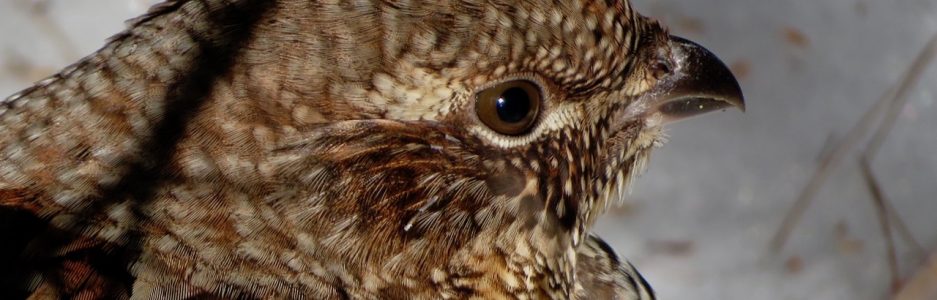
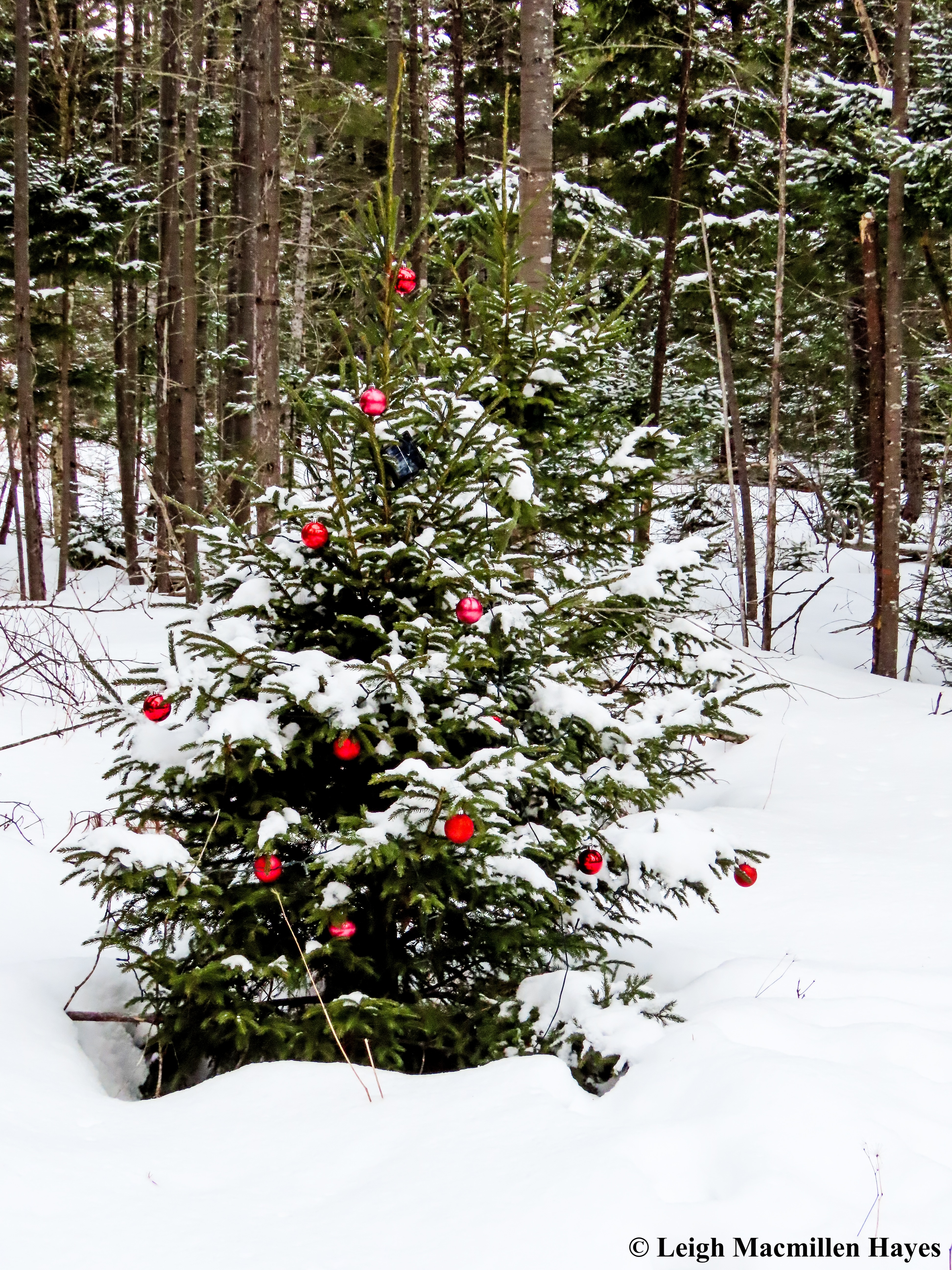
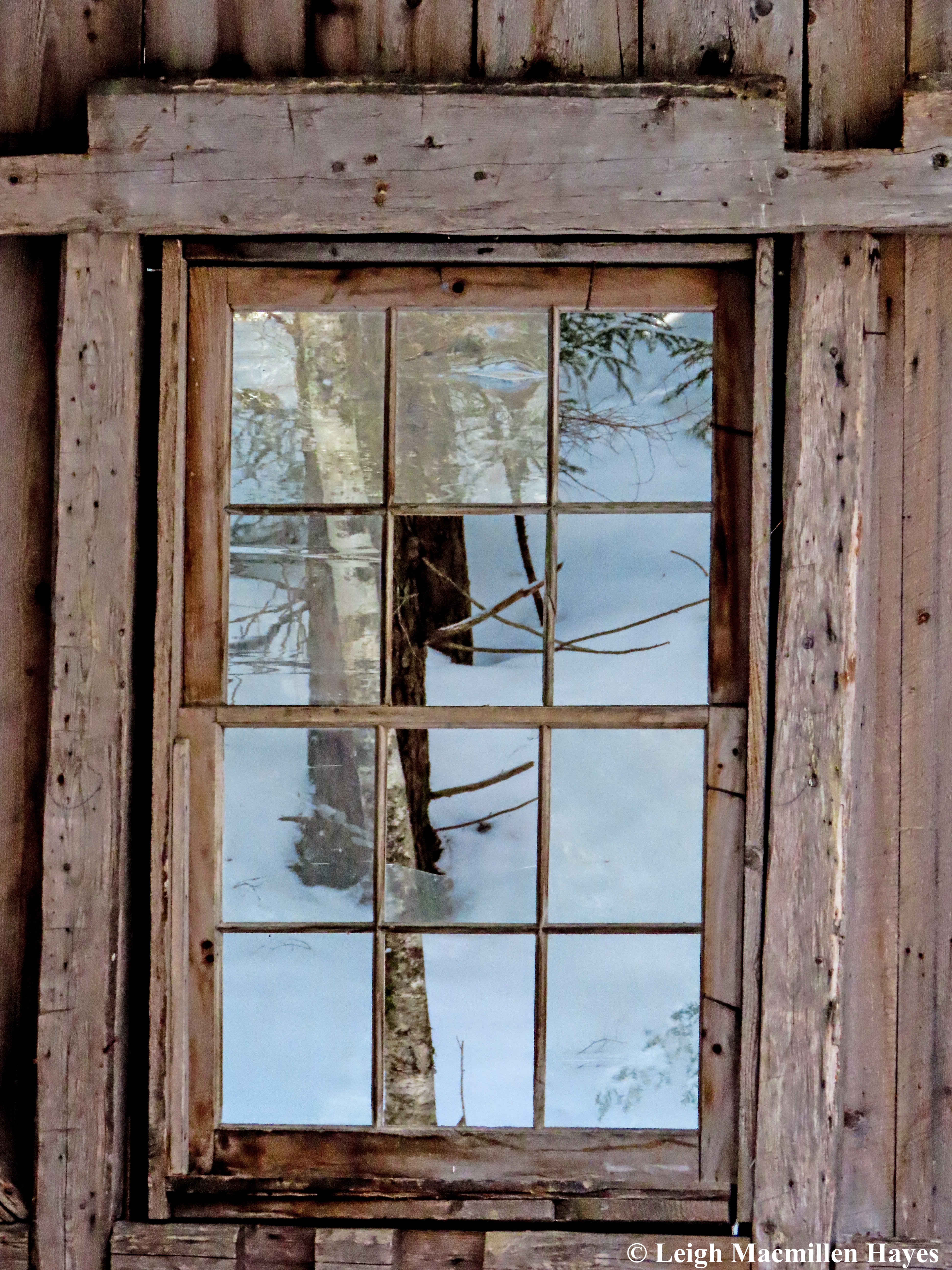
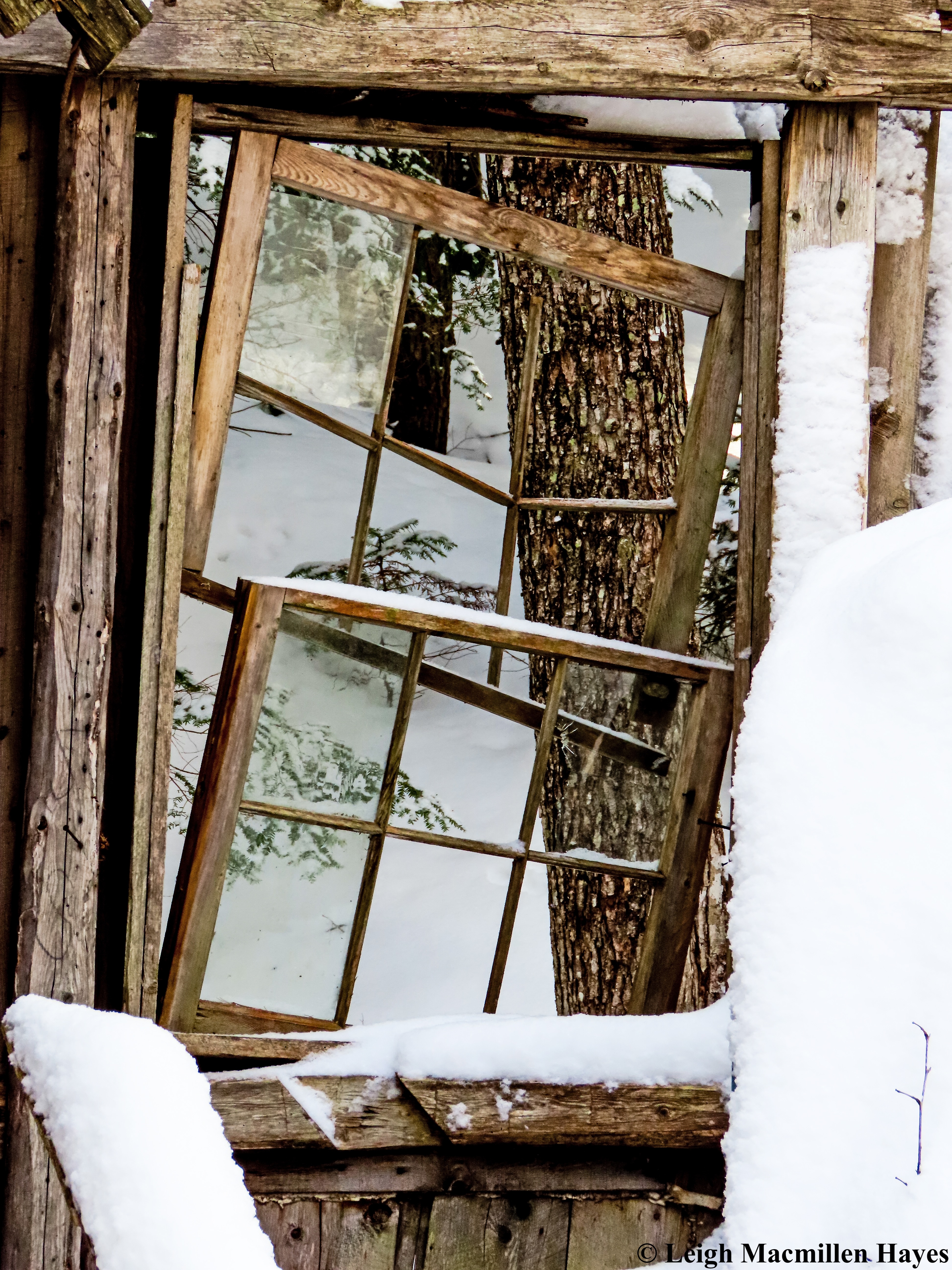
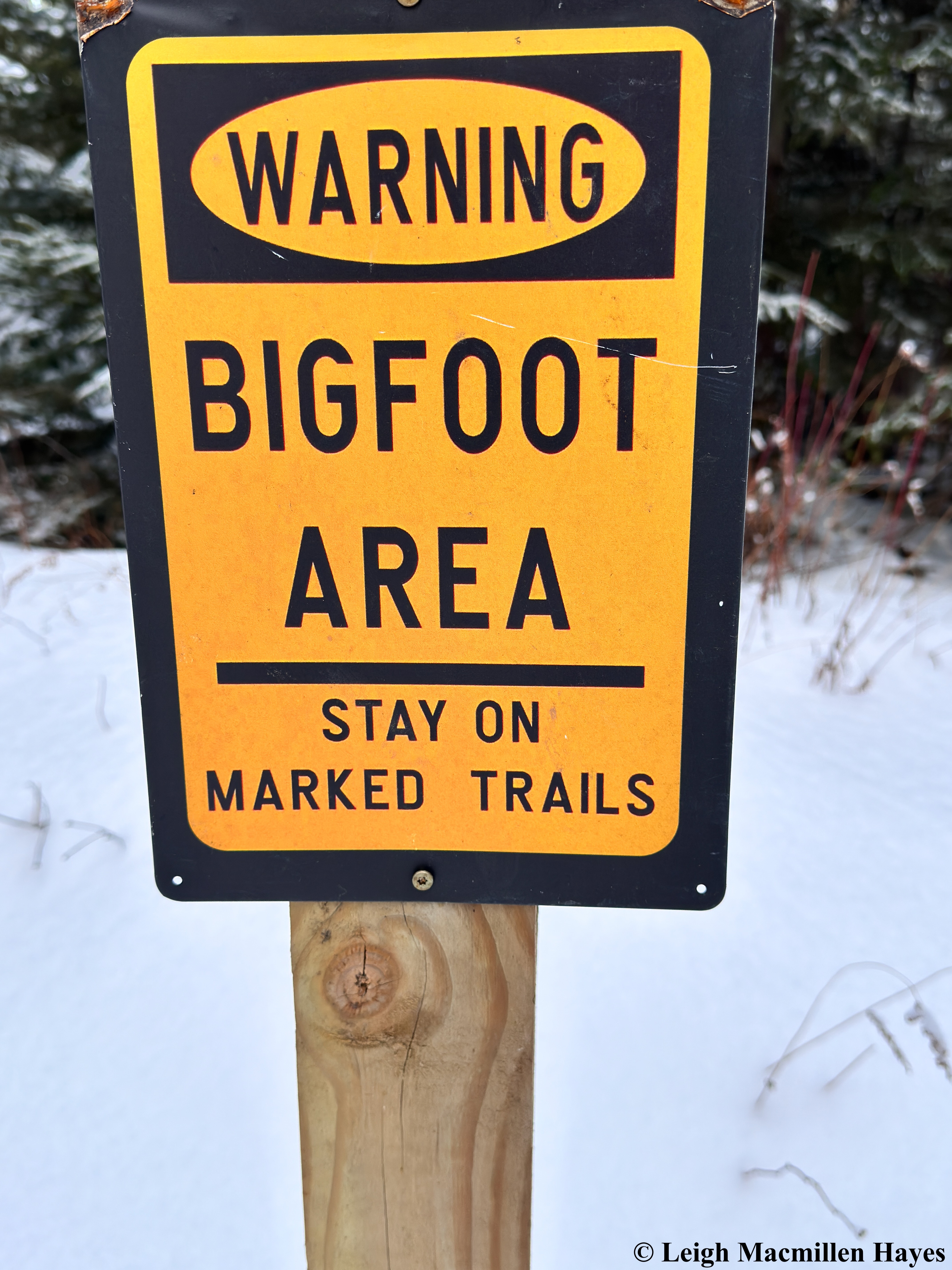
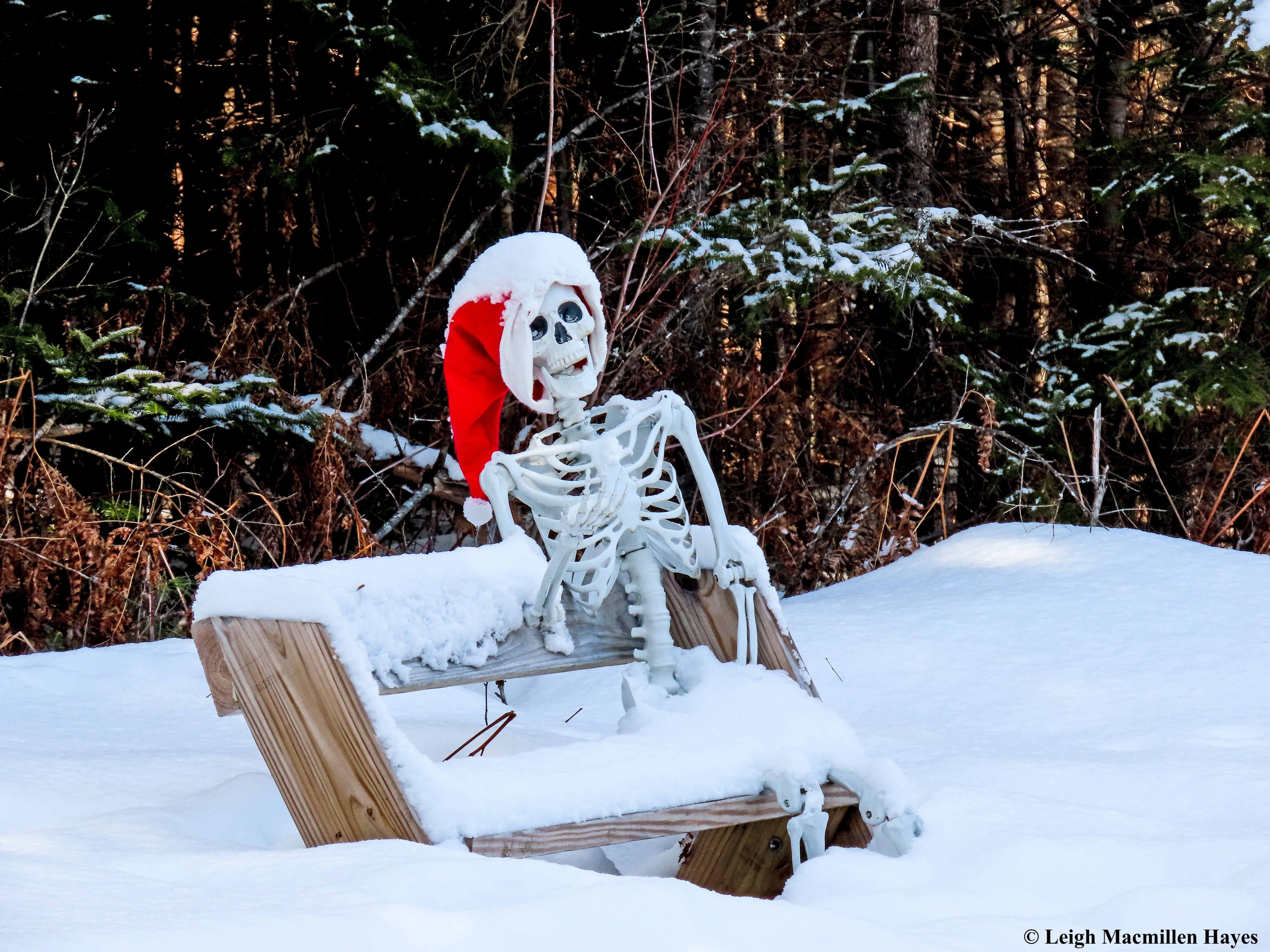
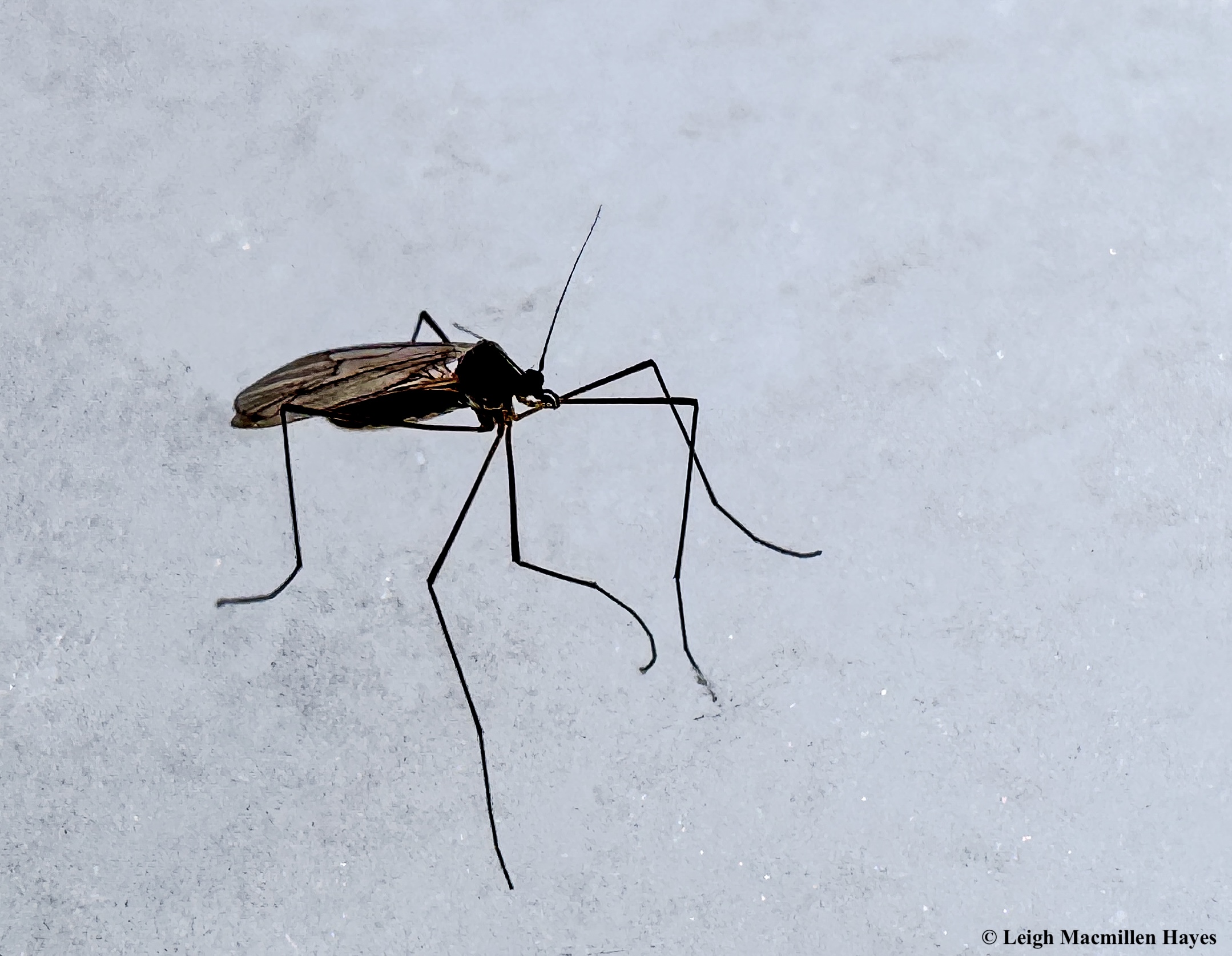
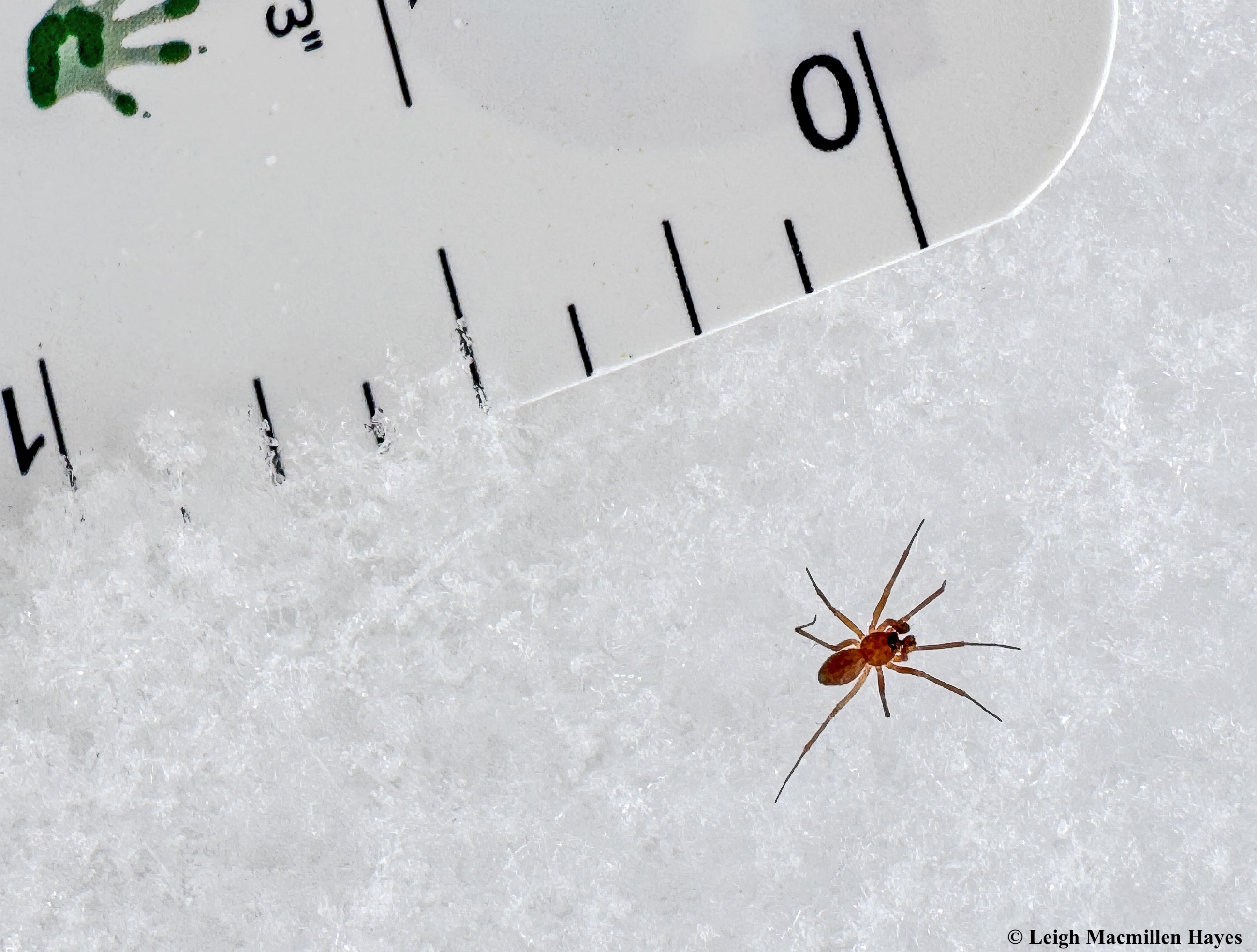
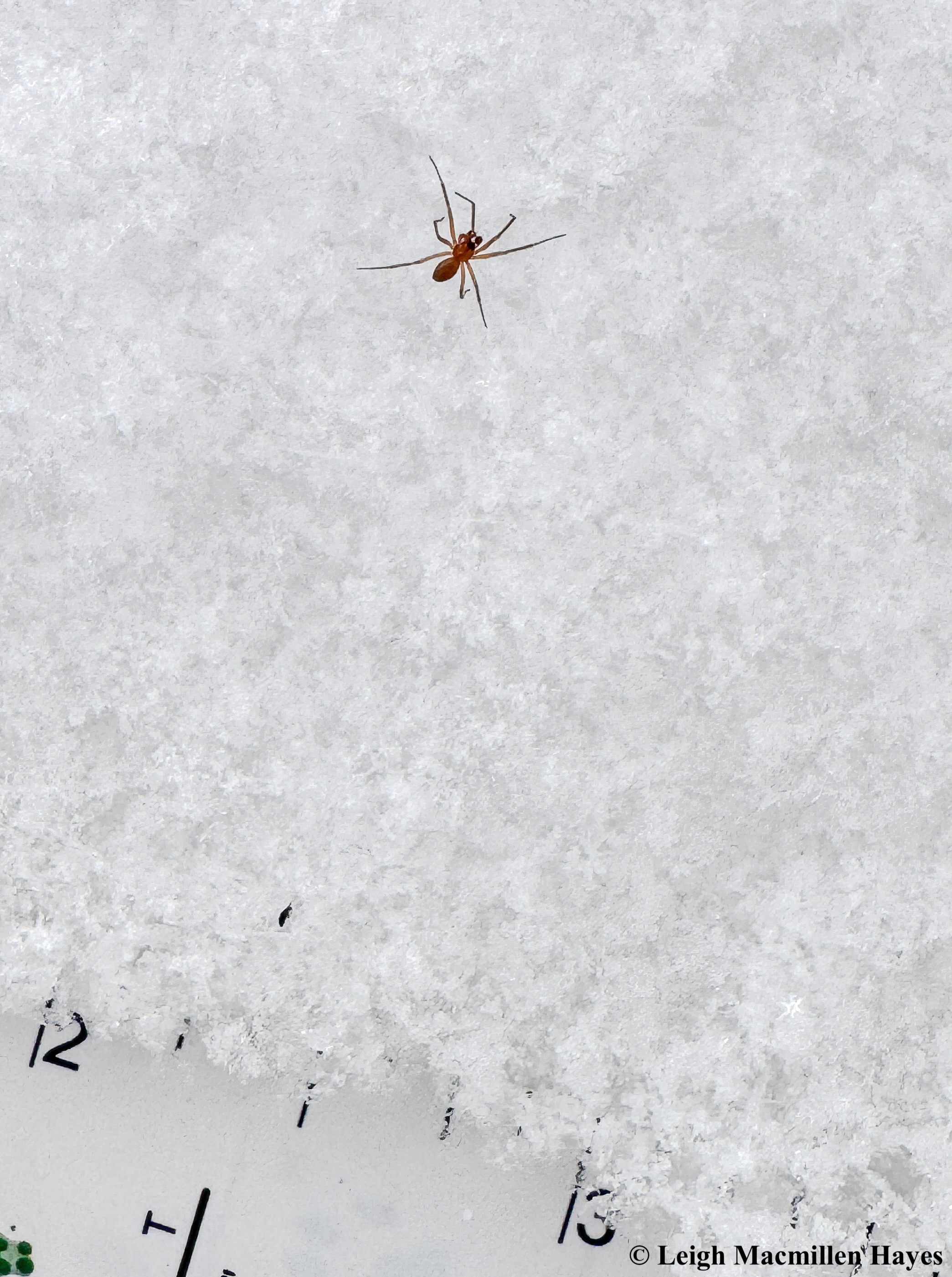
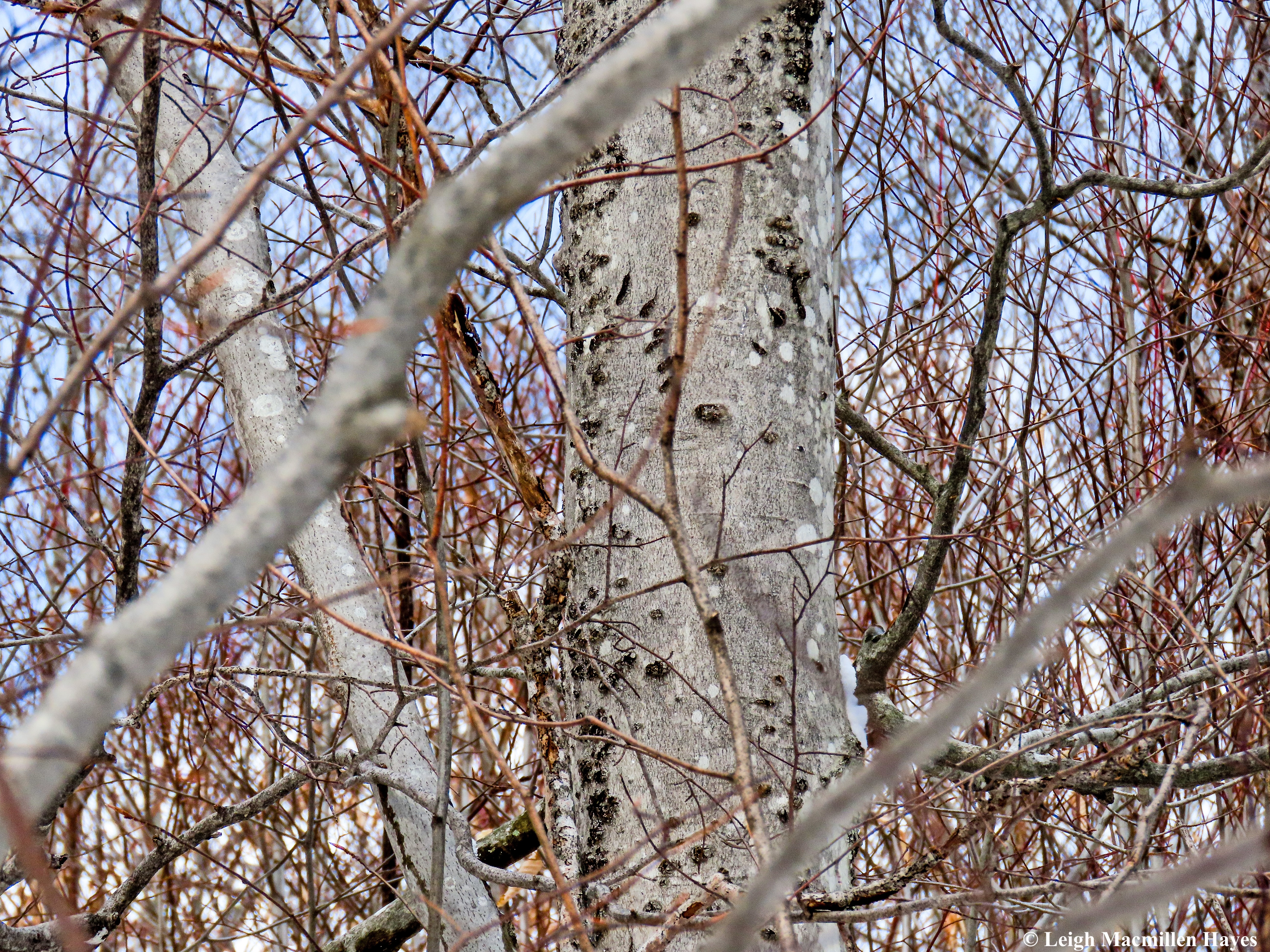
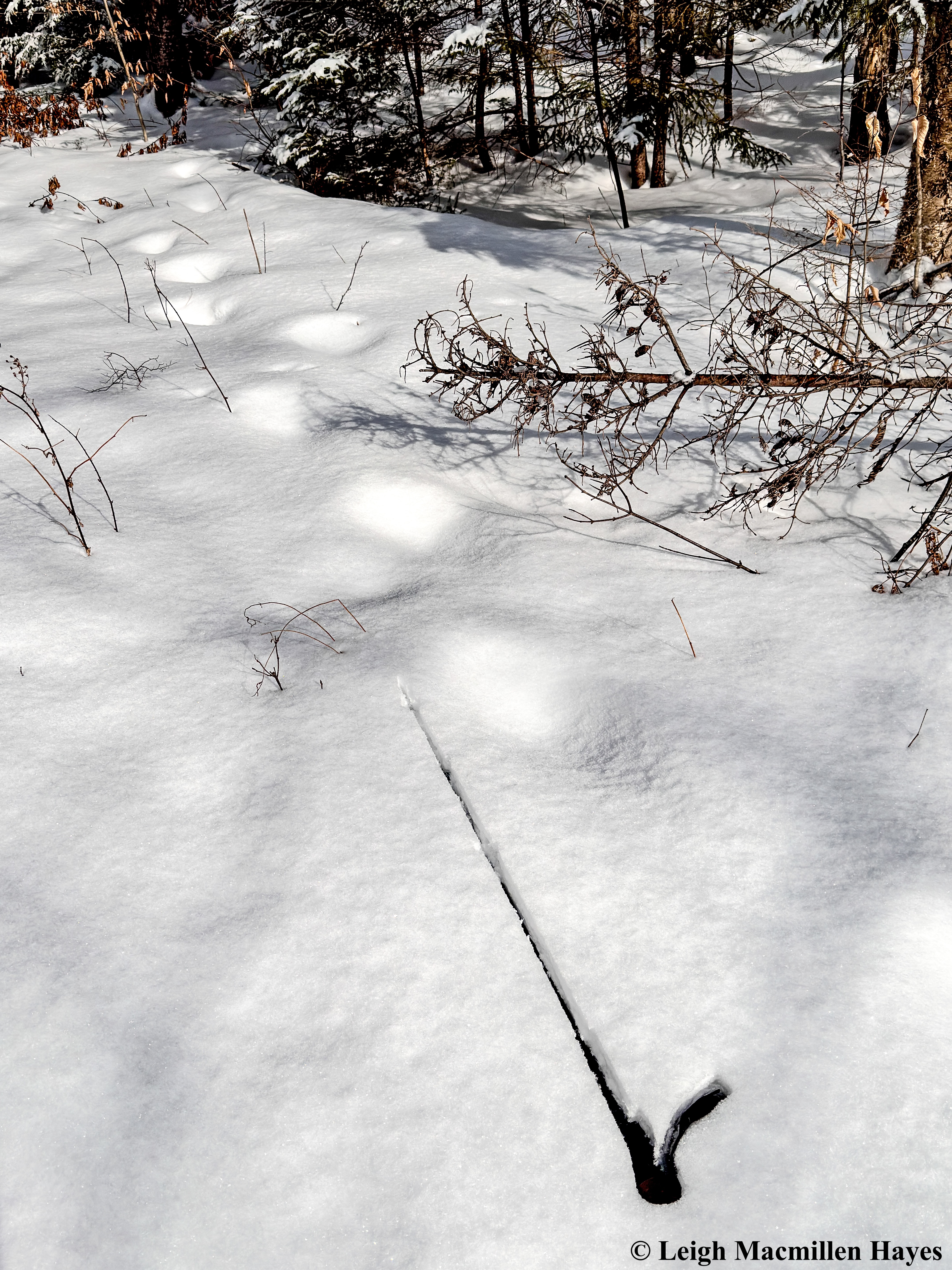
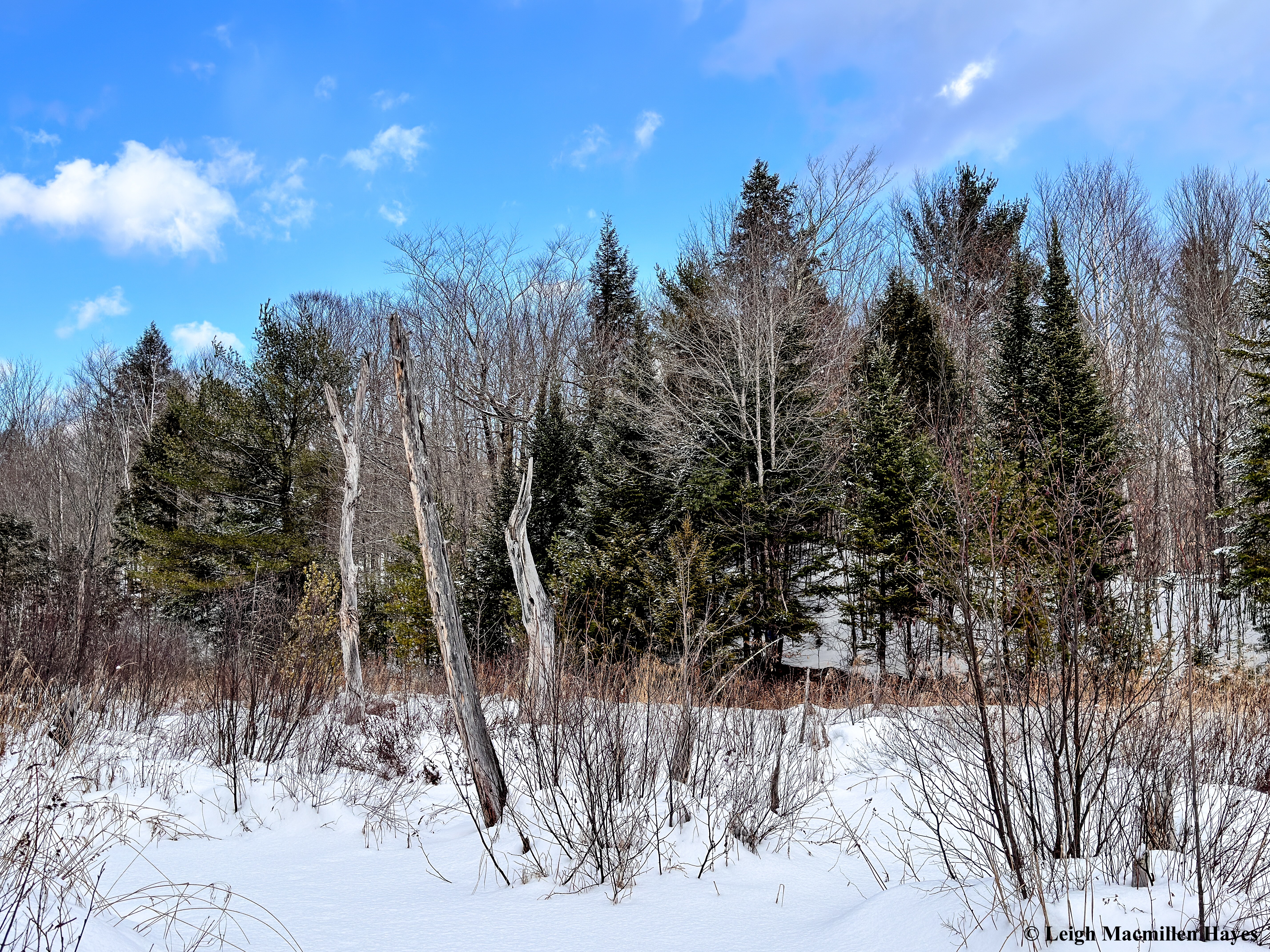
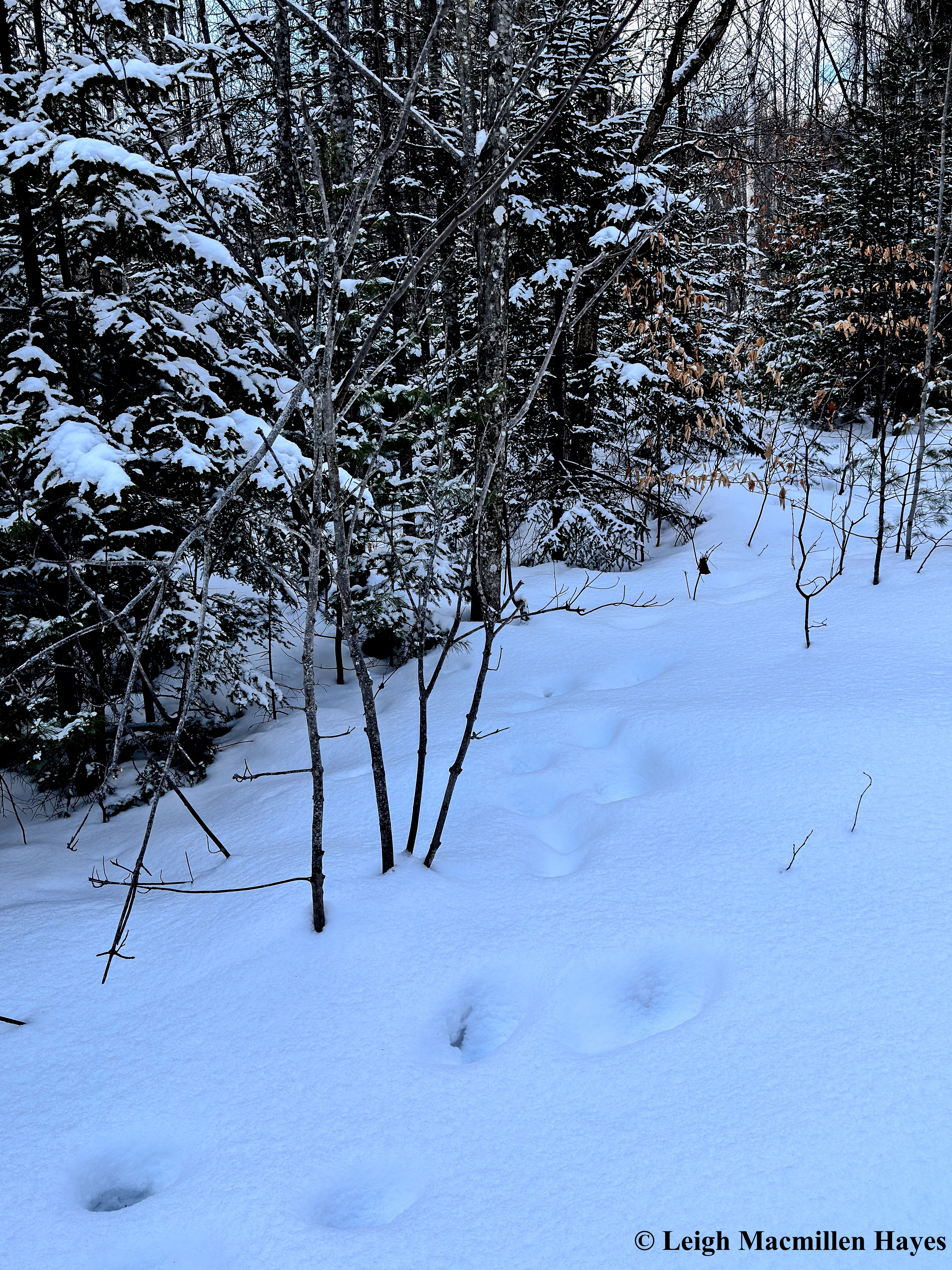
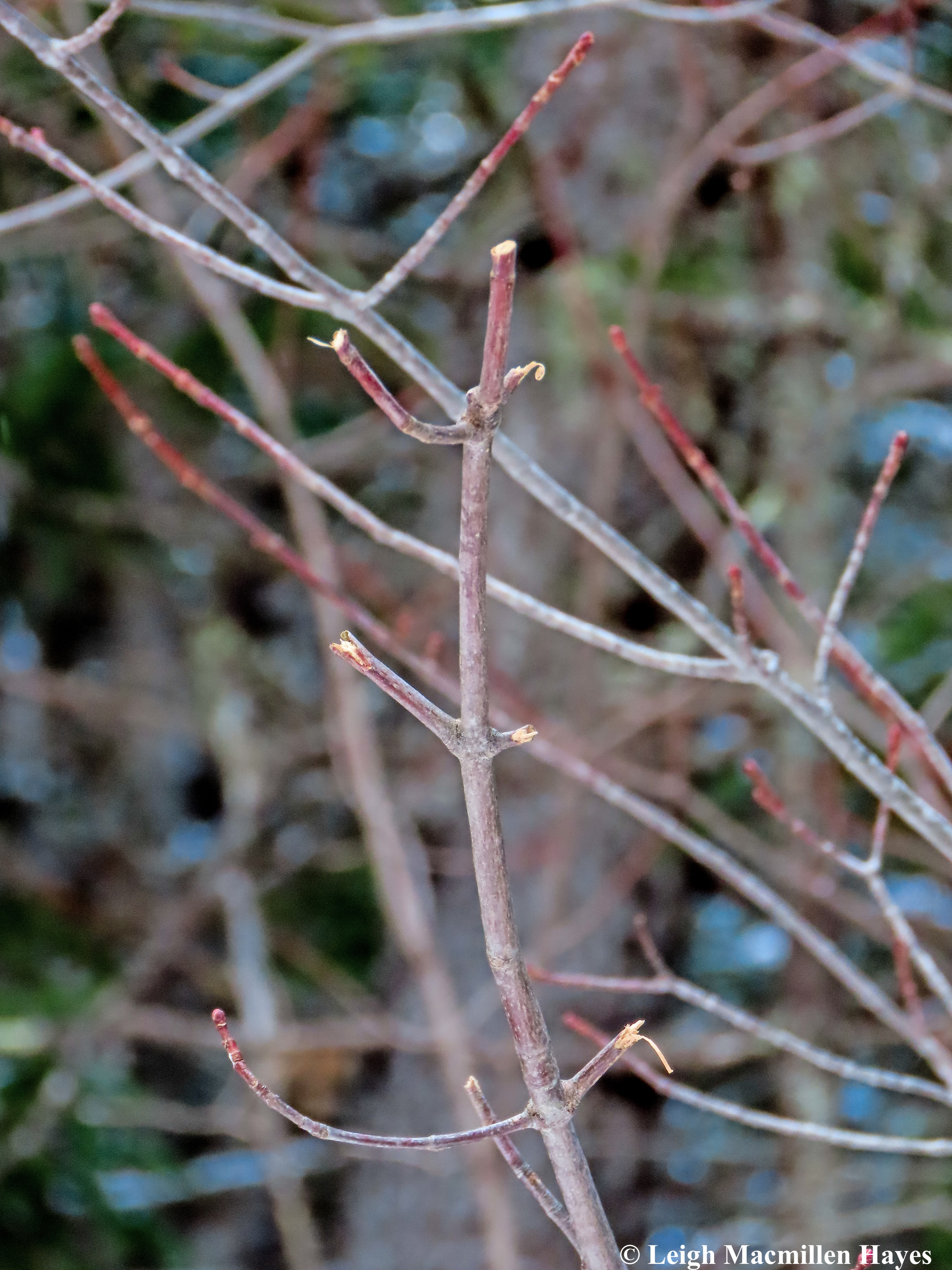
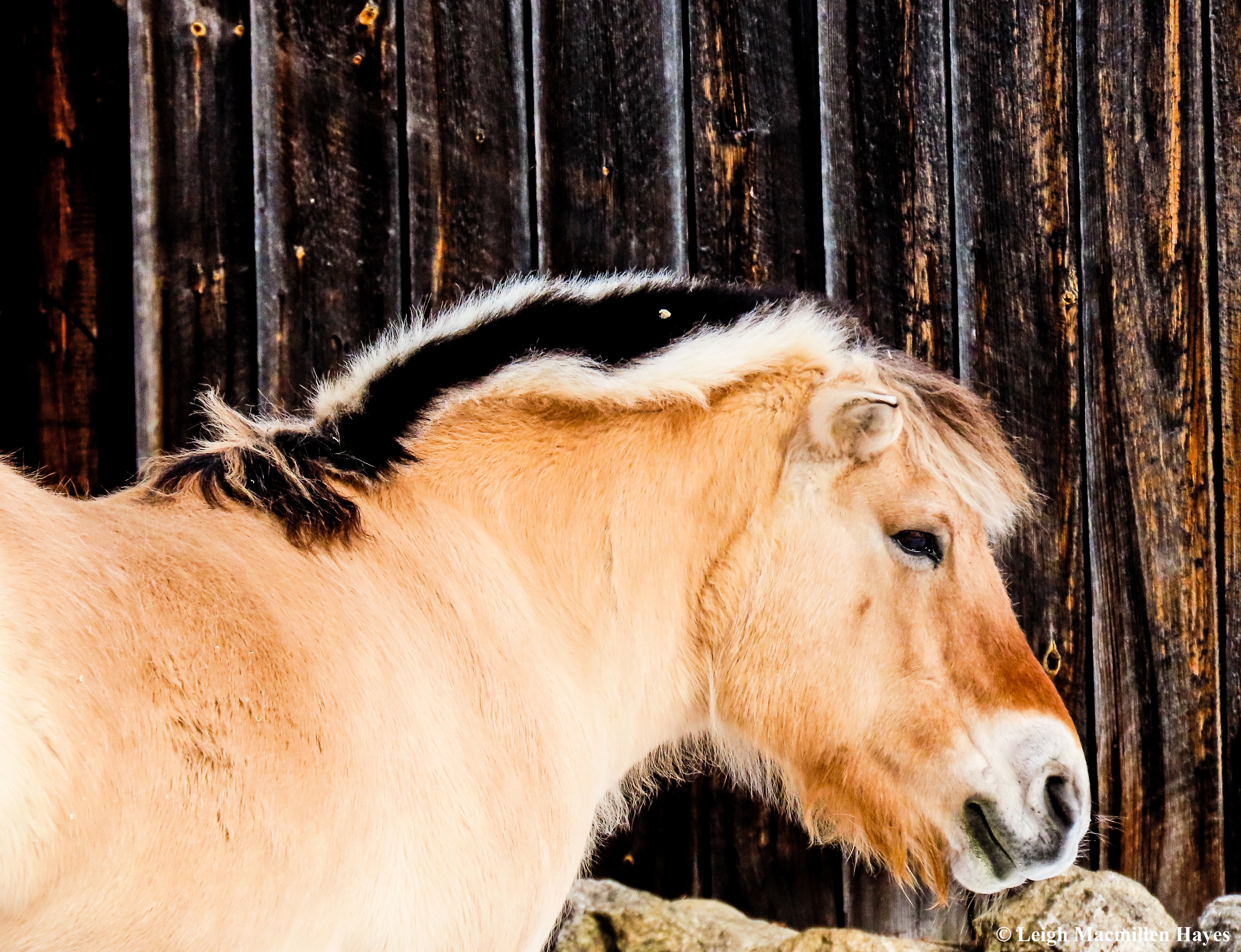
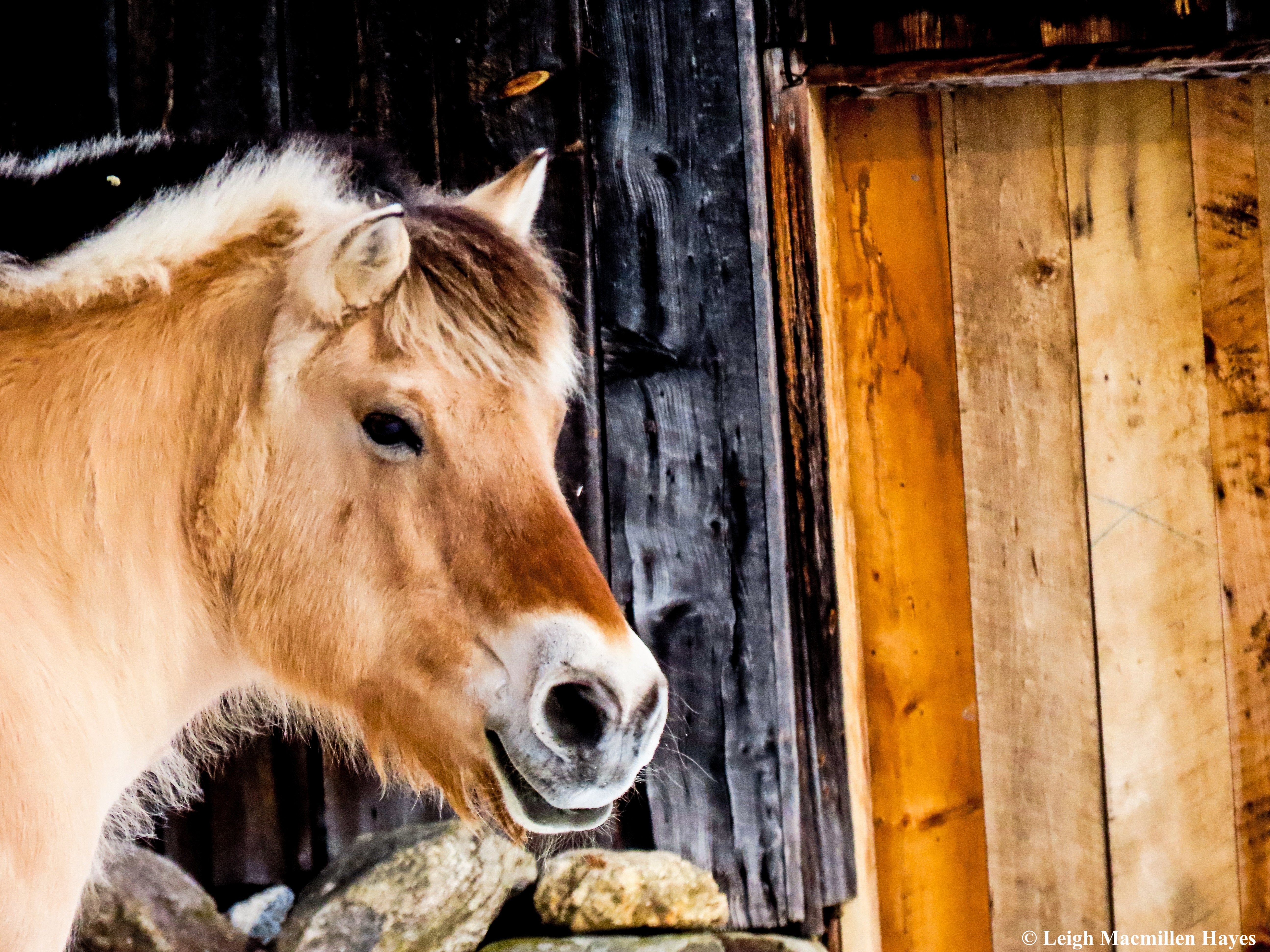
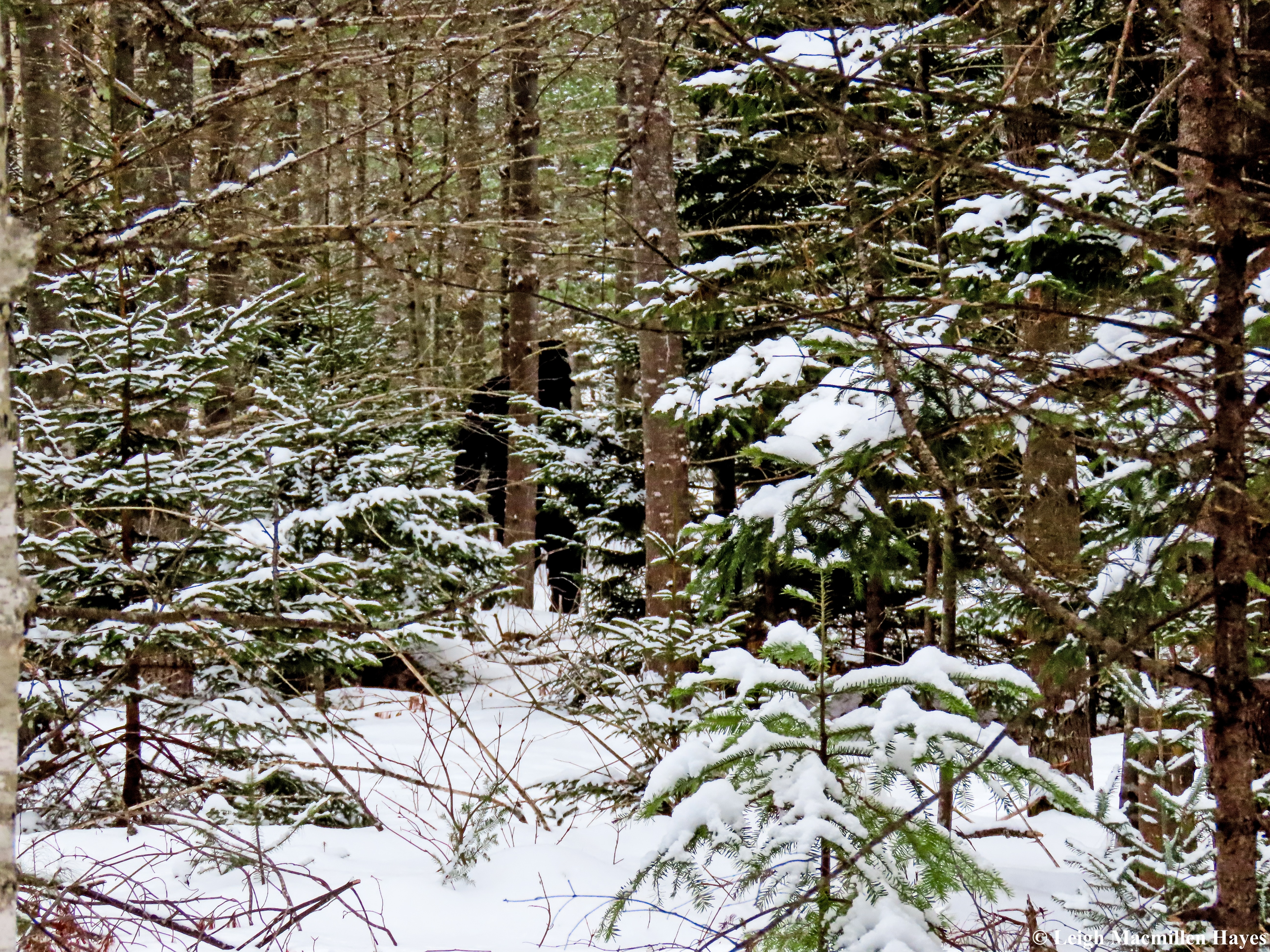
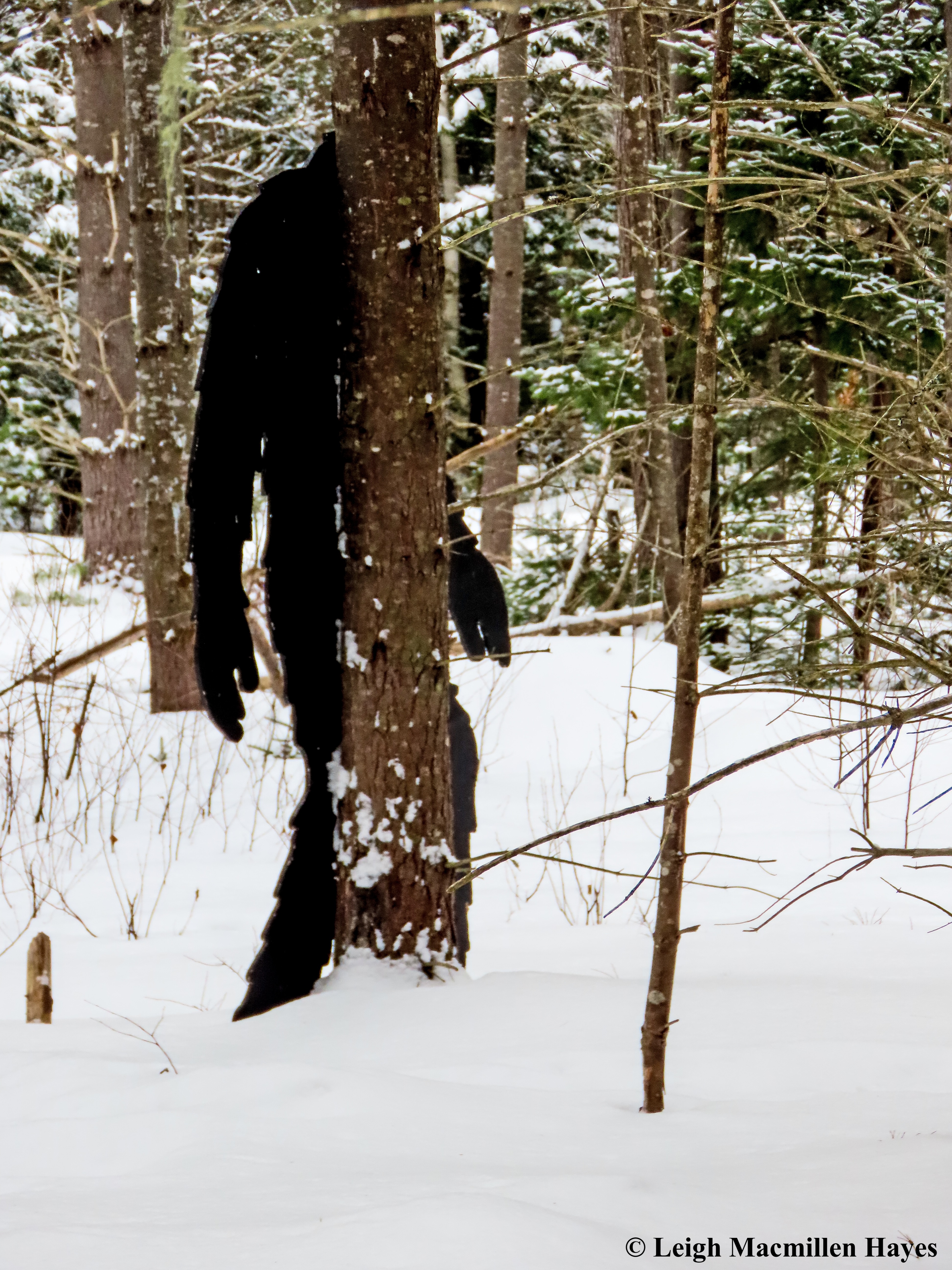
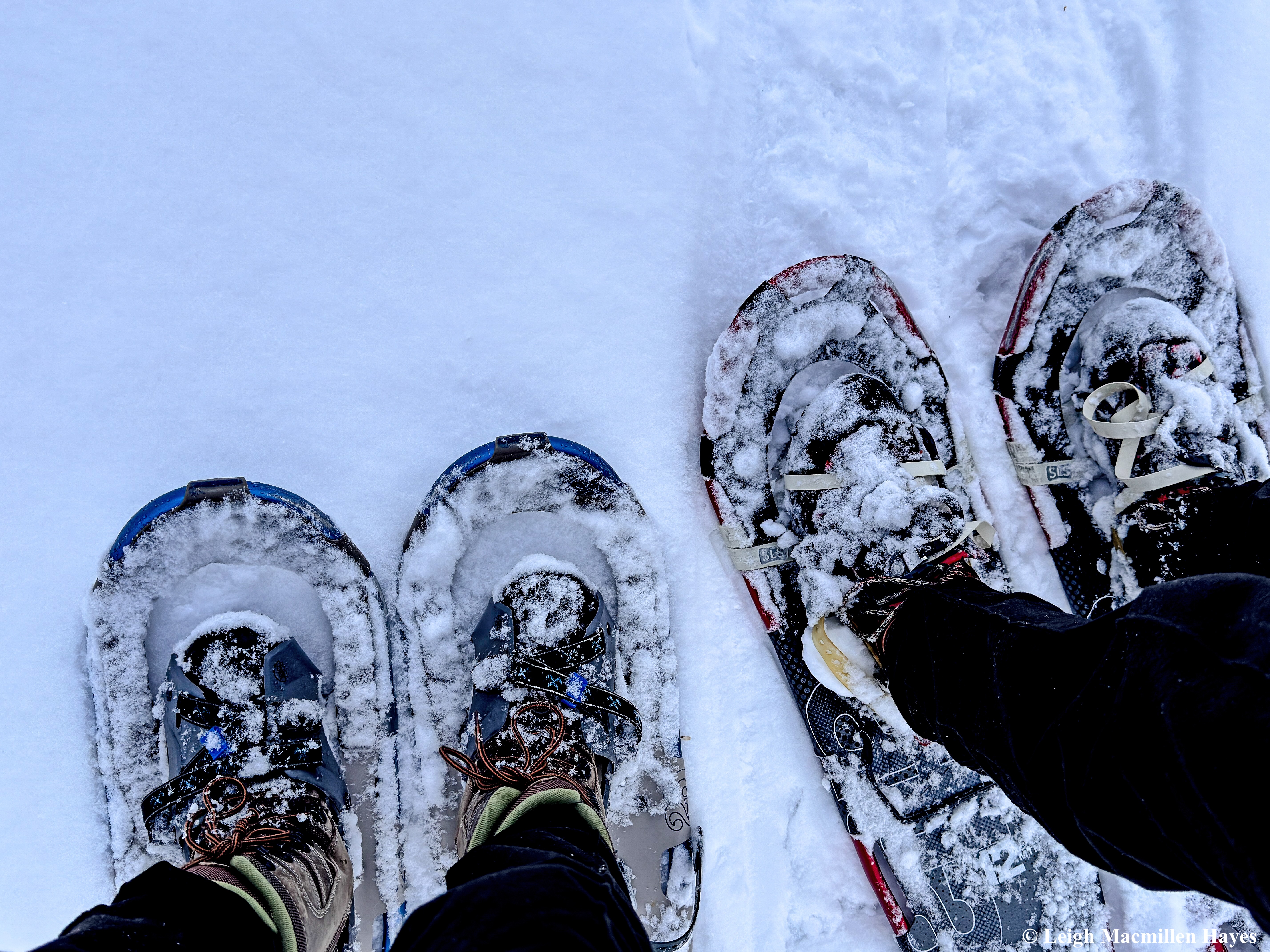
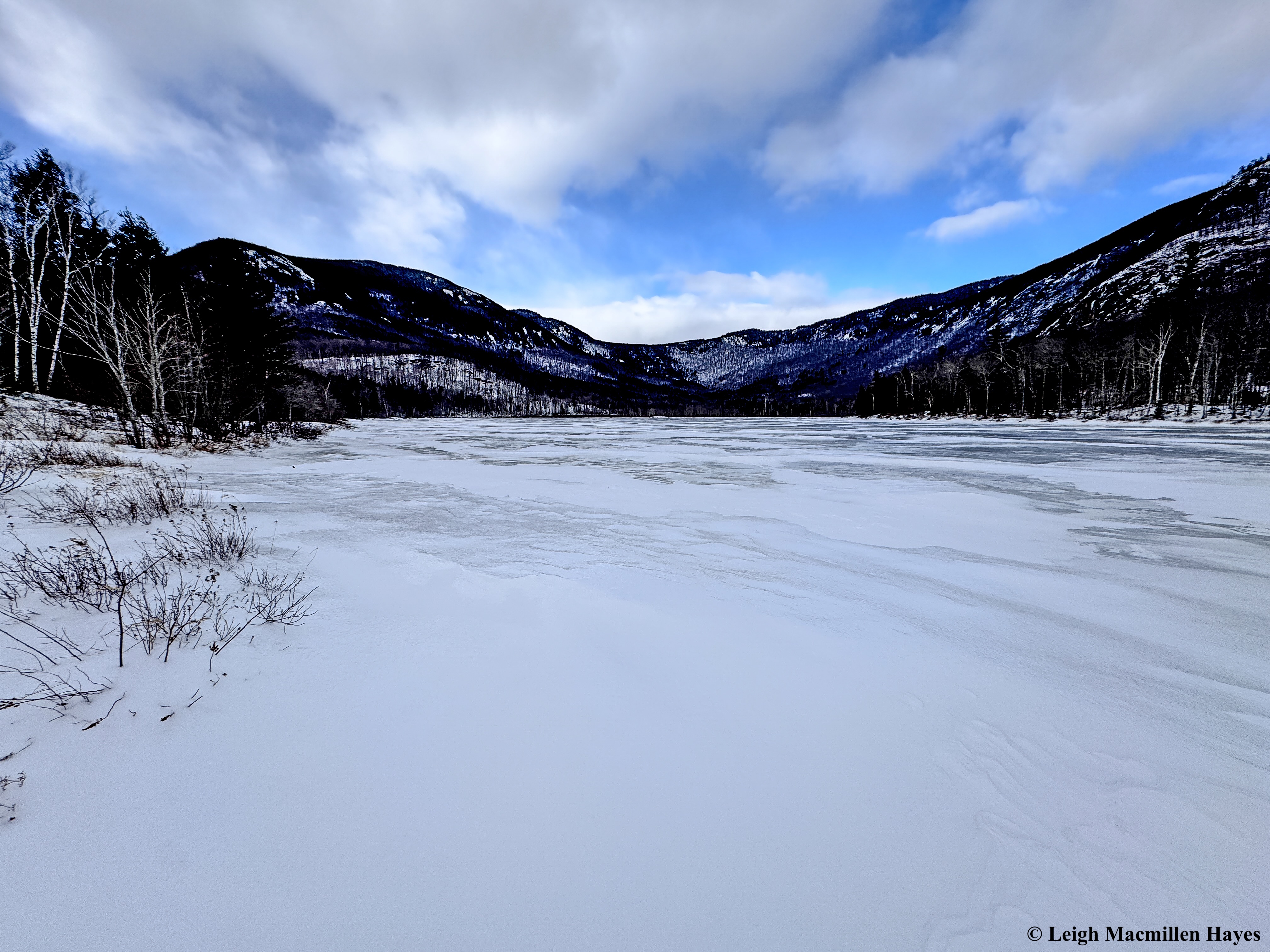
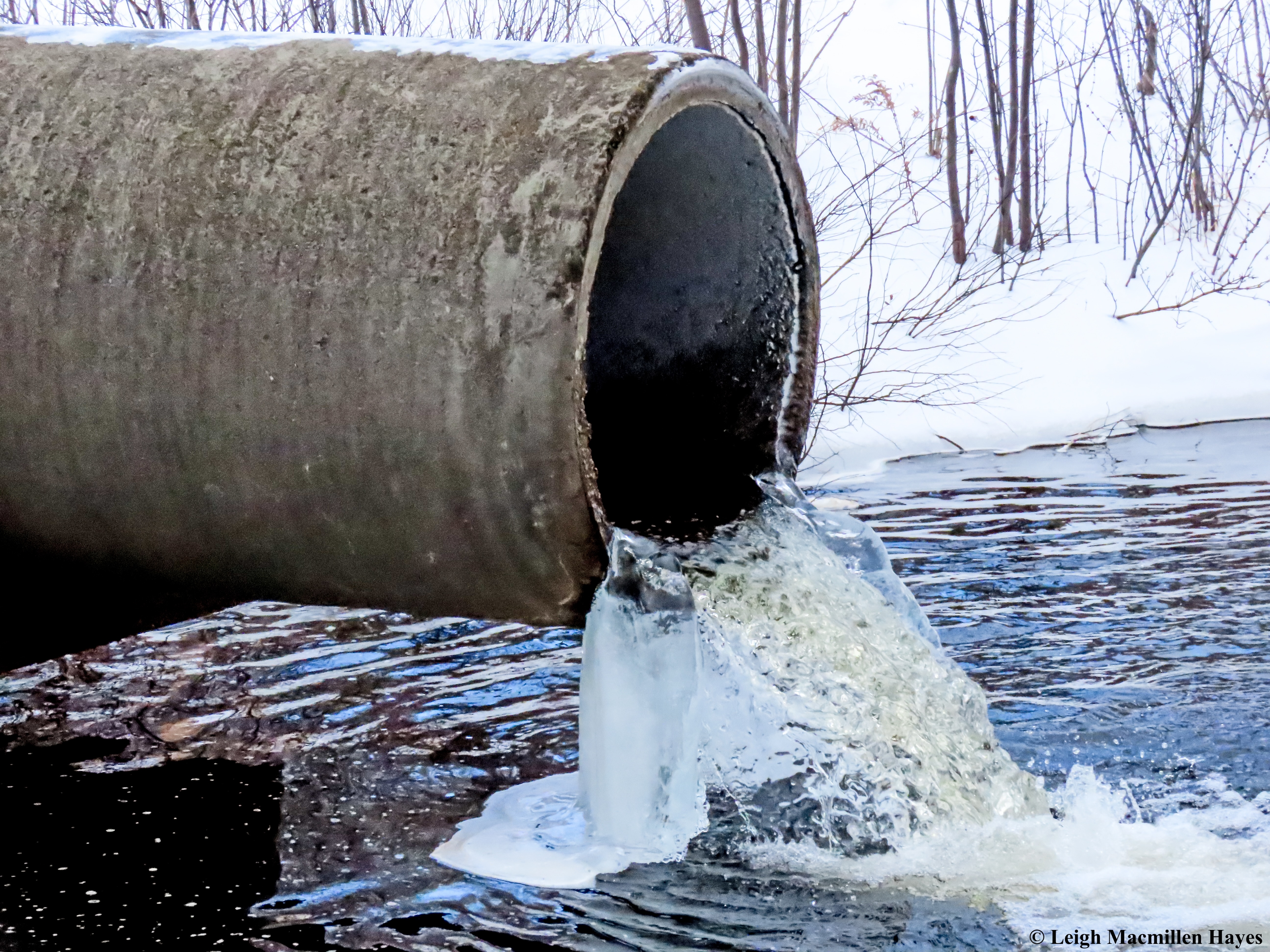
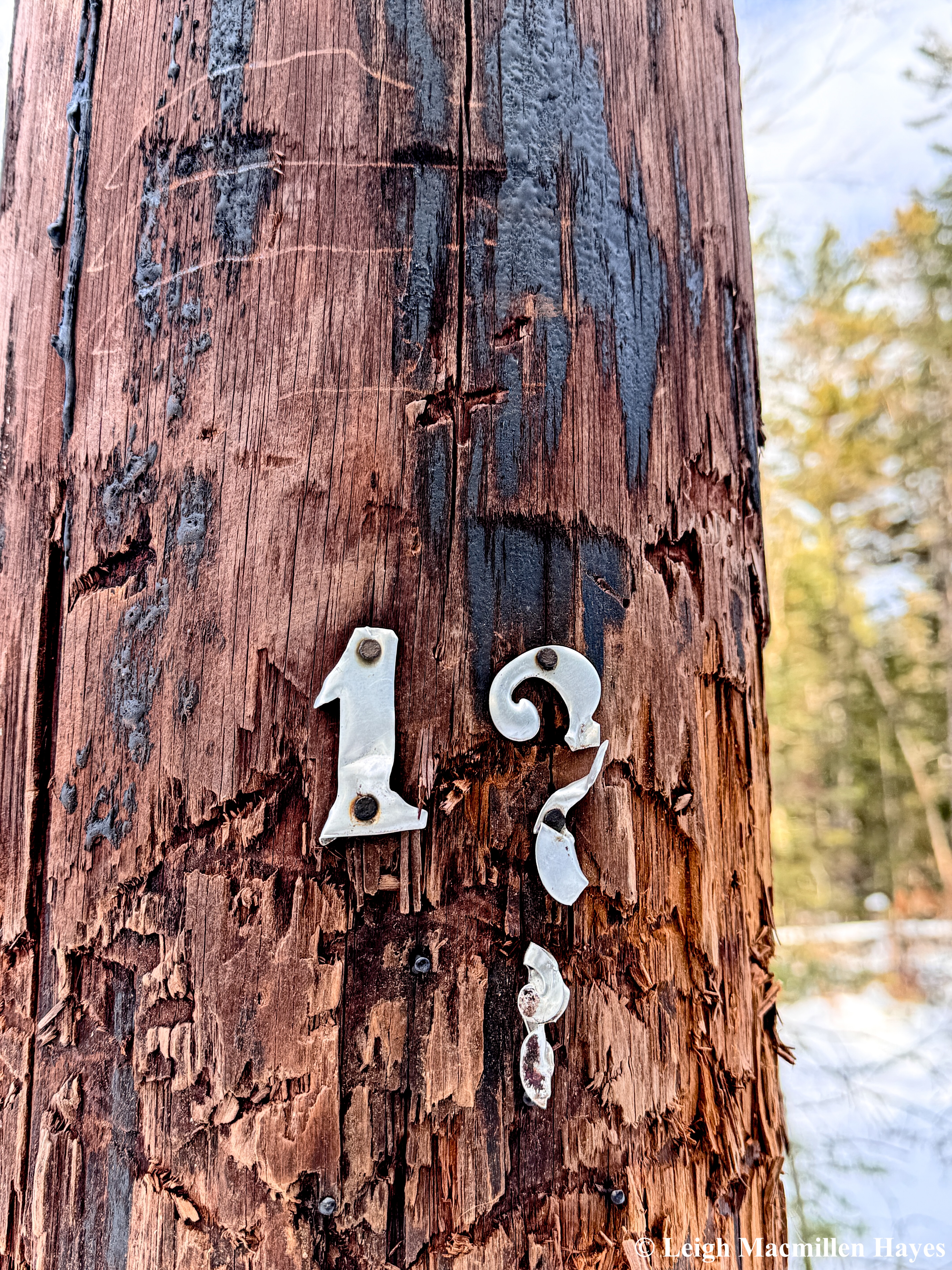
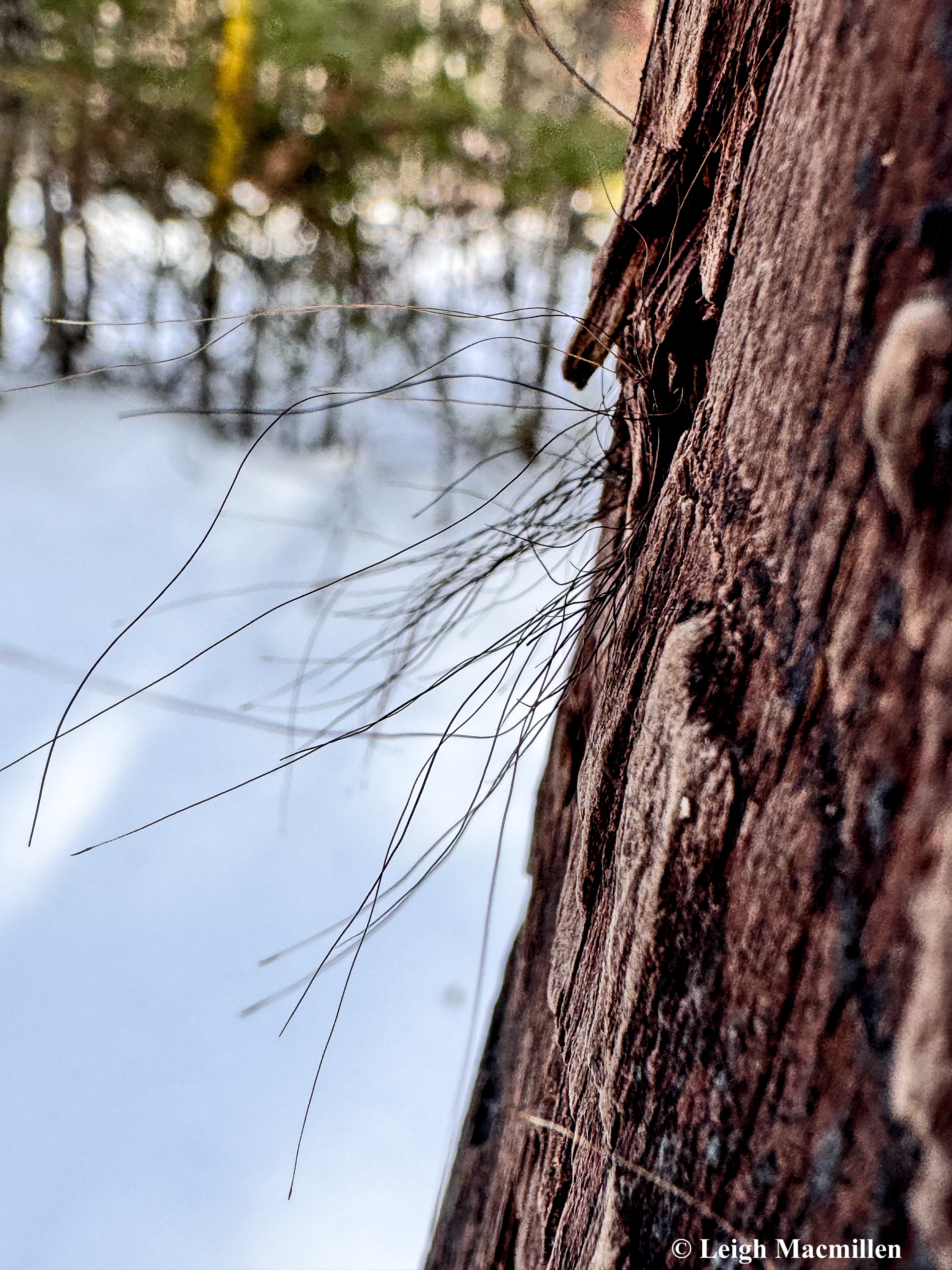
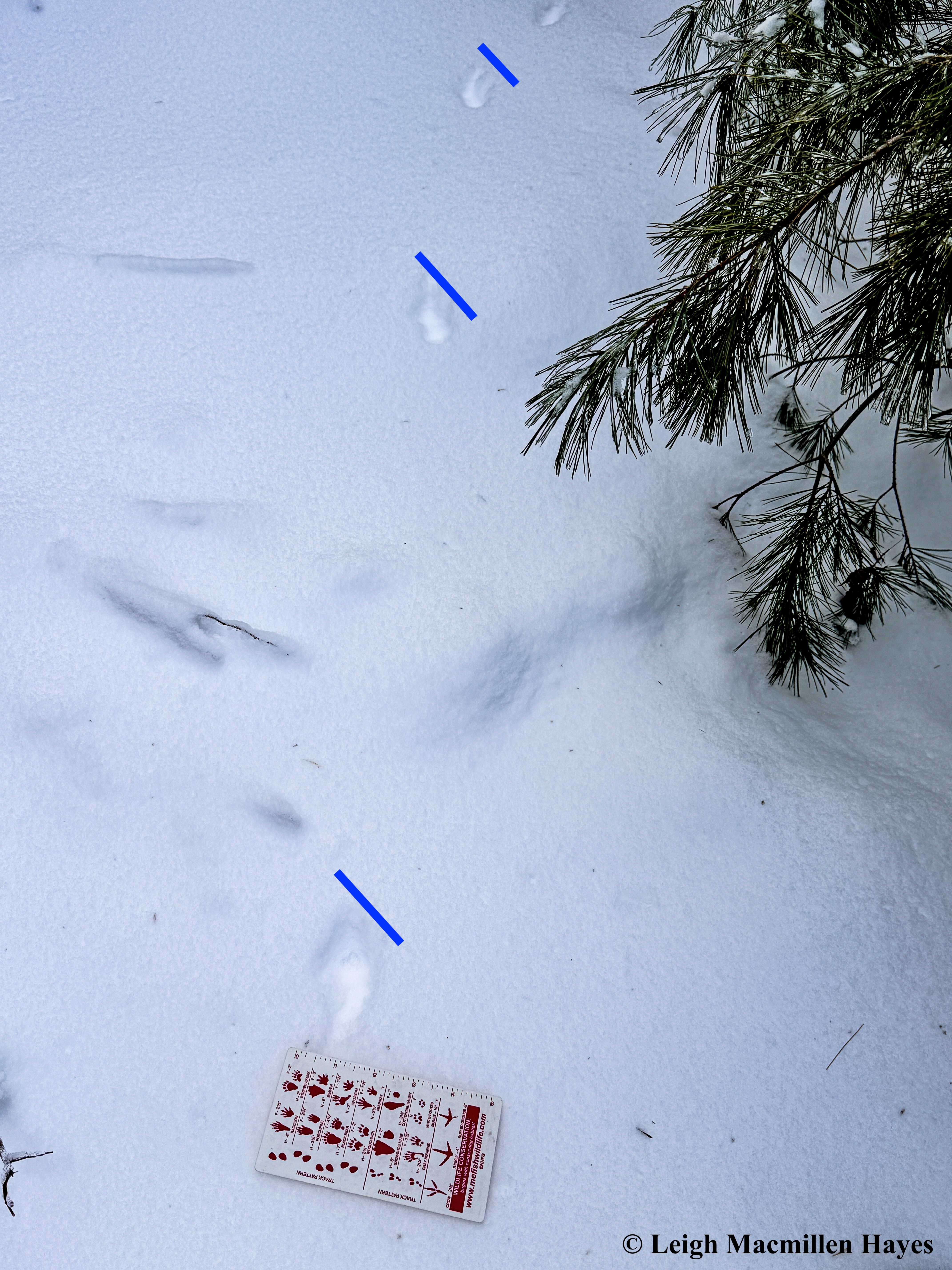
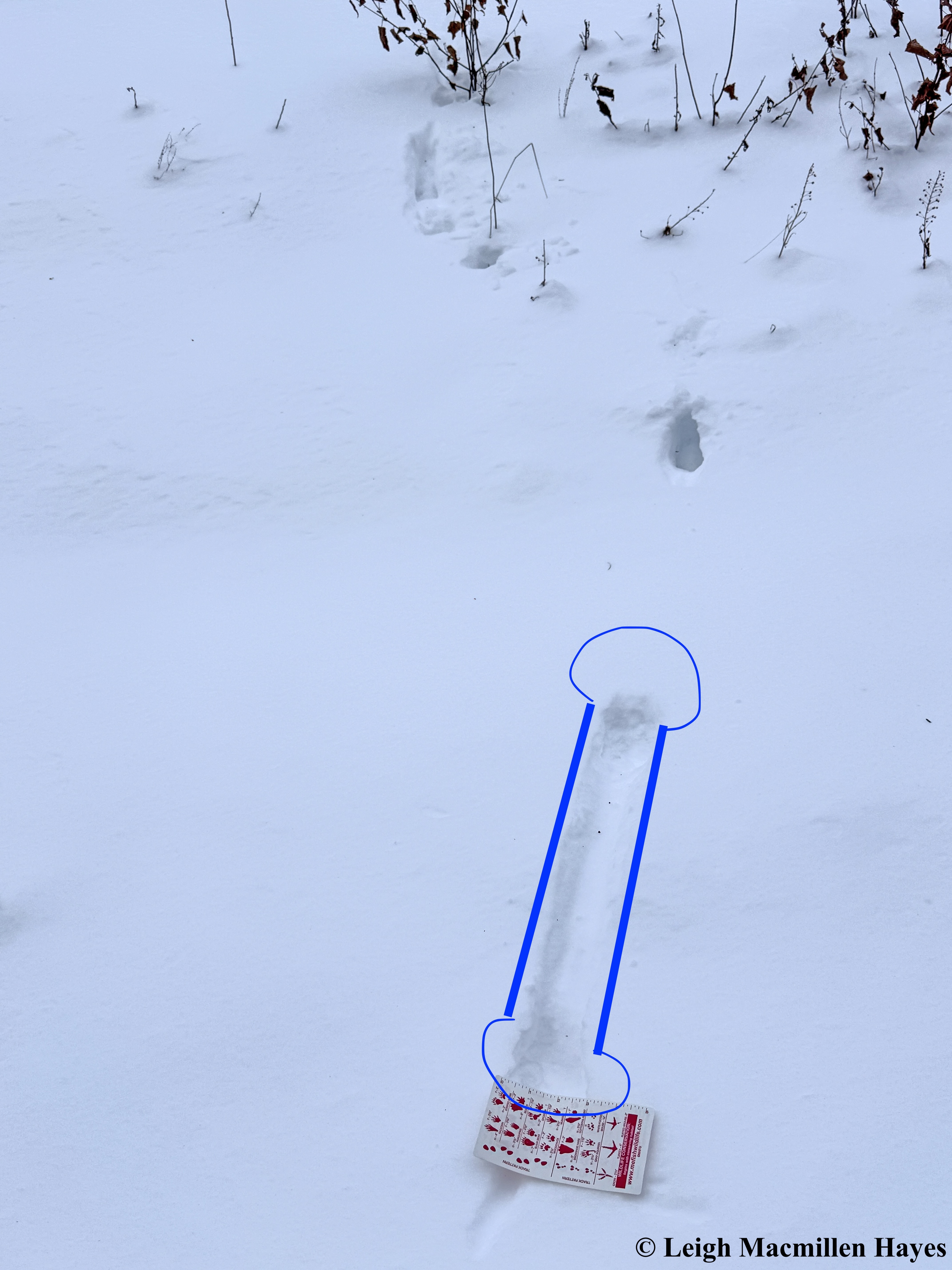

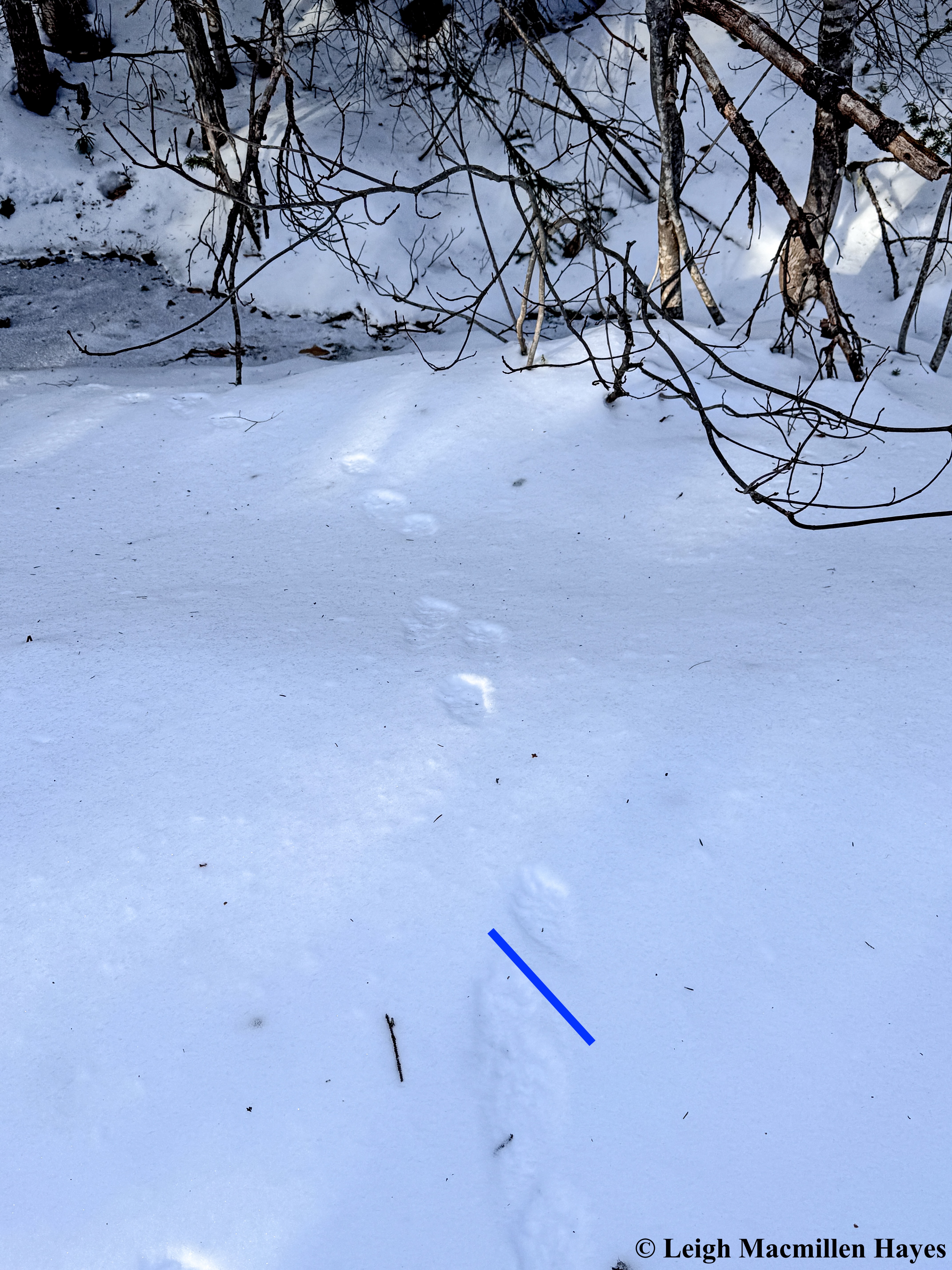
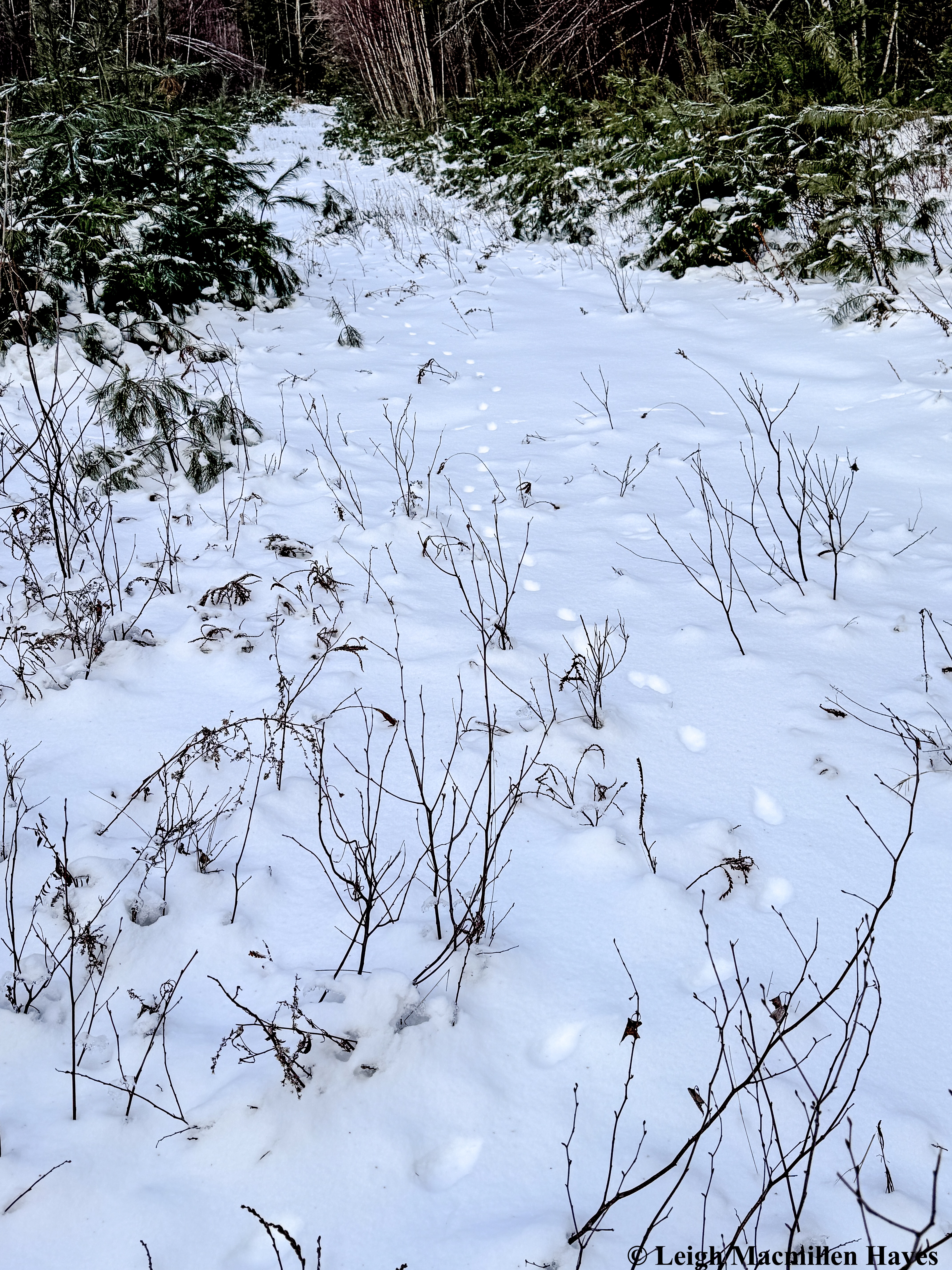
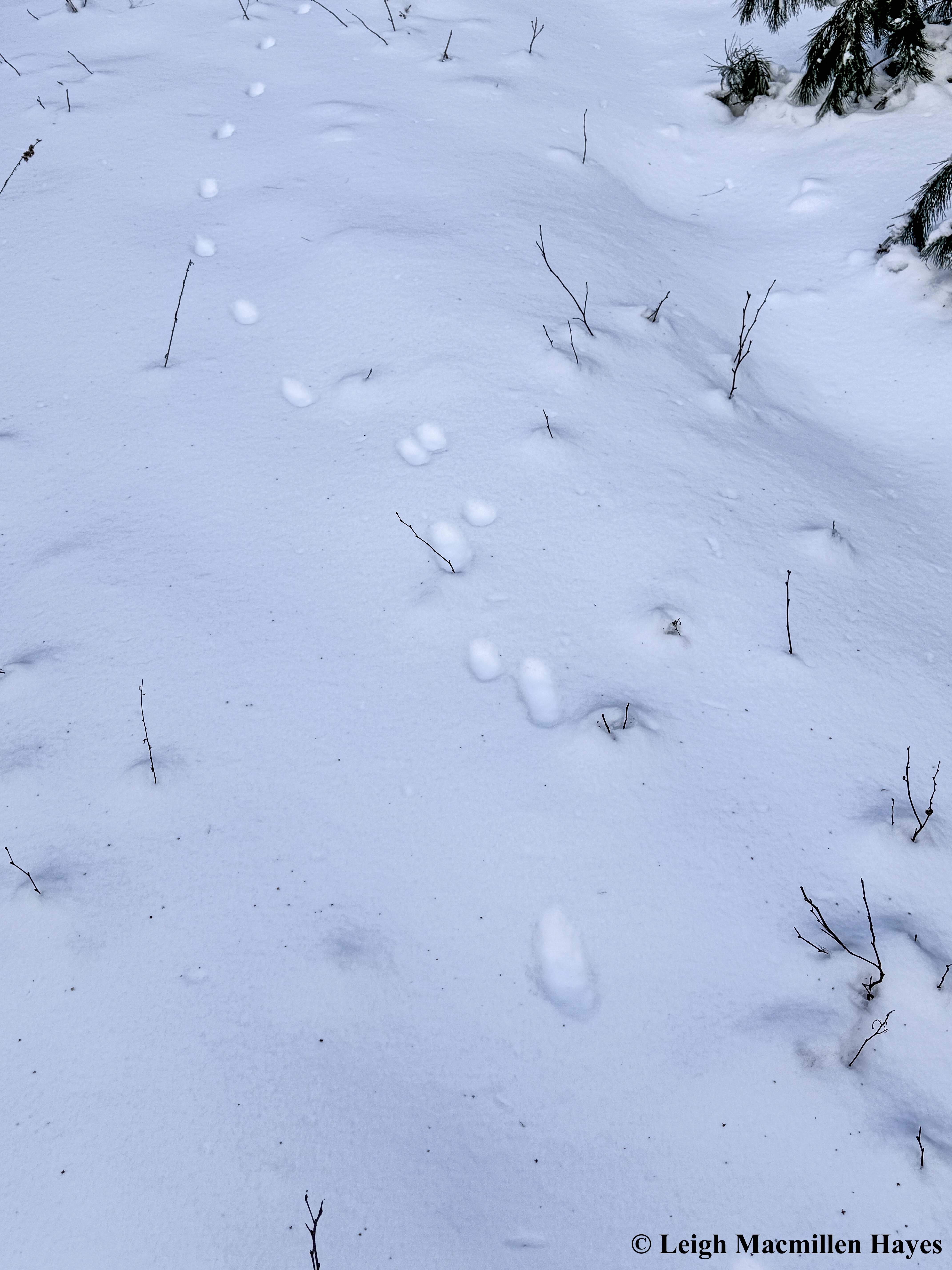
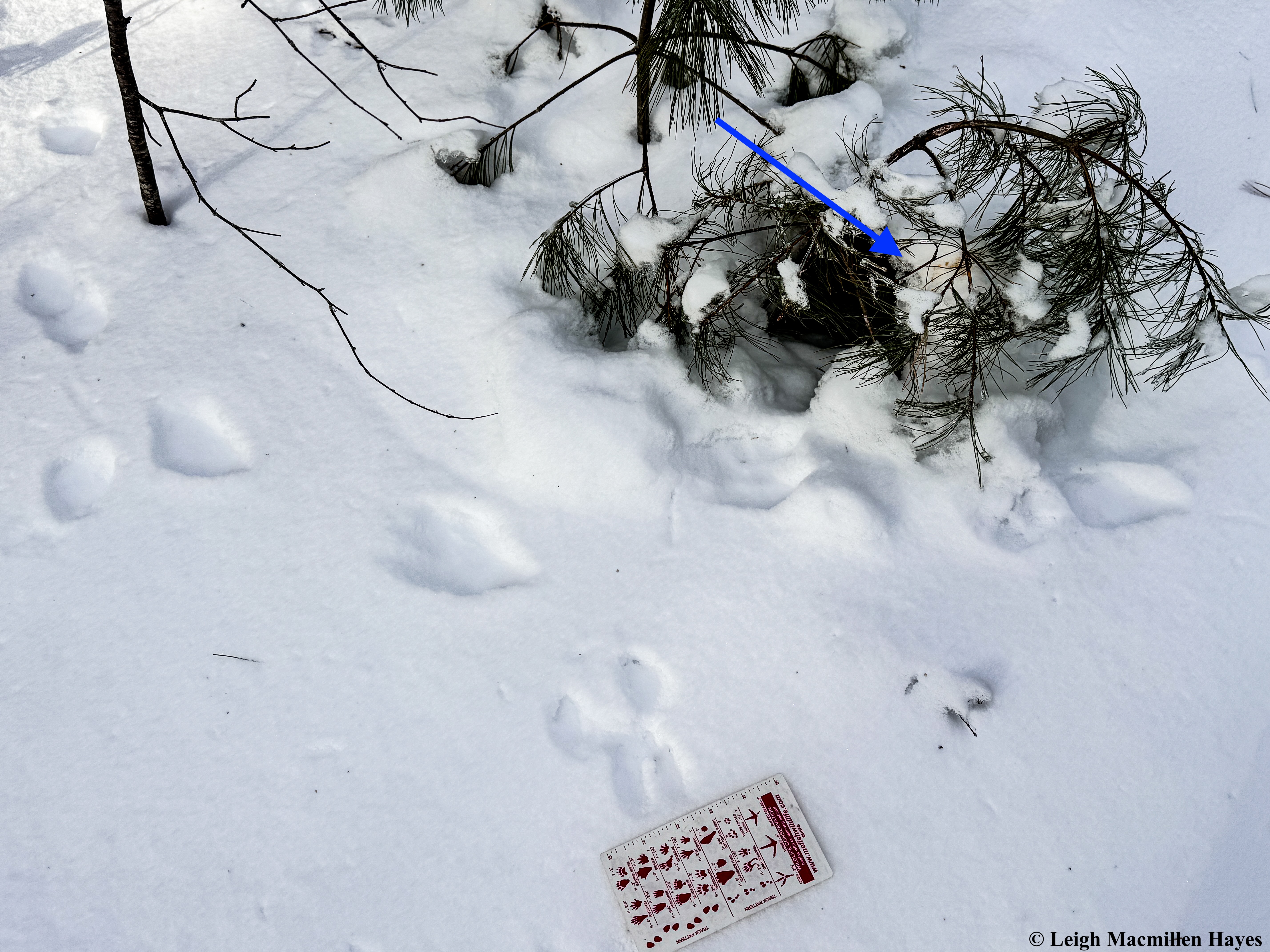
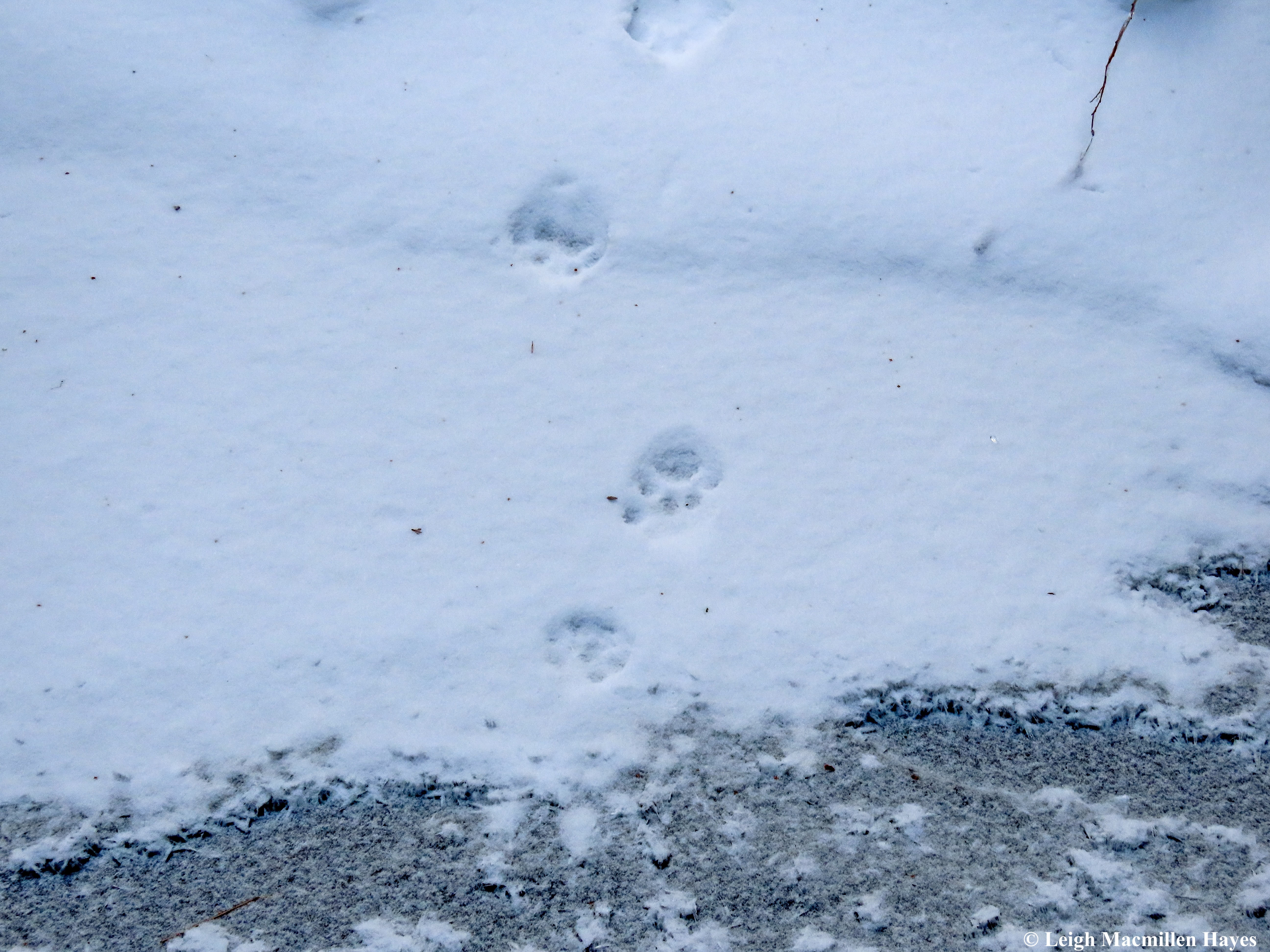

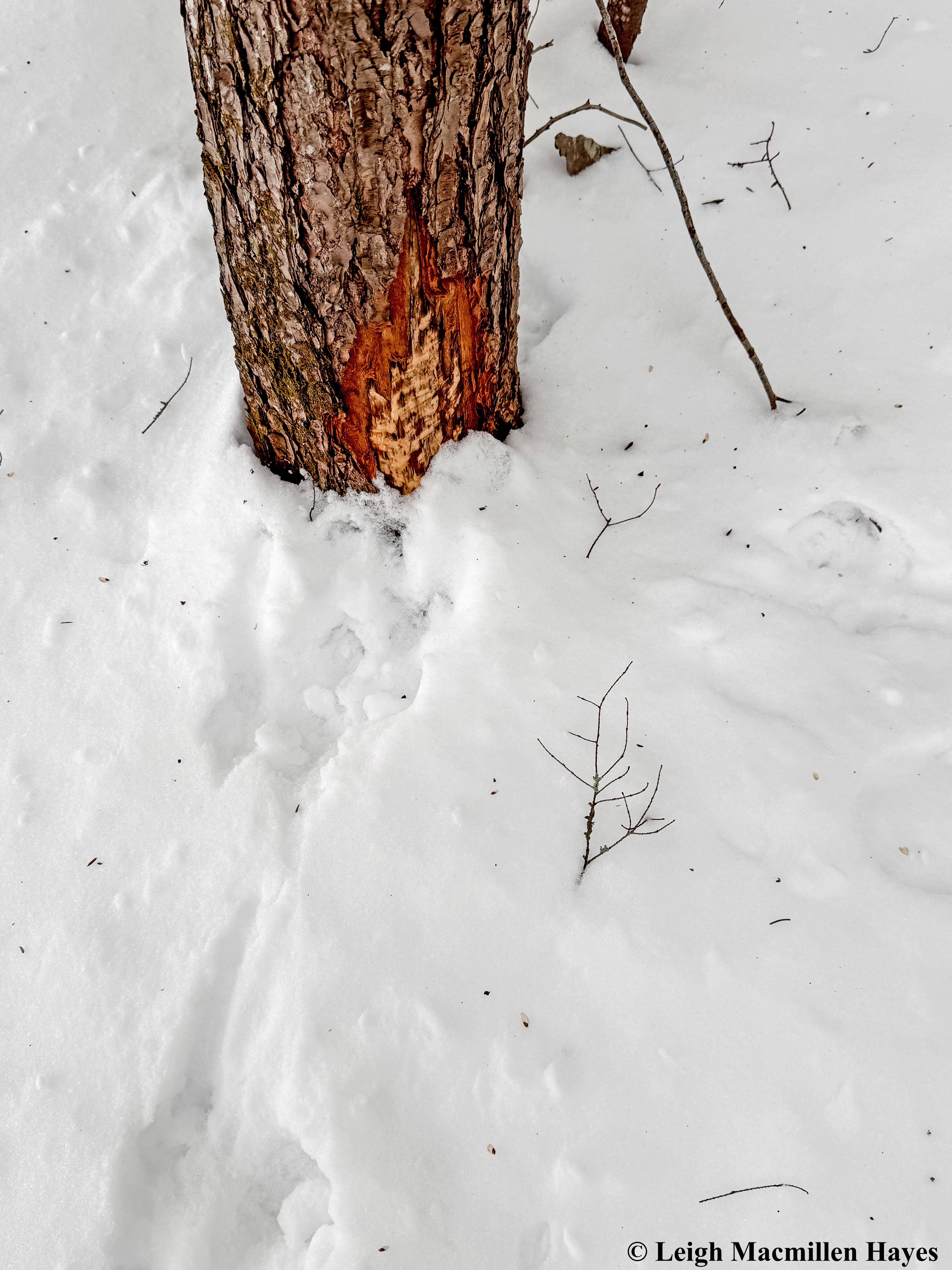
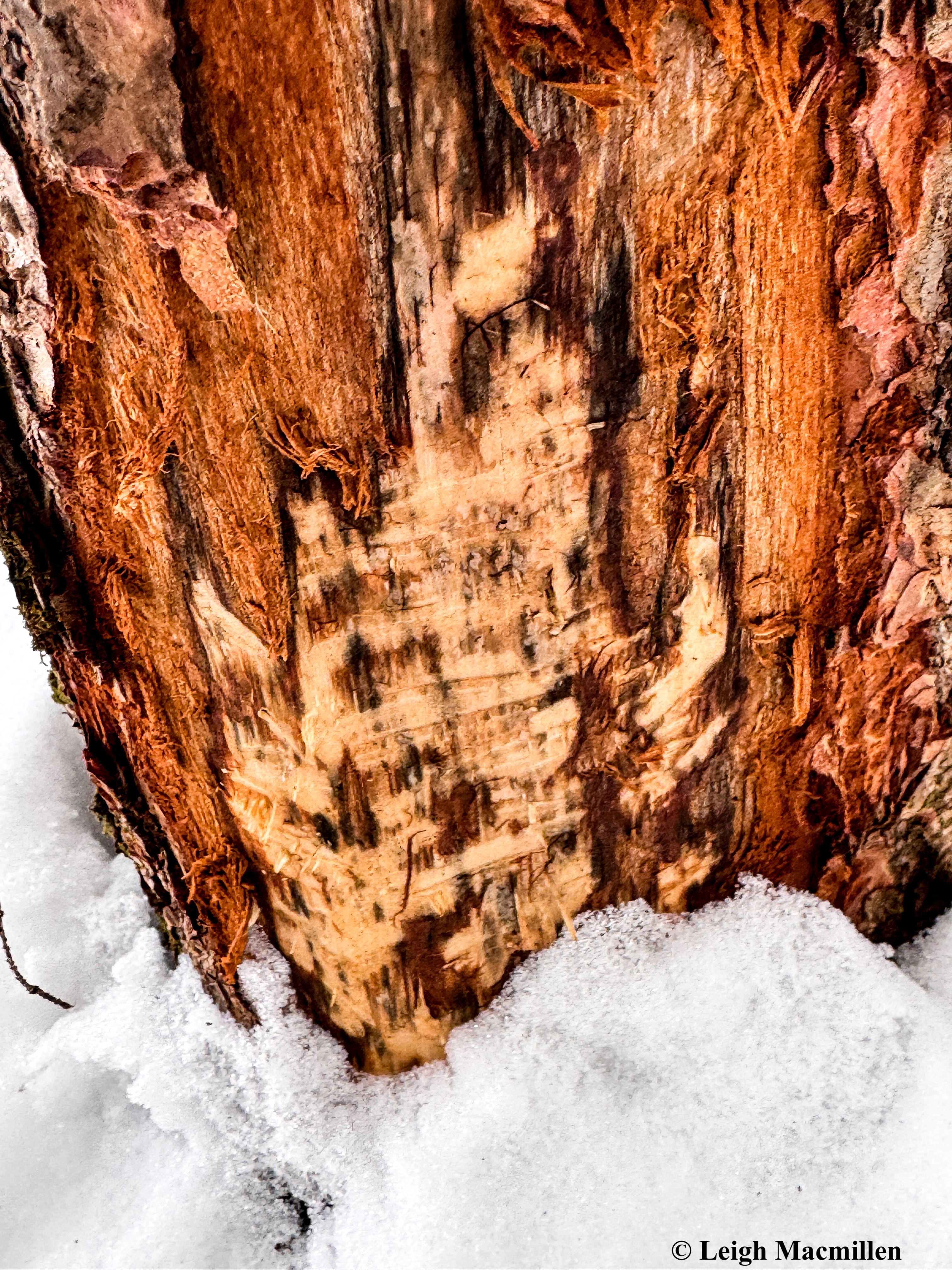
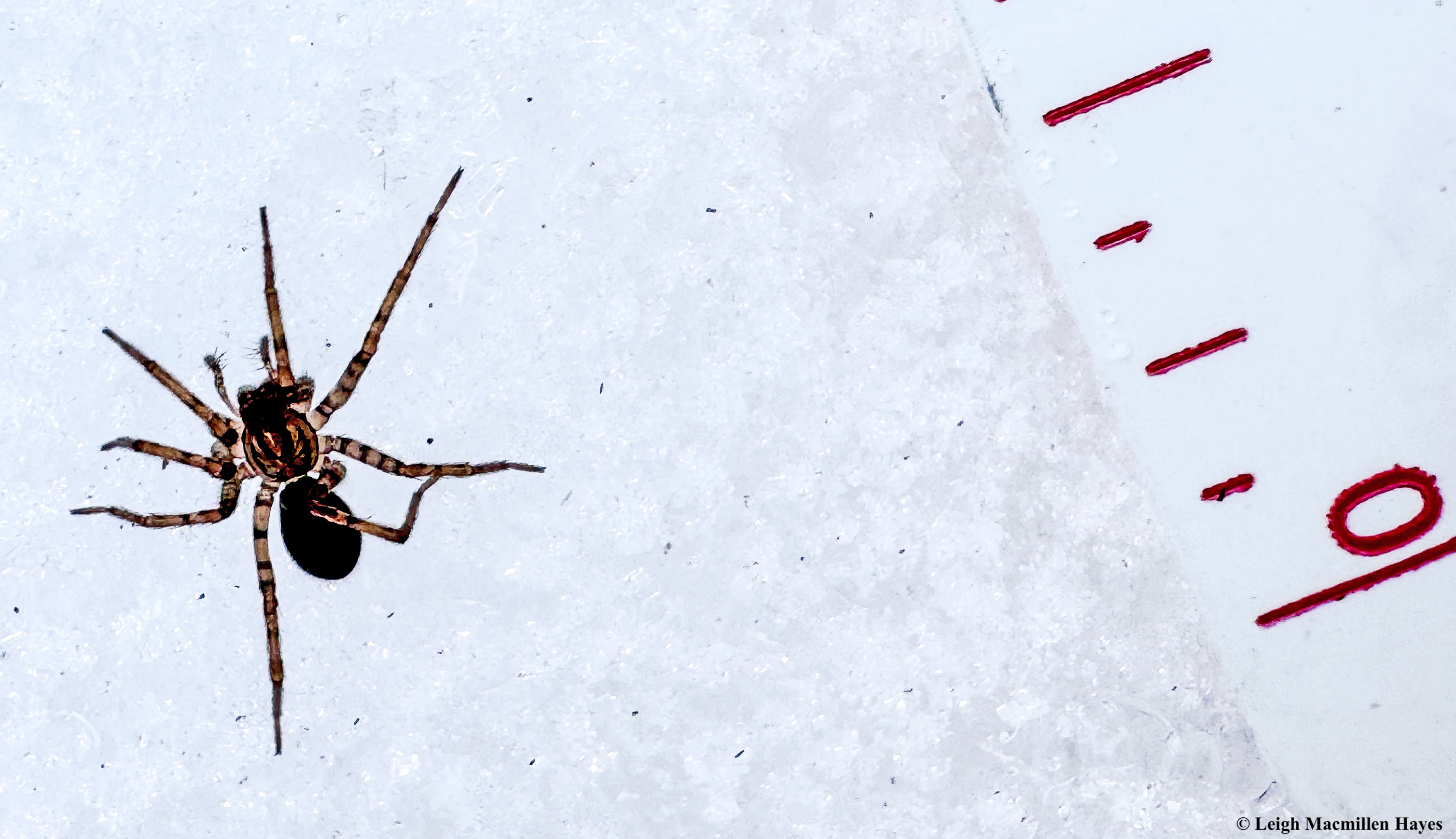
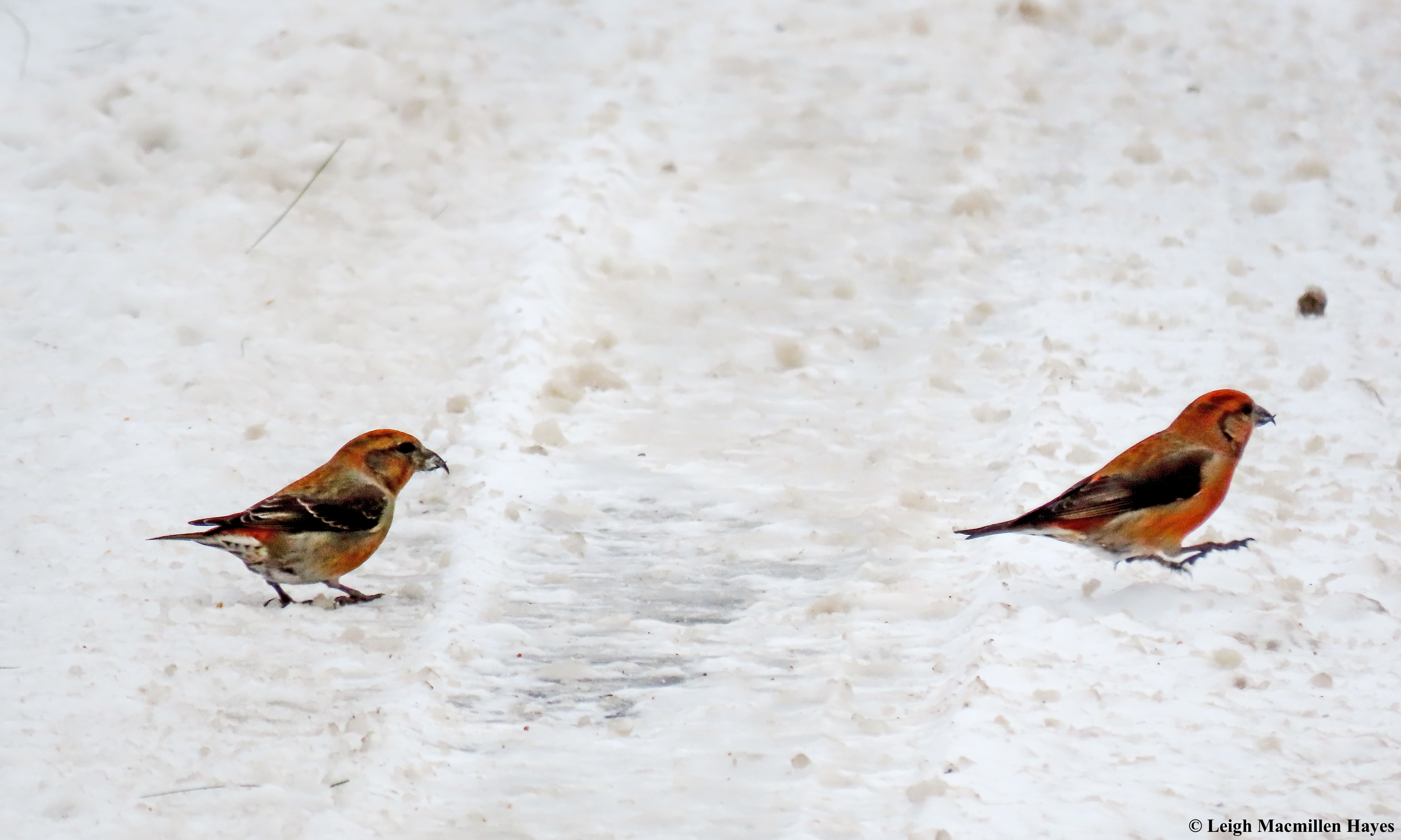
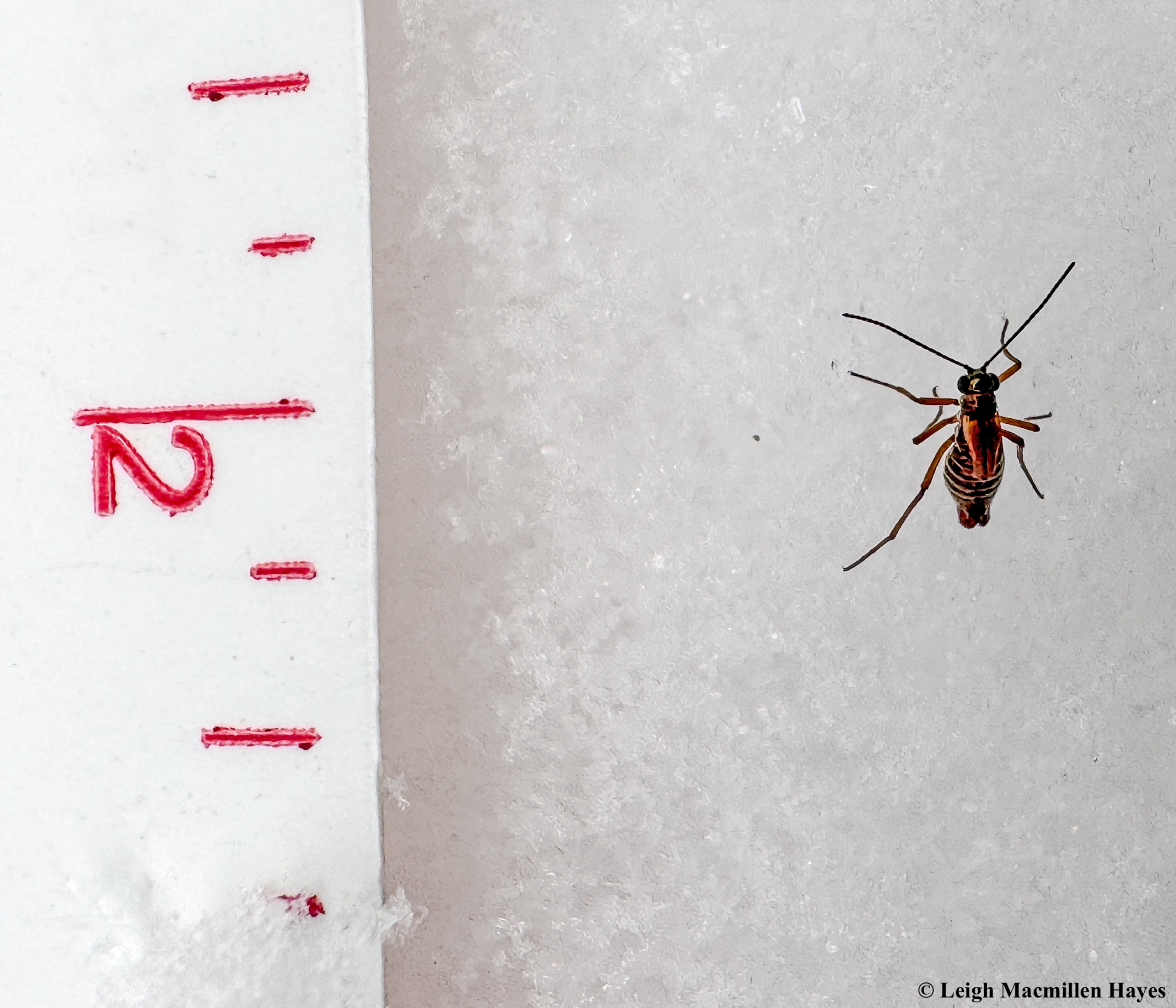
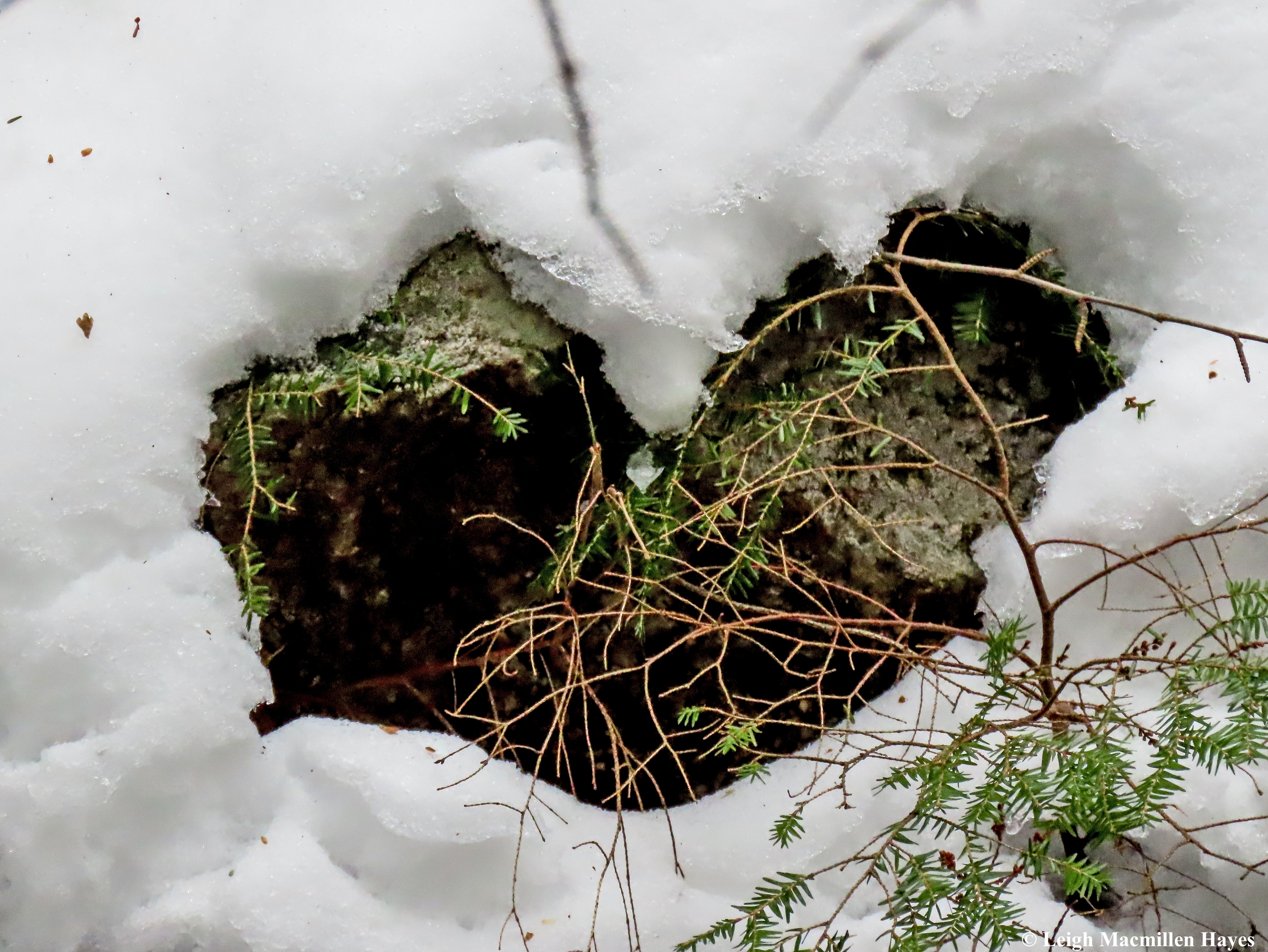
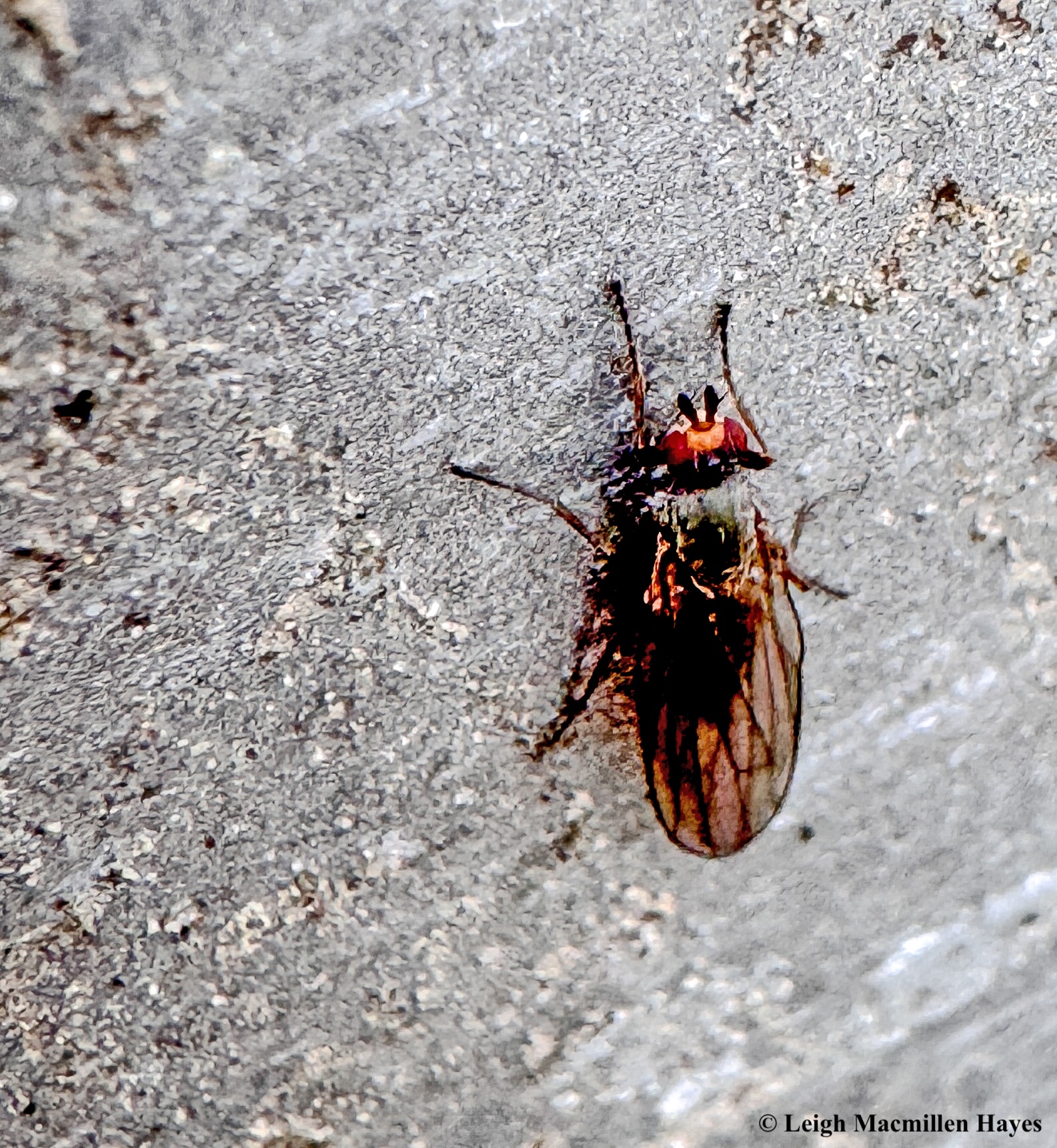


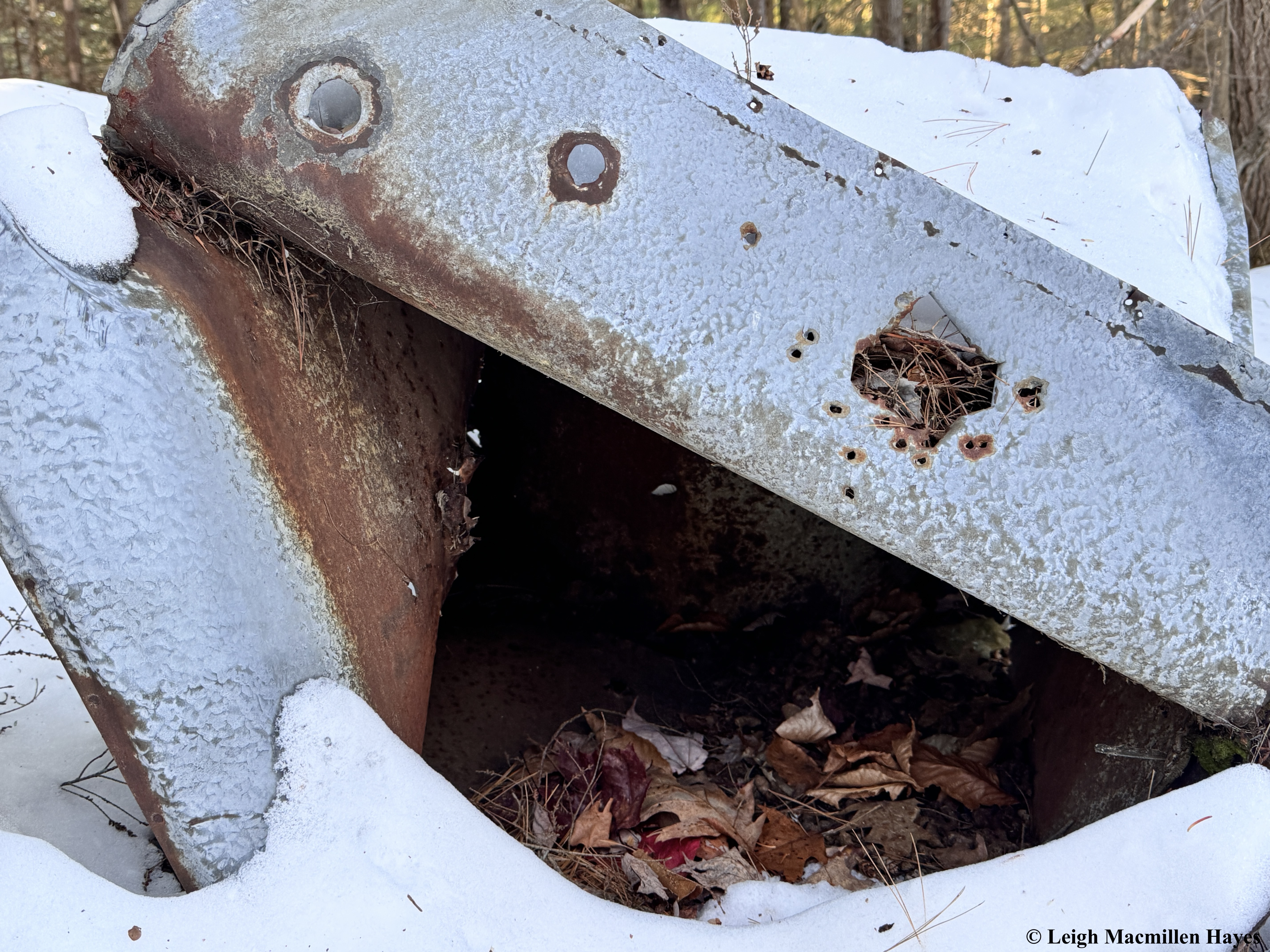
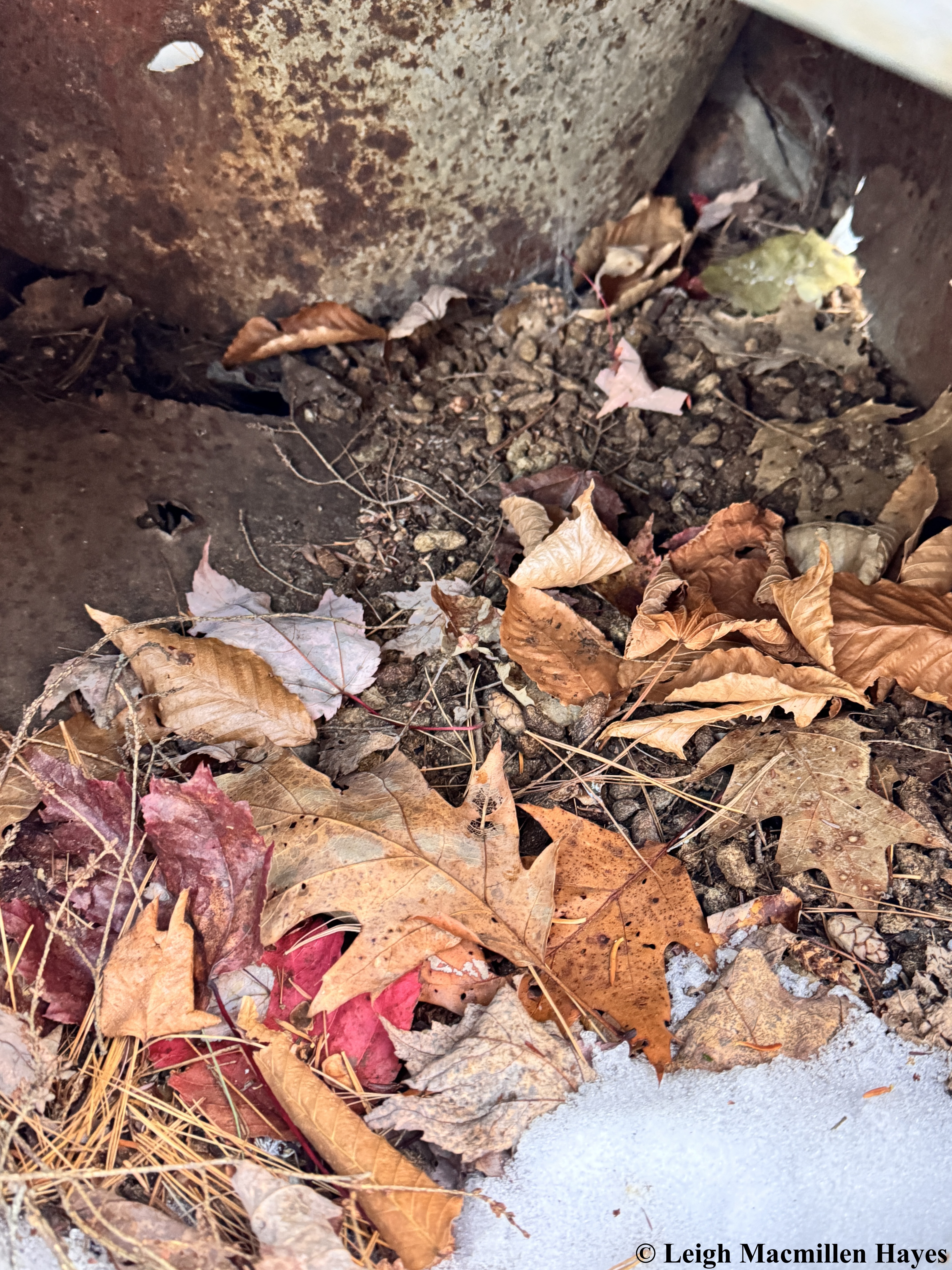
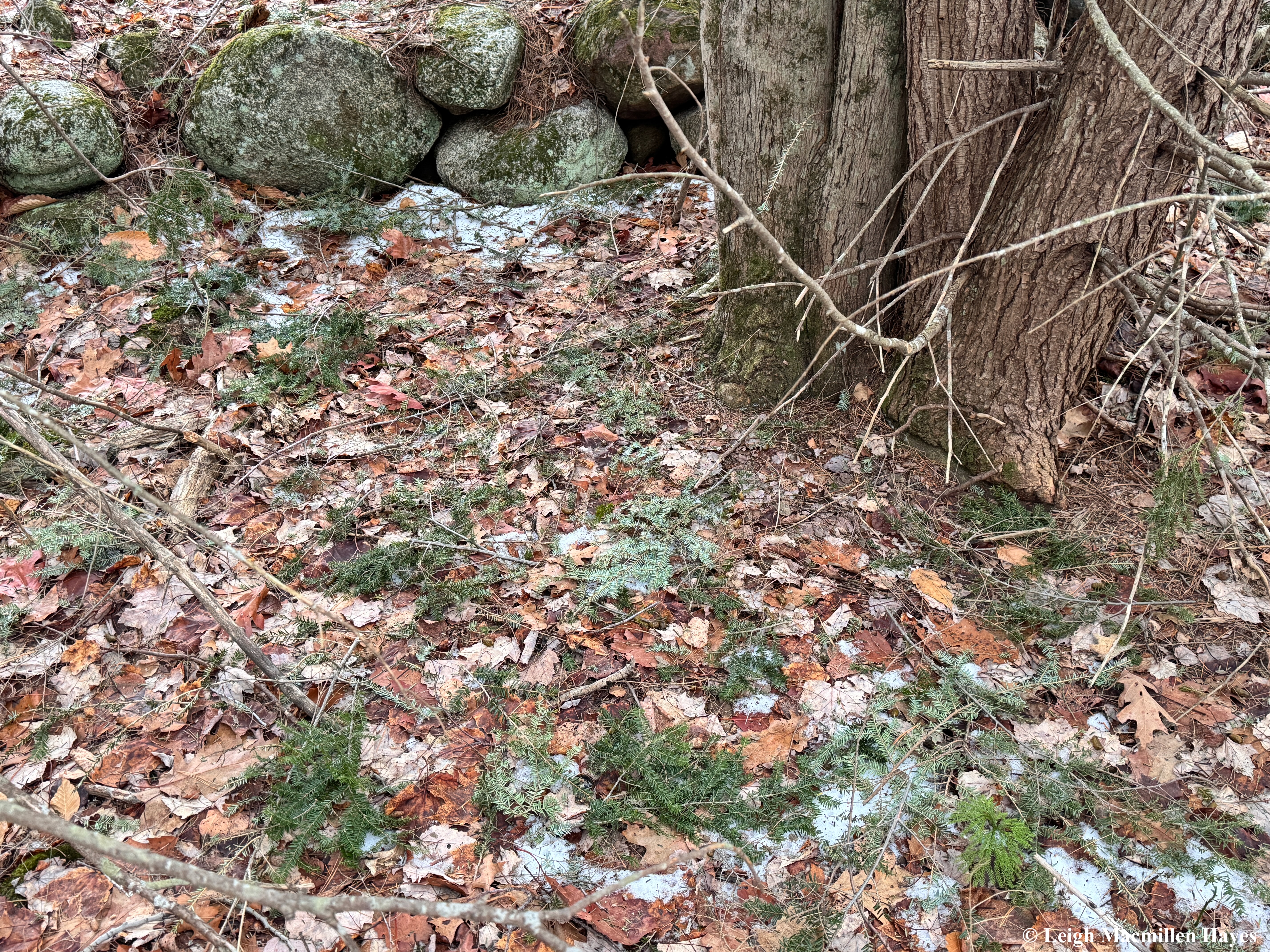
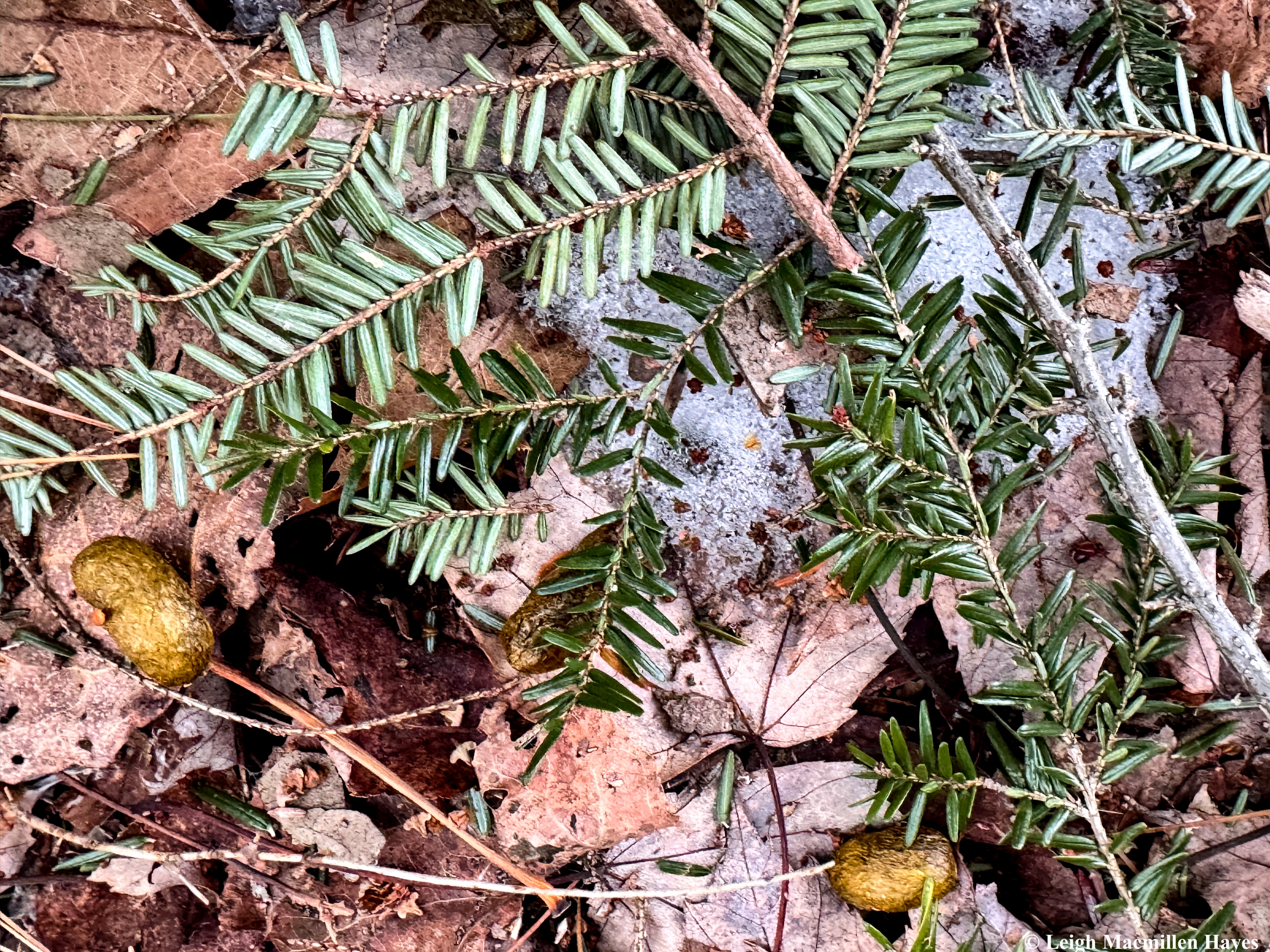

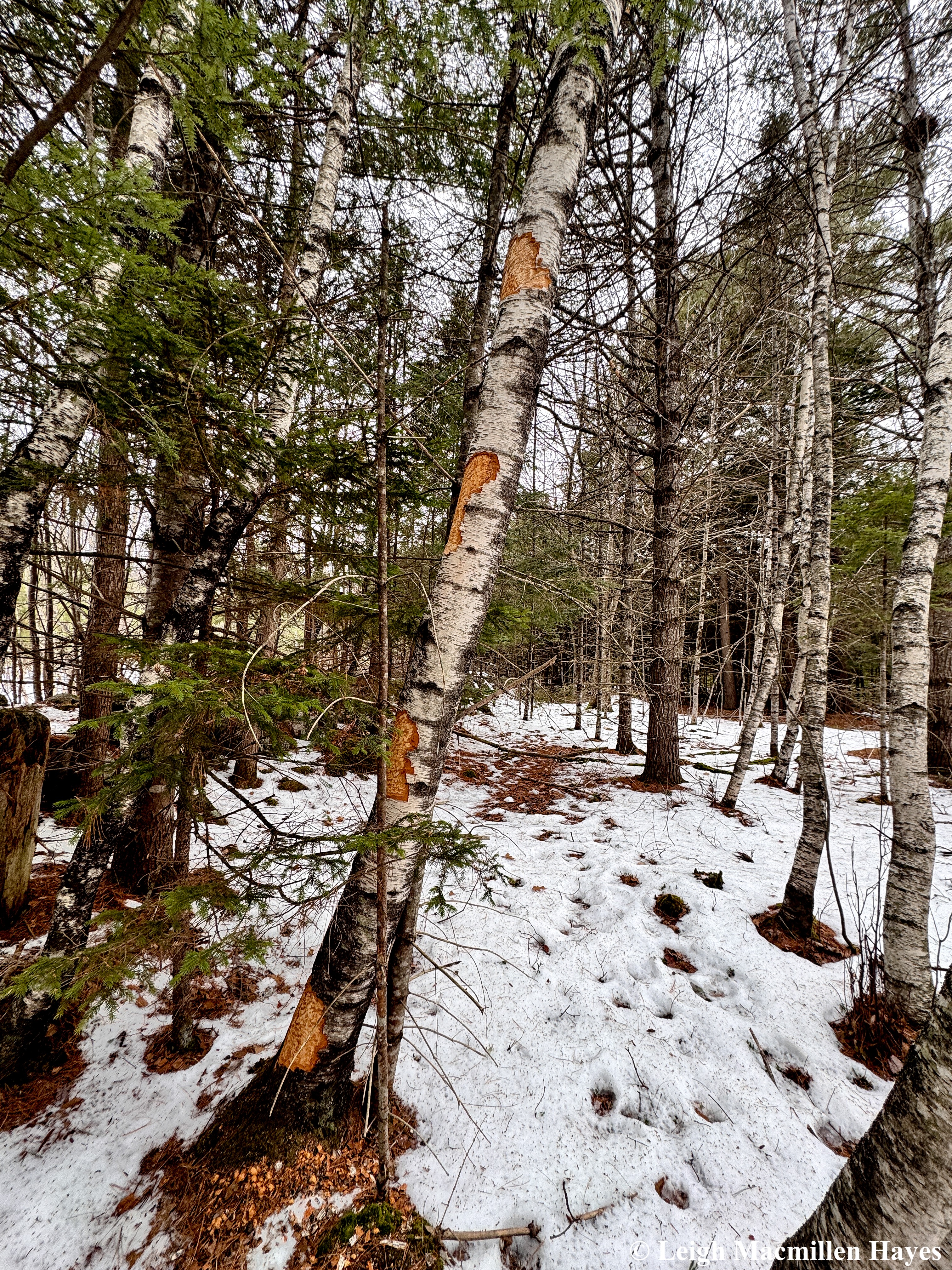
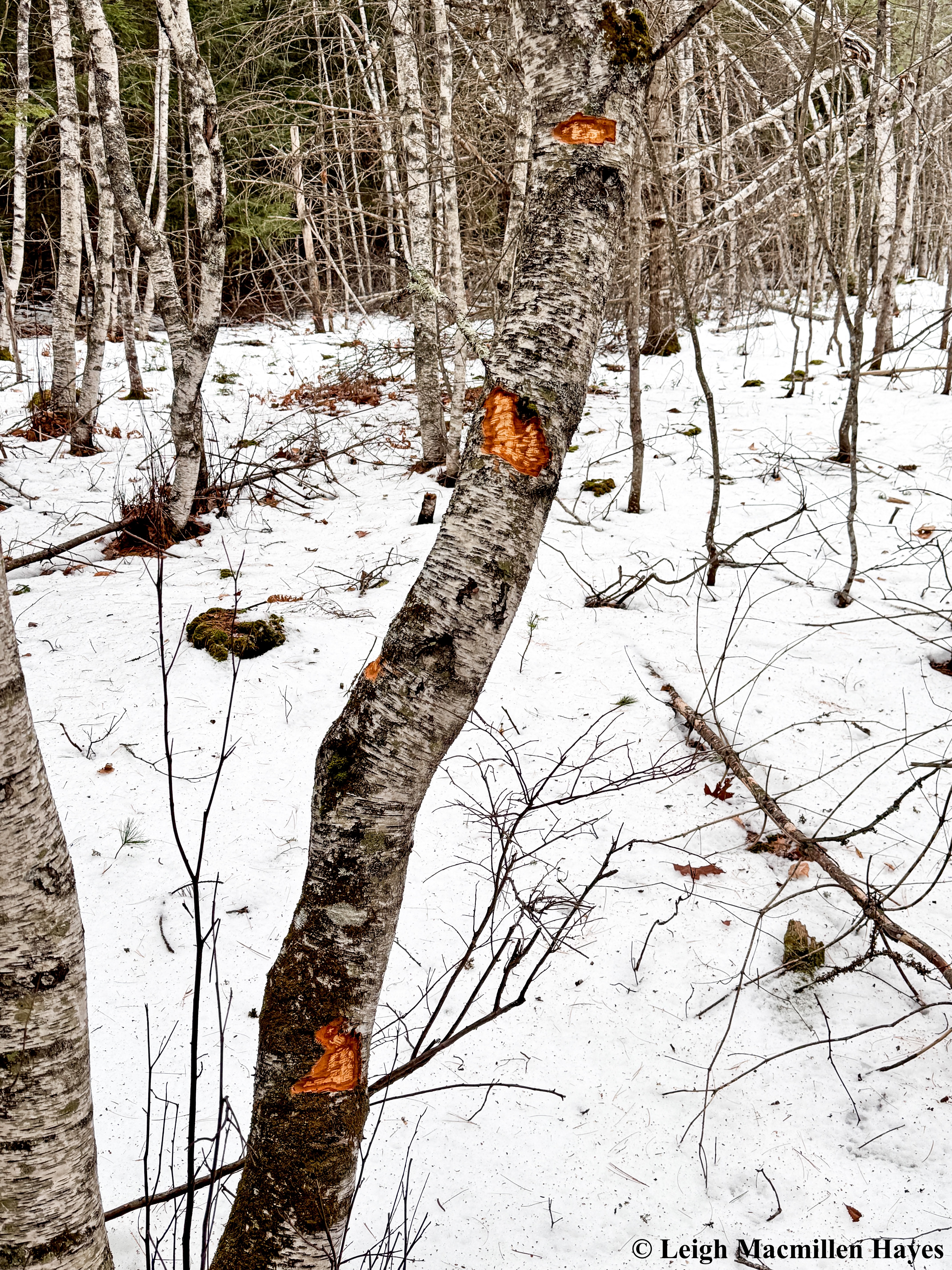

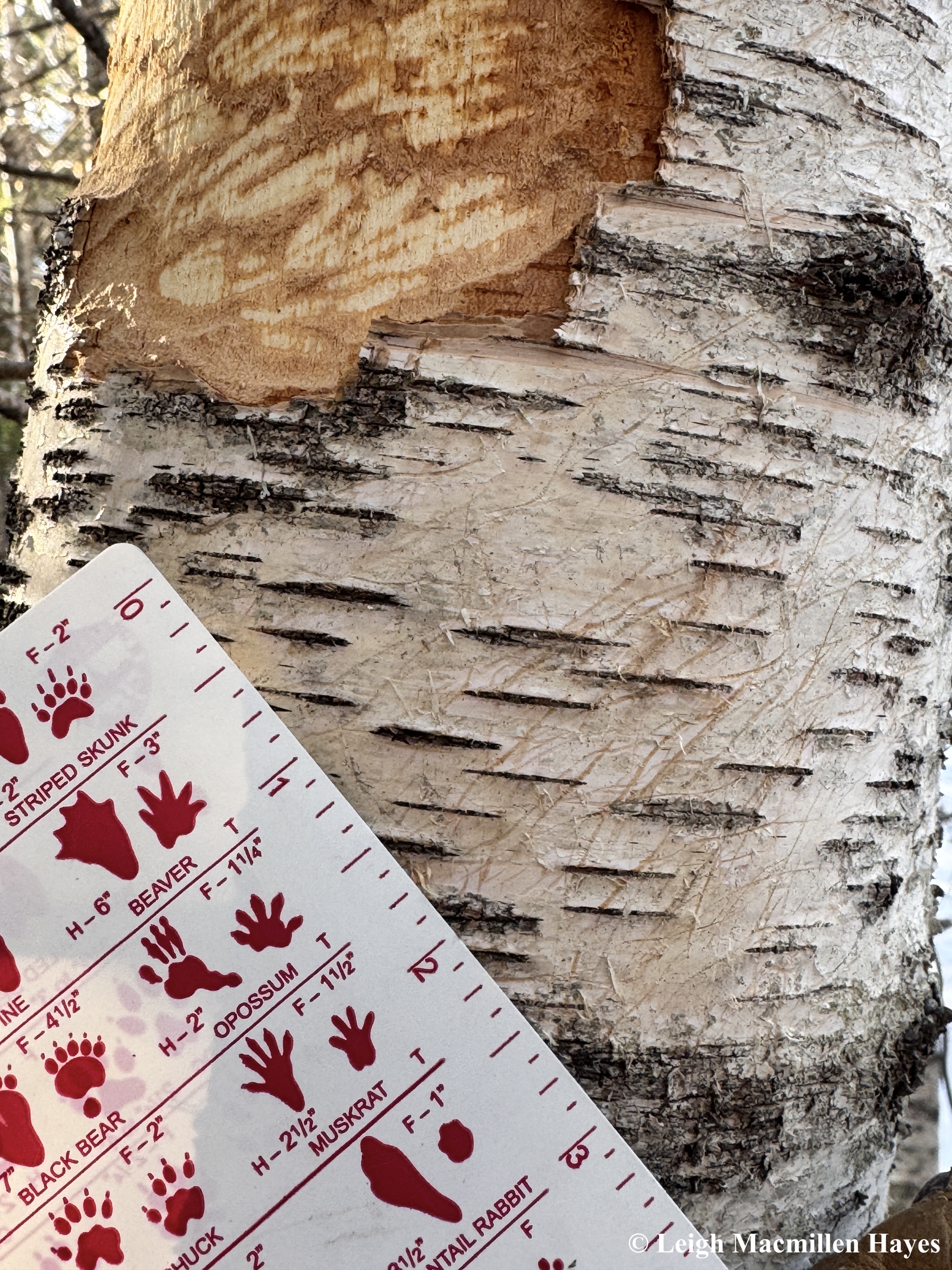
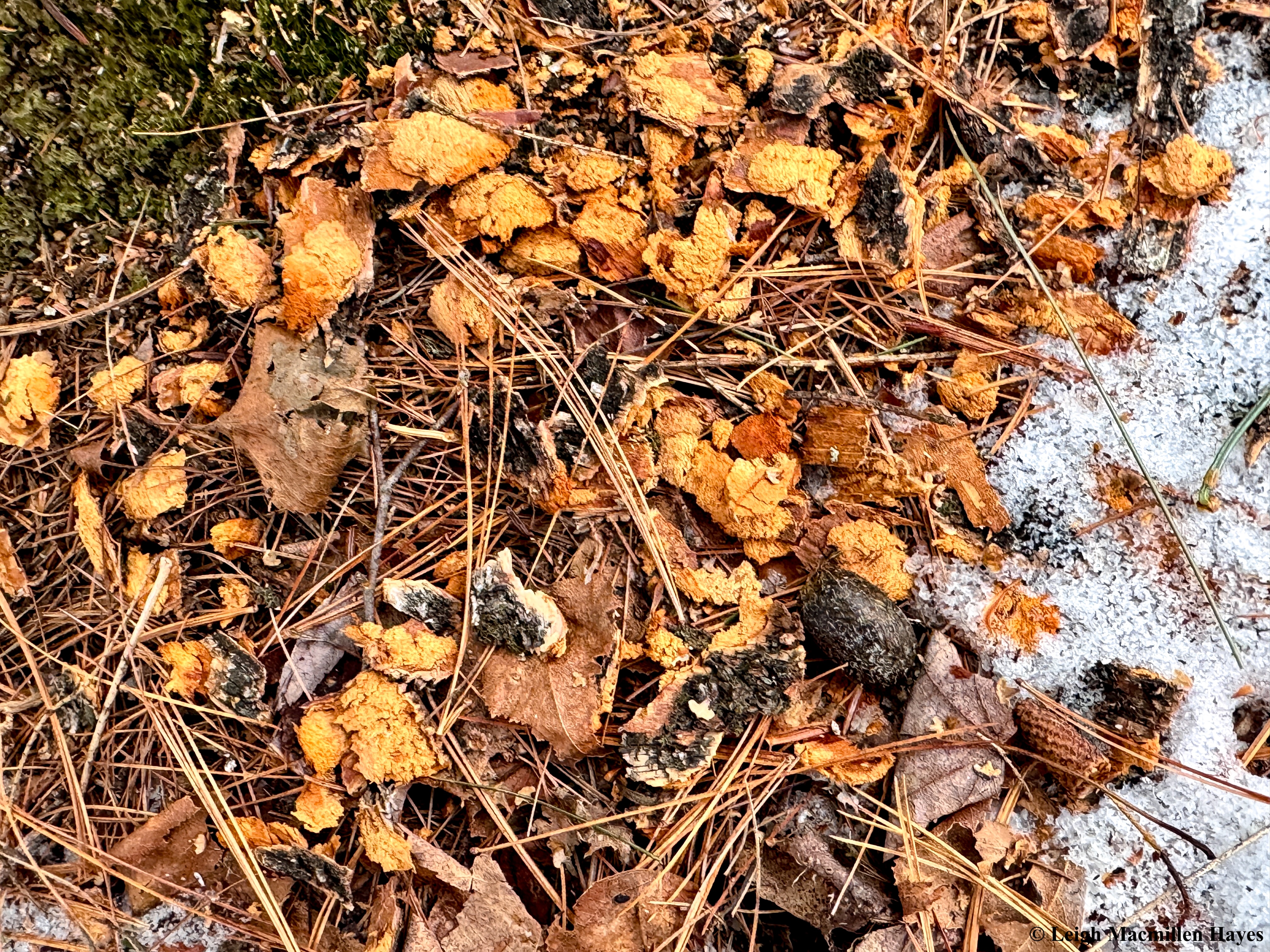
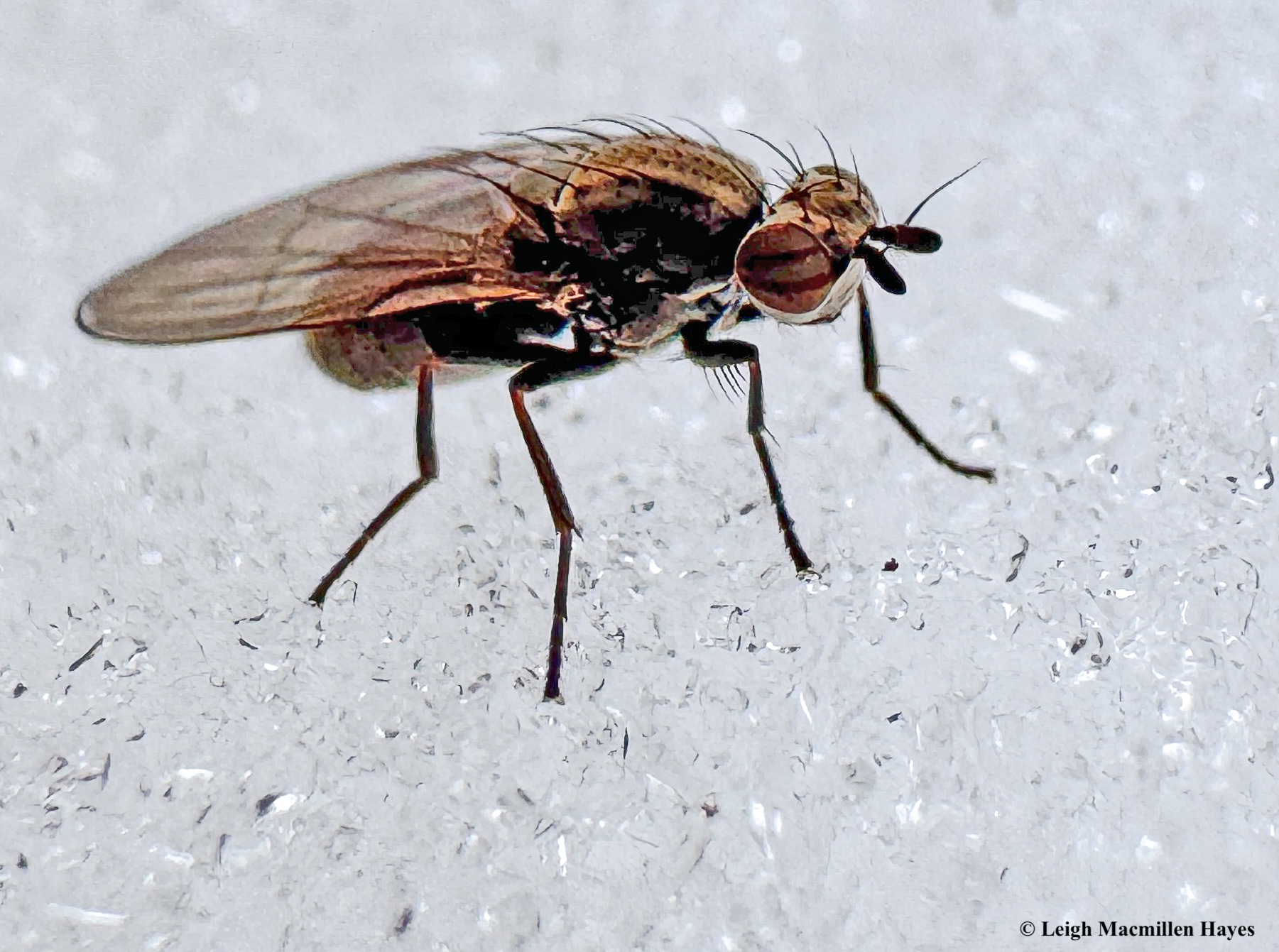

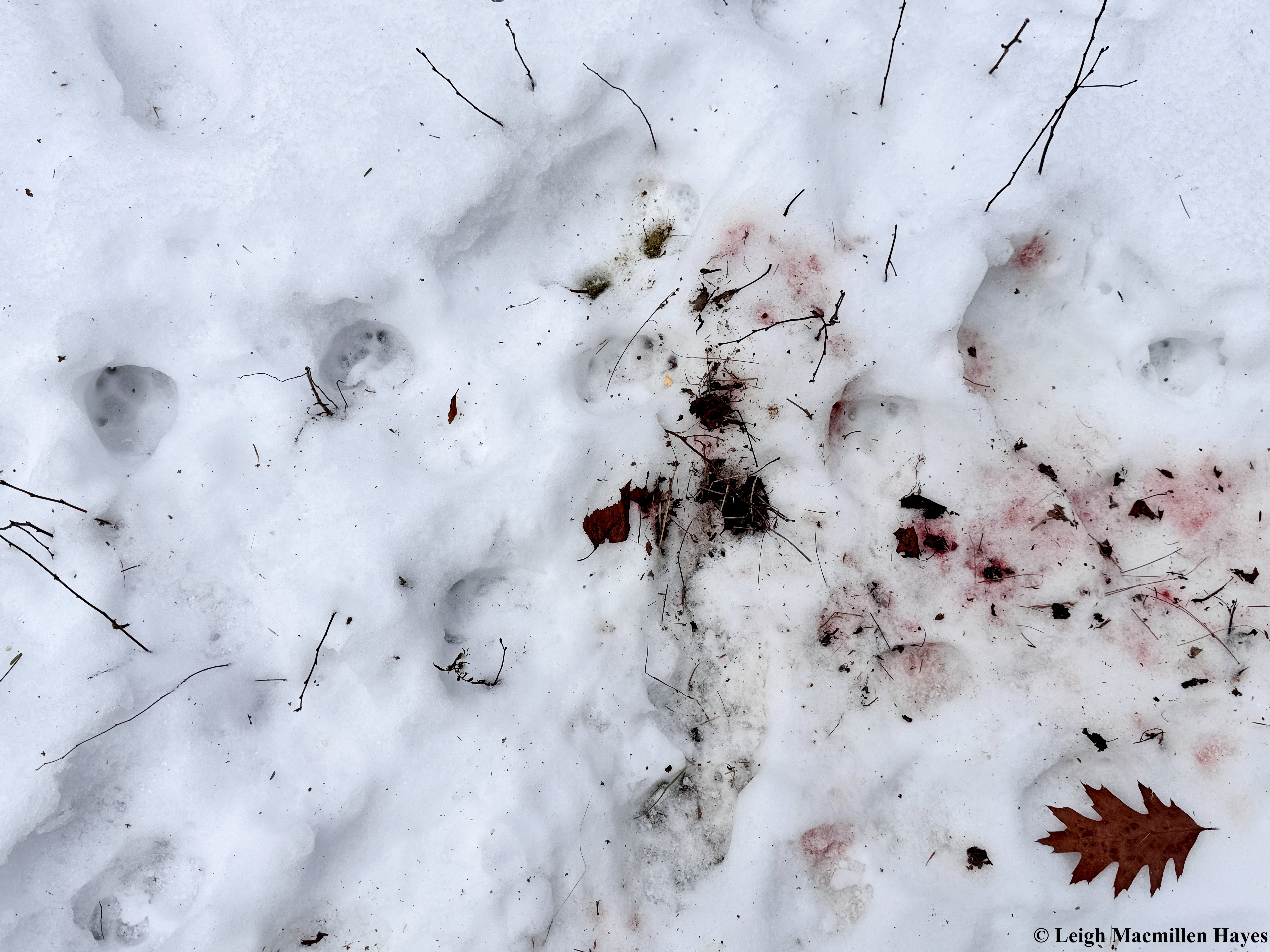


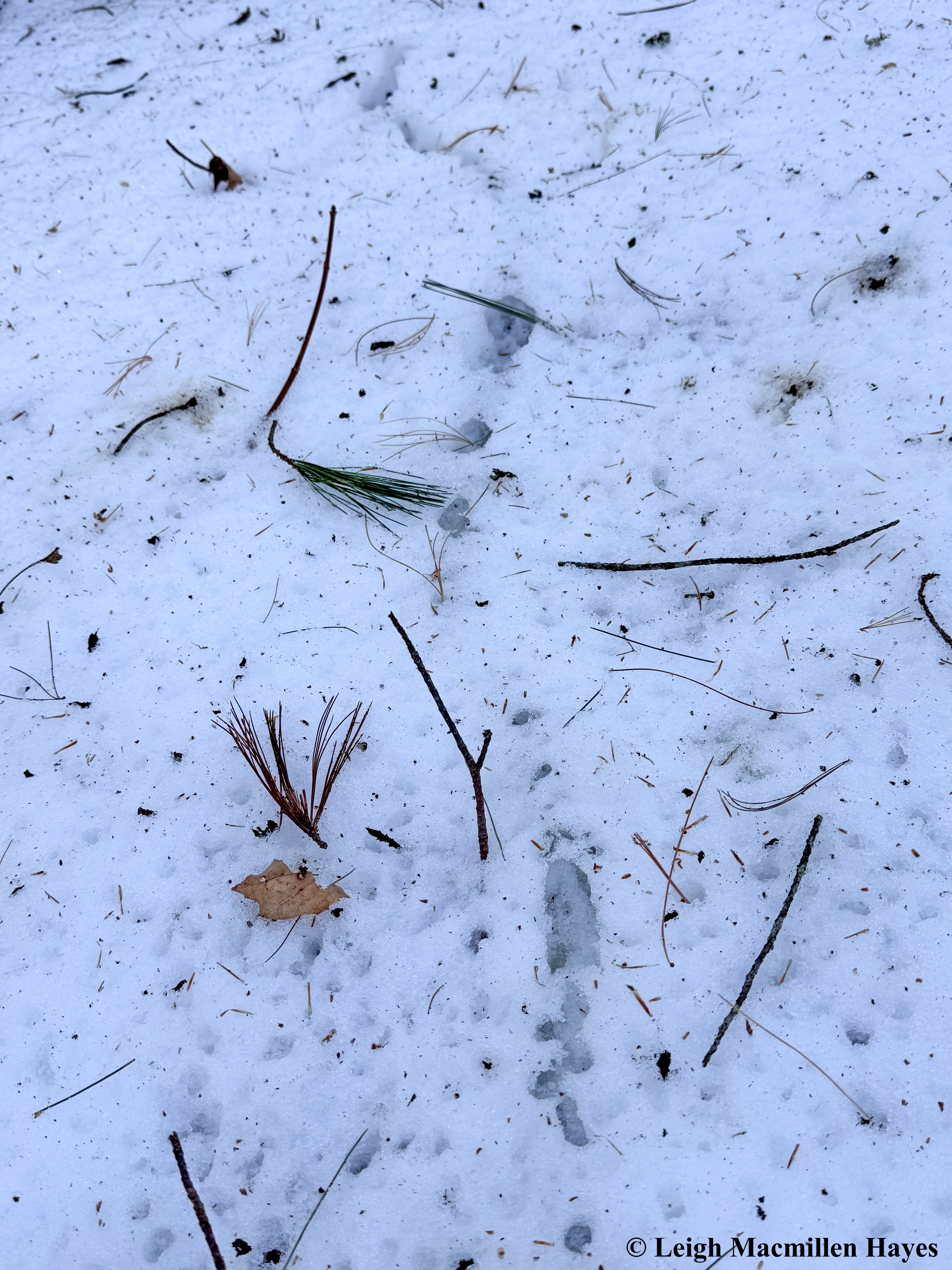
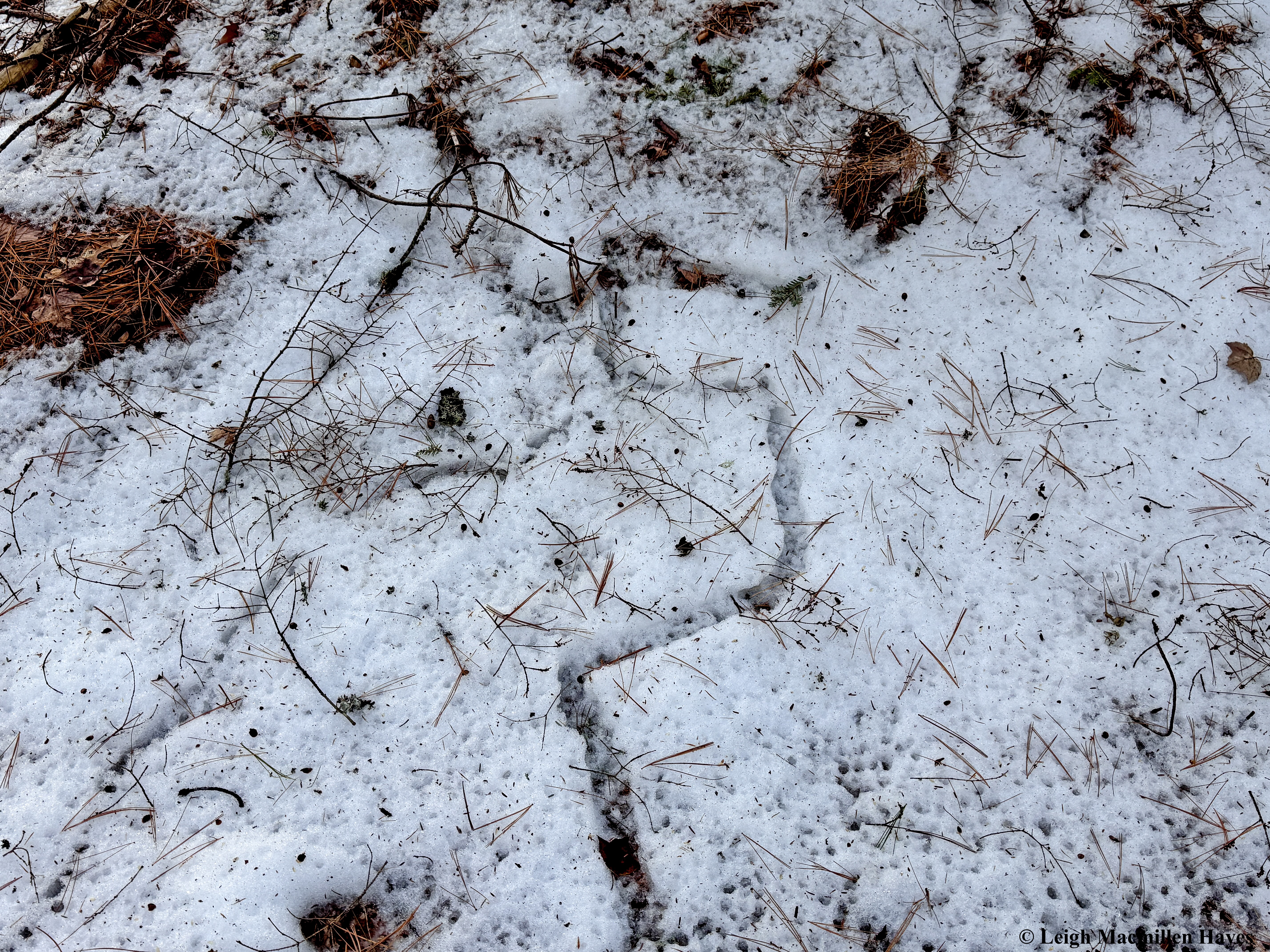
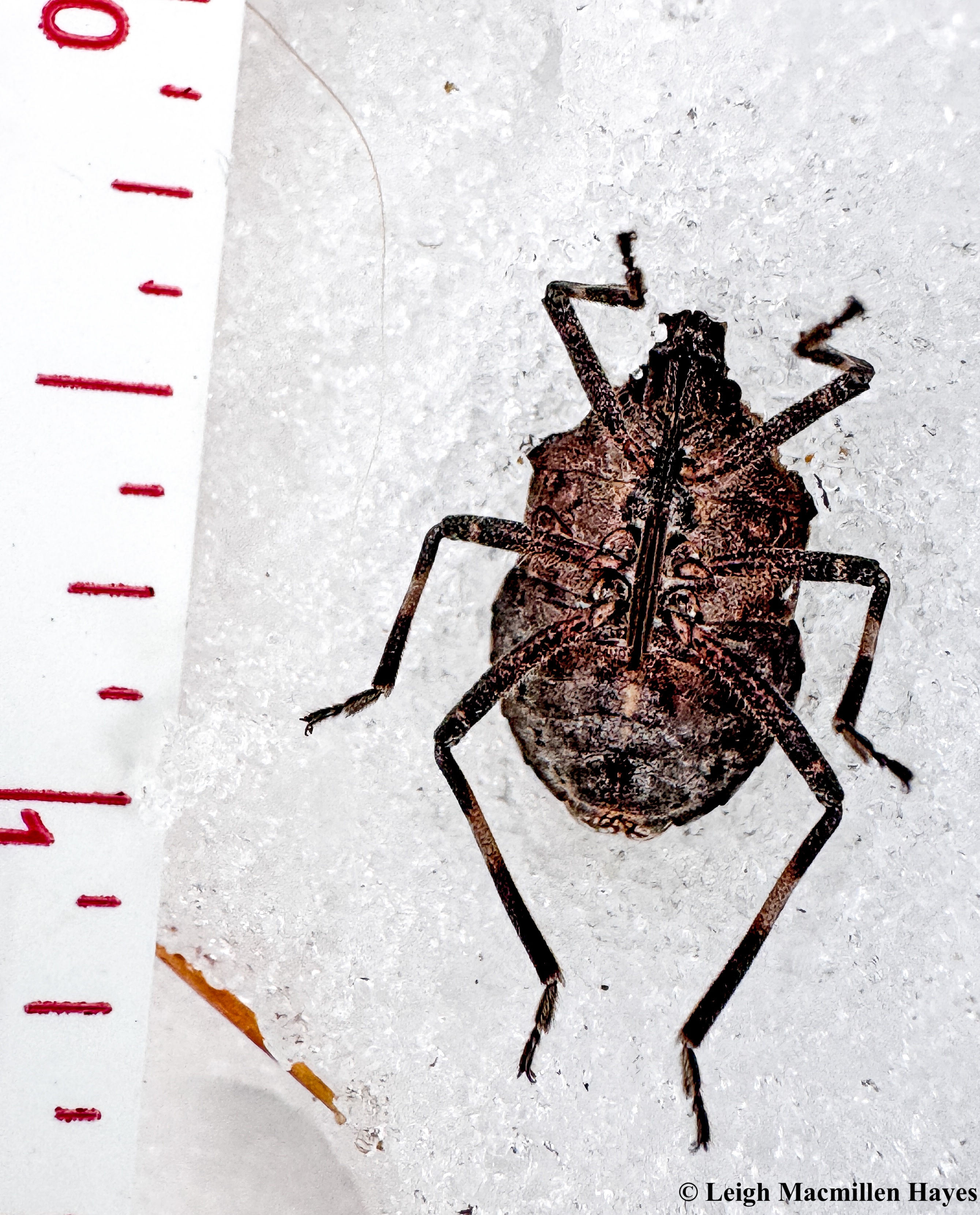
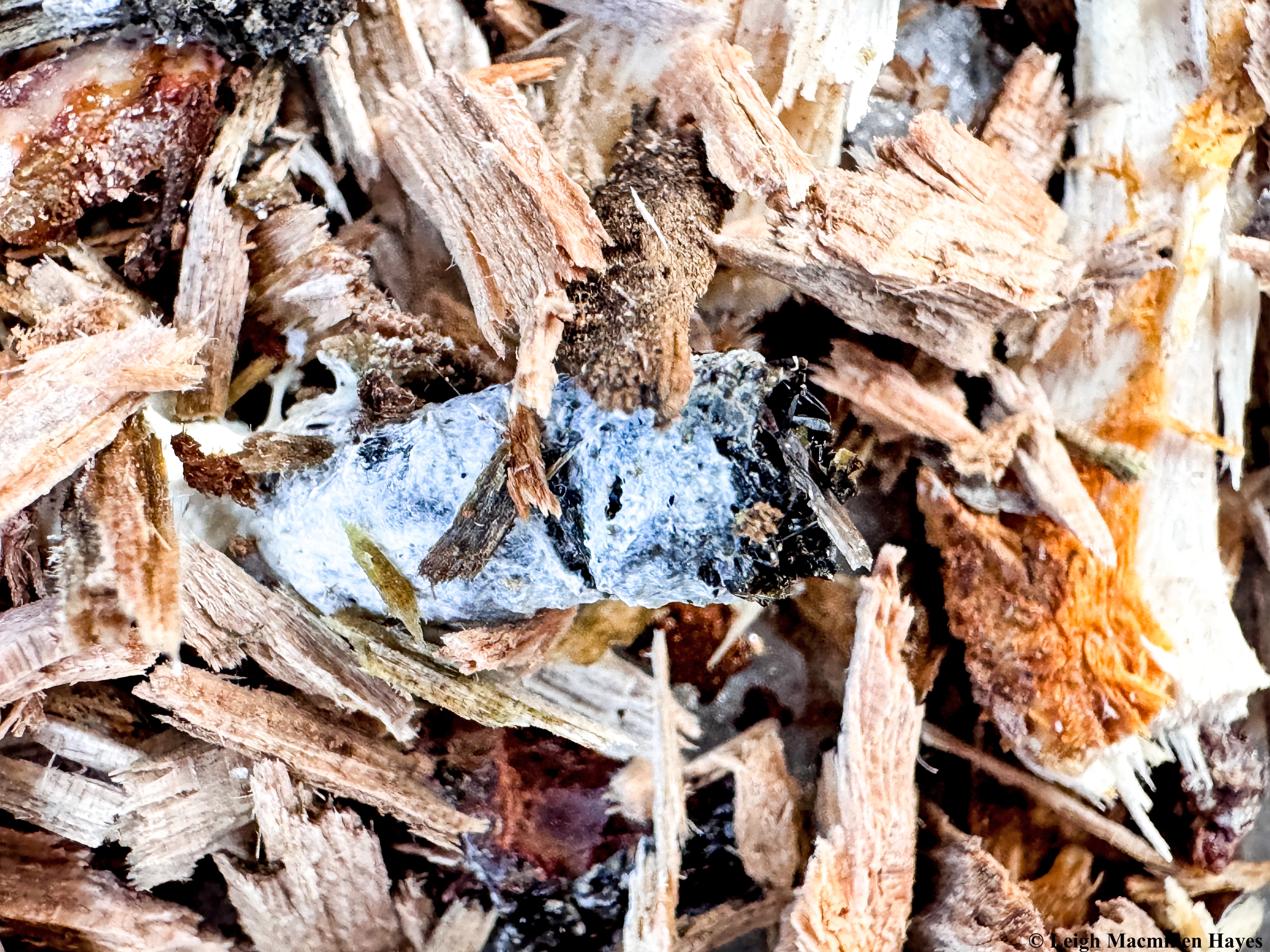

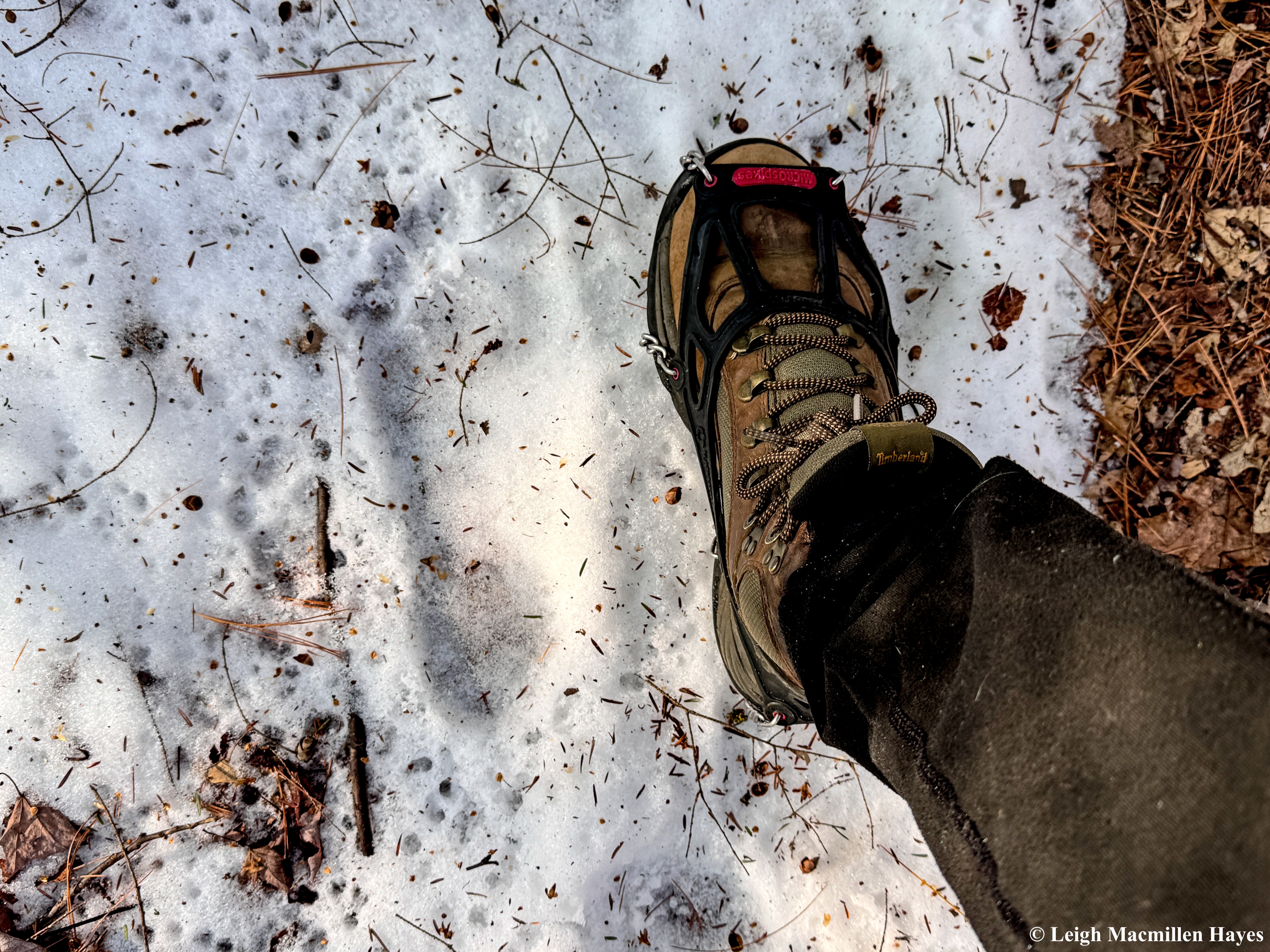
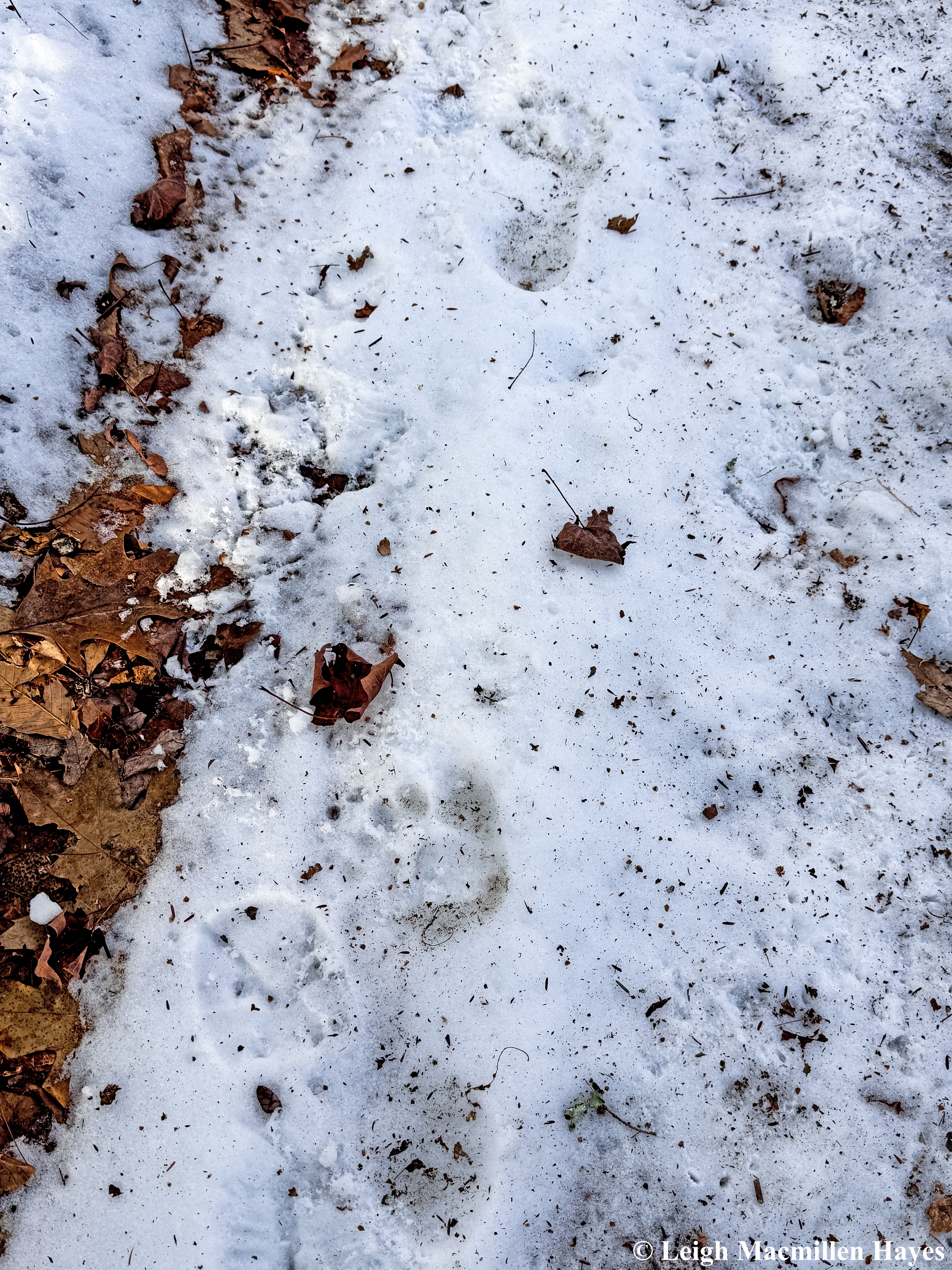


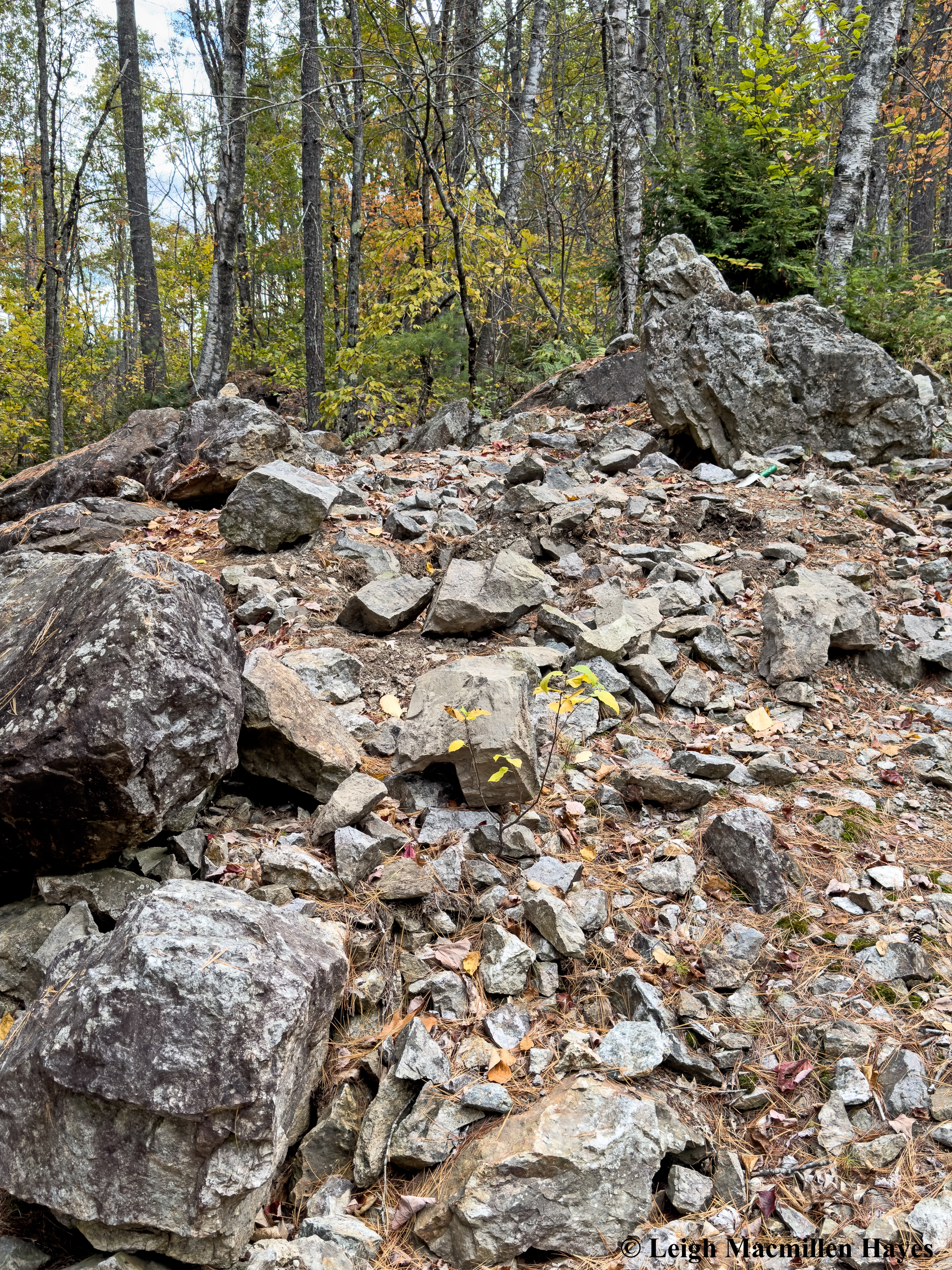
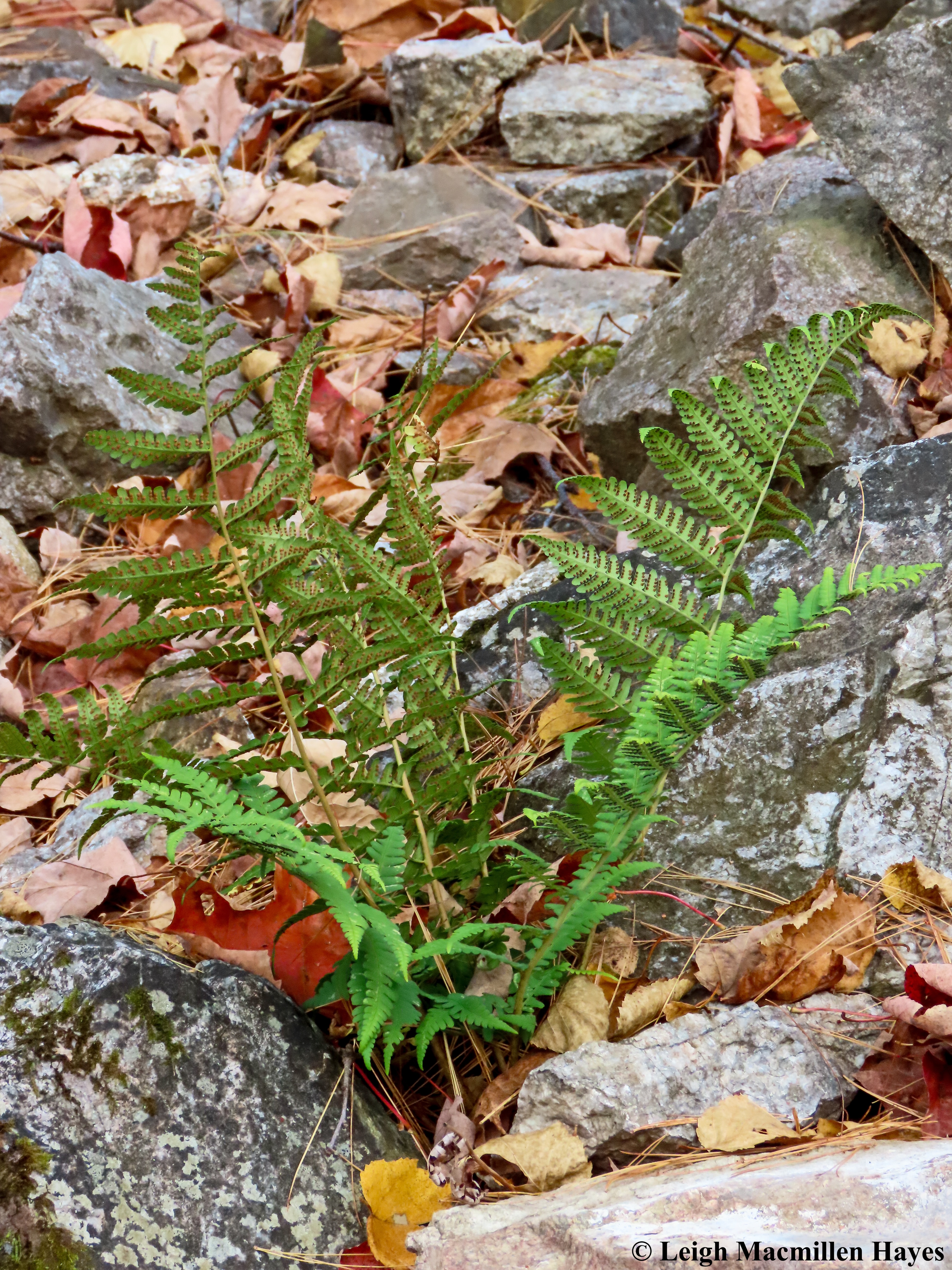
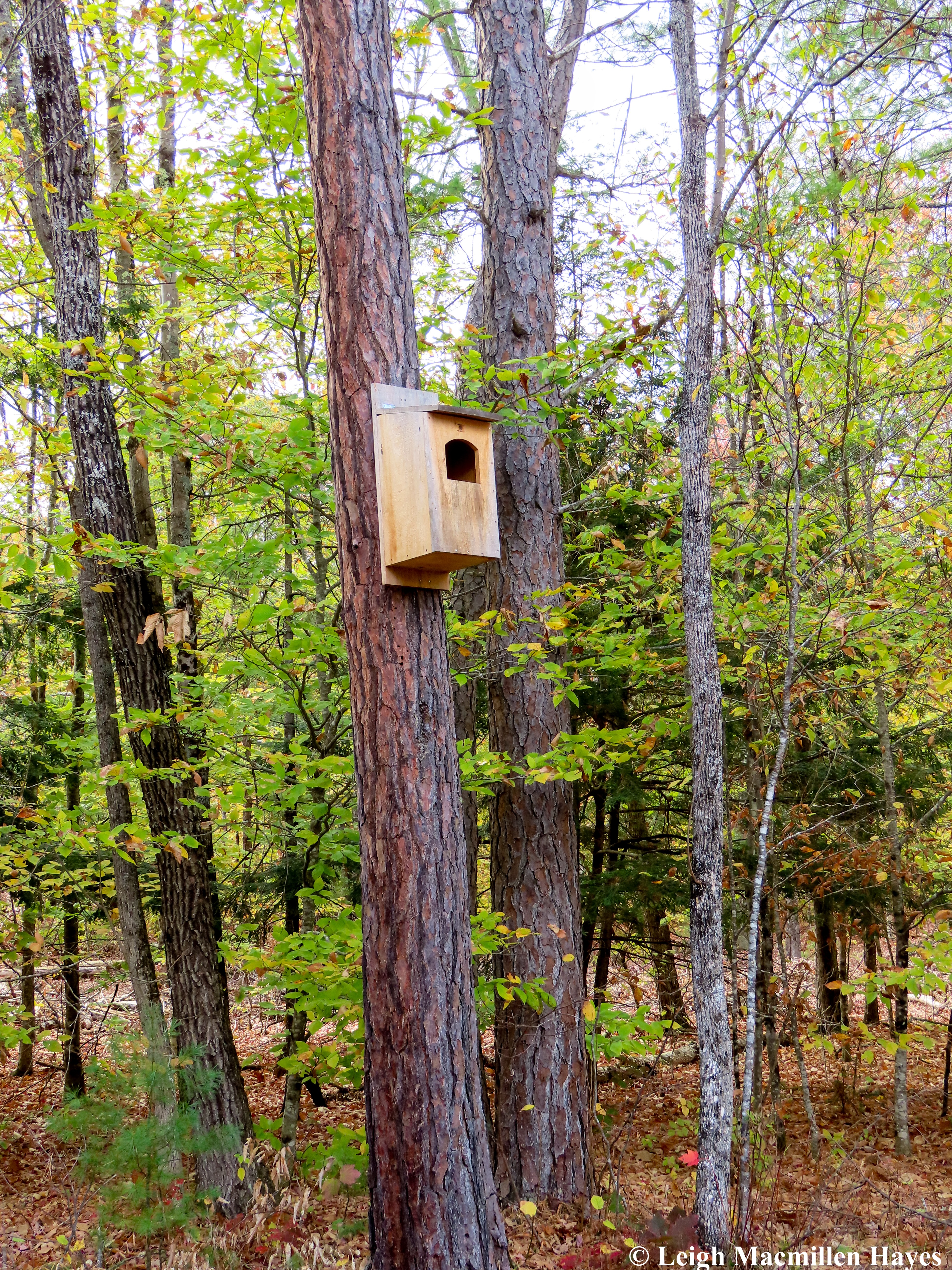

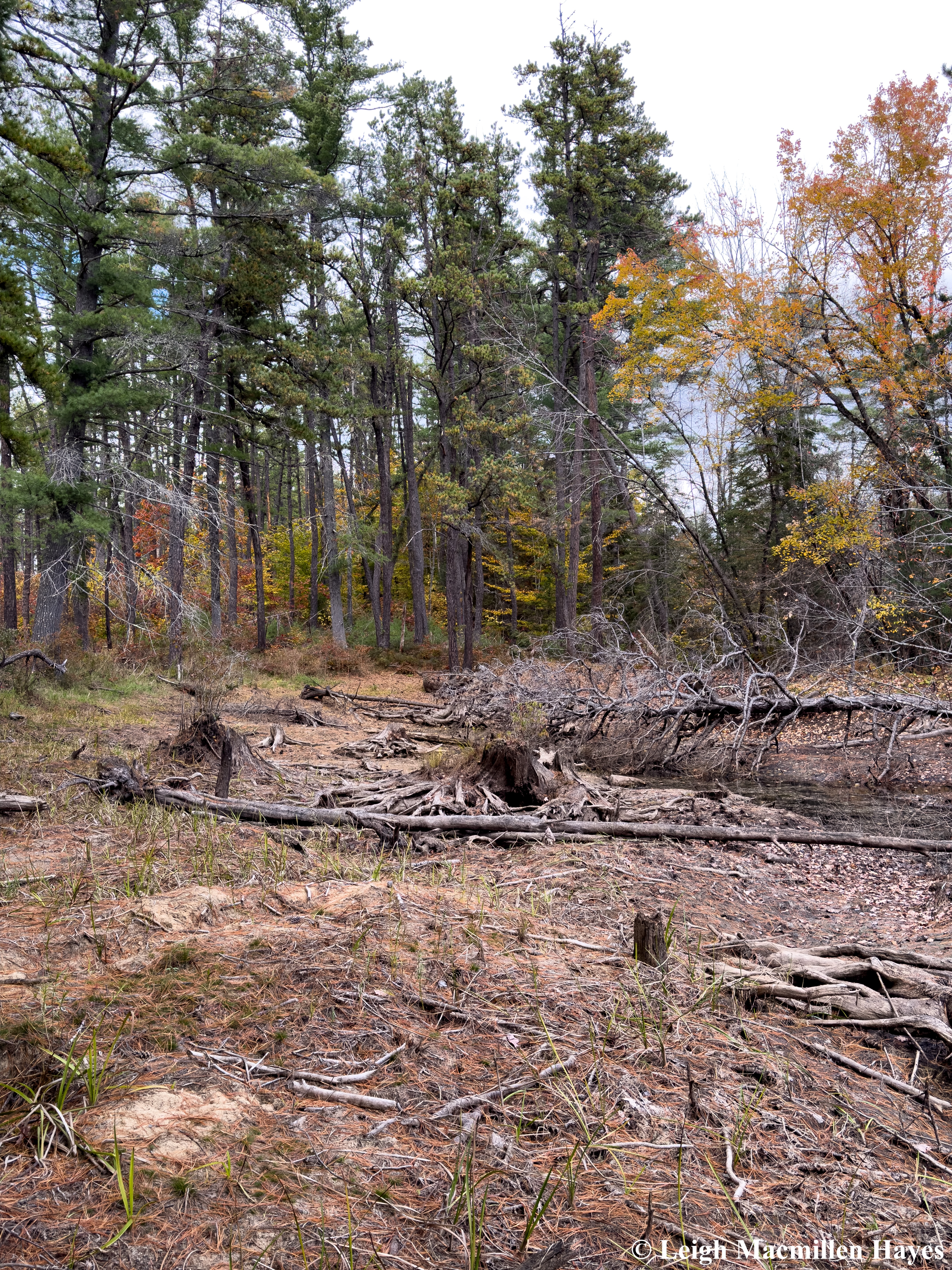
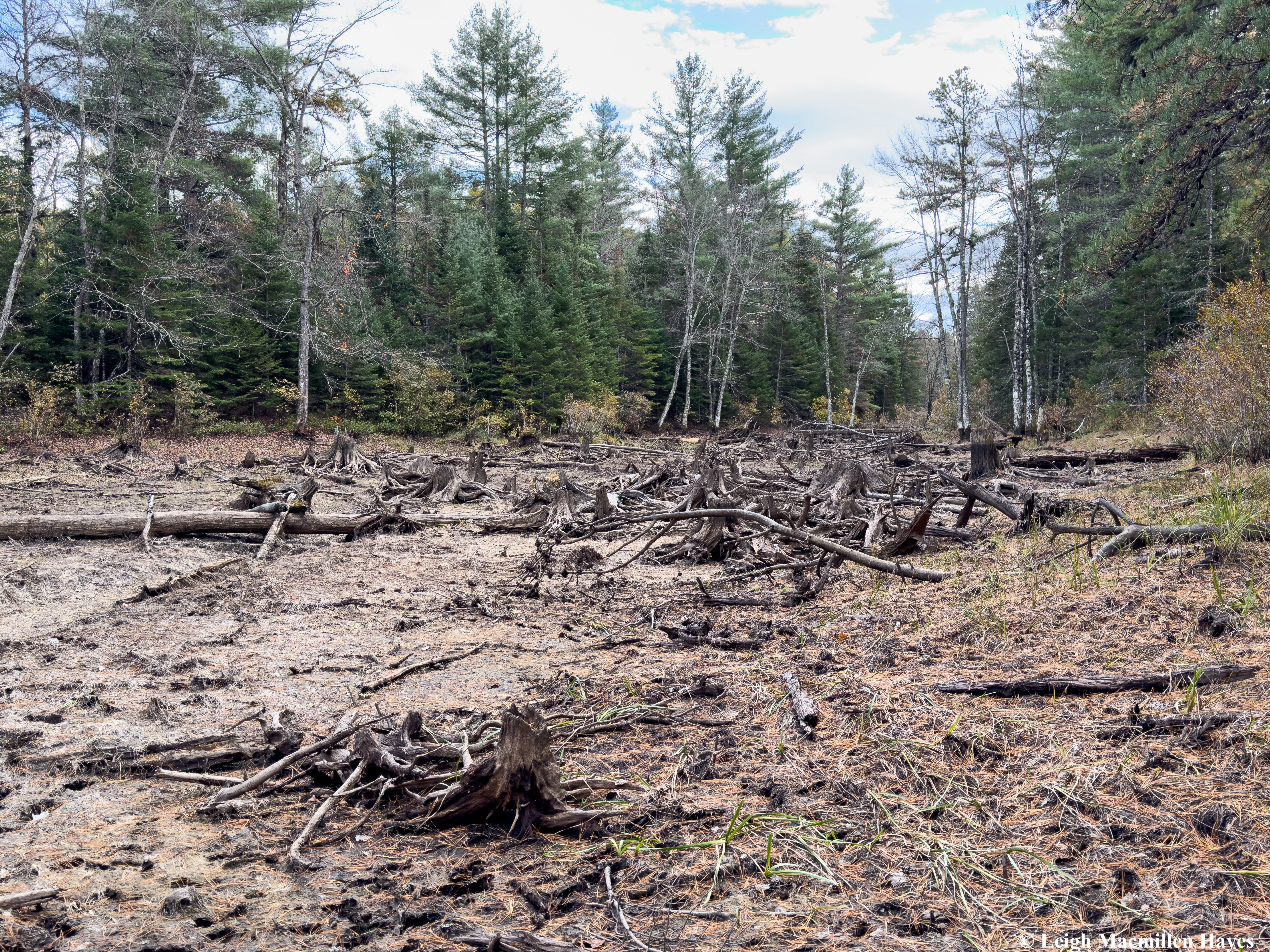
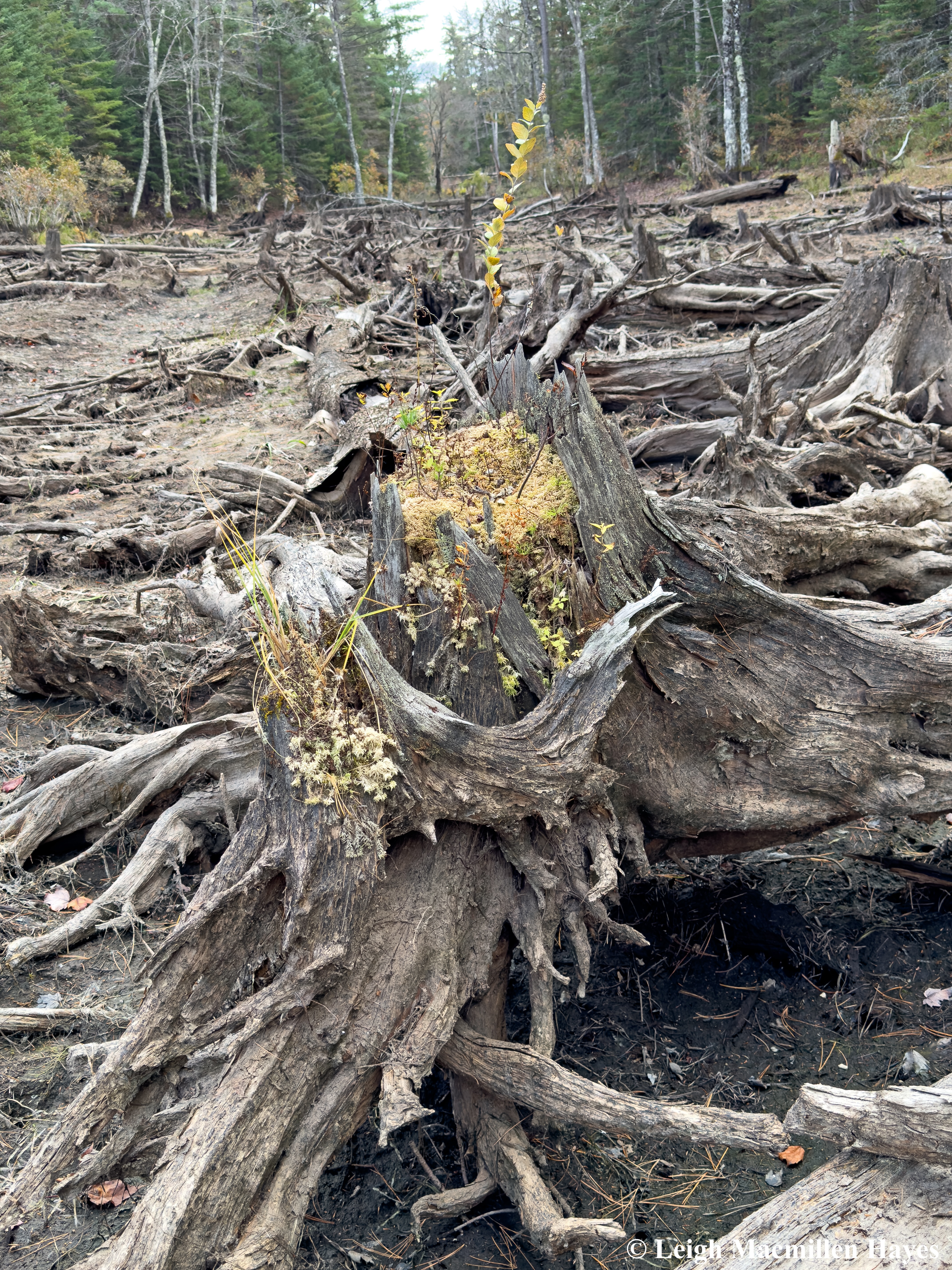

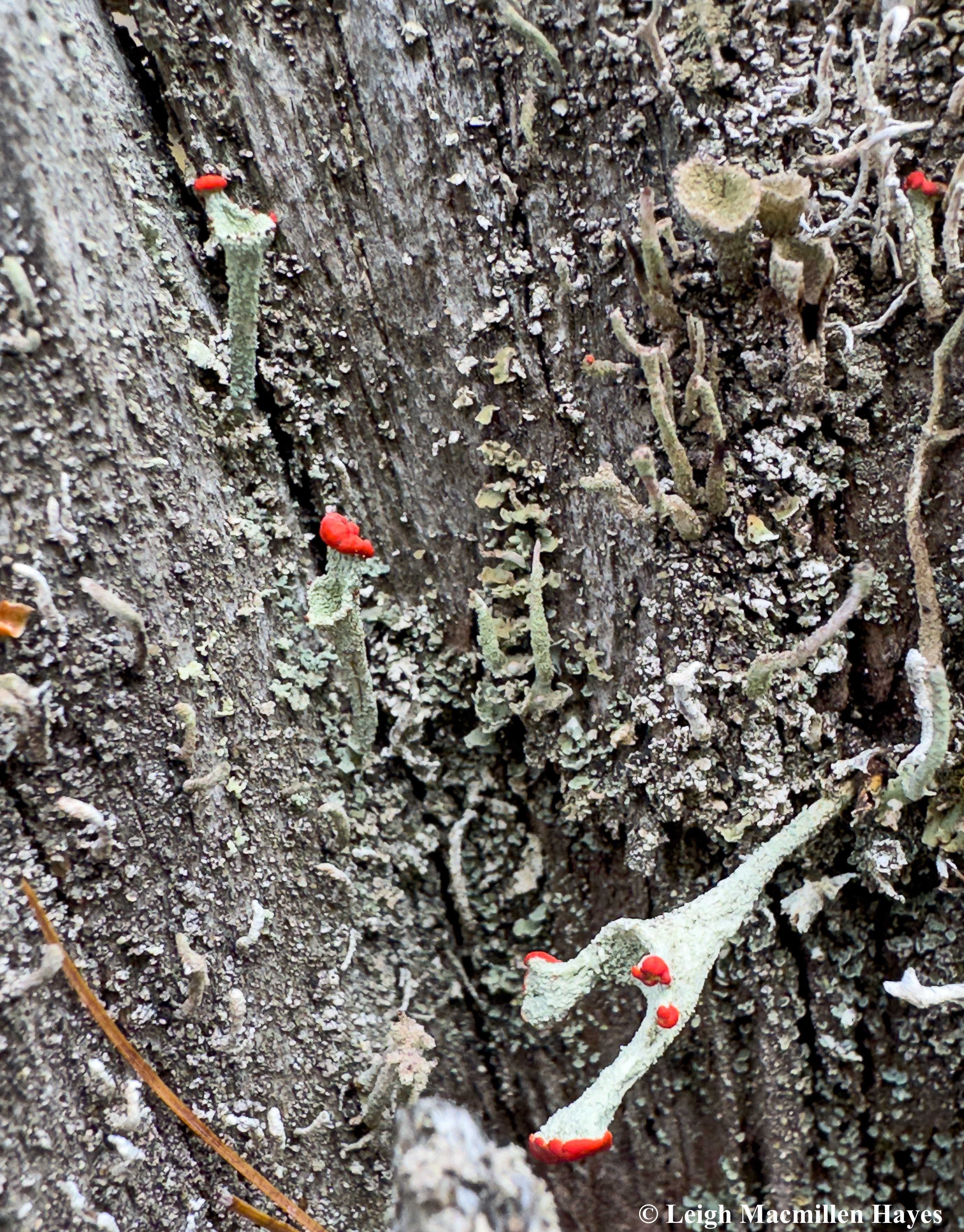


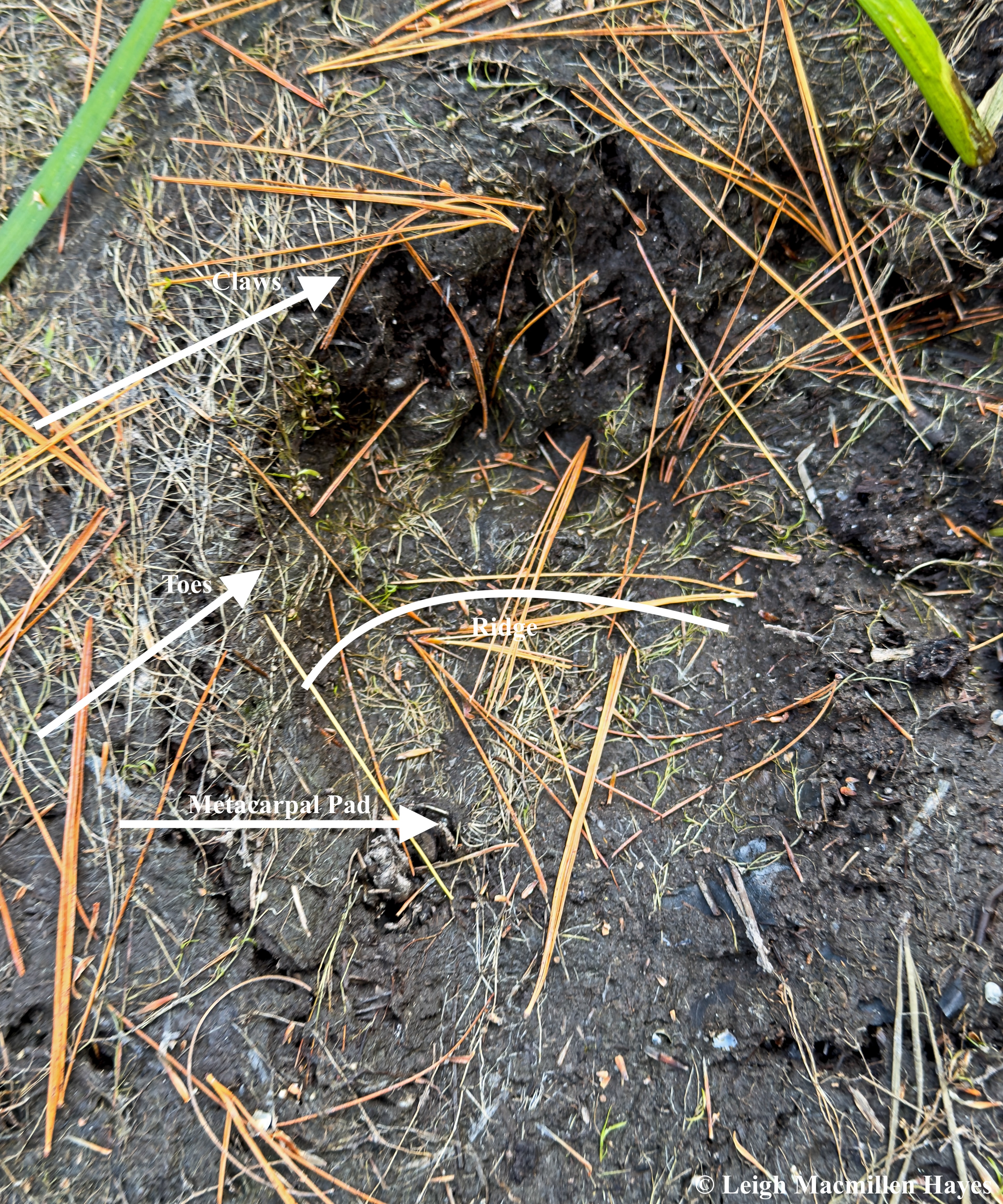
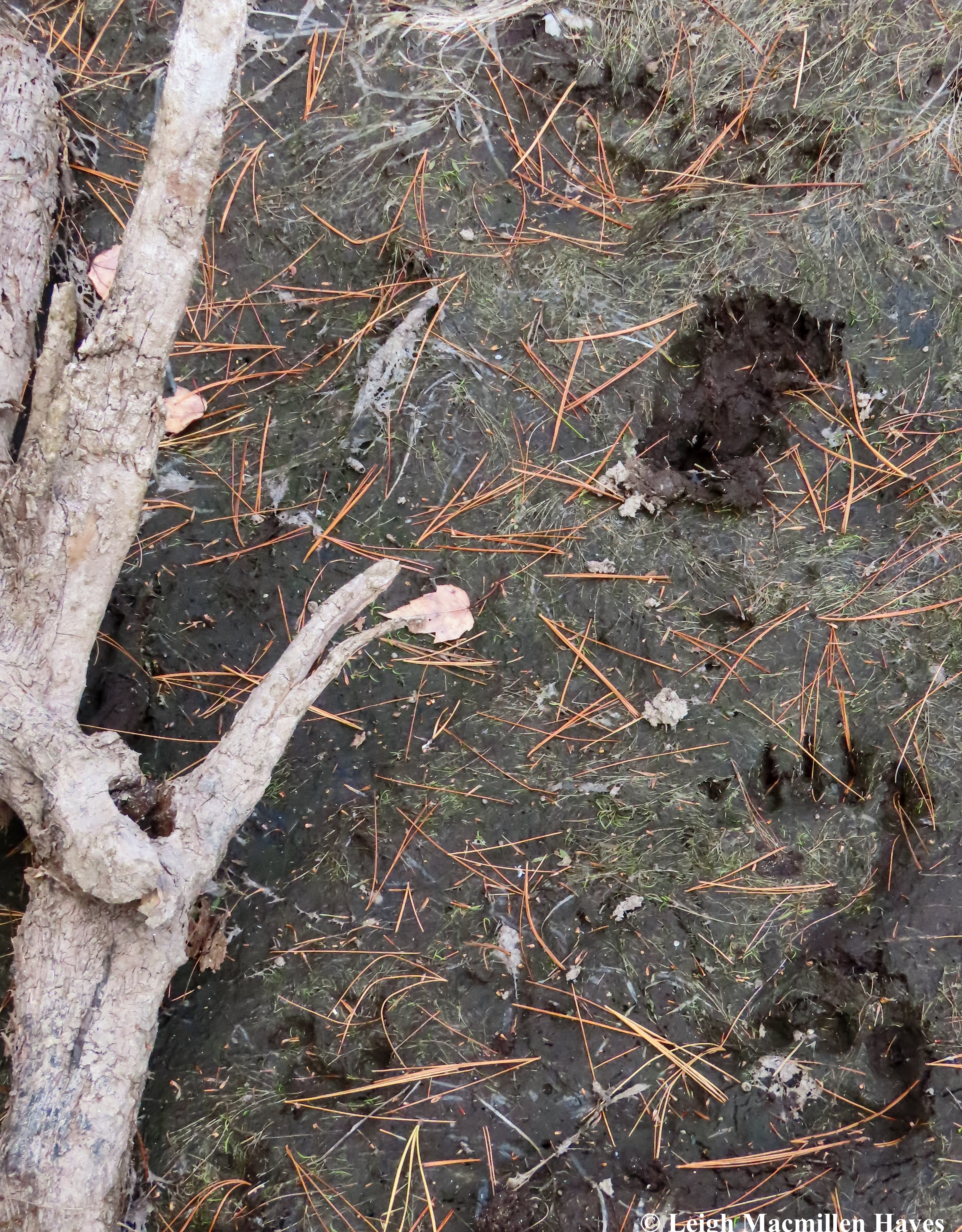


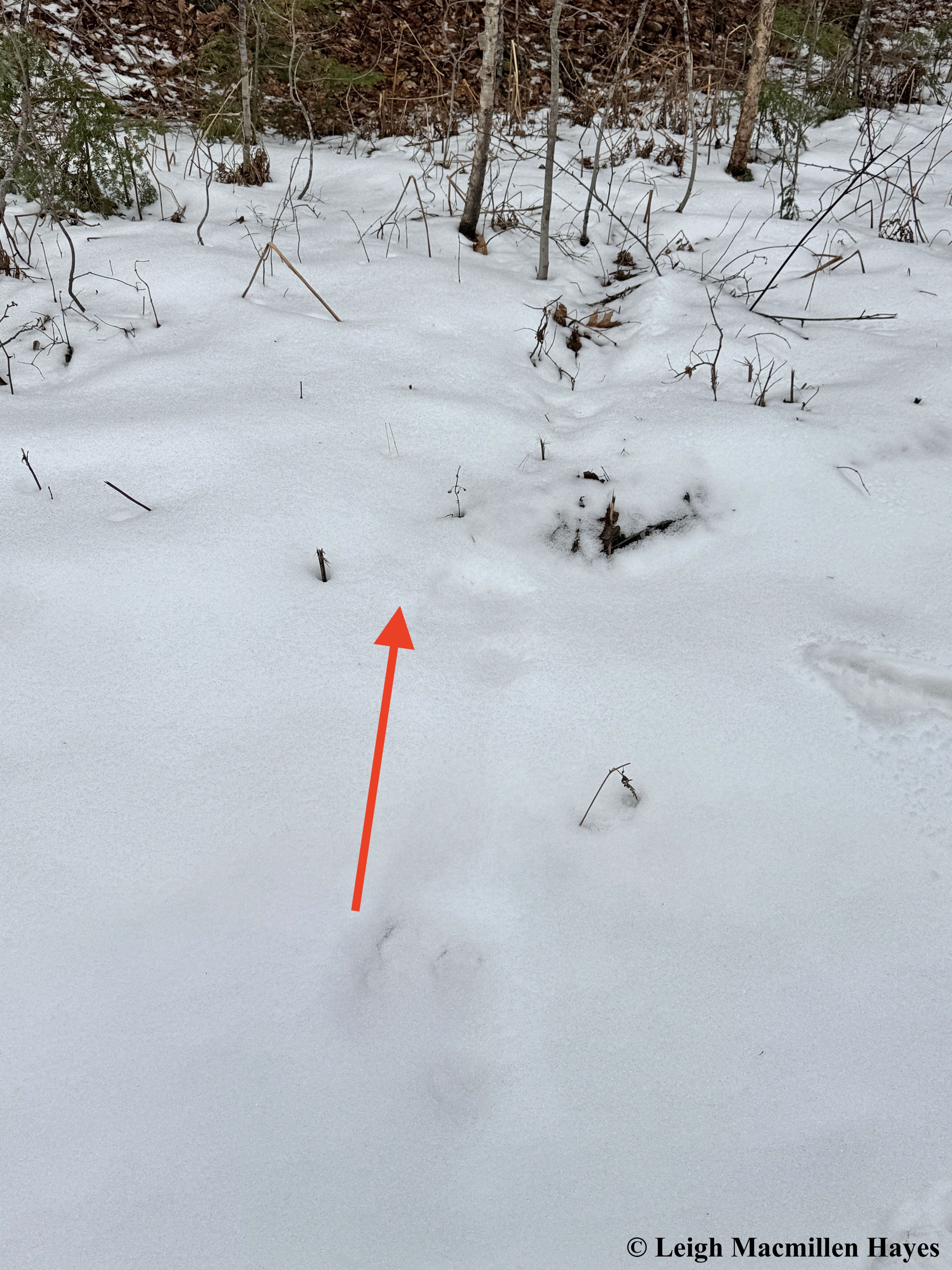
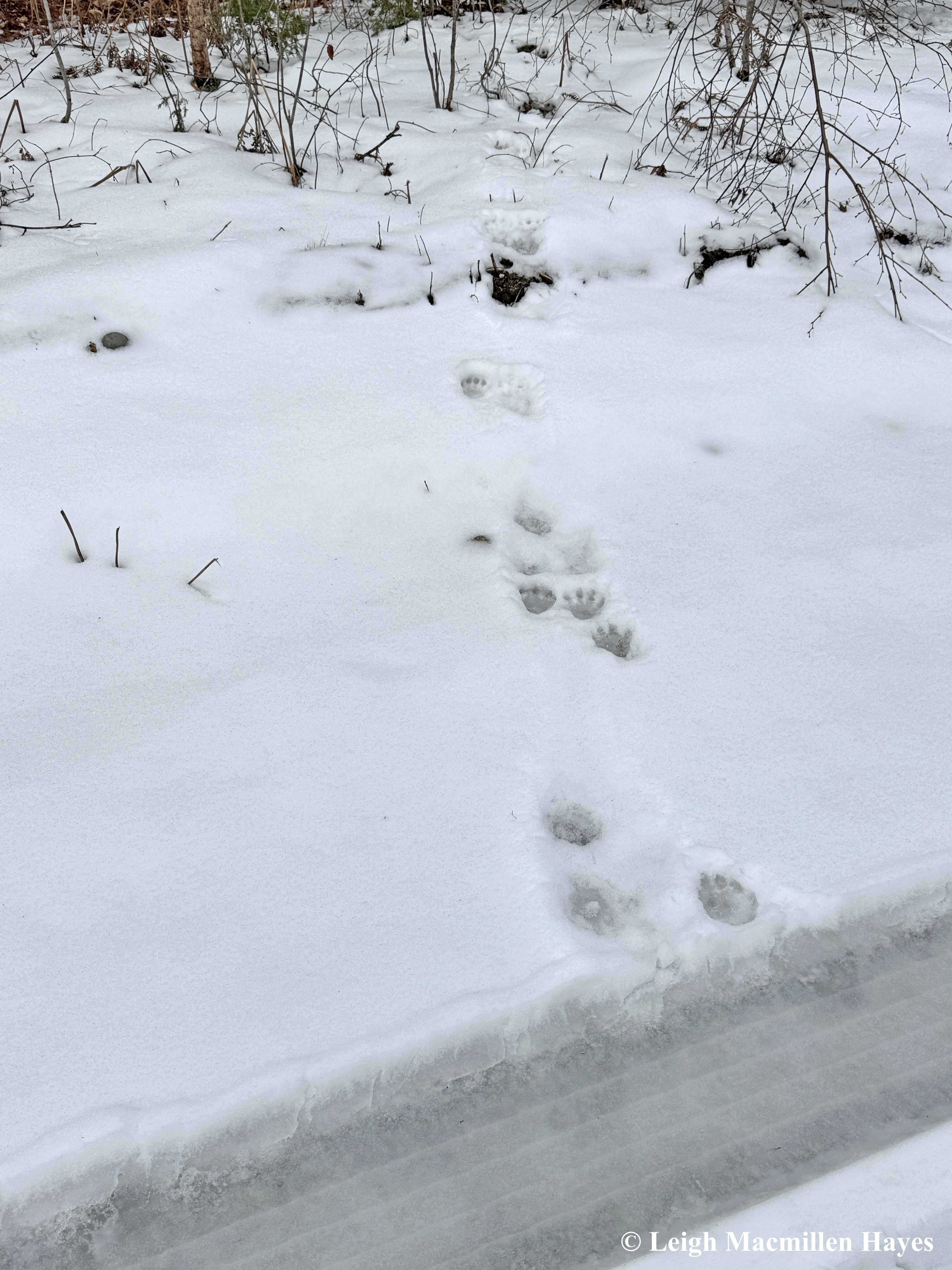
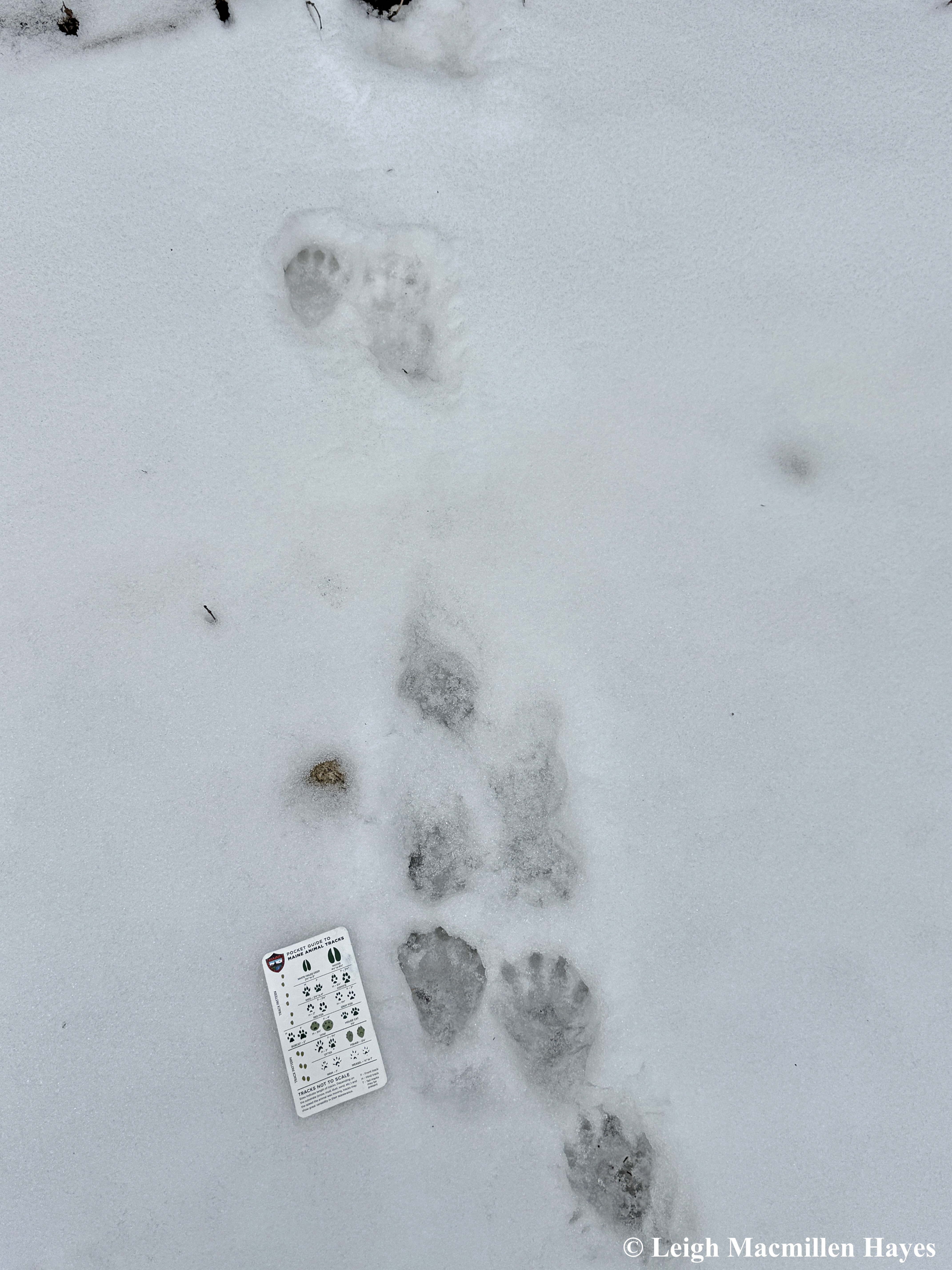
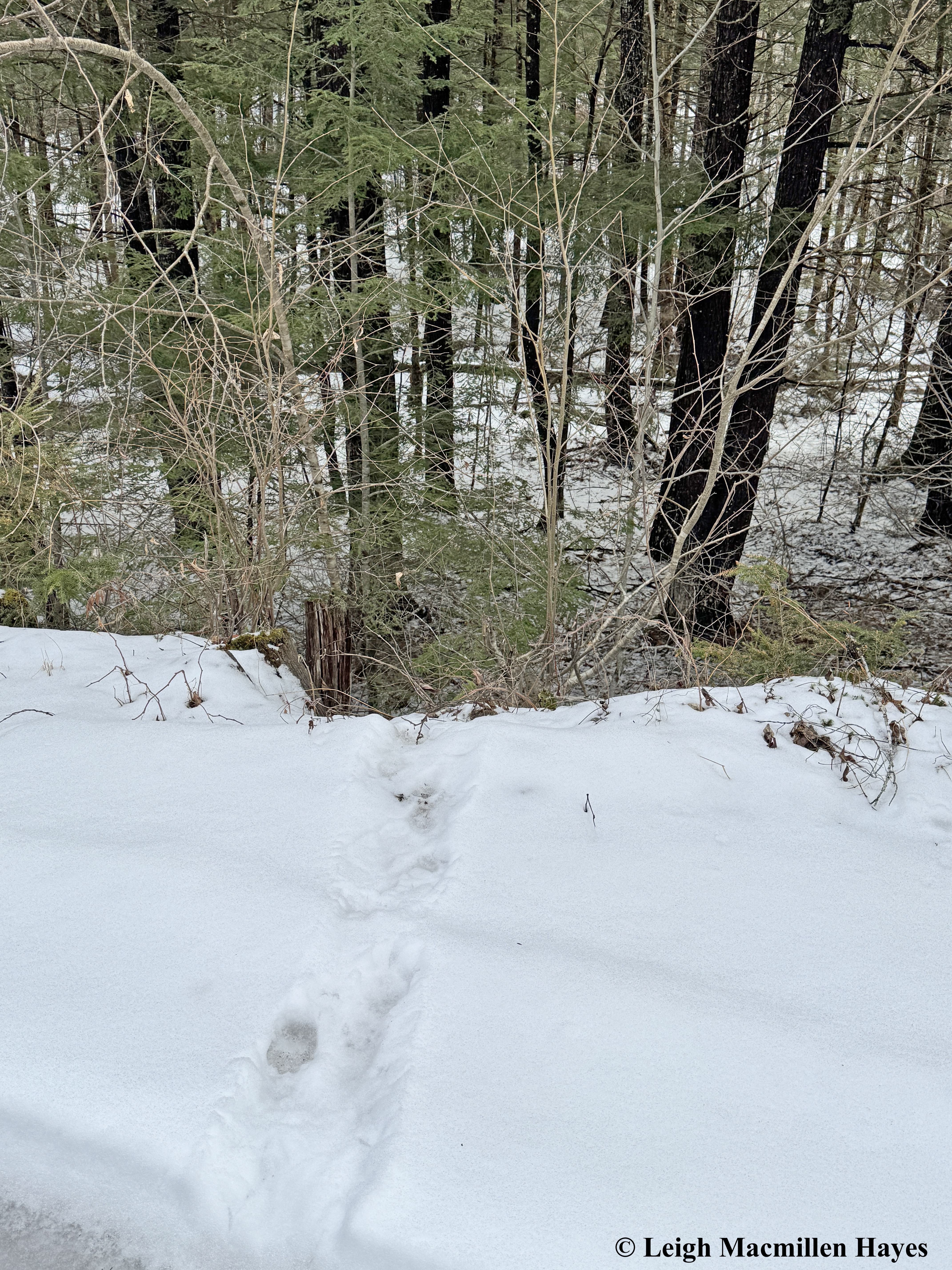
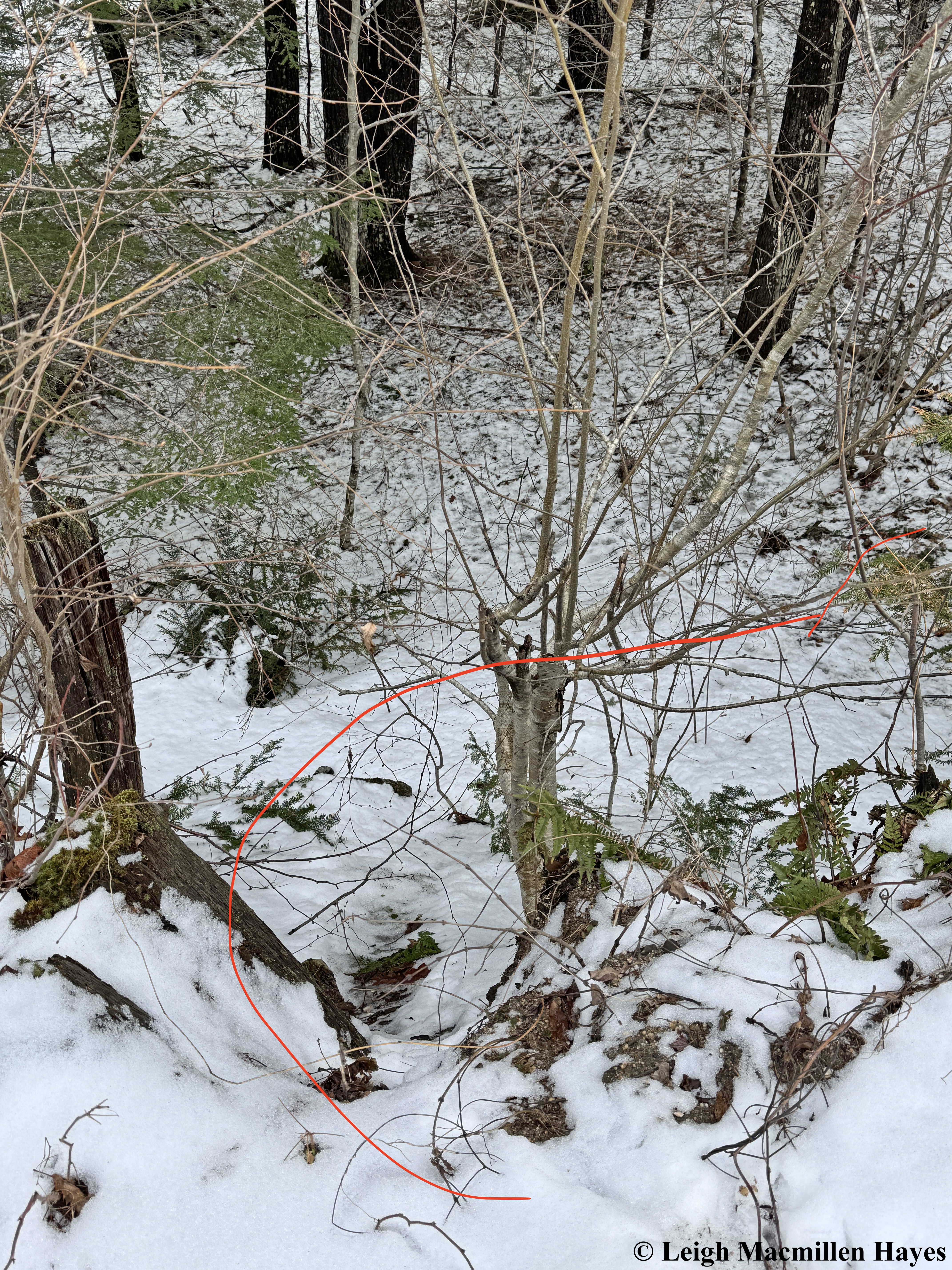


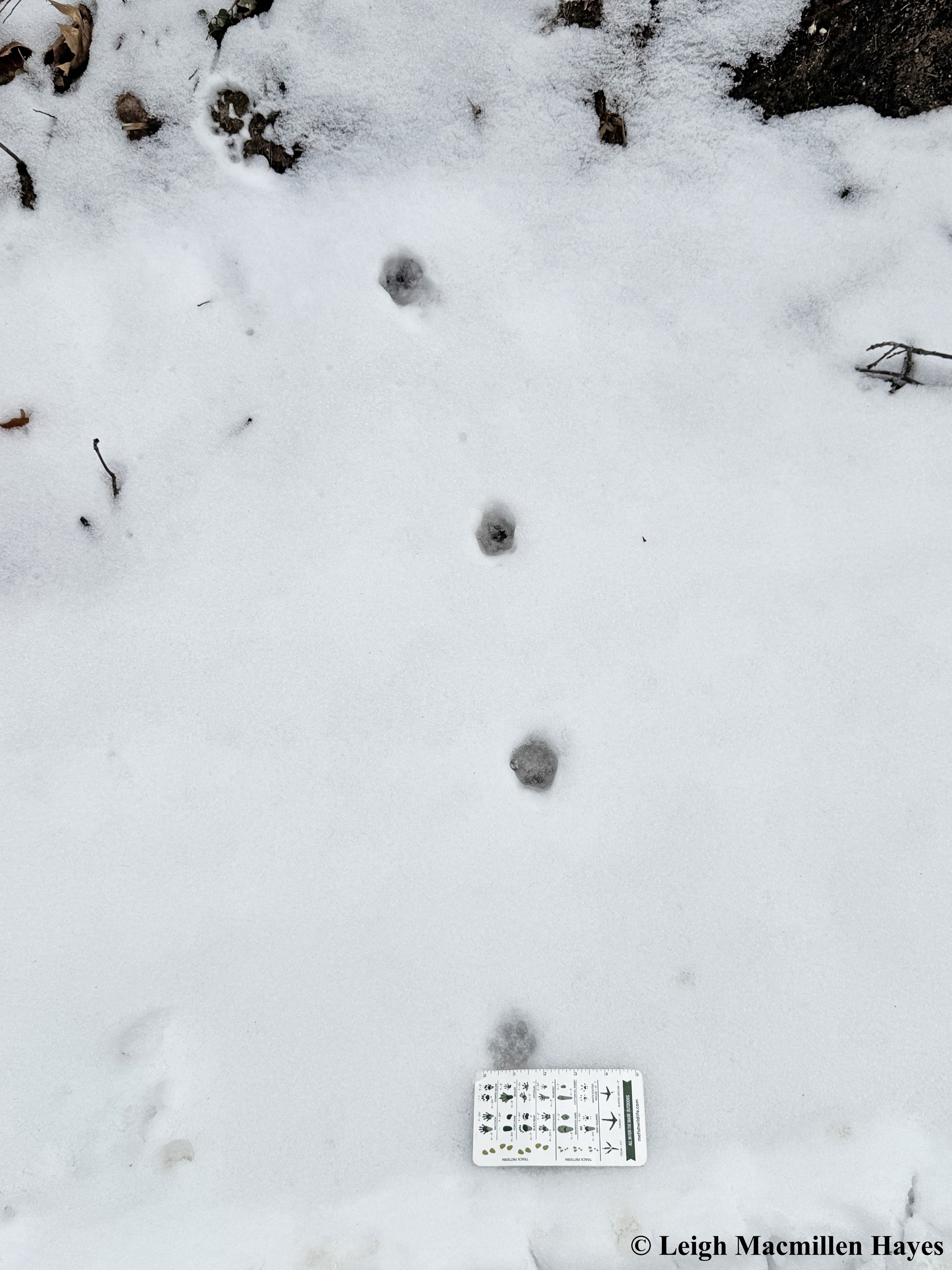


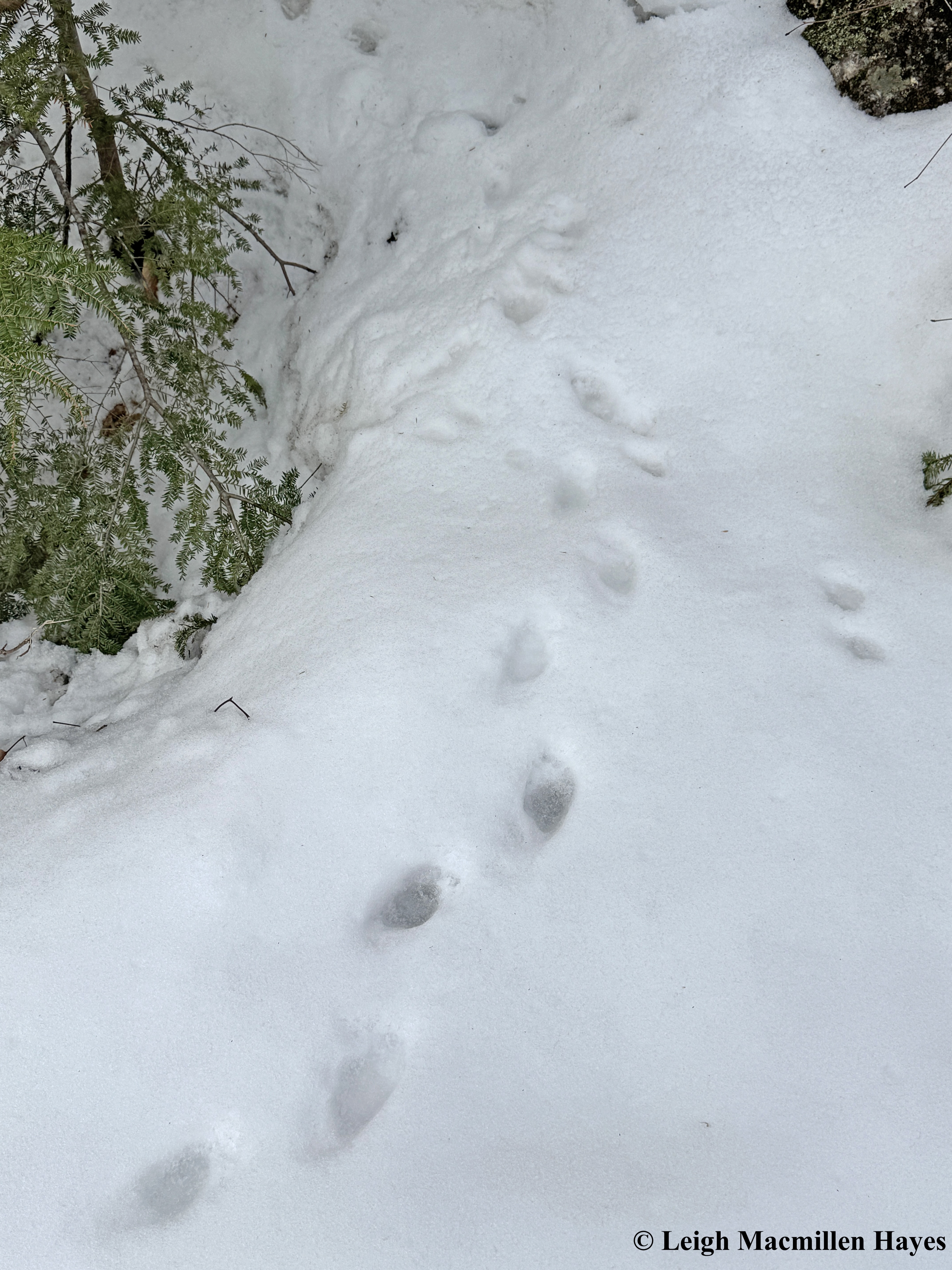


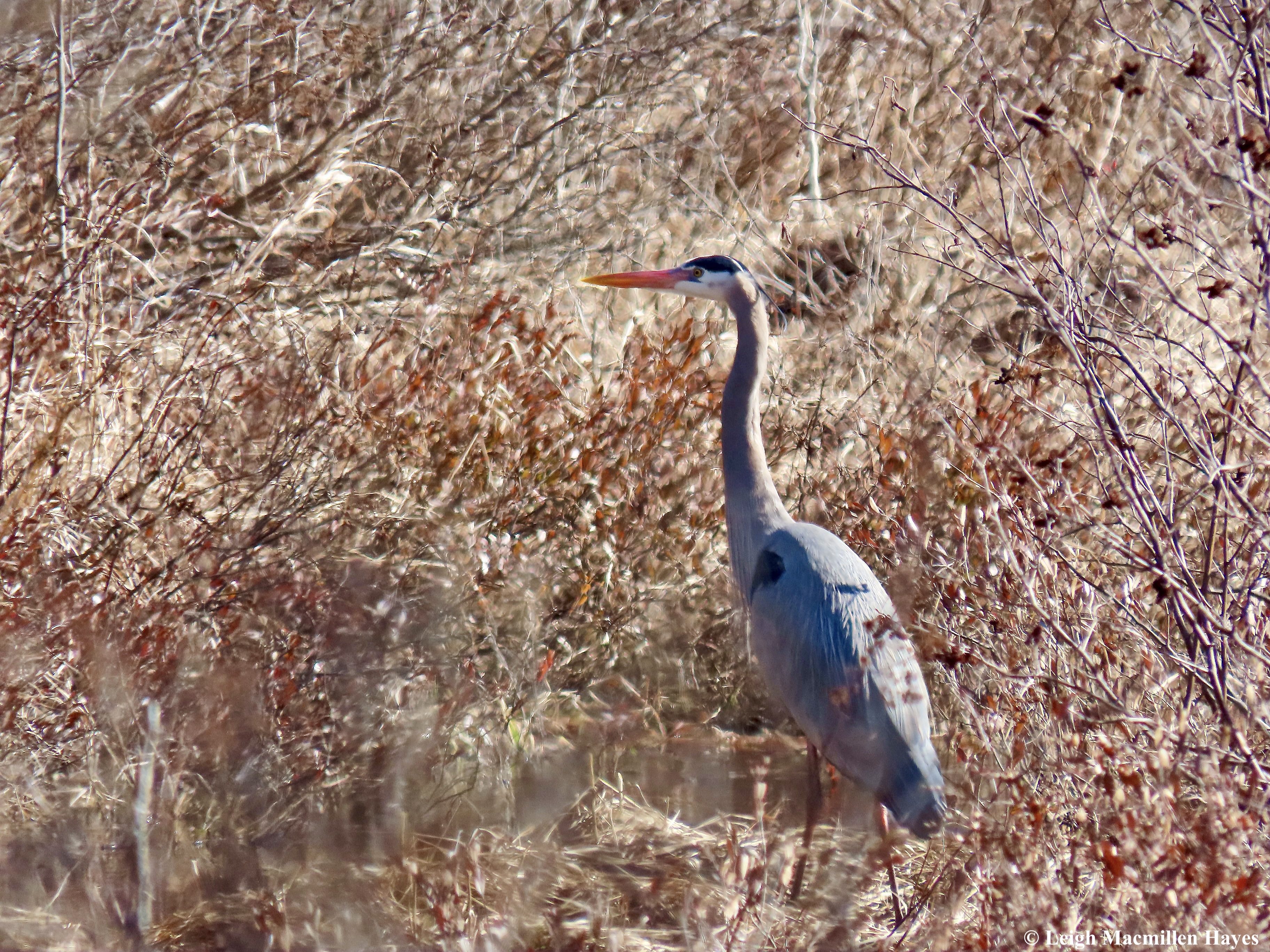

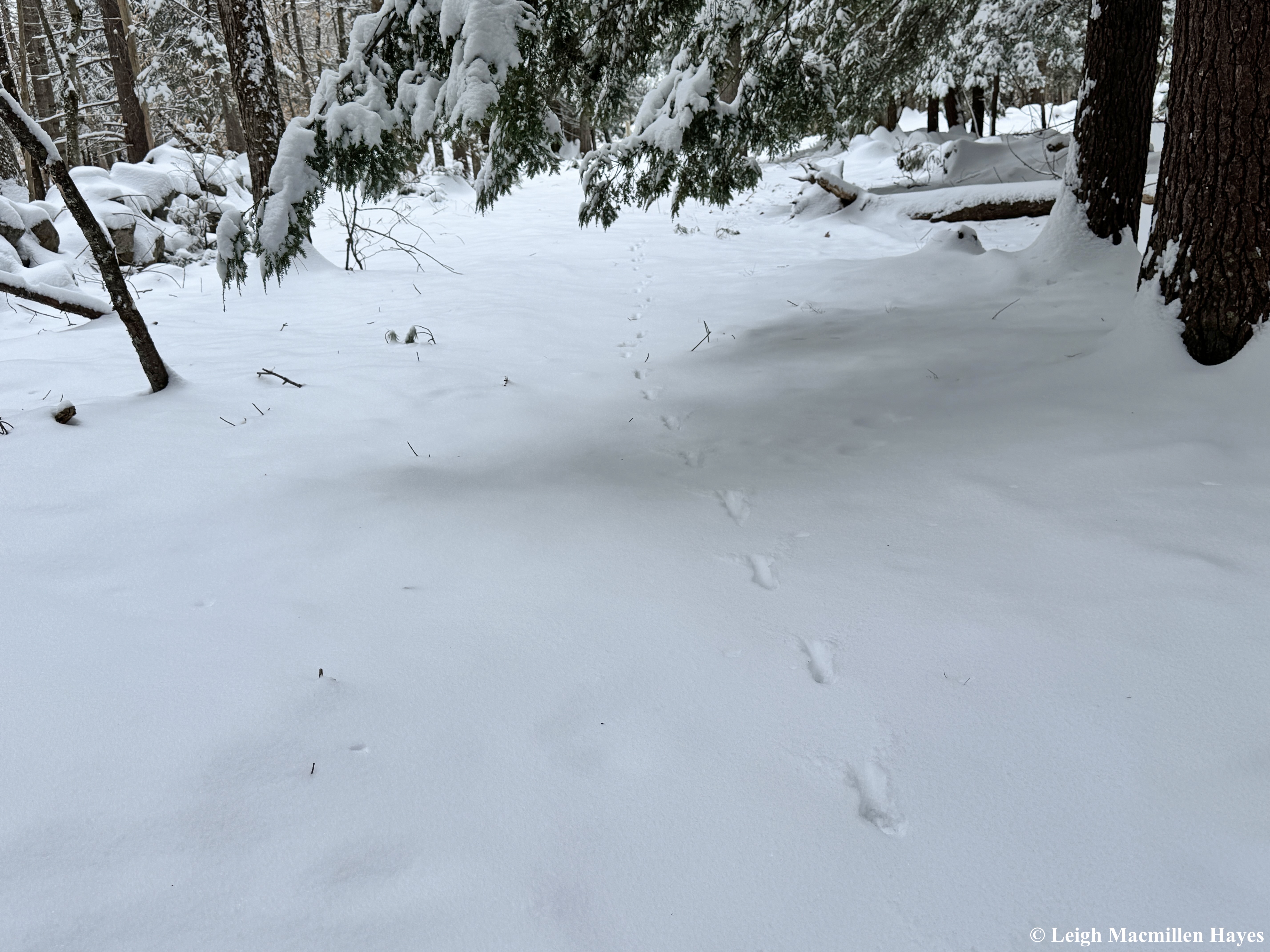

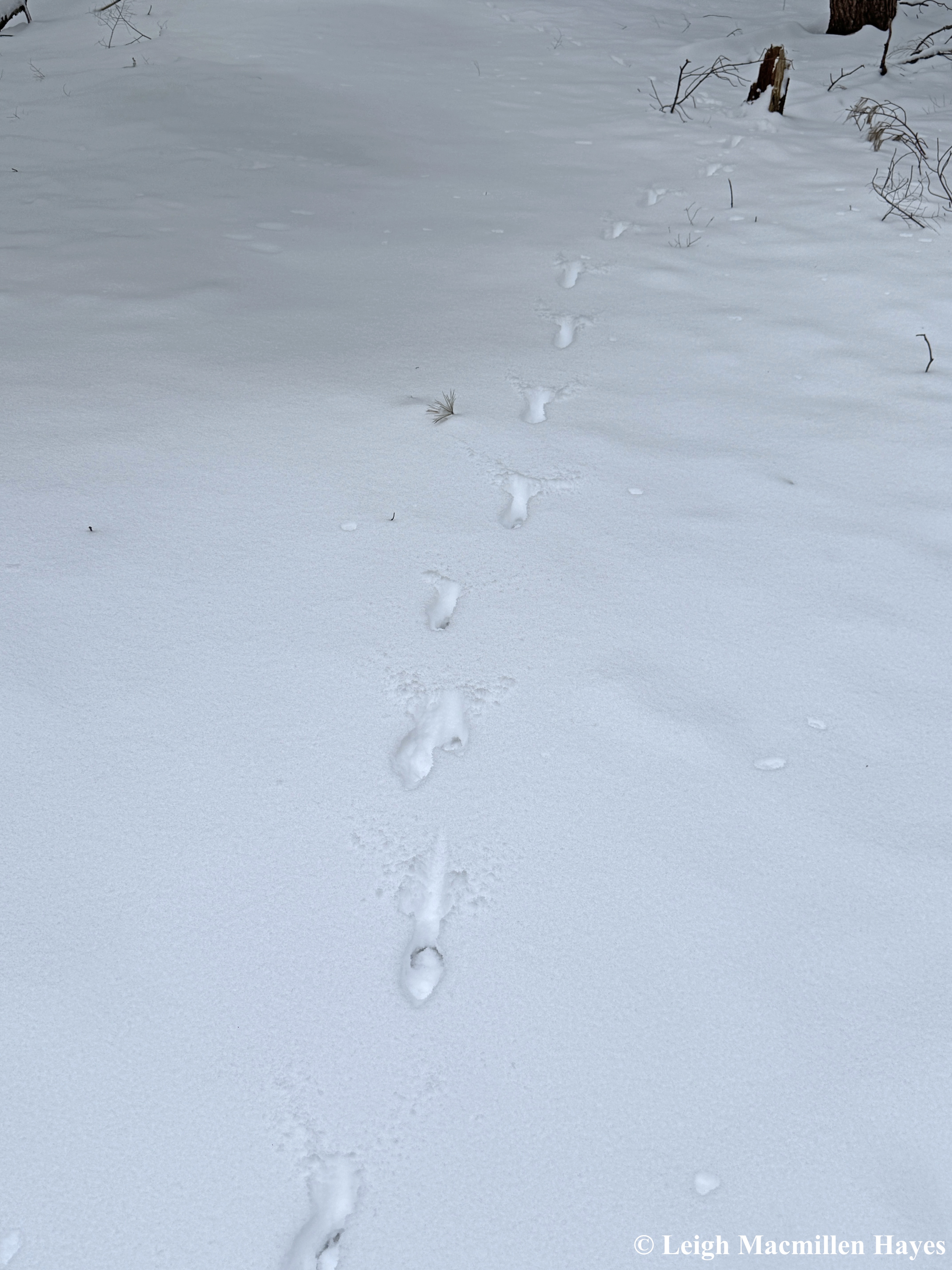
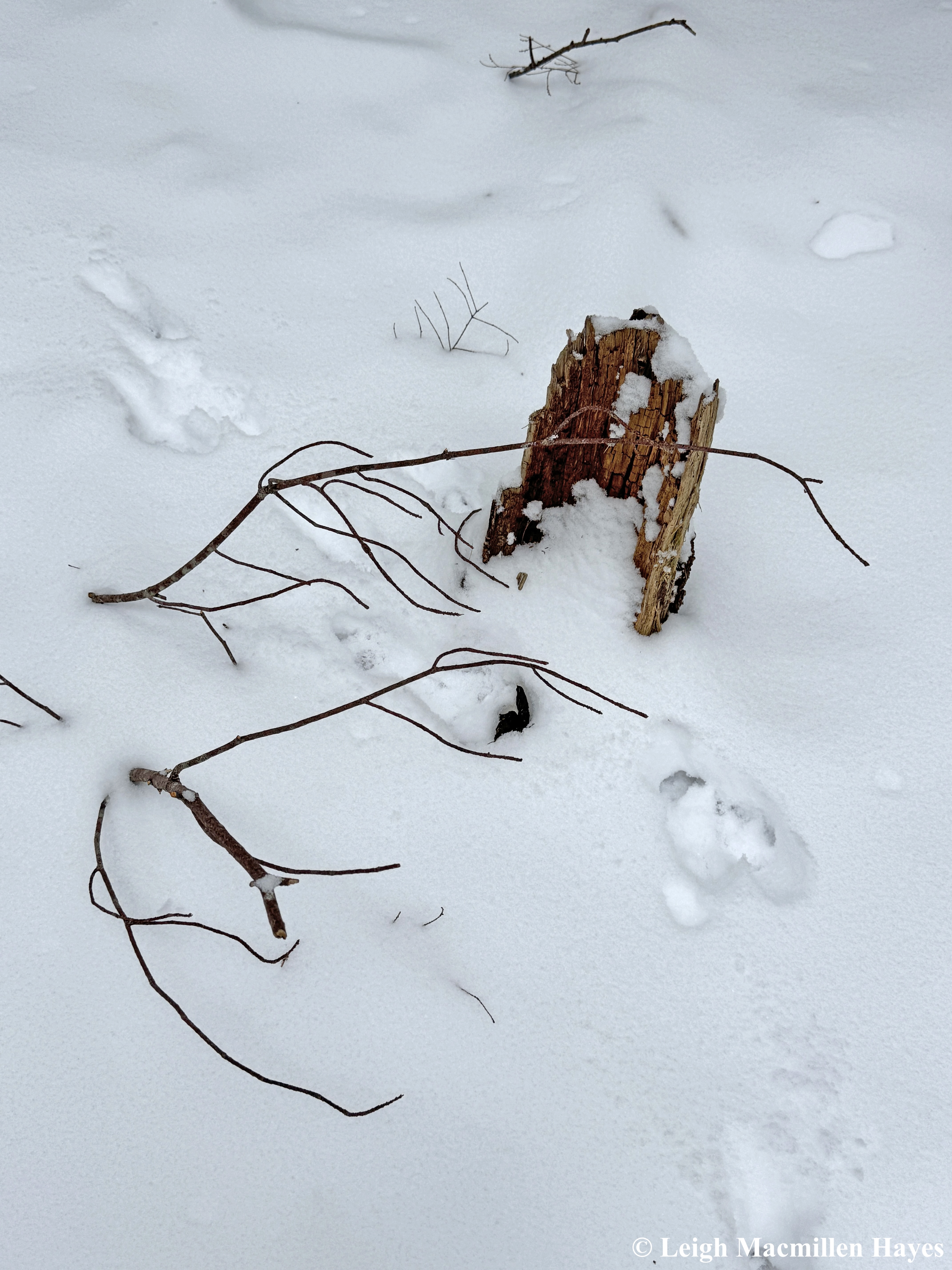
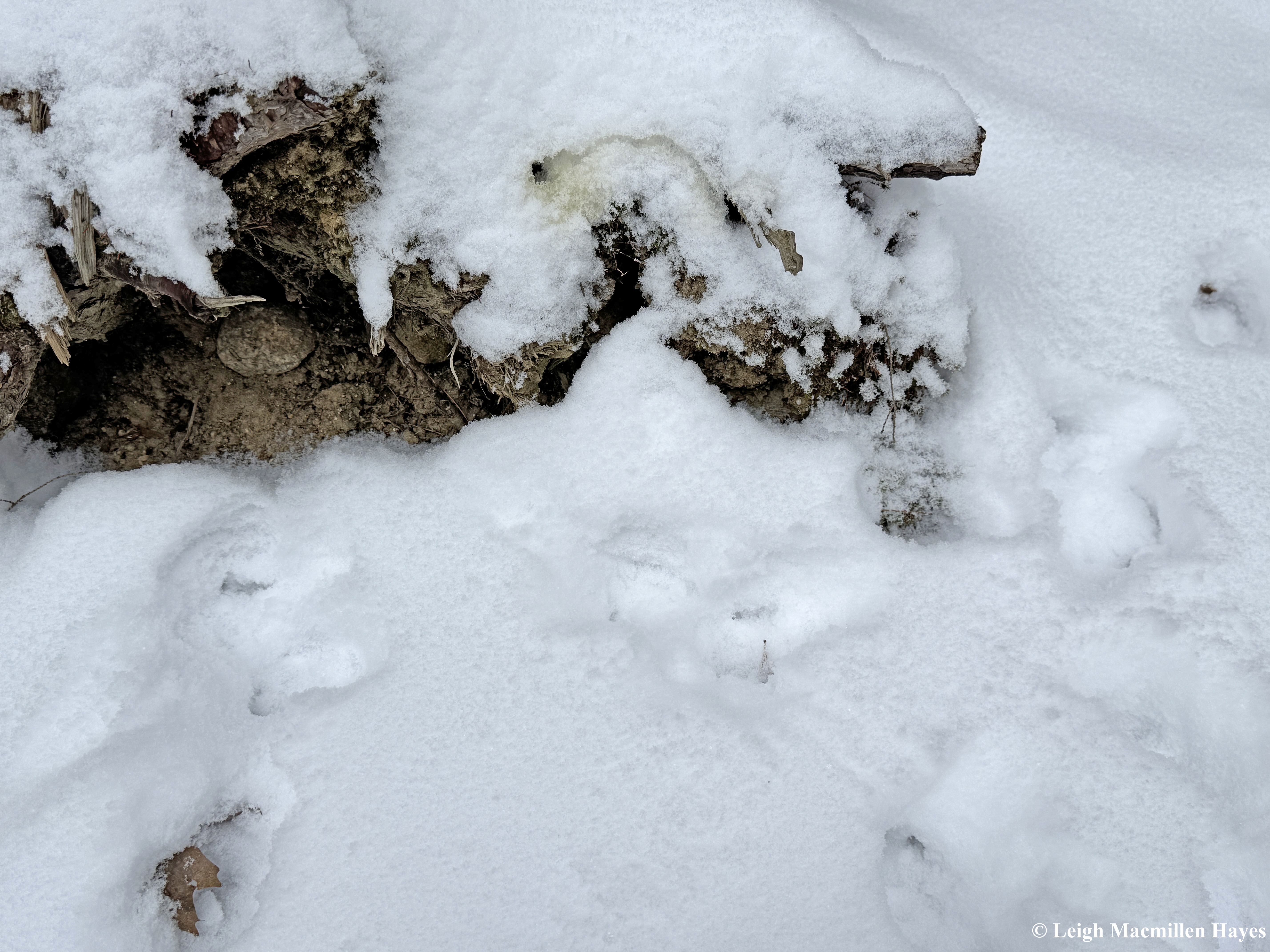

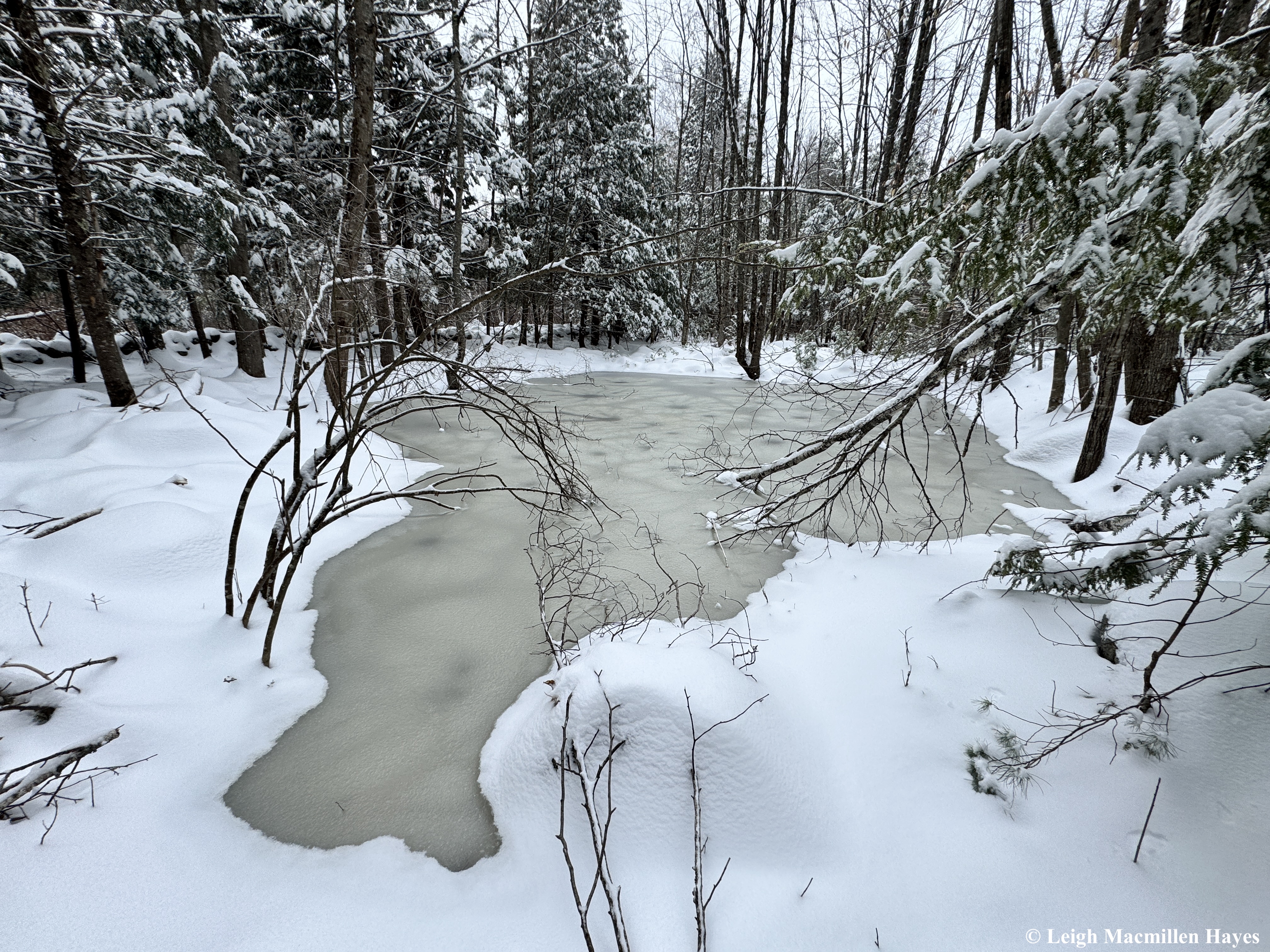
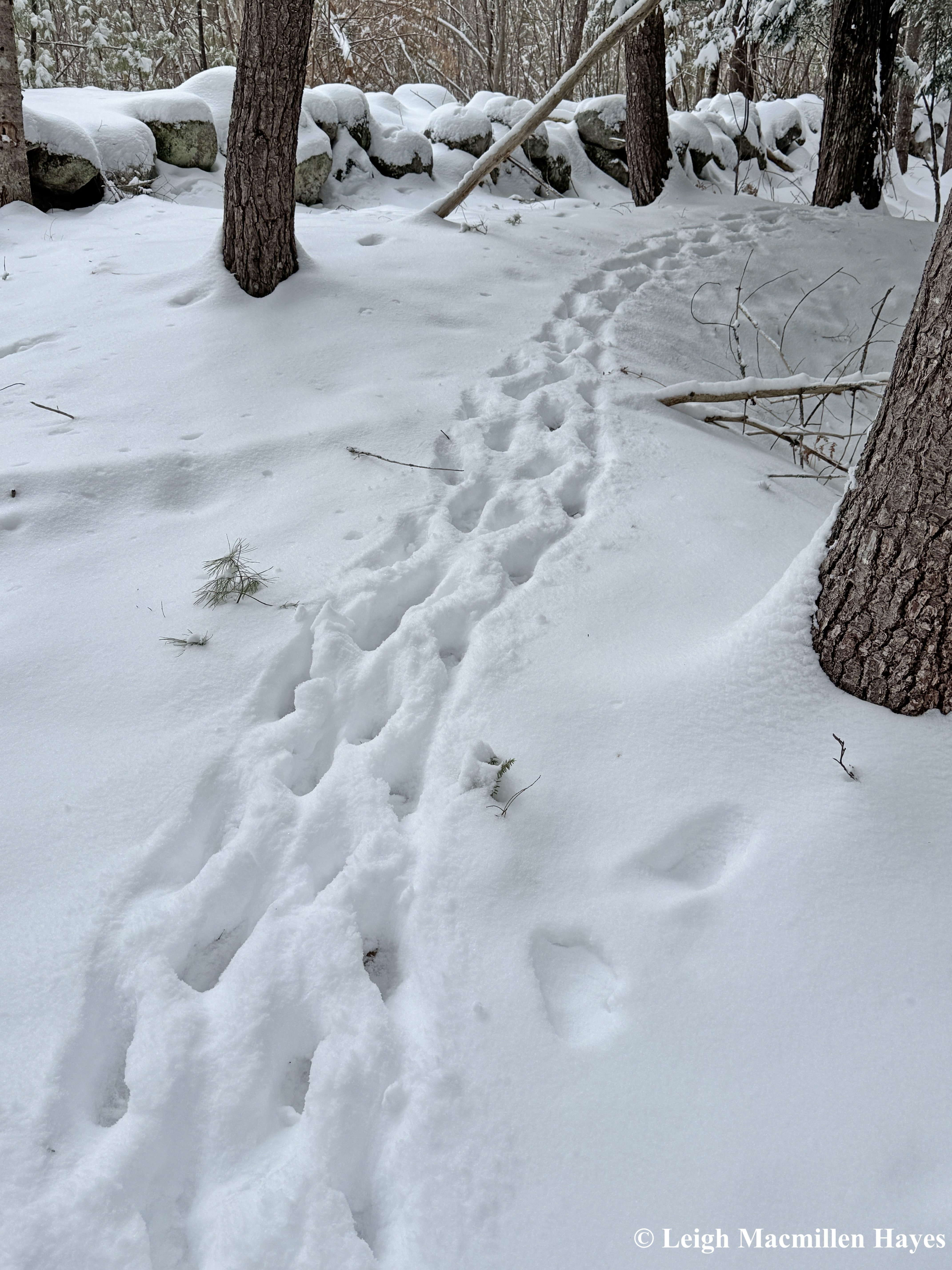


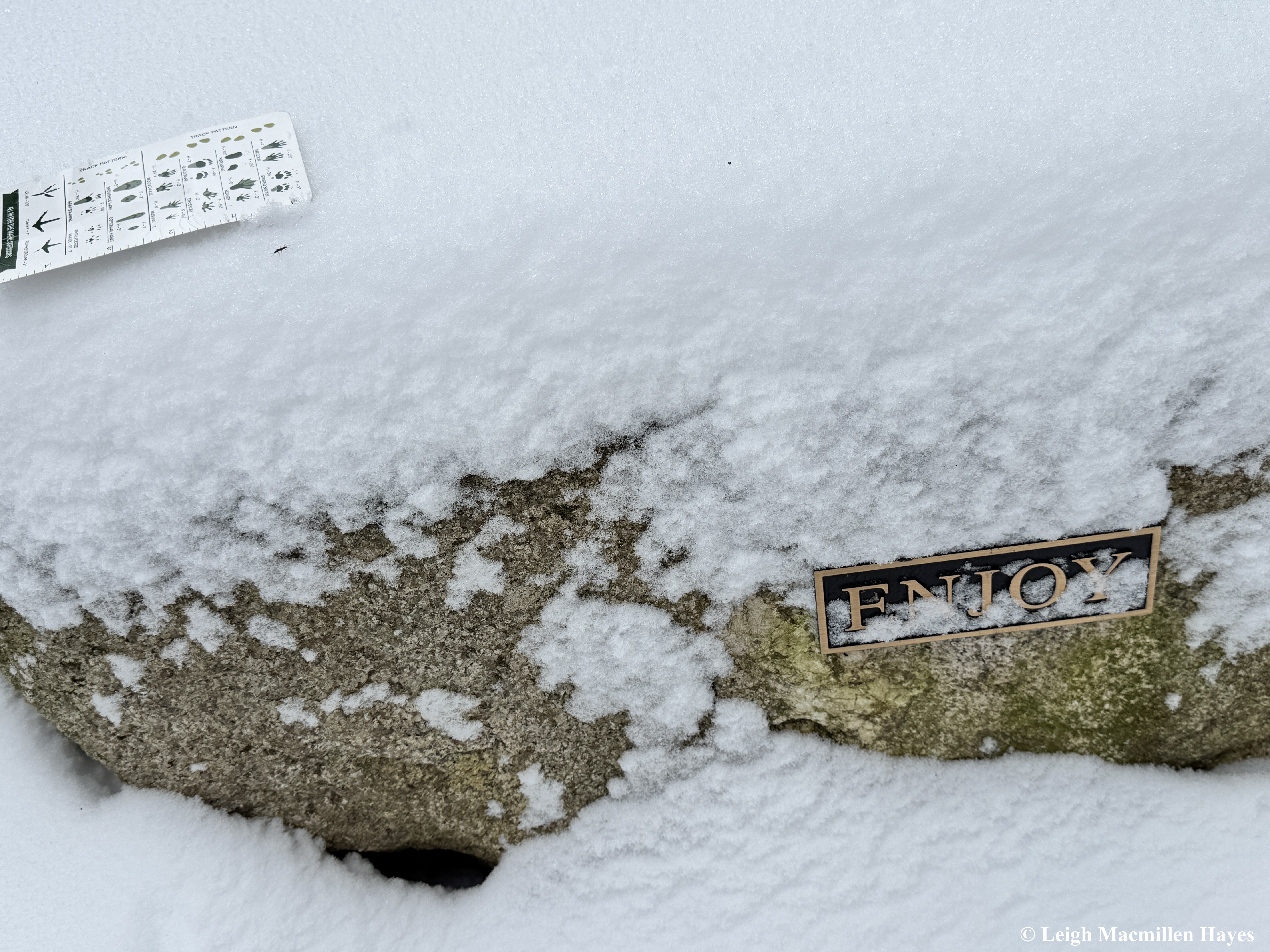
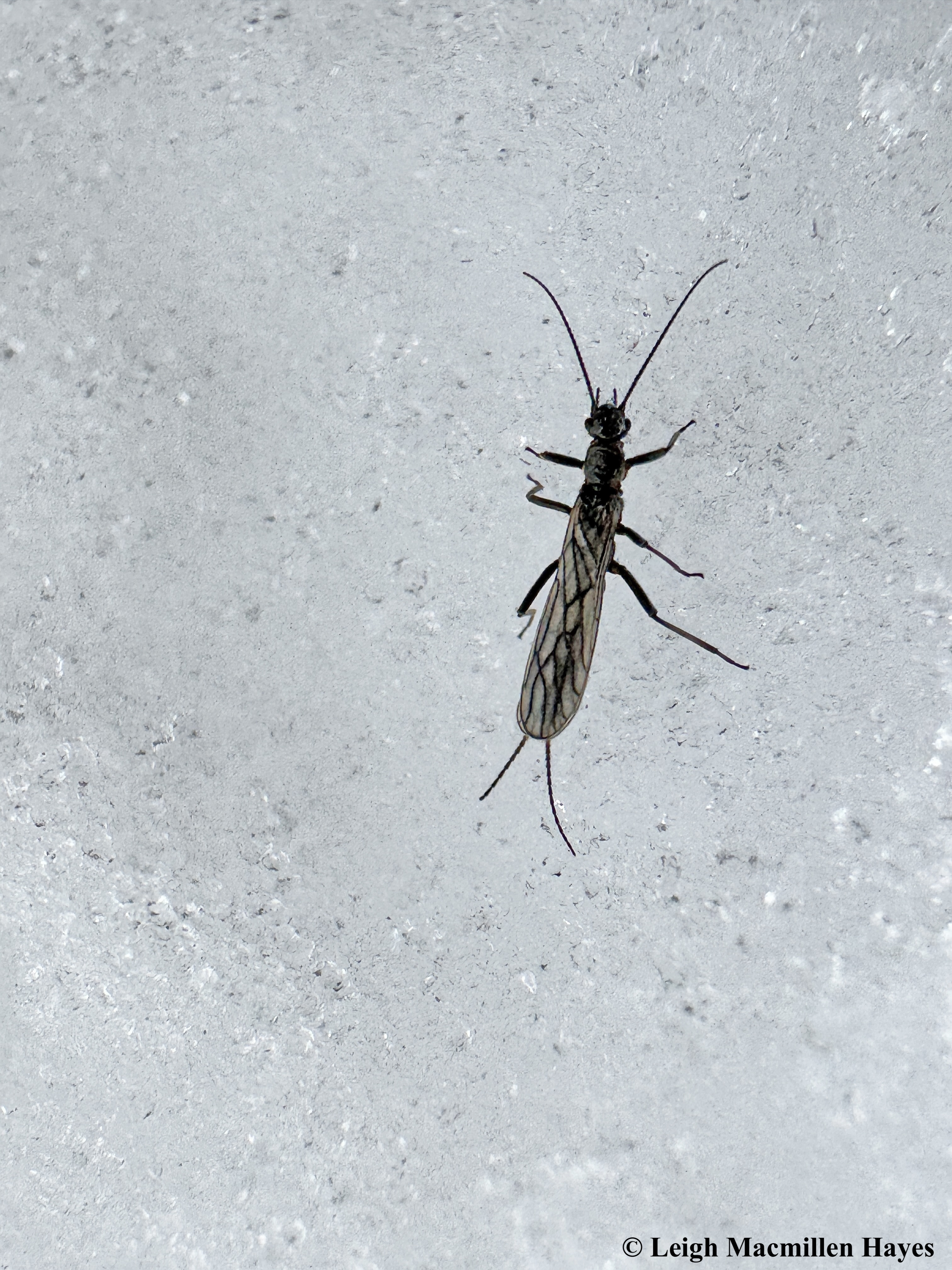
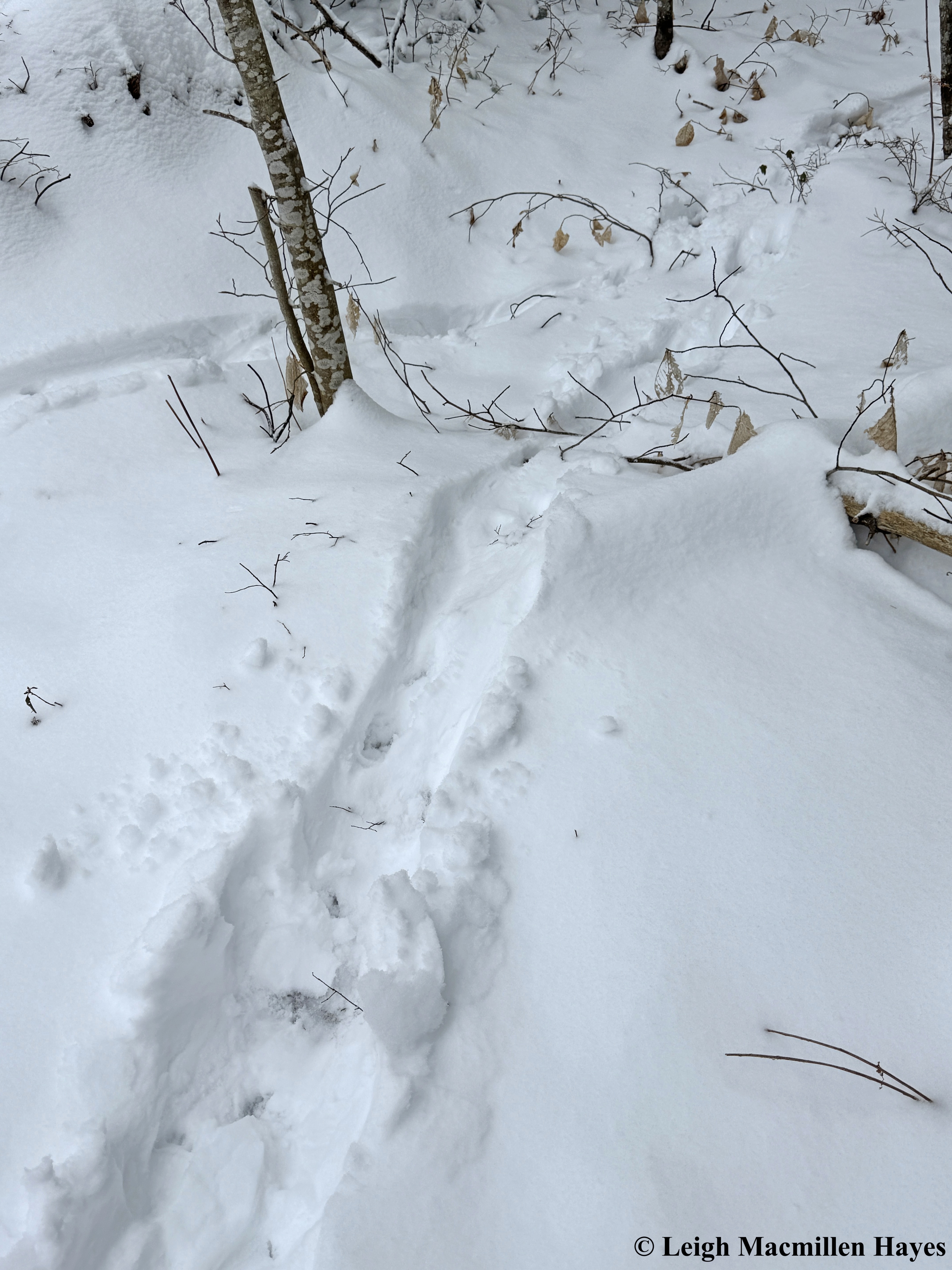


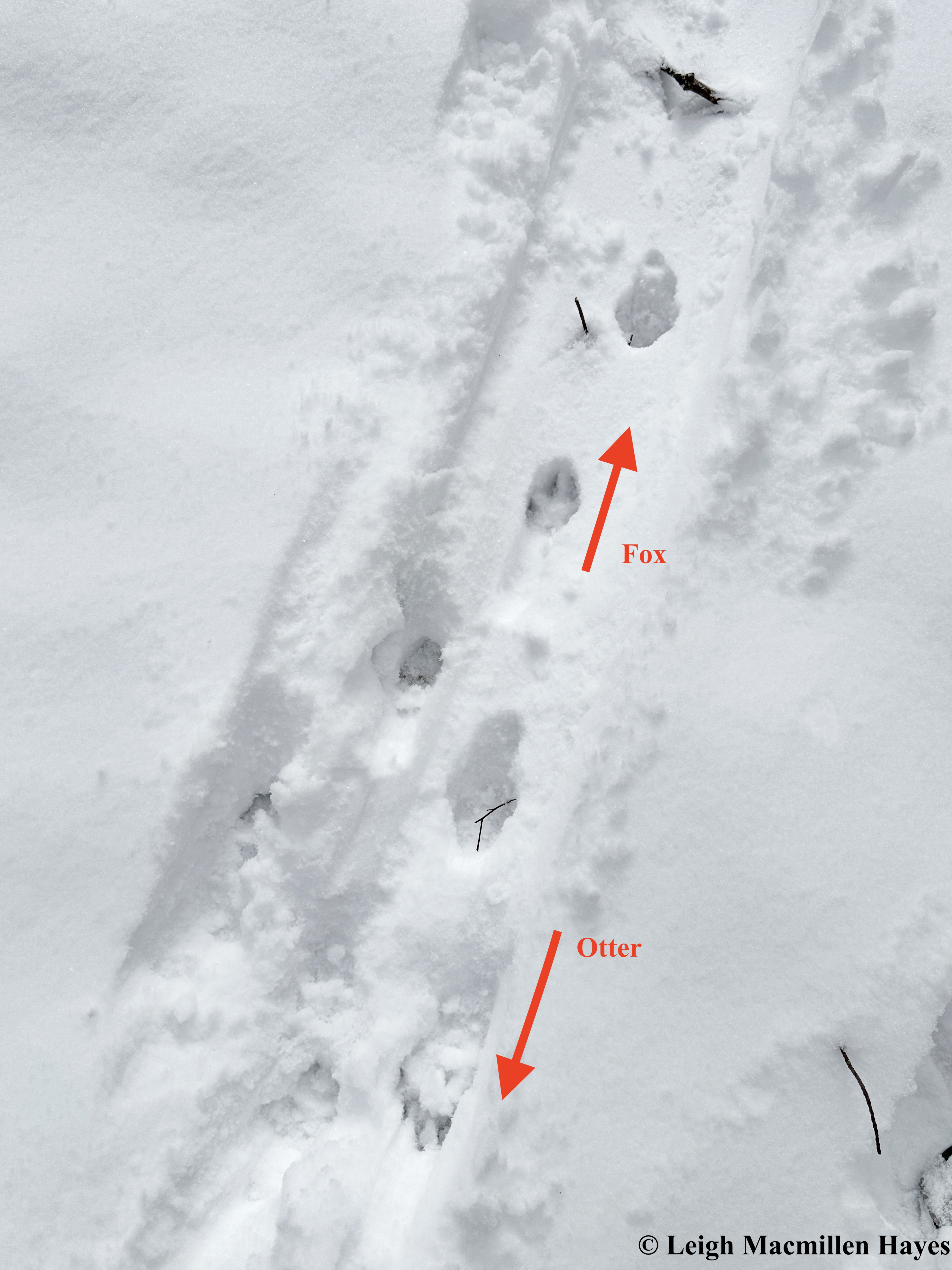


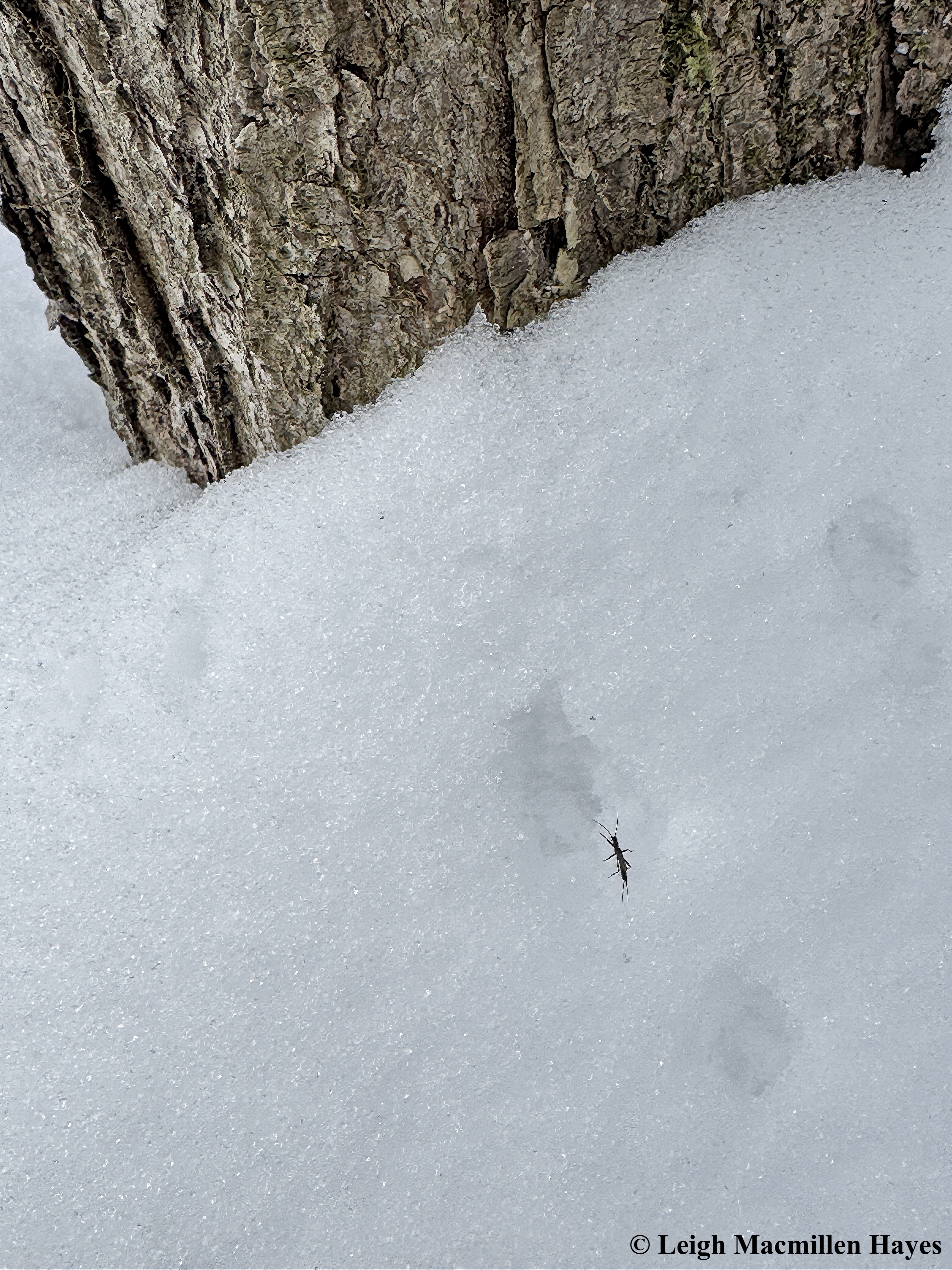


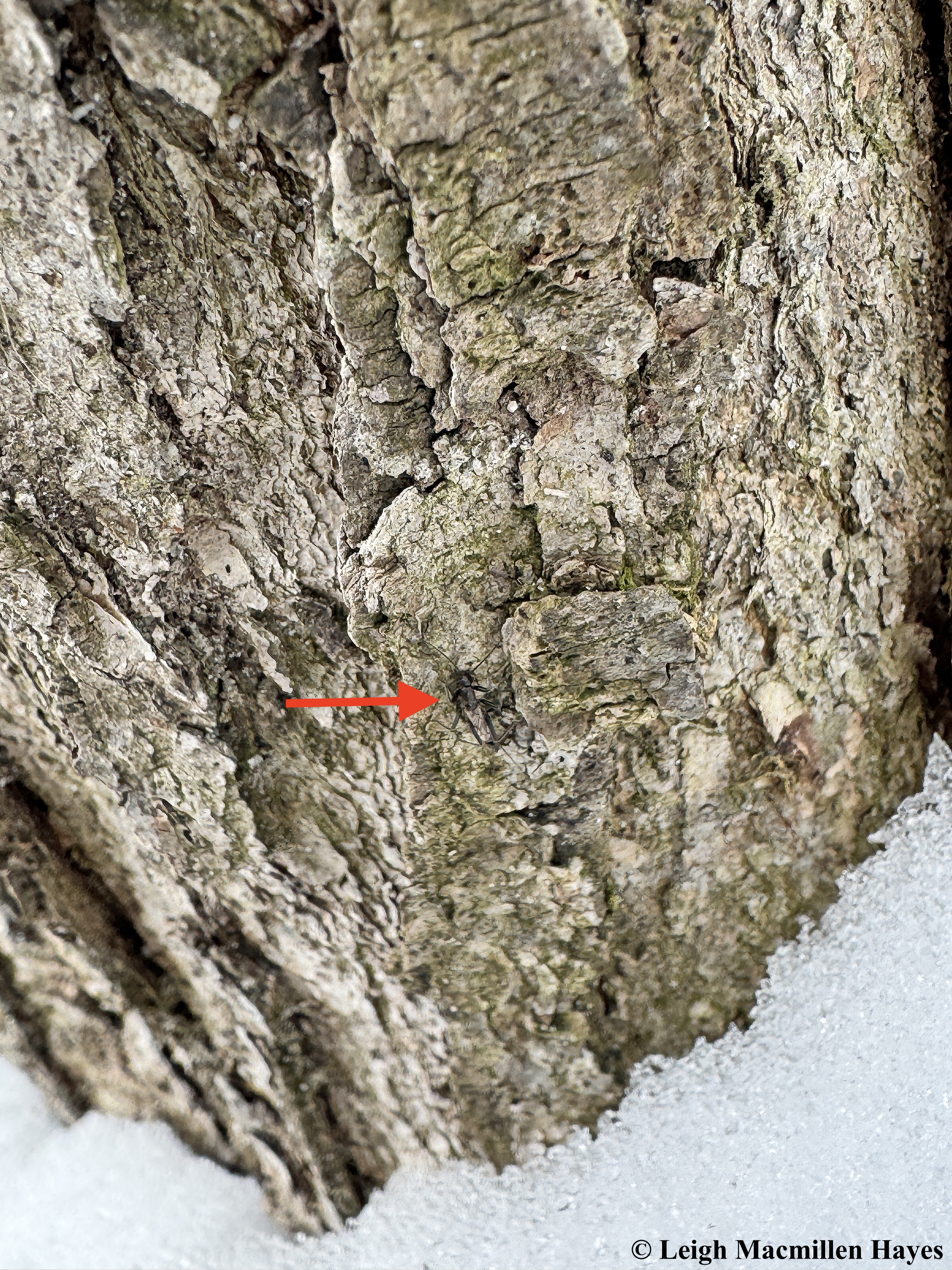

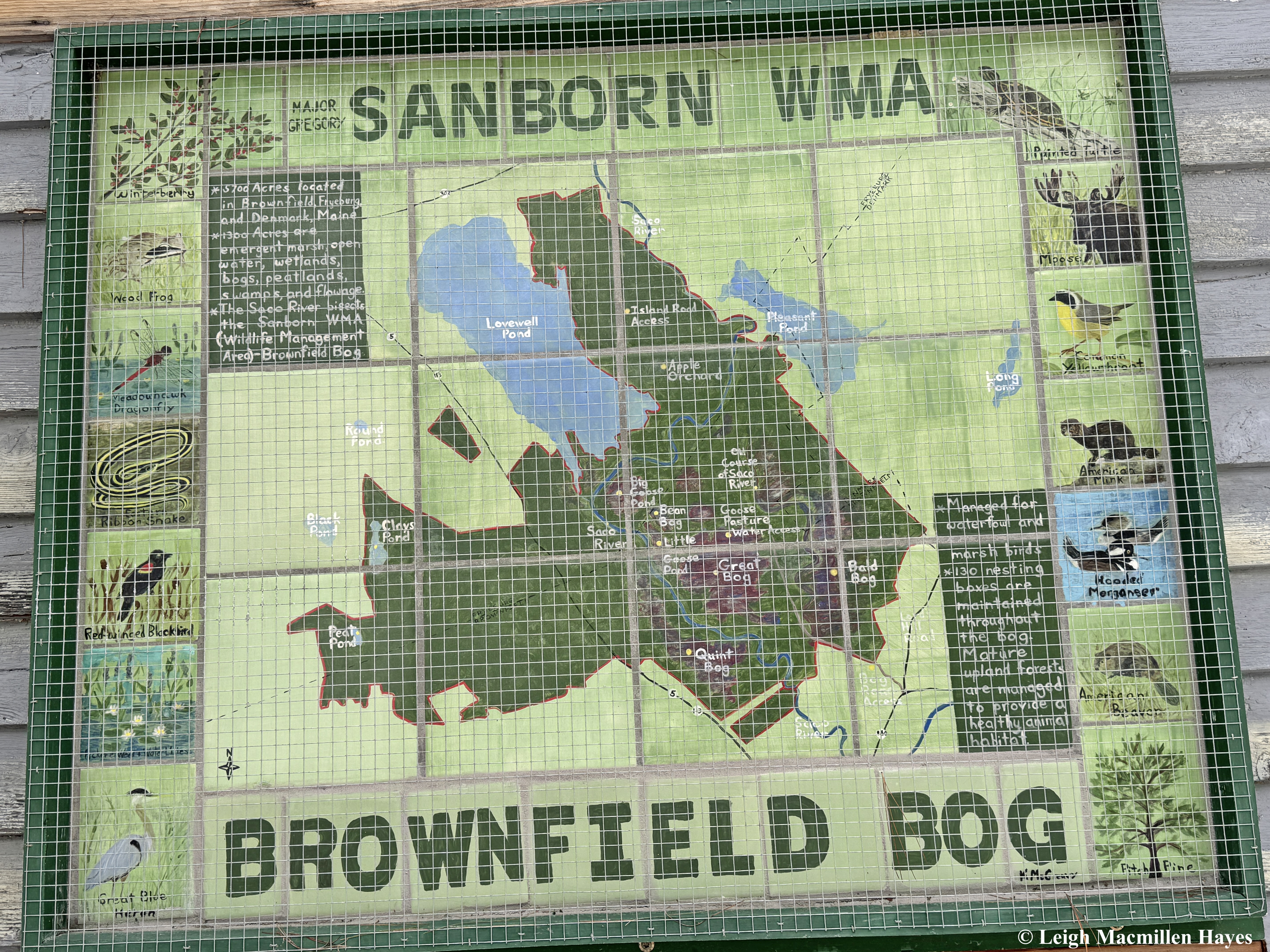
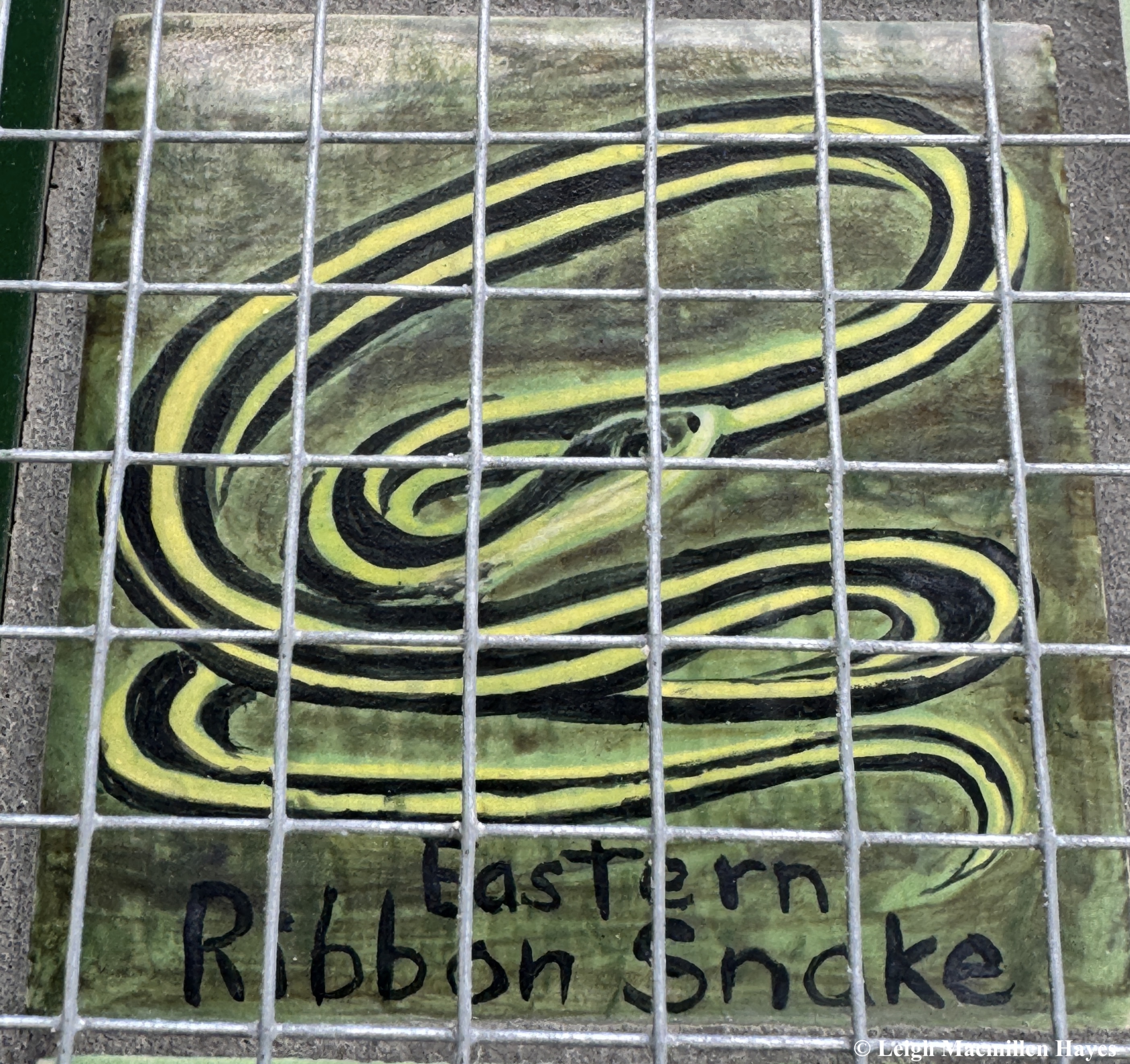


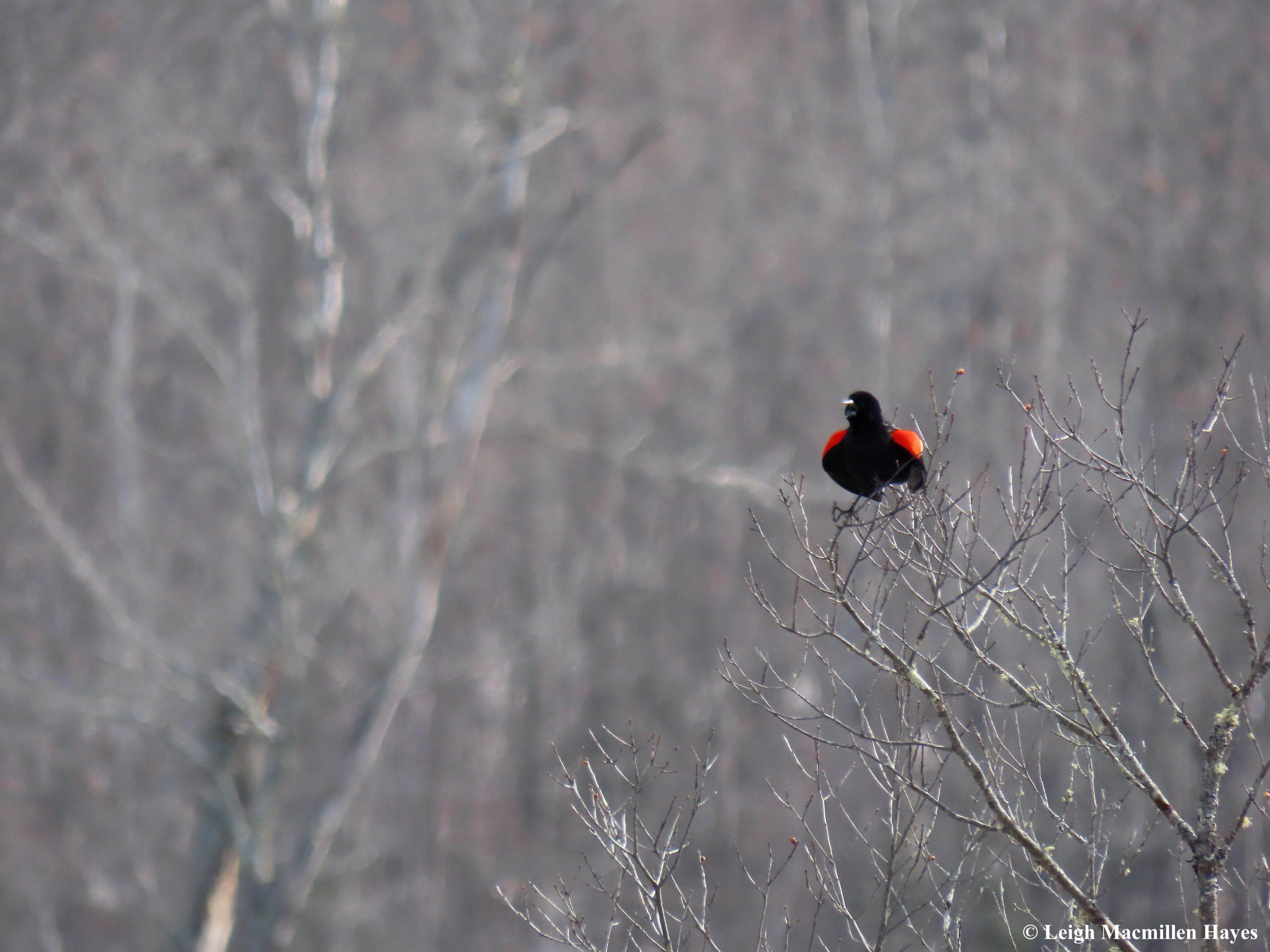


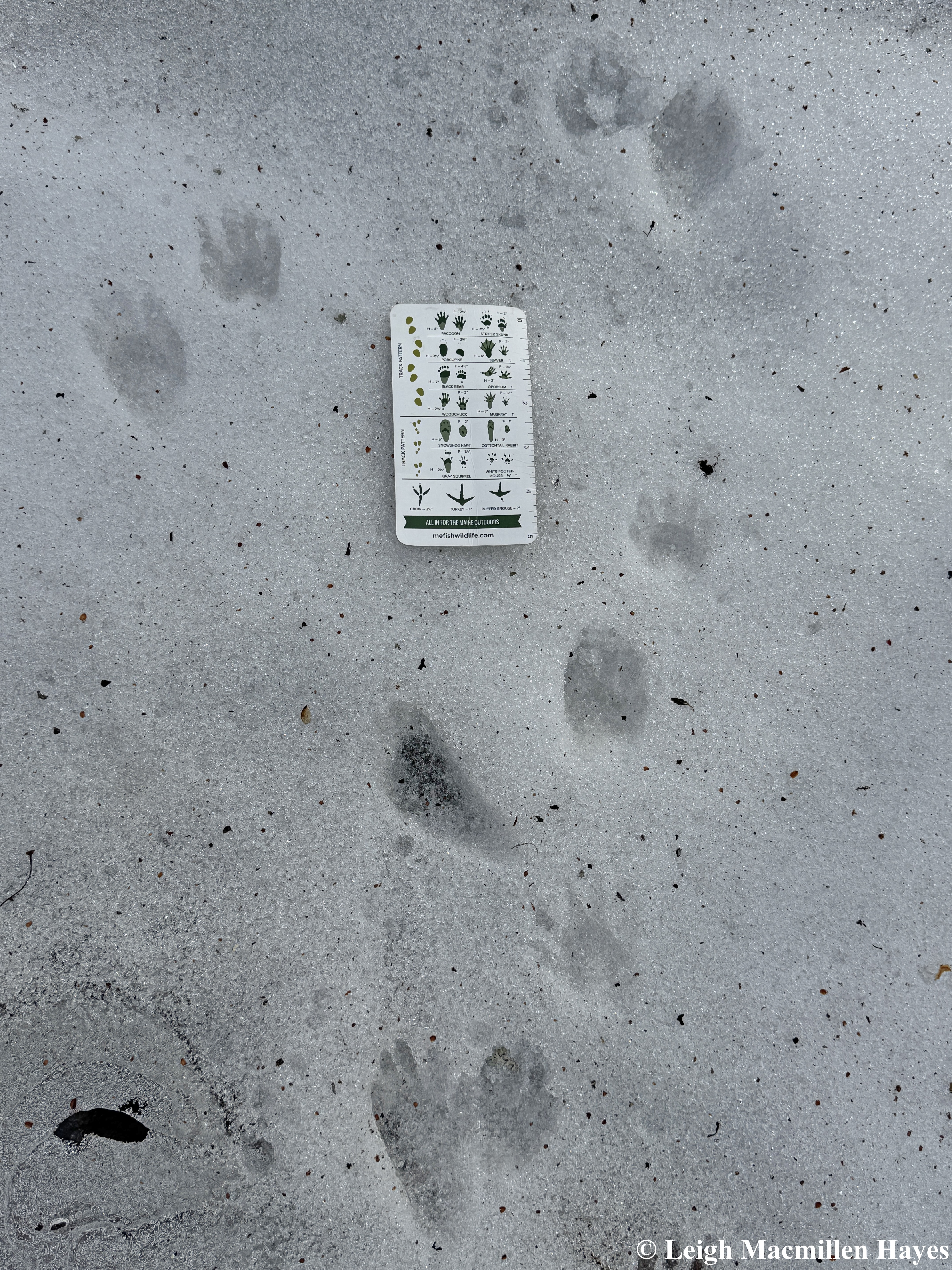


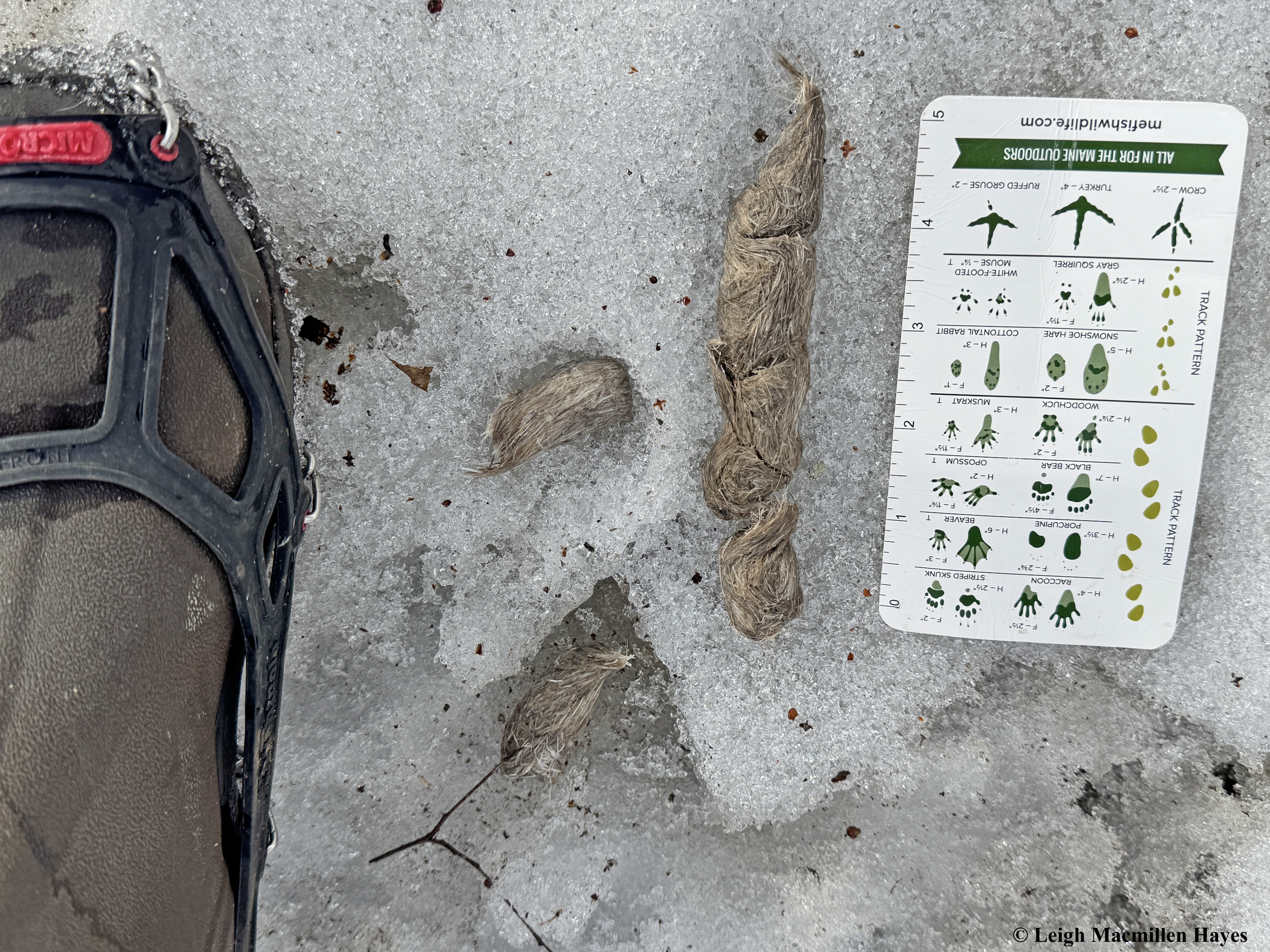

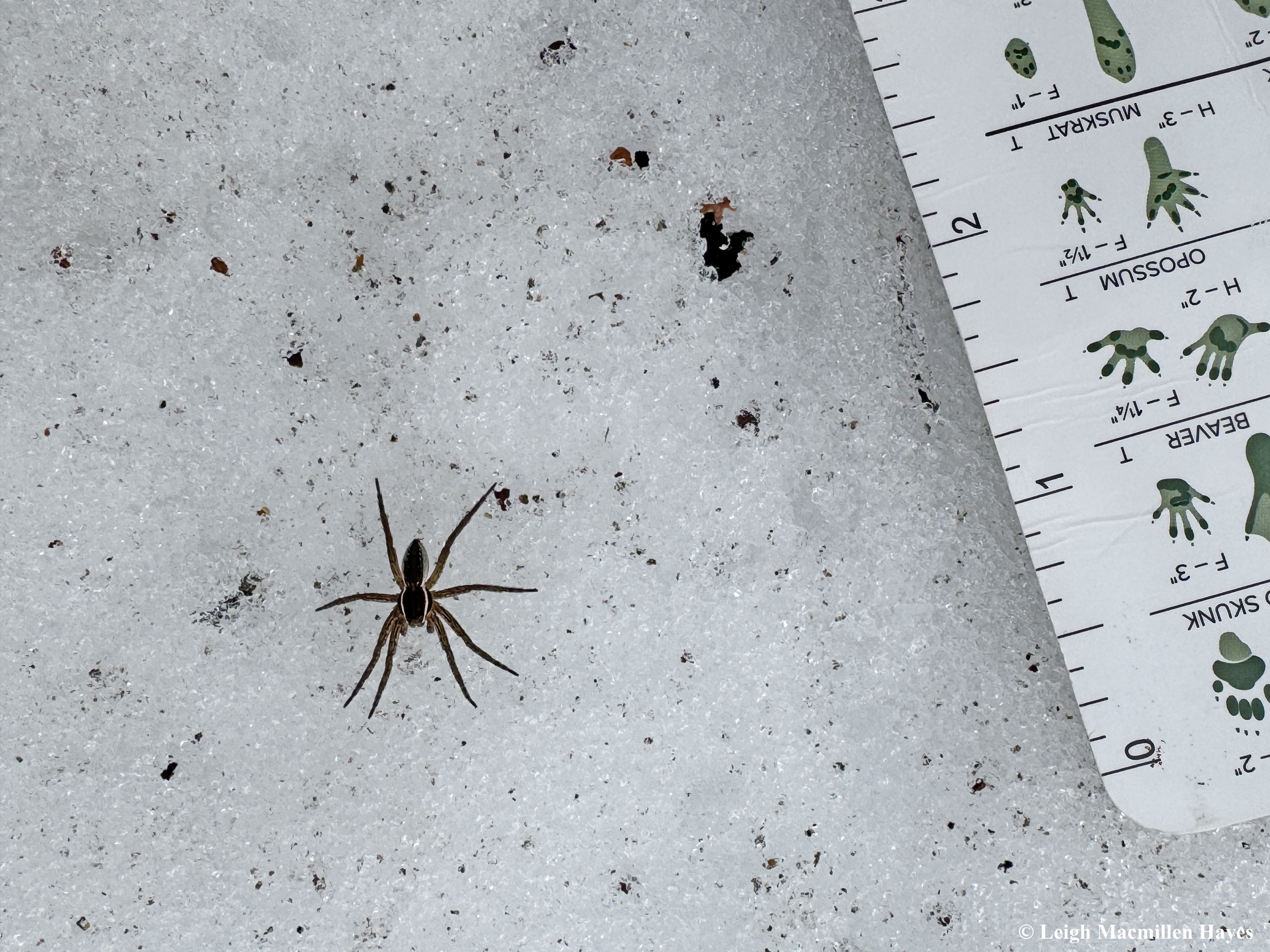


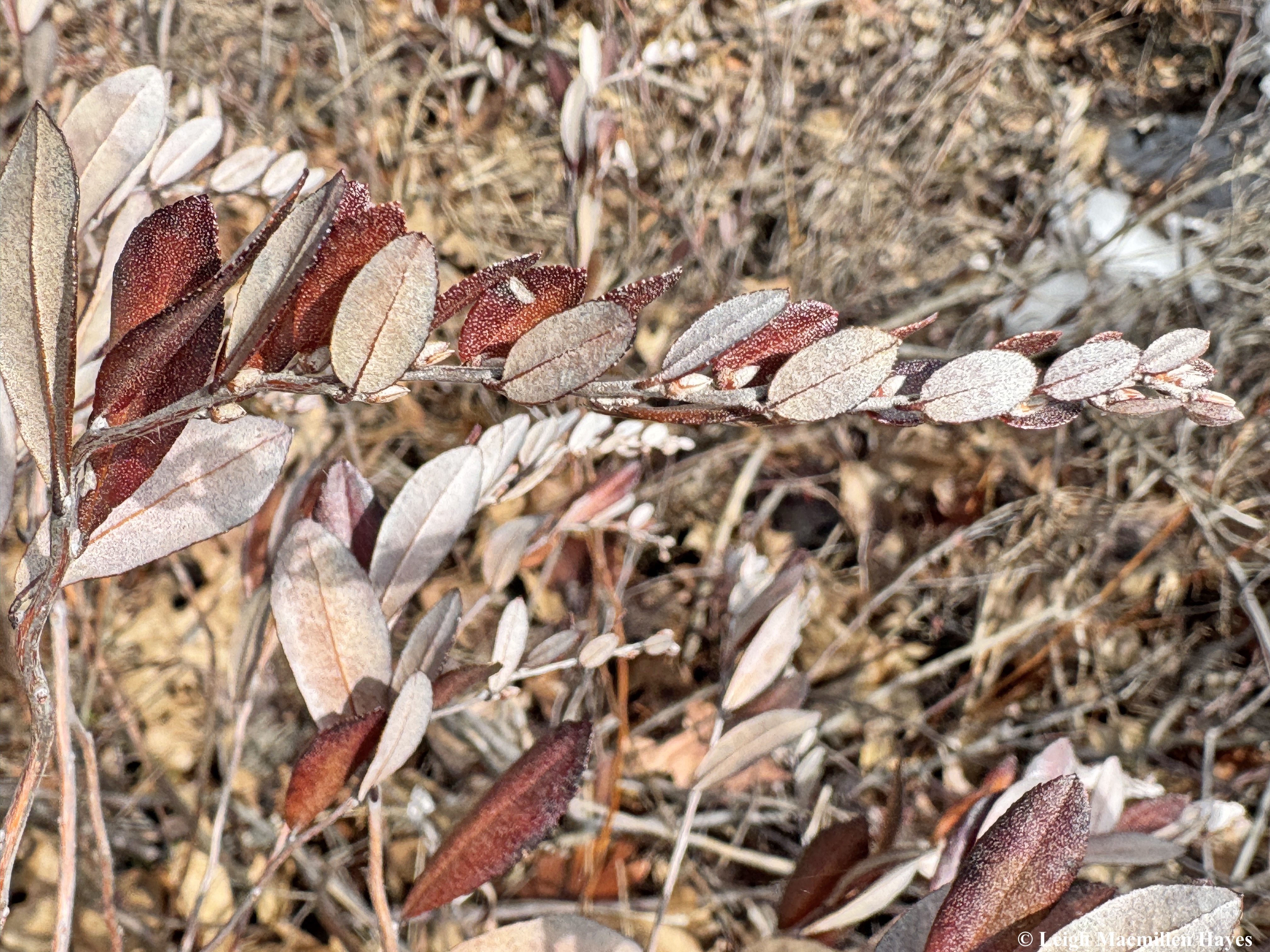
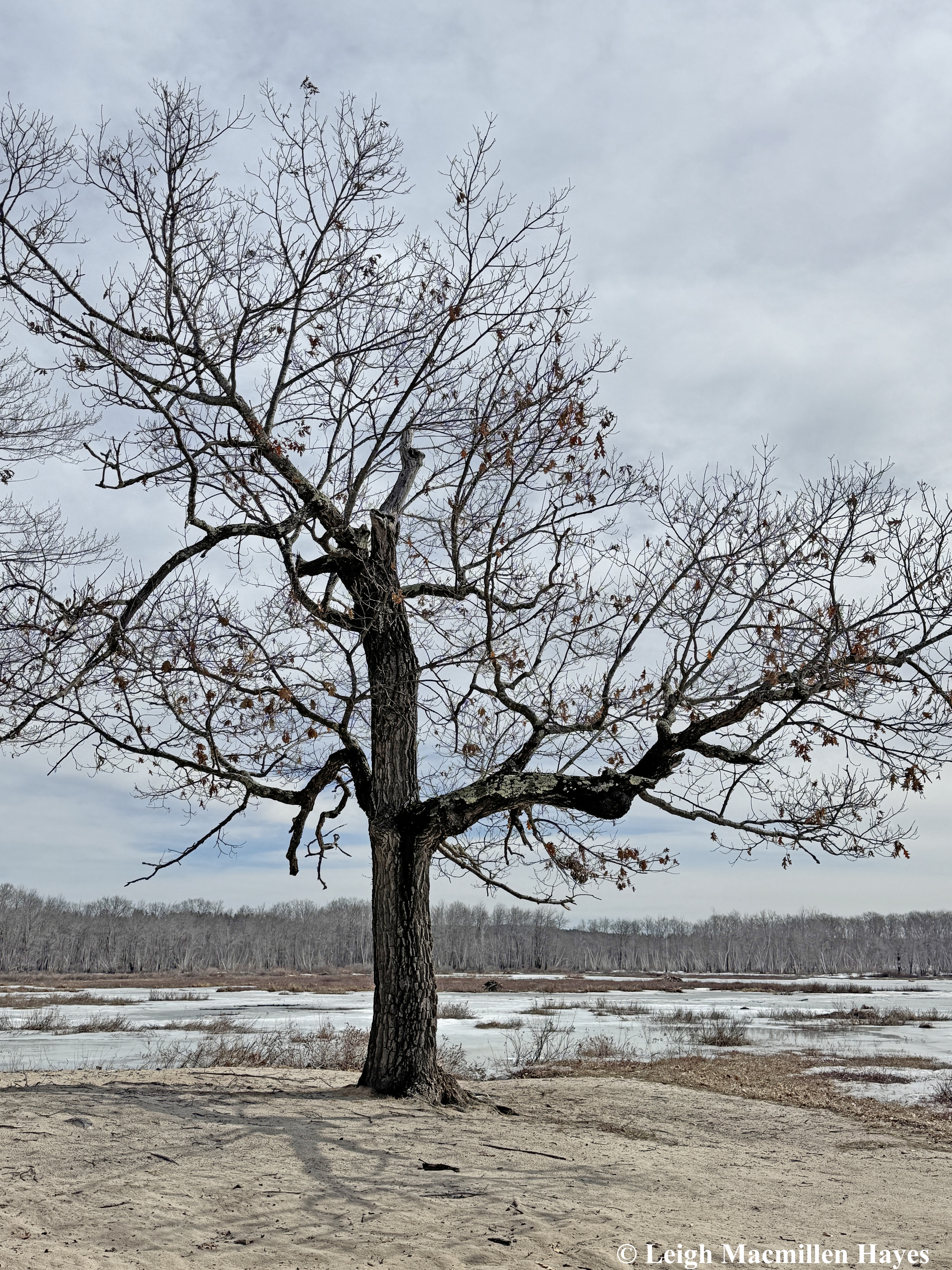


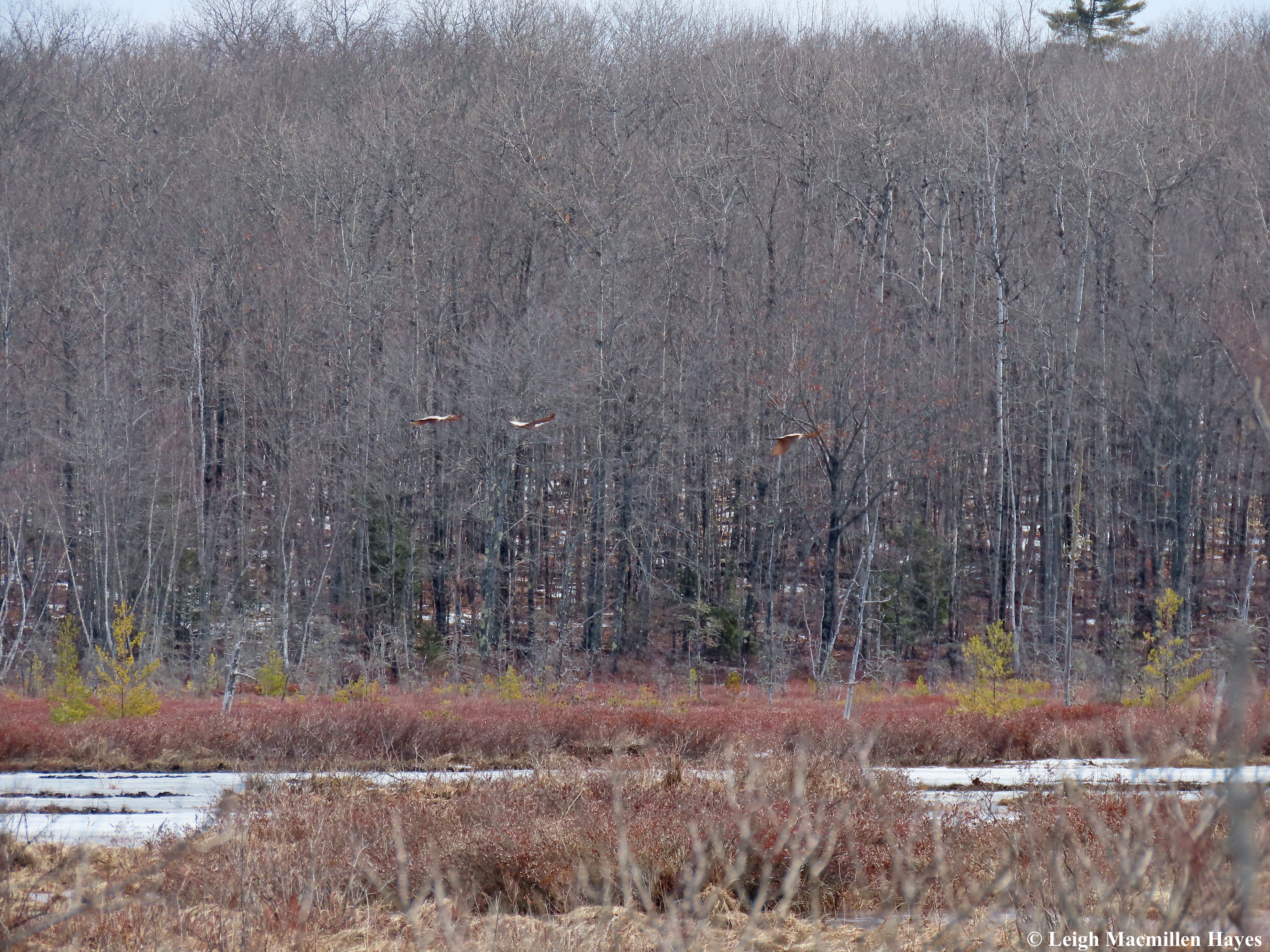


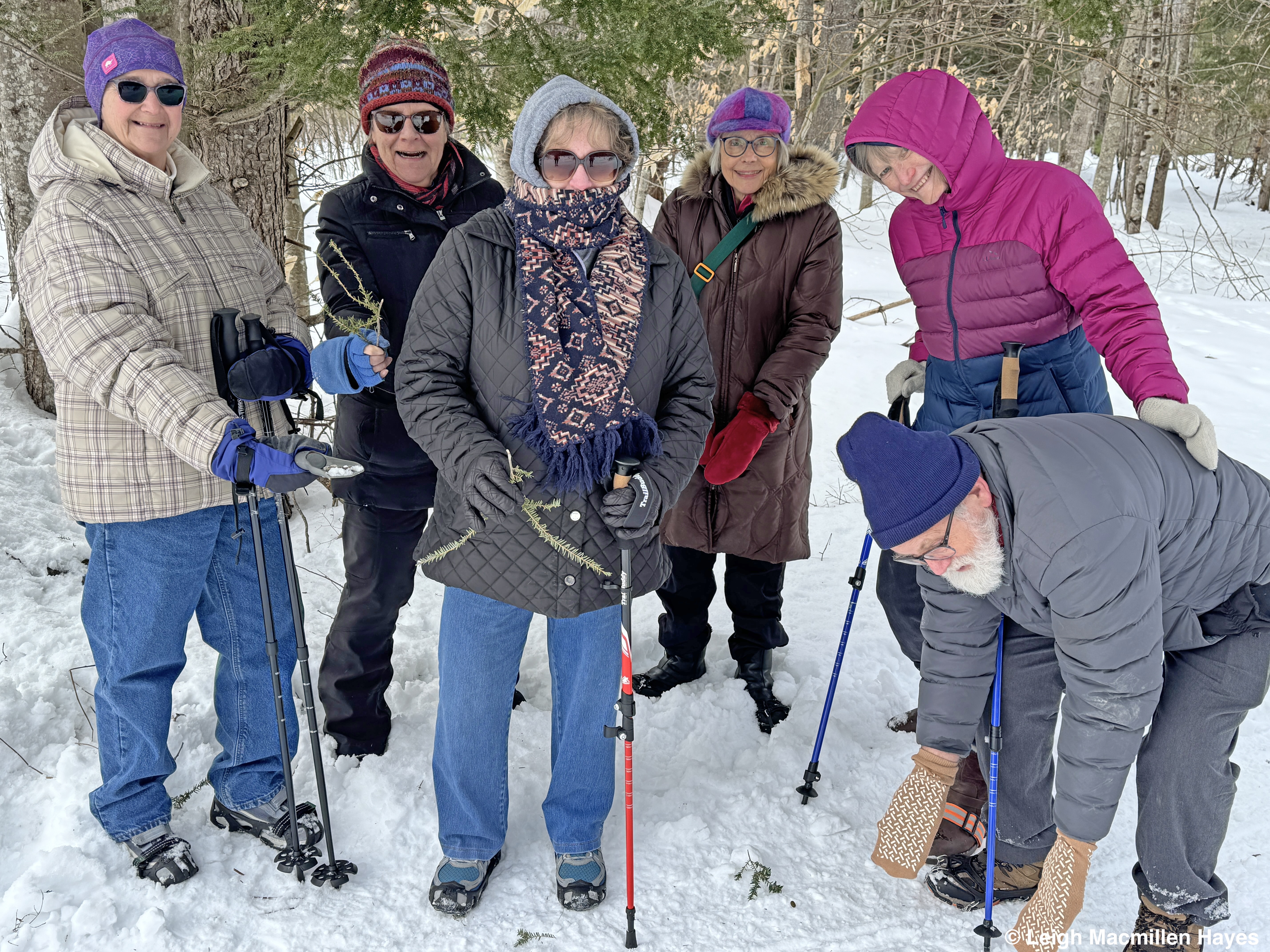


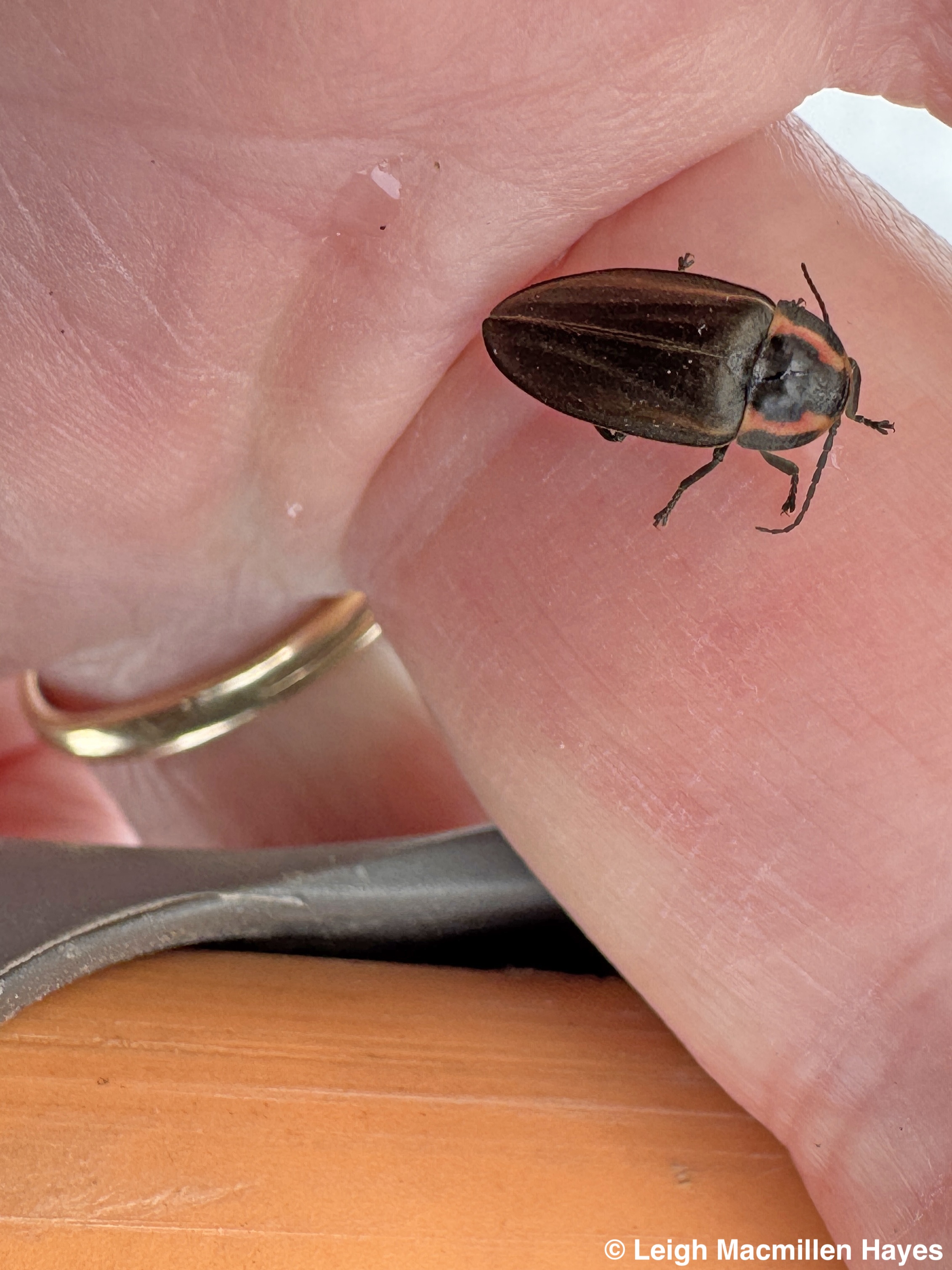

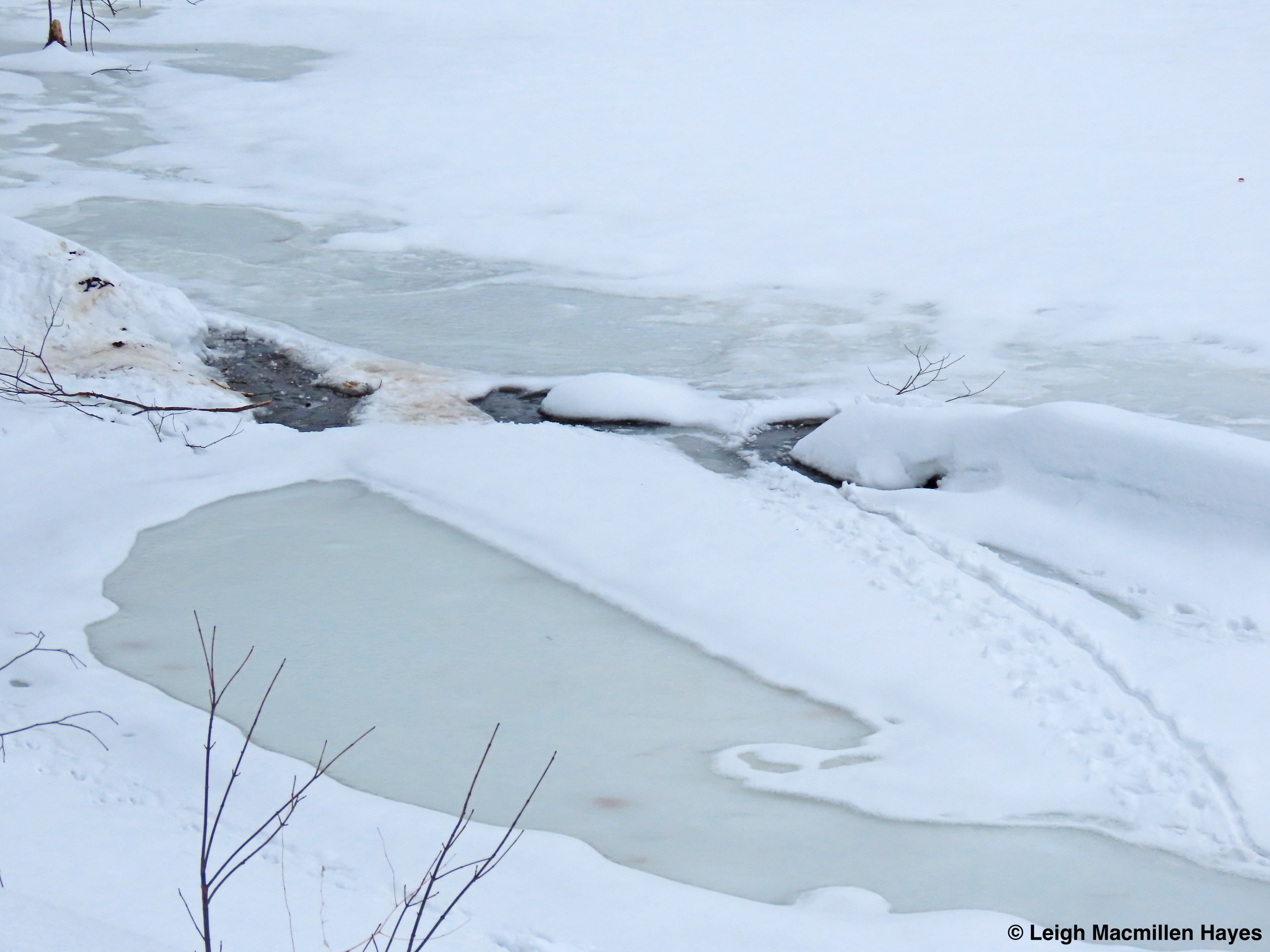
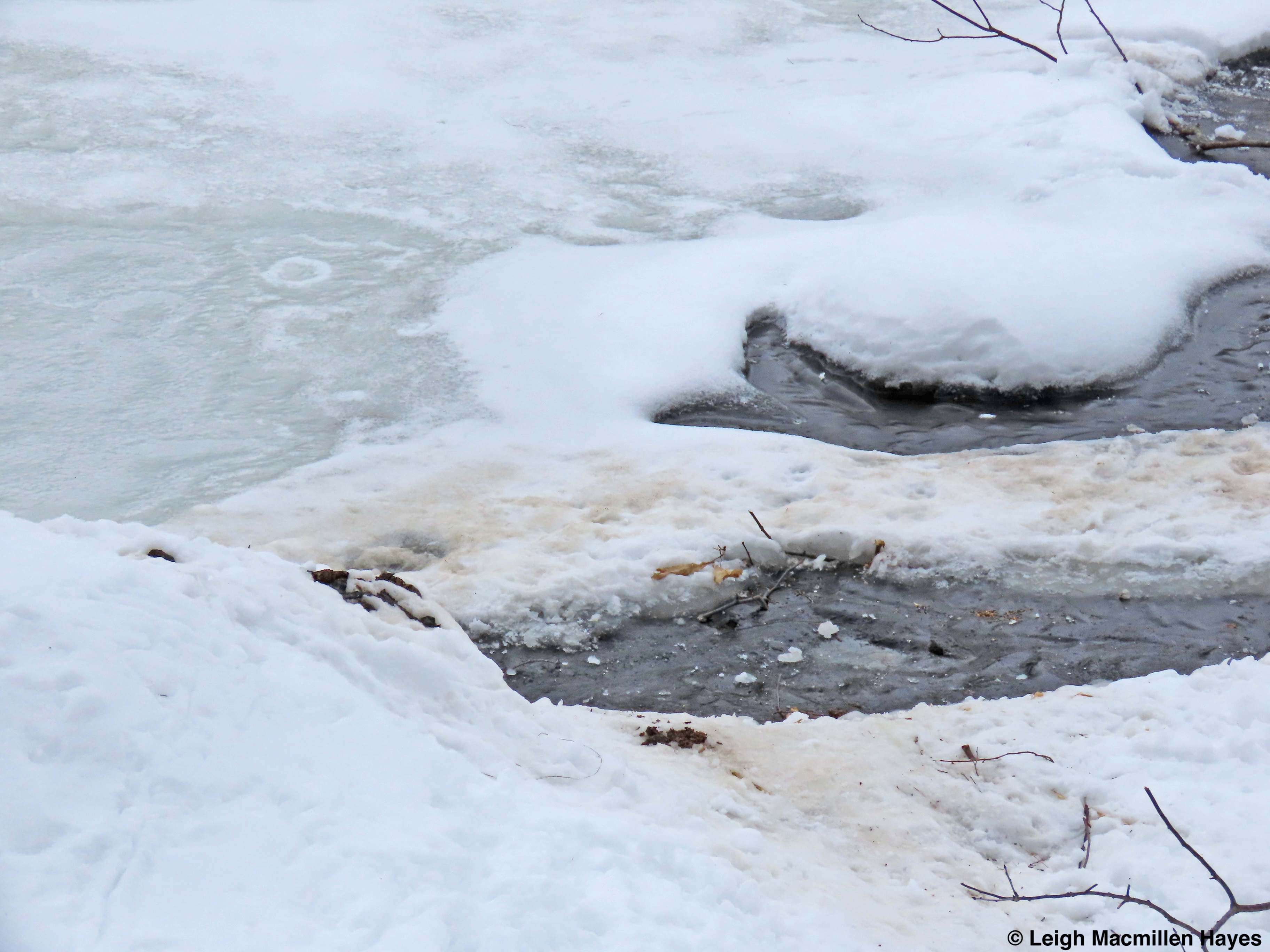

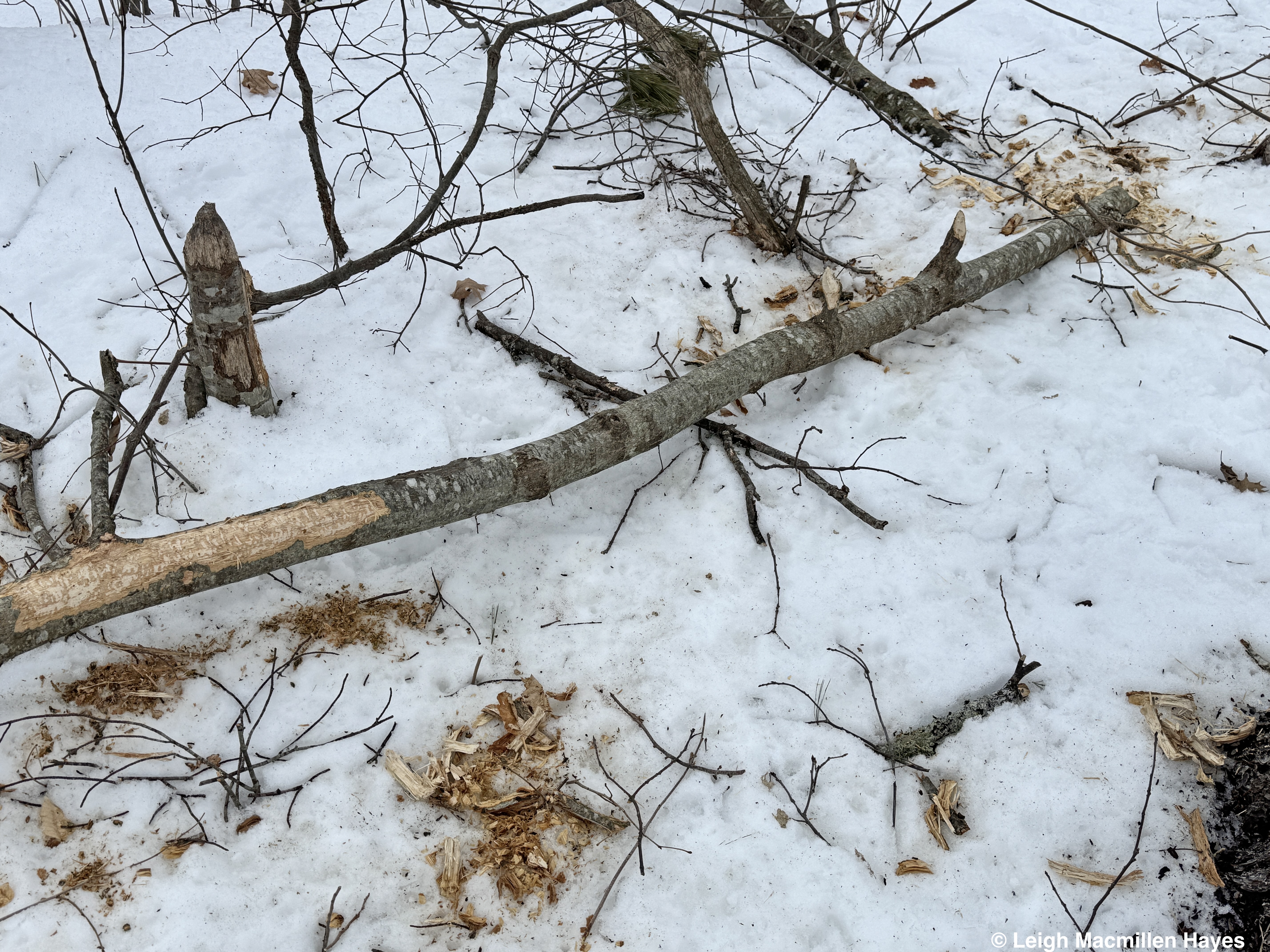

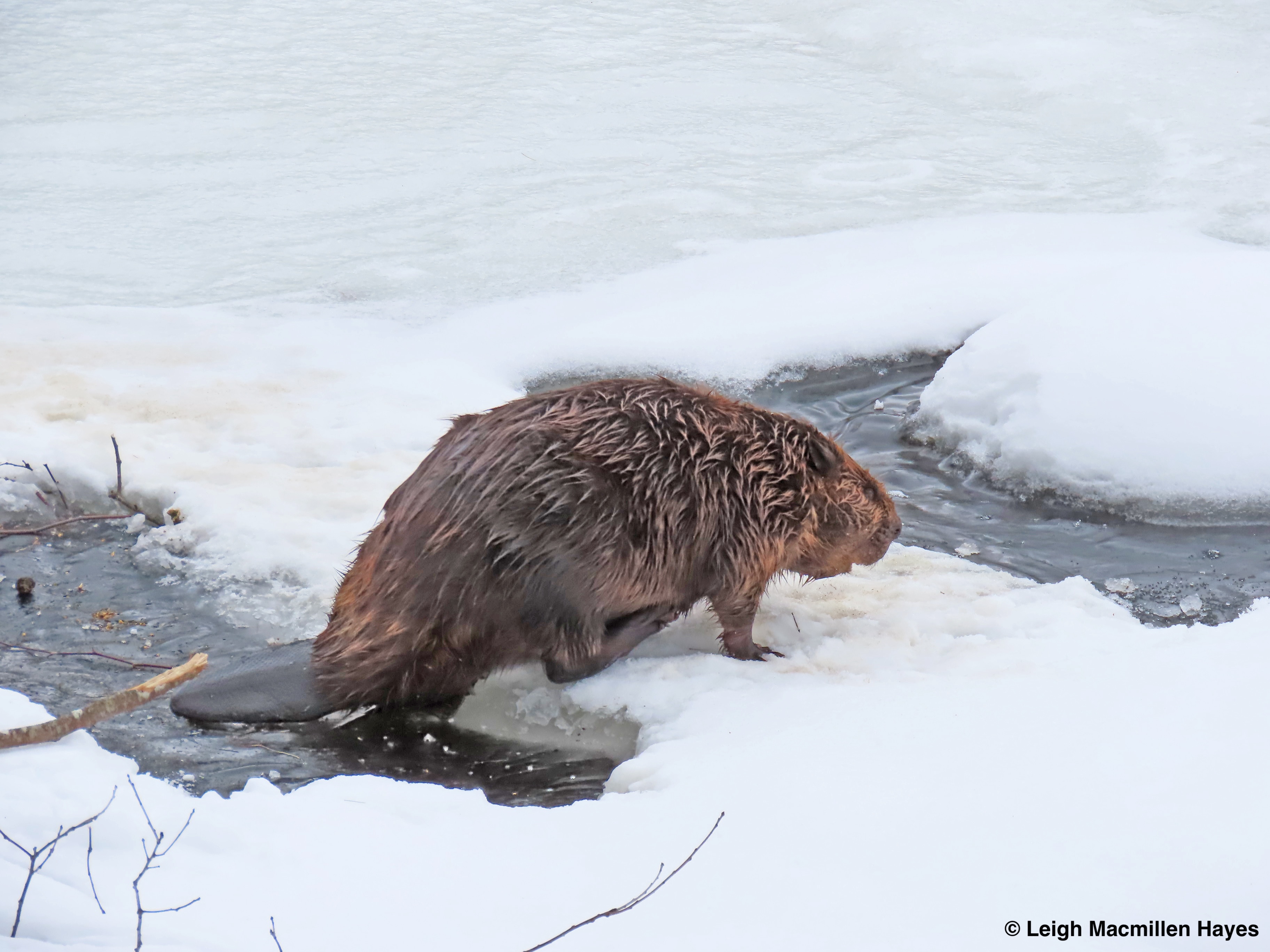
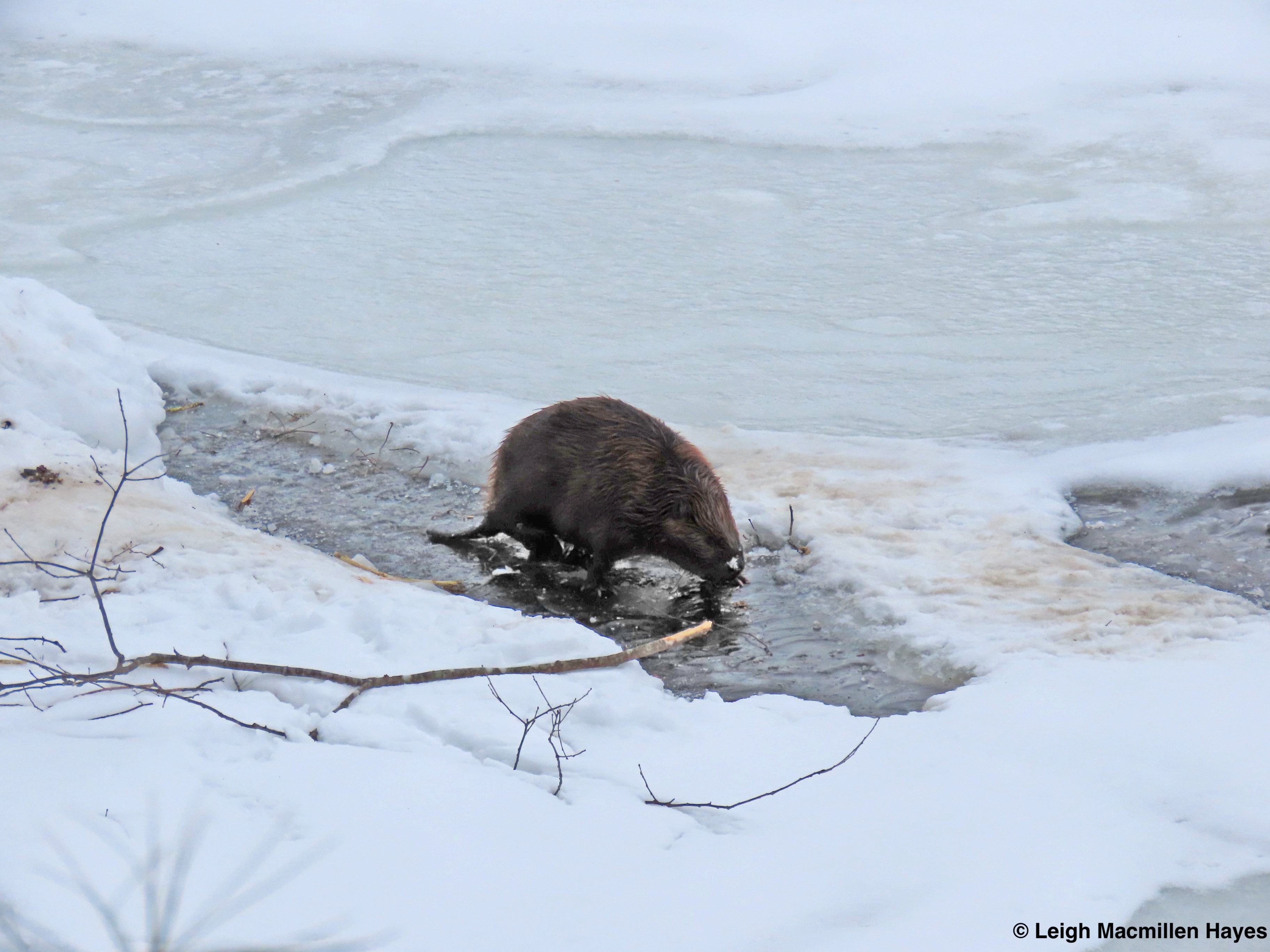

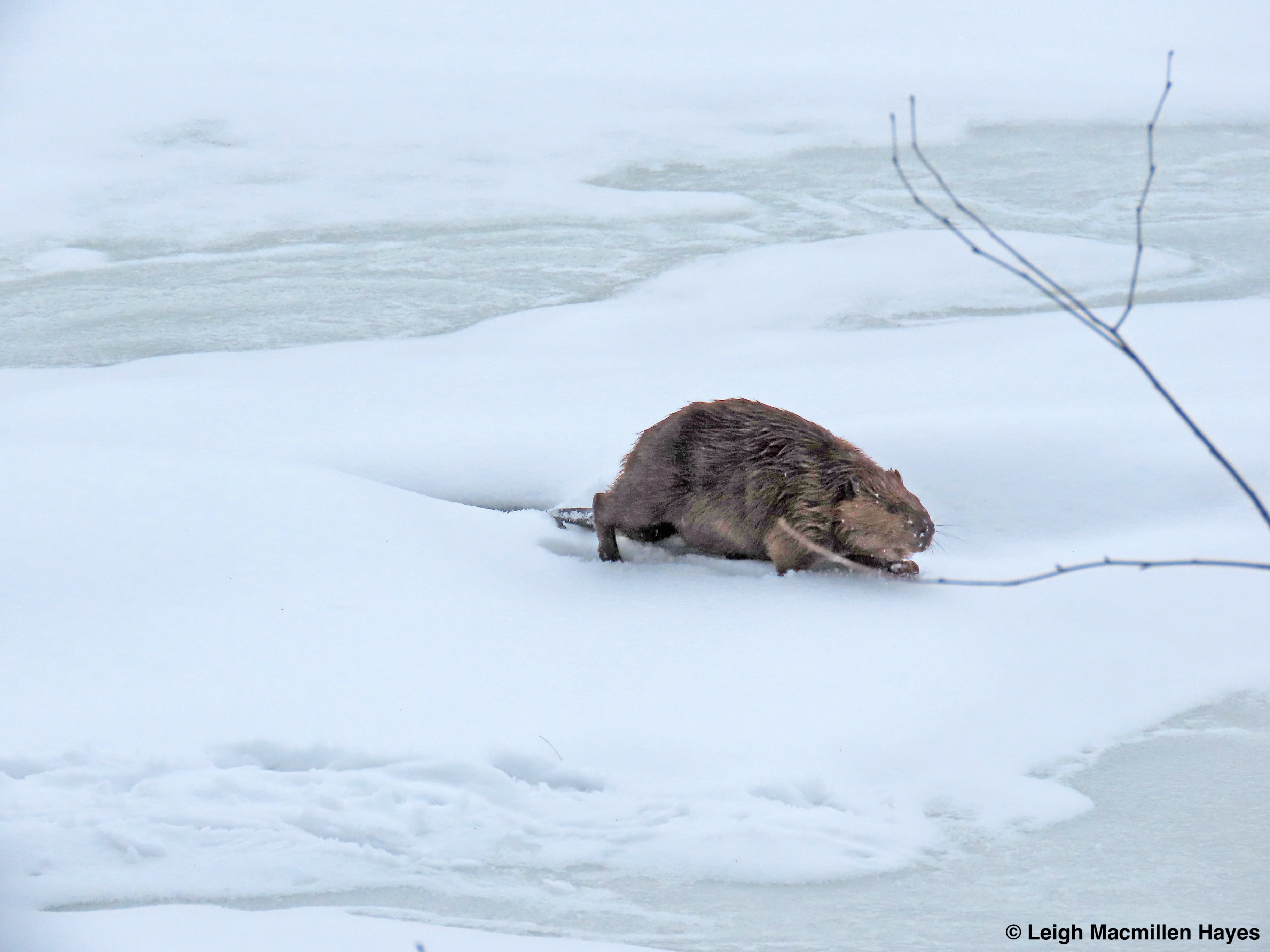
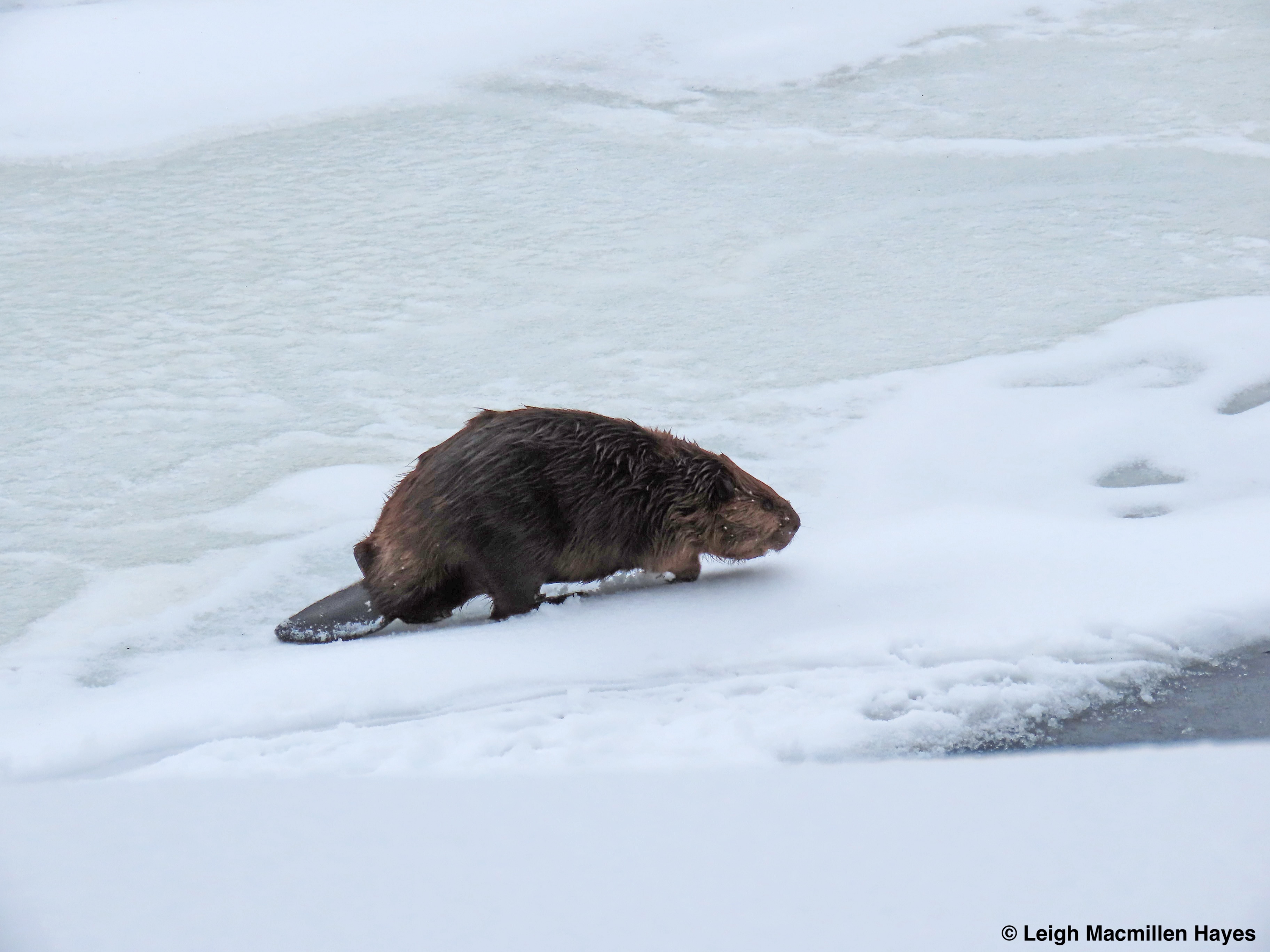


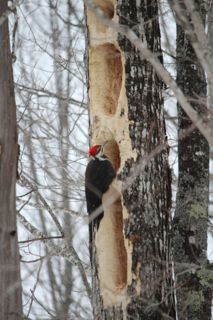
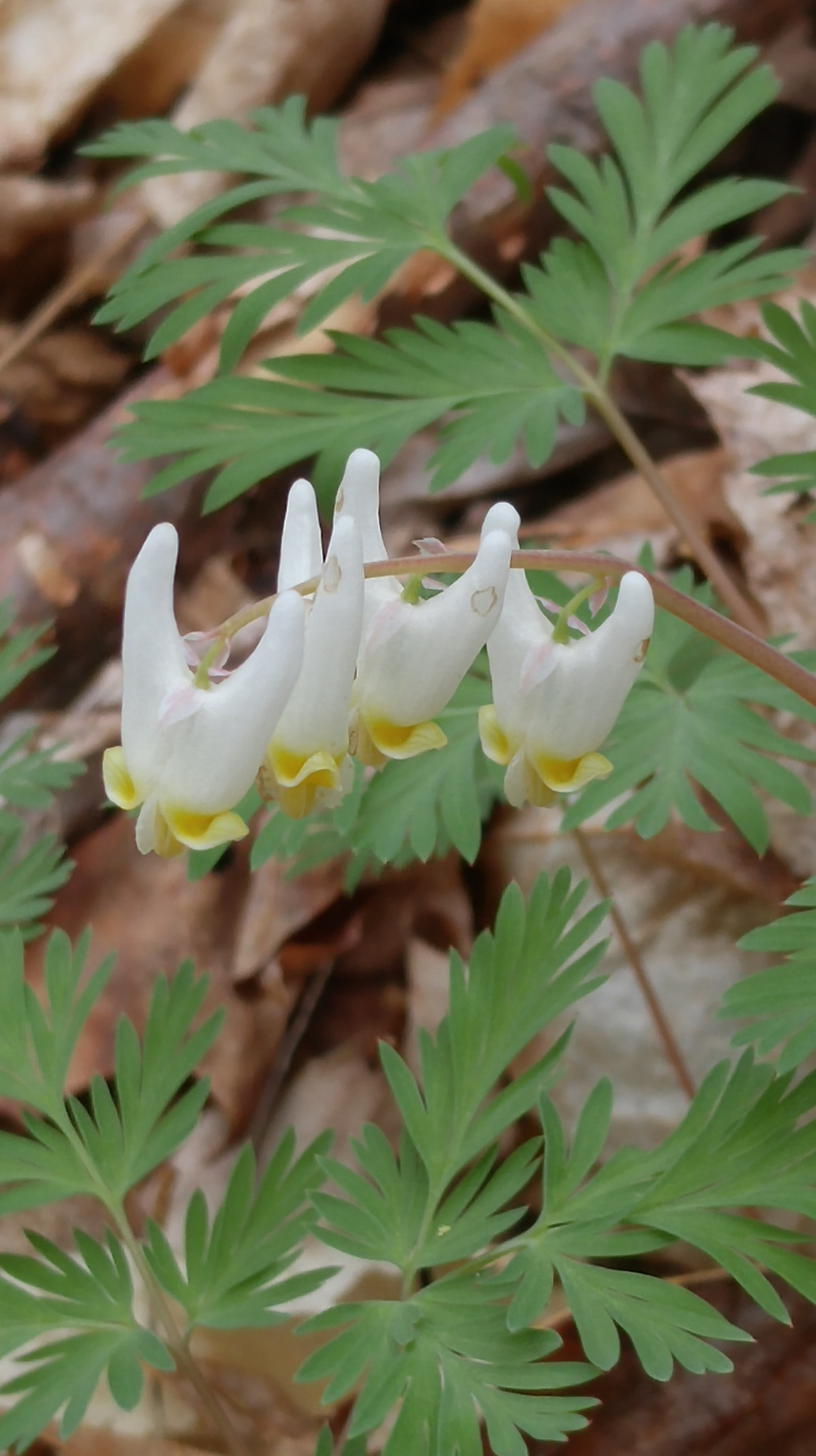


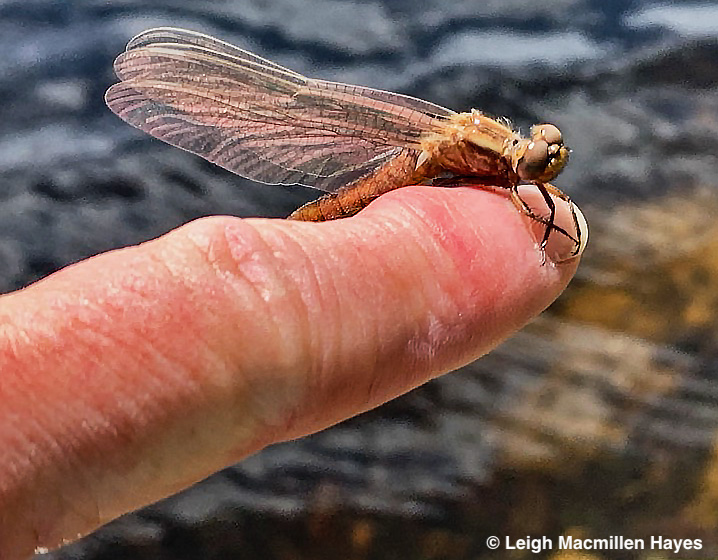
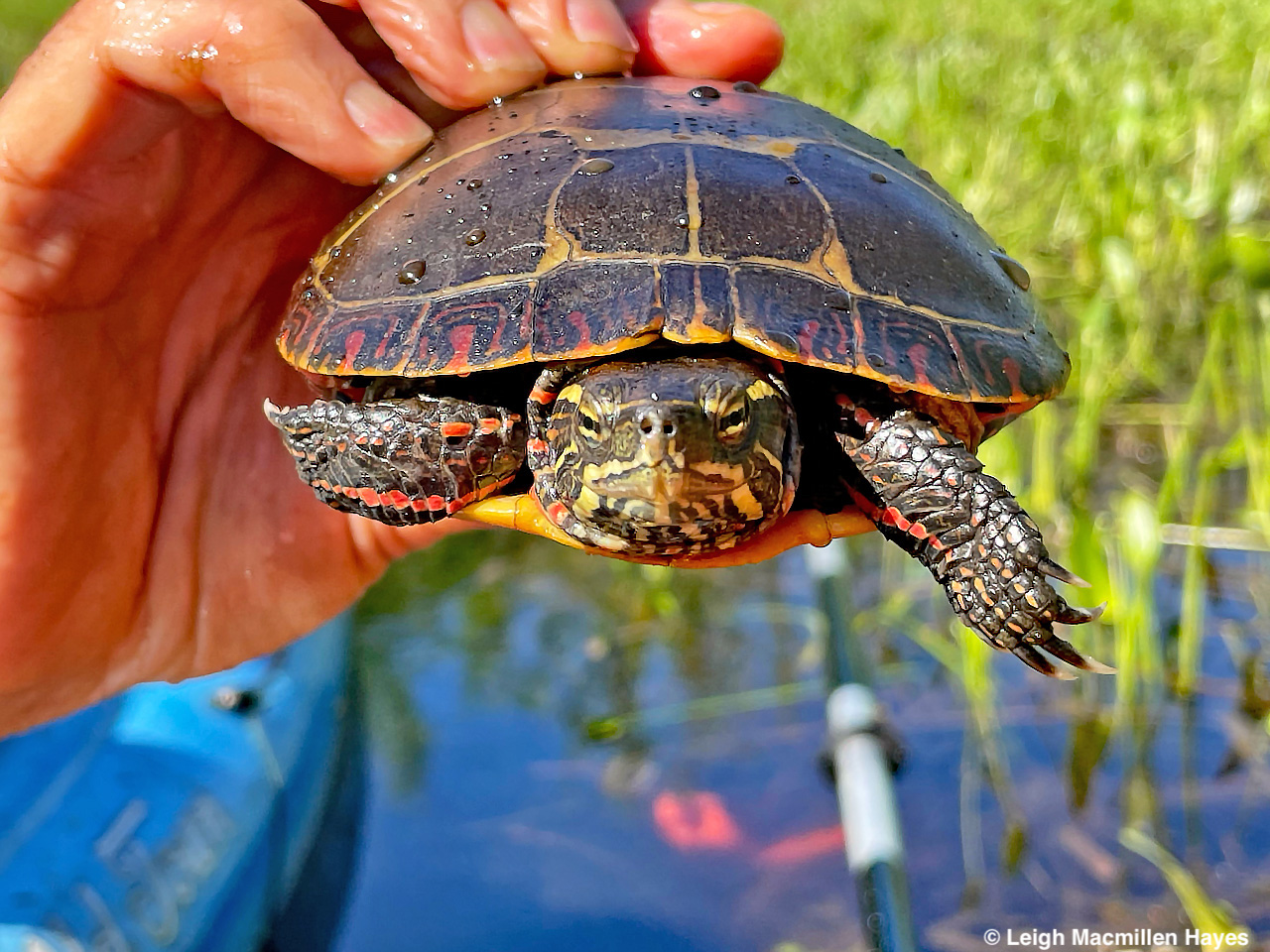
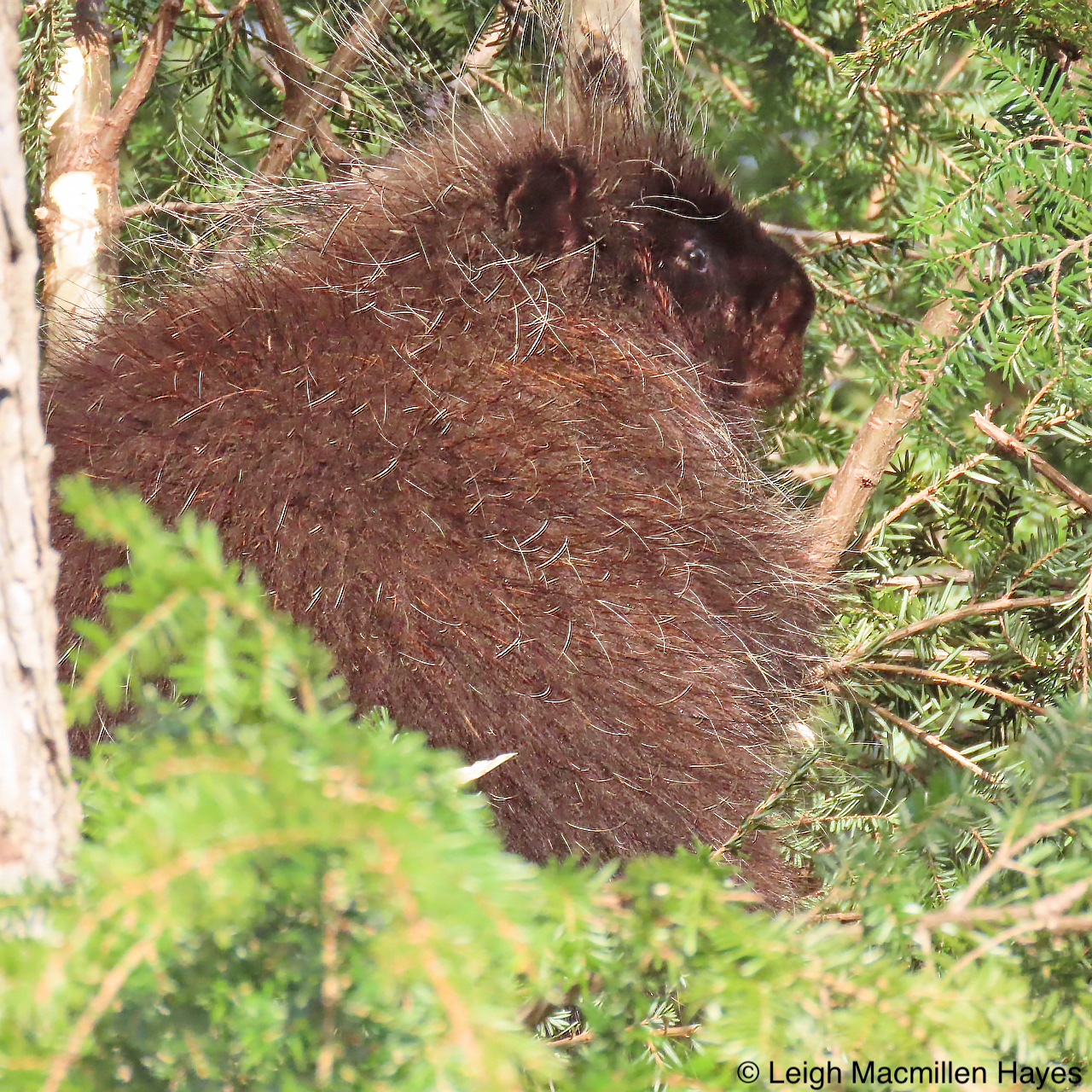
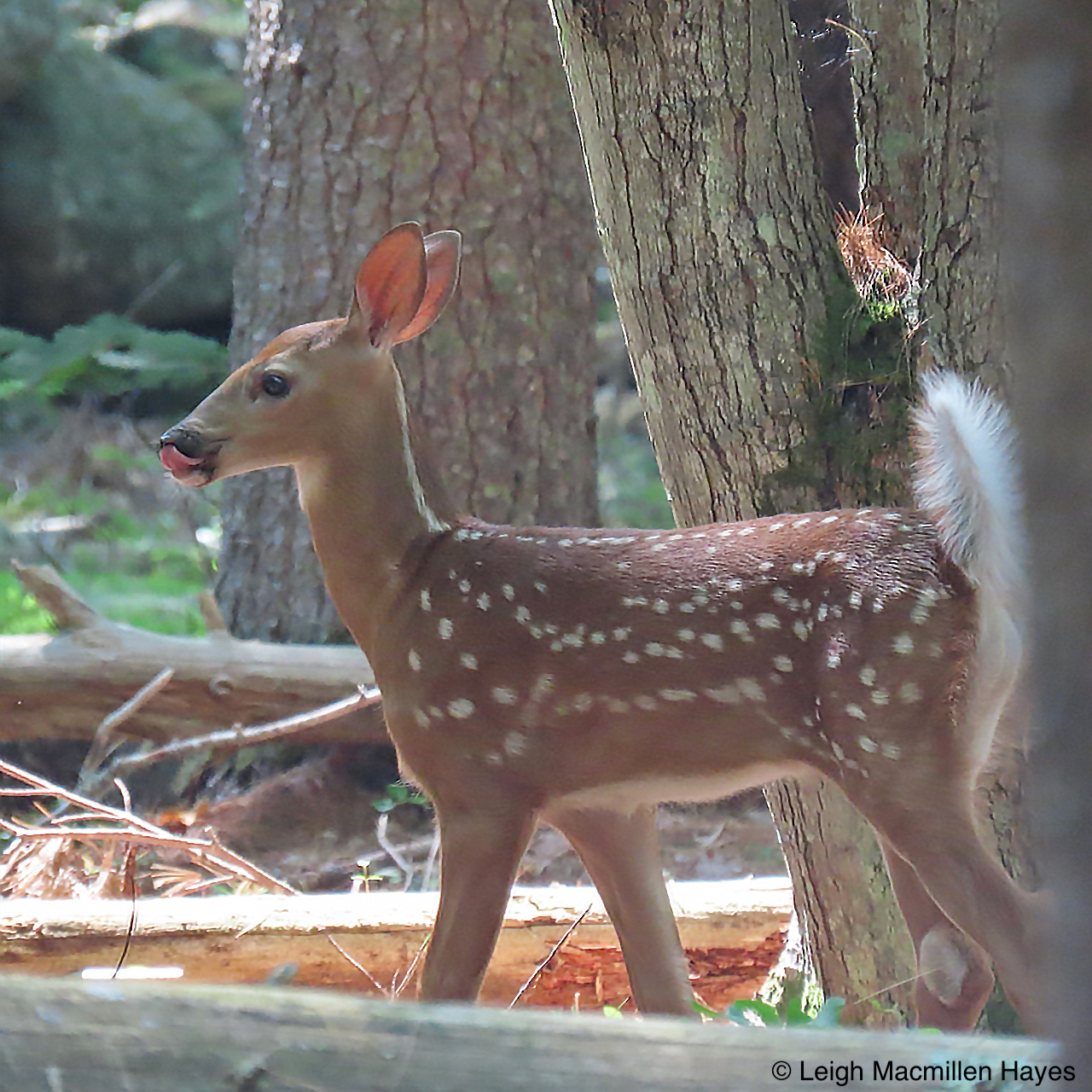
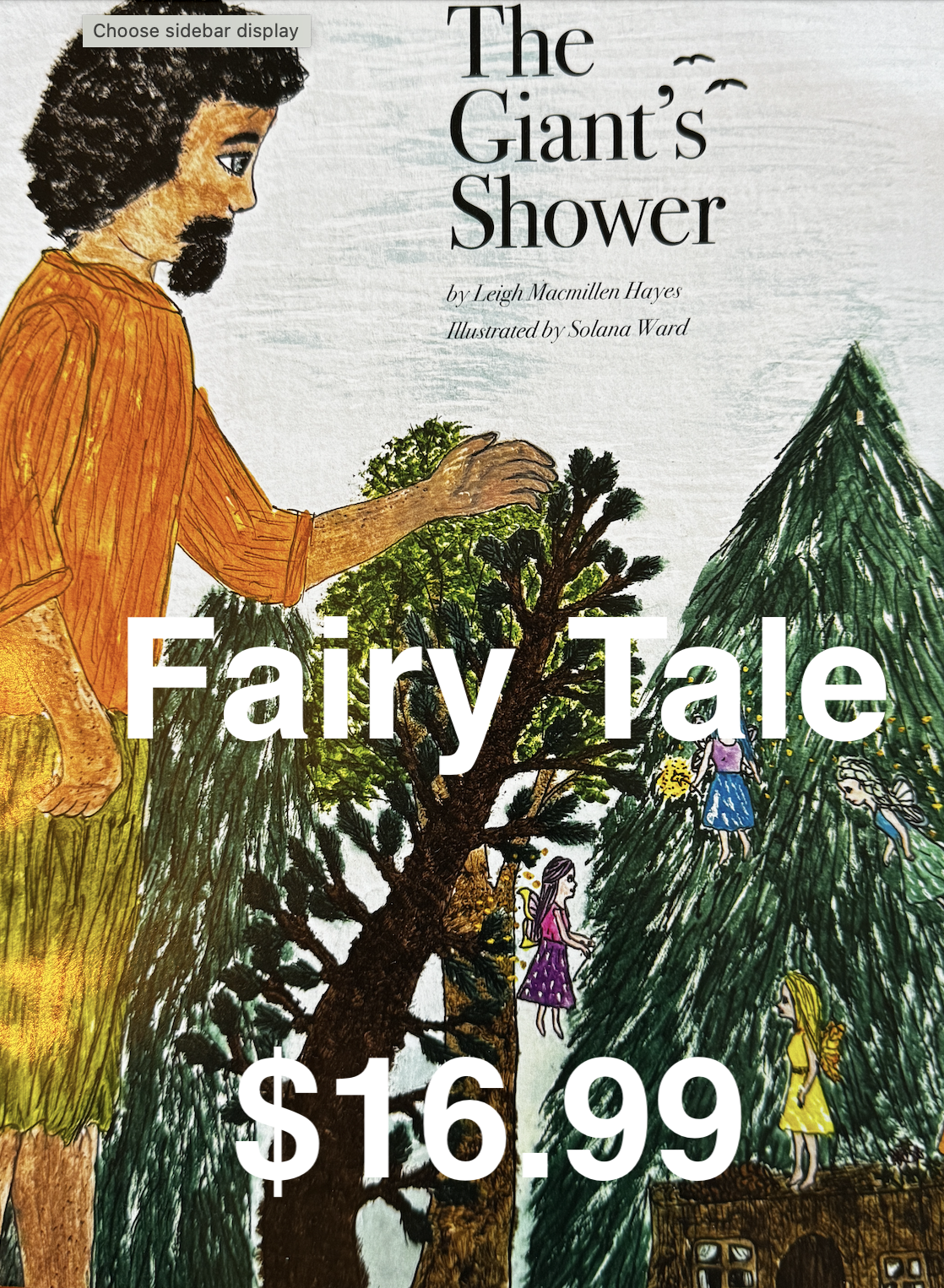
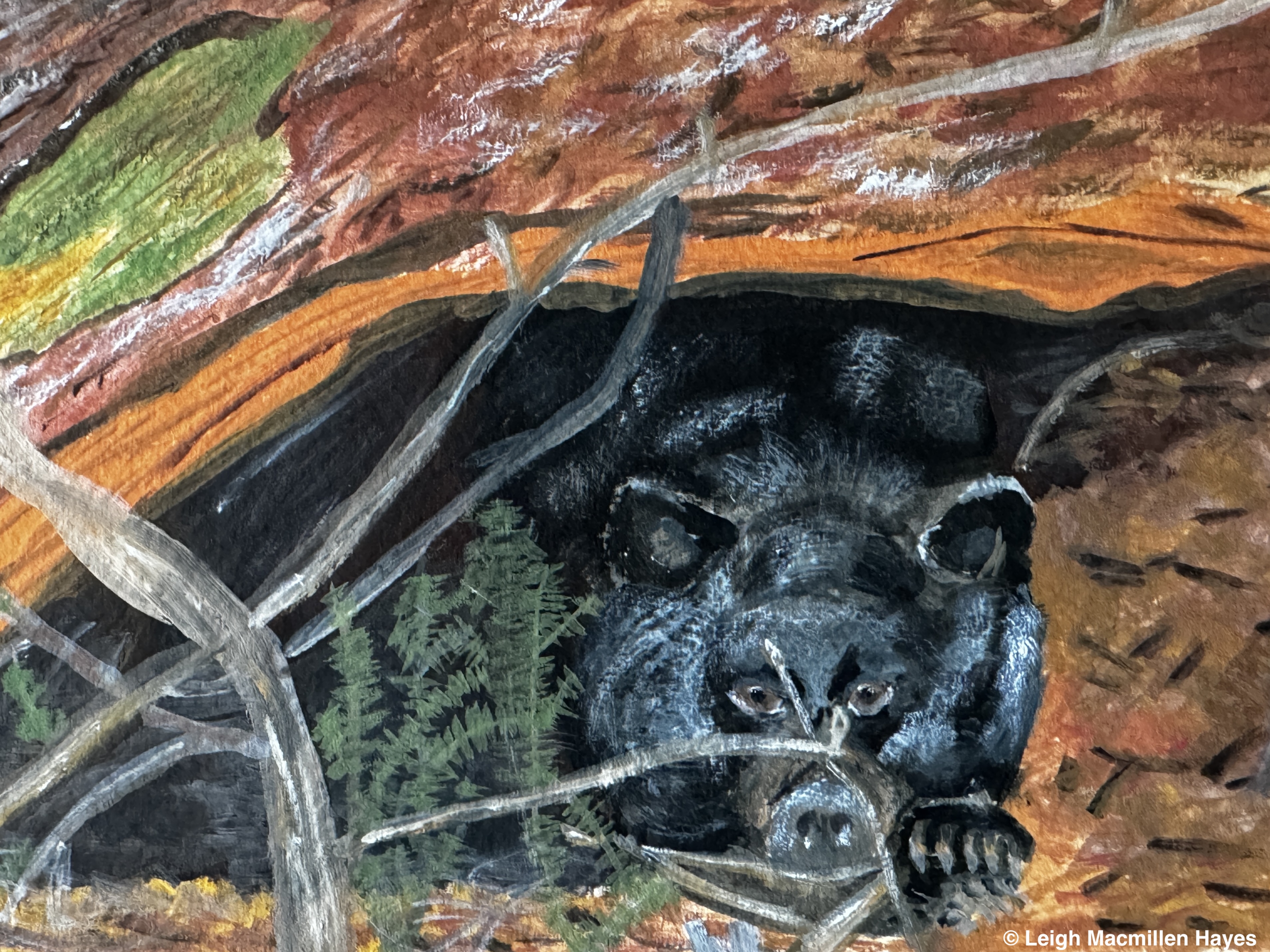



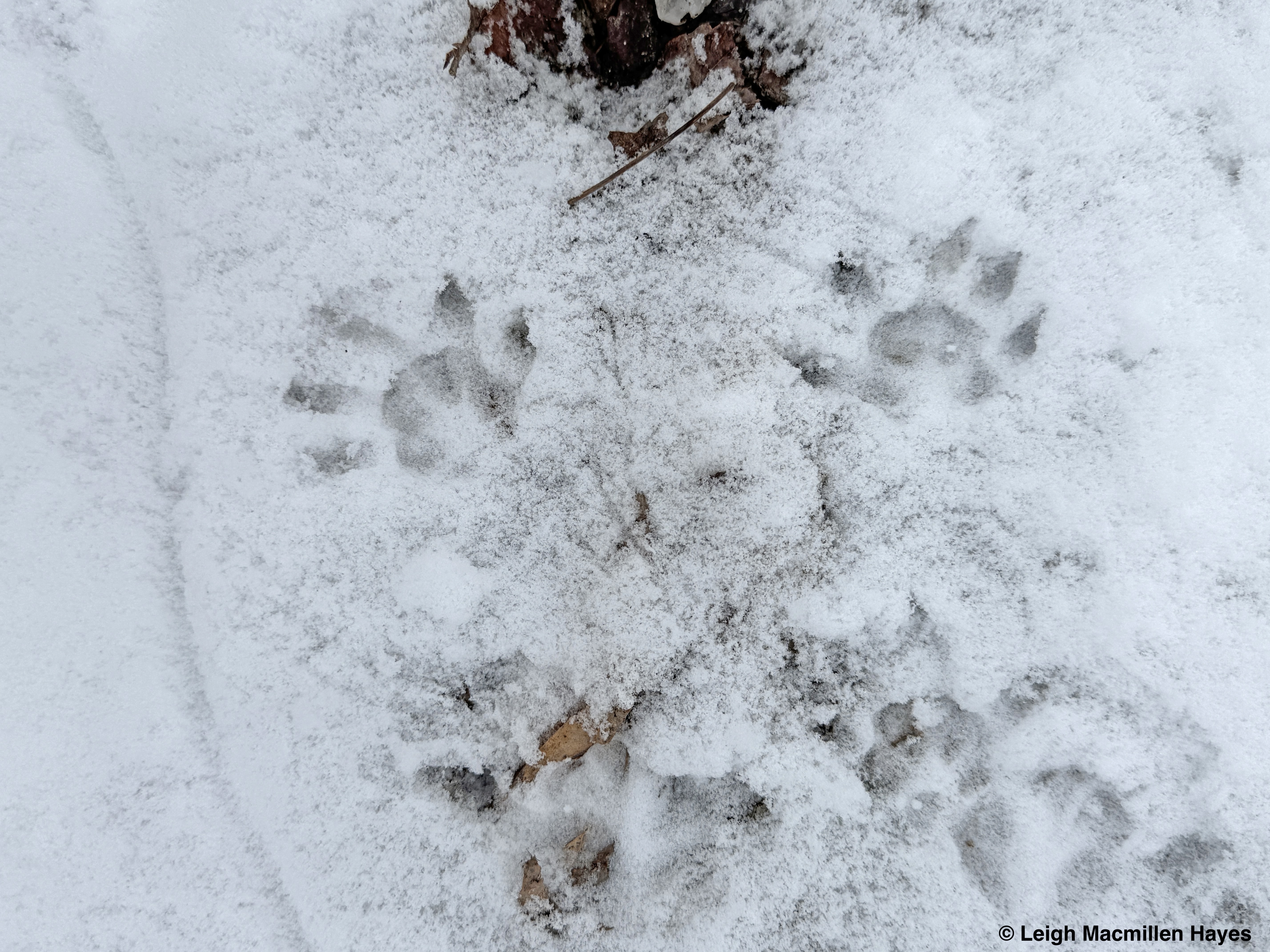


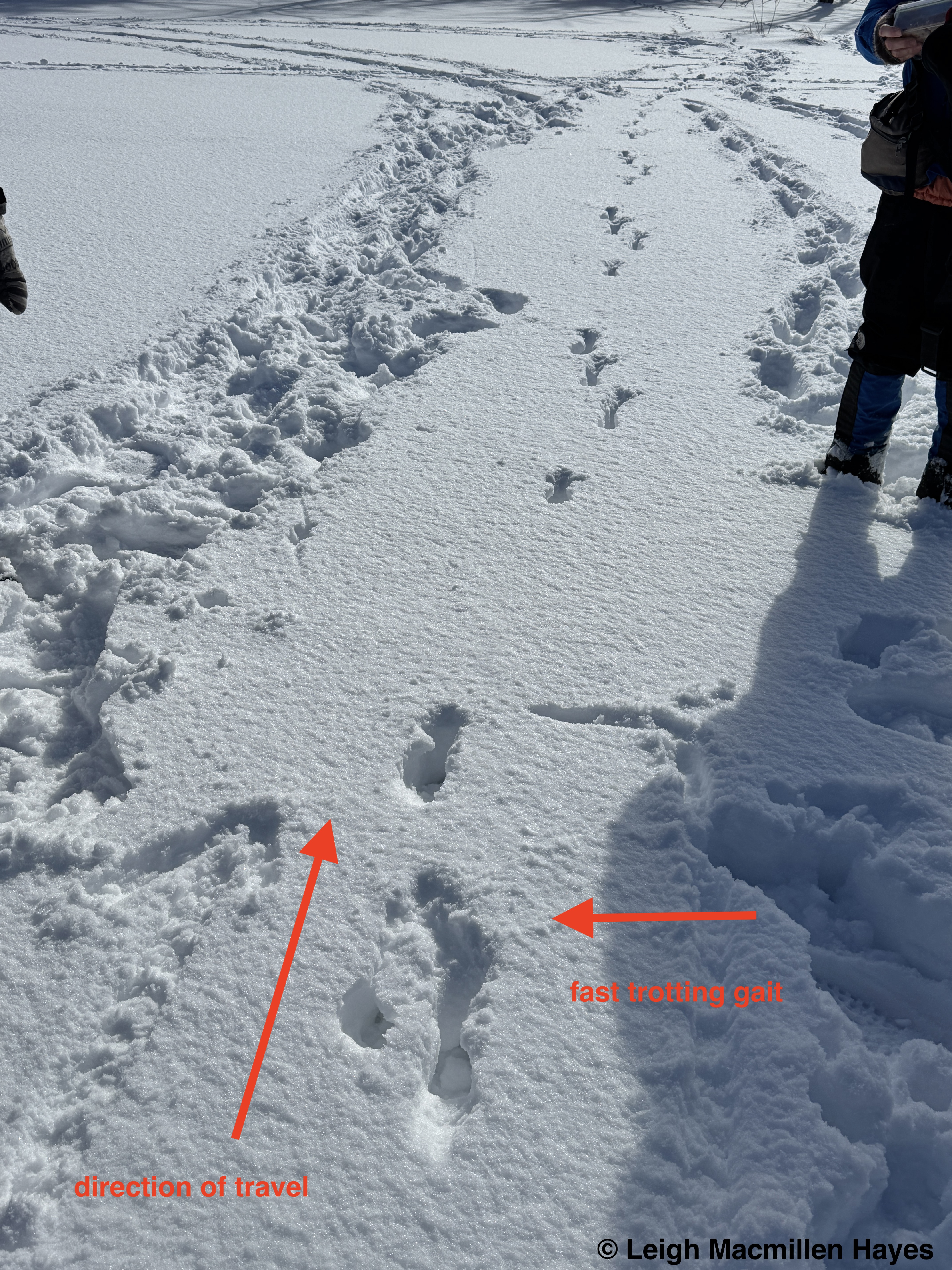
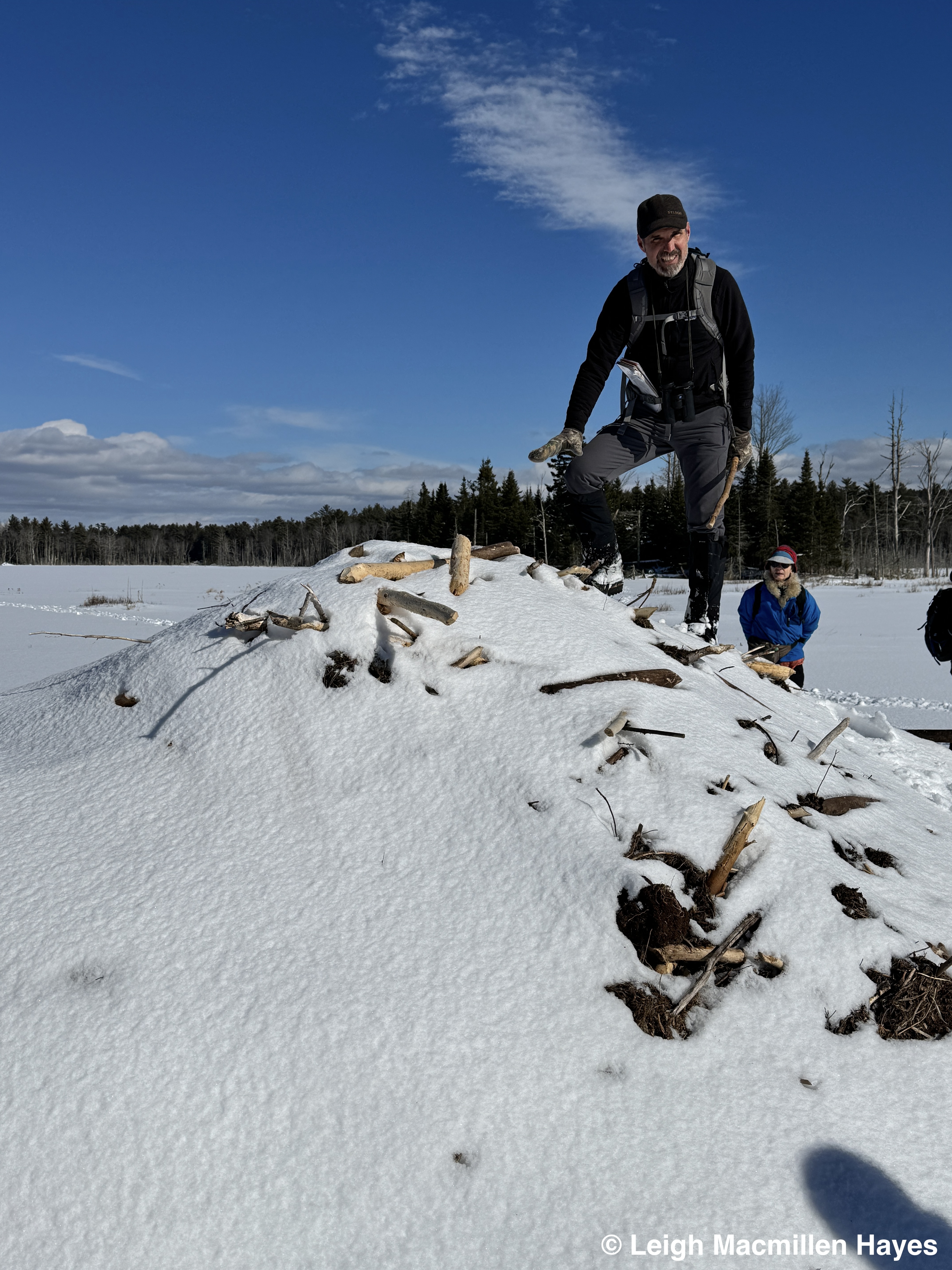

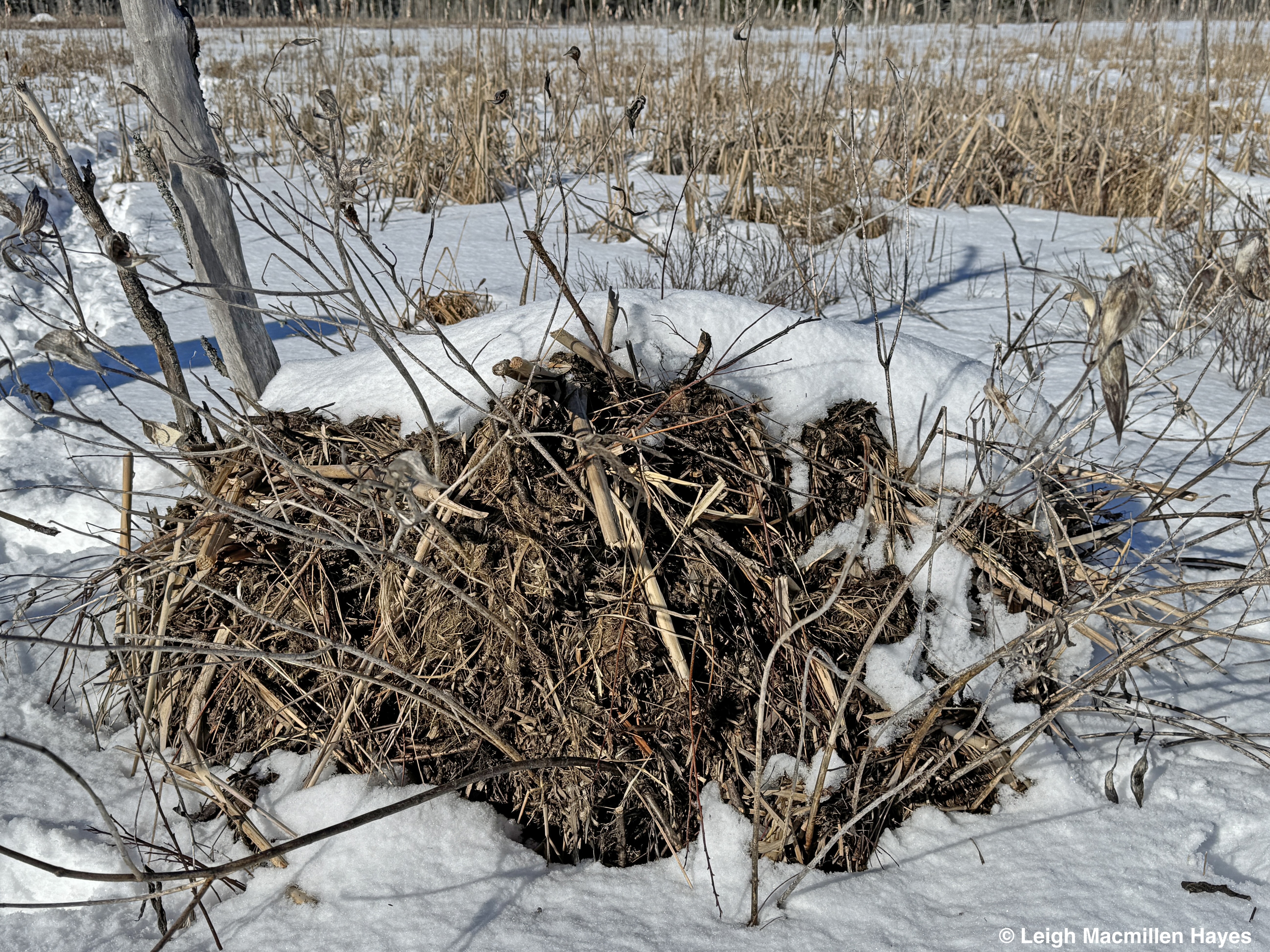
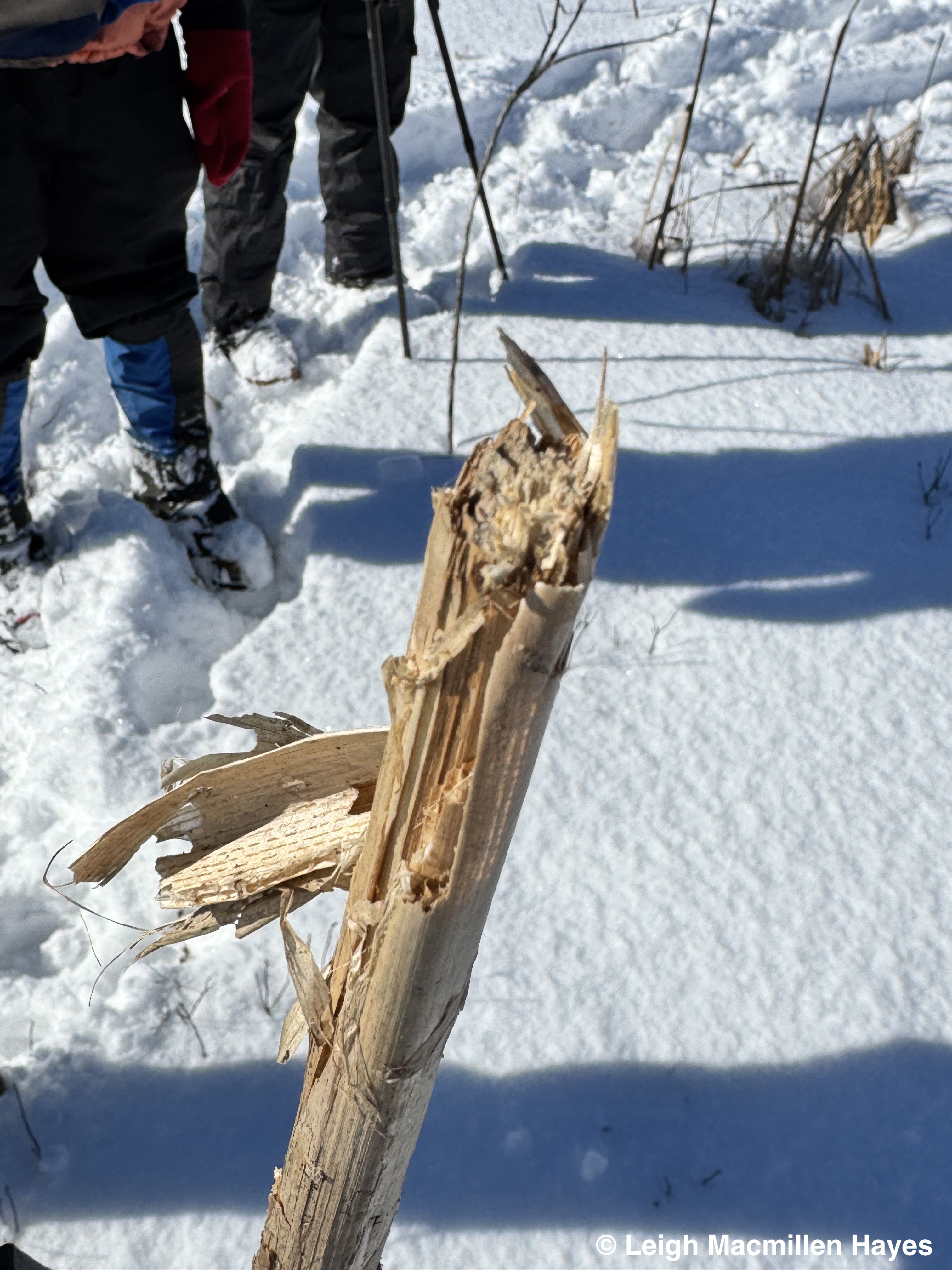

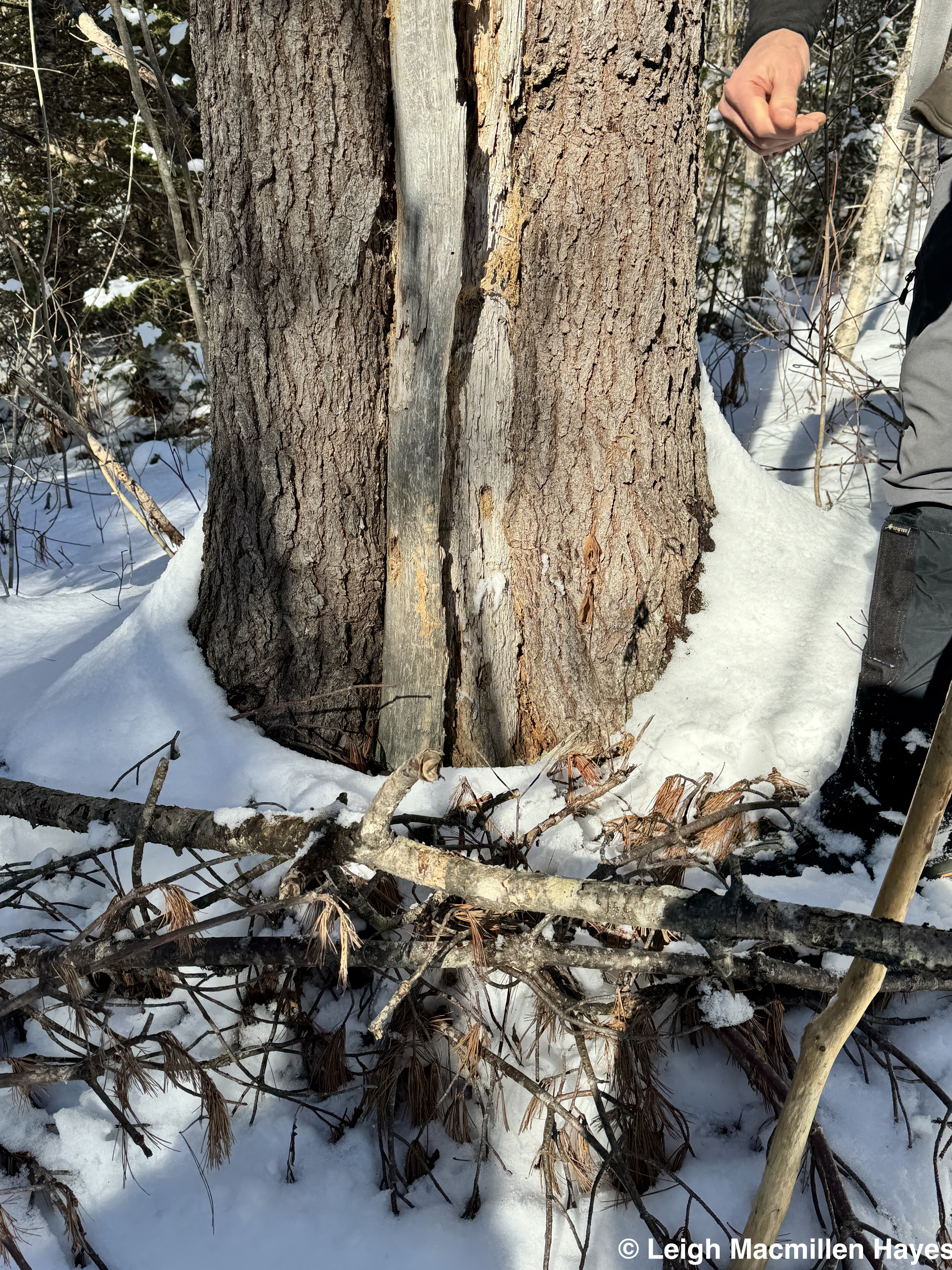

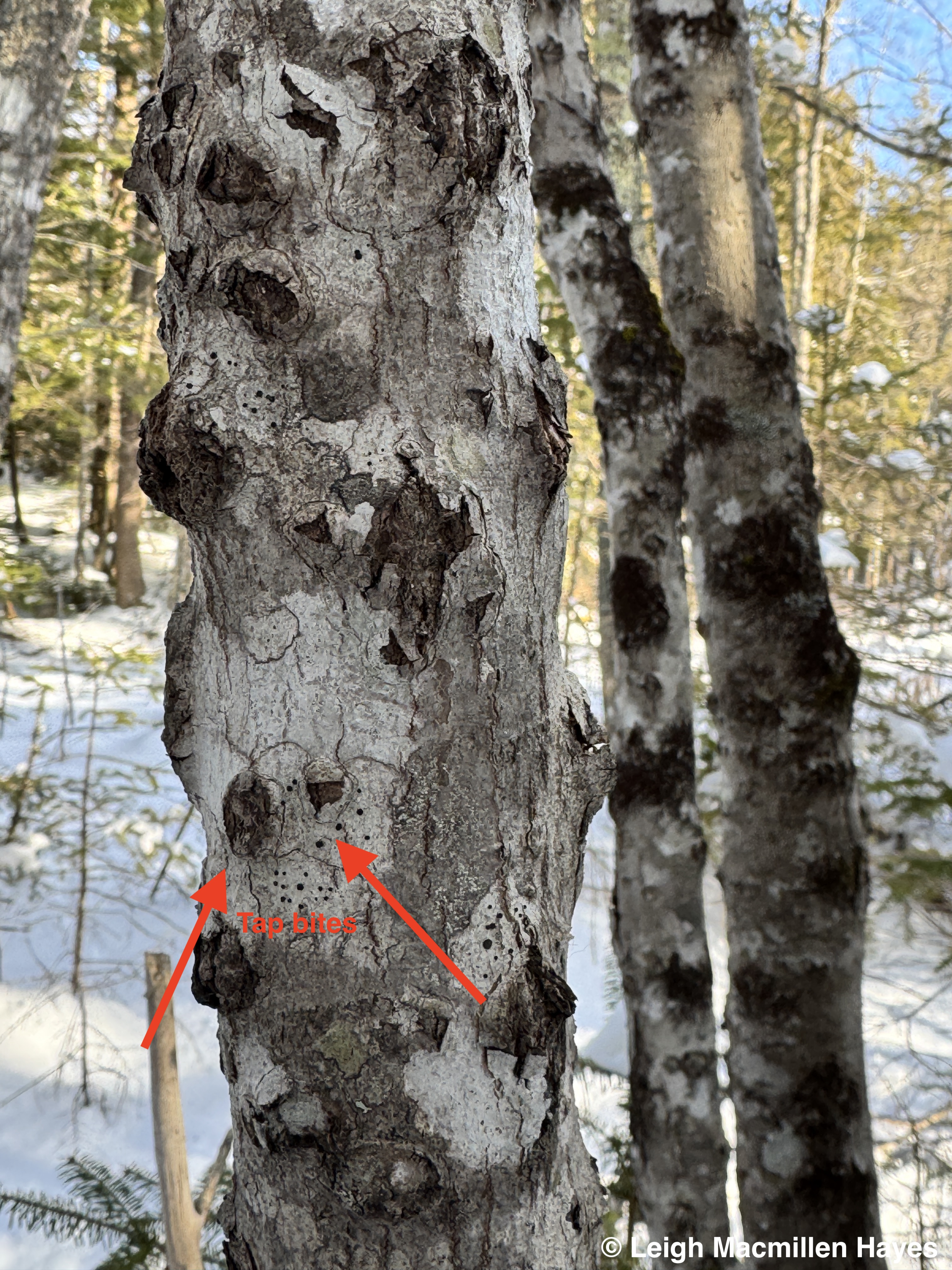
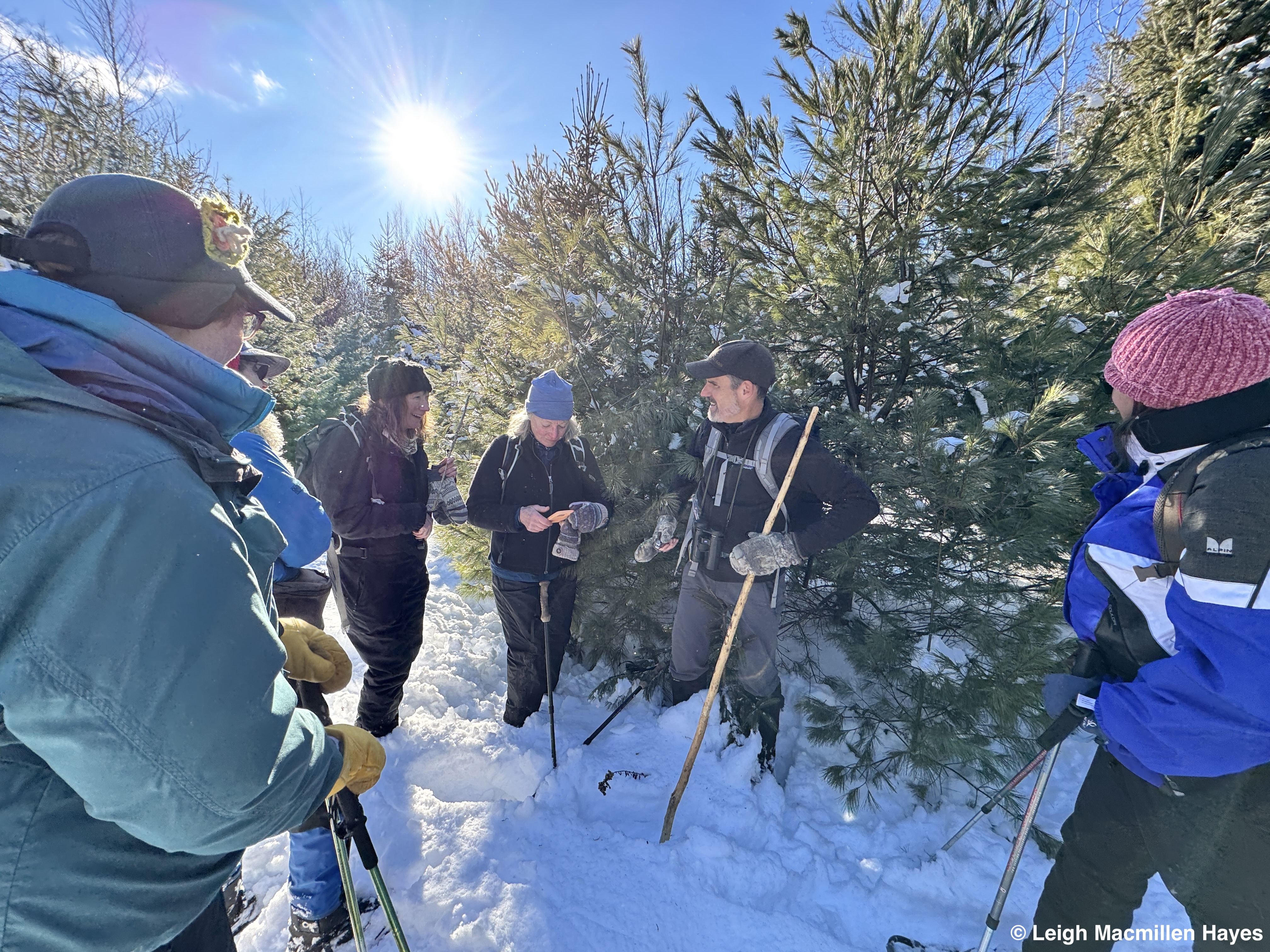

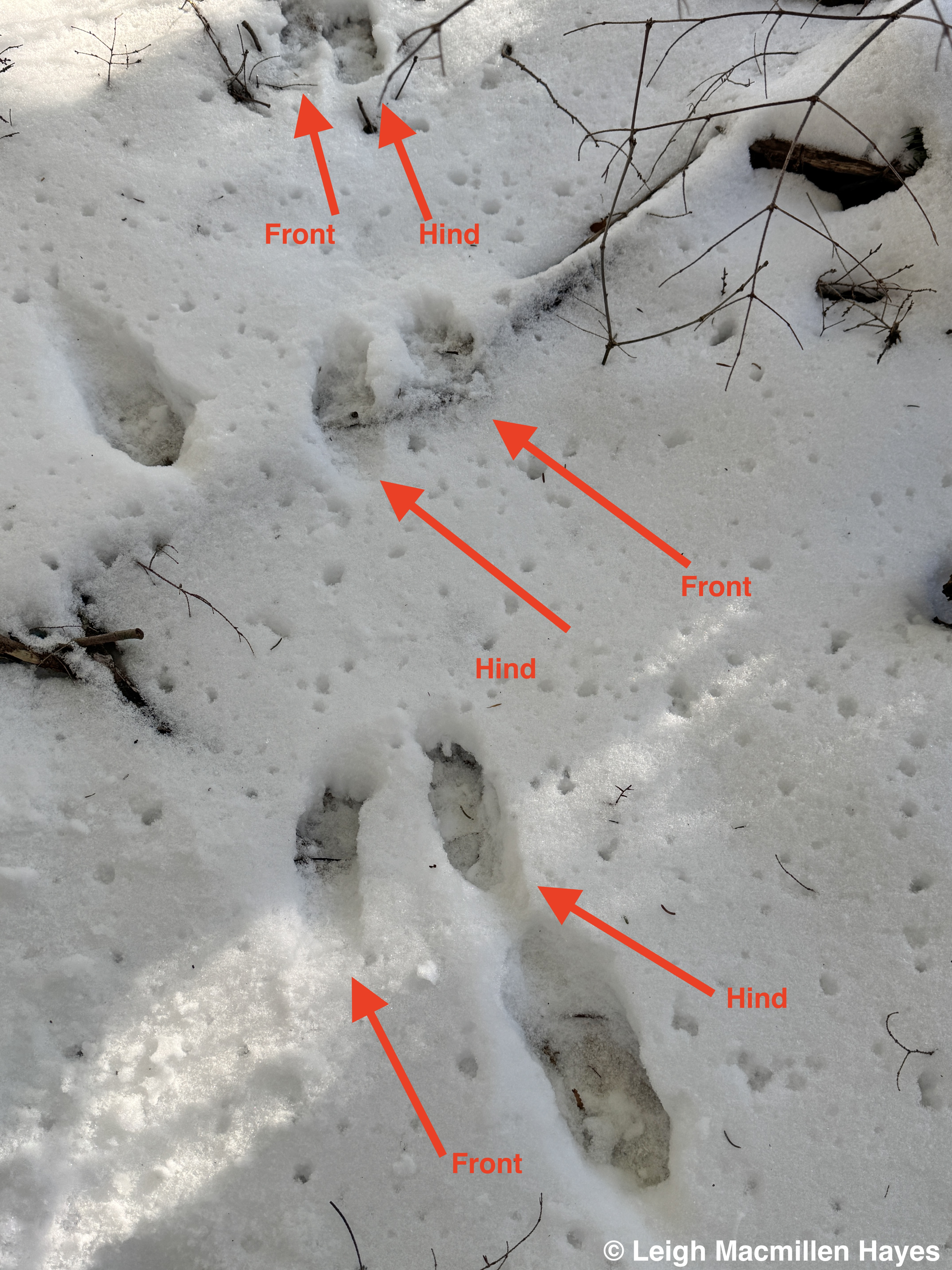


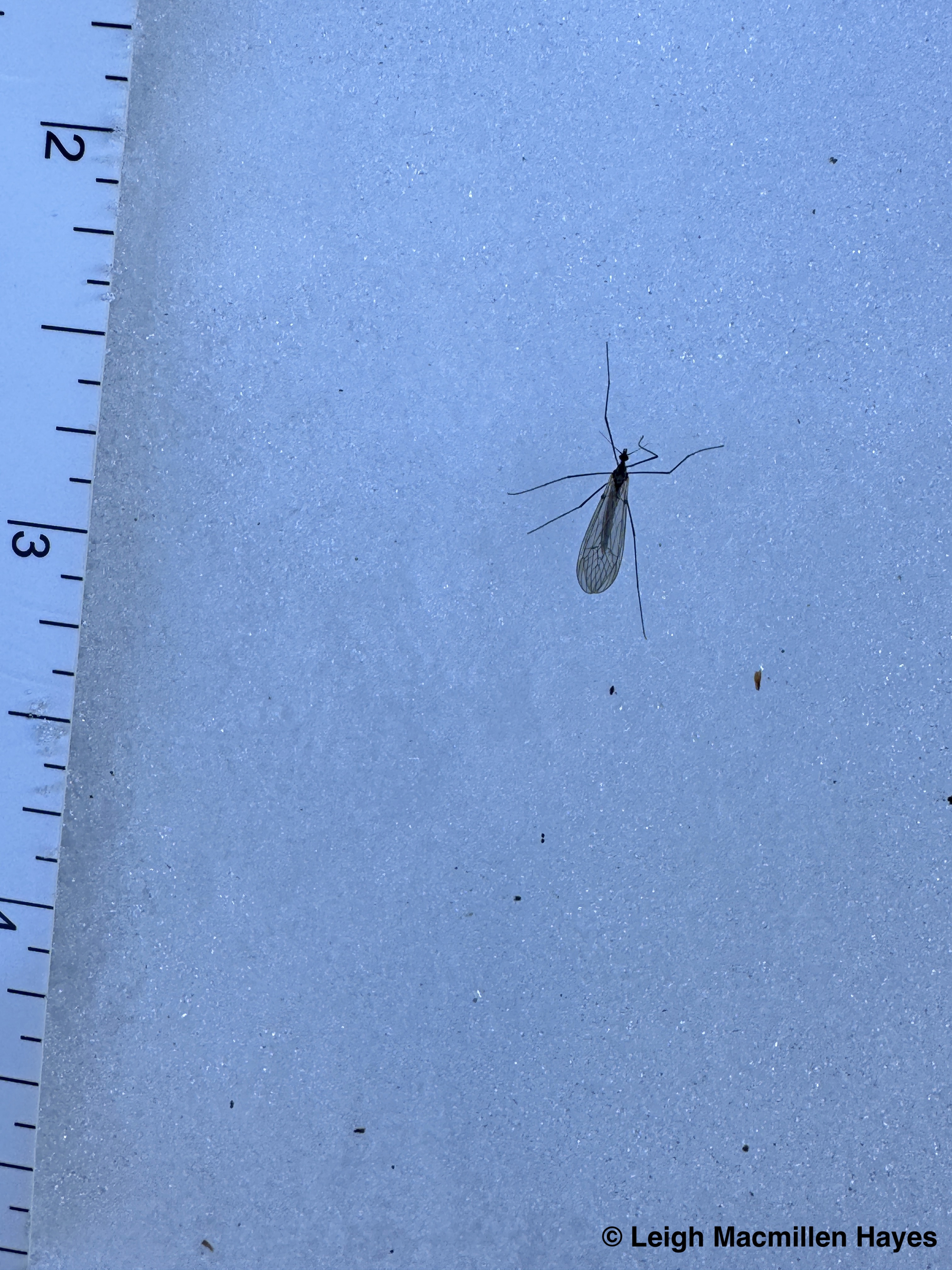
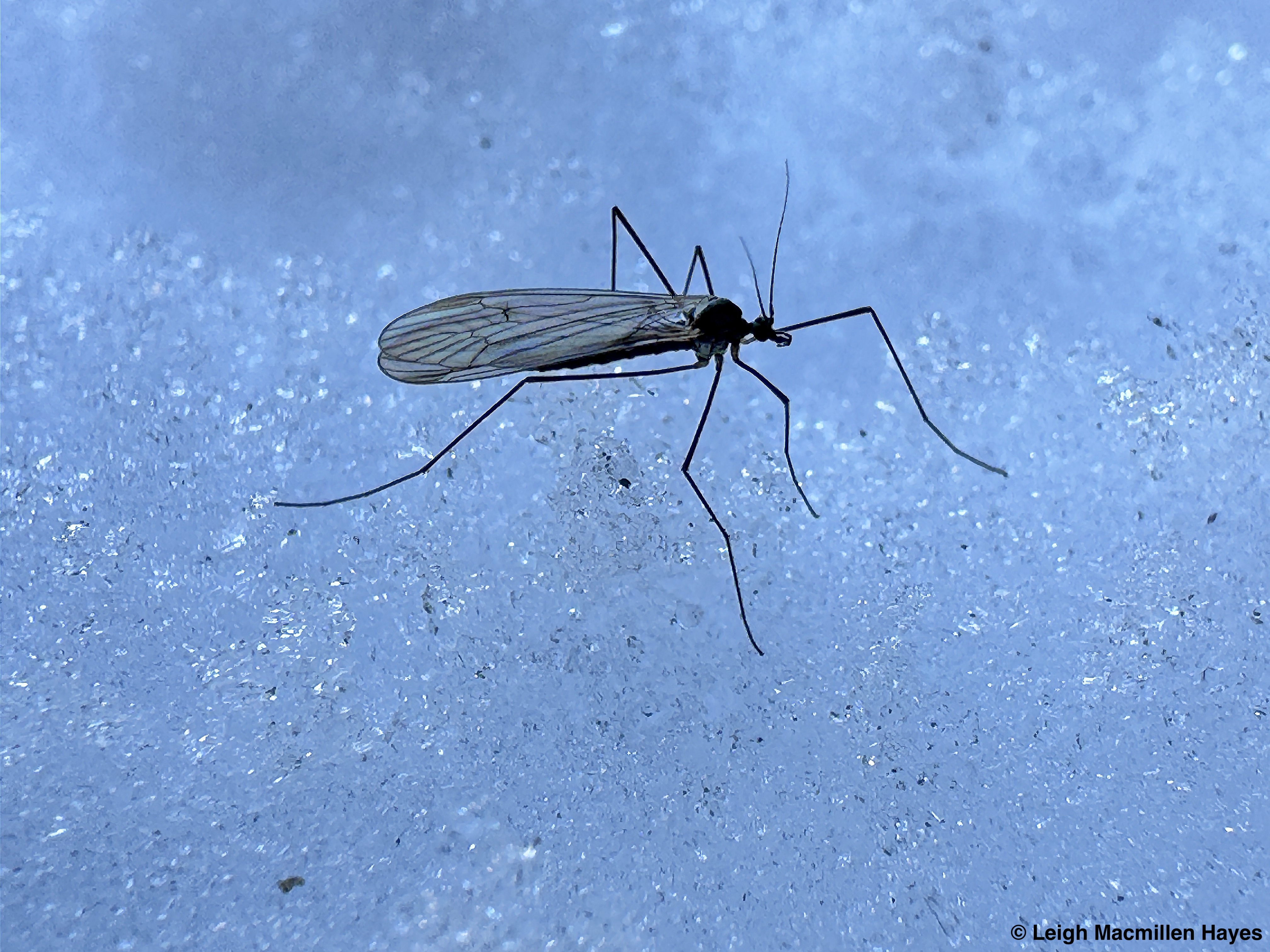
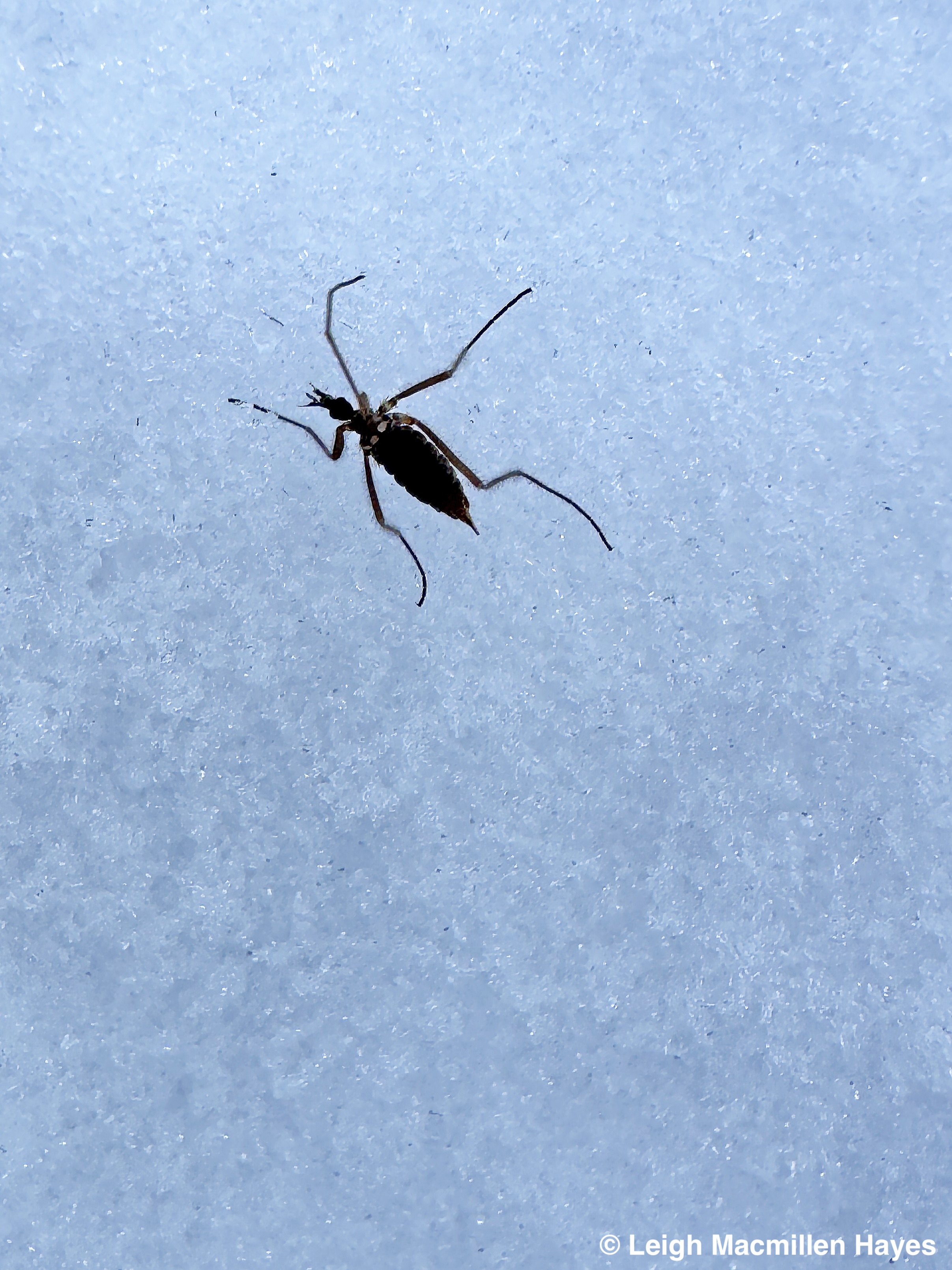


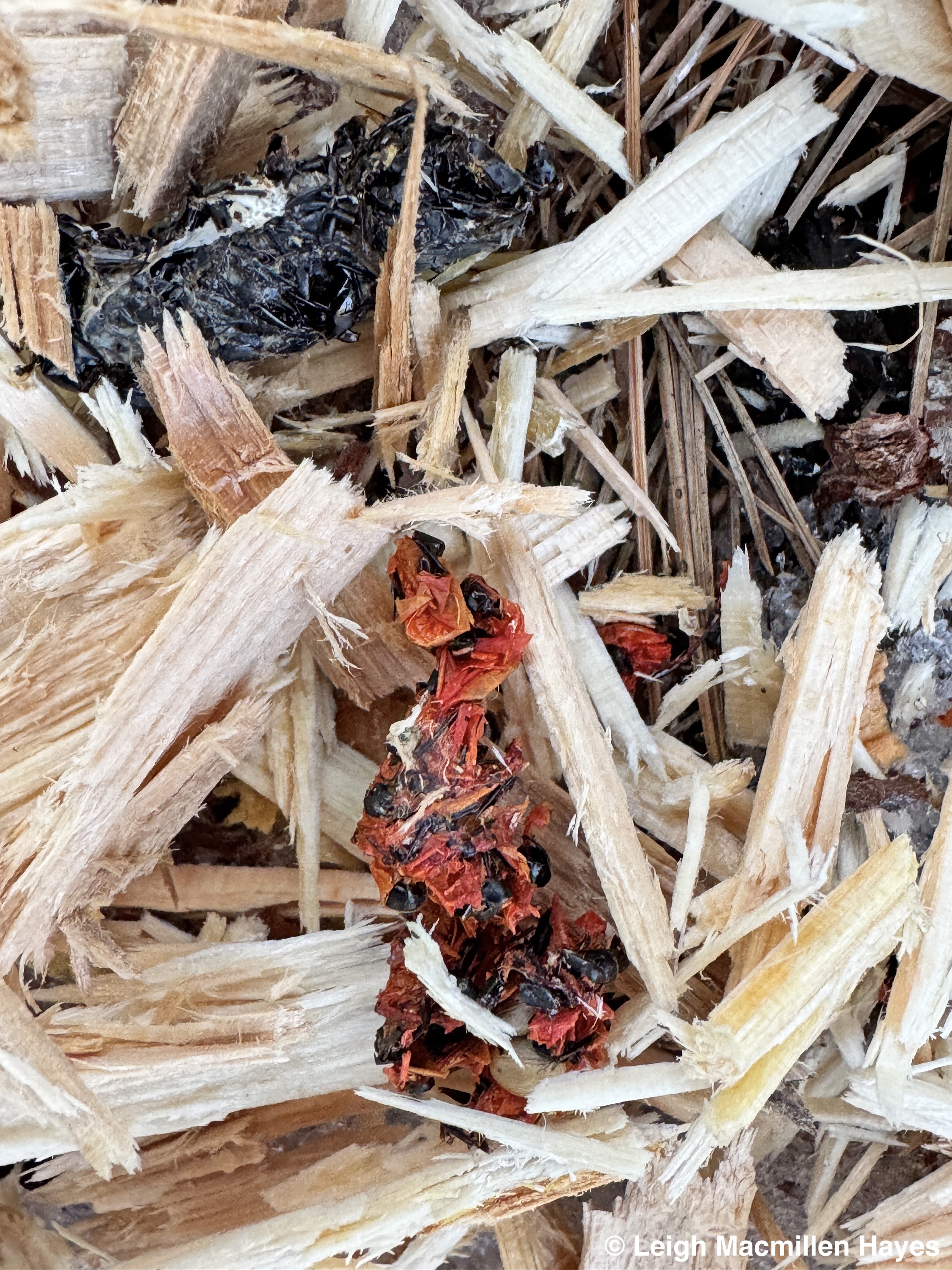


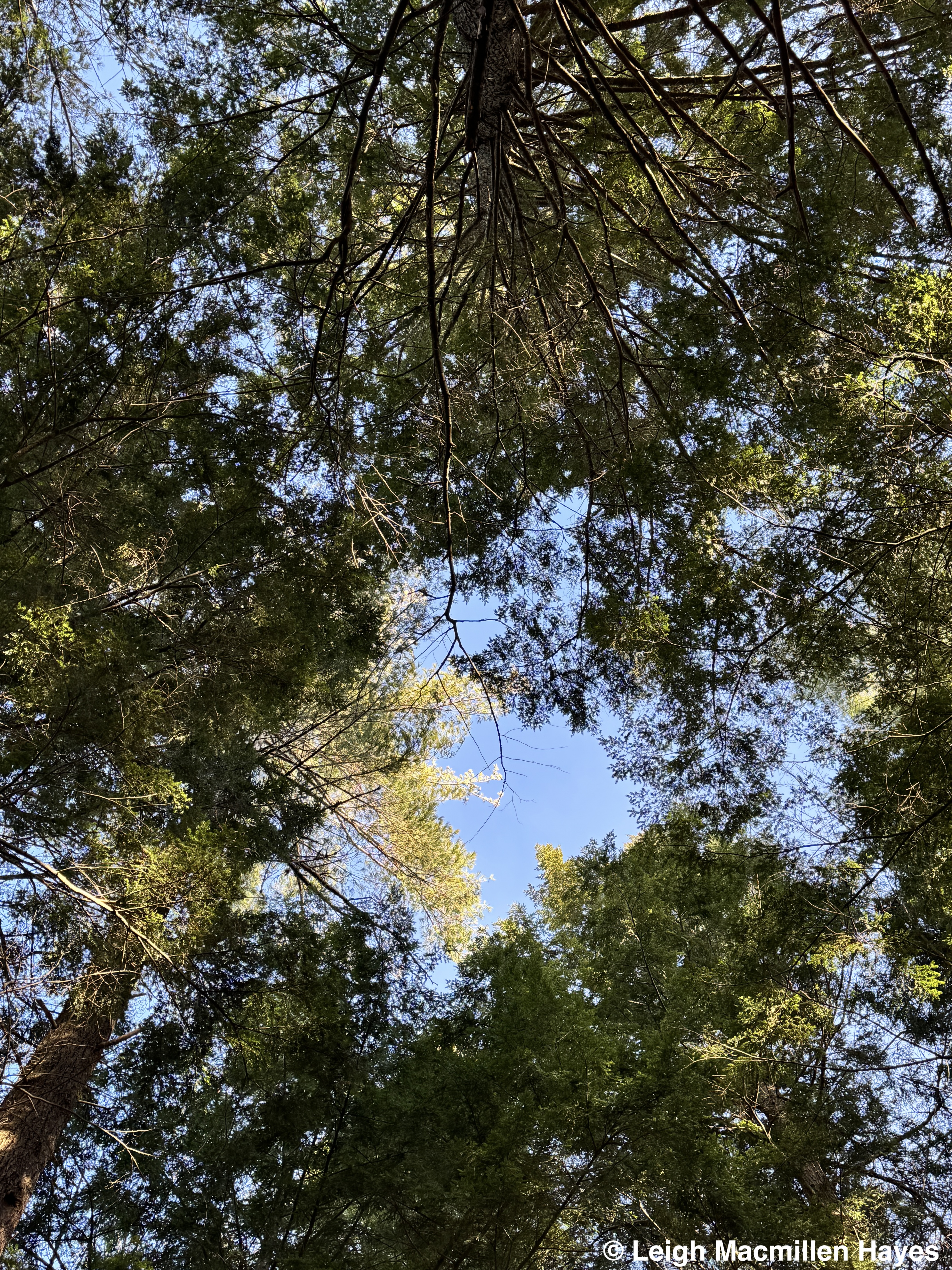


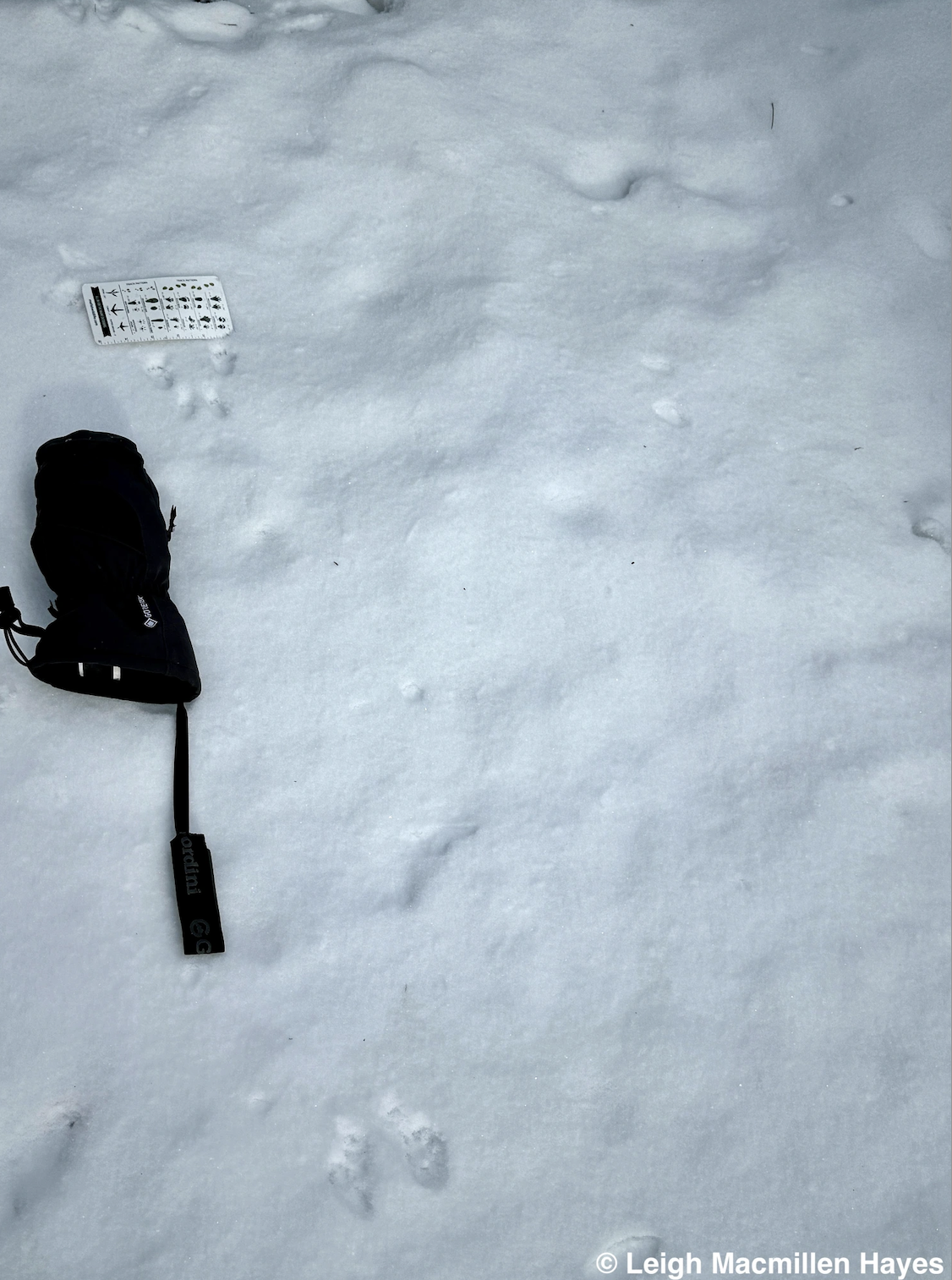

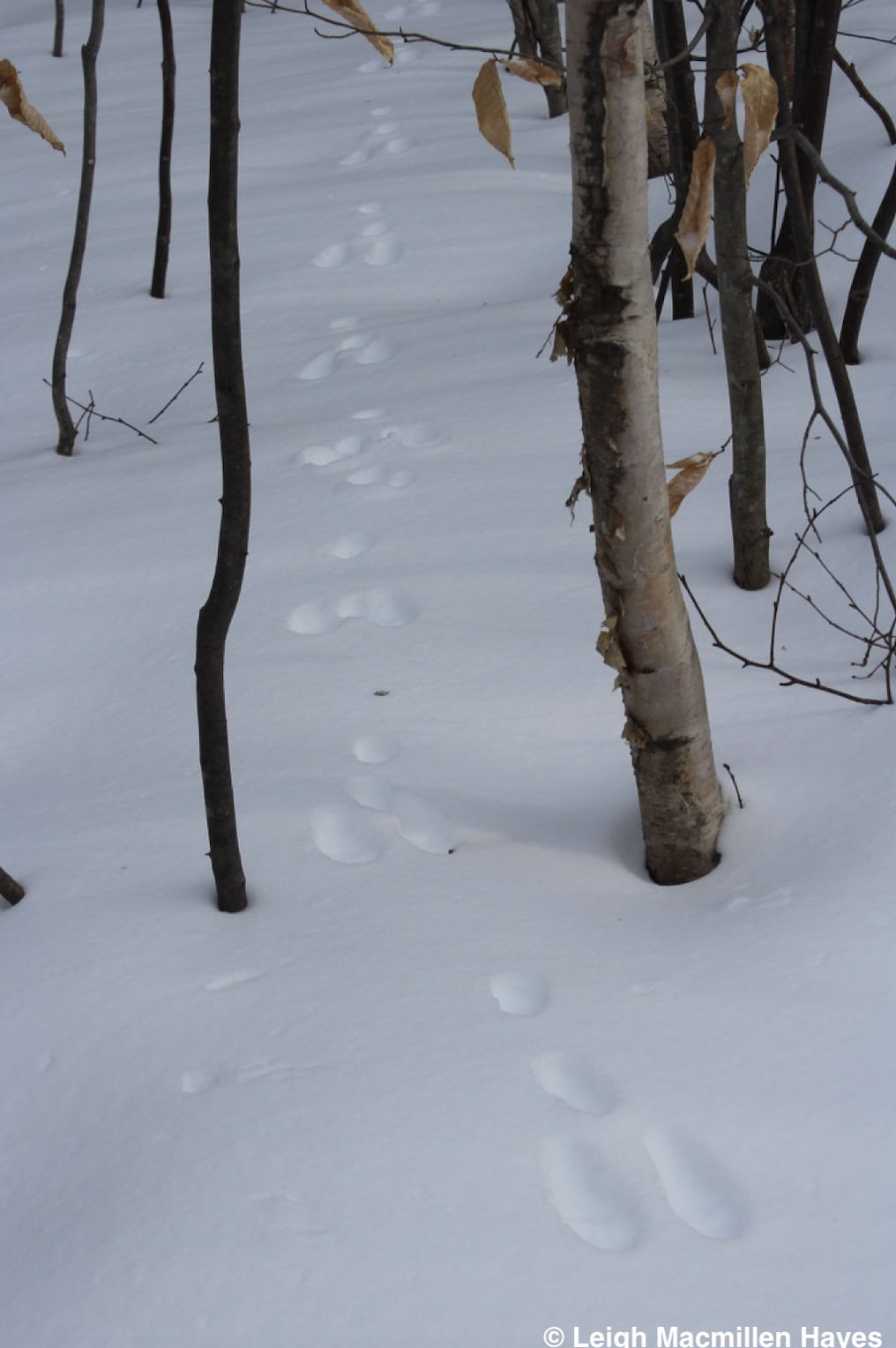
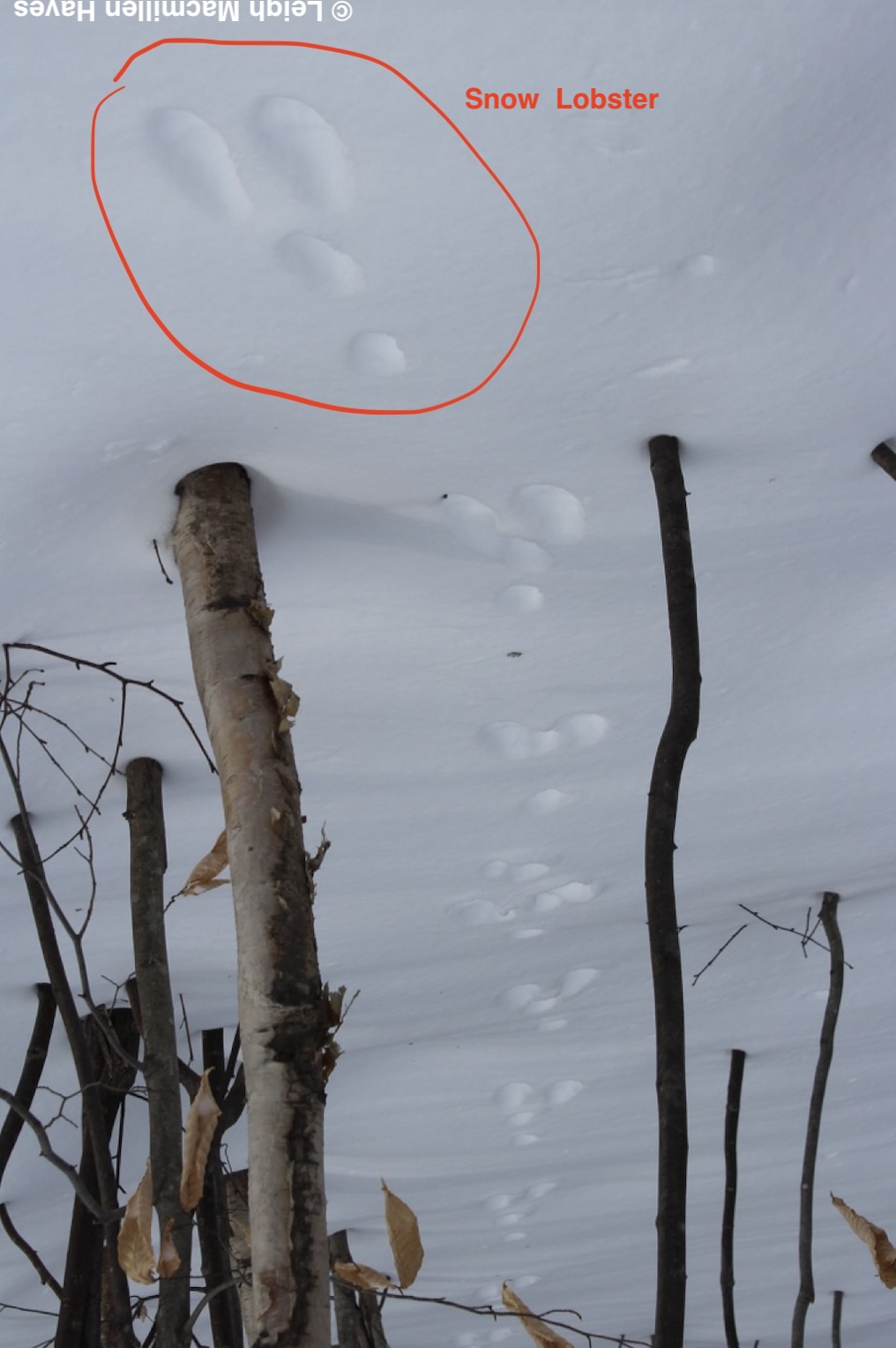


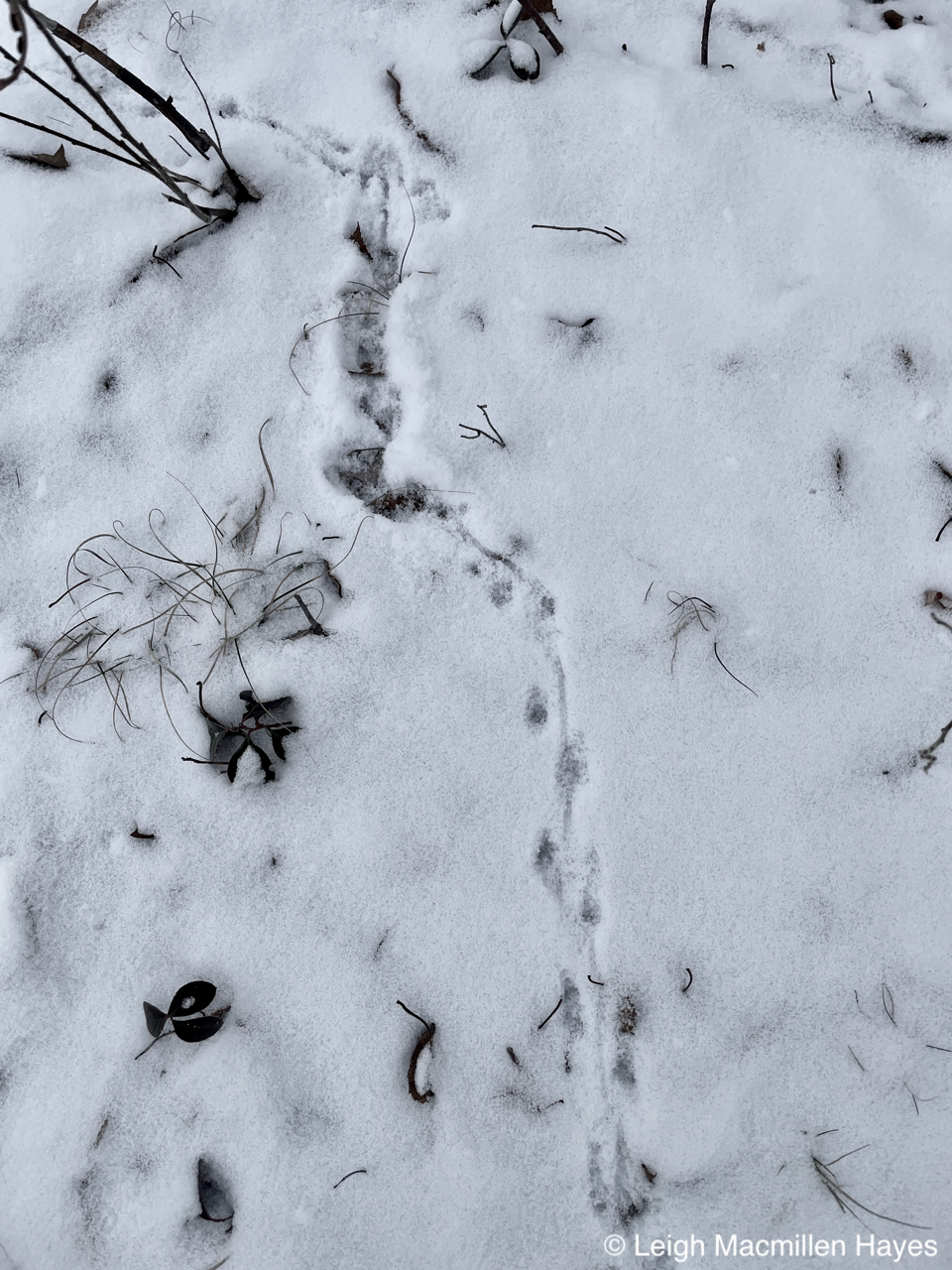

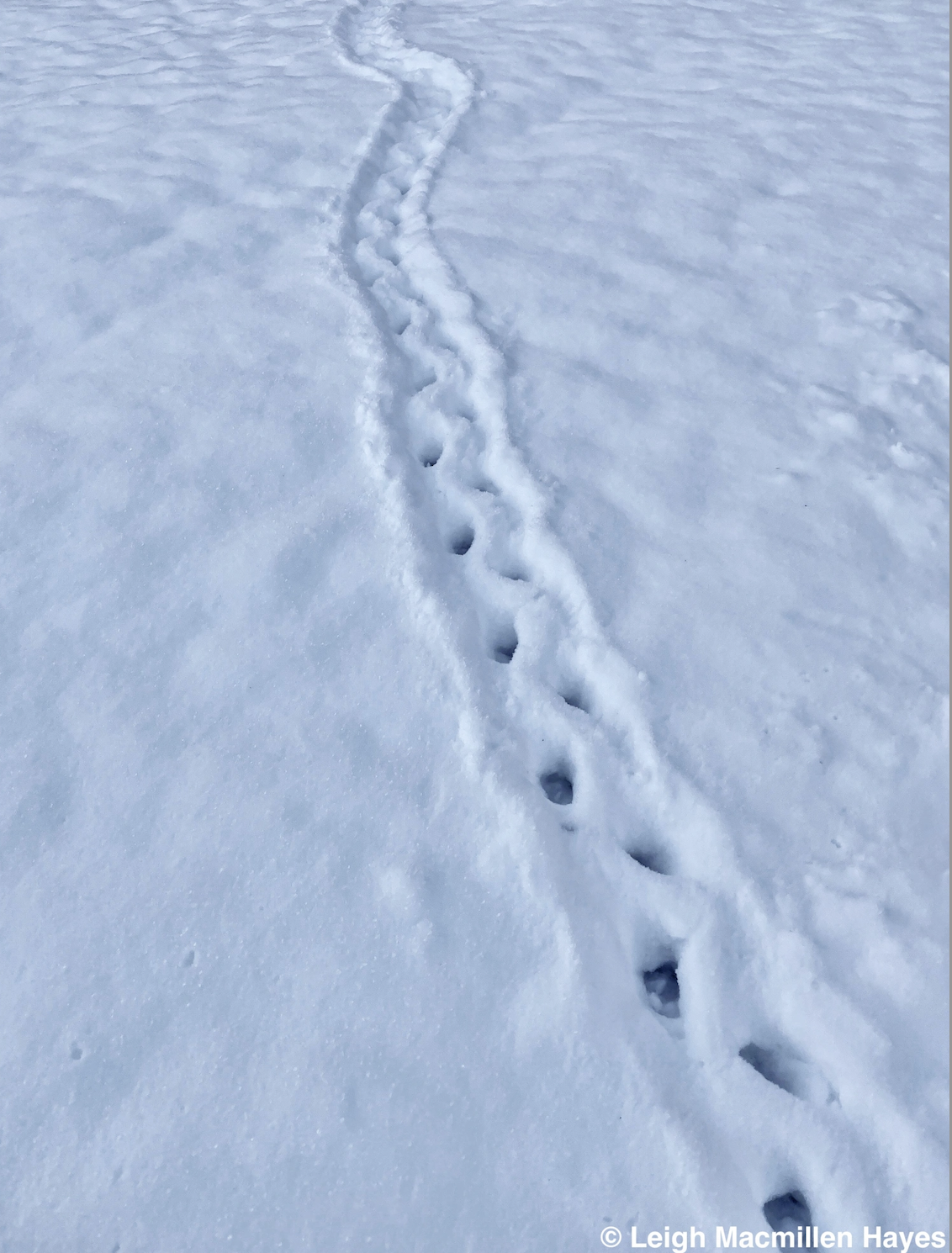


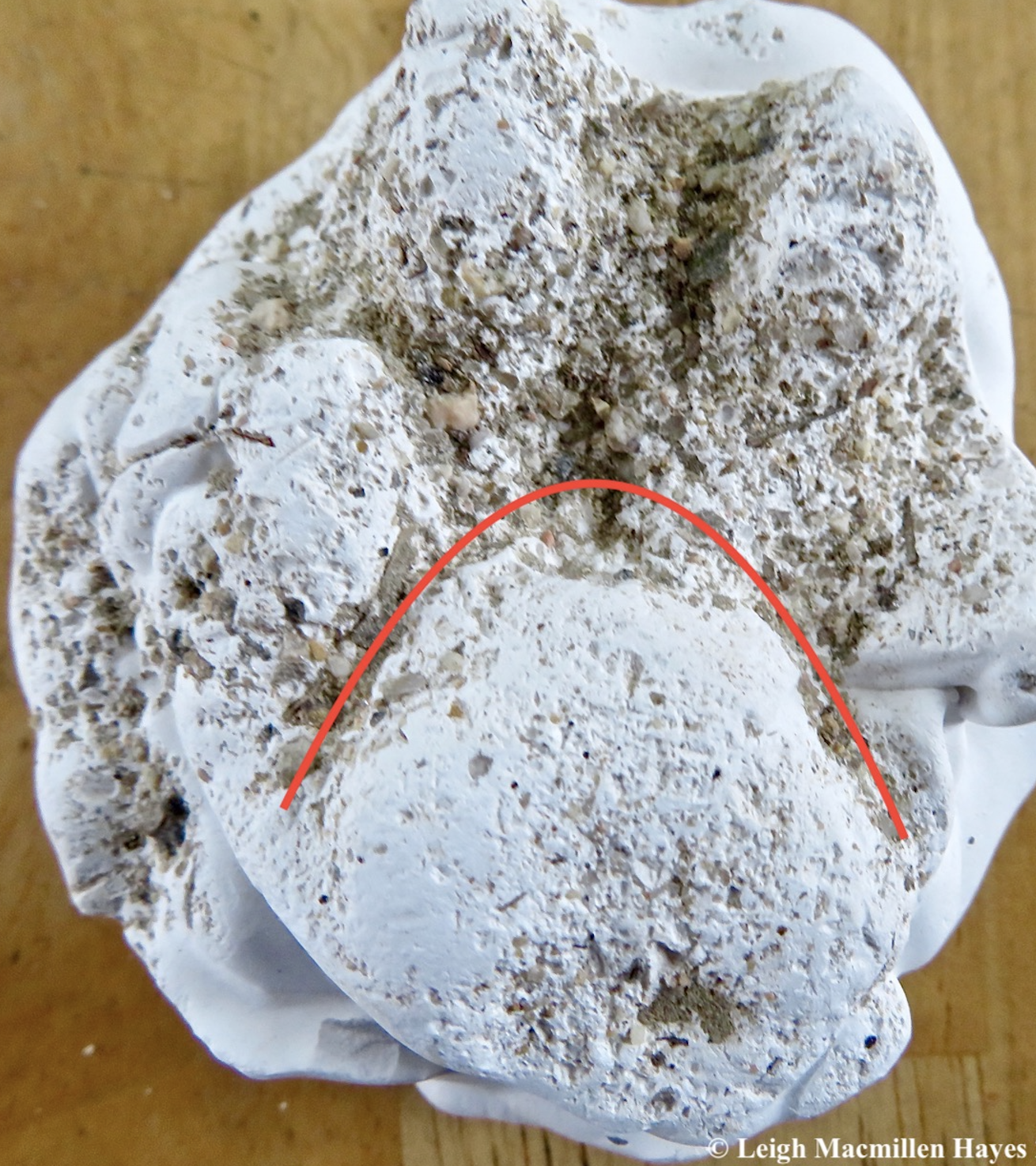


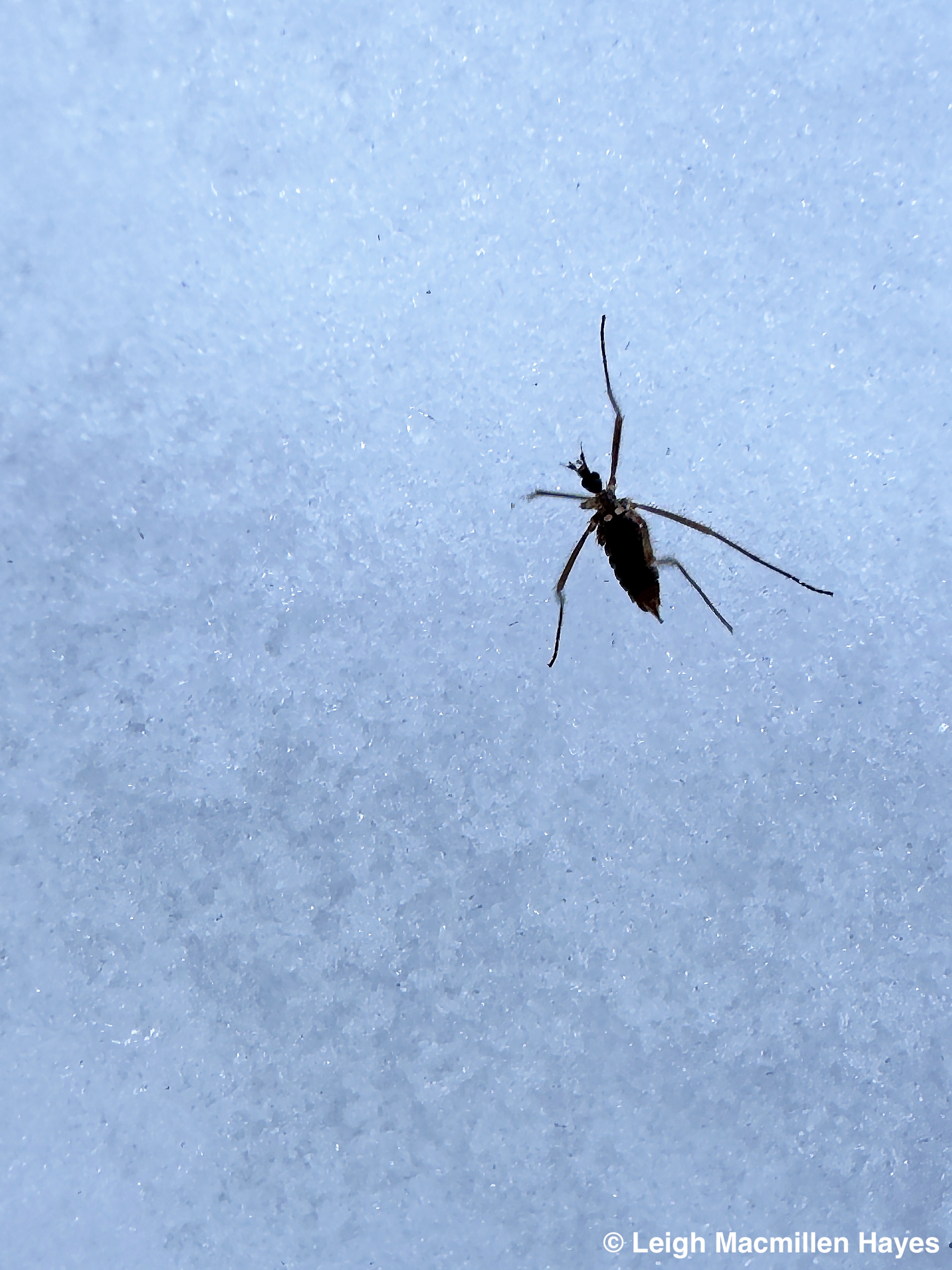

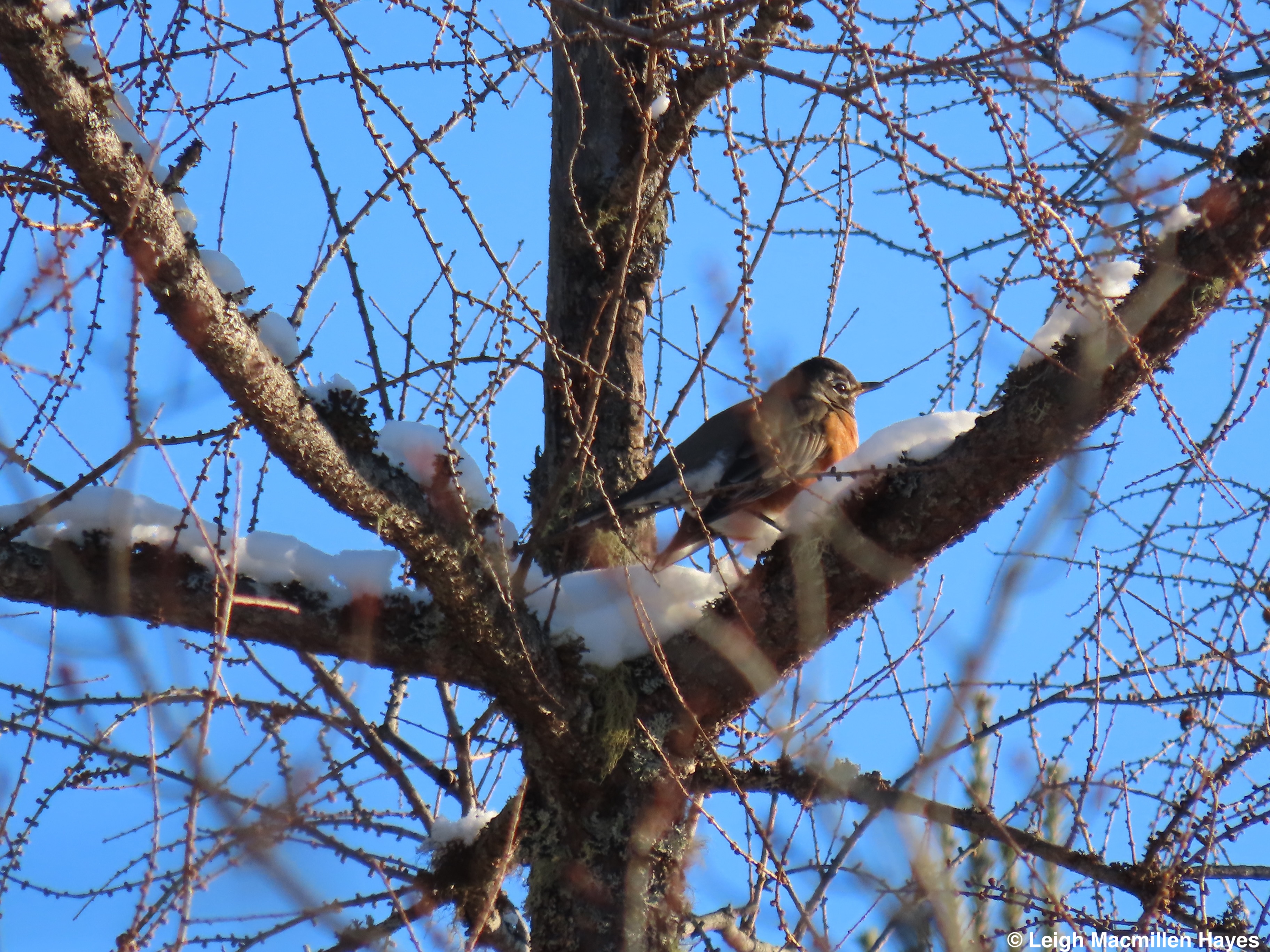

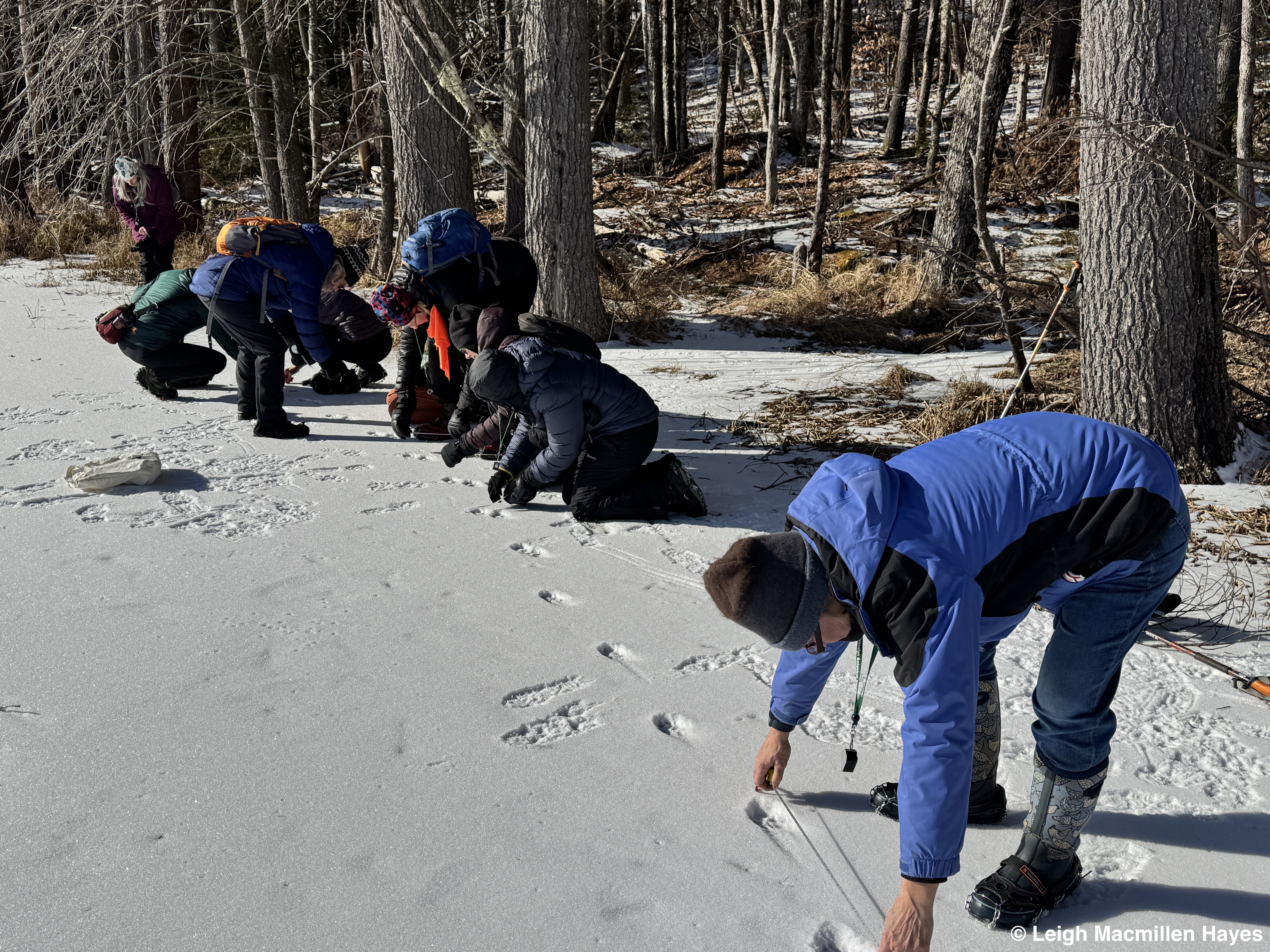


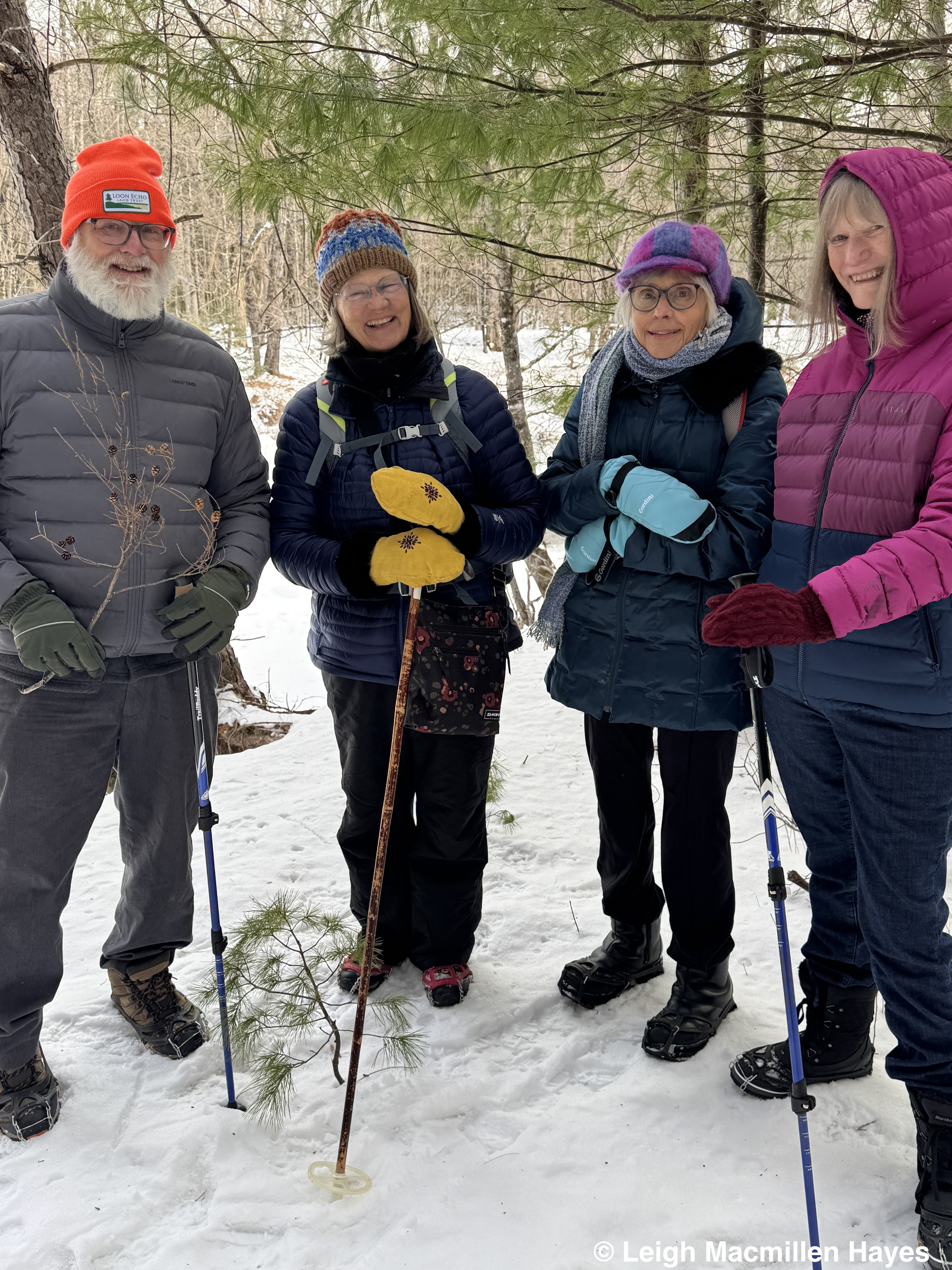

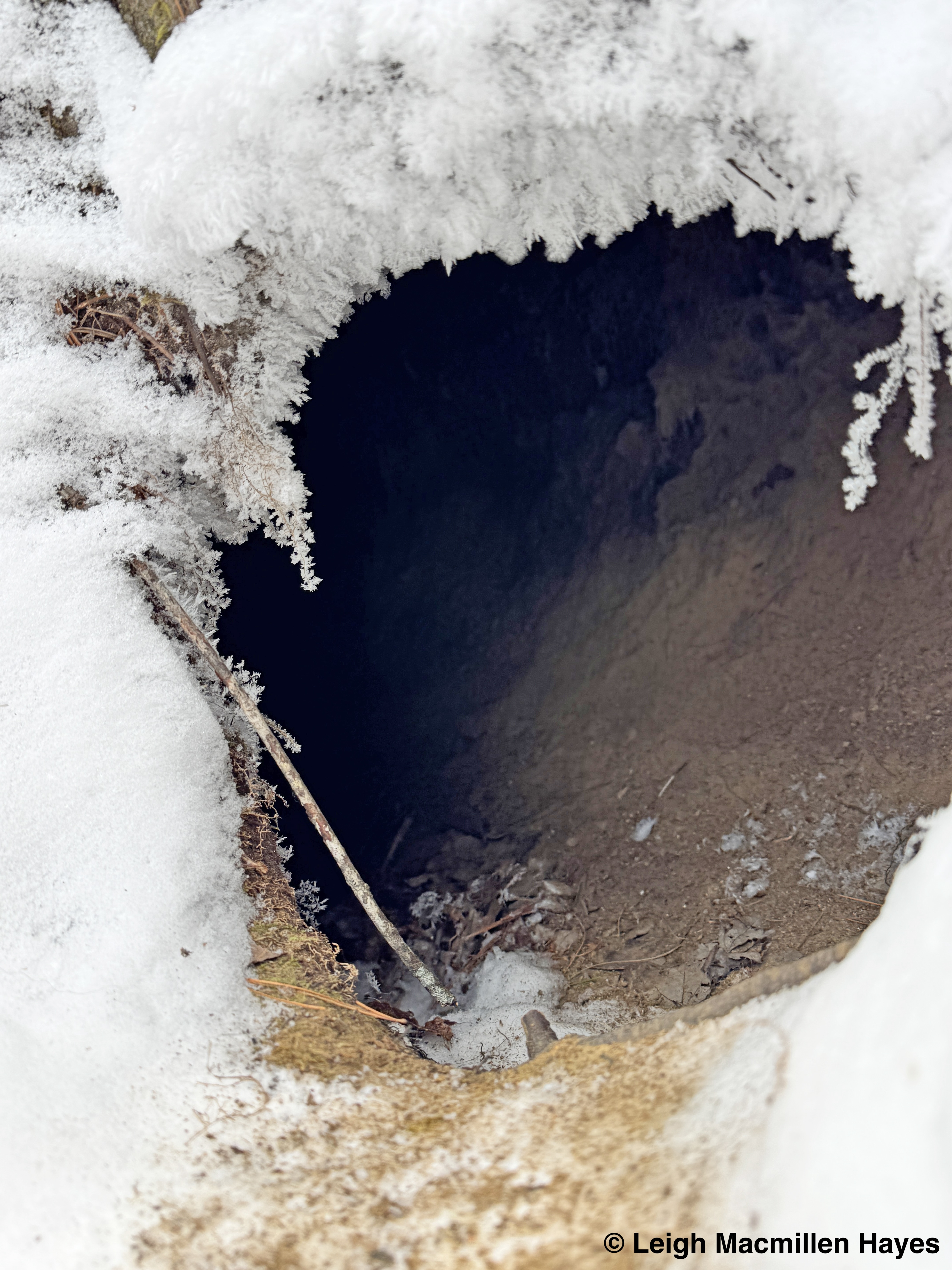
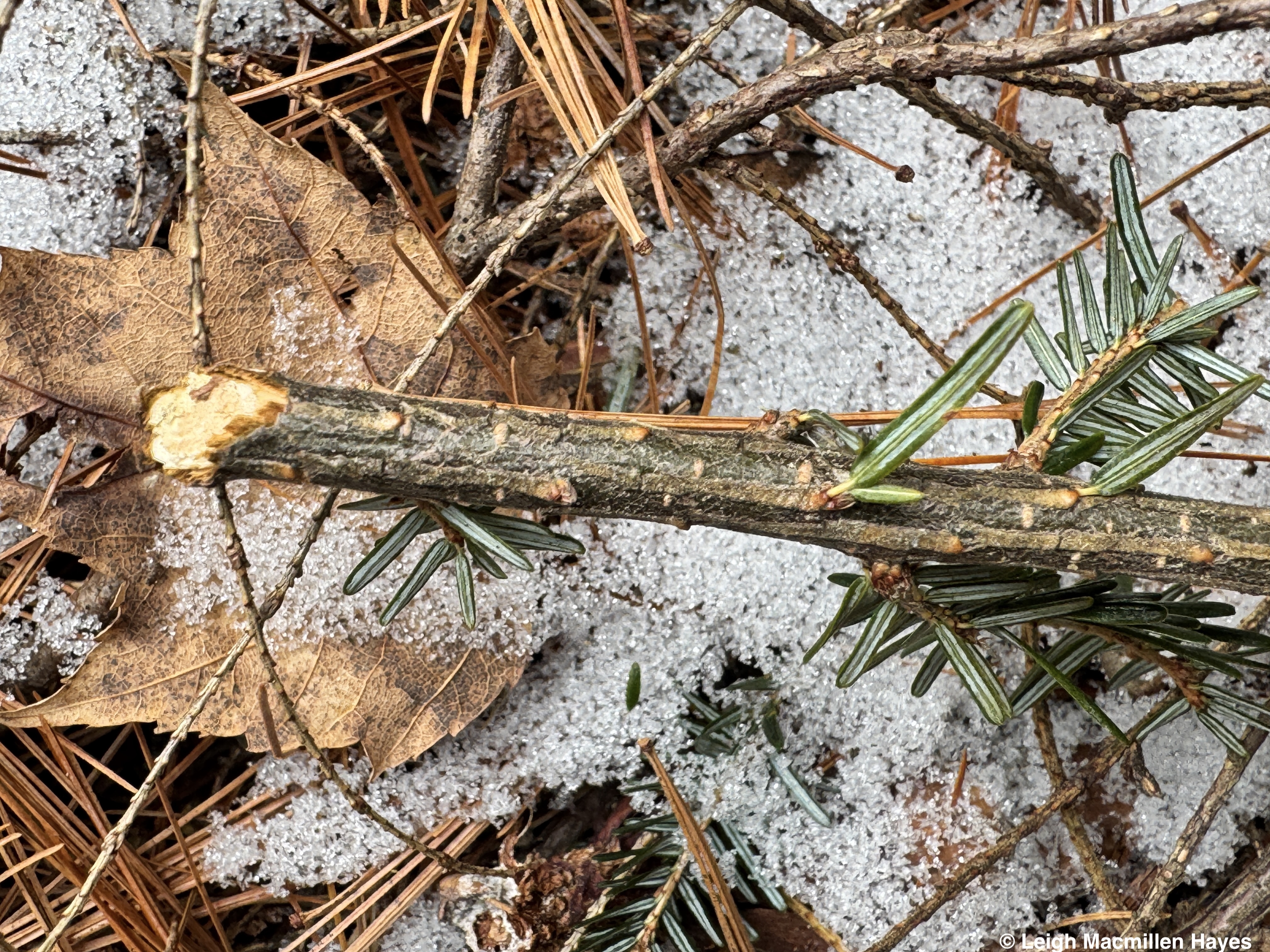
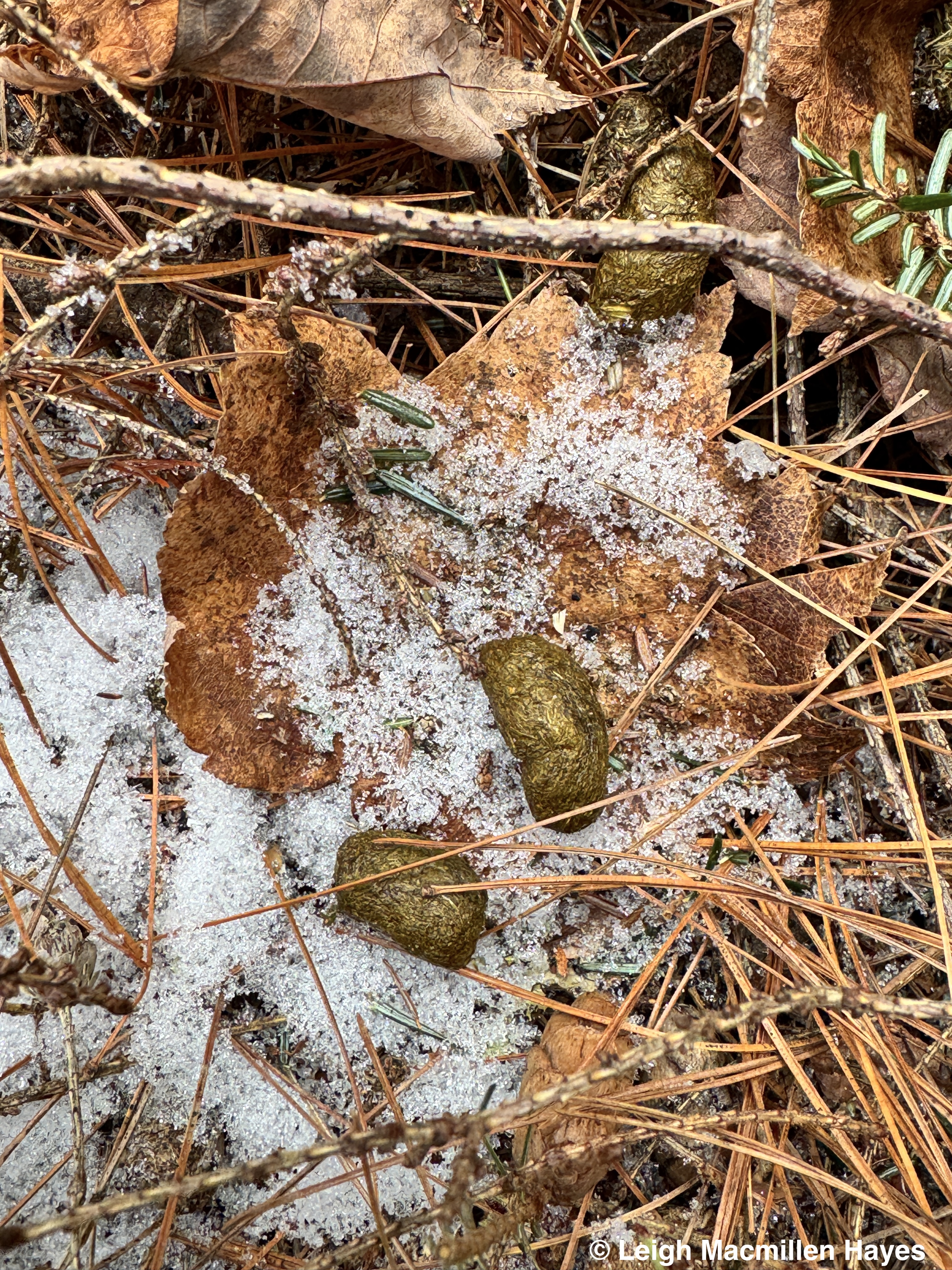
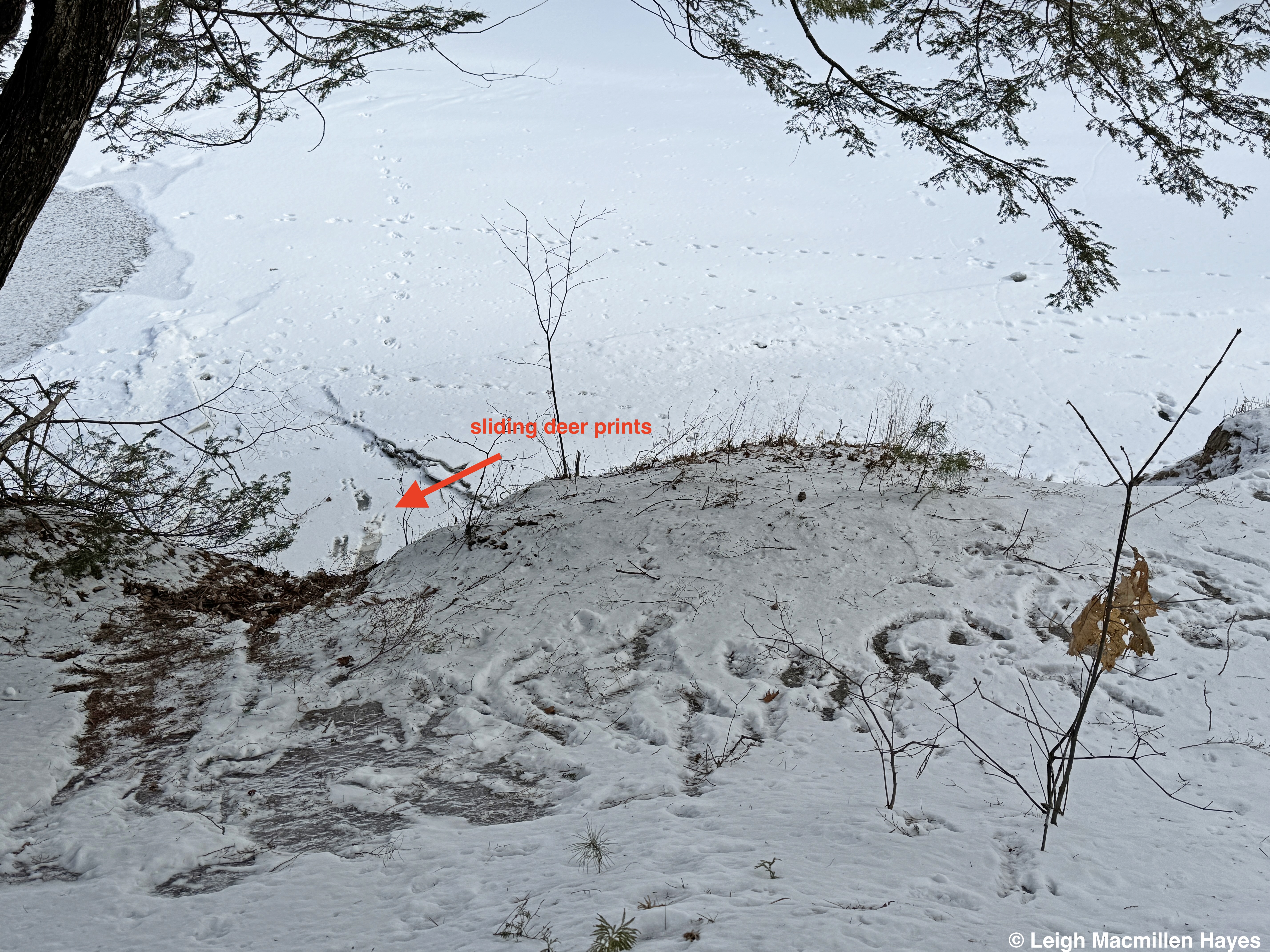
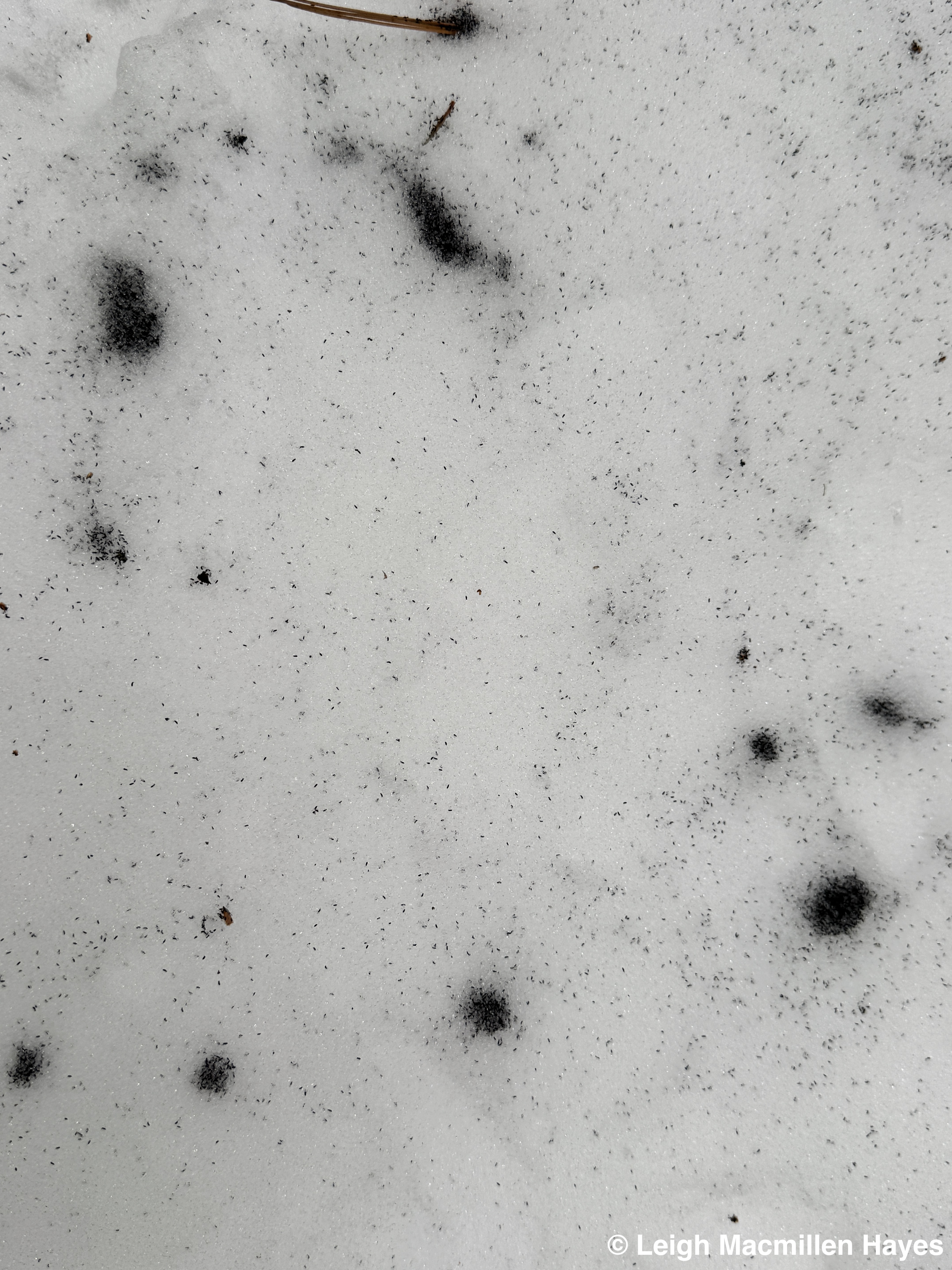




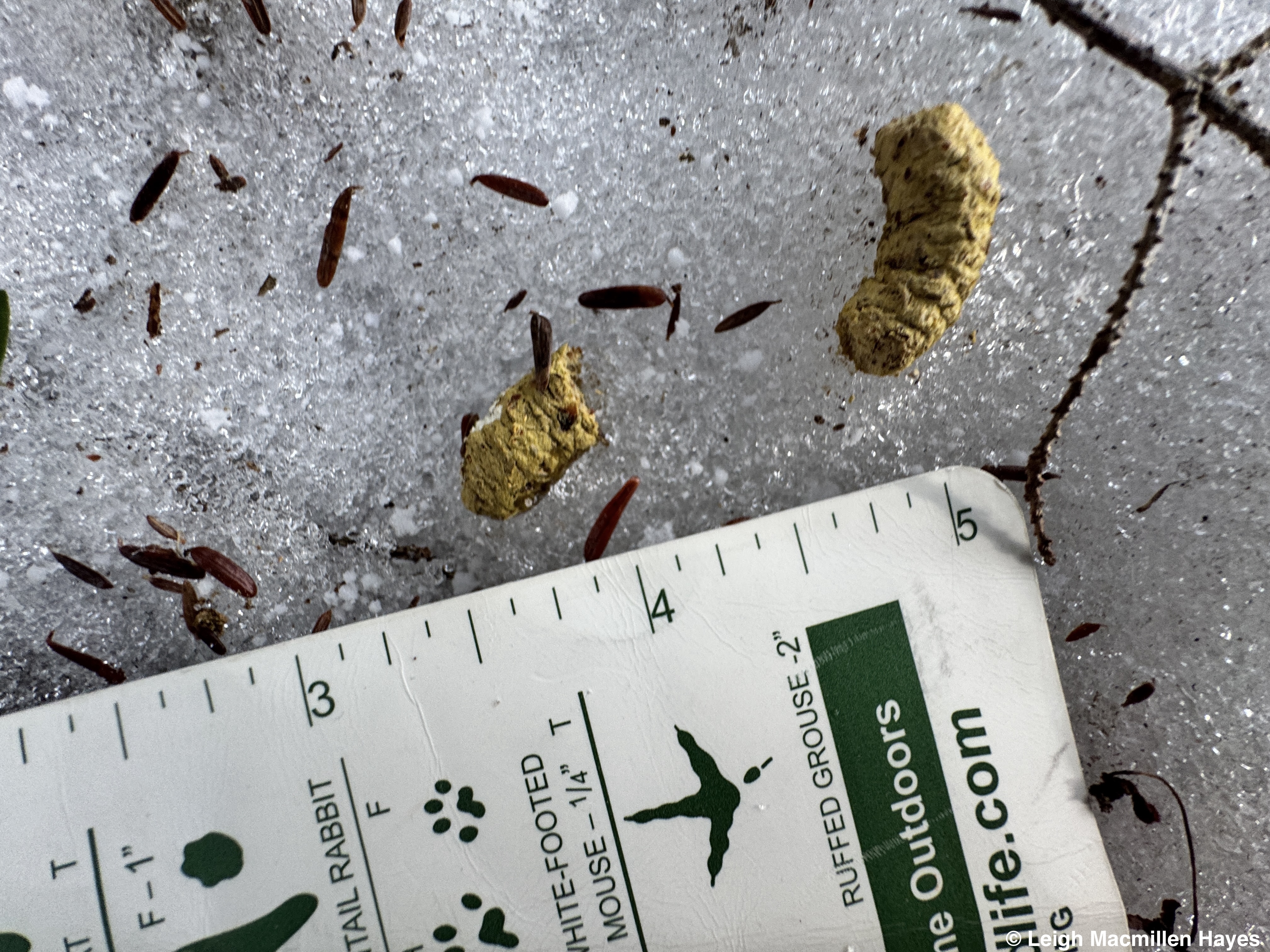


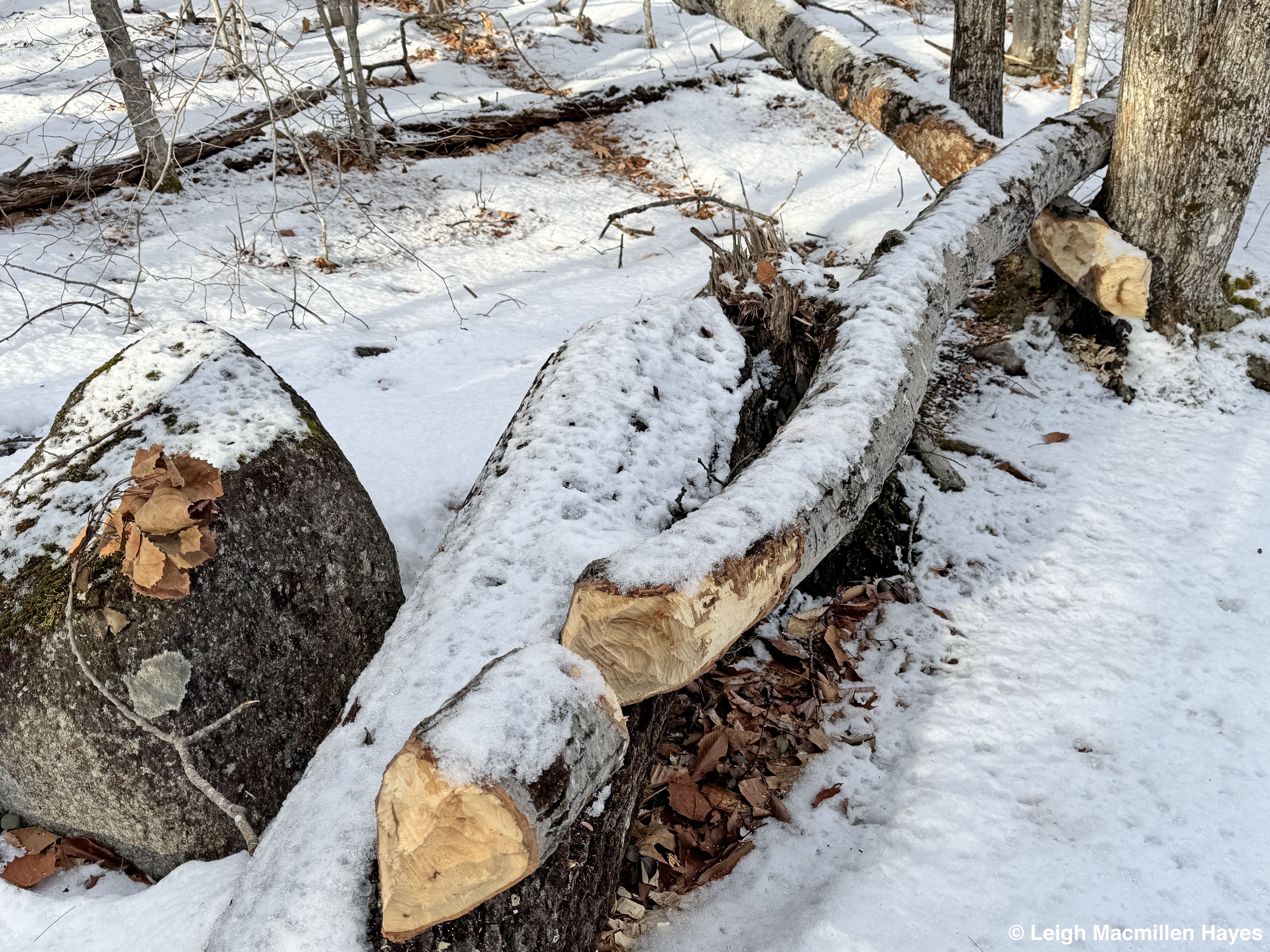
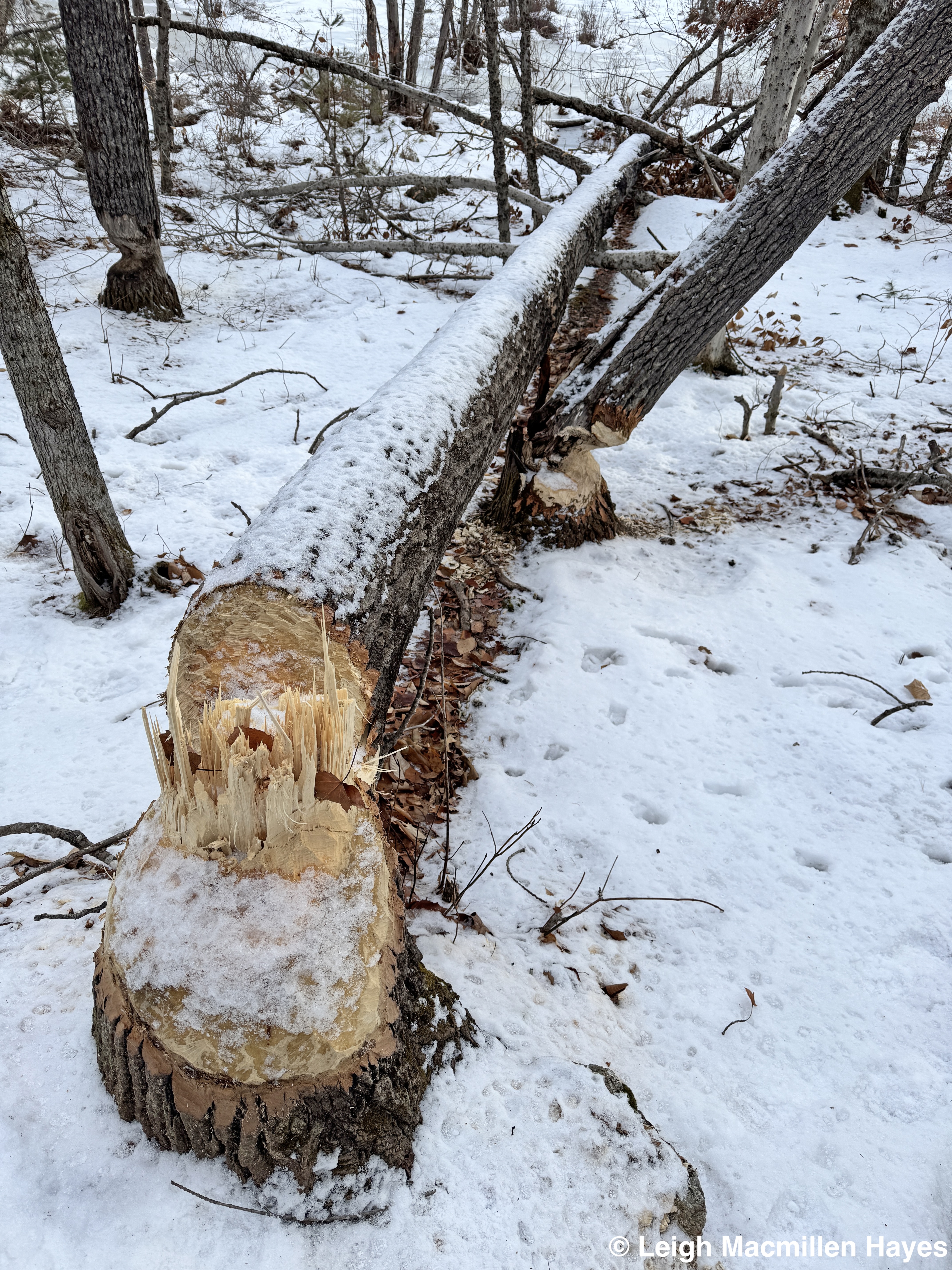

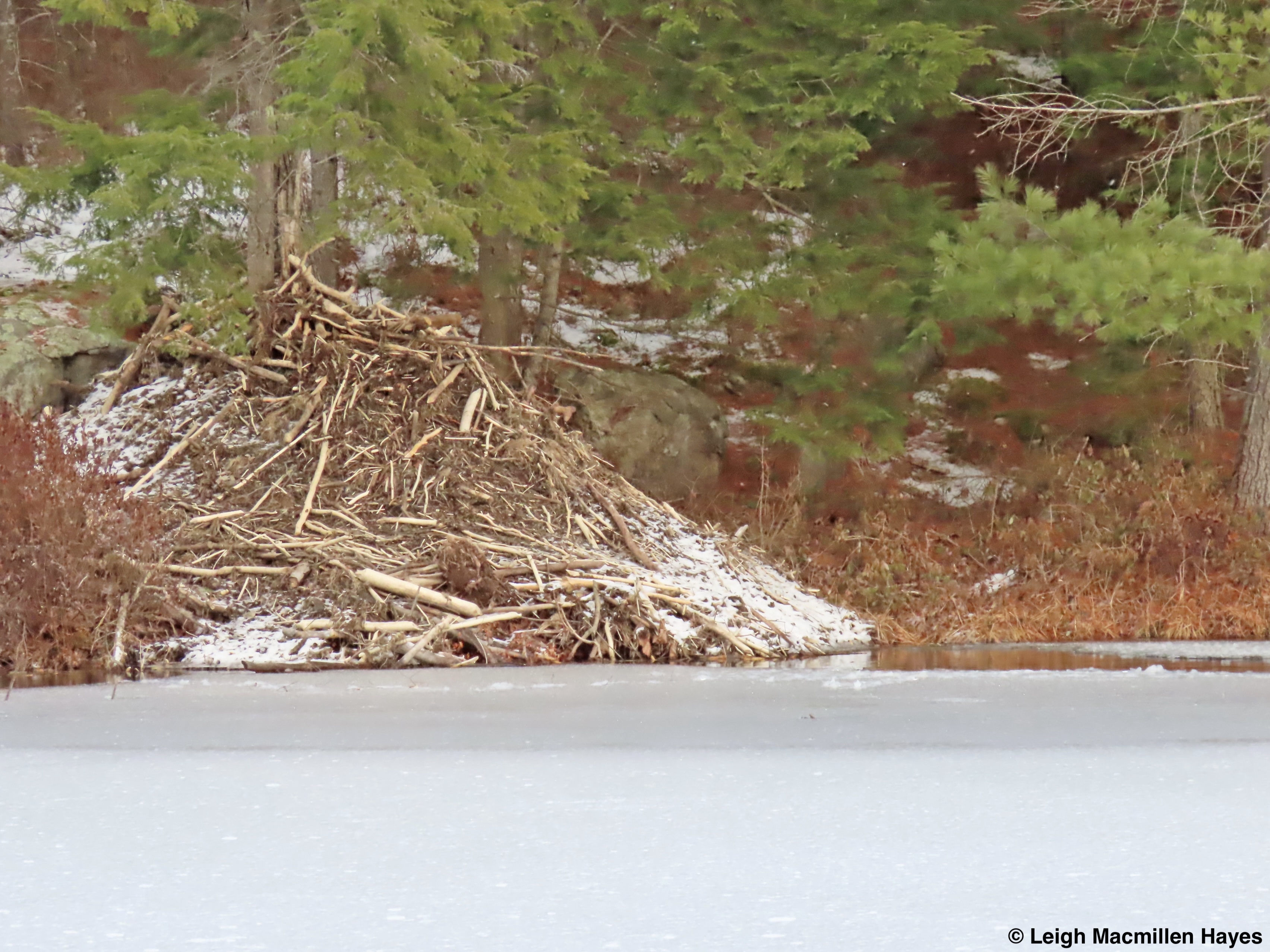
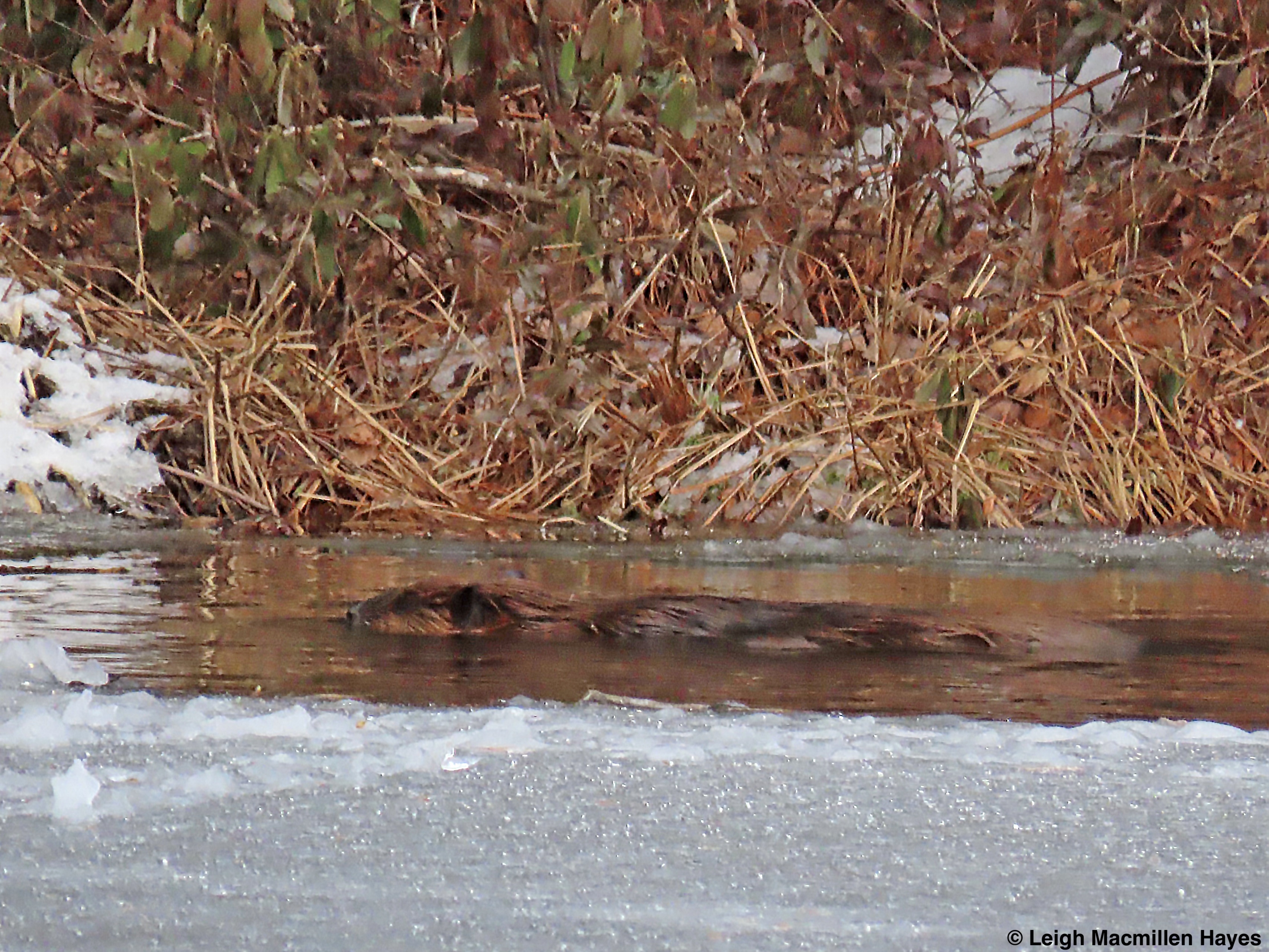


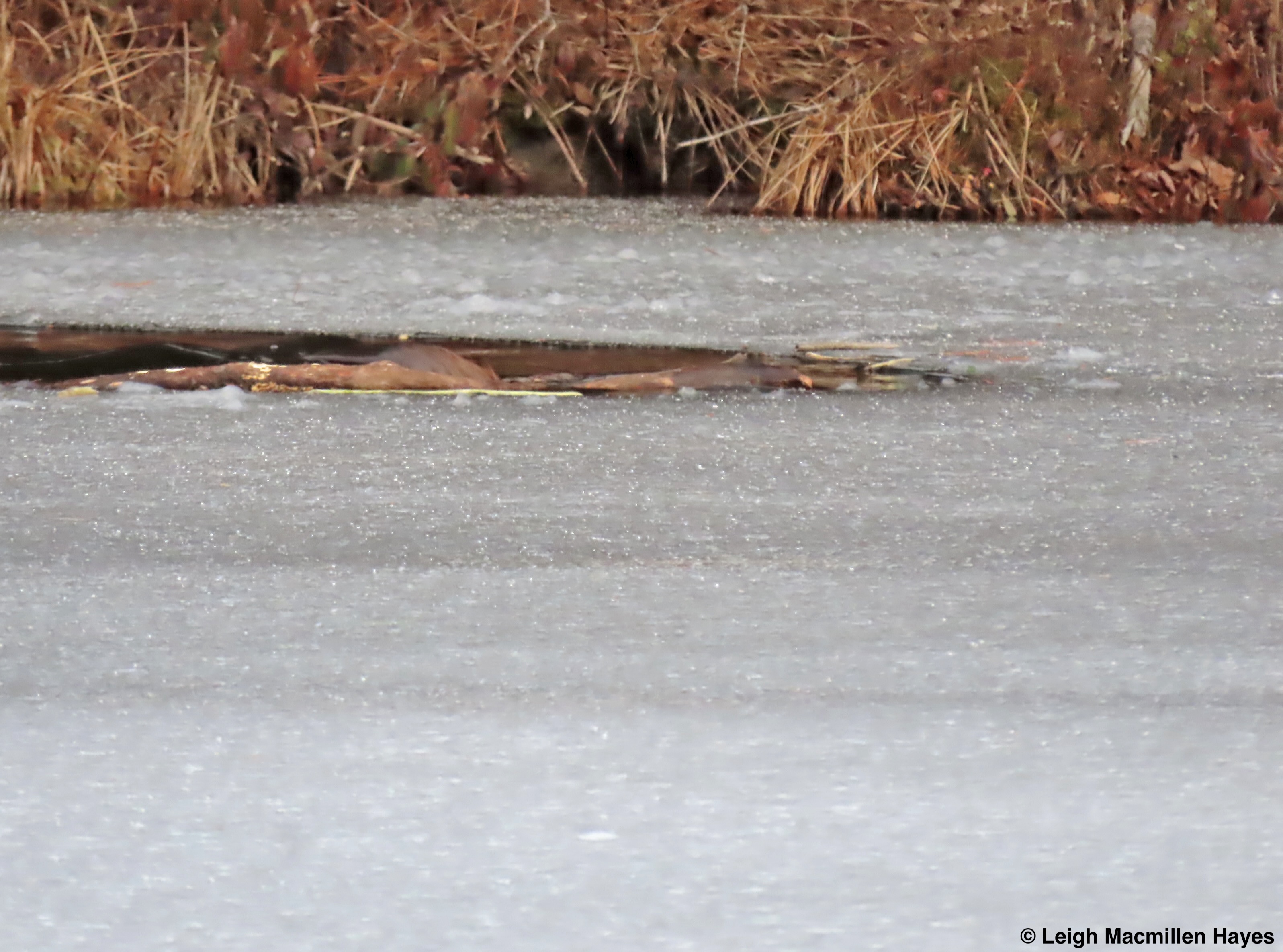


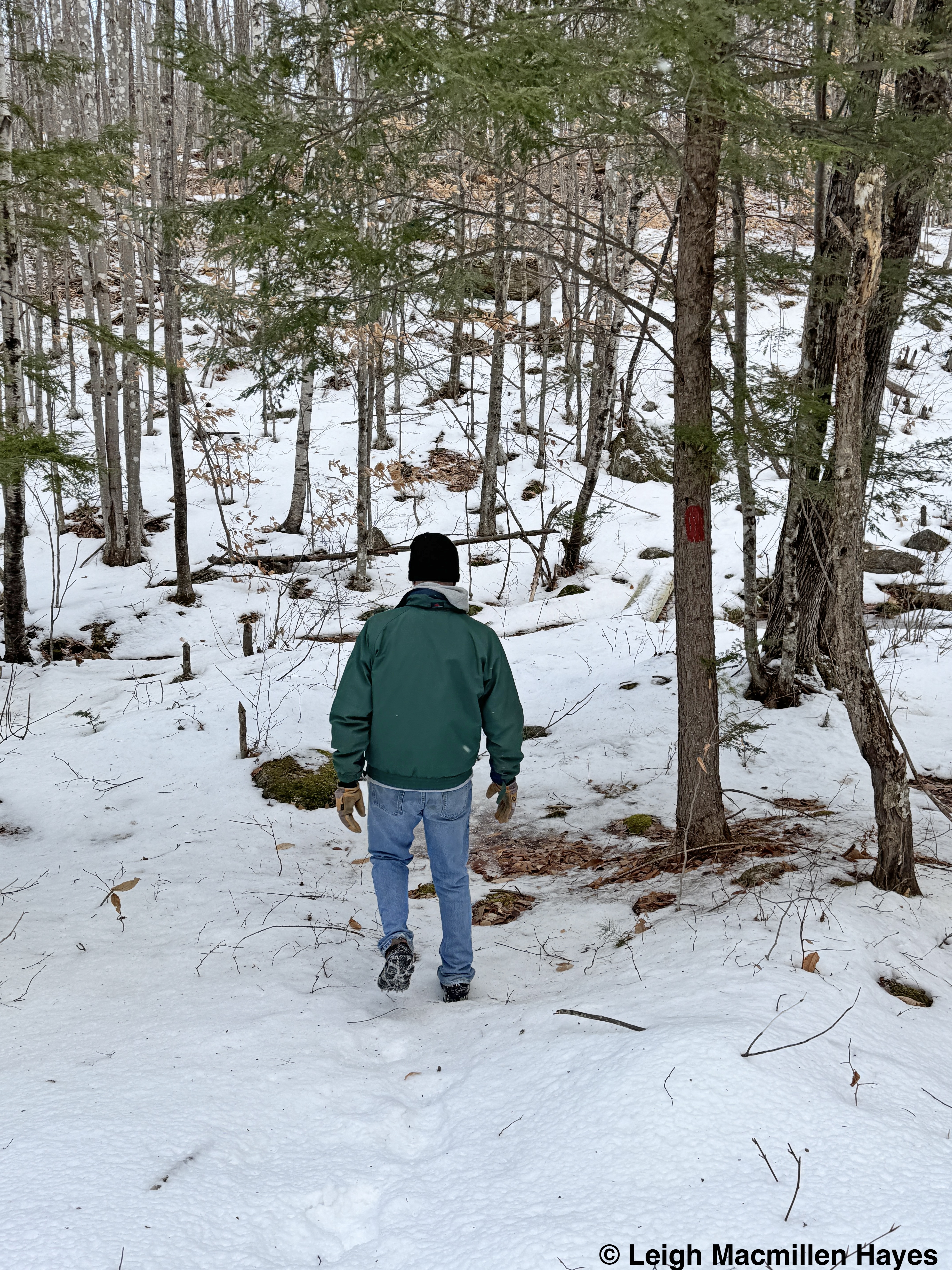
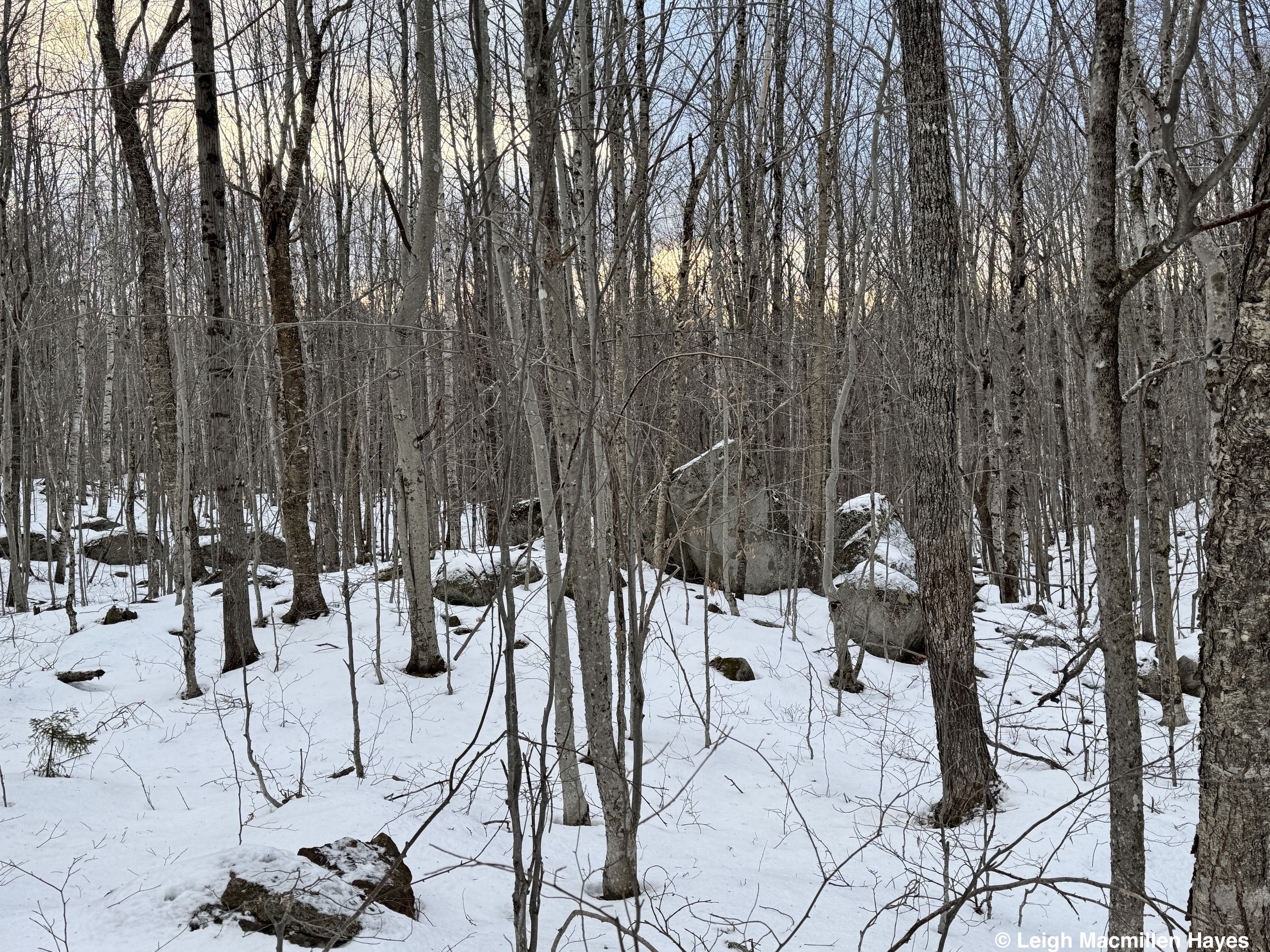


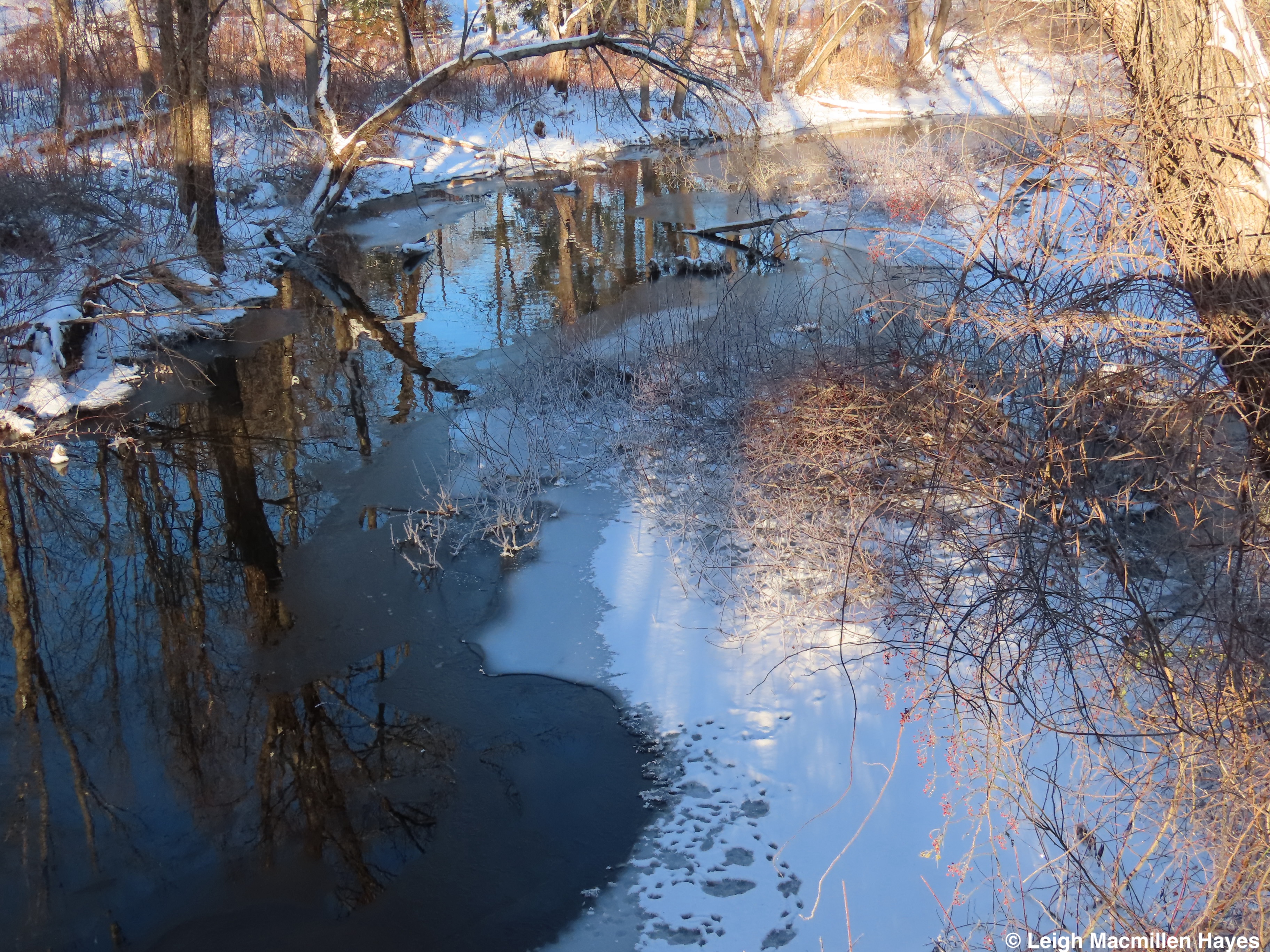
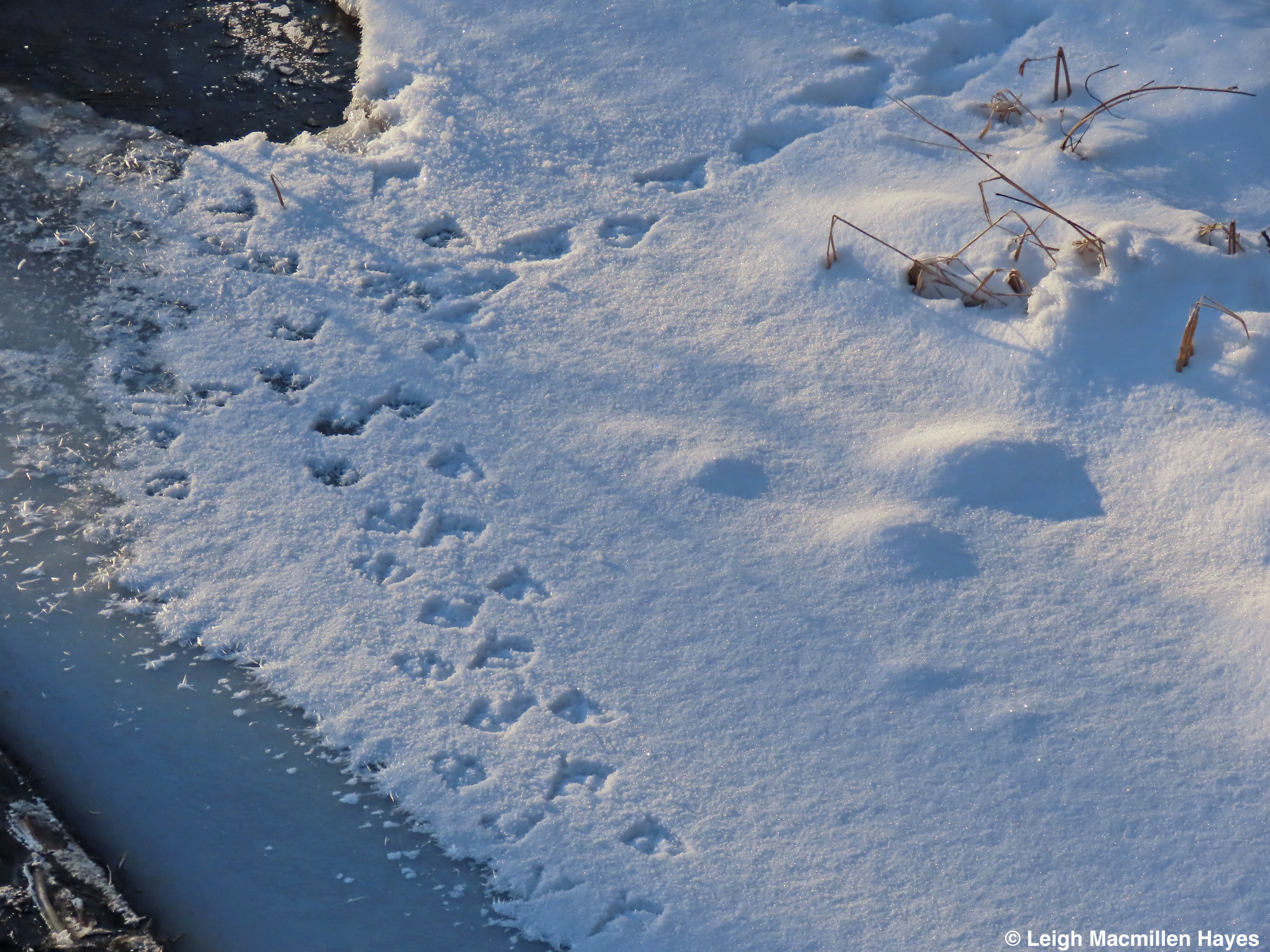
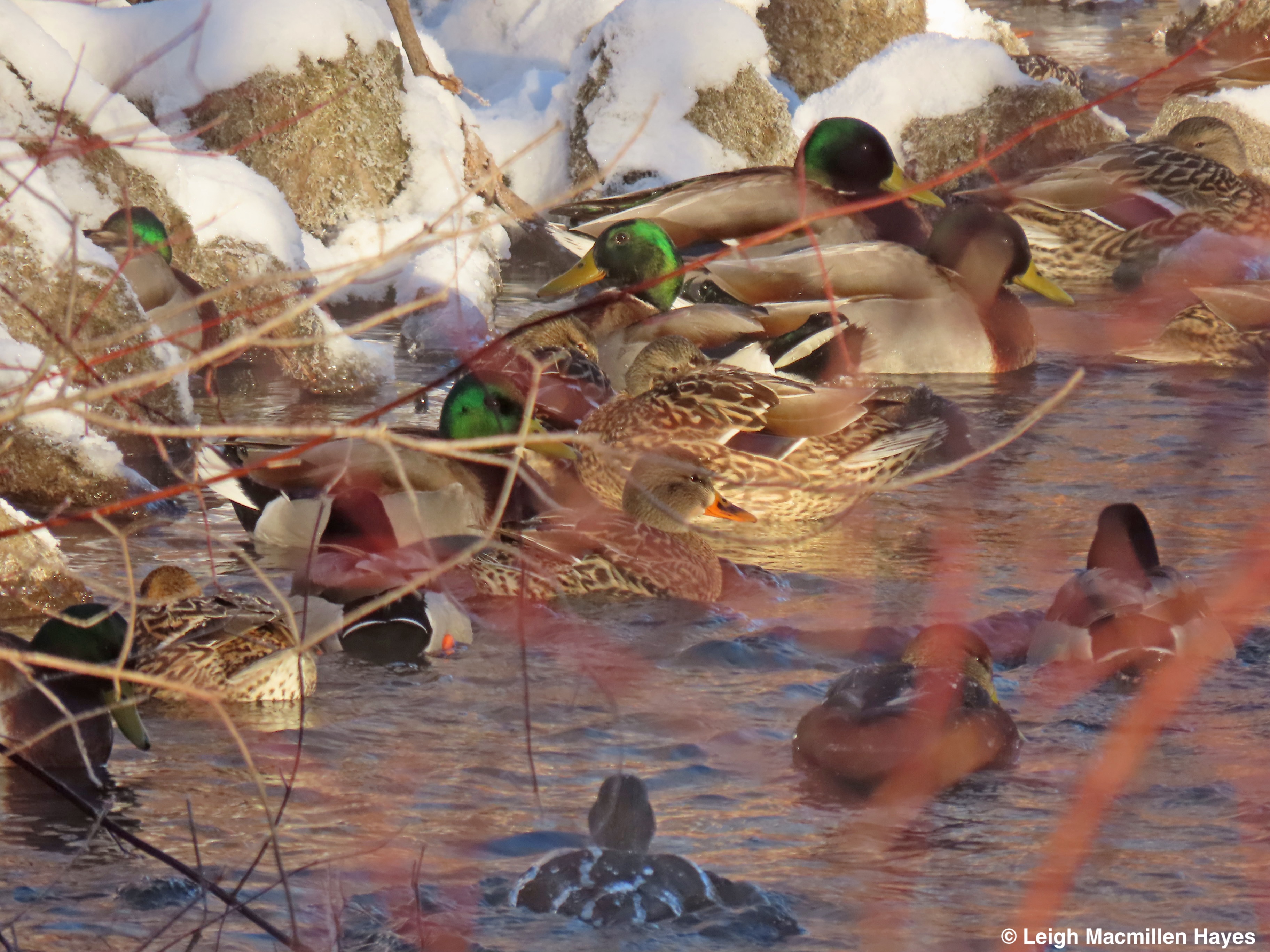


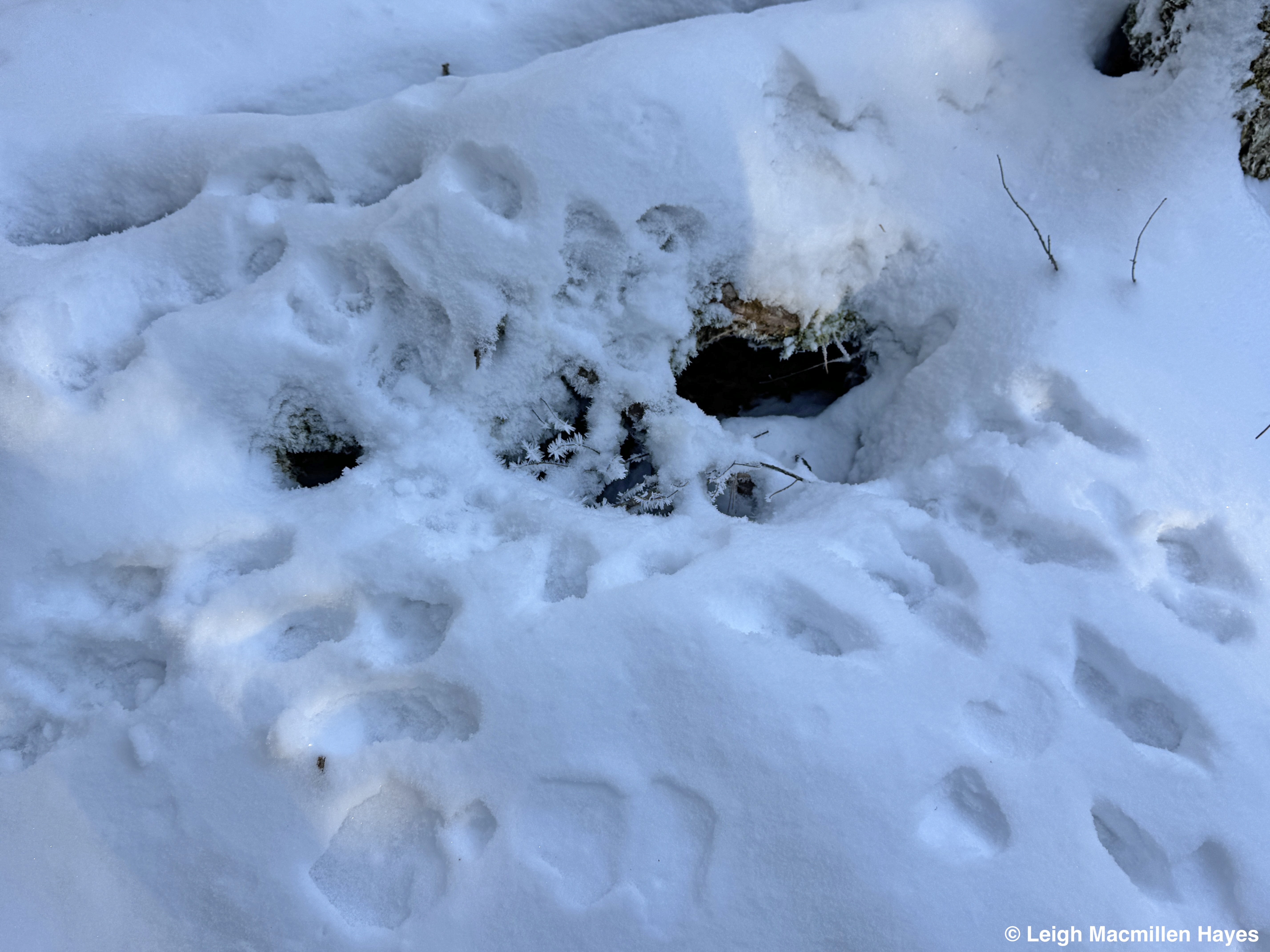
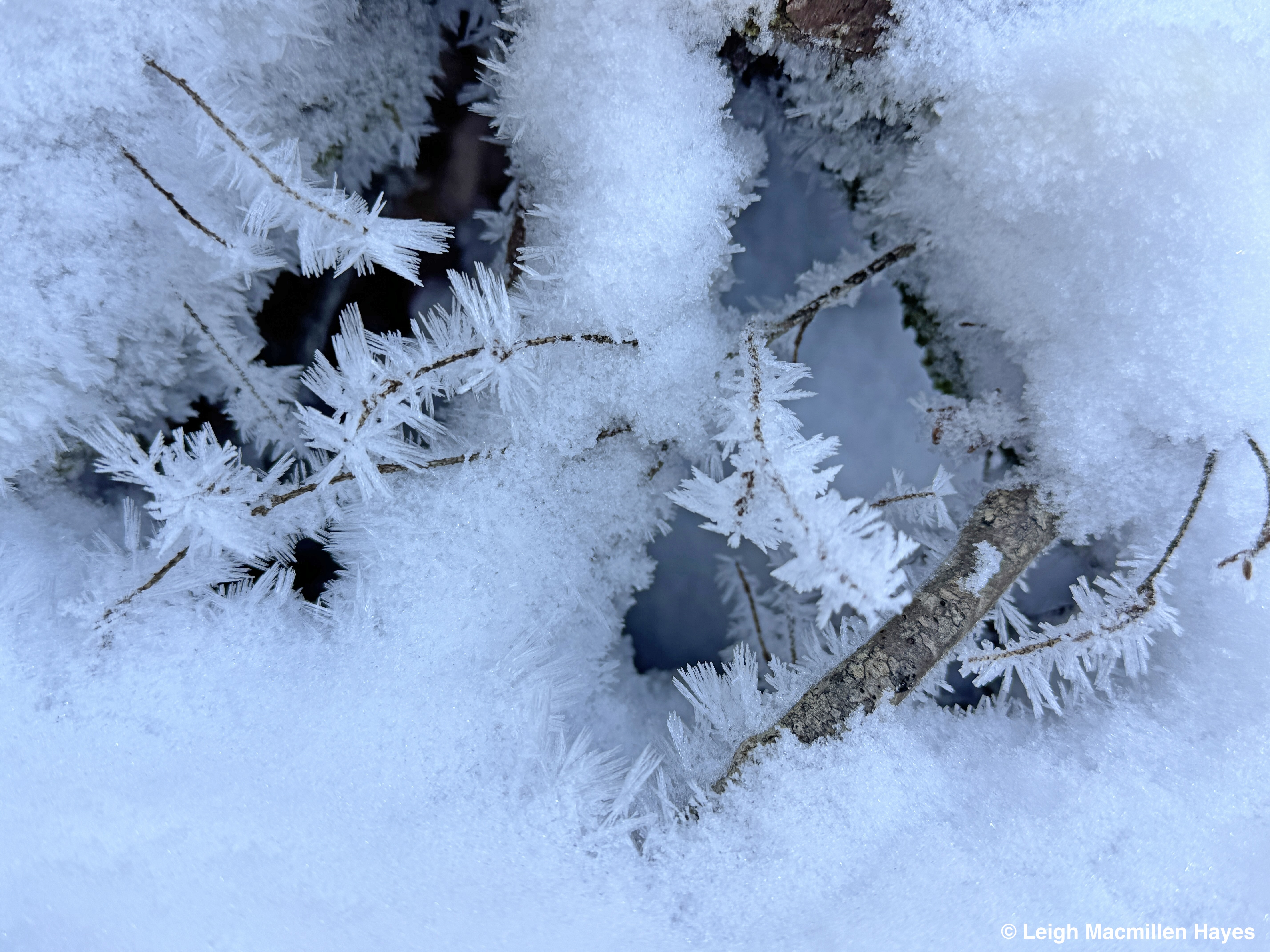


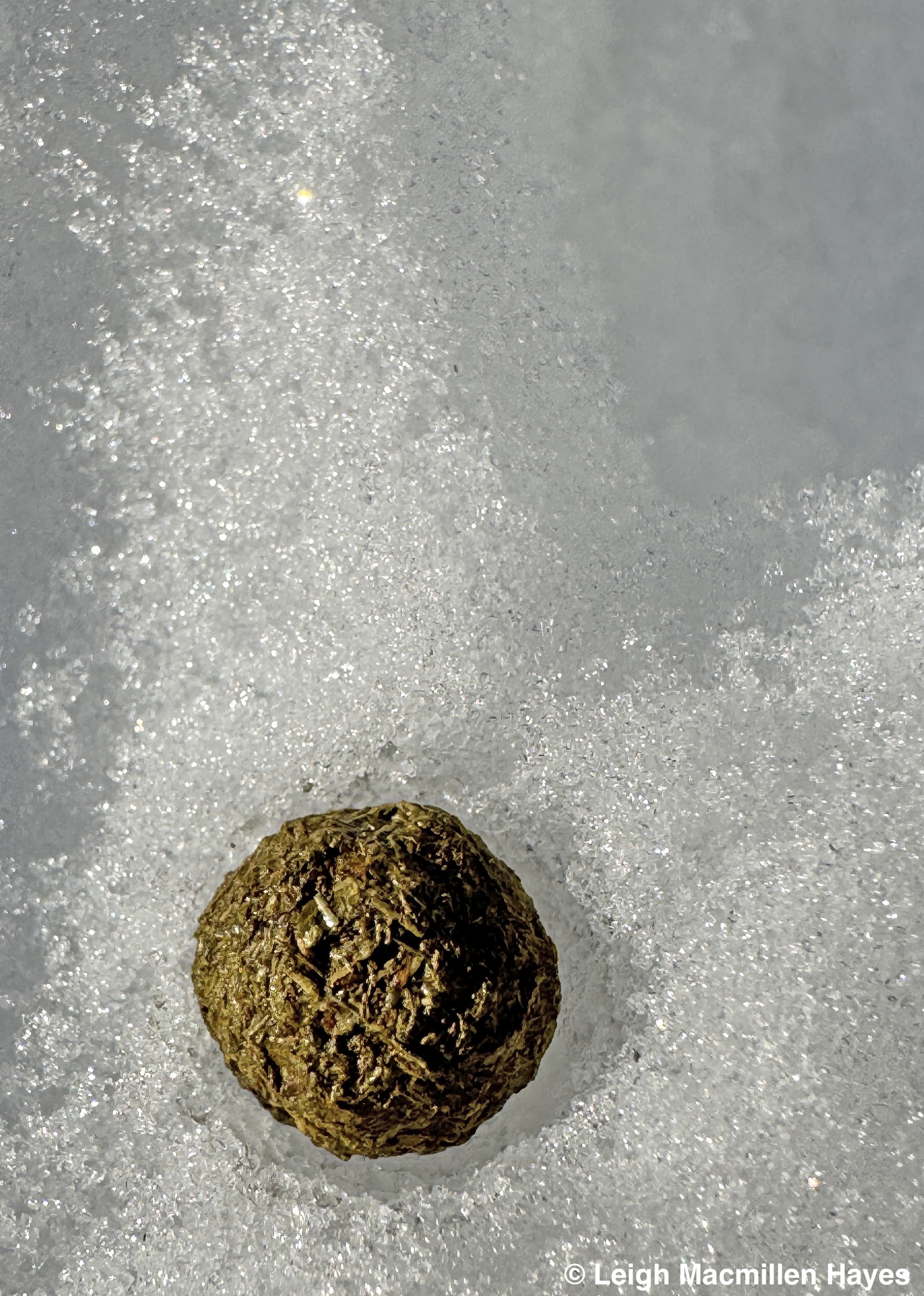


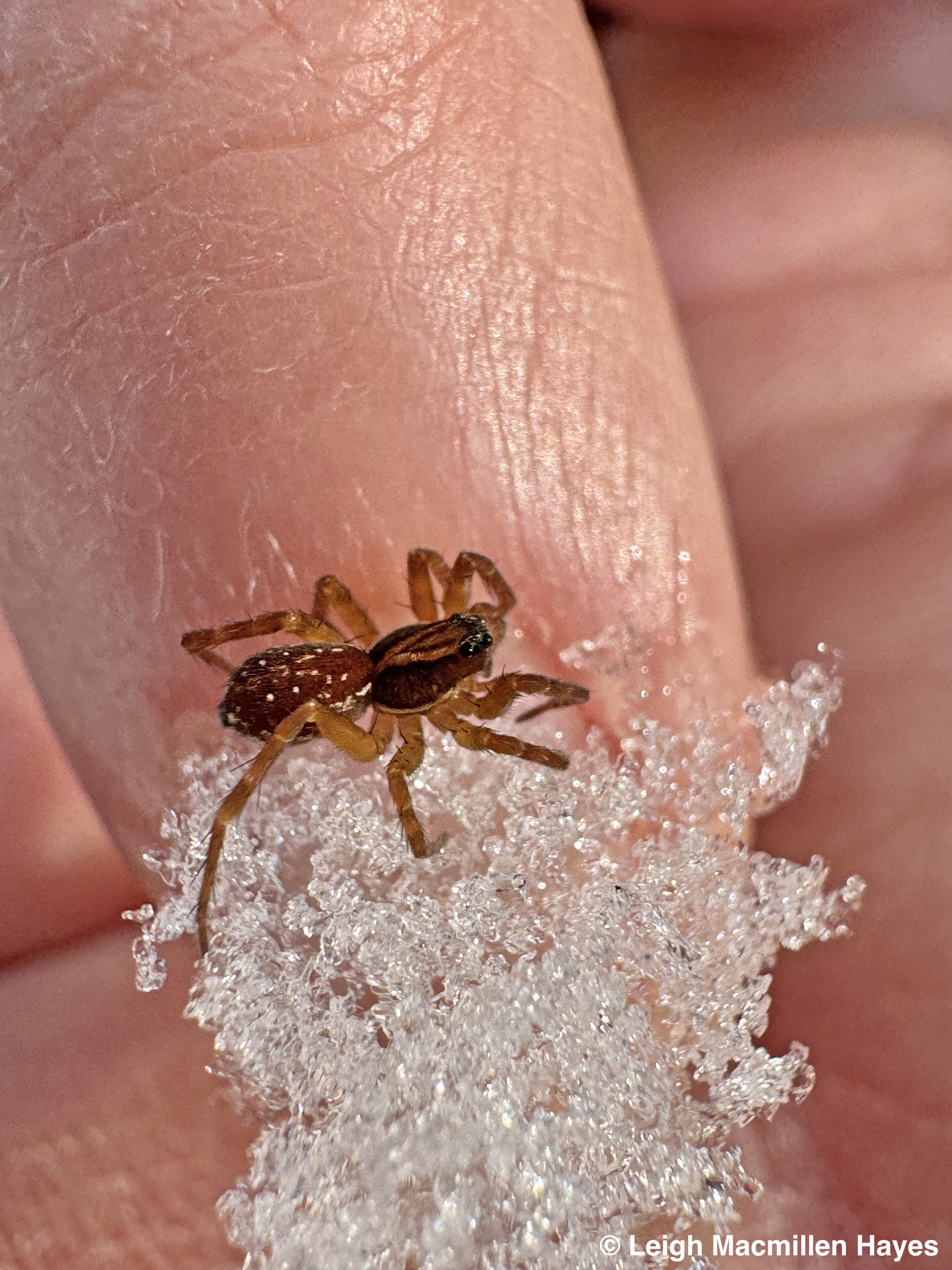


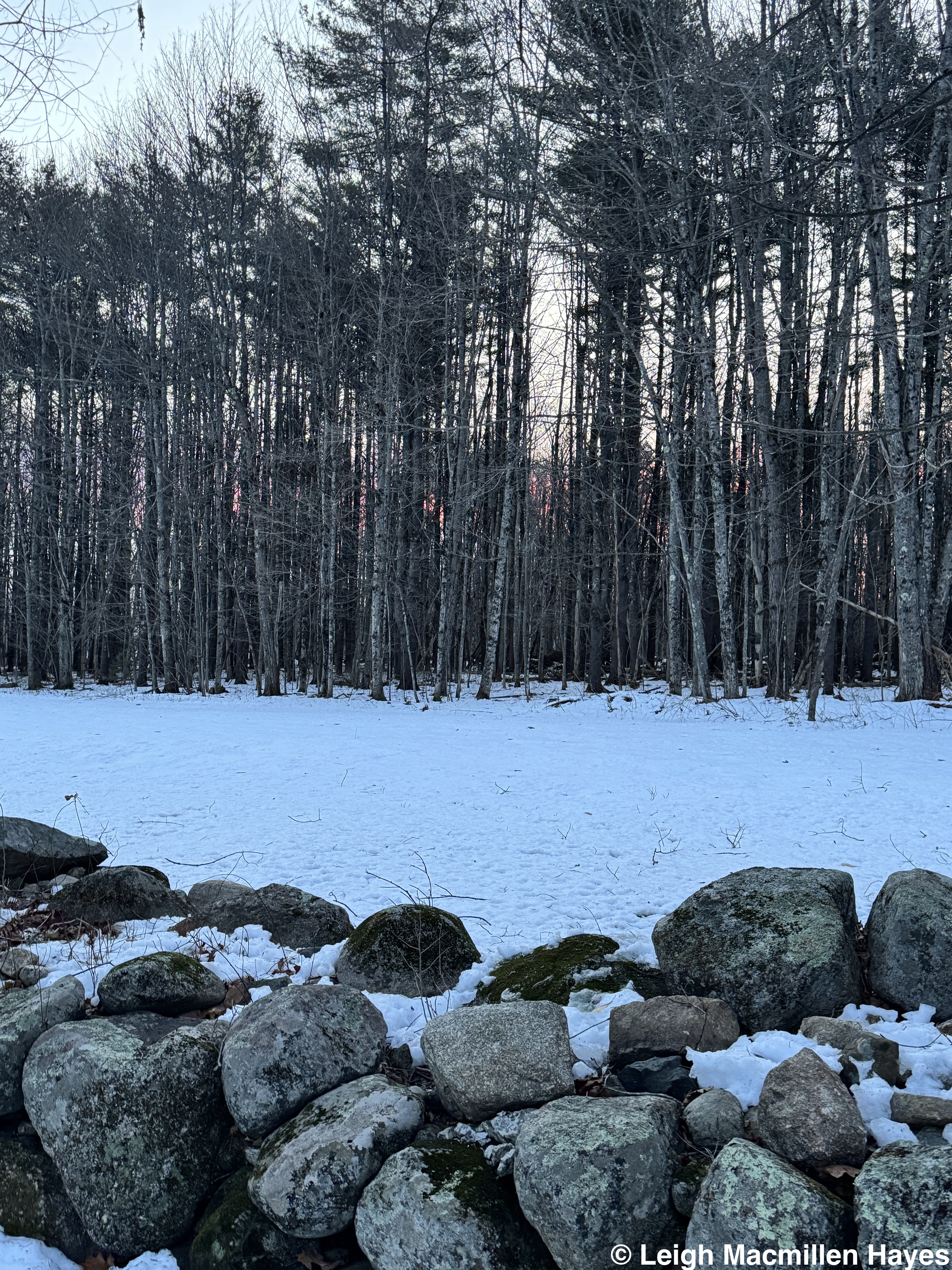


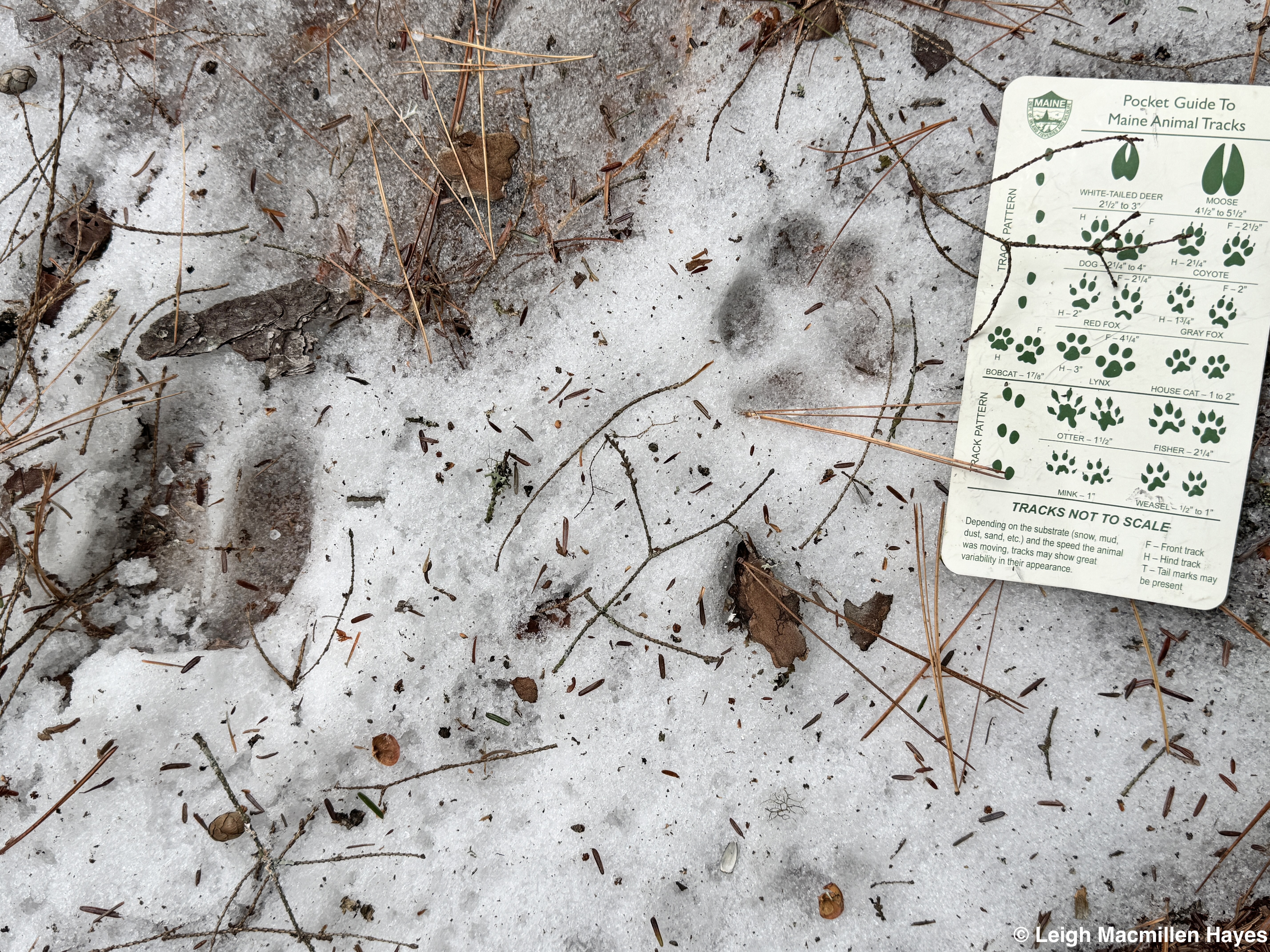


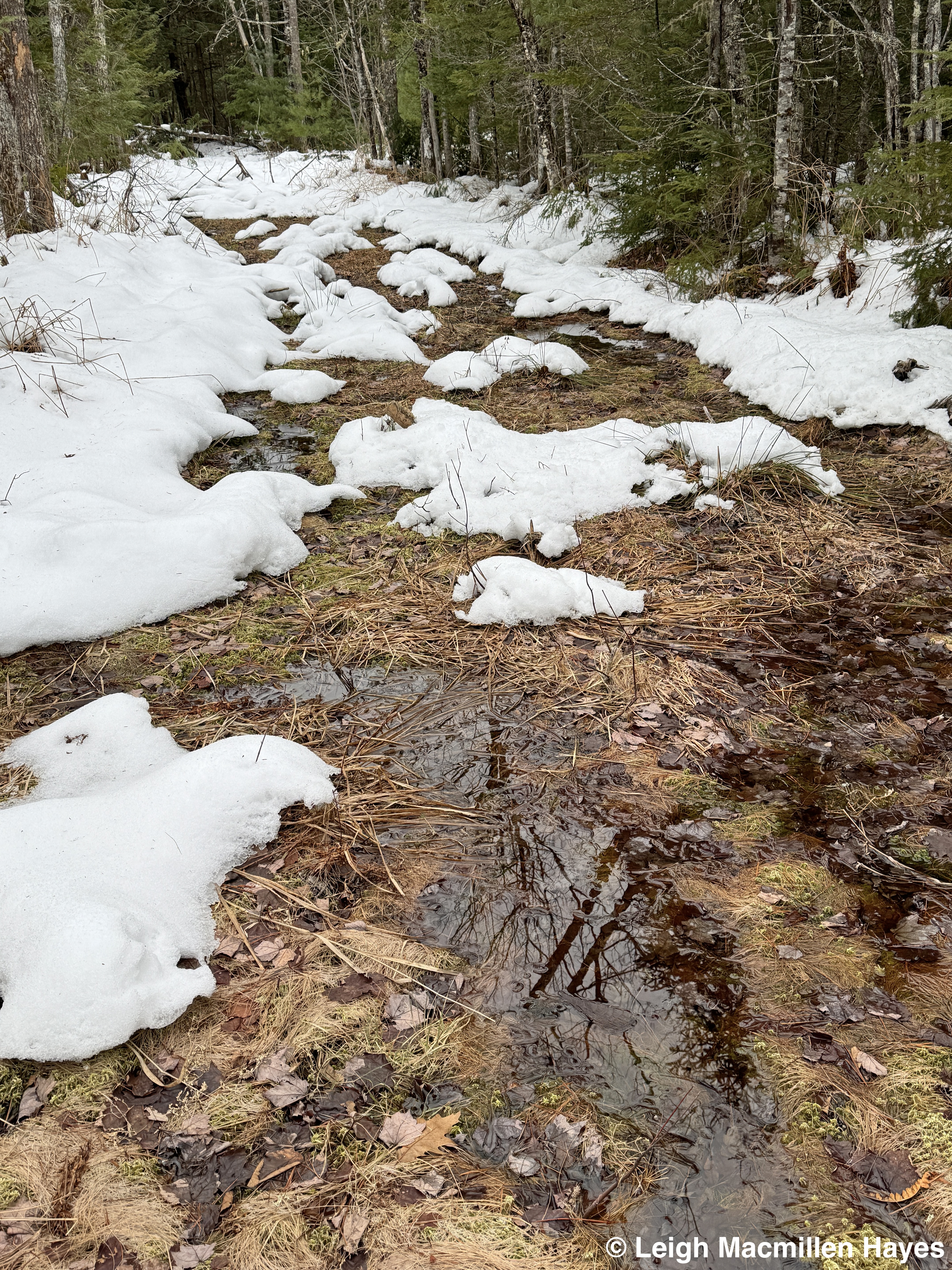


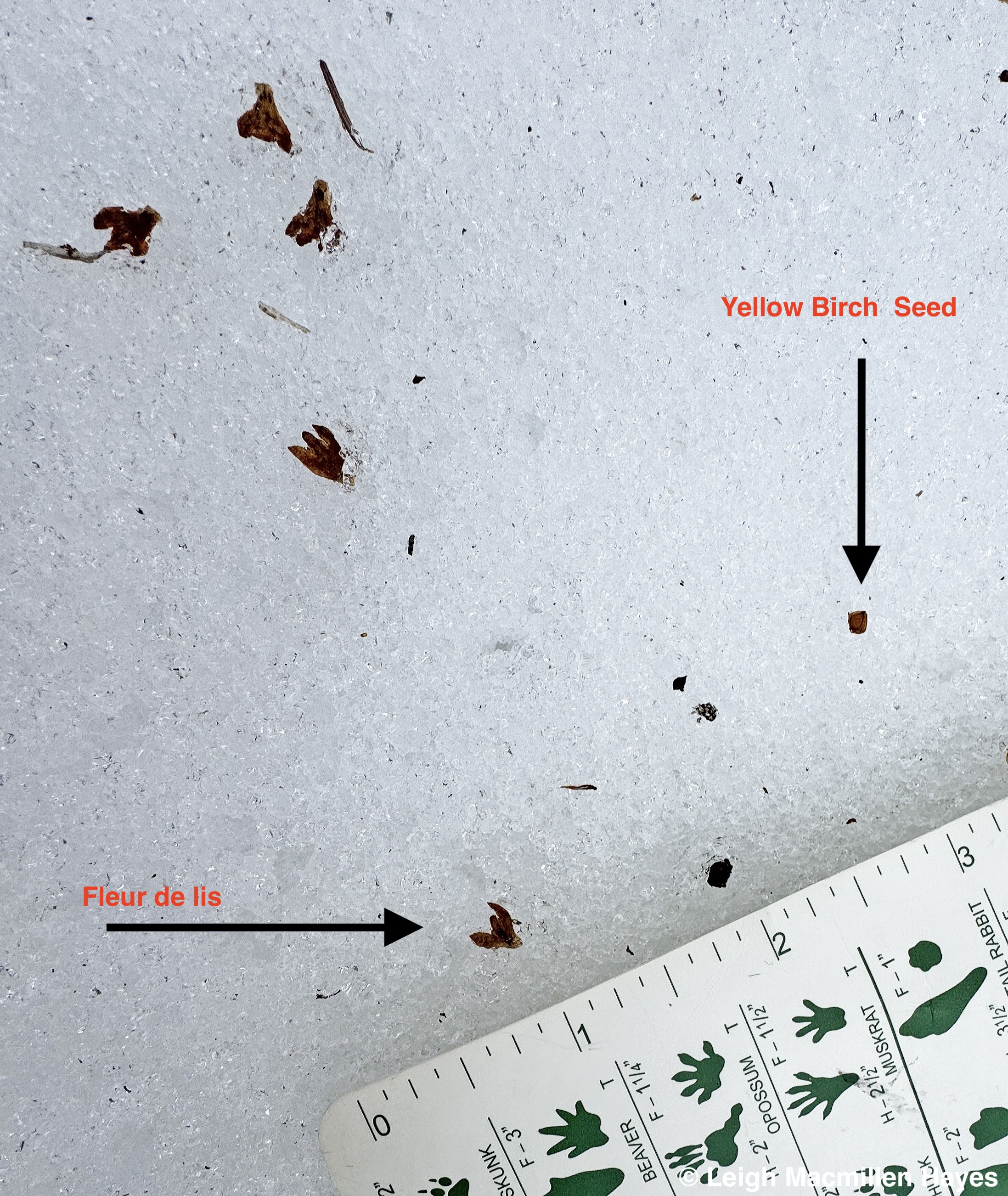

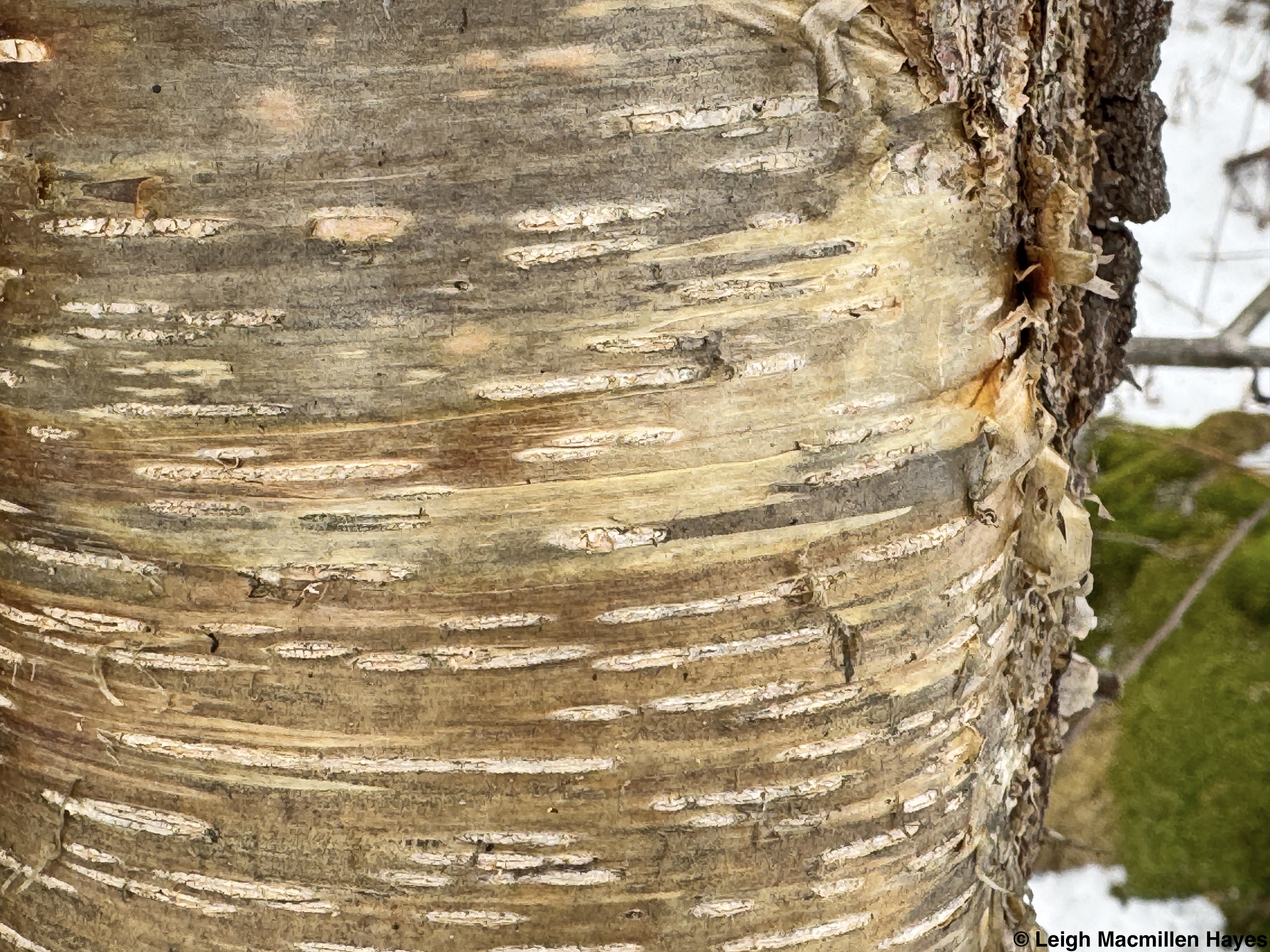

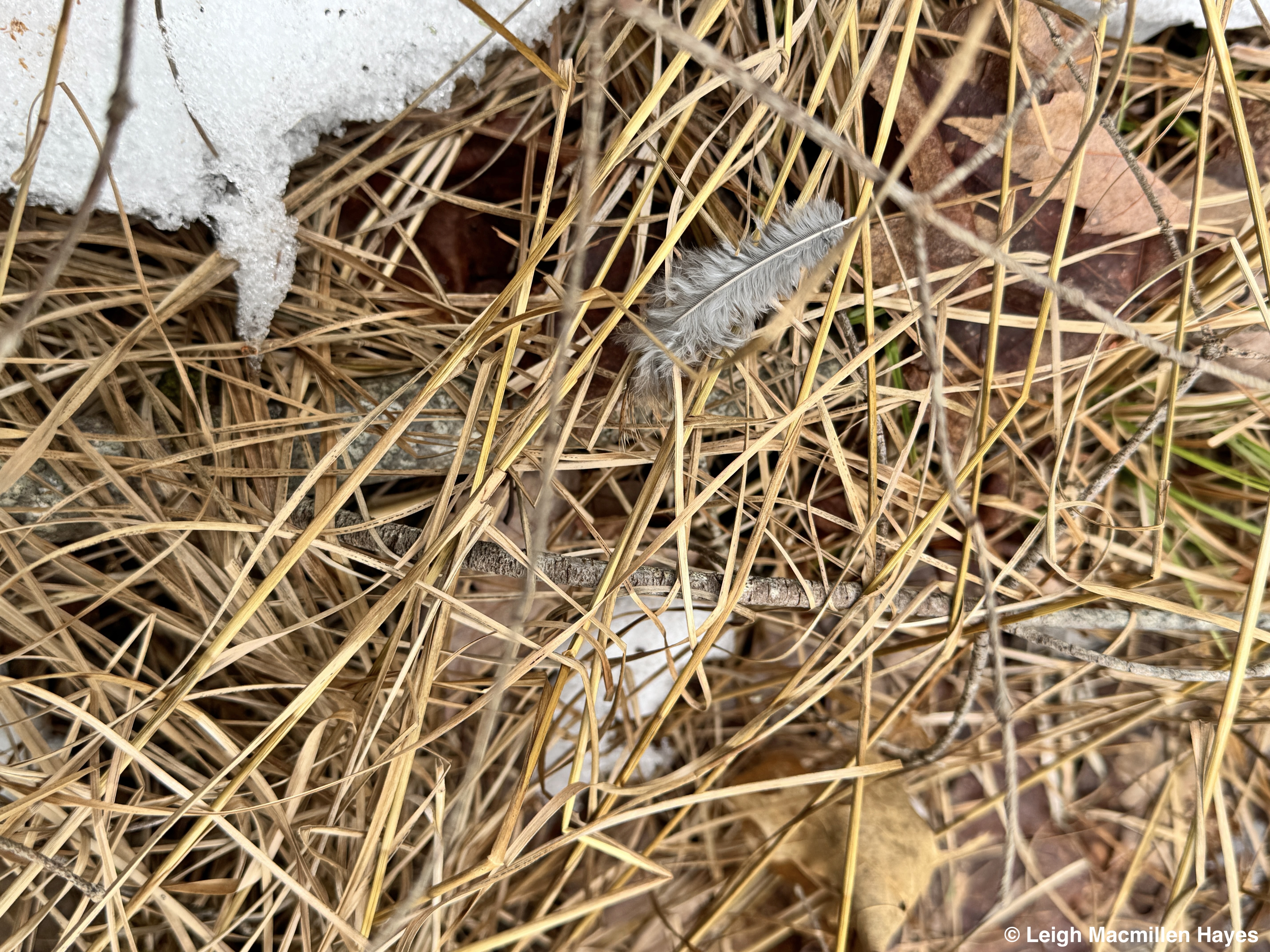
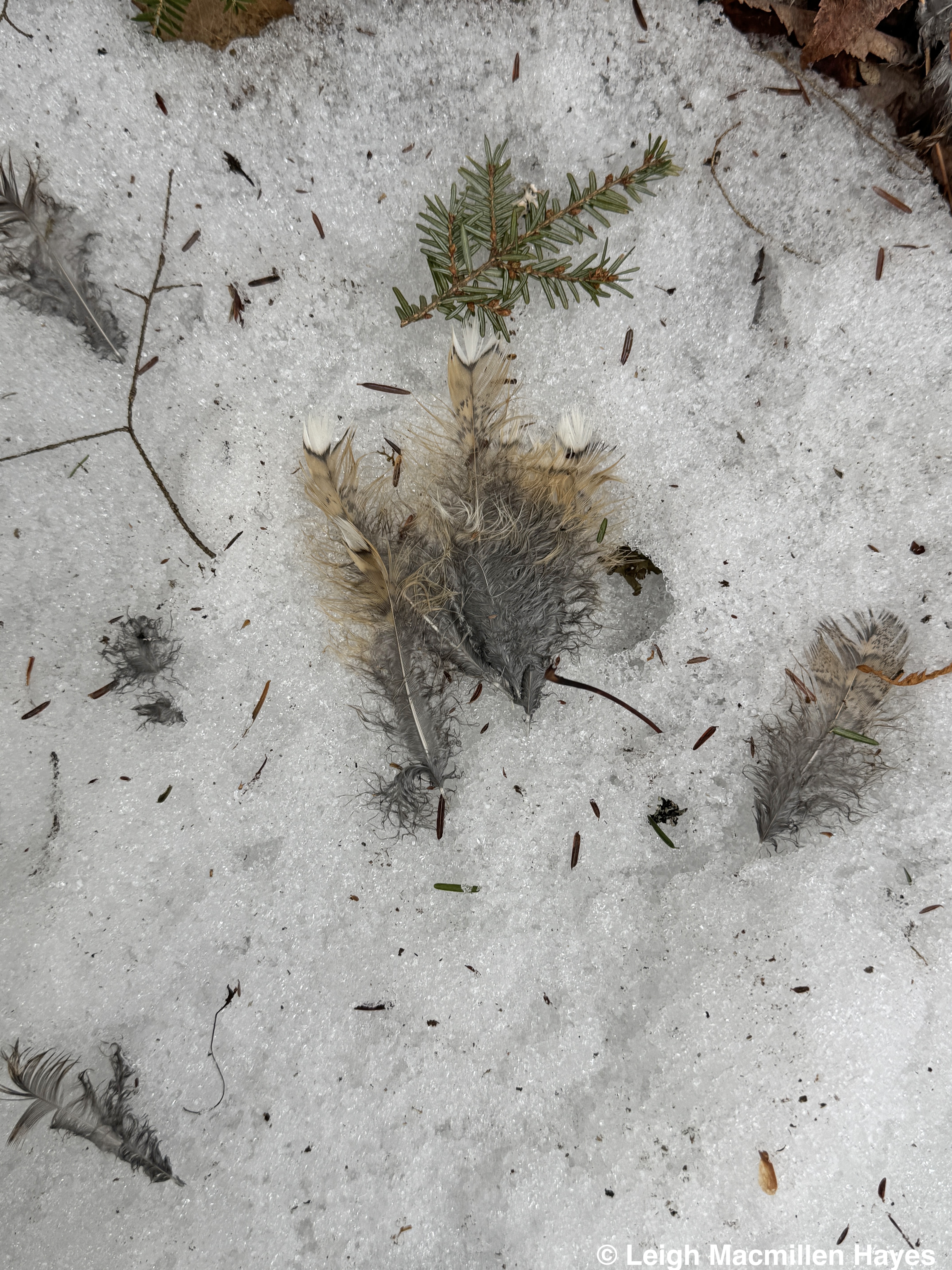
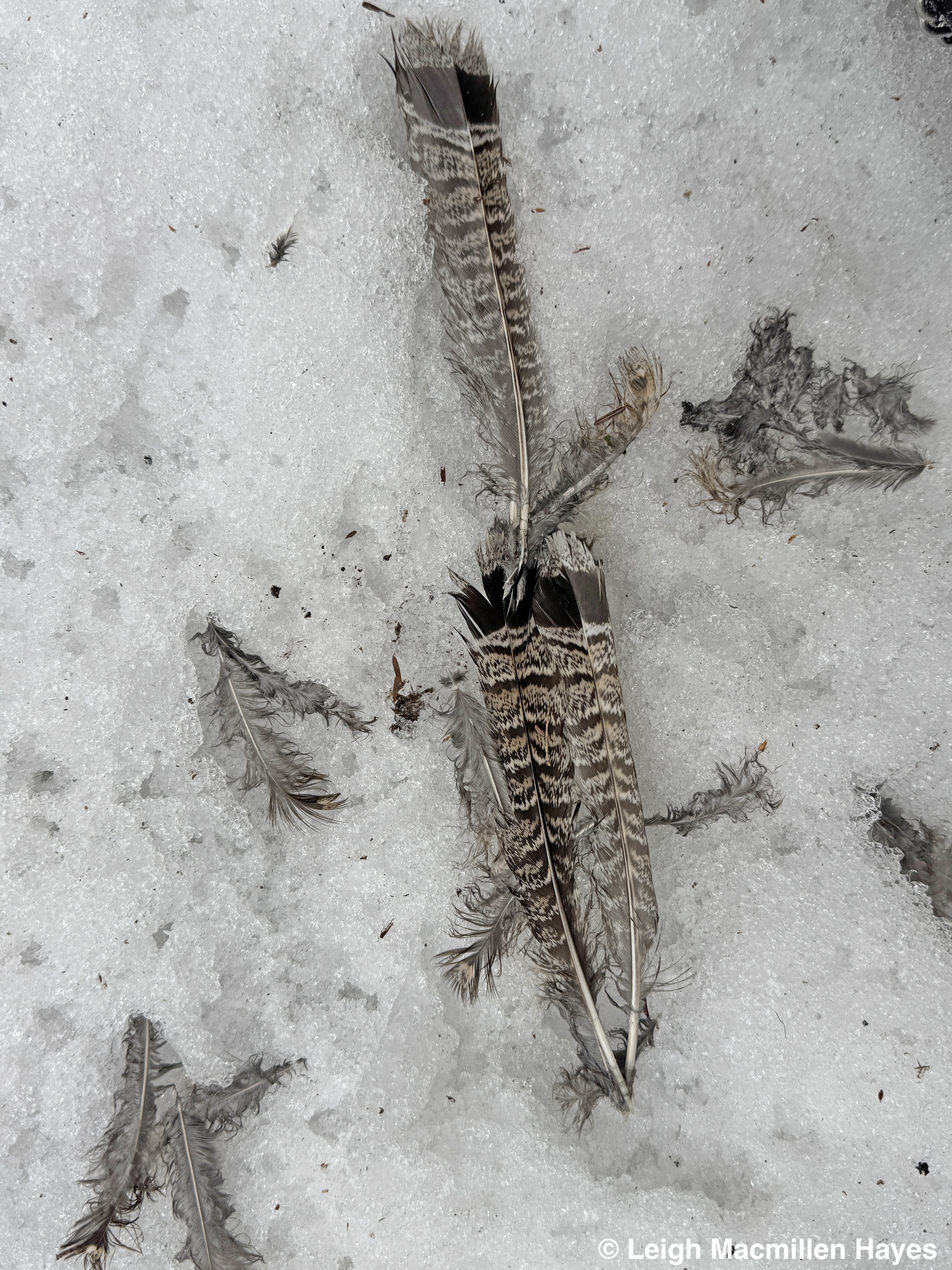


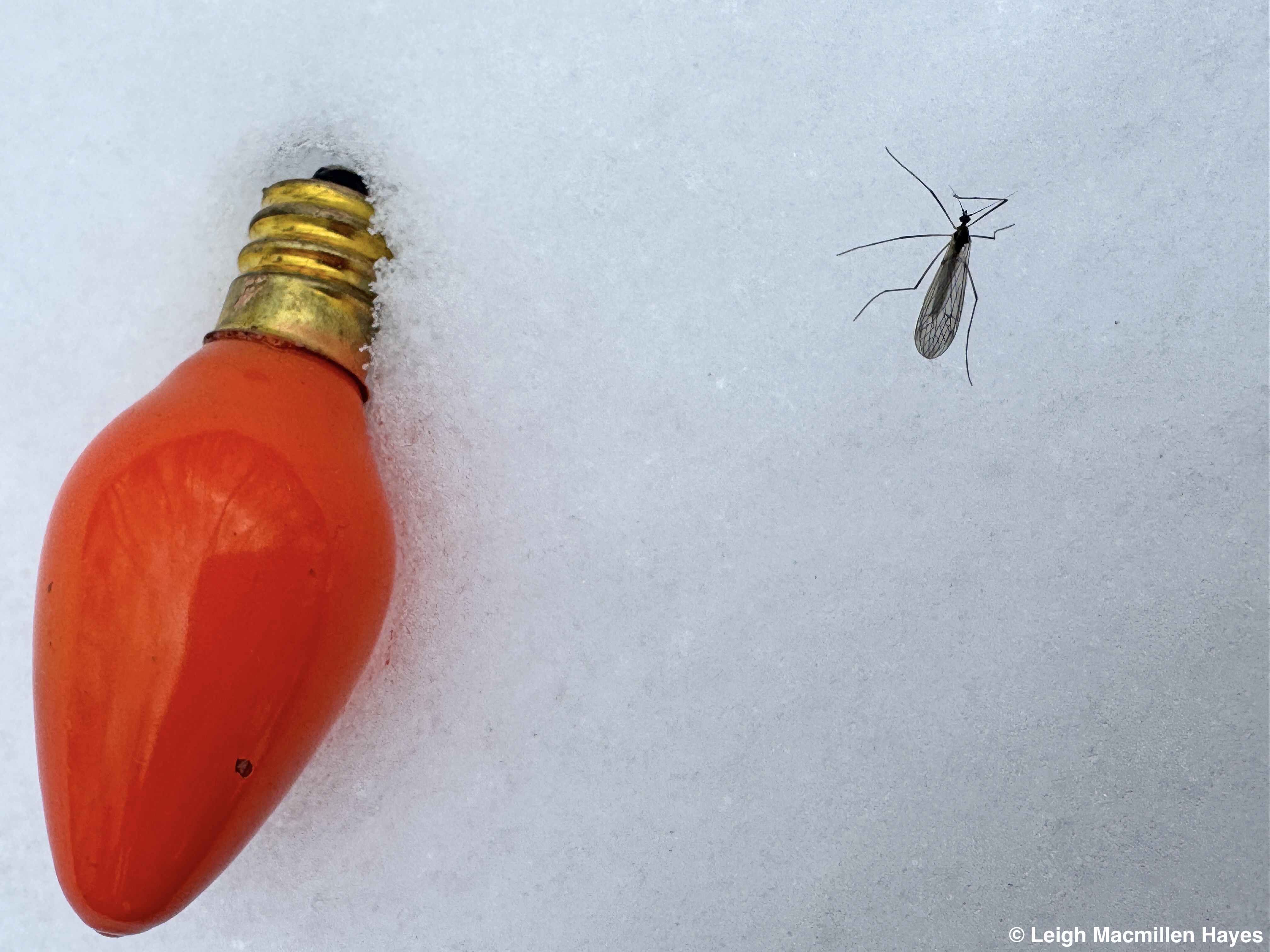
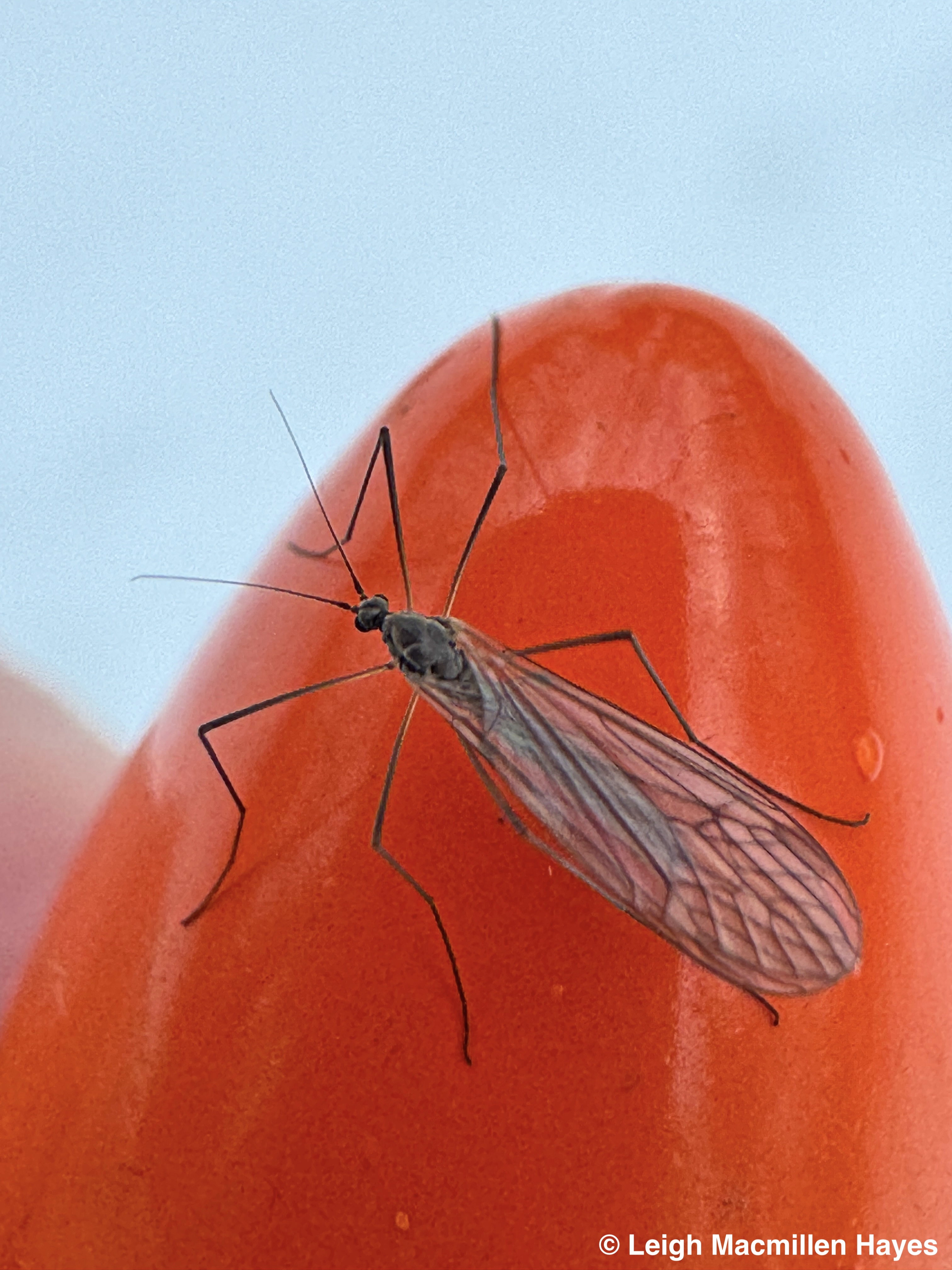
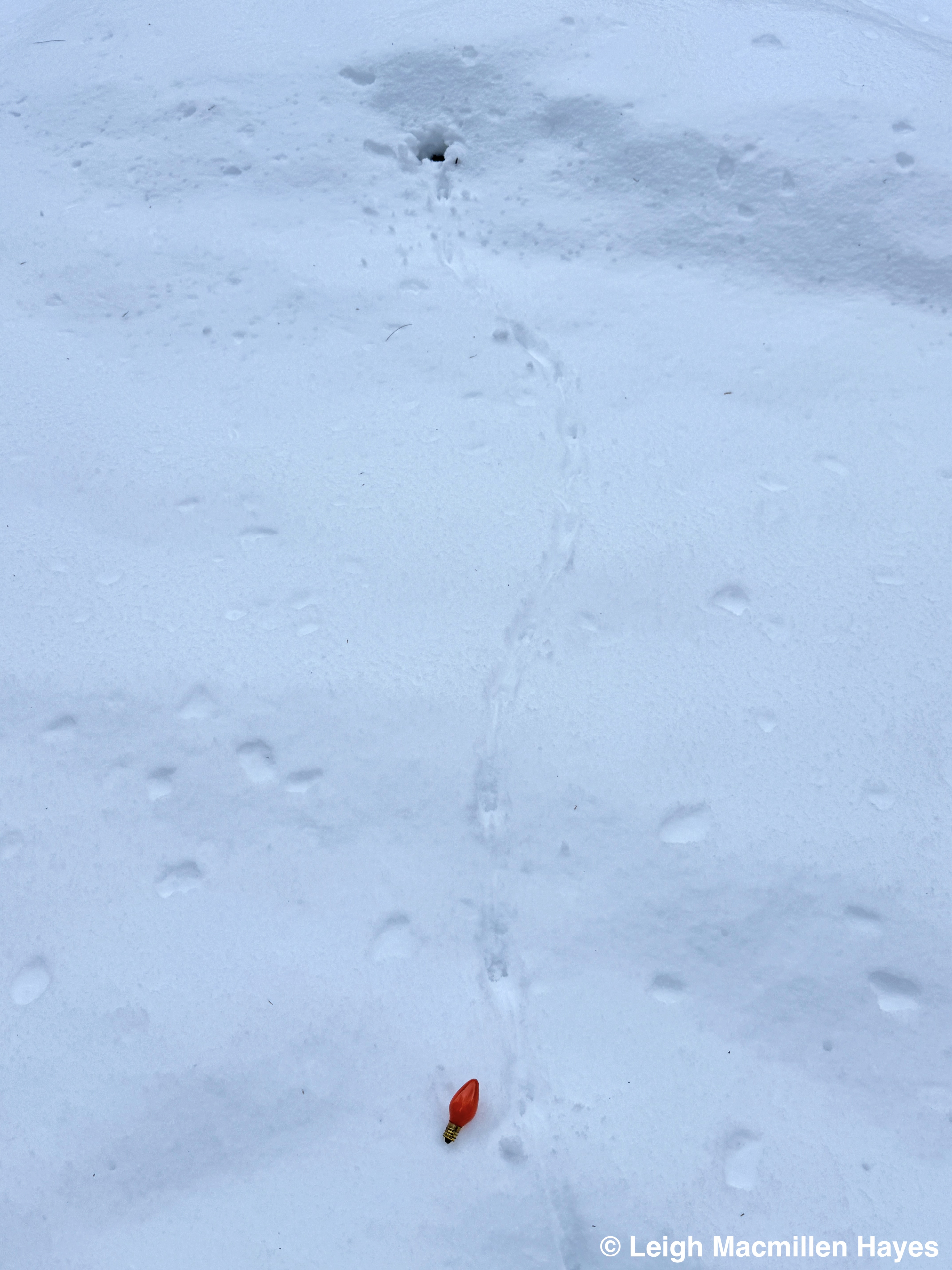

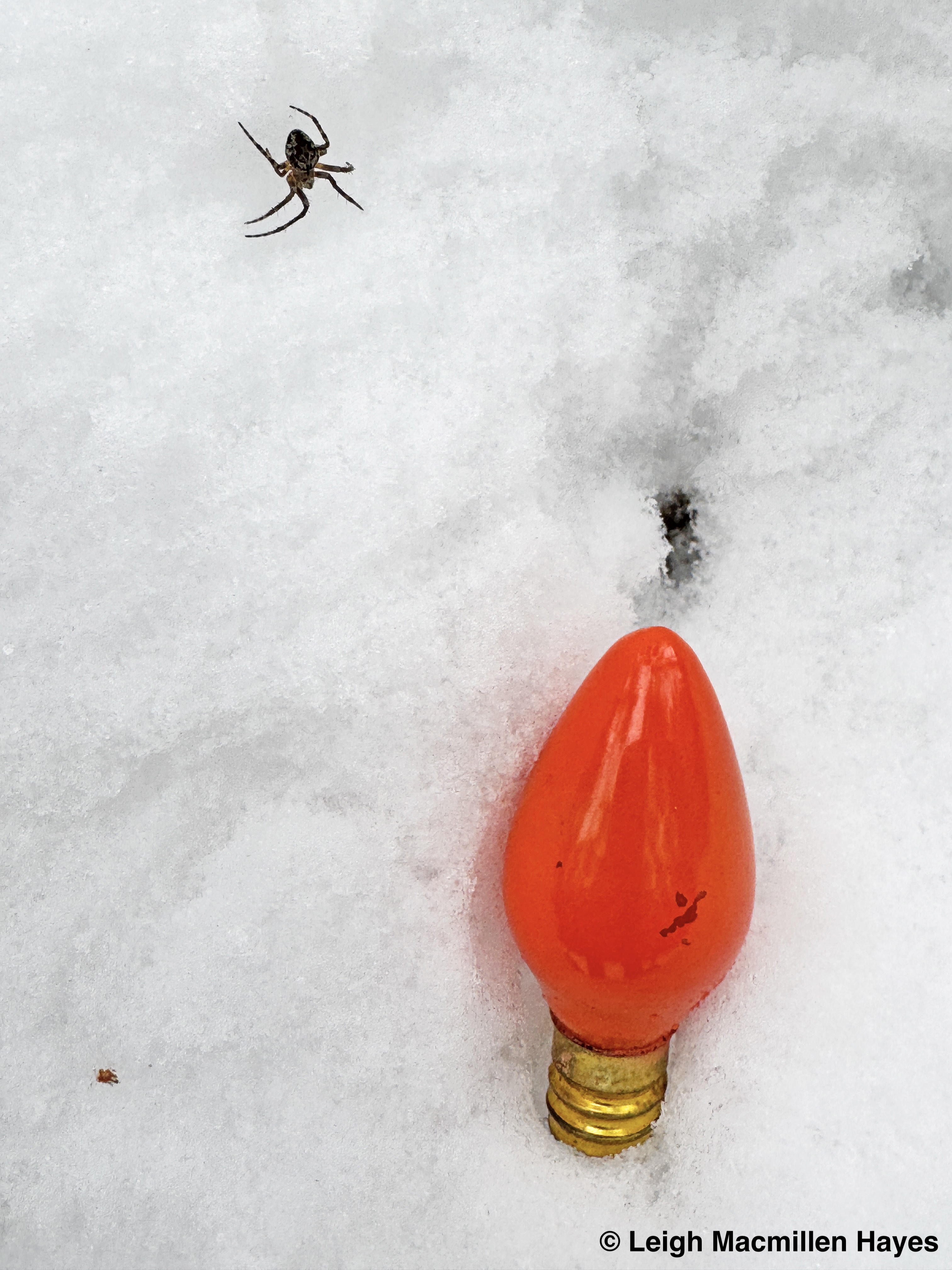


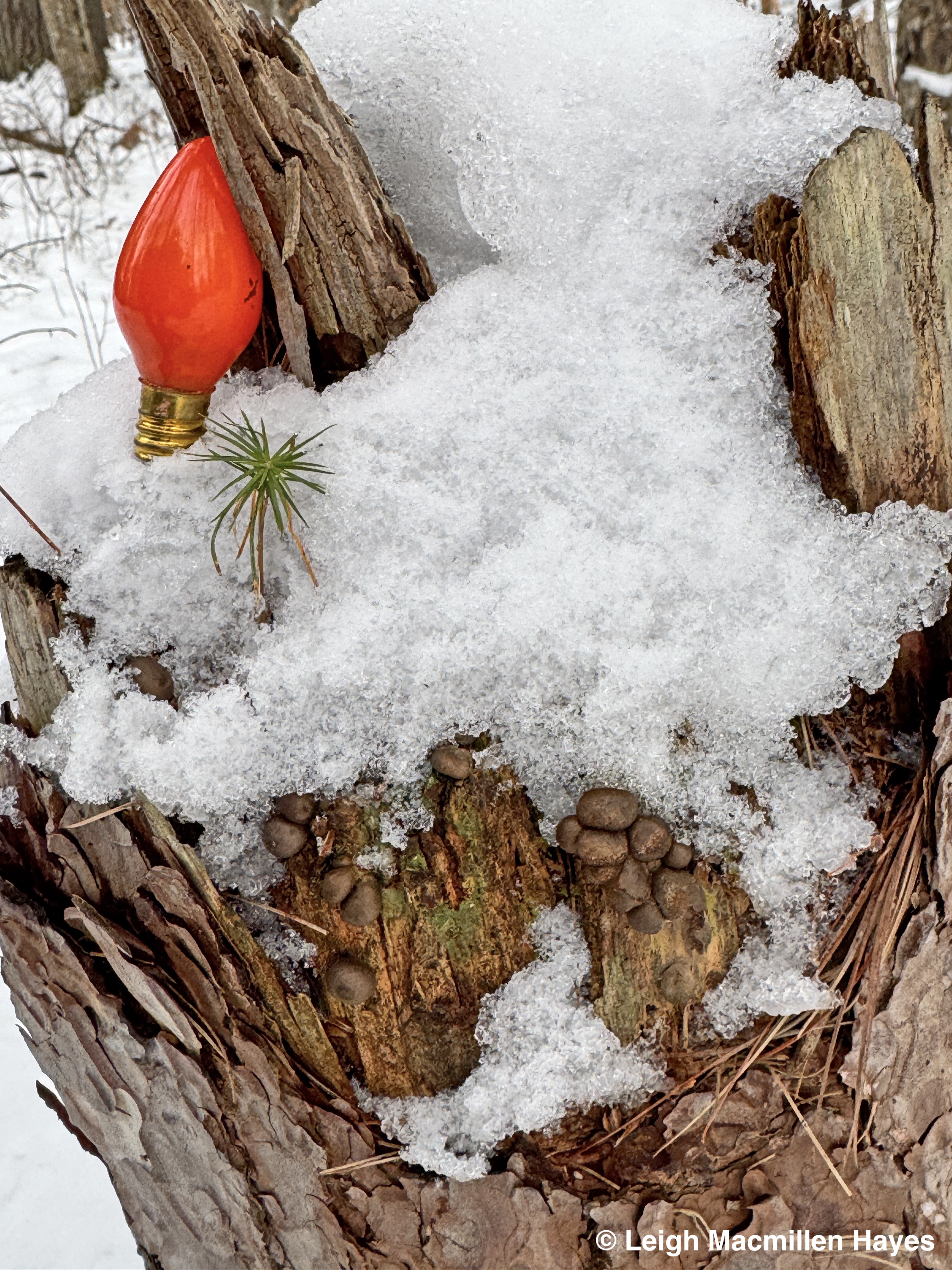
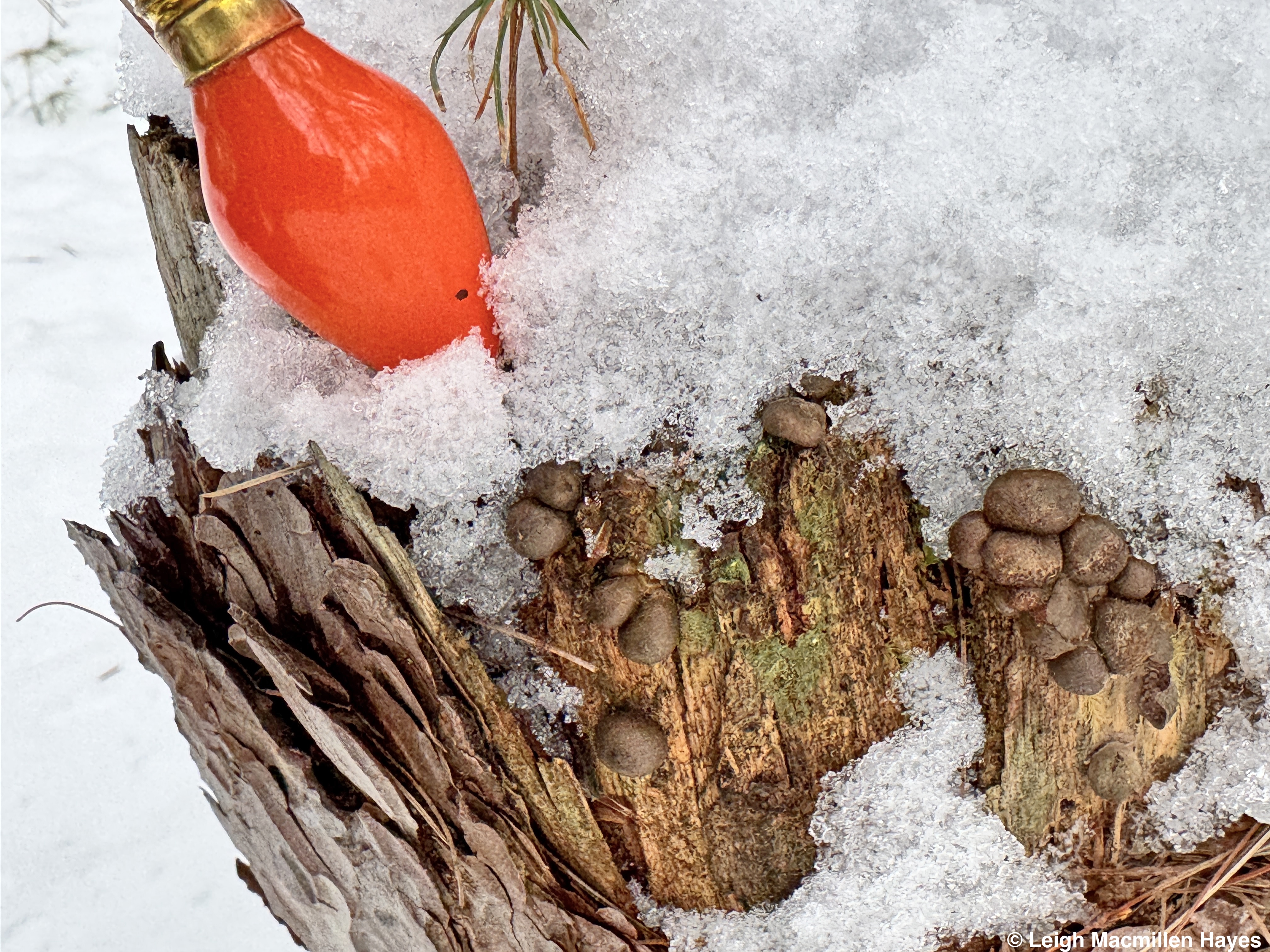


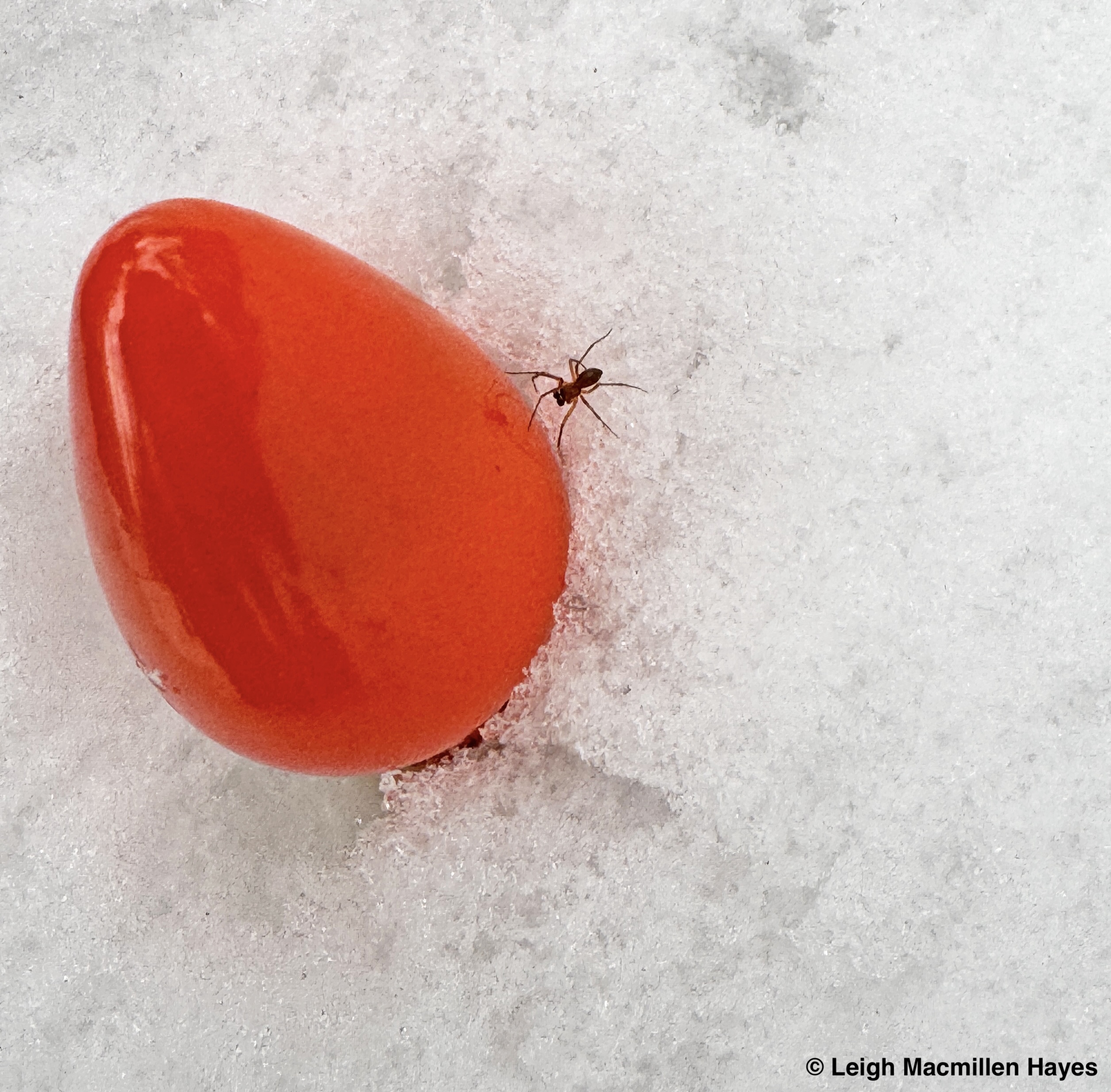

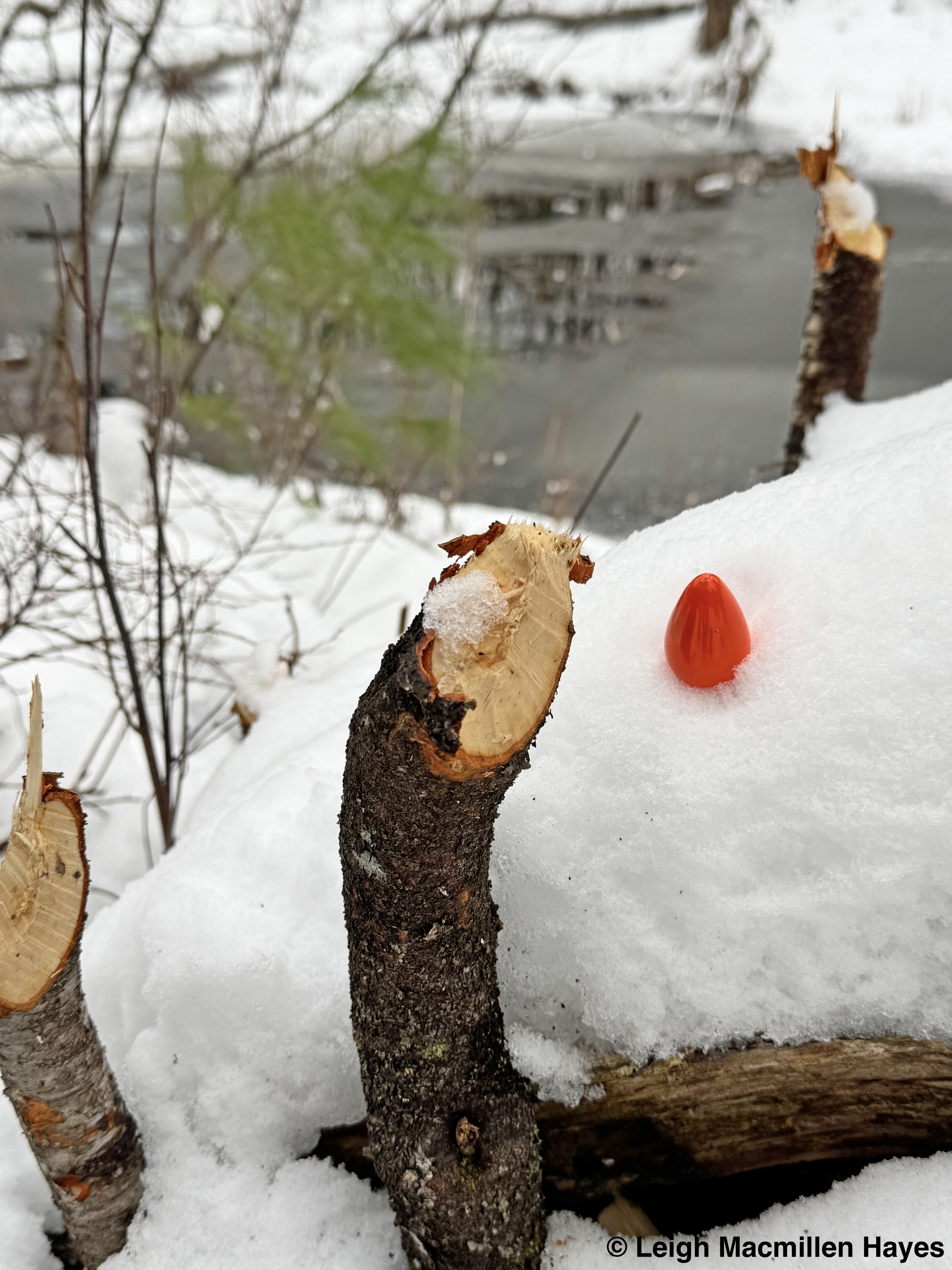

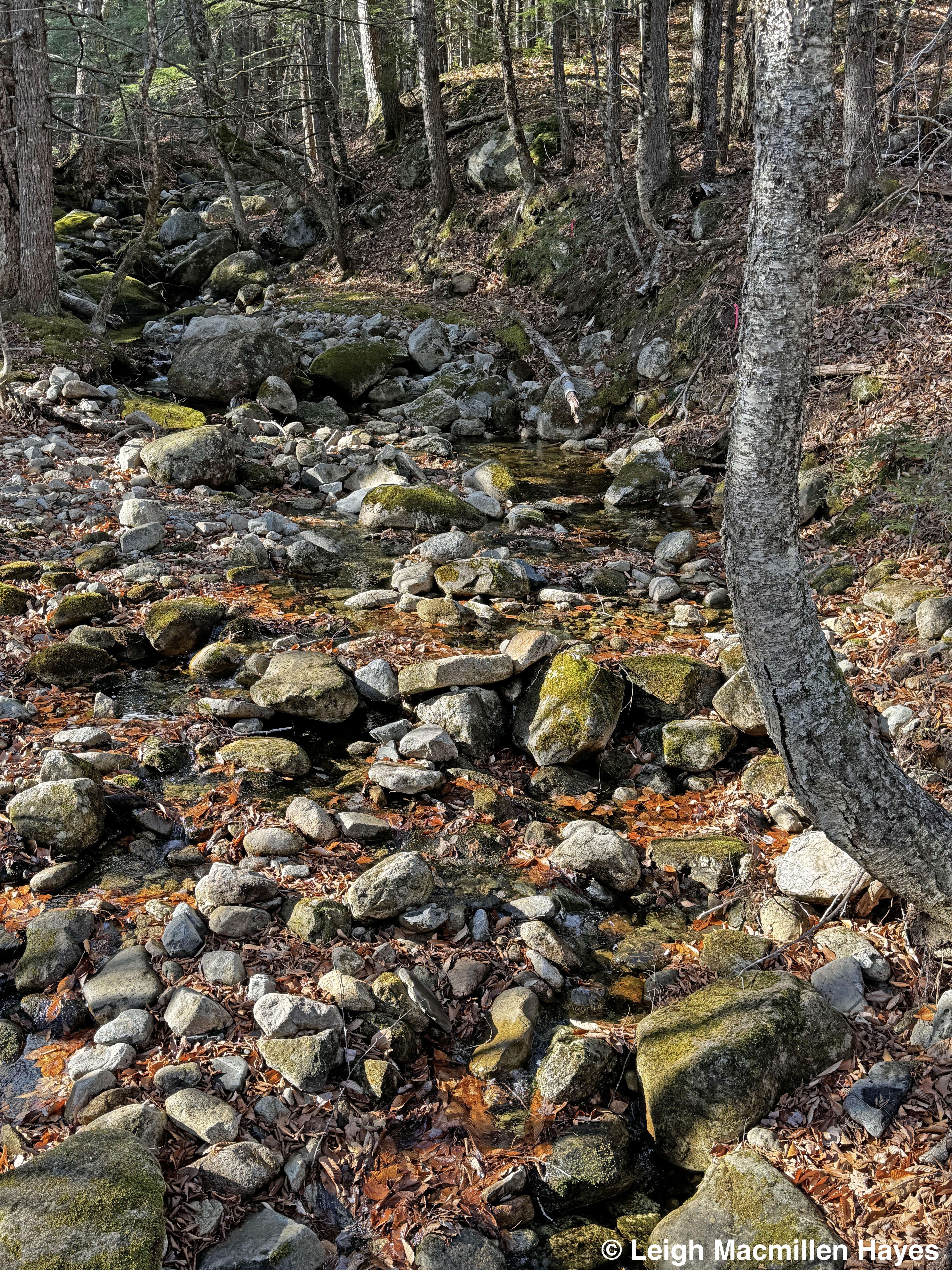
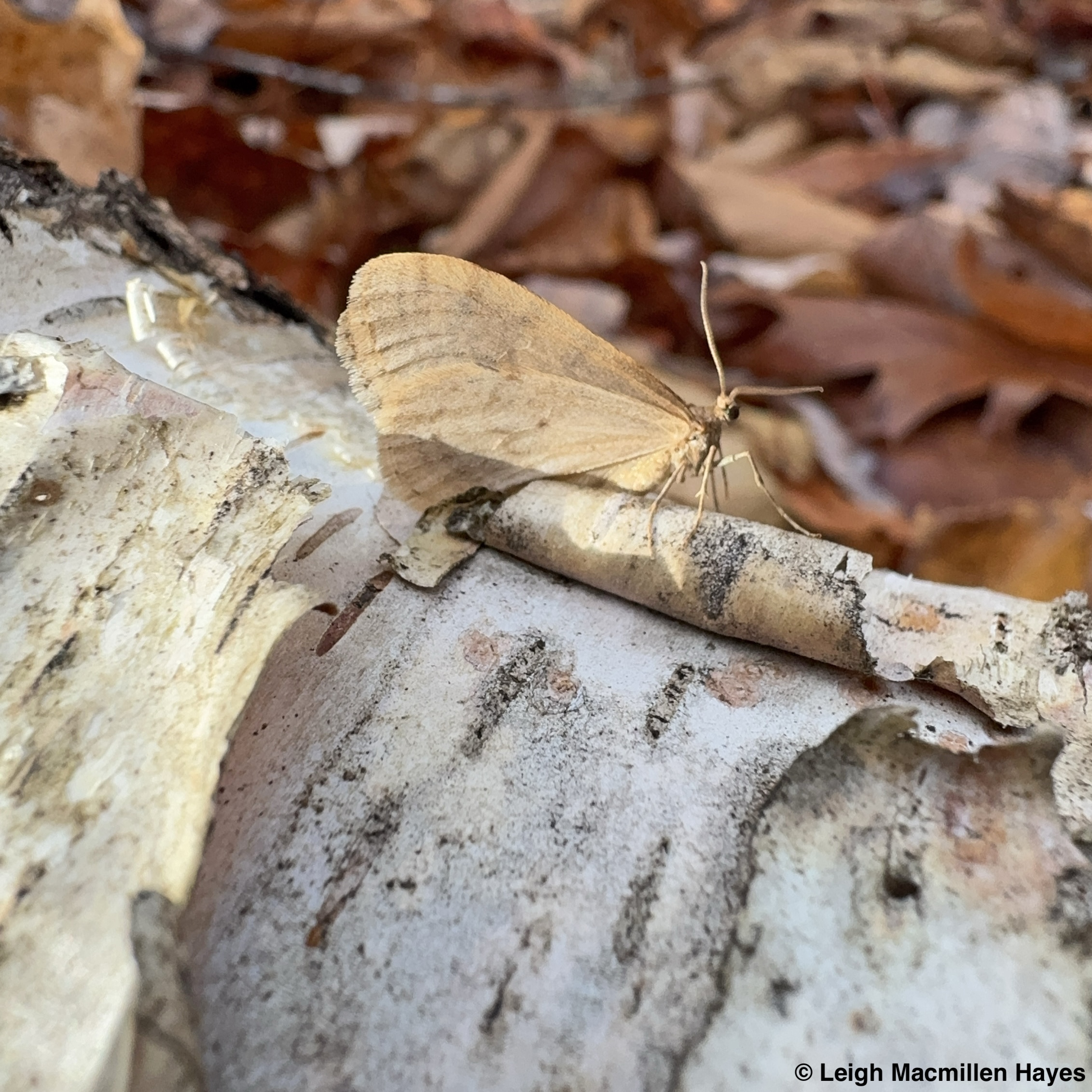
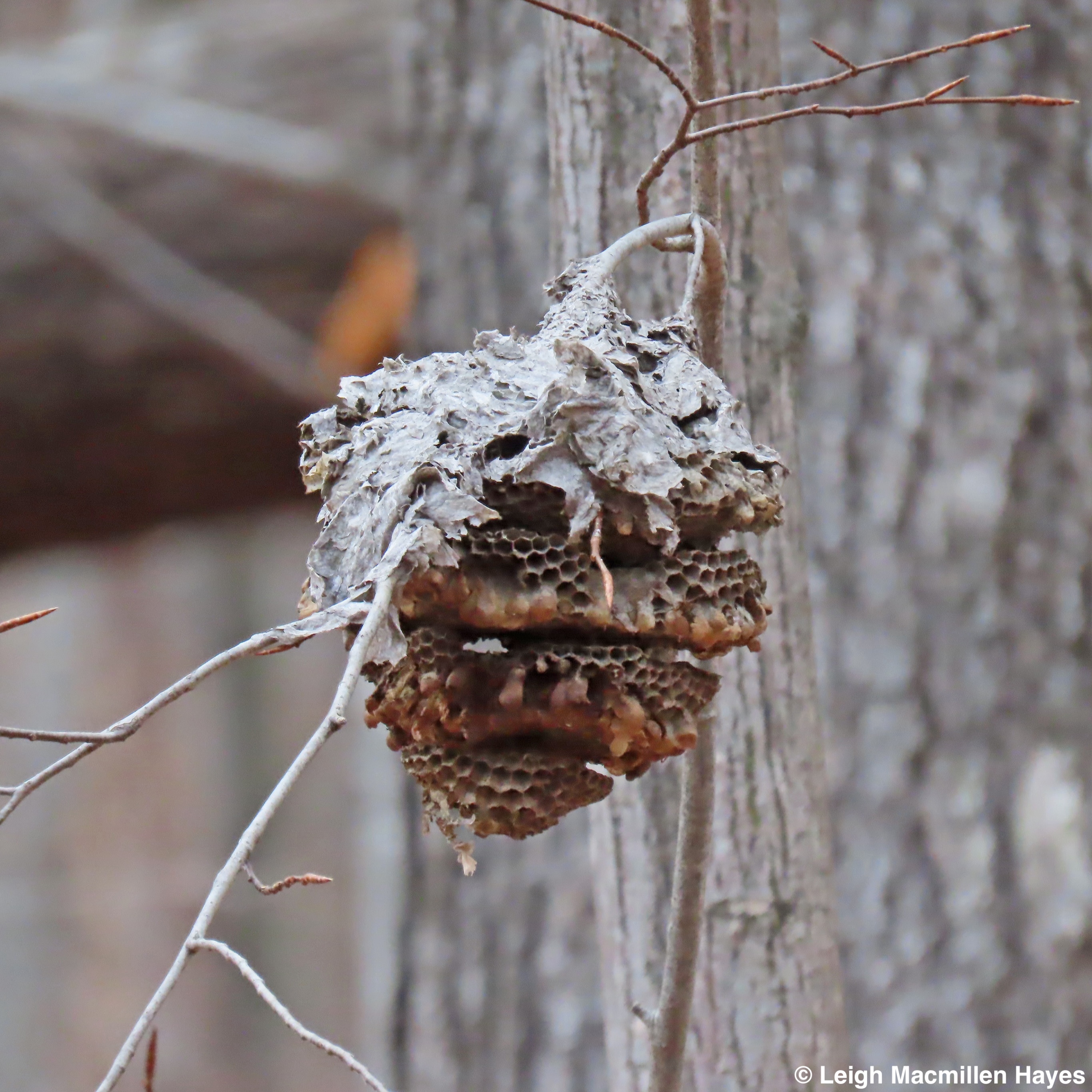
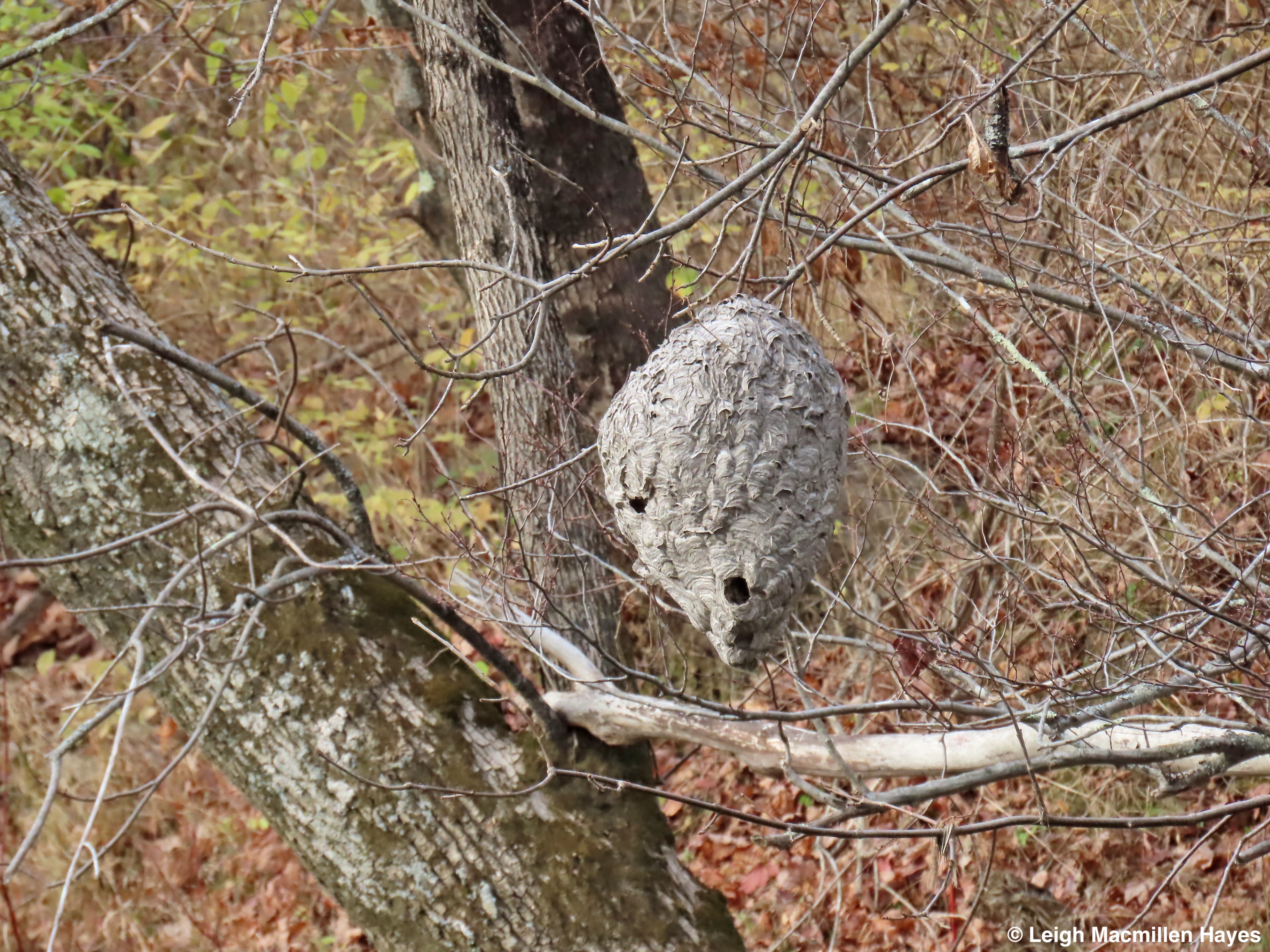


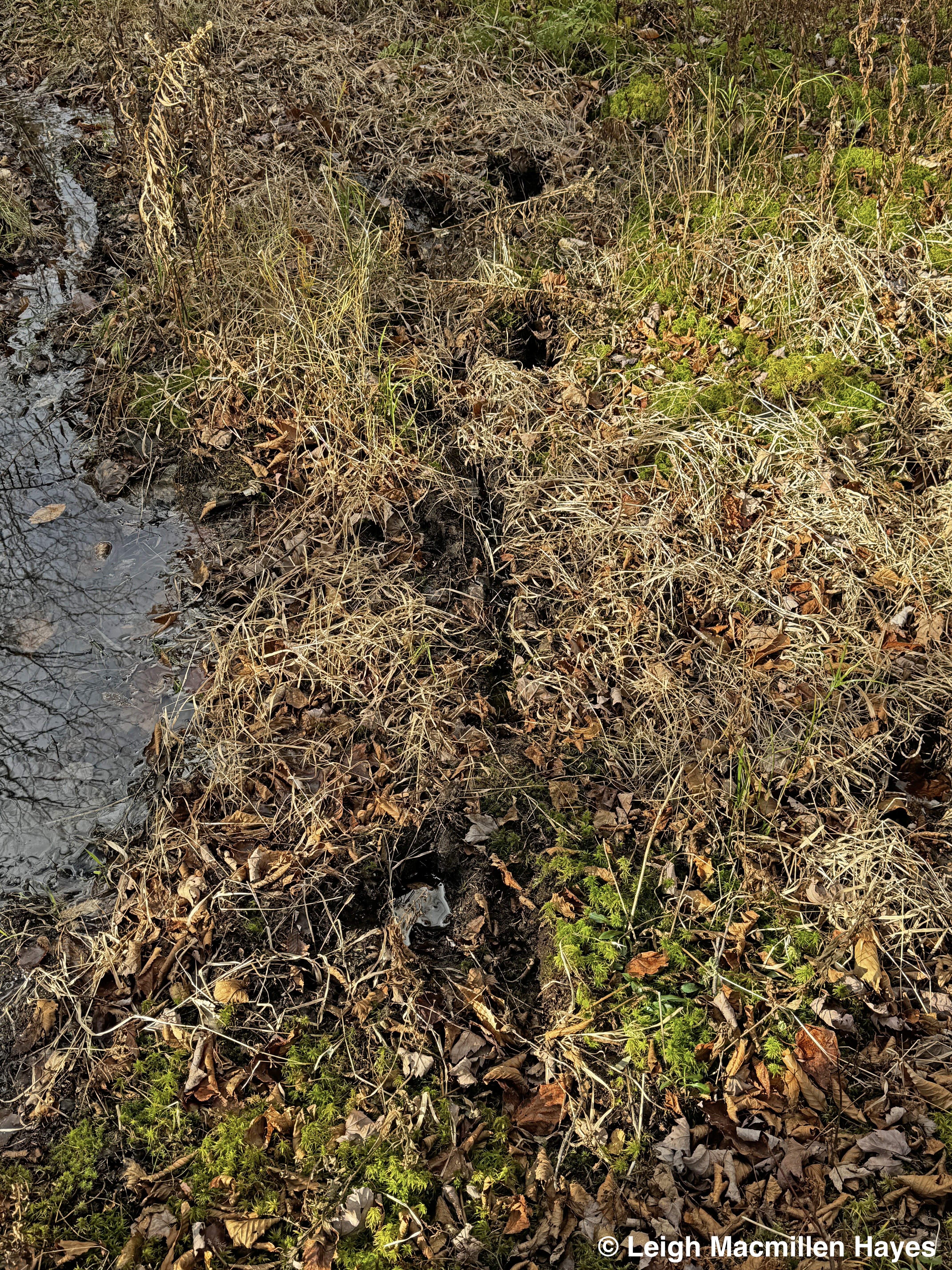
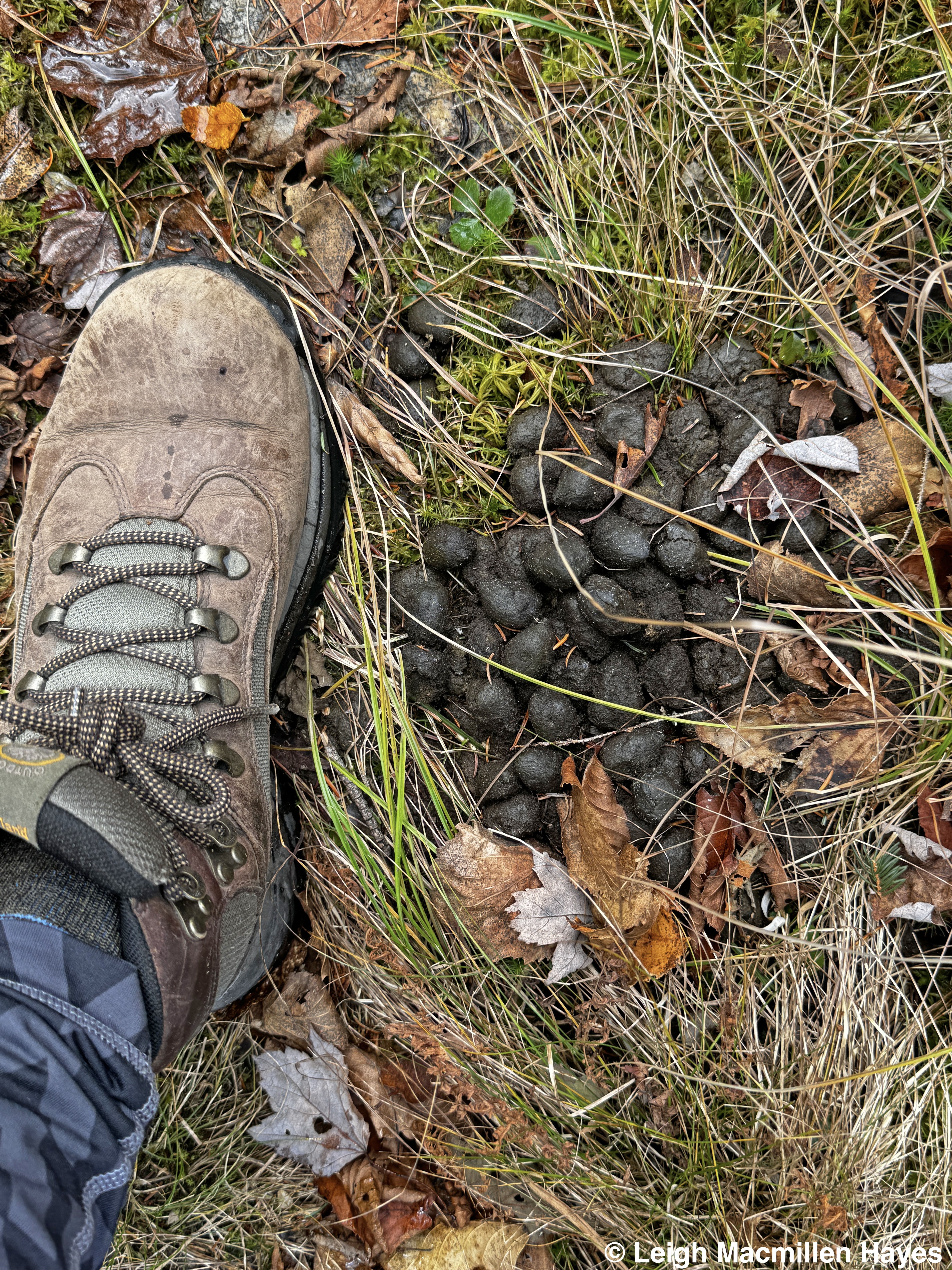
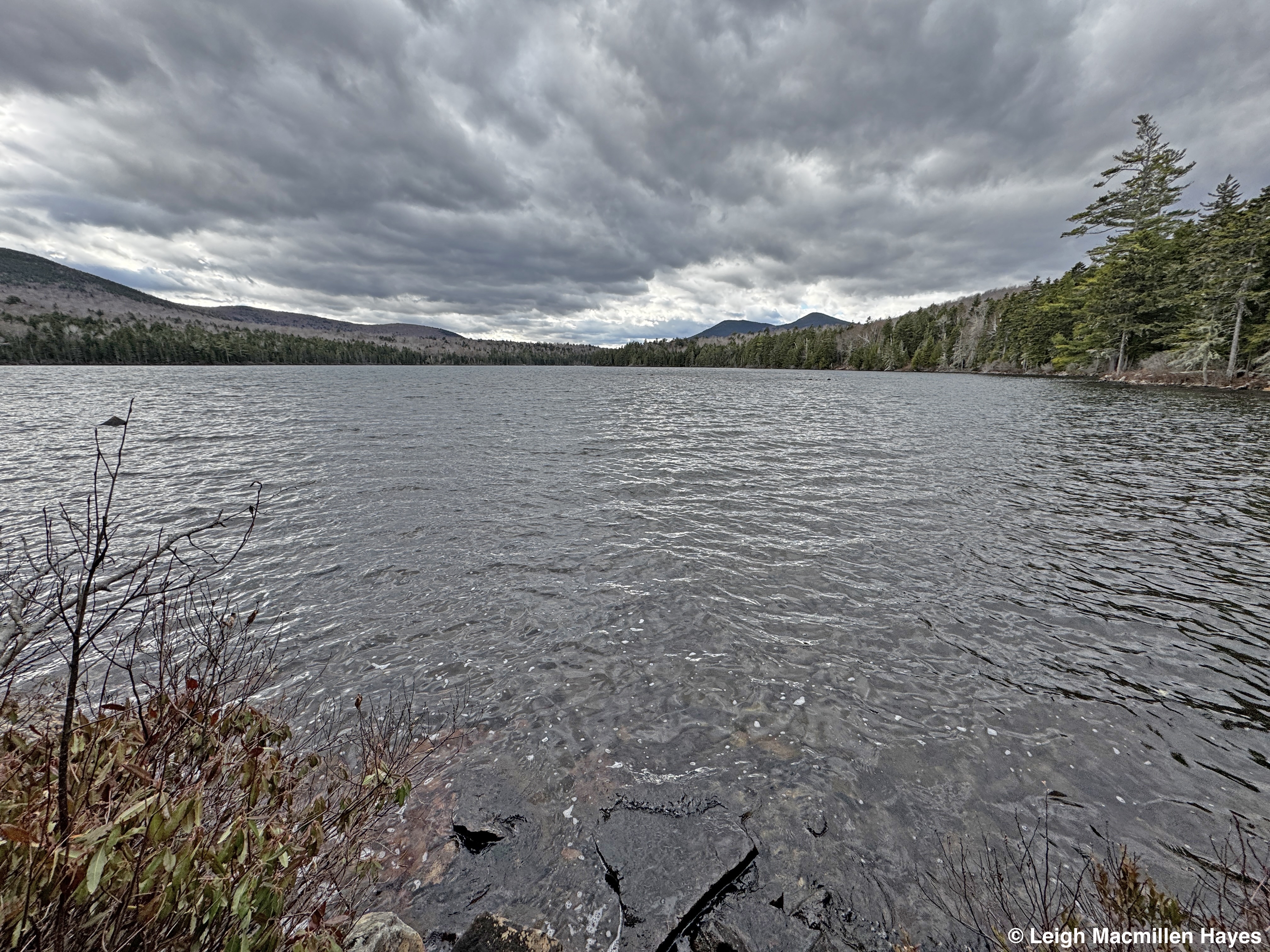
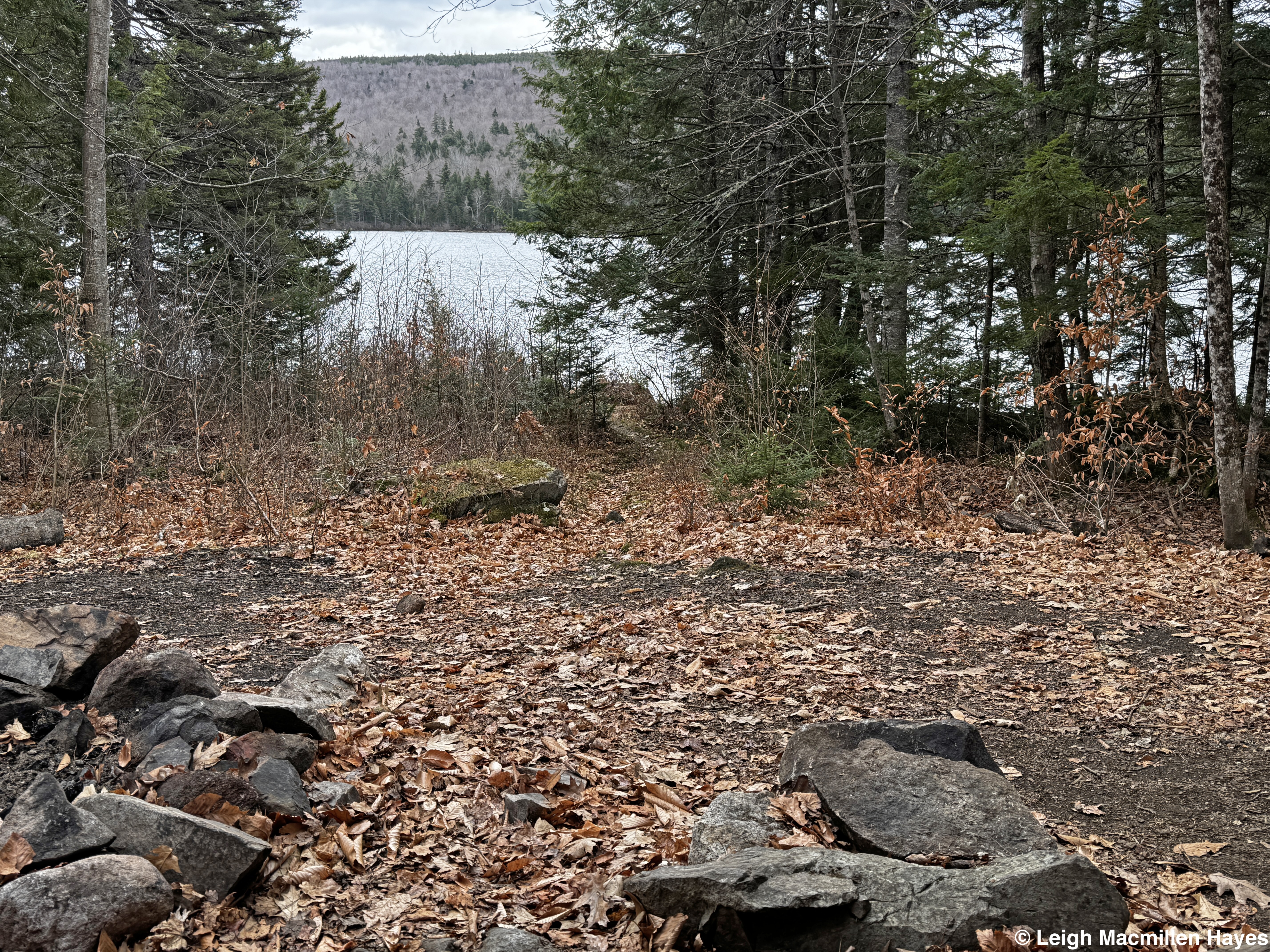
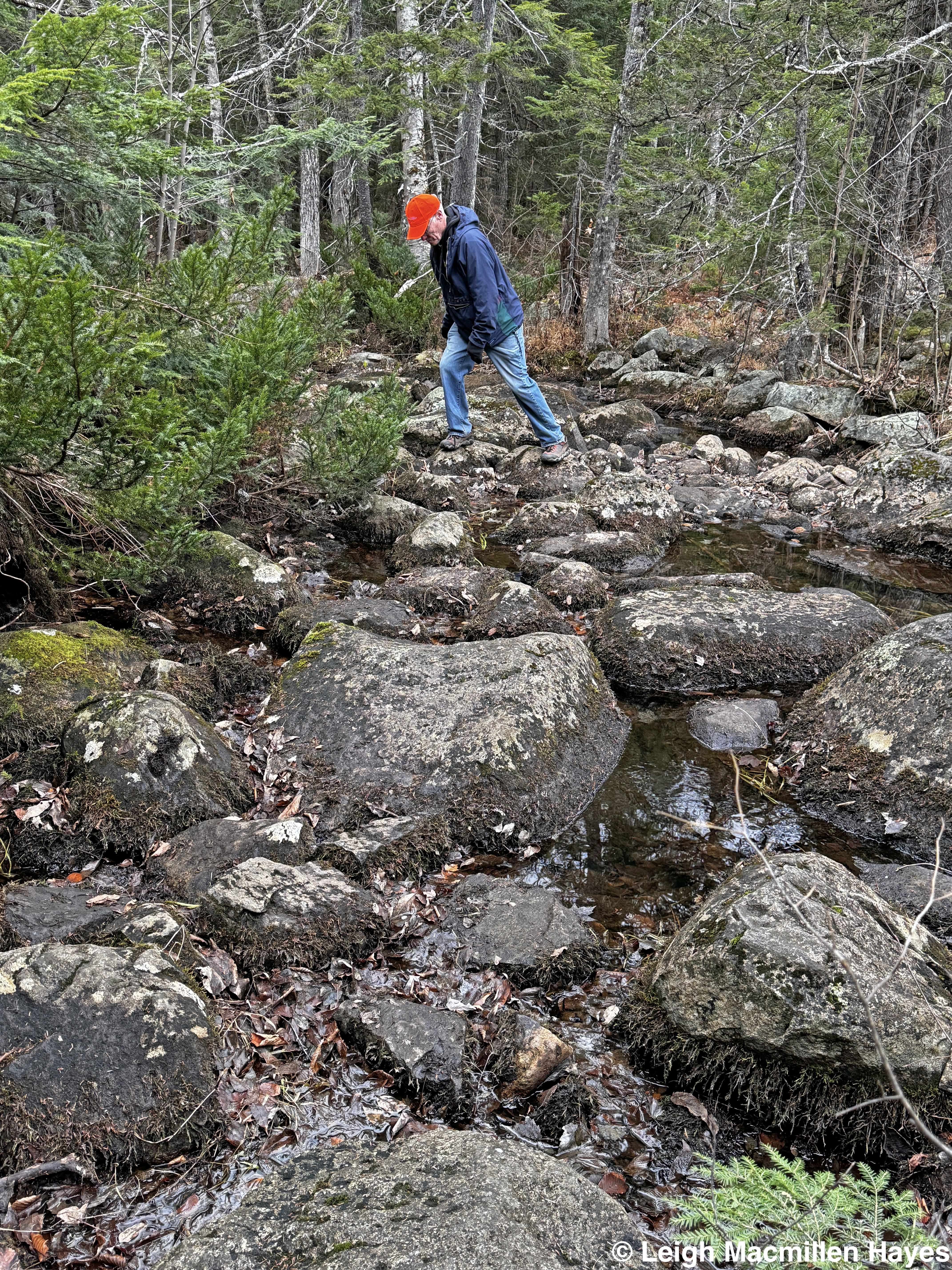
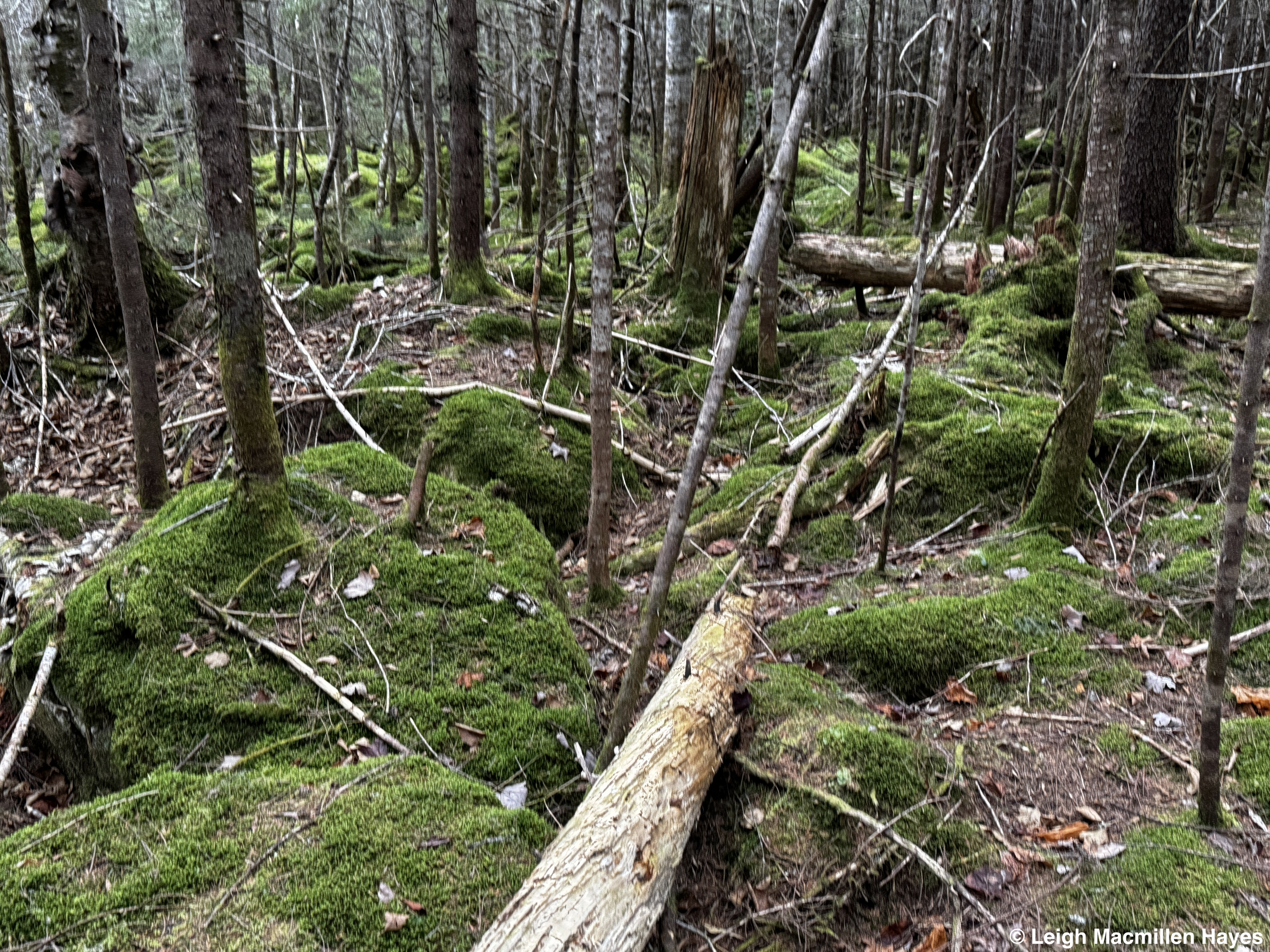

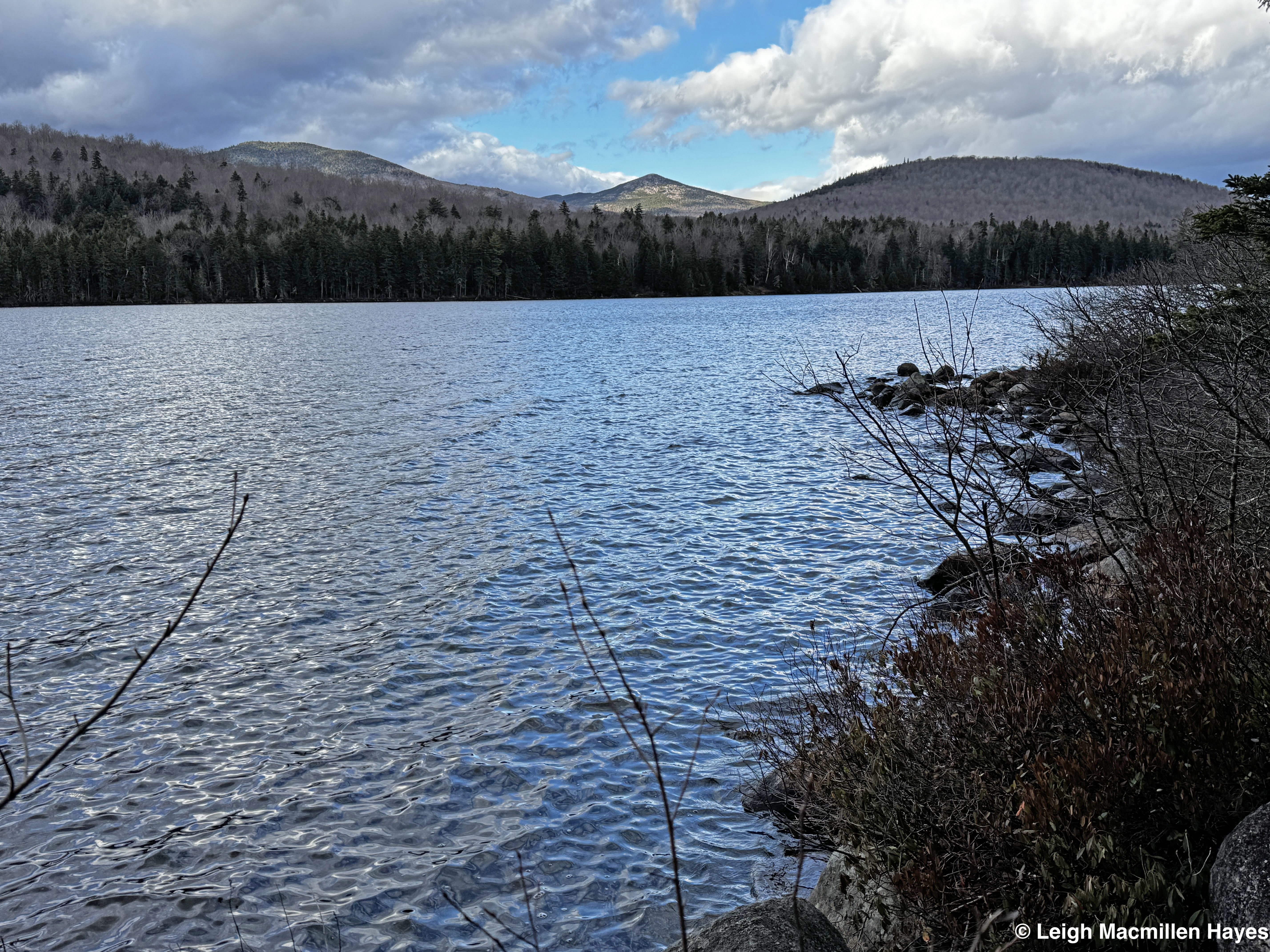

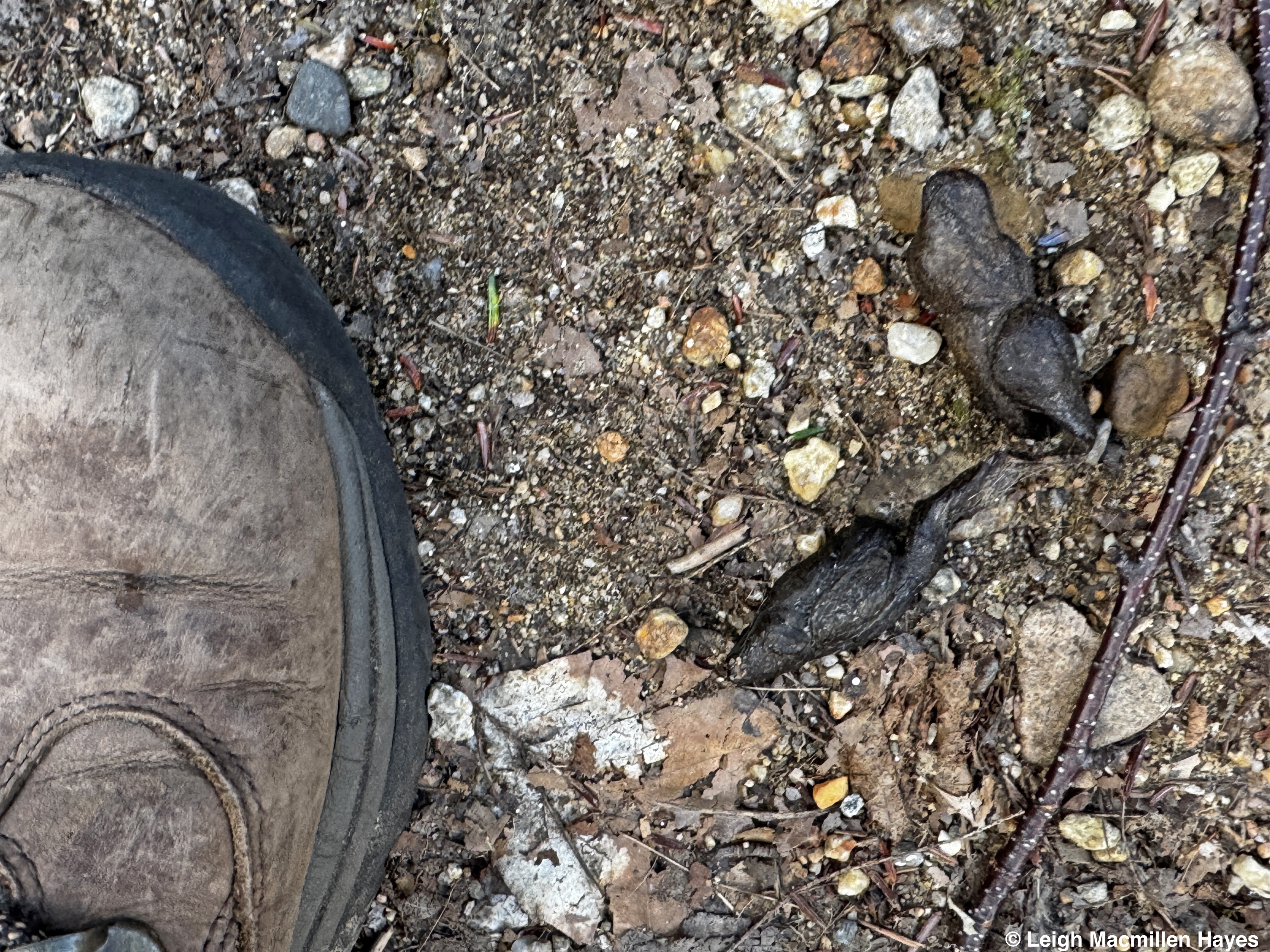
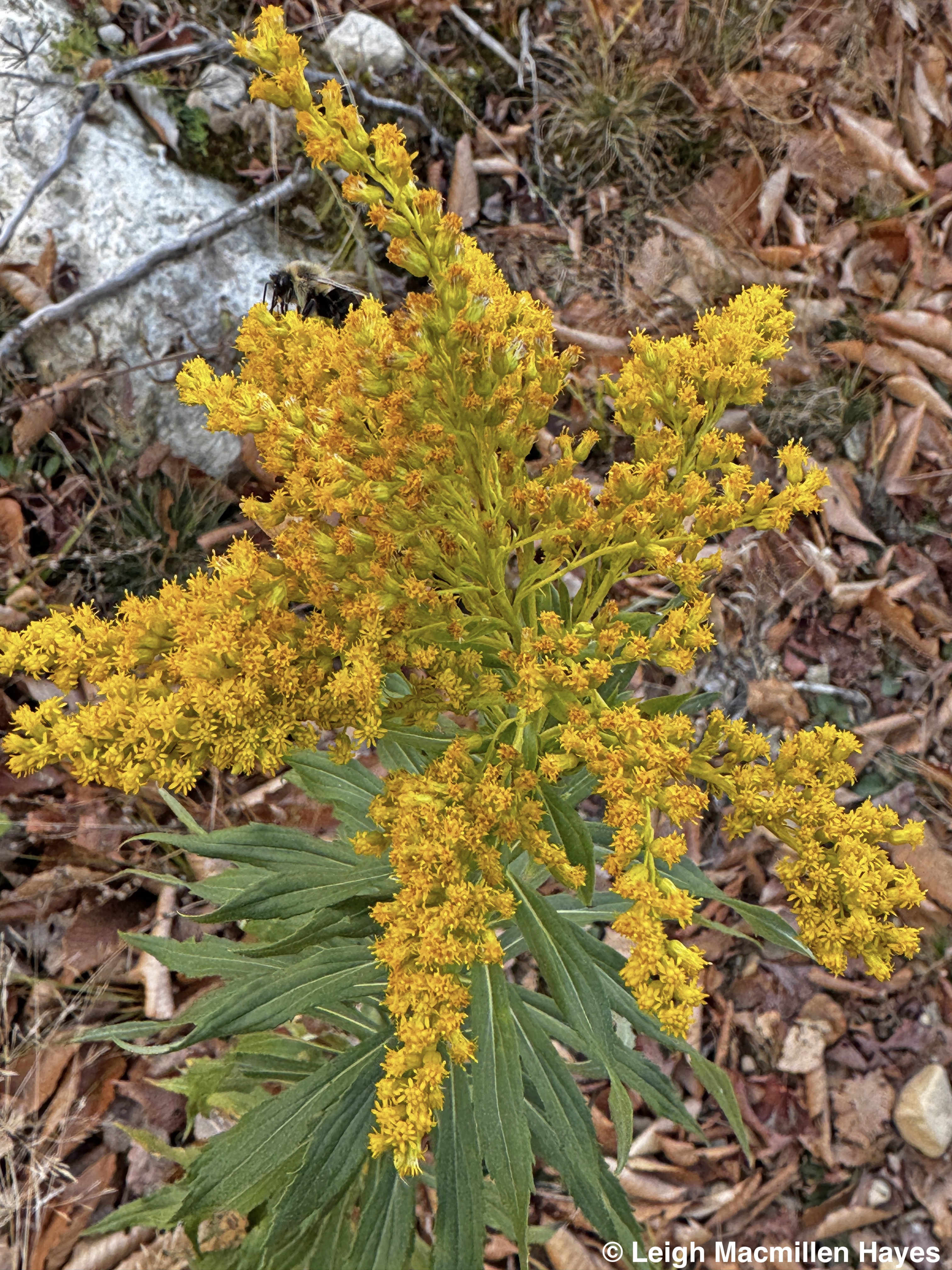


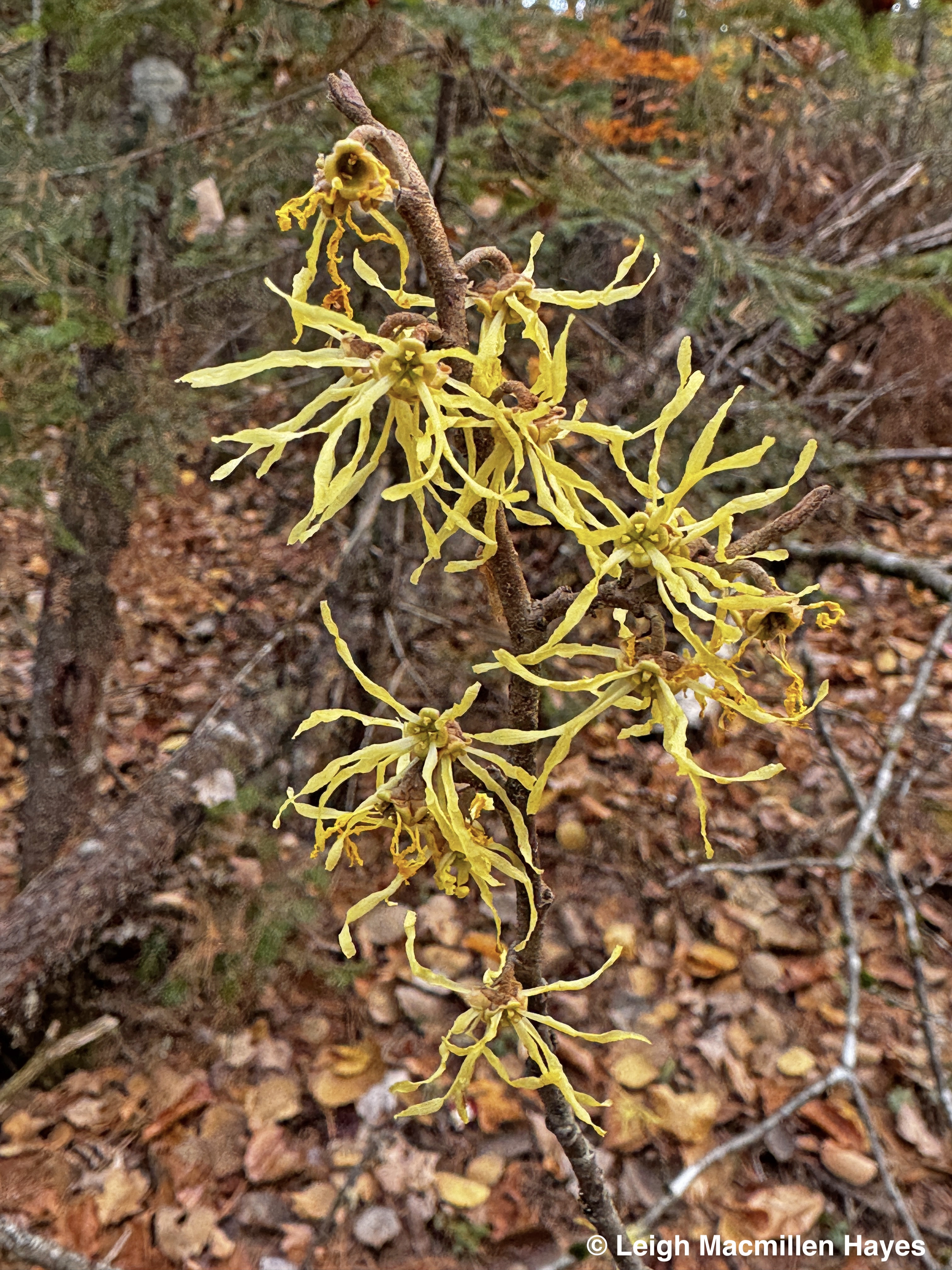


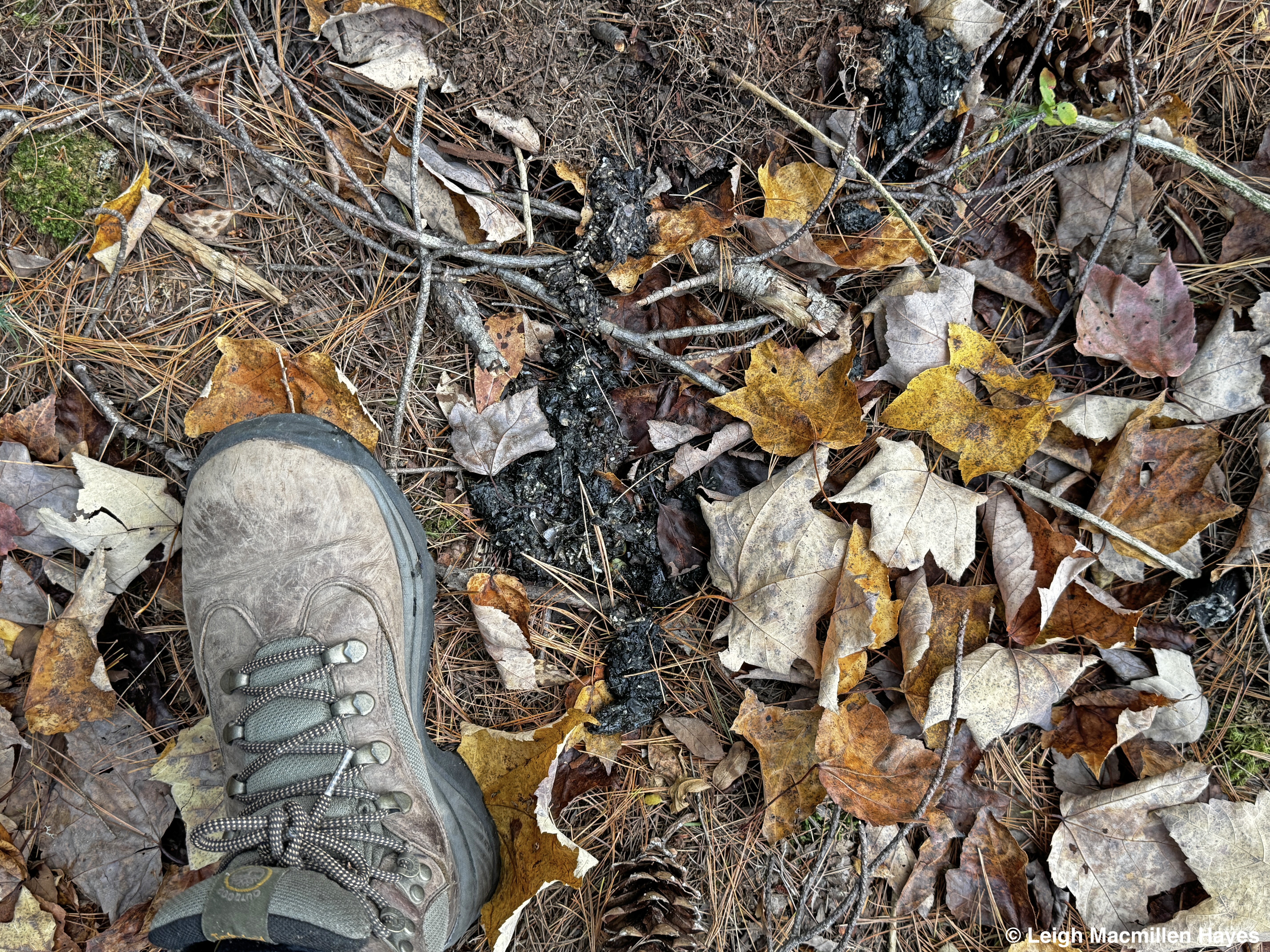
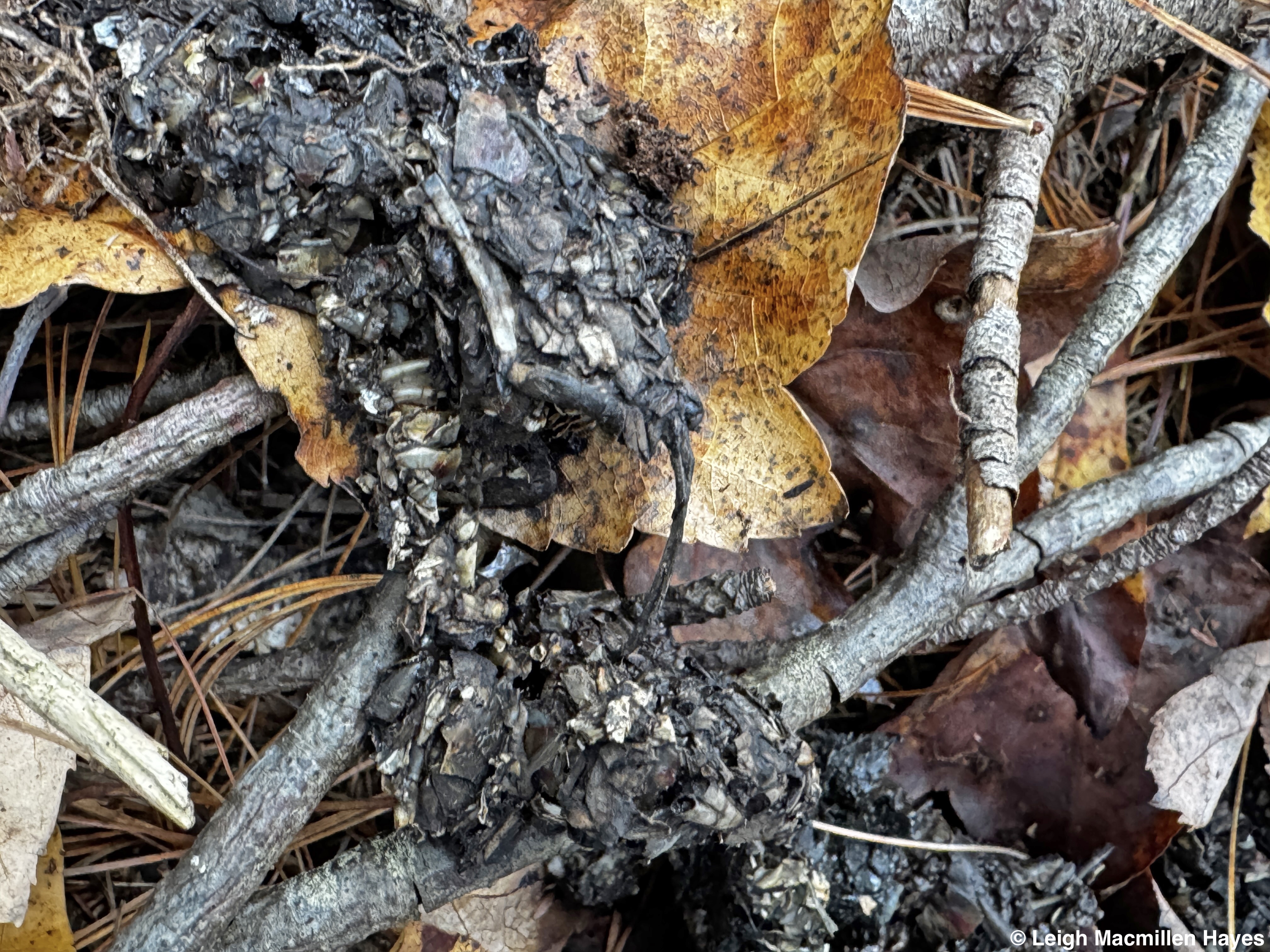

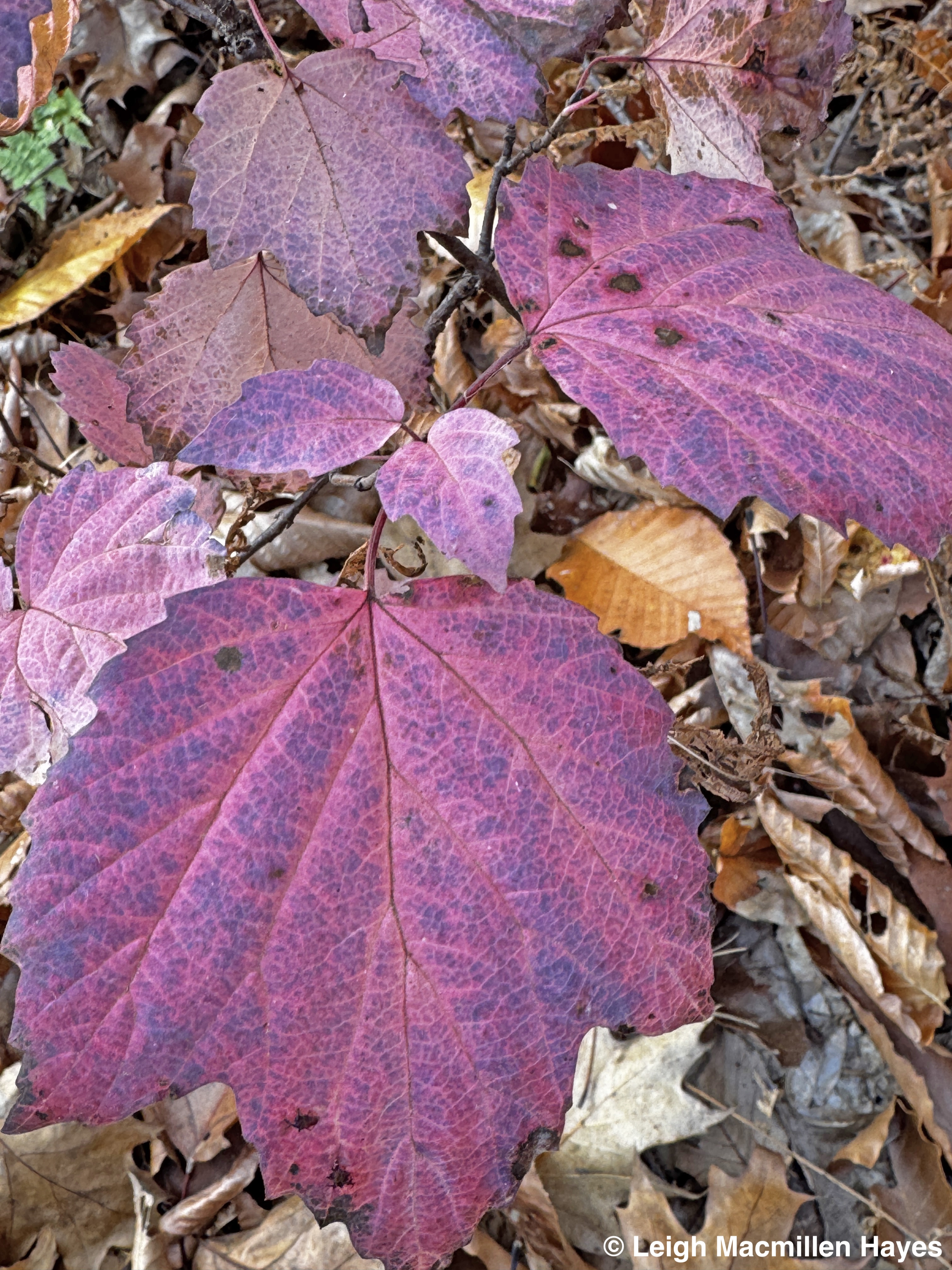
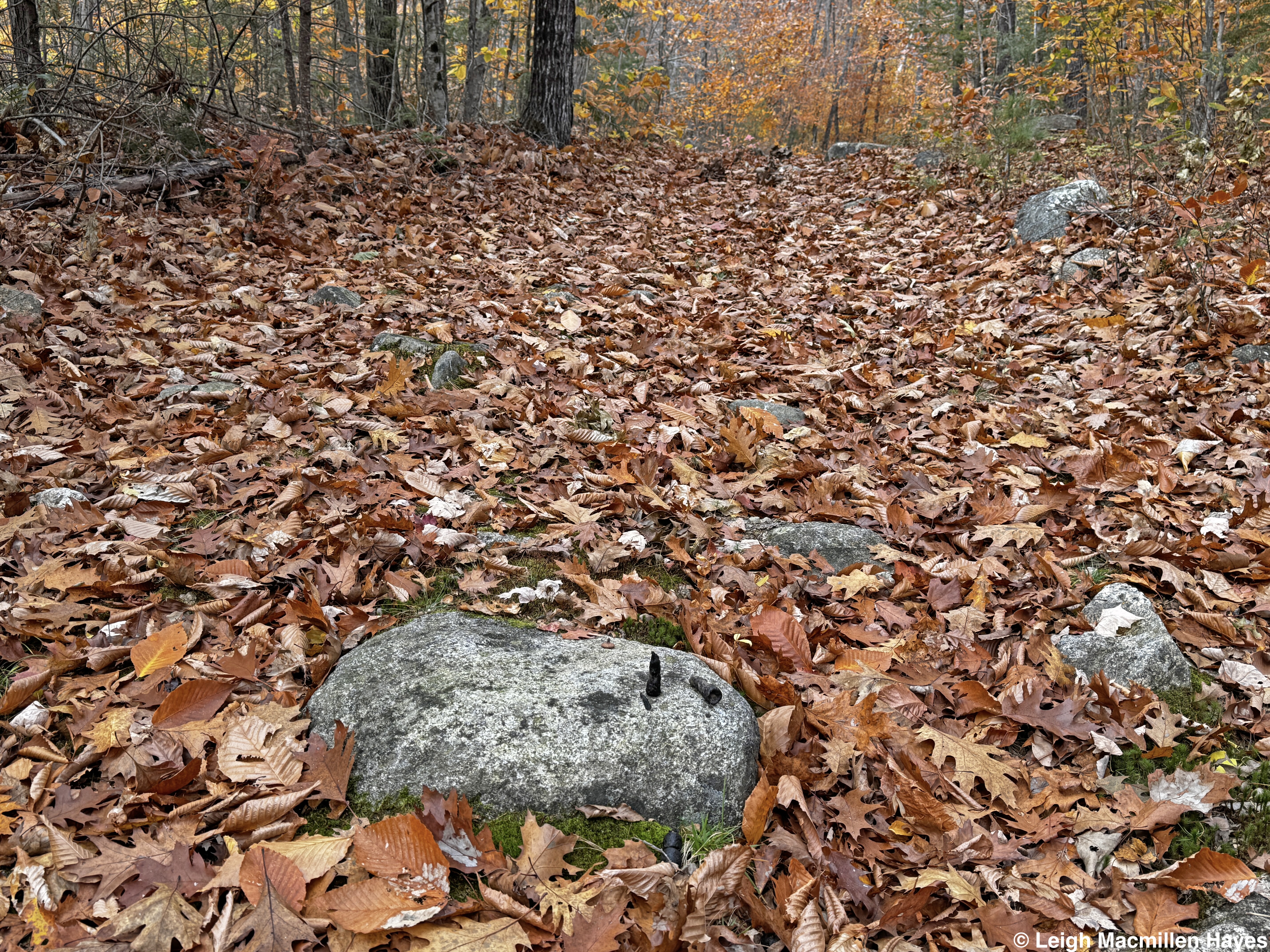
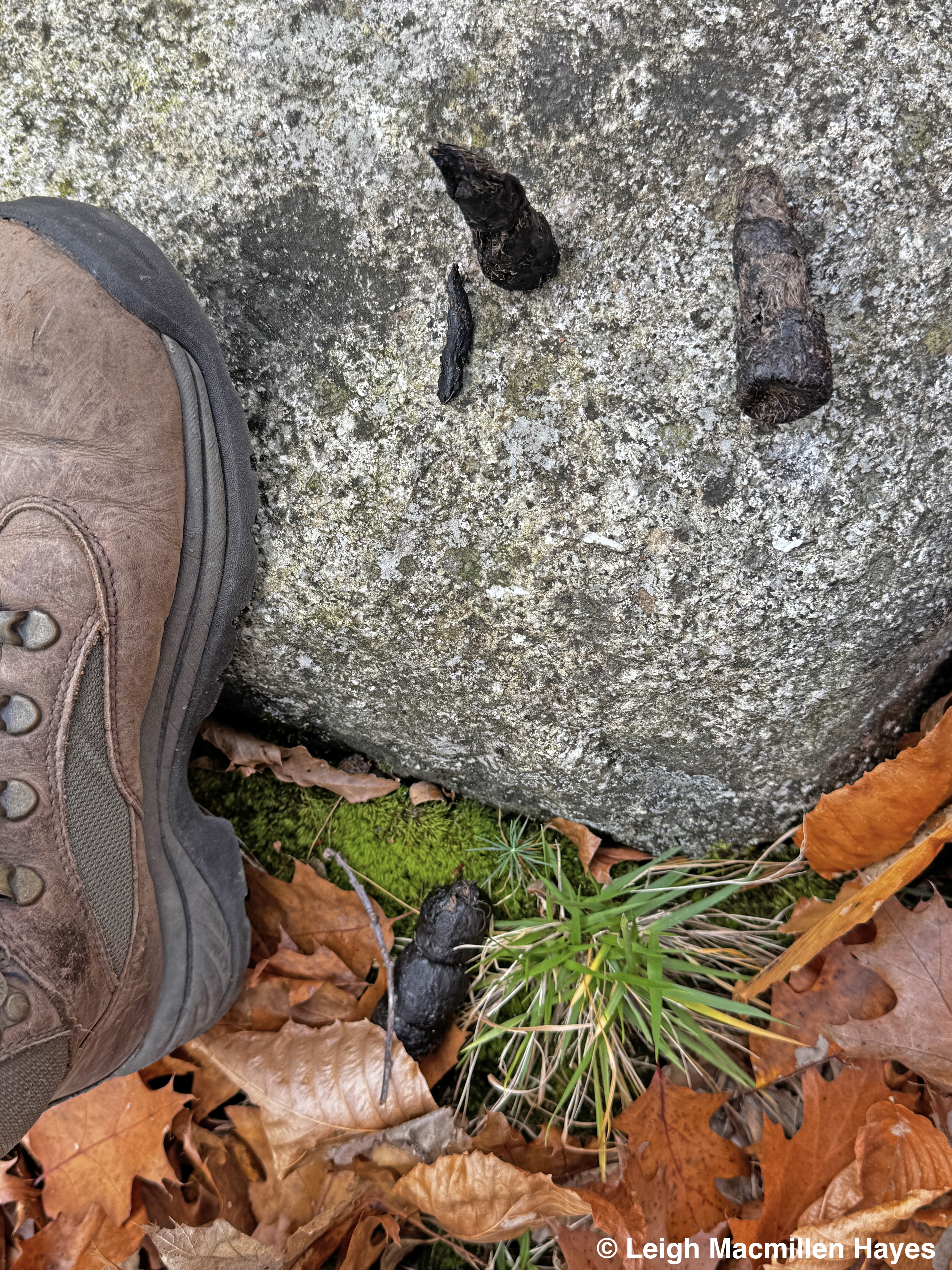
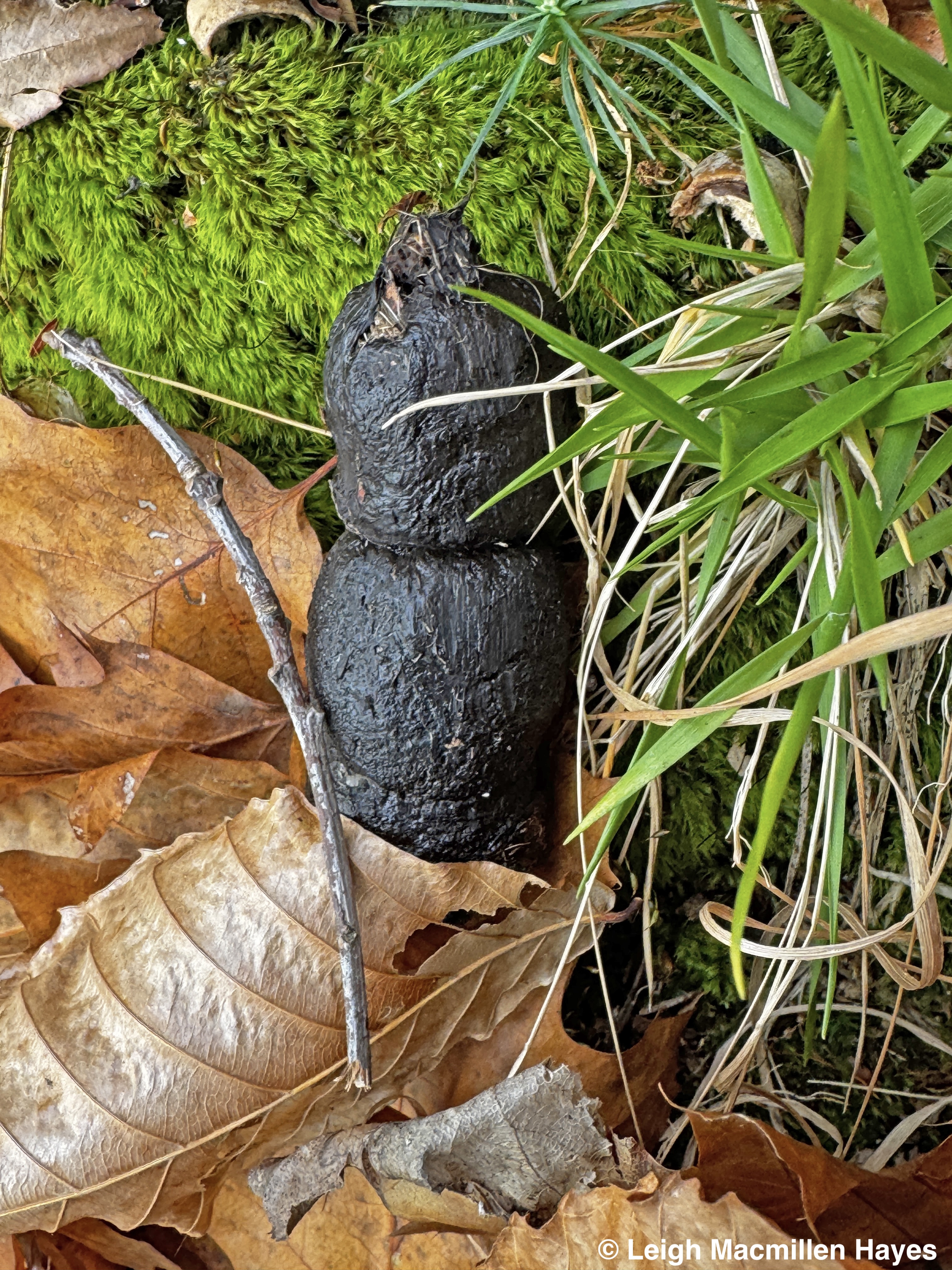


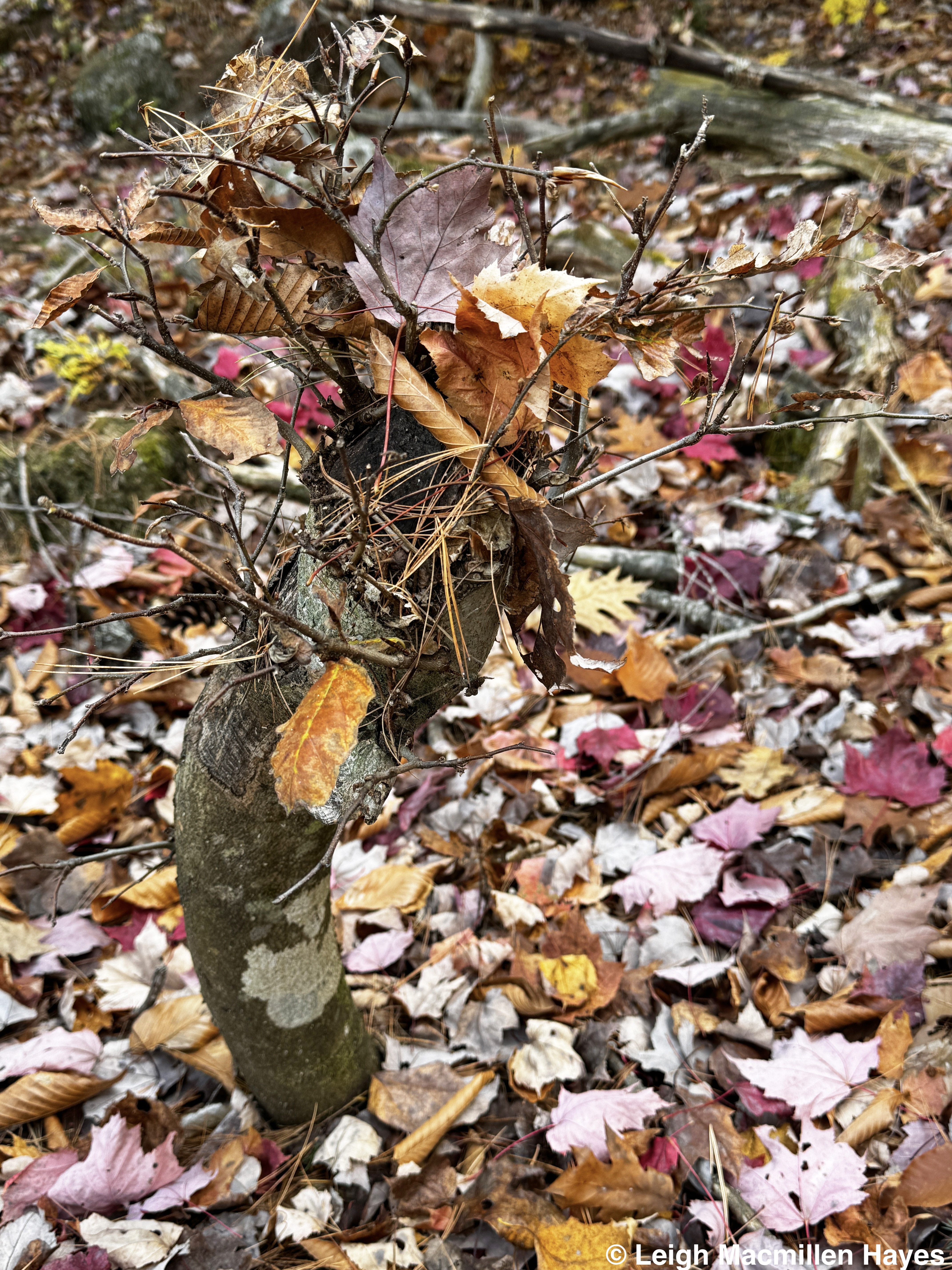


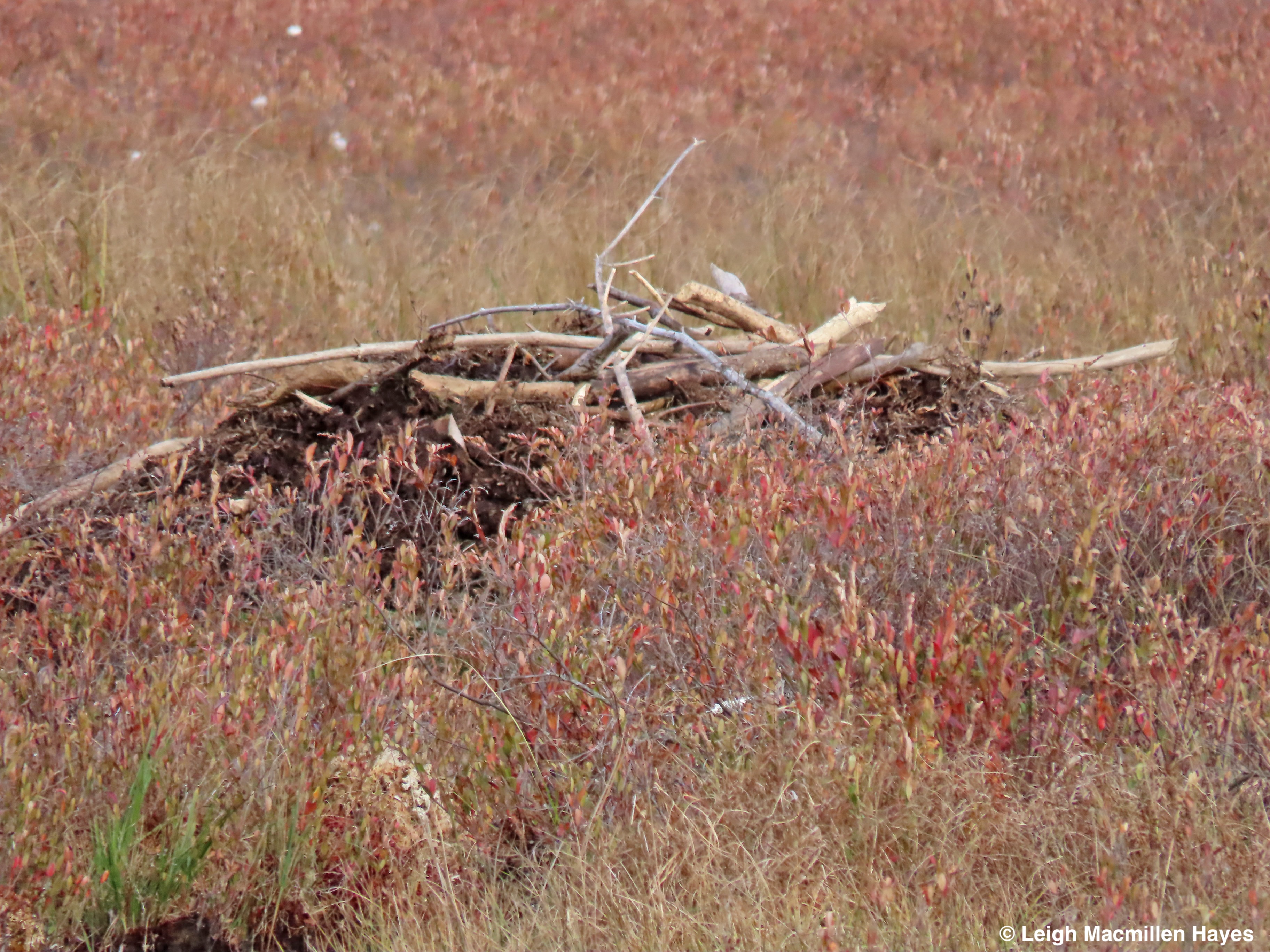
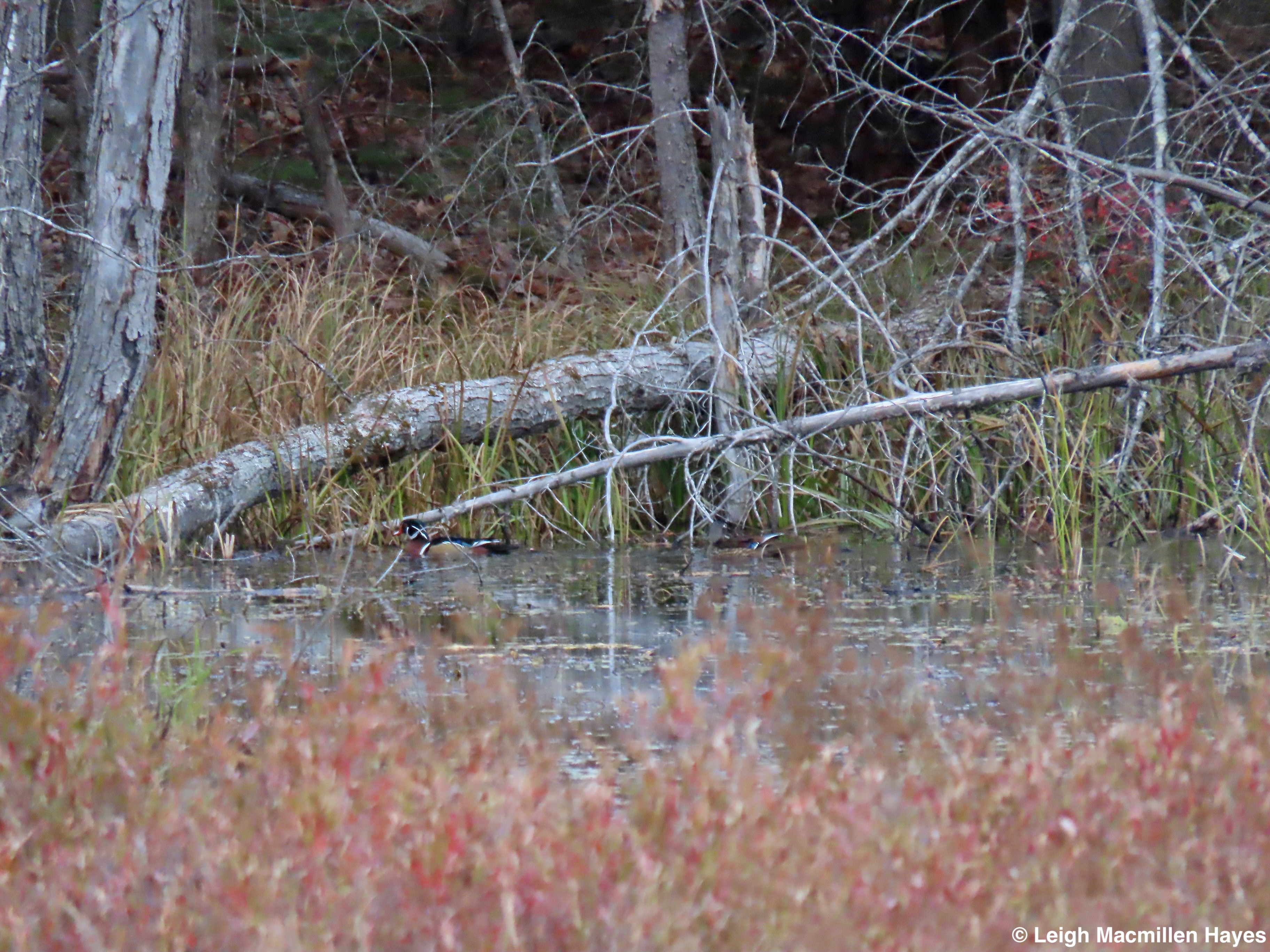




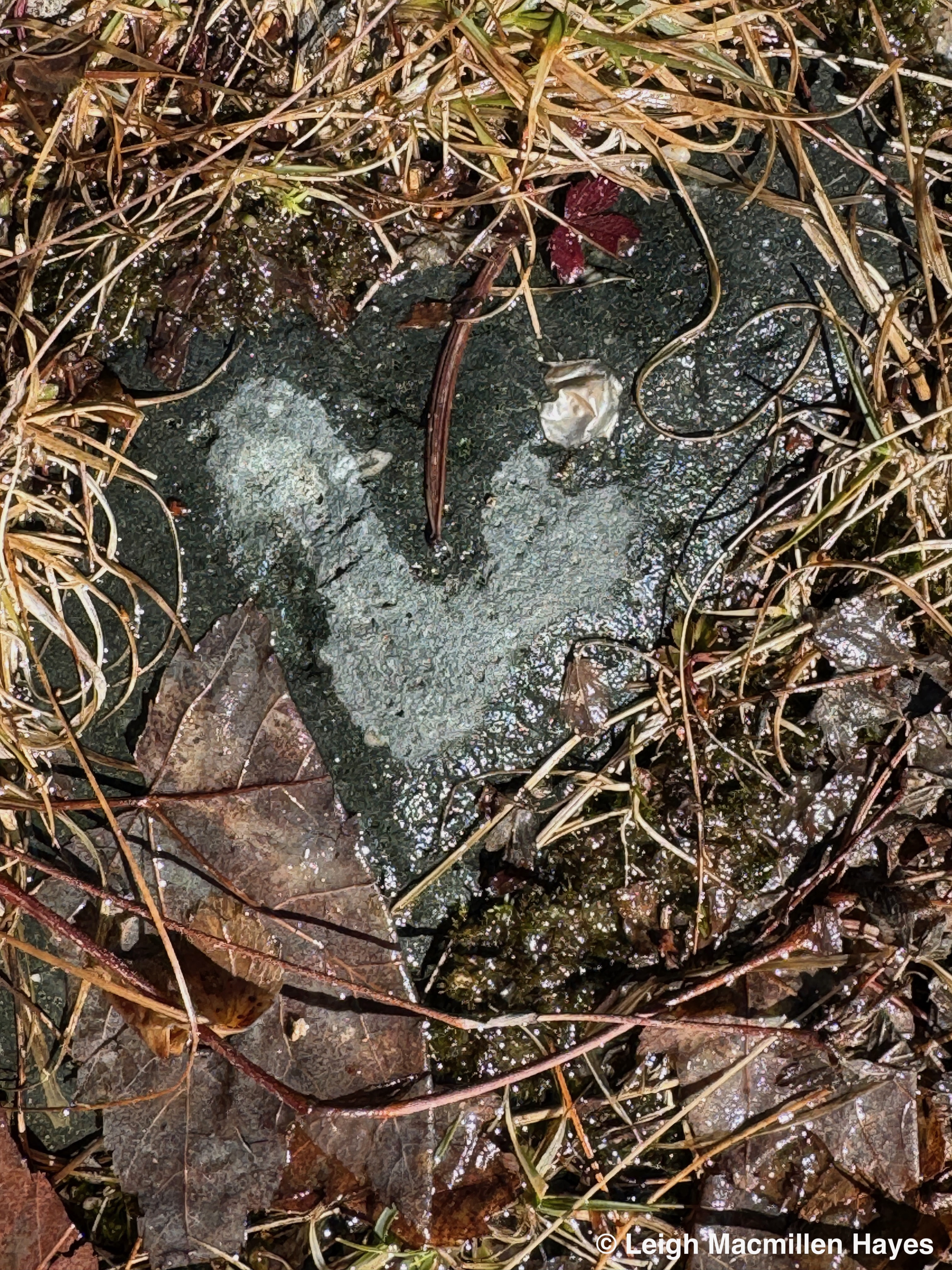
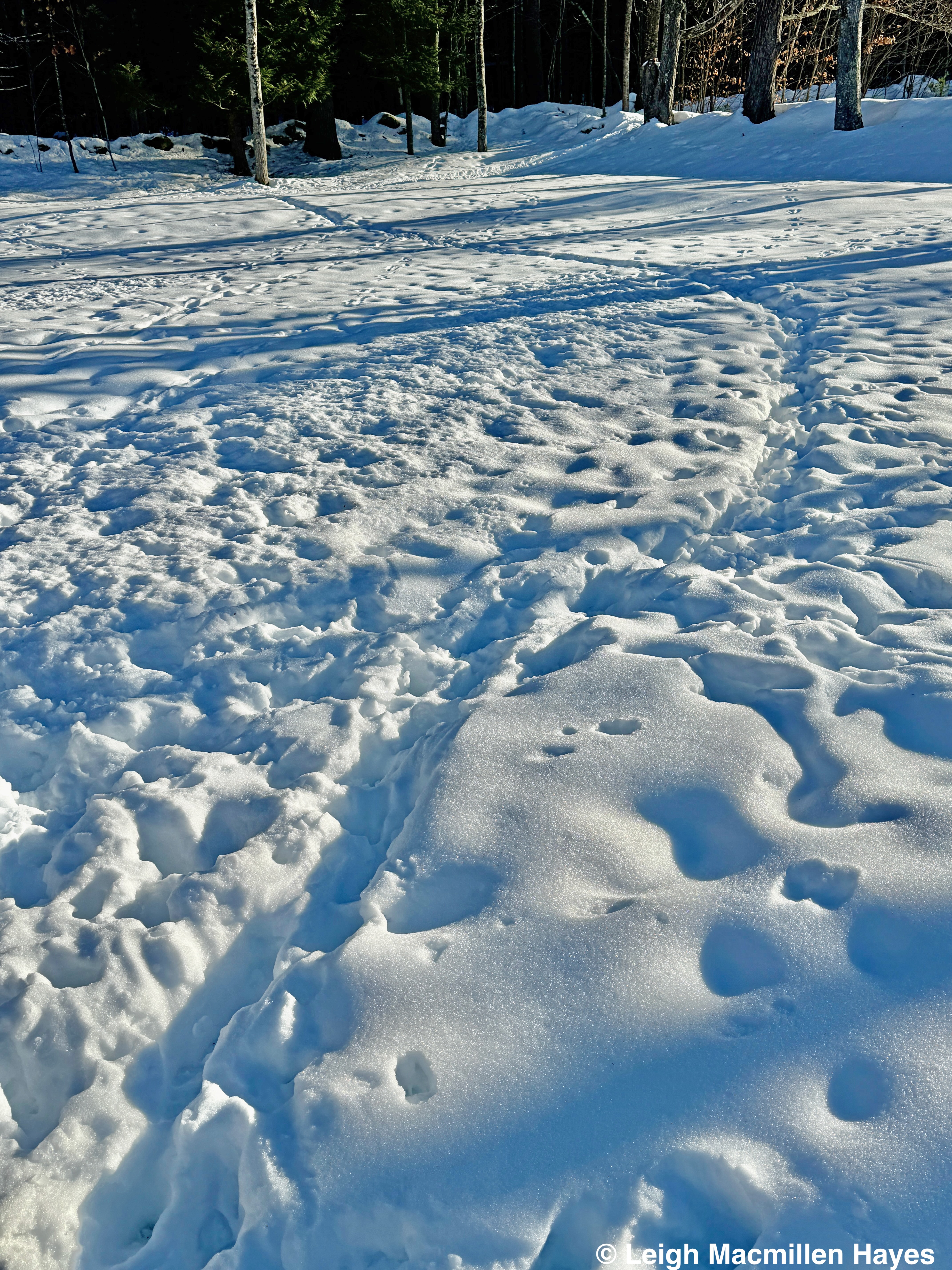


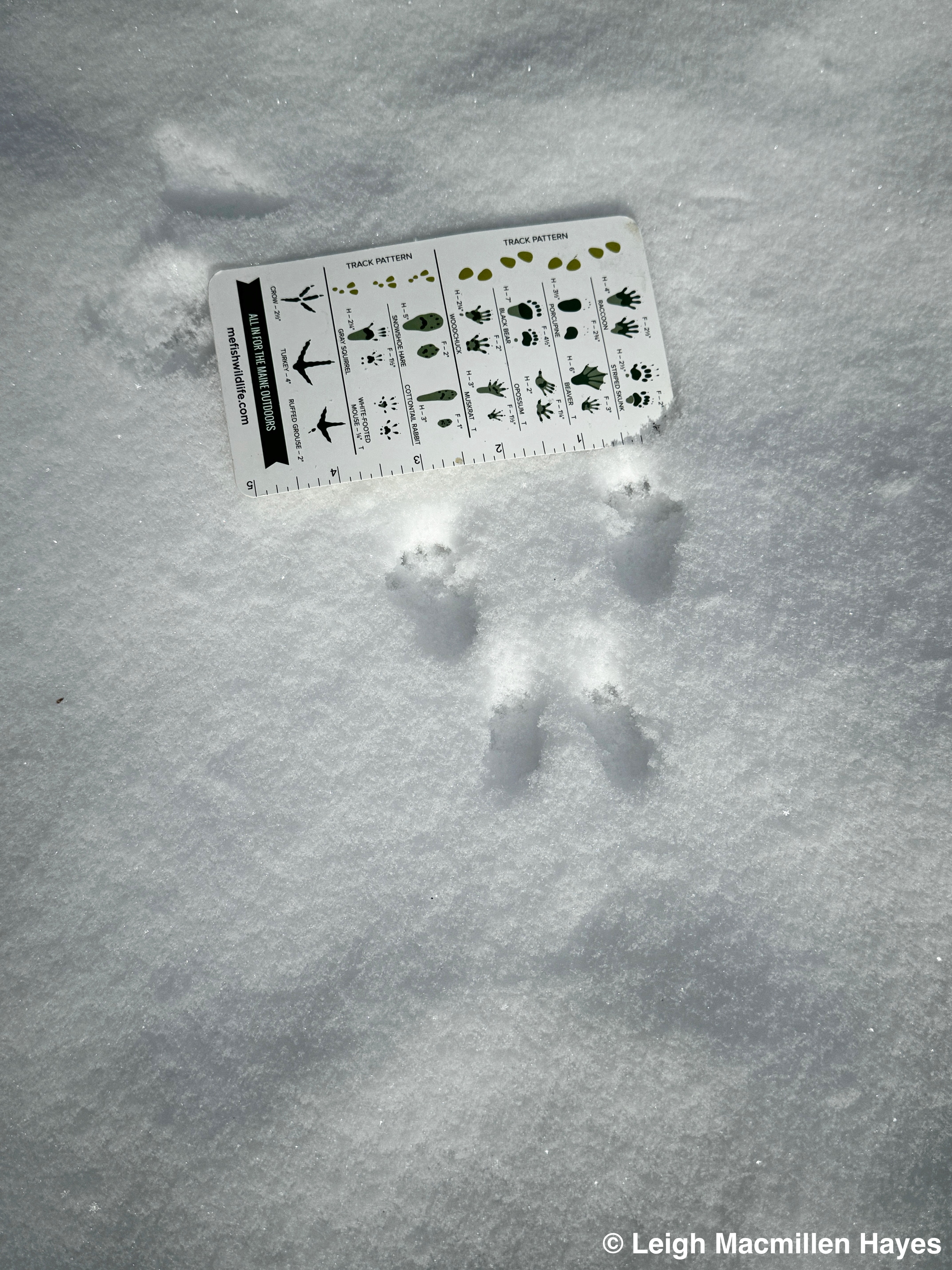


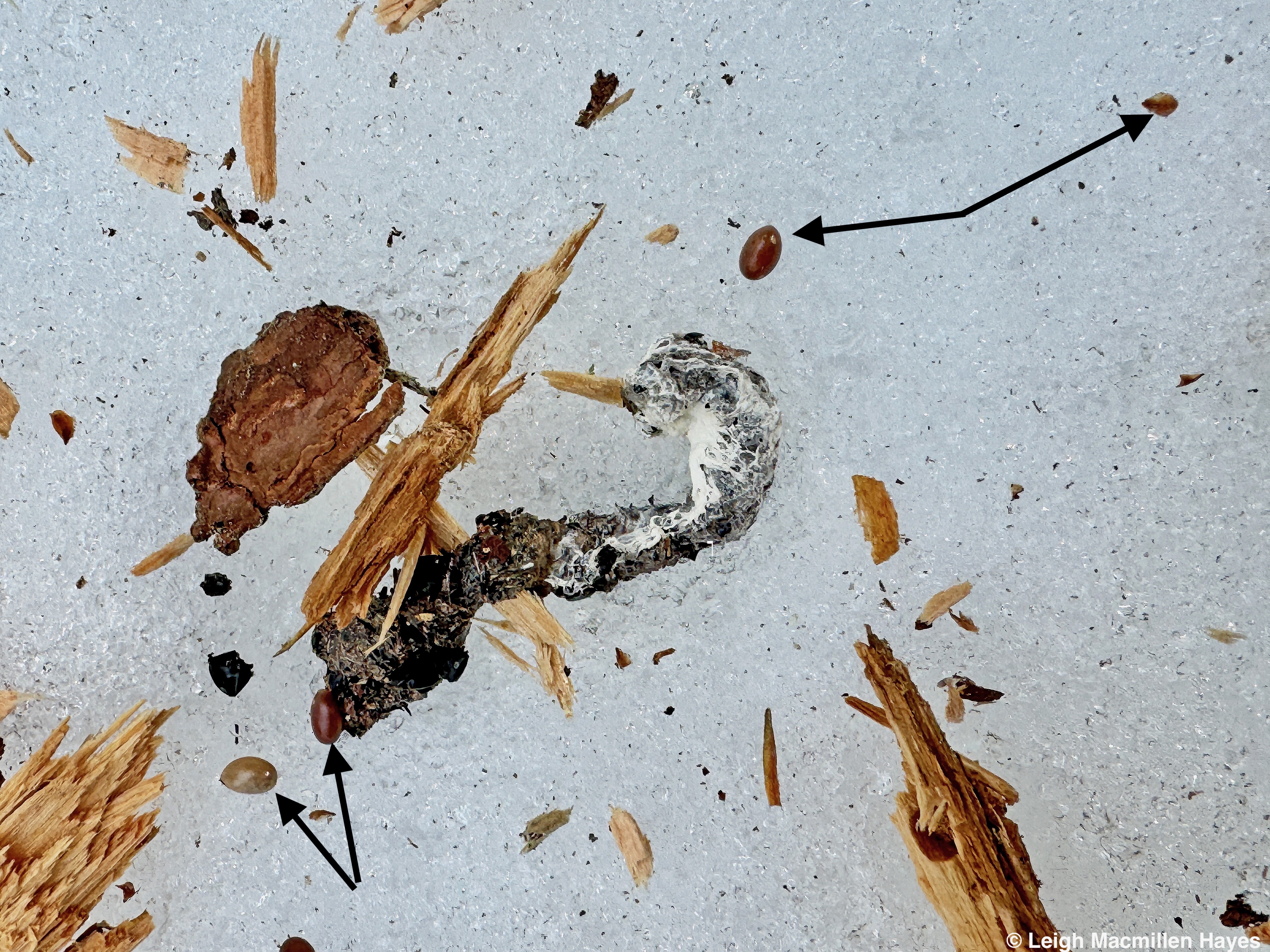


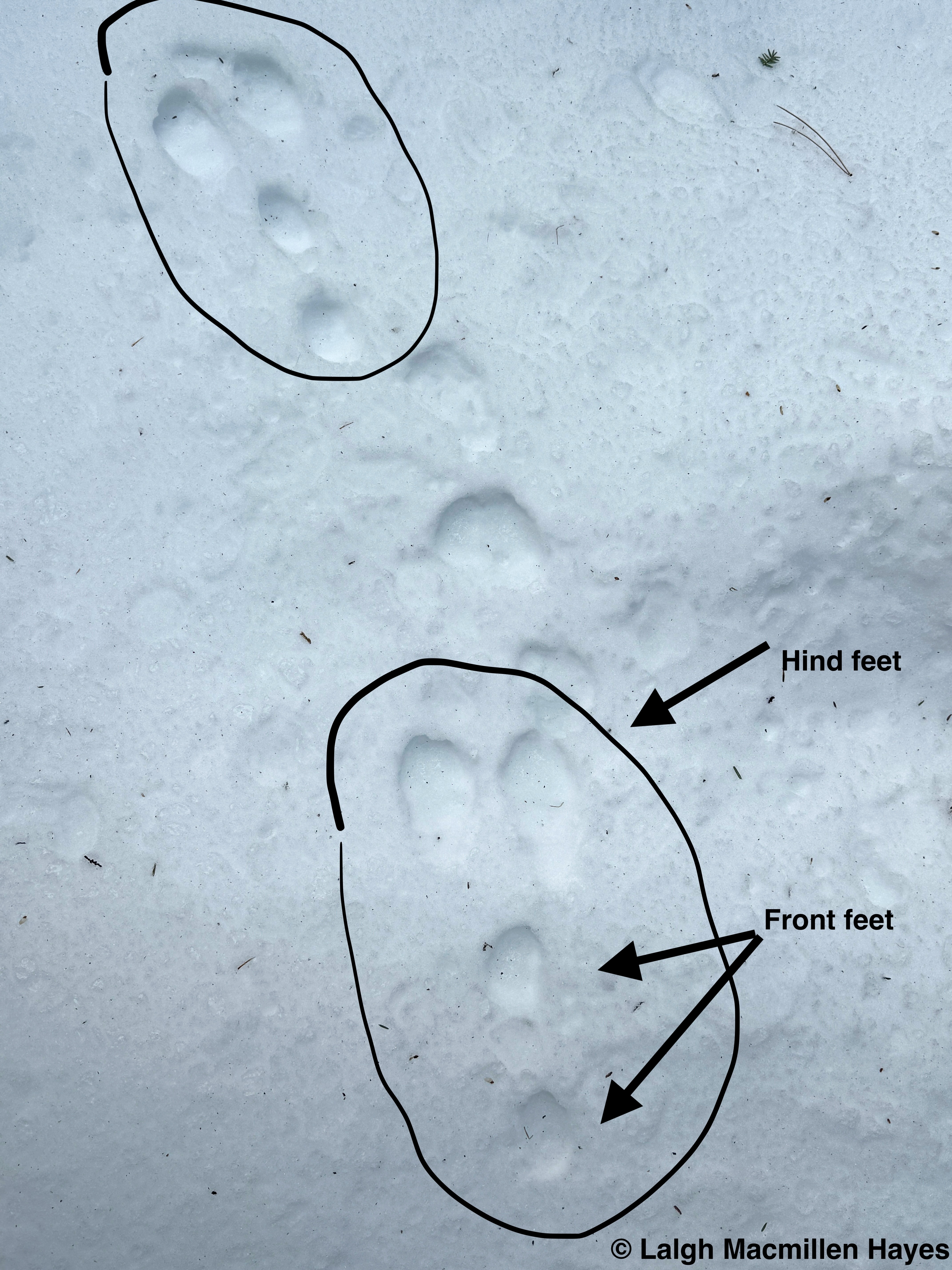
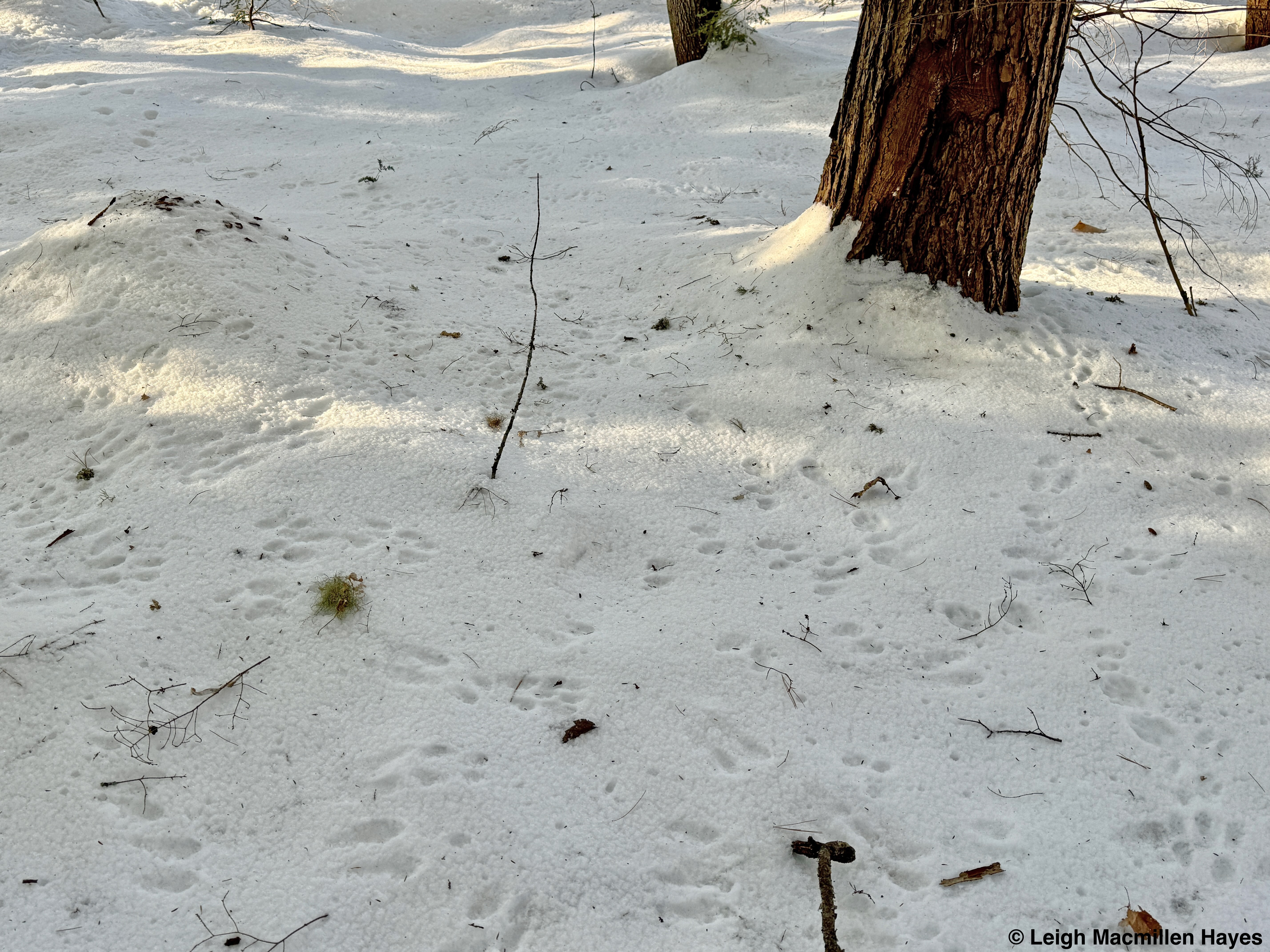
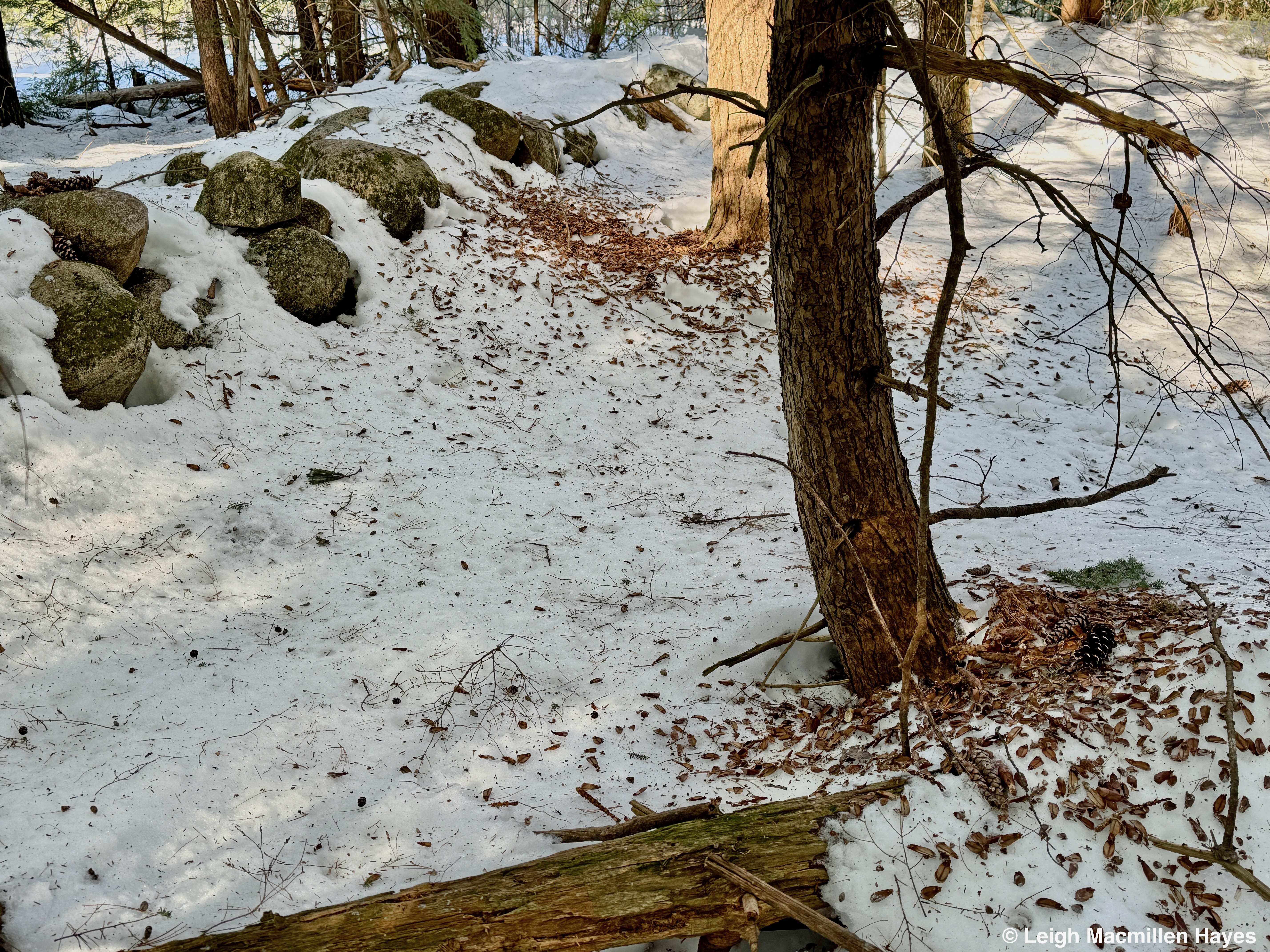
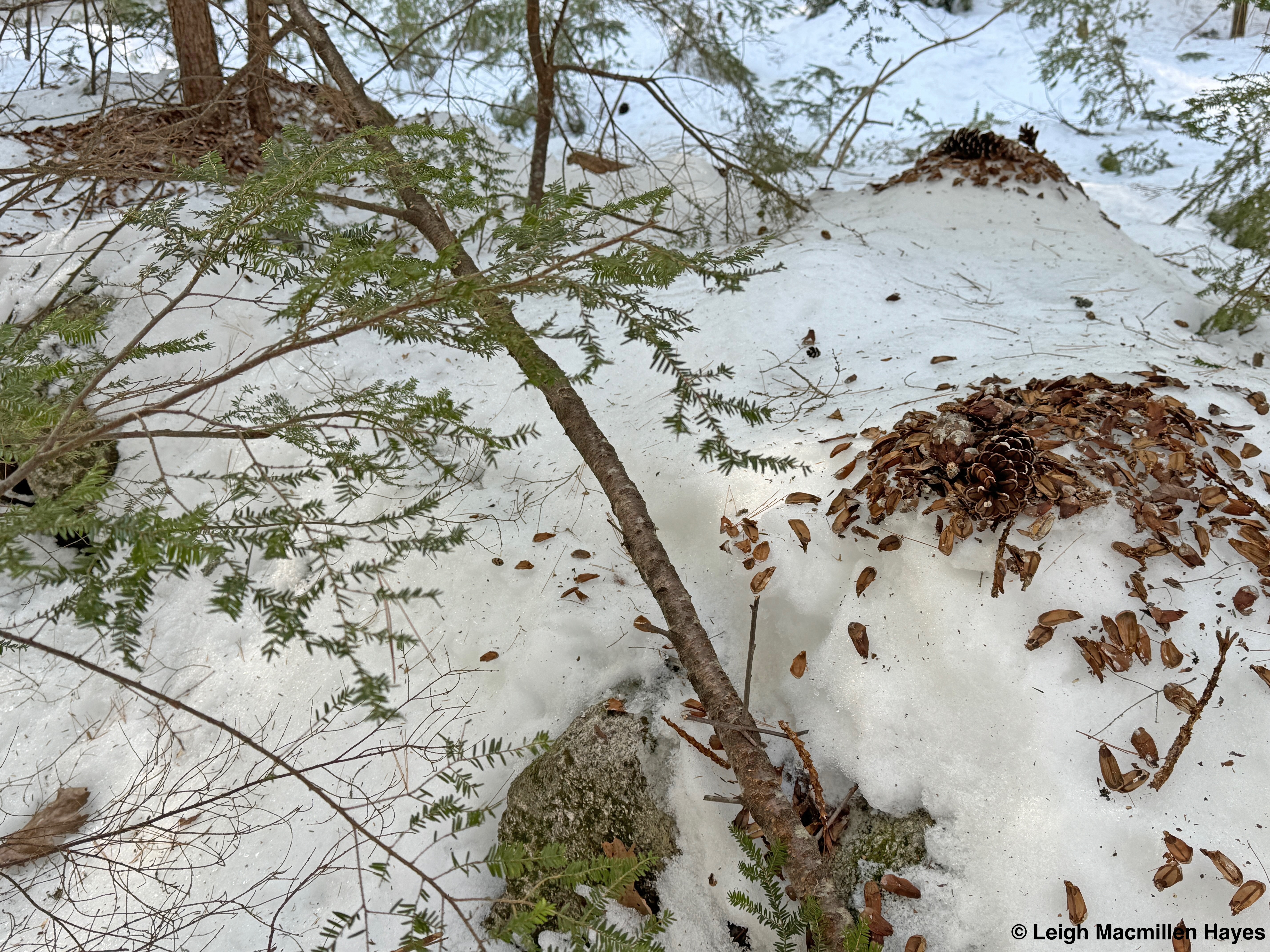
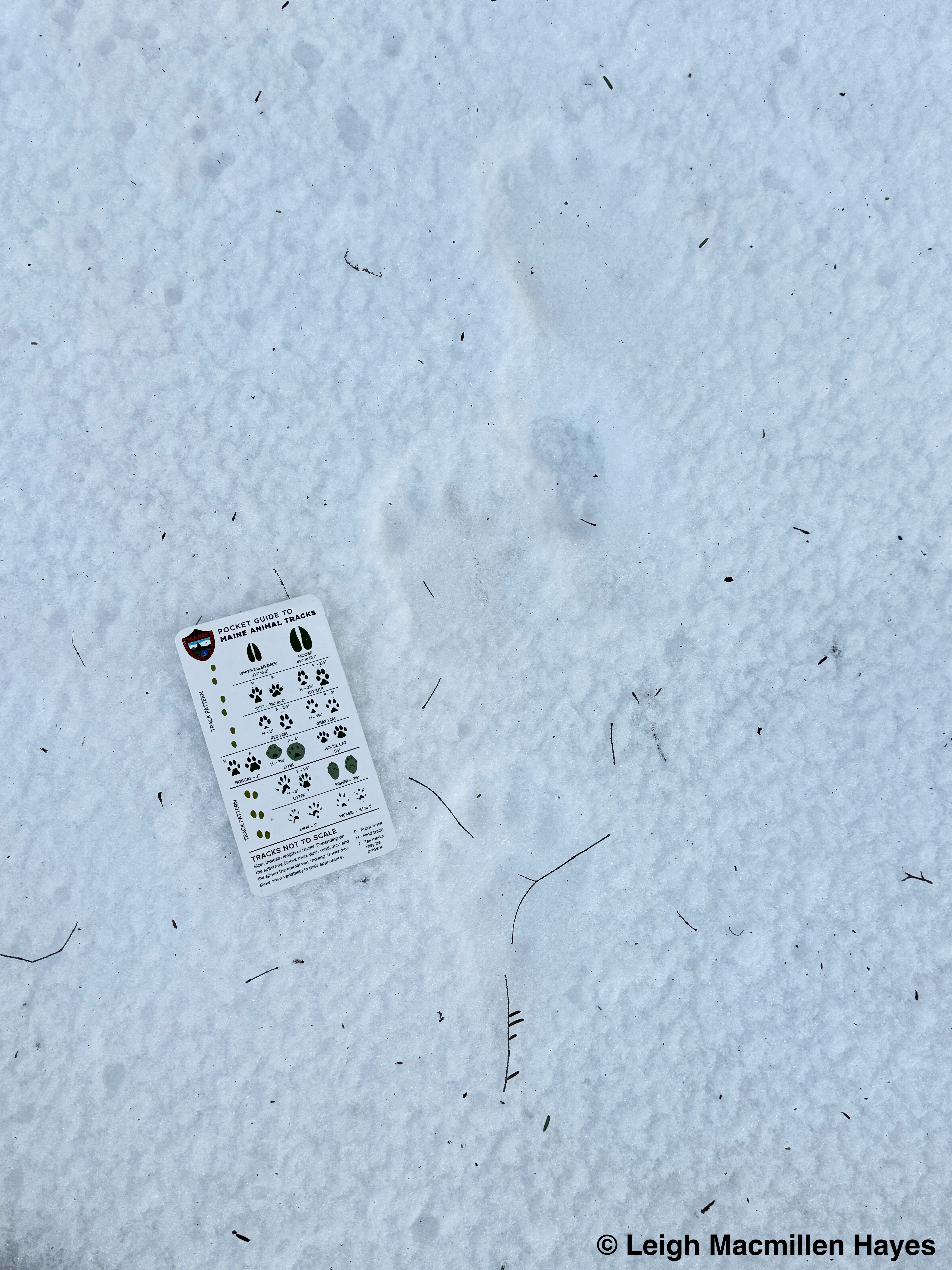

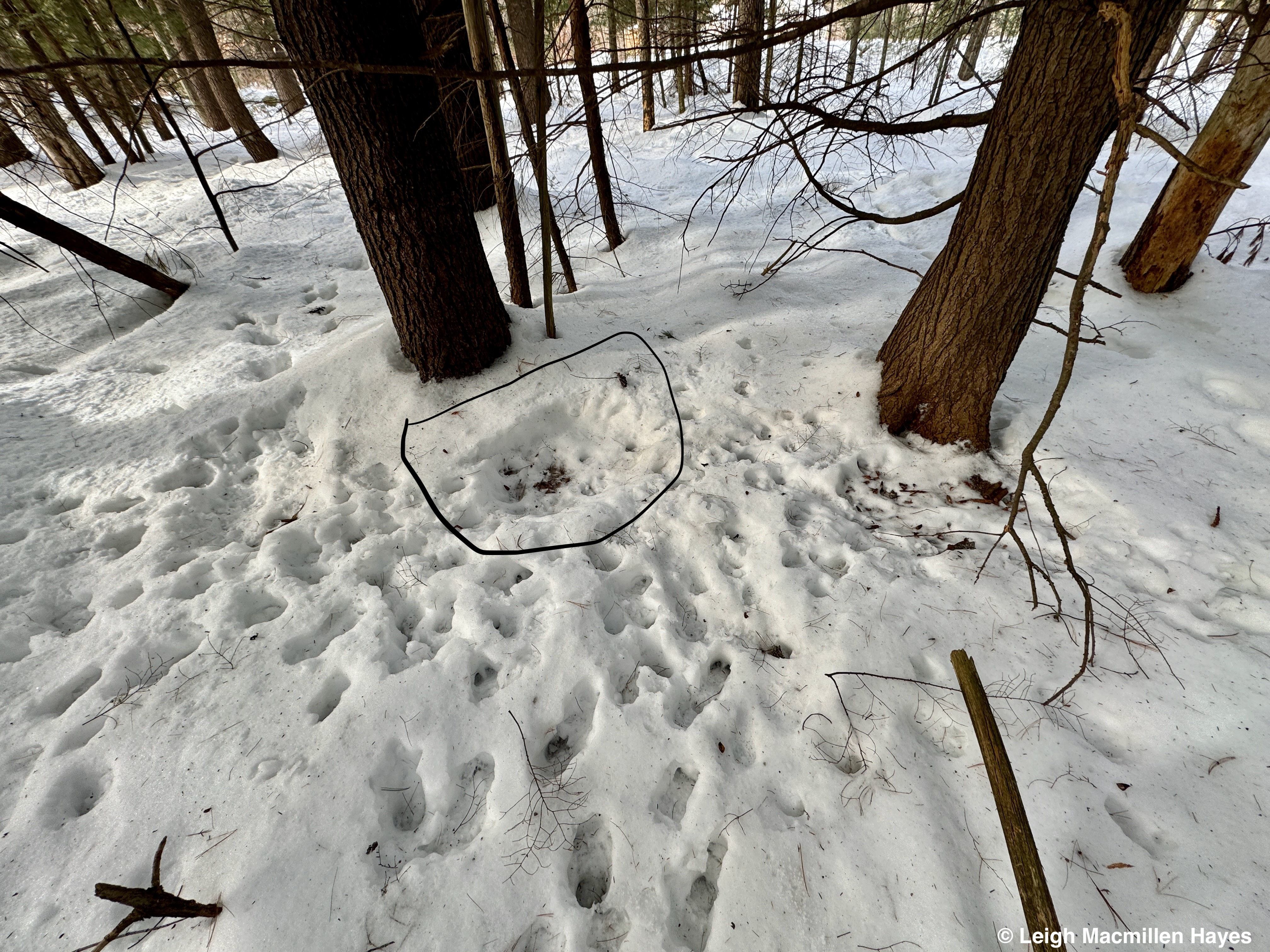

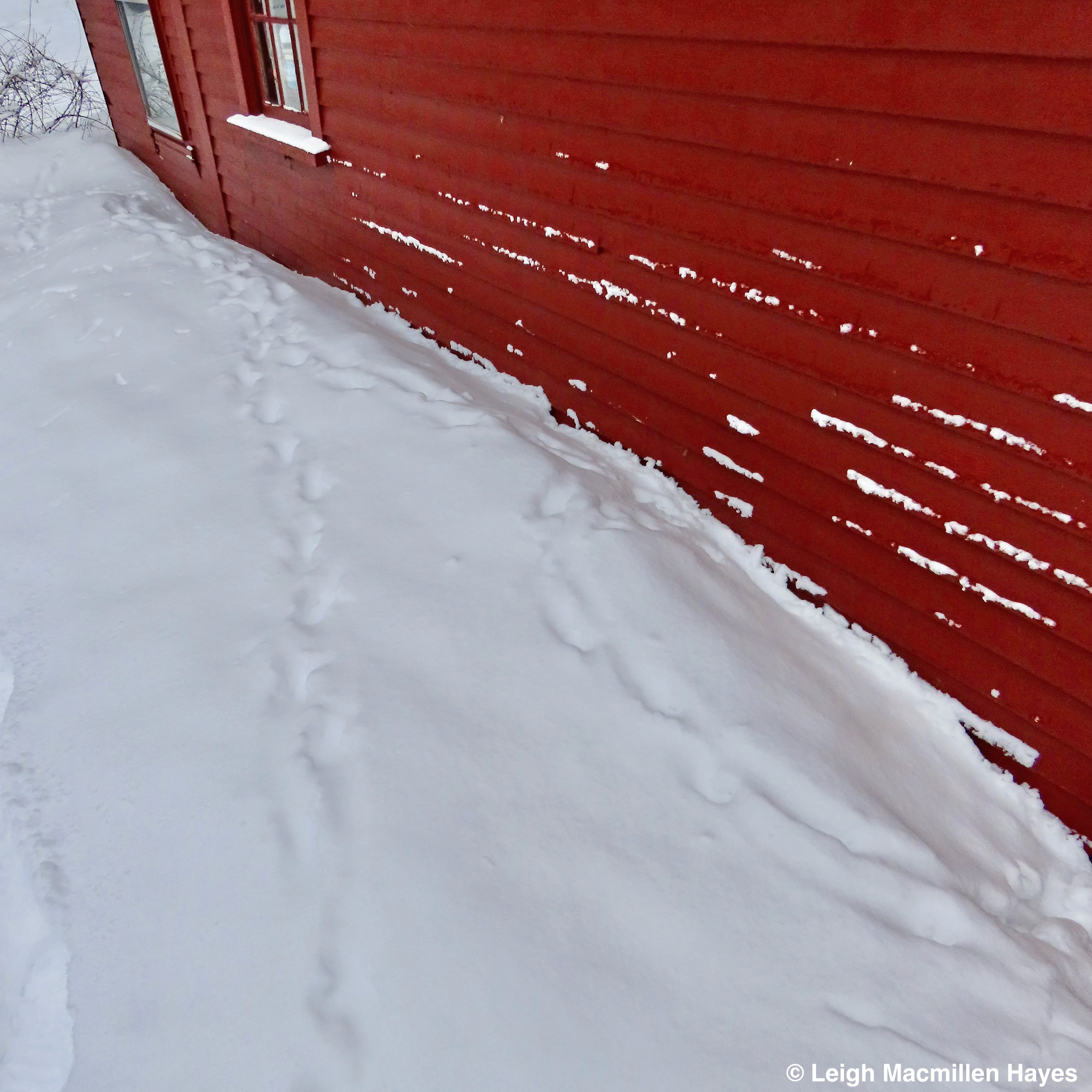
 wondermyway