Grab a cuppa your favorite beverage cuze this is gonna be a long one.
We haven’t taken a vacation in the past two years, but this past week changed that . . . thankfully. It was rather a last minute decision and the Wednesday evening prior to our Sunday afternoon departure found us booking places to stay and suddenly it felt real.
And then it was.

After a long drive, which we split up with a stay in Scranton, Pennsylvania, where we kept looking for the truck carrying “30,000 pounds of … bananas,” we pulled into Front Royal, Virginia, and vacation really began.
Our intention was to drive along Skyline Drive in Shenandoah National Park and hike as many trails as we could fit into five days. Thankfully, our friend Kimmy had given us a bunch of suggestions, and the rangers at the Visitor Centers had maps for each one.

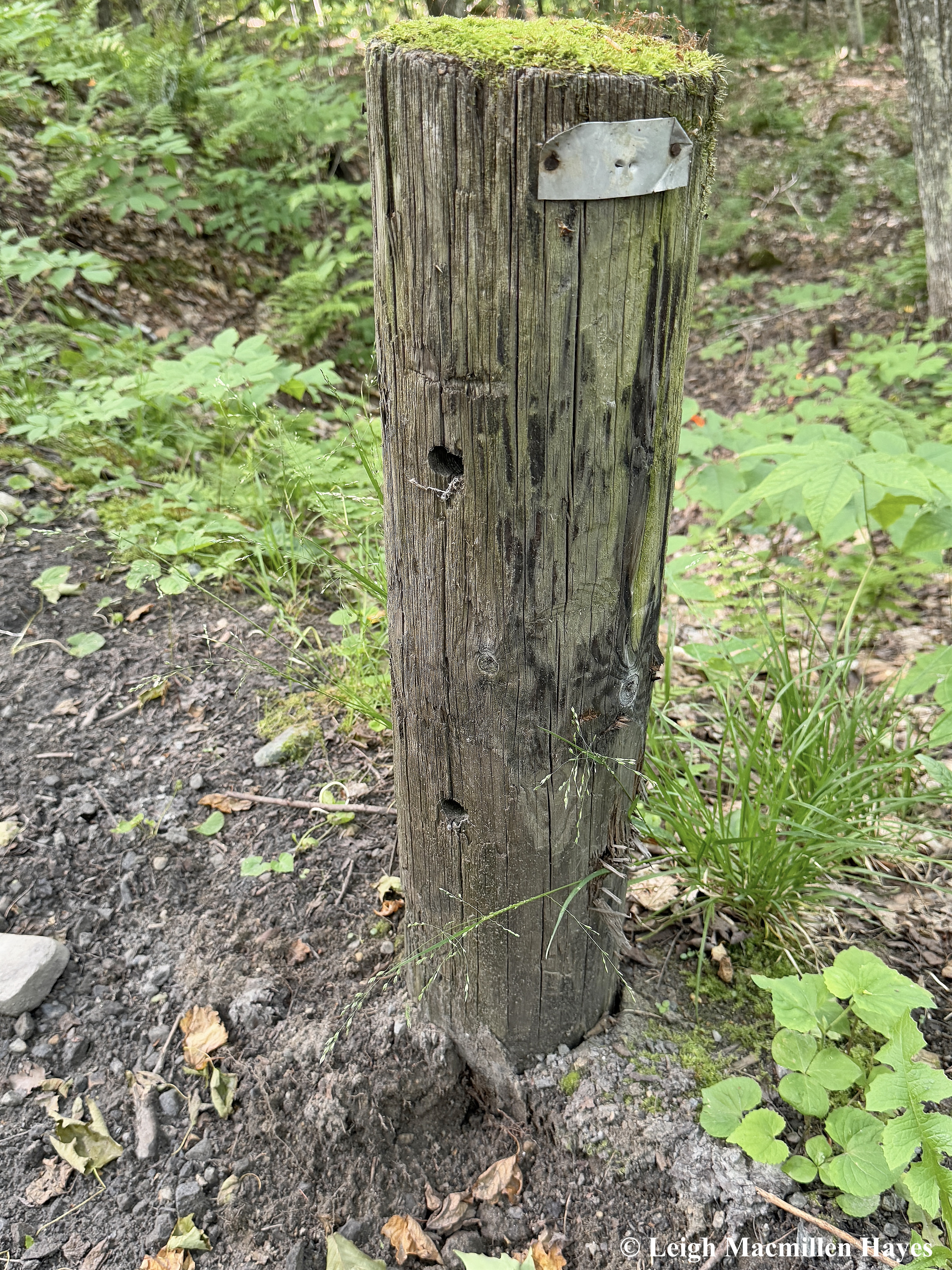
On each of the trails we hiked, metal bands on the trail markers were stamped with the direction and mileage, and after not paying attention on Day 2, and finding ourselves at least a half mile beyond the point where we should have been looping around, we had to backtrack, and learned our lesson. Always check first before proceeding.

Had we looked, rather than thinking that we knew better, we would have discovered that the trail was to the right.
But it was a loop, so we thought we would end up back in the same spot. The laugh was on us. And laugh we did.
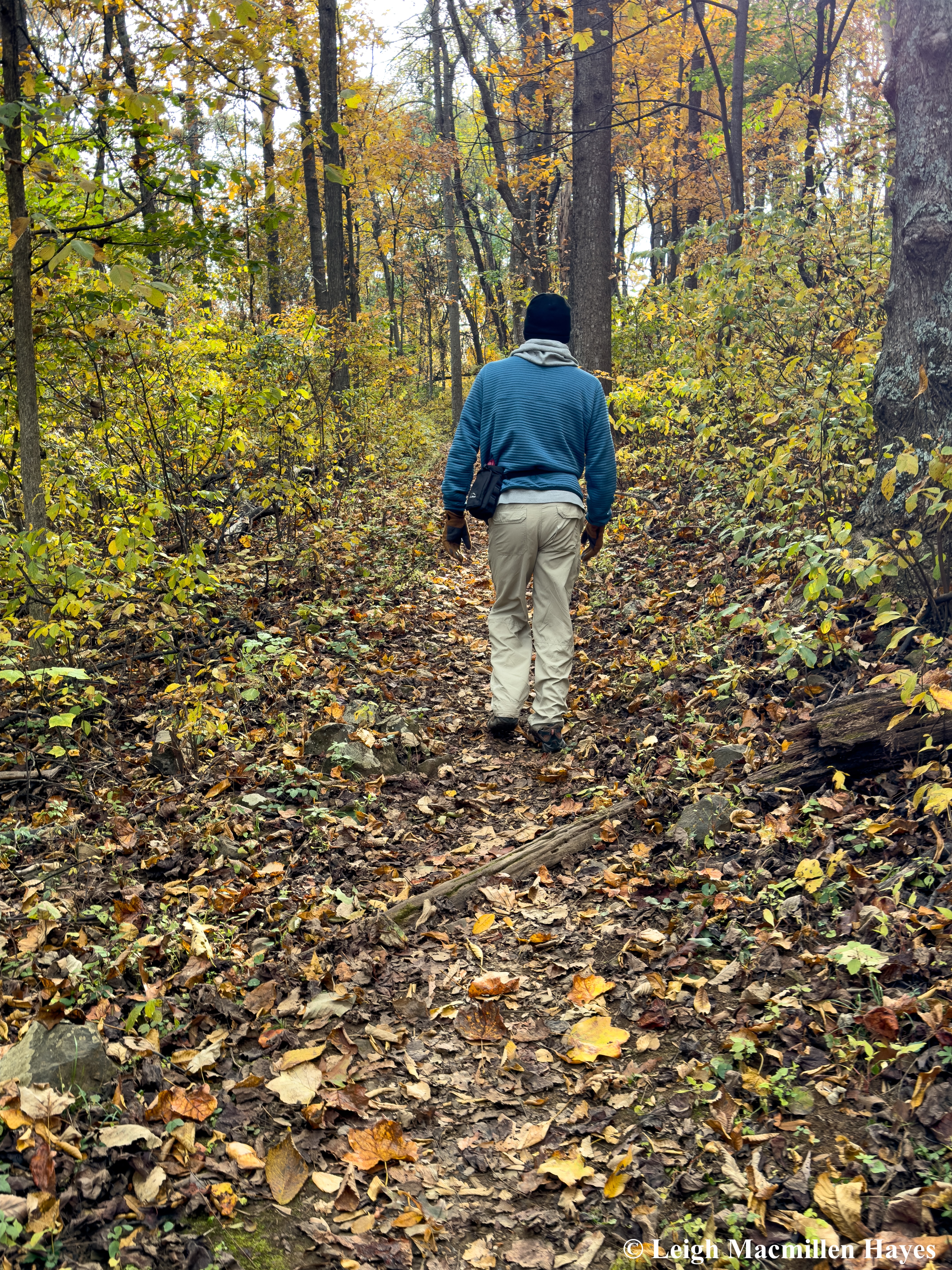
The trails we followed varied from easiest to moderate to difficult with somewhat steep sections or scrambles, and we loved the variety . . . underfoot and in the shrubs and trees, but more on that in a wee bit.

Many had outlooks where we could enjoy the view, but one in particular, reminded us to look, that being White Oak Trail.
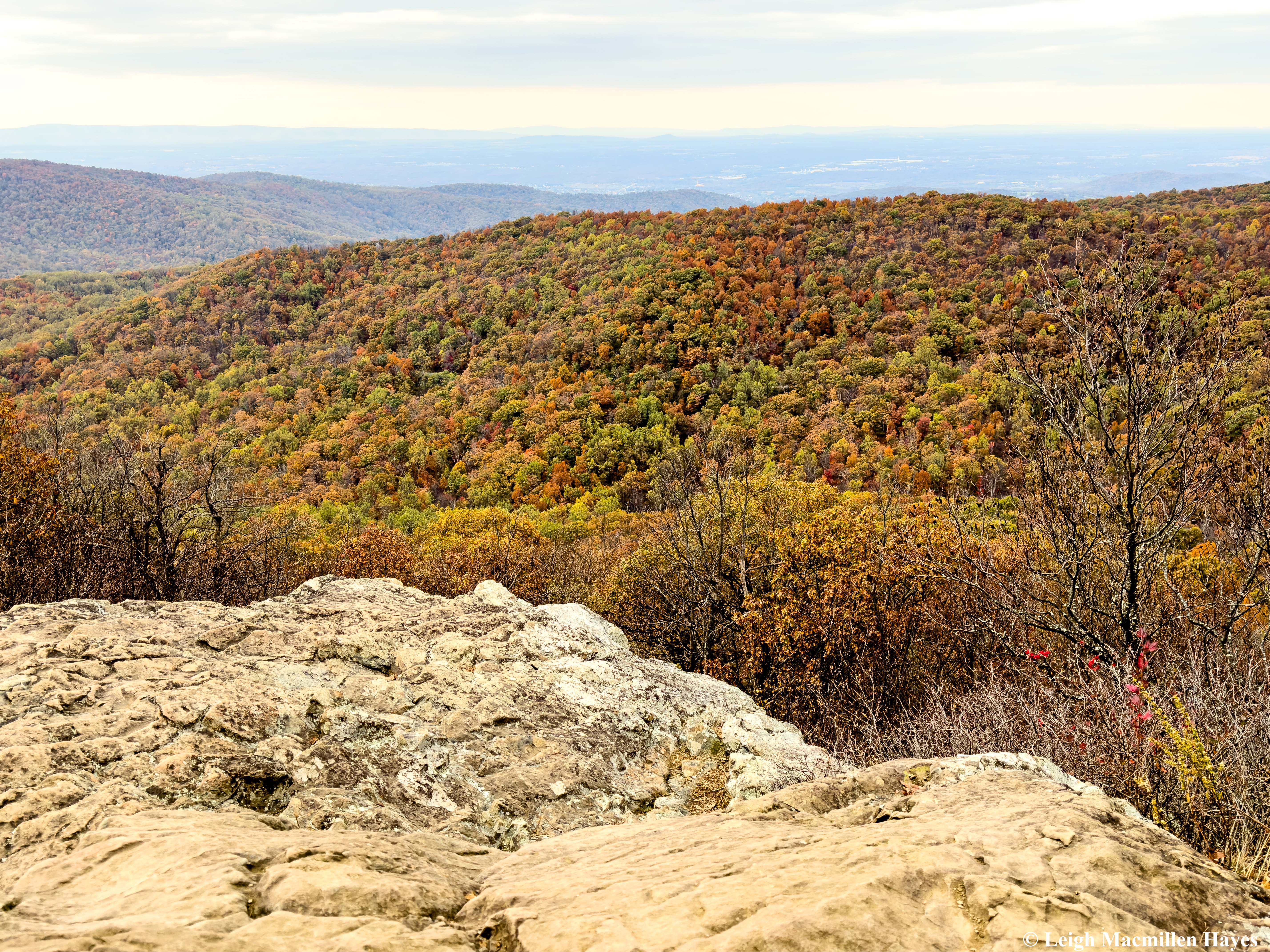
As the week went on, it was fun to note how the foliage changed. When we first arrived, the view at Compton Gap was that of a November tapestry . . . golds and greens and oranges and rusts . . . just a bit past peak. By the end of the week, after a windy, rainy period, many trees had lost their leaves.

The next day, though we drove up the long and windy road and through Mary’s Tunnel, it was said rain that greeted us.
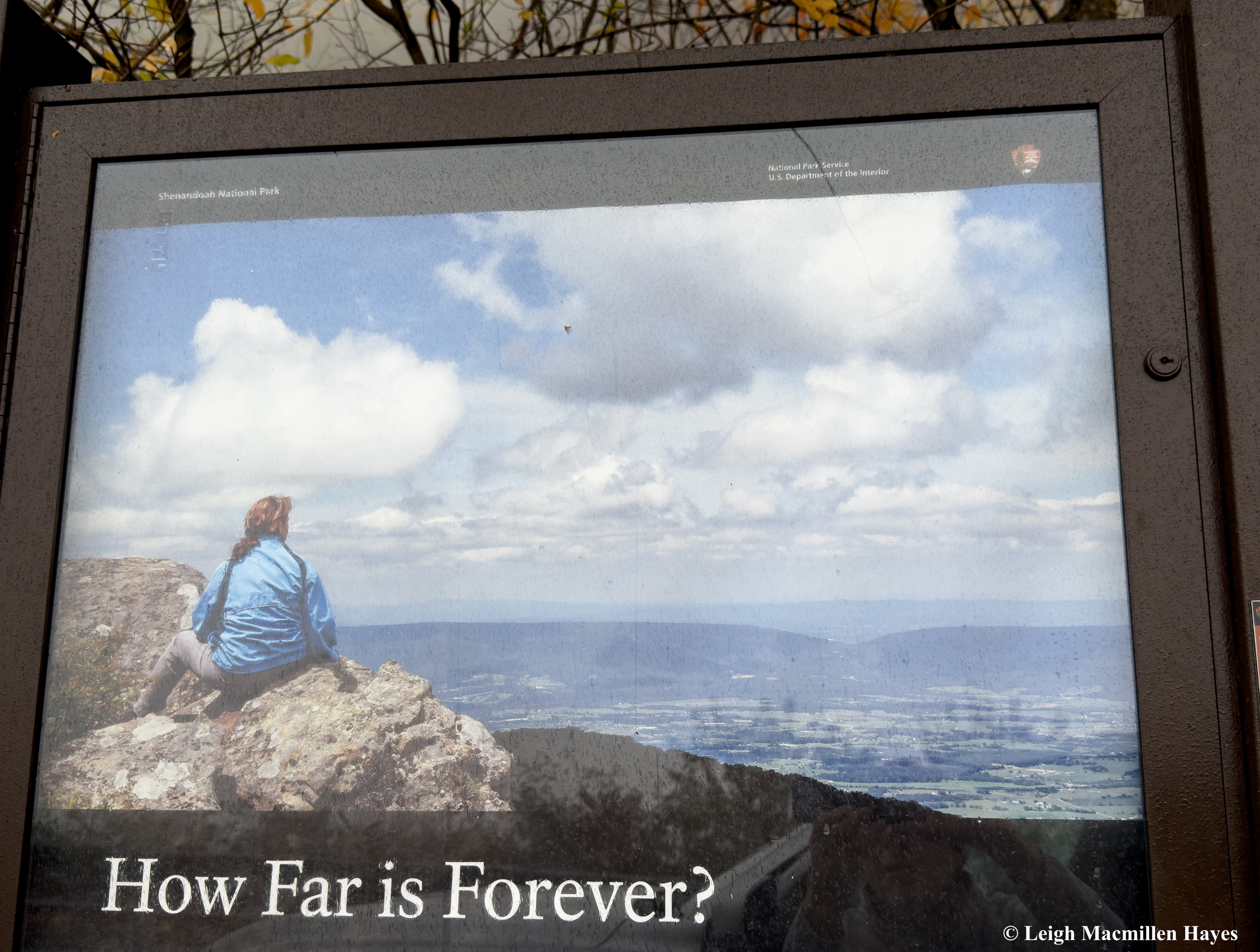
On that day and on and off the next, how far Was forever?
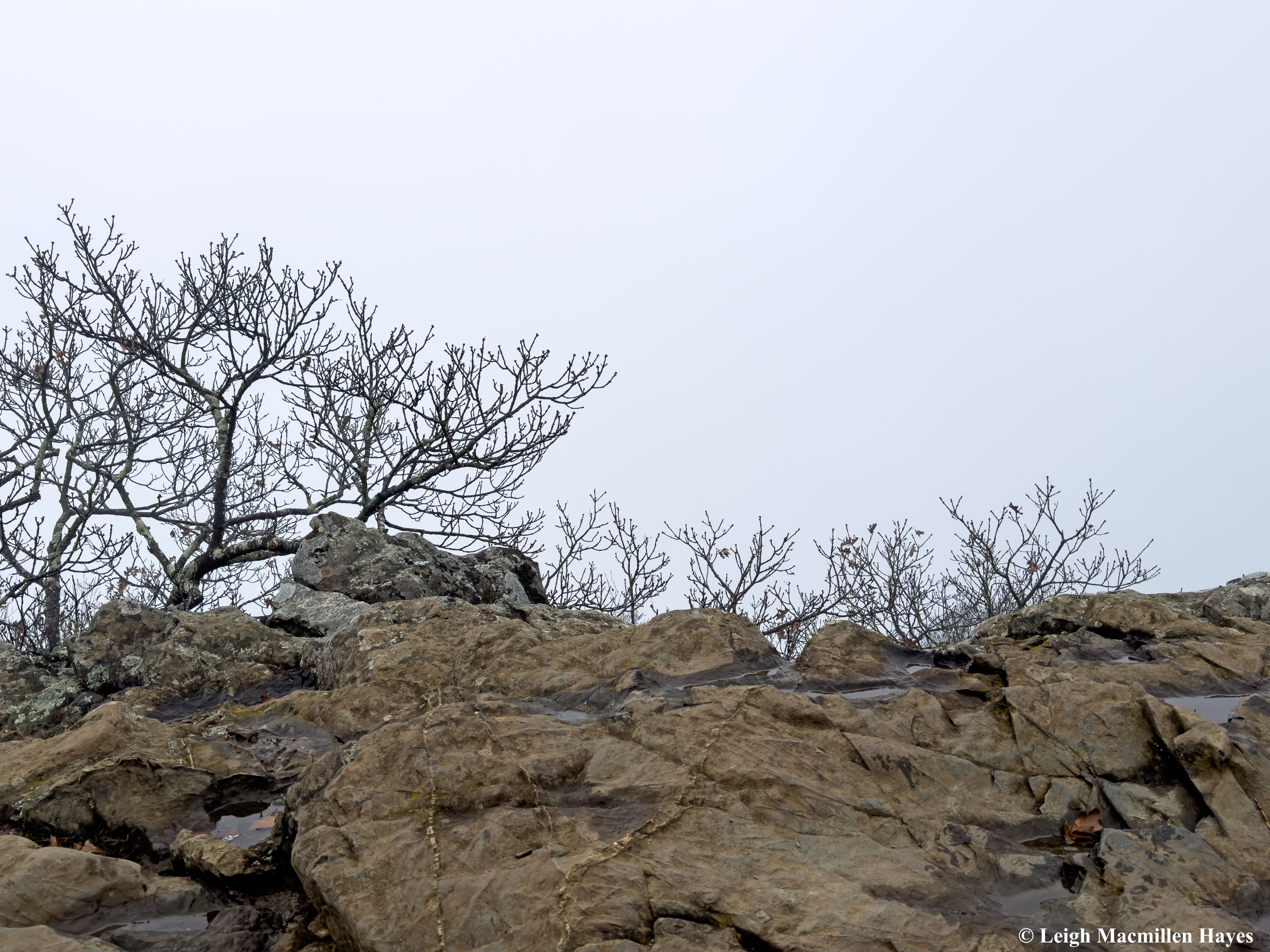
Not very.

Even from the stone look-out at the summit of Stony Man, all was obscured.
But . . . we weren’t the only ones making the trek, and as we met other hikers along the way, we all chuckled about the lack of a view.
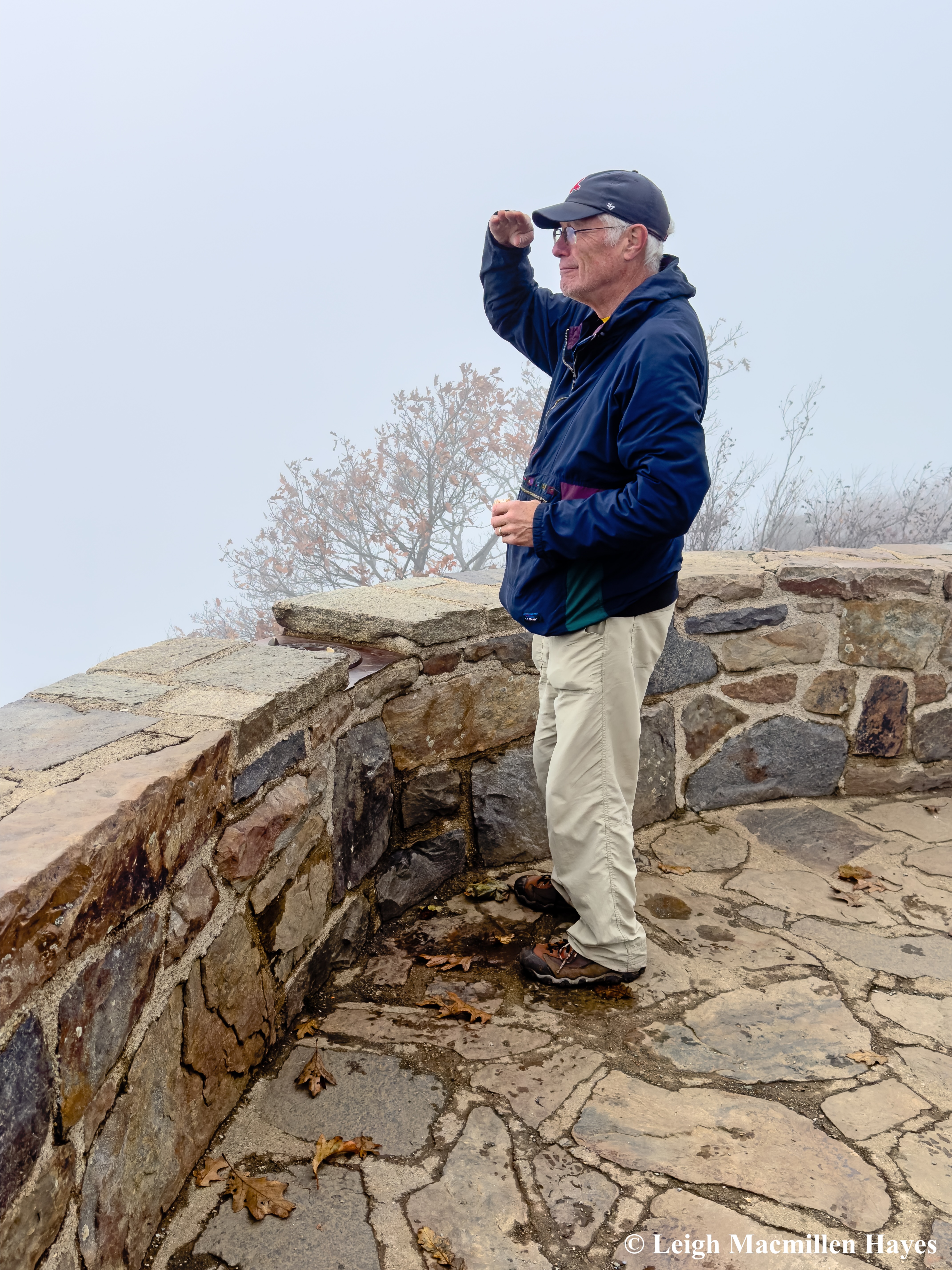
It didn’t really matter. We were there to hike, and that we did. And to enjoy each other’s company, and perhaps the lack of view put the emphasis on the latter focus.

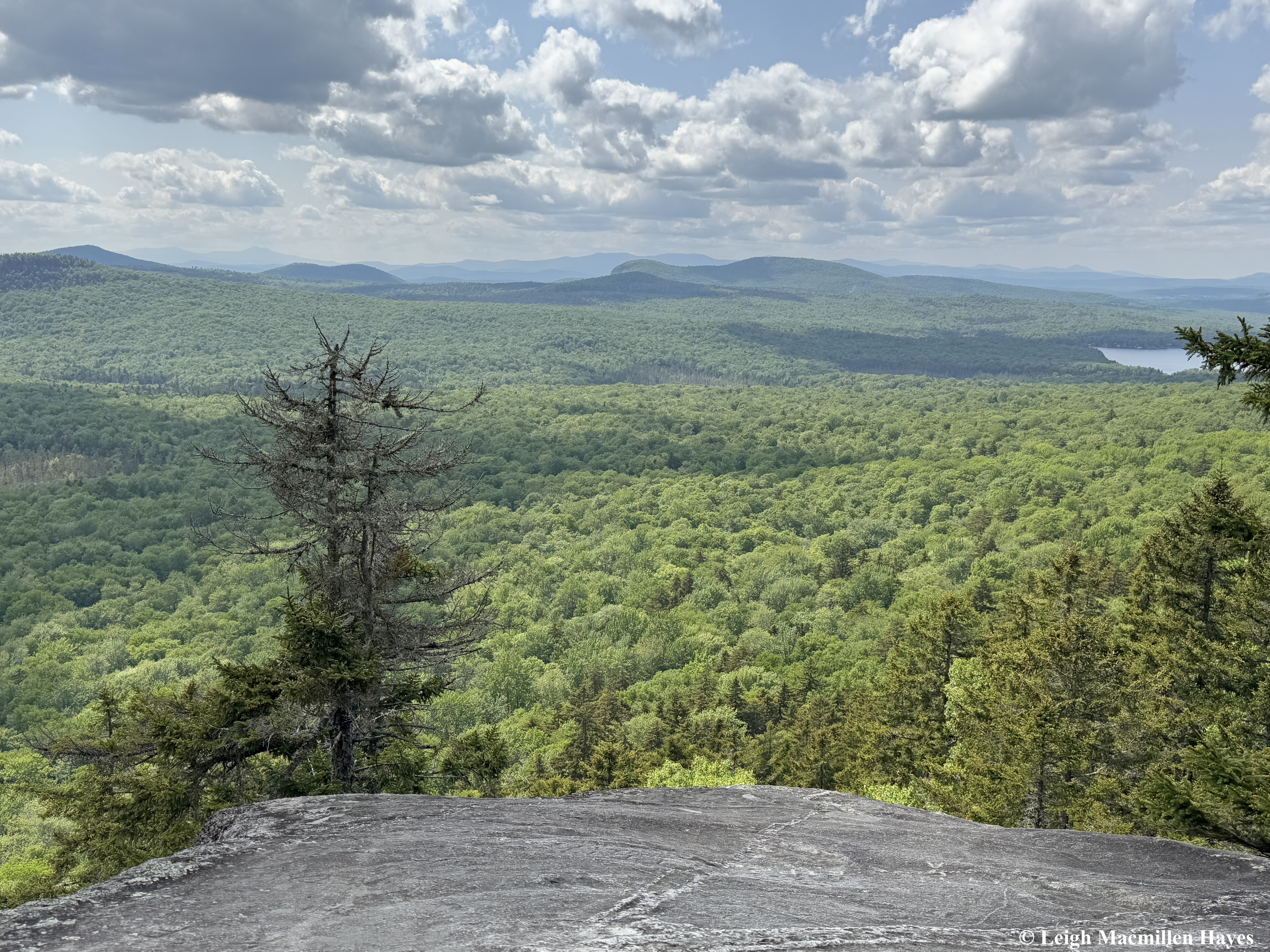
There were other days or even moments on the same days, when we could see Forever, and gained a better understanding of the local topography.
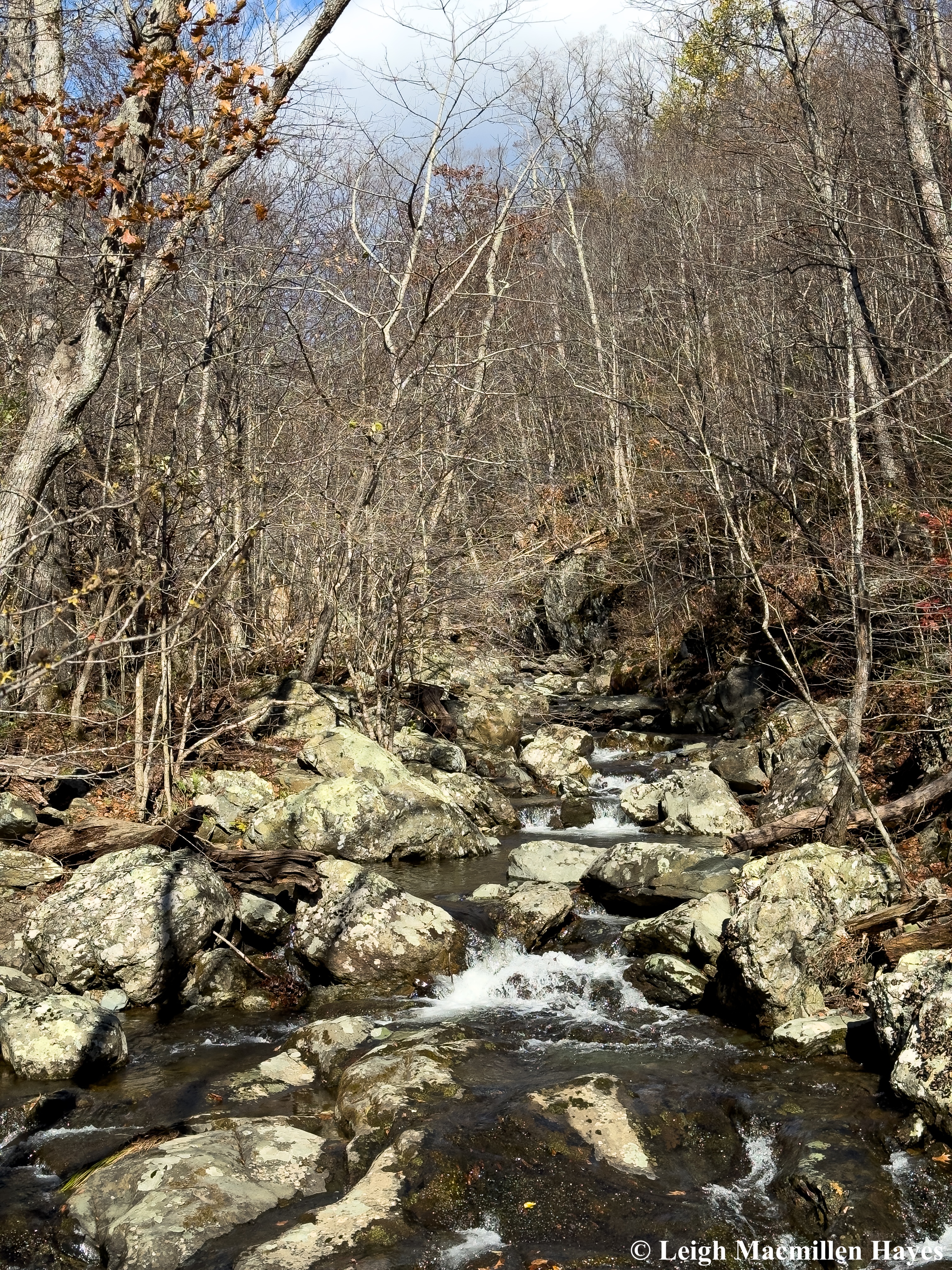
And sometimes we followed water, the very sound of which gladdened our hearts because it’s been so dry not only in New England, but also in the mid-Atlantic states, maybe more so, and the rain was welcomed by all.
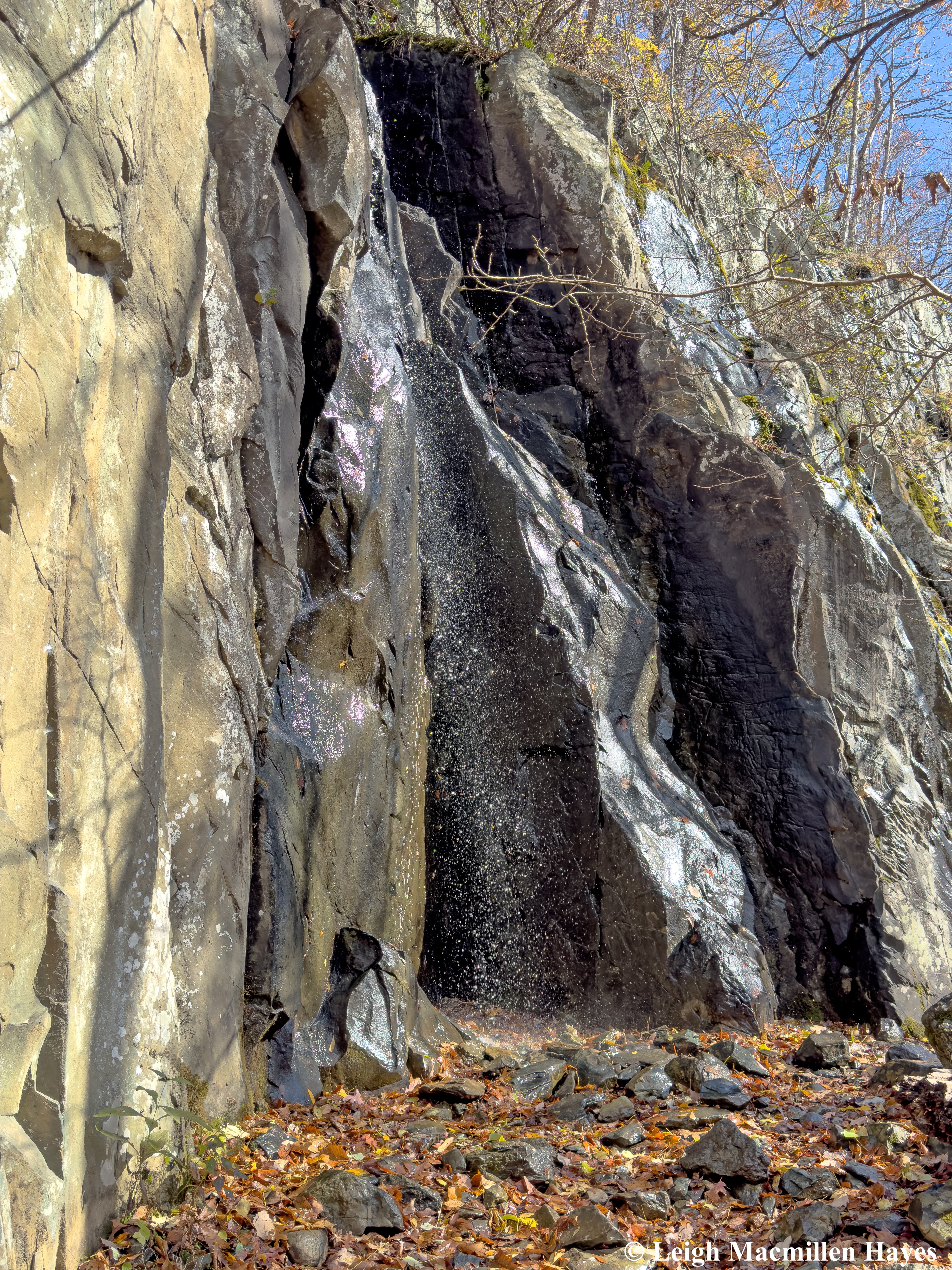
It even offered instant showers and since we were on and off the Appalachian Trail, we suspected thru-hikers might enjoy this very spot where the water poured down as a gift from above.
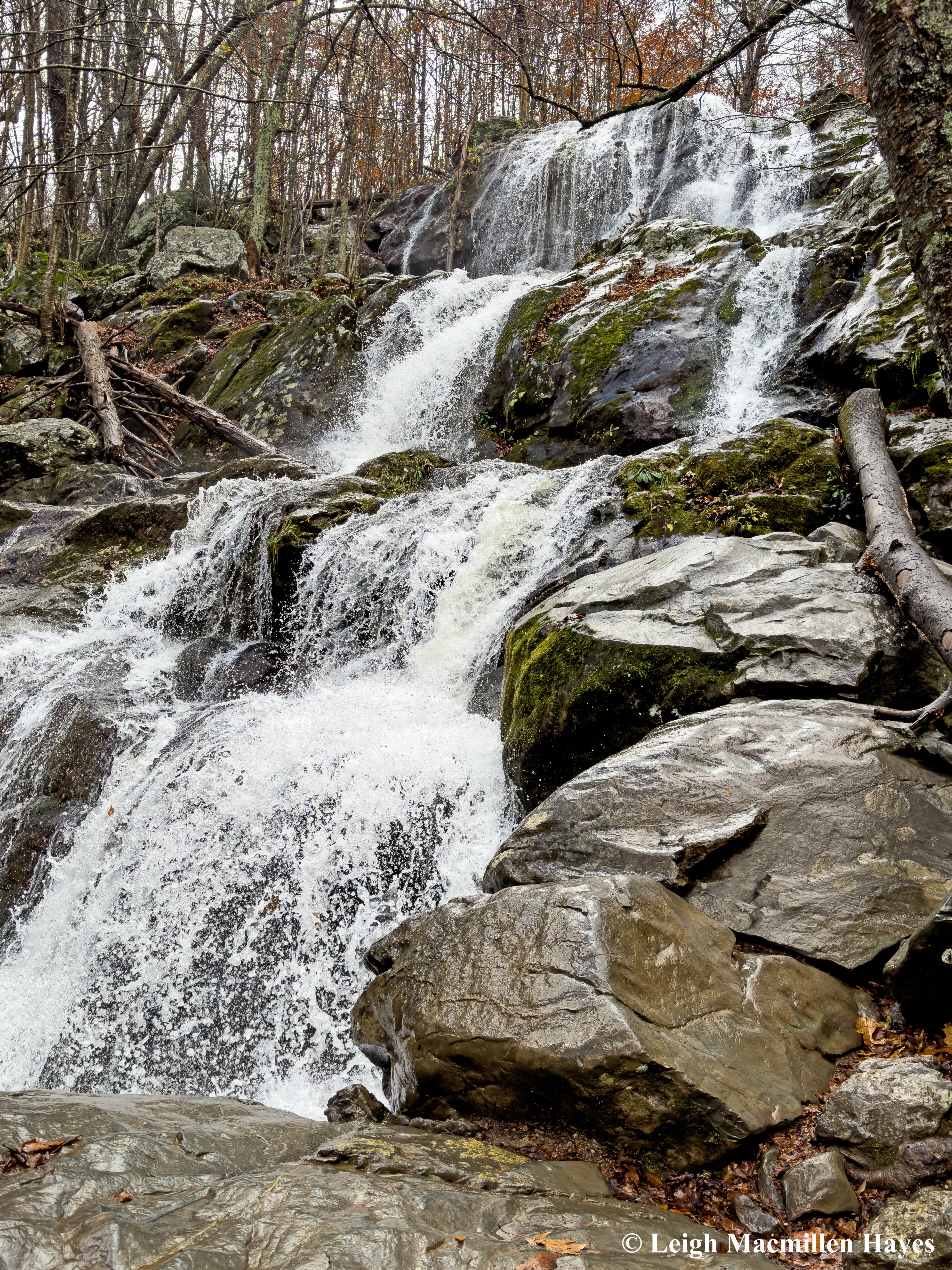
By week’s end, we had three favorite hikes, this one being to Dark Hollow Falls.
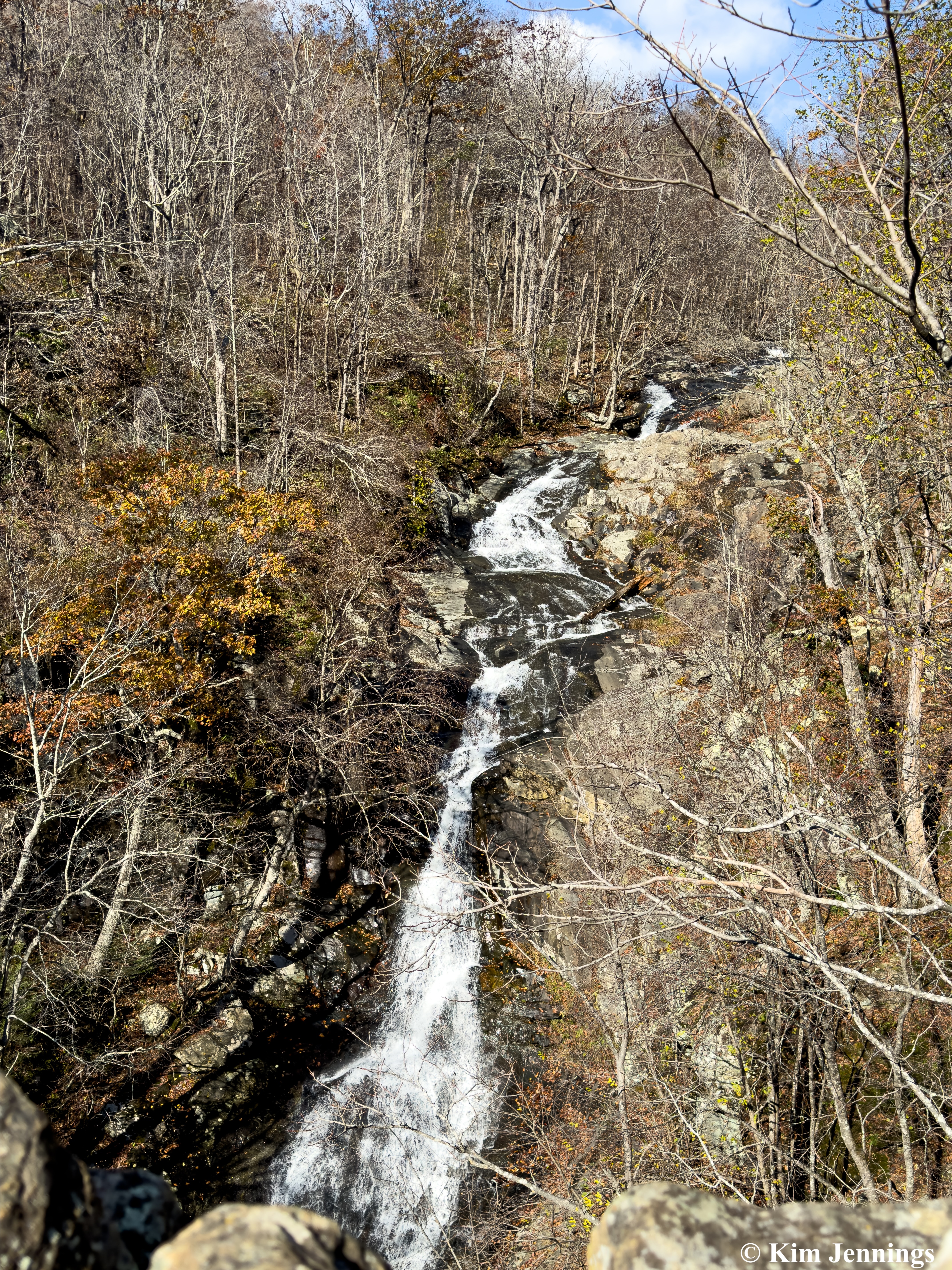
And then with two friends to White Oak Falls we discovered another favorite. I must admit that though this photo was taken with my camera, I let my friend, Kimmy, do the dirty work as the rocks she climbed over daunted me, especially as the wind roared.

The view also included much smaller sightings, like this Shaggy Soldier (Galinsoga quadriradiata), a curious little plant that was still in bloom along many of the trails. From a Botany in Scotland Blog, I read that “The genus Galinsoga is named after Ignacio Mariano Martinez de Galinsoga (1756- 1797). He was a famous physician in Spain’s royal court and is remembered most for writing a book about the health hazards of wearing corsets.” I’m not sure that answers the question of why the common name, but I do know that I completely agree with him about the health hazards of wearing corsets.
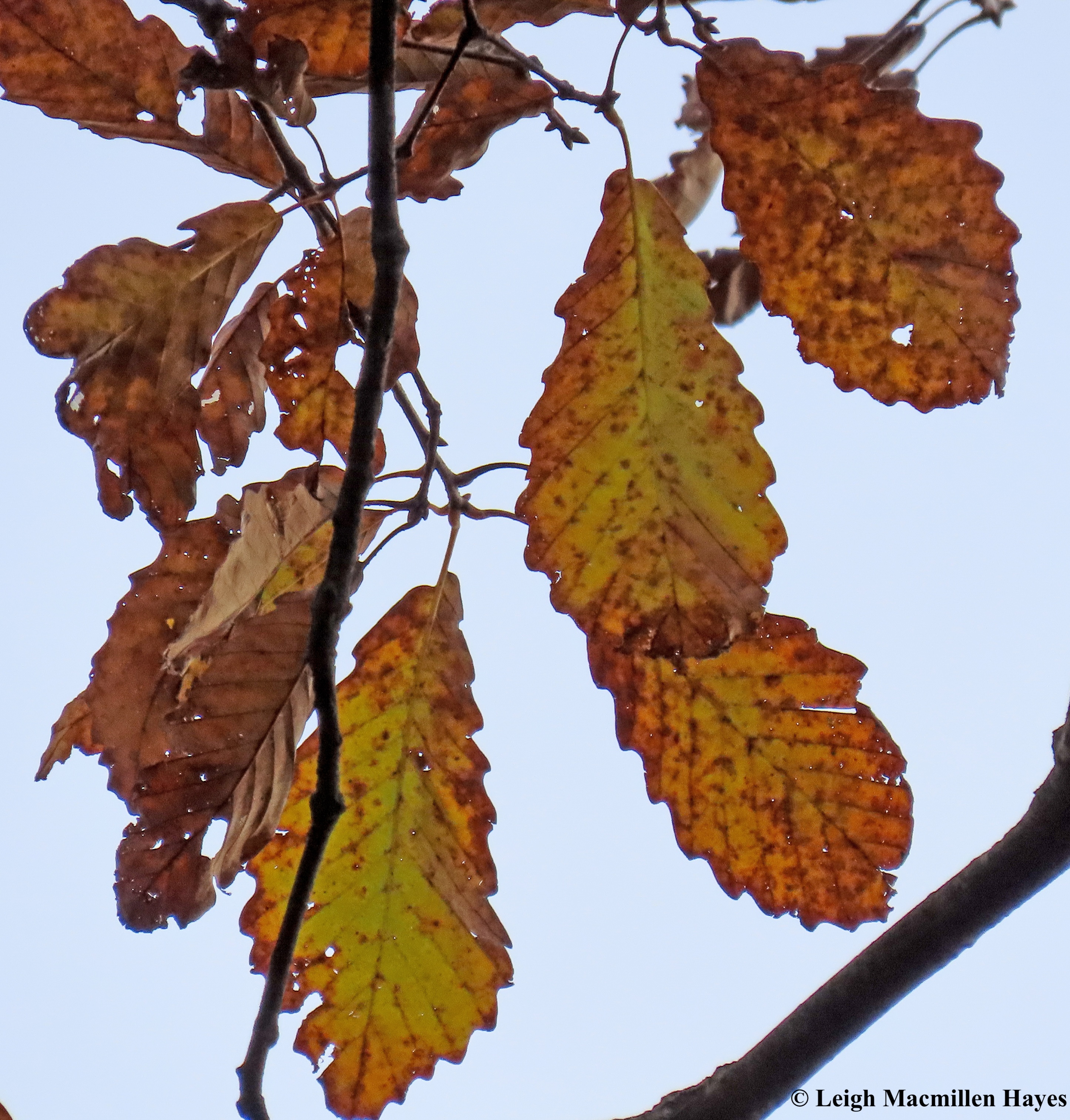
My heart nearly split in two when I spotted these Chestnut Oak leaves. A friend recently saw one of these in Portland, Maine, but this was my first introduction to the species.
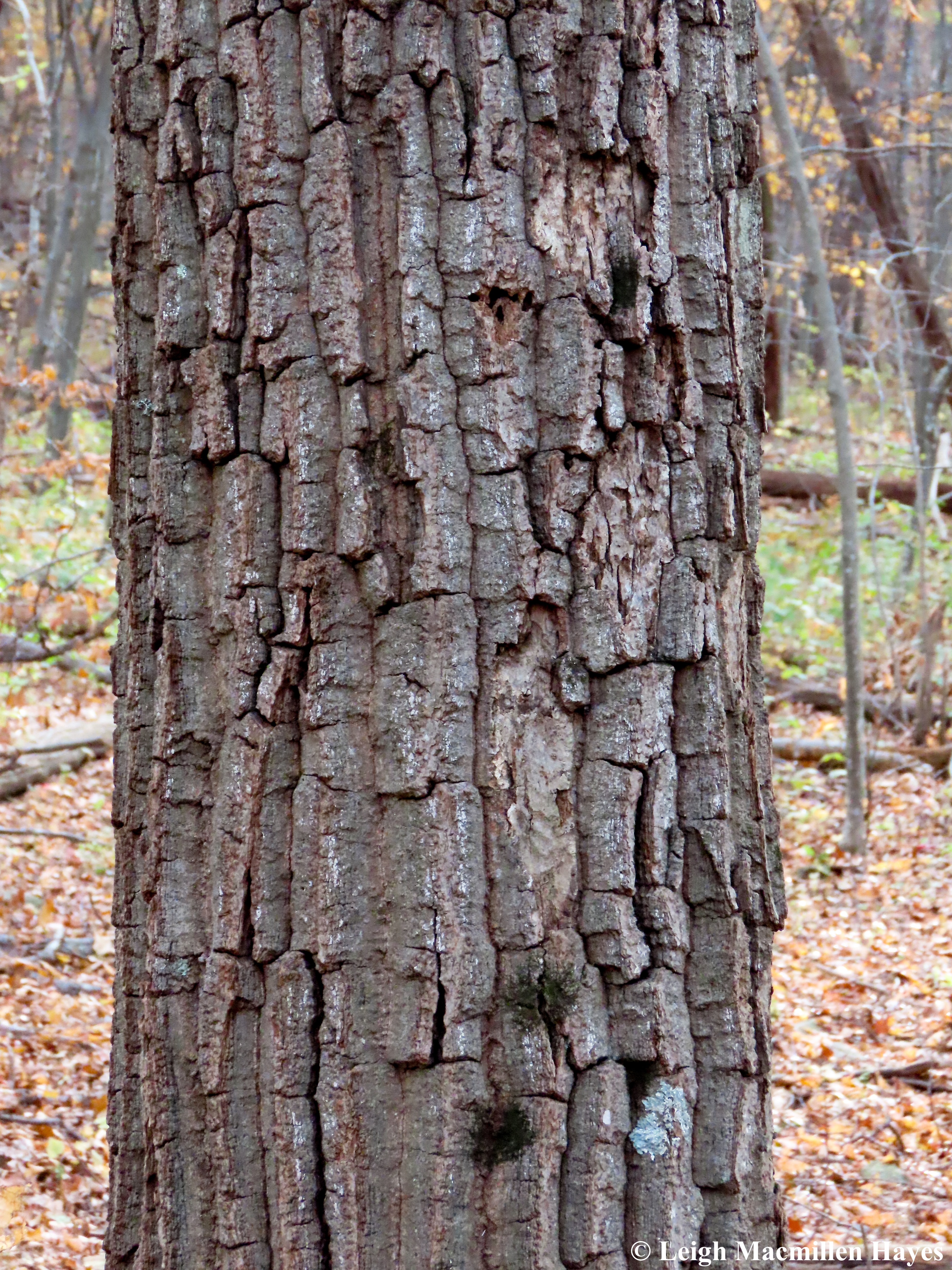
The mature bark is a combination of ridges and furrows, with a blocky presentation.
As I continued to meet new trees, I was thrilled and challenged and so purchased a Pocket Naturalist® Guide of Virginia Trees & Wildflowers.

My next introduction was to Sassafras, with its tulip-like, three-lobed leaves. There were so many on the ground, that they became part of the scenery along some trails.

And on Day 2, yes, it was chilly, but I took the opportunity to honor a Sassafras with a hug. That was one huge tree.
Again, the bark had ridges and furrows, though it wasn’t blocky like the Chestnut Oak. But . . . I could have easily thought it was an Ash. In hindsight, however, we didn’t encounter any Ash trees.
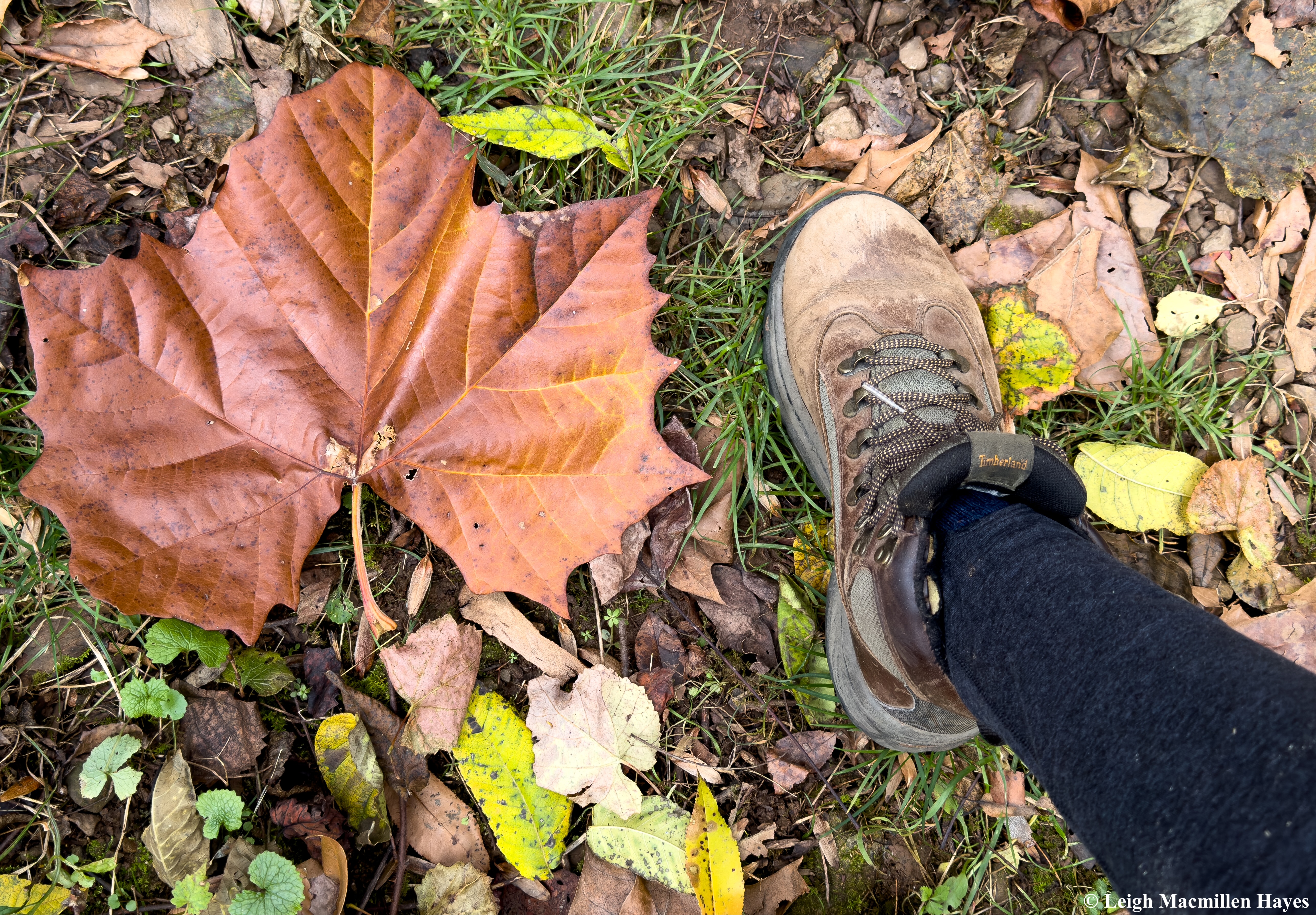
Though I have met the American Sycamore before, in fact, there used to be a large one in a neighboring town and for all I know it may still grow there. it was still fun to get a sense of the size of the leaves.

And then there was the Eastern Cottonwood, a cousin of our Aspens (Poplars), and I could only imagine all of the fluff along the Hawksbill Greenway in Luray, where this tree grew.

By its bark, I never would have known it, but fortunately, there was a sign below it that indicated it was a Cottonwood. I love signs!
Again, any of the barks we met all looked the same, at least during our brief encounters, so I was grateful for leaves that helped me differentiate them.

Others from away have mentioned Pawpaw, but this was my first time seeing the leaves that are widest at the middle.

They seemed to grow in clumps or groves and I wondered if they were all from seeds or is some root sprouting had also taken place. They reminded me of American Beech, which can do both and quickly fill an area where the sun shines.

One that I had never even heard of was the Princess-tree, and it had leaves the size of umbrellas. I’ve since read both pros and cons about this tree and you can do the same and make up your own mind about it, but it was certainly a surprise to meet it.
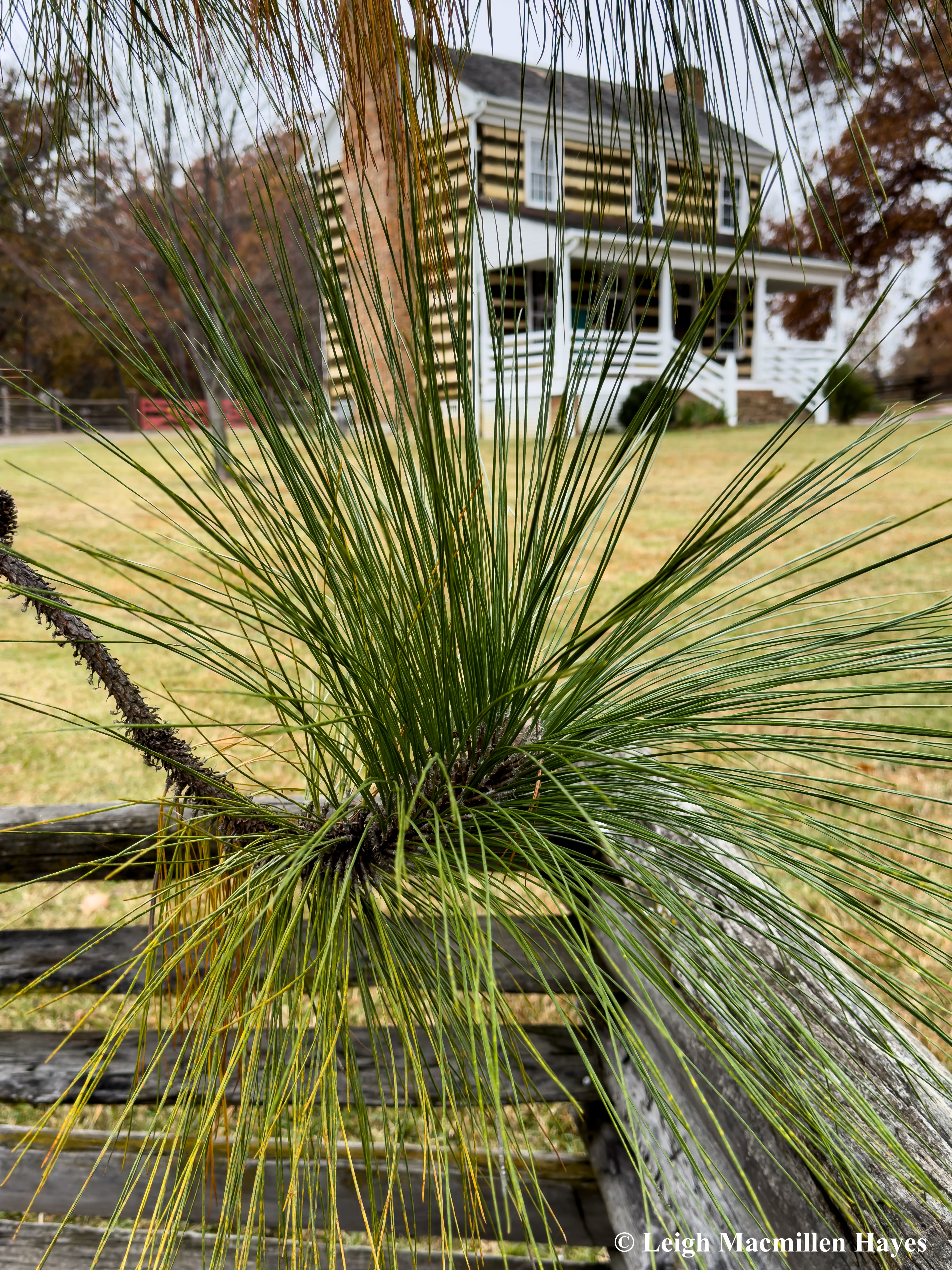
Almost last was one we found at the Shenandoah Heritage Village Museum. Again, I’ve heard of it, but this was a first time seeing it. My what long needles.

At about eight inches, each packet of three led me to identify it as a Loblolly Pine. I am sooo grateful that I purchased that guide.
So here’s the thing about the conifers. For a couple of days we met only deciduous trees, and most of them were the species I mentioned above. And then, as we went higher in elevation, we began to meet a few Eastern Hemlocks and White Pines and many of the trees we are familiar with in our woods. My Guy even noticed the various communities, and along some trails Mountain Laurel grew almost like a hedge.

I’ve saved this particular leaf for last in the tree section of this blog. Oh, believe me, I have plenty more to say. But this skinny leaf that My Guy held for me, is another Oak species.
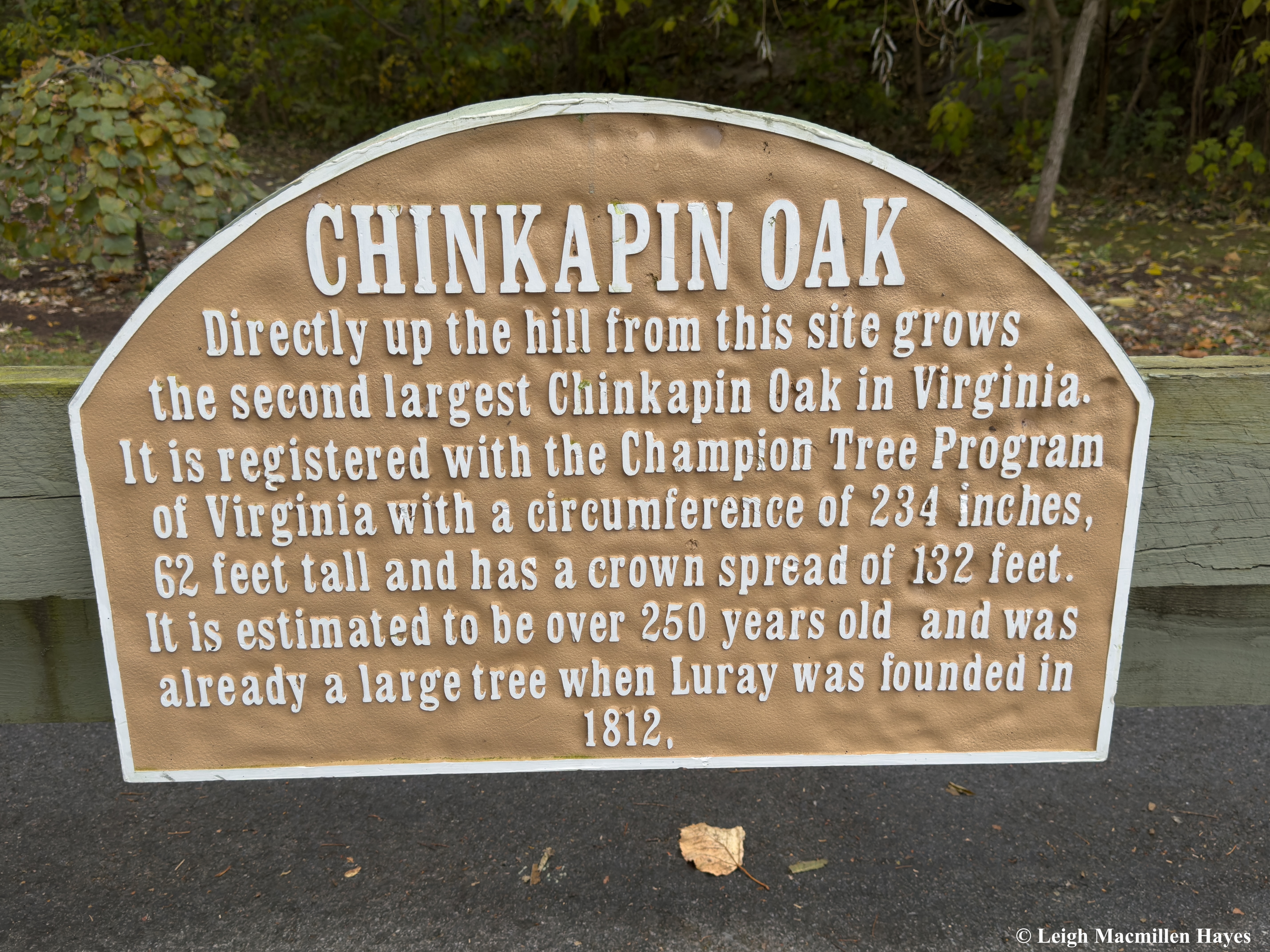
We only knew about it because on our rainy day hike, when we turned around from a mountain adventure and decided instead to explore in Luray, we discovered this sign along the Hawksbill Greenway, a two-mile trail through town.
We looked up the hill from the sign and didn’t spot anything that looked different. After we’d walked to both ends of the trail and back to our starting point in the middle, we headed up one street that led us to the next, and then one more because we had spotted something that we thought just might be the champion.

Meet the Chinkapin Oak. Born about 1775, think about all that this tree has witnessed. I wanted to hug it, but refrained because I didn’t want to accidentally introduce something to it. For example, what if I had teeny aphids on my mittens that I wasn’t aware were there from having touched other trees? No, instead, I just stood in awe of this mighty giant. We both did, actually.

Returning to the trails, sometimes we came upon historic sites, this one being the Fox family graveyard.

Lemuel F. Fox died in 1916 at the advanced age of 78. That’s actually an incredible feat.

Especially considering he survived the Civil War, where he served with the Confederate States of America.

At the Snead Farm on another trail, we discovered what seemed to be a raised dooryard and large foundation and sensed the Sneads had some money.

Perhaps the house burned down, or was taken apart and moved, but the horse barn still stands.

I peeked into each of the stalls, just because I could.
Interestingly, visitors can ride horses on some trails specifically designed for them. though this one isn’t.
It’s a place for everyone, including those with mobility issues, for the Limberlost Trail is accessible. .
And truly it is a place for everyone as we met people from a variety of states and countries, including Sri Lanka, Spain, England, Germany, Israel, and more.

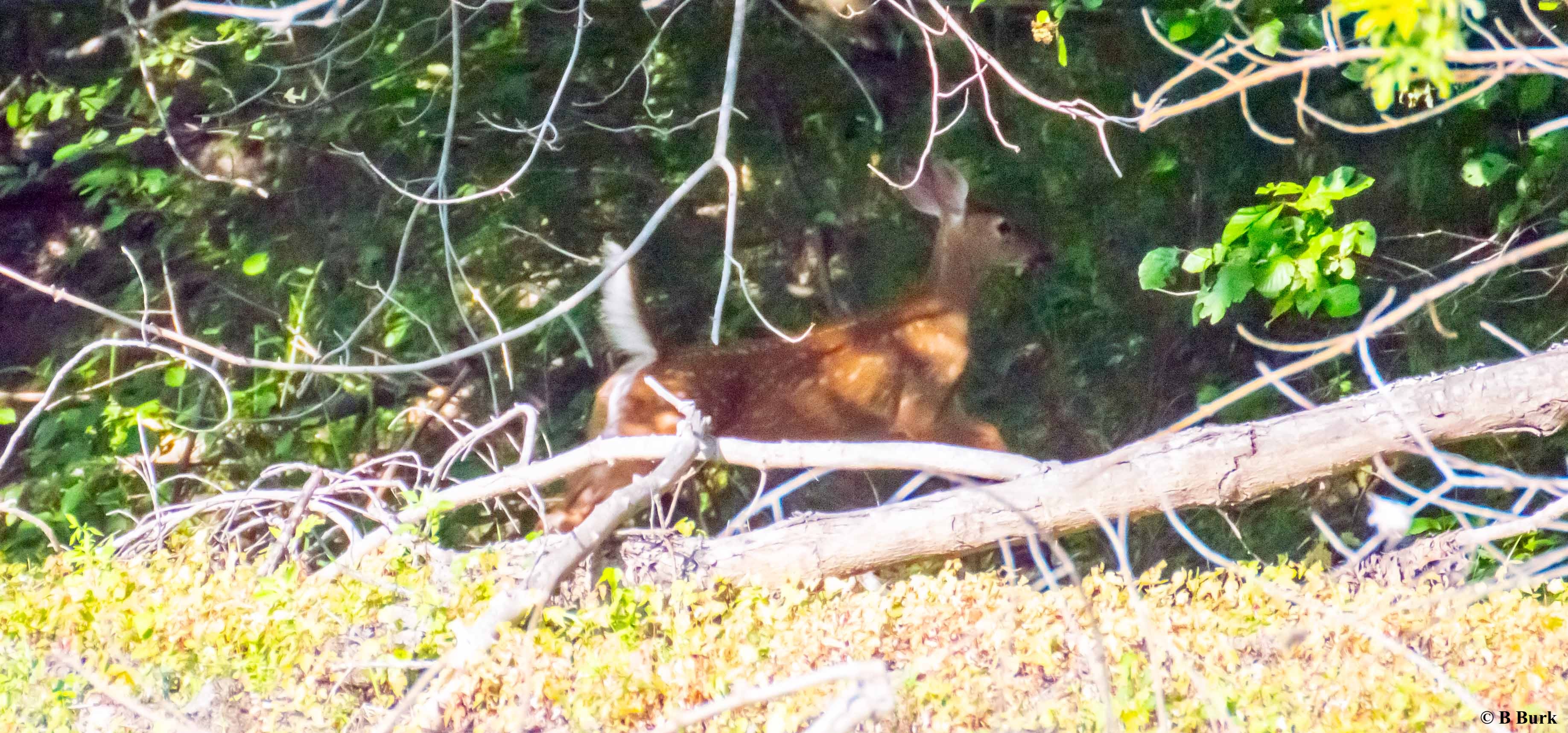
A place for all also includes the critters who make their homes here. Deer. Did I mention White-tailed Deer? They are everywhere. We also spotted the occasional Gray Squirrel. And we really wanted to see a Black Bear, but didn’t have that opportunity.
Our most prolific mammal sighting, other than Deer, the Northern Short-tailed Shrews. These are not everyone’s favorite food as they emit a toxin and so are quickly dropped upon capture. Either one larger predator didn’t learn the lesson the first, second, third, fourth, or fifth time, or there are so many of them running around at night that the everyone tries to make a meal of them.
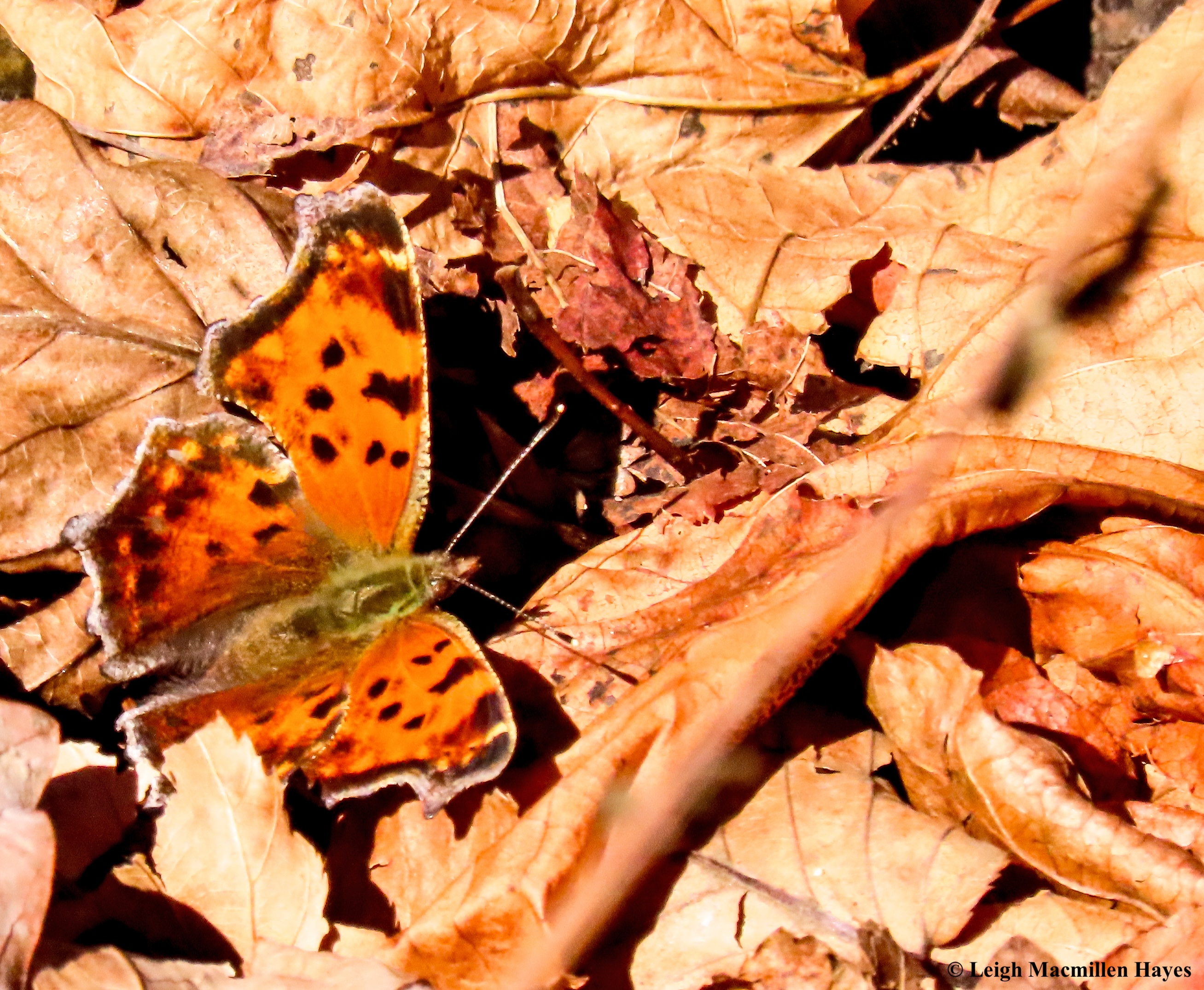
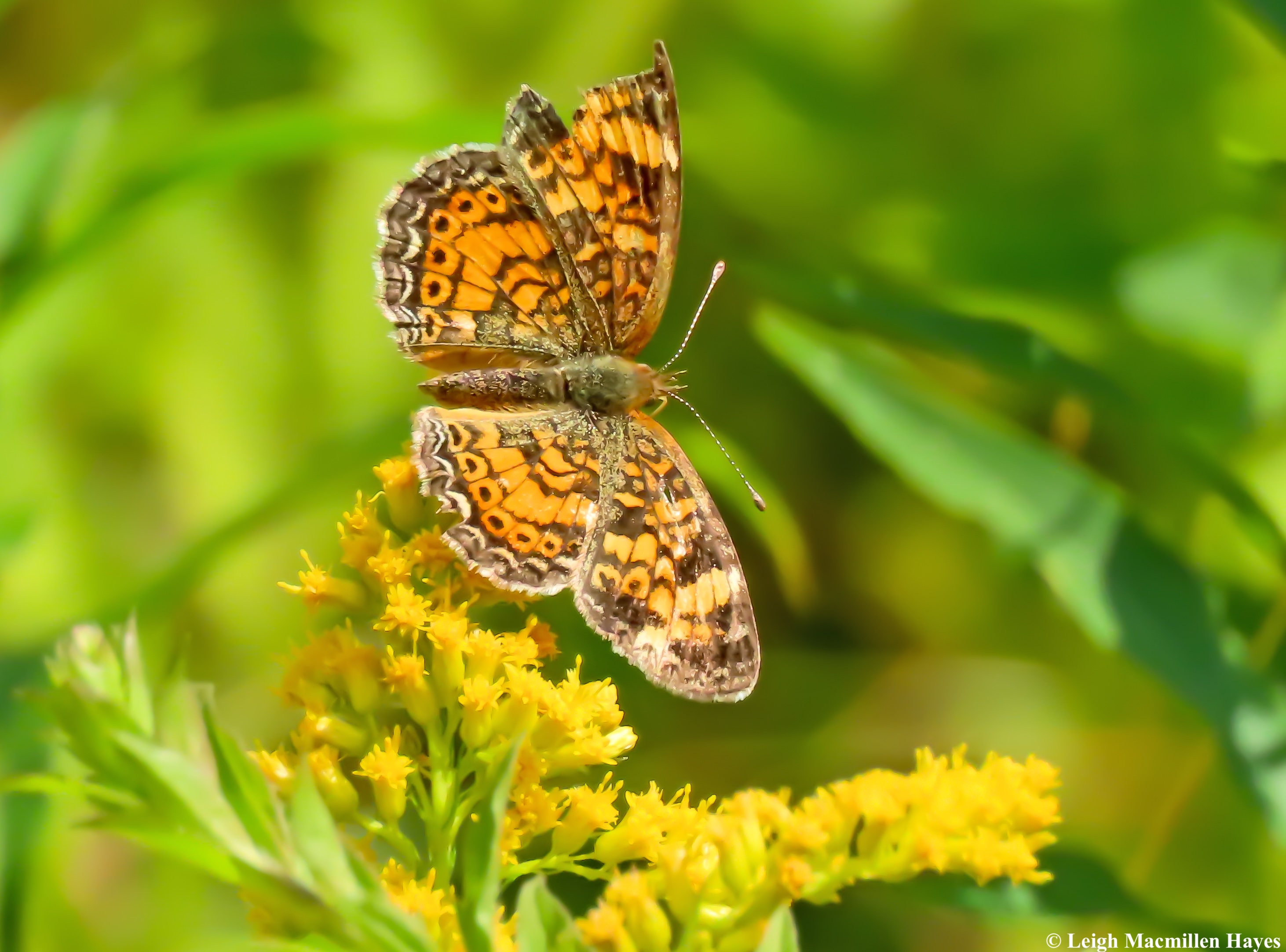
On the day we hiked with our friends, we had a couple of fun insect sightings, including this Punctuation or Anglewing Butterfly–be it either a Question Mark or Comma. It never did show the underside of its wings so we couldn’t determine it to species, but it was still a fun butterfly to spot.

Speaking of spots, we saw at least three Spotted Lanternflies. I was intrigued with their colors, but Kimmy told me to squish them as they are extremely invasive.

And because of her we got to see a Walkingstick upon a rock where she just happened to place her hand. If it hadn’t moved in that moment, she would probably not have seen it. We were all grateful that it did move. And then it posed for us.
Now that you’ve stuck with me for this long, I’ll let you know that I saved some of the best for last.
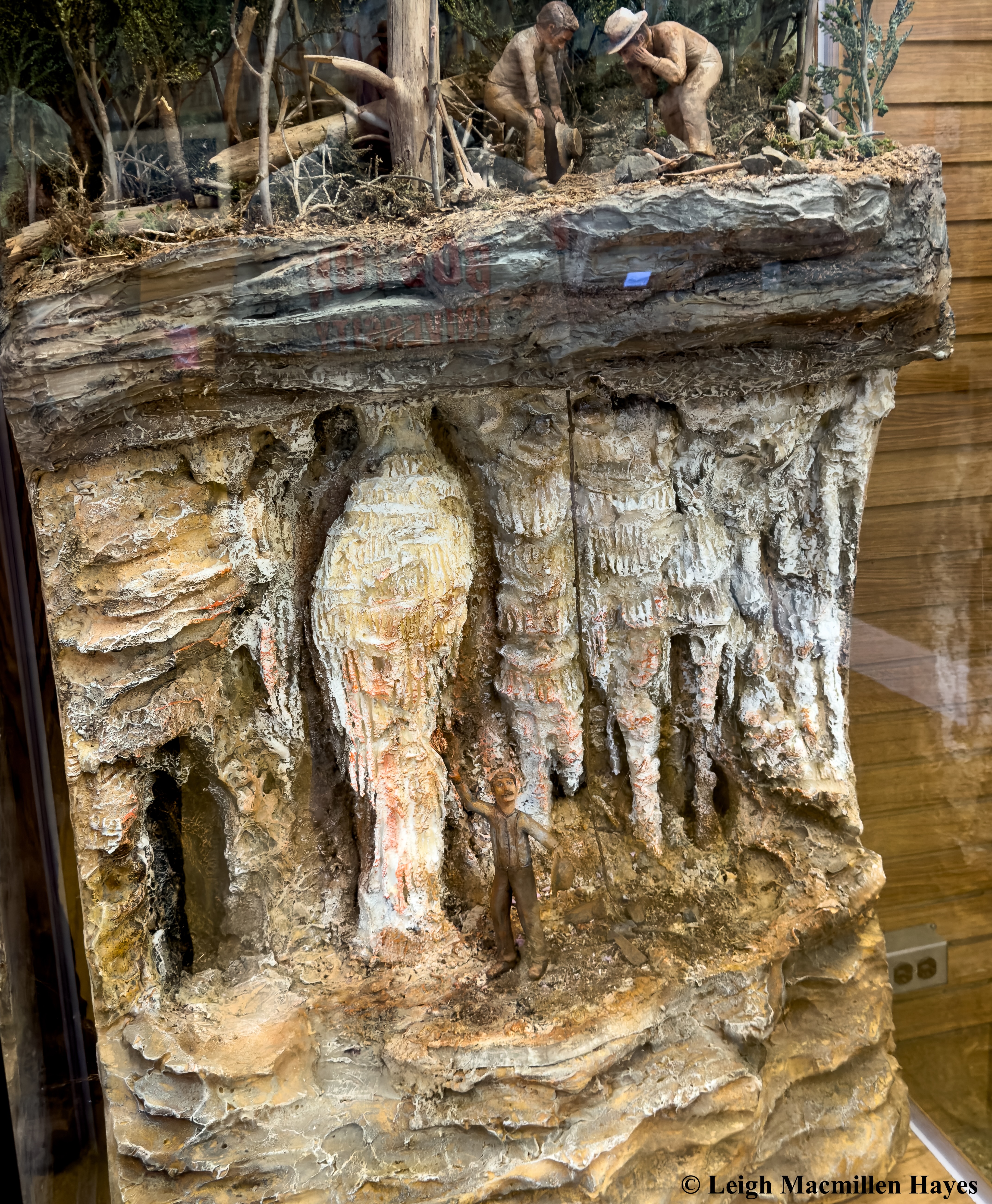
On that rainy day, we not only walked the Hawksbill Greenway, but we also went on a self-guided tour of Luray Caverns. According to the brochure we received at the ticket booth, the caverns are the largest in the East and were discovered by a tinsmith and local photographer in 1878. This diorama depicts that moment when the discovery was made.

And X marks the spot where it was made. Can you imagine the man’s excitement and amazement?
Discovered in August, we were told that the first tour occurred that November.

The cavern is a cave where Stalactite and Stalagmite meet, but in this instance that is an optical illusion. Can you see why?

There are veils to admire.

As well as a tent . . .

made of “curtains” that seem almost transparent.
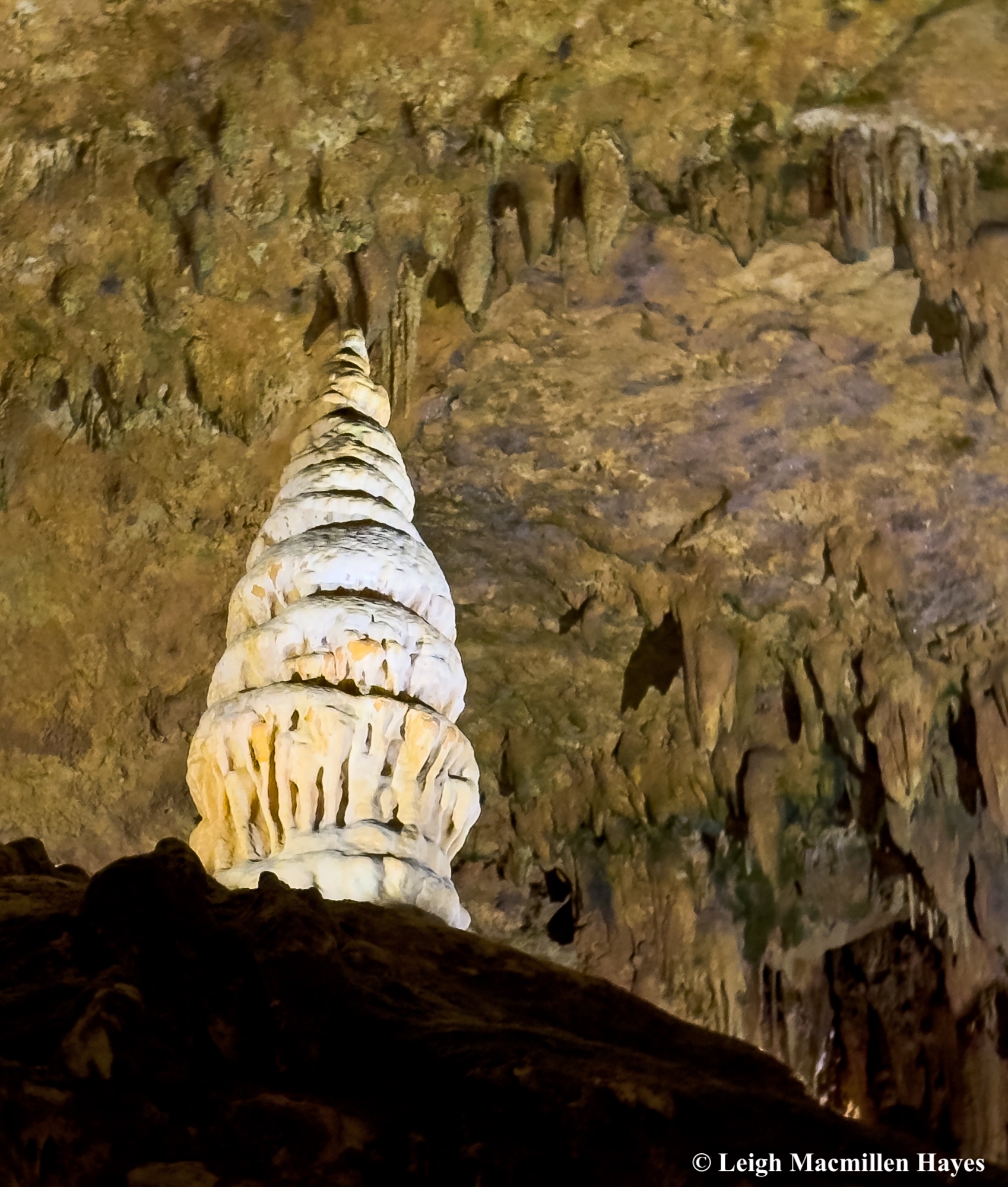
We chatted with a couple of young docents and they told us that this structure is seen as something different in every season–from a Christmas tree to a pine cone to an ice cream cone, and one more that neither of us can remember. But the big question was: what ice cream flavor?
The answer: Rocky Road.
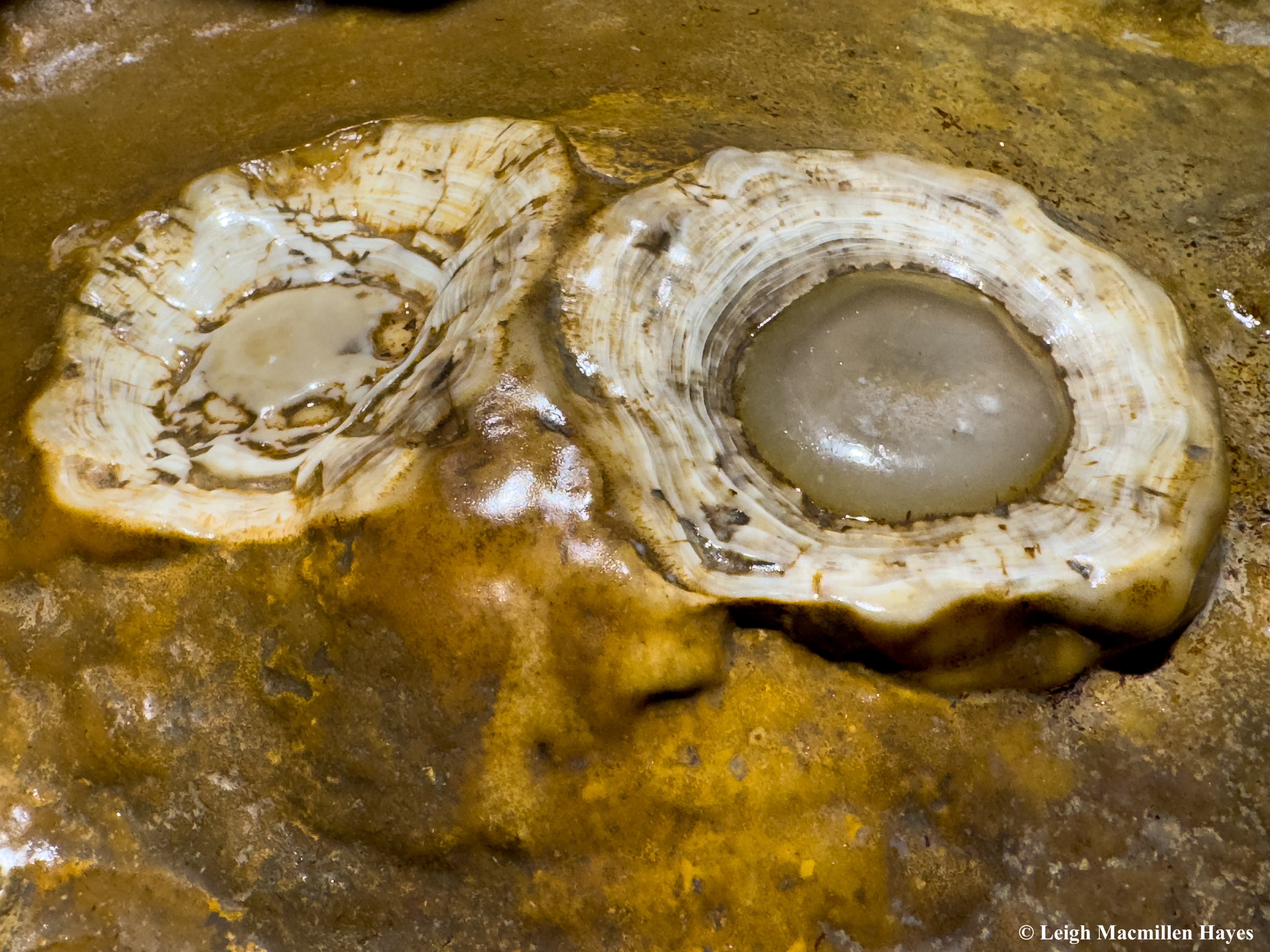
And then there were the Fried Eggs. Or oysters on a half shell?
We highly recommend a visit. I’ve only shared a few of beyond-belief spots, as around every corner there was a different formation to look at. I felt like I was in fairy land with lots of action everywhere as stories unfolded.
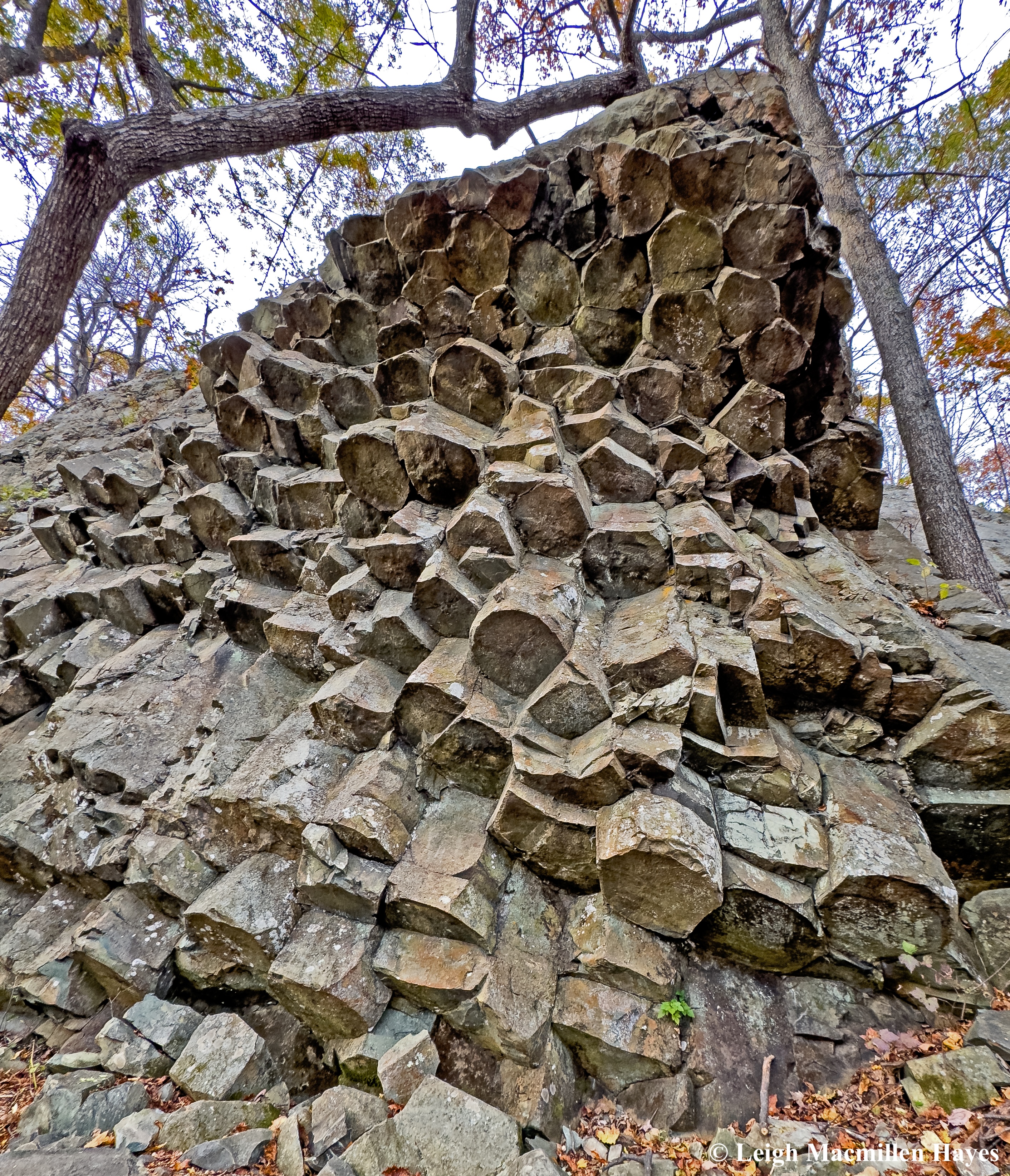
Back on the trails, we also had fun finds, like this columnar jointing, which turned it into yet another favorite trek. It’s known as the Fort Windham rocks and is greenstone and part of a series of lava flows, that we spotted in other places as well.

It reminded us of the Giants Causeway in Ireland, a geological phenomenon of 40,000 basalt stone columns formed by volcanic eruptions over 60 million years ago.

And so we posed.

We posed again at Dark Hollow Falls.
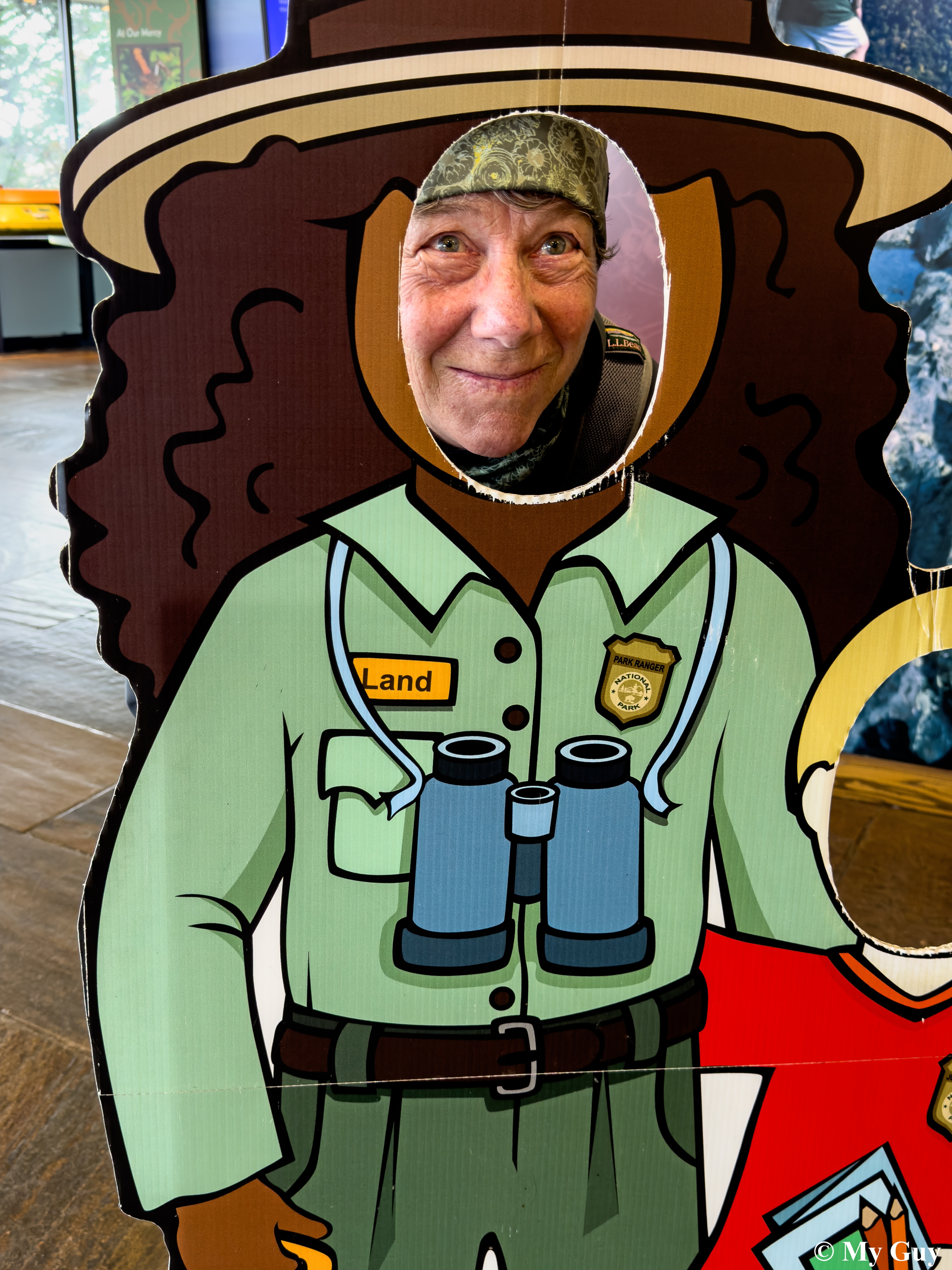
And then I took a shift as a park ranger. (Actually, the park rangers are furloughed under the current shutdown, so we were reminded each day to be extra careful while hiking because rescues could take hours.)

As for My Guy . . . no vacation is complete without a trip into the local hardware store.
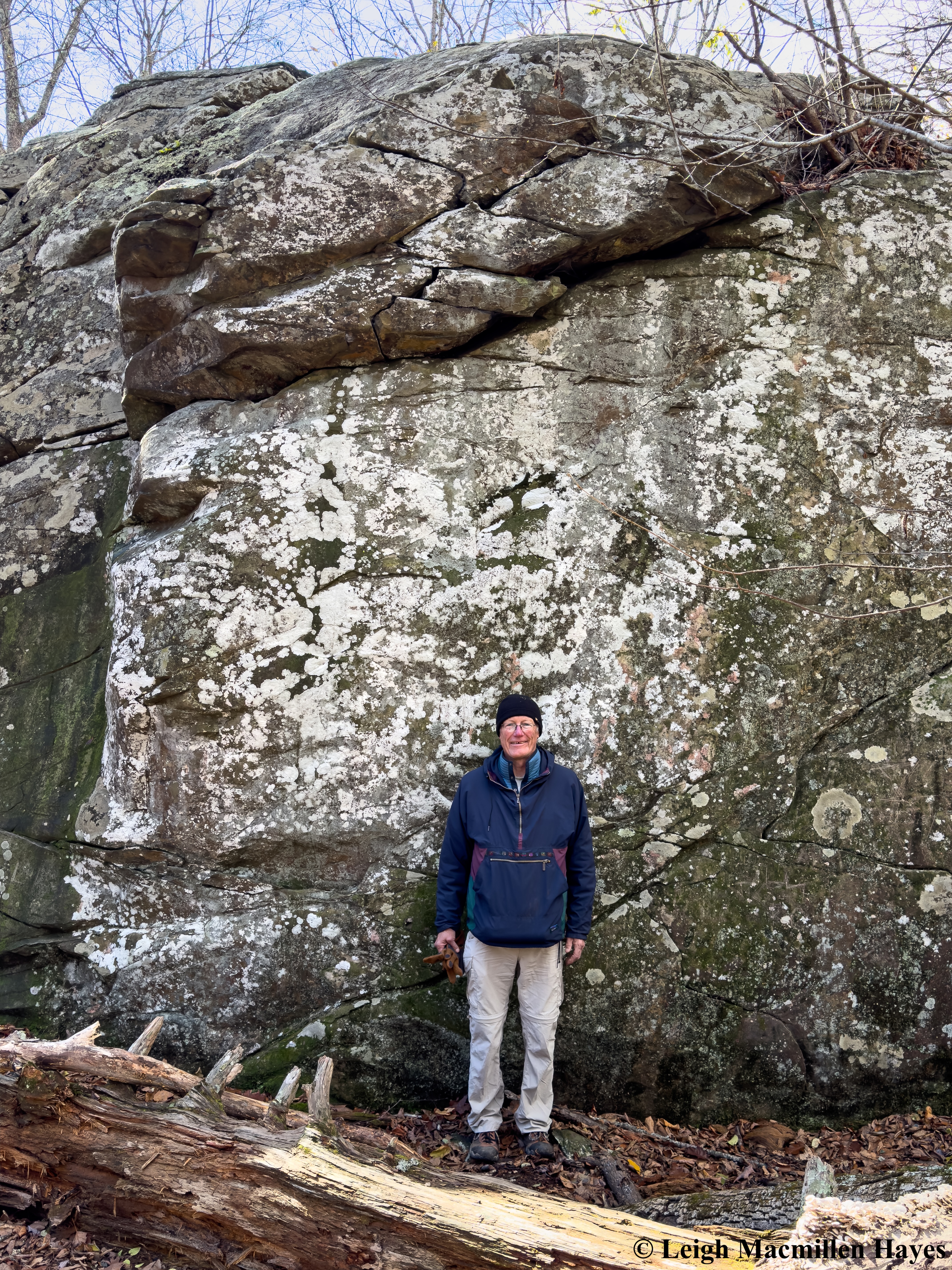
But where my readers usually see only the back of him, he was happy to lend his almost 6′ height as a reference for this large boulder.

And while we were truly excited to spend a week hiking together, we were equally excited to share the trail with these two, Maddie, a high school senior who had the day off, and her mom, Colonel Kimmy Jennings, USAF retired. Kim was a student of mine back in her middle school days. It’s always a joy for all of us when we can meet up and share the trail, though typically it’s when she makes a trip home to Maine, so she was thrilled that we’d actually ventured south. And our pose was in front of another example of columnar jointing.
After we hiked for about four hours with them, we had one more hike to tackle bringing our total to ten trails, that being Mary’s Rock, and then we left Luray and returned to Front Royal for the night before beginning our two-day journey home with a stop over in Albany, NY and a quick tour of the Norman Rockwell Museum on the final stretch.
Like any vacation, we’ll cherish this one forever.
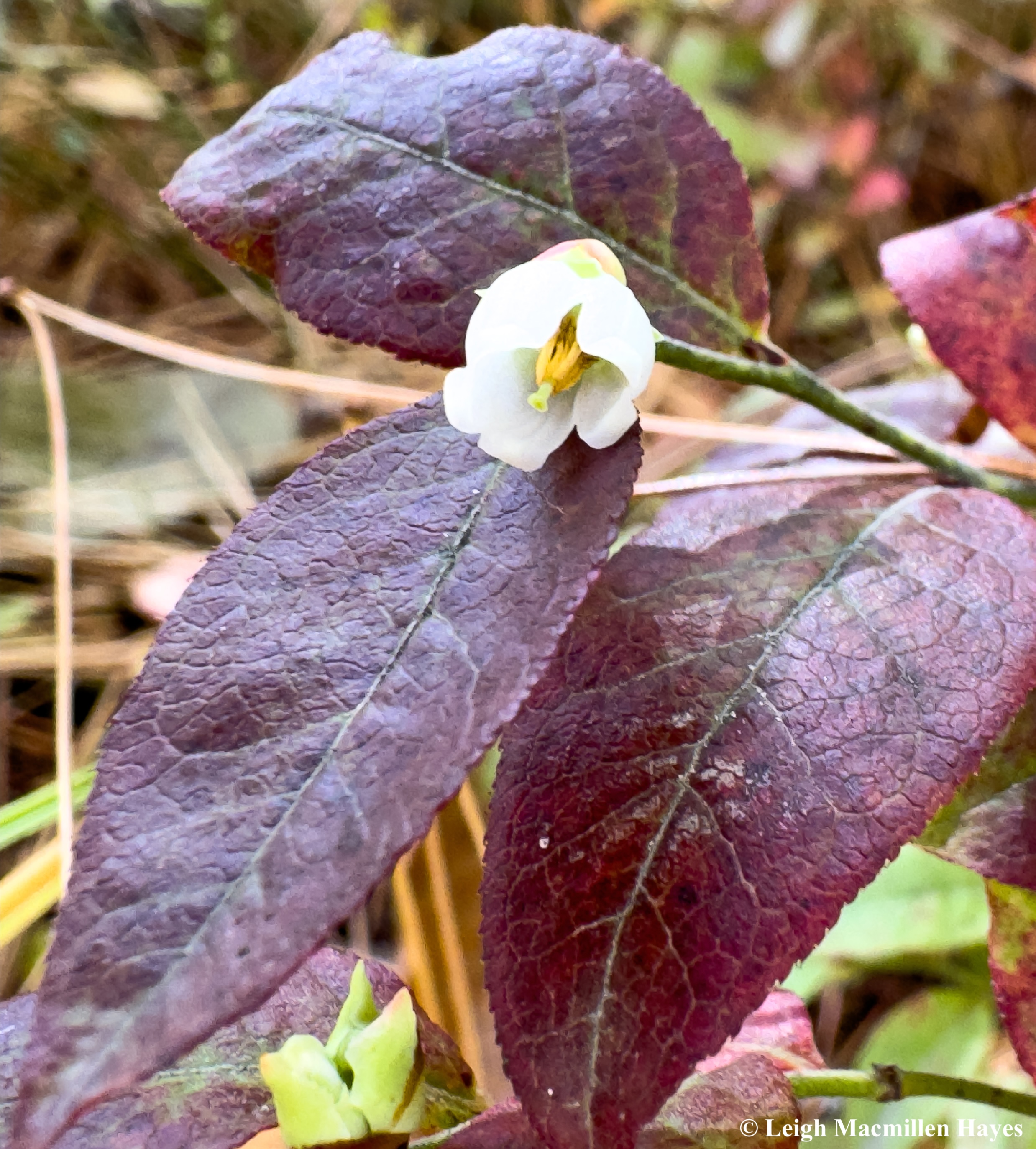
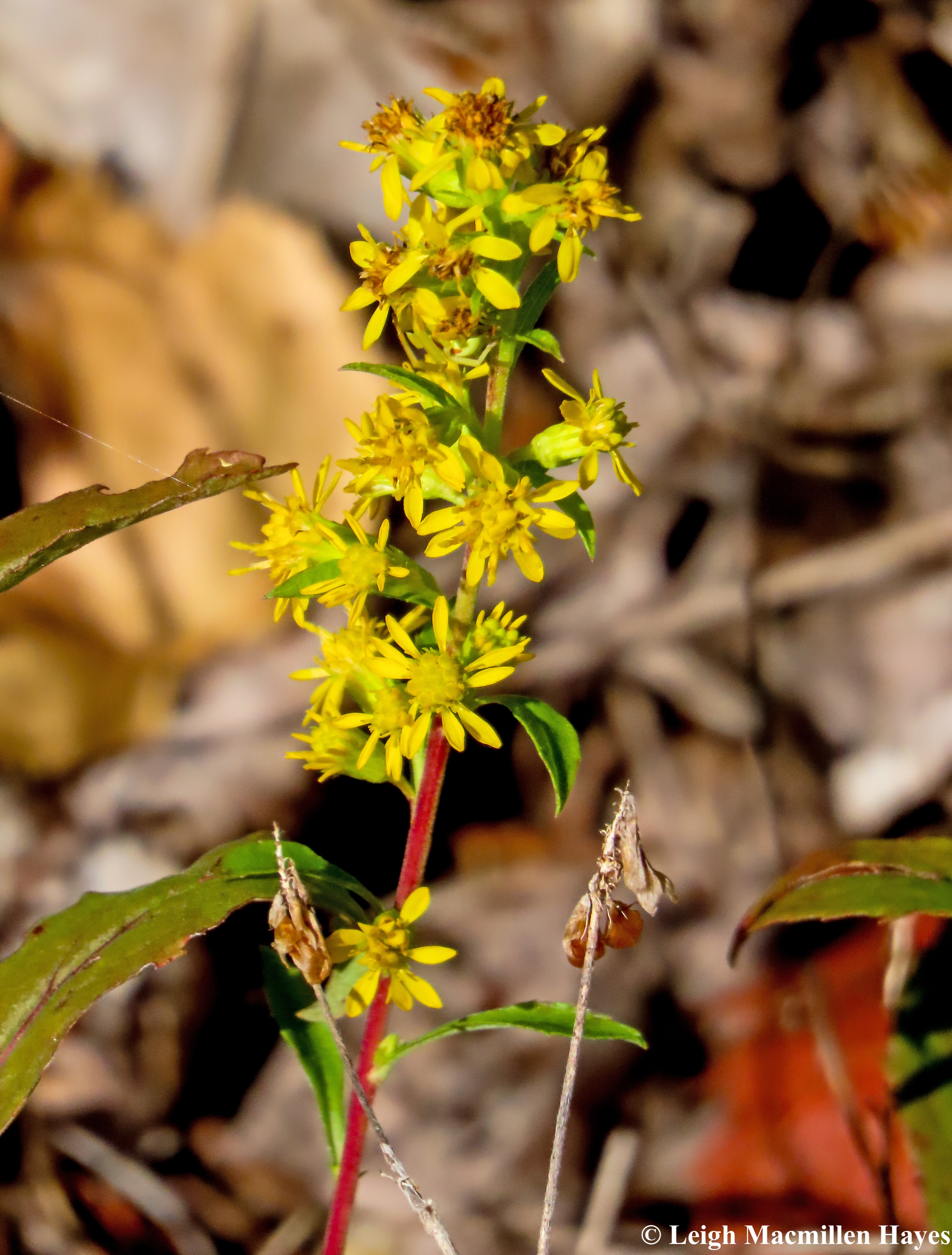
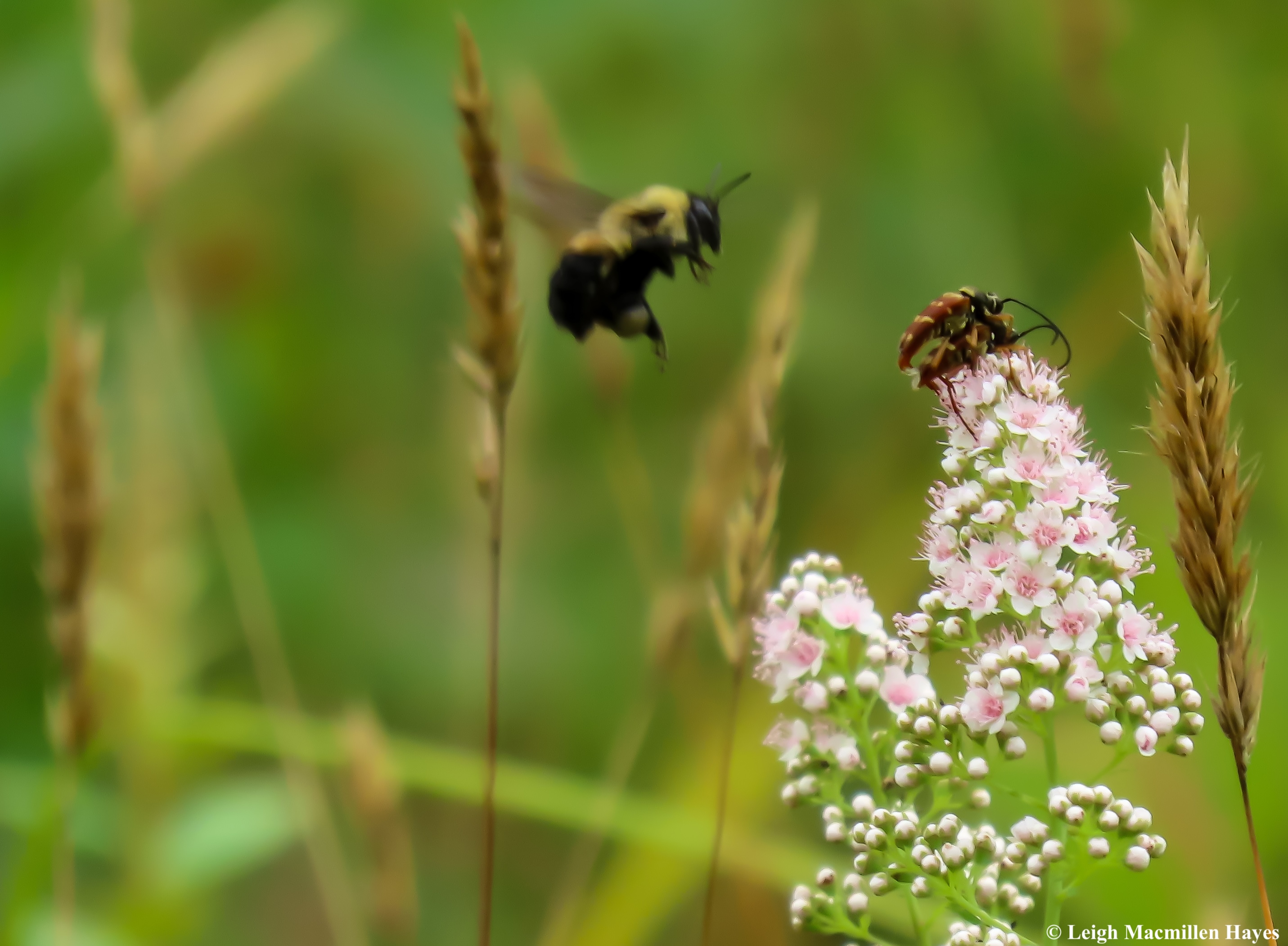
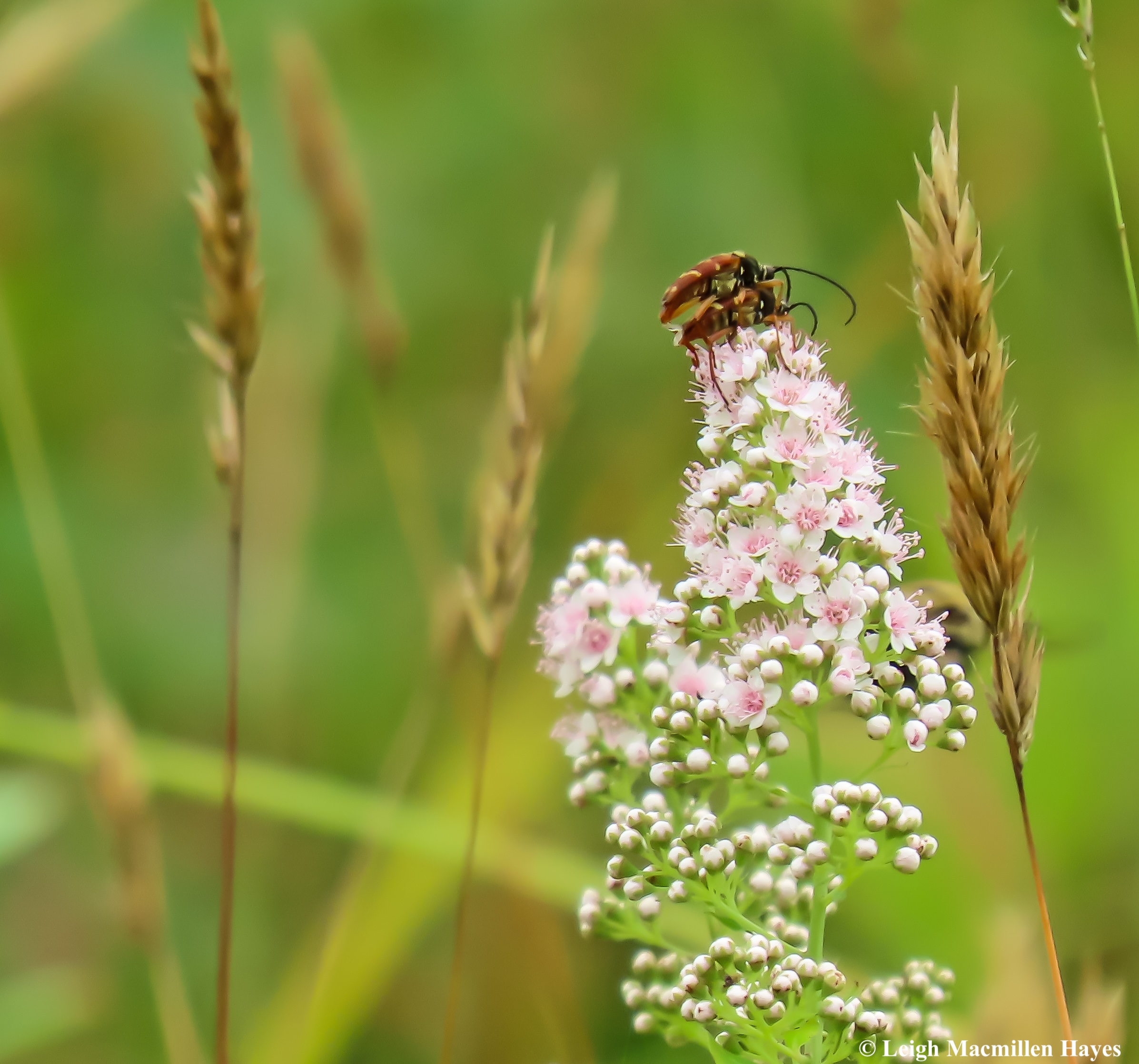
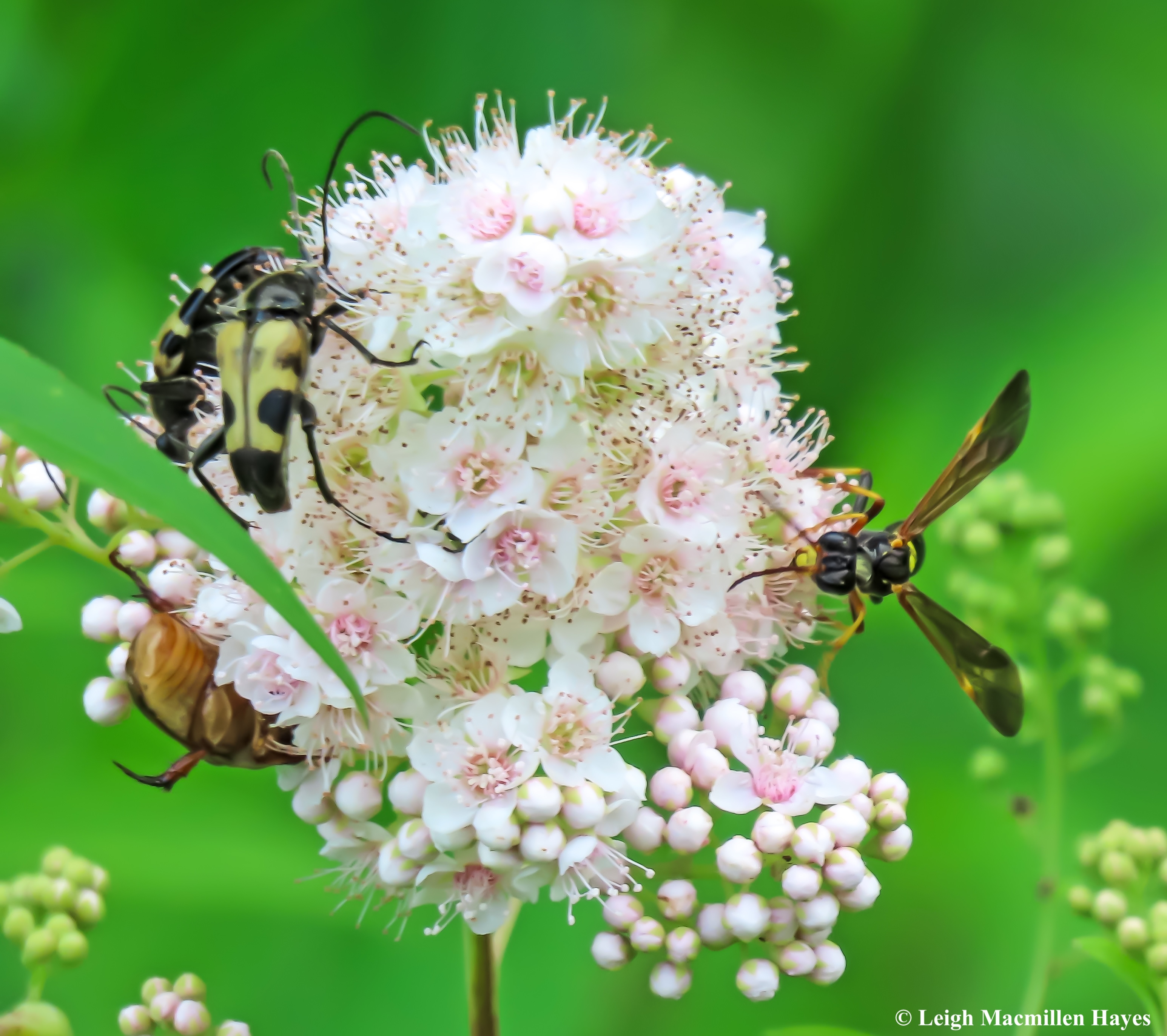
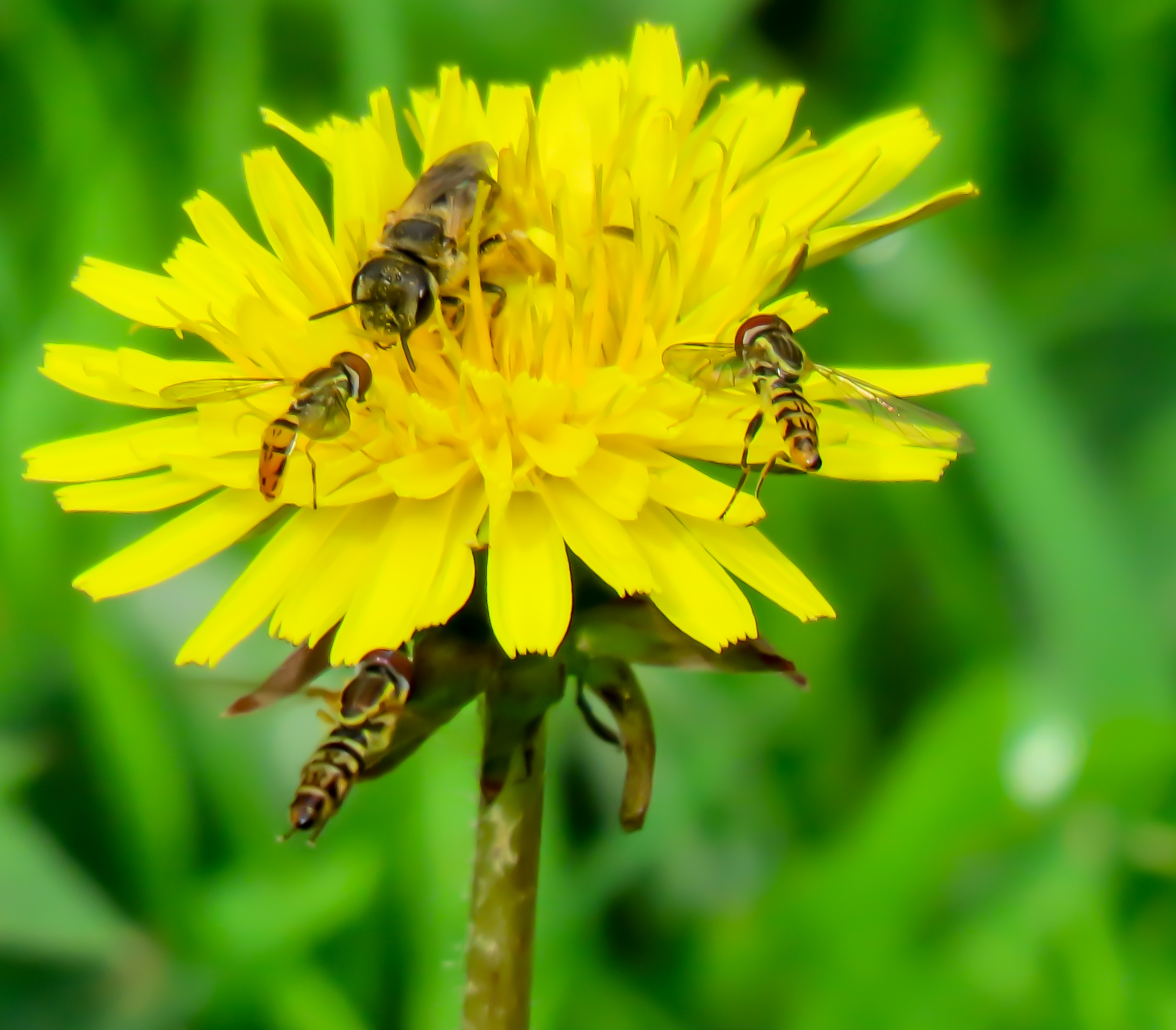
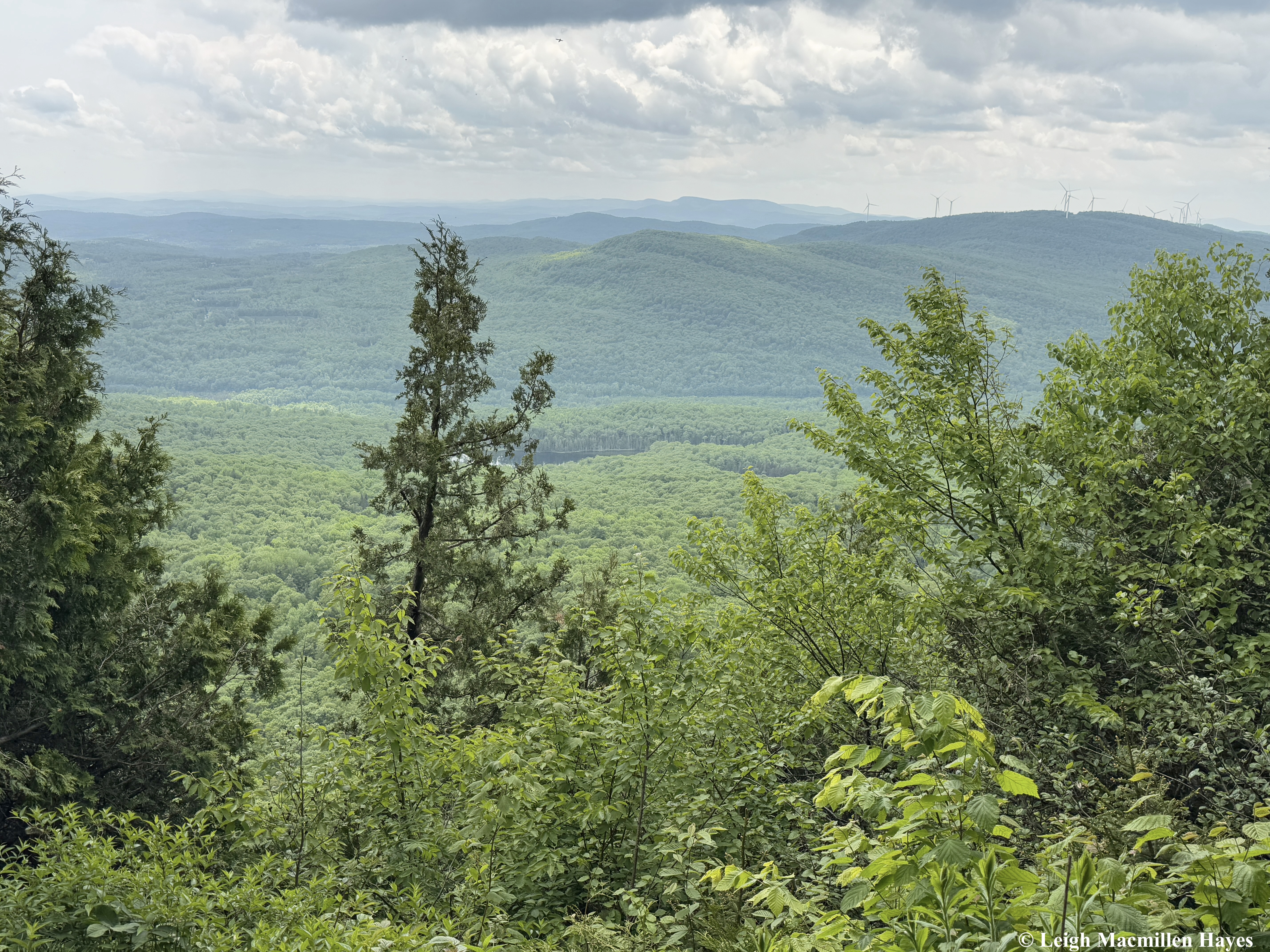
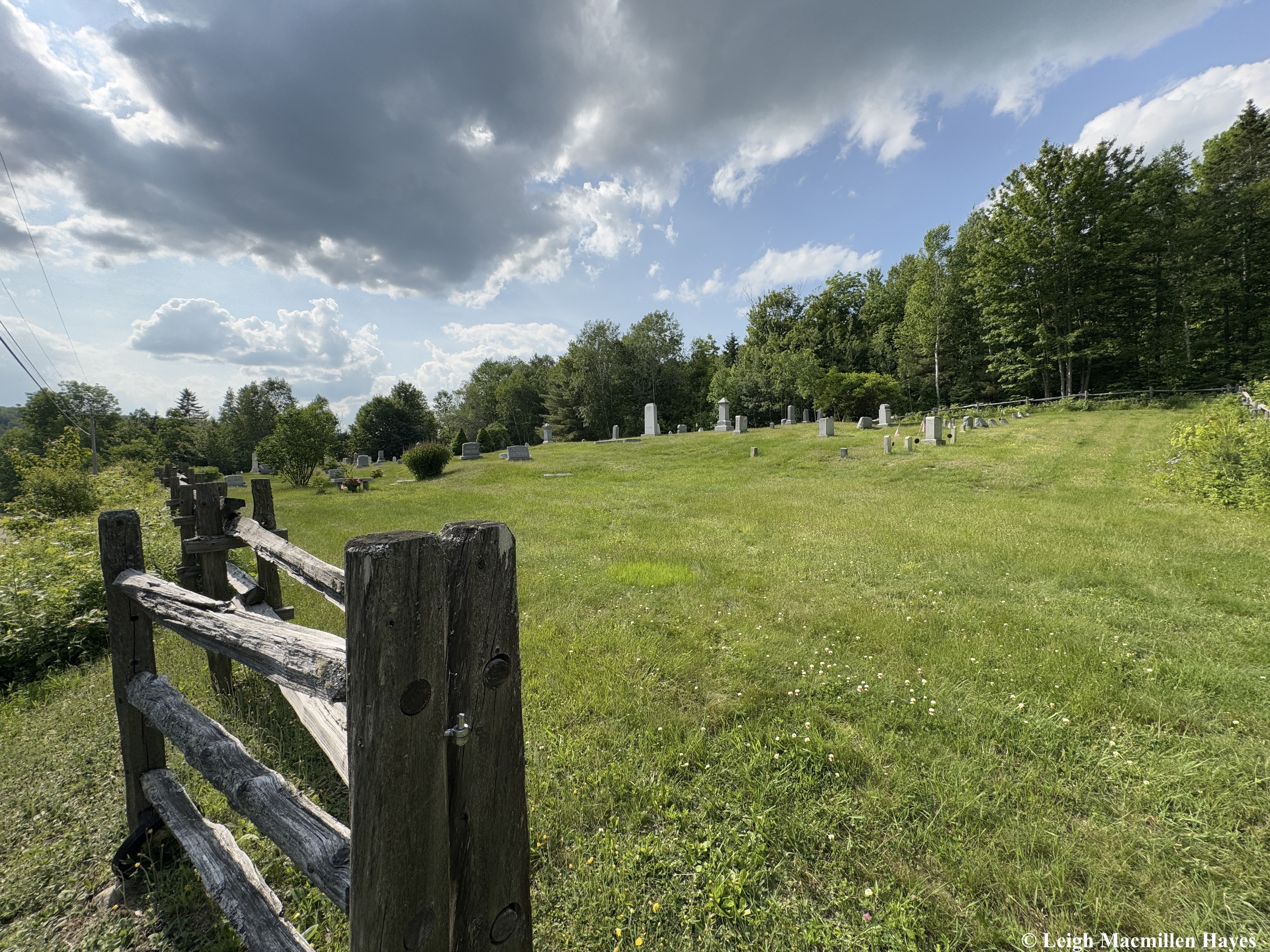
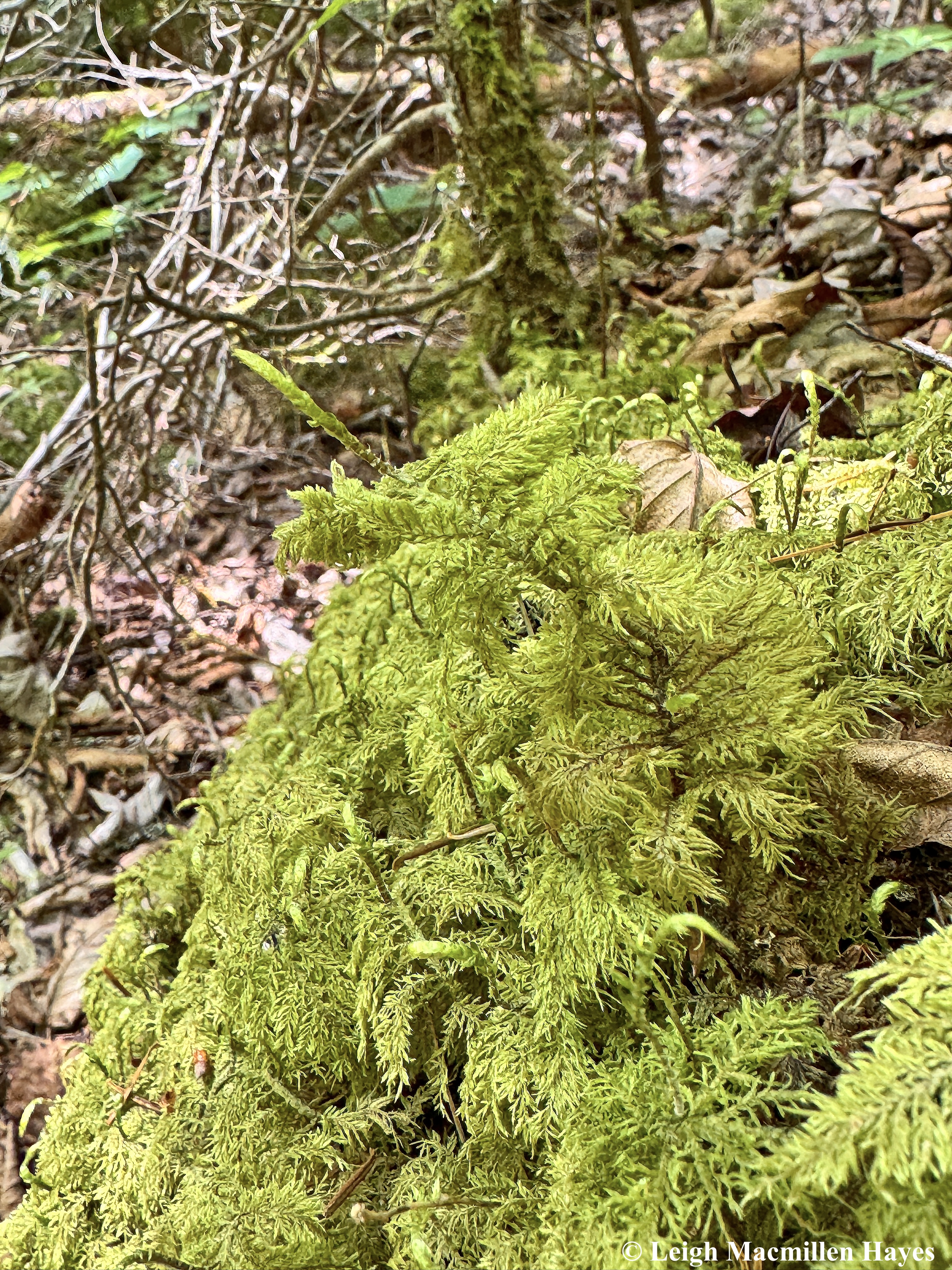
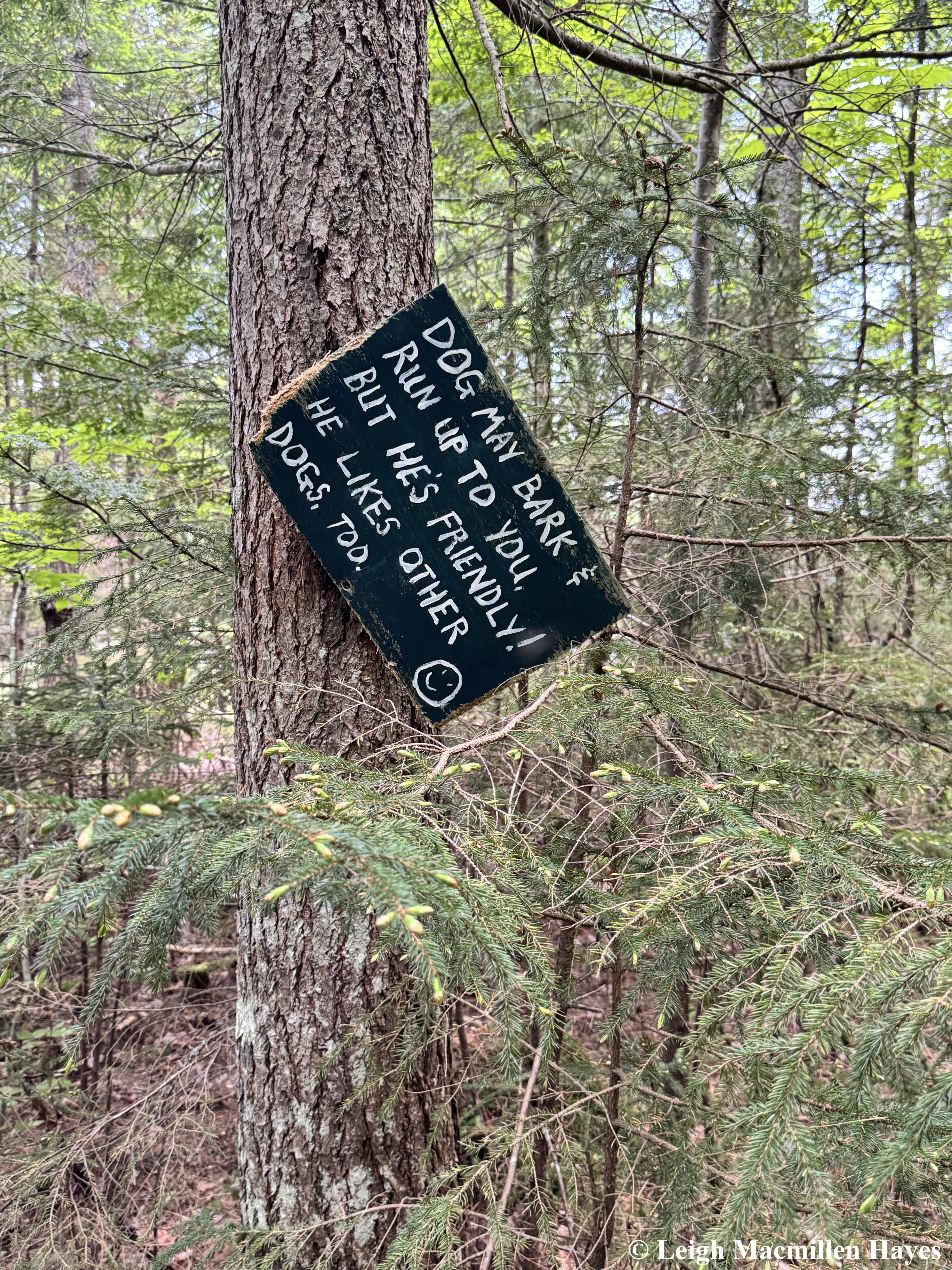
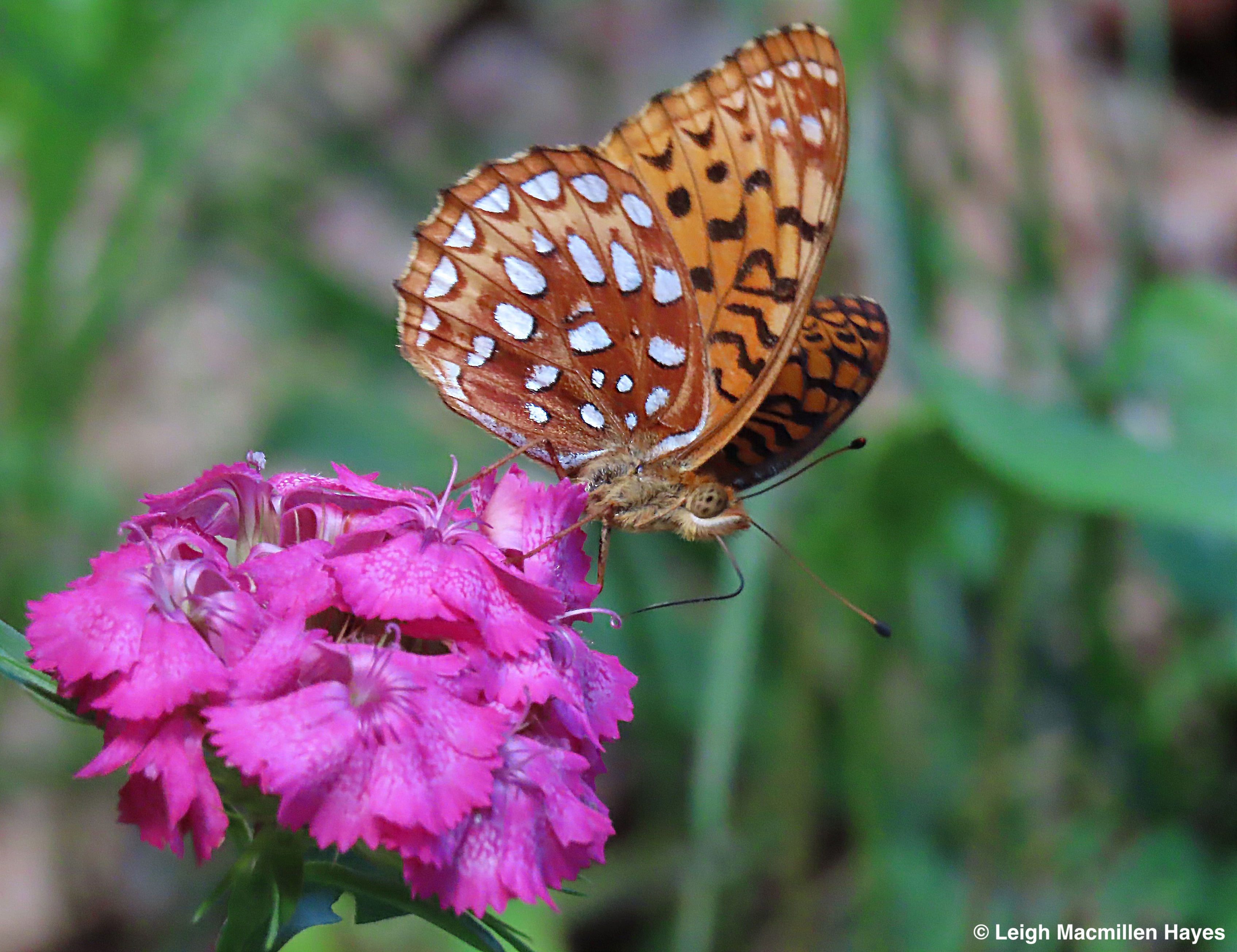
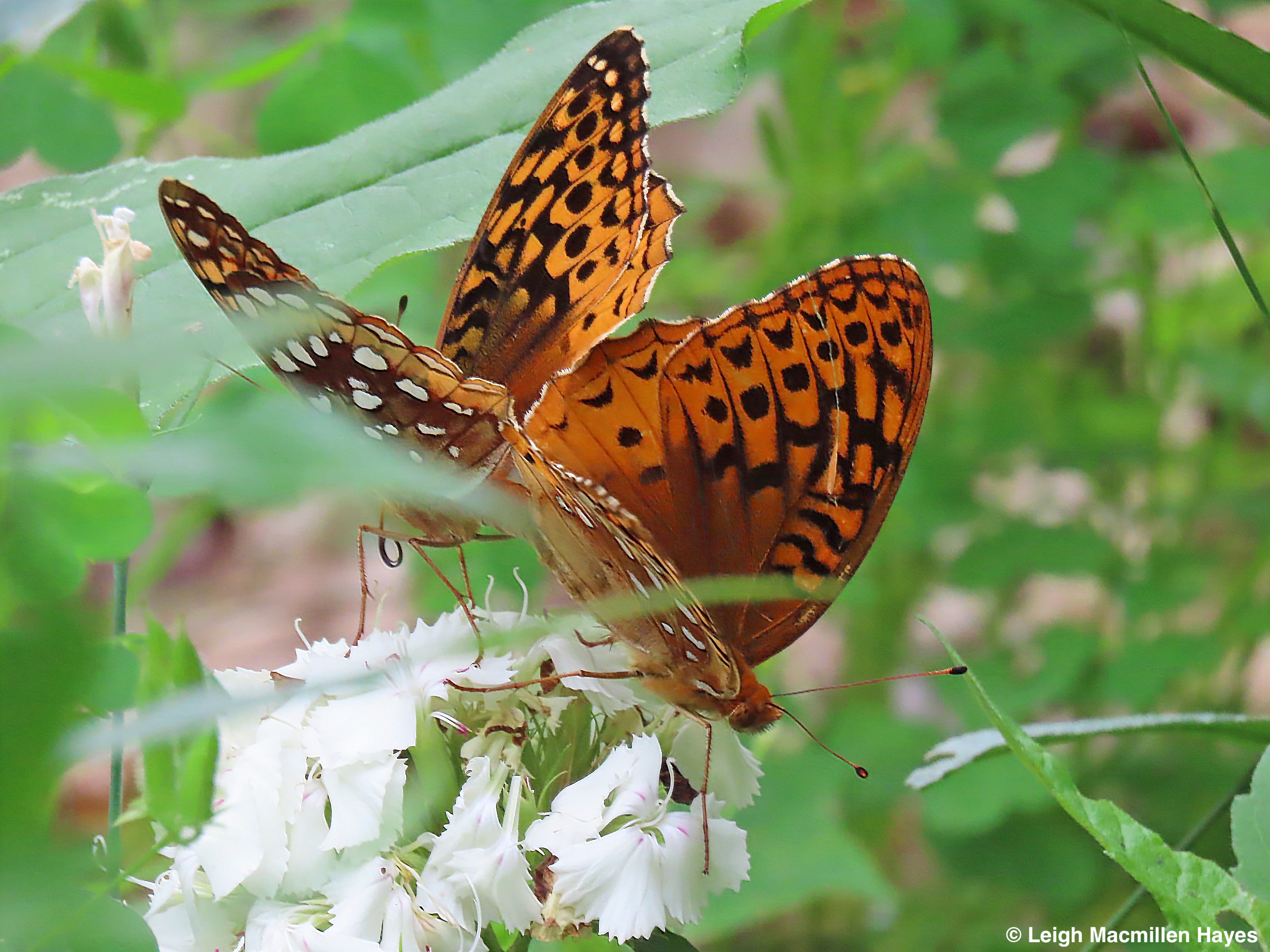
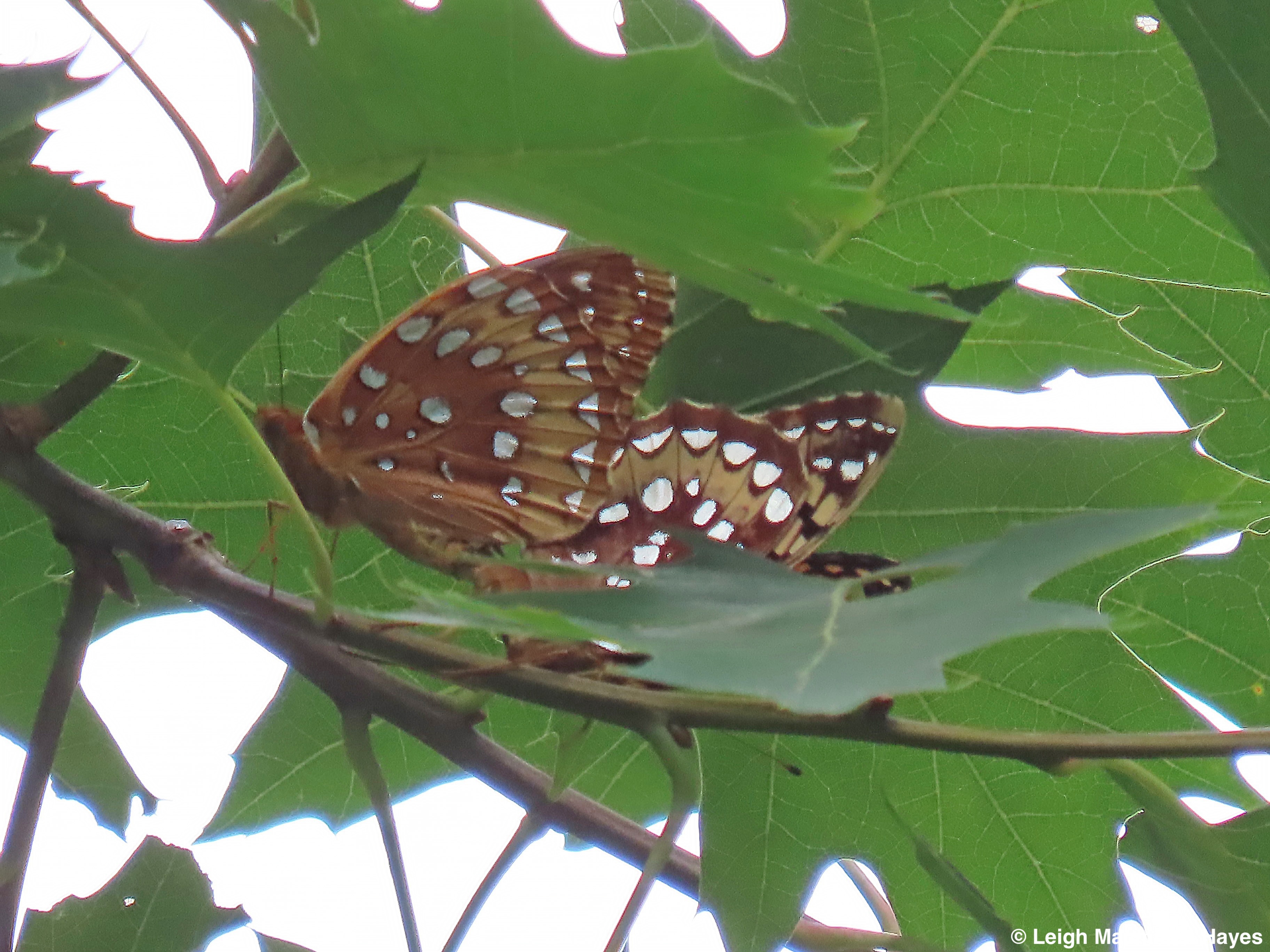
Above and Below, I guess it was actually more than a few wonders that wowed us along Skyline Drive and in the area.






























































































































































































 wondermyway