When I posted yesterday’s Book of July about Holt Pond, I didn’t give a thought to the fact that I’d be venturing there this morning. My friend, Ursula, had asked me to join her for a pre-hike to check on the orchids in bloom. Happy for an excuse to spend time with her, I accepted. And my oldest son’s girlfriend happens to be visiting, so I invited her along. Today is her birthday, so it was a pleasure to share in her celebration of life. Happy B’day, HH.

Our first stop was the short trip out to the Muddy River. We actually saw one orchid in bloom at the end of the board walk, but I’m going to save it for a minute or two.

No trip to the pond is complete without taking time to pause and wonder by the pitcher plants.

The nodding flowers have gone by and the fruit is forming. The leathery sepals remain–turning red now. While the water-filled leaves trap flies and ants, I’m also lured in by the unusualness of this plant.

My other favorite–the alien-looking sundews, all under water right now. Their feet are always damp in the spaghnum moss, but the water is quite high at the moment.

The reflection of blue sky and clouds on the pond made me mindful of another dear friend in Connecticut who celebrates her birthday today–Happy Birthday to you, CMN! We jumped on the boardwalk to make the bog quake, but mostly made the boardwalk sink. Had she been here, we probably would have fallen in laughing.
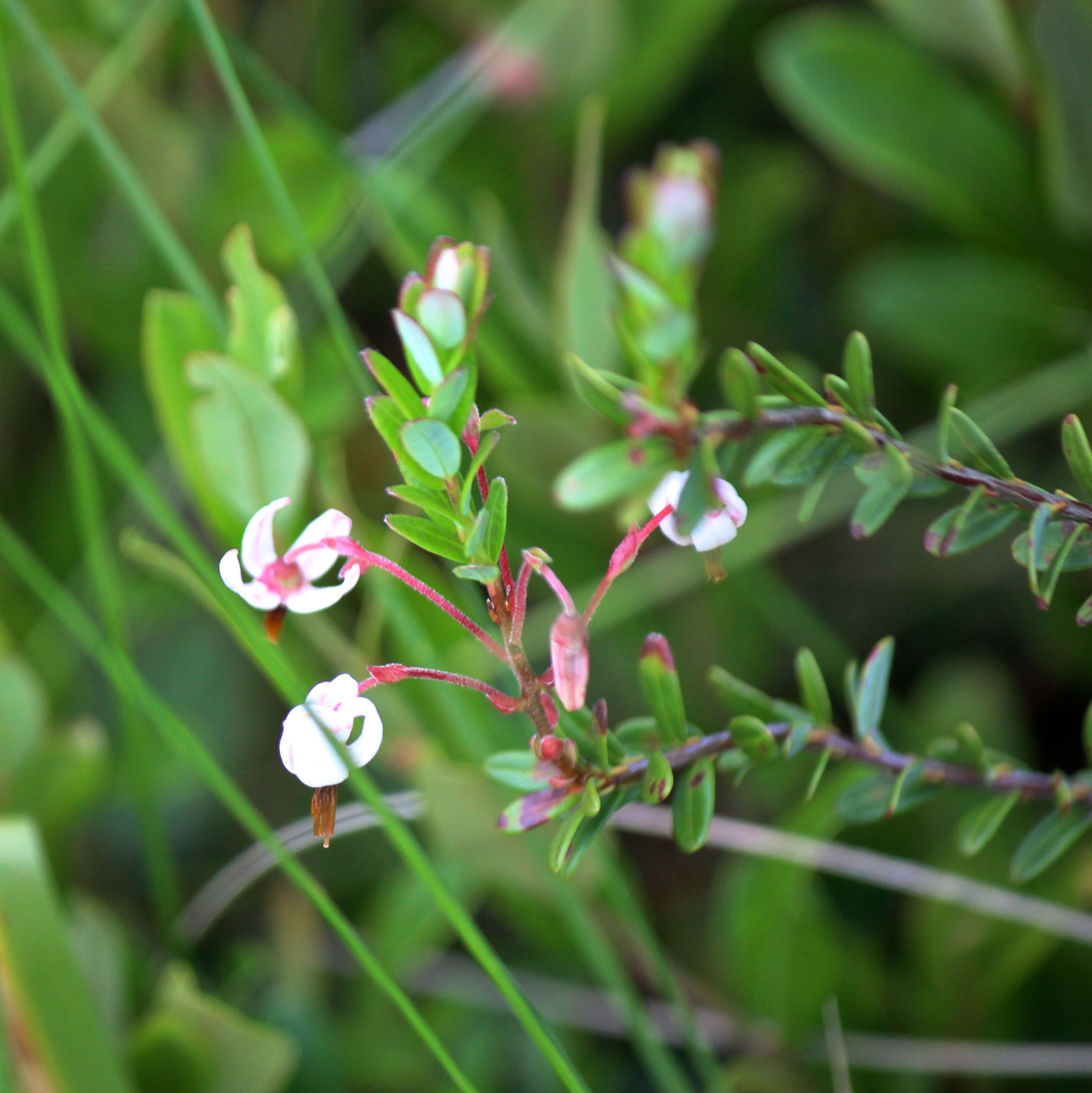
The four-petaled, downward-pointing flowers of the bog cranberries remind some of the silhouette of a sand crane’s neck and head. I’m forever in awe of the uniqueness of each species.
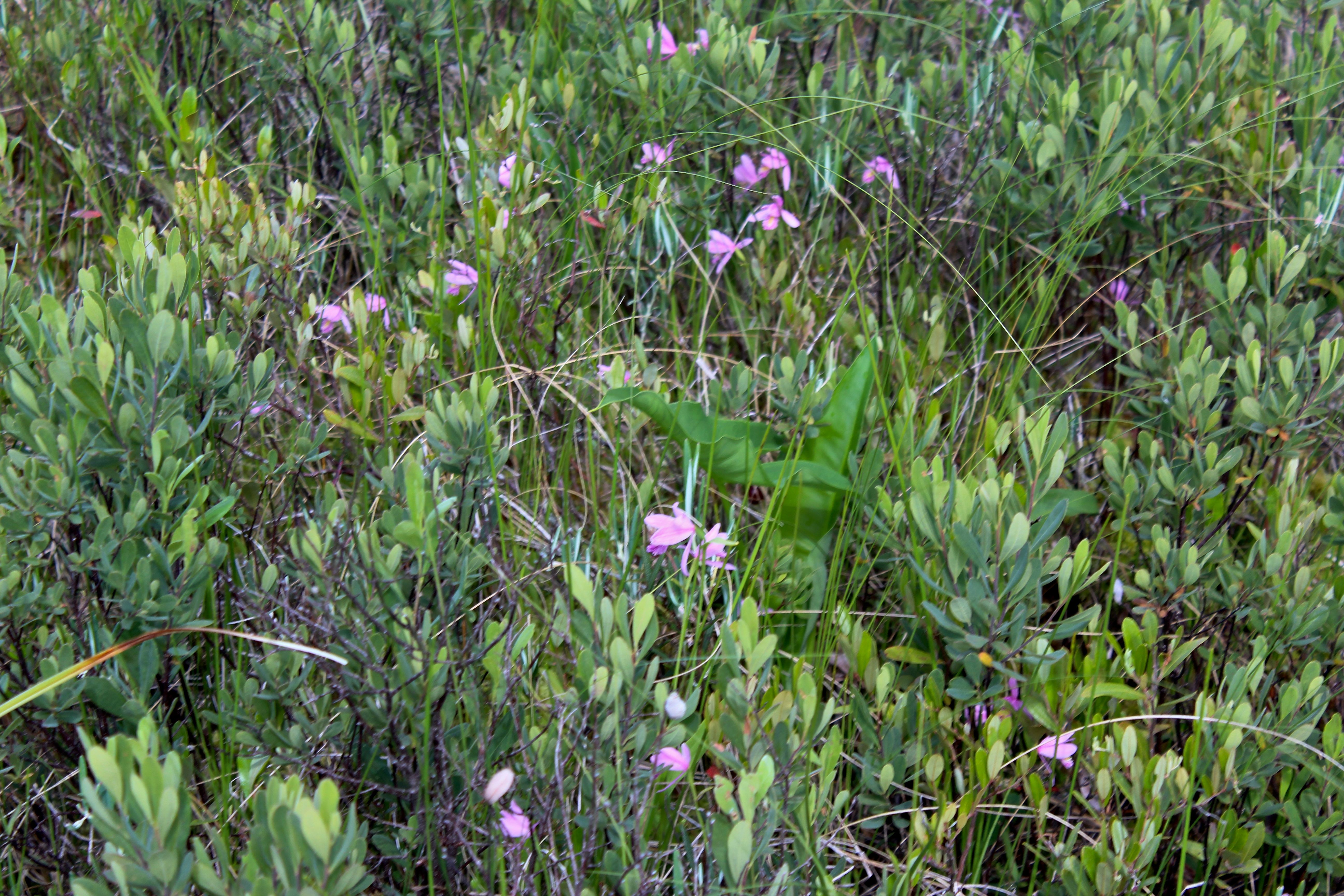
And finally, what we’d come to see. Wild orchids. In my former life, I always thought an orchid was a flower that you purchased from a florist and wore on your wrist or as a corsage.
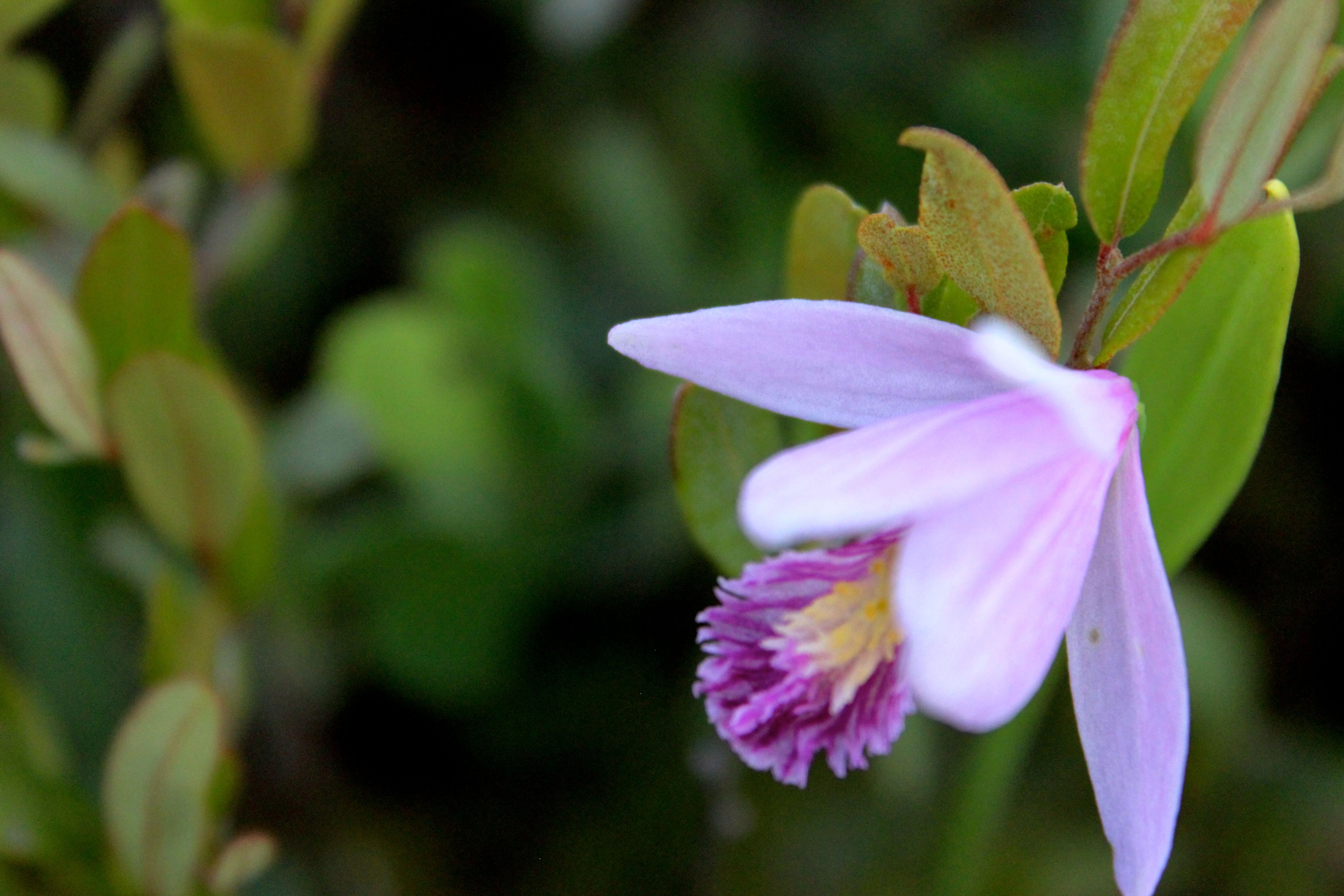
Lady’s slippers are members of the orchid family, which is defined by its three sepals and three petals. And so is this rose pogonia–with its fringed lower lip and bearded yellow bristles. Pogonia means beard.

Though the flower isn’t on an endangered list, I still consider it a rare treat to see one–and today so many in bloom.

Also blooming–the magenta flowers known as grass pink, another orchid. Grass pinks feature the lip on the top of the flower, opposite of the rose pogonia.

Their delicate beauty reminds me of butterflies or perhaps birds of paradise.
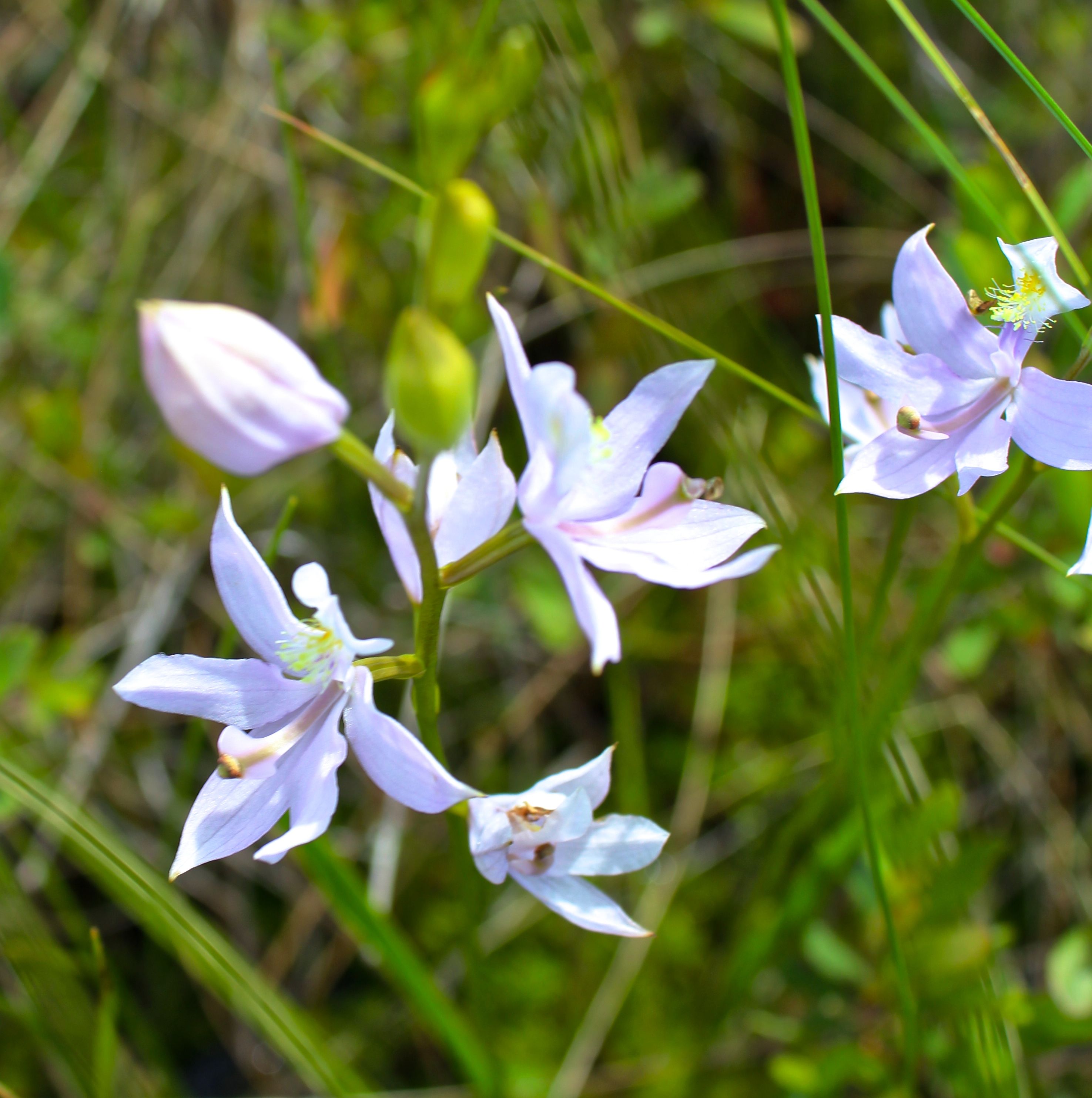
On the opposite side of the board walk, we found an anomaly–grass pink white!

Maybe they are considered a light, light shade of pink. What caused this? Is the acidity level different on this side of the boardwalk?

Pink on the left, white on the right. And the path home in the middle.
Three generations of wanderers on a beautiful summer morning blessed by time spent together. We all received gifts from this experience.





 wondermyway