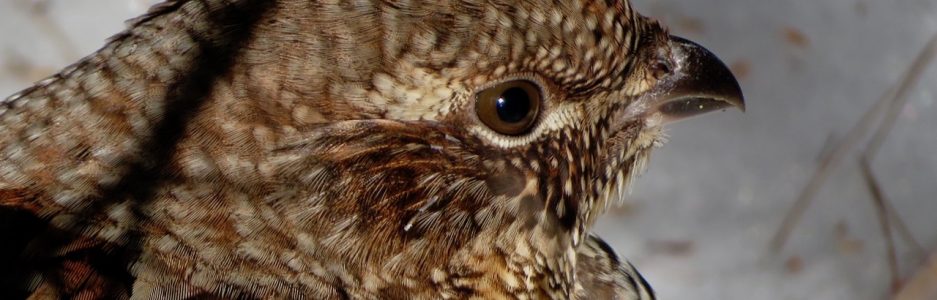
On this June day with temps in the 70˚s, it hardly seemed possible that it might snow.
But indeed it did.

OK, so I hope the title caught your attention just as this field of daisies caught mine. The little flowers with their sunshiny centers (disK flowers) and white petals (ray flowers) that open with the break of dawn and close as the sun sets are an example of a $.50 cent word I recently learned: nyctinasty. I’ve read several theories about why some plants do this: perhaps to reduce its surface at night and thus retain temperature control; or reduce nighttime herbivory; or reduce the risk of flowers freezing; or protect pollen by keeping the plant dry at night.
All of these make sense, but it’s the daytime display in an unexpected place that has been mown for several years now, that captured my heart. I’d completely forgotten how beautiful this field could be with its array of daisies and hawkweeds and clovers. It was the daisies, however, that made the biggest splash.
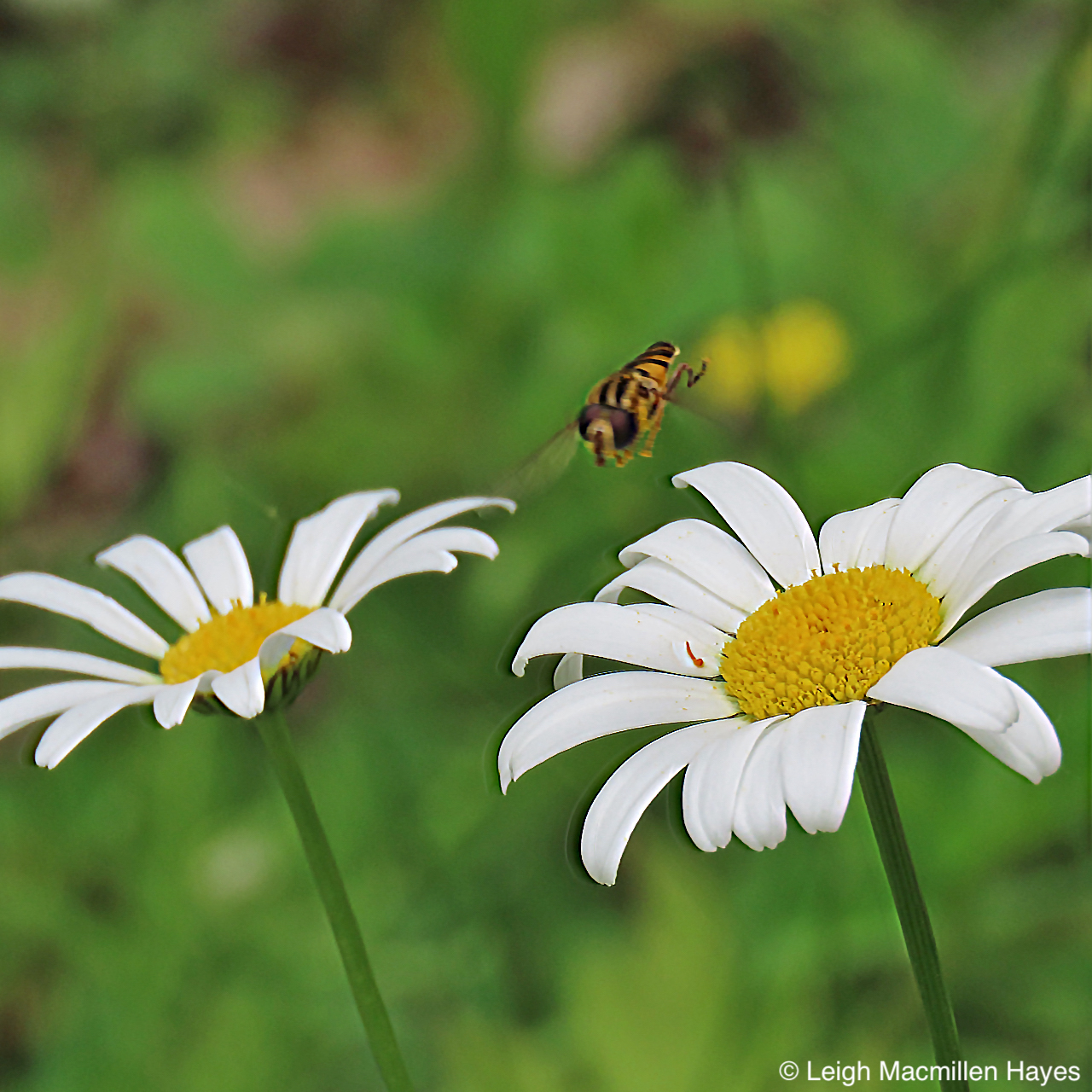
By day, the field daisies attract any number of pollinators and as I stood beside and among them, they offered landing pads for a multitude of insects.
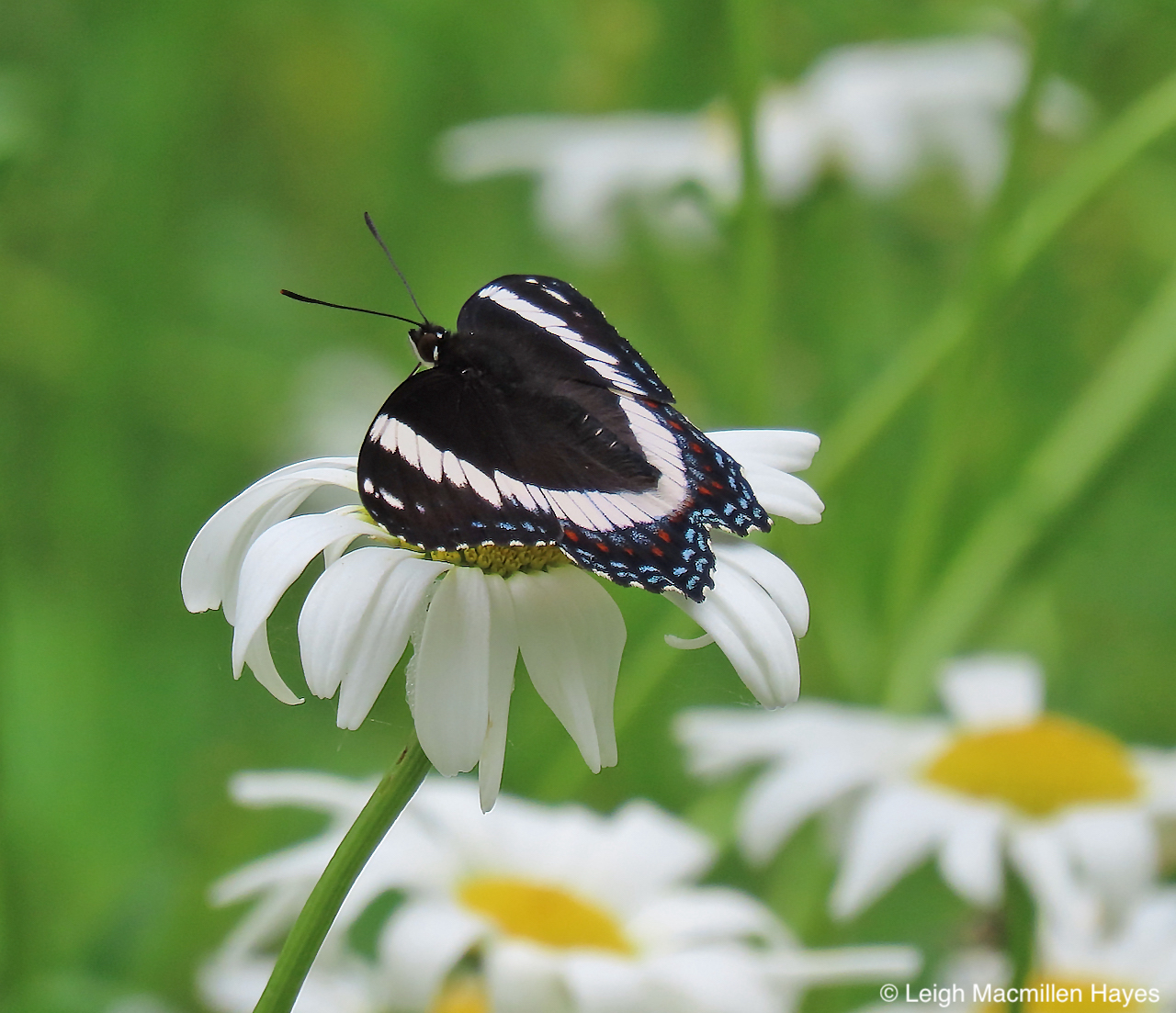
The White Admiral, with its handsome blue spots that mimicked the color of the sky, was nearly the same size.

With hundreds of those tiny disk flowers to feast upon, the butterfly had a full supply of nectar and in the midst of sipping it, gathered some pollen upon its feet, which it could pass off to the next daisy.

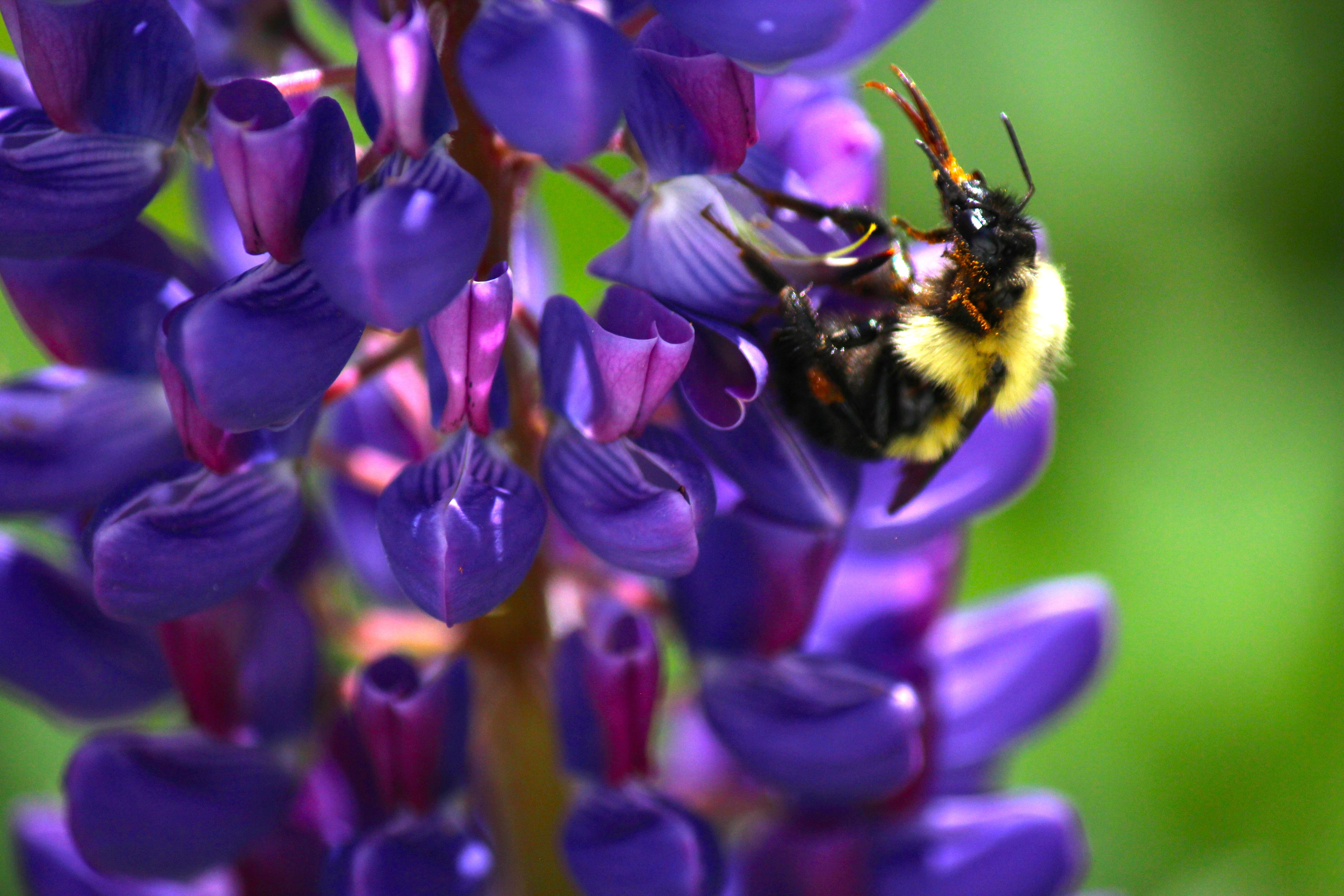
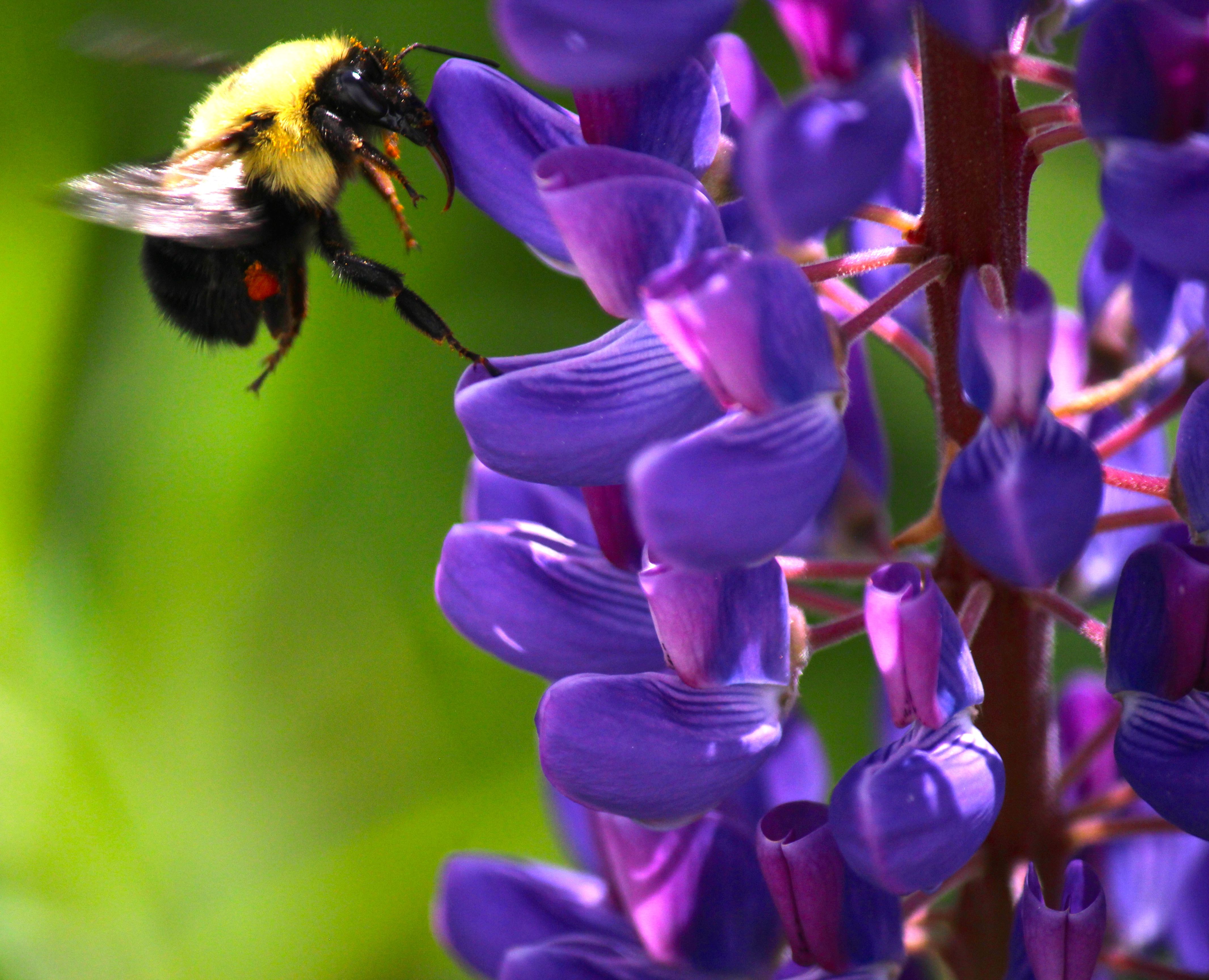
A Bumble Bee in constant motion, did the same. And added to the sound of buzziness in this place.

In the midst of all the flitting there was a tiny skipper sticking its proboscis into for a sweet sip. Such big eyes for such a little butterfly.

Big eyes are an insect thing–all those lenses in compound fashion offering views up, down, and all around so that as it stops in to take advantage of all that the flower has to offer, it can see all others in the area, including a certain photographer.
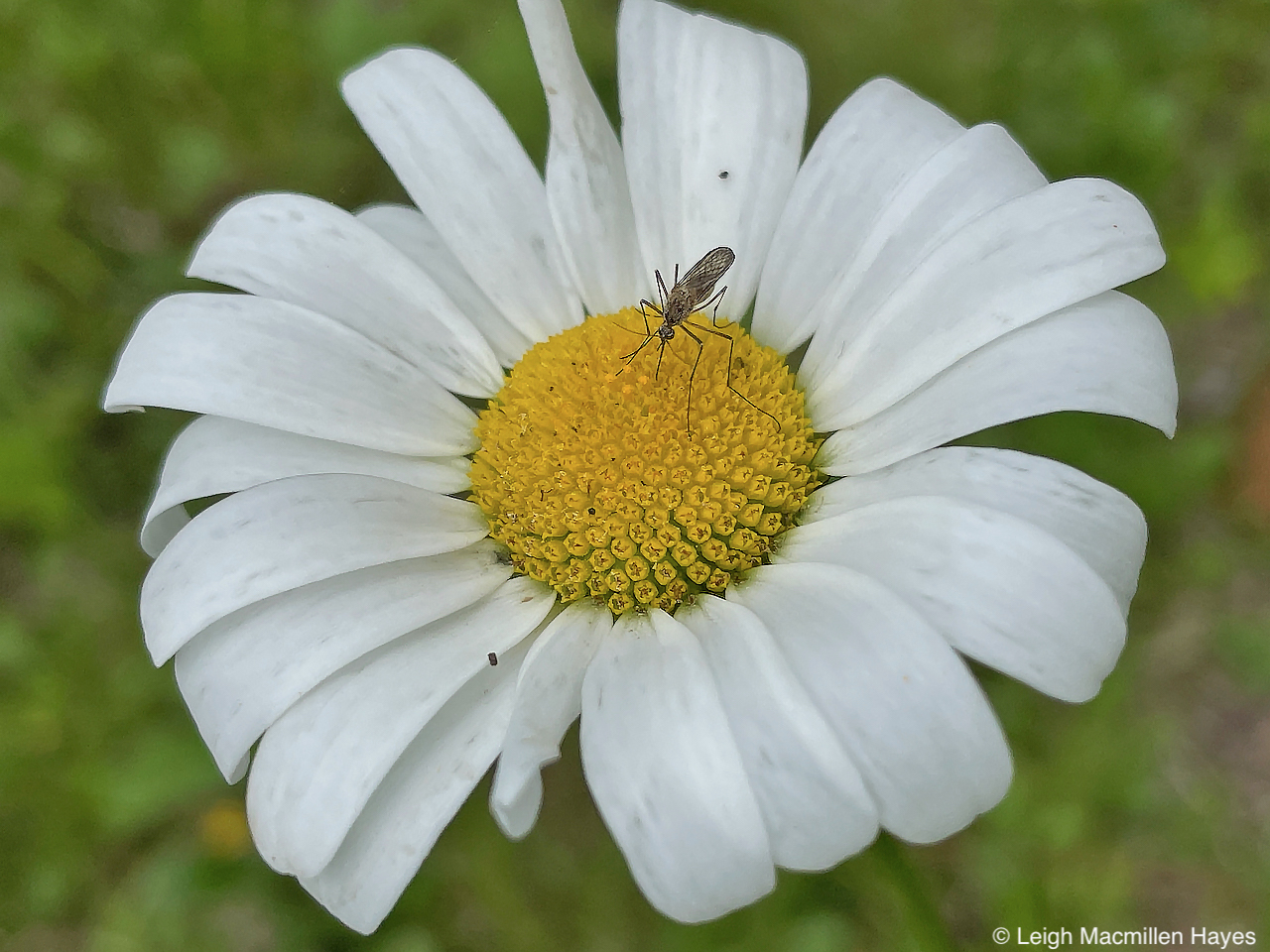
There were even teeny, tiny flower flies with long legs, veined wings, and equally teeny eyes, sucking from the source.

No, it isn’t my beloved snow that I came upon on this June day, but rather a field of daisies offering a scene reminiscent of snow white . . . with lots of colors and sounds in the midst spotted on this longest of days.
Happy Summer Solstice 2023.








 wondermyway