Today dawned the chilliest in a while with 29˚ registering on the thermometer at 6am. But as these September days do, it warmed up a bit and I didn’t need my gauntlet mittens, aka hand-made wrist warmers, for long.
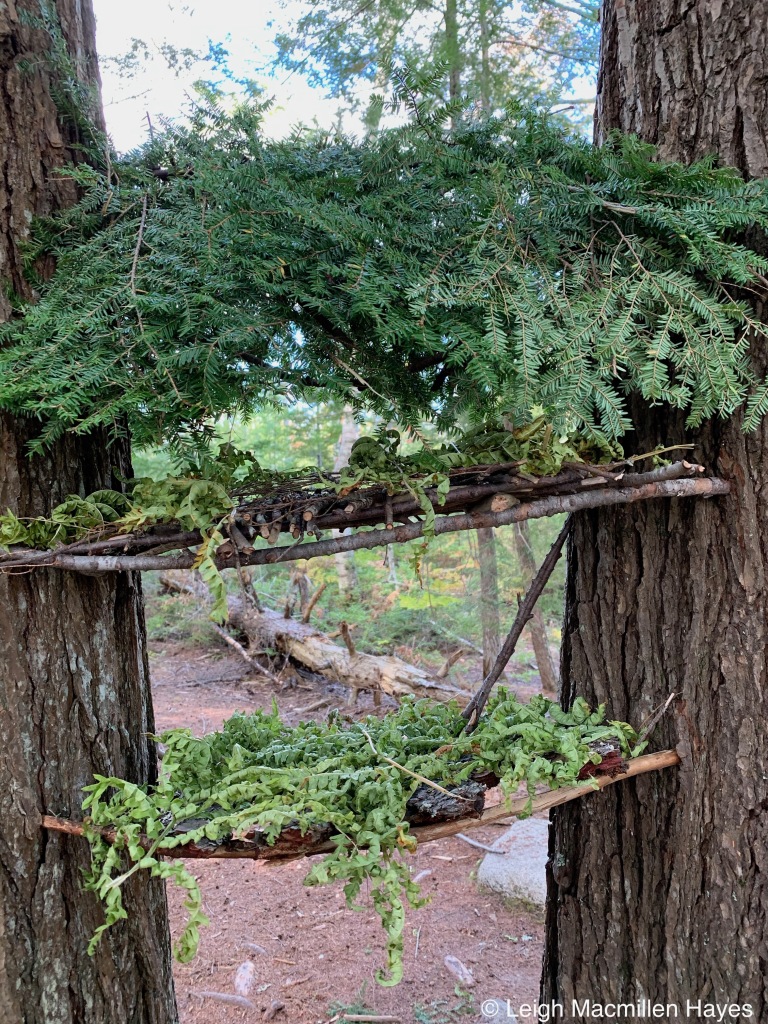
As I ventured forth, I noticed, however, that the fairies had worked like crazy and prepared for the temperature and their beds were well covered.
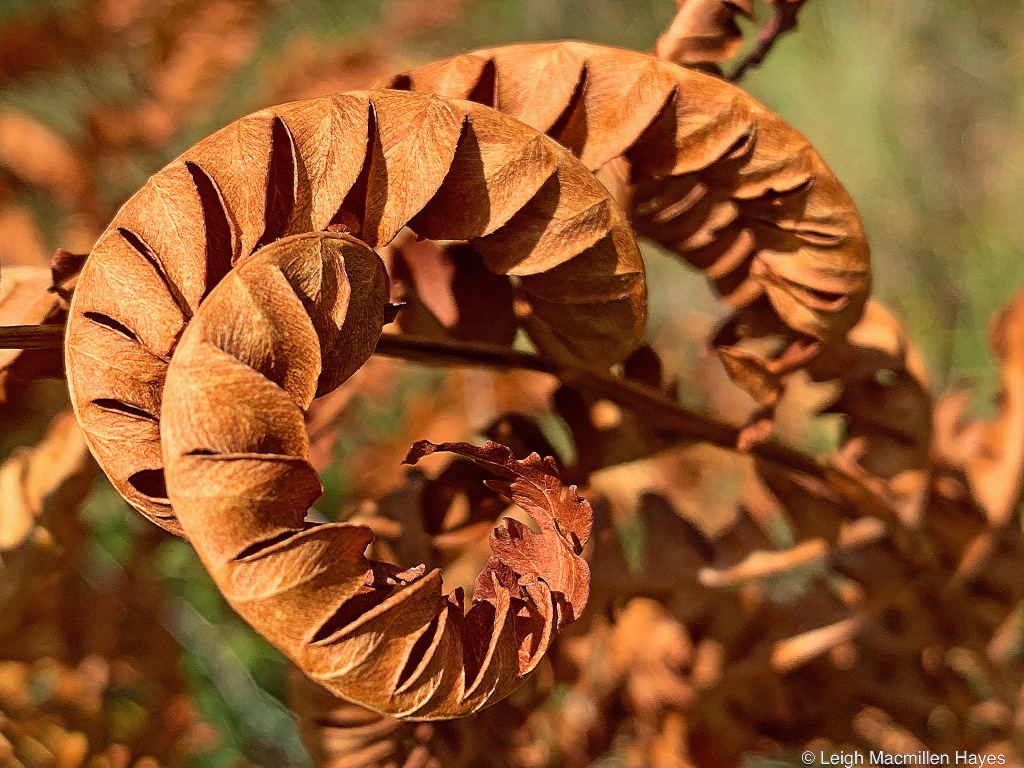
Further along, Cinnamon fern fronds curled into themselves as is their manner at this time of year, but really, it looked like they had donned caterpillar coats in an attempt to stay cozy. So named cinnamon for the color of their separate fertile frond in the spring, the late season hue also sings their common name.
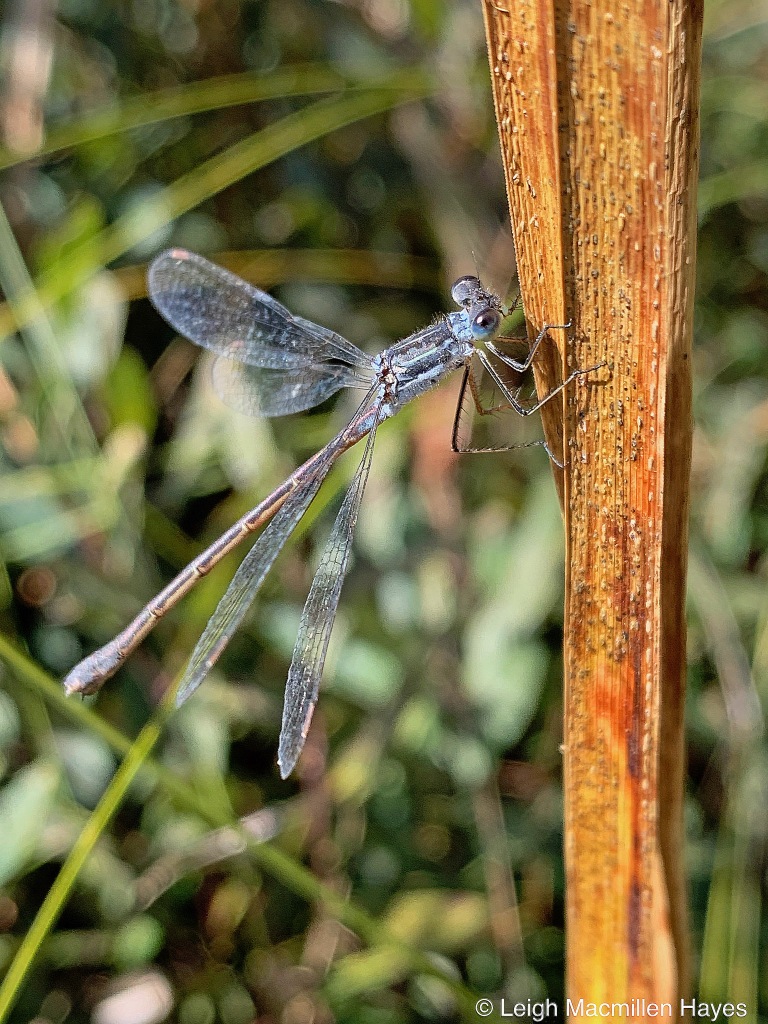
Upon another stalk that also appeared cinnamon in color, paused a Swamp Spreadwing Damselfly, its days diminishing as its a summer flyer.
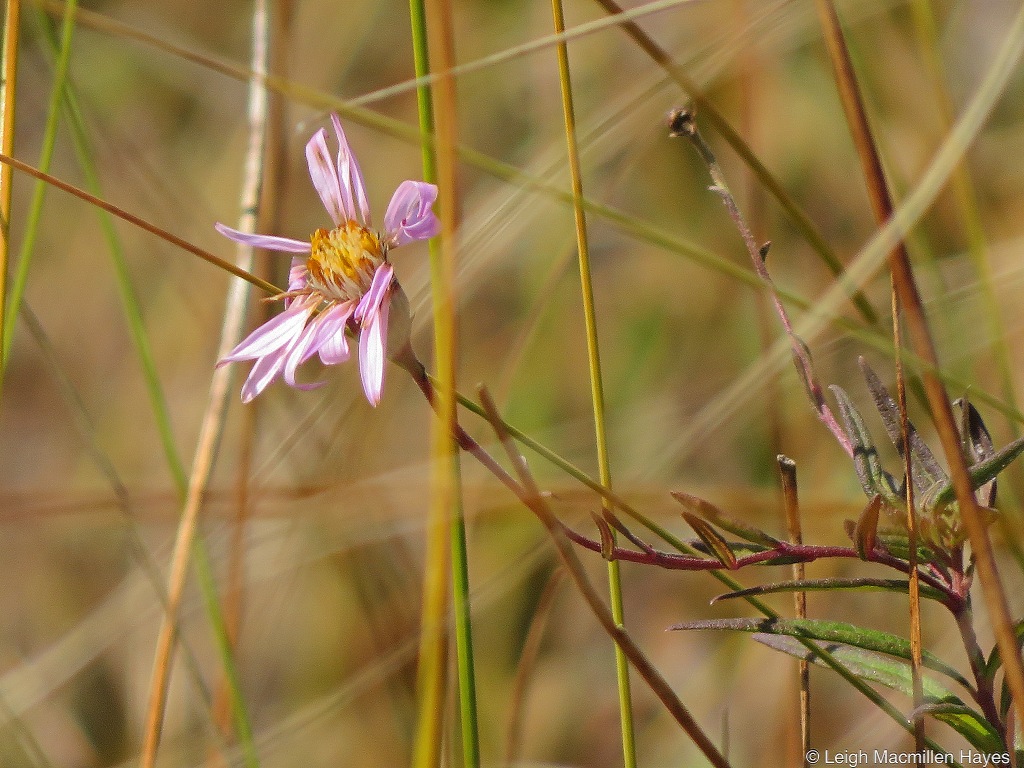
For a while, I stood in an area where Bog Rosemary and Cotton Grass grow among a variety of others. One of those others blooms late in the season and added a tad bit of color to the display.
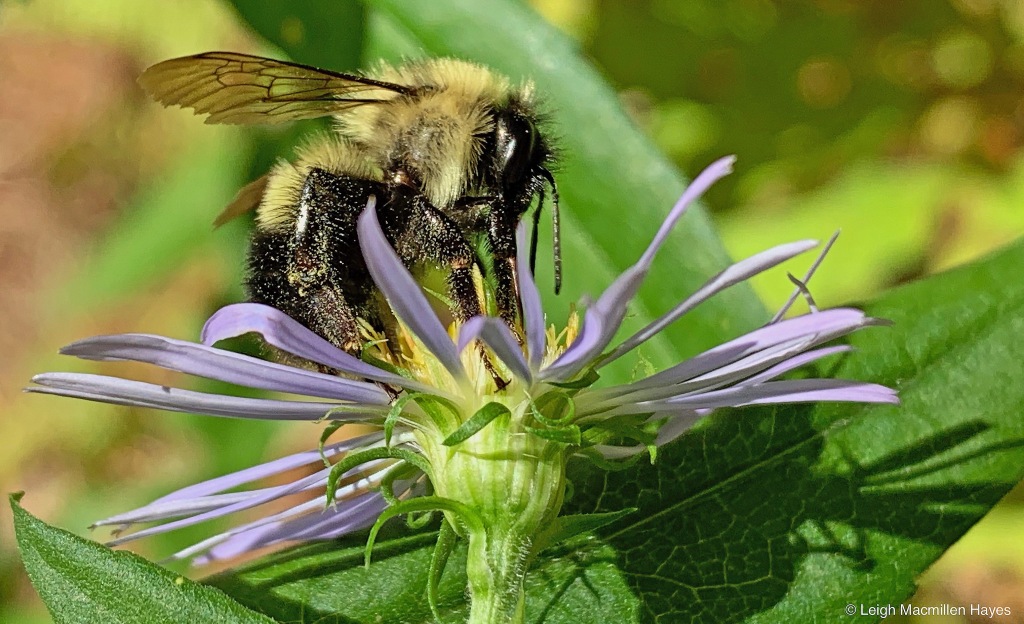
As I wandered, I wondered. Where are the pollinators? For the early hours I suspected they were tucked under the flowers, but eventually the day warmed enough and the action began and no one was busier than this Bumblebee.
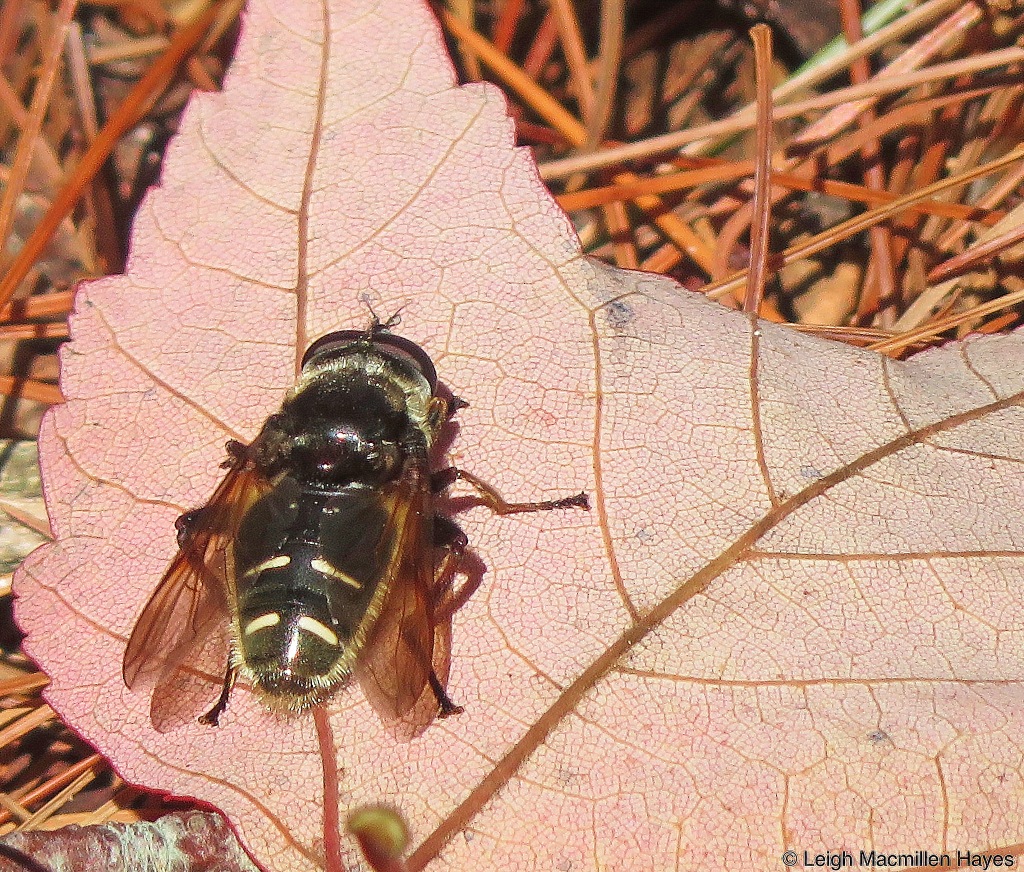
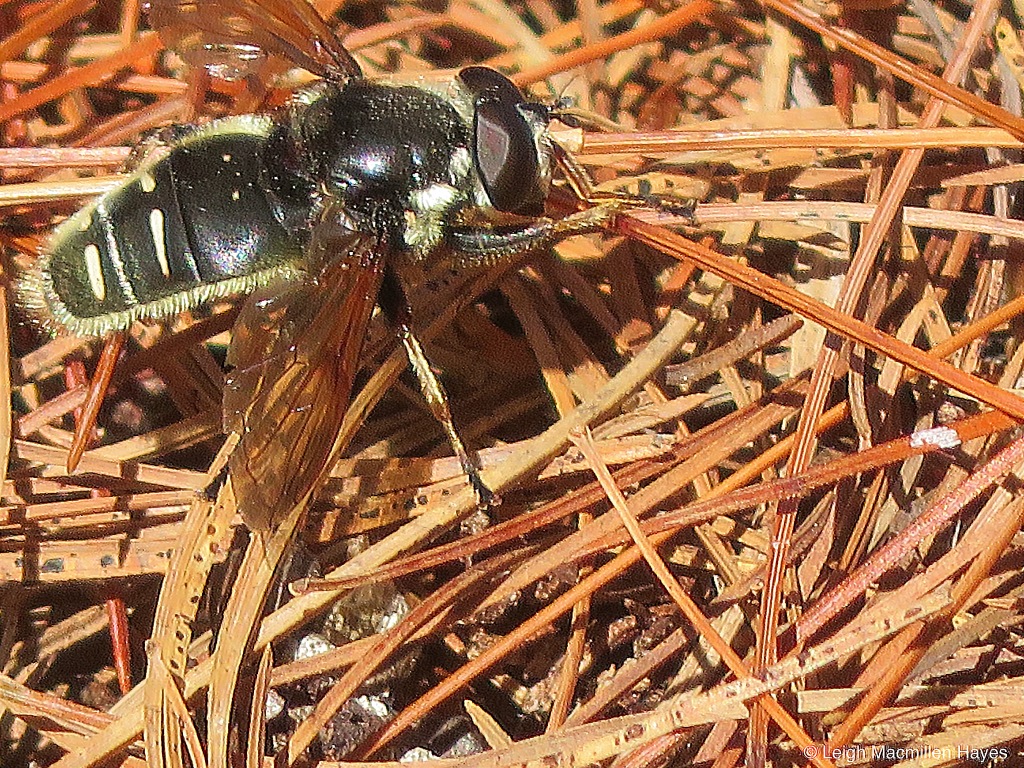
Maybe that’s not entirely true, for Hover Flies did what they do: hovered. And occasionally landed.
Notice the hairy fringe? Hover or Drone Flies as they are also known, mimic bees in an attempt to keep predators at bay. Perhaps the hair also keeps the cold temp from tamping down their efforts?
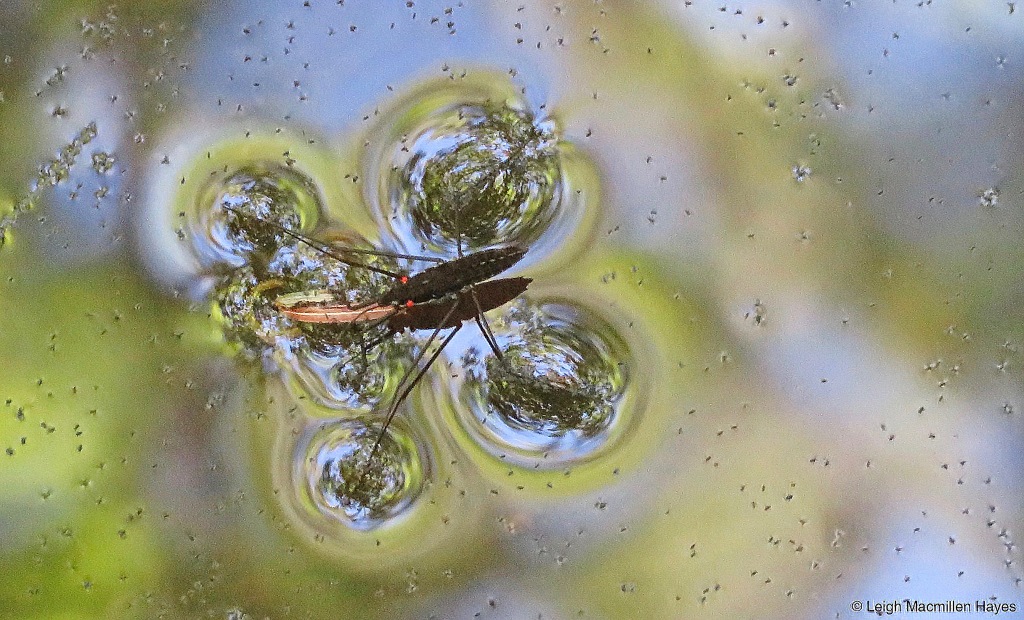
Crossing streams more than several times, Water Striders skated while the tension between feet and water created reflections of the still green canopy and blue sky. And do you notice the tiny red water mites that had hitched a ride on the strider?
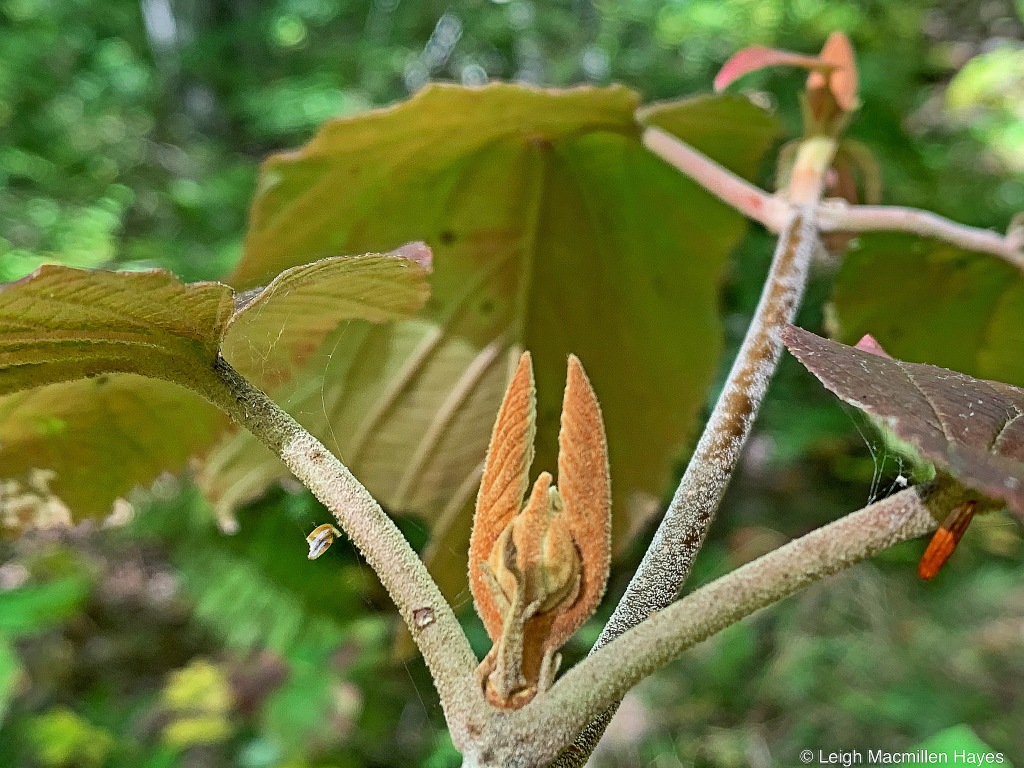
Meandering along, the natural community kept changing and so did the plant life. One of my favorites, Hobblebush, spoke of three seasons to come: autumn’s colorful foliage, winter’s naked buds a bit hairy in presentation, and spring’s global promise of a floral display forming between the buds.
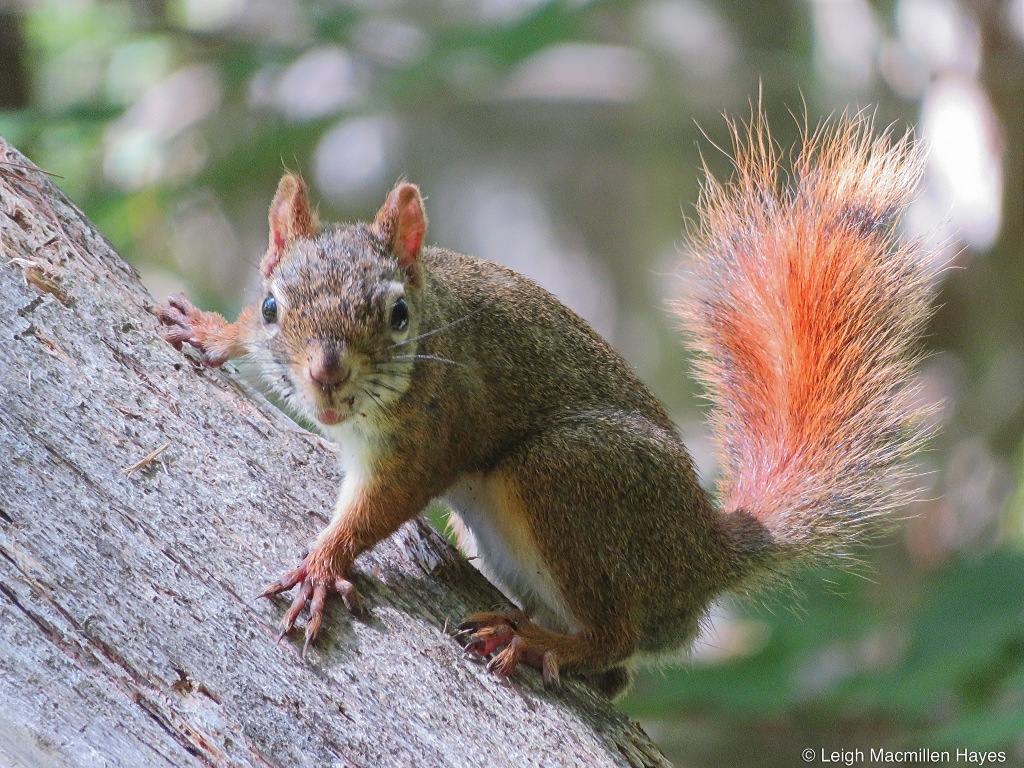
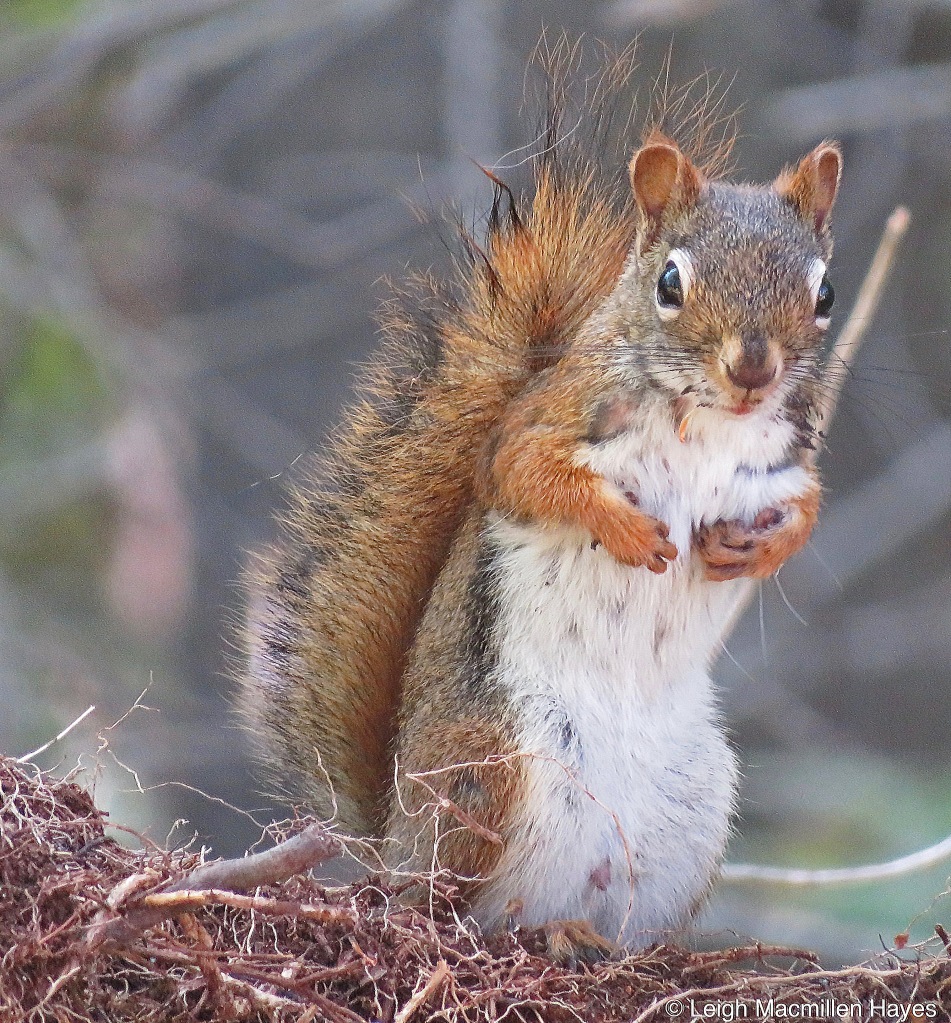
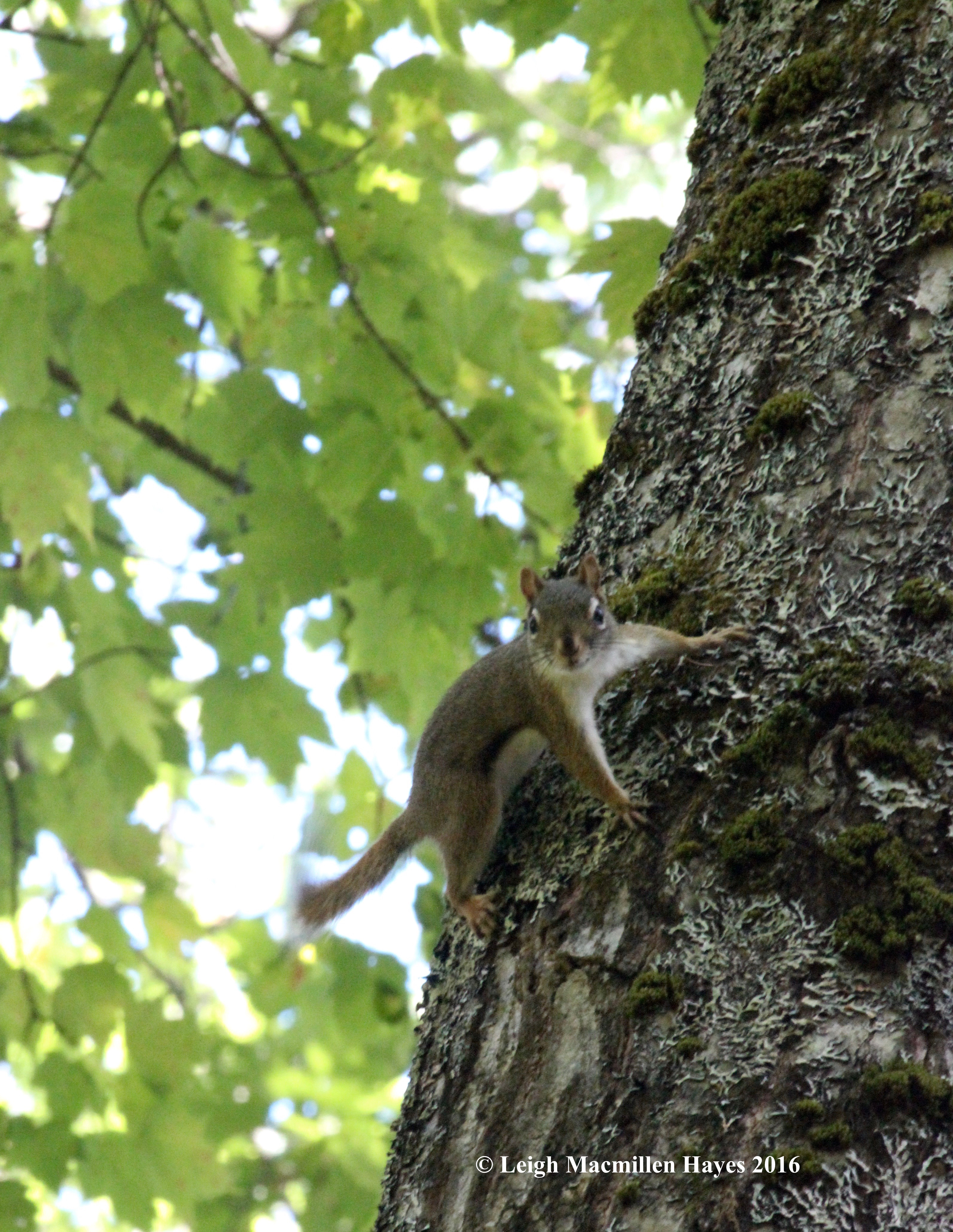
One might think this was a serene hike in the woods and through the wetlands. One would be slightly wrong. Ah, there were not man-made sounds interrupting the peace, but the grasshoppers and cicadas did sing, birds did forage and scatter and forage some more, and red squirrels did cackle. A. Lot.
Perhaps their dirty faces indicated the source of their current food source: white pine seeds. It certainly looked like sap dripped from facial hairs.
And I’m pretty sure I heard a request for sunflower seeds and peanuts to be on the menu soon.
I wandered today beside a muddy river,
through a Red Maple swamp,
and into a quaking bog.
In each instance it was obvious: Summer falls . . . into autumn. It’s on the horizon.
Today was field trip day. Well, actually, every day is field trip day. This week’s trips have included Kezar Lake and the Kezar River Reserve in Lovell, as well as Holt Pond in Bridgton. But today, it was further afield as I drove north to China, Maine, to introduce Erika Rowland, Executive Director of the Greater Lovell Land Trust, and Alanna Doughty, Education Director of Lakes Environmental Association to a special person and a special place.
The special place is one that allows children young and old to use natural materials to build faerie houses. I’ve been entranced by such since my youth–thanks be to my father and his Scottish ancestry, and our “Aunt” Betsy, (she isn’t related, but she’s always been a wonderful aunt) who often took us on a picnic to the fairy table in her woods.
Faeries (fairies) love quiet places and their homes come in many forms. They’re best made from scavenged materials. Imagination rules and nature provides all the things needed for such creative architecture.
This particular village is identified by a sign that provides a list of materials both appropriate and inappropriate.
A wee bit further along the trail, we happened upon another spot that hasn’t been finalized yet, but it’s a collaborative effort between our hostess and last year’s fifth grade class.
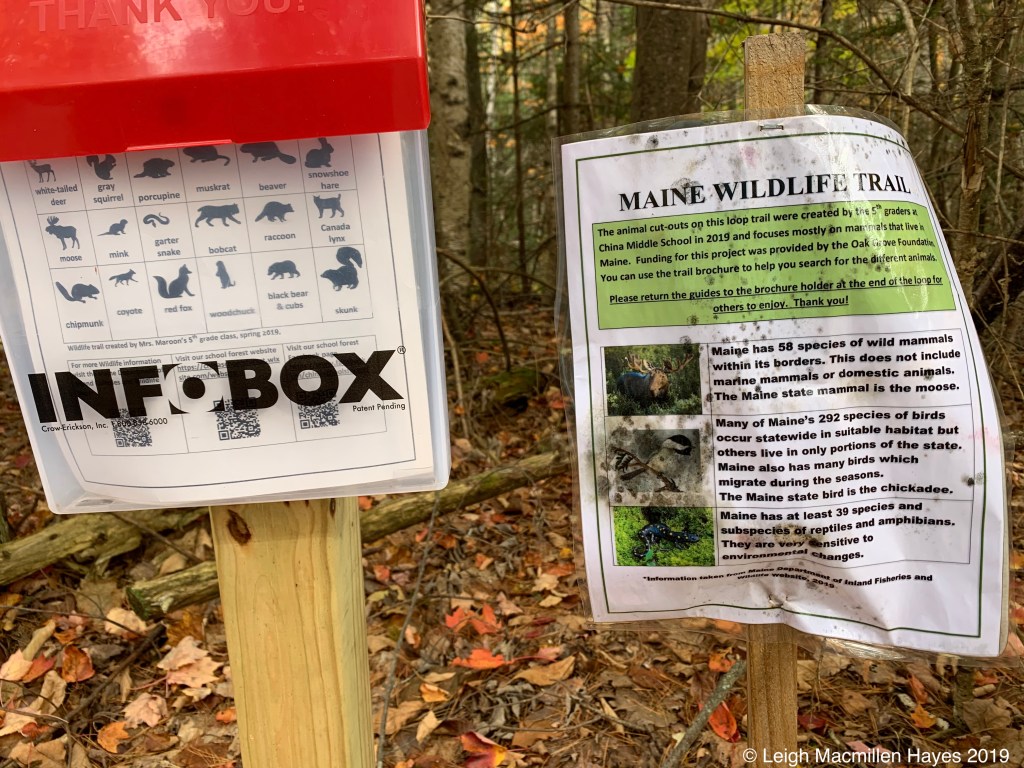
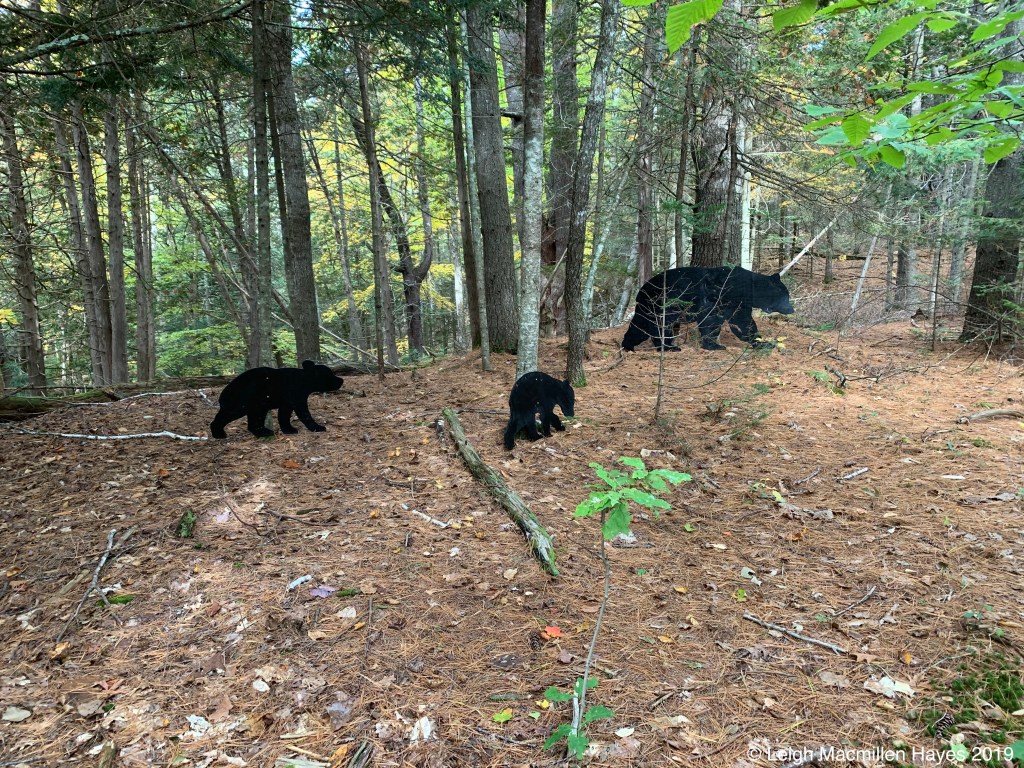
The kiddos studied Maine mammals and then created a scavenger hunt. Erika, Alanna, and I continued to channel our inner kid and looked left, right, high, and low to spy the critters that share these woods. From coyotes to . . .
mama bear and her cubs, to . . .
a lynx chasing a snowshoe hare, to . . .
a moose, they were a pleasant surprise all along the way. If you have a smartphone available, you can learn more about them.
And if there are mammals, then there must be tracks.
We checked the gravely mammal “pit” and discovered pointed toenail prints leading us to think coyote. Had the silhouette come alive?
Continuing on, we came to an old log landing, where pine saplings happily inhabited the clearing. Our hostess, Anita, showed off the recent crazy growth years. Each year, a White Pine produces a whorl of branches, thus allowing one to age the tree by counting from one whorl to the next. And in between–well, the tree grows. Some years, the growth is extensive if conditions are right, such as this 18″ spurt one year and a similar one above the next.
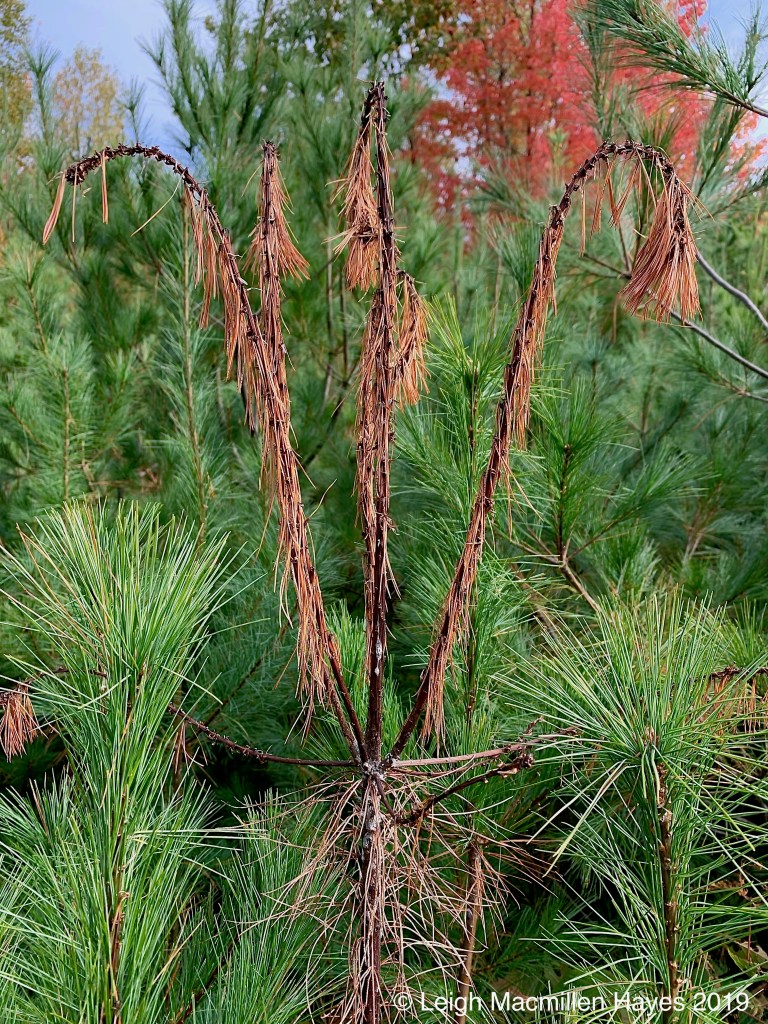
A couple of trees, however, showed off the efforts of a White Pine Weevil. Brown, wilted main shoots (terminal leaders) featured tips curved into a shepherd’s crook. More on that later.
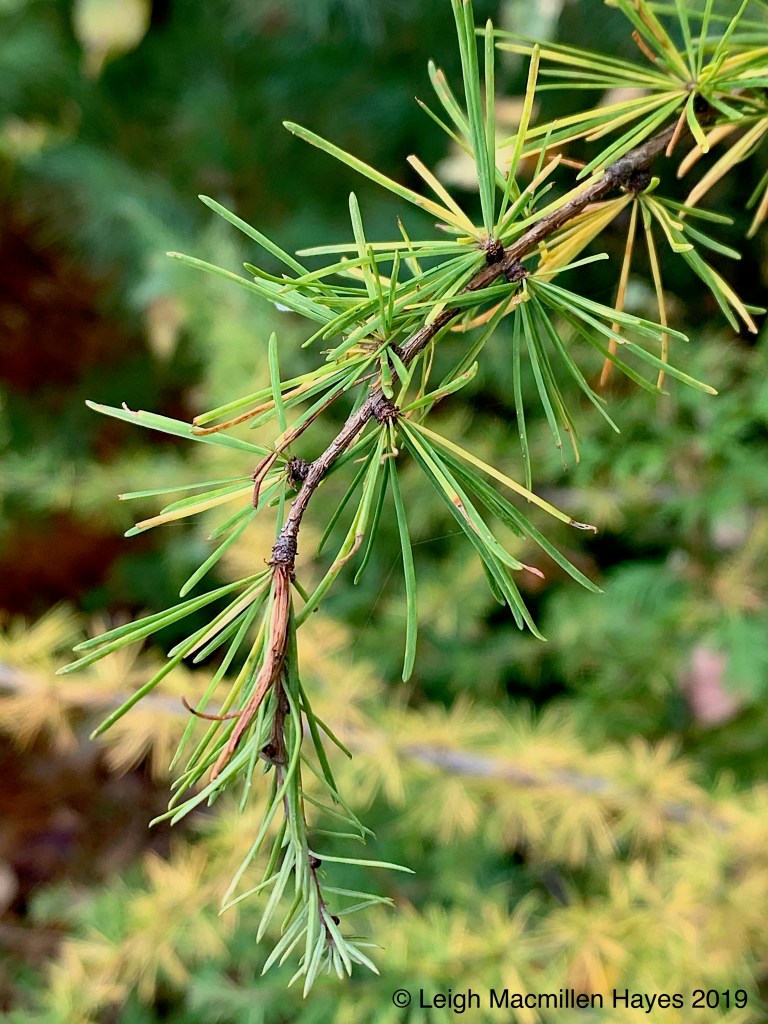
In the midst of all the pines, I was wowed by another tree with needles. It’s one that begs a handshake every time.
And really, that hand comes with the softest touch.
Even upon its trunk, the needles do splay . . . like an aster, but they won’t last long for a Tamarack (aka Larch, Hackmatack) is a deciduous conifer and already they are turning their golden autumnal color.
The Tamarack wasn’t the only star, for cedars also added a different texture to the woods.
And then . . . and then . . . we came upon the Treehouse. A handicap accessible treehouse.
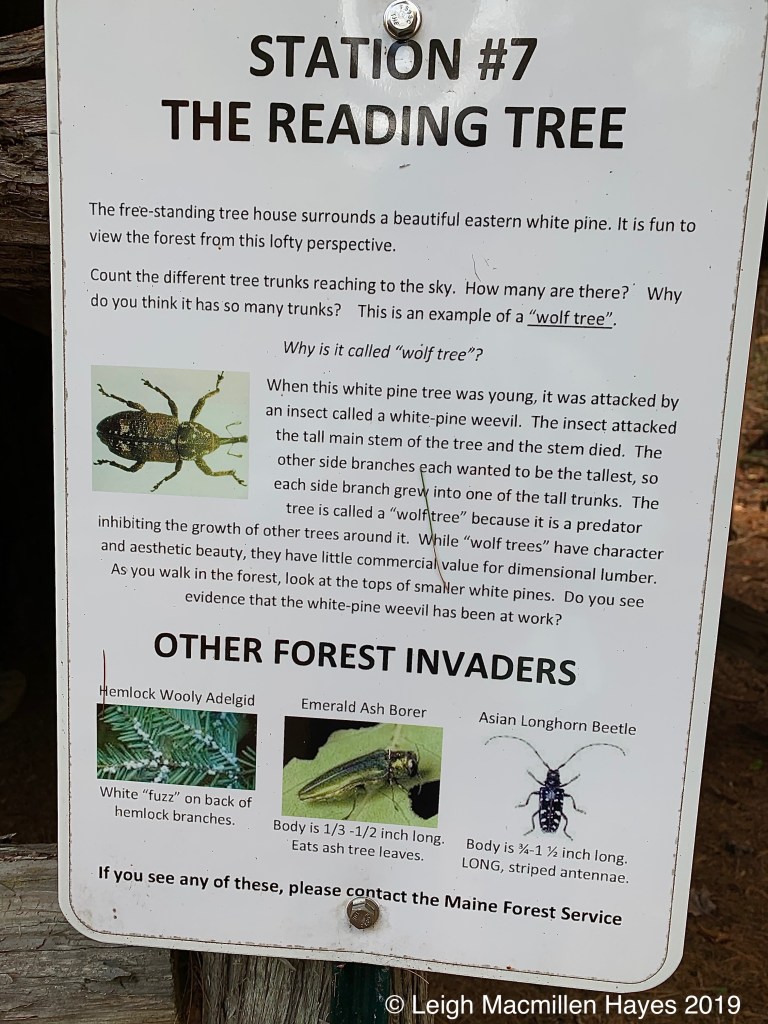
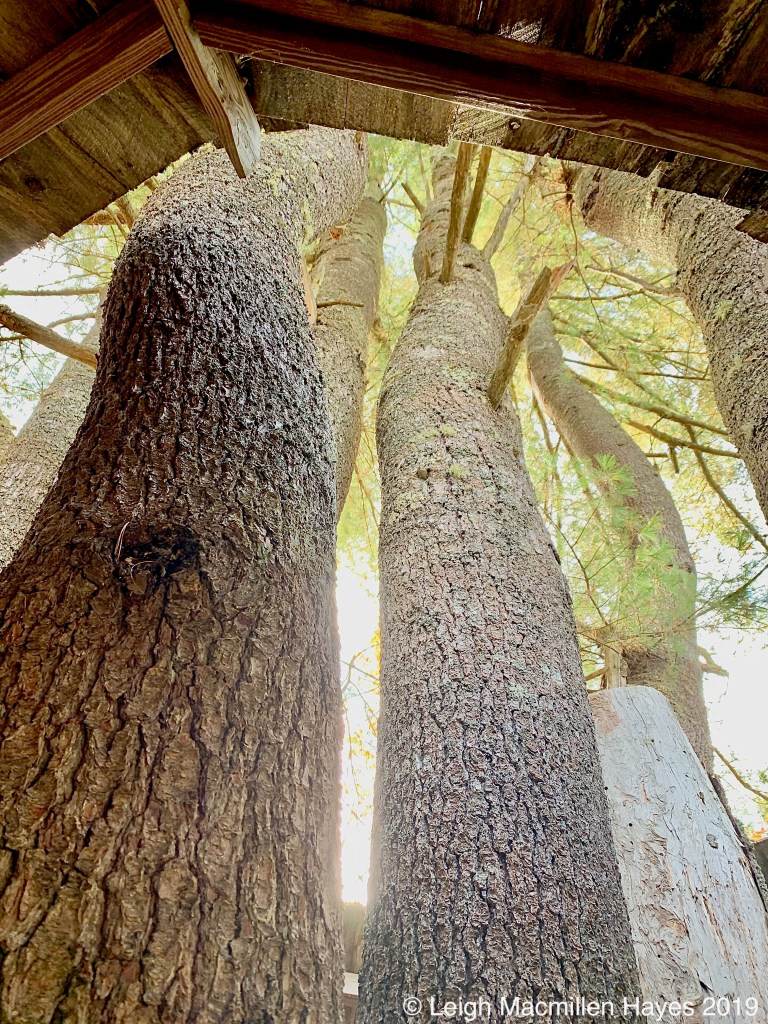
It’s known as the Reading Tree, but it’s more than that, which the interpretive sign explains. Remember that White Pine Weevil damage we saw at the log landing? Well, the White Pine that the treehouse surrounds was a long-ago weeviled tree. When a pine is weeviled, the leader shoot dies and the whorl from the previous year take on the task of growing skyward.
The treehouse is built to accommodate its growth and let the sun in.
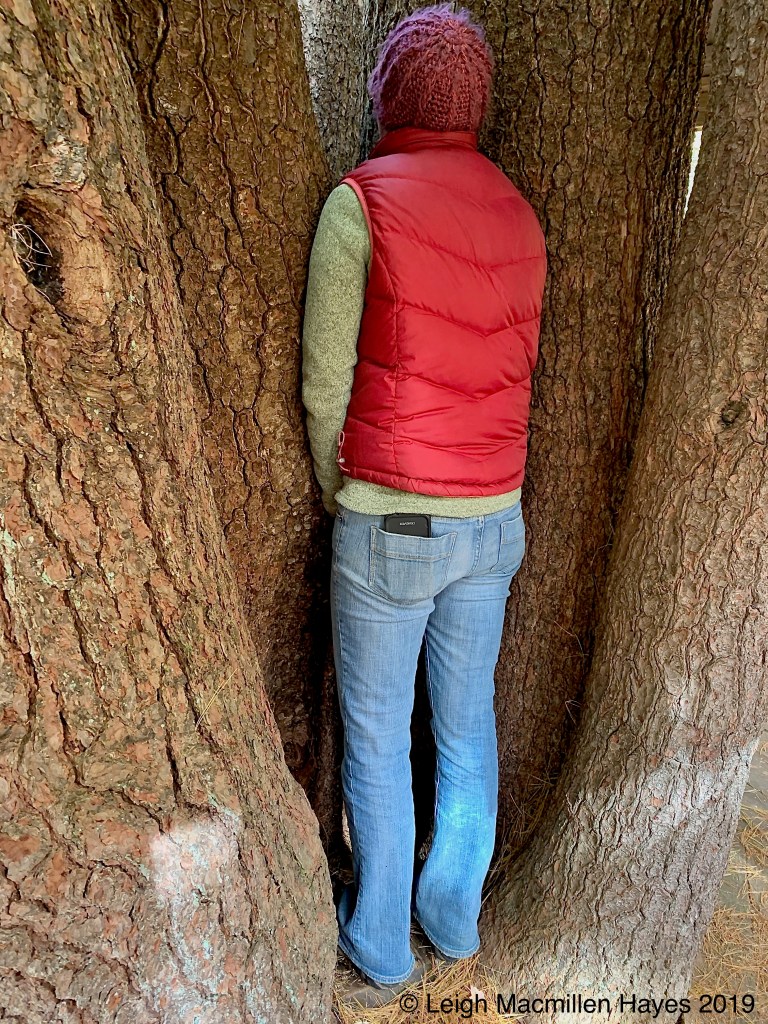
It also provides a fantastic place for all to blend in to its structure.
Of course, if you climb the tree, you might have to spend a bit of time in “Timeout.” But really, what a pleasure to do both.
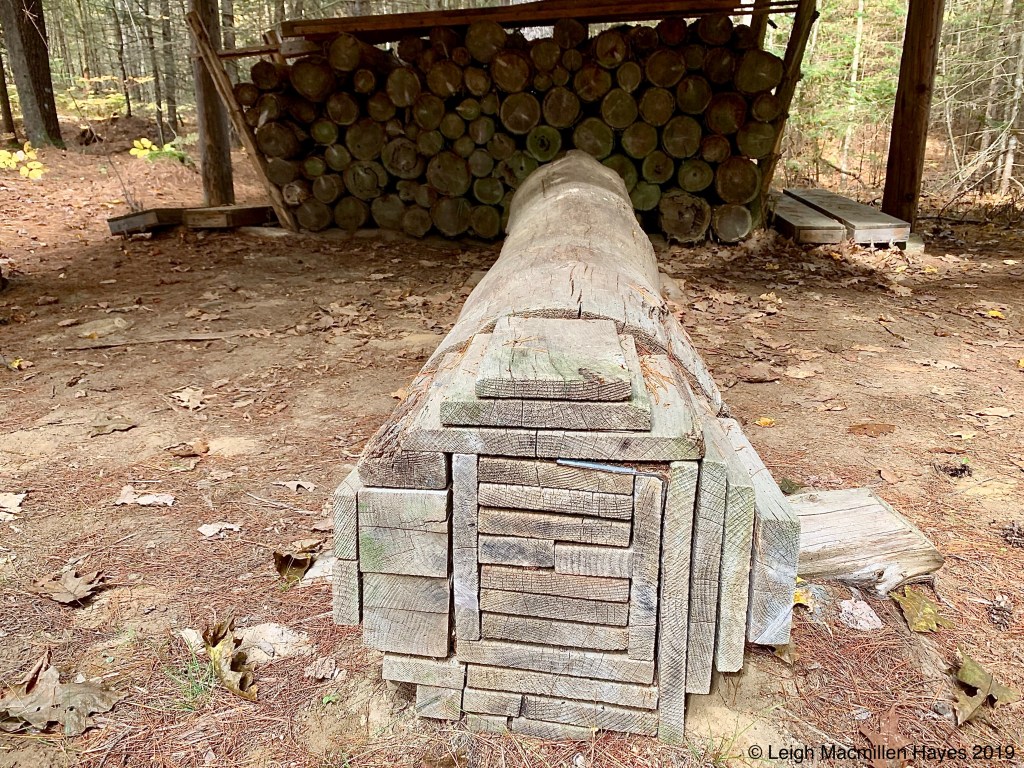
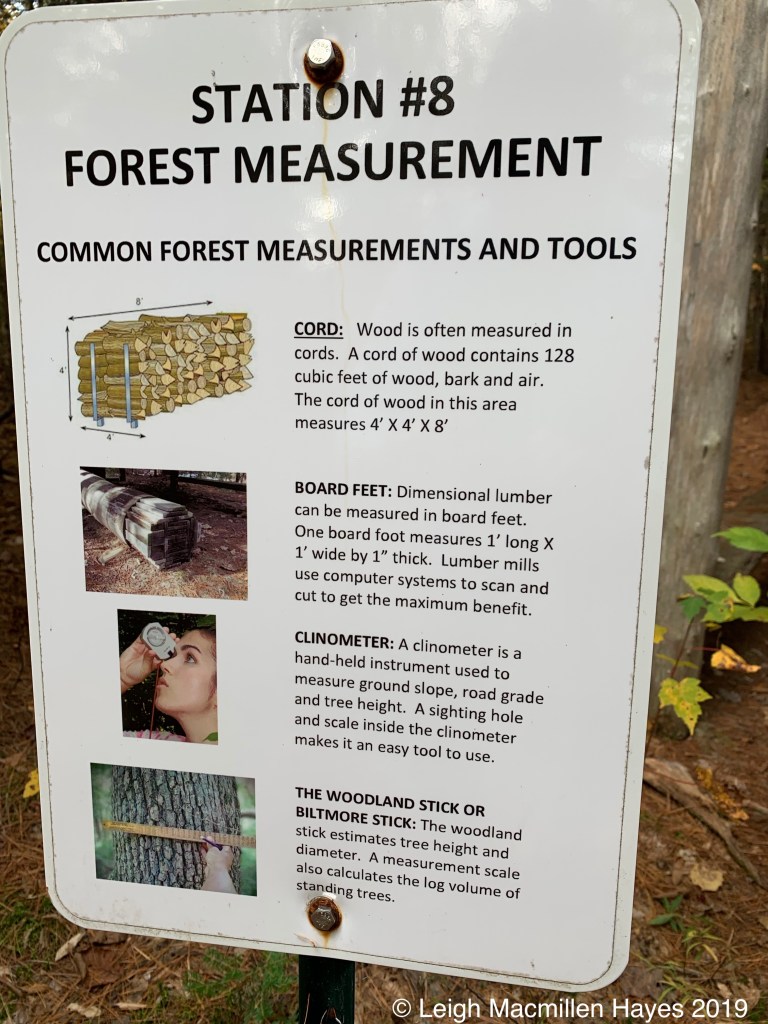
We didn’t want to leave the treehouse behind and actually considered moving in, but onward our journey continued to a spot where the story transitions to mathematical computations. A cord of wood in the background, a chance to measure board feet in the foreground. It’s all a part of this special place, where classrooms abound . . . in the forest.
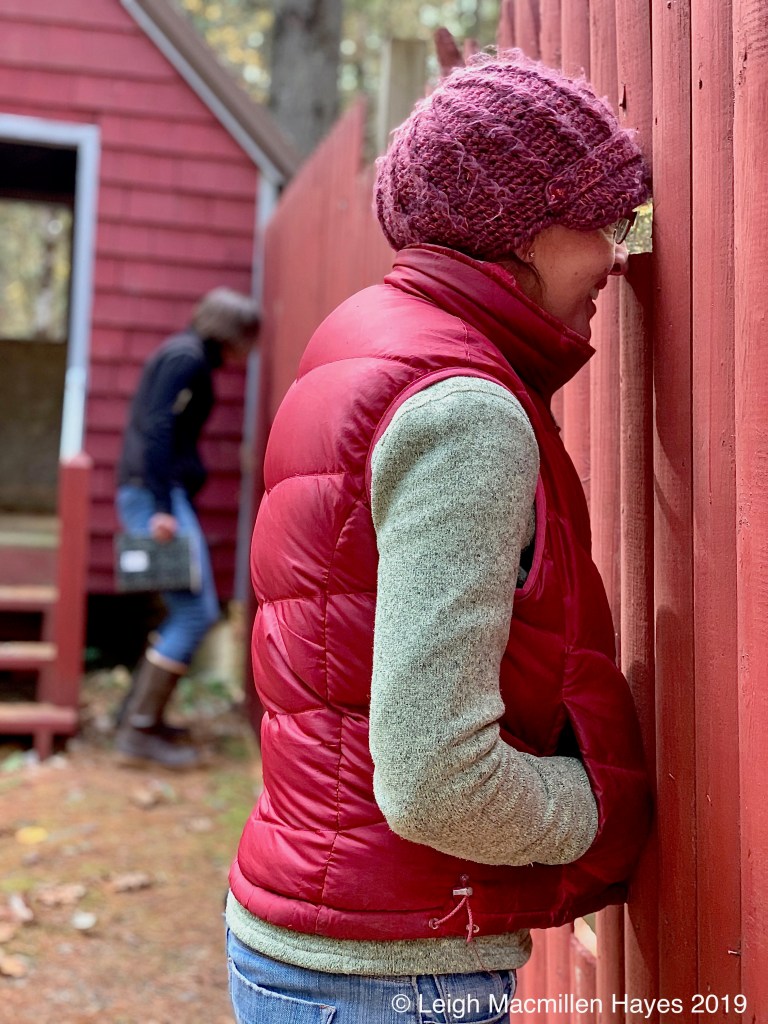
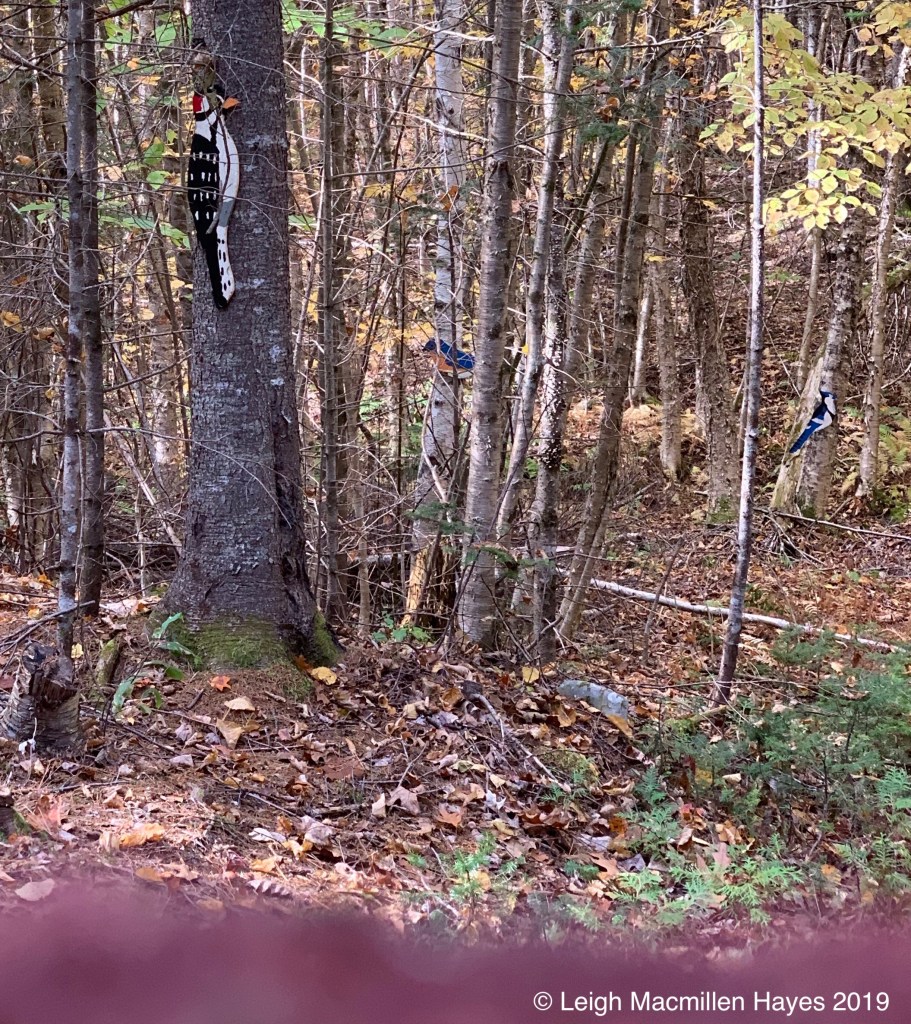
It didn’t stop there. A fence with cut-outs high and low let us peek at more local wildlife. Had we been with a class of twenty or more elementary school children, we surely would have scared the birds away. But . . .
our bird sightings were plentiful.
How many do you spy?
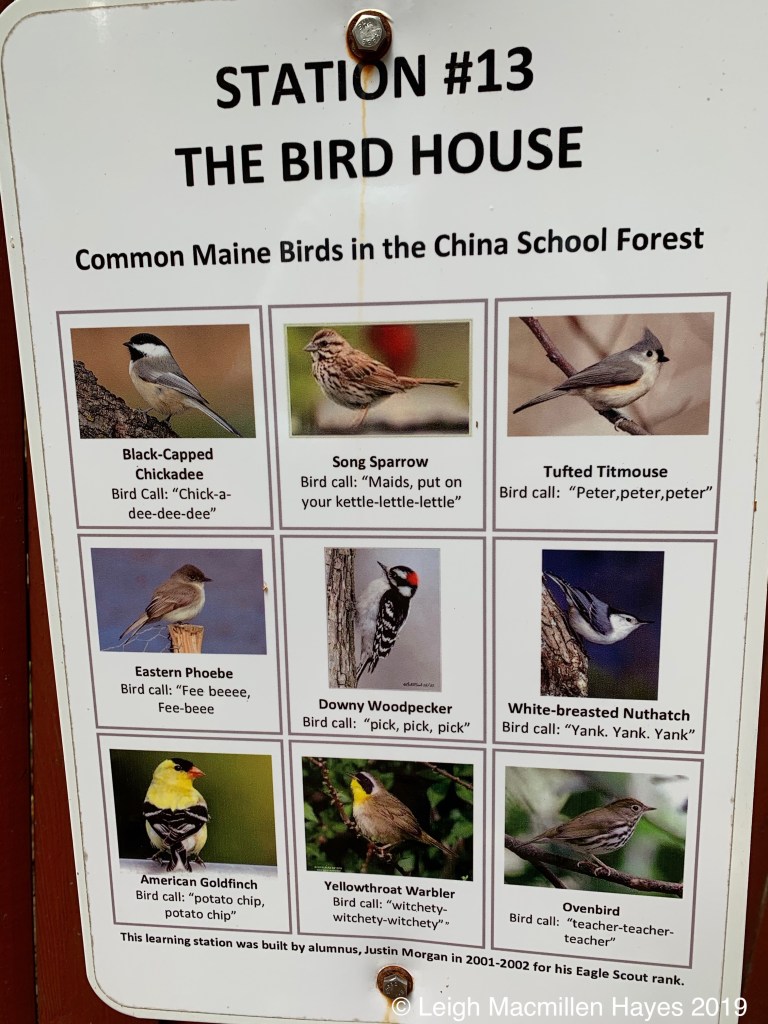
At the end of the wall, the interpretive sign offers clues of those one might see.
Leaving the wall, as we walked toward a wetland, movement at our feet led to the realization that we’d disturbed two garter snakes trying to grasp the rays of today’s limited sun.
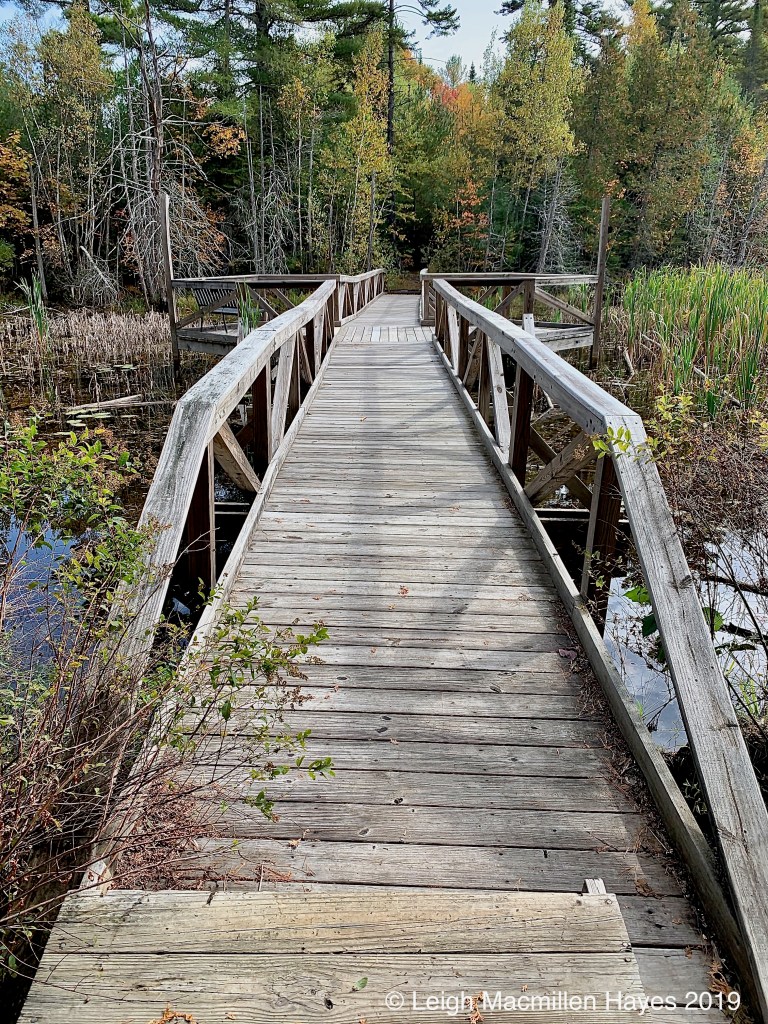
Onto a bridge originally built by students twenty plus years ago in the man-made wetland, we paused to covet the outdoor classroom.
The possibilities for exploration were endless.
And they were all possible because of our incredible hostess, Anita Smith. Anita is a retired teacher, Maine Master Naturalist, and Project Learning Tree Advocate.
Her community close to home appreciates her, but so do the rest of us for as I’ve learned, Anita is alway happy to share what she and others have created to educate all ages.
Before we drove back to western Maine, we had one last wonder to fill our day–the woody capsules of Lady’s Slippers gone by that grow in clumps like we typically don’t see anywhere else.
Thanks to Anita and all her volunteers, we spent today wandering the China School’s Working Forest in China, Maine, and loved exploring the twenty or so learning stations set up on the fifty-plus acre forest. Neither Greater Lovell Lovell Land Trust or Lakes Environmental Association can replicate the China School Forest, but our take-away was immense and we loved the opportunities to learn in the forest.
It was actually still winter when I joined Lakes Environmental Association’s Education Director Alanna Doughty and LEA member Betty for a “Welcome Spring” snowshoe hike at Holt Pond Preserve this afternoon–but really, for western Maine, it was a delightful spring day.
Our hearts smiled as our journey began beside a clump of pussy willow shrubs, so named for their resemblance to tiny cats’ paws. Actually, the white nubs are flowers pre-bloom. Their soft, silvery coating of hairs provides insulation thus protecting these early bloomers from cold temperatures.
That being said, they aren’t protected from everything and if you look, you may see pineapples growing on some. Those pinecone-like structures were created with leaves by a reaction to a chemical released by the larva that allows a gall gnat midge to overwinter on the willows. It’s a crazy world and everything seems to have its place.
Hanging out with the pussy willows were speckled alders, some with protrusions extending from last year’s cones. It was almost like they had tried to flower. In reality, they were alder tongue galls–resulting from a fungus rather than an insect infecting the female catkins. Apparently, the tongue-like growths are green to begin, but transform to orange, red and finally brown. I’ve yet to see it in its early form but time will tell.
We passed a spider walking across the snow and then came upon another member of the lilliputian world–a winter stonefly on the move. How they and the spiders survive the cold and snow is dependent upon special compounds including glycerol, proteins, and sugars that act like antifreeze. By its presence, we knew we were approaching a fast-moving stream.
More evidence of the stream’s presence became immediately apparent when we moved from the field to woods and immediately spied a sign of beaver works.
Stepping down beside the Muddy River, we began to see beaver tree after beaver tree. Each a most recent work.
Alanna stood upon an old dam, but though it was obvious they’d crossed over it by the well traveled trail of tracks, repair work was not yet part of the scheme for the water flowed forth.
We stood there for a few minutes and tried to understand what they had in mind, when one in our group spied the beaver chews in the water–their snack of choice.
We wondered if they were active downstream or up, and decided to follow the trail north.
A few minutes later, we came upon another trail well-traveled and knew that they’d been working in the vicinity.
In the brook, covered with spring ice, which features a different texture than the frozen structures of winter, was a small tree.
And then our eyes followed the beavers’ tracks back and we saw from whence it had been sawn.
And dragged through the snow. In our minds’ eyes we appreciated their efforts.
Still, we didn’t know what the beavers were up to, so we moved on in hopes of learning more about their activities. All the while, there were other things to notice, like the orange brain fungus growing on the inside of a stump. We weren’t the only ones to appreciate it for snowfleas, aka spring tails, also searched the surface.
Since we were beside the river, it might have made sense that we checked out the beaver works via canoe, but . . . the snow is slowly melting and it will be a while before we need to bring our own paddles, personal flotation devices and duct tape (just in case the canoe springs a leak).
From the boat launch we followed the secret trail and made our way out to the red maple swamp.
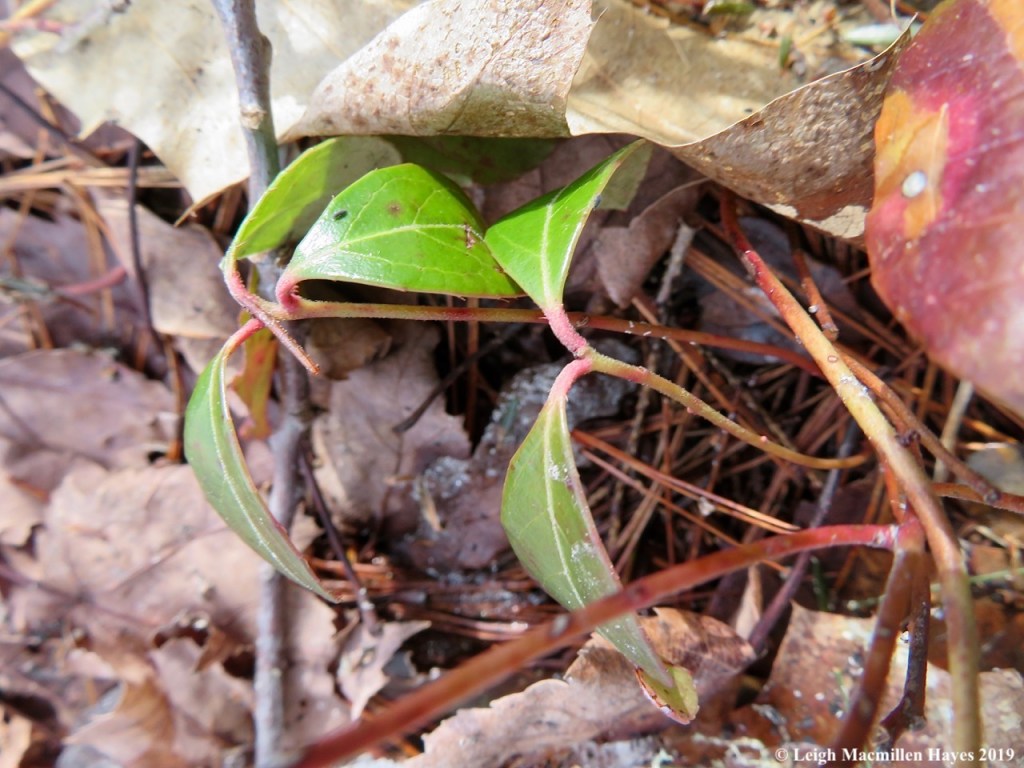
In a sunny spot we spied a swab of earth–a taste of what is to come. And the ever delightful wintergreen offering the first shade of spring green with a dash of spring pink.
Slowly we made our way back out to the Muddy River, where we stood and looked across at two beaver lodges on the other side. We didn’t dare cross, but from where we stood, it appeared that the lodges may be active given that we could see the vents at the top. It also appeared that they’d been visited, though we weren’t sure if the tracks were created by predators. Was this where the beavers who had been so active downstream were living? Or were these the homes of their parents? Were the new beaver works those of the two year olds who had recently been sent out into the world to make their own way? Our brains wondered and wondered?
We weren’t sure, but with questions in our mind, we moved on toward Holt Pond.
There were other things to see as we walked across the wetland, including the woody structures of maleberry capsules and their bright red buds.
Rhodora, that delightful pink beauty showed us that she’s waiting in wings.
As we made our way back, more wood chips on the ground indicated that a carver of another type had been at work–of the bird type rather than rodent.
To identify it, we looked not only at the shape of the chiseled structure, but also the scat we found among the chips.
Because it was filled with the body parts of carpenter ants and we knew its creator’s name–pileated woodpecker.
And then we found an insect of another type. Why was a hickory tussock caterpillar frozen to a twig? Was it shed skin from last fall? How did the structure last throughout the winter? We left with questions, but gave thanks for the opportunity Alanna provided to share the afternoon wandering and exploring and thinking and looking forward–to spring.
In the midst of our wandering, we did discover a fairy house and suspect that tonight some wild dance moves are on display under the Super Equinox Worm Moon.
“Every spring is the only spring, a perpetual astonishment.”
British Author Edith Mary Pargeter, also known by her nom de plume, Ellis Peters (1913-1995)
How many people can travel a familiar route for the first time every time? I know I can.
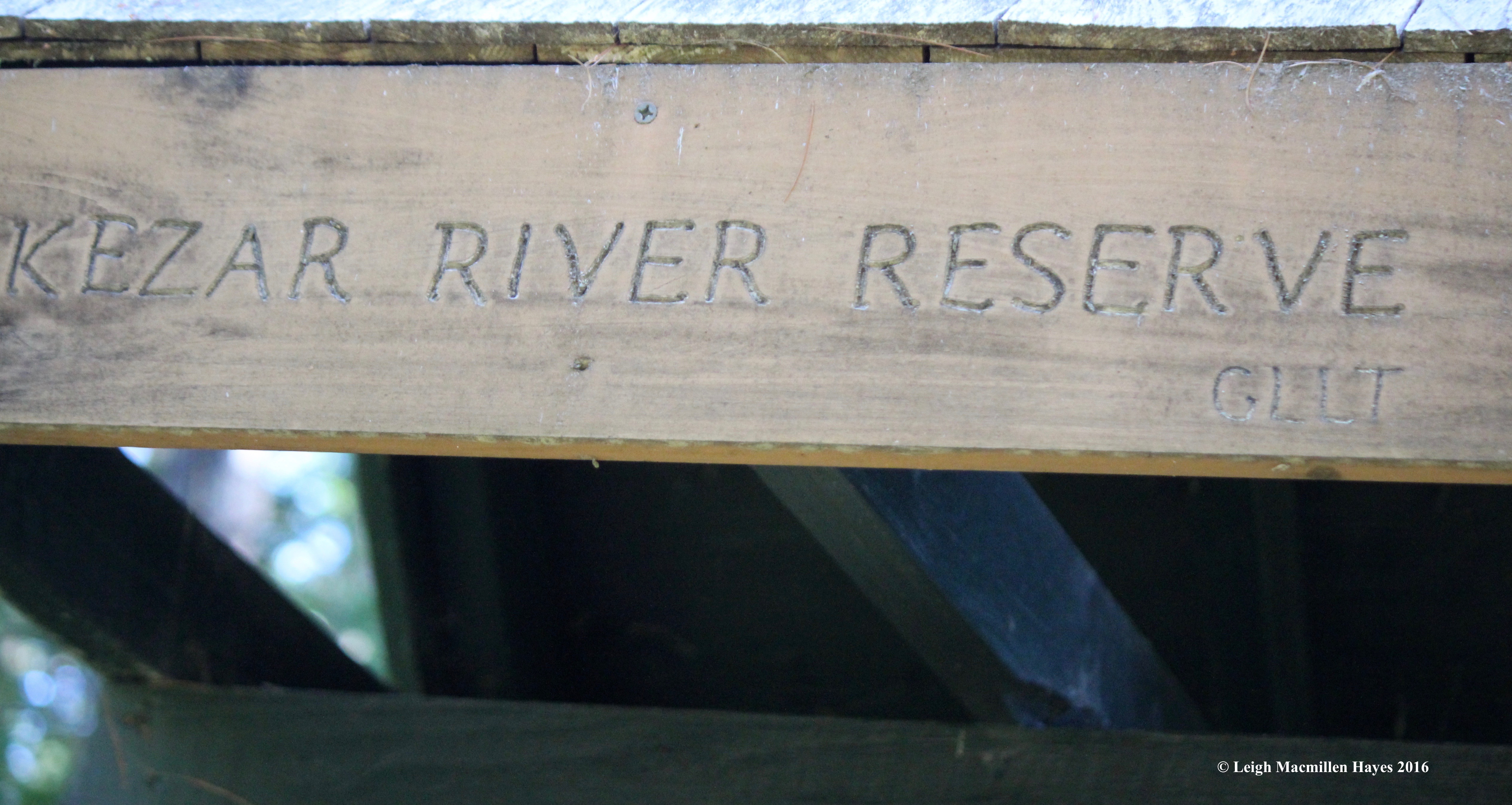
And so it was this morning when I ventured to the Greater Lovell Land Trust’s Kezar River Reserve off Route 5 in Lovell. I went with a few expectations, but nature got in the way, slowed me down and gave me reason to pause and ponder–repeatedly.
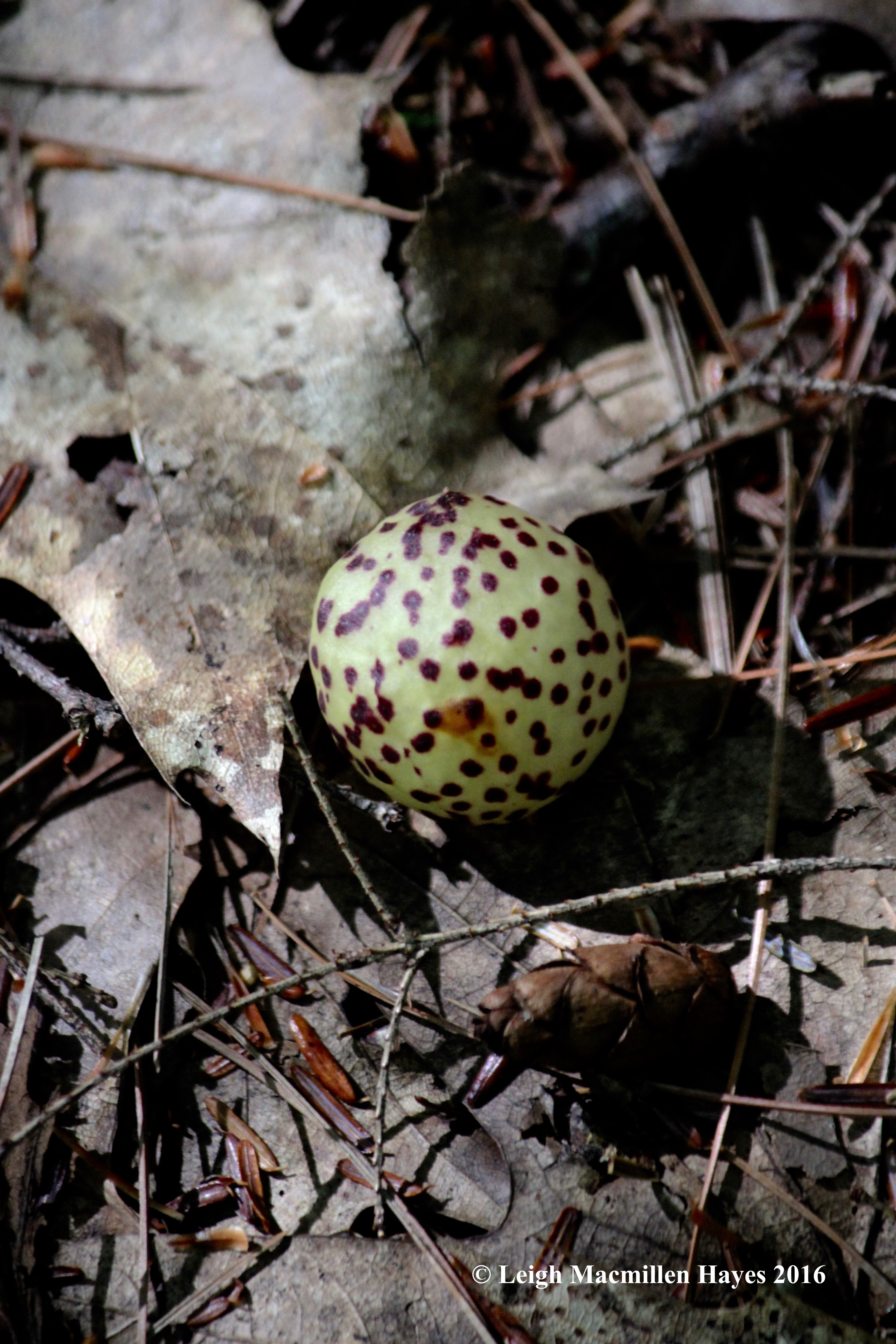
As I walked along the trail above the Kezar River, I spied numerous oak apple galls on the ground. And many didn’t have any holes. Was the wasp larvae still inside?
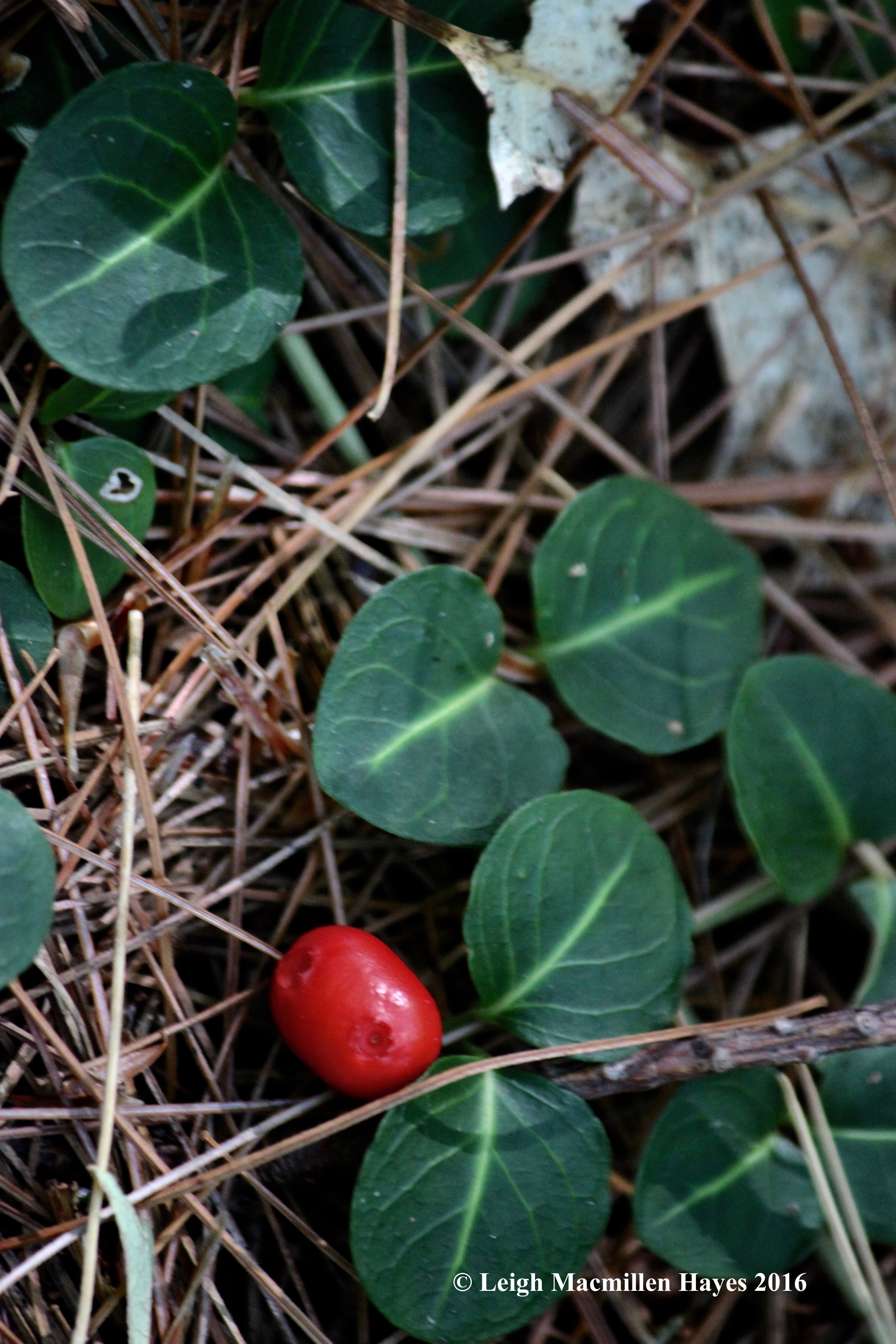
While the dots on the gall were reddish brown, the partridgeberry’s oval drupes shone in Christmas-red fashion. I’m always awed by this simple fruit that results from a complex marriage–the fusion of pollinated ovaries of paired flowers. Do you see the two dimples? That’s where the flowers were attached. Two became one. How did they do this?
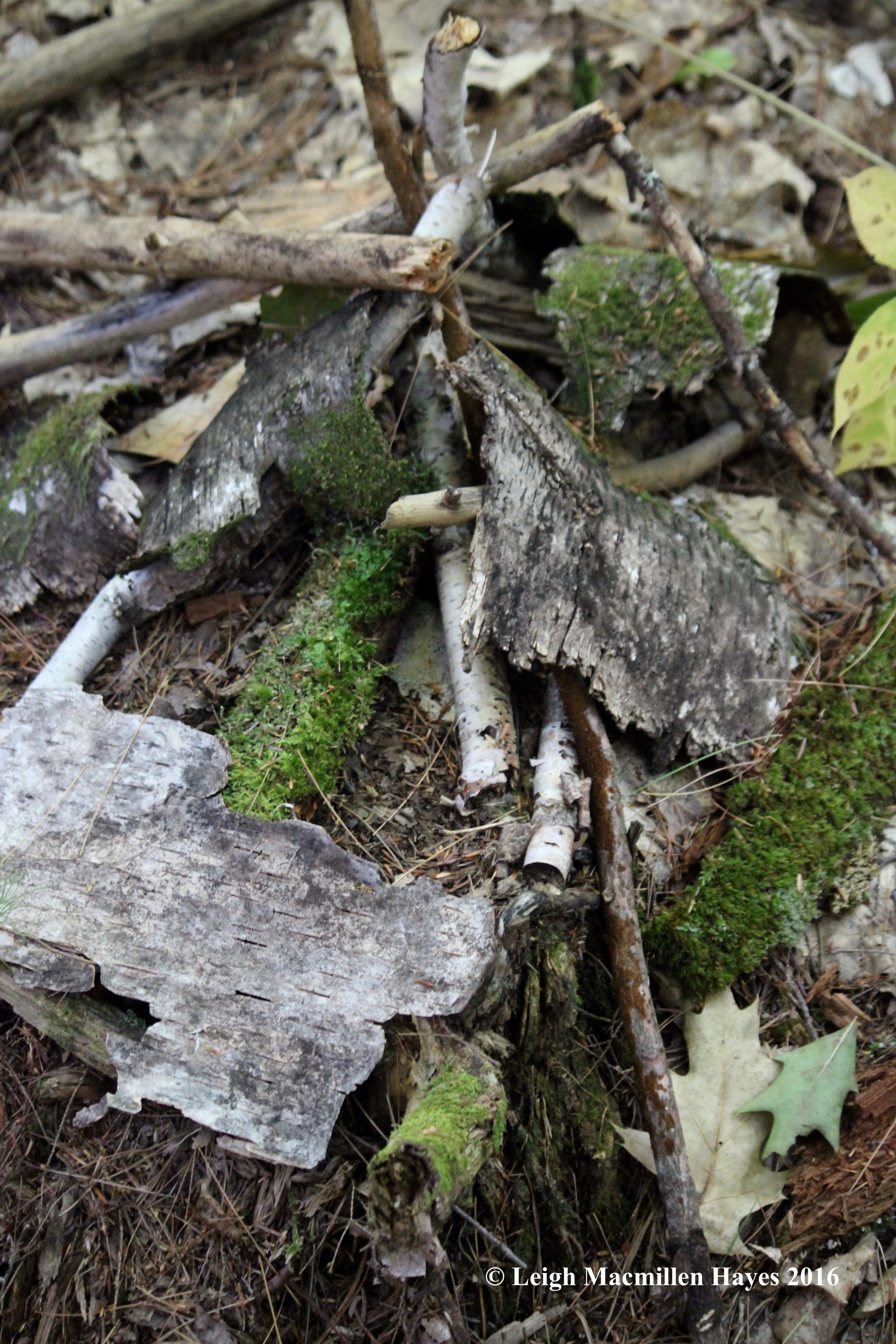
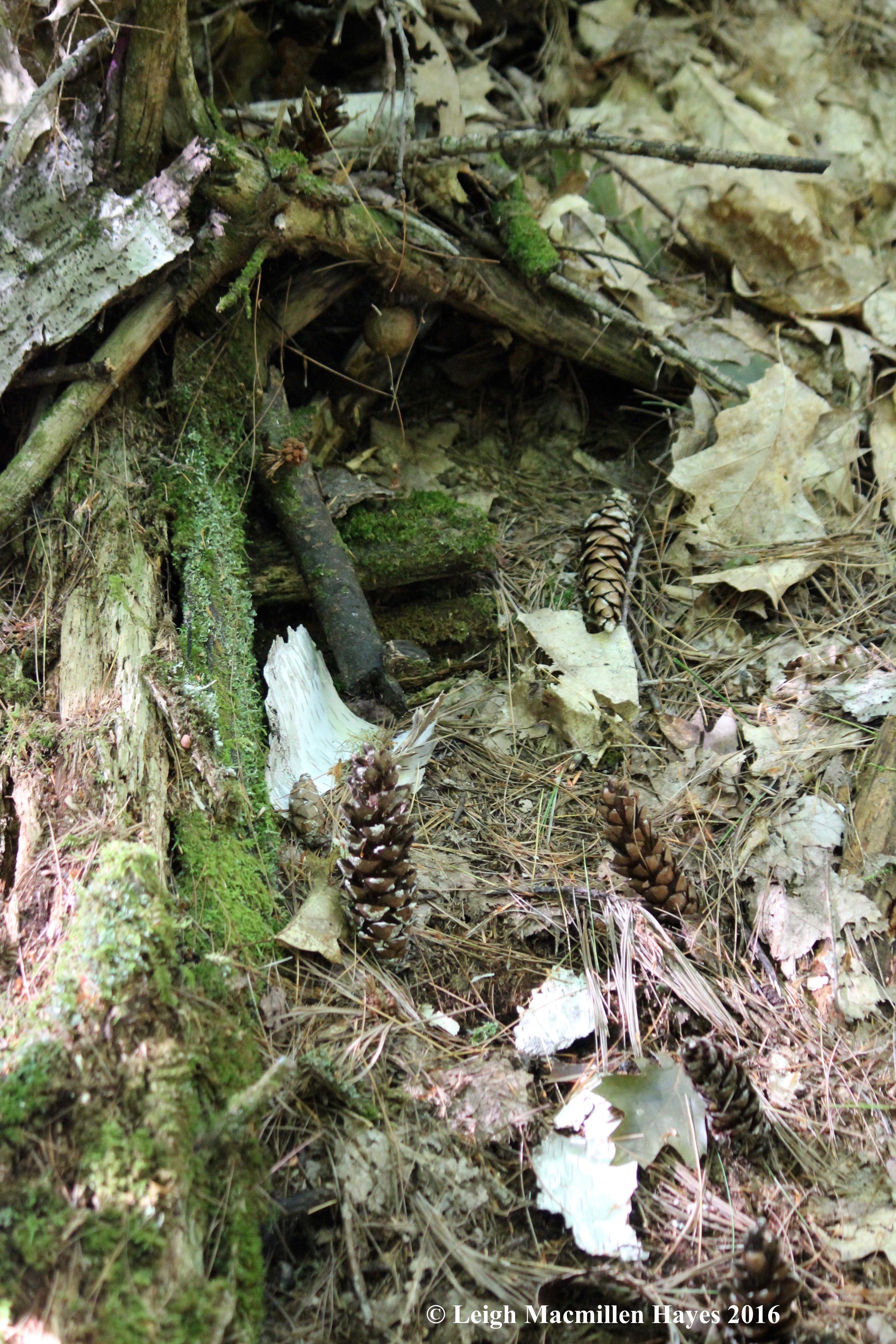
After walking along the first leg of the trail, I headed down the “road” toward the canoe launch. And what to my wondering eyes should appear–fairy homes. Okay–true confession: As a conclusion to GLLT’s nature program for the Lovell Recreation Program this summer, the kids, their day camp counselors and our interns and docents created these homes.
I was impressed that the disco ball still hangs in the entrance of this one. Do you see it? It just happens to be an oak apple gall. Creative kids. I do hope they’ve dropped by with their parents to check on the shelters they built.
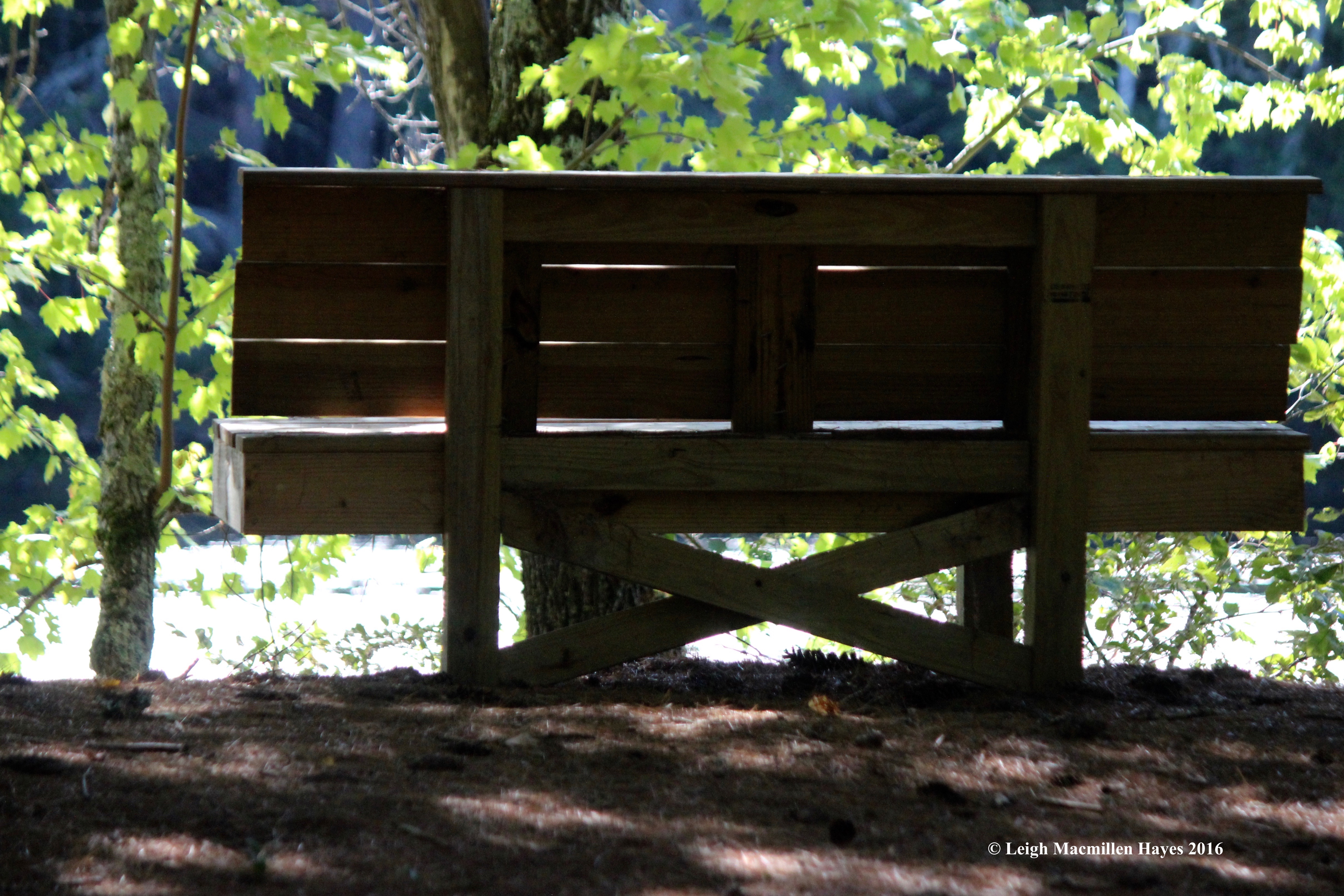
And then I reached the launch site and bench. It’s the perfect spot to sit, watch and listen. So I did. The bluejays kekonked, nuthatches yanked and kingfishers rattled.
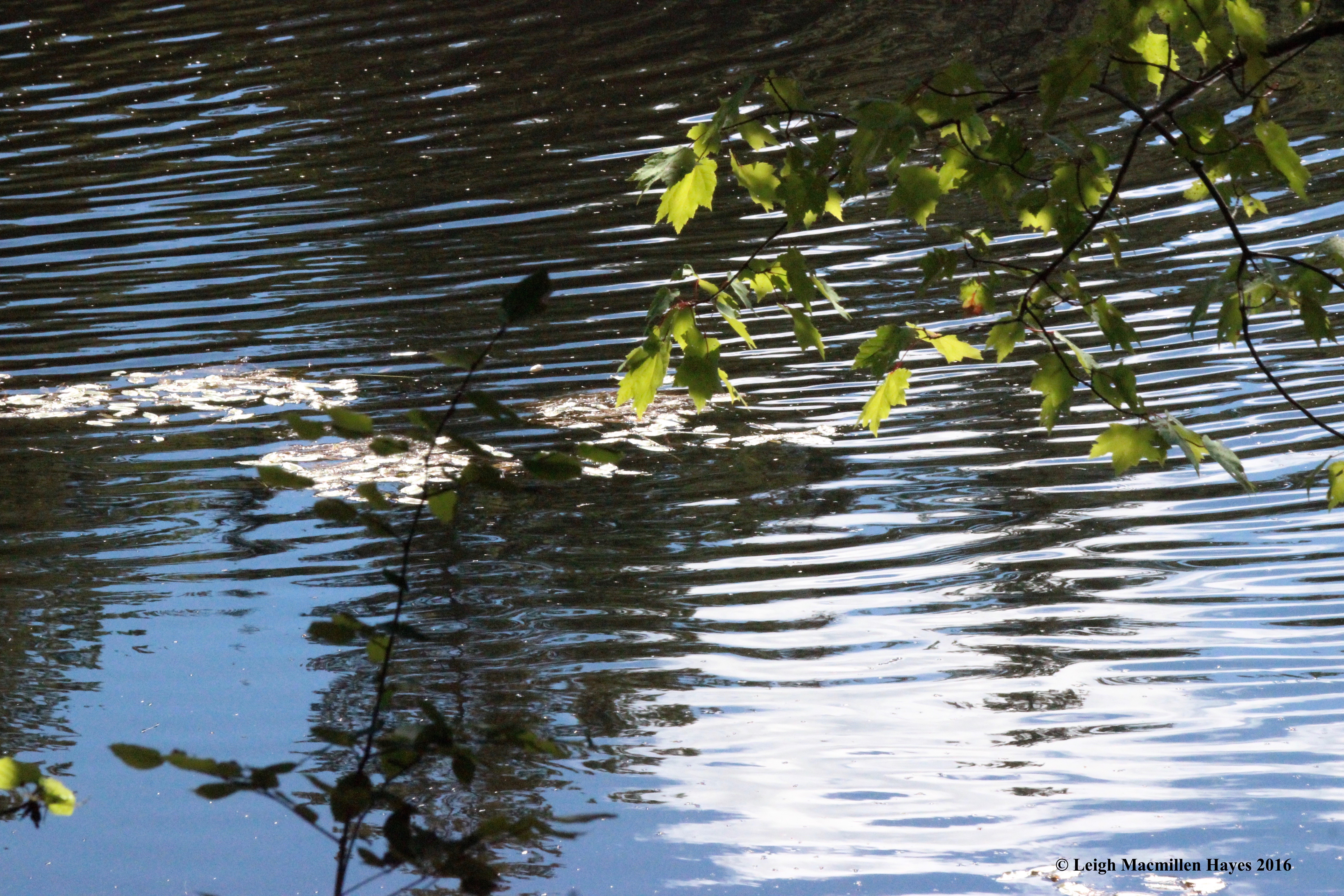
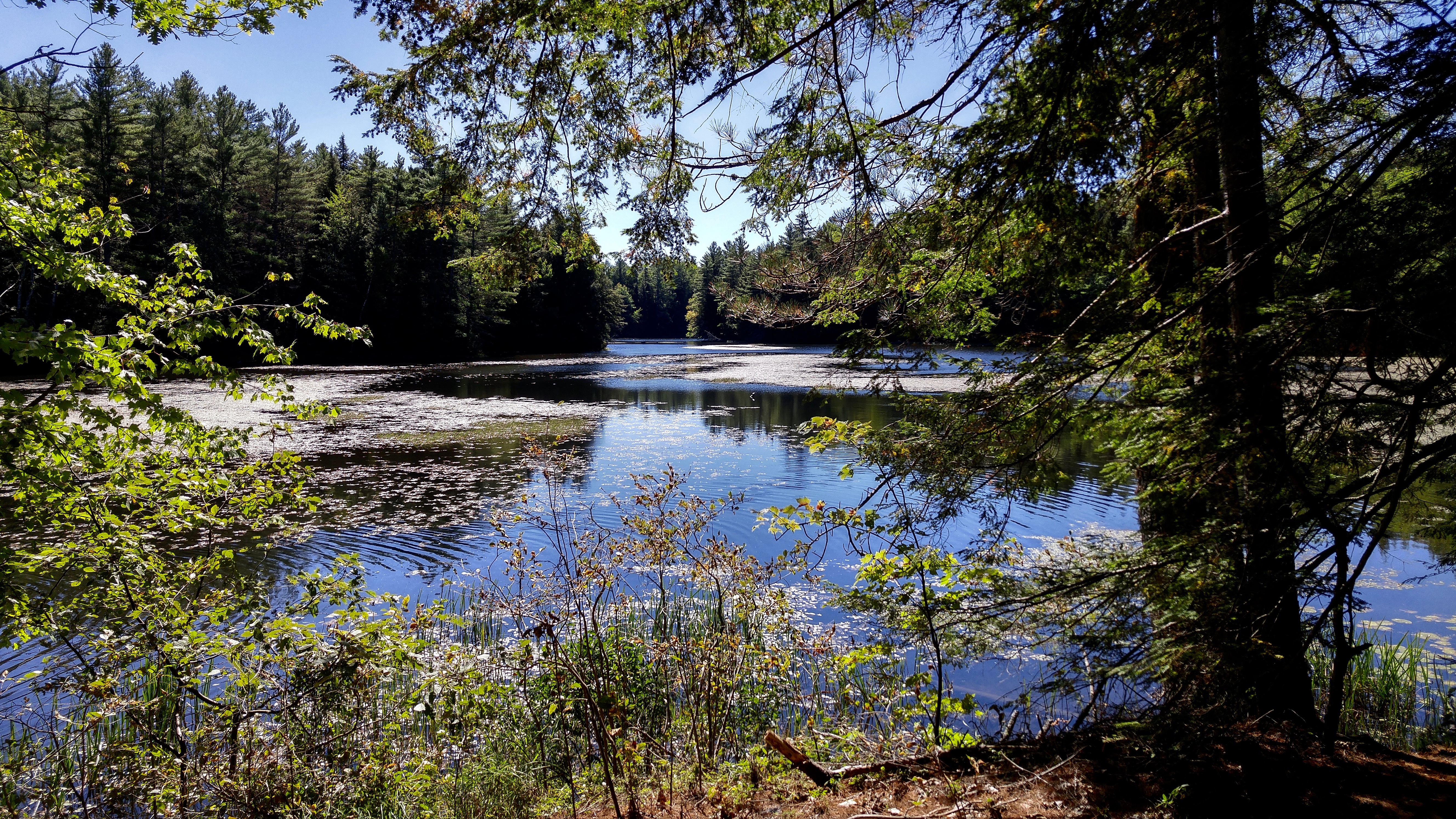
A gentle breeze danced through the leaves and offered a ripply reflection.
And I . . . I awaited great revelations that did not come. Or did they? Was my mind open enough to receive? To contemplate the mysteries of life? The connections? The interactions?
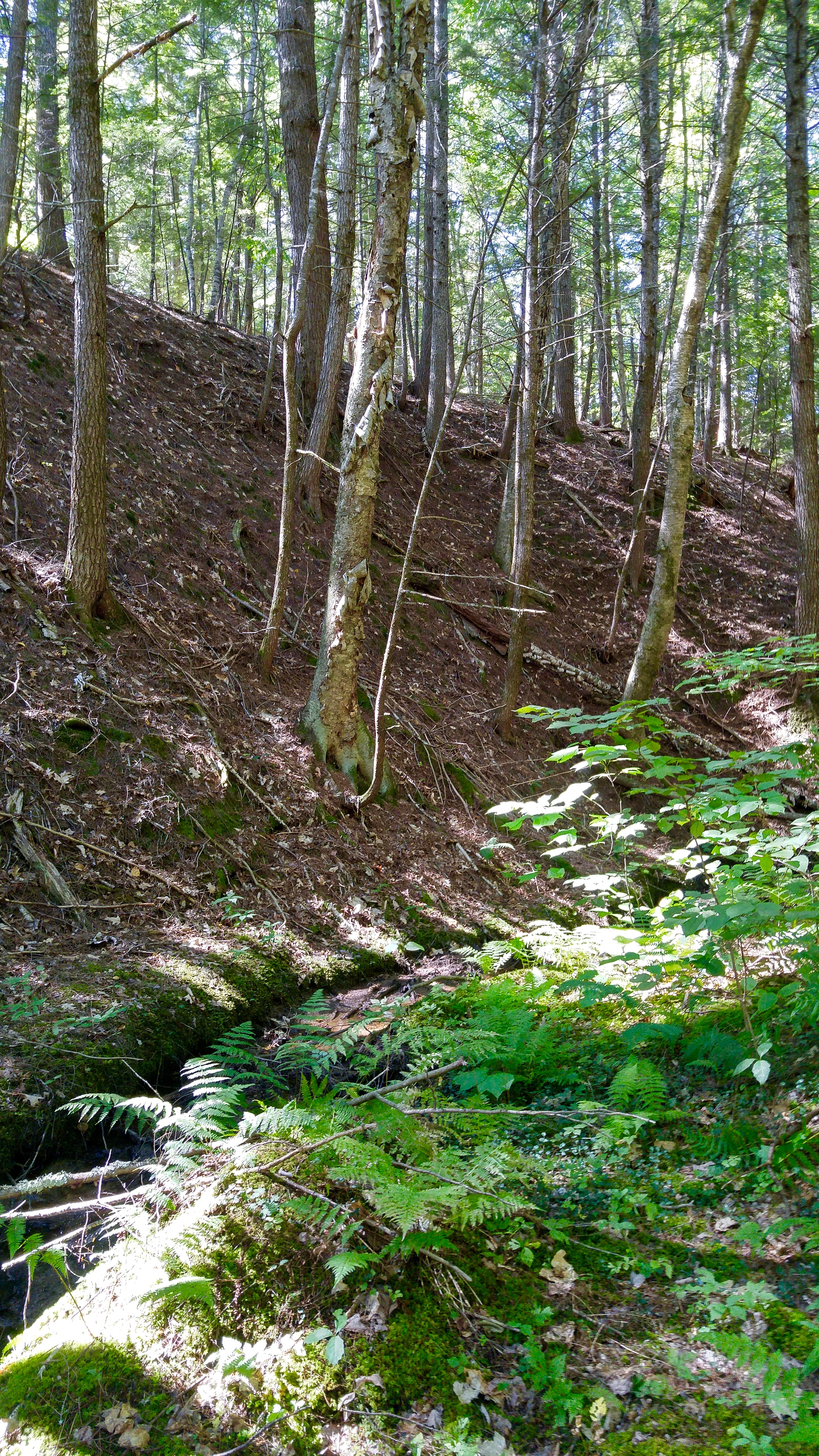
At last, I moved on and entered a section that is said to be uncommon in our area: headwall erosion. This is one of five ravines that feature deep v-shaped structures. Underground streams passing through have eroded the banks. It’s a special place that invites further contemplation. And exploration.
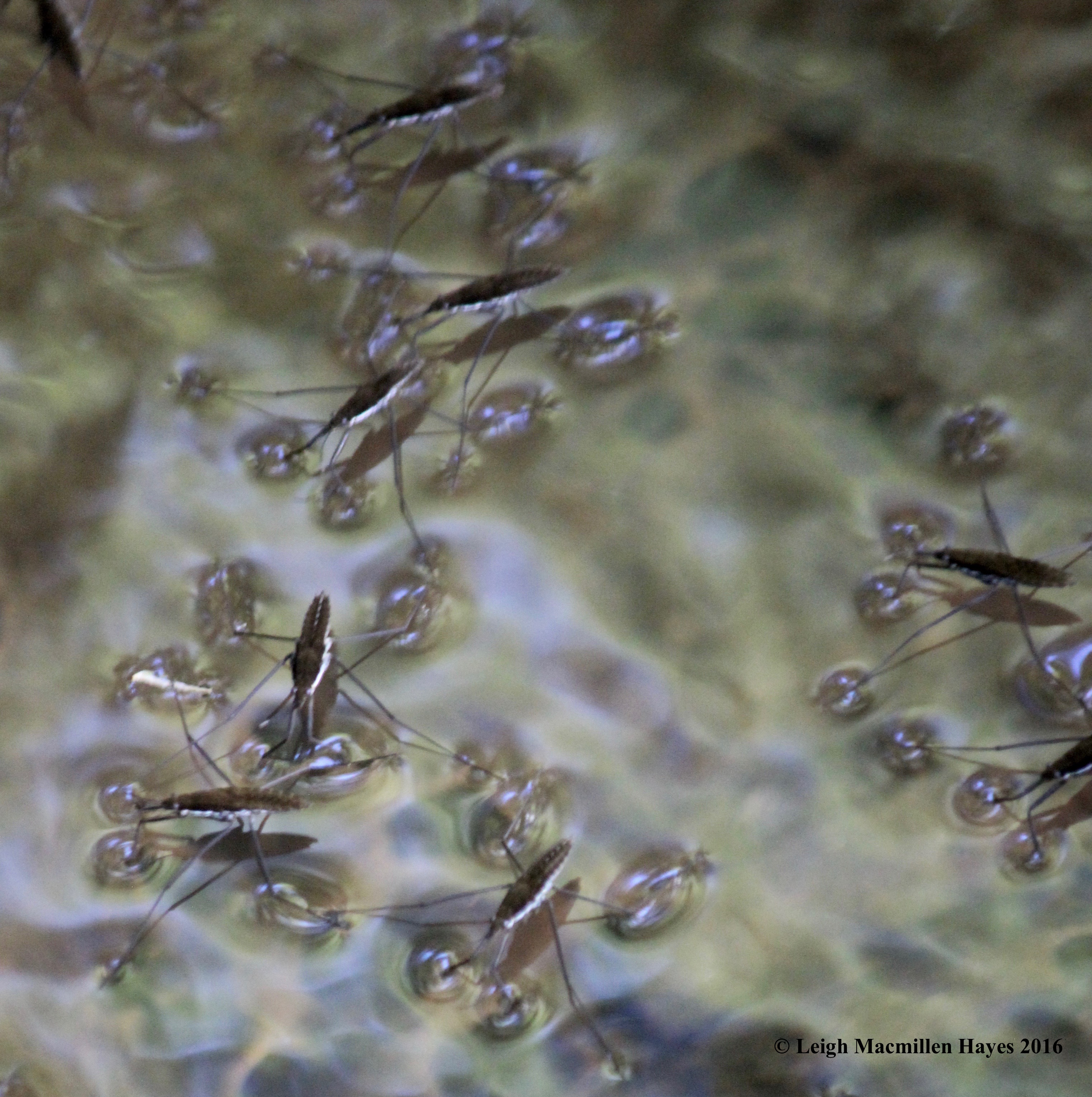
One of my favorite wonders on the bit of stream that trickled through–water striders. While they appeared to skate on the surface, they actually took advantage of water tension making it look like they walked on top as they feasted on insects and larvae that I could not see.
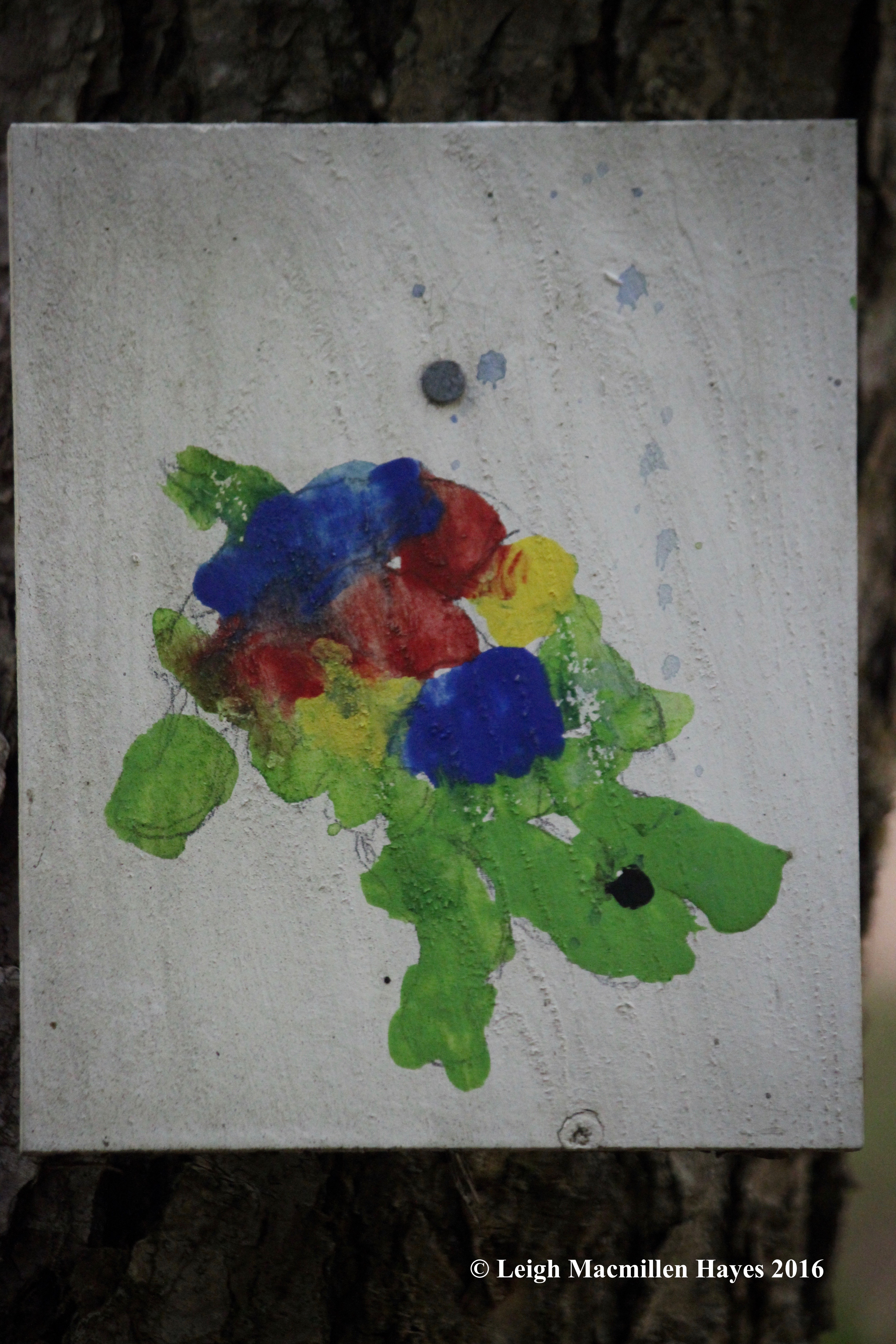
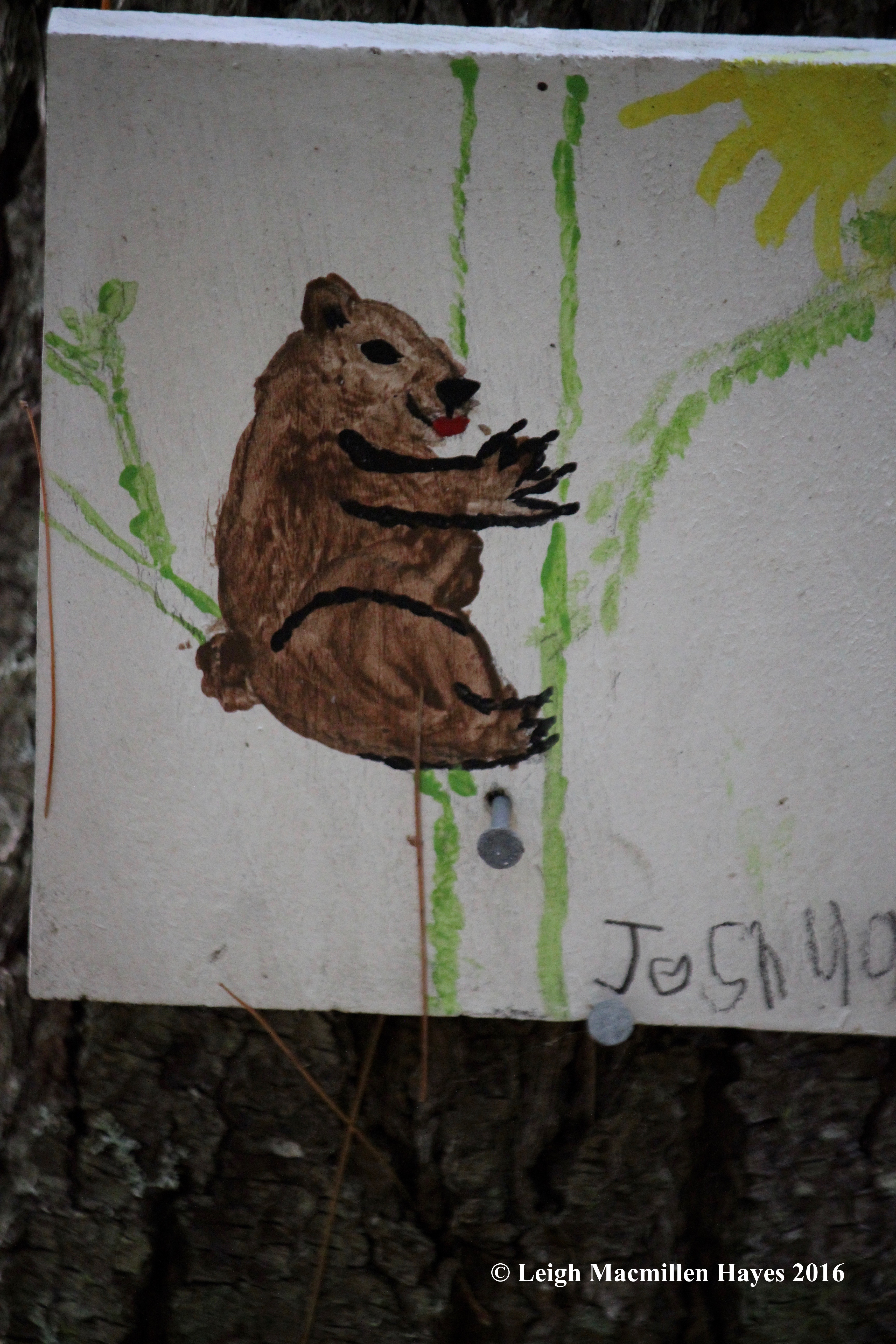
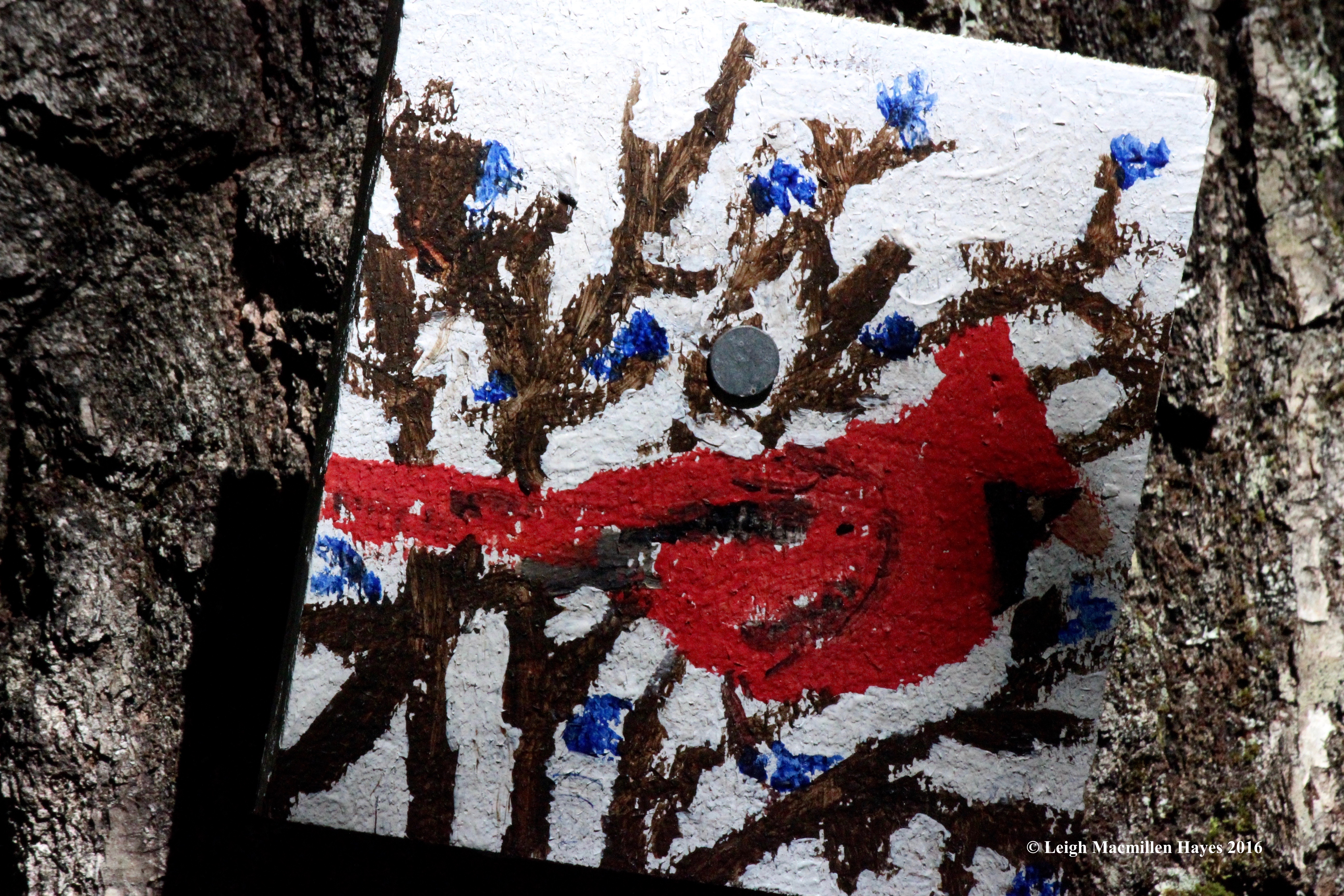
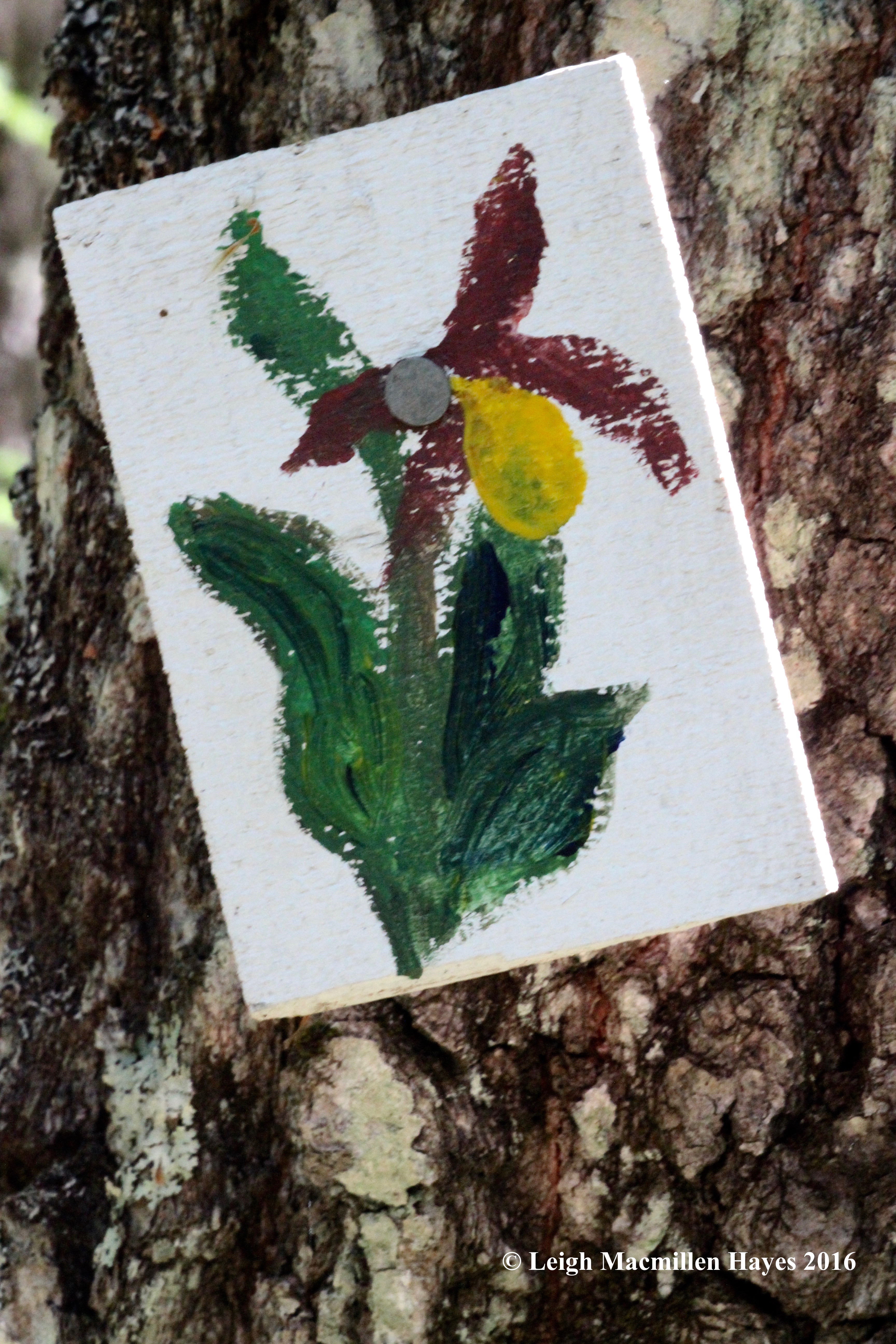
Lots of turtle signs also decorated the trail. Literally.
In fact, I found bear sign,
cardinal sign,
and lady’s slipper sign . . . among others. Local students painted the signs and it’s a fun and artistic addition to the reserve.
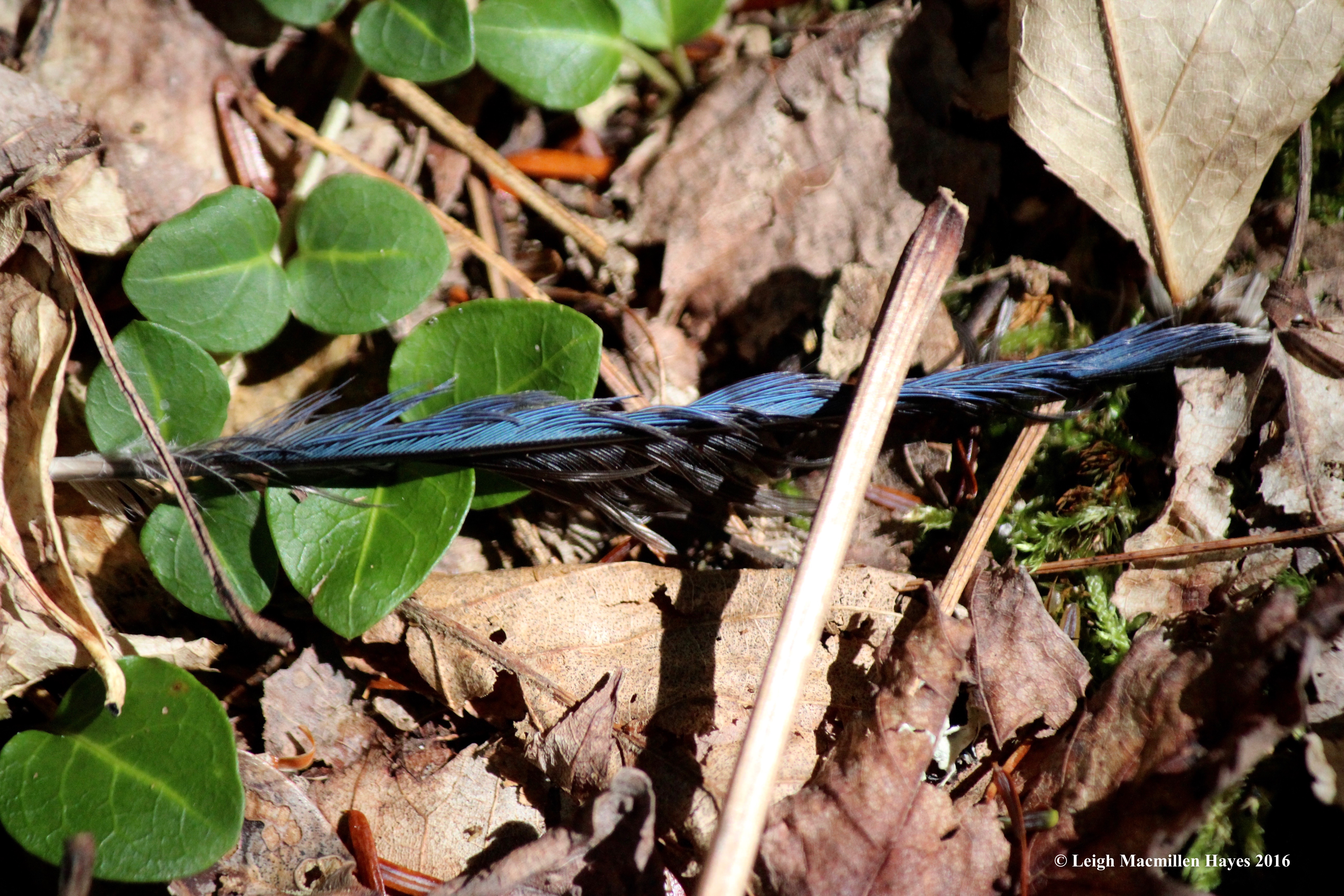
Of course, there was natural sign to notice as well, including a blue jay feather.
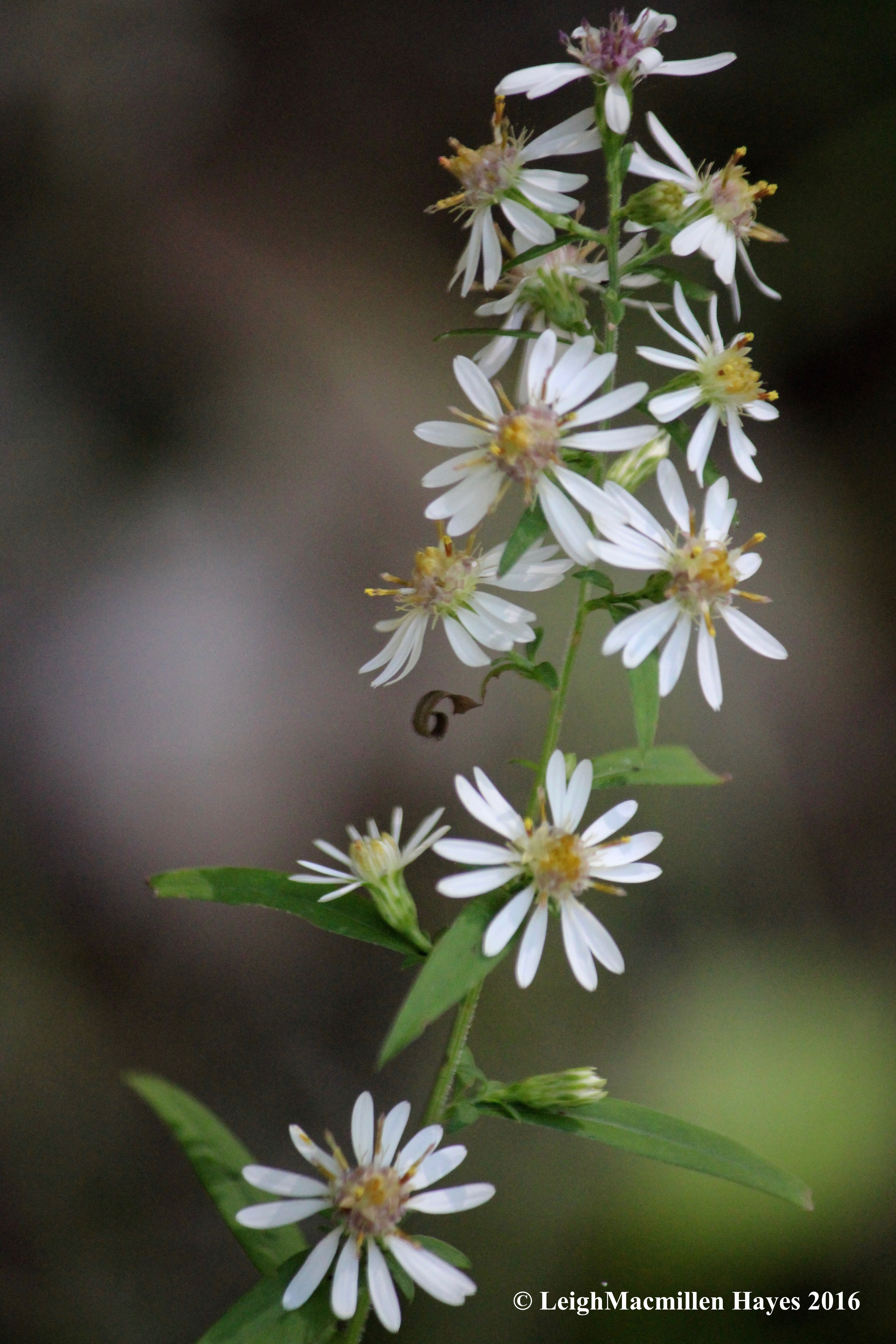
Asters and goldenrods offered occasional floral decorations.
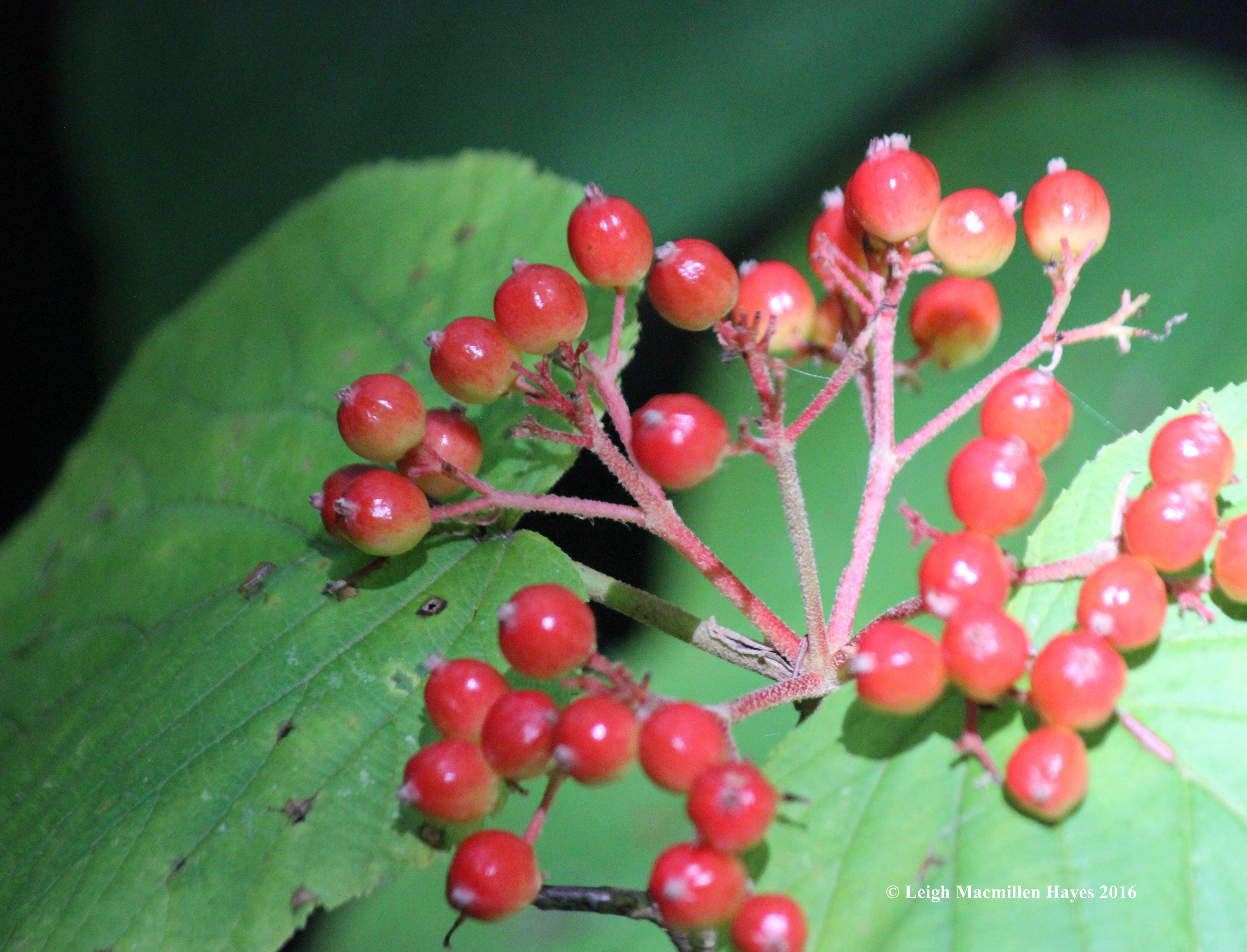
And hobblebush berries begged to be noticed.
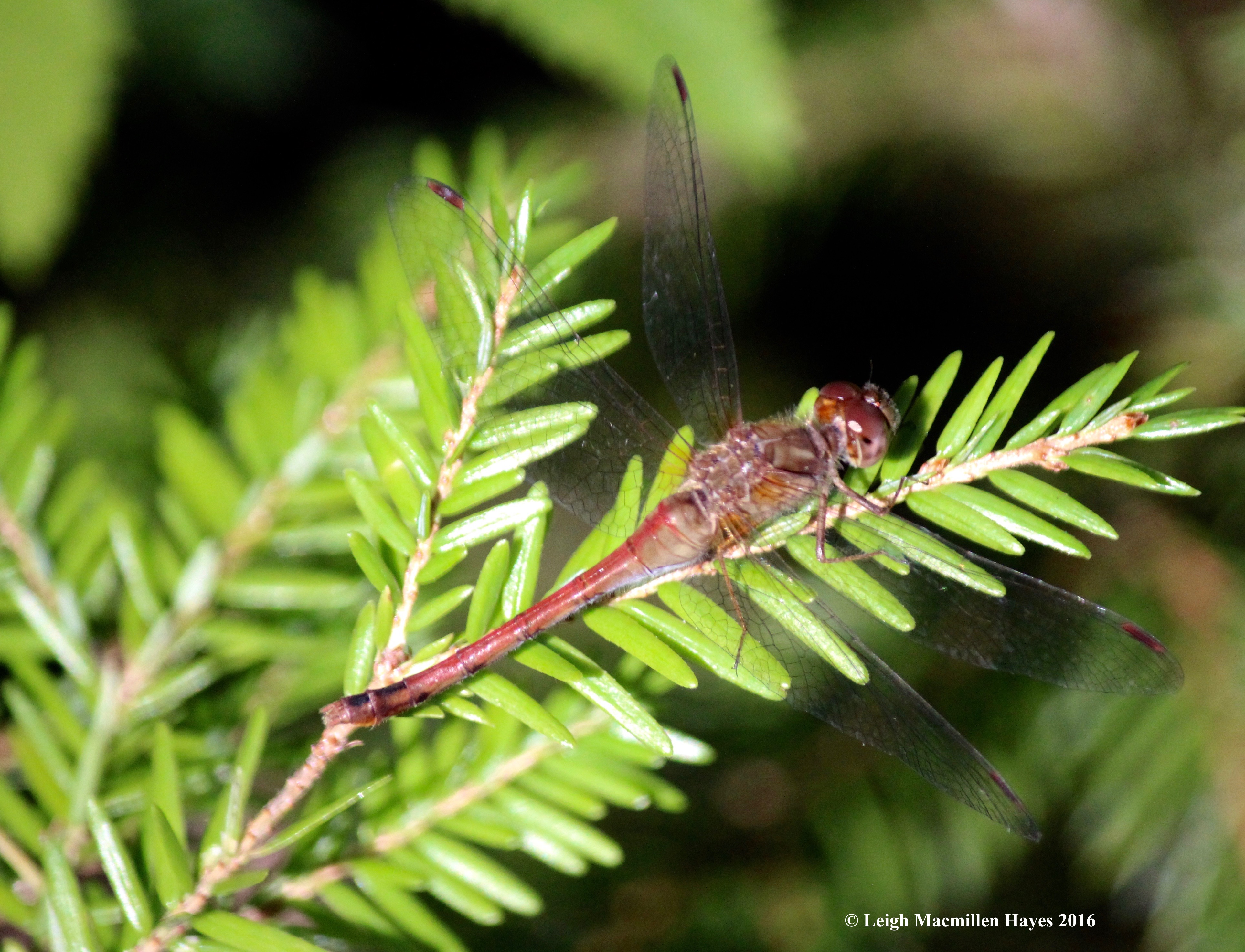
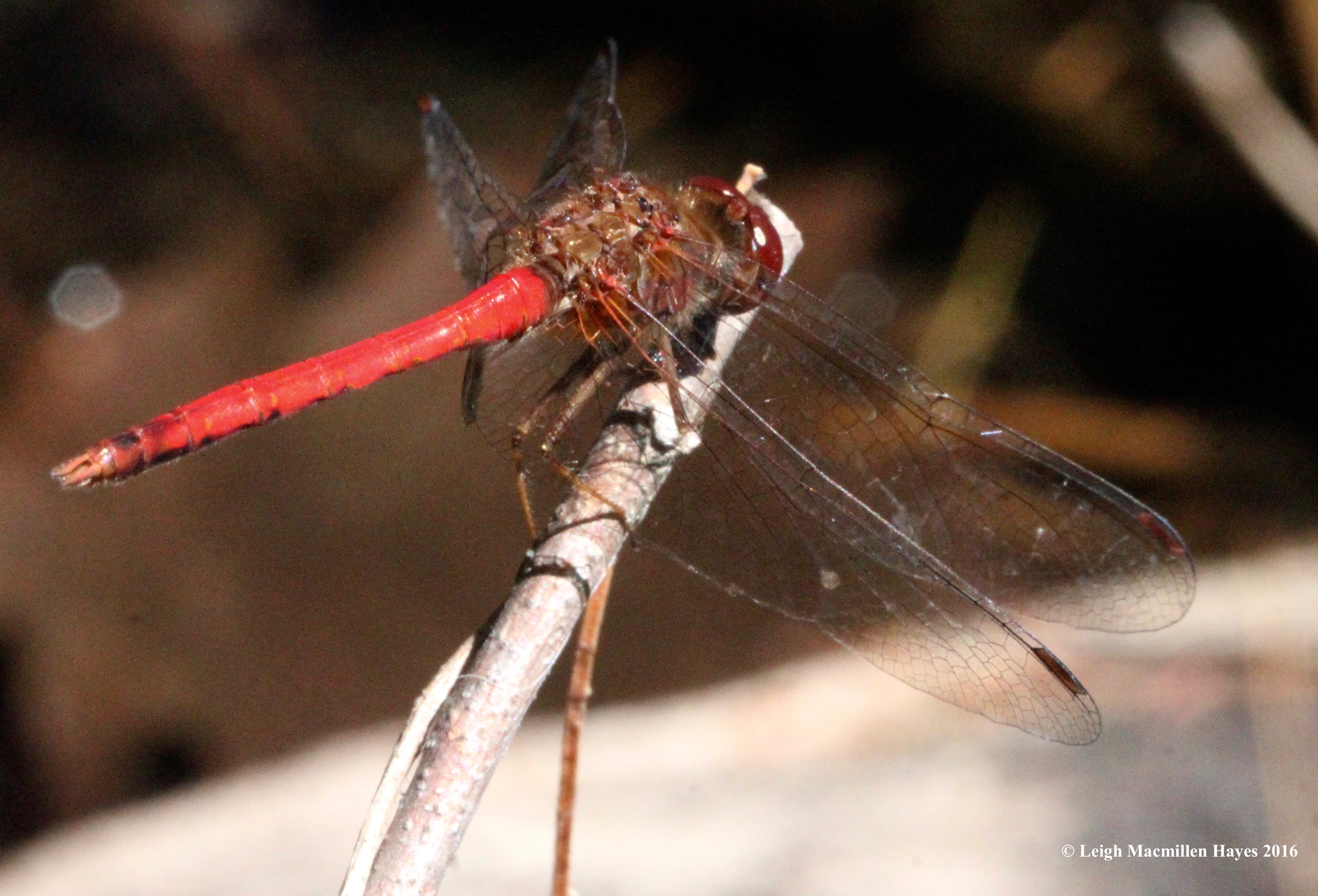
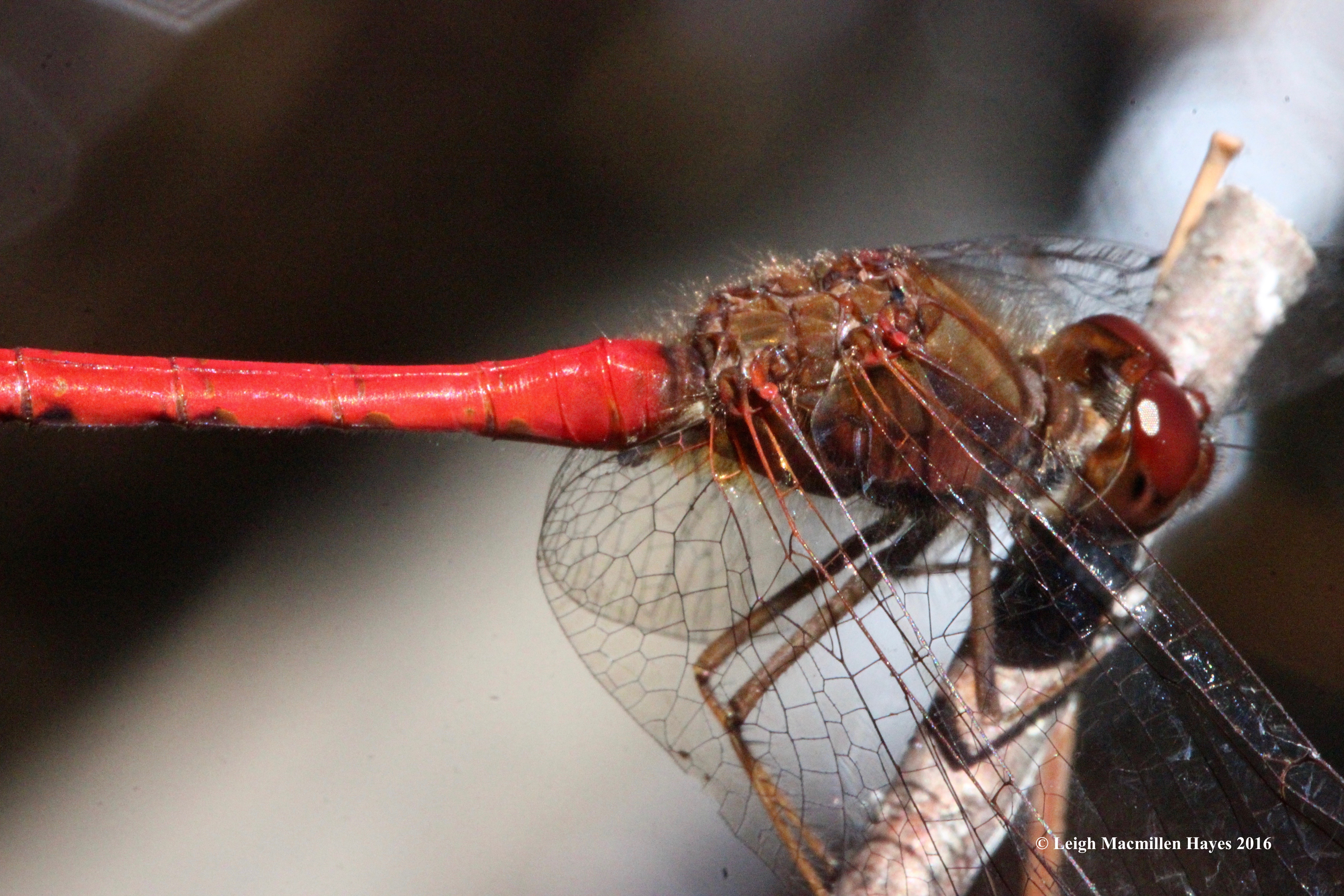
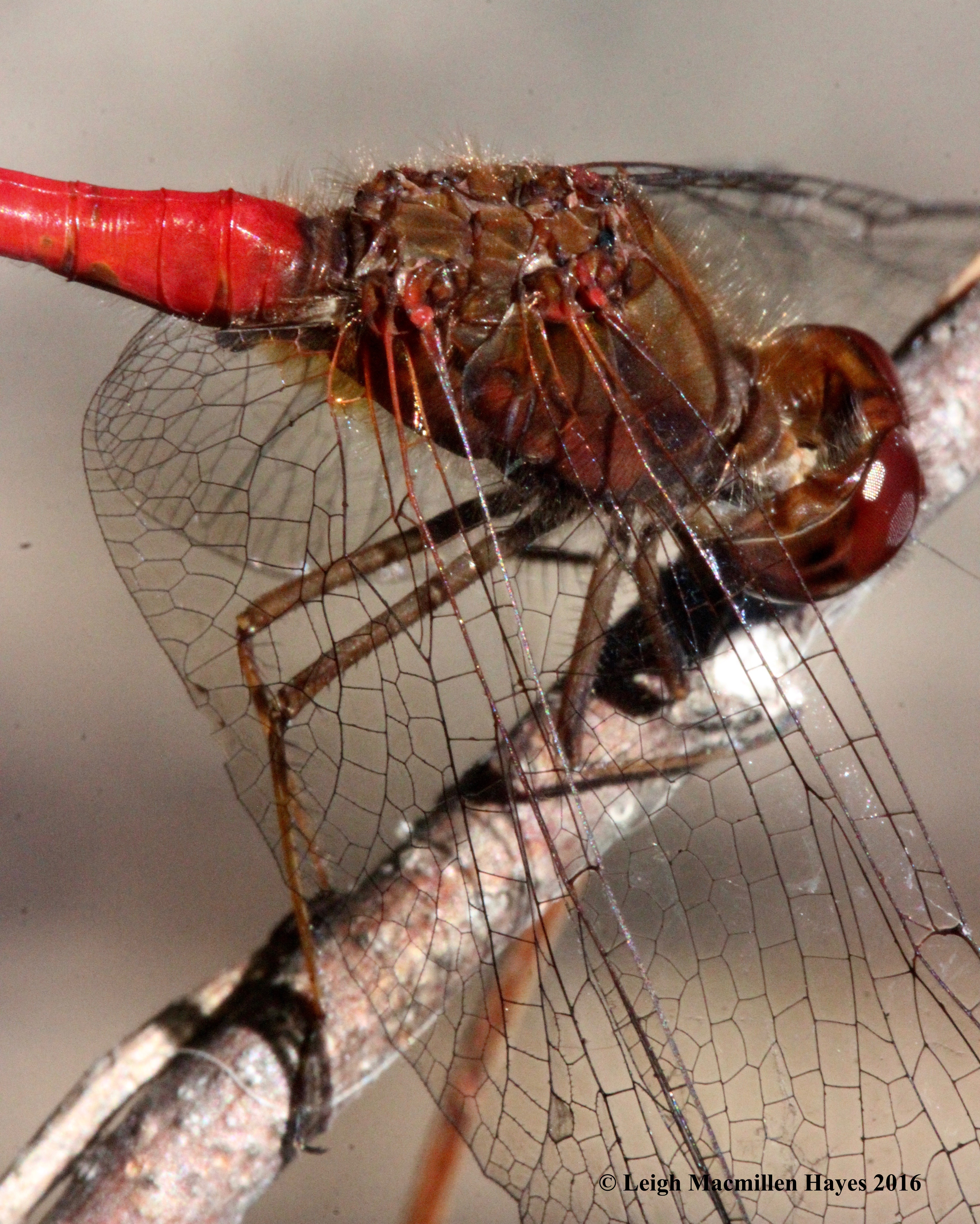
And then a meadowhawk dragonfly captured my attention. I stood and watched for moments on end.
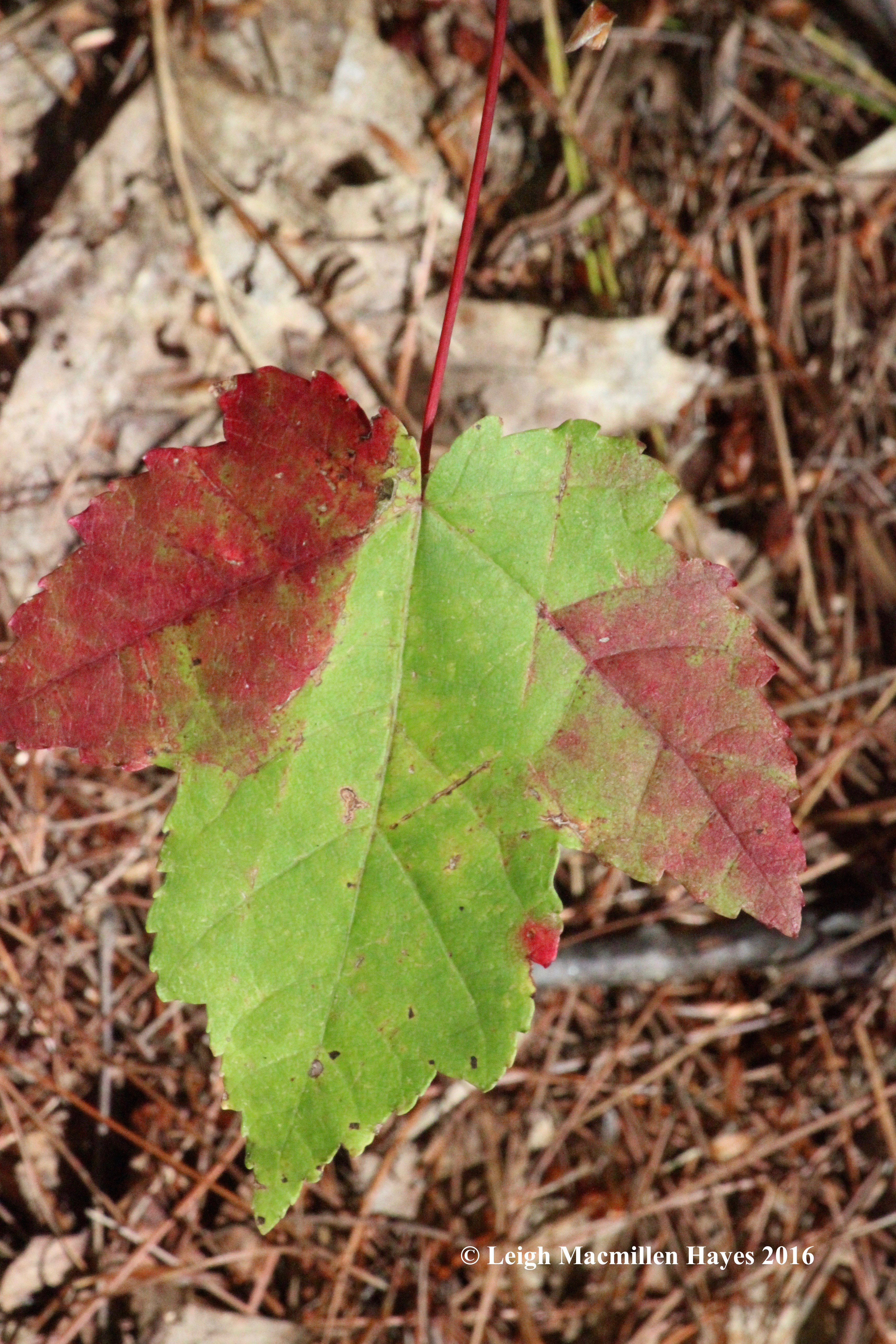
And noted that the red maples offered similar colors.
When I reached the canoe launch “road,” I was scolded for my action.
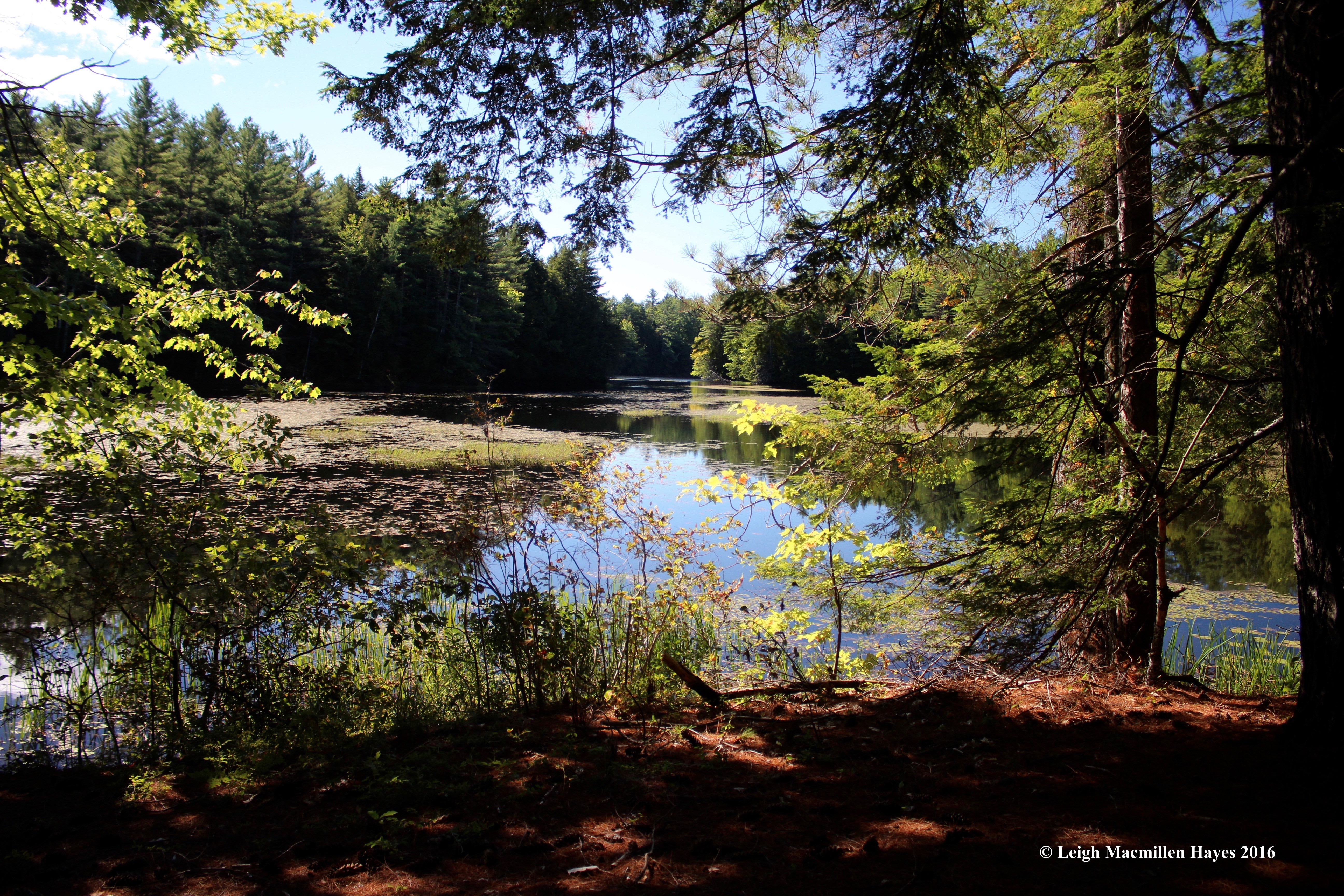
Despite that, I returned to the bench overlooking the mill pond on the river. Rather than sit on the bench this time, I slipped down an otter slide to the water’s edge.
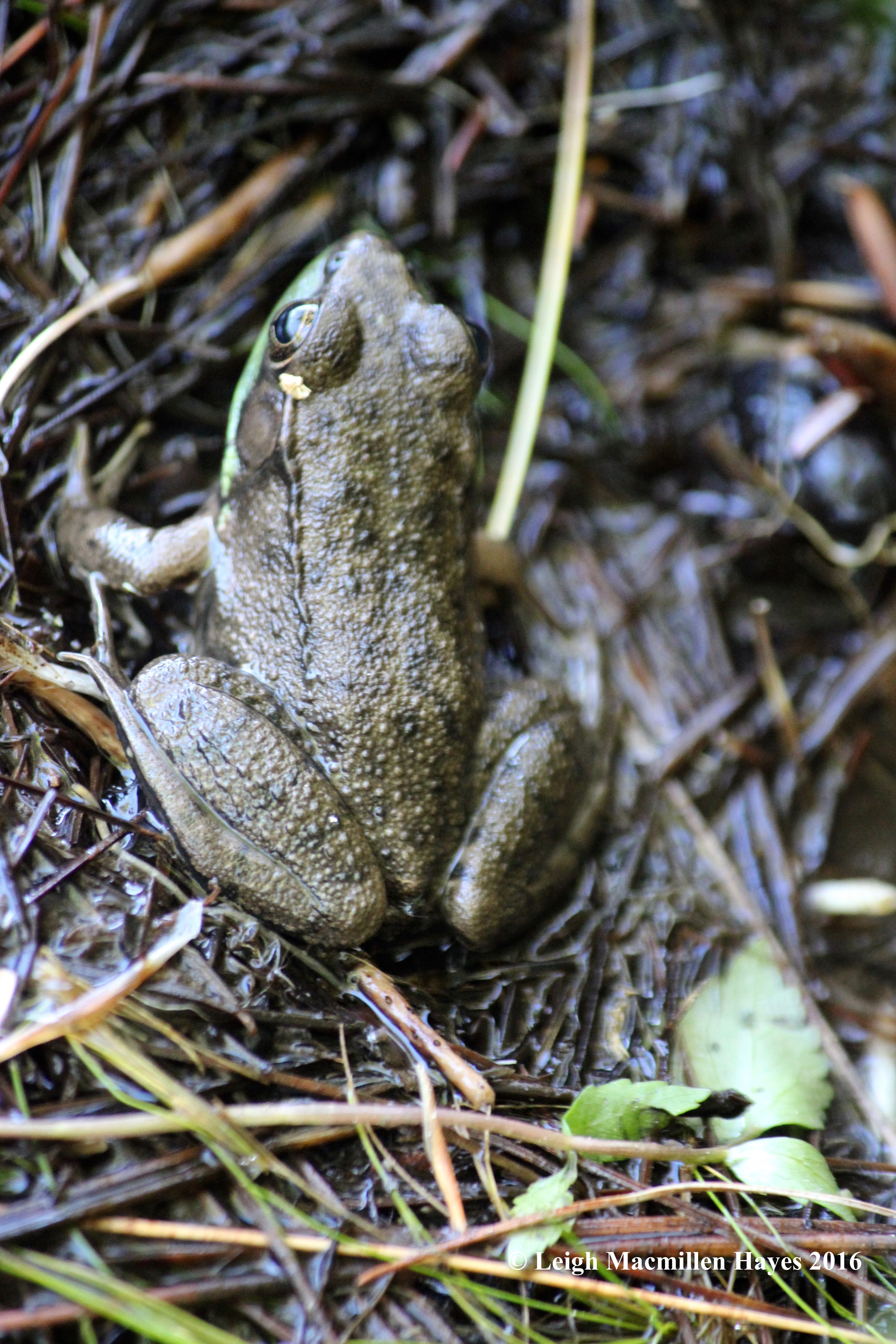
My efforts were rewarded. Frogs jumped. And a few paused–probably hoping that in their stillness I would not see them. But I did . . . including this green frog.
My favorite wonder of the day . . .
moments spent up close and personal with another meadowhawk.
No matter how often I wander a trail, there’s always something, or better yet, many somethings, to notice. Blessed be for so many opportunities to wonder beside the Kezar River.





















 wondermyway