Rocky Mondate

It’s a game we play every Monday and it begins on Sunday. The first one to ask, “Where are we going to hike tomorrow?” wins. That person doesn’t have to choose the location and therefore can’t be held responsible if it turns out to be a lousy decision. Yesterday, I won. But my guy’s destination was rather vague–the coast, he said.

And so I drove this morning, awaiting directions from him.
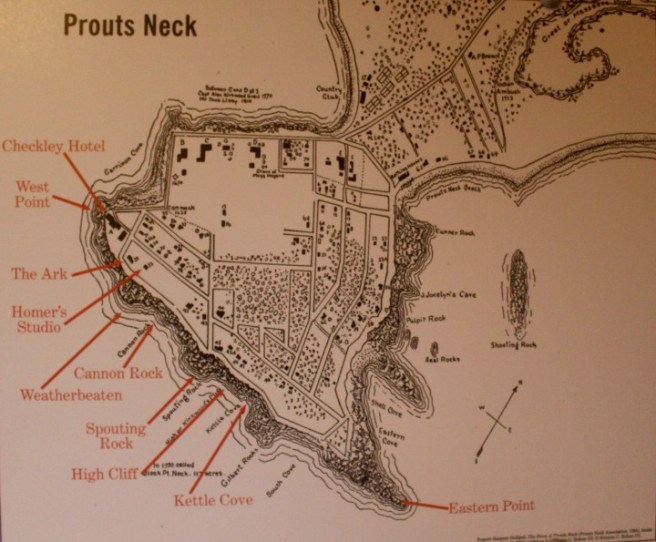
4.-Prouts-Neck-map-720x595

After a few interesting turns, our destination: Prouts Neck in Scarborough, Maine.
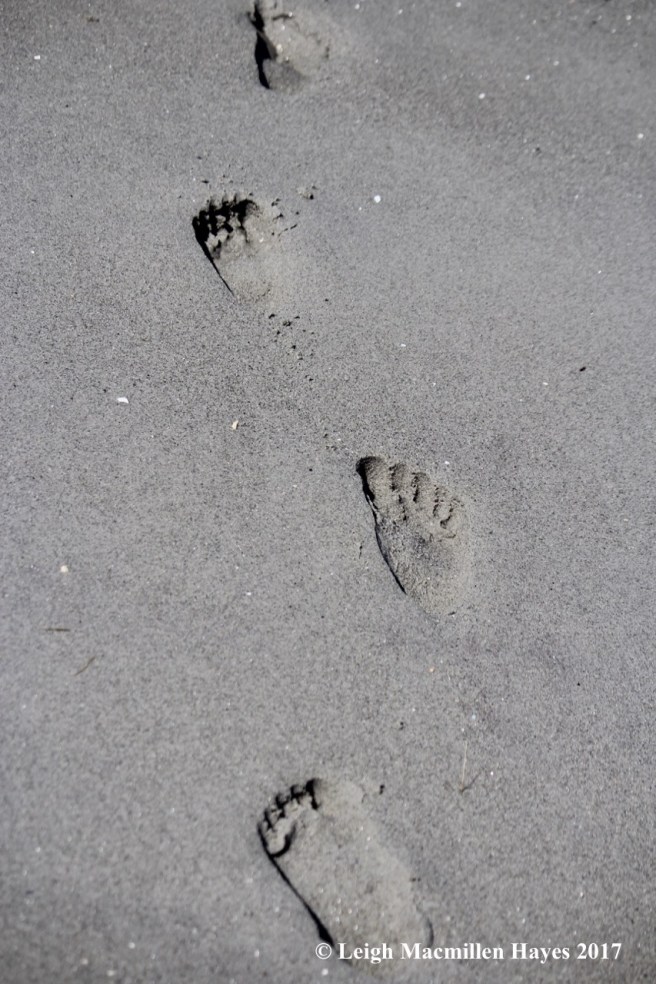
p-footsteps

Our journey began at the Ferry Beach parking lot as the tide ebbed. We followed in the footsteps of those who passed before, ever mindful that along the beach our story, like theirs,  would be washed away in a matter of hours.
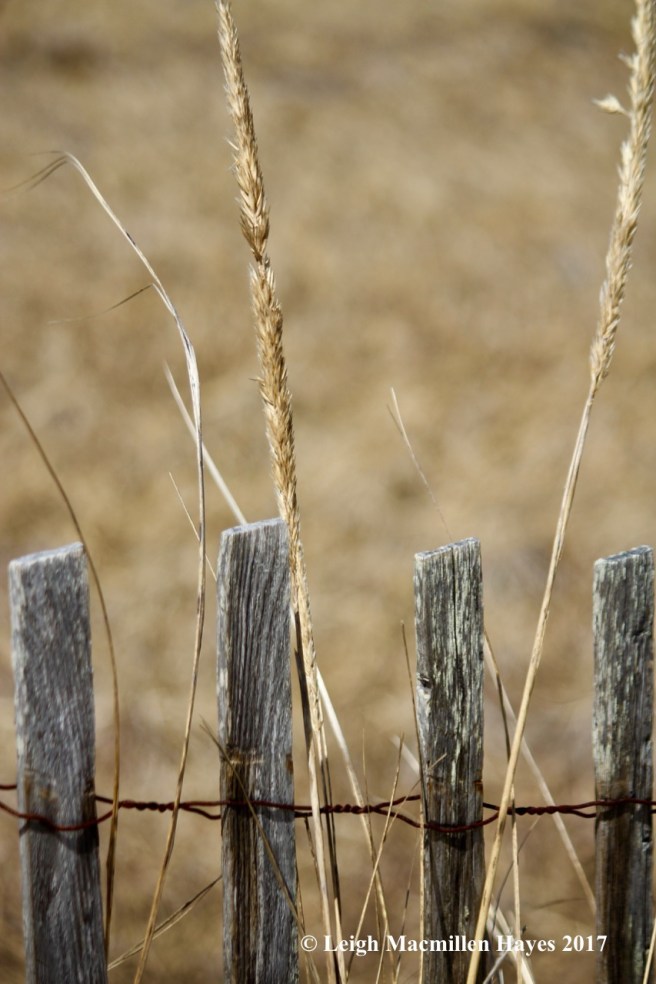
p-grasses

But some things stand forever, or so it seems.

p-lobster boat

As we walked along, the Jessica Heather and other lobster boats swayed and bobbed at their anchors with pride.
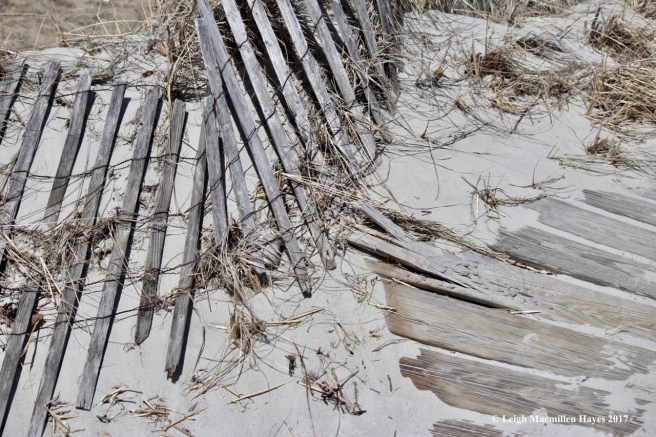
p-snow fence 2

And at the end of the beach, we followed a well-weathered boardwalk up to the road. Snow fence and walkway seemed to speak to destruction dictated by the sea–though its our experience that neither of these have been replaced in years.
p-Scarborough River

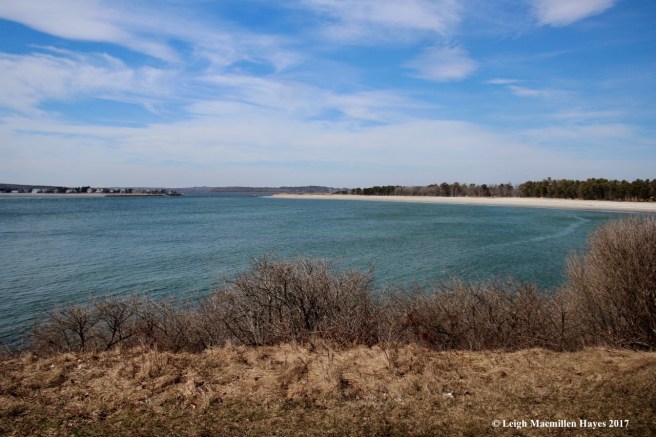
For a brief stretch by the Black Point Inn, we walked along the road, where we glanced back at our starting point and the mouth of the Nonesuch River. Though the foliage spoke otherwise, the water colors indicated this just might be the Bermuda of the North. Well, maybe.
p-PO

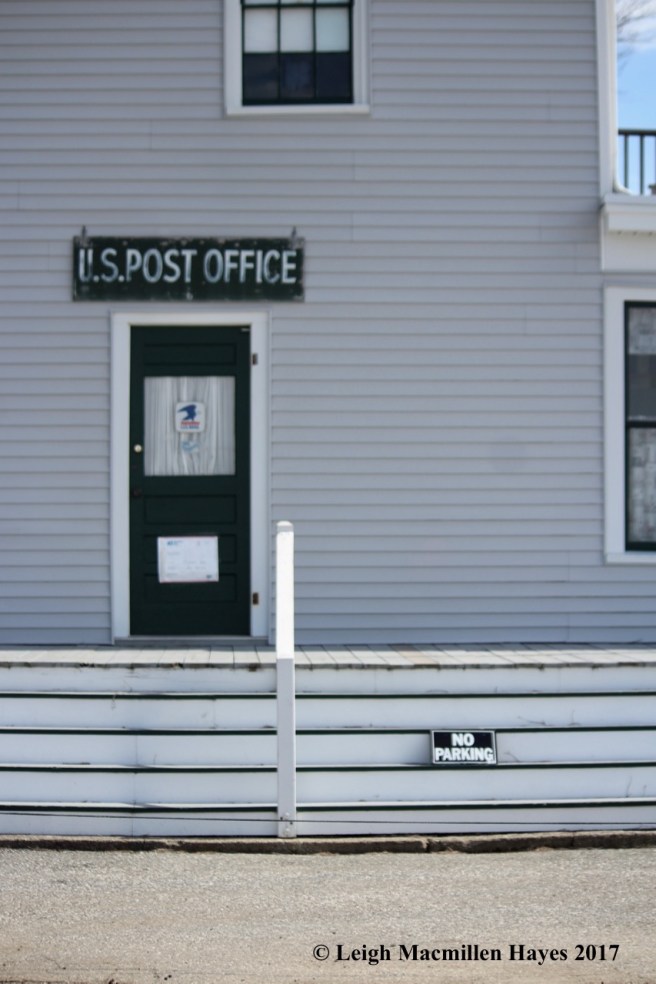
But more likely, the post office told the real story–shuttered for the season.

p-cliff walk sign

At the top of the road, we found the next leg of our trip–the Prouts Neck Cliff Walk.

p-Winslow Homer

Prouts Neck features a community of summer “cottages.” One of the most famous among them is the studio of Winslow Homer. In the late 1800s, Homer hired John Calvin Stevens, a Portland architect known for the “Shingle Style,” to transform a carriage house near his parents’ home into a studio and residence. This provided the vantage point and workspace for his paintings from 1884 until he died in 1910. And inspiration. He walked this path daily.

p-Allen's prints

I’m always fascinated when I realize that our breathe and footsteps mingle with so many who also passed by. They flow in and out with the wind and tide and are forever intertwined.

p-rocky coast of Maine, Mom

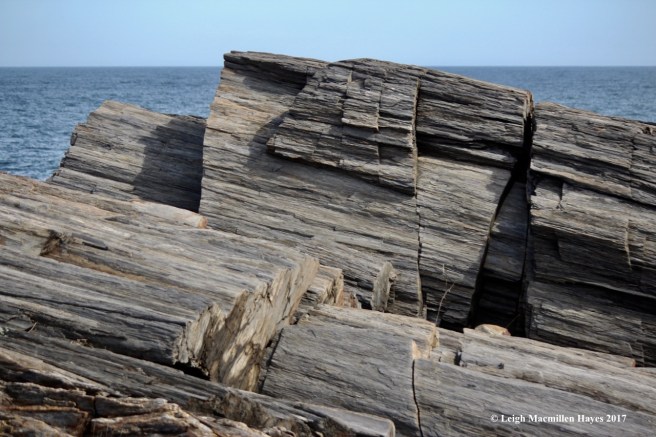
Along the walk, we found the rocky coast of Maine,
p-rocks 1

where the volcanic rock highlighted by the ocean waters offered layers of stories told with sharp contrasts.

p-rocky coast 2

It’s places like this that I’m forever reminded of my mother who was fascinated by such.

p-walking the plank

At times we walked on those rocks, and other times through muck. Given that mud season is upon us, we were thankful for those who’ve added board to the walkway.
p-northern bayberry leaves

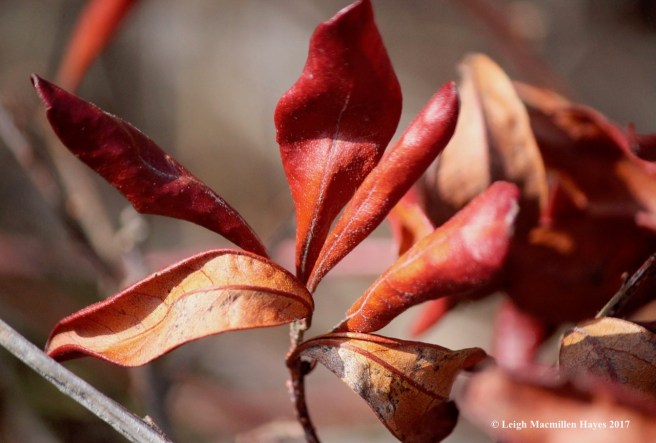
Among the trailside offerings, we spotted the rusty leaves of Northern Bayberry.
p-rose hips, Dad

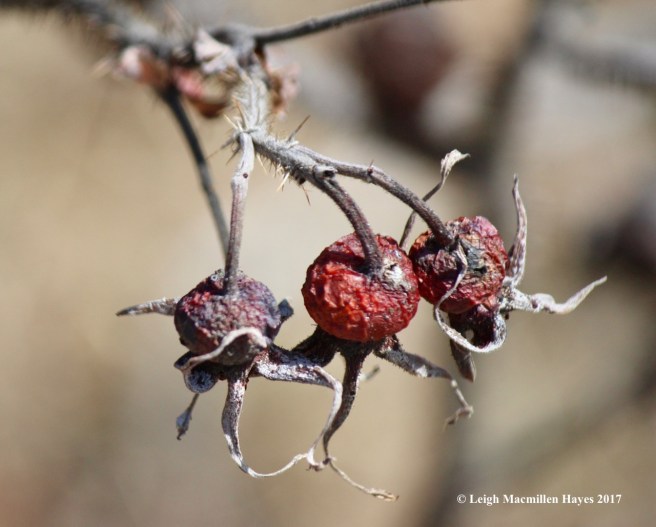
They were often mixed in with the rose hips of beach roses. In the summer, this trail buzzes with pollinators, but for now it’s all a memory. And for me, another memory was evoked–my father eating the rose hips as we walked along the beach in Clinton, Connecticut, during my youth.

My guy and I both grew up along the coast–he on Cape Cod and me in Connecticut. Since then, the forest and mountains have called our names, but whenever we stop by the sea, it shares moments with us–including smells and sounds that feel oh so familiar.
p-waves 1

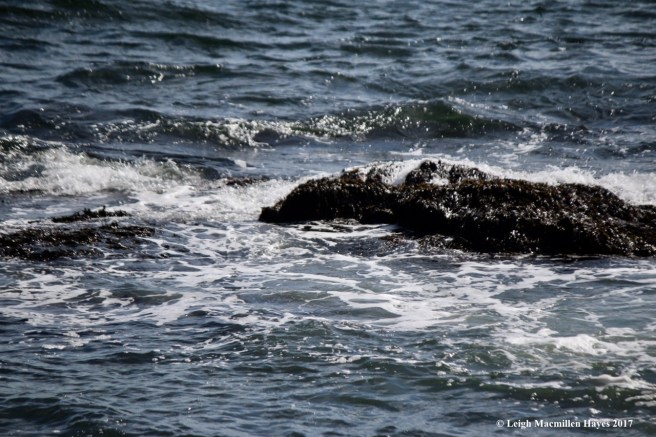
Part of the memory includes . . .

p-waves 2

waves crashing . . .

p-waves 3

and swallowing up all in their path.

p-searching

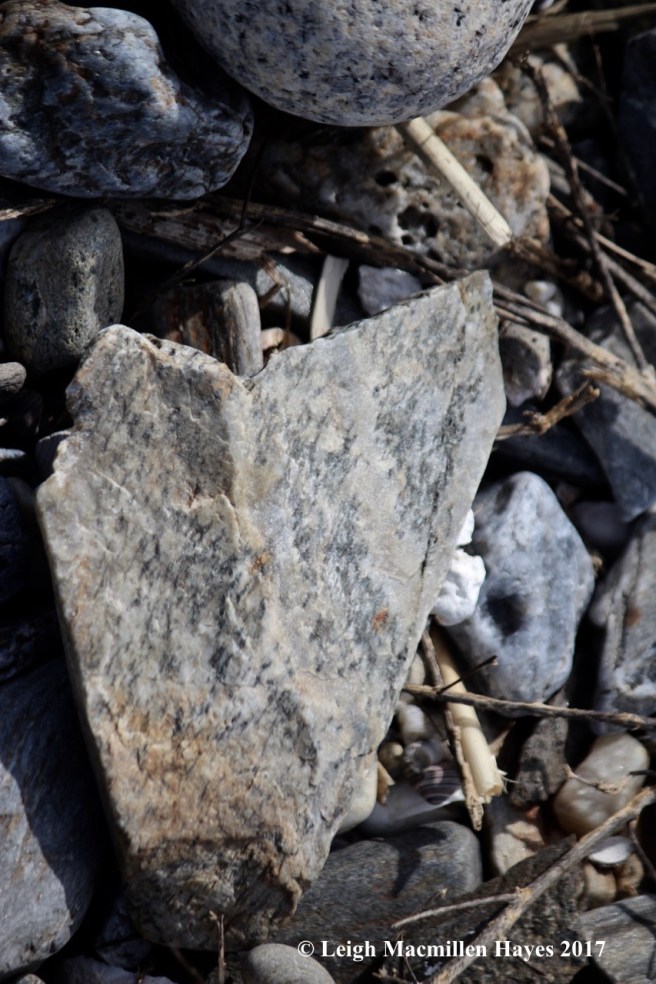
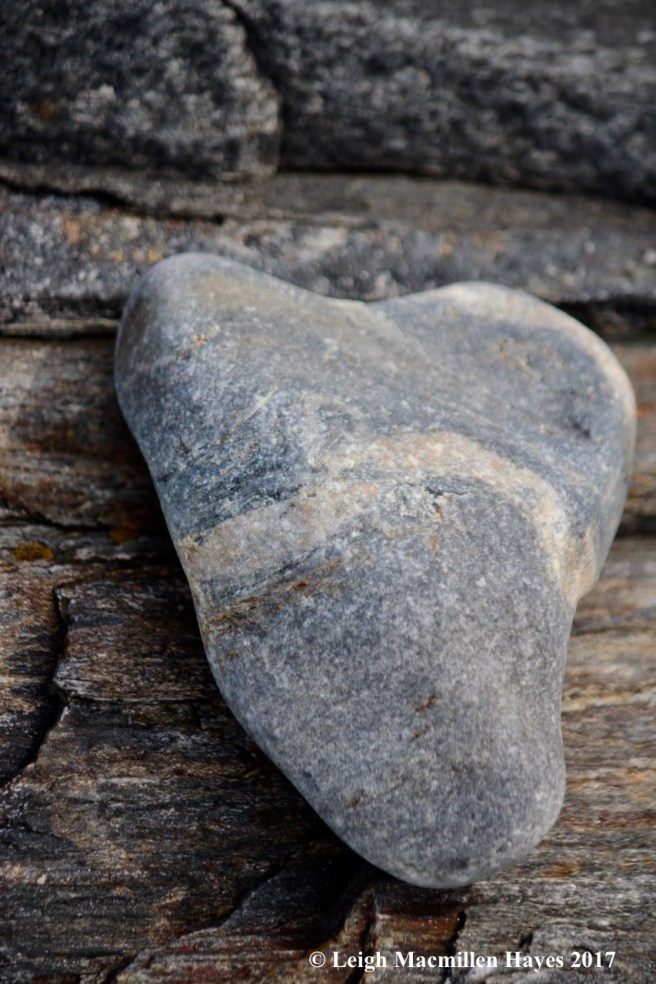
The substrate changed with the tide along this path and suddenly we found ourselves in a rock garden. And my heart envy announced itself. While I’ve always collected sea glass, others have collected heart-shaped rocks. This seemed like a prime location to find such and so I put my guy on the assignment and was totally amazed that he embraced it.
p-rough-edged heart:fox face

Our search turned up a few examples–the first rather angled and reminiscent of a fox’s profile.
p-heart 2, getting closer

The second more rounded.

p-heart 3

And the third, a more golden presentation.

p-sunburst lichen

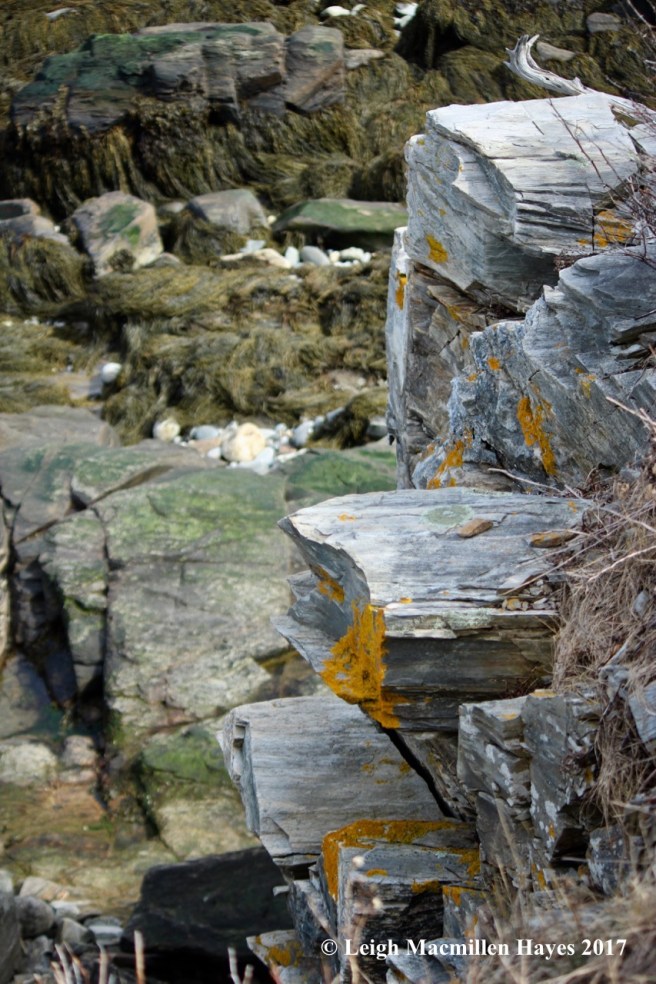
The good news about our inspection of life at our feet–the sunshine lichens on the rocks around us.

p-sunburst lichen disks1

Some were abundant with fertile disks.
p-sunburst last

And they seemed to appreciate the layers of this seaside location.
p-white segmented 1

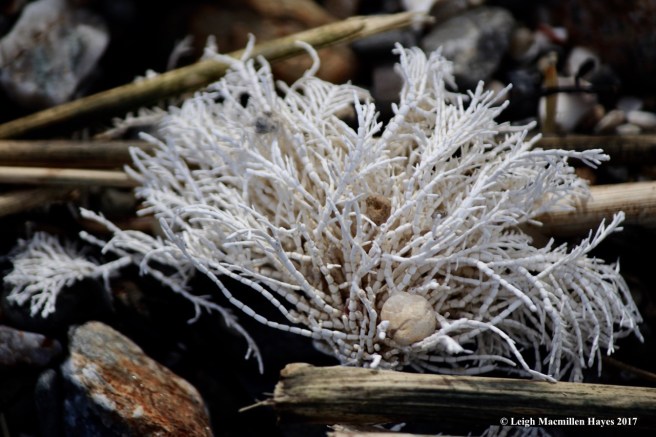
Because we were looking down, we spied other things we may have missed–including this white, segmented structure that reminded me of a fruticose lichen meets seaweed meets coral. My hope is that Maine Master Naturalist and seaweed expert, Davida, will come through for me and ID this one.
p-stick figure

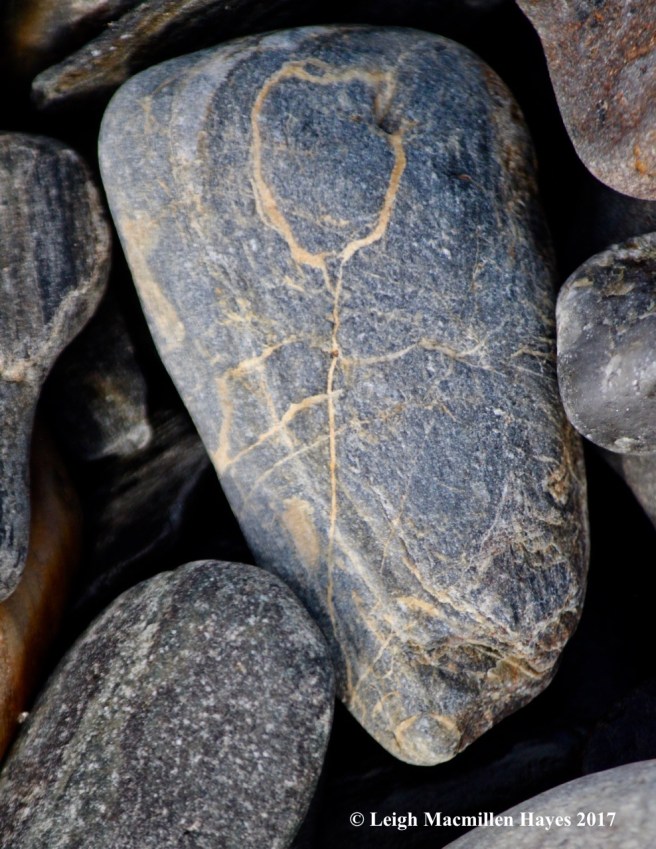
We also found a few stick figures among the offerings.
p-architecture

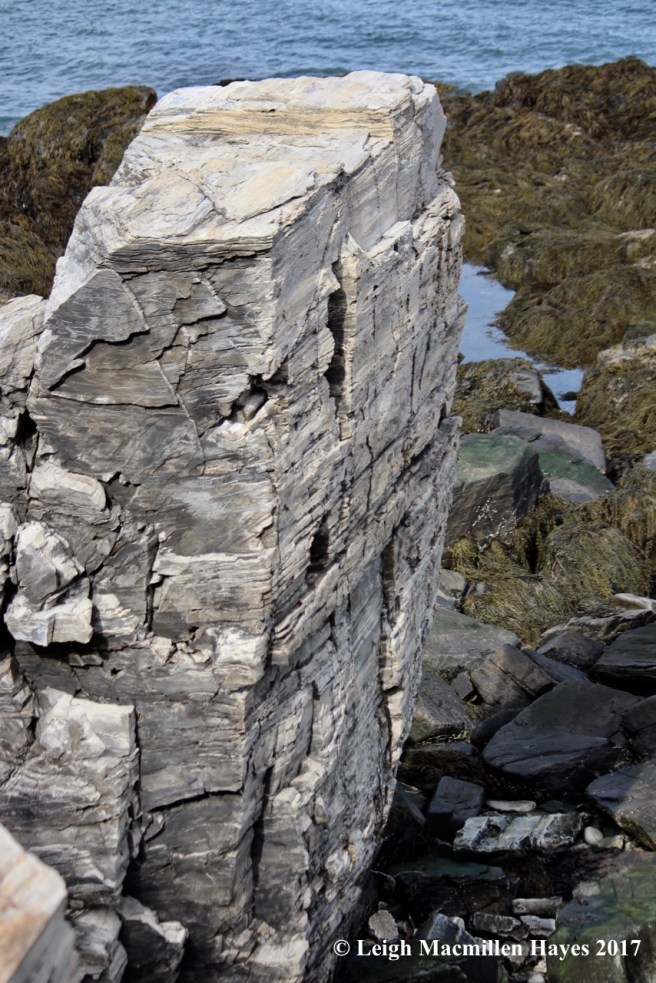
As we rounded the corner at Eastern Point, the architecture changed.

p-white rocks 2 (1)

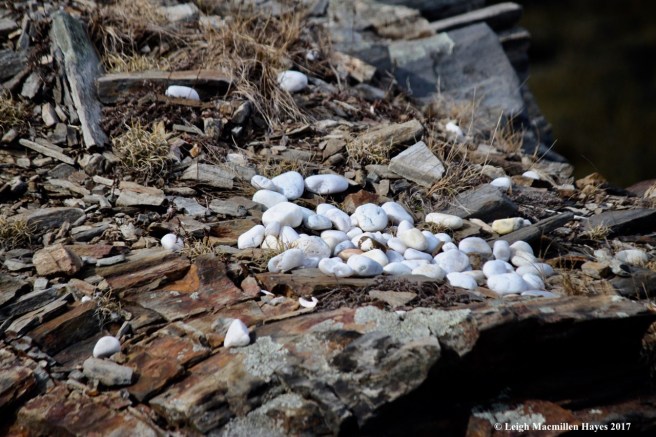
On an equally high spot as Scarborough Beach came into view, we spied a sight we didn’t understand.
p-white rocks 2

Turns out it was all white rocks. But, how did they get there? Human? Bird? Seriously? We questioned it because the pile was on a spot that neither of us could have accessed, given our fear of heights.

p-oogling the cottages

All along the way, we paused to admire the boarded up summer homes–especially in awe of the architecture noted in those built long ago.

p-castle 1

Almost at the end, this newer castle came into view. We recalled seeing it under construction last year.

p-sand castle

My guy thought he could live in their guest house. For me, a simple sand castle would do.

p-pump house

At the official end of the trail, we once again stopped to admire the old pump house made of local stone with a colorful slate roof.

p-Scarborough Beach

And though we wanted to continue along Scarborough Beach, time was getting away from us and so we followed the road back to our truck.
p-clamming

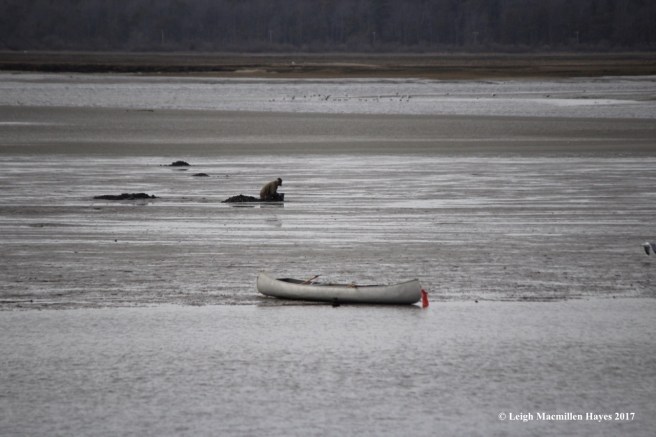
Completing the circle, the tide was out on Nonesuch River and we could see someone clamming on the sandbar.
p-heart--last photo

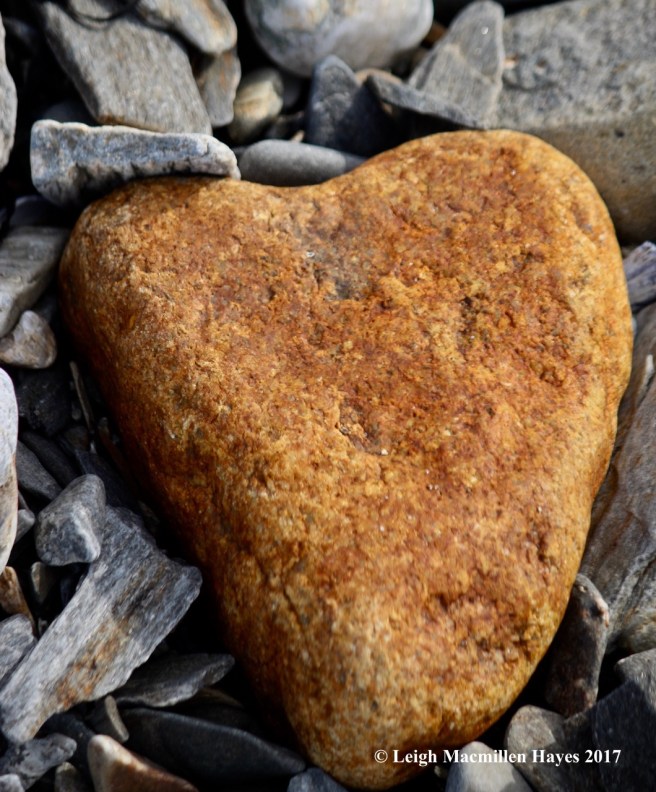
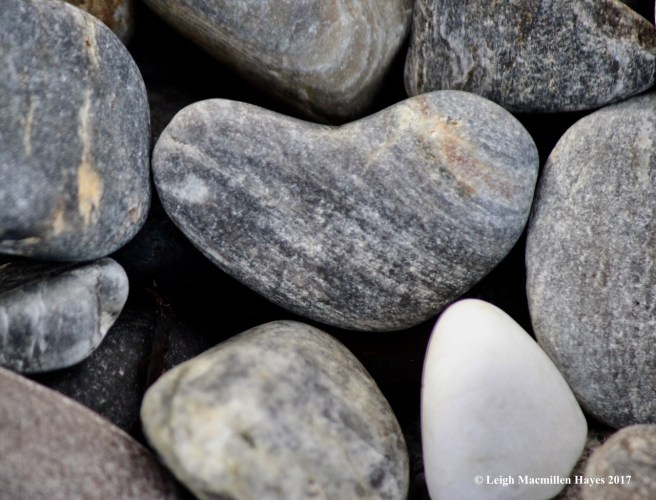
We didn’t dig up any clams, but we did pick up this stone–a rocky heart that symbolized our Mondate. Prouts Neck was the perfect decision–thanks to my guy.


Taking In The Views

The Pequawket Indians of Fryeburg, knew the 1,100-foot mountain in Waterford as the mountain that would “tire um out” because climbing its steep side wasn’t easy. Fortunately, a much gentler trail that is only a bit steep at the start, has led to the summit of Mount Tire’m for many moons. And that was my trail of choice this afternoon.

While my guys (and a girlfriend) toiled at the family business, I snuck off to the mountain to enjoy the views.

green

It’s located up the street from the quintessential New England village known around these parts as Waterford Flats. Think white clapboard houses, all of which are listed on the National Register of Historic Places. And a triangular green. To the right of the sign is the former Lake House, which for many  years was a high-end restaurant and inn. It’s for sale now. And comes with an interesting history–in 1847, it was known as Shattuck’s Hygienic Institution, or “Maine Hygienic Institute for Ladies” and offered a water cure.

Another house on the  green was home to Artemus Ward, pen name of Charles Farrar Browne, a favorite author of Abraham Lincoln and Mark Twain’s mentor.

Then there’s the  Waterford Library designed by John Calvin Stevens and his son, John Howard Stevens. And the former town office and meeting hall–ladies sat on one side of the room facing their menfolk during town meetings and were not allowed to vote or even speak. Can you imagine?

church

The Waterford Congregational Church was one of Stevens’ designs.

trail head

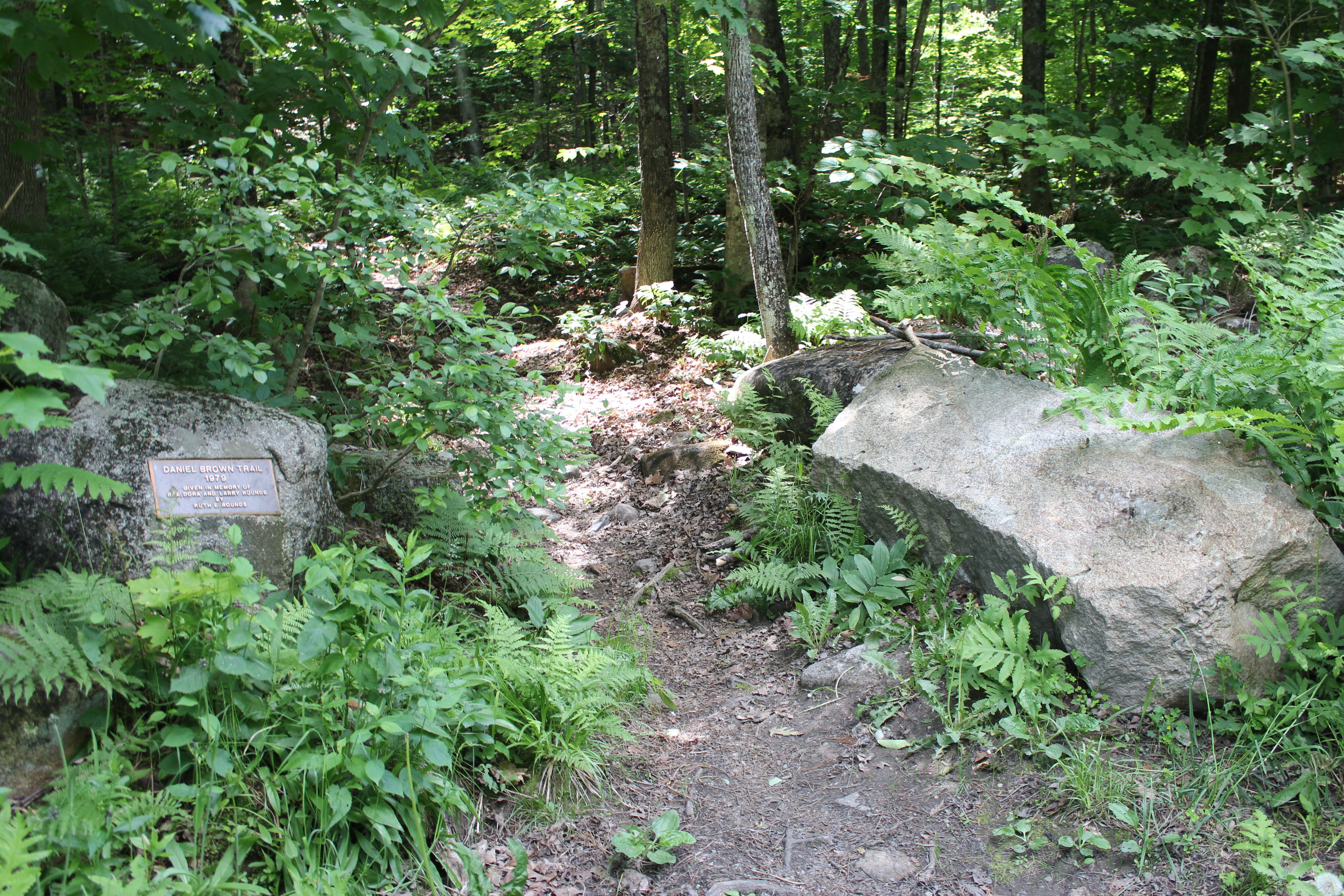
It’s easy to miss the nondescript trailhead located up the road from the church.

trail sign

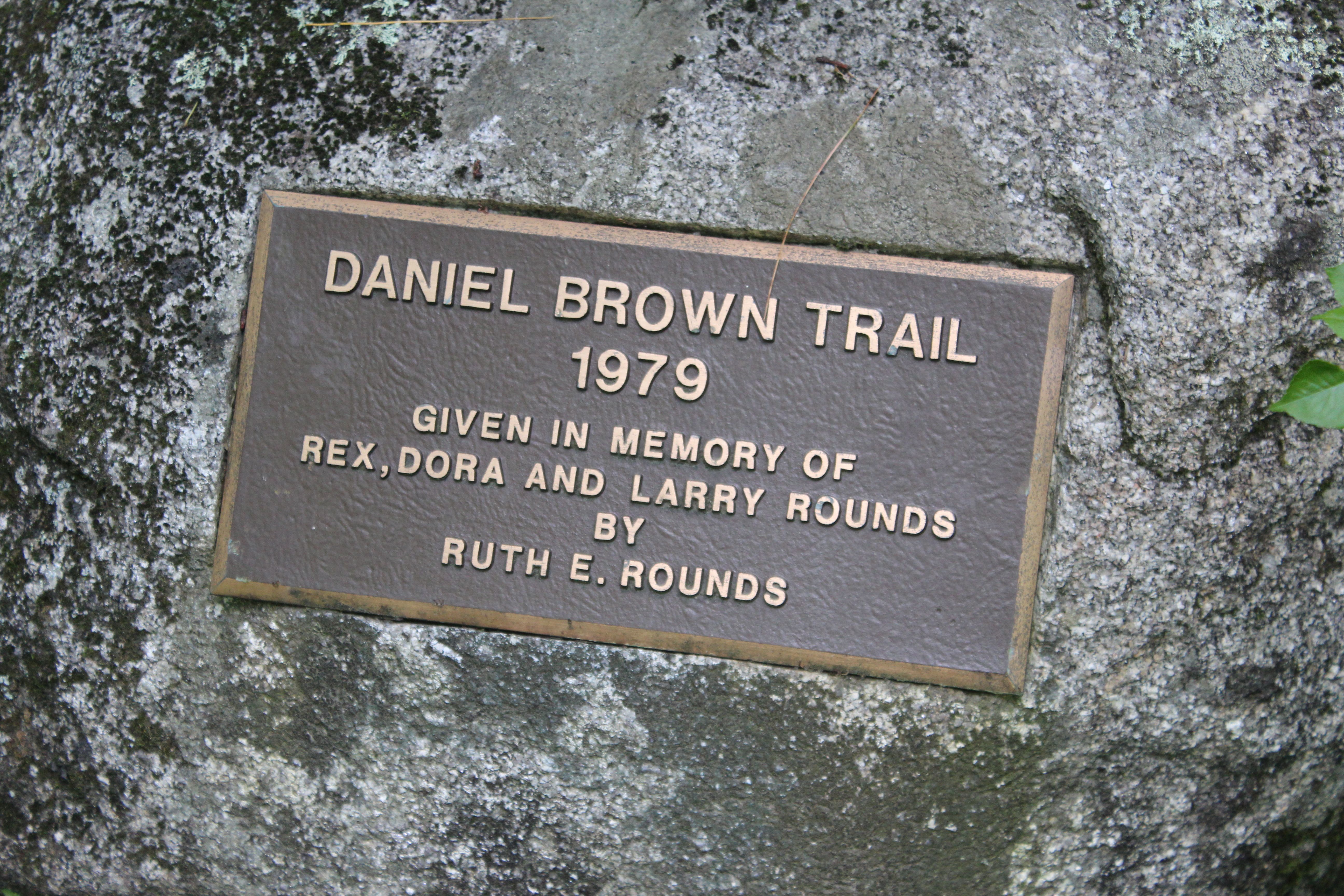
The public path that has traversed the mountain for many years was apparently known as the Old Squire Brown Trail. From what I gather, Daniel Brown owned a large house and farm near Bear Pond–perhaps the Lake House? He was involved in town politics and went on to serve in both houses of state legislature, becoming known as Squire Daniel Brown.

Red trillium

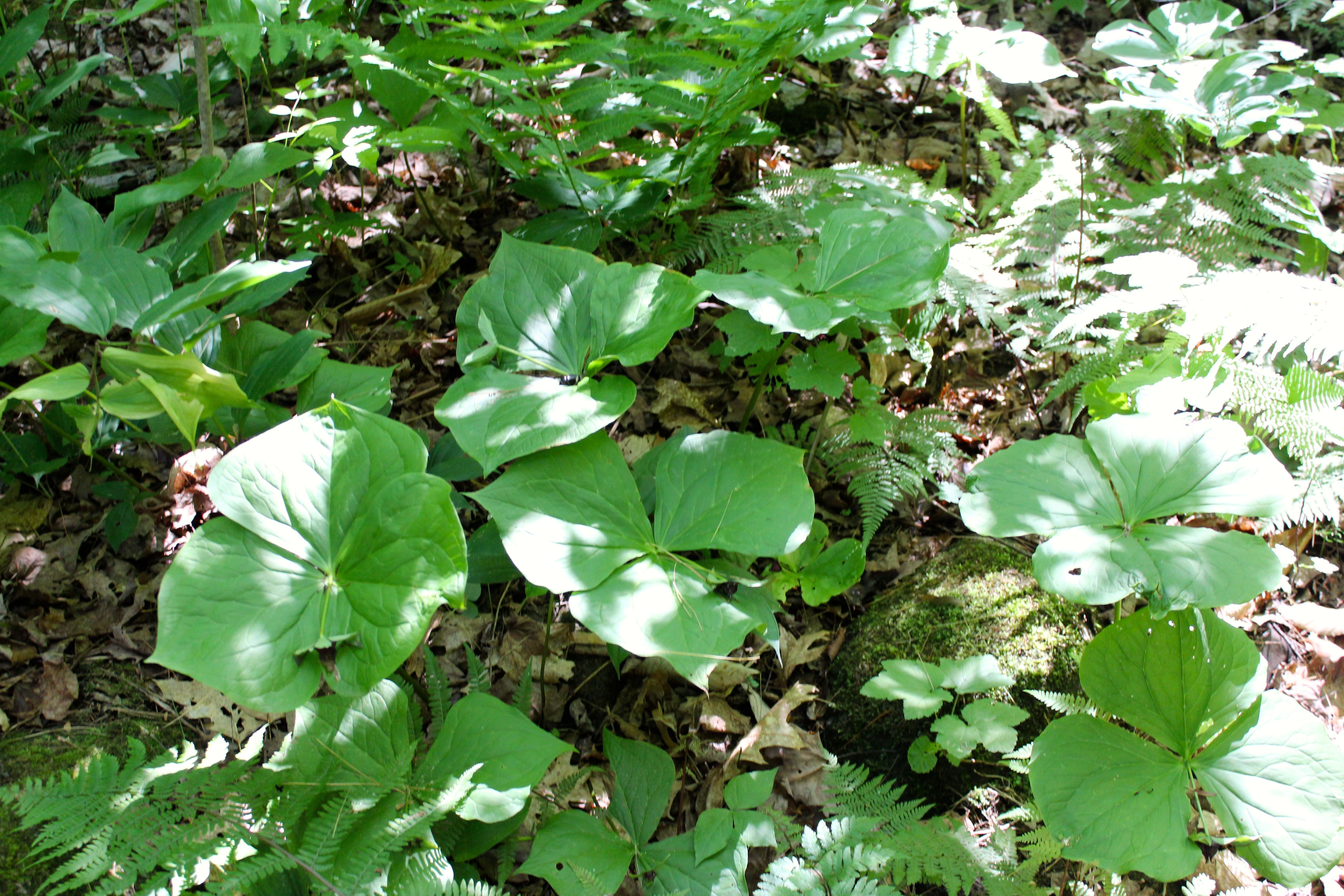
Though the flower is long past, the leaves of Red Trillium reminded me that I need to hike this trail earlier in the spring.

 stonewall

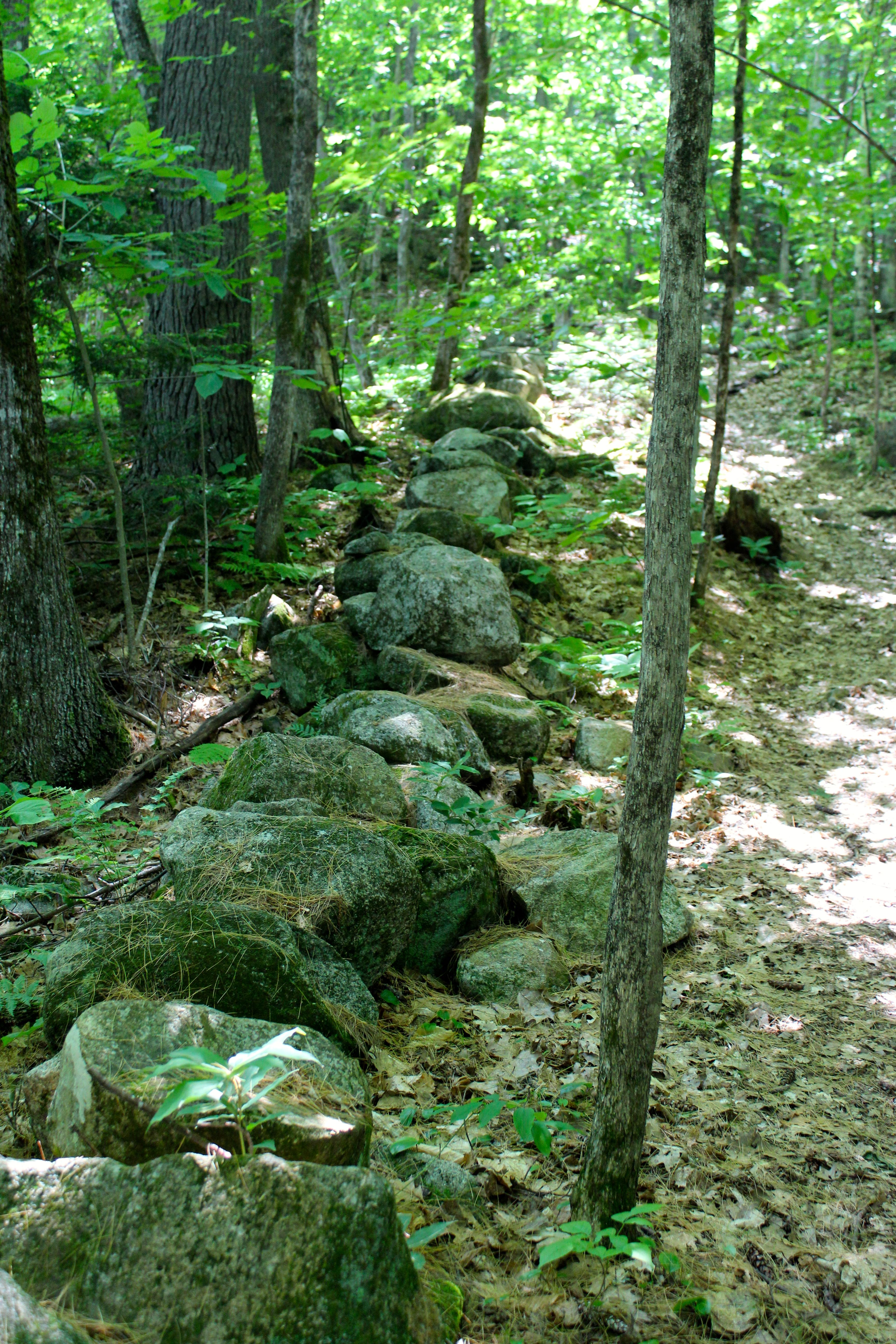
Stonewalls announce that this land was once upon a time used for agriculture.

ash leaves 2

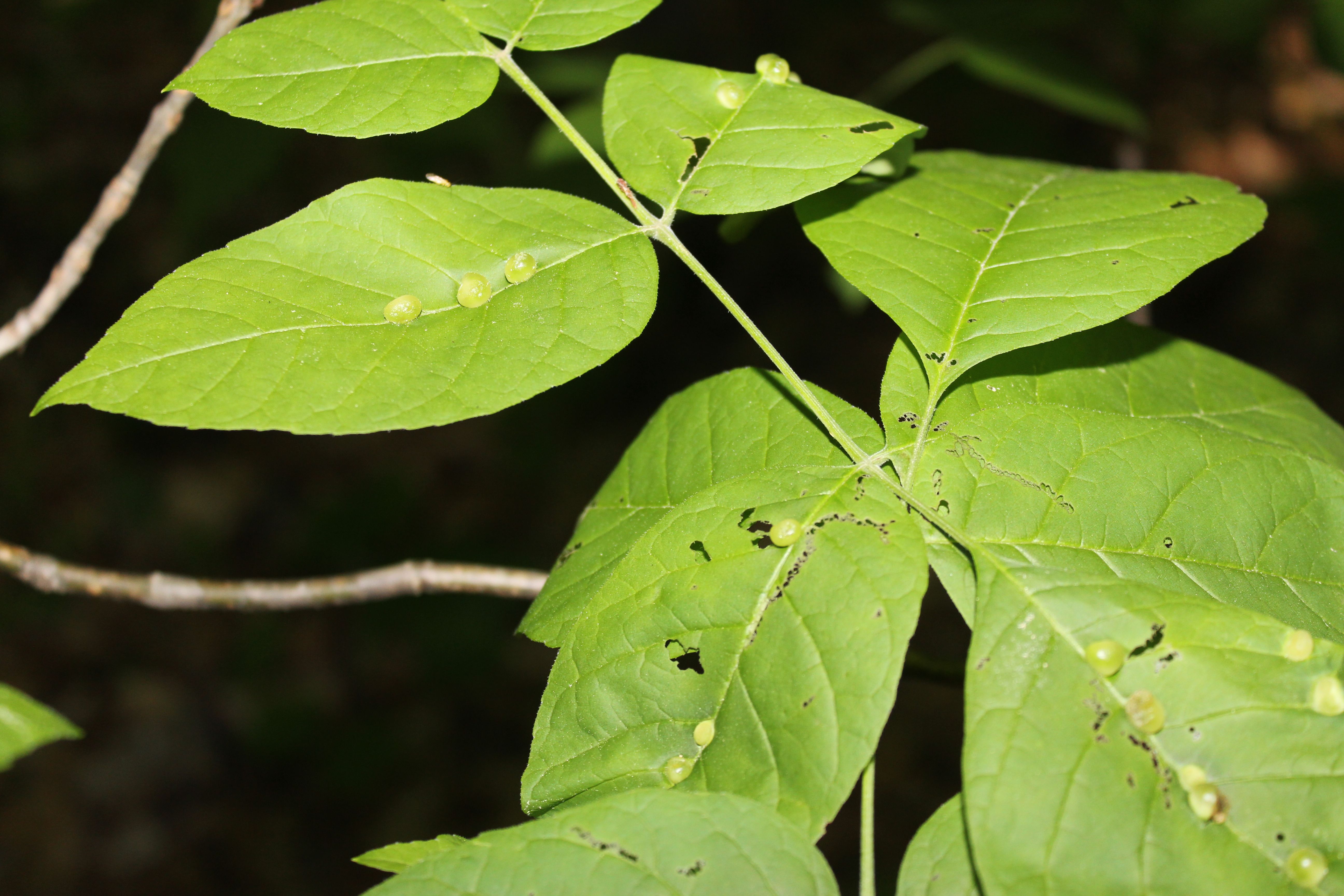
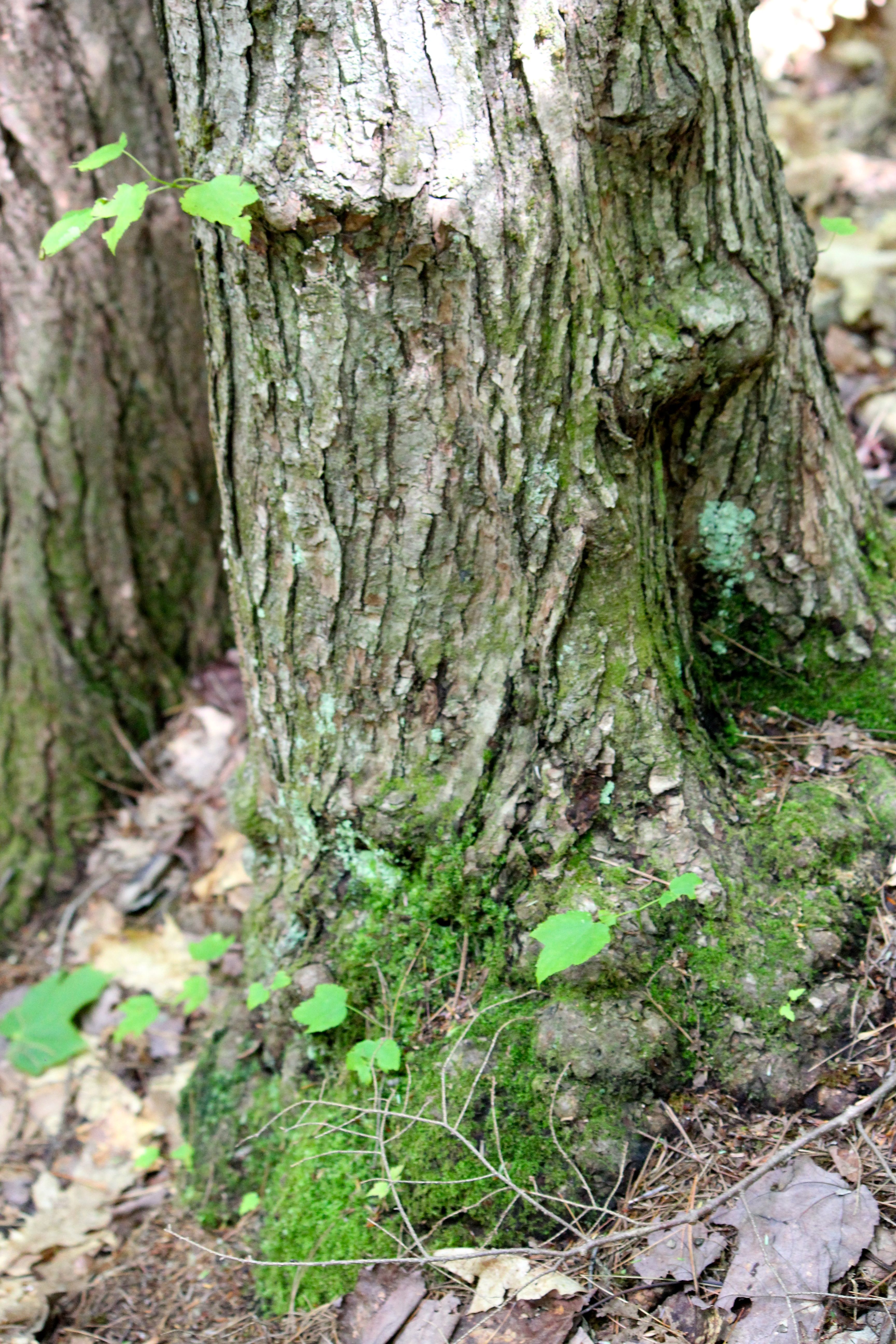
The odd leaf formation of this young ash tree made me stop. It has become host to either a fungus or insects who  are using the leaves as protection while they complete their lifecycle.

ash 2

Another ash has been invaded by mites that cause the raised galls.

challenges along the path

Like most trails, this one provides the rocks and roots that draw my eyes downward, so I pause frequently to look around. It’s just as well that I was alone, because not only was I taking my time, but my mind was so filled with chatter that I doubt I would have heard anyone else speak.

pine needles

On the drive to Waterford, I’d noticed that so many of the white pines are once again suffering from the needle drop fungus. The same was true on the trail. In the newspaper, an article about climate change referred to the needle drop as occurring for only the past several years. Methinks more like ten years. The fungus infests trees during a wet spring, such as we had last year and the resulting defoliation is seen the following year. So–I’m thinking out loud here–though we haven’t seen much rain lately, the needles are dropping because of last year’s infestation. While they look so pitiful right now, within a few weeks, they’ll finish dropping. But . . . do the trees have the energy to survive? And what about next year? Will it be a good year for white pines? And then I think about all the pinecones the trees produced last year–it was certainly a mast year, so maybe it doesn’t affect them to such an extreme. Yeah, this was the sort of chatter I was experiencing.

beech spots

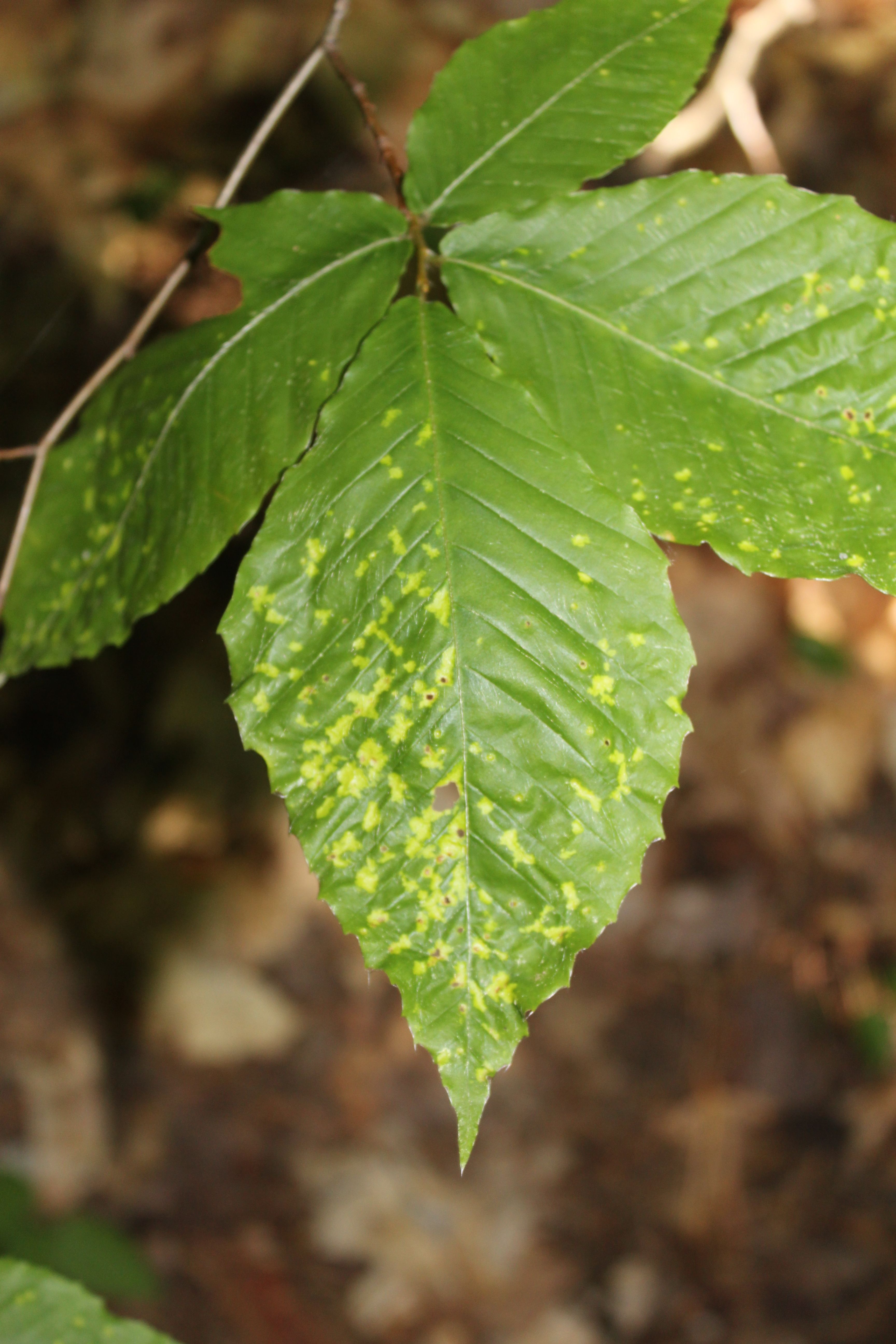
Some beech leaves are displaying their own relationship with a fungus. Where only weeks ago, they were the site of beauty as they opened and their hairiness kept insects and others at bay, they can’t fight off everything. Nor can we.

candy pink insects

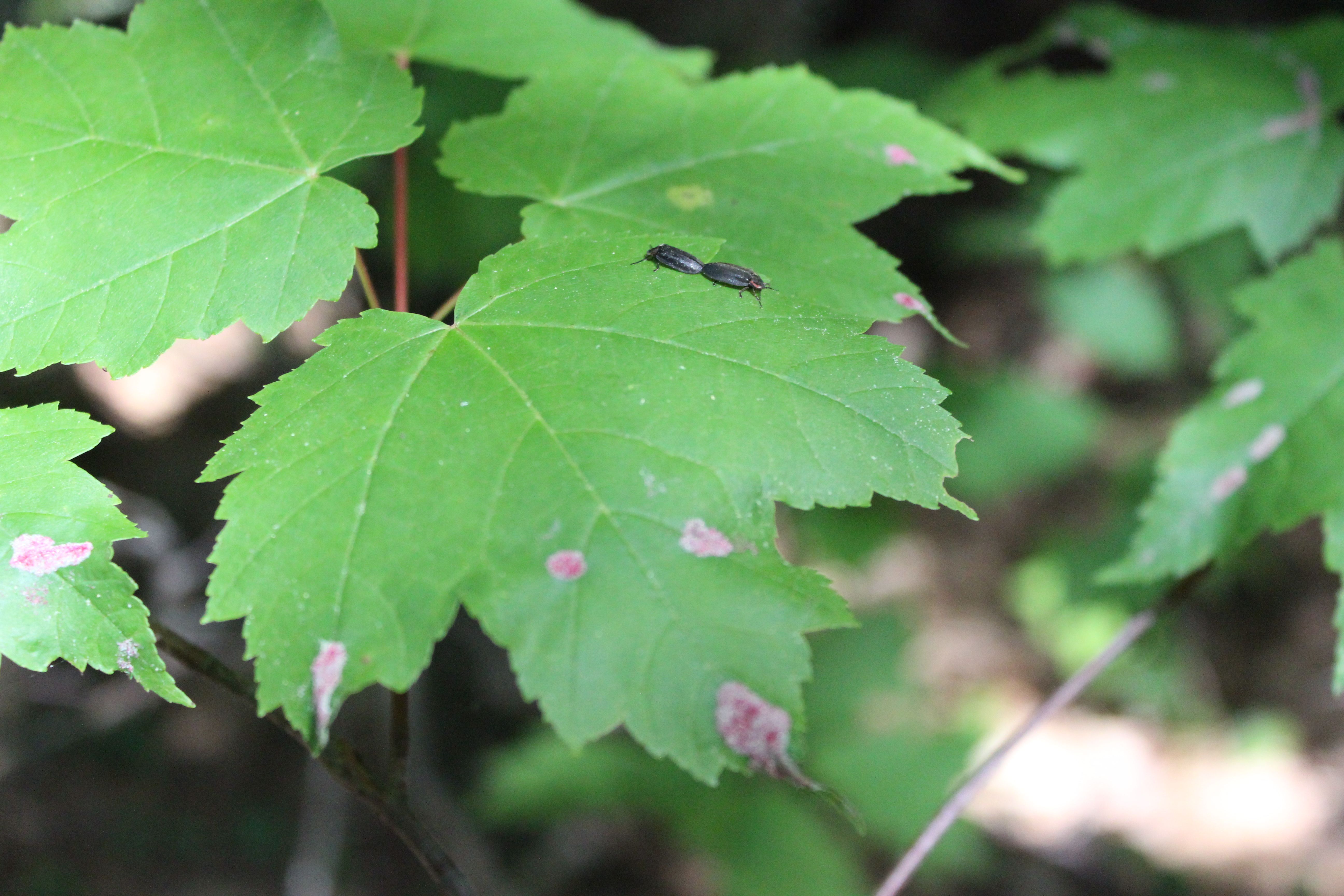
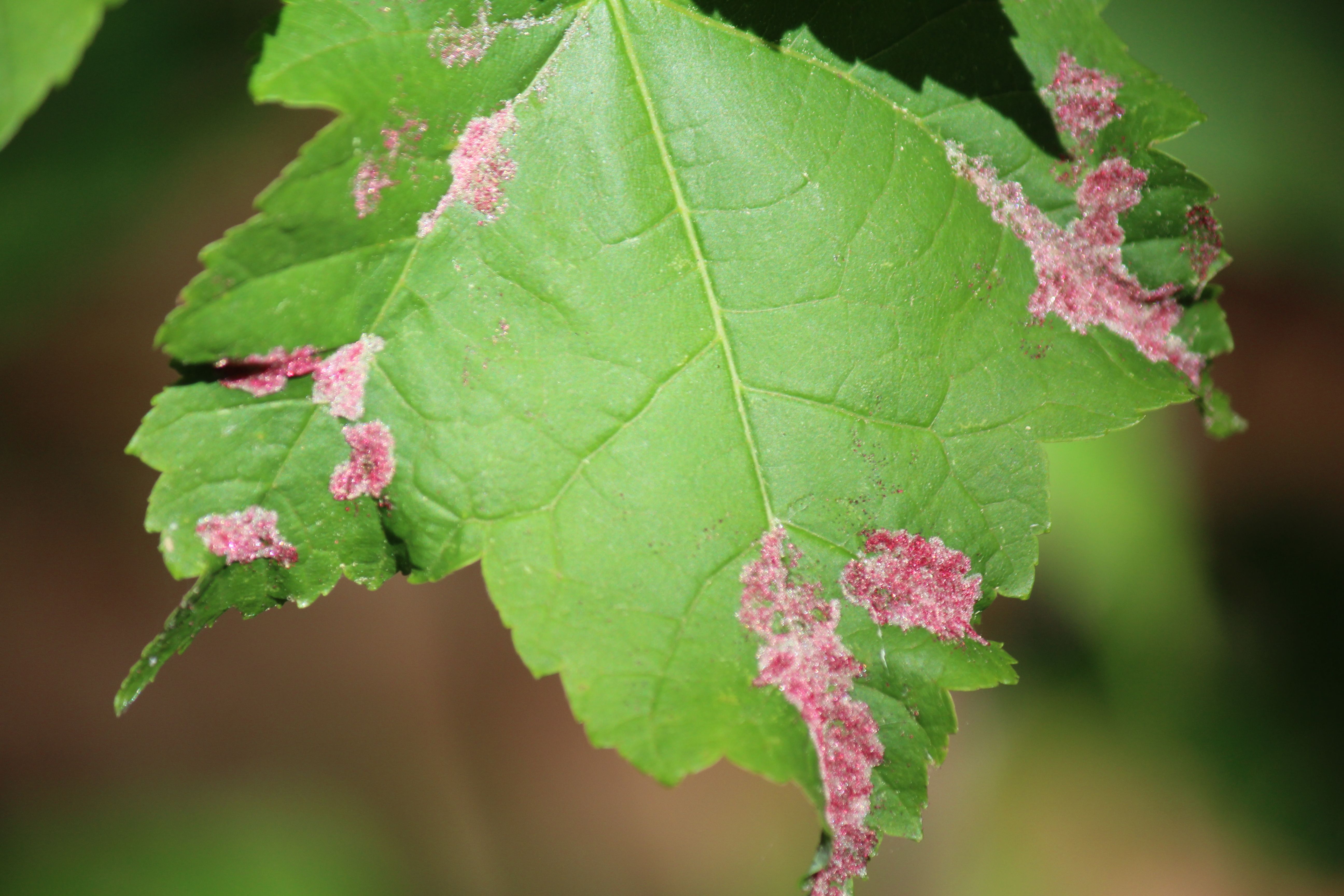
Through my hand lens, the bright pink on the Red Maple leaves has a crystal-like formation. It’s actually quite beautiful.

candy pinkcp2

I had no idea what caused this until I looked it up. These are maple velvet erineum galls, also caused by mites. Apparently they won’t harm the tree, so they aren’t considered parasitic. It’s all a wonder to me. If you do find this, take a close look.

spittle on hemlock

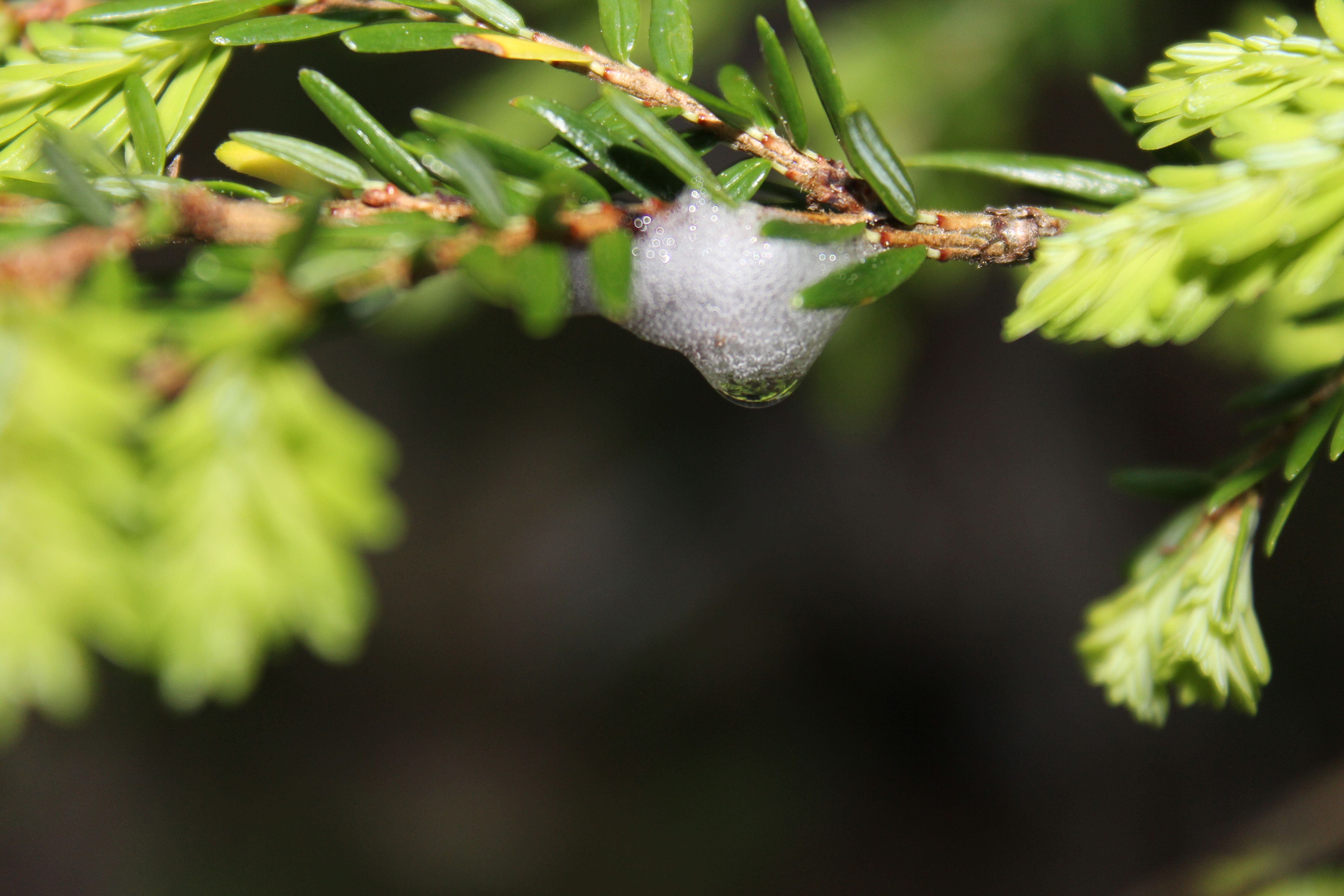
Growing up, whenever we saw spit on wildflowers and grasses, we assumed it was from snakes. A rather scientific observation. Do snakes even spit? And a foot off the ground? I’ve since learned that the foamy substance is the work of Spittlebugs. As the nymphs feed in the spring, they excrete undigested sap and pump air into it.

spittle 2

But I didn’t expect to see this on a hemlock. Turns out–there’s a pine Spittlebug that attacks evergreens. More reasons to keep my eyes open.

Keoka Lake and Oxford Hills

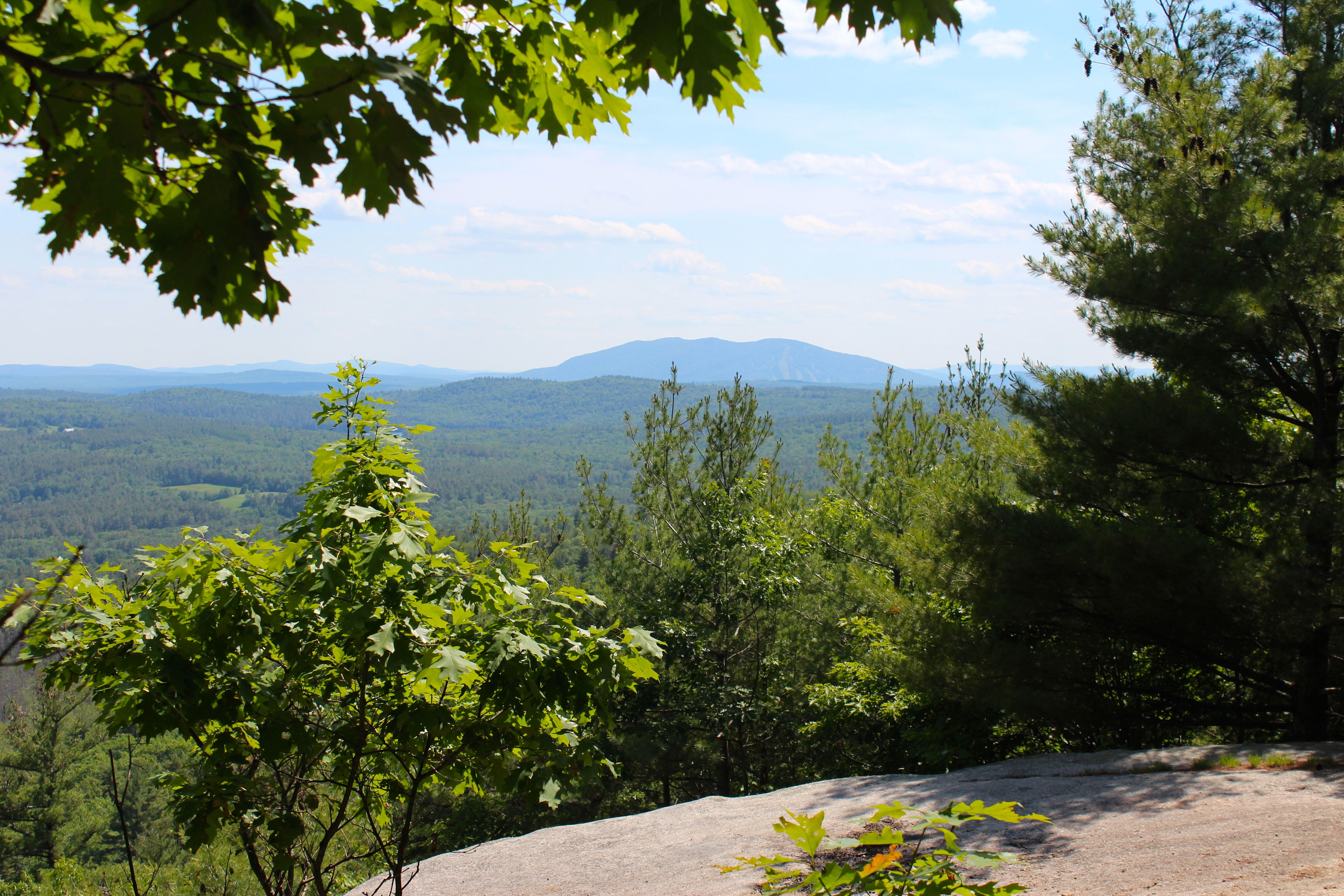
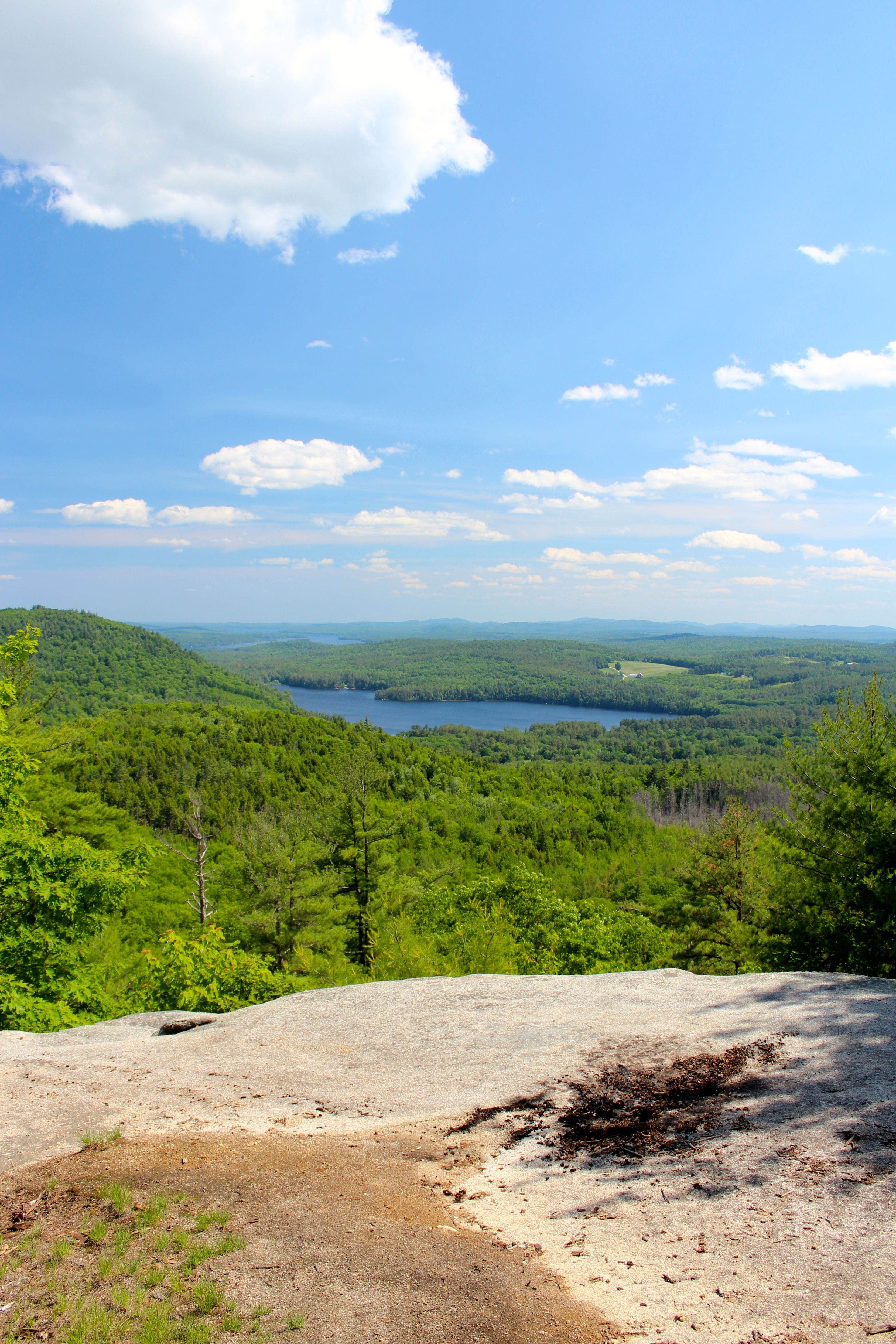
Enough about hosts and fungi. It was time to take in the views. About halfway up, Keoka Lake and the Oxford Hills are visible through a cut in the trees.

gnome home

Gnome homes are everywhere.

view

And finally, the summit with Pleasant Mountain in the background.

BP from summit

And Bear Pond and Long Lake below.

the rocks

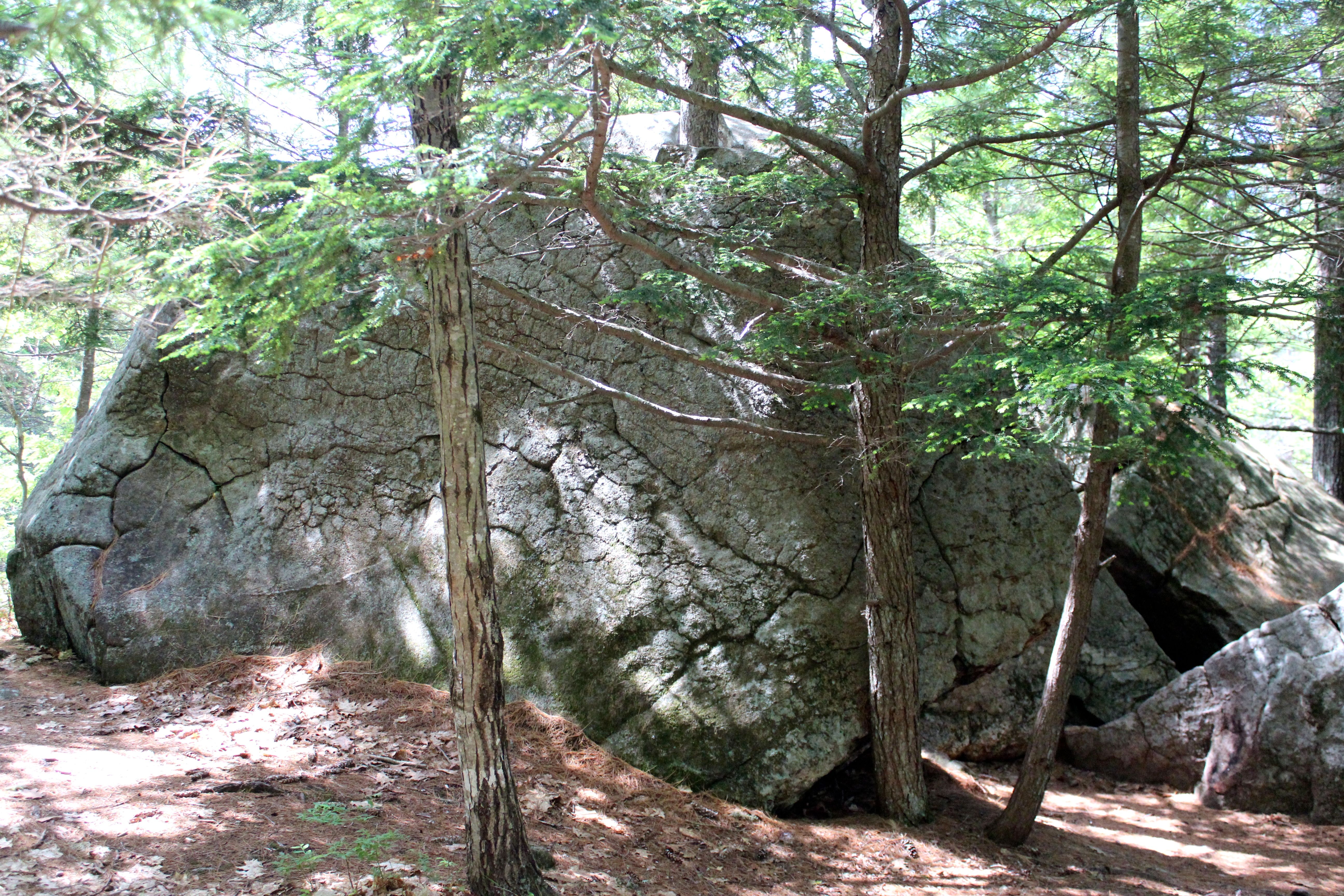
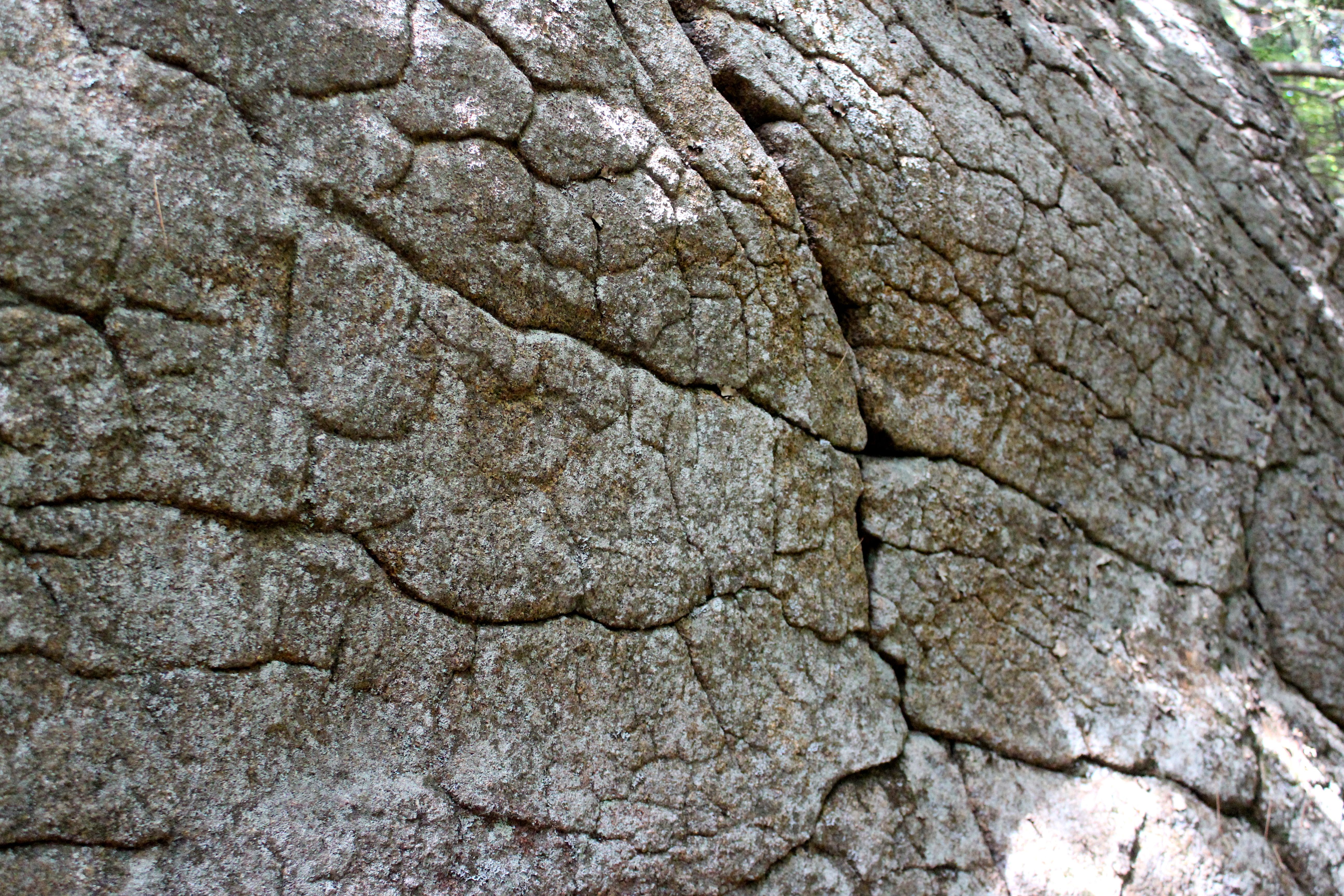
No visit is complete without a stop at the glacial erratics.

the rocks split

Maybe I shouldn’t use the plural form as it’s obvious this was all one rock

the rocks 2

that split apart.

tr 5

Perhaps there’s more to come.

As the saying goes, “so much to see, so little time.” Thanks for joining me to take in the views.