Moosey Mondate

We finally moved to camp yesterday, and awoke early this morning to that hauntingly delightful sound–the cry of the loon.
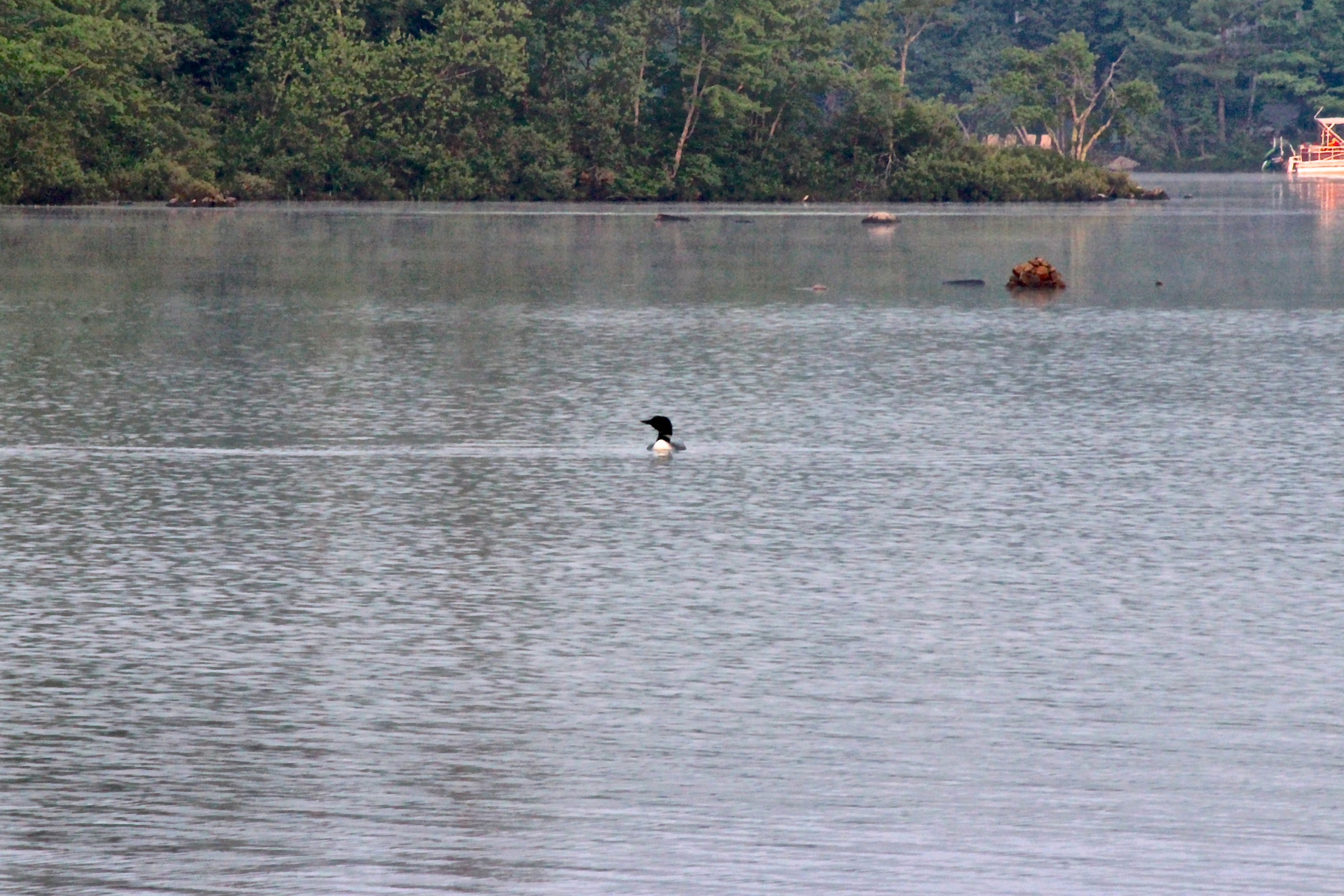
loon

While I stood on the dock, wishing the pair would come closer, something else caught my attention.

suspendedsusp2

Suspended animation. I couldn’t see the web, but trusted it was there.

Black Mtn

Our Mondate began after we got some chores out of the way. A perfect day to hop in the tandem kayak and head north to Sweden. Thanks to our friends the Neubigs, who purchased the tandem for us years ago. They need to return and use it–just saying.
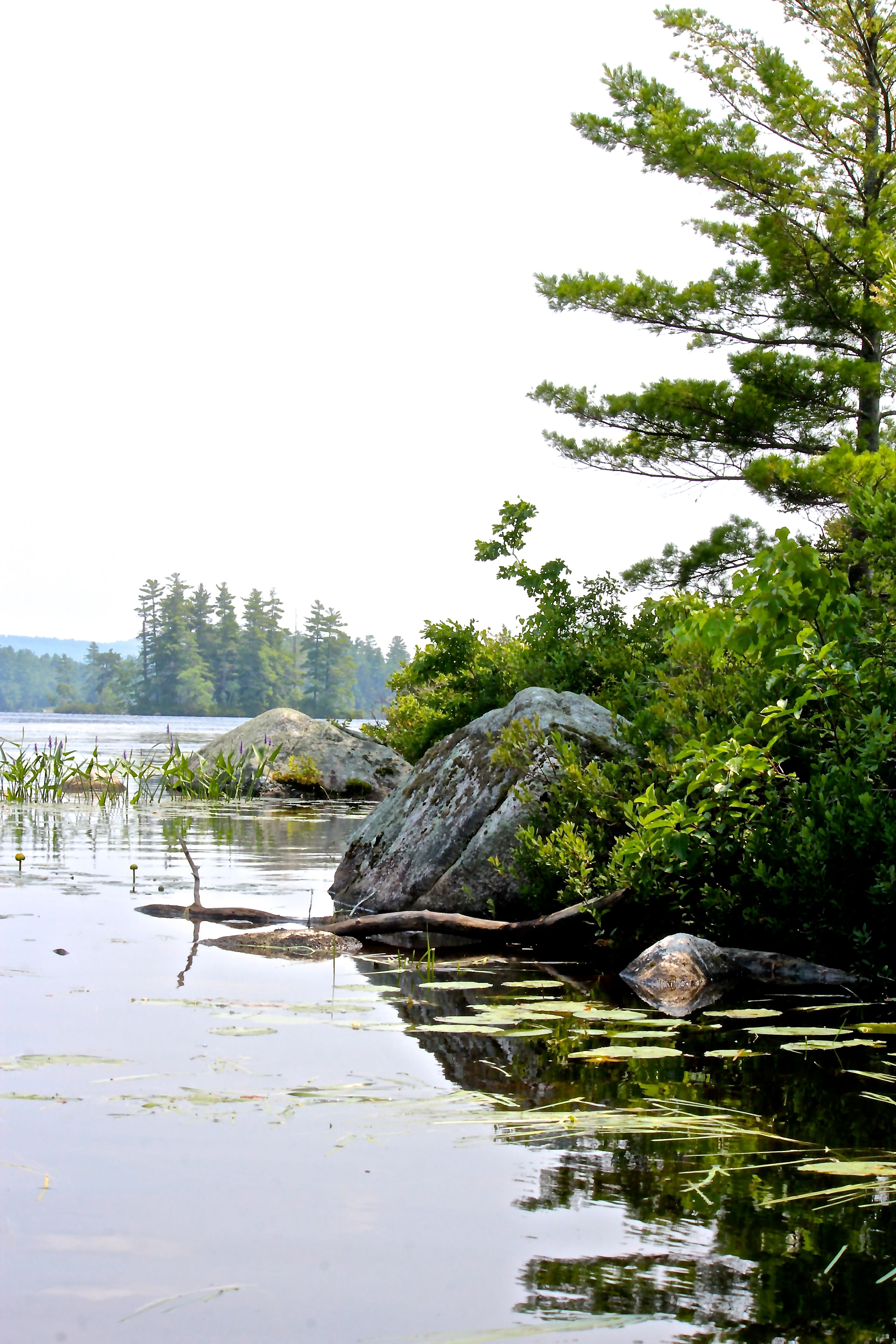
island shoreline

We love the upper basin because there are so many islands and stumps and inlets and coves and beaver lodges and you name it to explore.

tall weeds

The only thing that drove us crazy was the deer flies. Yeah. So we know insects are important for pollination and to provide food for fish, birds, dragonflies and others. But truly, what purpose do deer flies serve, other than to suck our blood? Mind over matter. Don’t scratch and the swelling will go down eventually. Note–like black flies, it’s the females that bite. I’d say, “Go Girls,” but hardly in this case.

dragonfly

Among the many dragonflies was this blue dasher, a common variety near quiet water. If only he would feast on those darn deer flies.

button bush

The buttonbush seems otherworldly with its pincushion styles protruding from each tubular flower.
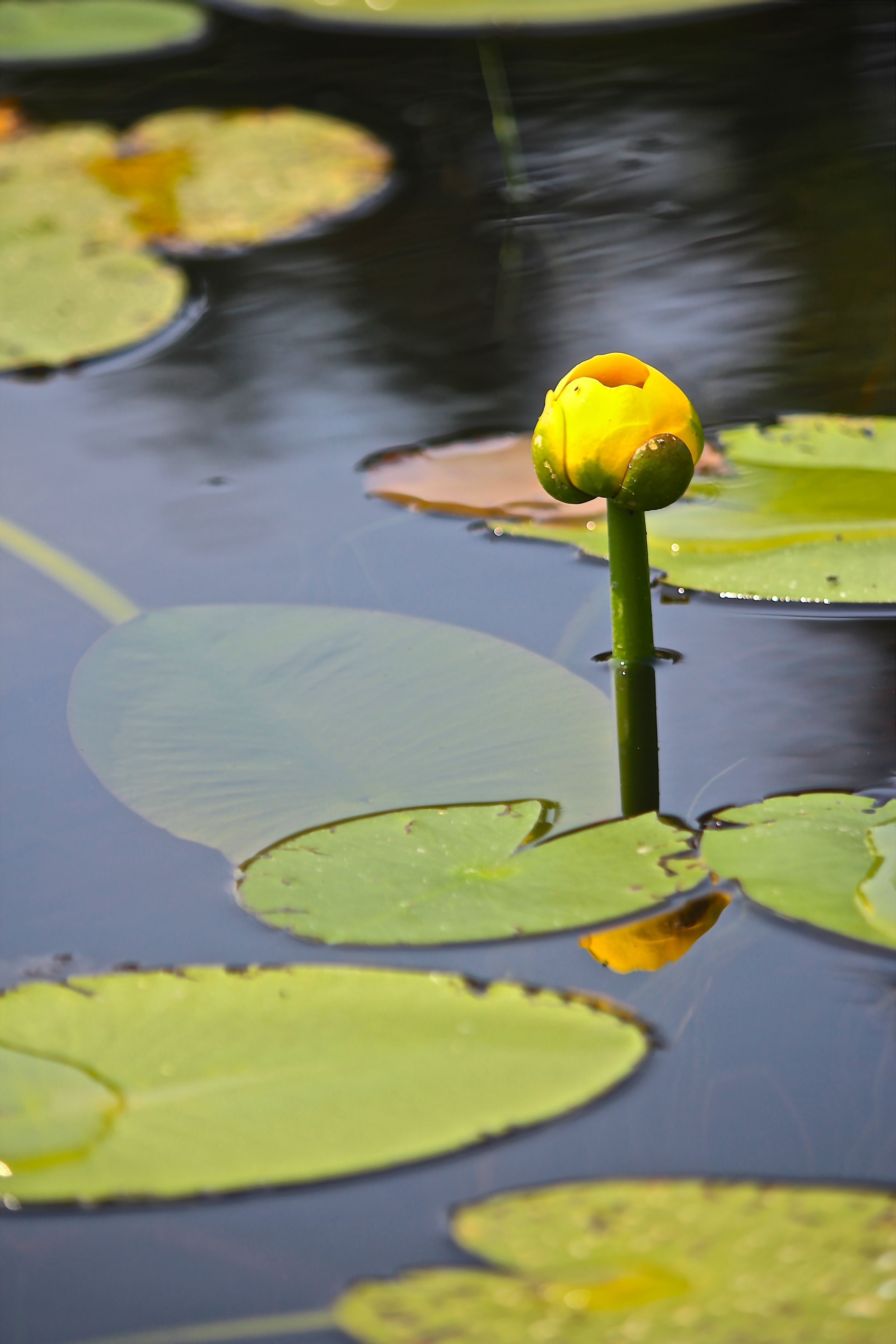
spadderdock

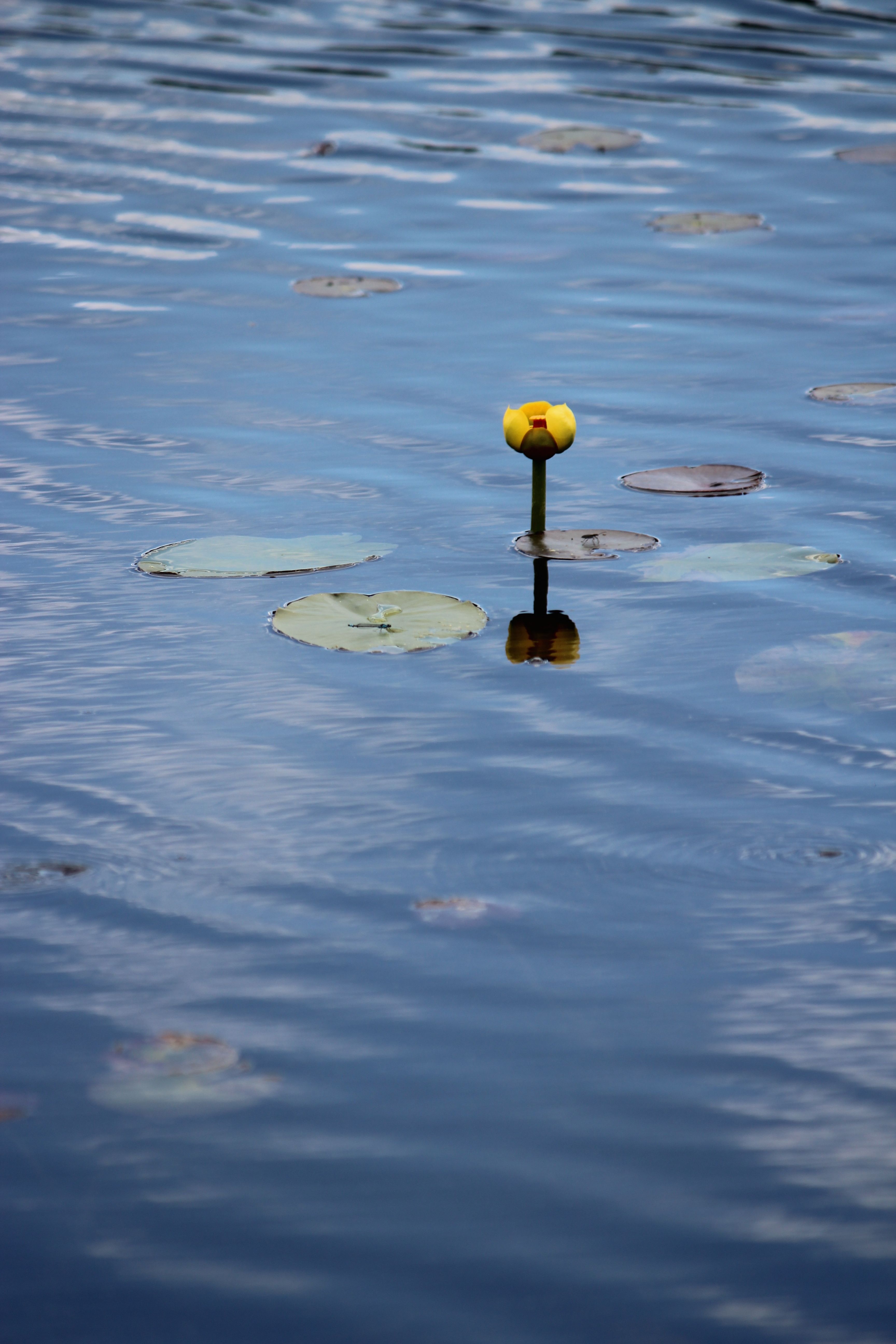
The tight, waxy, petal-like sepals of the spatterdock, aka yellow pond lily or cow lily, stands upright above its leaf–featuring a small v-notch

fragrant water lily

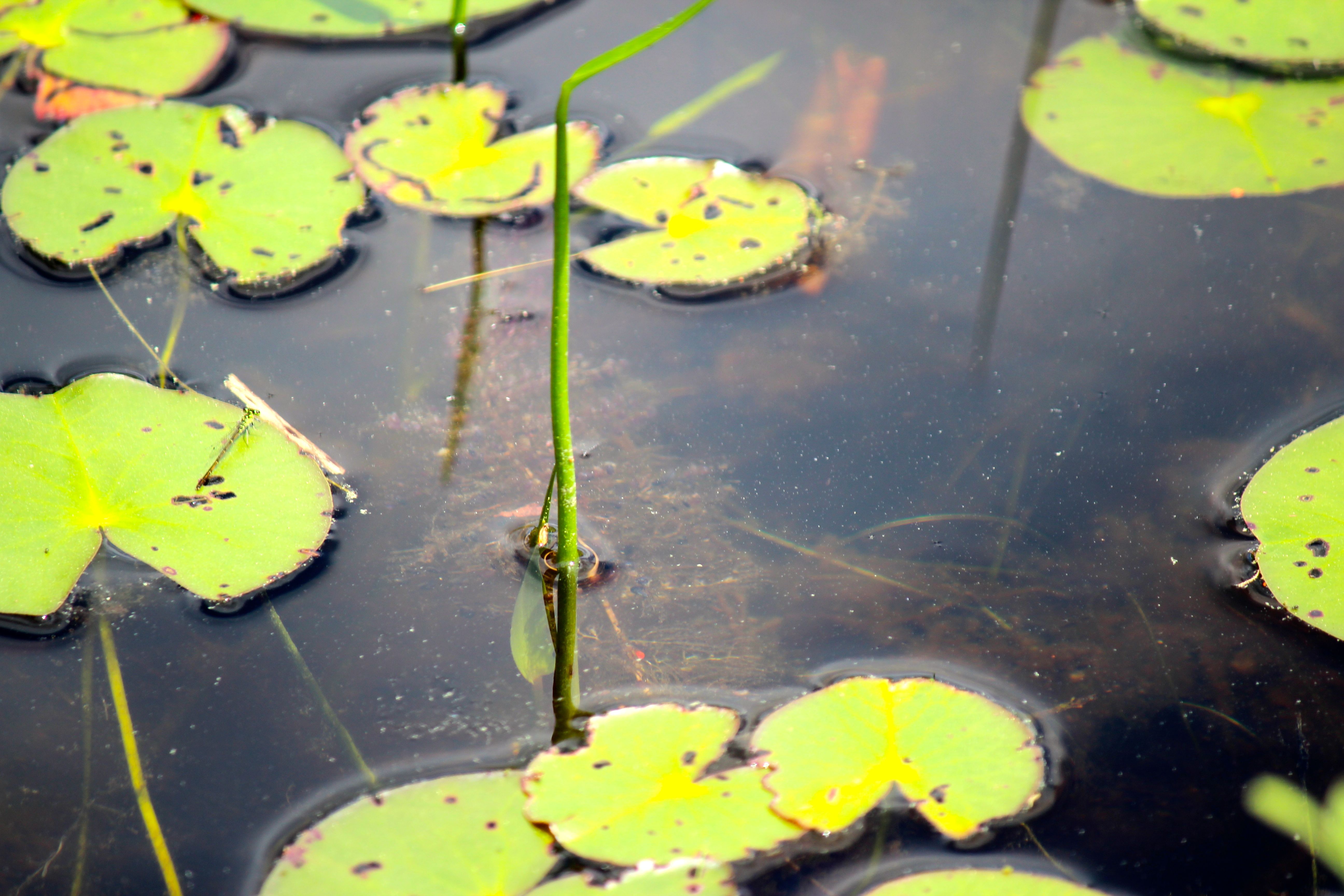
On other ponds and lakes, I’ve seen the fragrant water lily in bloom already, but here it is just beginning to open. Its leaves are larger than those of the spatterdock and notched to the center.
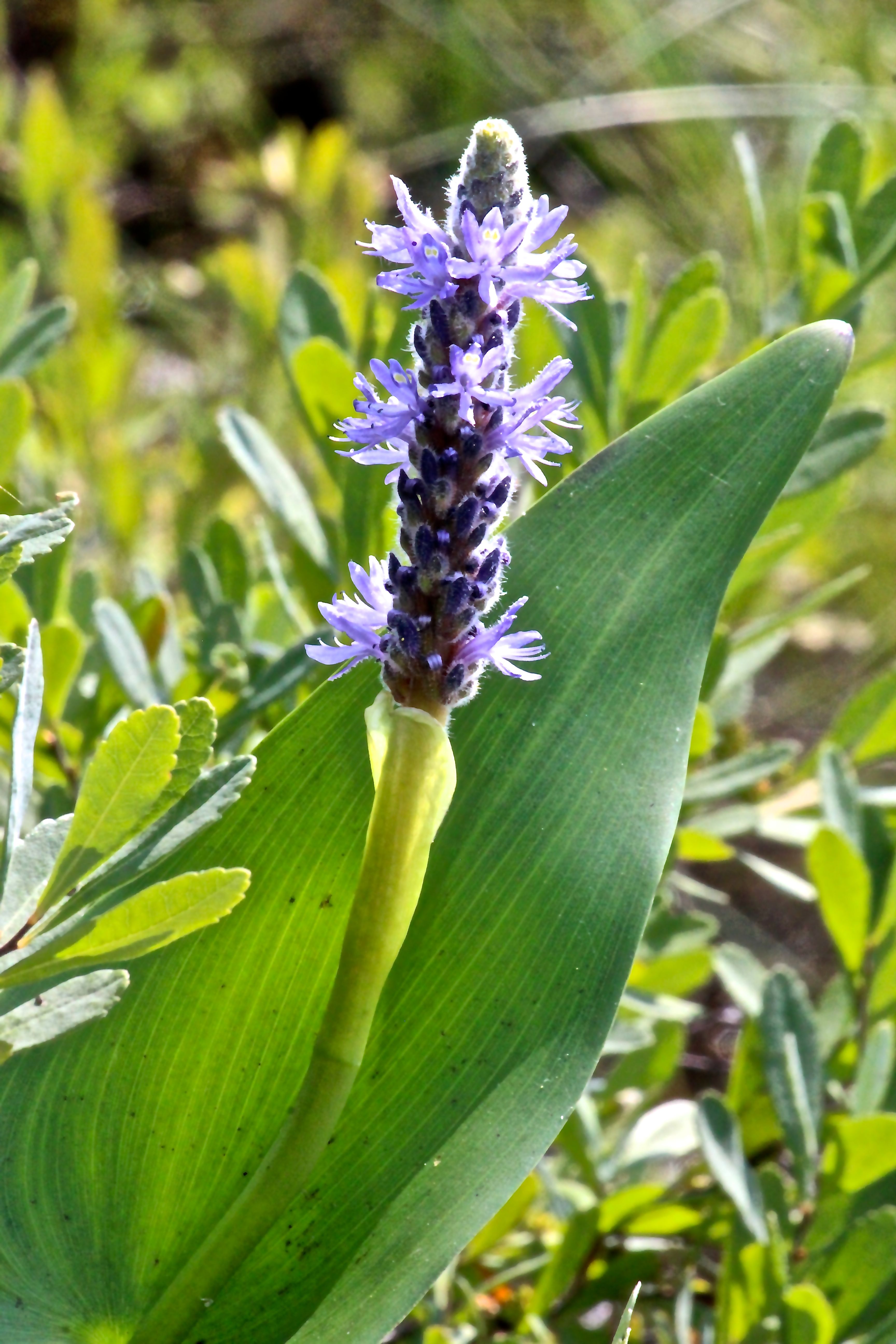
pickerel

Pickerelweed is like no other. Though the upside-down heart-shaped leaves are long-stemmed and look similar to arrowhead, once the flower blossoms, there’s no mistaking it.
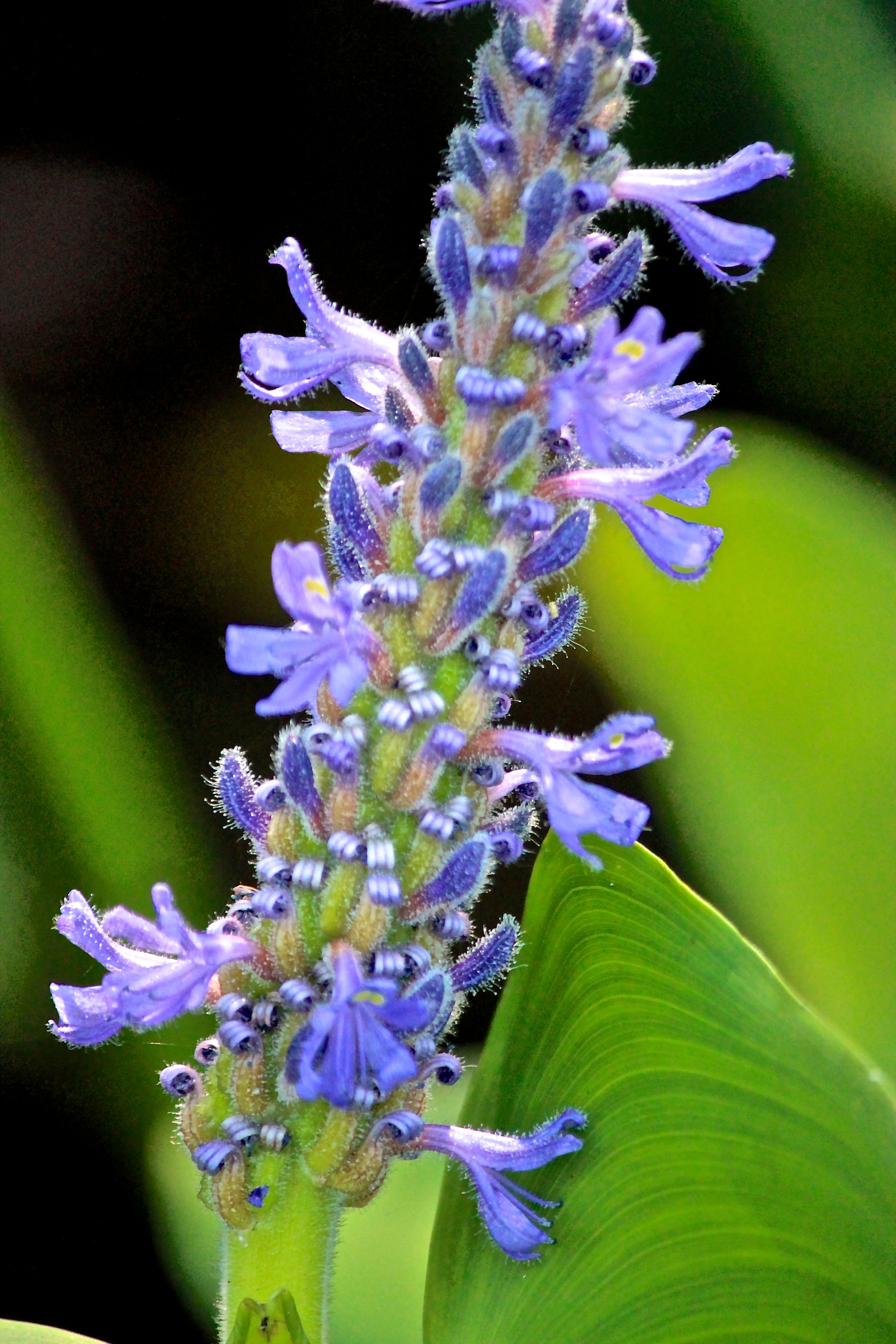
pick 2

The flowers are worth a second or third look. They grow in spikes along the pond’s edge. And each is covered in hair. Why?

pick 3

Not only that, but each flower is two-lipped. And each lip is three-lobed. And the upper lip has two yellow spots.

sundews 1

The pond was dammed a long time ago and stumps support a variety of life–including the carnivorous sundews beginning to flower.

sundews 2

At first glance, I thought they were the round-leaved variety, but I now think they are spatulate-leaved sundews. Love that name–for the spoon or spatula-shaped leaves that are longer than they are wide.

love is in the air

Love is in the air.

As it should be on a Mondate with my guy well spent on Moose Pond. I bet you thought I was going to post a photo of a moose.
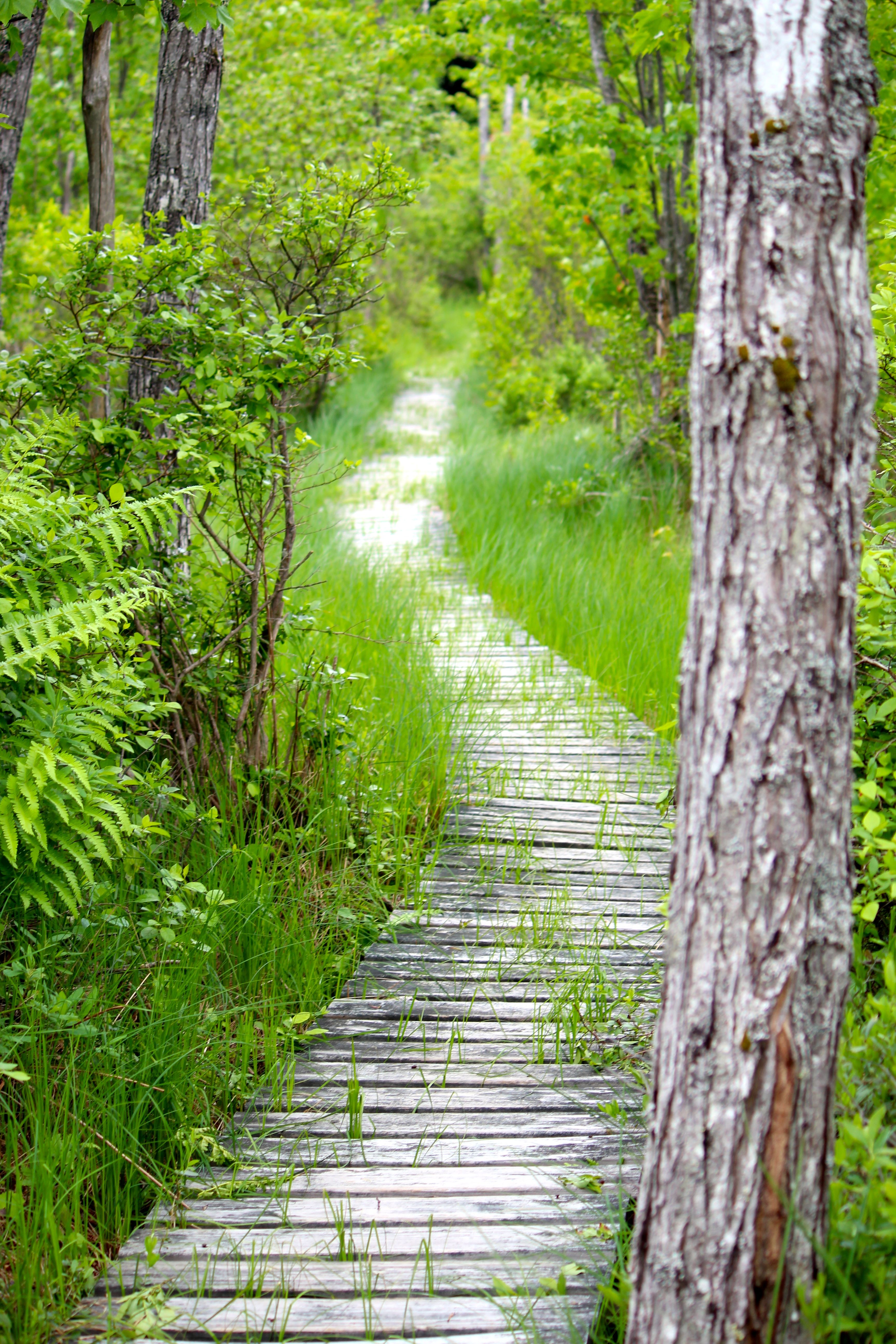
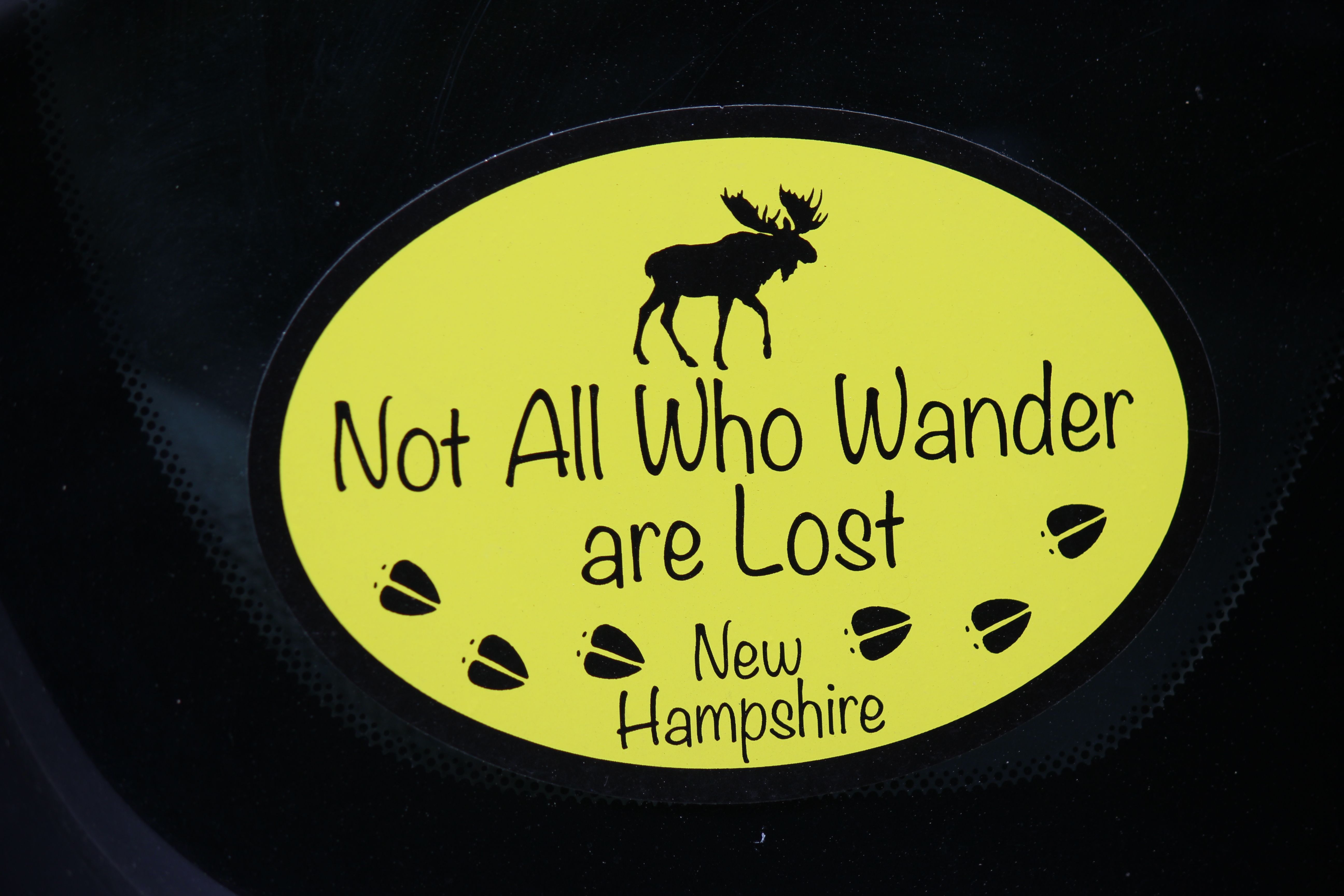
Not All Who Wander Are Lost :-)

path 2

Today, I wandered along the boardwalks at  Holt Pond Preserve in South Bridgton with Adam Perron, education director of Lakes Environmental Association, and Amy Kireta, a PhD student from UMaine. Amy plans to help Adam develop climate change curriculum for LEA. Exciting stuff.

We chatted as we walked, but frequently stopped to look and listen. Check out our finds.

blue flag iris

Blue Flag Iris is beardless (no hairs on its petals), unlike the irises that grow in my garden.

sheep laurel

The Sheep Laurel beginning to bloom. This is an interesting and beautiful plant, with its flowers blooming below the new leaves. I love how the leaves droop.

water lily

Another new bloom–the ball-shaped flower of Spatterdock.

blatterwort

Though our eyes were immediately drawn to the leaves of Fragrant Water Lilies with their pie-shaped notch, we could see a submerged blatterwort–one of the carnivorous plants of the preserve. They feature small blatters that act as vacuums and suck up tiny aquatic animals in order to take advantage of their nutrients.

pitcher plant

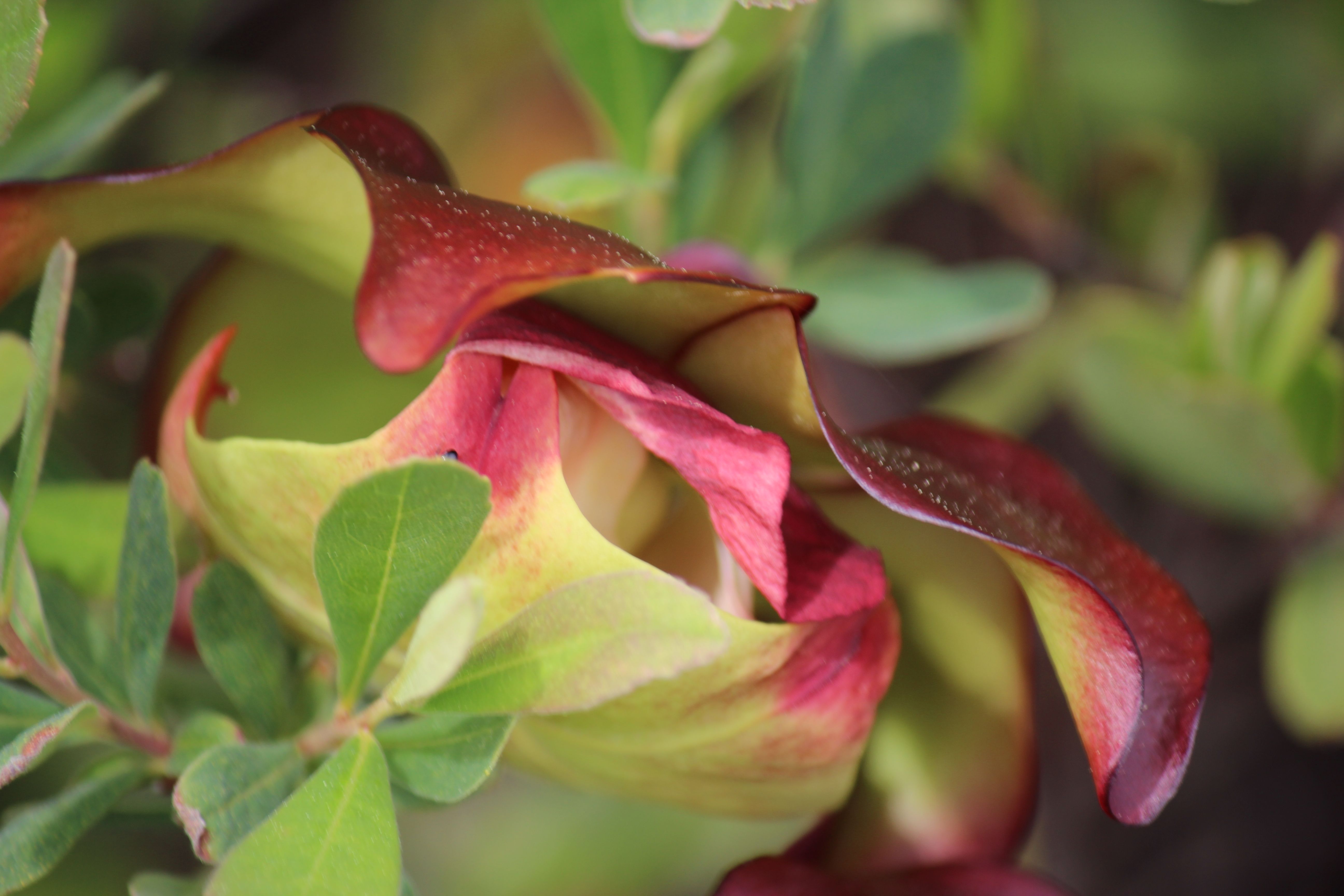
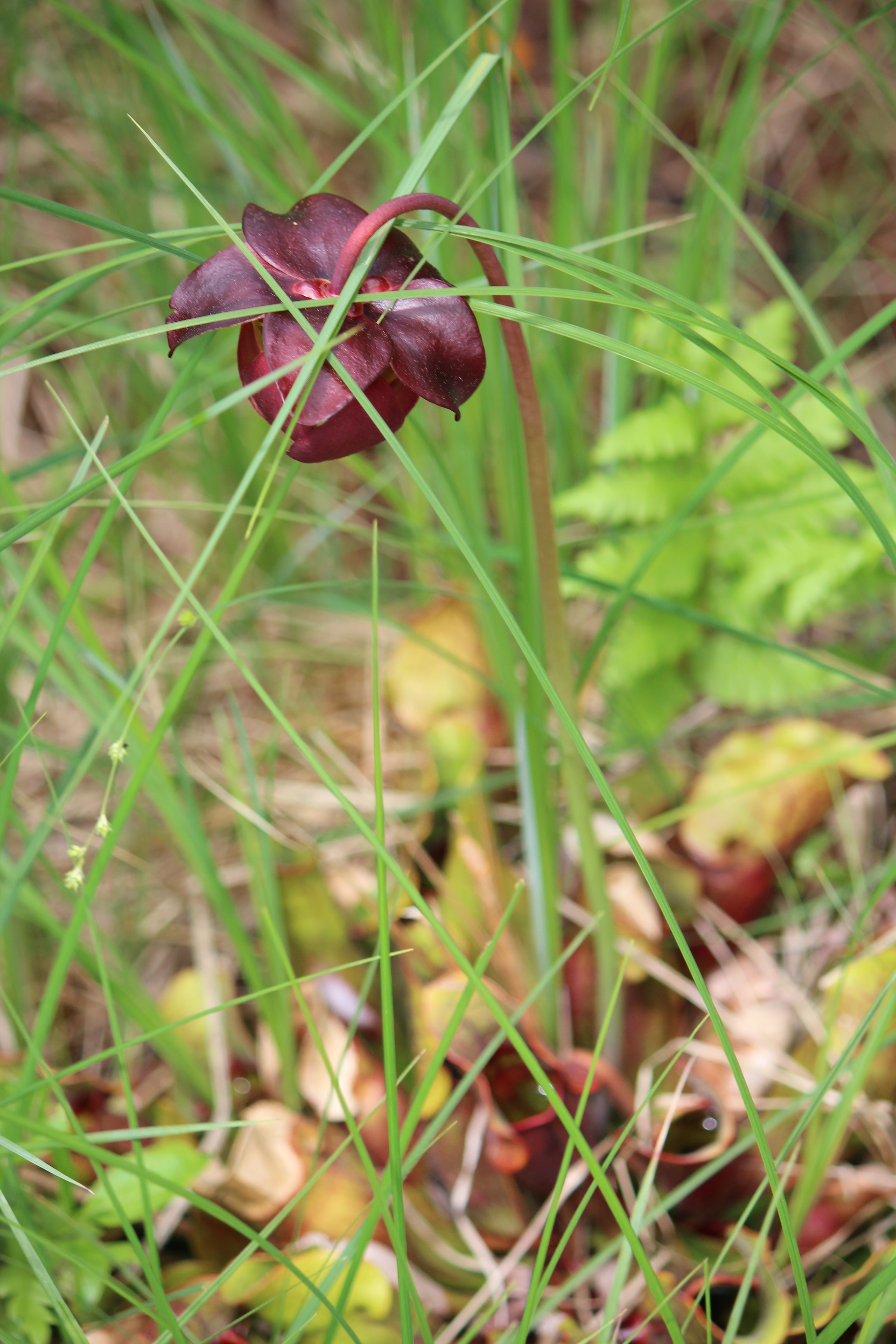
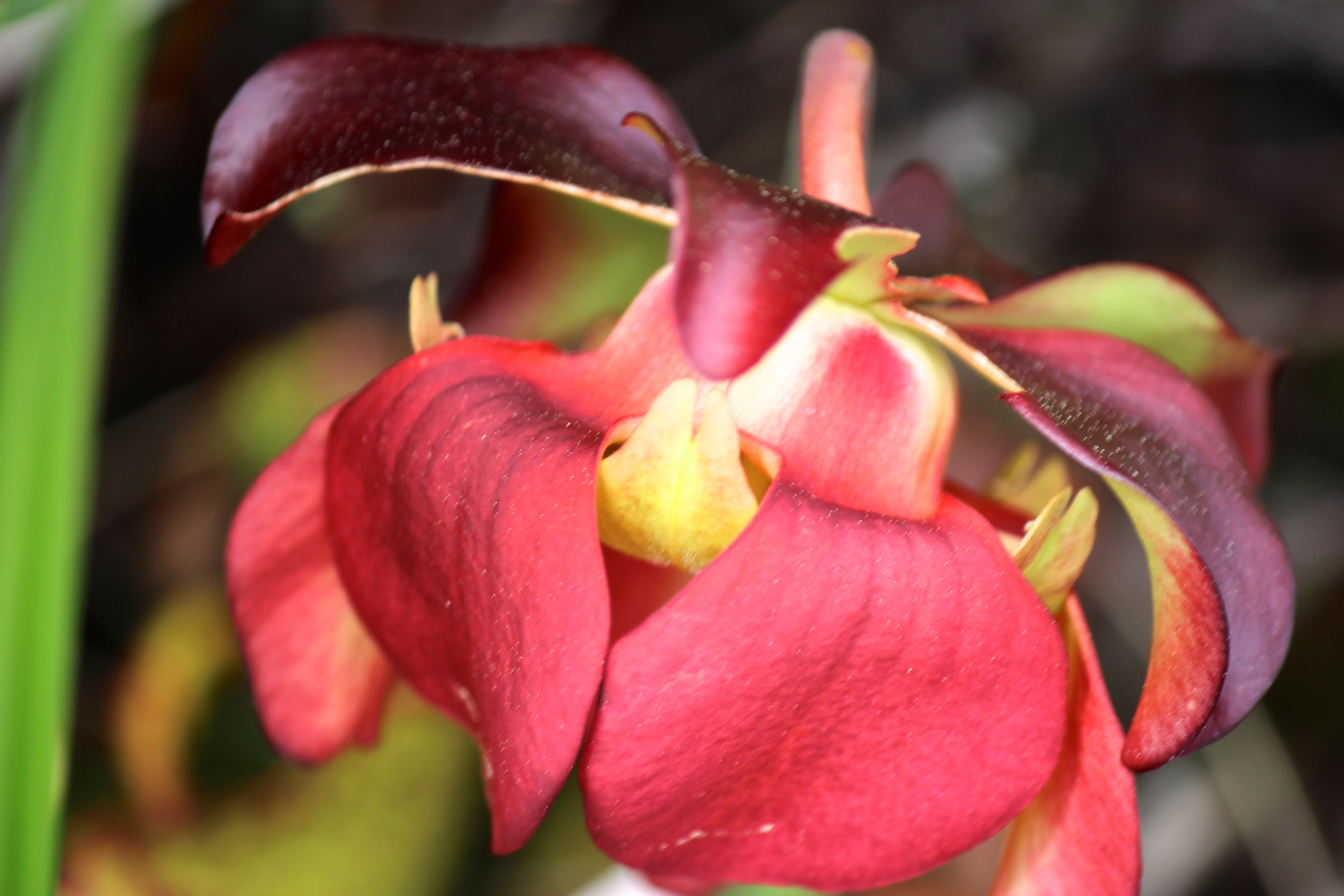
Speaking of carnivorous plants . . . the Pitcher Plants are flowering.

pitcher plant flowering

The colors are enough to suck me in.

ppf

 ppflower

While the Pitcher Plants make themselves known in any season, another carnivorous plant barely announces its presence on the quaking bog.

sundew

The Round-leaf Sundew. Preferring the acidity of the spaghnum moss, the hairlike tentacles  on each leaf are tipped with glistening droplets that shout a welcome message to passing insects. Those droplets are actually quite sticky and when the tendrils of hair detect that a prey has stopped by, they curl inward and wrap around the insect–then digest its nutrients.

There aren’t many nutrients in a spaghnum bog, so these plants have figured out how to meet their own needs–another reason to be in awe.

It’s stuff like this that makes me think J.R.R. Tolkien could have found inspiration right here.

Though we didn’t stray off the beaten path today, that is one of my favorite things to do. But I’m glad we backtracked rather than taking Amy back to the parking area via a different route because . . . we encountered another hiker who stopped to ask us some questions. As she talked, some things she said made me wonder if she was someone who recently commented on one of my blog posts. A friend in Connecticut has said since high school that I can be blunt (that’s you, C.W.N.) and I probably was today when I blurted out this woman’s name. I’m so glad I did. I was right–it was her. And I hope we can make a connection to wander together some time because it sounds like we have walked in each other’s tracks more than once.

Not all who wander are lost

I knew your car when I saw this, E.

IMG_4177

Years ago, I paraphrased it. Wander and wonder. You never know what or who you might stumble upon.