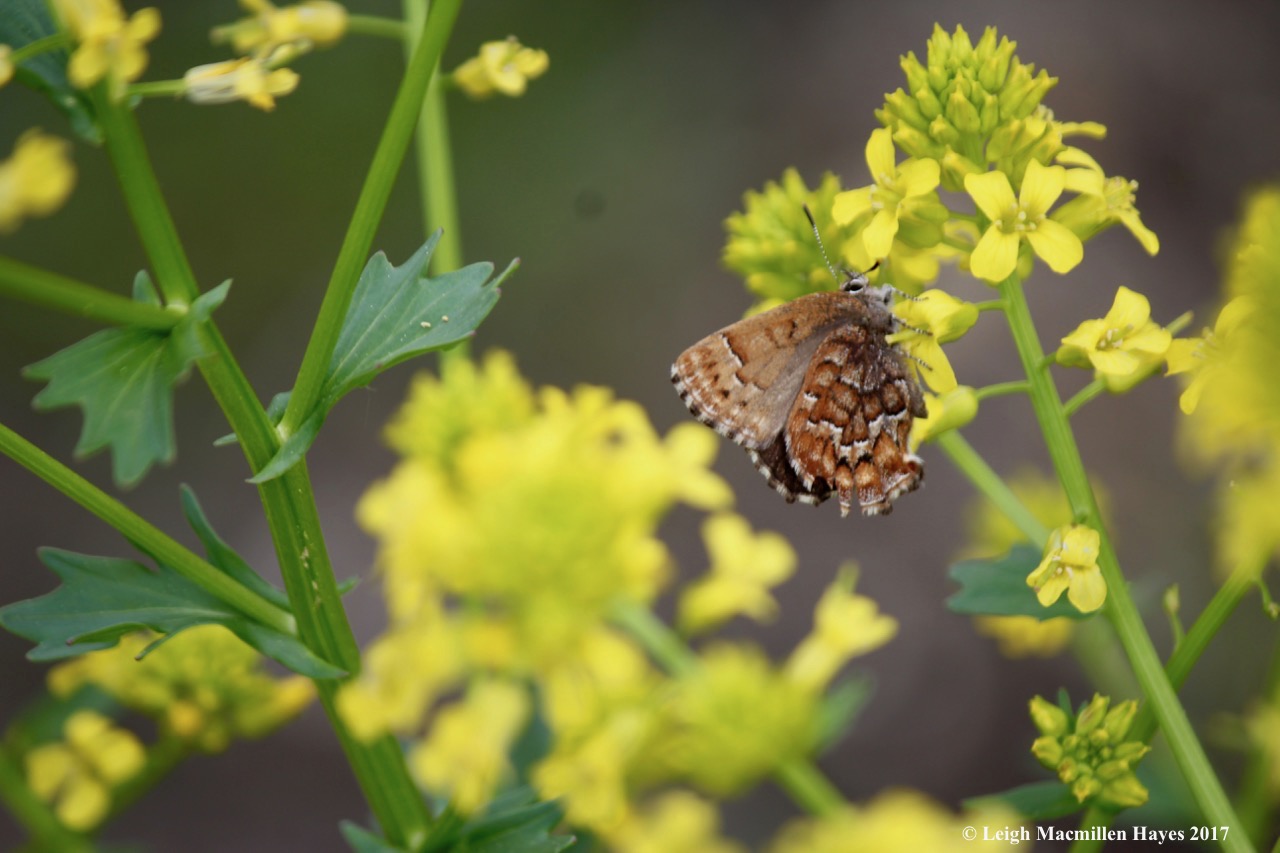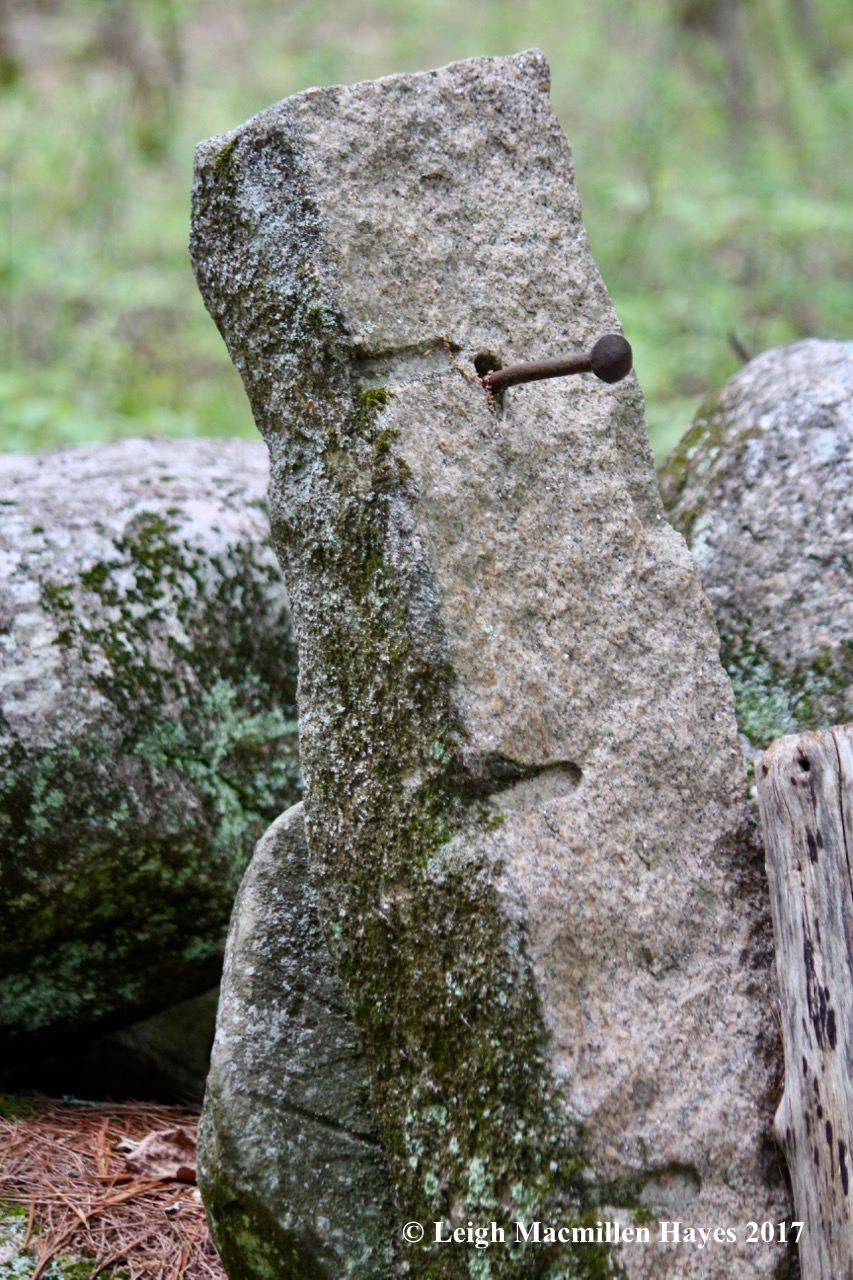
A Visit From Mom

We stood in her bedroom and peered into her closet, then I grabbed a shirt and was about to close the sliding door. It was Dad sitting on my shoulder, who reminded me, as he always does, to pull the string and turn off the overhead light.

Next I remember, she was getting ready to walk the three of us down the road to the bus stop. And grab the next-door neighbors on the way. We all always walked together.

That was my childhood neighborhood. My adult neighborhood is a wee bit different, but in a way, really the same. The length of our road is the same, with the same number of houses lining the street. We live at the dead end as my family did growing up. And it’s nothing but field and forest beyond.

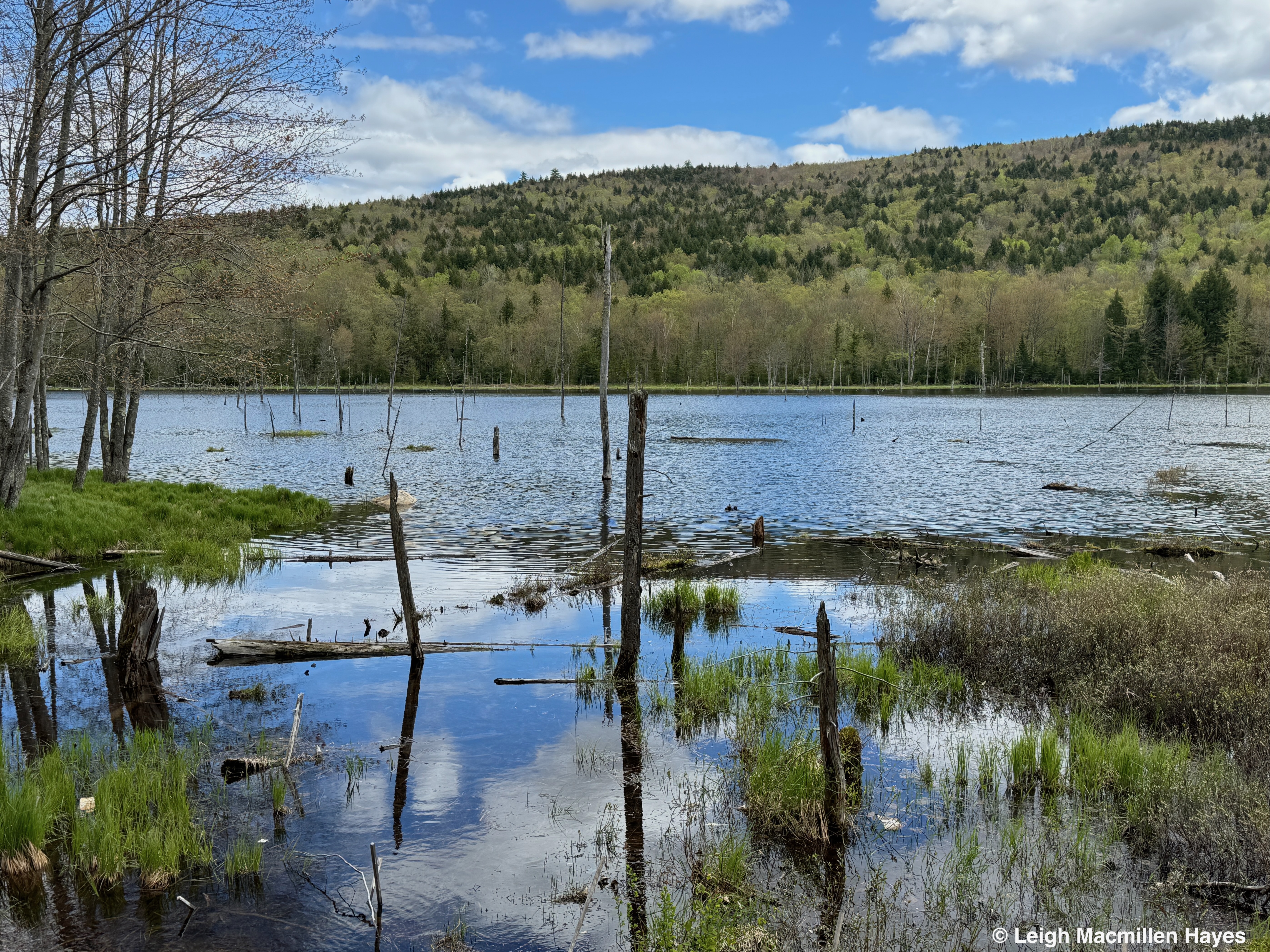
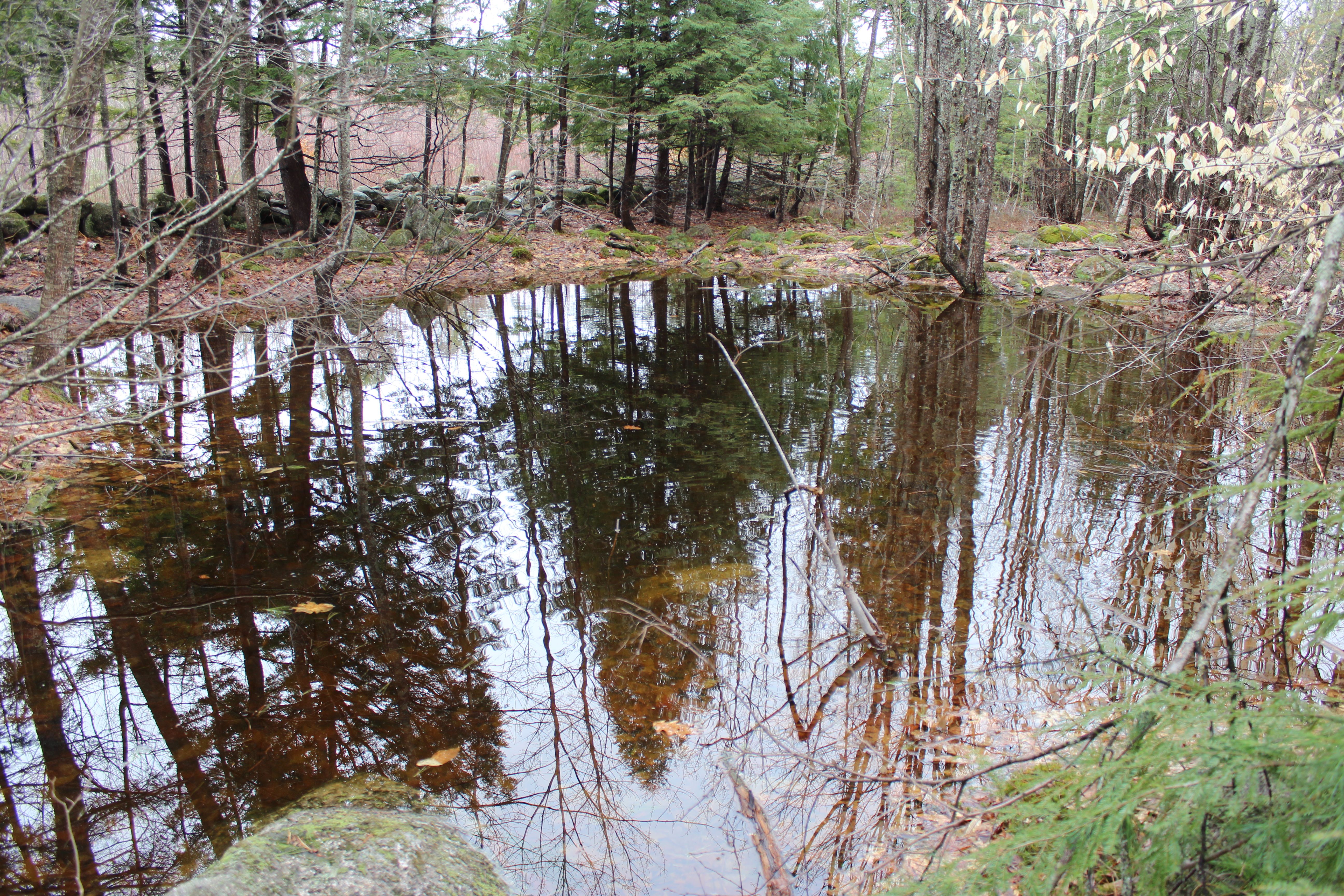
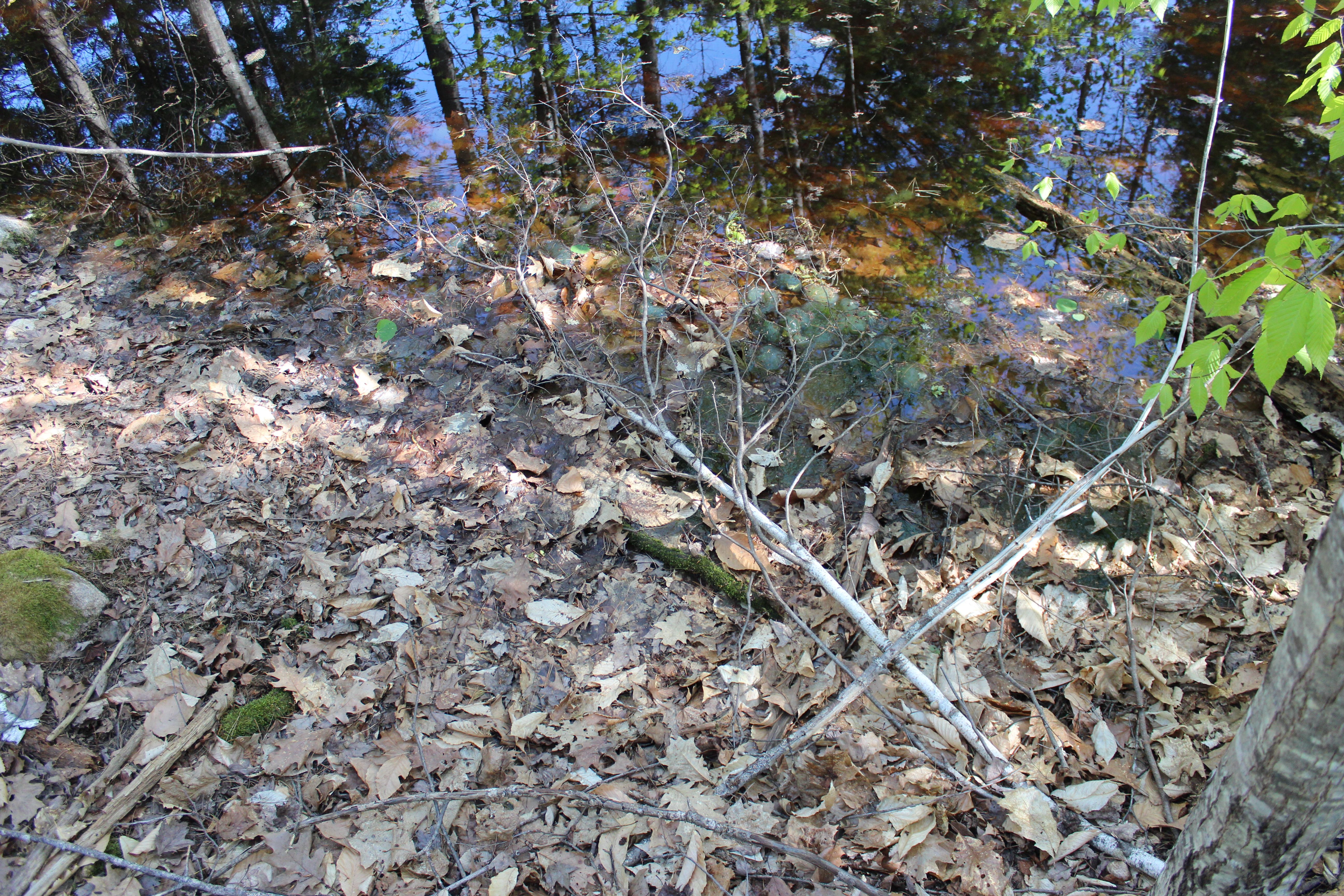
One of my favorite parts about my current neighborhood is the vernal pool that I refer to as “MY” vernal pool even though it’s on a neighbor’s property. So, neighbors are still an important part of my life.

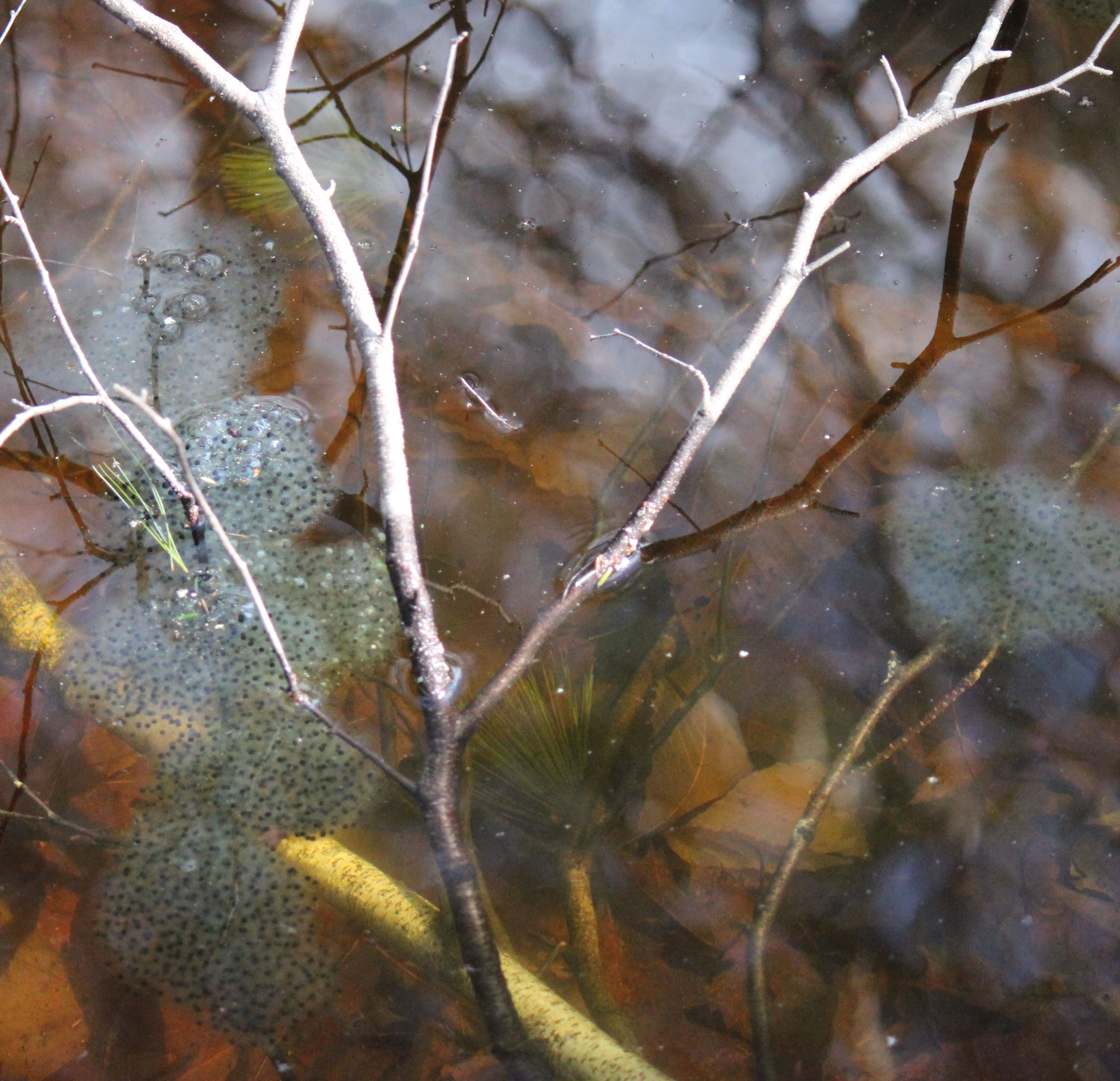
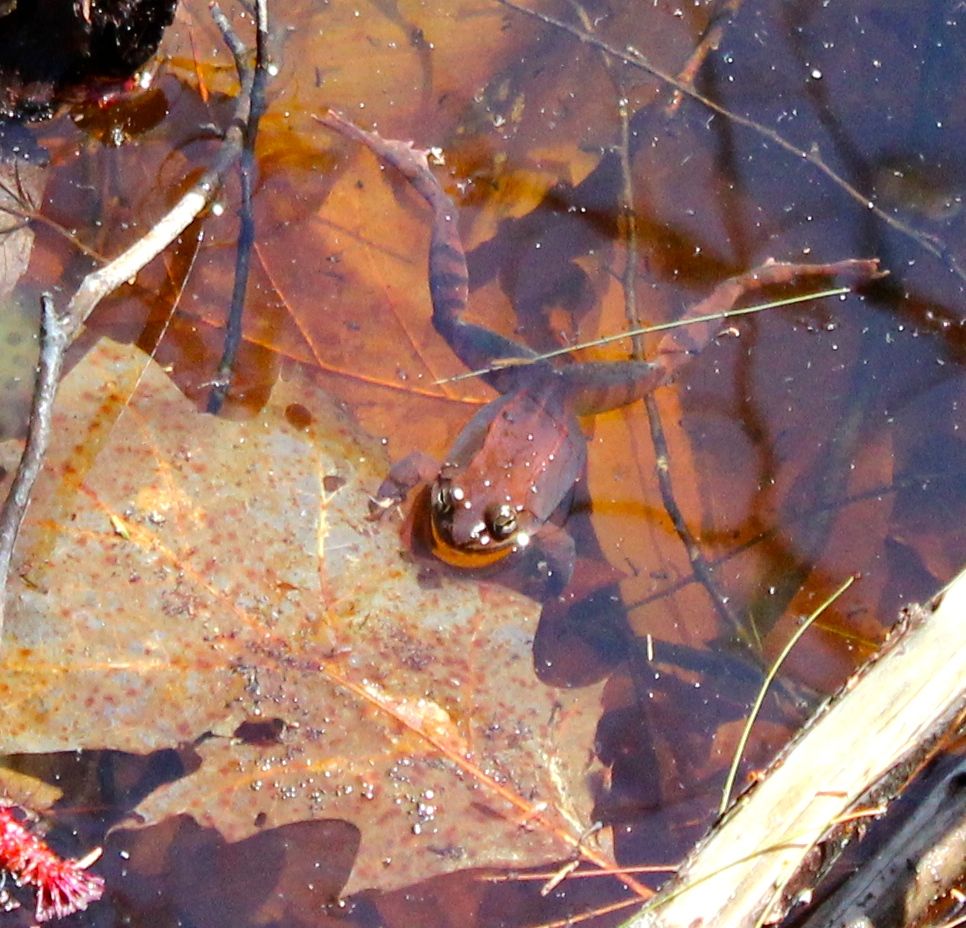
And while visiting the vernal pool to check on my amphibian friends yesterday as days of rain drew to a close, I discovered two new residents I hadn’t met in this space before.
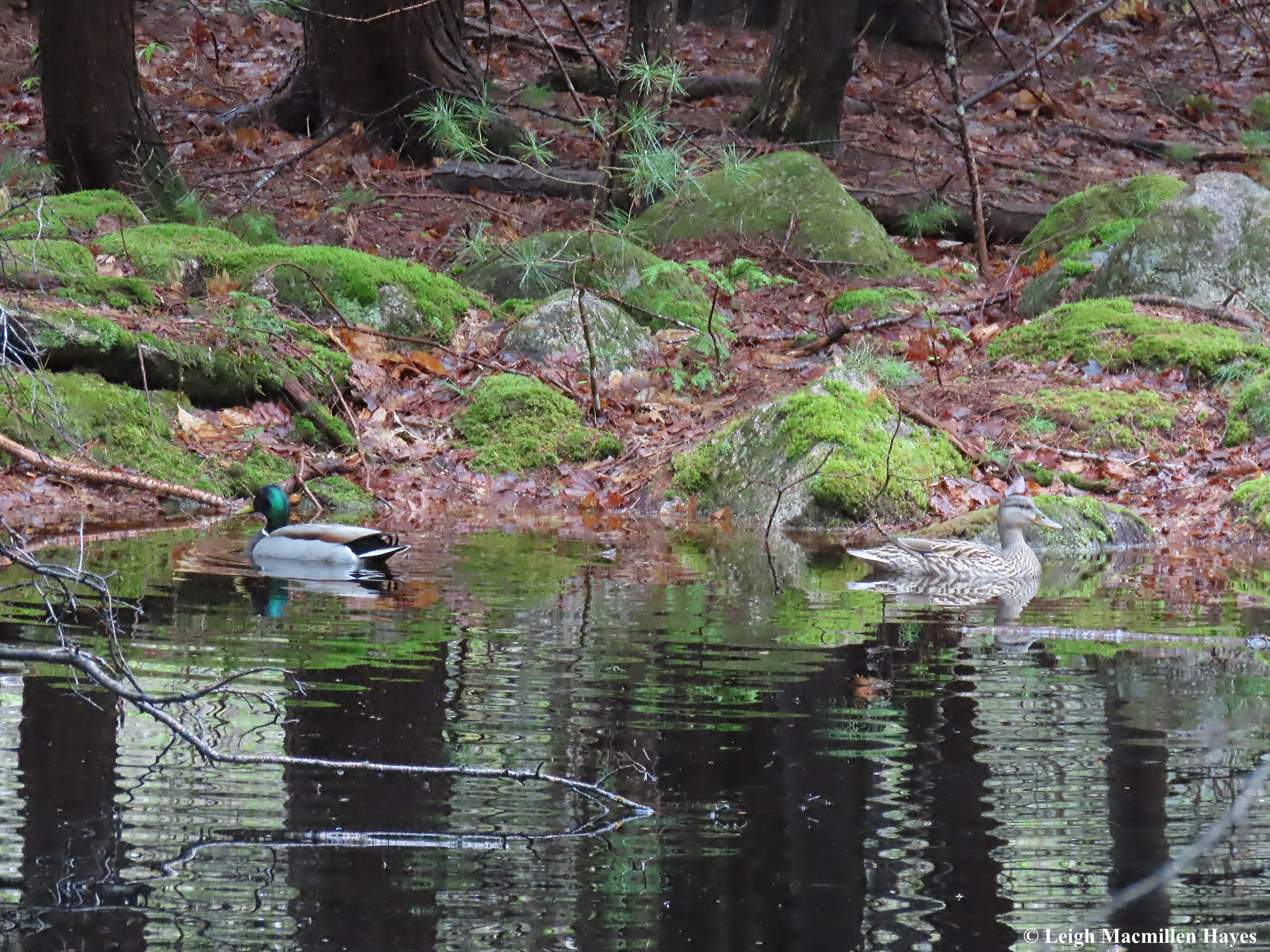
Maybe Mr. and Mrs. Mallard have visited before, but in 30+ years of my journeys to this spot, I’d never encountered them. My first response was to scare them away. Thankfully, I came to my senses quickly.

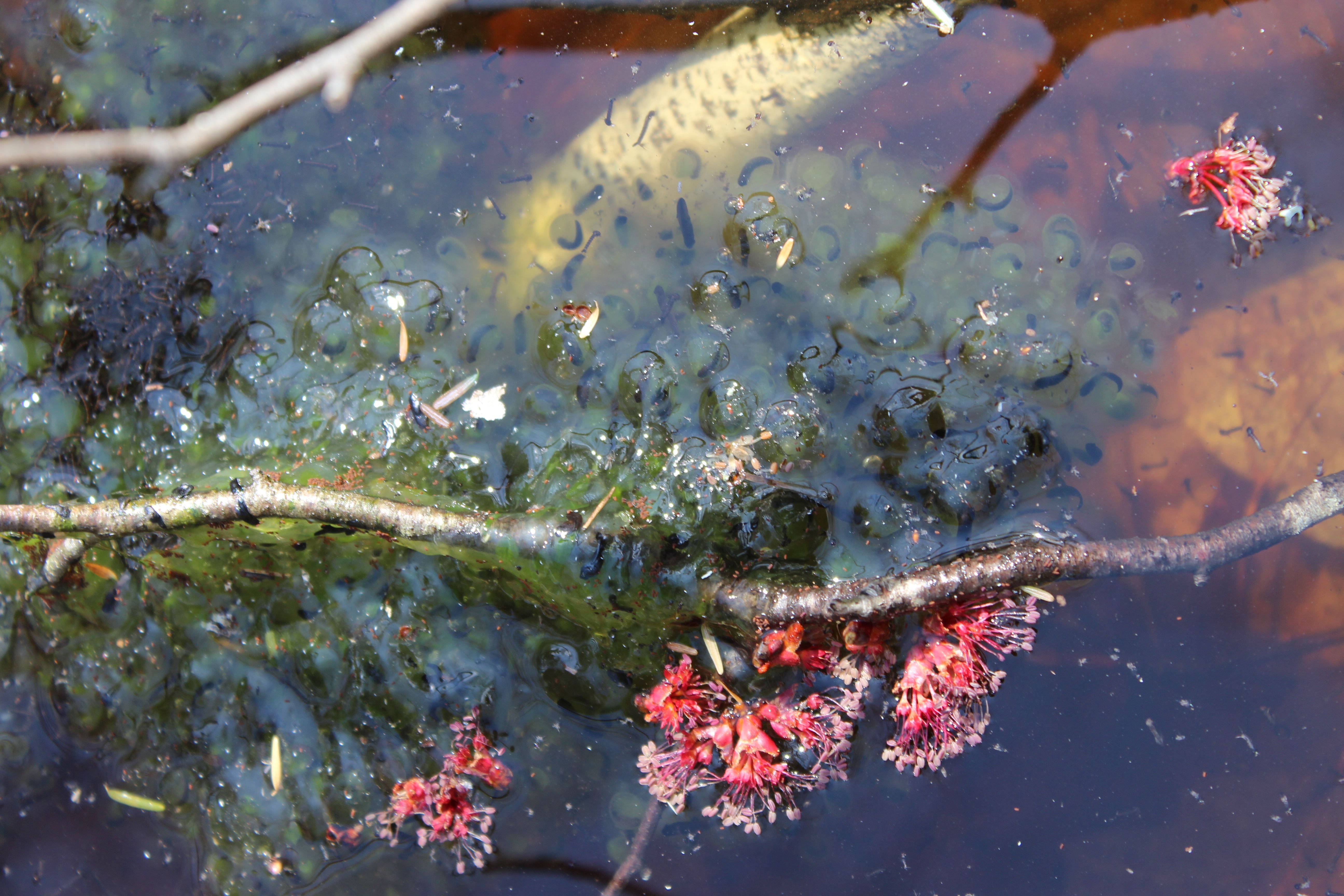
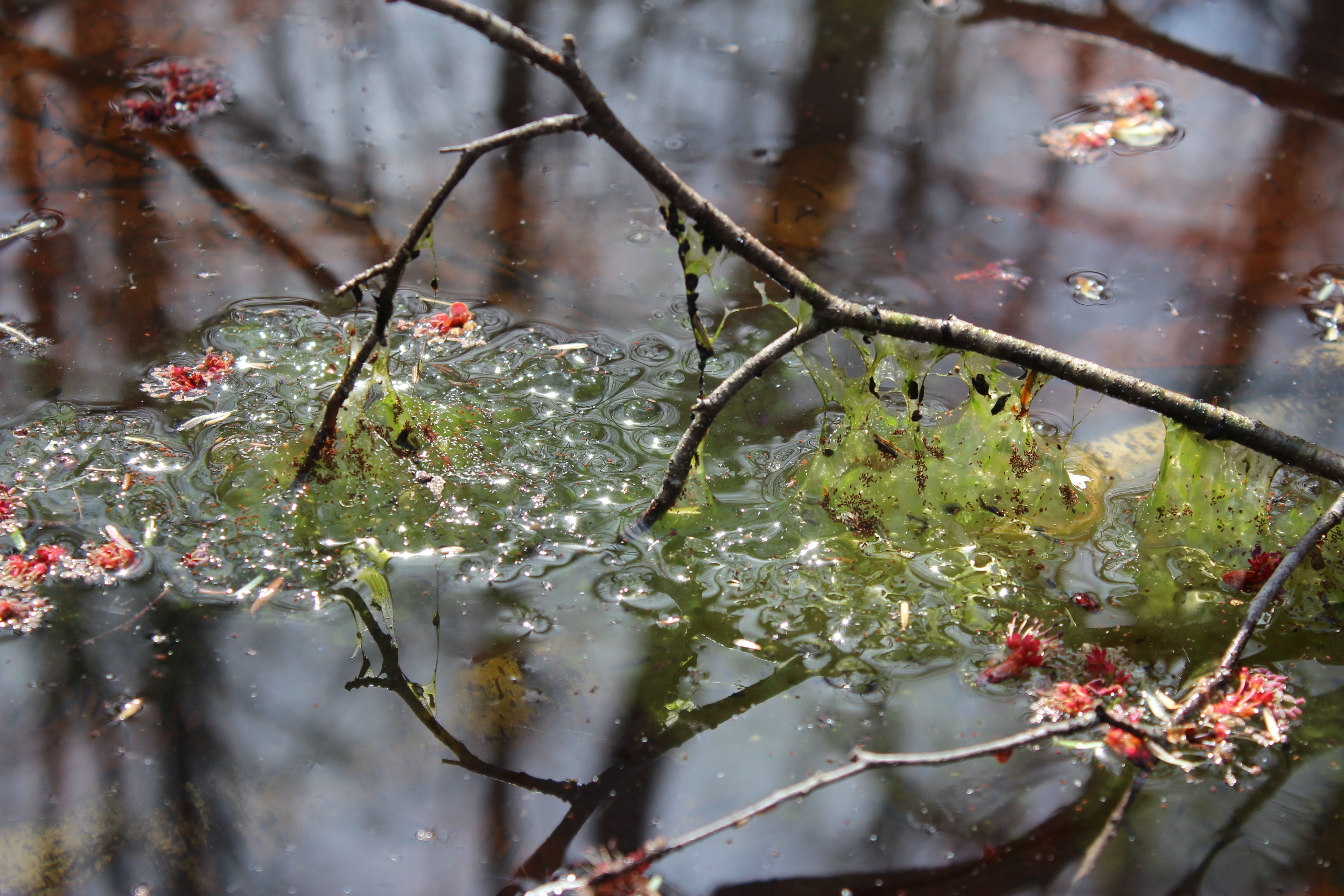
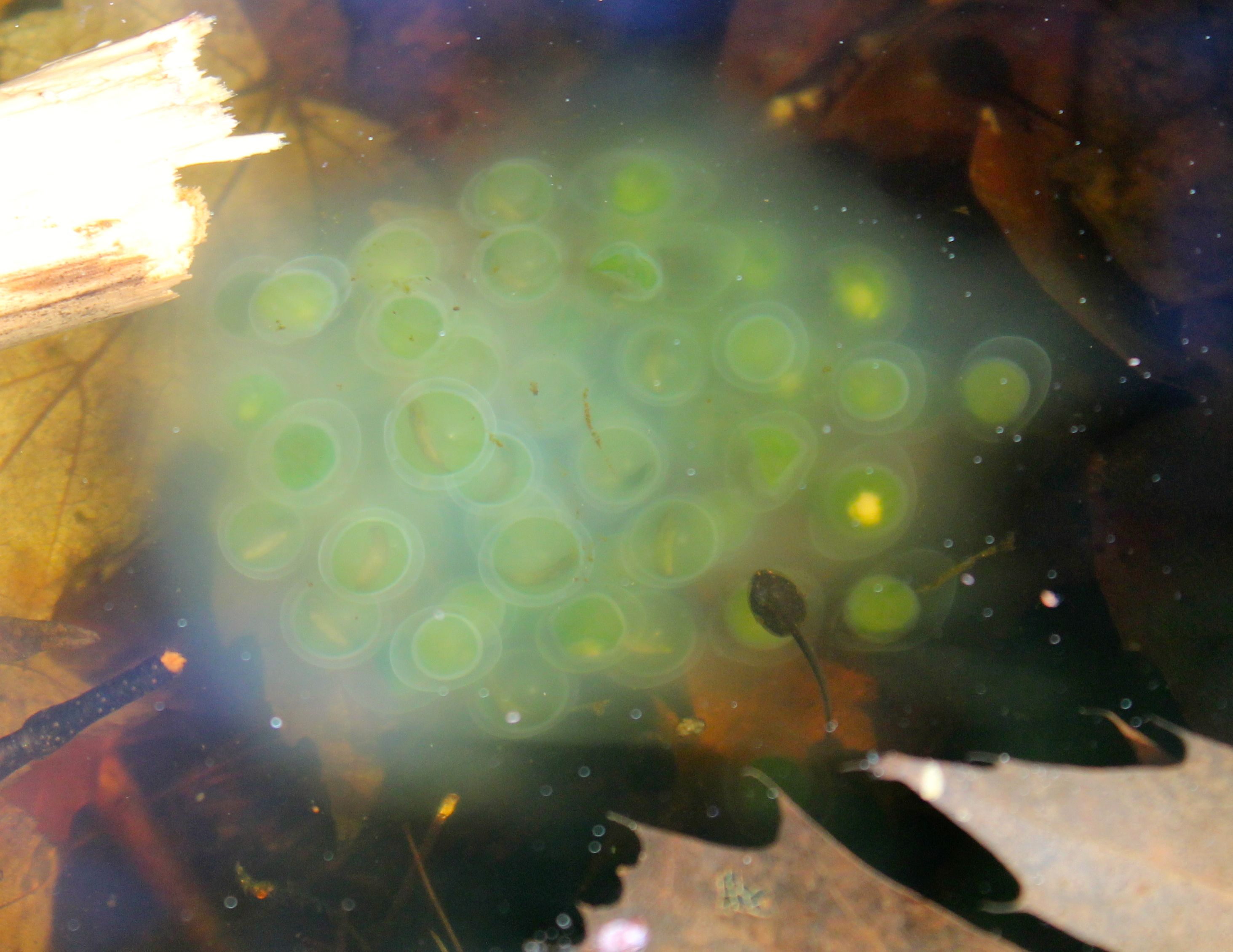
But in those first few moments, all I could think about were the tadpoles that were using the pool to develop. Their moms and dads had left the pool just after the eggs that contained embryos that turned into the said tadpoles emerged. And because those moms and dads only spend about two weeks in the pool and then return to their upland habitat for fifty more weeks of the year, I always feel it is my duty to watch over and protect them. And the ducks . . . might gobble them up.

But she excited the pool and looked tall and poised and I was certain their visit was just for a moment and so I gave thanks that I’d had the chance to spot them.

He added his own stature to the landscape. And my presence seemed not to annoy either of them.

Though my concern was that they’d gobble all the critters I chose to protect, I did think that if they had any interest in the larval Mosquito wigglers or their pupal tumblers that looked like little bullet forms, then have at it and eat away. Just don’t touch my Wood Frog and Spotted Salamander tadpoles. “MY” tadpoles. Synonymous with “MY” vernal pool. Located on a neighbor’s property.
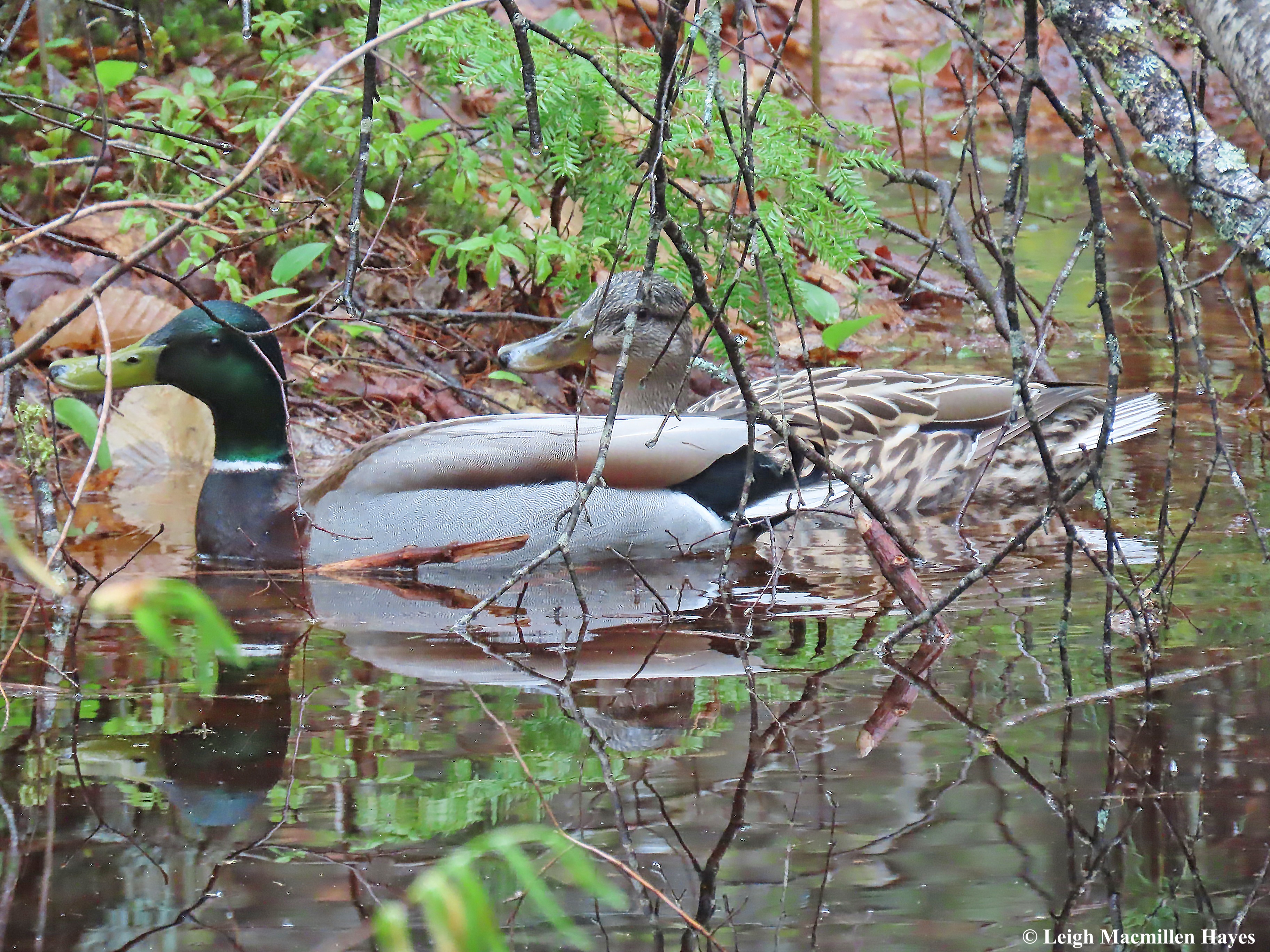
As I walked around the pool, the Mallards swam, and I realized that I’d forced them into the spot where the egg masses had been laid and I wondered how many they’d already eaten.
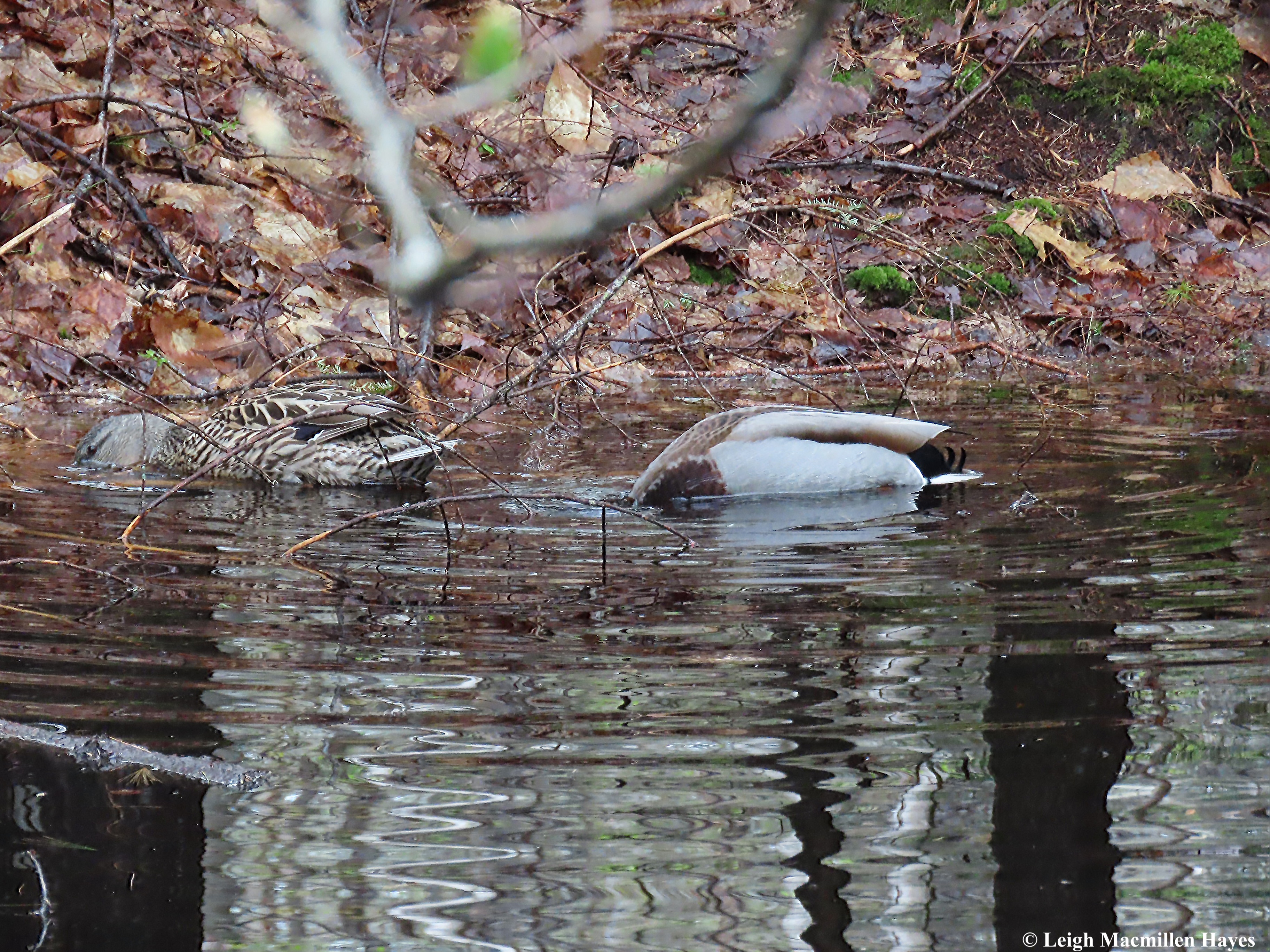
And then . . . they did start foraging. My only hope was that I know tadpoles quickly dart under leaves, so that might protect them. But what else could the ducks be consuming? Aquatic plants are few in this particular pool. Seeds, however, are abundant, so there was that thought. But really, I’m sure they were dining on my buddies as well as macro-invertebrates.

I tried not to think about it. Until I did.

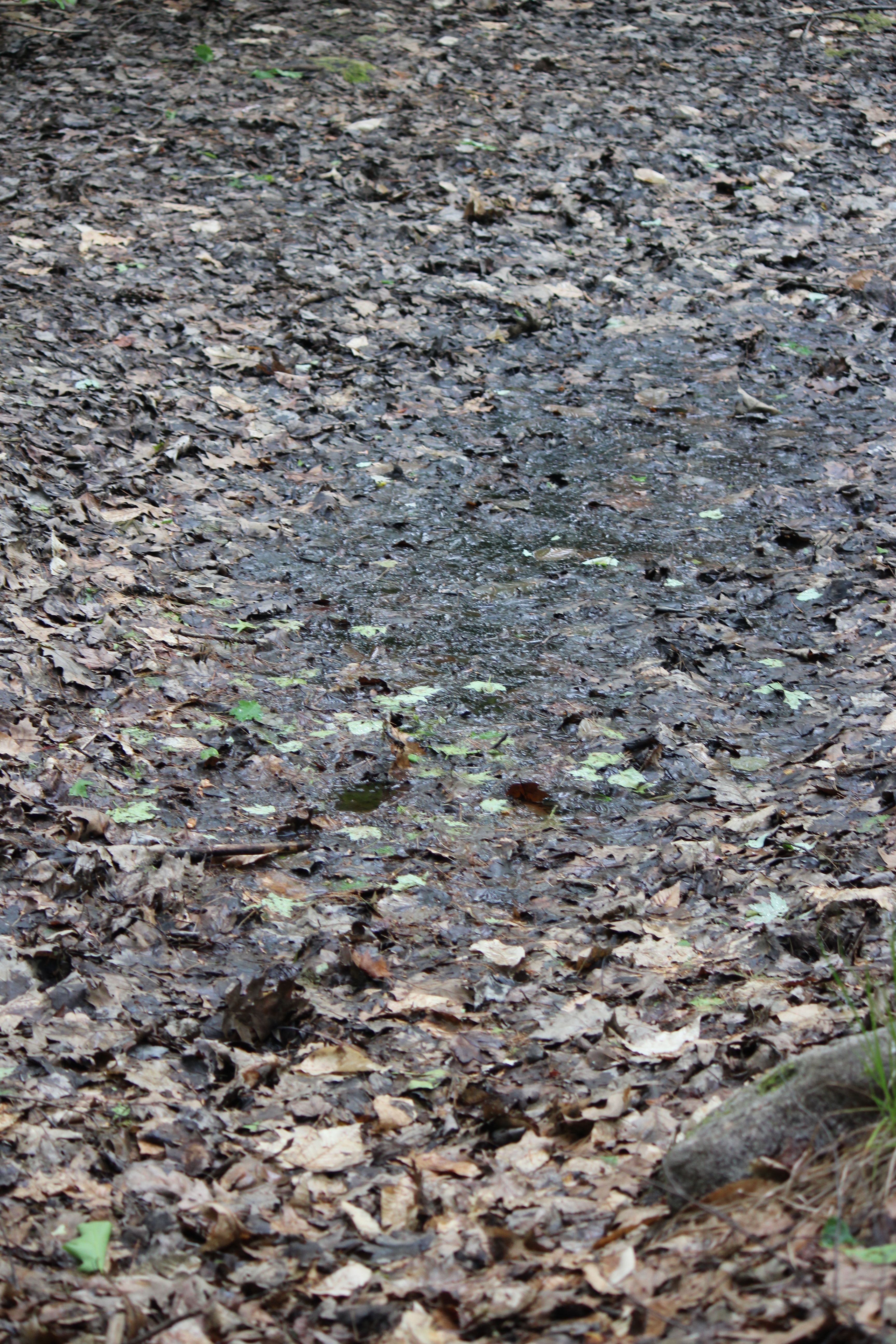
Two years ago, we had rain all spring and summer and this pool, which typically dries out by mid to late June, was full until September, and for the first time in my memory of decades of visits, I witnessed the tadpoles developing hind legs first and then front legs.

Last year, however, due to drought conditions, all dried out in a short time, and if any tadpoles metamorphed, it was quick. And I think this year’s egg masses spoke to that for there were far fewer Wood Frog masses, but over forty Spotted Salamander masses. Perhaps the latter sensed the changing conditions last year and enough were able to develop quickly into adults.

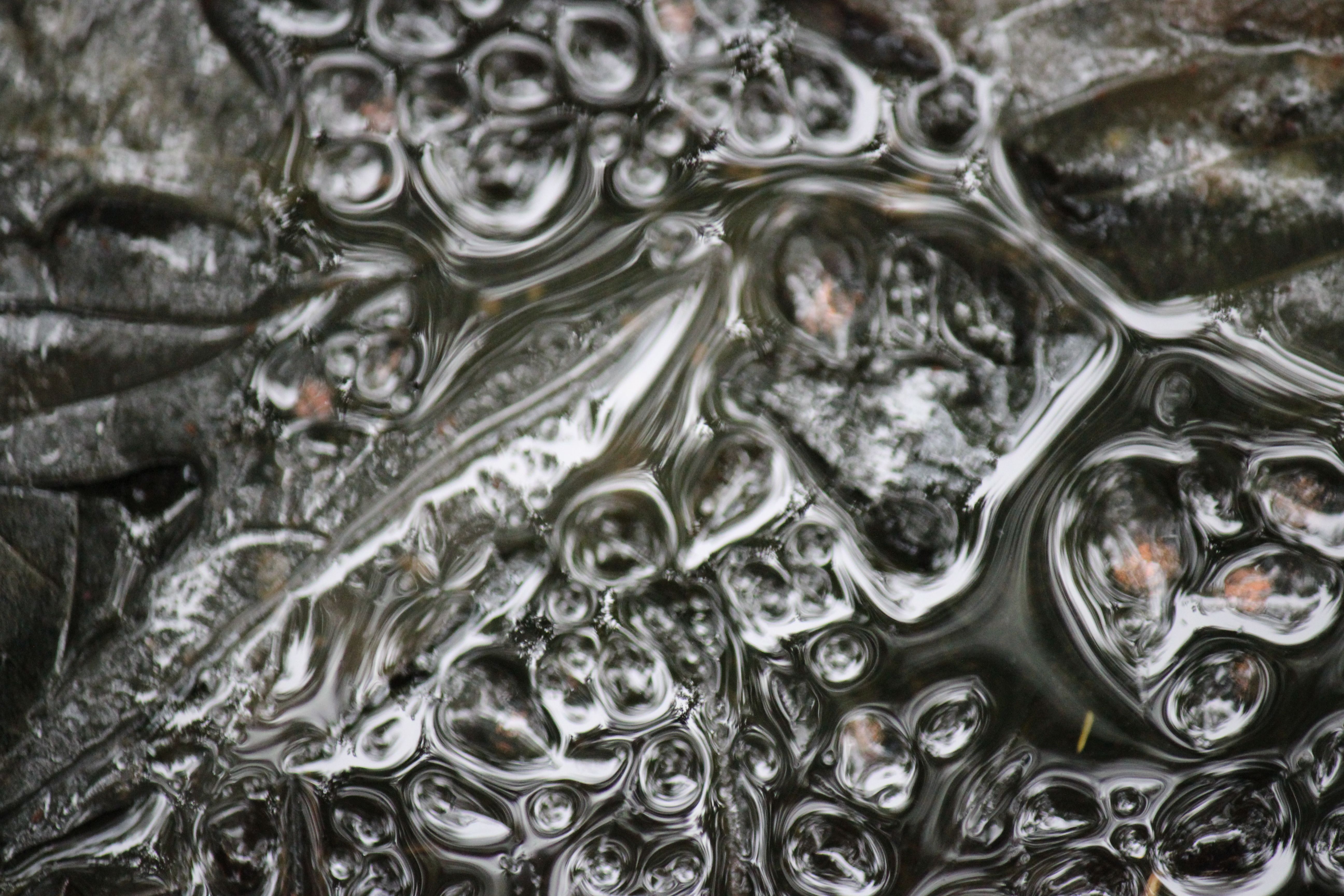
On the way home, I searched the trees in our woods and finally was rewarded with one showing off the suds of a rainy day–when pine salts turn into bubbles at the base of a tree.

The better surprise occurred just up the trunk, where I suddenly keyed in on intense activity, in the form of Crane Flies canoodling and jockeying for a chance to canoodle. They were fervent in their attempts.

Today dawned SUNNY, and after church I headed back out to the pool. At first I didn’t see the ducks, but within moments realized they were still present. And I began to come to terms with their presence because really I love them too. I just don’t want them to eat all my other friends.

While I looked down, a cat-like meow called my attention upward and there I spotted a female Yellow-bellied Sapsucker. And I was drawn back in time to watching Sapsuckers raise families in our yard and on land trust property and I wondered if this female was a momma and if so, where had she hidden her gang?

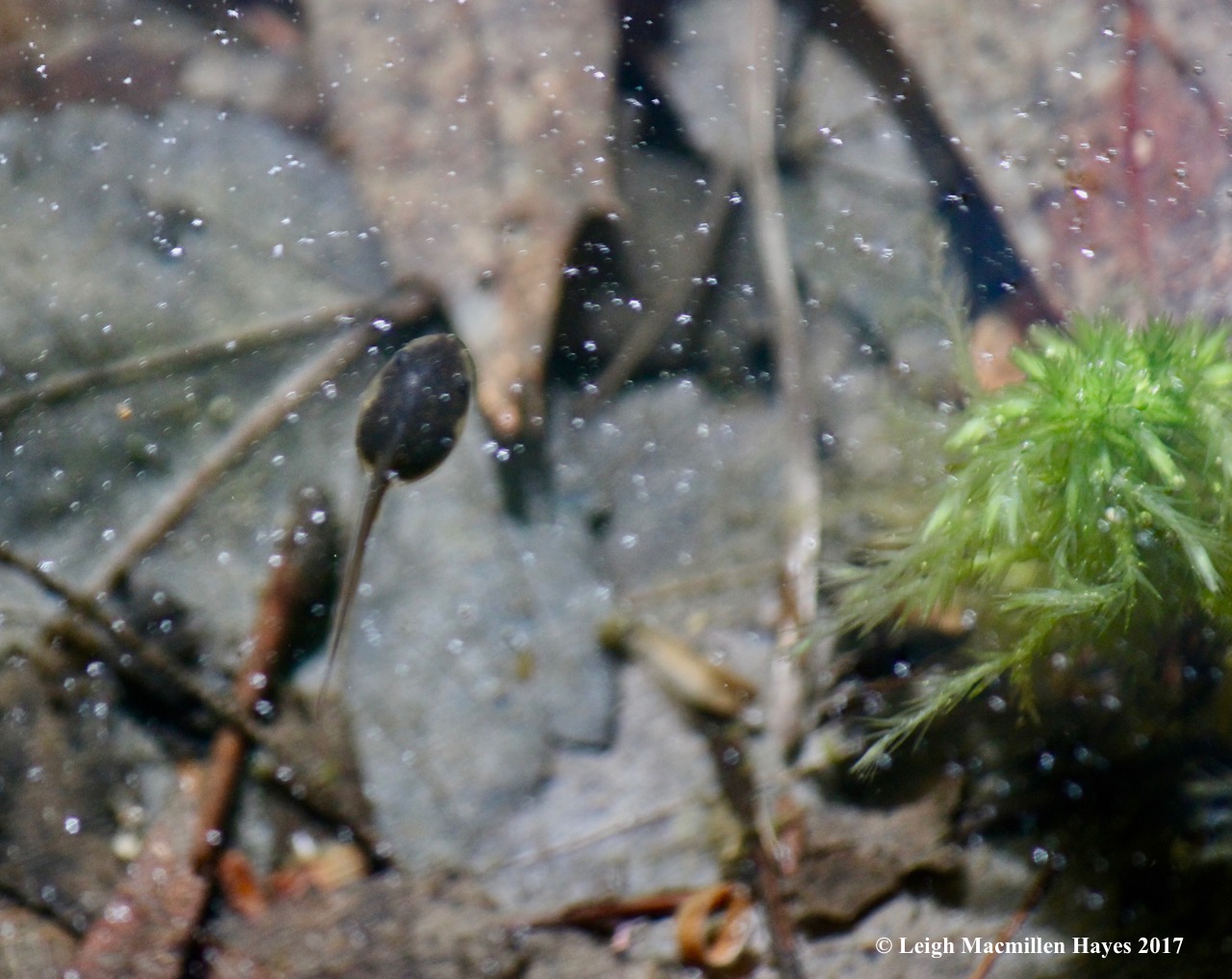
And then, because of the sunshine, I could peer into the water through my polarized sunglasses and tada, I still had tadpoles. This momma was pleased and proud. So, maybe I could share the space with the Mallards after all–as long as they promised to not eat all of my babies.
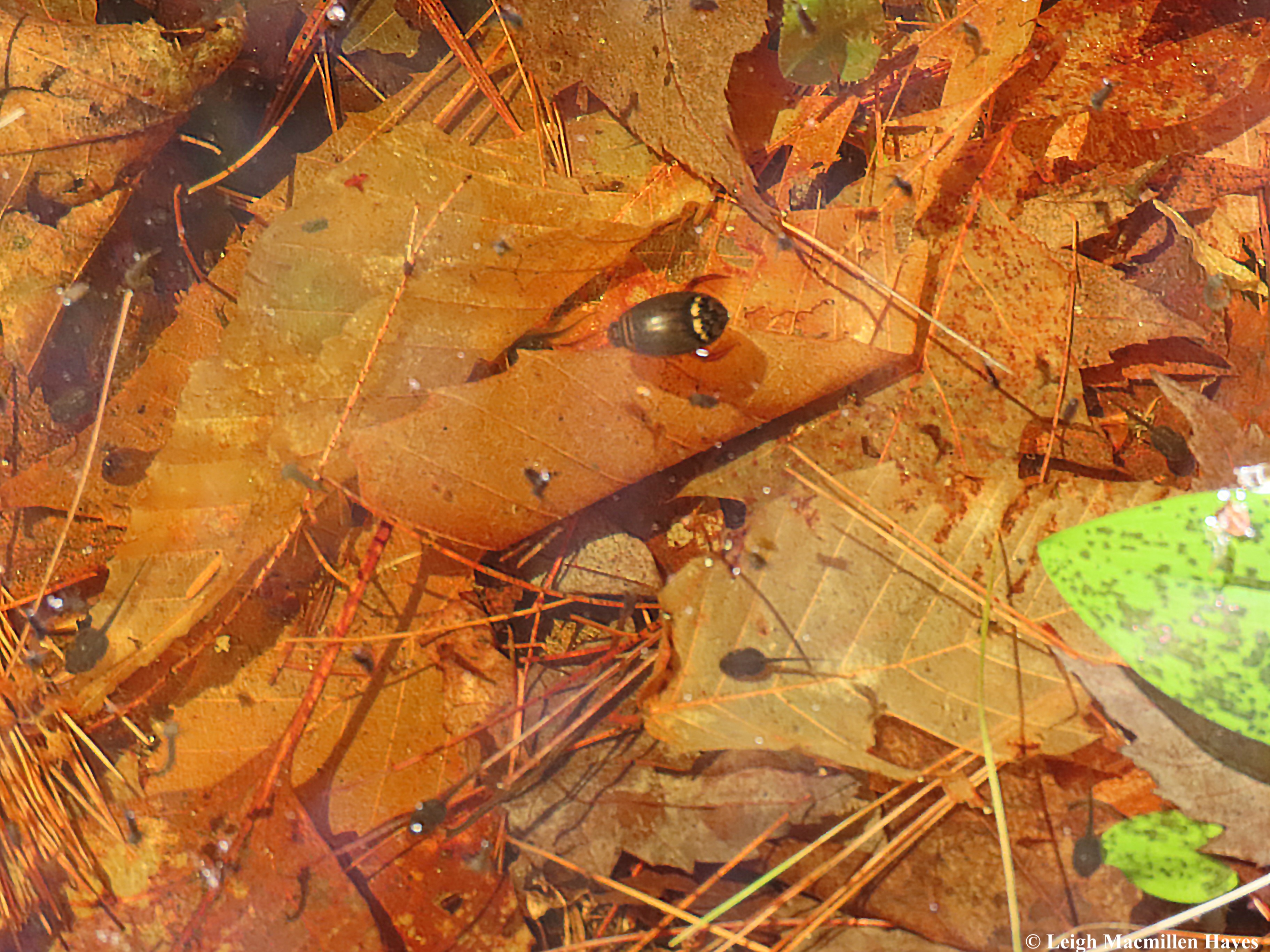
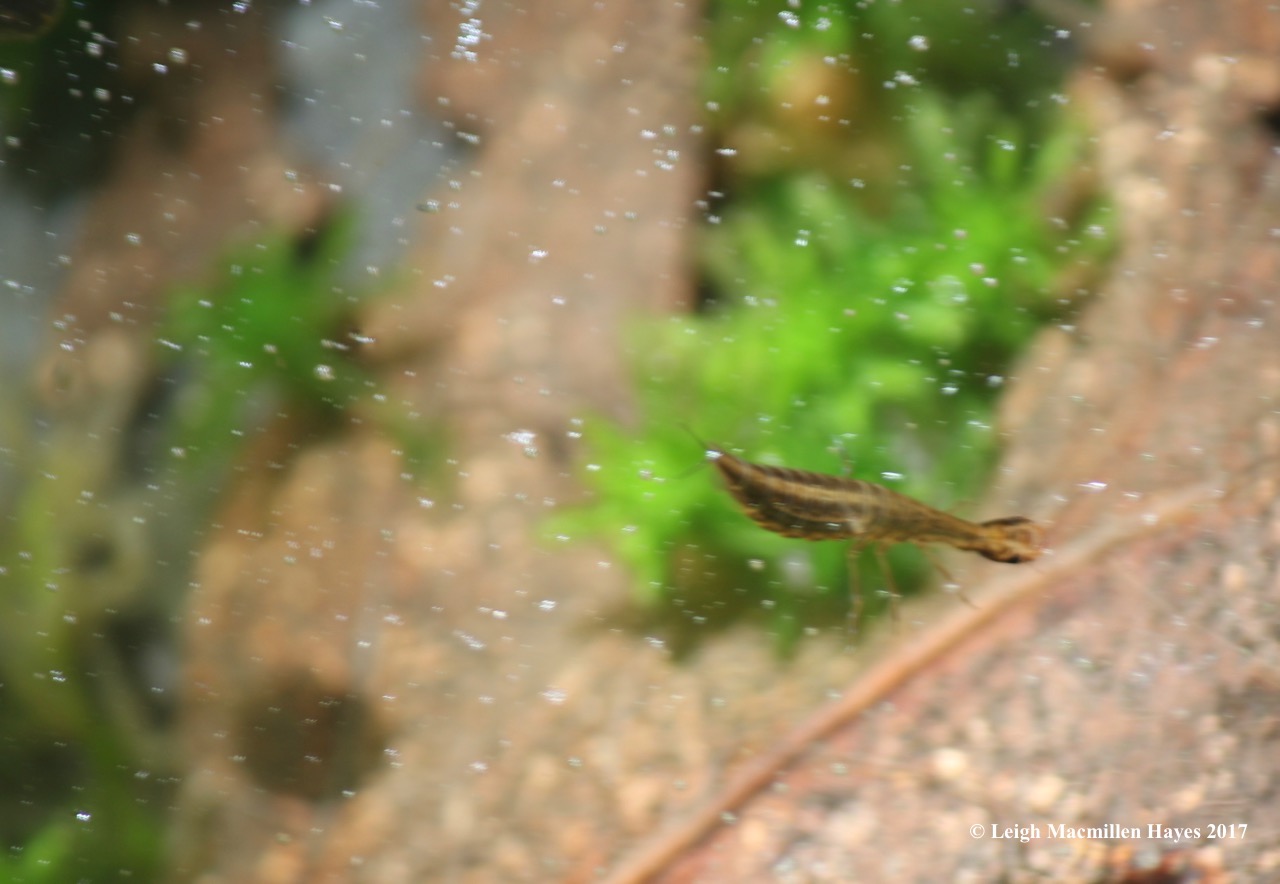
In the mix, I also spotted Predaceous Diving Beetles, and of course, the ubiquitous Mosquito larvae.

As for my ducks, ah yes, I’d now accepted them as mine. Really, they are a handsome couple. My next question for them is this: how long will they remain? That, I know, depends on how long the pool holds water. Which depends on how much precipitation falls from the sky. One thing leads to another, which leads to another, and so life goes on.

Upon a floating log within the pool, more life happened, this time in the Midges trying to canoodle with other Midges as a Crane Fly looked on.

As for the ducks, they again moved under the branches where the egg masses had been, but this time they preened.
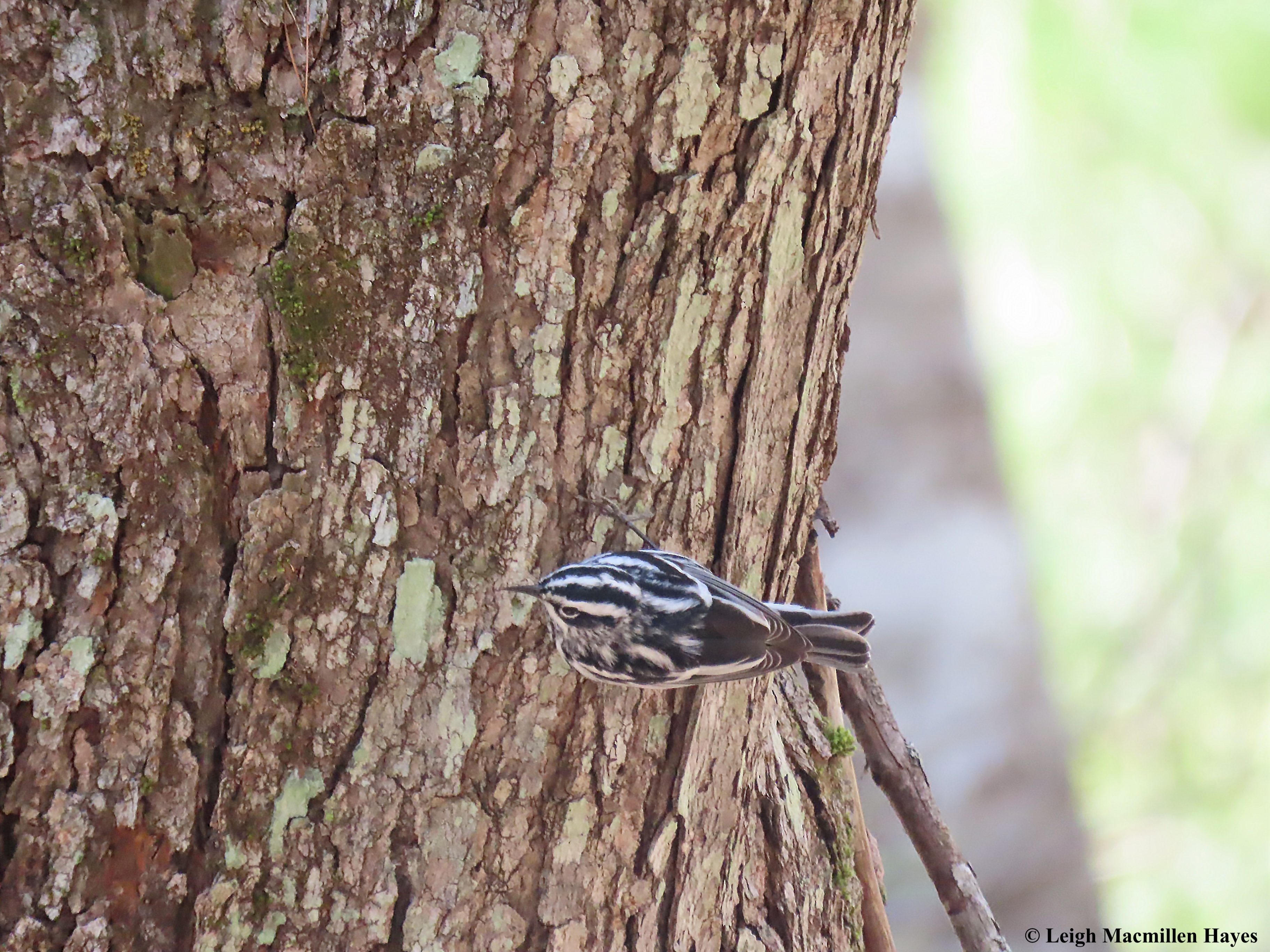
And into the midst of all, in flew a couple of Black and White Warblers, and I felt rewarded once again for being in this place at this time.
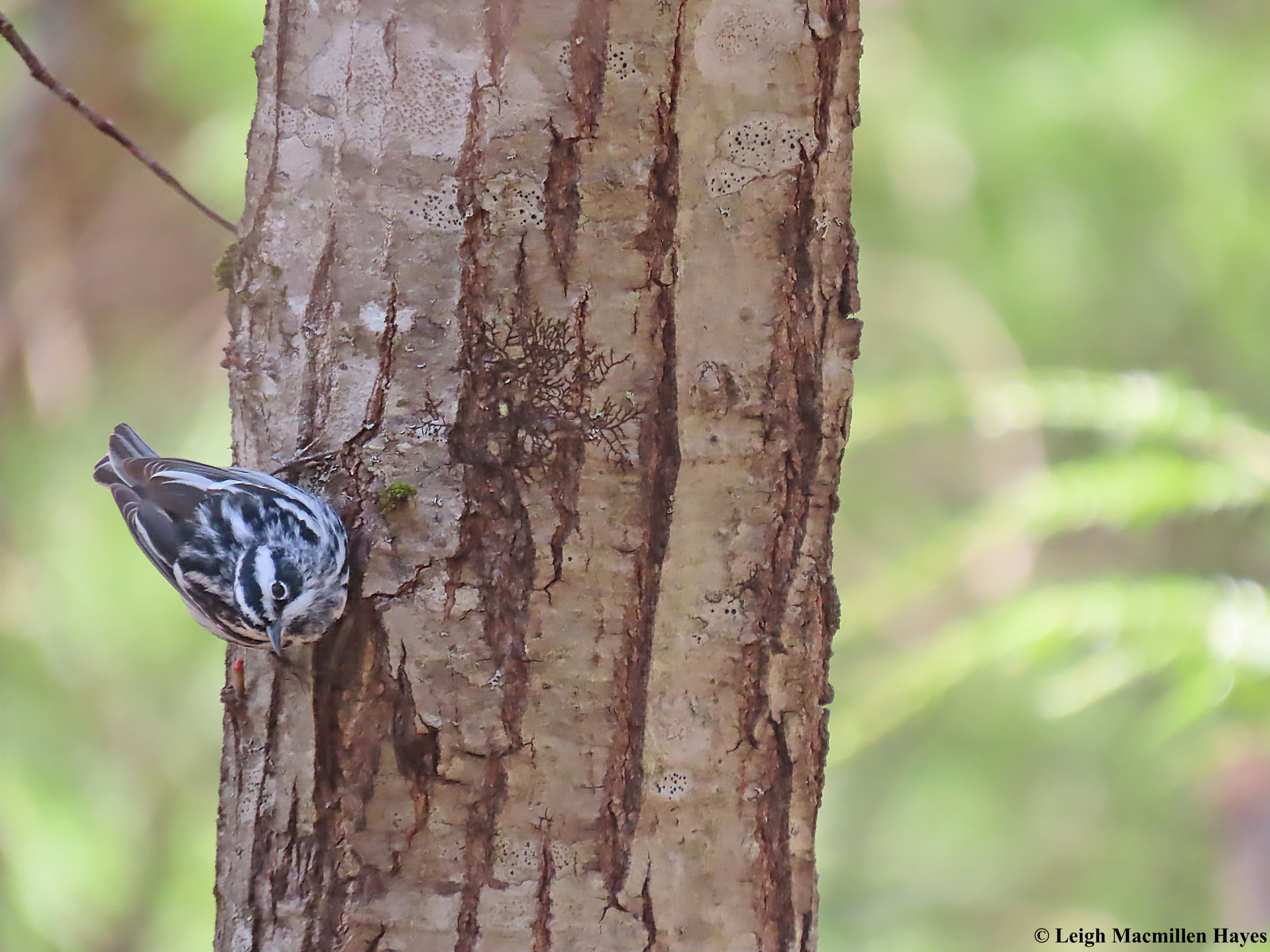
Zebra birds might be another suitable description.
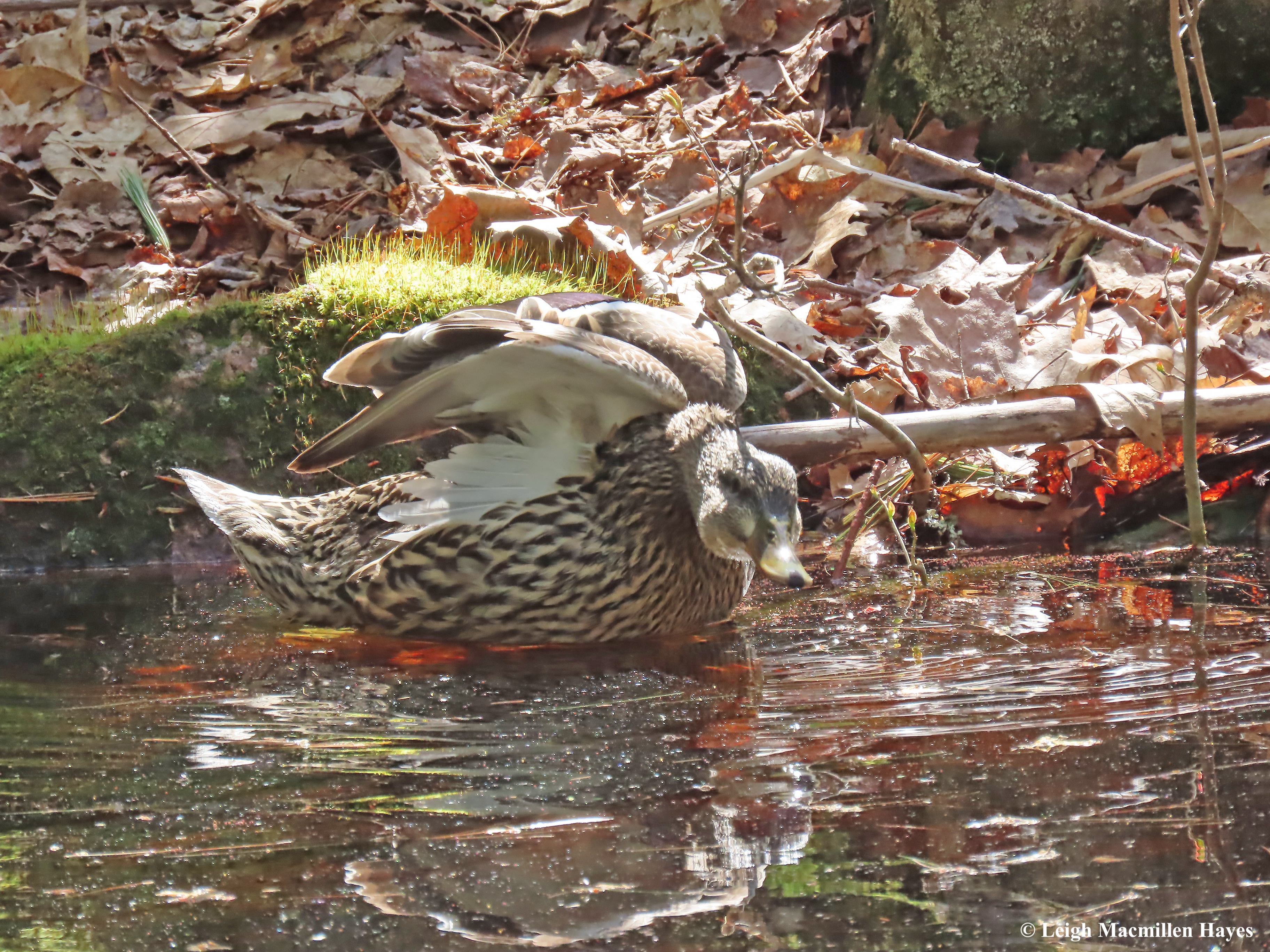
A few minutes later and Mrs. Mallard demanded my attention once again as she took a bath.

And then she climbed upon a rock in the pool, while he circled around for a while, protecting her or so it seemed.

She finally settled and he joined her, pausing to preen.

And then they both took a nap. Apparently my presence wasn’t a concern.

Thank you, Mom, for your visit. It was so awesome to spend some time with you last night. And thank you for making me realize that we don’t have to necessarily be moms to human children, though I do give great thanks for our boys who have been in touch throughout the day even though we couldn’t be together, to be nurturing. To all who guard and watch over human babes, and amphibians, and birds, and insects, including monarchs, and furbabies, and you name it: Happy Mother’s Day. Your efforts are gallant. Your souls are brave. Your hearts are full.

I love it when my parents show up in my dreams, but couldn’t believe my good luck today to wake up after a visit from Mom.

Savoring Spring

My paths were multiple this weekend as if I was on a quest.

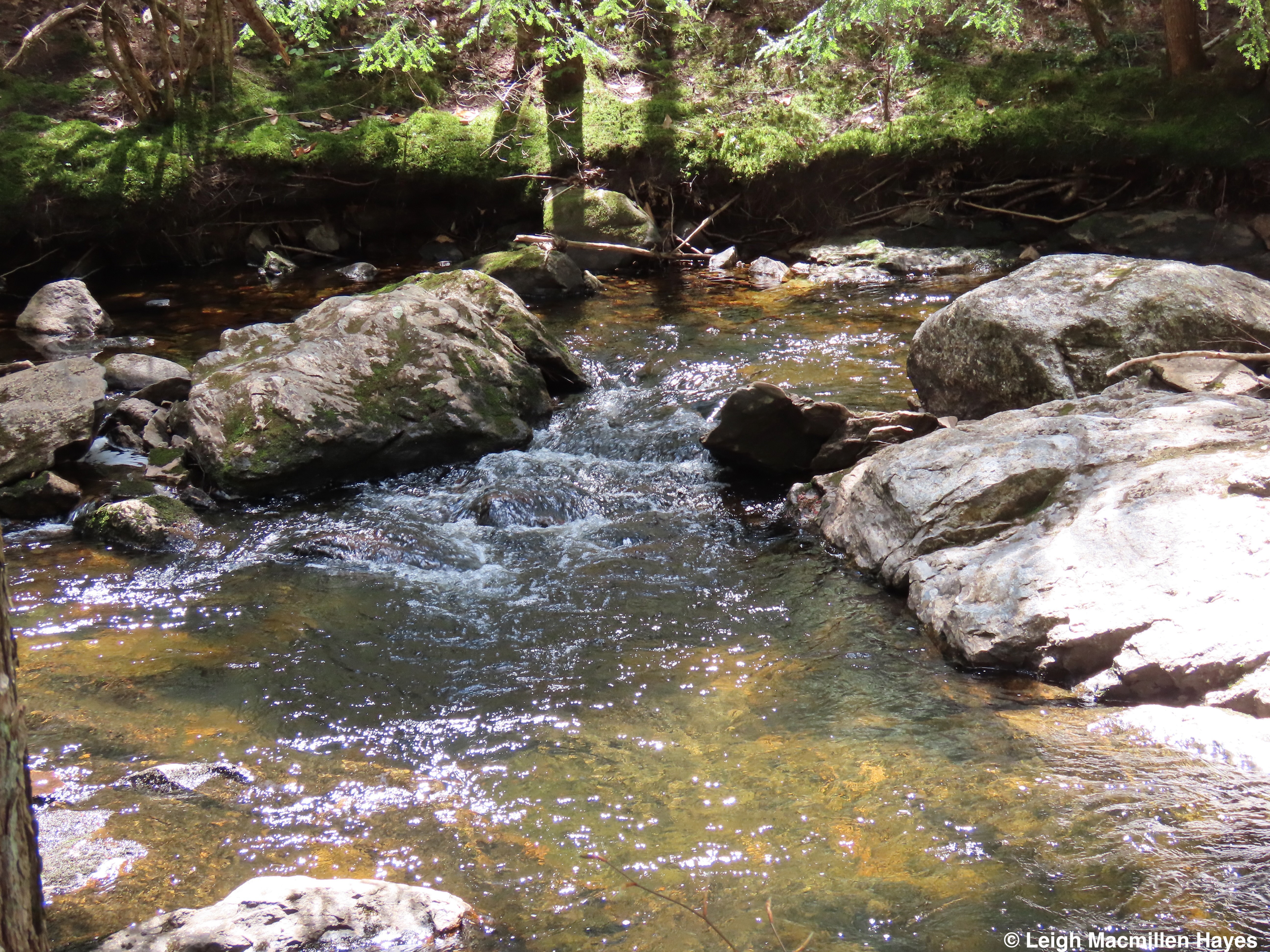
On a bridge over a brook,

down a road through the forest,

beside a bog,

along a boardwalk,

and even following this guy down low and up high.

Together today, we circled another brook (if one can actually circle a brook, but we did),

enjoyed this view from lunch roots,

and dessert on the rocks where we could peek down on said roots.

Though I may have been alone for much of the weekend, I never really was for the bird song, including the conk-er-ies from this male Red-winged Blackbird, accompanied me where ever I hiked.

There were Eastern Chipmunks adding to the chorus as they chortled at me and I chortled back, though I did wonder if life hasn’t always been so easy for this one given the marks on its body and a very short tail.

I watched Painted Turtles bask, despite cooler temperatures, though the air was probably warmer than that of the water.

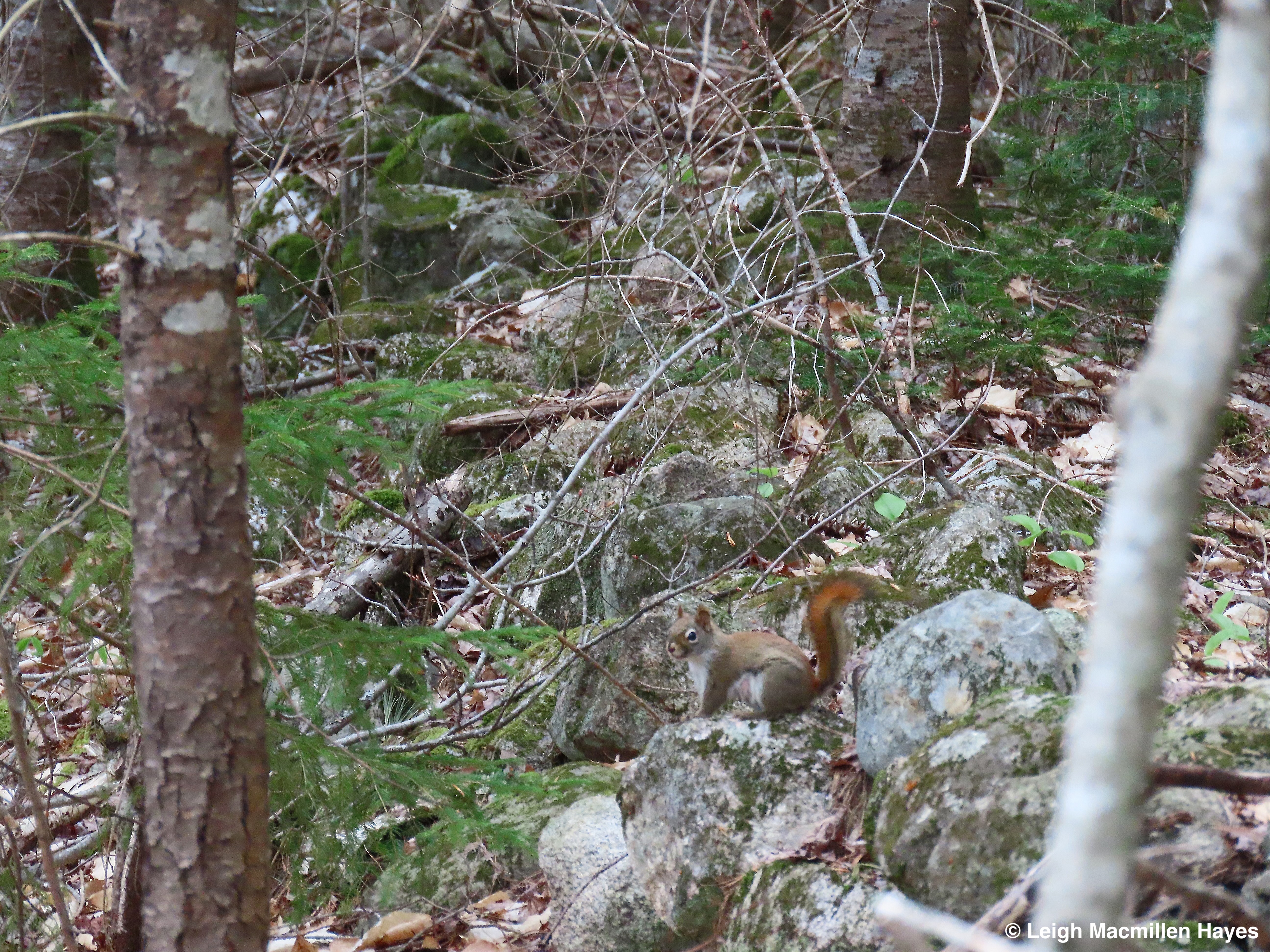
And I was chastised by this Red Squirrel, but really I had done nothing wrong–except to enter his territory without an invitation.

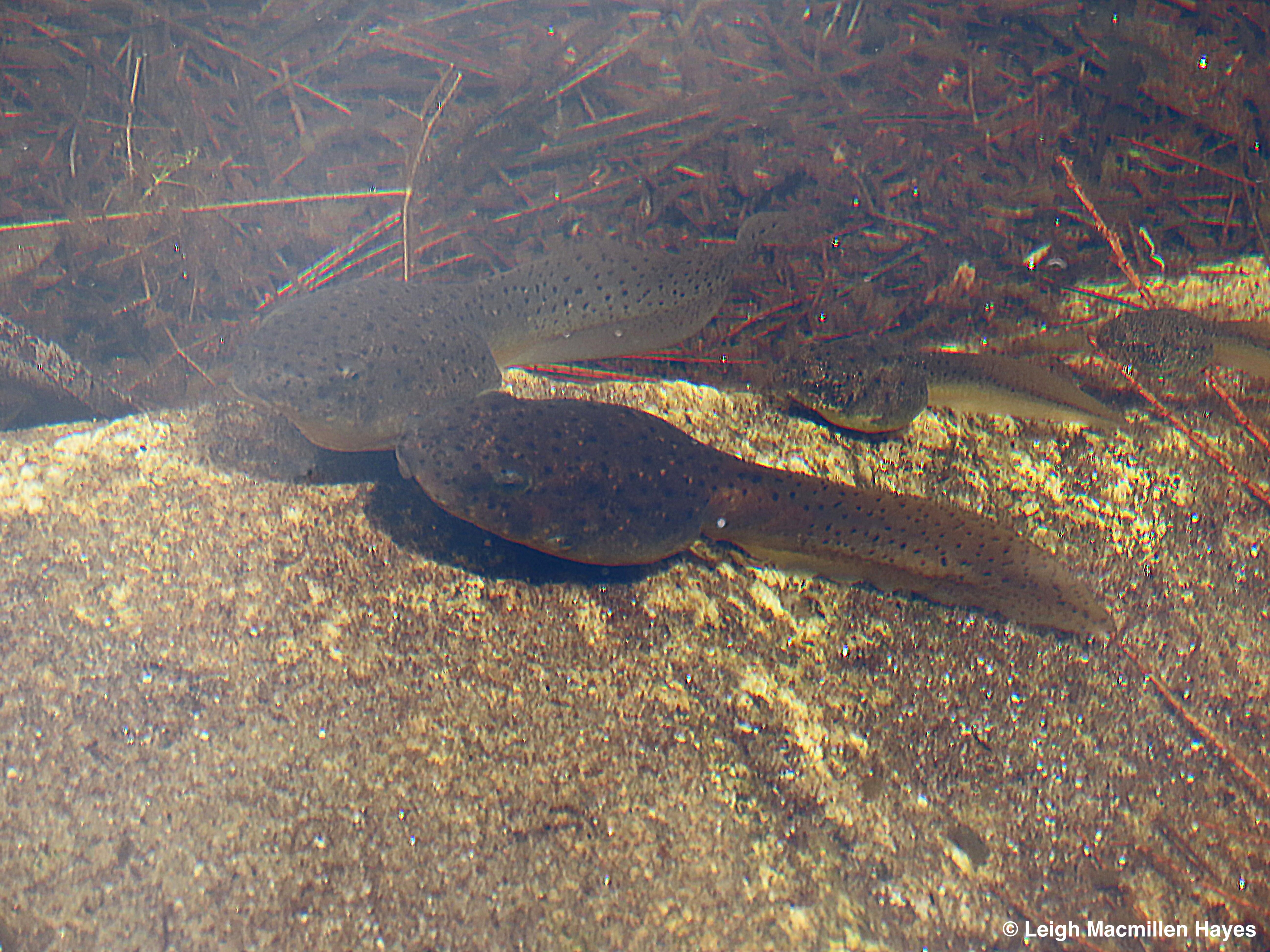
In the depths of the water today, tadpoles. HUGE tadpoles of the Bullfrog sort, which take two years to mature. I spotted tiny hind legs growing beside where the abdomen meets the tail. There were also lots of smaller tadpoles, too big to be Wood Frogs or Pickerel, but I suspected either one-year old Bullfrogs, or perhaps they were Green. Or both.

A few flying insects also brightened the days (and I have to say I’m not referring to Black Flies, which I hardly spotted–and actually caused me concern, for where have the little biters gone?), including this Anglewing butterfly. I can’t name it to species, for it is either a Comma or Question Mark, but never in the time I watched did it pose so that the underwings were visible. Okay, so My Guy and I spotted it today and when I explained to him the difference between the two, the C having a small white comma on its underwing and the QM, a small comma and a dot looking rather like the punctuation mark, he decided it must be an Exclamation Mark instead.

And in the same area, an American Lady added her color to the scene.

Leatherleaf’s bell shaped flowers reminded me of clothing hanging from an outdoor line.

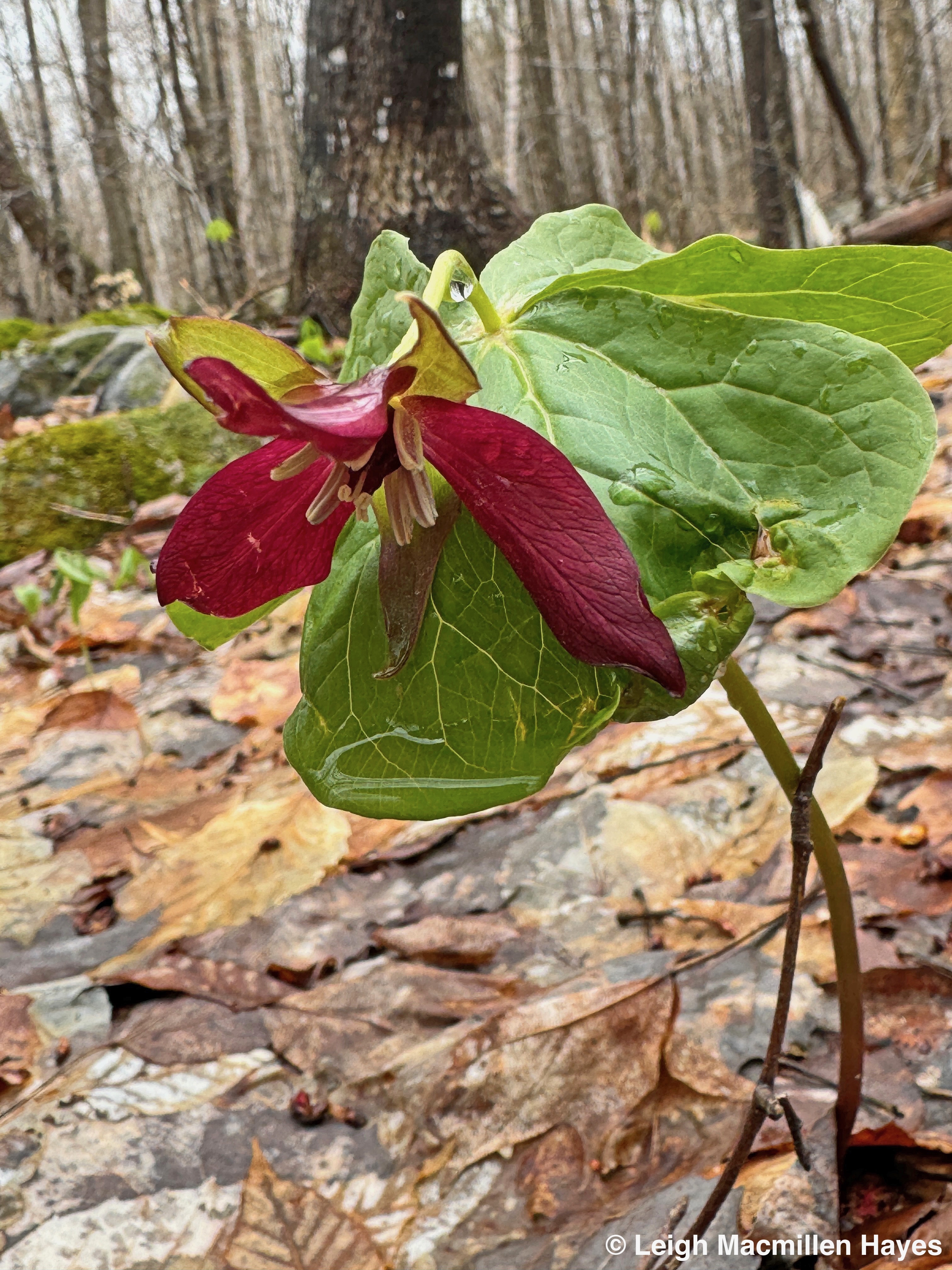
And I’m really beginning to believe there are a trillion Painted Trillium, though I didn’t actually count. There’s something to admire about those olive green leaves and perhaps it’s that we don’t often see that color in nature.

I even spotted a few that chose a different paint palette. I could explain away the color of the leaves by thinking that perhaps they were showing off their anthocyanin, which gives fall leaves their red color and is seen in the spring as well, perhaps serving as a sunscreen for the plant. But the color of the petals was equally amazing, though who knows, maybe it’s common and I was just paying attention to it for the first time. That does happen. A lot.

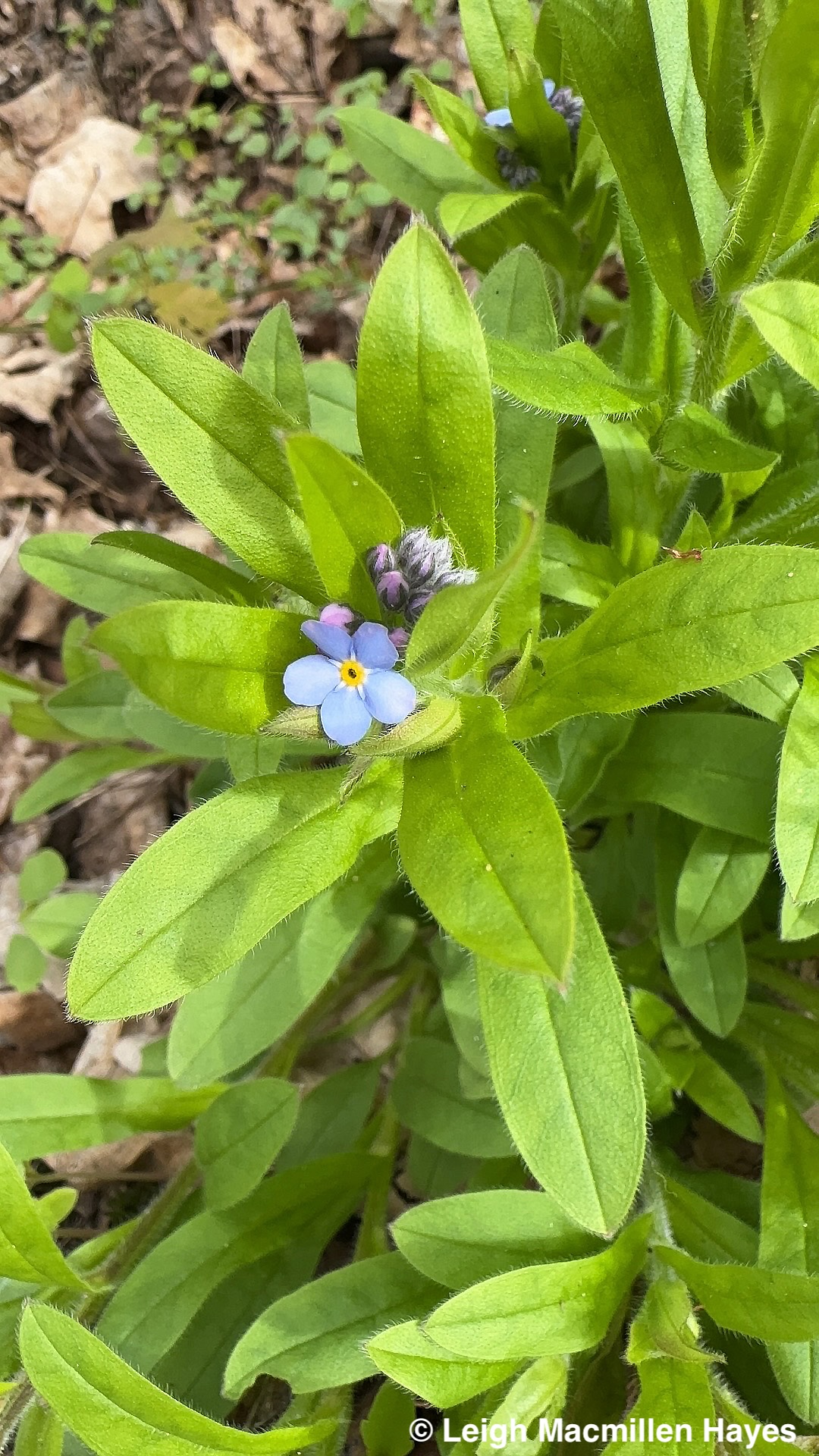
And then there was the amazing blue hue of Forget-Me-Nots. I surely won’t. Forget you that is.

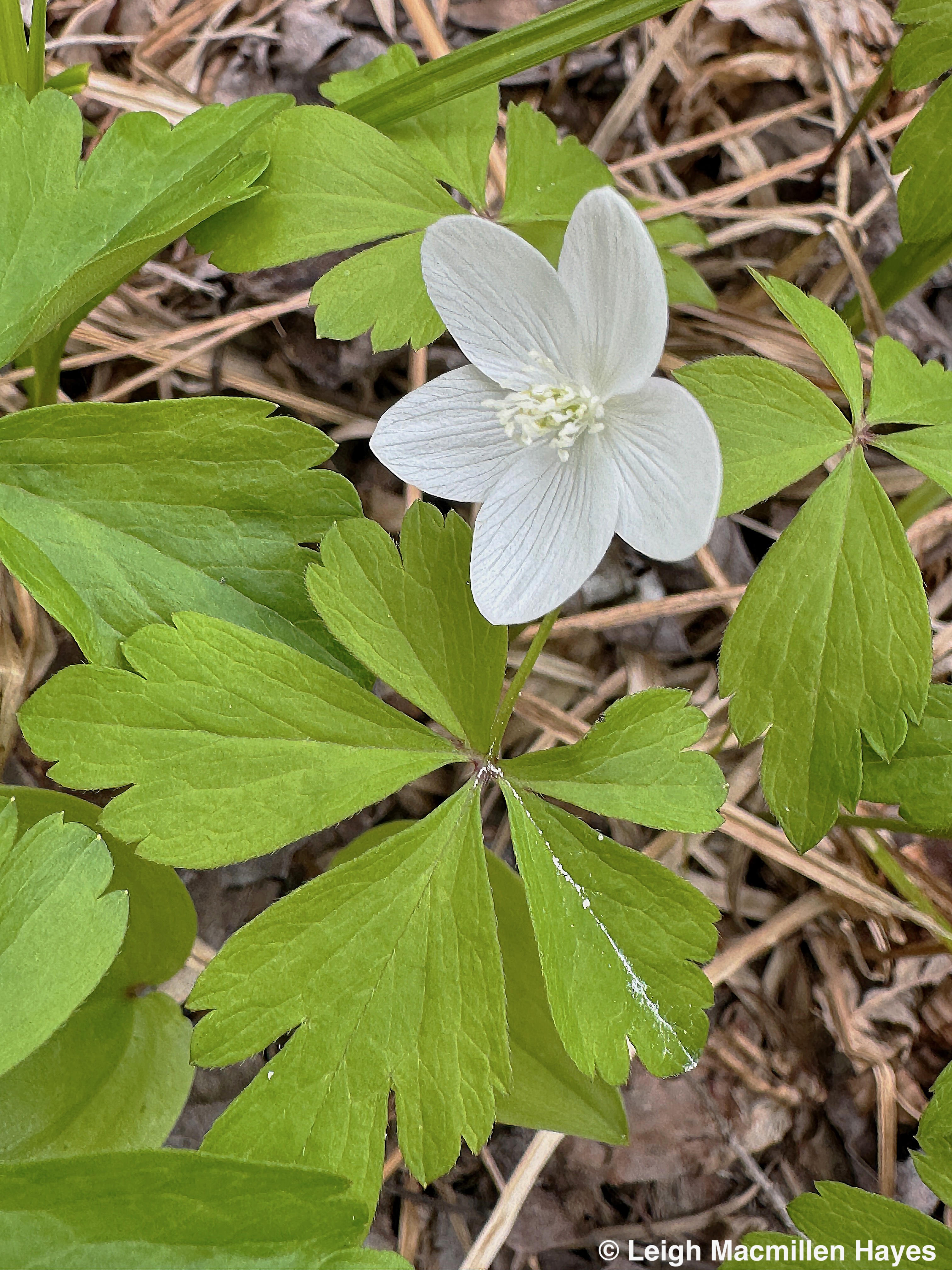
And Wood Anemone, its compound leaves notched, and flowers deeply veined, looking so tender and fragile.

Not looking tender, and hardly fragile, but still beautiful, was the carnivorous Pitcher Plant, of which I paused beside several. I’ve known this particular one for at least twenty years so when I encounter it, I always feel like I’m meeting an old friend. Because I am.

Hiding beneath its lime green leaves, American-Fly Honeysuckle’s delicate flowers did dangle in their manner of two. The shrub always surprises me, though it is a native, but I don’t get to greet it often enough.

All of these flowers bloom so early because they take advantage of sunlight before leaves emerge. That’s all changing now and in another week it will surely look more like summer around here. What I love about some leaves, especially American Beech, is that they are so hairy to start, and look like they’d make great fringed skirts for fairies. The other thing I became aware of this weekend, was the raindropy sound of their bud scales hitting the ground.

I love winter, but this season to follow is flying by, and already the Trailing Arbutus has reached its waning hour.

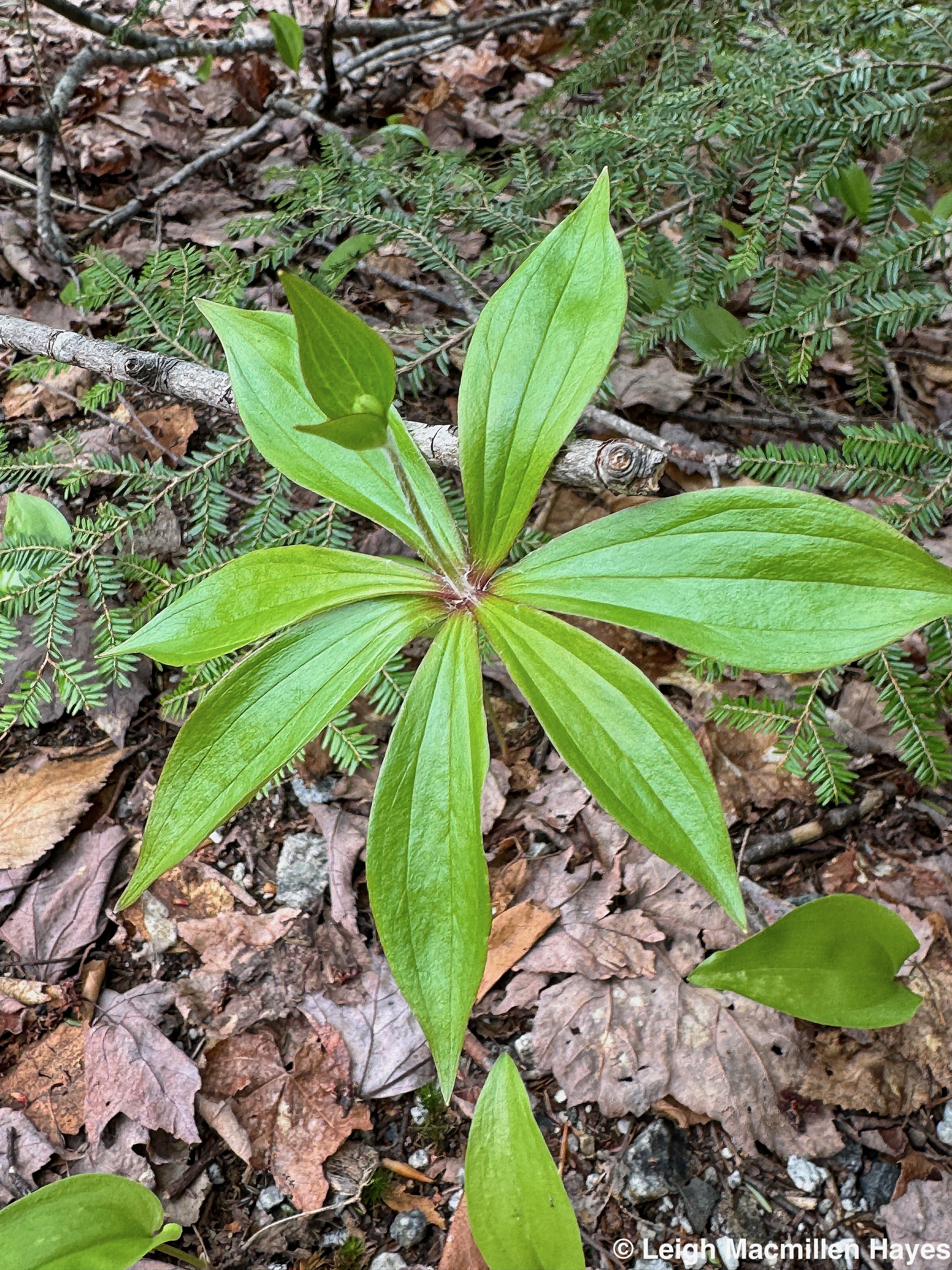
But there is hope in the form of others, like this Indian Cucumber Root, creating a second tier and a bud, and in a few weeks I’ll be seeking out its otherworldly flowers.

I’m savoring spring–before it moves on. I hope you are on the same quest.

Somewhere Under The Rainbow

Somehow we thought the rain wouldn’t fall upon our hike today, until it did. And so we sat in the truck for about 15-20 minutes, waiting for the drops to slow down, which they did.

The rain, however, enhanced everything. And as the sun came out, the water and warmth combined to create a Black Fly Festival, one which will last for several more weeks.

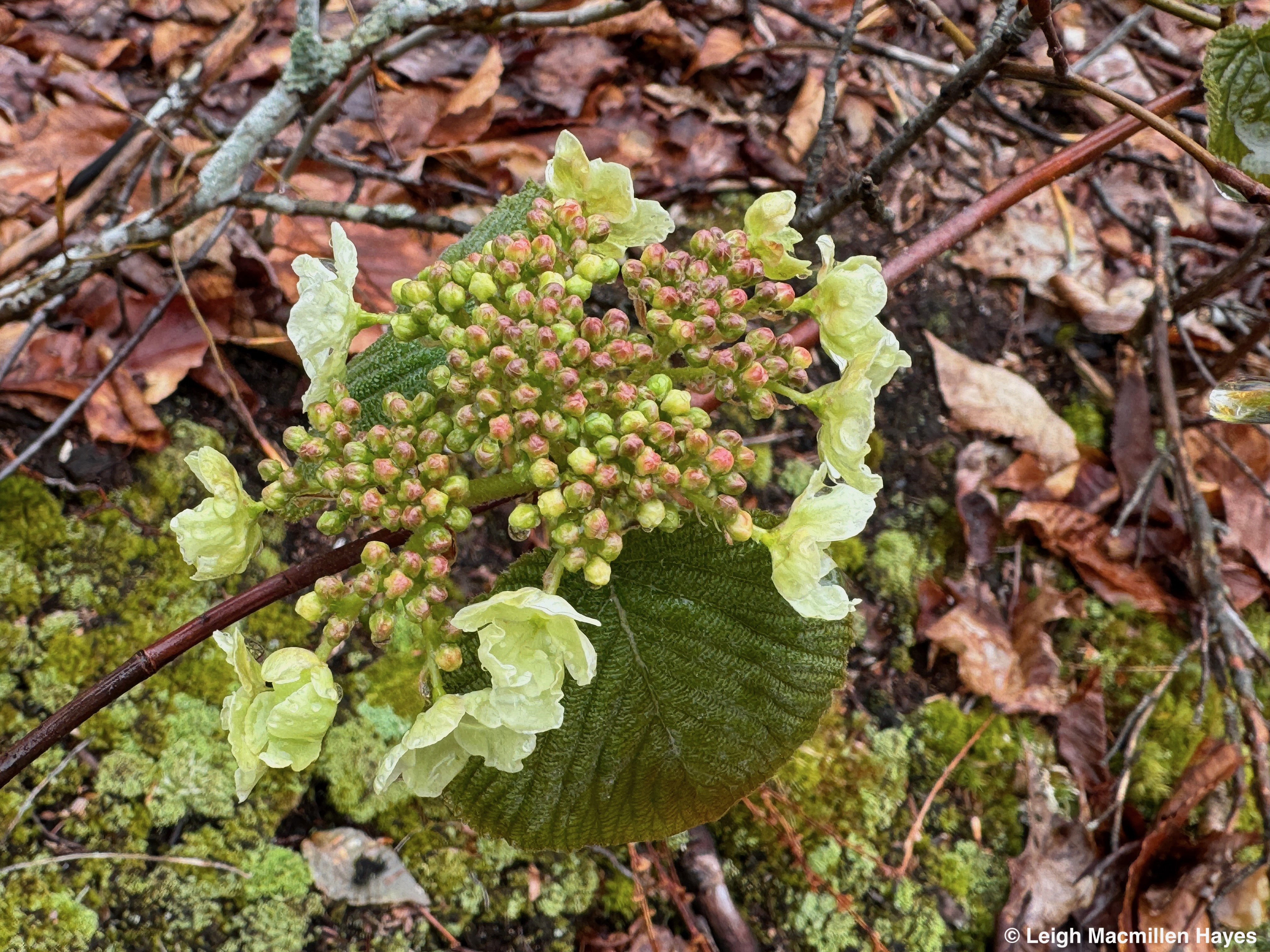
But, April/May showers do bring May flowers, and I sooo love the pastel colors that Hobblebush produces, its non-fertile showy flowers on the edge meant to entice insects to visit about a hundred tiny fertile flowers preparing to bloom in the center.

In wet seeps, Round-leaf Yellow Violets did show off their cheery faces, with violet-veined runways showing the way to the nectary, much like lights at an airfield that aid landings.

And fortunately My Guy didn’t question the fact that I was taking more photos of Red Trillium, for I’ve hardly reached the trillion I intend to take. Really though, in a few weeks our attention will turn toward his beloved Lady’s Slippers, and there are comparatively fewer trilliums than slippers in the forests through which we wander.

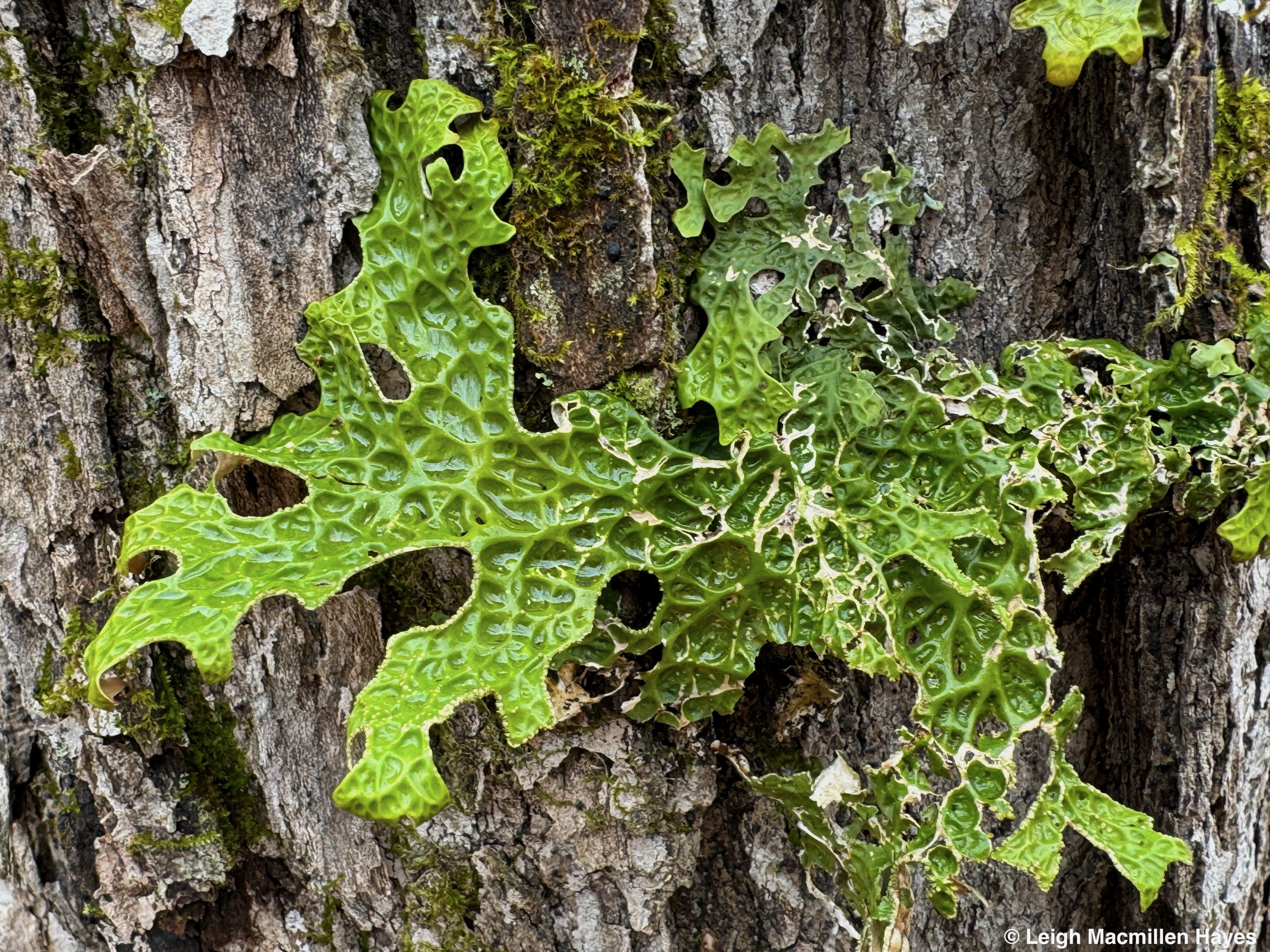
Because of the rain, Lungwort, a foliose lichen consisting of a fungus and a green algal partner living together in a symbiotic relationship with a cyanobacterium, showed off its greenliness since the alga had kicked into action to provide food for the fungal structure. It’s sensitive to air pollution and habitat loss, so spotting it is always a treat and reminds us of why we love living here in western Maine.

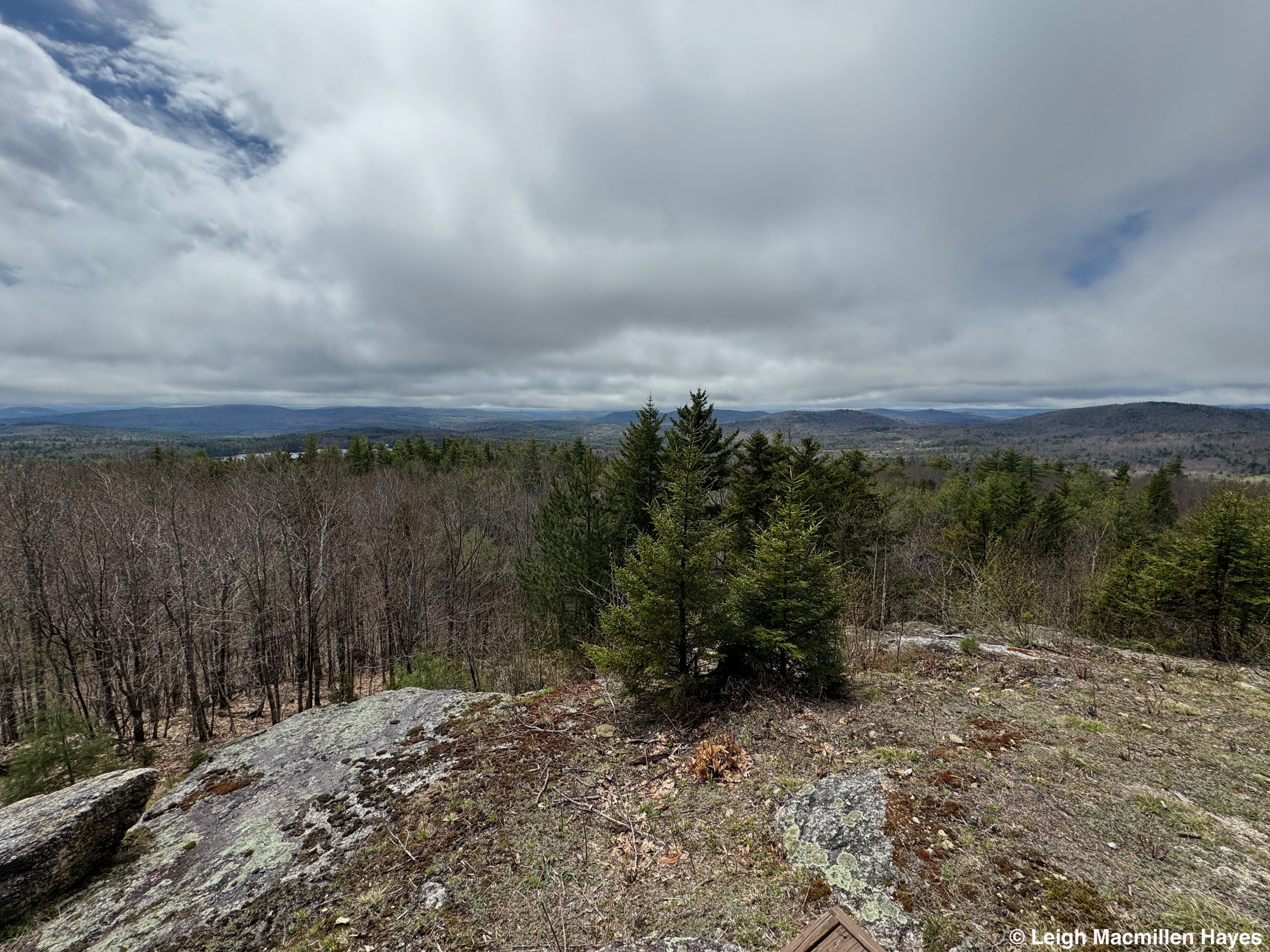
Below the summit, we paused to share lunch with the Black Flies and take in the view of the mountains, though many were obscured by the cloud cover.

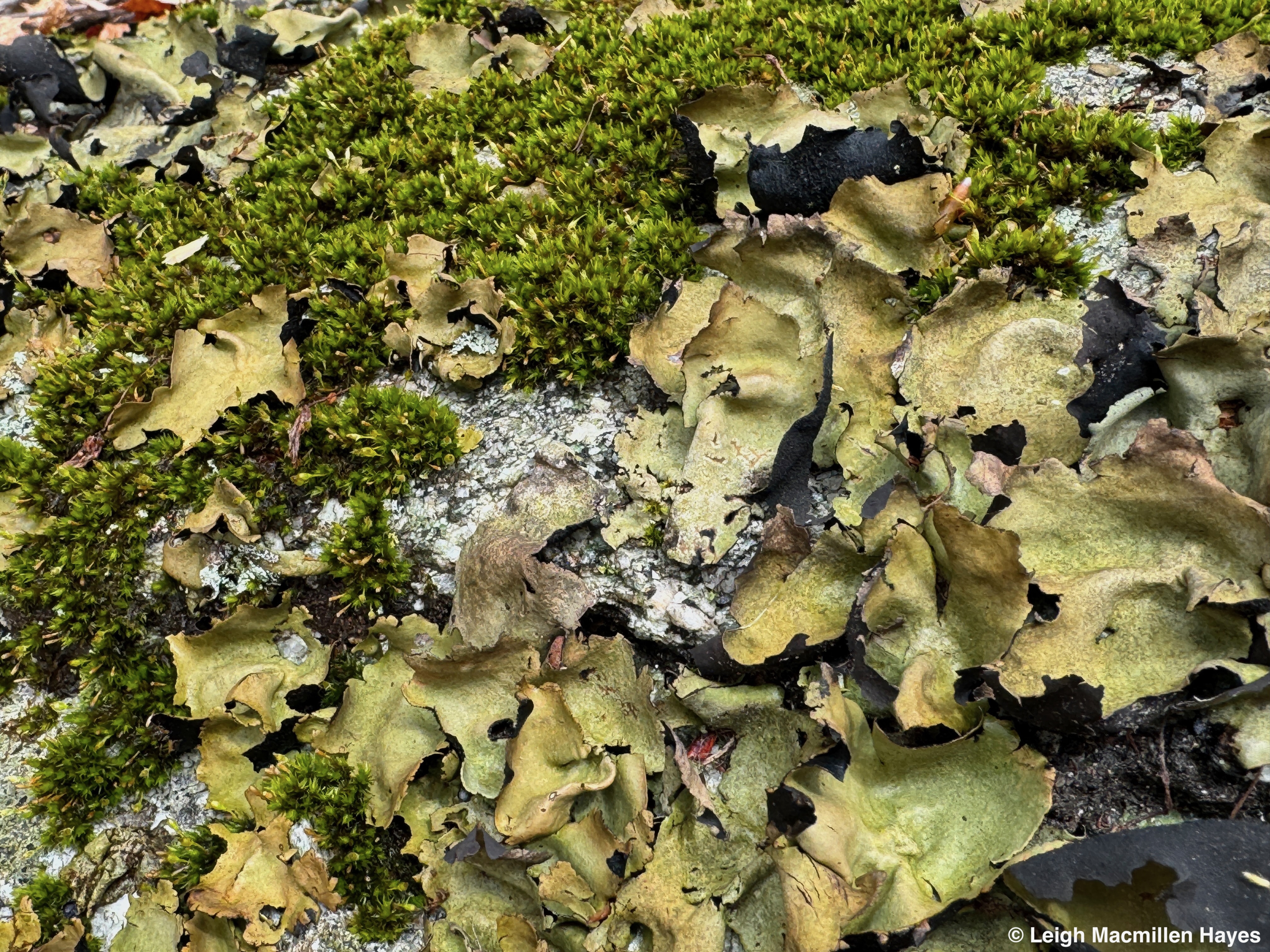
On our descent, there were more hues of green to add to the art palette in the form of the larger Rock Tripe, an umbilicate foliose lichen, and Rock Tuft Moss scattered in its midst.

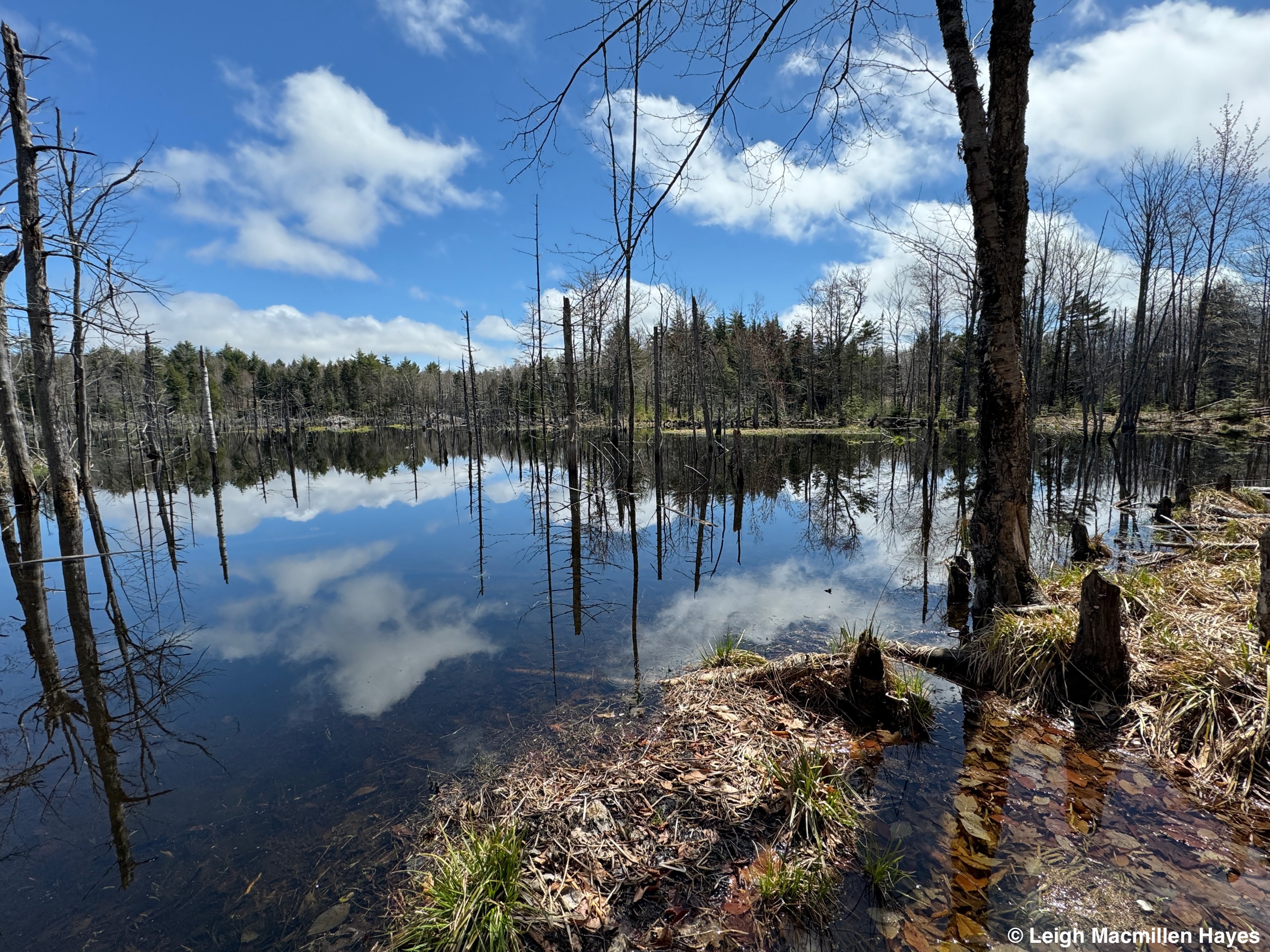
At a beaver pond, we noted several beaver lodges that looked abandoned and a long dam, but it was the reflection of the sky and clouds that also garnered our attention. The day had transformed as was visible both above and below.

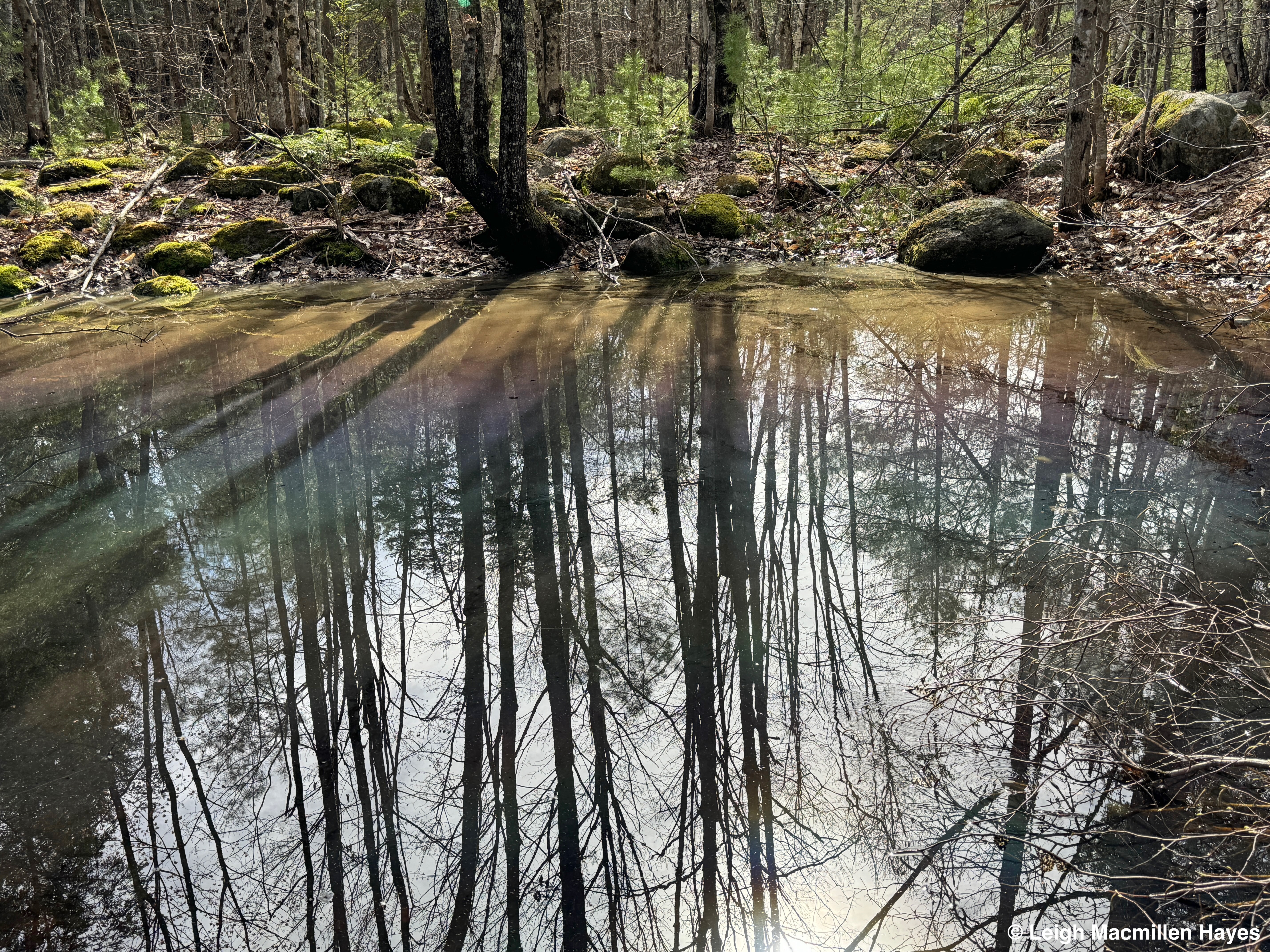
Back at home, I wandered out to the vernal pool to check on the activity. A few days ago I realized that tadpoles were beginning to emerge from egg masses, and today’s warmer weather brought even more into the picture, which in this case included both what I could see under water, as well as the reflection of trees and sky upon the water.

It was when I stopped looking into the depths, however, and focused upon the scene before me, that I realized I was seeing something I’ve never noticed before.

As I had approached the pool, I saw that it had a coating of Birch and Maple pollen and thought with a smile of a fourth grader spotting such last year and looking confused as he asked me if it was ice. No Daniel, it’s not ice. But his initial reaction made sense.

What I noticed today was that the pollen added a rainbow to the water’s surface as the sun got lower in the sky. Yellow by the far shore, orange, red, purple, blue, and green.

So, what caused this rainbow to appear? I’m a huge fan of taking a stick to a Balsam Fir blister to gather some resin and then tossing it into a puddle or still water to watch the natural resins or essential oils appear. Was that happening here?

Maybe this was from decaying vegetation and the sun being at the right angle?

Maybe it had something to do with the pollen as well as the sun’s angle?

I don’t know, but certainly it was fun that this day which began with rain, and showed off a variety of vibrant colors during our five-mile hike, should end somewhere under the rainbow.

The Extraordinary Ordinary

I love to venture off and explore other places but more and more I feel drawn to just head out the back door and see what this land of field and forest and vernal pools and puddles has to offer. And so I do. Almost daily.

It’s land where the Red Maples are in full flowering mode, this cluster being male, each with five to ten slender stamens.

As beautiful as the flowers are, one of the real reasons I head out so often right now is that the vernal pools are full of egg masses, both Wood Frog and Spotted Salamander. Somehow, this year, except during Big Night, I missed the Wood Frog activity in the pools I frequent, but by the amount of egg masses, I know they were there.

What cracks me up is that it isn’t just vernal pools that are used for the canoodling ritual. Sometimes, if there’s a rut on the way to the pool and he decides to start calling, and she responds, well, you know how it goes.

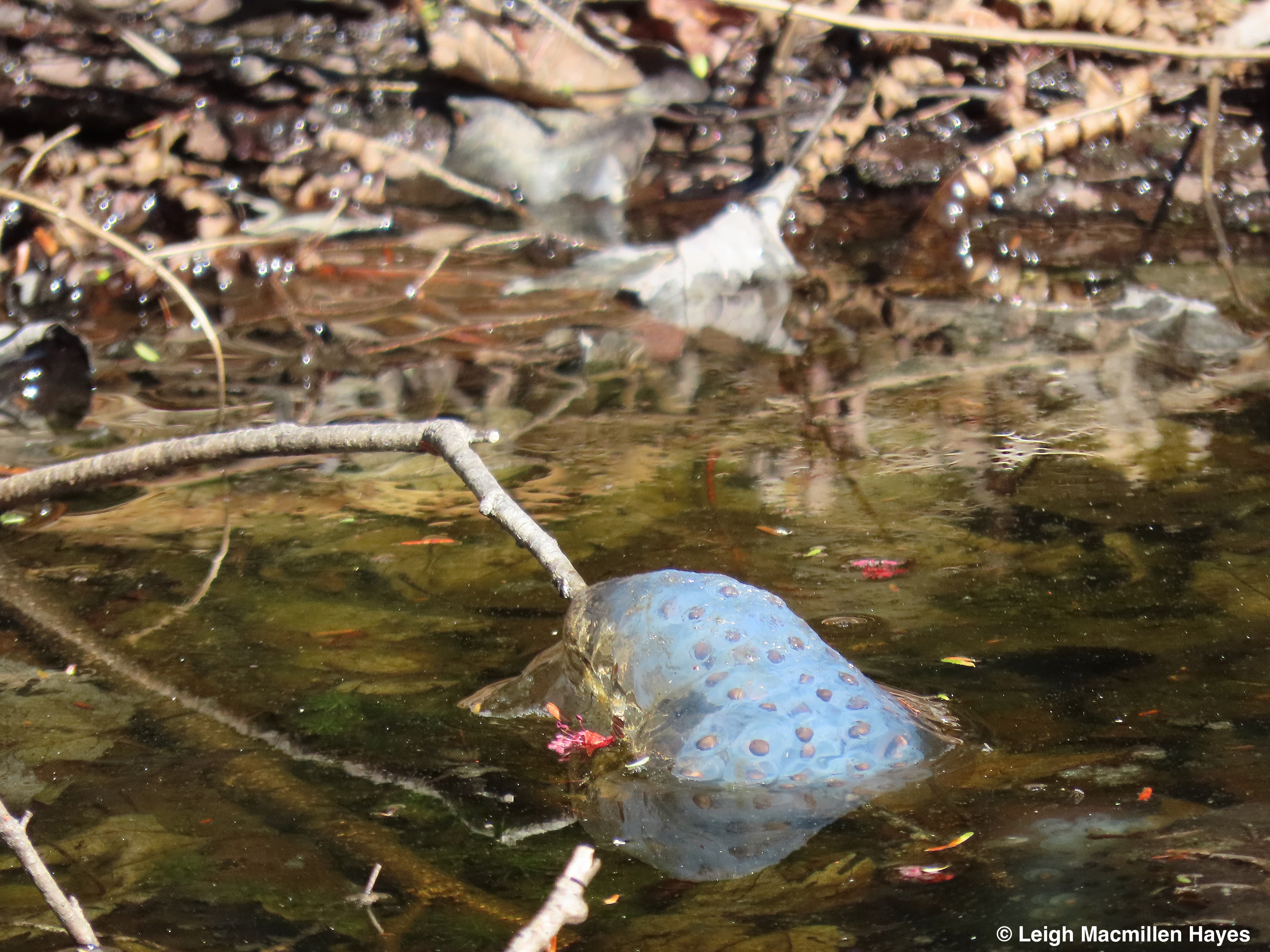
And so it must have, for this one mass is in the rut pictured above.

It reminded me of the two sets of Wood Frogs we had to gently move off the road during Big Night. They couldn’t even wait until they found a rut.

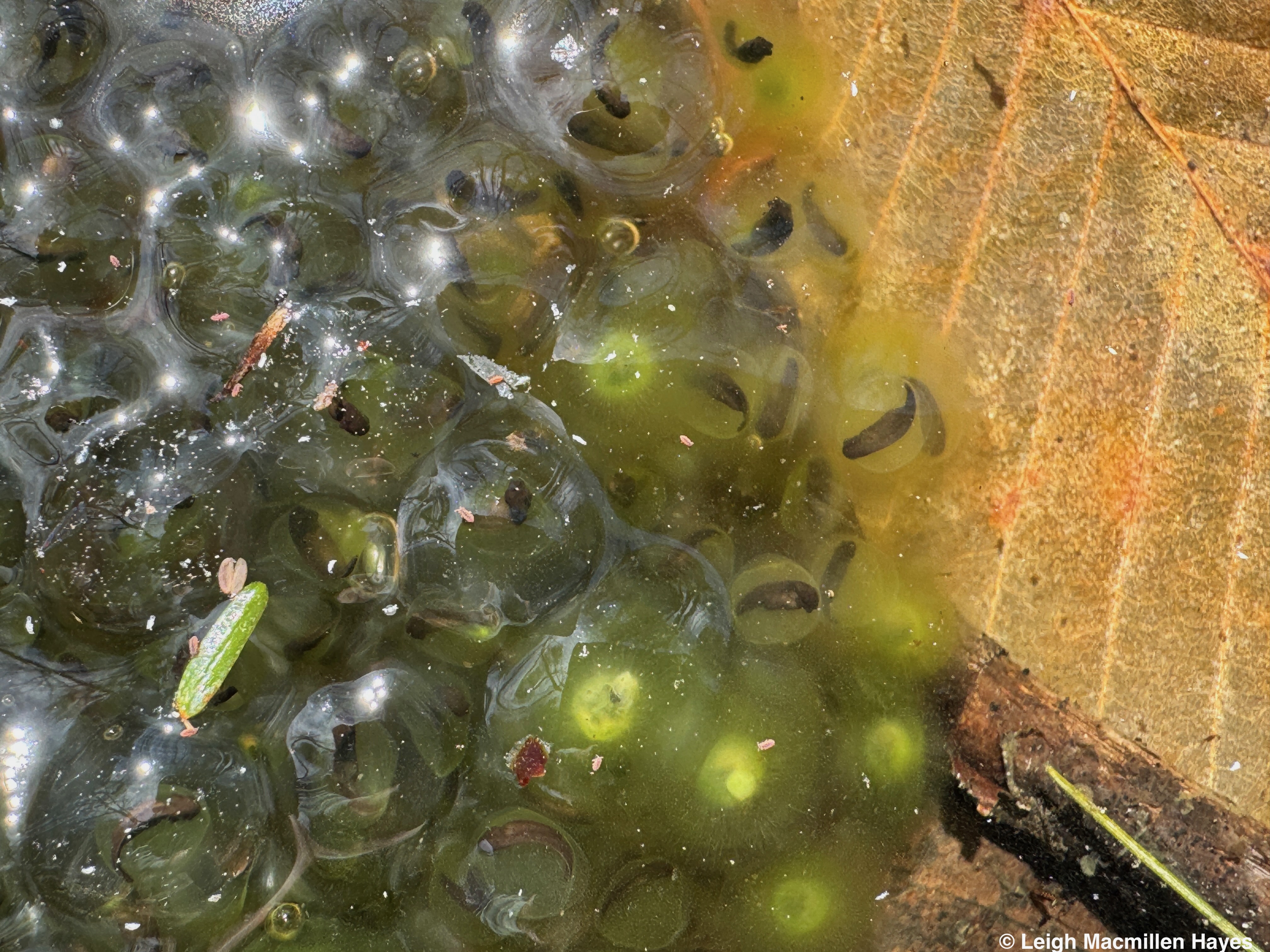
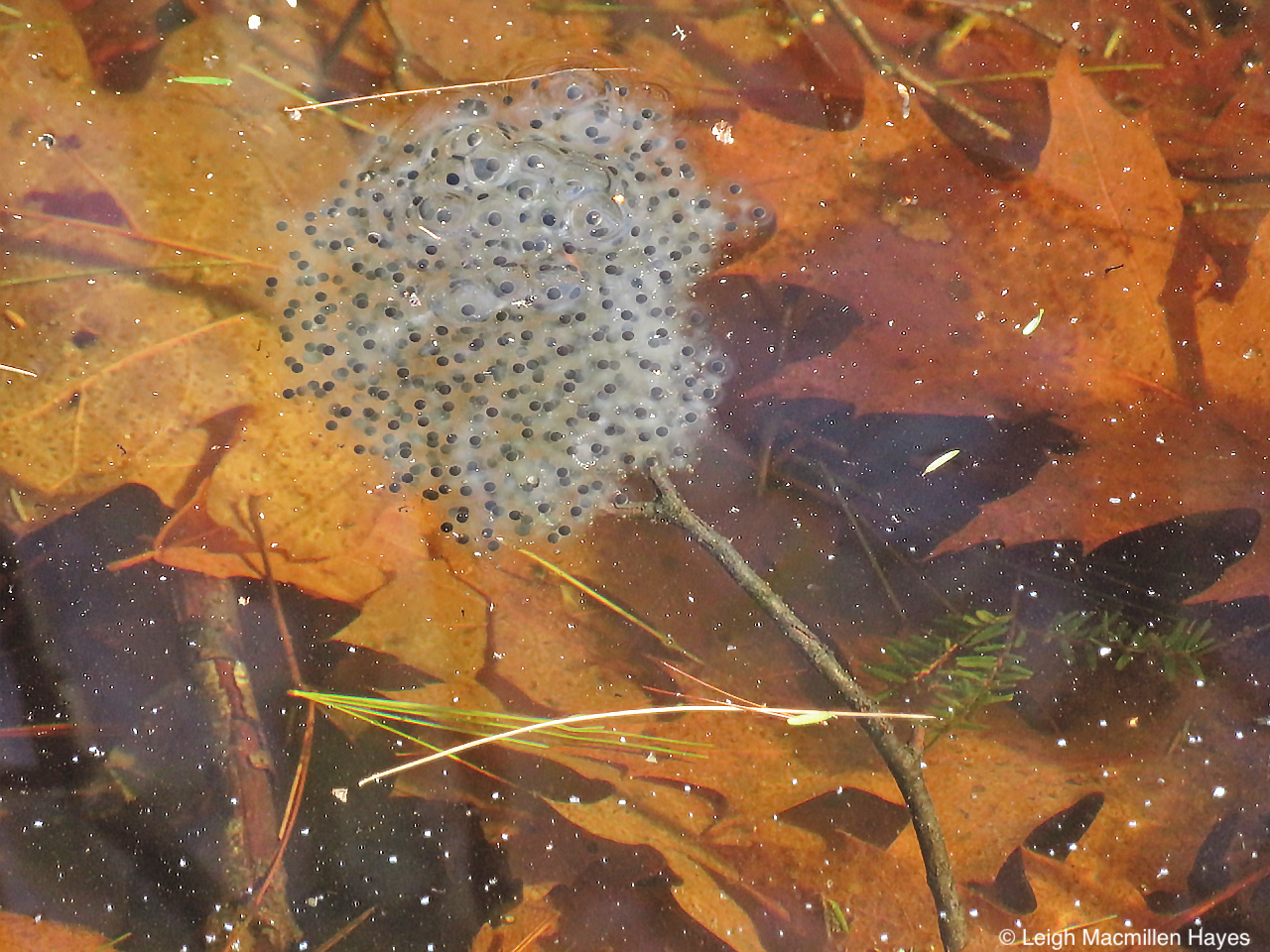
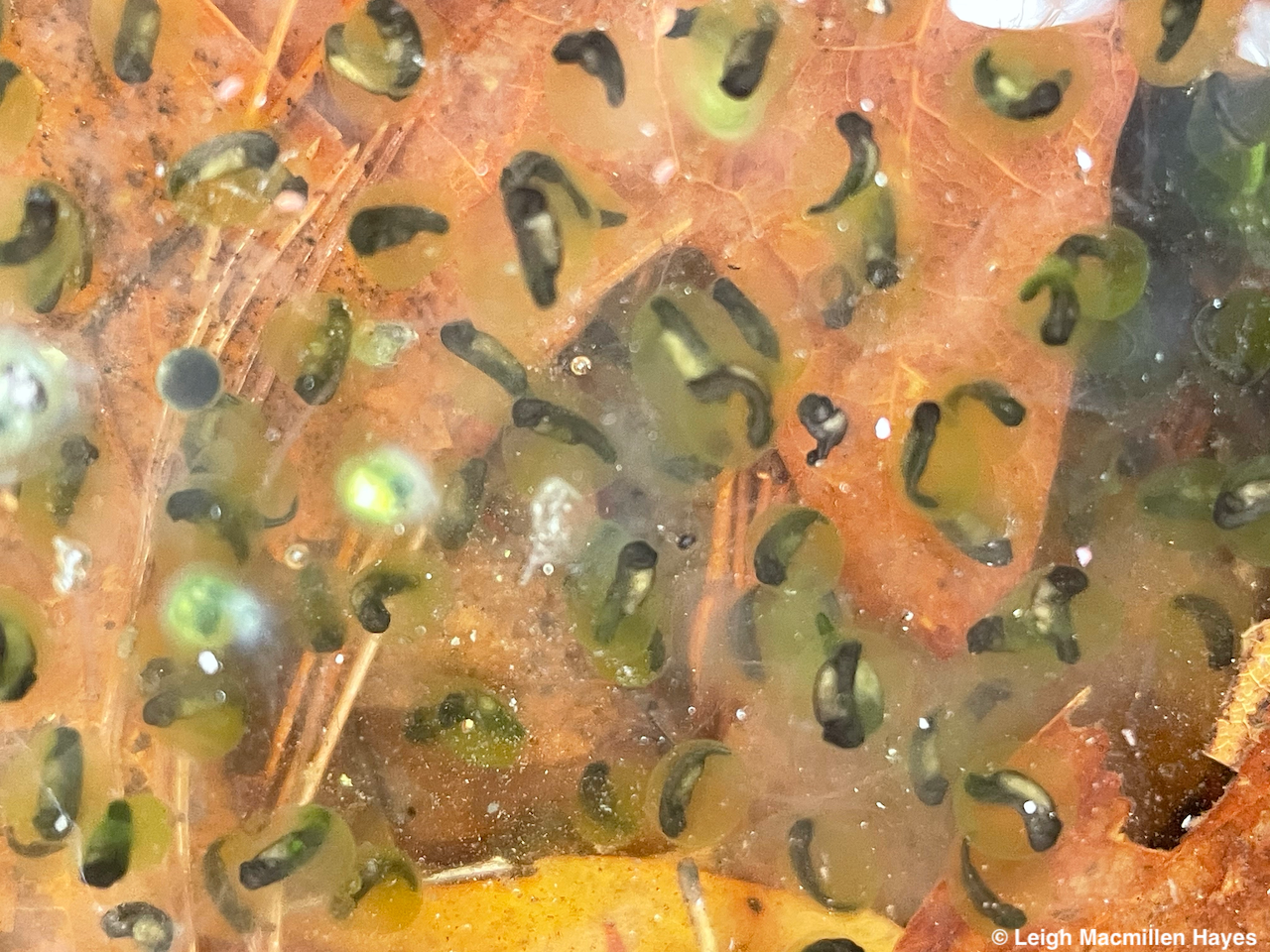
It’s only been about two or three weeks since the eggs were laid and fertilized, and already the embryos are taking on their tadpole shape.

In another location, I spotted a Spotted Salamander egg mass that was also deposited about two weeks ago, at a time when snow melt and rain were the norm. We’ve had some rain since then, but the tide is quickly going down in the pools. Wait. There is no tide in these. Being rain/snowmelt dependent, the water is quickly evaporating and this mass probably will become food for something rather than turn into 100 or so salamander tadpoles.

But in “My” vernal pool, where I put “My” in quotes because I don’t actually own the land upon which it is located, I just think I do, the salamander embryos are also taking form.

Of course, when one is stooped over and staring into the water, there’s more to see like this Water Strider. Water Striders are so cool as they skate along the surface thanks to some hairs at the ends of their legs that we can’t see. At least I can’t. Those hairs don’t get wet and instead attract water molecules. I placed an arrow on the photo because the shadow a strider creates with what appear to be larger than life feet speaks to this adaptation.

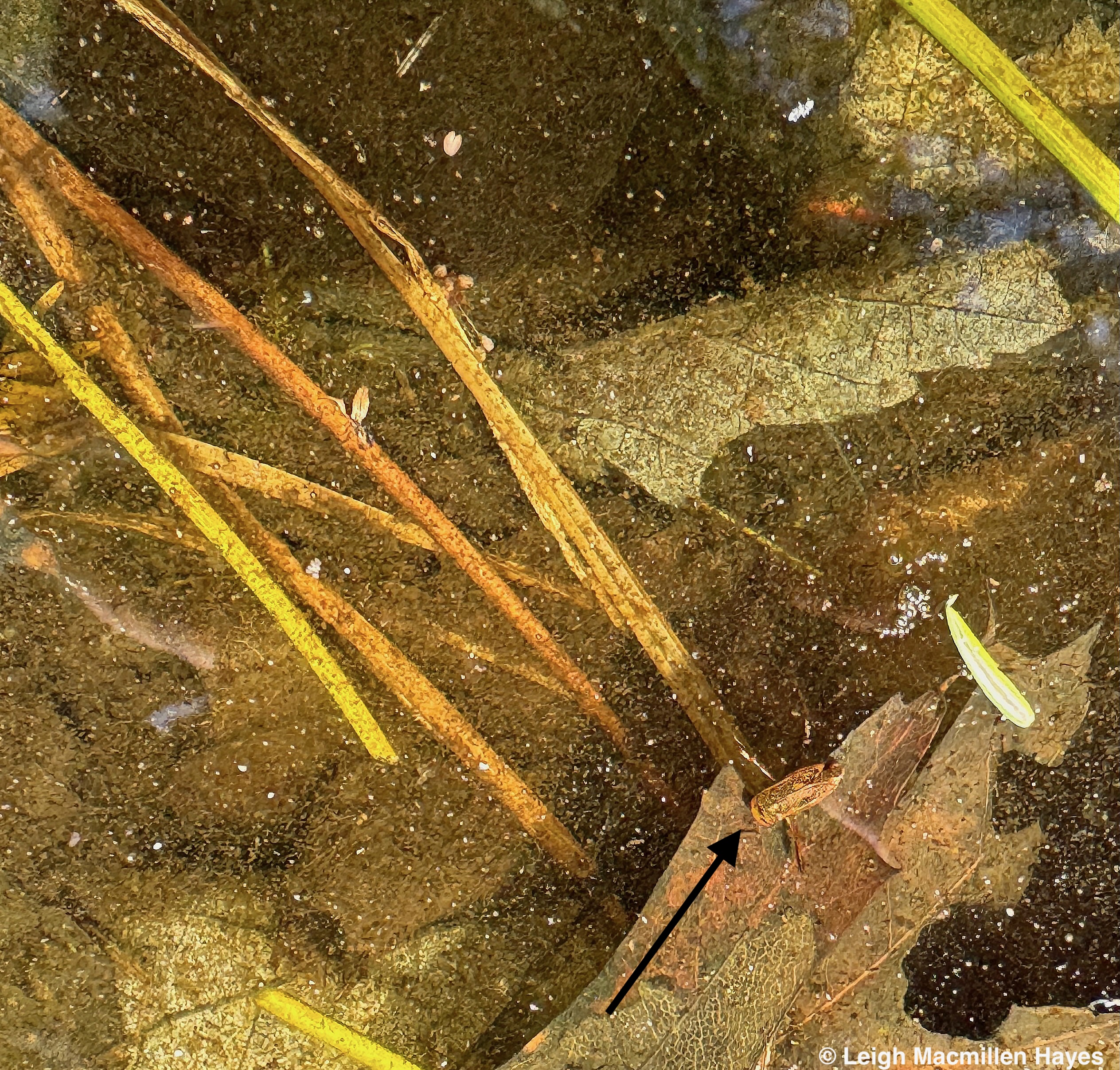
And in this case, the arrow points to a Water Boatman. I love how his tiger-like body design, though not intentionally, mimics the oak leaf above which he swam. Unlike the skating strider, a Water Boatman uses its hind legs as oars.

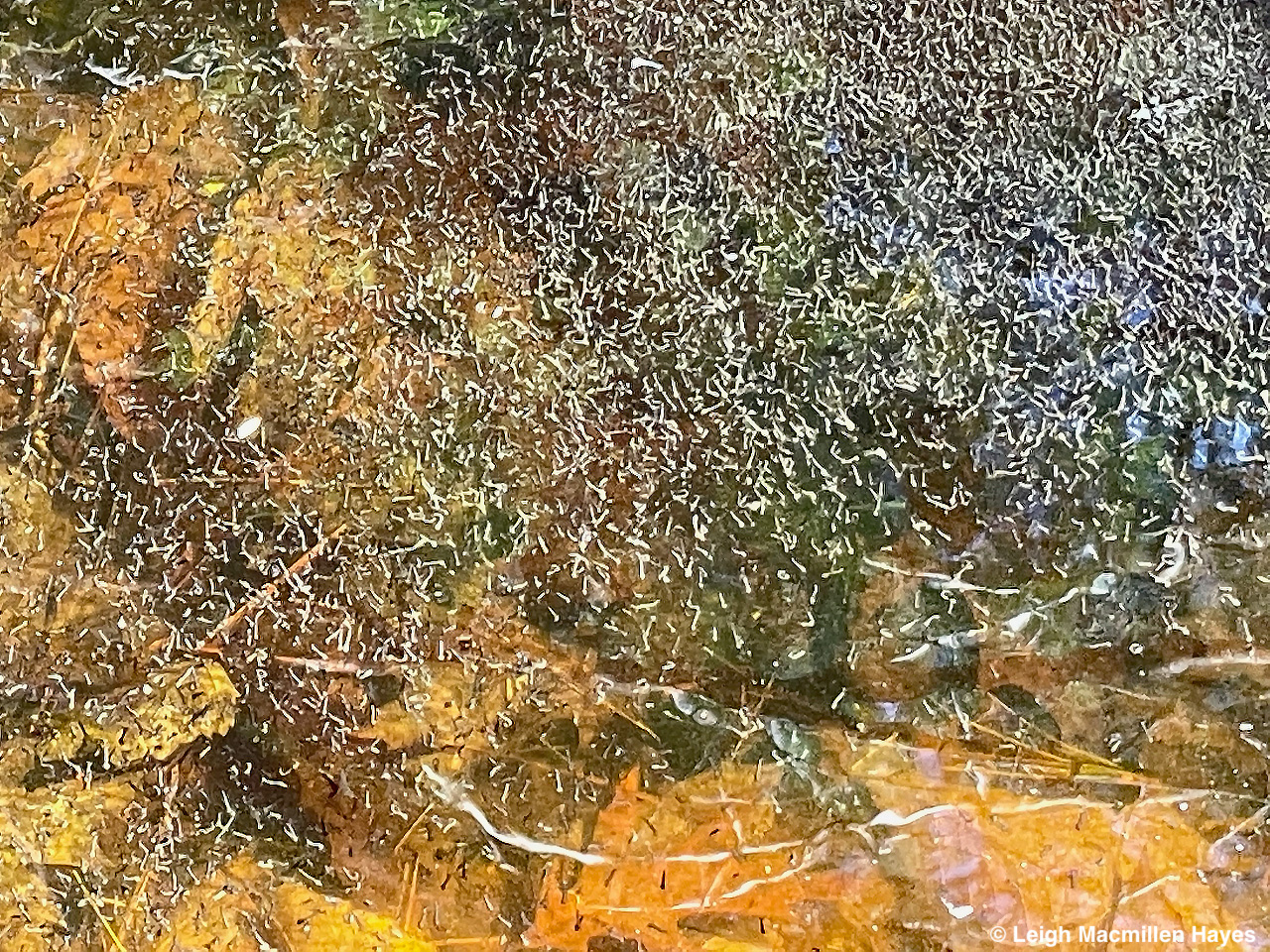
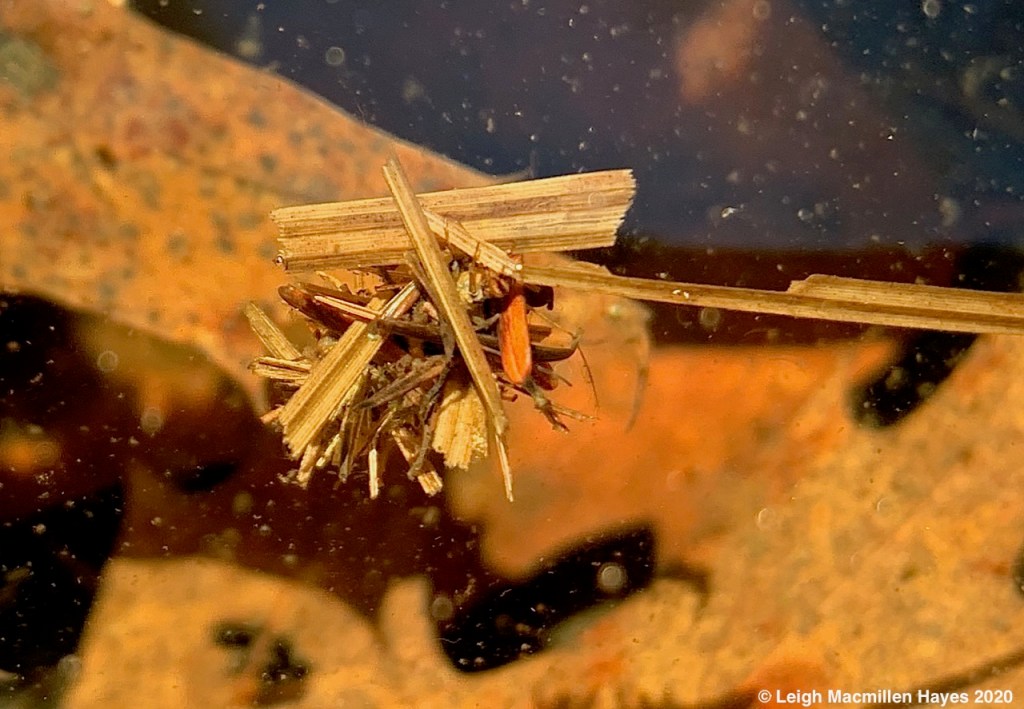
In one of the shallowest pools I know of outback, Mosquito and Caddisfly Larvae move about, the first suspended in the water column just below the surface, breathing air through tubes at the end of the abdomen. The Northern Case Maker Caddisflies took advantage of all the plant material, including a Red Maple flower to add a bit of class to its house.

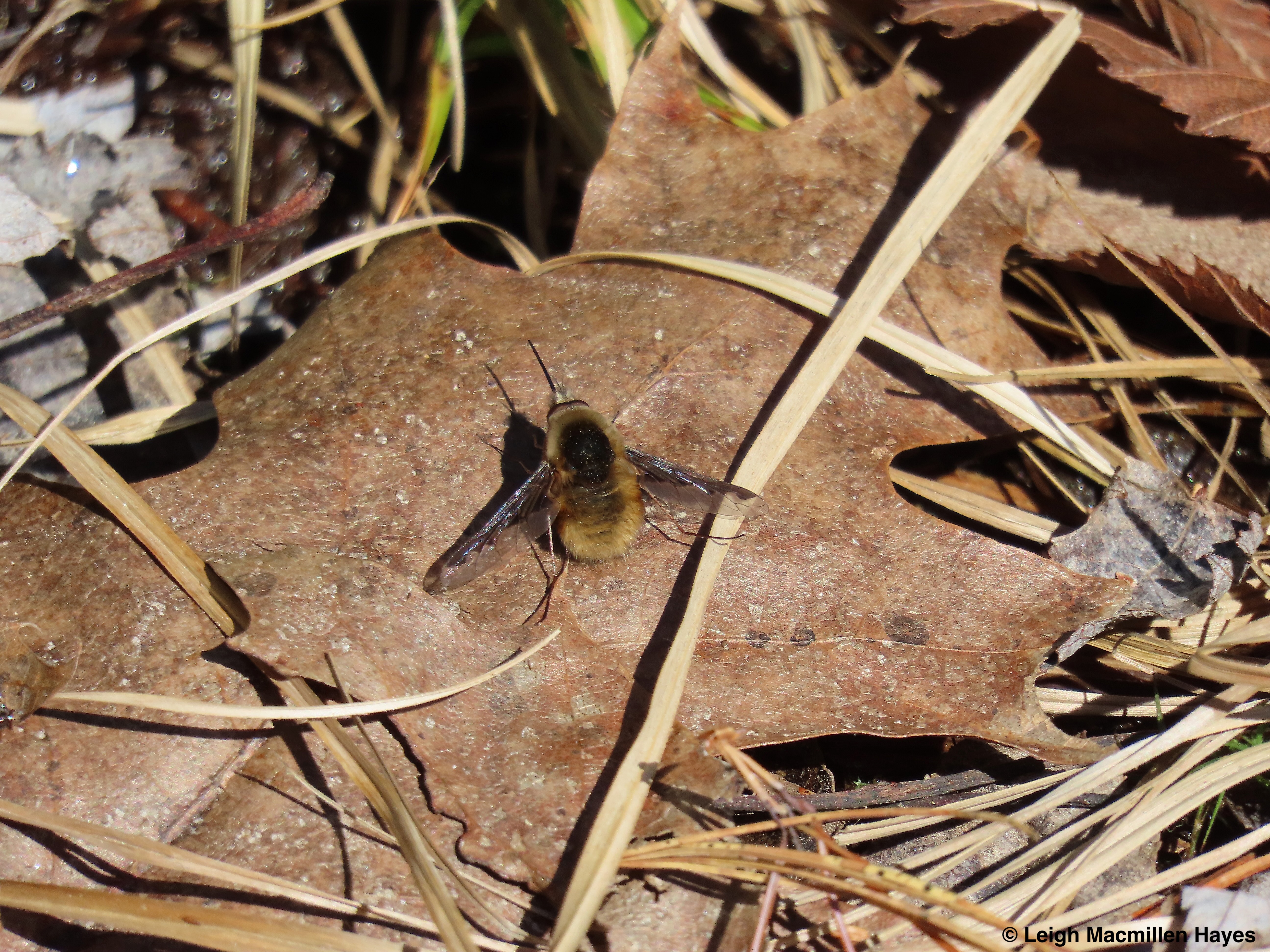
When I wasn’t looking into water, I did notice a few other things like about five or six Greater Bee Flies frequenting one area. The cool thing about bee flies is that they do look like bees, but don’t sting. While they feed on nectar, they also parasitize the nests of solitary bees and I have to wonder if that was what their behavior was about.

Several Six-spotted Tiger Beetles with their metallic green coloring, dashed here and there, always on the move as they looked for other insects to devour. Here’s the thing about these beetles–not all have six white spots, or even any spots.

Speaking of spots, I love the violet-blue markings on a Mourning Cloak Butterfly. This species overwinters under tree bark and other protected places as adults, so they are one of the earliest for us to encounter in the spring, along with Question Mark and Comma Butterflies. And then we get to enjoy a second brood in the autumn that will hibernate as adults.

So it’s not all about insects, though I suspect if I look hard enough I will find one in this photo. But it was the first Bluet of the season that I needed to note. Sure, they’ll be commonplace soon, but this one is the harbinger. And it was enhanced by the contrasting red caps of some British Soldier lichens.

As I walked toward home this afternoon, this Turkey Vulture rode the thermals and I took its photo to honor my neighbor for she alerted me Monday to the fact that she’d spotted some vultures and a Bald Eagle in our ‘hood, and we met on Tuesday afternoon to search for a kill site in an orchard behind some other houses. We didn’t find anything, but I love that she was curious. And that occasionally we share natural occurrences with each other and sometimes walk the same stretches of land. Thank you, Karen.

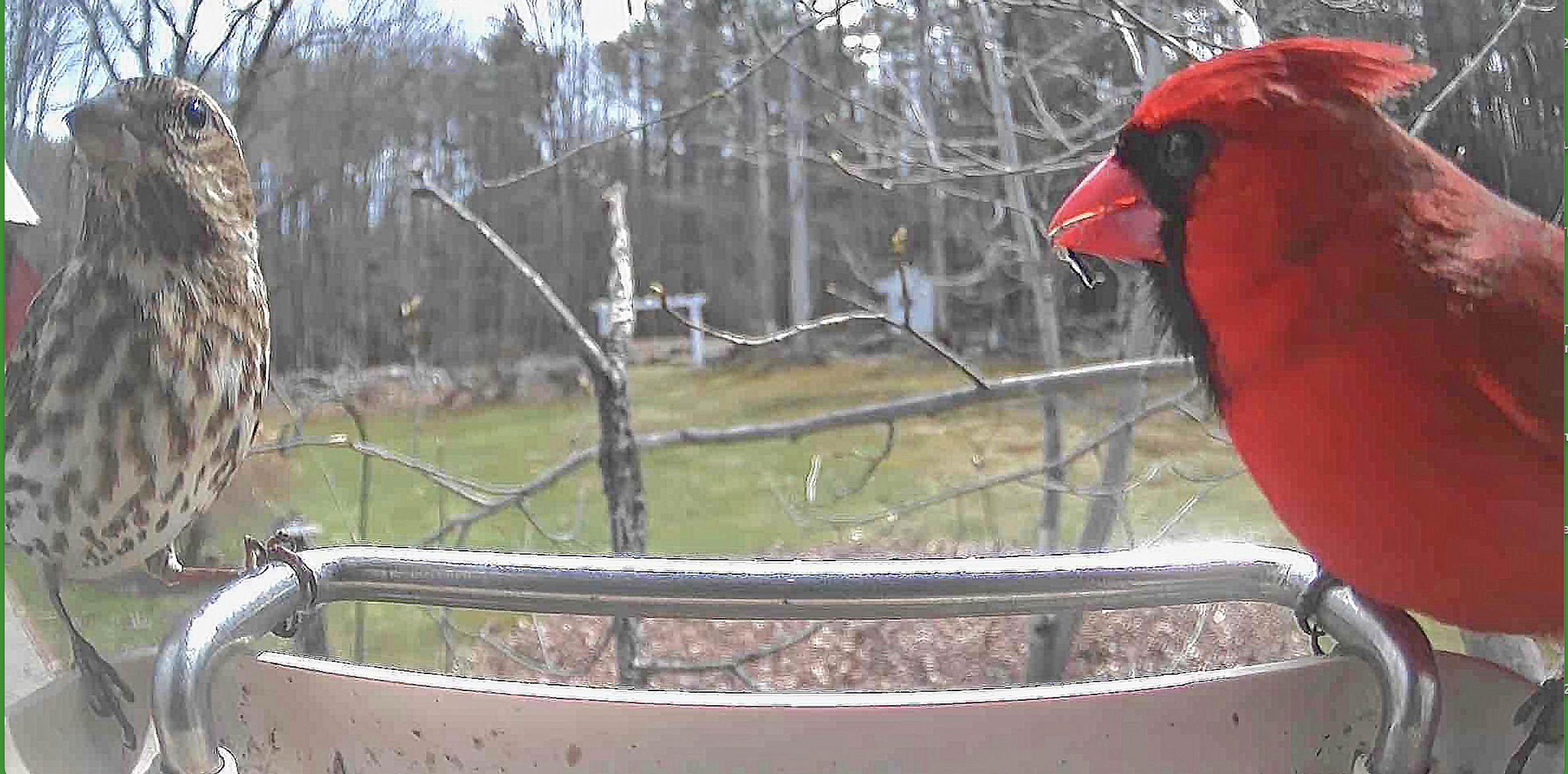
Back home, I was surprised to find these two sharing a feeder, a female Purple Finch on the left and male Cardinal on the right. She would squawk at other finches, but not at the Cardinal. And so they fed simultaneously for a while. If only we could all take a lesson from them.

As a self-confessed home body, I love how the land that surrounds my house and beyond has been my classroom for so long now (30+years), and that it has taught me to celebrate the extraordinary found in everything ordinary.

A Glimmer In Their Eyes

It’s been a rainy week. It’s been a sunny week. And sometimes it’s been both simultaneously.

Despite the weather, I’ve spent many hours tramping through the woods as is my custom, sometimes with others, including a large middle school class, and sometimes alone. Most of the tramps found me near or beside water–after all, this is the Lakes Region of Maine.

On one such, almost a week ago, this fly and its brothers and sisters landed repeatedly on our outerwear. Turns out there is a reason for this. It’s known as the Friendly Fly for its habit of landing on people no matter how often it is brushed away. It won’t bite, but if your skin is exposed, it may try to sip at salts and tickle a bit.

Here’s the best news about the Friendly Fly. While it doesn’t bite us, it is known to parasitize Tent Caterpillars such as this one found in the same neighborhood. Going forward, I will honor each Friendly Fly I meet. Now if only we could find something that would do the same to Brown Tail and Spongy Moth larvae.

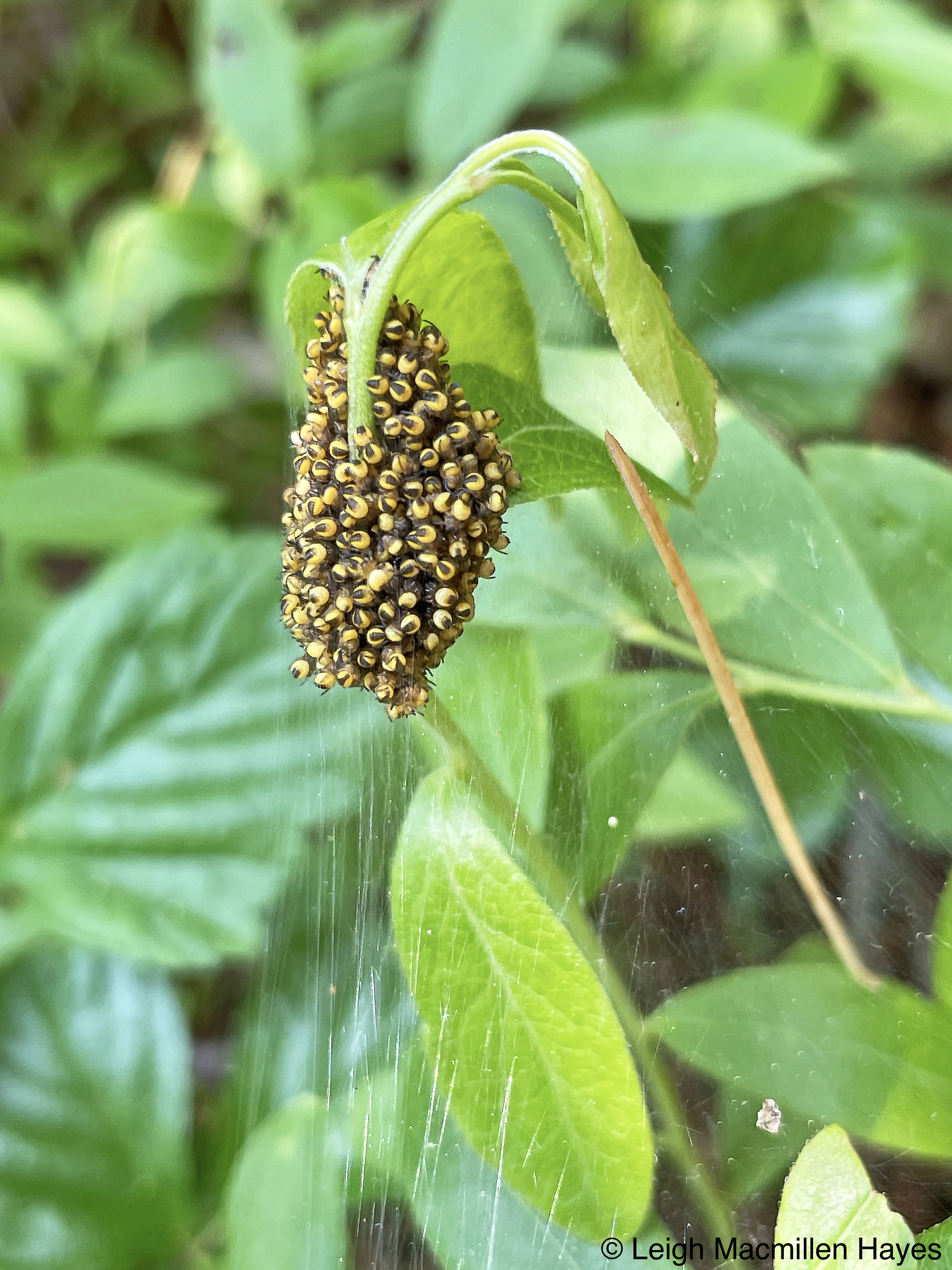
In the same neck of the woods, what appeared to be a flower, turned into a hundred or more spiderlings of the Cross Orb-weaver family. Notice all their guide lines. Such a clever construction.

When disturbed by accident, they didn’t leave the cluster, but did scamper on those guidelines for a minute or two before reassembling. I’ve read that they stay together much like so many others–there’s protection in numbers. During this stage of their lives, they feed on their egg yolks. I’ll take mine sunny-side-up.

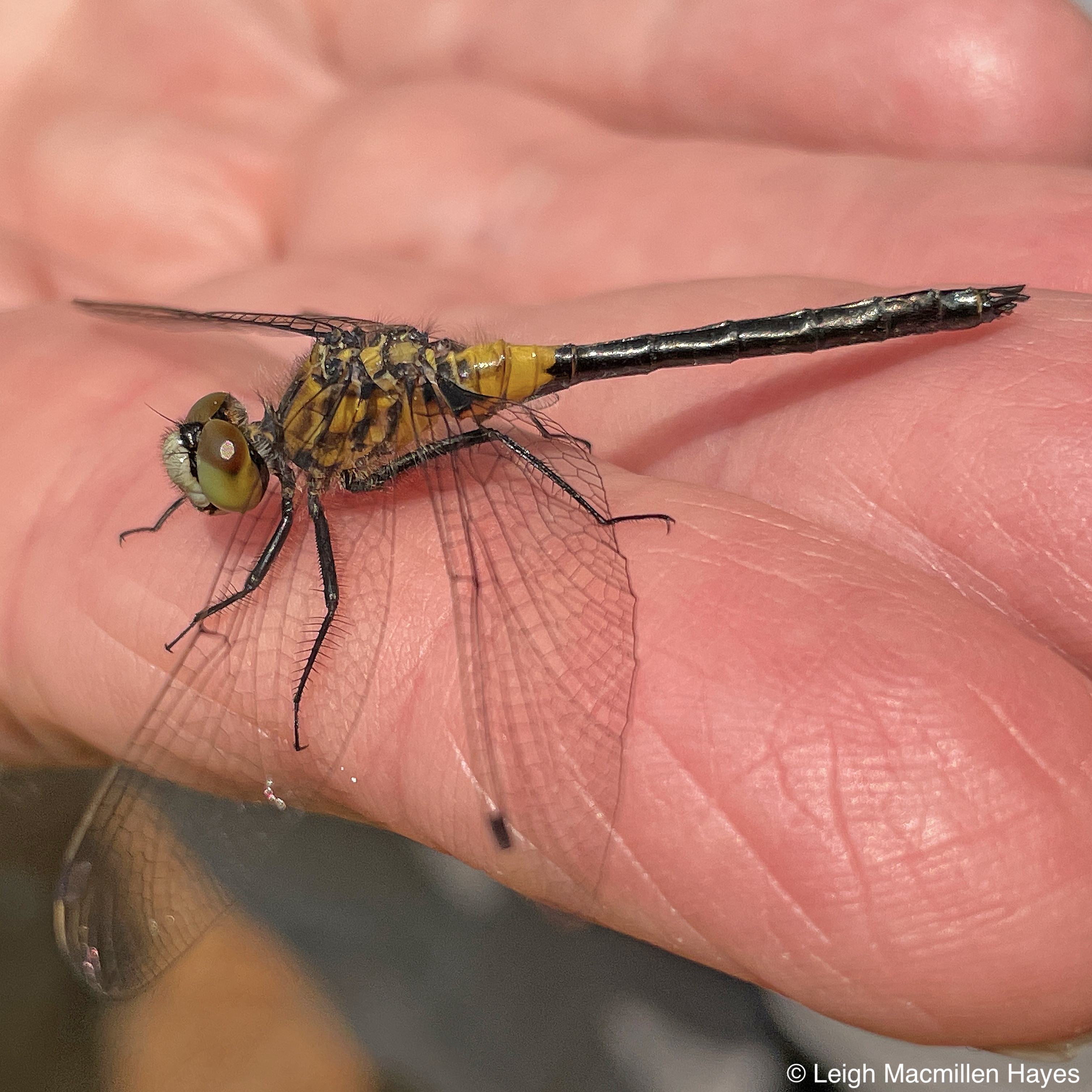
And finally, in that same place, we spent a few moments with an immature male Belted Whiteface Skimmer dragonfly so identified by its yellow thorax and the yellow base to the black abdomen. As it matures, the abdomen will turn brown and then red.

And just look at that white face. Can you even get a sense of some of the 30,000 lenses of the compound eye in the light spot? Dragonflies have incredible eyesight–they can see up and down and all around with almost 360˚ vision.

I have to say I think it was because of the damp, cold weather that this particular one decided to crawl upon my extended finger and allowed me to pass it on to another. We provided a wee bit of warmth.

Another white faced skimmer encountered in a different place was what’s known as a Dot-tailed Whiteface. At just over an inch in length, it’s a small dragonfly, but that dot is the giveaway, which makes it easy to ID in the field.

There seemed to be a theme–that of the white face variety. This one is known as a Crimson-ringed Whiteface.

One of my favorite skimmers is the Chalk-fronted Corporal, who earned its name for the corporal stripes on its thorax. And maybe it’s the old teacher in my blood that appreciates good old chalk. The fun thing about this species is that it’s usually found in groups, and you might not see them until you take a step and then they fly three steps forward, repeating this behavior throughout your entire journey in their neighborhood. They are also great posers.

Immature Chalk-fronted Corporals such as this one are also abundant and seem to be circulating in every trailhead parking lot. They blend in well with their surroundings, so once again, I don’t spot them until they fly.

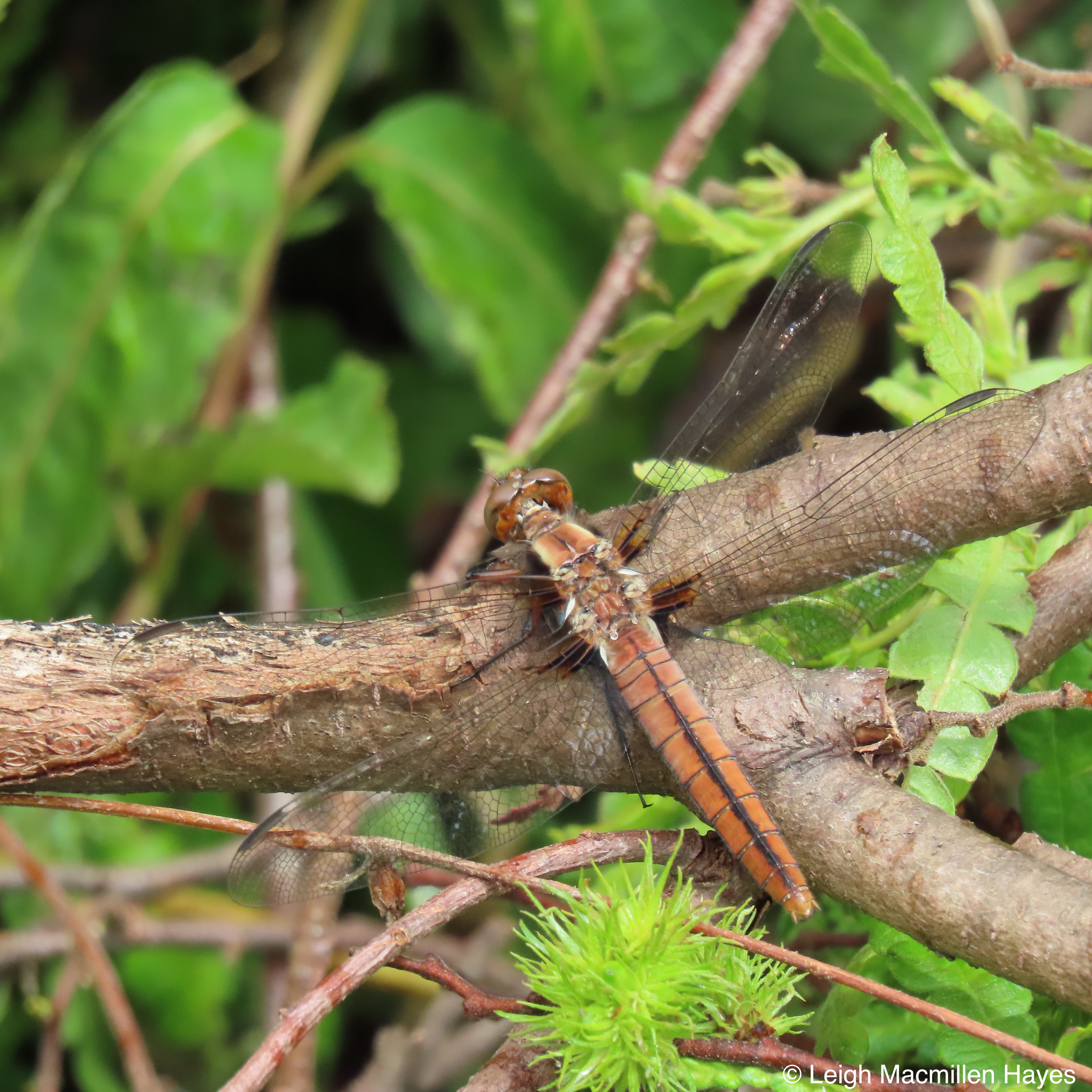
The next skimmer is a personal favorite. But the question is, can you find it? I have to say that I knew I’d taken its photo, but when I was reviewing the shots, I wondered why I’d taken this one of some vegetation and missed the female Eastern Pondhawk for so camouflaged is she.

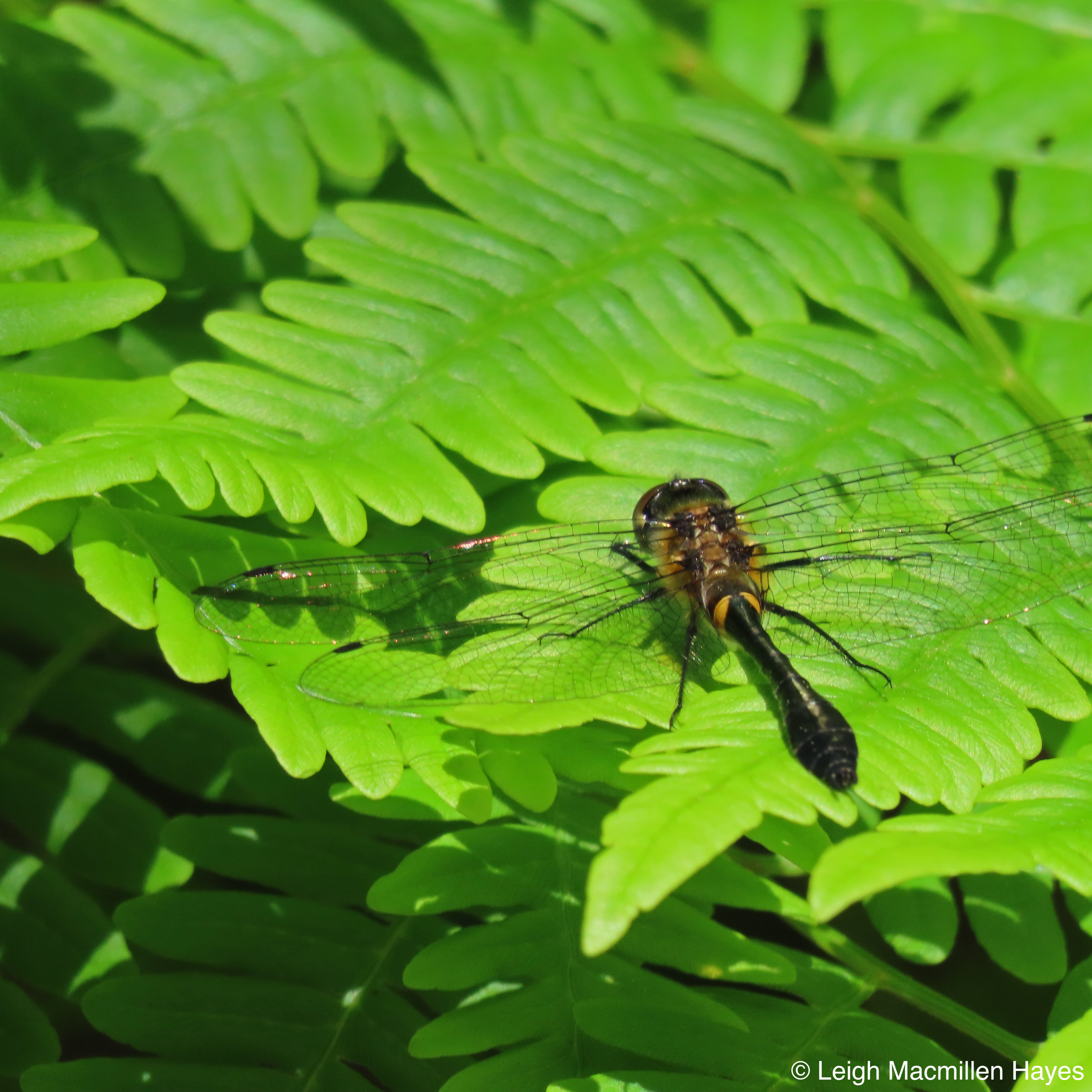
In another space I encountered a Racket-tailed Emerald. Look at that club-shaped abdomen. And fancy mirror-imaged yellow spots ringing the third abdominal segment.

Though I have no problem with dragonflies garnering so much of my attention during flying season, damsels also like to be noticed like this female Ebony Jewelwing. Her lighter colored black wings and white stigma at the tip give away her gender. But it’s the iridescent blue and green eyes and body that always make my heart skip a beat.

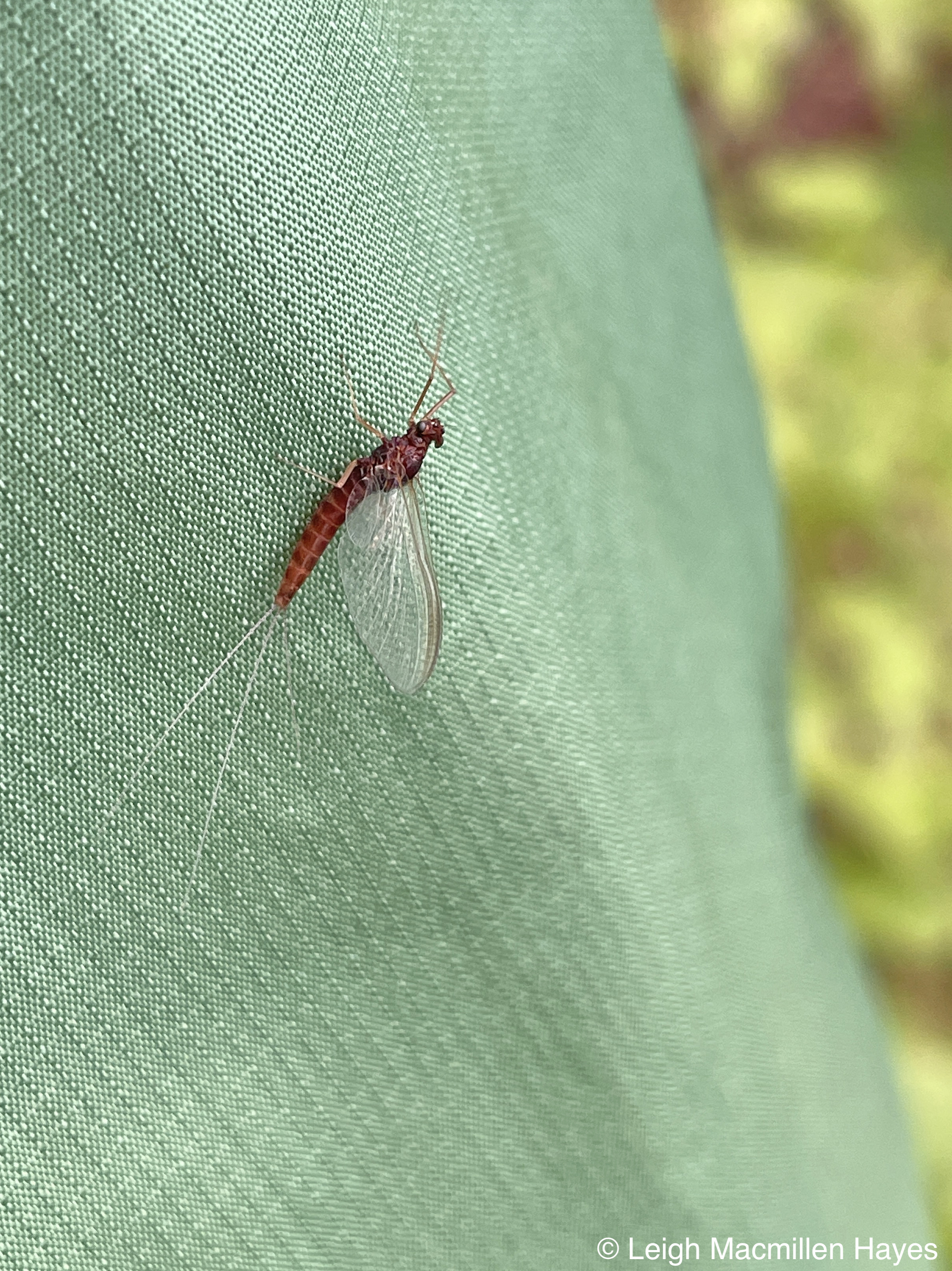
Another teenager also asked to be noticed–in the form of a sub-imago Mayfly with cloudy wings indicating its age. Had my friend stood there for the rest of the day and into the night, she might have seen it molt from this form to its final as an imago or adult.

In the midst of all these finds, and because of the rain, I returned to the vernal pool behind our house and found that the water was quite high. Usually, by June 9th the pool has dried up. But not this year. It is teeming with Wood Frog tadpoles and I suspect Spotted Salamanders for so many were the egg masses. Things are a-changing within those bodies, and I think this will be the year so many finally hop or crawl away. I’ve had my eye on this pool for thirty years, and this is a first.

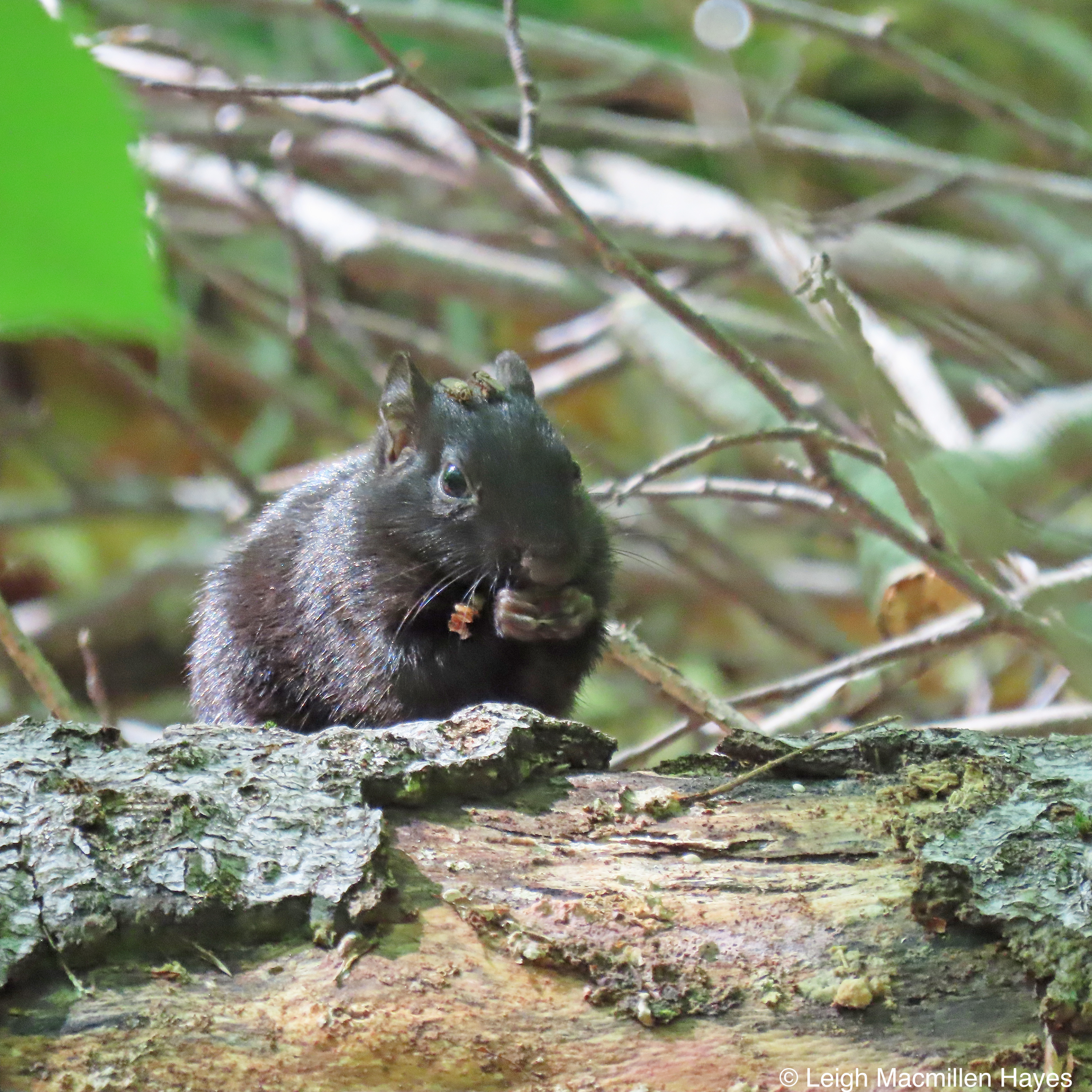
Finally, I have to share with you another I recently met and first reported in Stars Among Us. As a friend and I watched this afternoon, it dined on vegetation, stuffing its cheeks, while flies dined between its ears.

They didn’t seem to bother it as much as the mosquitoes bugged us, but still it clasped its little hands together.

Maybe it recognized the glimmer in our eyes as we watched it with joy, just as we recognized the glimmer in the eyes of all we met from the Friendly Fly to the dragonflies to the damselfly, Mayfly, Wood Frogs, and yes, the Black Chipmunk itself.

More rain and sun are in the forecast for this coming week. I wonder what we’ll see next.

Savor the Season

Spring is a time for reflection, growth, and processing, yet it seems to fly by before we even have time to reflect, grow, or process.

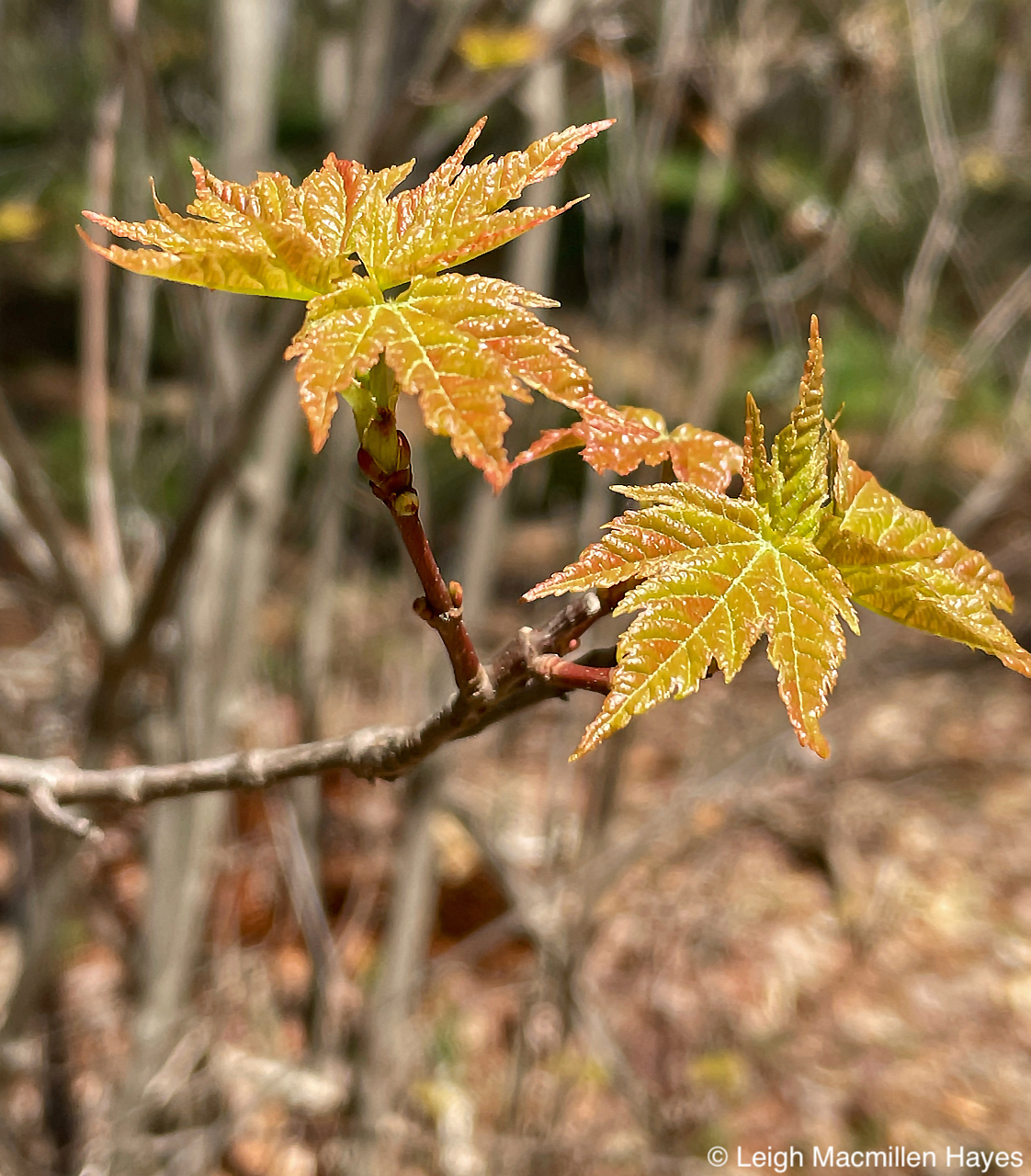
Where it seemed only yesterday, buds were swollen, Red Maple leaves unfurled and show off various hues of color caused by the presence of pigments called anthocyanins or carbohydrates that are dissolved in the cell sap and mask the chlorophyll. As our spring temperatures rise and light intensity increases, red pigment acts as a sunscreen to protect the plant from an increase in ultraviolet rays. And thus, spring reflects autumn, just with a much more subtle color palette.

Paper Birch leaves also had burst through their buds and I don’t think I’ve ever paid attention to their accordion shape in this early stage. On such a sunshiny day, I also couldn’t help but admire the hairy twigs that glistened in the light.

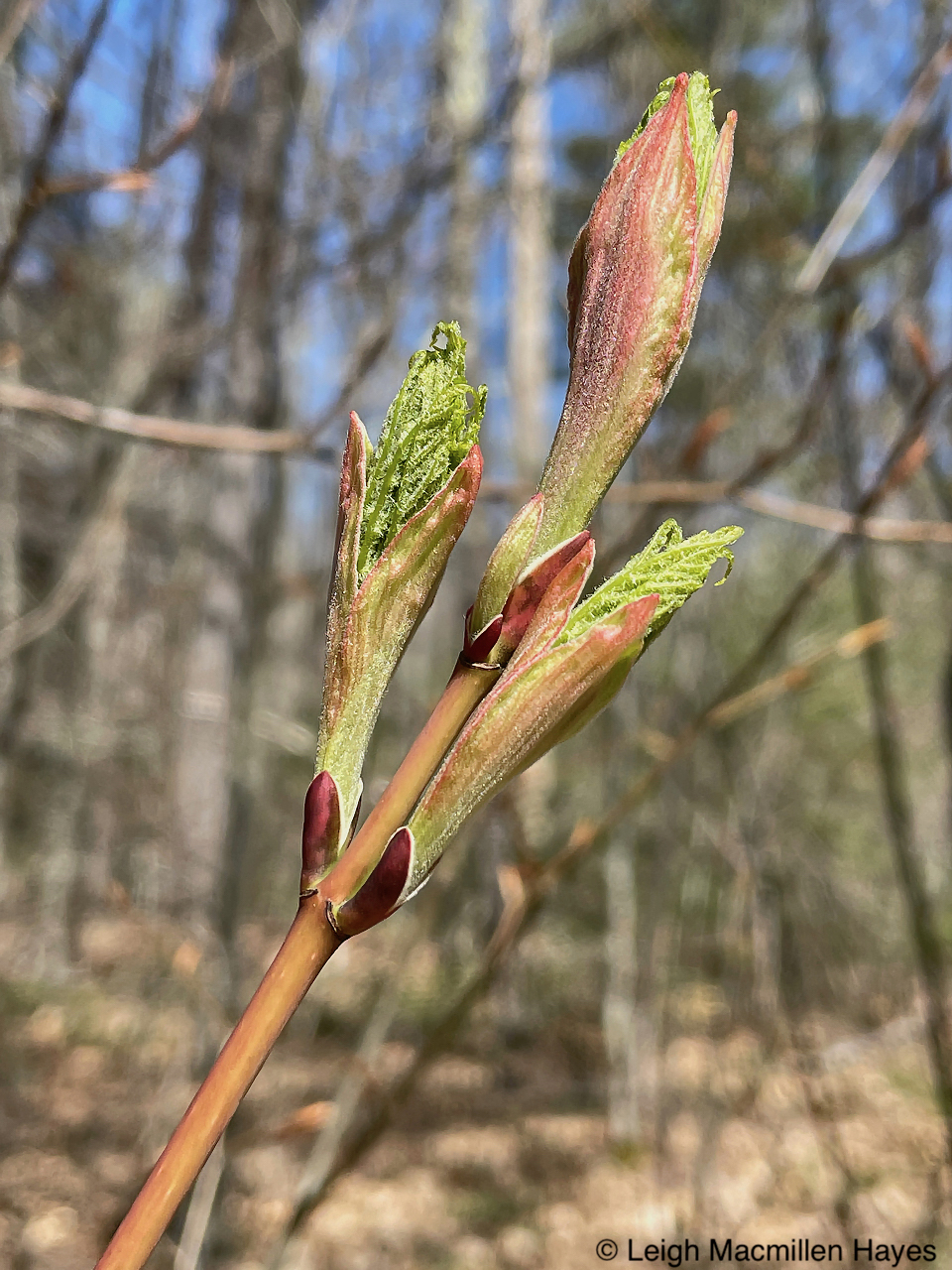
But the star of the show, the one who exhibits the most colorful apparel, is the Striped Maple.

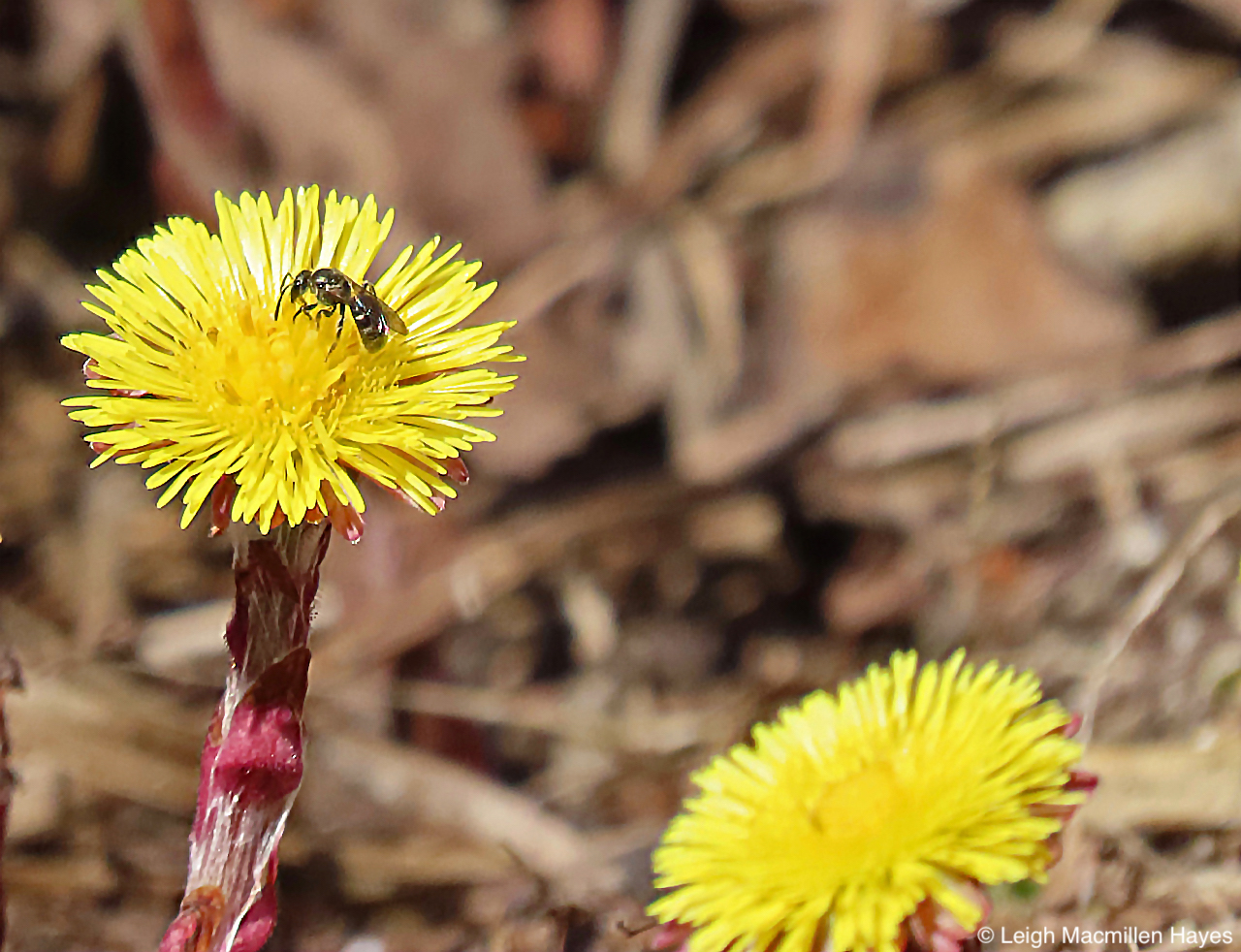
It’s not just tree buds to which one should pay attention, for Coltsfoot, a spring ephemeral whose composite yellow flowerhead resembles dandelions, blooms briefly. Of interest to me is that this plant grows in dry or wet lands we consider to be waste and thus brightens many a roadside soon after the snow melts. Plus, the flower stands atop a stem covered with reddish bracts and whitish hairs, but its green leaves won’t appear until after the golden flowers have withered. And notice the flower fly taking advantage of some nectar, as it unwittingly brushes against pollen before moving onto another to sip and unwittingly making a deposit.

Exploring in a moist location meant occasionally finding flowers who like wet feet, such as this Kidney-leaf Violet with a runway of purple veins on its lowermost petal. Though I didn’t spot any fliers taking advantage of the runway lights, I’m sure there were some who liked the approach.

And it wouldn’t be almost May without Mayflowers, aka Trailing Arbutus, already in bloom, some of it white, and others this pale pink. If you do nothing else, stop and smell this delightful scent of spring. And if you can, observe it closely to see if the pink deepens with age.

If you move slowly and with intention through the woods, as I tried to do today, you may just get to spot an Eastern Comma Butterfly flitting about and occasionally pausing. This is one of three who overwinter as adults, finding a safe place behind bark in which to wait out the dormant season, and then flying on early spring days when the sun shines. How do they do this with nectar not necessarily available at the start of their season? They search out tree sap.

Amidst my journey, I approached one body of water as quietly as possible, and was surprised to spot these Canada Geese. Many of them overwintered on open water in places like Saco River’s Old Course, but it seems they’ve been quite chatty everywhere I I go lately and I hear them before I see them. These two were as quiet as could be. They served as a reminder that we, too, should be quiet once in a while.

The air was filled with bird song and flight, though I couldn’t always spot the creators or identify them by sound, but this one I do know for it’s a frequent flyer (pun intended): Song Sparrow.

What it was up in wings about, I’m not sure, but a moment later it walked into the greenery, and like so many others of its kind, I lost track of it.

The most special of all sights that I spotted today were the developing Wood Frog tadpoles at my favorite vernal pool. It’s all happening so fast.

Too fast. I wish for incremental levels of greenery and blooming and growing. I wish for a slow unfolding. I don’t want to miss the nuances of the changing hues.

Some see spring as an in-between waiting season, but I want to draw it out and savor each moment. Don’t you?

The Saga of a Vernal Pool

Warning: Some may find parts of this post disturbing. But it is, after all,  about the circle of life. 

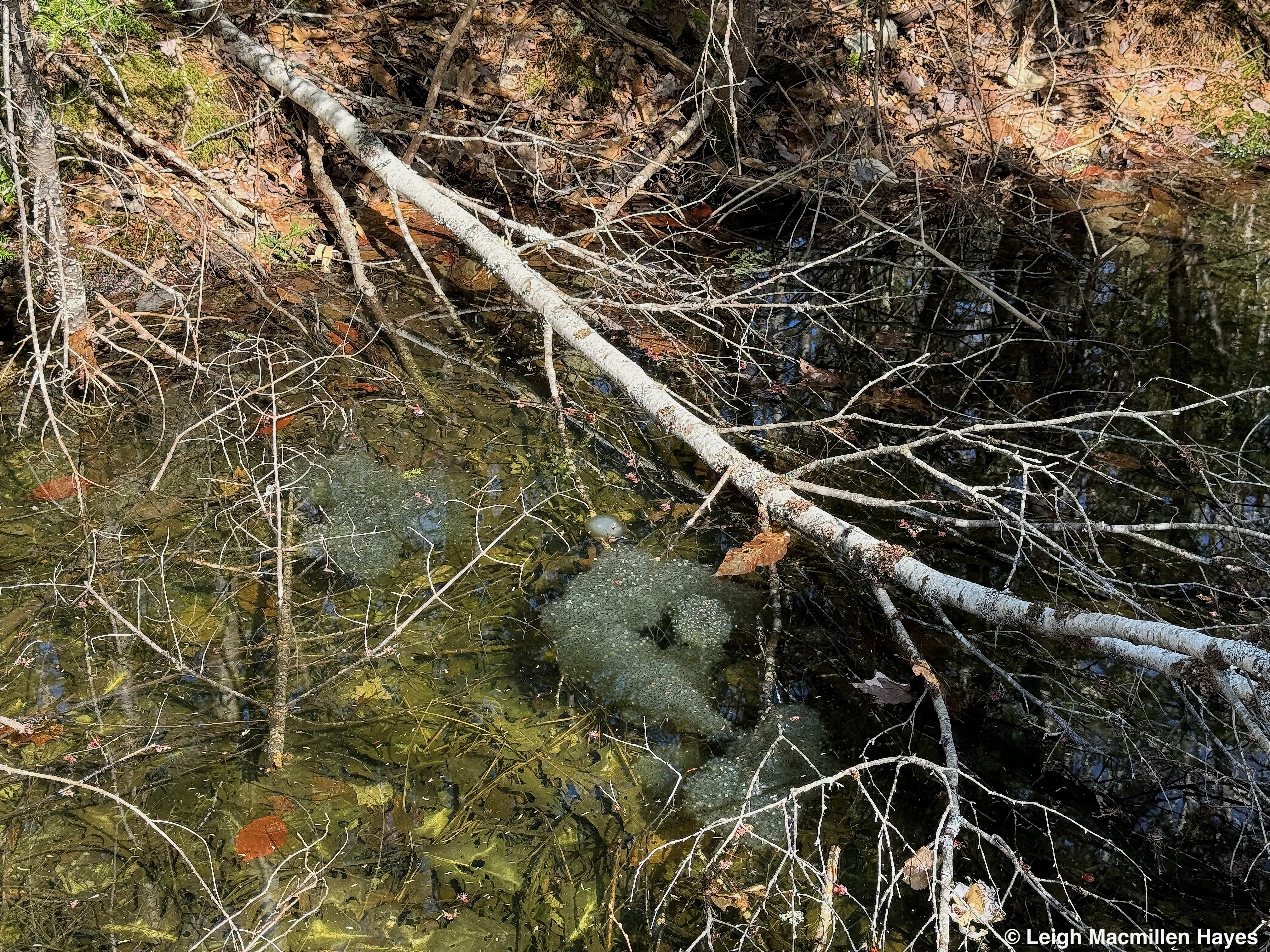
A climbing thermometer in March signaled one thing amidst many others: the time had arrived to check the vernal pool located in the woods behind our house. 

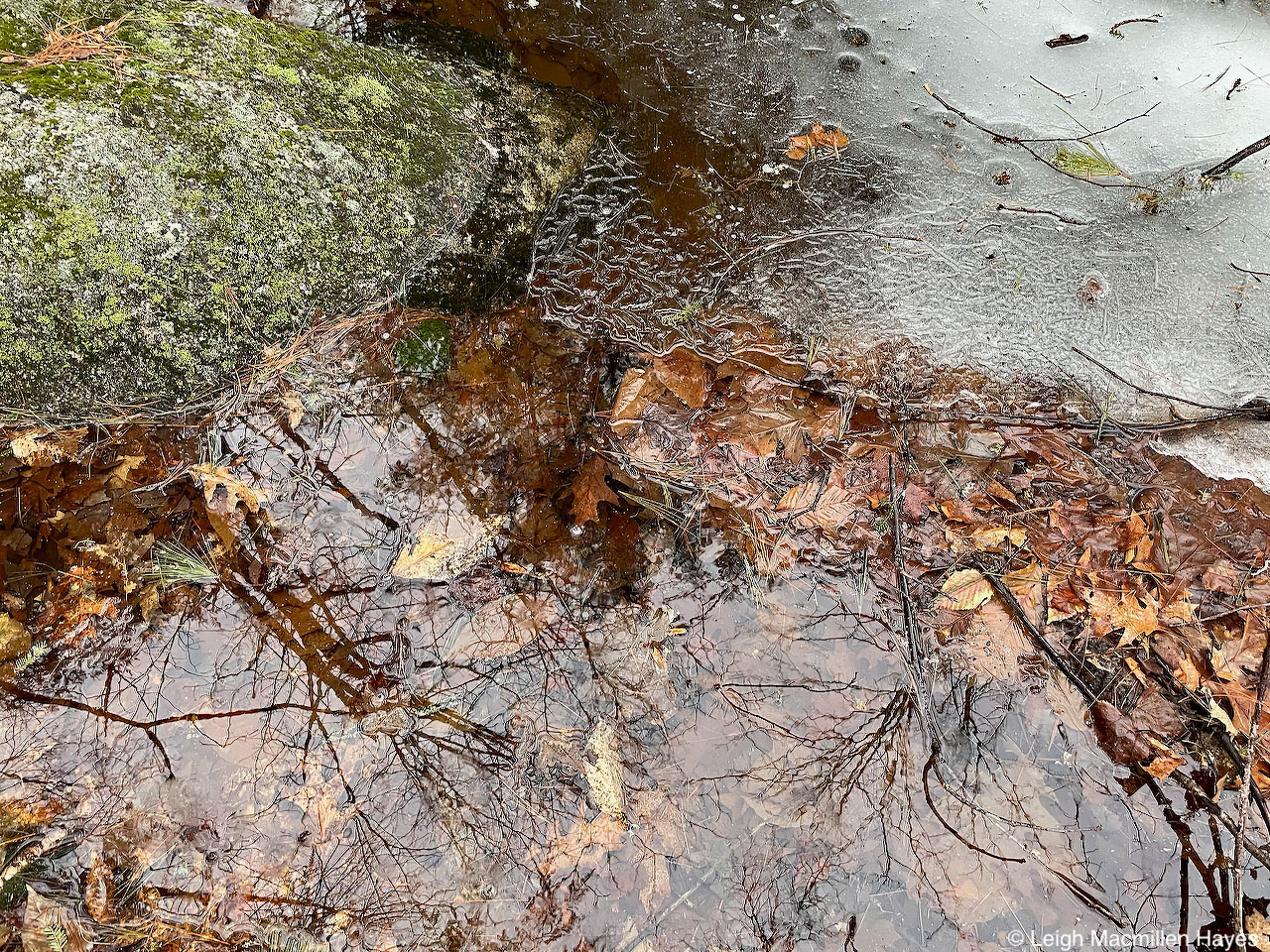
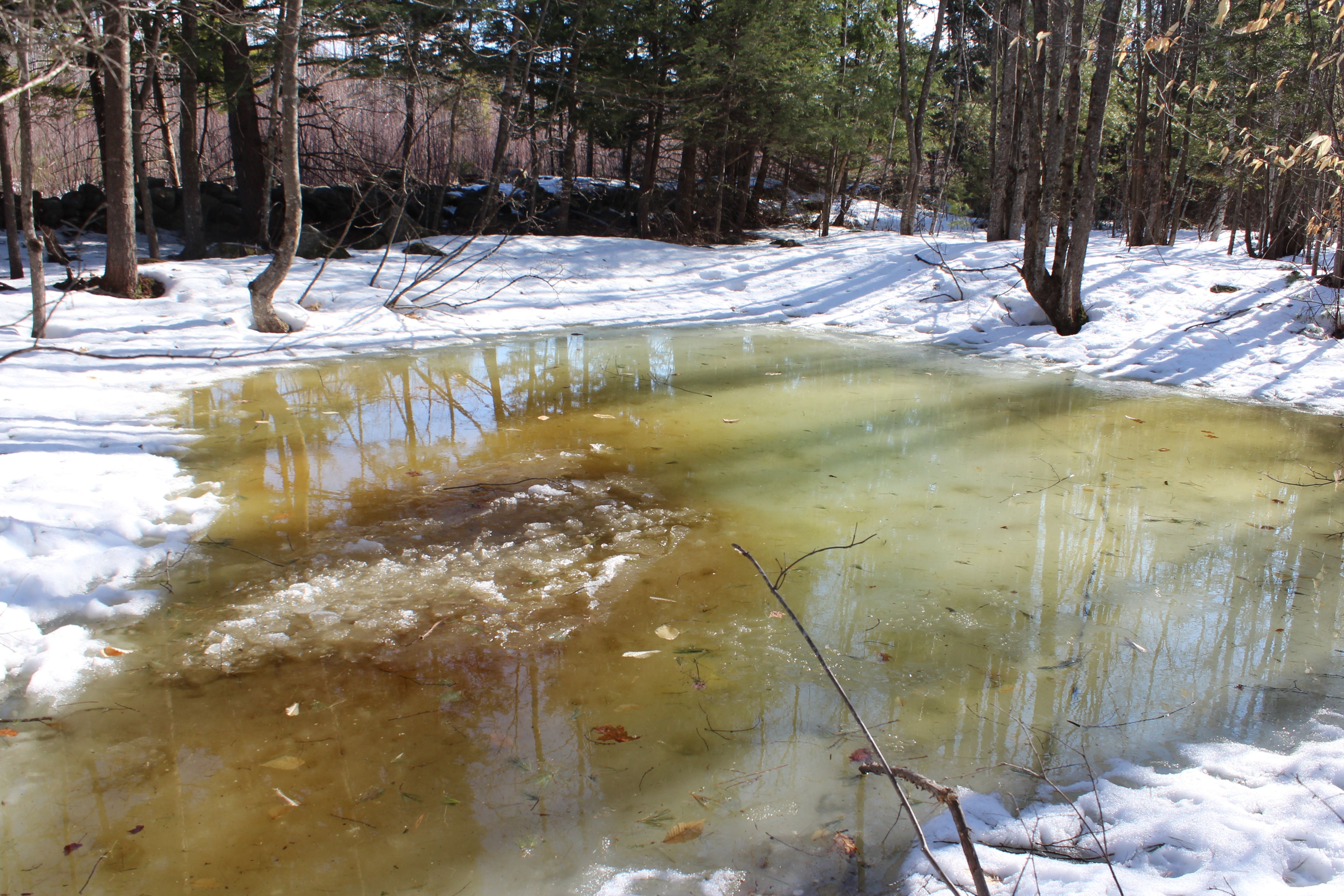
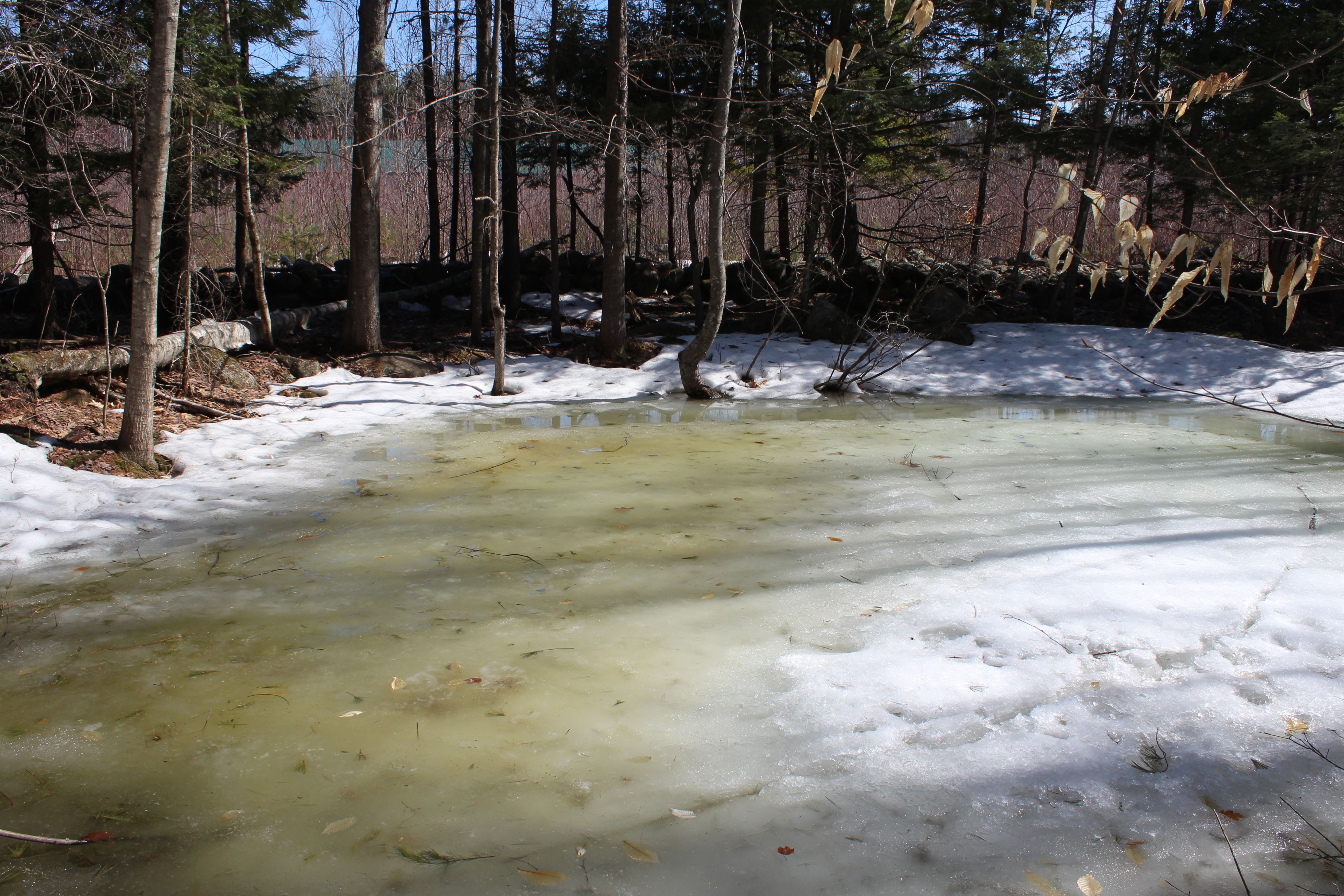
Completely covered with ice at the start of my explorations, I noted puddling on top and knew it was only a matter of days. 

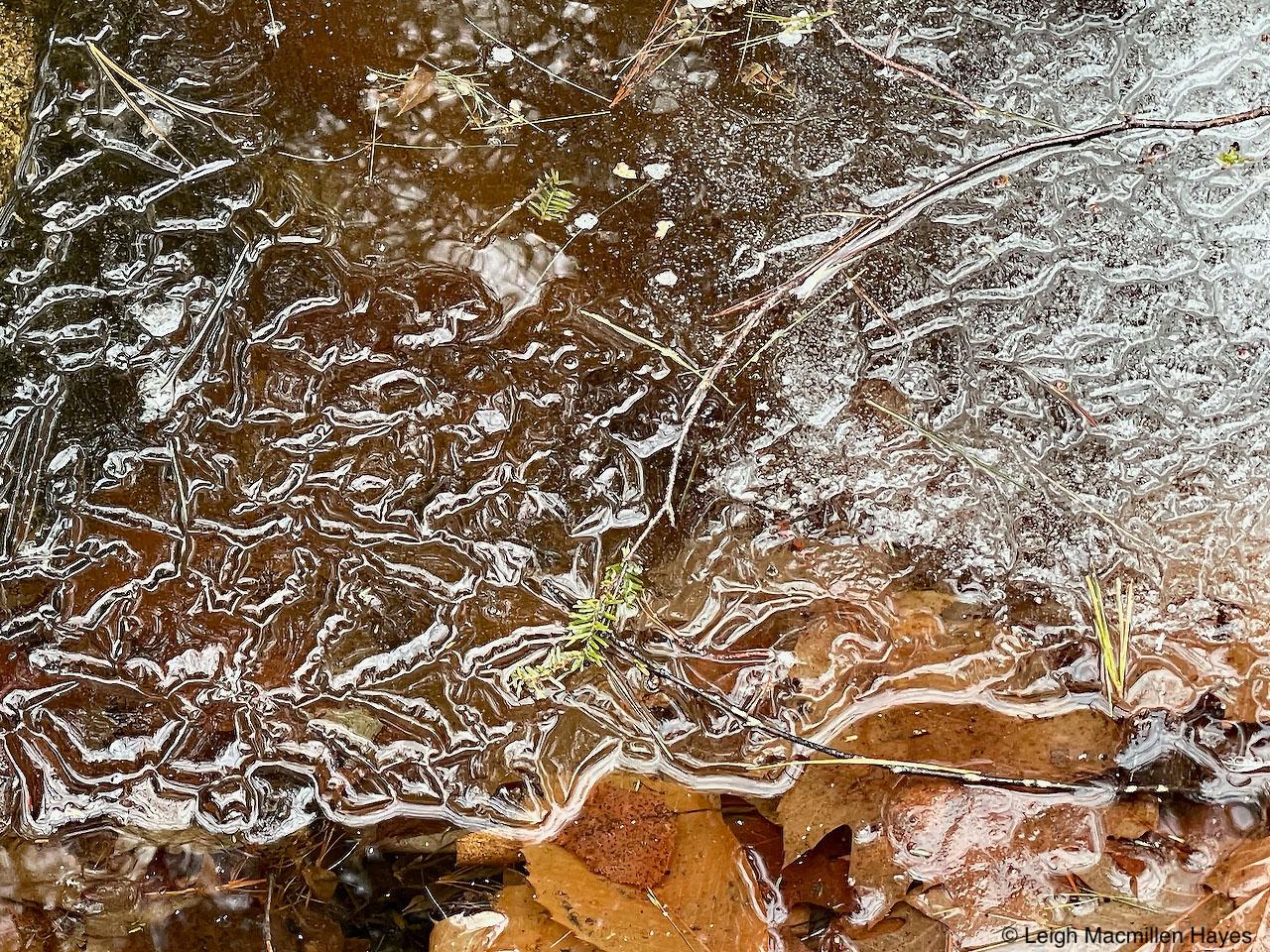
Not wanting to rush the season, though truly I did, I rejoiced when the edges melted because life within would soon be revealed. And what’s not to love about the unique tapestry, a pattern never repeated. 

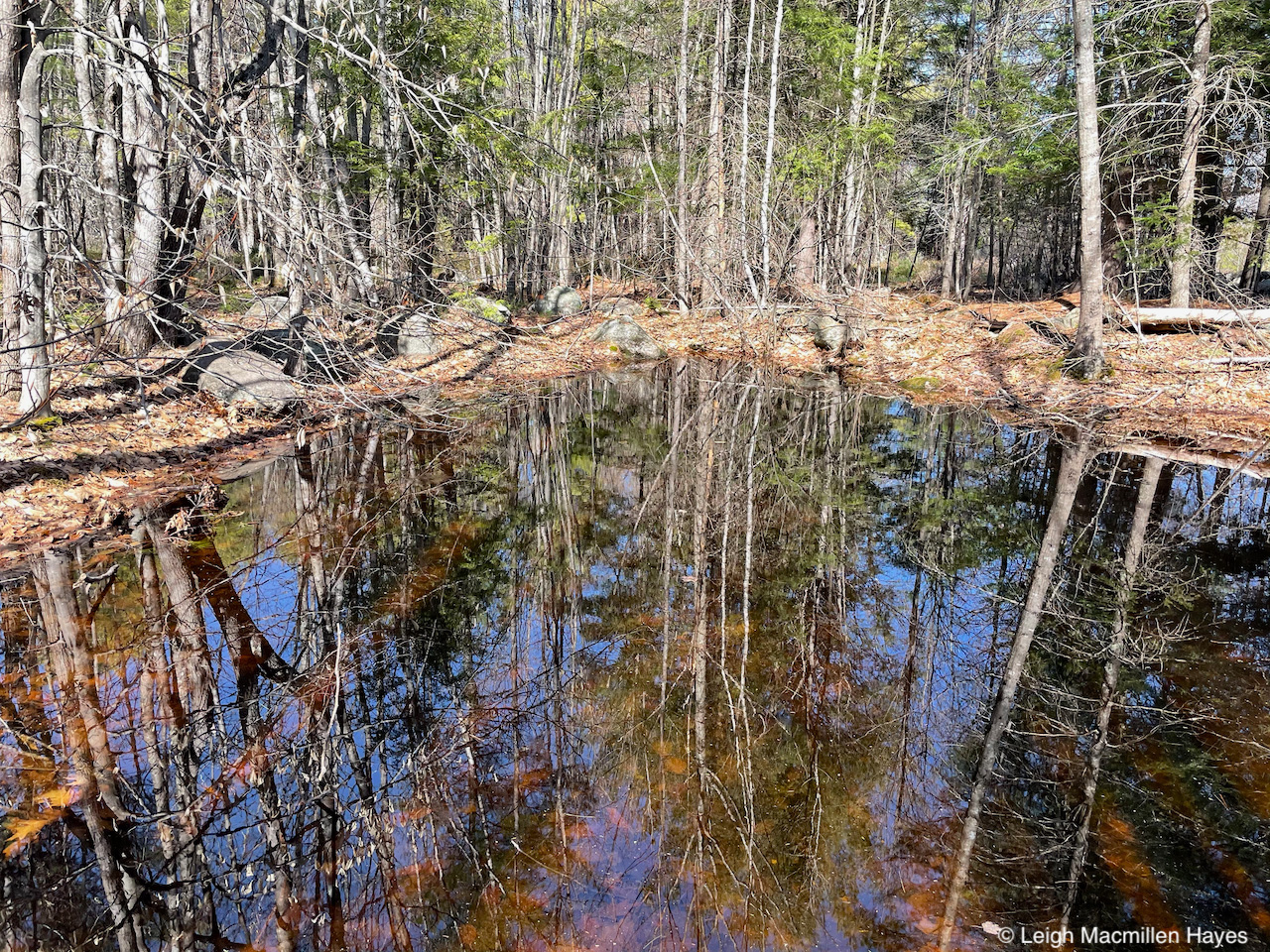
With keen eyes I’d gaze in, but at first my focus was only upon the reflection offered by the bare-limbed trees above. 

And then one day, as if by magic, the ice had completely gone out as we say ‘round these parts. It was early this year–in late March rather than April. That same night I heard the wruck, wrucks of Wood Frogs, always the first to enter the pool. 

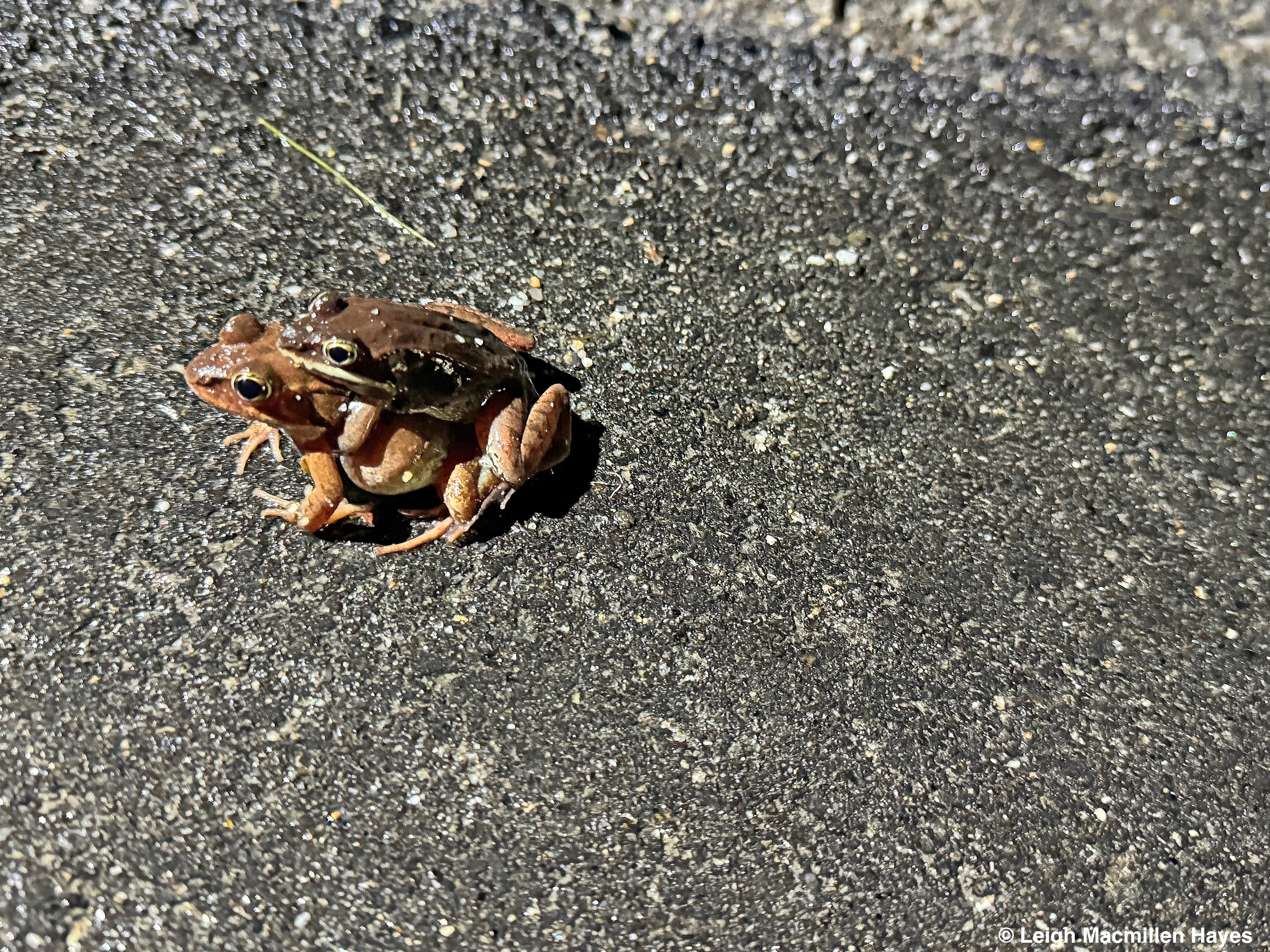
The next day he had attracted his she, grasping her in amplexus as is his species’ manner. 

A day or two later, her deposited eggs already swelled with water, presented themselves like a tapioca pudding popsicle. 

Soon they were joined by so many other globular masses making a statement that living in community is safer than upon your own and might provide warmth when the temperature dips. 

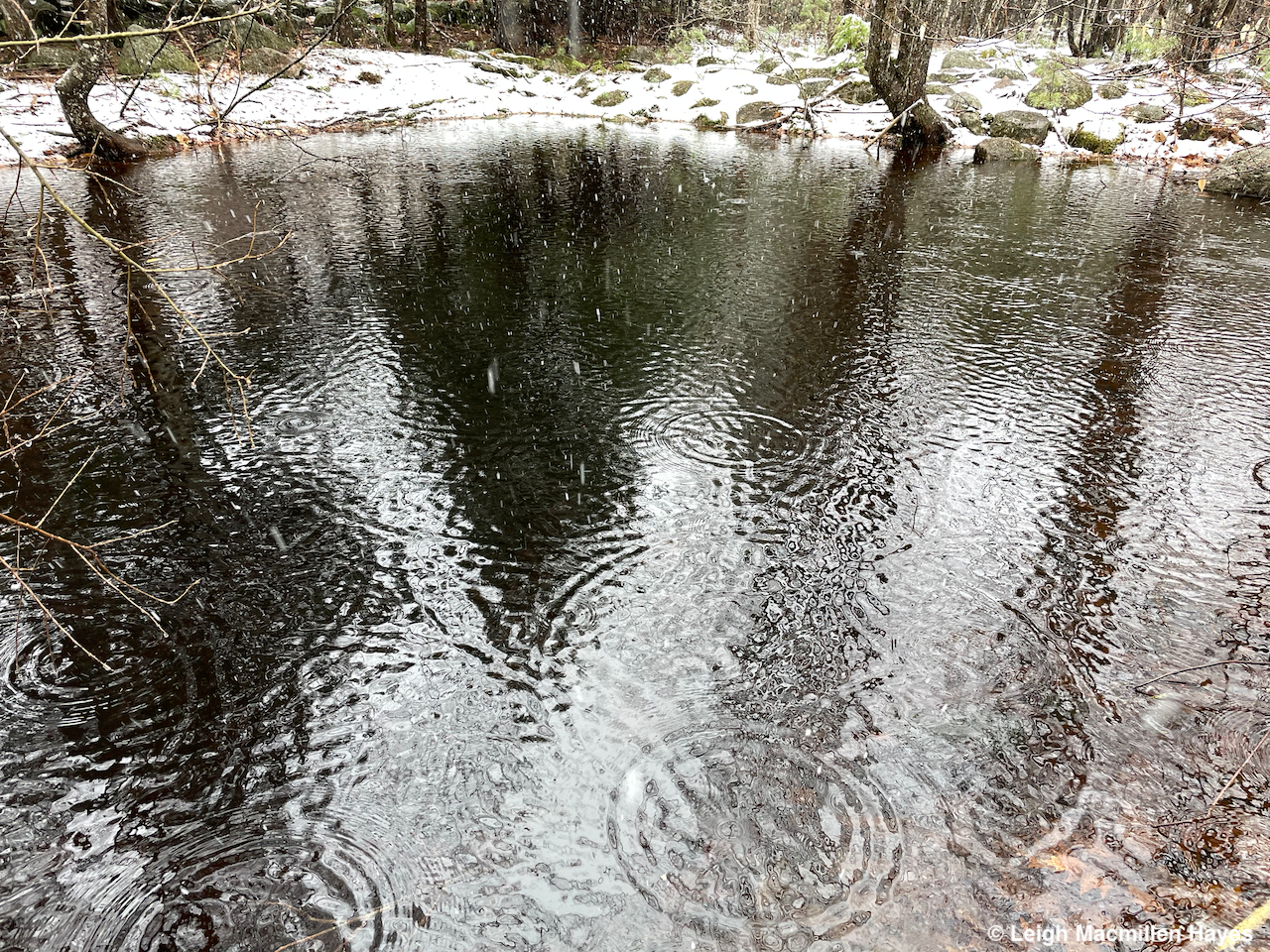
Inevitably it did dip, and one day snowflakes frosted the rocks and ground, sugar-coated the tree branches, and plopped like leaden raindrops, rippling the water’s surface. 

But . . . the embryos still formed.

With each visit it became more and more apparent that a vernal pool isn’t just about Wood Frogs. Spotted Salamanders and midges and beetles and mites and water striders and squirrels and deer and raccoons and snakes and so many others benefited regularly from its nourishment. Even the resident Barred Owl liked to call occasionally. But perhaps the most prolific residents were the mosquito larvae who wriggled and tumbled through the water column. 

Predacious Diving Beetles intent upon creating more of their own, lived there as well. 

One of the curious wonders about those who use a vernal pool as a breeding ground is that they don’t stay around to parent their offspring. If fact, once canoodling is done, they either hop, climb, or fly out and spend the rest of their lives in the forest.  

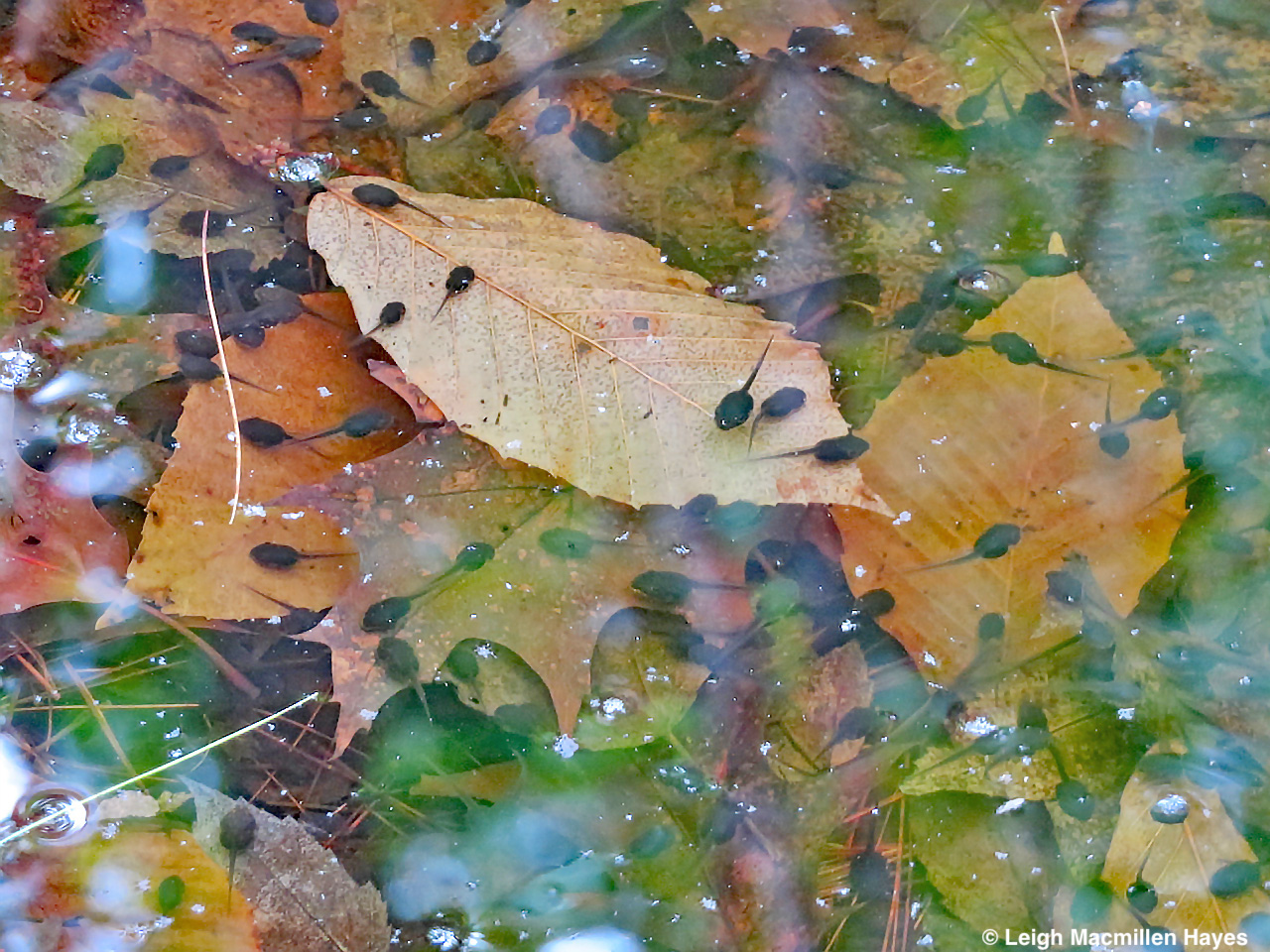
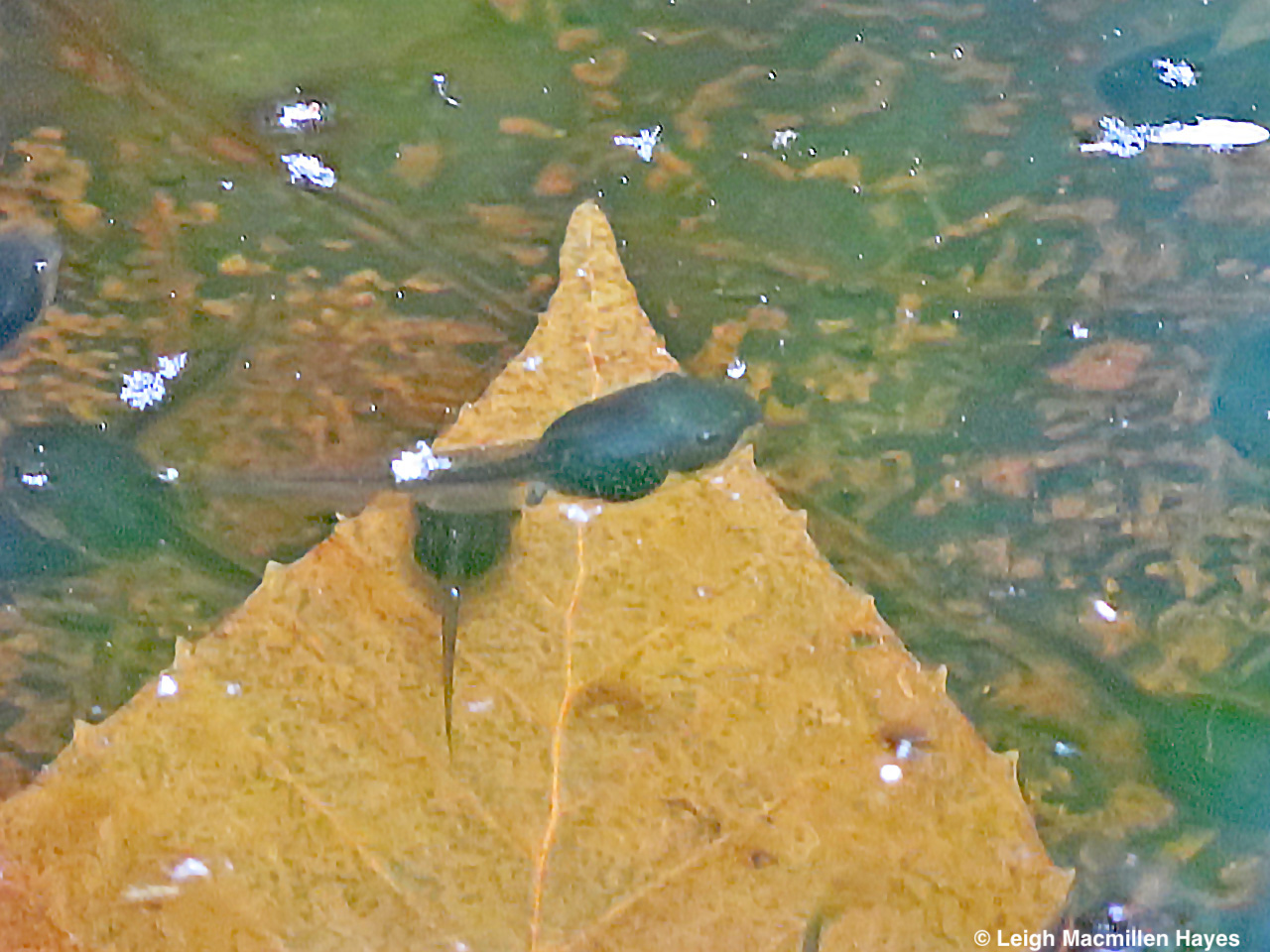
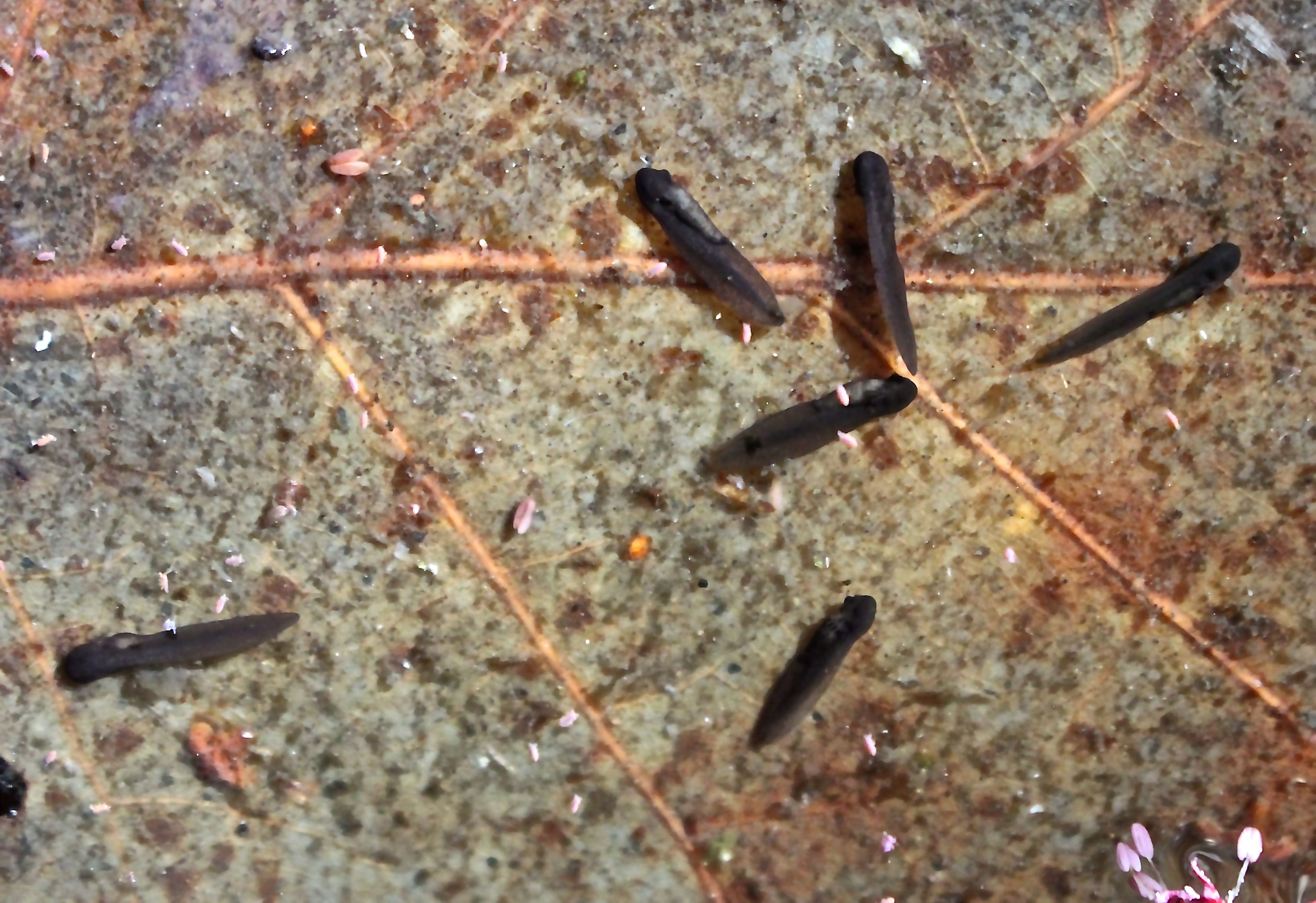
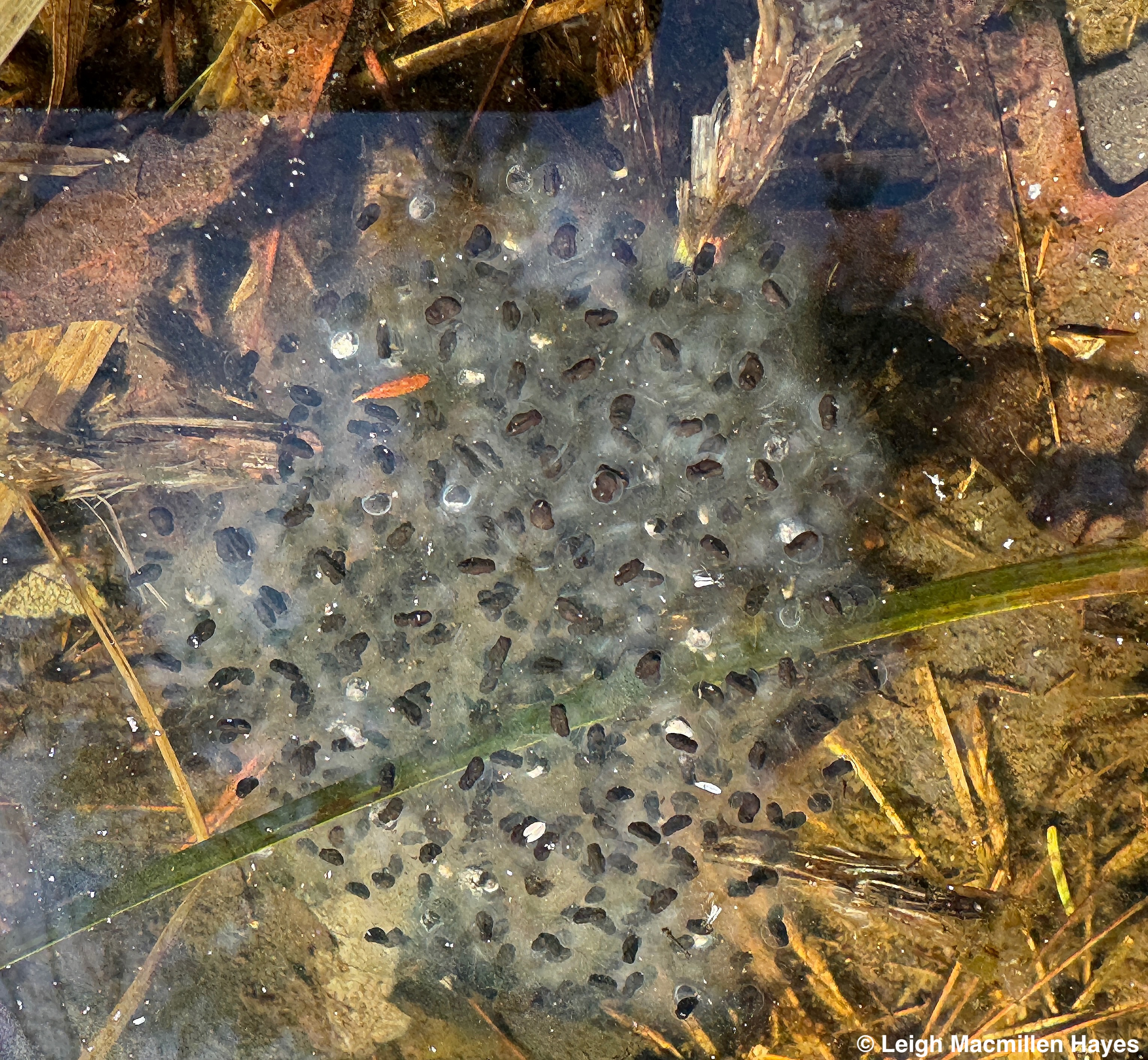
Despite the lack of nurturing, within two weeks tadpoles emerged. Hundreds at first. And then . . . thousands. 

A month later, as the pool began to shrink significantly because it is vernal, and fed only by rain or snow melt, my tadpoles, so claimed since I’m about the only one who checks on them regularly, started to show off their more adult form in the making.

Suddenly . . . a few sweltering days later and all the water had evaporated. 

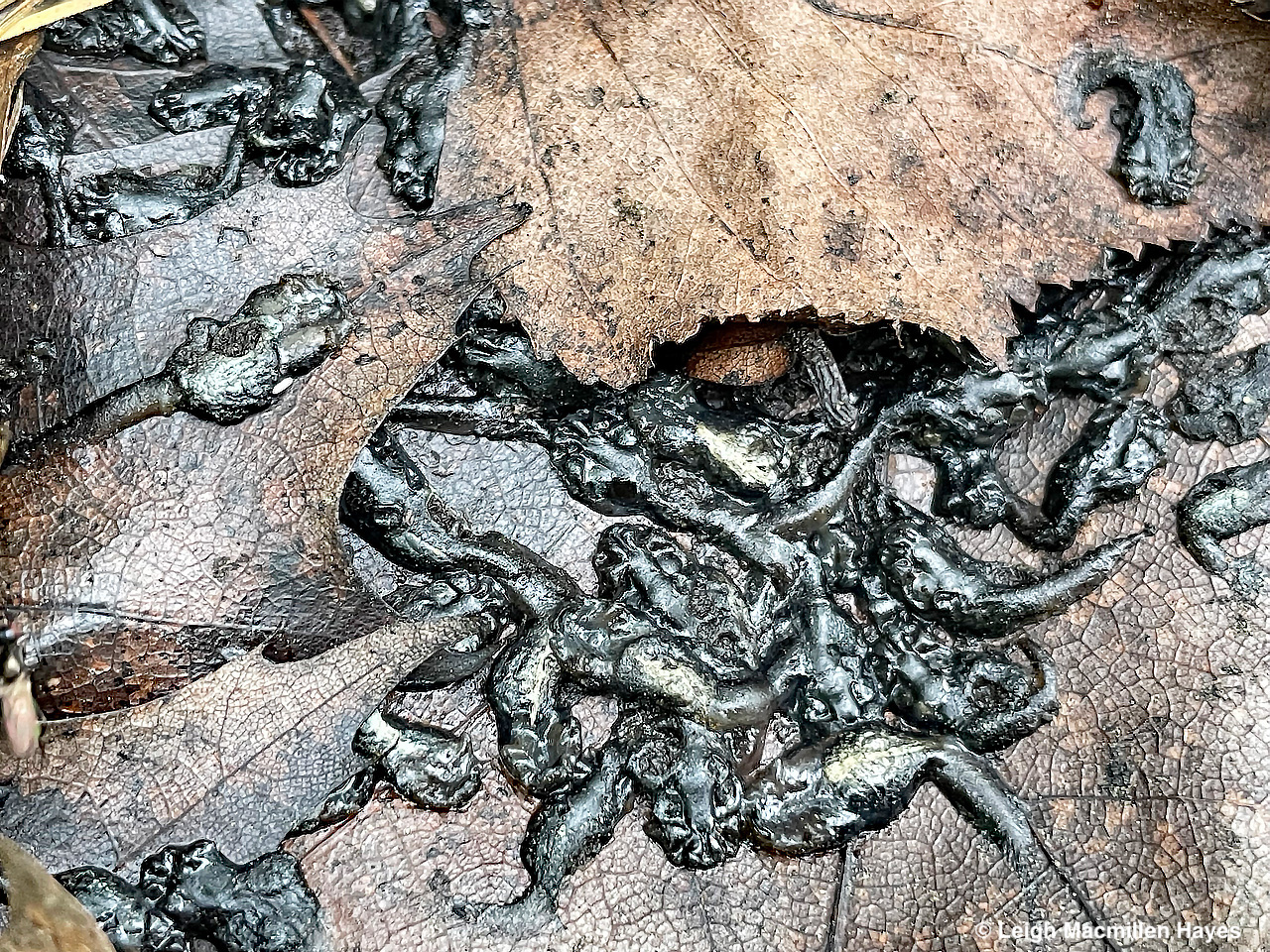
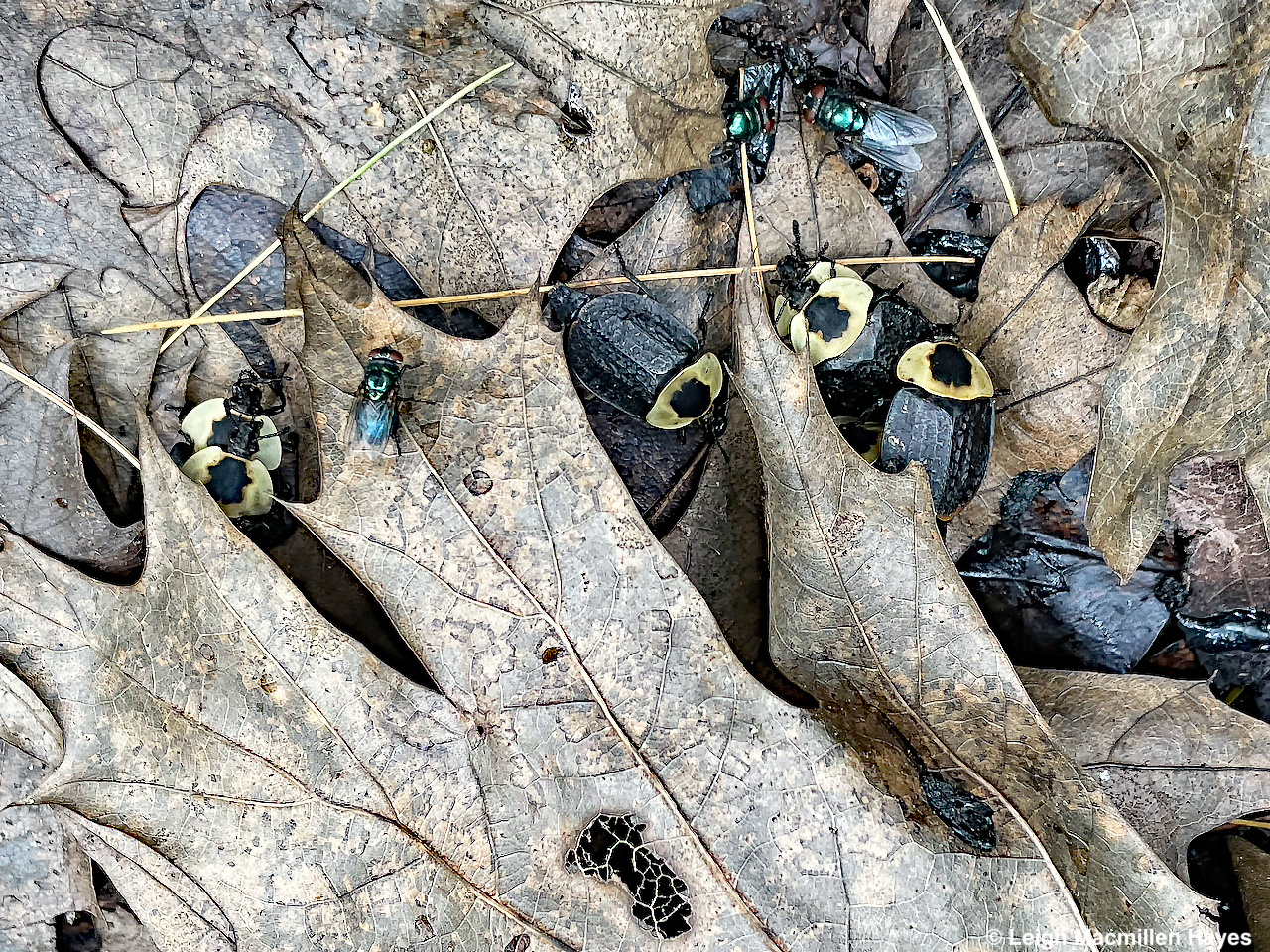
Stepping toward the center with hope, I was instead greeted with the horrific odor of decaying bodies and a Flesh Fly confirmed my suspicions. 

Also buzzing all about were Green Bottle Flies and the reason for so much frantic activity: carnage by my feet. 

But I soon came to realize that while not all the frogs had transformed in time to leave the pool, many must have and it still teemed with life–of a different kind.

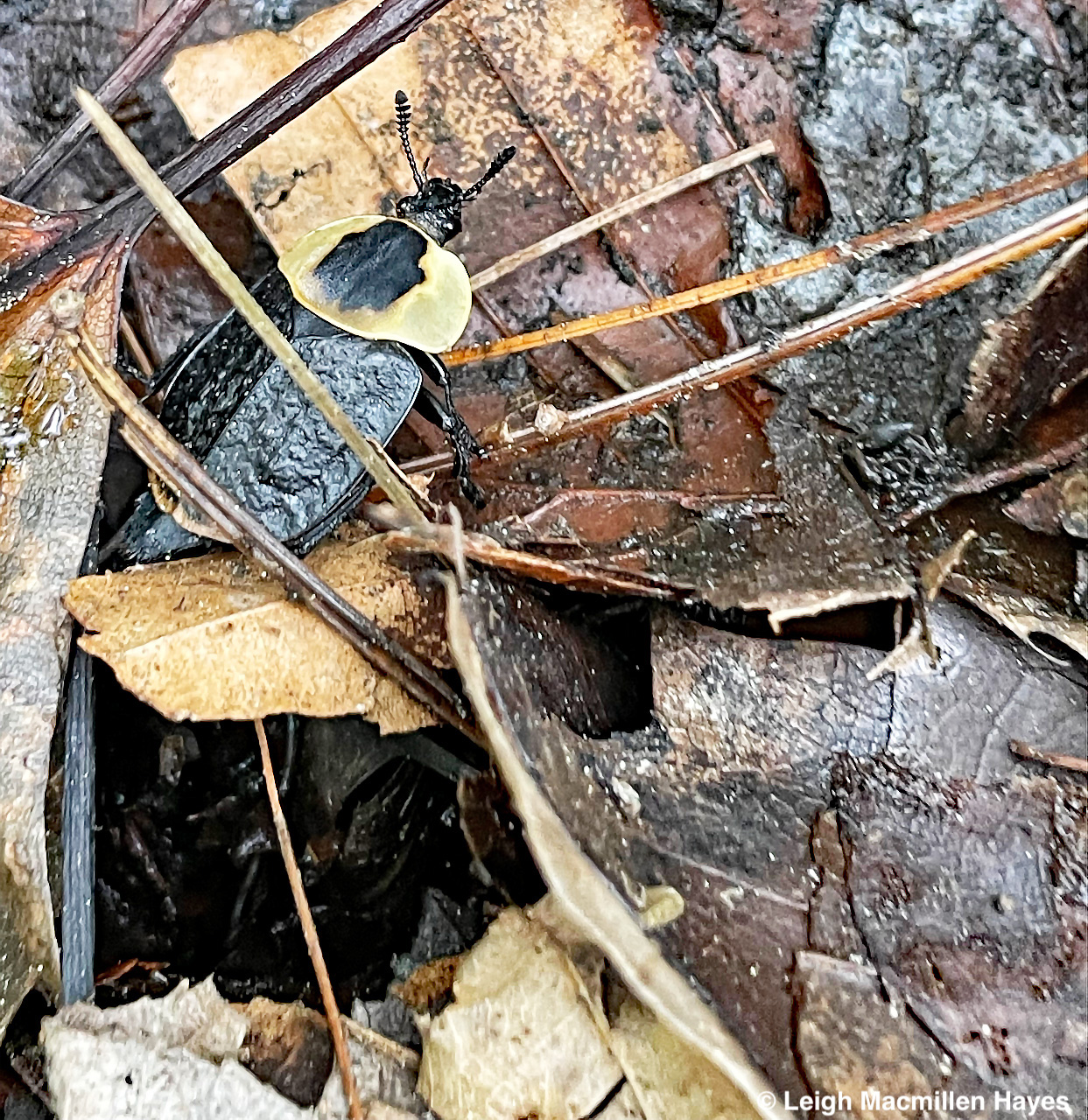
American Carrion Beetles also stalked this place of death. 

Over and under leaves, the Carrion Beetles moved as they mated. The rotting tadpoles provided a place for them to lay their eggs and a food source for their future larvae. This was true for the flies and even little mites who live in a symbiotic relationship with the beetles and eat fly eggs so the beetle larvae have the carrion to themselves. 

As I watched, one canoodling pair of beetles flipped over and if you look closely, you might see he was on top (or the bottom in this case) and biting one of her antennae as part of their mating ritual. 

At last it was with great sadness that I said goodby to those who could not, but leaving the stench and frantic activity behind, I reminded myself that this happens each year and there’s a reason why frogs lay so many eggs. Without my witnessing it, some, possibly many, did hop away from the pool. And next year they’ll return to carry on the ritual. Until then, the flies and beetles and so many others will bring new life and by November the depression will fill again waiting for the saga of the vernal pool to continue. 

In parting, here’s  a quick video of the sights and sounds. 

Aqua World

It’s never the same, any visit to a wetland or vernal pool, and such was the case today when I got my feet wet in three different aquatic habitats.

The first was at the edge of a wetland that borders a local lake and it was there that the crazy little springtails taught me a lesson.

I’d gone to see what I might see and first it was a spider, mosquito larva and a few springtails that caught my eye.

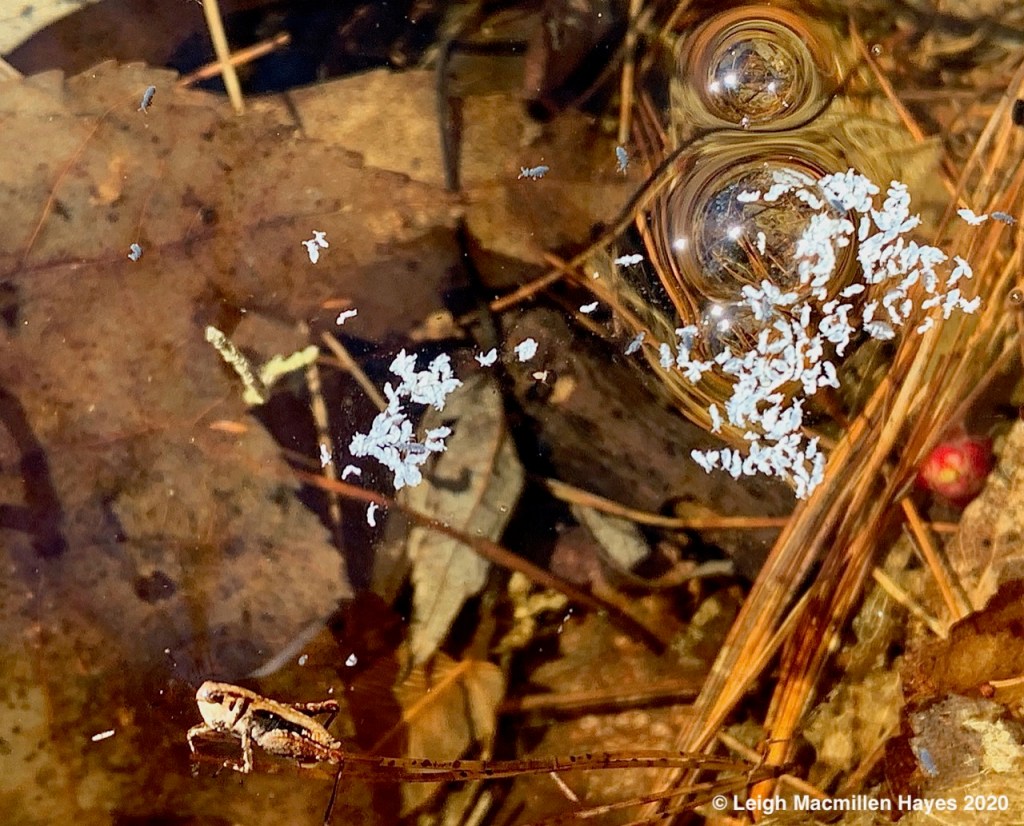
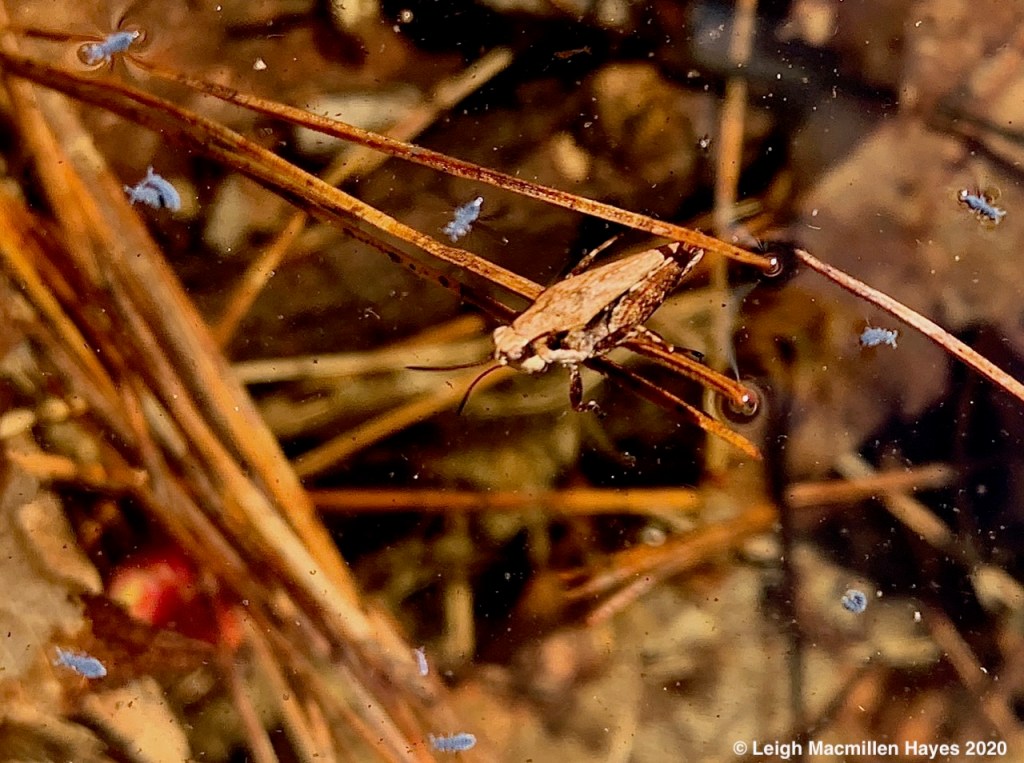
But then, I began to notice white springtails floating across the watery surface. Oh, and a water bug of sorts climbing a submerged twig.

For a bit my focus turned to the latter as I noticed his antennae and legs.

And for a second, I considered him to be a small grasshopper, but that didn’t make sense for he was in the water, after all. For now, he’ll remain a mystery until I gain a further understanding.

But then I turned back to the springtails in pure white form. They didn’t move. How could that be? Was I missing something? Or were they actually the molted skins of some of the slate-colored ones that did jump about? My later learning: Some springtails can molt up to forty times, leaving behind white exuviae. After each molt, the springtails look the same.

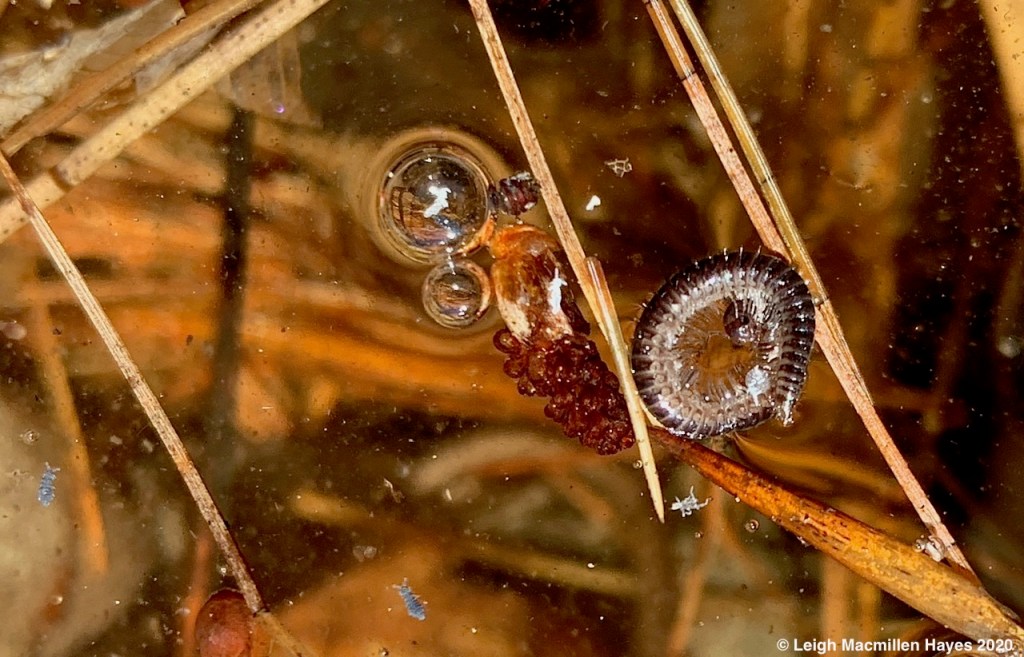
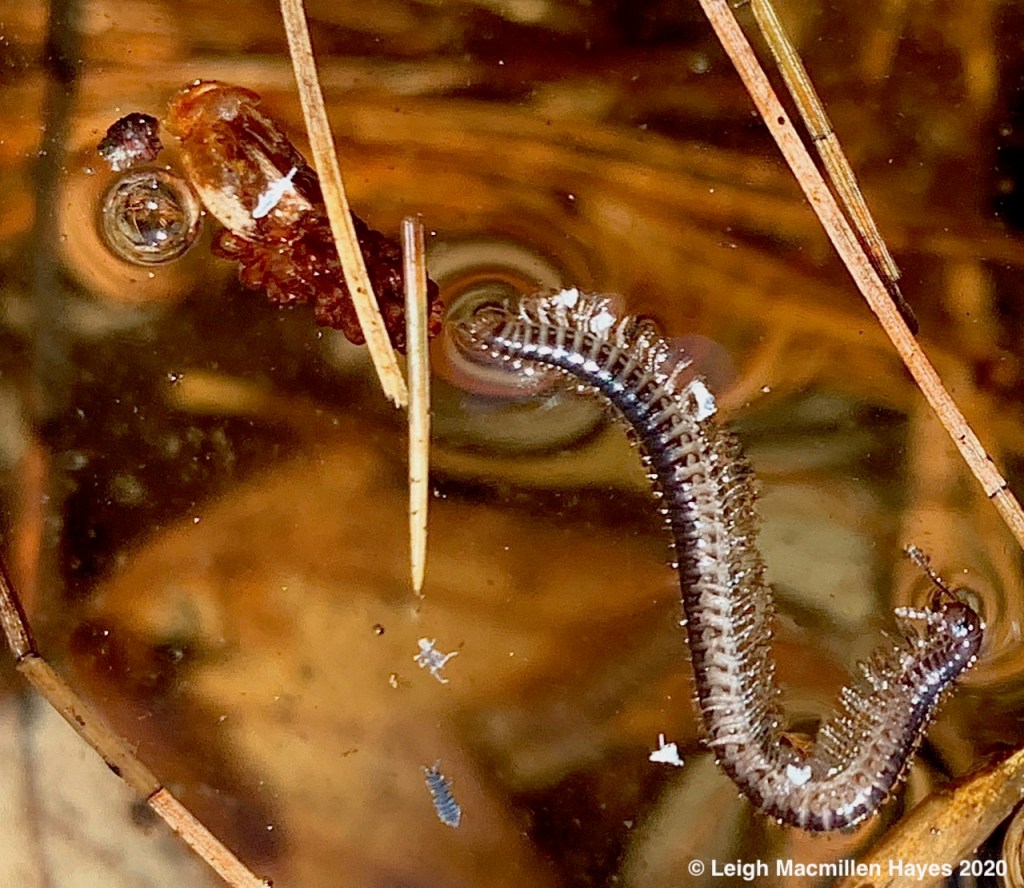
While watching them, something else caught my eye–a small circle . . . with a thousand legs.

I don’t know that I’ve ever seen a millipede in the water before. Moist places like our basement, yes. But swimming? Perhaps I just haven’t paid attention.

Or perhaps all the rain that graced our world yesterday caught this one by surprise.

With that find, it was time for me to take my leave.

But my next stop brought pride to my heart.

And I found myself promising a hundred million tadpoles that I will keep an eye on them since their parents have left the nursery unattended. As their surrogate mother, I’m going to worry each day and pray the water doesn’t dry up, the garter snake doesn’t return, and that these little ones will be able to mature and hop out.

A little further on at another vernal pool I met more caddisfly larvae than I ever remember meeting before.

Each sported a log cabin built of shredded plant material and I got to thinking about how they carry their houses with such agility.

Each is a wee bit different and some are messier structures than others. As I watched, one actually flipped over a few times and I finally realized it was adding another layer to the building.

A few took it upon themselves to meet at a social closeness we’ve come to avoid of late, for this one long structure is actually three sharing the same space.

Even the mosquito wrigglers, such as the one in the upper-right-hand corner, captured my sense of awe today. And all of these species got me thinking about their good works. Most feed on algae, detritus and other organic material, so yes, even mosquito larva should be celebrated.

Aqua World–it’s a wonder how it works.

I’m in Frog Heaven

The ice went out on the vernal pool in our woods on April 5th and by the 6th the wood frogs were singing their love songs and egg masses had already been attached to fallen branches.

Once I spy such I become addicted to visiting the pool on a regular basis to keep an eye on the activity. As much as I’d love to bring some home, I know that that would interrupt the natural process and so I do the best I can by peering into the water.

One of my great finds early on turned out not to be as extraordinary as I first thought. What I thought were blue spotted salamander egg masses slowly morphed into wood frog masses. They were laid out like sheets on the floor of the pool rather than attached to sticks as is normally the case. But it didn’t all make sense as up to the point that I spotted those masses, I hadn’t seen any salamander spermatophores.

Daily visits to the pool garnered a better understanding and about two weeks later not only had the spotted salamanders left their deposits on the pool floor . . .

and the next day their eggs on sticks . . .

but the so-called blue-spotted suddenly began to look more like wood frog masses with tadpoles developing inside. Perhaps they were laid at the very edge of the pool by young wood frogs just getting the hang of the annual ritual.

With the help of my son who works for a film editing house in Manhattan, I’ve pulled all of this together into a video so even if you can’t get to a vernal pool, perhaps you can enjoy the magic of this place for a few minutes by clicking on the link and watching: Are You in Frog Heaven?

There’s so much more to come and I’ll do my best to keep an eye on the action.

In the meantime, why not create a Frog and Toad Chorus as you stay at home.

In the amphibian world, males sing as a means of attracting a mate and defending a territory.

Here’s how to conduct your own chorus: Assign a species to various family members who will imitate the sound as best they can. Have fun leading your gang as you control who “sings.” And then head outdoors to see if you can identify the species based on your knowledge of the songs they create.

Wood Frog: quacking duck or wruck, wruck in early spring

Spring Peeper: high-pitched peep-peep in early spring

American Toad: sustained trill lasting up to 30 seconds (from your lips or throat), early to late spring

Green Frog: throaty gunk! like banjo strings, late spring – early summer

American Bullfrog: deep, resonant rr-uum, or jug-o-rum, late spring – early summer

Gray Tree Frog: slow, musical bird-like trill lasting 2 or 3 seconds (use your lips or tongue), late spring – early summer

Are you in Frog Heaven? I know I am.

This Land Is . . .

My land. I’m sure of it. I don’t own it all, but I walk it often because it’s not posted and I know it well. Well, only just so well. It’s constantly offering me new learnings.

o-Mt Wash

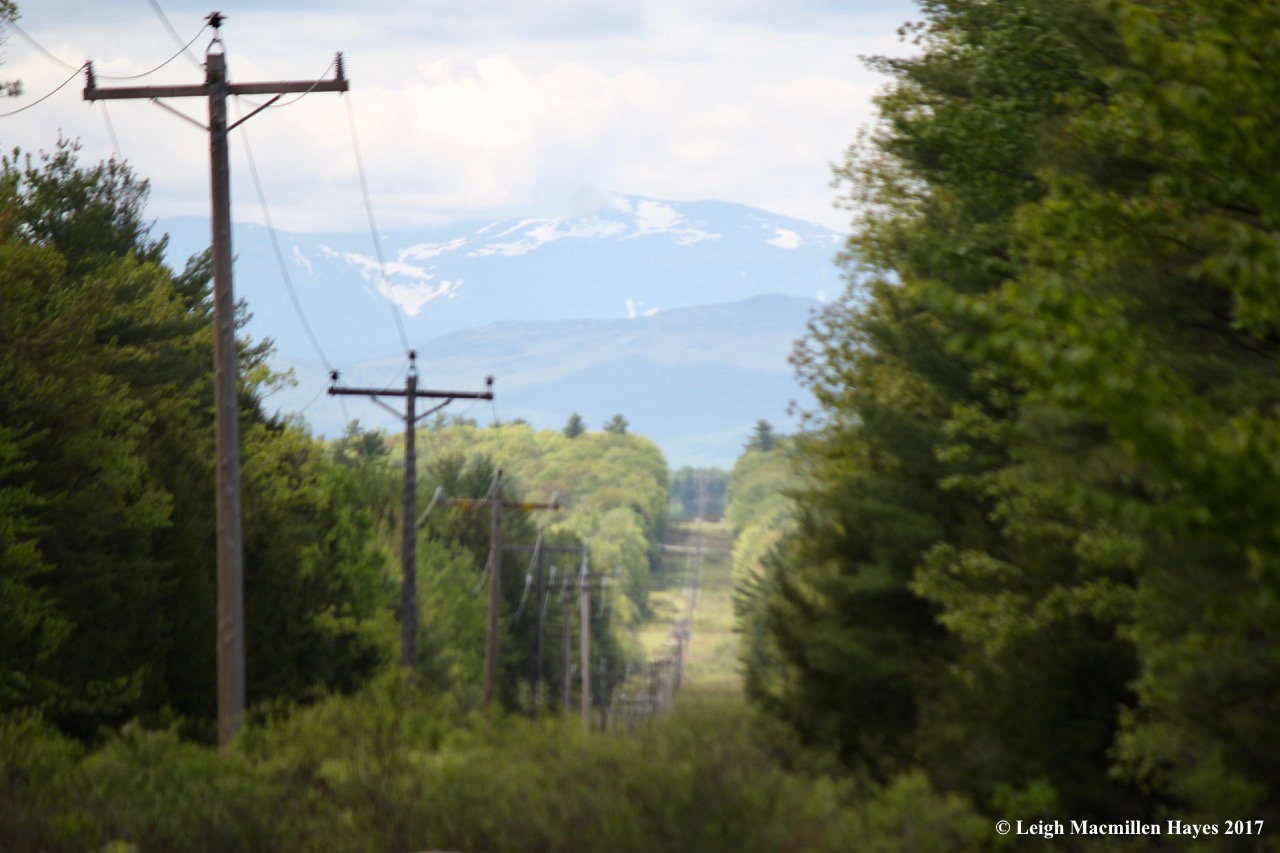
And so once again, out the back door I ventured, intending to head north toward the land of snow–haha. My sister asked the other day if we still had snow. We don’t have any on our land, but this is our view from the power line right of way–yup–we’ve got snow ;-) (in our view).

o-tick

I changed my mind about the direction, however, when I saw numerous dog ticks on the tips of grass as I crossed our neighbor’s field. Though they aren’t the purveyors of diseases such as Lyme disease, Babesiosis, and Anaplasmosis, seeing them still unnerved me and I decided to head in the opposite direction where it isn’t so grassy. Of course, that’s where the deer ticks live. Nightly tick checks are a must every day.

o-early yellow rocket 1

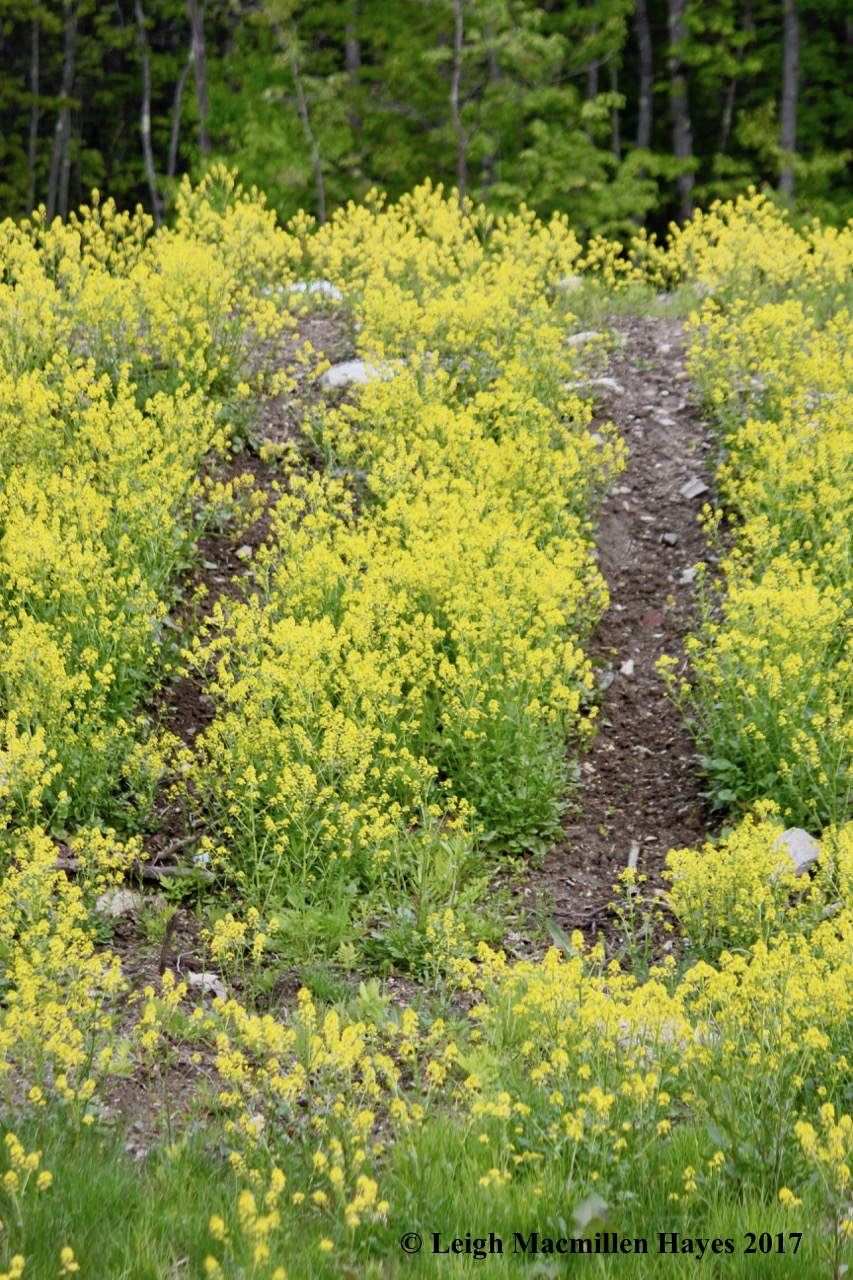
It was in the opposite direction that I was caught by surprise. Behind a local business, where the land had been disturbed a year ago, a wall of yellow greeted me.

o-yellow rocket 3

It was a sea of early yellow-rocket that is common along roadsides and fields. Apparently this one spot was the cat’s meow for it to grow so prolifically.

o-bee 3

What was more prolific–the sound.

o-bee 1

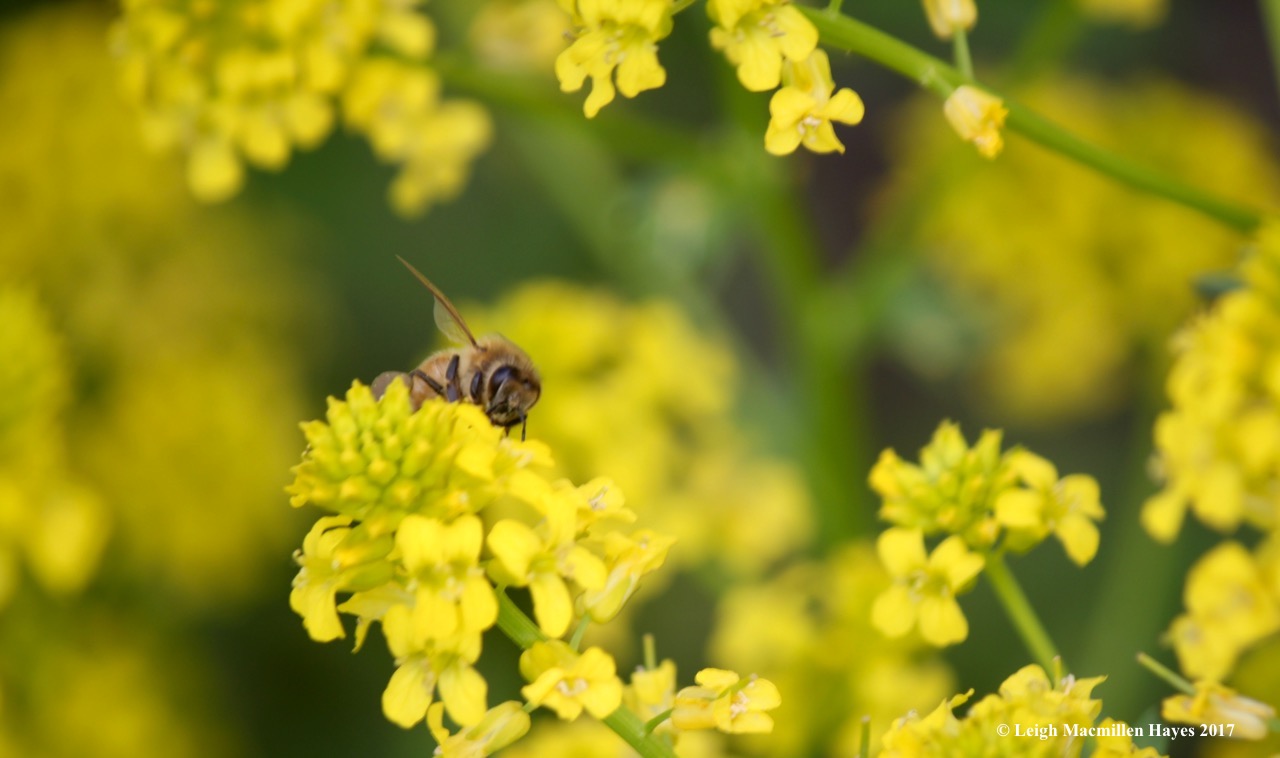
Bees and other insects hummed as they worked,

o-bee 2

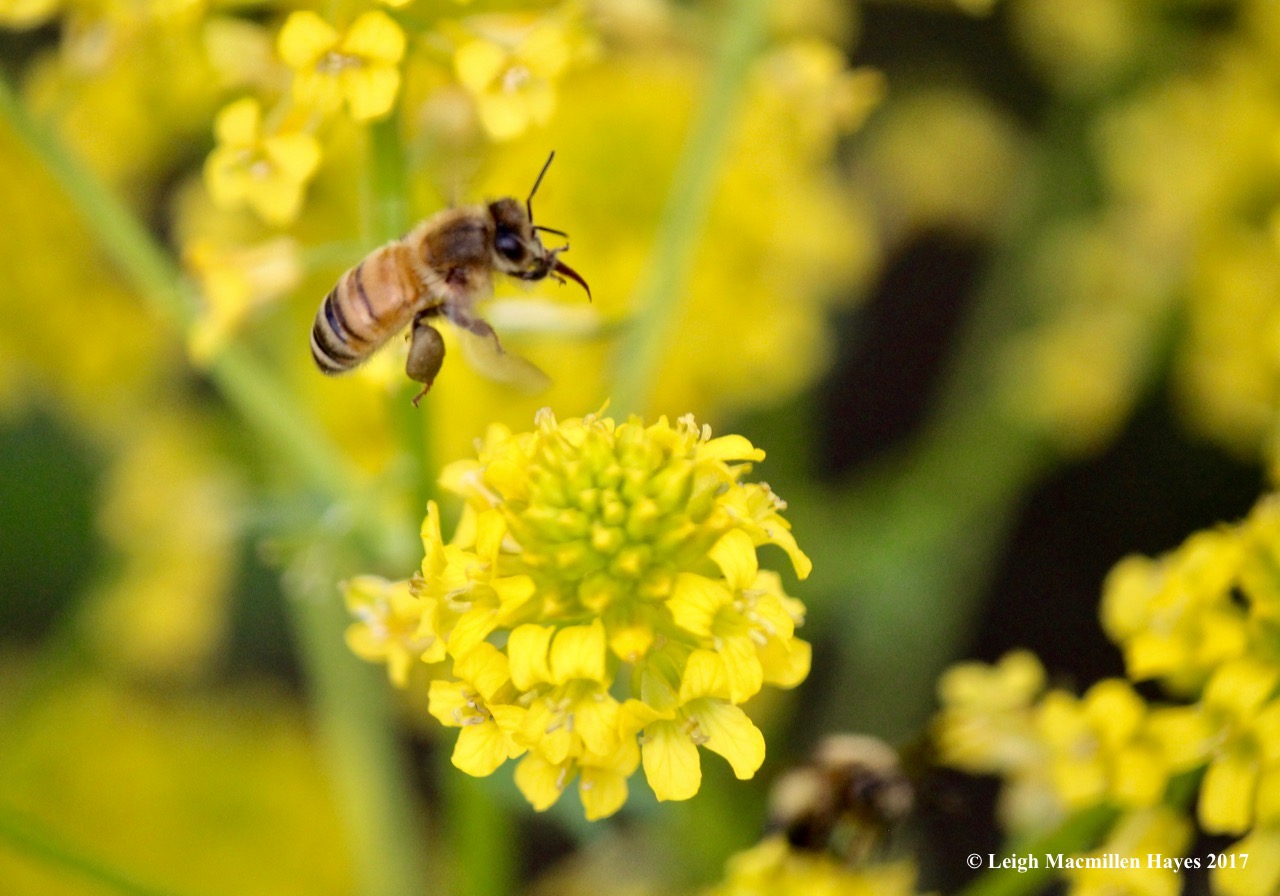
filling their pollen sacks to the brim.

o-fritillary 1

Even a fritillary butterfly enjoyed the goodness within.

o-fringed 2

Those weren’t the only wings I saw. It was a complete surprise to also discover gaywings or fringed polygala growing deeper in the woods.

o-turkey print

Walking along, I flushed a couple of deer and a ruffed grouse. And though I didn’t see or hear any turkeys, I knew they’d been there by their signature prints.

o-tadpole 1

And then I slipped off the trail to stop at a vernal pool that I don’t often visit. The water is shallow, but tadpoles are growing.

o-tadpole 2

A week or two ago after they’d just emerged, they were easy to spot as they clung to their egg masses or swam by water’s edge. But they are maturing and I had to stand still or they’d disappear under the leaf cover.

o-water scavenger larvae

While standing there, I spotted another resident I didn’t immediately recognize–the larval form of a water scavenger beetle. According to A Field Guide to the animals of Vernal Pools,  “they are poor swimmers and will hang from the water surface (where they obtain oxygen) or hide in vegetation to await prey.” That all makes sense given their body structure.

o-sugar ant?

On the way back, another insect stopped me. I think they were sugar ants with a white thorax. But why were they on beech leaves? Then again, every insect seems to like beech leaves. I guess I don’t think of them as being sweet, but . . .

o-old gate in wall

As I headed home, I paused by an old wall and gate. This land was farmed in the late 19th and early 20th centuries. The walls formed boundaries for animals and are owned by numerous neighbors I’ve never met. Thankfully, they let me and others cross–though few will do so until hunting season begins in the fall.

Anyway, it all got me thinking about who owns the land. And then I knew the actual answer. The plants. The trees. The flowers. The insects. The amphibians. The birds. The mammals. They all own the land. We are mere visitors. I thank all of nature for letting me trespass and gain a better understanding of its various life forms.

This land isn’t my land. And it wasn’t even made for you and me. But I have great reverence for it. And for those who have protected it.

Happy Memorial Day.

The Big, The Little and Everything In Between

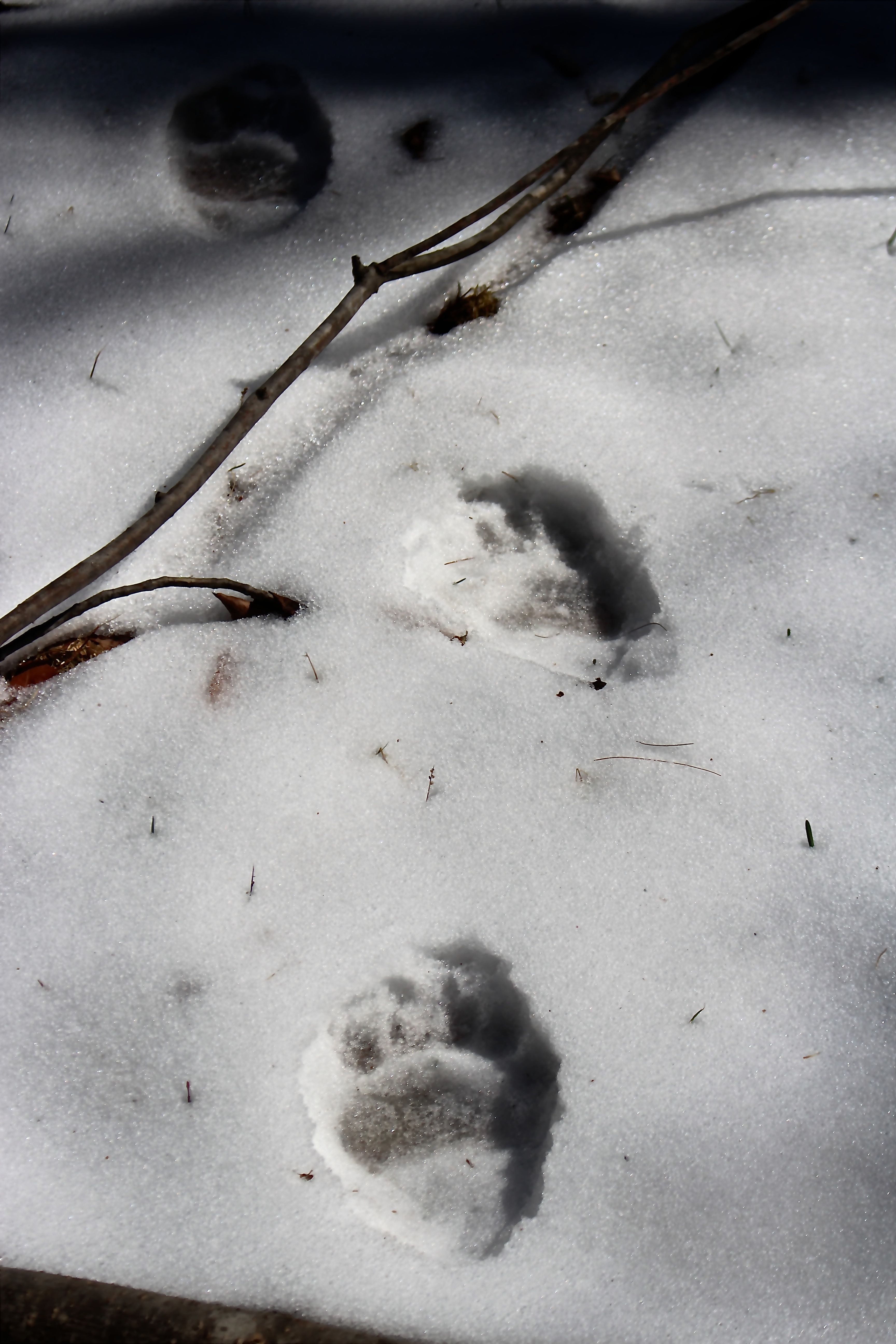
I stepped out of the shower after a walk around town with friend Marita and heard someone chatting away on the answering machine. Maybe it’s because I didn’t have my glasses on, though what that has to do with it I don’t know, but I couldn’t ID the voice. The male yammered away about something in the snow and it had come last night and I had to get there quickly. For some reason I thought it was our eldest and I  wondered what it was that needed my immediate attention. So, I cautiously picked up the phone and said hello. The voice on the other end continued talking desperately about me going somewhere. “Who is this?” I asked. It was friend Dick and I should have recognized his voice, but maybe not having glasses on is like not being able to taste if your nose is stuffed. Or maybe I’m overthinking as usual. Dick, however, was not overthinking or overreacting. He was excited and knew I would be as well. He was standing in a friend’s yard about a half mile from here and looking at bear tracks in the snow.

b-bear 7

As he knew he would, he had me on the word “bear.” His voice was urgent as he insisted I stop everything and get to his friend’s house. “I just need to dry my hair and then I’ll be right there,” I said. Deadlines loomed before me but bear tracks won my internal war. Dick suggested I just wrap a towel around my head. Really, that’s what I should have done because my hair has no sense of style whether wet or dry, so after a few minutes I said the heck with it and popped into my truck, camera and trackards in hand.

b-bear2

Yup–bear tracks. Classic, beautiful bear tracks. Even nail marks above the toes.

b-pigeon toed

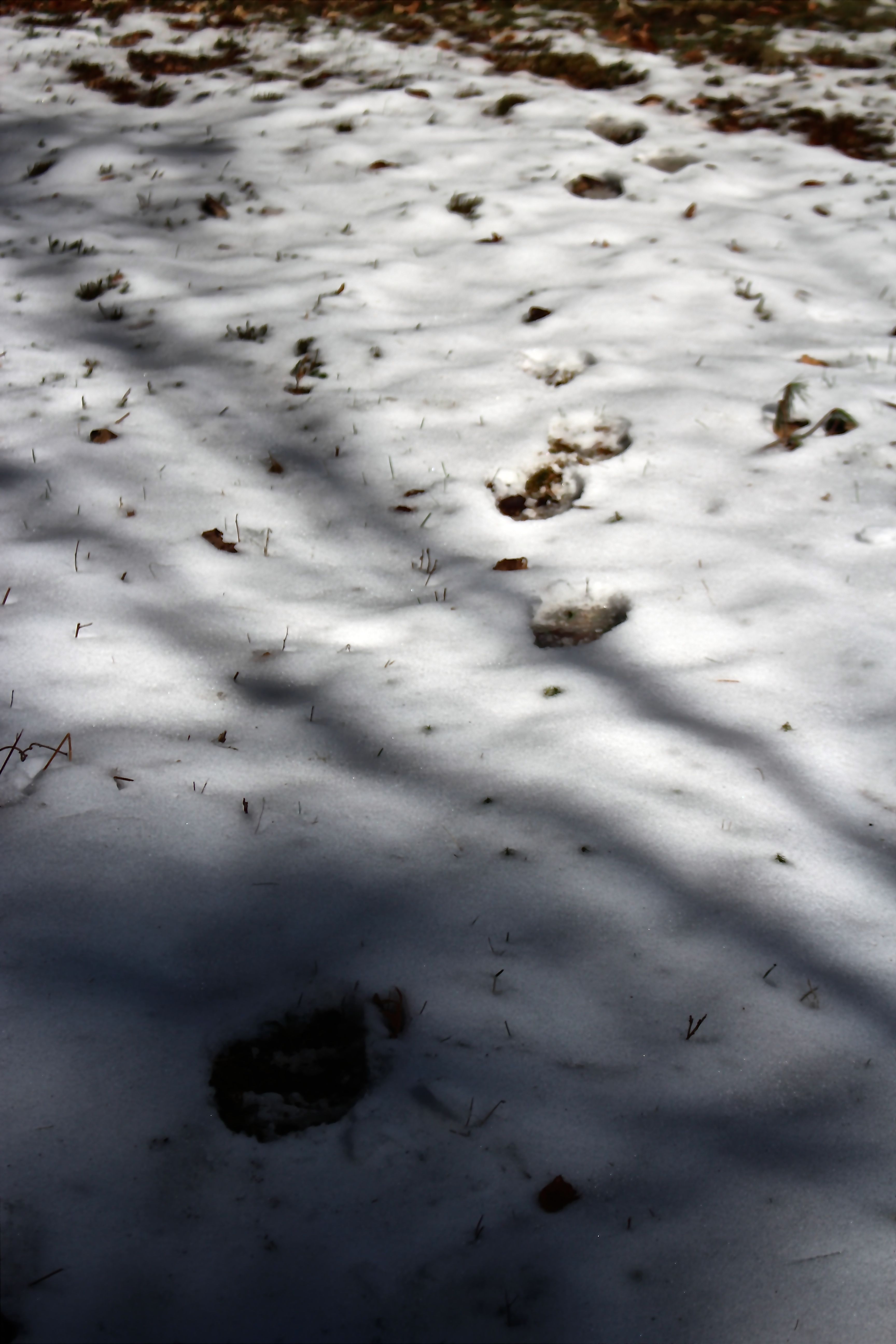
And the pigeon-toed gait.

b-bear 9

My heart be still. The bear certainly wasn’t.

b-bear fence

It trampled a garden fence.

b-bear 4

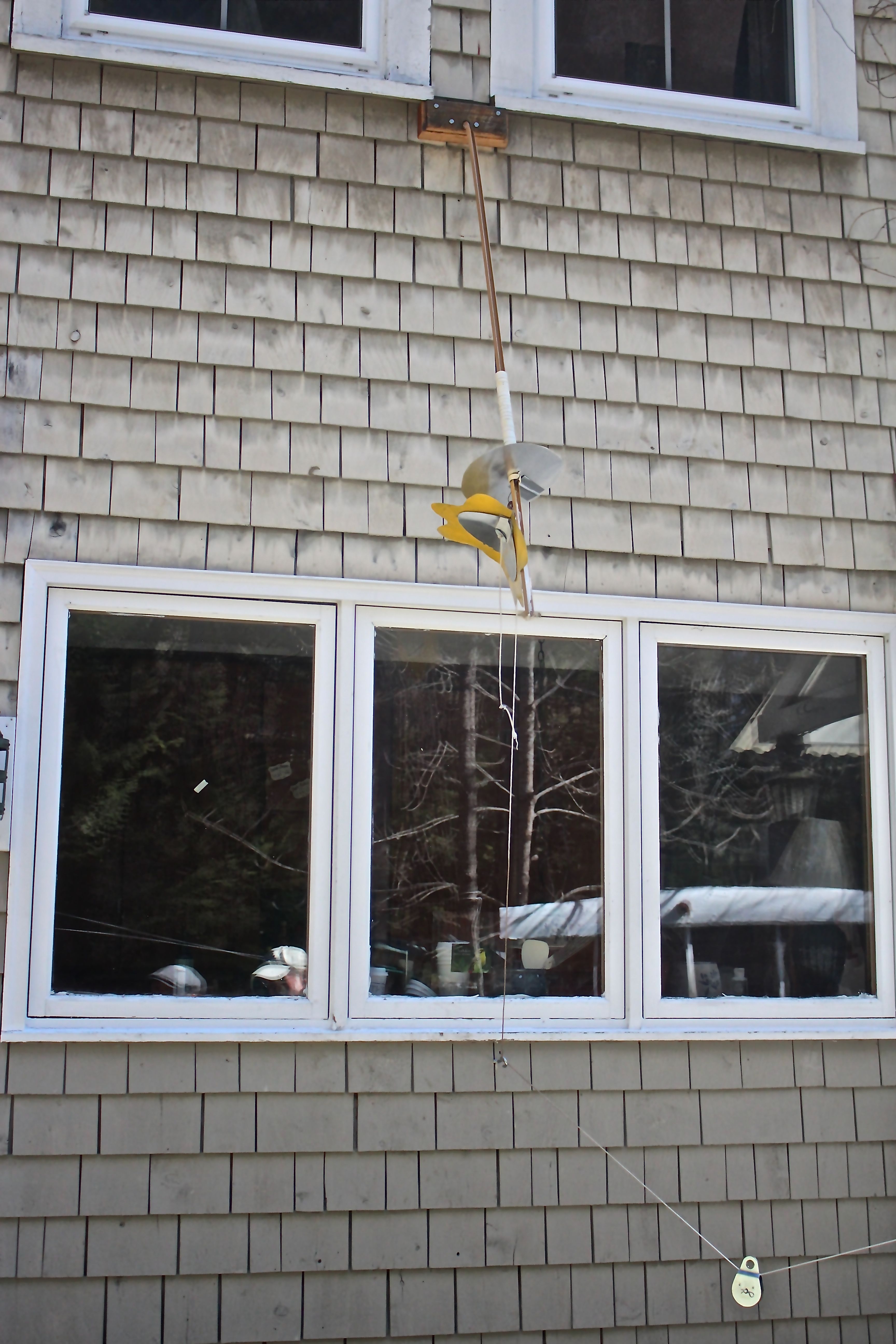
And yanked down a suet feeder that dangled from a wonderful rigging at second story height designed to keep the raccoons from stealing it. We couldn’t find the actual feeder.

b-feeder1

It toppled another feeder and consumed all the sunflower seeds. Oh, the squirrels may have helped, but apparently the feeder was stock full. Not any more. We looked for hair but found none.

b-trot

One of the mysteries to us was why did the bear suddenly trot. I’m now wondering if it was startled at some point and ran away.

b-bear 6

Before leaving, I enjoyed one more look. How sweet it is. And how thrilled I was to have seen it–especially knowing that it wouldn’t last long. The. Big.

b-feathers in circle

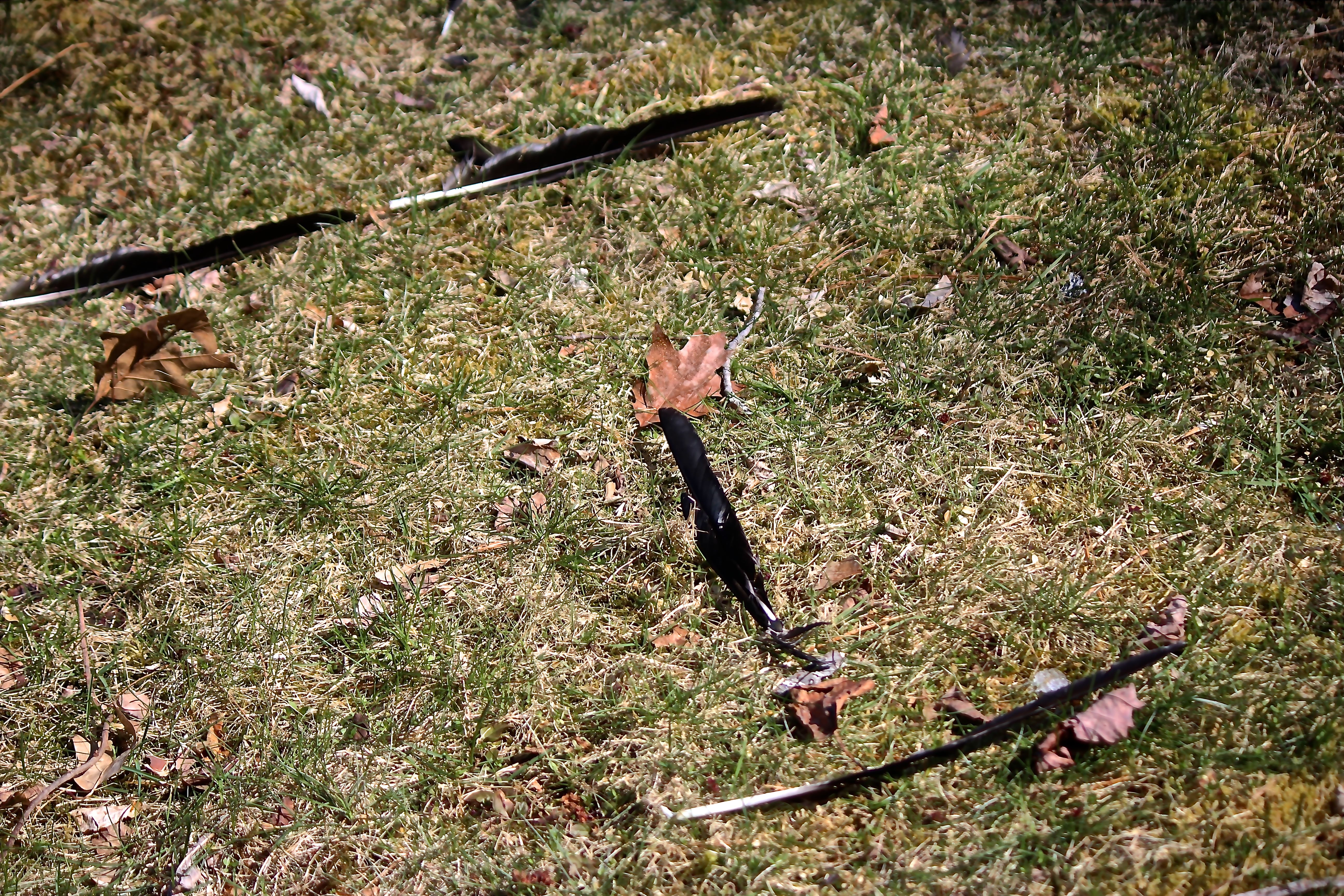
When I arrived home, I knew I needed to work, but figured a quick walk to check on the vernal pool was a great way to celebrate the bear tracks. And on my way–feathers. Long black feathers.

b-feather 1

Most were about a foot long.

b-feather 2

They appeared to be torn out rather than cut.

b-bird head

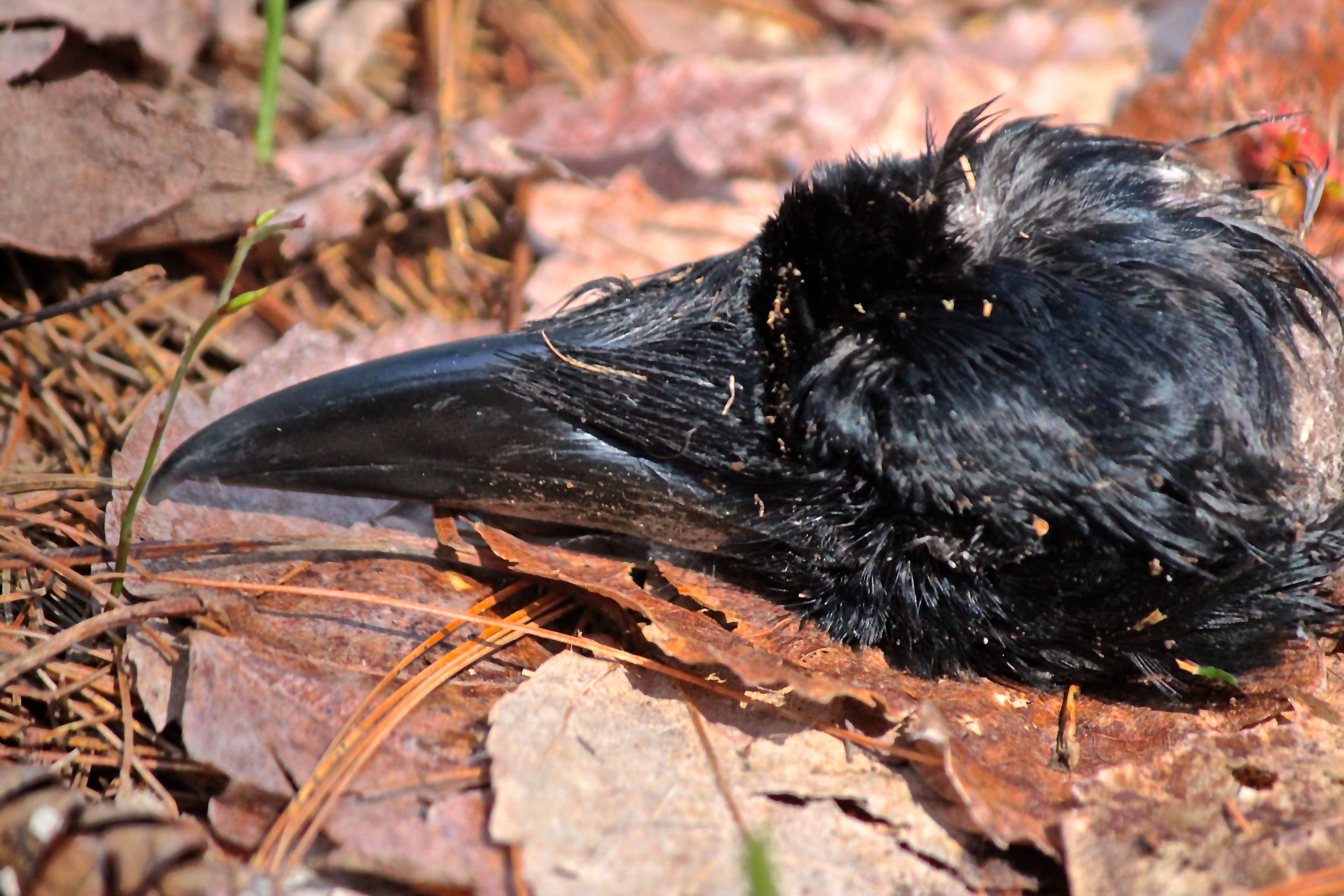
I know the neighborhood cats hang around our bird feeders all day–ever hopeful. But I don’t think they got this crow. I’ve a feeling a hawk was the culprit. The. In. Between.

b-snow on mount

It’s my neighborhood, so I always cast an eye toward the Mount. The. Big. Again.

b-vp1

The water level seems about the same as last week and a wee bit of Tuesday’s snow still decorated the  western shore.

b-tadpoles 3

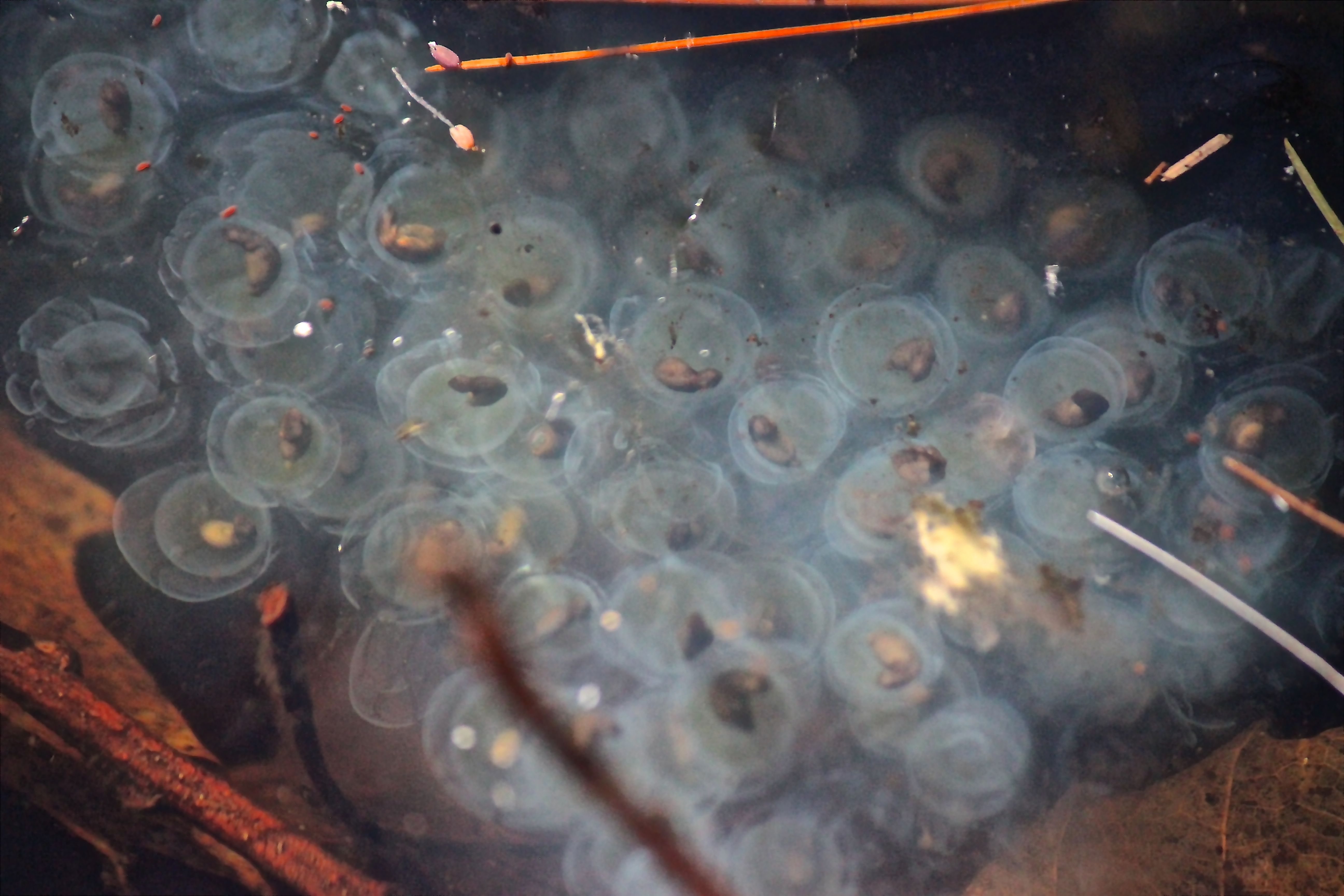
Though the lighting wasn’t great at that hour, it was obvious that the tadpole population had increased.

b-sally1

And the salamanders continued to grow within their protective covering. The. Little.

b-woody1

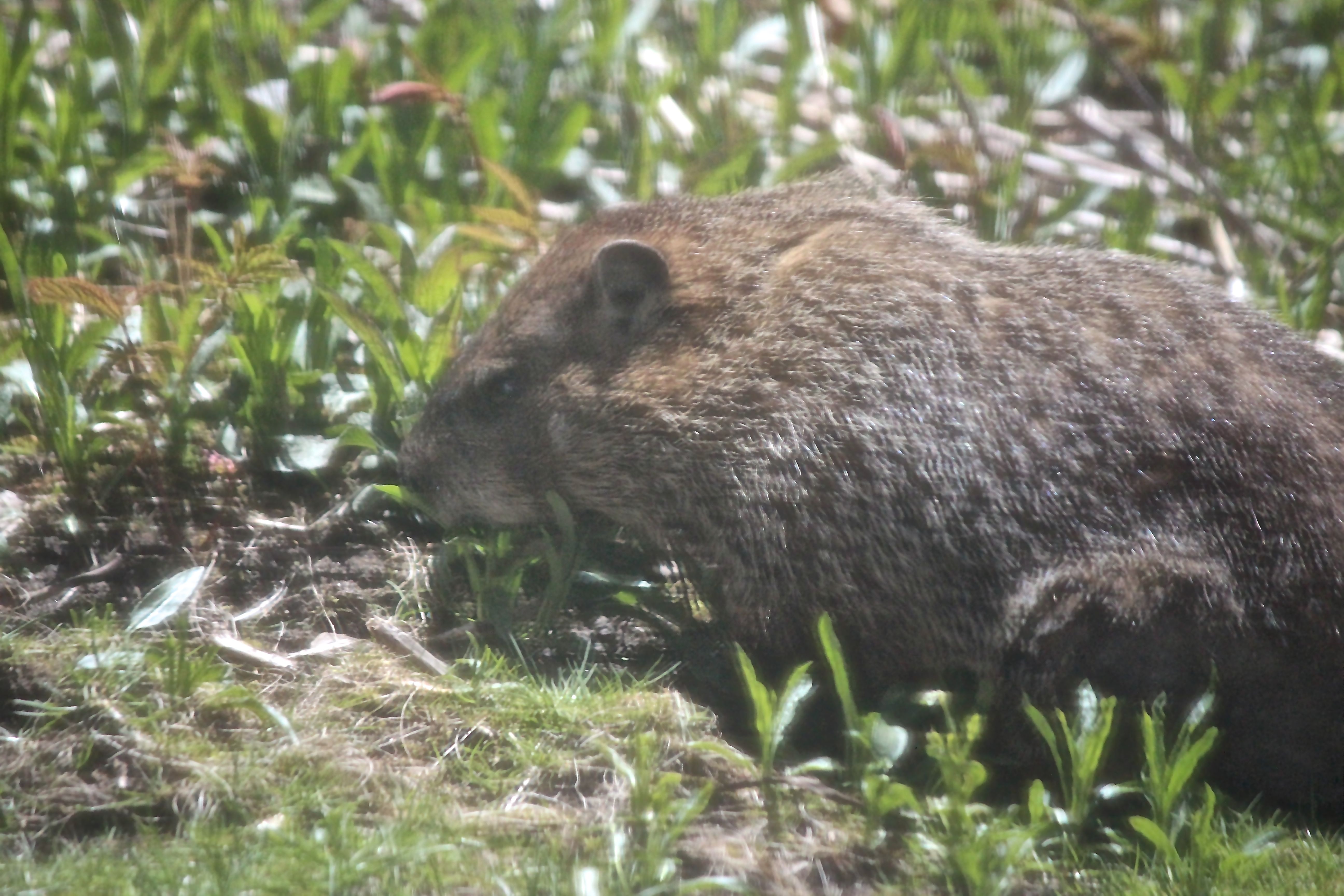
I did finally settle down to work. And then it was lunch time. My guy and I weren’t the only ones dining.

b-woody lunch 1

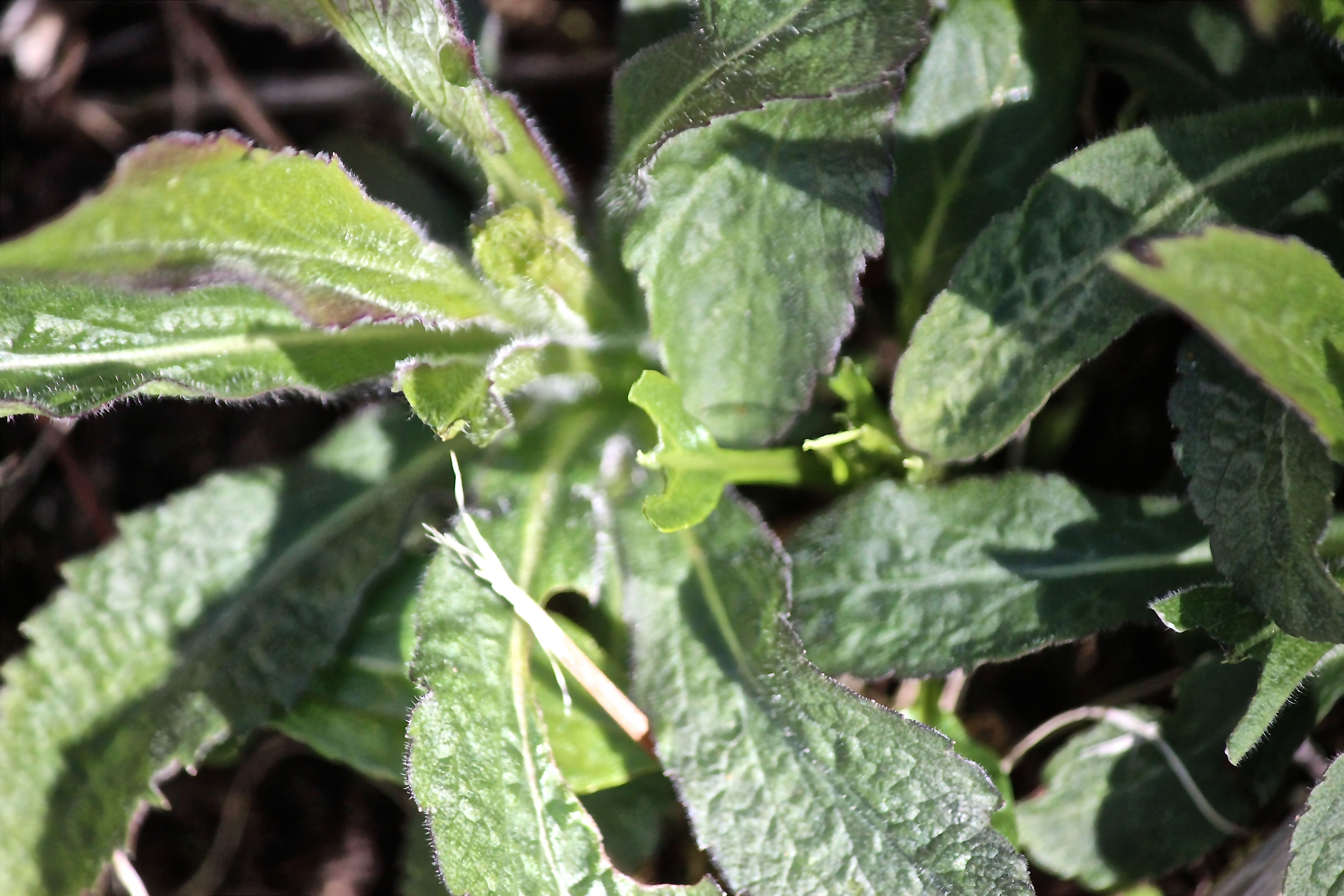
After I finished two assignments and before I walked to a meeting, I decided to visit the pool again and capture the action in the late afternoon light. But first, an examination of the woodchuck’s feeding site. Yup, those leaves were nibbled.

b-woody lunch 2

And so were these. The. In. Between.

b-vp no snow

And then it was back to the pool, where the snow had melted. But, I have to share a finding along the way. Or rather, a non-finding. I intended to grab the crow head because I wanted the skull. Not. It wasn’t in the path where I’d seen it in the morning. I poked around and couldn’t find it anywhere. Who stole it? Maybe one of those darn cats.

b-tads 7

In the warmth of the sun at the eastern side of the pool where most of the egg masses were laid, the population continued to increase.

b-tads 10

I felt the same glee about all of these little critters as I felt about the bear tracks earlier in the day.

b-tads on sallies

Tadpoles and salamanders. I may not see bears tracks every day, but for a brief moment in time, I’m honored to watch the transformation that takes place in the vernal pool. The. Little. Times. Two.

Giving thanks for the ability to wonder. The Big. The Little. And Everything In Between. Especially Everything.

Observing the Cycle of Life

The Maine Master Naturalist class of 2015 graduated last night and for the second year in a row I had the privilege of helping students focus their eyes and develop a strong foundation about the natural communities of Maine. And now, they are ready to go forth and educate others.

In some ways, the year reminds me of life in a vernal pool.

And at the vernal pool I’ve been visiting on a regular basis since March, the transformation continues. I know I’ve included it in several (probably more than several) posts, but today seems like a good day to reflect upon its life cycle.

VP March 25

March 25: A snow-covered depression with some indecipherable tracks crisscrossing the surface.

VP April 4

April 4: Snow, water and slush. Something caused a disturbance.

VP April 12VP April 12 A

April 12: Freeze and thaw and freeze again, trapping newly fallen beech leaves.

VP April 21

April 21: Three days ago, this was still covered in slush. Suddenly, open water.

VP woodfrog eggs, April 21

April 21: The wood frogs didn’t waste any time.

VP April 24

April 24: More and more egg masses appear–attached to the branches or each other, as is their habit.

VP April 28

April 28: Though most are wood frog, there are some spotted salamander egg masses in the mix. All are taking on the green tinge from the algae with which they have a symbiotic relationship.

VP Predacious, April 28

April 28: Meanwhile, not even bothering to lurk in the shadows, a predaceous diving beetle swims about.

VP frog May 2

May 2: A well camouflaged wood frog still hopes for some action.

 VP wood frog, sally, May 4

May 4: Wood frog egg mass at top; spotted salamanders mass at bottom.
VP Babies May 4

May 4: Tadpoles at last.
Swarm

May 4: With communal living comes warmth.
VP, larvae, May 4

May 4: Mosquito and other larvae flip-flopping around.

VP, drying up, May 5

May 5: A sign that the pool is beginning to dry up–egg masses suspended in midair.

VP, life, May 5

May 5: Meanwhile, in the water, life continues. Tadpoles and others feed on the algae.

VP, May 12

May 12: Due to a lack of rain, the pool size decreases.

VP, lower, May 12

May 12: I can only hope that these blobs are just the remains and that most of the tadpoles have hatched.

VP, May 12, more life

May 12: A peek into the variety of life below the water.

May 14

May 14: Shrinking more and more.

VP, May 14, drying up

May 14: Some masses are left high and dry.

VP, May 14, tadpole:sally

May 14: A tadpole visits the salamander embryos.

VP, May 14, peanuts

May 14: Peanut shells. What? There hasn’t been much evidence of any person or critter visiting the pool . . .  until this.

vp 1

May 28: Almost completely dried up.

wet spot

May 28: The only wet spot left.

tadpoles

May 28: Tadpoles make the most of the wee bit of water.

tadpoles galore

May 28: The wet depression boils with action.

peanuts

May 28: And peanut shells are everywhere in the pool, but only one on the snowmobile trail. Another mystery.

With the end of class, eighteen new master naturalists are heading off into the woods to teach others. I hope the tadpoles have a chance to continue their development so that they, too, can hop away from the pool.

As for the vernal pool–vernal means spring and though spring isn’t over, unless we receive a substantial rainstorm, it has almost completed its cycle of life.

Thanks for wandering and wondering with me today.