This story begins at about 5:10am on November 5th. I awoke to a noise that immediately became plural–and the ruckus sounded like it was taking place in the barn that is attached to our old farmhouse. For about fifteen minutes things shifted and banged and dropped, and then all was silent. My Guy slept through it all.
At lunch time, however, he did as I asked, and climbed to the hay loft to find out what had happened. And that’s when he discovered that I really did hear things dropping, for the myriad trophies our sons “earned” years ago for soccer, and peewee football, and golf, and baseball, and basketball, and hockey, and Pinewood Derbies, and who knows what else, were astray.
I’m going to digress for a minute or two, but really, it was the more creative trophies they received that I like the best like these from Boy Scout Cake Bakes.
And this one for being the king of Nordic Ski Team ski waxing.
Now back to the barn: As My Guy poked around, and there’s a lot of stuff up there right now because we’ve torn up the floor boards on the first level in anticipation of saving the structure and making it safe to park a vehicle in there again, he made a discovery and quickly sent me a photo because I wasn’t home.
A porcupine was snoozing under the Air Hockey table!
We set a trap that I hoped the critter would evade. And it did. My Guy also made quite a lot of noise the next day and saw Porky move from under the table to below a chair. And then he couldn’t find it.
Checking on the situation again a day or so later, we discovered Porky had indeed done some work–beginning with chewing the window and sill.
And he left signs of his adventures, including muddyish footprints on the wall below the window.
And quills scattered about, some even sticking into the rug originally placed because this had been a Rec Room back in the day when our sons were young. Right now it’s a Wreck Room!
Was there scat? Yes, but not nearly as much as expected, and I could track his movements.
Today, I was out there looking for more evidence. So . . . I have a rather extensive collection of tree cookies and twigs and even some branches–all for teaching purposes, including this particular piece of a sapling I’d carried down a mountain because it was in the way on a trail, but deserved to be saved for it features a moose scrape.
But even better than that, this afternoon I noted some wood chips and scat below it and realized Porky had taken some samples.
I love how I can get a sense of the size of his teeth with the work that he did.
And I’m surprised but happy to announce that he didn’t touch any of the other samples stored up there.
I decided to follow his trail and found a few scat specimens on the stairs, and others along beams that are right now uncovered given the first floor changes planned for later this week.
The question I haven’t answered yet and I suspect its because leaves have blown in and covered any evidence: which entrance did he use?
This is one he’s used for the past several winters. Okay, truth be told, we’ve owned this property for over 30 years and have housed a porcupine (and raccoons and woodchucks and opossums and anyone else) for all of those years. They used to have a different entrance, but we made some changes four years ago that forced them to find a new way into their abode.
If you look at the bottom of the beam, you can see where Porky has worked in the past to enlarge this hole over the split granite.
And just last year, he started another between the barn and an attached shed.
With all those years of co-existing, I was sure we’d find far more damage when we removed the floor boards. But . . . we did not. What we did find: Eight, yes eight, suet feeders that had disappeared over the years and I always suspected the raccoons had taken them under the barn because I couldn’t locate them in the yard, field, or woods.
All I can think is that Porky was sated when he entered and didn’t need to gnaw on the wood.
The funny thing about the latest Porky adventure, is that it could have been prevented if we’d thought to close the trap door at the top of the stairs. It took us a day or two to realize this and I feared that Porky would stay up there forever, given that he had plenty of wood to eat and a rather snug place to sleep with the only predators being us.
That said, the trap door does get closed now. And there is no new evidence of a visitation by my favorite rodent. And we didn’t trap him afterall. And he’s still in the woods somewhere. And I can’t wait to meet him–just outside, not in.
And when I do, I’ll be curious to see if it’s my old friend Bandit, for he and I met behind the barn last November and I’ve since honored him with a painting.
Here’s hoping the Inside Out Porcupine stays outside going forward. I’ll be looking for him.
I went on a reconnaissance mission today in preparation for co-leading a Loon Echo Land Trust hike in about another month–once hunting season draws to end. This particular property, like several others that they own, probably sees more people hunting and riding snowmobiles than hiking or tracking. The latter two fall into my realm and today found me doing a bit of both.
But first, I was stunned by the beauty of the ribbony flowers of Witch Hazel. I don’t know why these always surprise me, but maybe it’s the delicate petals that add bits of sunshine at this time of year when everything is else is dying back.
Their wavy-edged leaves also add color as October quickly gives way to November.
A bit farther along the first trail I followed, I found something else to stop me in my steps. Little packages of bird scat inside a hole excavated by a Pileated Woodpecker. If you follow wondermyway.com, then you know that I LOVE to find the woodpecker’s scat, but this was much smaller and I had visions of several smaller birds huddled inside on a cold autumn night.
At the end of the trail I reached a brook that flows into a river. Today, it was a mere trickle. In fact, I took this photo from the high water mark and don’t think I’ve ever seen it this low. Well, not since I began exploring this property in 2020. But then again, since then, we’ve had some heavy rain years and this year has been a bit drier.
I knew once I spotted the trickle that the nearby Beaver dam would not be working to stop the flow.
But . . . in walking over to take a look at it, I spotted something else worth noting . . .
At first my brain interpreted this disturbed site as a bird’s dust bath. Until . . .
I spotted River Otter scat. A latrine, in fact. That’s when I knew (or think, anyway–okay, assume!) that the disturbed sight was a spot where the otter rolled around, or maybe two or three did as they most often travel as a family unit.
How did I know it was otter scat? Look at those fish scales in it. And it wasn’t all that old based on the leaves under and on top of it.
Feeling like I was in the right place at the right time, I doubled back on the trail because it ends at the brook, and then turned onto another to see what else I might find. Along this one, a second brook had a better flow and had me envisioning the land trust group dipping for macro-invertebrates in this spot we haven’t explored yet.
I also found another shrub that thrills me as much as the Witch Hazel. Also a shrub, I can’t pass by a Maple-leaf Viburnum in the fall without admiring its color. Mulberry? Heather? Sky-purple-pink? However you describe it, this I know–no other leaves feature these hues.
If you do spot one, take a moment and touch the leaf. I love the touchy-feely walks that are not about feelings, but rather about actually feeling something (as long as it isn’t poison ivy!).
As luck would have it, I was following an old logging road by this point, which these days serves as a snowmobile trail. Despite its uses, rocks and boulders mark sections of it. And atop one, oh my! Do you see what I saw?
A LARGE Bobcat scat and a tiny weasel scat. Could life get any better than that? I think not. Well, unless I saw the actual critters and as I write this a local friend just texted me that she and her family saw a pair of eyes reflecting in their headlights as they pulled up to their house: “I thought it was our cat from a distance. I got out to investigate. It was a bobcat! And it wasn’t afraid. I couldn’t believe it! It was so close. I could see the face. I ran inside to get a flashlight. It just watched us as we watched it.” ~Amanda.
If she was someone else, she’d jump on social media and inform the world that the big bad wolf is in the neighborhood because that seems to happen any time someone spots a Bobcat or Fisher. But, she appreciates the gift of the sighting and I’m so thankful for that.
Back to my Bobcat, or rather Bobcat scat–it was classic! Segmented, tarry, and no bones. Ahhhh! What dreams are made of–at least my dreams.
It was also quite hairy. Squirrel? Snowshoe hare? Weasel? Pop goes the weasel? Into the Bobcat’s mouth? I’ll never know. But I love that one marked the rock in the middle of the trail and the other followed suit. And I also love how that one piece stands upright like a tower. I don’t think I’ve ever spotted such a presentation before.
No, don’t worry, we don’t have yet. But I took this photo of a Bobcat print, also classic in presentation, along the same trail last February. Same critter? Offspring? Sibling? Any of the above.
At last I reached what would become my turn-around point, again on an out-and-back trail. And once again, I slipped off the trail and made my way toward an expansive wetland that is actually part of the small brook I’d crossed.
Old Beaver works, such as this American Beech with a bad-hair day from stump sprouting, were evident everywhere.
Other Beaver sculptures created a few years ago as indicated by the dark color of heartwood where the rodent had gnawed and cut the tree down, probably to use as building material, now sport fungi in decomposition mode.
In the wetland, I spotted two Beaver lodges, both featuring some mud for winter insulation. There were two other larger lodges with no mud, so I suspect these are the residences of choice for this year.
I also spotted a Beaver channel, but could find no new work on the land.
That surprised me given that there was new wood on top.
I could have walked farther along the wetland and may have spotted some freshly hewn trees, but when I spotted several Wood Ducks on the far side, I decided to stand still for a bit because they are easily spooked.
And my grand hope was that if I was quiet, I might get treated to a Beaver sighting. Or two.
For a half hour I waited. Nada. And so I climbed back up to the trail and walked out.
But, I was present in the moment today and received so many gifts, which may or may not be there when I bring others to explore. That’s okay, because together we’ll make other discoveries.
Thanks for stopping by, once again, dear readers. I leave you with this painting as a parting gift for being so faithful in following me as I wander and wonder.
Where there is water there may be Beavers. And so I explored two locations on several occasions this weekend in a quest to spend some time with one of the most incredible mammals of our region.
One such spot is beside a wetland associated with a brook. It’s a place rich with color and texture, and ahh, those fall scents of earth and water and fallen leaves and Balsam Fir all settled together in the late afternoon after the morning sun has baked them.
The other was beside another brook that served as the outlet for a small pond, and again the colors and textures and scents filled my senses, enhanced by a slight breeze that made for a most delightful exploration on October days with temperatures in the 70˚s.
I don’t want temps to remain in the 70˚s always, but these days are gifts meant to be cherished and remembered by our skin and our soles.
I discovered along the way that I wasn’t the only one basking in the sunlight, for Painted Turtles also took advantage of the warm rays to regulate their body temperature. It also provides an opportunity to hang out with friends as they congregate along logs and rocks.
Easter Painted Turtles, beautifully adorned as they are, feature intricate red coloring along the sides of their shells and bodies, plus a orangy-yellow belly, and lines of red and orange and yellow green on their necks and legs.
But beyond all of this, I’m reminded that they play a vital role in maintaining the health of their ecosystems as they consume a diverse diet from aquatic plants, to algae, insects and small invertebrates, thus cycling nutrients throughout the habitat–an environmentally healthy habitat.
I gave thanks to the Beavers for reminding me of that fact.
Back to the Beavers, my journey continued when I spied new Hemlock branches atop a lodge.
And then I began to find pathway after pathway across land to water where the family, since there are usually two or three generations of Beavers who live in a lodge and work the area together, had dragged downed trees and branches overnight and carried them between their teeth out to their residence.
Their works were many and sculptures magnificent as they chiseled away and when I spotted this tree, I had visions of one standing on its hind feet and using its tail to form a tripod, the better to steady its body, as it turned its head to the side and began to work. With head cocked, it created the consistent angle of the half inch groove as the upper and lower incisors come together.
To reach such heights, I could only assume it was a mature Beaver. That, or one stood upon the back of another. Ah, but that’s the stuff of fairy tales. (I do like fairy tales–just saying).
As I looked around the base of a tree for more evidence, I discovered this. What could it possibly be? Scat?
No. Pellets? Yes. Several of them. Filled with bones. And maybe hair. And/or feathers.
The creator? My brain automatically went to Barred Owl and I’ve seen and heard the owl in these woods on many occasions.
But . . . these natural treasures could also have been produced by a resident eagle or hawk or so many other birds. Based on the number of pellets under this one tree, its a certain signpost of a productive area for whatever bird chose to prey from above.
Moving farther along as I bushwhacked, I knew I was getting closer and closer to the animal of my dreams when I spotted trees being turned into logs.
A beaver’s dental formula is this: 2 incisors on top, 2 incisors on bottom, 0 canines on top, 0 canines on bottom, 2 premolars on top, 2 premolars on bottom (that look like molars), 6 molars on top and 6 molars on bottom, for a total of 20 teeth. Recently, I was able to sketch the upper part of the skull of an older family member, who’d lost some of its molars.
These large, semi-aquatic rodents are gnawers. To that end, their incisors are highly specialized for chewing through really, really tough things and they grow continually throughout the critter’s life.
And like all rodents, the front surface of their incisors is coated in enamel reinforced with iron (hence the orange color), which makes it resistant to wear and tear from gnawing.
When the chisel-like teeth chew and fell trees, the much softer white dentine layer (the section behind the enamel) is ground down quicker than the enamel, thus creating a sharp chisel surface.
As strict herbivores, a Beaver’s diet varies with changes in the season. During spring and summer, they are drawn to waterlilies, algae, grasses, sedges, herbs, ferns, shrub leaves and shoots. By late summer, however, tree cutting begins as they gradually change their dietary habits from herbaceous to woody materials. Twigs, roots, bark and especially inner bark become the source of nutrition. Aspen, birch, alder, and willow are favored species, but beavers will cut almost anything including conifers.
Occasionally, I saw individual logs on land or upon a muddy spot in the water. Again, the consistency of the gnawing was to be admired.
And where there are Beavers, there may also be Porcupines. At least, there was a couple of years ago when I spent some winter days tracking one to this cozy little den. Remnants of scat are all that remain and spiders have instead made a home in the hollow of this tree.
And then I spotted the most amazing feat of all. A widow maker dangling from a tree (that is if you are about eight inches tall), its bottom gnawed off and more gnawing about a foot and a half off the ground.
My search was interrupted again when a Spotted Spreadwing Damselfly entered the scene in a sunny spot. So named Spreadwing because unlike other damselflies that fold their wings over their backs when at rest, the Spreadwings, um, spread their wings. On the of left hand side it looked like this insect had four wings rather than two, but such was the sun’s angle in that spot and thus the shadows upon the leaves.
Identification was based on the lower side of the abdomen, where it is difficult to see, but there are two spots below the thorax stripes as compared to the Great Spreadwing with has two yellow stripes with brown between them, and no spots.
Autumn Meadowhawks were also on the fly and I kept seeing males with no ladies about.
A couple of hours later, one flew in, but though they danced in the air together as he chased her, they never did canoodle, in my presence anyway. And the last I saw of them, they headed to separate branches of a pine tree, perhaps to spend the night in rooms of their own.
The Beavers weren’t canoodling either, but they were certainly active given the rolls of mud and grasses and sedges and probably reeds I kept finding along the water’s edge.
And then I discovered the much sought after (at least by me) Beaver print. It’s a rare occasion to see a print, but sometimes I do in the snow. Their tails and the trees they haul swish away such evidence of their travels.
As I stood beside a Beaver path and downed trees just above where I spotted the print, another flying insect entered the scene. And I had the joy of watching her as she deposited individual eggs in vegetation.
With her ovipositor located under her abdomen, the female Swamp Darner punctures a hole in mud, and logs, and aquatic vegetation in which to lay her progeny. The cool thing is that her eggs can survive a year without water, incase the level is low as it is right now. I suspect by spring these will be quite wet.
I never did find the Beaver(s) of my dreams, but spied another platform that may have been a lodge in the making. I hope they are still living there as the evidence leans in that direction.
At the end of the day, however, my heart was full with all my findings in both locations and I gave great thanks to the Beavers who led the way and all the discoveries I made as I searched for them.
Betwixt. Between. Be flowers. Be bugs. Be glad for there is so much to wonder about in the natural world. And I don’t even know the half of it. But I wouldn’t be happy if I wasn’t always learning.
It was 28˚ when I awoke this morning. Late this afternoon on this brilliant sunlight day, with temps at least 30˚ warmer, I walked out through our woodlot to the right and then looked back across the neighbor’s field toward our house, taking in the sea of seedheads and I was sure my insect hunting days had come to an end.
But much to my surprise, and really, I shouldn’t have been surprised, the chirps of crickets and grasshoppers, like this Red-legged example, filled the air. I might not have seen the grasshoppers if they hadn’t flown to a new spot occasionally, for so camouflaged are they in the current setting. Or always.
And then, much to my delight, I noticed a Saffron-winged Meadowhawk flying low and making frequent stops, allowing me to do the same. We live in a wet area, but still, I’m often surprised by some of species I meet here.
From the field, I decided to continue along the power line that crosses our property and the neighbor’s and many more beyond that and as I’d told my friend Meg from North Carolina the other day–Mount Washington, our mighty New England Rock Pile, is at the far end and it looks like we could walk right to it. Give or take a few days–or drive there in about an hour.
It’s along the path below the lines that I discovered Cotton-grass, which is a sedge, with its fluffy little heads speaking to the bogginess of this area.
Cottongrasses self-pollinate, their flowers being “perfect,” given that each contains both male (stamen) and female (carpel) parts. And the seeds are attached to parachutes waiting for a breeze (or animal) to move them to a new home.
Spotting the curly, cottony-hairs reminded me of the belly hairs of porcupines, which of course, reminded me of the Porky some friends and I spotted in another field in town yesterday. The time is coming when these critters, whom I’ve come to adore, will transition from life in the field to life in forest trees.
Last November I wrote about this particular porcupine, Bandit, whom I met in our yard, along the same route I began today’s journey. Perhaps soon, we will meet again.
Getting back to today’s story, I left the power line, and headed out an old logging trail that I tend to frequent most often in the winter. But it was sunny, and I was enjoying that warmth, and wondered what else I might spy along the way.
For starters, there were the “dried” Pearly Everlasting Flowers, which I should have gathered because they do dry so well. Instead, I just admired them.
And I had frequent encounters with more Saffron-winged Meadowhawks, flying much like White Corporal Skimmers in early spring–always landing and then moving a couple of feet ahead of me whenever I made a move.
Helping with ID of this species, are the fine black lines in the sutures of the abdomen. And the red stigma toward the tip of each wing is outlined in black. Otherwise, I might confuse it for an Autumn Meadowhawk.
I also had the pleasure of meeting a female Shadow Darner, but then I went to offer a finger for her, thinking she might want to take advantage of my body heat, and instead she tried to bite me. So, I let her be and we went our own ways.
At a former log landing, Juncos were on watch, and given how much seed is available, I know they’re mighty happy with the current conditions. It seems like they just arrived in the past week or so, but the good news is that many will overwinter here.
Oh and a few will fly to Connecticut so that my dear friend, Kate, can watch them as well.
Being an old logging road and log landing, conditions were apparently ideal this past summer, and I paused for a moment to admire forest succession, with grasses and herbs forming the floor, and more grasses and sedges growing taller, topped by Gray Birch, and a backdrop of Red Maples, and Big-tooth Aspen, and Paper Birch.
And then it was back to the now dry bed of a stream crossing where Speckled Alder shrubs are closing in on the trail, and Woolly Alder Aphids are living their best life seeking sap from the woody plants.
That Cotton Candy or even Cotton-grass look is actually a waxy material they produce from their abdomens, and when they group together like this, perhaps its meant to detract visitors. Or protect them from the weather. Had a I visited on a summer day, I’m sure I would have spotted ants trying to tickle them (it’s called farming) to take advantage of the honey dew the aphids secrete.
Speckled Alder Aphids live an interesting life style. Actually, according to Donald W. Stokes in his book, A Guide to Observing Insect Lives, “There are two life cycles in this species. In one, the aphids remain on alder trees throughout their lives. They are believed to overwinter as adults in the leaf litter at the base of an alder. In spring, they crawl up the plant and feed on its sap. There are several generations per year and adults of the last generation overwinter.
In the other life cycle, the aphids alternate between two plants. The aphids overwinter as eggs placed on maple twigs. In the spring they hatch into females, which feed on the undersides of maples leaves and reproduce. They are wingless, but in midsummer produce winged offspring, also females, which fly to alders. These females feed and reproduce on alders, and give birth to wingless young. Then in the late fall, they produce winged young, which fly back to maples and give birth to both male and female young. The males and females mate, and each fertilized female lays a single egg on a maple twig. Only the eggs overwinter.”
It’s things like this that add to my sense of wonder. Two life cycles? The adults of one life cycle overwinter while the eggs of the other are do the same? That’s amazing.
And on the fly in a bit of abundance right now for I saw a bunch today and I’ve been seeing them along many trails that I hike, are the flying aphids. If you stick your hand out and cup it, you can get one to land.
Don’t worry, they don’t bite. And they don’t even tickle, despite that waxy hair.
They’re actually kinda beautiful in their own way and as they fly they look like tiny flakes of snow, thus some refer to them as Snow Bugs.
So I have two forever-friends-since-birth and I’ve already referred to Kate earlier in this blog because she is a great lover of Juncos, along with everything else in the natural world, and so is her sister, Patty, who once told this joke when we were kids:
Q: What’s white and goes up?
A. A dumb snowflake.
One of these two is eleven months younger than me and the other is eleven months older and she and I just chatted yesterday and I’m so thankful to have them in my life all these years. Yes, B.S., I am also incredibly thankful to have you in my life.
But once again I digress. Except I had to tell that joke. Because it kinda reminds me of the aphids in flight.
Back to the power line, I decided to pull the Mighty Mount Washington in with the telephoto lens. Yes, dear readers, that is snow! Several inches of the white stuff has fallen over the last few days. And there is rime ice.
My favorite season is only a walk down the power line away.
In response to shorter days
and sunshine's declining density,
leaves begin the age old process
leading to their demise.
Like so many others,
I make time to honor
the tapestry they weave
before they fall.
Chlorophyll, the green pigment
we associate with summer,
and necessary for photosynthesis,
slows and then stops manufacturing food,
and the leaves go on strike.
Veins that carried fluids
via the xylem and phloem close off,
trapping sugars, and promoting the production
of anthocyanin, the red color
we associate with Red Maples and Silver.
Though in the same family,
Sugar Maple displays
the yellows and oranges
of the ever present Carotenoids,
which had previously been masked
by Chlorophyll.
Stripped Maple knows
only one hue,
making it easy
to spot its large display of brownish yellow.
One of my favorites
is the reddish-pinky-purples
of Maple-leaf Viburnum,
a shrub with maple-shaped leaves.
Ash follows suit,
though its leaves
are the quickest to drop
and disappear into the forest floor.
Big-tooth Aspens turn a golden yellow,
but other colors
have a tendency to seep in
and create a striking picture.
American Beech,
Paper and Gray Birch
show off a yellow
to golden bronze presentation.
And a little late to the show,
Northern Red Oaks
put their colors on display
after other species
have already dropped their leaves.
Not really a part of the foliage,
but still important because it is present,
is the splotchy display caused by Anthracnose fungi,
a result of too much rain stressing trees
and not allowing them to properly respire.
Once connecting tissues
between leaf petioles and their twigs
form a seal,
the forest floor is colored with gems
that will eventually turn various shades of brown
as they decompose and restock the soil with nutrients,
plus provide food for numerous organisms. And shelter.
In a Senior College (Lifelong Learning) class
this past week,
I attempted to use watercolor pens
to capture the colors.
And then at home,
I tried to do the same,
only this time using watercolor pencils
to show off the vibrant variety of hues.
In doing so,
I was forced to slow down
and notice how the color changes
often followed the veins
in this biochemical process.
Fall foliage is fleeting,
and I give thanks
that every year
we can celebrate the work of the leaves.
In a way, this is A Lost Art Found continued. It’s the rest of the story, at least to this date.
Once I got hooked on painting, I couldn’t stop. What I’ve discovered is that it’s a lot like writing. You choose a topic, which for me so far has been from a photograph I’ve taken as I’m afraid to purchase an easel and try plein air; complete an outline or at least jot down notes to get an idea of where you are going with the topic in the form of a values sketch; choose how to frame the story whether upon watercolor paper or canvas, and the media being watercolors, acrylics, or gouache; begin a first draft of sketching a wee bit on the mat of choice and apply a light colored wash; paint the basic shapes to get the story on paper which may be more representational than factual; and then tweak, tweak, tweak, which sometimes takes me eighteen drafts to get to a publishable product, and even then, I know more changes can be made.
But here’s the thing. I’m brand new to this art form. And thanks to Jessie, my teacher/mentor, I’ve learned a lot and still have more to learn. Then what’s the thing? The thing is that in every painting I’ve completed so far, there’s plenty I can critique, but at least one thing that I like and so that’s what I want to focus on. The rest I can learn . . . down the road.
After our spring session of classes ended, I decided to keep going on my own.
The view from the summit of Blueberry Mountain, Evans Notch, New Hampshire, looking toward Shell Pond below and the mountains beyond. My fav: the shape of the pond.
Frenchmen’s Hole in Newry, Maine. My fav: the color of the water, darker in the depths and lighter as if flowed over rocks to the next fall.
Sunrise, Lubec, Maine. My fav: the rope in the foreground. And the sky.
Carsley Brook, Lake Environmental Association’s Highland Research Forest, Bridgton, Maine. My fav: the trees leaning across the brook.
Lady’s Slippers from any of our counts as a gift for My Guy, who I’ve learned only likes to count them when they are in bloom. Since that season, he can’t be bothered to note the leaves or occasional seed pods and is praying it snows soon so I won’t continue to point them out. My fav: the shape of the flowers.
The fire tower at the summit of Pleasant Mountain. My fav: a sense of perspective with the mountains.
All of these were watercolor paintings. And then . . .
I purchased some gouache and painted Hemlock Covered Bridge. My fav: the bridge and the reflection, but also the lesson that this was a bit like completing a paint by number as I broke it up into different sections.
Fall reflection cropped from a river scene. My fav: All of it. It was like painting a jigsaw puzzle. And i loved creating the wavy lines.
Winter along Heald Pond Road, Lovell, Maine. The interesting thing is that this barn was taken down a few weeks after I painted this scene. My fav: the barn boards and the snow. And my learning–painting the lower background before adding the foreground trees.
Our barn at Christmas. My fav: The reflection in the window.
Interior of Hemlock Covered Bridge in Fryeburg, Maine. My fav: sense of perspective.
Sunlit part of spider web inside Hemlock Covered Bridge on mat canvas. My fav: texture of the boards and light between boards.
Bob Dunning Memorial Bridge, Pondicherry Park, Bridgton, Maine. My fav: the different beams that provide support as each represents a different species of native wood.
Approaching Bob Dunning Memorial Bridge on a snowy day when no one else had yet entered Pondicherry Park in Bridgton, Maine. My fav: the bend in the bridge.
Beaver at Albany Mountain trail, Bethel, Maine. My fav: the beaver’s face.
Denning Black Bear. Location a well-kept secret. My fav: the eyes.
Painted Turtle, Moose Pond, Maine. On mat canvas. My fav: colors of the water.
In August, Jessie offered a second class and we had to stuff our art critics in a box in the upper corner of the paper and leave them locked inside and then jot down what we wanted to work on for this session. She also had us take a look at Van Gogh’s style of outlining and bringing focus together.
And then, from a photo of our own, we tried to emulate the famous artist. This was a rough draft that I never finished. My fav: I love the colors and simplicity of it.
A second attempt at emulating Van Gogh. My fav: the trees in the background.
Third try. The sky was different. My fav: getting better at perspective.
In between classes I continued to paint. One of my absolute favs: Bandit! The porcupine I met in the yard last year. My fav: His face.
A Moose My Guy and I met in the beaver pond on Albany Mountain Trail, Bethel, Maine. My fav: His face.
What’s left of the Hayes Homestead, My Guy’s great-grandparents’ farm in Nova Scotia. My fav: shingles.
An amazing moment when I visited the vernal pool out back as the sun lowered and discovered that in the stillness of the water, a rainbow was created by the pollen, and while the tree shadows draped across the pond, they also were visible in their usual vertical presentation on the water. My fav: colors of the sunlight on the pollen.
Back to class and learning more about values. I have to admit that I don’t always heed this advice and do a values sketch before painting.
Photo of Ovens Cave, Nova Scotia.
Cropping the photo in sketches.
One final sketch before painting.
First attempt in gouache. My fav: colors of the rocks.
Jessie taught us a neat trick to check values by using a filter on our phones.
Trying to be more abstract with the same scene. My fav: the color of the water.
Values photo of the same.
The third time we met we talked about basic shapes and had to quickly paint trees. It was supposed to be six trees, but our class only got through four. I guess we weren’t so quick after all. My fav: the willow. But also thinking about different shapes. And how to fill them in quickly.
Hairy Coo My Guy and I met in Scotland. My fav: the ear tag!
Values sketch of photo she offered in class, and getting the basic shapes on paper.
And then we could only use certain colors to paint the scene, filling in the shapes first before adding detail. This was mind opening for me. My fav: making blobs look like trees.
The same scene using different complementary colors on the wheel. I struggled with the values in this one. My fav: the trees still look like trees.
This one has been the most difficult for my family to understand. An intersection of granite ledges and tree roots on Bald Pate Mountain, Bridgton, Maine, on a canvas mat. My fav: the tree roots.
Ledges on descent of Rumford Whitecap Mountain, Rumford, Maine. My fav: the trees with the mountain backdrop.
Bickford Slides, Blueberry Mountain, Evans Notch, Maine. And the discovery that I had accidentally purchased a small tube of shimmery white watercolor paint. My fav: water flowing over the mossy rocks.
Shadows across Hemlock Bridge Road, Fryeburg, Maine. My fav: those very shadows. And the rocks that line the road.
Back to gouache to capture the reflection of a falling down cabin on a small pond in New Hampshire. My fav: the trees and hints of the blue sky.
The final assignment took us two classes. This is the scene I chose to paint. Sucker Brook at Greater Lovell Land Trust’s Wilson Wing Moose Pond Bog Reserve, Lovell, Maine.
Planning with sketches, markers, and paint and figuring out what might work best. And simplifying the scene.
Jessie gave me a piece of Hot Press Finish paper upon which to work, and I have to admit that it was a joy to paint on this. I started with the sky color as the wash and then worked on the snow next, then the water, and finally the trees. My fav: sunlight reflected on the snow in the background.
After I shared that painting with a friend, she commented, “Can’t you do something other than snow until there is snow?” So, I painted a fall scene at the summit of Bald Pate. The mountain tops are not quite this color yet, but will be in a couple of weeks. My fav: contrast of colors.
My last painting to date on a larger canvas sheet was a Pileated Woodpecker that frequents our woods. I discovered, like the Hot Press paper, I really like the canvas except that it takes a while for the paint to dry. My fav: the bird’s head and the pine tree bark on the right.
That’s all I have to offer at the moment. And if you stuck with me this far, I’m impressed. Thank you!
I keep thinking about this creative journey and can’t wait to see where it takes me next. If you are interested, you can follow my artistic path by clicking on wmw art gallery every once in a while.
“This won’t take us long,” My Guy said moments after we launched our kayaks onto a small pond in New Hampshire.
“Oh, I think I can make it last a while,” I replied.
I knew there were Pitcher Plants to look for and I could see by the color of the trees on the far shore that there were wetlands to explore and there was the potential for so much more in this very quiet spot.
A friend who kayaks here often had told me where to park and some of the things to look for along the way. What was most impressive from the start is that there were flower pots on the dam and by the kiosk. Well tended, at that.
And a rather large Little Free Library, where one can take a book or share a book.
I unlatched the door and it even smelled like a library. What’s not to love?!
But, we’d ventured there to paddle.
Or better yet, to dawdle. To be like the Painted Turtle and enjoy the sunshine of a perfect September day.
And then one of my favorite things happened. A dragonfly in the clubtail family landed on my knee and I coaxed it onto my hand for a better look. It was perfectly content to be there. Which made me think of a darner on another day on another pond this past week that I rescued as it flailed in the water. The moment I picked that darner up, it tried to take a nip out of my finger and was frantic, even when I set it on the edge of the boat. I wanted to give it a chance to dry its wings. It wanted only to fly. And so it did with wings still wet and back into the water it landed, slipping under a lily pad. I rescued it again and this time it didn’t bite and it did sit for another minute or two upon the boat, but not long enough for me to get a good look at its colors and patterns for identification, or to snap a photo and then suddenly it flew and I can only hope survived.
My new friend, however, allowed me to move him from my hand to the boat, the better to take a look.
This one didn’t speak its name immediately, until I looked at its spiny back legs. As a Black-shouldered Spinyleg it is commonly known, and it’s in the clubtail family, but I’m not exactly convinced that the shoulders are actually ebony in hue. To me, they seem to be chocolate brown.
Another characteristic is the thorax pattern: two long ovals on either side with a yellowish I-shaped mark in between them.
It was the pattern on the abdomen that also helped me confirm ID, with the yellow stripes on each segment becoming triangular shaped on segments 8 and 9, while the final segment, #10, was almost completely coated with splash of yellow.
With each minute that passed I fell more and more in love as my new friend let me enter its personal space. Such big eyes–compound as they are. But then there are the ocelli, or three small black “eyes” located on top of the head–to us they look like three little bumps, but according to the field guides in my own library, they “may serve to measure light intensity.”
And all those body hairs. They work like sensors–detecting odors, temperature, humidity, and most likely wind direction.
If you have a loupe or magnifying lens, I encourage you to look at insects and plants–it’s a hairy world out there.
Let’s take a closer look at that face. It’s rather other-worldly in structure. Two dragonfly families feature eyes that don’t touch each other along any margin: Clubtails and Petaltails. I’m not sure I’ve ever met a Petaltail, so that already narrows it down for me when trying to figure out the species.
Beginning with the large compound eyes, we’ll work our way down. But first, can you imagine seeing the world through 30,000 lenses or facets? I’m happy to have moved on from progressive lenses (three lenses) that threw me off, especially when hiking or walking down stairs. 30,000?!!! A dragonfly certainly has no excuse for not seeing even the tiniest of insects on the move.
And notice how the eye is two toned, the darker being above.
Between the eyes is a plate called the occiput, which covers the upper part of the head. You might also notice, though I didn’t label them, that there are occipital horns.
Below that is the triangle of ocelli, or three tiny and simple eyes as compared to the two compound eyes. These may measure light intensity.
And then there are two antennas, perhaps for measuring wind speed. All of this and we haven’t reached the face yet.
Ah, the dragonfly face–beauty is definitely in the eye of the beholder.
Dragonfly faces consist of plates and the upper plate is the frons. In some species there are certain dark shapes or lines that help with ID. Not on this one, however.
Below the frons a crossline suture is a seam that separates the frons from the postclypeus, an upper plate that we might think of as the upper lip.
And below it, the anticlypeus, a lower plate located about where our tongue might be on a human face.
Finally, the labrum, or lower lip, and below that the mandibles, not labeled.
Such complexity for an insect that spends months to a few years as an aquatic naiad, growing through several molts, and then crawls out of the water and slowly ecloses upon vegetation, pumping insect blood into its wings and body, before flying off to control the airways and the insects who bug us. And within two months of emerging from the water, it’s life cycle comes to an end.
And to think this one simply landed on my knee and now you have all this information to digest. Don’t worry, there will be a quiz at the end.
Suddenly, the dragonfly flew off. And my focus returned to the pond. If you’ve paddled here, then you know that we hadn’t gone far as we’d only reached the third of the crooked houses.
My Guy was ready to purchase one and fix it up. I just want to paint this scene when I have time for so beautiful was it despite its lack of TLC and the reflection was equally delightful as lines were interrupted by the water’s current.
At last we reached the opposite end of the pond from which we’d begun our journey and the colorful leaves of the Swamp Maples told me we were in a different sort of wetland.
The layers. From Pickerel Weed leaves to grasses and sedges, including Cotton Sedge, to the Swamp Maples, actually being Red Maples with very wet feet which are among the first to turn as fall approaches and days shorten, to a backdrop of deciduous and conifers.
Just the colors made me happy as I followed My Guy who followed a brook as far as we could until the growth was too thick and we could hear water flowing over what was probably a beaver dam ahead. And so we turned around, but first honored Mount Kearsarge North, the pyramid mountain in the distance.
I extended the telescopic lens on my camera farther than I should have, but I wanted to see the fire tower at the summit of Kearsarge. It was incentive enough for us to decide to hike there again soon.
As we continued our clockwise journey around the perimeter of the pond, I was on a hunt–for those Pitcher Plants I’d been promised. But what caught my eye in the meantime was the late afternoon sun glowing on bowl and doily spider webs. And a beaver lodge in the background.
It always amazes me to find so many of the same type of spider webs in any one area. The spiders who wove these are rather small, but their web is incredibly complex.
They weave a sheet web system consisting of an inverted dome or “bowl,” suspended above a horizontal sheet web, or “doily,” hence its common name. And then they wait for a meal to announce itself. Should the meal fall through the bowl, the doily serves as a safety net, thus the spider makes sure to not miss a bite.
Before turning my boat to follow the shoreline again and continue my PP quest, I realized that a Tamarack grew upon the lodge. And there were several others nearby. I love these trees because they aren’t every day sights. And because they are kinda like me–beings that can’t make up their minds. Thus, they are deciduous conifers, meaning they are cone bearers who shed their needles (leaves), unlike other cone bearers in our neck of the woods who are evergreen.
I had only turned a wee bit when two structures standing above other plants caught my attention and I knew my quest had come to an end. Pitcher Plant flowers.
And below them the pitchers (leaves) for which they were named. That ruby red rim. The tree-of-life venation. And downward facing hairs. “Here little insects. Come check me out. I have a special drink I made just for you.”
At the base of the Pitcher Plant grew Sphagnum Moss and Leatherleaf, and . . . Sundews! Round-leaved Sundews–another carnivorous plant like the Pitchers. It’s a plant eats insect world out there.
As we rounded a bend nearing the end of our journey, a flock of Canada Geese honked and cackled.
And suddenly lifted off. My Guy counted 30.
At last we approached the launch site, but truth be told it took us about twenty more minutes to go the short distance because there were so many more turtles to spot. Do you see the second one in this photo?
And one climbing atop another as is their habit since turtles are ecothermic and the sun’s rays help raise their body temperature. So if your brother is on top of the log, why not climb on top of him to get even closer to the sun?
I spotted twelve in all, and love that the one on the right upon this log waved–as if to wish us farewell, for really, it was time for us to leave.
So we did, but first we gave a quiet thanks to our friend, Pam K., for recommending this delightful pond and telling me about a few of its highlights.
And I did promise a quiz, so here ’tis. Can you name at least one part of this dragonfly’s face? And can you name the species? Don’t worry if you don’t get all of the parts–that’s why I write a blog–so I can go back and remind myself.
Basking in the sights. That’s what we did much the same way the turtles basked in the sun.
Oh, and that line that the journey wouldn’t take us long–ahem. It was at least a two and a half hour tour. After all, it’s a wonder-filled world out there.
For the last fifteen years I’ve had the honor of stepping into a wetland or two early in the morning on a regular basis for at least six weeks to check on the activity of heron rookeries. It’s a community science program called HERON that the State of Maine runs: “HERON” is short for the Heron Observation Network, a network of volunteers across Maine who monitor nesting areas, or colonies, of wading birds such as the Great Blue Heron. HERON is managed by the Maine Dept. of Inland Fisheries and Wildlife.”
Herons are colonial nesting birds, meaning they nest in groups. Their nesting community is known as a rookery.
If I could get away with it, I’d spend all day in this place where the wild things go about their daily duties as co-observers and I stay on the edge in hopes of not disturbing them.
I think what amazes me most is that they build their stick nests high up in trees and I always expect the wolf in The Three Little Pigs to huff and puff and blow their homes down. Or at least the wind to do such.
The most difficult day of the count may be the first. May be. First, the number of nests must be counted. Then the number of active nests, those with birds in them. Next, it’s the number of adults and then young, if visible. If the adults are incubating, for how long?
And that’s where it gets tricky. If eggs aren’t visible because one cannot get close to the nests, since they are anywhere from about 50 to 200 feet from land, and high up in dead snags, this is a challenge. Spotting adults on the nest, however, indicates there possibly are eggs within.
Nest building and rebuilding is a constant, and a clue that there’s hope for a new generation. Adding sticks with one’s mouth sounds difficult to us, but it is the way of life for a bird.
Spotting little bundles of fuzz brings smiles to observers’ faces–as if we have given birth or are at least the grandparents of these bouncing babies.
Two weeks later and they already have Great Blue Heron markings and crazy hairdos and the counting gets a wee bit easier. Of course, the youngsters hop up and down and so nests have to be reviewed several times to make sure the number is at least close to accurate. It’s not unusual for a nest to support three, four, or five youngsters.
If you’ve never been near a heron rookery in those early days, you haven’t experienced the pterodactyl fly ins as adults arrive with food or the intense and loud and constant squawking of the youngsters demanding to be fed.
Once the adult has landed, the birds still must beg, sometimes for ten or more minutes and I can’t help but wonder if the squawking encourages adult regurgitation.
If you look closely at this photo, you’ll notice the two on the left are in one nest waiting ever so patiently for an adult to return with a meal, while the nest in the back to the right hosts two beggars waiting for the food to slide up the adult’s throat and down into their mouths.
Those awkward tween years only last a few weeks in a bird’s life, for so rapidly must they grow given the short season of our northern clime. Hairdos are a good indication to separate adult from young.
Remember when I said that the first day was the most difficult day to count. Well, that is debatable, for as the weeks go on and the youngsters grow, it becomes difficult sometimes to distinguish parent from child. If the plume on the head is spotted, then it’s an adult, but sometimes the lighting or angle isn’t right.
That said, the count is completed about six weeks after the first visit for the birds begin to fledge and the nests won’t be used again . . . until next spring.
There are so many joys about spending time in the wetland, but a few include dew upon spider webs,
Frogs who ga-dunk, ga-dunk at our feet,
a young Robin calling for its parents,
and the spotting of four Wood Ducks on a snag.
Fast forward two months and this afternoon found me walking the roadway on either side of Hemlock Bridge, my eyes darting here and there taking in flora and fauna with each step.
I love the Paddeford construction of this bridge. Or maybe it’s just that I love that we live so close to a covered bridge. And recently, because I’m taking a painting course, I tried my hand at showing off some of its beauty.
Spider webs did not go unnoticed by me. I didn’t spot the creator, but trust that an orb weaver was hiding somewhere nearby.
As I walked along the old course of the Saco River, I spotted a few Painted Turtles basking in the sun, but also noted all the debris clinging to branches, a sign of the high water we had this past spring.
And then something else caught my eye. One of my teenagers was on a fishing expedition. And panting to cool down.
I got excited when it seemed he’d spotted a meal.
Apparently that didn’t pan out and he turned his attention in the other direction. As I watched, he tiptoed ever so gently for such a big bird, and I was certain he was on to something.
But then he stood there and panted some more.
Until there was a bit of a tussle and I realized he and a snake had a brief encounter. Both survived. And left each other alone.
And then the bird flew and I was bummed. I wanted to witness a meal being taken. But I have to have faith that it found success somewhere else upon the river. Just as I trust that the sun will rise tomorrow, and the day after that. This bird will not go hungry.
Instead, upon arriving home I pulled out a painting I completed a couple of weeks ago of a Great Blue Heron I watched snatch a fish last summer.
Just as the young heron’s accomplishments may take time, so do mine as a painter. But it sure is fun trying.
As for the count:
One rookery featured 19 active nests at the start, but only three toward the end, and I have to wonder if a predator found many a meal high up in those trees.
The other rookery featured 53 nests, with all but a few being active and lots of youngsters produced.
Where you spin
A complex circular web
The size of a large platter
Complete with a hub
And non-sticky spokes
Upon which you walk,
While sticky cross lines
Ensnare your daily meals,
I revere you.
I study the webs
You and all of your sisters create,
But observe holes
In some areas
Where large insects
May have escaped,
Your web so constructed
That they don't break
The entire structure
During their struggle
To freedom.
And other sections
That remind me
Of the Cat's Cradle String Game
We used to play as kids.
Most nights,
As if on cue,
You consume
The entire silk dish,
Snacking on tidbits
Caught in the wheel
And then build
A fresh web
To start
A new day.
Really though,
It's the bigger insects
You prefer,
And much like
E.B. White's famed Charlotte,
You inscribe
A daily message
Down the center
Of your creation.
It's upon this
Zig-zaggy stabilimentum,
An ultraviolet runway
Of multiple threads
Perhaps intended
to provide you stability,
Or as a prey attractor,
Or a warning to birds
Not to fly through,
That you hang in suspension
Waiting for the
Dinner bell to ring.
What I realize
While stalking
The neighbor's field,
Is that when a large insect,
Such as a grasshopper,
Dragonfly,
Or caterpillar
Gets caught in your web,
It takes you
Two or three days
Or more,
First injecting and paralyzing
with venom,
Then enwrapping with silk,
Before crushing the body
And liquifying the victim
With digestive juices
So it forms
A neat little package
Resembling a cocoon.
And storing it
For later consumption.
Despite eight eyes,
I'm told you have
Poor vision,
But make up for this lack
With hairy legs
That detect the arrival
Of a meal
Perhaps signaling
Sound and smell,
And certainly vibrations.
I'm afforded a look
At your pedipalps,
Those two short,
Hairy appendages,
Sticking out from your head,
That also work
Like sensory organs.
You may appear
Big and scary,
Your egg-shaped abdomen
Covered with asymmetrical marks
Upon the carapace,
Much like a turtle's shell,
And you may be
A carnivore,
But I celebrate you
Because I know
You are beneficial
In a garden or field
Such as this,
Since you control
The insect population,
Including some pests.
You also pollinate plants,
Recycle dead animals
(Well, they may be dead
Because you killed them,
But still . . .),
And serve as a food source
for others.
Oh great orb weaver,
Argiope aurantia,
Or more commonly,
Black and Yellow Garden Spider,
Thank you for affording me
Numerous views
Of you and your sisters
So that I might gain
A better understanding
Of your daily habits.
We went for a walk this morning, My Guy and I, along trails owned by Lakes Environmental Association, particularly their Highland Research Forest, and the network of Highland Ridge Ski Trails. It wasn’t strenuous, it was only slightly buggy, and it was lovely, with so many offerings and here I only captured a few.
Our first stop was beside the wetland that in the past has been home to Beavers and Great Blue Heron and a whole host of others. It’s still home to that whole host of others, but our sightings only included a few of the singing Bullfrogs.
Tree stumps soon garnered my attention, however, first because of this fresh Varnish Shelf Fungi, aka Hemlock Reishi. Sighting these and so many other mushrooms always bring an old soul friend to mind who died too young a few years ago, RIP Parker. You taught me so much and continue to travel the trail with me, and for that I’m grateful to be able to keep you alive . . . in my mind.
I’m not one to recommend foraging mushrooms because my knowledge of such is limited, though Parker always reminded me that there are more poisonous plants than fungi. I do know this one is, but at a certain point in its lifecycle. Obviously, a squirrel had already enjoyed a few bites.
Both My Guy and I were charmed by this stilt-rooted tree and we felt the presence of elves, rather than the fairies that often greet us. Can’t you just imagine entering through those arched doorways and then moving into your workshop to complete a project?
There was another with crazy hair day–so topped off was it with Big Red Stem mosses.
Possibly my second favorite, however, wasn’t so much a stump as an uprooted tree which also abounded with life.
Among the offerings, a cranefly or two or three or a dozen, fluttering in the dark as they do. The arrow points to one and I hope you can see the action of its wings.
And among the Brocade Moss that decorated the uprooted tree trunk, a Green Lacewing, a beneficial insect in the natural world. Do they bite? No. Do they eat aphids and other pests? Yes.
This is also the land of underarm-high Bracken Fern. At least it was as tall as my underarms.
And upon a moss-covered rock, a delightful display of Many-fruited Pelt Lichen with its saddle-like reddish brown projections or apothecia.
The dainty flower of cool, moist woods, Mountain Woodsorrel, also made an appearance in several spots. With shamrock-shaped leaves, the flower color has a strong pink-purple veining and somehow makes me want to gobble it up as if it were peppermint ice cream.
While we walked and occasionally talked and constantly looked, he for the trail because though it’s well-blazed, it’s not all well traveled and so we had to slow ourselves down and pay attention, while I looked for anything that begged a notice. And then we found this most unusual sighting–well, someone’s sighting may be unusual without these glasses. They are still out there, right where you lost them, I think on the Gibbons Trail. Or there abouts.
As always, you-know-who was patient with my periodic stops, usually finding a stump or rock upon which to wait. Sometimes a bridge had to be the resting spot. And this one we love for its construction across Carsley Brook.
His view: the brook as it flowed forth below the bridge. Okay, so the artist may have left a few trees out, but that’s artistic license–the freedom to paint what she/he wishes to portray a scene. And so I did.
We all view things in a different perspective and from a different angle. Thank goodness. This may not have been his perspective, but it was mine.
At the end of April I began taking an art class offered by one of my peeps, a young woman who walked into the lives of many of us one day about twenty months ago; a young woman with a million talents to offer. Among those talents, she is a self-taught artist and we’ve been begging her to teach us.
At our first class, we had to draw a small box in the upper left-hand corner of the paper and place the person who has been our biggest art critic into it. That done, the critic was forever boxed–well, until she sneaks out, which she seems to do way too much.
And then we looked at some photographs in magazines and had to sketch them and determine the direction the eye would travel in the picture.
Next we looked at lines and perspective. I’d brought along my favorite colored pencils, but immediately felt my inner critic jump on me because all of my classmates were working with watercolor pencils, watercolor paint or acrylics. And the artist herself, gouache. Until I met her, I’d never even heard of gouache. Or at least never paid attention, if I had.
And so between classes I purchased a set of watercolor pencils and tried all over again. It certainly was a quicker way to create and I liked how I could blend the colors with a brush. But still, it was a long process to produce such.
Our next lesson was on values and we looked at how values add to the picture and stood outside and quickly sketched some scenes in the neighborhood.
And then she produced a photo of a white iris for us to illustrate. I struggled with this because I couldn’t figure out how to make the flower pop and so I cheated (well, maybe it’s not cheating, but rather an artist’s prerogative), and outlined the flower with a different color.
When I later asked the artist how to do this, she showed me that by making the background darker the flower would stand out. And so I tried again.
The other thing about the artist’s prerogative–you don’t have to include everything in your illustration that is in the photograph. And so you can see I left some leaves out on the second try. But I did want more detail in the flower.
“Painting is not about ideas or personal emotion. Paintings are about freedom from the cares of this world, from worldliness. All art work is about beauty.” ~Agnes Martin
When we were asked to draw a scene from another photograph and complete it only with greens to get a sense of value, I again needed help since I couldn’t create green from blue and yellow, and so she helped me choose three colored pencils to use.
And then the third class was upon us and I was encouraged to borrow her watercolors because it would be easier to create a color wheel. And my confidence took a dip as I was giving up my beloved pencils for an hour or two. And walking down a path I hadn’t followed in many, many years.
This was a study in complementary colors and from our mind’s eye we needed to paint a tree with mountains behind and use such colors. Not only was it kinda fun, but definitely a faster way to reach the end and the colors popped more.
Next we had to go big. Well, not that big really. I usually stuck to the size of the photograph, the easier to figure out how to position lines. But we were all given this photograph of Hemlock Bridge Road and had to use those same complementary colors to complete the scene. And so I played. And had great fun. And began to learn that I could let go. Sometimes.
That said, at home I attempted the same scene with the watercolor pencils and actually liked that as well. It was a different effect.
Back in class again, we learned more about using complementary colors and had different scenes to illustrate. This was with the watercolor pencils.
And then the afternoon dawned when composition was the topic. As we looked for the most interesting area in a scene. It never occurred to me to crop, just as we sometimes crop photographs.
I was a wee bit nervous for this one for a couple of reasons. One, I’d purchased some watercolor paints and new brushes. And two, the photo struck me as being a really difficult scene to replicate. Or at least represent. And so I did a painting smaller than the paper I was working on. And discovered that white was my friend.
A day or two later, I couldn’t wait to pull the paints out again, and give this another try. It’s much lighter/brighter than the actual photo or my first attempt, but I kinda like it.
That inspired me to go back to the other water scene and try it again. It looks nothing like the photo of an original painting, (I’m sorry, but I don’t remember the artist) but playing with the paints was becoming a favorite pastime.
A really favorite pastime, so much so, that I’m addicted; in a good way, of course. When I showed this to My Guy, he immediately knew where it was for we’d only climbed this particular mountain a week or so ago to count Lady’s Slippers. On a rainy day.
Over the weekend I photographed this Four-spotted Skimmer, so named for the four spots on each side: two per wing, the mid-wing spot being the nodus, and the black spot toward the tip of the wing being the stigma.
I know that what I like about sketching is that I can focus on details, but when painting with watercolors, that is much more difficult for me. And so I need to figure out how to let go a bit more. But that will come in time. Maybe.
For our last class yesterday, we had to choose a scene of our own to illustrate. I chose the wee studio on our back forty (haha, we only own six acres total, so it’s rather hard to have a back forty), where a pollinator garden adds to the picture. Okay, so this is a painting. The garden looks nothing like that. And the stonewall behind is much smaller. And, oh geesh, here comes the art critic.
The cool thing about the studio, which I don’t use anymore, but someone suggested yesterday I should do my artwork in there, is that we won it at the Fryeburg Fair many moons ago when we paid $25 for five raffle tickets to support Harvest Hills Animal Shelter. To enter, one has to duck. I’ve always felt that was a plus for it put me into a different place where I could create. And thus, The Giant’s Shower, the fairy tale I wrote and Solona Ward illustrated, was written in that space.
At the end of the last class, we were invited to show off our paintings and I chose the mountaintop scene. We were down one because she is on vacation, but seated left to right are Pam, Linda, Debbie, and me.
And our teacher for these past seven weeks was the one and only Jessie Lozanski, who recently painted this scene from photos I’d taken along a trail at the Bold Coast of Maine. It graces our kitchen and each time I look across at it I am transported to that time and place, but also to so many other times and places for it triggers many memories.
This morning I was gifted a painting by another student of Jessie’s. The painter of this scene is nine years old. And she’s an extraordinary naturalist whom I’ve had the pleasure of working with every other Wednesday for the past three school years. I love the grassy mounds and the fox and the tree–especially its trunk. This is an artist who is well on the way to finding her style and both she and Jessie will have their works for sale at Gallery 302s Art in the Park in July.
Here’s a photo of the young artist and her mom heading back along a trail we’d explored a few weeks ago. Anywhere we go, she finds inspiration.
The same is true of Jessie, and I know I take a lot of photos, but she takes a million more and I get it now because I’m looking at the world from a different perspective, like seeing the shades of green and yellow, and brown and even purple in our yard and the field beyond in a different light.
I am chuckling because shortly after purchasing the watercolor paints, I found this ditty in my collection. If I remember correctly, I painted this in college. Nobody is perfect. Thank goodness.
And I’m having fun finding an art that I thought I’d lost . . . all over again.
I remember when we’d take our young sons to cities and I’d hold a tighter than tight grip on their hands, or maybe it was their wrists, as we walked along sidewalks thronging with people. I can’t hold their hands in quite the same way anymore, and in fact, in their presence in a city (the older in Boston and the younger in Brooklyn), since that’s where they’ve both chosen to make their homes at the moment, their confidence and poise and graciousness make me feel comfortable. And they have become incredible tour guides.
And so it was that this past Friday, My Guy and I flew to LaGuardia Airport and began another New York City journey.
We were met at the airport by P, who drove us to the Prospect Heights neighborhood of Brooklyn, where his girlfriend, M, was waiting and had ordered pizza because one of my wishes for the weekend was for a NY-style pie. Well, really, I wanted New Haven style, given my roots, but NY is the next best thing.
The apartment belongs to M’s mother, D, who graciously offered it to us as a home base for our weekend adventure. The view of the Manhattan skyline garnered our attention each morning and night, and we knew the Knicks had won their game Saturday because the Empire State Building showed off their team colors.
For as long as P has lived in Brooklyn, we’ve heard of Prospect Park, which encompasses over 500 acres in the midst of the city and offers habitat and respite for critters of all shapes and forms, including humans.
We had signed up for a two-hour tour with the well-informed Corinne as our guide. Designed in 1865, she explained that the park is considered Frederick Law Olmsted’s and Calvert Vaux’s masterpiece, Olmsted pictured on the left and Vaux on the right. Here, unlike in Central Park, they took advantage of the natural elements, though I was disappointed to learn that they’d filled in kettle holes created by glaciers.
We entered via the Endale Arch, which was built in the 1860s and restored within the last ten years. It was during the restoration when paint and wood panels that had been added because of rain damage were removed, that pine and walnut paneling was discovered.
It’s almost like passing through the welcoming doorway of a church.
I could have spent hours meeting trees in the park, but this was not the time, and so I reveled in the few we did get to know, such as this Camperdown Elm, whose branches grow more or less parallel to the ground giving it a gnarly bonsai appearance. The tree, grown from the Earl of Camperdown’s Scottish estate, was planted here in 1872, but neglected years later until in 1967 Marianne Moore wrote this poem to save it:
I think, in connection with this weeping elm,

of ‘Kindred Spirits’ at the edge of a rockledge

overlooking a stream:

Thanatopsis-invoking tree-loving Bryant

conversing with Thomas Cole

in Asher Durand’s painting of them

under the filigree of an elm overhead.

No doubt they had seen other trees—lindens,

maples and sycamores, oaks and the Paris

street-tree, the horse-chestnut; but imagine

their rapture, had they come on the Camperdown elm’s

massiveness and ‘the intricate pattern of its branches,’

arching high, curving low, in its mist of fine twigs.

The Bartlett tree-cavity specialist saw it

and thrust his arm the whole length of the hollowness

of its torso and there were six small cavities also.

Props are needed and tree-food. It is still leafing;

still there. Mortal though. We must save it. It is

our crowning curio.
Though she passed about fifty years ago, the tree, thanks to Miss Moore, lives on.
Another that struck my fancy was the Osage Orange, though apparently I should be thankful we didn’t visit in the autumn when its softball-sized fruits fall. Then it might not be my fancy that is struck, but rather my head.
Though we only had a moment to glance at tiled ceilings, they were the masterpiece of Spanish engineer Rafael Guastavino. I can only wonder if a sunflower or some other composite flower was the inspiration for this one.
Much to our delight, as we followed the path, a Black Squirrel scampered along the ground and then up a tree. The Black Squirrel is a color phase of the Eastern Gray Squirrel (Sciurus carolinensis), also known as a melanistic variant due to a recessive gene that causes abnormal pigmentation. Do you see it peeking at us?
While our bird sightings were many, especially of Robins and Sparrows, we spotted one male Cardinal, one Mallard, and this one Cormorant swimming in murky water.
The species of the most abundance, however, was the Red-eared Slider Turtle. Though outlawed for sale today, Red-eared Sliders are the most common turtles kept as pets. They live long lives and need ever increasing habitat and food, thus many have been abandoned–their owners slipping them into the waters of the park unceremoniously in a practice that is illegal.
Thanks again to the generosity of our hostess, we also visited Brooklyn Botanical Gardens where Cherry Blossoms and an array of colors wowed us and thousands of others.
It was fun to glimpse over the shoulders of two artists and notice how their work reflected the scene.
Though these tulips each had a name, I would have called this spot the ice cream stand for the flavors seemed to abound.
Beside water, Horsetails or Equisetums did grow.
As did the almost ready to unfurl crosiers of Cinnamon Ferns. I love their woolly coats.
It was here that I had a brief encounter with another tree new to me, a Horned Maple. Acer diabolicum leaves are five lobed and coarsely toothed. The common name comes from paired horn-like projections from the seeds, but we were too early to spy these. We did get to see it in flower, though I think I’m the only one who noticed.
And I kept wondering where all the pollinators were, though we didn’t get too close to the Cherry Blossoms, but the Honeysuckles lived up to their names and were abuzz with activity.
If I had to name a favorite, it would probably be the Hybrid Magnolia based on its color and form. Simply a masterpiece.
We spent an hour enjoying a masterpiece of another sort, worshiping with others at St. John’s Park Slope, an Episcopal Church with a heavenly choir and an organ that filled the rafters with music both old and new.
And then we took a trip into Manhattan via P’s new truck. Haha. Yes. That is a Tesla truck. Just not my idea of a truck. And no, we did not travel in it, but rather M’s car.
P showed us the large office he works in where ads and films, but mostly ads these days, are produced and edited. And clients are wined and dined in situ. There’s even a staff chef.
And now, when he says he’s working from the office, we can imagine him in this space.
It’s located two doors away from the birthplace of Teddy Roosevelt.
Not being shoppers, we only stepped into a Yeti store, where of course, My Guy announced that he has the products on his shelves back in Maine. And he peered into a closed hardware store, cuze no trip of ours is ever complete without visiting one or two. But then again, no trip of ours is ever complete without stepping along a wooded pathway and noticing the flora and fauna.
But the main purpose of our trip was to visit. Family. And friends. And meet this little powerhouse who knew how to command the crowd.
My Guy was in instant love. And she was so chill.
We loved spending time with one of M’s brothers, her sister and niece, plus M and P. of course. We did meet up with M’s other brother, but somehow I neglected to take a photo. Sorry R.
Over the course of the weekend, world problems were solved and sporting events analyzed by these two.
And one of the highlights was our opportunity to attend their softball game, which they won because we were there, the good luck charms that we are.
He scored a home run, another run, and I can’t remember his other stats, though I’m sure My Guy and P have it in their brains.
M also walloped the ball and got on base each time.
And scored as well. We were mighty impressed because we saw the results of a slide she made into a base last week and how she could run this weekend was beyond our understanding.
At last Monday dawned and P stopped by the apartment to pick up laundry and say goodbye.
Until we meet again, thank you M & P, and D, and all the gang, including P’s colleagues who played in the game or came to cheer on the softball team.
We had a fabulous weekend thanks to all of your planning, and I just finished a bagel that followed us home. Family. Food. Oh, I didn’t even mention Frankies Spuntino and the delish eggplant marinara. And fun.
We love New York. Especially through the eyes of P & M. And then we love returning to Maine.
You might think of it as a homecoming; a return to that time of year when all begins again. Slowly. Ever Evolving.
A time when one needs to stand watch and listen. And so My Guy and I did yesterday when we heard this Red-bellied Woodpecker before we finally spotted it. And for the first time I could actually see the red belly for which it is named.
A time when I start visiting vernal pools and can be found with my hands on my knees as I lean forward to peer into the water.
A time to be in shock at spying such large Fairy Shrimp on this date, March 19. There were dozens and they were at least an inch and a half long. I have never seen such big Fairy Shrimp and can’t help but wonder the size of those I hope to see in other pools going forward. In the past they’ve been about a half inch long in April, and might grow close to an inch by May.
A time for catching a dash of a look at a Predaceous Diving Beetle heading for cover to avoid becoming prey in my presence.
A time to notice the minute, such as this wee bright orangey-red water mite that could easily be mistaken for a spider.
A time to return home and walk the path of the now snow-free labyrinth I created a few years ago.
A time to visit the vernal pool on a neighbor’s land and notice that only the edges are ice-free.
A time to peer into the water along those edges and watch a multitude of larval mosquitoes wriggling as is their custom.
A time to poke a Balsam Fir blister with a stick to get some sticky resin on the tip and then place it in a puddle along the path and watch the essential oils form rainbow designs.
A time to look up before heading indoors and realize that the Quaking Aspen flower buds are starting to fluff out much like Pussy Willow buds.
A time to realize that this spring’s season opener officially begins at 11:06 tonight, but the Fairy Shrimp suggest it may have started earlier than normal.
Not necessarily a good thing. Not at all. But . . . if you are looking for me in the next few months, you know where I’ll be. Somewhere near water.
Snow. Slush. Mud. Water. Flurries. Wind. Sun. Clouds. They were all on today’s menu. It’s a March thing. And so we decided to embrace it and head to a spot we usually avoid this time of year.
Our destination was a country lane beside the Old Course of the Saco River in Fryeburg, Maine. During the winter, this road is part of the snowmobile system. In spring, summer, and fall, it sees a fair amount of traffic. But . . . because of current conditions and the fact that a portion of the road washed out a few months ago and another portion is under at least six inches of water, the gates are closed and the only traffic is via foot. Perfect conditions in our book.
I love to walk roads like this because they always have something to offer and today it was the discovery of a bunch of rather dramatic winter weeds known as Roundhead Bush-clover. Bristly, spiky flower heads. Curly leaves with nooks and crannies.
The sky was equally dramatic and ever changing as we viewed it while walking southeast with the ridge line of our beloved Pleasant Mountain forming the backdrop.
We managed to easily get around a major washout, but then encountered this and it is not a puddle. The water is flowing across the road and we could feel the current as we were determined to get to the other side.
We are both here to report it was at least six inches deep in the deepest spots. We were feeling pretty darn smart for thinking to wear our muck boots.
Just over a mile in we reached the coveted spot: Hemlock Bridge. The bridge has spanned what is now the Old Course of the Saco River for 167 years. Built of Paddleford truss construction with supporting laminated wooden arches, Hemlock Bridge is one of the few remaining covered bridges still in its original position.
Peter Paddleford of Littleton, New Hampshire, created this design by replacing the counter braces of the Long-style truss bridge, creating an unusually strong and rigid structure. During three seasons, you can still drive across it.
Yes, we’d seen a lot of water on the road and in the field and noted how high the river was and flooded the fields were, but it really struck home when we noted the short distance between the bridge and the water. And a memory popped into our heads simultaneously.
Today we never would have been able to kayak to Kezar Pond as we did in August 2023. If you look at the cement support on the left and scroll back up to the previous photo, you get a sense of how high the water is right now. And that’s not the highest it’s ever been. Not by a long shot. But you must keep reading to learn more about that.
Once on the bridge, there’s plenty of graffiti to examine, or not. I prefer to take in the views and love how the boards create a frame–this one looking in the direction of Kezar Pond.
And this toward Saco River. Both are a bit of a paddle, but a fun paddle.
Exiting the other side of the bridge, we discovered we weren’t the only ones to have passed this way. Perhaps we were the only humans, but raccoons had also been out for a walk, or rather a waddle.
After spending a few minutes looking around and scaring off Wood Ducks, it was time to turn around.
On the way out, it was the silhouette of one large and statuesque American Elm that captured my heart as it always does.
And we could see snow squalls in the mountains, while a few flurries fell on us.
At last we finished up where we’d started. And that’s when we saw the owner of the land we’d passed through coming down his son’s driveway. The legendary Roy Andrews is a storyteller of the past and we were delighted that he stopped his truck to chat with us. He told of stories passed on to him about logging operations and situations, especially when the river reverses flow during high water events and once a huge amount of logs were lost until they could haul them out individually in the summer. And he told us that the highest he has ever seen the river is three feet above the floor of the bridge. “Well, that’s a bit of an exaggeration,” he said. “It was 34 inches high.”
This was a reflection Mondate as Roy reflected upon the past and we did the same, both recalling different times we’ve traveled this way, via skis and snowmobile and vehicle and foot and we are so grateful that we can continue to enjoy the past and present. And hope for the same in the future.
I love that I can step out the back door and explore hundreds of acres of woods or follow a path, cross a road, and step into a town park protected with a conservation easement. Lately, I’ve been spending a lot of time in the park, for starters because I love to spot the Mallards and look for Winter Stoneflies, but also because I’m working on getting to know bryophytes and lichens better. Of course, I could to that anywhere because mosses and lichens grow everywhere. And do not harm the substrates upon which they grow. In fact, they may actually help as in the form of mosses retaining water.
So, I invite you to step across the Bob Dunning Memorial Bridge and into Bridgton’s Pondicherry Park. Sixty-six acres of forest beside Stevens and Willet Brooks, with stonewalls, an old spring, and carved trails, including one that is ADA accessible, though in the current conditions, it’s icy and micro-spikes are the best bet for staying upright.
I’m almost certain these two ducks are named Donald and Daffy, but what I do know is that they laugh. A lot. Or at least that’s what it sounds like when they quack.
Finally, the reason I invited you along for this journey. One of my favorite little mosses. Meet Ulota crispa, or Crispy Tuft Moss (and Curled Bristle Moss and Crisped Pincushion . . . and probably several other common names). This moss is an acrocarp in form, meaning that the main stem generally grows upright and the capsules and seta or stalks that hold the capsules grow from the tip of the main stem. Usually, they grow upright that is, but in the case of Ulota crispa, they orient horizontal to the ground.
On this tree trunk, you might notice the pale green crustose lichen (crustose meaning crust-like and tightly pressed to the surface of its substrate) and the brown spiderwebby structure of a Frullania liverwort. Like mosses, liverworts are also considered bryophytes–meaning they don’t have a vascular system like plants and trees; nor do they produce flowers or seeds.
Ulota crispa grows in little tufts between the size of a nickel and a quarter. On some trees you might find one or two and others, such as this one, there are many.
My walk in the park was actually a self-assigned quiz because a friend and I had visited a few days prior and I wanted to make sure I could identify species on my own. As I always say when I’m tracking by myself, I was 100% correct in my ID.
But actually, this quiz did give me time to slow down and notice features, such as the thickness of the Brocade Moss, aka Hypnum imponens. This one is a pluerocarp in form, because the moss grows mostly prostrate, has many branches, and the capsules and seta (stem supporting capsule) arise from a side branch rather than the tip like that of the acrocarp.
I found one downed tree (and I’m sure there are many others under the snow) that looked as if it was covered with a carpet, a Brocade carpet. Given that a brocade fabric has a raised design, this common name seems to fit, though my research informs me that the Latin Imponens is the root for “imposter.” Apparently it can have different looks. That’s something I’ll need to pay attention to in the future.
Delicate Fern Moss, or Thuidium delicatulum, is another pluerocarp species. The fronds really do look like miniature fern fronds, in fact, twice-cut in fern lingo. But that’s a topic for another day.
I found the Delicate Fern Moss growing on a tree trunk, but also on a rock. Mosses don’t have actual roots, because remember, they are non-vascular plants. Instead, they have rhizoids, which look rather root-like, that anchor the plant to the substrate.
So how do they get water and nutrients? Via their leaves. And they have the unique ability of being able to dry out completely and stop growing, but pour water on them, or visit them on a rainy day after a dry spell, and they’ll begin growing again and turn from brown to green as photosynthesis kicks back into action.
If you been in the park, then you may now this stream below the Kneeland Spring. And you realize that I’d probably already spent an hour on the path and hadn’t moved very far. The old joke that I can still see my truck in the parking lot doesn’t work this time though because I had walked there. But I could still see the parking lot.
What attracted me to the stream was the sense of color. On a bleak winter day, the view was breathtaking in a subtle way.
In particular, the bright green of a plant that isn’t a moss or liverwort, but rather a vascular plant known as Watercress. It grows in natural spring water, thus its abundance below the spring from which this water flows.
While I was admiring the Watercress, I met a moss that I swear I’ve never laid eyes on before, but don’t think I’ll ever forget going forward: Willow Moss, aka Fontinalis antipyrectica. Its one that prefers to be submerged, thus its location. When the water is warmer, I need to get to know it better, but it almost looked like the leaves were braided.
The funny thing about this spot is that as I was looking down, a young couple walked along the trail above me. In an instant, the young man and I made eye contact and at once recognized each other as we are neighbors. He said, “I wondered who was down by the stream.” He wasn’t at all surprised.
Because the snow is beginning to melt, I finally saw an example of the poster child for acrocarpous mosses: Common Haircap Moss or Polytrichum commune. Here are a couple of easy ways to ID it from other haircap species: when dry, the leaves don’t twist as they fold upward toward the stem and the leaves have reddish tips.
Mixed in with the mosses were some little structures that actually remind me of caterpillars. They are also non-vascular and are associates of mosses, these being liverworts. Bazzania trilobata does not have a common name as far as I know. That’s probably a good thing because it forces me to learn the scientific name.
A small piece may have followed me home and stuck itself under the microscope. Liverworts are also small and where a moss has leaves arranged in more than three rows, a liverwort has two rows, like this one. That said, some have a third row underneath. Another key is that while mosses often feature a midrib, liverworts as you can see by this example do not. There’s more, but that’s enough to get started.
Mosses and liverworts aside, I had been looking for examples of this foliose lichen upon a previous visit, and finally found this one. It’s one of the ribbon lichens, but I haven’t yet figured it out to species. And I don’t know if it grows on anything other than Eastern White Pines, for that is where I see it.
Lichens come in four forms. Earlier I mentioned crustose: crust-like or pressed against the substrate; foliose–foliage-like or leafy; fruticose: upright and pendant, think grape branch; and squamulose: with little raised scales.
So, which form is this? Ah, the quiz is now in your hands. Crustose, Foliose, Fruticose, or Squamulose. I’ll tell you it isn’t the latter. Of the first three, which is it?
The little black discs or bumps are its reproductive structures.
Here’s a great take-away from Joe Walewski’s Lichens of the North Woods: “Successional stages of lichen communities on rock progress from crustose lichens, to foliose lichens, and then on to fruticose lichens. In contrast, successional stages for lichen communities on tree bark follow an opposite pattern. Many crustose lichens are a sign of an older successional lichen community.”
If you answered my question above as the form being crustose, you would be correct. Common Button Lichen or Buellia stillingiana.
This next one pictured above is among my favorites. Maybe it’s because though I find it on other trees, I love how it appears between the “writing paper lines” on the ridges of Eastern White Pine bark. Known as Common Script Lichen, or Graphis scripta, you might see it year round as white spots on trees but the squiggly apothecia (reproductive or spore-producing structure) appear only when it gets cold enough.
And here again: same crustose form, different crustose colors. Do you see at least three colors? Two shades of green surrounded by a blueish-grayish white? The white fringe is called the prothallus, a differently colored border to a crustose lichen where the fungal partner is actively growing but there are no algal cells. Though named the Mapledust Lichen, Lecanora thysanophora, it grows on several species of trees just to keep us all questioning ourselves.
The final lichen of this journey, and believe me, there could be a million more, or maybe not quite that many, but . . . anyway, is the Common Green Shield. I’m realizing just now that I don’t have a fruticose lichen to share, but that I’ll leave for another day. This Flavoparmelia caperata demonstrates the foliouse form. One that my lichenologist friends, Jeff and Alan, describe as one you can easily ID while driving 60 mph. Of course, you should be looking a the road and not at the lichens or your cell phone, but should you glimpse it out of the corner of your eye, you can easily remind yourself that it is a Common Green Shield.
While finally making my way homeward, I was stopped by a sight that always invites a look. You may be tired of seeing it, but I hope I never am. The debris left behind by a Pileated Woodpecker.
There are at least two packets worth examining in this mess, and if you know what I mean, see if you can find them.
The tree was one rather gnarly Eastern White Pine and it grew near one of the old boundaries for the park was originally three different properties that were combined to create such an open space. You can read about that in Pondering the Past at Pondicherry Park. I suspect its growth pattern had something to do with being a boundary tree in an otherwise open area.
Do you see the bird’s excavation site?
And did you find this scat in the debris? Staghorn Sumac had been part of this bird’s diet prior to visiting the tree.
But carpenter ants were on the menu as well. Vegetable, Protein, Fiber. The perfect meal.
When I arrived home, it was time to do some organizing of my moss collection, some of these which I’d collected in the past and kept in Ralph Pope’s Mosses, Liverworts, and Hornworts: A Field Guide to Common Bryophytes of the Northeast.
The book is warped because, of course, most of these were damp when I placed them in it.
Here’s the thing about collecting mosses: only take just enough to study. Mosses can take a long time to grow, so you only need a small piece for closer inspection. As for lichens, if you need to, collect from those that have fallen off trees. Otherwise, let them be. They take even longer than mosses to grow.
And I encourage you to spend some time trying to get to know what you meet up close and personal. Looking through a loupe and sketching help me.
Slowing my brain down and noticing. I love that I am finally making time to do this again. And taking topics that had often stymied me and trying, trying, trying to get to know them better.
While I was pondering once again in Pondicherry, I did notice that someone was pondering about me. I went with the expectation of possibly seeing an owl while spending time quizzing myself on all of these species, and indeed I did. See an ice owl that is.
I did a thing. Years ago I wrote a children’s story. Well, a bunch of them actually. And I tried to sell this particular one to publishing houses. No takers. Then, a couple of years ago I purchased a Fairy Coloring Book created by the one and only Solana, teenage daughter of the Fly Away Farm Wards in Lovell and Stow, Maine, and approached her about illustrating my fairy tale. She took on the task and did an amazing job. Then I asked copyeditor Pam Marshall to wave her magic wand over it. And finally a few weeks ago I asked graphic designer Dianne Lewis to use some fairy dust and turn it into an actual book. I always said I’d never self-publish a book. And tada: I did just that.
Aisling, a fairy who lives on Sabattus Mountain in the western Maine village of Lovell, has a vision during the Midsummer Eve celebration.
Twinkles, flitters, a bit of fairy dust and some tsk-taking are necessary to make Aisling’s vision a reality.
You and your children will delight in the story accompanied and the colorful and whimsical illustrations created by artist Solana Ward.
Marita Wiser, author of Hikes and Walks in and around Maine’s Lakes Region had this to say about the book, “The fairies in The Giant’s Shower will captivate children with their merry life in the forest. It’s not all magical though, as they moved from New Hampshire to Sabattus Mountain in Maine to avoid a certain devil. At least they thought the giant was a devil, but the situation wasn’t what it seemed at first. Both the writing and the detailed illustrations capture many features of the woods of northern New England, and the fun of fairy life and houses.”
A naturalist and writer, many of you know that I hike frequently in Maine and New Hampshire, and those adventures inspired this story. I feel the fairies’ magic whenever I’m among moss-covered ground and tree stumps.
Included in the book are directions to the two featured settings, Sabattus Mountain and Arethusa Falls. Both are easily accessible for young hikers who might experience some magical moments while exploring.
Also included is a list of character names and their explanations, as well as instructions to create fairy houses and fairy dust.
The Giant’s Shower is available for $16.99 at Bridgton Books, Hayes Ace Hardware, Fly Away Farm, or by contacting me: thegiantsshower2023@gmail.com.
Those who know me know how excited I was to wake to snow. So excited in fact, that I awoke early, saw that certain glow in the sky through the window above our bed, and jumped up, not wanting to miss the day dawning.
At just before 6am, I turned on an outside light for a minute and opened the door to receive the quiet that the flakes created.
It snowed for a couple more hours before turning to rain and by the time I shoveled the driveway it was heavy cement.
But still the world glowed. Especially the beech trees that are like spots of sunlight on a gloomy gray day.
Into the woods, I trudged, though I didn’t plan to go far because I suspected hunters would be as excited since they could more easily track deer, so decked out in blaze orange as I was, I stayed in our woodlot, with the intention of checking on my friend, Red. His caches have grown this past week, so I knew he had food in the pantry.
What I didn’t expect to spy along the way was this: White Pines foaming at the mouth! What really occurred: sap salts and acids that had accumulated on the bark’s surface mixed together in the dripping snow and formed soapy suds or pine soap.
Pine soap on the tree and snow disturbed by plops of falling snow at the base of the tree offered a contrast of textures.
Much as I’m mesmerized by fire, I’m equally mesmerized by water, and especially in the form of droplets. I’m actually surprised I eventually dragged myself home.
But first, I had to watch the droplet elongate.
And eventually (which was only seconds later), fall free. Although, was it really a free fall?
I suppose it was, but it landed on another section of the bark and continued the process of mixing with the sap salts and acids.
The other cool thing about the pine soap–its hexagonal forms–worth a natural engineering wonder.
As it turned out, it wasn’t just the pine soap that was flowing down the bark. Some trees had started peeing. Do trees really pee? It’s actually sap and I think given the temp, that rather matched a March day, sap was flowing, giving the melting snow a yellowish tint.
Eventually I reached my friend Red’s favorite hangouts and though the snow conditions had deteriorated from the point of view of a mammal tracker, he’d left plenty of sign on top of the white surface to tell me he had dined.
A lot. But then again, every scale on the cone protects two tiny seeds and one needs to eat a lot to attain nourishment from them. That’s why he has to create caches or piles of cones to last throughout the winter.
I didn’t actually see Red today, and surmised that he’d decided to make an early day of it and was probably snuggled in somewhere under the wall, using the snow and leaves as insulation. I know from watching 315 15-second game camera videos a few Christmases ago, that Red Squirrels rise with the sun, follow much the same routine all day long, eating pine seeds, dropping scales, leaving behind the cobs, dashing along to the next cache, returning to the first, dining again and repeating this activity over and over again during the course of the day, before disappearing about a half hour before sunset. Each day. Every day.
On this eve of Thanksgiving 2023, I recall some sketches I did in 2019 at a workshop at Hewnoaks Artist Residency in Lovell, Maine. The presenter offered us a variety of materials to work with as we saw fit. My fascination with squirrels and pine cones is not new and that day I chose to sketch one in three stages and then highlight the scales of the opened cone with pieces of mica.
In the end, I give thanks for being present for today’s discoveries of pine soap inspired by snow, and tree pee (that reminded me of yellow topaz), knowing full well that not every moment is as bright and shiny as muscovite mica. And snow does melt. But here’s hoping more will fall. And I’ll head out the door and be present again. And again.
May you also have plenty of reasons to give thanks.
It takes us several months to toss ideas around, set up and conduct interviews, and then let the writing process play out. The latter is among my favorite activities because it takes work to figure out how to present the topic and because people are passionate about their subject and share a lot more in an interview than we need, as writers we have to get to the gist of it and then hone, and hone, and hone some more. Even the final published piece is not really the final draft because always, at least when I read what I’ve written, there are things I would change or other words I wished I’d used or examples I wish I’d given. But . . .
With all that said, I present to you the Fall/Winter issue of Lake Living magazine, which is in its 26th year of publication (and I give great thanks that I’ve been privileged to write for and work on the magazine staff since 2006).
And the table of contents:
The cover photo and lead article were written by Marguerite Wiser, a young woman of many talents. Marguerite has written several articles for Lake Living in the last few years and it’s great to have her voice in the mix.
Tear Cap, as you’ll discover upon reading the article, is about a collaborative effort that celebrates community in an old mill in Hiram, Maine.
Editor and publisher Laurie LaMountain has written about Ian Factor’s studio in Bridgton in a previous issue, but now Ian has taken his work a step further and you can read all about what he’s bringing to Fryeburg Academy students in Fryeburg, Maine.
Laurie wrote several other articles as you can see from the table of contents, one about the Magic Lantern and their STEM programs, and another about an interesting painter who captured her whimsy with his own sense of whimsy. When we chatted on the phone after she’d interviewed Dwight Mills, I could tell she most jazzed about the man.
A new contributor to this issue was Mollie Elizabeth Wood. When I heard about her topic, my gut reaction was, “Really? For Lake Living?” But, you’ve got to read this article. It’s incredibly well written and brings death to the forefront, because, after all, it’s on the horizon for all of us.
One of my articles is about a new building currently under construction at the Rufus Porter Museum in Bridgton, Maine. If you are a long time follower of wondermyway.com, you may recall the day the community walked the Church Building at the museum down Main Street. If you are new to wmw.com or have a memory like mine, here’s the link: Walking with Rufus Porter. Now, the campus is growing and it’s an exciting addition to town.
Pre-pandemic, when advertisers were more abundant, and publishing costs were lower, we published Lake Living four times/year and in the fall and spring issues you could find book reviews from the owners and staff of Bridgton Books, an independent book store. Above are Justin Ward’s picks from the bookshelf.
Now, we only publish two issues, so in each one you can see what they recommended each time you pick up a copy of the magazine. These are Perri’s Preferences.
This last article resonated with me because it’s about two people from different sides of the table who sat down to chat and realized they have a lot in common and figured out a way to work together. Rex Rolfe of Rolfe Corporation in Bridgton, owns an aggregate /excavation business, and Erika Rowland is the former Executive Director at Greater Lovell Land Trust, where I also work.
This past summer, a small group of us stood in one of Rex’s pits that abuts land trust property, and the two shared their story. It’s what got me thinking that we need to educate others about this topic.
Oh, and that pile of sand behind Rex–it’ll help keep you from sliding on local roads when the snow finally flies this winter as town trucks have been going in and out recently to fill their storage facilities.
When we came up with the editorial list for this issue I thought, “Well, this one doesn’t seem to have a theme,” but as Laurie wrote in her editor’s notes on page 4, “Community, connection, collaboraton, creativity–these are the concepts that thread through this issue of Lake Living . . . they are the hallmarks of where we live . . . ”
And on October 10, Laurie received this message from a reader:
I leave you all with an image of Rex Rolfe’s toy collection and hope that you’ll take the time to brew a cup of tea and sit down with the magazine and enjoy all that is within its covers . . . and then support the advertisers so we can continue to bring this to you for free!
We’ve journeyed to Nova Scotia several times before, my guy and me, but it’s one of those places that beckons for a return adventure, and so we heeded the call and went forth.
The first leg of the trip found us tailgating in the parking lot for The Cat in Bar Harbor. When we had gone inside to pick up our tickets, we realized we couldn’t take tomatoes or bananas into Canada and so we put them on the lunch menu.
Our yacht was a wee bit late arriving, but at last we spied it pulling in to the dock. Given that, we still had to wait a bit more to board so others could disembark and pass through USA customs.
At last it was our turn and we rolled up the ramp and into the parking lot of this huge catamaran ferry with Yarmouth, Nova Scotia our destination, 3.5 hours away. Somehow we scored a table and chairs in the bow and sat down to enjoy the international cruise. I don’t have photographs to prove this, so allegedly we saw dolphins off the port side and even a whale just starboard shy of center that the boat drove over (remember, it’s a catamaran)–and might possibly have made contact with for we felt a thump.
At Canadian Customs we offered to give up the tomatoes and bananas and were told not to worry.
The first night found us at a hotel in Yarmouth and then we began our journey north the next morning, pausing at a spot a woman in the Liverpool information center suggested we visit: Cosby’s Garden Centre. It’s home not only to an amazing display of plants, but also the imaginative artwork created by Sculptor Ivan Higgins.
Around every corner of the path that weaves through the woods, there are plantings and sculptures waiting to surprise, all made of wire and concrete.
My Guy is not exactly a garden-type-kinda guy, but he absolutely loved all the discoveries we made and at one point we split up and he couldn’t wait to show me what he found. Ahhh, but I’ll wait until the end of this post to share that. Don’t skip ahead cuze you’ll ruin the surprise.
This one was one of my favorites. Do you see it?
How about now? I snuck up on this guy who was hiding behind the trees. There are acrobats and dragons and all kinds of wonders to locate and if you are driving by on the road, you really have no idea what is hiding in the woods behind the garden centre.
Our next stop was St.John the Evangelist Anglican Church in Eagle Head. The last time we visited, My Guy’s (MG) second or third cousin gave us a tour of the church and said that if MG had been at the service the day before, he would have pointed to almost everyone in the parish and said, “You are related to him, and her, and her, and . . . ”
We visited the gravesite of MG’s great-great grandparents and then continued up the road to West Berlin , where we stopped in to visit his relative’s widow. (RIP Borden)
After sharing our condolences because Borden passed away two years ago, and catching up with her, we went for a walk up the lane to follow the route MG and Borden’s great-greats used to traverse to their home. Only the ell is left now, the rest of the house having burned many moons ago, but still.
It was here where they toiled as they farmed the land by the ocean and we felt like we were breathing some of the same air they used to breath.
And then it was another 45 minutes or so to our “hometown” of three nights as we’d rented a chalet overlooking the town of Lunenburg.
Ours was the cabin in the middle, complete with kitchen, living room with woodstove, bedroom, and kitchen, plus deck with bench and grill, and plenty of firewood, and sorta an ocean view being the Oceanview Chalets. It was a delightful place to stay, clean, comfortable, and quiet. Plus, this is a dark-sky -friendly property and on the third night there was no cloud cover and we enjoyed the celestial view.
Though we didn’t tour the Bluenose II, it gave us pause each time we walked past it, for it’s one handsome schooner that was built at a local shipyard to honor the legacy of the original Bluenose that struck a reef off of Haiti in 1946. The present day boat was constructed in 1963 by some of the same shipbuilders as the first.
Wind and a few raindrops, but mostly wind, gusty wind, blowing at at least 25 miles per hour, were the name of the game on our first full day in Lunenburg. We drove to Ovens National Park in Riverport and walked the ocean-side cliff trail to explore the sea caves. I followed MG down into Tucker’s Tunnel, a natural cave that was extended during the 1861 Gold Rush! Yes, there’s touted to be gold in this area and though we didn’t do it, you can rent a pan and go gold panning!
Opposite the overlook at Indian Cave, where as the story has it, the cave was “named after an ancient legend wherein a M’Kmaq native paddled his canoe into the cave emerging near Blomidon on the other side of the province,” we noticed something we’ve never viewed before.
If you look closely at this photo, you may see small white balls floating in the air. The wind was so strong that as waves crashed below, balls of foam rose like silly snowballs rising rather than falling.
Walking along, we began to get a sense of the force of nature and reason it’s called Ovens Natural Park, for the caves look rather earth-oven-like in shape, much the way an Ovenbird builds its ground nest in the same shape.
In Cannon Cave, we climbed all the way down and in, and I was sure we were going to get washed away each time a wave roared in. The wave action really does create a resounding boom and it’s much more dramatic than Thunder Hole in Acadia National Park, at least in our opinions.
From Riverport, we drove to Mahone Bay, a sweet little town of shops and known for its three church spires. But for us, it was the rail trail that attracted our attention, so after lunch at Oh My Cod, we planned to find the spot where three trails meet and walk a portion of each. Somehow that plan changed without us even realizing it, and instead we followed the Dynamite Trail for 11K each way (6.8 miles each way) and honestly, had beat feet by the end.
But, in the midst of it all, we stumbled upon this art display: High Tide contructed by Erin Philp, a local artist, woodworker, and shipwright. According to a plaque at the site, the sculptures are based on the classic Lunenburg Dory design, historically used in combination with Grand Backs Schooners, like the Bluenose, to fish the Atlantic Coast. “The High Tide collection . . . elevates the vessels into a new and surprising relationship with their environment, highlighting and celebrating these simple, yet enchanting boats.” Indeed!
At our turn-around point on the Dynamite Trail we literally stopped in our tracks when we spotted a deer ahead and it mimicked our behavior. Look at those ears on high alert. The three of us spent a little time together, and then it continued across the trail while we turned to head back.
A few minutes later we spotted two more, this one licking its chops after enjoying some buds and leaves.
At home, we love to watch deer from the kitchen windows, but it’s an equally fun sighting when we are somewhere else.
The next day we realized that we’d skipped a planned hike after visiting Ovens National Park, and so we headed to Hirtle’s Beach and Gaff Point in Dayspring. In contrast to the rail trail, this was a combination of beach, forest, and rocks, and much more comfortable under our weary soles.
Again, the winds were strong, which enhanced the wave action.
After circling the point, MG skipped a few stones, channeling his inner child.
You might say we are glutons for punishment, but after lunch at the chalet, we walked down the road and found another rail trail, the Back Harbor Trail. This time, however, we only walked about two miles on the trail, coming out at the other end of town. Rhonda the Snake was waiting to greet us and so we admired her unique skin pattern.
Walking back through town, I spotted this Basswood tree in full fruiting form. The fruits are nutlets borne on a stem bearing a persistent bract, or modified leaf–note its lighter green coloration. Somehow the bract aids in the wind dispersal of the fruit.
It was on this day’s journey that I also met Jointed Charlock, aka Wild Radish. Apparently, it’s an invasive species, so I should be grateful we hadn’t met before.
Our time in Lunenburg came to an end, so then we drove northwest to Amherst. Okay, so here’s where I have to tell the story of my mistake. When I first booked our next chalet, I saw that it was two miles out of Amherst, and thought that was perfect. We’d be on the Bay of Fundy and yet only two miles from town.
Ahem. Wrong. I failed to read the rest of the sentence until we arrived and grabbed a late lunch. Two miles out of town, and then 25 more miles to Lorneville on the Northumberland Strait.
It’s a good thing we did some grocery shopping before driving north to Amherst Shore Country Inn. Despite the distance to the Bay of Fundy, our little place, with a living room, dining area, kitchenette, bedroom with jacuzzi, and small bath was perfect. And the deck, also with a grill and adirondack chairs, offered a spendid view of the gardens and waterfront of this 20-acre property.
It also offered a splendid view of Craneflies for so many hung out on the windows. I spent at least an hour one morning watching them walk as if on wobbly stilts, occasionally fly, canoodle, and even lay eggs on damp vegetation.
Our first full day dawned foggy, but still we made the long drive to the cliffs of the Bay of Fundy. After realizing we were a wee bit too early for the Joggins Fossil Cliffs museum to open, so we instead drove to Eatonville in Chignecto Provincial Park to go for a hike.
A couple of miles in, we realized that even when we reached the coast, the fog would be too pea-soupy and so we retraced our steps.
On the way out, we did stop for a walk along a red sand beach, so colored because the sand eroded from rocks with significant iron content.
We decided that rather than retrace the drive back to Joggins, we’d follow a loop, which turned out to be a mistake for a detour spit us back out opposite where we wanted to be and cost us some time. We missed the last guided tour at the fossil cliffs, but climbed down to the beach and began searching for signs of the Coal Age.
One of our finds was possibly a calamite fossil, a type of horsetail plant that lived in coal swamps of the Carboniferous Period.
It was back to Chignecto the next day because we really wanted to explore more of the park. A park ranger mapped out a trail for us and off we went. We only had time for about five or six miles, but would love to someday explore more.
I think one of my favorite sights occured there as well as everywhere else we traveled in Nova Scotia, a sea of goldenrods and asters.
My other favorite sight was the color of the water. We’ve never been to Bermuda, but somehow based on photographs I’ve seen, I’m pretty sure we discovered the Bermuda of the North.
Though we never did see the tides I was hoping for because I’d not read the directions for the chalet fully, we could see the effects of erosion everywhere, and had to wonder how much longer this spruce will hold its ground.
Next stop on the agenda, not that we had such, was Cape D’or Lighthouse, erected to warn mariners of the tidal rip. Though the history of a fog horn and then lighthouse date back to 1875, the current concrete structure was built in 1965.
As we stood out on the point and looked back, I was rather grateful that it was low tide and we could get a real sense of the topography.
Our final trek that day was to the Three Sisters Sea Stacks. So . . . it turns out that when we were hiking in the fog the previous day, we weren’t all that far from the sea stacks. And it also turns out that while we might not have had a good view of them in the fog, arriving late in the day also didn’t offer a spectauclar one from a camera’s point of view because the sun was setting right behind them and my photos came out overexposed. That said, I did want to share The Fissure, a large crack in the underlying bedrock that occurred as a result of extreme faulting and lifting 325 million years ago. Can you see the large rock suspended over the beach?
In our Chignecto Park hikes I spotted a few flowers also new to me including Herb Robert and this one, Large-leaved Avens, which is said to grow from the Arctic south to Northern USA.
And back at Northumbria Strait, Cormorants cooled off by spreading their wings.
All right, so if you’ve stuck with me this long, I promised when we were at Cosby’s Sculpture Garden Centre that I’d show you what My Guy spotted and took me to see: Momma Bear reading to her three sleepy cubs. It was a foreshadowing . . .
Of the best kind, for on that foggy day as we left Chignecto and eventually made our way to Joggins, we allegedly spotted momma bear and a cub cross the road. As I reached for my camera, a second cub crossed the road. I told My Guy to not start driving again because I thought we might see a third cub, and Bingo! He scampered out of the woods and racced up the road as if saying, “Hey guys, wait for me.”
With twists and turns along the way, somehow we once again pulled off a summer issue of Lake Living magazine.
This one is super cool because not only are all the articles written by women, but they each feature women. And one was actually written by a high school student; while another is about an fabulous twenties-something naturalist who is also an artist. I wrote an article about the middle school class I have the pleasure of working with each week during the school year. And another about Maine women who support an incredible group of women in Zambia. There’s another about The Summer Camp, a camp for girls from Maine and beyond who are at-risk (and an organization I worked for years ago). Plus, there’s one about mushrooms, because as most of us know, mushrooms are most intriguing. The issue also includes everyone’s favorites: The Summer Bookshelf list of recommendations by the owners and staff of Bridgton Books.
I hope you’ll take some time to savor this issue. And I hope this link works as intended because we don’t have it on the Lake Living website yet and that may take a bit.
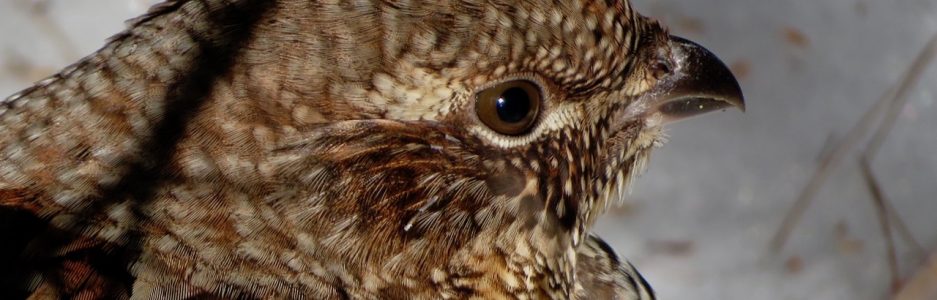
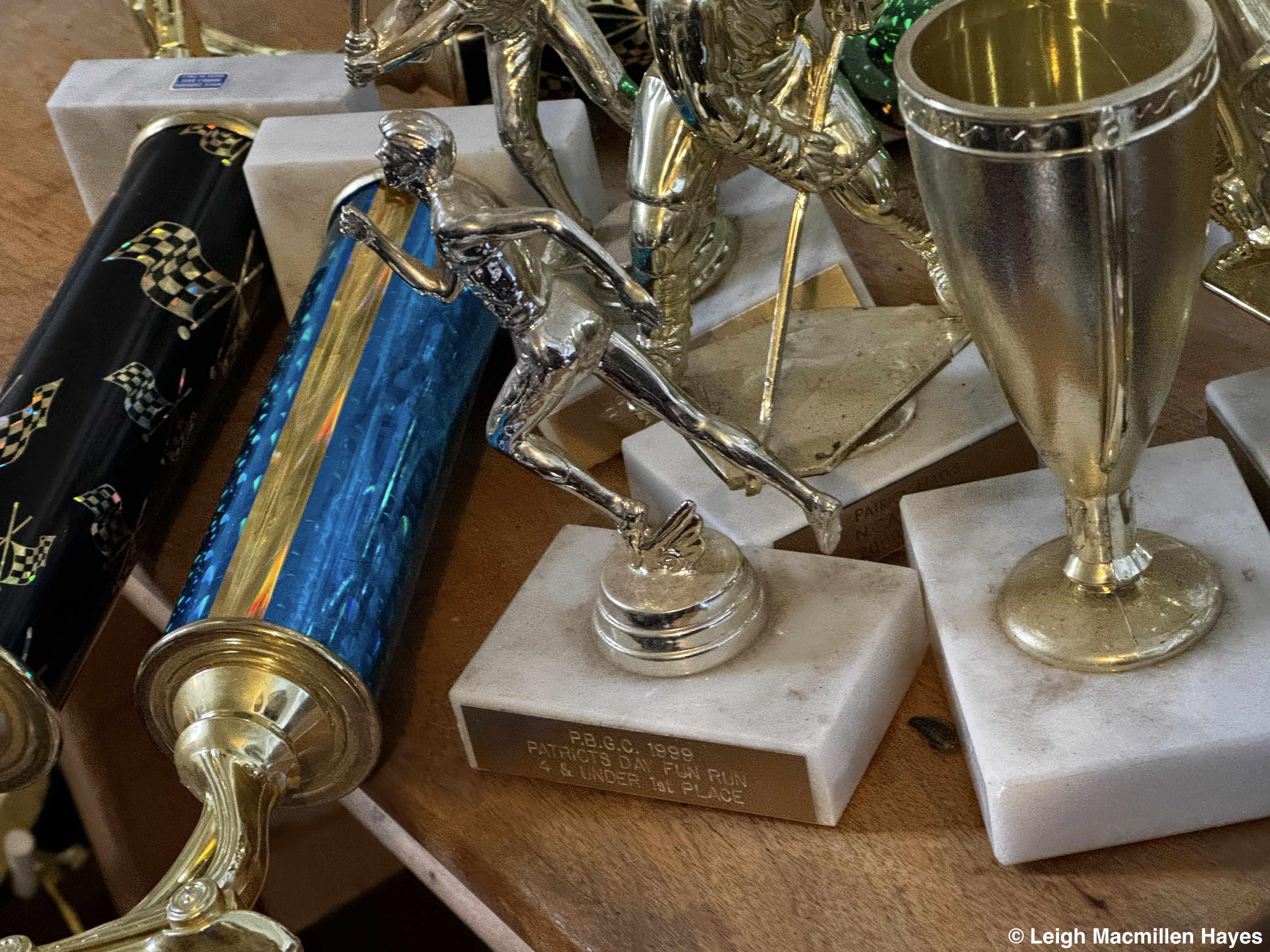

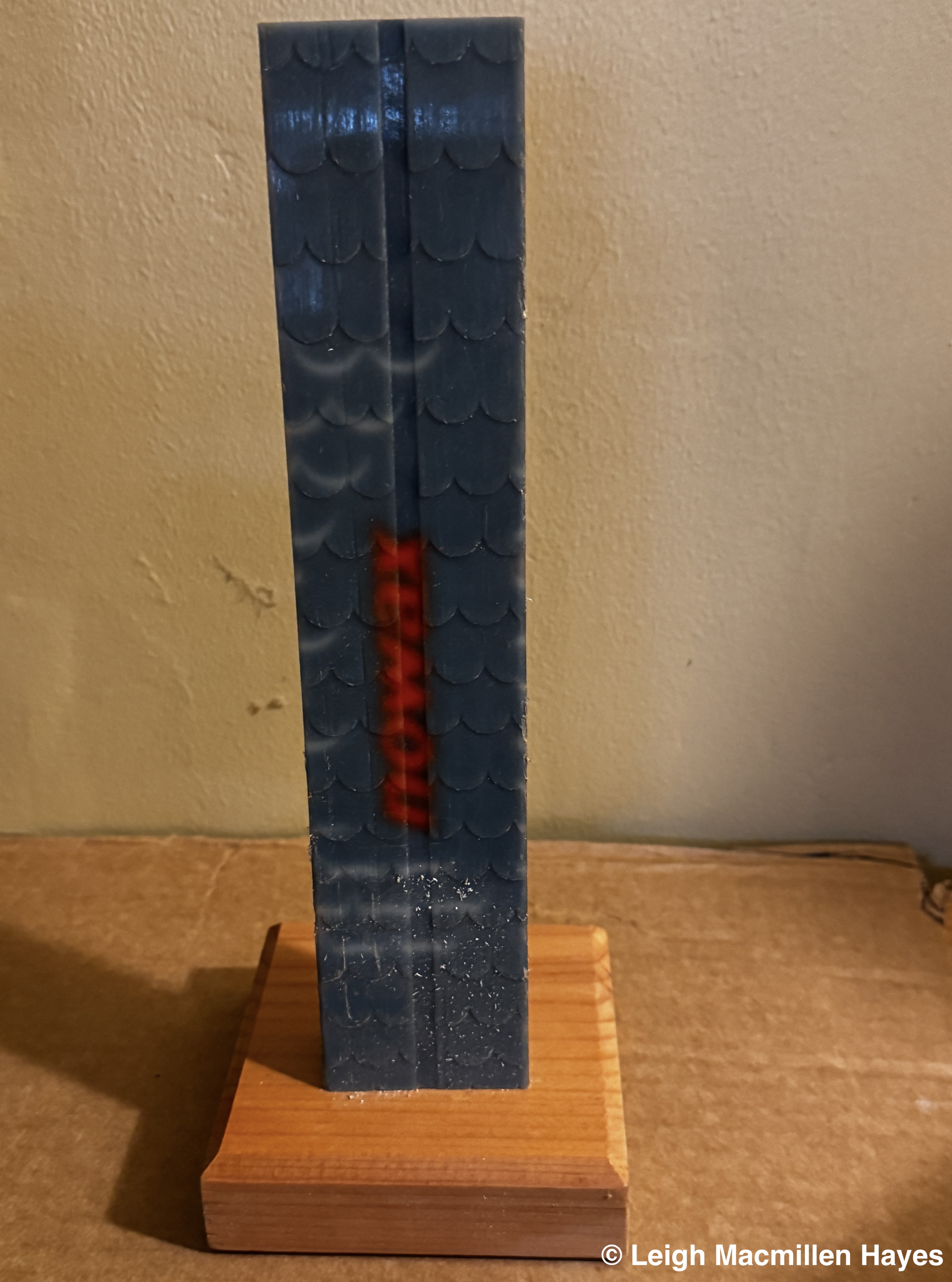
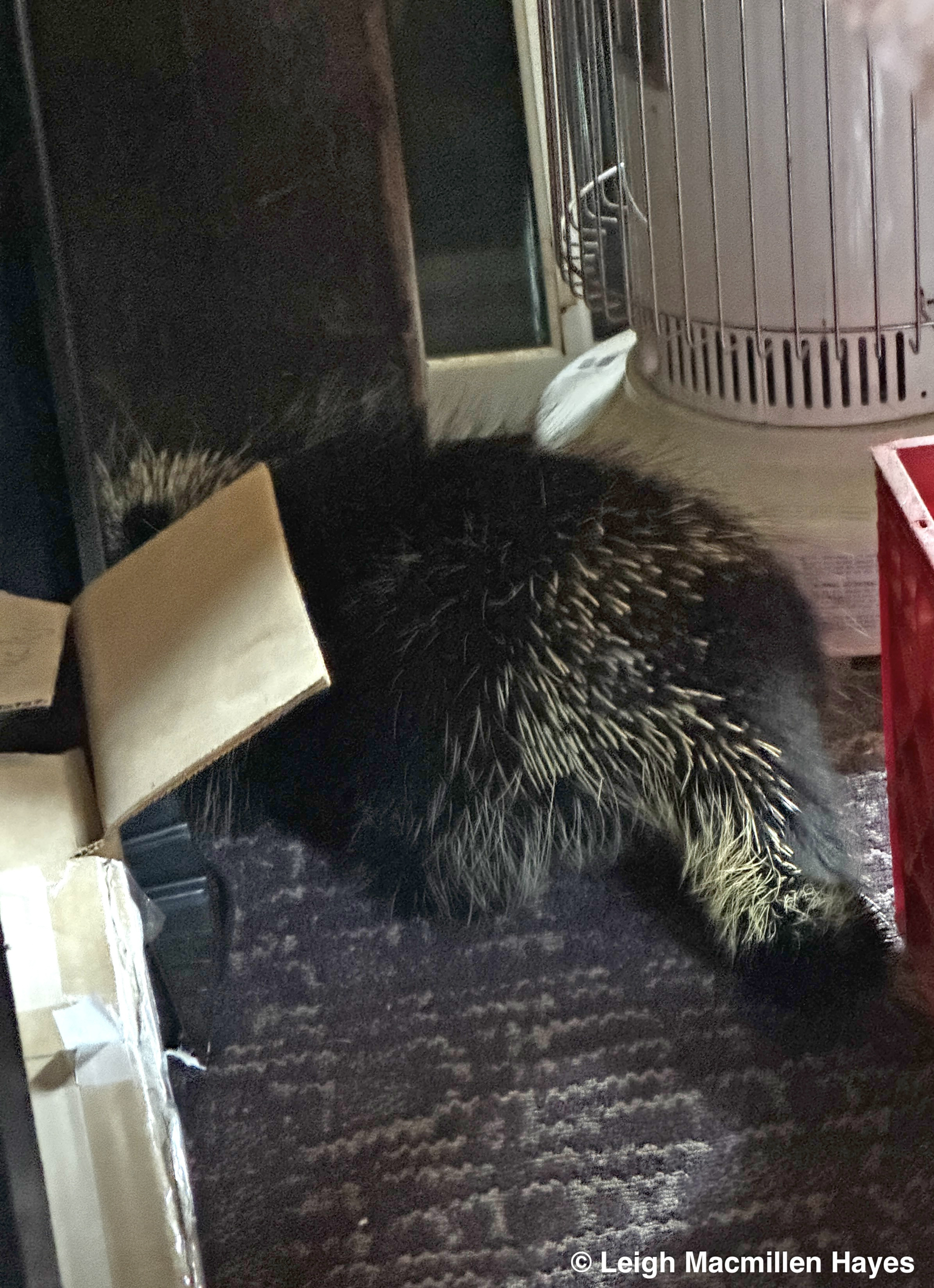

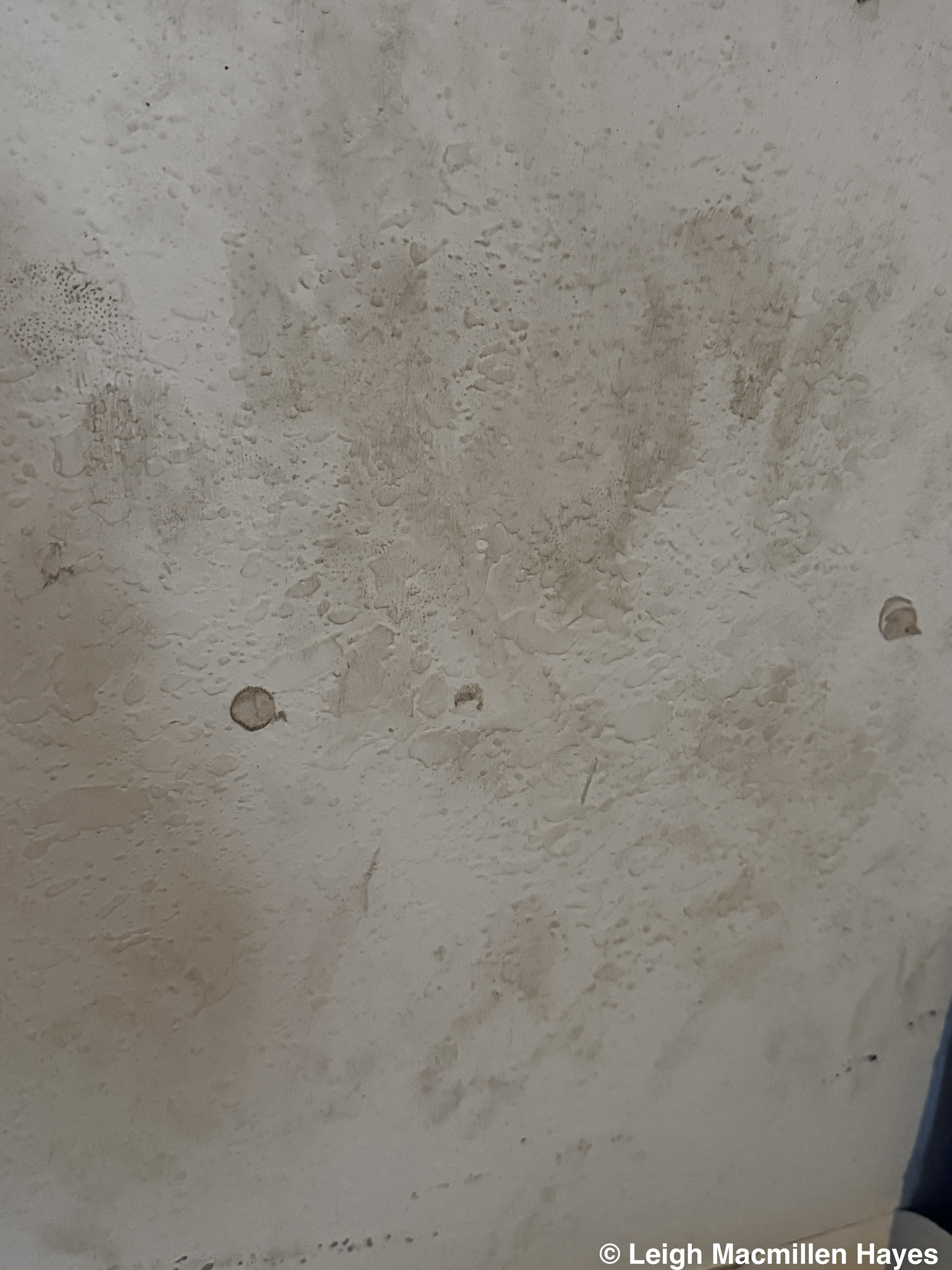
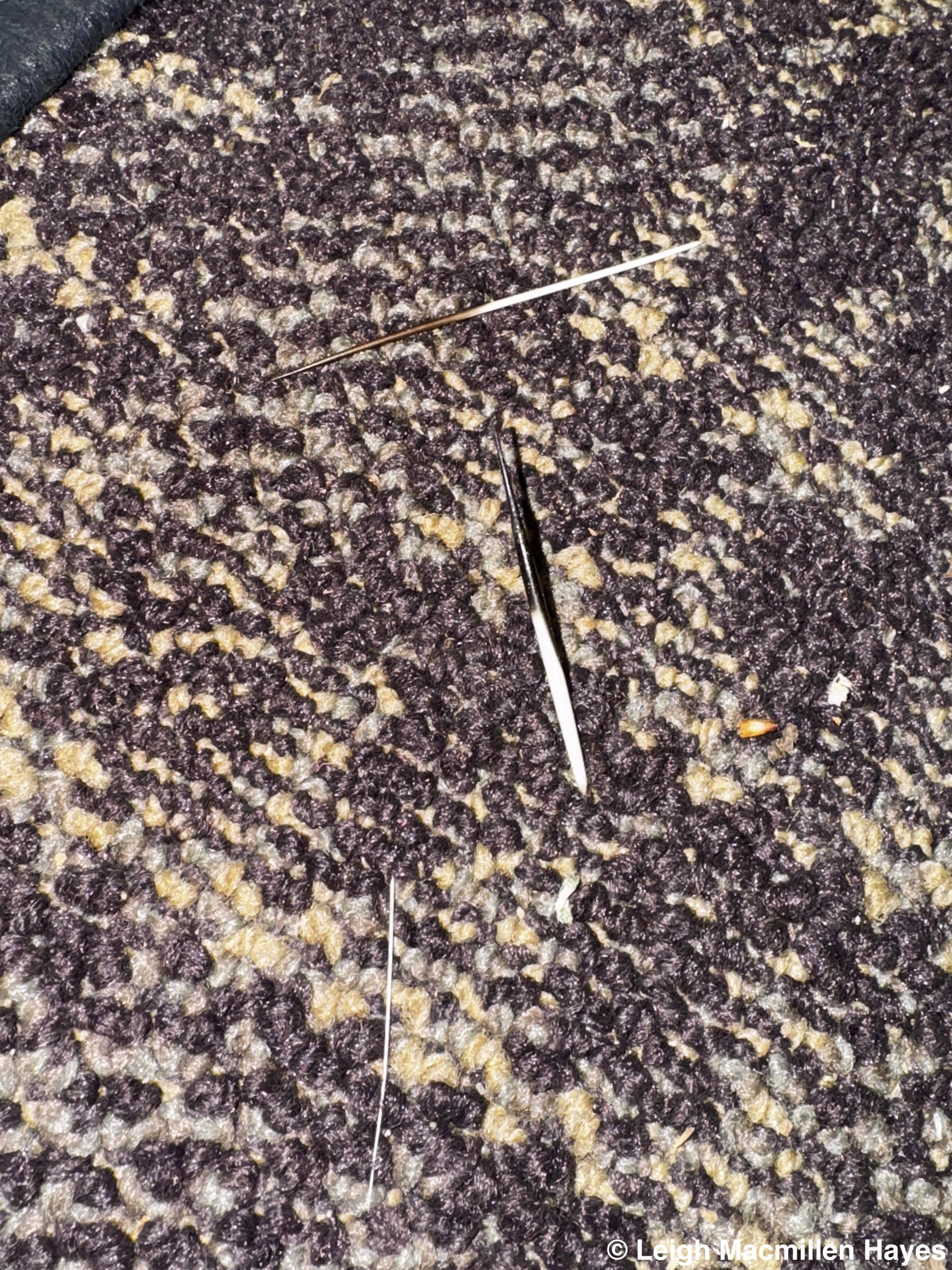
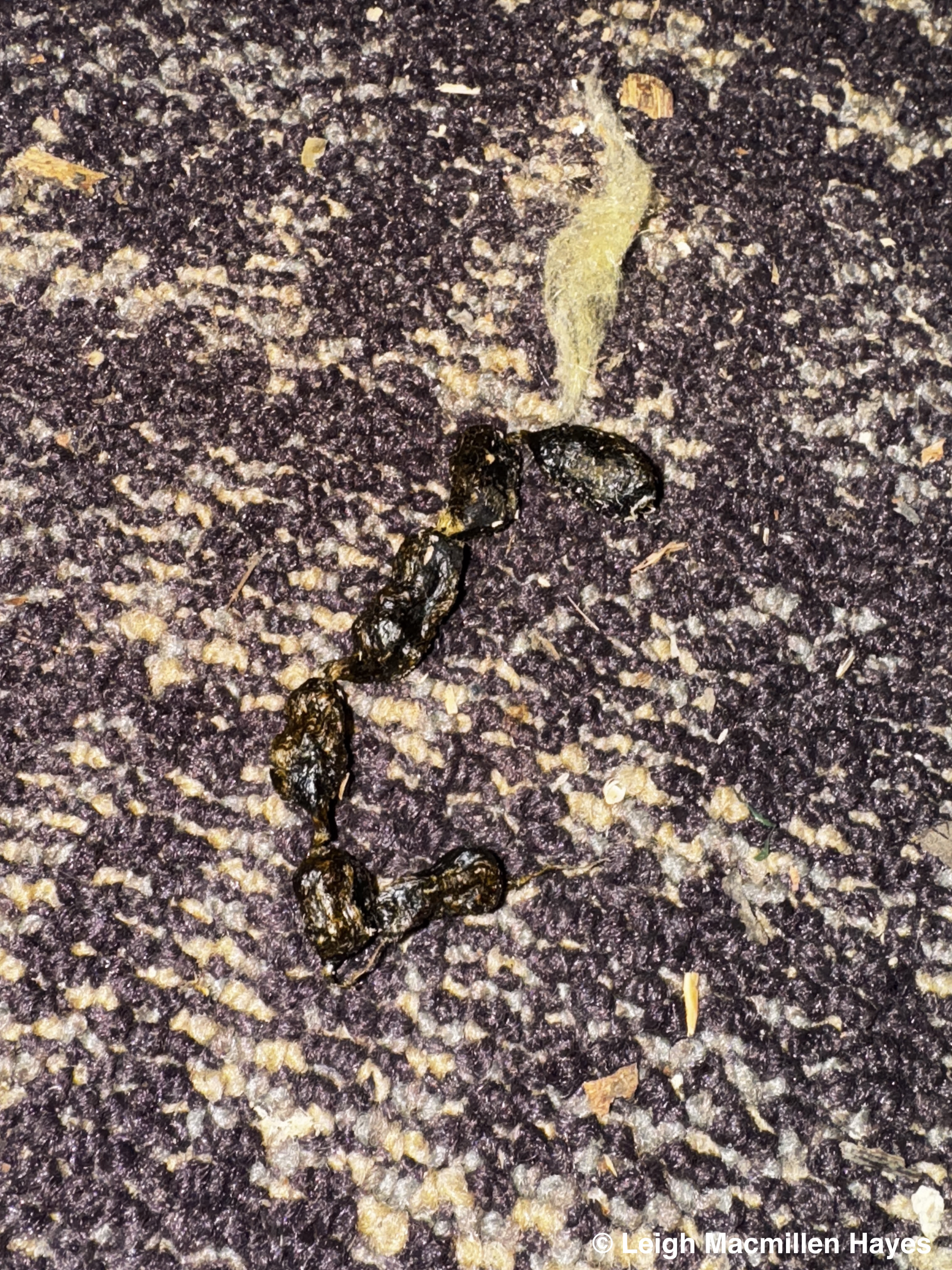


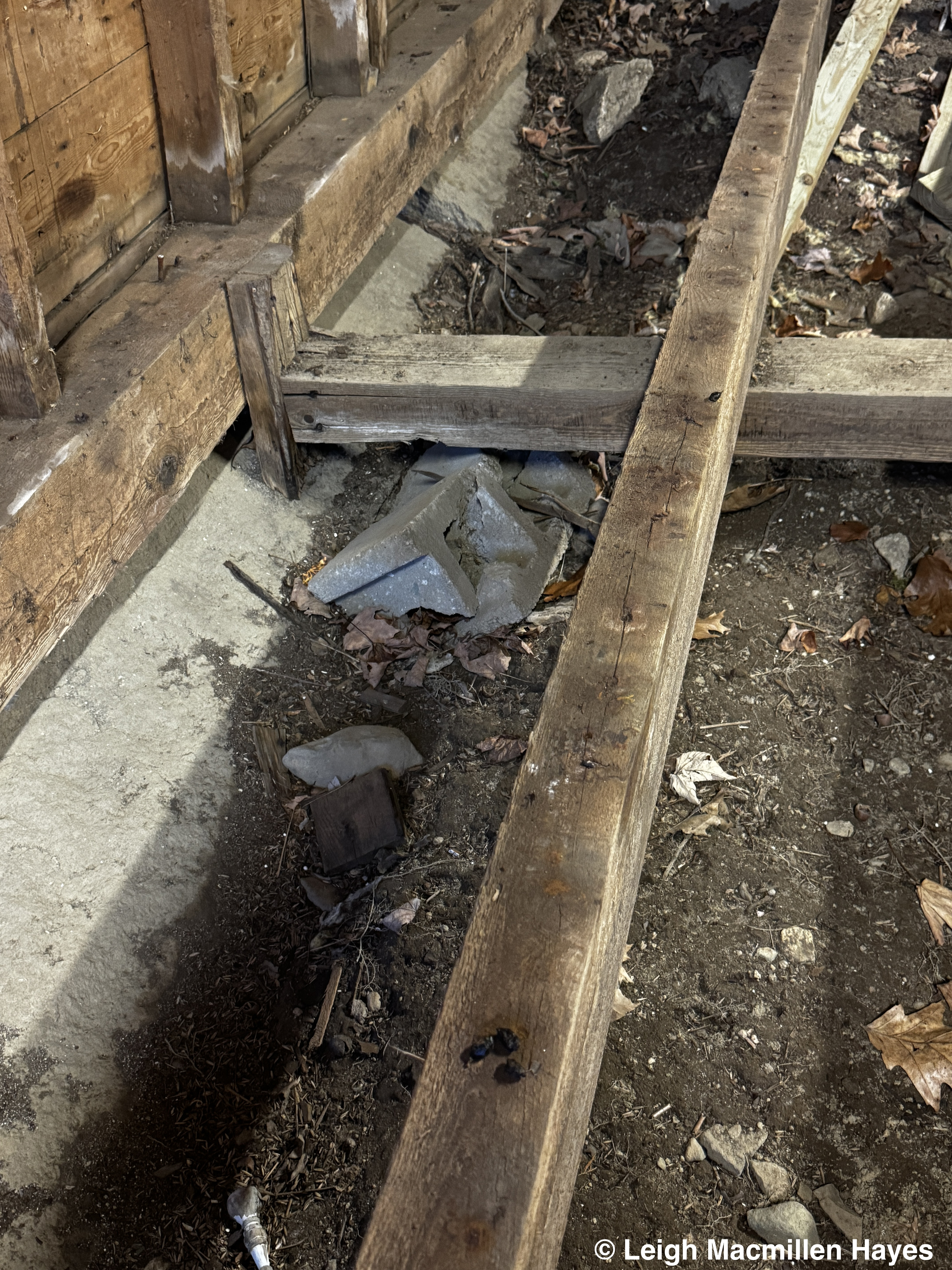
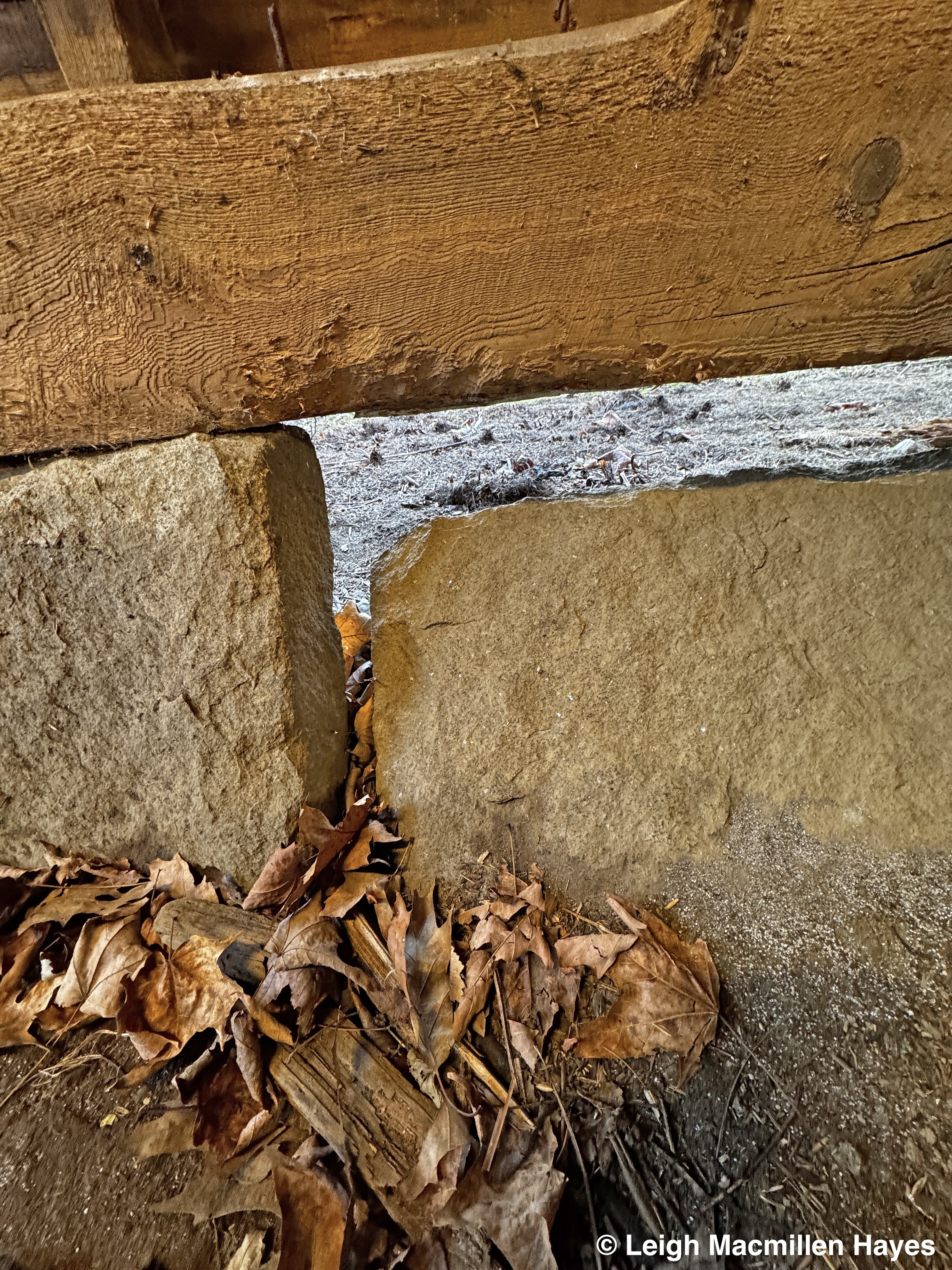


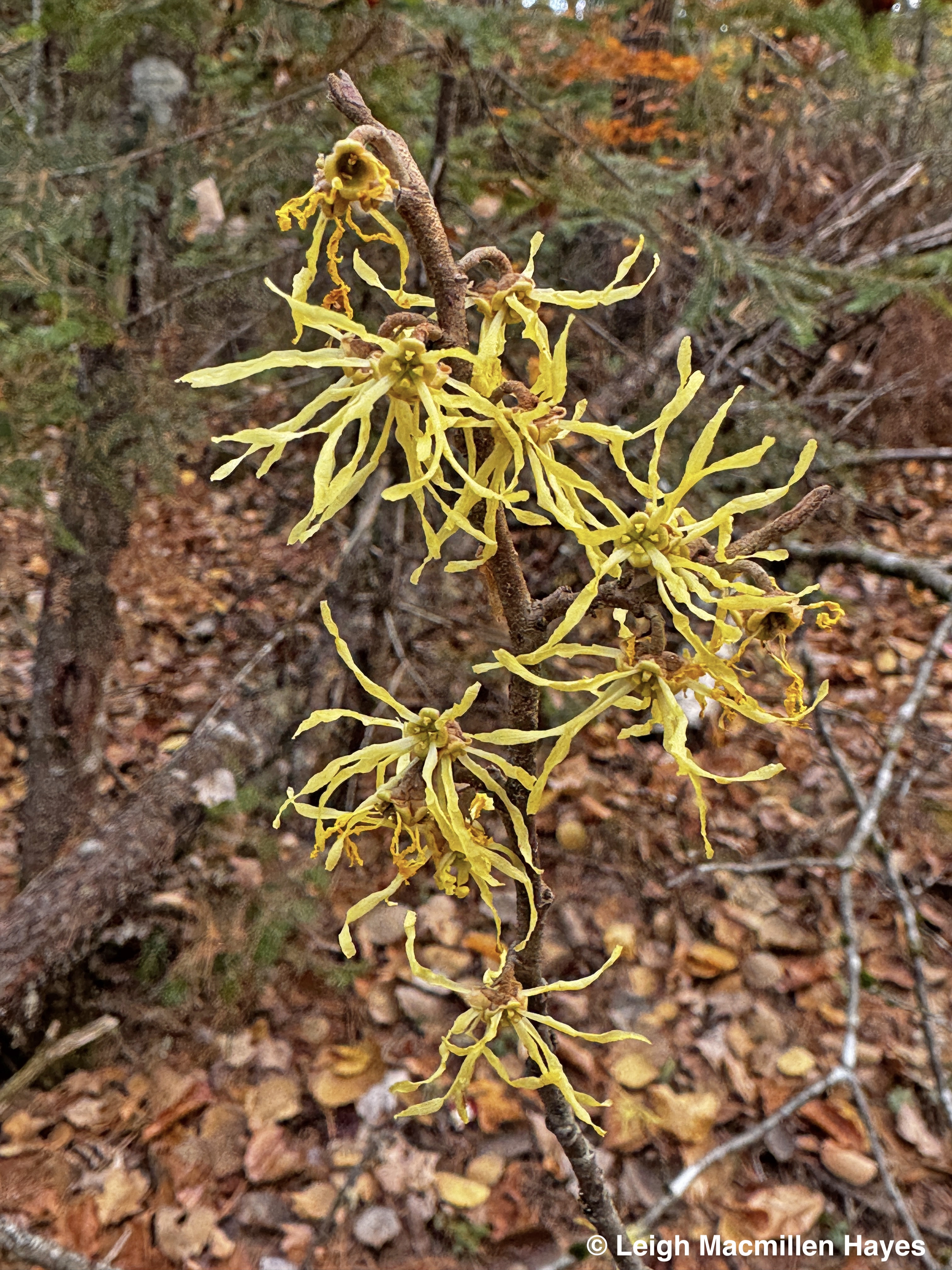


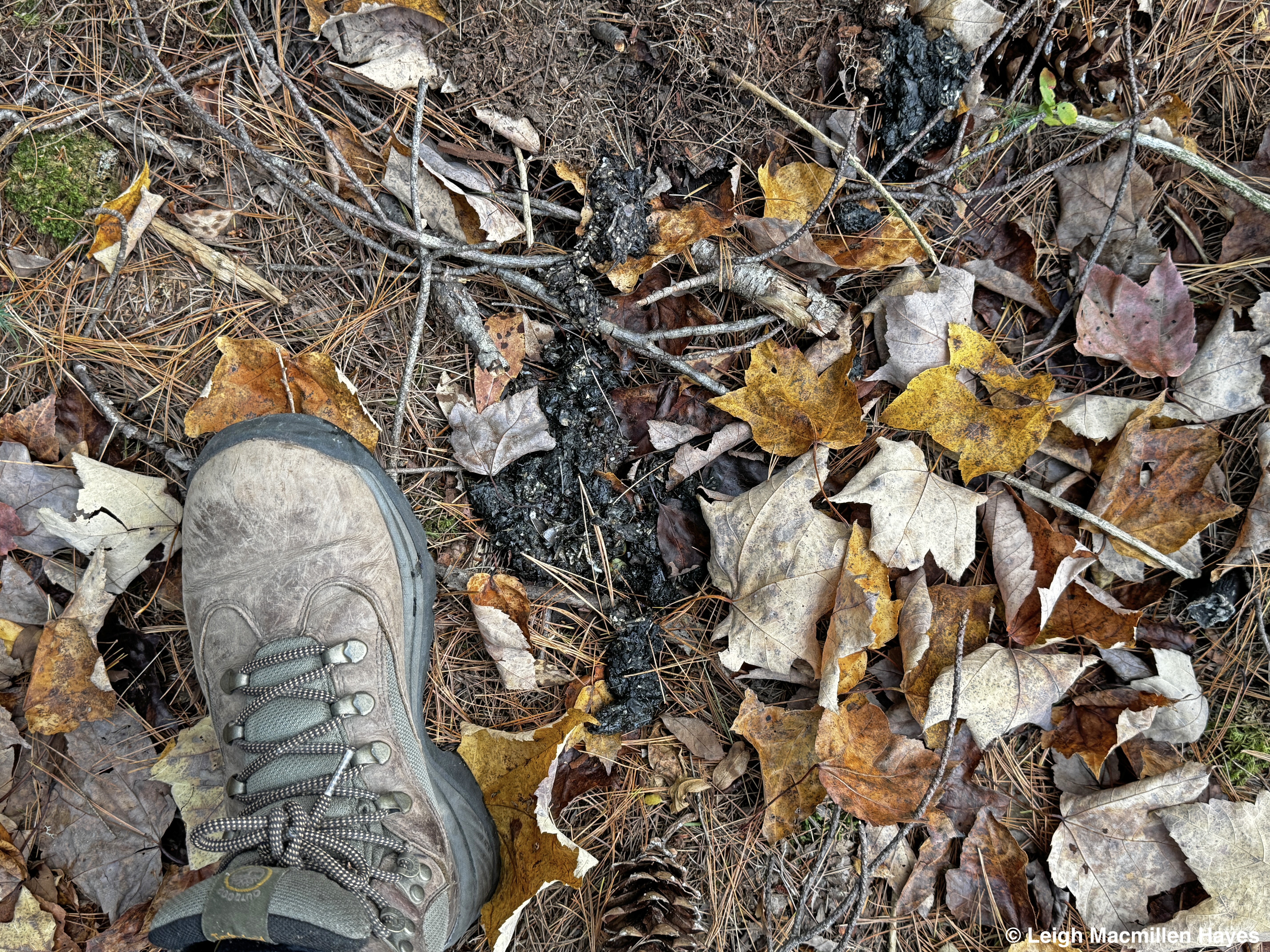
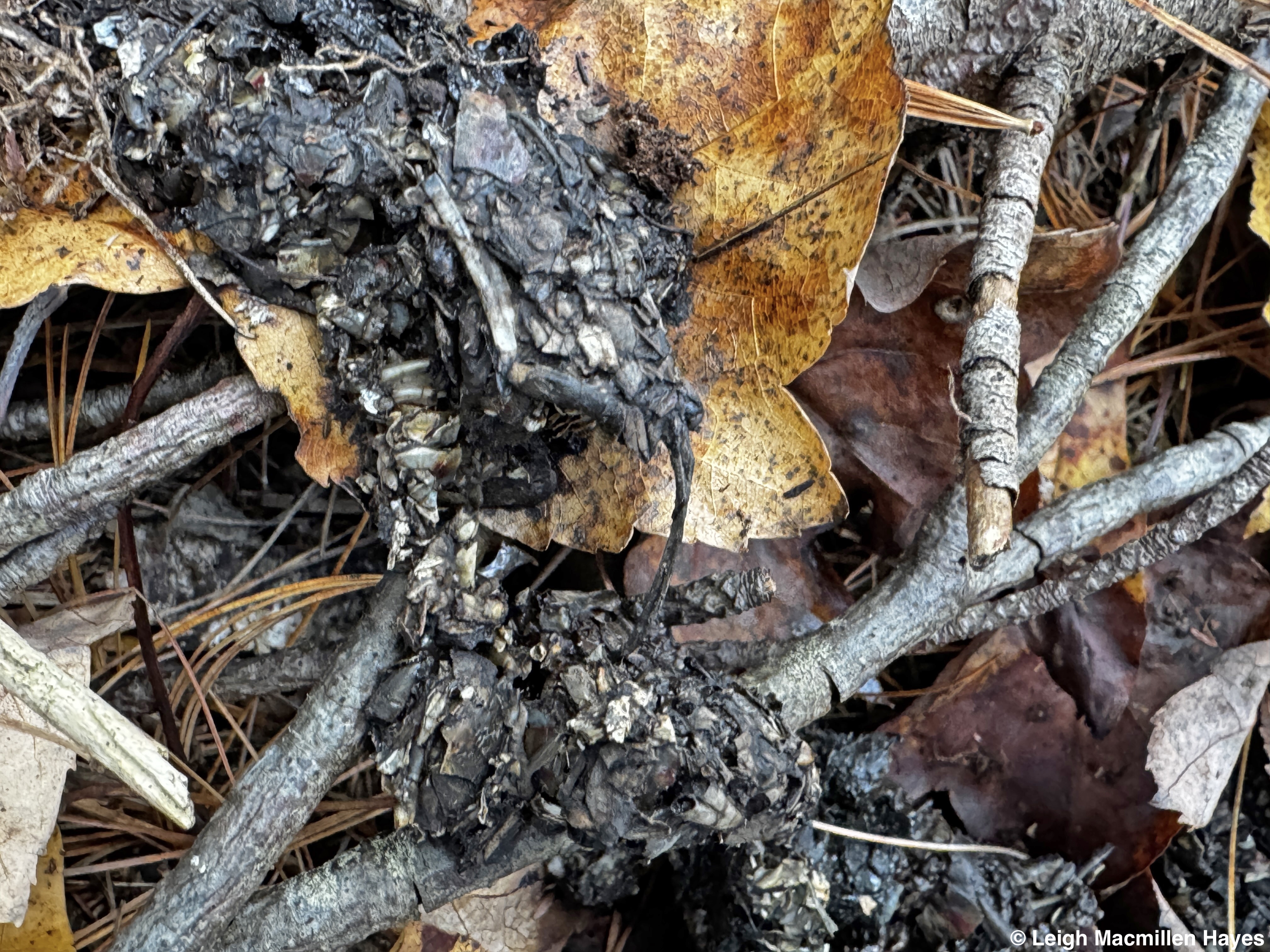

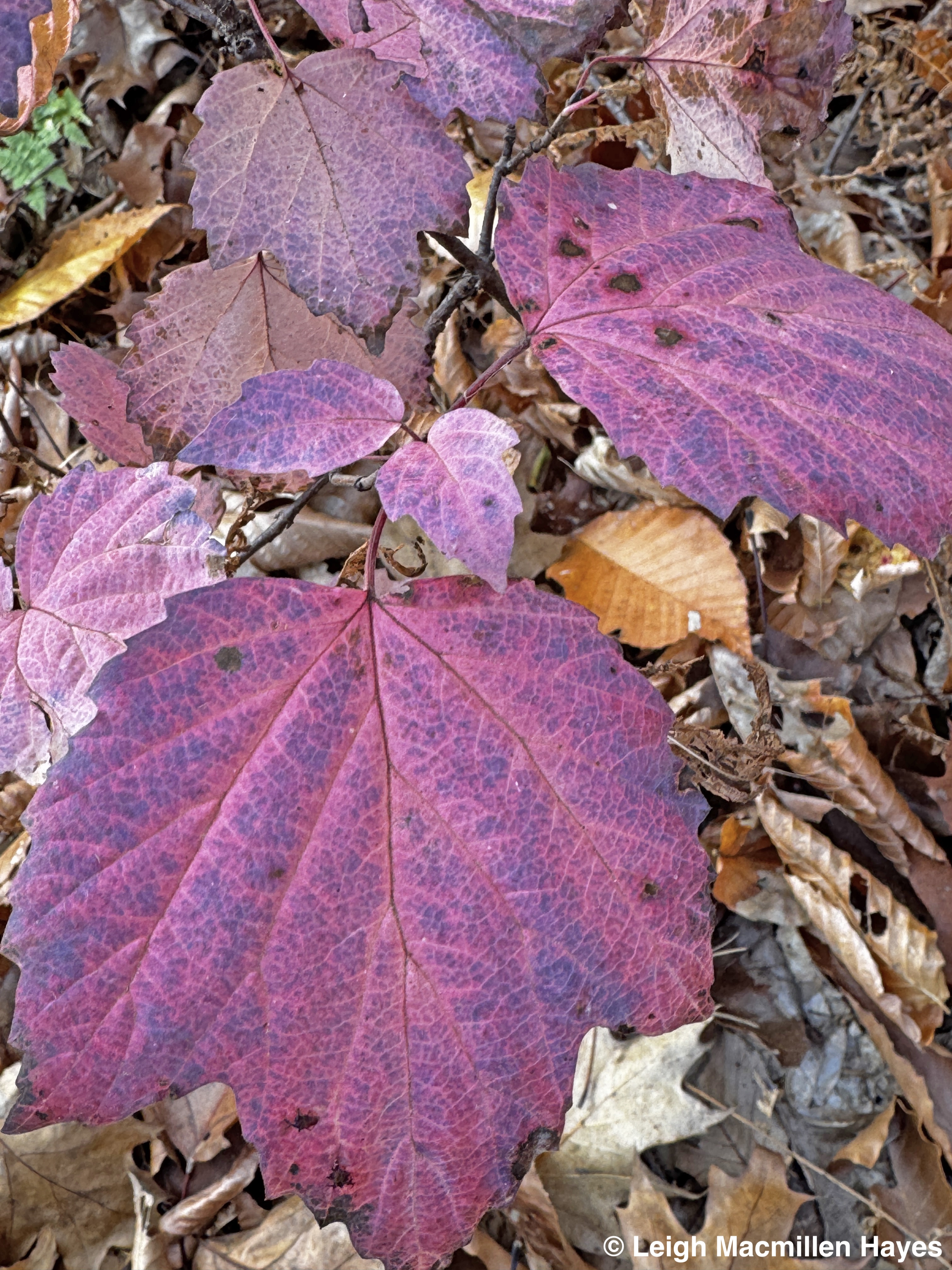
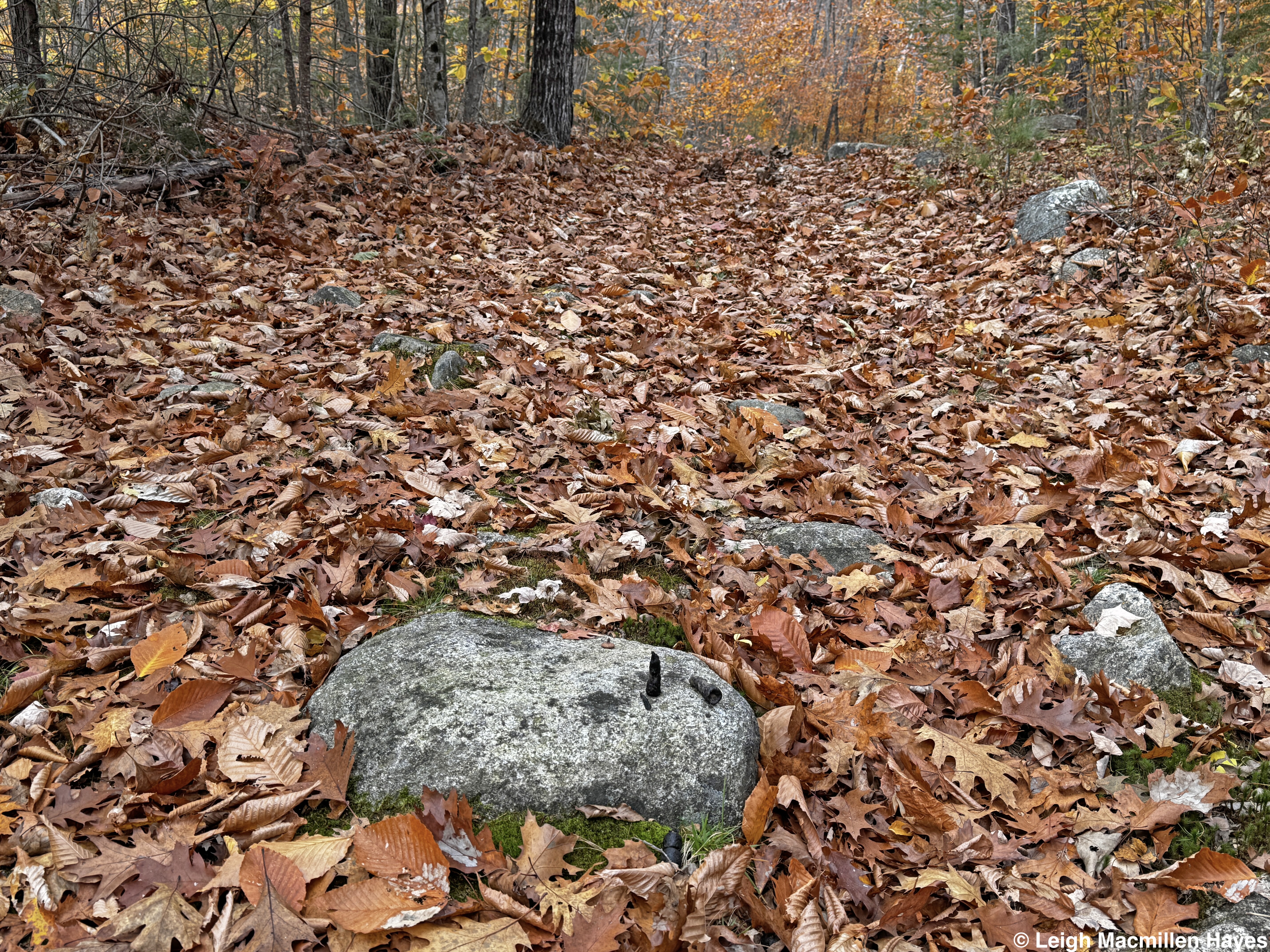
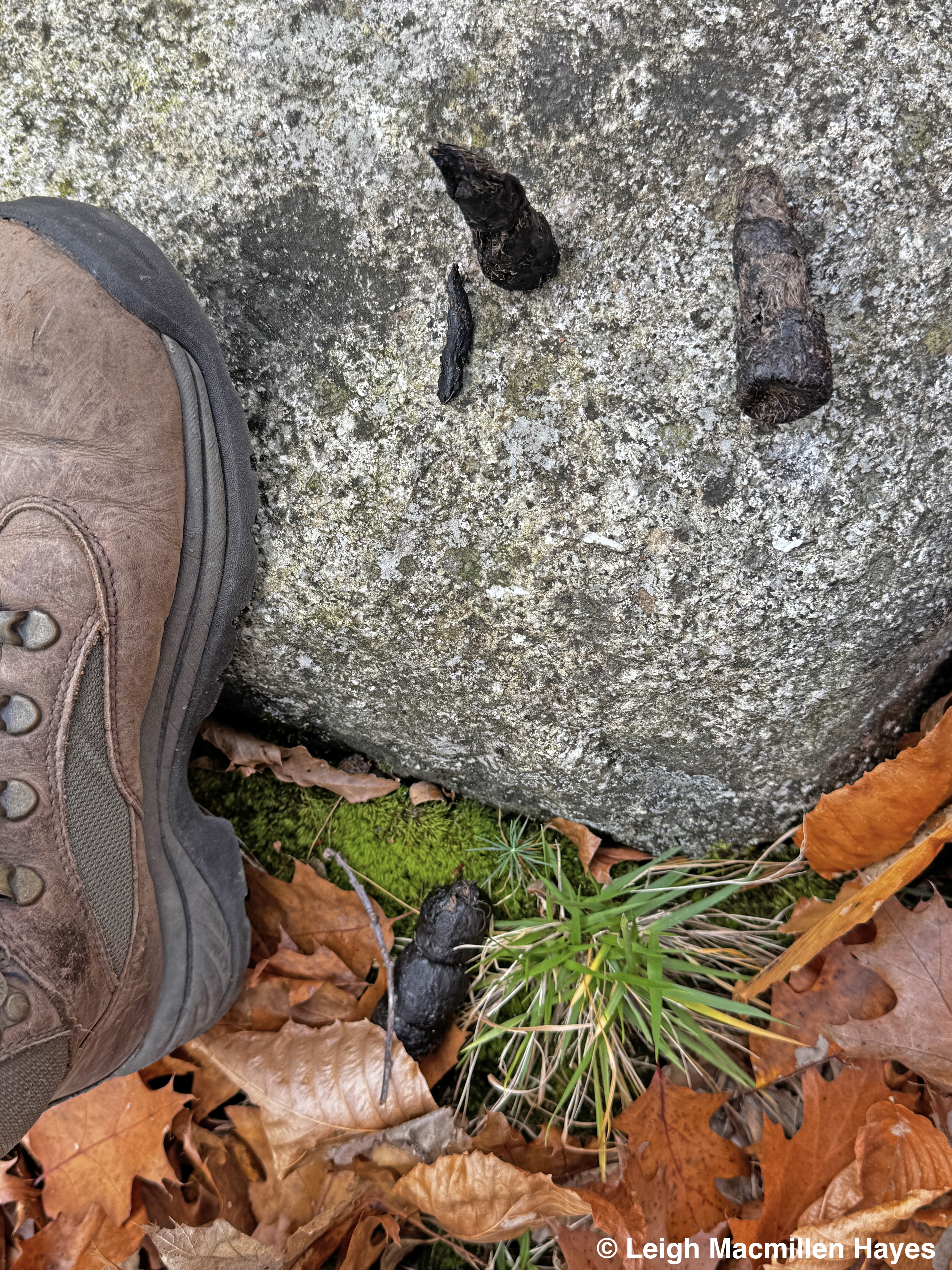
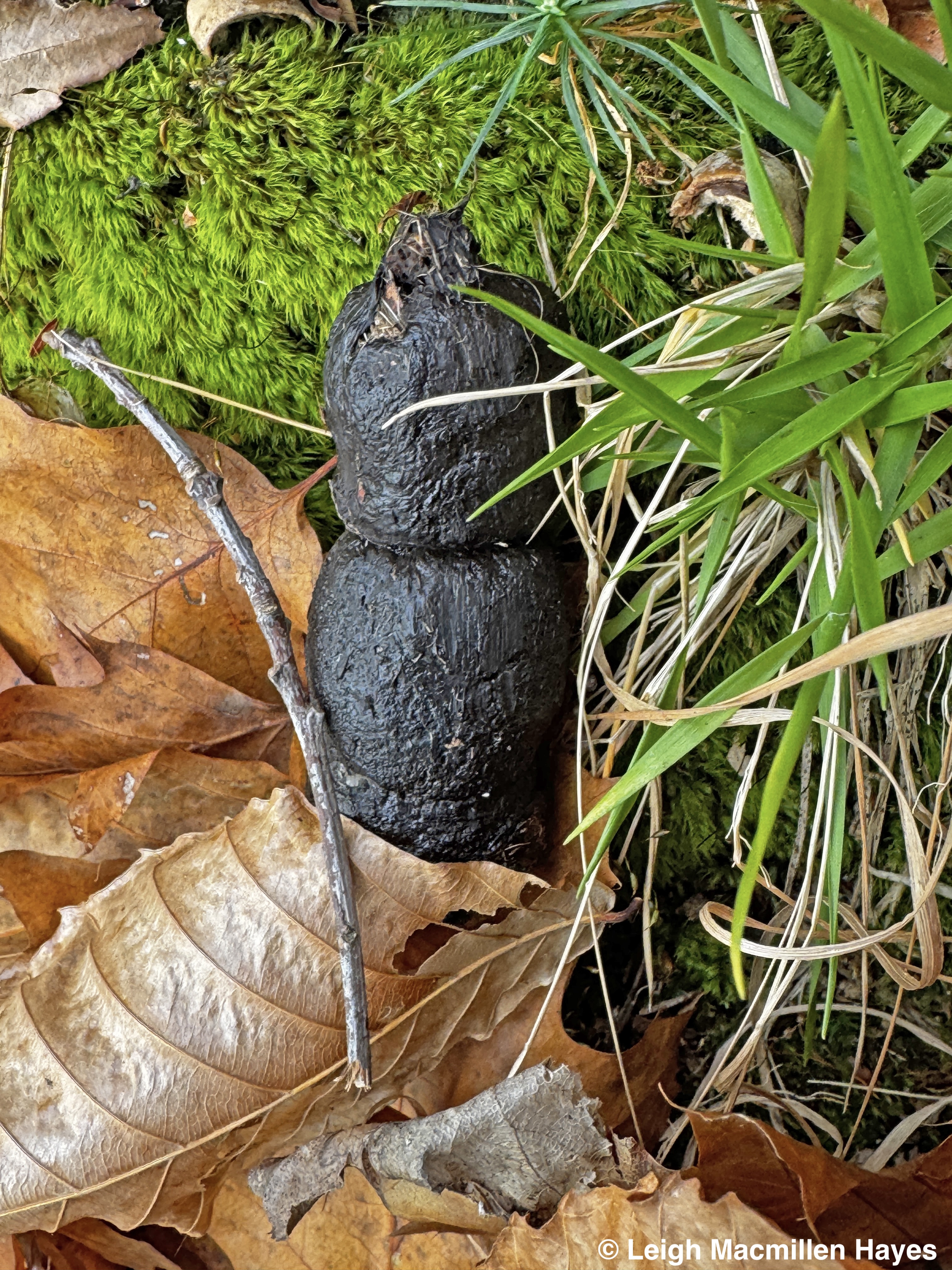


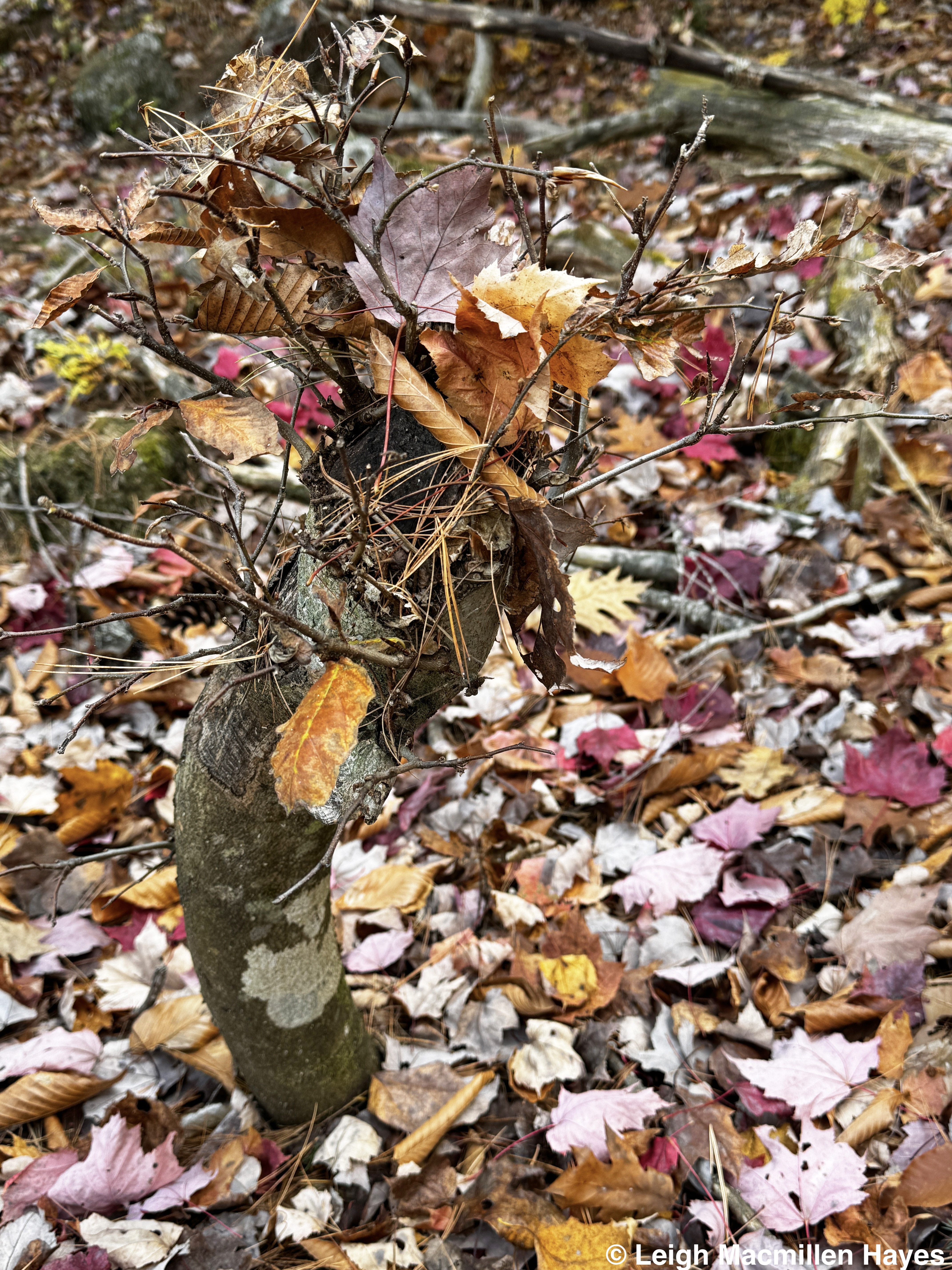


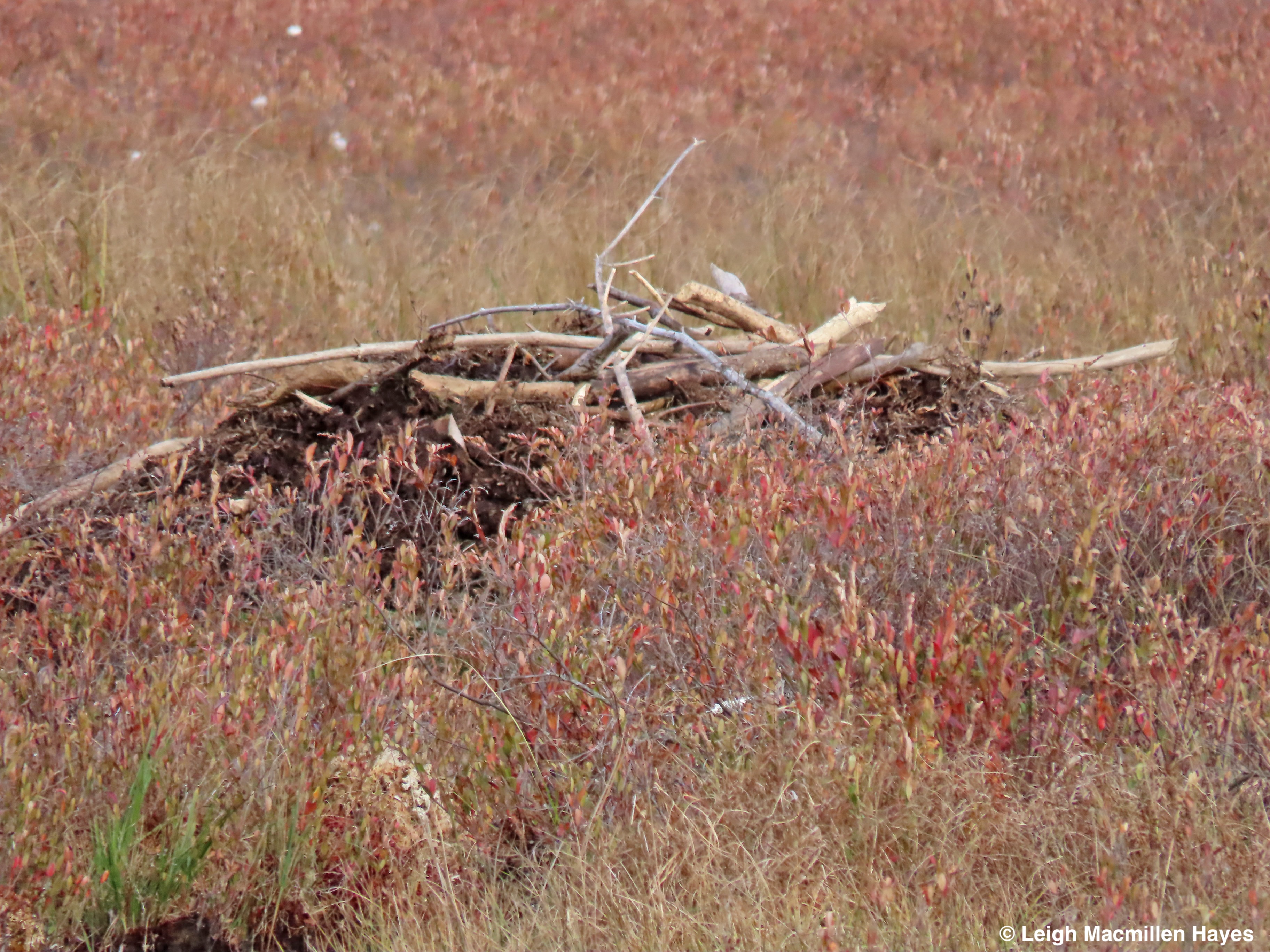
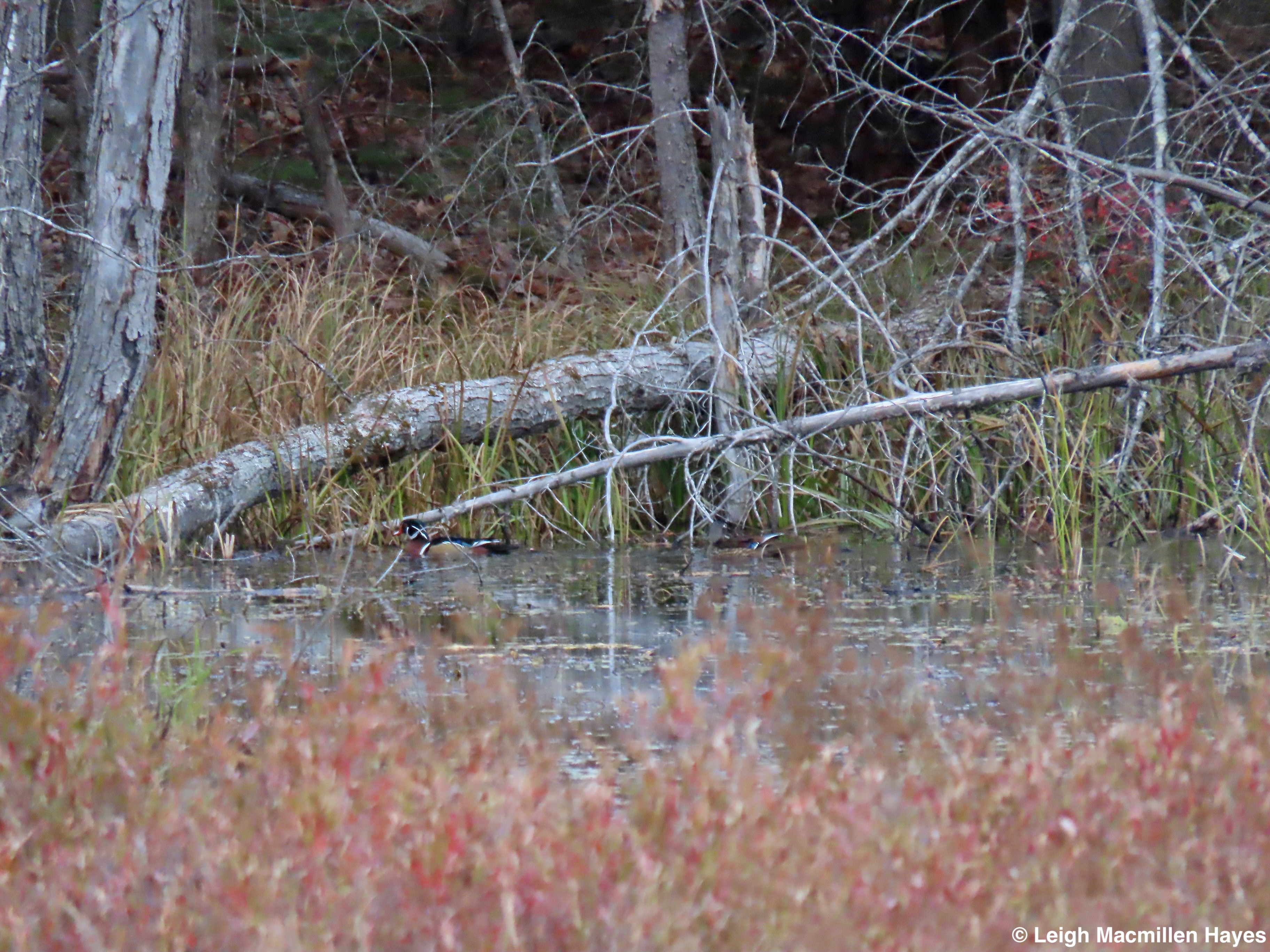
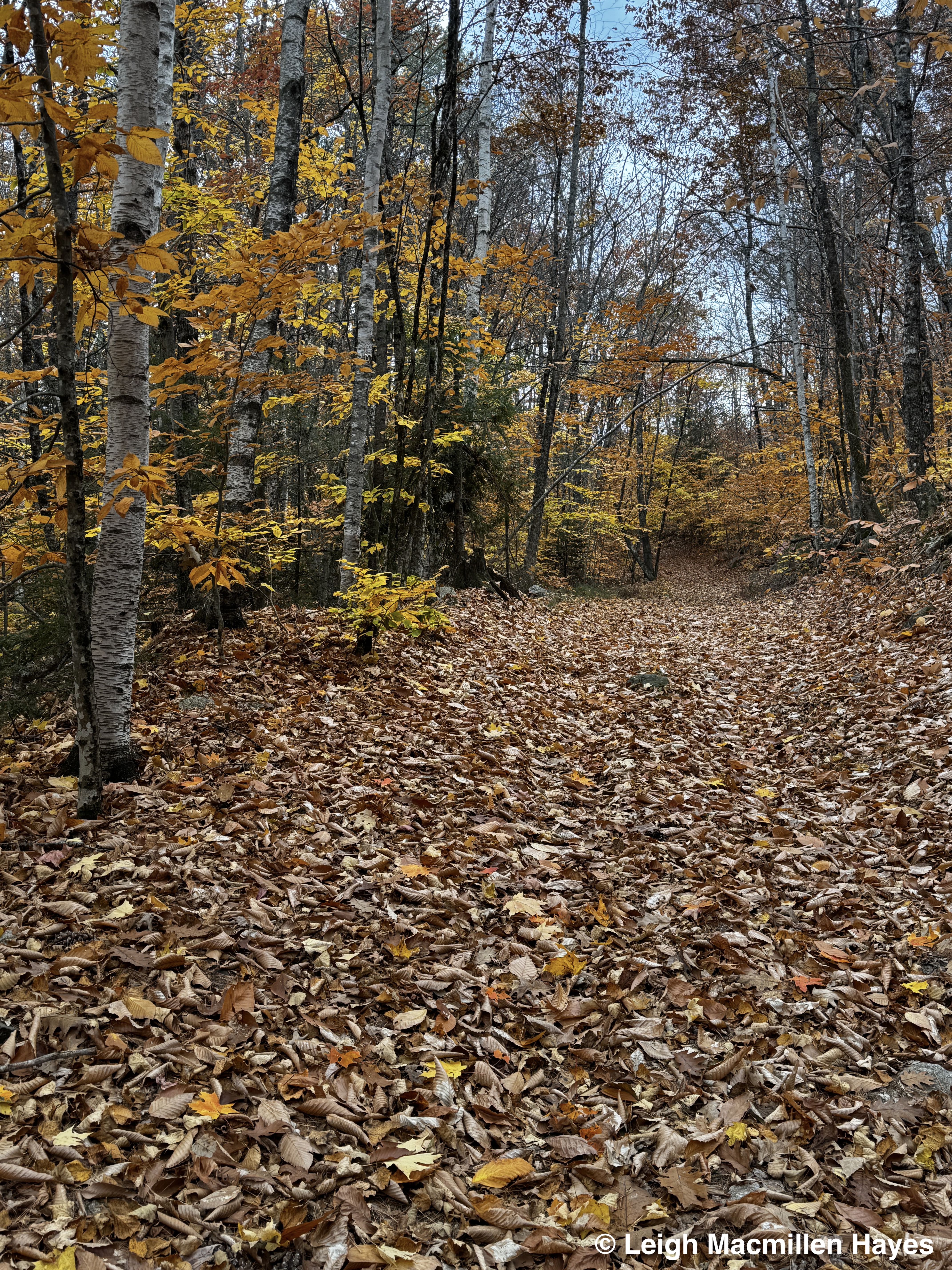

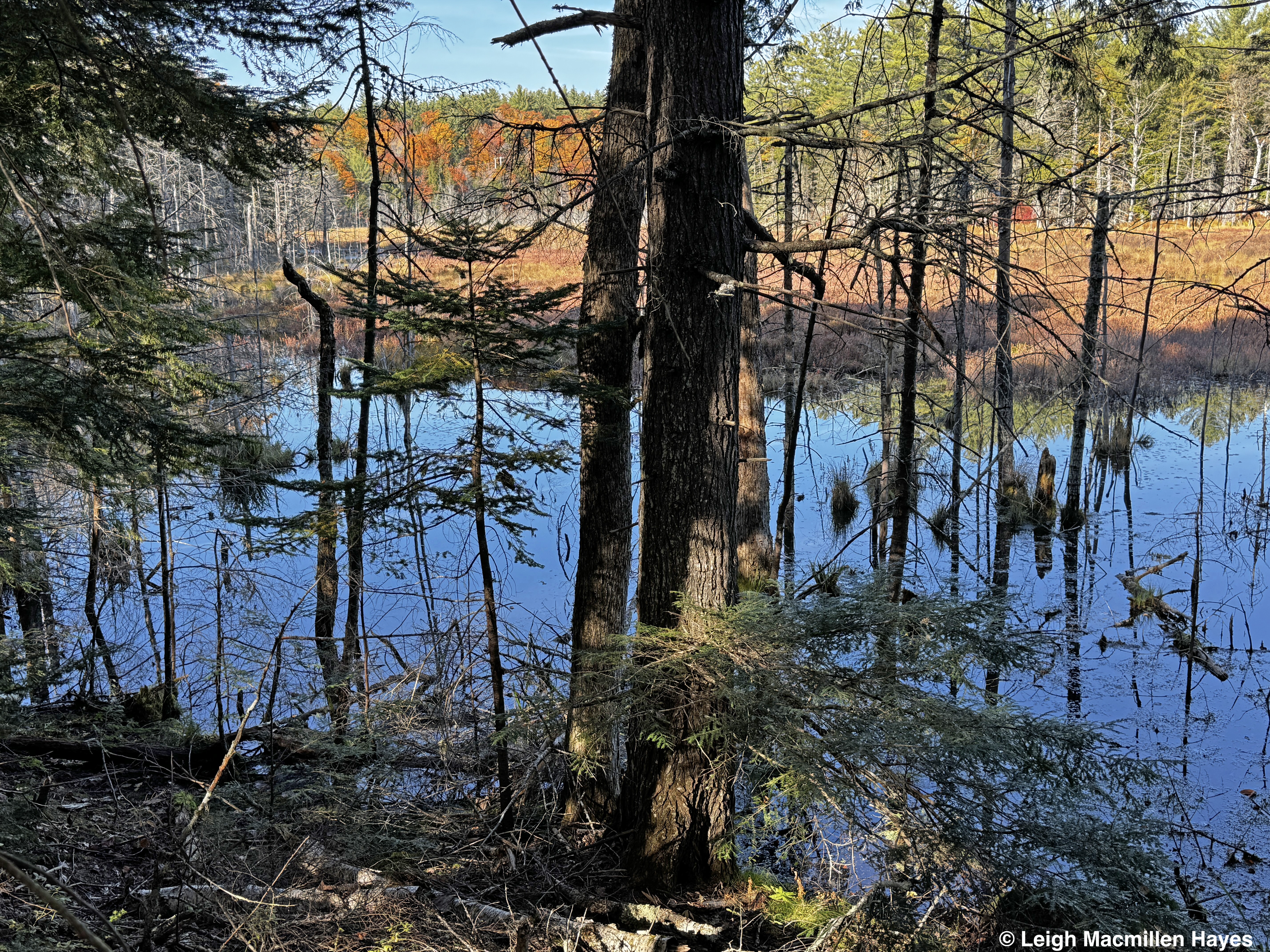
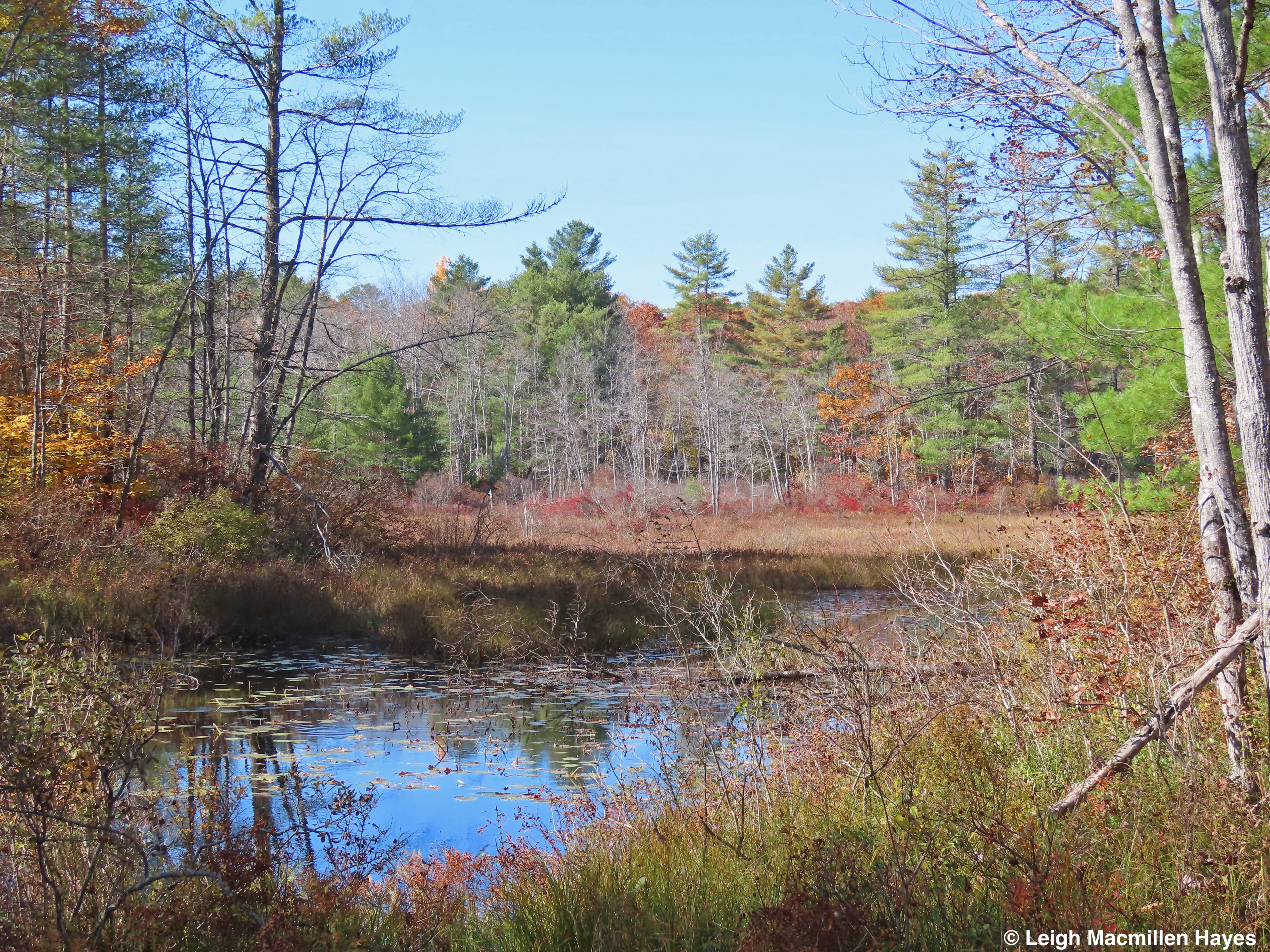


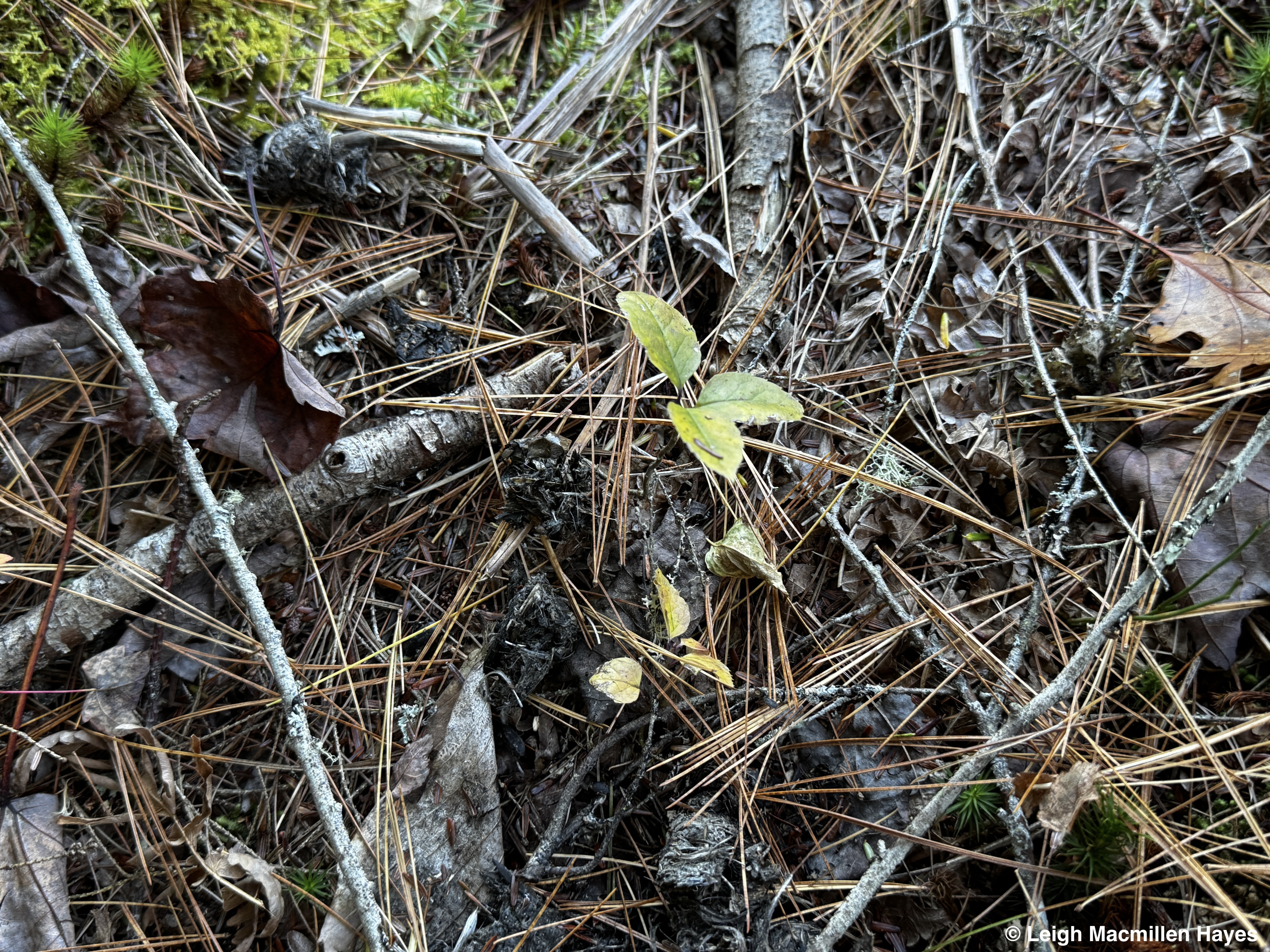


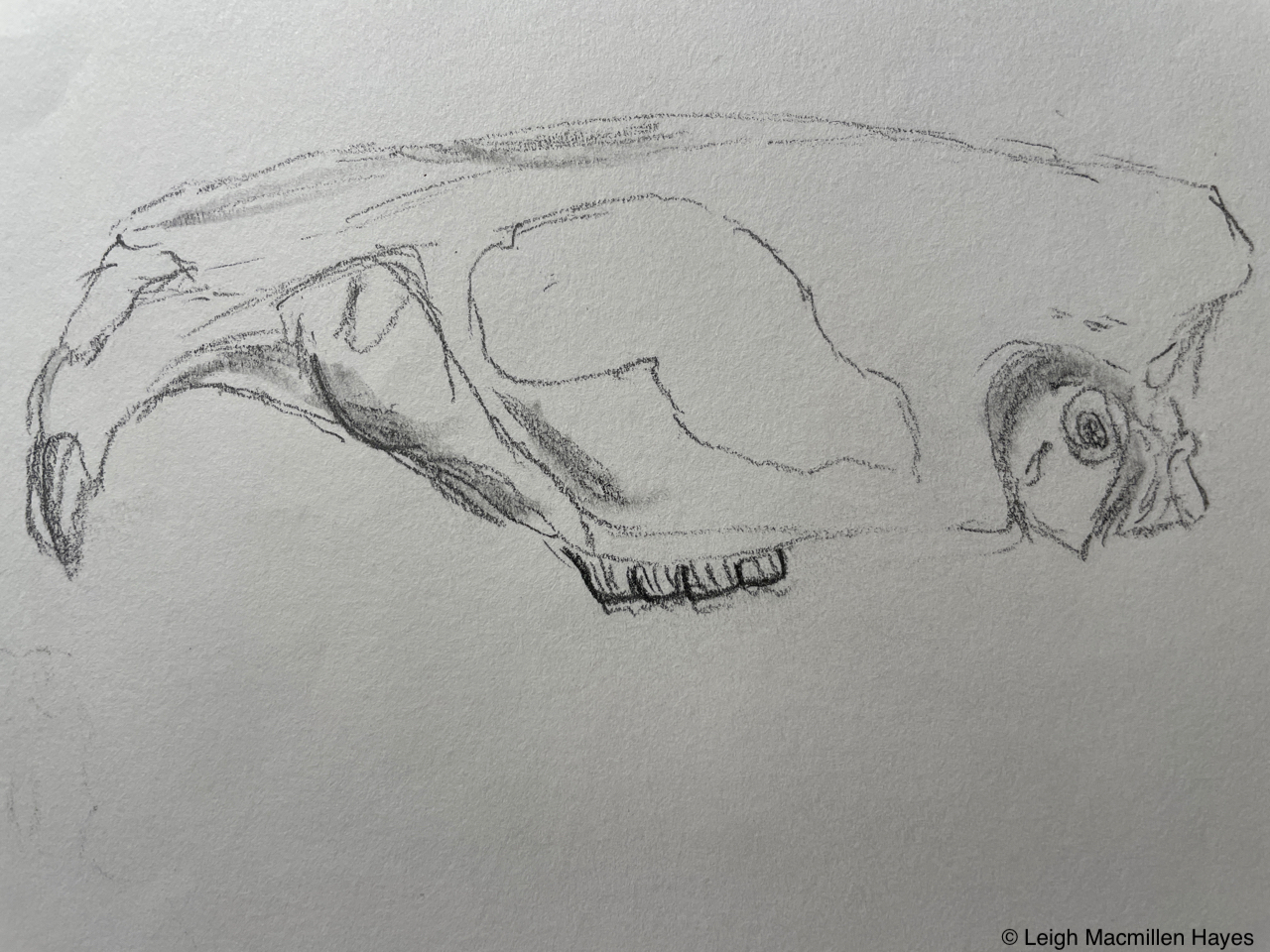

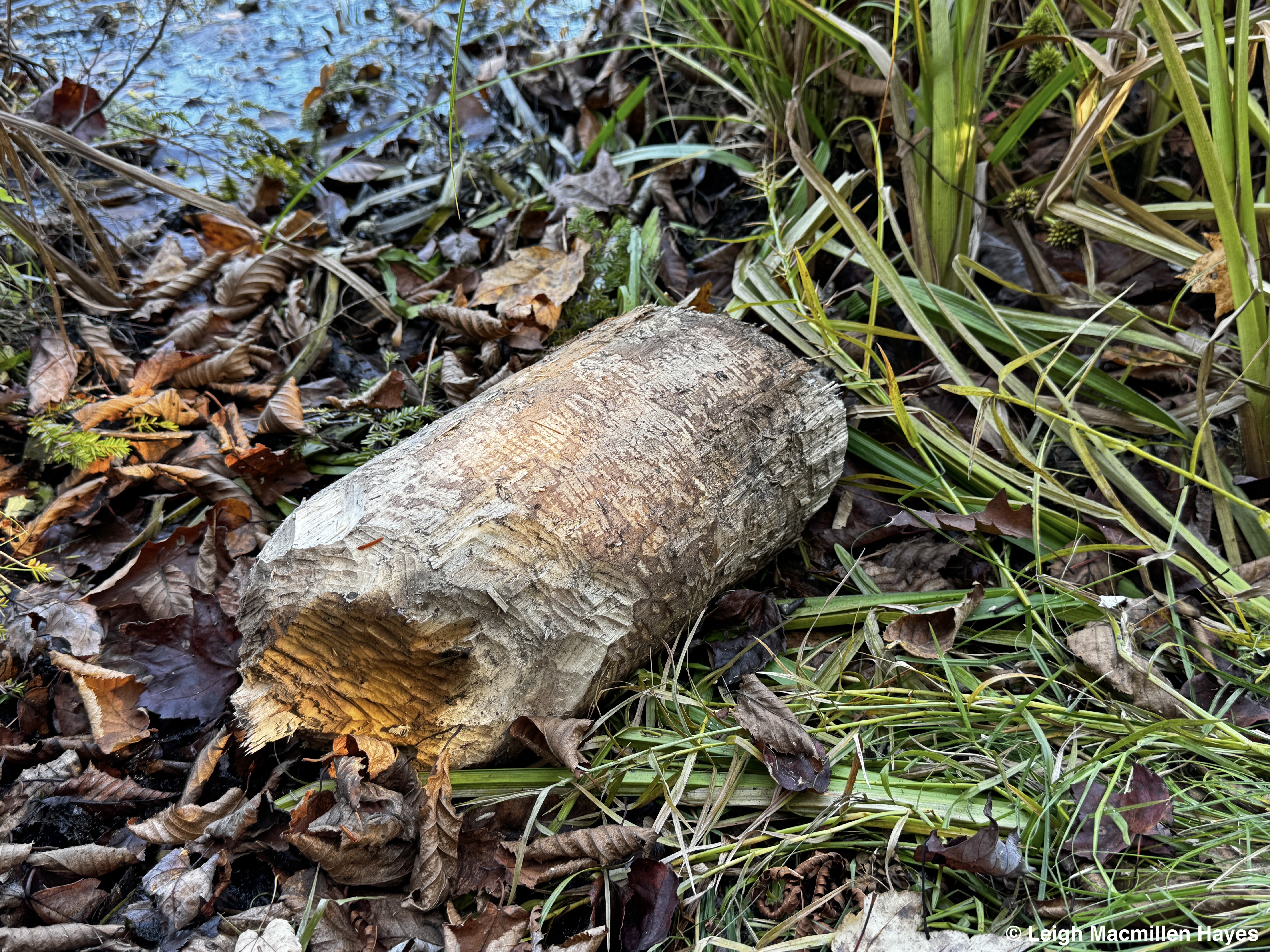


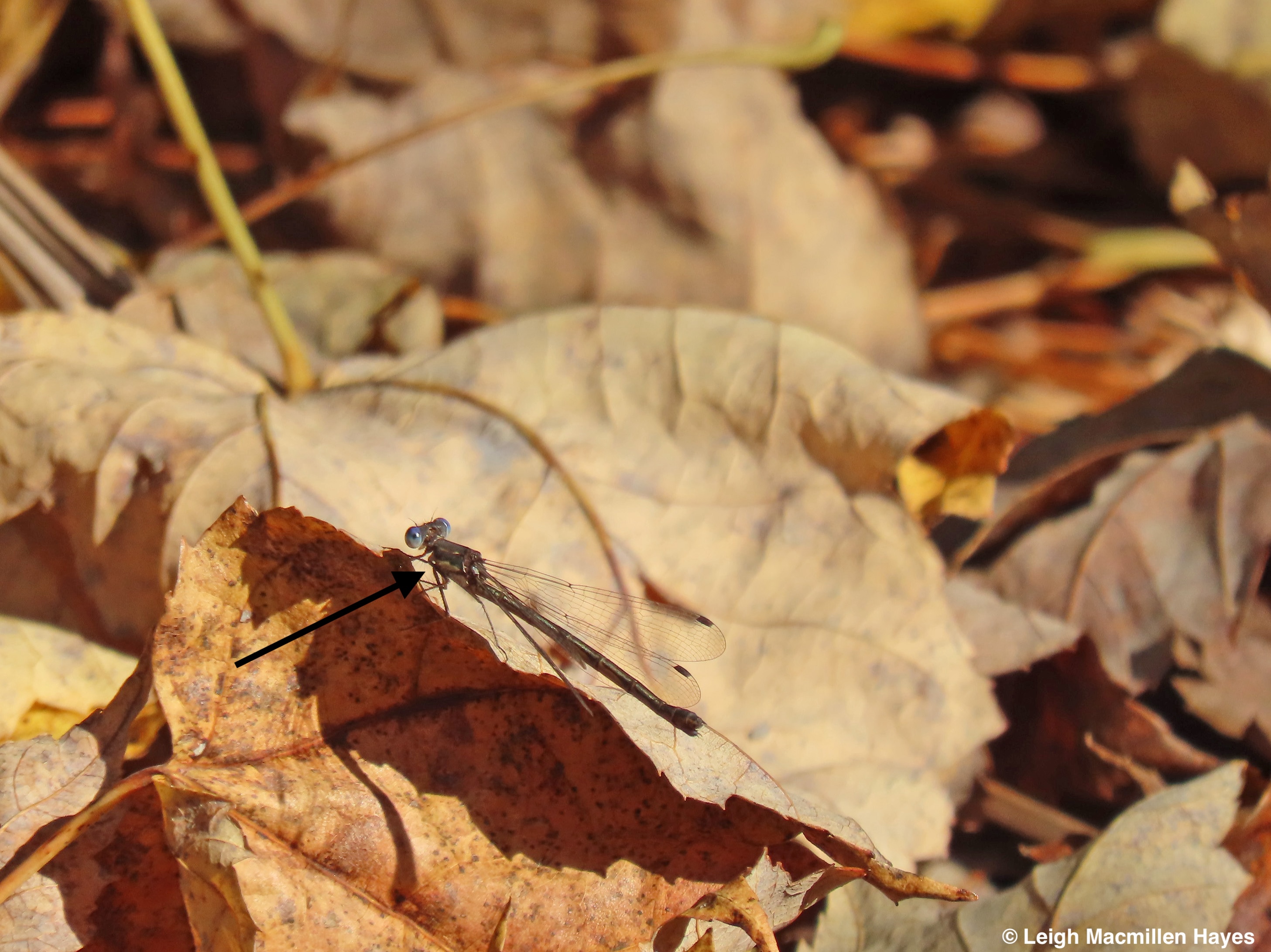


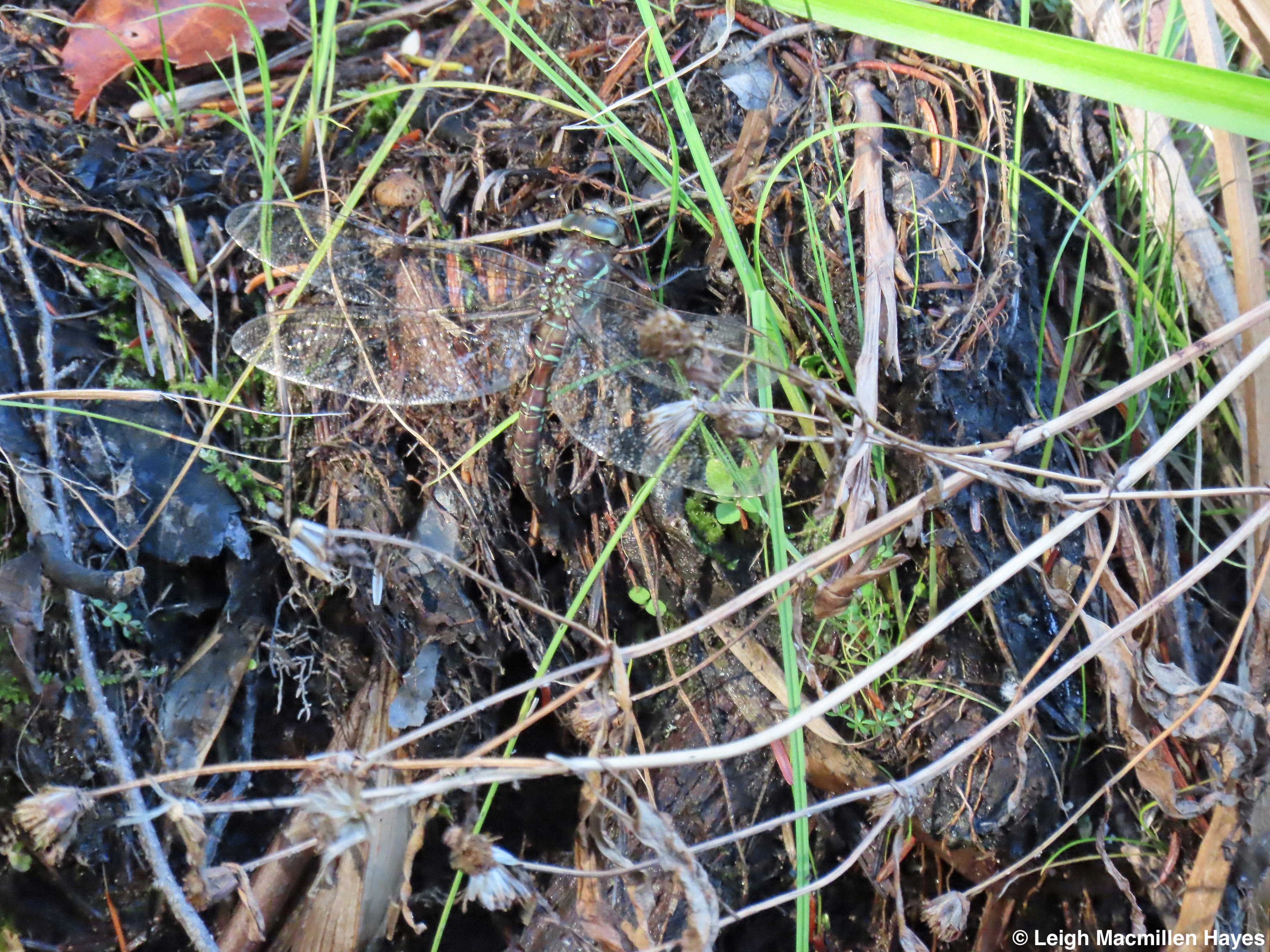


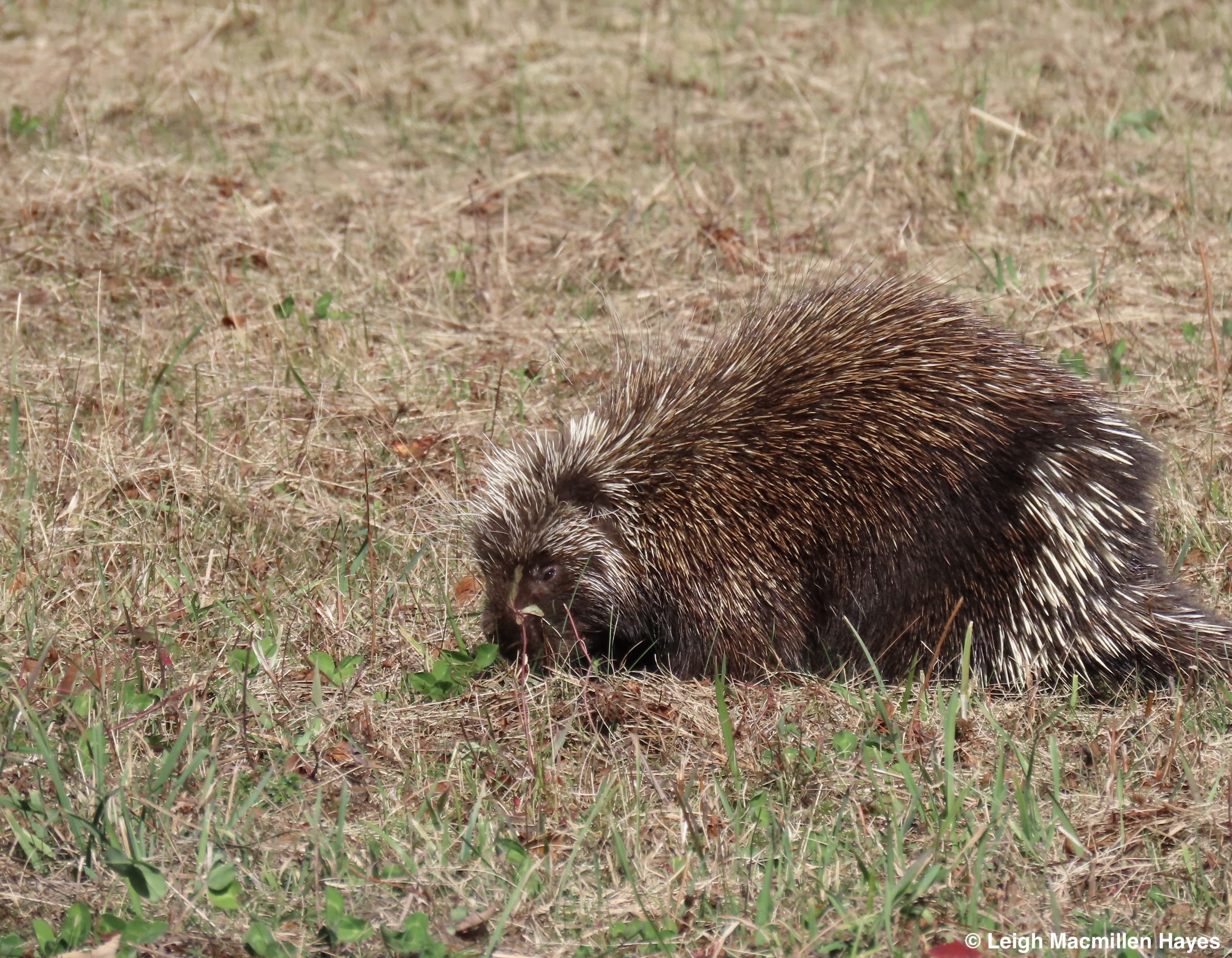
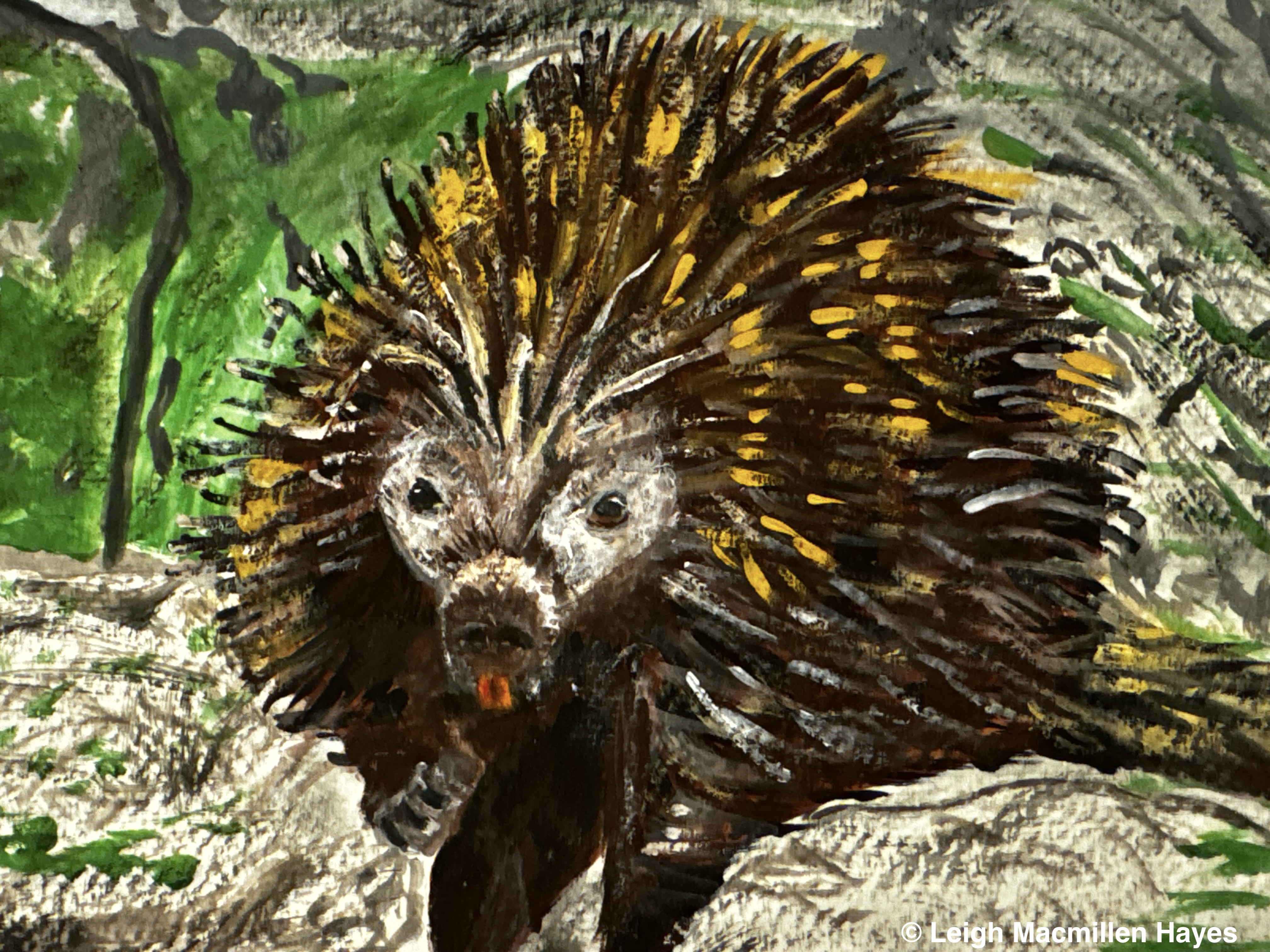
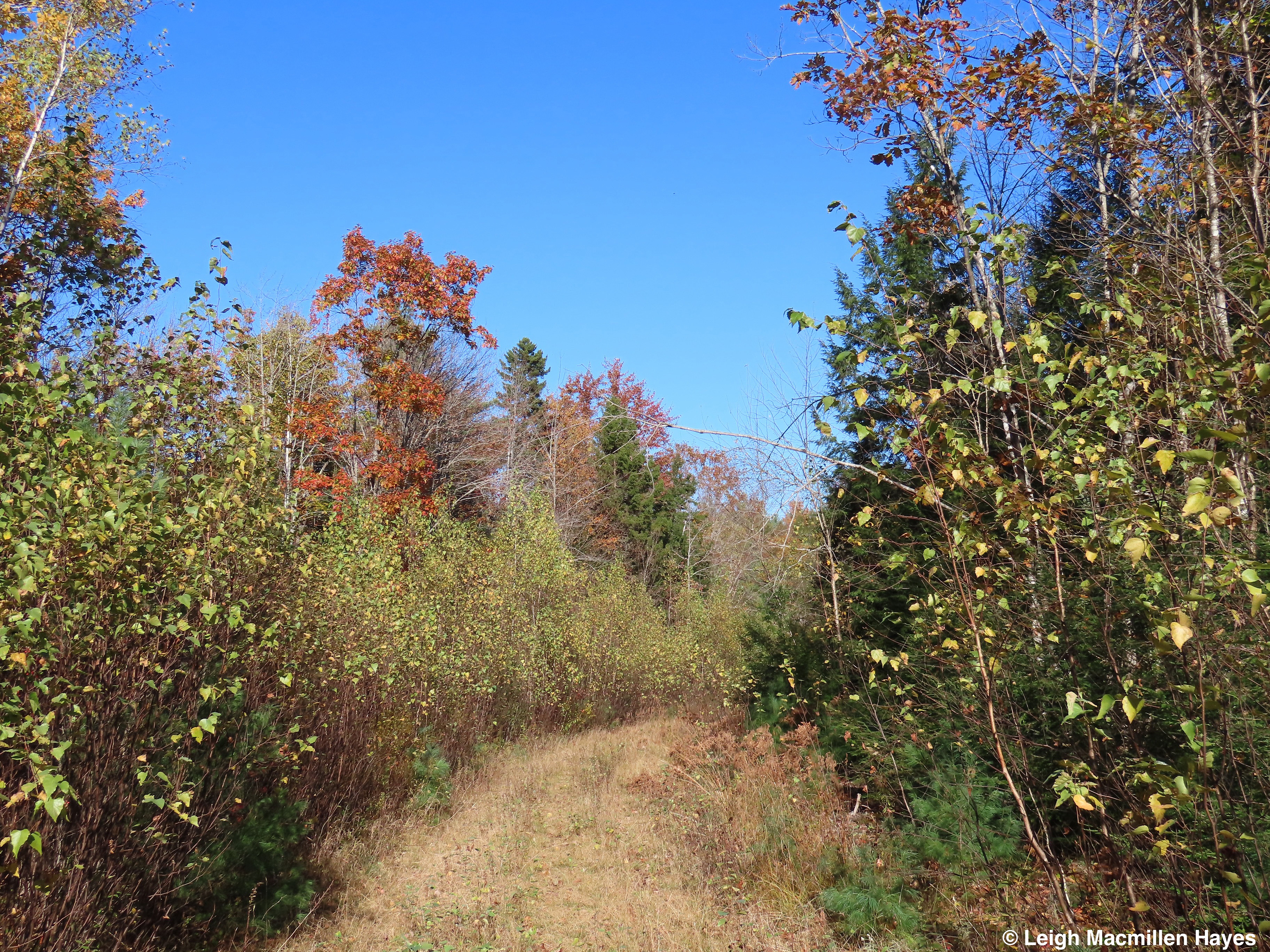


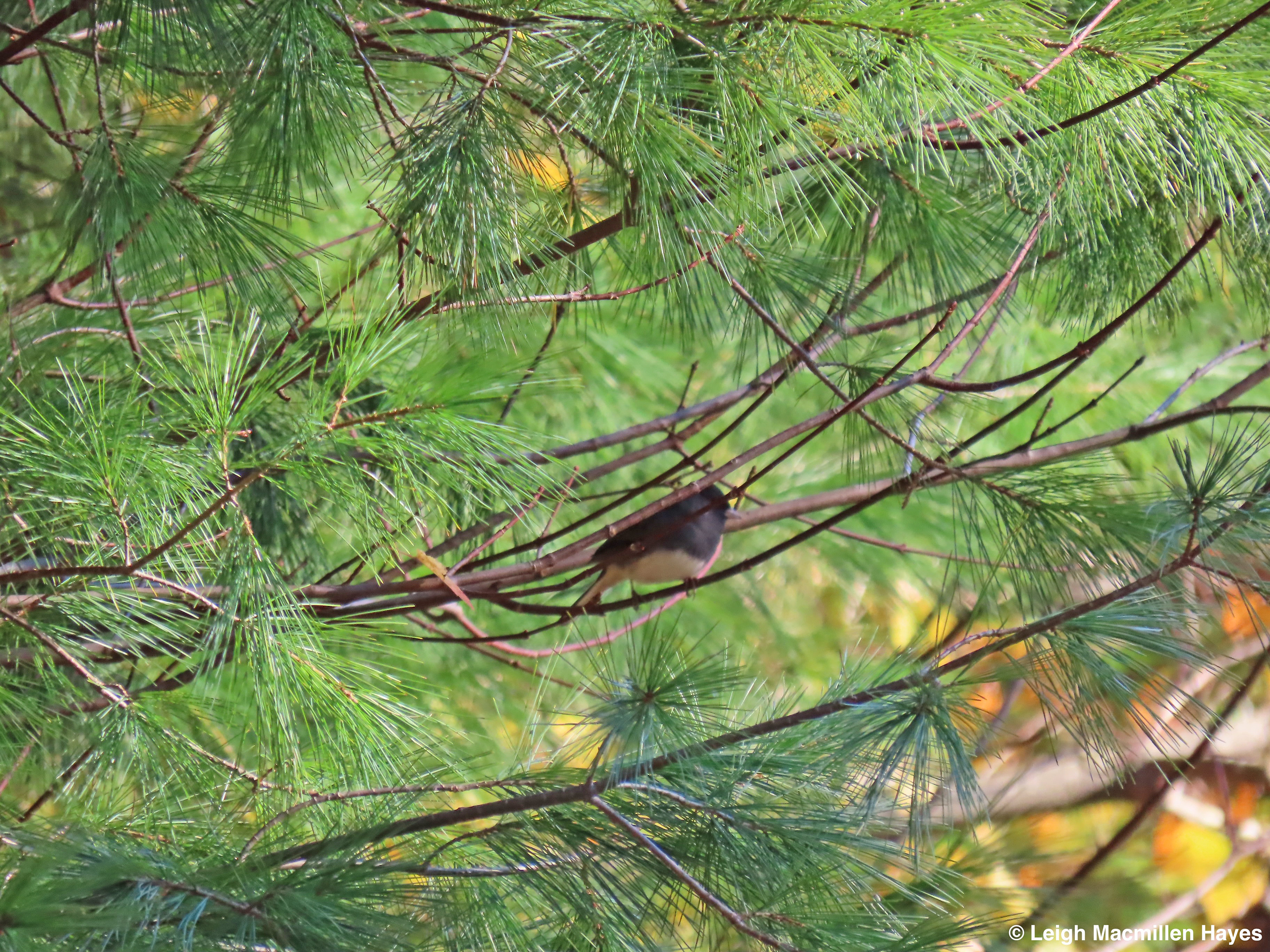
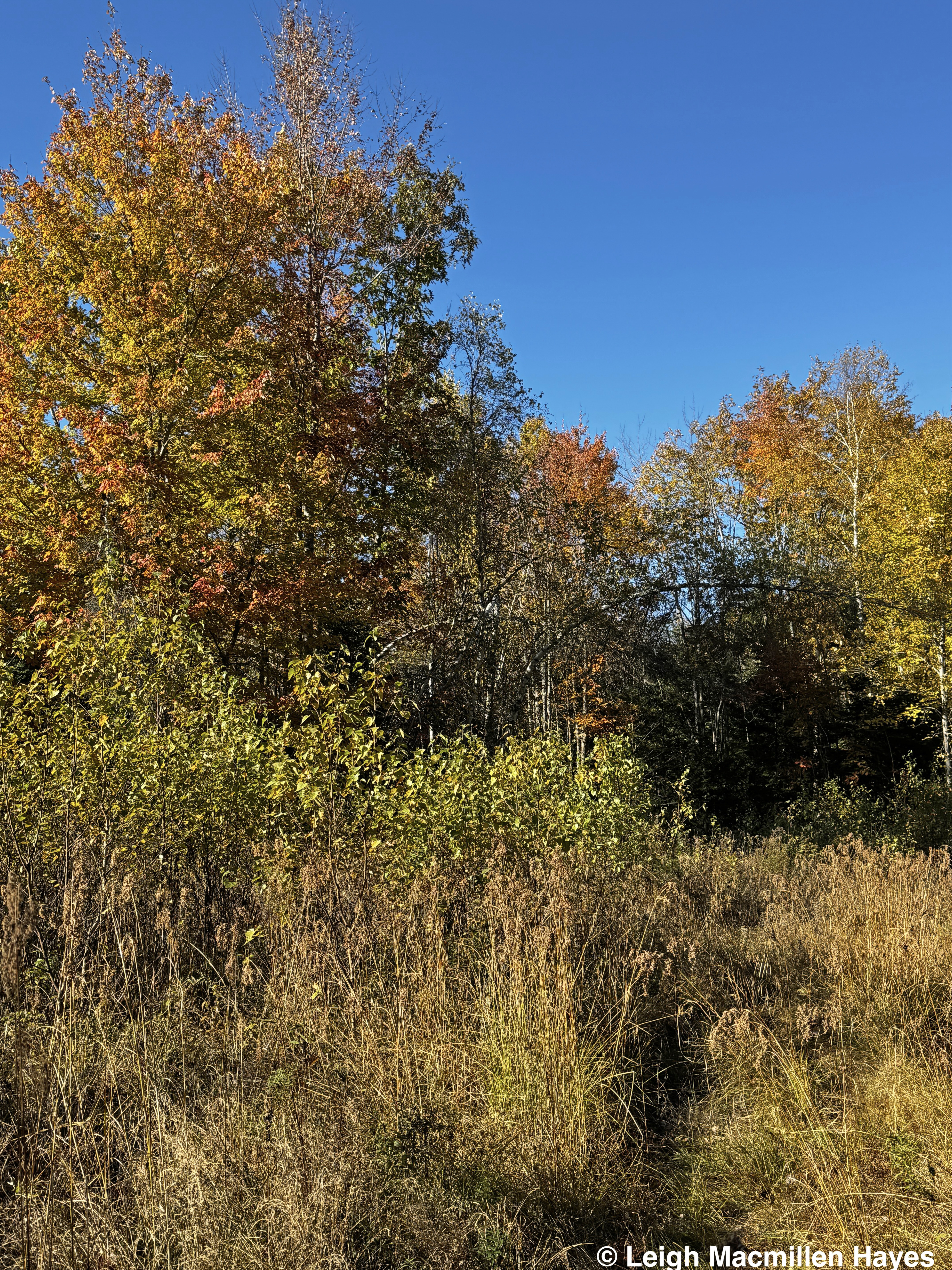

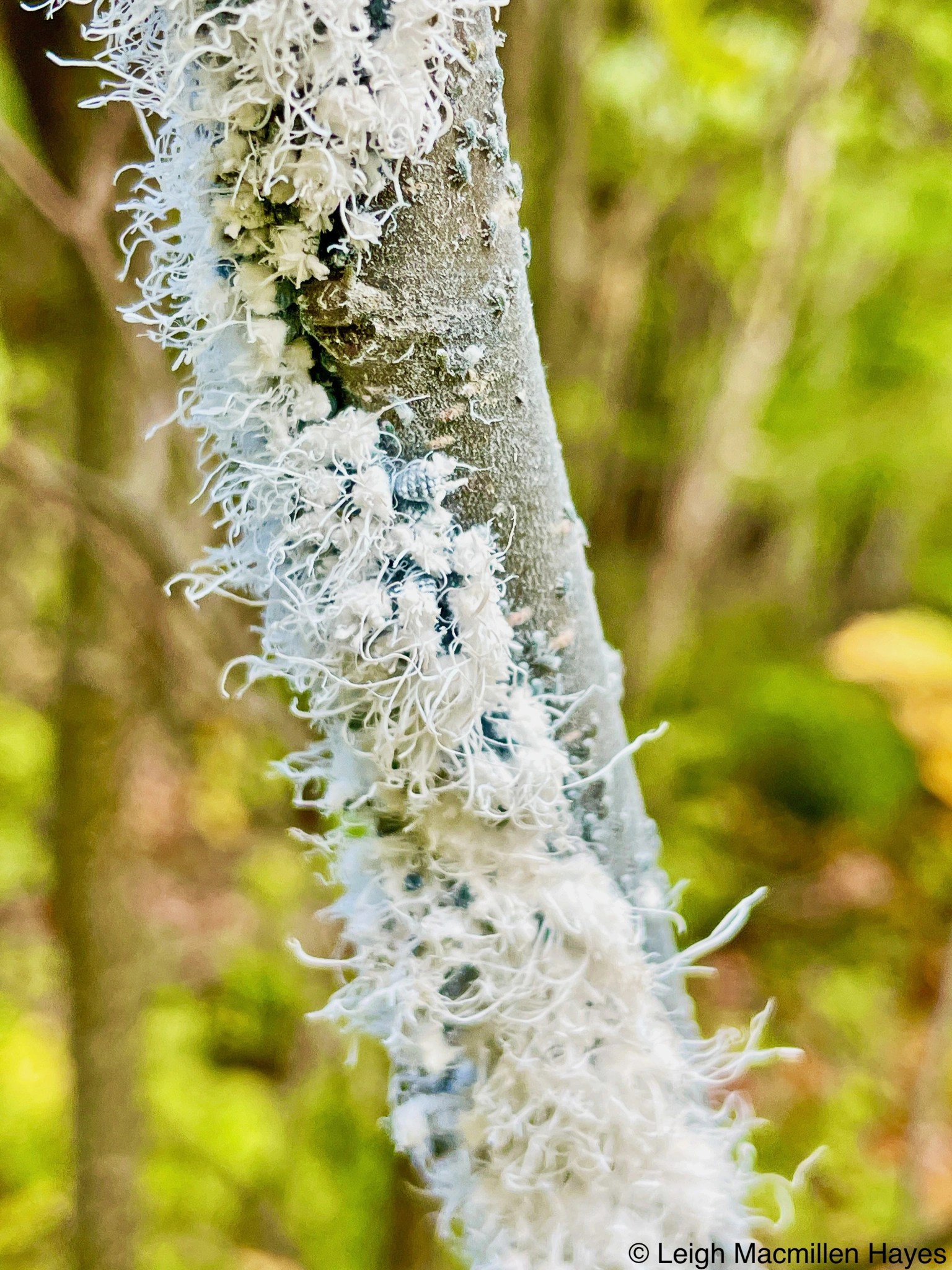
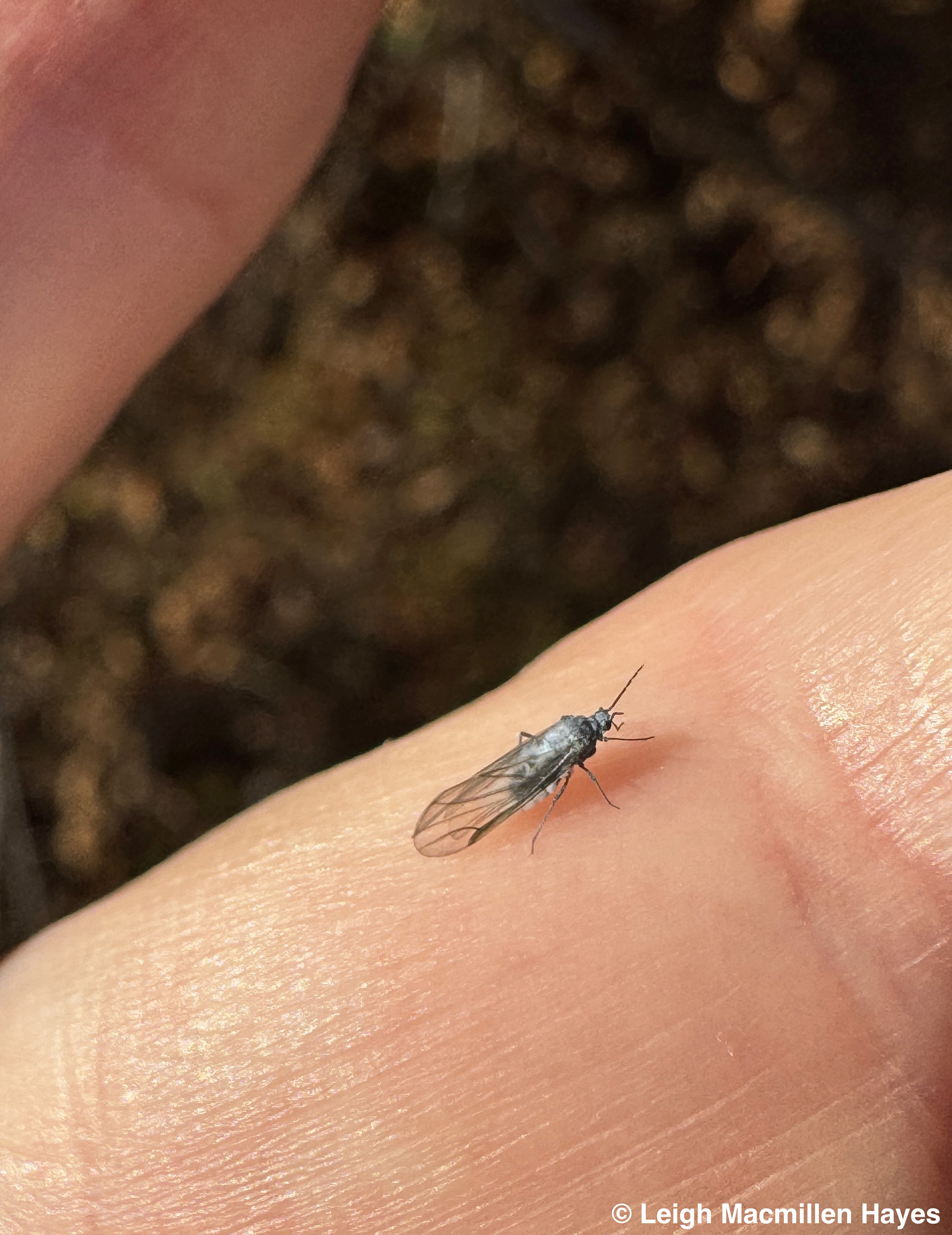

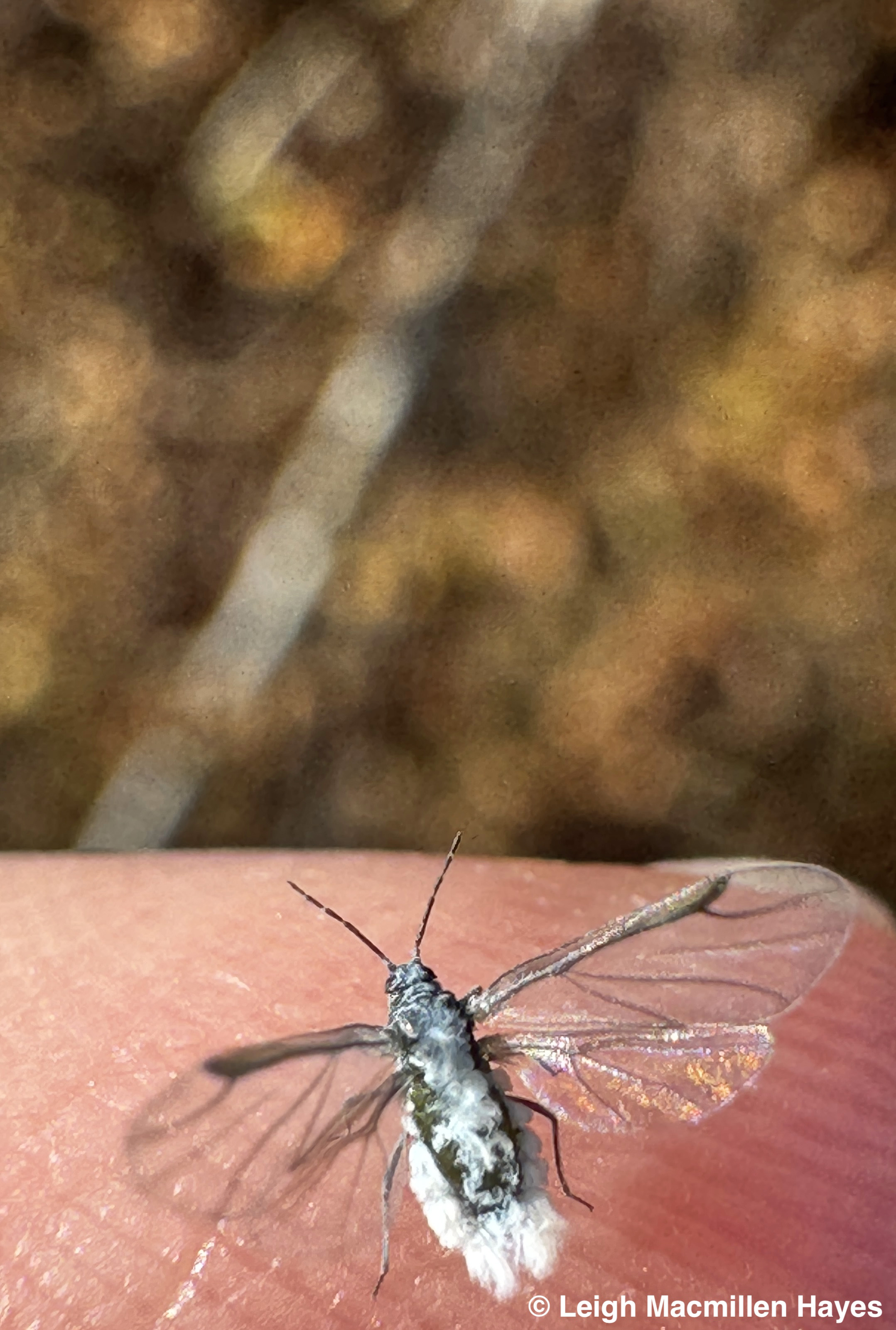


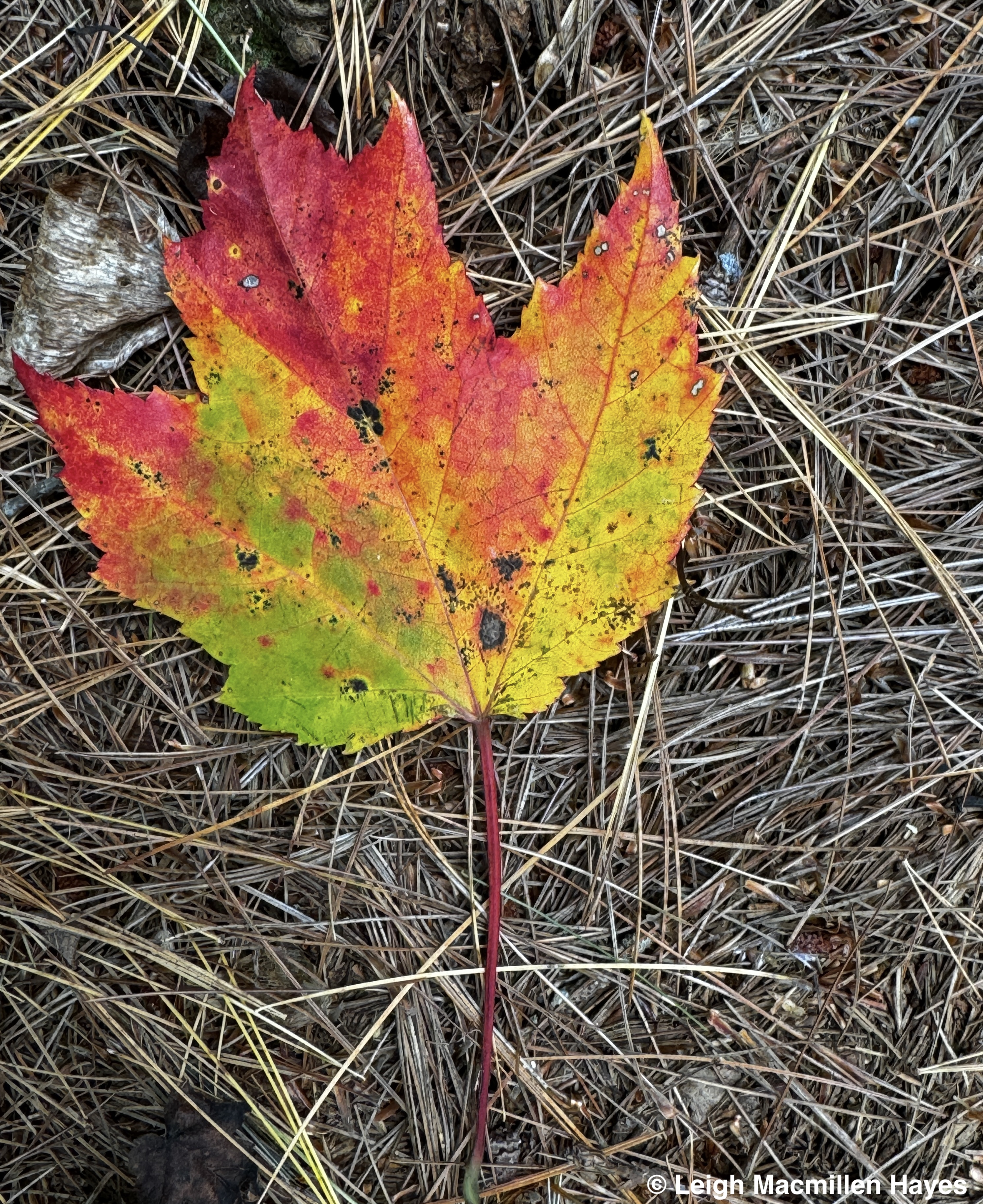

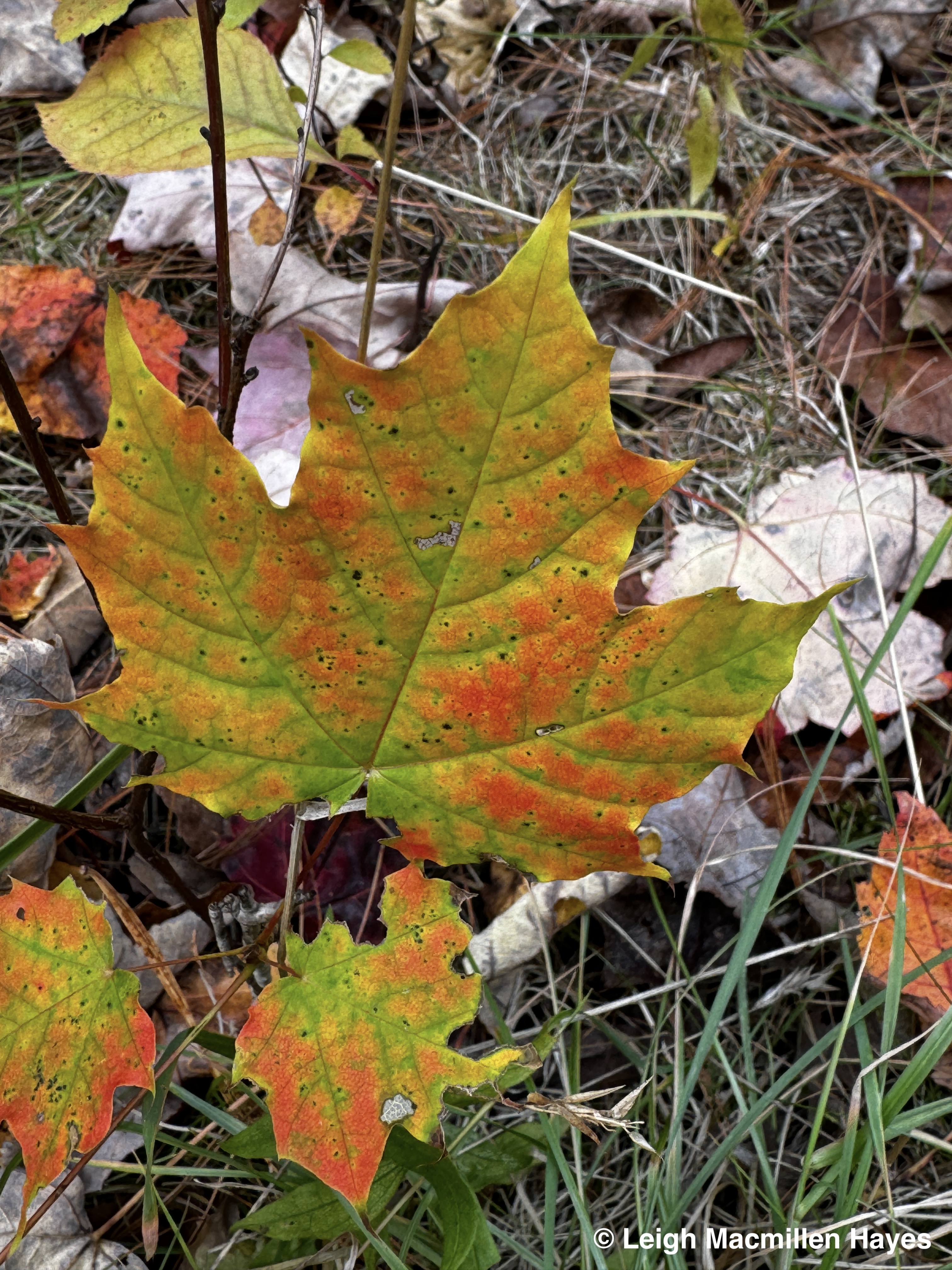
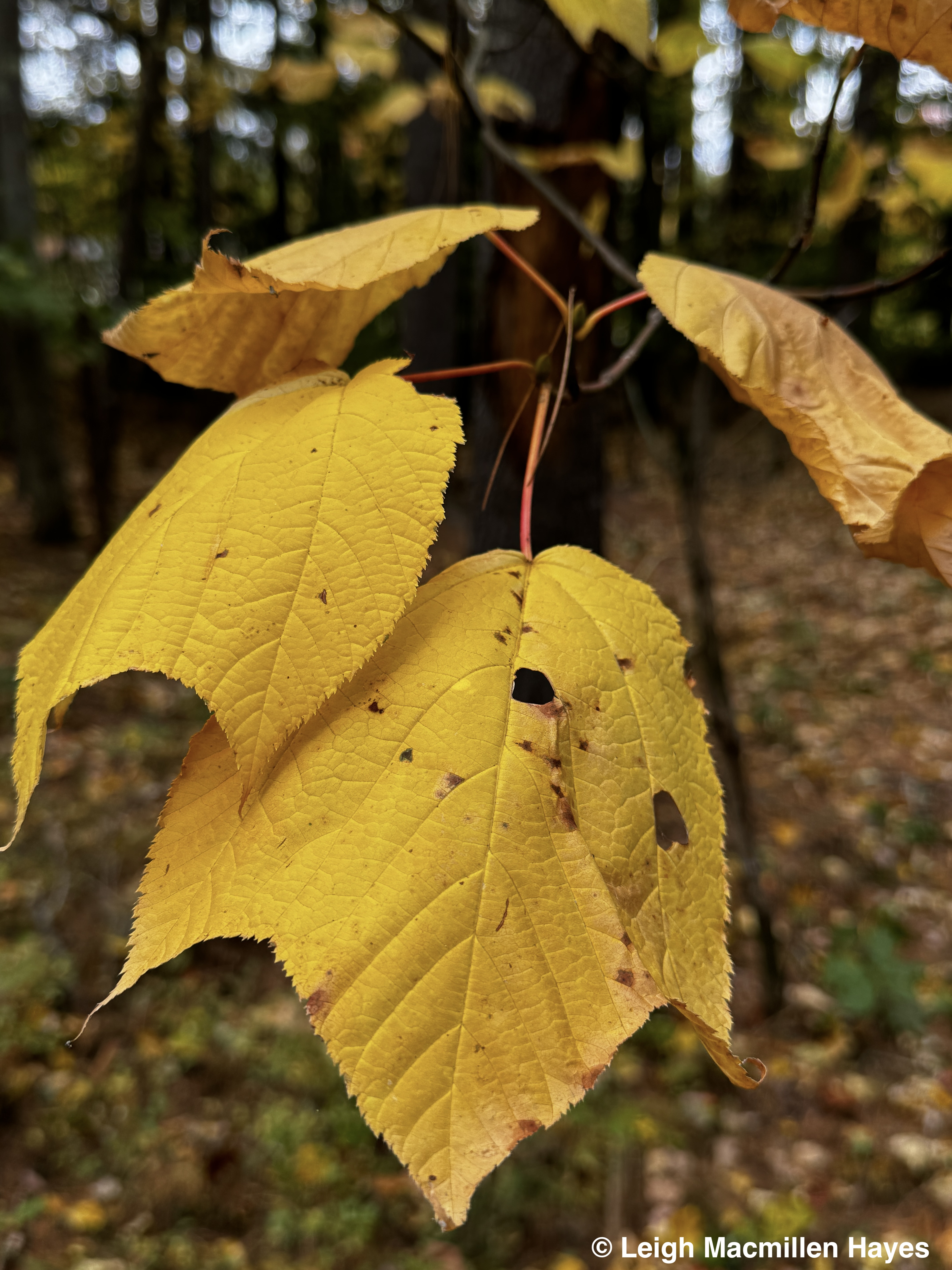
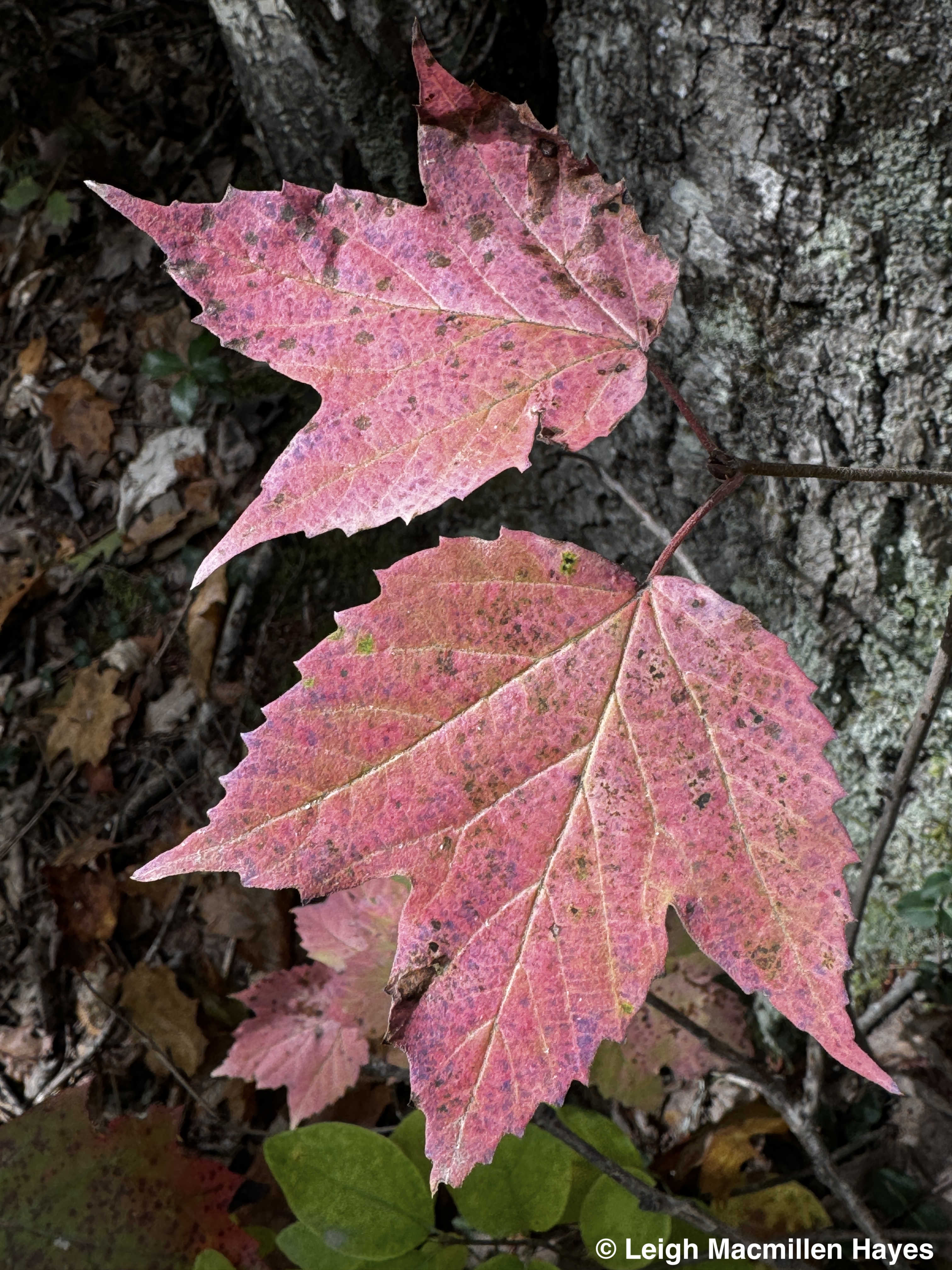

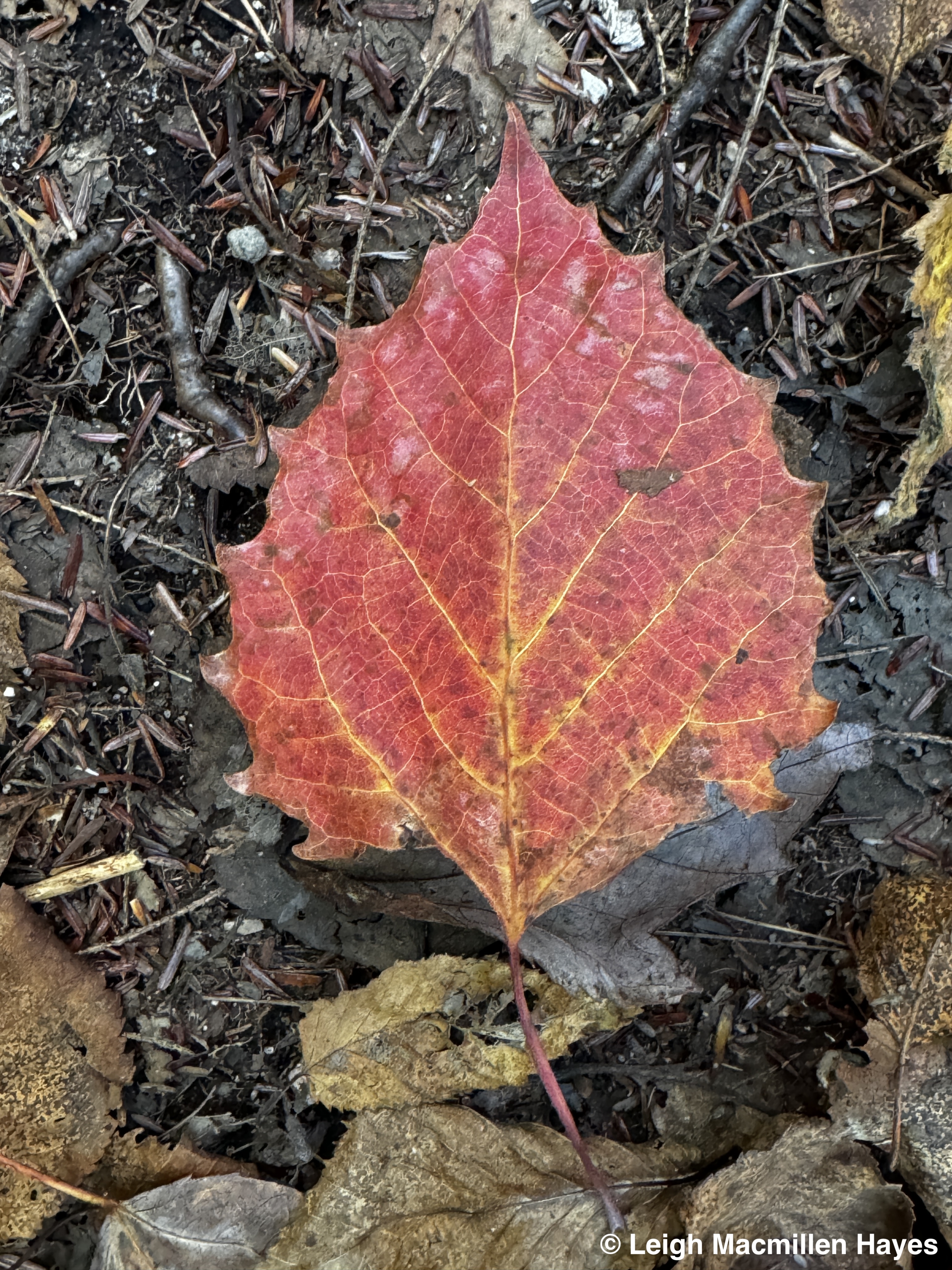

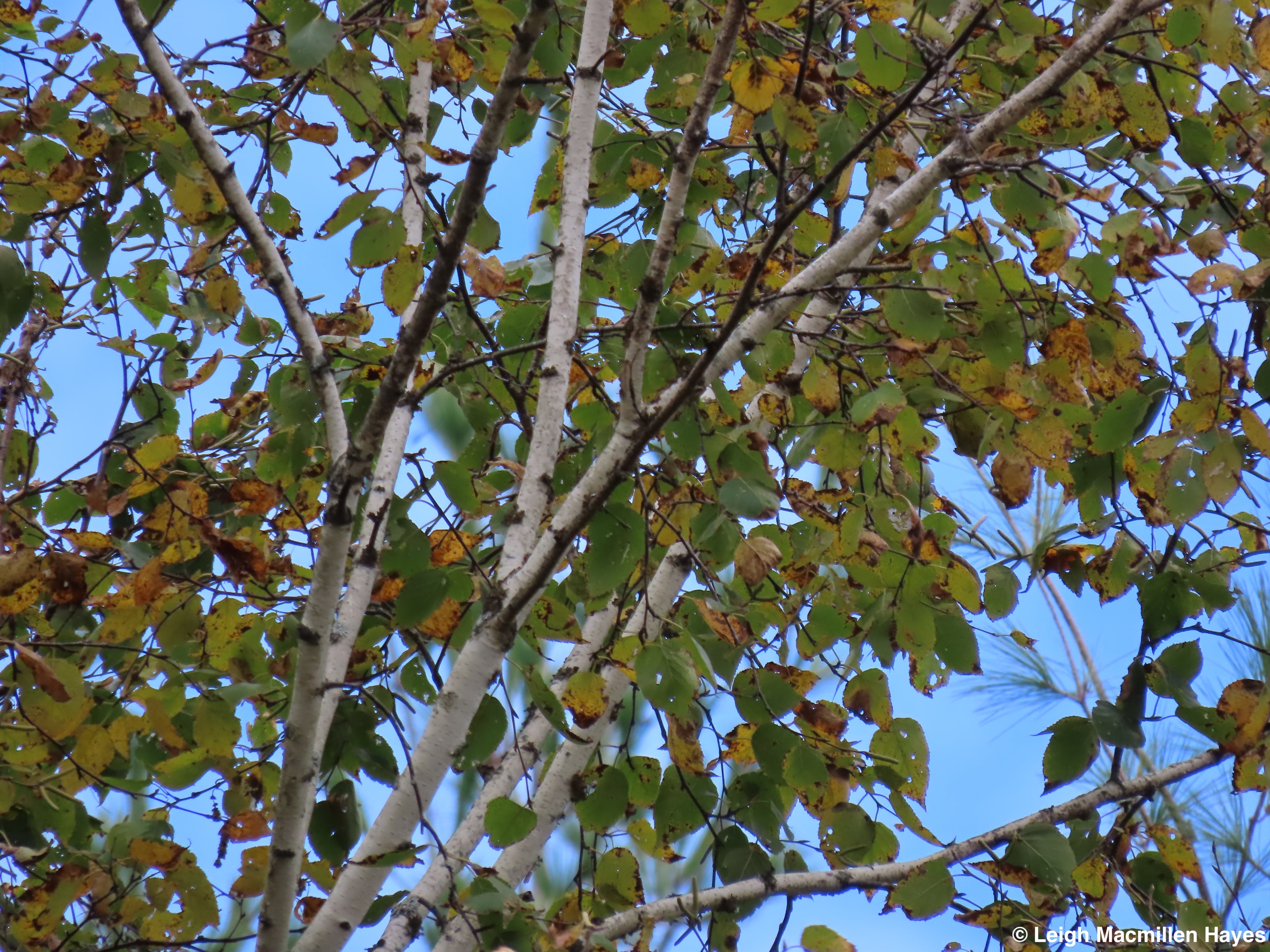


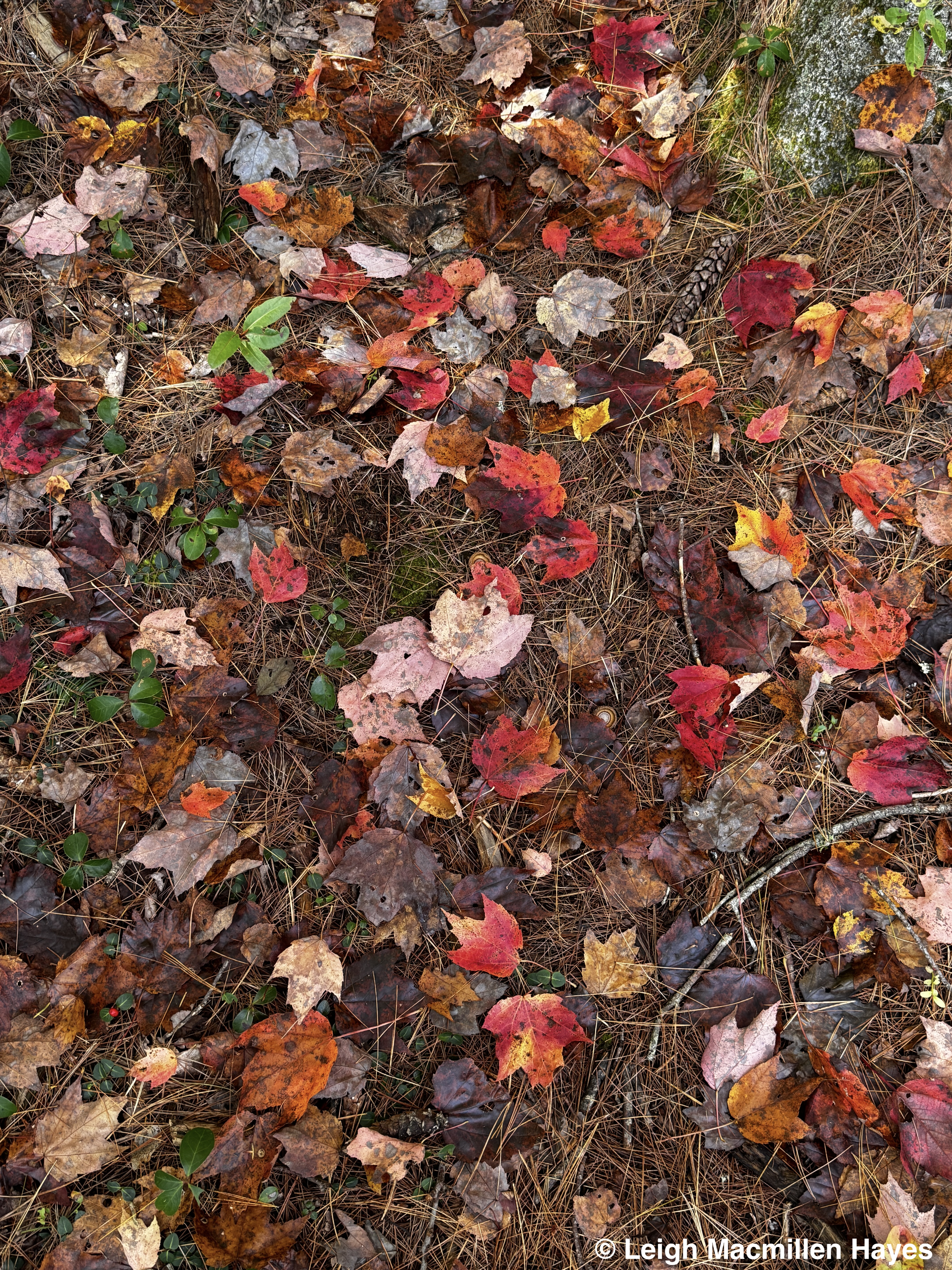
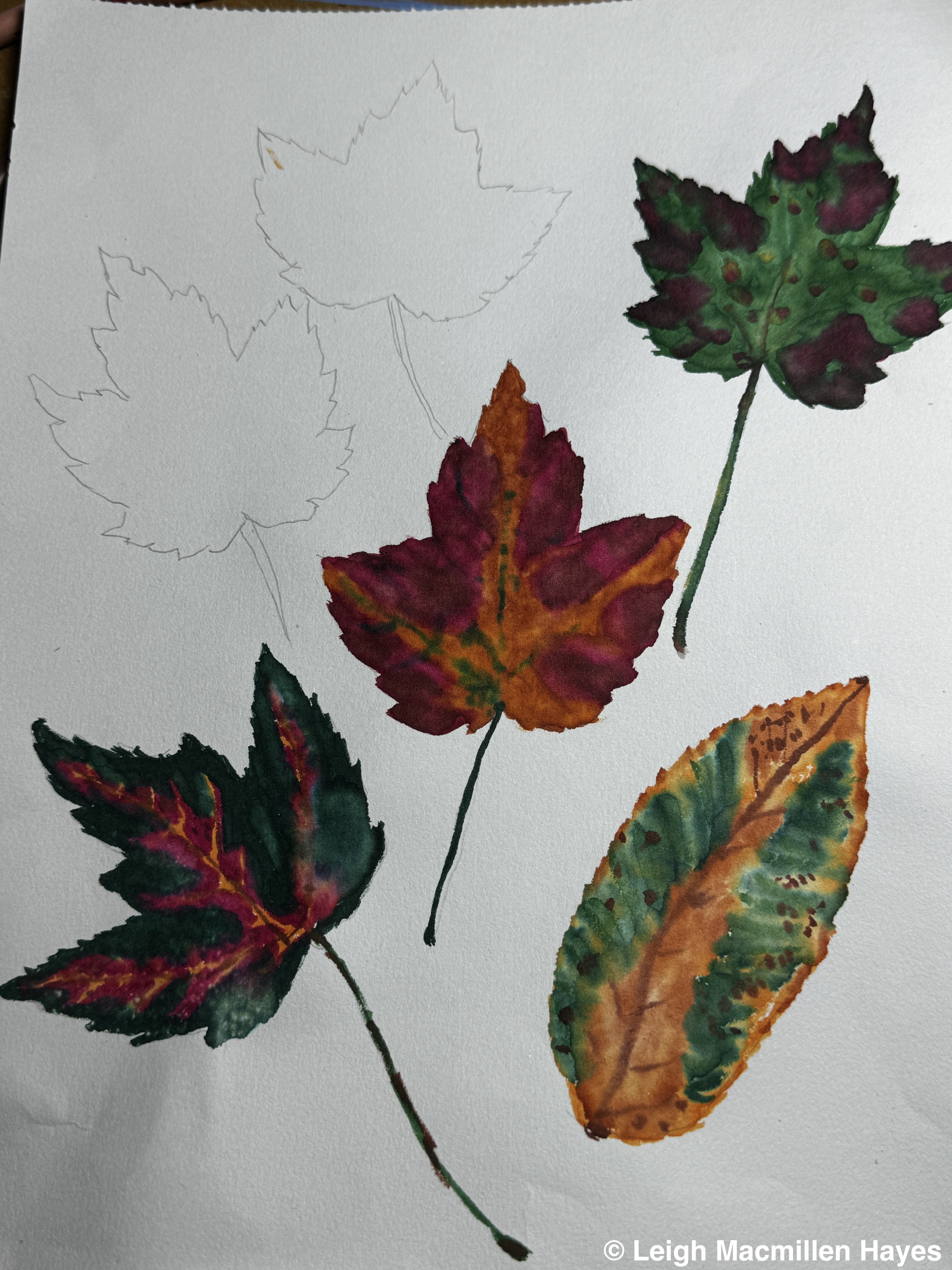


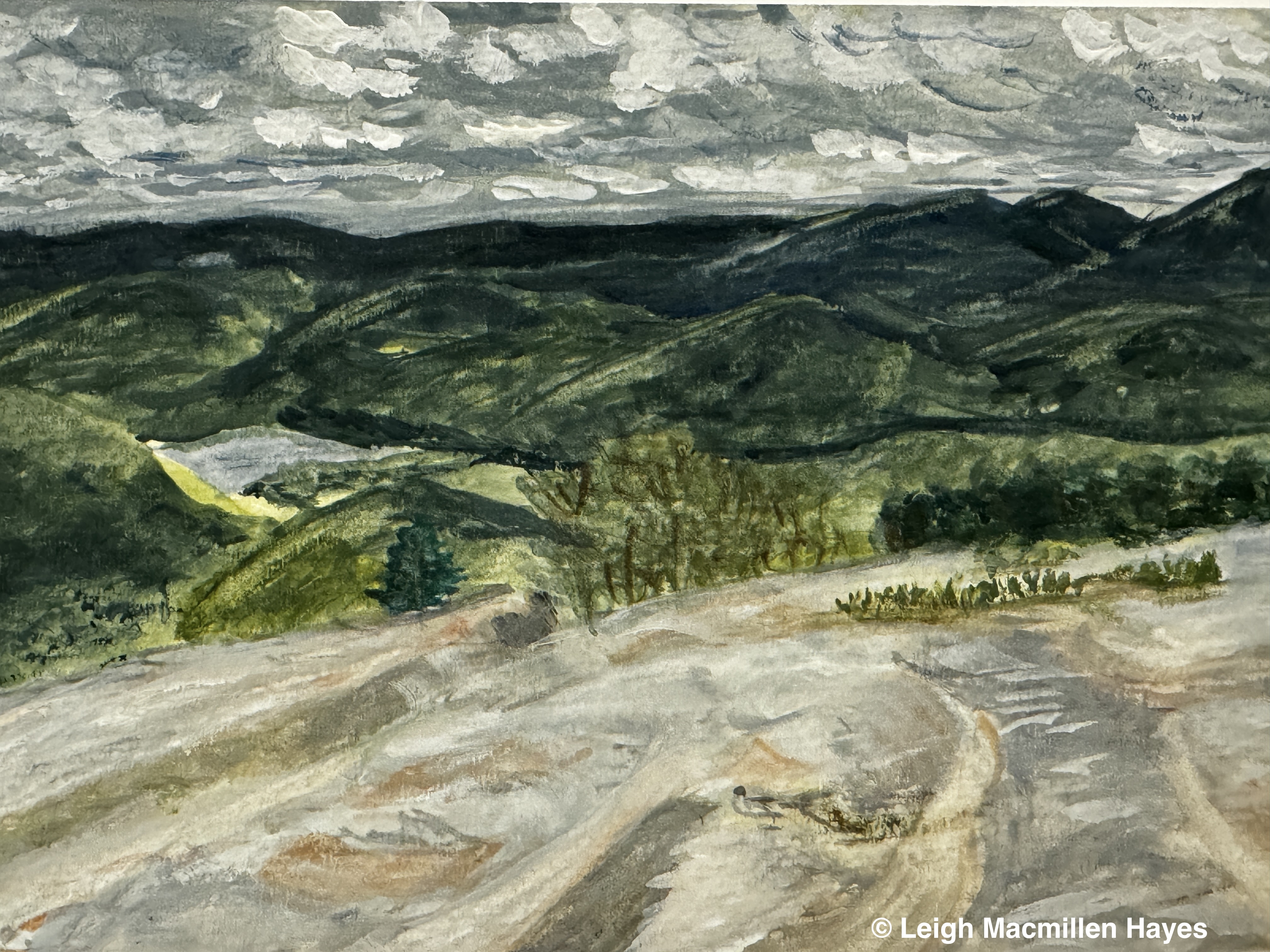

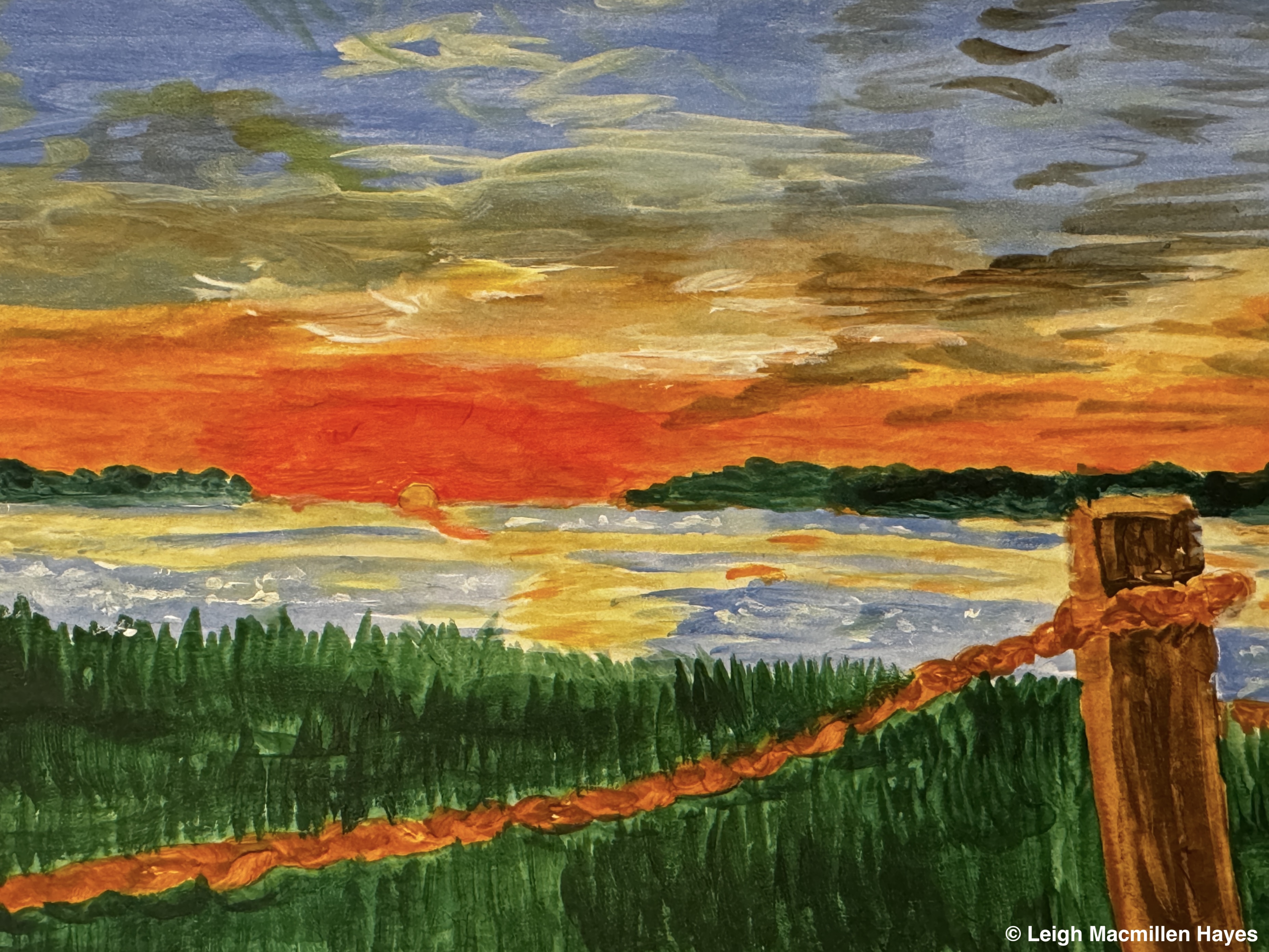
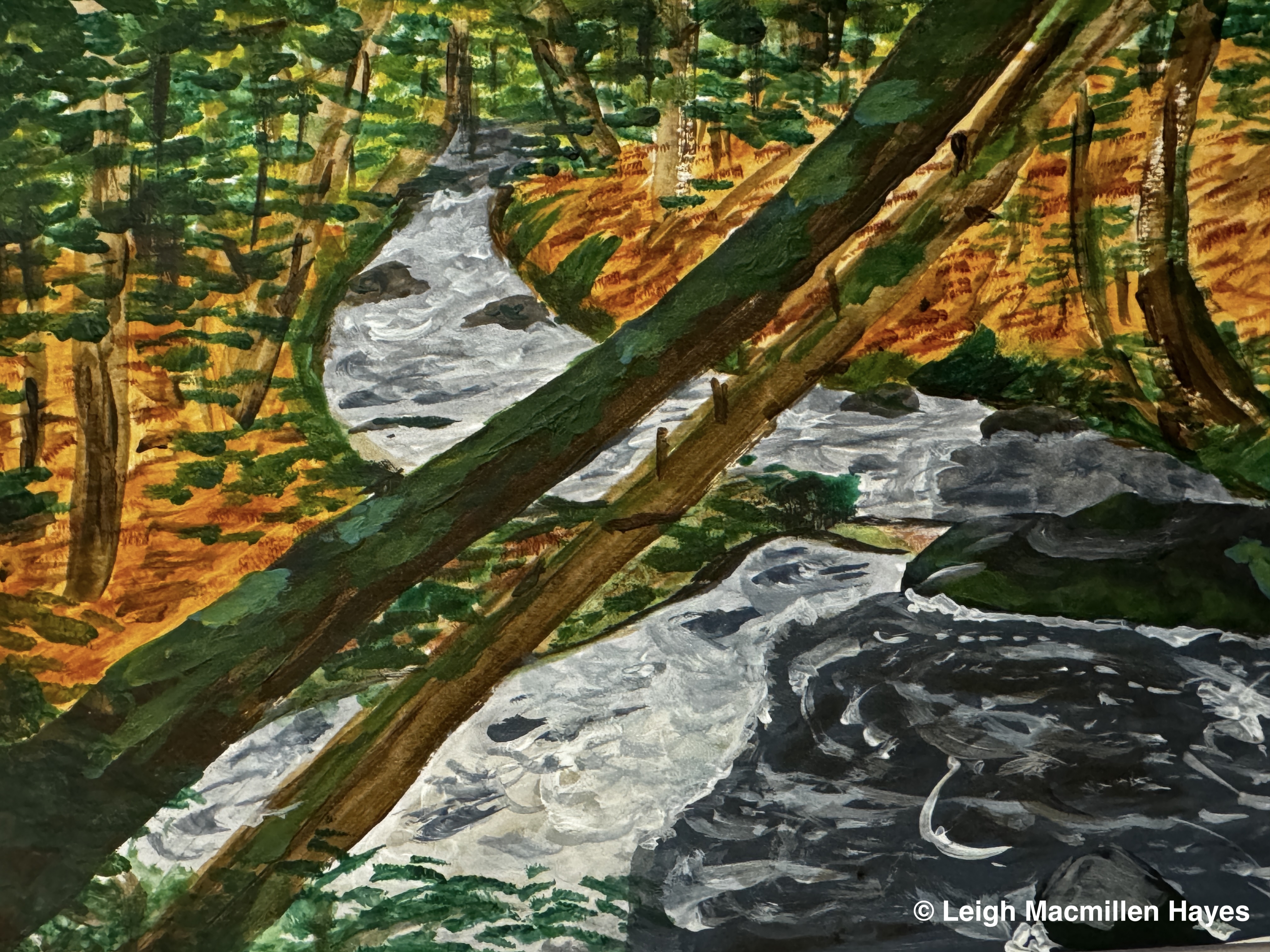
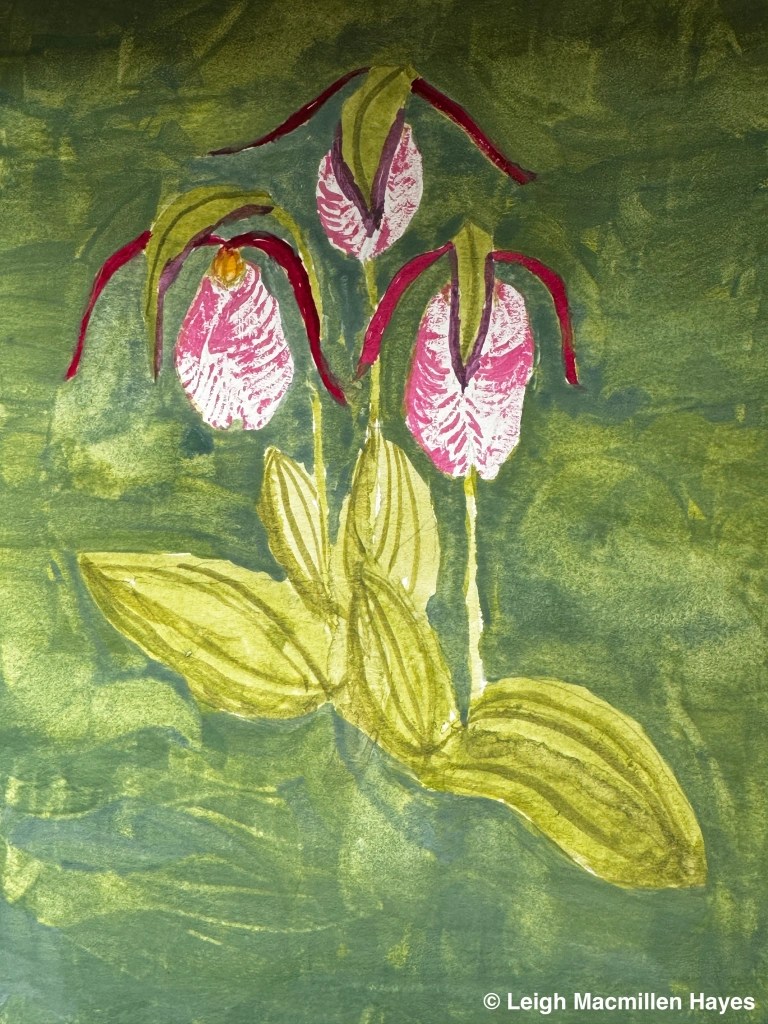

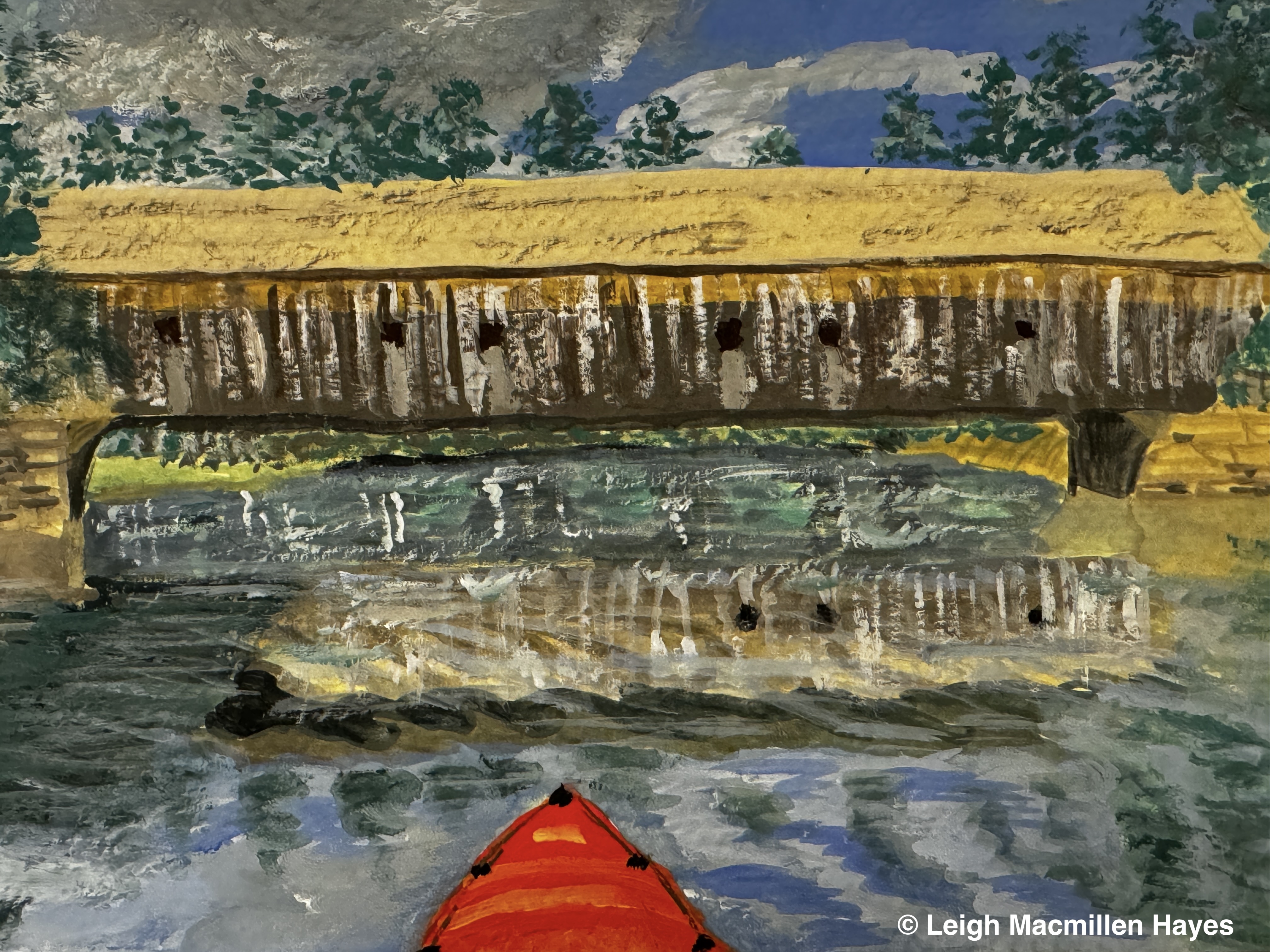


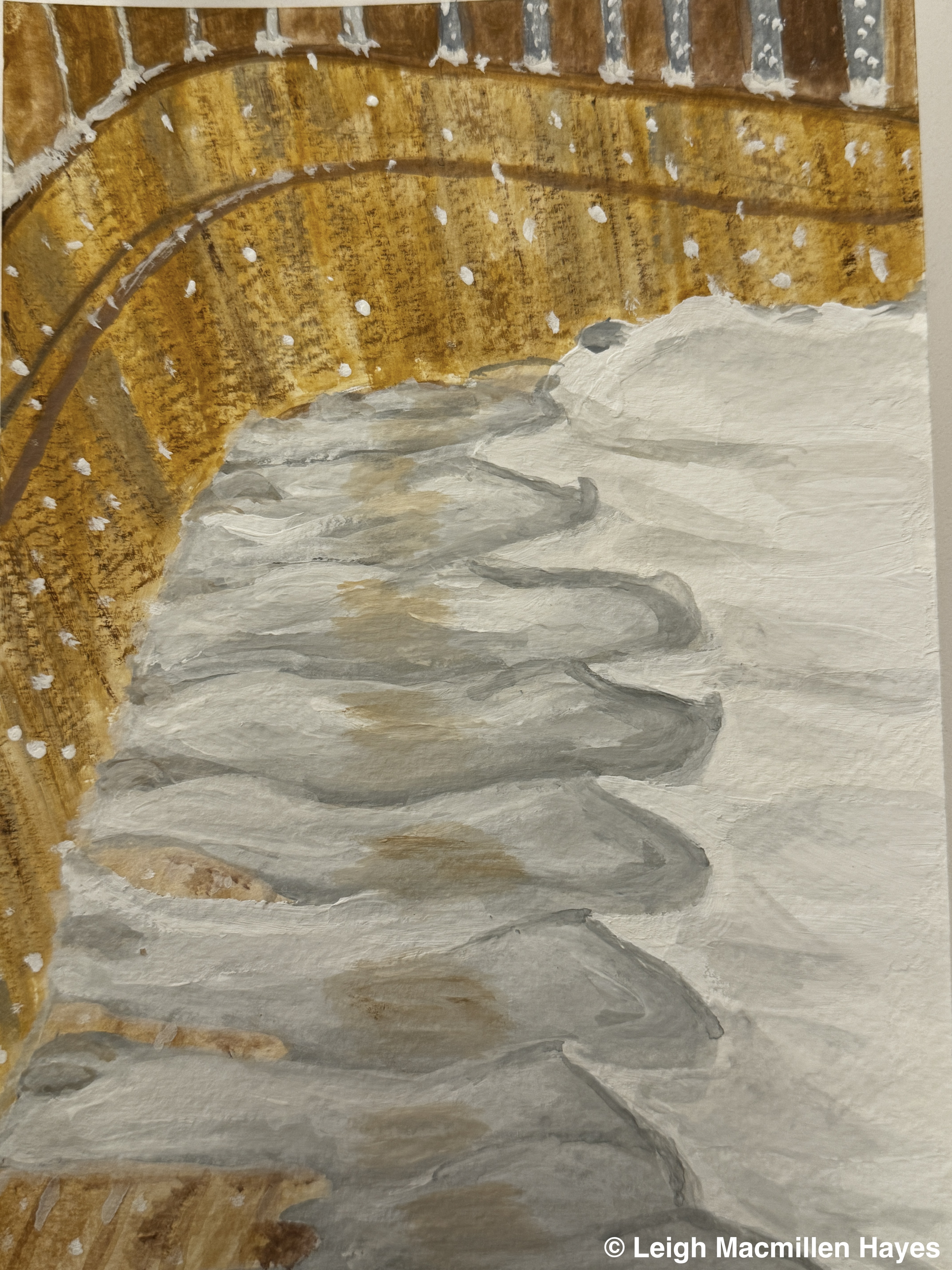

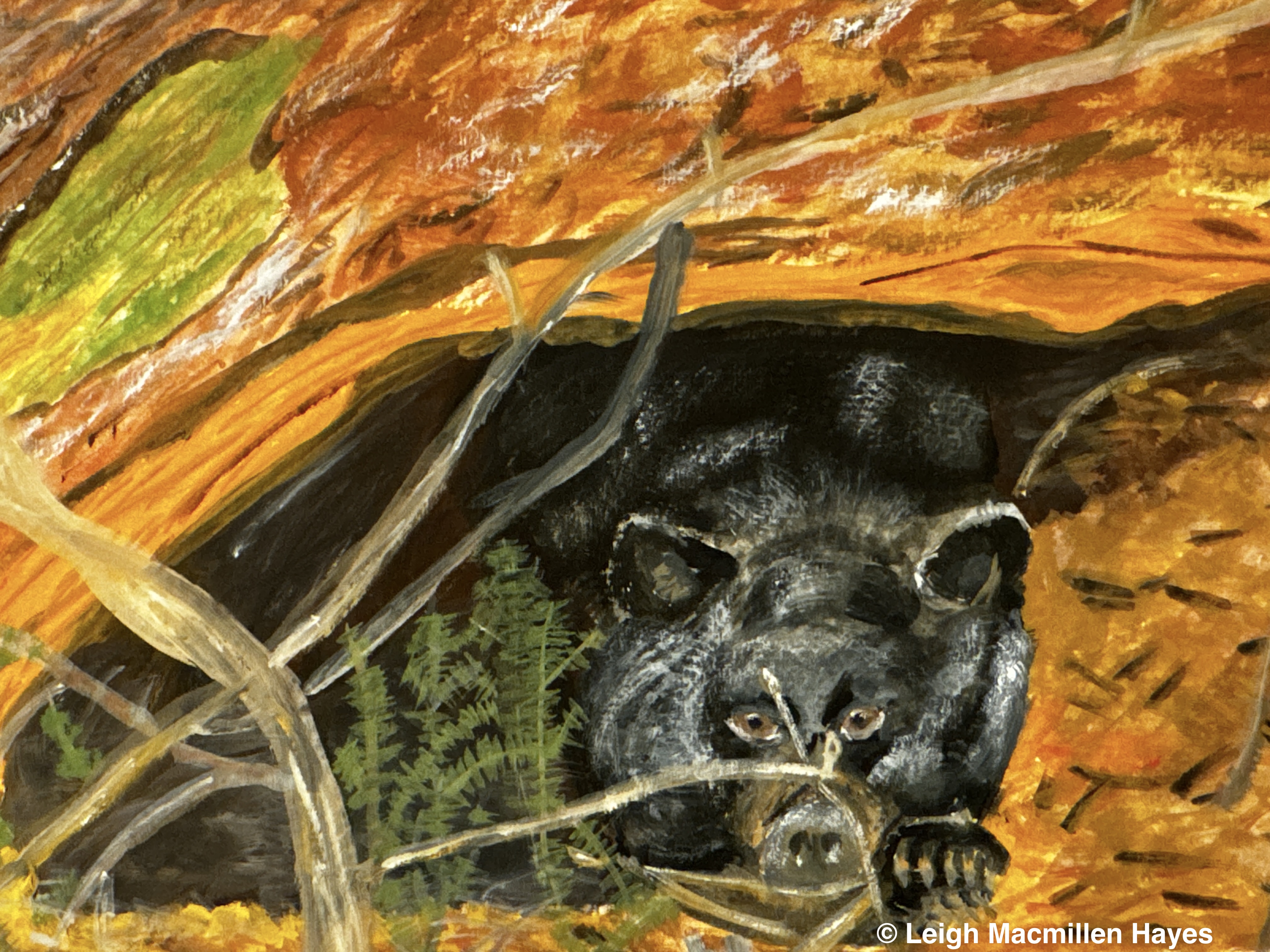

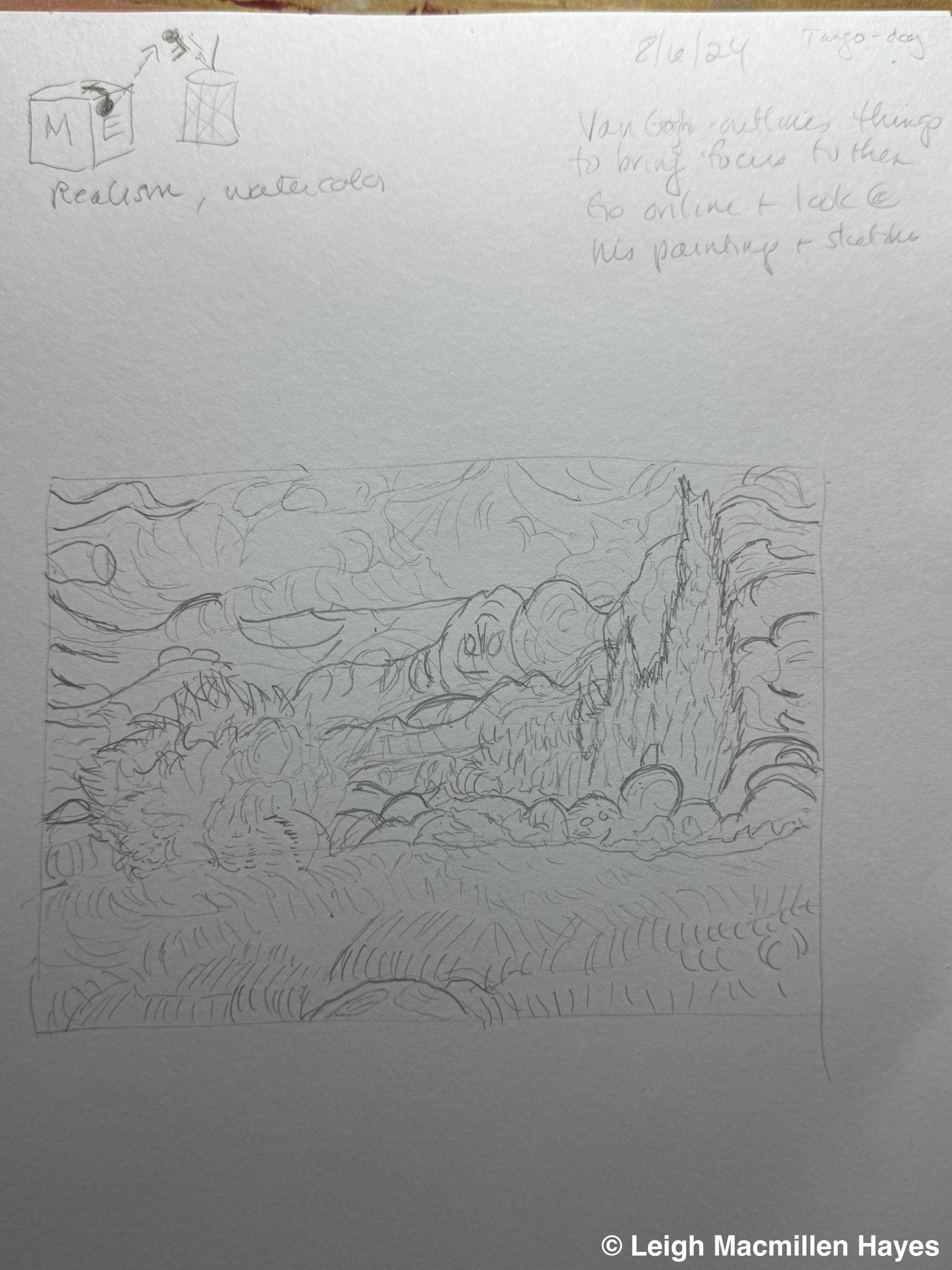

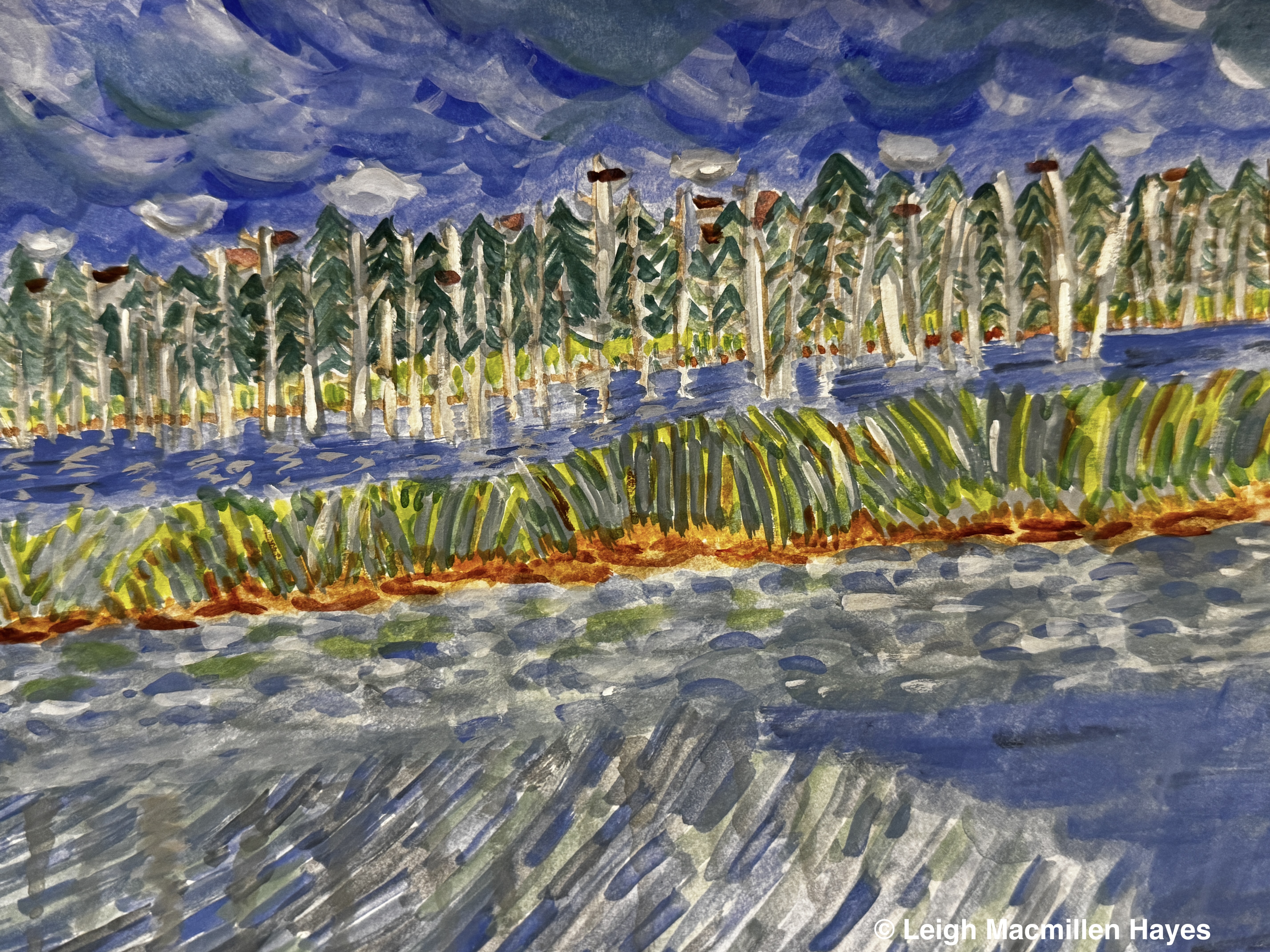


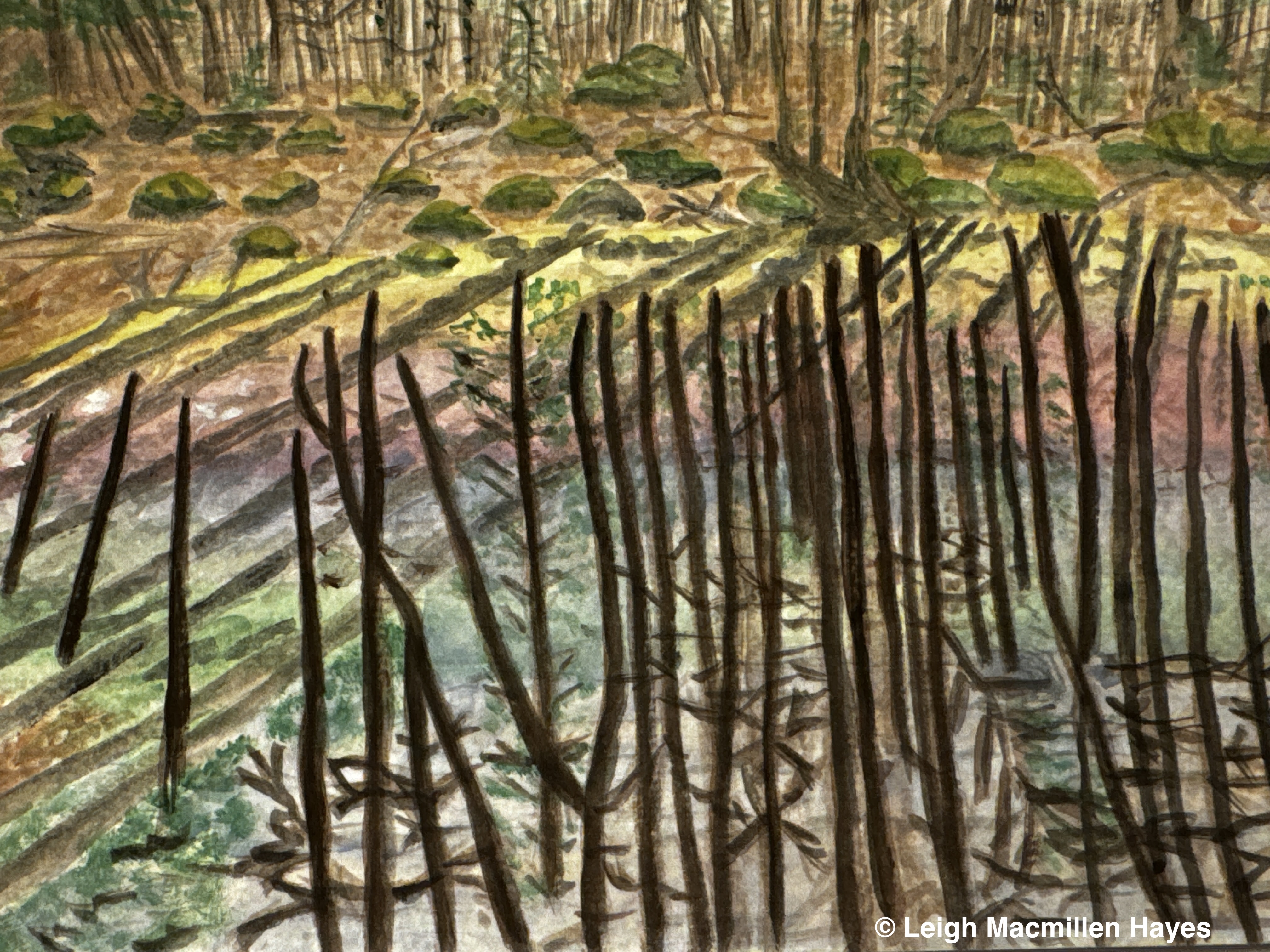

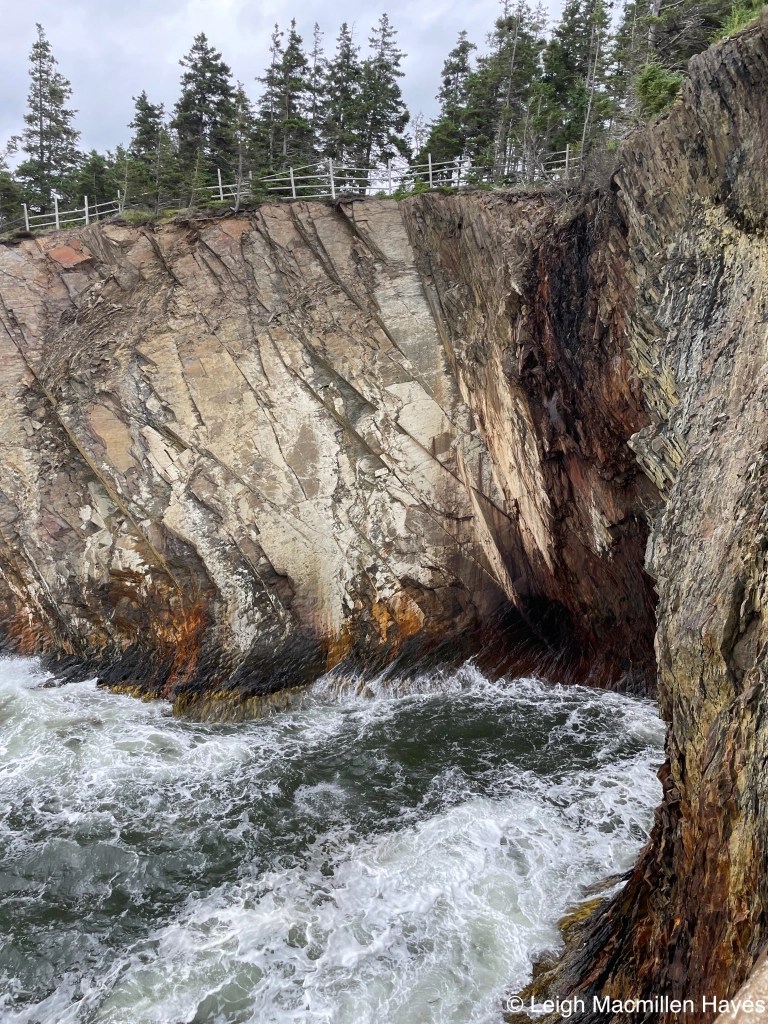

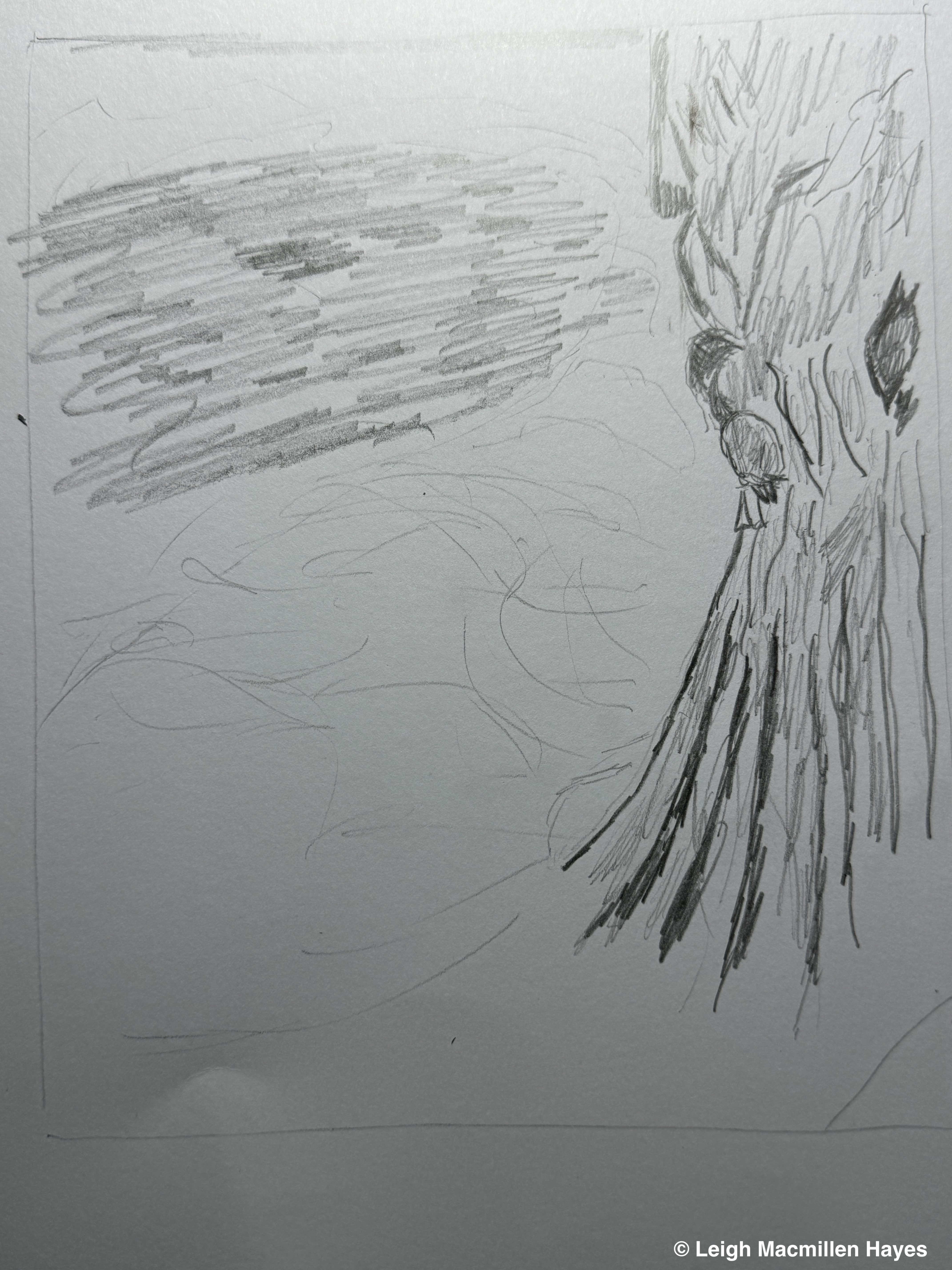

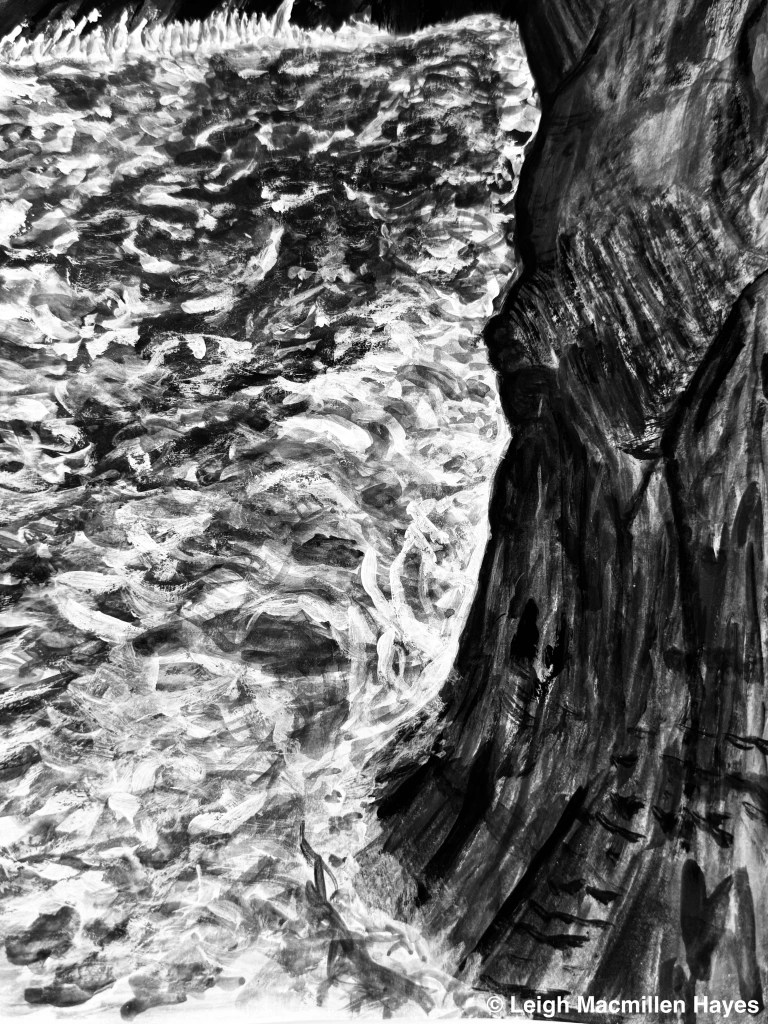


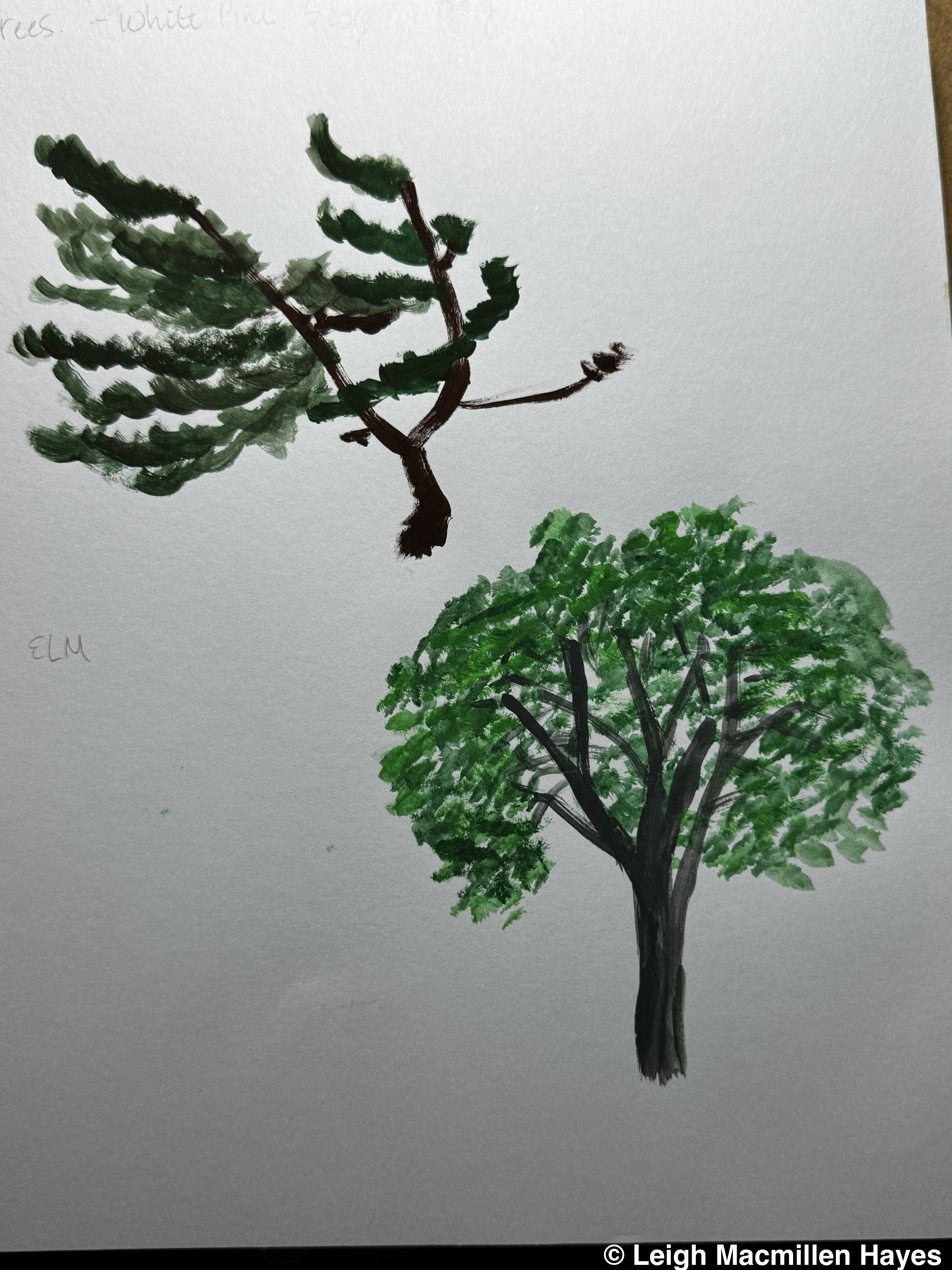
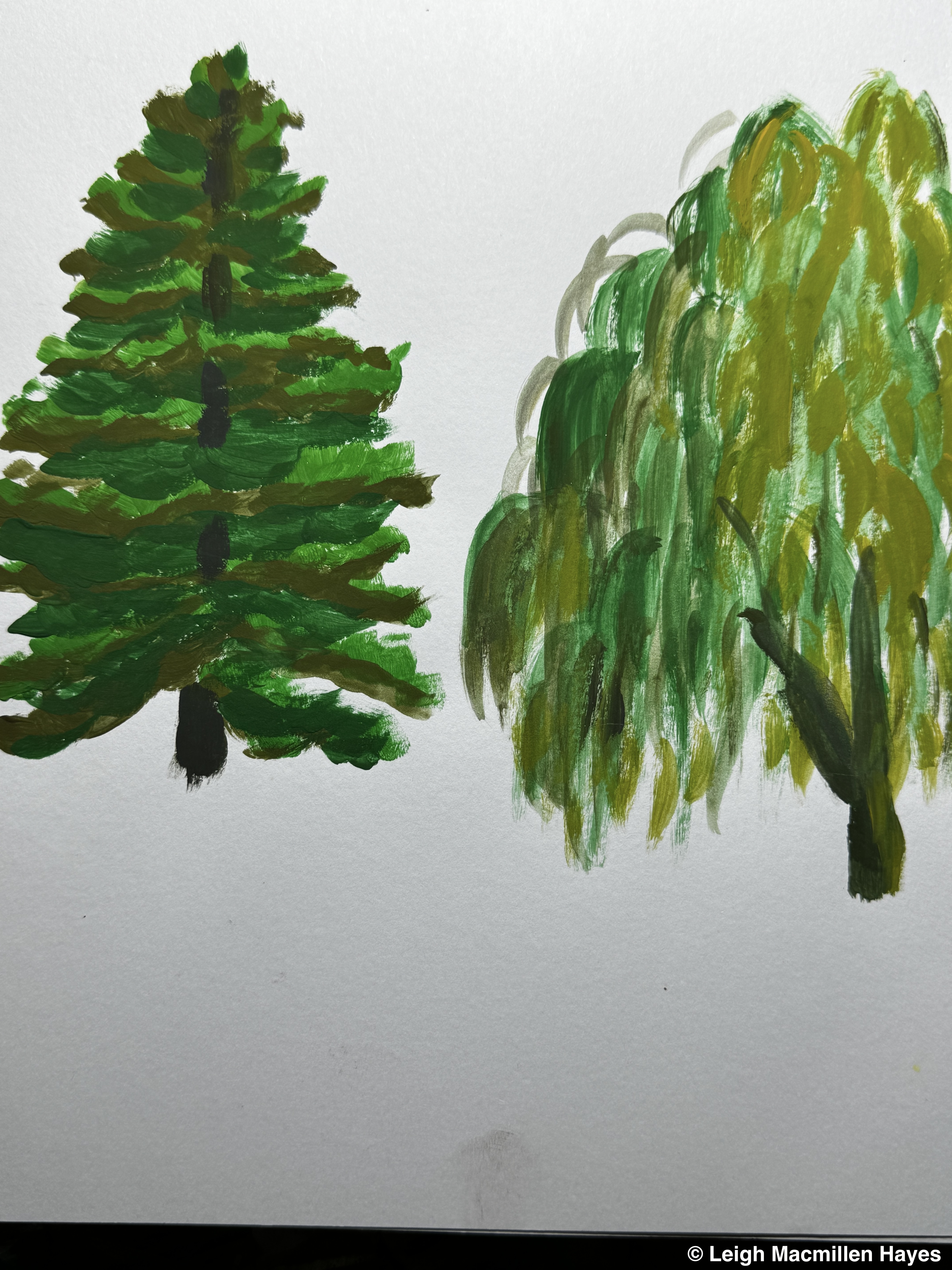


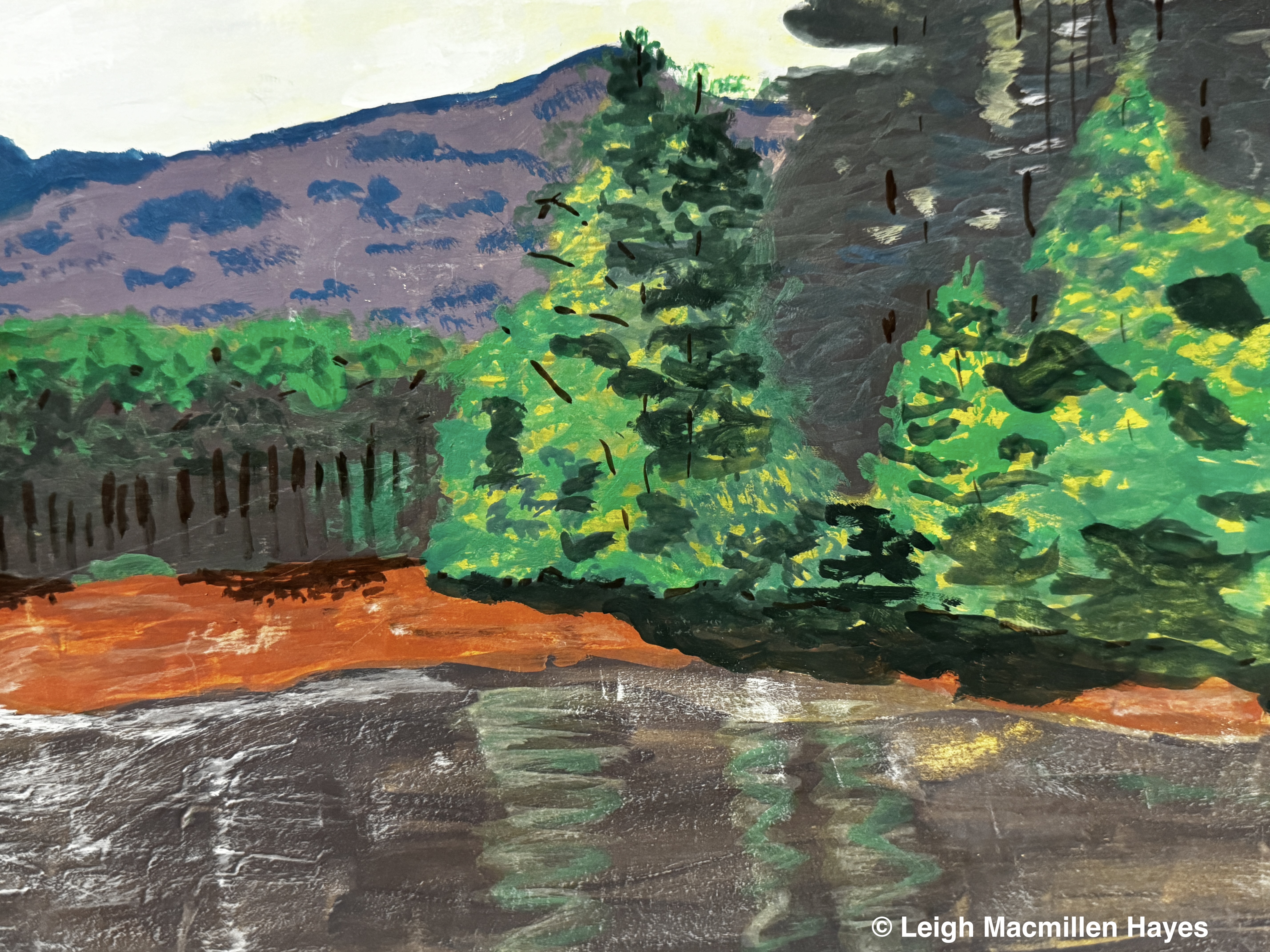
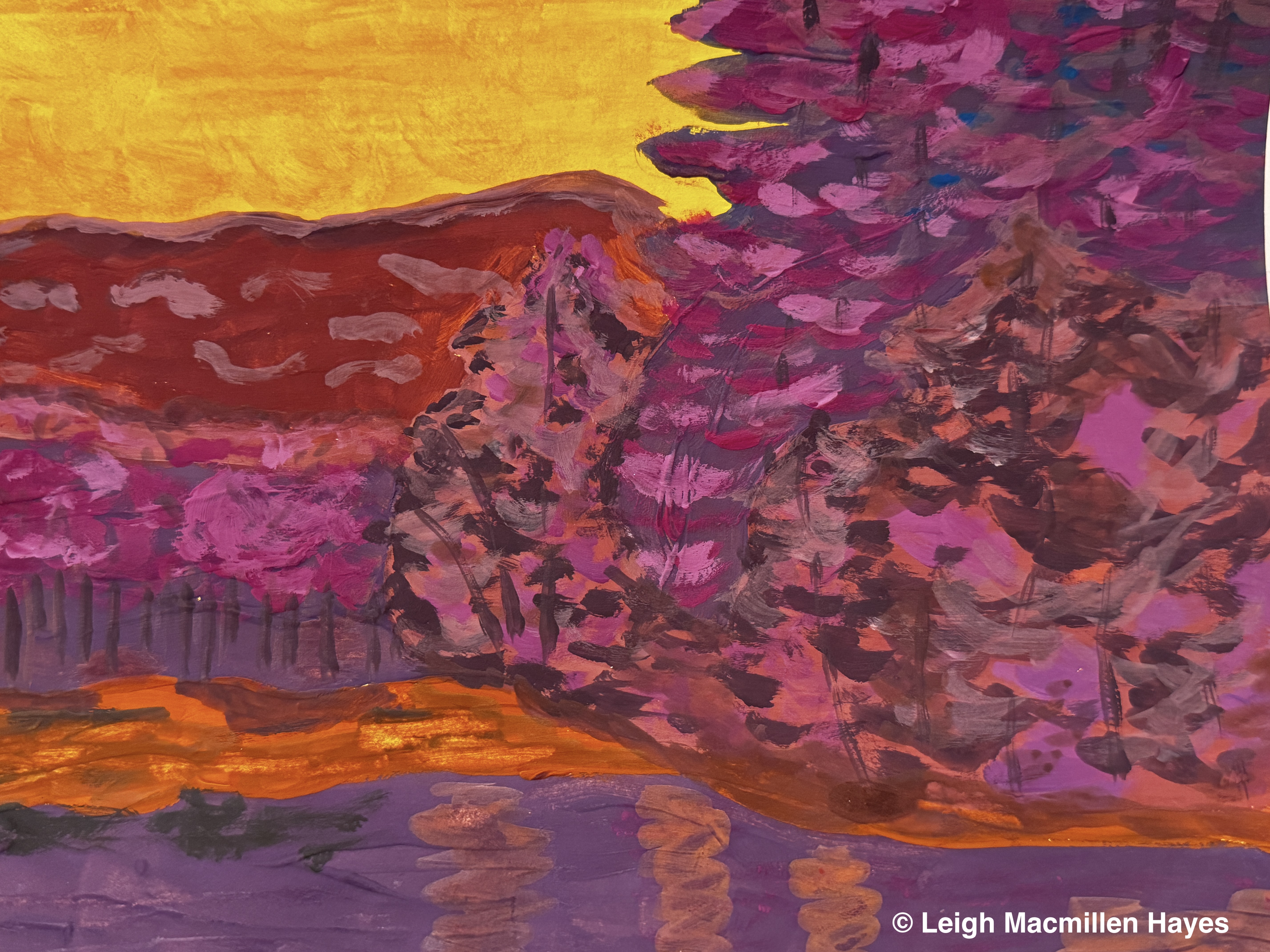
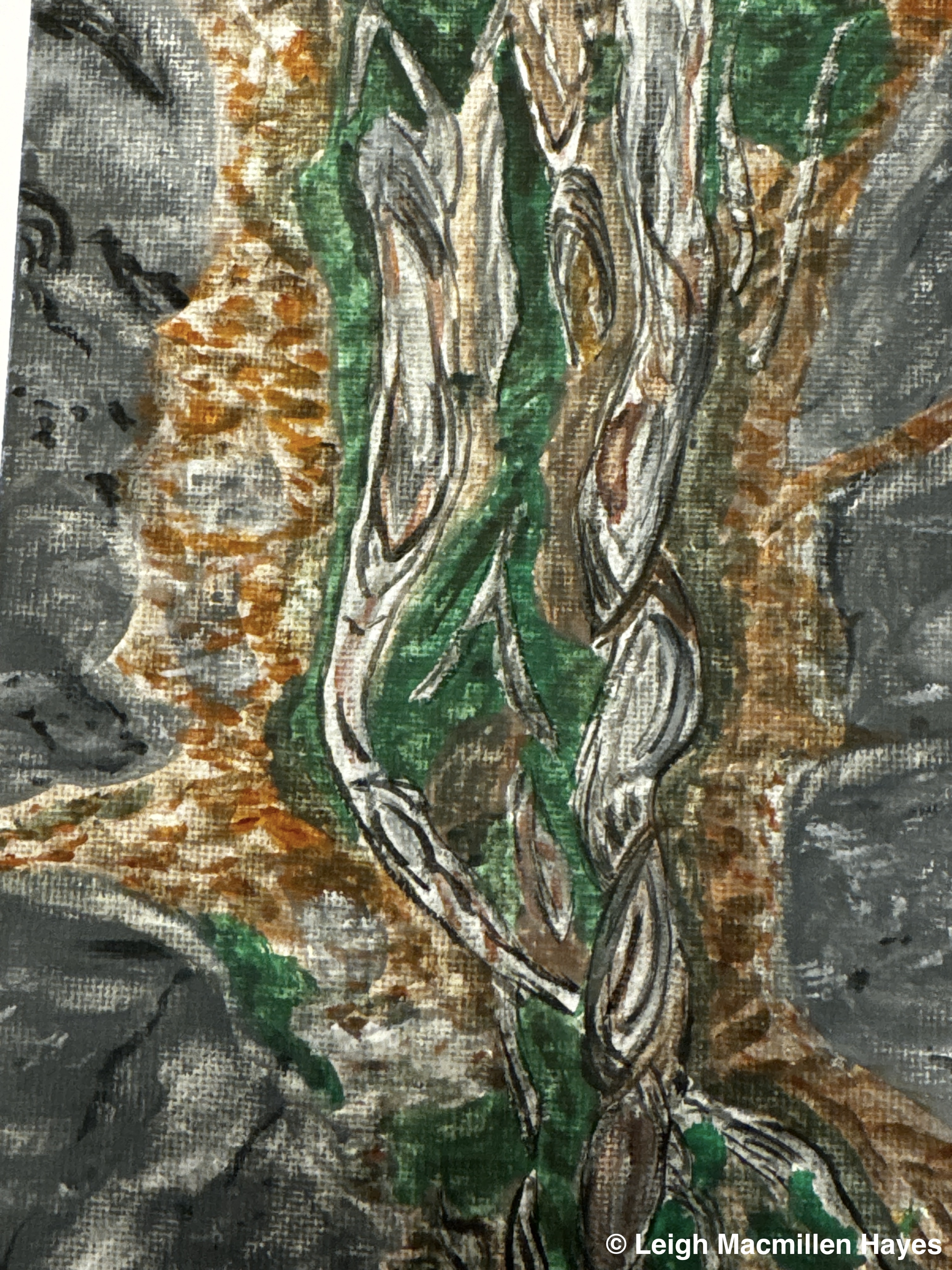
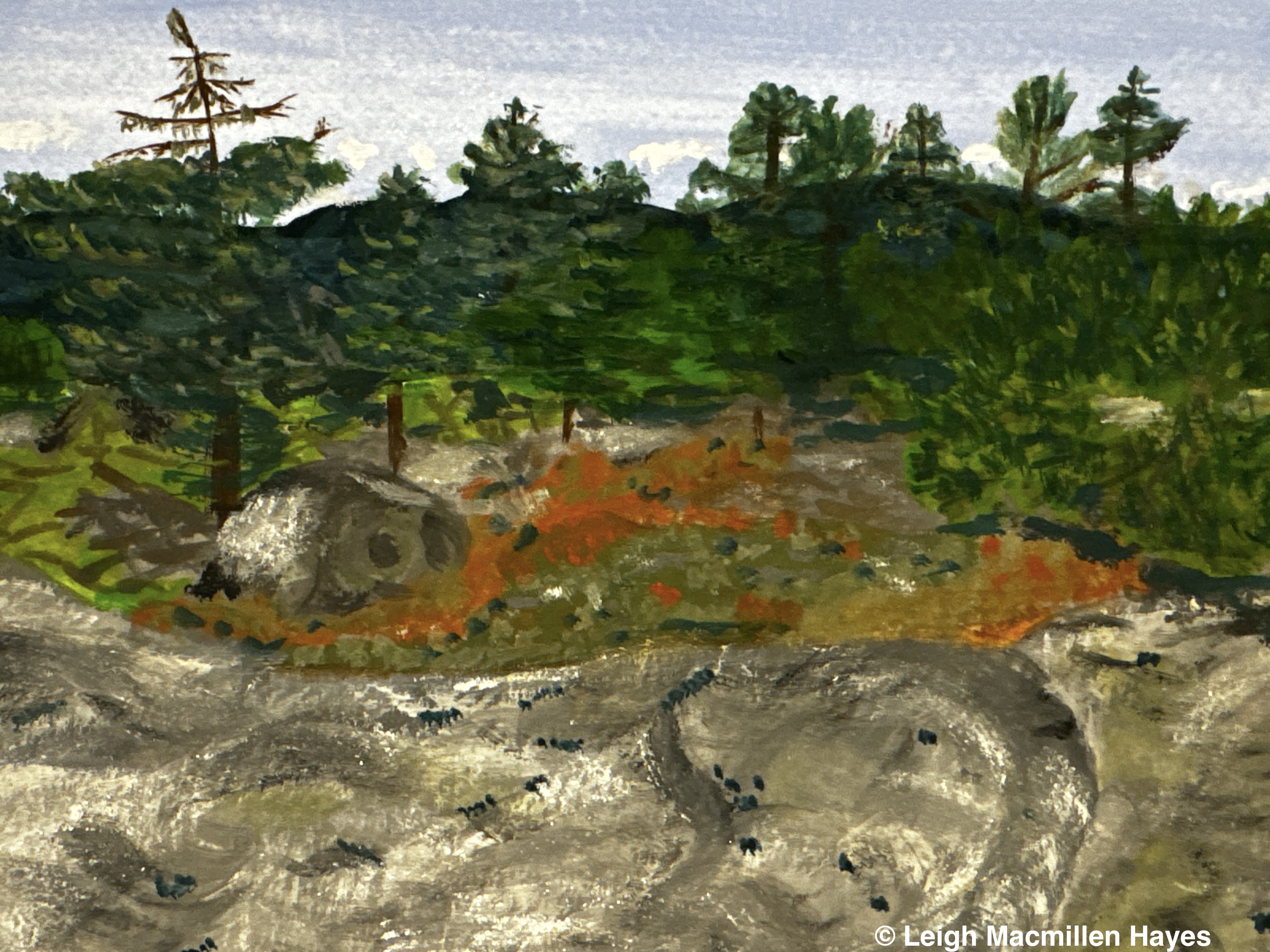
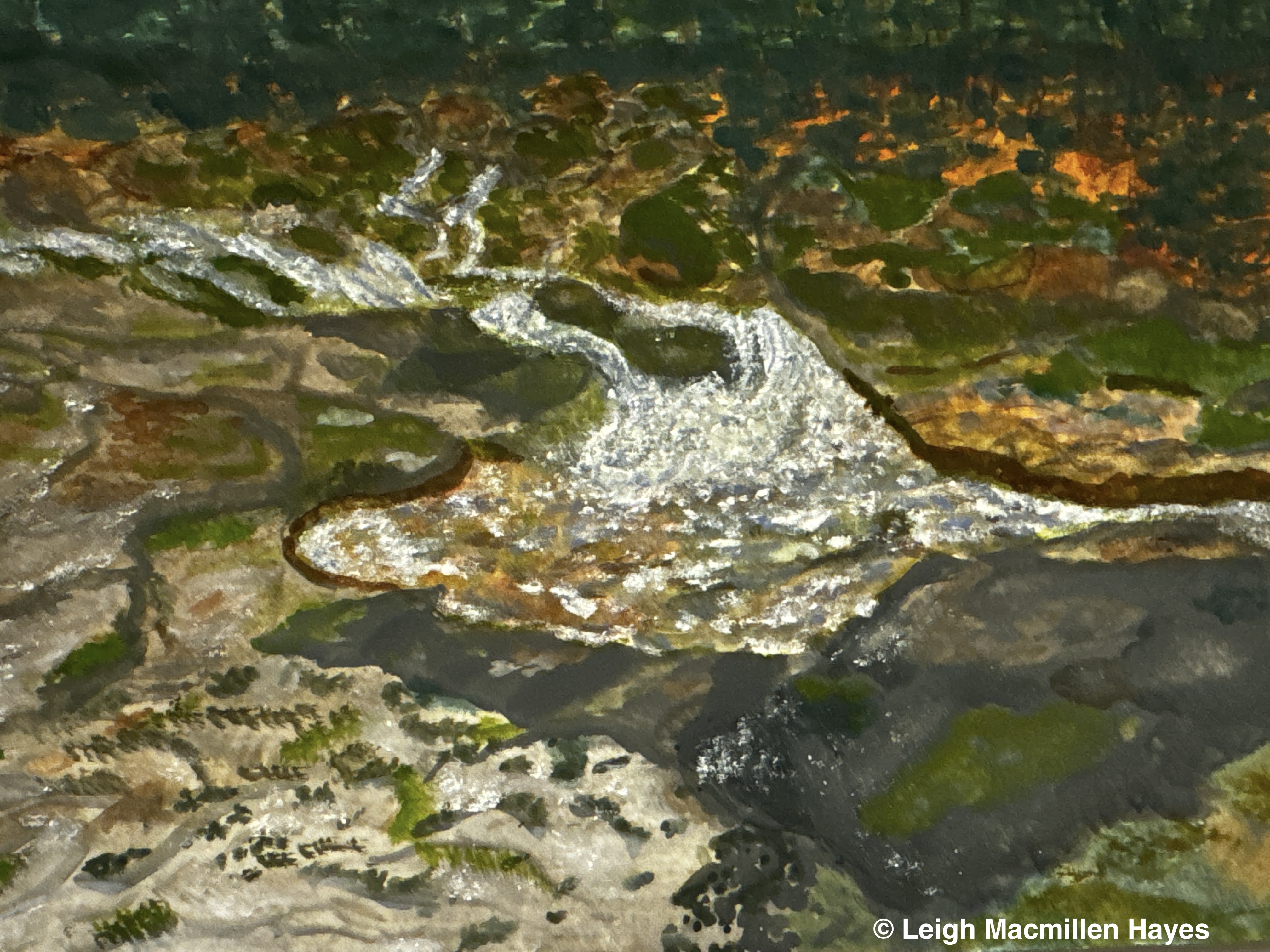
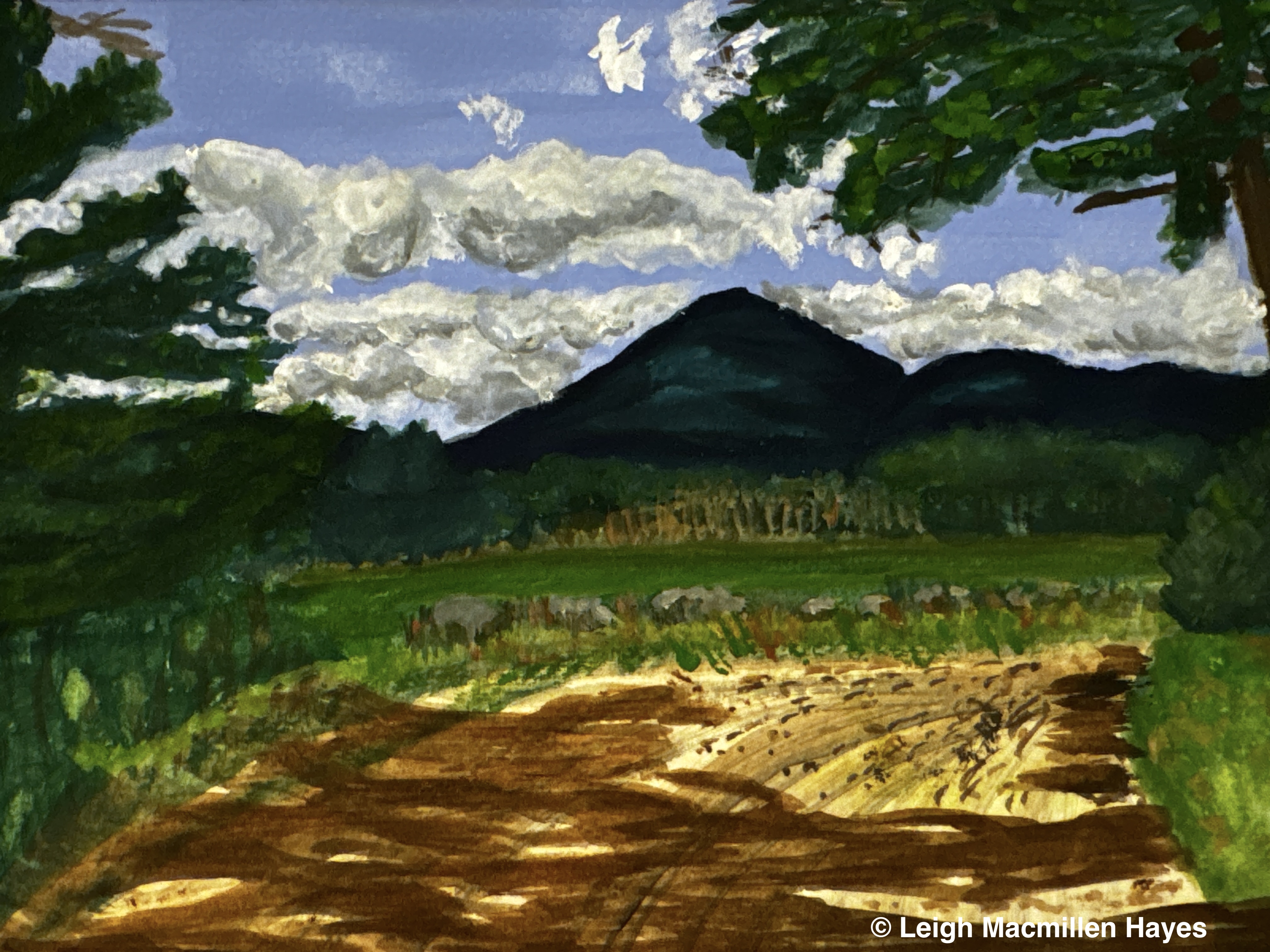
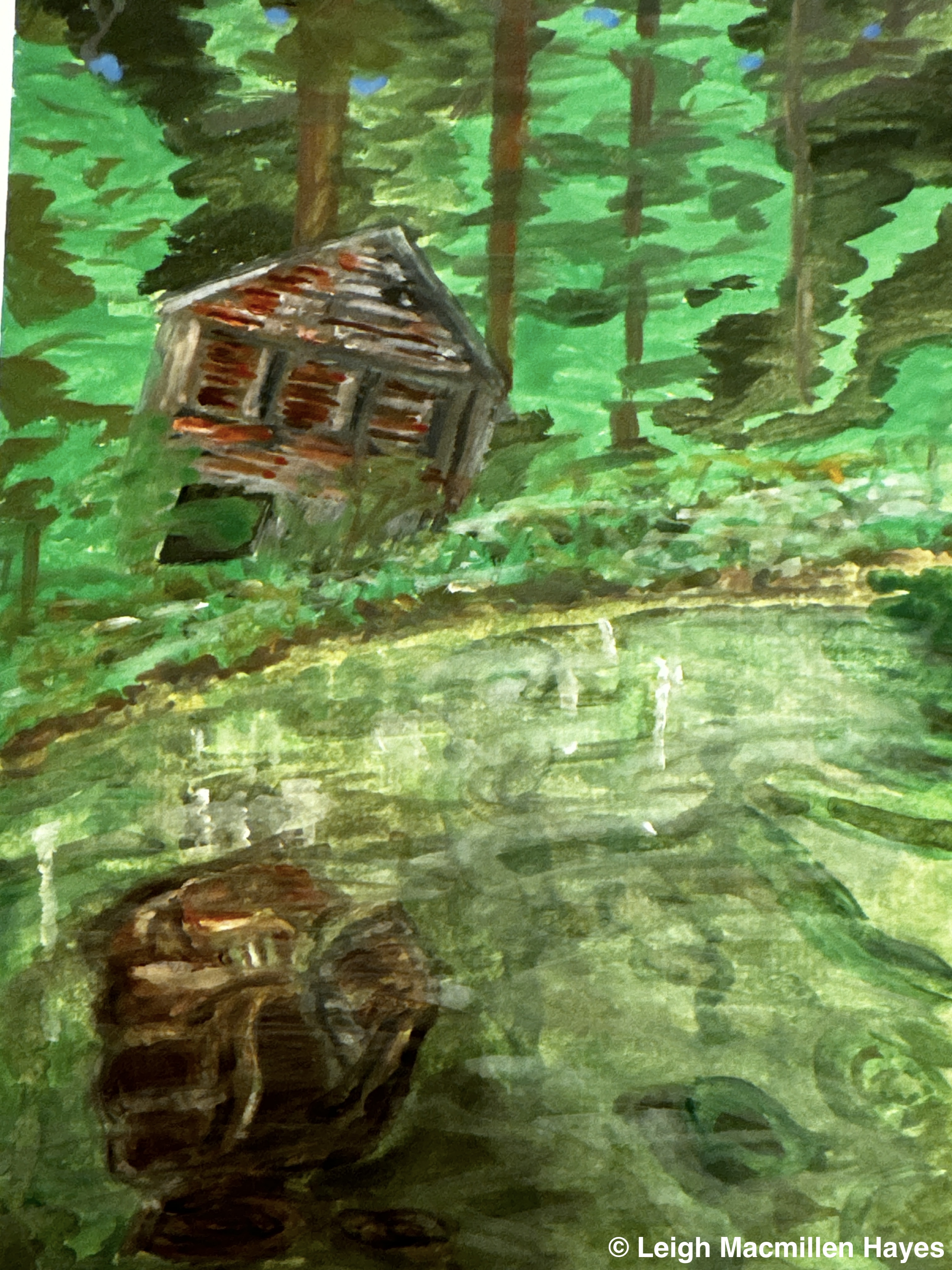
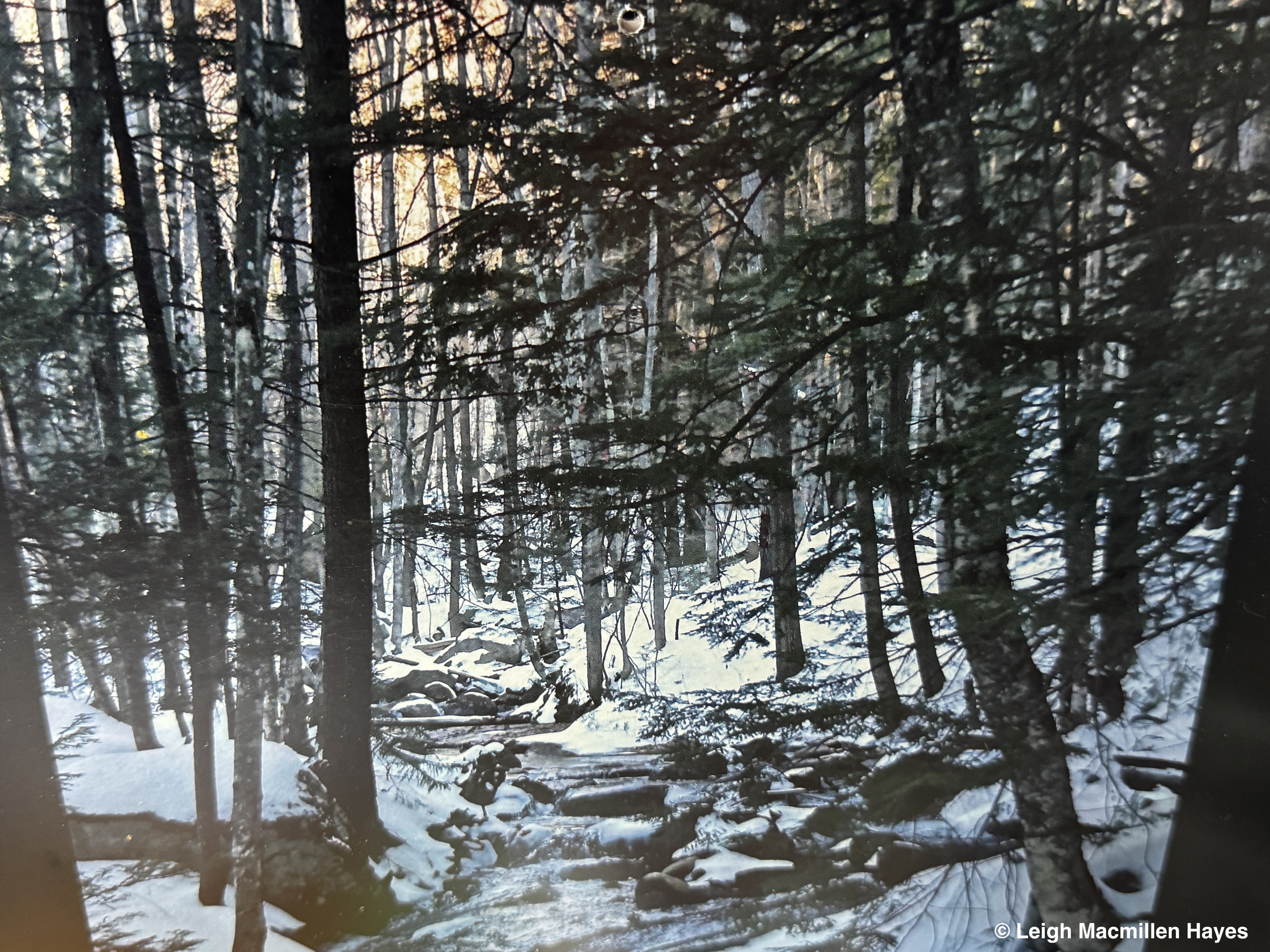
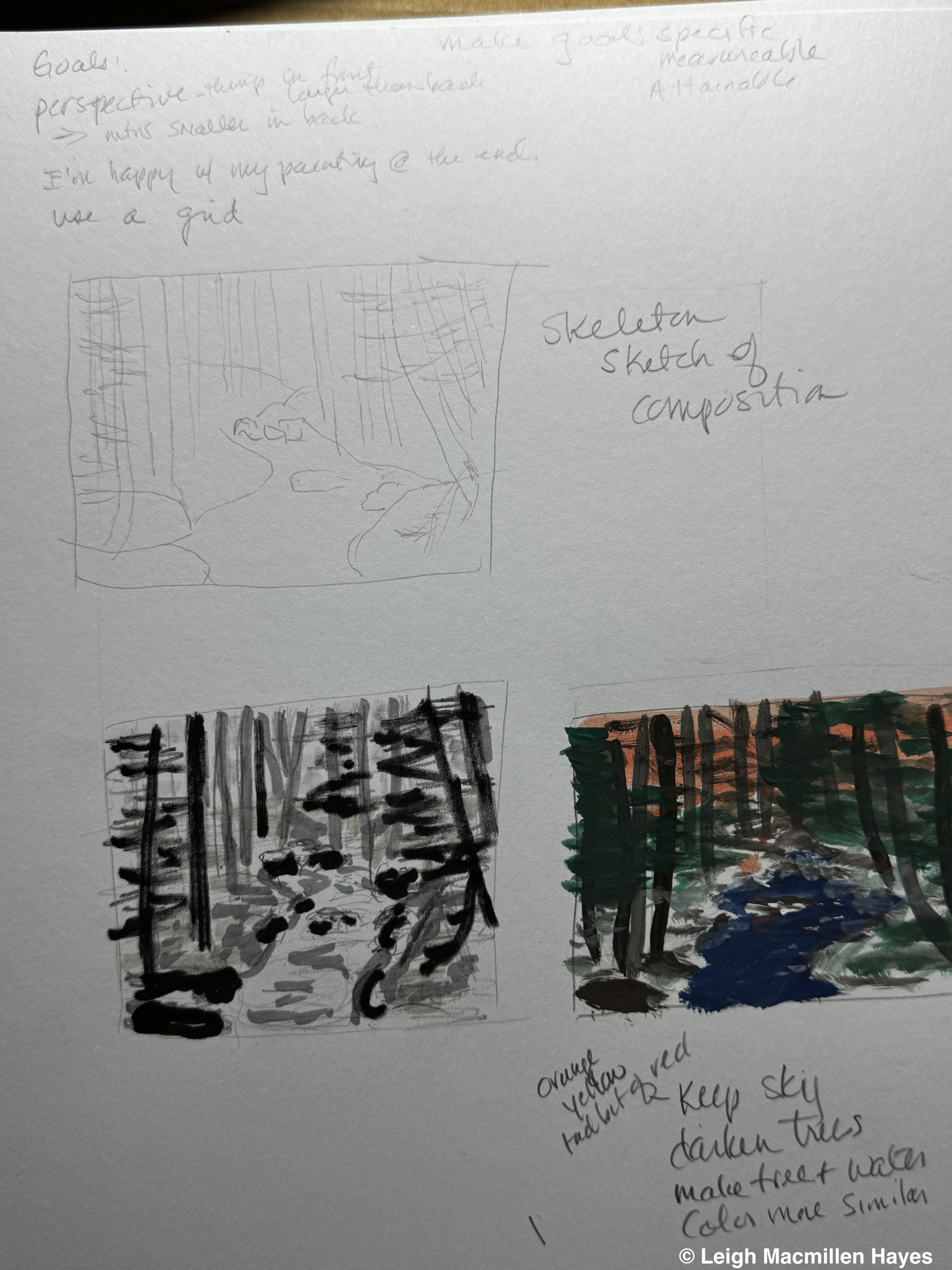


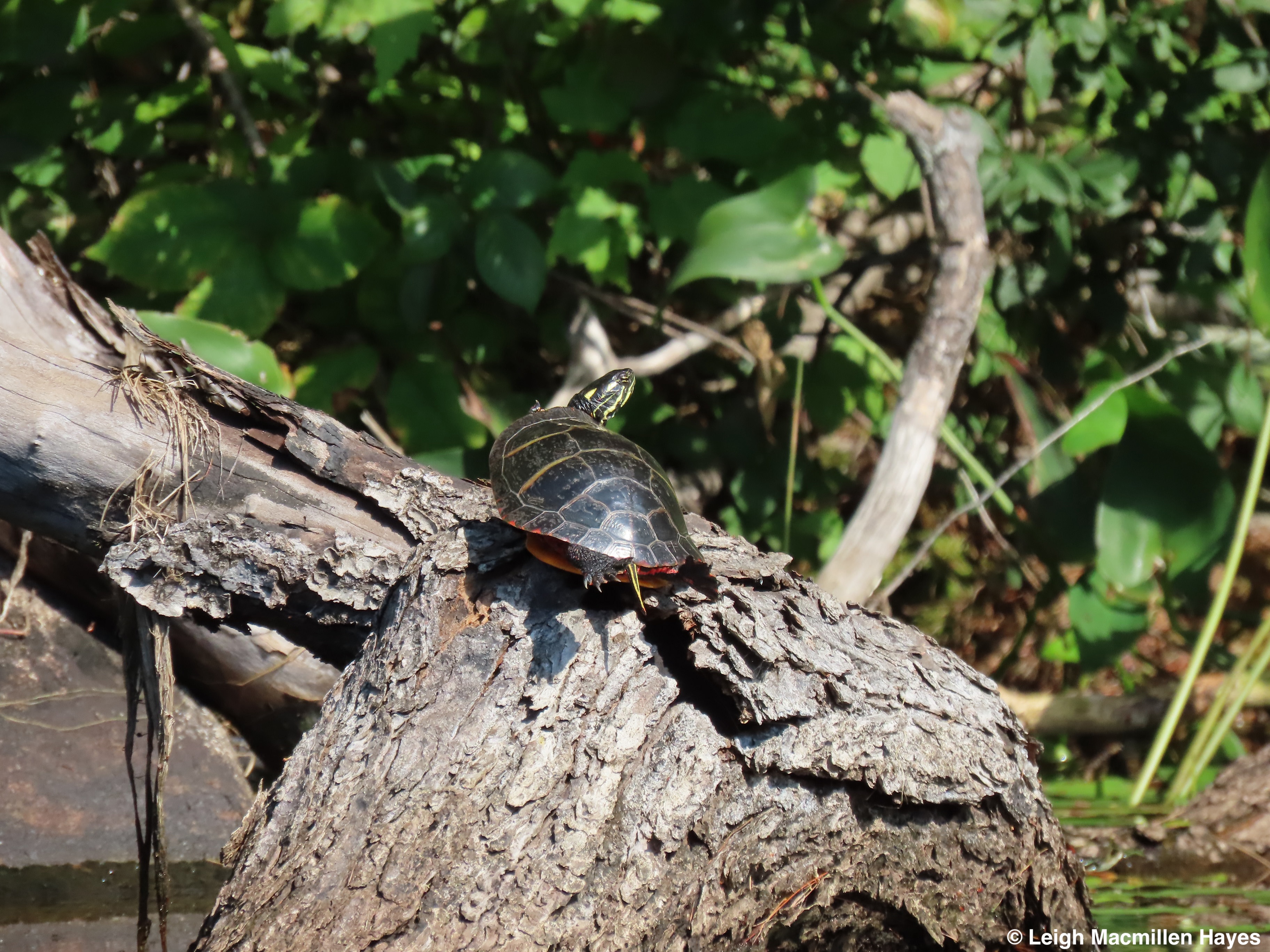
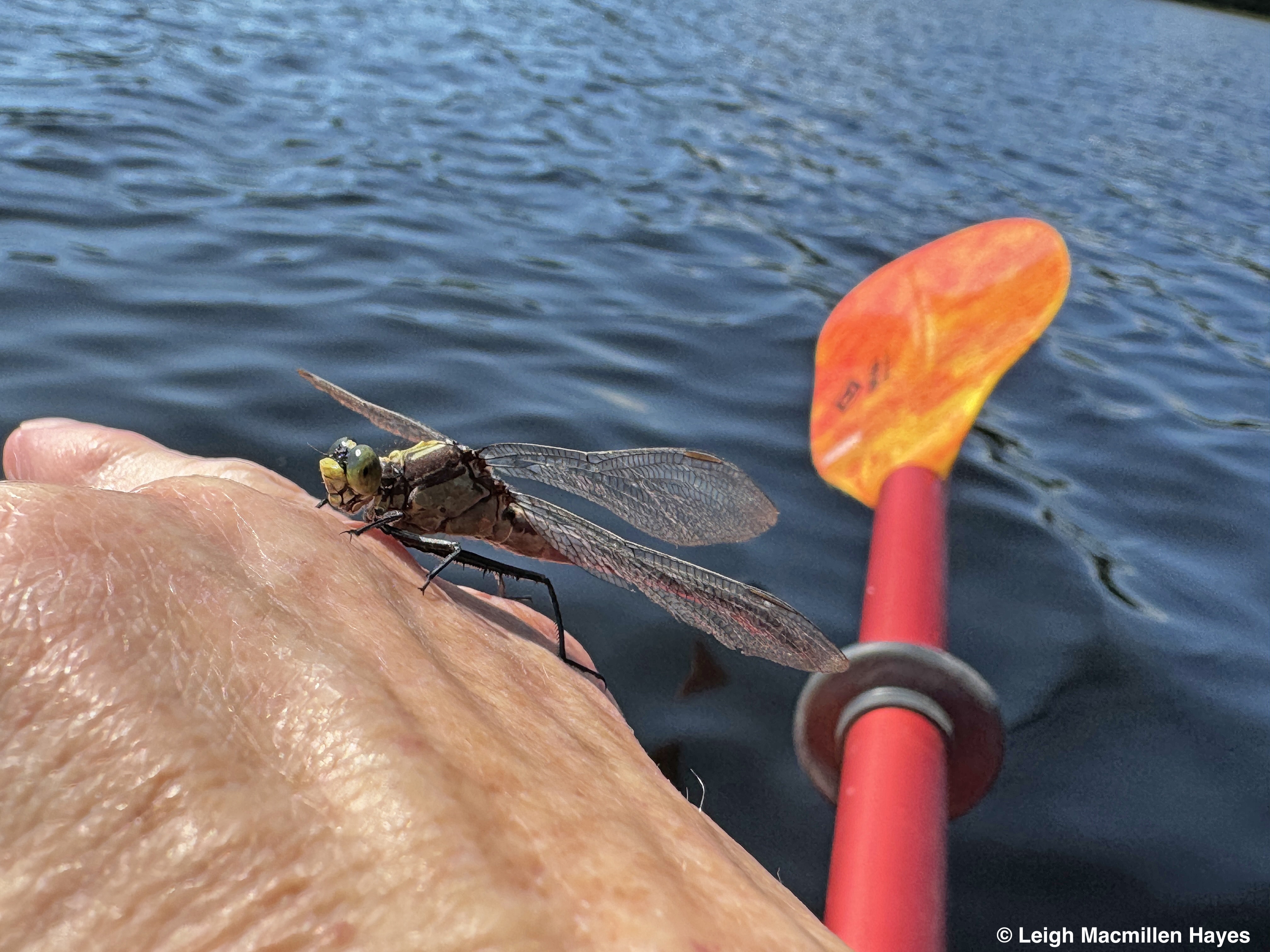

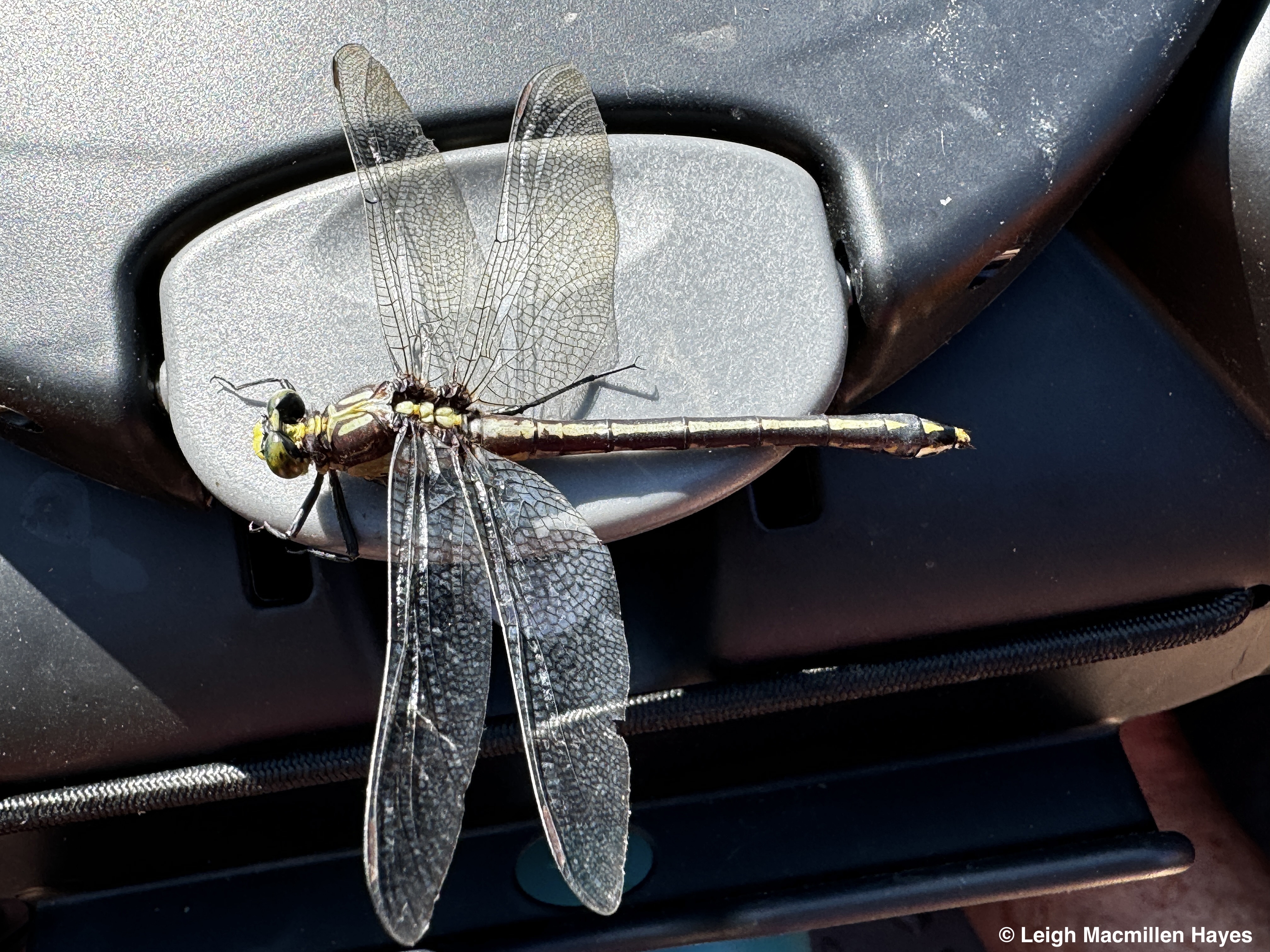
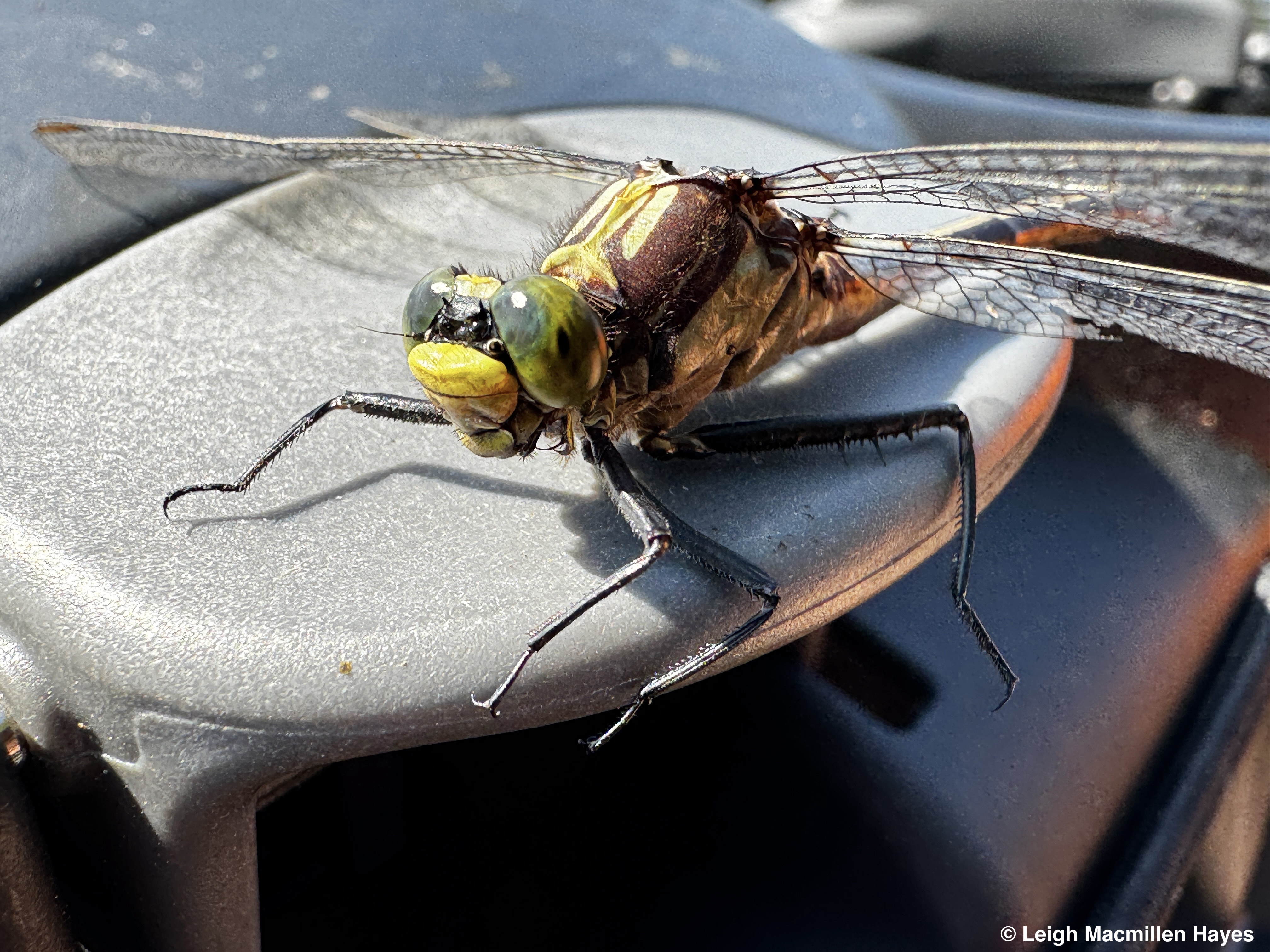
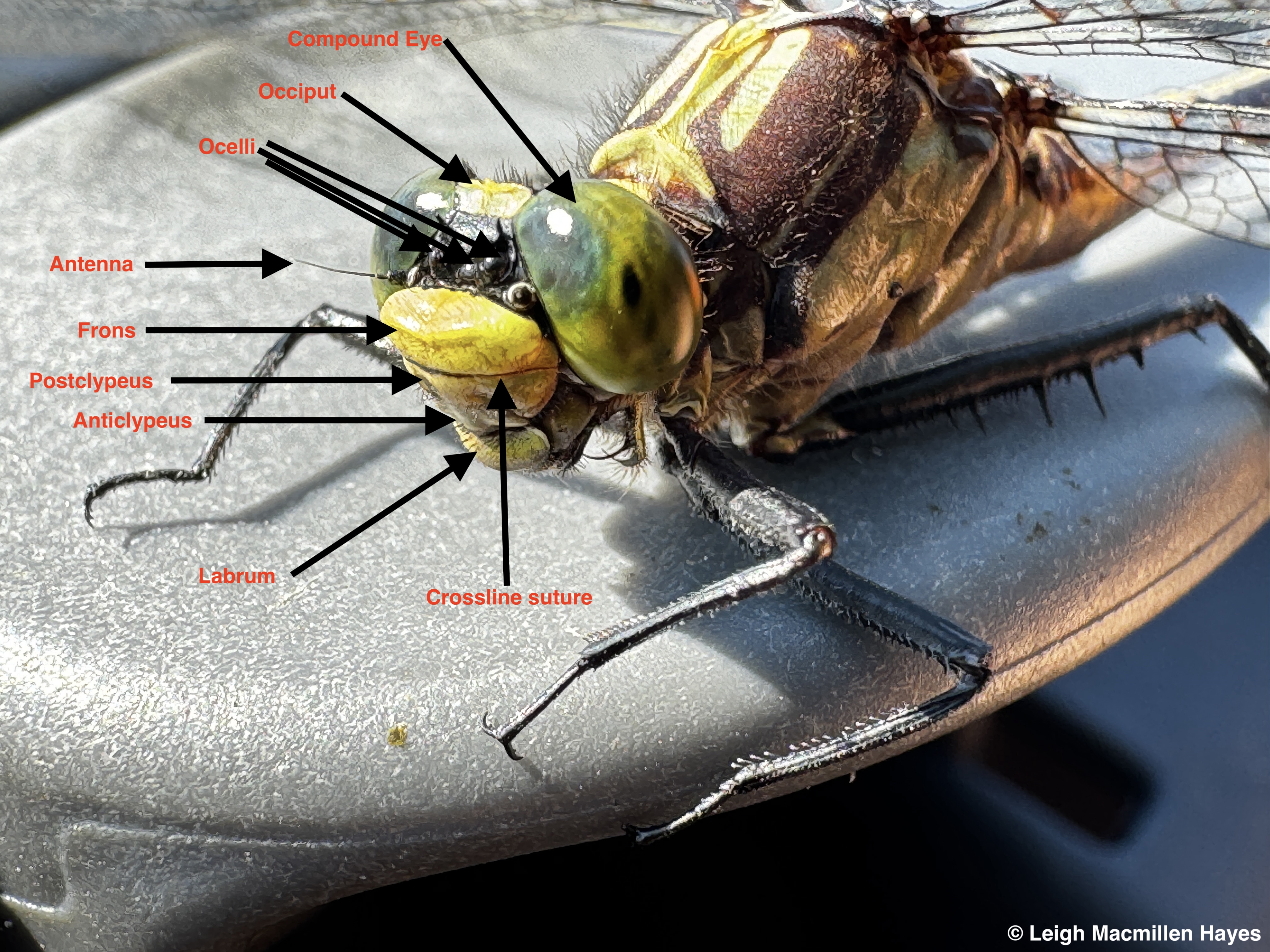
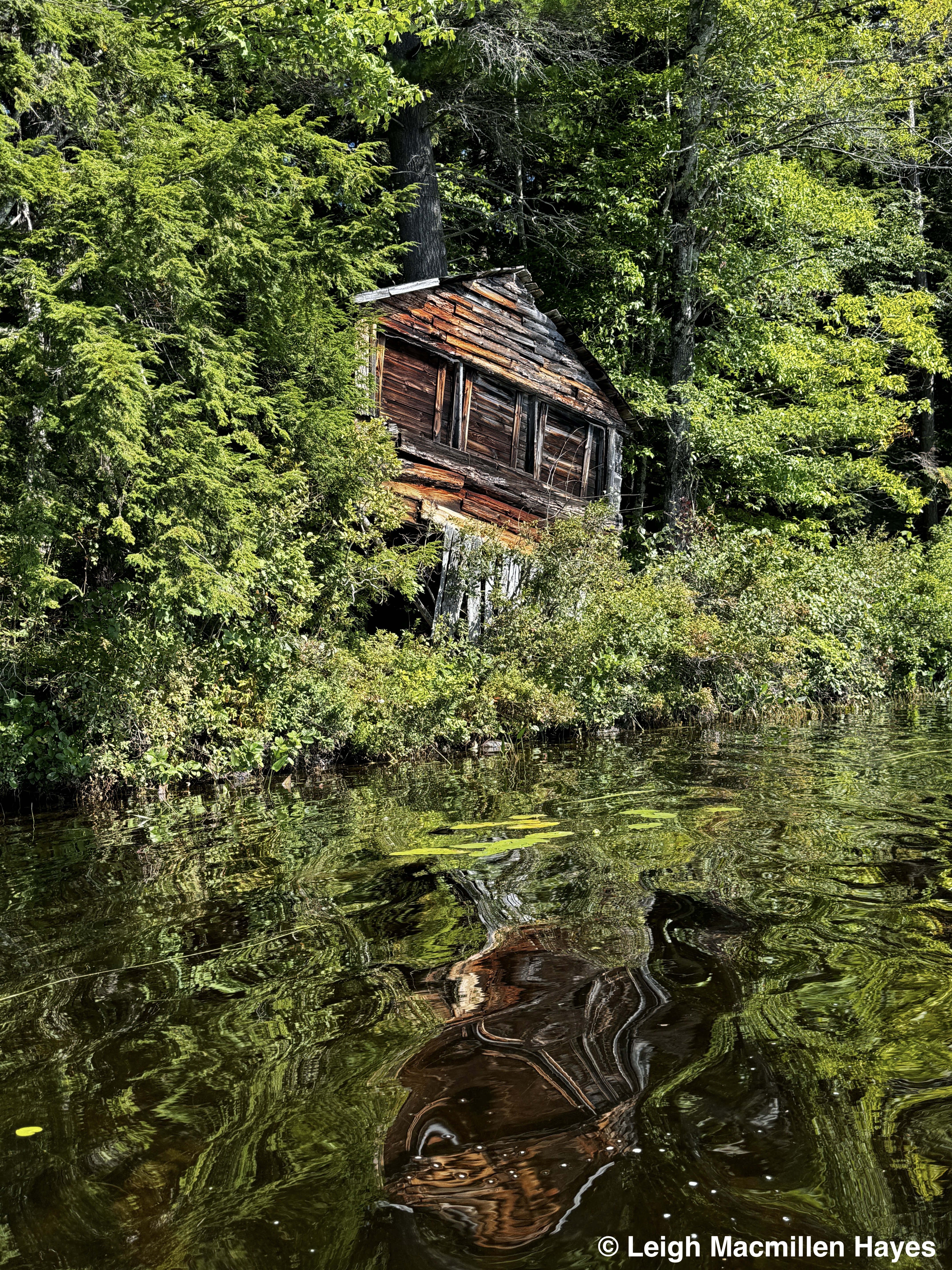


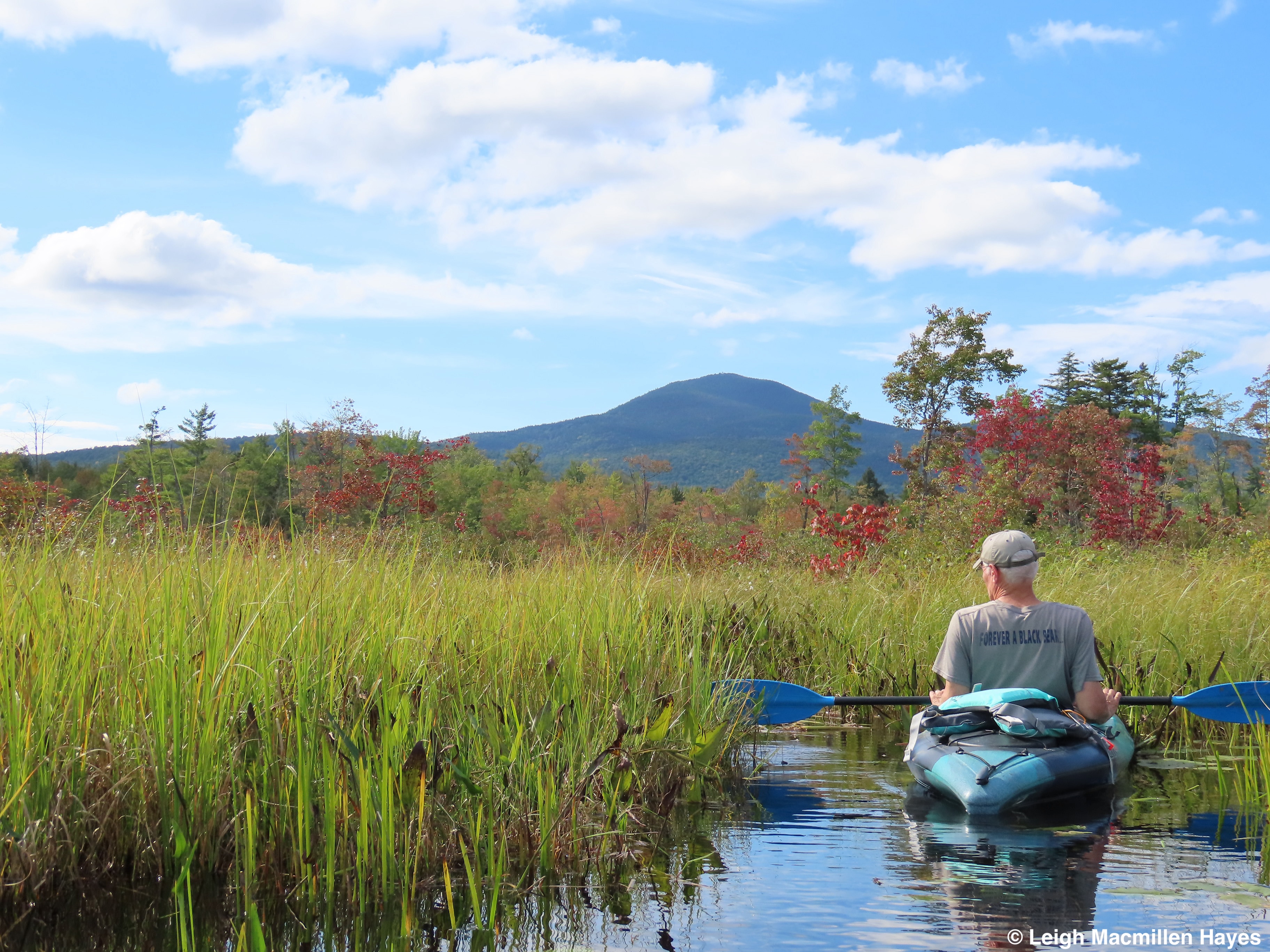


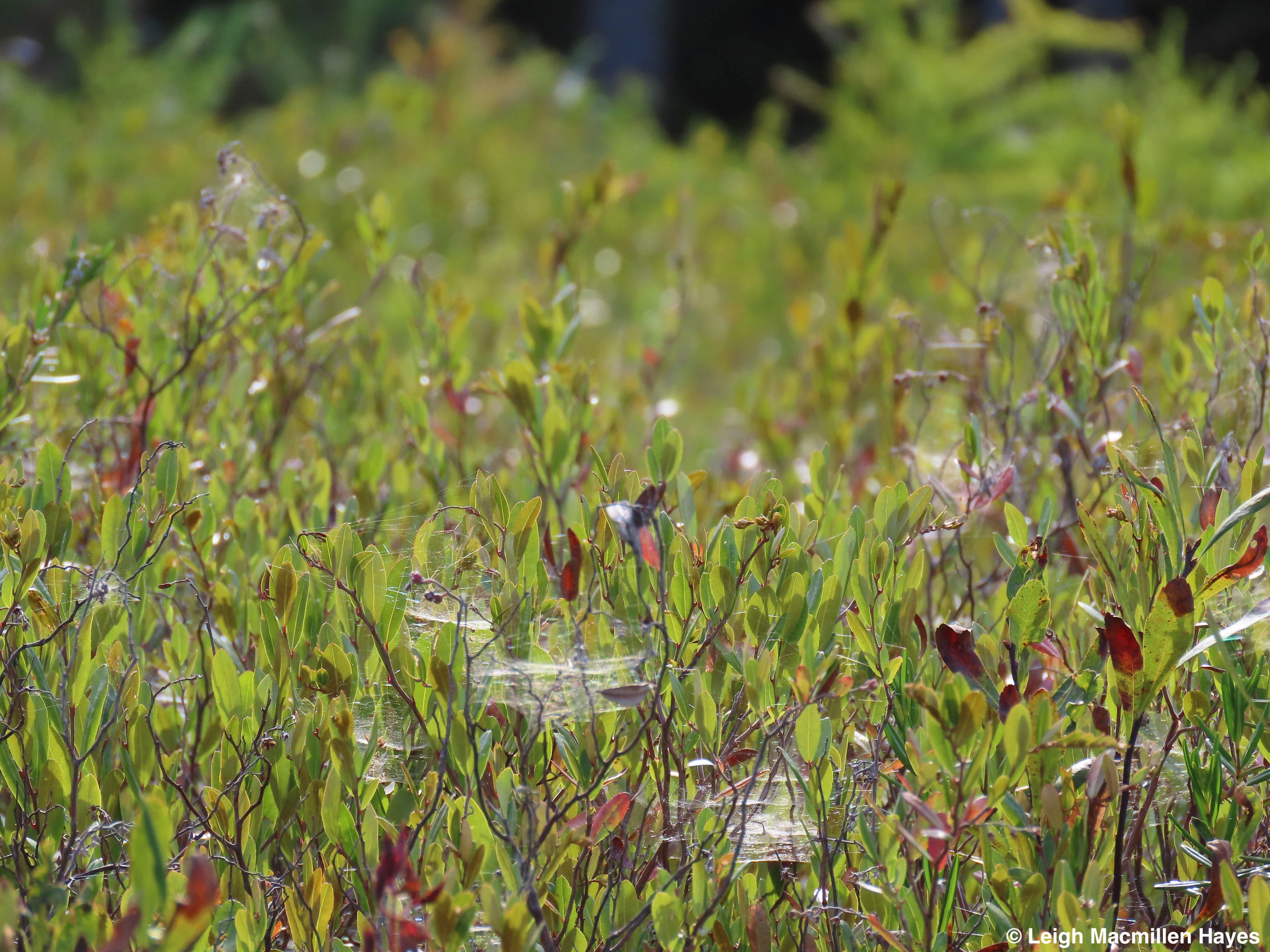
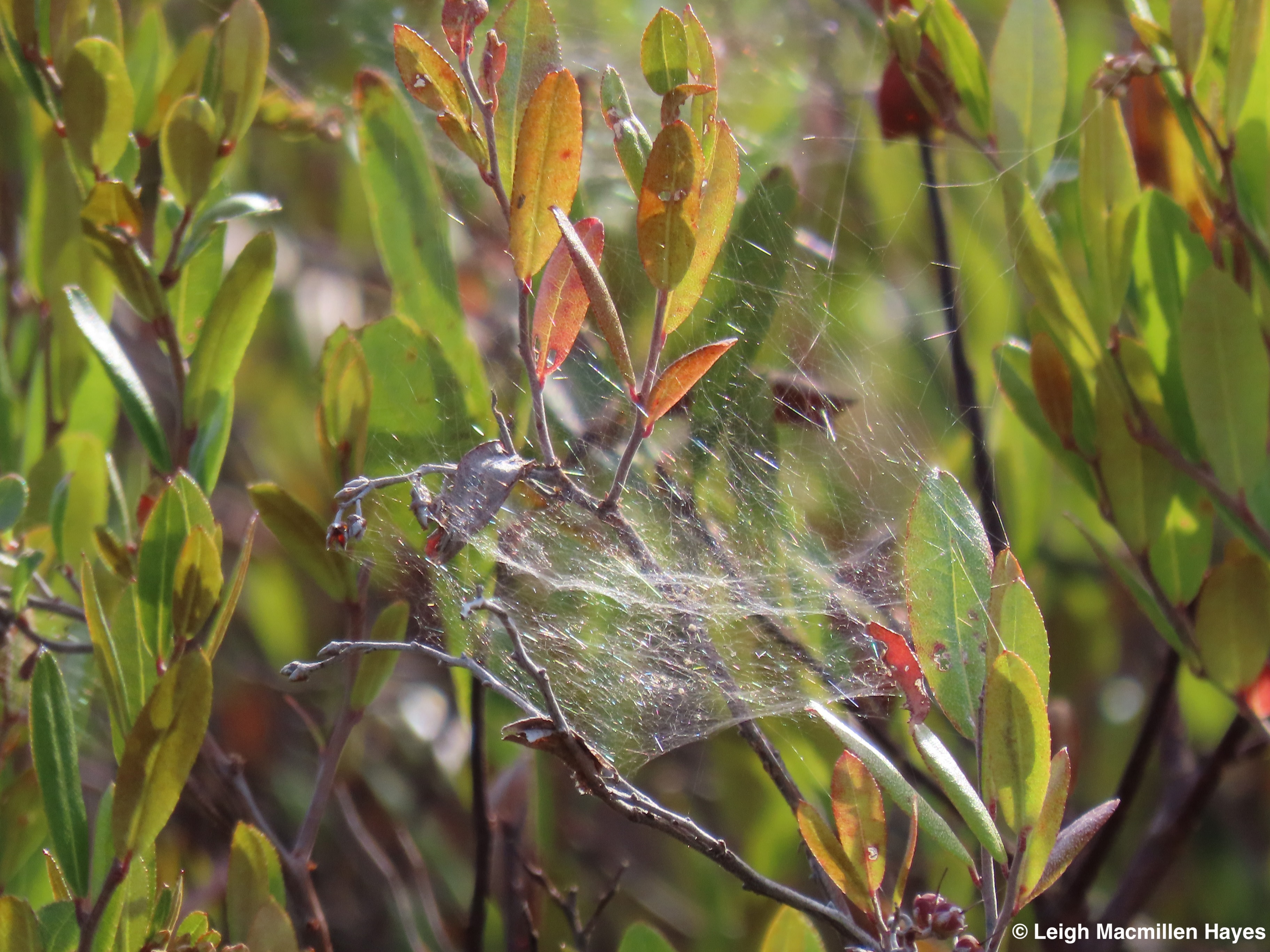
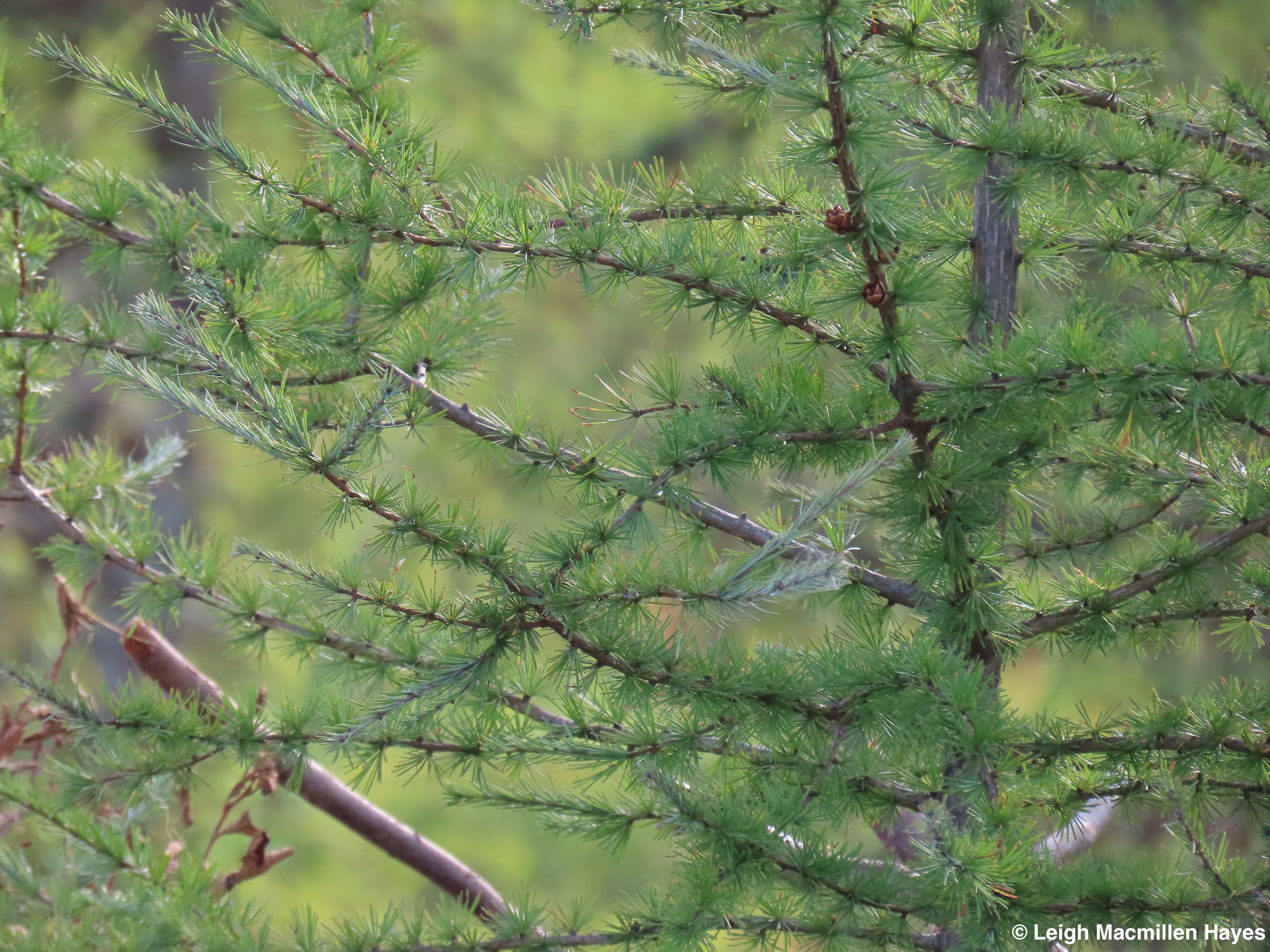


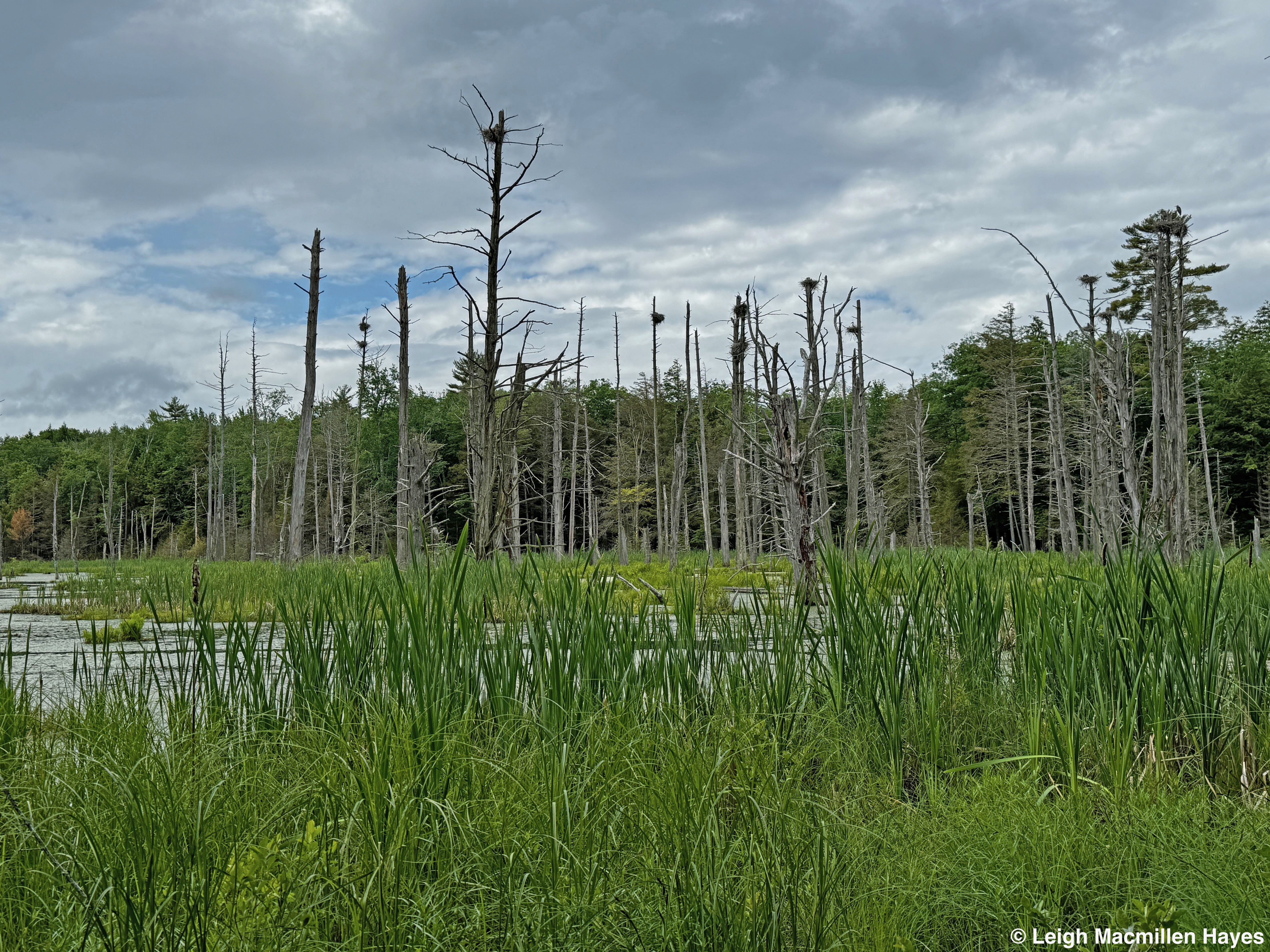
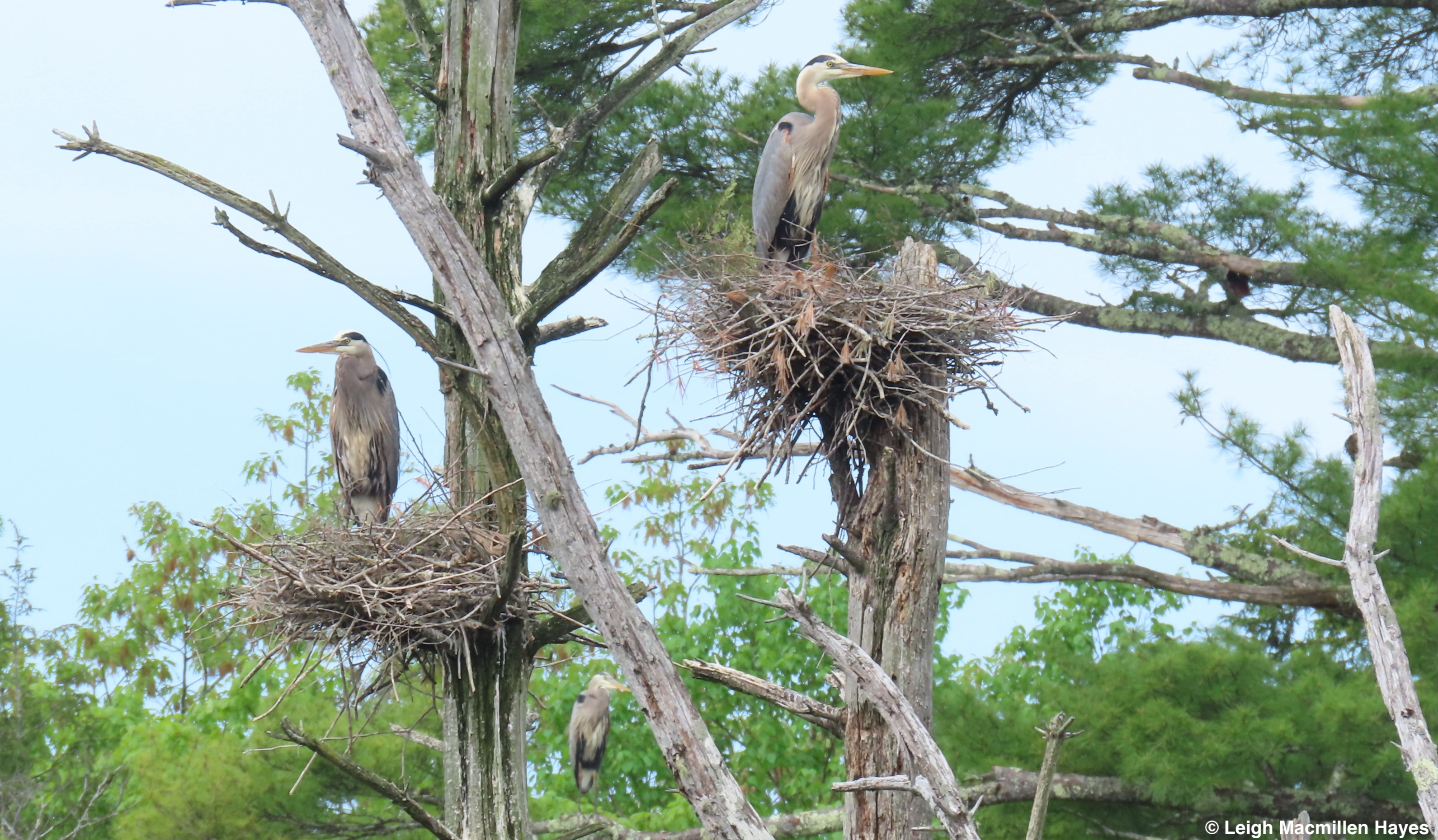


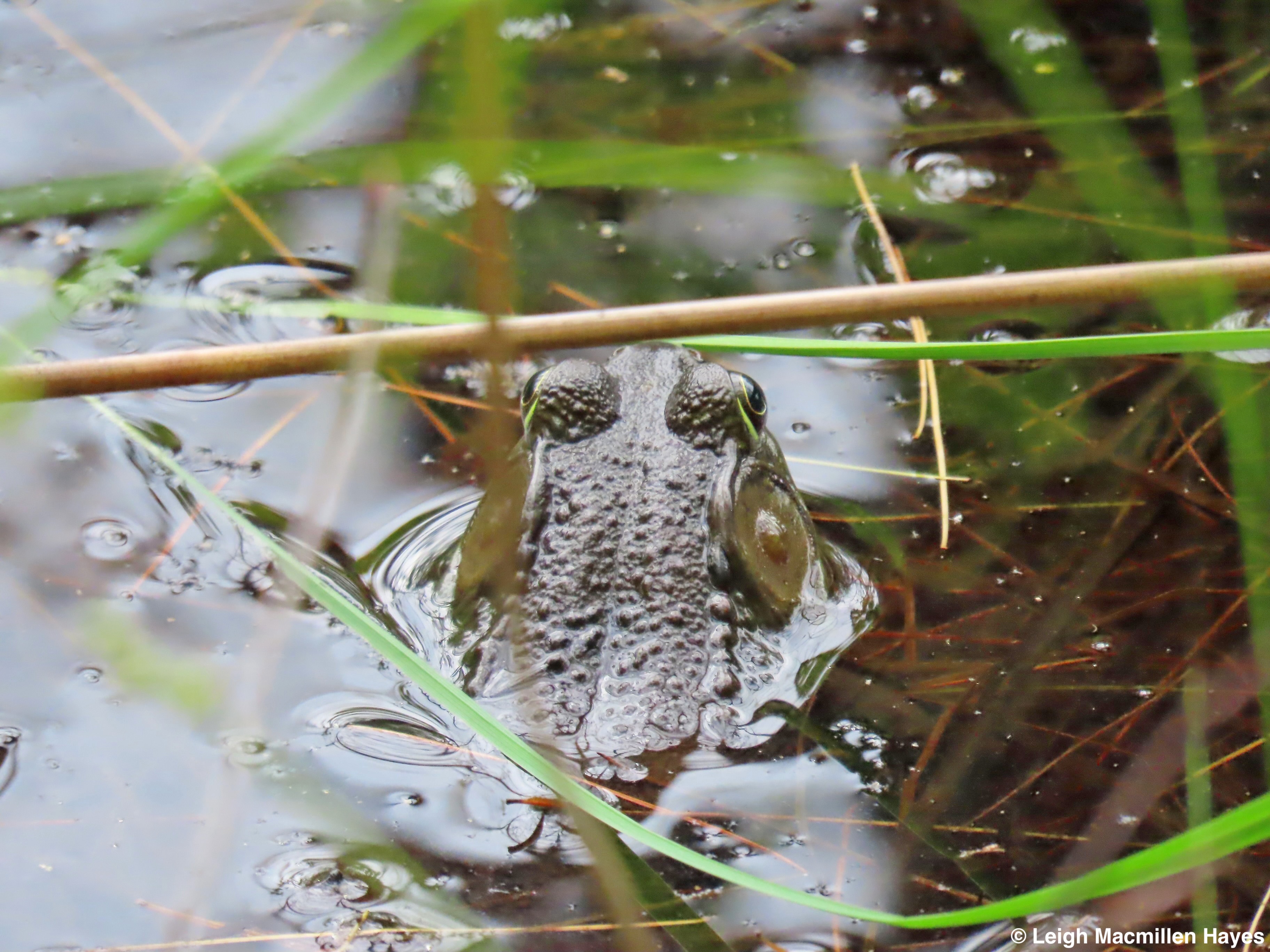


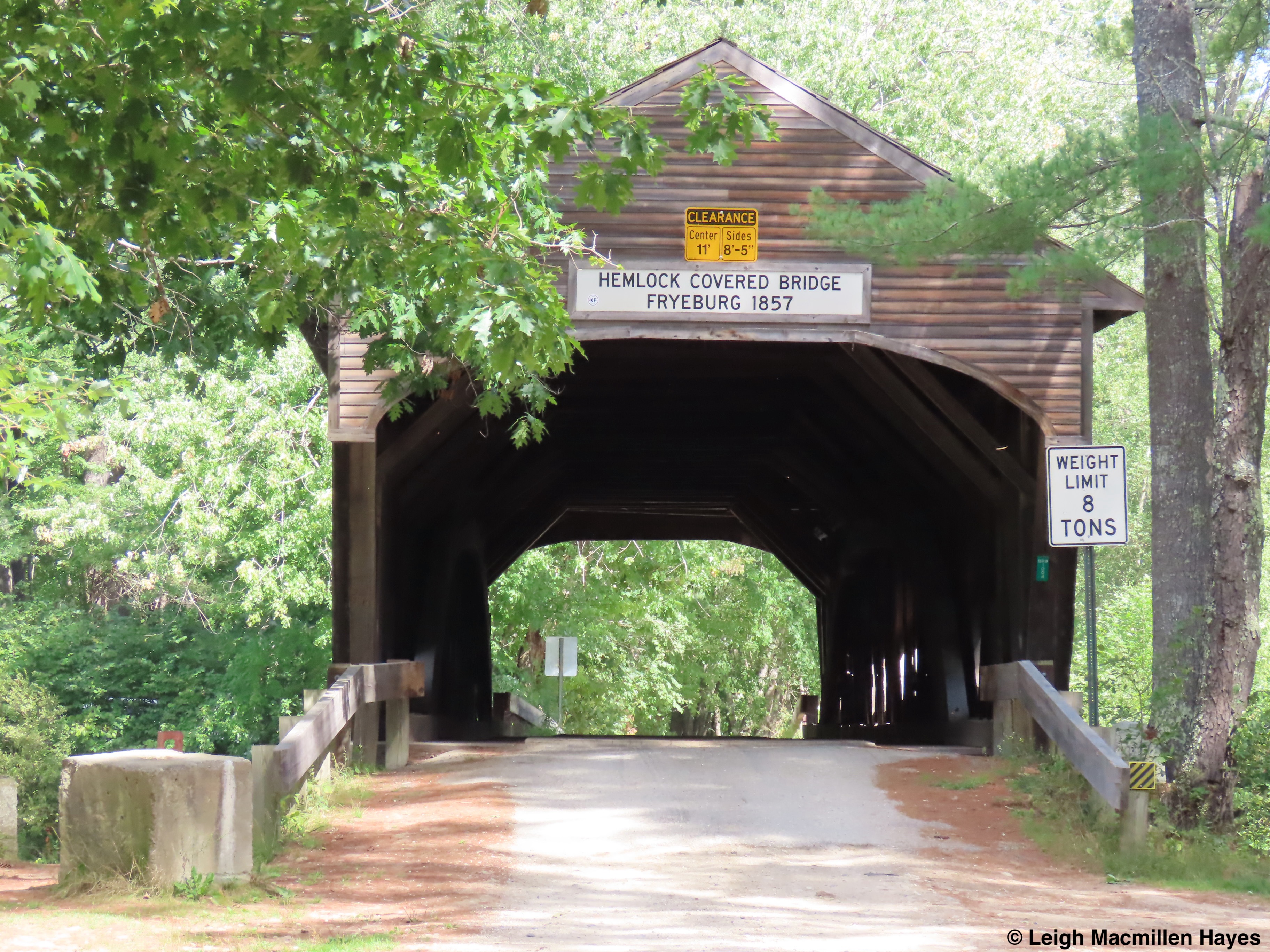

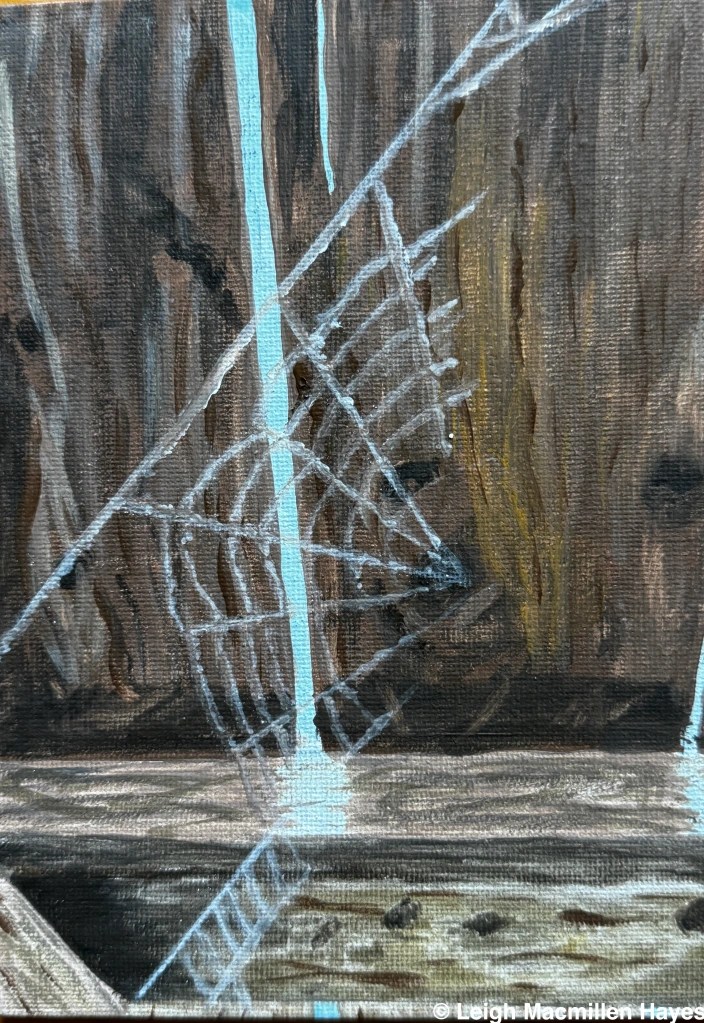


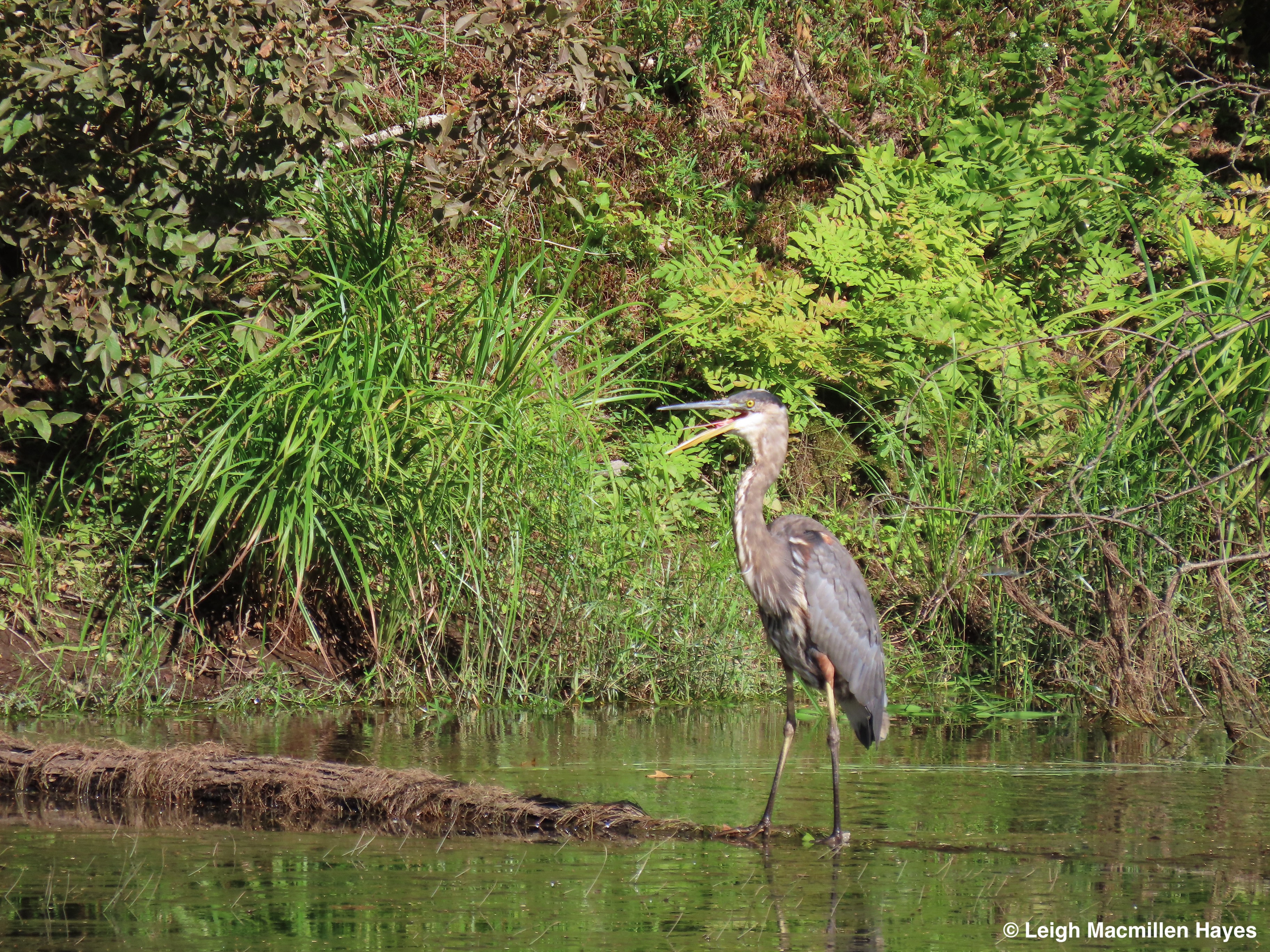

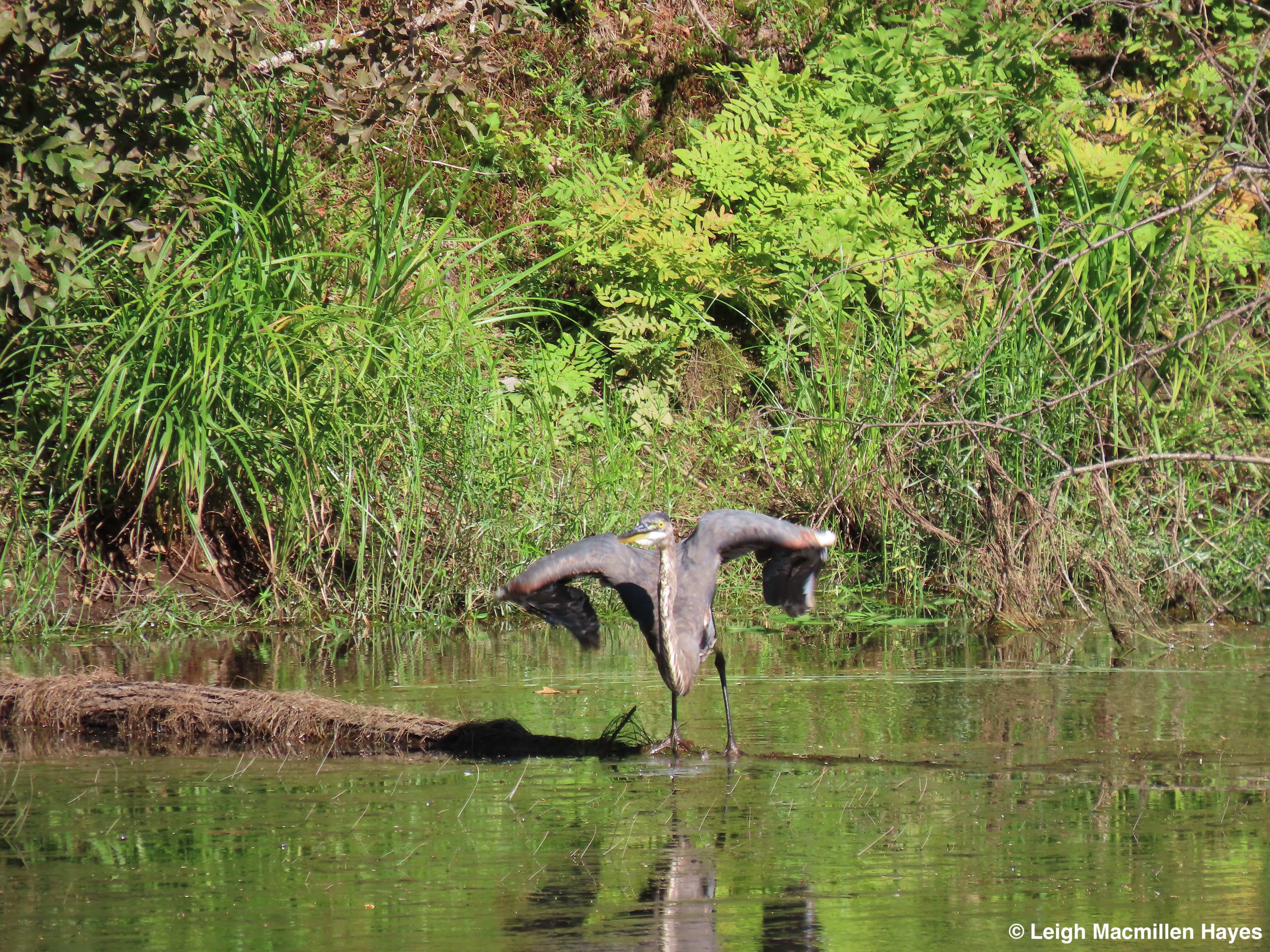
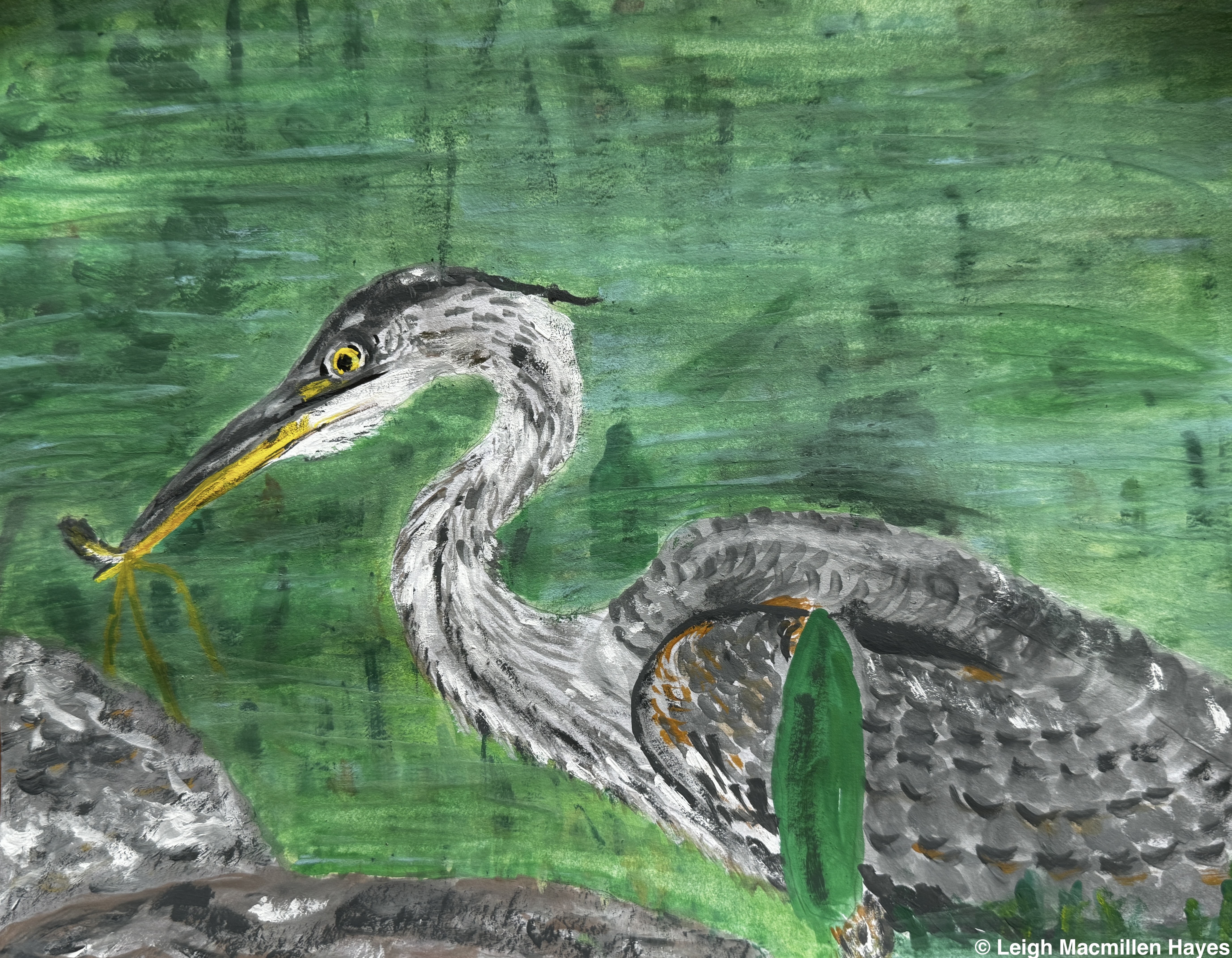
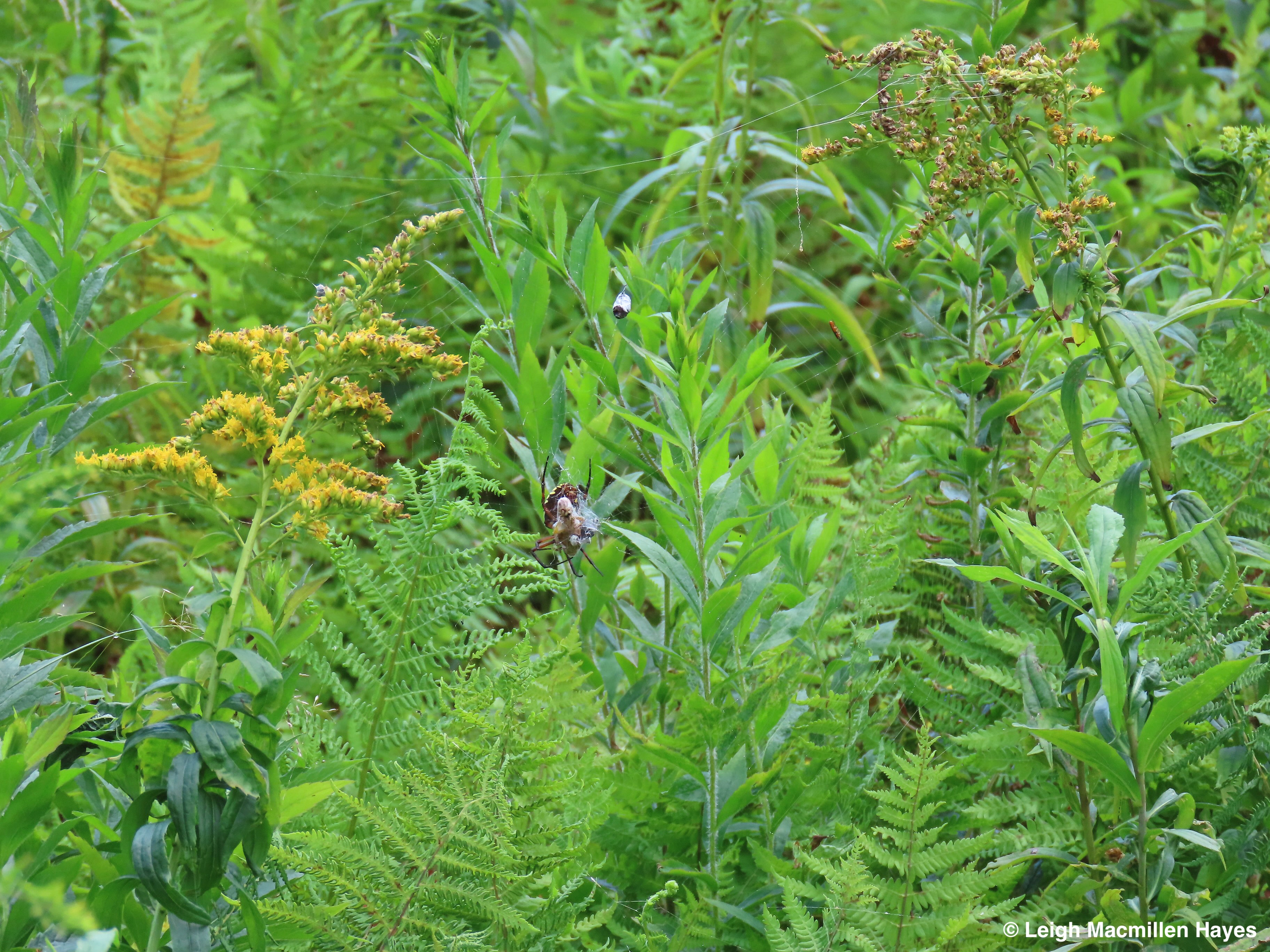
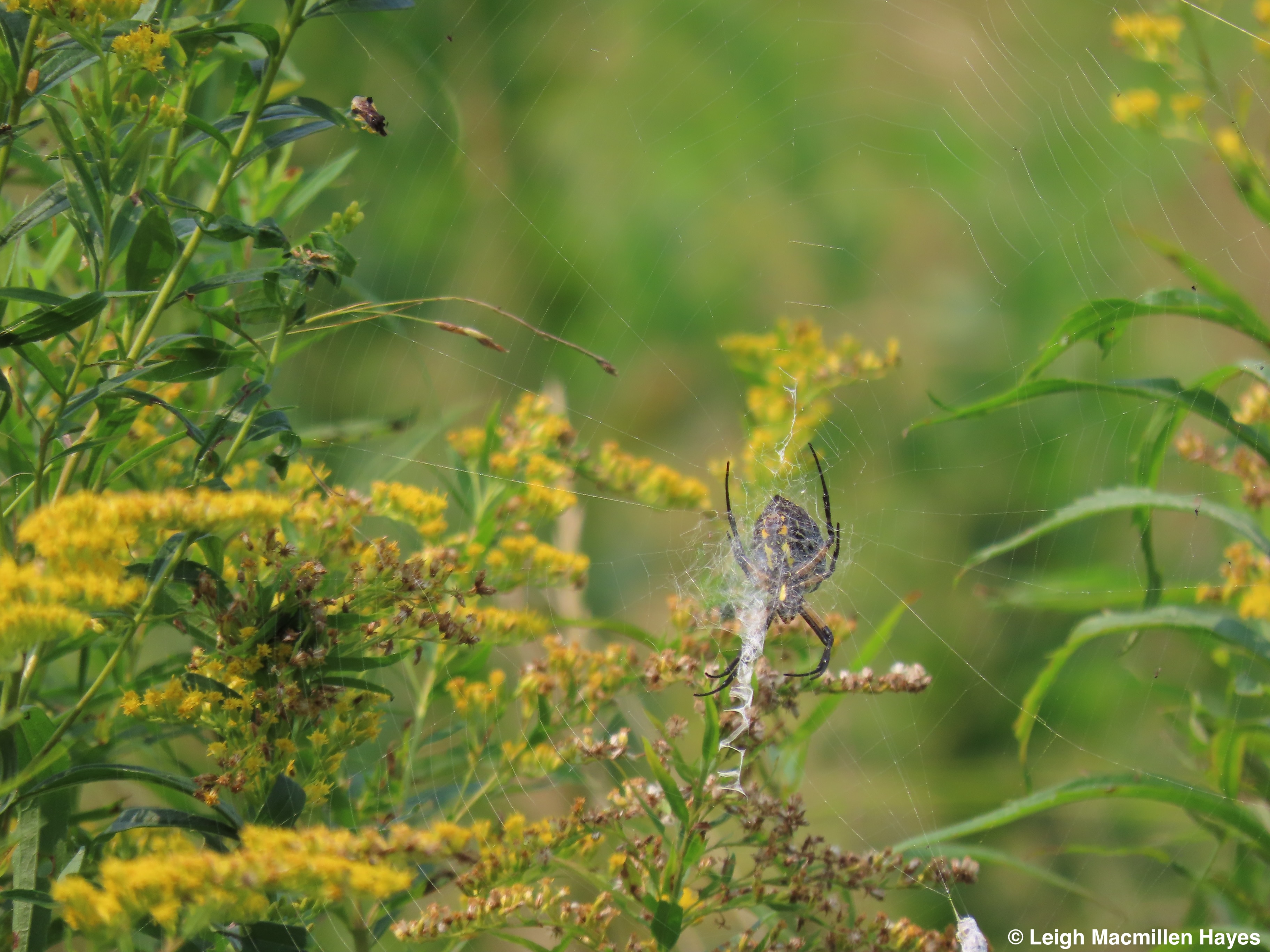

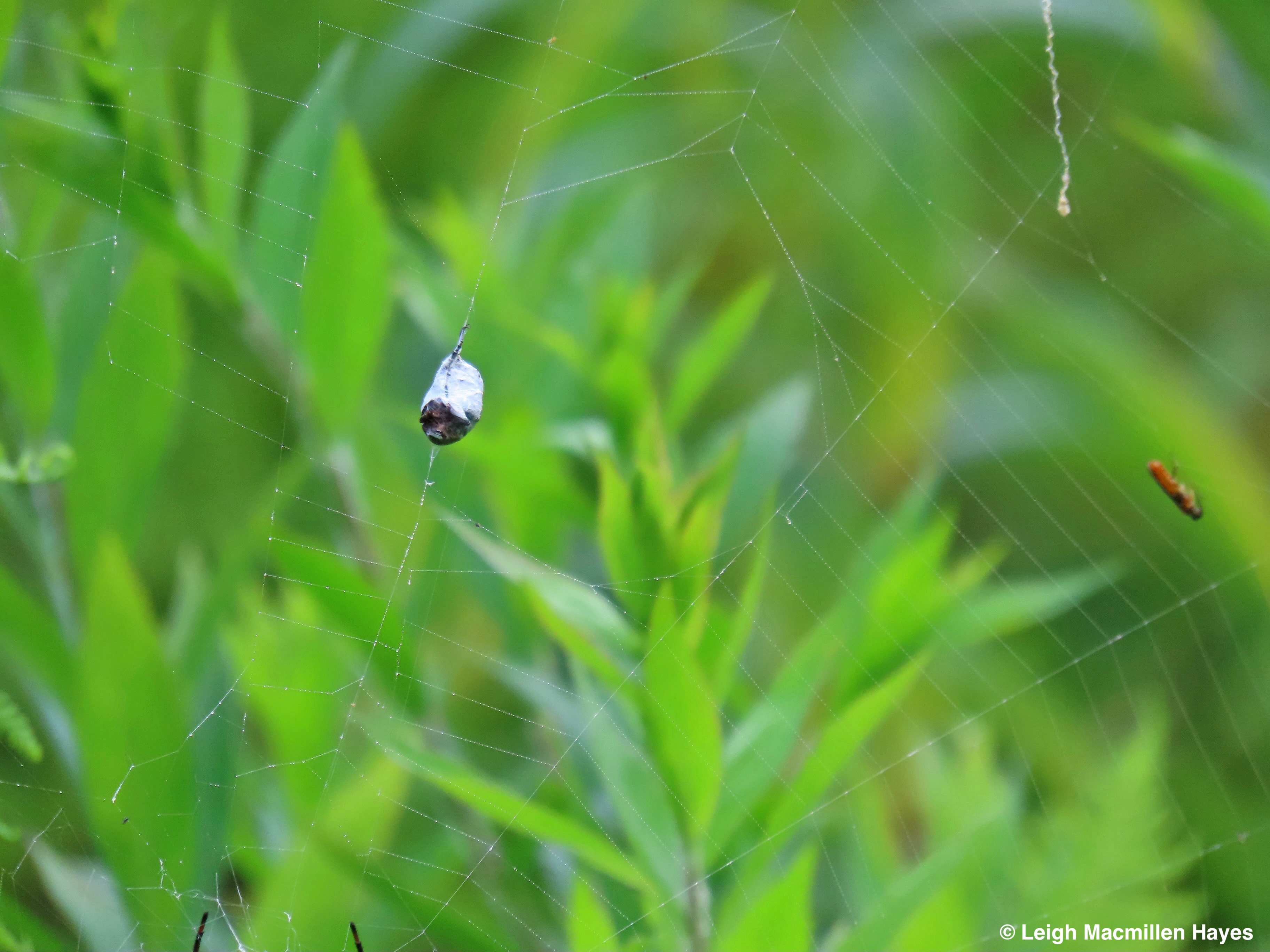
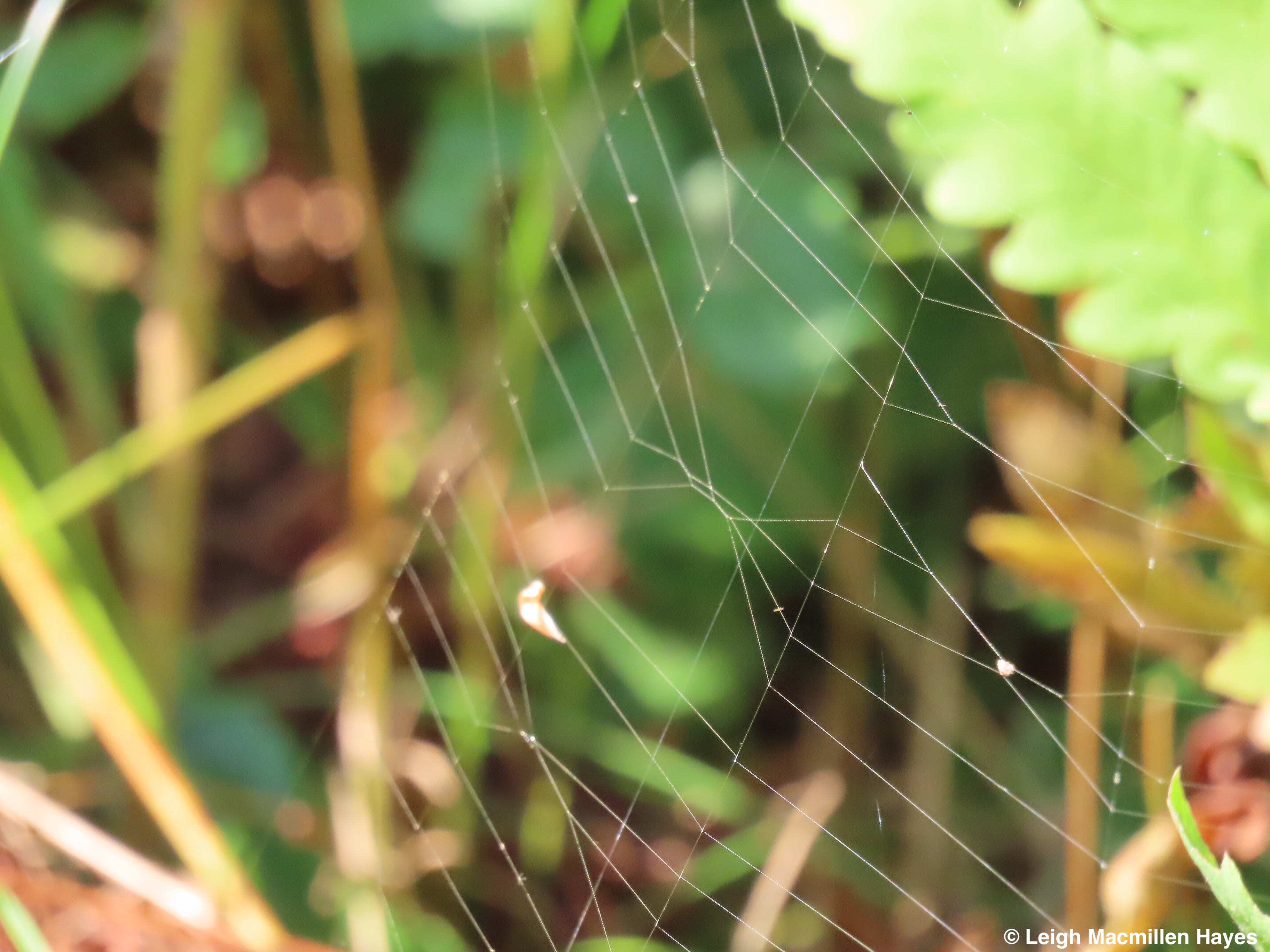
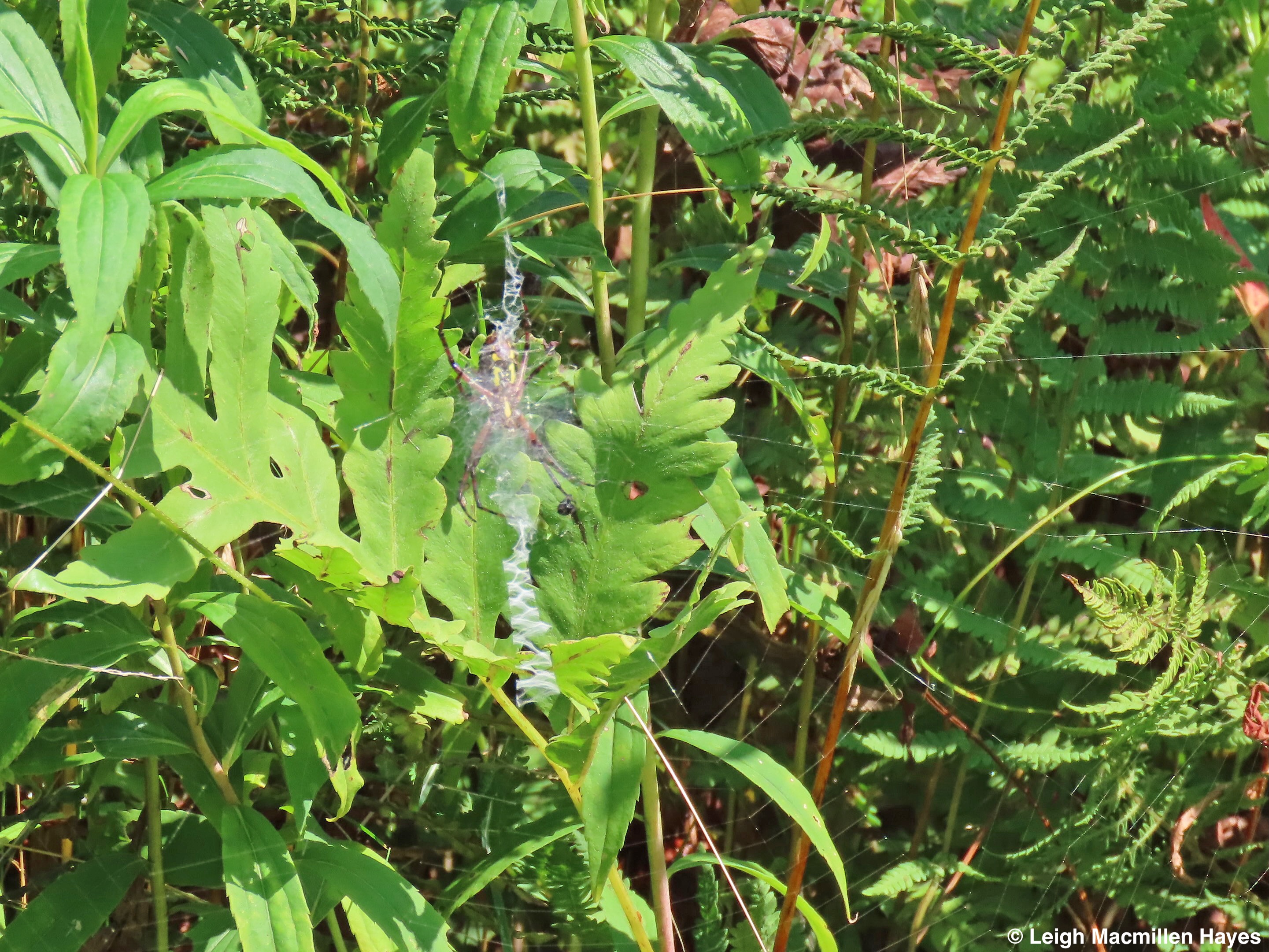
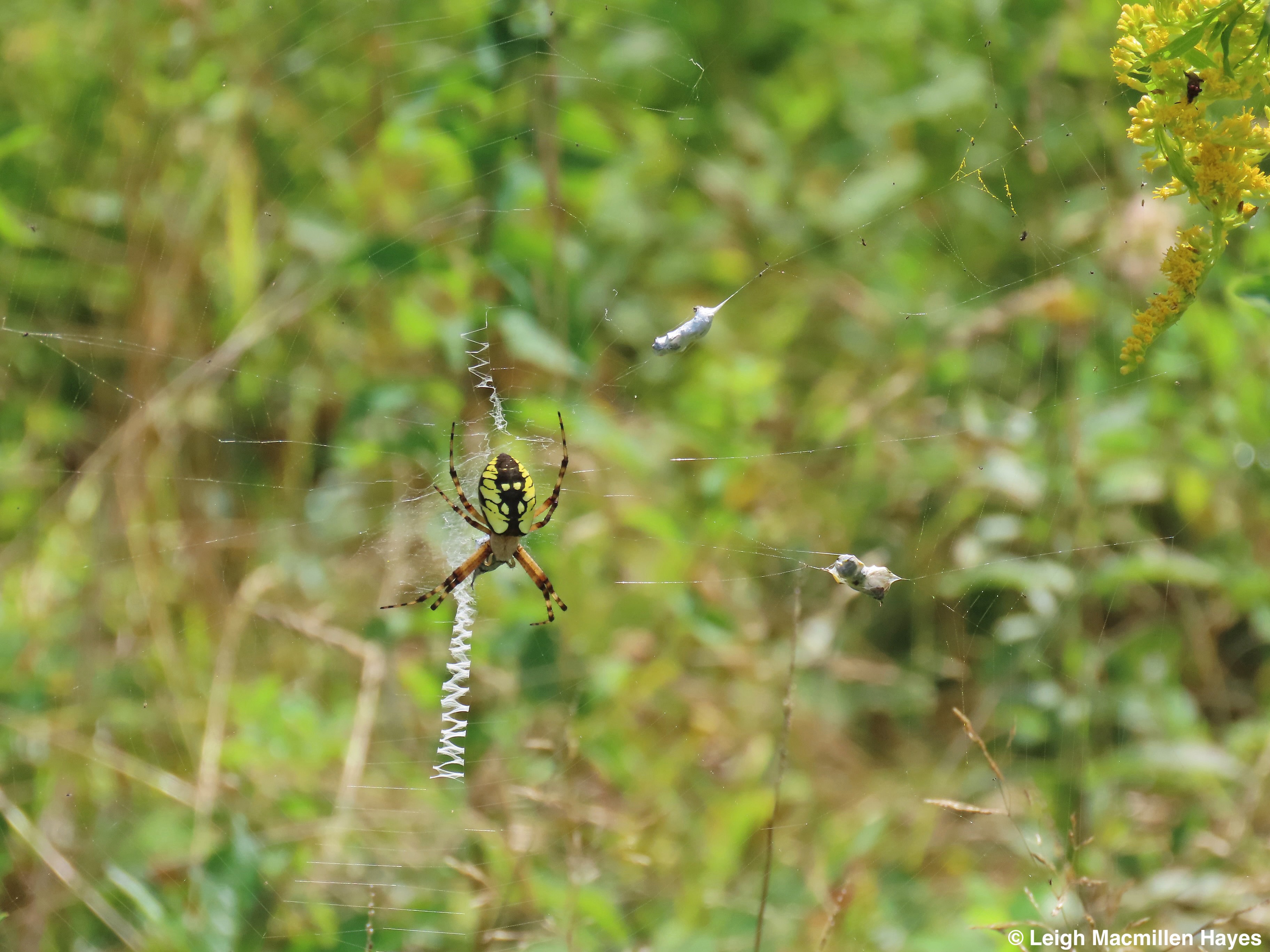

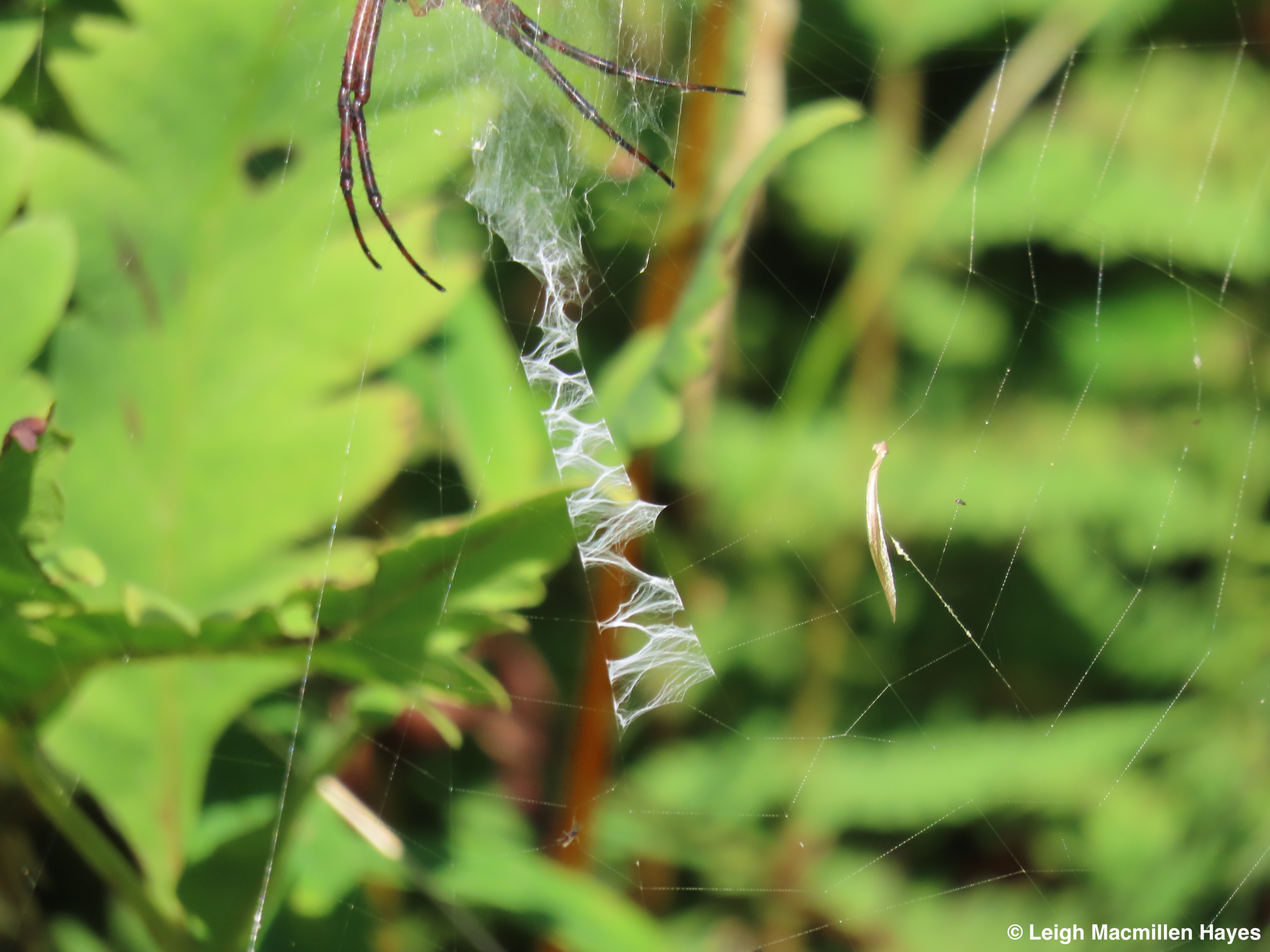
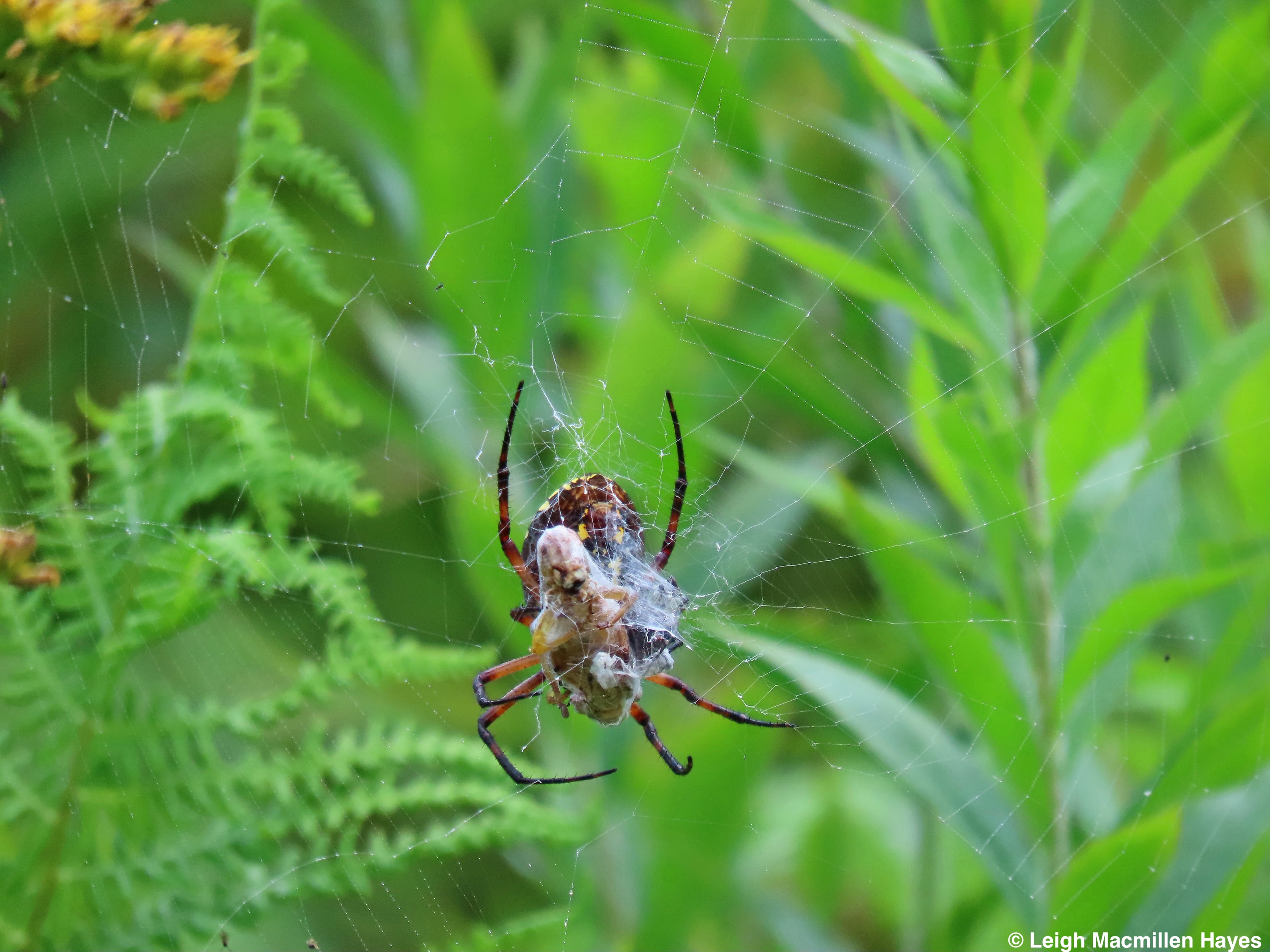
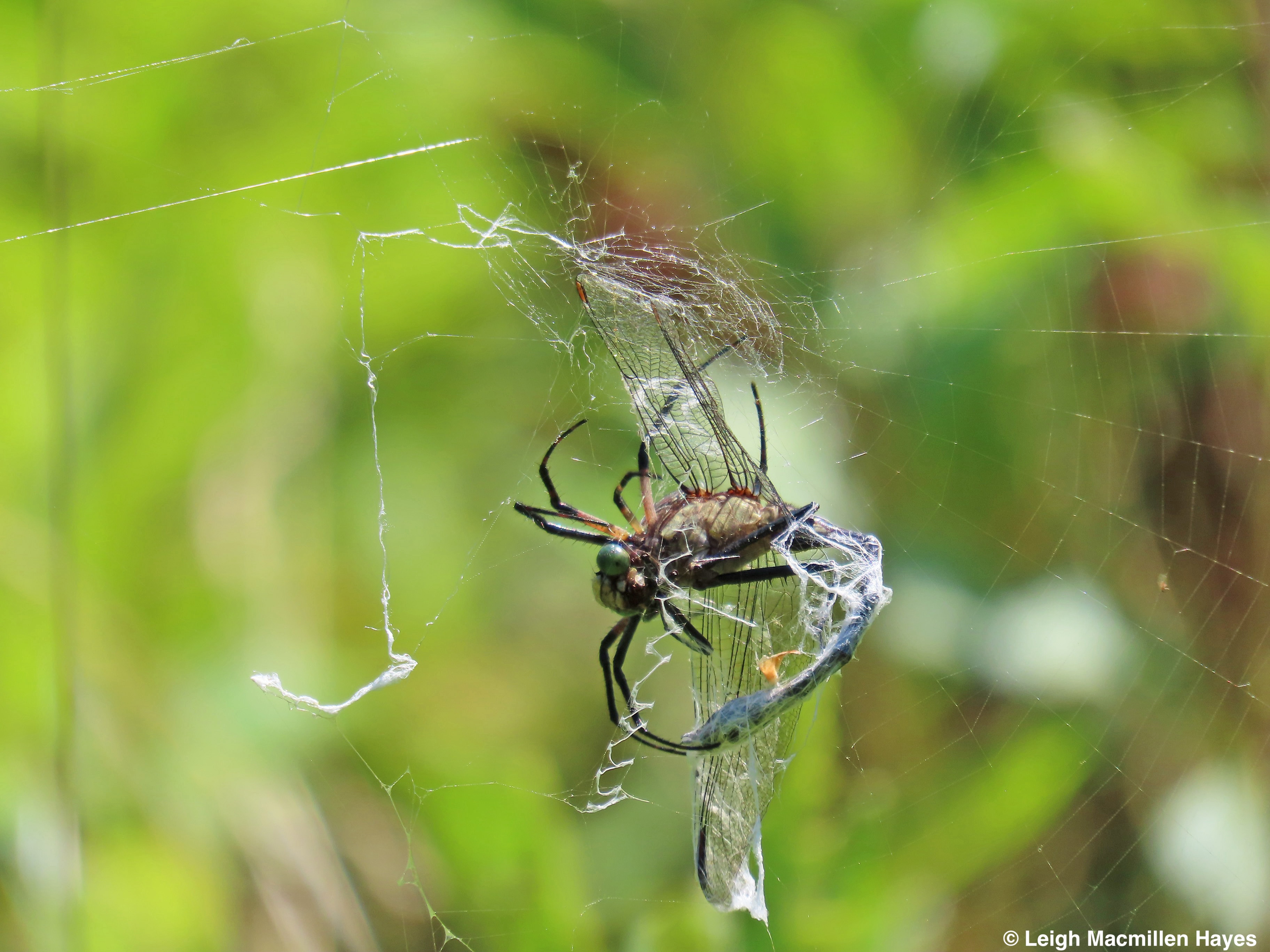

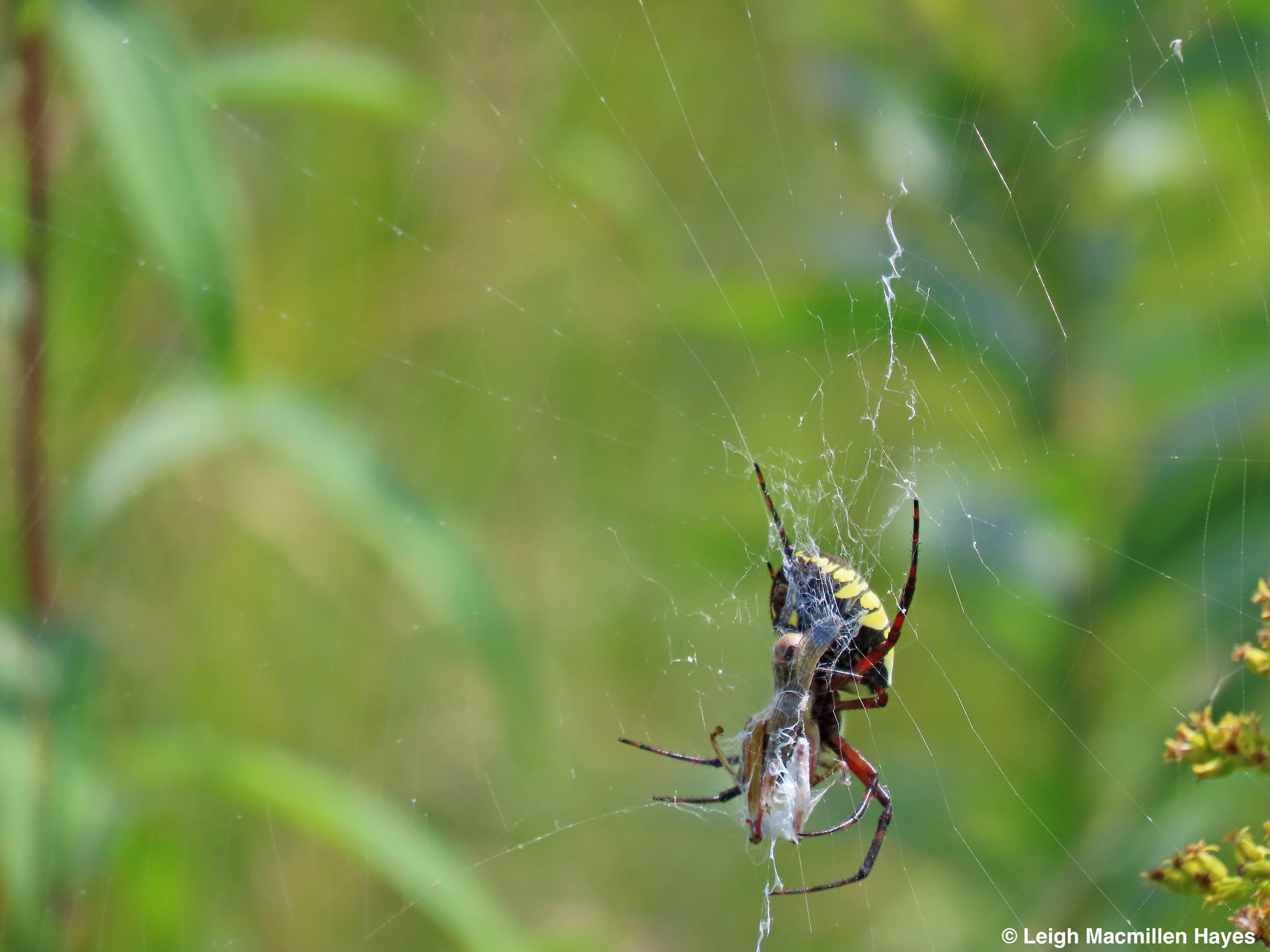
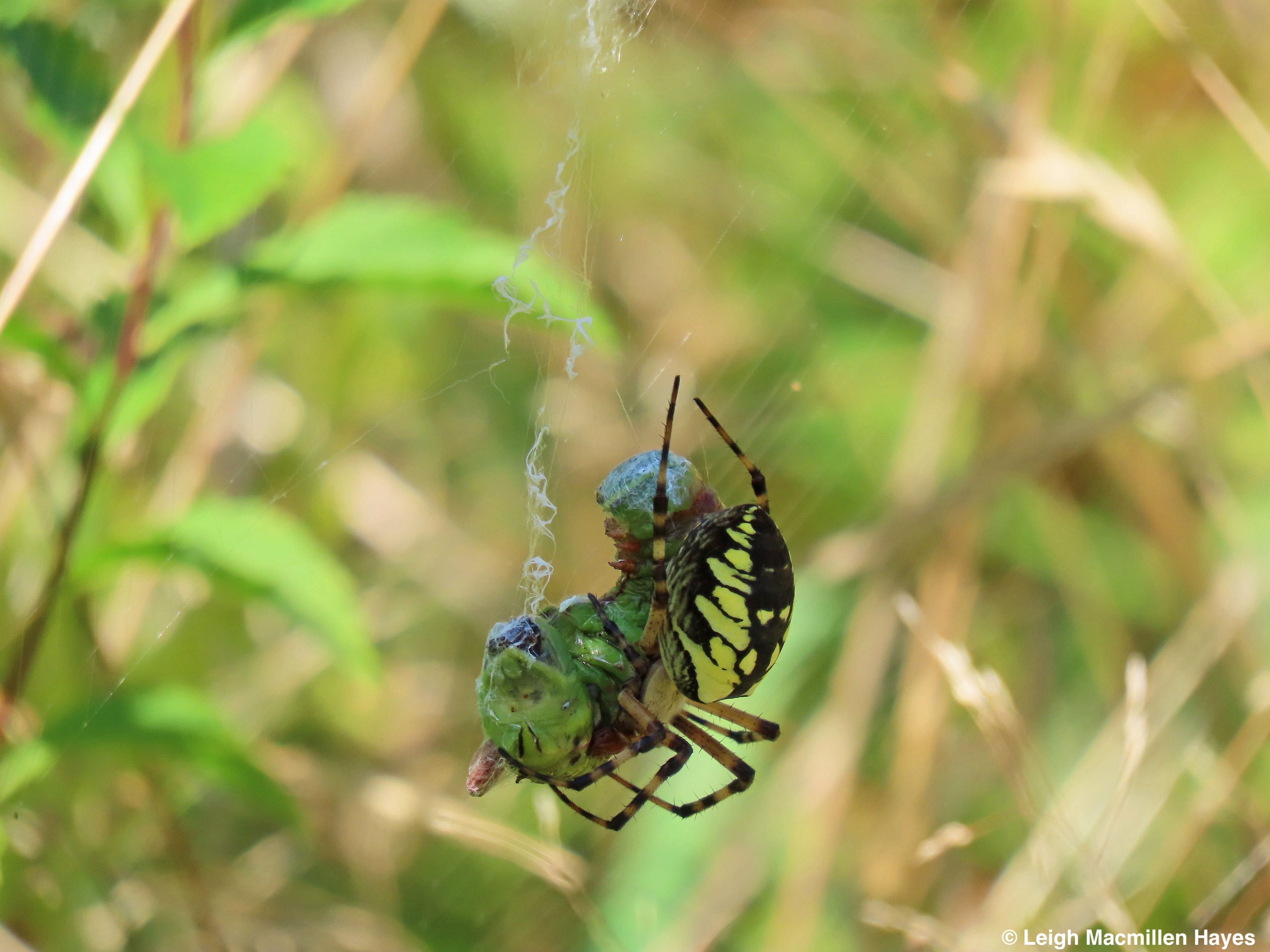


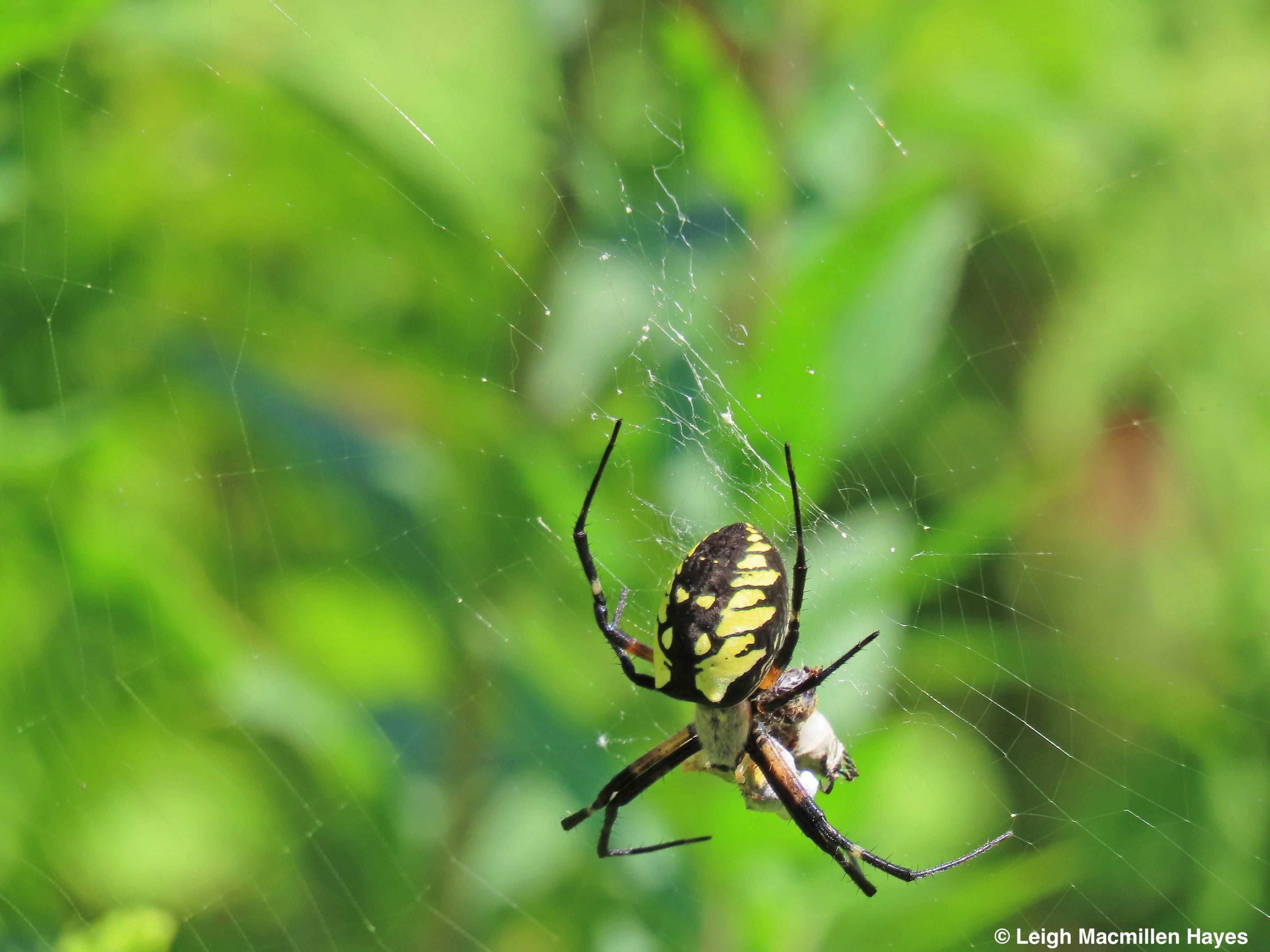
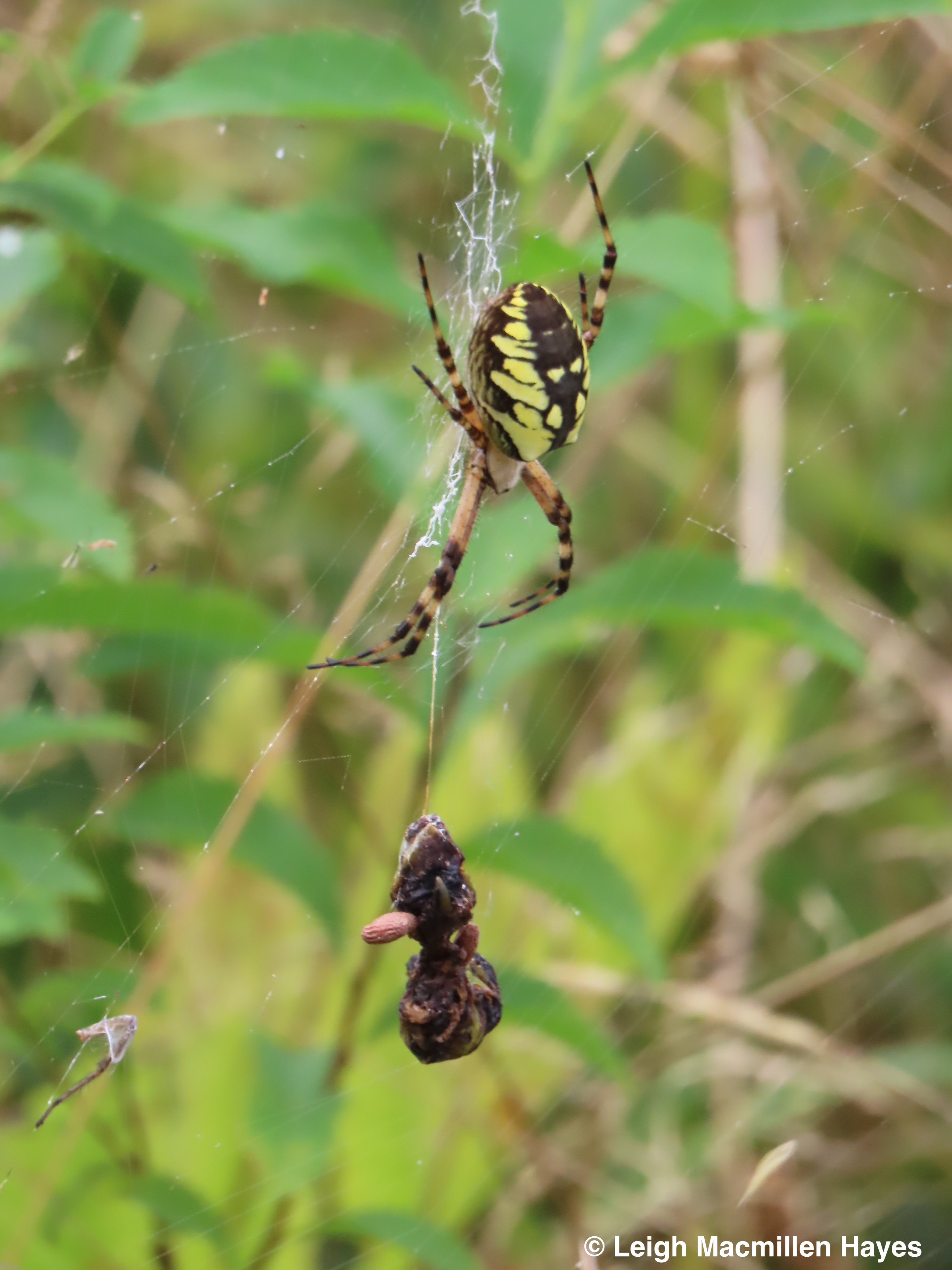
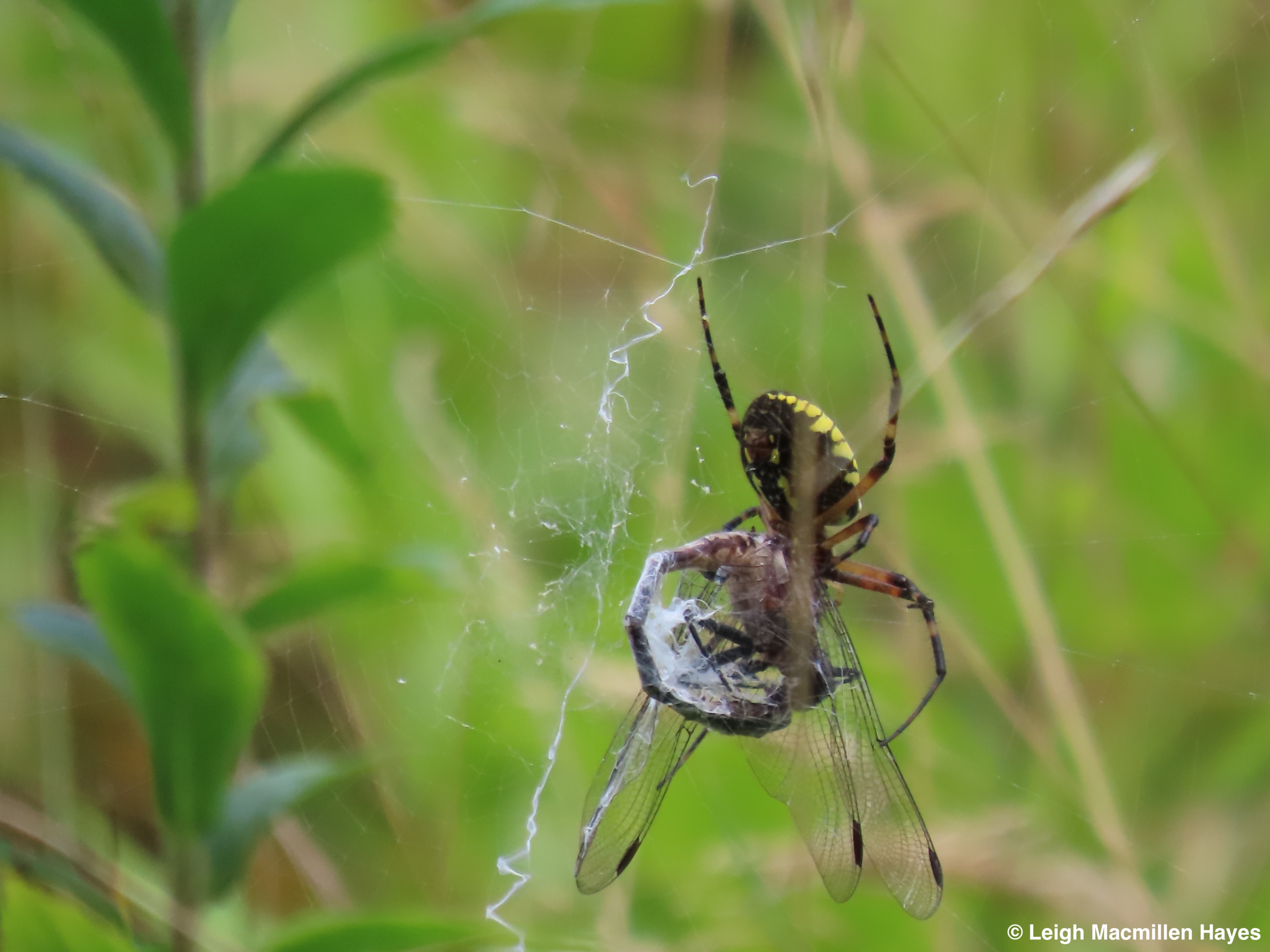
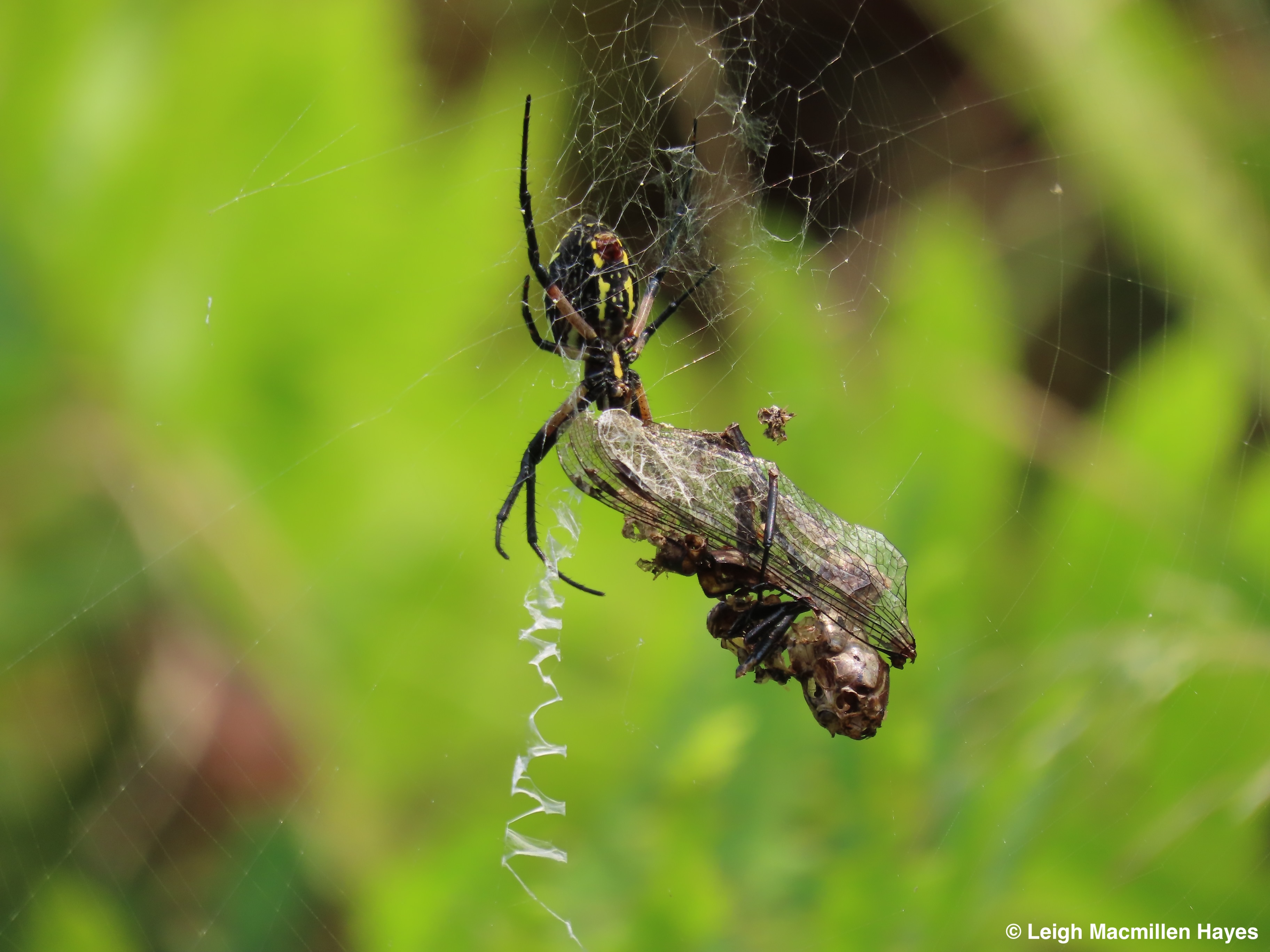

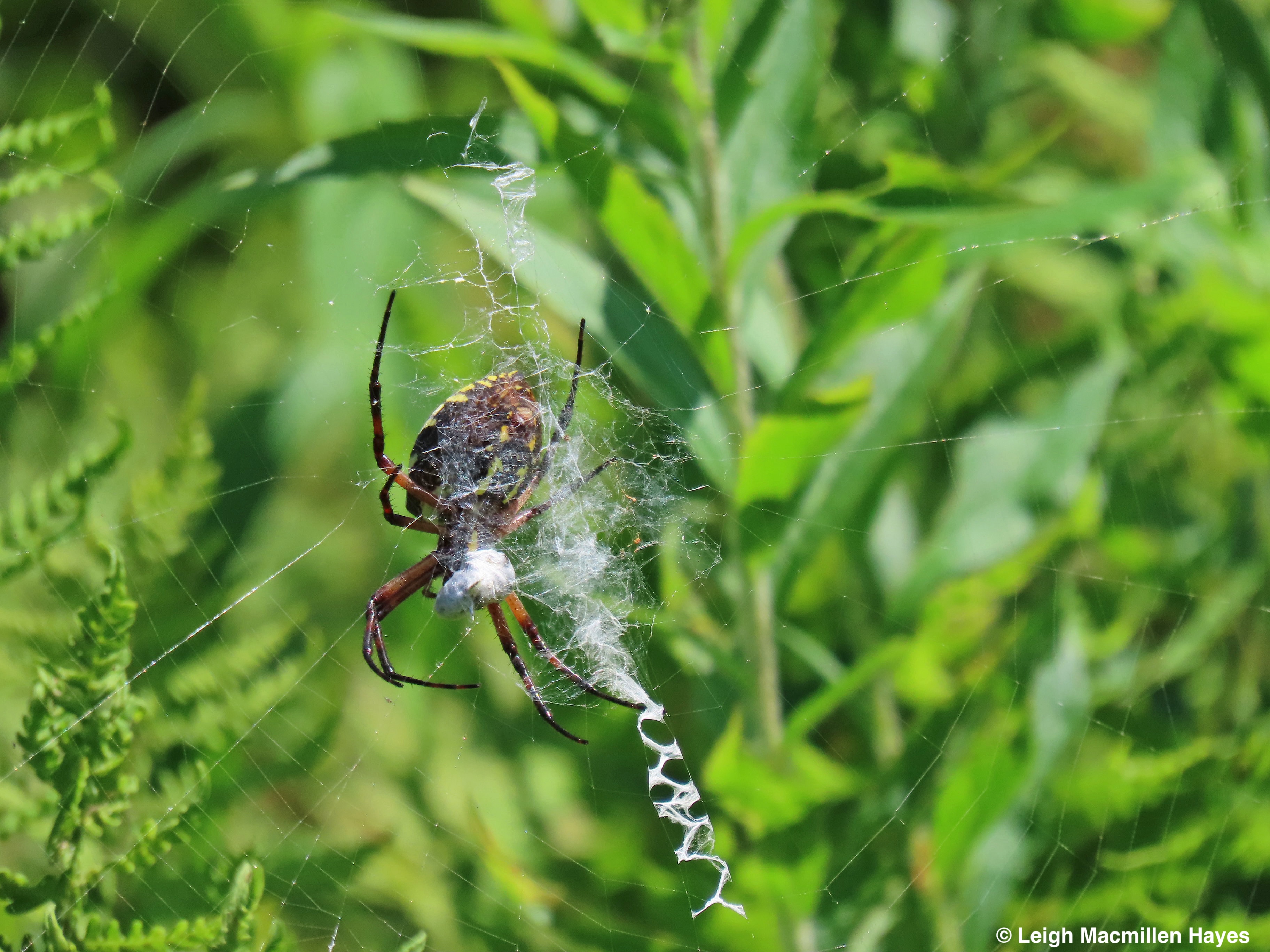


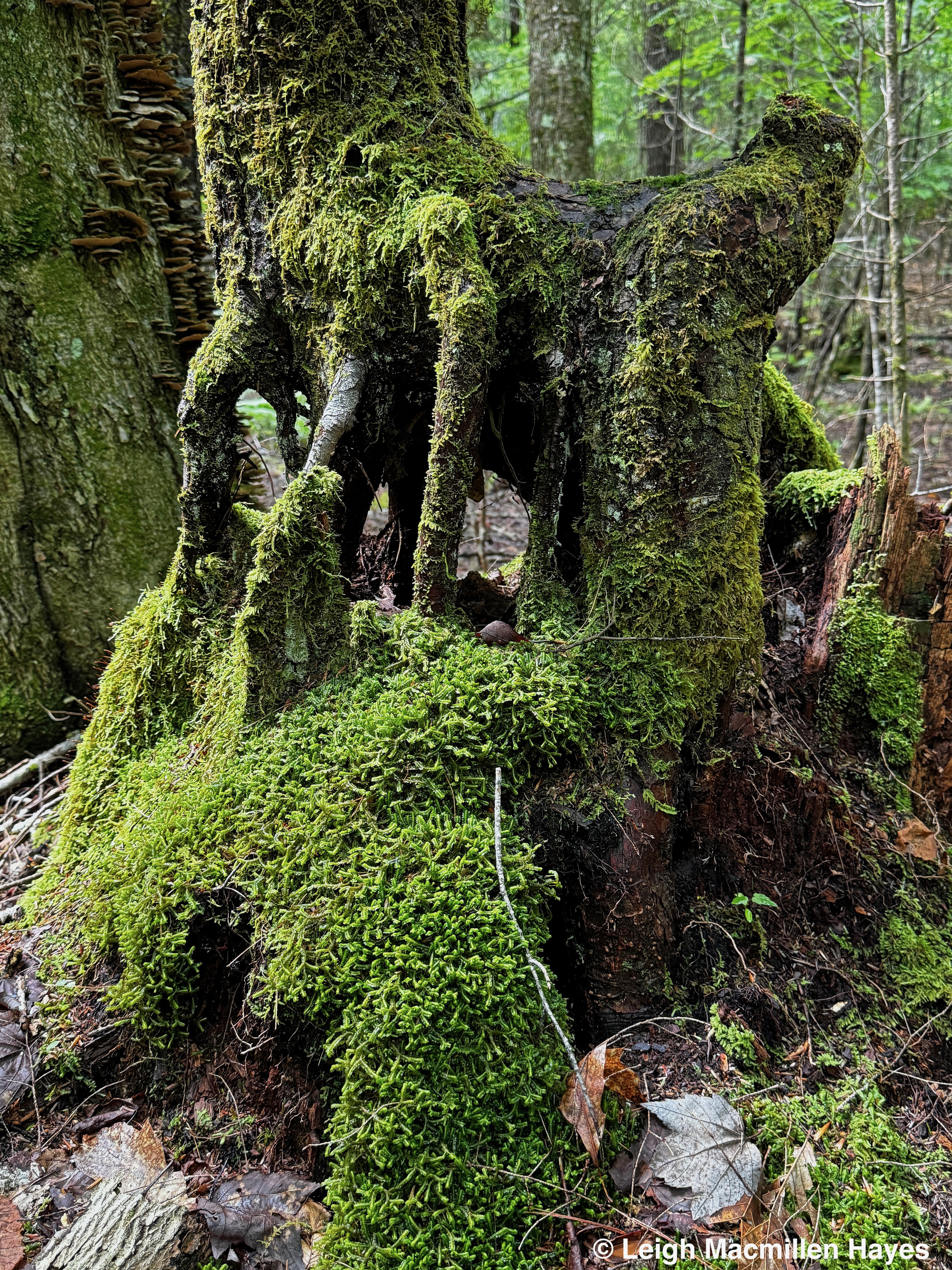

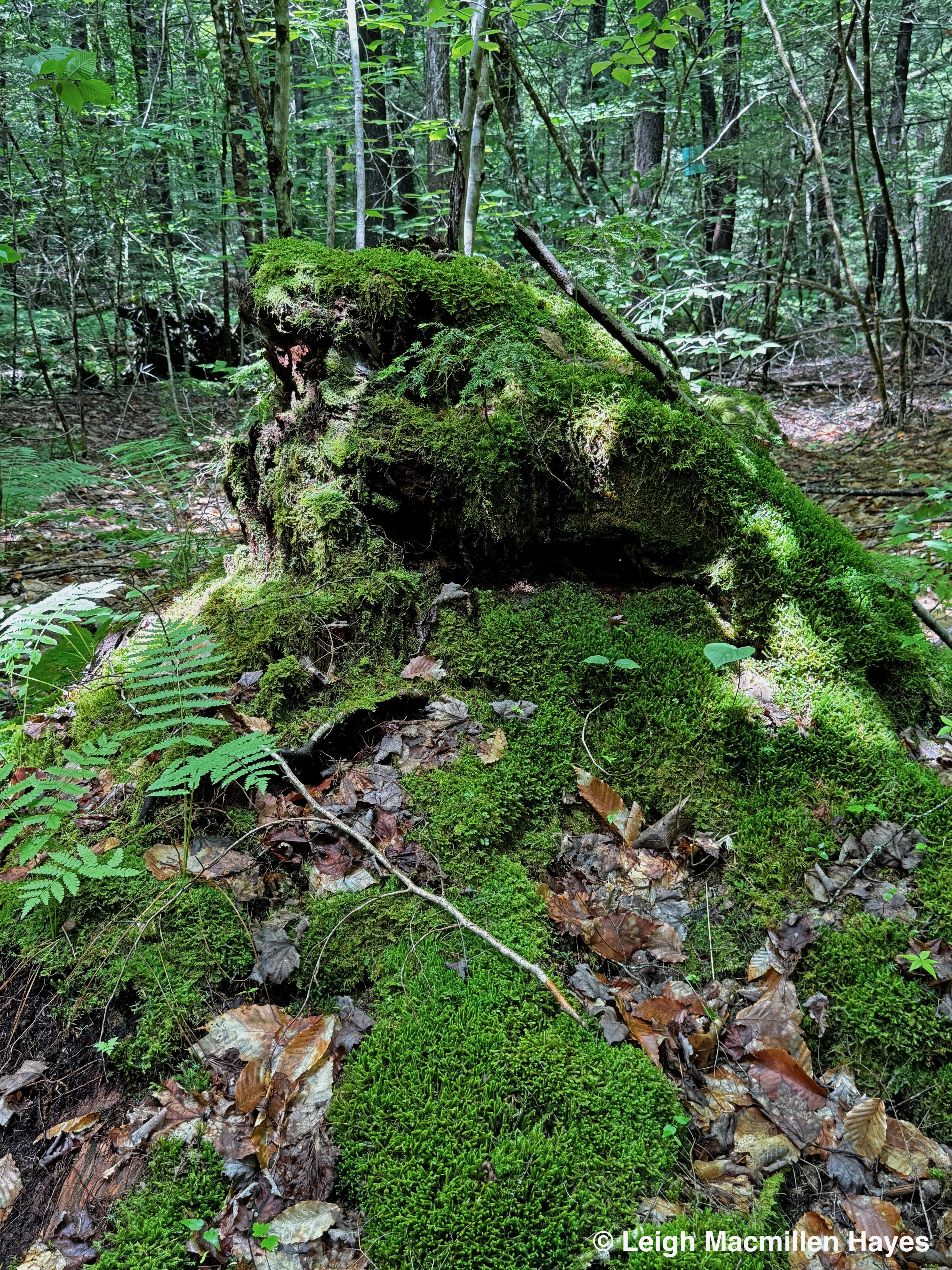
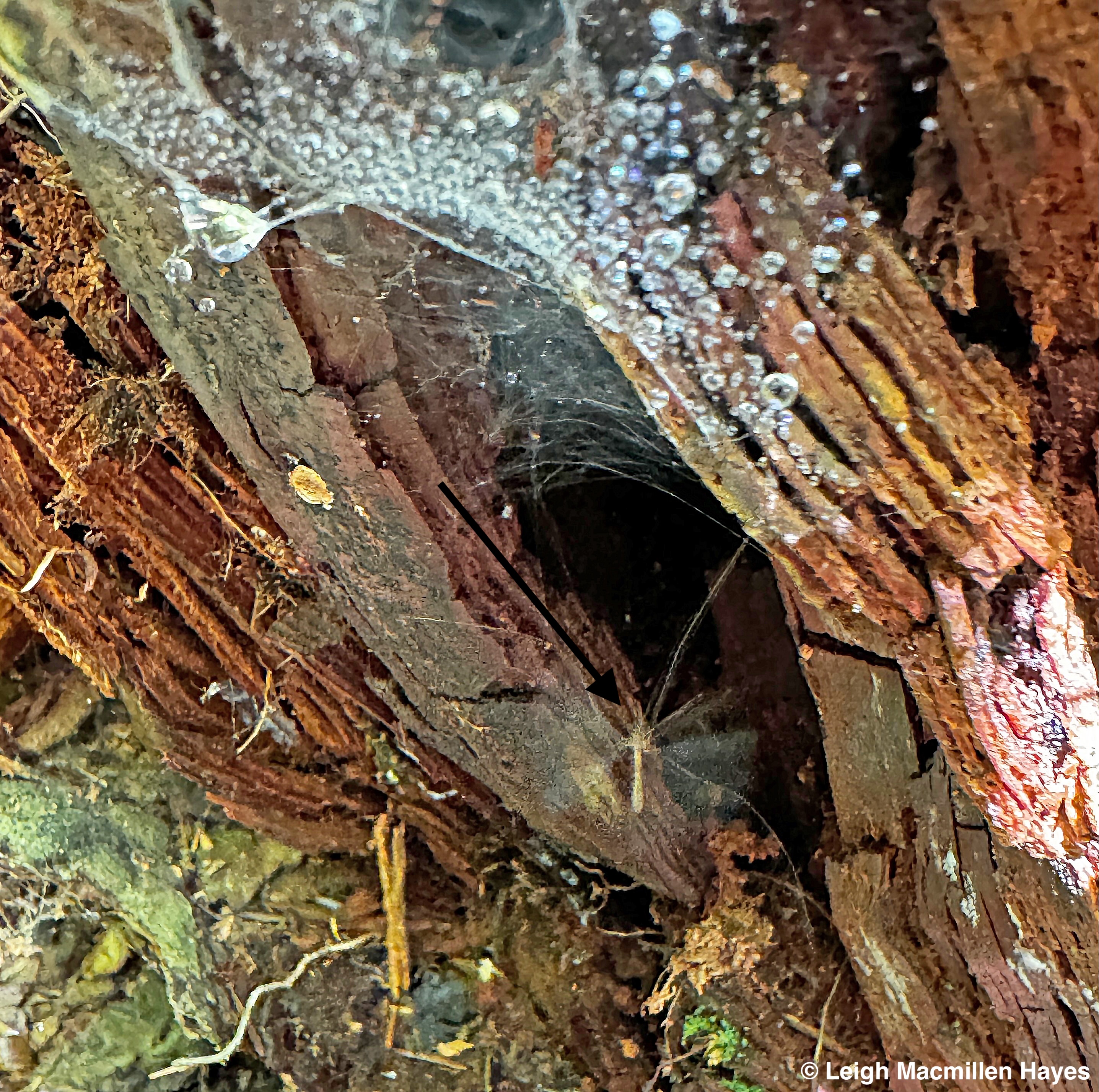
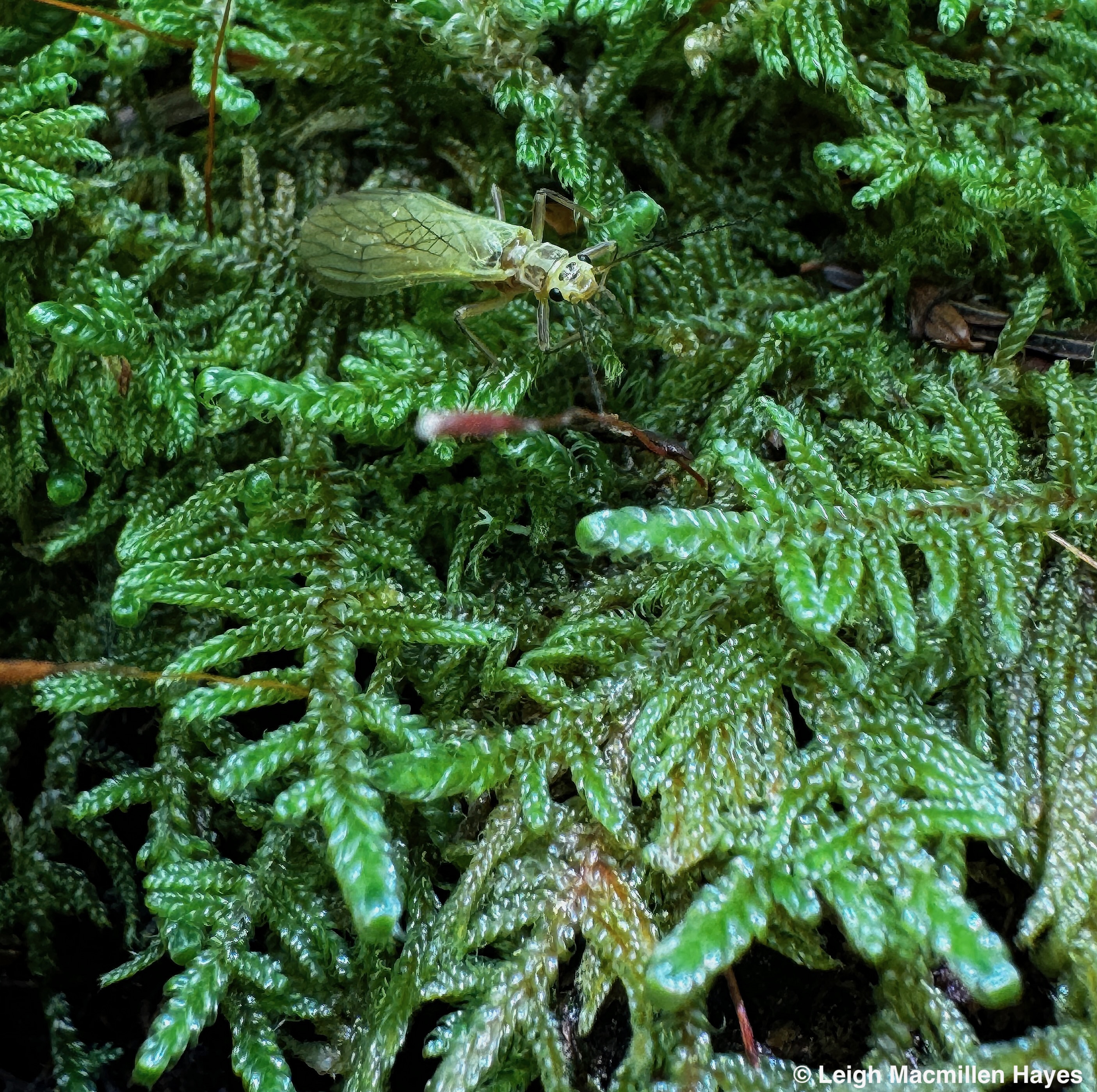


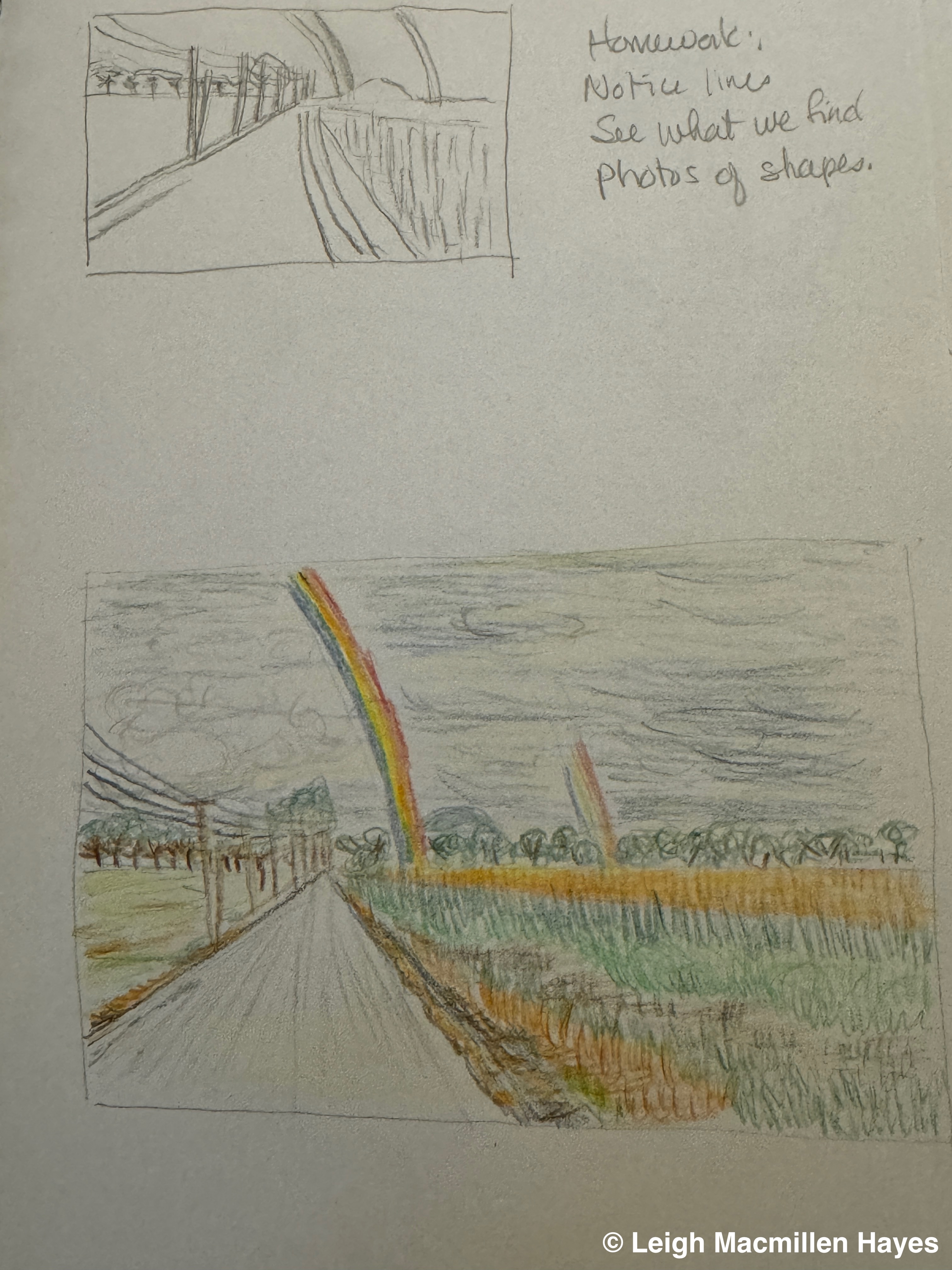
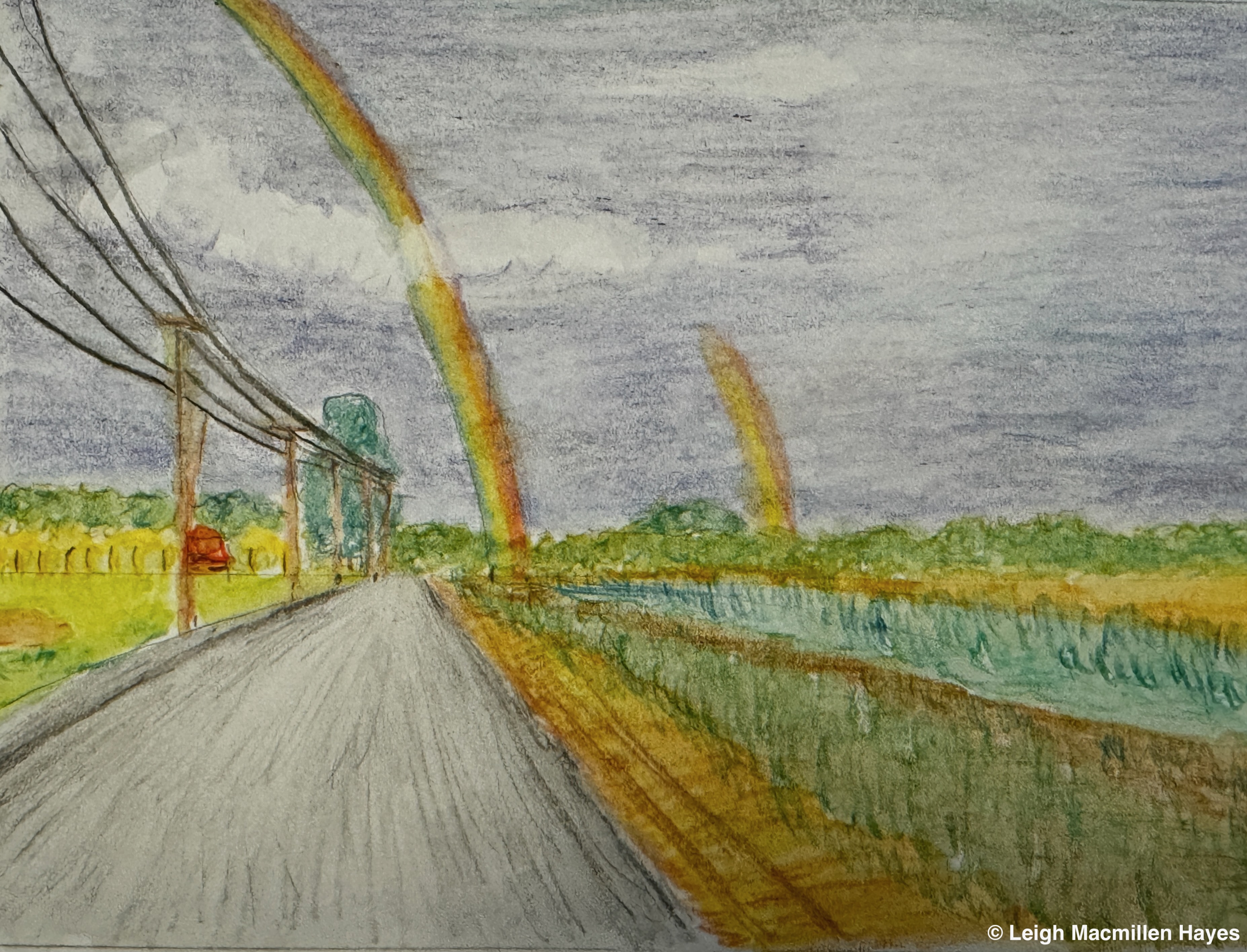
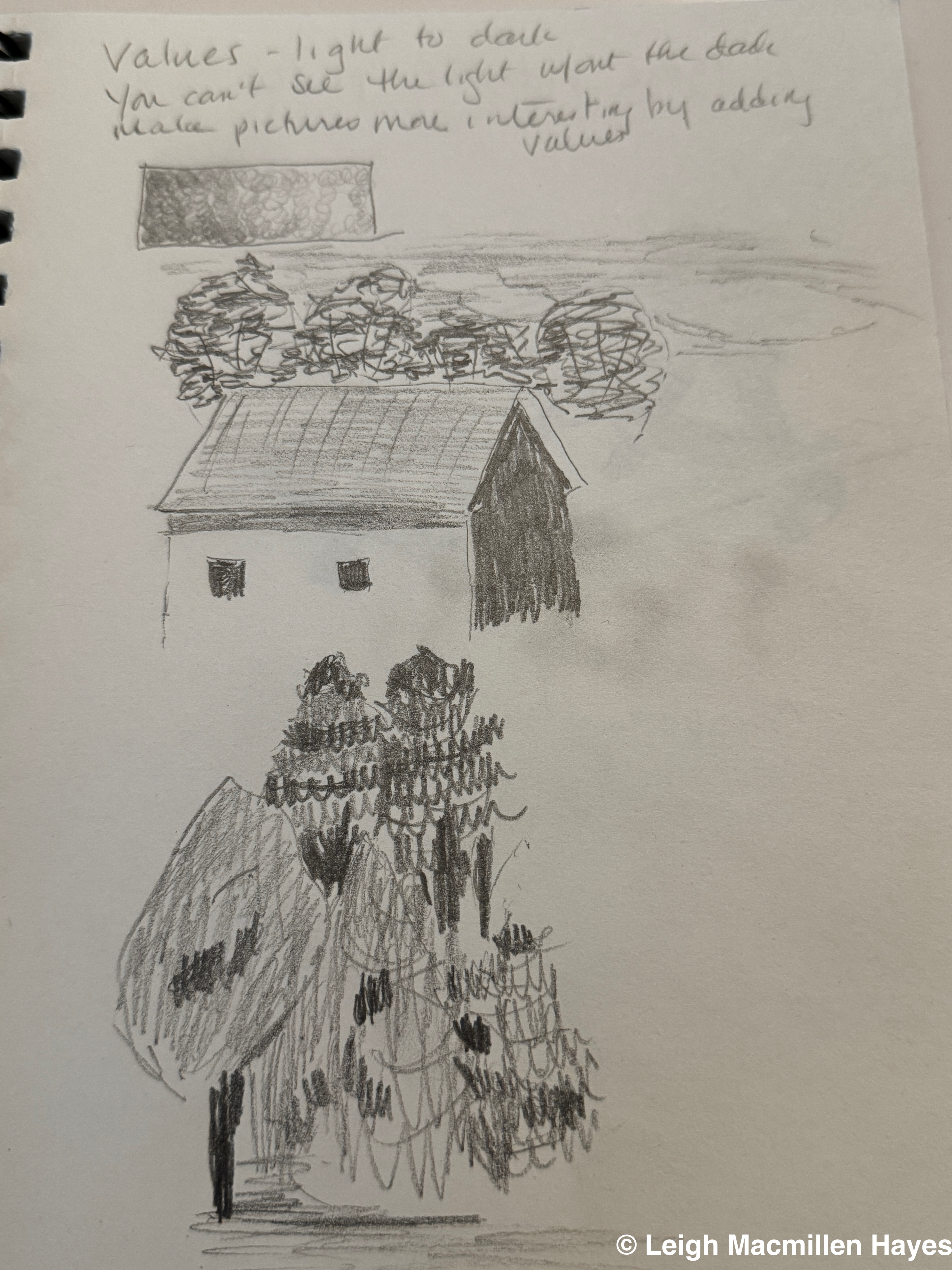
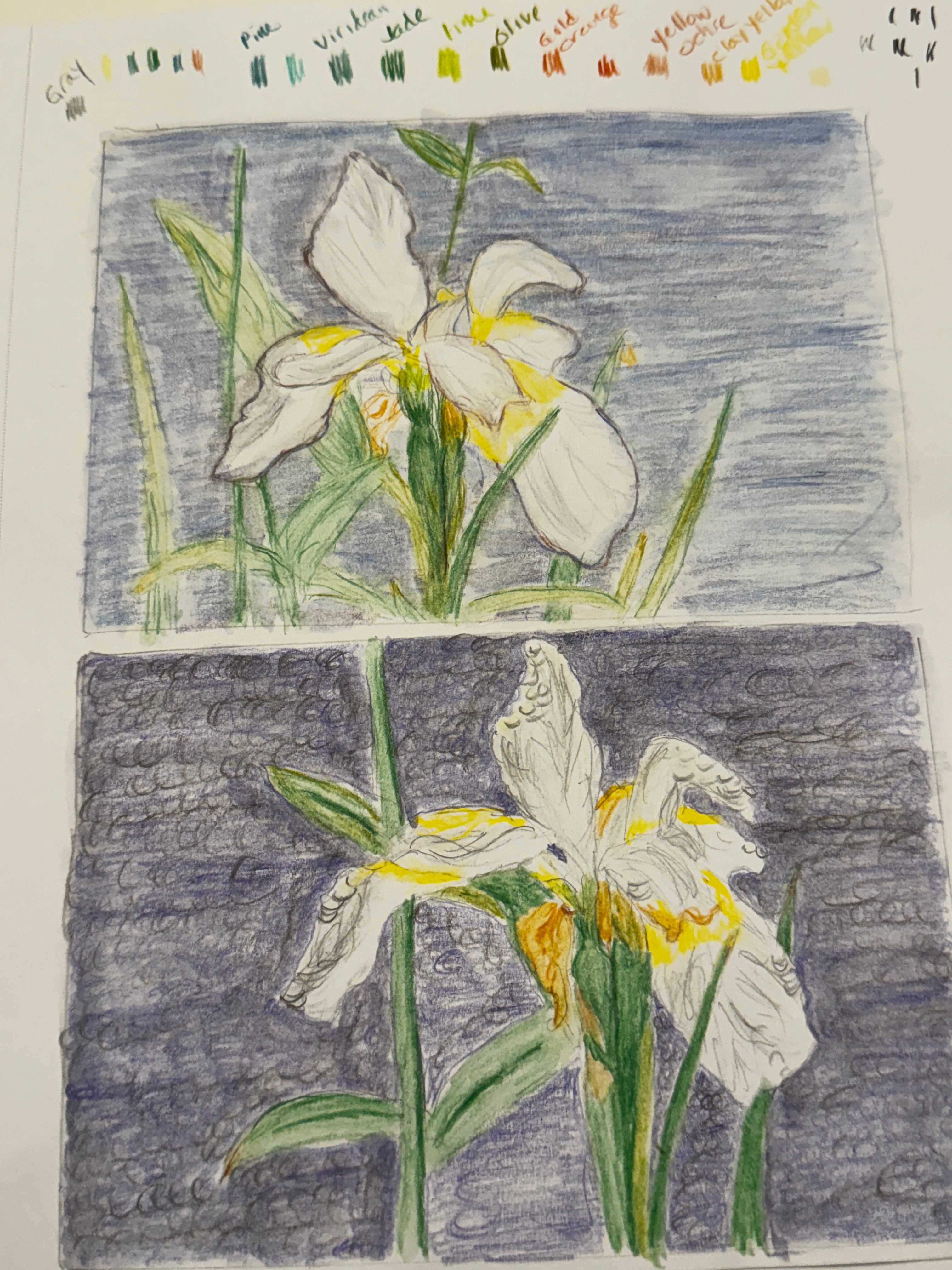
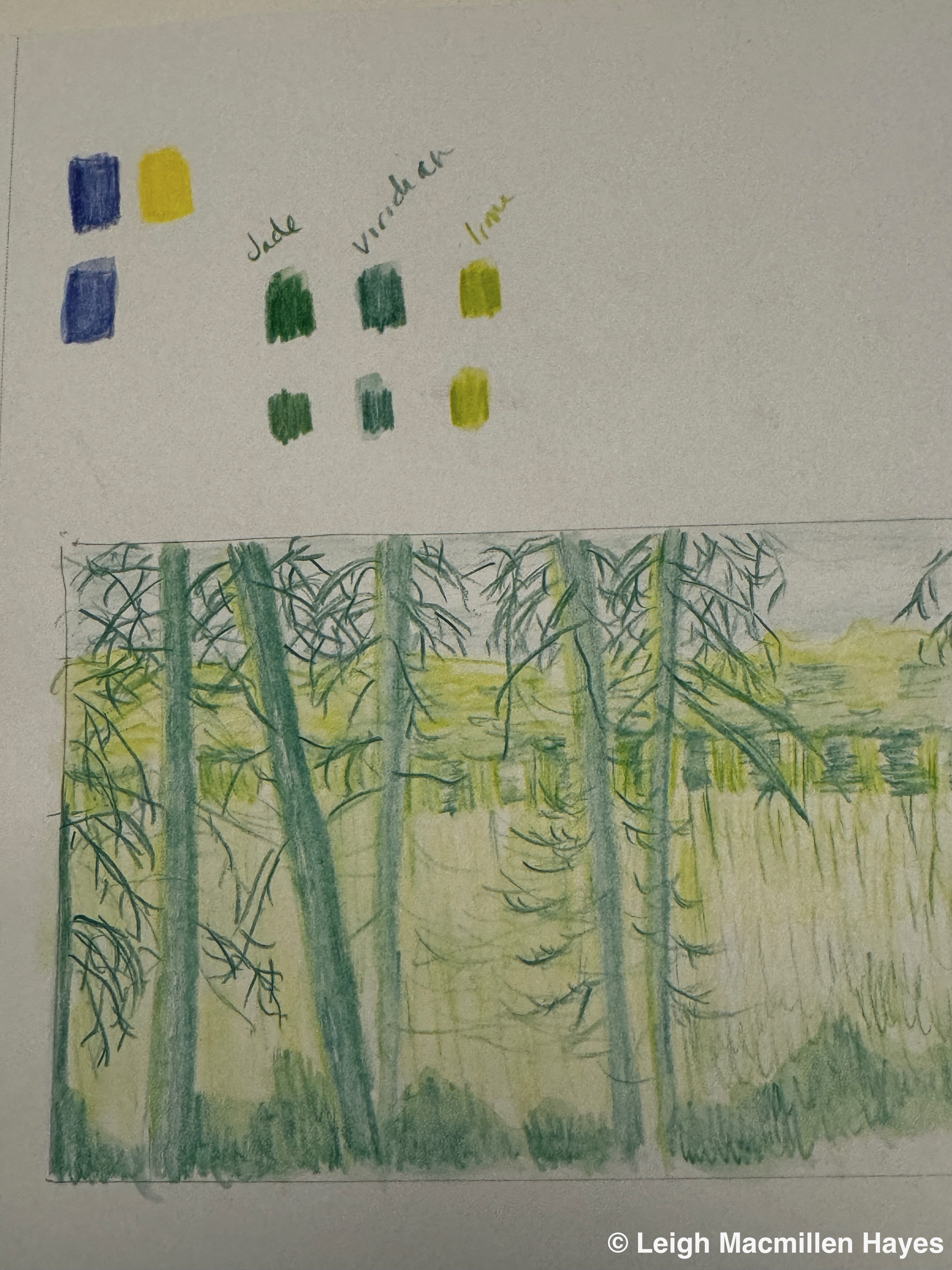
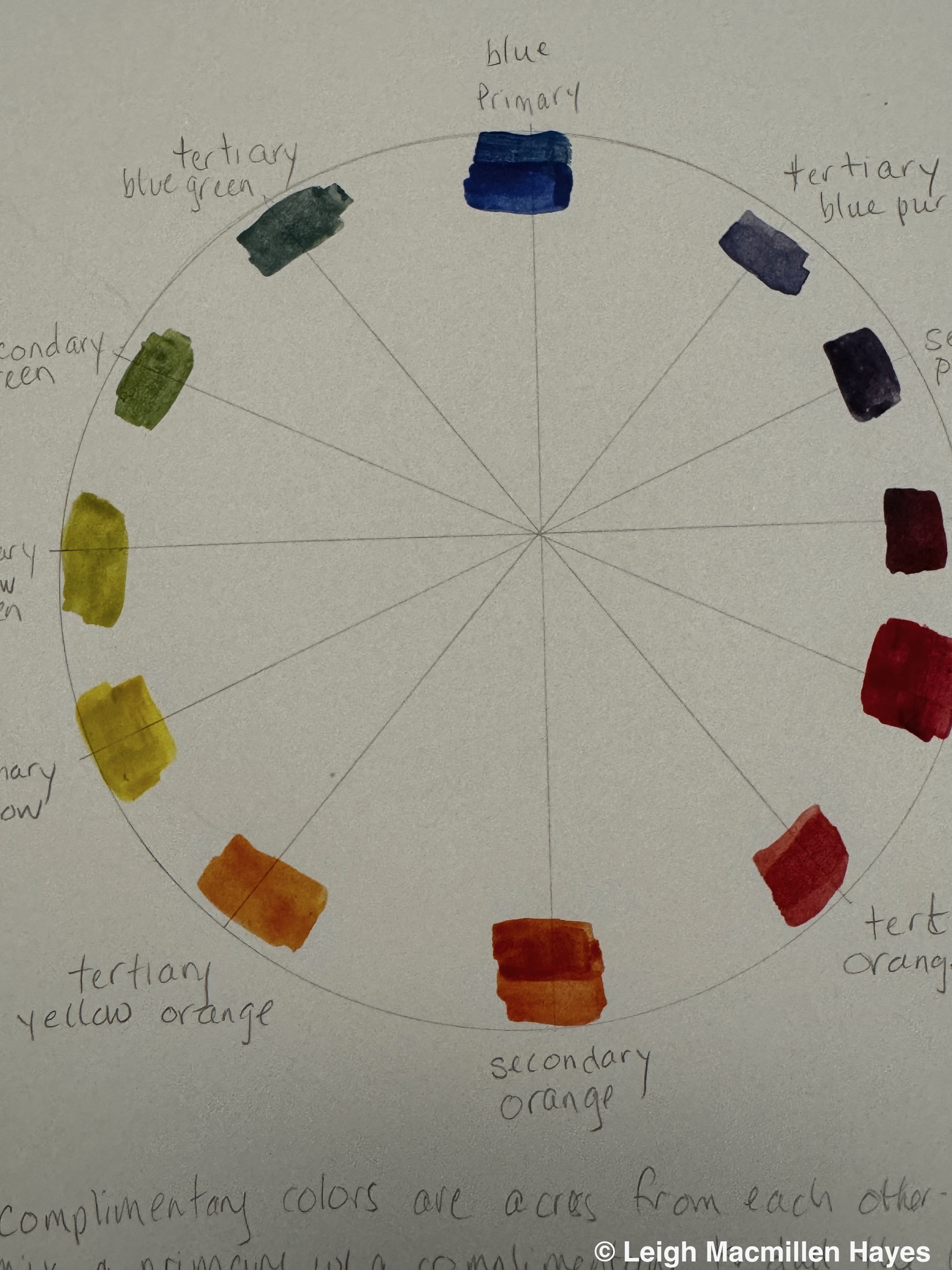
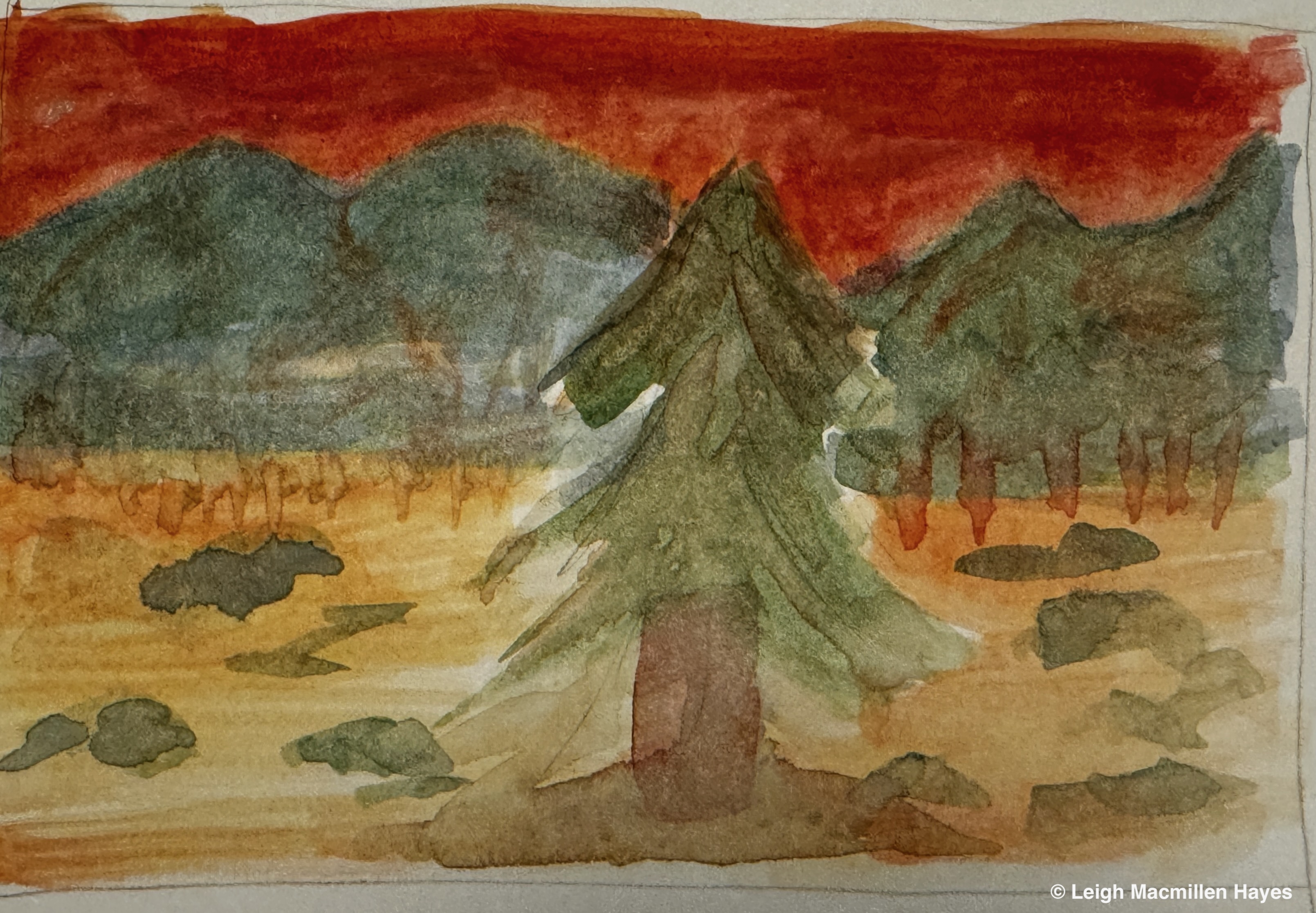

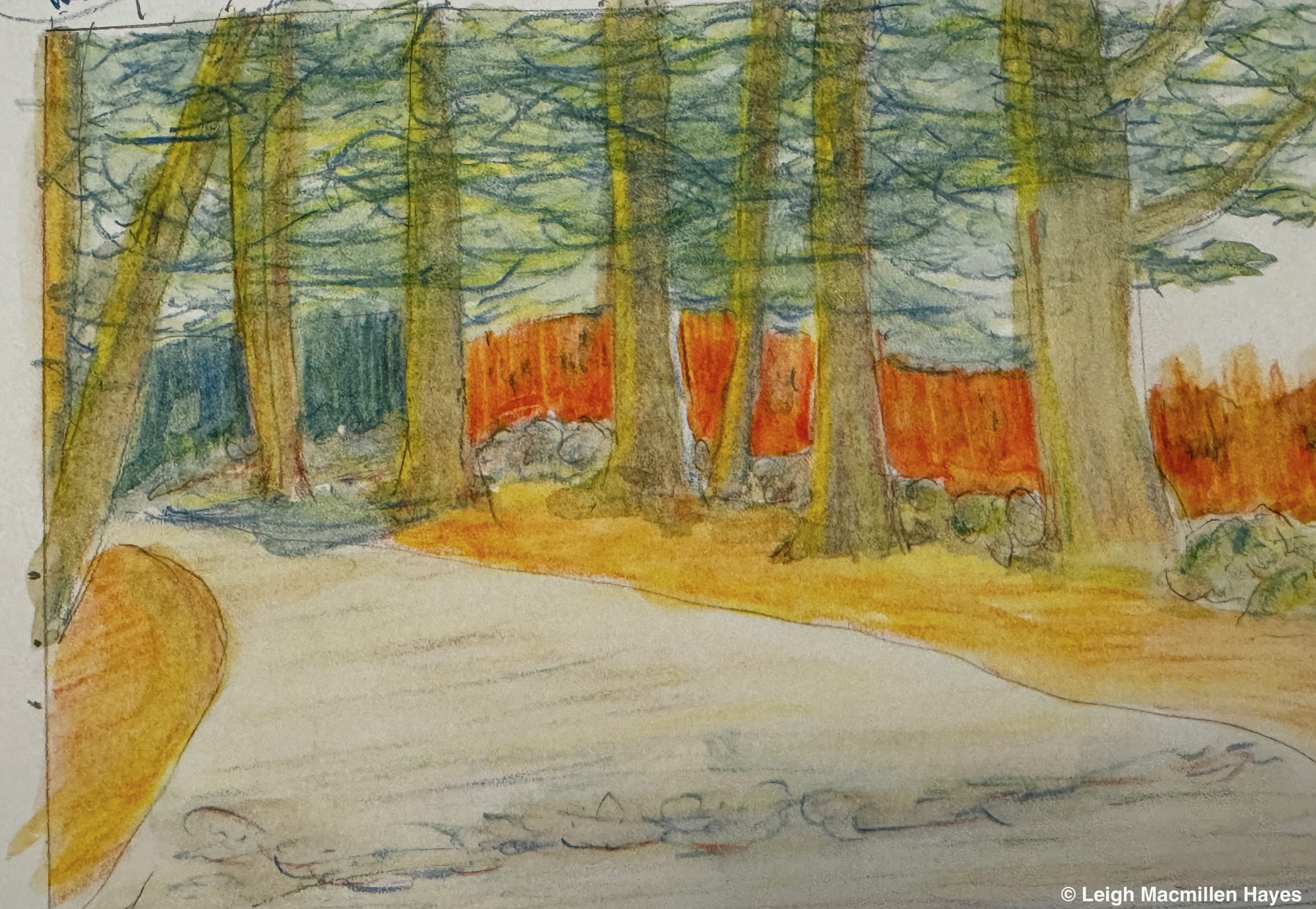

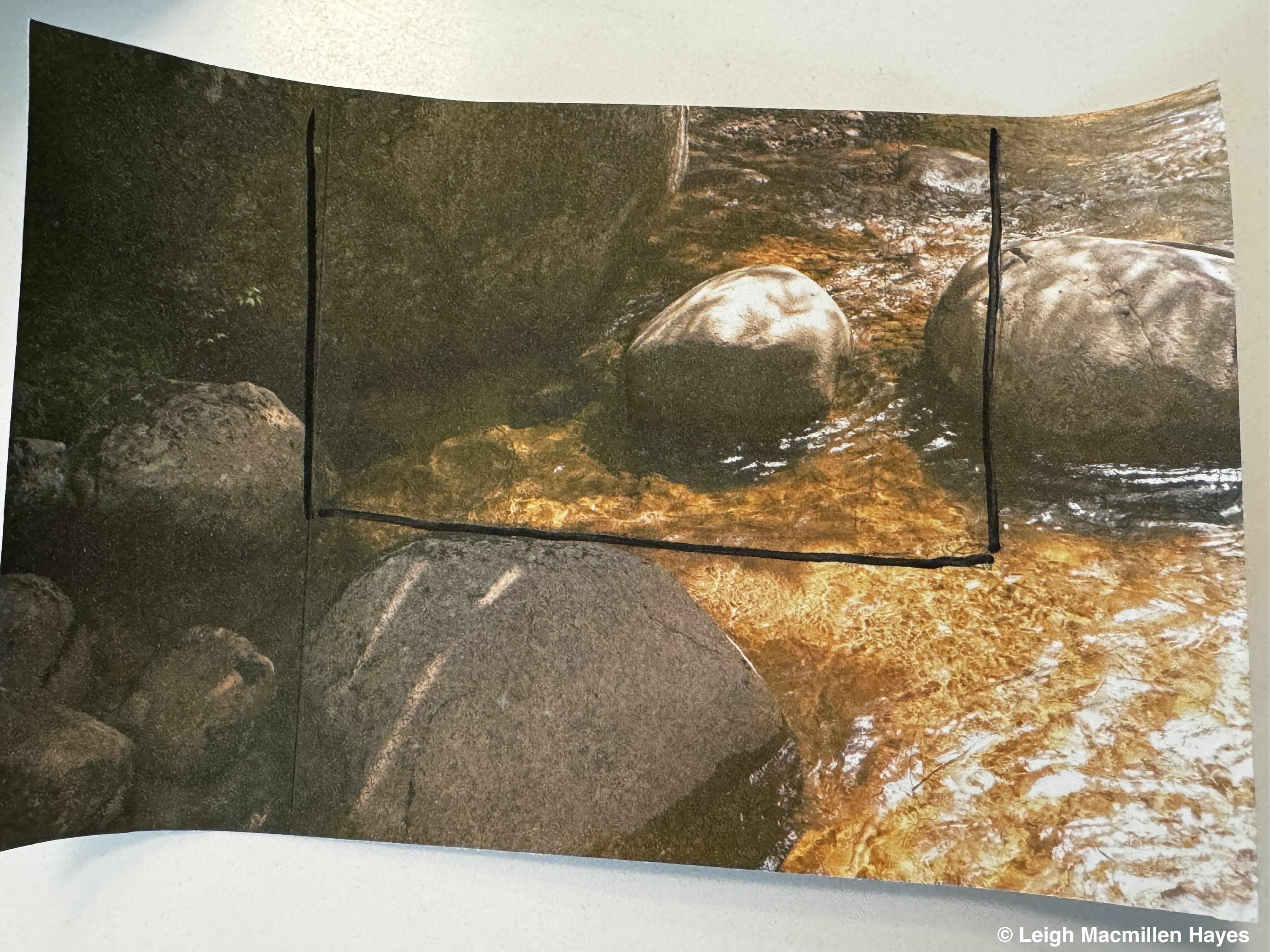
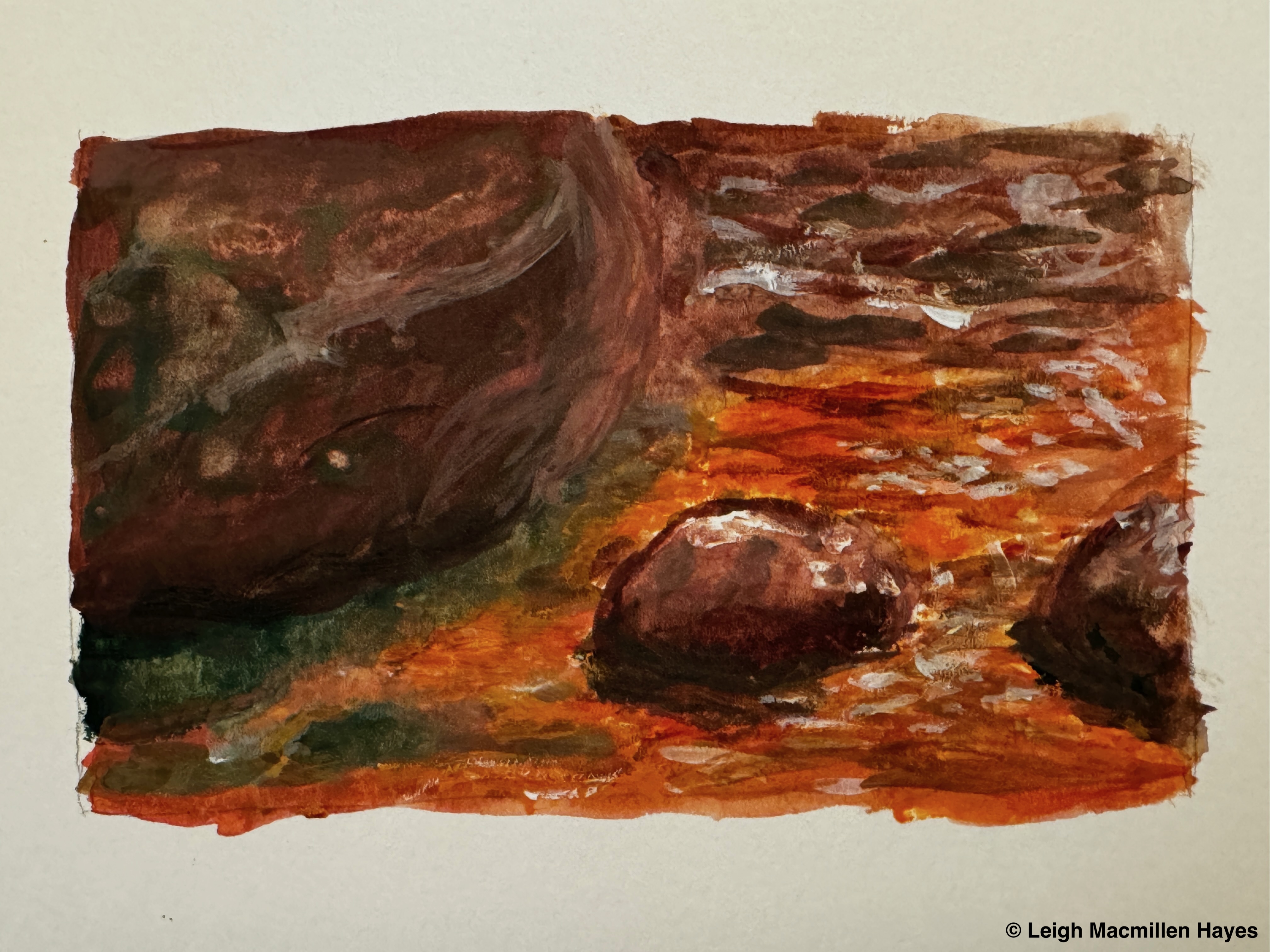
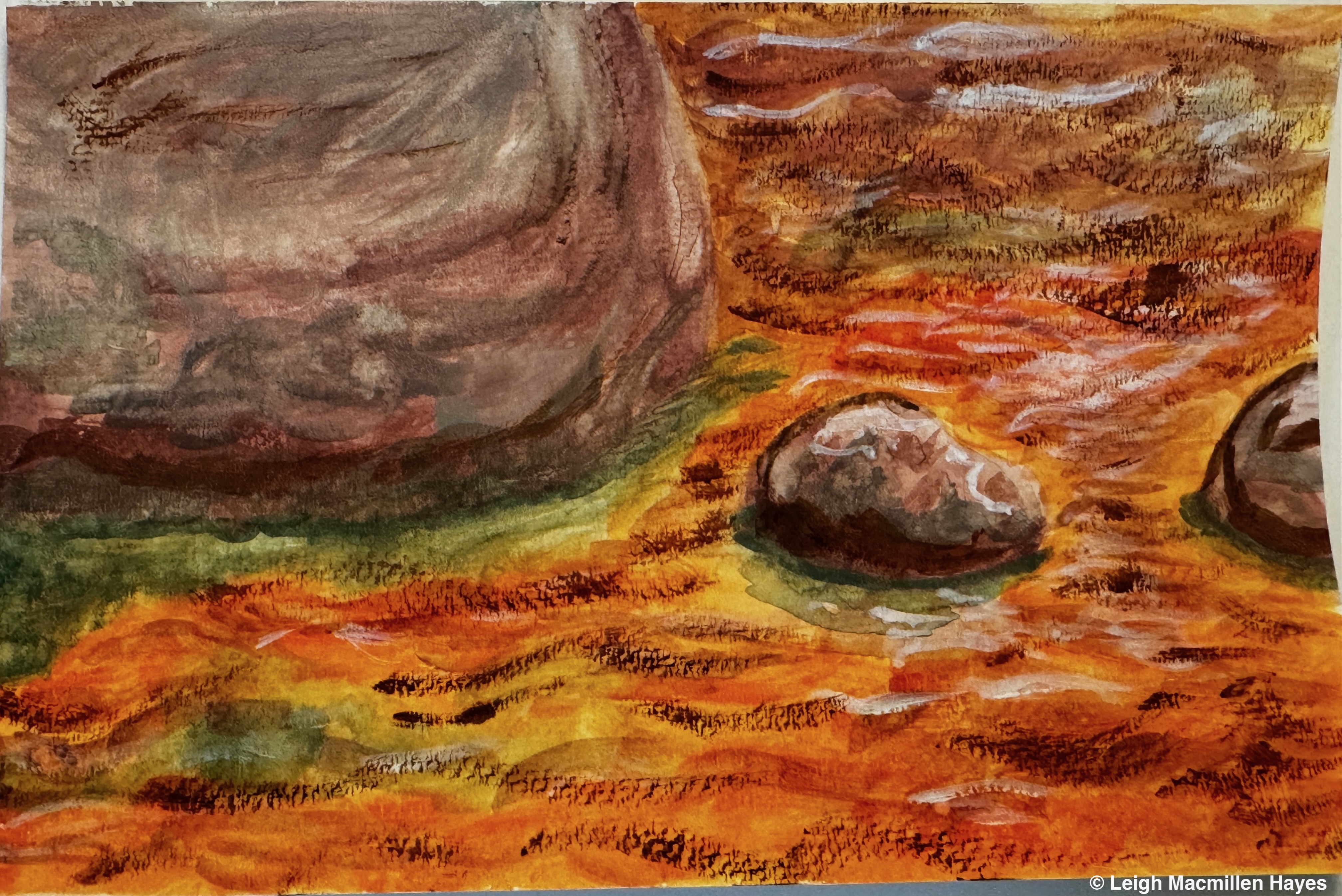

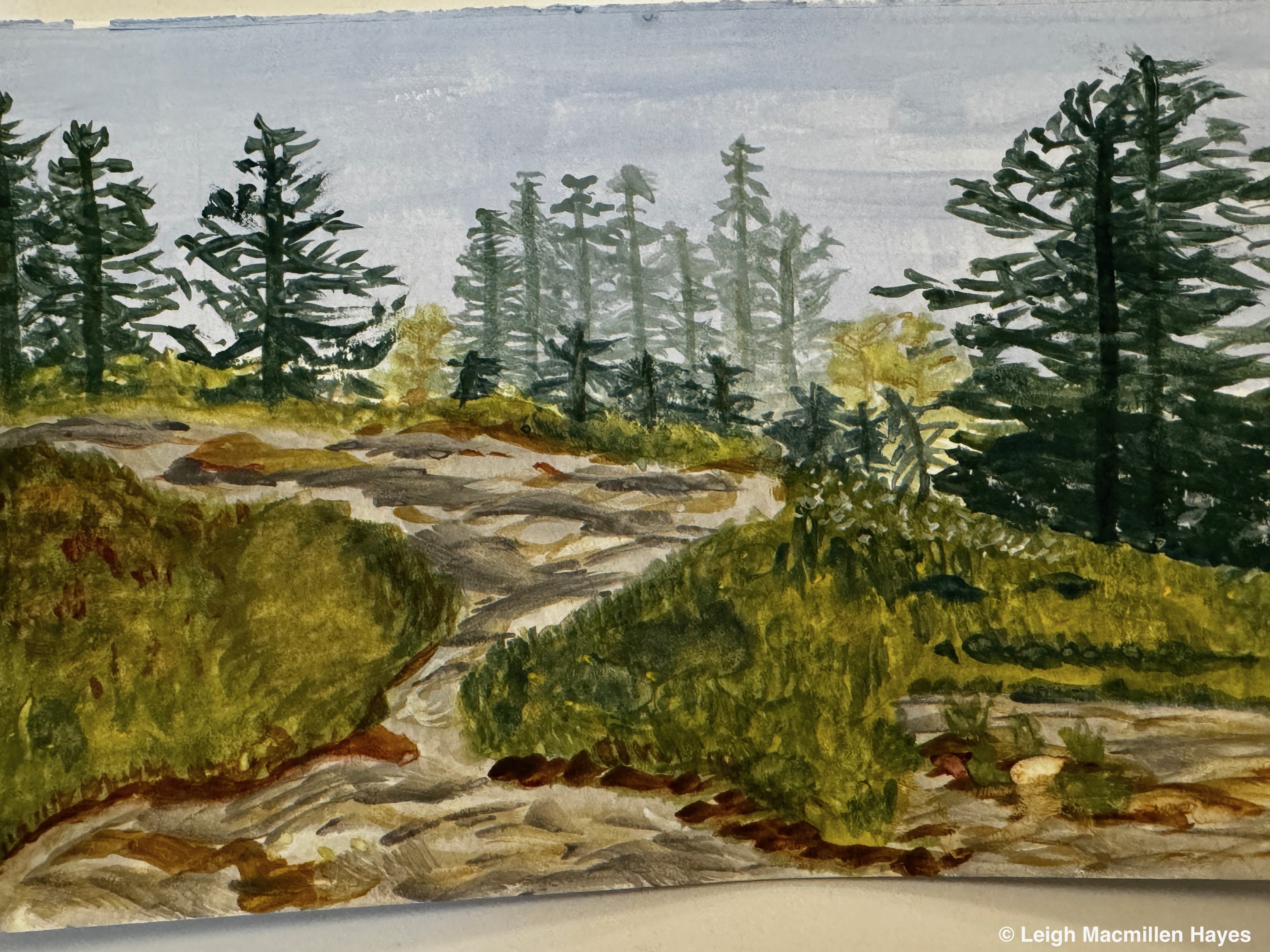

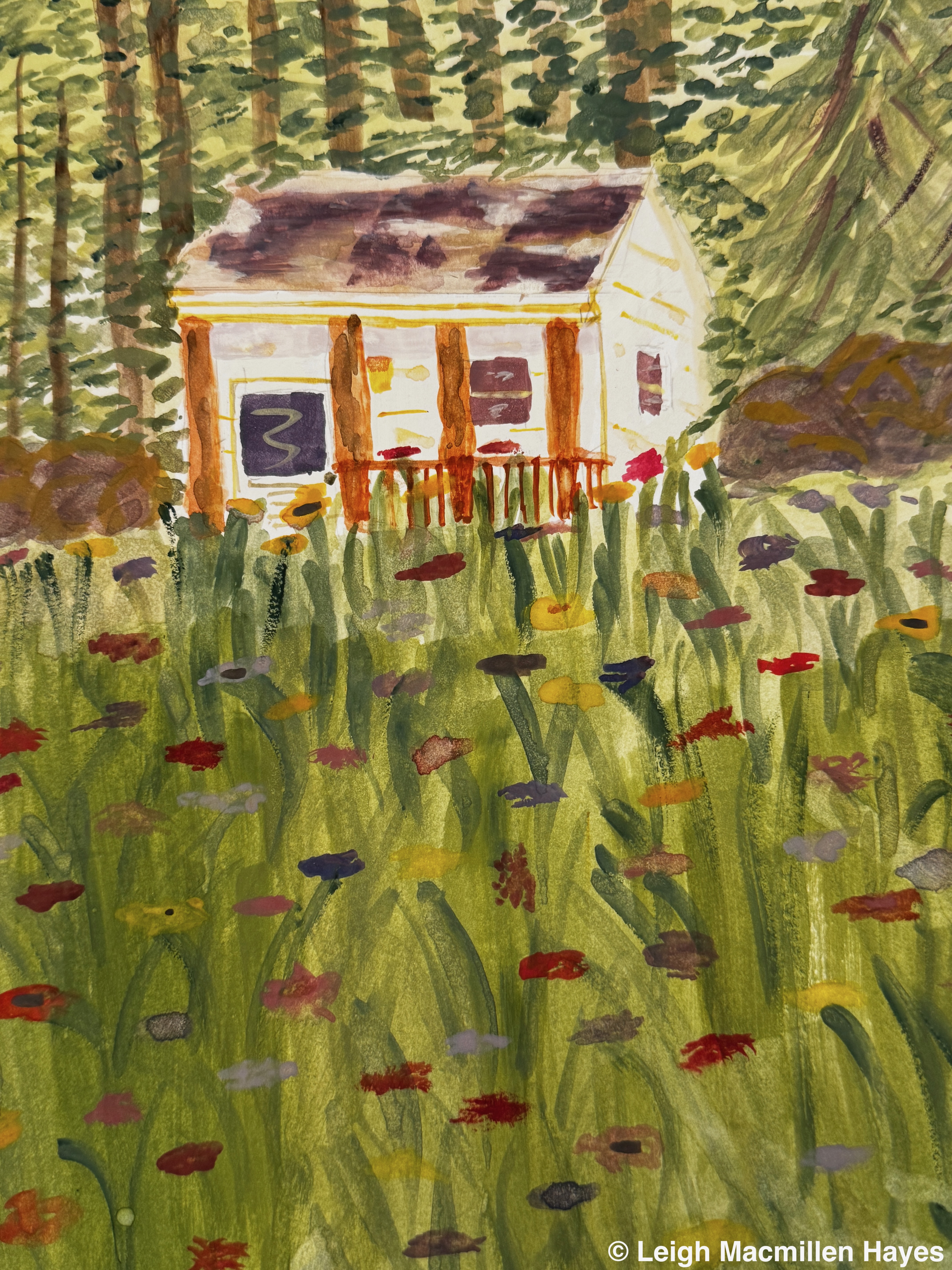

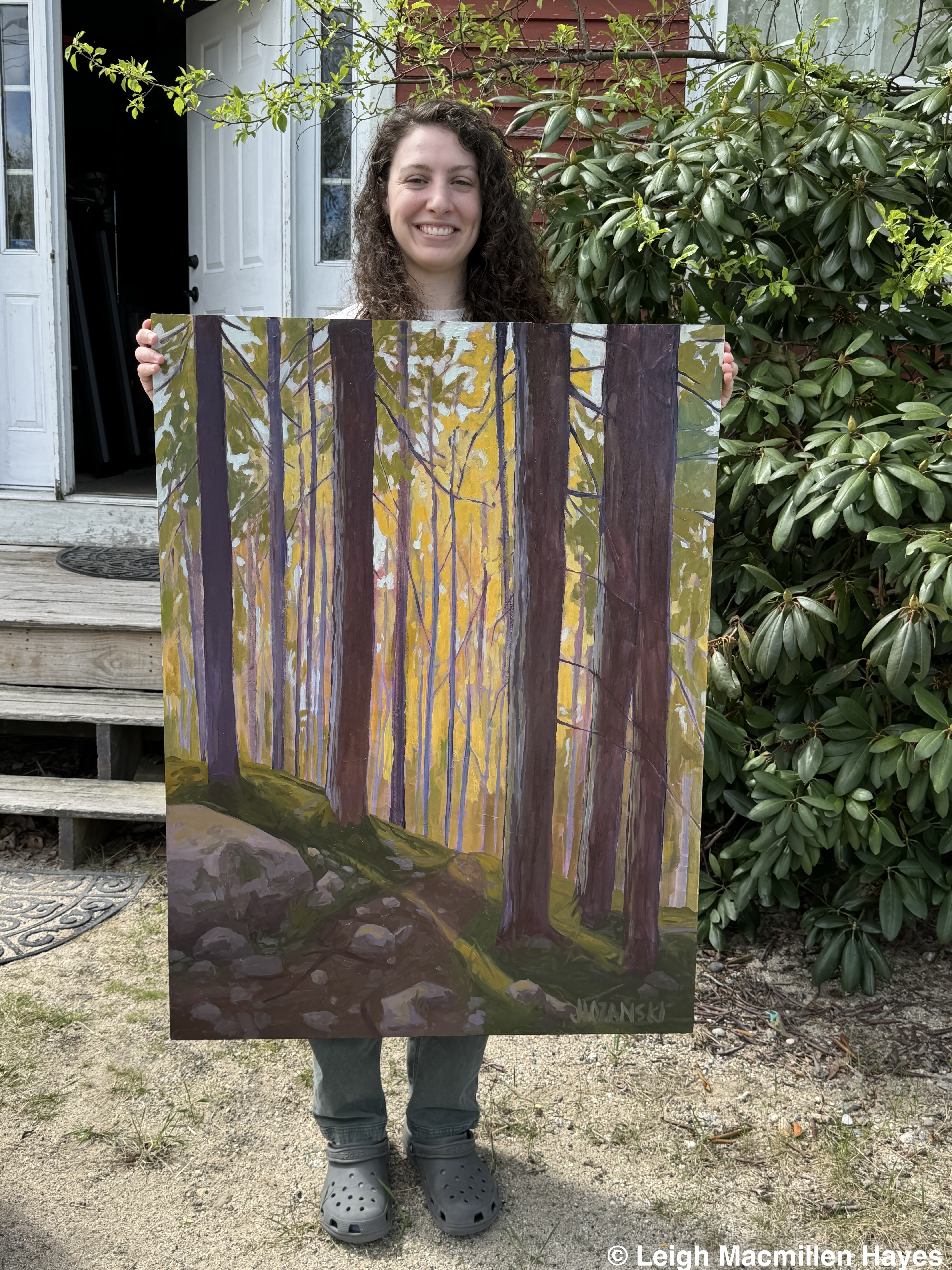
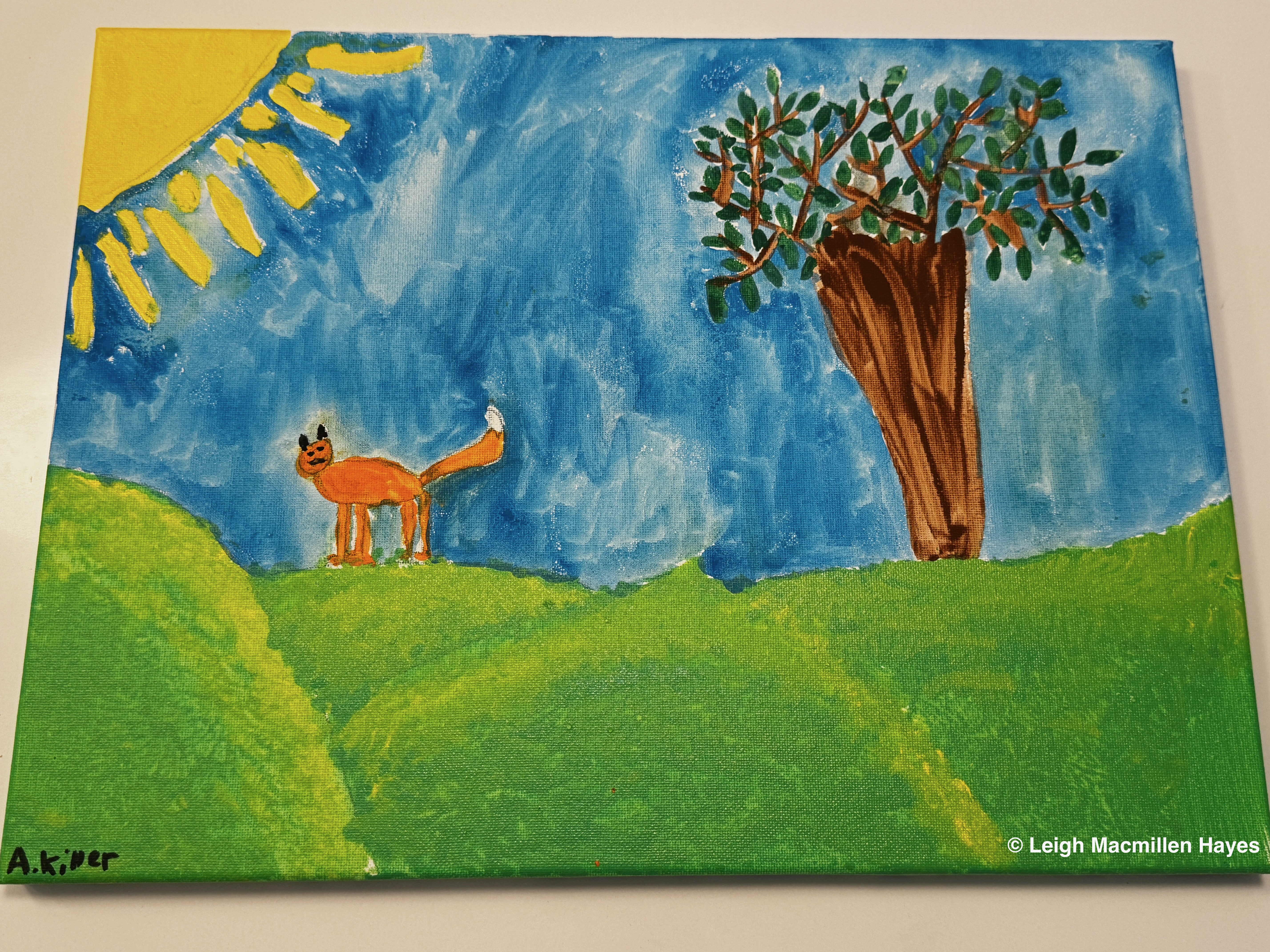


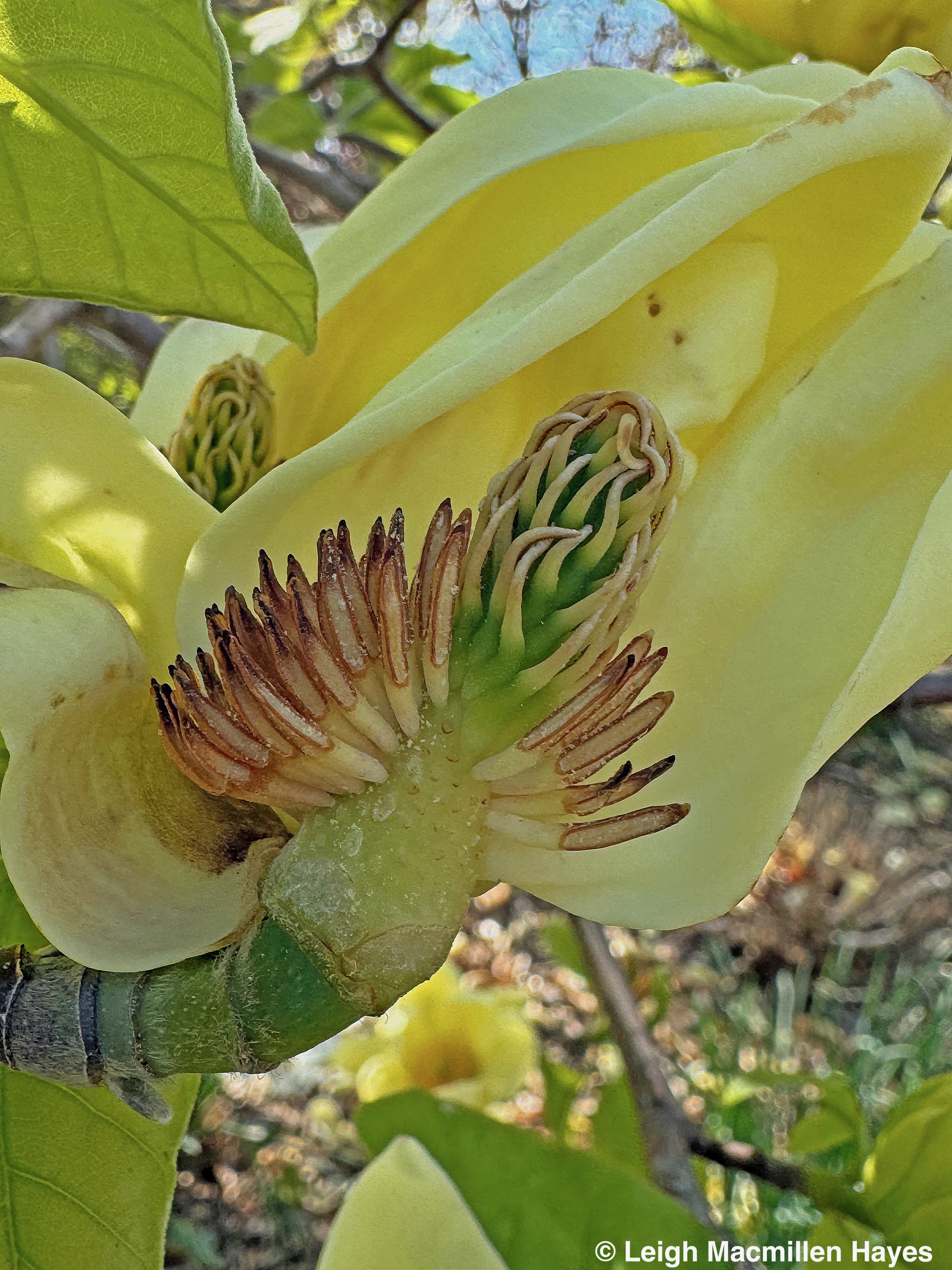
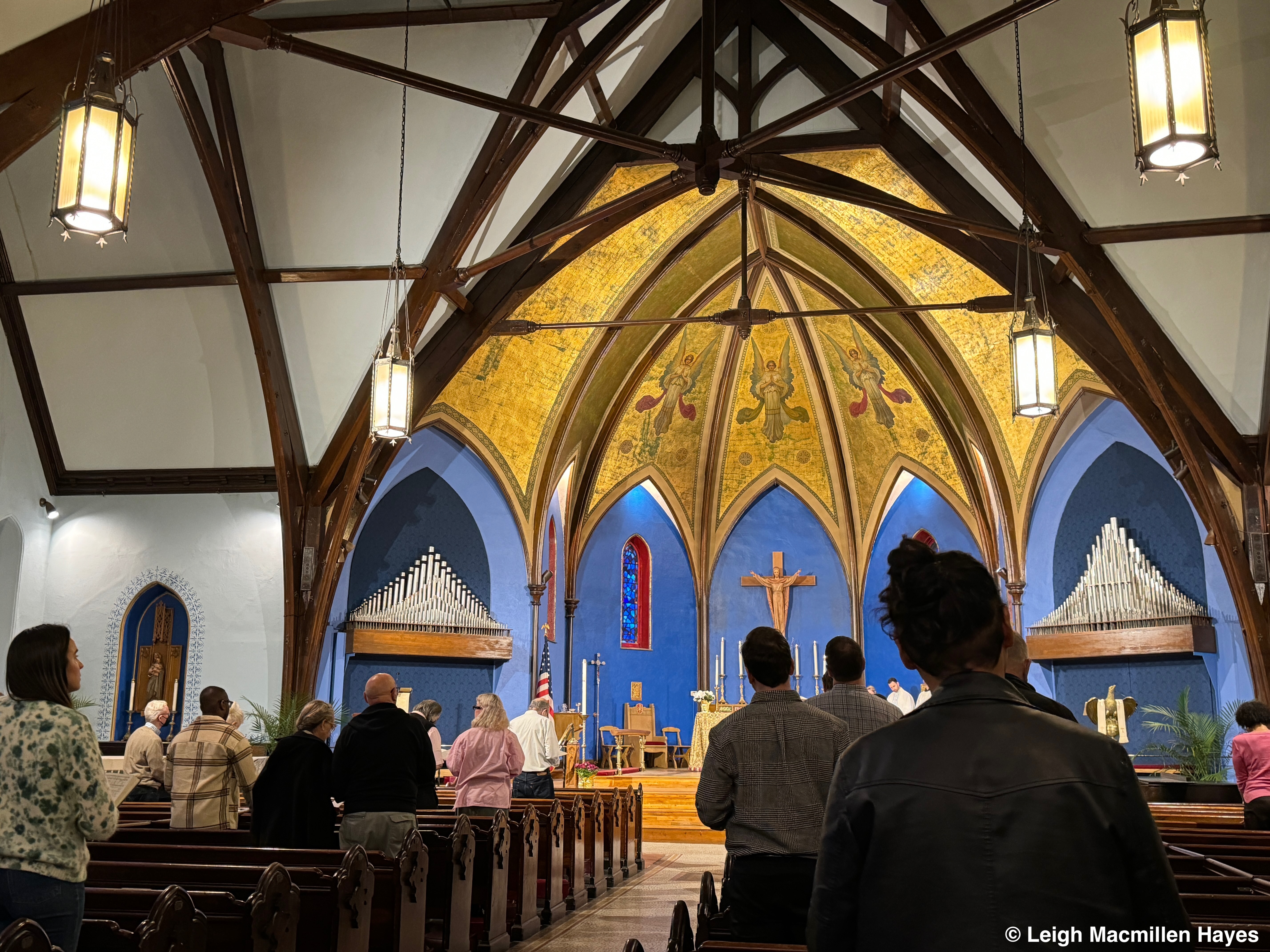





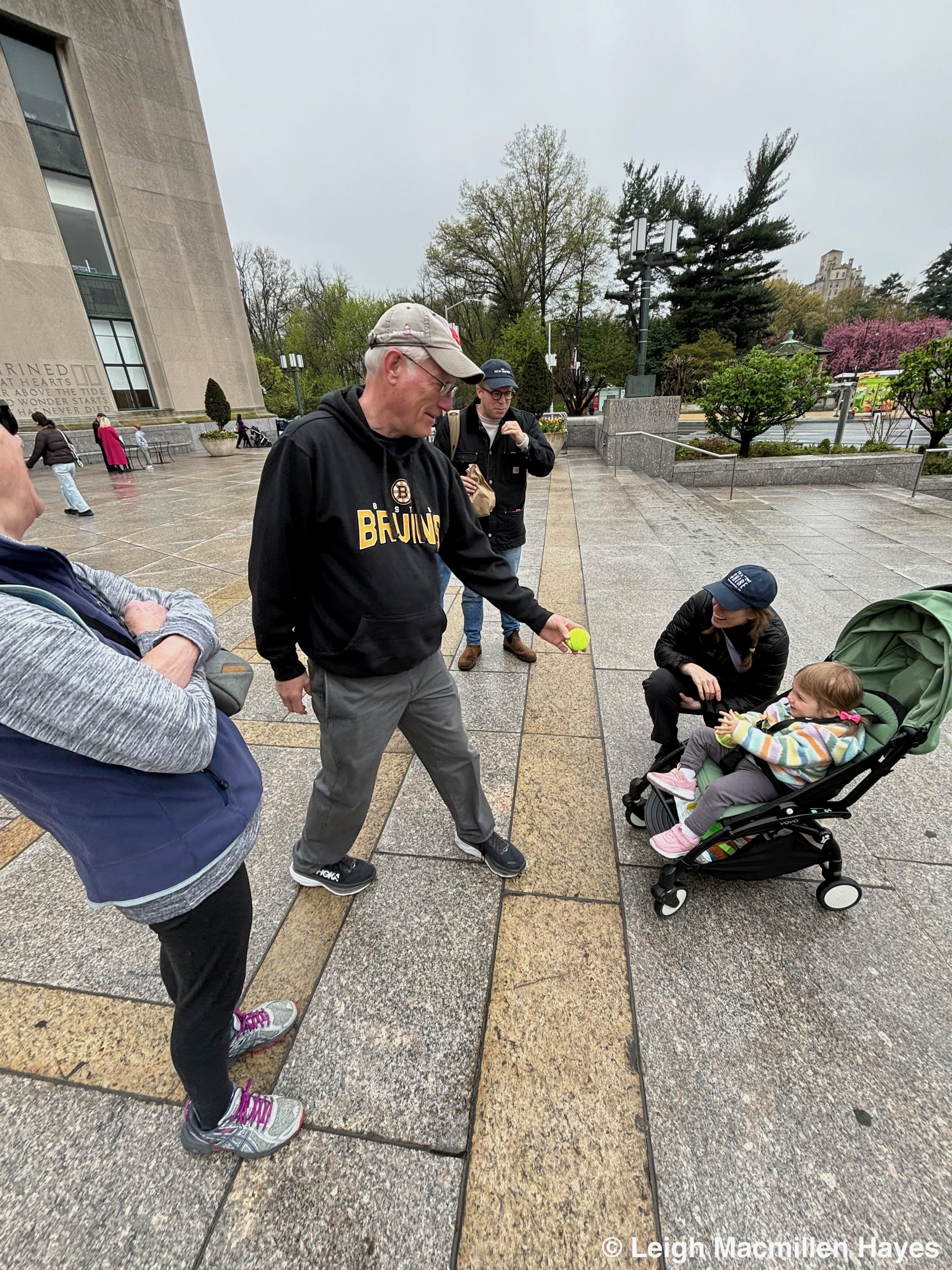
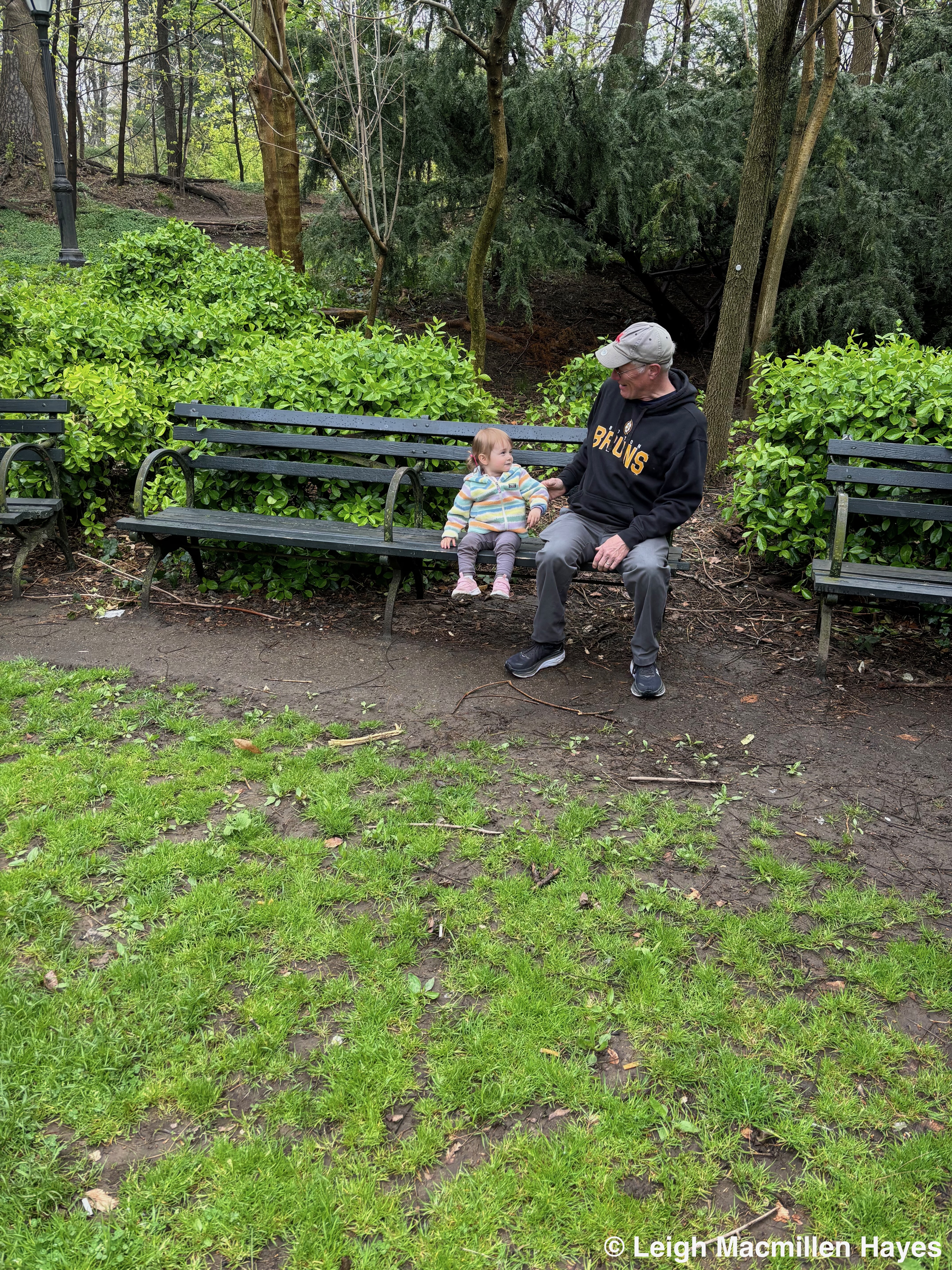
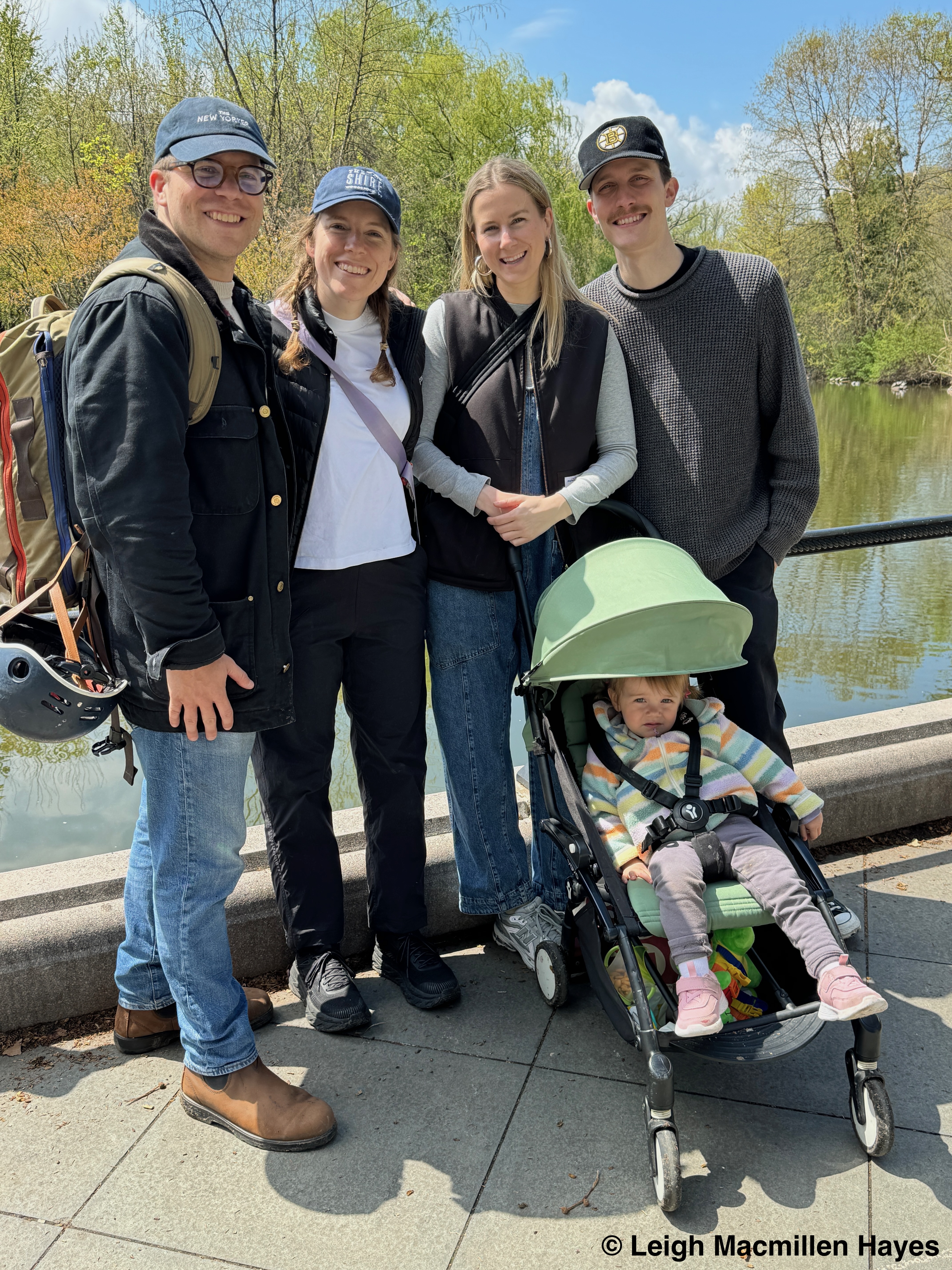


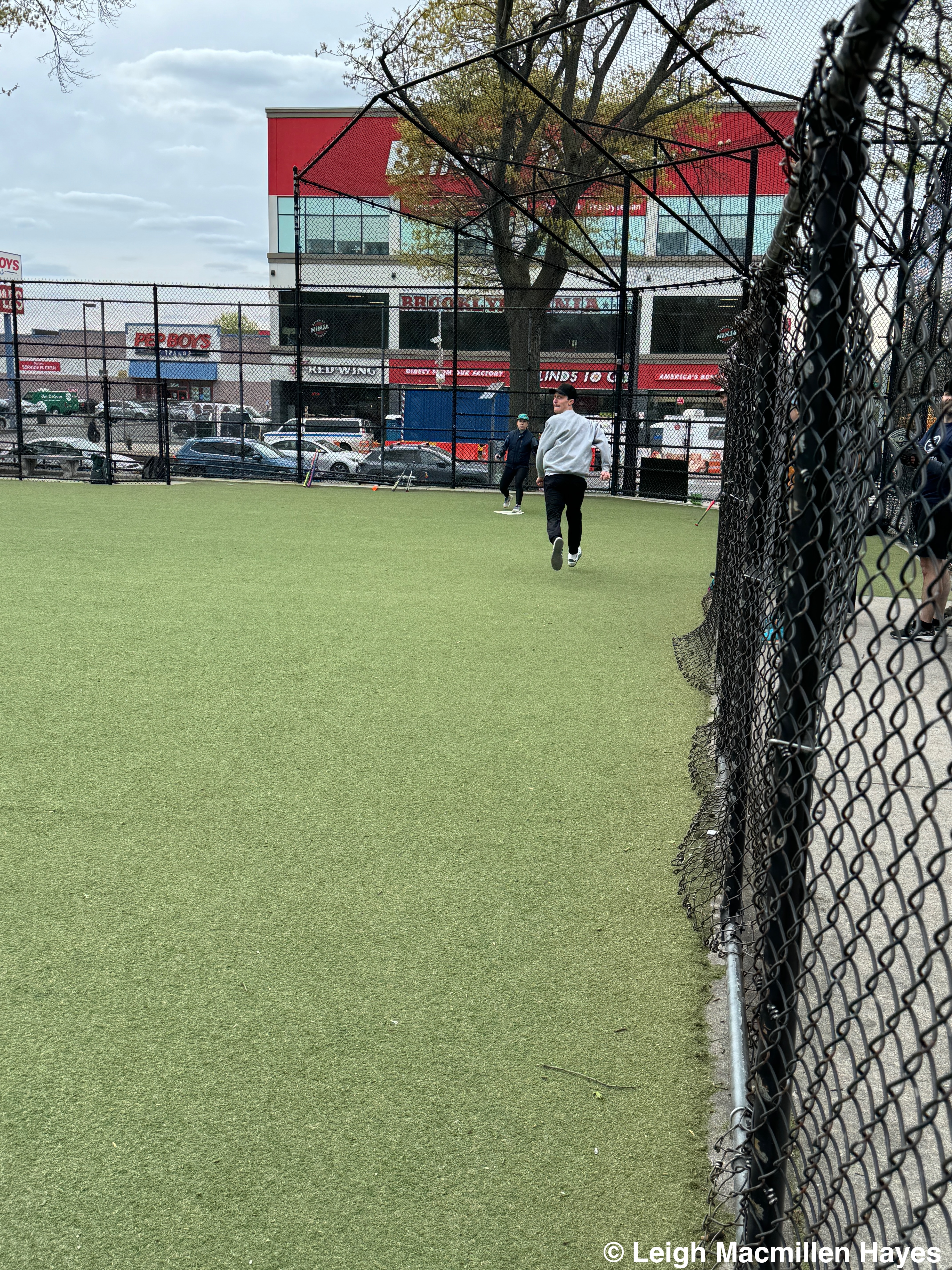
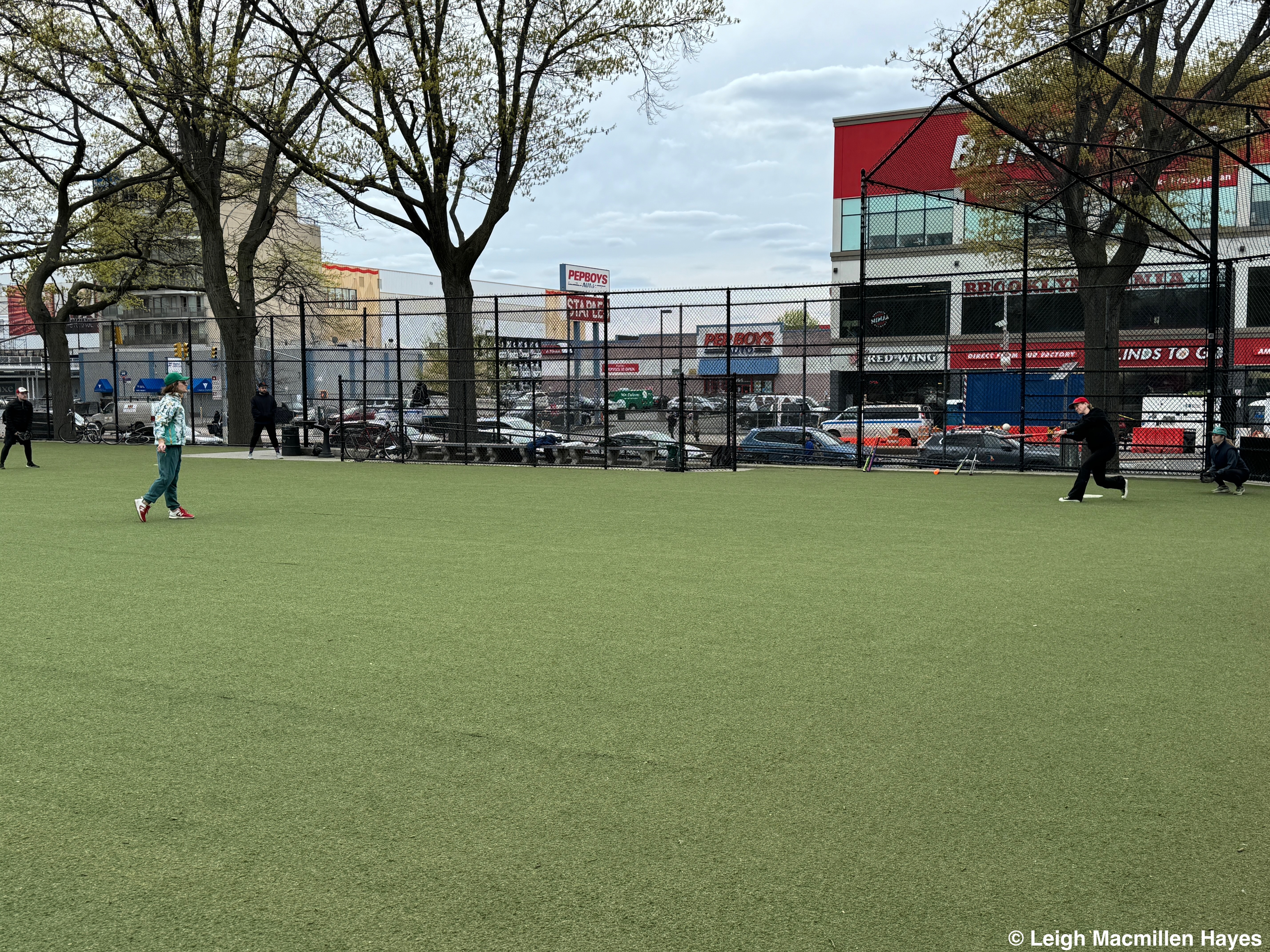


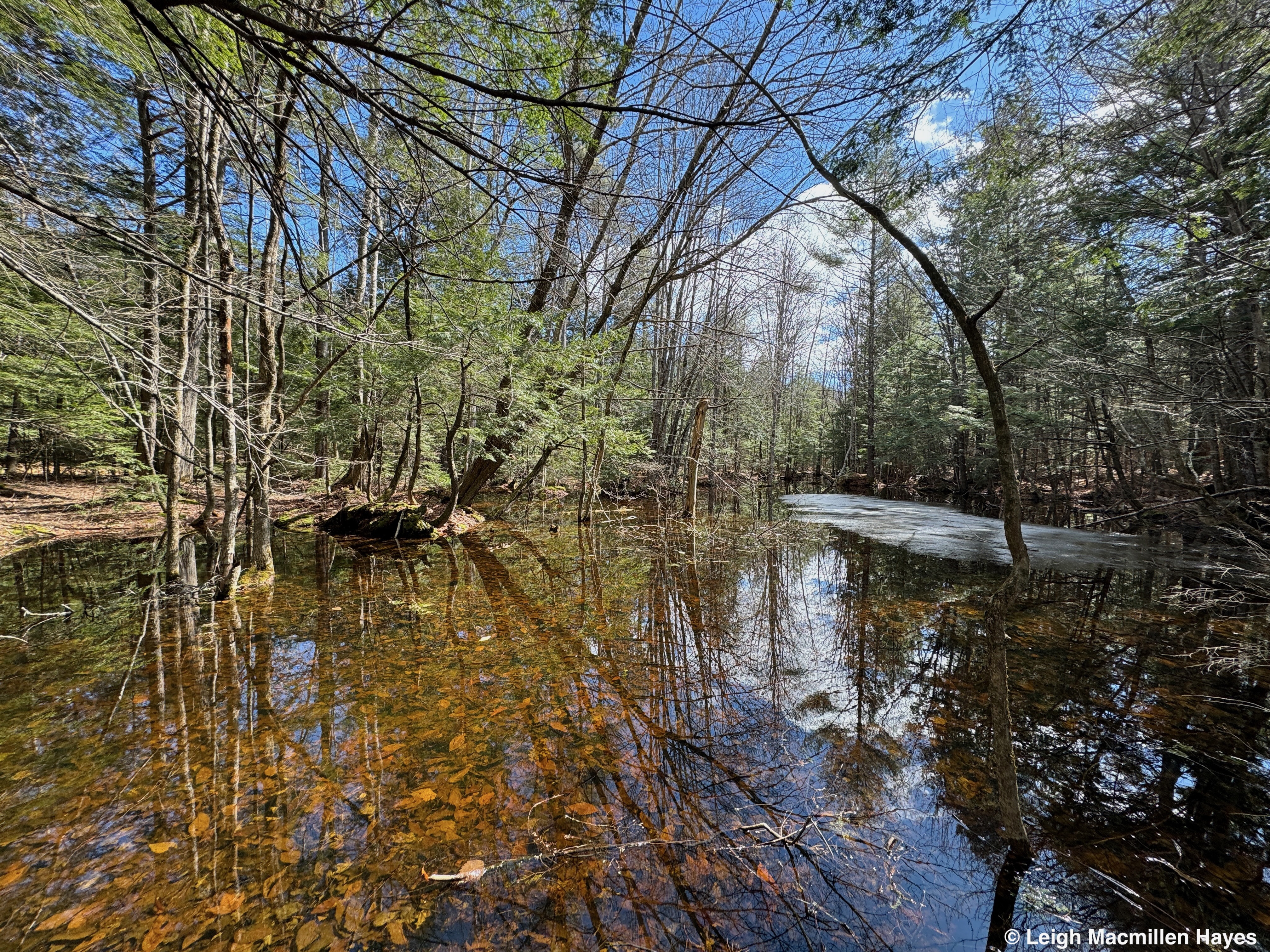


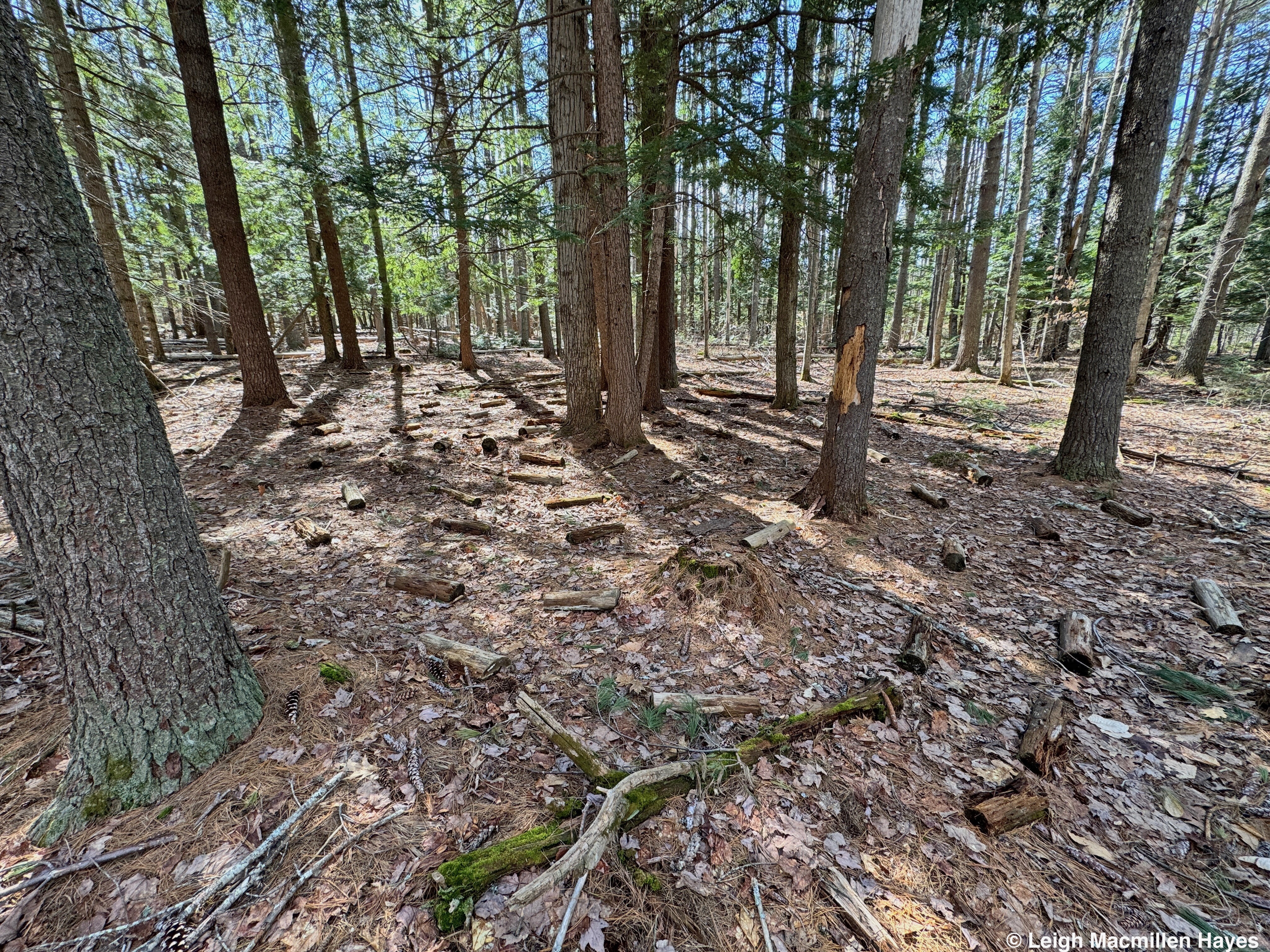


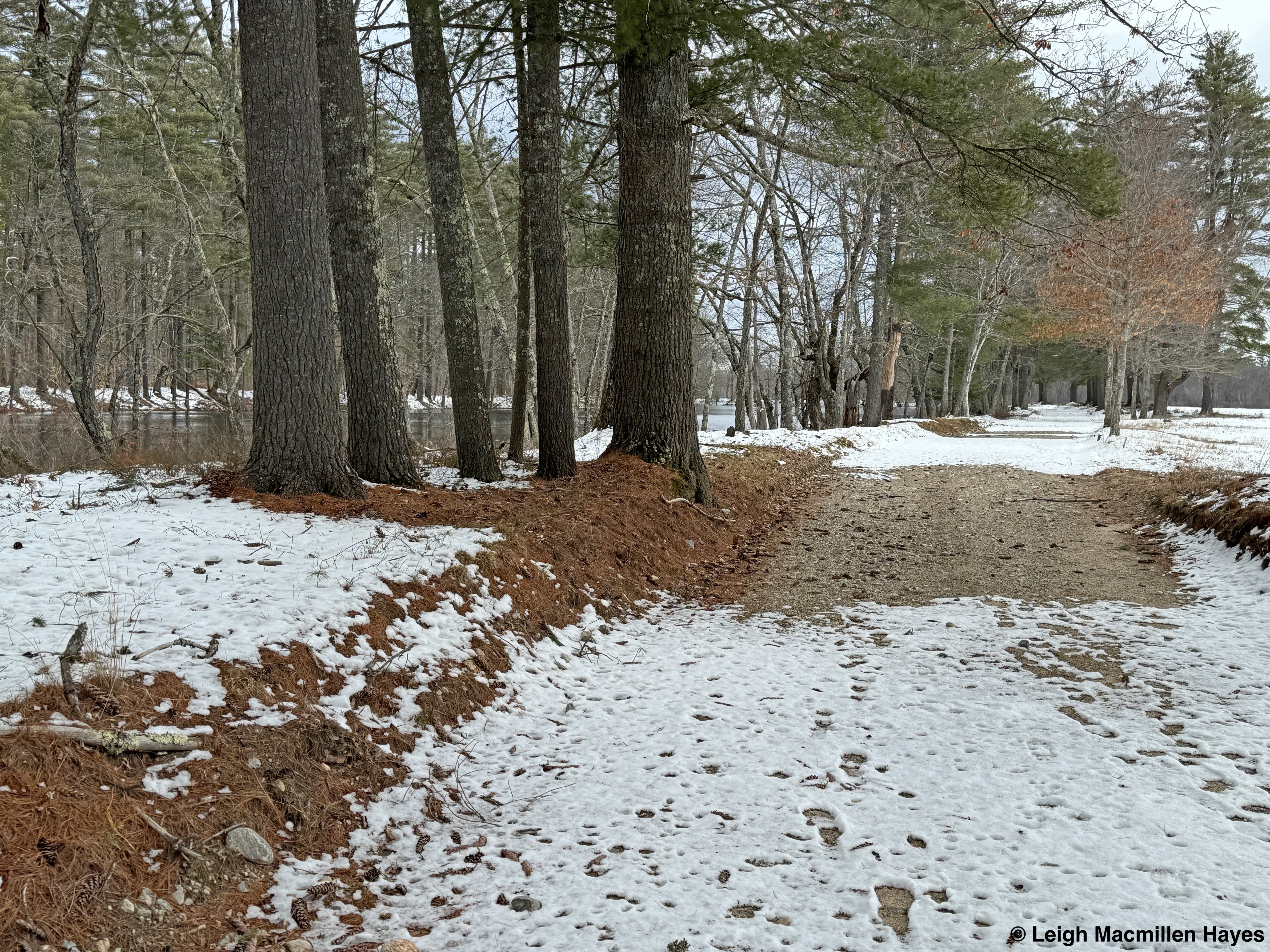

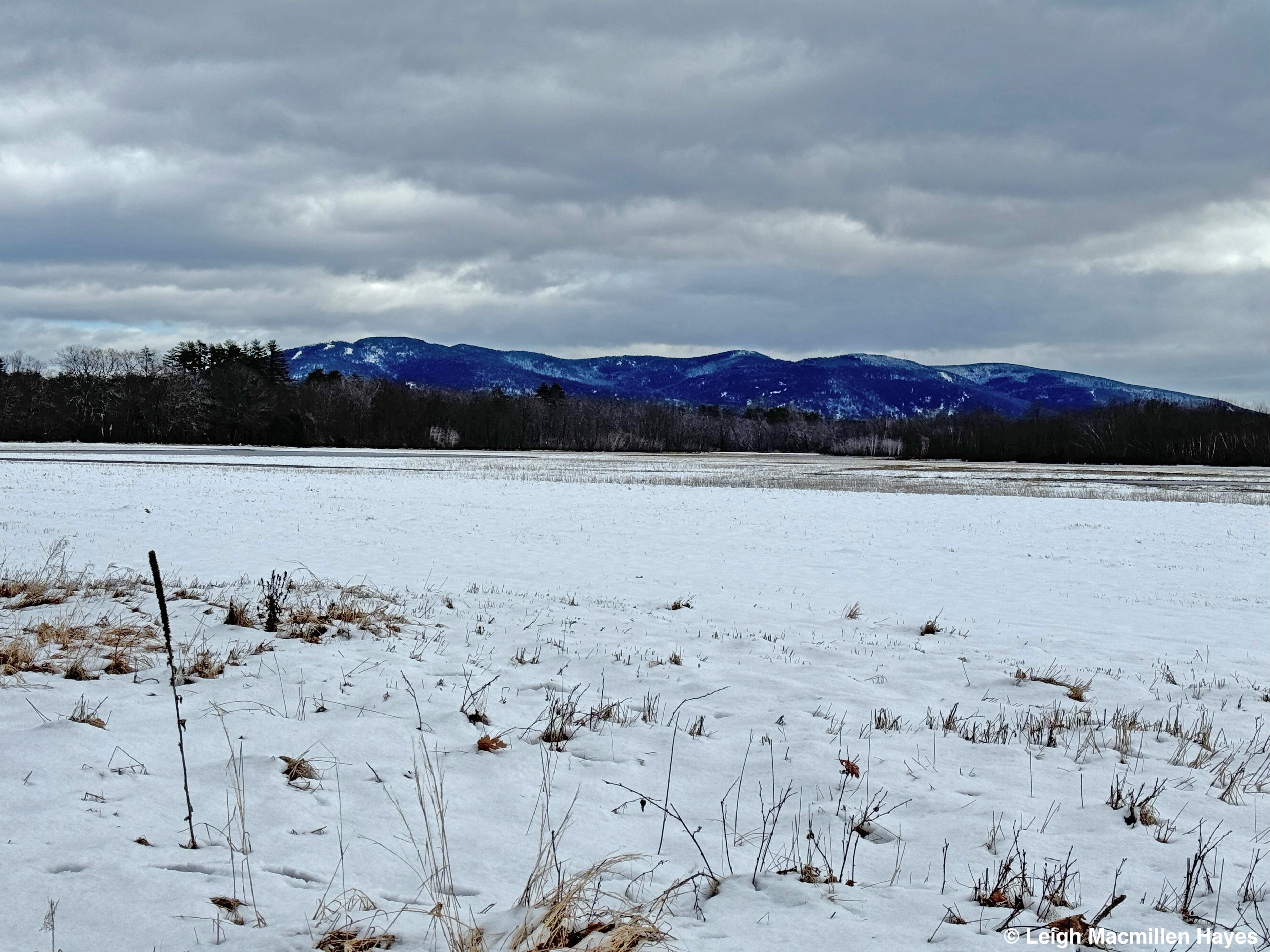


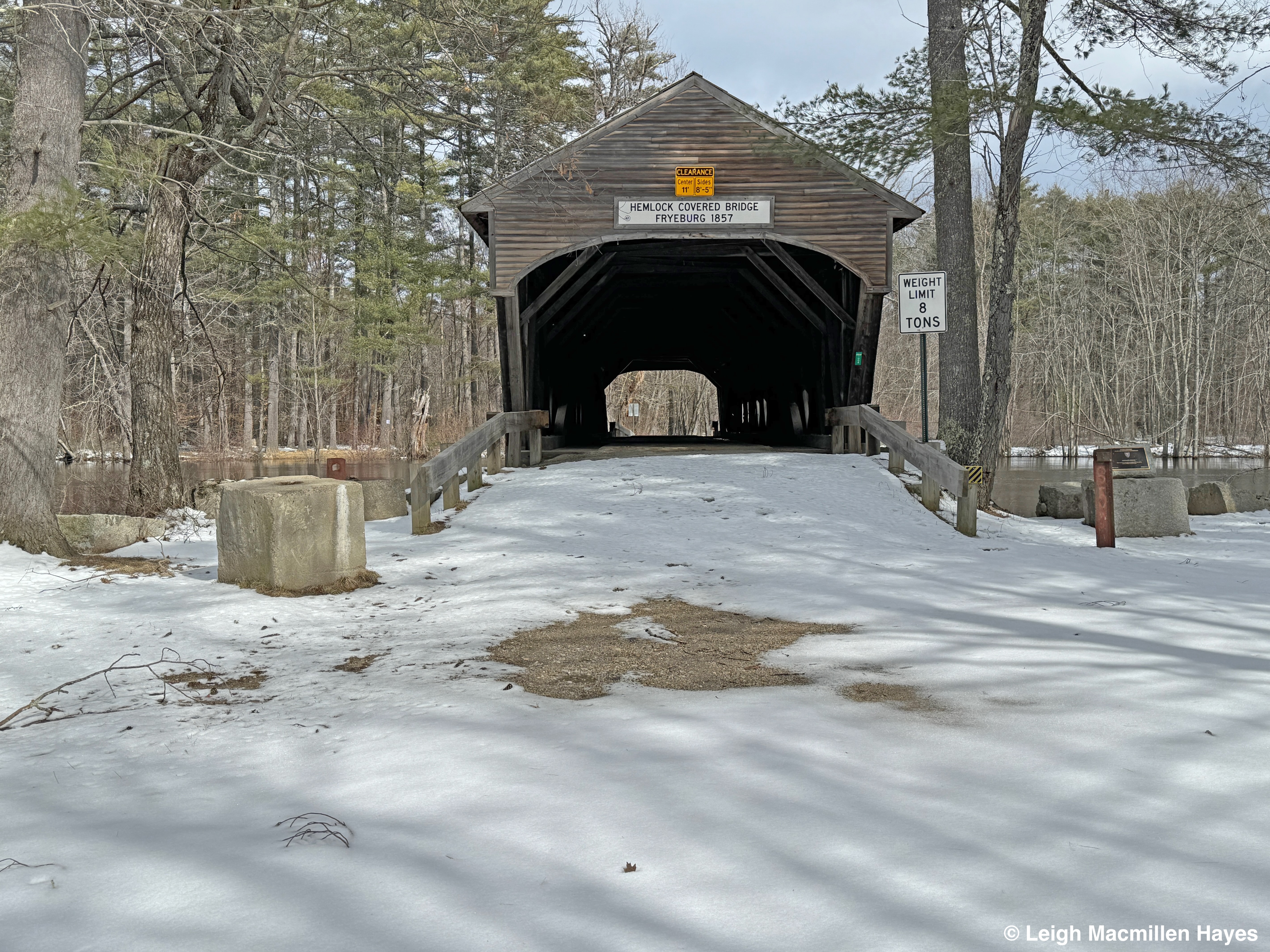

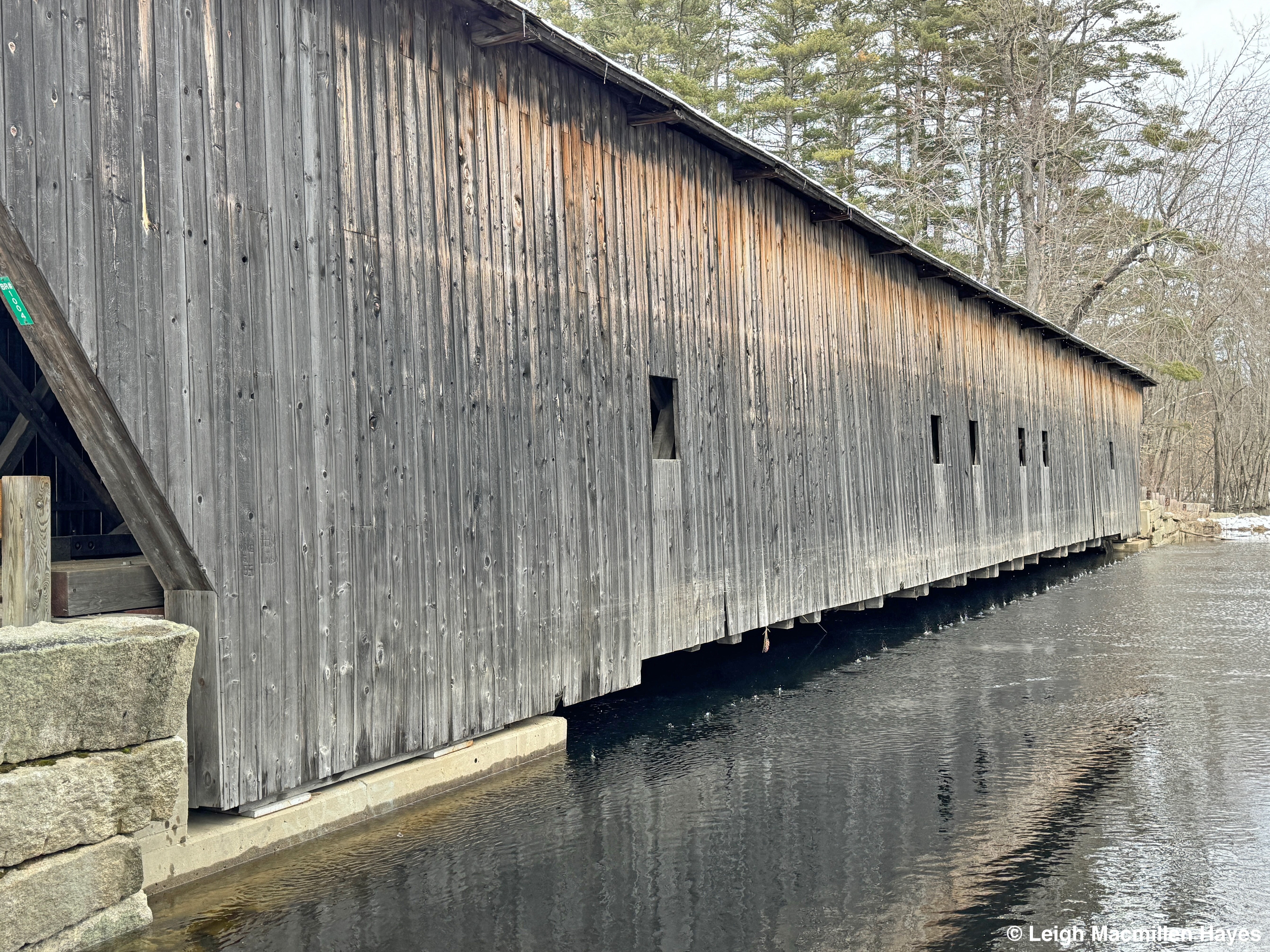

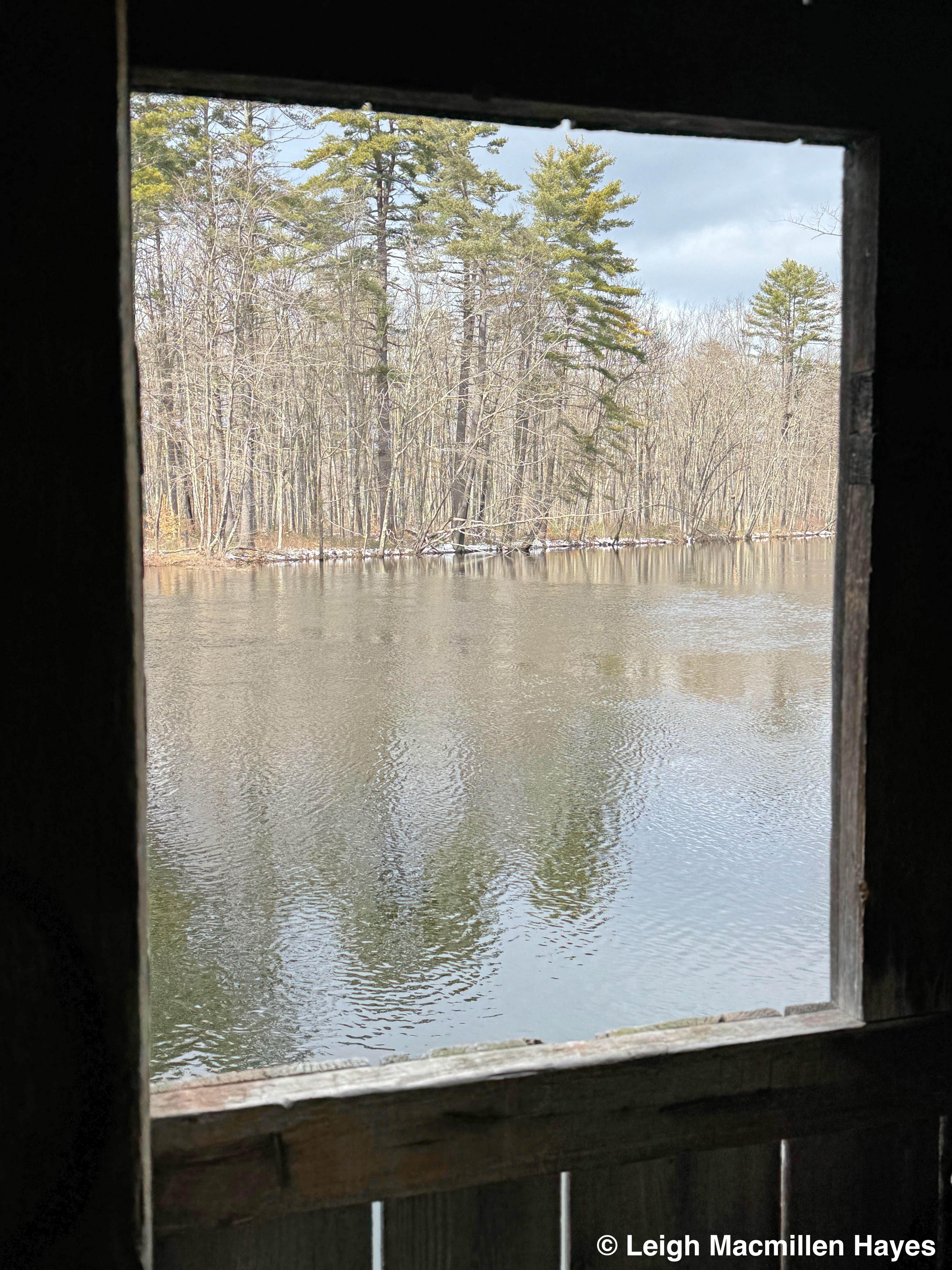

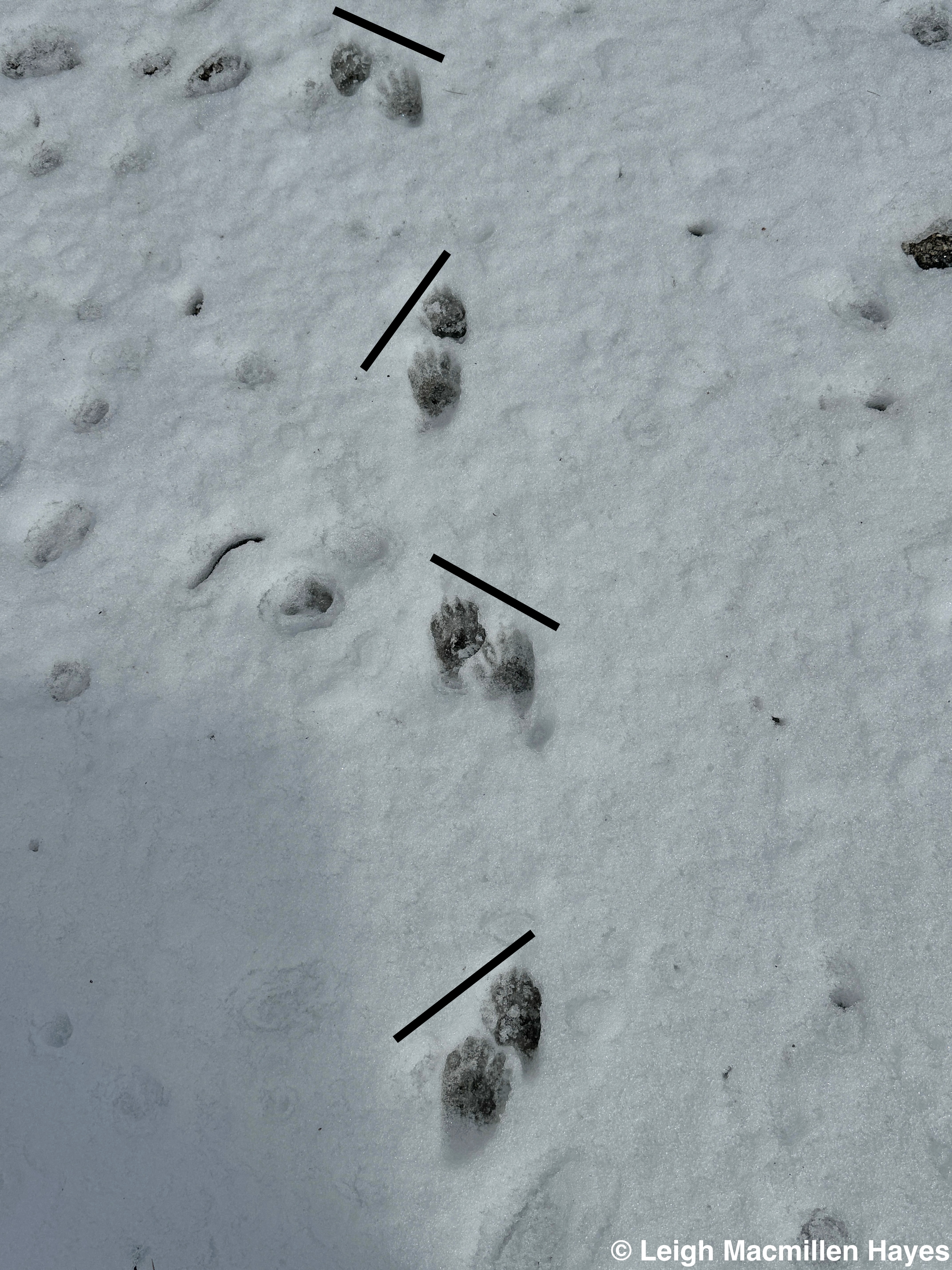


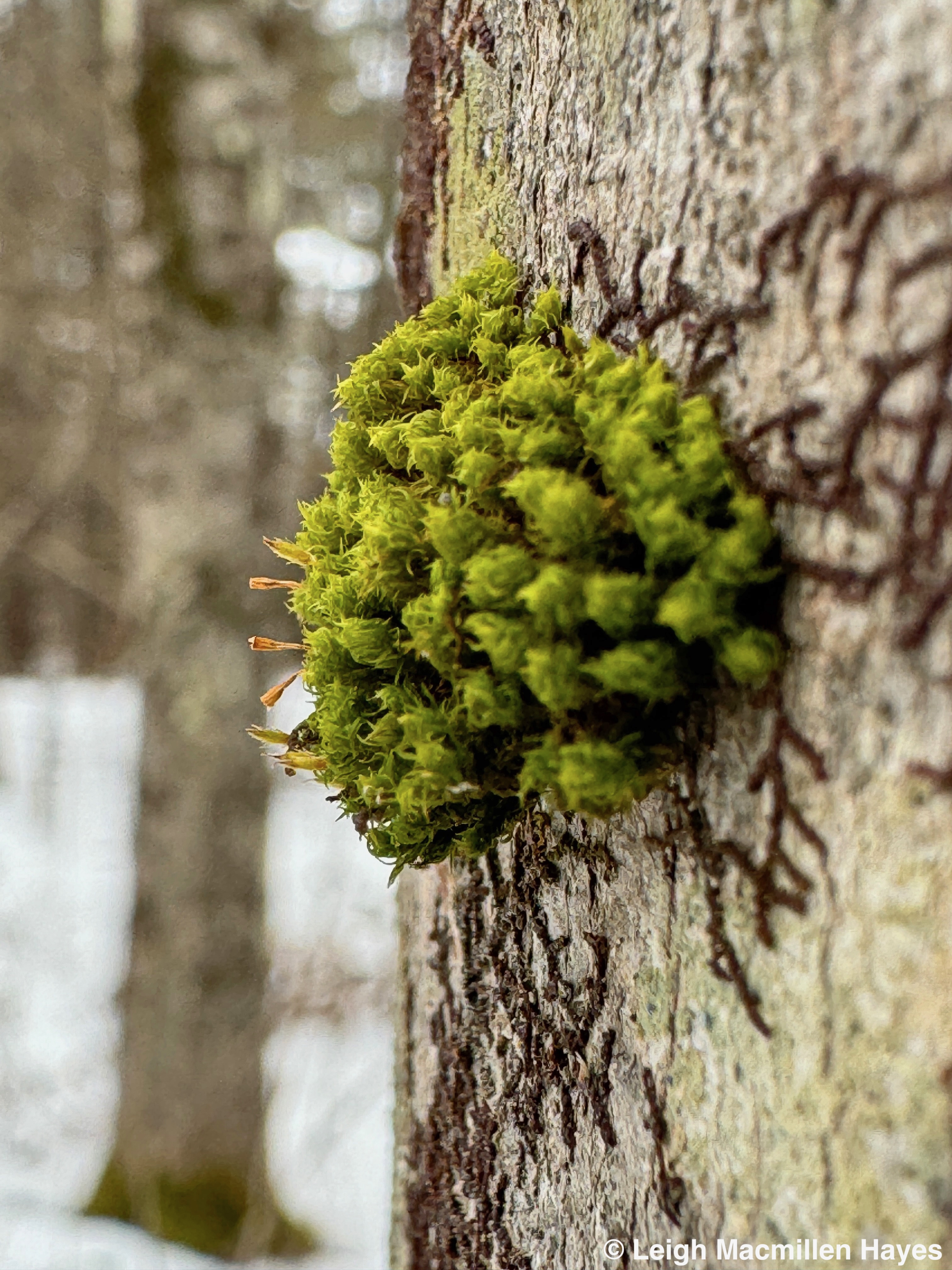
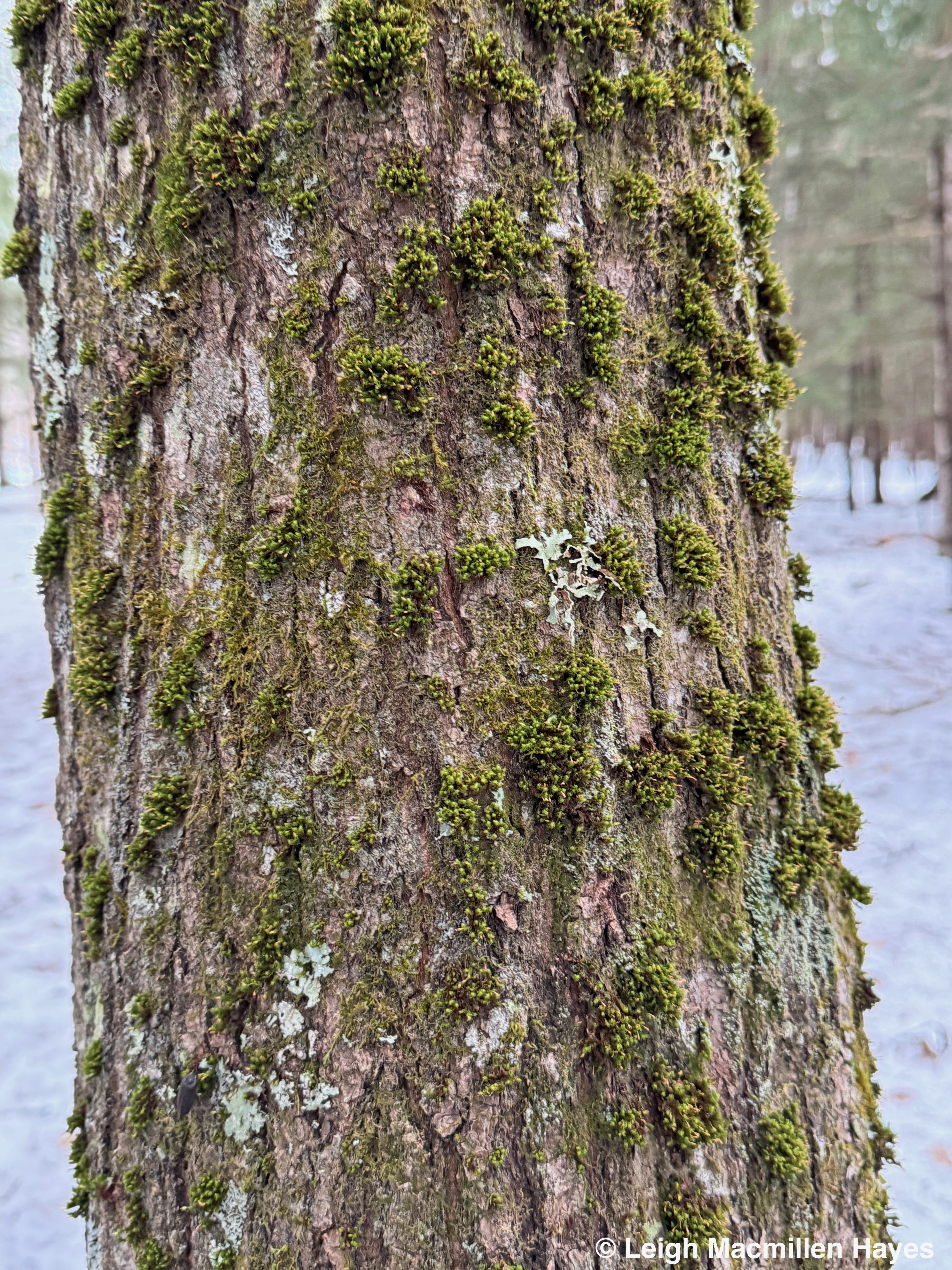


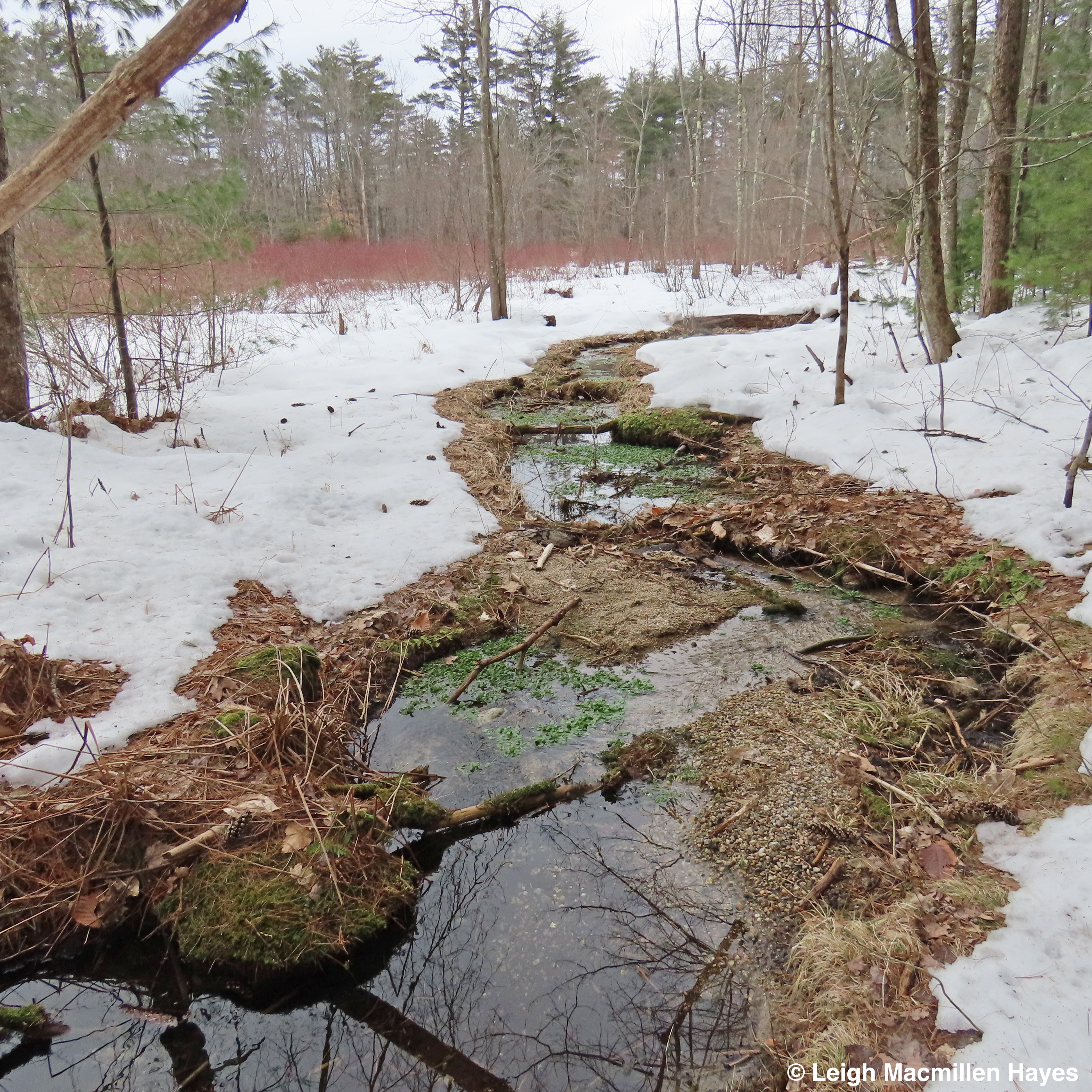


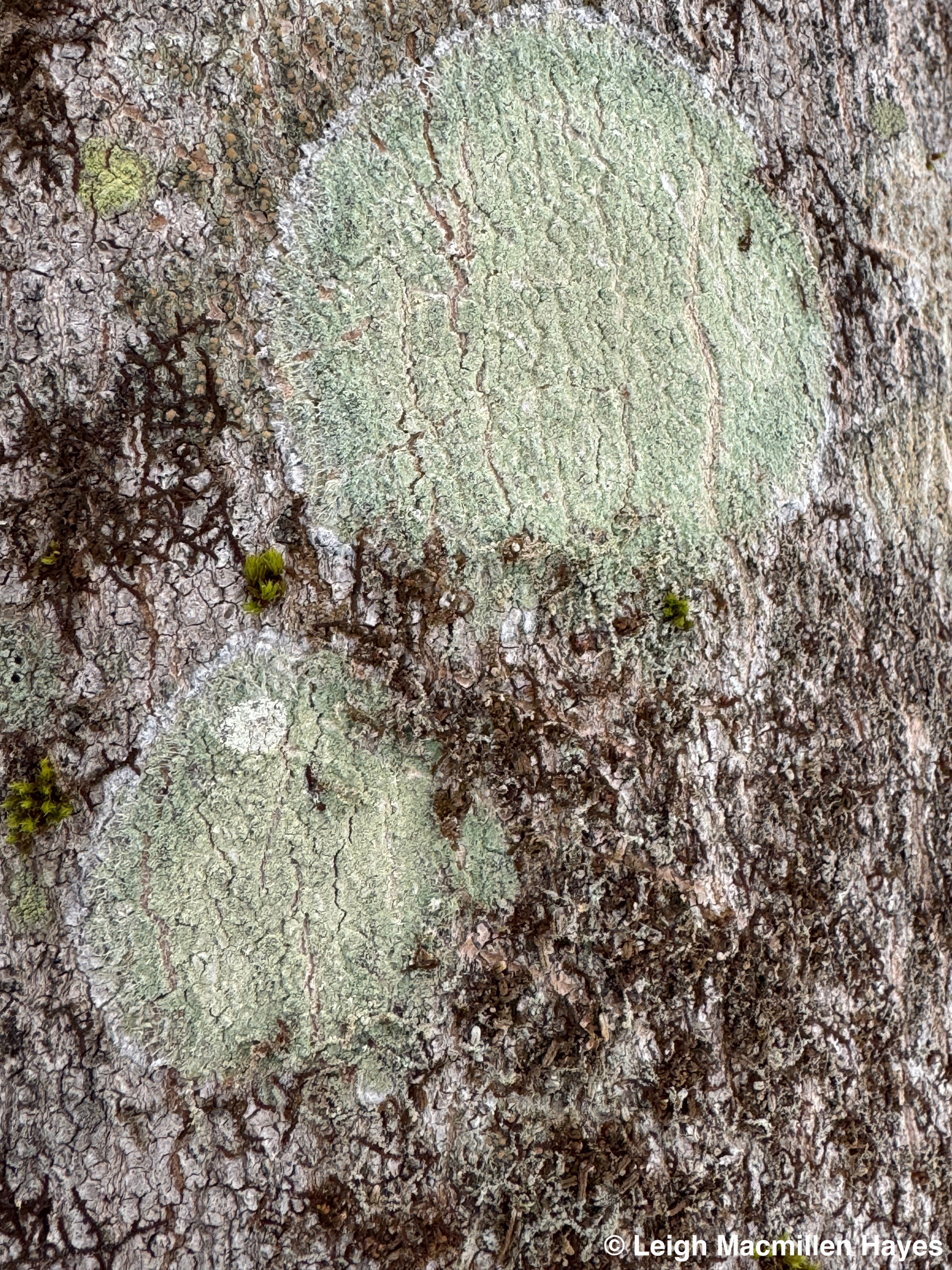


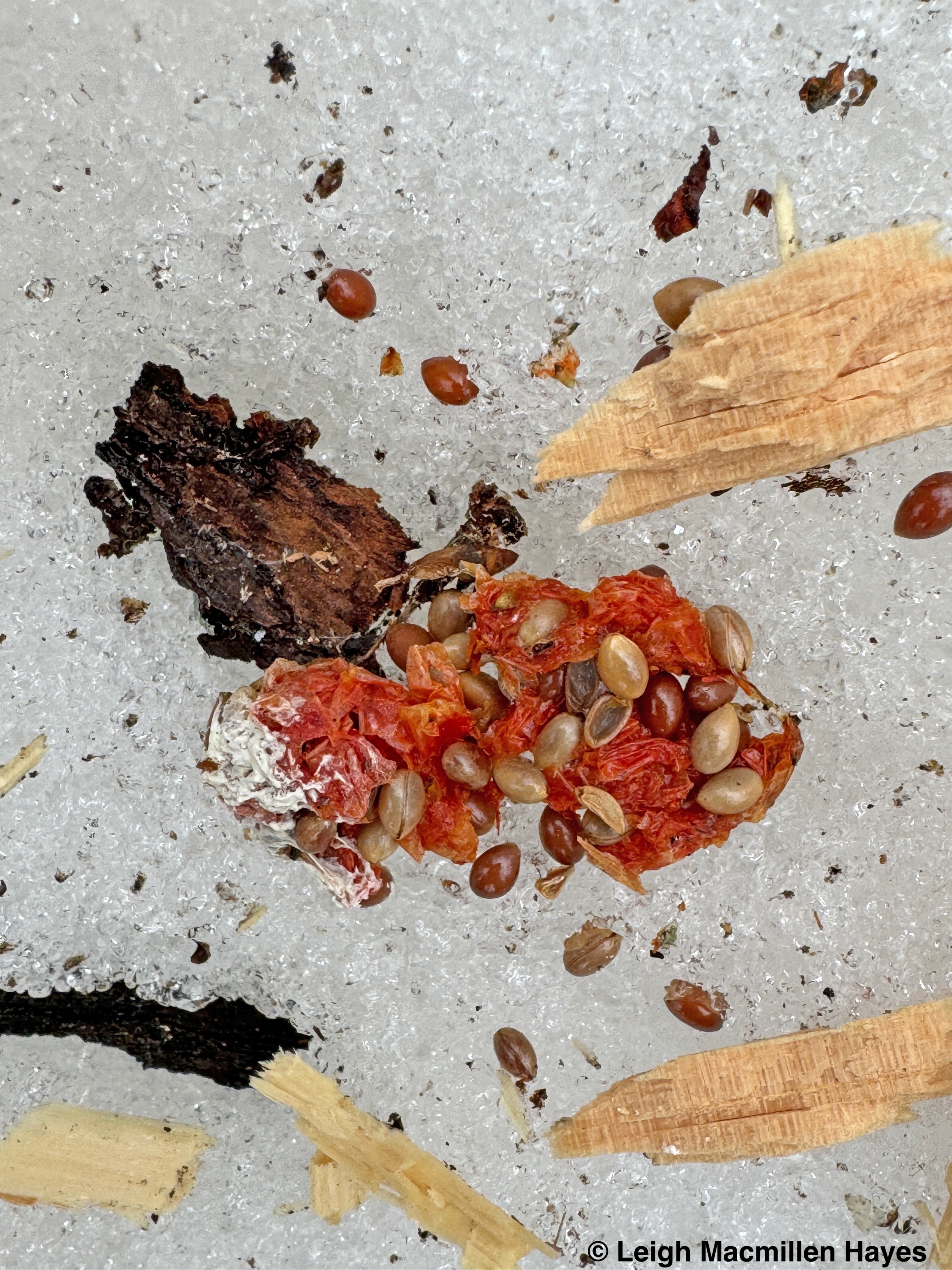



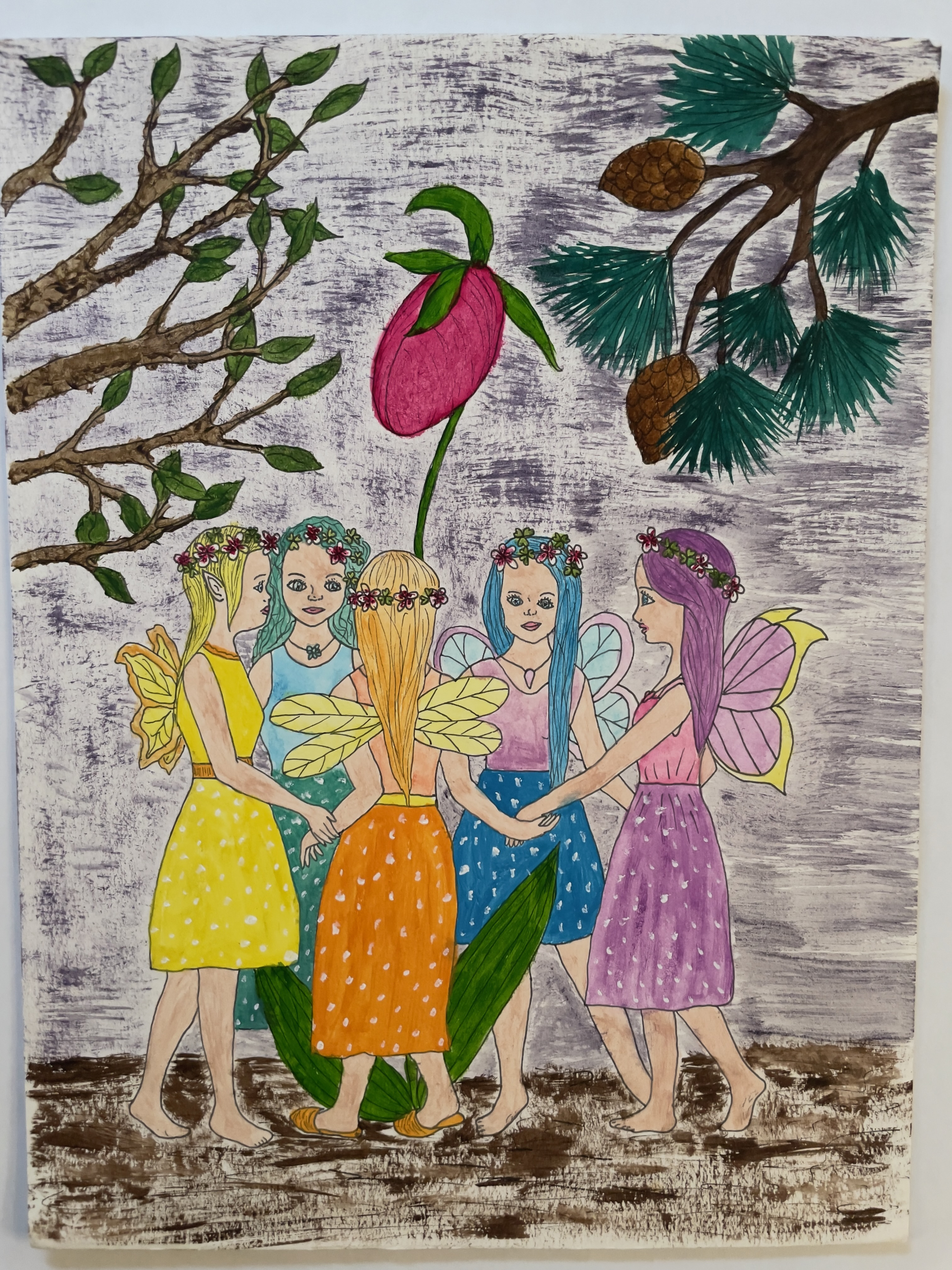

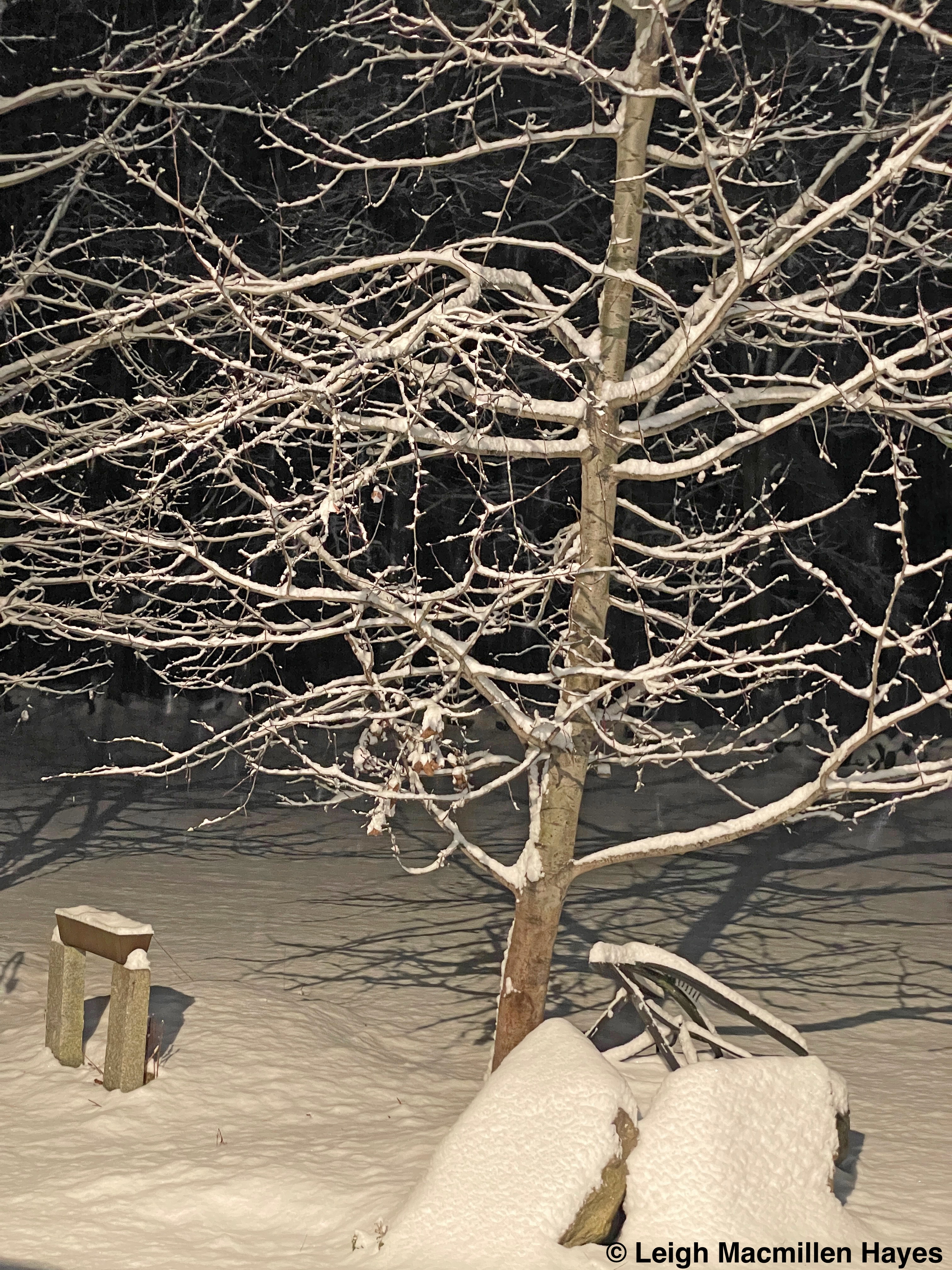
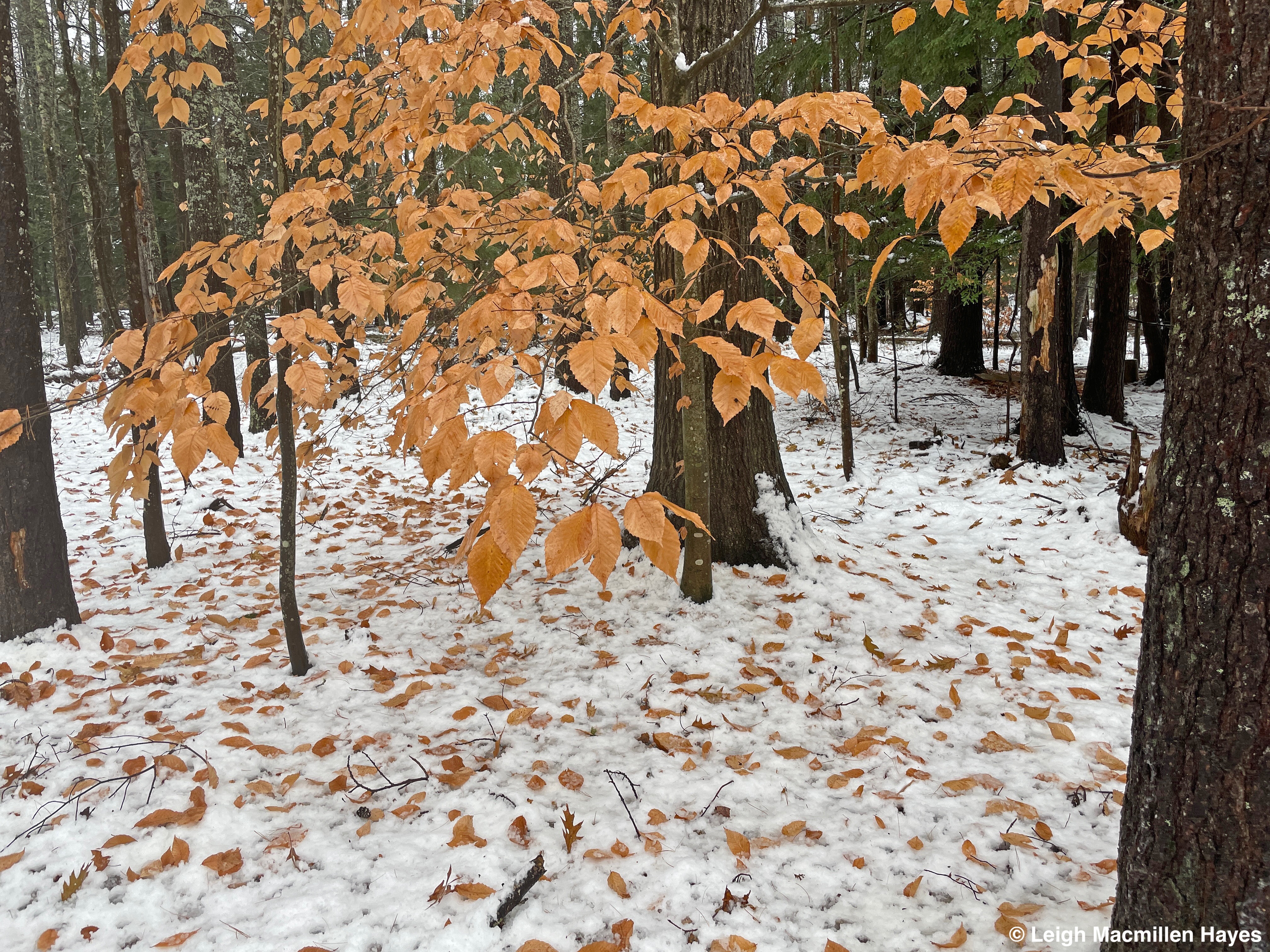
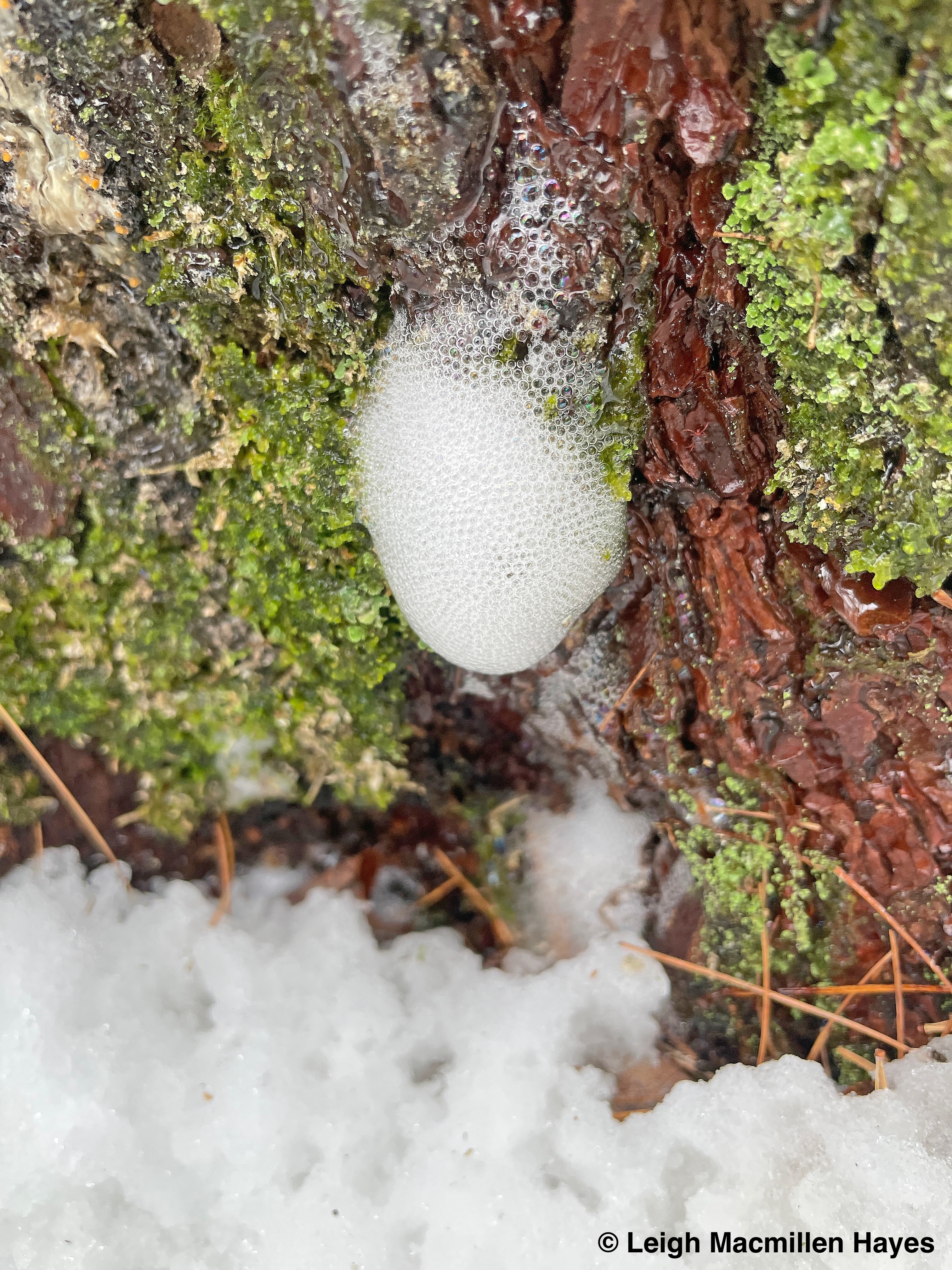

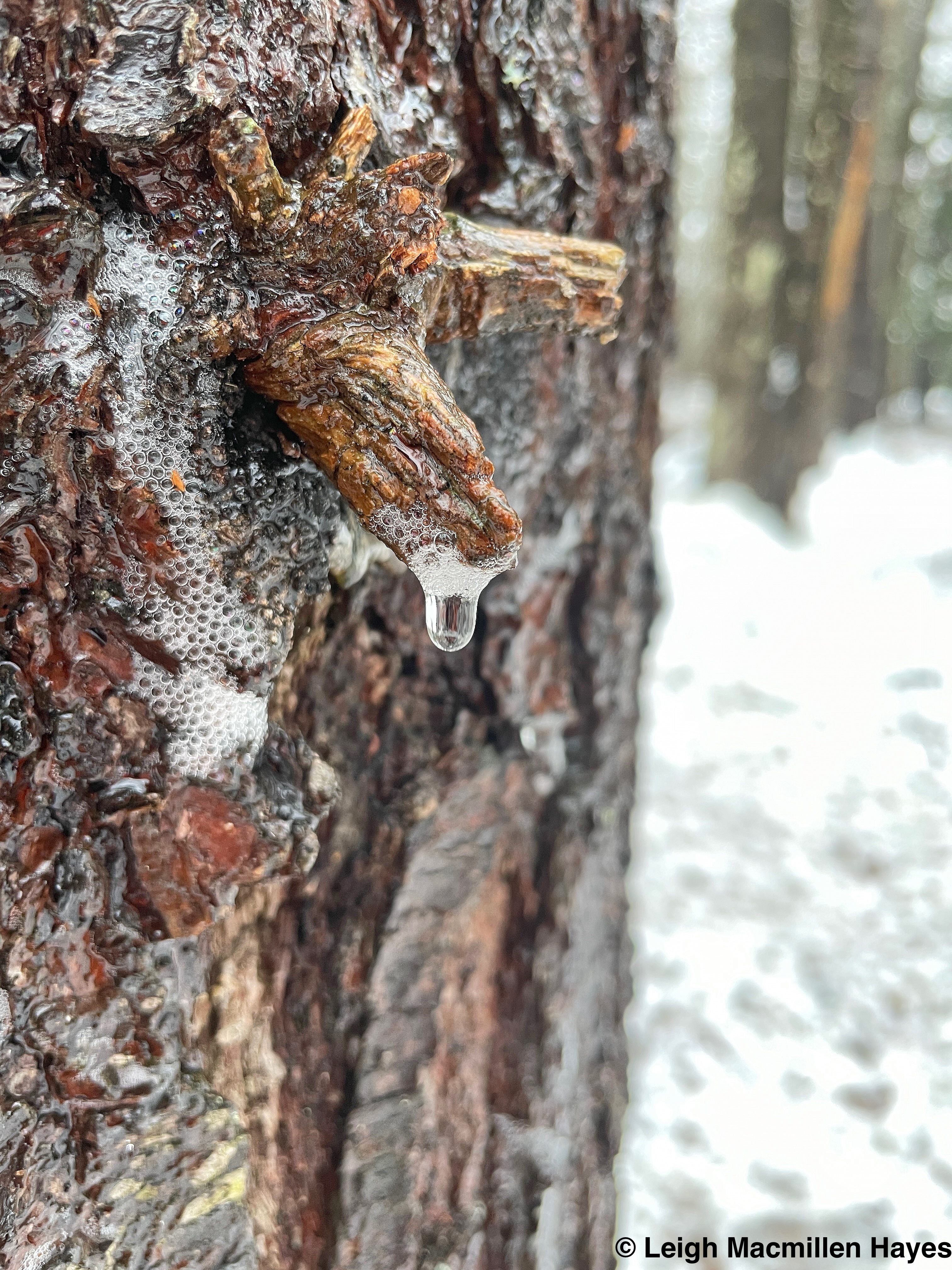

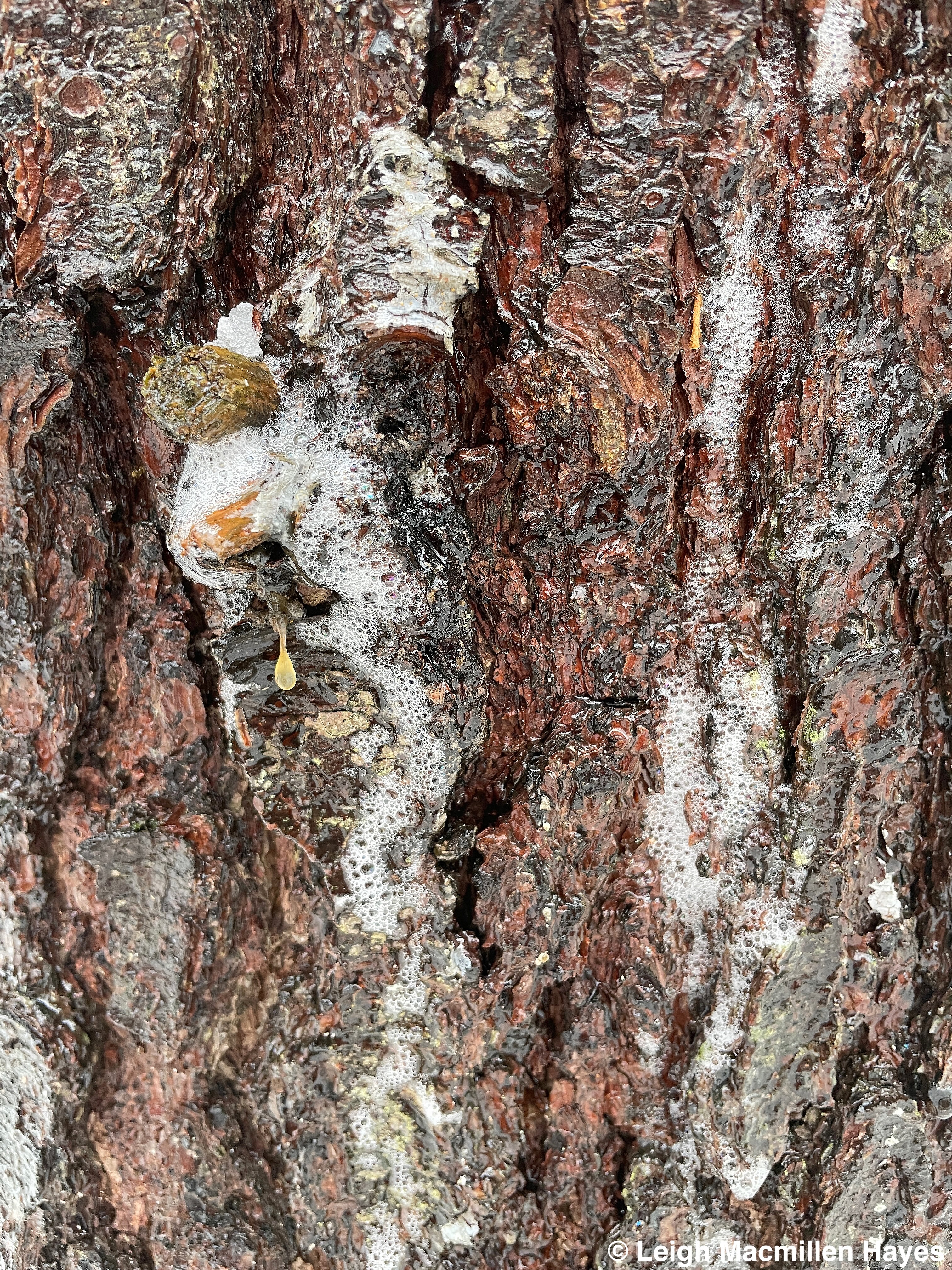


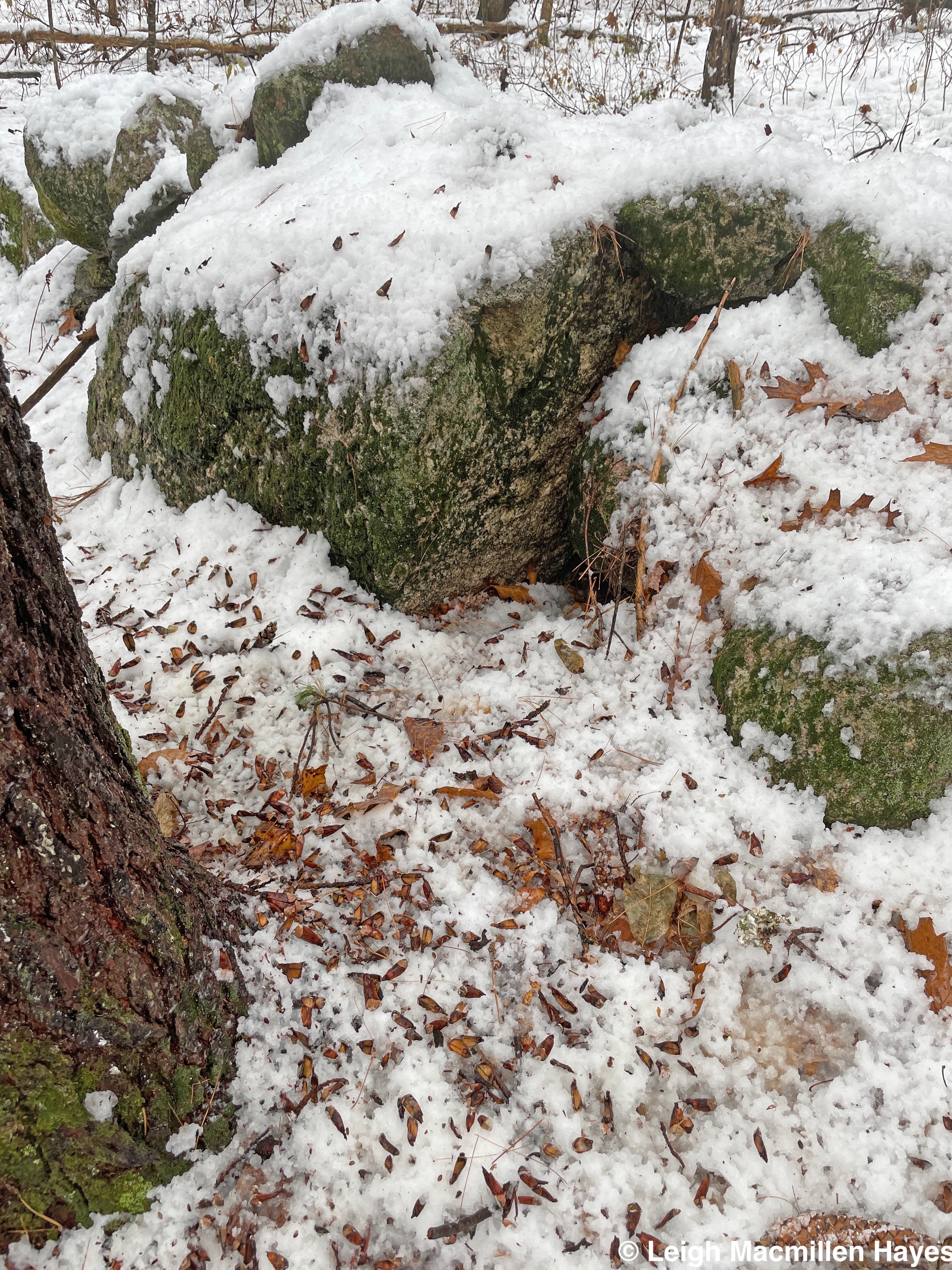
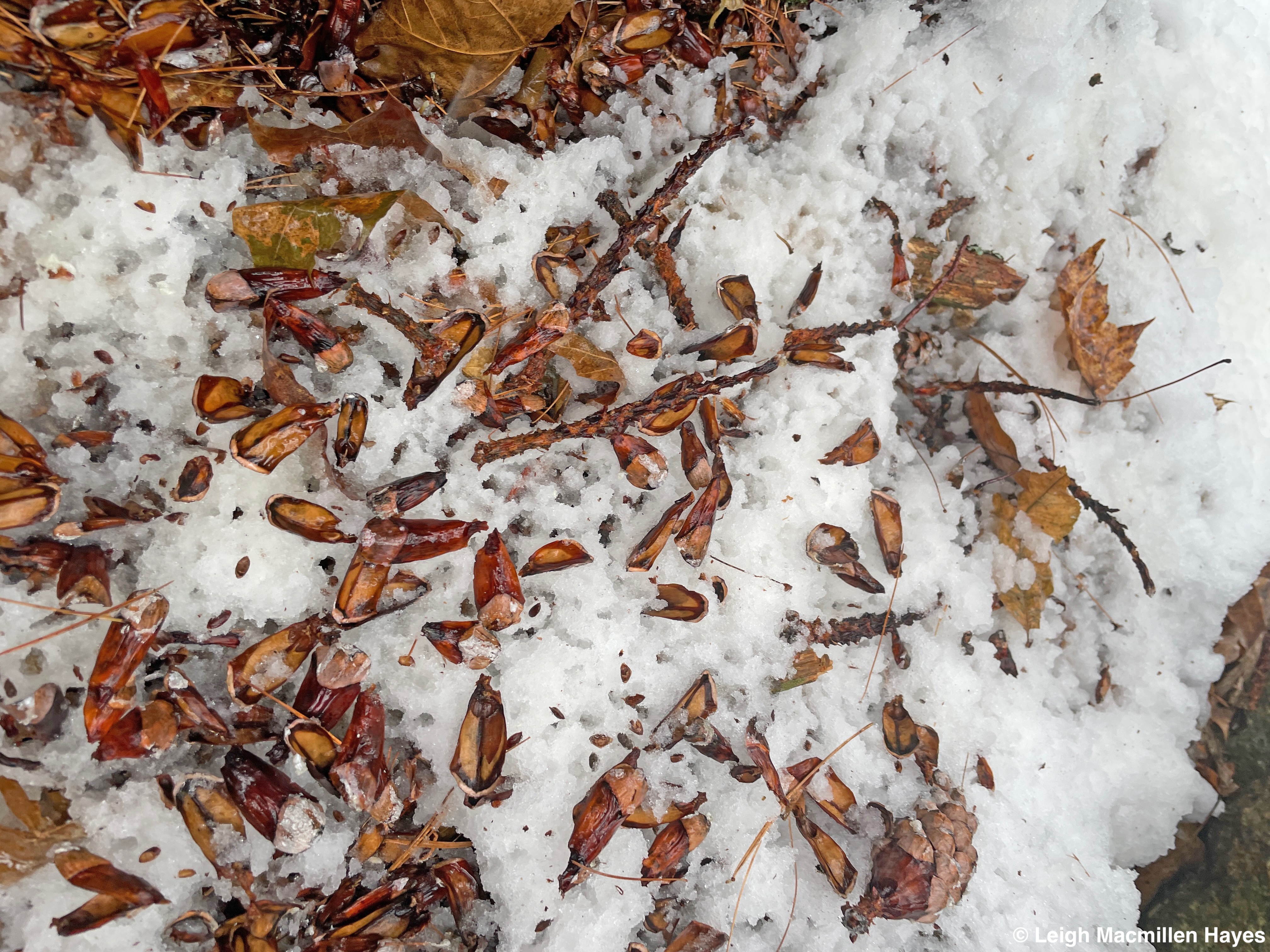
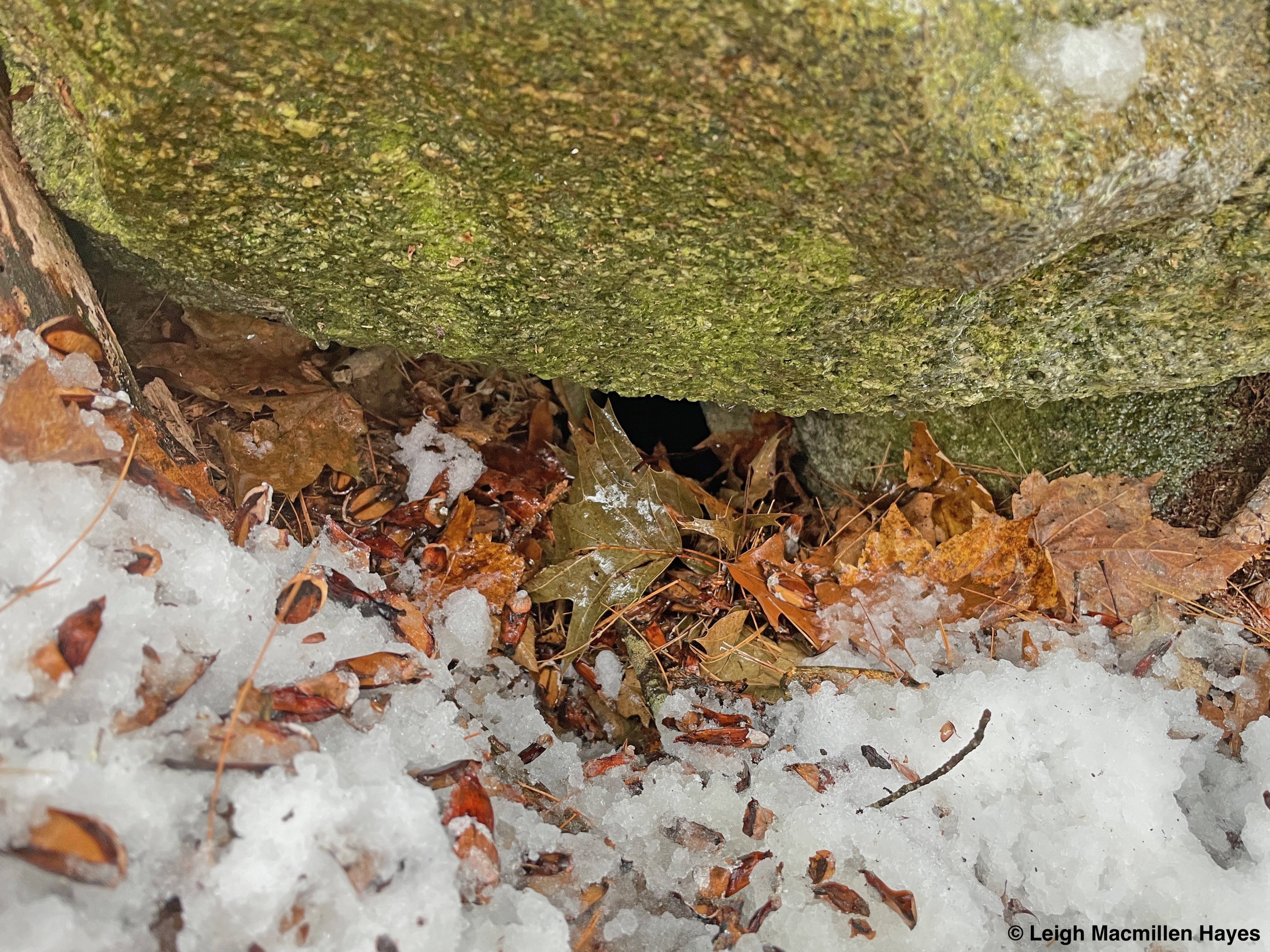




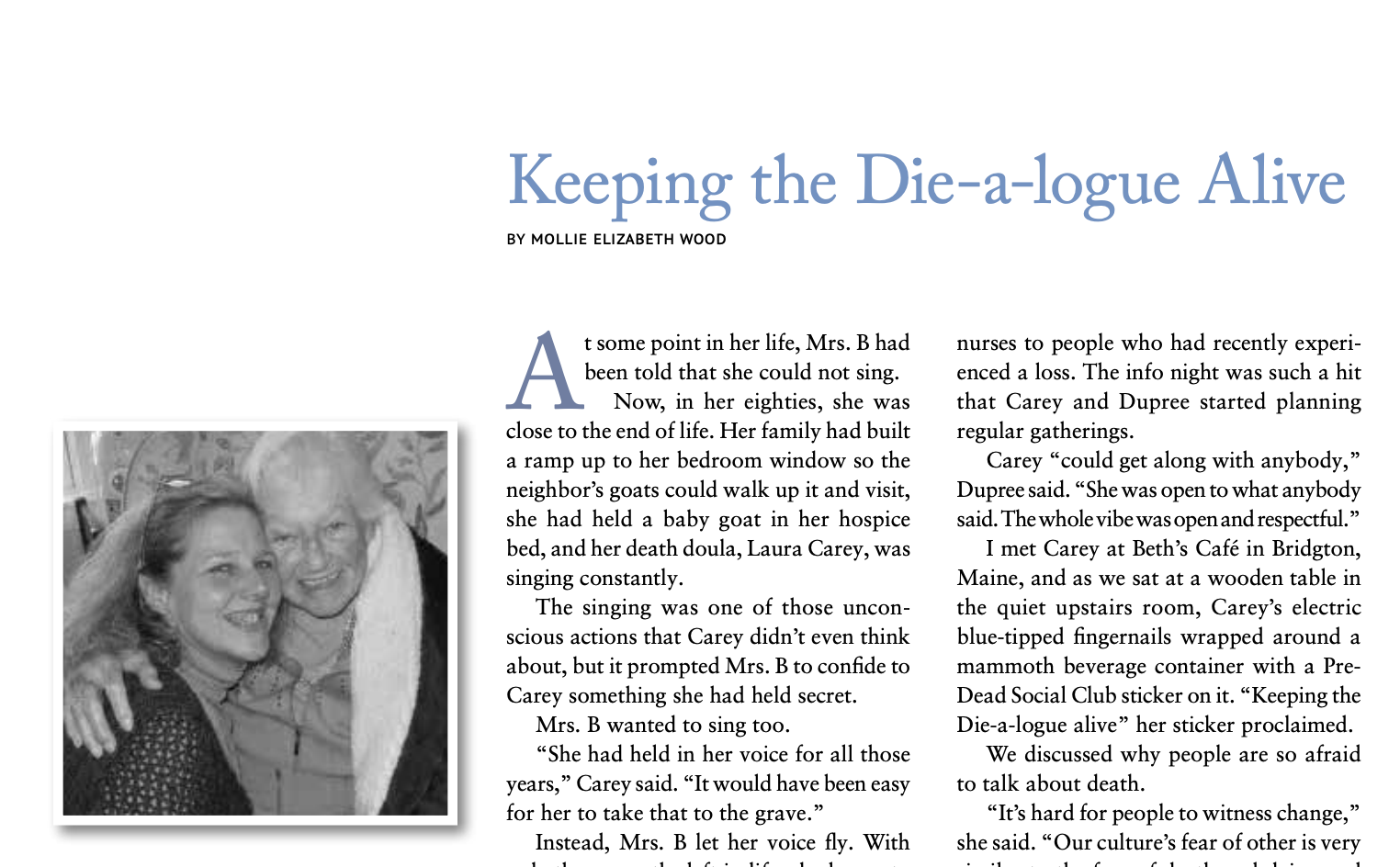





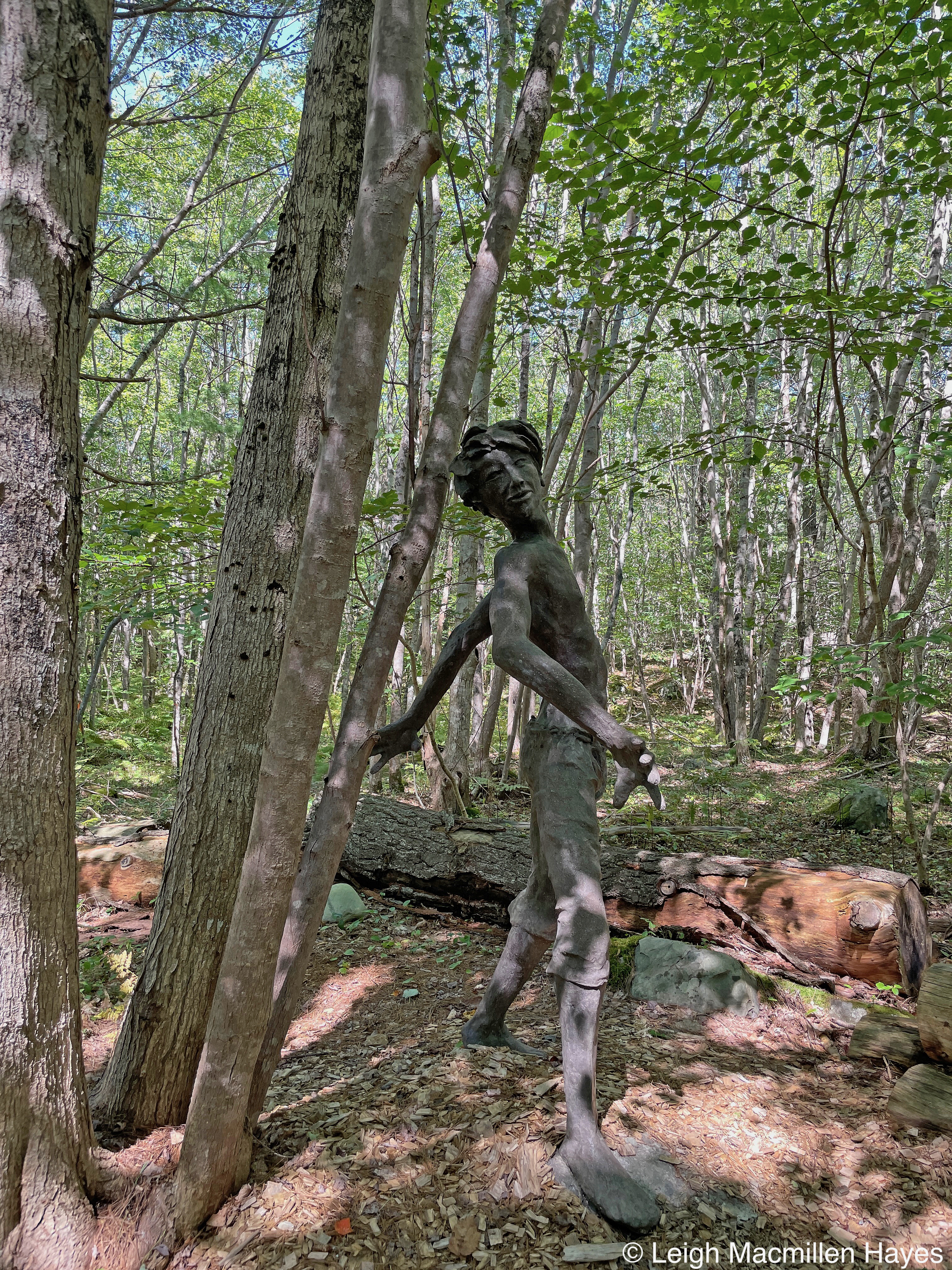
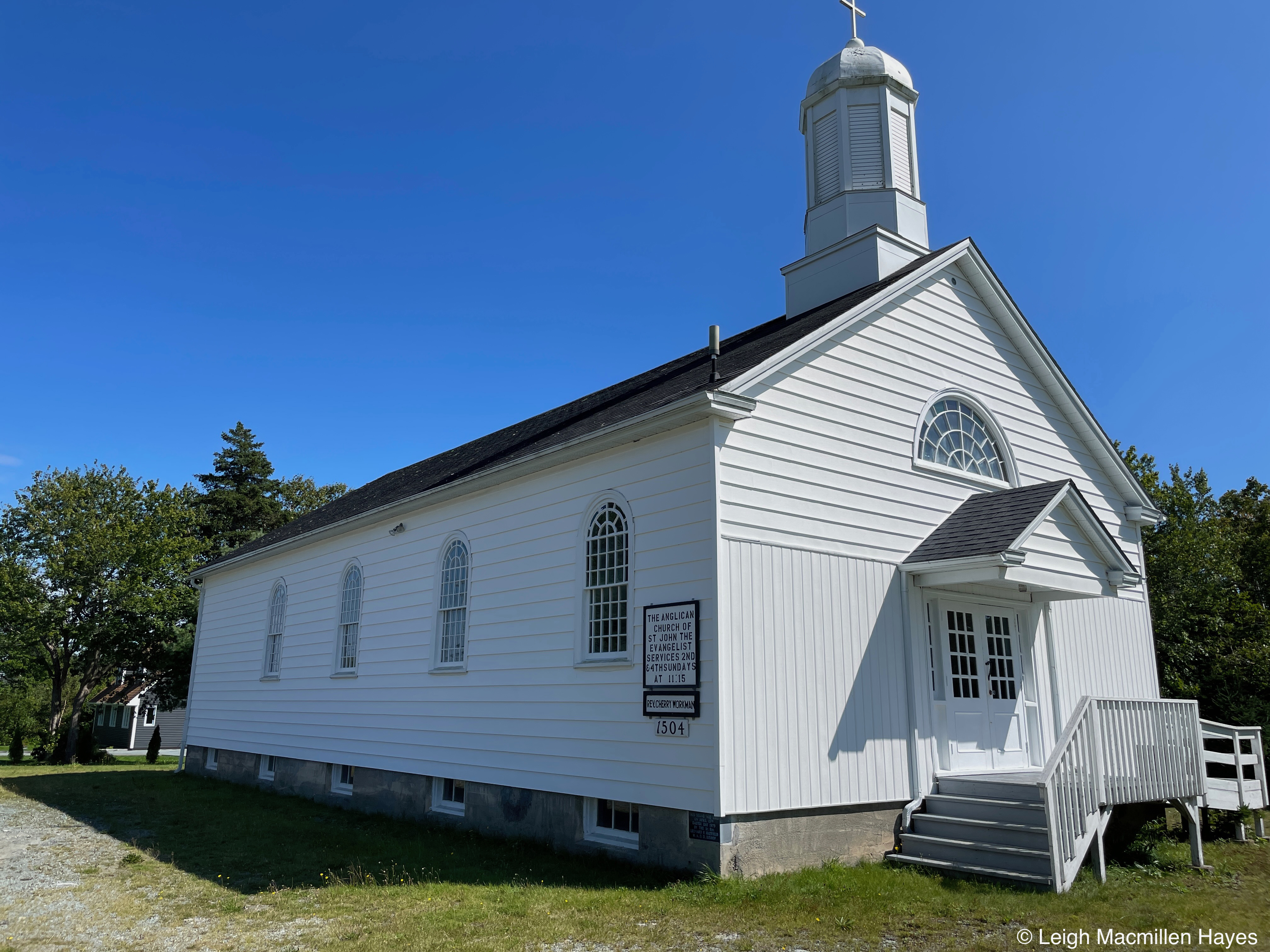
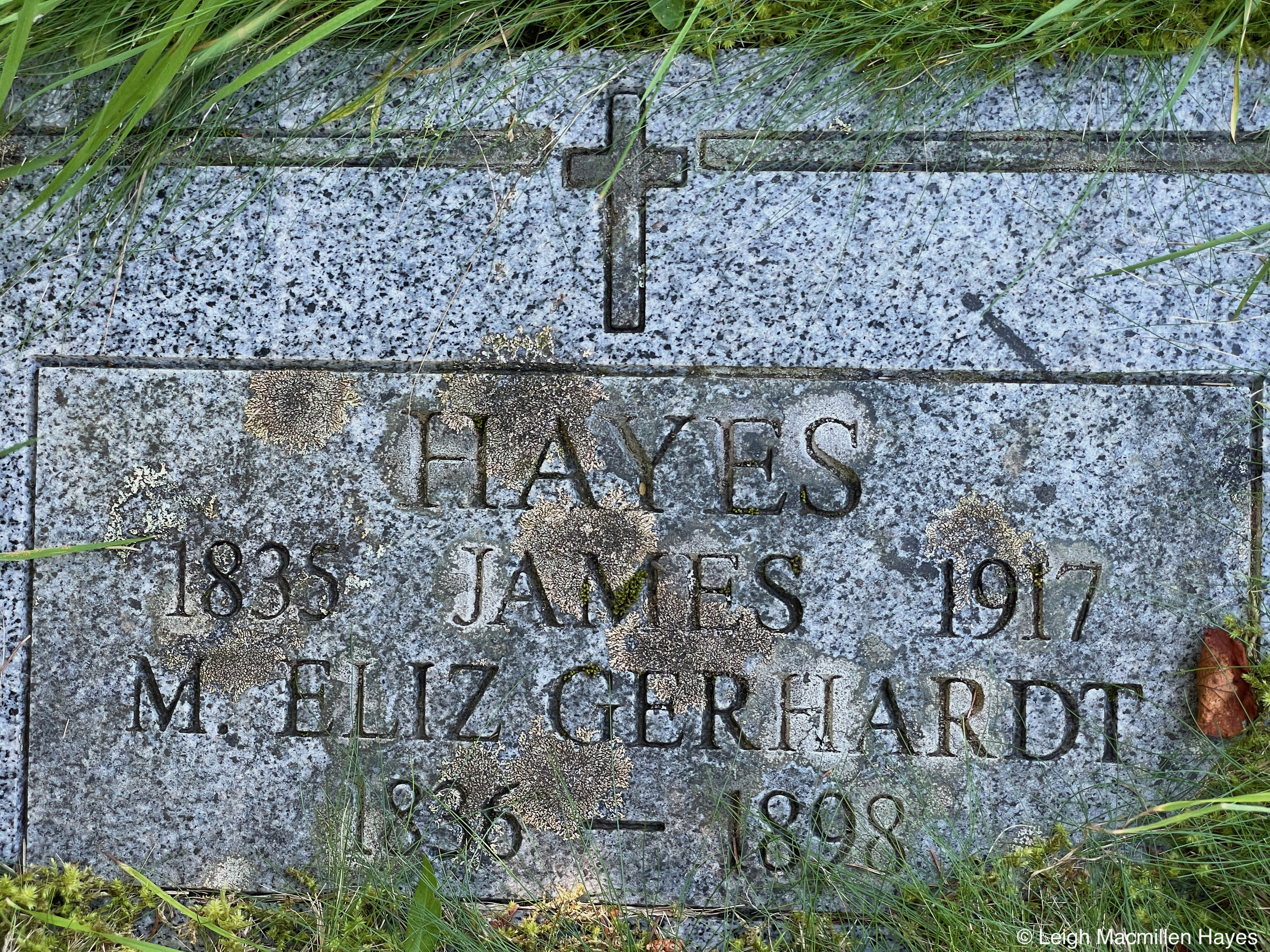


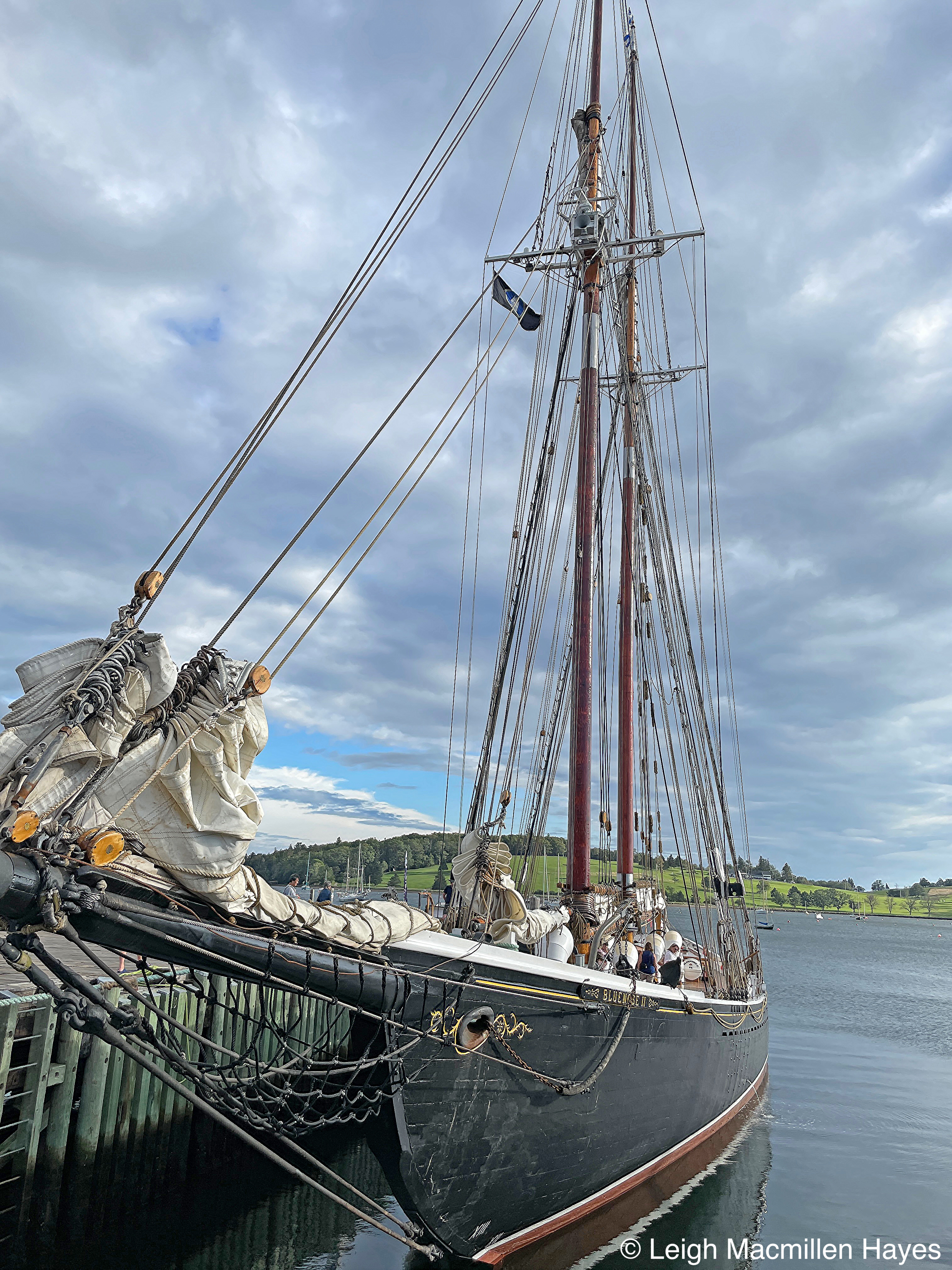


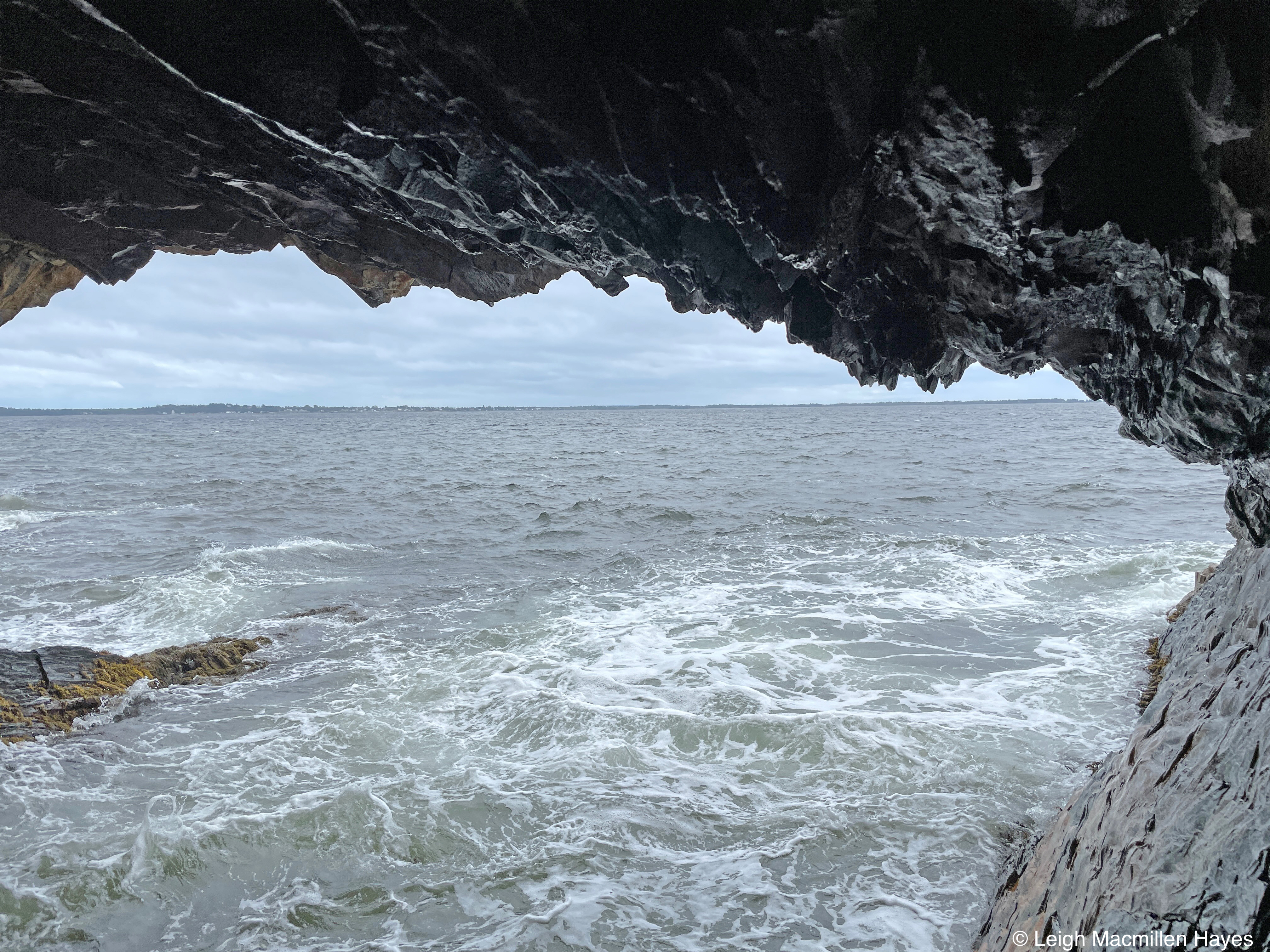


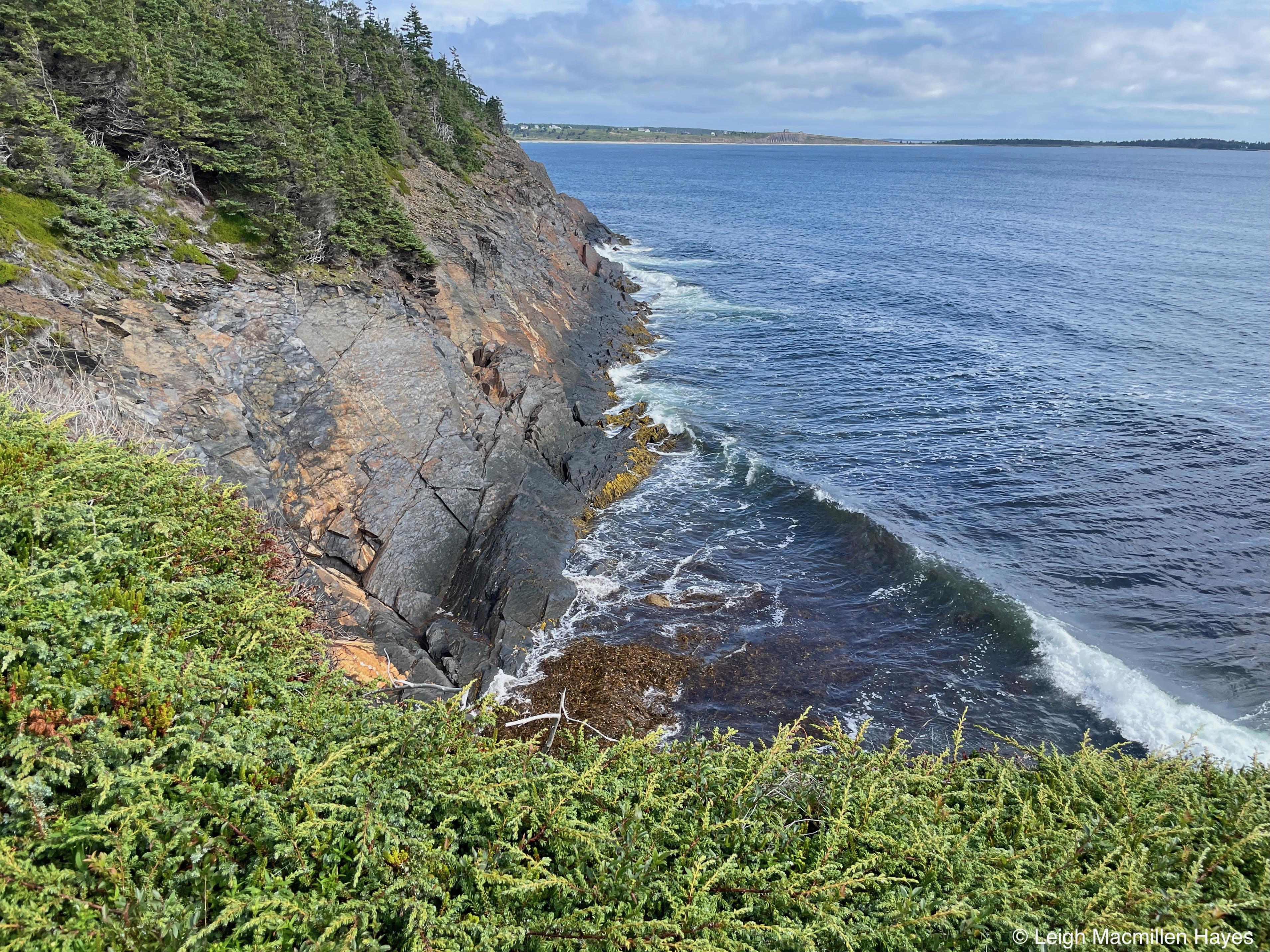


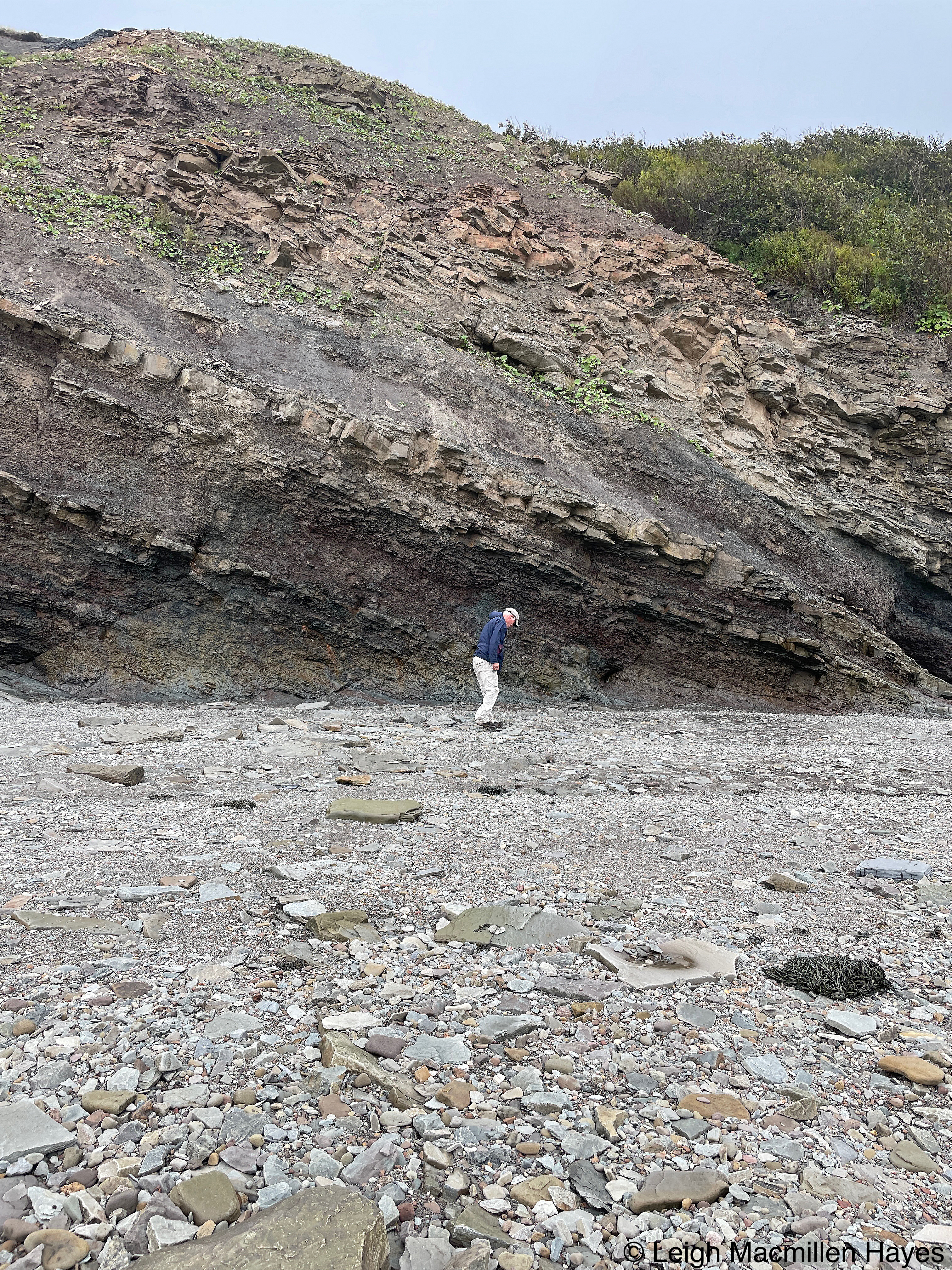


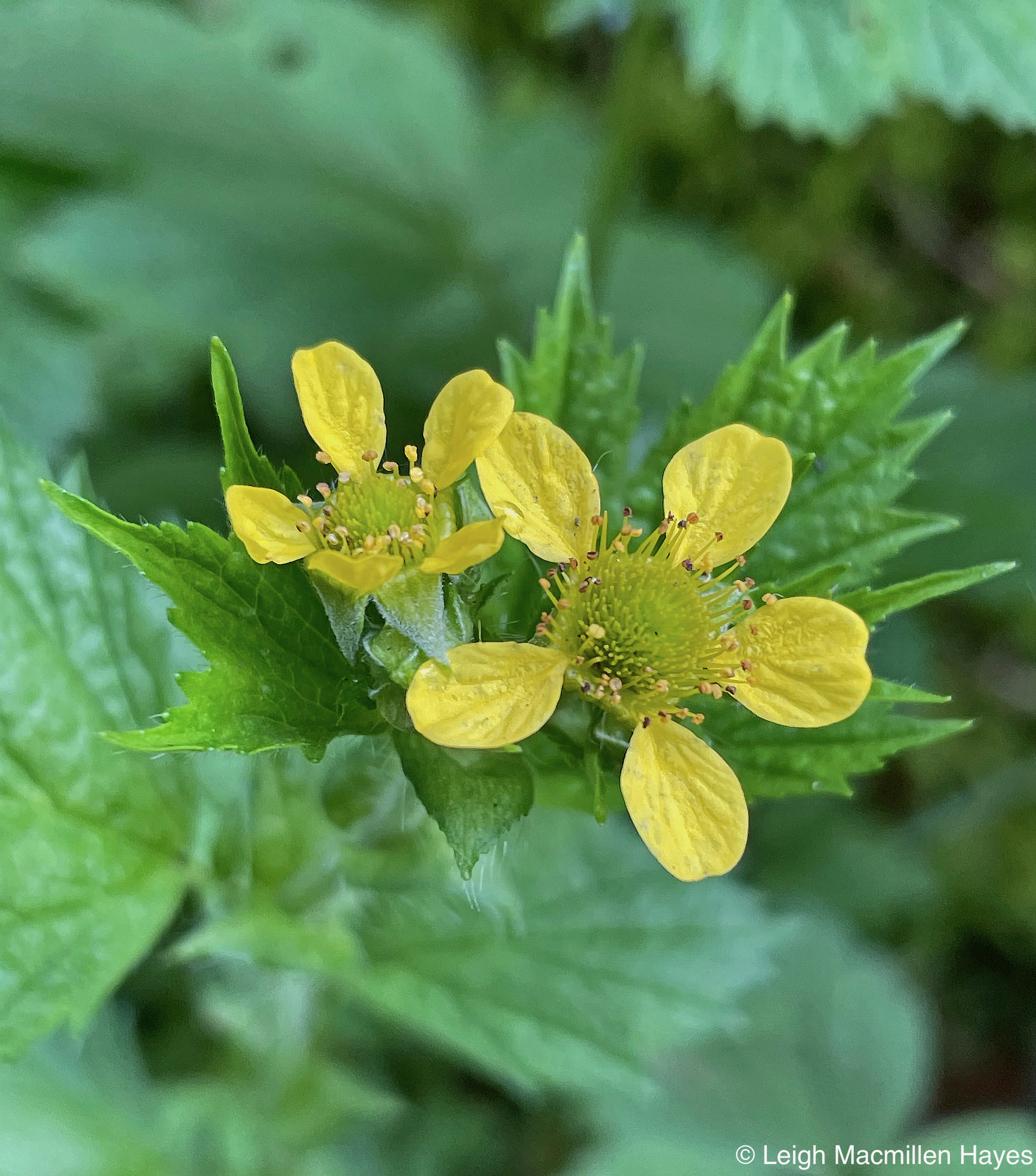


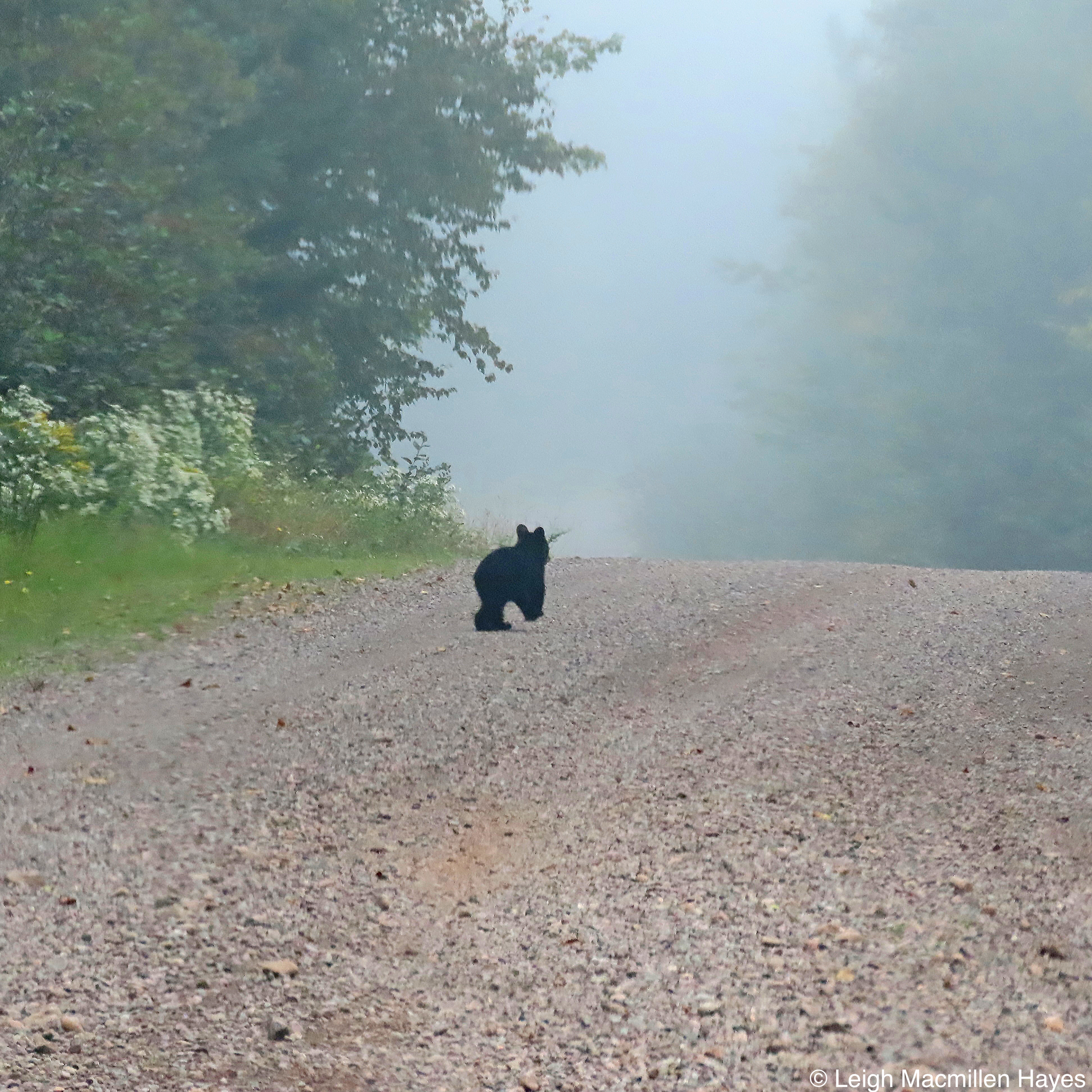

 wondermyway