Somehow we thought the rain wouldn’t fall upon our hike today, until it did. And so we sat in the truck for about 15-20 minutes, waiting for the drops to slow down, which they did.
The rain, however, enhanced everything. And as the sun came out, the water and warmth combined to create a Black Fly Festival, one which will last for several more weeks.
But, April/May showers do bring May flowers, and I sooo love the pastel colors that Hobblebush produces, its non-fertile showy flowers on the edge meant to entice insects to visit about a hundred tiny fertile flowers preparing to bloom in the center.
In wet seeps, Round-leaf Yellow Violets did show off their cheery faces, with violet-veined runways showing the way to the nectary, much like lights at an airfield that aid landings.
And fortunately My Guy didn’t question the fact that I was taking more photos of Red Trillium, for I’ve hardly reached the trillion I intend to take. Really though, in a few weeks our attention will turn toward his beloved Lady’s Slippers, and there are comparatively fewer trilliums than slippers in the forests through which we wander.
Because of the rain, Lungwort, a foliose lichen consisting of a fungus and a green algal partner living together in a symbiotic relationship with a cyanobacterium, showed off its greenliness since the alga had kicked into action to provide food for the fungal structure. It’s sensitive to air pollution and habitat loss, so spotting it is always a treat and reminds us of why we love living here in western Maine.
Below the summit, we paused to share lunch with the Black Flies and take in the view of the mountains, though many were obscured by the cloud cover.
On our descent, there were more hues of green to add to the art palette in the form of the larger Rock Tripe, an umbilicate foliose lichen, and Rock Tuft Moss scattered in its midst.
At a beaver pond, we noted several beaver lodges that looked abandoned and a long dam, but it was the reflection of the sky and clouds that also garnered our attention. The day had transformed as was visible both above and below.
Back at home, I wandered out to the vernal pool to check on the activity. A few days ago I realized that tadpoles were beginning to emerge from egg masses, and today’s warmer weather brought even more into the picture, which in this case included both what I could see under water, as well as the reflection of trees and sky upon the water.
It was when I stopped looking into the depths, however, and focused upon the scene before me, that I realized I was seeing something I’ve never noticed before.
As I had approached the pool, I saw that it had a coating of Birch and Maple pollen and thought with a smile of a fourth grader spotting such last year and looking confused as he asked me if it was ice. No Daniel, it’s not ice. But his initial reaction made sense.
What I noticed today was that the pollen added a rainbow to the water’s surface as the sun got lower in the sky. Yellow by the far shore, orange, red, purple, blue, and green.
So, what caused this rainbow to appear? I’m a huge fan of taking a stick to a Balsam Fir blister to gather some resin and then tossing it into a puddle or still water to watch the natural resins or essential oils appear. Was that happening here?
Maybe this was from decaying vegetation and the sun being at the right angle?
Maybe it had something to do with the pollen as well as the sun’s angle?
I don’t know, but certainly it was fun that this day which began with rain, and showed off a variety of vibrant colors during our five-mile hike, should end somewhere under the rainbow.
In case you are missing snow, I thought I’d bring you some today. But only because about a month ago, the day after Palm Sunday and a major snowstorm here in the north country, My Guy and I went to Diana’s Baths in Bartlett, New Hampshire, to hike.
It was the first of two storms in a matter of less than two weeks that dropped almost two feet of snow each and transformed Lucy Brook into a winter wonderland. Here’s a bit of history from northconwaynh.com: In the 1860s, after building a house and barn on the banks of the brook, George Lucy built a water wheel powered sawmill. In the 1890s, George built a 12-room boarding house for tourists to visit the site. In the 1930s Chester Lucy built a concrete dam with a water feed and turbine system to replace the water wheel used to power the sawmill. Both the rooming house and sawmill were eventually sold to the US Government and have become part of the National Forest land. Due to the deterioration, the buildings were eventually removed from the site in the 1960s. Remnants of the site can still be seen today including the old cellar holes and parts of the dam system, feed tube and turbine gears used to power the sawmill.
Today, it looked much more summer-like in appearance, but still so much water flows due to snow melt in the surrounding mountains, and it’s BRRRRR.
As we ventured forth, I spotted many a boulder experiencing the bad hair day of Common Polypody Fern and every once in a while try to teach My Guy a wee bit about a species. I tell him that someday he can co-lead a nature walk with me. He, of course, guffaws. But ask him what poly and pody mean and he may remember many and feet, for the fern fronds grow from creeping rhizomes.
Last year’s sori (group of spores) were still visible on the underside of some leaves. The sori located in rows on each side of the mid-vein, are circular, orangish brown and not covered by tissue (indusium).
Because we were in a damp environment beside the brook, False Hellebore leaves, with their pleated presentation, brightened the morning. And held raindrops signifying yesterday’s weather.
We also encountered numerous Hobblebush shrubs, some even featuring flowers preparing to open into what will be a fantastic display on another day. On this day, it was enough to see their accordion leaves beginning to unfurl, and those flowers presenting like a bunch of worms crawling over each other as if to say, “Me first. Me first.”
We crossed tributaries several times though we didn’t actually cross Lucy Brook as originally intended for the water was still too high for us to manage safely. But . . . we bushwhacked for a bit before sitting upon some tree roots to take a lunch break.
It was while My Guy sat there, that I poked around and discovered this–Wall Scalewort, a leafy liverwort. Liverworts differ from mosses in that the leaves are typically arranged in rows of two with a possible third row below, while moss leaves whorl around the stem. And most mosses have mid-ribs, which liverworts lack.
That said, the Wall Scalewort closely resembles Shingle Moss, which I spotted along this same tributary in March.
But a closer look today made me realize that I could see the leaf arrangement was succubous where the bottom edge was visible, as opposed to incubous. Succubous arrangement is like roof shingles that don’t let the rain in, while incubous leaves are arranged so the top edge is visible and do let the rain in. Thank you Sue Alix Williams in Mosses & Common Liverworts of the Northeast for that explanation.
Eventually we reached a turn-around point and came up with Plan B for the rest of today’s hike as we made our way out. While I was able to cross with my high leather hiking boots, My Guy chose to take his boots and socks off and watch his feet turn red from the chill. Thankfully, his better half, ahem, that would be me, had packed a towel because we suspected this could be the case.
Now you might find this as odd, but since our discovery of the new privies last month, we’ve been quite taken with the artwork completed by Kennett High School art students in 2023.
Unbeknownst to us at the time, the paintings were a perfect segue from one trail to another.
And so we drove down the road to Echo Lake State Park and tried to convince the warden that even though we live in Maine, our hometown is just over the border and we should be able to hike the trails for free as New Hampshire Seniors don’t have to pay. He kindly informed us that the park isn’t officially open yet, as so it was free, but if we return in a couple of weeks, it will cost us $4 each. Not bad in the scheme of things.
Before us stood White Horse Ledge, one of the trails we had considered if we’d been able to cross Lucy Brook from our earlier destination. We were green with envy as we looked across at it.
But about half way around the lake, we found a different trail to the summit and decided to follow it. That said, we found several trails to the summit and the first we chose led us astray as it eventually petered out.
Despite that, we were thrilled. Okay, maybe it was me rather than we. Semantics.
And so today I celebrated my first meeting of 2024 with Sessile-leaf Bellwort, aka Wild Oat. And where there was one, there were a million, the subtle yellow bell dangling quietly below.
And then . . . and then, I spotted a Stinking Benjamin, or Red Trillium almost in flower.
And a few steps away . . . full flower mode. Trillium is a reference to the fact that the floral parts of the plant occur in threes: three leaves, three petals, three sepals.
Going forth, I’m sure I’ll honor a trillion trilliums, but these were the first and therefore the most special.
As we made our way back to a better trail, the leaves of Trout Lily caught my attention and then much to my delight I found two in flower. The leaves are maroon-mottled and the nodding flower features petals and sepals bent backwards to expose six brown stamens. This one is such a treat for me because I only meet it when I least expect to do so.
Once on the actual trail upon which we had to scramble to climb toward the ledgy summit, I spotted another that only grows in such habitats.
Take a look at the black arrow in the photo. That is one hairy stalk rising from a rosette of basal leaves.
This native perennial wildflower, Virginia Saxifrage, grows out of cracks in rock, and has been known as a rock breaker even though it doesn’t actually break rocks, but rather, likes to grow in those fractures. It’s such a sweet little flower that is easy to overlook.
From the ledges above, we had a great view of Echo Lake, and the mountains beyond, with Cranmore’s Ski Area showing the last of the melting snow.
That brings me back to the snow of a month ago. I took it upon myself to figure out a way to make people smile.
And today, we did the same, though not with snow like this. But rather, with our actual smiles and friendly hellos as we greeted each hiker we met. Even if they weren’t smiling or making eye contact with us at first, we got them all to return the greeting and had some nice chats with a few.
I told My Guy that it kinda reminded me of our New York adventure last weekend, when I made it a point to try to make eye contact with each person we passed on the sidewalk or trail and to always leave them with a smile. A few actually looked at me and turned on a smile, which seemed to surprise them.
This was indeed a smile of a Mondate . . . on so many levels.
I remember when we’d take our young sons to cities and I’d hold a tighter than tight grip on their hands, or maybe it was their wrists, as we walked along sidewalks thronging with people. I can’t hold their hands in quite the same way anymore, and in fact, in their presence in a city (the older in Boston and the younger in Brooklyn), since that’s where they’ve both chosen to make their homes at the moment, their confidence and poise and graciousness make me feel comfortable. And they have become incredible tour guides.
And so it was that this past Friday, My Guy and I flew to LaGuardia Airport and began another New York City journey.
We were met at the airport by P, who drove us to the Prospect Heights neighborhood of Brooklyn, where his girlfriend, M, was waiting and had ordered pizza because one of my wishes for the weekend was for a NY-style pie. Well, really, I wanted New Haven style, given my roots, but NY is the next best thing.
The apartment belongs to M’s mother, D, who graciously offered it to us as a home base for our weekend adventure. The view of the Manhattan skyline garnered our attention each morning and night, and we knew the Knicks had won their game Saturday because the Empire State Building showed off their team colors.
For as long as P has lived in Brooklyn, we’ve heard of Prospect Park, which encompasses over 500 acres in the midst of the city and offers habitat and respite for critters of all shapes and forms, including humans.
We had signed up for a two-hour tour with the well-informed Corinne as our guide. Designed in 1865, she explained that the park is considered Frederick Law Olmsted’s and Calvert Vaux’s masterpiece, Olmsted pictured on the left and Vaux on the right. Here, unlike in Central Park, they took advantage of the natural elements, though I was disappointed to learn that they’d filled in kettle holes created by glaciers.
We entered via the Endale Arch, which was built in the 1860s and restored within the last ten years. It was during the restoration when paint and wood panels that had been added because of rain damage were removed, that pine and walnut paneling was discovered.
It’s almost like passing through the welcoming doorway of a church.
I could have spent hours meeting trees in the park, but this was not the time, and so I reveled in the few we did get to know, such as this Camperdown Elm, whose branches grow more or less parallel to the ground giving it a gnarly bonsai appearance. The tree, grown from the Earl of Camperdown’s Scottish estate, was planted here in 1872, but neglected years later until in 1967 Marianne Moore wrote this poem to save it:
I think, in connection with this weeping elm,

of ‘Kindred Spirits’ at the edge of a rockledge

overlooking a stream:

Thanatopsis-invoking tree-loving Bryant

conversing with Thomas Cole

in Asher Durand’s painting of them

under the filigree of an elm overhead.

No doubt they had seen other trees—lindens,

maples and sycamores, oaks and the Paris

street-tree, the horse-chestnut; but imagine

their rapture, had they come on the Camperdown elm’s

massiveness and ‘the intricate pattern of its branches,’

arching high, curving low, in its mist of fine twigs.

The Bartlett tree-cavity specialist saw it

and thrust his arm the whole length of the hollowness

of its torso and there were six small cavities also.

Props are needed and tree-food. It is still leafing;

still there. Mortal though. We must save it. It is

our crowning curio.
Though she passed about fifty years ago, the tree, thanks to Miss Moore, lives on.
Another that struck my fancy was the Osage Orange, though apparently I should be thankful we didn’t visit in the autumn when its softball-sized fruits fall. Then it might not be my fancy that is struck, but rather my head.
Though we only had a moment to glance at tiled ceilings, they were the masterpiece of Spanish engineer Rafael Guastavino. I can only wonder if a sunflower or some other composite flower was the inspiration for this one.
Much to our delight, as we followed the path, a Black Squirrel scampered along the ground and then up a tree. The Black Squirrel is a color phase of the Eastern Gray Squirrel (Sciurus carolinensis), also known as a melanistic variant due to a recessive gene that causes abnormal pigmentation. Do you see it peeking at us?
While our bird sightings were many, especially of Robins and Sparrows, we spotted one male Cardinal, one Mallard, and this one Cormorant swimming in murky water.
The species of the most abundance, however, was the Red-eared Slider Turtle. Though outlawed for sale today, Red-eared Sliders are the most common turtles kept as pets. They live long lives and need ever increasing habitat and food, thus many have been abandoned–their owners slipping them into the waters of the park unceremoniously in a practice that is illegal.
Thanks again to the generosity of our hostess, we also visited Brooklyn Botanical Gardens where Cherry Blossoms and an array of colors wowed us and thousands of others.
It was fun to glimpse over the shoulders of two artists and notice how their work reflected the scene.
Though these tulips each had a name, I would have called this spot the ice cream stand for the flavors seemed to abound.
Beside water, Horsetails or Equisetums did grow.
As did the almost ready to unfurl crosiers of Cinnamon Ferns. I love their woolly coats.
It was here that I had a brief encounter with another tree new to me, a Horned Maple. Acer diabolicum leaves are five lobed and coarsely toothed. The common name comes from paired horn-like projections from the seeds, but we were too early to spy these. We did get to see it in flower, though I think I’m the only one who noticed.
And I kept wondering where all the pollinators were, though we didn’t get too close to the Cherry Blossoms, but the Honeysuckles lived up to their names and were abuzz with activity.
If I had to name a favorite, it would probably be the Hybrid Magnolia based on its color and form. Simply a masterpiece.
We spent an hour enjoying a masterpiece of another sort, worshiping with others at St. John’s Park Slope, an Episcopal Church with a heavenly choir and an organ that filled the rafters with music both old and new.
And then we took a trip into Manhattan via P’s new truck. Haha. Yes. That is a Tesla truck. Just not my idea of a truck. And no, we did not travel in it, but rather M’s car.
P showed us the large office he works in where ads and films, but mostly ads these days, are produced and edited. And clients are wined and dined in situ. There’s even a staff chef.
And now, when he says he’s working from the office, we can imagine him in this space.
It’s located two doors away from the birthplace of Teddy Roosevelt.
Not being shoppers, we only stepped into a Yeti store, where of course, My Guy announced that he has the products on his shelves back in Maine. And he peered into a closed hardware store, cuze no trip of ours is ever complete without visiting one or two. But then again, no trip of ours is ever complete without stepping along a wooded pathway and noticing the flora and fauna.
But the main purpose of our trip was to visit. Family. And friends. And meet this little powerhouse who knew how to command the crowd.
My Guy was in instant love. And she was so chill.
We loved spending time with one of M’s brothers, her sister and niece, plus M and P. of course. We did meet up with M’s other brother, but somehow I neglected to take a photo. Sorry R.
Over the course of the weekend, world problems were solved and sporting events analyzed by these two.
And one of the highlights was our opportunity to attend their softball game, which they won because we were there, the good luck charms that we are.
He scored a home run, another run, and I can’t remember his other stats, though I’m sure My Guy and P have it in their brains.
M also walloped the ball and got on base each time.
And scored as well. We were mighty impressed because we saw the results of a slide she made into a base last week and how she could run this weekend was beyond our understanding.
At last Monday dawned and P stopped by the apartment to pick up laundry and say goodbye.
Until we meet again, thank you M & P, and D, and all the gang, including P’s colleagues who played in the game or came to cheer on the softball team.
We had a fabulous weekend thanks to all of your planning, and I just finished a bagel that followed us home. Family. Food. Oh, I didn’t even mention Frankies Spuntino and the delish eggplant marinara. And fun.
We love New York. Especially through the eyes of P & M. And then we love returning to Maine.
Snow. Slush. Mud. Water. Flurries. Wind. Sun. Clouds. They were all on today’s menu. It’s a March thing. And so we decided to embrace it and head to a spot we usually avoid this time of year.
Our destination was a country lane beside the Old Course of the Saco River in Fryeburg, Maine. During the winter, this road is part of the snowmobile system. In spring, summer, and fall, it sees a fair amount of traffic. But . . . because of current conditions and the fact that a portion of the road washed out a few months ago and another portion is under at least six inches of water, the gates are closed and the only traffic is via foot. Perfect conditions in our book.
I love to walk roads like this because they always have something to offer and today it was the discovery of a bunch of rather dramatic winter weeds known as Roundhead Bush-clover. Bristly, spiky flower heads. Curly leaves with nooks and crannies.
The sky was equally dramatic and ever changing as we viewed it while walking southeast with the ridge line of our beloved Pleasant Mountain forming the backdrop.
We managed to easily get around a major washout, but then encountered this and it is not a puddle. The water is flowing across the road and we could feel the current as we were determined to get to the other side.
We are both here to report it was at least six inches deep in the deepest spots. We were feeling pretty darn smart for thinking to wear our muck boots.
Just over a mile in we reached the coveted spot: Hemlock Bridge. The bridge has spanned what is now the Old Course of the Saco River for 167 years. Built of Paddleford truss construction with supporting laminated wooden arches, Hemlock Bridge is one of the few remaining covered bridges still in its original position.
Peter Paddleford of Littleton, New Hampshire, created this design by replacing the counter braces of the Long-style truss bridge, creating an unusually strong and rigid structure. During three seasons, you can still drive across it.
Yes, we’d seen a lot of water on the road and in the field and noted how high the river was and flooded the fields were, but it really struck home when we noted the short distance between the bridge and the water. And a memory popped into our heads simultaneously.
Today we never would have been able to kayak to Kezar Pond as we did in August 2023. If you look at the cement support on the left and scroll back up to the previous photo, you get a sense of how high the water is right now. And that’s not the highest it’s ever been. Not by a long shot. But you must keep reading to learn more about that.
Once on the bridge, there’s plenty of graffiti to examine, or not. I prefer to take in the views and love how the boards create a frame–this one looking in the direction of Kezar Pond.
And this toward Saco River. Both are a bit of a paddle, but a fun paddle.
Exiting the other side of the bridge, we discovered we weren’t the only ones to have passed this way. Perhaps we were the only humans, but raccoons had also been out for a walk, or rather a waddle.
After spending a few minutes looking around and scaring off Wood Ducks, it was time to turn around.
On the way out, it was the silhouette of one large and statuesque American Elm that captured my heart as it always does.
And we could see snow squalls in the mountains, while a few flurries fell on us.
At last we finished up where we’d started. And that’s when we saw the owner of the land we’d passed through coming down his son’s driveway. The legendary Roy Andrews is a storyteller of the past and we were delighted that he stopped his truck to chat with us. He told of stories passed on to him about logging operations and situations, especially when the river reverses flow during high water events and once a huge amount of logs were lost until they could haul them out individually in the summer. And he told us that the highest he has ever seen the river is three feet above the floor of the bridge. “Well, that’s a bit of an exaggeration,” he said. “It was 34 inches high.”
This was a reflection Mondate as Roy reflected upon the past and we did the same, both recalling different times we’ve traveled this way, via skis and snowmobile and vehicle and foot and we are so grateful that we can continue to enjoy the past and present. And hope for the same in the future.
We’ve journeyed to Nova Scotia several times before, my guy and me, but it’s one of those places that beckons for a return adventure, and so we heeded the call and went forth.
The first leg of the trip found us tailgating in the parking lot for The Cat in Bar Harbor. When we had gone inside to pick up our tickets, we realized we couldn’t take tomatoes or bananas into Canada and so we put them on the lunch menu.
Our yacht was a wee bit late arriving, but at last we spied it pulling in to the dock. Given that, we still had to wait a bit more to board so others could disembark and pass through USA customs.
At last it was our turn and we rolled up the ramp and into the parking lot of this huge catamaran ferry with Yarmouth, Nova Scotia our destination, 3.5 hours away. Somehow we scored a table and chairs in the bow and sat down to enjoy the international cruise. I don’t have photographs to prove this, so allegedly we saw dolphins off the port side and even a whale just starboard shy of center that the boat drove over (remember, it’s a catamaran)–and might possibly have made contact with for we felt a thump.
At Canadian Customs we offered to give up the tomatoes and bananas and were told not to worry.
The first night found us at a hotel in Yarmouth and then we began our journey north the next morning, pausing at a spot a woman in the Liverpool information center suggested we visit: Cosby’s Garden Centre. It’s home not only to an amazing display of plants, but also the imaginative artwork created by Sculptor Ivan Higgins.
Around every corner of the path that weaves through the woods, there are plantings and sculptures waiting to surprise, all made of wire and concrete.
My Guy is not exactly a garden-type-kinda guy, but he absolutely loved all the discoveries we made and at one point we split up and he couldn’t wait to show me what he found. Ahhh, but I’ll wait until the end of this post to share that. Don’t skip ahead cuze you’ll ruin the surprise.
This one was one of my favorites. Do you see it?
How about now? I snuck up on this guy who was hiding behind the trees. There are acrobats and dragons and all kinds of wonders to locate and if you are driving by on the road, you really have no idea what is hiding in the woods behind the garden centre.
Our next stop was St.John the Evangelist Anglican Church in Eagle Head. The last time we visited, My Guy’s (MG) second or third cousin gave us a tour of the church and said that if MG had been at the service the day before, he would have pointed to almost everyone in the parish and said, “You are related to him, and her, and her, and . . . ”
We visited the gravesite of MG’s great-great grandparents and then continued up the road to West Berlin , where we stopped in to visit his relative’s widow. (RIP Borden)
After sharing our condolences because Borden passed away two years ago, and catching up with her, we went for a walk up the lane to follow the route MG and Borden’s great-greats used to traverse to their home. Only the ell is left now, the rest of the house having burned many moons ago, but still.
It was here where they toiled as they farmed the land by the ocean and we felt like we were breathing some of the same air they used to breath.
And then it was another 45 minutes or so to our “hometown” of three nights as we’d rented a chalet overlooking the town of Lunenburg.
Ours was the cabin in the middle, complete with kitchen, living room with woodstove, bedroom, and kitchen, plus deck with bench and grill, and plenty of firewood, and sorta an ocean view being the Oceanview Chalets. It was a delightful place to stay, clean, comfortable, and quiet. Plus, this is a dark-sky -friendly property and on the third night there was no cloud cover and we enjoyed the celestial view.
Though we didn’t tour the Bluenose II, it gave us pause each time we walked past it, for it’s one handsome schooner that was built at a local shipyard to honor the legacy of the original Bluenose that struck a reef off of Haiti in 1946. The present day boat was constructed in 1963 by some of the same shipbuilders as the first.
Wind and a few raindrops, but mostly wind, gusty wind, blowing at at least 25 miles per hour, were the name of the game on our first full day in Lunenburg. We drove to Ovens National Park in Riverport and walked the ocean-side cliff trail to explore the sea caves. I followed MG down into Tucker’s Tunnel, a natural cave that was extended during the 1861 Gold Rush! Yes, there’s touted to be gold in this area and though we didn’t do it, you can rent a pan and go gold panning!
Opposite the overlook at Indian Cave, where as the story has it, the cave was “named after an ancient legend wherein a M’Kmaq native paddled his canoe into the cave emerging near Blomidon on the other side of the province,” we noticed something we’ve never viewed before.
If you look closely at this photo, you may see small white balls floating in the air. The wind was so strong that as waves crashed below, balls of foam rose like silly snowballs rising rather than falling.
Walking along, we began to get a sense of the force of nature and reason it’s called Ovens Natural Park, for the caves look rather earth-oven-like in shape, much the way an Ovenbird builds its ground nest in the same shape.
In Cannon Cave, we climbed all the way down and in, and I was sure we were going to get washed away each time a wave roared in. The wave action really does create a resounding boom and it’s much more dramatic than Thunder Hole in Acadia National Park, at least in our opinions.
From Riverport, we drove to Mahone Bay, a sweet little town of shops and known for its three church spires. But for us, it was the rail trail that attracted our attention, so after lunch at Oh My Cod, we planned to find the spot where three trails meet and walk a portion of each. Somehow that plan changed without us even realizing it, and instead we followed the Dynamite Trail for 11K each way (6.8 miles each way) and honestly, had beat feet by the end.
But, in the midst of it all, we stumbled upon this art display: High Tide contructed by Erin Philp, a local artist, woodworker, and shipwright. According to a plaque at the site, the sculptures are based on the classic Lunenburg Dory design, historically used in combination with Grand Backs Schooners, like the Bluenose, to fish the Atlantic Coast. “The High Tide collection . . . elevates the vessels into a new and surprising relationship with their environment, highlighting and celebrating these simple, yet enchanting boats.” Indeed!
At our turn-around point on the Dynamite Trail we literally stopped in our tracks when we spotted a deer ahead and it mimicked our behavior. Look at those ears on high alert. The three of us spent a little time together, and then it continued across the trail while we turned to head back.
A few minutes later we spotted two more, this one licking its chops after enjoying some buds and leaves.
At home, we love to watch deer from the kitchen windows, but it’s an equally fun sighting when we are somewhere else.
The next day we realized that we’d skipped a planned hike after visiting Ovens National Park, and so we headed to Hirtle’s Beach and Gaff Point in Dayspring. In contrast to the rail trail, this was a combination of beach, forest, and rocks, and much more comfortable under our weary soles.
Again, the winds were strong, which enhanced the wave action.
After circling the point, MG skipped a few stones, channeling his inner child.
You might say we are glutons for punishment, but after lunch at the chalet, we walked down the road and found another rail trail, the Back Harbor Trail. This time, however, we only walked about two miles on the trail, coming out at the other end of town. Rhonda the Snake was waiting to greet us and so we admired her unique skin pattern.
Walking back through town, I spotted this Basswood tree in full fruiting form. The fruits are nutlets borne on a stem bearing a persistent bract, or modified leaf–note its lighter green coloration. Somehow the bract aids in the wind dispersal of the fruit.
It was on this day’s journey that I also met Jointed Charlock, aka Wild Radish. Apparently, it’s an invasive species, so I should be grateful we hadn’t met before.
Our time in Lunenburg came to an end, so then we drove northwest to Amherst. Okay, so here’s where I have to tell the story of my mistake. When I first booked our next chalet, I saw that it was two miles out of Amherst, and thought that was perfect. We’d be on the Bay of Fundy and yet only two miles from town.
Ahem. Wrong. I failed to read the rest of the sentence until we arrived and grabbed a late lunch. Two miles out of town, and then 25 more miles to Lorneville on the Northumberland Strait.
It’s a good thing we did some grocery shopping before driving north to Amherst Shore Country Inn. Despite the distance to the Bay of Fundy, our little place, with a living room, dining area, kitchenette, bedroom with jacuzzi, and small bath was perfect. And the deck, also with a grill and adirondack chairs, offered a spendid view of the gardens and waterfront of this 20-acre property.
It also offered a splendid view of Craneflies for so many hung out on the windows. I spent at least an hour one morning watching them walk as if on wobbly stilts, occasionally fly, canoodle, and even lay eggs on damp vegetation.
Our first full day dawned foggy, but still we made the long drive to the cliffs of the Bay of Fundy. After realizing we were a wee bit too early for the Joggins Fossil Cliffs museum to open, so we instead drove to Eatonville in Chignecto Provincial Park to go for a hike.
A couple of miles in, we realized that even when we reached the coast, the fog would be too pea-soupy and so we retraced our steps.
On the way out, we did stop for a walk along a red sand beach, so colored because the sand eroded from rocks with significant iron content.
We decided that rather than retrace the drive back to Joggins, we’d follow a loop, which turned out to be a mistake for a detour spit us back out opposite where we wanted to be and cost us some time. We missed the last guided tour at the fossil cliffs, but climbed down to the beach and began searching for signs of the Coal Age.
One of our finds was possibly a calamite fossil, a type of horsetail plant that lived in coal swamps of the Carboniferous Period.
It was back to Chignecto the next day because we really wanted to explore more of the park. A park ranger mapped out a trail for us and off we went. We only had time for about five or six miles, but would love to someday explore more.
I think one of my favorite sights occured there as well as everywhere else we traveled in Nova Scotia, a sea of goldenrods and asters.
My other favorite sight was the color of the water. We’ve never been to Bermuda, but somehow based on photographs I’ve seen, I’m pretty sure we discovered the Bermuda of the North.
Though we never did see the tides I was hoping for because I’d not read the directions for the chalet fully, we could see the effects of erosion everywhere, and had to wonder how much longer this spruce will hold its ground.
Next stop on the agenda, not that we had such, was Cape D’or Lighthouse, erected to warn mariners of the tidal rip. Though the history of a fog horn and then lighthouse date back to 1875, the current concrete structure was built in 1965.
As we stood out on the point and looked back, I was rather grateful that it was low tide and we could get a real sense of the topography.
Our final trek that day was to the Three Sisters Sea Stacks. So . . . it turns out that when we were hiking in the fog the previous day, we weren’t all that far from the sea stacks. And it also turns out that while we might not have had a good view of them in the fog, arriving late in the day also didn’t offer a spectauclar one from a camera’s point of view because the sun was setting right behind them and my photos came out overexposed. That said, I did want to share The Fissure, a large crack in the underlying bedrock that occurred as a result of extreme faulting and lifting 325 million years ago. Can you see the large rock suspended over the beach?
In our Chignecto Park hikes I spotted a few flowers also new to me including Herb Robert and this one, Large-leaved Avens, which is said to grow from the Arctic south to Northern USA.
And back at Northumbria Strait, Cormorants cooled off by spreading their wings.
All right, so if you’ve stuck with me this long, I promised when we were at Cosby’s Sculpture Garden Centre that I’d show you what My Guy spotted and took me to see: Momma Bear reading to her three sleepy cubs. It was a foreshadowing . . .
Of the best kind, for on that foggy day as we left Chignecto and eventually made our way to Joggins, we allegedly spotted momma bear and a cub cross the road. As I reached for my camera, a second cub crossed the road. I told My Guy to not start driving again because I thought we might see a third cub, and Bingo! He scampered out of the woods and racced up the road as if saying, “Hey guys, wait for me.”
It’s been a while since I’ve shared a Mondate mostly because it’s either rained, or we had errands to run, or whatever we did was something we’ve already done a million times before and didn’t seem worth sharing. And so this weekend dawned as a three day weekend for the two of us and we decided to dig in and have fun.
We began our journey on Saturday with a long (think 9.5 mile out and back, with some backtracking in the mix) walk on old roads deep in the woods of western Maine. Our goal was to find the Hand on The Rock. Yes, you read that correctly. The Hand on The Rock.
And we did. I’d heard friends talk about this over the years, but until recently didn’t know of its actual location. Yes, that’s my guy’s hand. But do you see the engraved hand on the rock? It was perfect for my guy to place his hand on top, as he’s left-handed.
Below the left hand is the name LH JEWETT, that features a backward letter J. According to Arthur Wiknik, Jr.’s Hand on The Rock essay, “The rock carver has been identified to be Leander Hastings Jewett. Leander was born on April 4, 1851 in Sweden, Maine to Milton and Eliza (Whitcomb) Jewett, and for a time lived in the northeast corner of Sweden known as the Goshen neighborhood.”
Continues the writer: “As with most young men in the 1800s, Leander was a working member of his family and likely chiseled the rock between 1868 and 1873, presumably out of boredom while helping his father do some logging.”
I think what I love most about all of this is that Wiknik acknowledges my friends Jinnie Mae and Dick Lyman, (may they both RIP,) for their historical knowledge.
Since we were in the neighborhood, we also stopped in at the Goshen Cemetery. The stones were discovered years ago under the duff and uprighted in situ. The tombstones are unmarked and as far as I know, two theories exist–an epidemic struck the neighborhood and those who died needed to be buried as fast as possible, or these were the tombs of the residents from the town’s poorhouse.
And when we finally returned to the truck, we were blessed to discover a bag of fresh veggies left by two dear friends.
That was Saturday.
Sunday found us driving across Hemlock Covered Bridge in Fryeburg, Maine. The structure has spanned the Old Course of Saco River for 166 years.
Built of Paddleford truss construction with supporting laminated wooden arches, Hemlock Bridge is one of the few remaining covered bridges still in its original position. Peter Paddleford of Littleton, New Hampshire, created this design by replacing the counter braces of the Long-style truss bridge, creating an unusually strong and rigid structure. It was reinforced in 1988 and one can still drive across (“You’re stating the obvious, Mom,” our sons would say.).
Our goal was to paddle under the bridge and head to Kezar Pond on this beautiful afternoon.
My guy had never actually travelled this route before, so it was fun to share the tranquil paddle with him.
A juvenile Bald Eagle greeted us from high up in a White Pine. And we greeted it back. As one should.
Reaching the pond, we discovered a beautiful day to the east and storm clouds to the west. And so it was a quick look-about and then a wise decision to turn around and paddle back to the bridge.
But first, a small skimmer dragonfly known as a Blue Dasher, begged to be admired. And so I did.
As soon as we started our return journey it began to sprinkle, but despite the rain, we were rewarded with another look at the juvenile eagle as it flew down to a tree limb beside the river.
Did we get wet? A tad bit. It was a gentle rain, however, and since it wasn’t cold, we didn’t mind.
Was my guy faster than me? Yup. But he waited under the bridge until I caught up.
And then today’s decision was to climb The Roost trail in Evans Notch and hike along another trail in Shelburne, New Hampshire. The Roost is a fun loop that doesn’t have much of a view at the summit.
But we found things to look at that made up for it, like this Clintonia, aka Blue Bead Lily, growing out of a dead snag.
And this mystery plant for my naturalist friends to identify.
The trail down that we chose to follow was a wee bit longer than that ascending The Roost, but offers a much more gradual descent. And four water crossings.
And a view of Hobblebush leaves speaking of the future. Since I mentioned Jinnie Mae earlier in this post, she had to be smiling down upon me when she saw that I was taking this photo. She used to tease me about all the Hobblebush photos I took. But it always has something interesting to offer, no matter the season.
At the final stream crossing, we spied an old sluice way that speaks to the history of the area once known to support many logging camps. We were just below Hastings Campground and Hastings was formerly a booming village during the early 20th Century.
There are also bricks in the water, so I wondered if a grist mill or saw mill had been operated here.
As we walked back up Rte 113 to complete the loop and return to my truck, we took a detour across the bridge over Wild River. It’s part of the snowmobile route when the white flakes do fly.
Our next plan was to explore Shelburne Riverlands, a Mahoosuc Land Trust property just across the line in New Hampshire, but where gnats had been annoying on The Roost, the mosquitos drove us crazy and about a half mile in we decided to turn around and save this hike for another day. A cooler day. A less buggy day. I think we’re on at least the fourth mosquito hatch this summer.
Instead, we continued down the road to Mahoosuc Land Trust’s pollinator garden at Valentine Farm. It’s a favorite hang-out of mine. My guy tolerated my slo-mo photo taking by napping in the truck.
Look at all the pollen on that bee!
And check out this Hawk Moth that hovered much like a Hummingbird.
I also fell in love all over again with the White Admiral Butterfly, especailly since the orange on its hind wings seemed to match the orange of the Coneflower.
But the stars of the show were the newly emerged Monarch Butterflies.
If my guy hadn’t been waiting so patiently in the truck, I might still be there, circling around and around watching all the action.
It was the perfect ending to this Tri-day Mondate. And I’m glad we were able to make the most of it.
Somehow that time of year always sneaks up on us. And yet today dawned and the writing was on the wall: This is that time of year-kind-of-day. But the question remained: Would we be rewarded?
Well, we had to find out and so this morning we set off in search of this small mountain nestled in the midst of so many behemoth uprisings. It took us several wrong turns before we finally shared that sudden “Aha” moment that indeed the pasture road was the correct road. It was all rote from there.
Last year we discovered the mountain top had been cut back and there were no little specks of blue to glean, but that cutback lead to this year’s abundant offerings. My Guy was in his happy place.
Well . . . one of his happy places. This one offering such sweetness in a manner all blue.
I chuckled when I overheard a mom commenting, “This is just like Blueberries for Sal.” I immediately texted our friend Kimmy for she and I know otherwise. Drop the “S” from Sal and you’ll know what I mean.
That said, his blueberries are my pollinators and with pollinators you have flowers, this one being one of many, many Wood Lilies.
There was also the Red-shouldered Long Horn Pine Borer, so frantic in its activity upon the Steeplebush flowers.
Plus a Paper Wasp upon Yarrow, . . .
And Flower Longhorn Beetle on Bristly Sarsaparilla. The season is short and there’s so much work to be done and the rain may have slowed things down so when the sun doth shine, it’s all insects on hand.
We finished up our hike, grabbed a to-go lunch at a locally eatery and then took off in the tandem kayak, with the same mission on our minds. Picking more blueberries for him, of course.
And checking out the local wildlife activity for me. We watched a beaver pass by our dock two nights ago, so we knew there was an active lodge somewhere in the area.
We actually found two new lodges and other older ones that were turning into islands. But we didn’t spy any beaver activity, probably given that it was the middle of the afternoon.
I, however, spotted a couple of species that envied My Guy’s blue greed, this being a male Slaty Blue Skimmer pausing in the midst of defending its territory.
And my heart was glad for we also spent some time with this tiny male Blue Dasher, another Skimmer who posed longer than I expected.
Only yesterday, I included his mate in Hunting for Dragons. Suddenly, here he was, albeit with a few Red Mite hitchhikers attached to his thorax.
While My Guy’s Blue Greed may be low and highbush blueberries, mine is definitely insects, and the bluer the better.
It barely rained. Well, actually, it didn’t rain. Just a bit of drizzle now and again. And so this afternoon, after a Facetime session with our youngest and his gal, we headed off for a hike, My Guy and me. I’m pretty sure he missed most of what I saw, but that’s okay. It was a day to celebrate him and he was welcome to do as he wished and think whatever he thought along the way.
Every once in a while, I’d say, “Hold on,” because something caught my eye and I needed to stop to honor whatever it might be . . . in this case Northern Bush Honeysuckle, a native species. Honeysuckles always take me back to my childhood and that heady scent that filled many a walk from beach to town. I spotted only an ant today crawling into the leaves, but suspect on a warmer day butterflies and moths will stop by for a sip and in the process aid in pollination.
Next up, was another not quite in flower yet . . . a Bristly Sarsaparilla. Its round flowerhead is known as an umbel and when the individual flowers do bloom, each will offer five teeny, tiny petals.
One contrast between this, the Bristly version and a Wild Sarsaparilla is that the compound leaves of the former are found below the umbels, while the latter flowers occur on a separate stem and hide below, as if the leaves are an umbrella.
And that adjective in the name . . . Bristly . . . refers to the bristles on the stem, which aren’t sharp at all. The stem of the Wild version is smooth, another difference to consider when trying to distinguish the two varieties.
The next stop in my tracks find was a Red Raspberry Slime Mold, aka Tubifera ferruginosa. It’s one of those species that you wish you could spend hours or even days watching, but My Guy didn’t quite feel the same and so we moved onward.
Much more to his liking . . . a few Lady’s Slippers. We only saw three in total, a low number in our book of hundreds, but we still rejoiced in these because their days are waning.
So much so that the petals and sepals of this particular orchid had begun to change form and we suspect there will be a capsule head and seeds in the future.
The last great find of the day was what could almost be considered a crystallized candy upon maple leaves. But really, it’s bumpy pink growths caused by a gall mite. This is the Maple Velvet Erineum Gall.
The mites overwinter under loosened bark and around wounds and scars. In early spring, they produce the gall-forming stage that migrate to expanding buds and make themselves at home as they begin to feed on the undersurface of future leaves. The tree won’t die, but really, leaves work so hard to survive the winter and then are attacked on so many fronts.
Can you believe that one leaf followed me home? Here’s a look at part of its structure not affected by the gall.
The pinkish-red, however, is the gall. The mite itself is so microscopic that I don’t think I can locate it.
I did take a closer look and maybe the dark thing on the right is related. But what struck me most was the deformed shapes where the gall had affected the leaf’s cells.
And then there was this other interesting form, again on the right, in a different section of the leaf. It certainly looked like it had a form and purpose, but I’m not yet privy to that information. Maybe some day.
Could it be a bunch of mites?
In the meantime, it is still Father’s Day and My Guy took a moment to wave hello to family and friends from the summit. We’re pretty sure we saw you all wave back.
It’s become a tradition for us to spend Memorial Day or at least a day during this weekend searching for one of My Guy’s favorite blooms. I don’t even remember how the count began, but now he cannot not count them.
What we’ve learned over the years is that they like a variety of habitats. from dark forests to bogs, and even mountain tops. And they like to hide. So we must really don our Lady’s Slipper eyes (just as I’ve been donning my dragonfly eyes lately) and look for them.
I mean . . . really hide.
It’s acidic soil that they are rather fond of, just like Yellow Clintonia, the beacons of many a forest trail. But while Clintonia seems to bloom anywhere and everywhere, Lady’s Slipper need Rhizoctonia fungi in order to grow and show off a blossom. According to Jack Sanders, author of The Secrets of Wildflowers, “Unlike most seeds, the minute and dustlike Lady’s Slipper seeds contain no food to allow them to grow. However, the outside of the seed is susceptible to attack by Rhizoctonia fungi, which digest the outer cells. If things balance out just right, the inner cells escape digestion and absorb some of the nutrients the fungus obtained from the soil. Not until this happens can the seed germinate and begin growing . . . The symbiosis with the fungus doesn’t end there. In order for the infant corm (or ‘proto-corm’) to obtain minerals and other soil foods, it must use the ‘go-between’ services of Rhizoctonia fungi. The fungi, in turn, take from the seedling Lady’s Slipper foods that are photosynthetically manufactured. These sensitive and complex relationships make native orchids of all kinds relatively uncommon . . . What’s more, in the wild, it takes from 10 to 17 years for a Lady’s Slipper seed to become a mature plant capable of blooming.“
So here’s the thing. Yellow Clintonia and Pink Lady’s Slipper flowers look nothing alike. But their leaves–that’s a different story and when there are no flowers to confirm, one like me, must slow down and notice the features. Do you see what I mean? Clintonias are members of the Lily Family, with six lily-like tepals (segment of the outer whorl in a flower that has no differentiation between petals and sepals). And their leaves can be folded in half with the inner vein forming the fold line.
Lady’s Slippers, on the other hand, are orchids. The flower is a moccasin-shaped, inflated pouch, but also two lateral petals that twist outward. And the leaves–take a look. Remember folding paper in an accordion-like manner to create fans, or tissue paper to create flowers? That’s what Lady’s Slipper leaves look like to me. Multiple pleats.
Lest you think nature didn’t distract us, there was a male swallowtail puddling in a wet seep that we had to pause and admire.
And we certainly didn’t want Indian Cucumber Root, in the same lily subfamily as Clintonia, to think we were ignoring it for it has just begun to offer its unique flower to the world.
But our real focus, of course, were the slippers, even those decorated in white, which is a form of the pink.
Until, that is, the Common Loons begged to be noticed and so we did.
A few miles into the hike, we reached one of My Guy’s favorite spots. Just the other day I heard him describe it as a field of Lady’s Slippers. I’m pretty sure he was thinking football field. I happen to think it’s closer to the size of my office. But, it does produce about fifty flowers each year.
While he was meticulously counting those fifty, a Bald-faced Aerial Yellowjacket flew in and started chewing some wood. My attention was indeed diverted.
Heading to the summit, we didn’t find as many, but still they were there and we paused to admire this grouping. I wonder if there was a nurselog below them that offered the right growing conditions and thus the line.
At the summit, after finishing dessert (we’d eaten our sandwiches below by the pond), someone had to survey his kingdom.
It’s always worth a look.
We found some more as we descended and then followed a different trail out, where another lady made herself known.
Meet a female Common Whitetail Skimmer dragonfly, who is hardly common with her tail markings, and spots on her wings.
We were almost finished when we spotted this Lady’s Slipper blowing in the breeze. Note the curve in the stem, and the closed moccasin.
I don’t know if removing the leaf will help the flower to fully develop, but it made me think of today, Memorial Day, and the fact that so many have in the past and do presently work so that we can enjoy the freedom of going for a hike in the woods–thank you to all who have served our country, past, present, and future, including our dads, uncles, cousins, and friends.
The question remains: How many Lady’s Slippers did we honor on this Mondate? 351. And those were only the ones we could spot from the trail. I’m sure we missed some. Can you imagine how many more might be out there.
Spring is a time for reflection, growth, and processing, yet it seems to fly by before we even have time to reflect, grow, or process.
Where it seemed only yesterday, buds were swollen, Red Maple leaves unfurled and show off various hues of color caused by the presence of pigments called anthocyanins or carbohydrates that are dissolved in the cell sap and mask the chlorophyll. As our spring temperatures rise and light intensity increases, red pigment acts as a sunscreen to protect the plant from an increase in ultraviolet rays. And thus, spring reflects autumn, just with a much more subtle color palette.
Paper Birch leaves also had burst through their buds and I don’t think I’ve ever paid attention to their accordion shape in this early stage. On such a sunshiny day, I also couldn’t help but admire the hairy twigs that glistened in the light.
But the star of the show, the one who exhibits the most colorful apparel, is the Striped Maple.
It’s not just tree buds to which one should pay attention, for Coltsfoot, a spring ephemeral whose composite yellow flowerhead resembles dandelions, blooms briefly. Of interest to me is that this plant grows in dry or wet lands we consider to be waste and thus brightens many a roadside soon after the snow melts. Plus, the flower stands atop a stem covered with reddish bracts and whitish hairs, but its green leaves won’t appear until after the golden flowers have withered. And notice the flower fly taking advantage of some nectar, as it unwittingly brushes against pollen before moving onto another to sip and unwittingly making a deposit.
Exploring in a moist location meant occasionally finding flowers who like wet feet, such as this Kidney-leaf Violet with a runway of purple veins on its lowermost petal. Though I didn’t spot any fliers taking advantage of the runway lights, I’m sure there were some who liked the approach.
And it wouldn’t be almost May without Mayflowers, aka Trailing Arbutus, already in bloom, some of it white, and others this pale pink. If you do nothing else, stop and smell this delightful scent of spring. And if you can, observe it closely to see if the pink deepens with age.
If you move slowly and with intention through the woods, as I tried to do today, you may just get to spot an Eastern Comma Butterfly flitting about and occasionally pausing. This is one of three who overwinter as adults, finding a safe place behind bark in which to wait out the dormant season, and then flying on early spring days when the sun shines. How do they do this with nectar not necessarily available at the start of their season? They search out tree sap.
Amidst my journey, I approached one body of water as quietly as possible, and was surprised to spot these Canada Geese. Many of them overwintered on open water in places like Saco River’s Old Course, but it seems they’ve been quite chatty everywhere I I go lately and I hear them before I see them. These two were as quiet as could be. They served as a reminder that we, too, should be quiet once in a while.
The air was filled with bird song and flight, though I couldn’t always spot the creators or identify them by sound, but this one I do know for it’s a frequent flyer (pun intended): Song Sparrow.
What it was up in wings about, I’m not sure, but a moment later it walked into the greenery, and like so many others of its kind, I lost track of it.
The most special of all sights that I spotted today were the developing Wood Frog tadpoles at my favorite vernal pool. It’s all happening so fast.
Too fast. I wish for incremental levels of greenery and blooming and growing. I wish for a slow unfolding. I don’t want to miss the nuances of the changing hues.
Some see spring as an in-between waiting season, but I want to draw it out and savor each moment. Don’t you?
Along a paved trail seemingly flat that follows a track to a vanishing point did I walk today.
It’s a place some see as desolate, but nature always has something to present and today it was signs of the season to come that drew my attention.
Hints of autumn’s hues . . .
contrasted sharply with summer’s chlorophyll-induced greens.
Redder than red winterberries bespoke the presence of a nearby male–since as a dioecious species, female flowers and male flowers grow on separate shrubs. They also signaled bird food and seasonal decorations–depending on who arrives first: Avian species or human.
Disturbed though the land is, Asters such as this Calico, invited visitors like the Paper Wasp to stop by for a sip of nectar.
Goldenrods also sent out messages and Bumble Bees RSVPed . . .
for they had baskets to fill one pollen grain at a time.
In the mix along this route of disturbed soil and gravel, there were those whose seedheads, while reminiscent of a dandelion, proved more beautiful than the Pilewort’s actual nondescript flower.
Less obvious, but no less beautiful, Wood Sorrel quietly softened the edges of the rocks upon which it grew.
Jewelweed, also known as Touch-Me-Not for its seed’s habit of springing forward when touched, had a visitor all its own whose name I wasn’t allowed to catch.
Similar in color to the Jewelweed, a Monarch butterfly filled up . . .
perhaps a last series of sips before the long journey south.
All of this color and action was observed by a Chippy, who was busy adding to his collection of goods, while his kin added their clucks to the chamber music orchestrated by grasshoppers and crickets.
The Mountain Division Trail in Fryeburg, Maine (home to the Fryeburg Fair), is hardly flat and not at all desolate–it just needs people with eyes to see and ears to hear and minds to wonder as they wander. Okay, so maybe it was desolate in terms of being deserted of people, but I kinda like it that way. As for being dismal and bleakly empty–I beg to differ.
Rooted in the spongy sphagnum moss of our western Maine wetlands, a certain shrub makes its home beside Highbush Blueberries and Maleberry and Speckled Alder. It’s a shrub of lax and loose form, its multiple stems sprawling this way and interlocking that way.
I was finishing up an exploration this morning when said shrub stopped me and for the next hour I walked back and forth covering a total of maybe twelve feet that equaled about a half mile all told while admiring the scene that played out before me.
First, there were the conspicuous flowers that never cease to amaze. Dense, spherical, one-inch globes offer nature’s fireworks display in the middle of a summer day. Comprised of many creamy-white tubular flowers so closely packed into a ball, and fringed with protruding pistils that extend beyond the four anthers, the flowers remind some of a pincushion. Set against a backdrop both glossy and dark, the leaves in pairs or threes serve to highlight the fringed beauty of the inflorescence.
As insect magnets, the flowers attract many pollinators including a pair of Flower Longhorn Beetles who couldn’t resist the opportunity to canoodle among the scent so sweet.
And then I spied another, a predator who had relied on its camouflage much like the flower’s color to keep from being seen in order to ambush its prey. Sit and wait. Sit and Wait. It apparently did so until success was achieved.
As I looked about, I spied a silken thread and wondered if it belonged to the Crab Spider. This species doesn’t build webs, but uses silk to attach drop lines to vegetation just in case in the midst of fervent action while attempting to capture a meal, it slips and needs to get back into position.
In the midst of my observation, in flew a pollinator that we all need to revere for its species is endangered and I felt blessed to have seen this one. It seems only yesterday, when our sons were mere tots, (think three decades ago) that we often spotted Monarchs all over flowering shrubs in August and September. But now, we celebrate each and every one and only this morning a friend sent a photo of a Monarch caterpillar feasting on her Milkweed and so we know we are among the fortunate few to share these special sightings.
Meanwhile, back at Lunch Leaf, I stalked. When its prey was close enough, the spider grabbed it with its two front legs, the longest of its four pairs, and bit into the victim.
Meanwhile, a Bumble Bee buzzed in, gathering its fill of nectar and pollen, nectar and pollen, until it needed to return to the hive before coming back to collect some more.
Back at Lunch Leaf, venom was injected to paralyze the meal.
Next, a Dun Skipper made an entrance. Actually about three of them flitted and fluttered from one globe to another.
As for the Crab Spider, it seemed to work on positioning the meal just right.
When the Dun Skipper was positioned just right, I could see its body more clearly and loved how the proboscis stuck down into the flower’s tubular structure. With its deep tube, this inflorescence was designed for butterflies and bees.
Back at the lunch counter, another twist was made.
And atop a different flower head, a Transverse Flower Fly made an appearance, its eyes much bigger than its stomach.
It soon became obvious that prepping a meal takes much work.
The visitors upon the flowers were many and I suppose the lunch choices were as well. While I’m thrilled to have seen so many pollinators, the Crab Spider could only imagine its next meal.
As our time came to an end just after an American Lady flew in, I looked down to make sure I hadn’t worn out the boardwalk and I thought about all the action I’d had the honor of witnessing. Though the flowers drew in smaller insects, they are designed to attract larger bees and butterflies. The Buttonbush (Cephalanthus occidentalis) flowers certainly provide copious amounts of nectar and pollen that make a visit worth the effort for all who stopped by . . . Including the Crab Spider.
I gave thanks to the latter for its diet is well diversified and they are known to contribute to biological controls, but . . . unfortunately, sometimes they feed on beneficial insects like bees.
But I especially gave thanks for all the bees and butterflies who shared their feeding frenzy with me.
Time spent pacing before the satellite-shaped Buttonbush flowers is time spent enjoying an otherworldly experience.
Our day began with a remembrance of our fathers and uncles and cousins and friends and all who have served and continue to serve our country. Growing up, my hometown celebrated Memorial Day with a parade and I remember riding or marching or watching–depending upon the year. And after there was a picnic topped off with Strawberry Shortbread. But in my adopted hometown, July 4th is the date that receives all the attention.
And so, that’s a long introduction as to why My Guy and I headed off to Overset Mountain for today’s hike. We were on a mission.
Said mission was not to count all of the Indian Cucumber Root plants we could find in flower, though My Guy did point to this one at the start of our journey because just a week ago I introduced him to their double-decker structure necessary for extra sugar creation and therefore flower followed by fruiting form.
Nor was said mission to marvel at the water as it flowed over the rocks in Sanborn River.
Instead, it was a bit of a treasure hunt that motivated us as we sought the ones who liked to hide along the trail. Um, kinda like My Guy is hiding in this photo. Can you spot him?
Success at last. The first success that is–a Pink Lady’s Slipper in full bloom. #1. Henceforth, had you been with us, you would have heard us stating the number of each Lady’s Slipper we spied and honored.
At first, there weren’t many but we did what we like to do when faced with a challenge such as locating bear claw trees–we scanned both sides of the trail in hopes of being the one to announce the next number.
Oh how they hid!
To spy one often required a sharp eye. The question was thus: what determined where a Lady’s Slipper would grow? I knew it was a certain fungus, but the US Forest Service clarifies it more than I can: “In order to survive and reproduce, pink lady’s slipper interacts with a fungus in the soil from the Rhizoctonia genus. Generally, orchid seeds do not have food supplies inside them like most other kinds of seeds. Pink lady’s slipper seeds require threads of the fungus to break open the seed and attach them to it. The fungus will pass on food and nutrients to the pink lady’s slipper seed. When the lady’s slipper plant is older and producing most of its own nutrients, the fungus will extract nutrients from the orchid roots. This mutually beneficial relationship between the orchid and the fungus is known as ‘symbiosis’ and is typical of almost all orchid species.”
Turns out, we weren’t the only ones on the hunt. This Garter Snake crossed the trail and then paused, certain that it was so well camouflaged by the leaves and the twig it passed under that we couldn’t possibly spy it. But we did.
Sometimes, it was the white version of the pink that we spotted. As I mentioned, Lady’s Sippers orchids in the genus Cypripedium in the Orchidaceae family. The genus name Cypripedium is derived from the Greek words “Cypris,” an early reference in Greek myth to Aphrodite, and “pedilon” for sandal, so named for the fused petals that form the pouch and their resemblance.
There were other white flowers to also admire, such as the Canada Mayflower or Wild Lily of the Valley that decorated a boulder.
Ah, but we reminded ourselves that Lady’s Slippers were our focus. Though most stood upon straight stems, there was the occasional one such as this that had a mind of its own. What had this flower endured to create such a curvature?
At last we reached Overset Pond with the mountain of the same name beyond. This became our lunch spot and while there we watched a Common Loon and a Snapper Turtle swim underwater, for so clear it is.
It was after that, however, that our Lady’s Slipper numbers began to increase. We were at 47 when we reached the pond. But then, it felt like we were constantly taking turns announcing a number and pointing to make sure the other saw the same flowers.
When one is noticing, one notices. And so My Guy pointed out this Tiger Swallowtail taking a break, its proboscis rolled as it should be when not seeking nectar.
The next flower we spotted chose a different orientation, as if it had done something wrong and needed to show its backside to the trail. But really, perhaps it was honoring the tree beside which it grew.
We soon reached one of My Guy’s favorite spots where he counted 50 in bloom in a ten-foot-square area. And that’s just what we could see from the trail.
We found some who stood tall.
And others barely overextending the height of Bunchberry.
At the summit of Overset Mountain, we paused for a dessert break before making our way down.
On the descent there were still others to admire, though for a wee bit it felt like we’d entered the desert, but once closer to the pond, the natural community changed and apparently the fungus did as well for such were our finds.
The last of the day appeared to be the richest in color, though I’m not sure we had an overall favorite for each offered a different hue of the same theme from pale white to this rich pink.
We were on our way back to the truck, when things got even more exciting–if that can be so given all the Lady’s Slippers we’d spotted. Say hello to an immature male Common Whitetail Skimmer Dragonfly. By the time he matures, his tail will turn whitish blue, but those wings will remain the same. Oh my.
And then for the final oh my . . .
Oh My Guy! This was the closet I’ve been to my favorite Black Bear (UMaine grad–though known as UMO grad back in his day) on any hike . . . ever. And for this I give thanks to the Lady’s Slippers for slowing him down to my speed. All together we counted 286 flowering Lady’s Slippers today and know that we missed some and beyond the trail there are probably a million more.
Where to begin? Perhaps at the beginning? Or better yet, half way through. And so that’s where today’s story starts.
My Guy and I had some errands to run, but then it was time to have fun. To that end, we chose the Weeks Brook Trail up the backside (or maybe it’s the front side depending on your perspective) of Mount Kearsarge North in New Hampshire. We last climbed Kearsarge in November, which I recorded in What’s To Come Mondate, via the Kearsarge Trail that starts on Hurricane Mountain Road. We knew we didn’t have time to go to the summit today, but Shingle Pond, halfway up the trail offered a fine lunch log date and turn-around point.
Along the way we had many to honor and so we did, beginning with a colony of Clintonia showing off bright yellow blossoms.
Each cheery bloom offered an explosion of sunshine radiating from its flaring bell shape and six long stamens with yellow tips and a long style.
Sharing the trail were Pink Lady’s Slippers offering a variation of hues sharing a color scheme.
Since My Guy loves to count slippers, an activity that forever surprises me, he noted only eight in bloom today, but this one was extra special because it featured not only today’s blossom, but also last year’s fruit in the shape of a capsule that once contained thousands of tiny seeds.
And then there was Wild Sarsapirilla with its whorl of three compound leaves at the tip of a long stem.
The globe-shaped flowers that grow upon a stem of their own below the umbrella teemed with pollinators of all shapes and sizes.
My joyous heart kept growing larger and larger with each wonder-filled find enhanced in a few cases by being the first of the species I’ve spotted this year. Indian Cucumber Root topped that list with several in flower. To some, the flowers are inconspicuous as they nod below the plant’s second tier, but to me they are among nature’s most amazing constructions as the petal-like segments turn backward and the stamens stand out in reddish purple offering a contrast to the yellow pistils.
By the time we reached the Swamp Beacon Fungi, my heart was full, but like any sweet treats, there’s always room for more. These little yellow mushrooms love a wet seep and there were a few along today’s trail. I was reminded of my first encounter with this species in 2015 when I posted Slugs, Bears and Caterpillar Clubs, Oh My! (RIP PV. I’ll miss you forever)
At last we reached the pond and immediately my focus changed from flowers to other structures all belonging to the Odonata family, this one in particular being the left-behind exuviae of a Skimmer Dragonfly. I found it at eye level–my eyes that is and not My Guy’s.
I really wanted to introduce him to a dragonfly eclosing and the best I could find today was one that had already split out of its aquatic form and was still pumping hemolymph (bug blood) from its wings back into its expanding body. “Isn’t that cool?” I asked. His response somehow turned a basketball move he expected to see on tonight’s Celtics game into a cooler situation. Hmmm. I’ll win him over yet.
Despite that, I did win another one over. It was an immature Skimmer Dragonfly who had recently emerged for a wee bit cloudy were its wings still.
I knew it to species as a Whiteface for such was the color of . . . its face.
Whether it was a Belted Whiteface Skimmer or a Crimson Whiteface Skimmer, the jury is still out and based upon wing venation. My gut leans toward the former, but I’m open to learning so if you think otherwise, please explain.
That said, it was the first dragonfly that easily climbed upon my offered hand this year and I rejoiced that the Dragonfly Whisperer had joined today’s Mondate. Even My Guy was impressed.
Make each mind-filled step count as it presents reminders of wonder . . .
whether beside rushing waters that nourish with sight and sound,
or along mountain ledges where one is reminded that gravity holds us down.
Admire first the Trailing Arbutus as you drop to a knee to take in the sweet scent of spring enclosed within its delicate petals.
Don’t overlook the tiny fly seeking nourishment from Coltsfoot, pollinator at work upon a flower whose modified leaves give it an otherworldly appearance.
Notice the wee fiddleheads rising up beside Polypody ferns,
their hairy crosiers so minute that if you don’t search under leaves and moss, you’ll surely miss them.
Let the Eastern Comma Butterfly entertain as it dances up and down a forest trail,
occasionally pausing to allow onlookers to spot the tiny white comma, for which it was given its name, on its hind wing.
Let the past also astound in the form of last year’s Ghost Pipe flower appearing now as an intricate woody capsule.
Consider the American Beech with its canopy a bit askew, especially when compared to its neighbors.
And then gaze down the trunk until claw marks left behind years ago by a very hungry Black Bear make themselves visible.
Look with awe at the granite so evenly and naturally sliced and delight in the hues once hidden within now on view.
Embrace the panorama from a windswept summit where turbines producing energy define a nearby ridge line.
See also the old mill town that continues to produce paper products from its location nestled among mountains.
Note also the bronze geological monument used by surveyors since 1879 for mapping purposes as our forebears laid stake to the land that we can never truly claim.
And on the way home, don’t forget to take a few steps toward the barn that features memories of the past.
Try to make time to be present in the moment and see the wonders of life that surround us. Be awakened by reading the signs and not just whizzing by, no matter how or where you travel across the Earth.
Seven years ago today I gave birth–rather a record at my age. It was February 21, 2015, when I welcomed wondermyway into the world. It’s been quite an adventure that we’ve shared together and one of my favorite things to do each year to celebrate is to take a look back.
As I reviewed this past year, the reality hit home. I’ve written less than half the number of posts of any other year. That all boils down to one thing. Time. There’s never enough. Oh, I’ve taken the photos, and had the adventures, but I haven’t made the time to write about all of them. Sometimes, they sit off to the side in my brain and I think I’ll use some of them together in a cumulative post, and there they sit.
That all said, I’ve had more views and visitors this past year than any other. Views = 24,955; Visitors = 16,994. Followers = 701. And over the course of wondermyway’s lifespan, the blog has received 121,765 hits.
An enormous heart-felt thanks to all who have joined me for any or all of these journeys. I get excited to share with you and love hearing from you.
In case you are wondering, my guy and I did have a Mondate this afternoon–along Bemis River and then up to Arethusa Falls in Crawford Notch, New Hampshire.
It was here at the falls that we celebrated wondermyway.com with a couple of those Bavarian Haus chocolates we purchased last Monday.
And now for a look at a few excerpts from posts I made during the past year, beginning with March 2021. To read or re-read the entire post, click on the link below each photo.
It took me by surprise, this change of seasons. Somehow I was fooled into thinking winter would hold its grasp for a wee bit longer because I don’t like to let it go.
Even Winter Dark Fireflies, who don’t carry lanterns like their summer cousins, and aren’t even flies as their name suggests (they are beetles), knew what was happening before I did for in their adult form they’d been tucked under bark in recent months, but in a flash are now visible on many a tree trunk as they prepare to mate in a few weeks.
But . . . this spring will be different.
How so? And what invitation still stands? Click on the link under the beetle’s photo to find the answers.
“The way to be heard isn’t to shout,” said the Reverend Dr. Sam Wells of St. Martins in the Fields, London. “It’s to whisper.” But who are the whisperers?
Listen for the slightest murmur of Trailing Arbutus’s delicate blossoms beneath its leathery leaves.
Hear also the soft words of a rattlesnake-plantain explaining that its striking veins may suggest “checkered,” but it actually goes by “downy” in common speak.
You’ll have to click on the link under the photo of the Trailing Arbutus flowers to hear what other species had to say.
For the past two weeks at Greater Lovell Land Trust we’ve had the good fortune to conduct a wildlife survey in the waters that surround the newly acquired Charles Pond Reserve in Stow, Maine.
MDIFW maintains a comprehensive database on the distribution of Maine’s amphibians and reptiles, as well as terrestrial and freshwater invertebrates and the data we’ve collected will add to the bigger picture. What we discovered was just as important as what we didn’t find.
The survey began with a day of setting and baiting fifteen traps in the pond and associated rivers. What’s not to love about spending time in this beautiful locale, where on several occasions lenticular clouds that looked like spaceships about to descend greeted us.
Our favorite bird sighting was this bald eagle, who found a silver maple snag at the outlet of Cold River into Charles Pond. I was a wee bit nervous as that was Change The Trap Bait Day, and I had a bag of stinky old sardine cans in my lap as I paddled a kayak.
He was intent, however, on something else and barely gave us a glance.
This story of the survey would not be complete, however, without the absolute best sighting that occurred on the last day. Our mammal observations on almost every trip included a muskrat, plus occasional squirrels, and once a beaver. From our game camera set up at various locations, and from tracks and scat, we also know that coyotes, raccoons, otters, a bobcat and a black bear share this space.
But . . . you’ll have to click on the link under the Bald Eagle photo to figure out what our best sighting was.
Warning: Some may find parts of this post disturbing. But it is, after all, about the circle of life.
A climbing thermometer in March signaled one thing amidst many others: the time had arrived to check the vernal pool.
Completely covered with ice at the start of my explorations, I noted puddling on top and knew it was only a matter of days.
Not wanting to rush the season, though truly I did, I rejoiced when the edges melted because life within would soon be revealed.
And then one day, as if by magic, the ice had completely gone out as we say ‘round these parts. It was early this year–in late March rather than April. That same night I heard the wruck, wrucks of Wood Frogs, always the first to enter the pool.
The next day he had attracted his she, grasping her in amplexus as is his species’ manner.
Ah, but how does the story end? Click on the link under the photo to find out.
I walked into a cemetery, that place of last rites and rest, looking for life. It should have been a short visit, for finding life in such a location hardly seems possible, but . . . for two hours yesterday I stalked the gravestones and today I returned to the same spot where I once again roamed, and then continued up the road to another that surprised me even more.
Upon the granite wall that surrounded the Hutchins plot, two small, but actually rather large in the insect world, nymphs crawled and paused, crawled and paused. And my heart sang as it does when I realize I’m in the right place at the right time.
Click on the link under the photo to see the story of the Cicadas unfold.
Out of curiosity, and because it’s something I do periodically, I’ve spent the last four days stalking our gardens. Mind you, I do not have a green thumb and just about any volunteer is welcome to bloom, especially if it will attract pollinators.
There were millions of other insects, well, maybe not millions, but hundreds at least, flying and sipping and buzzing and hovering and crawling and even canoodling, the latter being mainly Ambush Bugs with the darker and smaller male atop the female.
But why the title, “Not Just An Insect”? Ahhh, you know what you’ll need to do to find the answer.
Every Mondate is different, which goes without saying, and the adventure always begins with a question, “What are we going to do today?”
The answer is frequently this, “I don’t know, you pick.”
The instantaneous reply, “I asked first. You need to figure it out.”
We did figure it out. Over and over again. This collection happens to include places that make us happy and many of our family members and just looking back puts a smile on my face. Oh, and the selfie–taken at the same place where we went today–only in September 2021.
Before today’s deluge began, I slipped into Pondicherry Park in Bridgton, Maine, to fill the innermost recesses of my lungs with November air, and at the same time my brain with memories of so many people who have traveled these trails with me from Ned Allen, former executive director of Bridgton Historical Society, to Loon Echo’s Jon Evans, and Lakes Environmental Association’s Alanna Yanelli and Mary Jewett, and friends and friends and friends, including the late JoAnne Diller, Sue Black, and Jinny Mae. But today’s journey also included memories of one I took two years ago with Becky Cook, who shared her remembrances of growing up along South High Street and romping through these trails as they were part of her backyard. If anyone ever had a sense of this place, it is Becky.
This post is full of information of an historic and natural nature. Go ahead, click on the link above to learn more.
Upon an aimless journey into our neck of the woods a pattern soon emerged, though I didn’t realize it at the time. Sometimes, it’s best that way. To be present is the key.
Click on the link to find out more about the pattern.
The temperature dipped overnight and wind picked up out of the WNW but given the destination we had chosen, we knew if we dressed appropriately we’d be fine because we’d be in the woods most of the time, unlike last week’s walk where we were completely exposed to the elements on Popham Beach. That said, it was cold today.
But what could good hair possibly have to do with this Mondate? You’ll have to read it to find out.
Dear Readers, This post may not be for the faint of heart, but it’s something those of us who track find incredibly exciting as we try to interpret the gory story. Yes, you read that correctly. Blood and guts are to follow. You are now forewarned, and if you decide not to read on, I totally understand.
So how is this stuffed beaver connected to a gory story?
Every Mondate is different, which goes without saying, and the adventure always begins with a question, “What are we going to do today?”
The answer is frequently this, “I don’t know, you pick.”
The instantaneous reply, “I asked first. You need to figure it out.”
Some have found us paddling in our favorite body of water, where we love to explore the edges and islands and float among the lily pads.
It’s a place where we always look below the surface and sometimes are rewarded, this being a Bryozoan mass, a most definite gift for the tiny colonial aquatic creatures that connect their tubes together and form the jelly-like blob, effectively filter particles from the water. The animals live in the tubes and extend their tentacles that capture even smaller microscopic organisms for food. The gelatinous species, also known as moss animals, is native to North America.
We’ve wandered beside ponds where gentle breezes provided relief from mosquitoes and views of distant mountains doubled our joy.
Being my guy, he’s spotted lady’s slippers in bloom and more than once observed clusters bouquets worth noting.
Likewise he’s occasionally rewarded with pendants, this being an immature Chalk-fronted Skimmer dragonfly.
I’ve been equally rewarded with the sighting of a perching Dragonhunter, one of the largest clubtail species in our neck of the woods.
One hot summer Monday found us taking a shower under a waterfall.
And contemplating in front another.
We’ve searched for our favorite shades of blue, mine being that offered by Clintonia borealis, aka Blue-bead lily, it’s fruits reminding me of porcelain.
While mine is inedible, his favorite shade of blue invites his greed.
And so several Mondays were spent picking blueberries from the water . . .
and atop our hometown mountain.
Upon several occasions we summited said mountain and always paid homage to the fire tower that still stands tall and recalls an early era when wardens spent hours in the cab scanning the horizon for smoke.
We’ve posed at the ski area on the same mountain, where the pond below sometimes serves as our backyard.
Some of our best Mondates of this summer have been spent with family, this being our youngest and his gal.
And our oldest and his gal and their friends.
One we even shared with a tyke we finally got to meet, a grandnephew from Virginia . . .
who travelled north with my niece, his mom, and his daddy and grandmother.
It’s been a summer of catching up on so many fronts, and now I’ve arrived at our most recent Mondate. The morning began with a delightful surprise for when we uncovered a pie we’d purchased at one of our favorite roadside stands, and discovered it was decorated with a dragonfly. I swear we purchased it for the strawberry/rhubarb flavor and not the design. Really.
After dining on the pie for breakfast, we started our journey by searching for a trail someone had told me about. But . . . did she say park at the shed before the pond or after? We couldn’t find a shed in either location, but did find lots of NO TRESPASSING signs. Finally, we located what might be a trail and it wasn’t posted. For about a quarter mile we walked, until we found ourselves facing a field with a farmhouse at the far side. Backtrack we did, with Plan B in mind, but at least we were rewarded with the spot of Actaea pachypoda, White Baneberry, aka Doll’s-eyes. It does look like the eyes of a china doll, its creepiness accentuated by the thick red stalks and the fact that the fruits are poisonous.
The trail we chose instead let us know from the start that we’d made the right decision when we spotted a bumblebee upon a thistle.
It was a place beside two small specks of ponds, where the beavers have docked a boat conveniently beside their lodge.
Though we didn’t see any beavers in action, my guy demonstrated their gnawing technique.
It’s also a place where Autumn Meadowhawk Skimmer dragonflies danced and paused, danced and paused.
But the best moments of the day where spent crossing under a powerline where goldenrod grows abundantly. If you look closely, you might spot the subjects of my guy’s attention.
Monarch Butterflies. The most Monarchs we’ve seen in the last twenty years. Ten butterflies? A dozen? Perhaps two dozen? Maybe more.
Watching them flutter and sip, flutter and sip, gladdened our hearts and made a perfect ending for this particular collection of Mondates.
We had a feeling we might be rushing things when we set out on one of our planned Lady’s Slipper hikes this morning. But this was one nature moment my guy was actually looking forward to–oh, he loves to hike, it’s just the stopping for hours on end to look at all the idiosyncrasies of a flower or insect that doesn’t appeal to him.
And so it was that not long after we left the trailhead, we met the first lady of our intentions. She was classic–her pink slipper-like pouch inflated and darkly veined (in a manner that reminded me of a pitcher plant’s veins), her sepals and upper petals purply-bronze, stem hairy, and the set of basal leaves well ribbed. With that, we got excited, announced her as number one, and couldn’t wait to continue the count.
As luck would have it, by the time we reached the beaver dam crossing, we’d seen only four.
But at the dam we did pause, at which point several large tadpoles disappeared and a frog jumped into the muck to hide from us. Do you see him? By his dark angular spots, rather than dark rounded spots surrounded by a light ring did I know his name to be Pickerel.
Once the trail began to actually ascend the mountain, we continued to search left and right–and in the process discovered Indian Cucumber-root suddenly in flower. This is one of my favorites, perhaps because of the unique and quite subtle flower that nods below the upper leaf whorl. Except for once that I know of, typically Indian Cucumber root needs a second tier of leaves to help supply more energy so it can flower and fruit. One might easily pass by these plants, but they’re worth a stop to notice the six recurved, yellowish-green tepals (petal-like parts), six stamens, and those three stunning dark red styles.
Still no more lady’s to delight us, but flower clusters of Clintonia added bright cheer beside the trail. And actually, when not in flower, it’s quite easy to confuse their leaves with that of Lady’s Slippers. While both are basal, green, and oval in shape, Clintonias have several smooth leaves featuring a central vein and you can easily fold them in half, while Lady’s Slipper leaves of two are deeply pleated.
As we climbed higher, we spotted more and more Painted Trillium, the flower appearing above its three leaves. The flower has three green sepals and six pink-tipped stamens. Two of the features I love about these flowers: its wavy-edged petals; and the inverted pink V at the base of each. And I’m proud of my guy because he can name a trillium and seems to find pleasure in pointing them out to me. Of course, then he moves on, while I stop to honor the plants with a photograph. Every time ;-)
My heart cheered at the sight of this little one, a Bunchberry. While the plant seems to sport a single flower, it’s “flower” is a series of four large petal-like bracts, surrounding the actual flowers, which are tiny and greenish, with four minute petals. Like the Indian Cucumber-root, this plant needs more leaves when it’s ready to flower, so instead of the usual leaves of four, flowering Bunchberries have two extra large leaves to help the cause.
It wasn’t just flowers that were worth noticing for upon a tree leaf that was being consumed after only recently breaking bud, two May Beetles, quite possibly Dichelonyx elongatula, prepared to canoodle.
As we approached the top, where the naturally community transitioned, so did the insects. Here and there fluttered several Eastern Tiger Swallowtails. I’m never quite certain of my ID for these versus Canadian Tiger Swallowtails, but the latter has a solid yellow band on the trailing edge of the forewings and the yellow is broken by black for Eastern. Also, on the hind wings, if I’m correct, the blue on the Eastern is outlined in black arcs or curves, while the black line is straight for a Canadian Tiger.
And what to its dining delight should be offering nectar on this fine day–Rhodora.
A Hummingbird Clearwing Moth was equally pleased with the menu.
So what about the ladies of our quest. It was in this new community that we found the most. And not all were completely opened, which made us wonder if we’d jumped the gun and headed off on our search a week too early.
We had to look under trees and shrubs, and though we didn’t find as many as we’d anticipated, we were still pleased.
Our favorite was this cluster, which my guy was proud to discover.
By the time we reached lunch rock where our PB&J sandwiches were consumed as we took in the view, the final orchid count totaled 47. We may just have to return for another Mondate in a few weeks because we suspect there will be more in bloom.
Early spring, that time of transition when it feels as if the world has slowed down, is one of my favorite times of the year. Oh, besides all my other favorite times that is–like tracking time and dragonfly time and stalking insect time and . . . and . . . and.
These days it seems my day often begins with a certain male visitor.
No, it’s not my guy, but another handsome fellow named Jake. At least I think that’s his name, based on the length of his beard, short conical spurs on the backs of his legs, and light red and blue head, which would be much brighter for his elder named Tom. It doesn’t matter for in the morning sunlight he gleams and makes me realize that he embodies every color of the rainbow.
We typically spend a few minutes together before he departs and I know that means it’s time for me to do the same.
And so this week it’s been to vernal pools and rivers that I’ve explored, sometimes with others and other times alone. Dipping containers into the water is part of the fun topped off by identifying the find based on its idiosyncrasies such as the larval form of a Predacious Diving Beetle who is known to wait for prey such as tadpoles or other insects to pass by and then grab the victim with pincers before injecting adigestive juice into the meal, thus killing and partially digesting it until its tenderized tissues can be extracted and consumed by this fierce predator.
To ensure there will be more of these little water tigers, I discover two adults canoodling.
For a while they stay nearly in one spot, all the while flaying their hairy yet powerful back legs about in the act.
In its adult form, the beetle backs up to the water’s surface and captures air under the elytra, or firm front pair of wings where the spiracles or respiratory openings are located. (Think external pores) The challenge is to carry enough air to breath, but not too much that might cause them to sink. That said, I frequently watch them surface and then swim off after an oxygen grab, but storing that air for at least ten minutes serves them well while mating for they certainly don’t have a plan to rise for a refill.
If you’ve never watched a pair of Predacious Diving Beetles mate, this is worth the eleven-second clip. It was a first for me, and what a frenzied time it was.
Ah, but there are other things to look at in a pool and so I pull myself away from the canoodlers and begin to focus on the result of some other interaction, this being egg masses of Spotted Salamanders. One evening in the past week, a male Spotted Salamander deposited spermatophores that look like tiny pieces of cauliflower on the pool floor. A few nights later a female picked up sperm from the small structures and internally fertilized her eggs, which she later attached to the small branch in the water. If you look closely, you might see the gelatinous matrix that surrounds the mass.
Likewise, Wood Frog egg masses have also been deposited and their overall structure reminds me of tapioca. In no time at all, the embryos began to develop, but it will still be about three weeks before the larval tadpoles hatch.
Because I was looking, I had the good fortune this week of spying another tiny, but significant critter swimming upside down as is its manner–a fairy shrimp. Fairy shrimp don’t feed on the embryos but rather filter algae and plankton with eleven pairs of appendages, which they also use for swimming and breathing.
Similar to the Predacious Diving Beetle, in order to digest food, a Fairy Shrimp produces a thick, glue-like substance to mix with a meal. My awe with Fairy Shrimp remains in the fact that after a female produces broods of hardy eggs called cysts, they lay dormant once the pool dries up and don’t hatch until it rains again the following spring or even years later.
I could spend hours searching for Fairy Shrimp and other insects and in fact, do even marvel at the Mosquito wrigglers as they flip and flop their way around.
You, too, may watch them by clicking on this short video. And remember–they eventually become great bird and insect food.
By now, I suppose it’s time to honor other more beautiful sights of spring, including my favorite first flower of the season, the tiny spray of magenta styles at the tip of Beaked Hazelnut flowers waiting for some action from the male catkins.
And yesterday’s most delightful surprise, the first blooms of Trailing Arbutus on the forest floor. Known as Mayflowers, they usually open in April. Just to confuse us.
Standing for a while beside a river rather than a pool, another of my favorite sites was an abundance of Painted Turtles basking. No, they aren’t sunbathing to get a tan, but rather to raise their internal body temperature. Being cold-blooded, their body temperature is determined solely by the temperature of the surrounding environment.
In the same neighborhood a pair of Belted Kingfishers could be heard rattling as they do in flight and then seen preening and it seems that love is not only in the water, but in the air as well.
Likewise, a Song Sparrow or two or three trilled their lovely notes to announce their intentions to any who would listen.
And then today dawned–and with it a spring snowstorm graced this part of the world and all who live here, like this Sheep Laurel with buds still tiny.
Back to the pool went I, where the only action seemed to be snow striking its surface and creating rippled patterns in constant flux.
Some of the snow drops were so large that bubbles reflecting the canopy above formed. Under water, I couldn’t see any action and finally turned toward home, trusting all the swimming critters were tucked under the leaves in an attempt to avoid the rawness of the day.
There was one more stop to make, however, before I headed in. On December 1st, 2020, upon this very same tree, I watched slugs for the last time last year as documented in a post entitled “My Heart Pines.” It was a squirrel midden that had attracted me to the tree, but so much more did it have to offer on that day.
Today, as I searched for slugs, I was equally surprised for just as I found last year, once again the froth that forms on pines as the result of a chemical interaction when rain drops pick up oils and air in the bark furrows bubbles through that oily film and the end result is pine soap never ceases to amaze me. Even in snow, I learned, it can occur. Plus there was a subtle rainbow of colors.
Ah, but it certainly didn’t match the colors Jake displayed.
Today’s snowfall will melt by tomorrow and only be a memory of that year it snowed on April 16. We’ve had much bigger April storms than this one turned out to be and henceforth Jake and I will walk with a spring in our steps.
Perhaps some can walk in a straight line, but I’m not one of them. Even in our home, I find myself darting here and then there as one thought or another enters my mind and I need to check on this or look into that. So it was when I entered a wetland today.
My journey began with a destination toward a certain coppiced (many trunked) Red Maple but I knew ahead of time that I’d divert from the path that didn’t exist and scramble through the Buttonbush shrubs to visit a kettle hole that is groundwater dependent. Only two weeks ago, it was filled with much more water and I was surprised to find it so low today. And thrilled.
Behind the first “hole” or kettle is a second and between the two: tracks galore. The baby-hand look gave away the ID of the most frequent travelers: Raccoons.
But . . . where two weeks ago some friends and I spied Black Bear prints, today I noted the track of a large moose that had headed in the opposite direction of my foot. If you look carefully from the bottom of the photograph to the top left-hand corner, you’ll see three dark indentations, giving a sense of size: Mighty big.
After enjoying the first kettles for a while, I decided to bushwhack toward another. Again, my path was a zigzag and again the ground water was significantly lower. Why? Given that we finally had rain this week, I expected it to be higher, but by the state of the leaves on the trees, and the color of the plant life, it’s obvious that the drought has truly affected the landscape. Because of all the undergrowth and downed trees and branches that snap as one walks, I was hardly quiet in my approach, thus several Wood Ducks sang their “oo-eek, oo-eek” song as they took flight.
That was ok, for still I stood in silent reverence and thought about the soils under the water and how it must differ from that under the American Bur-reed, and how that soil must differ from that under the Buttonbush and Winterberry shrubs, and how that soil must differ from that under the Red and Silver Maples.
Pulling away at last, I journeyed forth in a continued erratic fashion, made even more erratic by the shrubs that acted like Hobblebush and persisted in trying to daunt my procession. Each foot had to find placement among branches only to then be confronted by fallen trees that don’t decompose so readily in this acidic neighborhood.
The obstacles were unsuccessful in pulling me to a complete stop and at last I arrived. Well, I’m not sure I’ll ever really arrive . . . anywhere. But I reached a point on my quest and zigzagged through the grasses and Leatherleaf and Swamp Candles. Once again, it was obvious by the plant life that the soil composition differed from one zone to the next.
Meandering about, occasionally I heard a slight “pop” at my feet.
You see, growing upon the Sphagnum Moss are thousands of Cranberry plants and I spent some time picking from the offerings, though I did note many soft ones–the result of last week’s frost. Still, they’ll make a good relish or sauce.
And in the same community, though a bit closer to the water and therefore finding a home on a soil that probably differed a bit from that which the cranberries preferred, a few robust Pitcher Plants showed off their always intriguing leaves and flowers gone by.
The now woody structure of this carnivorous plant is as interesting as the plant’s way of seeking nutrients in hydric (low-oxygen) soils. Though the petals had long since fallen, the round, five-celled fruit remained intact. The rusty-brown seed capsule, about ¾ inch in diameter, had begun to split open and exposed within were numerous seeds. Upon a closer look, I realized I wasn’t the only one observing this unique structure.
Do you see the teeny, tiny black and white insect? It wasn’t there for pollen, and so I began to wonder.
Would the insect eventually find its way down to the pitcher-shaped leaves and be enticed by the terminal red-lipstick lips, nectar glands, and brightly colored veins?
Would it follow the downward-pointing hairs into the trap below and not be able to crawl back out?
Would it become a snack, much as the insect in the water of the leaf on the left? You see, once the prey slides down through the hairs, it reaches a smooth zone where it encounters some sticky goo, thus making it even more difficult to climb out. And then, there’s the water, rainwater. It is there that the insect drowns, and is digested by bacteria and enzymes in the water. The resulting nutrients are then absorbed by the plant that grows in a habitat low in essential nutrients such as nitrogen, calcium, magnesium, and potassium.
Actually, the tiny insect might not become a meal because it just might be a Pitcher-plant Midge, who has anti-enzymes to counteract the digestive enzymes in the fluid, and feeds on the plant’s decomposed insects. There’s also a type of mosquito and flesh fly that survive in the same manner.
Mostly hidden by other plant forms, another Pitcher Plant grows a few feet away, but its leaves are much greener due to its shadier habitat.
As I looked at the plants at my feet, suddenly I heard the bugling, rattle-like sound of Sandhill Cranes. Take a listen.
Rather than return via the “path” I’d created into the bog, I had to go in search, certain that I might be disappointed.
I was so certain I’d be disappointed because my approach was rather loud.
At last I reached the edge of the largest kettle of all. And scanned the scene.
Suddenly to my right three large birds emerged from behind the Buttonbush. I’d found the cranes. But as I fumbled switching cameras, they flew off, rattling all the way.
Still, there was more movement where they had been and for a few seconds I watched three Greater Yellowlegs Sandpipers until they also flew off.
And so I began to wander back, at times totally uncertain of my whereabouts, though by the sky and trees ahead I thought I was headed in the correct direction. Still, it felt rather jungle-like among so many Winterberries. The curious thing: two weeks ago there had been many other berries including Witherod or Wild Raisin. Apparently the birds that I heard all around me had been feasting.
A flock of Northern Flickers darted here and there. I know they are seed eaters, but they’ll also eat fruits. Perhaps it was they? And so many others in the midst of migration.
I know it wasn’t the Great Blue Heron who suddenly flew up into a tree and preened. His intention would have been on the aquatic life in the kettles.
Adding my stomach growls to the scene, I knew it was time for me to depart. Still I stood, taking it all in.
A layered life. Where hours pass like moments. And life transpires while fruits form.
I am grateful to wander and wonder and wonder and wander some more.
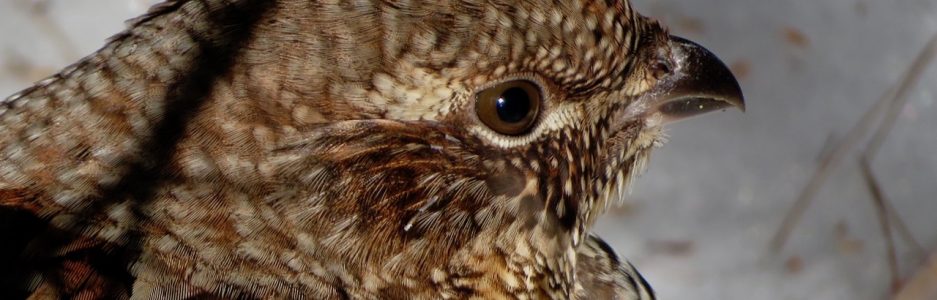

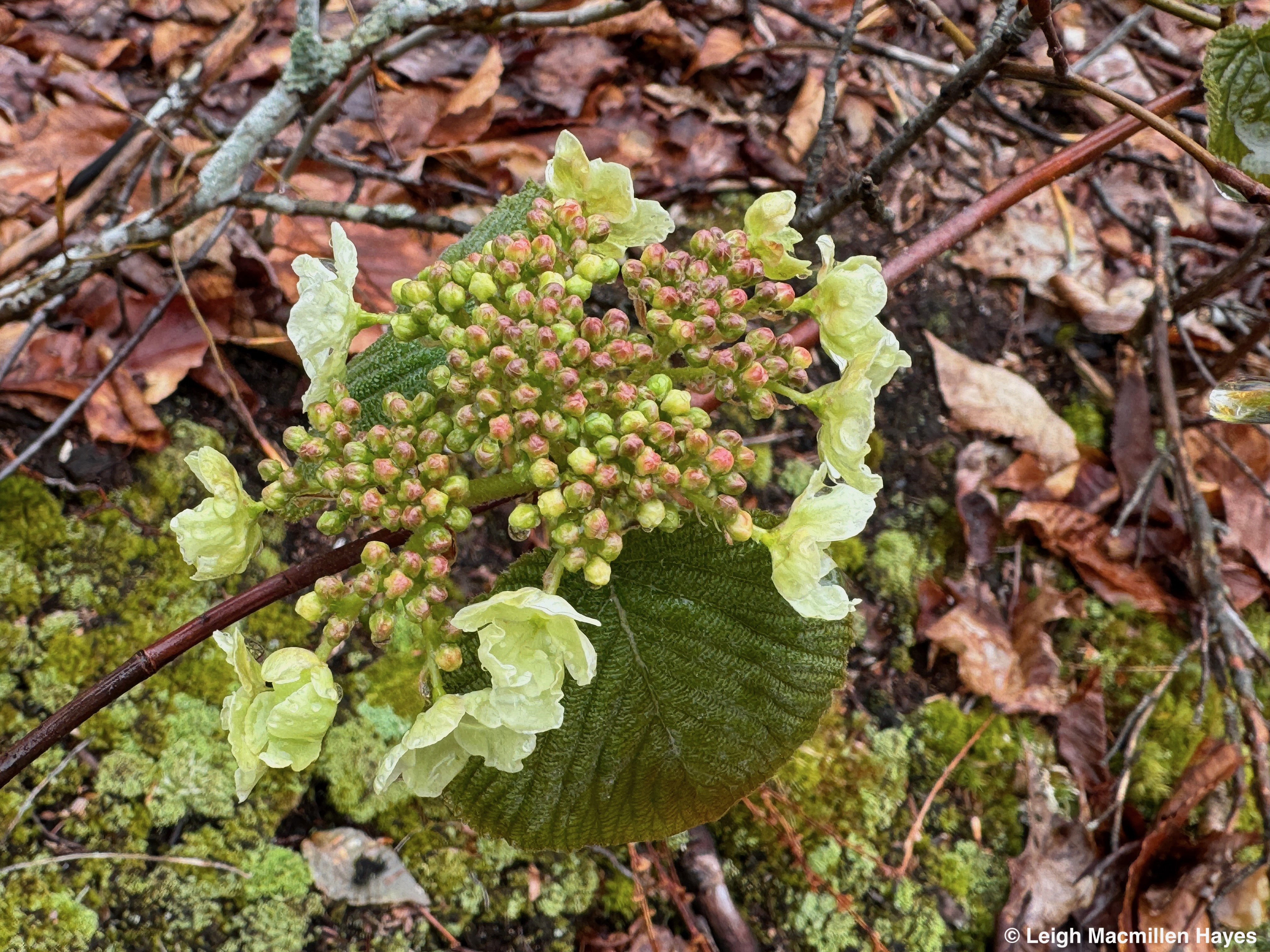

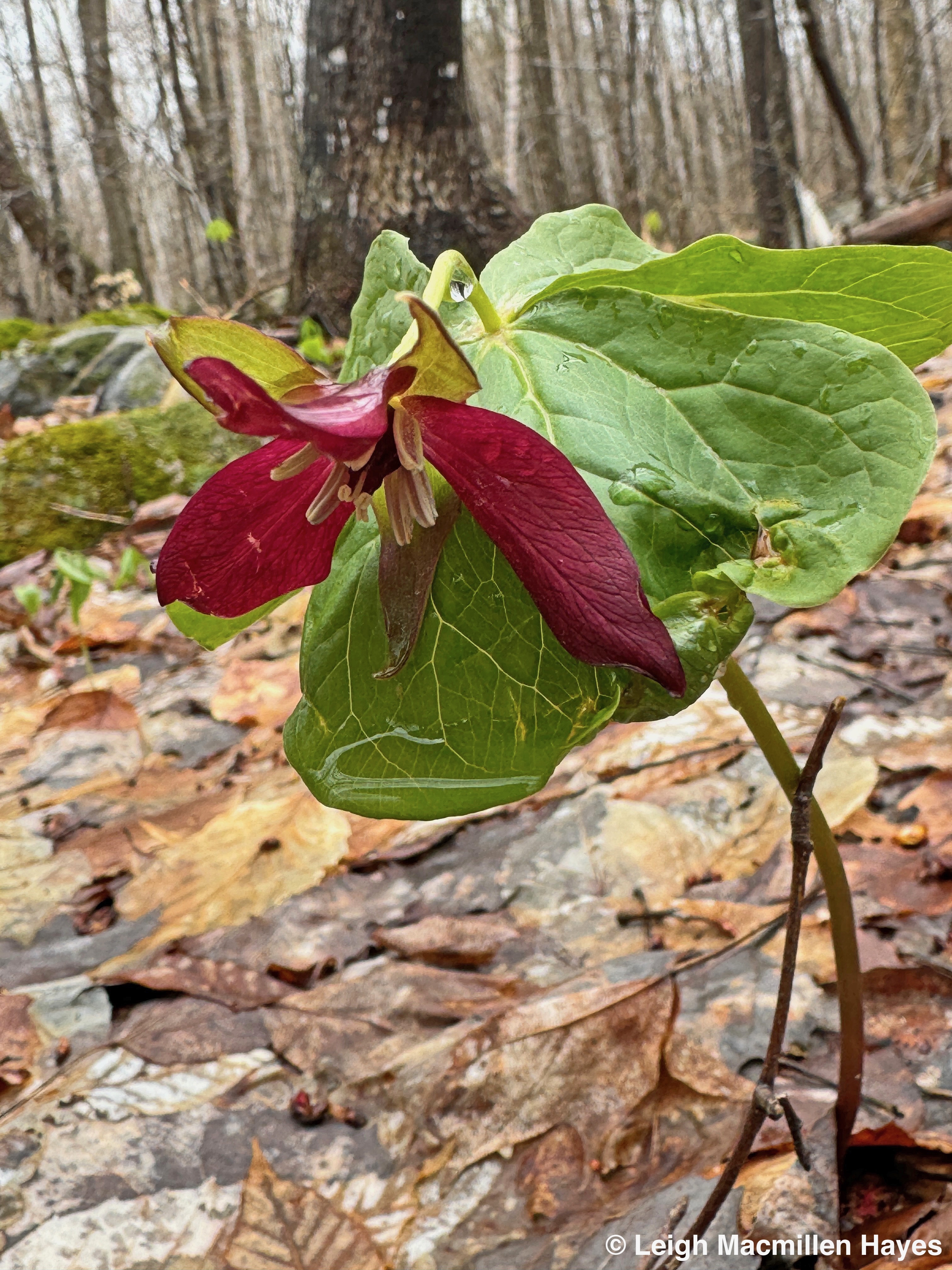
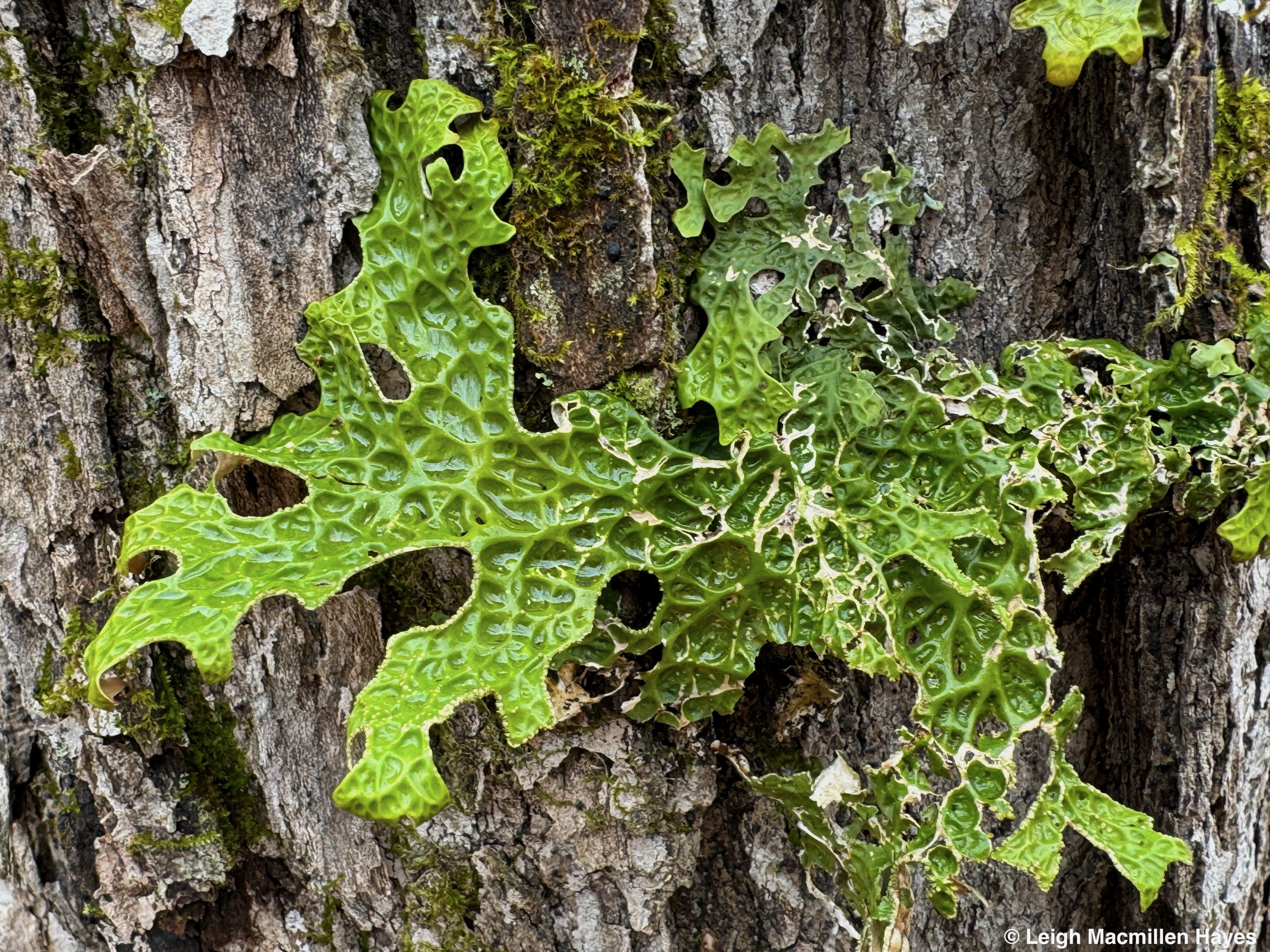
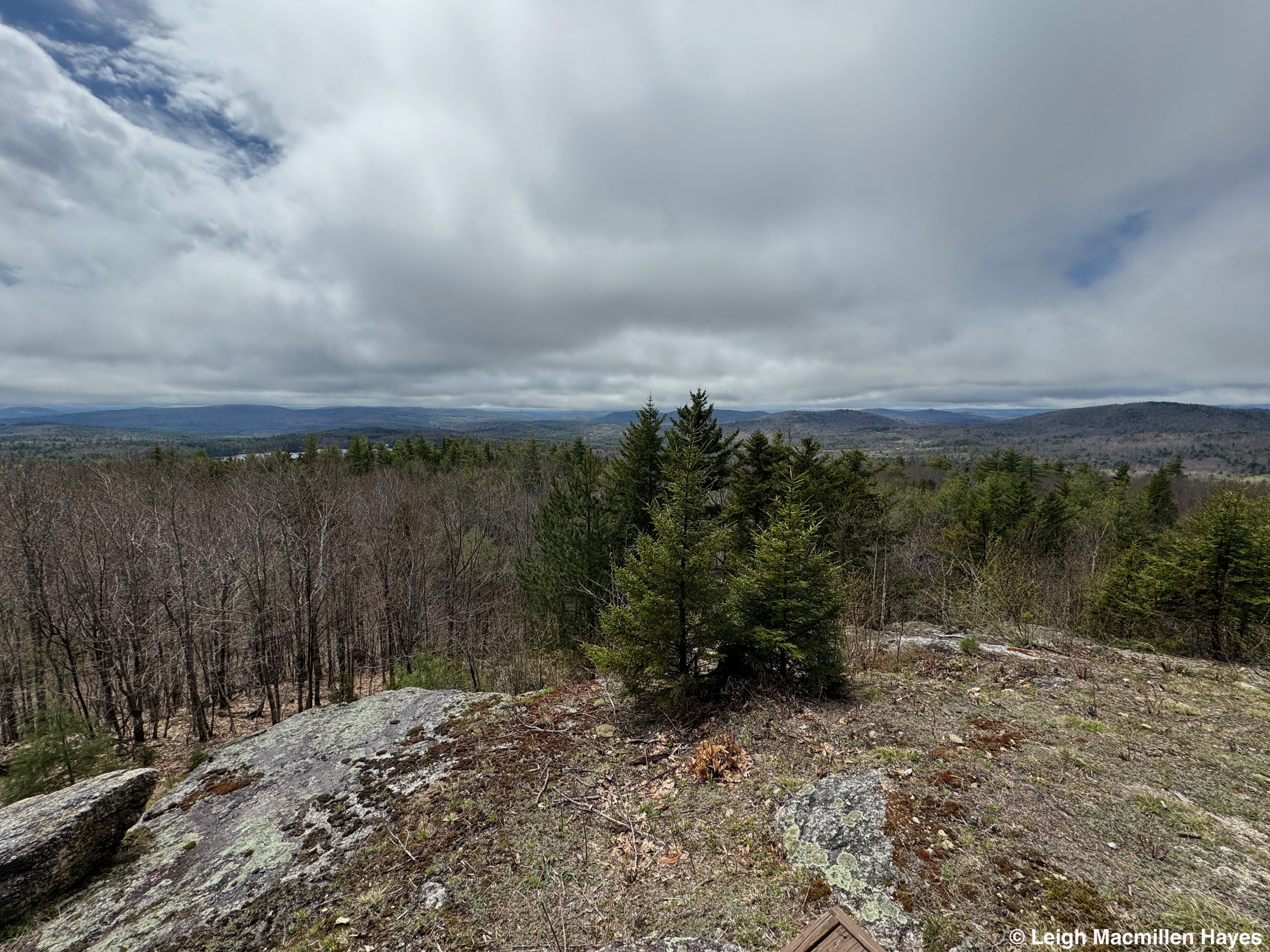
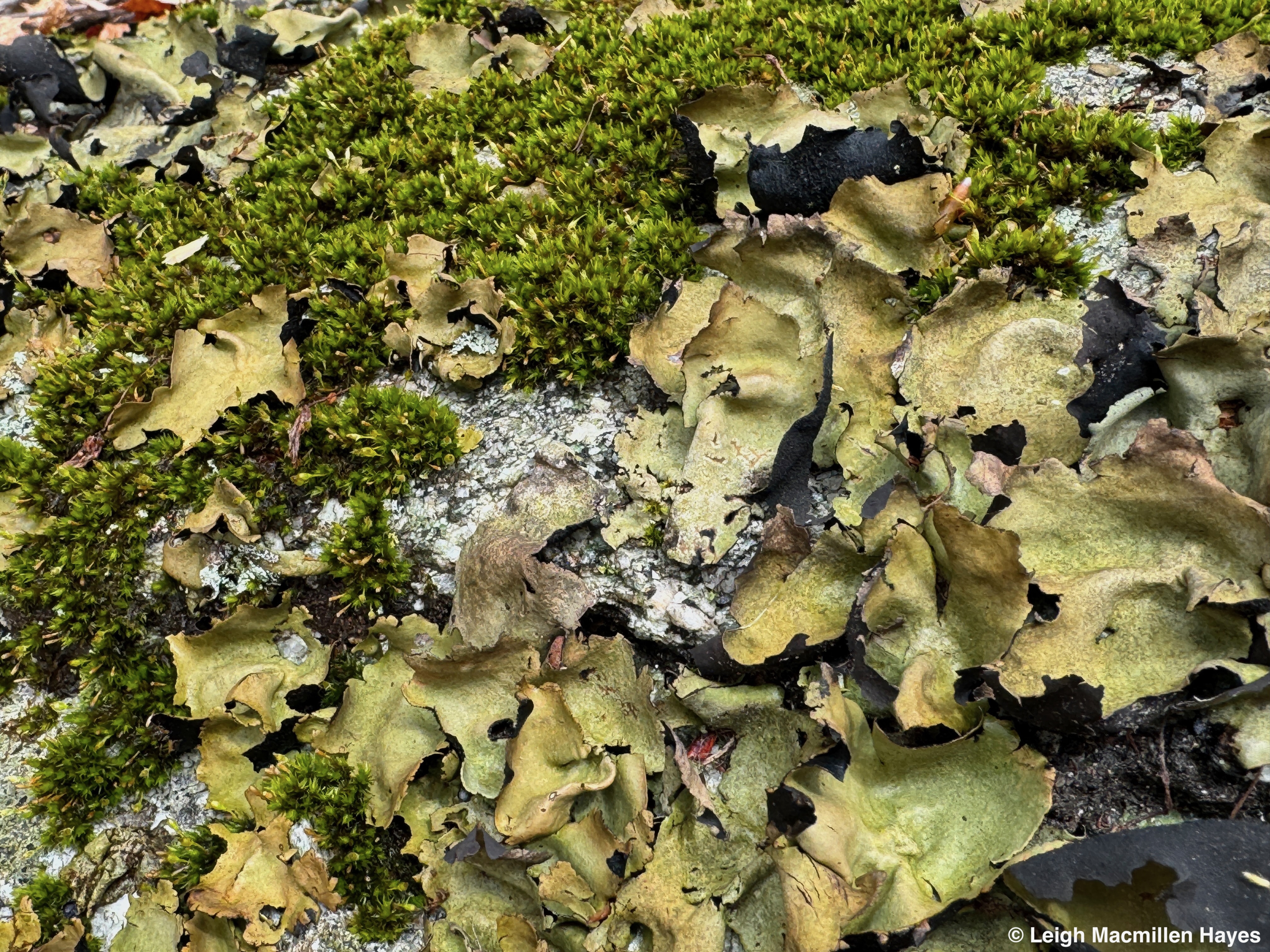
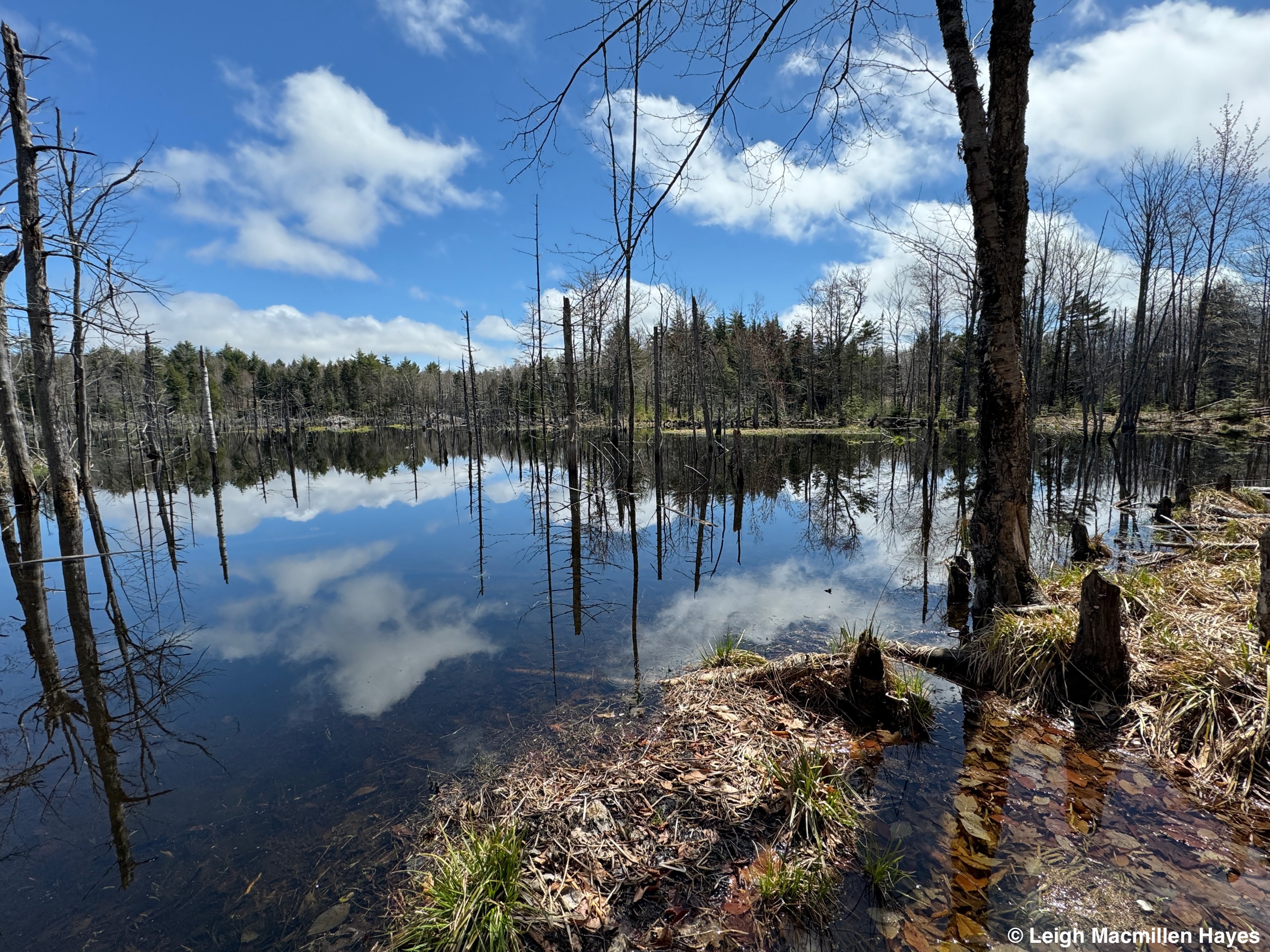

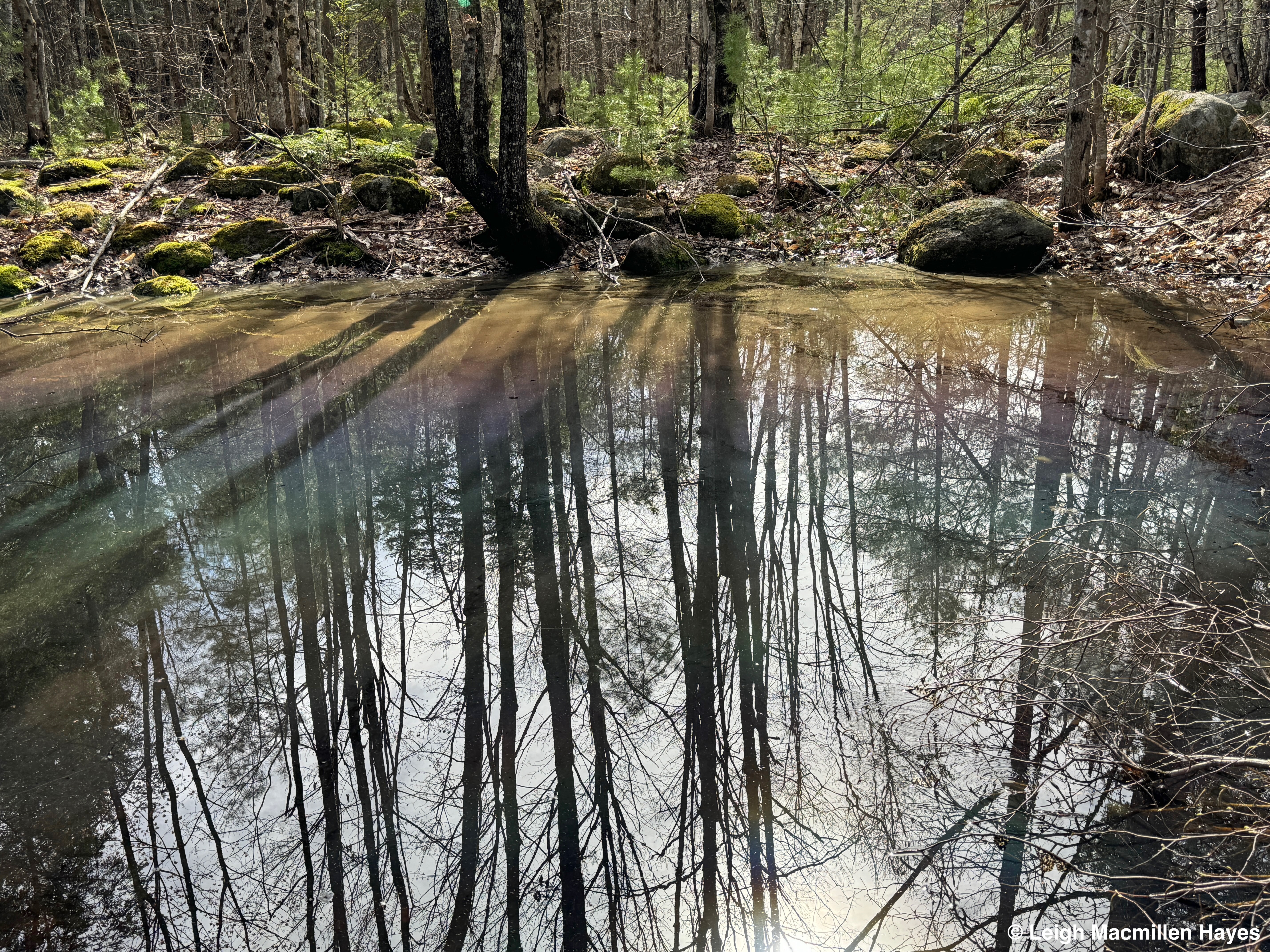
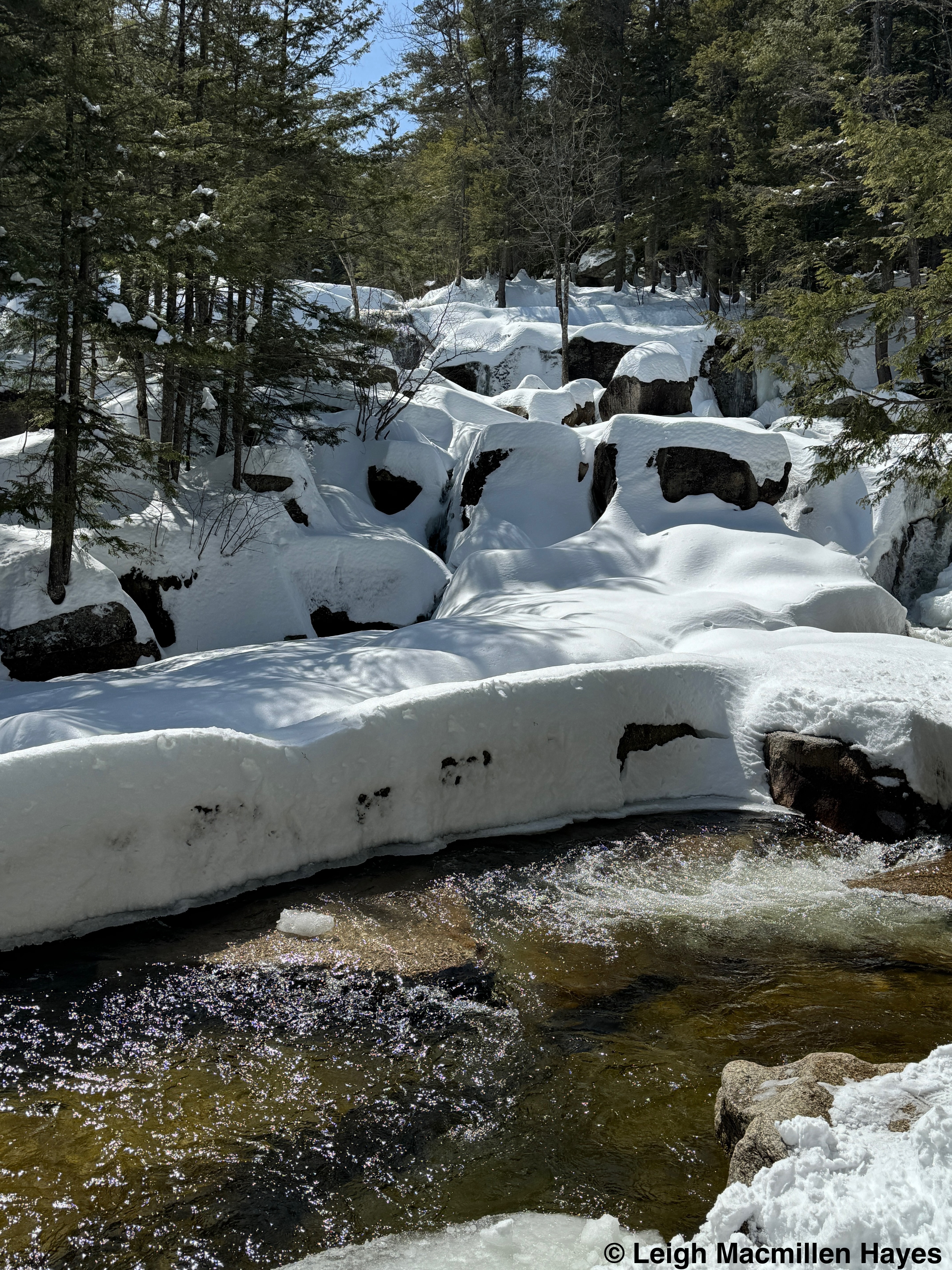

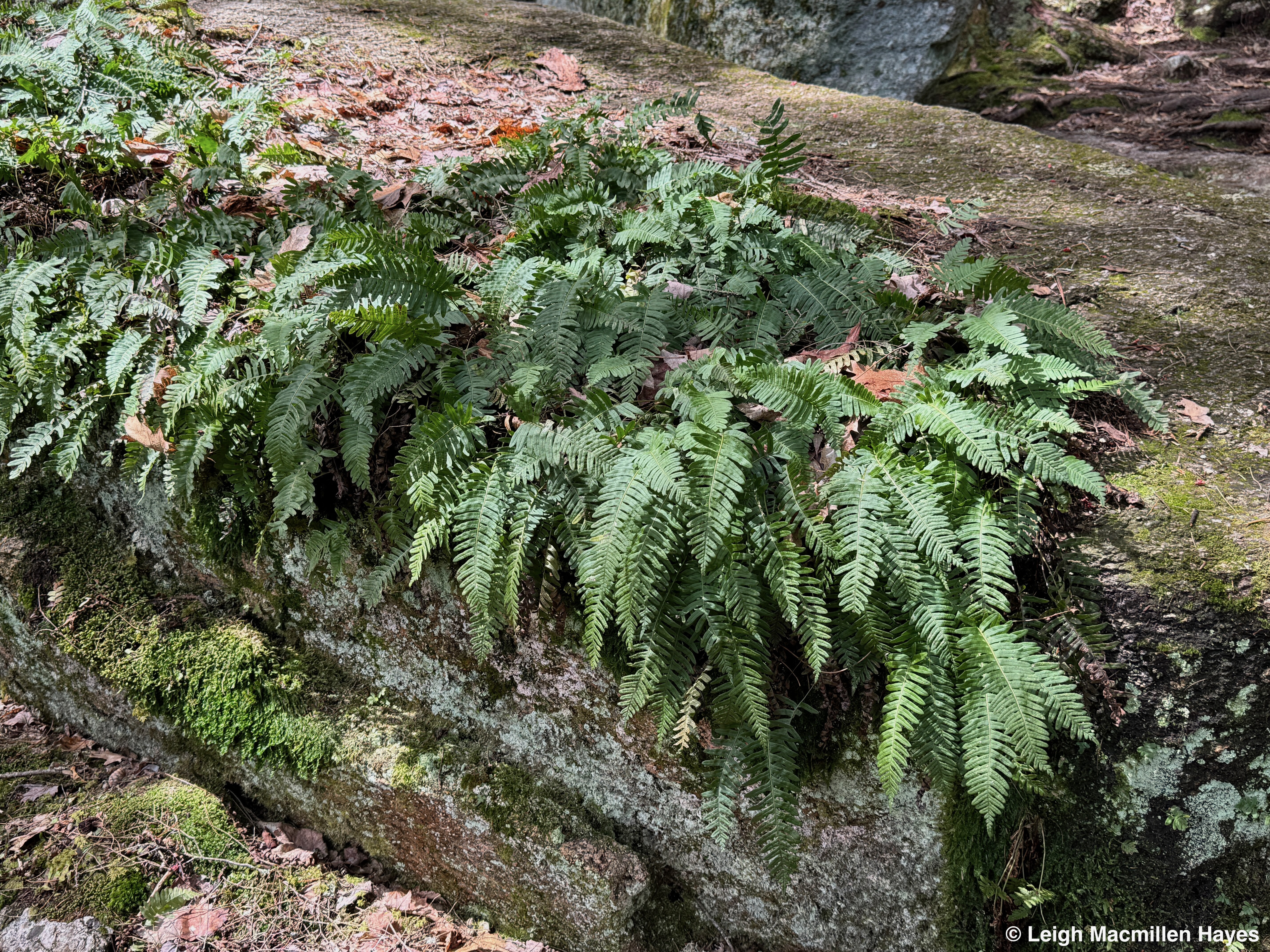


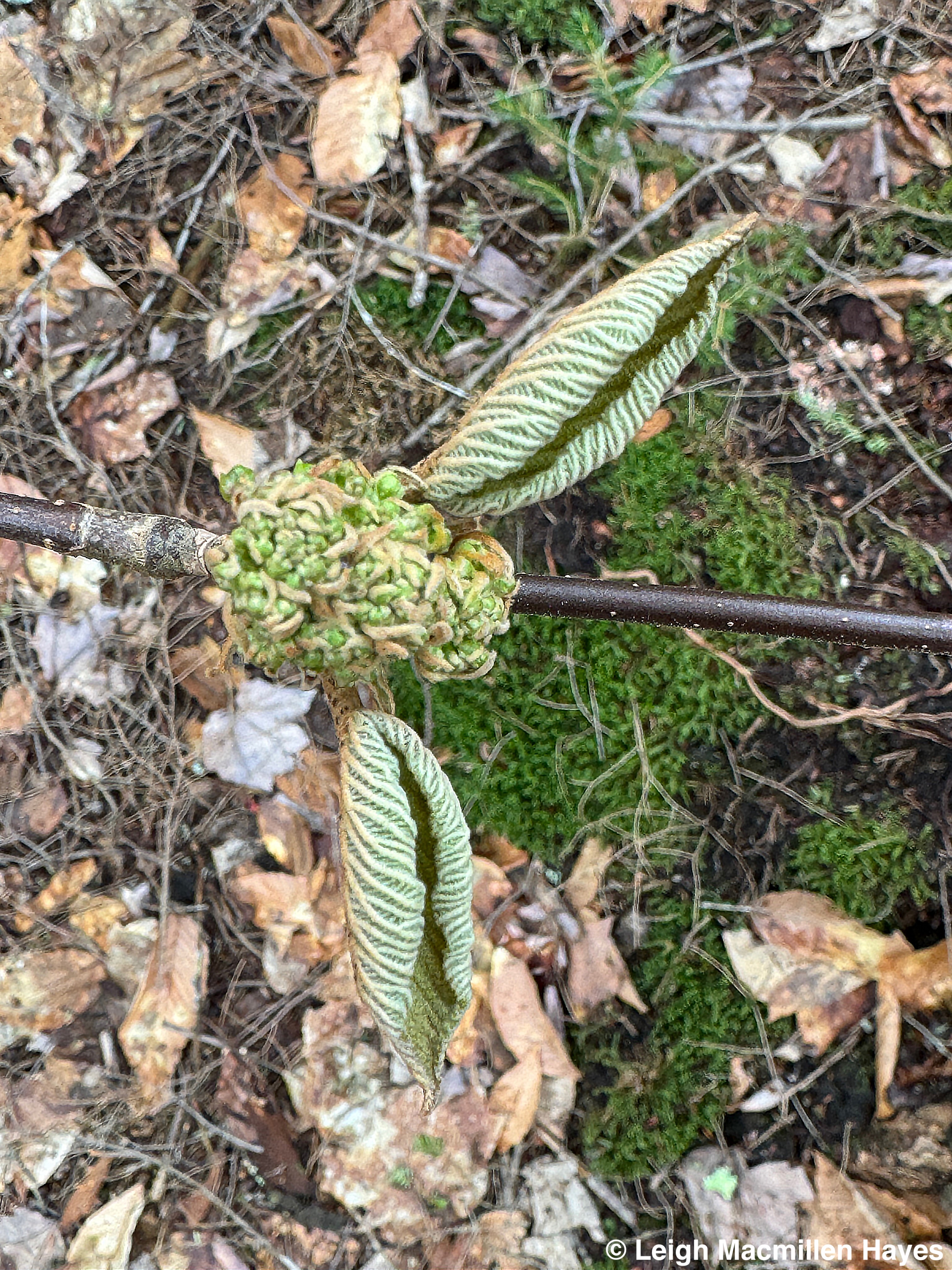


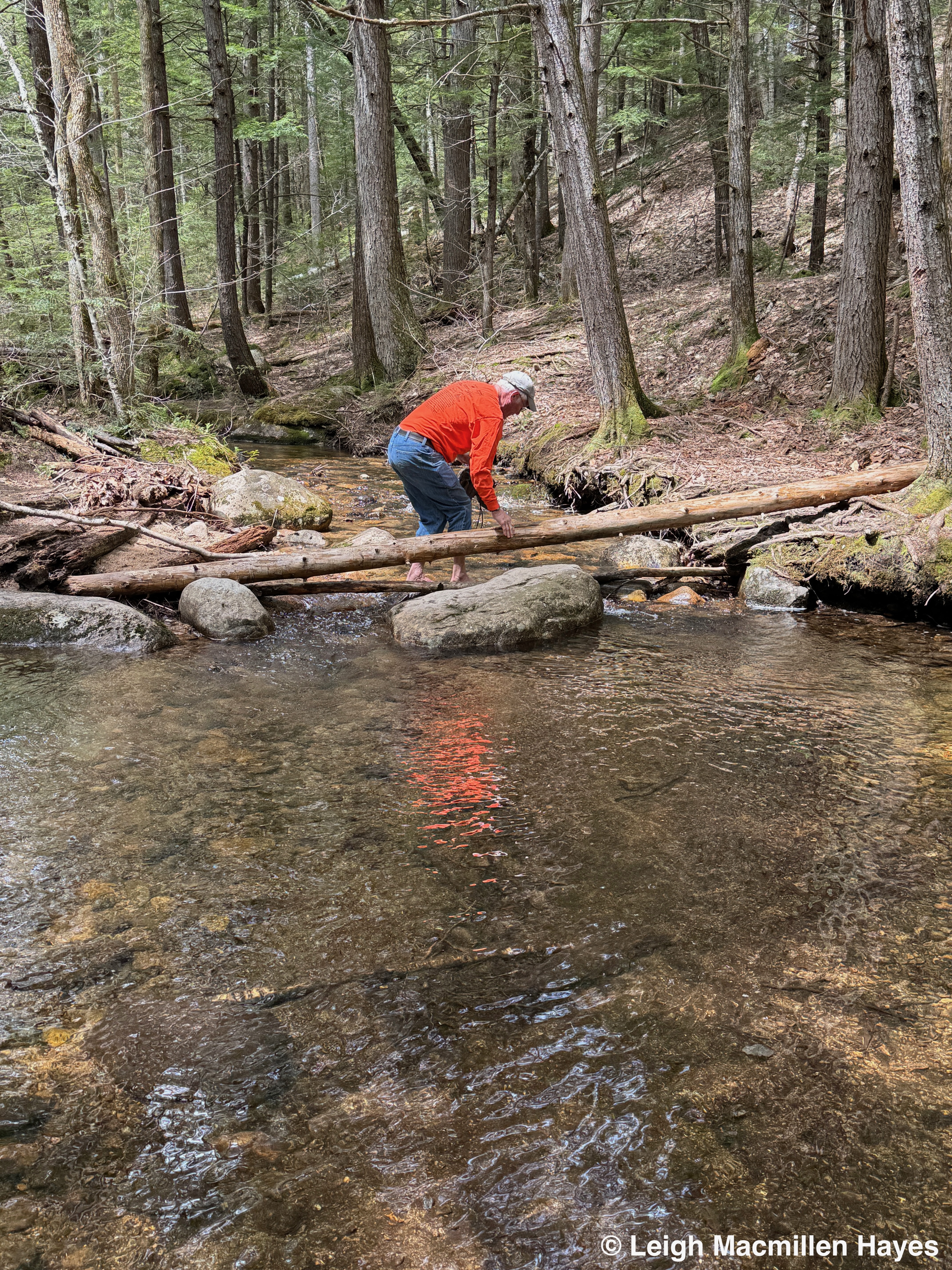


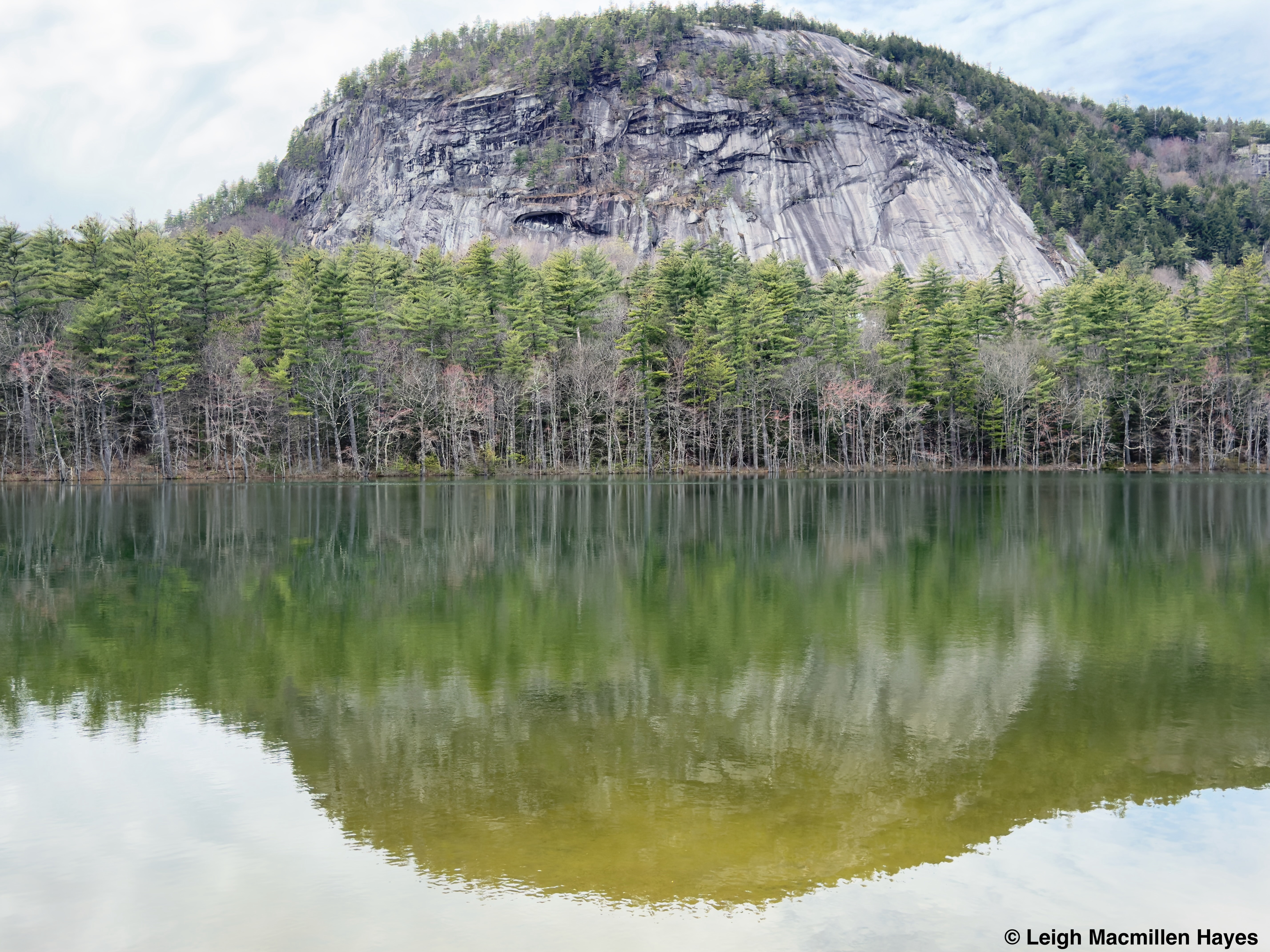

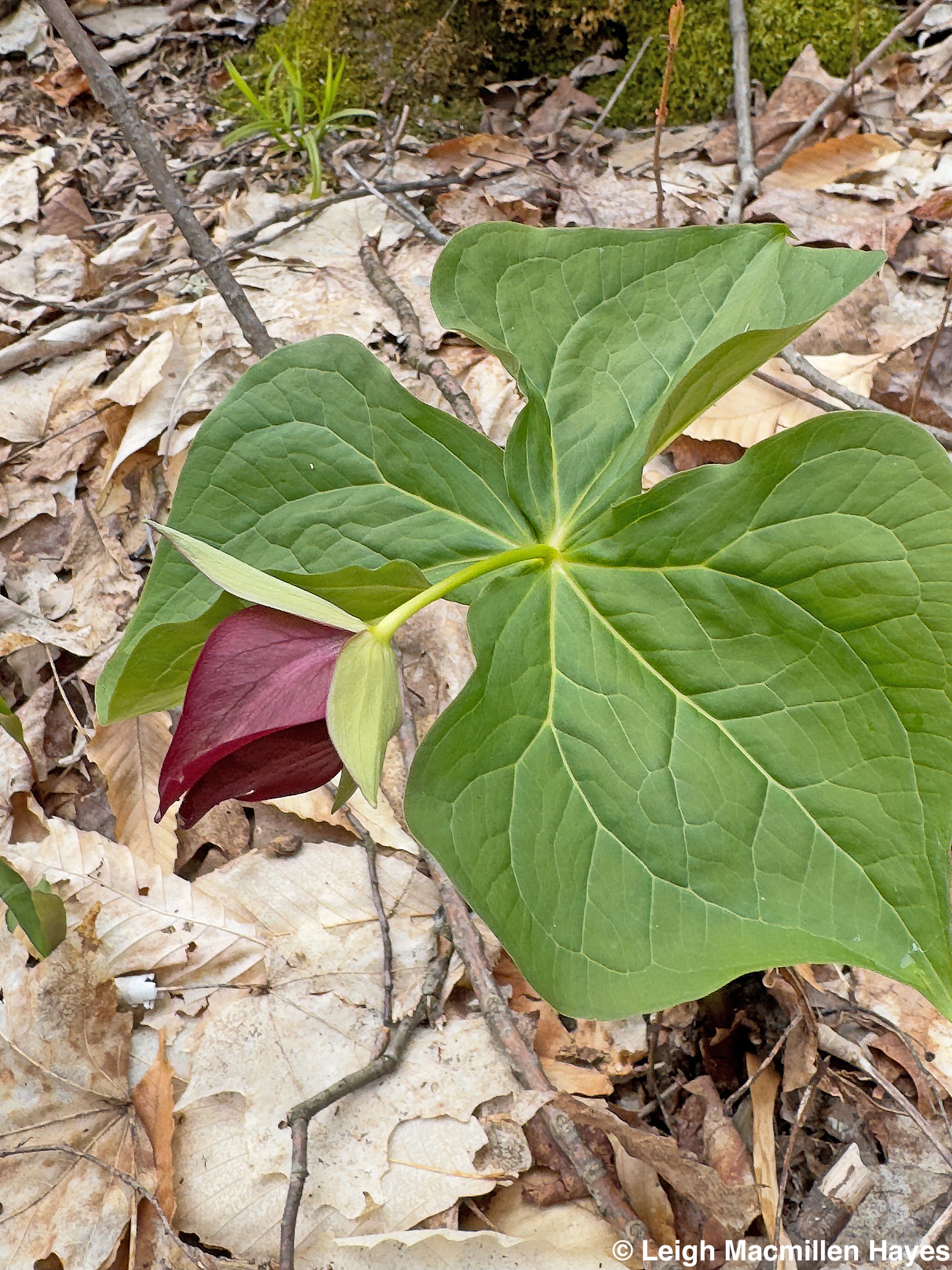


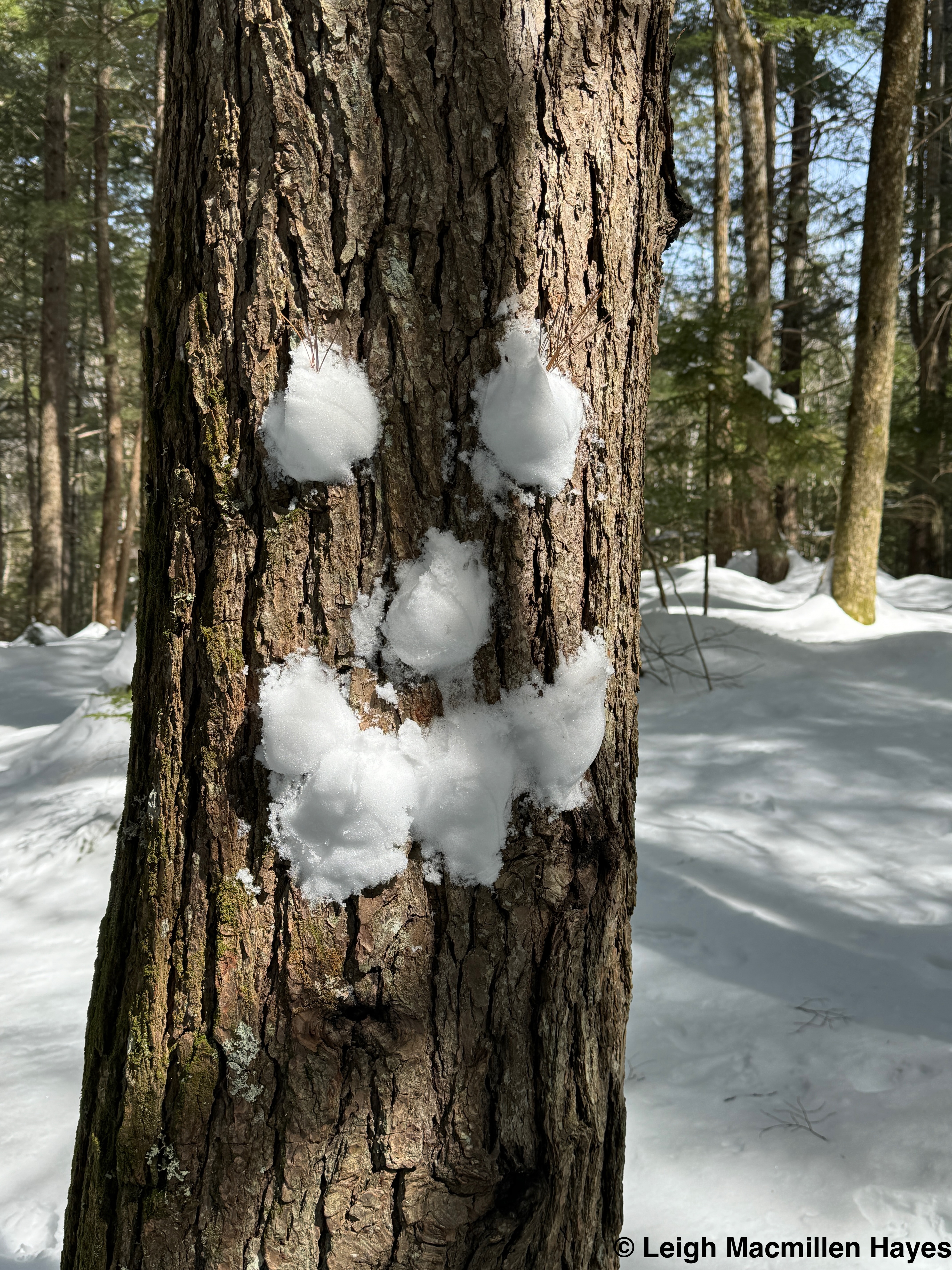


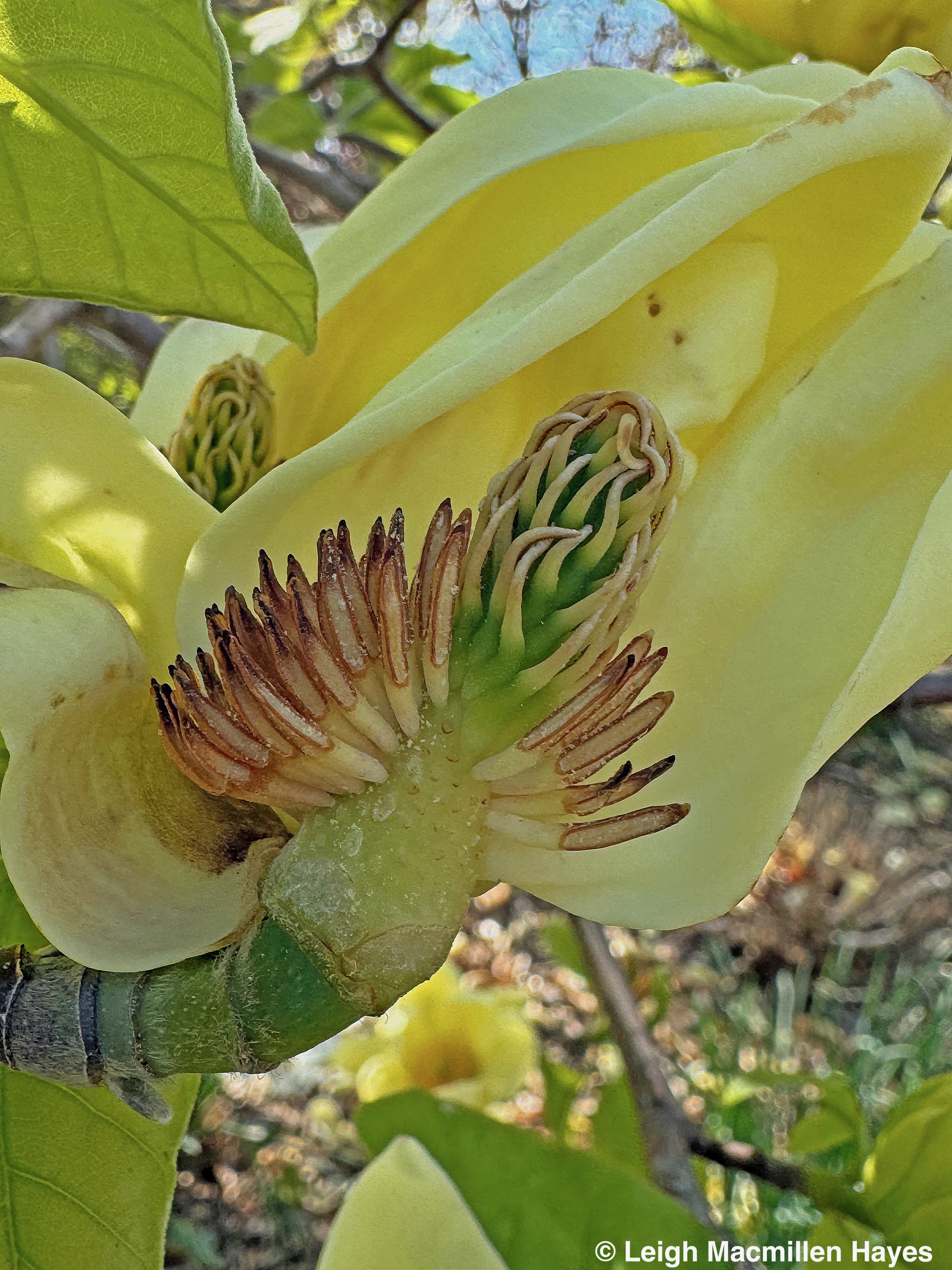
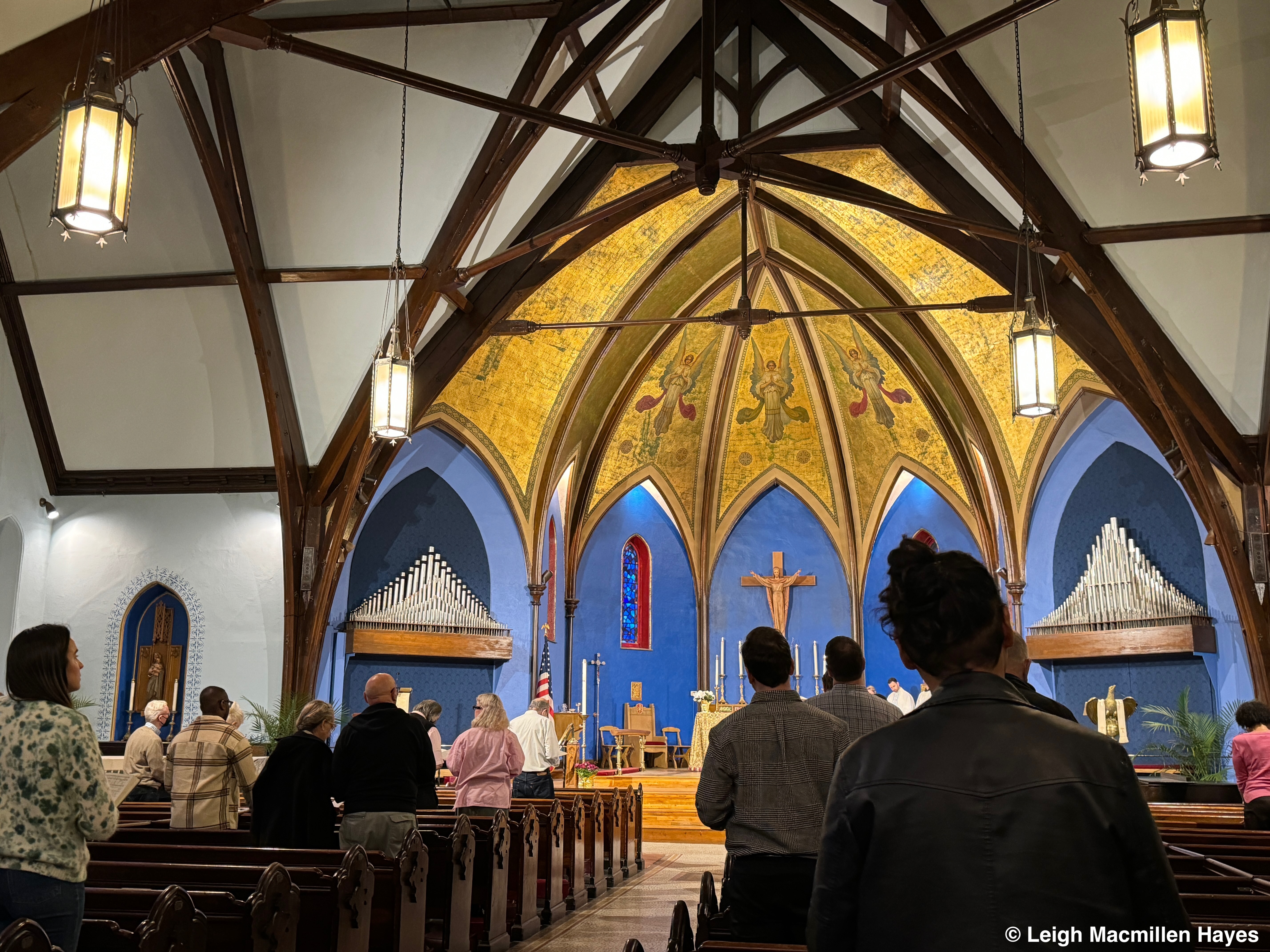

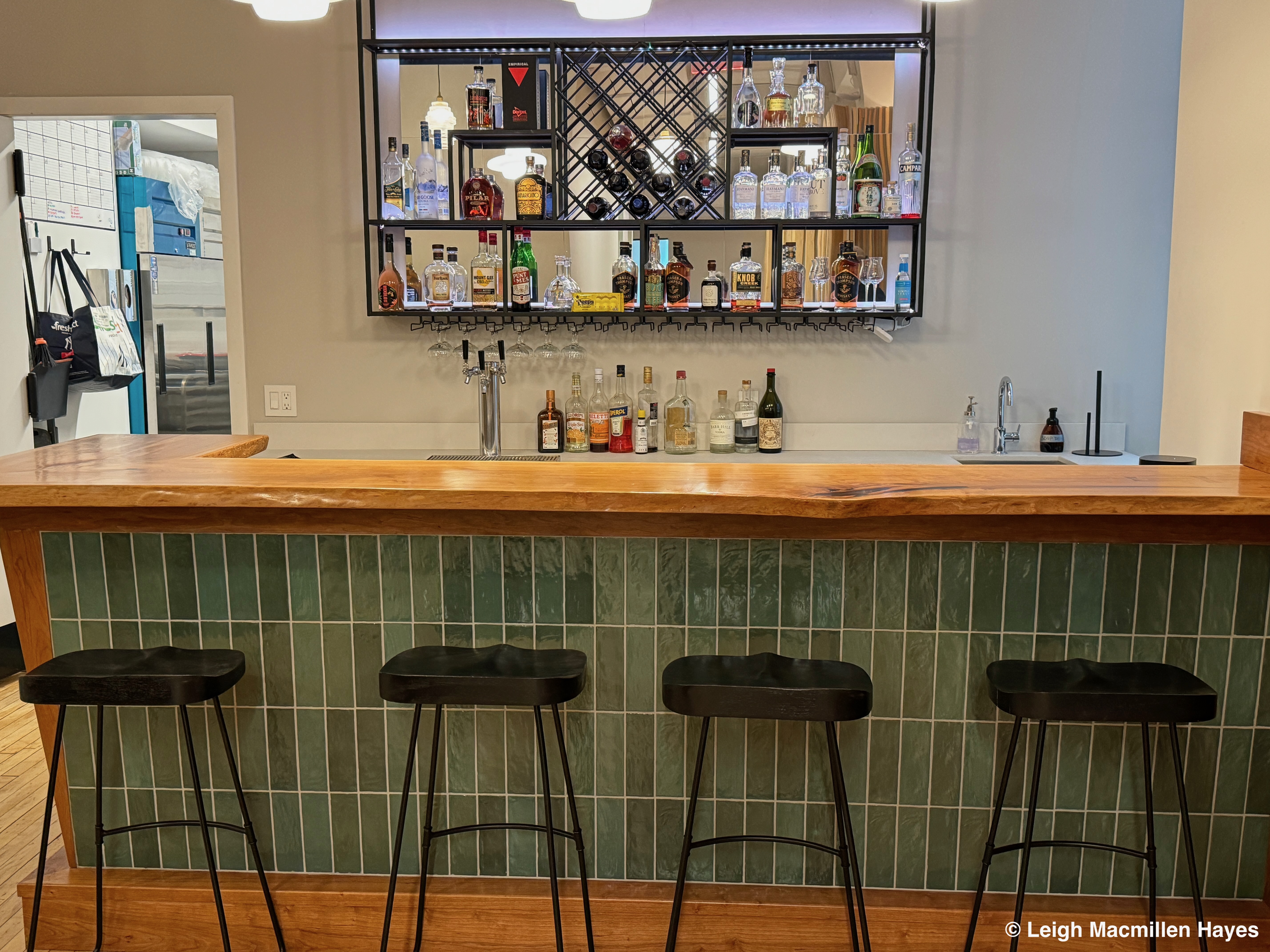



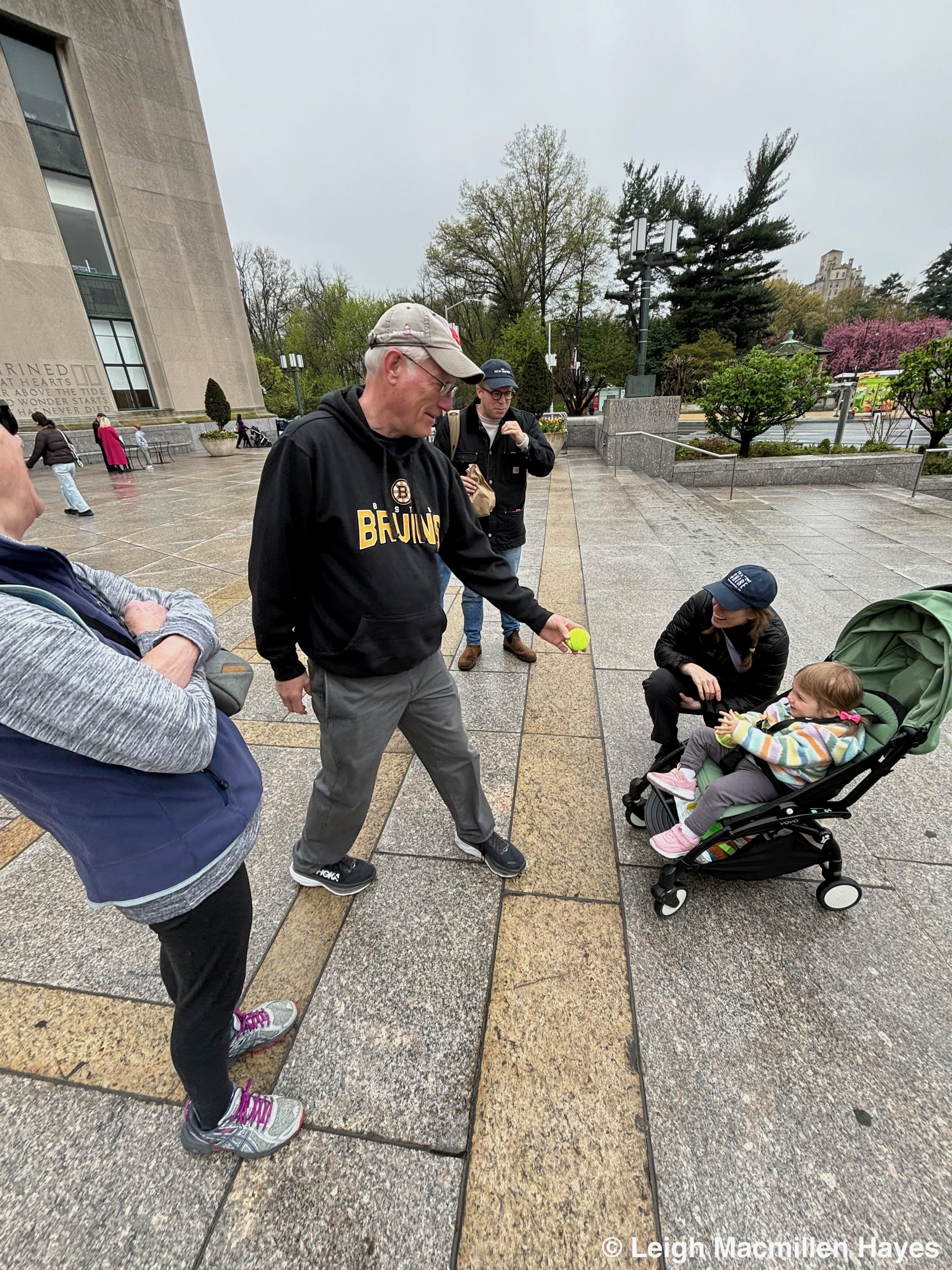
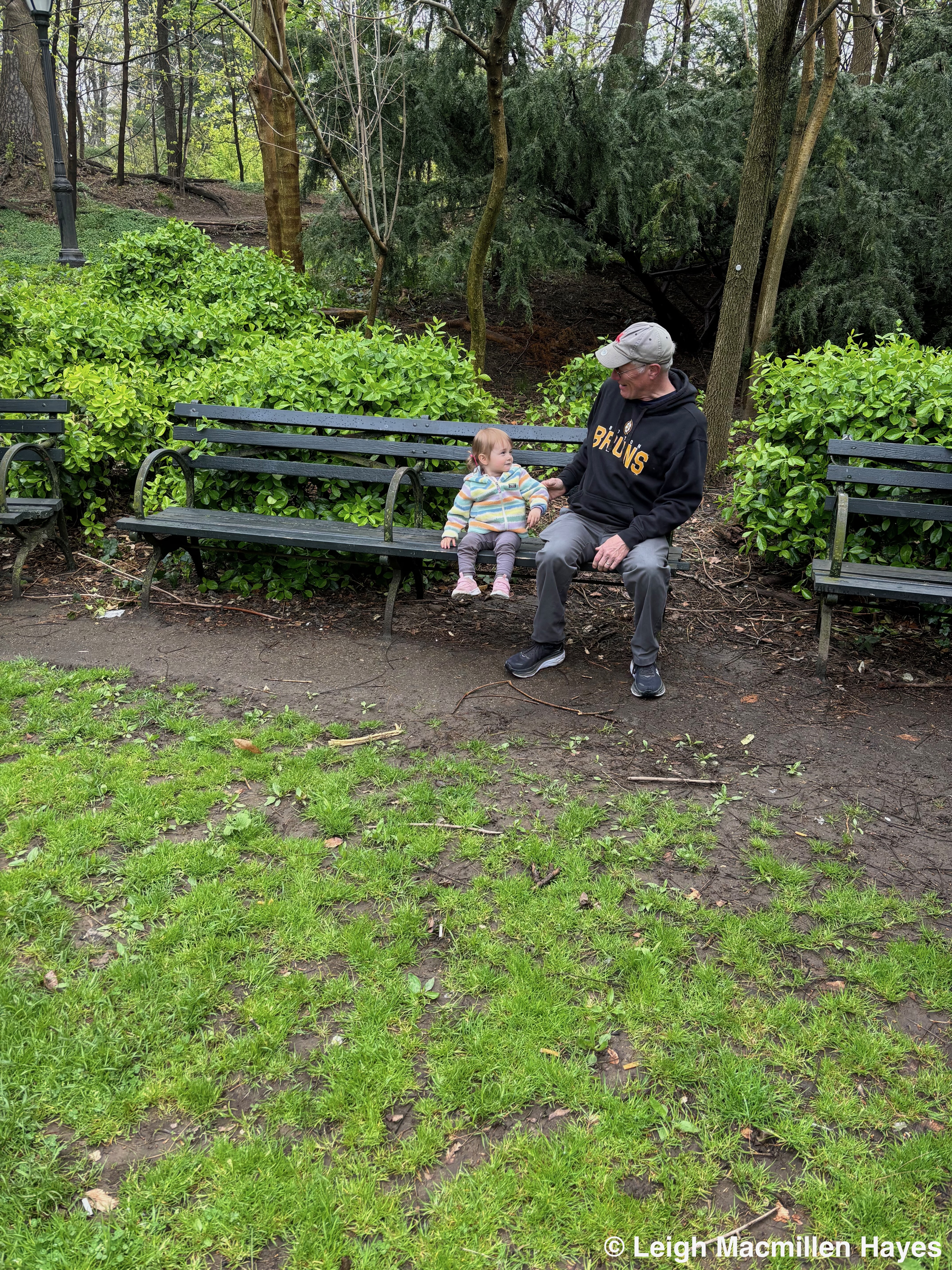
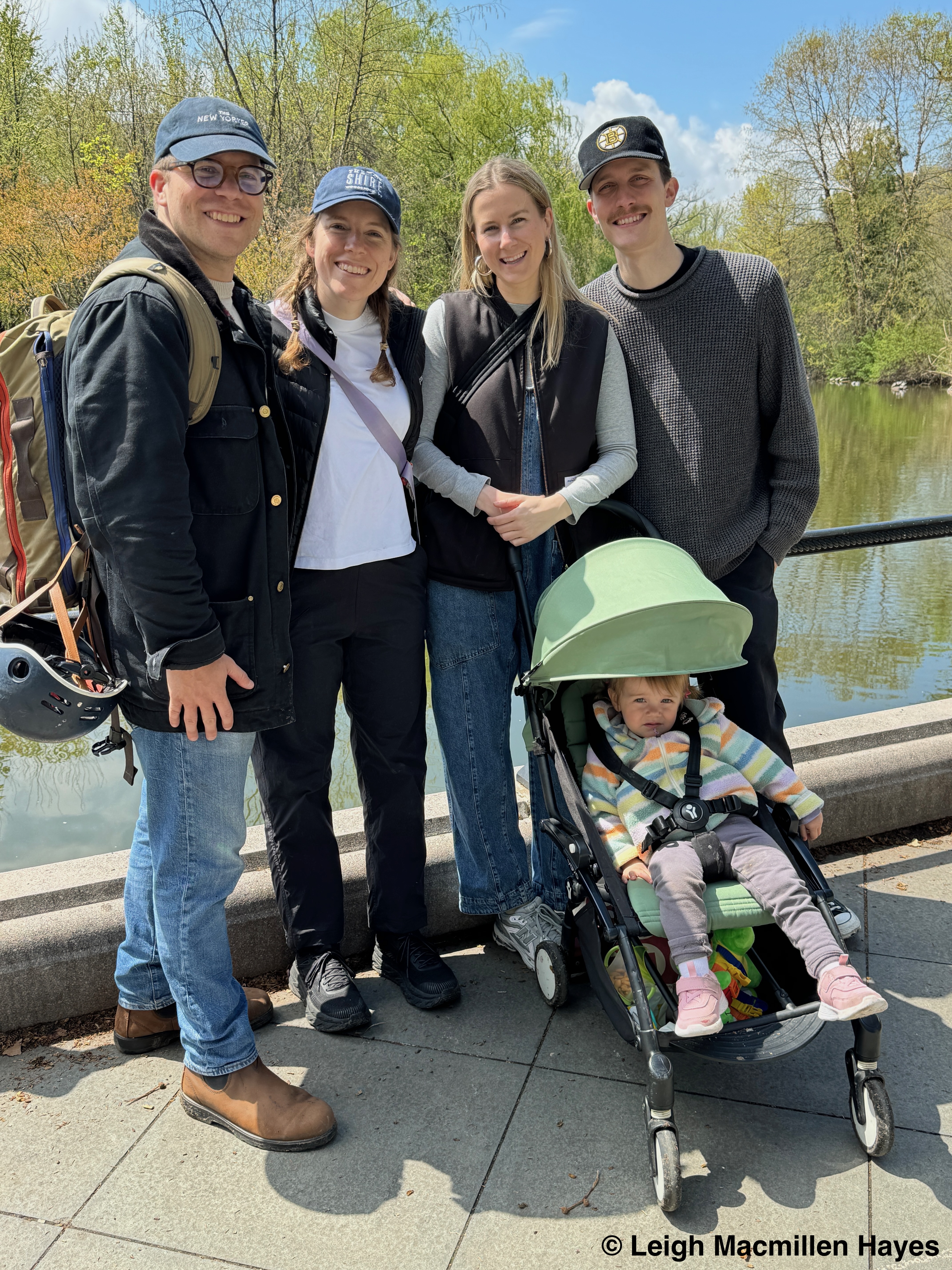


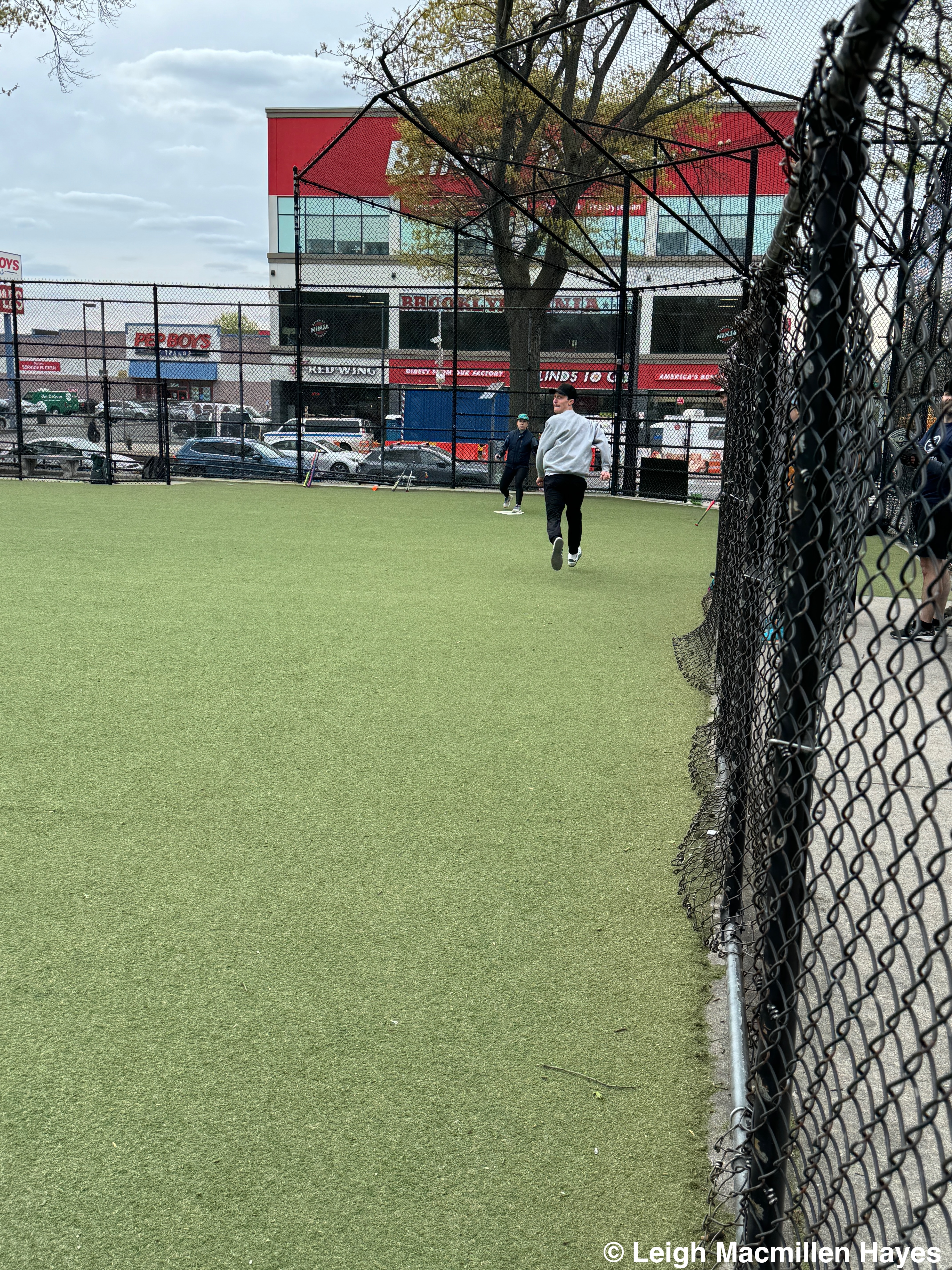
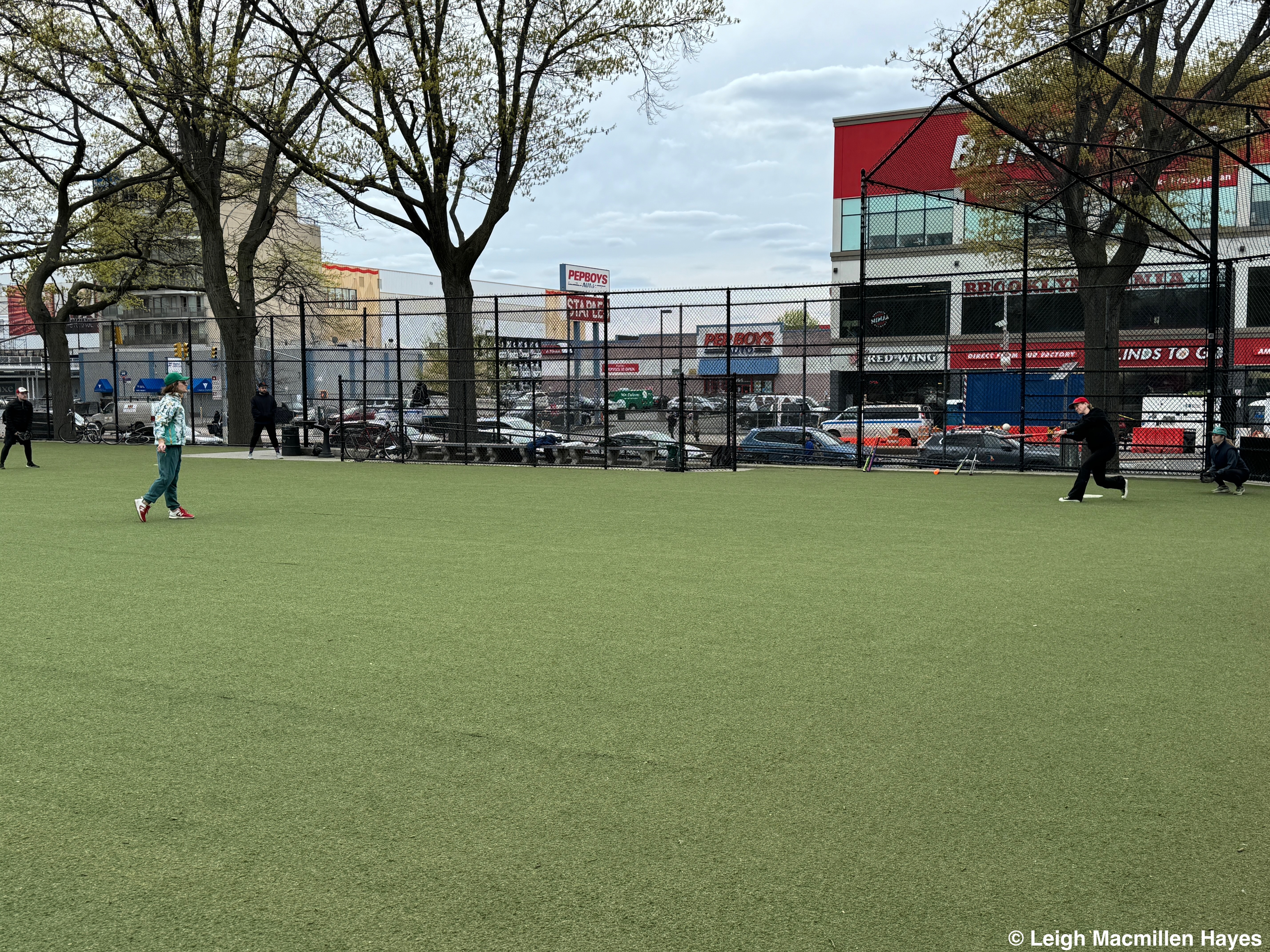


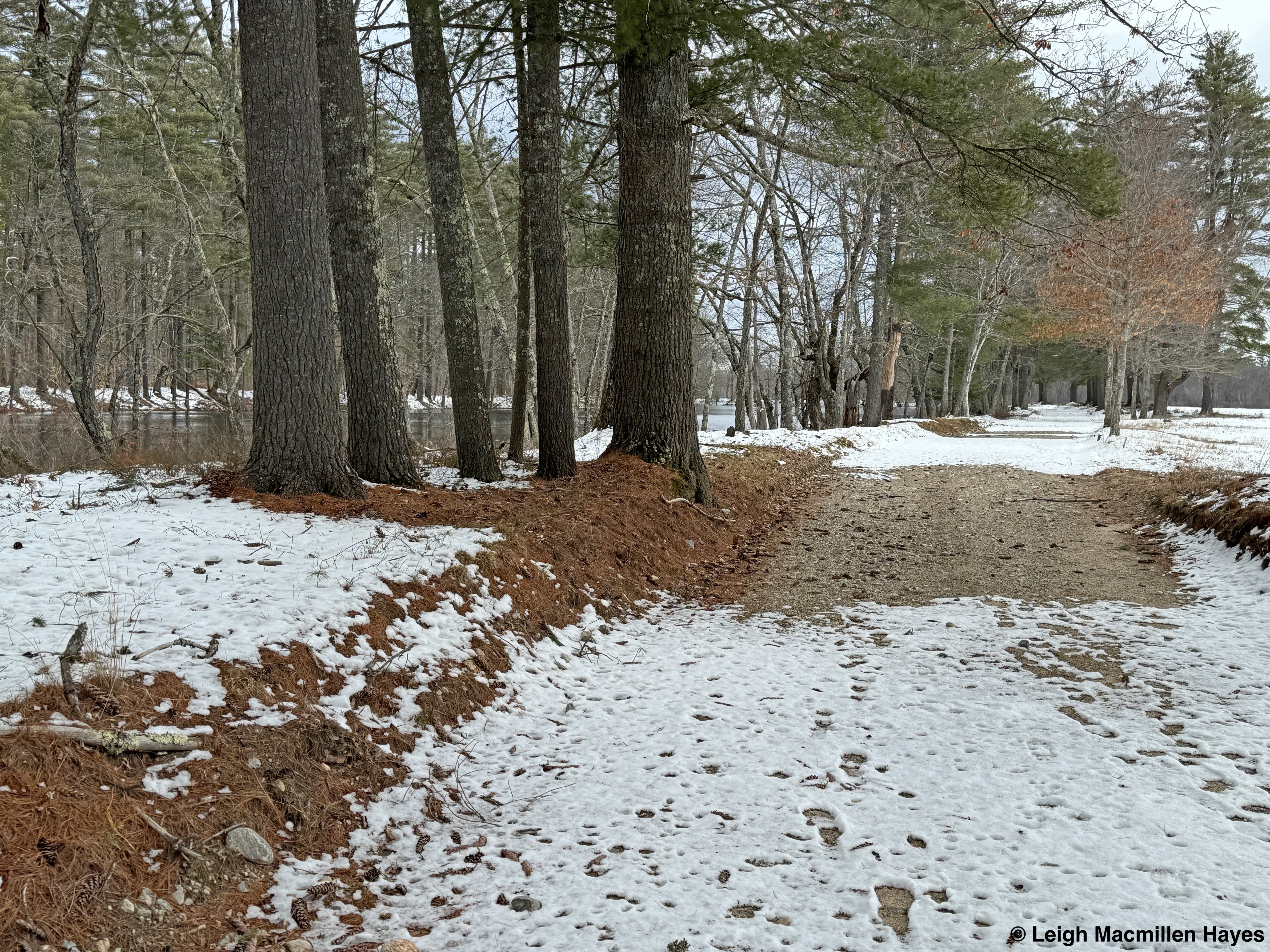

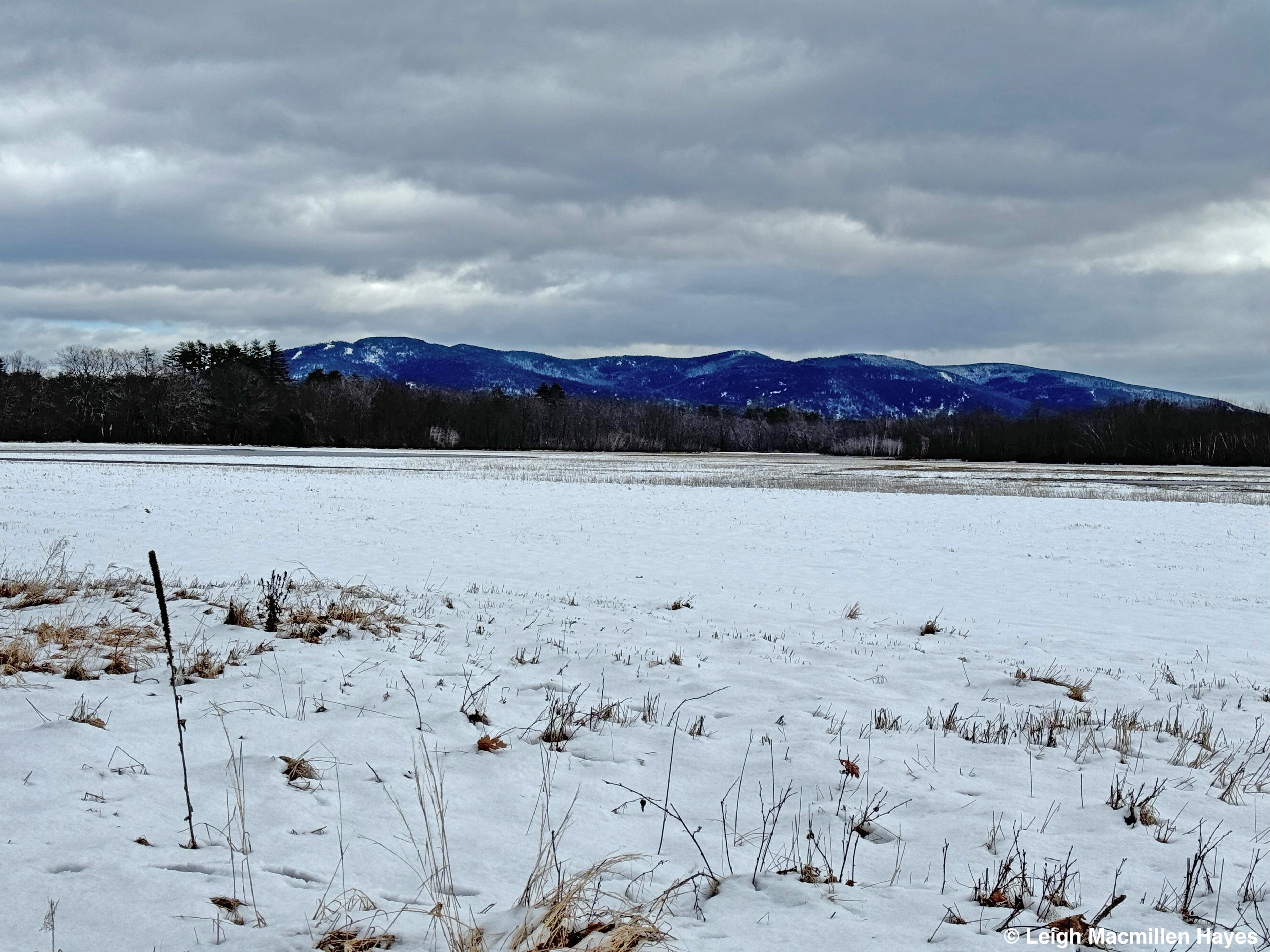


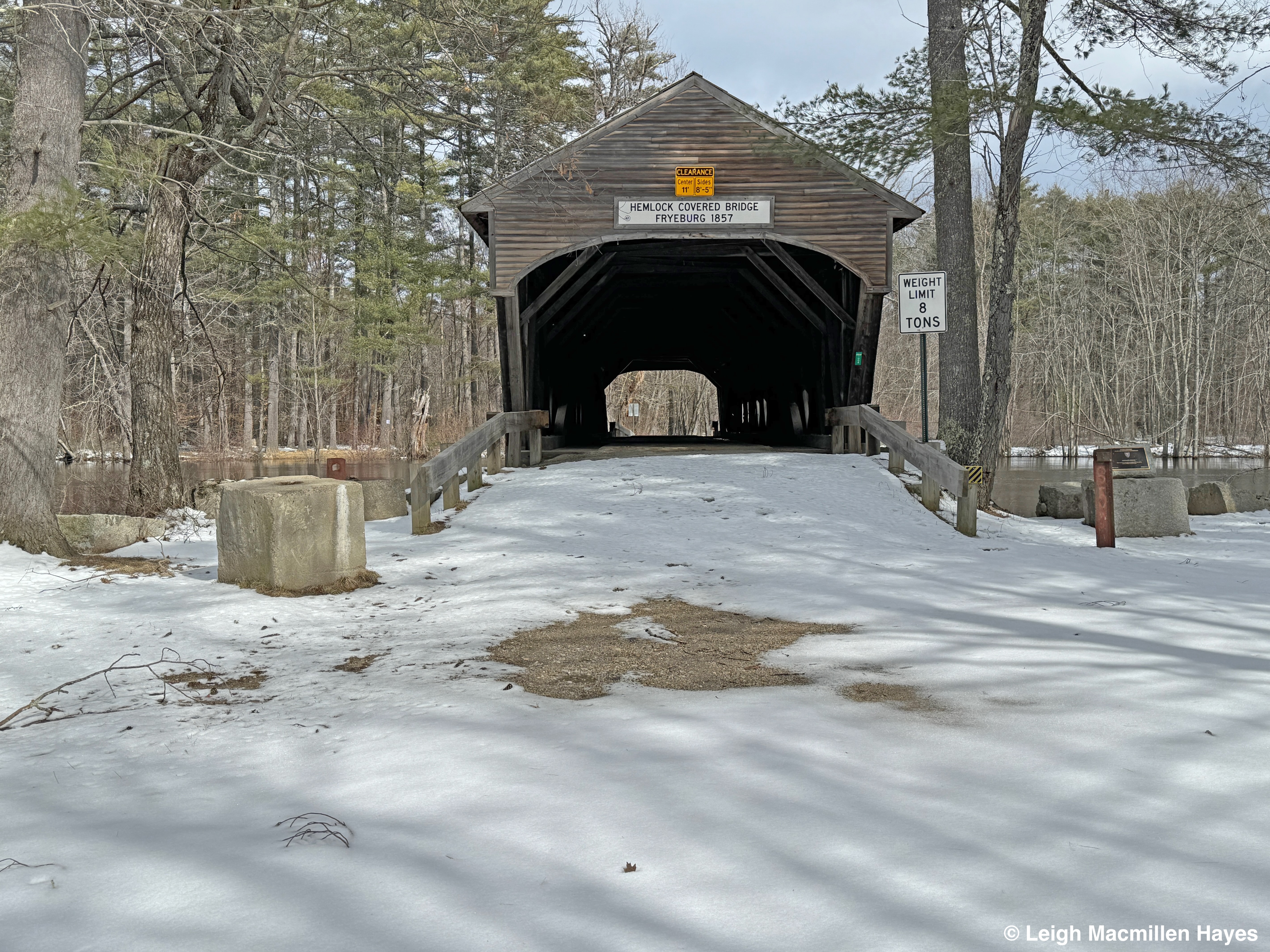

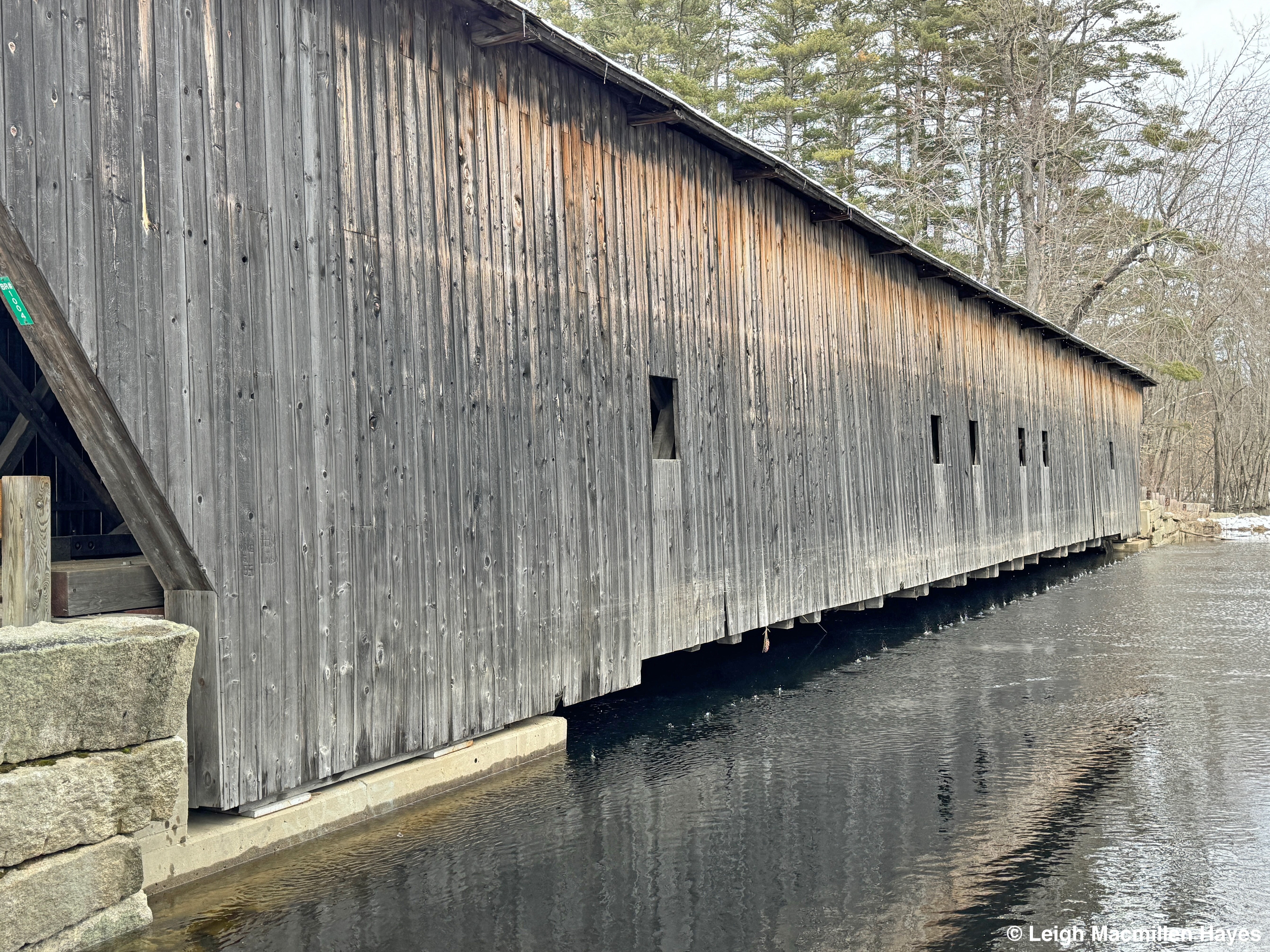

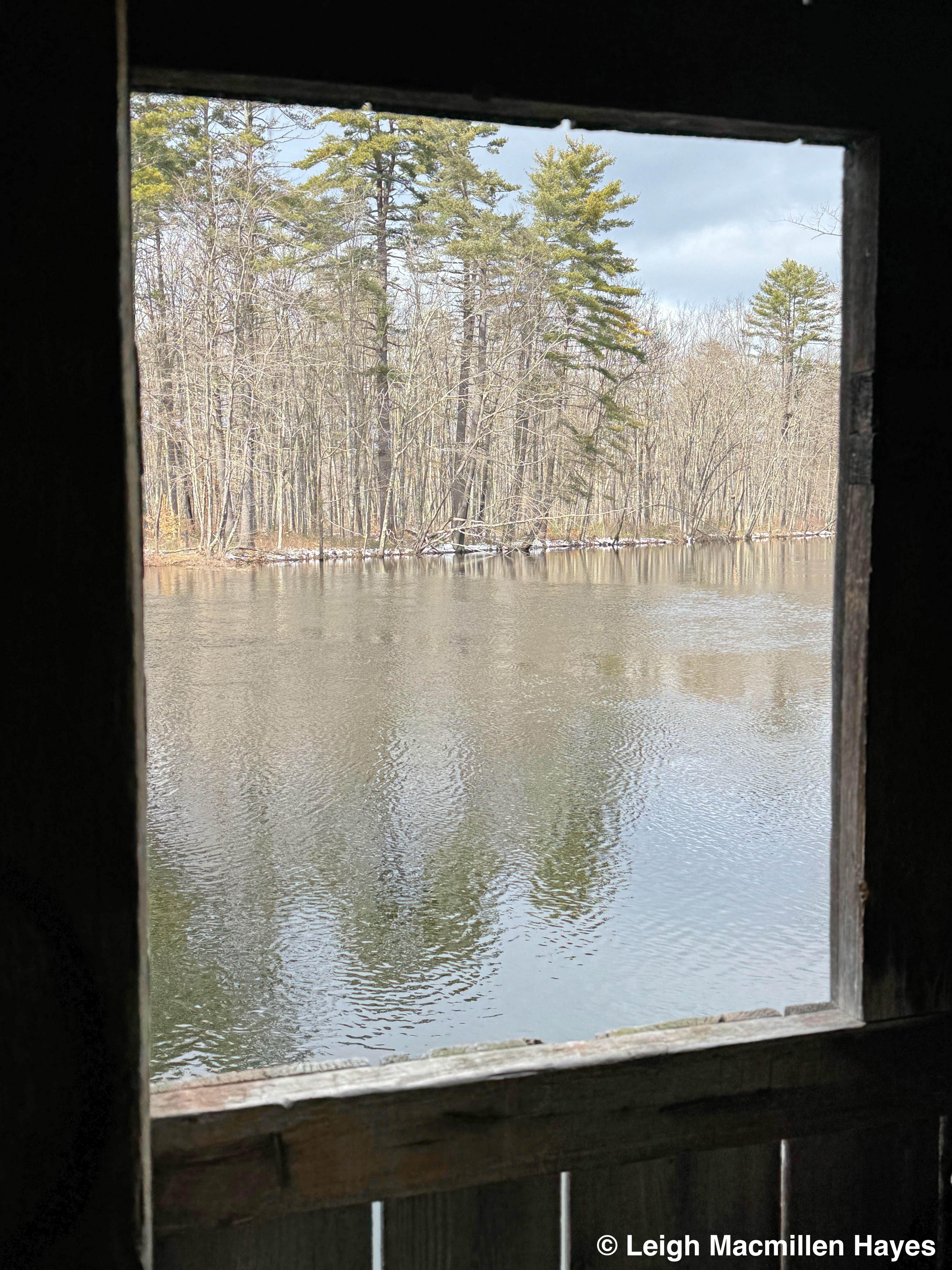

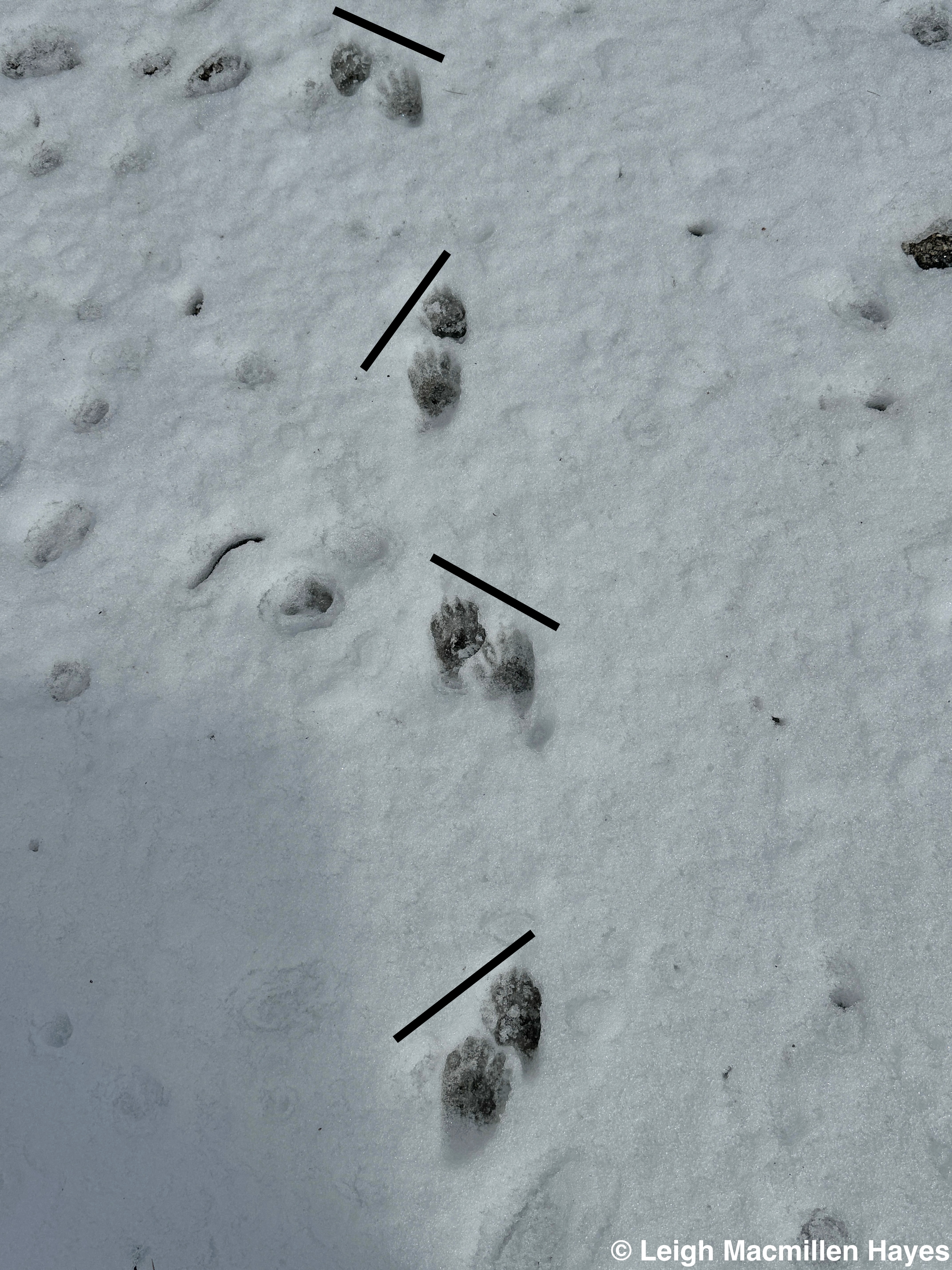





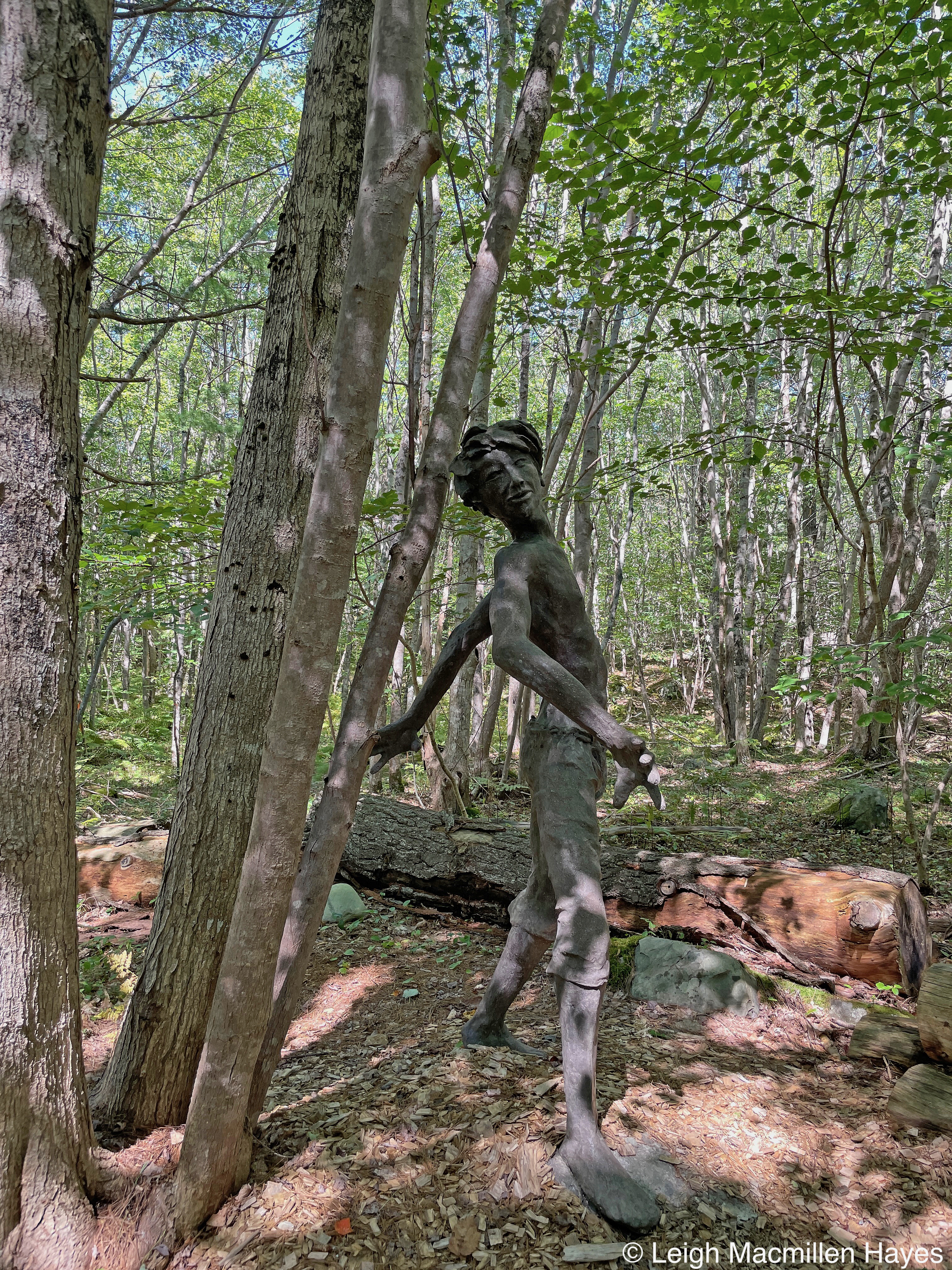
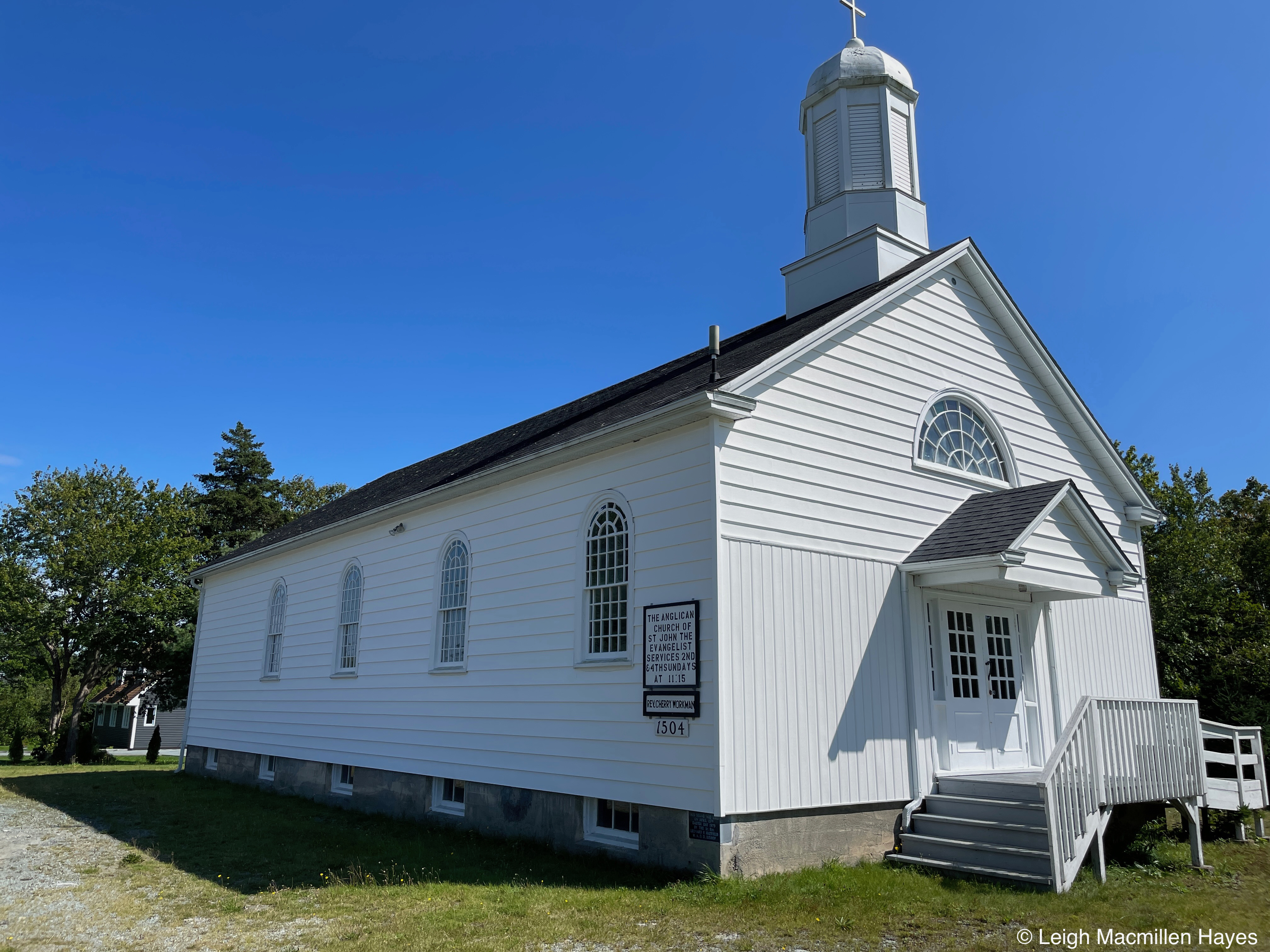
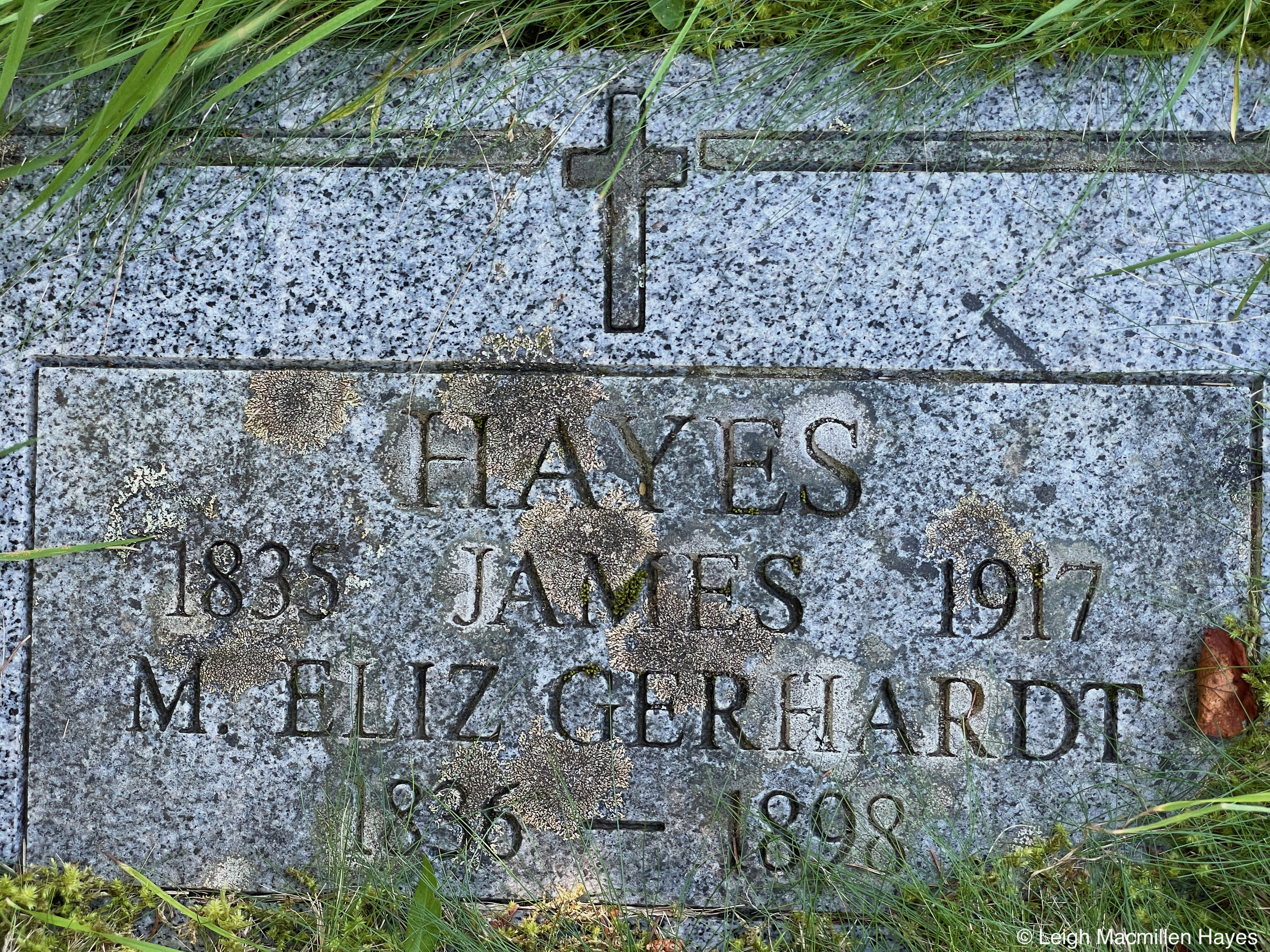


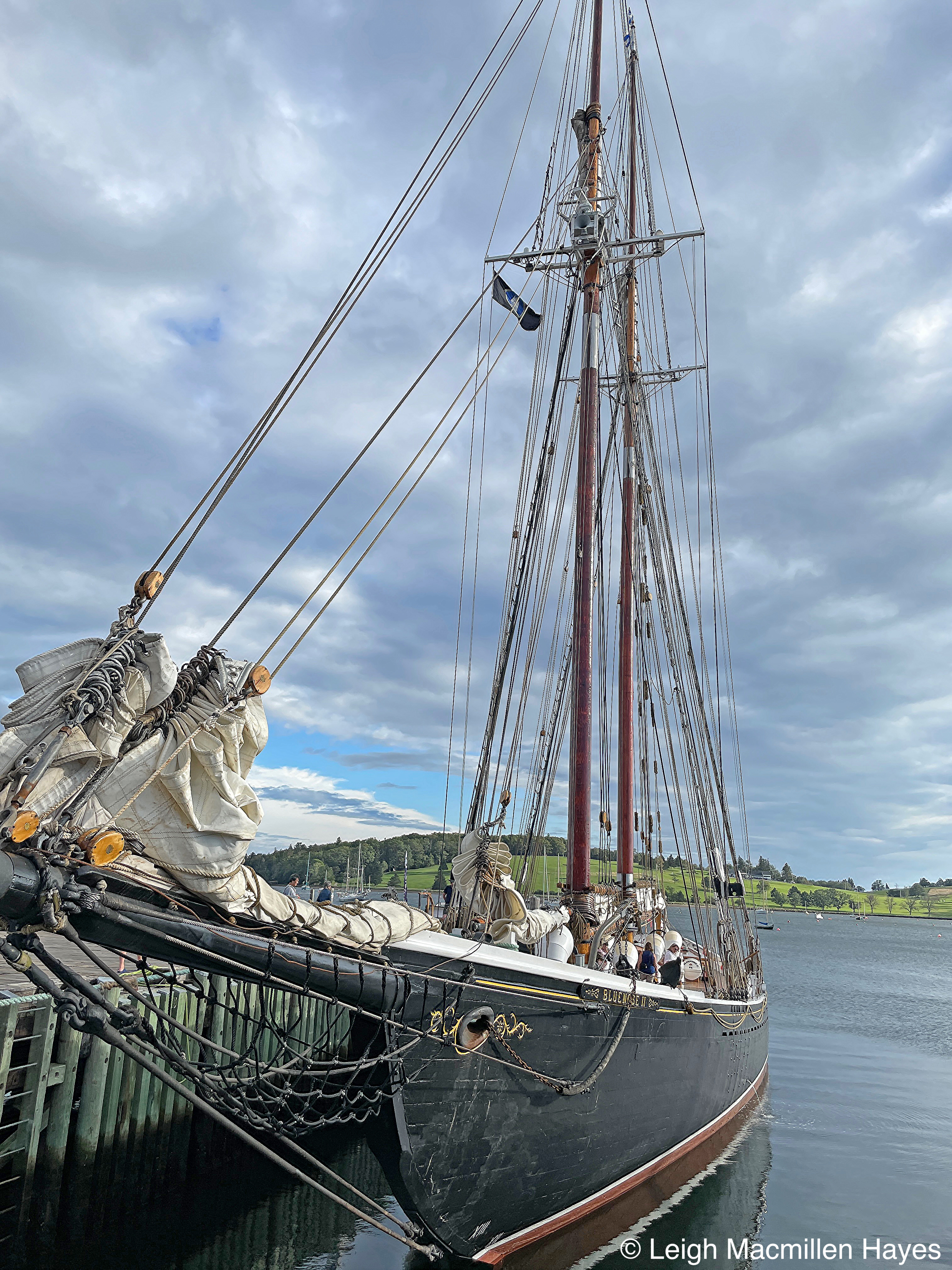


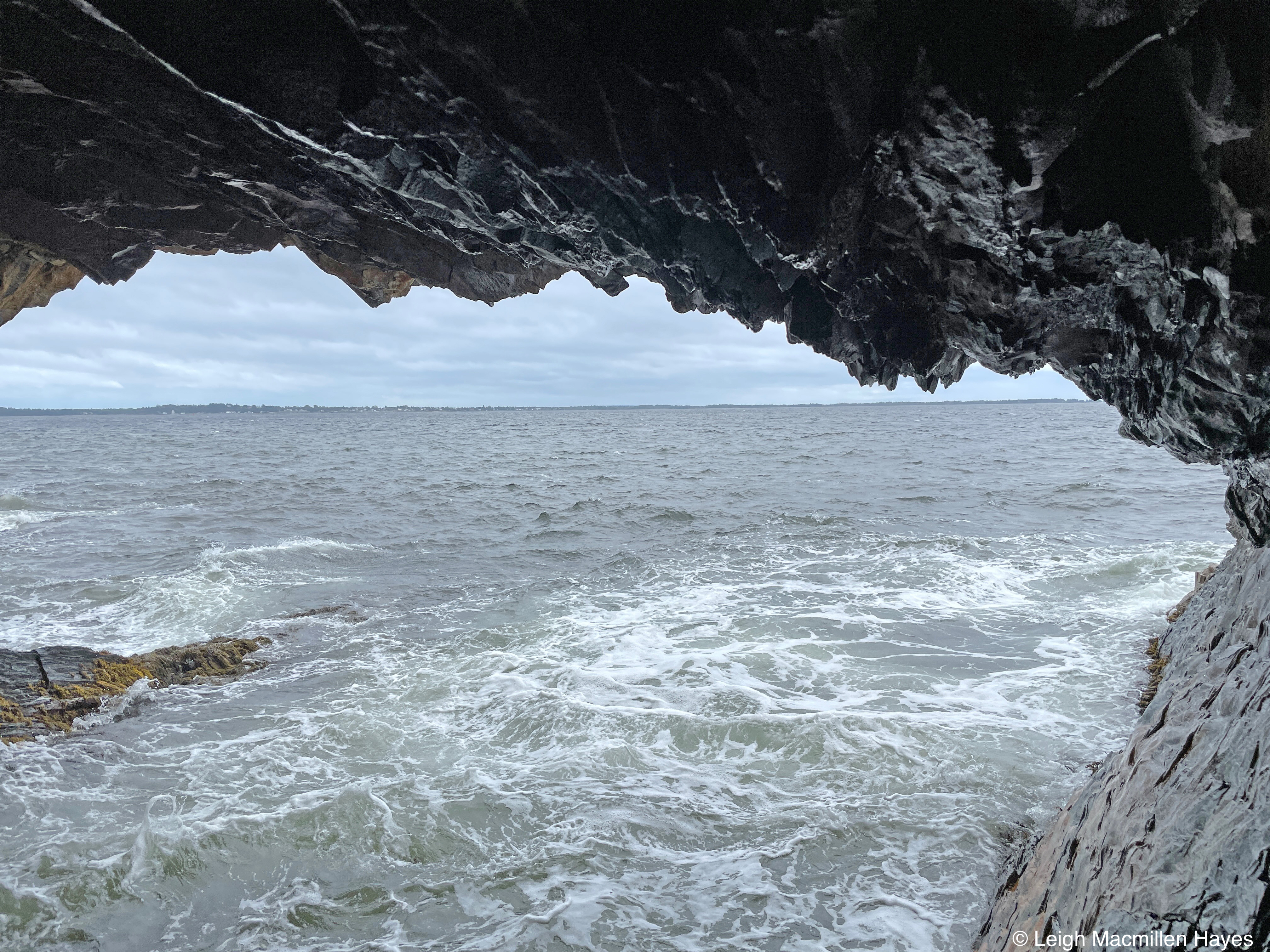


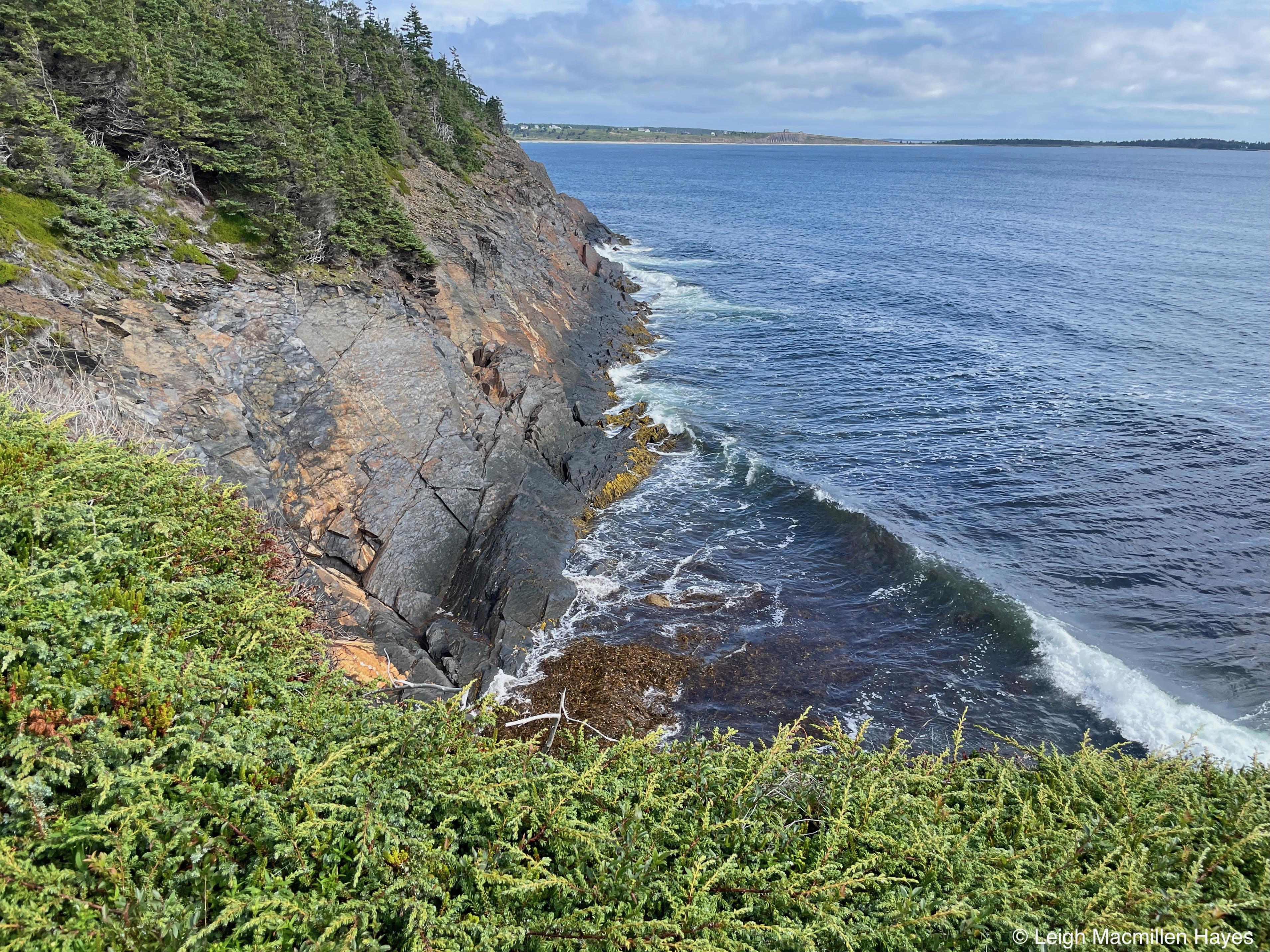


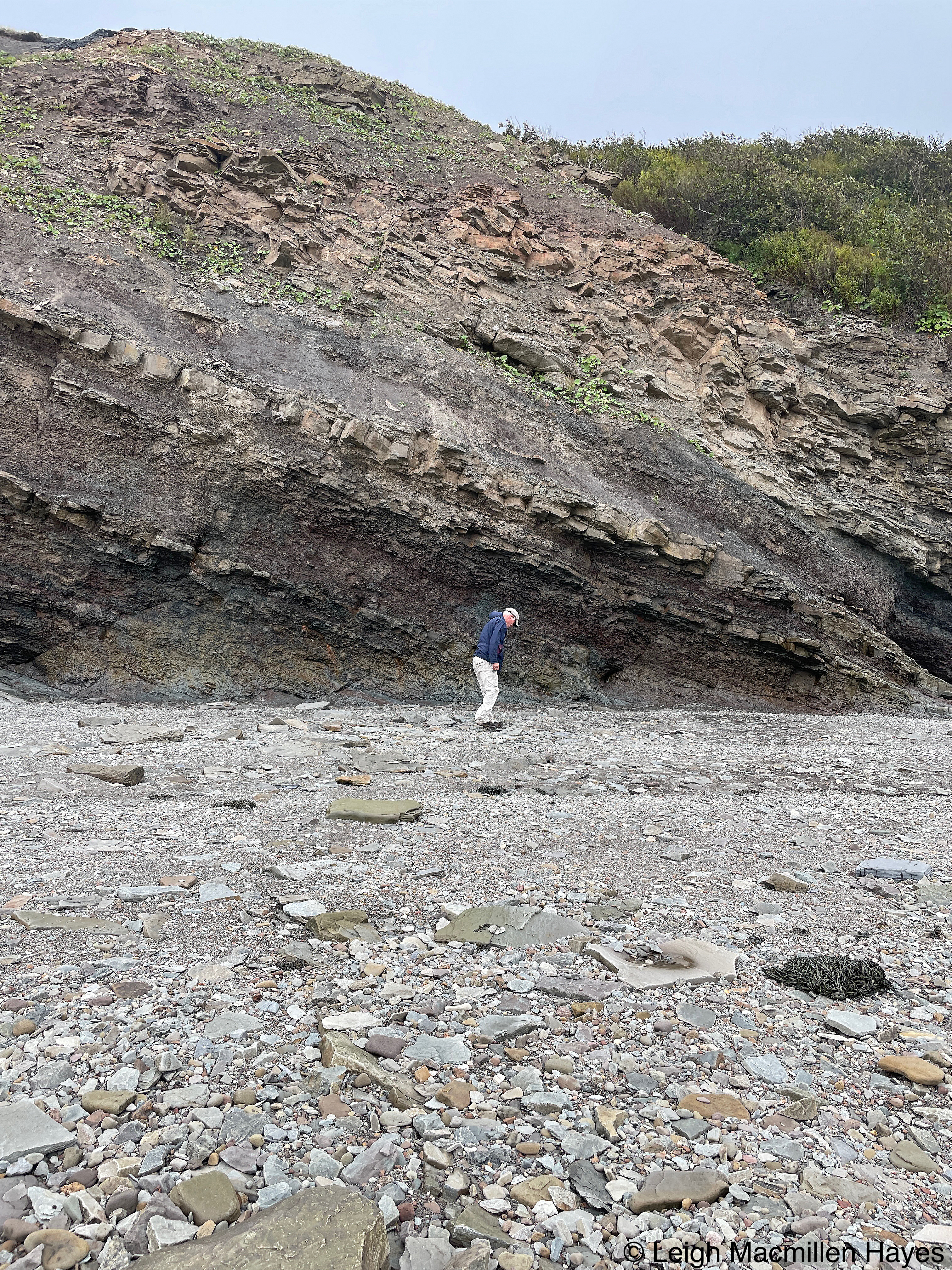


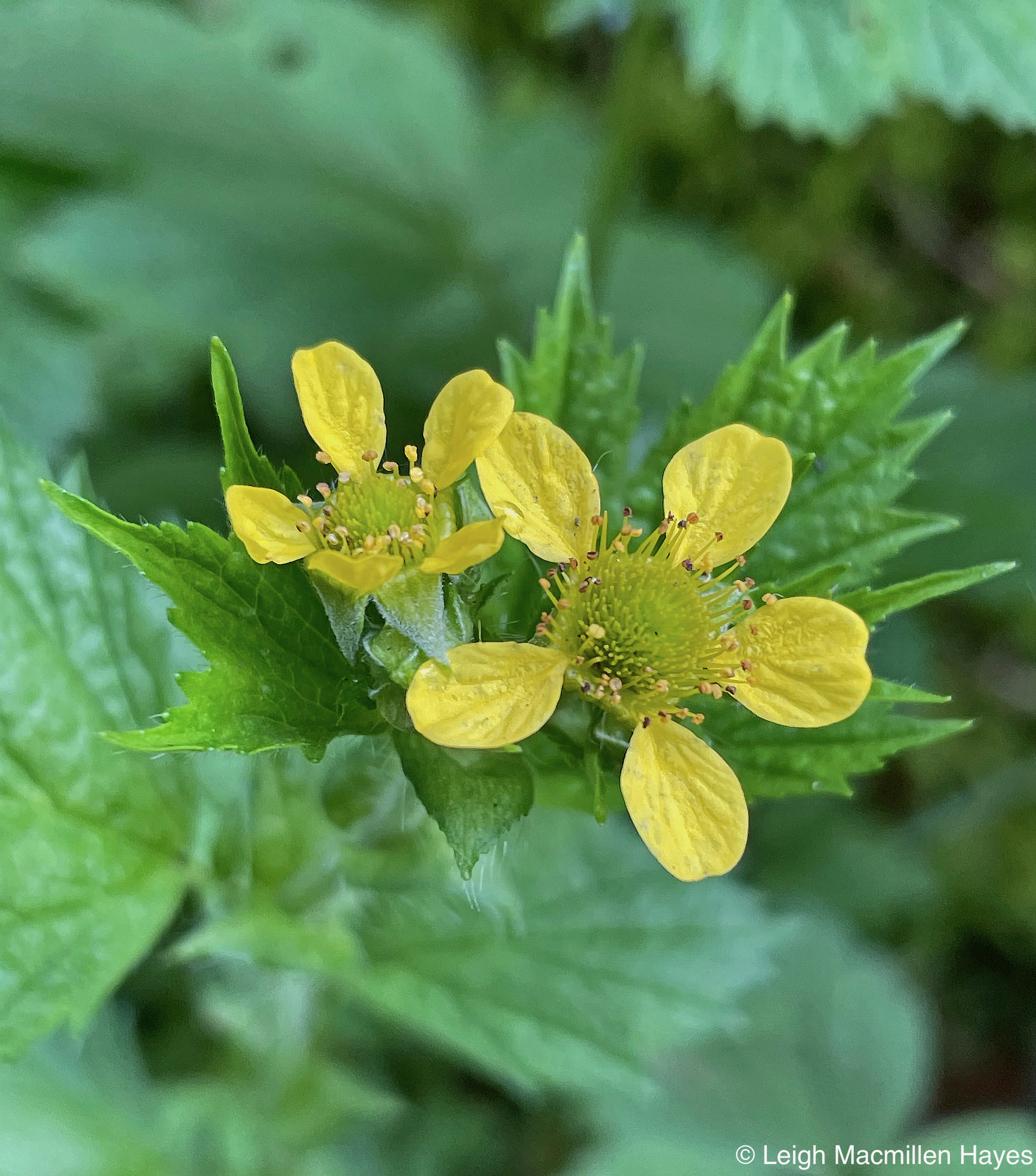


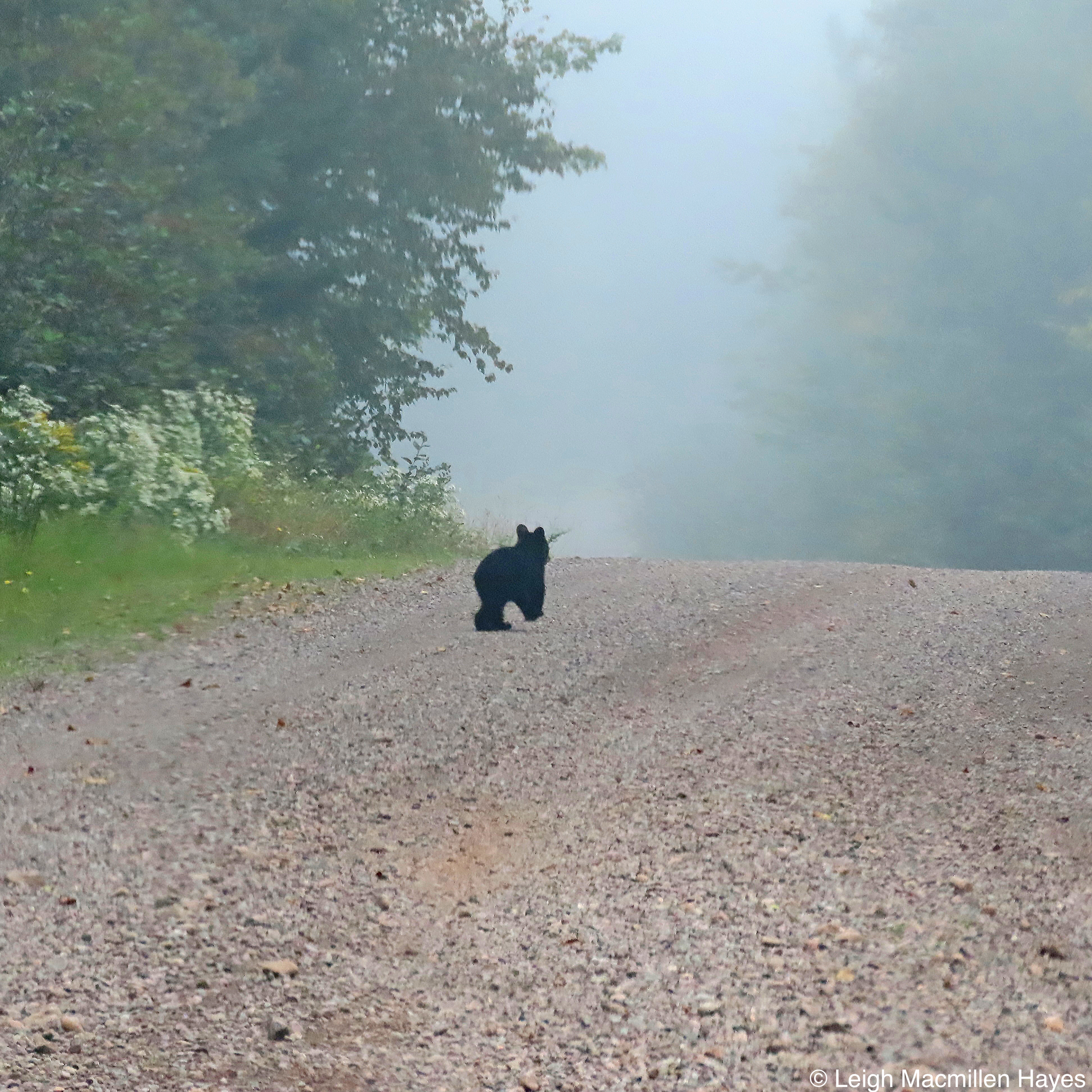

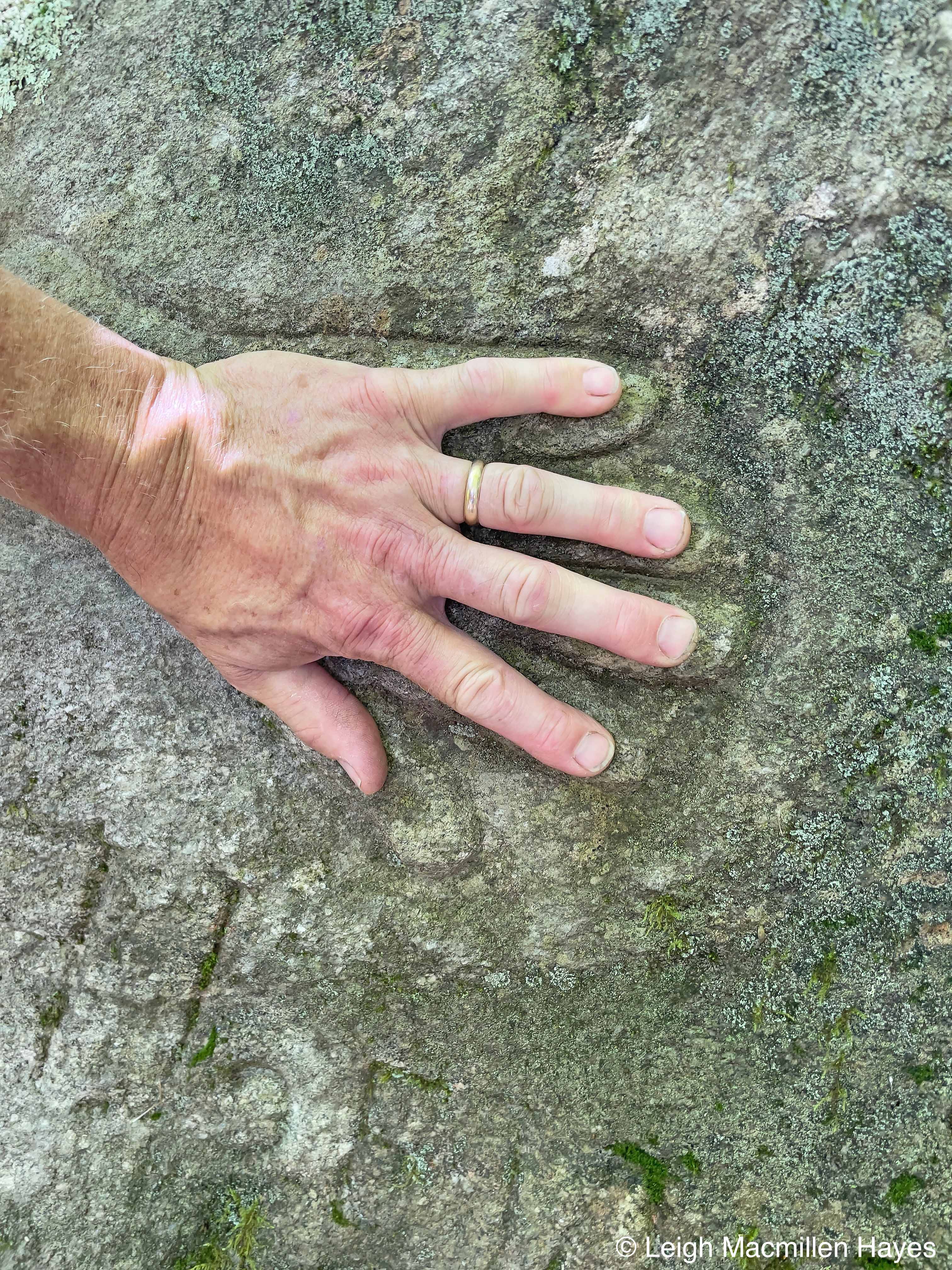


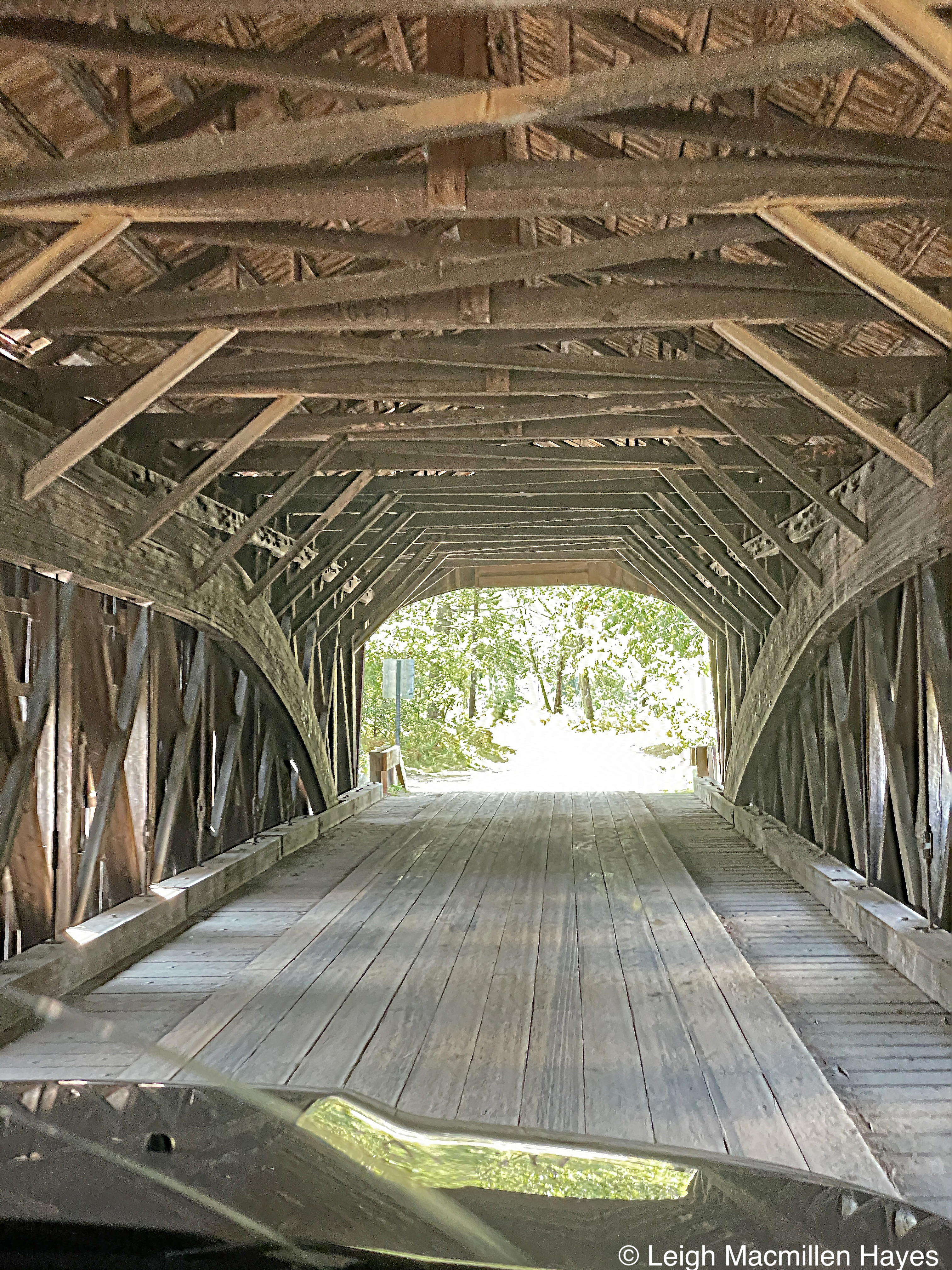

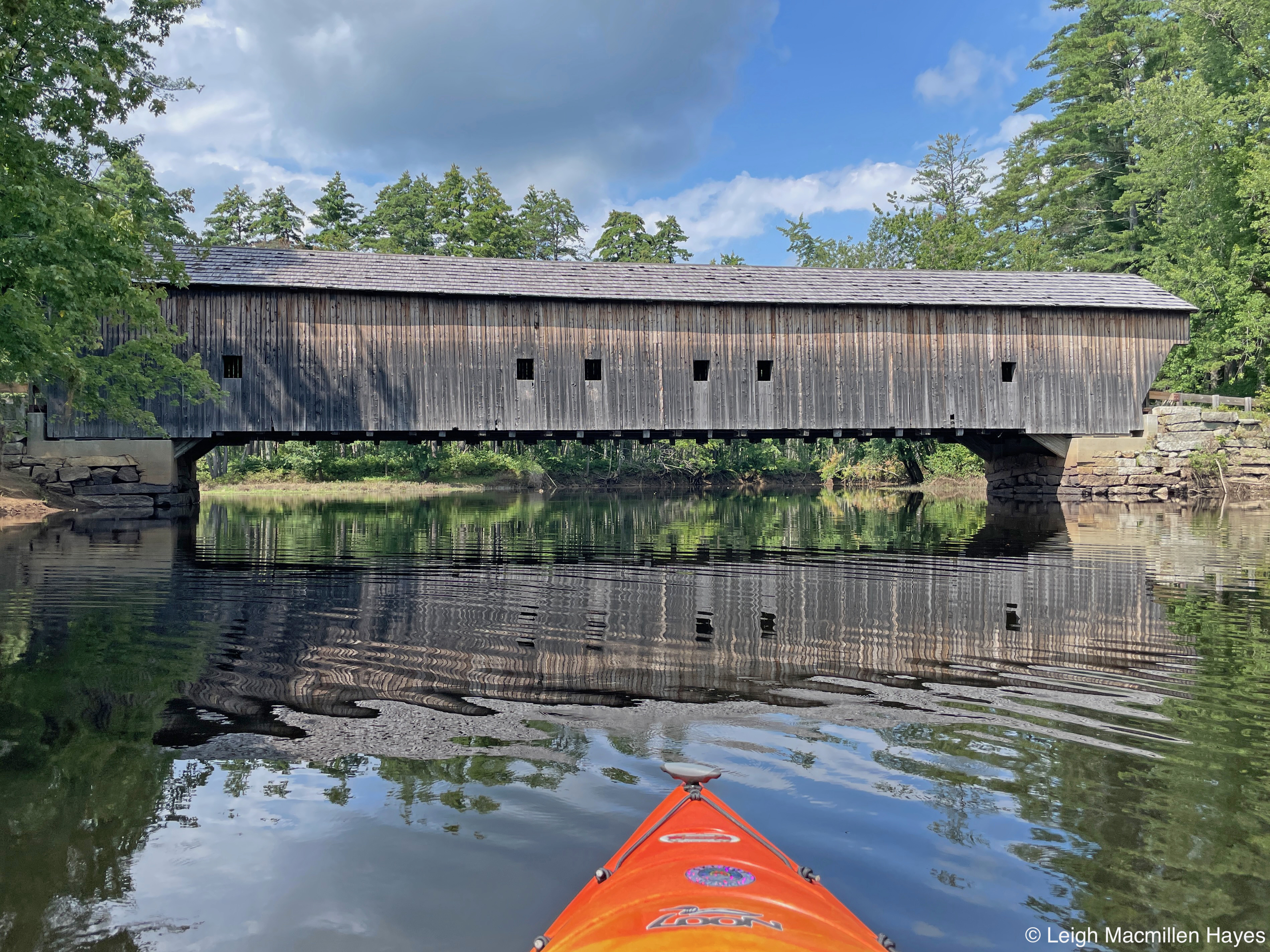


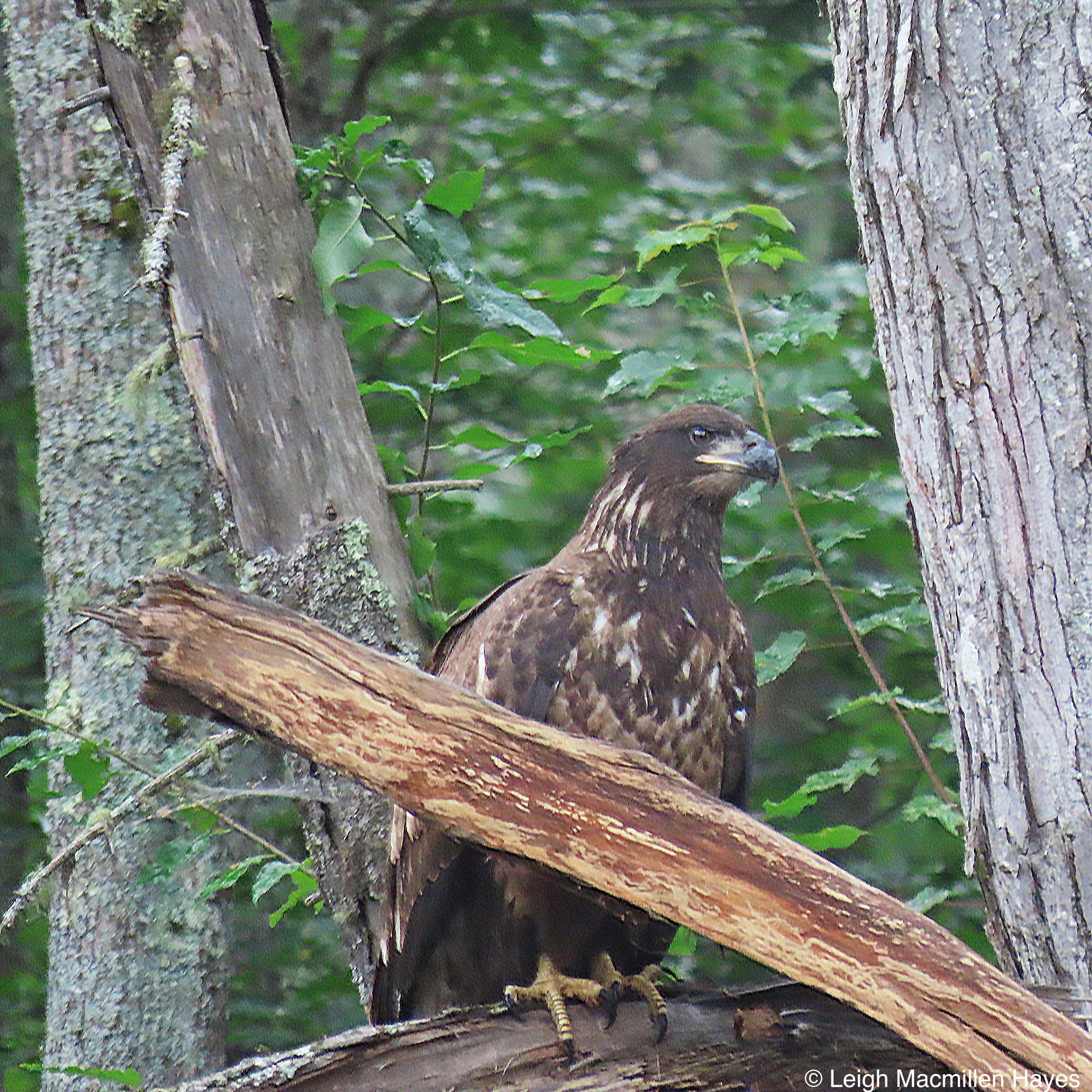


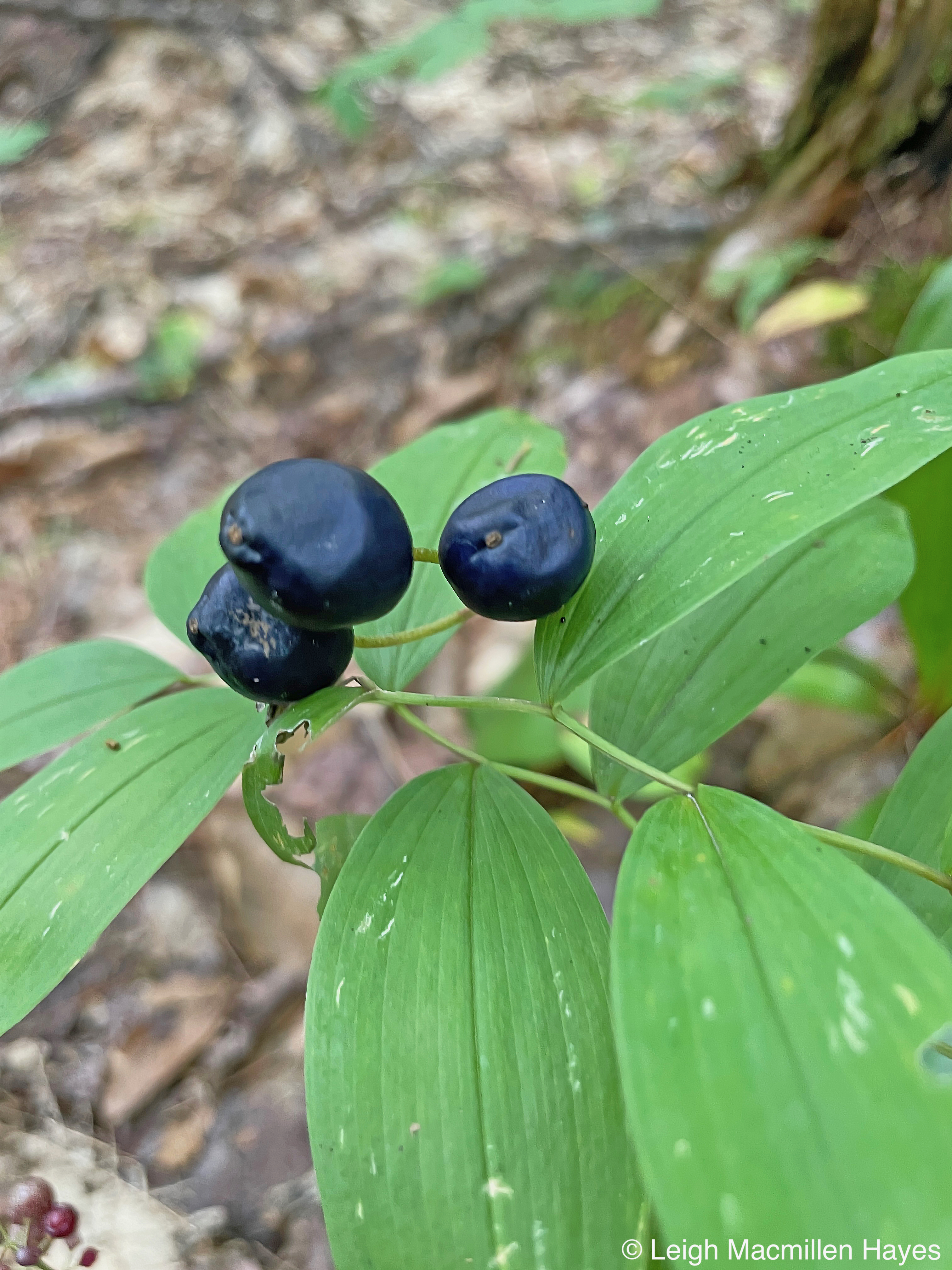
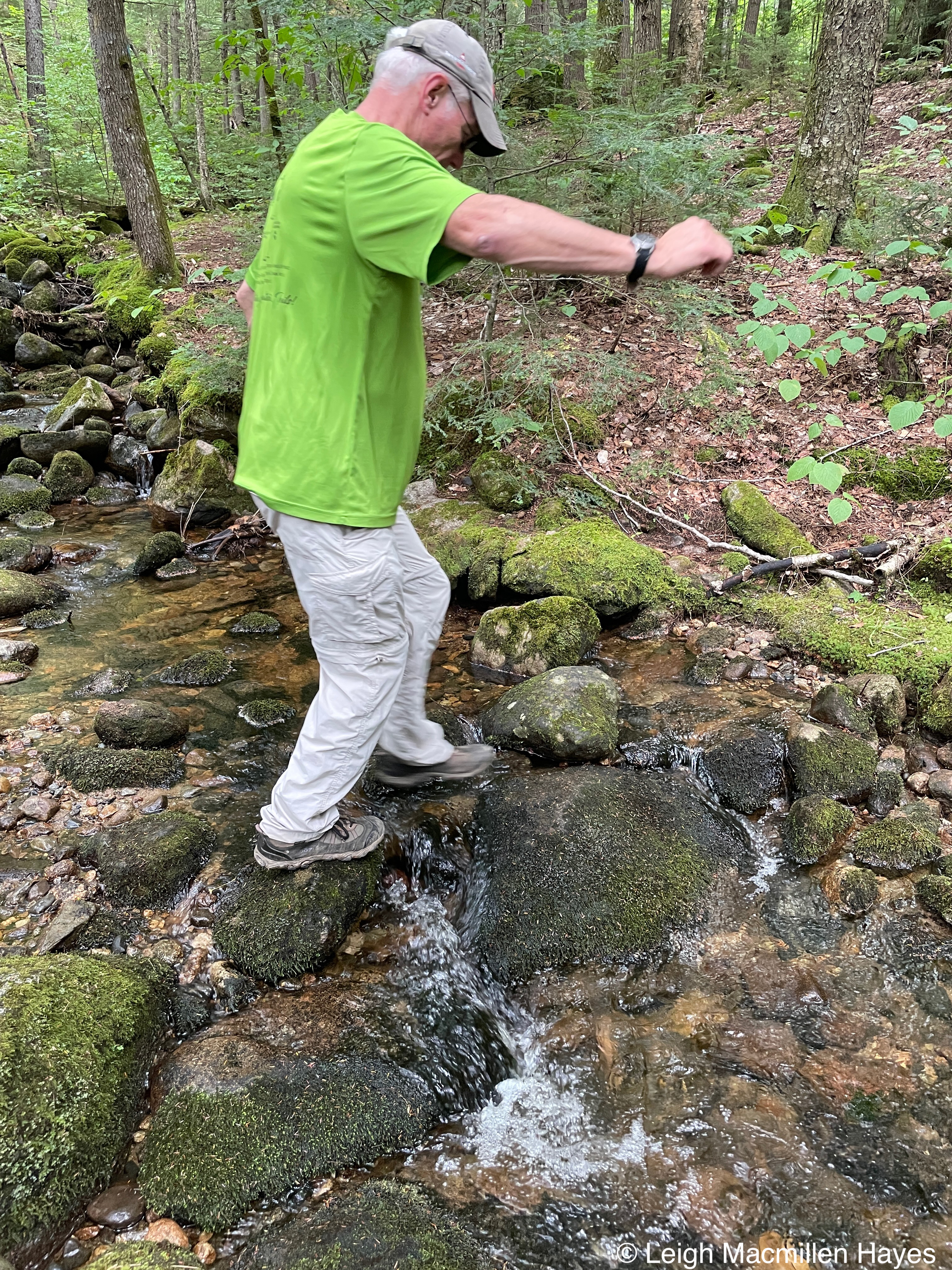
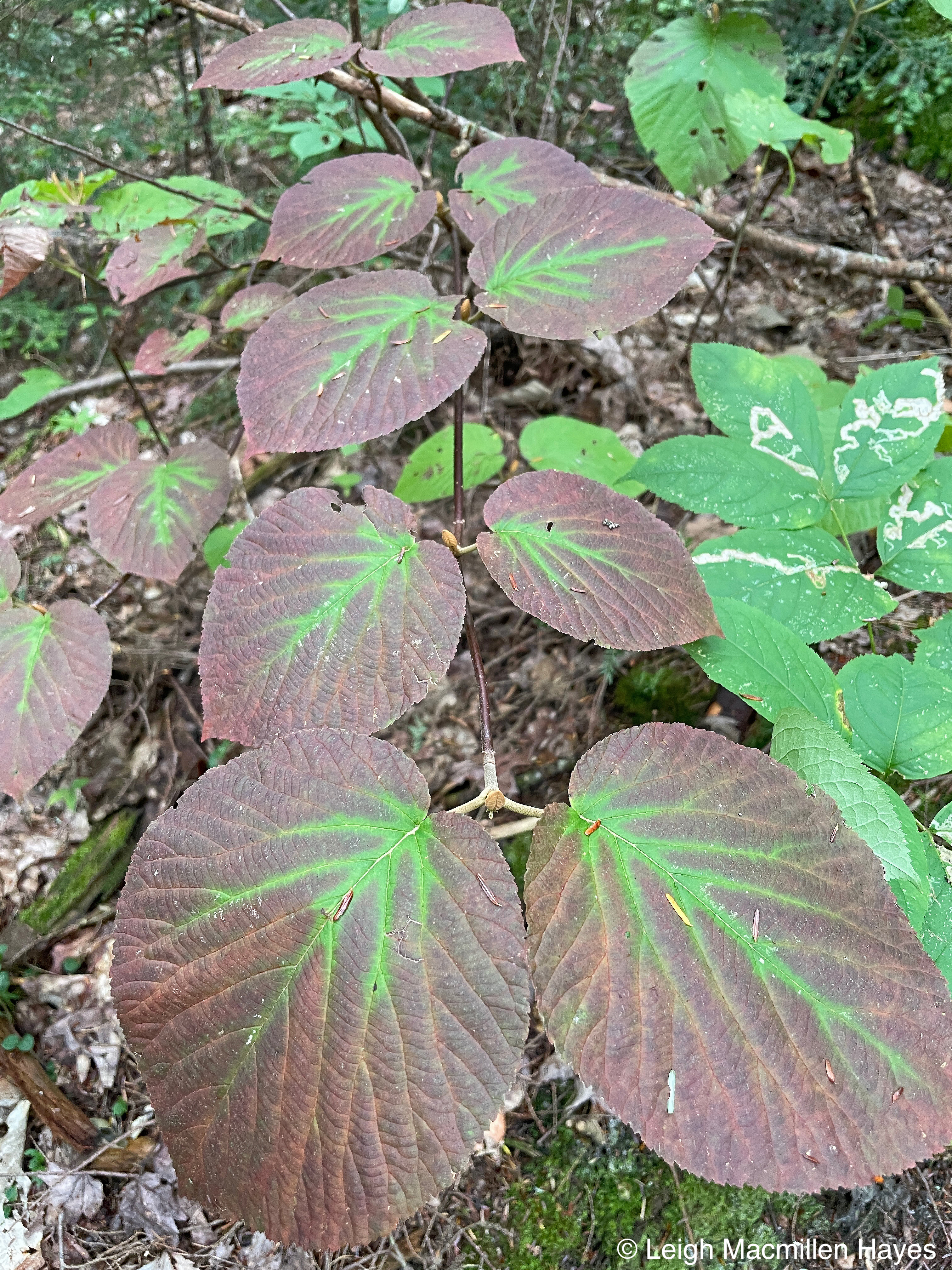
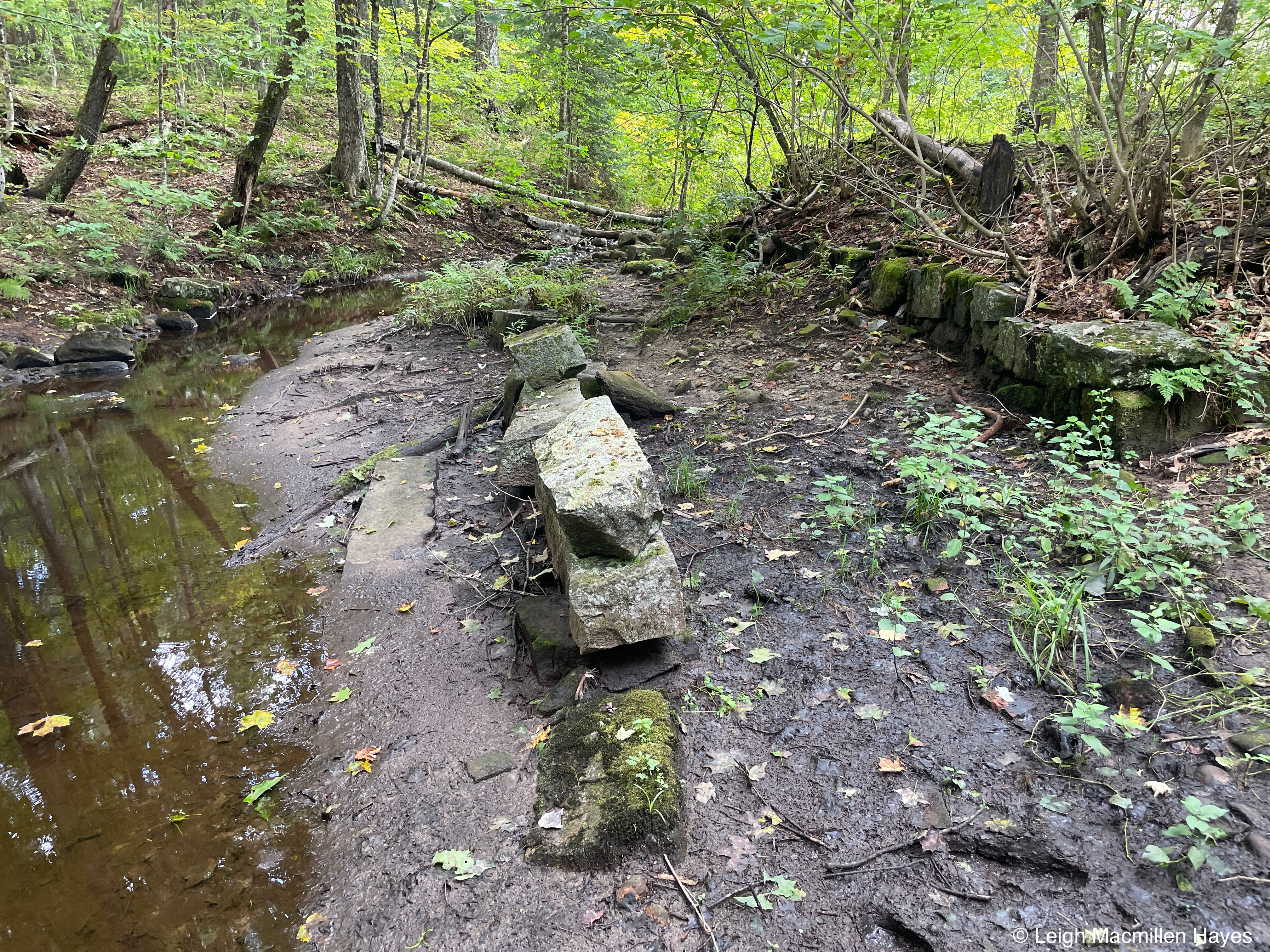
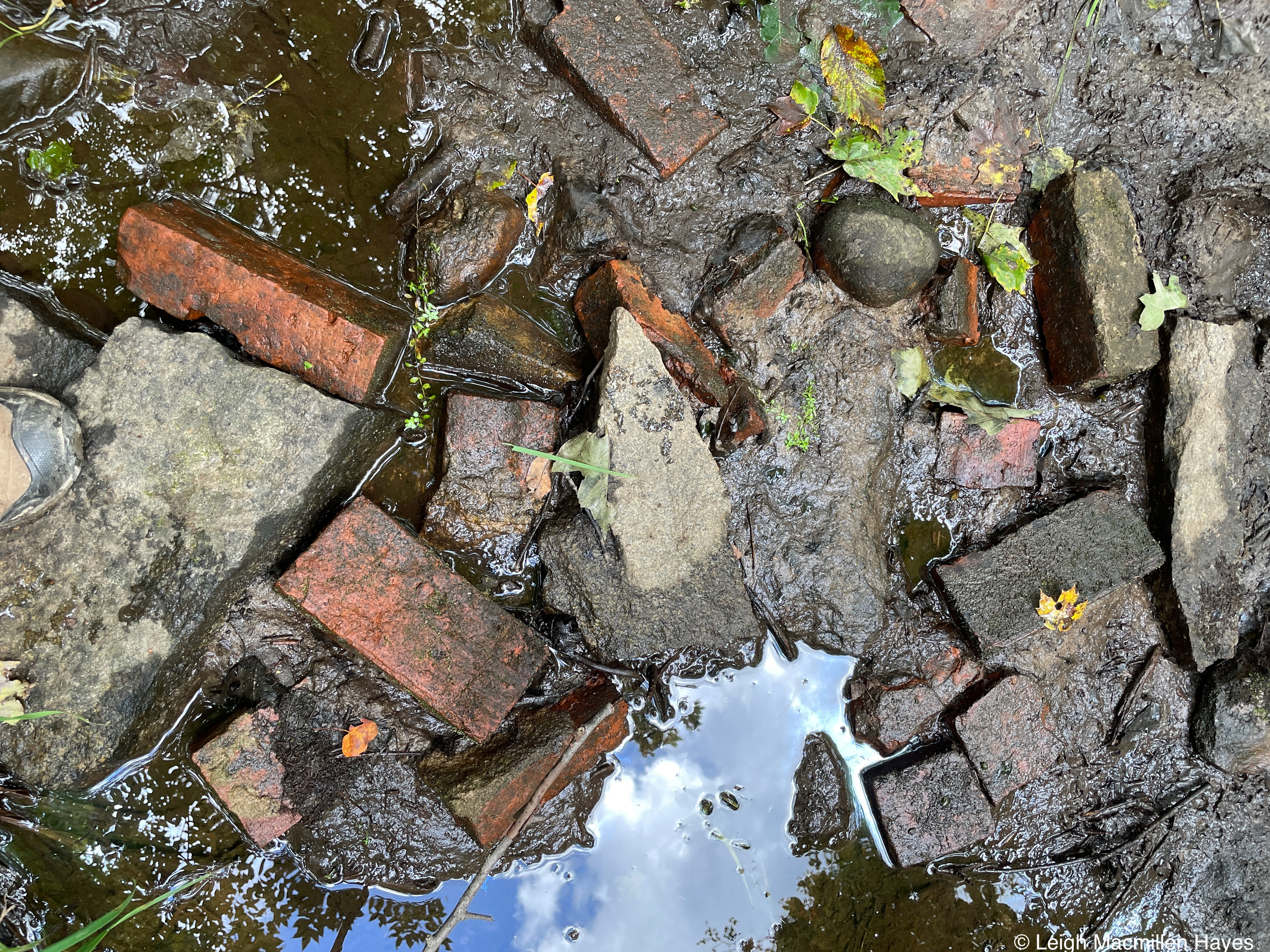


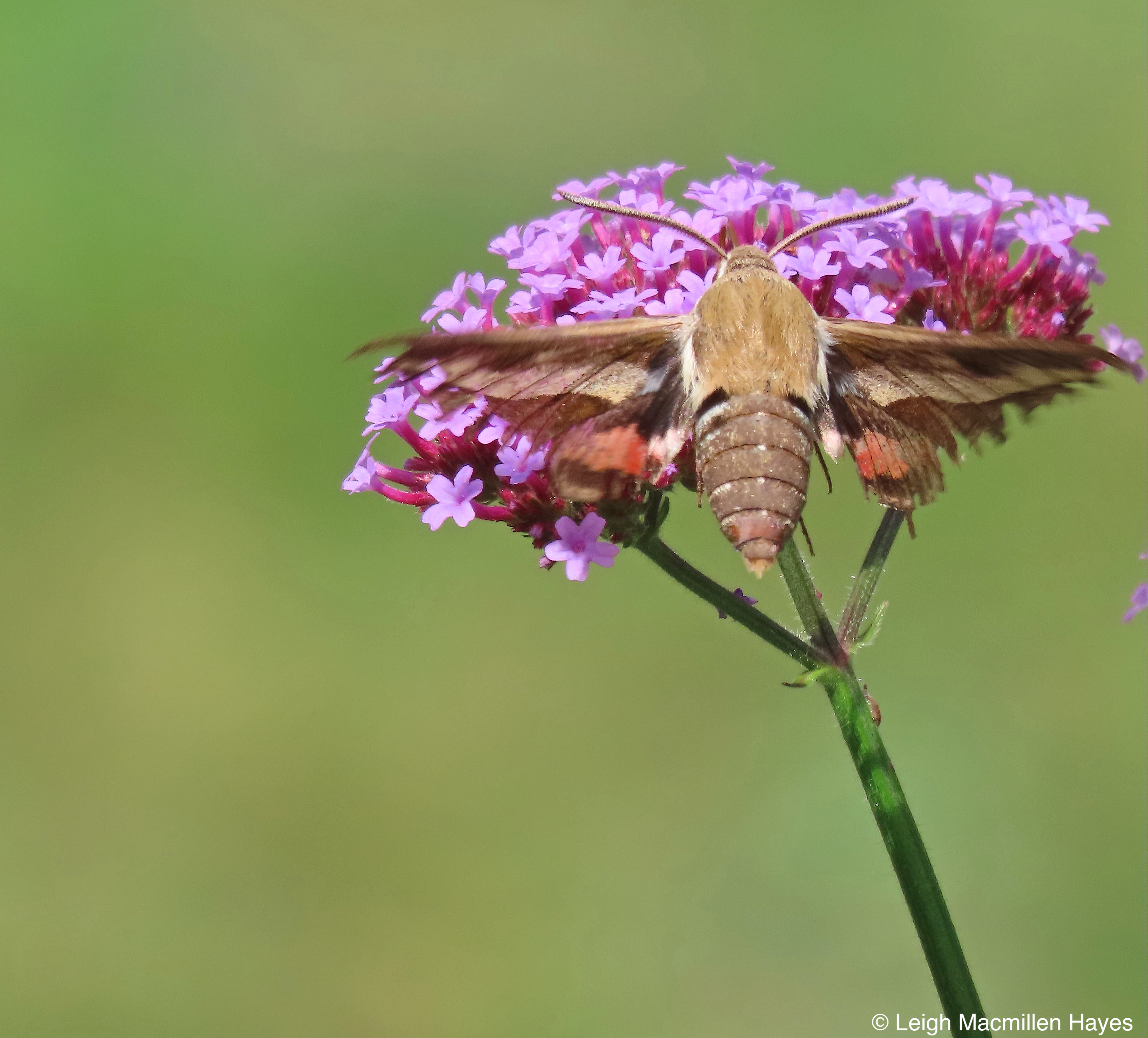
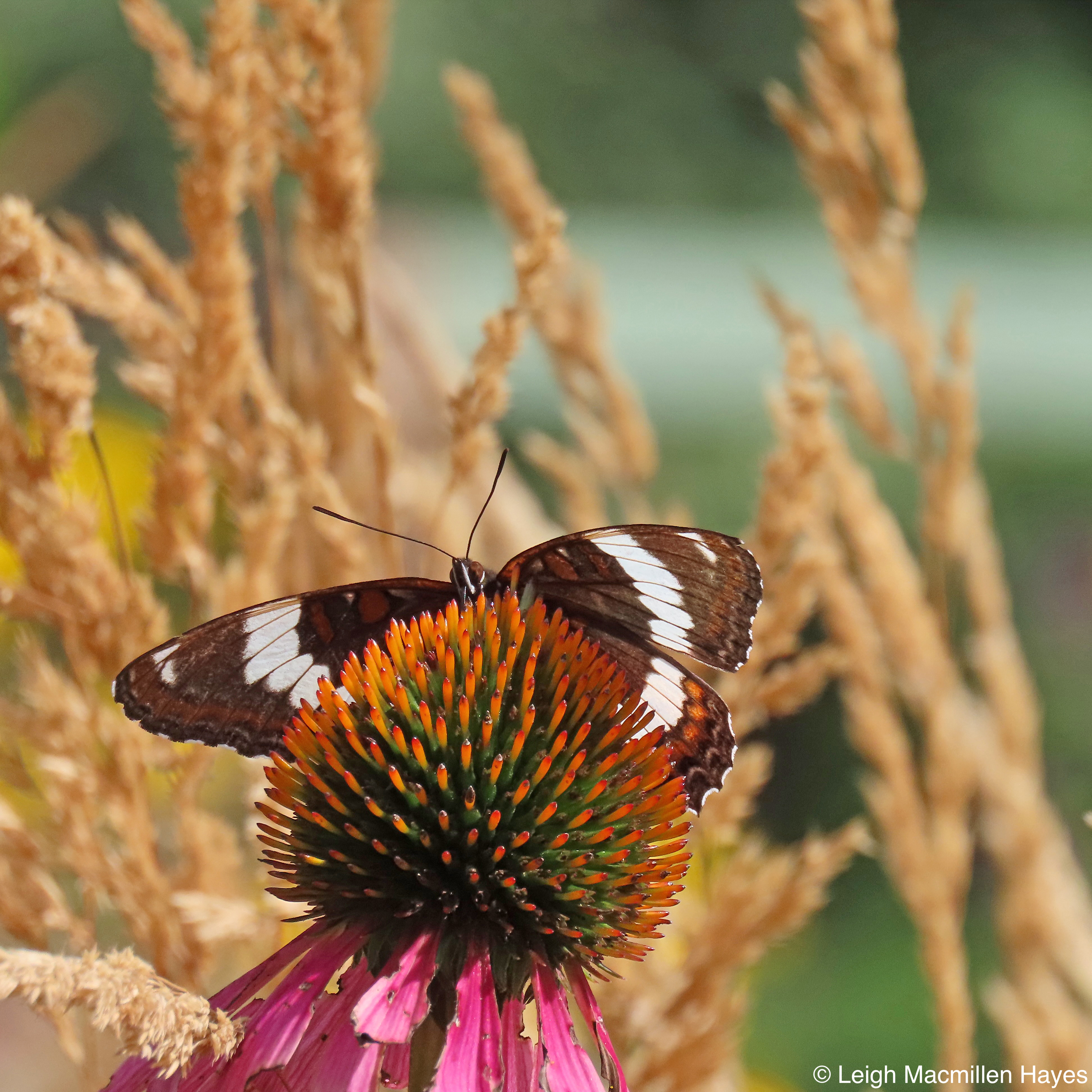


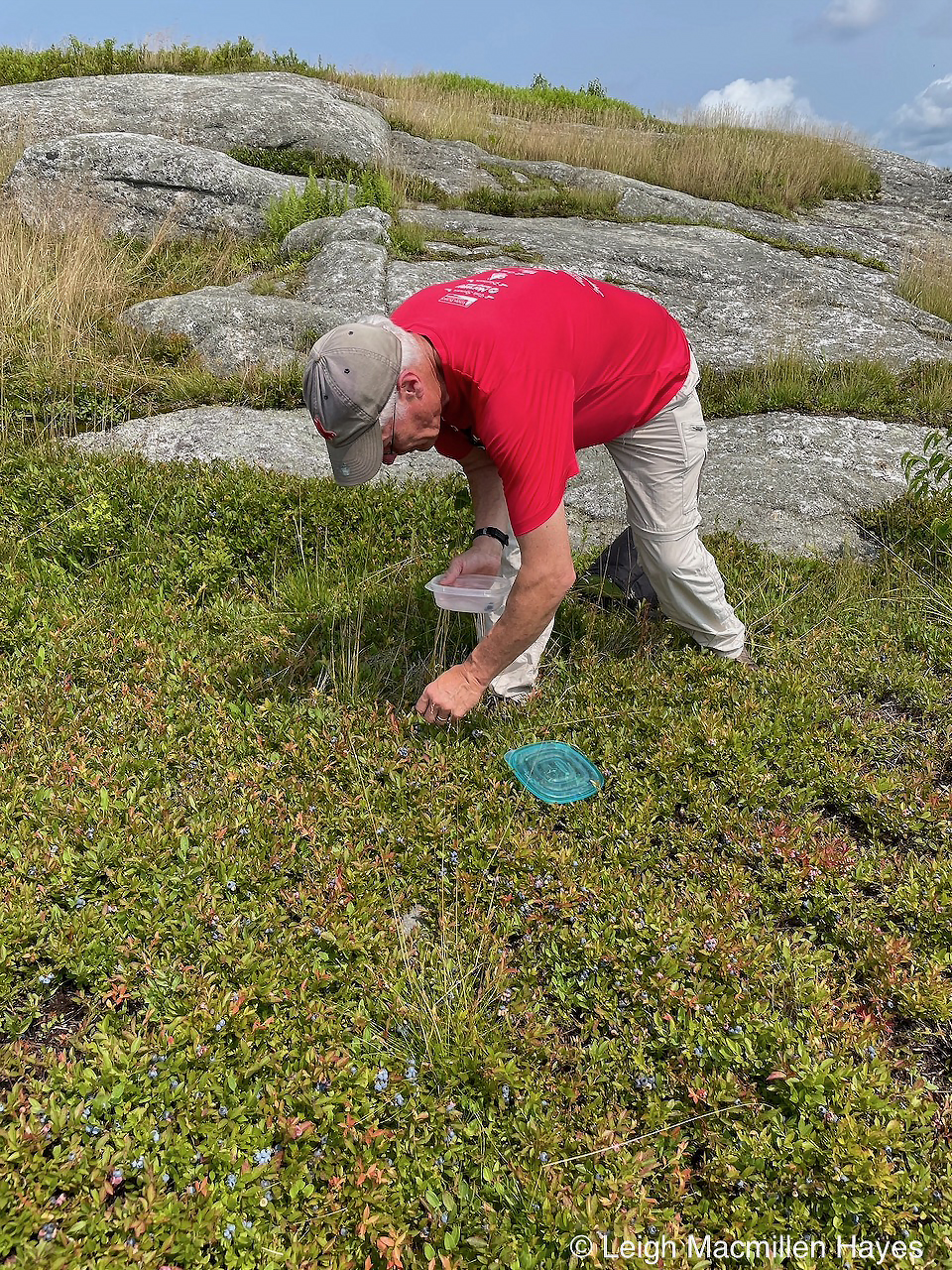

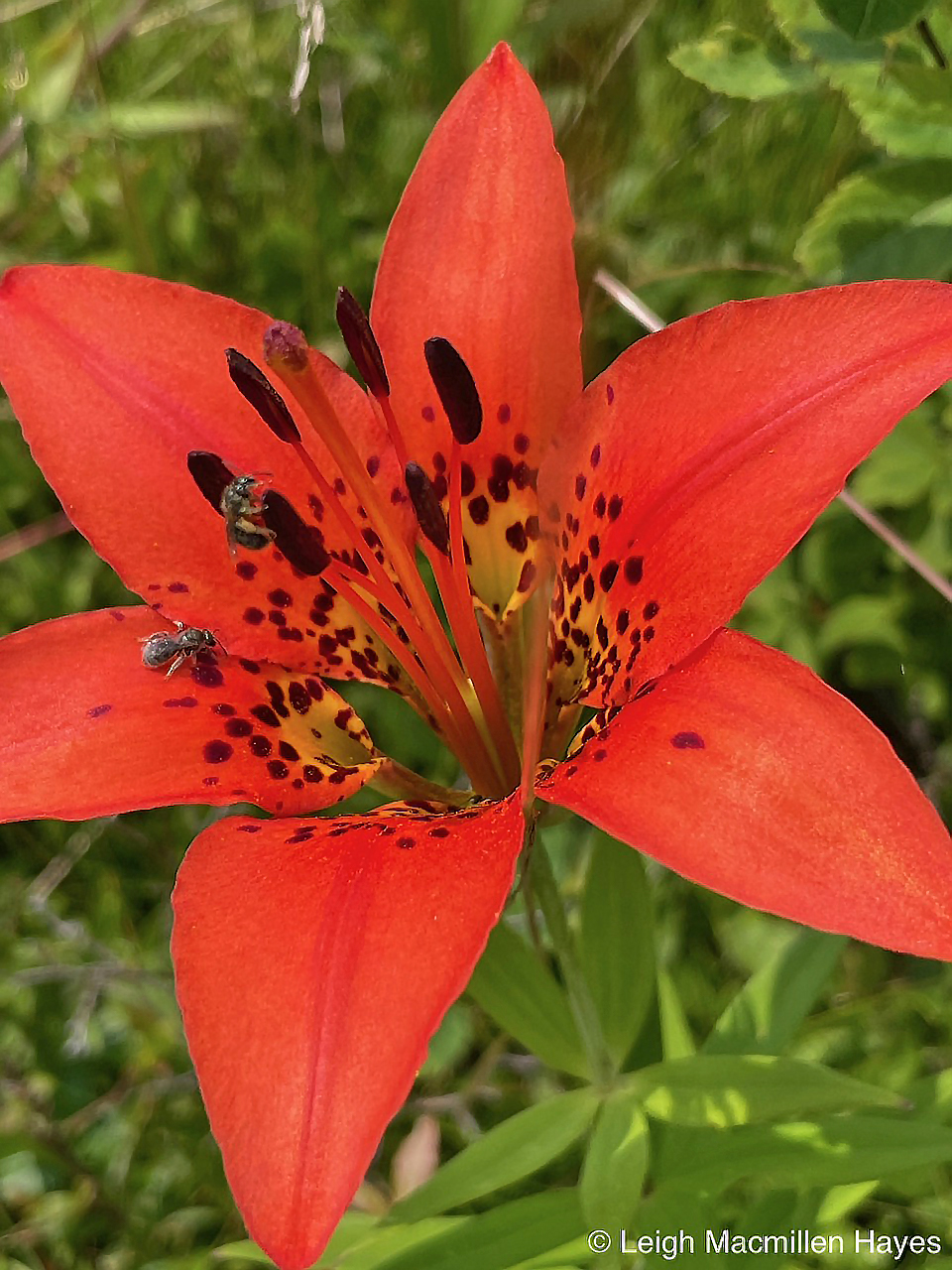


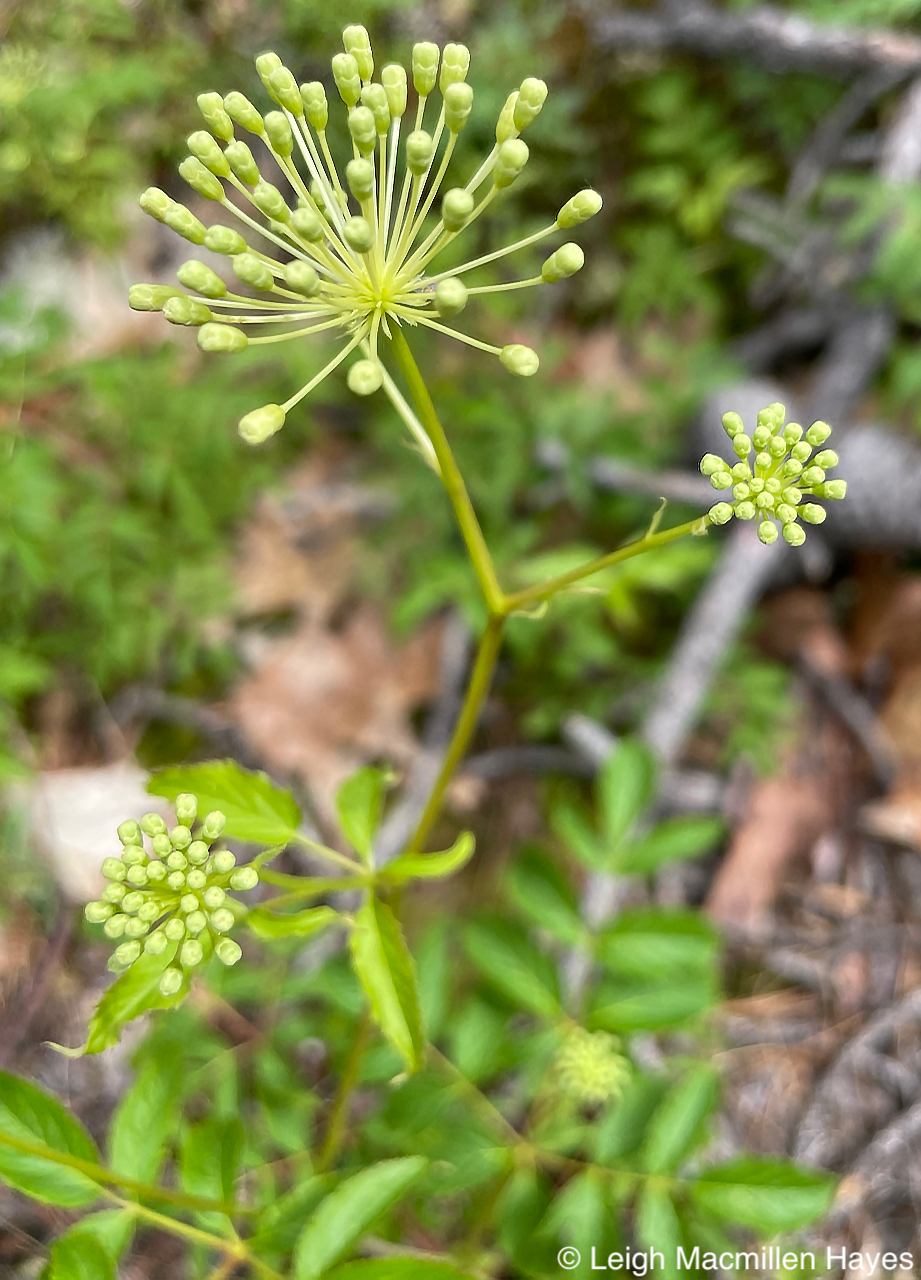


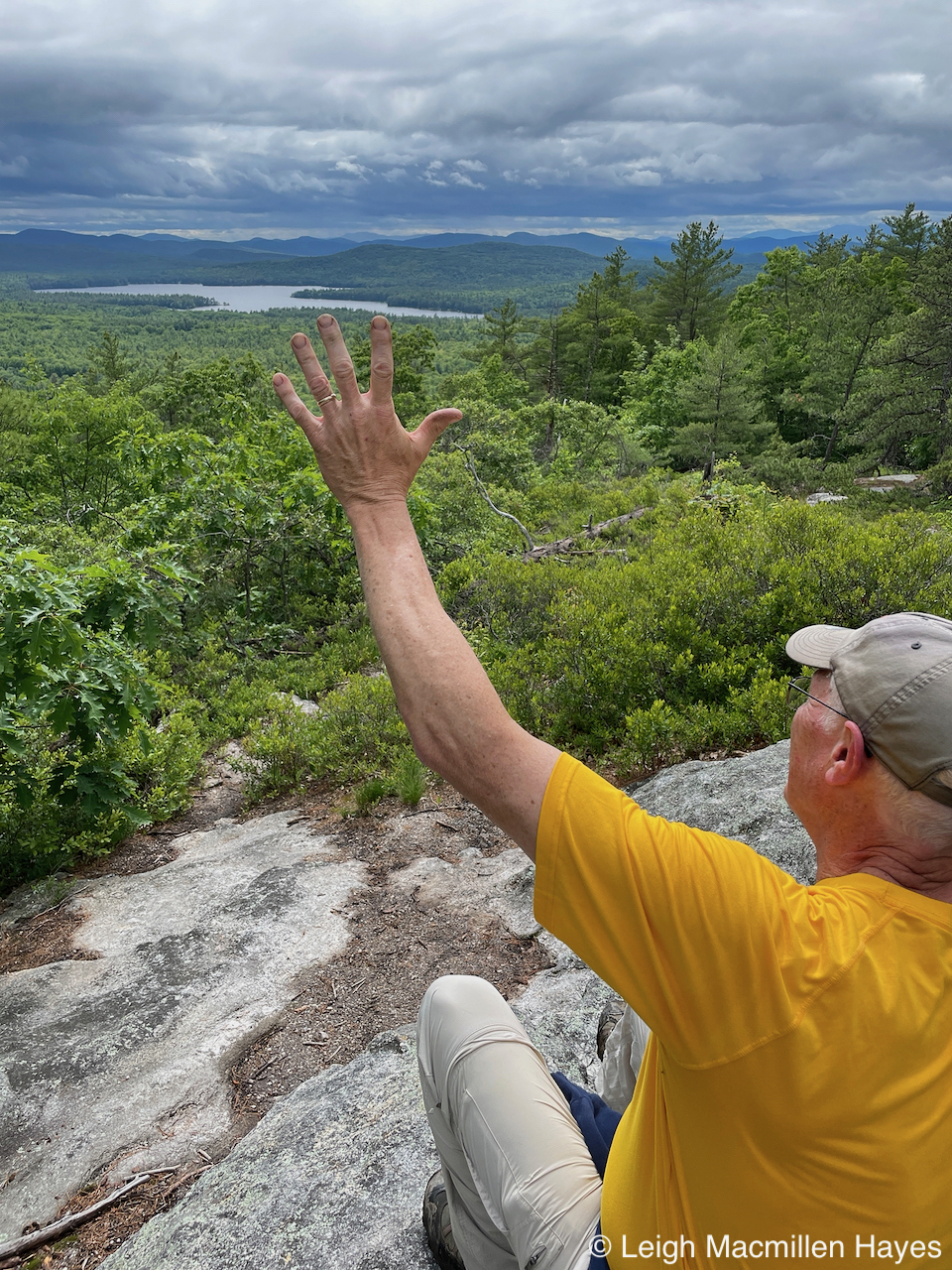
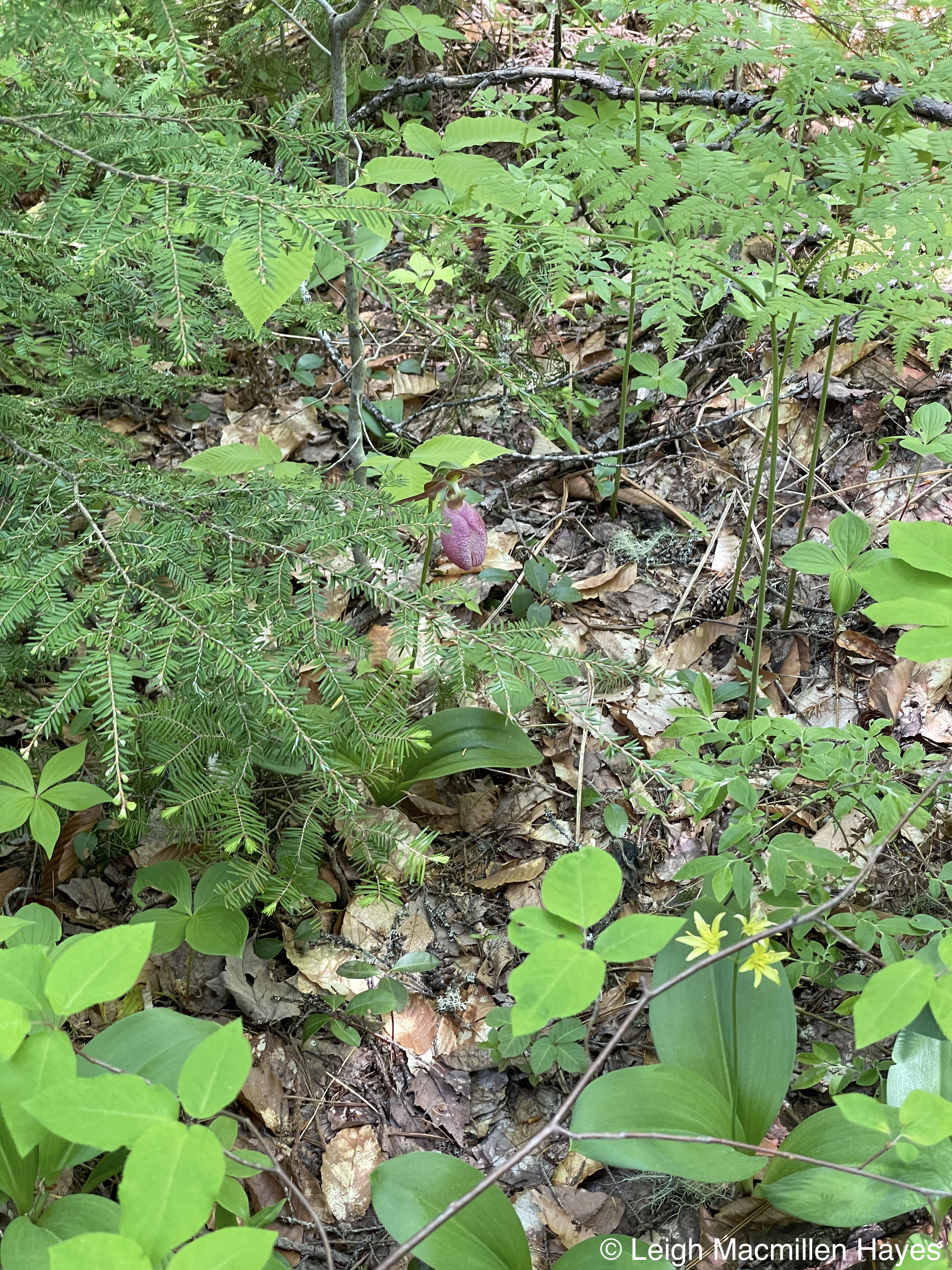
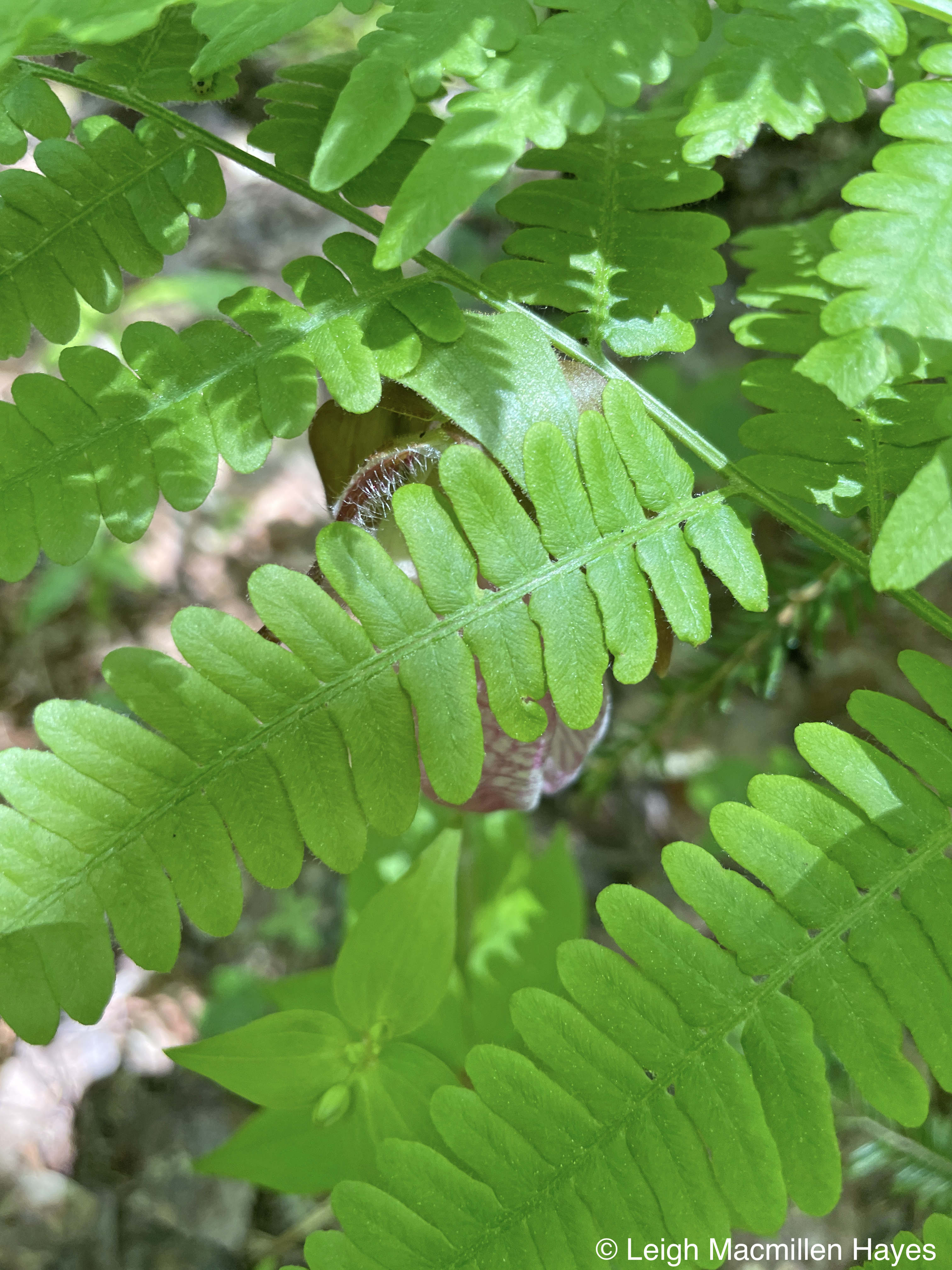
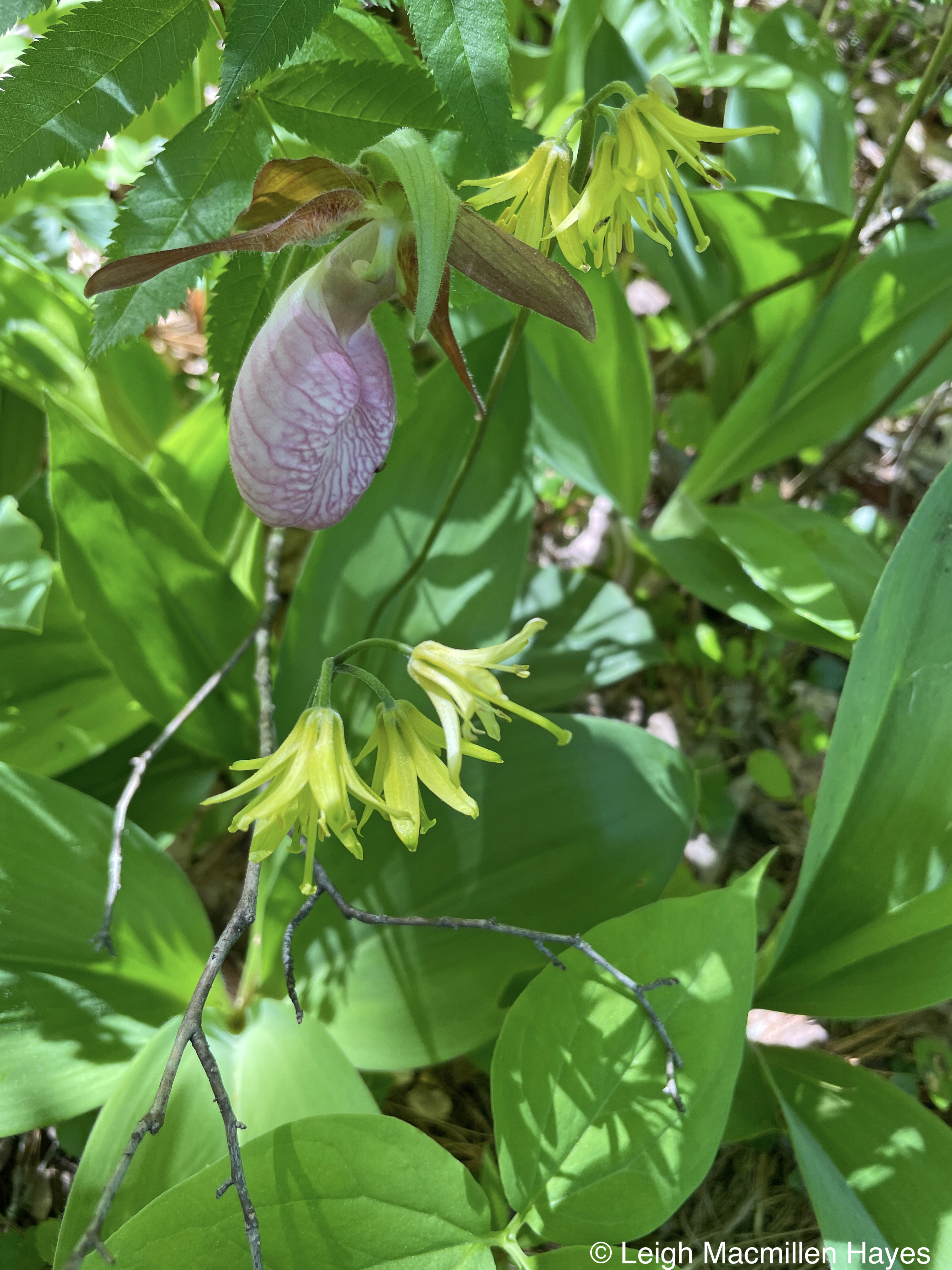
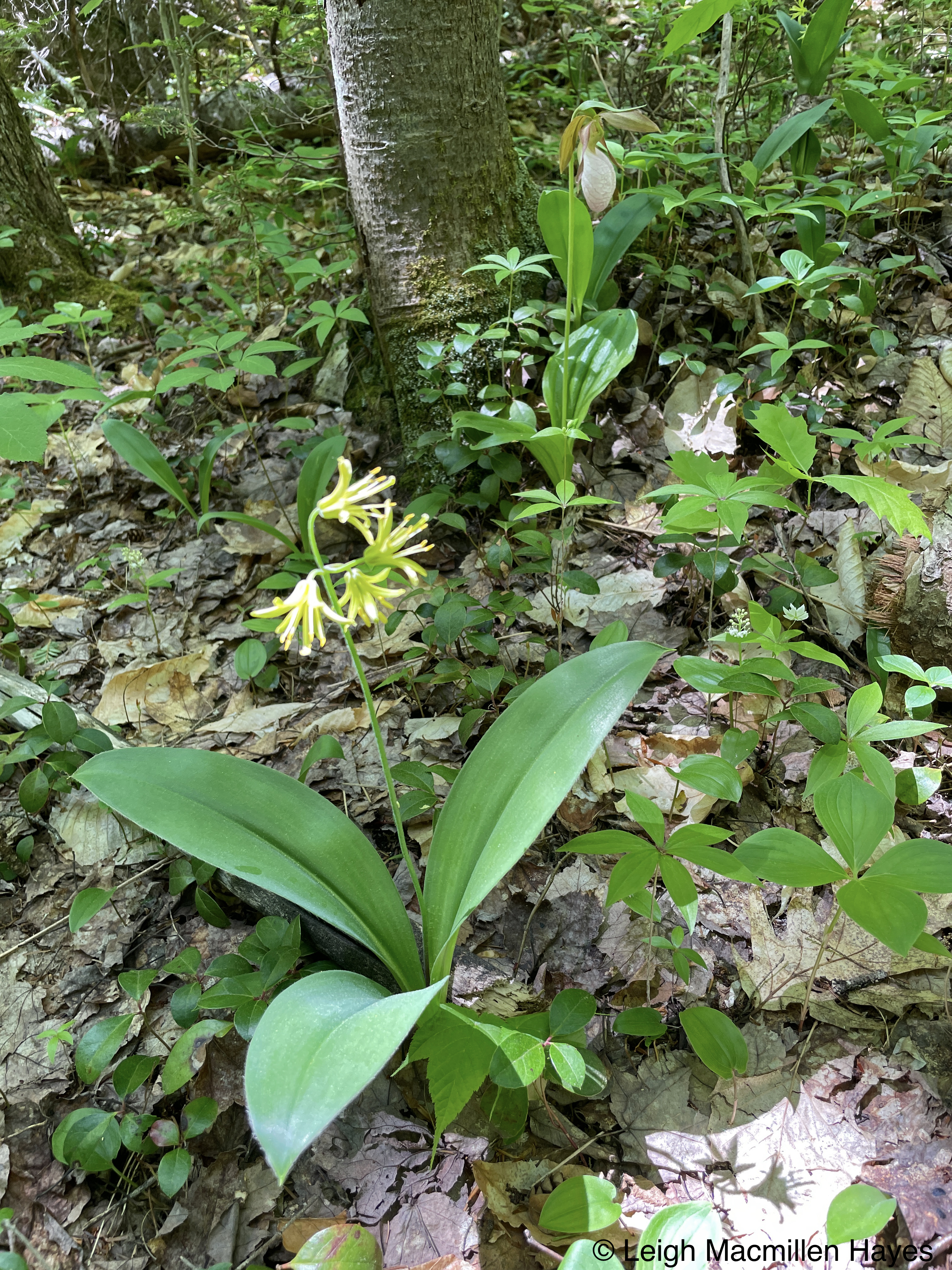


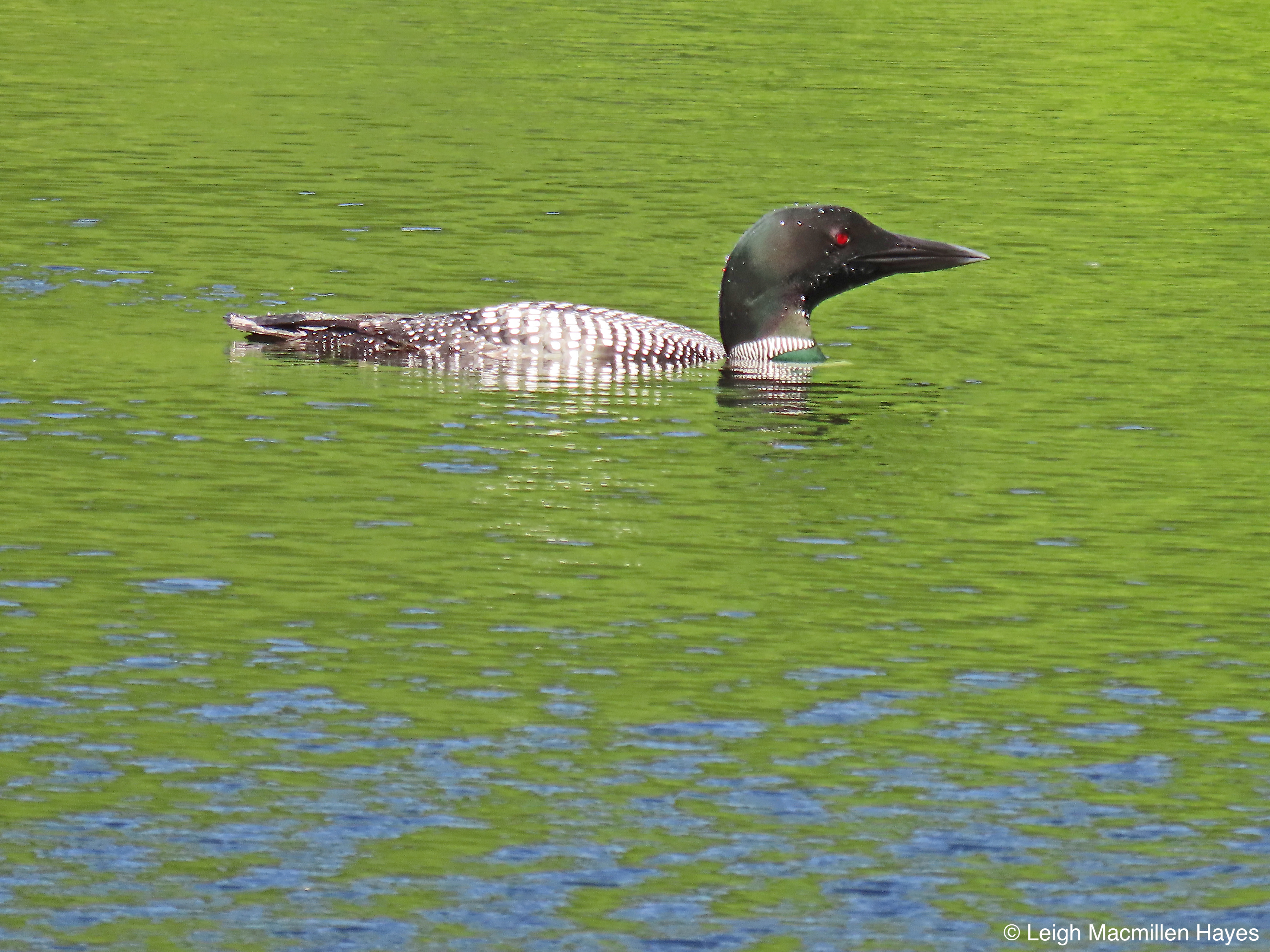
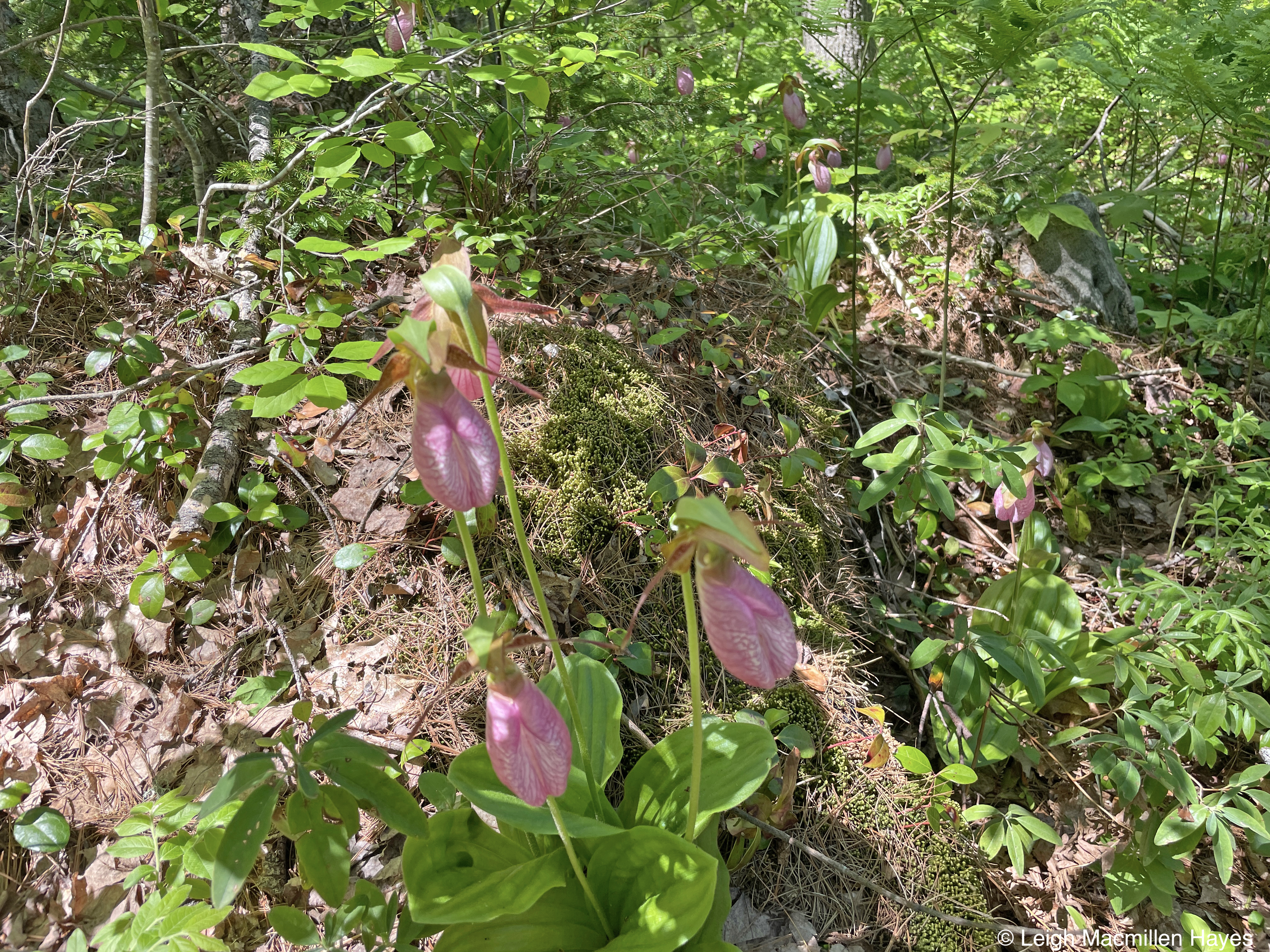

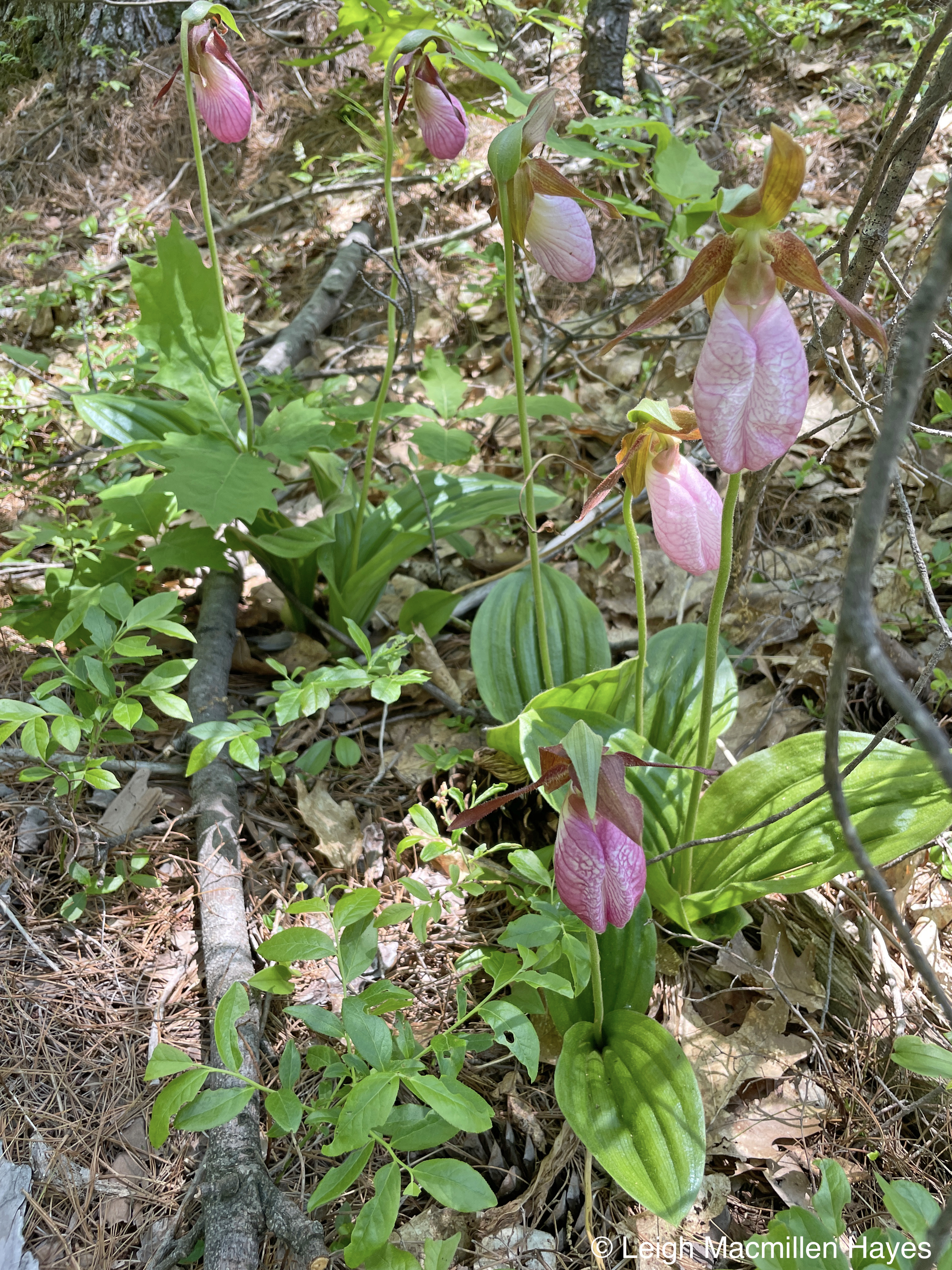
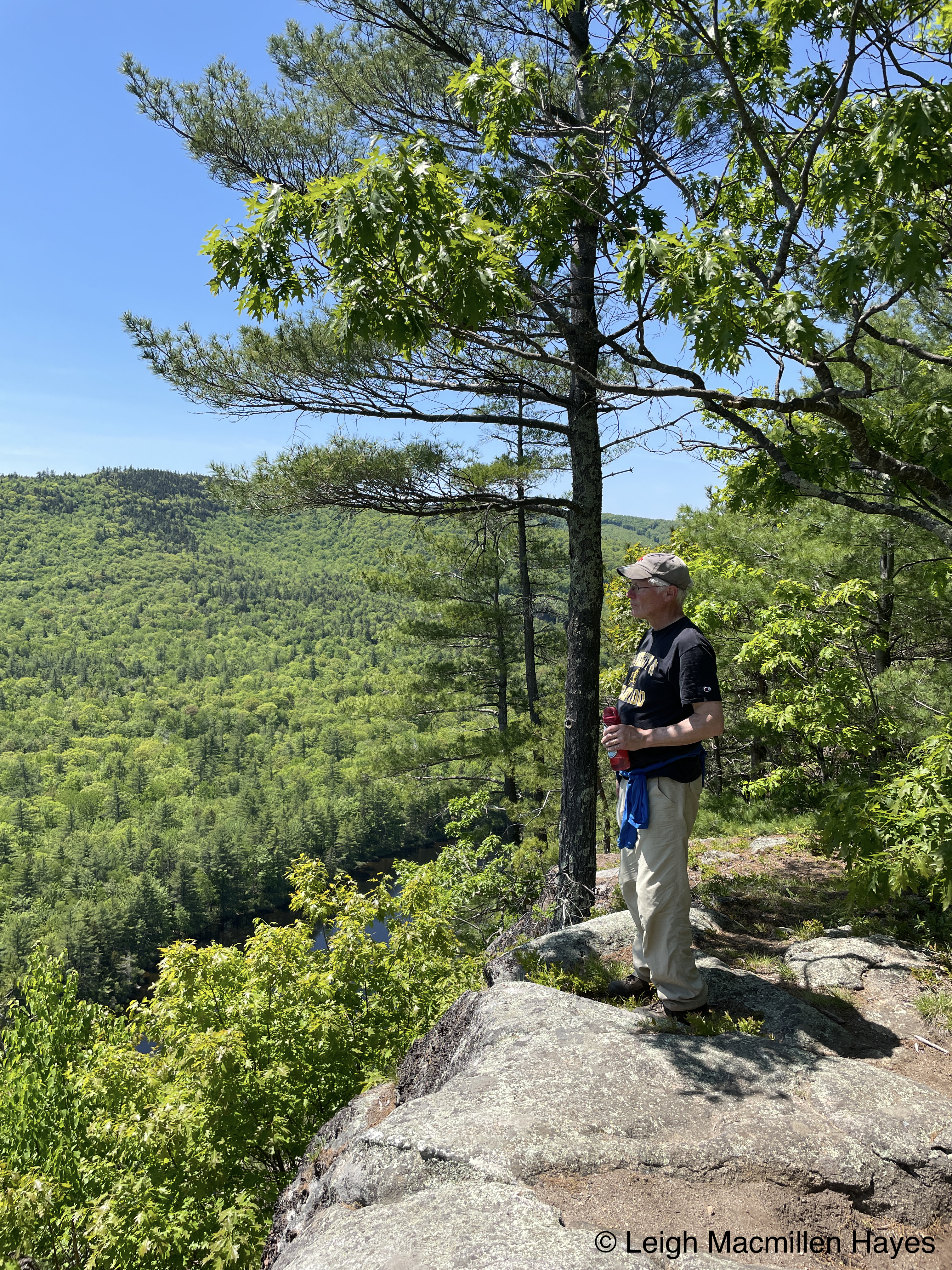
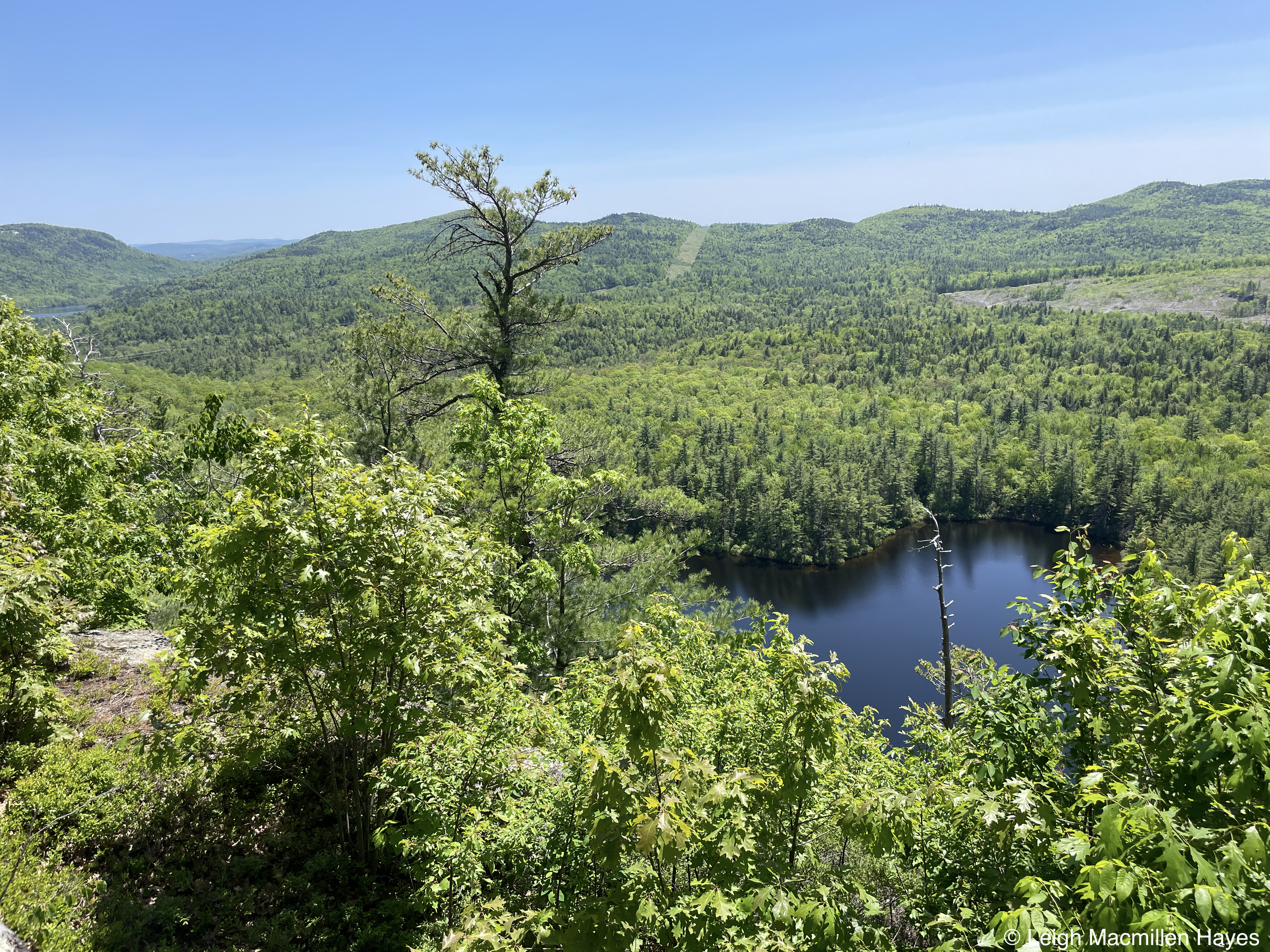
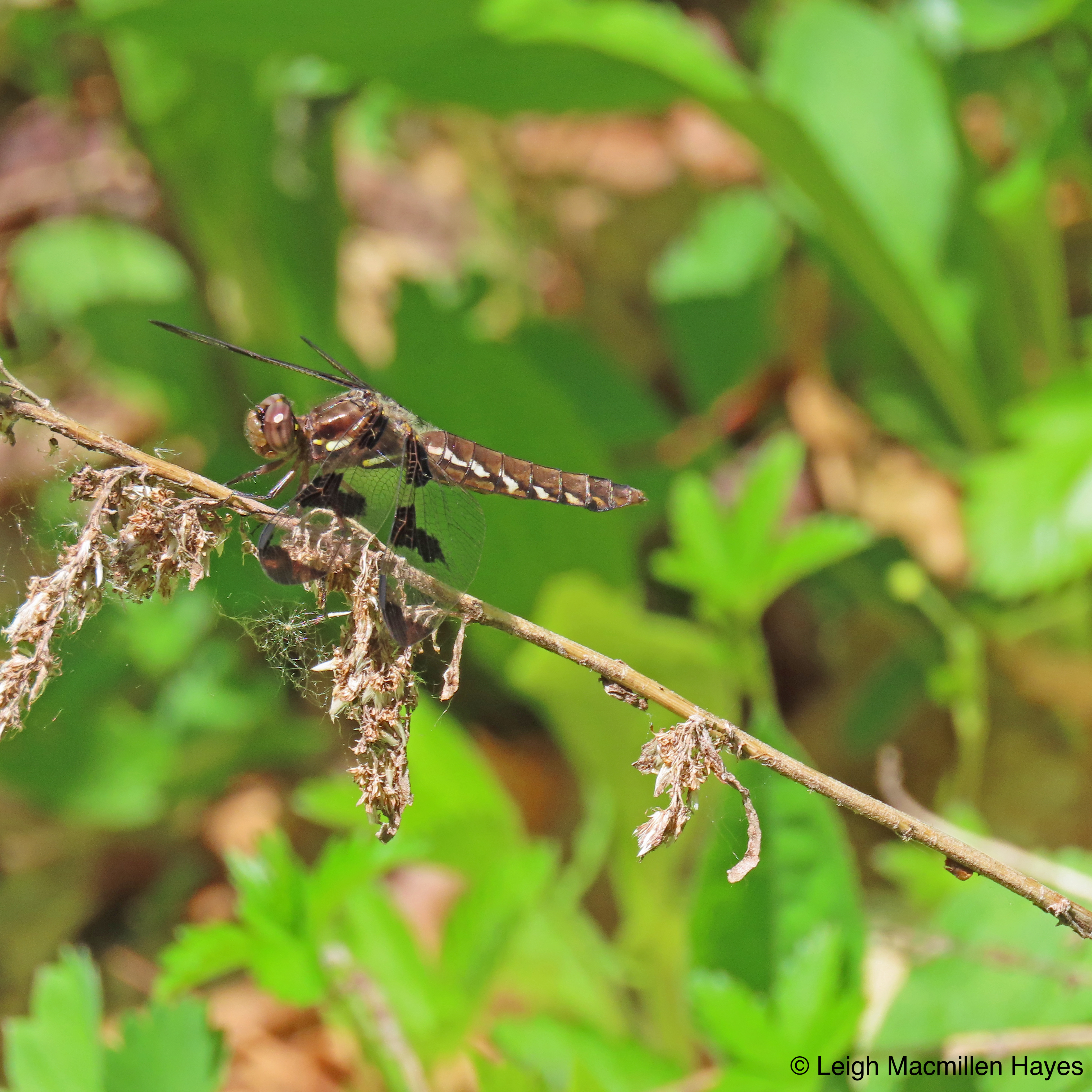


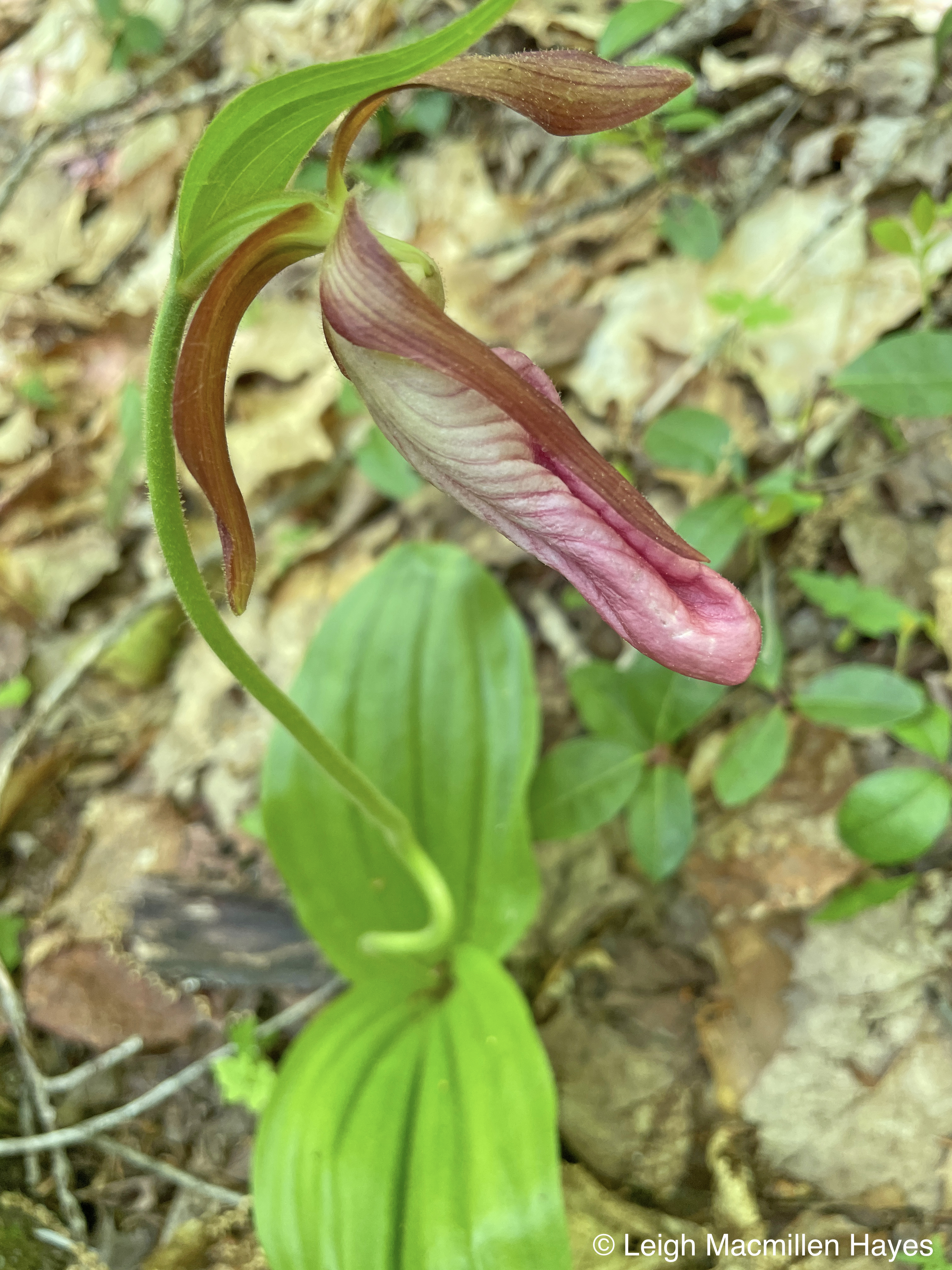
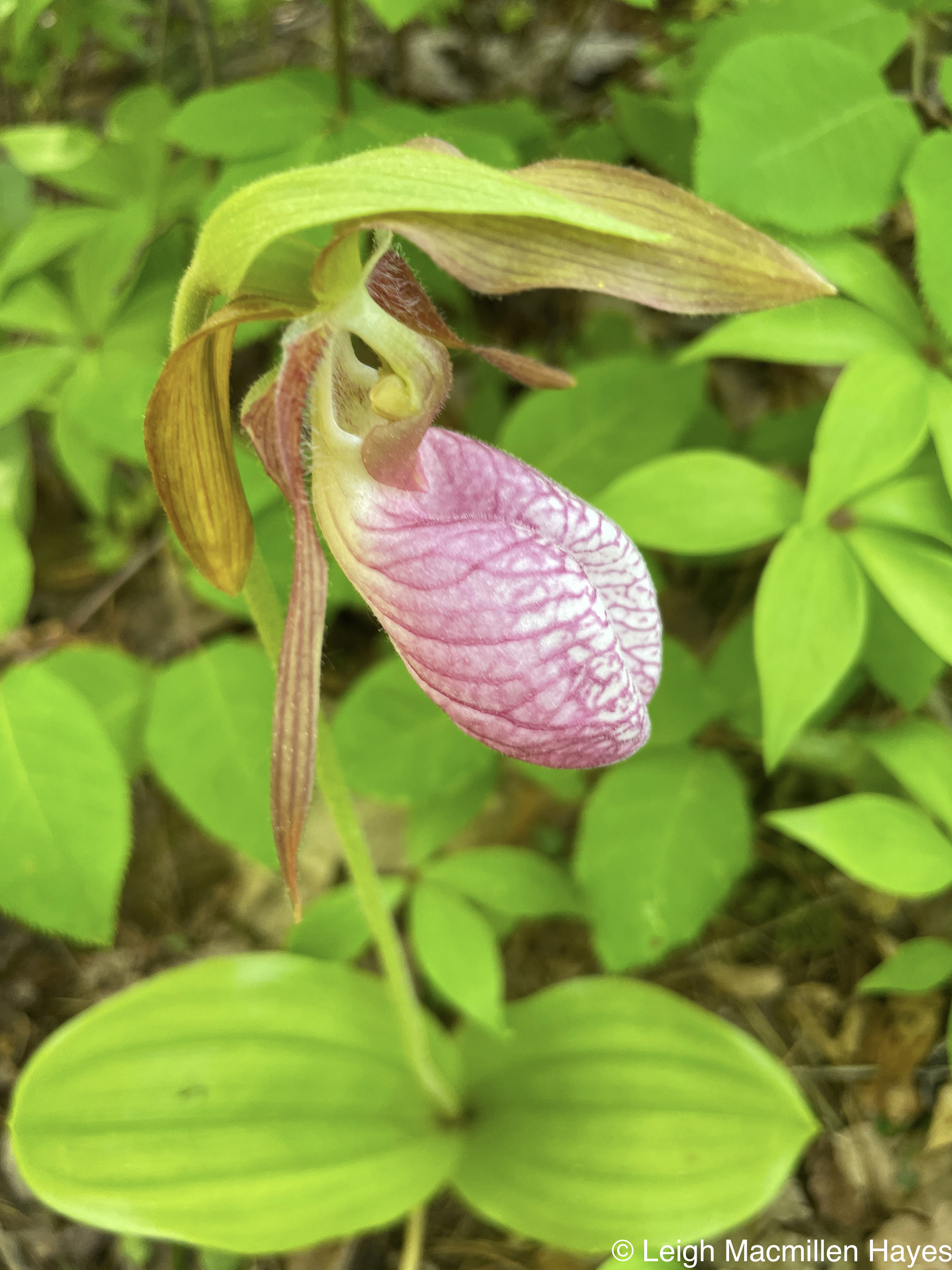
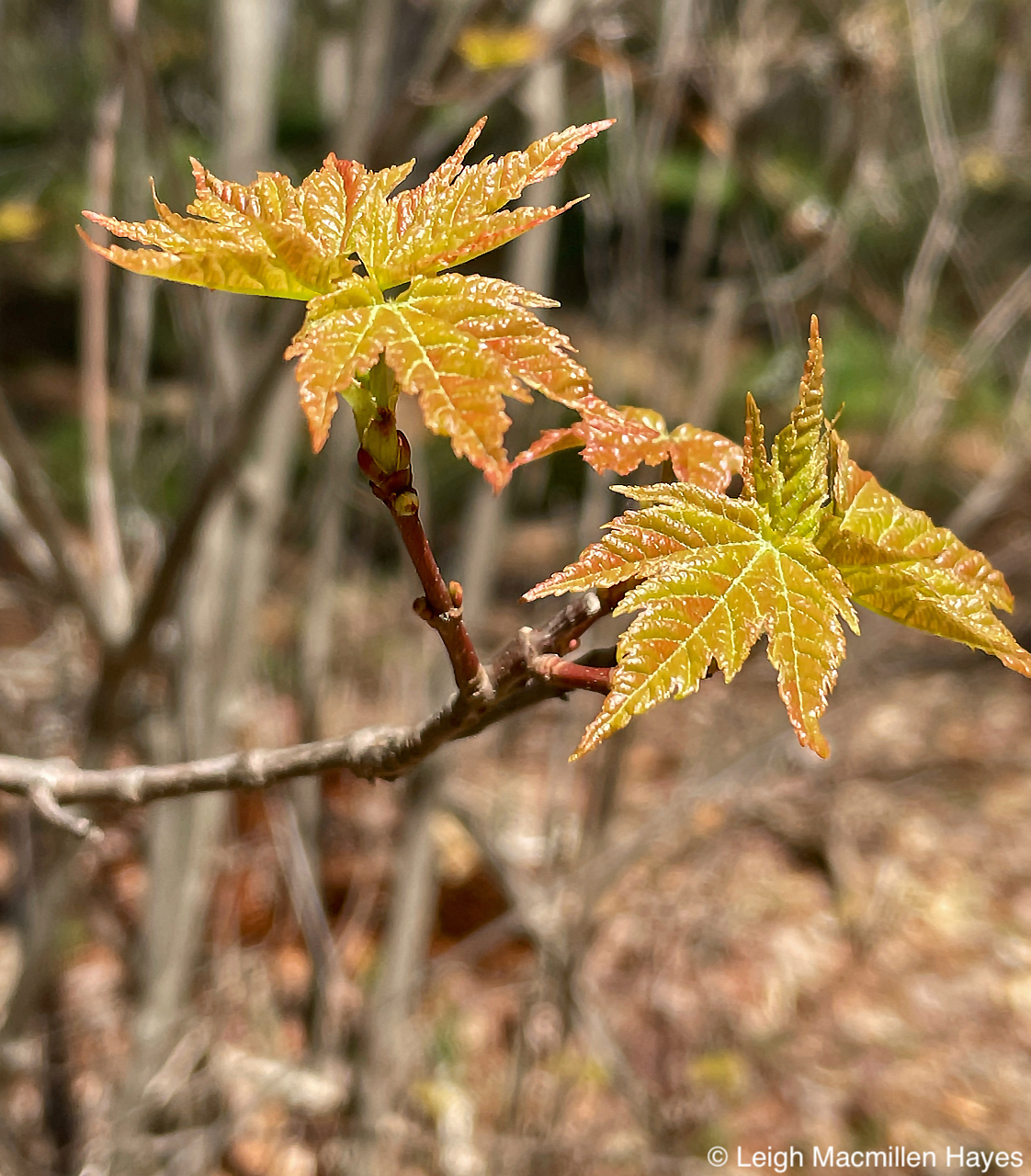

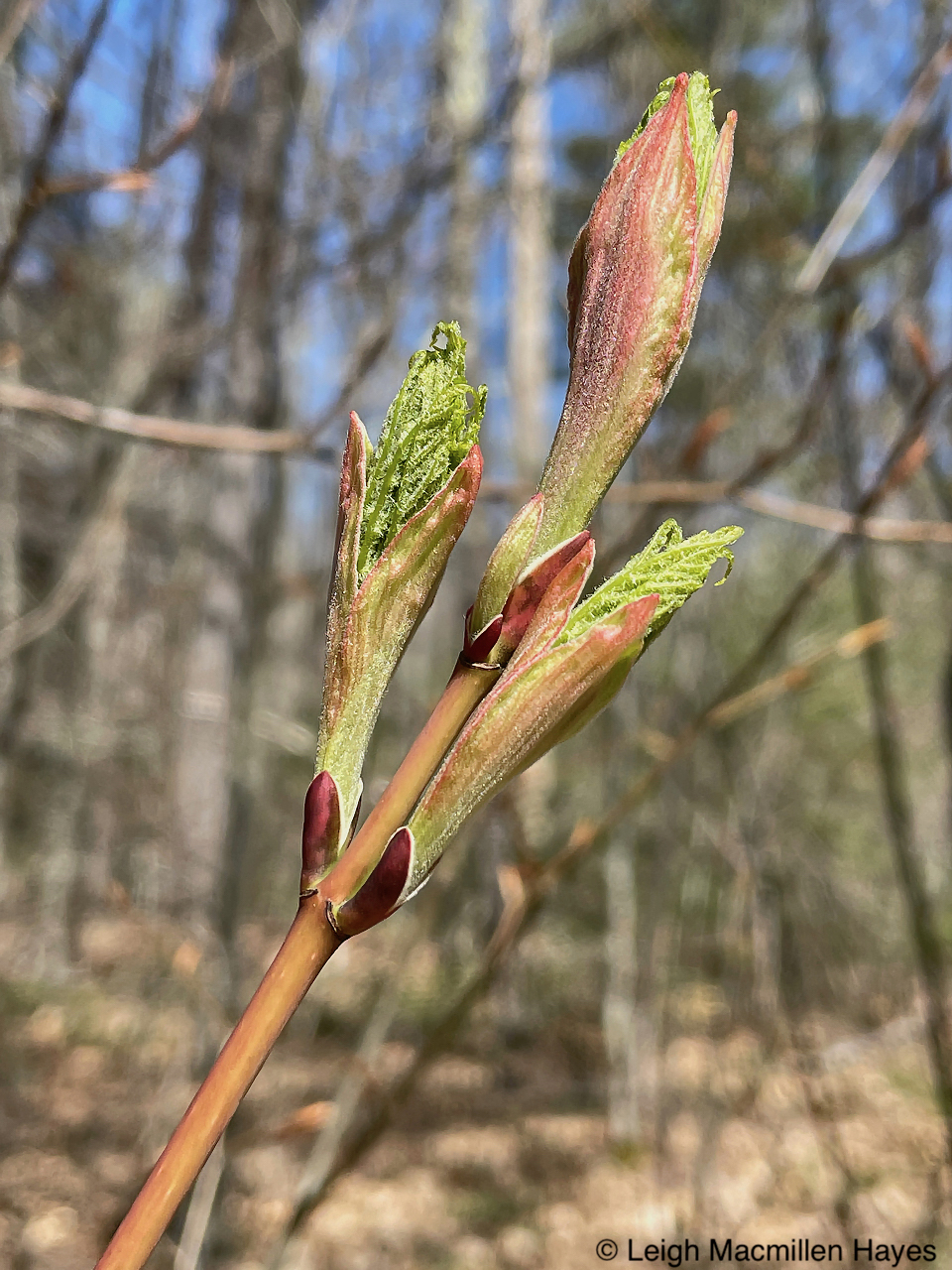
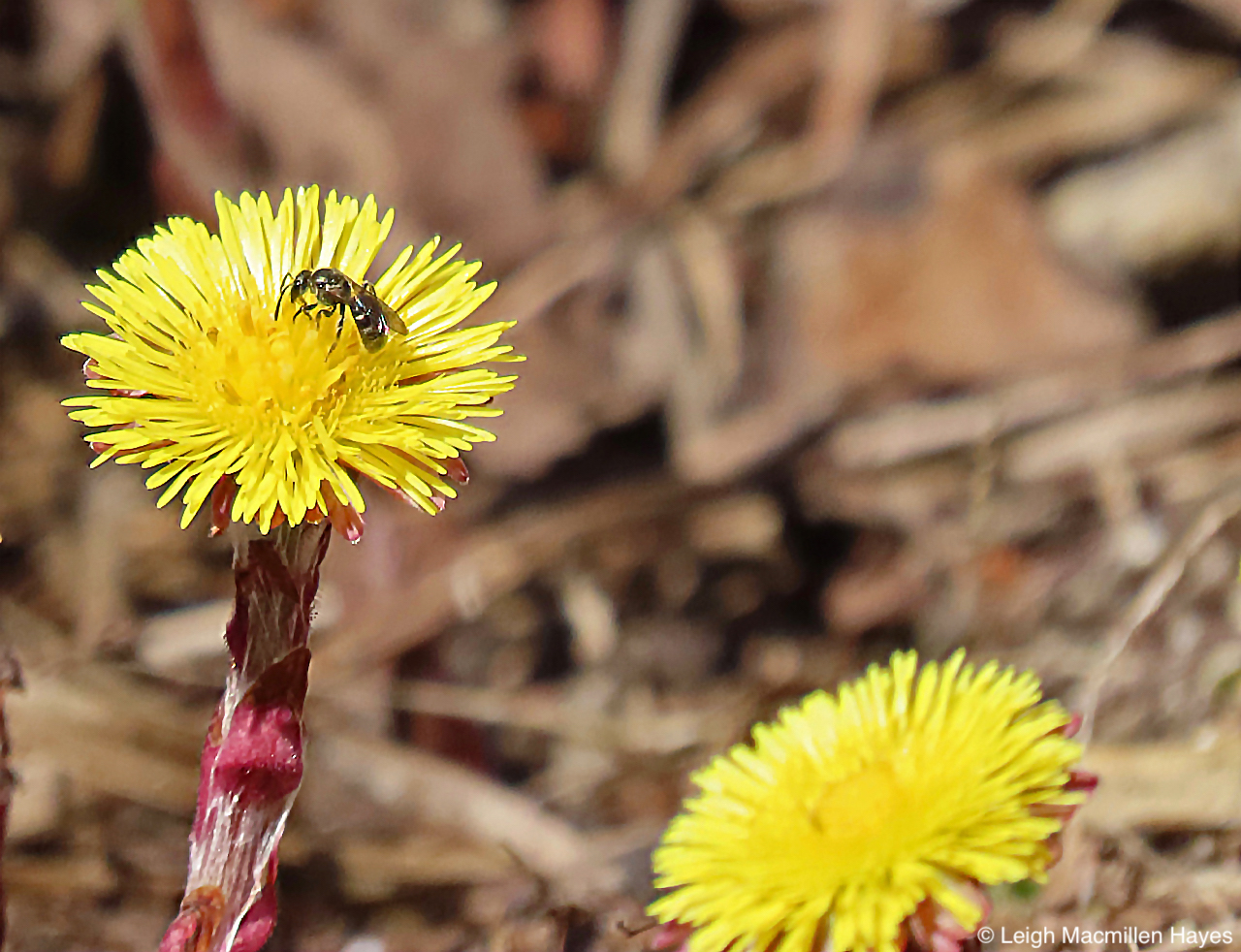


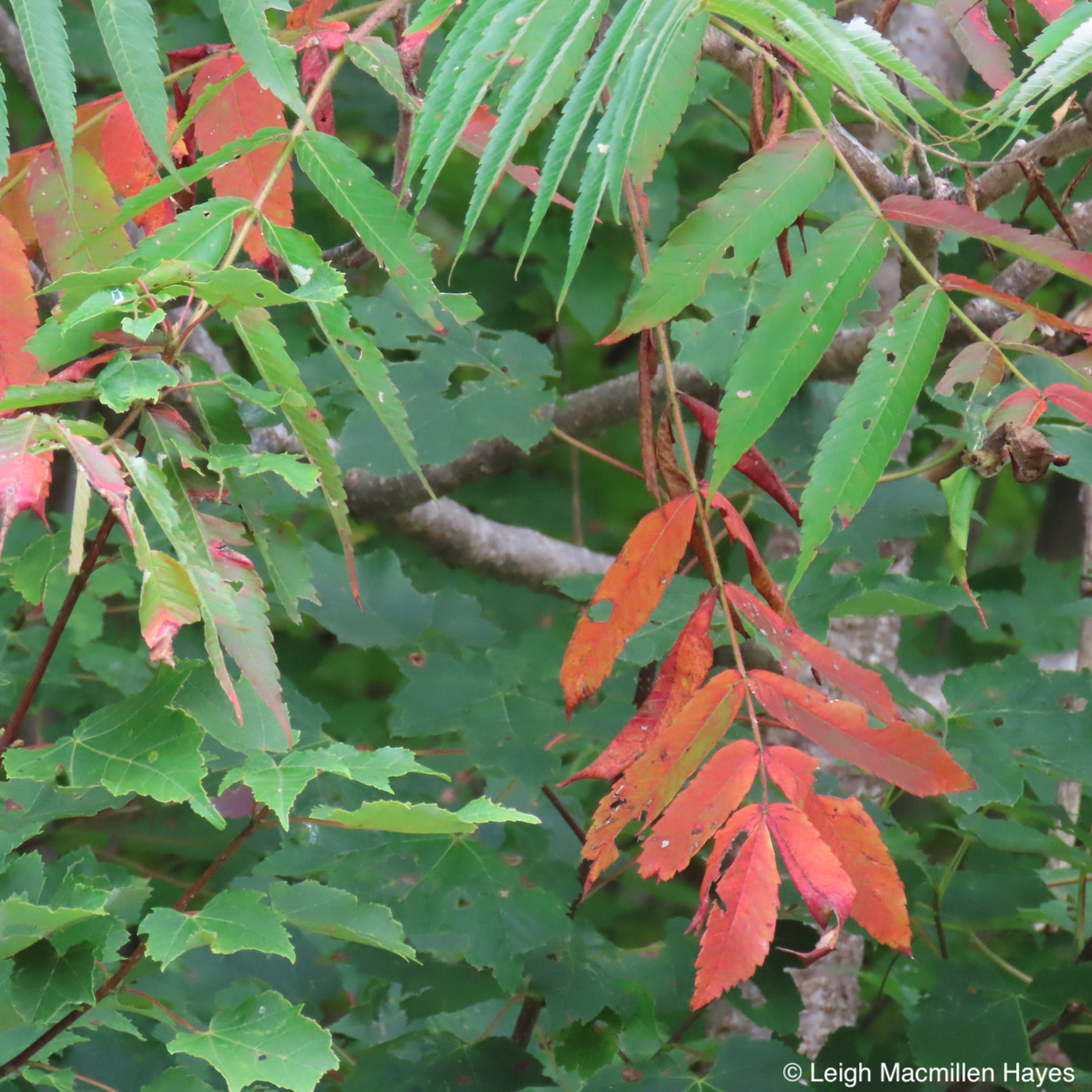


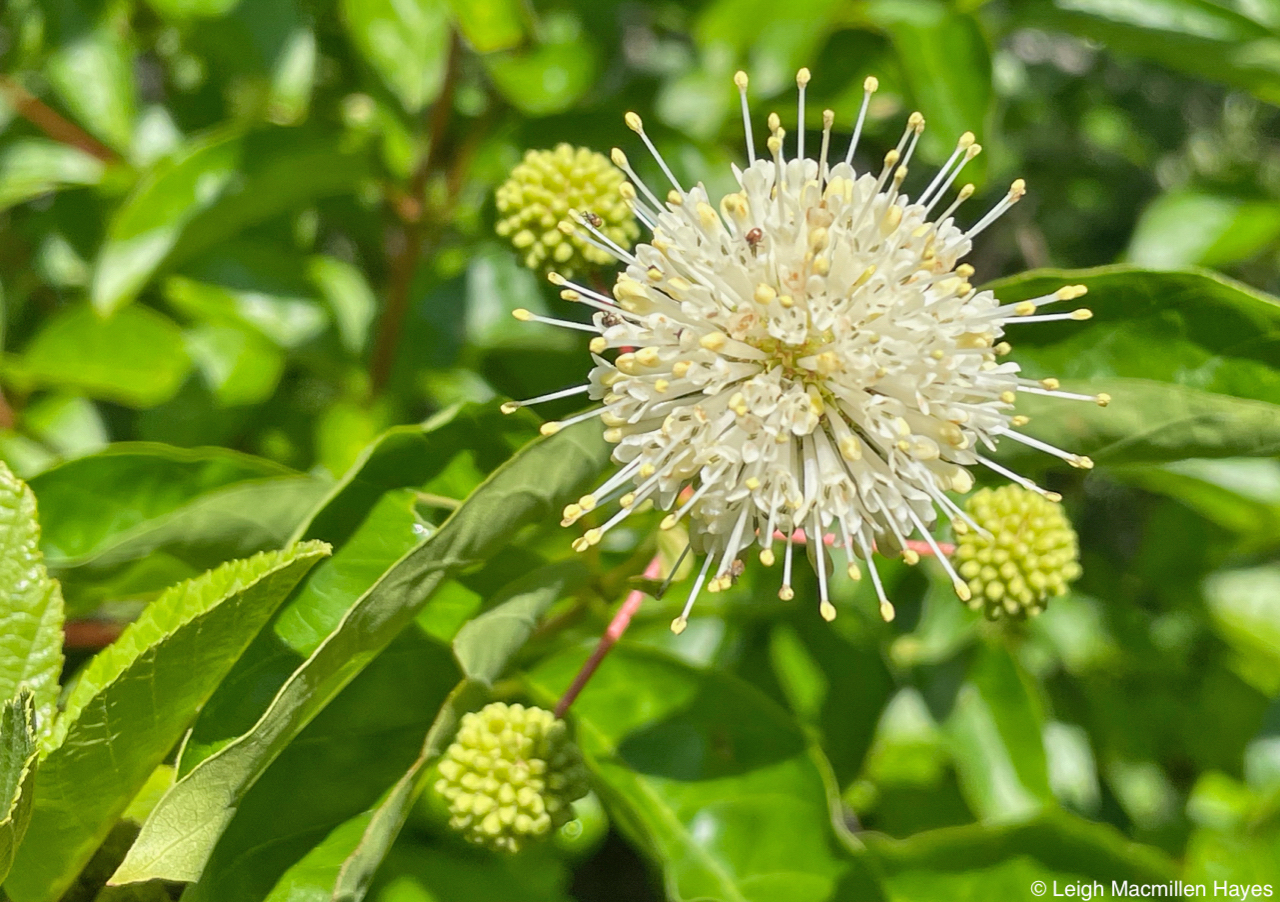

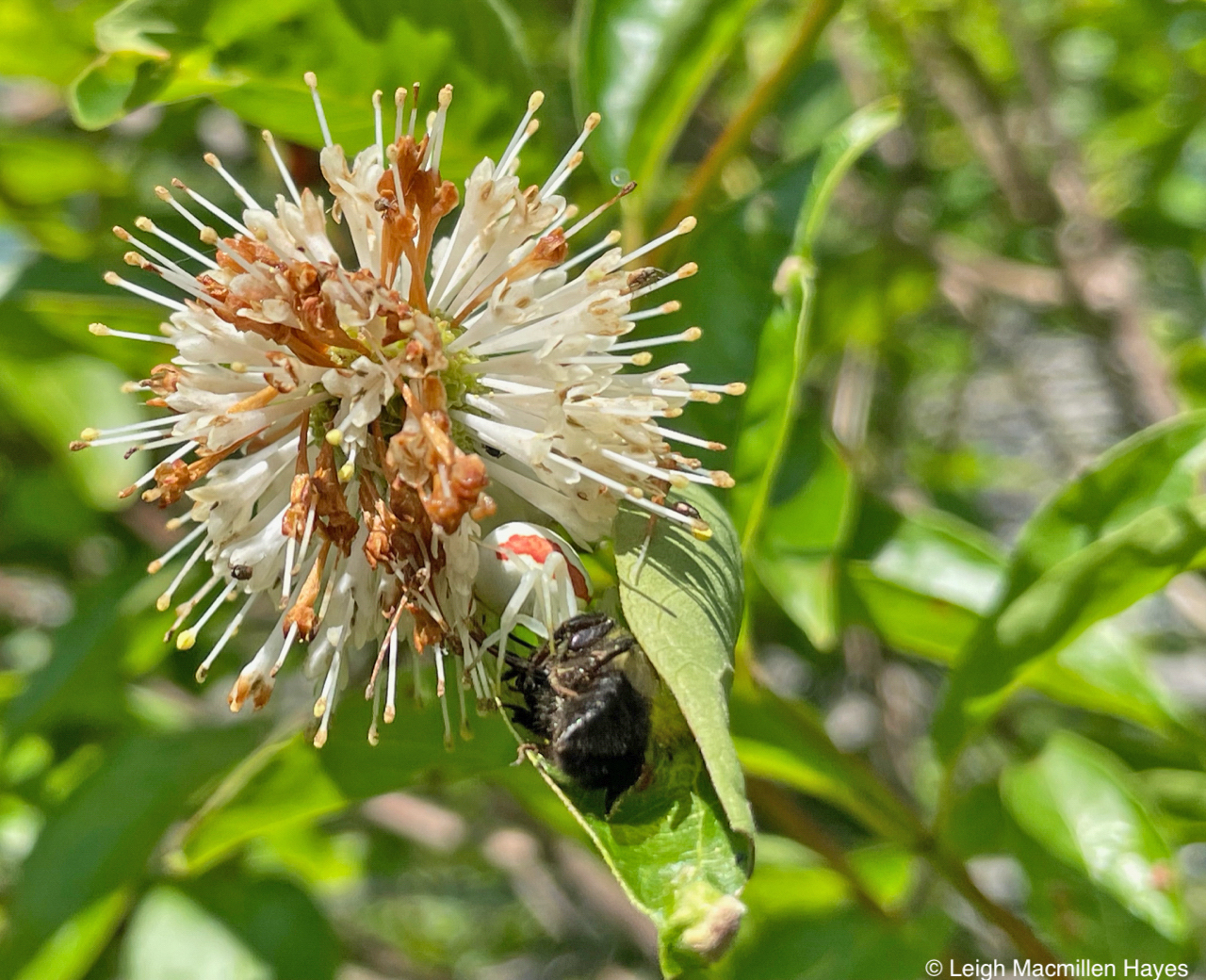


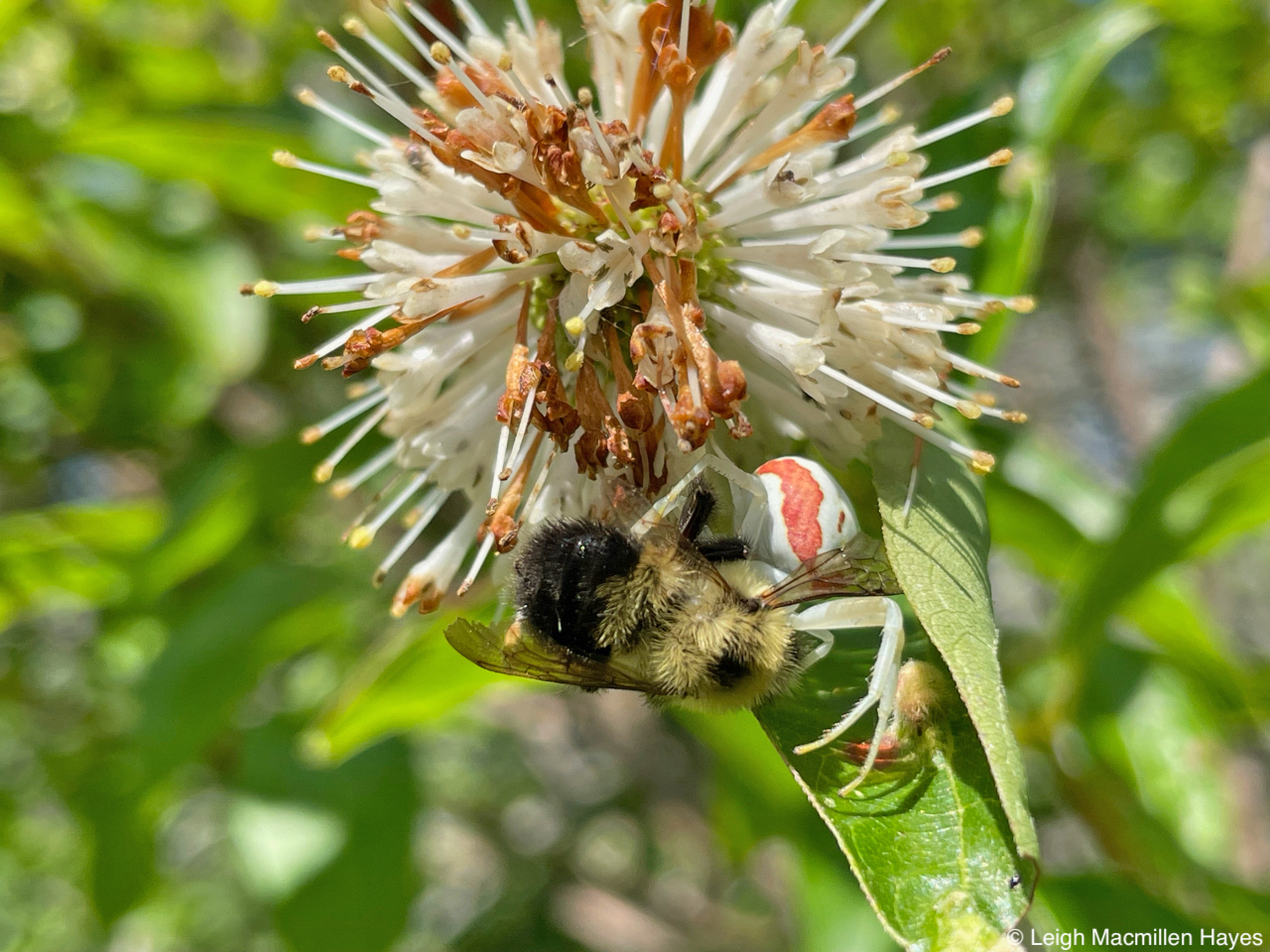
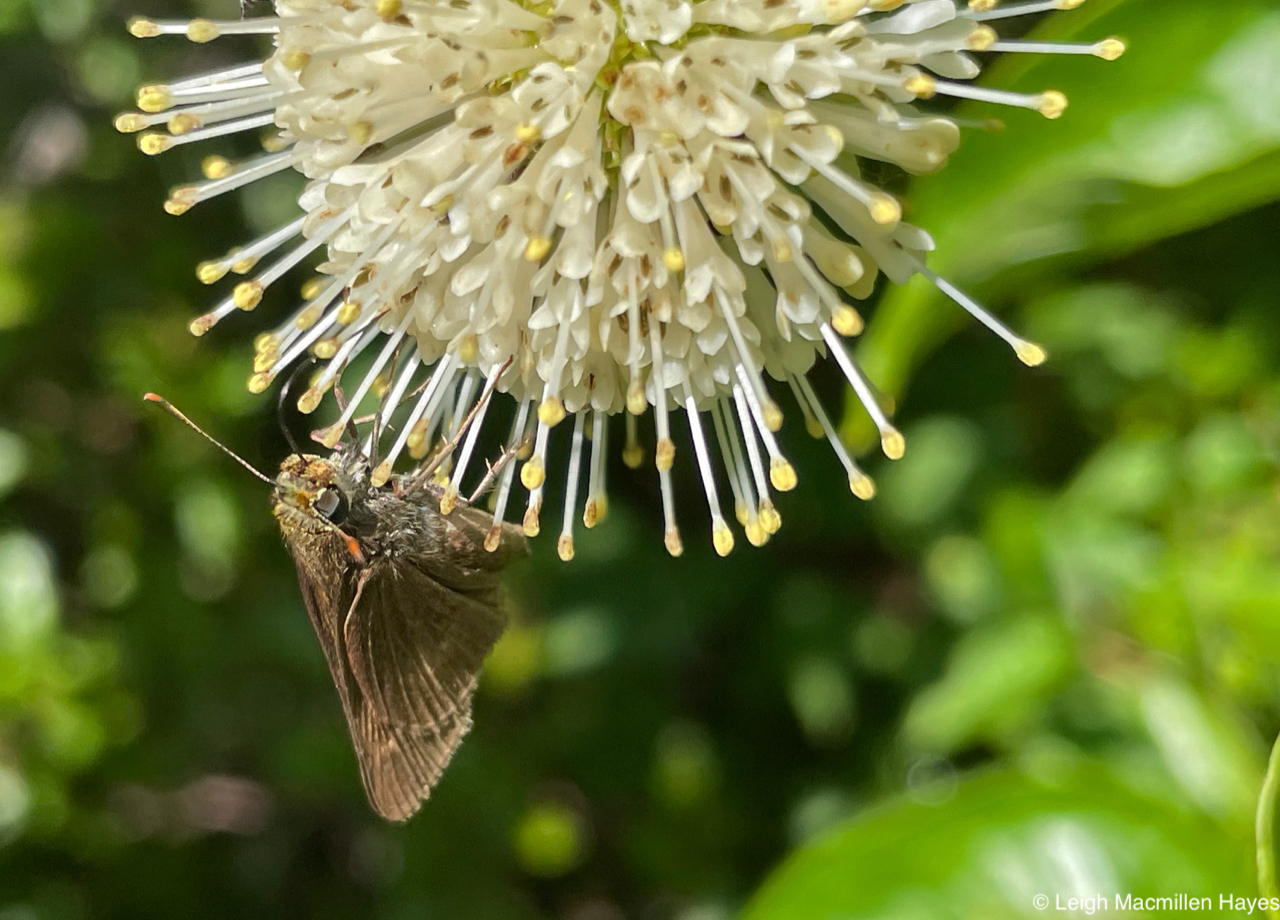
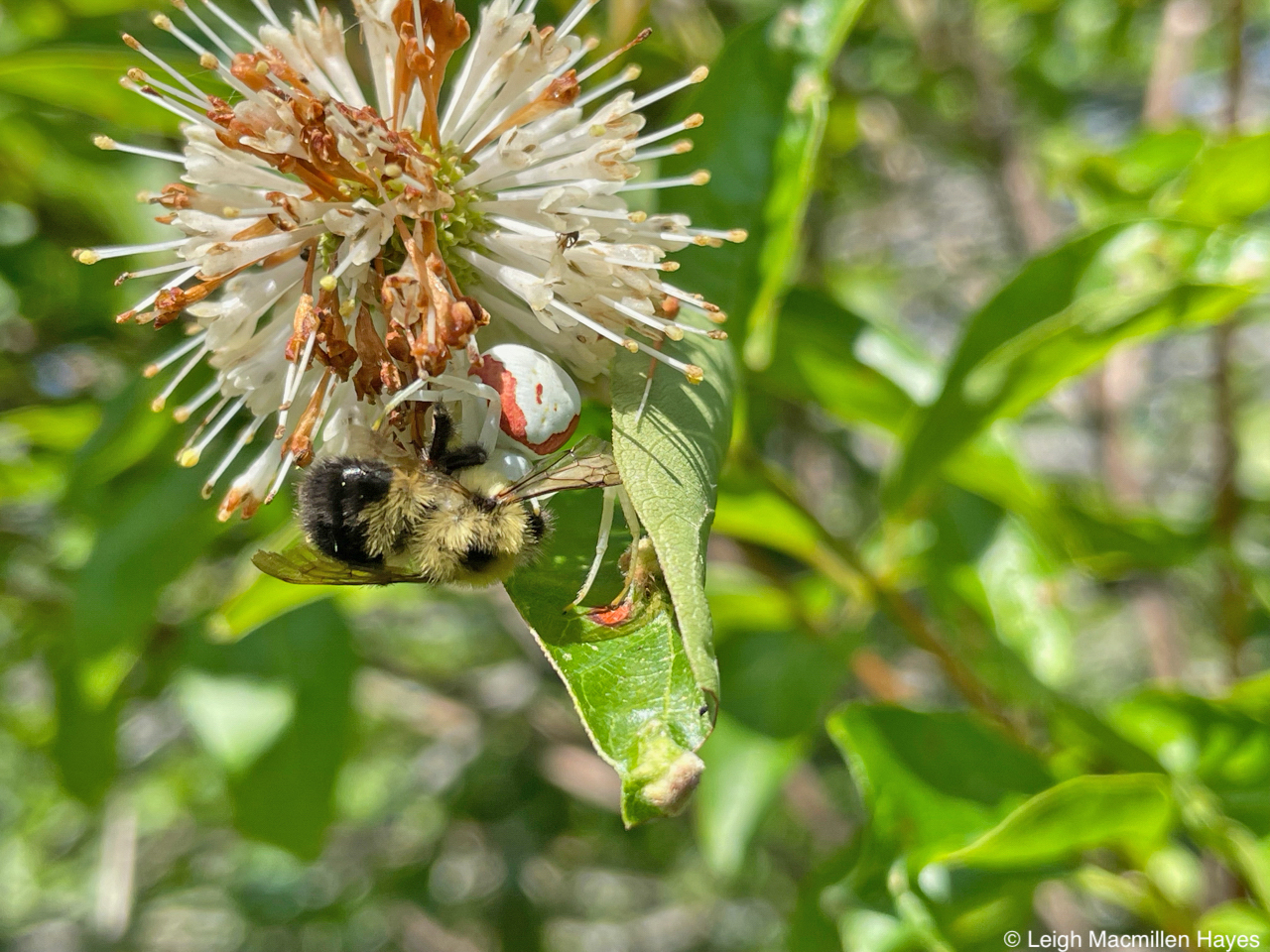


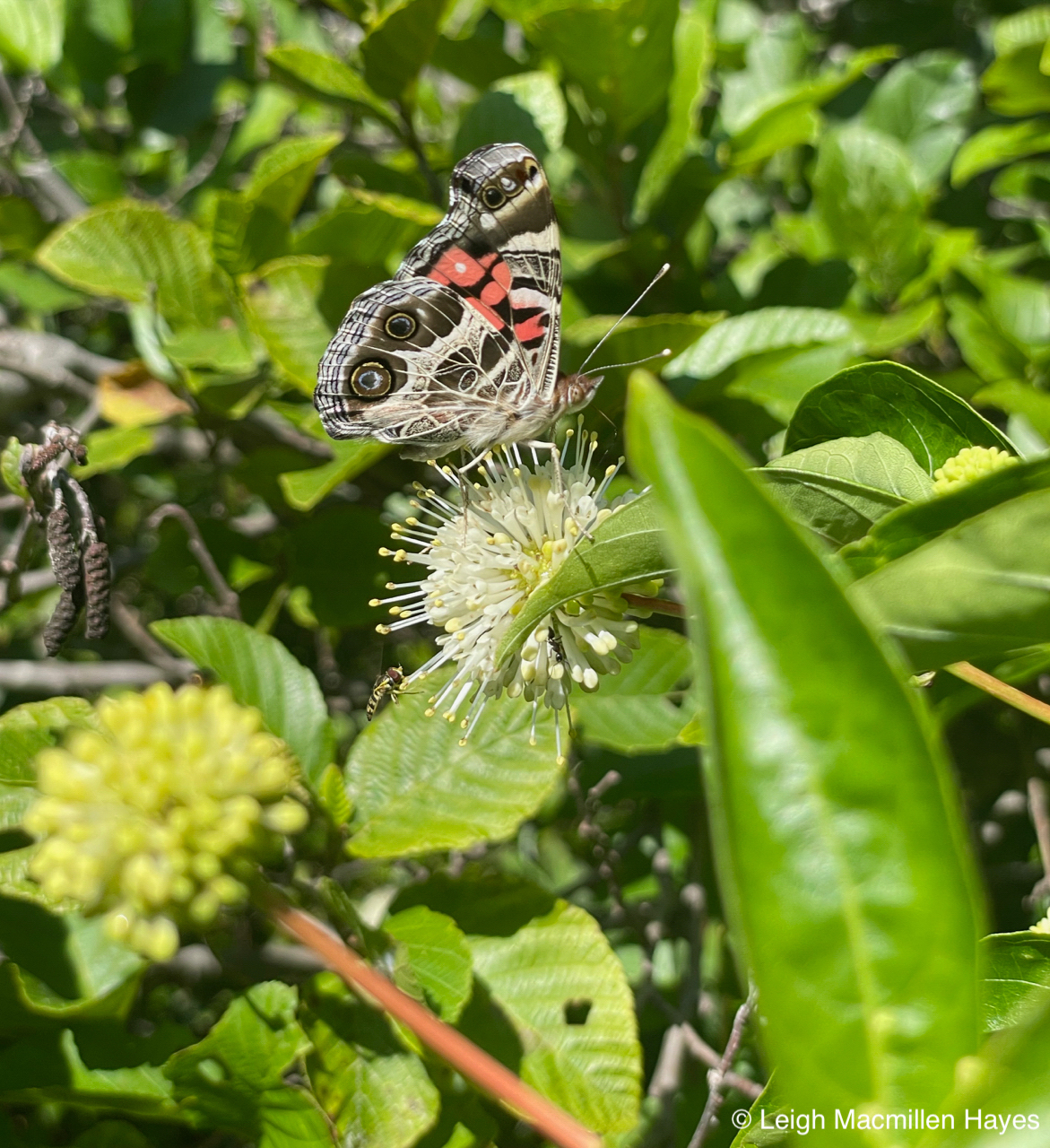


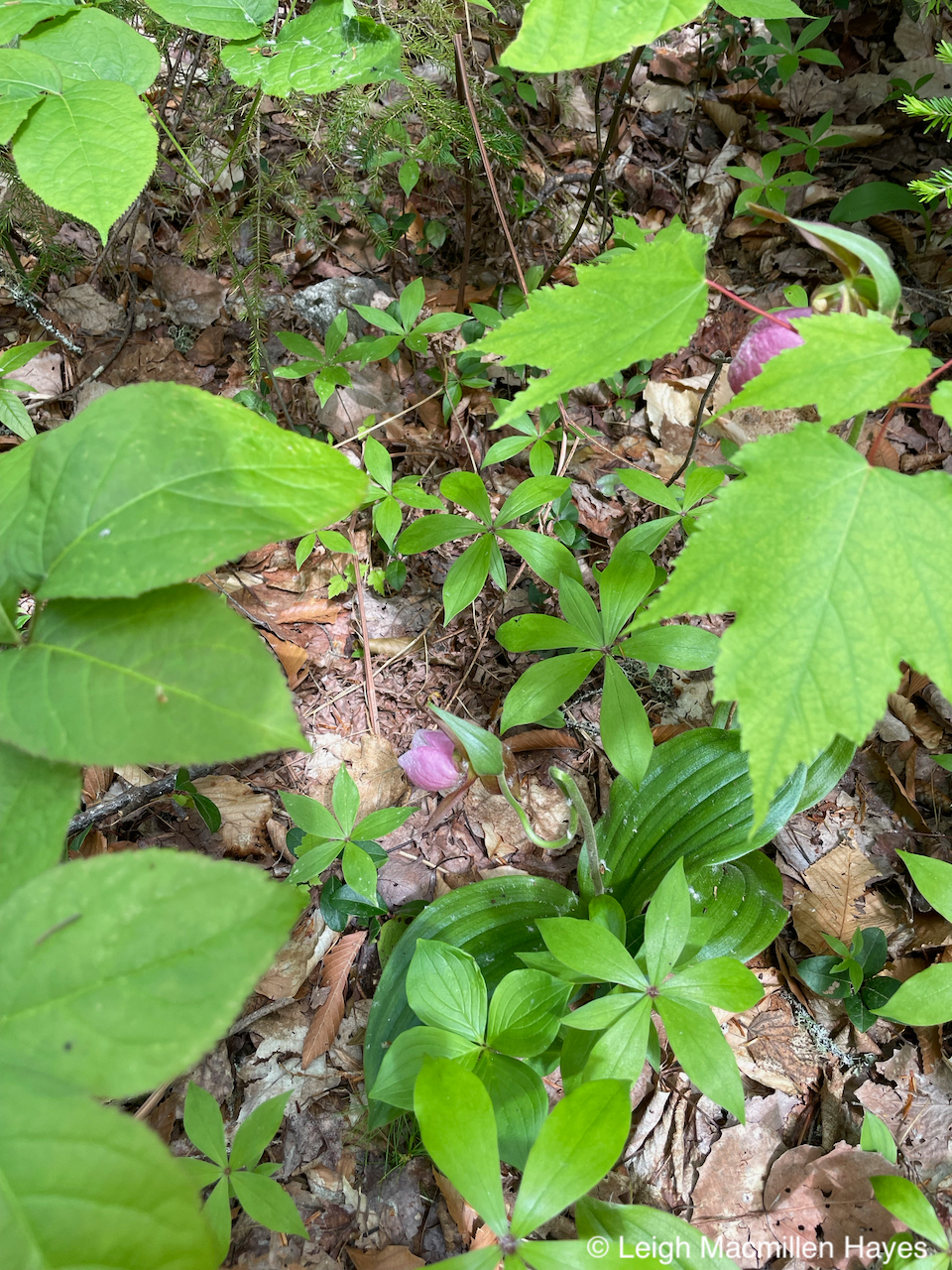
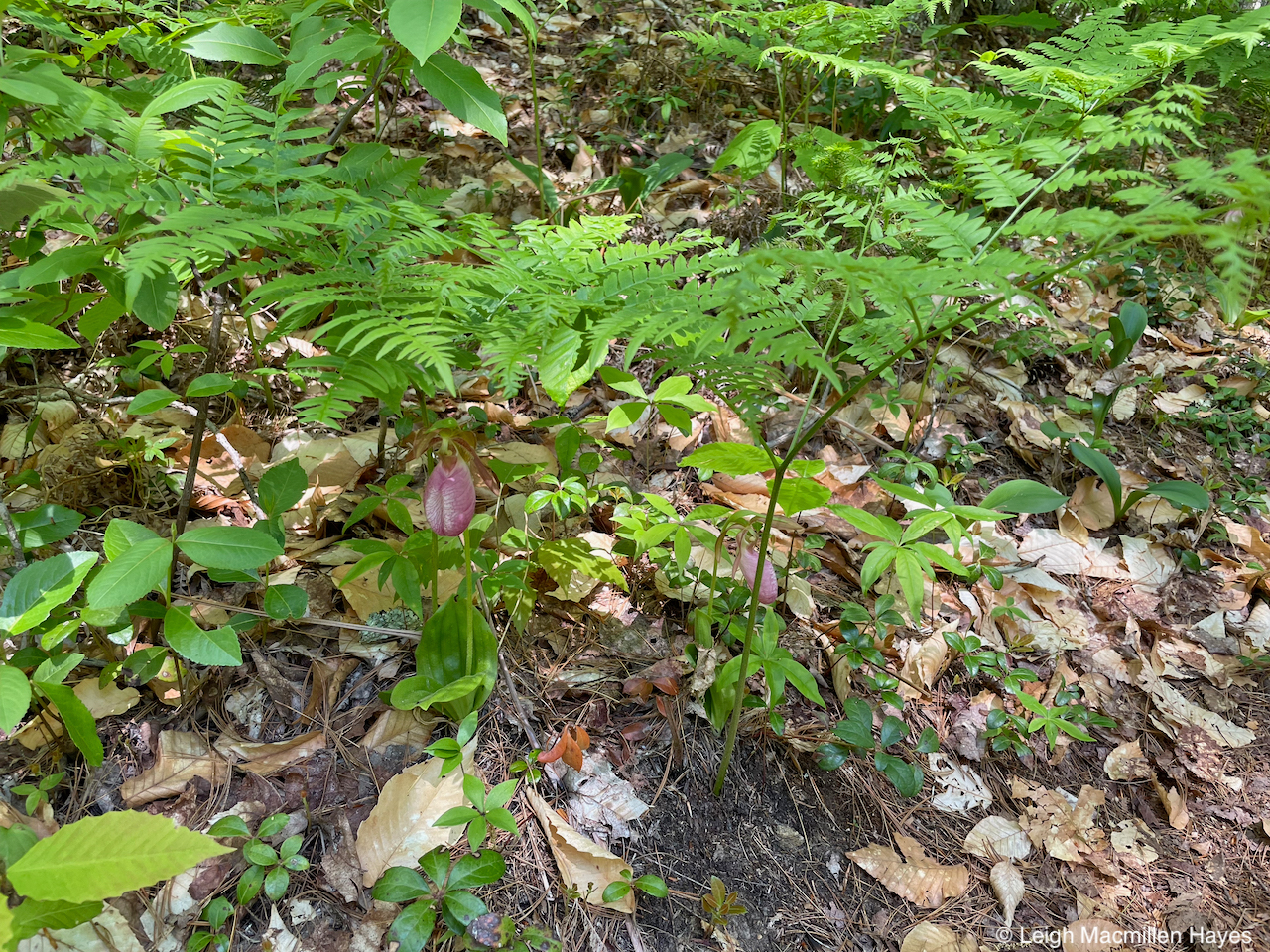


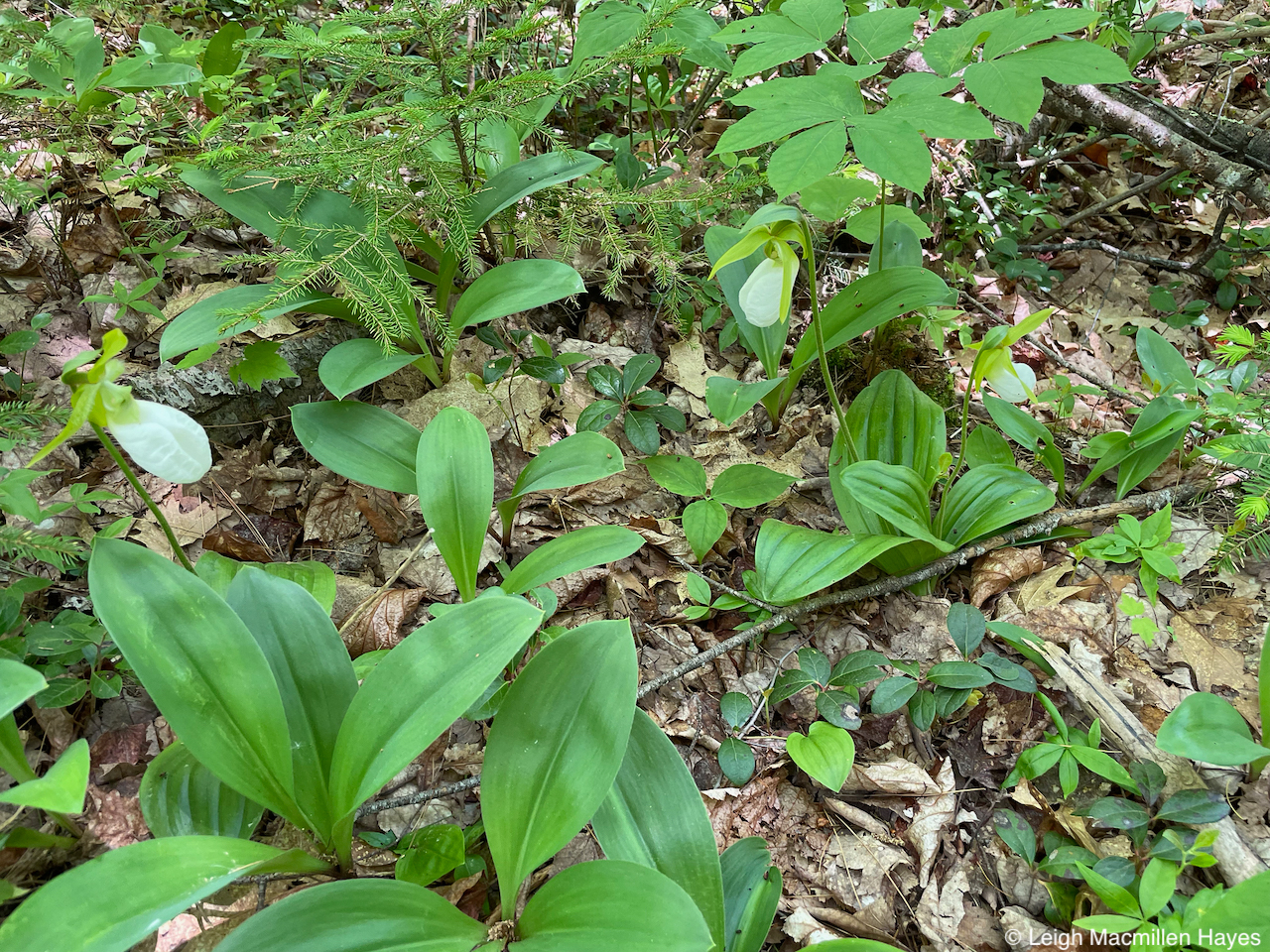


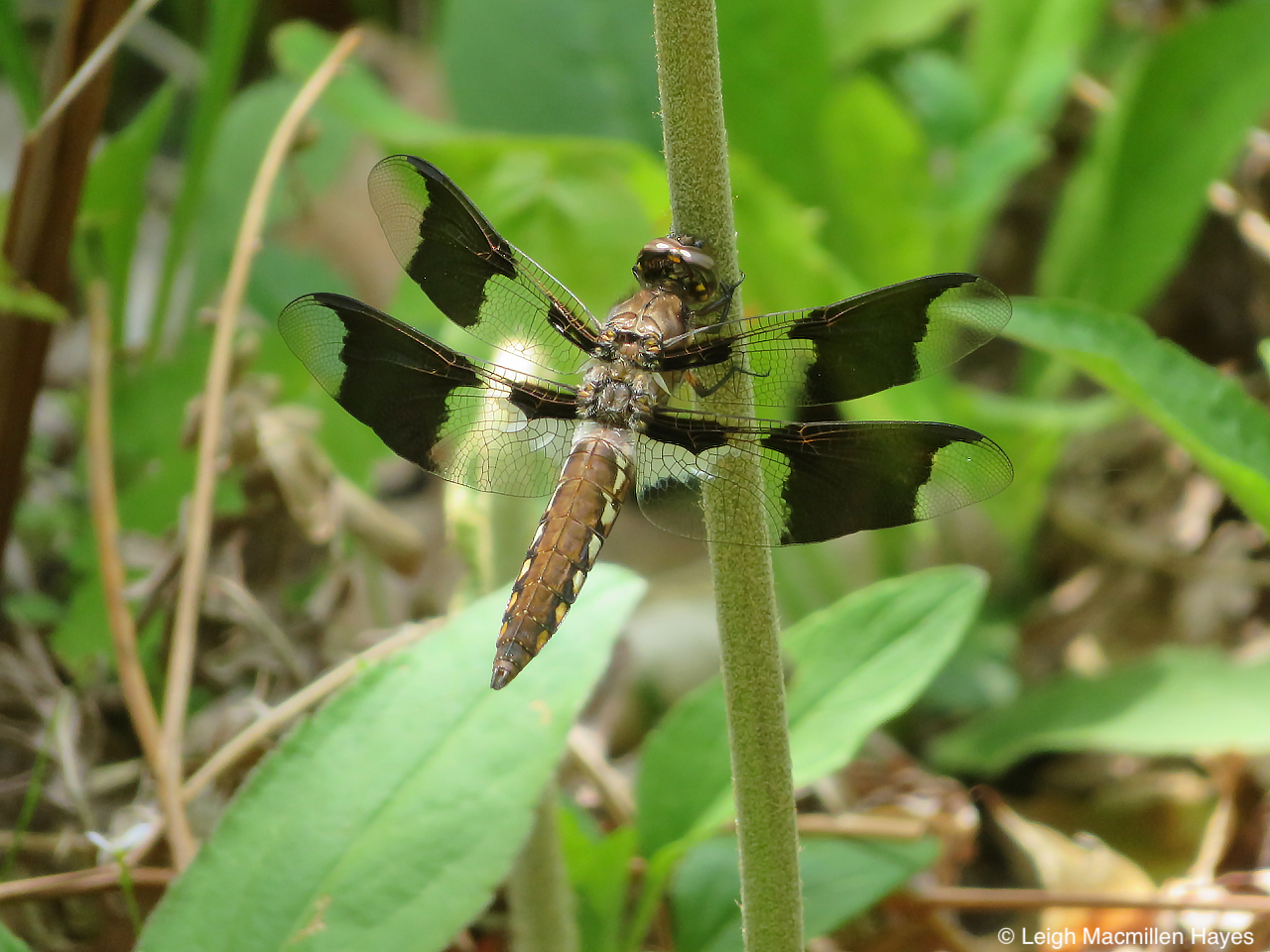

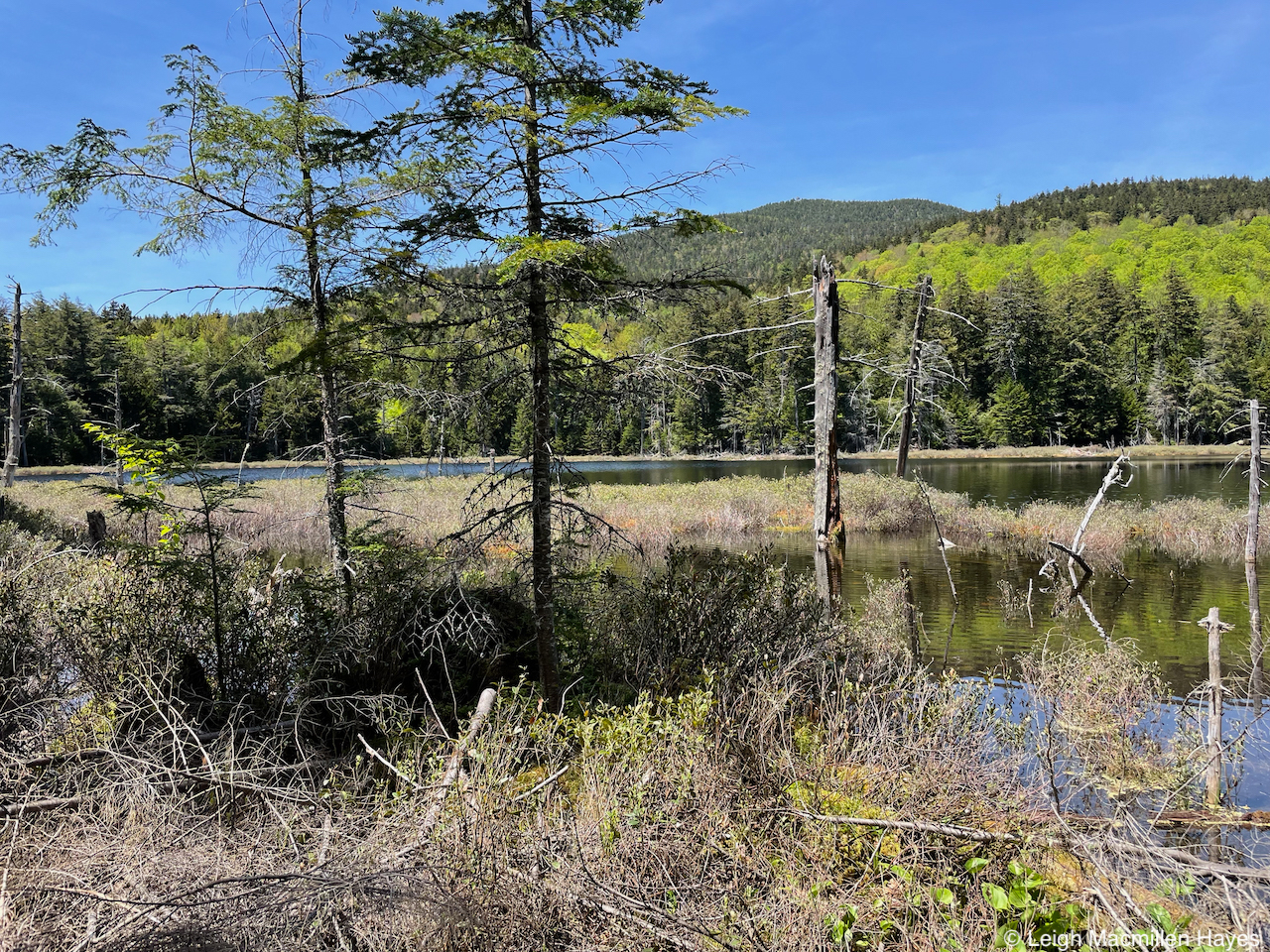
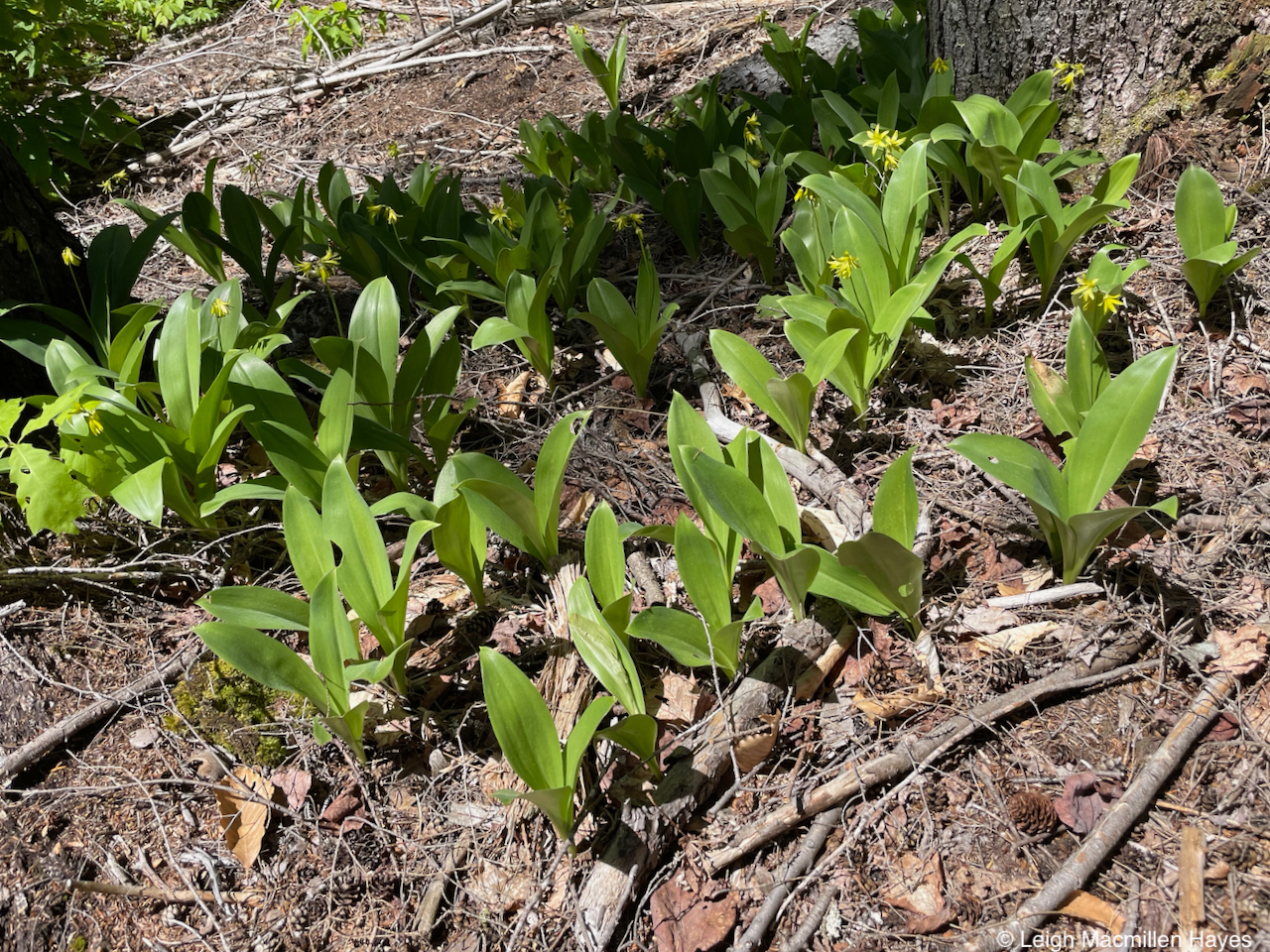
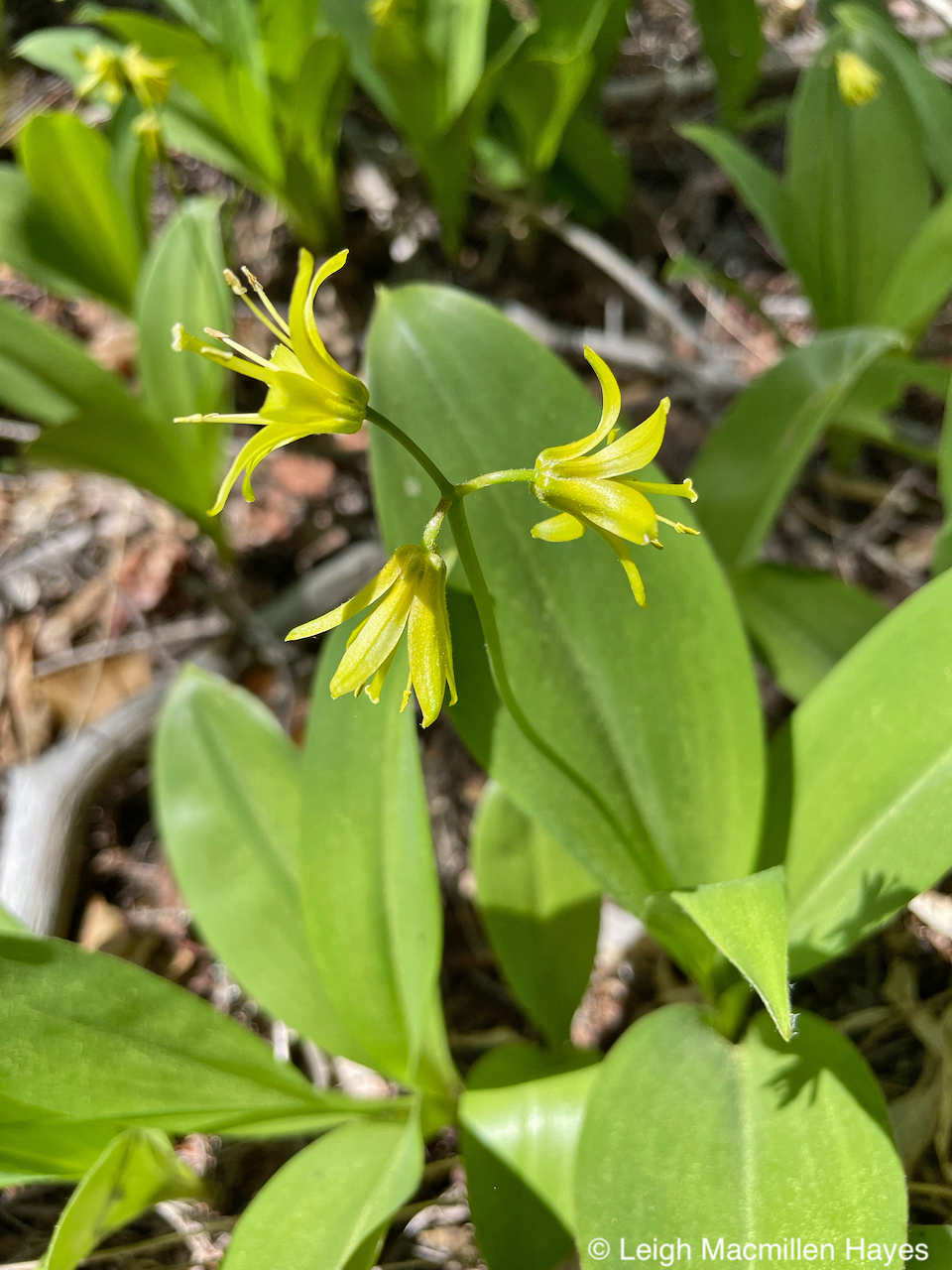


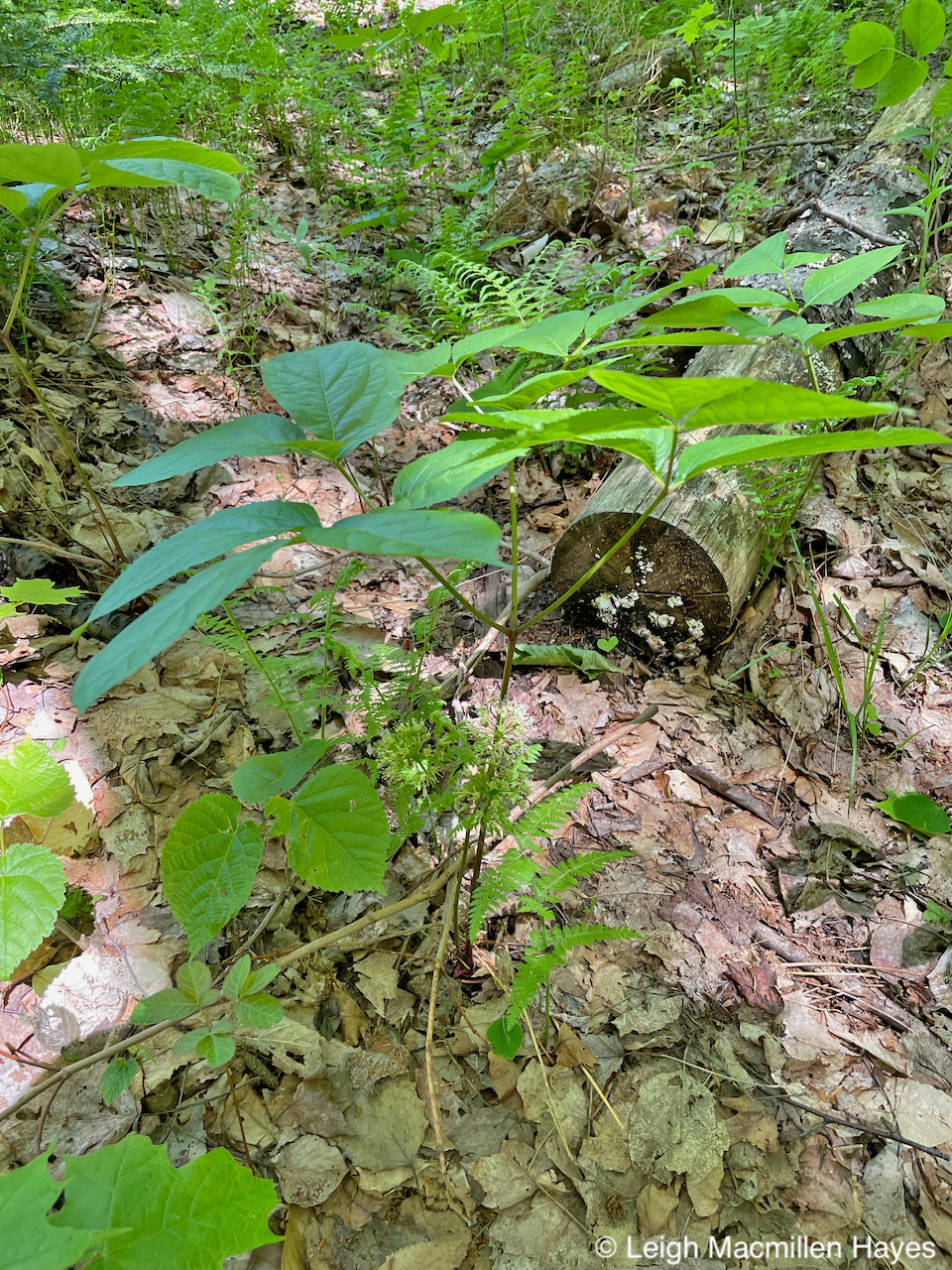


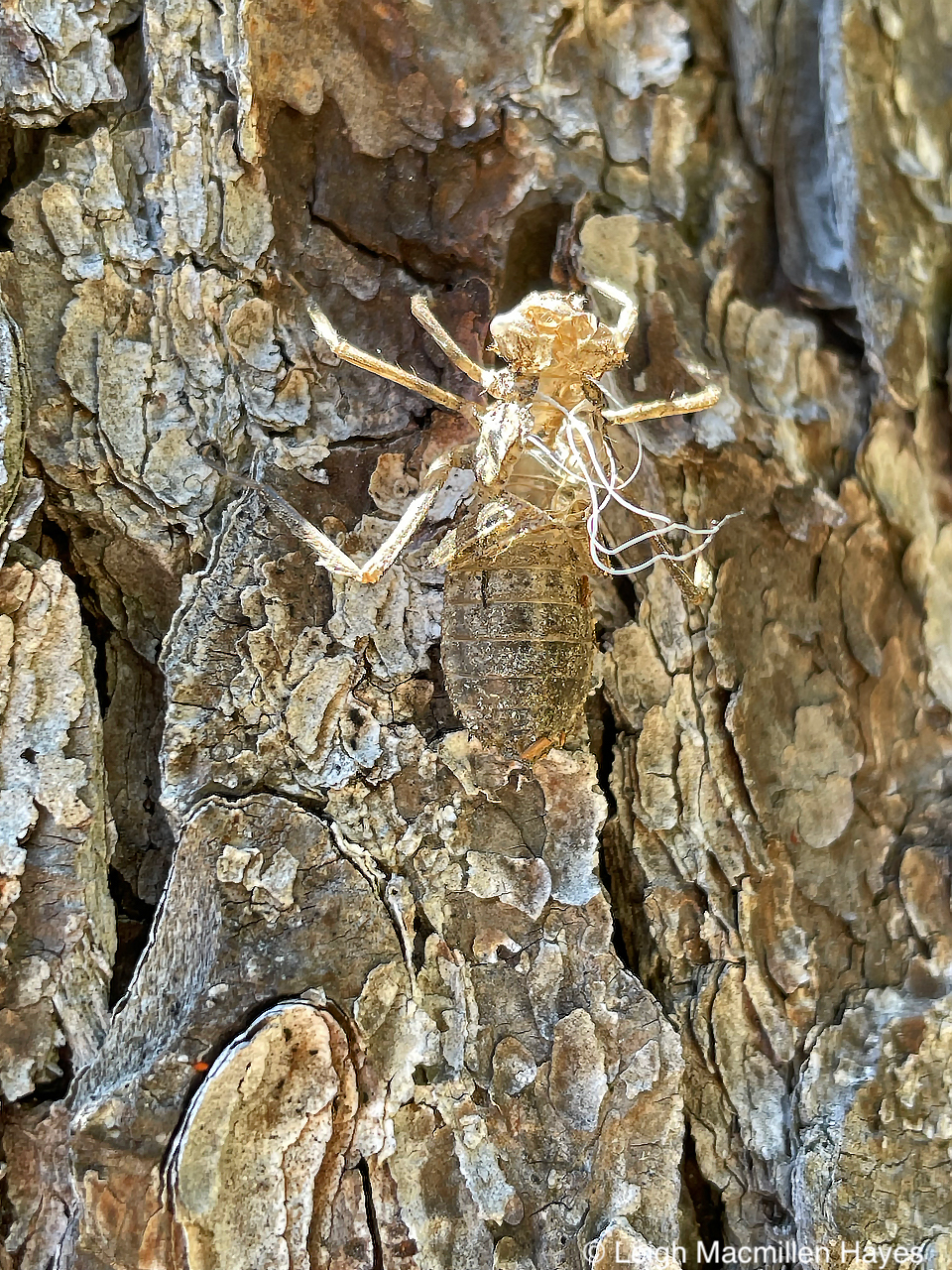
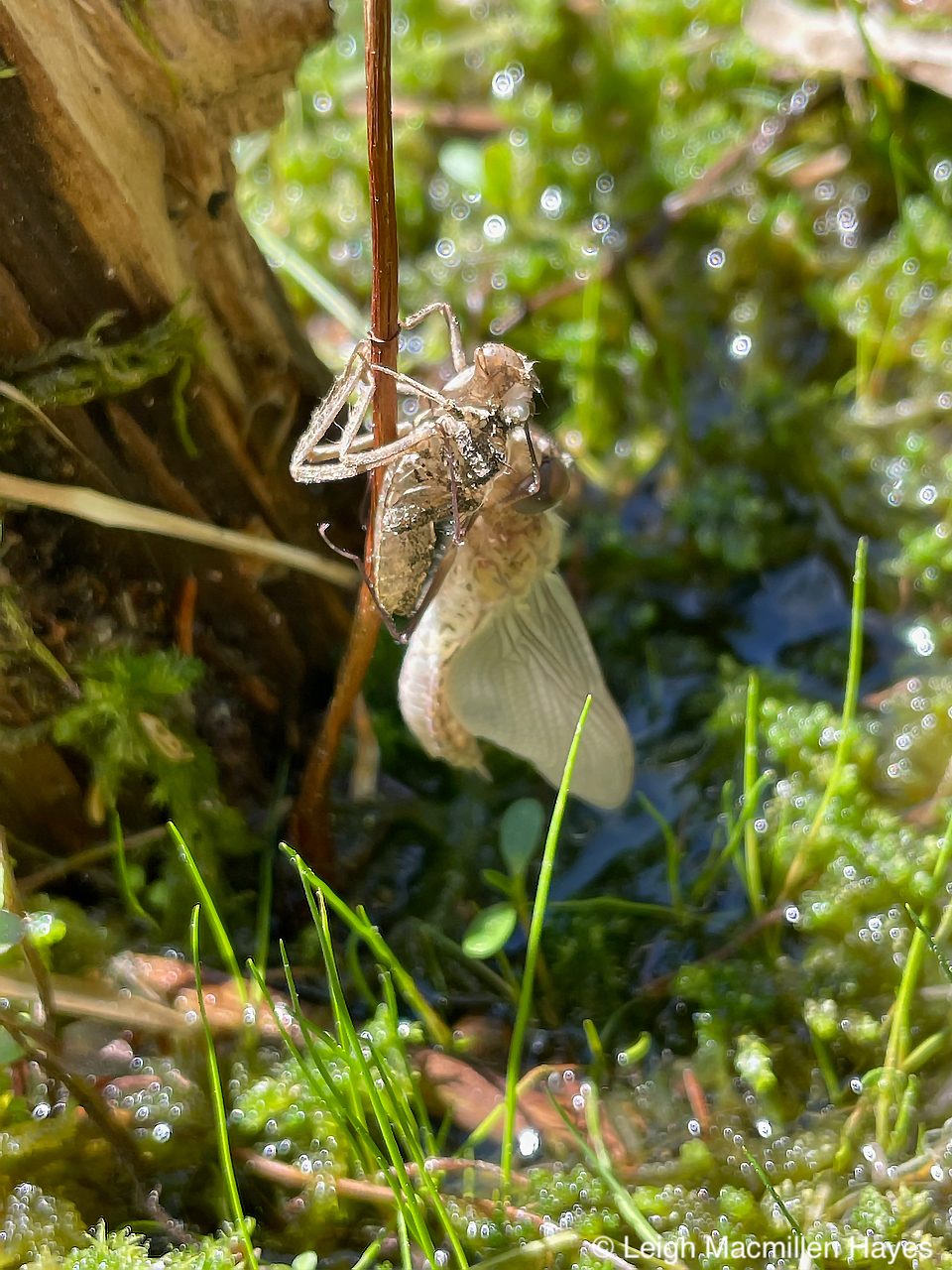
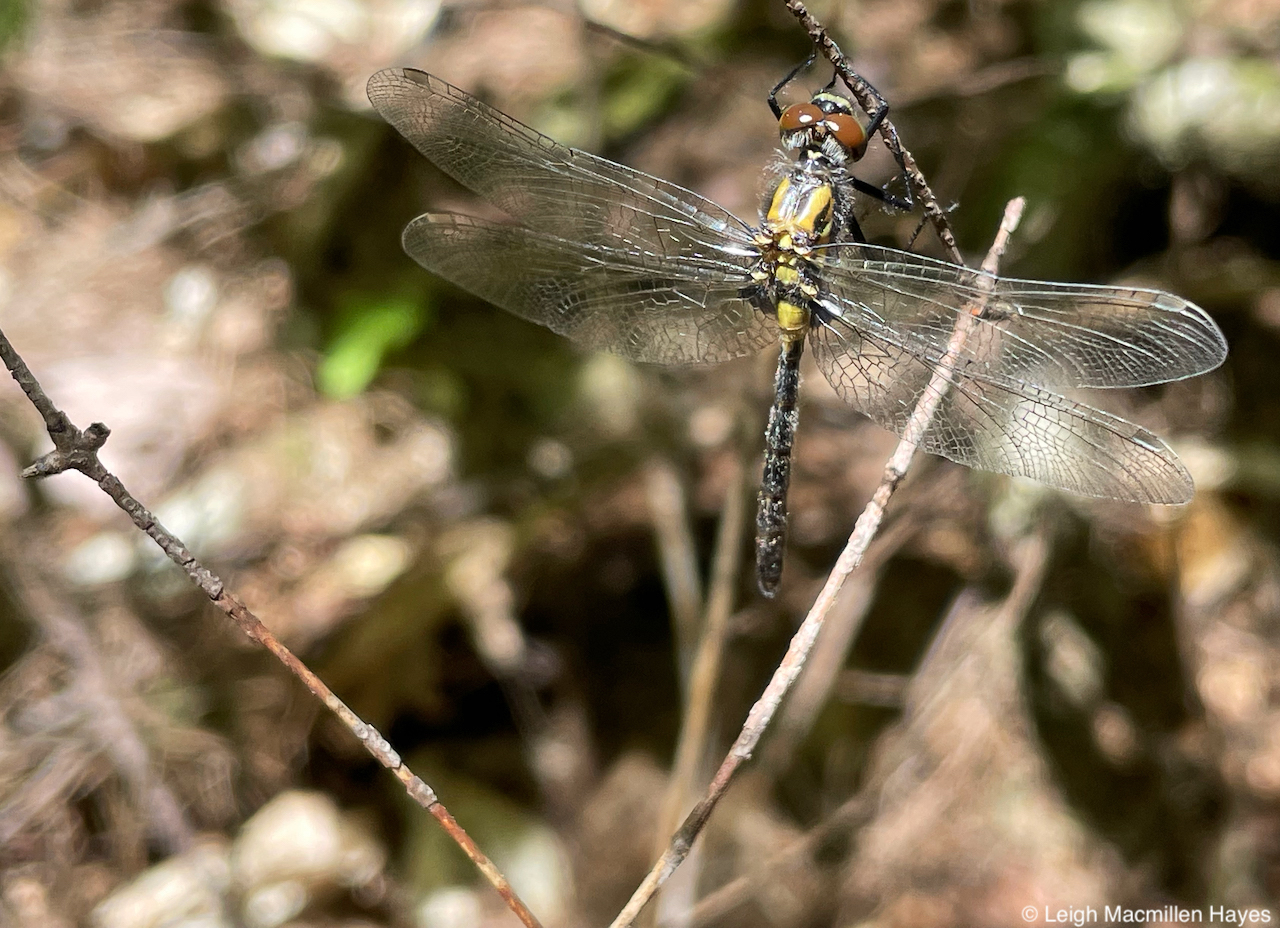

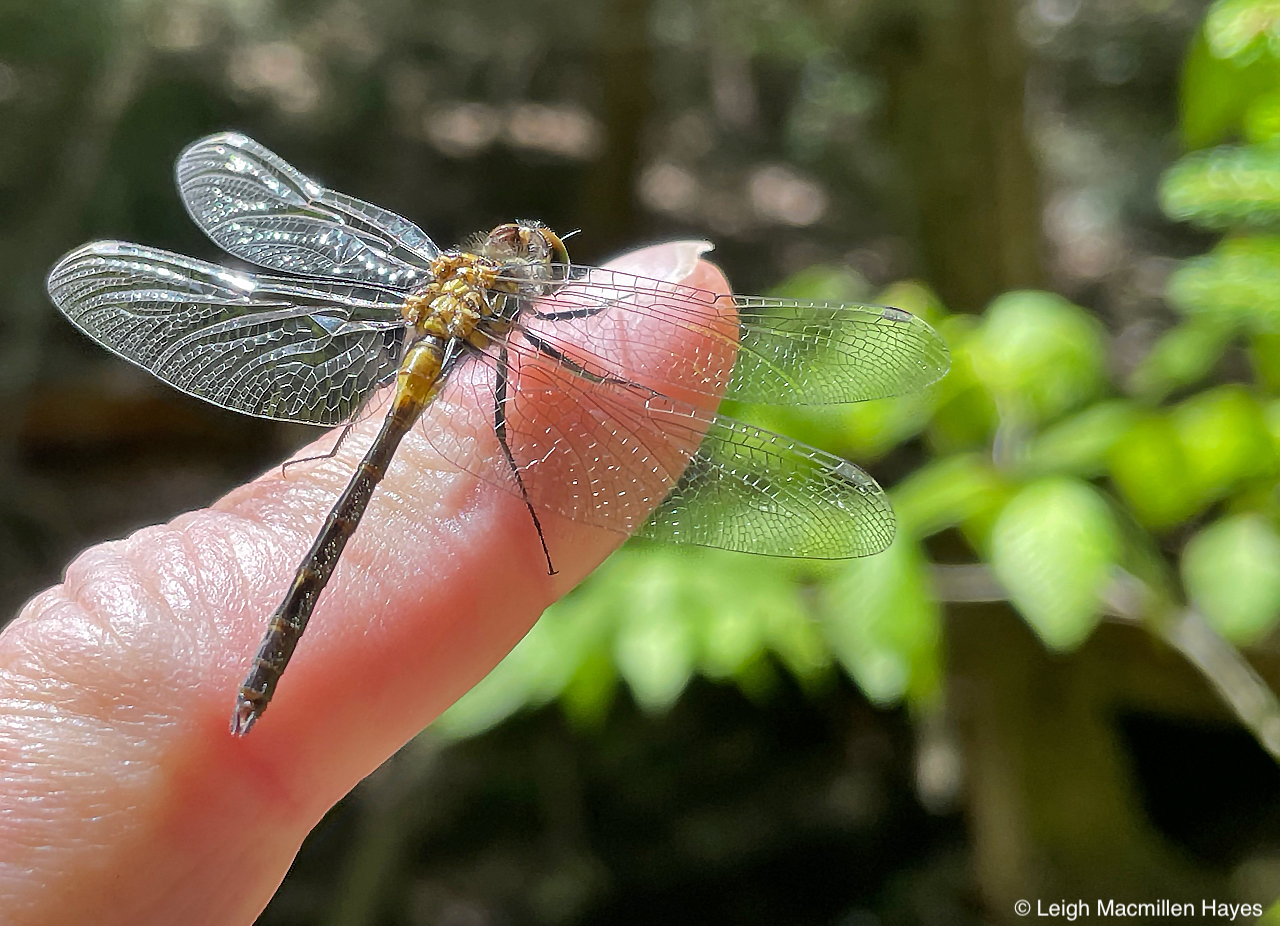

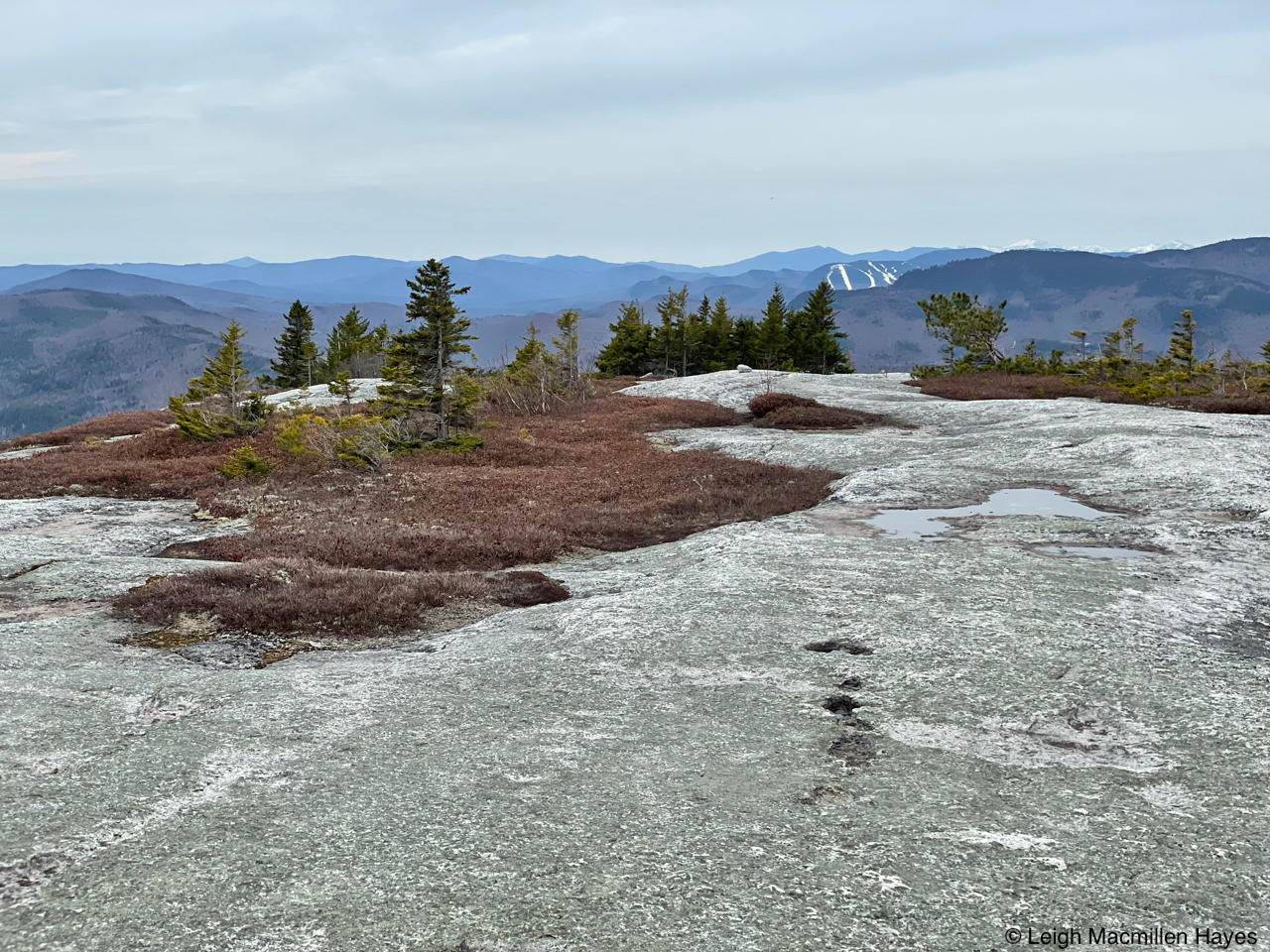
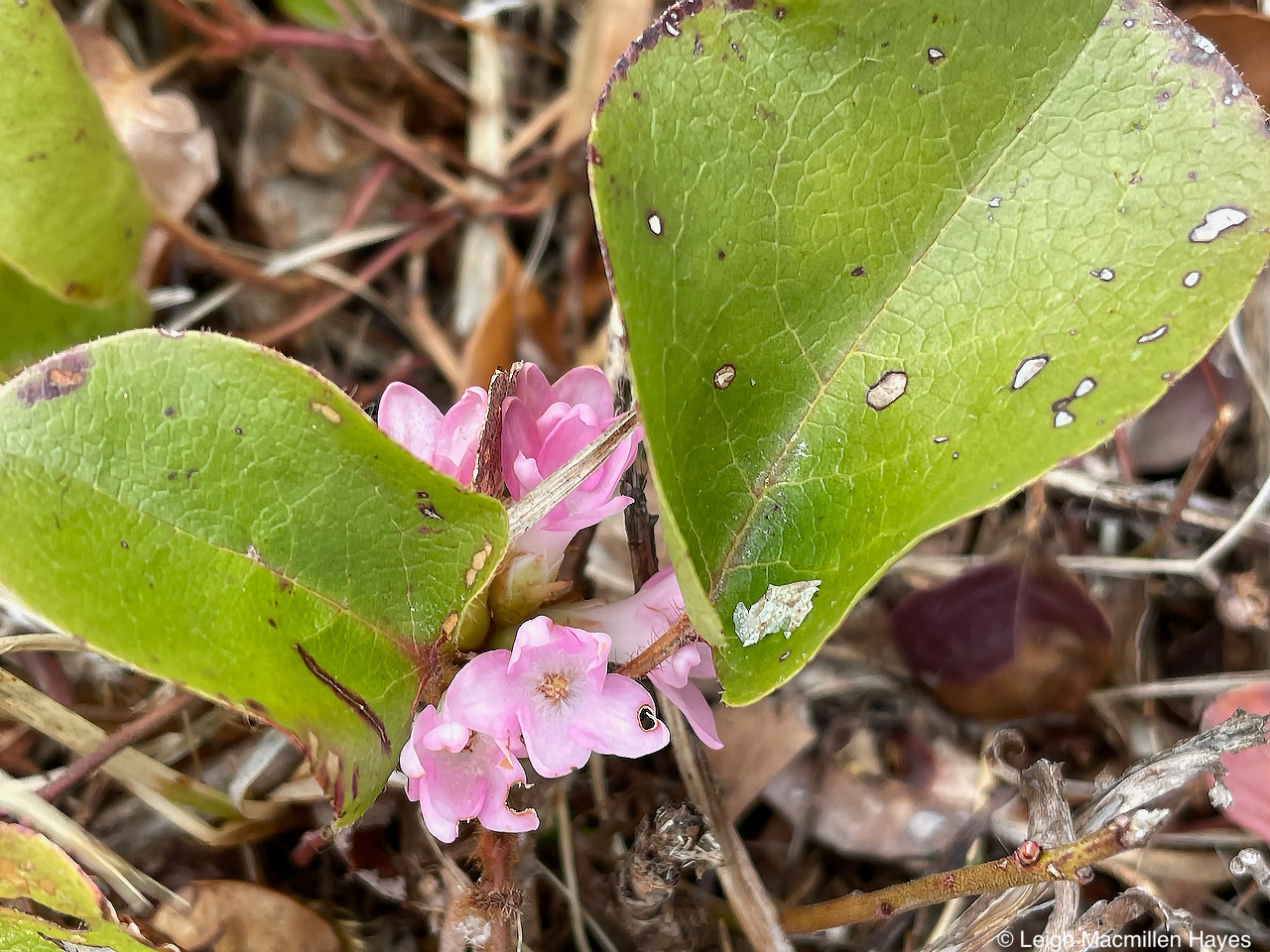
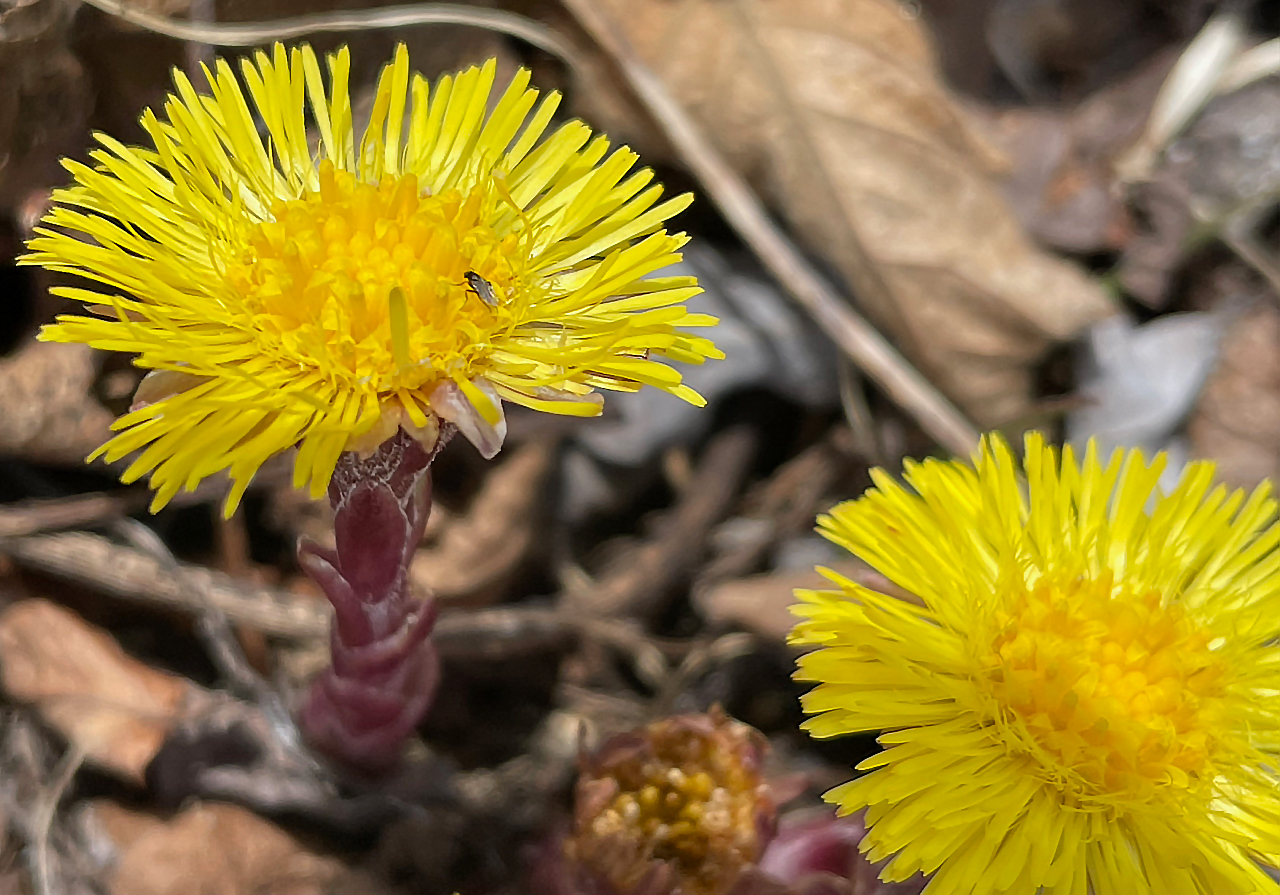
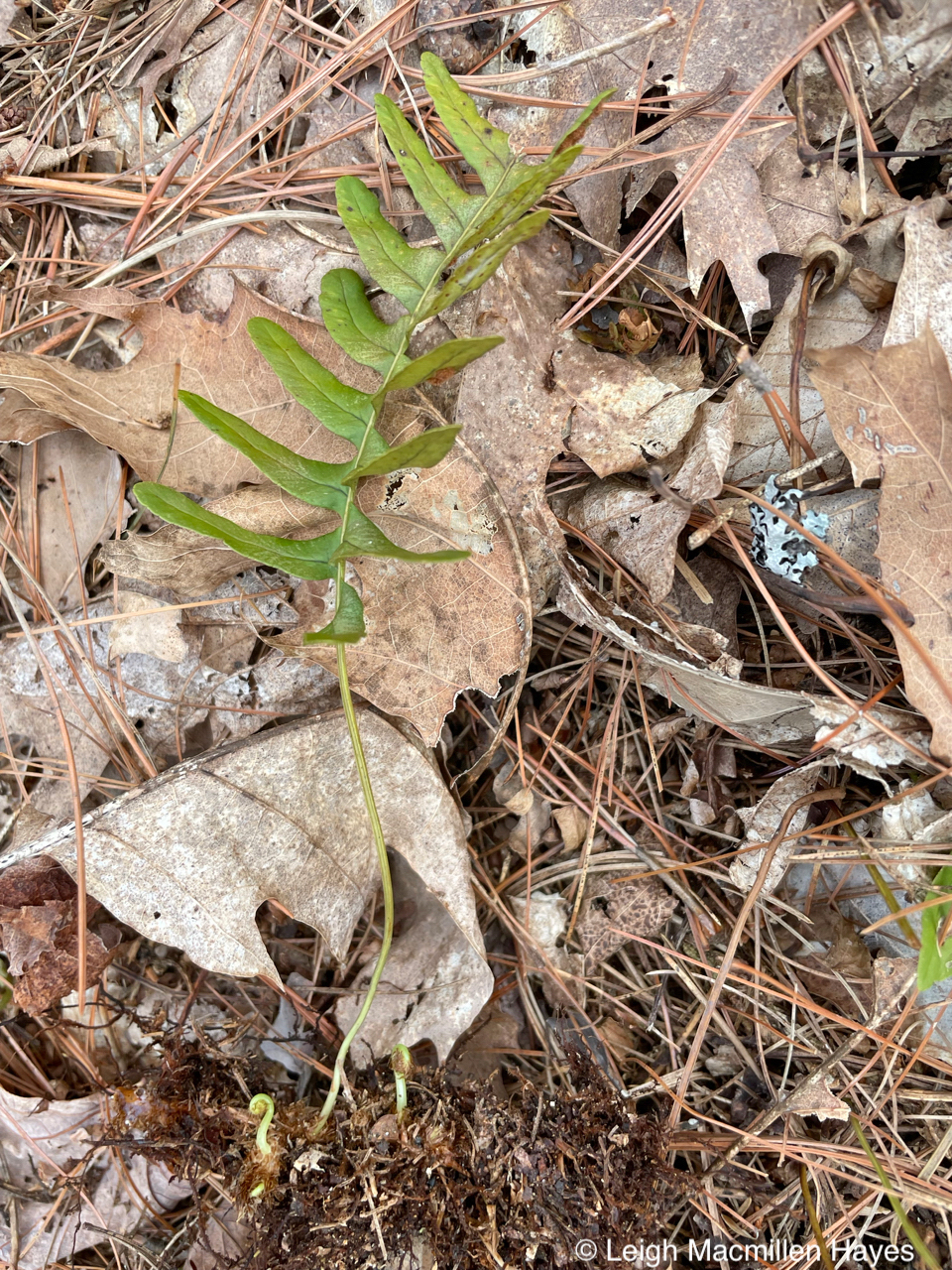


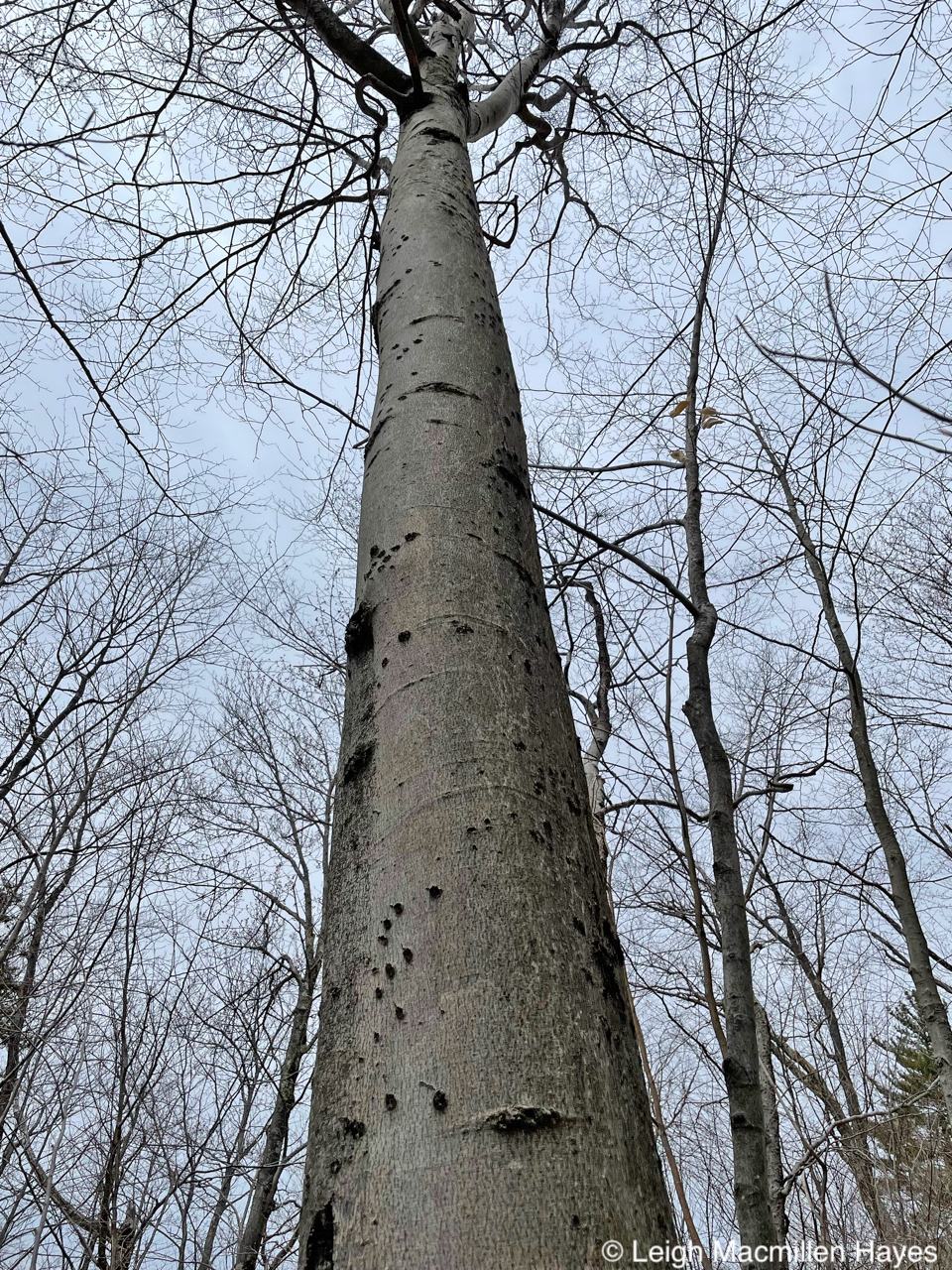


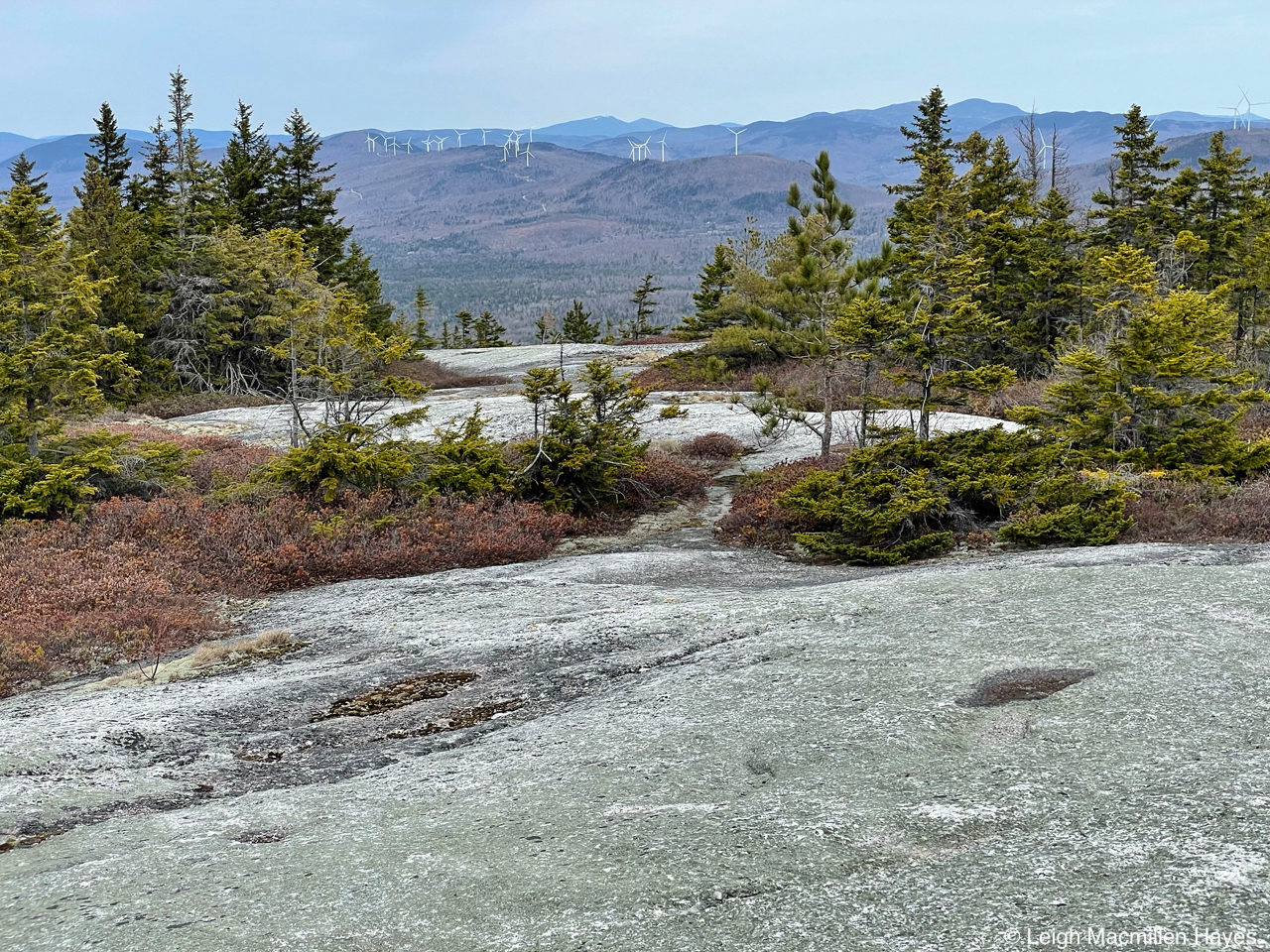

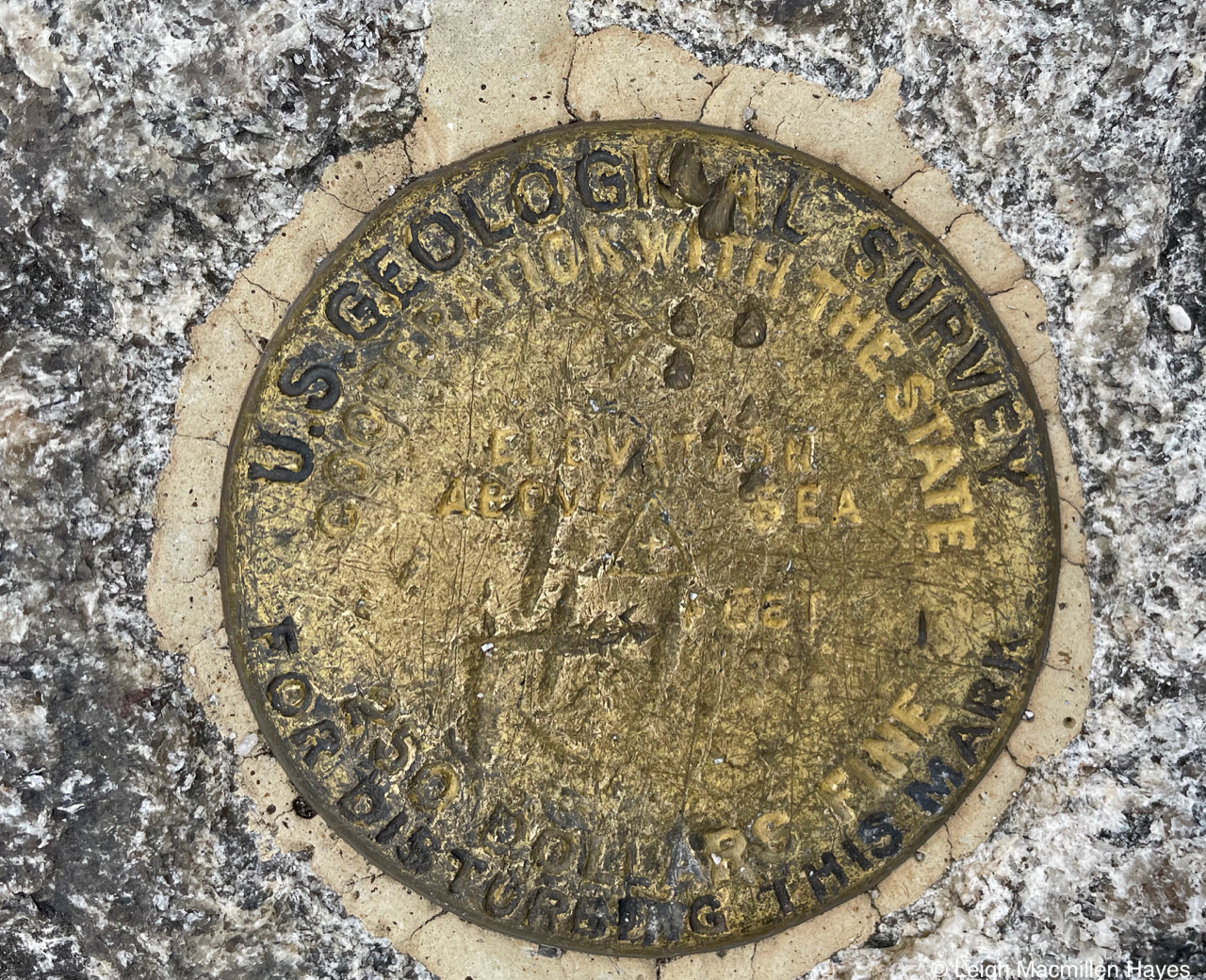


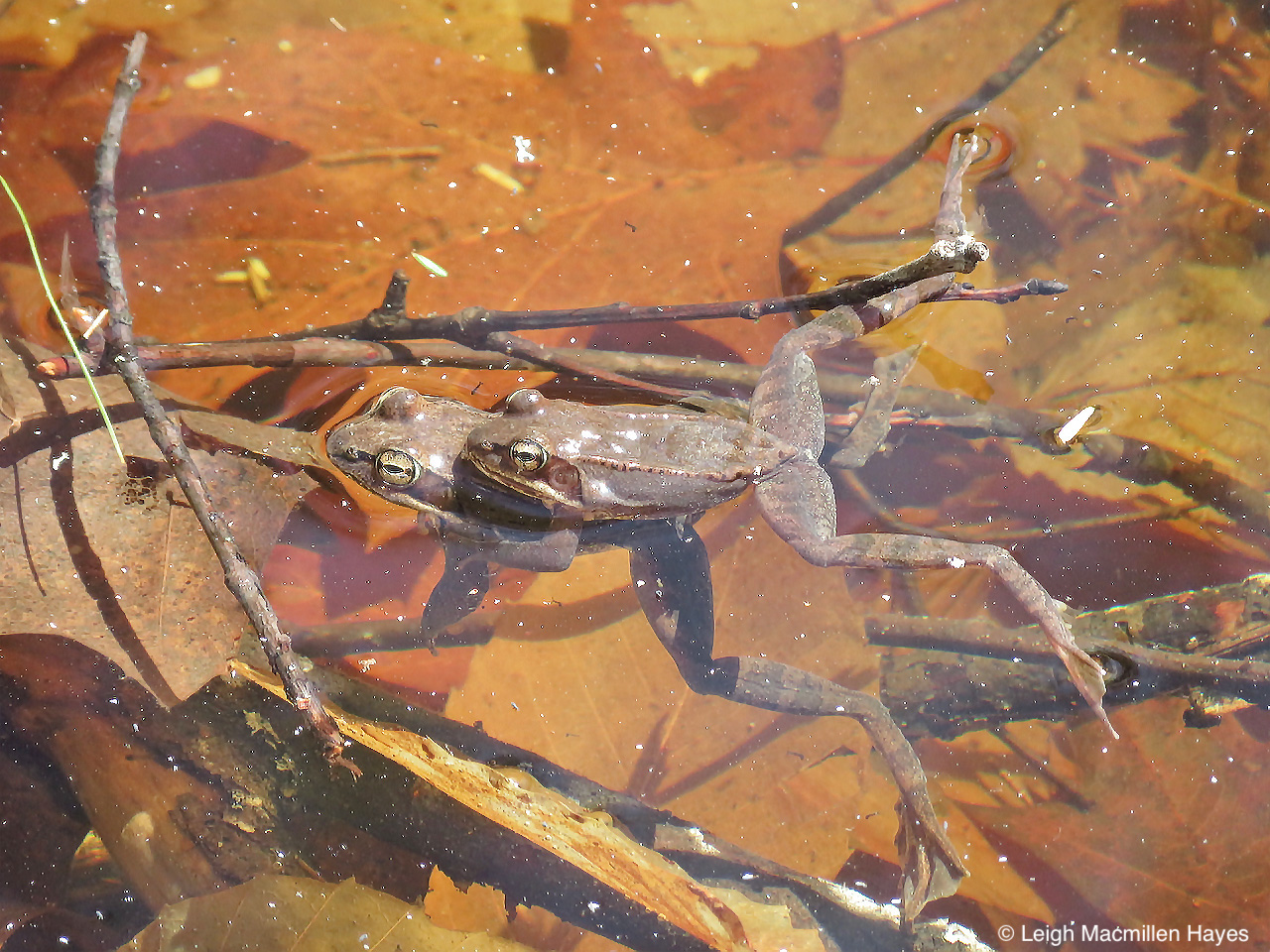


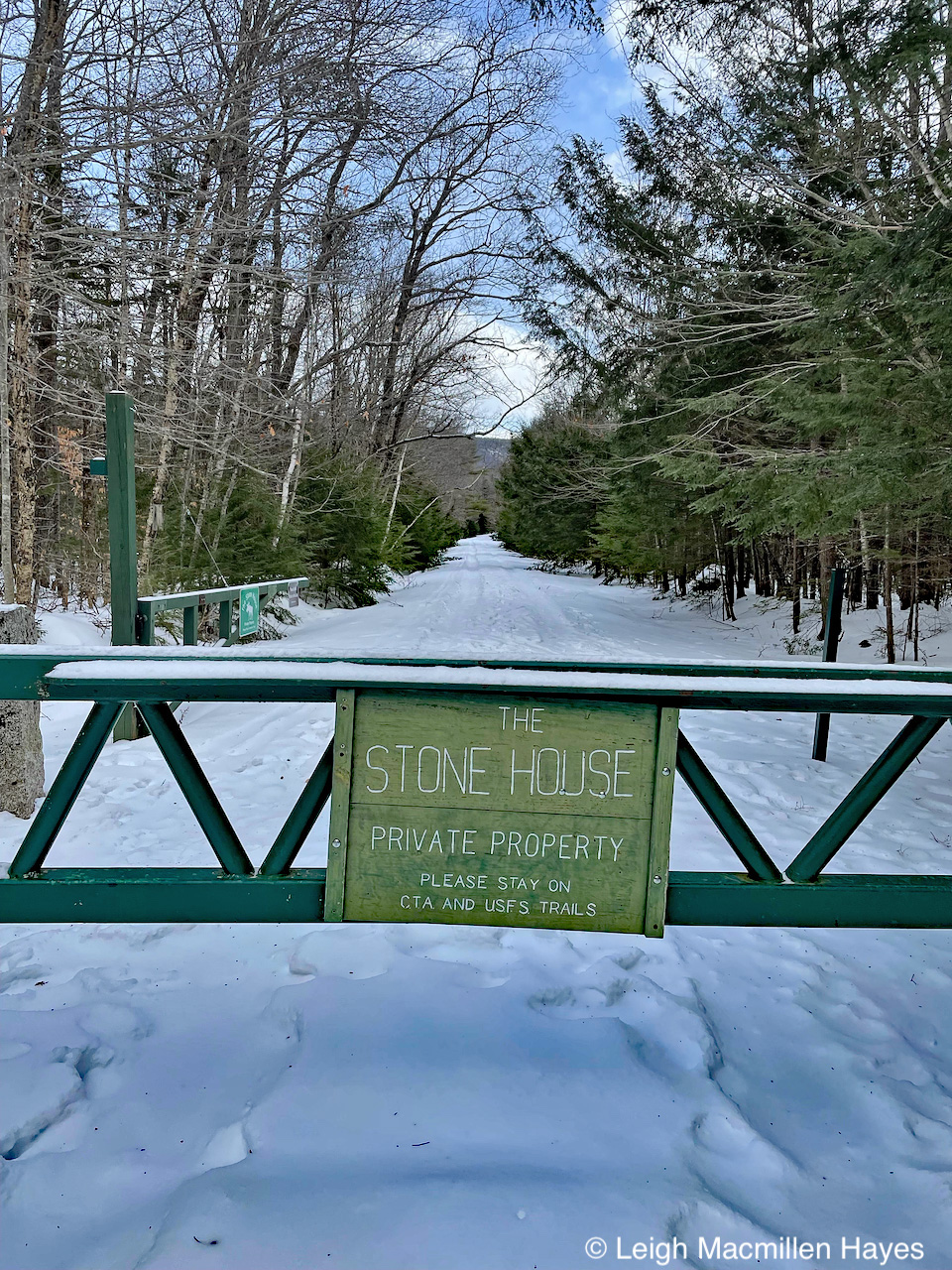

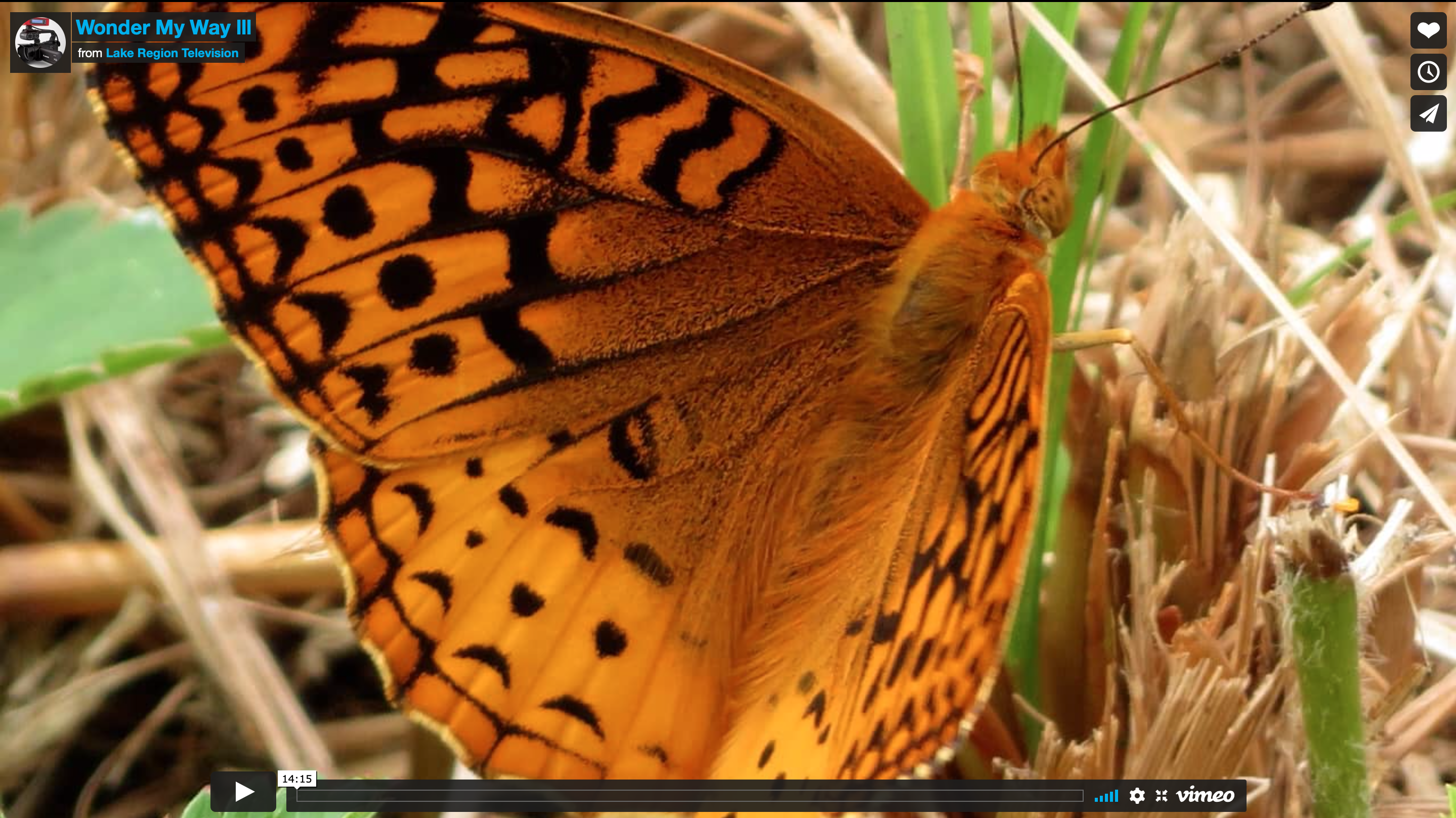
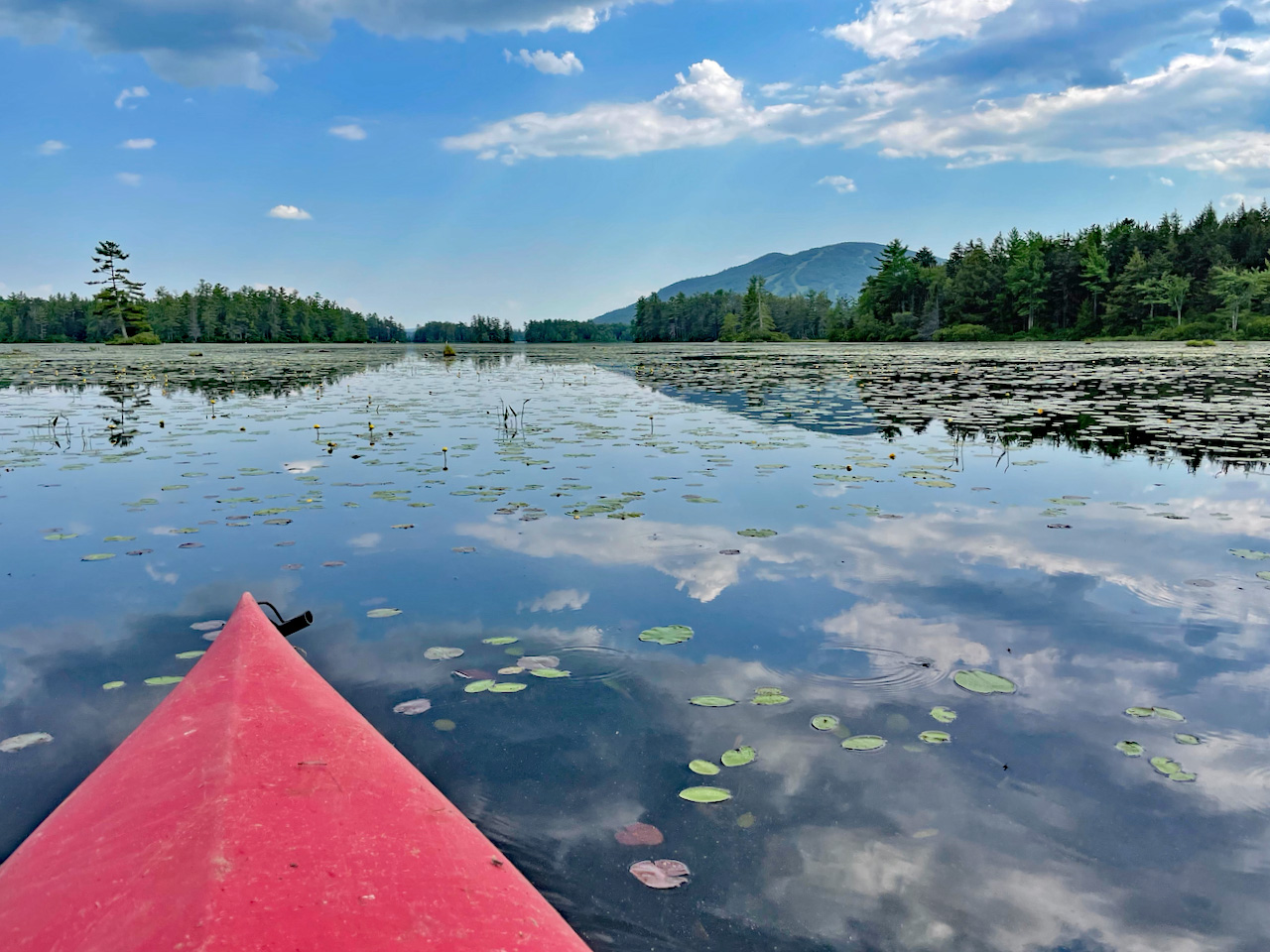

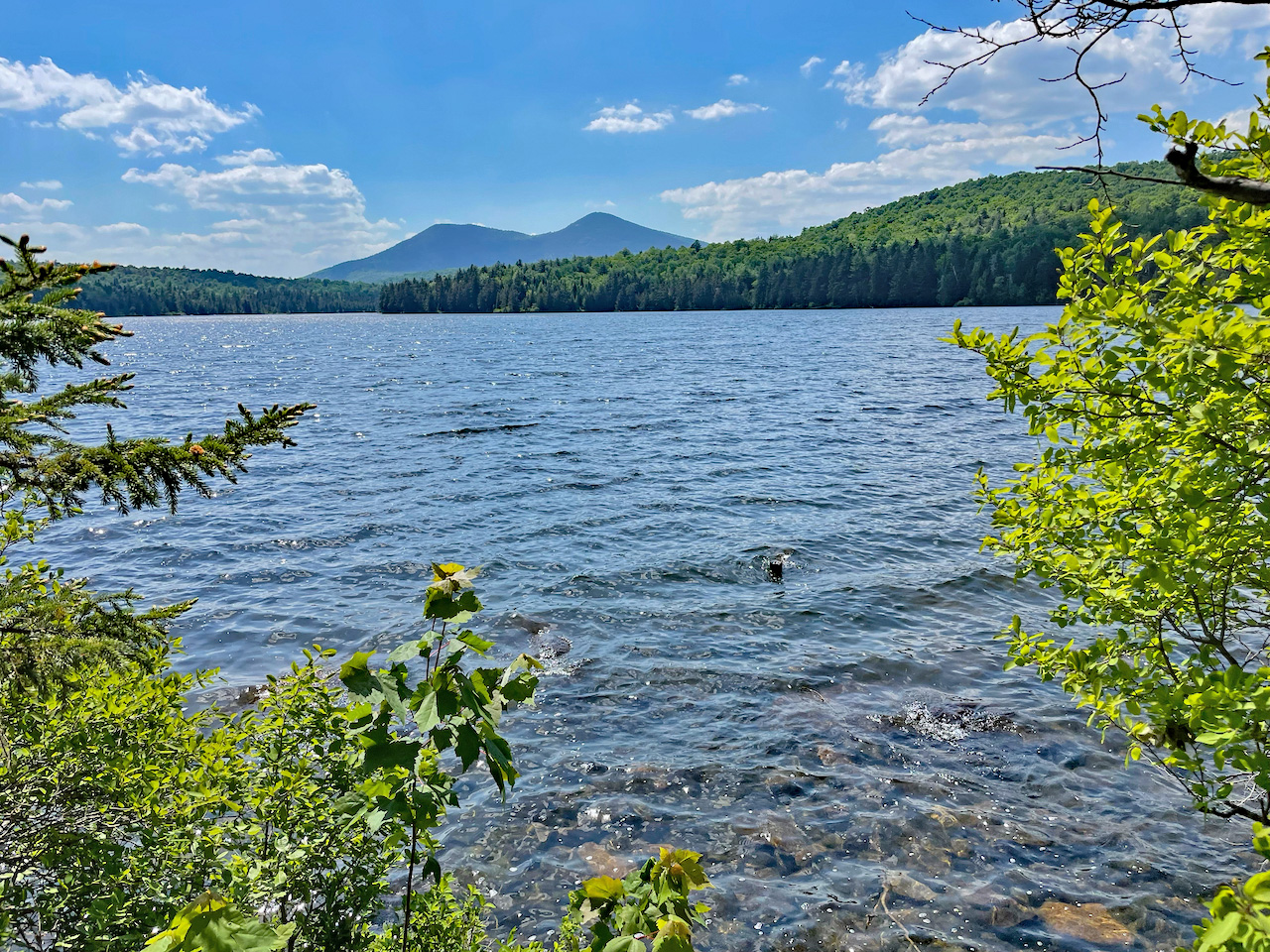

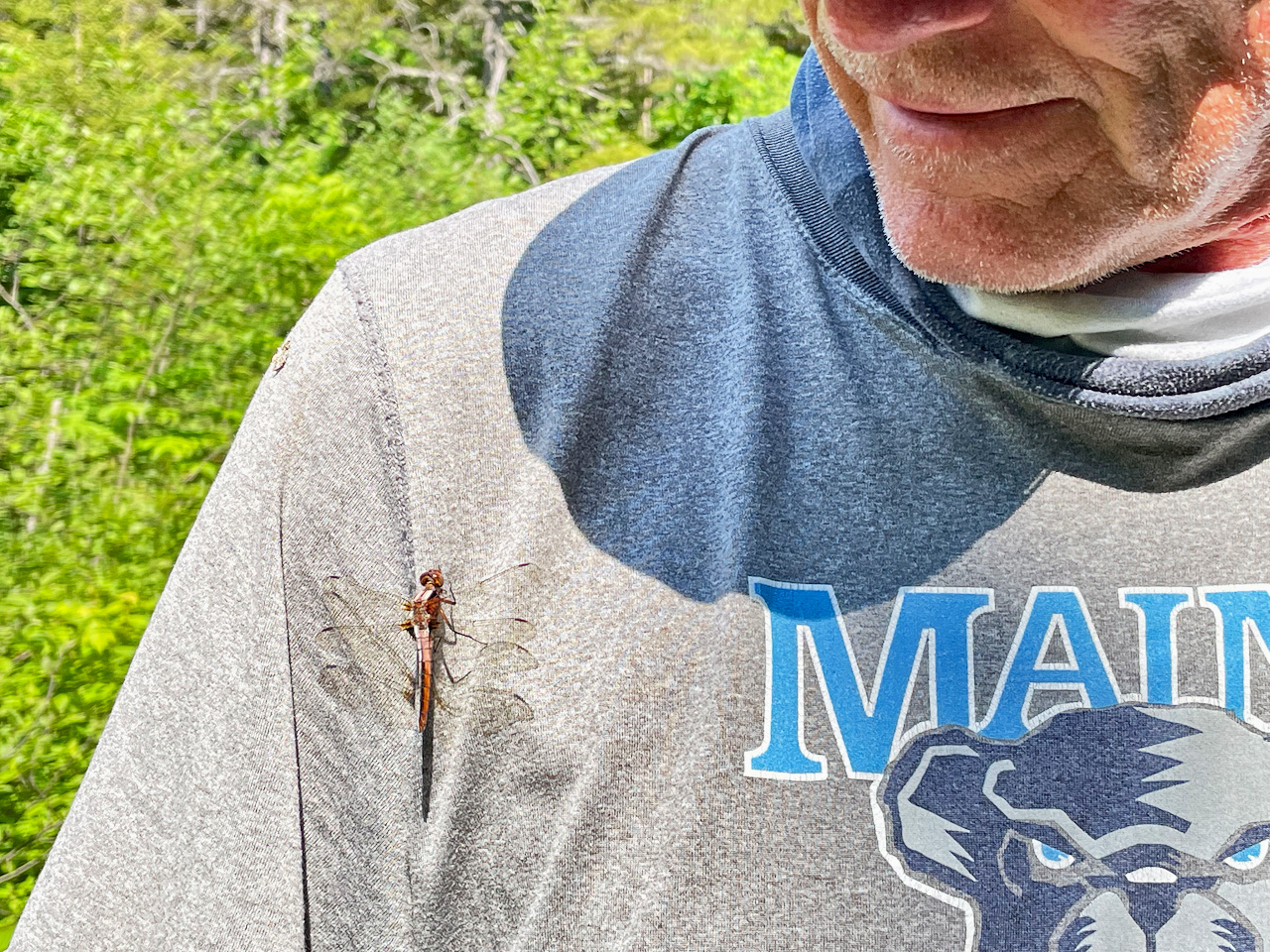


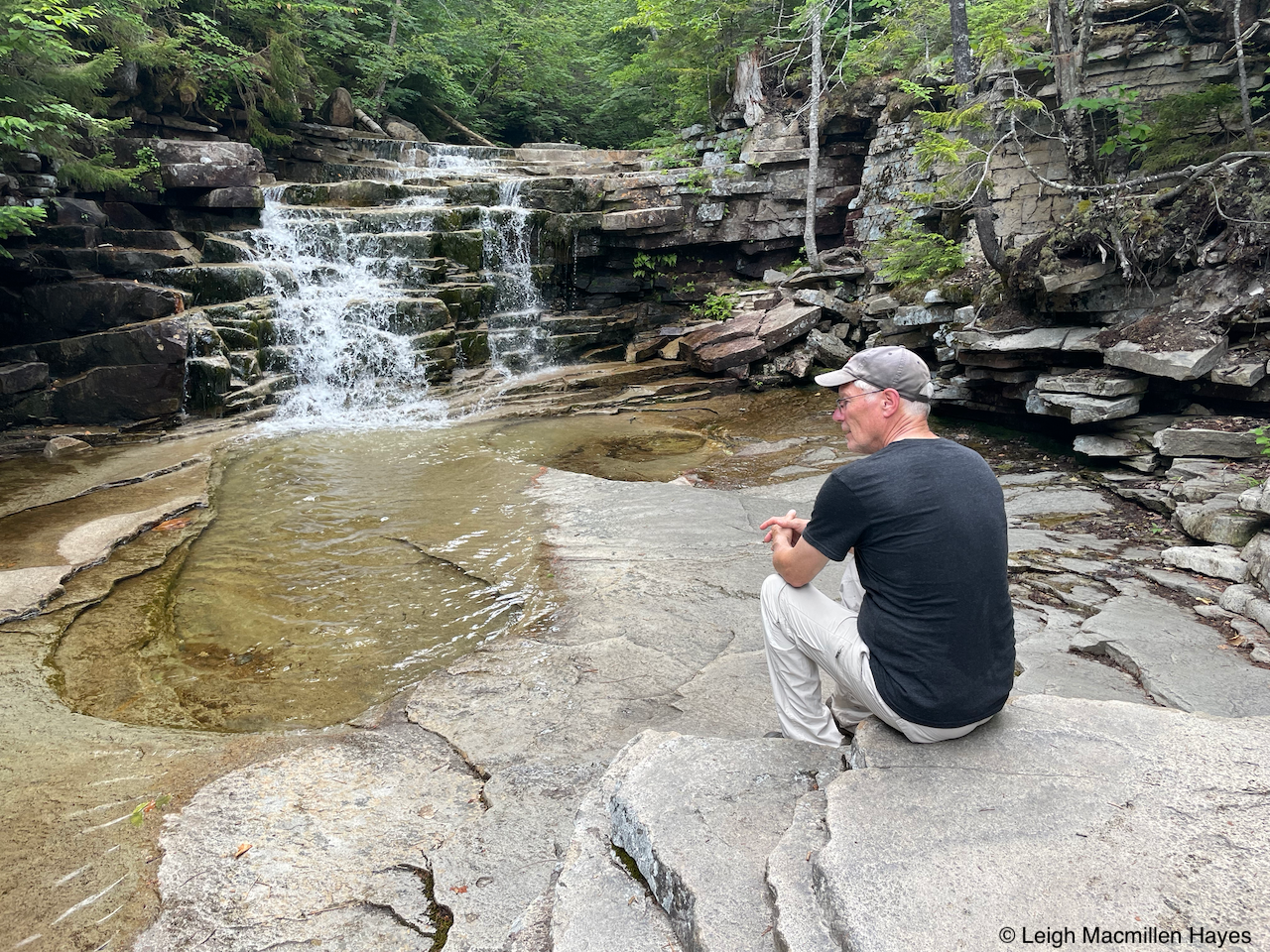


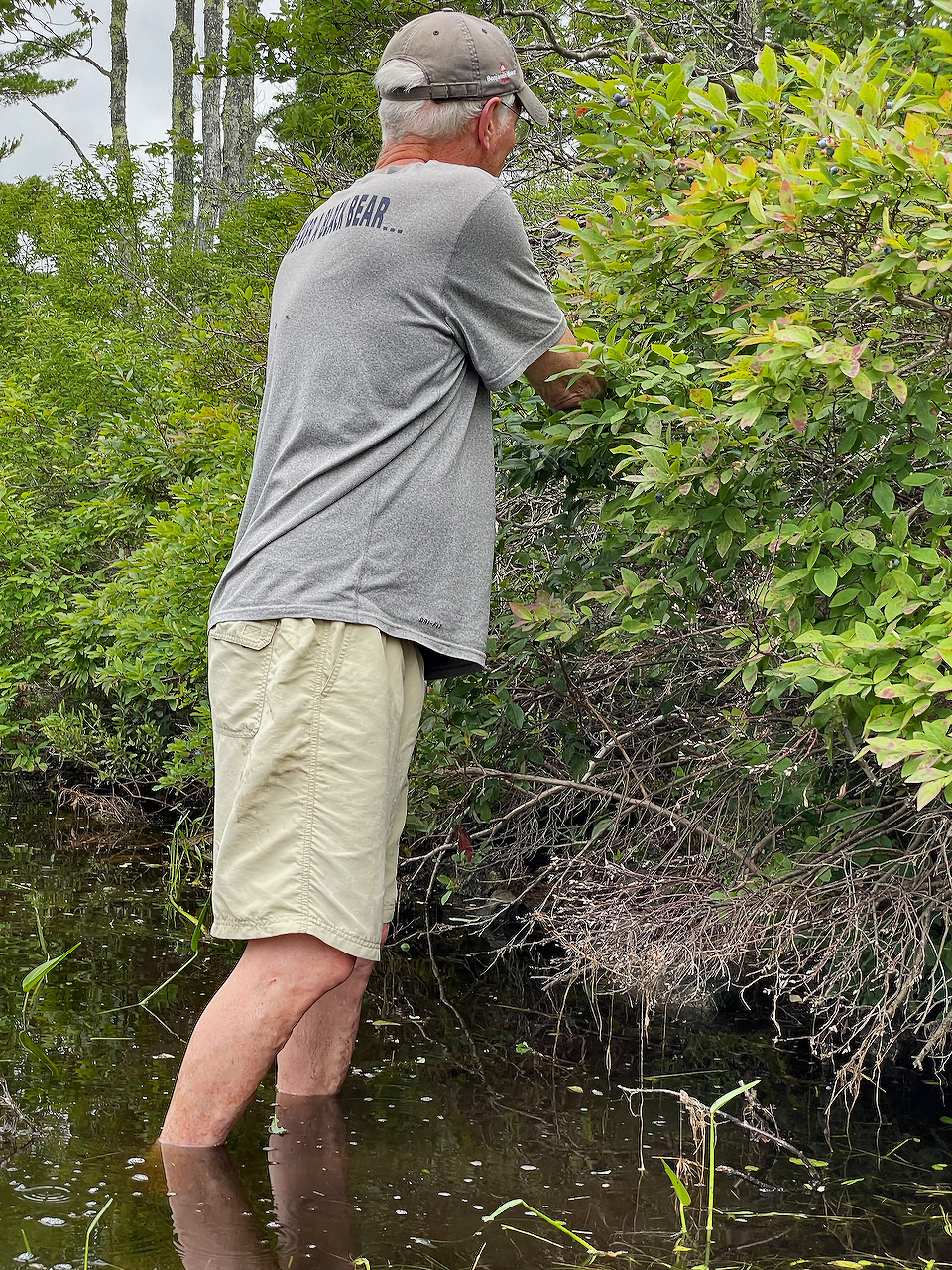
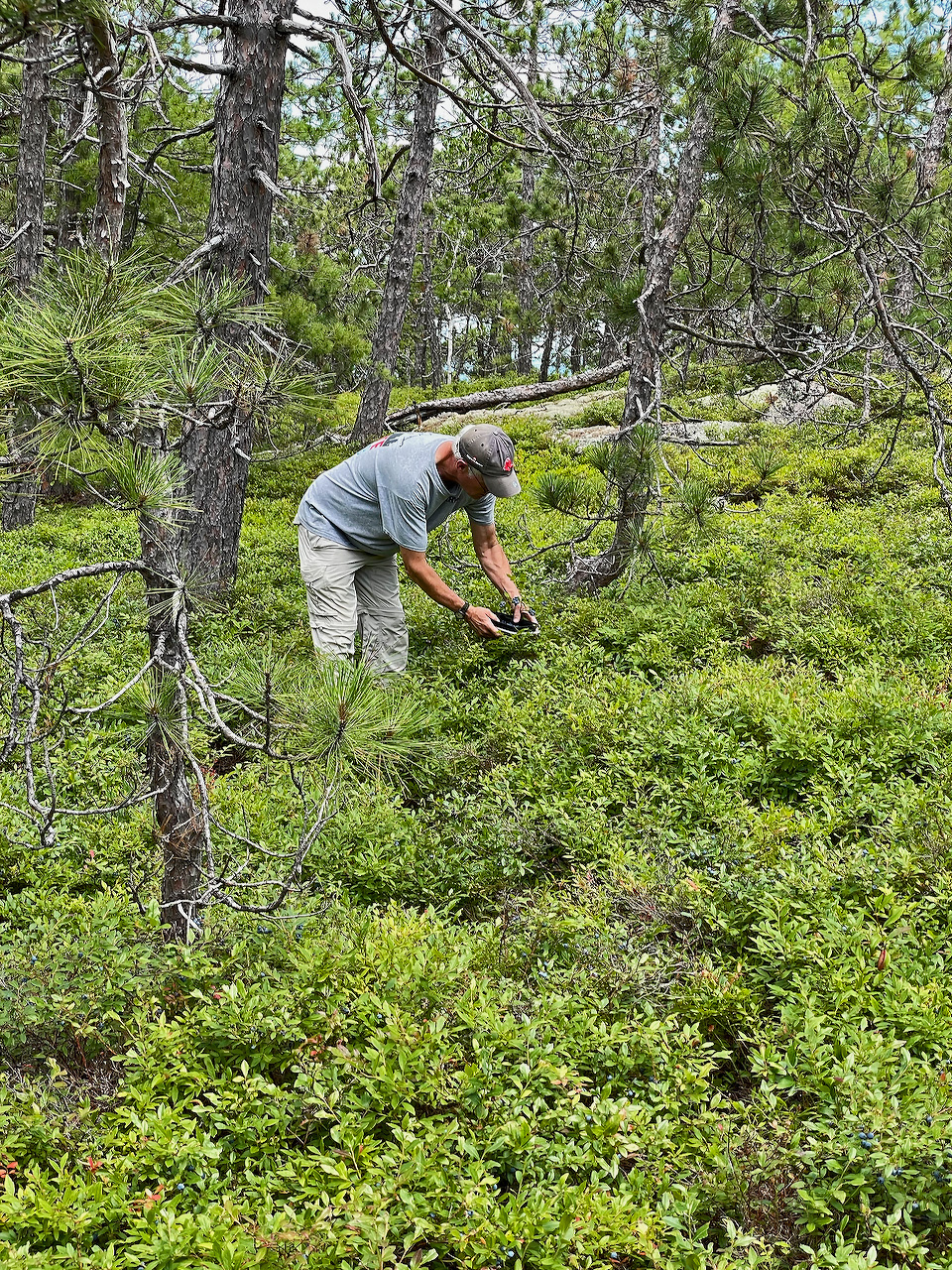




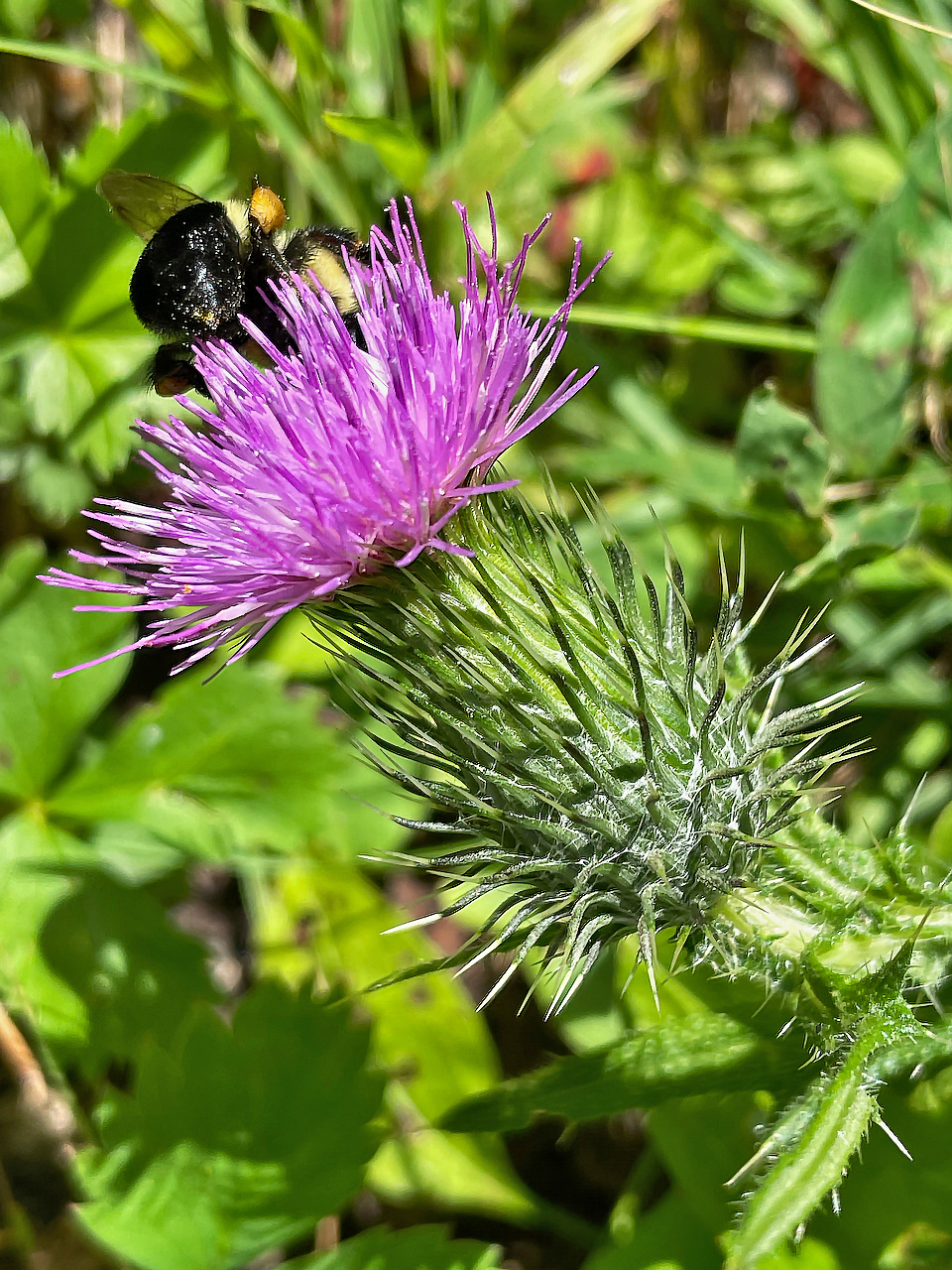
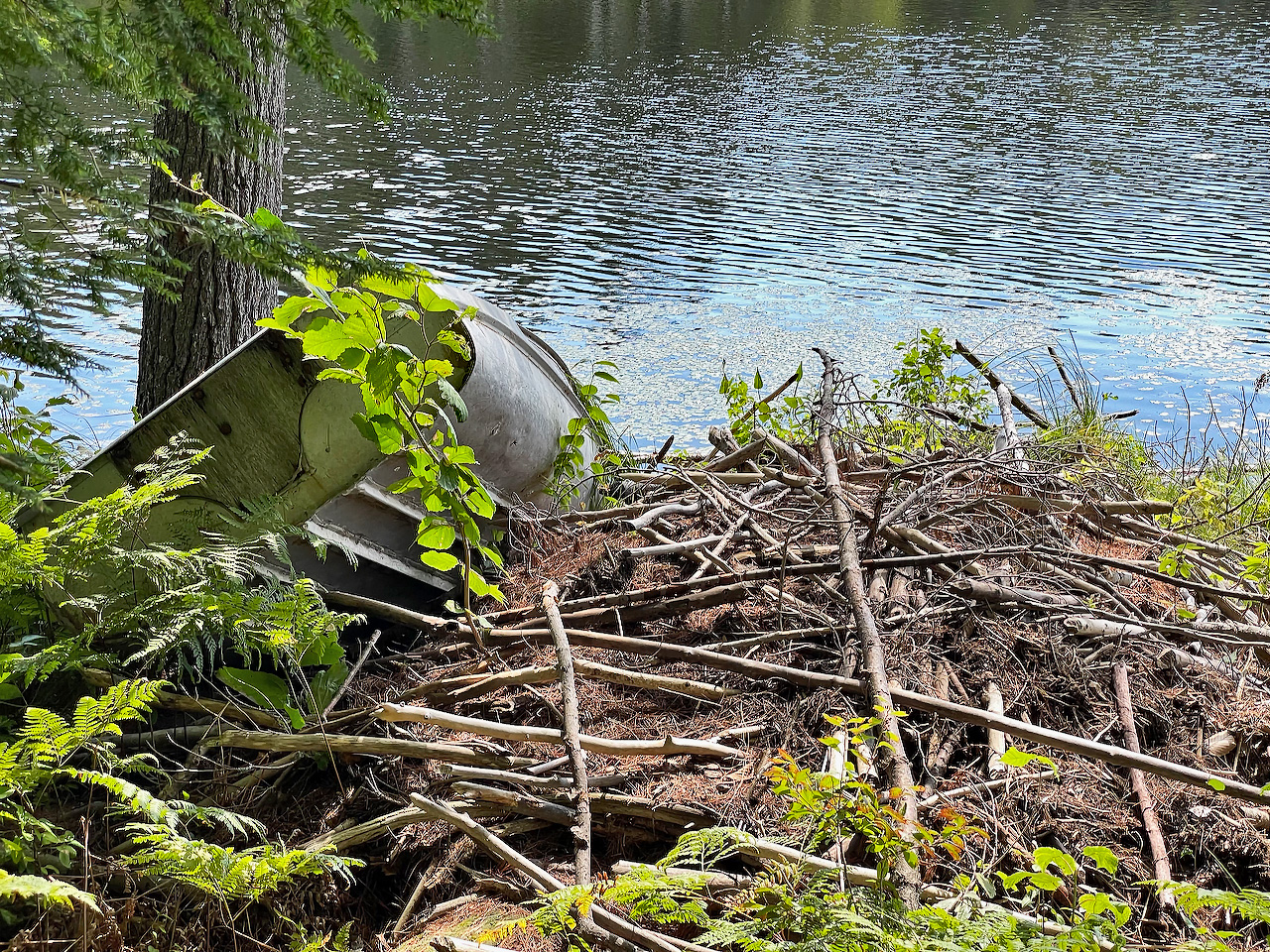
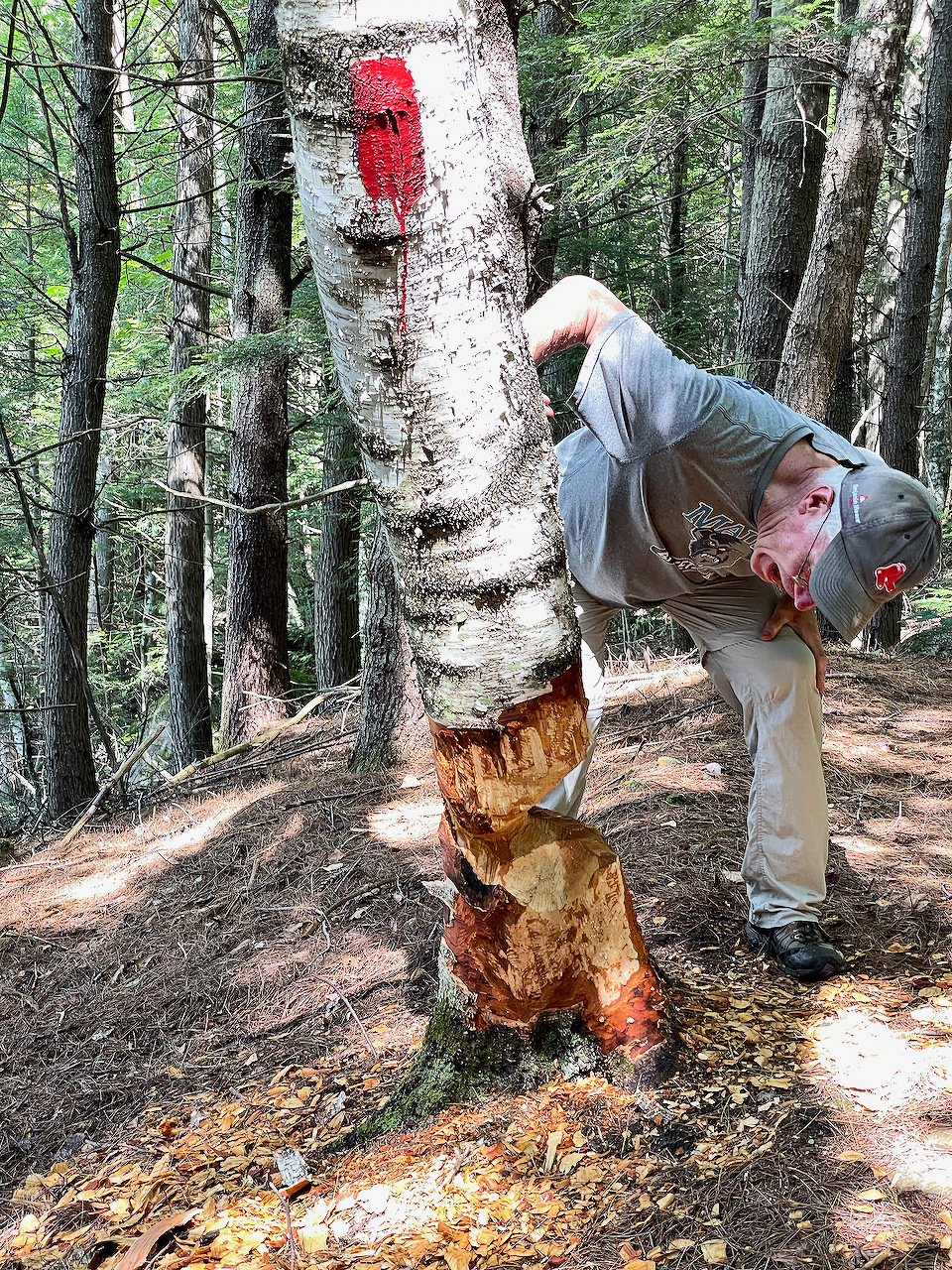


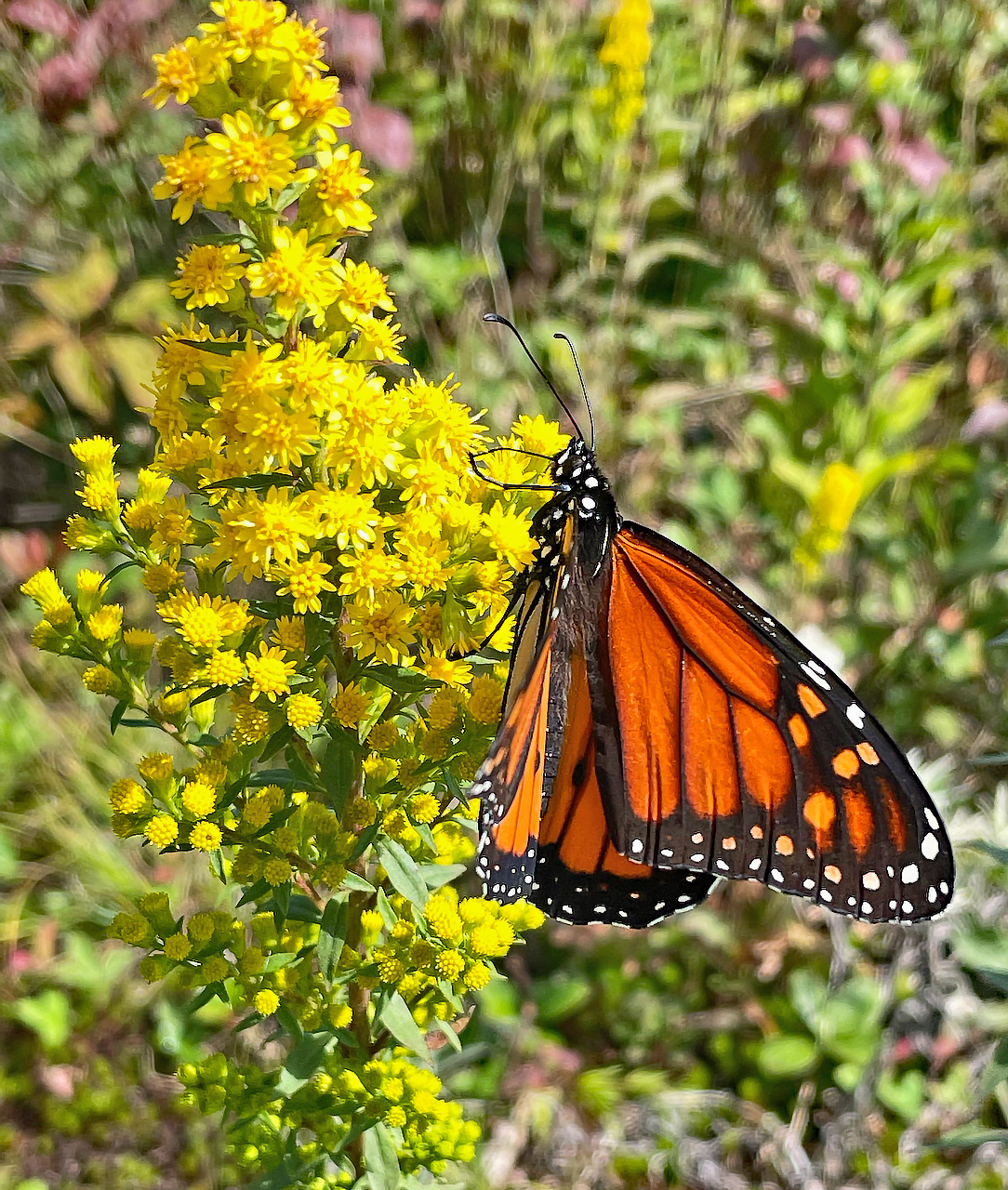
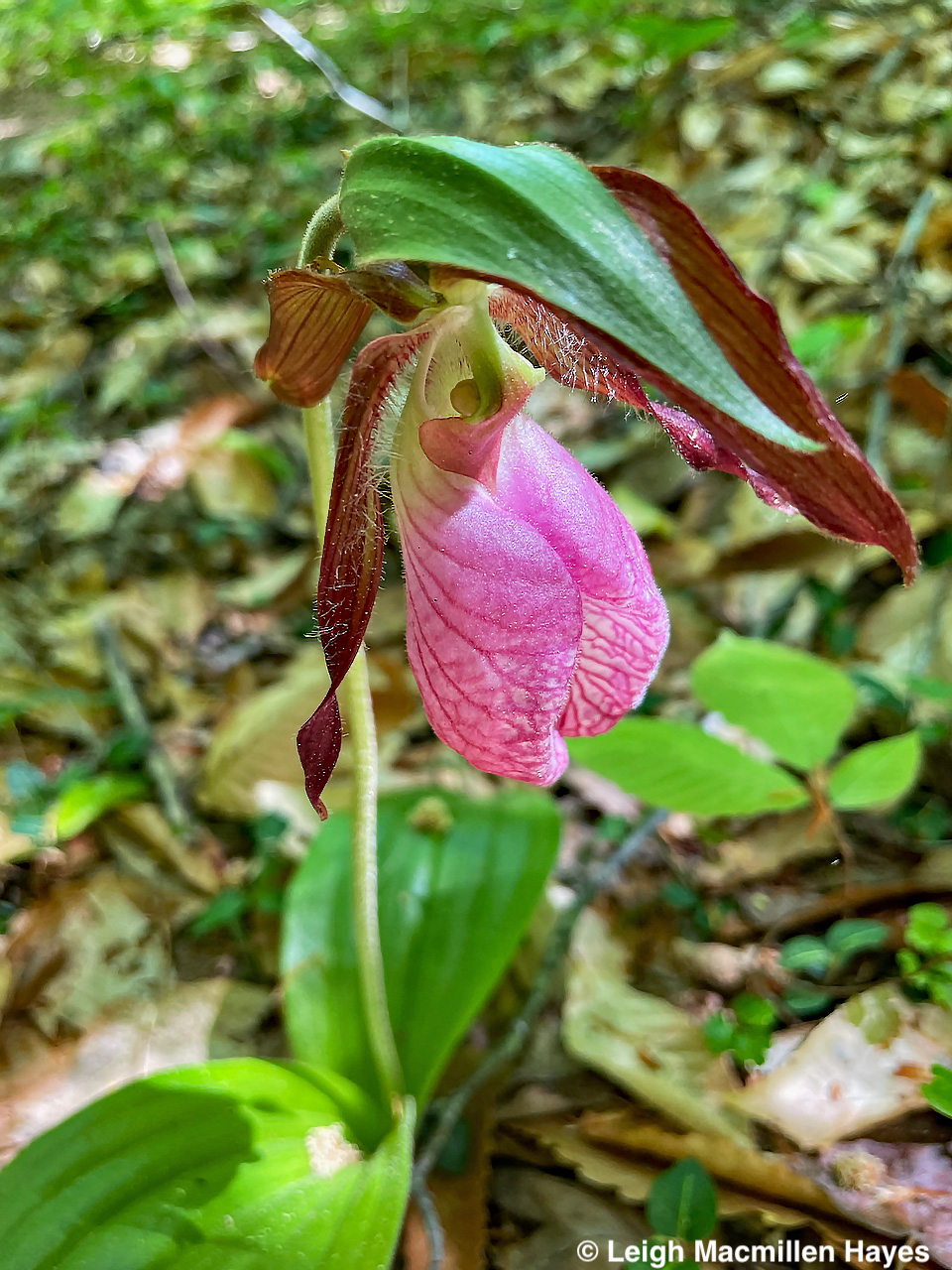


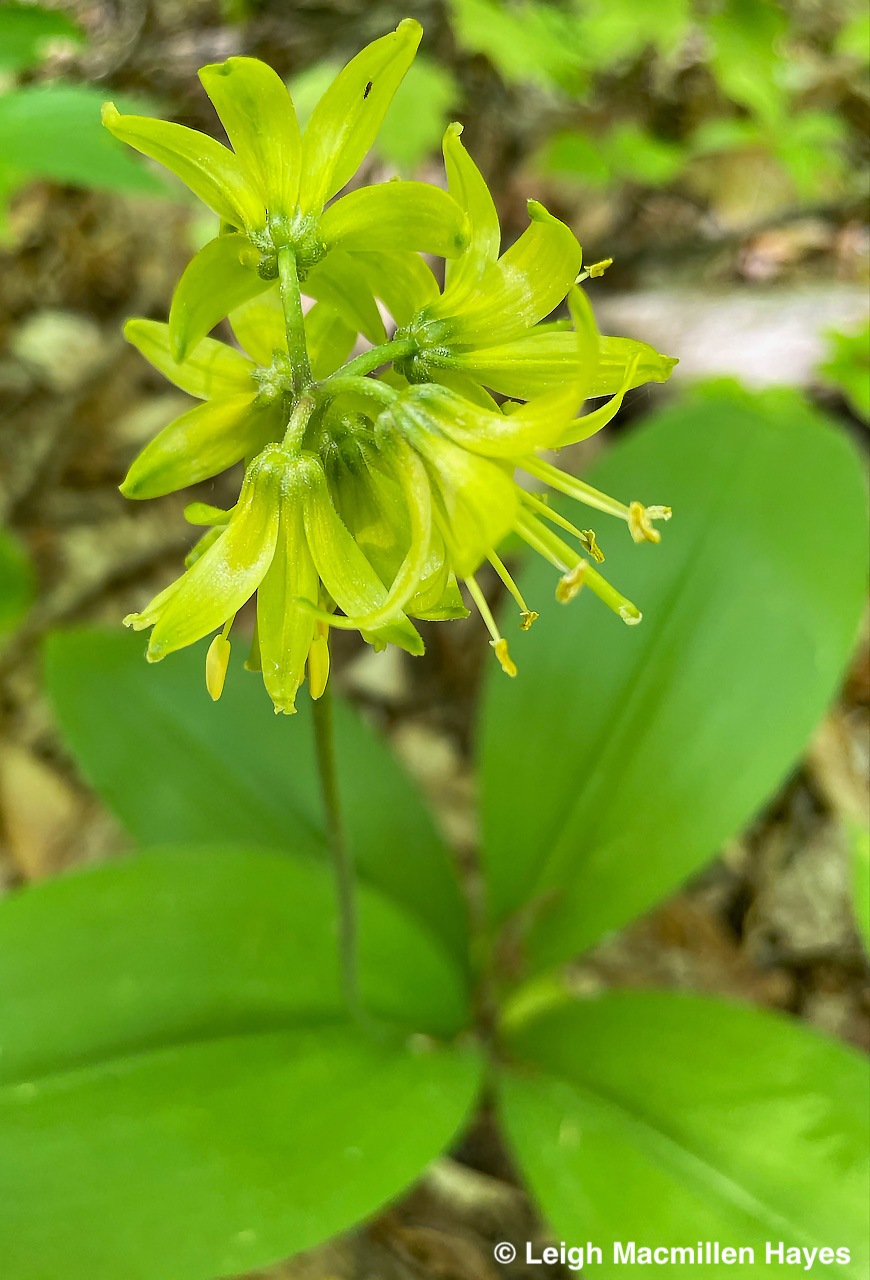


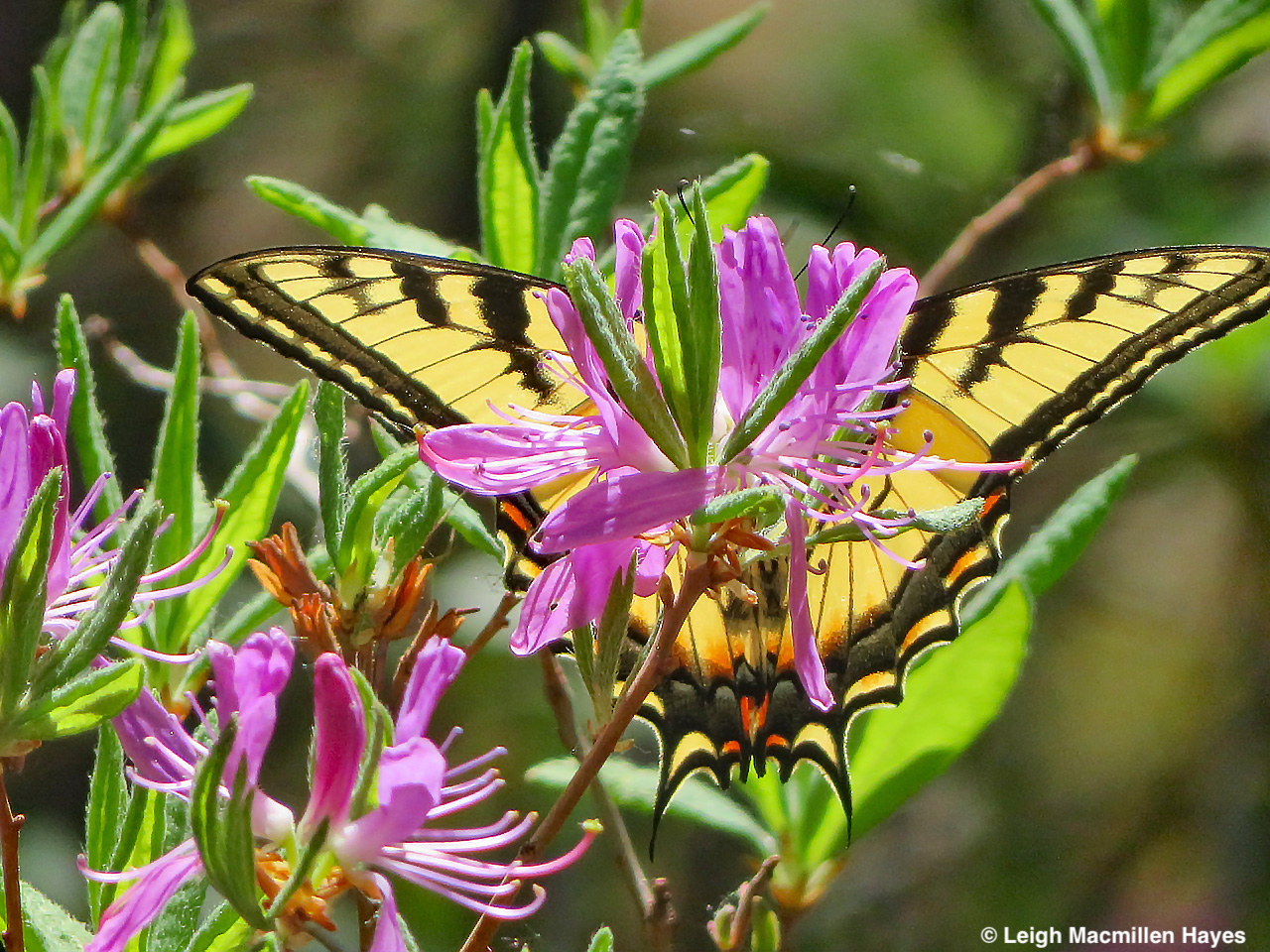


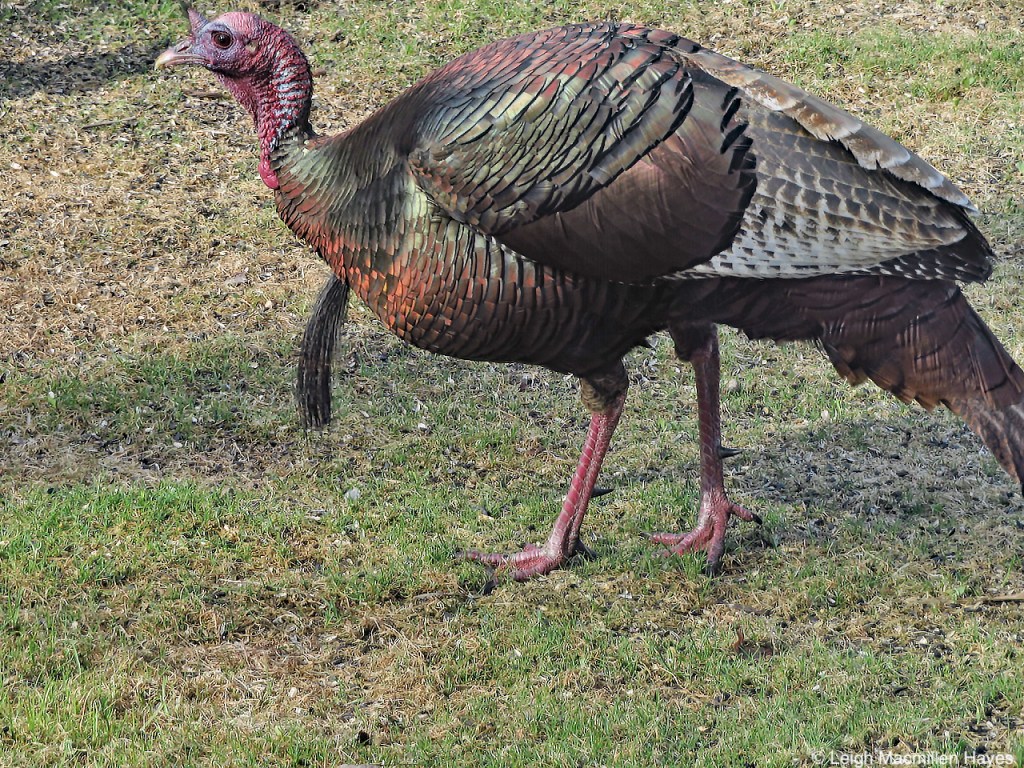


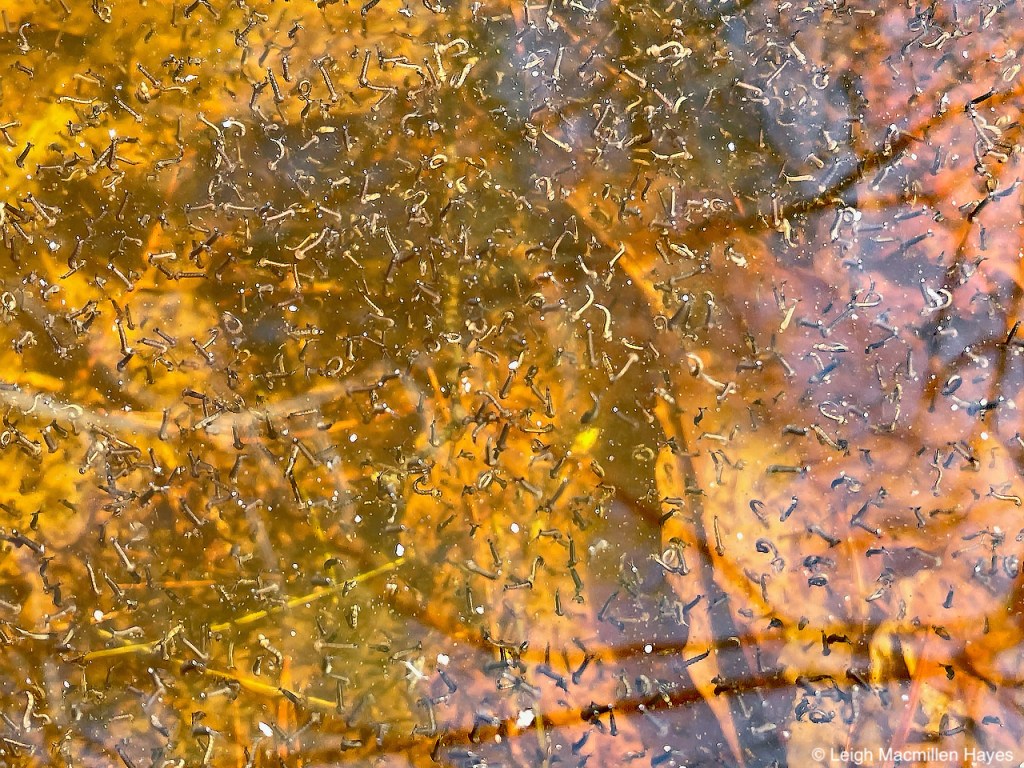

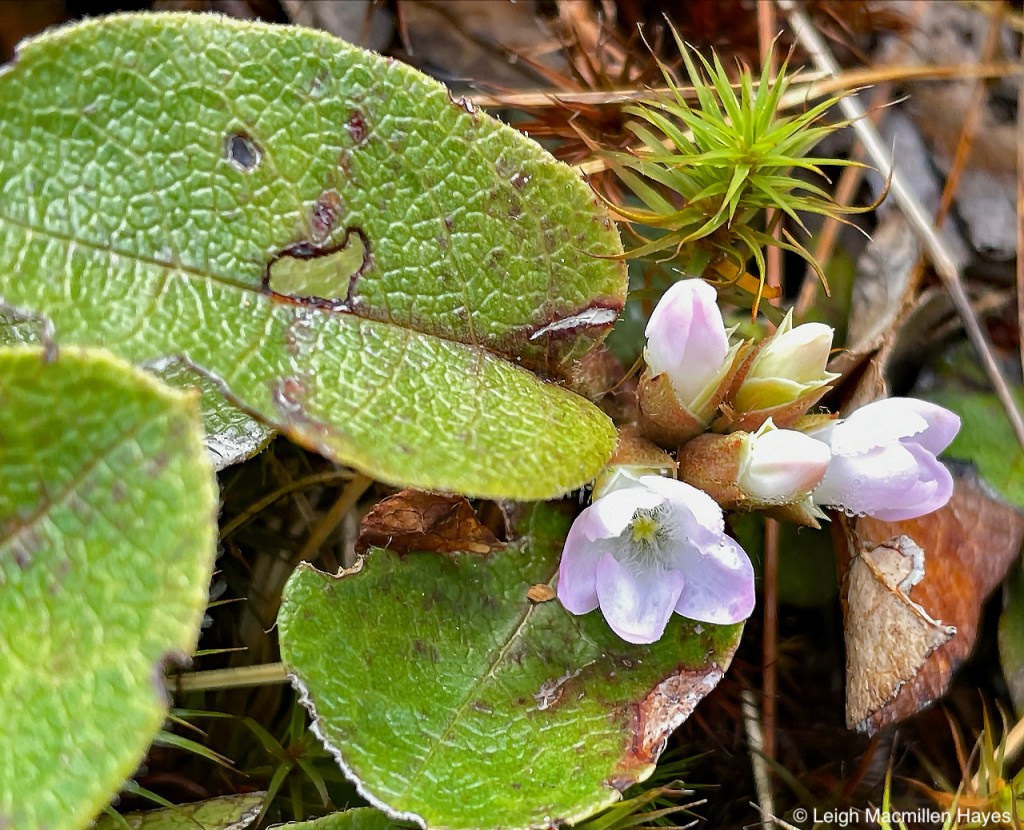
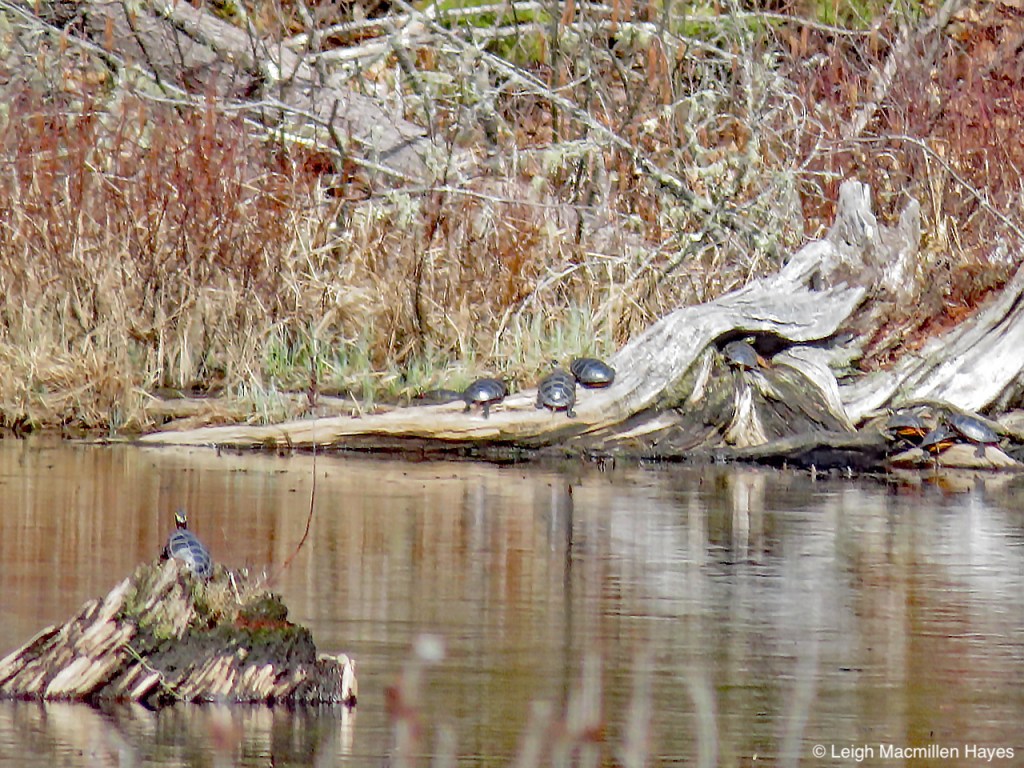


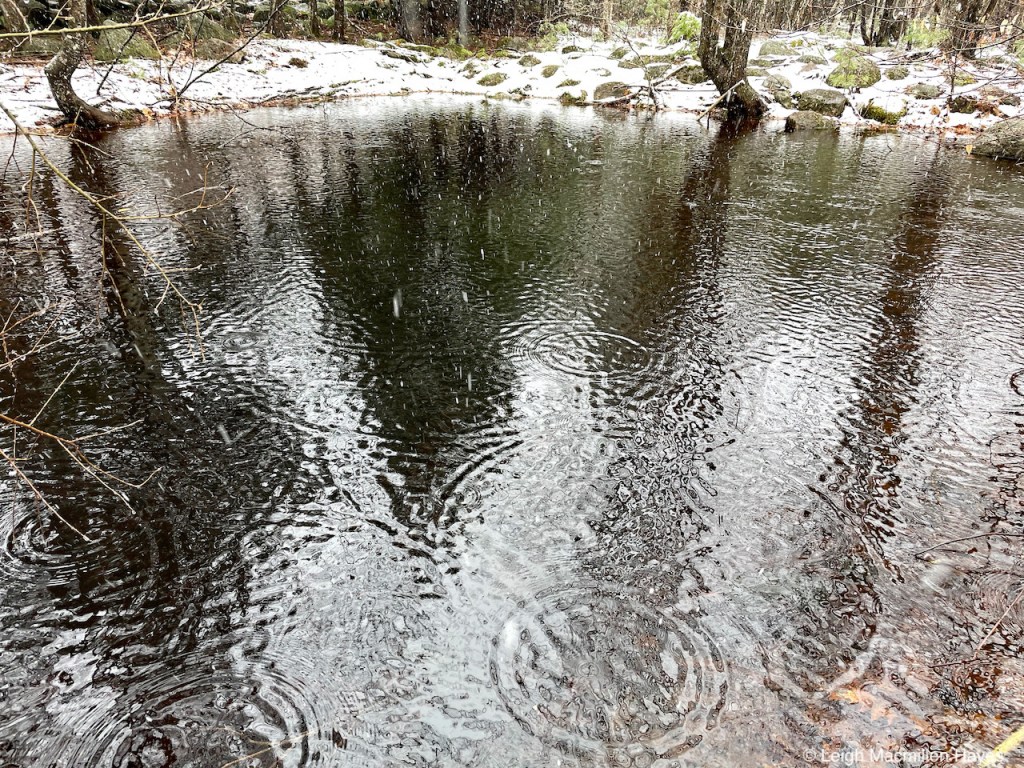


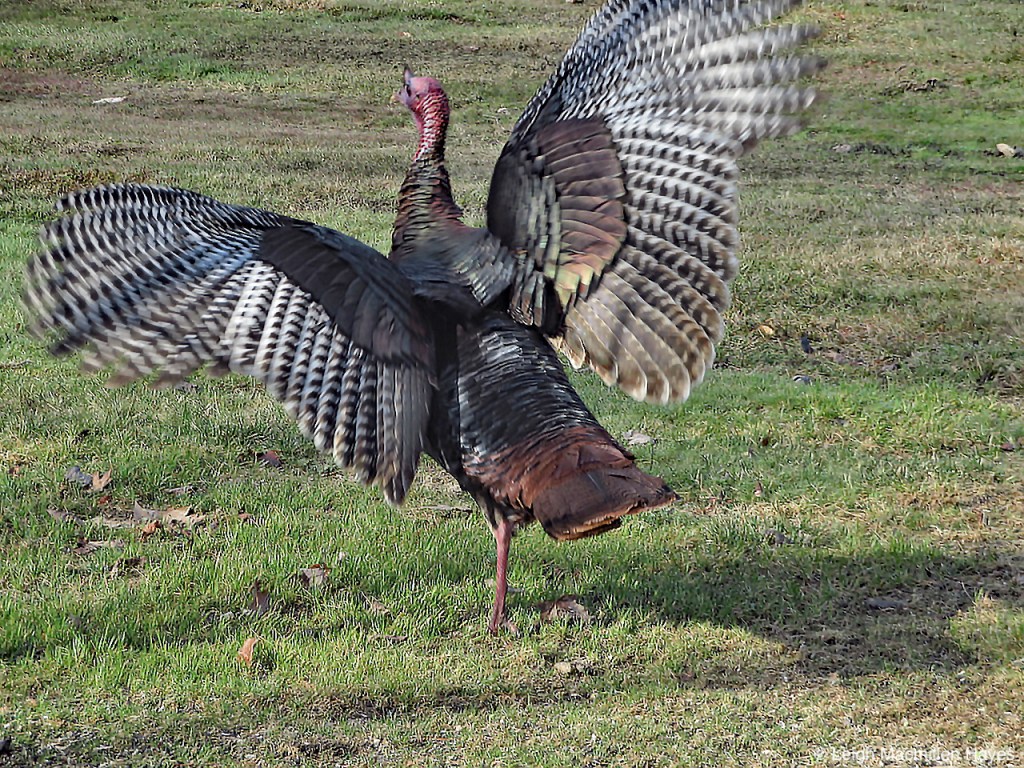

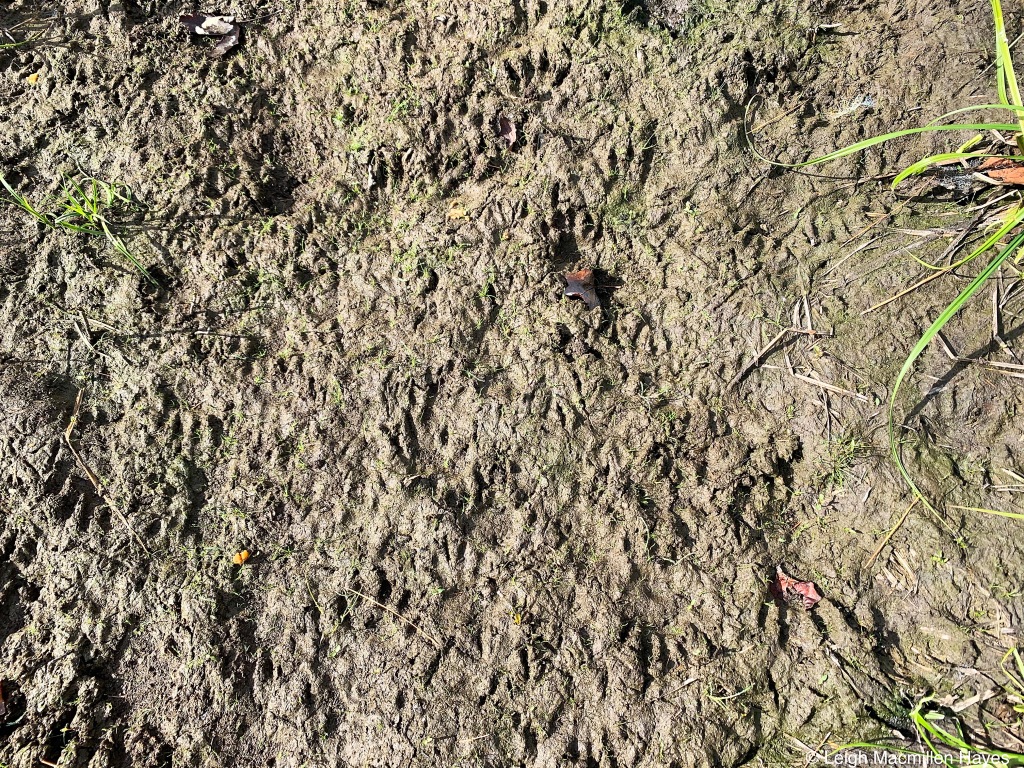


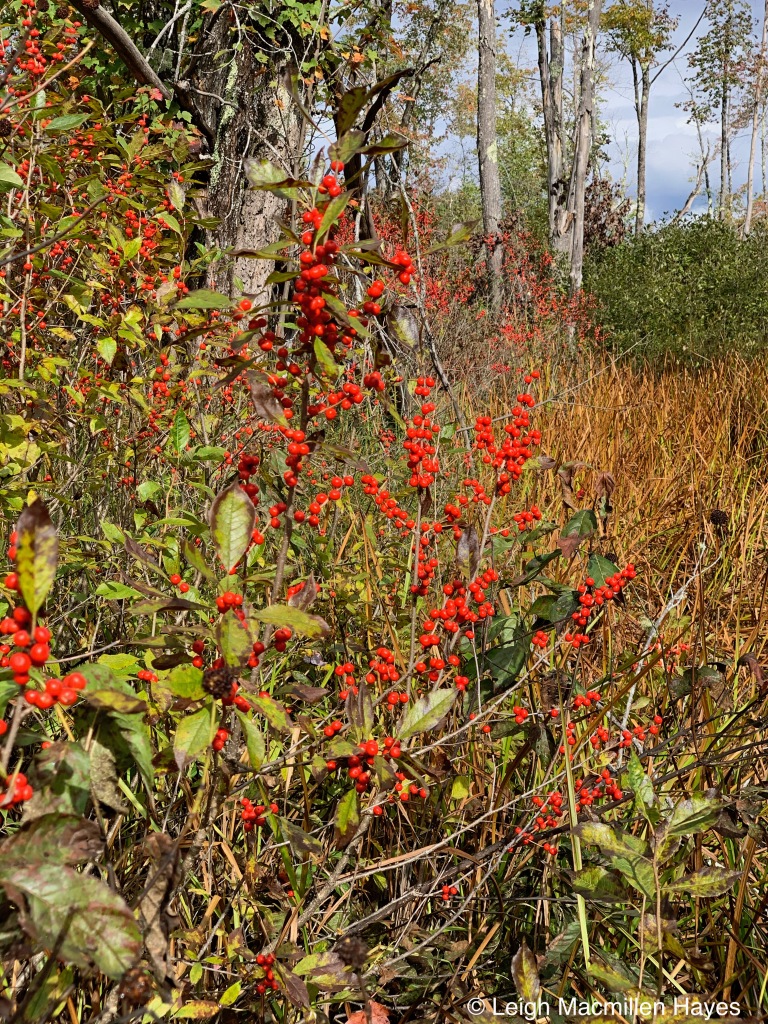


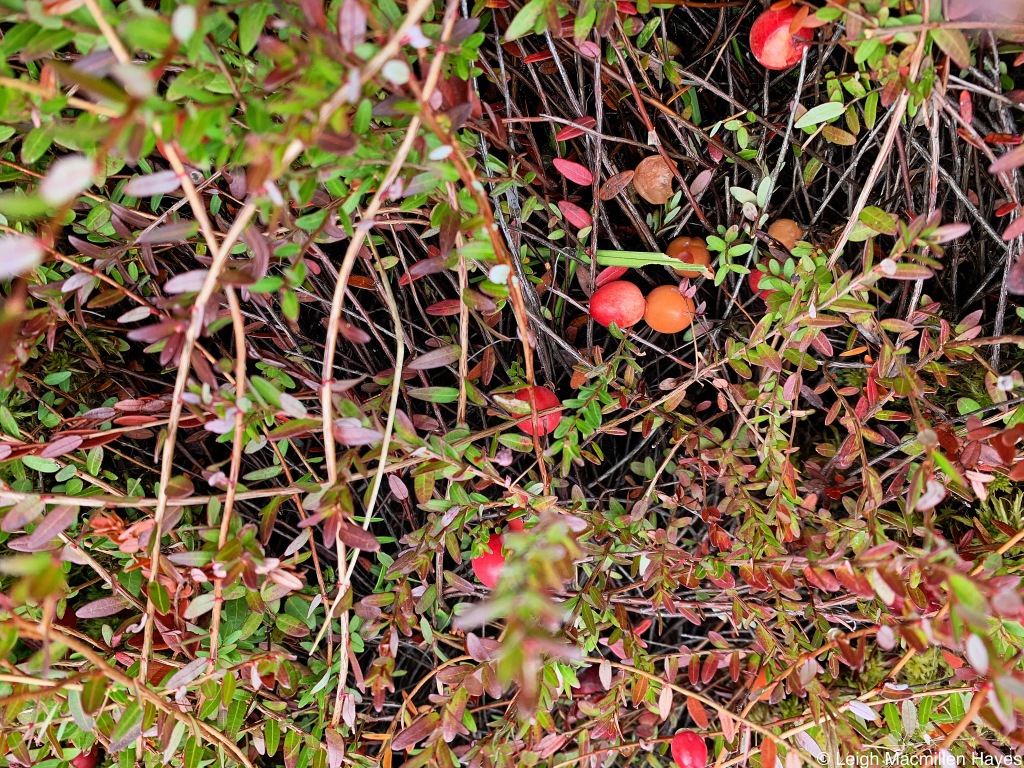
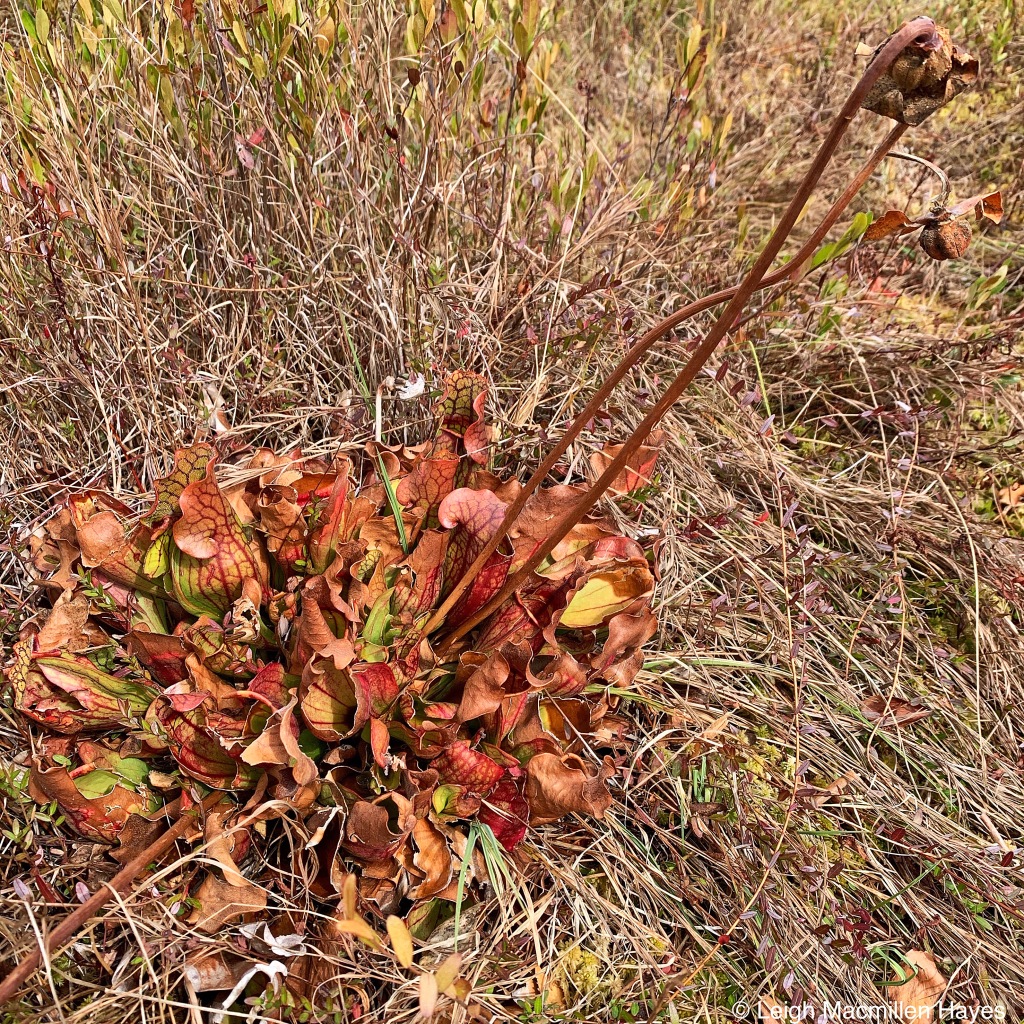
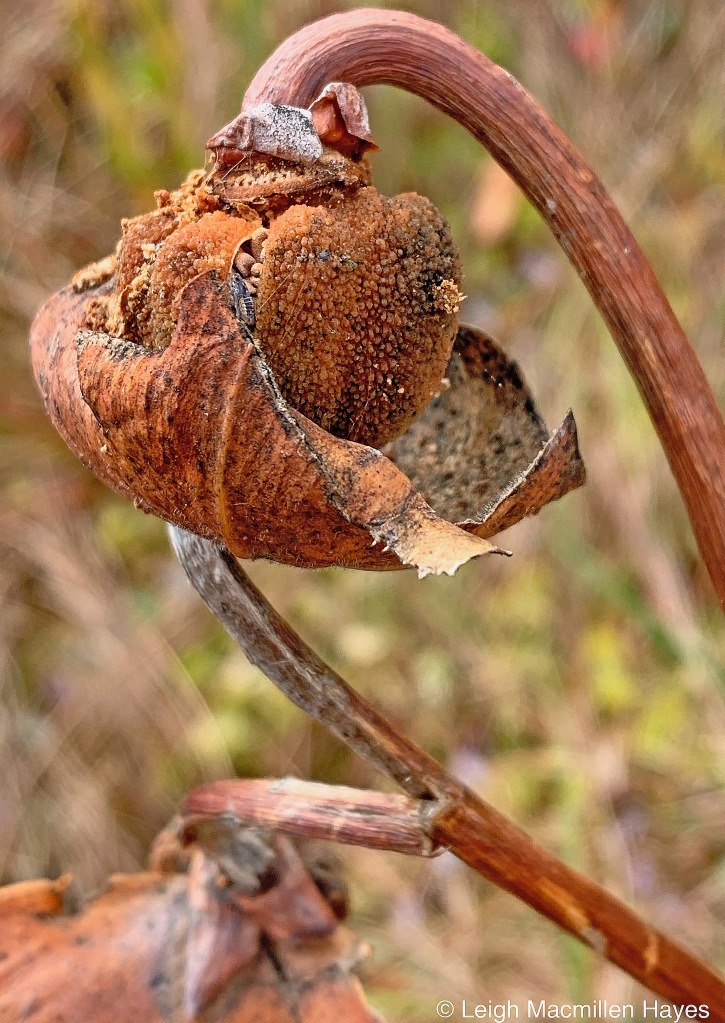

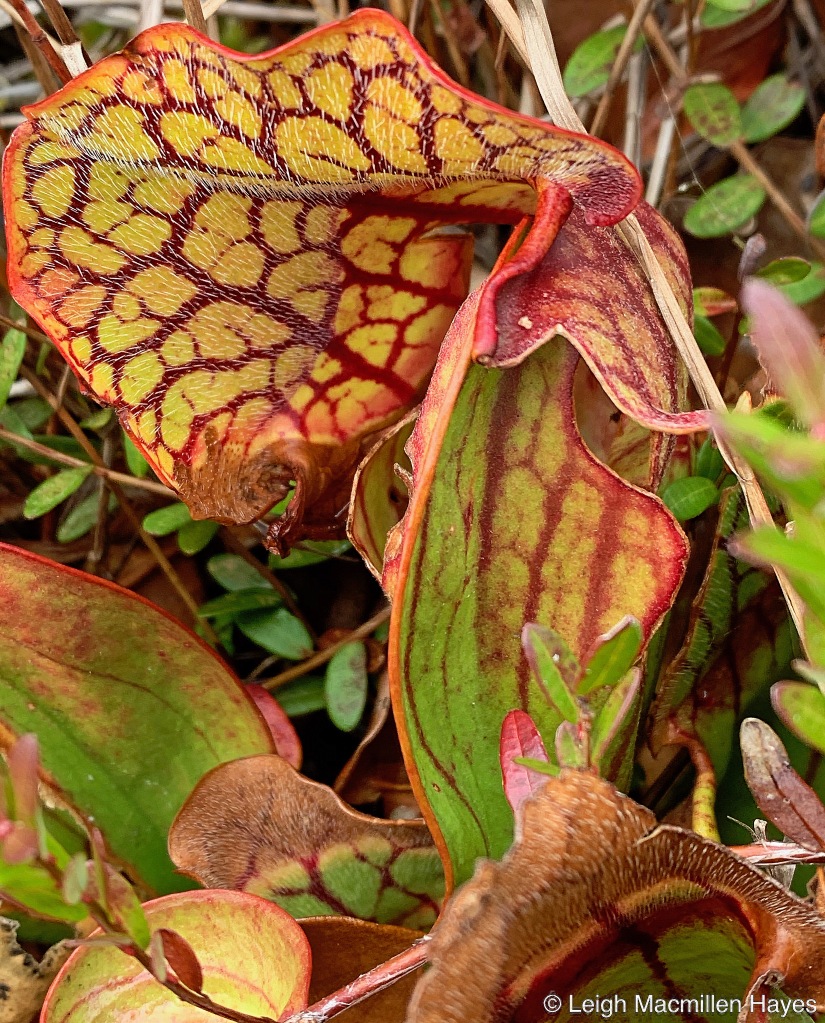


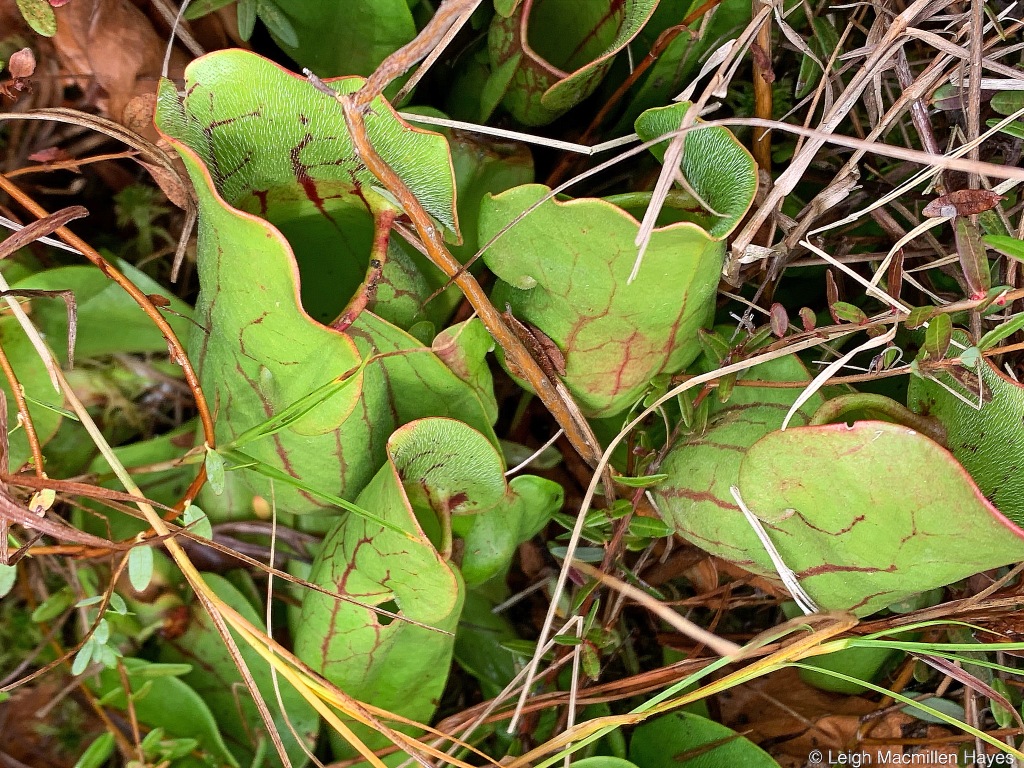

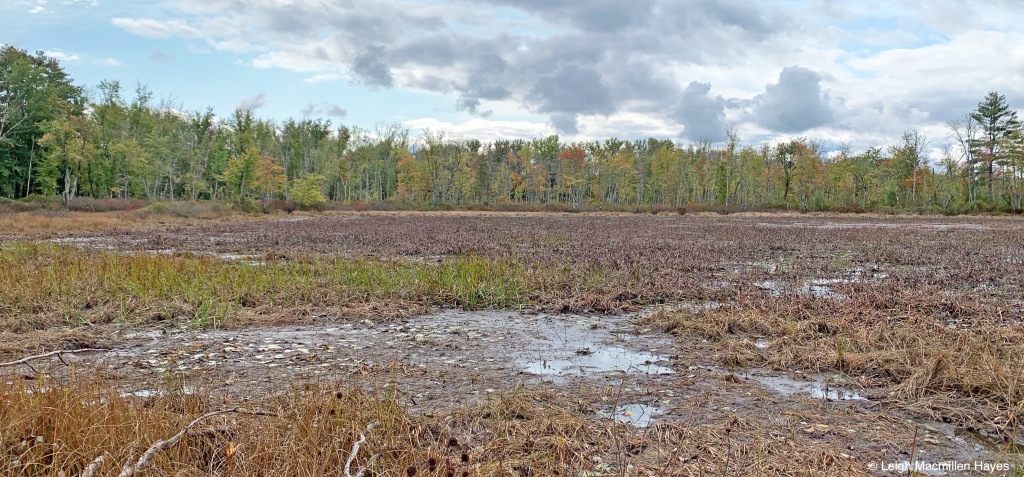


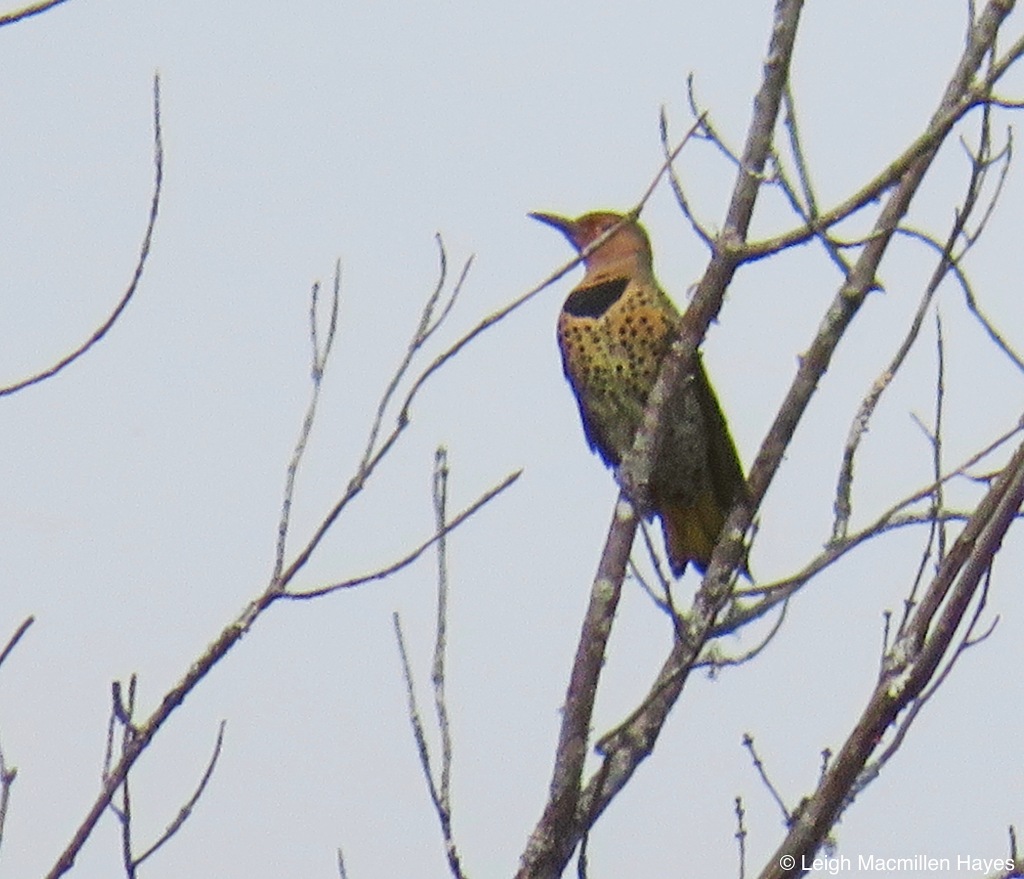


 wondermyway