When I grow up . . .

I want to be like Ursula, my spritely little German friend who is a naturalist extraordinaire and loves to share her knowledge and stories.

Ursula

Always with a smile.

bridge

I had the pleasure of being in her company today, after an hour of birding in Pondicherry Park,

baltimore oriole

where a Baltimore Oriole serenaded us.

dwarf gensing

On to Holt Pond for Ursula’s wildflower walk hosted by Lakes Environmental Association, as was the bird walk. Looking a bit like a disco ball is the blooming Dwarf Ginseng.
cucumber root

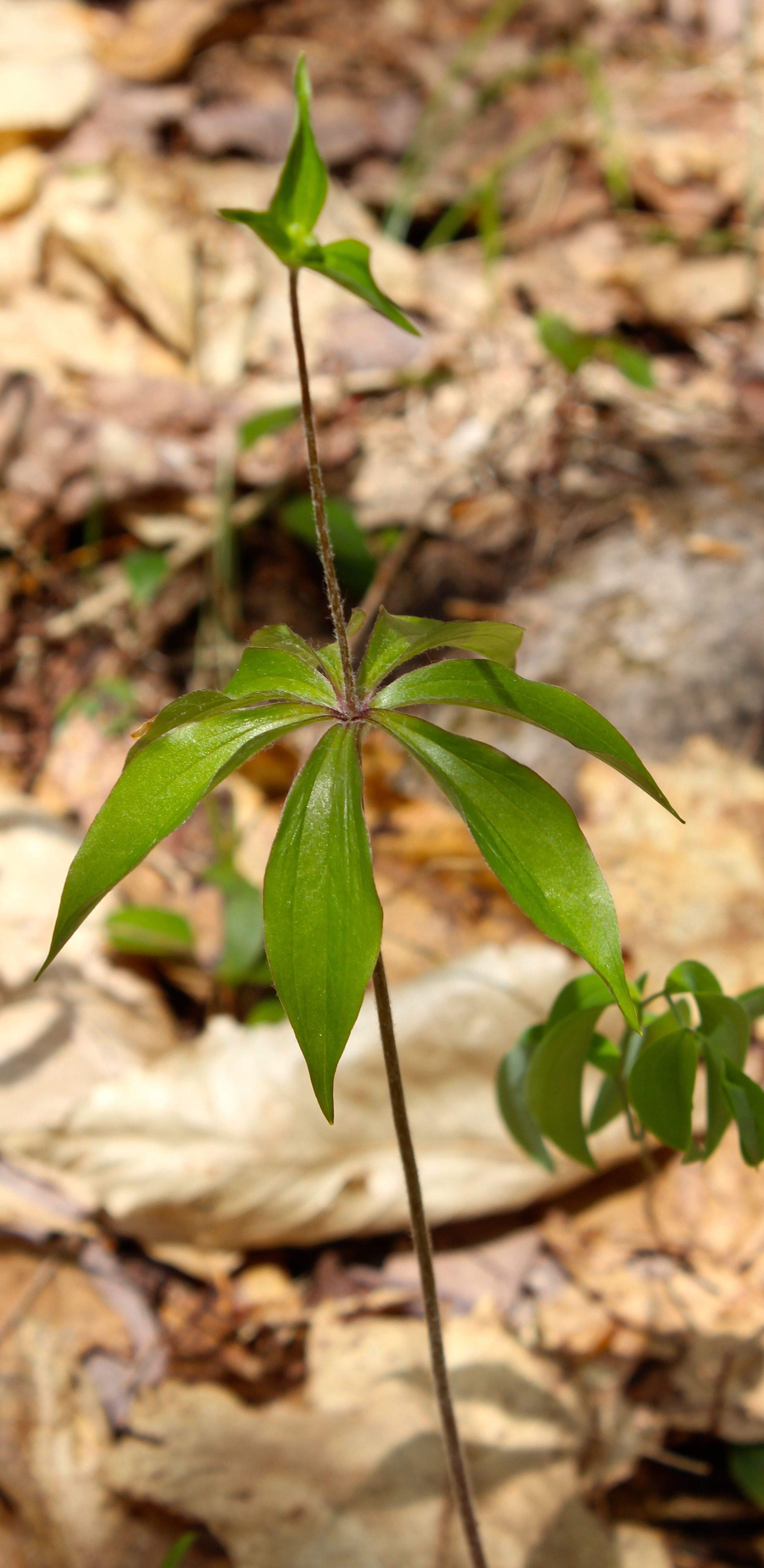
Though it isn’t in bloom yet, I saw lots more Indian Cucumber Root today and have a theory I’m questioning about this plant. I know that if it has only one level of leaves, it doesn’t flower or fruit. It needs that second deck to be productive. I’ve heard people say that when it has the second tier it is a two-year old plant, while the first level is a year old. Is that true? The Canada Mayflower, Bunchberry and Wild Oats all do the same. Does that mean that all the single leaves we see are one and all the doubles are two and none reach age 3? Or is it that some years some of these plants put more energy into producing sugar and thus are able to flower, like trees have mast years? And furthermore, am I making any sense?

blueberries

So many flowers and so many of them white or creamy yellow, like these Highbush Blueberries.

red maple 2

Since we were crossing the Red Maple Swamp, I can’t resist showing their development.

green frog

Along the boardwalk that winds through the swamp, we saw this banjo player–a Green Frog. Some call it a Bronze Frog because more than half its body is bronze. Thus the need for those Latin names–Rana clamitans.

hand 1

My friend, CC, squatted down to catch it.

hand 2

And came away empty-handed. :-)

cinn 1

Who do you want to be when you grow up?

crosiers 2

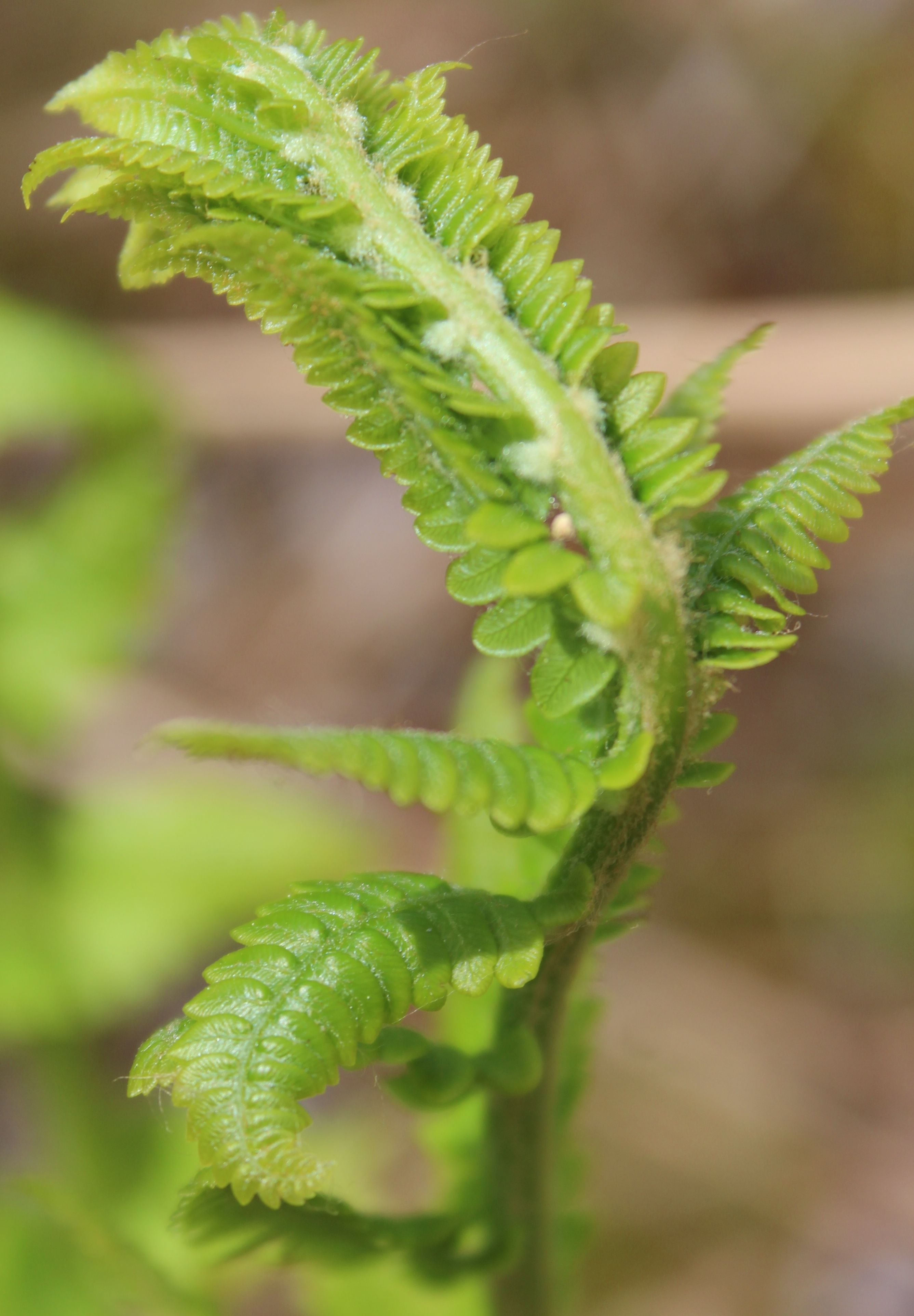
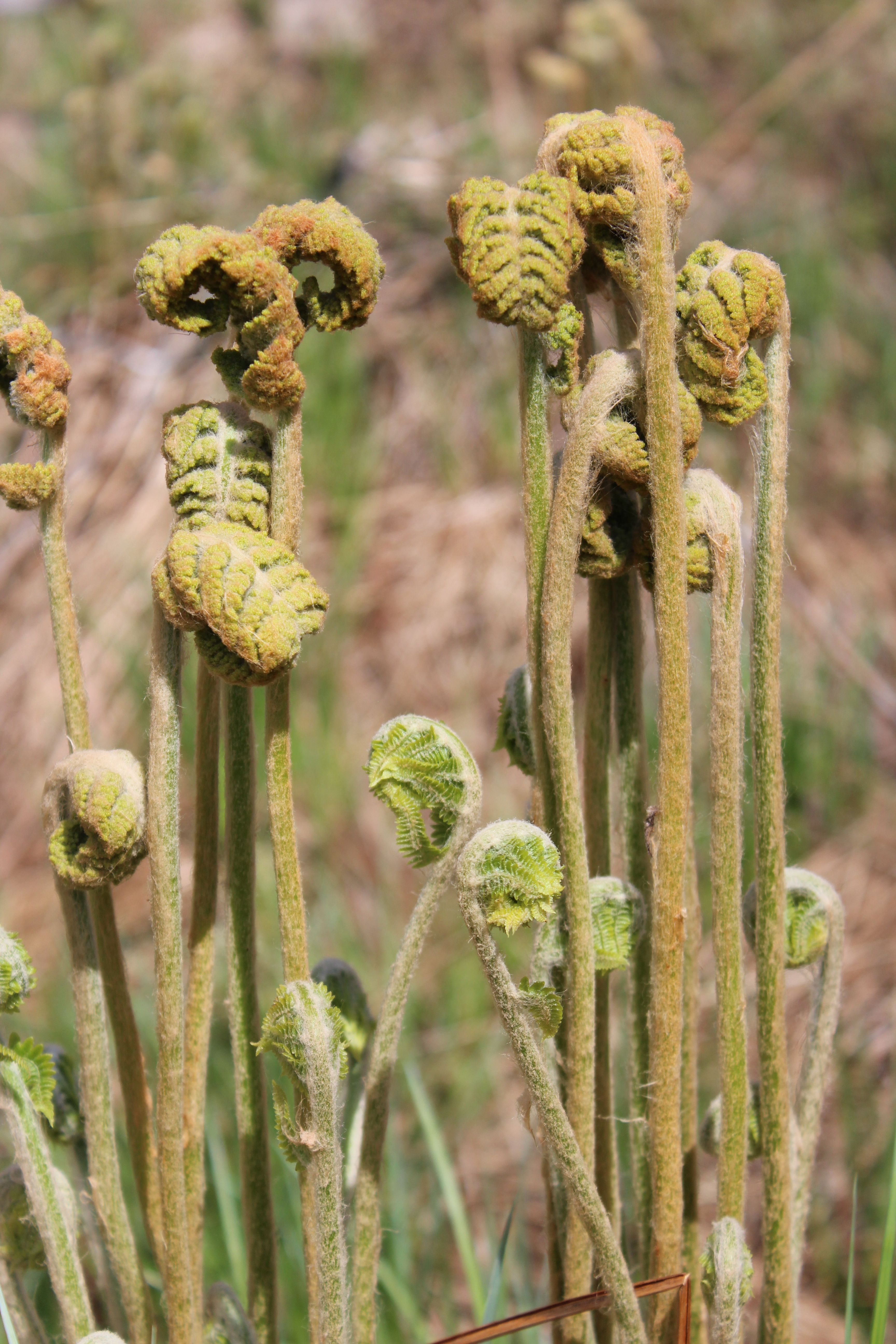
I pose the question to these crosiers.
cinn 5

Do you see the fuzzy brown wool coat they wear?

cinn 6

Close up.

cinn 7

Ever so slowly . . .

cinn 8

Their fronds begin to unfurl.

cinn 9

And soon we’ll know them as the Cinnamon Ferns they are becoming.
rainbow

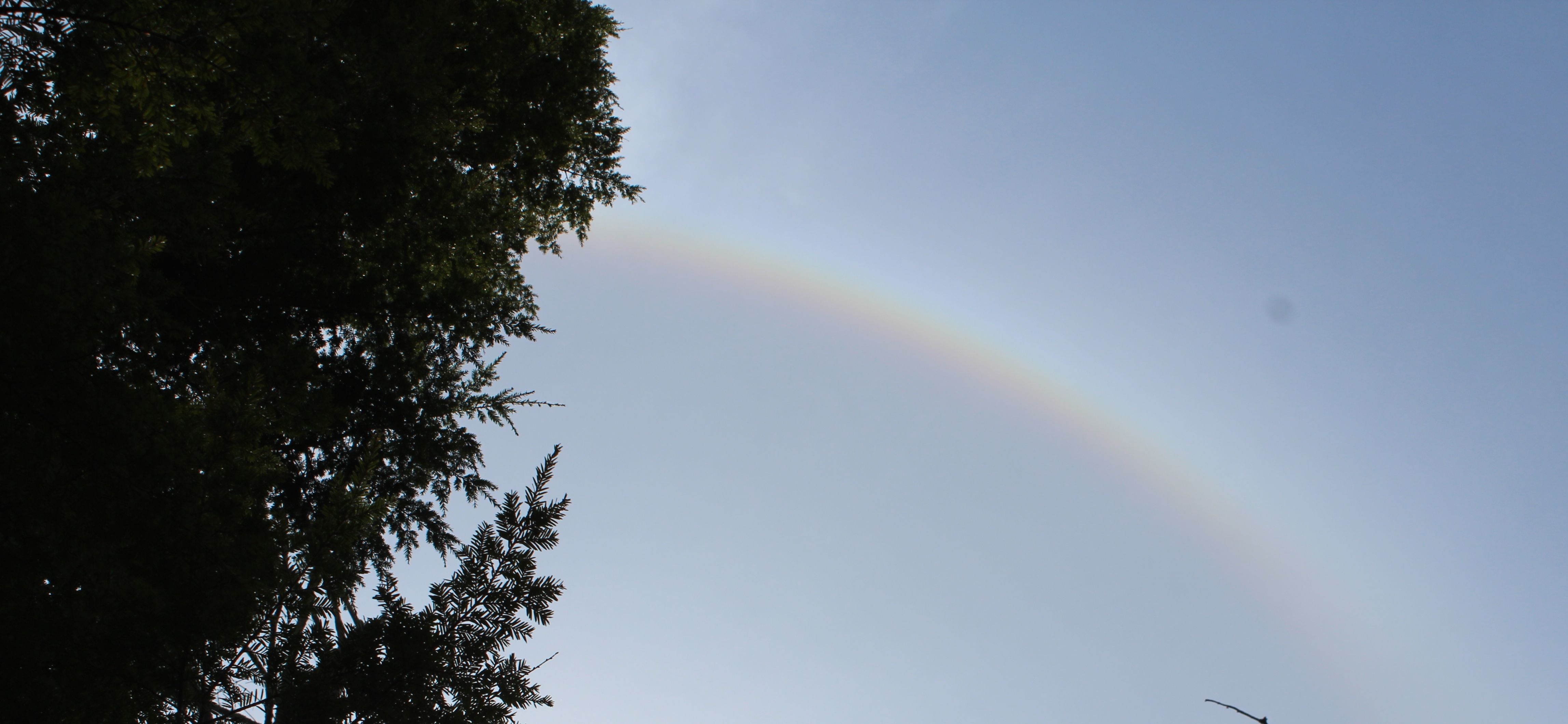
Continuing on, one of our leaders, Mary Jewett of LEA, spotted this rainbow around the sun.
pitcher plant

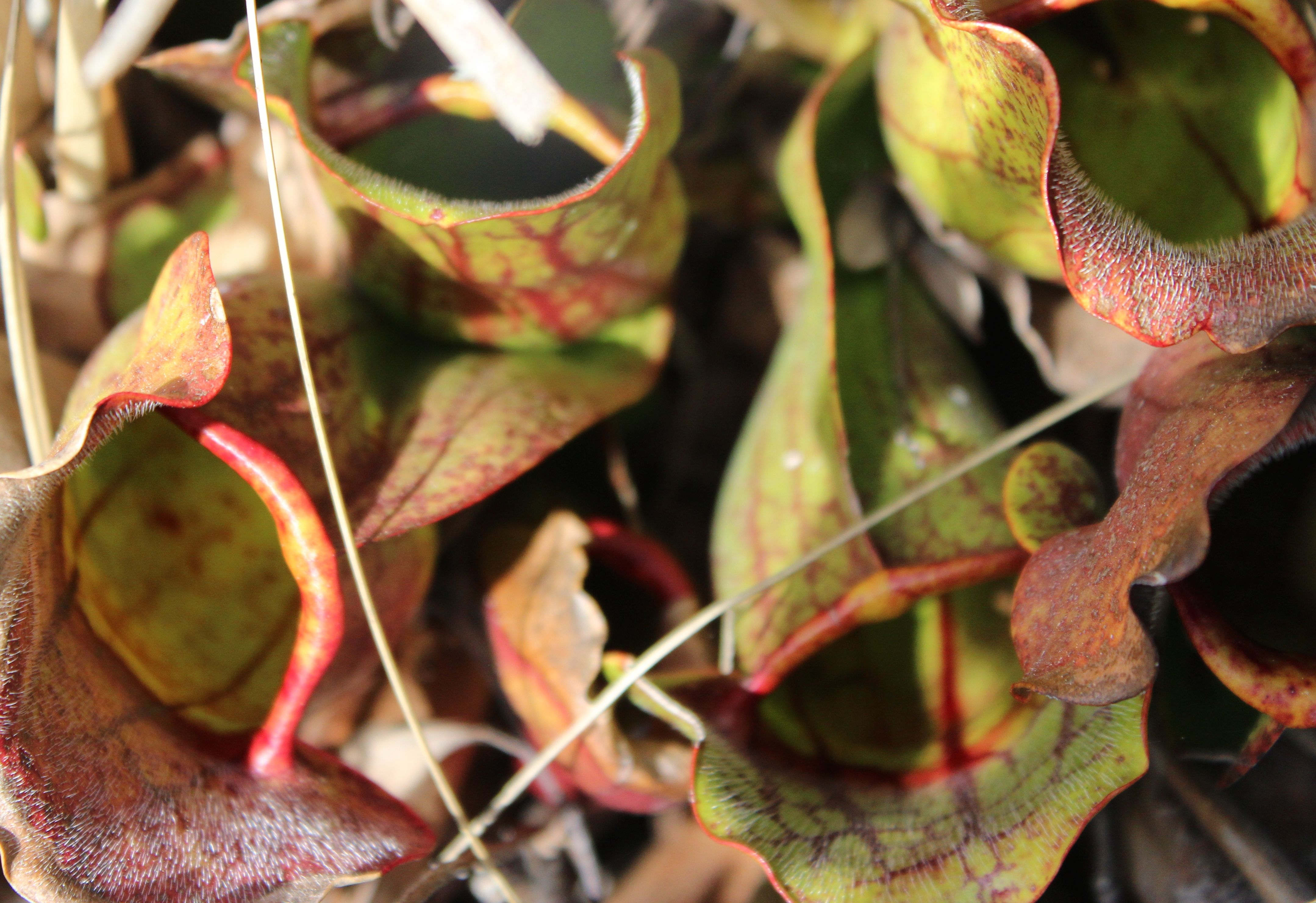
As is always the case, our heads were bobbing up and down, trying to take in everything there was to see. Pitcher Plants pull us in every time. Well, not literally, thank goodness.
pp seed pod

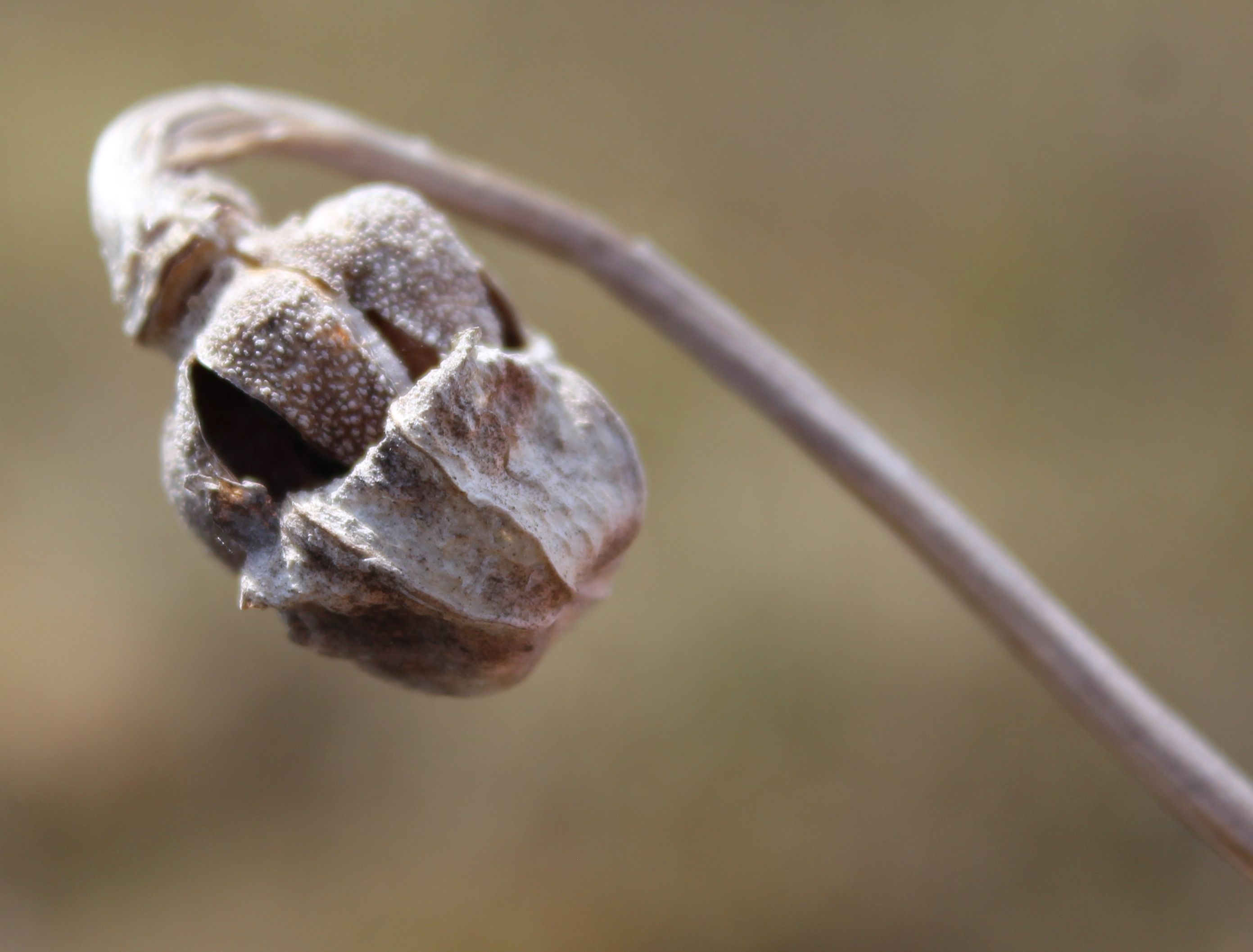
CC found this old Pitcher Plant seed pod.
qb

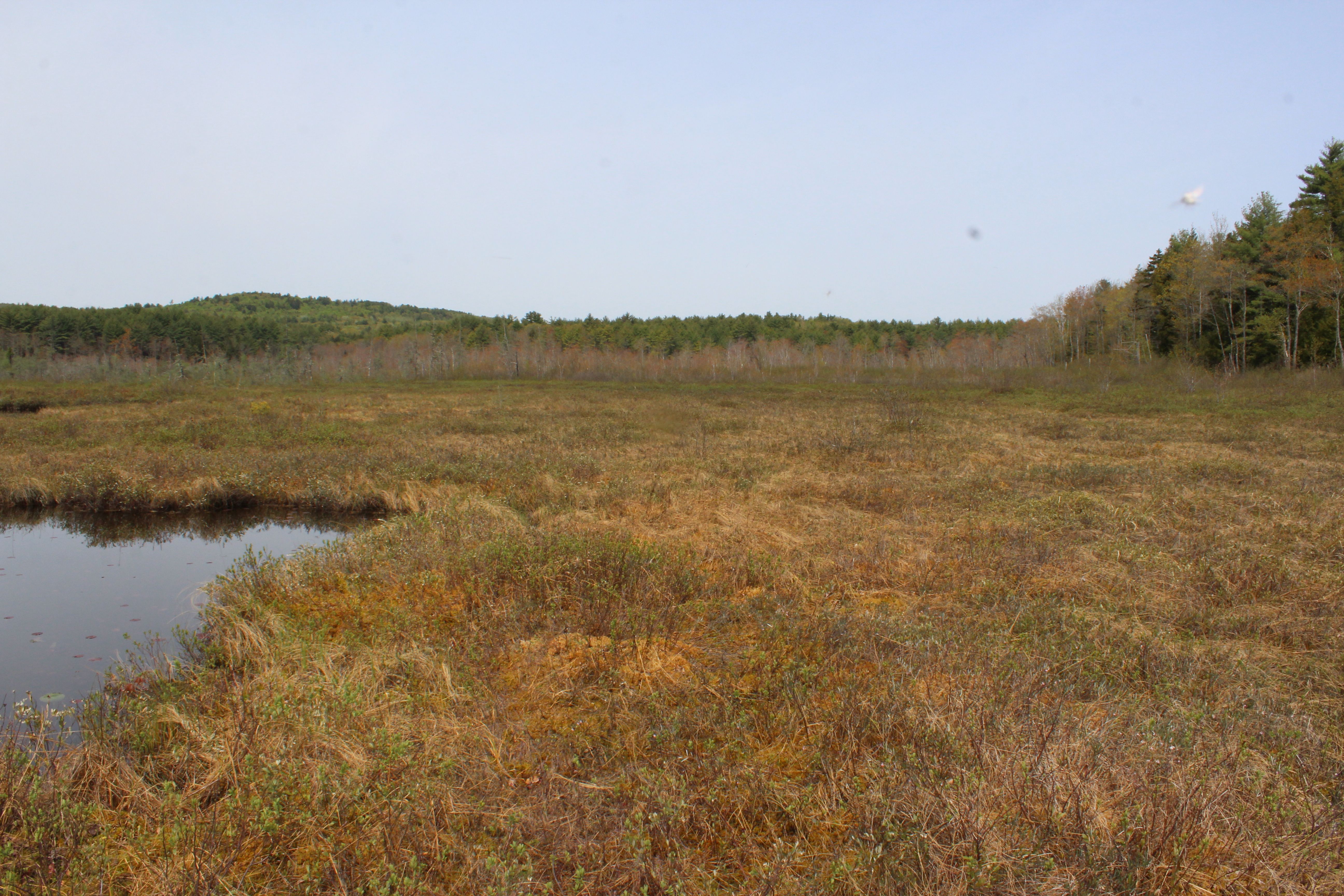
We were on the quaking bog, a mass of sphagnum moss, flowering plants, shrubs and decaying vegetation that floats on the water. It looks safe to step onto, but . . . it too, would like to pull us in and preserve us for eternity.

hp

Holt Pond–like all of us, it’s ever changing as it matures.

It’s Ursula’s energy and engaging personality that wow me every time we share moments wandering and wondering. I don’t want to be her, but it would be an honor to emulate her even a tiny bit.

Speed Date

dunning bridge

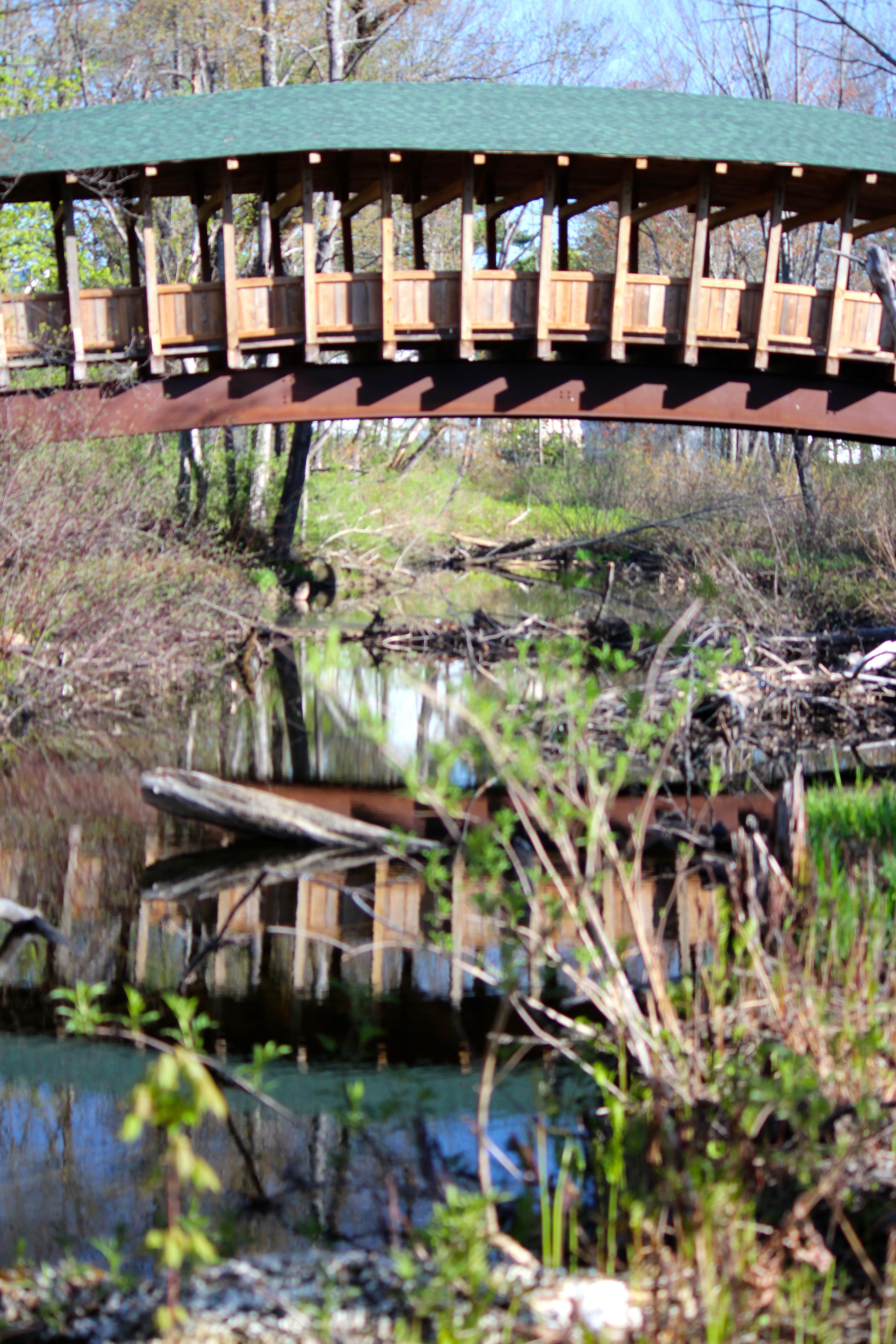
Some Mondays we only have time for a quick trek. Such was the case today, so we walked down the  street and headed off on the trails in Pondicherry Park. We actually exited a couple of hours later via this bridge, but it’s the entrance most people use and a work of art. The Bob Dunning Memorial Bridge was built by master craftsmen and women, family and friends to honor Bob, himself a master craftsman who was taken from this world much too early. One of my favorite  features is that each of the sixteen crossbeams was created from a different tree species and the bark was left on all. For my Maine Master Naturalist capstone project, I created a brochure and slide show to help others identify the trees. The slide show is available on the LEA Web site and the brochure is available at the kiosk by the bridge (when I remember to fill it. My guy pointed out that it’s empty again–tomorrow, tomorrow.)

bittersweet

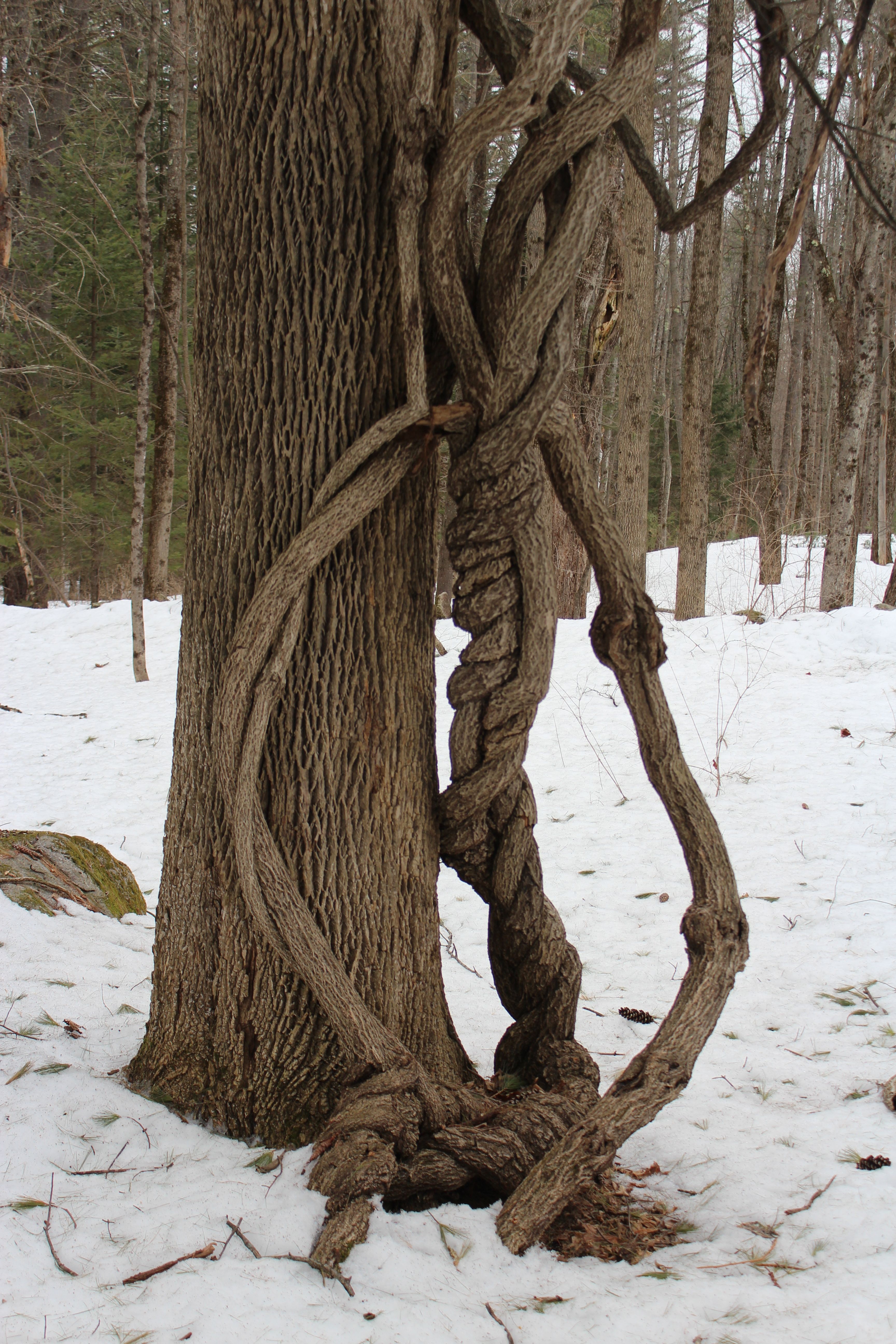
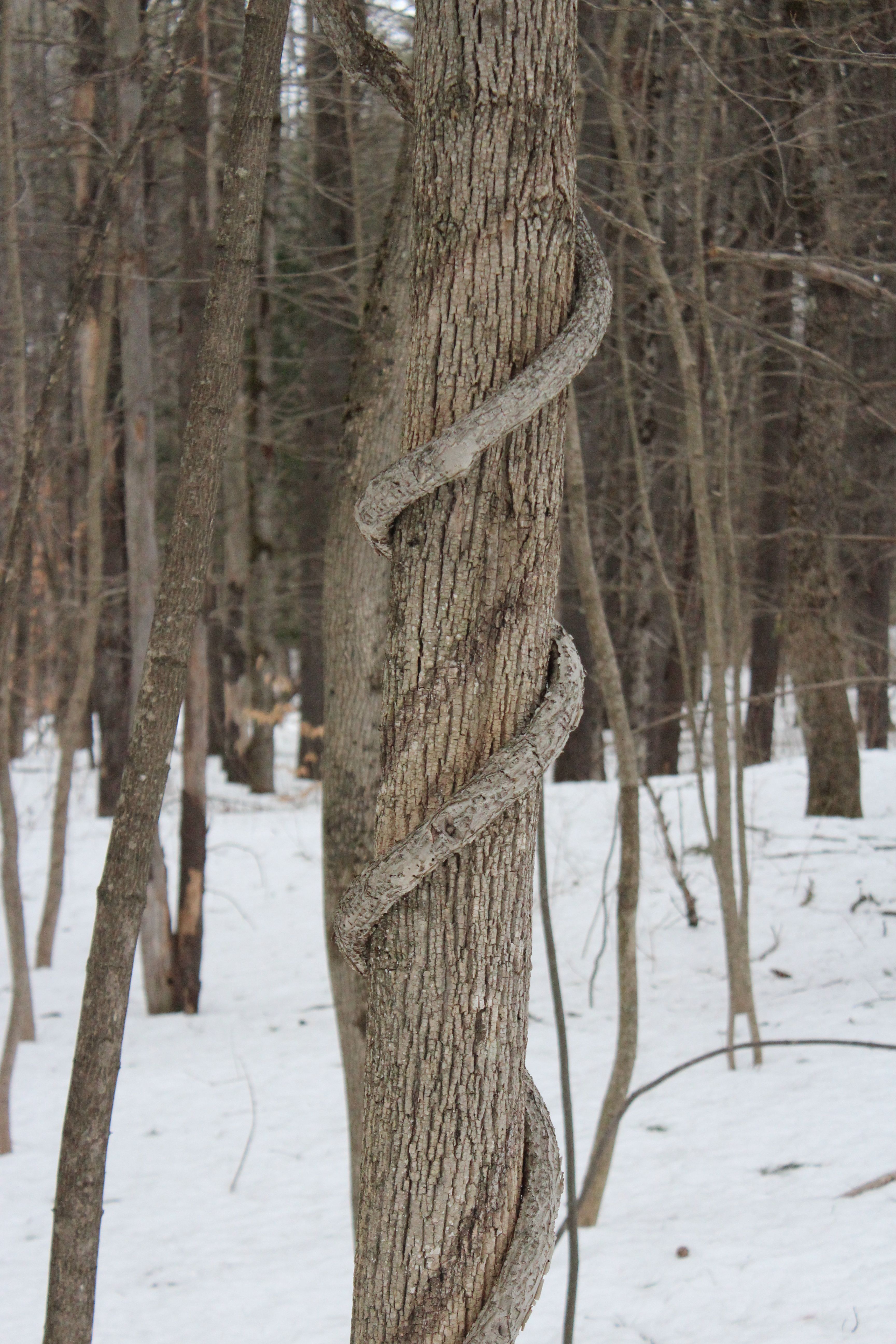
I know it’s an invasive species and this photo proves it, but I didn’t realize that for years. I used to cut it in November and use it for decorations. This is a bittersweet vine. It does make for an interesting scene. And provides the birds with lots of berries . . . which, um, provides the park and town with more bittersweet.

bittersweet up close

A closer look.

bittersweet on ash

It’s got a grip hold, that’s for sure.

MLSC1

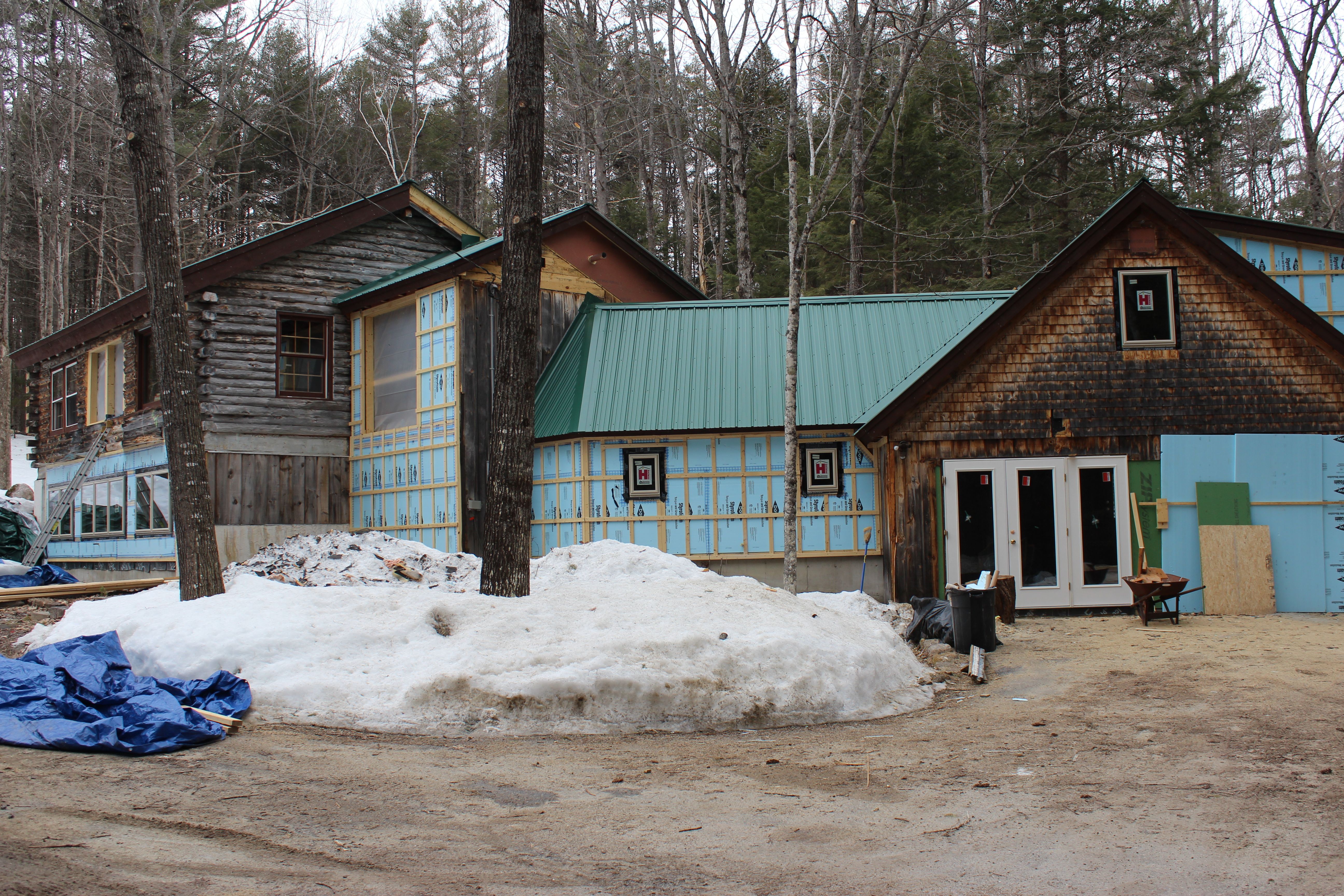
Because it’s too early for leaves, the new Maine Lake Science Center stands out among the trees. This is a pet project of LEA (Lakes Environmental Association), where yours truly serves on the Board of Directors.

MLSC2

Last year, LEA purchased a sixteen-acre lot with an existing building adjacent to Pondicherry Park. The building is being renovated to serve as researcher housing, a meeting room, lab, education center and a park welcome center.

This is destined to become a hub for world-class lake research by providing support to researchers in Maine and beyond who come to study our lakes. While Executive Director Peter Lowell will continue to head LEA, Dr. Bridie McGreavy will serve as the director of the center. I’m tickled about that because she has always been one of my mentors. In fact, she taught me the joy of sniffing red fox pee. Yup, it doesn’t get any better than that.

MLSC3

We are the Lakes Region of Maine, and the lake science center will serve as the voice of change. We are on the brink of something really big here.

MLSC Bridie's view

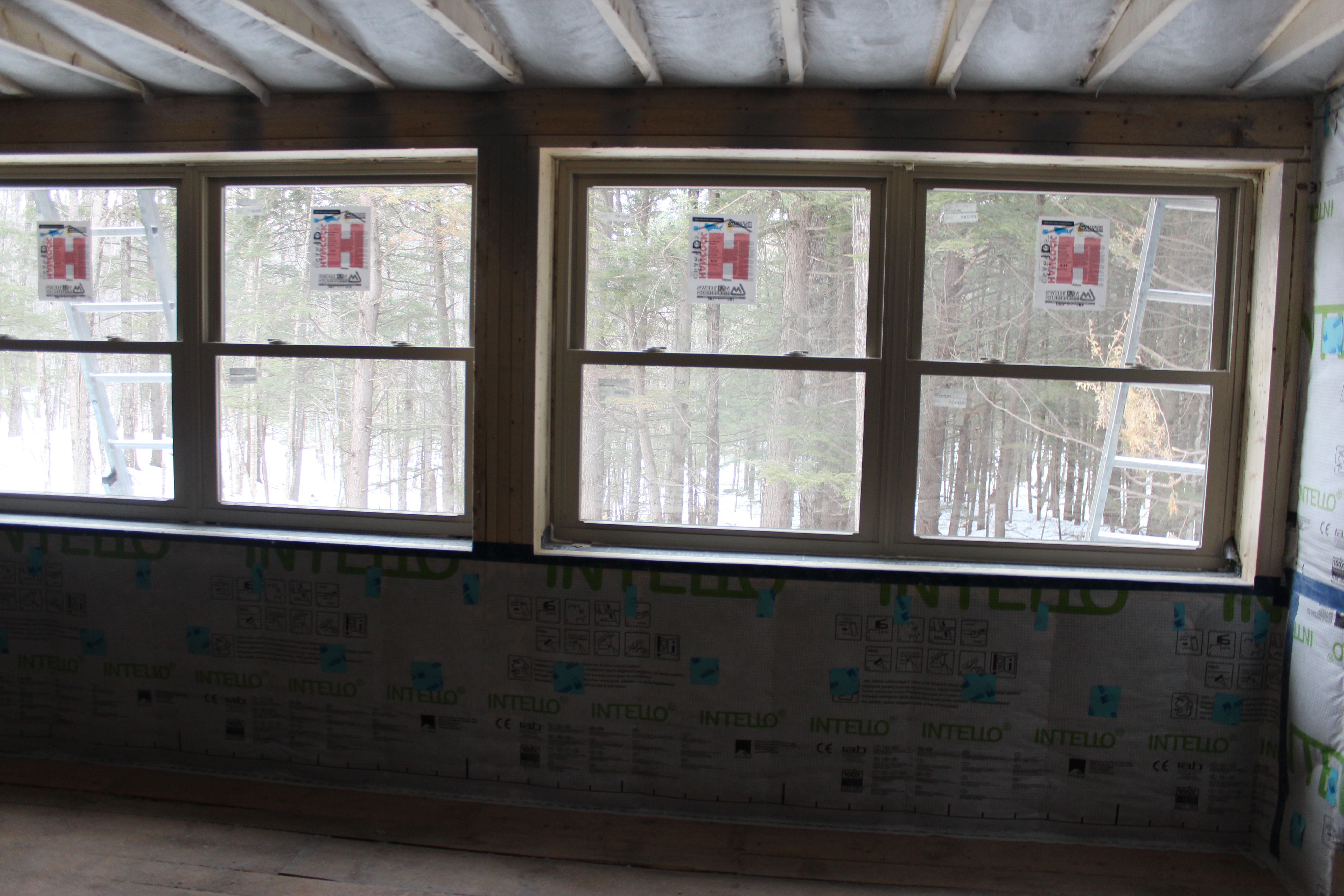
Though she won’t officially work here full-time until 2016, this is part of Bridie’s new digs.

MLSC main conf room

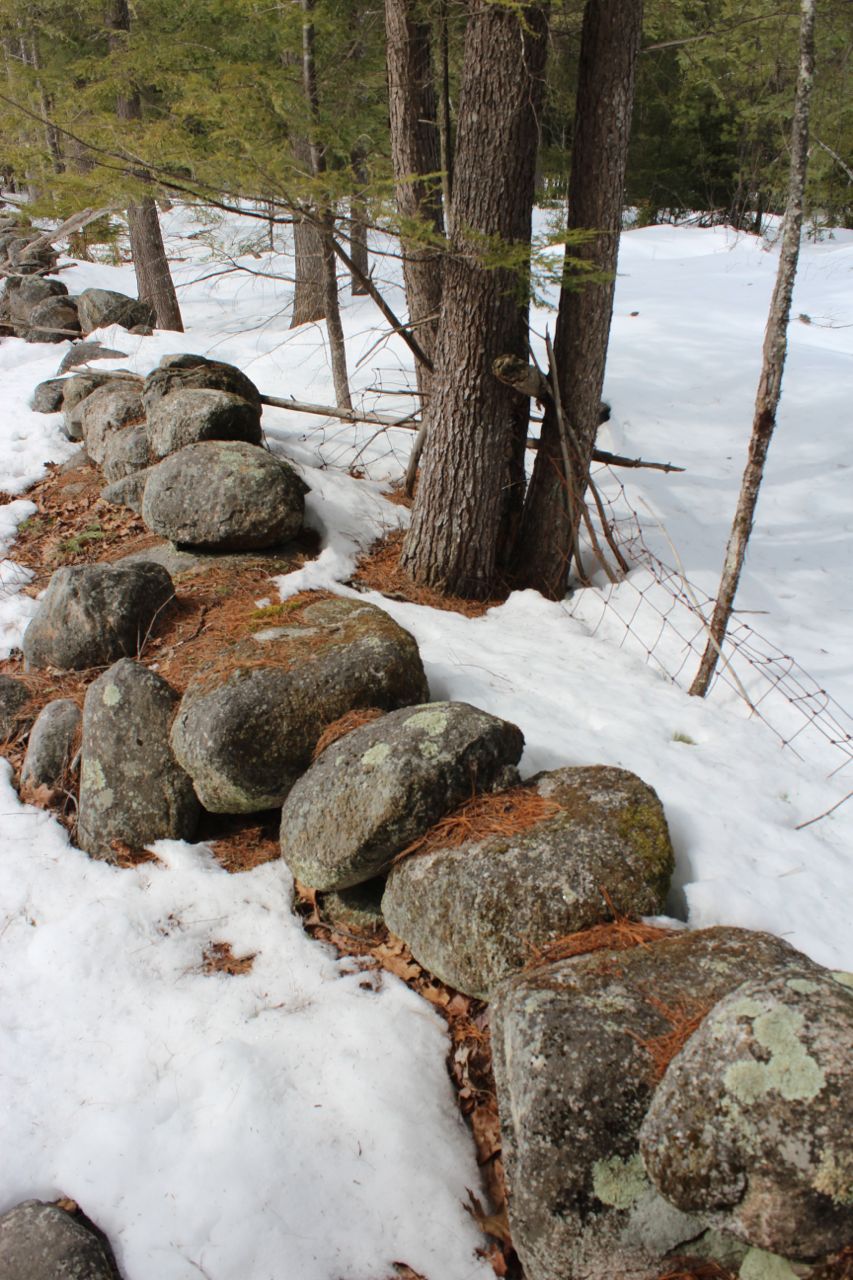
And what once was a living room, dining room and kitchen is being transformed into a conference room. When my guy and I stepped over the stonewall and onto the property this morning, Peter happened to be pulling in so we had another tour. The building is on schedule to open this summer.

beaver 1

We looped back into the park because I wanted to check on the beaver works.

beaver 2beaver 3

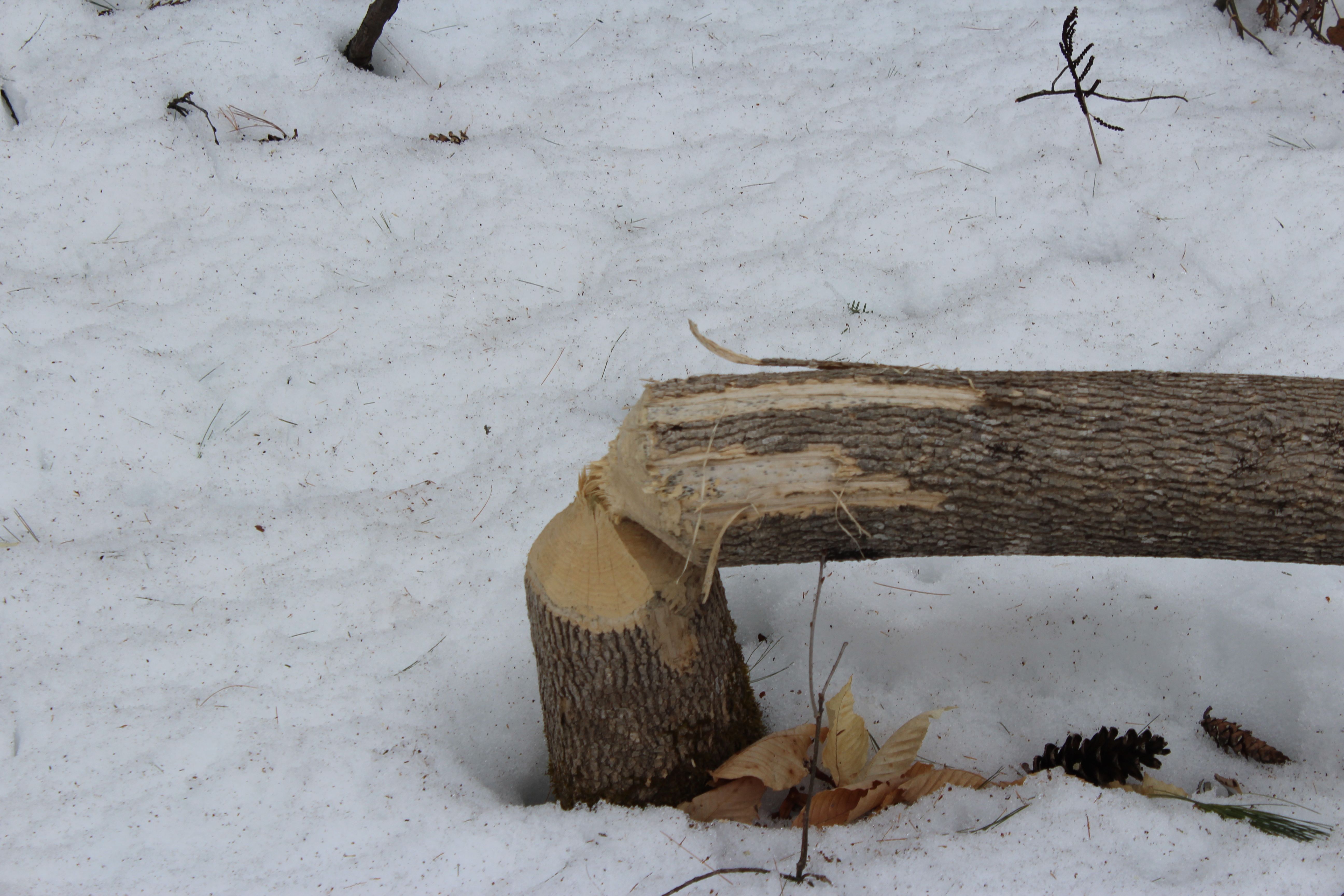
Yup, they’ve been busy. Some of this work was done in December. But the tree on the left has been worked on since then.

beaver teeth

My, what big teeth you have. Their teeth, which never stop growing, are like chisels.

Beaver tracks Dec 5

I have to be honest. I took this photo of beaver tracks in December.

Willet brook

We paused quickly at Willet Brook.

new uniform

But we had to keep moving. As you can see, my guy’s uniform is changing. It’s a wee bit warmer in these parts.

Stevens Brook

And then we were back on Main Street and heading homeward bound. Our speed date had come to an end. I didn’t even bother to make PB&J.

Thanks for stopping by and taking a quick wander with us today.

My Native Land

stonewall

As winter draws to a close, I head out to capture its fleeting moments. The snow is here today, and will be tomorrow, but it’s changing in texture and amount. And all that has been covered and protected is slowly emerging.

vernal pool

It won’t be long before the vernal pool teems with life. Already, deer and skunks have stopped by.

bobcat

I ventured deeper into the woods behind us, into my smiling place, without snowshoes. That meant I had to follow my old tracks, which deer and a coyote had also used. And then I saw signs of commotion on the snow and some tracks that crossed my trail. Drats–without snowshoes, I couldn’t follow it. Will I ever learn? I certainly wouldn’t make a good Boy Scout! “Be, be, be prepared, the motto of the Boy Scouts.”

Anyway, bobcat tracks always make my heart jump with joy. I’m not sure why. Perhaps it’s their wildness. Or beauty. The fact that they are solitary, elusive and oh, so clever. Coyotes are cool too, in their own way, but they are loud and gregarious.

old beech

As I walked back, I paused by this old beech. Mr. Cretella, my high school Spanish and Latin teacher, popped into my head. No, not because he’s old now, if he’s still living. It actually had nothing to do with the tree and everything to do with the tree. In my yearbook, Mr. C. wrote, “Never lose your desire to learn.” Those words have reverberated with me over the years. I don’t remember what anyone else wrote, but his sentiment struck a cord. Pretty amazing, given that when I took Latin I my senior year, I was forever substituting Spanish words if I didn’t know the answer on a quiz or test.

Back to the old beech tree. I guess it was the realization that this tree is in the process of breaking down and giving back and I never would have understood this before I took the Maine Master Naturalist class. Tomorrow I’m going to attend an MMNP advanced seminar and learn about bone biology. Huh? Me? Don’t worry–I won’t be able to astound you with my knowledge after a three hour class. But it’s that desire to learn that Mr. Cretella encouraged all those years ago. Thank you, Mr. C., wherever you are.

beech life

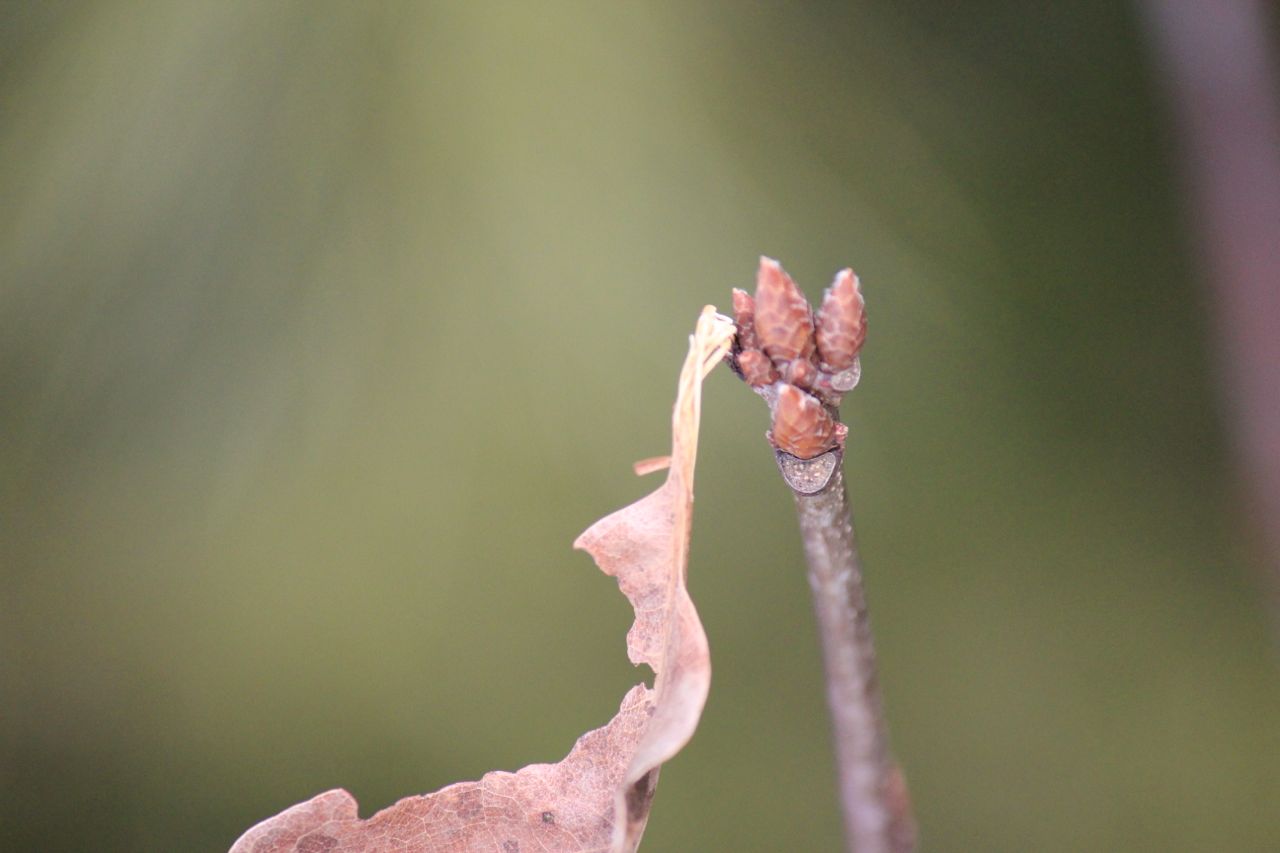
One more thing about the old beech. It still has signs of life as evidenced by the twigs with buds.

red maple

Finally, I settled down at the edge by the cow path and did some sketching because I don’t want to miss the grand moments in the lives of these trees.

red maple 1

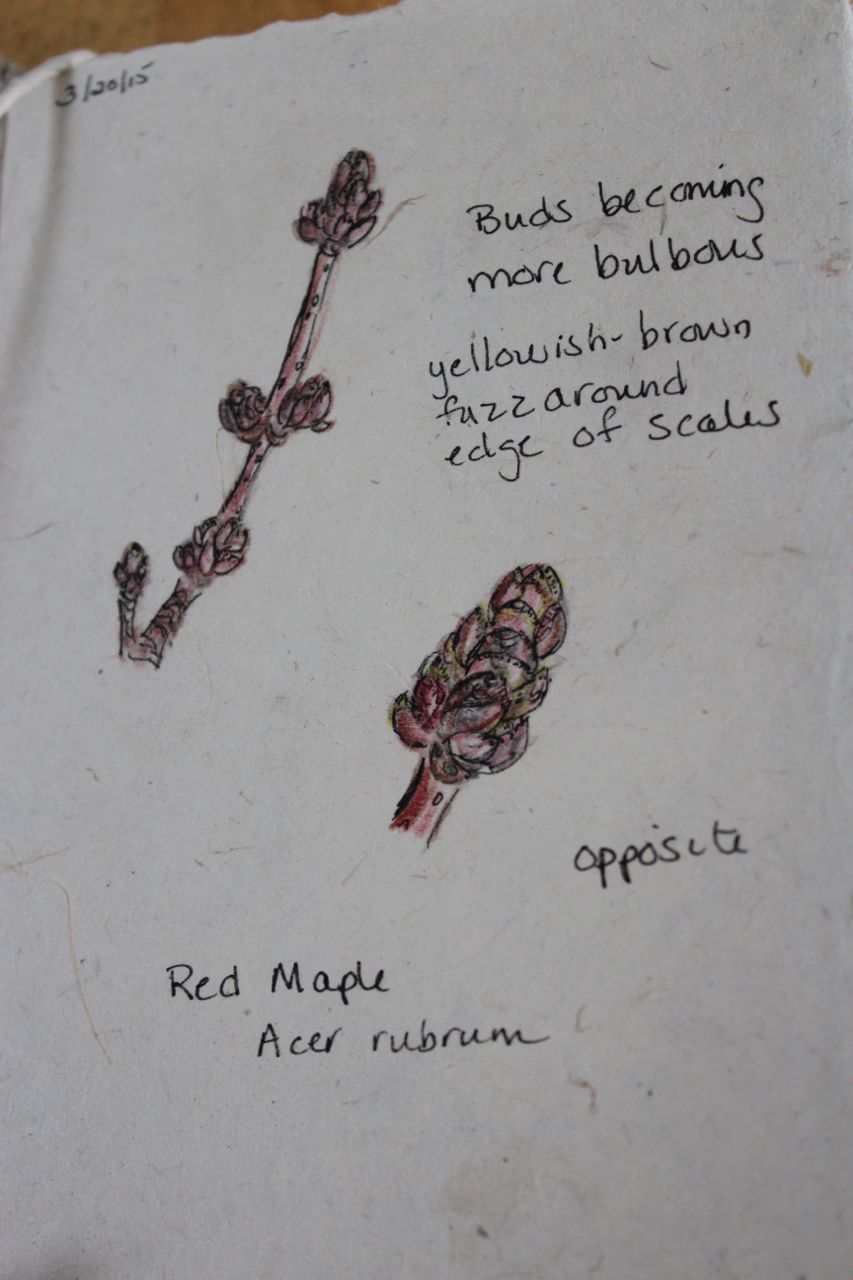
Red Maple, Acer rubrum

red oak

red oak1

Northern Red Oak, Quercus rubra (oops, I forgot the “s” in the sketch)

beech

beech 1

American beech, Fagus grandifolia

Winter will draw to an end in an hour and 30 minutes (6:45pm). To celebrate spring, I’ve started reading a new/old/used book: Springtime in Britain by Edwin Way Teale. On page 2 (so I haven’t read much yet, but it isn’t spring yet), he writes, “Three centuries ago, an old English writer admonished the prospective traveler: ‘Know most of the rooms of thy native land before thou goest over the threshold thereof.'”

I’m still learning those rooms of my native land. I’m thankful for the opportunity and glad that you joined me on today’s wonder-filled wander.

P.S. Lake Living magazine is now being distributed throughout the Lakes Region of Maine. I’ll let you know when the Web site has been updated.