Goodbye Spring, Hello Summer

Sometimes the words slide out with little effort and other times, they seem to hide in the wings, waiting backstage. So it is on this last day of spring.

Whoa. Maybe I’m not sure what to write because I’m not ready for spring to end. I’m not sure spring is ready either–it was 44 degrees at 6 a.m. and even now, sitting in the shade, I’ve got goosebumps from the breeze..

But say goodbye to spring I must. I’ve spent the past two days savoring its final moments and mosaic colors. Along the way, I’ve seen some cool things.

waspwasp 2

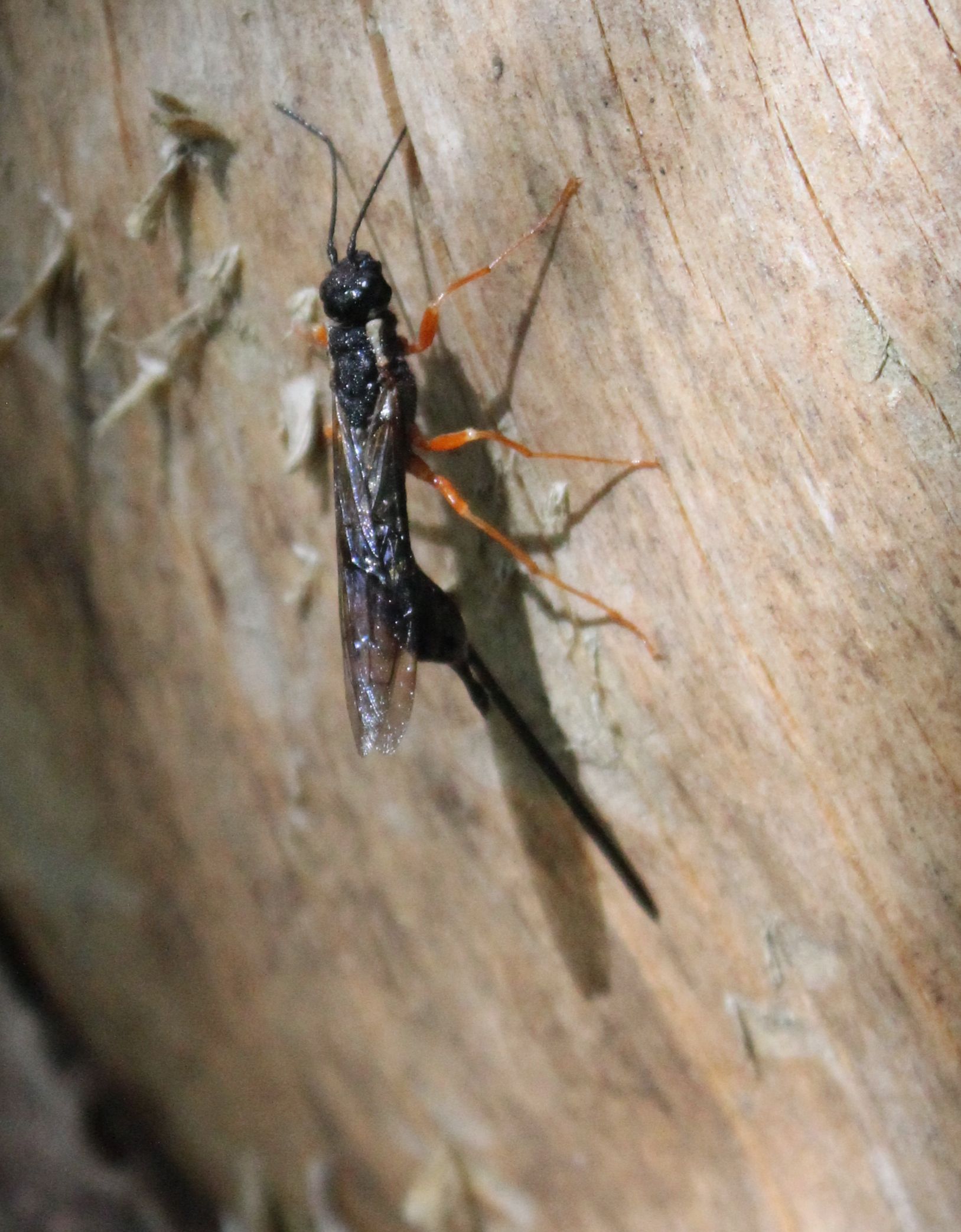
I came across this ichneumon wasp on the base of a hemlock girdled by a beaver. Because of the long, needle-like ovipositor (that looks like a nasty stinger, but usually isn’t–though she is a wasp), I think this is a female. She’s possibly searching for a place to inject her eggs, which will then feed on other insect larvae.
 beaked leaf

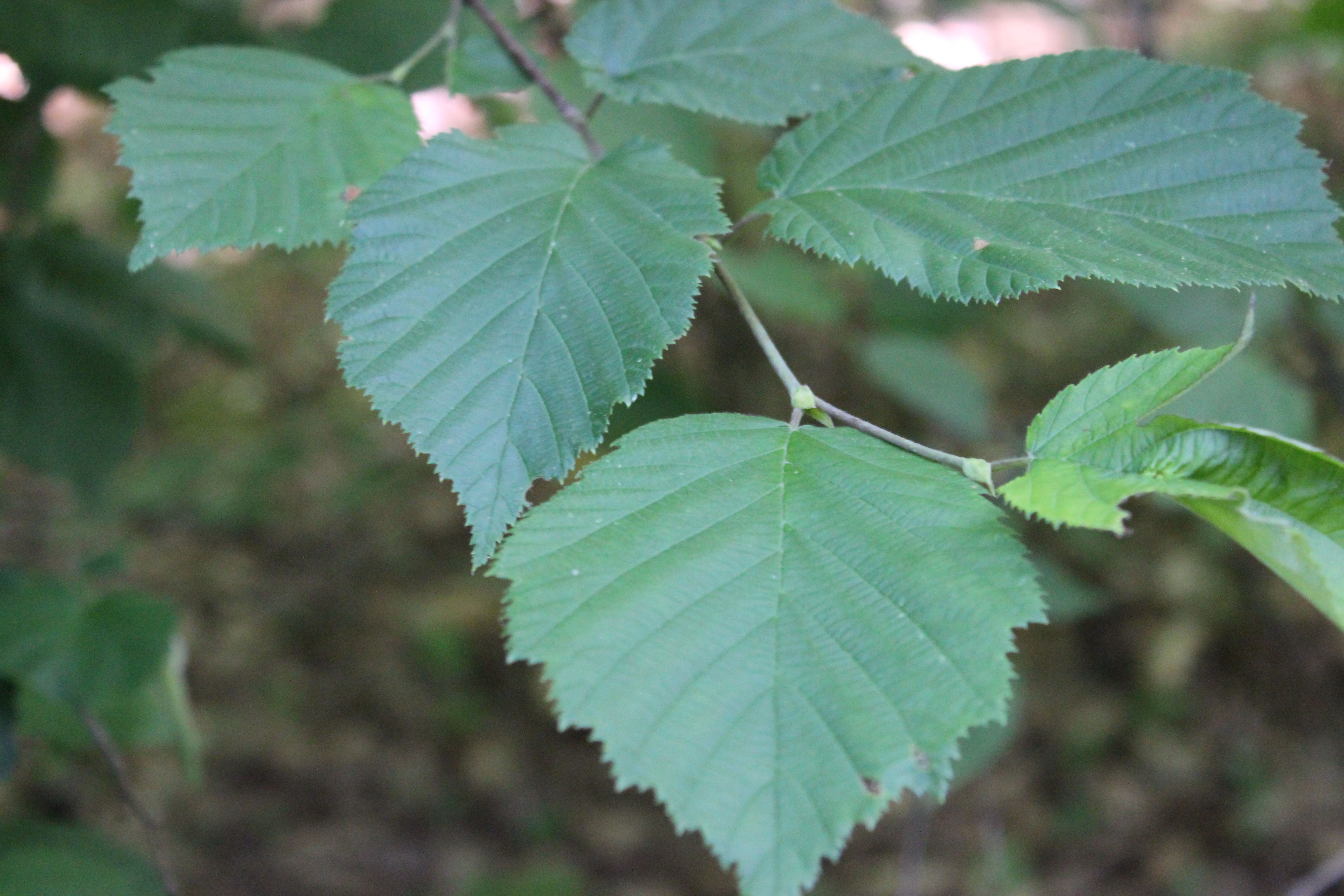
As the season unfolded, I’ve been training my eyes to focus on leaf characteristics. This one is easy to pass off as a beech. But, its saw-blade teeth tell me to check below the leaves.
beaked hazelnut

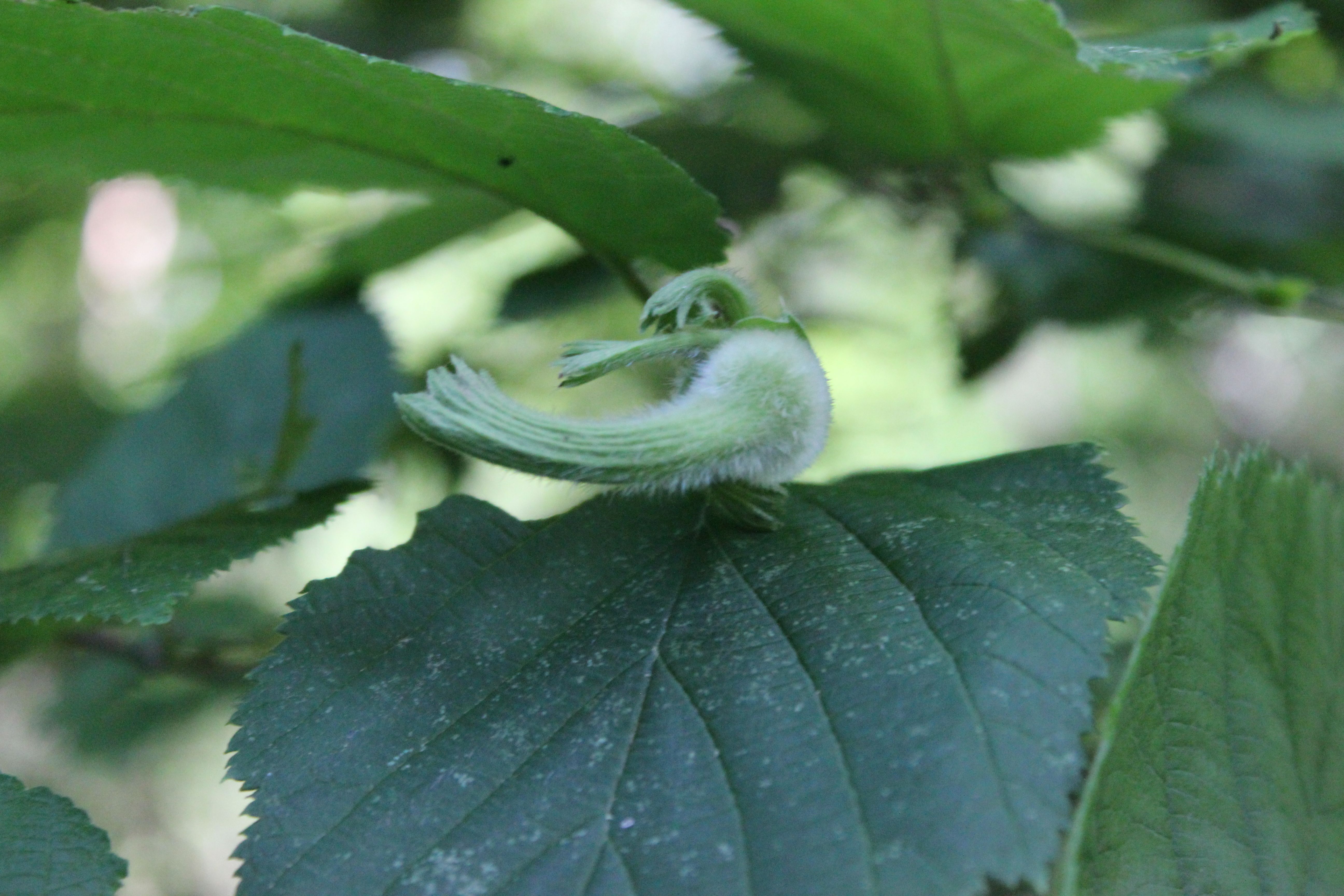
Beaked Hazelnut, a shrub that produces hairy husks containing the nut (think filbert) .

beaked hazelnut 4

Double beaked. They grow singly or in groups up to ten or so.

beaked five

Dangling like baubles, the fuzzy balls will entice squirrels, chipmunks, birds and yes, humans.
red pines

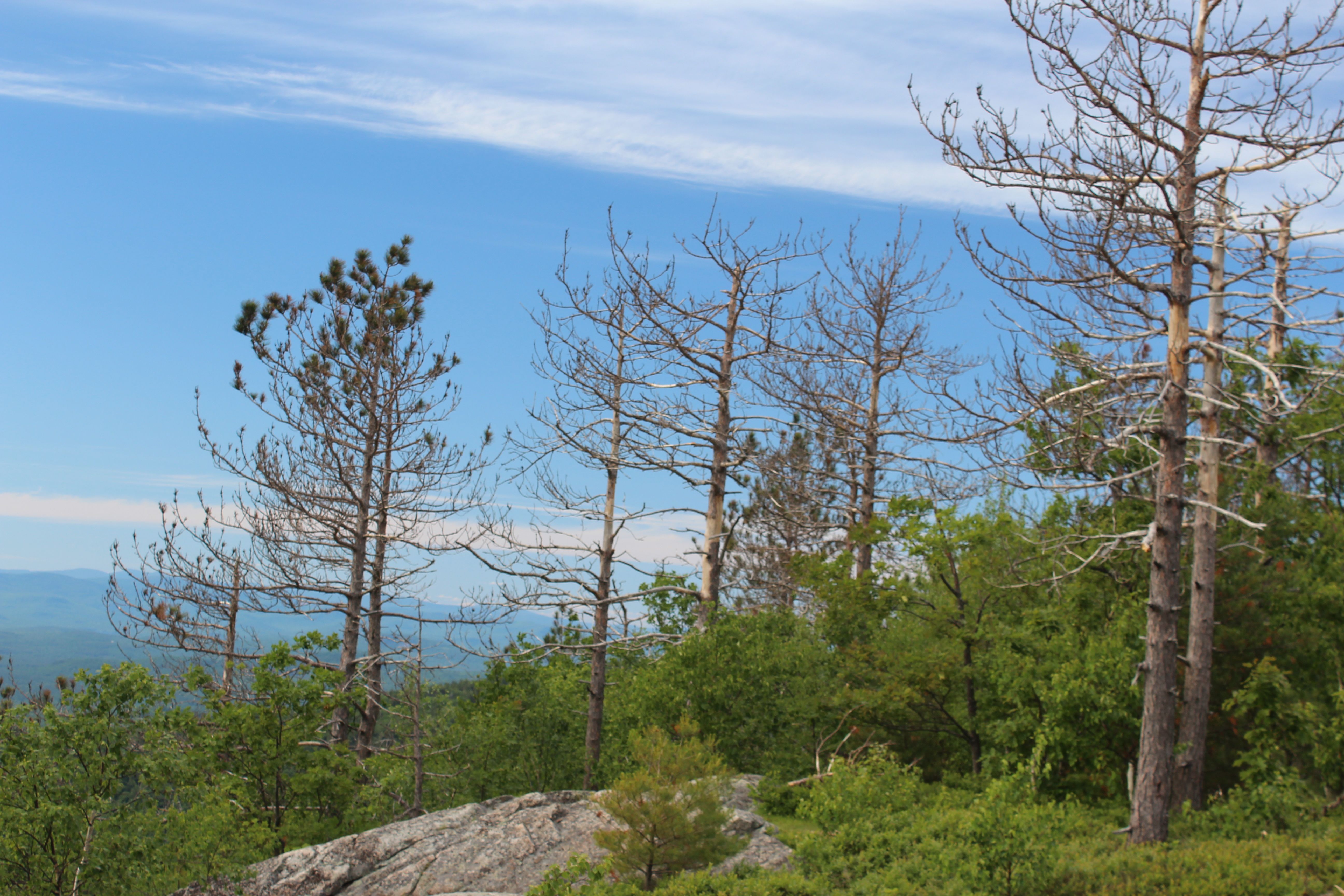
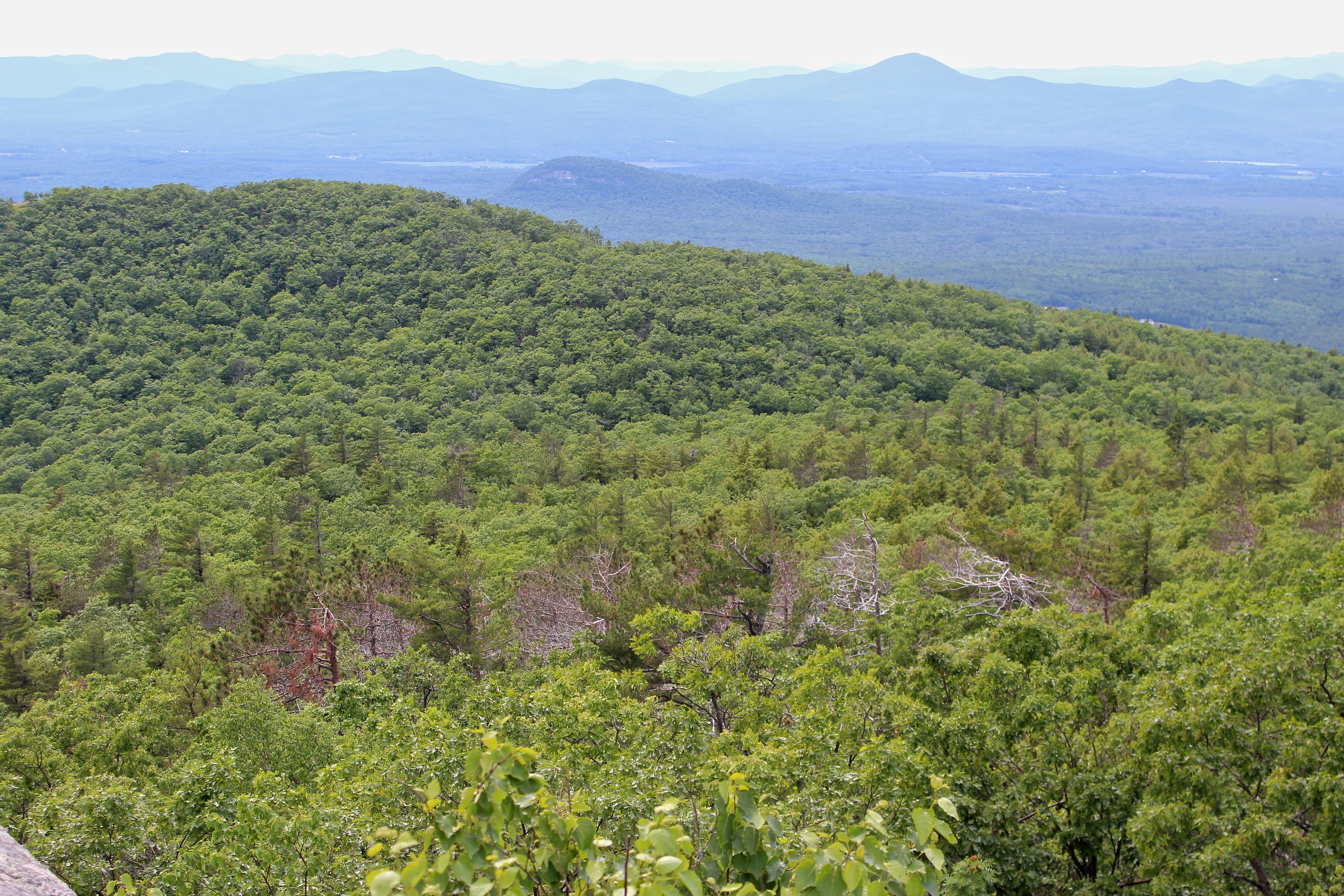
Sadly, not every part of the picture is pretty. The red pines at the summit of Pleasant Mountain are dying off. I spoke with a forester from the White Mountain National Forest about this today and his thought was that it might be red pine scale insects. Yeegads.
red pine 2

My first thought had been weather, but the trees below the summit have also been affected. It’s time for me to contact the state forester and ask his opinion.

cinn fern

The fertile fronds of the cinnamon fern have spread their spores and are now withering. Soon, I’ll have to search to find any evidence that they ever existed.
inter fern

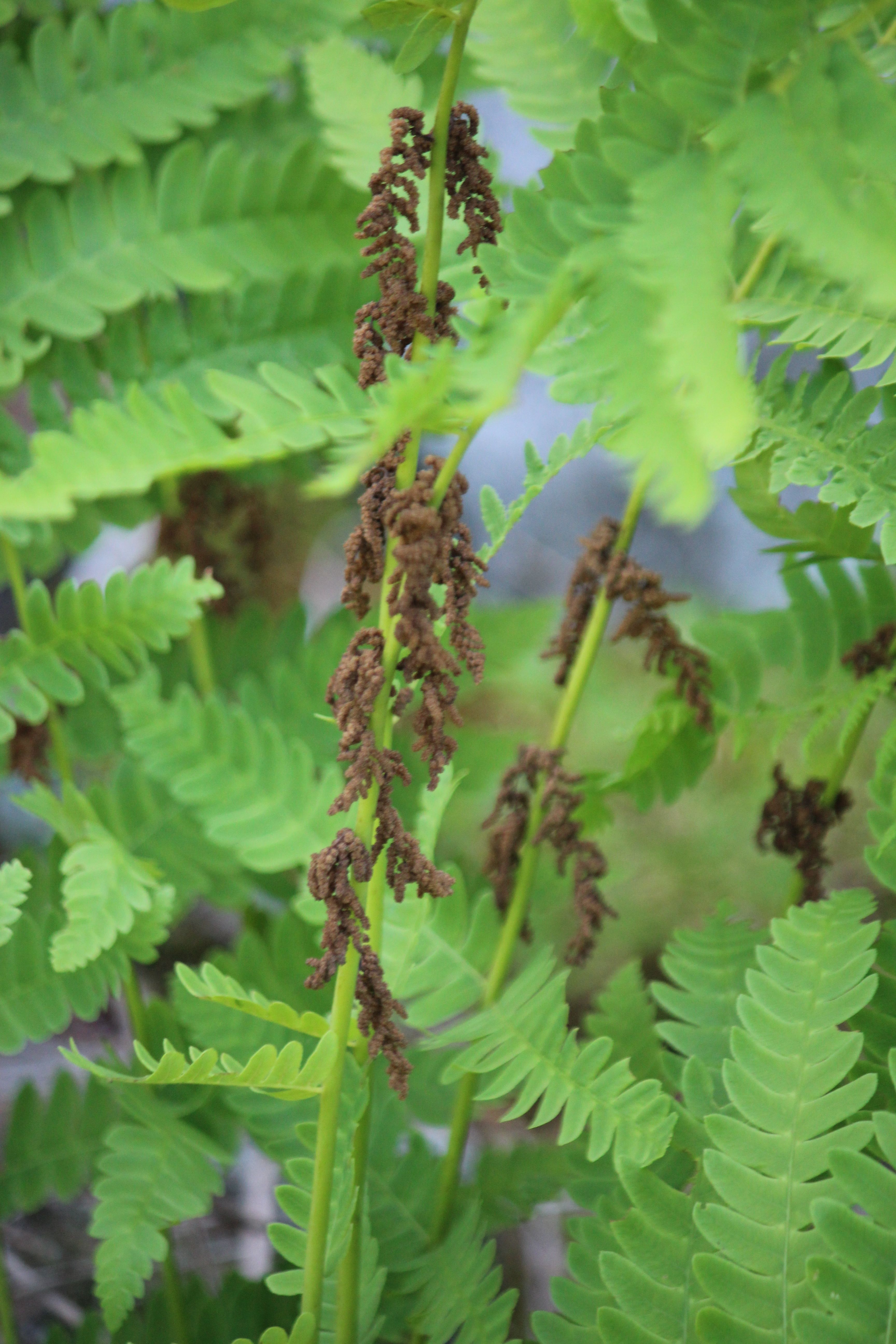
The same holds true of the interrupted fern, though the gap that will be left once the fertile middle pinnae fall off will be rather obvious.
running club moss

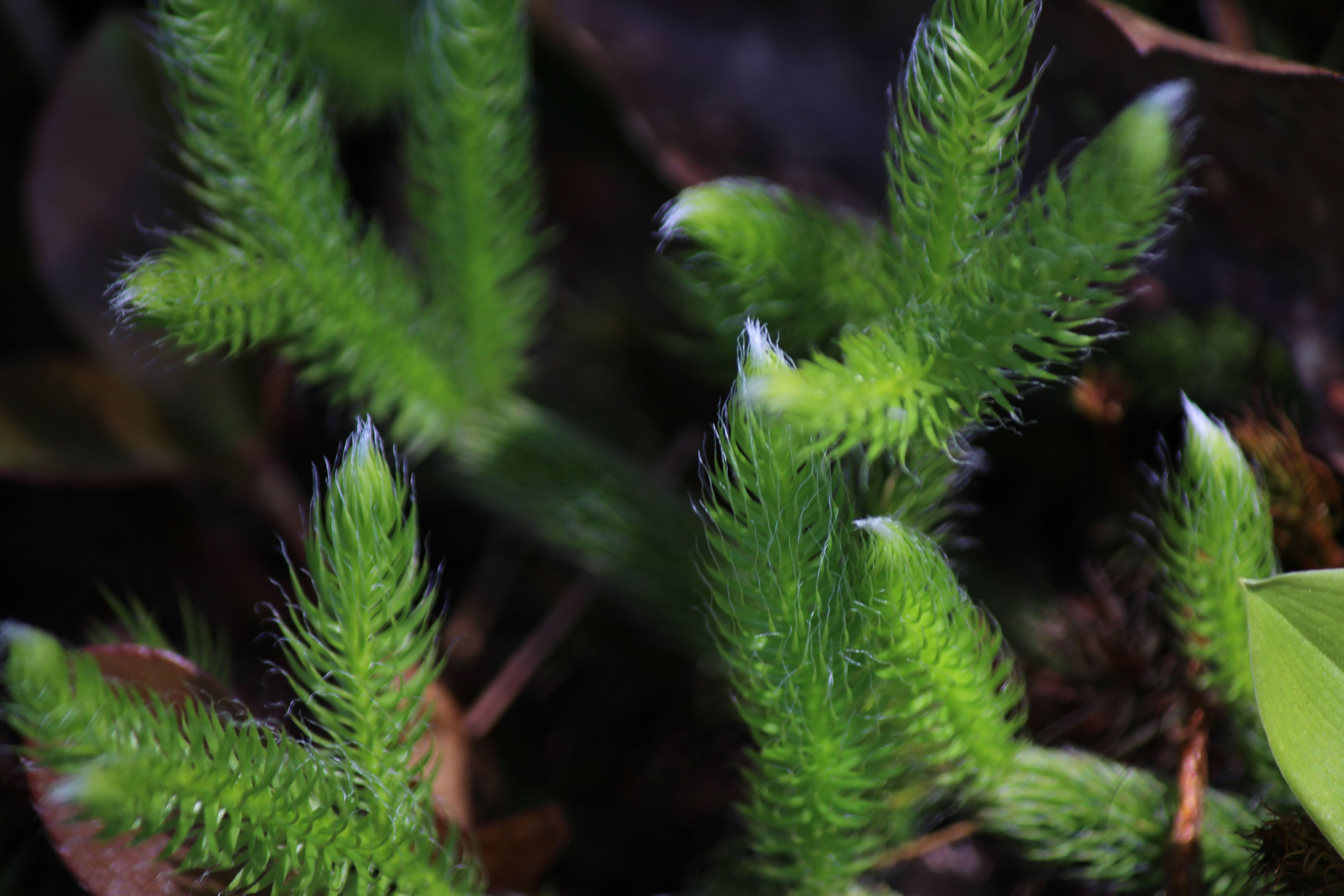
Long white hairs top the tip of running clubmoss.

running 2

Candlelabras are forming, preparing to release numerous spores. Like the ferns above, it’s difficult for me to comprehend that this life form that creeps along the ground was once the size of trees. Mind boggling for this brain.

lady bug

On to simpler things. A ladybird beetle.
hawk 2

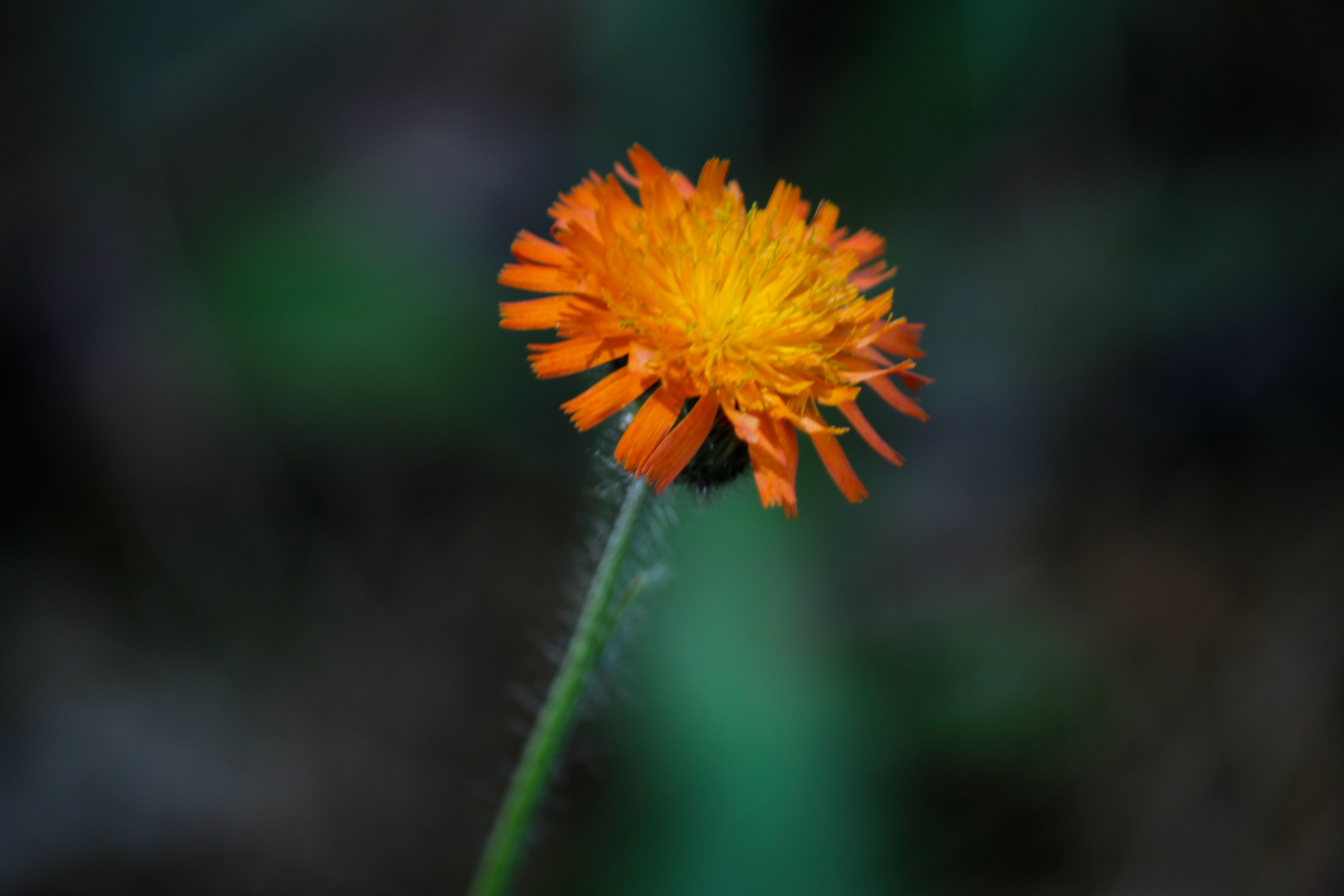
Orange Hawkweed, aka Devil’s Paintbrush.
dragon 1

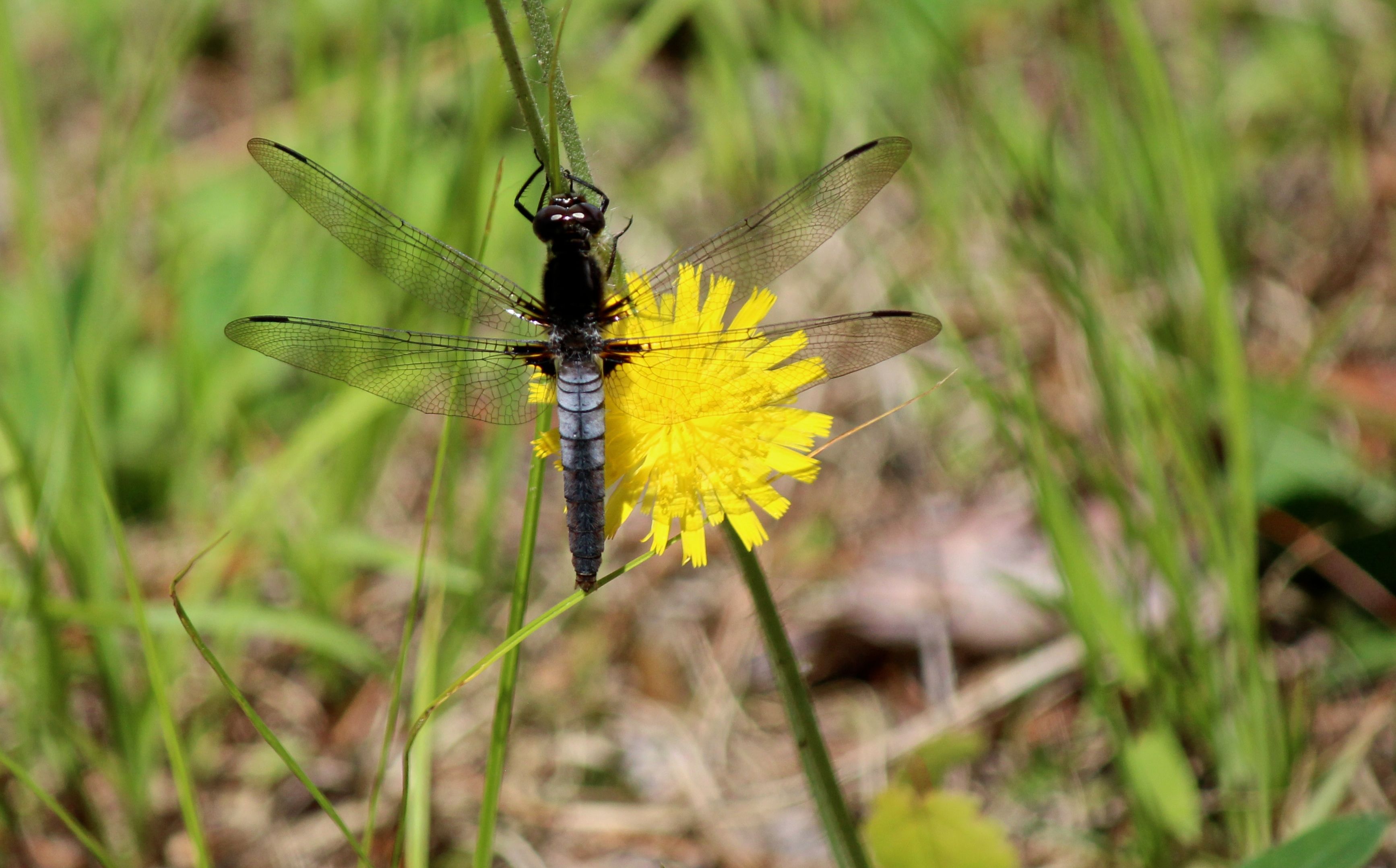
I think this is an Eastern pondhawk dragonfly, but if you know better, please tell me. My other thought–blue dasher. Either way, like all dragonflies, there’s beauty in its venation and color. Plus, those dragonfly eyes.
blue flag iris reflection

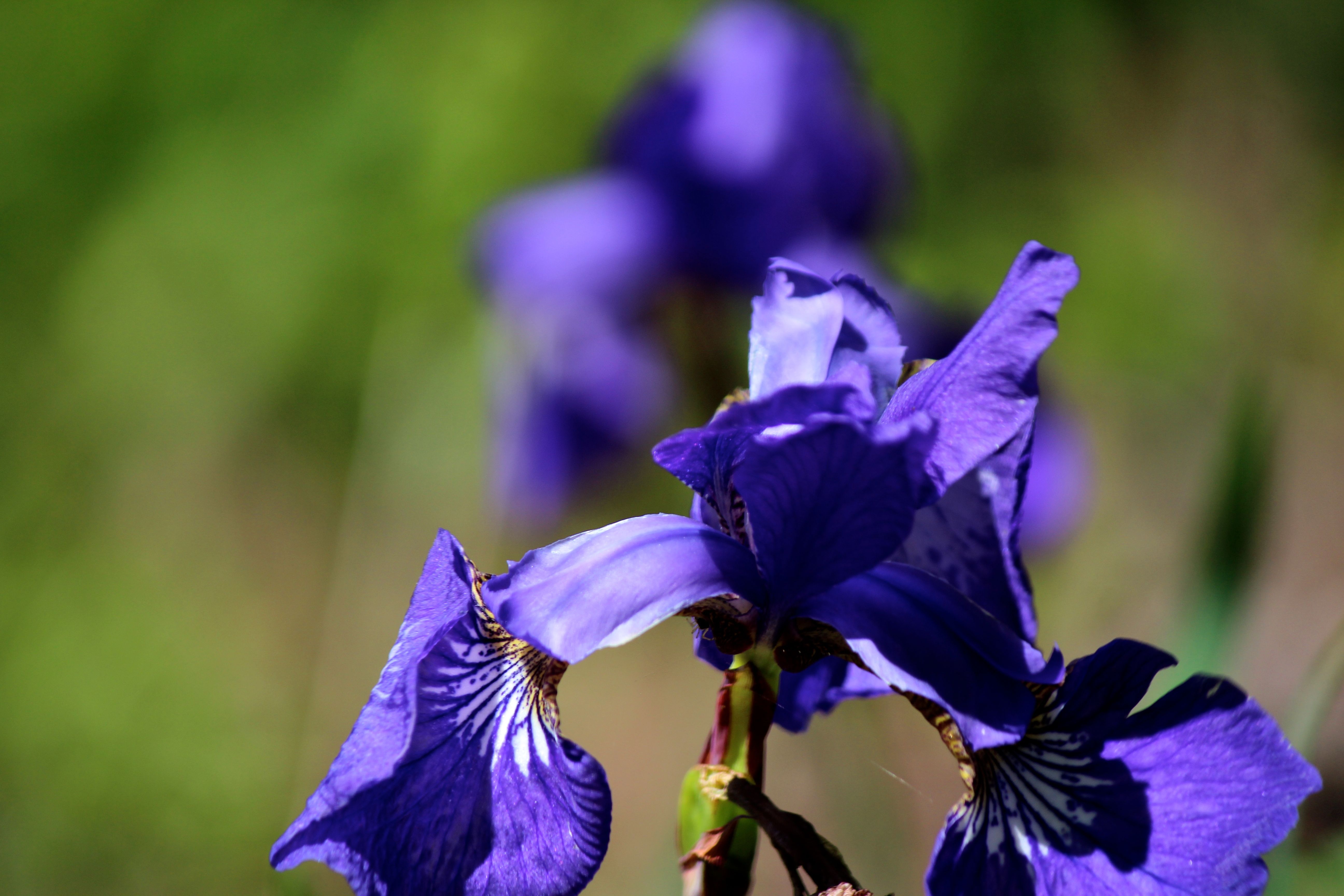
The Blue Flag Irises

bf iris

are making a final statement,

heron

while a great blue heron forages for fish near an abandoned beaver lodge.

daisy 1

Daisies speak to the season to come.

another season

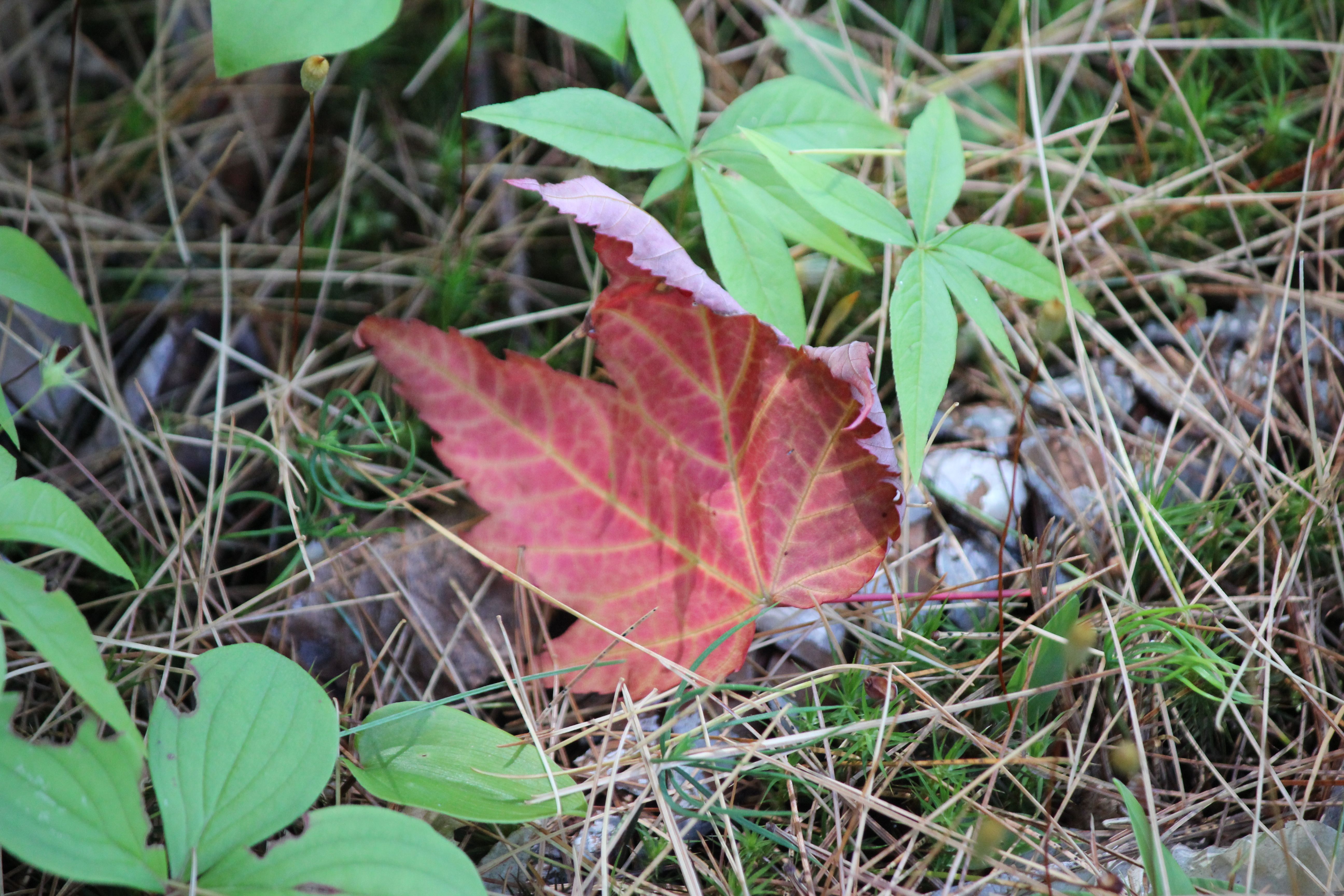
It’s only a day away . . . oops. A red leaf found today. What’s with that? Maybe the pine needle cast has all of nature confused.
mt washington

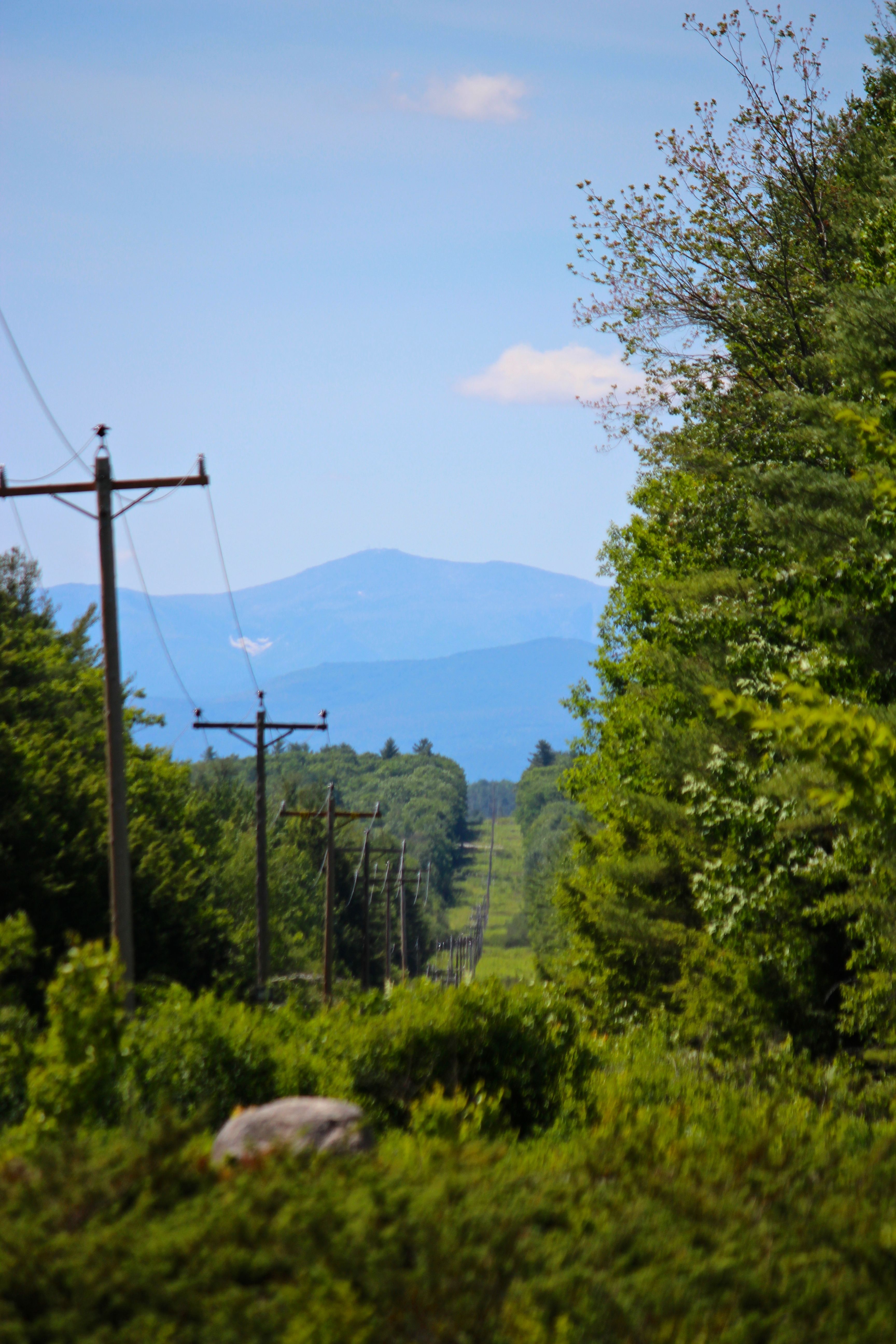
Thanks for joining me on this last peak at spring. I’m looking north now as the summer solstice is on the horizon.
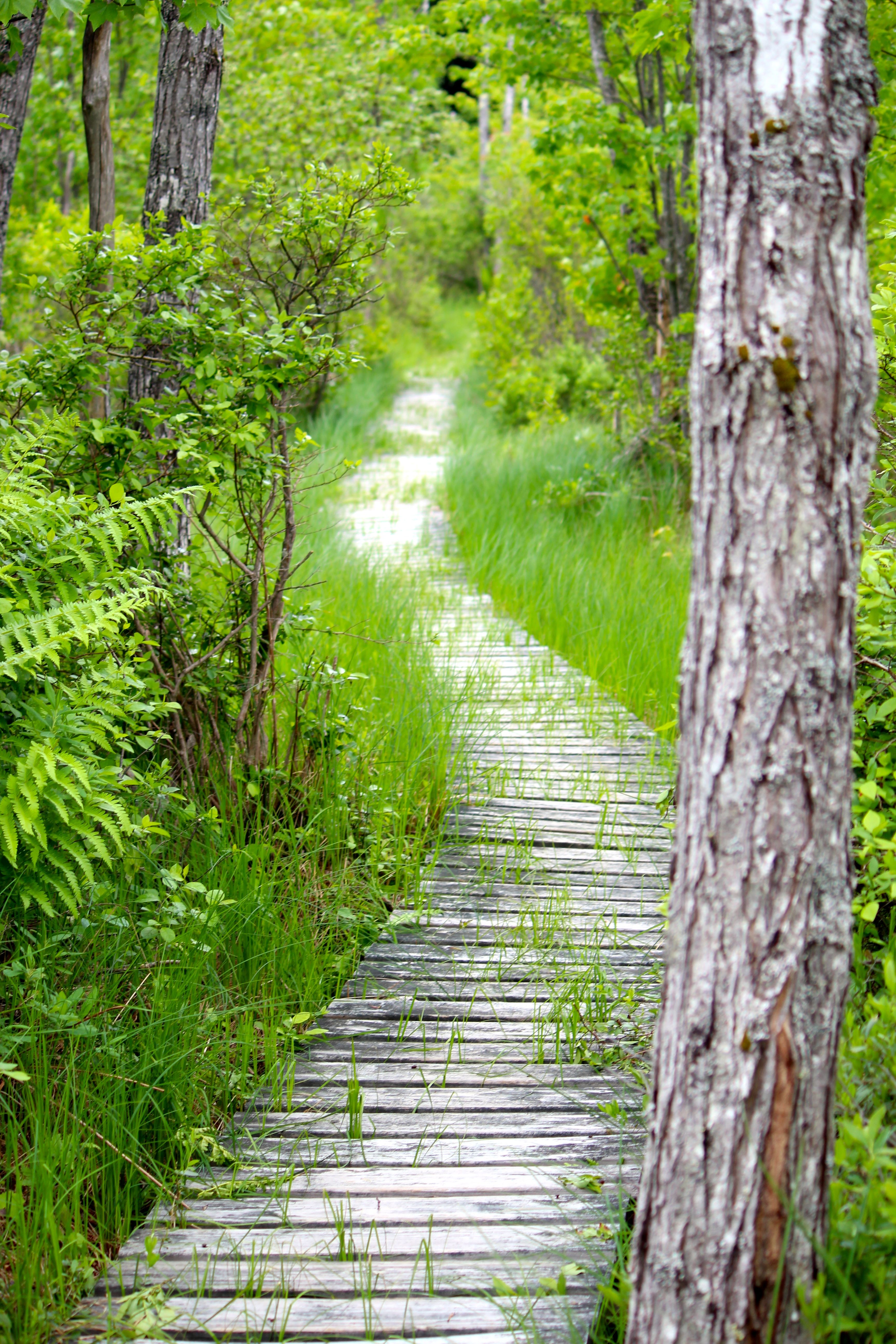
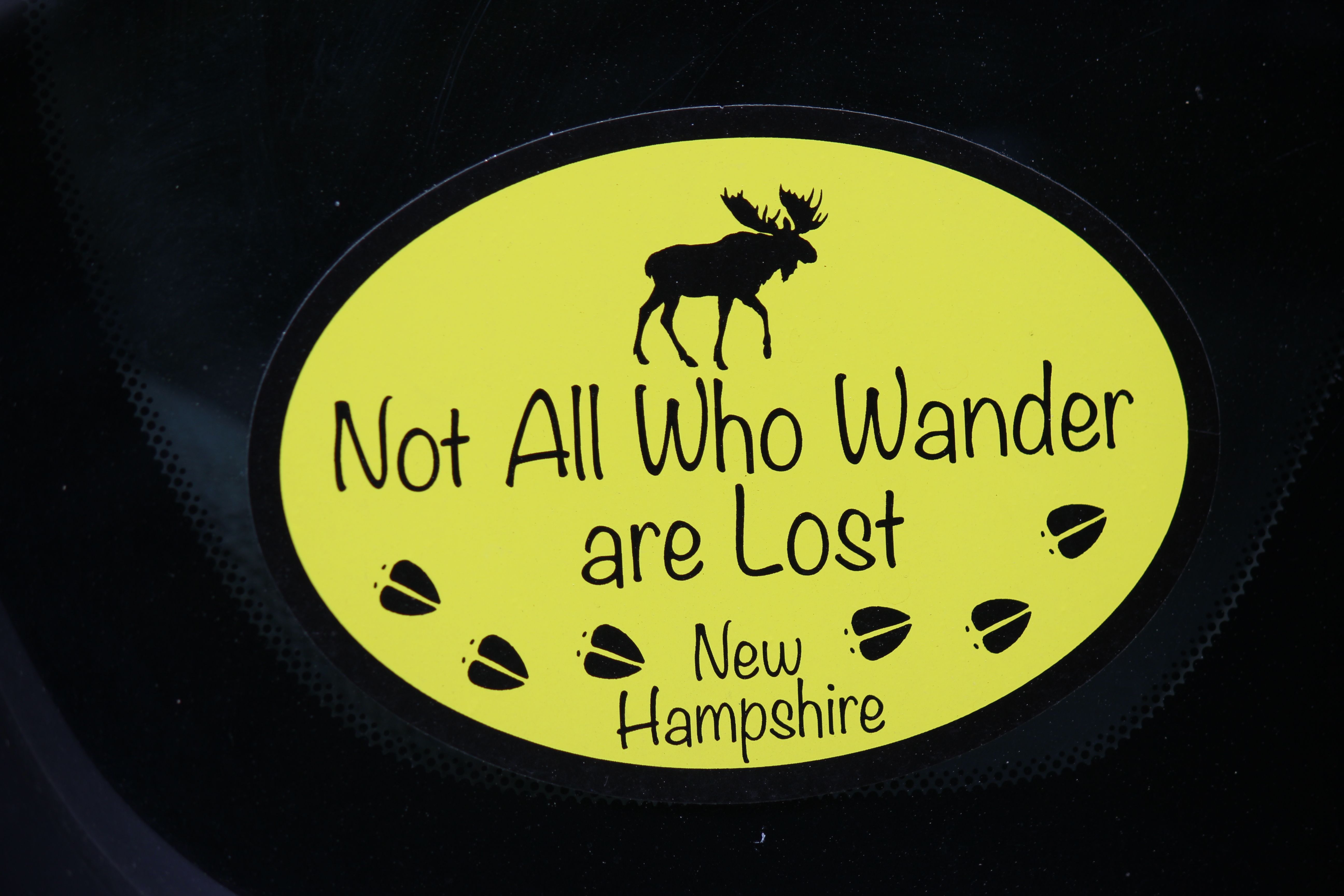
Not All Who Wander Are Lost :-)

path 2

Today, I wandered along the boardwalks at  Holt Pond Preserve in South Bridgton with Adam Perron, education director of Lakes Environmental Association, and Amy Kireta, a PhD student from UMaine. Amy plans to help Adam develop climate change curriculum for LEA. Exciting stuff.

We chatted as we walked, but frequently stopped to look and listen. Check out our finds.

blue flag iris

Blue Flag Iris is beardless (no hairs on its petals), unlike the irises that grow in my garden.

sheep laurel

The Sheep Laurel beginning to bloom. This is an interesting and beautiful plant, with its flowers blooming below the new leaves. I love how the leaves droop.

water lily

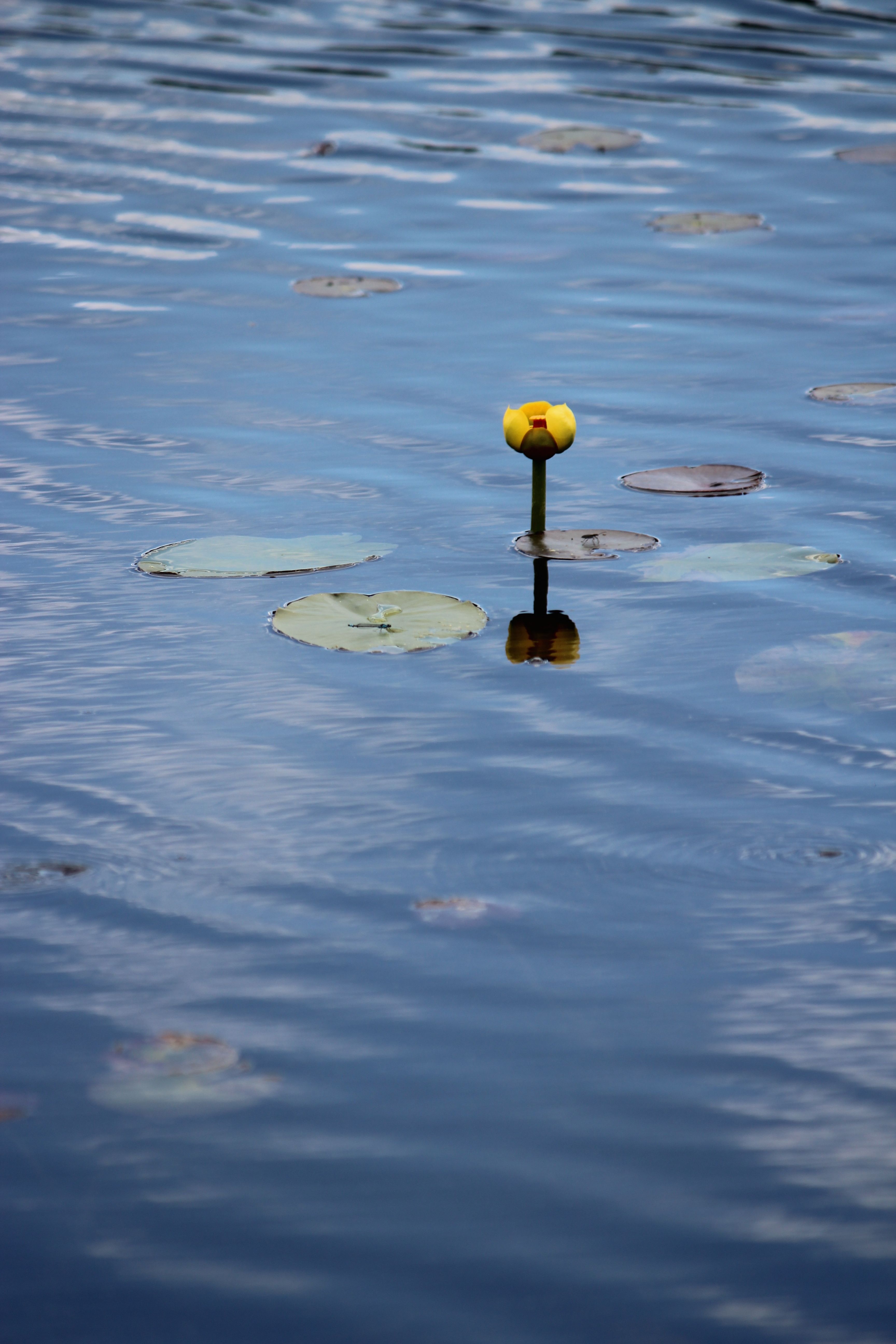
Another new bloom–the ball-shaped flower of Spatterdock.

blatterwort

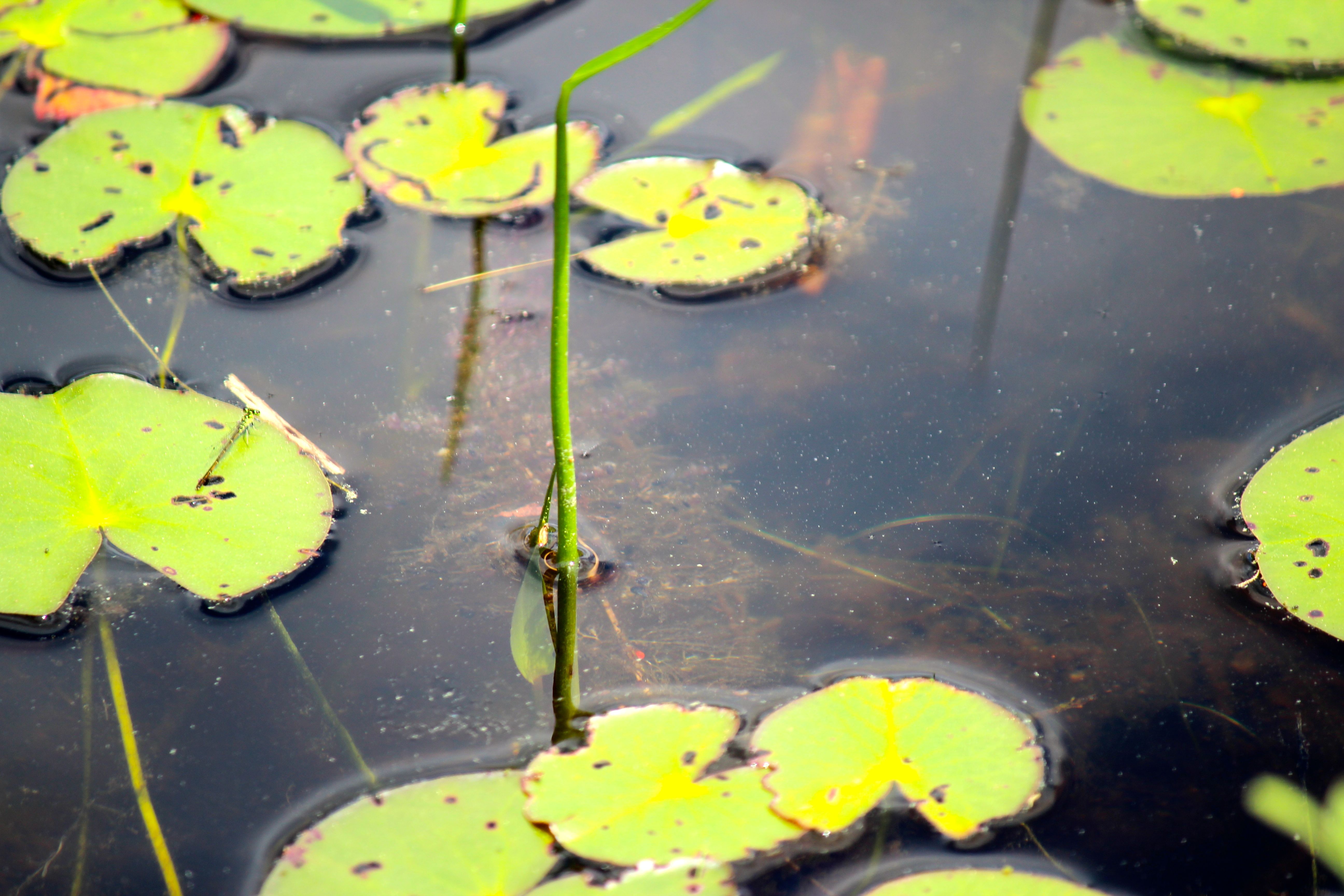
Though our eyes were immediately drawn to the leaves of Fragrant Water Lilies with their pie-shaped notch, we could see a submerged blatterwort–one of the carnivorous plants of the preserve. They feature small blatters that act as vacuums and suck up tiny aquatic animals in order to take advantage of their nutrients.

pitcher plant

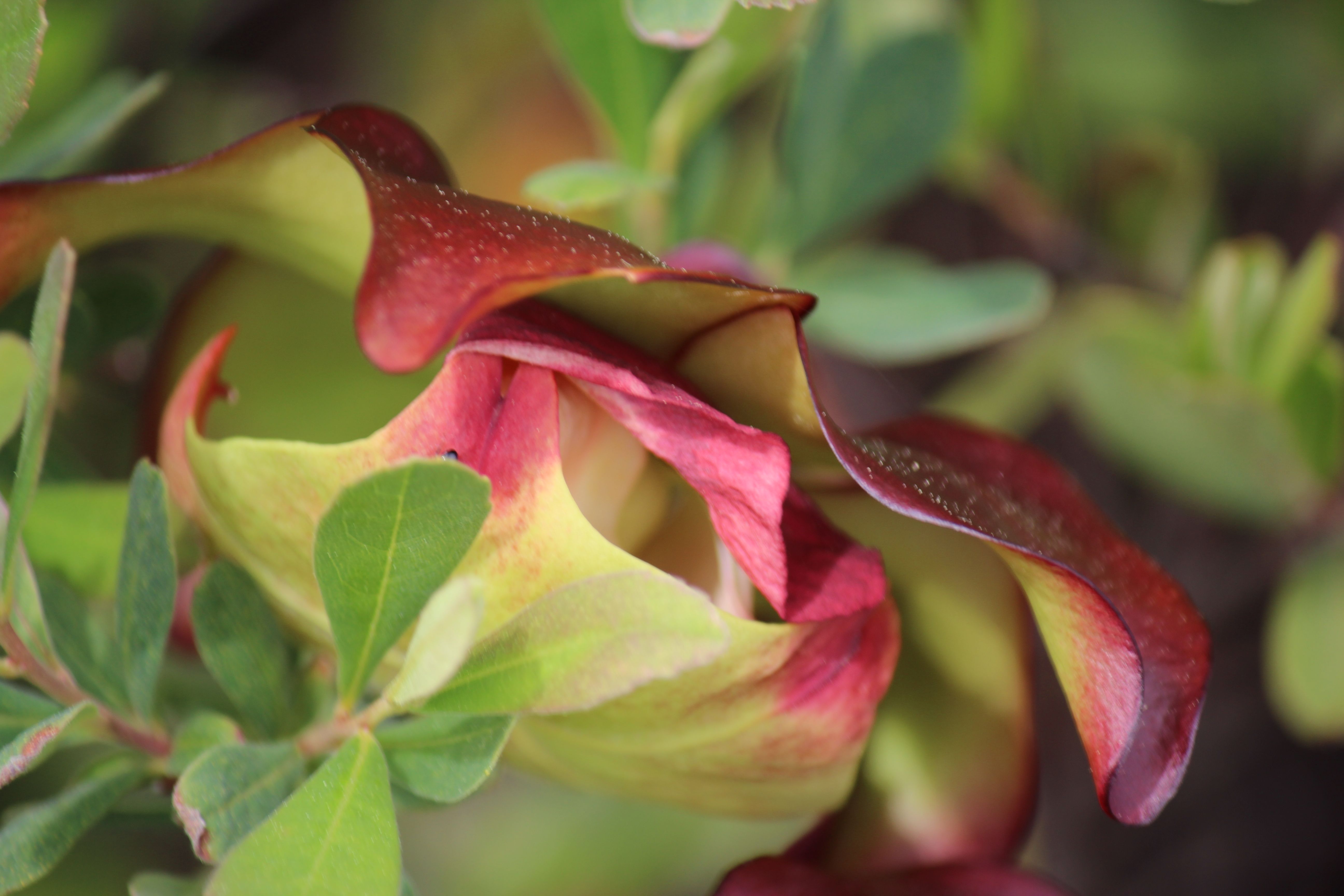
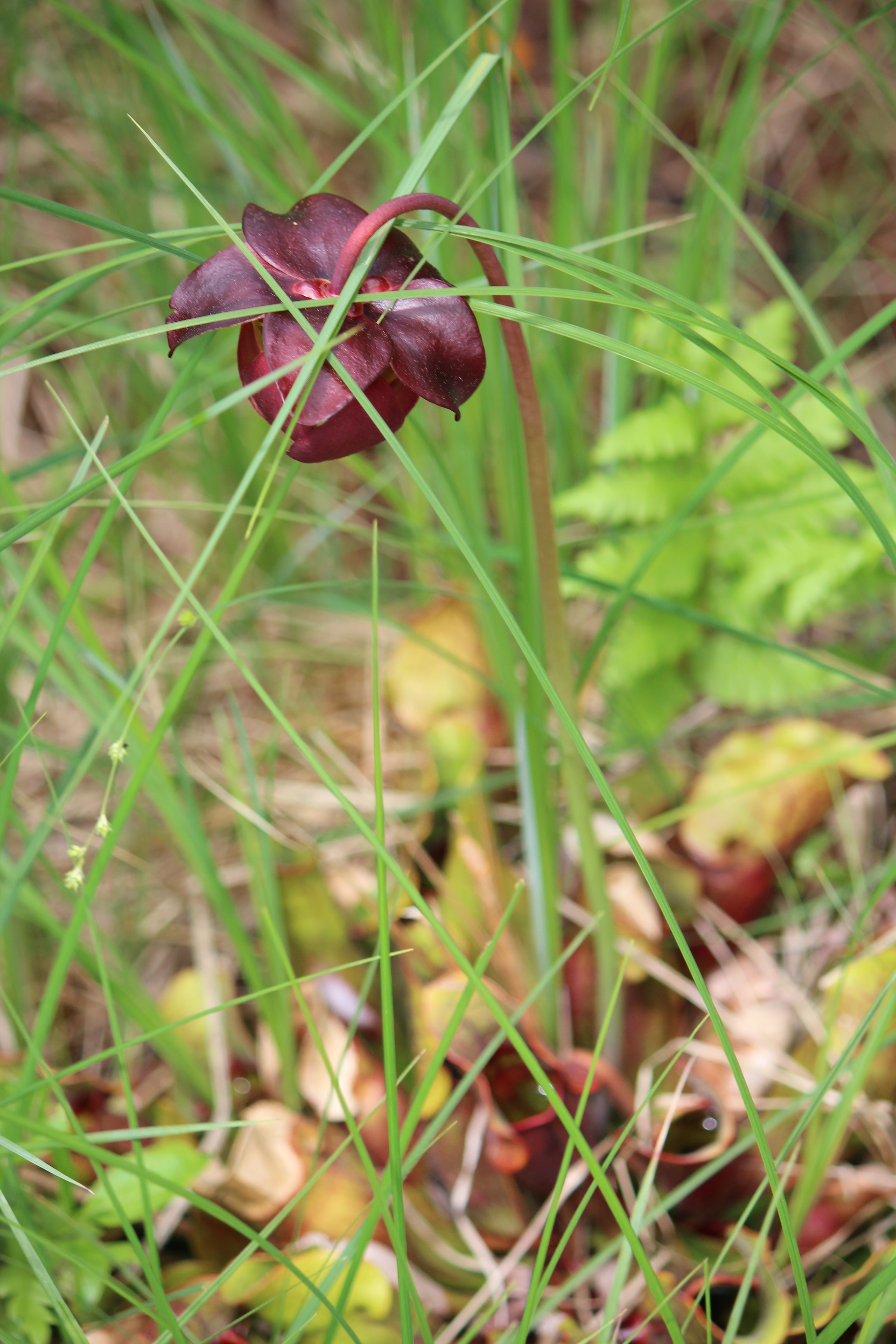
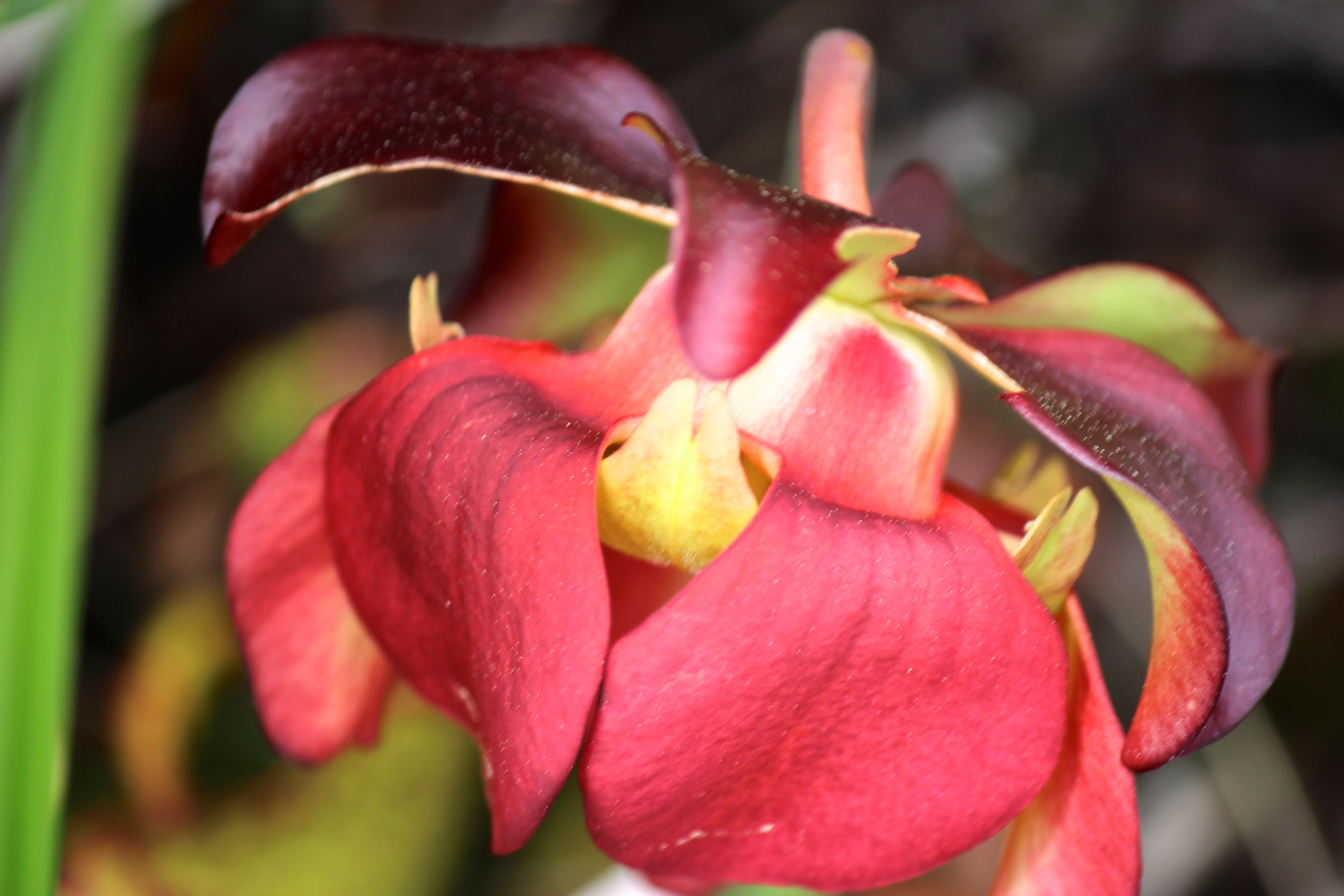
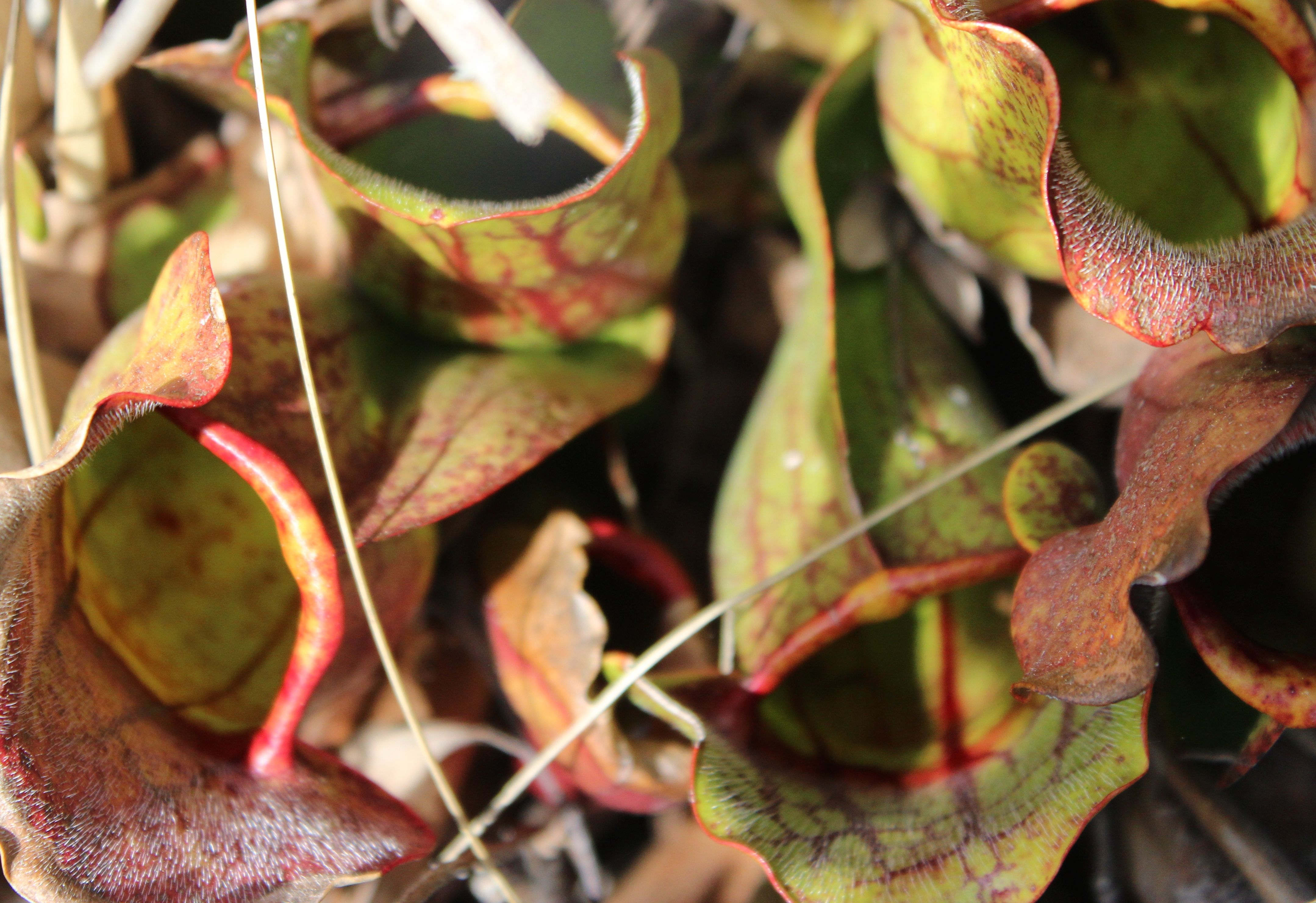
Speaking of carnivorous plants . . . the Pitcher Plants are flowering.

pitcher plant flowering

The colors are enough to suck me in.

ppf

 ppflower

While the Pitcher Plants make themselves known in any season, another carnivorous plant barely announces its presence on the quaking bog.

sundew

The Round-leaf Sundew. Preferring the acidity of the spaghnum moss, the hairlike tentacles  on each leaf are tipped with glistening droplets that shout a welcome message to passing insects. Those droplets are actually quite sticky and when the tendrils of hair detect that a prey has stopped by, they curl inward and wrap around the insect–then digest its nutrients.

There aren’t many nutrients in a spaghnum bog, so these plants have figured out how to meet their own needs–another reason to be in awe.

It’s stuff like this that makes me think J.R.R. Tolkien could have found inspiration right here.

Though we didn’t stray off the beaten path today, that is one of my favorite things to do. But I’m glad we backtracked rather than taking Amy back to the parking area via a different route because . . . we encountered another hiker who stopped to ask us some questions. As she talked, some things she said made me wonder if she was someone who recently commented on one of my blog posts. A friend in Connecticut has said since high school that I can be blunt (that’s you, C.W.N.) and I probably was today when I blurted out this woman’s name. I’m so glad I did. I was right–it was her. And I hope we can make a connection to wander together some time because it sounds like we have walked in each other’s tracks more than once.

Not all who wander are lost

I knew your car when I saw this, E.

IMG_4177

Years ago, I paraphrased it. Wander and wonder. You never know what or who you might stumble upon.

Buzzin’ ‘Bout

 Air traffic control to Flight 233. Over.

Flight 233 approaching runway. Over.

Runway lights are on, Flight 233. Have a safe landing. Over.

OK, so I have no idea what a conversation between air traffic control and a pilot really is, but I do know that some plants have runways to guide pollinators. And by the way–233 on a phone=BEE.

IMG_3446

Have you ever seen a more beautiful runway than the one on an iris?

lupine 2

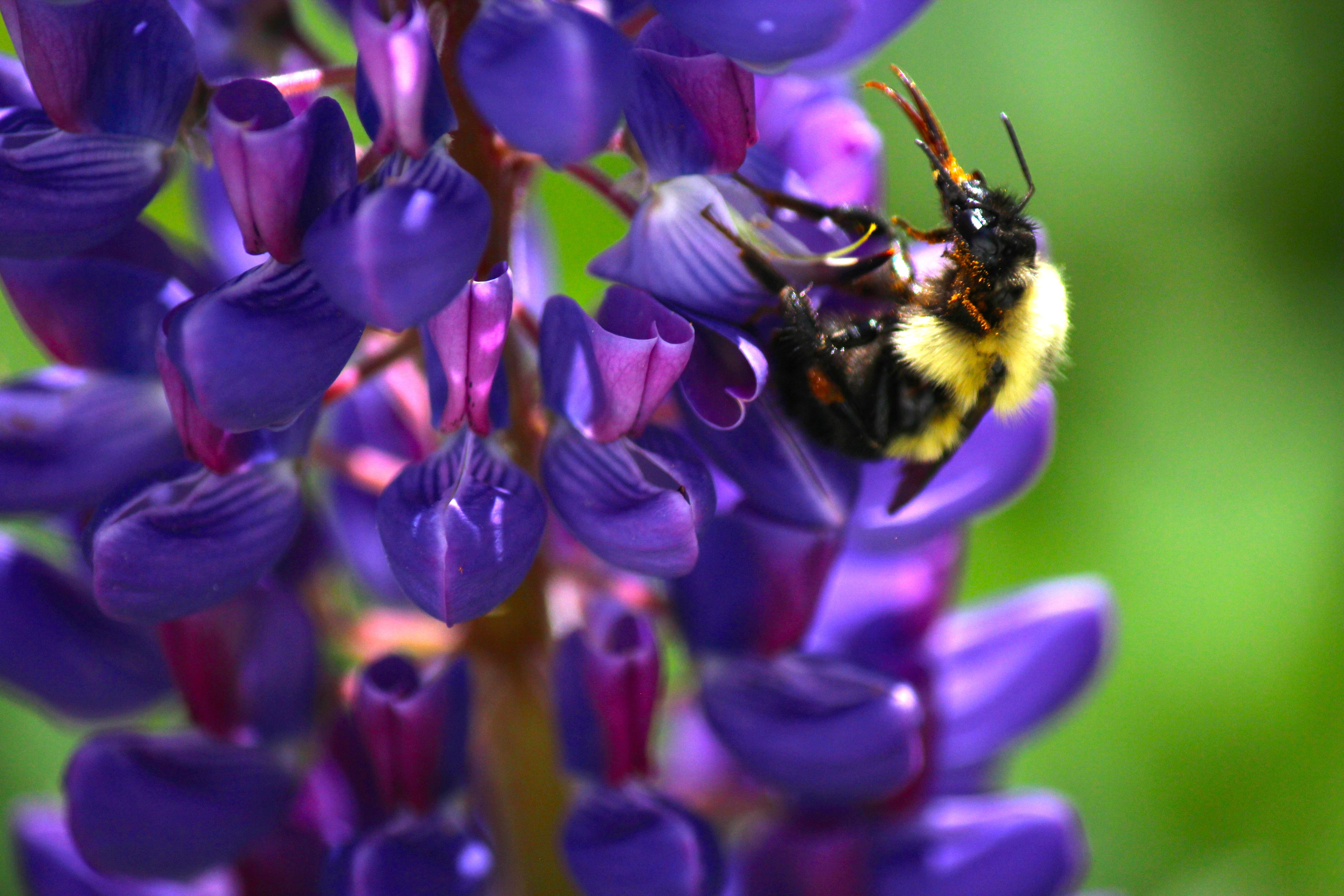
With their banner, wings and keels, the pea-like structure of the lupine is different, but . . .

lupine, bee

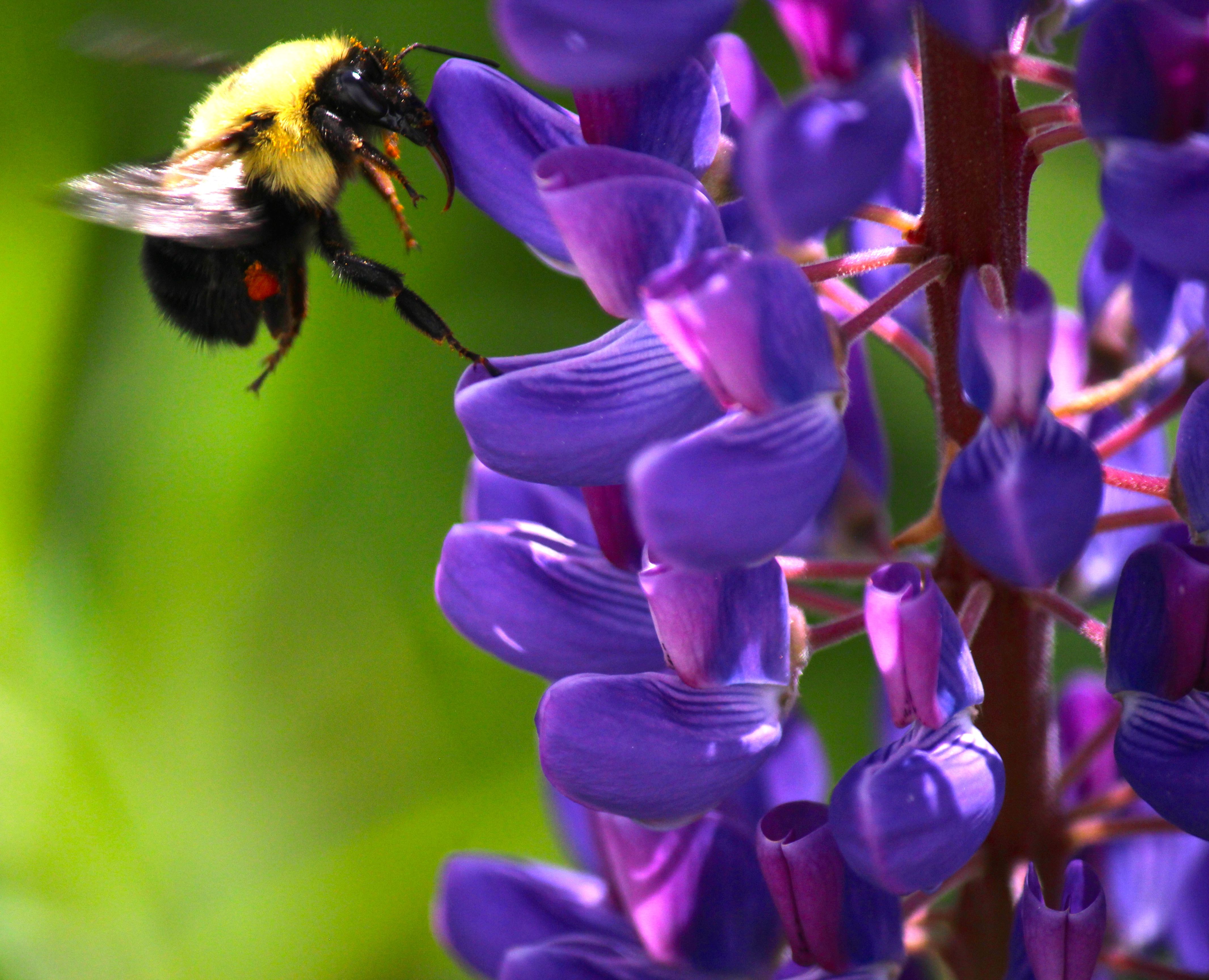
it’s a favorite for a variety of pollinators.

bee 2

A nip of nectar

bee 3

and a dash of pollen

bee 4

makes for a happy bumblebee and a happy flower. The bee’s orange pollen basket is almost full.

butterfly

Some wildflowers don’t need pollination to produce viable seeds, but when a visitor drops by for a sip, some pollen will attach to its fuzzy body and be transported to the next plant.

hawkweed

Notice the hairiness below the flower of the orange hawkweed–I’ve read that that’s an attempt to keep slow moving insects, like ants, from coming in for a treat–they prefer flying insects. Rather picky.

chives 2

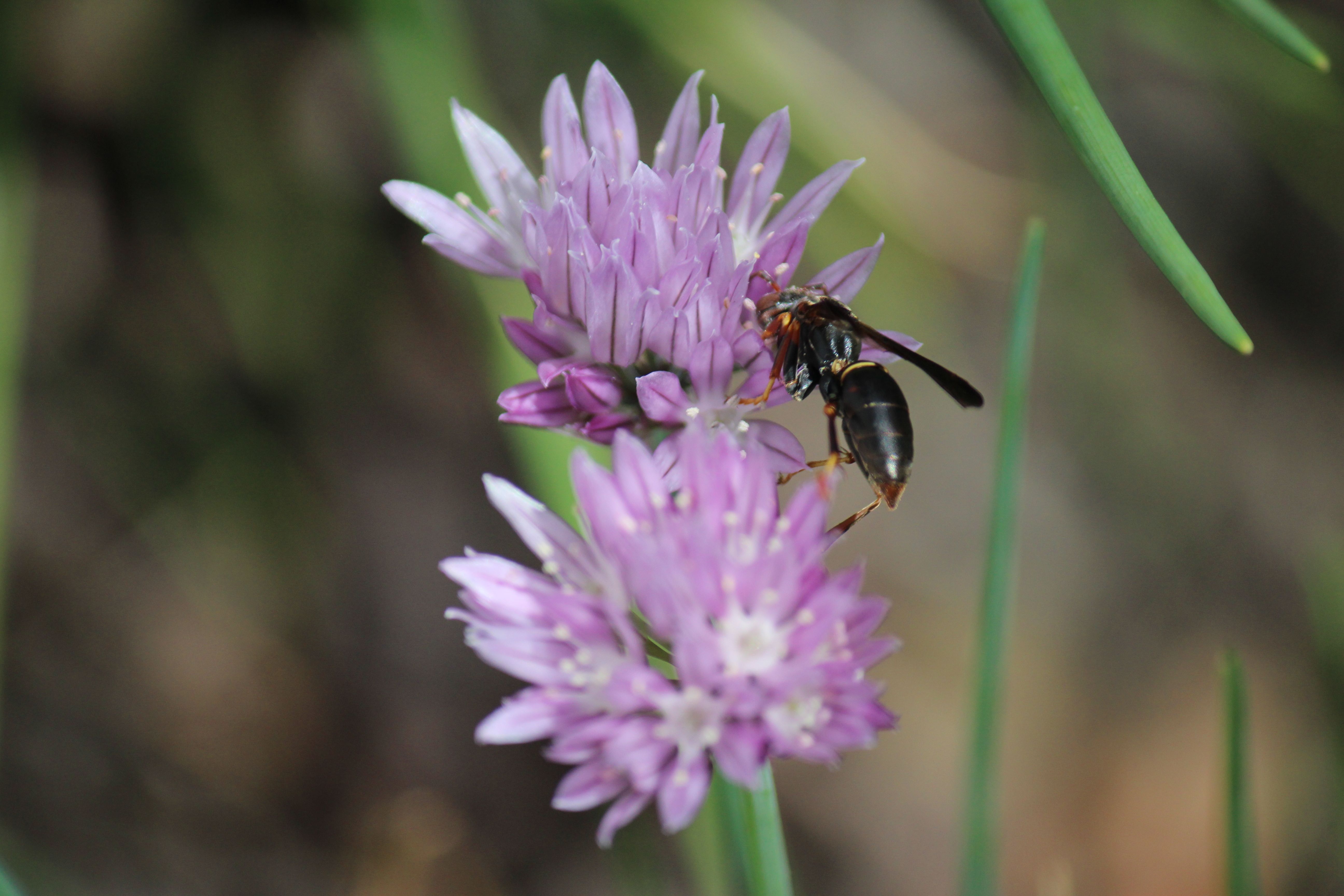
Though chive blossoms consist of numerous flowers that are perfect, in that they each have both male and female parts, they can’t self-pollinate because the stamen sheds pollen before the pistil is ready.

chives 1

Thus, they depend on flying pollinators to deal with the timing issue.

daisy 1

Like the hobblebush I mentioned in earlier posts, the daisy consists of a ray of white sterile flowers surrounding a disk of yellow fertile flowers.

daisy 2

It had just opened today, but already is attracting attention.

So many different guiding lights. Thanks for buzzin’ ’bout with me on this nectar flight.
Never Call It Just A Dandelion

I lent out my copy of a book by a similar title: Never Say It’s Just A Dandelion by Hilary Hopkins so I don’t have it in front of me to check her notes.

IMG_1966

field

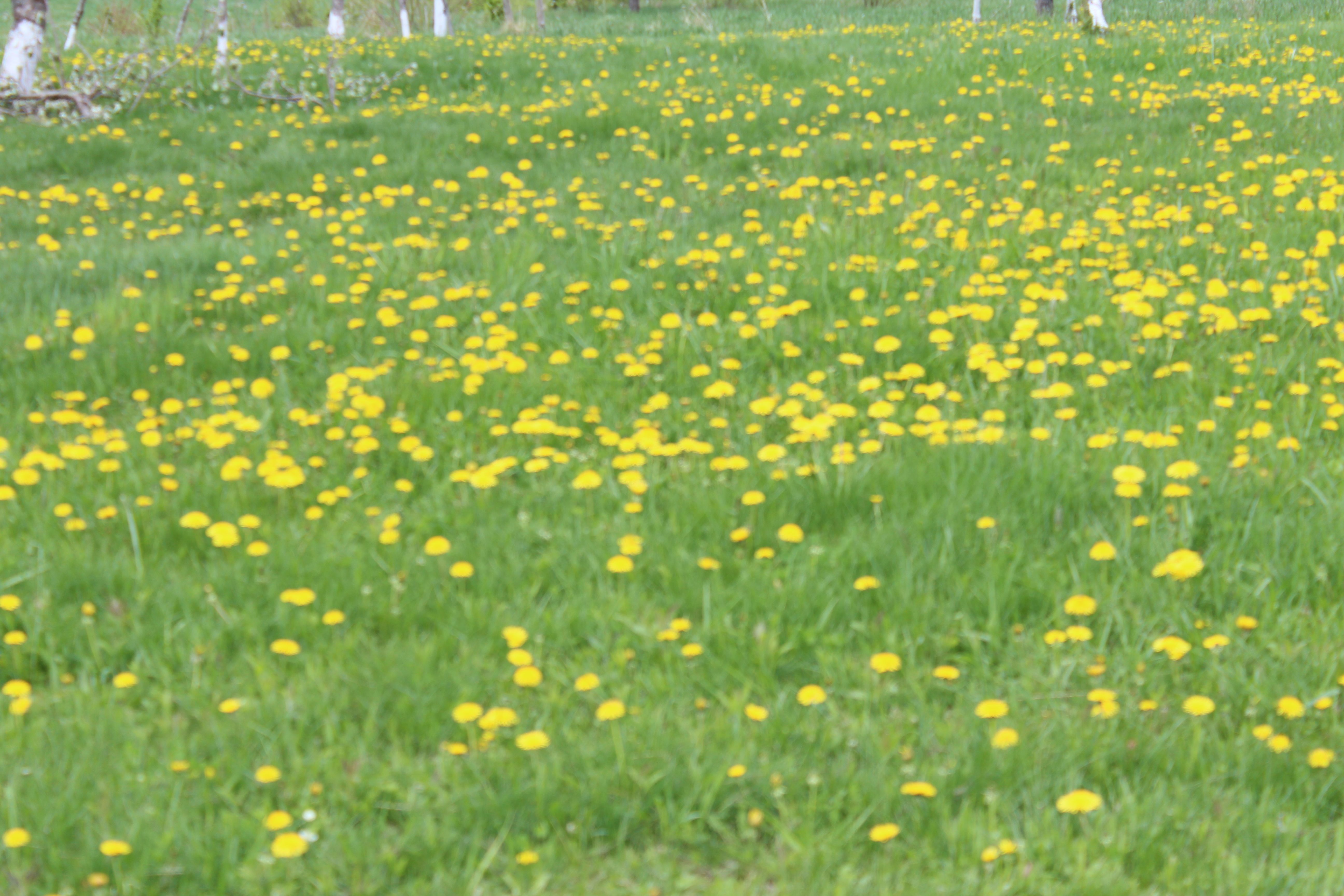
This field of dandelions that I saw at Viles Arboretum in Augusta during a Maine Master Naturalist field trip yesterday inspired me to take a closer look at the species that brightens our backyard.

1

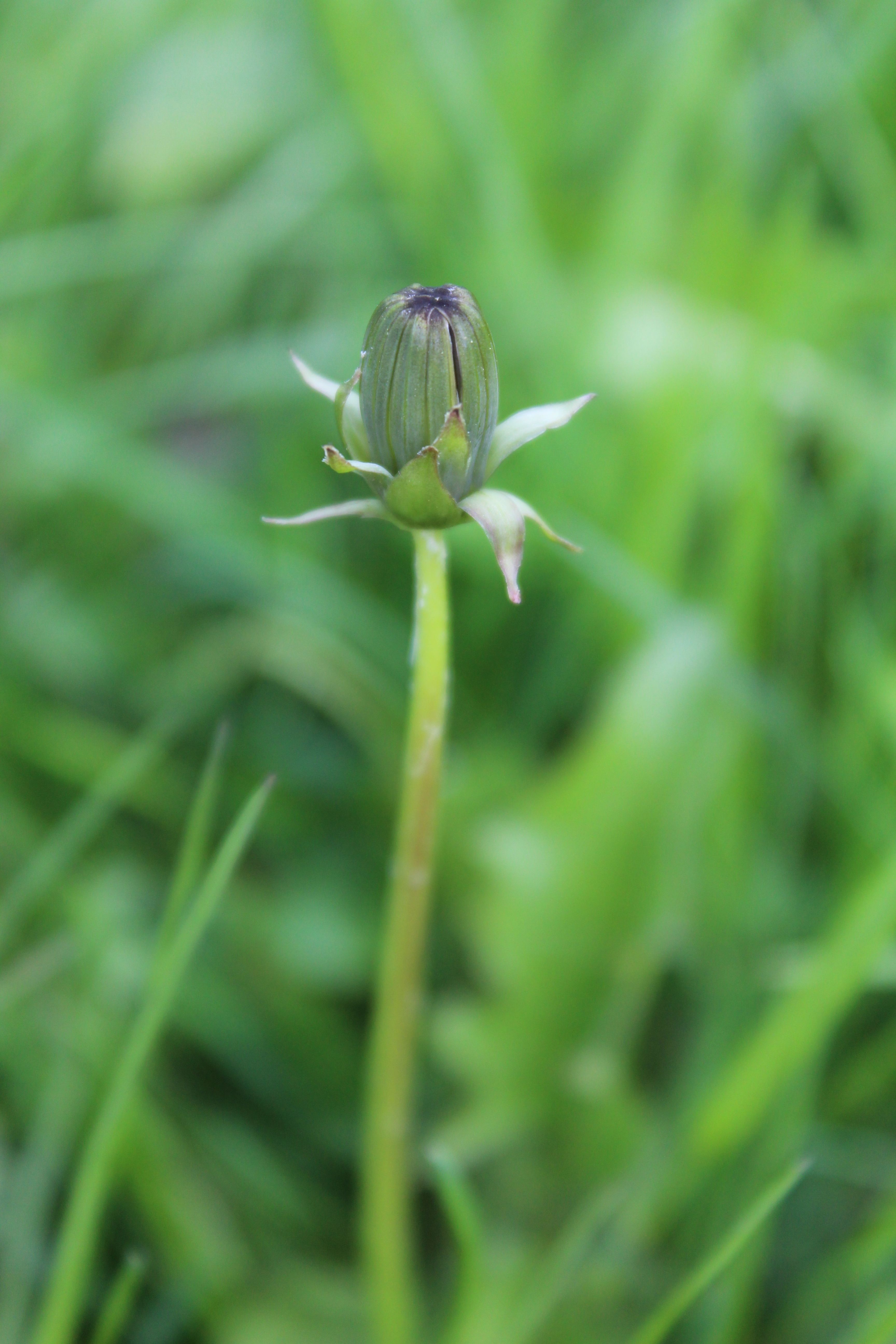
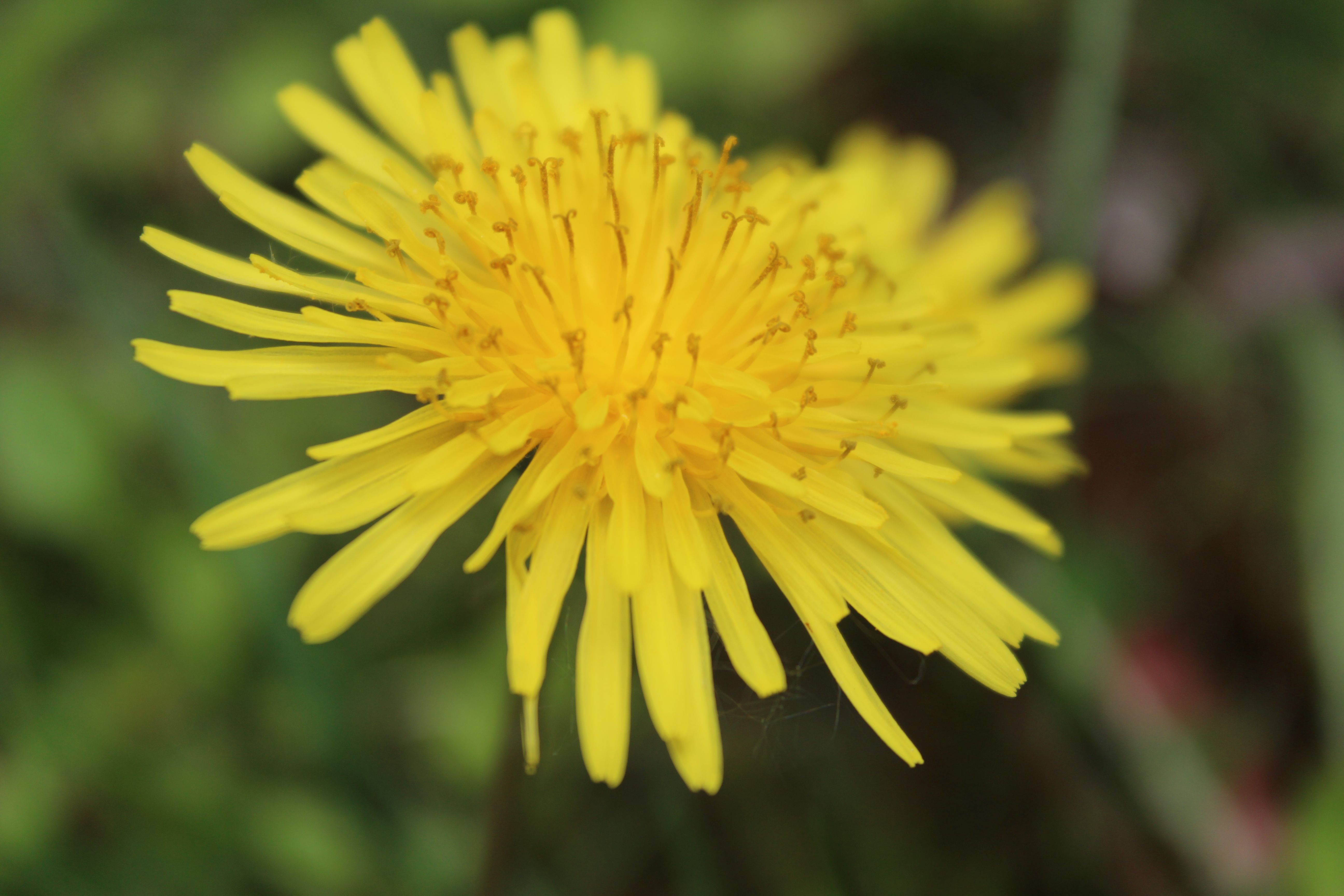
While some green bracts turn downward to keep insects at bay, others protect the developing flower.

2

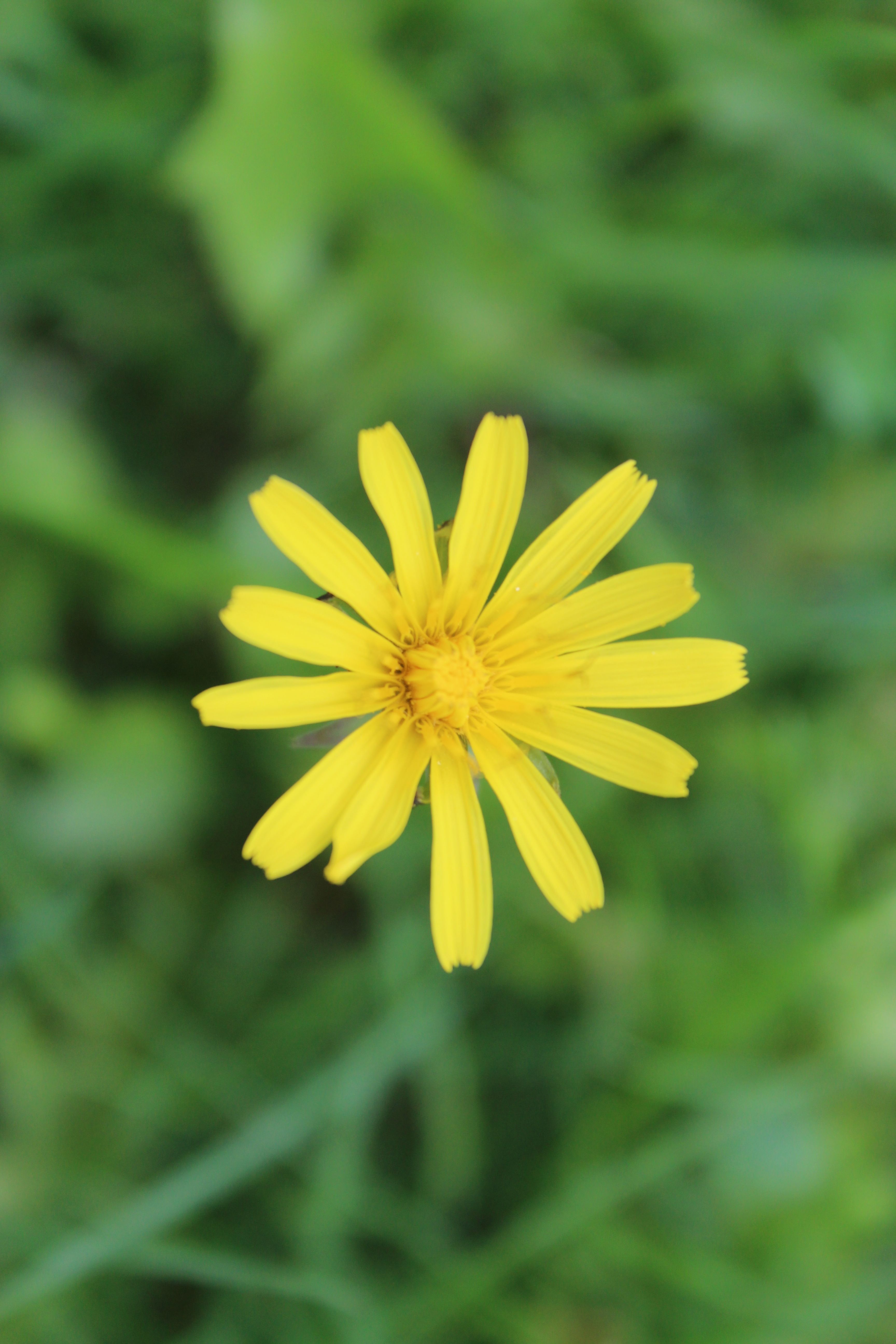
One ray at a time

3

it begins to open.

4

Notice how every ray is notched.

teeth

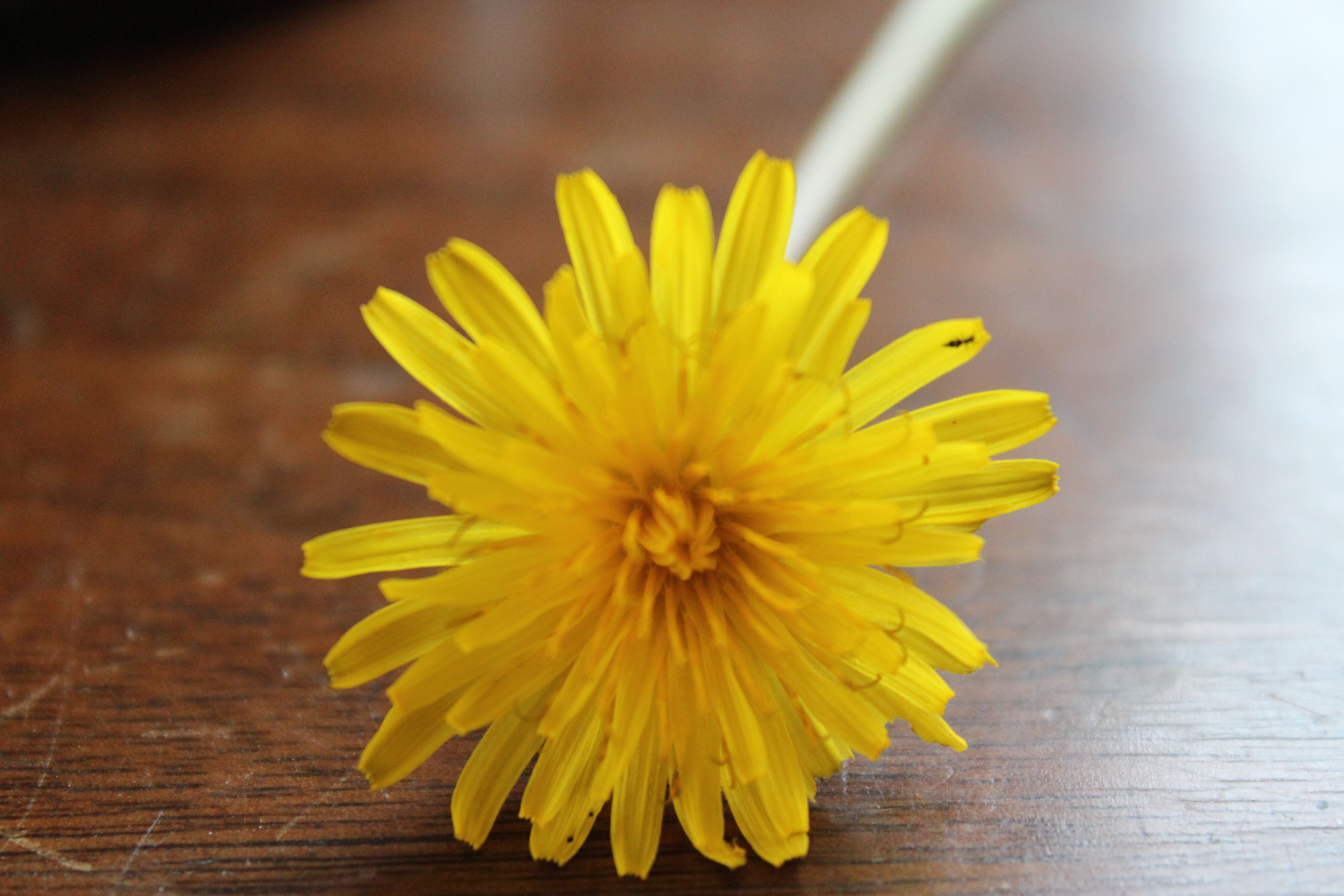
I brought one in to take a closer look at the notches. Each has five “teeth” representing a petal and forms a single floret.

5

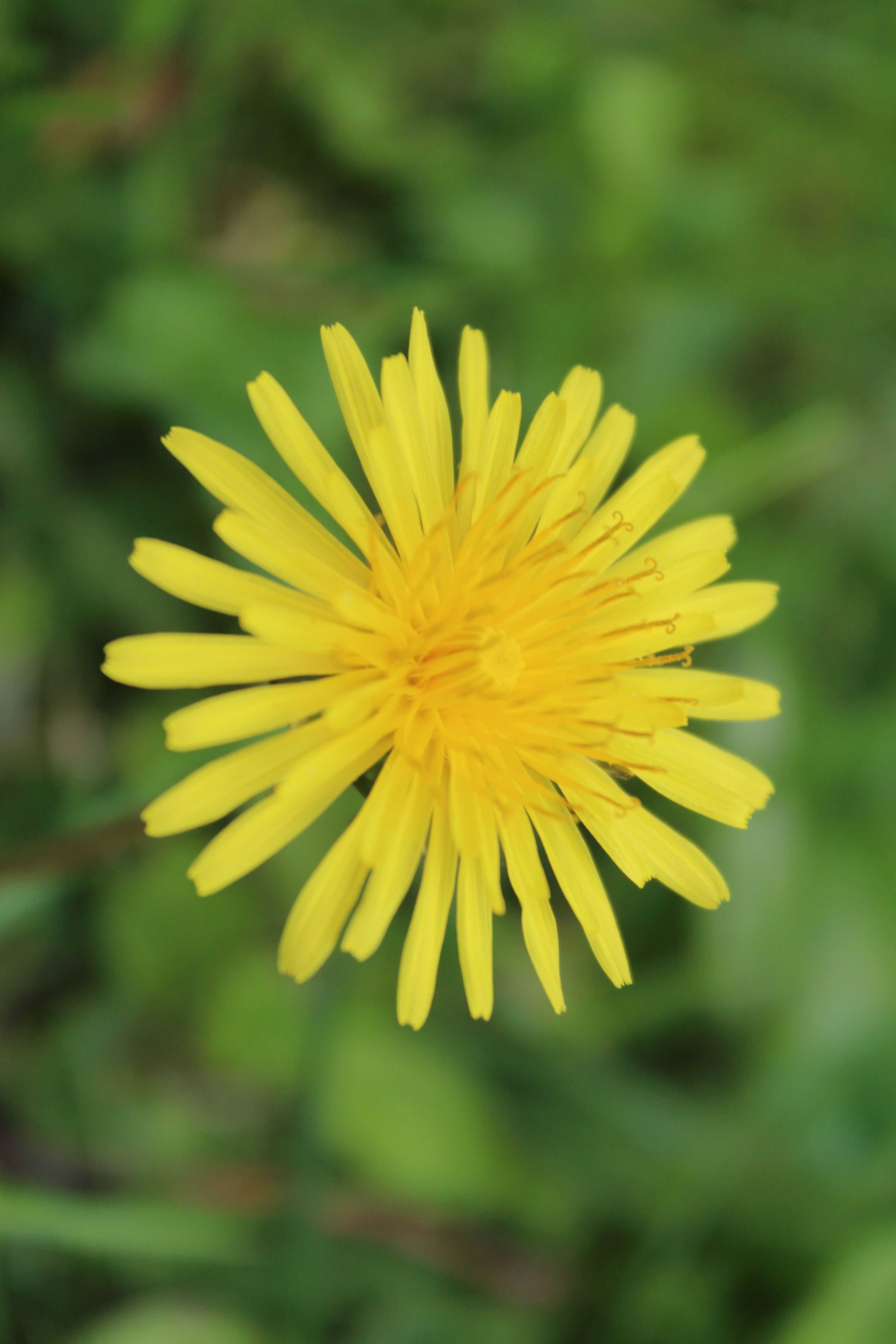
Fully open, the bloom is a composite of numerous florets.

6

Each stigma splits in two and curls.

6a6b

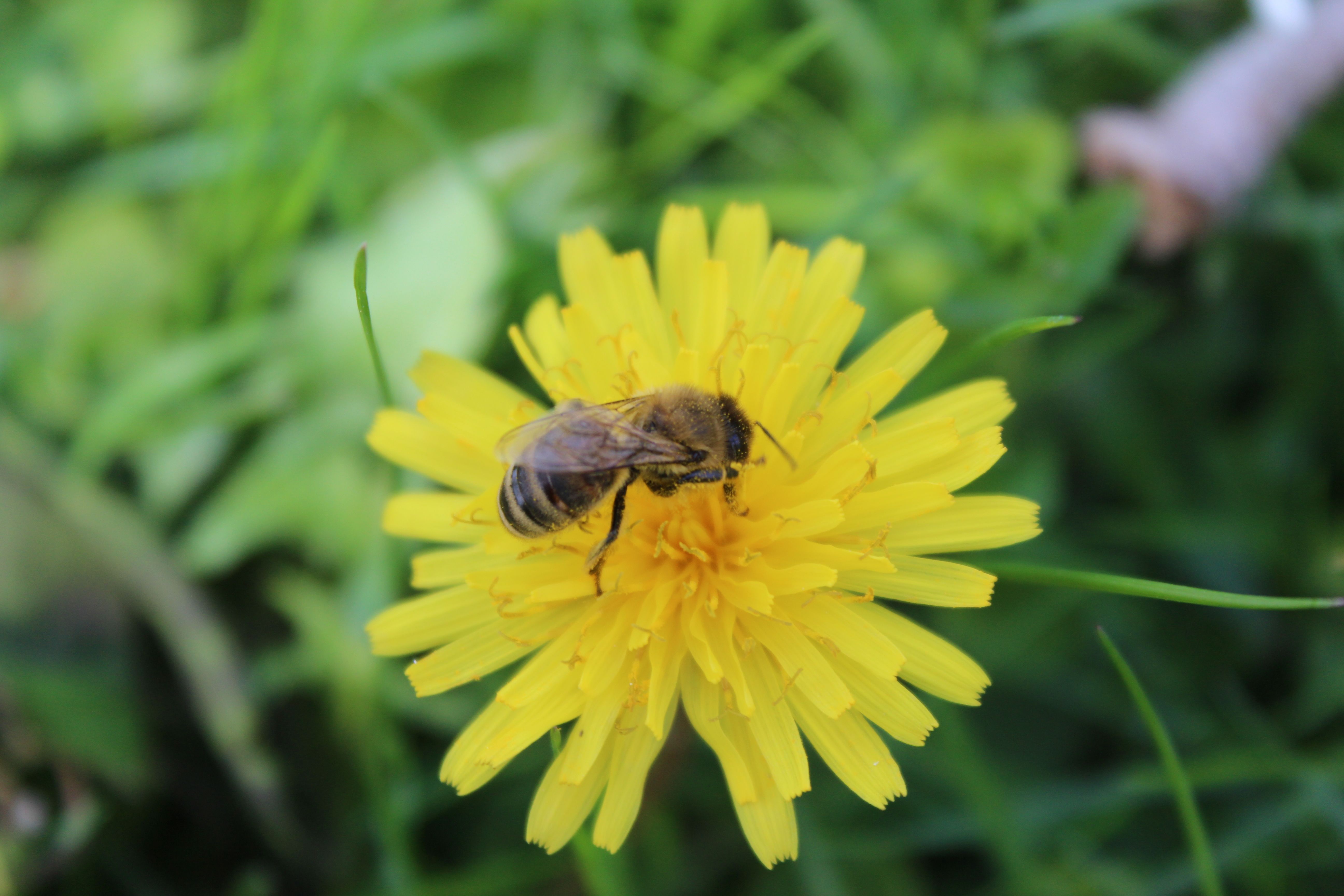
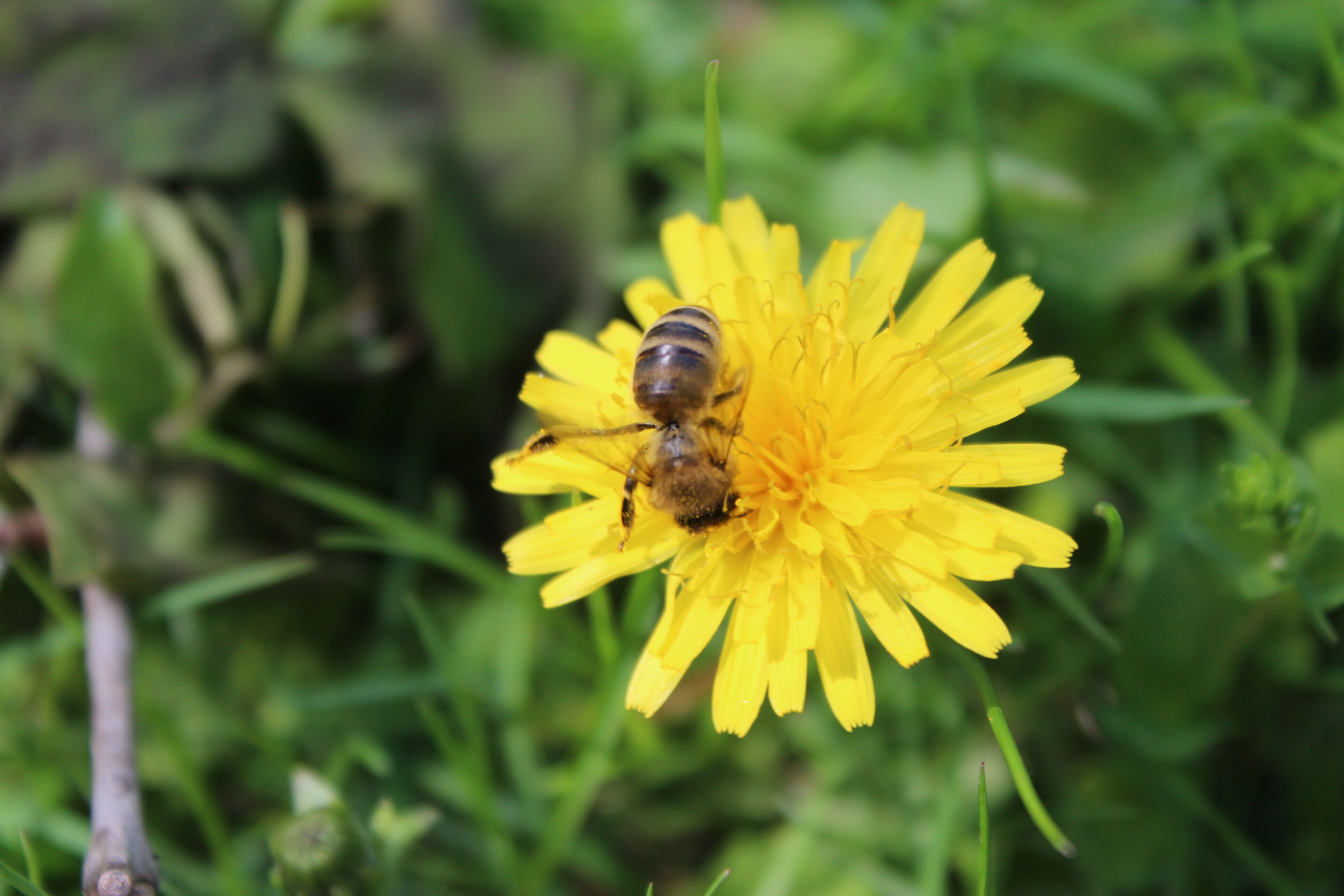
Bees and other insects seek the nectar.

seed

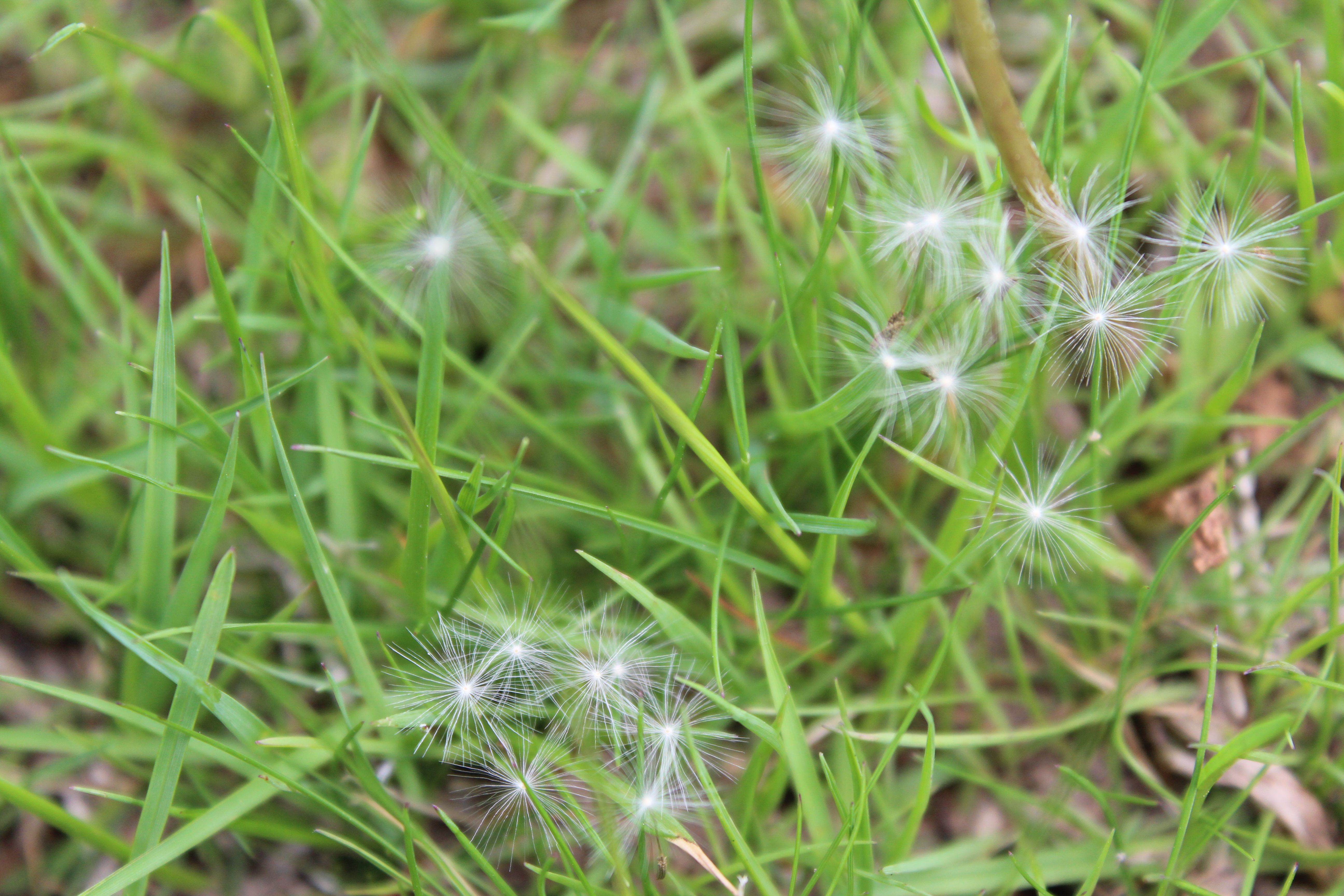
A seed grows at the base and fine hairs form a parachute.

7

In time, the bloom closes up and then turns into a fluffy ball of seeds waiting for you or the wind to disperse them.

8

Though you may not be able to see it here, each seed is covered with tiny spikes that probably help it stick to the soil when it lands.

9

The yellow carpet will continue to change in our backyard

10

one seed at a time.

Who knew a Common Dandelion (Taraxacum officinal) could be something to wonder about? Emily Dickinson did:

The Dandelion’s pallid tube

Astonishes the Grass,
And Winter instantly becomes
An infinite Alas-

The tube uplifts a signal Bud
And then a shouting Flower,-
The Proclamation of the Suns
That sepulture is o’er.

Emily Dickinson

When I grow up . . .

I want to be like Ursula, my spritely little German friend who is a naturalist extraordinaire and loves to share her knowledge and stories.

Ursula

Always with a smile.

bridge

I had the pleasure of being in her company today, after an hour of birding in Pondicherry Park,

baltimore oriole

where a Baltimore Oriole serenaded us.

dwarf gensing

On to Holt Pond for Ursula’s wildflower walk hosted by Lakes Environmental Association, as was the bird walk. Looking a bit like a disco ball is the blooming Dwarf Ginseng.

cucumber root

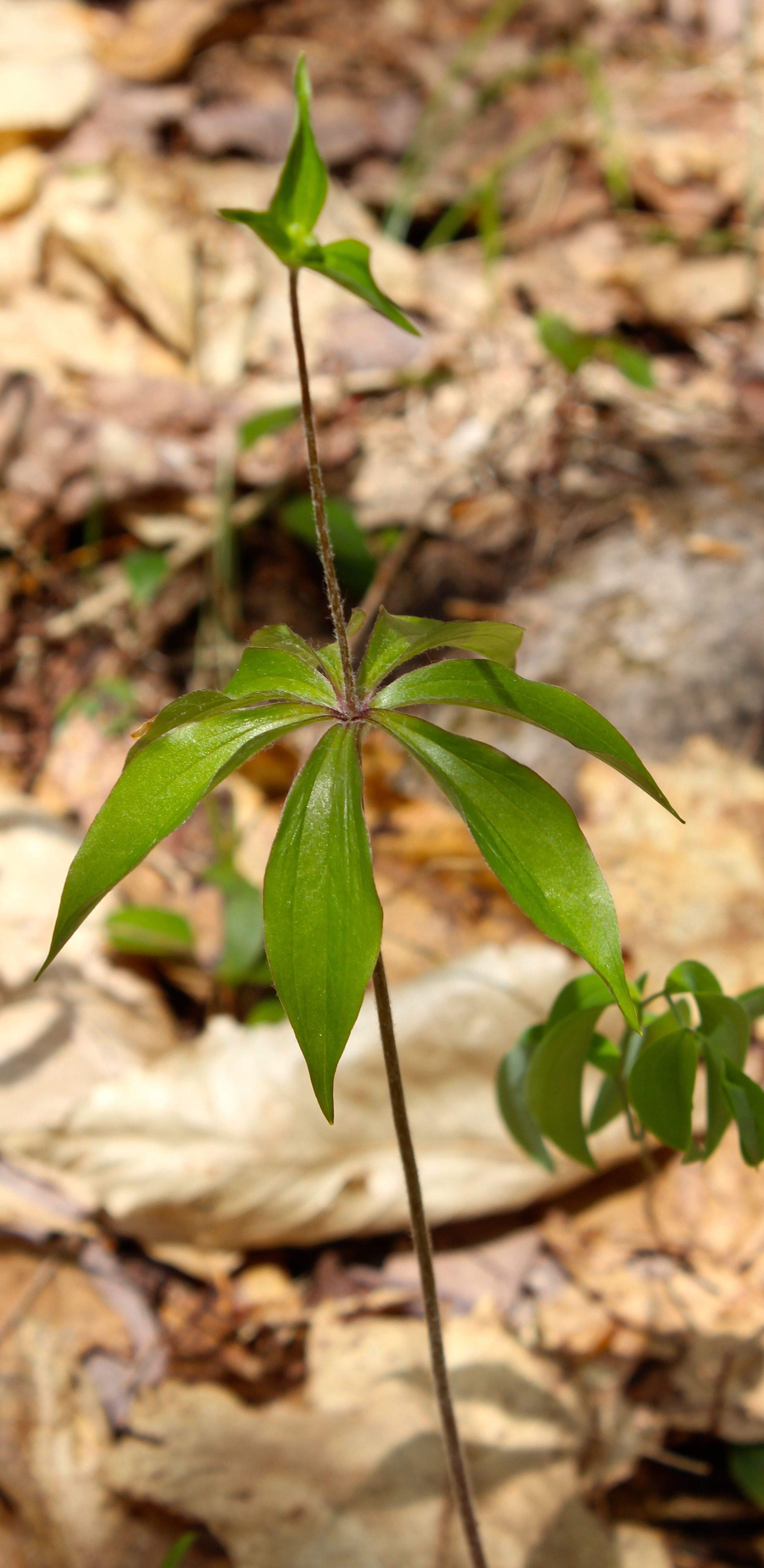
Though it isn’t in bloom yet, I saw lots more Indian Cucumber Root today and have a theory I’m questioning about this plant. I know that if it has only one level of leaves, it doesn’t flower or fruit. It needs that second deck to be productive. I’ve heard people say that when it has the second tier it is a two-year old plant, while the first level is a year old. Is that true? The Canada Mayflower, Bunchberry and Wild Oats all do the same. Does that mean that all the single leaves we see are one and all the doubles are two and none reach age 3? Or is it that some years some of these plants put more energy into producing sugar and thus are able to flower, like trees have mast years? And furthermore, am I making any sense?

blueberries

So many flowers and so many of them white or creamy yellow, like these Highbush Blueberries.

red maple 2

Since we were crossing the Red Maple Swamp, I can’t resist showing their development.

green frog

Along the boardwalk that winds through the swamp, we saw this banjo player–a Green Frog. Some call it a Bronze Frog because more than half its body is bronze. Thus the need for those Latin names–Rana clamitans.

hand 1

My friend, CC, squatted down to catch it.

hand 2

And came away empty-handed. :-)

cinn 1

Who do you want to be when you grow up?

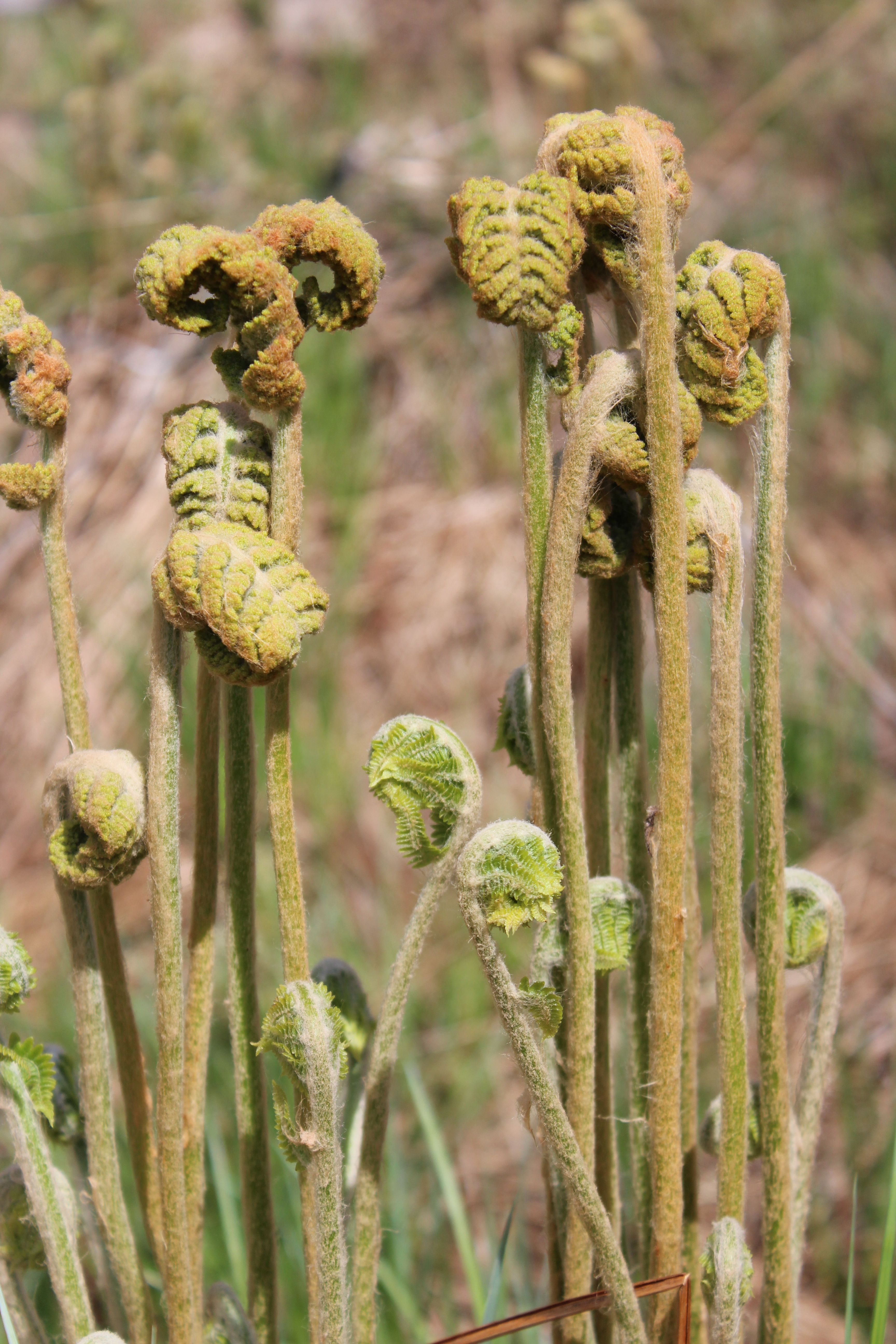
crosiers 2

I pose the question to these crosiers.

cinn 5

Do you see the fuzzy brown wool coat they wear?

cinn 6

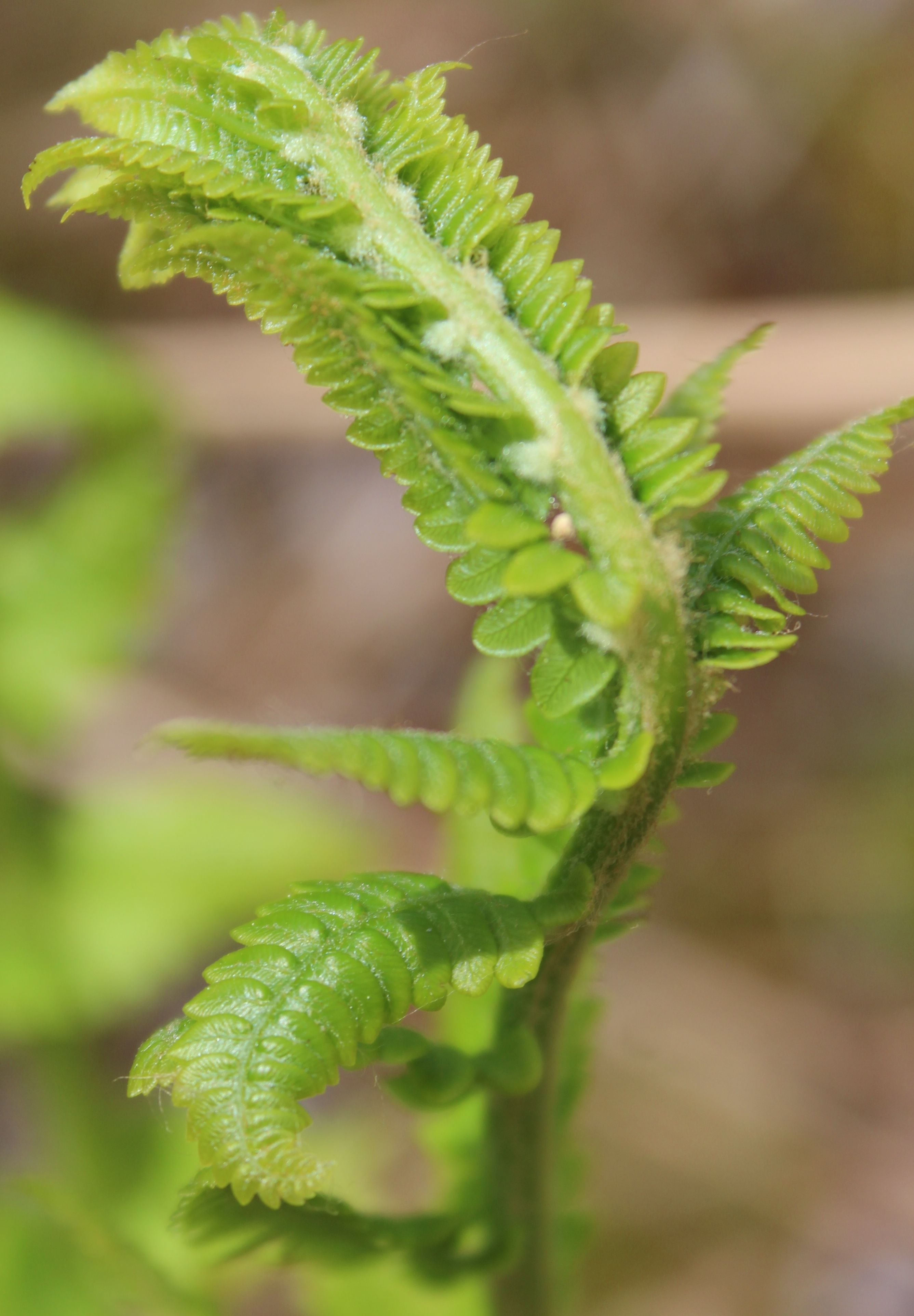
Close up.

cinn 7

Ever so slowly . . .

cinn 8

Their fronds begin to unfurl.

cinn 9

And soon we’ll know them as the Cinnamon Ferns they are becoming.

rainbow

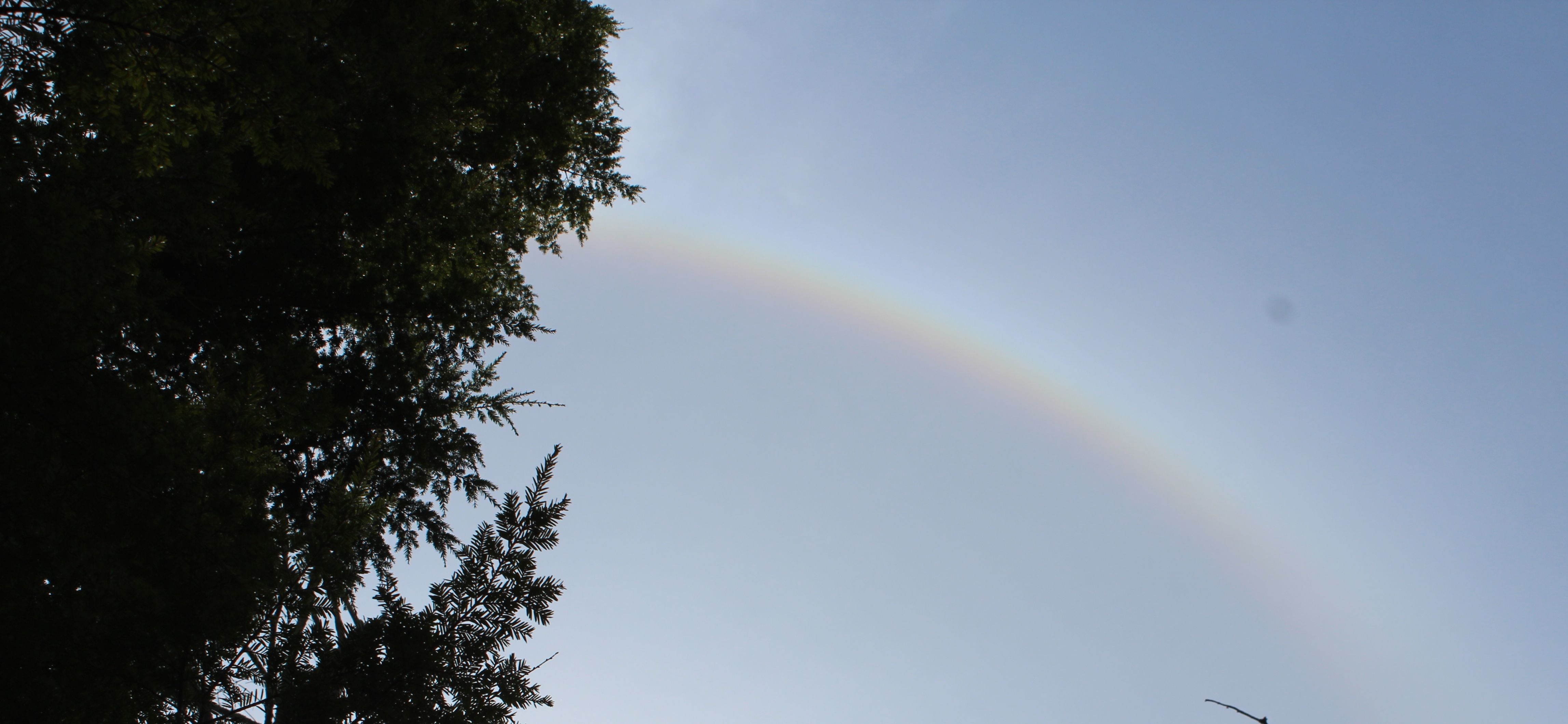
Continuing on, one of our leaders, Mary Jewett of LEA, spotted this rainbow around the sun.

pitcher plant

As is always the case, our heads were bobbing up and down, trying to take in everything there was to see. Pitcher Plants pull us in every time. Well, not literally, thank goodness.

pp seed pod

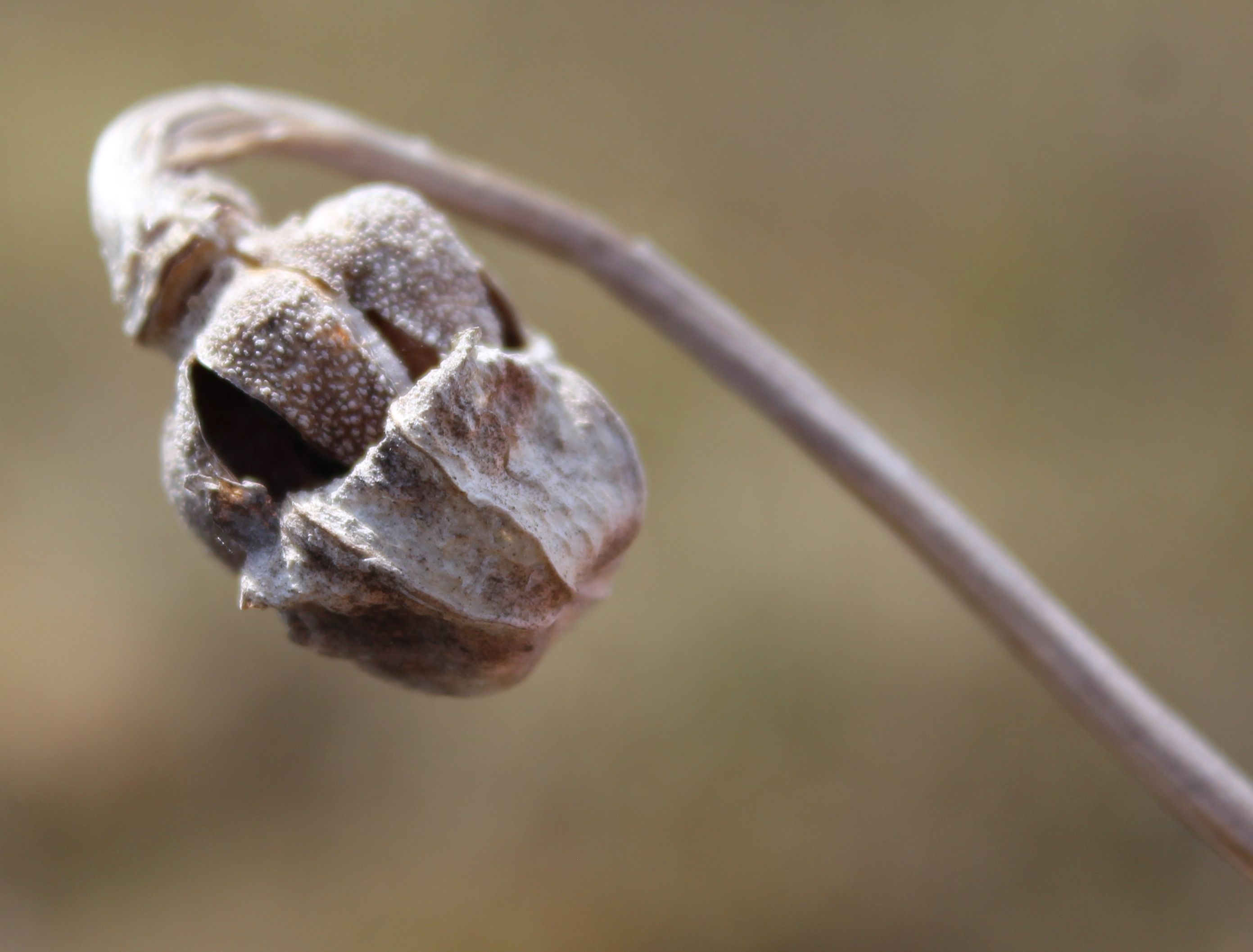
CC found this old Pitcher Plant seed pod.

qb

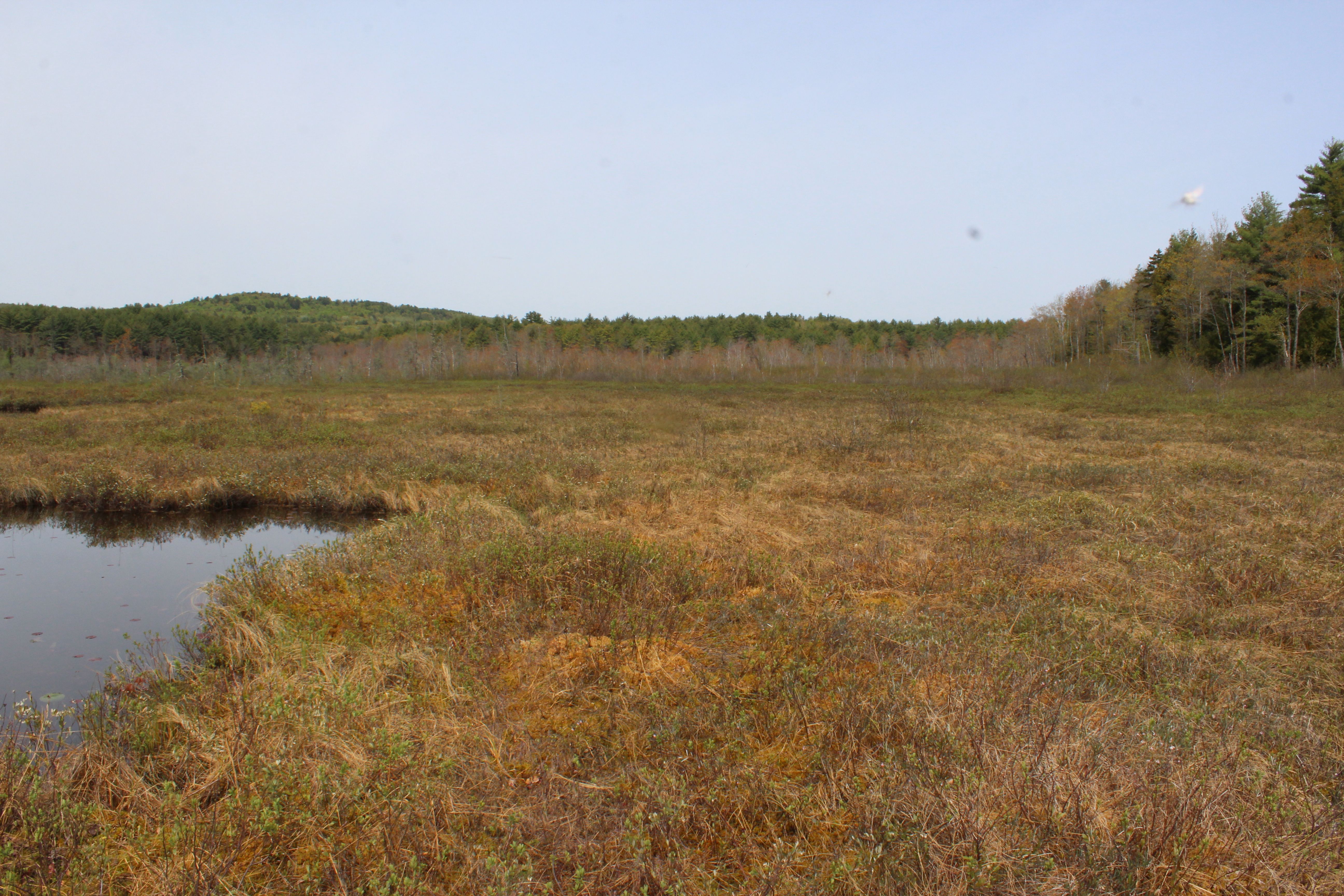
We were on the quaking bog, a mass of sphagnum moss, flowering plants, shrubs and decaying vegetation that floats on the water. It looks safe to step onto, but . . . it too, would like to pull us in and preserve us for eternity.

hp

Holt Pond–like all of us, it’s ever changing as it matures.

It’s Ursula’s energy and engaging personality that wow me every time we share moments wandering and wondering. I don’t want to be her, but it would be an honor to emulate her even a tiny bit.

May Day Celebration

And just like that, it’s May. May Day. Memories of our sons quietly delivering flowers to neighbors and friends flashed through my mind this morning. I’ve a feeling they choose not to remember, but at the time they loved sneaking up to doors, depositing small baskets of flowers and then dashing away.

Birders

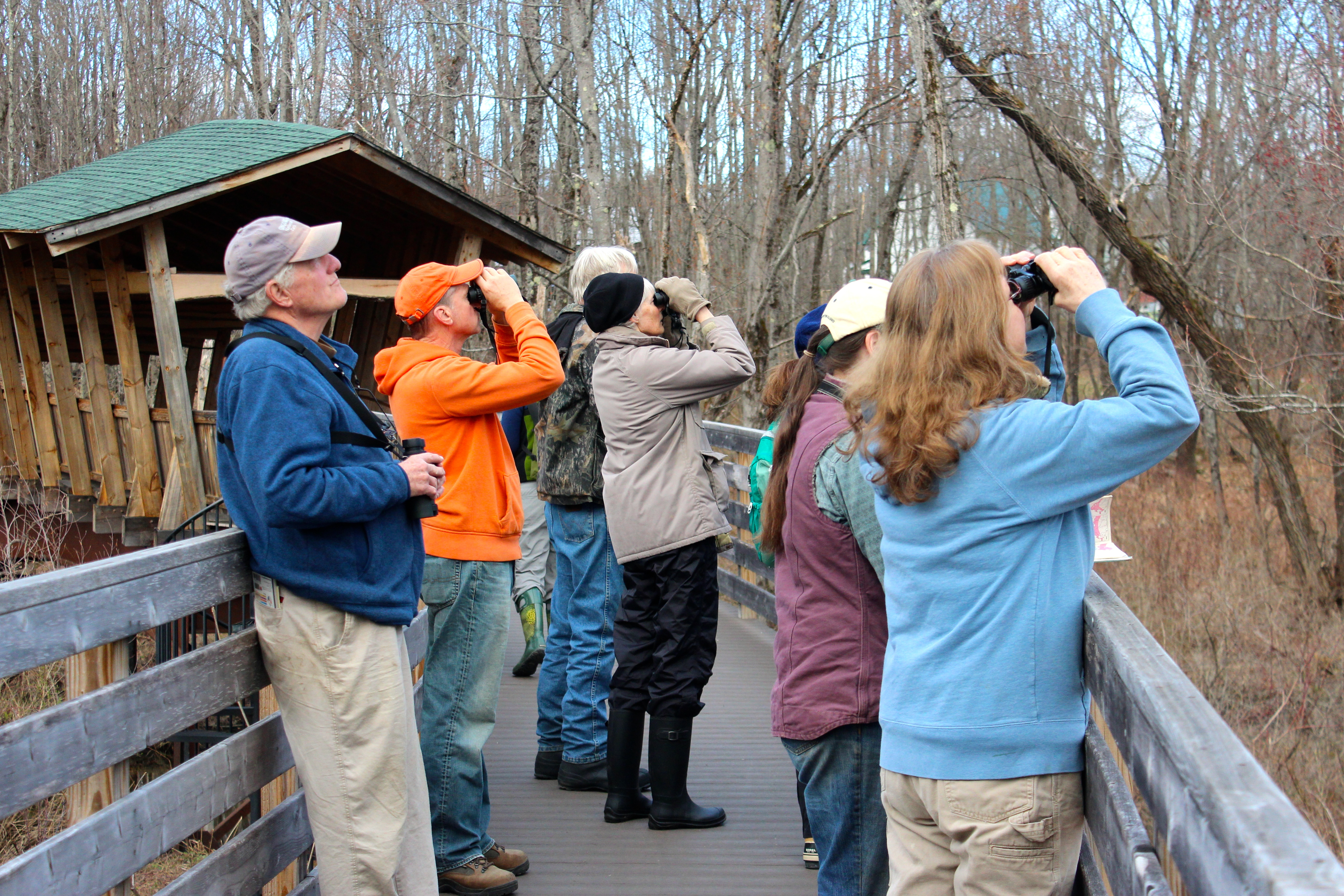
For me, the fun began this morning when I joined a small group intent on birding at the Bob Dunning Memorial Bridge. Chickadees, Red-winged Blackbirds, Pine Siskins, Waterthrush, Mallards, Yellow-rumped Warblers, Goldfinches and a few others were singing and flitting about.

bridge

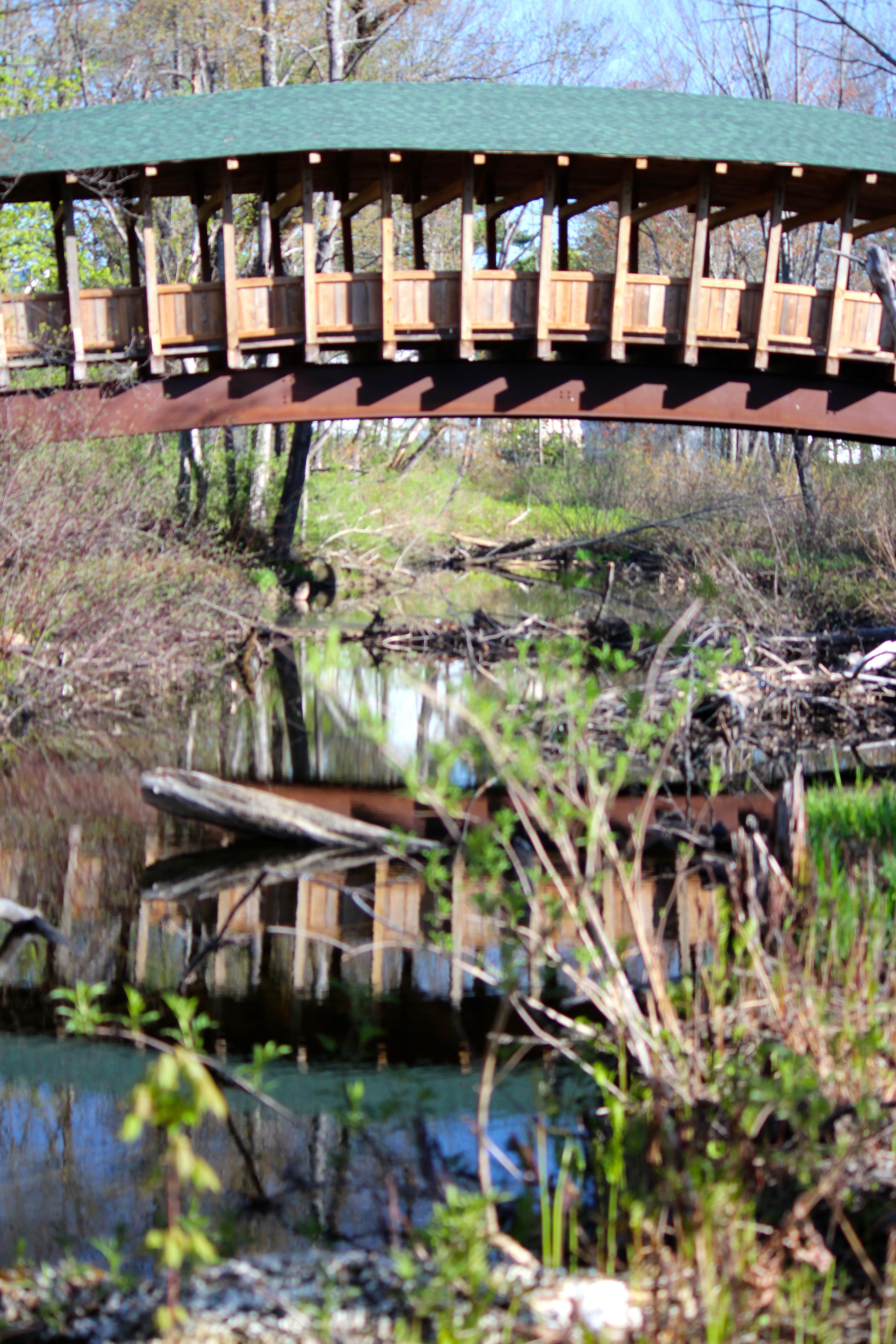
The bridge, itself, is worth viewing from any vantage point.

moss

And then I drove to Sweden (Sweden, Maine, that is) to join a couple of friends on a tramp through the woods.

moss 2

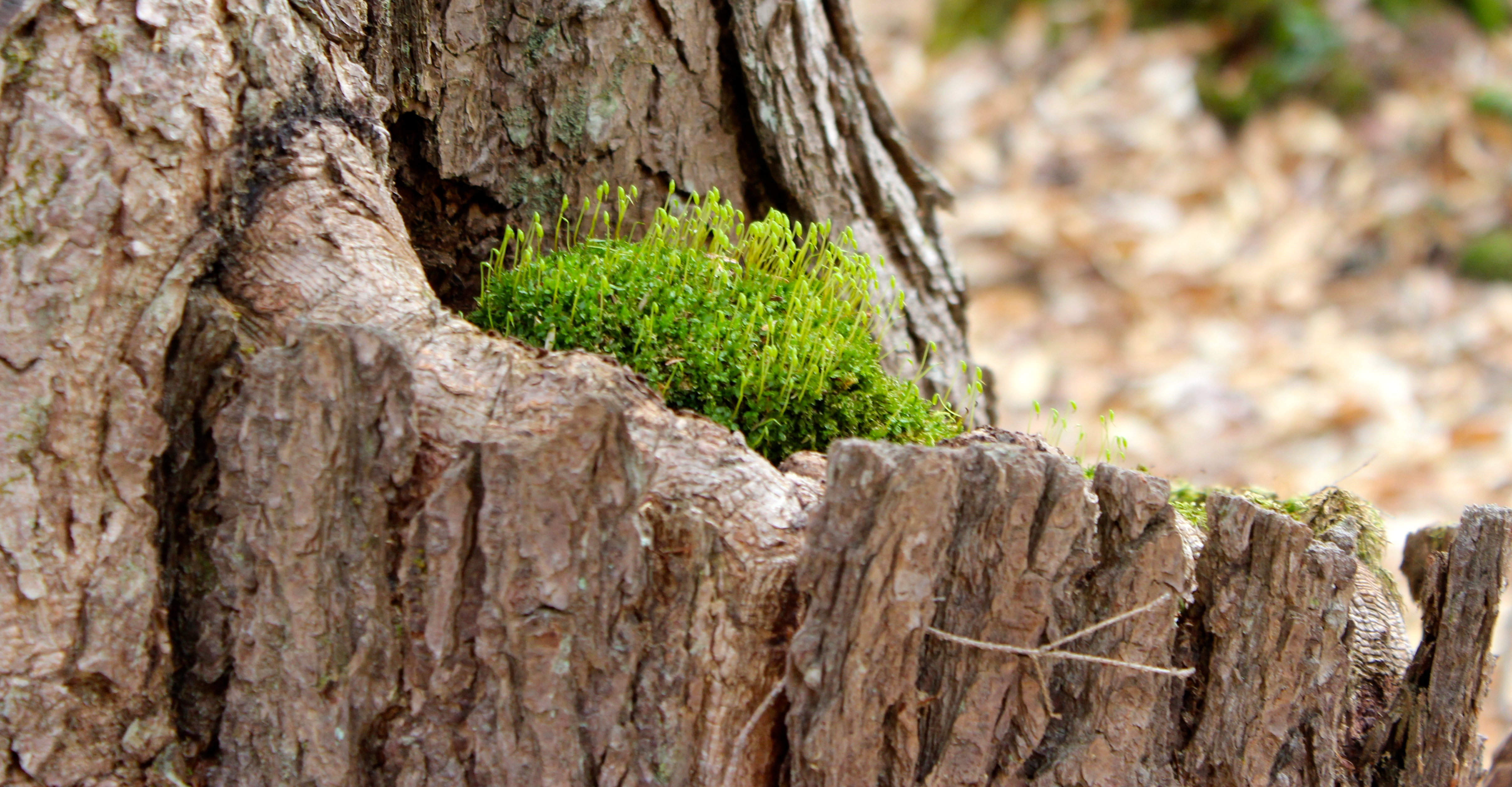
Along the way, this May Day basket presented itself.

1000 shades of green

Moss covered rocks and stumps bring to mind my father and his Scottish heritage. The faeries or fair folk, as they prefer to be known, quietly present themselves in areas like this. Some day, I may share the fairy tale I wrote a few years ago.

witch hazel

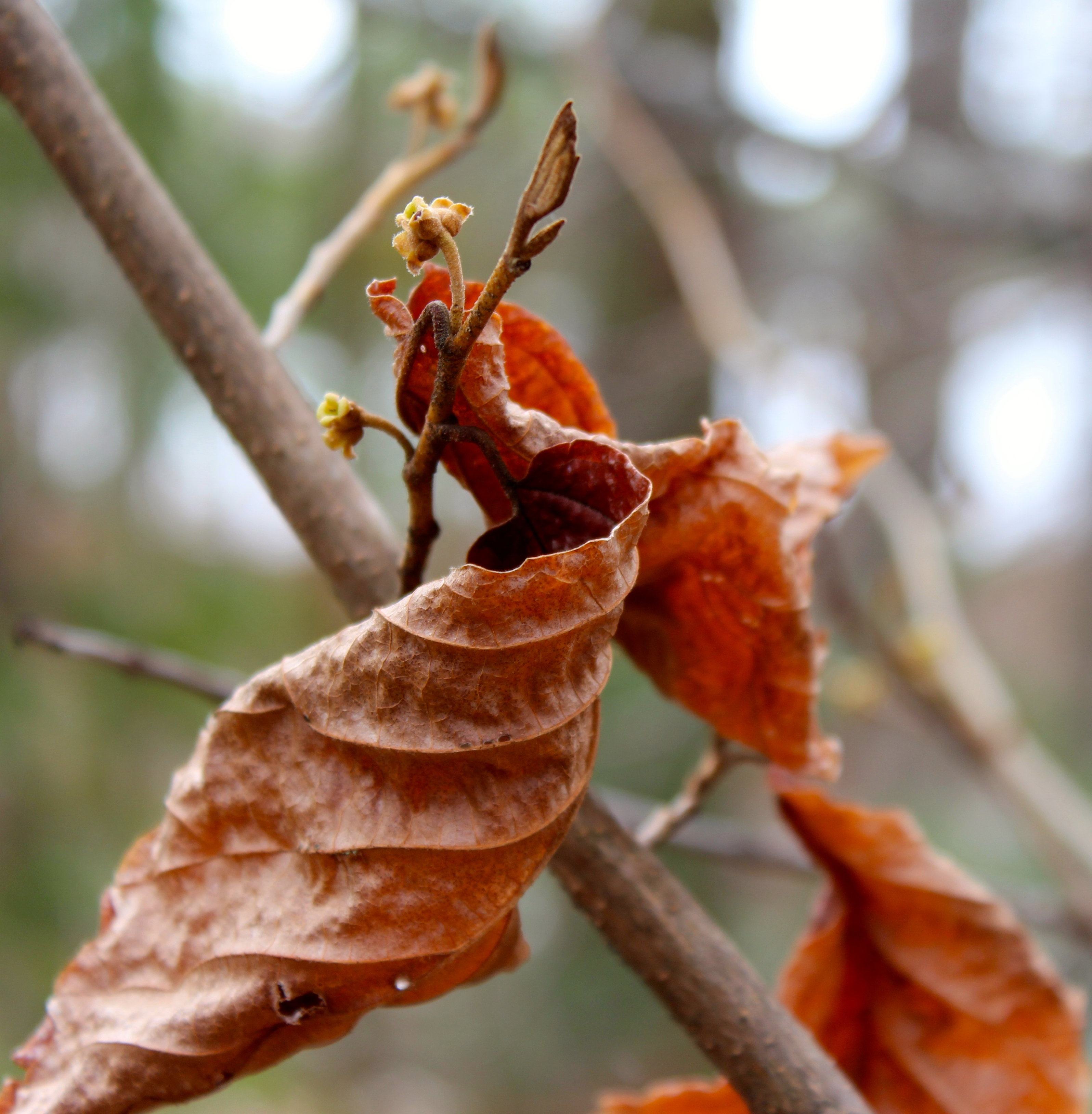
The Witch Hazel still holds its leaves.

beech leaf

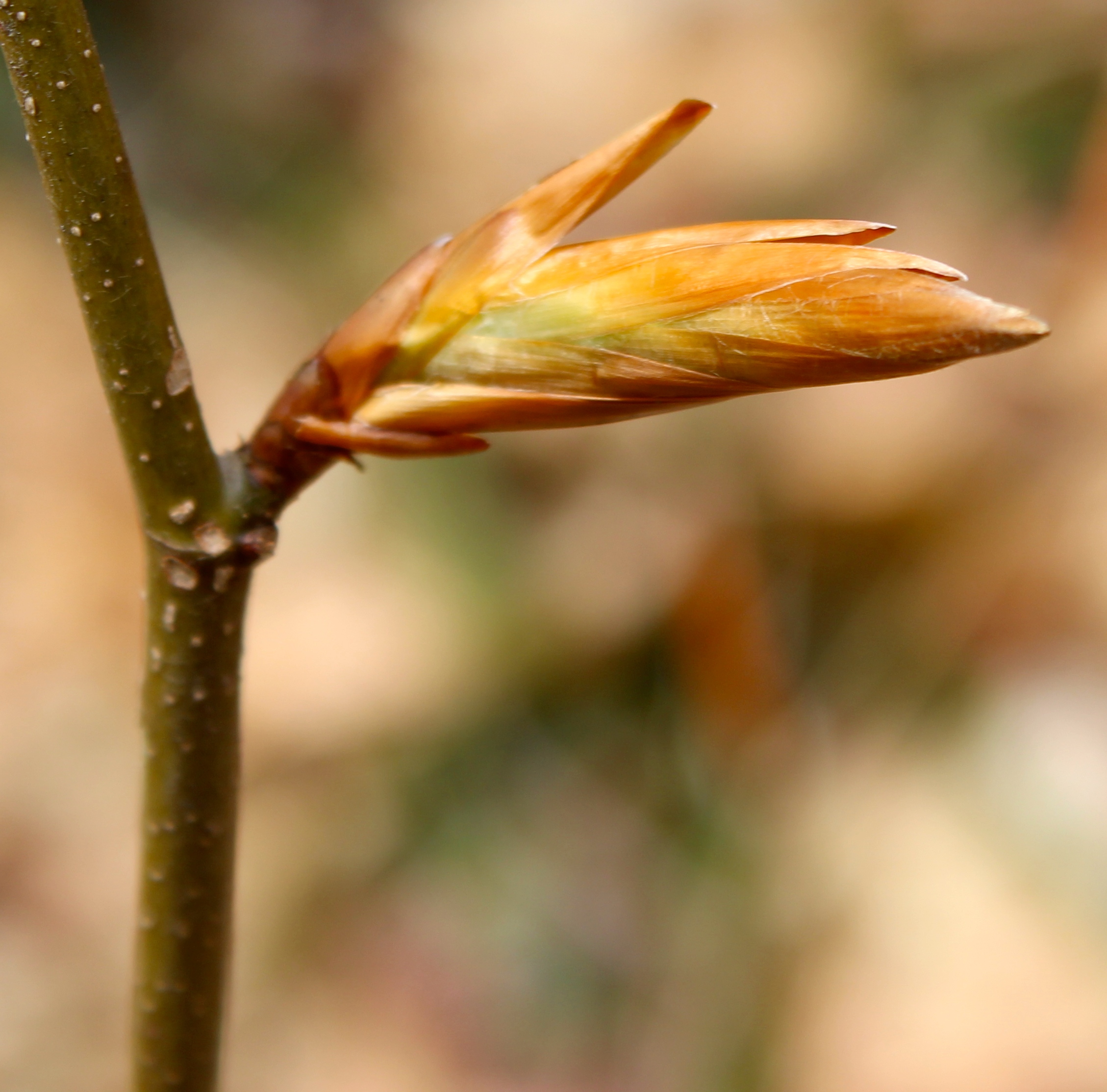
As do most American beech trees, but this one is beginning to leaf out.

pileated

The insects don’t stand a chance against the methodic hammering of the pileated woodpecker who created these holes.

carpenter ant

At the base of the tree, the reason for the pileated’s work was revealed; sawdust created by carpenter ants. This tree must hum before it drums.

rock tree

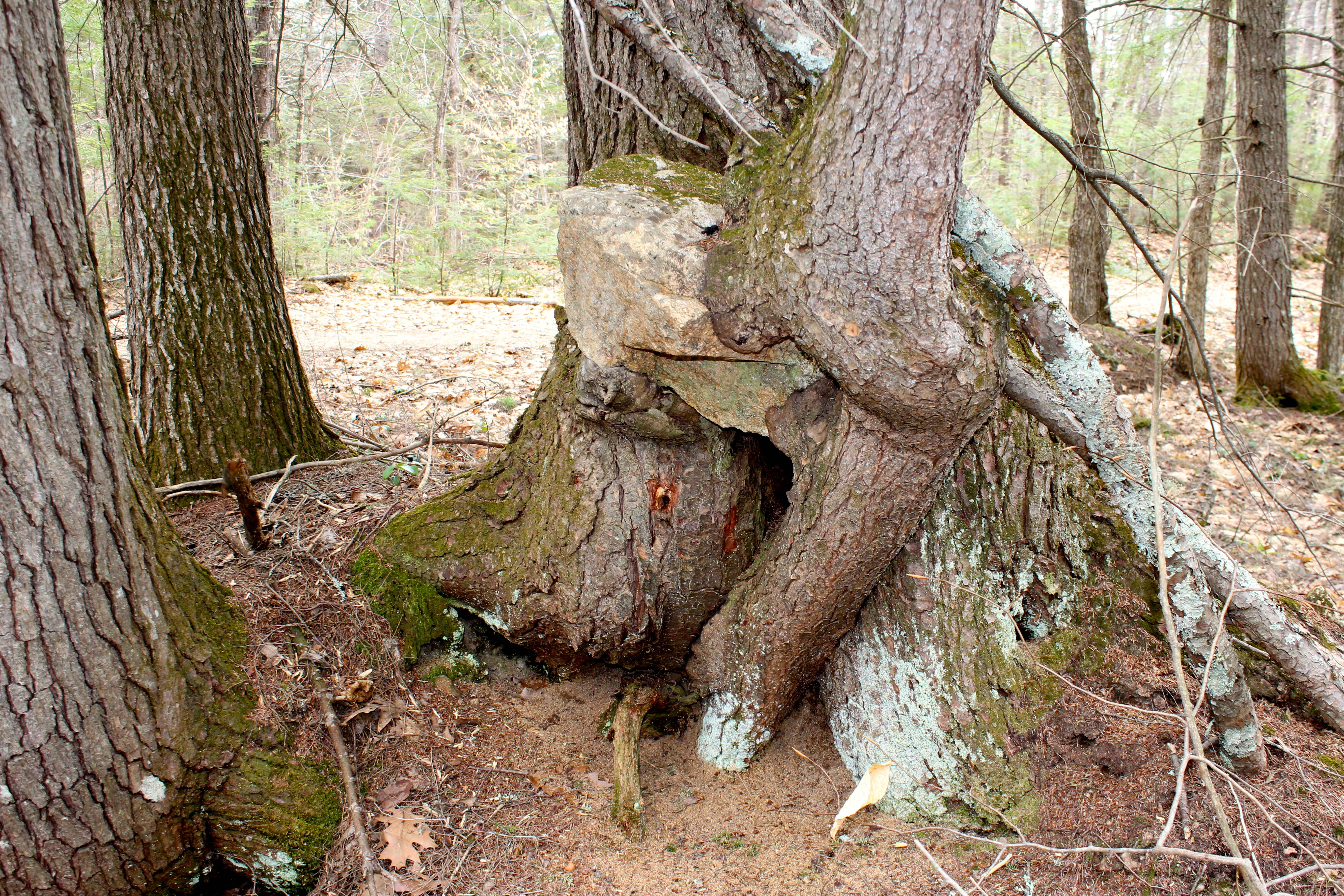
I actually stopped talking, ever so briefly, when I saw this.

rock tree 2

How in the world?

rock tree 3

We think we know, but what are your thoughts?

tree:rock

Meanwhile–a tree grows around a rock.

oak acrorn germinating

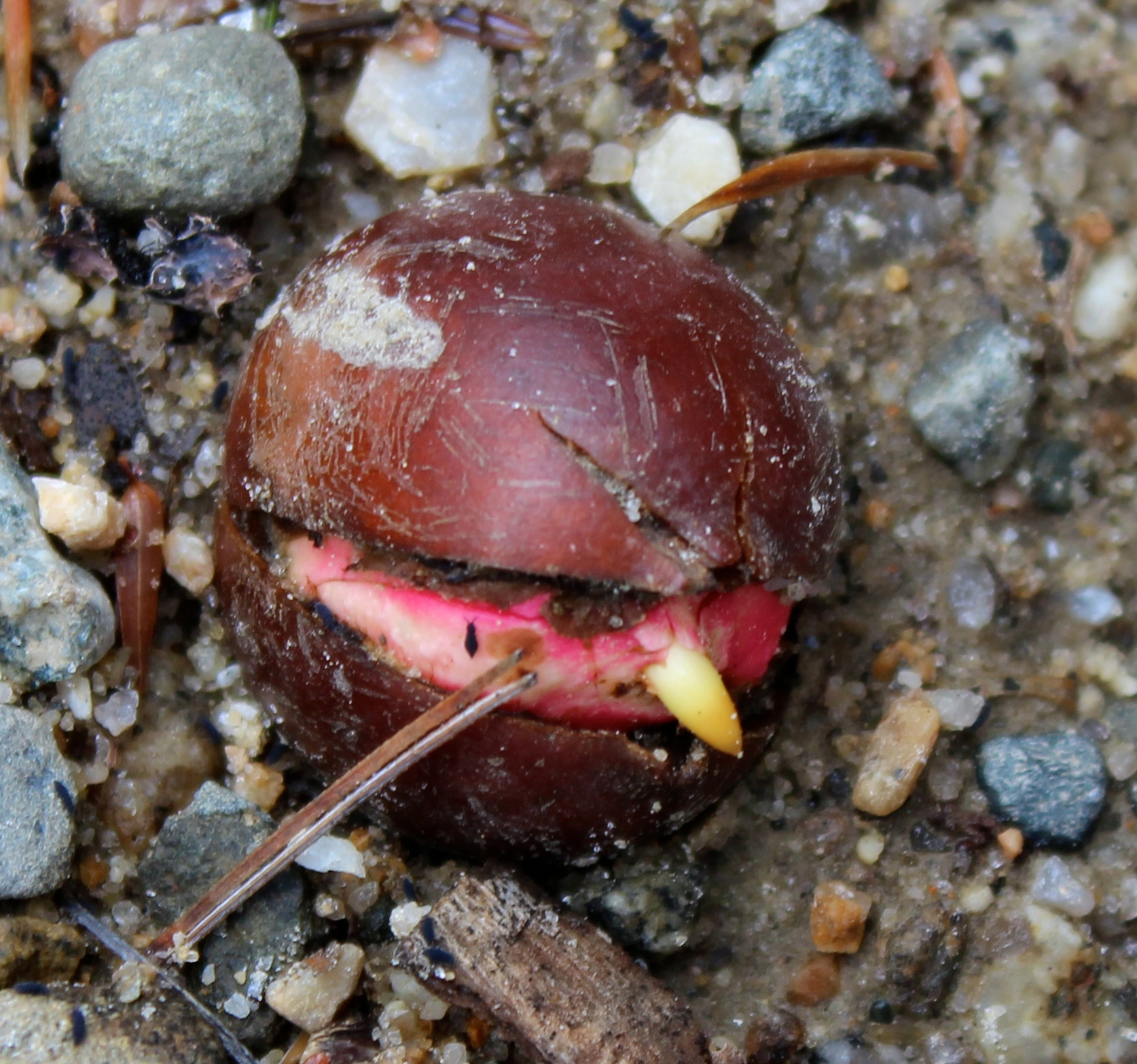
One of my favorite wonders of today. A red oak acorn germinating on the gravelly road–not exactly a quality site to begin life.

skunk cabbage

False Hellibore shines brightly,

skunk 2

slowly unfurling its smooth-edged, pleated leaves,

brookside

beside Powers Brook as it meanders by on its way to Stearns Pond.

beaver 1

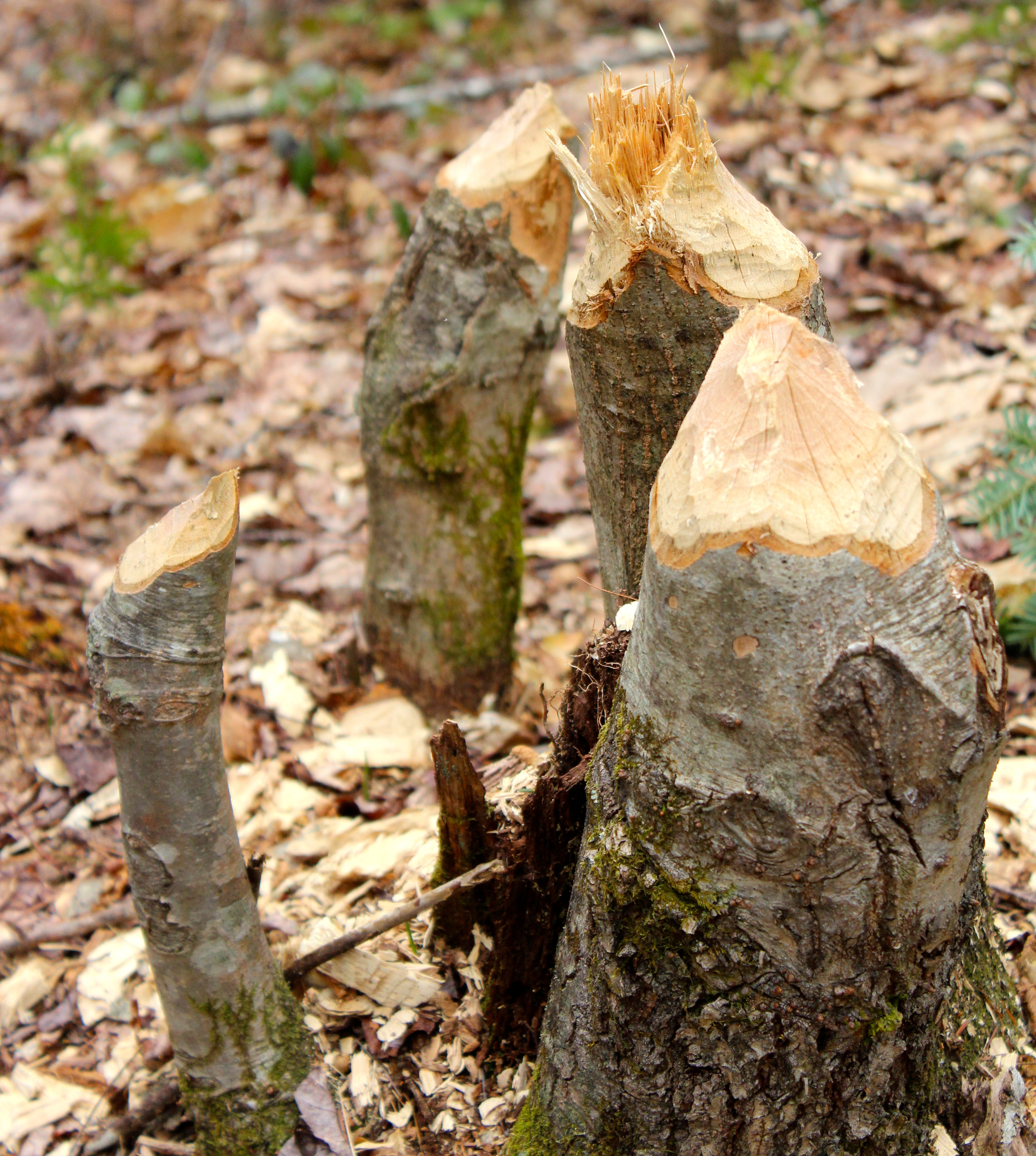
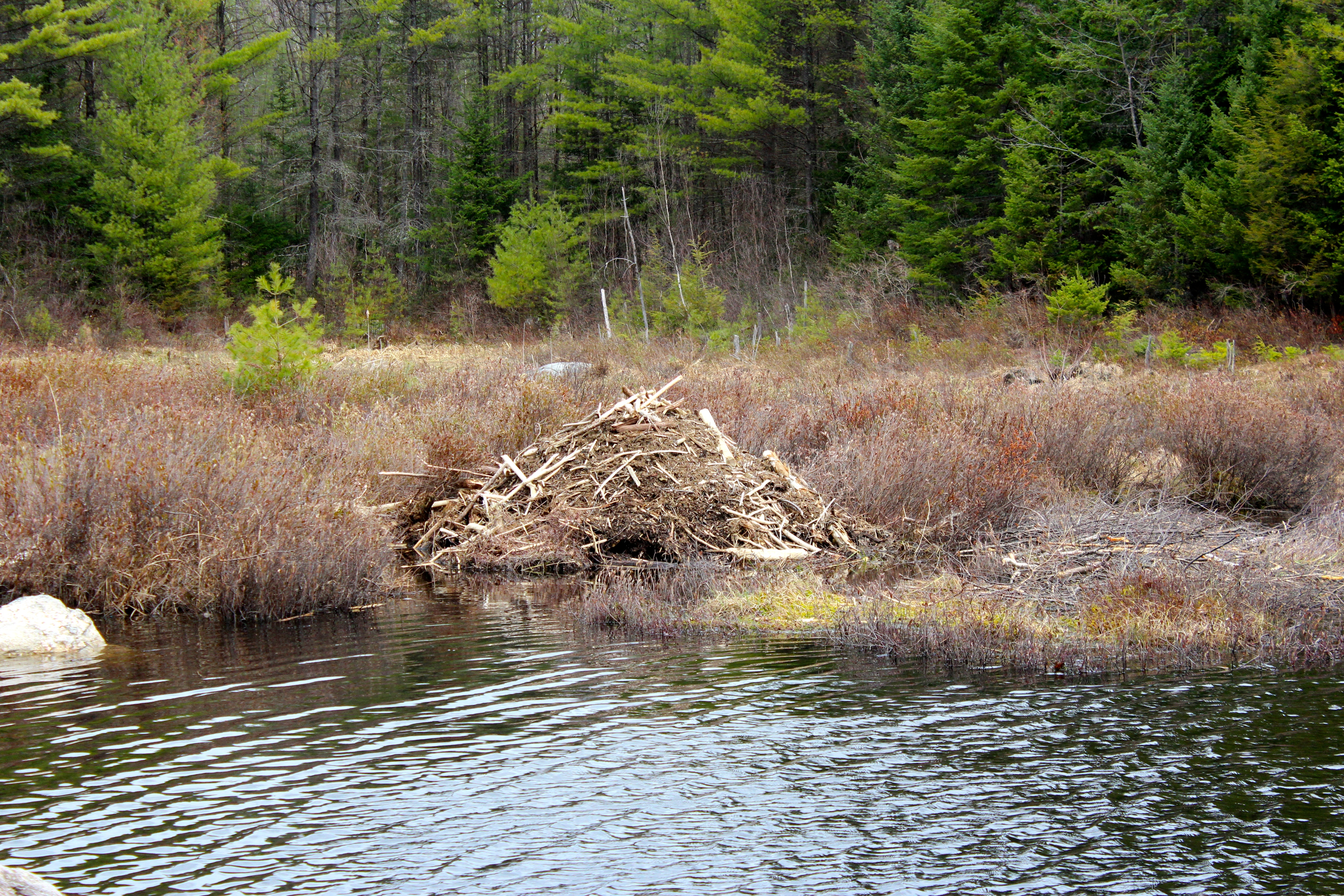
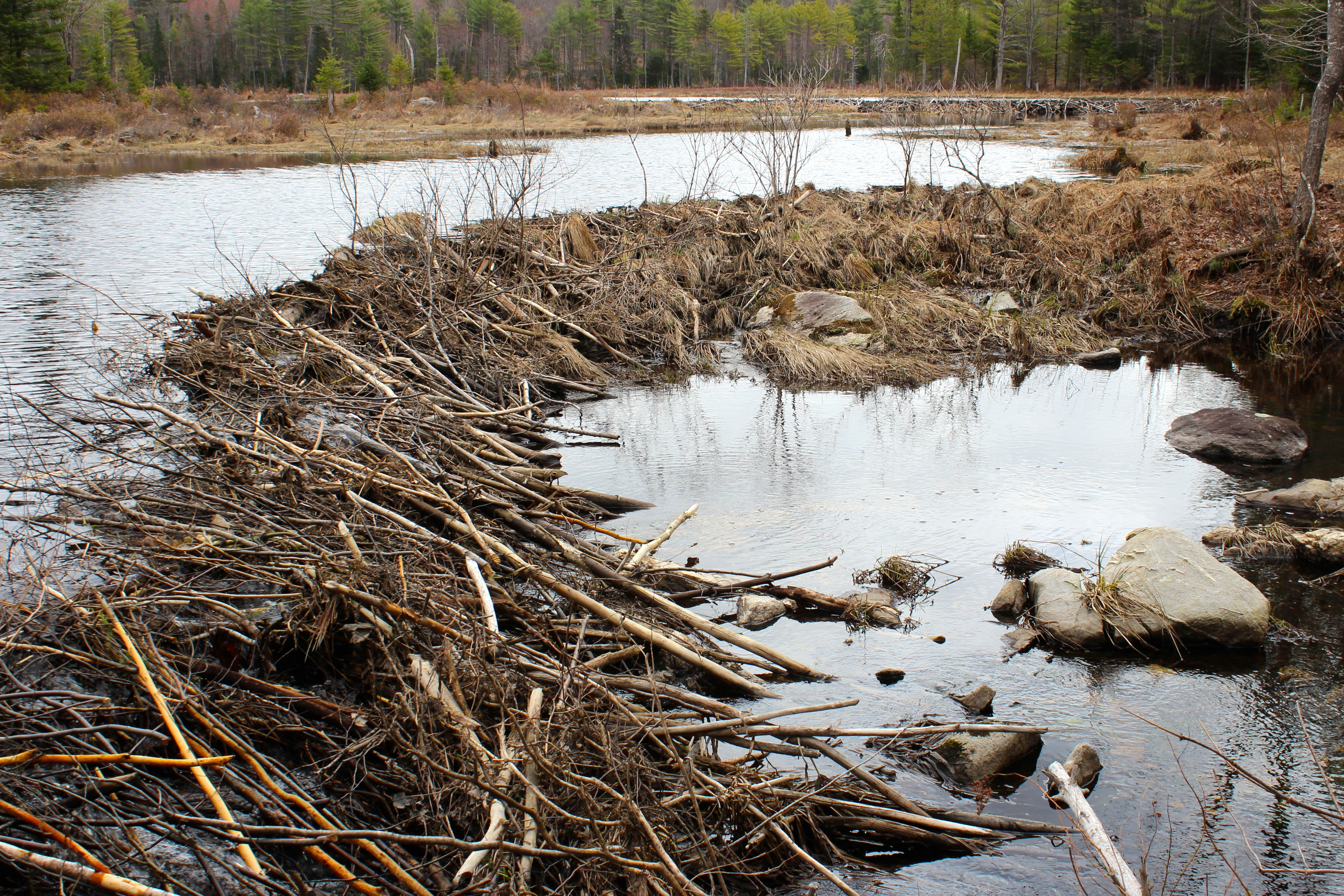
It was a day of this and that, including beaver works.

lodge

The lodge.

dam

And two large dams, the second being in the background to the center right.

 canada mayflower

It’s May Day and we noticed that Canada Mayflower is beginning to leaf out.

ta

 But . . . we’ve been paying attention to Trailing Arbutus, aka Mayflower, whenever we tramp, and today–blossoms

Mayflowers

accompanied by that delicate sweet scent.

A reason to celebrate. Happy May Day.