It’s an old fav, Bald Pate Mountain Preserve in South Bridgton. And we love to visit it in any season. That being said, winter will “end” in a few weeks and this morning we realized we needed to head on over.
Our plan was to follow the Moose Trail for its entire length, then continue on the South Face Loop to the summit, start down the Bob Chase Trail, veer off to Foster Pond Lookout and then make our way back by rejoining Bob Chase.
One might expect to see a moose along the first trail, and we hoped to have such luck, but it was not to be. Instead, do you see the ski tracks? Portions of the preserve are groomed for cross-country skiers as part of the system at the adjacent Five Fields Farm.
What else did we spy? Some wicked cool finds in my book of wonder. For instance, you may think that this broken off piece of a twig is merely dangling from its counterpart, but . . . it is solidly stuck in place by a fungus known commonly as glue crust. It glues together twigs and branches that touch each other.
And sometimes twigs meet the bark on the trunk of a tree and hang in what you might think of as an unnatural stance.
The fungus is the dark bumpy structure that the second twig is stuck to, much like a magical act performed by nature. Really though, this fungus doesn’t let the twig fall to the ground where it would be decomposed by other fungi. Pretty tricky–making a claim all for its own benefit.
Continuing on, we scanned every beech tree in hopes of finding bear claw trees. We did find a beech worth honoring for we loved how it rested an elbow on the boulder below and with two arms formed a frame of the scene beyond.
Ever so slowly we climbed upward, our pace not my guy’s usual because of the bear paw challenge. When one is looking, however, one discovers so many other things upon which to focus like this rather common birch polypore in a rather uncommon shape, almost like a Christmas bell jingling in the breeze.
And then there was a display of snipped hemlock twigs scattered across the snow-covered forest floor.
We looked up and saw not a silhouetted form, but by the debris, which include diagonal cuts on the twigs, comma-shaped scat (some a bit more rounded than others), and even the soft, curly belly hairs of the creator, we knew a porcupine had dined overnight.
We looked a wee bit, but found not its den. By its tracks, however, we could tell that it had made more than one visit to this fine feasting spot.
Had we climbed the Bob Chase Trail we would have reached the summit in twenty minutes, but our choice to circle about before hiking up meant we spent two hours approaching the top where the bonsai trees of the North grow–in the form of pitch pines.
The true summit is a wee bit higher and so we continued on and then turned back to take in the view of Peabody Pond below.
It was there that while looking for insect cocoons I came across the gouty oak gall caused by teeny wasps no bigger than fruit flies. The structure was woody as it’s a couple of years old. And almost creepy in its display, like a head with many eyes looking every which way.
We did take the hint and looked every which way ourselves, the next point of view beyond Hancock Pond and beyond.
And then we moved on, until that is, we reached the wall of tripe, which always invites me to stop.
Water had also stopped in the form of several frozen falls.
And again, more of nature’s magic for the icicles facilitated photosynthesis by the algal partner of the lichen’s symbiosis. It’s a thing worth liken.
Nearby, a relative also begged a notice. Do you see the black flat-headed disks upon the surface? Those are the fruiting bodies or apothecium where this lichen’s spores are produced. The common name for this umbilicate structure: toadskin.
Just above the tripe and toadskin offerings, Pleasant Mountain came into view. Hidden behind a cloudy veil was Mount Washington, which typically sits in the saddle of the Pleasant Mountain ridgeline.
As we wound down and around, polypody ferns spoke about the weather–some were curled as it was cooler in their location upon a boulder in a hemlock grove, but others were flattened bespeaking the rising temperature.
Our last focal point before heading back to the parking lot was the lookout to Foster Pond. Where once stood a tall cairn, there are now two shorter ones marking the point of view and turn-around.
It was there that we discovered another gouty oak gall, its size at least that of a golf ball; a rather holey, warty golf ball.
This preserve is forever a fav in any season, which on this Mondate offered a flash ahead (think the opposite of flashback, rather like a preview) of what is to come. We love winter. And we especially love snow. But . . . we also love all the other seasons and the perennial plants on the southern side of the mountain where the snow has melted a bit, showed off their evergreen shades and hints of future events. Wintergreen and Trailing Arubuts, the later with the long buds atop a hairy stem.
Yesterday’s torrential rain, sleet, torrential rain, snow, sleet, torrential rain, snow, wind, and cold became today’s frozen snow upon which I could walk without sinking.
Or wearing snowshoes, though I did choose micro-spikes because I wasn’t sure what conditions I might encounter as I headed out to the old cowpath and woods beyond.
It was at the far end of the path that a lot of disturbance drew my attention and I realized deer had pawed and pranced in an attempt to gain something upon which to dine.
Empty caps were all that had been left behind during the ungulates search for a meal fueled by Red Oaks.
A wee bit further, I paused by the vernal pool that will soon seek much of my attention. Today, it shared two things; yesterday’s weather had transformed it from a snowy crust to an icy one; and the neighborhood turkeys, which I’ve yet to see, had stopped by.
But my reason for heading out late this afternoon was to cross over the double-wide wall by the pool and disappear into the saplings that fill the space.
It’s a parcel of land that was nearly clearcut in its day, but since then I’ve welcomed the opportunity to watch forest succession and all that it has to offer in action.
Being an early succession forest, Gray Birch fills the landscape with its twigs atop triangular gray beards. Red Maples and White Pines add their own colors to this place.
At the gray birches’ feet, their catkins filled with fleur de lis scales and teeny tiny seeds that remind me of ever so minute insects with transparent wings, littered the snow. Two actual insects also made themselves known. Do you see them? (Faith and Sara–happy looking ;-) )
And then another insect came into my sight. Truth is, a friend introduced me to this pupal form of a ladybeetle in late autumn/early winter. Of course we’d never seen it before, but as happens in the natural world, once you see something and gain a wee bit of understanding about it, you suddenly see it everywhere. Until recently, everywhere for this species had been upon evergreen trees. And then we found it on tree bark. Gray Birch to start.
I had much to think about in terms of the ladybeetle, but really, I’d come to this place because of some downed trees. Here and there in this forest swath, trees are bent over for no apparent reason. I think I know the why for I don’t believe it’s because a storm came through or all the trees would have bent over. I suspect it has to do with the fact that so much of the plot consists of gray birch that topple easily with the weight of snow, such is their cell structure. And as they toppled, they took down some pine saplings in the mix.
The creator of this scat loves the forms that the downed trees created for it’s a great place to hide when predators or old ladies stop by on the hunt. What I wanted the critter to know was that I was only hunting with a camera. You see, last week I actually spied the scatter as it hopped out of the form and leaped away, its fur slightly streaked brown as is its manner in this between-season time, giving rise to one of its common names: varying hare. It was too fast for my camera and so today I went back in hopes of a second sighting.
By the angled cuts of surrounding vegetation, I’d knew where it had dined.
And by its track, I knew its most common name: Lobster Hare. Okay, so it’s a Snowshoe Hare, but each set of prints always reminds me of the crustaceans of Maine fame.
I tried, oh so hard, to stand still and hoped upon hope that the hare would show itself again.
In my standing still, I did see more ladybeetles in their pupating stage–this one upon a dead White Pine.
And near it . . . another set of downed trees creating another Snowshoe Hare form, that place where the lagomorphs rest during the day. Usually that place is located under evergreens as was the case.
Spying a certain set of prints by the form, I realized I wasn’t alone in my quest. Do you see the C-ridge between the toes? And the asymmetrical presentation of the two lead toes? And the impression of two feet, where a foot packed the sloshy snow of yesterday and a second foot landed in almost the same place? I present to you a Bobcat. ;-)
It led me to yet another Snowshoe Hare form.
Atop the form were signs of life, much to my delight: prints, scat, and even the orange-red tint of Snowshoe Hare pee.
Still, the Bobcat moved–its track connecting with a run or well-traveled path of a hare.
Following the hare and cat tracks led to yet another “form.”
It was there that I stood for the longest time. And I swear I heard someone munching within. Was it my imagination? Probably. For my imagination also had me hearing all the wild animals of the forest closing in on the hare and me and then I realized that I was the one closing in on the hare and my “fear” was its “fear.” Marcescent leaves that rattled in the breeze and trees that moaned as they bent in the breeze became larger than life creatures of the forest.
As I stood and listened and felt the hairs on the back of my neck stand tall, I spied more ladybird beetles in their larval and pupal stage.
As much as I wanted to understand the life cycle of this beetle and especially how it deals, if it does, with our low winter temperatures, please, please don’t tell me your understanding.
From evergreen to hardwood, I’m in the process of learning the habitat of this species.
Heck, it not only doesn’t just use evergreens upon which to pupate, it also doesn’t depend only upon Gray Birch, given that it can be seen upon plenty of Red Maple tree trunks.
Oh, and as you look, others might surprise you like these puff balls, their spores still ready to pour forth when gently poked.
Over and over again as I waited patiently for the hare, the ladybeetles made themselves known.
Some presentations differed from others and made me wonder about their matter of timing. Were they frozen molts? Were they morphing? If you know the answer, please don’t tell for this is a new learning and I hope to stay on the case.
Still, as first discovered, there were more in the evergreens to spy.
As the sun began to set, I found the Bobcat track once again and it led into the forest beyond.
More importantly, I backtracked its trail and discovered yet another Snowshoe Hare form created by downed trees. In my mind, so many places for the hare to hide. So many places for the cat to explore. And in the mix–me.
I never did see the hare today. Or the deer. Or the turkey. Or the bobcat. But . . . by their signs I knew that we share this space and there were a few others in the mix including porcupines, squirrels and grouse, and I gave great thanks . . . because of the hare.
Getting to know you, getting to know all about you: Maine that is. And more specifically, its state parks. To that end, my guy and I have been traveling at a snail’s pace since we began this journey a year ago,. In 2019, we checked two off the list. But today . . . the number finally more than doubled.
Our journey began with lunch at Two Lights State Park in Cape Elizabeth. Shout out to several local businesses and friends: Pam and Justin Ward of Bridgton Books for the book bag in which we packed today’s picnic, Sierra Sunshine Simpson for the bee’s wax wrap that kept our sandwiches fresh, Fly Away Farm for the sourdough wheat bread and grape jam that enhanced our Peanut Butter and Jelly sandwiches, and my sister for the chocolate-covered McVitie’s digestive biscuits that rounded out the meal.
Lunch completed, we began to look around and right beside the picnic table grew ever-hairy Staghorn Sumac twigs with heart-shaped leaf scars surrounding new buds. What’s not to love?
At last we headed off onto the trails. Do you see what I see? Or rather, do you not see what I don’t see? Snow. Back home, it’s quite deep, but along the coast, it seemed to be non-existent.
Eventually the trail led to the Atlantic Ocean and the infamous rocky coast of Maine. It’s really my mom’s rocky coast of Maine for she was always in search of such. Having grown up in Connecticut like she did, I understand her fascination.
My limited understanding of geological folds created by heat and pressure during the mountain-building process was enhanced by crashing waves.
Within the complexity of the geological formations was another with its own history written throughout its structure.
Sunburst lichen, foliose to umbilicate, spreading extensively, yet loosely attached, smooth to somewhat wrinkled, featured a complex organism that arose from algae or cyanobacteria living among filaments of fungi in a mutualistic relationship that included yeast in the mix. How’s that for a simple life form?
Step by step, one amazing feature after another made itself known, including a quartz vein cutting a quartzite bed.
Eventually we came a rock that could have been a sculpture of a bald eagle. Or perhaps a story written that still needed to be deciphered.
We continued to walk along the edge, enjoying the action of the waves as juxtaposed beside the prehistoric rocks. Part of the splendor, in fact, a major part, included the color. Our western Maine eyes don’t mind the blues and browns and greens and whites of winter, but beheld the beauty and bounty that was the splendor of this winter day.
We stood in wonder as the waves moved in, met the rock with splashes high and lo, and then retreated.
At last we walked higher ground, but still noted buckets of wonder as waves interacted with rocks to the southwest.
Beside the well-worn path we walked, others who have known this way from one generation to the next offered their winter forms, such as this Queen Anne’s Lace.
The woody form of Evening Primrose also greeted us in the midday midst.
Bulbous and colorful, yet equally full of flavor (so noted in days of yore by my father) and vitamins , rose hips offered their own take of winter.
I soon learned as we stepped away from the coastline that we weren’t the only soles who wandered the area. A vole had traveled in the subnivean layer between the ground’s surface and snow that had been–leaving its telltale tunnel.
After we circled about the edge of the 41-acre property, we headed “inland” toward the reason for its special upkeep as a state park. Once upon a time this had been a prime piece of land that offered a protective layer to Portland’s port. While a battery had been constructed, with clear points of view and contact, as well as enemy protection, no guns had ever been fired.
About a tenth or two down the road, a mini harbor provides protection for any who travel the fingered coast of Maine.
Because it offered smaller rocks among its mix, I asked my guy to look for hearts. Seek and ye shall find.
Seaweed and seashells added to the array and provided another colorful hue to this mid-winter day.
Across the harbor from our stance stood one of the two former lighthouses for which the area was known.
No longer in use, its light warned ocean farers of the rocky coast. Life has changed since its day of service, but as we stood nearby we could hear the toll of its well-revered friend, a bell buoy.
In the opposite direction of the lighthouse, the folded rocks bespoke their ancient form.
Beside such, we could feel the bend and imagine the creation.
Stepping atop, we looked back and took in the landscape.
And then we moved on, stepping out toward a beach whose shape rendered its name.
Walking upon its much softer coastal offering, we noted artistic “trees” that appeared to be deer hiding in the sandy forest.
And then there was the moss-colored seaweed making us think of the Emerald Isle miles and miles beyond.
After crossing from the seaweed-covered rocks to an upland piece, we then stepped down toward the water again where red sand greeted us and if your imagination is in as full gear as ours was, you may see a heart within the sandy artwork.
In places where water flowed over rock faces, we rejoiced in the interface of ripples upon ridges.
Up close and beyond, the scenery and the scents filled the innermost recesses of our souls.
And the artwork of those who had come before touched our whimsical sides.
After we’d reached the southwestern edge and turned back, the reason for this state park’s name became most obvious: Crescent Beach.
Walking back, we continued our quest for the shape of a heart. I found one in the suds of the retreating tide.
At exactly the same moment, my guy found one in a more rounded form among the stone offerings.
And then a gull captured our attention. He appeared to have found a hamburger roll upon which to dine.
For a few minutes he played with his meal, perhaps softening its texture in the low water.
When he finally did partake of his meal, he swallowed it all in one piece and if you look carefully at his neck, you may see the bulge on its way down.
Our third and final park of the day, for so are they closely located along the roads of Cape Elizabeth here in Maine, was Kettle Cove. Of course, it’s located between the other two, but we saved it for last.
On another day we’ll revisit it and take a look at the tidal pools that it offers, but the sun was growing low in the sky when we arrived and so our journey was on the rather quick side and didn’t do it the true honor it should receive.
In the end, however, we were thrilled with the opportunity to explore three state parks in our quest to get to know Maine better. Today’s LOVE ME, love me tour included Two Lights State Park, Crescent Beach State Park, and Kettle Cove State Park–three gems in a row.
The message arrived in the form of a text: “Meet me at North Fryeburg Fire Station at 10:30. I’ll drive.”
And so we did. Upon our meeting we realized we’d each left some gear home, but between us, much like we share a brain, we shared resources that would benefit us along the trail. The back of the Subaru packed with snowshoes and hiking packs, up the road we rode, one of us driving while the other two anticipated the near future.
Beside two Norwegian Fjord horses named Marta and Kristoff blankety, blank, blank, (cuze one of their owners couldn’t remember his full name), our driver did park.
Before us, a groomed trail presented itself–leading to infinity and beyond or so it seemed.
And within a mailbox, tucked into plastic sleeves, maps and track charts were available.
Rather than take either, we took photos of the map; and knew that we had a set of David Brown’s Trackards for our trail finds.
We were still by the road and farmhouse, when we noticed sap buckets tied to Sugar Maples and realized that the season had begun.
One of our good fortunes, and we had many as the day progressed, was to stumble upon Jim, the owner of the property who explained to us that the sap had only just started to flow and he had 200 trees tapped. Sap season can be fickle, but we hope the good fortune his land shared with us could be returned many times over in the form of gallons of syrupy sweetness.
Up the trail we finally tramped, stopping frequently to take in as many treasures as possible as we tried to gain a better understanding of the world that surrounded us.
One item that drew our attention was the thick twig and dome-shaped bud of an ash. Its corky leaf scar below the buds was filled with a smiley face of dots we knew as bundle scars–where sugar and water had flowed between last year’s leaf and twig/trunk.
By the shape of the leaf scar, its bud dipping into the cup and creating the form of a C, we knew its name: White Ash. Had it been a Green Ash, the bud would have sat directly atop the leaf scar, which would have looked like a D turned on its side.
I keep trying to come up with a mnemonic to remember these two species and may have just discovered such: C = cup = white cup of coffee; D = hmmmm? So much for that thought. Stick with C and if it doesn’t look like that, chances are it’s a D.
We paused beside many buds, examining them all for their idiosyncrasies, but equally prevalent on the trail were the tracks left behind by so many critters. Deer, snowshoe hare, birds of varying sizes, chipmunk, red squirrel, and the list went on. Red fox were part of the forest mix. And coyote as well. We so wanted bobcat and several times tried to convince ourselves that such was the case, but indeed, our further study made us realize it was no more than a wish.
We also wanted porcupine tracks and bear claw trees to make themselves known. We searched and searched for all three: bobcat, porcupine, and bear claw marks, but found none.
What we did discover, however, was the namesake of the trail upon which we tramped. My, what deep impressions it had left.
Perhaps the creator was Sasquatch?
No indeed. Where it had traveled upon the trail we followed before it traversed cross country, it left discernible prints that gave another sense of its size and we talked about the fact that its stomach would have been at our eye level.
By the crescent-shaped halves and dew claw marks, we knew that somewhere in the forest beyond moved a moose. Actually, by the number of tracks we saw on the trail, we thought that at least two had traveled this way.
And directly above we could see that it had dined, for the tags on the Red Maples where buds had once been bespoke its breakfast source.
At last we came to Moose Bog and briefly let our minds slip into seasons to come and offerings yet to be, but quickly pulled ourselves back into the moment and reveled in the fact that beside the sign was a sign left behind by the one for whom the bog was named.
The impressions were so deep that we decided to measure them.
Fifteen inches. We had barely sunk in an inch or two on our snowshoes, so the moose’s prints lead us to realize the immensity of its weight.
While in the same area, an abnormal growth on Speckle Alder gave us pause. At first glance, we recalled the fluffy colonies of Woolly Alder Aphids and wondered if what we saw was somehow related. A bit of white appeared in the structure, but it didn’t quite match anything we’d seen previously or our understanding.
About twenty feet down the trail, we found it again, this time on an American Beech twig. The curious thing, it only grew on one side.
Upon closer examination, we realized it looked a bit like elongated coffee grounds, and within our hands, its brittle structure quickly splintered into tiny specks.
It wasn’t until I contacted Maine Master Naturalist Anthony Underwood several hours later that we realized we were on the right track. Anthony is my go-to entomologist and I bug him (pun intended) frequently for identification or explanation. He never fails to reveal some amazing fact.
Today’s find: The Beech Aphid Poop Eater! What? Yup. A poop-eating fungus. We were thrilled to discover that we were on the right track thinking it was related to aphids, and we knew that ants like to farm them so they’ll secret honeydew, but . . . a poop eater. The natural world just got more otherworldly for us and our wonder will never cease.
Trees continued to attract our attention, but upon the trail were a slew of tracks, the prints of coyote and fox especially decorating the way. And then, and then some coyote scat and pee, the former so full of hair and a selection of the latter at another spot that sent us all staggering from the strong scent.
A bit further on we found an older coyote scat that contained large bone chips. Do you see one in the upper left-hand corner of the specimen?
We also found fox scat filled with hair and seeds, for like coyotes, omnivores are they.
And then, some small, cylindrical shapes within a print.
X marked the spot where the latter scatter crossed its own path.
And then it flew off. Who dat scat? A Ruffed Grouse.
At least five hours after we began our tramp, the farm house finally came into view. And so did Becky, one of the owners. She was actually looking for us for so long had we wandered.
We’d taken a photo of the trail map, as I said earlier, before we set off, but never again did we look at it. No wonder Becky was worried about us. The trail we followed was only eight tenths in length, but because we’d stopped every three steps or so to look at the next best thing, it had taken us five plus hours to complete the loop.
We chuckled again for after meeting up with Becky and reassuring her that we were fine and happy and well (super well and thankful for such was the day and all that her land had offered us), we wondered if she and Jim had made a bet on how long it would take us to travel the last few hundred feet to the road.
There were still things to note, including sap seeping into buckets.
Red maple buds growing more bulbous with age also garnered our focus.
As for our mystery tour: we were treated to the Moose Loop at Notch View Farm on Route 113 in Evans Notch. That would be in North Chatham, New Hampshire.
As we were greeted, our journey ended, with a smile from Kristoff and grins across our faces for the finds we’d discovered, understandings we’d made, and time spent together exploring.
Many, many thanks to Jim and Becky Knowles for sharing their land with all of us, and for Pam K for discovering this treasure and providing the mystery tour. Well done.
PS. Our last few hundred yards took about 25 minutes–who placed the correct bet on our time–Jim or Becky?
Five years ago today I turned from taking a hundred million photos on each tramp to taking a hundred million photos and writing about them.
Typically, on the anniversary I scan the past year’s posts and choose one from each month, providing a photo to represent it, with a brief (or not so brief) comment and link to the full read.
But . . . because this is a milestone I never imagined reaching (posts: 733; views: 76,793; visitors: 44371; followers: 578), I thought I’d take the time to thank you, the readers, for wandering through the wonders with me
THANK YOU
This afternoon I decided to step back into my happy place where the journey began on February 21, 2015. I had no idea back then what I might write about, but I was so excited, and a wee bit anxious, no, I was wicked anxious (don’t you love that Maine descriptor?) to share the little things with others.
It felt a bit egotistical to invite people along, but I took the first step and so many others have followed.
Over these five years, I’ve been humbled by the opportunity to reconnect with old friends and greet new ones through this effort.
Please know that typically it is late in the day when I sit down to write a post, first having spent at least a few hours tramping (“You’re stating the obvious, Mom,” my sons would say if they actually read this; nor does my guy just so you know–those of you who comment to him about something that you read may have noticed his bewildered look; and then he realizes you must follow the blog), more time downloading photos in hopes of finding a few key ones to use, and then figuring out what the story is and how to tell it.
As I wander, whether alone or with you, the first draft often forms in my head, but by the time I stomp the snow or mud or pine sap off my boots, it shakes loose and disappears. I trust, however, that whatever phrase I thought was brilliant in the field will flash back through my mind at some point. Does it? Perhaps, but I’ll never know because that first draft doesn’t get recorded.
Writing is a process, one that I’ve forever enjoyed, but what you read is only part of the whole picture. Because it’s late in the day, as I said earlier, and I’m tired, I make mistakes, which I don’t always catch before I publish. For those who are email followers, or those who quickly read one of my “stories” just after I’ve posted it to social media, please forgive me. You see what I consider draft 2 without any further edits. Laurie LaMountain, the editor of Lake Living magazine, for which I’ve worked since 2006, knows full well that draft 3 is not the final from me. Sometimes it takes 18 drafts before I’m ready to go to print, and even then I know that when I turn the page to one of my articles, I’ll cringe with frustration for I missed something.
Thank you to all of you who catch my grammatical errors and gently let me know. I love having you along to share the journey.
And thank you to those who do the same when my identification or explanation is not quite correct. As in, it’s downright wrong. I appreciate your engagement.
Thank you to all of you for reading this long story and so many others that I’ve written. I know some of you just scan the photos, and I can’t say I blame you.
For me, wondermyway is a diary that I can look back upon to recall all the amazing sights and insights the natural world has shared with me. I’m happy to be able to share that with so many others–to invite you into this part of my life.
Thank you also to those of you who, because of the blog, have bestowed gifts upon me from books and calendars to ornaments, pillows, wrist warmers, scat, feathers, and even a camera on loan for an extended period of time when mine went kerplunk into the water.
No, I am not asking for more gifts; I just want to say that I am often surprised to know that what I shared or time I spent with you touched you as much as it did me.
As a parting gift, today, for helping me celebrate this fifth anniversary, let me share one post that I thought stood out this past year.
I promised the Greater Lovell Land Trust‘s Tuesday Trackers that I’d let them know by 7am today if our adventure would actually take place because the forecasters were predicting a snow storm. We LOVE snow, but not when it ruins our plans.
And so at 6:43am, after checking various weather reports and TV stations for cancellations, whereupon I discovered that no school’s had cancelled, which seemed a sign that meant if the kids could go to school, we could go tracking, until I remembered that this is school vacation week and the kids weren’t going to school today anyway, I wrote to the 54-member group: “Weather reports state that the snow will start at 1pm in both Cumberland and Oxford Counties today, but in the hourly listing it shows snow showers at 10 and snow at 11.
I’m going to go for it in hopes that we can at least find some evidence of the porcupine and its visitors, but trust those of you who had intended to join me to make that old judgement call. Please don’t be afraid to back out.”
As usual, I told them that the plan would stay the same for those who had already told me they’d attend, unless, of course, they did decided to back out. None wrote to say they could not come. Three sent messages that they would join us.
Much to my delighted surprise, seventeen met at Heald and Bradley Ponds Reserve parking lot #1 at the far end of Heald Pond Road in Lovell as the snowflakes fell. It was 9:30am. Actually, I met some to carpool from the Charlotte Hobbs Memorial Library, and it was there that a few of us first noticed the flakes were falling–just after 9. Hmmm. 1:00pm?
But, this hearty crew didn’t care and after donning our snowshoes, onward we charged. Well, not exactly, for we pride ourselves in not getting far from the parking lot and then spending an hour looking and wondering. First, it was fox prints, and then a fisher that took us a while to figure out based on the clues because snow had filled in the indentations, but the pattern of the track and a few glimpses of toes helped us make a determination that was confirmed after we crossed the path of a more recent snowshoe hare, and seemed to follow the activity of a porcupine.
Like the scouts that we are, we spread out at times, each one or pair trying to notice the finer details. We were in a mixed forest in Maine, close to a summit with rocky ledges, yet near a wetland, stream and between two ponds. The overall pattern was important to notice. How was the critter moving across the landscape? And did its action change at some point? Were any finer details visible in a single print? Or a combination of prints?
Taking measurements was also important–extremely so for those prints that were a couple of days old and muted. Their shape and size and the pattern of their overall track helped, but the measurements cinched the case as we noted stride, especially for the direct walkers such as a red fox.
Ah, how did we know it was red and not gray? The measurement of its stride and straddle were spot on, but also by the scent it had left behind on saplings and rocks did we know it. A few of us got down to sniff–and we were not disappointed. Skunky musky is the odor of some fox urine, especially at this time of year when leaving a calling card with ones age, sex, and telephone number is of utmost importance.
Once you take a sniff, you never forget and know that the next time you smell that skunk in the middle of winter, you are actually in the presence, past or maybe present but watching you from a distant point, of a red fox.
We spent at least an hour with the parking lot still in view as we noted other tracks including squirrel, snowshoe hare and deer. And then we challenged ourselves–a climb to the summit to check on the porcupine den below. The snow was getting heavier and accumulating on our hats, but no one wanted to turn around.
Occasionally, we paused to catch our collective breath, happy were we to be out for this adventure. I did, of course, tell a few who were unfamiliar with the trail, that the summit was just up ahead. Um, I said that more than once. Twice. Three times. Maybe four.
But . . . it was soooo worth it. At the summit, we could see more porcupine tracks that were fresh either last night or the night before and a smattering of pine twigs that had been cut and dropped.
The angled cut of the twigs added to our knowledge bank: rodents make such cuts, called nip twigs. The twig is snipped then turned so the nutritious tender buds can be accessed; and then it is cast off, creating a “trash” pile below the feeding tree.
Bark had also been a point of the porky’s focus and we paused by saplings to wonder about the rodent’s ability to climb what struck us as the scampiest of trunks, but also to appreciate the indentations of its teeth.
While some stayed at the summit, others descended below in hopes of finding a den.
We knew we’d entered a Disney World of sorts, for everywhere we looked below the summit we saw signs of the porcupine’s adventures, including troughs leading from one potential feeding or den site to another.
Getting down wasn’t pretty, especially in one spot, but still no one gave up. Remember, this is a determined group.
Under the ledges, we stopped to check for mammal sign, curious to learn more about the story of these woods and rocks.
We weren’t disappointed. We never are. That may sound pompous, but it’s really one of wonder. When we focus, things are revealed and we are wowed. One of today’s wonders, bobcat scat. Three times over. Do you see the arrows that point to the deposits? And their segmented structure?
But . . . that wasn’t all. Despite the tricky climbing we had more to see.
It was a spot, however, where we needed to take turns given the conditions, and so while we waited, we noticed other things of interest, like the curled form of Common Polypody ferns curled up like Rhododendron leaves to indicate the cold temps–nature’s thermometers. Did I say the name of the shrub began with an M? R? M? They’re close in the alphabet. ;-) (Some of you will chuckle to know that it was my guy I turned to for the shrub’s name–I was still stuck on M)
R or M? In the end it doesn’t matter. But do check out those double rows of orange sori, clusters of spore-producing organs on the fern’s underside.
Rock tripe (which for once I didn’t pour water upon to perform a magic trick) and icicles also garnered our attention.
But . . . it was the actual porcupine den and its juxtaposition with granite and evergreen ferns and snow that tickled our fancy.
Can you see the scat, prolific in nature?
With so much, including lots of fresh deposits, we wondered if we might be disturbing the local resident. And so when our friends who’d stay at the summit yelled down to ask if we when we were going to ascend, we knew the time had come.
Back at the summit, most of us posed. Can you see Mount Washington in the background? No, we couldn’t either.
Closer to the parking lot, we posed again, before heading off on snow-covered roads to reach our homes.
It’s my job to worry and so I did: that the road conditions wouldn’t bite us. That was why I hesitated about going forth with today’s journey, but the forecasters all seemed to think doing such would be fine. Thankfully, though the predictions for the storms start were incorrect, all was fine and I was jazzed by the time we spent together, watching this engaged group in action, asking questions and making observations and asking more questions, before coming to sound conclusions.
These are the Tuesday Trackers of today. The subject of my email message this morning was this: Tuesday Tracking is ON. And they were all totally ON for today’s adventure.
P.S. The mom in me had to check on them after we’d all departed from the trailhead. Thankfully, though a few of us saw cars off the road and/or accidents as we drove home, we each took our time and everyone made it home safely. ‘
I’ve recently felt like the wonder disappeared from my wanders. And so I hoped a tramp late this afternoon around Lakes Environmental Association’s Holt Pond Preserve held the tonic.
We parked at the corner of Perley and Chaplin’s Mill Road, and hauled our snowshoes to the trailhead about a half mile down Chaplin. A few steps in and we decided to stash the shoes and proceed, sure that the snow depth would be on our side and we wouldn’t posthole too much. Until we did. And abruptly turned around to fetch the snowshoes, proving time and again how wise we are.
I was following my guy, so of course it didn’t take us long to get down to the pond, where love was written across the sky in the form of a squished heart and I knew my sense of wonder was about to kick back into gear.
Back on the trail, it was a pileated hole that stopped me in my tracks. Okay, so that happens on a regular basis, but take a closer look with me.
First there was the inner bark, call it cinnamon or mauve, or some crayola color between, with a delightfully bumpy texture, and I knew I had a winner. But there was more. Take a closer look. Do you see the horizontal lines where the woodpecker must have scraped its beak against the bark? And the fibers of the wood? And the depth of the hole? Certainly, this woodpecker must have found something worth drilling for in the depths of this hemlock.
Anyone who knows me well, knows that once I spy a pileated woodpecker’s excavation hole, the debris below becomes a focus of my attention.
I was not disappointed. What some may see as a silver caterpillar, I knew to be the cylindrical scat of the Woody Woodpecker of the woods. The compact package was coated with the bird’s uric acid, but it was the contents that really mattered. While I looked, so did a few others–do you see a couple of springtails, aka snow fleas–at least one on the wood chips and another on the snow?
With my continued perusal, a second scat appeared. Look closely at the darker sections and you may see some body parts of the carpenter ants and tree beetles that the pileated woodpecker sought from the inner confines of the hemlock tree.
My guy was patient as I looked and then we continued our journey. At the first stream crossing, where a bog bridge seemed to have disappeared, he practiced his inner ballerina (don’t tell him I said that) and leaped to the other side, landing a jeté: a leap taking off from one foot and landing on the other.
Since the pileated’s scat leant itself to my insect quest, I continued to look and smiled each time I spied a funnel spider’s holey web no longer in use. Check out all the points of attachment that strengthened the structure when it was in use.
In what seem like no time we reached a former log landing where he was astonished by the fact that pine saplings had grown into teens. And then he looked at one and asked, “Is that a red pine?”
“Yes,” I replied as I took a closer look and spied the tiniest of tiny homes among its needles. Do you see the circular cut in the center? It was the former home of a pupating pine “circular” sawfly. Their cocoons are everywhere and once you see one, you’ll see a million. If cut like this one, the insect departed when conditions were right, but if completely intact then life grows within.
At places along the trail, it was other compositions that bore witness to the nature of the community, such as this icy ornament that dangled like a stocking from one hemlock twig to another.
Another hemlock offered the vision of a forest wizard, his face, albeit, rather long and gnarly. His lips, pursed. His eyes, narrow. Certainly he had a lot to contemplate.
Throughout much of the preserve, which made sense given that it was a wetland habitat, fisher prints prevailed, its five tear-drop shaped toes adding a clue to its identification.
Check out that diagonal orientation that trackers look for because it tells them that the mammal who bounded across the landscape was a member of the weasel family.
Reading tracks isn’t easy, but learning the idiosyncrasies of family patterns, preferred community, and finer details such as number of toes and measurement of prints adds to the knowledge bank and enhances the trek for suddenly, even though you may not see the mammals that have left behind their calling cards, you can still get a sense of those with whom you share a presence in the woods.
The more we tramped today, the more I realized that there were sweet things to notice, like a snow-plop spotted hemlock twig that offered a suggestion of winter’s Swiss cheese.
An enlarged yellow birch catkin, formed by the tree to protect its seeds held tightly within, mimicked a wreath on the snow, and reminded me of the circle of life it represented.
And then I spotted one who perhaps best represented life. Foremost in consideration was the fact that it was alive. And second, that an antifreeze we can hardly comprehend allows it to remain active throughout the winter. Spiders on snow? Worth a wonder.
Our journey progressed as the lighting changed given the late hour of the day and our position on the globe. At times it seemed night would descend any minute.
And into the night tramped my guy, crossing a bog bridge he built several years ago. But . . . slow yourself down rather than try to keep up with him. What do you notice? Clue: to the left of his bridge?
Do you see the muddy line extending upward from the water? And the finger-like prints left on the snow. Yup. The signature of a local raccoon left behind like a done deal on a piece of property.
At last we reached my nemesis, the very spot where almost two years ago my feet flew out from under me, my wrist hit the edge of the boardwalk with a wallop, and suddenly I was a southpaw. It’s become my place of pause and contemplation. To go or not to go. Today, my guy did the same.
And then he went, assuring me from the other side that all was well. I’m pretty sure I’ve heard those words before.
I followed as I often do and gave thanks that I safely made it to the other side, where the snowy mounds and reflections offered a taste of mid-winter reflection.
Our journey across the snow-covered boardwalks through the wetland showed off the fruiting structures of many wetland shrubs, but surprisingly, winterberry offered the most brilliant form.
Eventually, we found our way out to the pond again via the quaking bog, following a fox track that we’d encountered during much of our journey.
Given that there were no dragonflies to spy at the pond’s edge, after a few moments we headed back into the woods.
At the next spur choice, we took it, and headed out to Muddy River, where the beaver resort included its big house, little house structure, bespeaking the New England tradition of home construction.
A bit of open water prevented us from taking a personal look.
But, freshly carved logs at the peak of the lodge bespoke recent activity. Similar activity below was questionable, but my whimsical mind wondered if they’d tried to set up a fire pit.
Our journey was coming to a close as we continued across the boardwalks through the wetlands, where within blueberry stems a baker’s dozen of wasp larvae pupate. The gall’s kidney-shaped form is easy to spy.
Following the Muddy River out, we couldn’t resist its late afternoon relections.
Beside the river another weasel showed its form in the prints of a mink.
Diagonal, diagonal, diagonal, so is a weasel pattern.
At last, before climbing up to the Emerald Field that would lead us back to our starting point, we paused beside the brook and let it work it’s magic in the sound of flowing water, but also the forms and reflection and colors and wonder. Moments of wonder. I gave great thanks for yet again Holt Pond had worked its magic.
A friend recently sent me some photos of a mink resting area and, of course, I just had to see it.
The site is situated by a wetland and brook, but to get there, one must travel through the hundred acre woods. And along the way, the traveler might get distracted by the tracks of squirrels and coyotes galore. And then another traveler might show its prints and voila, though you intended to keep going until you reached a certain point, you suddenly find yourself following where a porcupine had recently waddled.
Across the landscape it will take you, and occasionally you’ll find yourself lifting your hands and swaying your hips and trying to imitate its sashaying motion.
And then, like magic, one track will be come two and then three and you might realize that they represent the path of one who traveled out and back and out again–always connecting the dots of den to food site, but often, given the current snow conditions, not along exactly the same path.
The tracks might lead to the base of a tree and you might instantly feel the pull to draw near and take a closer look.
As you peer, you may notice the stain of porcupine pee leading from the base of the tree.
And within you might see the start of a porcupine latrine where the curve-shaped scat gathers and may grow more prominent in time. Anyone home? We looked up and down, my companion and I, but saw nary a porky among the trees. Nor did one grunt at us, but perhaps it was fast asleep within.
From the porcupine tree, we made our way north and finally found our paths intersecting with a brook that we sought. Our hope was to see otter slides along its edges.
Such was not to be, but we enjoyed the view and did spy some tracks on the other side that we couldn’t define. Neither of us chose to get our feet wet to take a closer look.
Instead, we turned our attention to an old beaver dam and the snow-covered icy formations below it.
And then, right behind the rocks upon which we’d stood to admire the dam, we found the prints of a mink. Knowing that this was the one we sought, we got excited and began checking out the base of trees beside the water in hopes of spying what my friend had seen.
Her first was a photo with a latrine in the foreground and what looked like a well-visited hole to the left of the tree trunk.
We found mink prints leading to what one might assume was the same spot, but recent storms disguised outer appearances.
My friend had also found a pile of scat full of fish scales. Mink eat fish; as do otters.
Today we found several holes and thought about the mink’s activity of checking each one to see if a meal might be available within the confines.
And we found hoar frost making us wonder if a creator was hiding inside.
But our best find of the day was one out on the ice where by the raised snow and sticks sticking out, we wondered if an abandoned attempt at building a beaver lodge had created a resting spot for a mink.
Prints and scat certainly marked the spot. And it wasn’t too far off to think that the mink, which shouldn’t be quite ready to den up yet given that it isn’t birthing season, may have chosen a different space to rest than my friend saw last week. Sometimes they spend only a day using such a space to hide, and other times they may use it repeatedly for several weeks.
Curiously, coyote tracks passed by and in so doing may have added another conclusion to the story for they didn’t take any time to sniff out the mink’s use of space.
Vivid as they were on the wind-blown snow of the wetland, every detail was visible, but the pattern of their track showed mammals on a mission to be concluded somewhere in the future.
As it was, our future included a hike out for we were chilled and the sun was growing lower in the sky. But . . . our best find of the day was that “new” resting spot for the mink. On the back side, I could see a hole and the snow that had been carved out to create it. I wanted to take a closer look, but my friend encouraged me to not go nearer because ice conditions had been funky lately and we knew water flowed below. Was this a resting spot for a mink? Or had an otter actually happened by? The hole seemed rather big. And even the prints on top looked larger than those of a mink?
We may never know, but it sure would have been nice had we asked, “Anyone home?” for the real inhabitant to have stood up.
The forecast was for temps in the teens, with a wind chill making it feel like single digits. But . . . plenty of sun. And so Greater Lovell Land Trust docent Alice and I decided to go ahead with this morning’s planned Wetland Wonder at John A. Segur Wildlife Refuge West on New Road in Lovell.
After a two day storm that left snow, ice and more snow, we were happy to stretch our legs despite the temps. Unfortunately, or maybe fortunately, only one other person joined us, the ever adventuresome Hadley Couraud, Sebago Clean Waters Conservation Coordinator for Loon Echo and Western Foothills Land Trusts.
On a pre-hike last week, Alice and I decided it would be best to beeline to the brook and wetland or we’d never have time to enjoy the wonders that both offered. Today’s temp confirmed that that would be best as it would warm us up.
In what seemed like an amazingly short time, because for us it was, we found ourselves beside Bradley Brook and glanced downstream. Of course, we’d passed by some mammal tracks, but promised to look at them on the way out.
As we looked upstream, we noted that though it was a bit chilly, the wind hadn’t picked up yet and all the snow still coated the trees.
And then Alice rattled off a few species she wanted Hadley to look for and the first presented itself immediately. It took me a bit to catch on, but that was Alice’s way–to mention something and bingo, it was right there even though she wasn’t looking at it. That was certainly a fun way to feel like you were the first to make a discovery.
Hadley discovered the lungwort lichen, Lobaria pulmonaria, and I pride myself all these hours later in remembering its scientific name.
Of course we had to move in for a closer look. It’s one that we can never resist. Its ridges and lobes create a lettucey look, but many super moons ago it was thought to resemble lung tissue and thus a good remedy for maladies such as tuberculosis.
Its a species that begs a closer look (doesn’t everything?) and so we moved in, Hadley taking the lead.
And what to our wondering eyes should appear but the tiny granules trimming the outer edges of the lobes much like a fancy accent on a winter hat or sweater. Those structures are actually the lungwort’s asexual means of reproduction–and are called soredia.
Just before I performed a magic act with my water bottle, both Hadley and I took a few more photos of the brittle structure.
And then, tada, we watched as the water performed the trick.
It never ceases to amaze me: Once wet, the photosynthesizing green algae in the thallus or main tissue causes the lichen to instantly turn a bright shade and become pliable; once it dries, the color recedes to a duller olive green.
All that wonder, and we still hadn’t reached the actual wetland.
And so we marched on, pausing next beside a member Betulaceae ( Alnus and Betula) family. Alnus includes the speckled alder before our eyes and betula the birches. Scientifically known as Alnus incana ssp. rugosa, we got caught up with the male and female catkins, which both grow at the end of twigs.
The males are the longer catkins that formed in the fall, and just above them the wee females. Pollination is by wind and the fertilized female matures to a cone.
Both alder and lungwort lichen fix nitrogen, the former through a bacteria in its root nodules and decaying leaves and the latter as its structure falls to the forest floor and decays.
Upon one of the shrubs, we noticed what appeared to be cones in flower Actually, it was alder tongue gall–resulting from a fungus rather than an insect infecting the female catkins. Apparently, the tongue-like growths were green to begin, but transformed to orange, red and finally the brown we saw. Can you see the curly structures such as the one the black arrow points to?
We were there to look at the little things and the whole picture as it’s a place we only enjoy in this season, being difficult to access at other time of the year. In the midst of the wetland, the sun provided welcome warmth as we enjoyed the spectacular scene before us.
Artwork created by nature’s sketching artist gave proof that the wind was starting to pick up at about 11am.
It was at that point that we knew we were reaching our turn-around point, but still we reveled in the joy of being out there.
That is, until Hadley, as the caboose for some of the journey, found a weak spot in the ice. I gave her a hand to pull her out and we knew we needed to head out.
And so we followed a snowshoe hare back–giving thanks yet again for the snowshoes that we all wore.
What probably should have been a beeline much as we’d done on our way in, however, turned into frequent stops. The first was at a tree that had fallen across our path, which wasn’t really a path, but rather a bushwhack scouted out by Alice.
The fallen tree turned out to offer a lichen form classroom of crustose (appearing flat on the bark like a piece of bread or looking as if it had been spray painted onto the surface); foliose or leaf-like in structure; and fruticose, which reminds me of a bunch of grapes minus the grapes.
It was within the foliose lichen that we spotted the apothecia in the form of brown berets or disks.
And then there was the ice marching up a branch like miniature elephants on parade. We considered its formation and how it was anchored to the branch here and there, but not consistently. Was there warmth in the wood that created such formations?
As we headed back toward Bradley Brook, we spotted a tinderconk or horse’s hoof fungi that could have been a foot at the end of warm snowy white leggings.
The brook again offered a transitioning scene and we rejoiced in the sound of water flowing over rocks and downed trees.
Because we were still looking for the species Alice had suggested when we started, we stopped by well-browsed hobblebush where she shared their idiosyncrasies, including the fact that the buds aren’t covered in waxy scales like most tree and shrub species.
Instead, they are naked. And one of my favorites with their accordian-like design and fuzzy outer coating.
Eventually we made our way back to an old log landing, where evening primrose in its winter form became the subject of focus. Hadley is an apt student of nature and so even if she felt any discomfort from her dip in the water, she continued to ask questions and take notes about everything we encountered.
On the way out we noticed more snowshoe hare tracks, bird and squirrel prints, and then at a well worn deer run with fresh movement, we spotted the X in a print and new that a coyote had followed the deer, predator seeking prey.
One would have expected that with the mammal tracks we did see, we might have found some scat. We did not. But . . . all the same, Hadley really wanted an opportunity to say, “Scat Happens” with meaning. And she found it in her polar bear dip.
Still, the three of us had a wonderful tramp and rejoiced over hot cocoa and tea once back at my truck. I checked in with Hadley tonight and she’s fine, thankfully. But did I say she’s adventuresome? And ever eager to learn?
Still . . . scat happens. And with the right attitude, one can recover.
I’m working on a challenging article and can’t quite figure out how to introduce the topic. After a bunch of attempts, I suddenly had an inspired idea . . . drop the pen, walk away from the legal pad and head out the door.
And so I did despite the freezing rain that was falling atop this morning’s snow. Heading down a trail I haven’t had a chance to step upon in months, I realized that I was among old friends who had passed by prior to the storm.
In fact, every where I went for the next two plus hours, they had been there before me.
Their tree of choice also gave away their presence and I fear that there won’t be too many red maple leaves in bloom come spring. Imagine this: a moose needs to consume fifty to sixty pounds of vegetation daily–that’s a lot of buds, twigs, and bark.
With their lower incisors and hard toothless upper palate, they grabbed the twigs and yanked to pull the buds off for consumption. Left behind were their calling cards–long dangling tags. Some were at least three feet above my head.
Also think about that moose face–homely and ungainly as it may be with a large upper lip that can wrap around the twig in order to dine, and the bell or dewlap dangling below its mouth.
With utter glee I found some hair stuck to one twig and it wasn’t the hollow shafts of its dense coat, so I wondered if in the process of browsing, hair had come off its face or dewlap.
As I said, the moose had traveled throughout the woods and I began to follow their tracks exclusively, for they always lead to coppiced red maples that are trying to make a comeback in these woods that were logged within the last five to ten years.
It was on one of the trees that I did find the hollow hair shafts, and I’ve used black arrows to try to point them out to you. There were three which seemed to intersect at the point where the twig had been swiped. Notice how straight they are, especially in contrast to the slender, curly hair.
The more I looked, the more soft, curly hairs I found. Hmmm, I have a feeling any of my hunter friends can enlighten me, for now I’m considering belly hair? Is it softer? Or am I correct in thinking about the chin hairs?
It doesn’t matter. Well, it does because I’d like to know.
And maybe the chickadees were trying to tell me as they flew in and landed on maples while singing their “Chick-a-dee-dee-dee” song. But what mattered most was that I got outside and cleared my brain and came up with an introduction to the challenging article: It was a dark and dreary day . . . oh drats, I can’t use that–especially since despite the snow and rain, I hardly found it dark or dreary.
I think instead, I’ll begin in the middle and see where the article takes me from there. In the meantime, though I didn’t see them, I’m tickled to know that there are still several moose in the woods behind our house.
This morning dawned as all do, but not all are quite so pristine. As I drove to Lovell I gave thanks that I’d be able to explore with a friend as we completed a reconnaissance mission before leading a wetland hike next weekend.
My friend Alice brought along her friend, Diana, and we tried to bee-line to Bradley Brook and the wetland beyond, but there were so many things to stop of us in our tracks, including the numerous prints of white-tailed deer and an occasional squirrel. Plus beech buds and marcescent leaves and . . . and . . . and. If I share all now, you won’t need to join us on February 8 and we really want you to come.
Eventually we reached the brook and were wowed by the colors and textures it offered.
As the brook flowed so did the ice form and its variation bespoke the water’s varying ways.
It was beside the brook that another local resident revealed its name by the prints it had made. We welcomed conditions that have been a bit on the warmer side of late (it wasn’t exactly warm when we began this morning, but these prints were made a night or two ago and actually showed some details or clues that led to identity). Do you see the baby hand in the upper left-hand print? And the diagonal orientation of one foot ahead of the other?
We continued following the raccoon and the brook toward the wetland of our destination, but paused again and again to rejoice in the presentation before us, including the tree that formed a triangle in reality and shadow.
At last we arrived at our destination, curious about the possibilities it offered. Though the temp was on the chilly side and we’ve had some really cold days this winter, we’ve also had some with much milder temps and so we watched our footing because none of us wanted to break through.
It’s a place where animal tracks intersect with nature’s lines and shadows grow long, whether arced or straight.
While we focused on the offerings, Alice and I gave thanks for Diana’s questions, which helped us consider how and what to share with participants who join us next weekend. Male and female catkins? Oh my.
Eventually we found our way back to the brook, and if it seems like I’ve failed to show you all that we saw, it’s only because I don’t want to give away any treasures we want to share. Did I mention that Alice and I are leading a walk for the Greater Lovell Land Trust on February 8th at 9:30am.
We noted an ice bridge that crossed the brook, but it was thin and no critters had yet taken advantage of its structure. Next weekend, however, we’ll check again.
At the old yellow birch we paused before turning away from the brook, but really, don’t you just want to spend some time in this landscape? Listening to the babble of the water and calls of the chickadees and nuthatches? It’s a perfect place to get lost for a few moments and let the forest refill the innermost recesses of your lungs.
And then to look for lungwort lichen (Lobaria pulmonaria), an indicator for rich, healthy ecosystems such as old growth forests.
Alice teased me because I love to pour water upon it and watch as it magically turns bright green. The main photobiont is a green alga, and when water hits it it immediately photosynthesizes and goes from dull and dry to vibrant and pliable. It’s also a type of cyanolichen, meaning it contains nitrogen-fixing bacteria. When it falls to the ground and decomposes into the forest floor, it contributes its nitrogen reserve to the soil.
Eventually our time in Lovell came to an end and within the hour I drove to Lewiston for another meeting with some like-minded friends.
The plan was for me to deliver sets of tree cookies to Cheryl Ring and Sue Kistenmacher, two of four co-coordinators for the Maine Master Naturalist class now taking place in Waterville. After filling Cheryl’s car with boxes of bark, we headed off for a walk in the woods of Lewiston.
Within moments, we found ourselves admiring the red in the bark of a red oak and Cheryl went forth to honor it for announcing its name.
Red maple also announced itself, though in a completely different manner. It’s the only tree in Maine that suffers from bullseye target canker which creates . . . a bullseye shape or circular plates caused by a fungus.
With these two notorious birders, we spent a lot of time looking up and saw chickadees, nuthatches, crows, a downy woodpecker, heard a pileated, and the icing on the cake: two brown creepers upon the tree trunks.
But . . . we also spent time looking down and the footprints beside our feet amazed us.
It was the orientation of prints always presented on a diagonal with five tear-drop shaped toes and in a bounding pattern that first heard us exclaiming.
Taking measurements and noting all the details, while using Dorcas Miller’s Track Finder book and David Brown’s Trackards, we nailed it. Fisher. (I just have to say this: not a fisher cat. It’s not in the feline family; it’s a weasel.)
As we followed the fisher tracks we met another traveler of these woods. It threw us off at first because its pattern led us astray. But we followed the track for a bit and examined the prints until we found a few that helped us make a positive ID.
We’d considered fox, but none of the measurements matched up and we were pretty sure we were seeing five toes rather than four and then we knew the creator. The second raccoon of my day.
As it happened we followed both the fisher and raccoon and noticed that while the raccoon walked by the pine trees, the fisher’s prints were visible on one side and then on the other in a way that was not humanly or fisherly possible, unless the mammal climbed the tree and jumped off the other side.
And planted a solid landing–like any great gymnast.
How great it was to stand there and note where the fisher and raccoon tracks had intersected–both overnight perhaps, but for as far as we had traveled no interaction had taken place.
We did, however, find an area that explained why the fisher was on the hunt: a hillside filled with squirrel middens. This spot offered more squirrel middens than I’ve seen all winter.
A midden is a garbage pile. The red squirrel finds a high spot, either the lay of the land, a rock, tree stump, or branch, upon which to “eat” a white pine cone like an ear of corn. The squirrel pulls off each scale on the cone and munches on the tiny pine nuts, discarding the inedible parts.
Each pine scale holds two pine nuts with attached wings or samaras–think maple seed with its wing. If you look closely at the inside of the pine cone scale, you can see the shape of the samaras and seeds.
Just before we turned back on our afternoon journey, we discovered a coyote track and gave thanks that we were in a city space that provided an incredible sanctuary for the mammals and birds.
My thanks began in the morning when I spent time exploring the John A. Segur Wildlife Refuge in Lovell with Maine Master Naturalist Alice and her friend Diane.
And it concluded with the afternoon spent with Maine Master Naturalists Cheryl and Sue at Thorncrag Bird Sanctuary in Lewiston.
From Lovell to Lewiston, naturally with naturalists. Thanks be.
It felt like months had passed since our paths had crossed, but finally the stars aligned as they say, and my friend Marita and I found time for a hike this afternoon. Our chosen destination: Mount Tom in Fryeburg, Maine.
Within the foundation at the start of the trail the snow outlined the stones. In other seasons, these structures blend in with the landscape but on this day they were highlighted and we could almost imagine the stories of yore.
Lines intersected and wood interrupted, much as we’ve raised our children both together and independently.
Higher up, again the snow showed off the details in a way that might normally blend in and remain invisible. It all seemed so symmetrical and then in the debris below–a much more random design reflecting the course our paths have taken.
At the edge of the ledges we noted edges. Rounded and straight, interwoven as our families have been with variation along the way.
As we followed the path made by others we caught up on each other’s lives and shared a few memories of the past for ours is a journey that began long before we actually knew each other since we are from the same hometown.
Occasionally, the trail offered shades other than snow white and gray granite; a glimpse into the future was featured by the evergreen leaves of Trailing Arbutus, aka Mayflower. What will our future hold? A continued friendship we know.
We know not what the future holds, but revel in the possibilities as indicated by fresh Pileated Woodpecker holes.
And when scat happens, we’ll be there–to examine it, decipher it, and help each other through it, or at least listen and offer comments of reassurance and consideration.
Two and a half miles later we reached the summit where the contrast of sky and landscape pleased our eyes and gave us our bearings.
And a view of Little Mountain to the far left and the long ridge of Pleasant Mountain pointed to the hometown we have shared for over thirty years, almost twice the time of the place where we grew up but still have some ties.
Our stay at the top wasn’t long for we wanted to descend before daylight gave way to night.
At last we returned to the foundation where our journey had begun and again admired the stones and their placement.
Lighting the way had been the glory of the January light, but really there was more: friendship, understanding, similarities, differences, and hearts that may sometimes turn sideways, but always love.
“Even if the conditions weren’t great for tracking, it was still fun to get out,” said Gilda, one of the newest Greater Lovell Land Trust Trackers as we explored off trail today. Mind you, it was -11˚ at daybreak, and the temperature registered in the single digits when we all met at Lot #1 of Heald and Bradley Ponds Reserve.
Not too far along the Chestnut Trail a trough extending from both sides drew our attention. We split up and followed it in either direction trying to determine the creator. Deer? No, not deep enough in the fluffy snow. Coyote? We kinda sorta saw the footprint and perhaps the pattern, but why the trough? Fisher? We were almost certain it was for we convinced ourselves that the vague prints were on a diagonal and the critter had bounded and slide across the landscape. It seemed to be characteristic of a weasel family member. But would a fisher slide that much? We’ve seen occasional slides but this was consistent. Porcupine? Now that didn’t occur to us and as I looked at the first photo I took I thought why didn’t I think of that. I know that the summit of Flat Hill is covered with porcupine tracks and dens. We were at the base. Just maybe what we saw was the trough of a porcupine. As it was, we spent a lot of time questioning our observations and blaming it on the snow for not providing us with the best tracking conditions. Someone mentioned that I should have kept track of how many times I said, “I don’t know.” Perhaps tracking those three words would have provided us with a higher success rate.
What I did know was that when we reached the stream and noted that the mystery trough maker had crossed to the other side and we didn’t like the looks of the ice and running water below and chose not to follow suit, we did spy some prints with a pattern we all knew to be coyote based on the size, X between the foot pads, and nail marks. Actually, we thought a family was on the hunt. Perhaps for a porcupine?
All in all, we did find vole and mouse tracks, and later some that we were 95% sure were fisher, and domestic dog. But like Gilda said, it was fun to be out on a brisk winter day in a beautiful location as we shared a brain and tried to figure out the stories in the snow.
Today’s Tuesday Trackers included Joan, Bob, Lucy, Ingrid, Pam, Joe, Gilda, and Frank.
These trackers were as intrepid as those I traveled with year ago and the article that appeared in today’s Bangor Daily News was based on a similar adventure last year. Well, let me clarify that. It was similar in that the temp was 4˚, but if I recall correctly it must have been windy for it felt even colder. And the tracking conditions were pristine that day.
This past weekend’s January thaw was a doozy. First the temperature reached 61˚ on Saturday and then 56˚ on Sunday with a downpour in the mix and most of our 12+-inch snowpack disappeared.
And so after my guy and I finished some errands in North Conway, New Hampshire, we decided to walk along the Saco River to check on the conditions.
Our starting point was at the Smith-Eastman Landing on Meeting House Road. A look at the old bridge stanchions brought childhood and teenage memories of the covered bridge that once stood there back to my guy.
According to an article in the September 23, 2015 issue of the Conway Daily Sun:
“The bridge between Redstone and Center Conway — the Smith-Eastman Bridge — was built in 1845-46. It was the longest, historically. Animosity developed among townfolk over where it should be located. Many wanted the Chataque site in Conway, as it would allow them to get to Dover more easily. Those living eastward toward Center Conway wanted it there in order to get to Portland.
Judge Joel Eastman, with his farm located at the latter site, won out. His neighbor was John Smith, who delivered the stage line to Portland. Tolls would be necessary. In December 1844, articles were drawn up between the two men, and they were ultimately reimbursed by the town. Many called this bridge the Joel Eastman; others the Smith-Eastman.
This bridge was repaired in the 1930s by members of the Broughton family. Sadly, arsonists — partying youths — destroyed the 130-year-old structure in July 1975. A plaque was erected at the site a year later as part of local observances of the nation’s bicentennial.“
To the south, though not currently in use, the train trestle bespoke a time of prosperous productivity based upon action at the Redstone Quarry
Our journey began at the south side of the Smith-Eastman Park and after crossing a small footbridge, we followed the trail beside the river. Notice the snow deficit. But . . . there was ice as today’s temp was in the more seasonal low 20s, though it felt more like the teens, perhaps because we’d been spoiled over the weekend. Anyway, I wore my micro-spikes; my guy shoved his into a pocket. At least he had them with him. We climbed a mountain a month and a half ago, and he intentionally left them behind. Let’s suffice it to say he regretted that decision on more than one occasion when his feet left the Earth.
As we walked along today, our Beech tree vision found us looking for bear claw marks. We never did see any, but an elbow did manifest before our eyes. So . . . what’s its story? Someone marked the trail by bending the tree? Another tree landed atop it in its younger days and caused it to reform? Your thoughts?
Continuing on, we came to a stump where you know who decided to sit and don those micro-spikes. He was behind me as I took this photo and acknowledged the fact that he’d made the right choice.
As you can see, it’s a well traveled trail that offers recreational opportunities for both man and his best furry friend.
Despite the fact that this is a well-frequented doggie walk, we also found evidence that wild mammals are familiar with the territory as evidenced in deer prints and fresh beaver works.
We looked for a lodge, but found none. Perhaps theirs was a bankside lodge located in a place we couldn’t reach.
And where humans were warned not to fish, another mammal whose name shall be forever muted by the conditions, went across an ice covered swamp to get to the other side.
Side trails frequently departed the main drag and led to the water. This was the only one with such an artistic sign and we gave thanks to the Cato Trust for the creation–of sign and trail.
We checked out their beach. It wasn’t exactly a beach day, but . . . when in Rome.
Not long after that a strange structure greets all those who travel this way. It’s a shed with mini solar panels above and cables and other forms of technology, all bedecked with a dark moss I couldn’t identify. As a gauge station for the USGS Maine Water Science Center and provides data National Water Quality Monitoring Council.
From the beach below it, we looked back toward Route 302 as the day darkened and a fine sleety mist greeted the only exposed part of our bodies, our cheeks. I probably should have had us pose for a selfie for we both would have added a rosy color to the landscape.
Because of the melting and rain, the water level was high, but not at its highest. Still, we wondered if there was any ice left.
Eventually, we began to find it offering a contrast to lichen covered rocks.
And thick sheets sitting upon the shore like beached whales.
We found frozen ground, ripple marks created by the water’s motion, and thin layers recreating the work of line artists.
Then there was a stream that flowed innoculously below our feet until it met the riverbank and added various sculptures to those who ventured near.
We enjoyed the view offered from either side of a downed tree, but chose not to climb down and taken in the scene from below. I know we missed something, but it was rather steep and as great as our micro-spikes were in giving us a feeling of security, we didn’t feel like going swimming.
In the end, and after a couple of hours and three or four miles our journey did come to an end because it was sleeting by the time we finished, it was the configuration of rocks and ice, ice and rocks, and all the lines and textures they offered that intrigued us most on this Mondate.
Christmas gifts don’t always have to cost and such was one that my guy cashed in on today. You see, I gave him a card and wrote a message within that read something like this: “Let’s travel to Tin Mountain Conservation Center’s Rockwell Sanctuary in Albany, New Hampshire, one Monday this winter. Your task will be to identify three reasons why I chose this place for us to journey. If you figure out all three, I’ll buy you a beer.”
And so we went. And I wondered how quickly he would figure it out.
At the kiosk, we examined the map and decided we’d start off on the Maple Leaf Loop to the left and stay to the left, thus covering all of the outer trails. That meant we wouldn’t see everything, but in three or four hours we would see enough. Maybe.
From the get-go, he tried to figure out what three things I had in mind. Was it the signage on the trees for he appreciated that they boasted their names?
I liked that as well, but, no, the tree signs weren’t part of the deal.
What about the trail being well marked, he wondered. Yes, that was a good thing and we do sometimes have a tendency to get “fake” lost, but donning snowshoes meant we could always backtrack and find our way out. So that wasn’t it.
Could it be the decorated Christmas tree? Well, that certainly is what introduced me to the trail system a month ago for the tree was decorated as part of the ME/NH Christmas Tree Quest I’d coordinated, but that wasn’t why I wanted to travel these trails with him.
Maybe it was Chase Pond? No again. I did, however, love its layers and really wanted to walk onto it to explore some more, but I’m not ready to trust ice recently formed and then coated with an insulating layer of a foot of snow. Soon, but not yet.
In the meantime, however, the edge of the pond presented the woody structures of Leatherleaf’s former flowers and I rejoiced. He marched on, totally oblivious, but that was okay. I knew these would capture my heart, not his, and the goal was for him to figure out the three things that would appeal to both of us.
“Could it be the beaver works?” he asked as we circled the Beaver Loop.
No, but the high ridge of an old beaver dam in the mid portion of this photo made me wish we’d seen more recent works. It appeared the beavers had done their work and moved on a few years ago.
Was it the canoe half hidden in the snow? That surely was fun to stumble upon and reminded us both of canoes at LEA’s Holt Pond in Bridgton. This looked like another case of bring your own PFD and paddles. You might throw in some duck tape, just in case. But, no, it wasn’t the canoe.
We followed Stoney’s Spur down to the water’s edge and again a question: Perhaps it was that we could be the first to make tracks in the snow? Well, sorta the first, for a fox and mink had been there before us. I reminded him that when I wrote the message on the card I had no idea exactly when we would visit the sanctuary or what the trail conditions would be so again, that wasn’t one of the thoughts on my mind.
The spur did lead us to a boardwalk and we broke trail on it before heading back around to the Laurel Loop.
A sudden stop by me and he knew that this wasn’t part of the equation for he had no idea what the structure was that drew my attention. We find these occasionally and they always make me happy. This was the capsule of a Lady’s Slipper and while I suspected that there are more such plants in these woods, we’ll have to return in the spring to verify that assumption.
The Laurel Trail lead us across Bald Hill Road and it was there that the great signage we’d enjoyed came to an abrupt end. And so we moved about searching left and right to figure out where to go next.
No blaze led diagonally behind us, but down through the trees my guy spied some yellow paint and so he checked it out before beckoning me to join him.
It was that way for much of the trail and though we enjoyed the lay of the land, we had a difficult time determining where to go next.
The glacial boulders, however, were a sight to see.
And upon one I discovered an act of gravity I didn’t understand: icicles extending outward and growing parallel to the ground rather than perpendicular to it.
Was this some sort of magnetic hill? My guy never saw these so he couldn’t add his two cents, which I would have gladly welcomed. Sometimes he sees things that make sense of what I spy.
The thing about the trail, however, was that neither of us could spy the blazes most of the time, unless we turned around and looked back. We were supposed to be exploring a loop and crossing back over the road, but suddenly found ourselves traveling back toward whence we’d come. Even with GPS, which didn’t pick up the actual trail, we could see our movement but couldn’t determine where we were supposed to be since the map wasn’t geo-referenced.
That was okay because our wander found us traveling through a Mountain Laurel field we would have otherwise missed.
My guy was rather certain the plant was not for his focus and so he moved on while I paused for the old Kodak moment.
Finally crossing back over the road by backtracking our steps for a bit, he wondered if the Owl Prowl Trail was one of the three reasons I’d chosen this place. No, though we both love owl encounters.
Crossing a bridge, he didn’t realize that he was suddenly getting hotter.
The bridge marked the outlet of Chase Pond and huge boulders formed its old damming point.
Our next left hand turn took us on to the Quarry Trail.
As we traversed it, a lightbulb went off and he asked, “The quarry?” YES! Quarries fascinate both of us and I knew he’d enjoy finding and exploring this one. He was feeling rather successful and grateful that he wouldn’t be the victim of a shut out.
At the next intersection he had his second answer: Bear Trees. Bingo. But, would we be able to actually see any?
Indeed we would. We both love the discovery of scratches left behind by the big mammals.
And so, as we climbed about through the quarry, we continued to look for beech trees with marks showing the way of the climber.
The rocks left behind offered their own interesting forms.
And the trees, lots of evidence.
There was more on the trees as well, and not all of it worth celebrating: do you see the tiny white spots mingled occasionally among the red bloom? Those white dots are the minute beech scale insects. The holes the tiny insect makes in the bark create a perfect entry point for nectria pathogen to make its way into the tree. The pathogen, a type of fungus, kills some areas of the tree at the point of entry. In reaction, the tree develops a canker as a defensive attempt to ward off the invader, but by doing so the canker blocks the vascular tissue of the infected beech by stopping nutrient flow in that one area.
And those red spots, as pretty as they appear, are actually tarry spots which ooze out of the cracks in the bark caused by the canker. Essentially, it appeared the tree was bleeding.
We preferred to focus on the scratches, some indicating a more recent visit than others, based on the width of the marks.
We kept finding them and wondered how many more there must be within the sanctuary and beyond.
It was no wonder for many of the trees are mature and, as evidenced by the husks left scattered on the snow, they’ve been producing fruits, aka beech nuts, for a long time.
After almost four miles in three hours, my guy and I finished up our trip and he was thrilled to have figured out that I chose this place for the quarry and the bear trees. But the third reason alluded him.
That’s okay. It just means we’ll have to return again so he can figure it out. Of course, that also meant no stop for a beer on the way home.
Perhaps the next time. In the meantime, we’re both still thrilled with the finds we did make as we rocked this first Mondate of the new year.
We never know how many to expect for any event, but the Greater Lovell Land Trust’s First Day hikes typically attract a maximum of nine. Today, however, we were wowed as eighteen gathered.
Before leaving parking lot #2 on Slab City Road to reach the trailhead for our loop up and down Whiting Hill at the Heald and Bradley Ponds Reserve, we all donned snowshoes and marveled at the mix of styles and colors.
Why snowshoes? Because Mother Nature dumped a foot of snow over the past two days and finally it felt like winter.
In single file, we marched along, but paused periodically, including to practice shouting. The phrase that bore repeating: Happy New Year.
Occasionally mammal prints made us stop in our tracks and for one we noted signs of urine. Hmmm, who exactly was the four-footed explorer? A red fox. And how could we be so certain? Because its pee smelled rather acrid and skunky. We initiated a few of our trekkers for they got down on all fours to take a whiff.
Other things also drew our attention along the way, including Mother Nature’s Snowball Tournament.
At last we reached the summit of Whiting, where the view encompassed Kezar Lake, but not so much the mountains for it was snowing.
While there, we shared hot cocoa and tea, pumpkin bread and scones, and lots of conversation. And again, we shouted, “Happy New Year.”
The temperature was just right and the snow the right consistency, that soon a few of us got creative.
Snow sculptures and a snowman became the focus of our intentions.
This snowman was extra classy for he chose to sport a mustache.
At first, he wanted to look into the woods, but eventually he decided to change his orientation and take in the vista of the lake and beyond.
Because we were in a festive mood, or maybe just because, a juggling act began to take shape.
In the form of snowballs.
Perhaps next year we’ll add a talent show to the day’s offerings.
In the midst of all the fun, conversations continued and old acquaintances were renewed while new friendships formed. What we love about any of our hikes is that by the end, whether you come as a frequent traveler or a newbie, you leave feeling like part of the crowd.
A couple have traveled this particular hike with us since its inception: Kitty and Dale Nelson. Kitty has been with us for three of the four years that we’ve offered a First Day hike and Dale hasn’t missed one yet.
Finally, we decided to call our time at the summit to a close. But first we needed to hear from those gathered. Mr. GLLT began by shouting: “Happy!”
To which the Mrs. added, “New!”
And the rest of us completed the phrase, “Year!” Additionally we shouted out the names of the towns we serve: “Stow, Stoneham, Sweden, Lovell, and even Chatham.”
When the snow falls on the last day of the year, embrace all that it has to offer.
And there’s no better way to do such than by strapping on the old snowshoes and taking a selfie. My style of selfie, that is.
As you head into the woods, the first thing you should do is locate a treasure map. You never know where it might lead. Sometimes, you’ll discover you’re traveling in circles, as I did a couple of times today.
If the map leads you under archways, be sure to duck.
Or if it presents a field of pine saplings, find your way around them. Do be sure to look for insects and spiders as you pass by.
Today, all I saw were needle-like snowflakes.
You might soon discover that you aren’t the only one on a quest: the batman-shape of prints may indicate other travelers on the snow–in this case a squirrel.
At some point, you may come to realize that others followed the directions on the map, but at an earlier time. By the muted hour-glass shape and depth of the track, you should recognize it as a white-tailed deer.
If you are really fortunate, the map will lead you to deer beds, the rounded part of each large indentation indicating the back of the mammal.
When you look up, you’ll understand why they chose this location to bed down during the night–the huge hemlock above provided some protection from the weather.
Take a few more steps and suddenly you may discover that fresh tracks had been left behind probably moments before you approached.
And though your brain may trick you into thinking the deer had gotten a head start on a New Year’s Eve party, reality will sink in when you remember that they have two basic needs: food and safety from prey.
Fresh beds may also make themselves visible and by the shape you might begin to envision a head on the snow just right of the center, the rounded back side on the left and extended legs toward the bottom right of the impression.
As you continue your journey more treasures will be revealed, like the “naked,” yet hairy buds of hobblebush keeping winter’s weather at bay.
And the waxy scales of beech buds doing the same. For some, such a sight will provide a measure of hope that spring will come again.
Be sure to enjoy all the messages on the map, such as this one: be proud of your roots and don’t be afraid to let them show.
Or this: interruptions happen and that’s probably a good thing.
Always do you best to be as transparent as possible.
Listen to you mama and dress in layers.
Don’t be afraid to cross boundaries (even if they’re marked).
Recognize that you may have some prickly moments.
And in the end, check in on old friends and make new ones.
When the last day of the year, in fact, of the decade, gives you snow . . . make a snow person.
The heartiest lesson of all: take time to laugh with it and at yourself. Ho Ho Ho!
Happy New Year, dear readers. I truly appreciate having you along for each wonder-filled wander.
I set off on a mission this afternoon: to spy another Tetragnatha viridis, the green long-jawed orb weaver. I last spied one on December 17th, and was sure the task would be a piece of cake today.
On the plot of land that I roamed, which had been owned by a paper company until about thirty years ago, stood towering pines, but also some that were about 20 years old and others mere saplings. I’d love to say each one captured my attention, and really, they all did, but there are still a million more to examine.
In the process, I began to notice that it wasn’t just the spider that would give me reason to wonder. First there was the ichneumon wasp cocoon. In size it was the same as another that I’ll share later in this post, but the metallic color and spotted pattern made it stand out. Presumably the larva that created it is a parasitoid of some caterpillars that feed on conifers.
Mind you, I was in the woods and there were patches of snow and certainly other patterns to pay attention to so I let my mind wander in the moment. And rejoiced with this find: an opossum track.
An opposable inner toe on each hind foot looks like a human thumb. In a shuffling motion as it waddles along, an opossum places its back feet just behind the front feet.
I followed this guy’s track for a bit until it disappeared into leaf cover and I suspected it might be up a tree.
And so my spider expedition continued. My next find: a tiny clump of bird feathers. But no spider in sight.
Again, I digressed, however, for on an old snag, I found lungwort growing over a burl in a formation I’ve not seen before. I’m used to finding it on the trunk of a tree, but wrapped around the rounded growth was a new presentation.
Back to the task at hand, and I suspected this was a molt of what may have been a tiger moth caterpillar. No spider yet, but I was getting more and more excited with each find.
Practically tripping over a downed tree I came upon another sight new to me. Here’s how I’m reading this story: the green capped mushrooms, violet-tooth polypore, had begun life when the tree was standing. Once it toppled, new fungi grew perpendicular to their parents so that their spores might drop downward. While I’ve seen this with other mushrooms, where new growth emerges from old, I’ve never encountered it with this species before.
Certainly that called for the reward of a spider. A dried up caterpillar molt would have to suffice in the meantime.
And then, in another patch of snow, another waddler had shuffled through. Remember the opossum pattern of the hind foot overlapping the front? Well, a raccoon’s pattern is offered in a series of alternating diagonals. One front foot and hind on the first angle, the other front and hind the opposite. And so it continues.
What made me chuckle about the raccoon was that it chose to walk on a downed tree rather than the more stable ground. Why not?
Refocusing my attention, upon another pine was a pupating ladybug beetle. Its structure strikes me as unique until I realize all insects are idiosyncratic in any stage of life. Still no spider.
Traveling through the woods was a bit difficult at times as there was no path and there were either clumps of trees growing in each others space or downed and rotting trunks. It was upon the later that I spied a bit of color from a thin-maze flat polypore, Daedaleopsis confragosa.
Its underside gave the name meaning. Can you follow the maze?
At last I turned my attention solely to the pines for the hour was getting late and the sun sinking lower and I still had to find my way out and walk home. It was then that I met an old friend in a new form. Remember the ichneumon wasp cocoon at the start of this story? Well, the pine sawfly cocoon is similar in size and shape. This one I refer to as an old friend for I encounter these on any type of tree or shrub all the time, but given that there was no opening, I knew that within the sawfly was pupating. Still no spider.
Then I found examples of those that had been sawed open. Given that the cut is always uniform, a few friends and I have taken to calling it the circular-saw fly. The fly would have emerged in the spring. Still no spider.
Finally, I found another sight new to me: double sawfly cocoons. Surely a two-seater.
I never did find the spiders I sought. But there was certainly plenty to pine over as I tramped the woods. And all of it was worth a wonder.
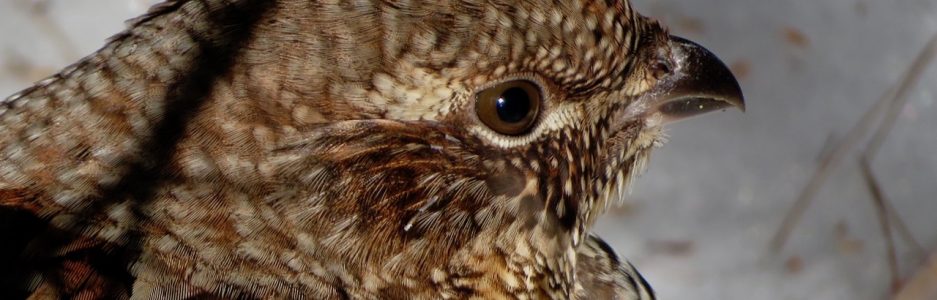
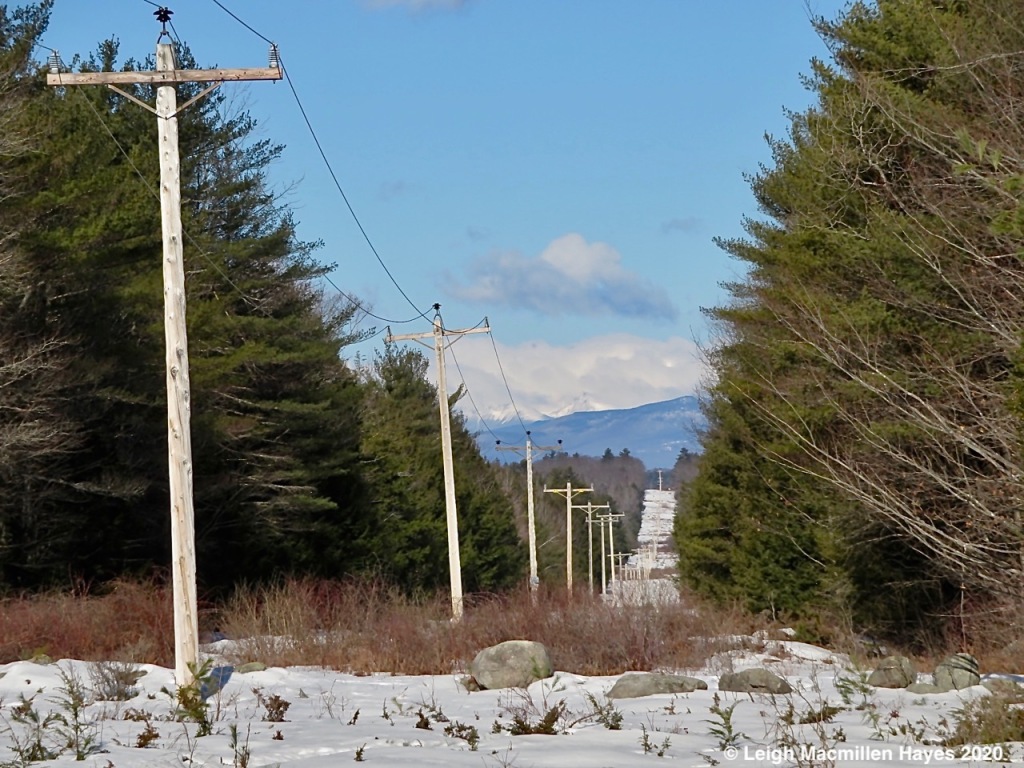
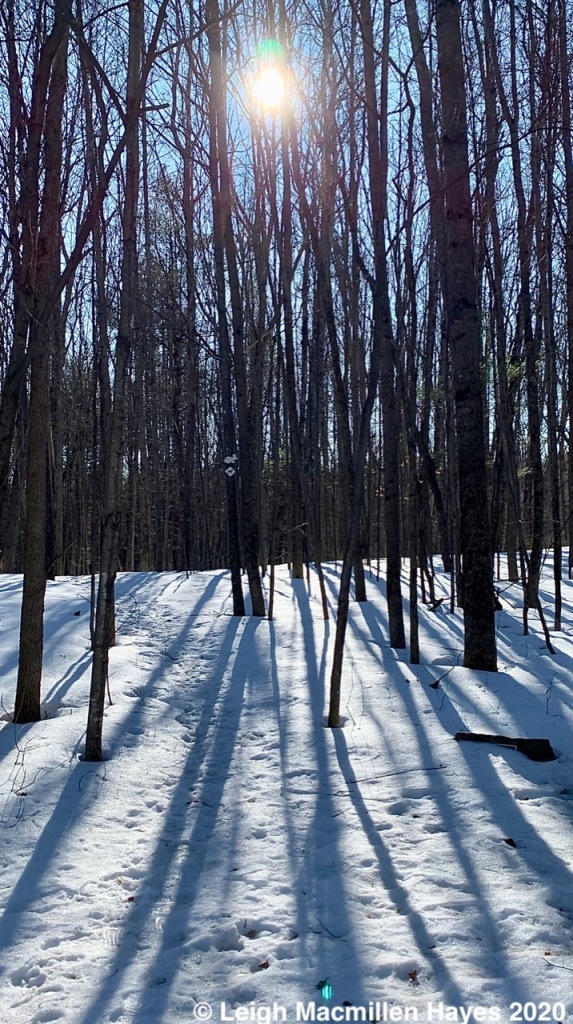


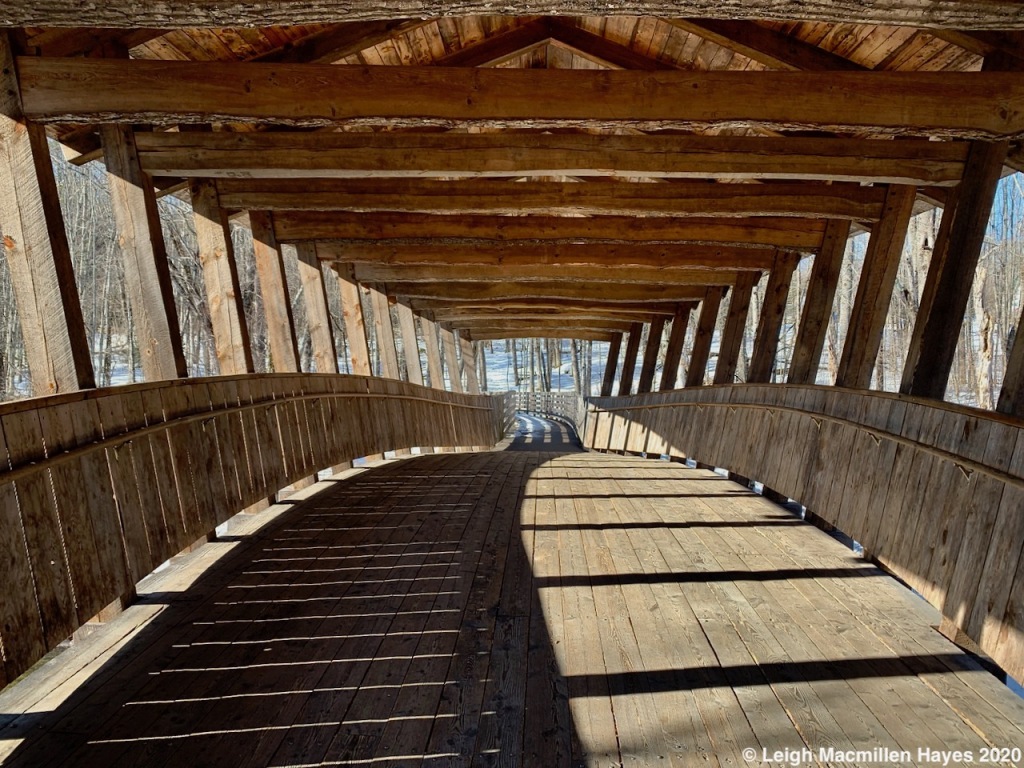
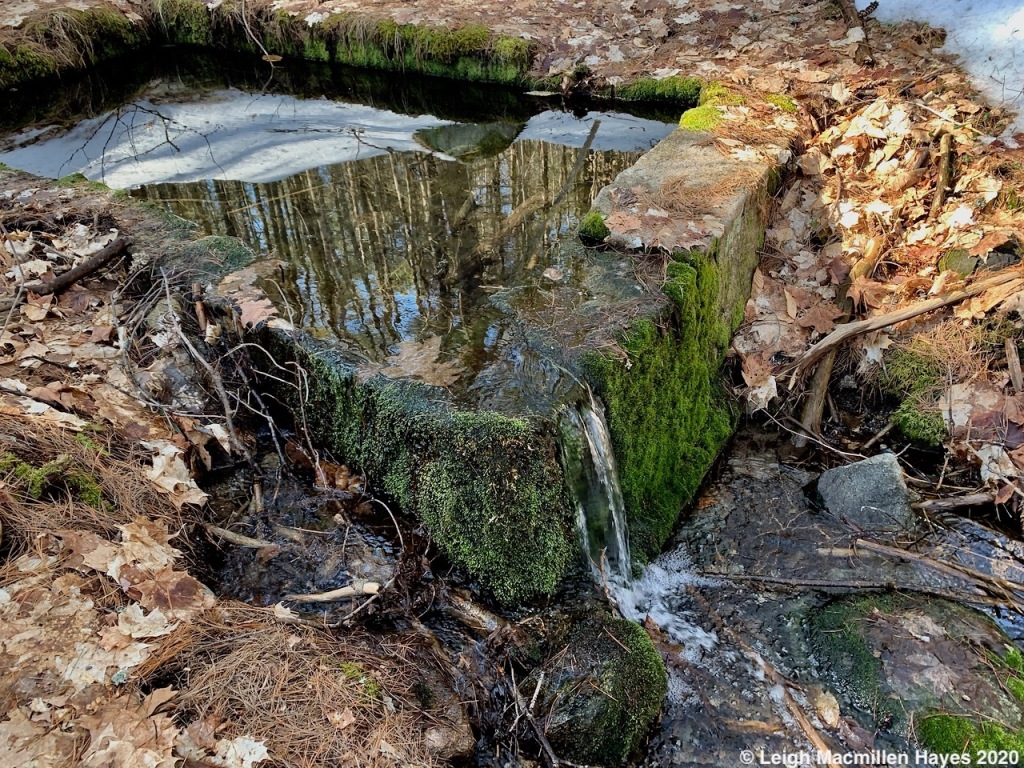

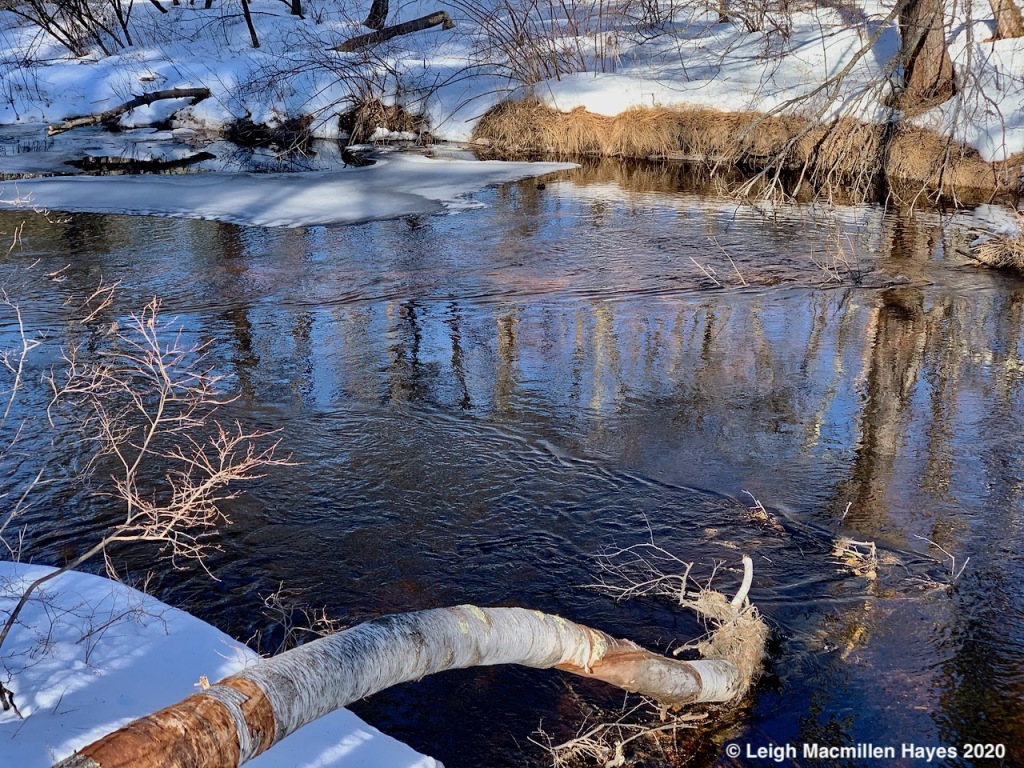

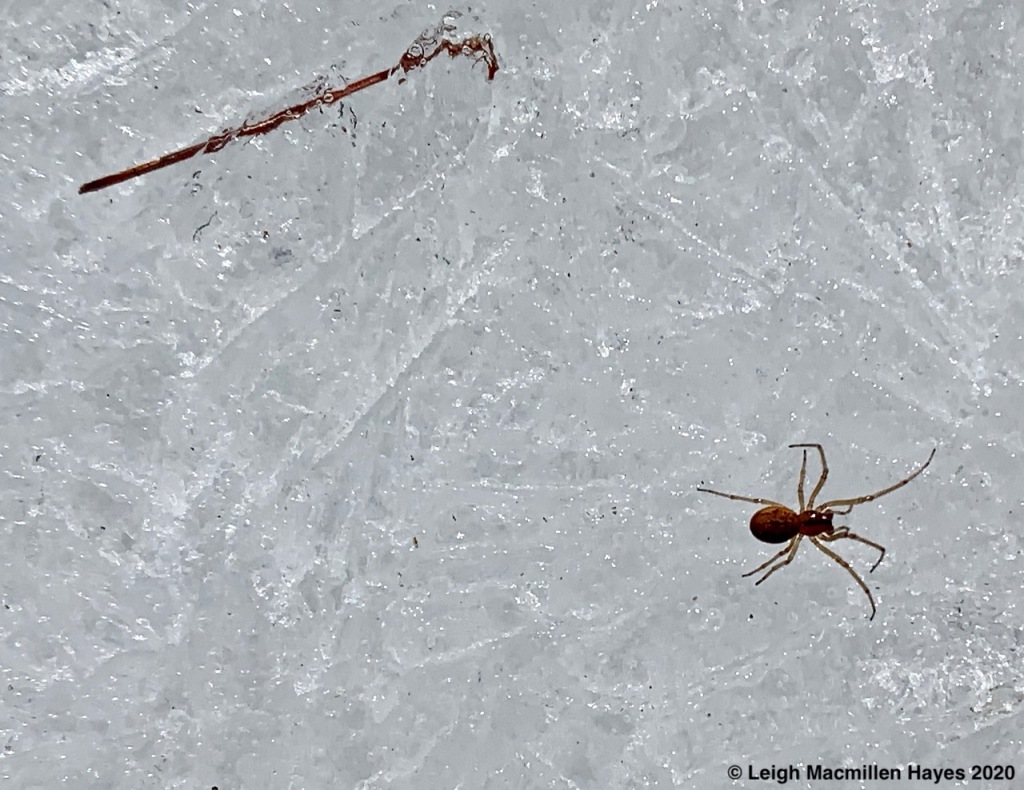


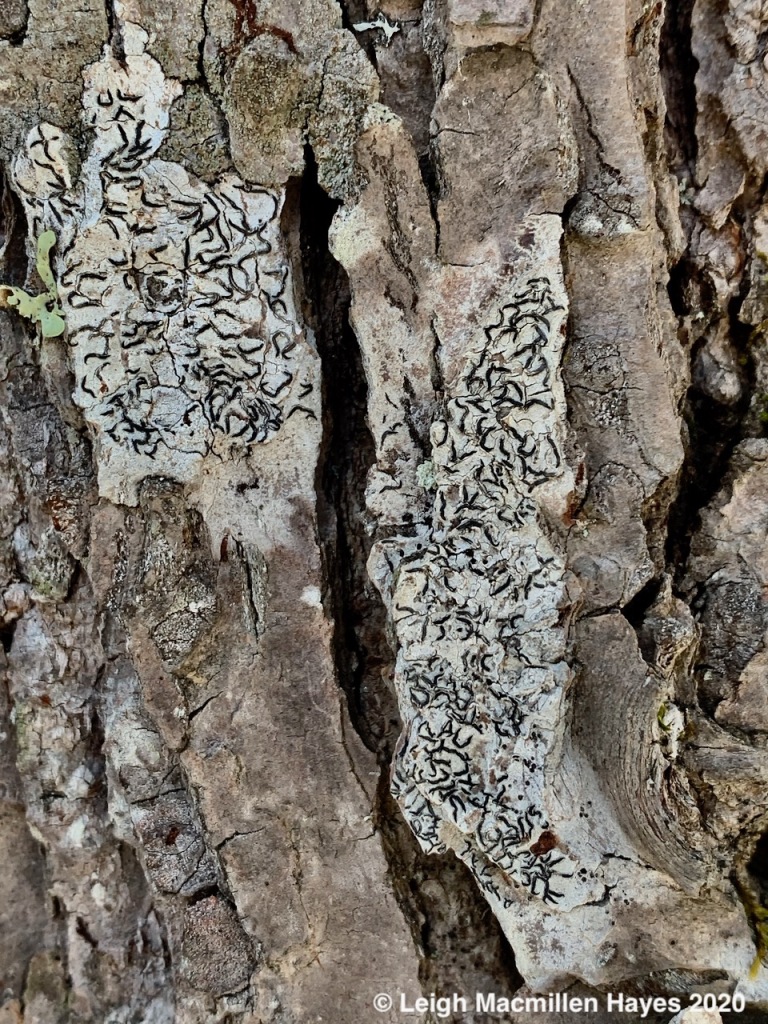
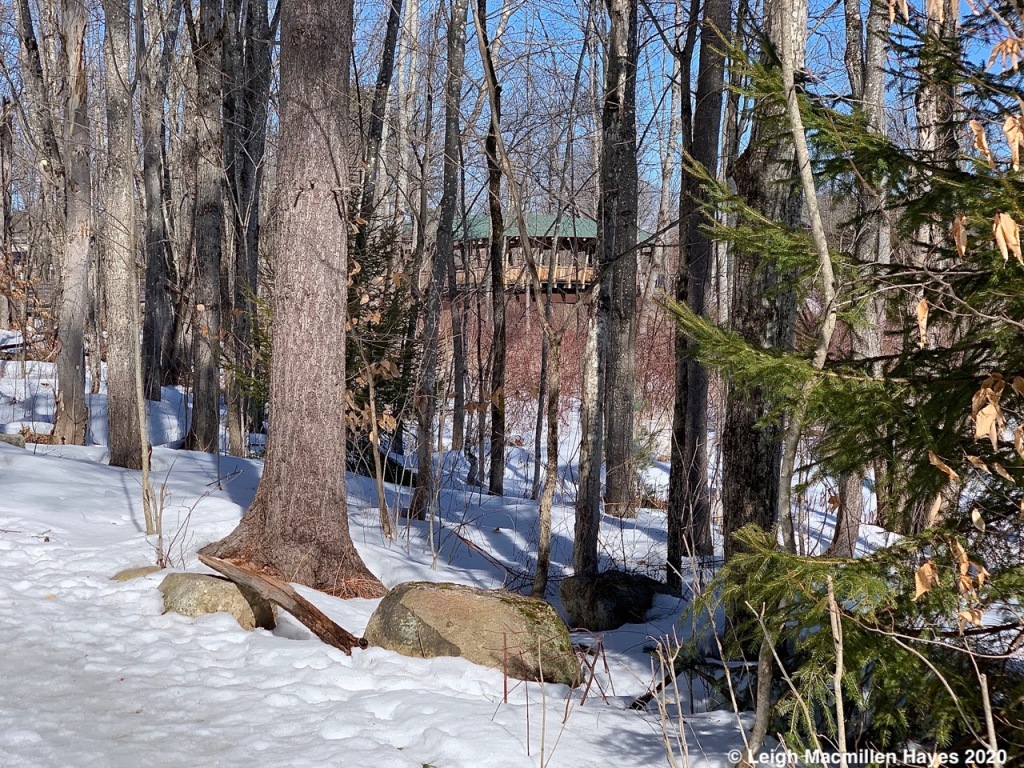
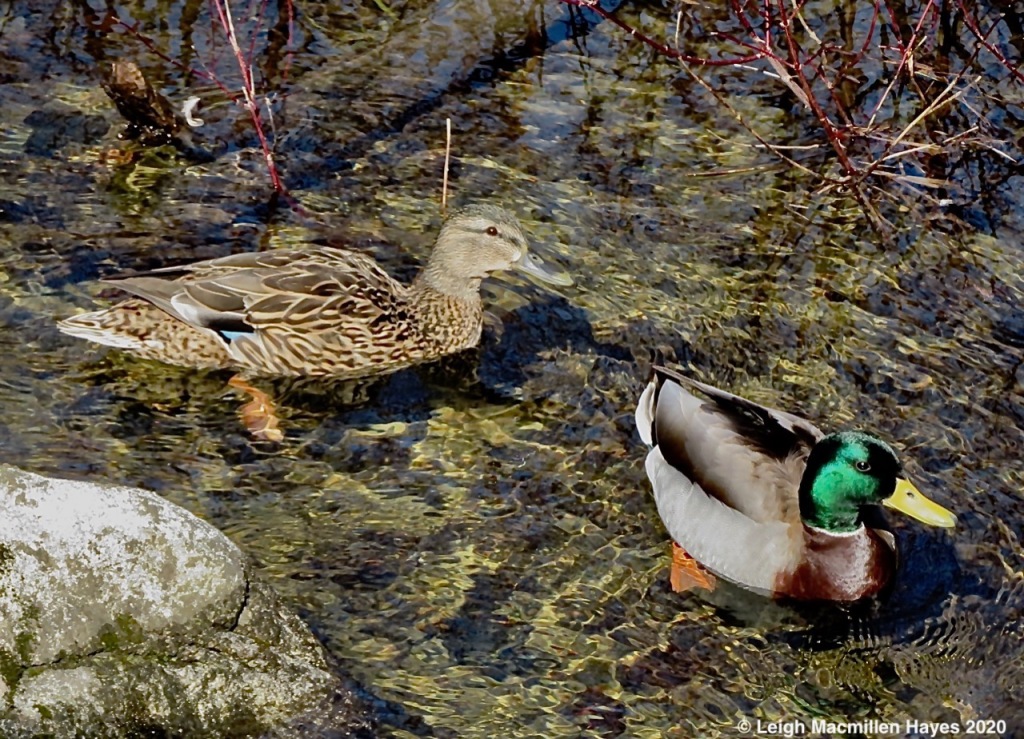


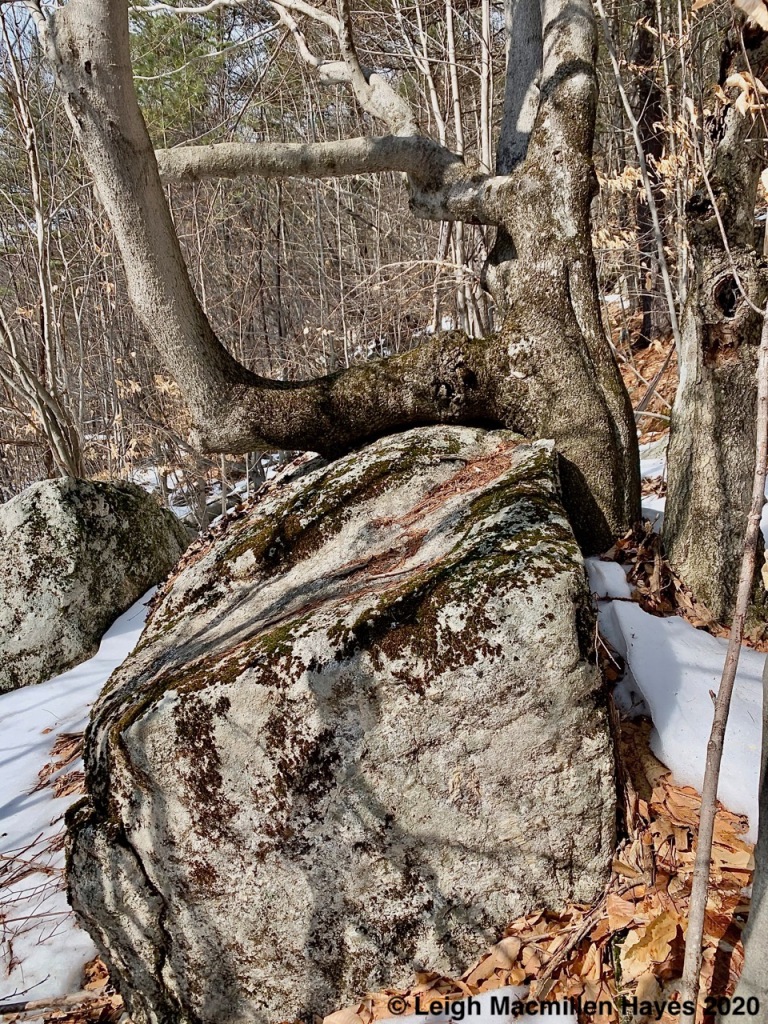


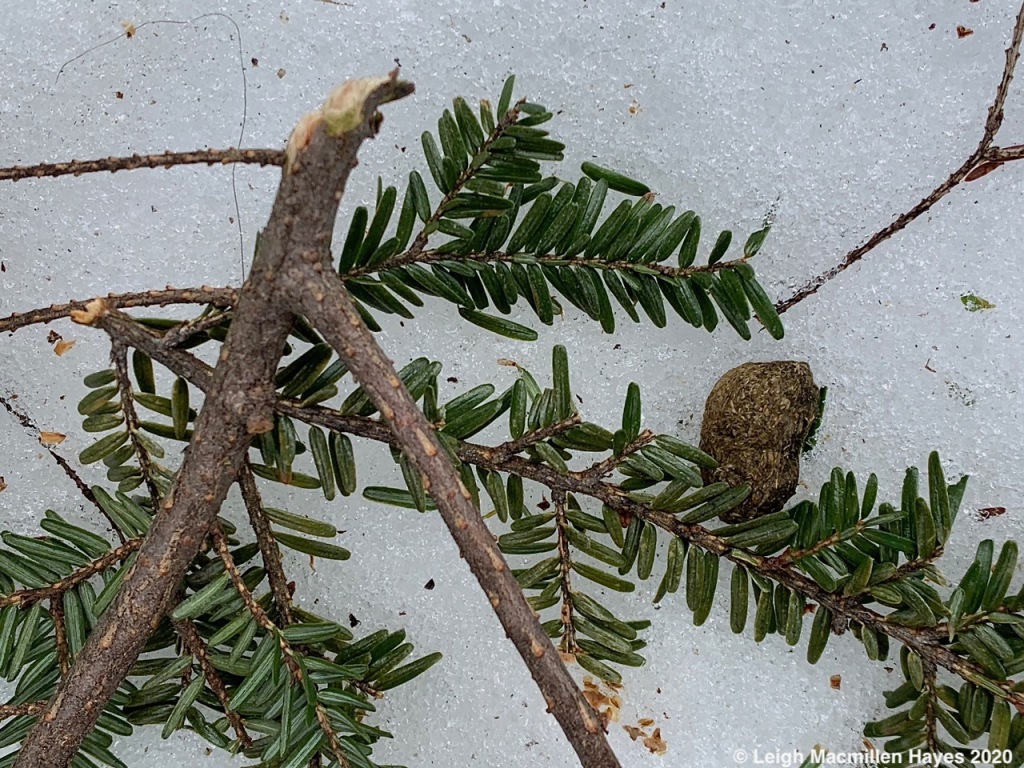


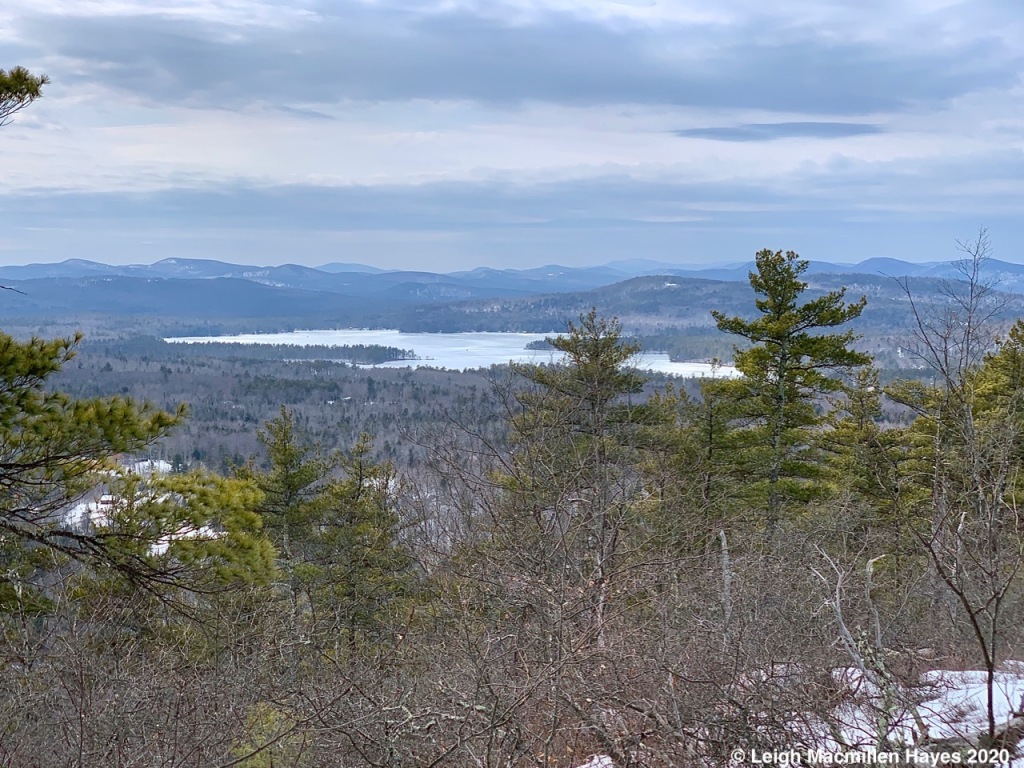


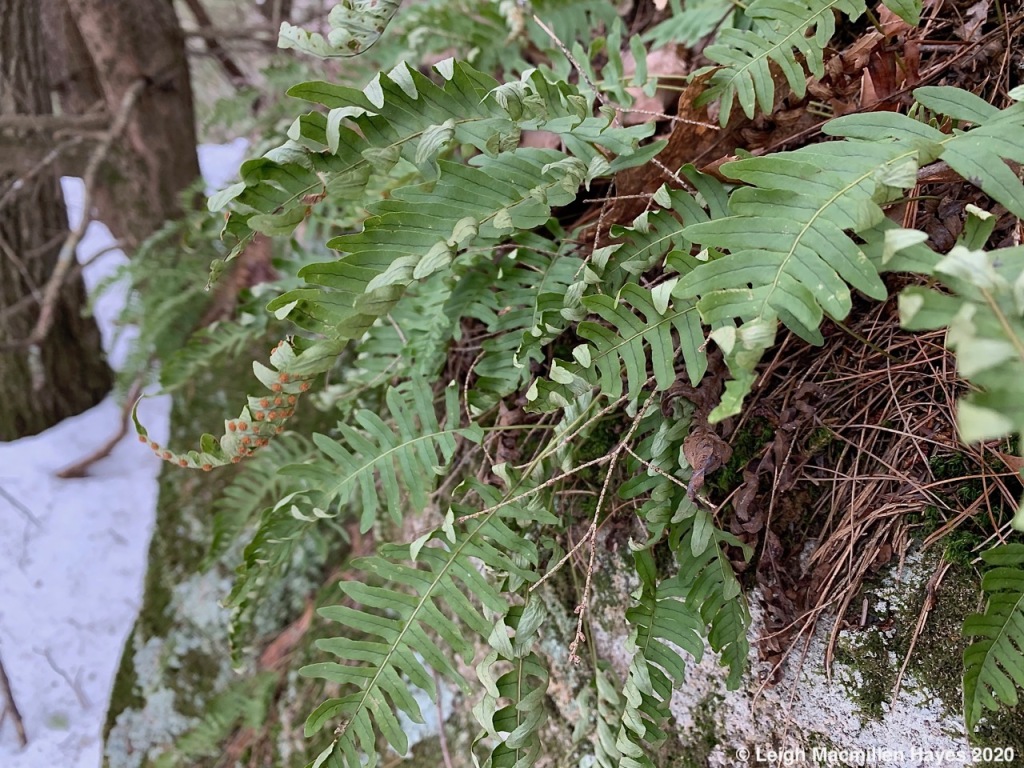

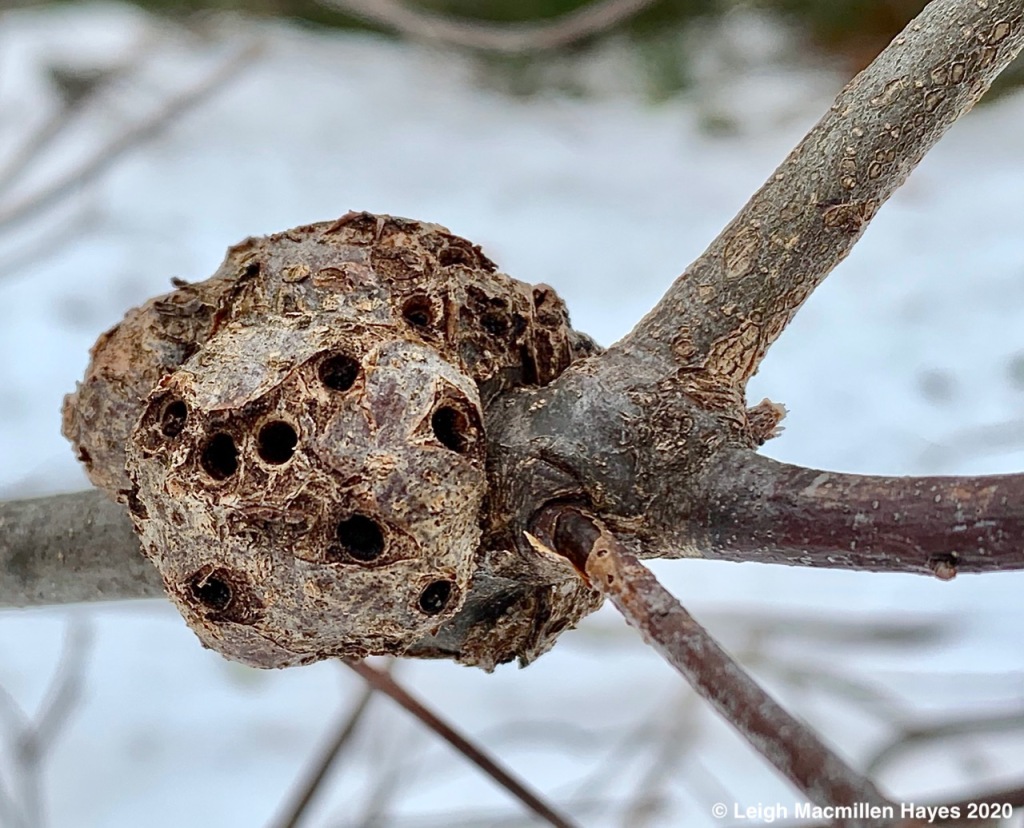


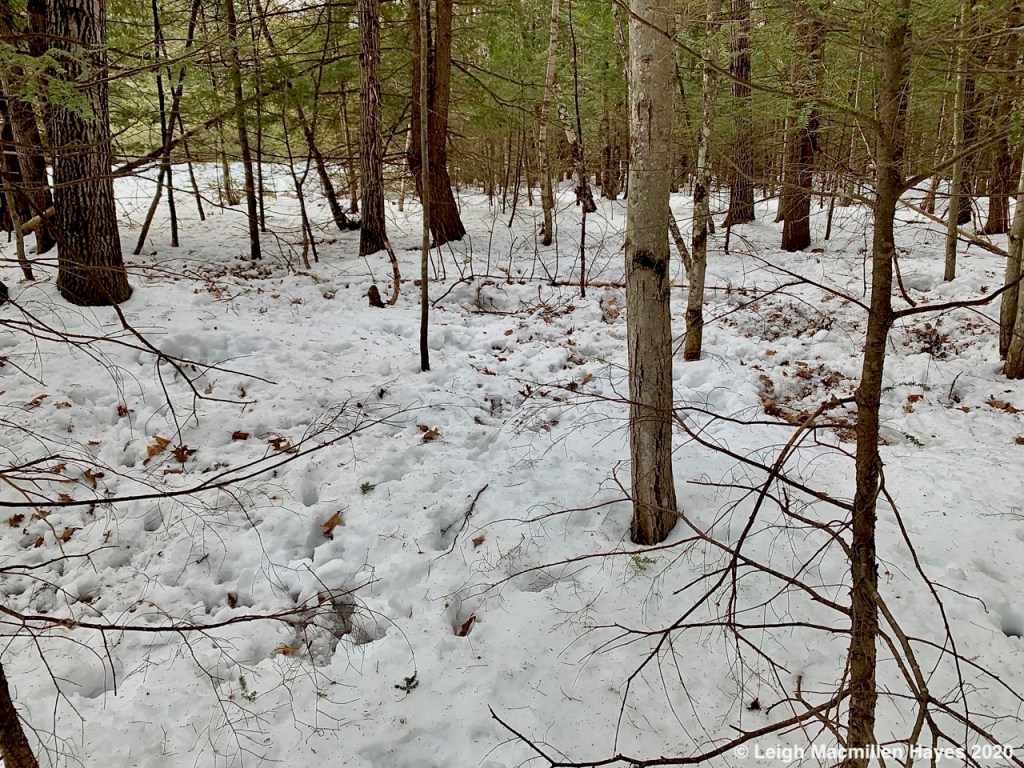


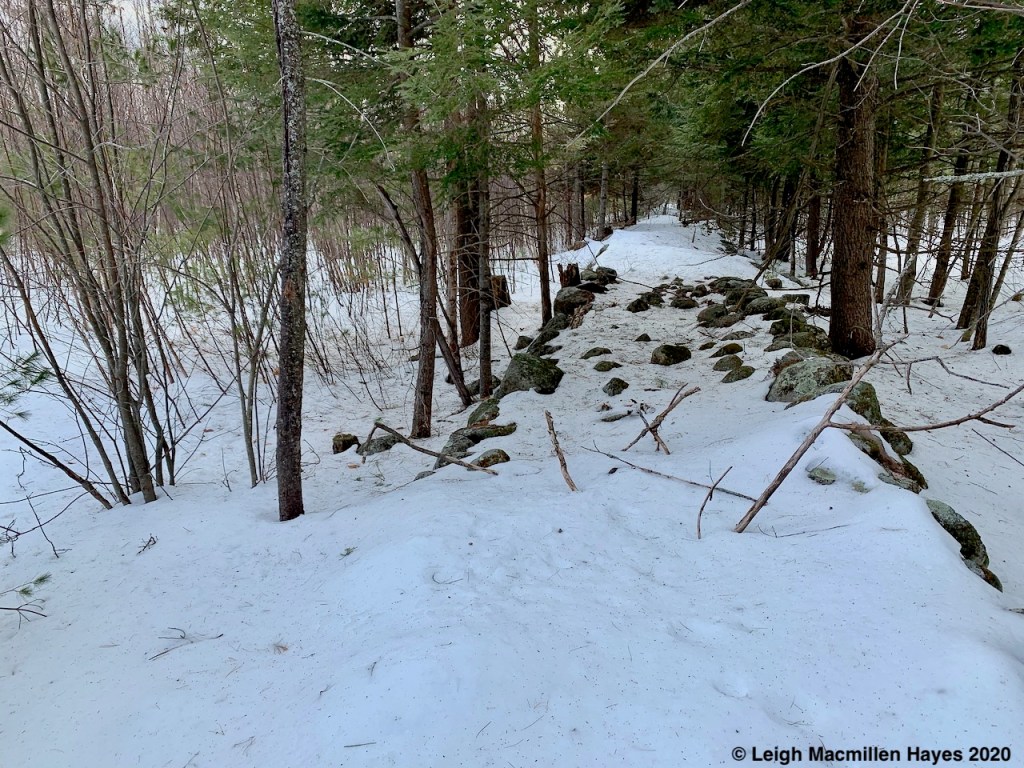
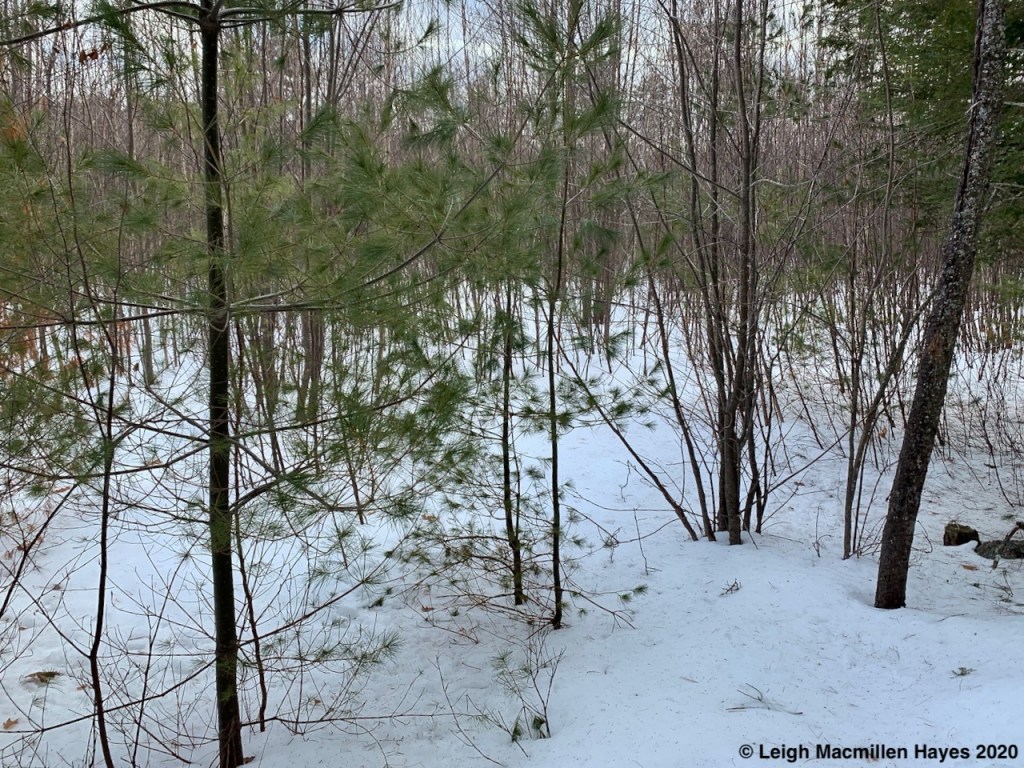
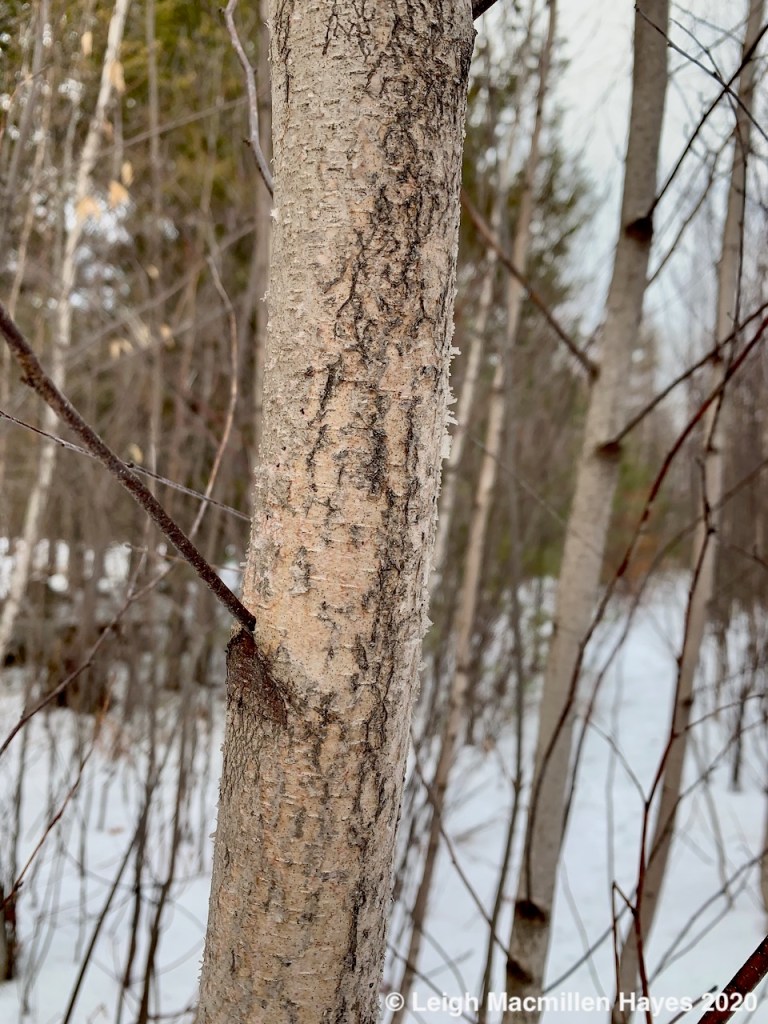

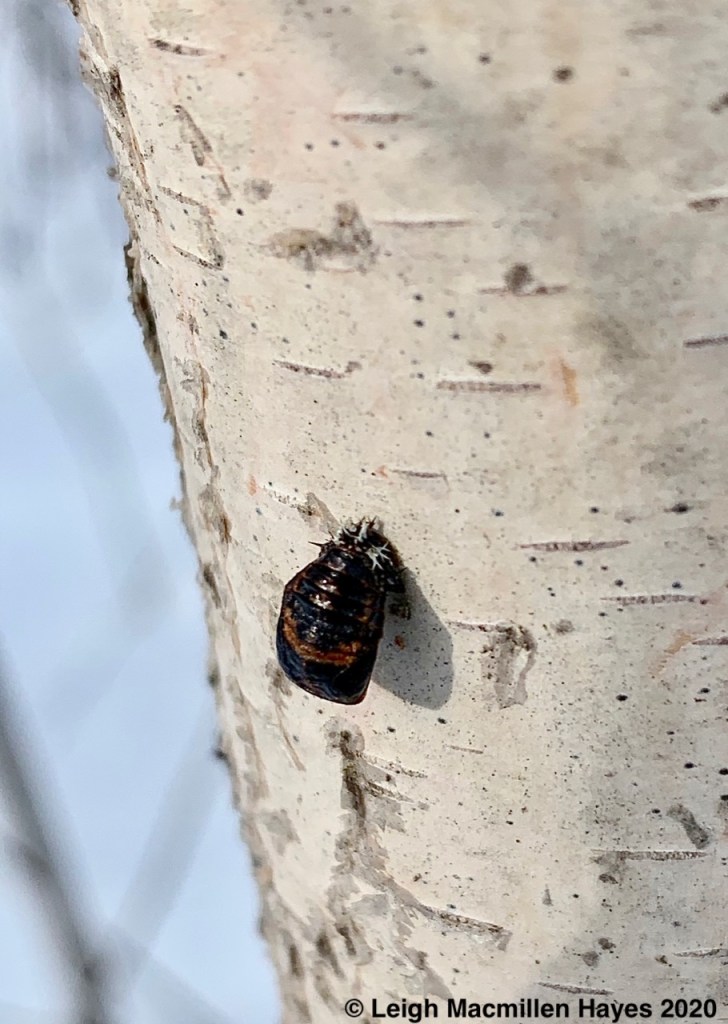

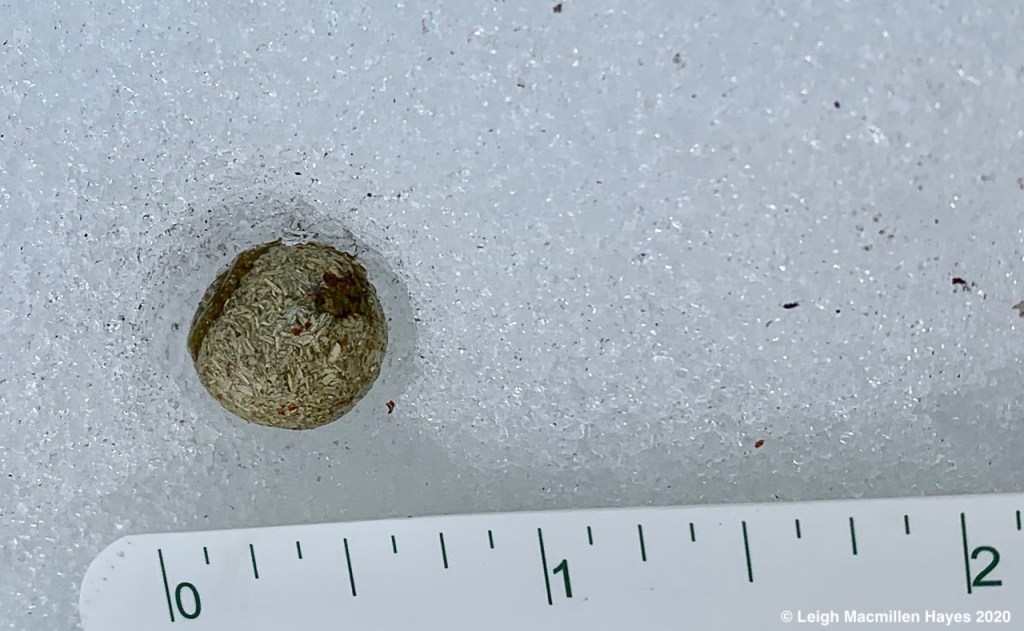


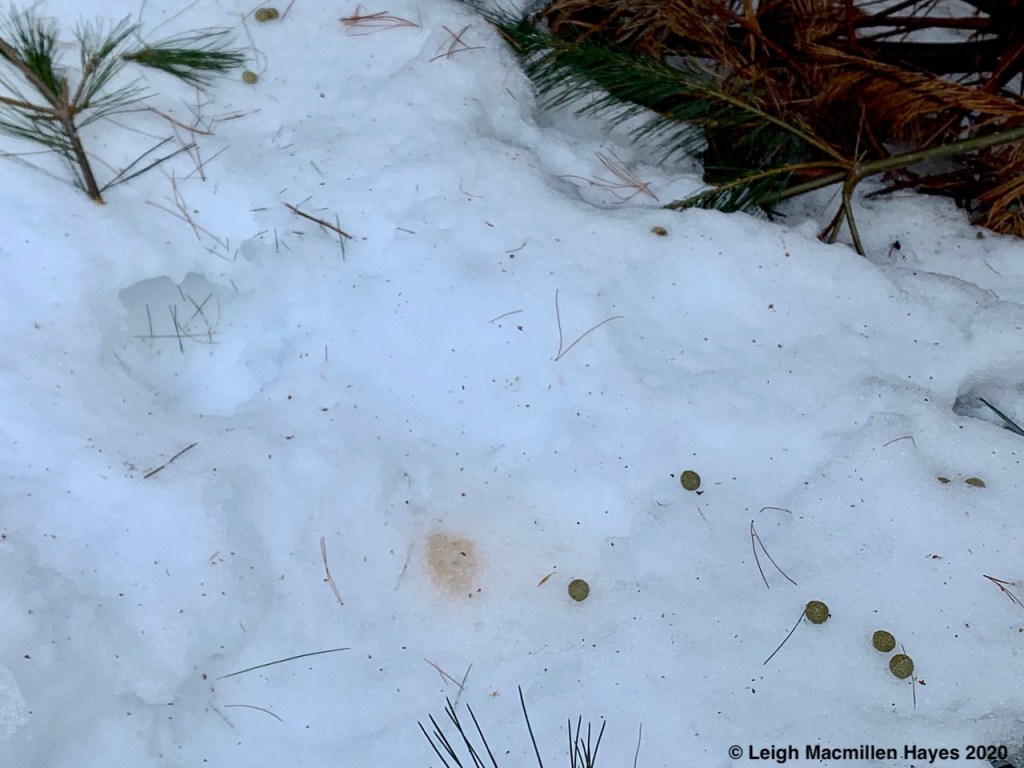

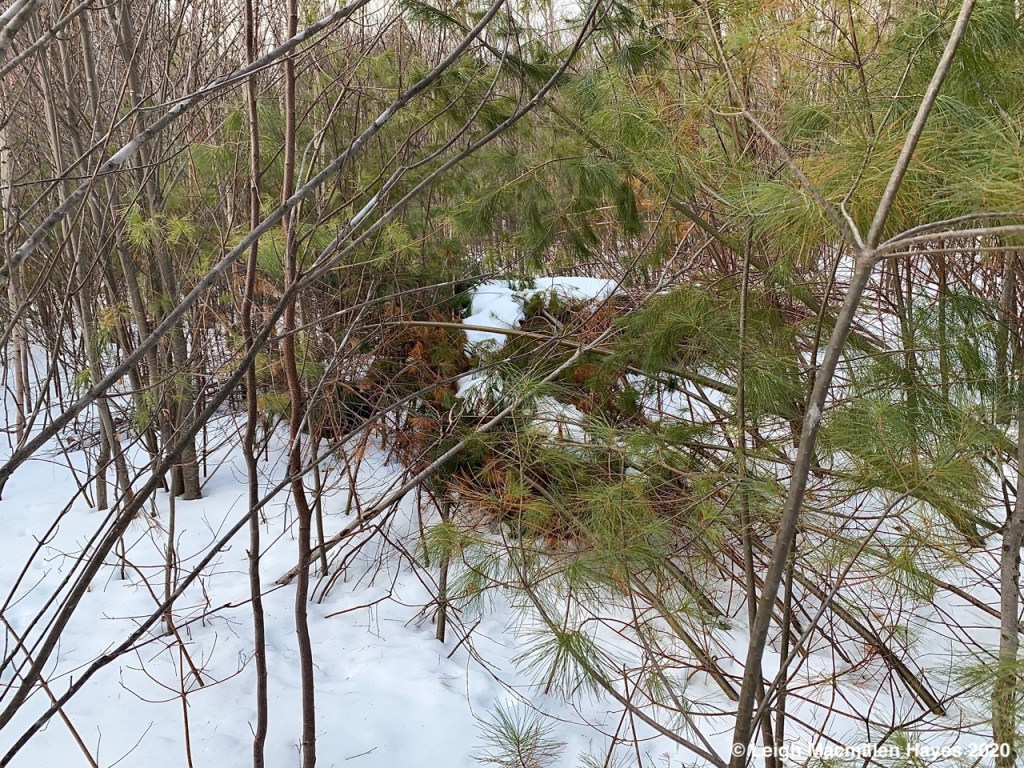


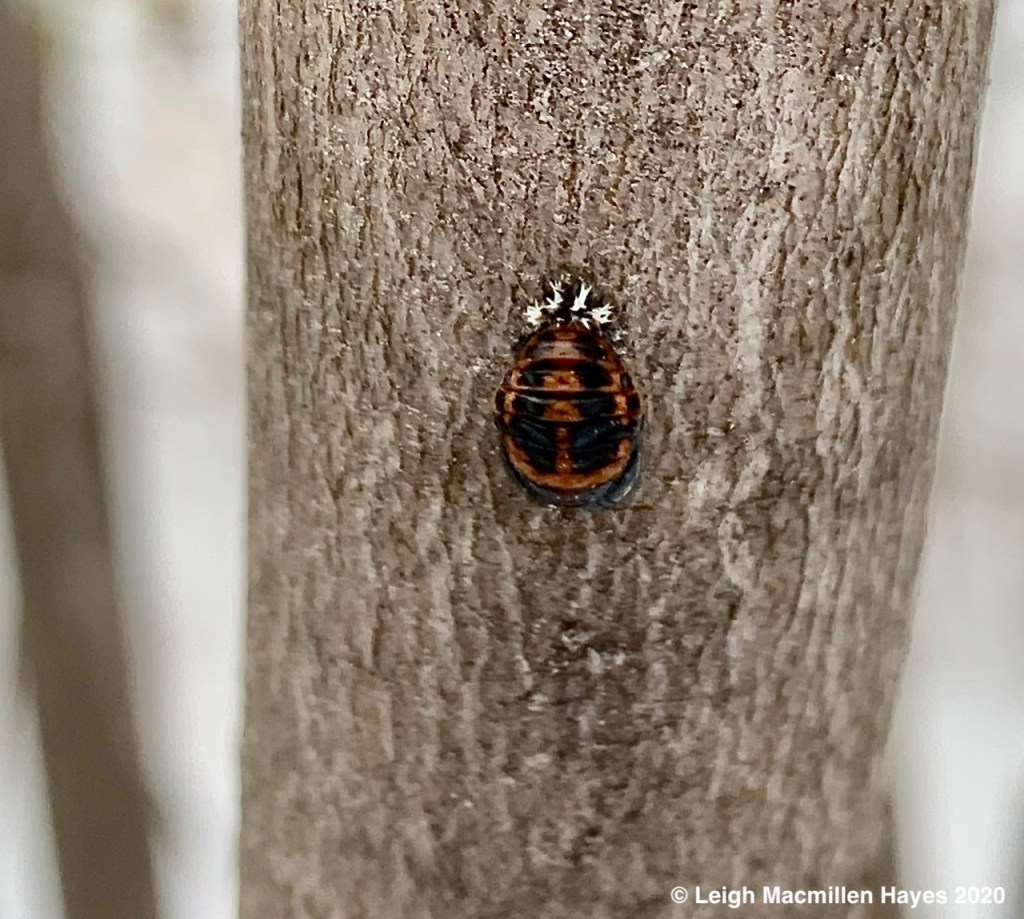


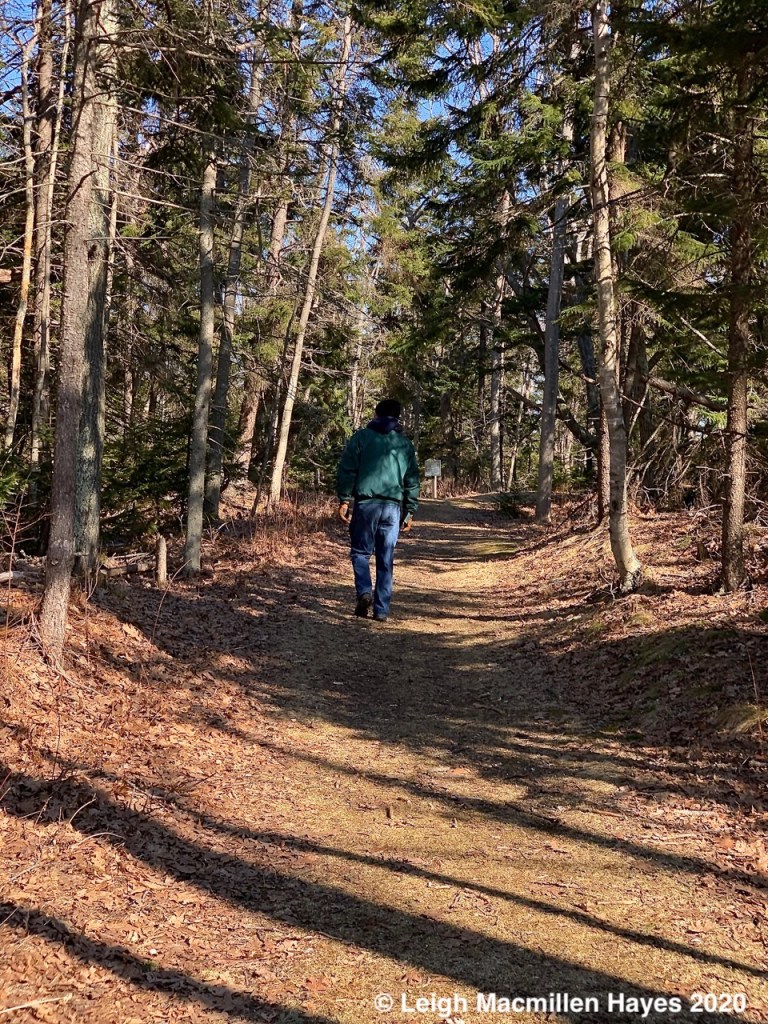


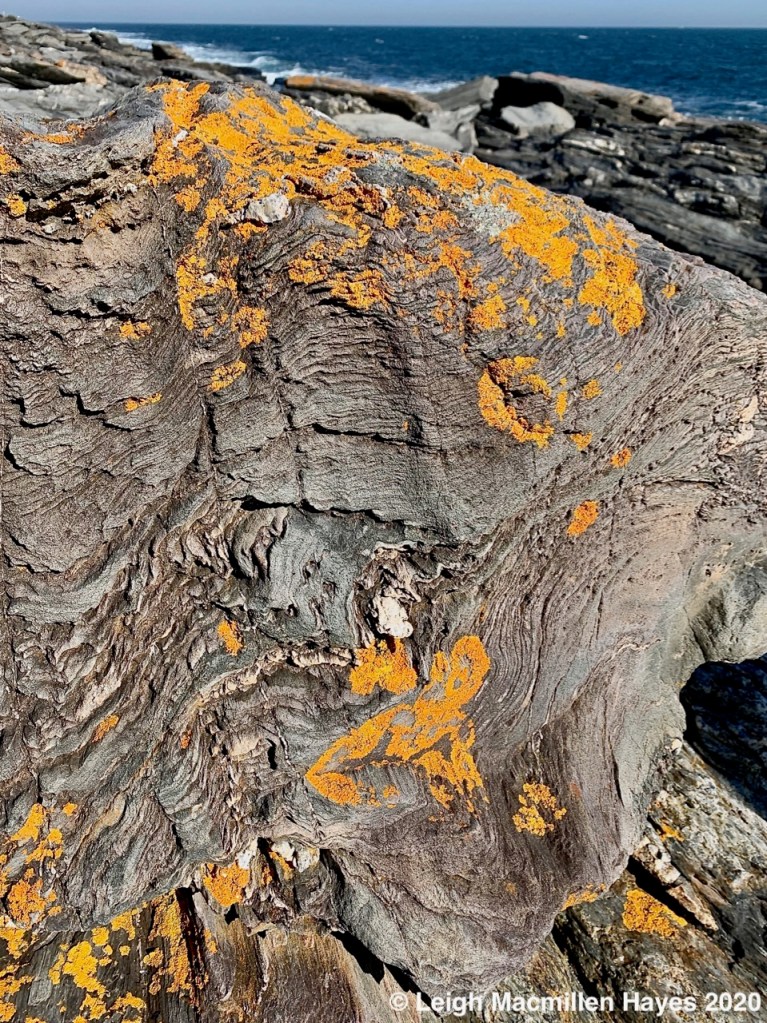


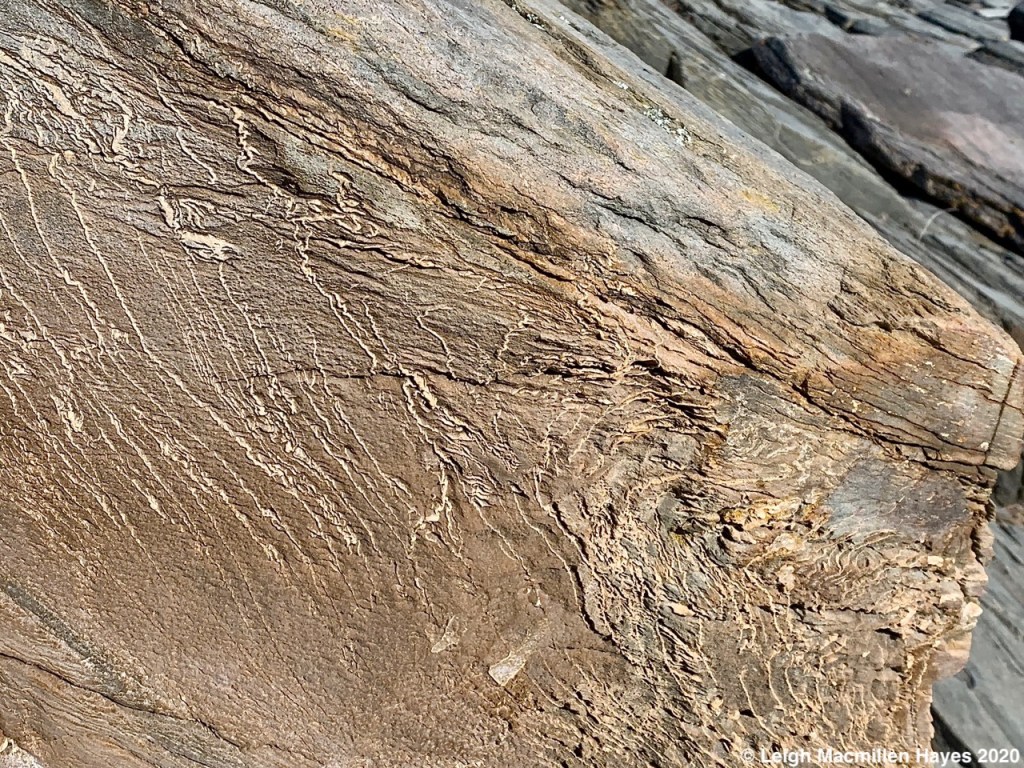


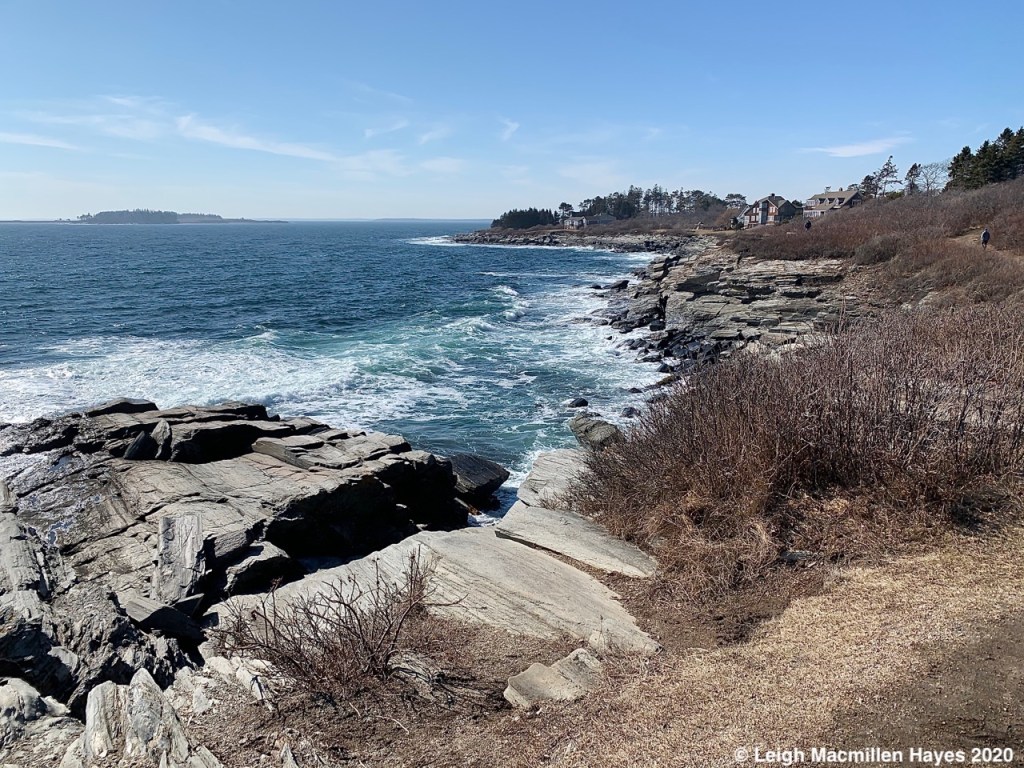


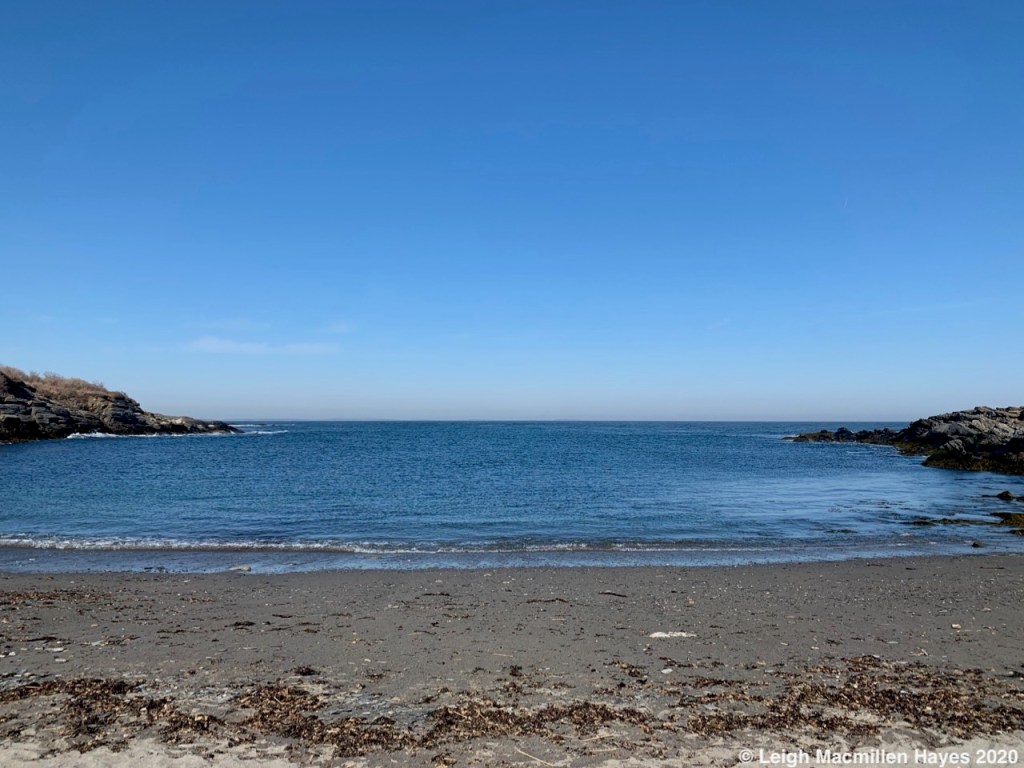
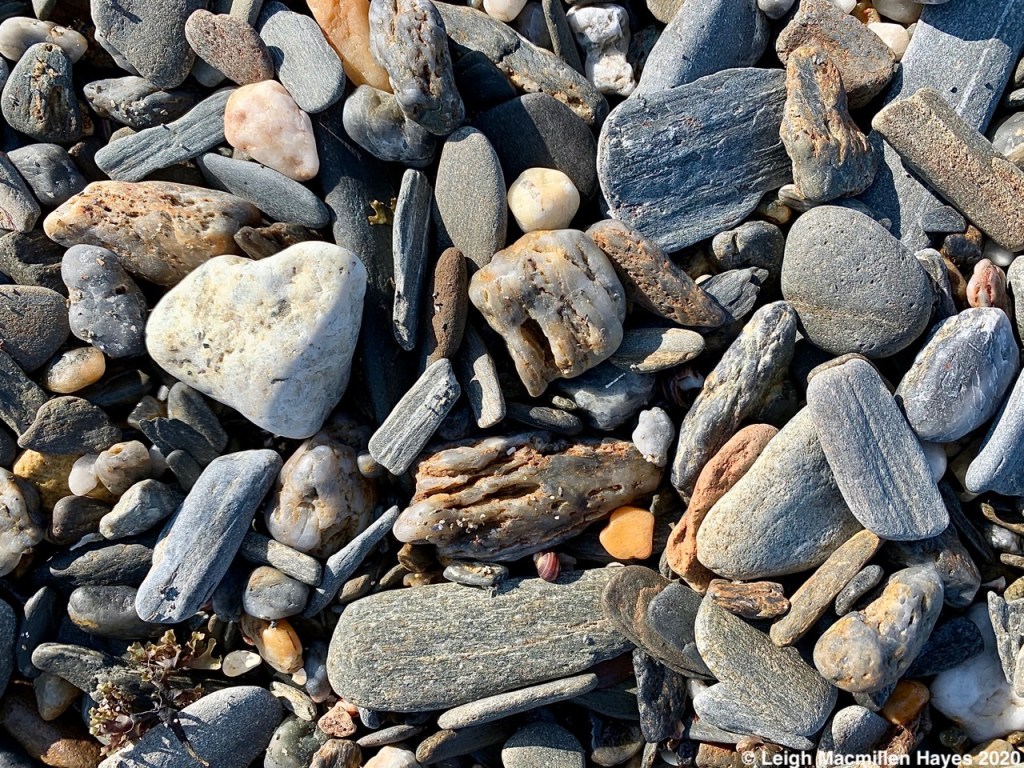

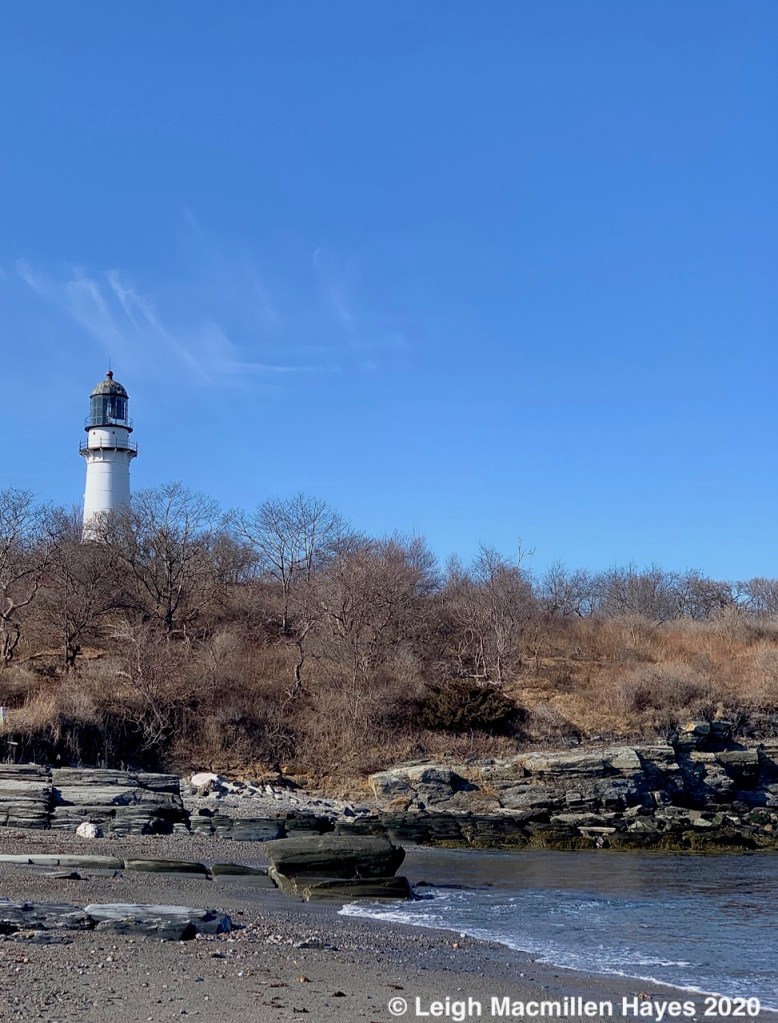


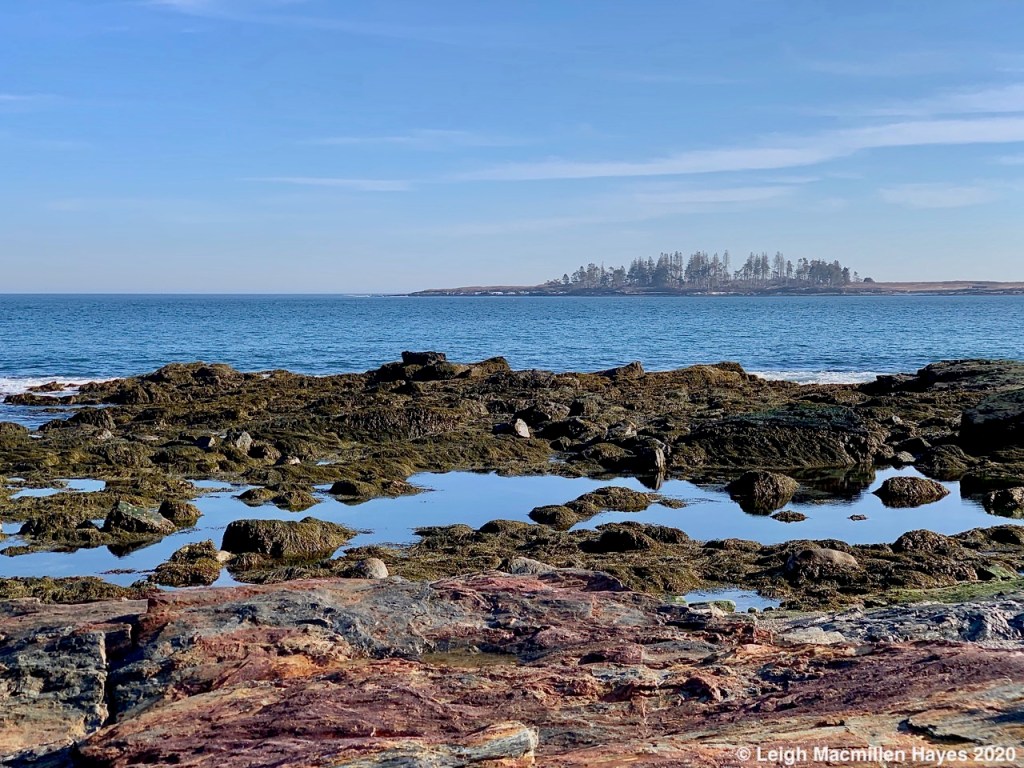
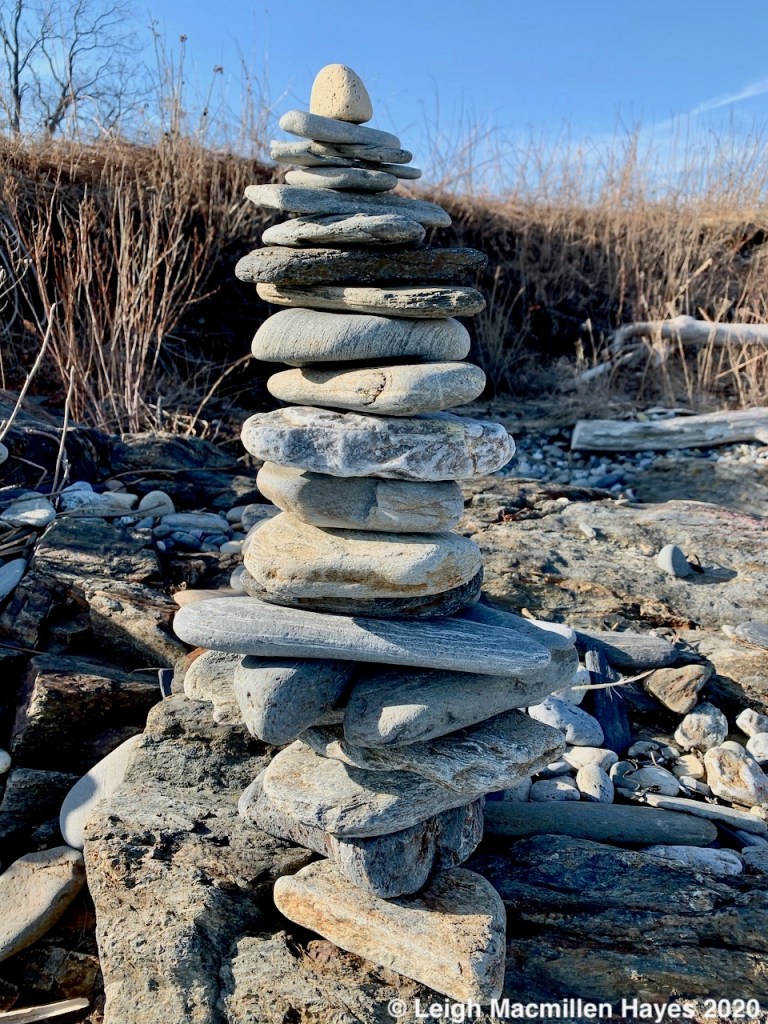

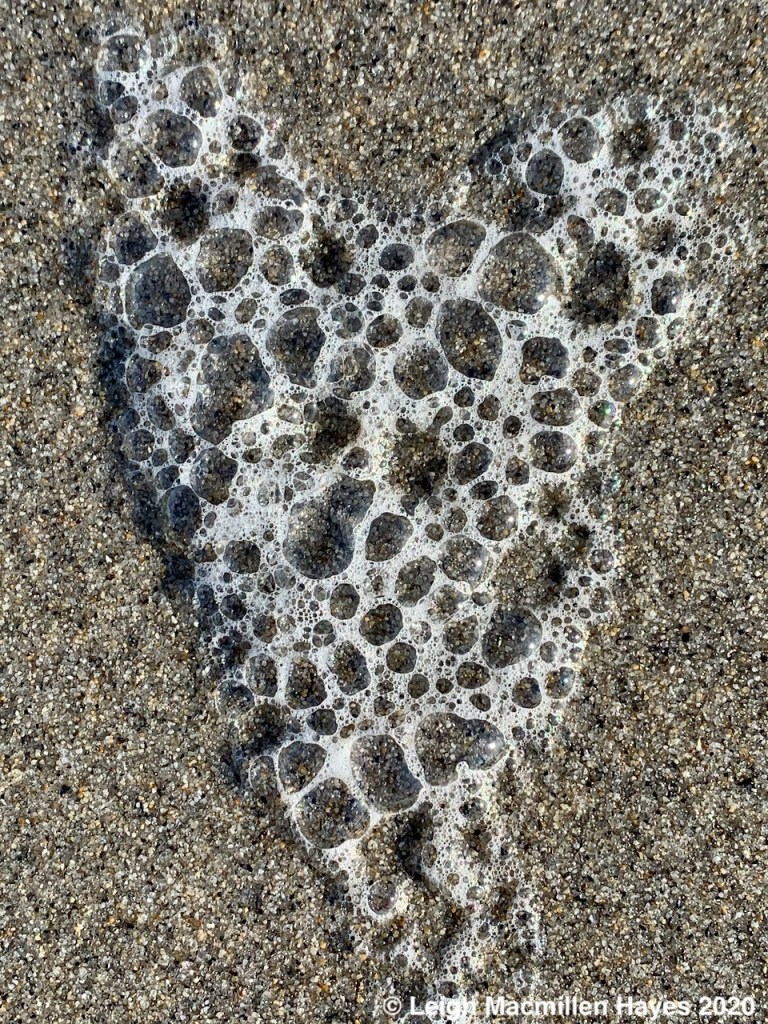

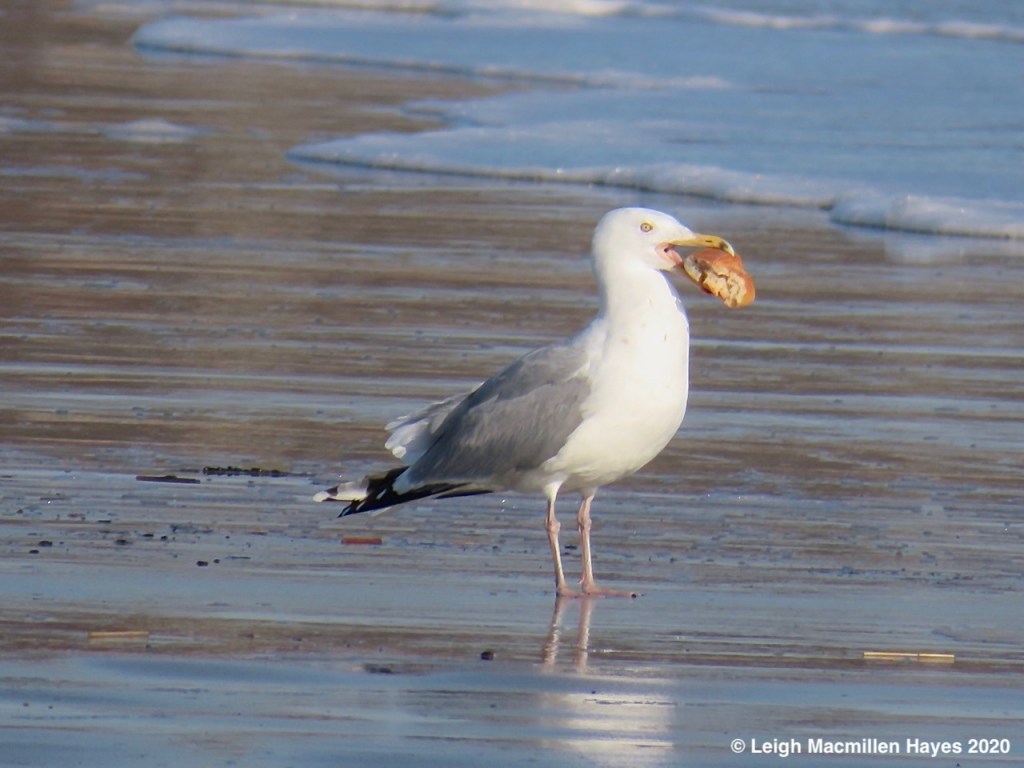


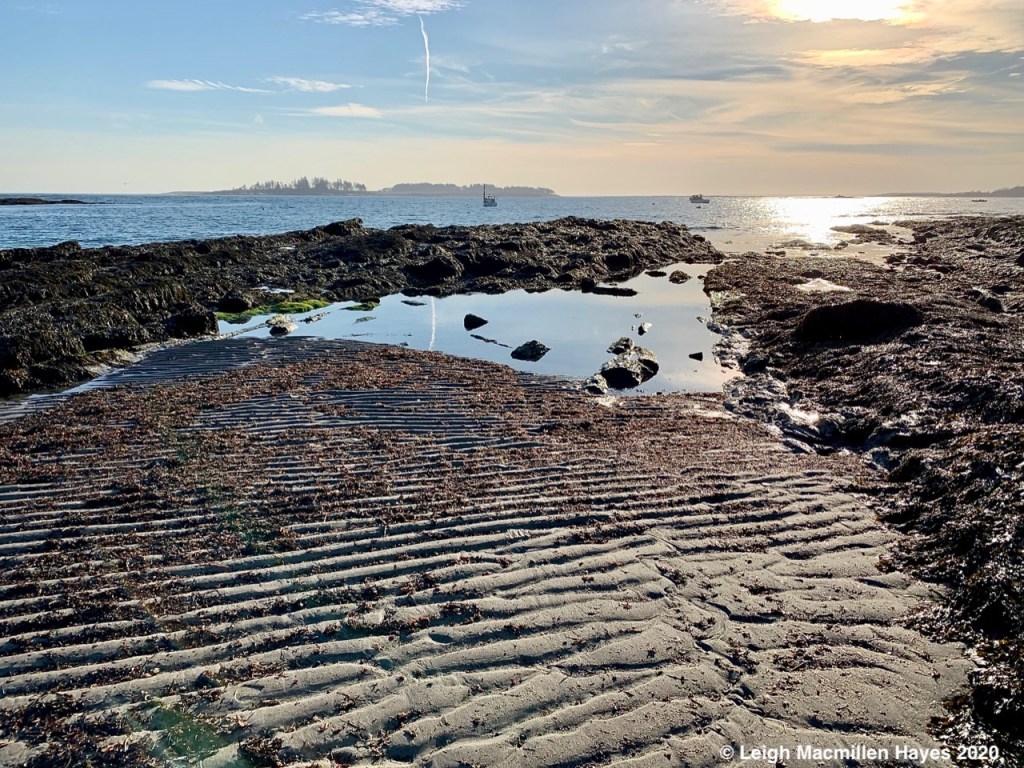


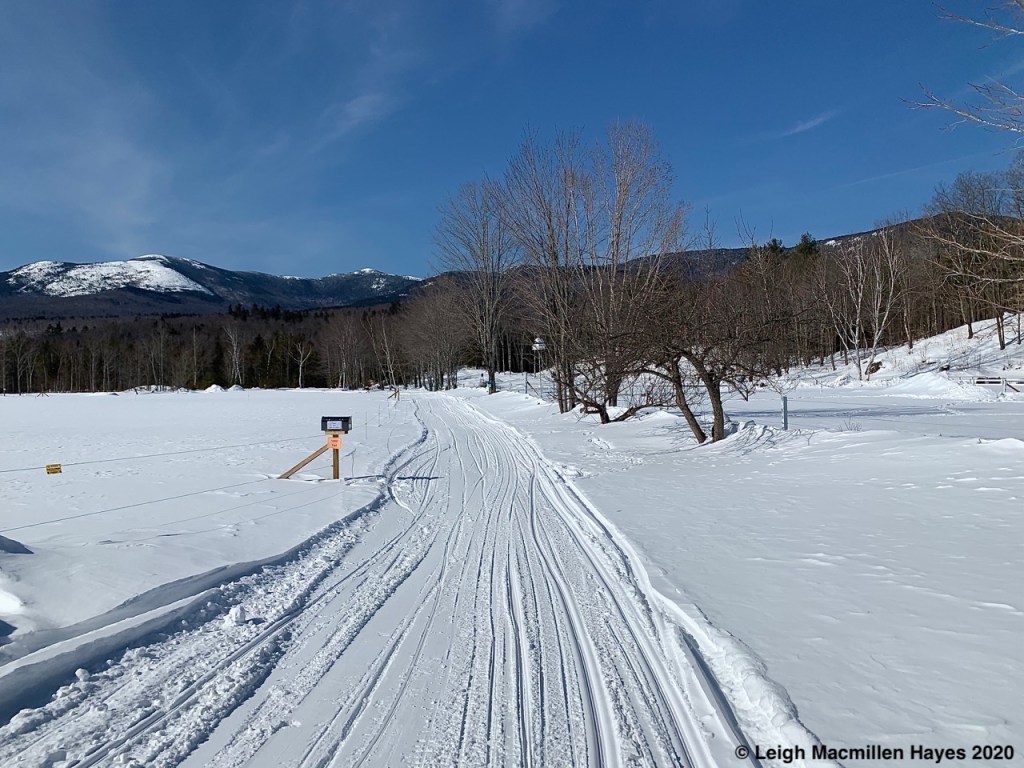


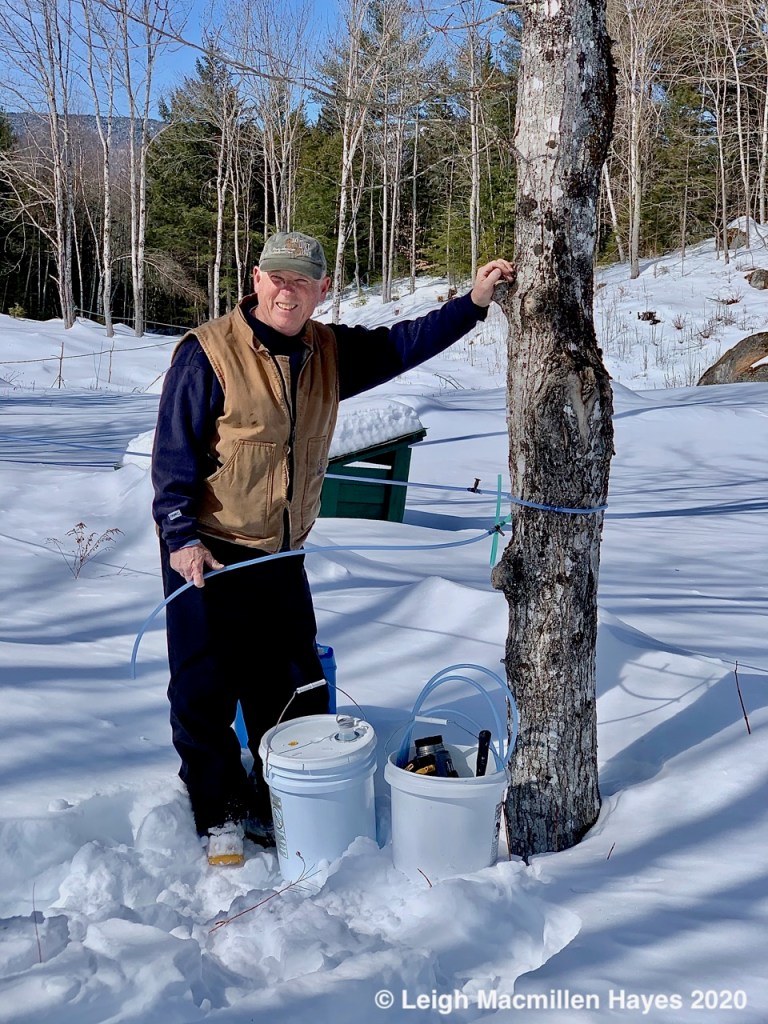


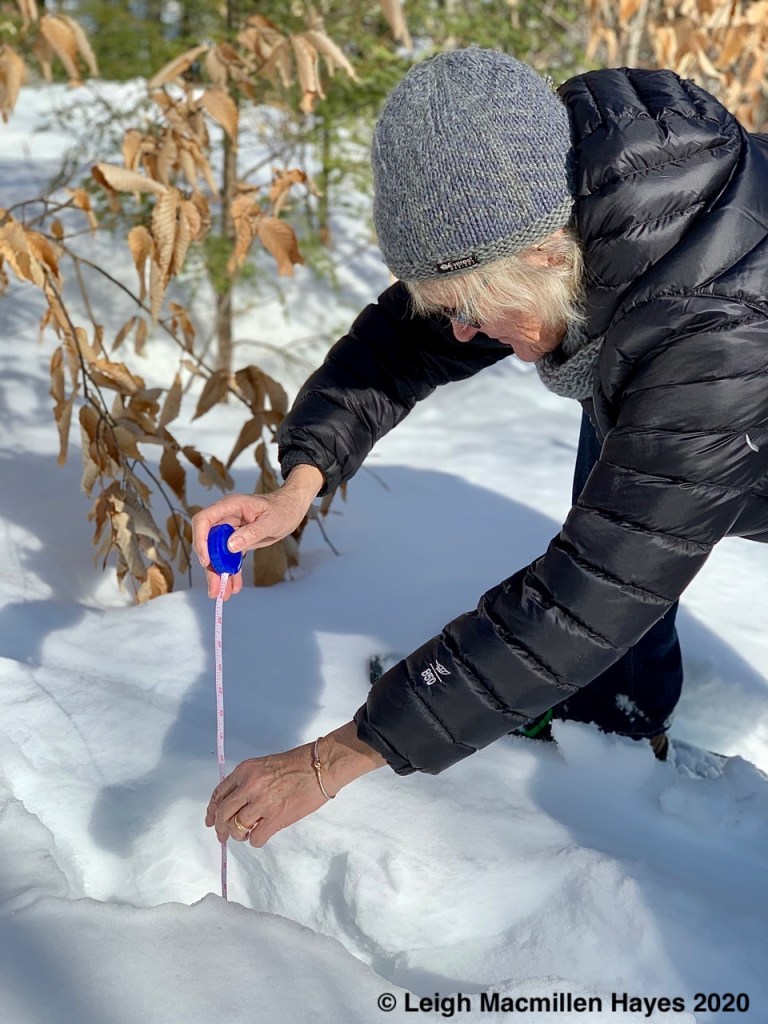


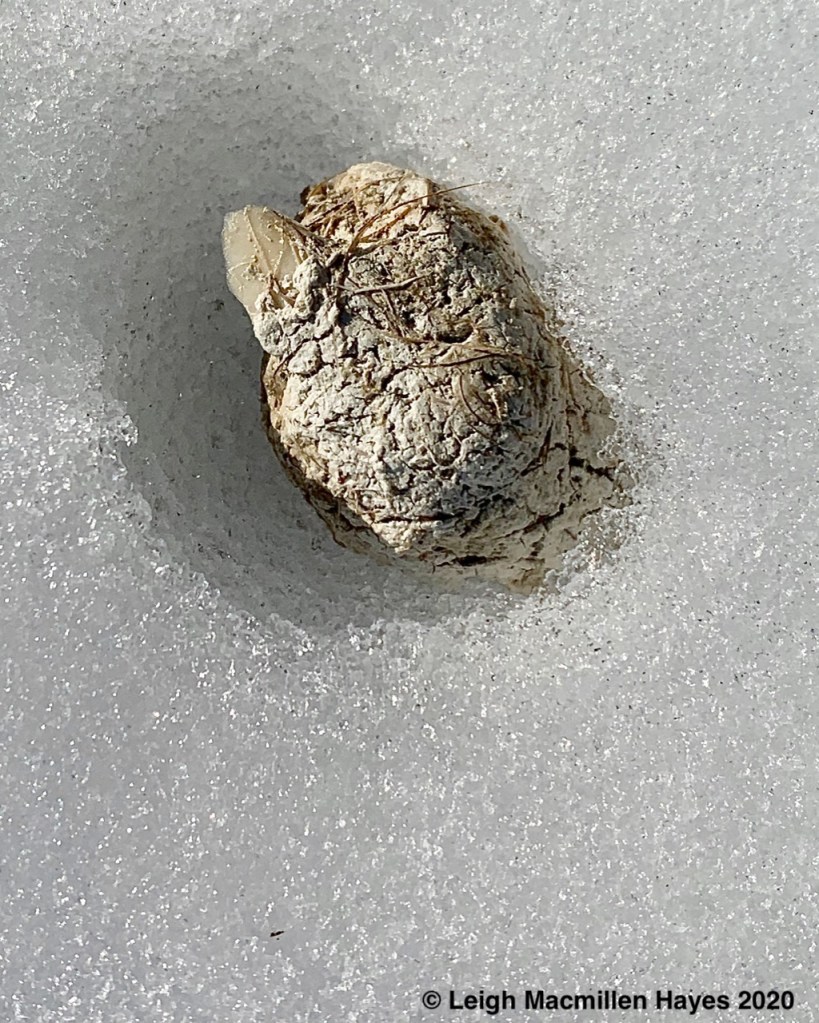

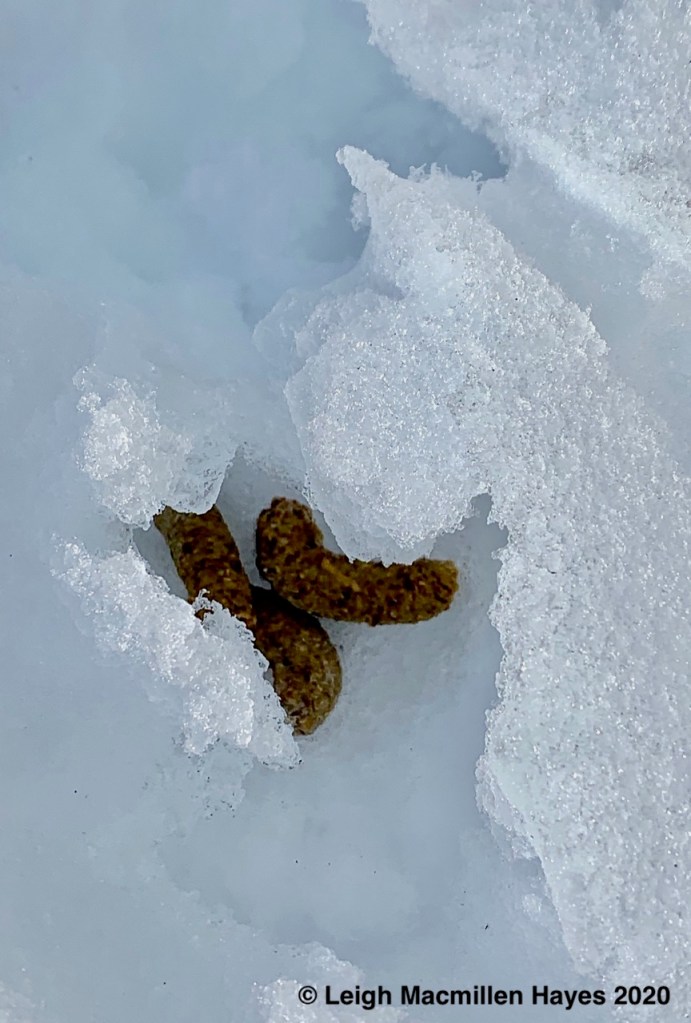
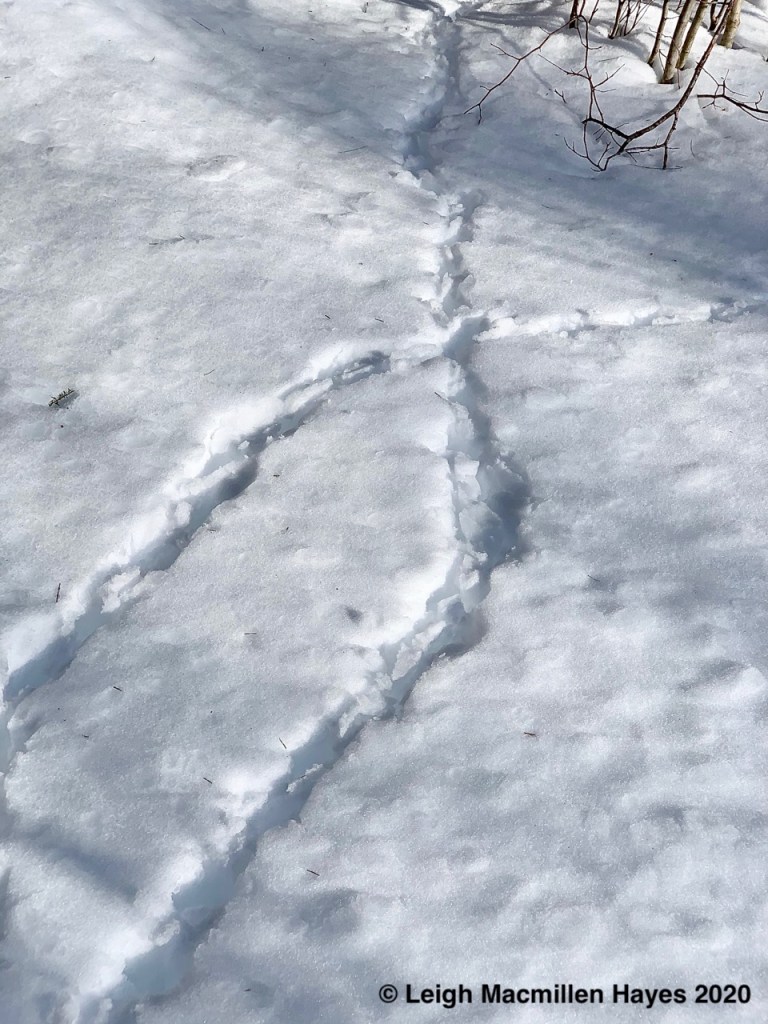
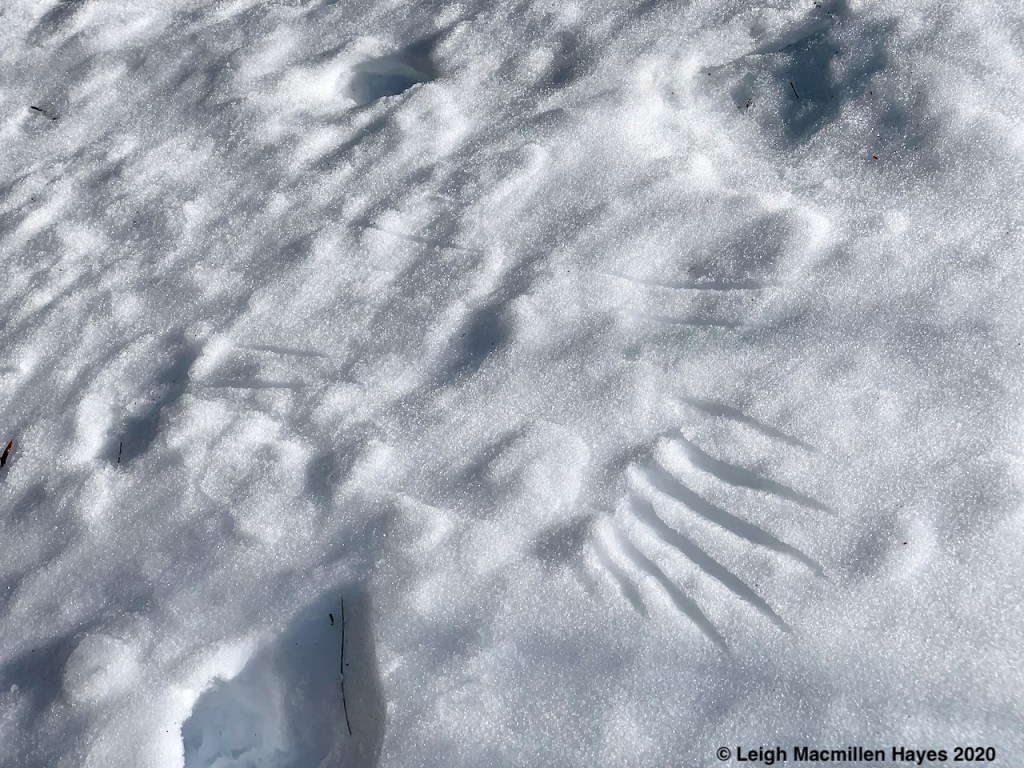
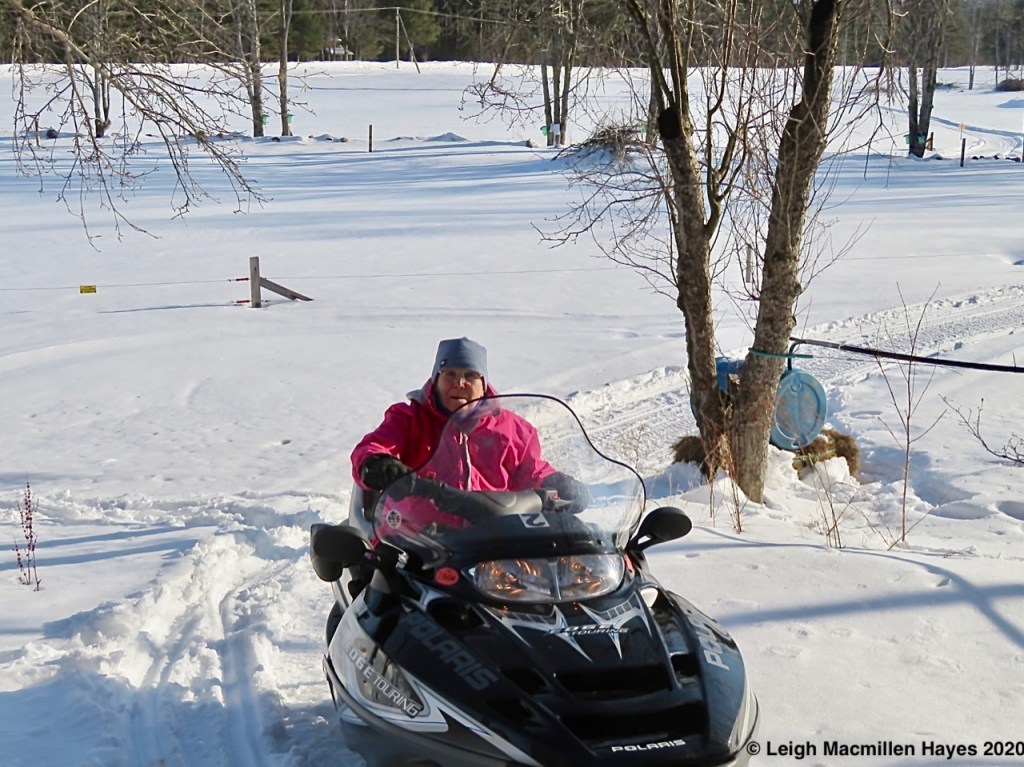

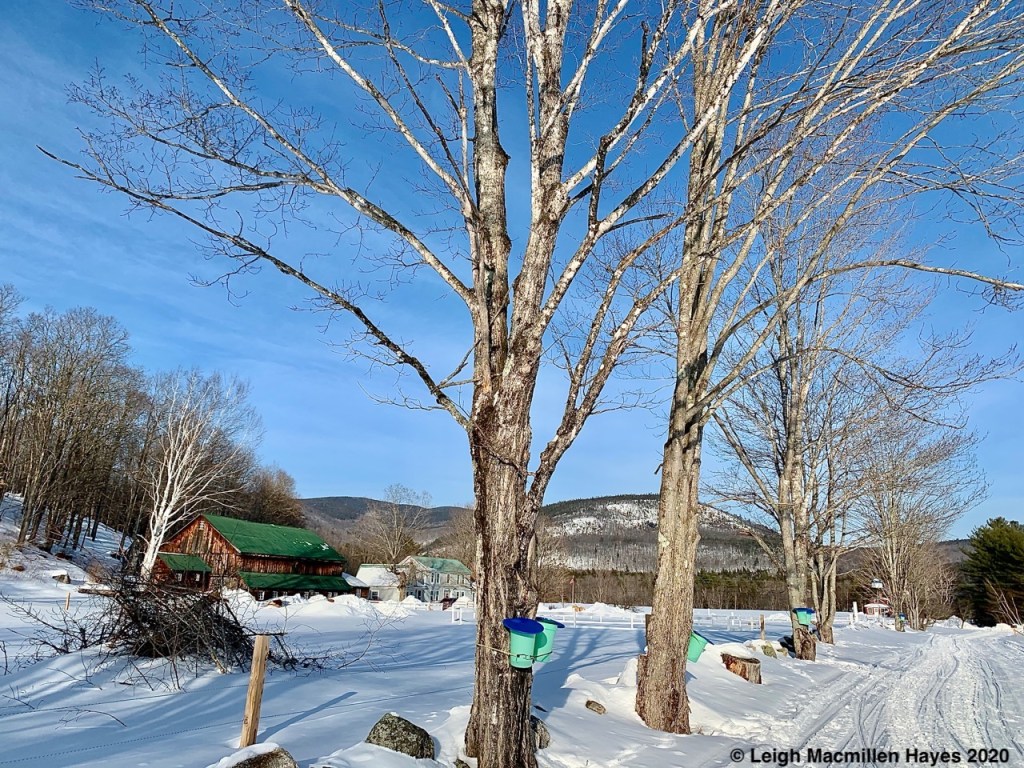


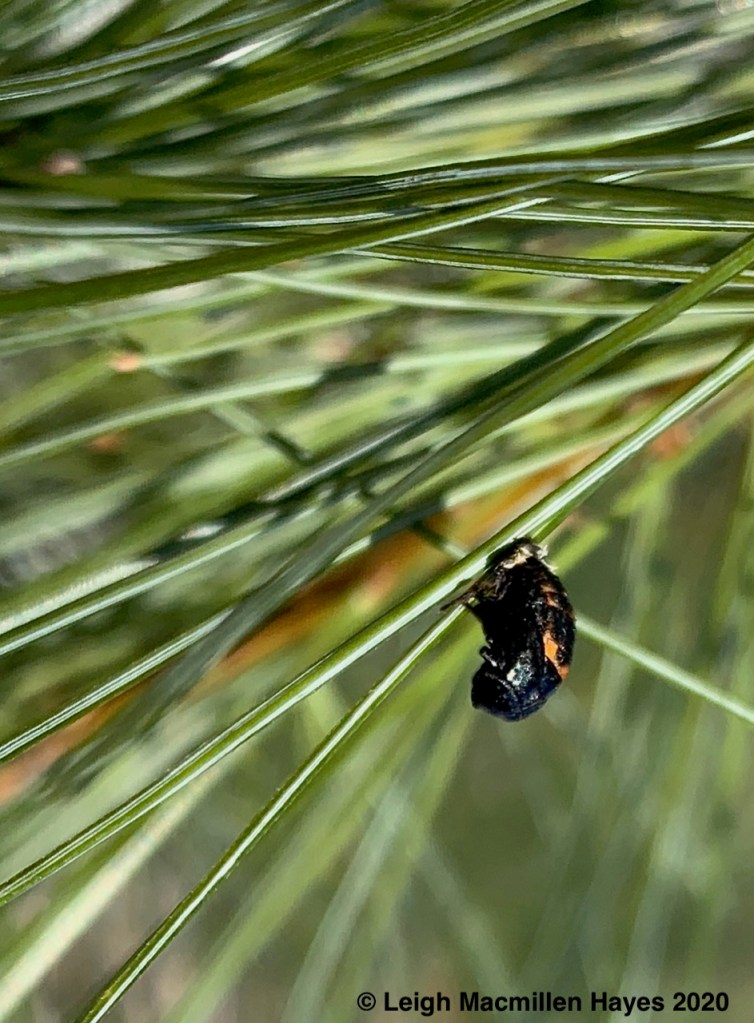


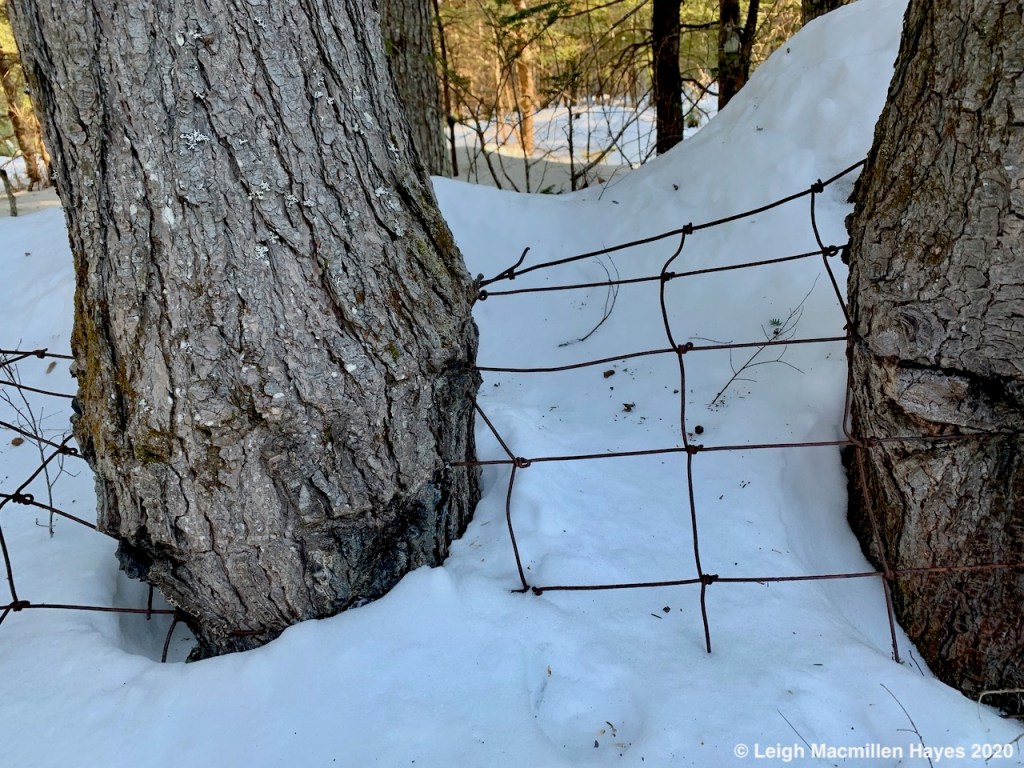


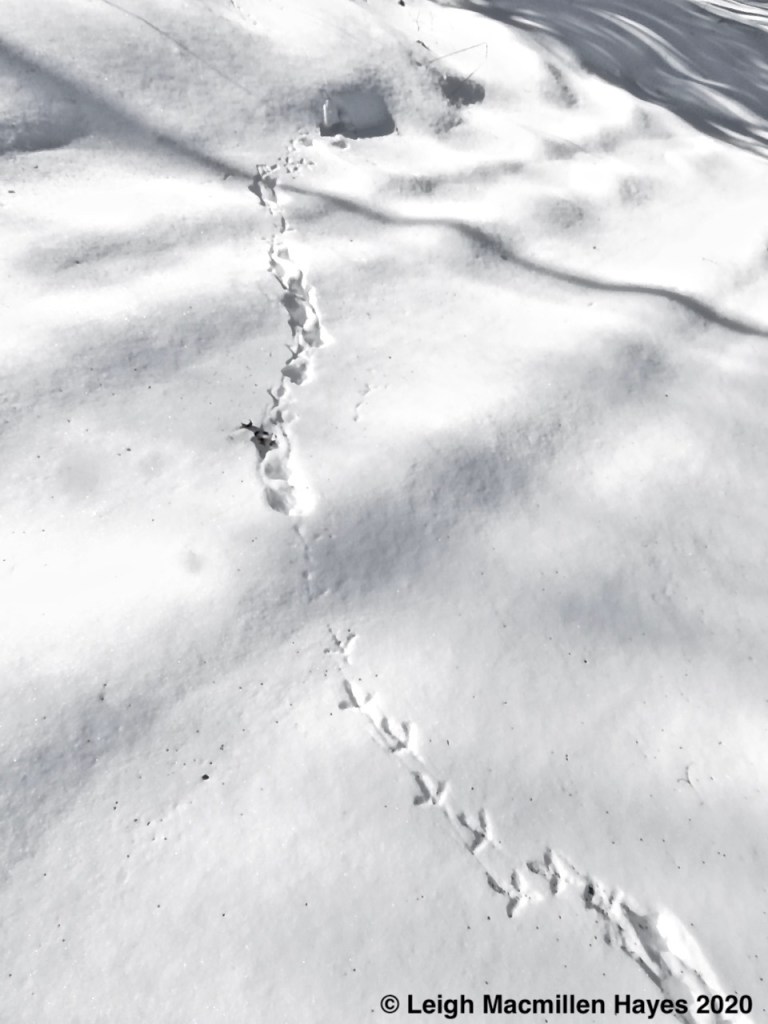


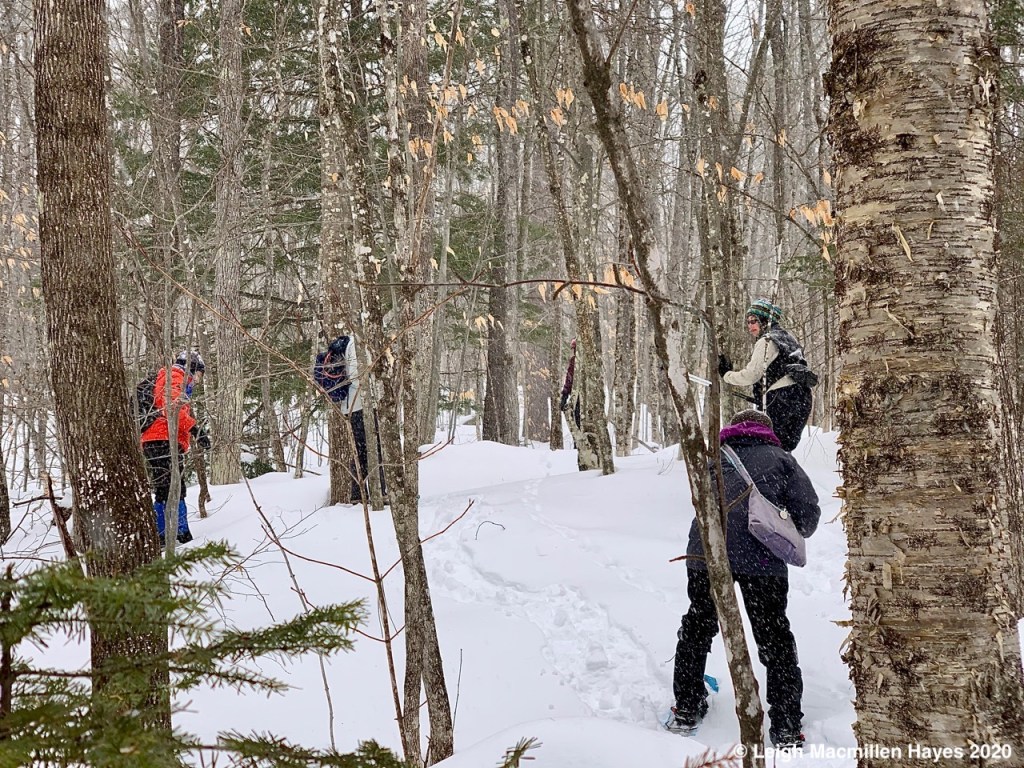


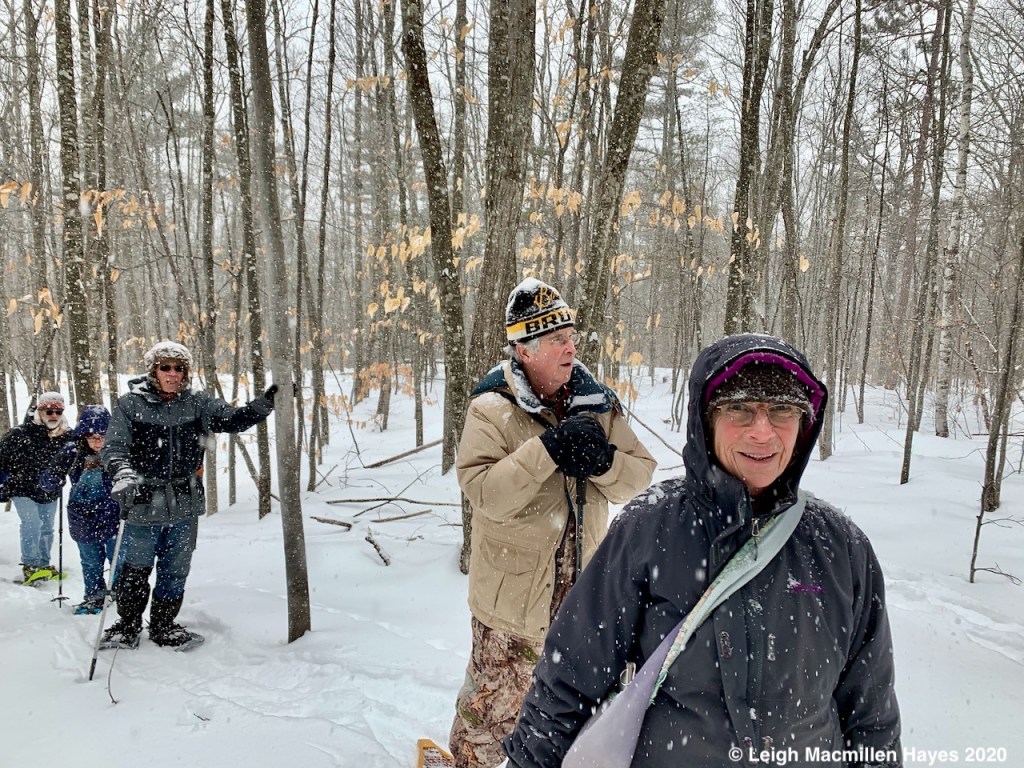
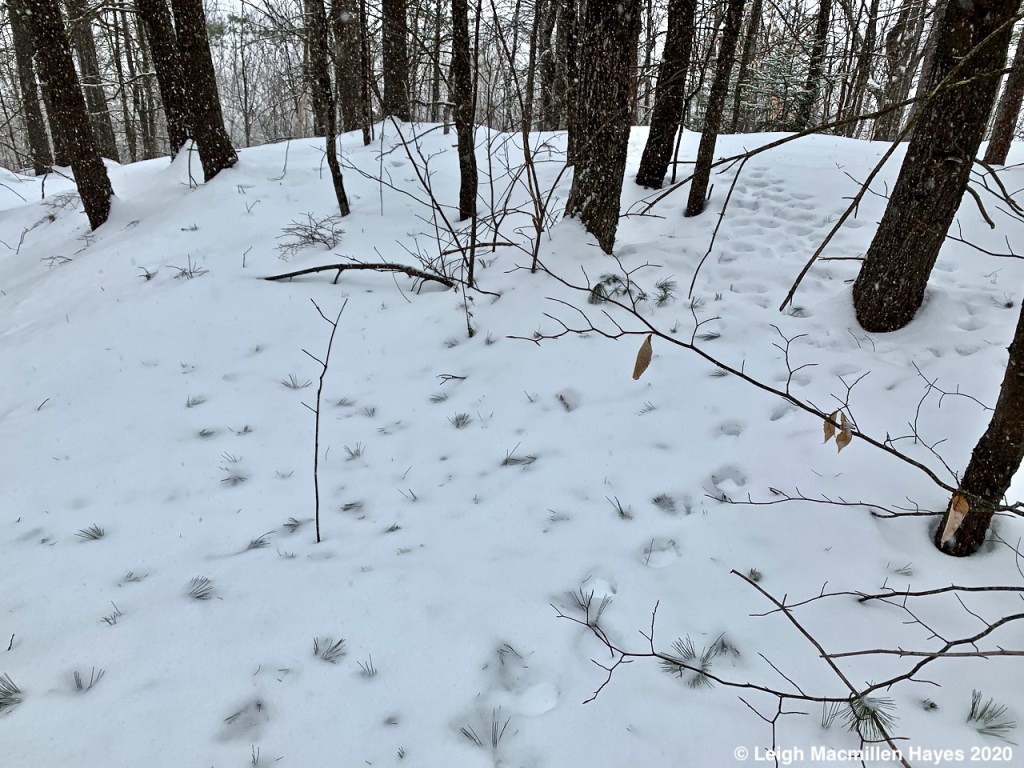


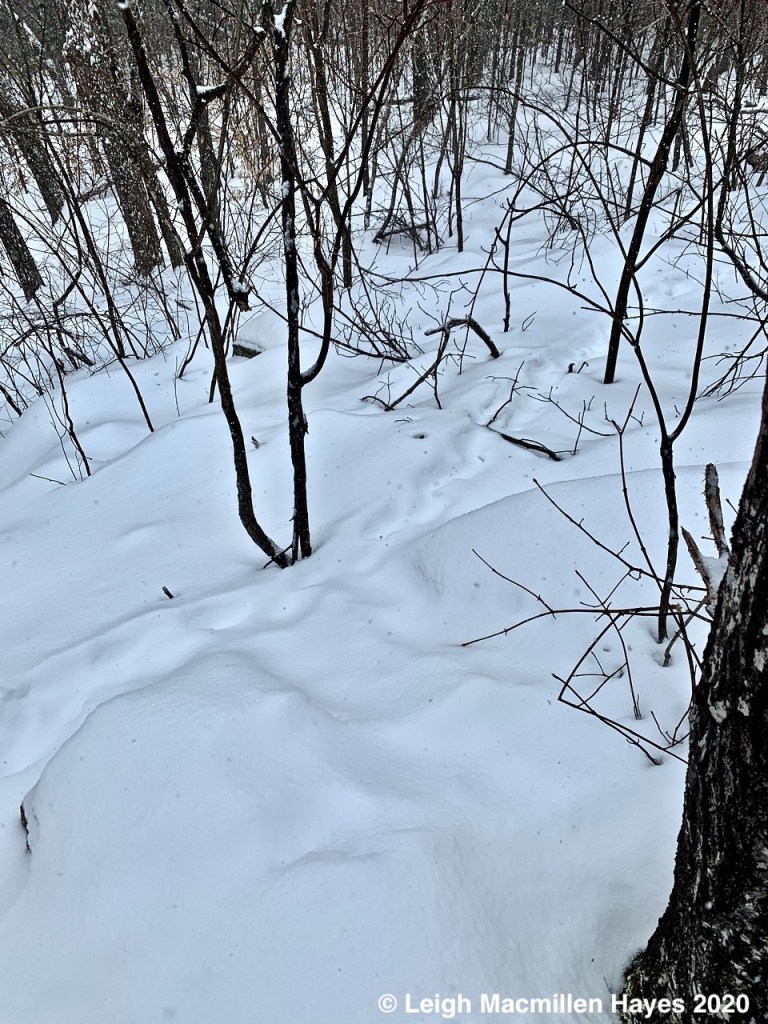
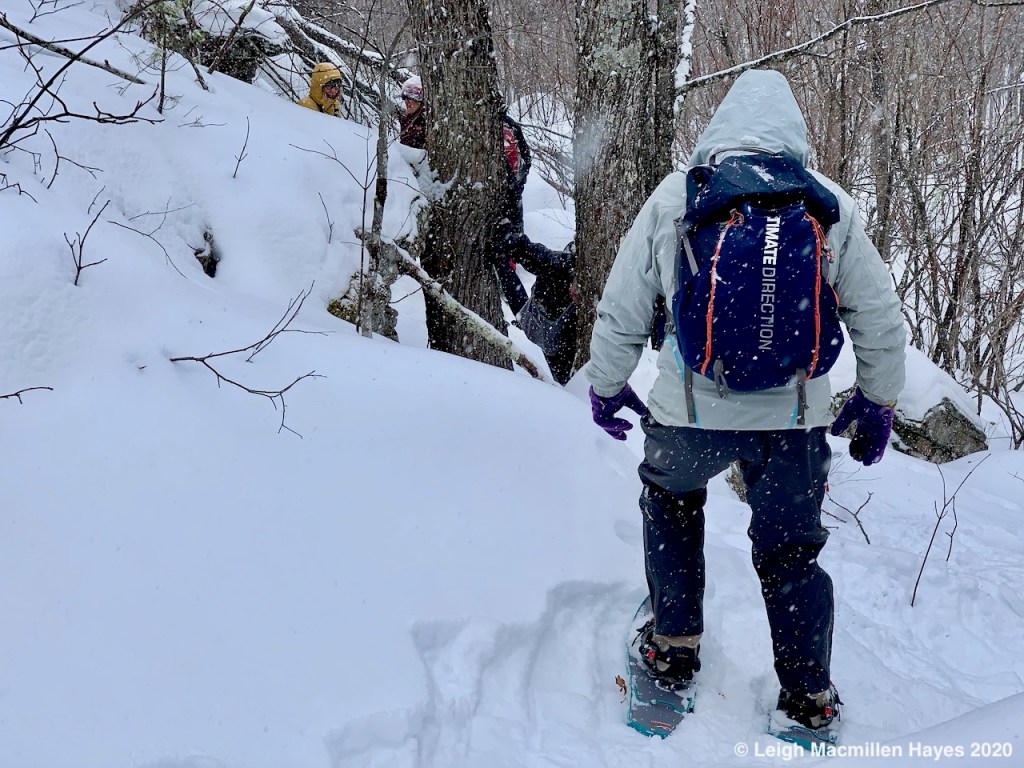


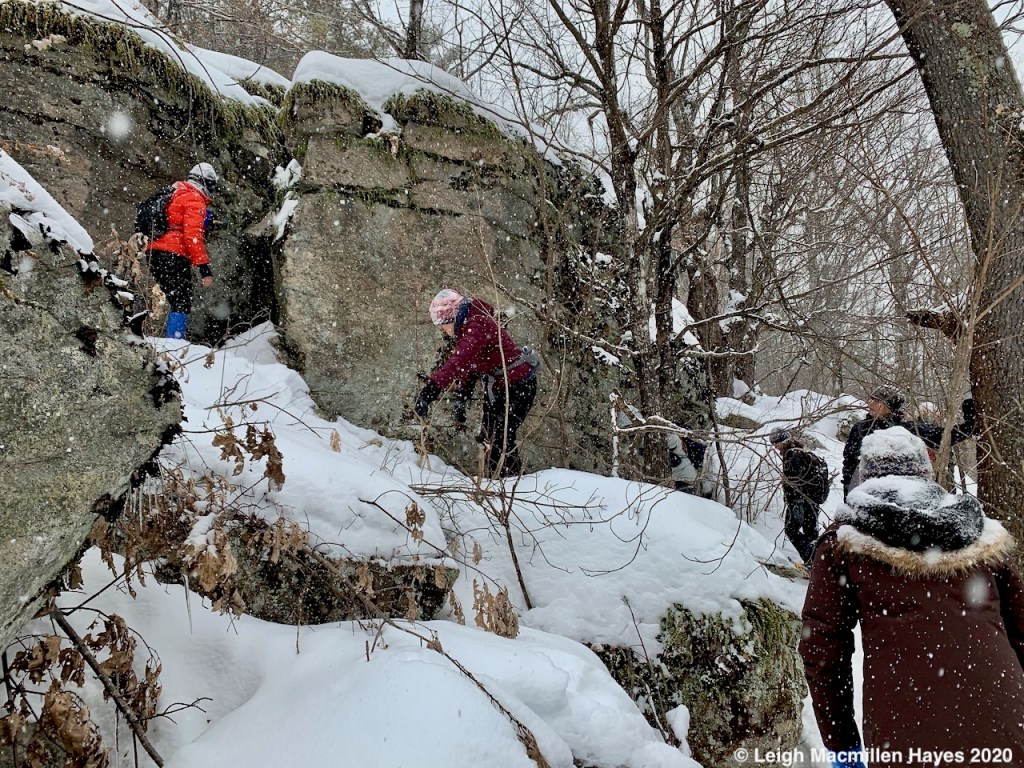


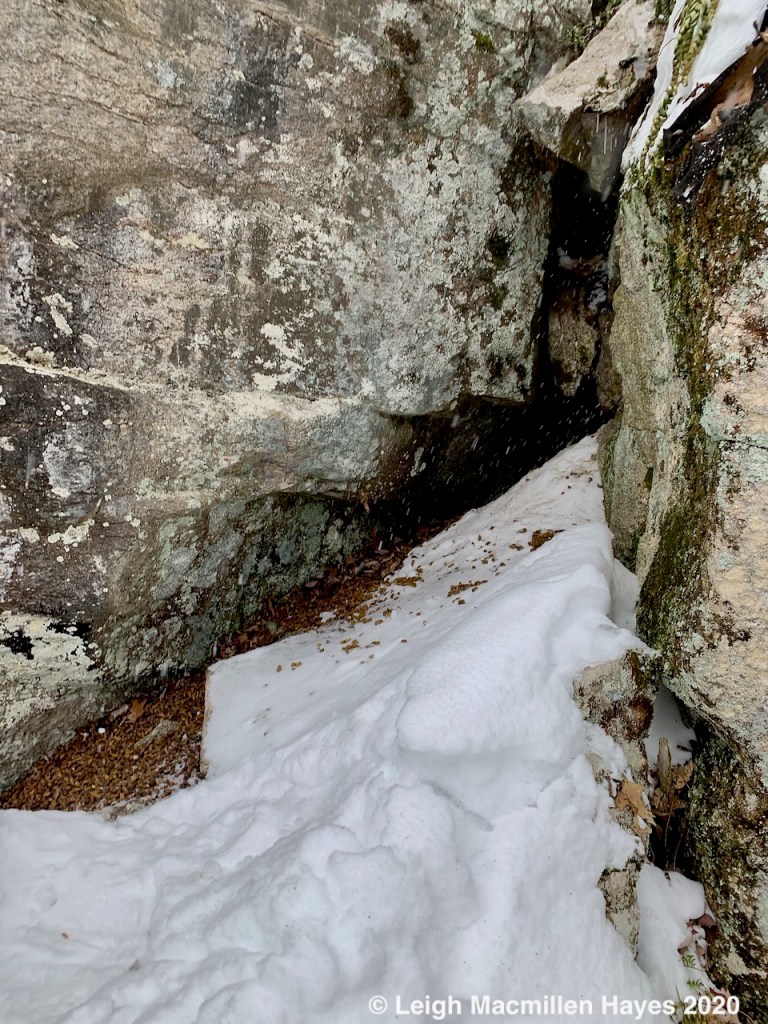
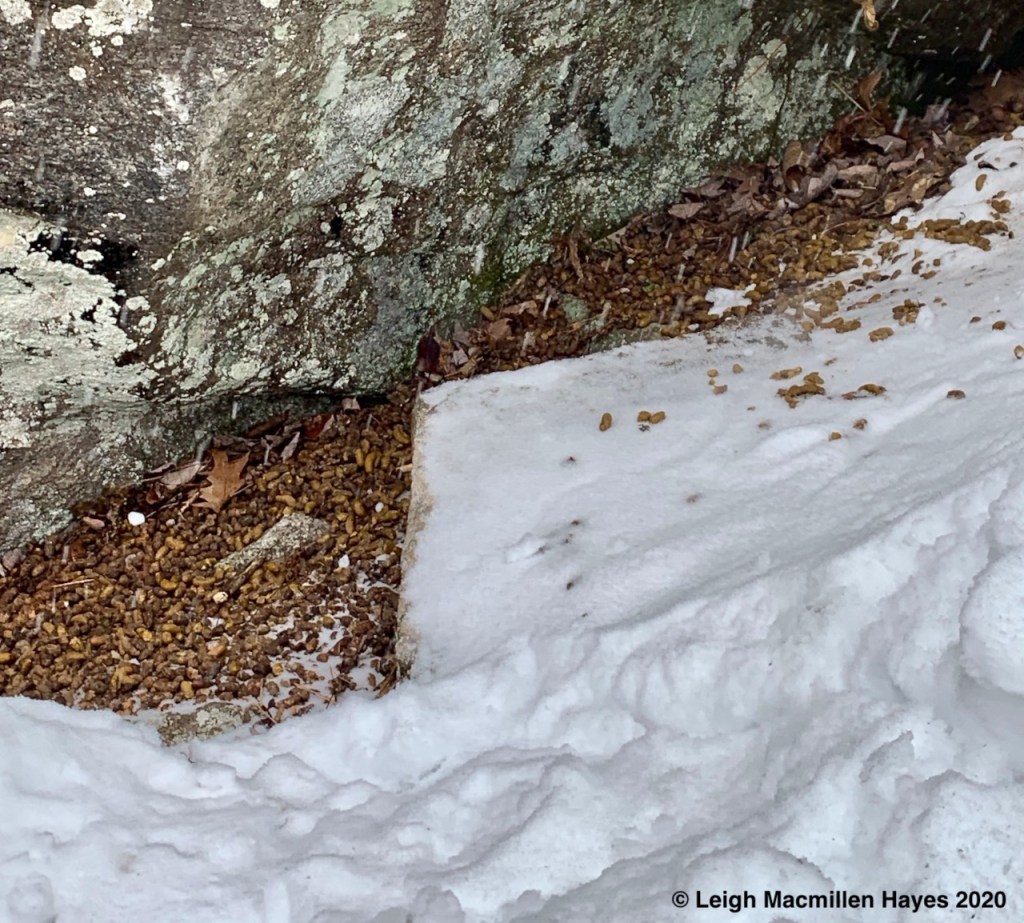


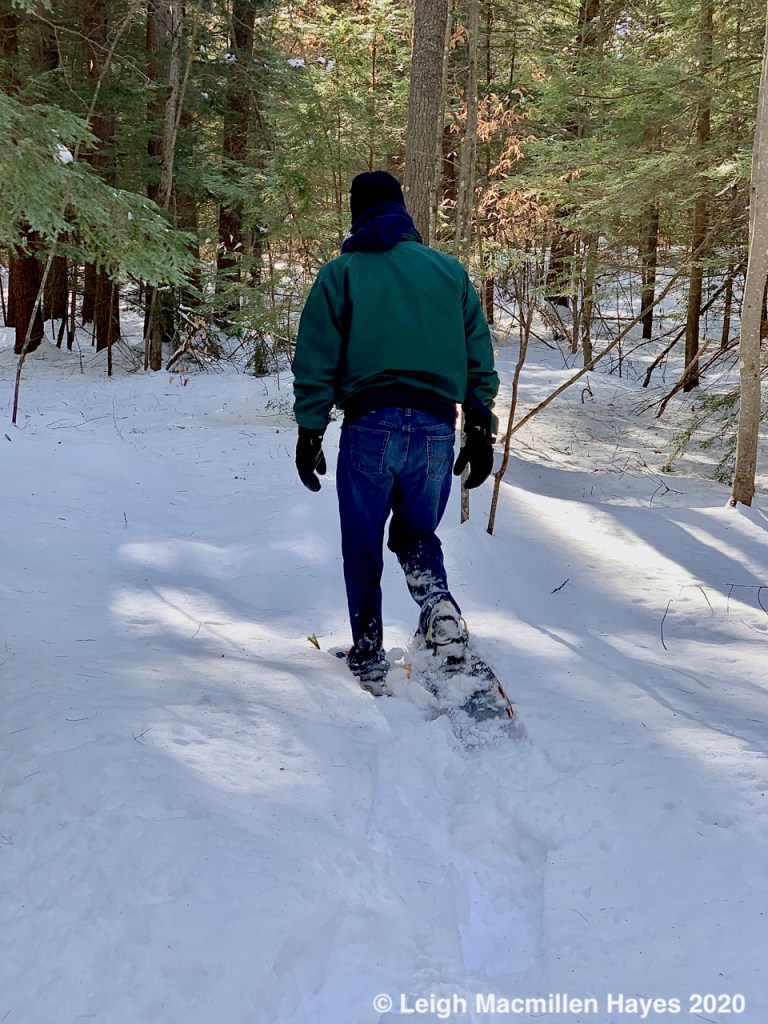

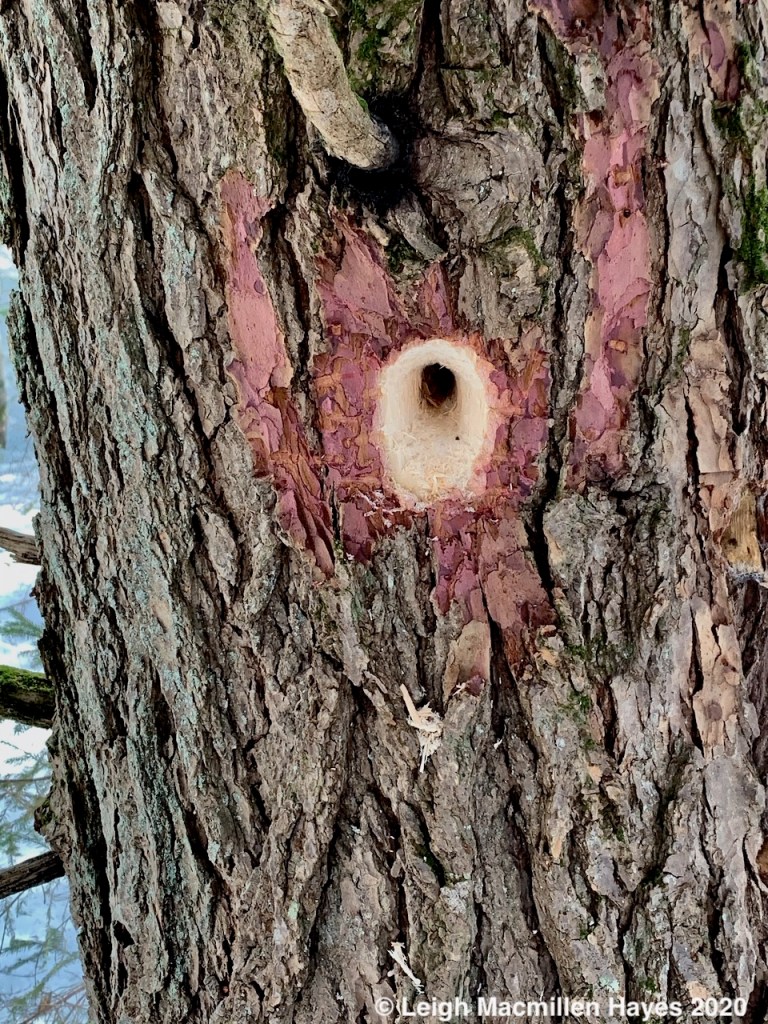

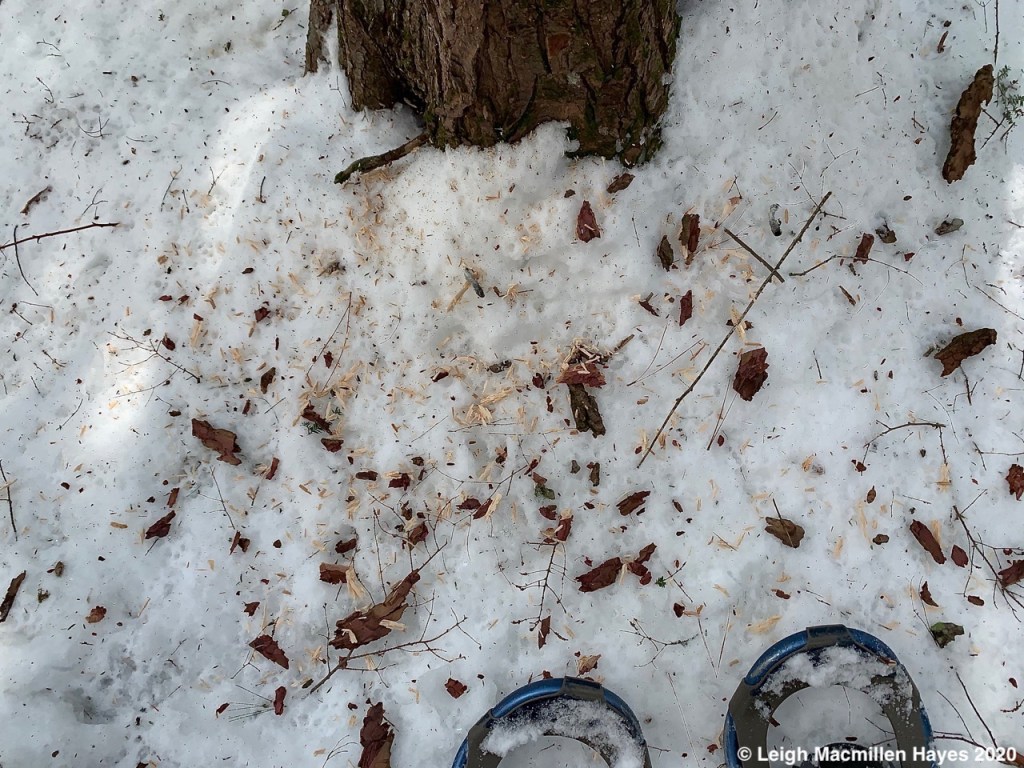


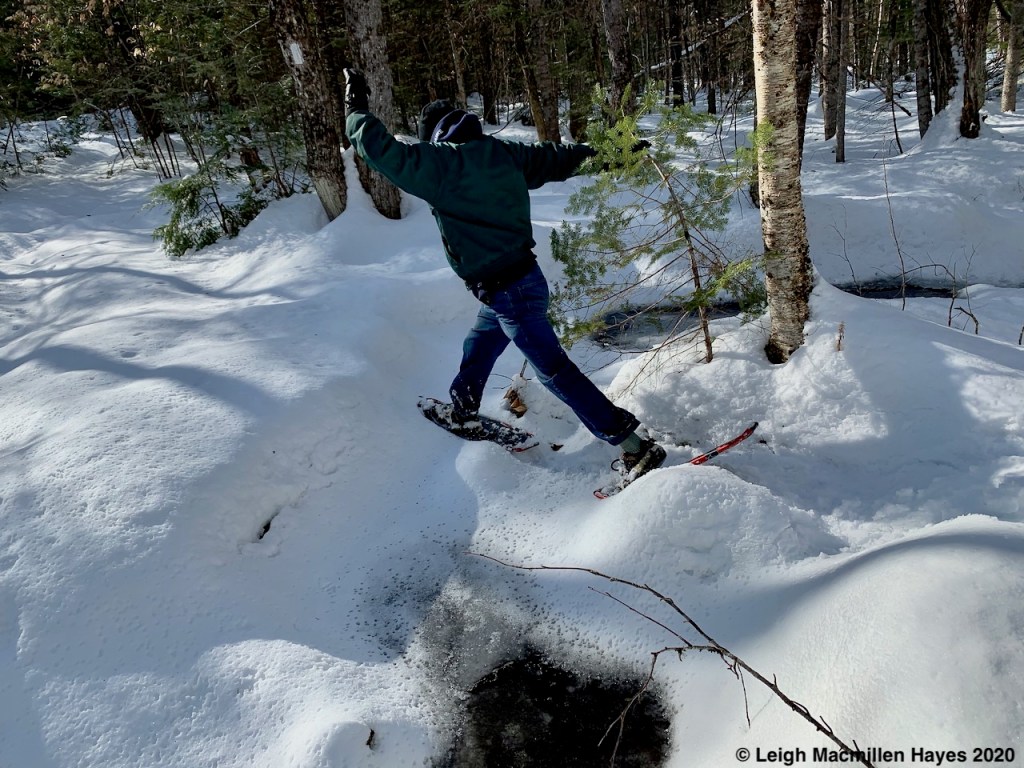
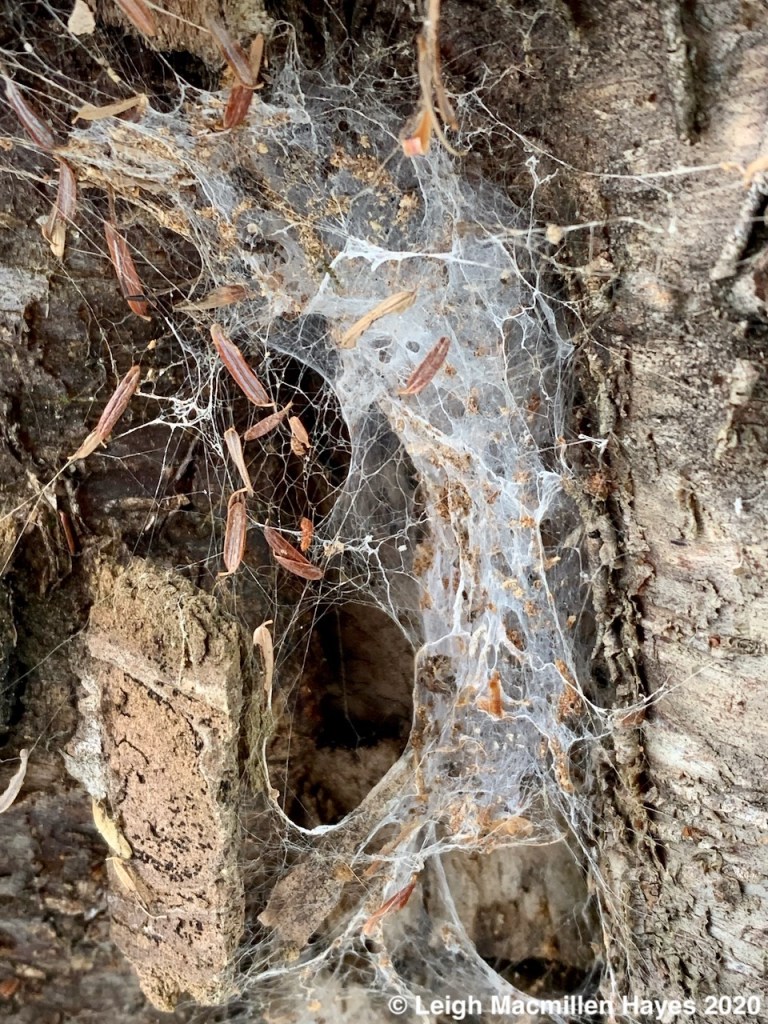
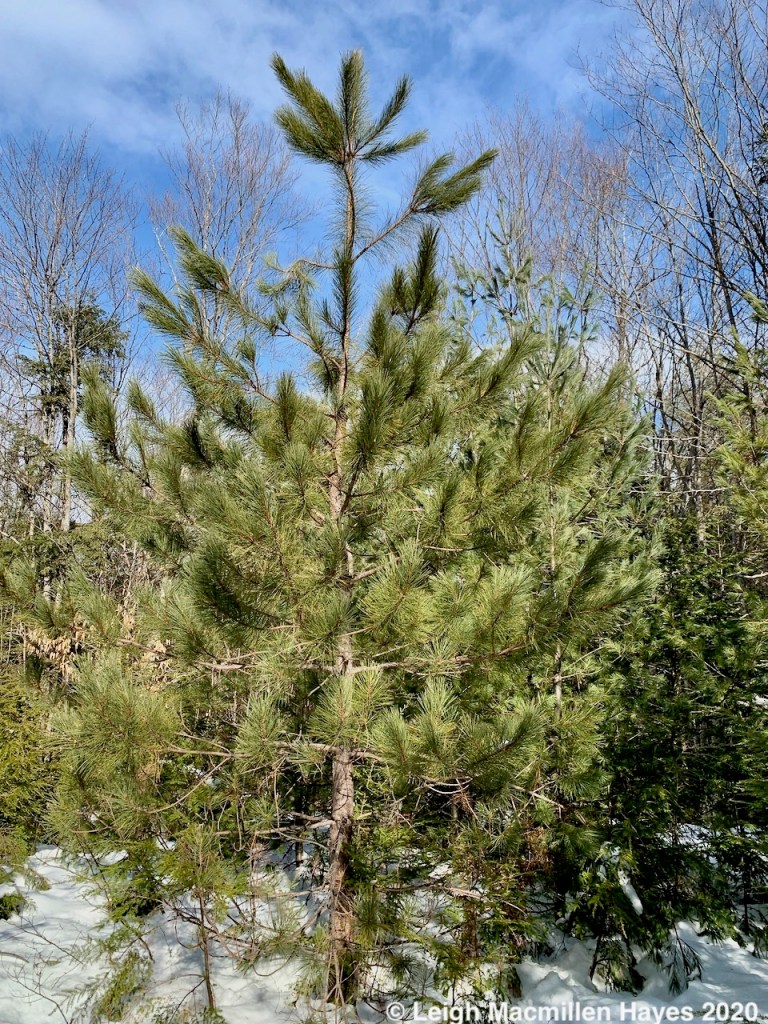
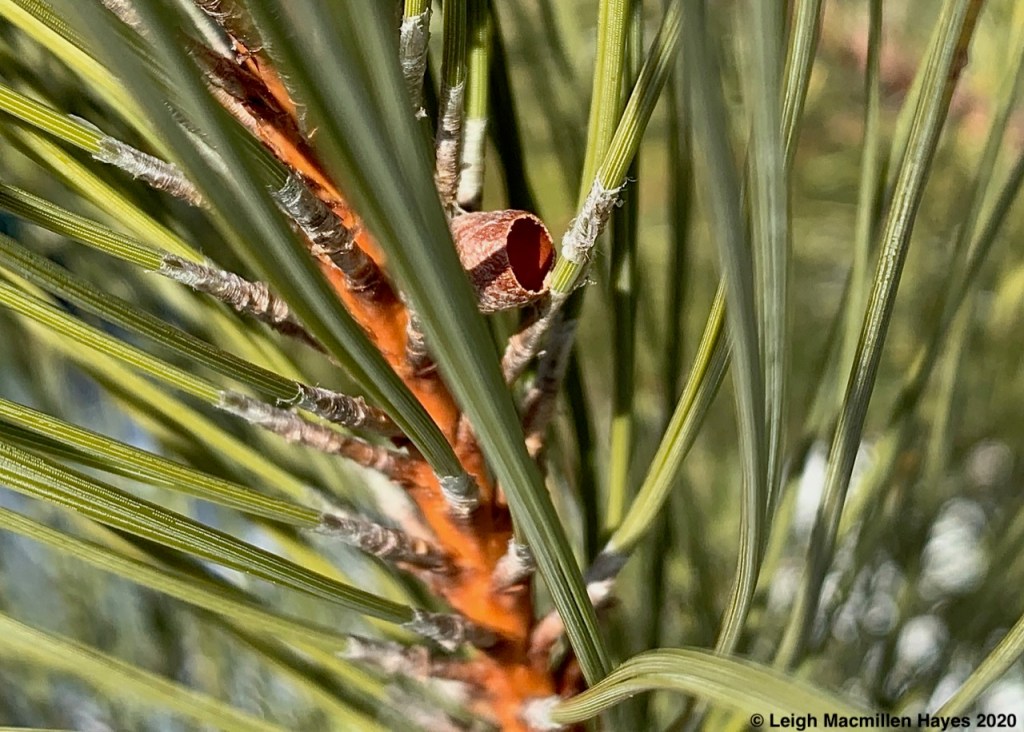
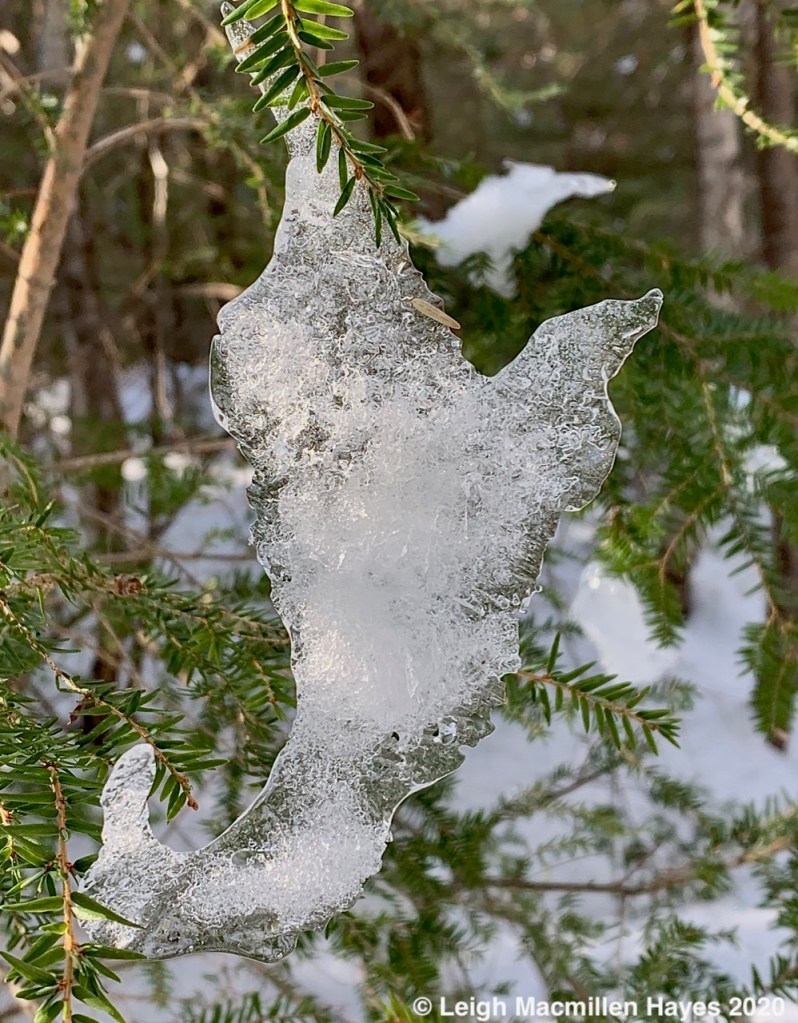
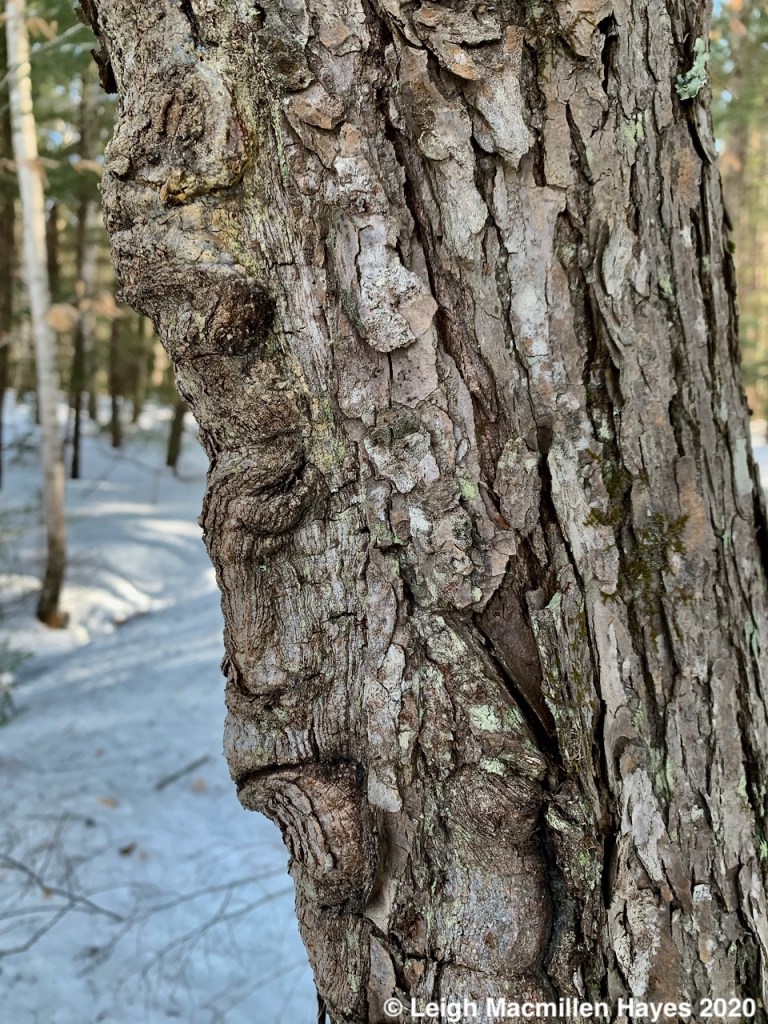

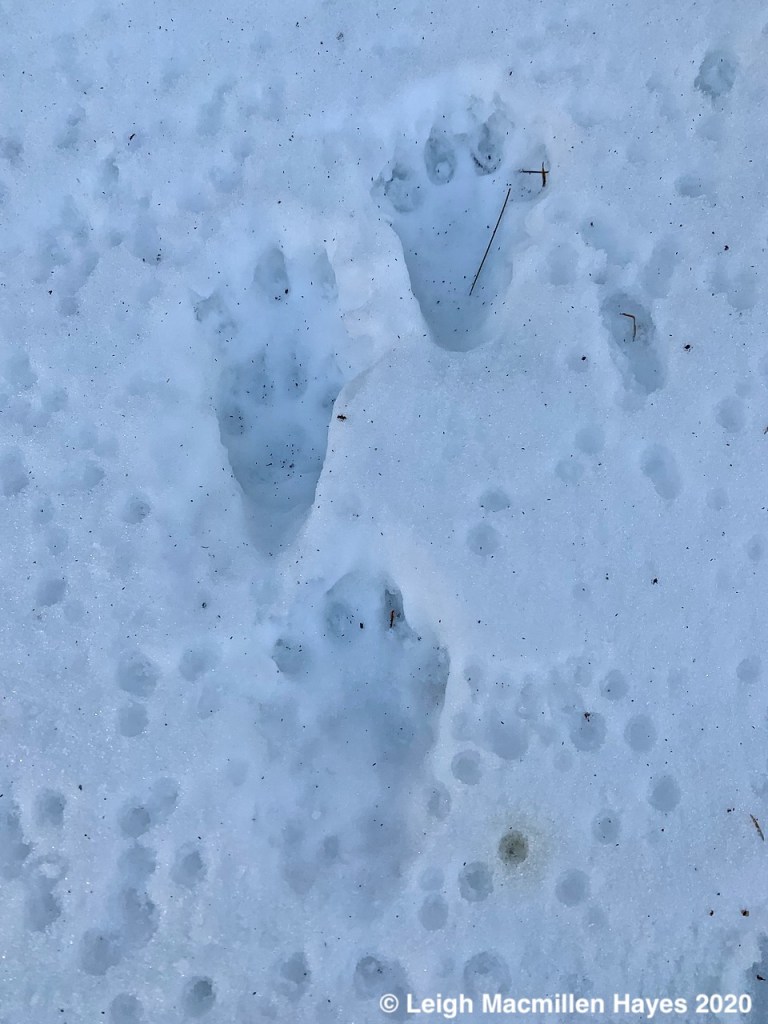

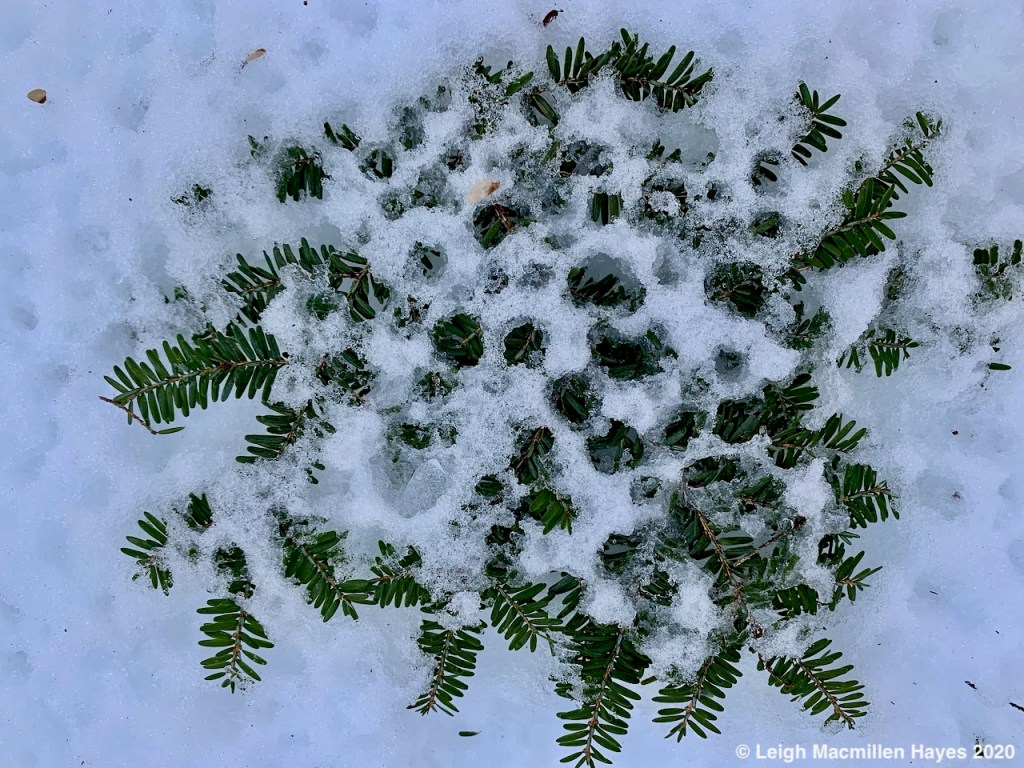

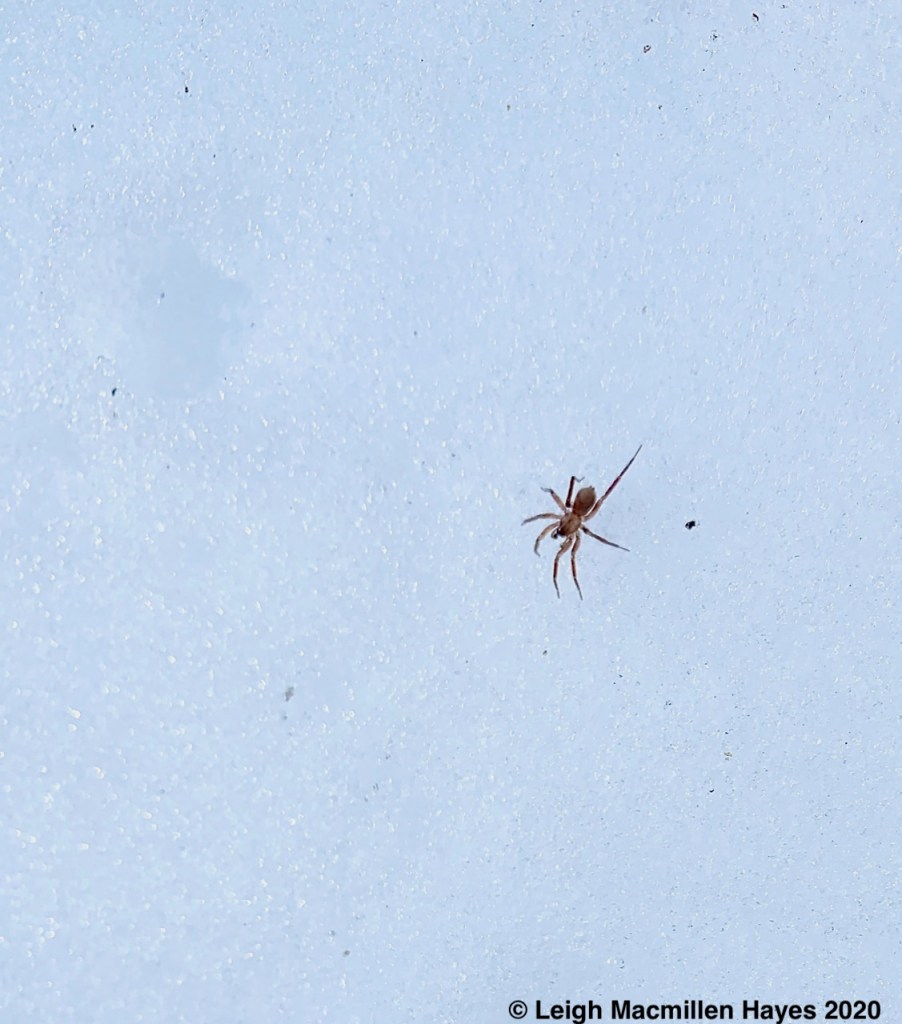


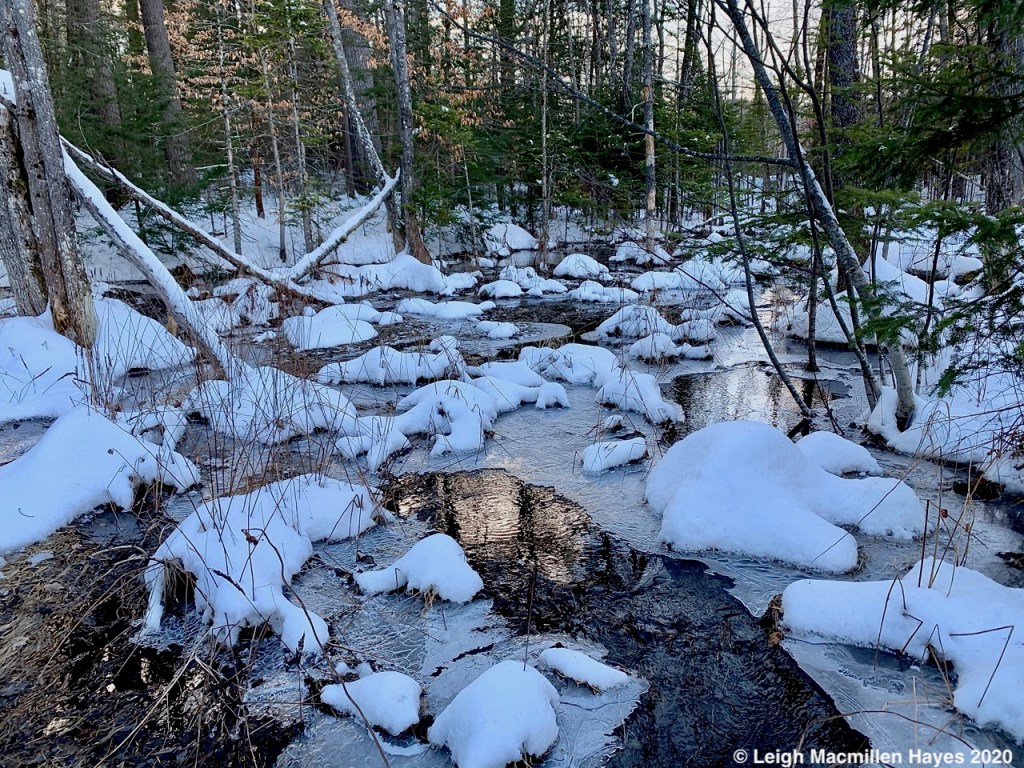

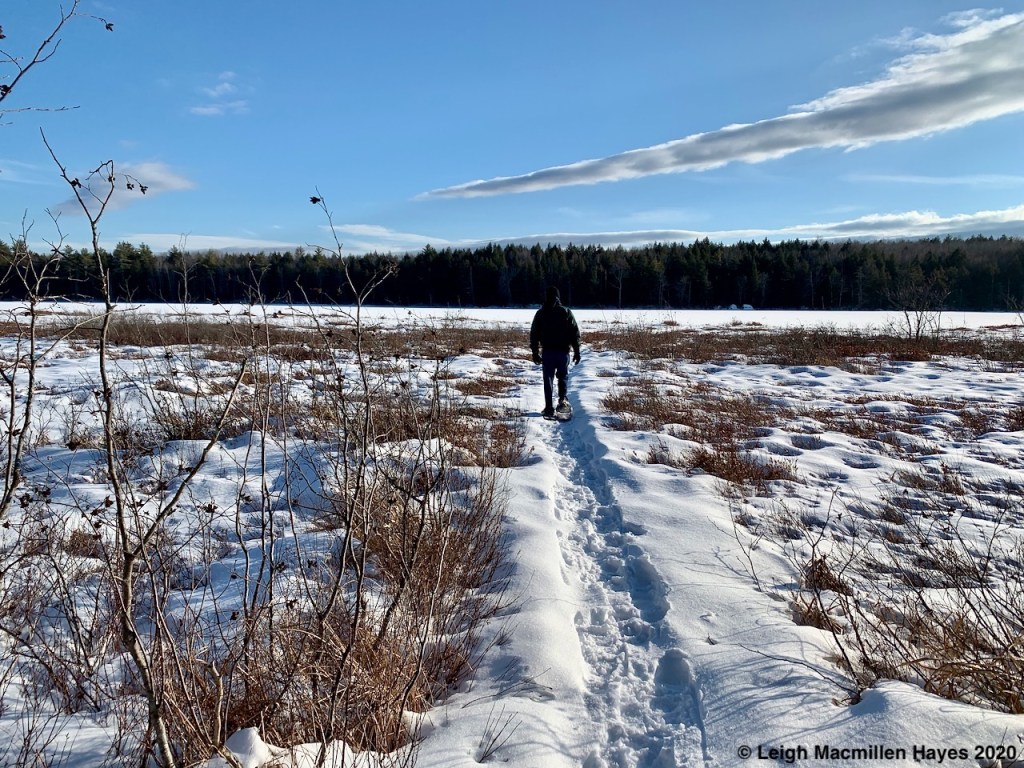
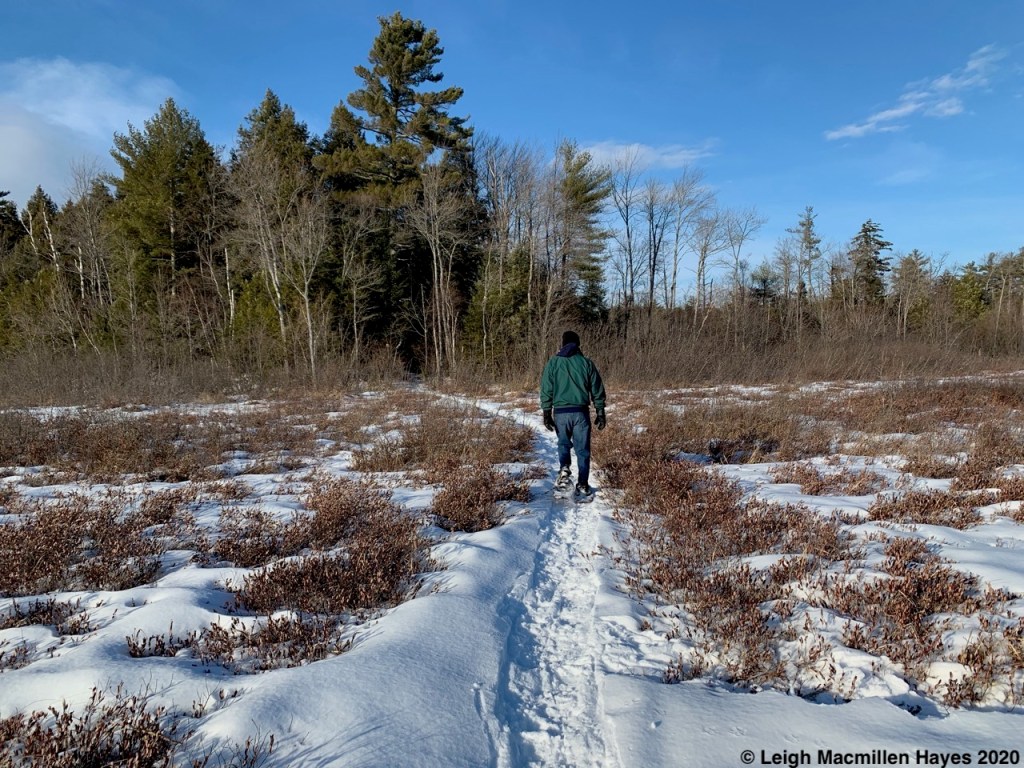
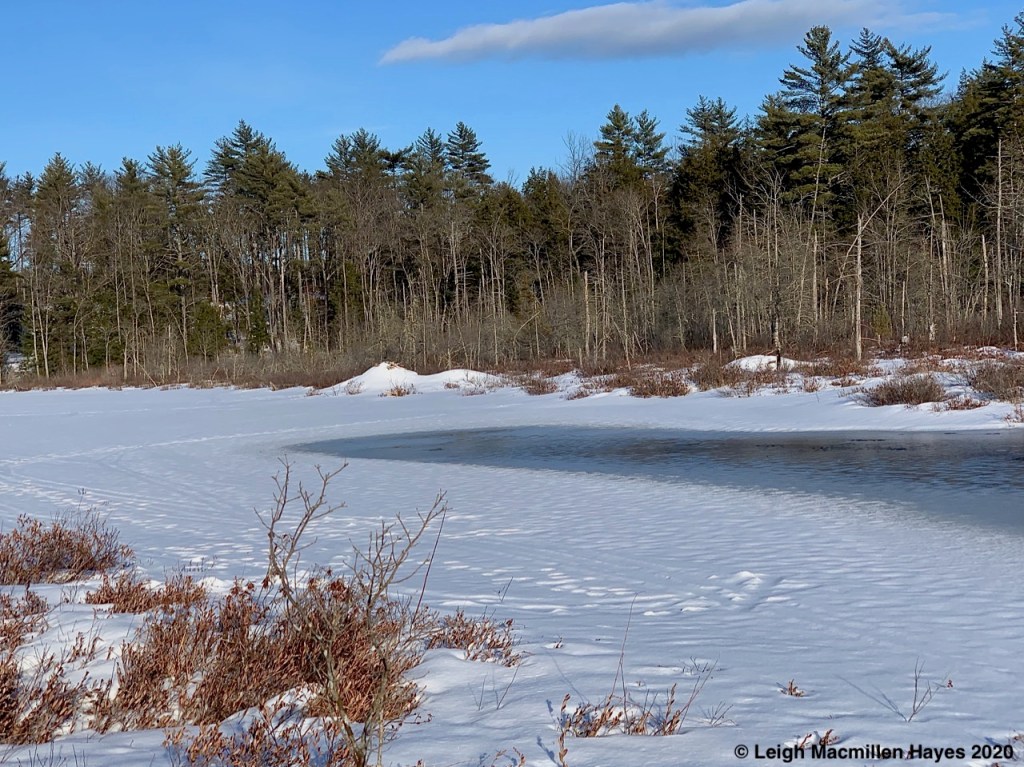
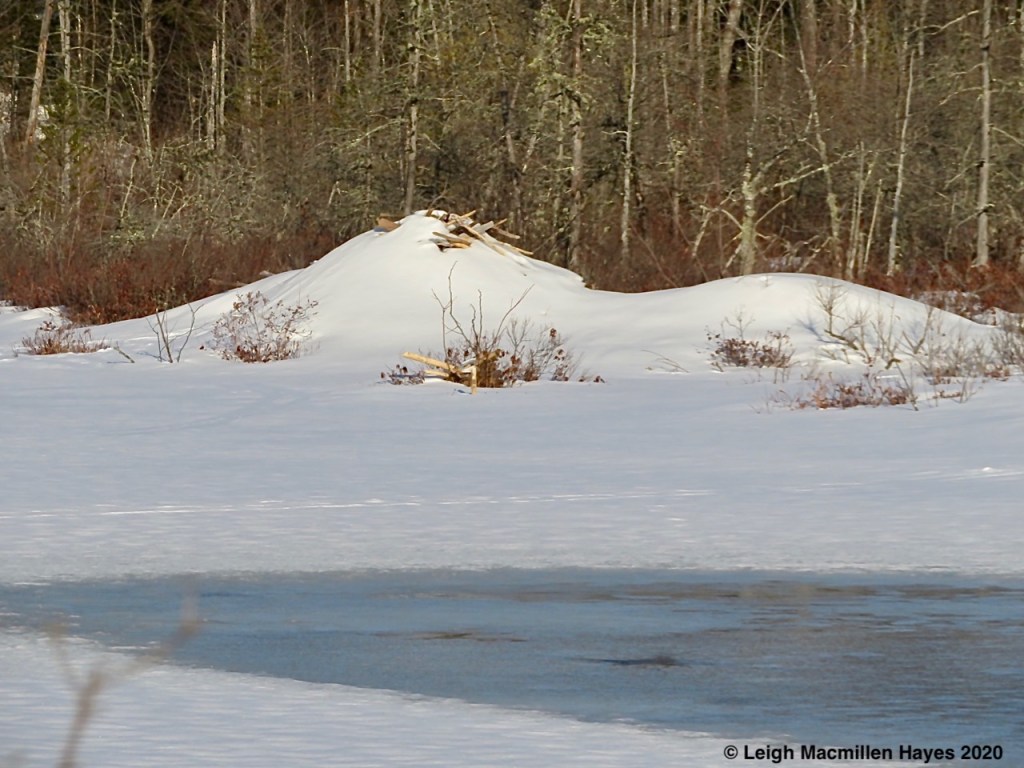


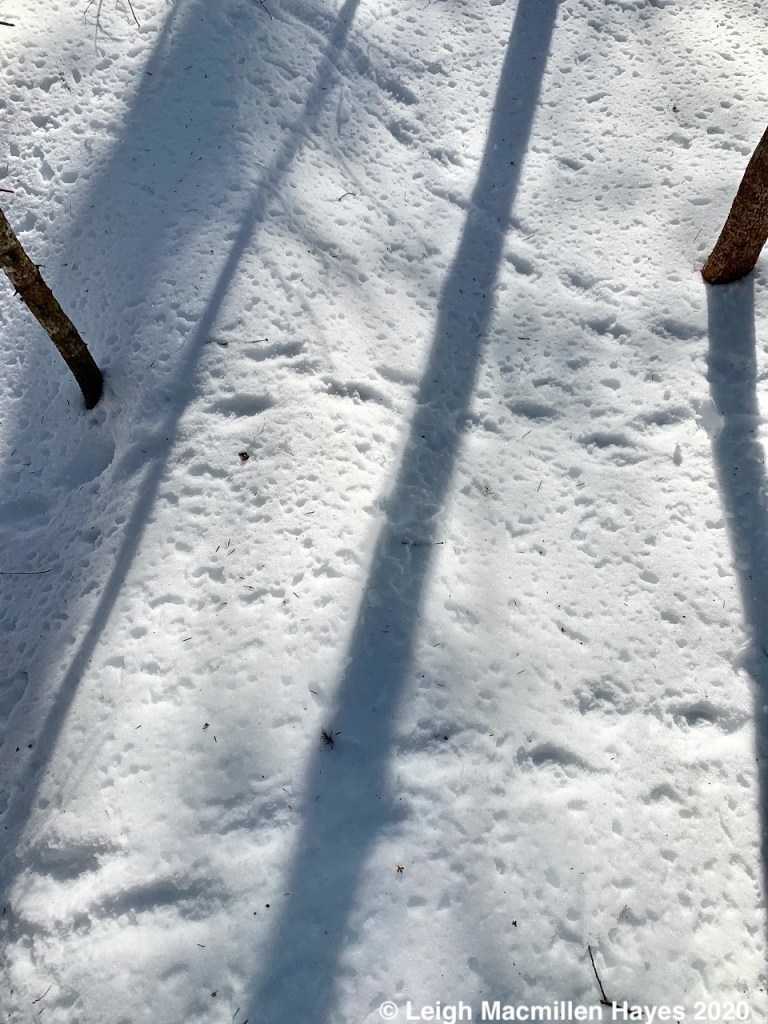
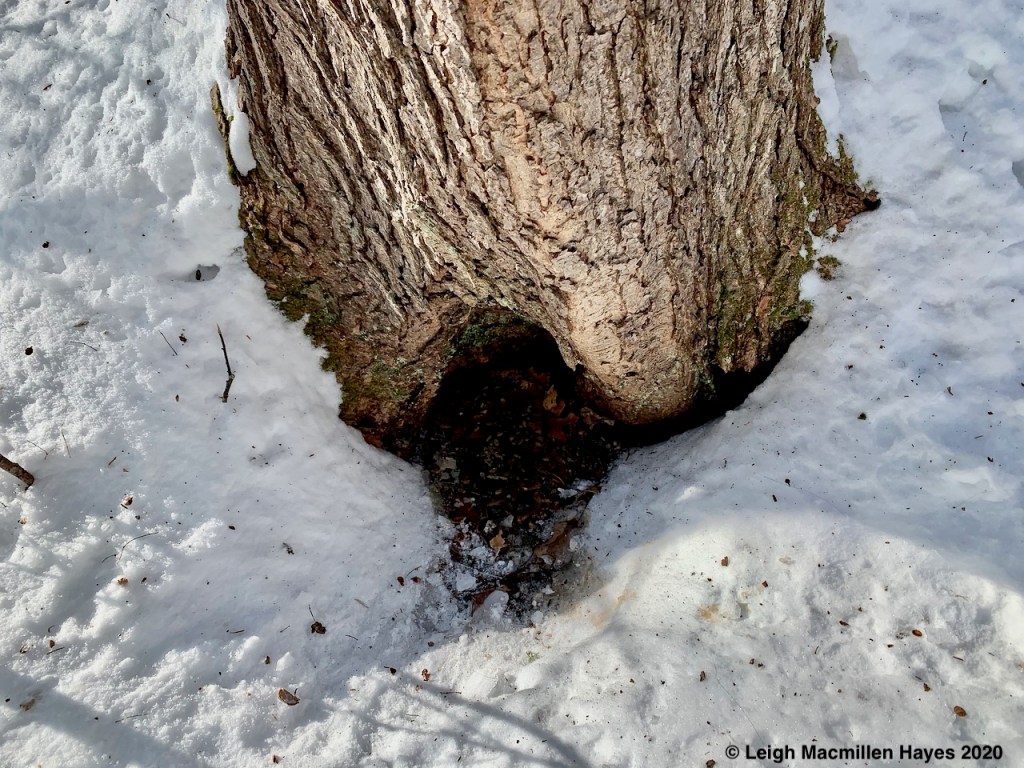
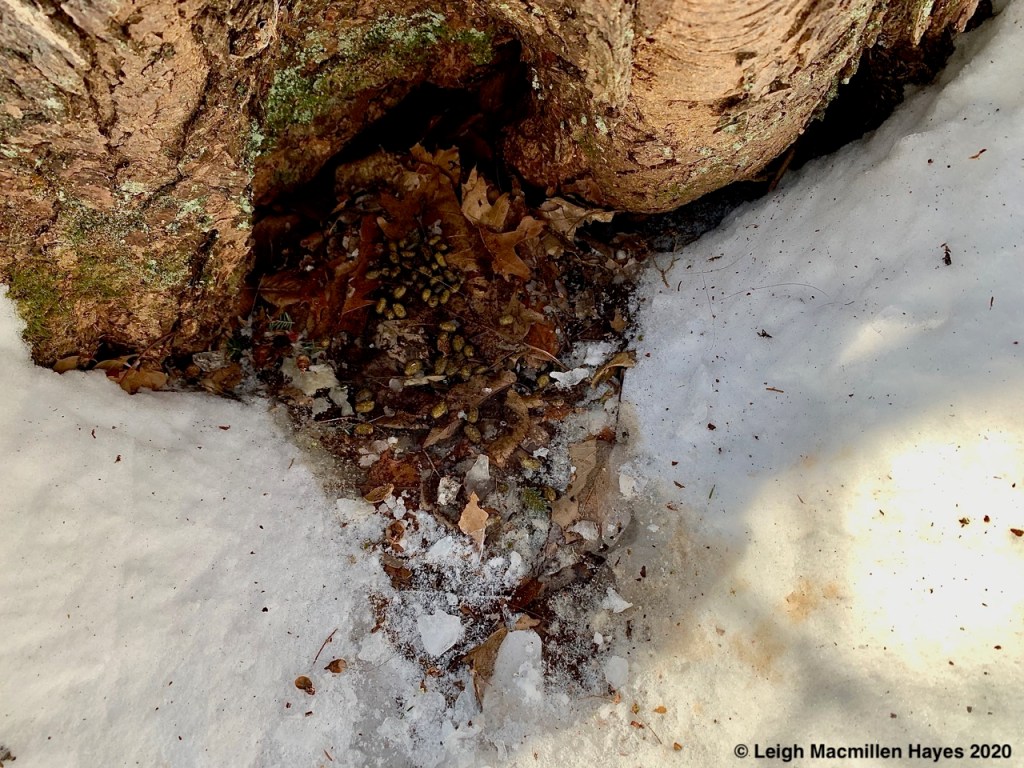


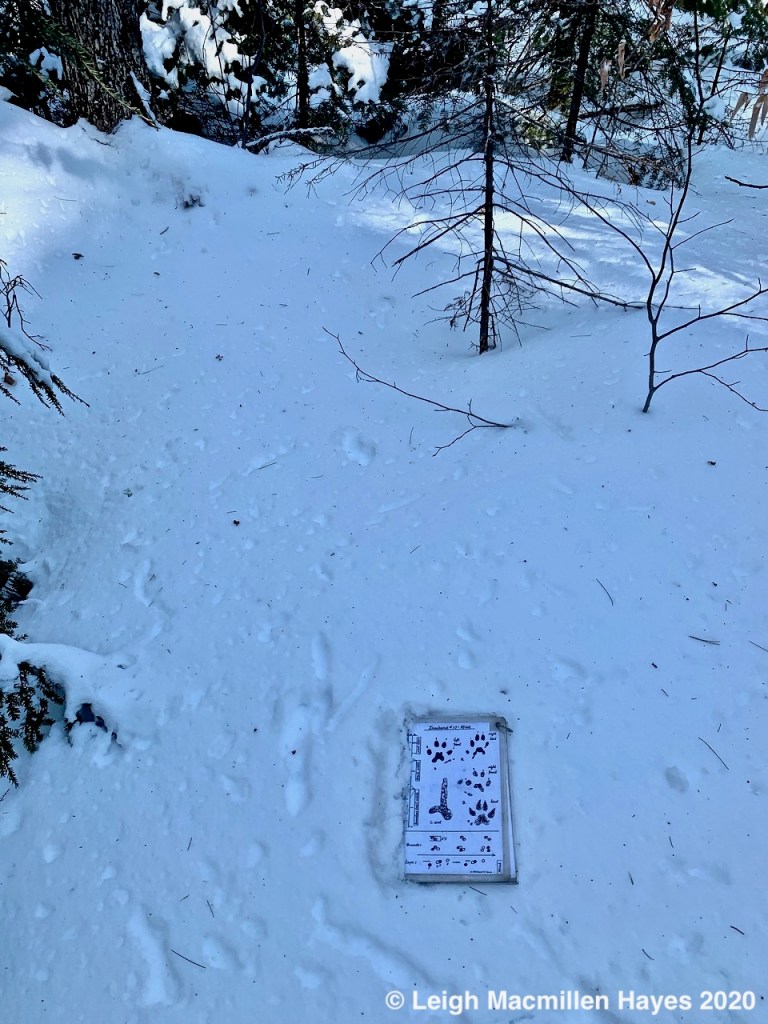


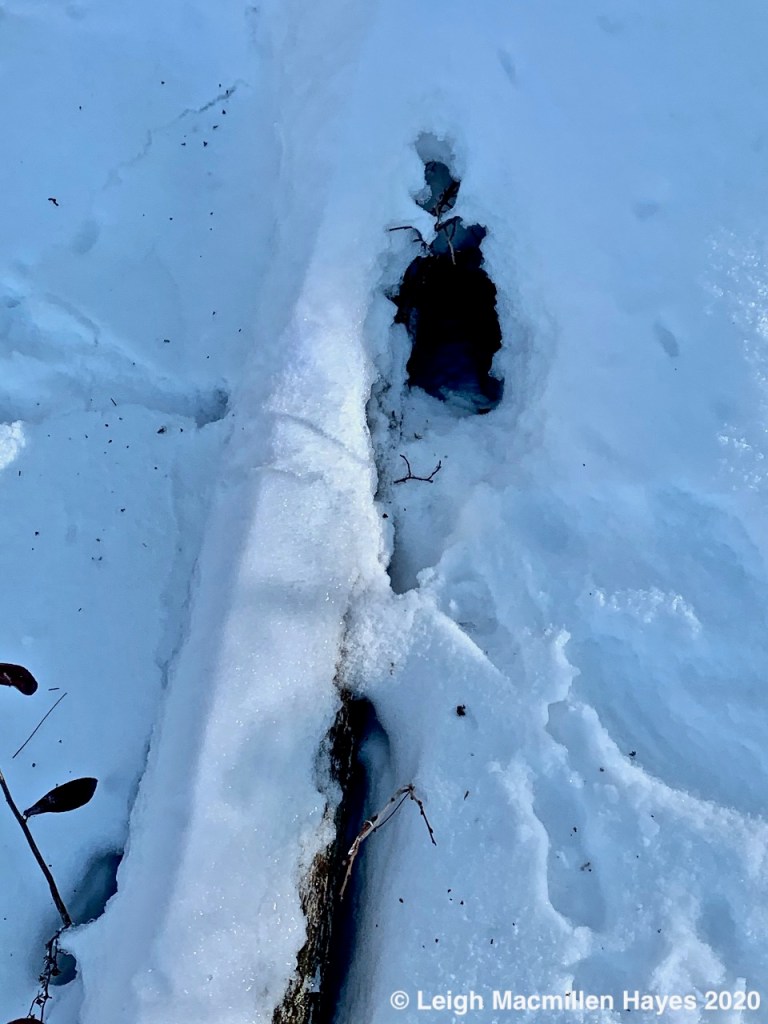

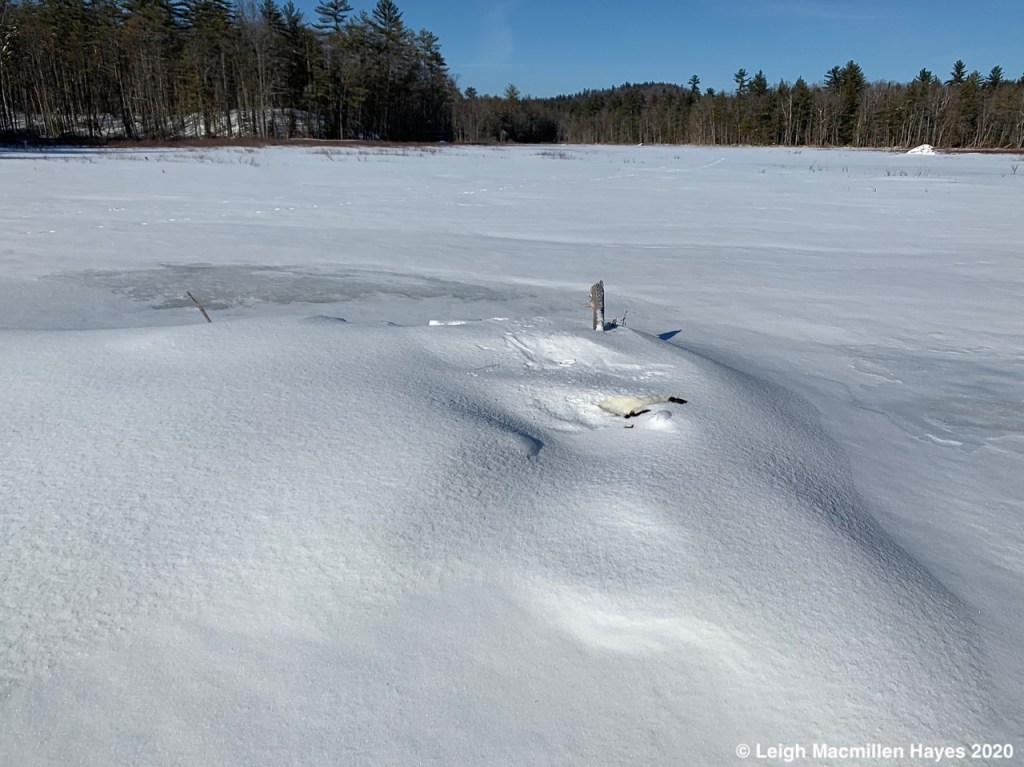

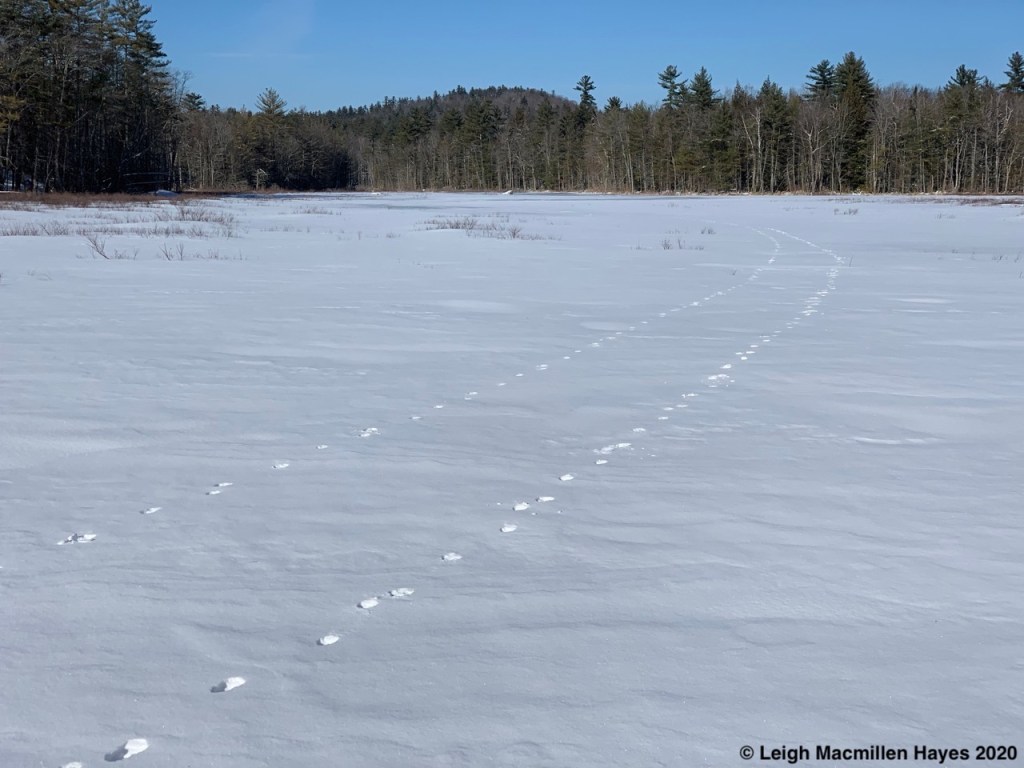
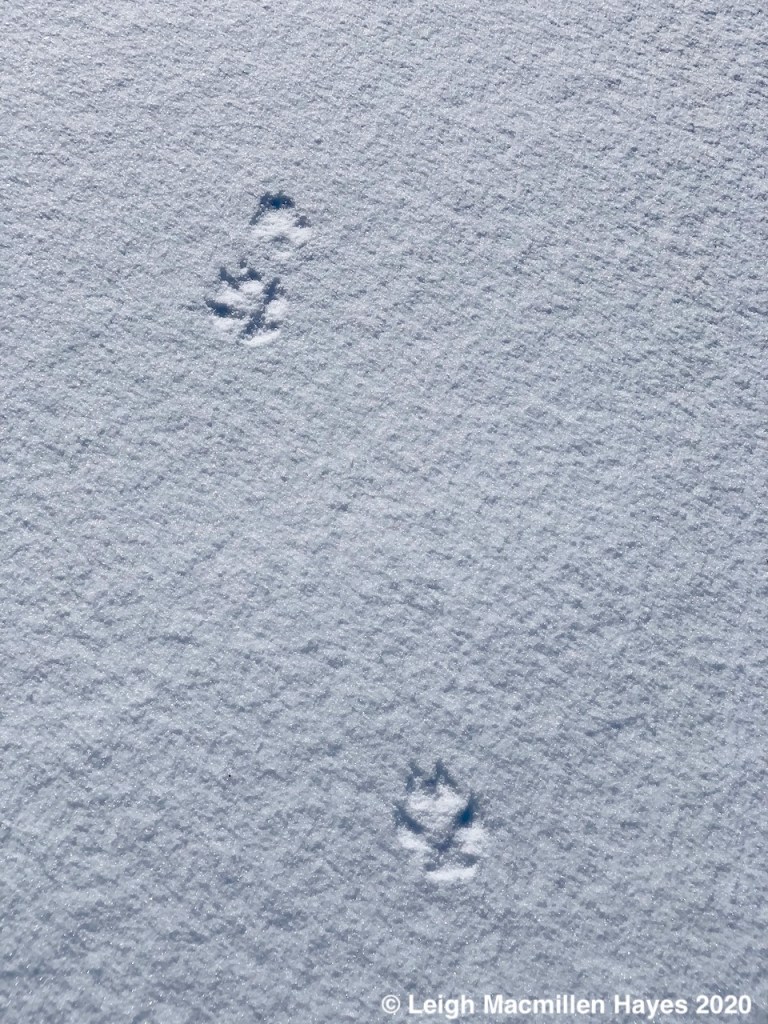
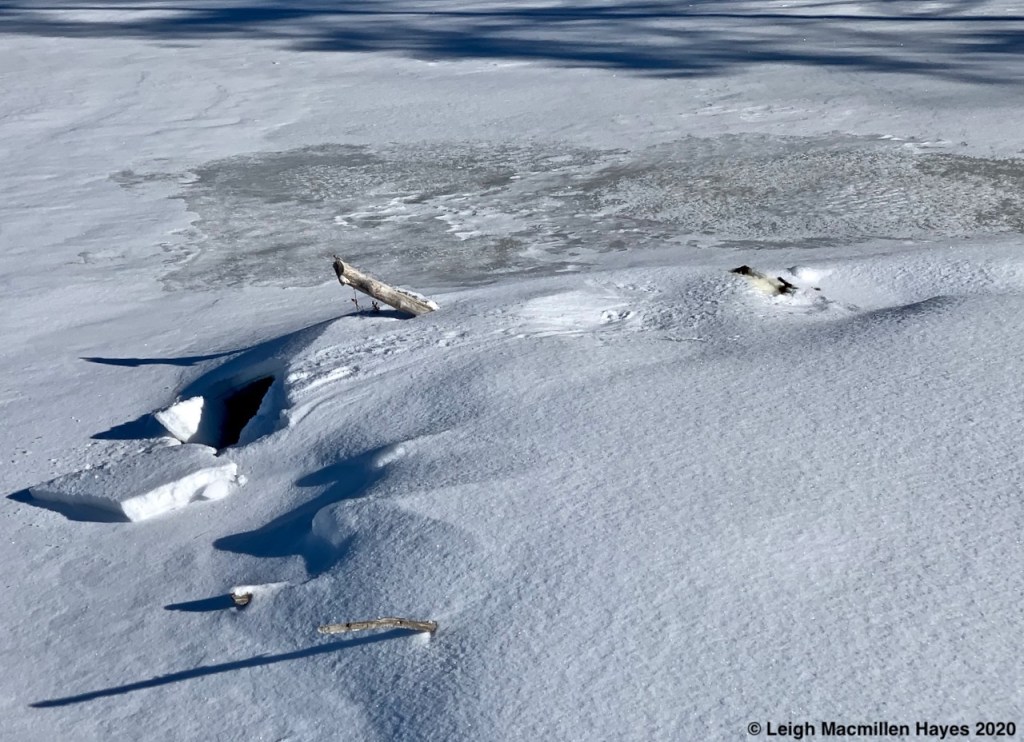

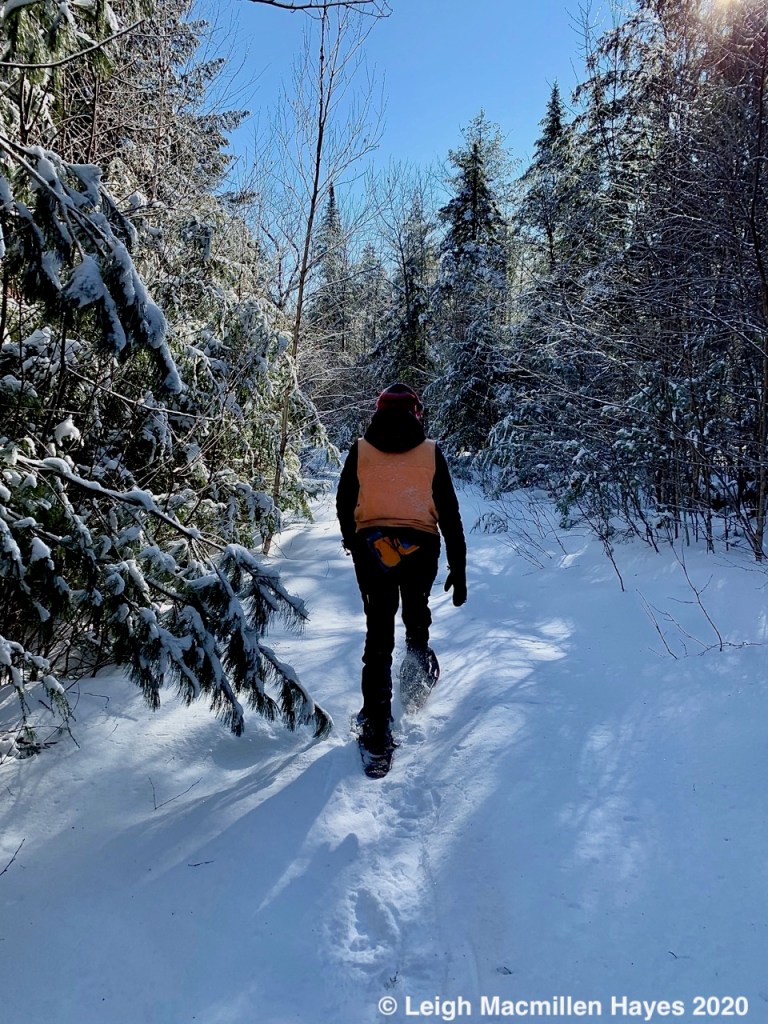
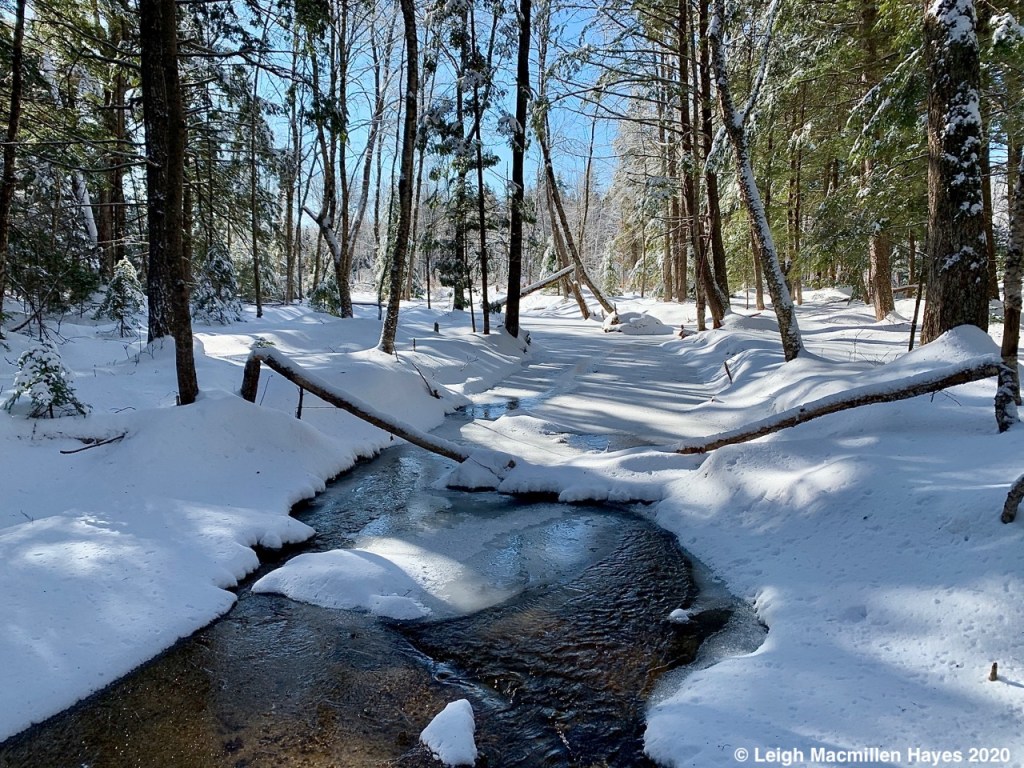


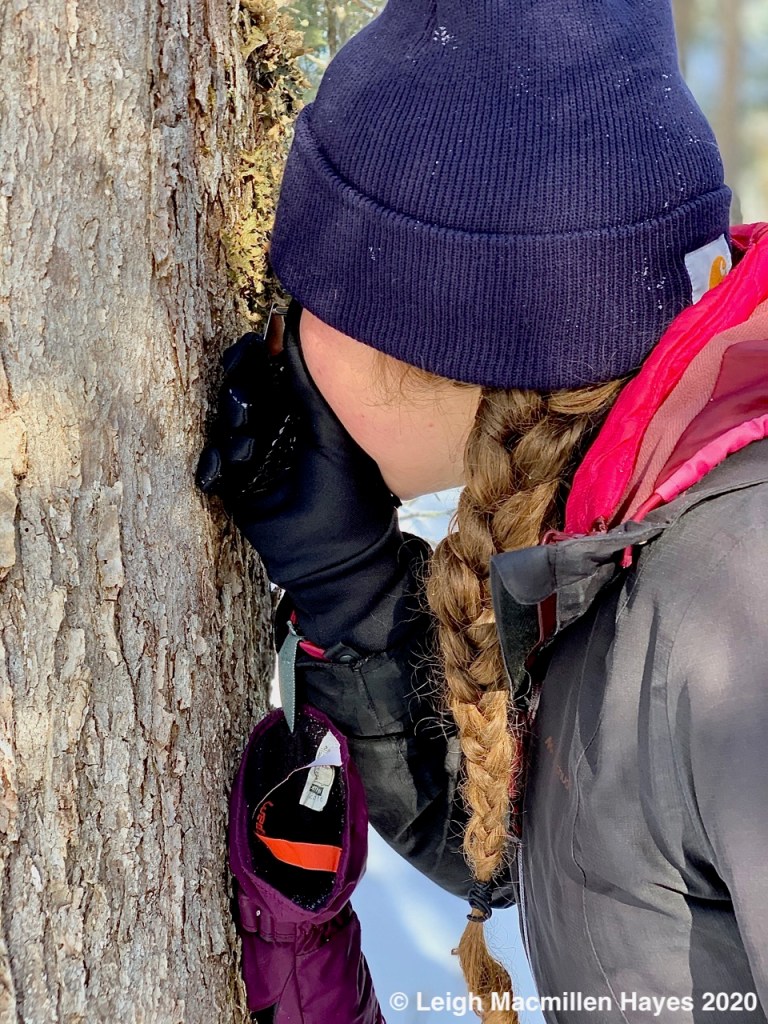
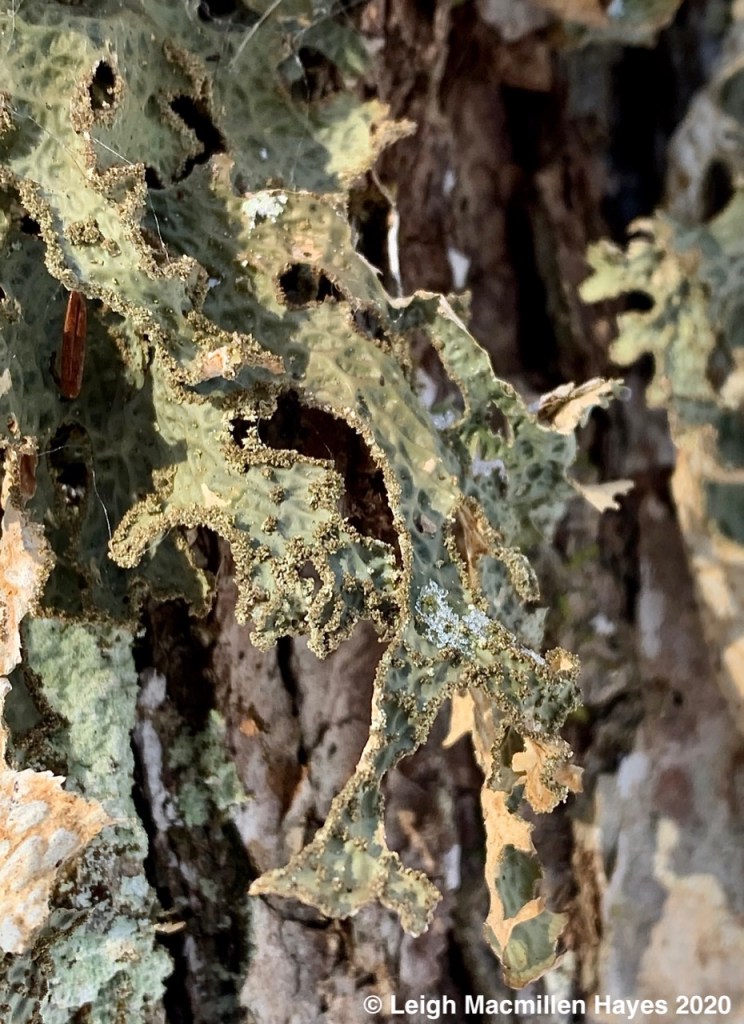


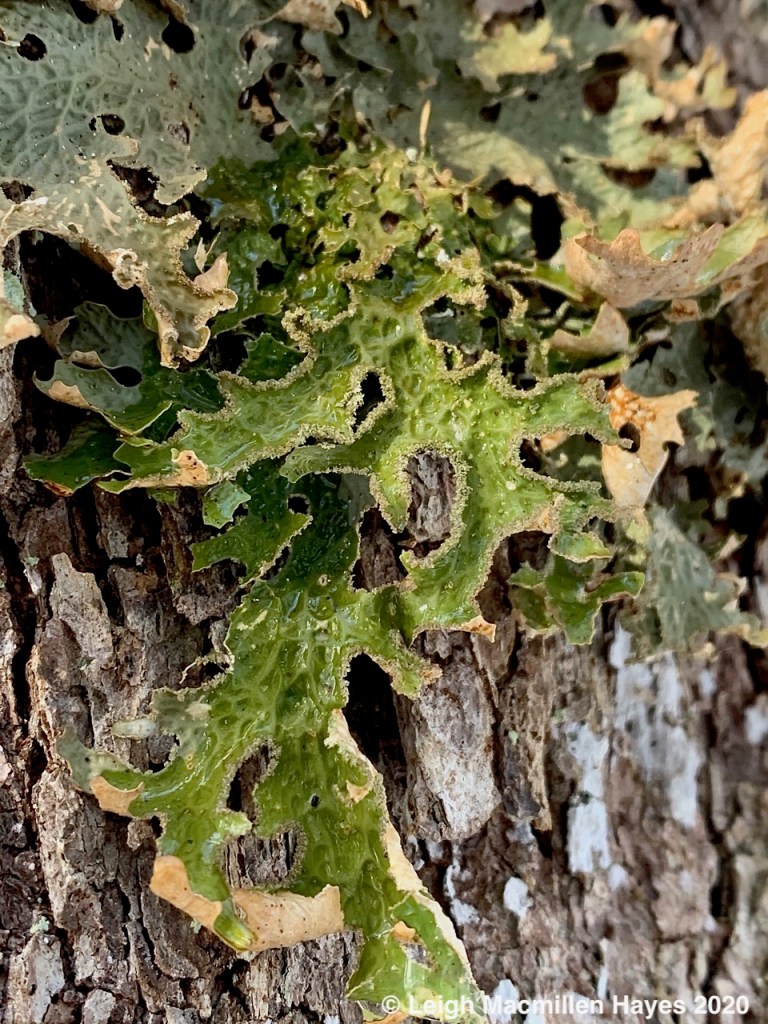
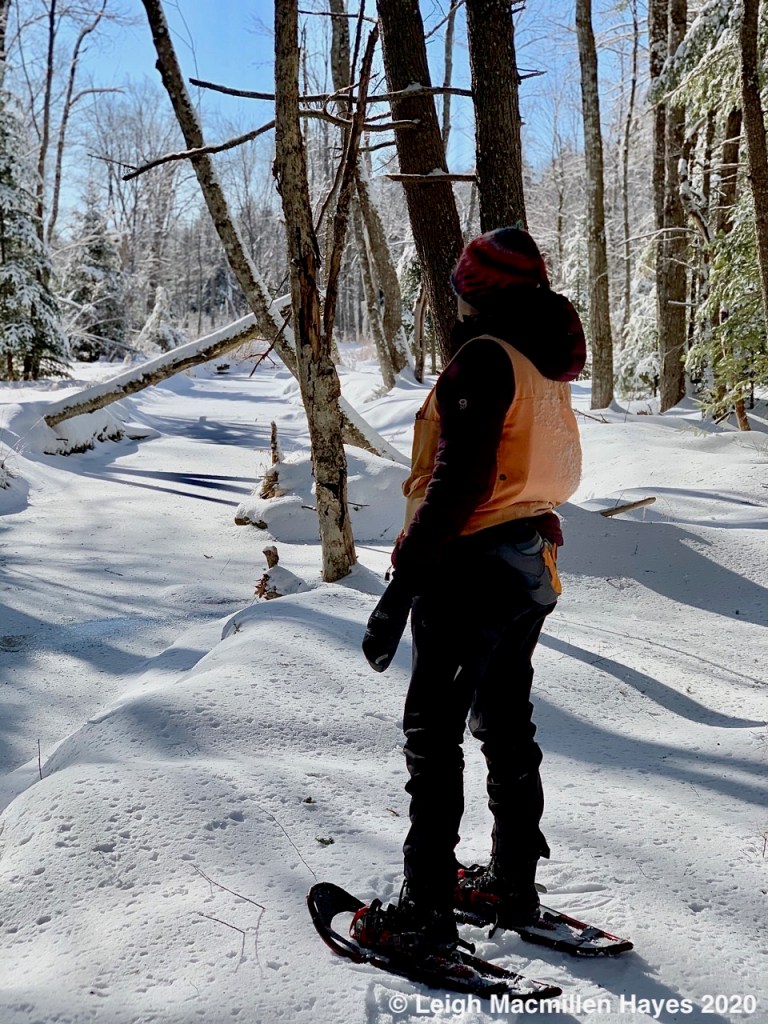


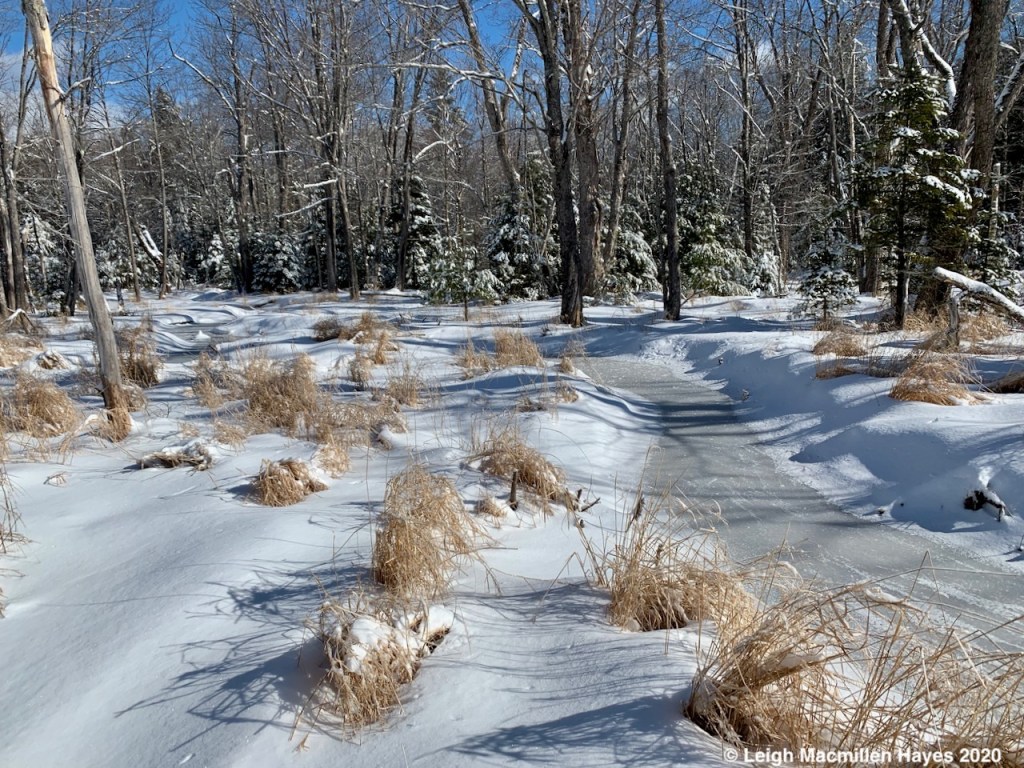
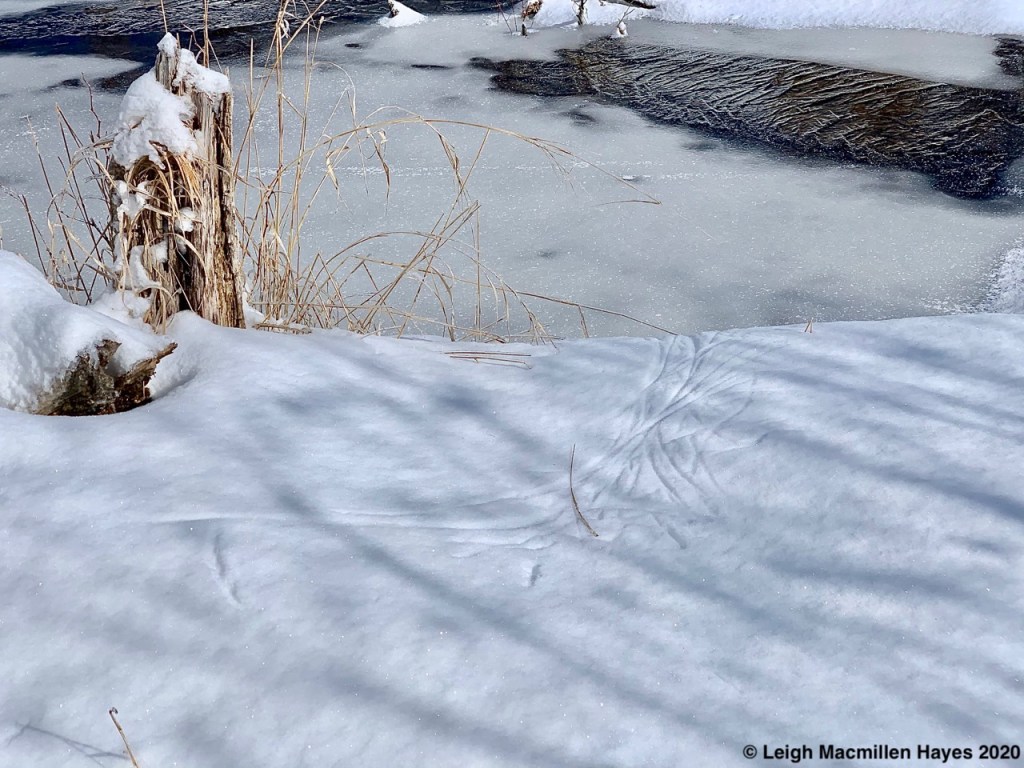

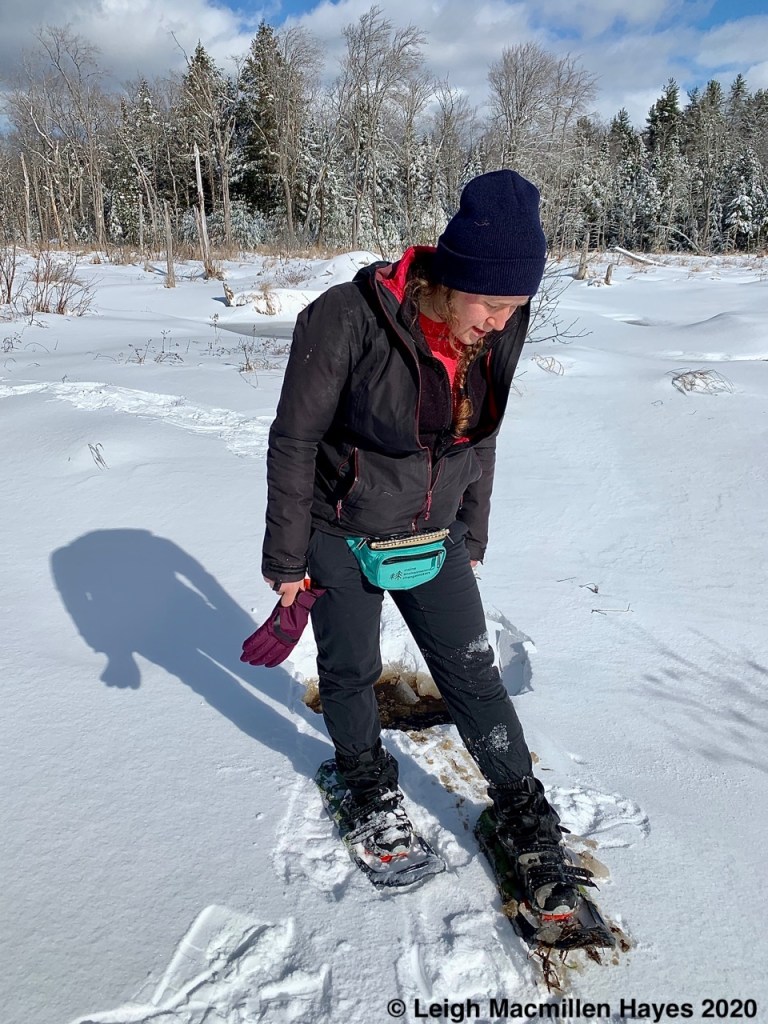

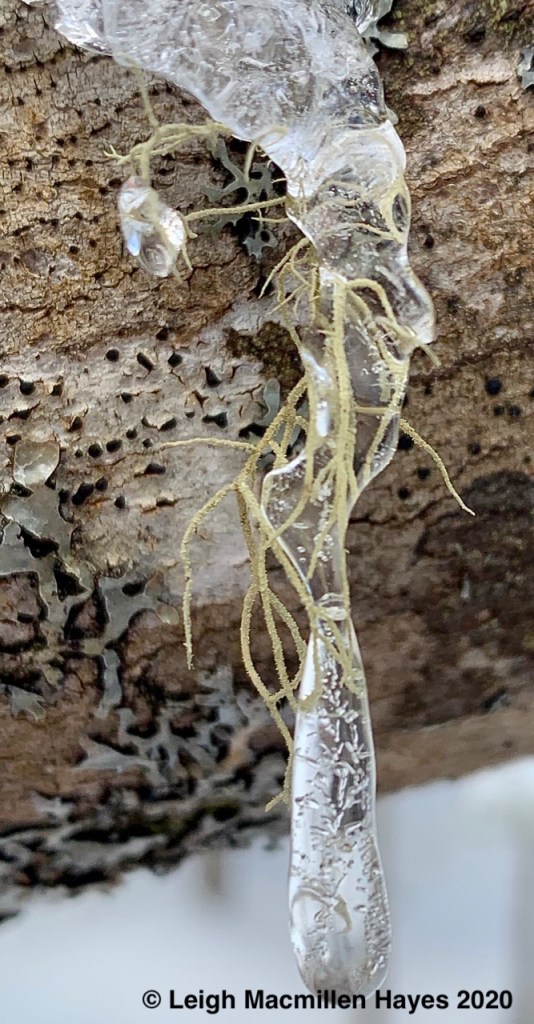
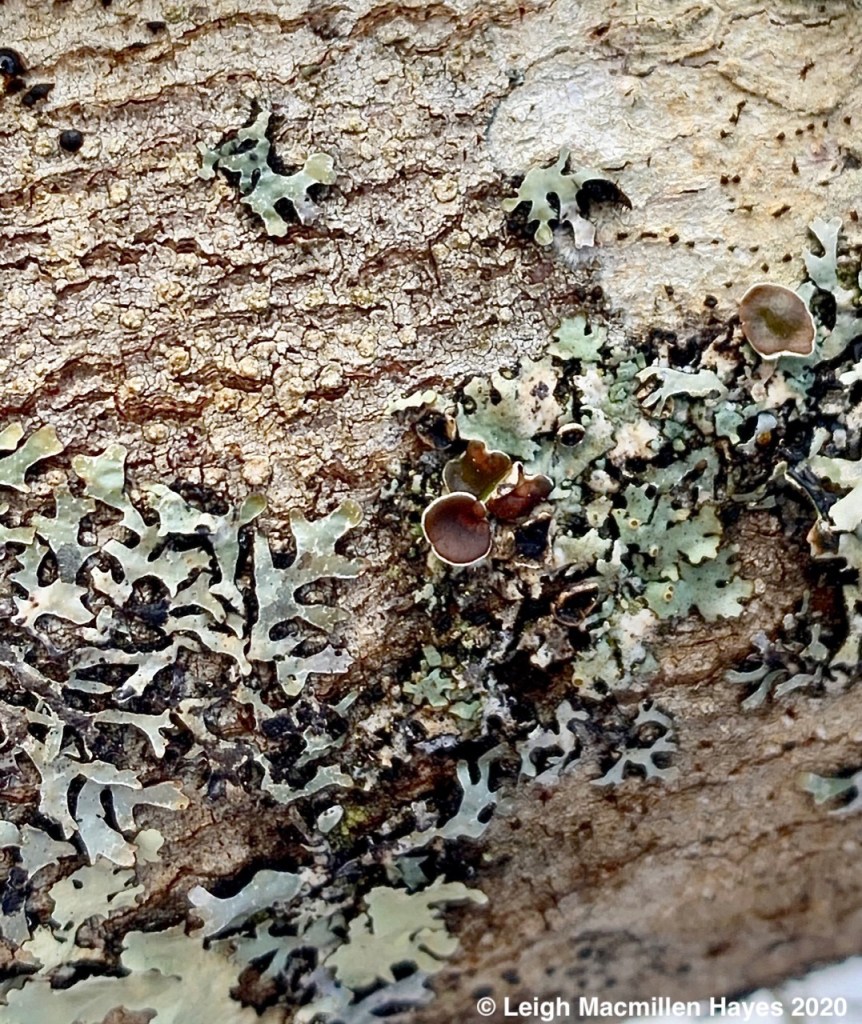
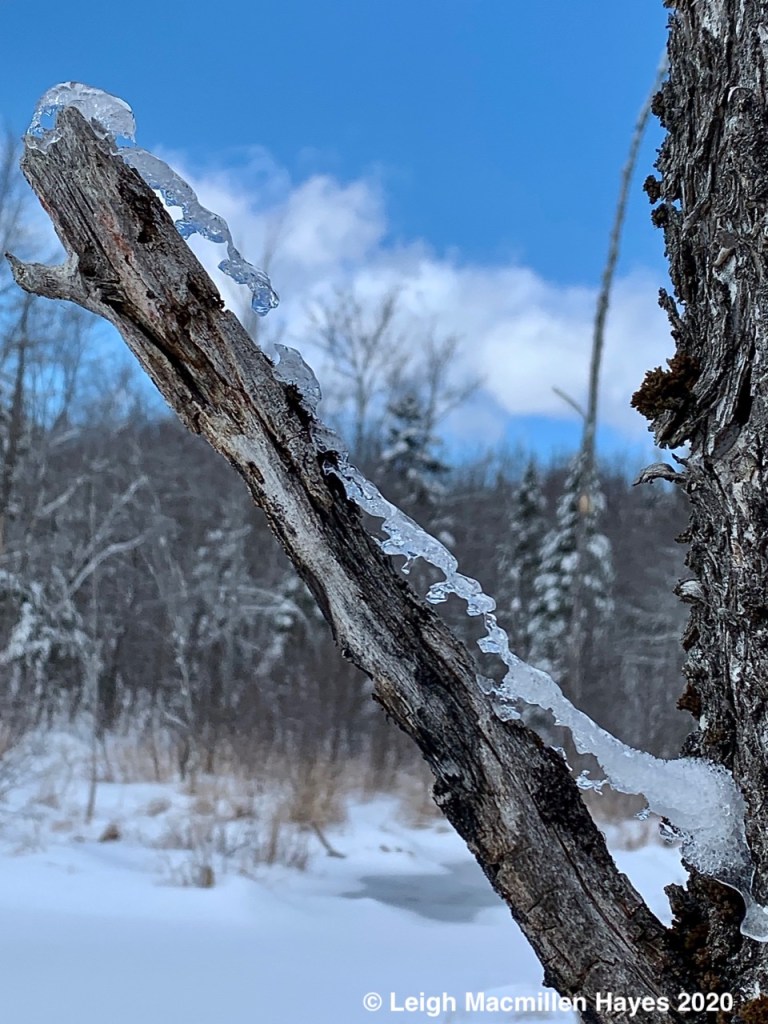
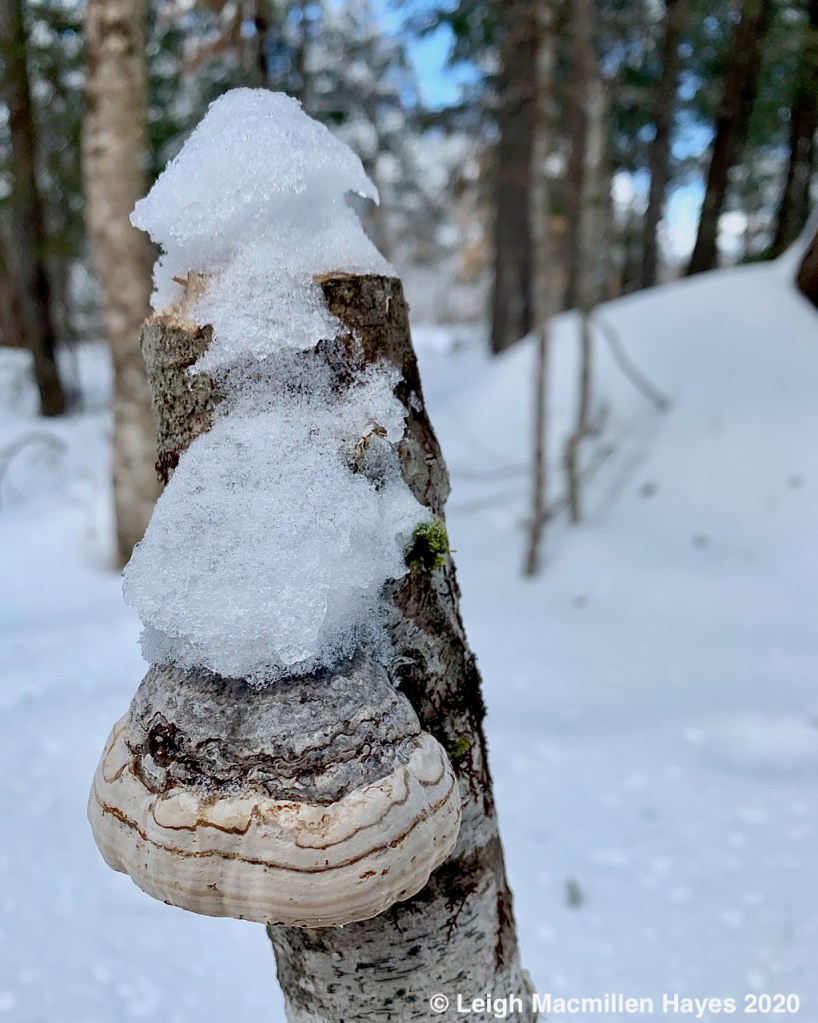
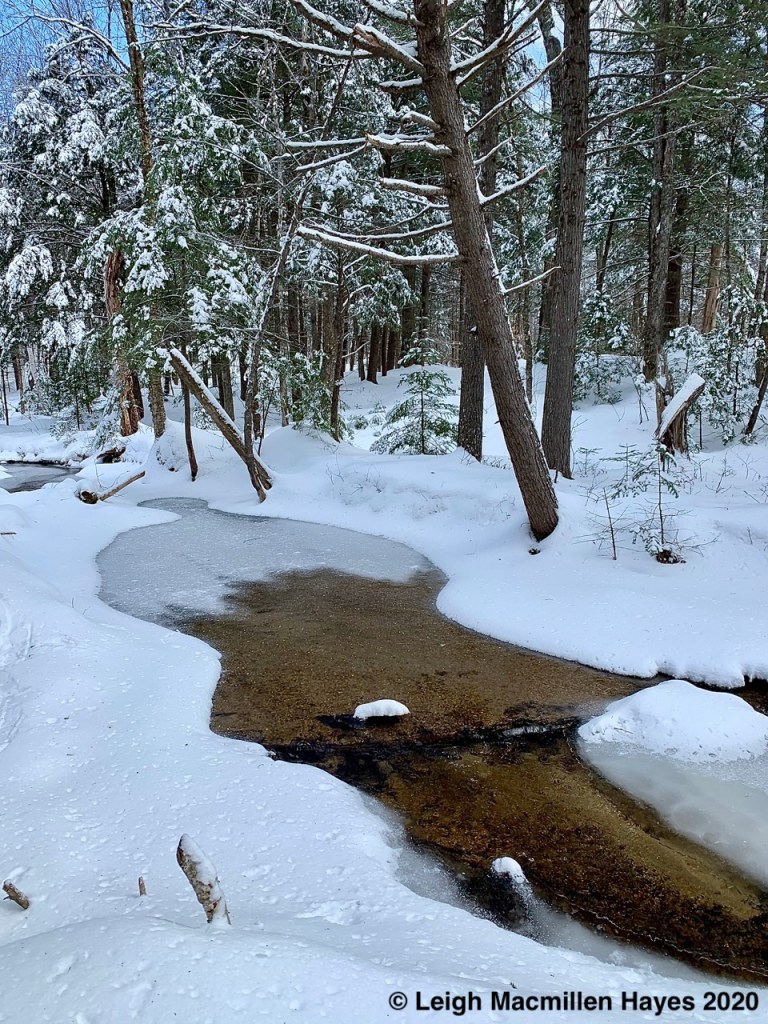


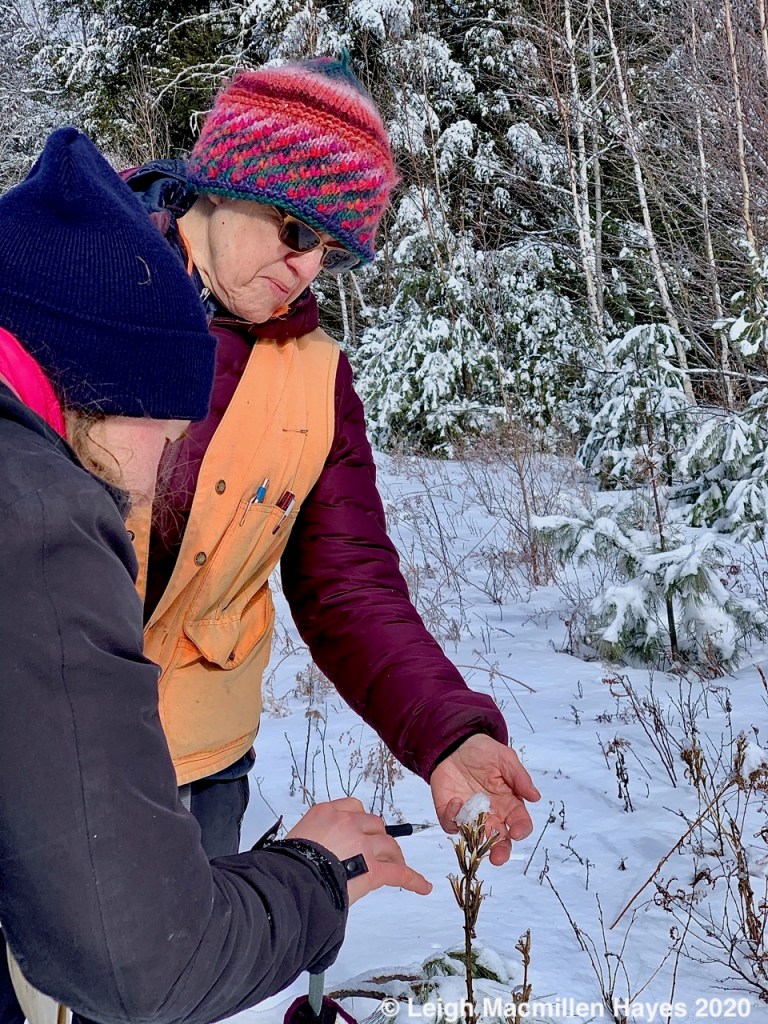


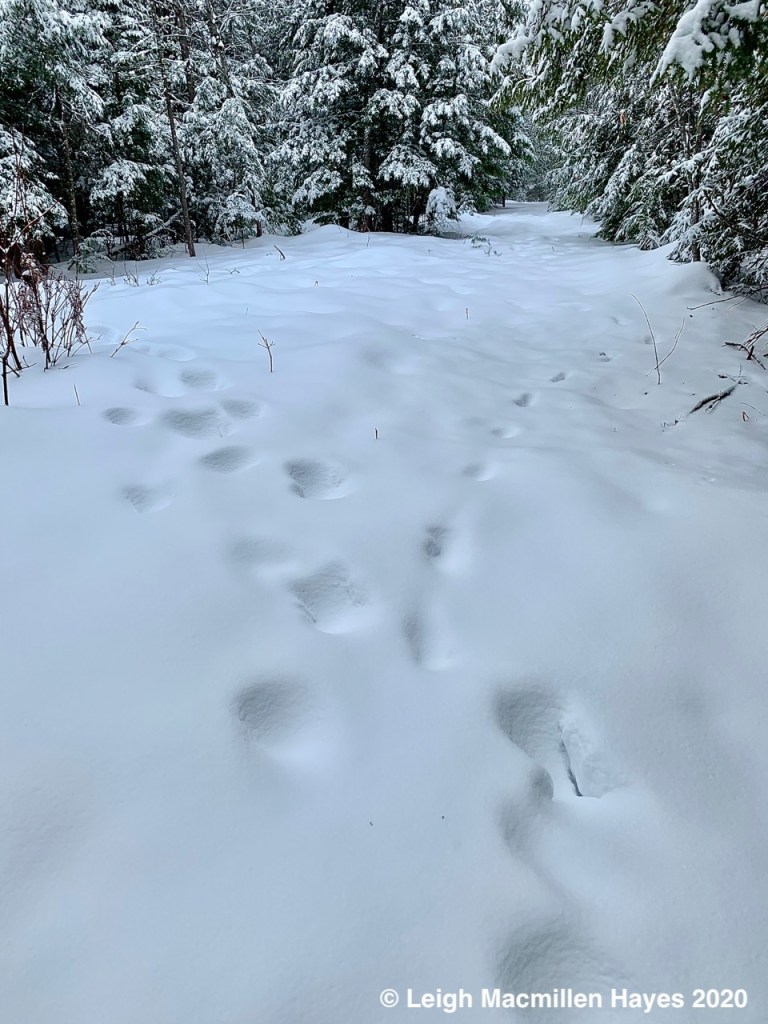
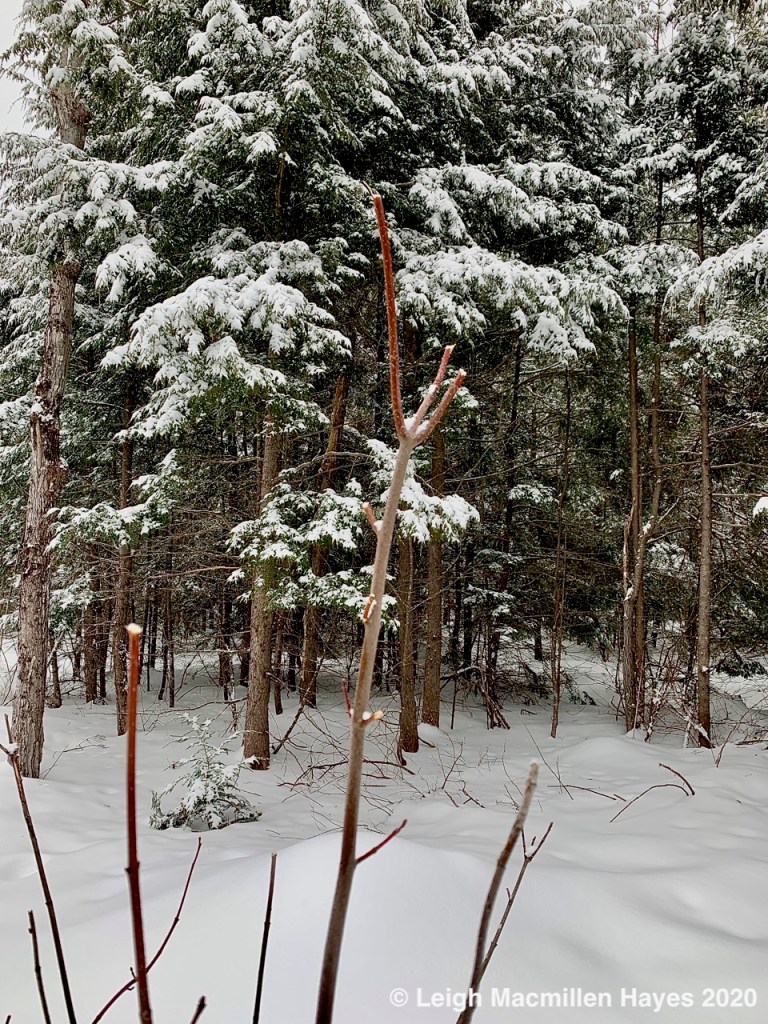


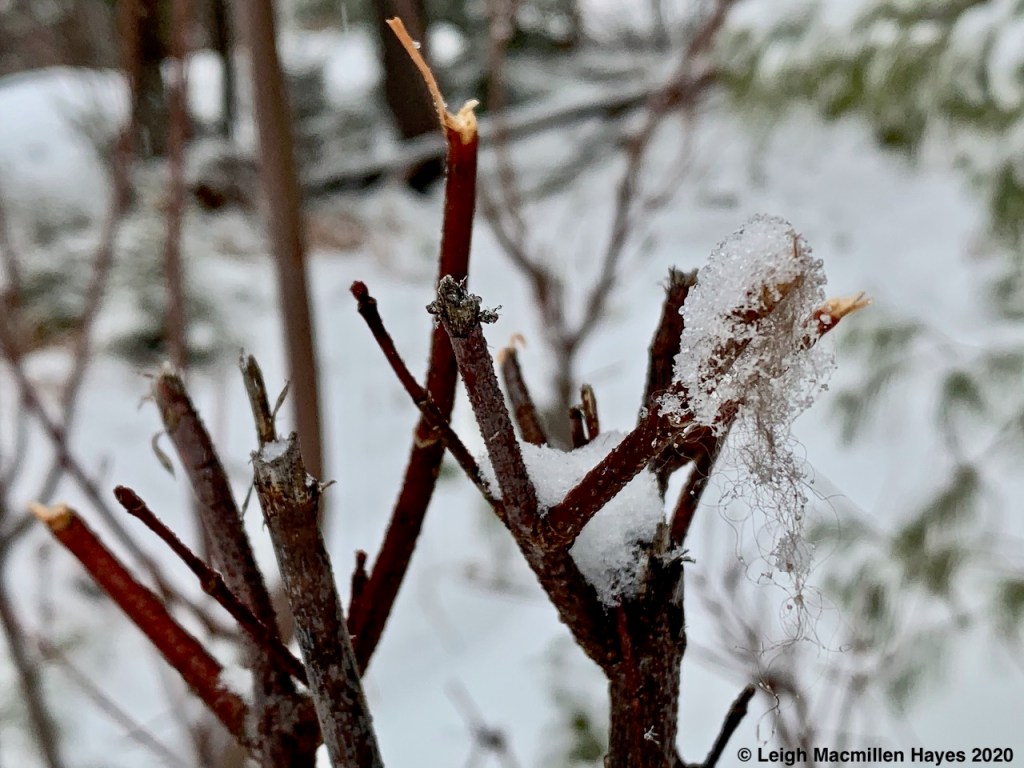
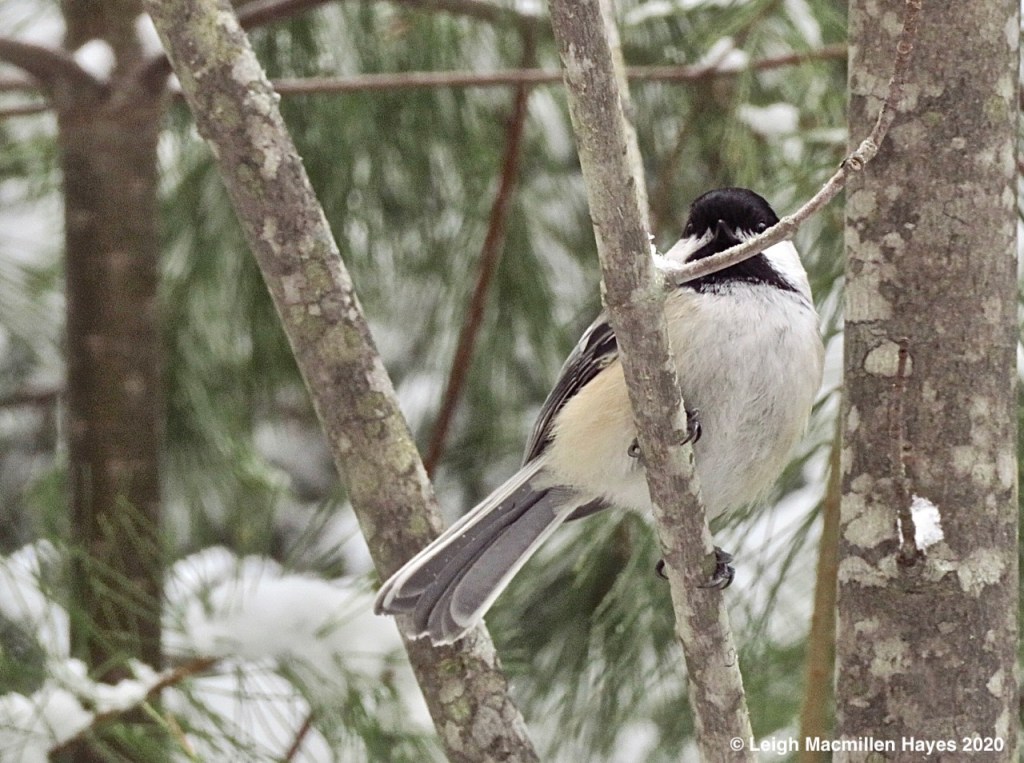


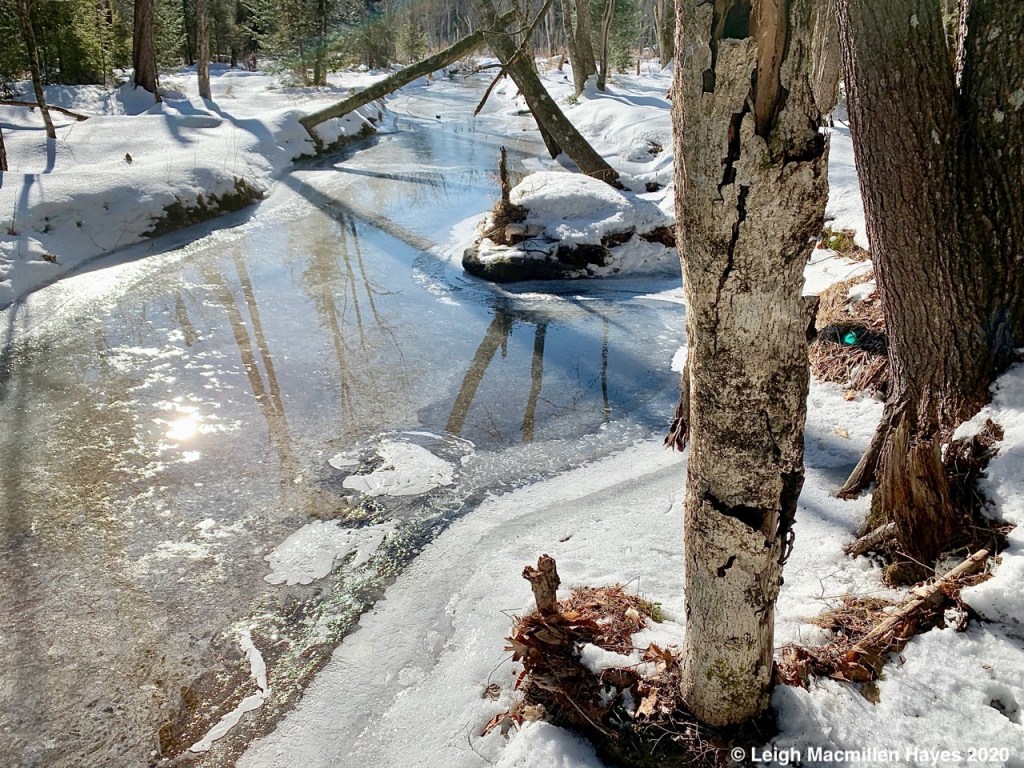


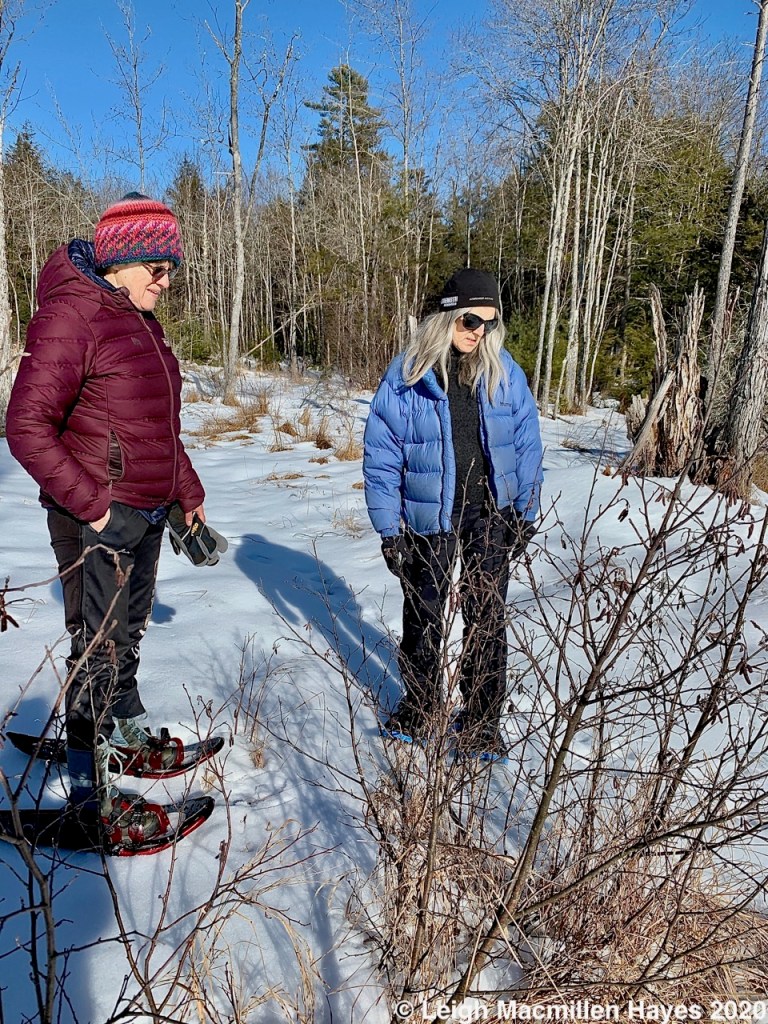
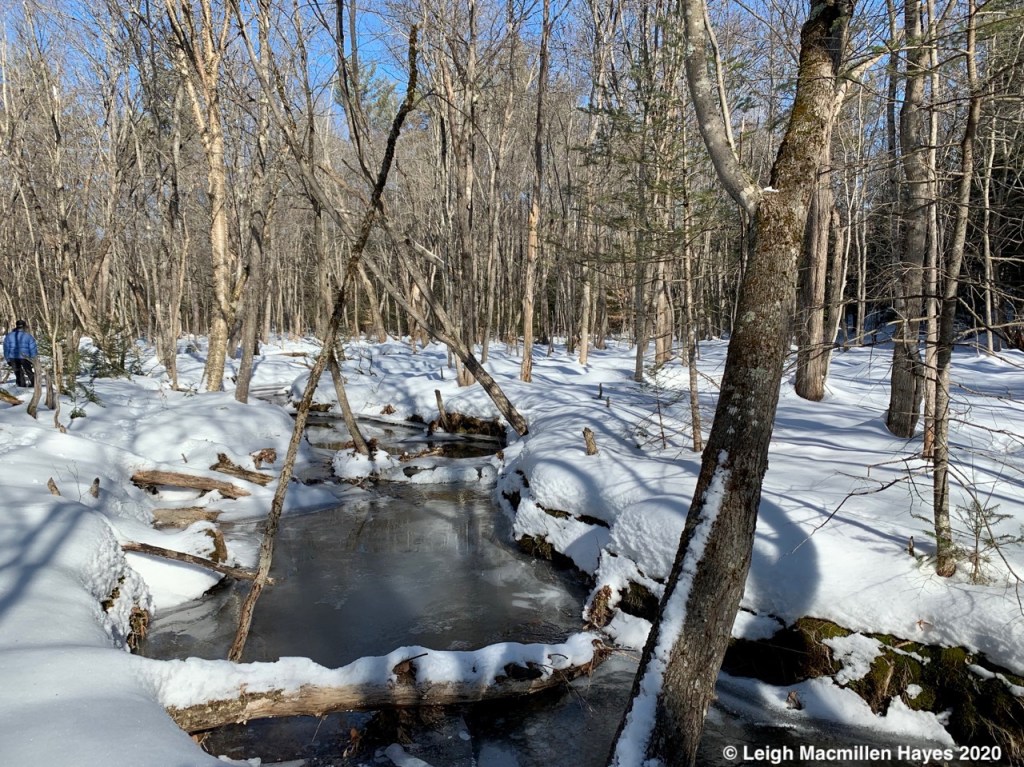
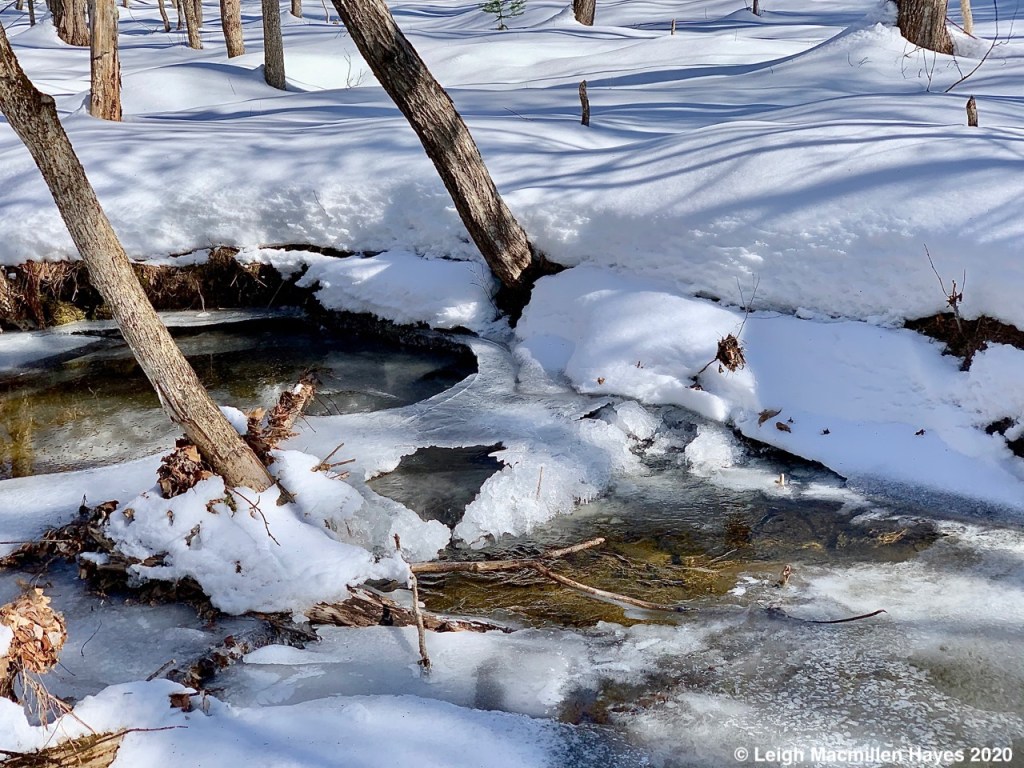

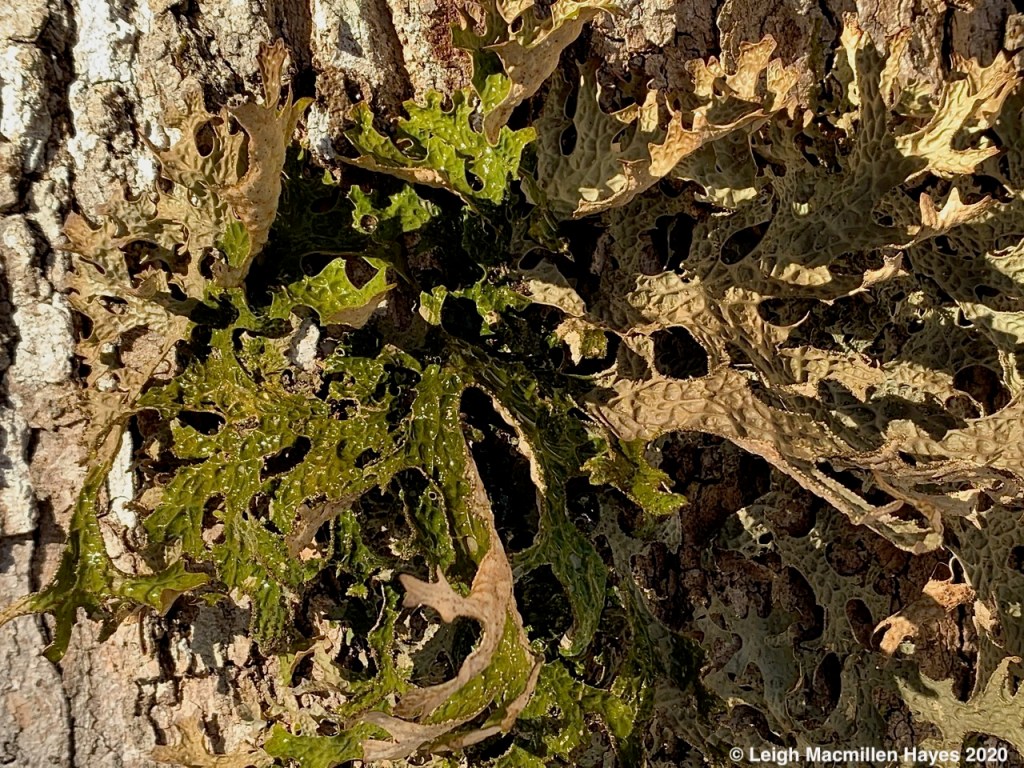
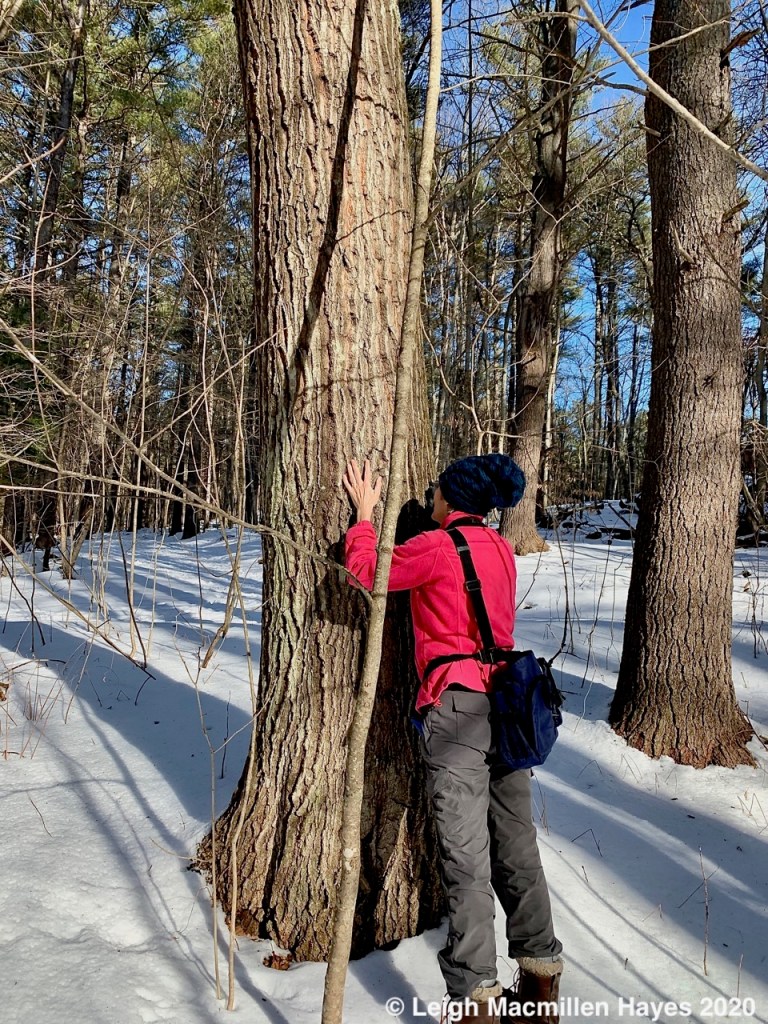


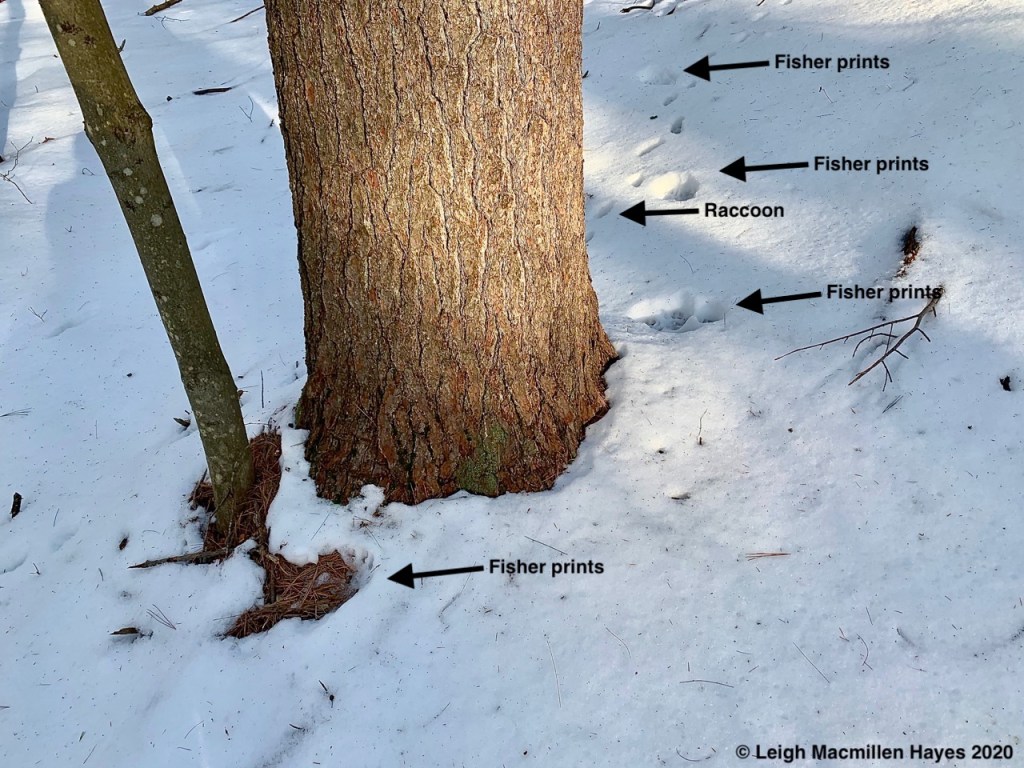


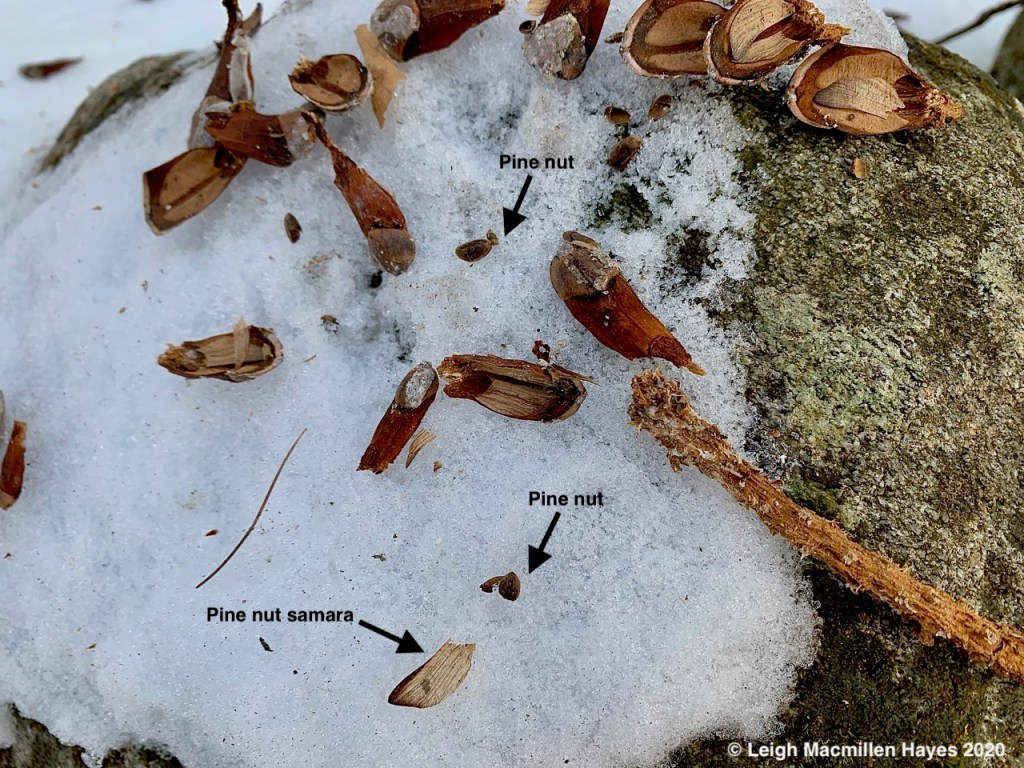
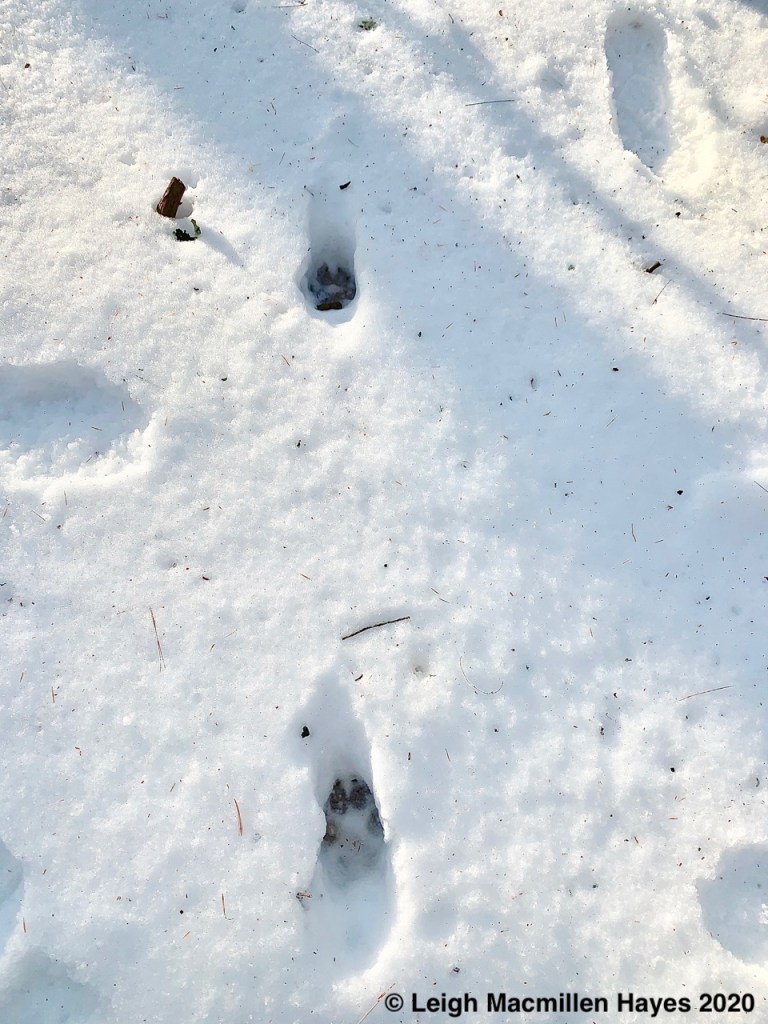


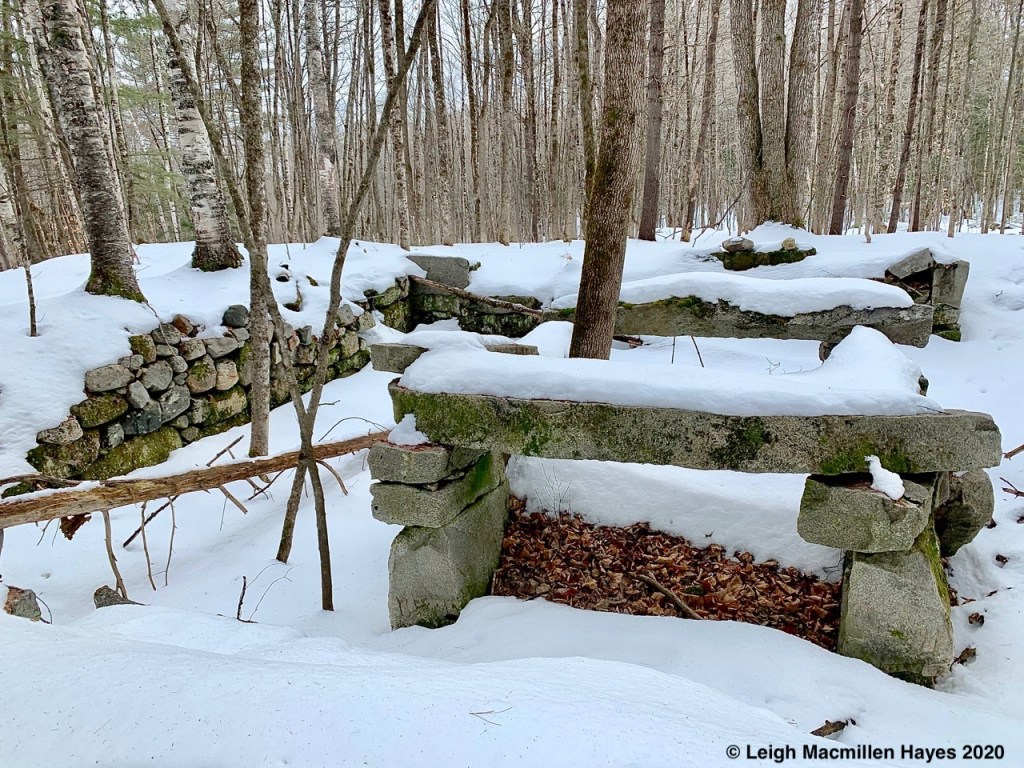

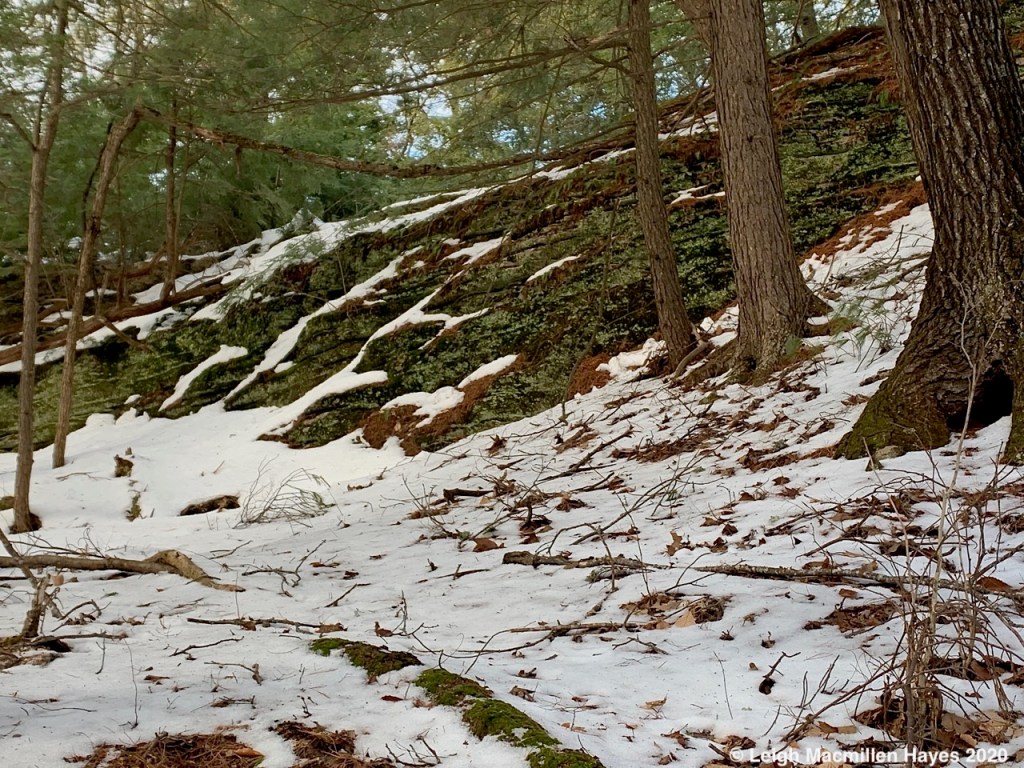


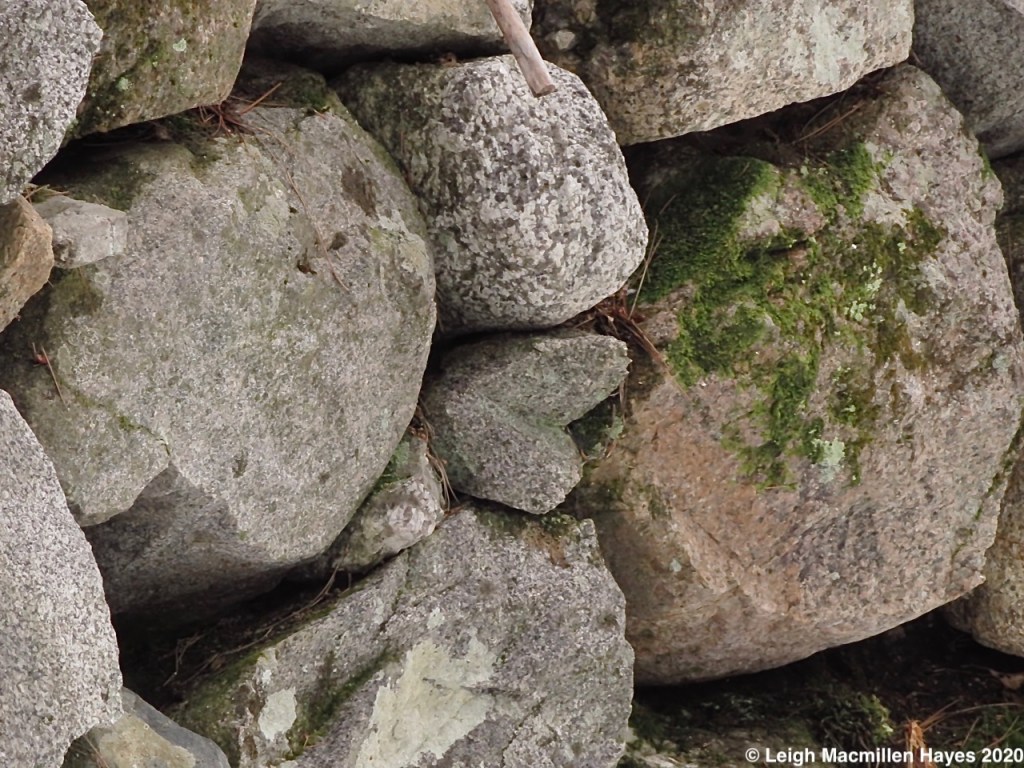
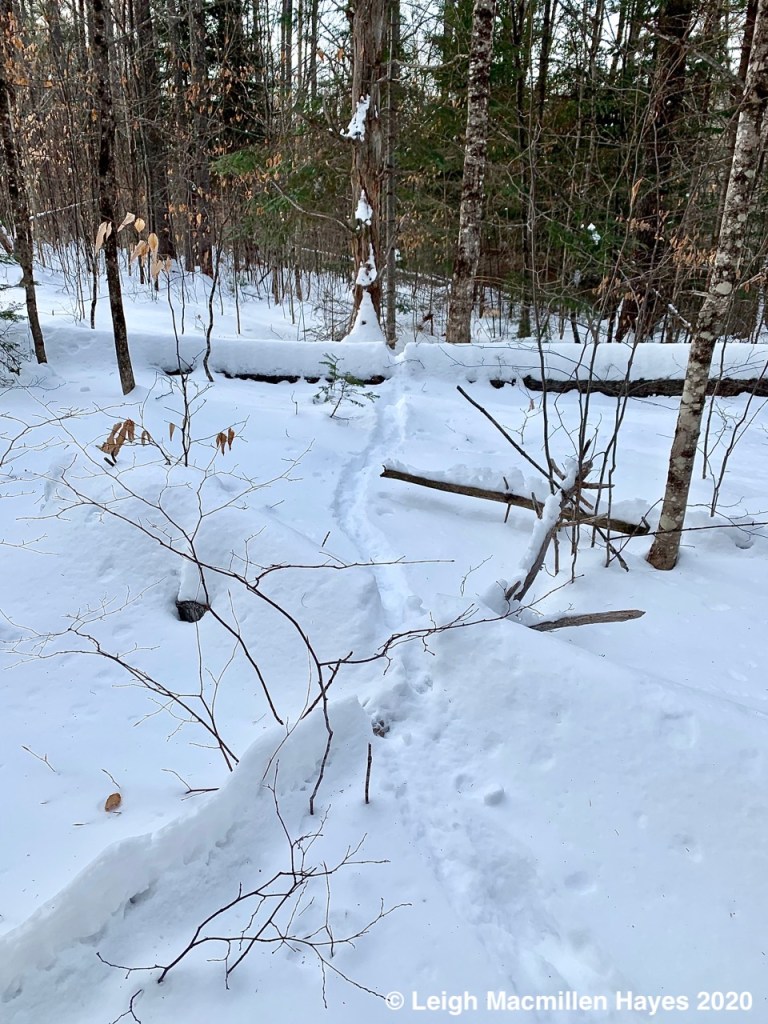

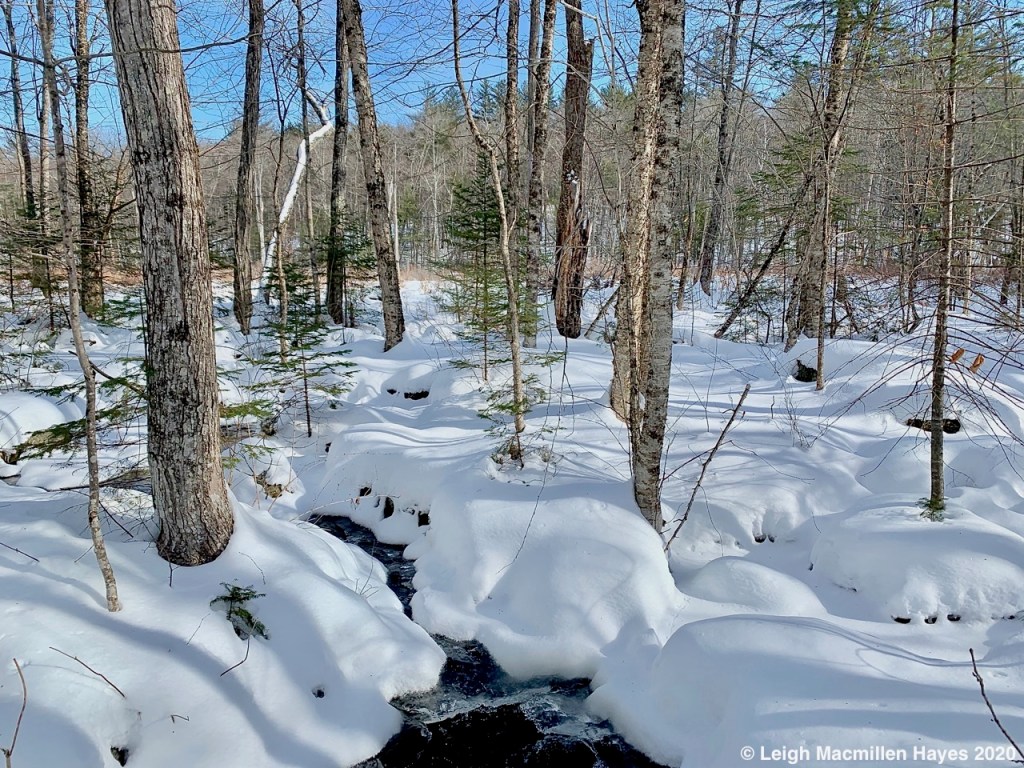
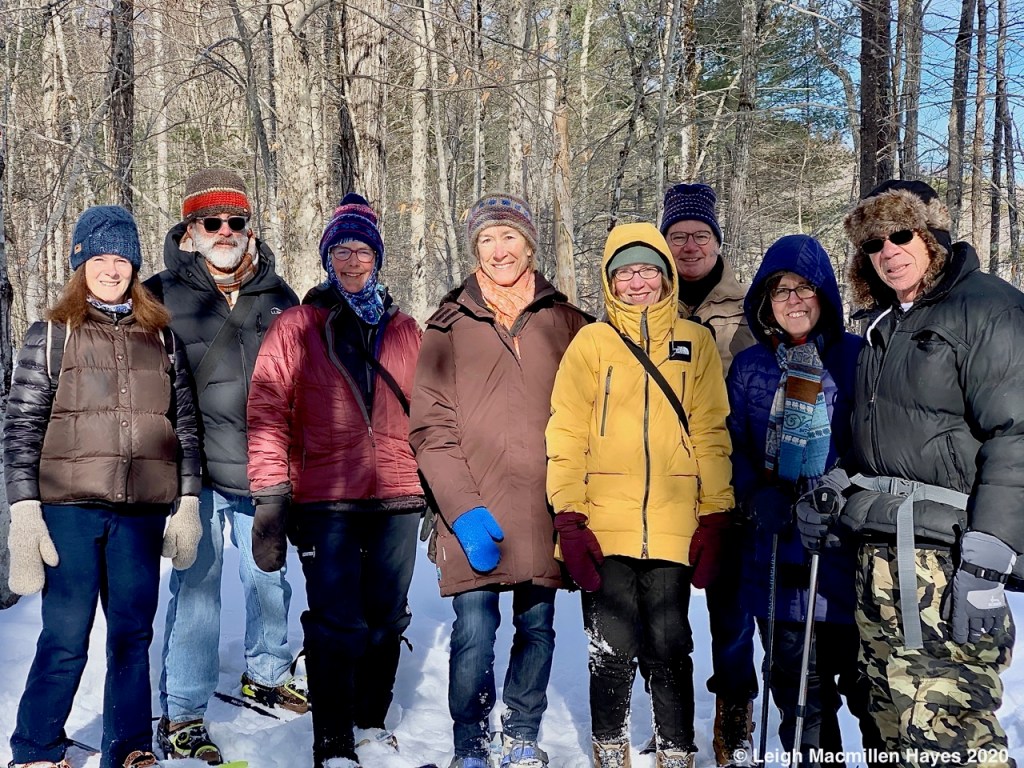
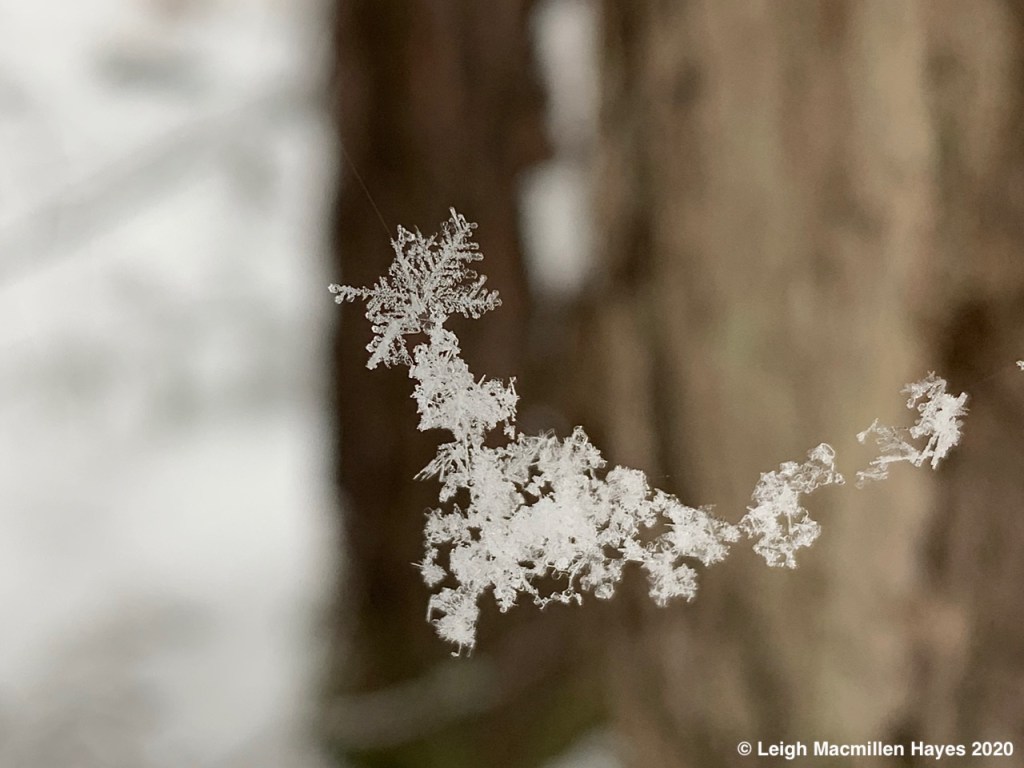

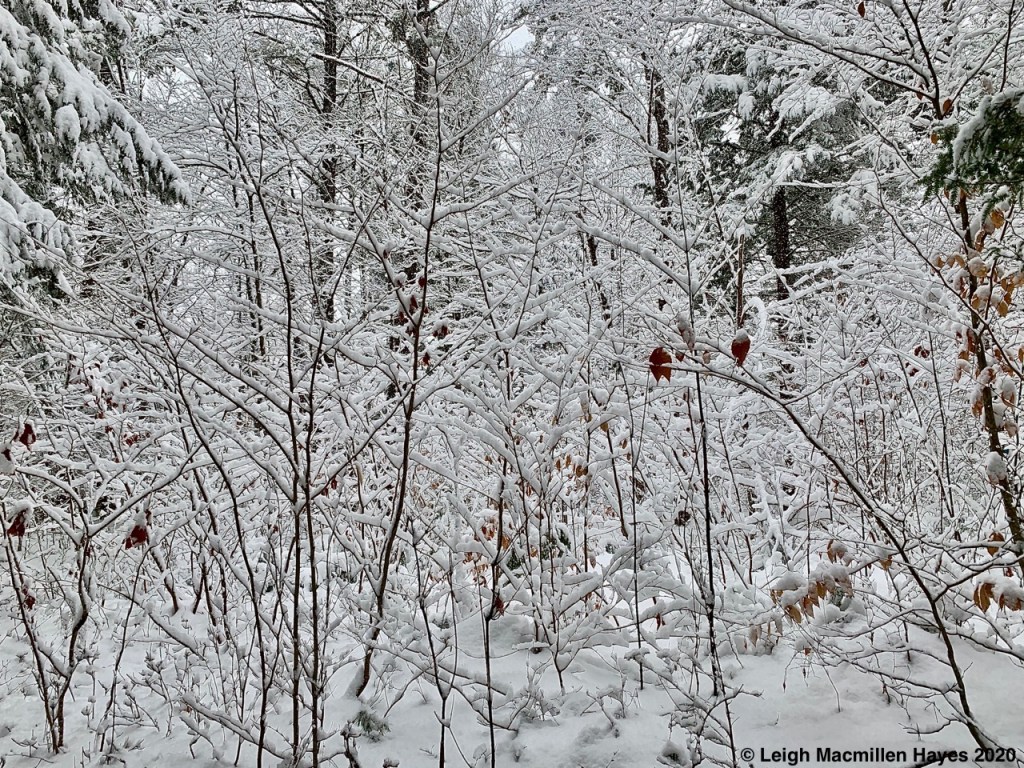
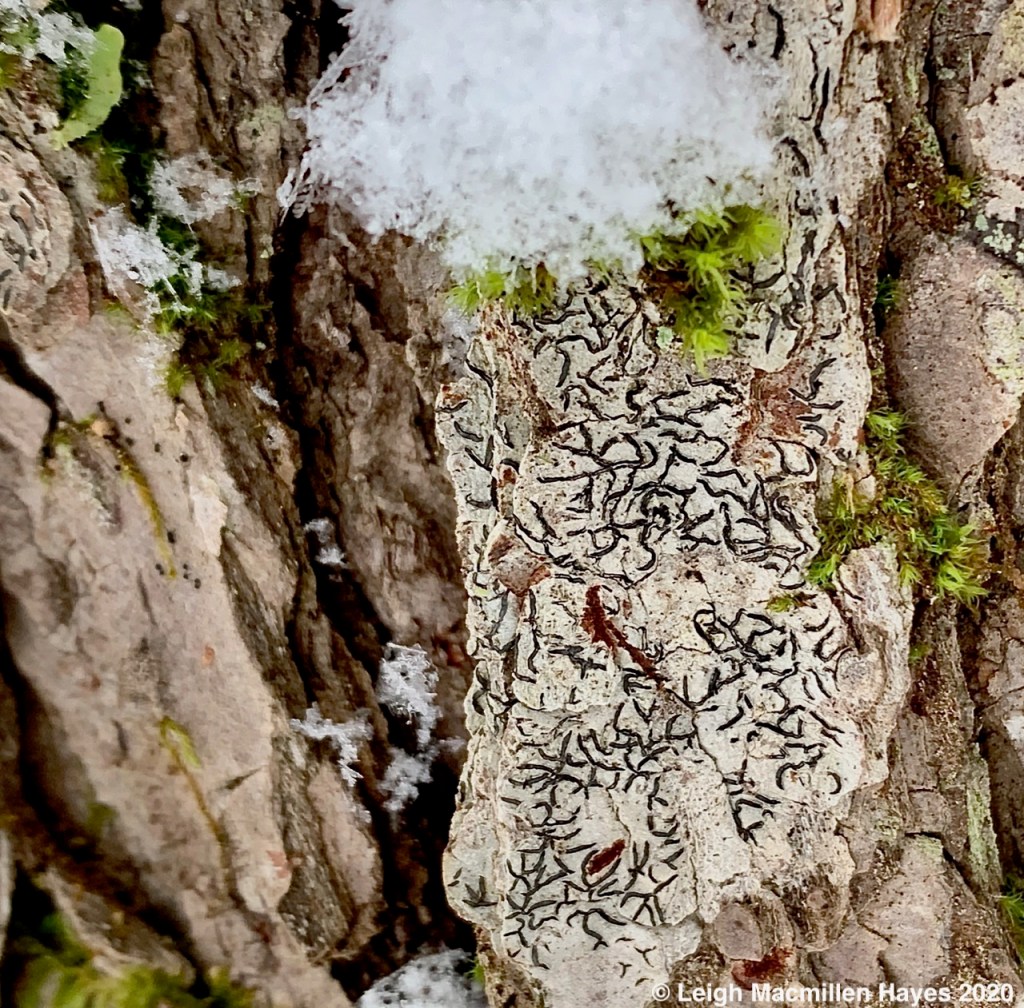

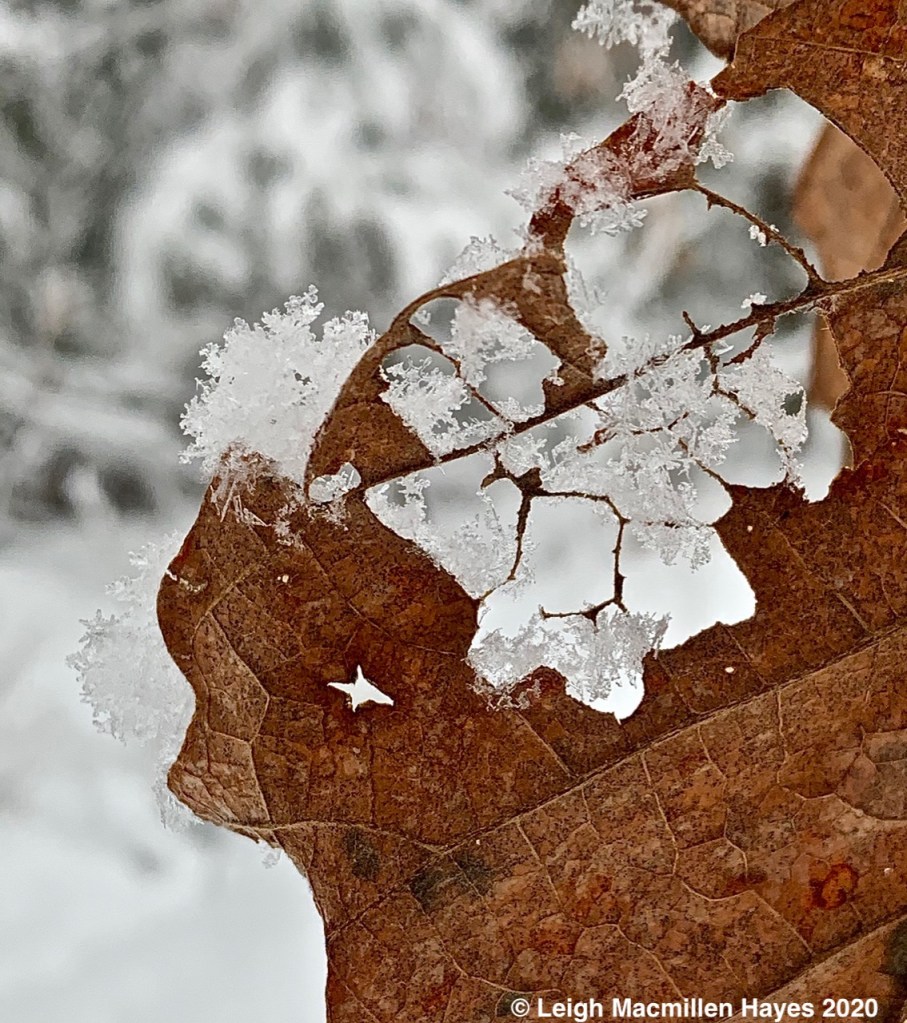
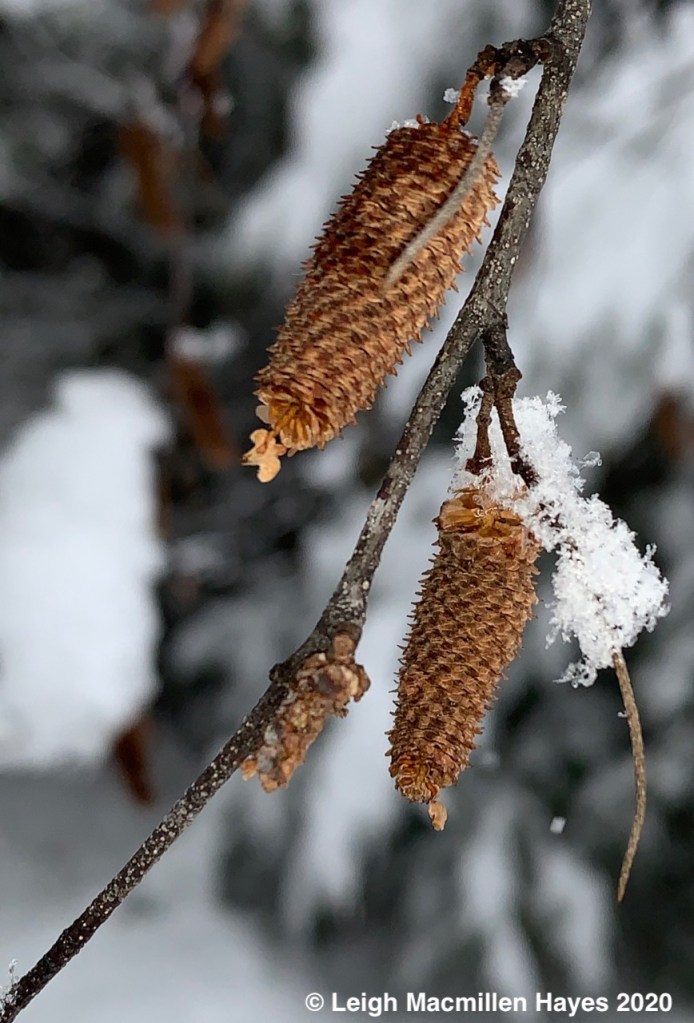
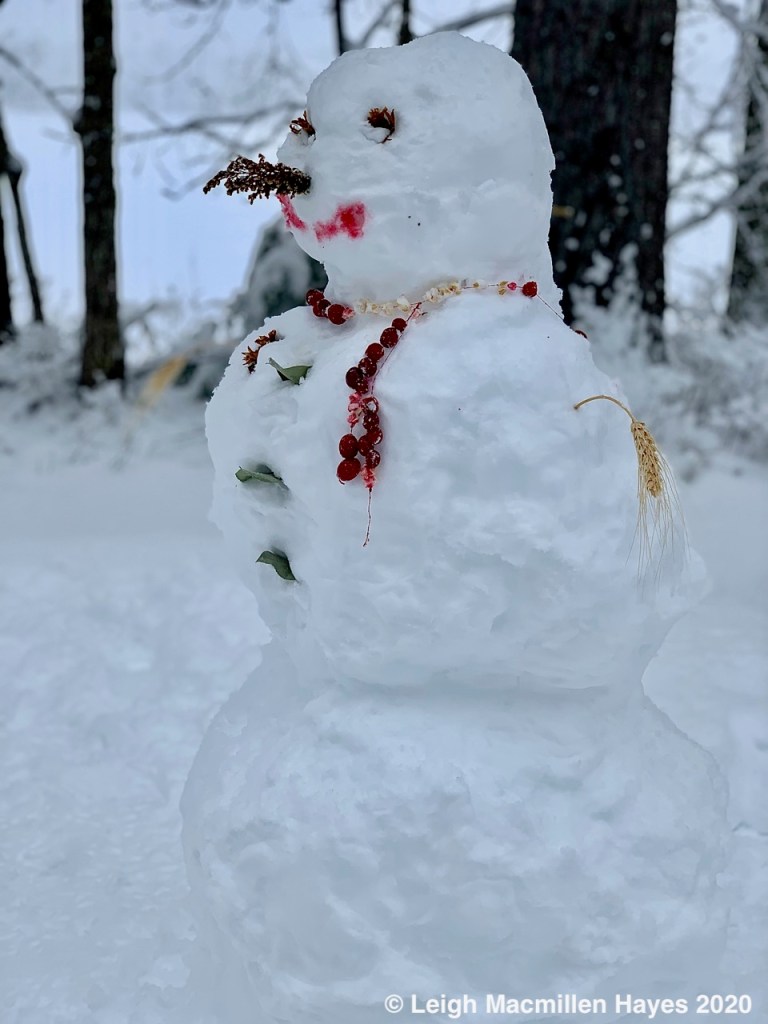
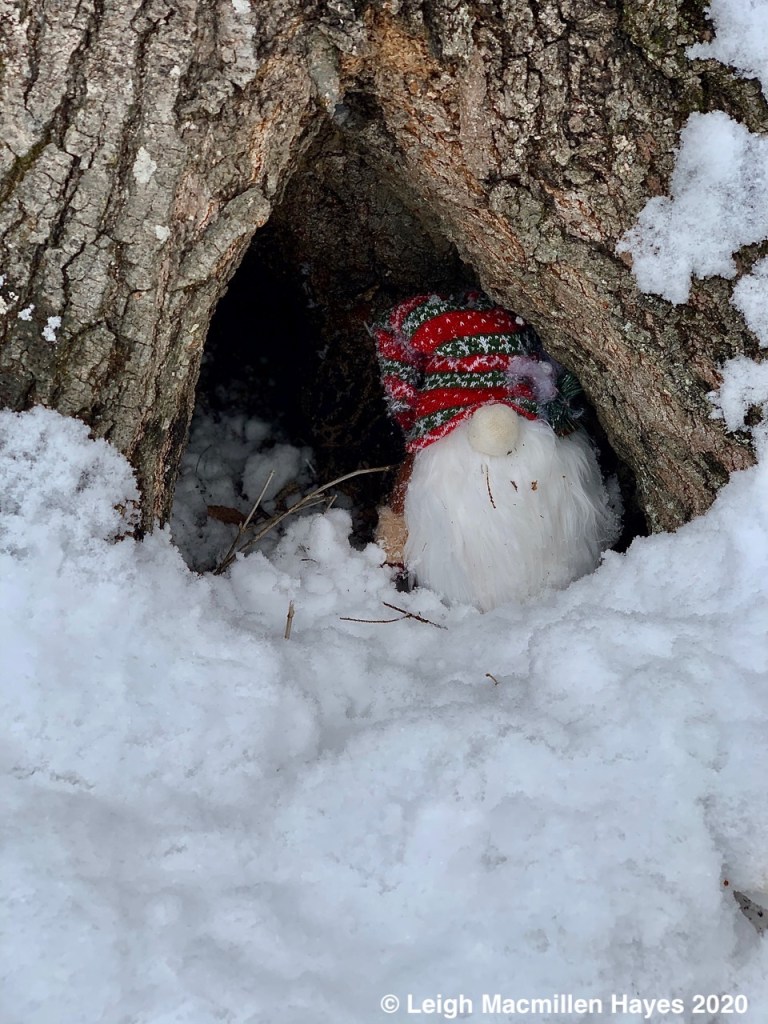
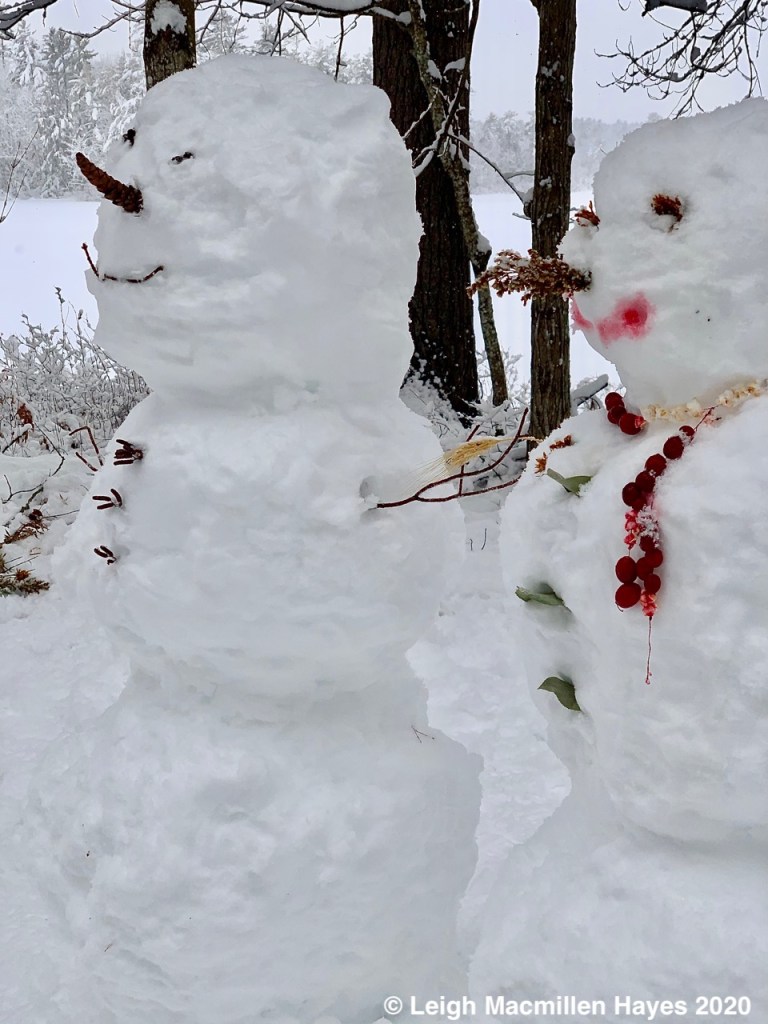
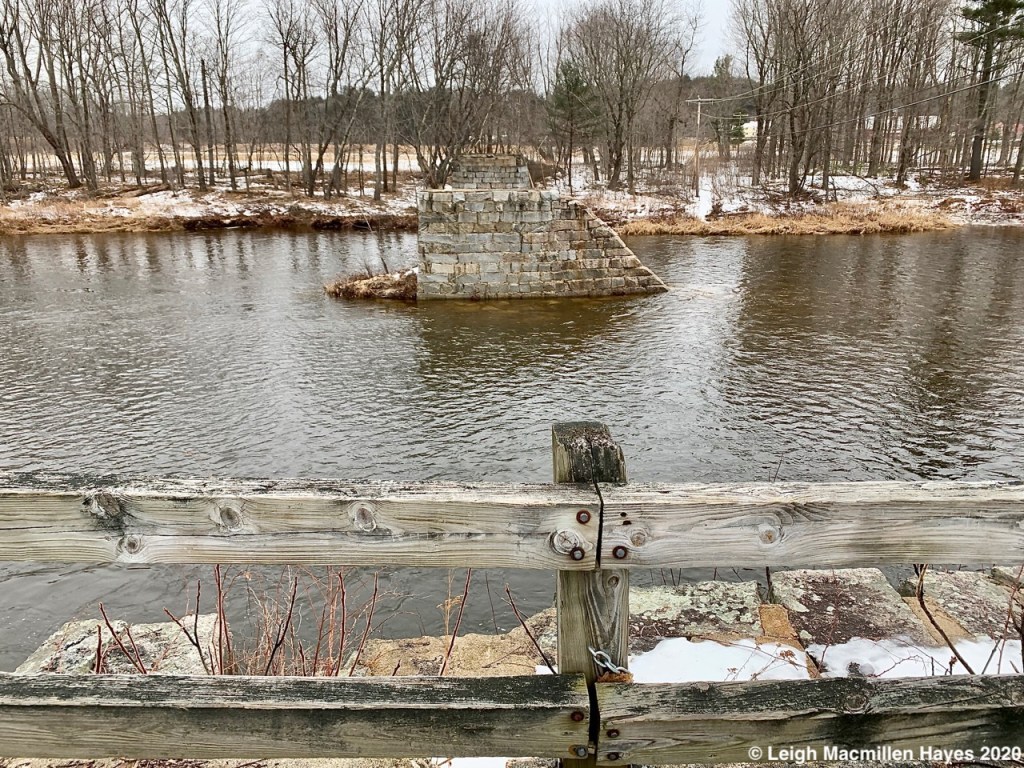
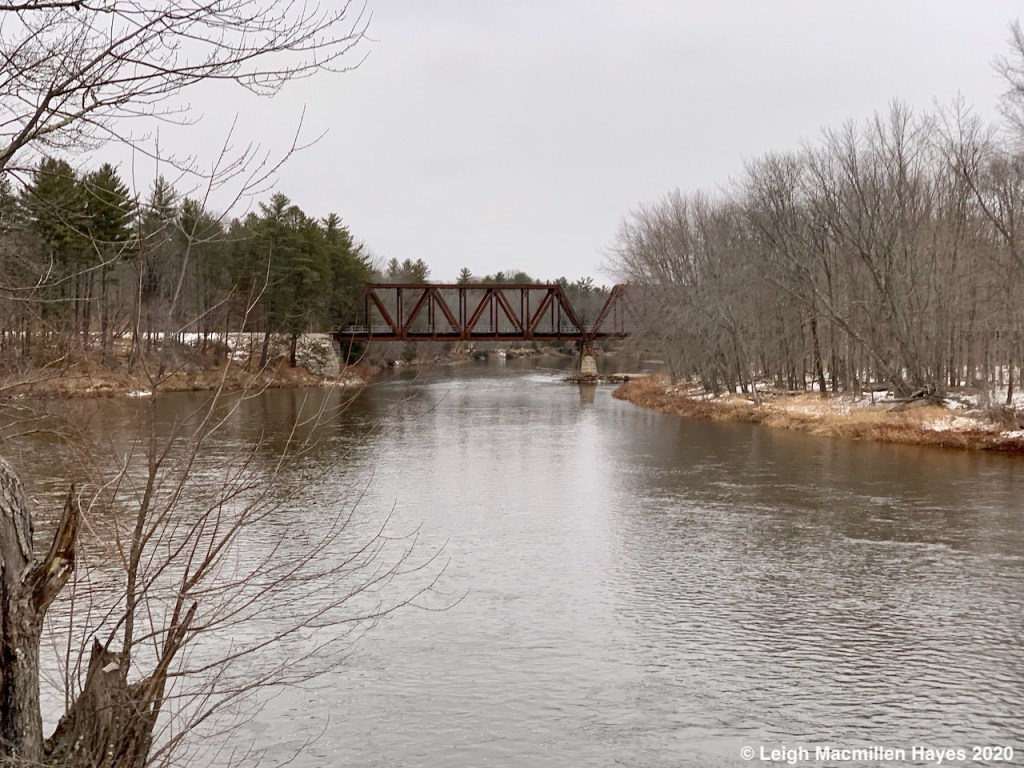
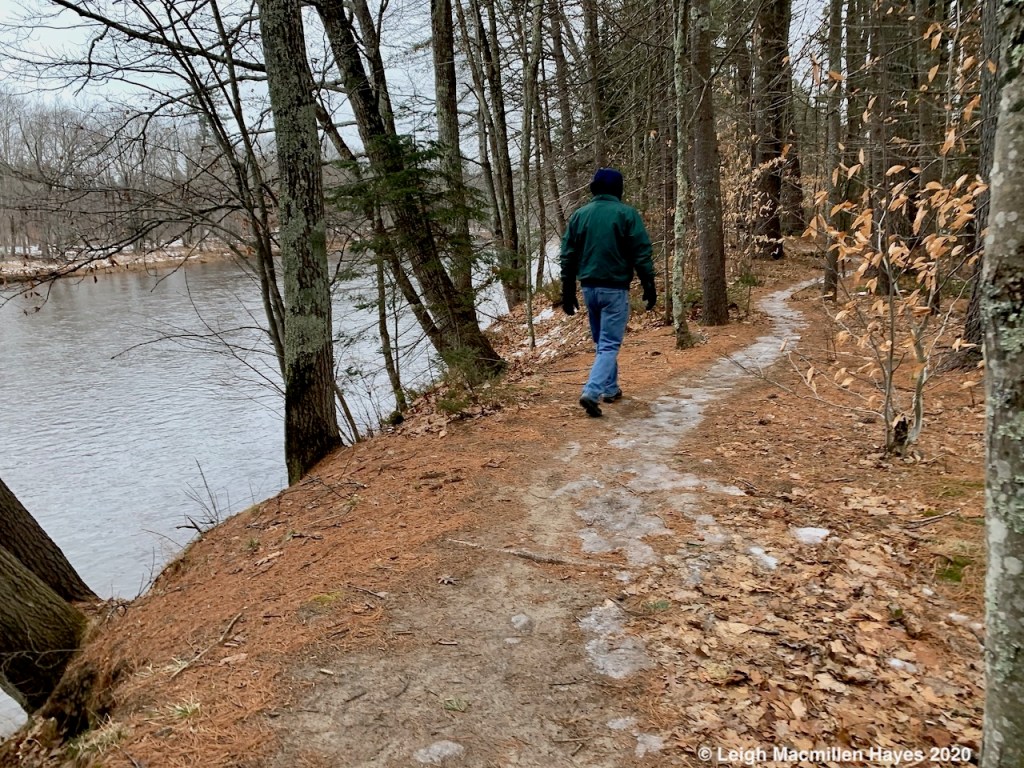
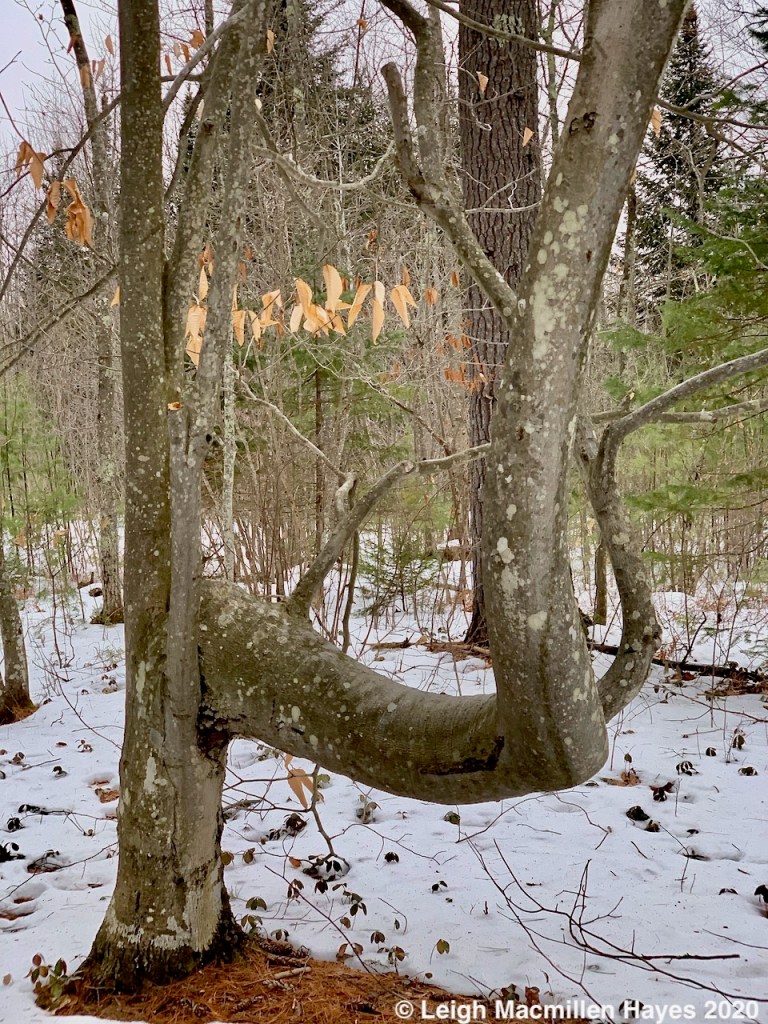
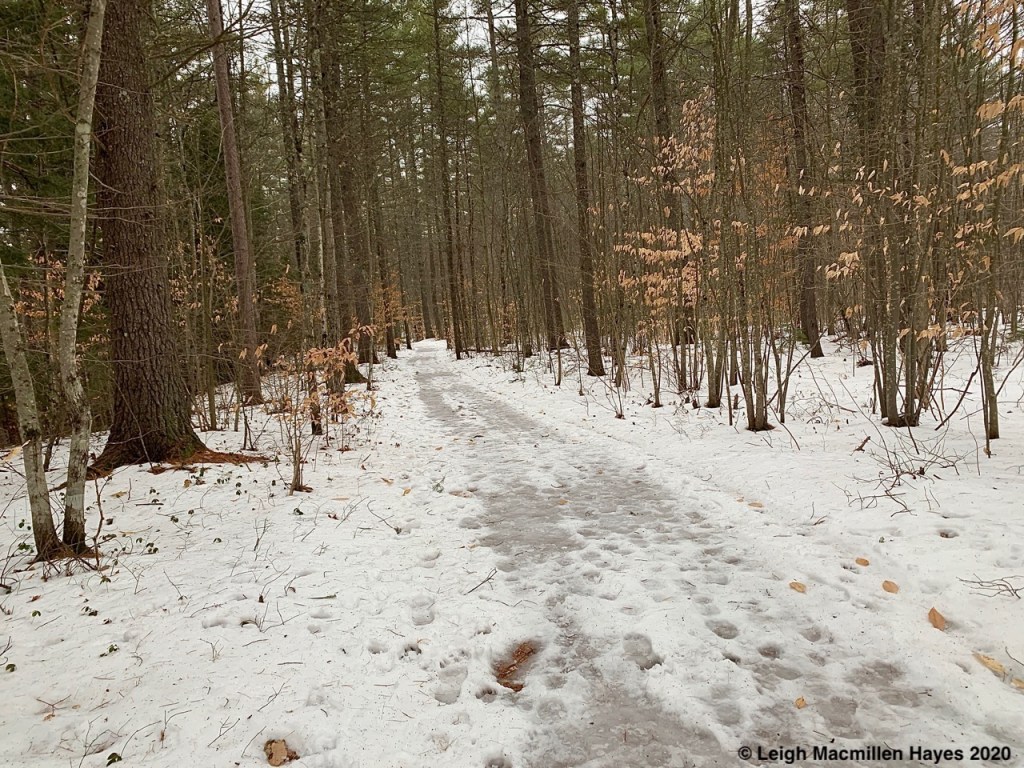


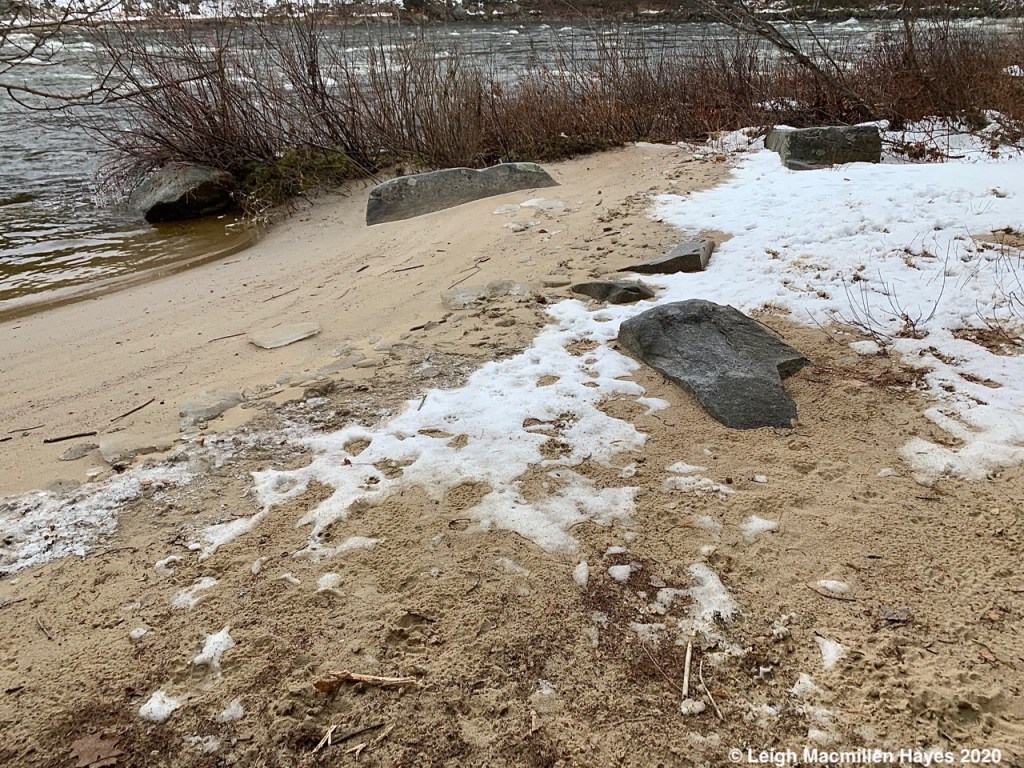
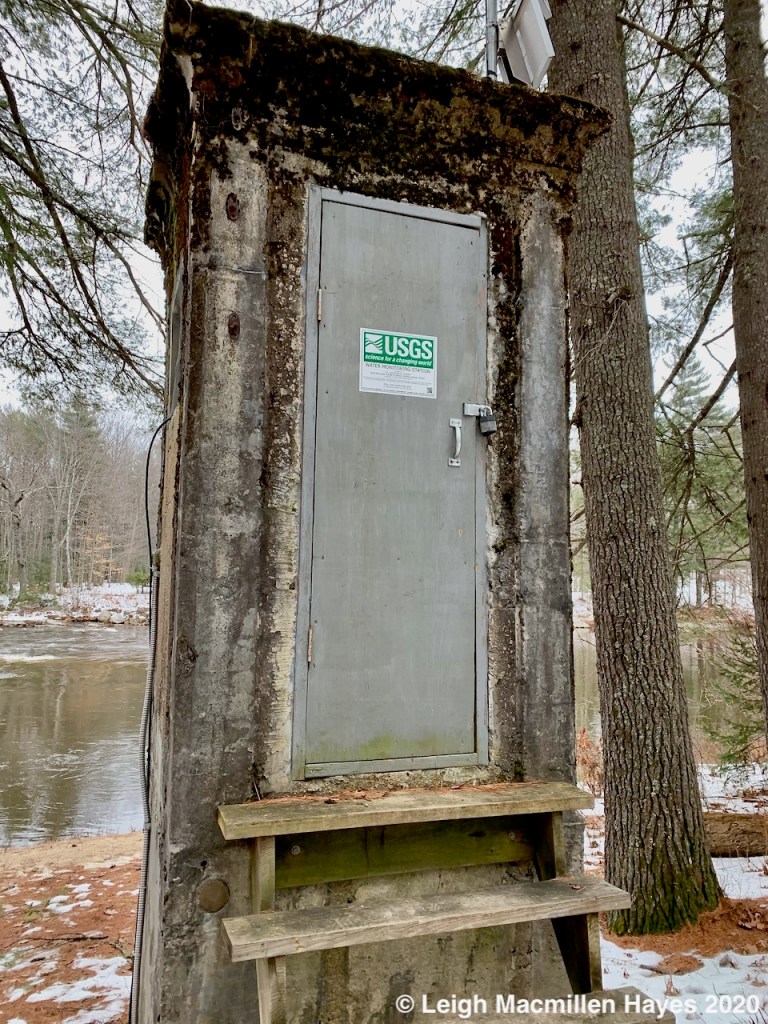

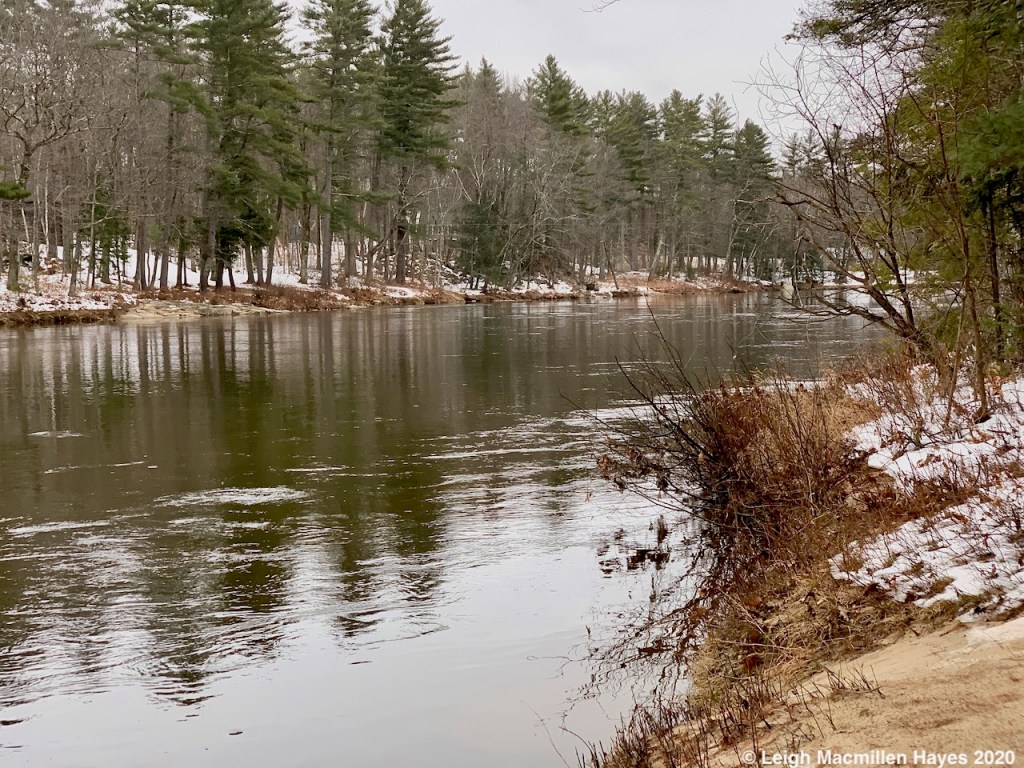
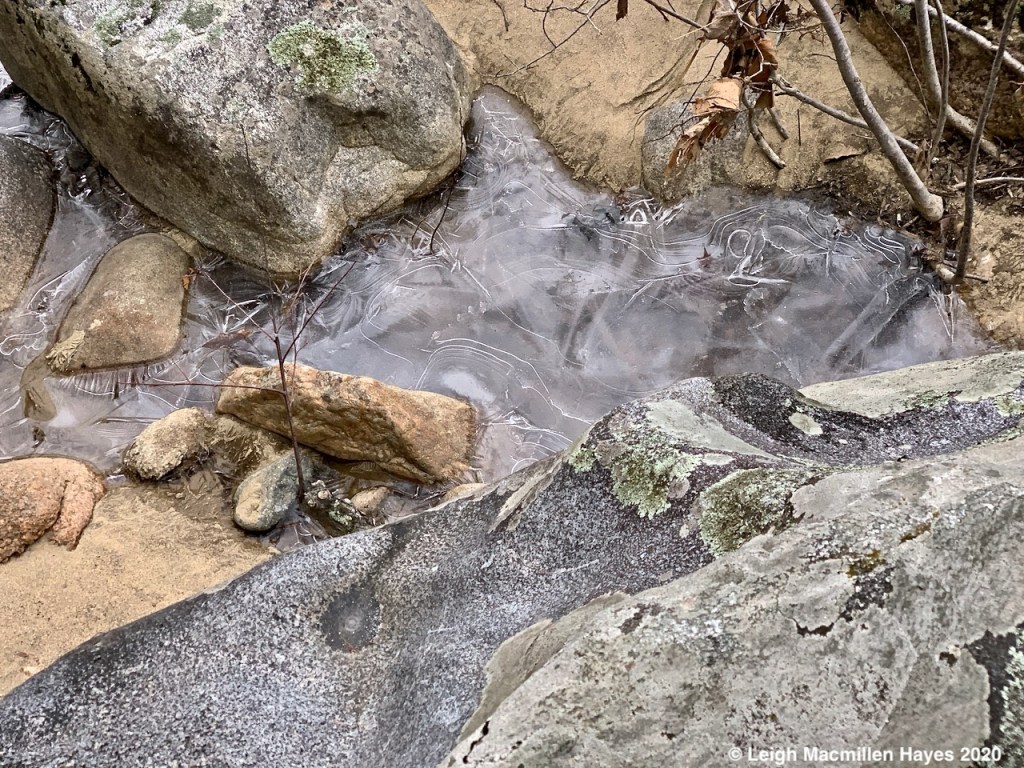
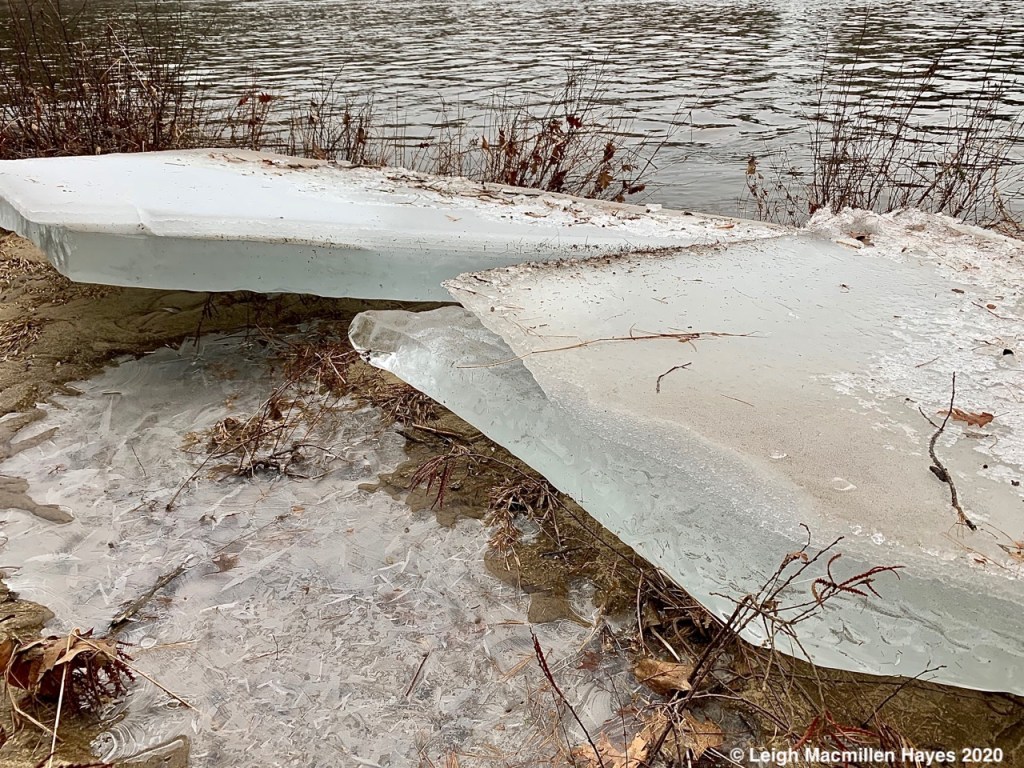

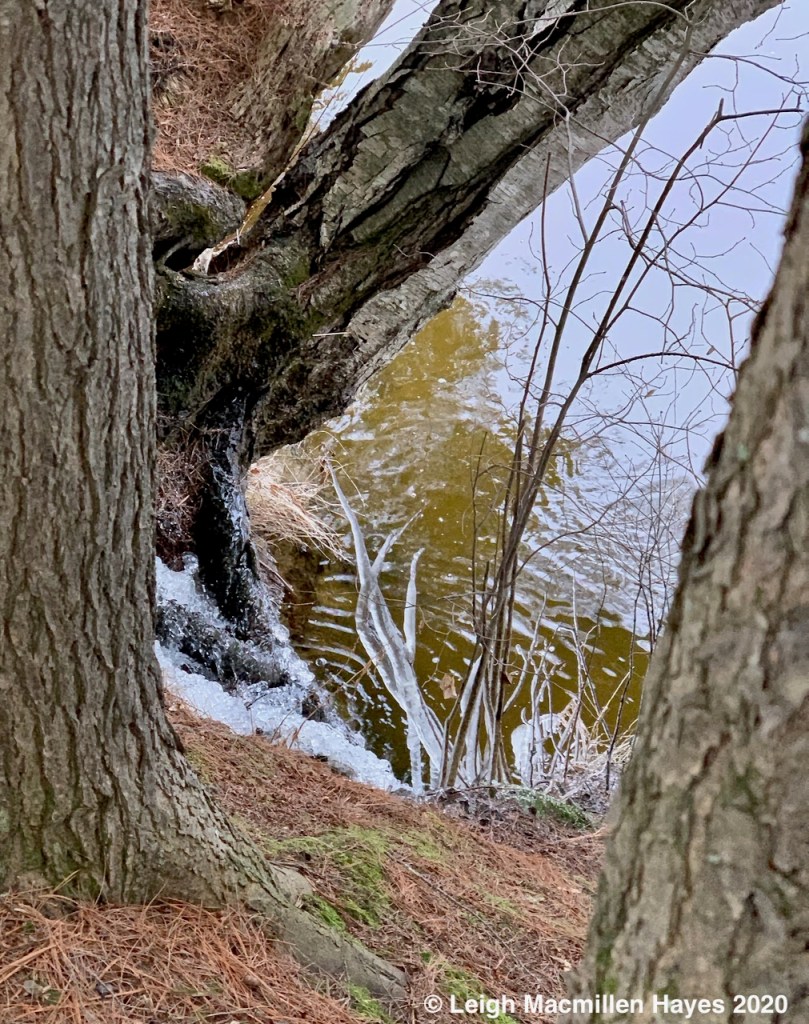
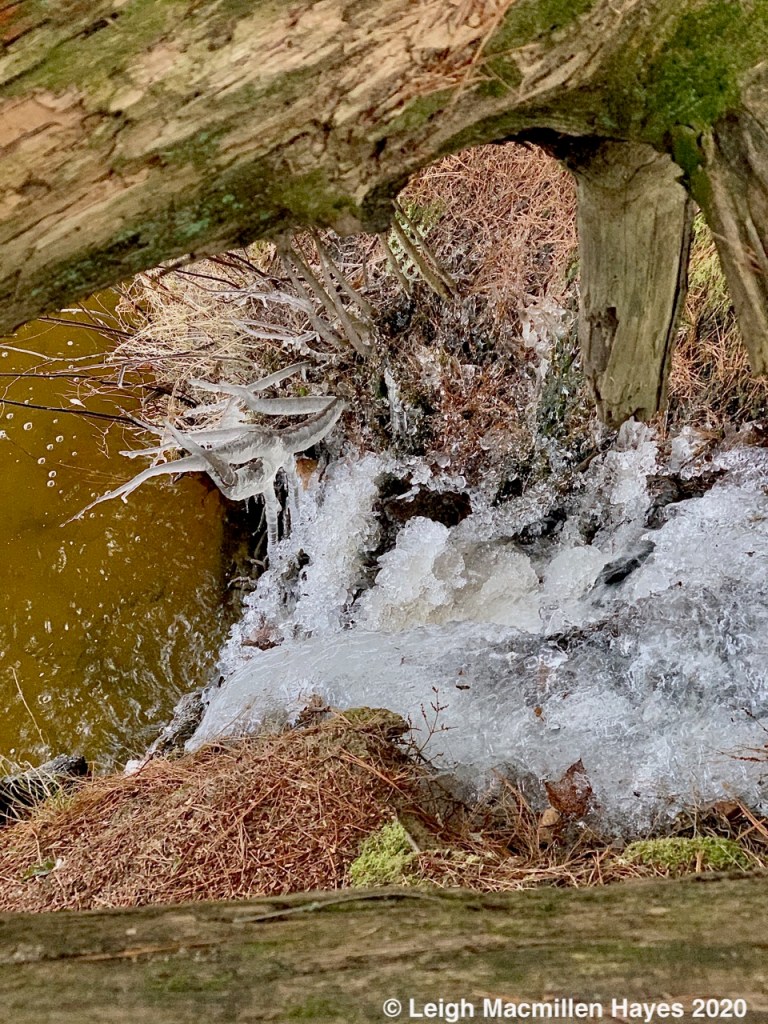

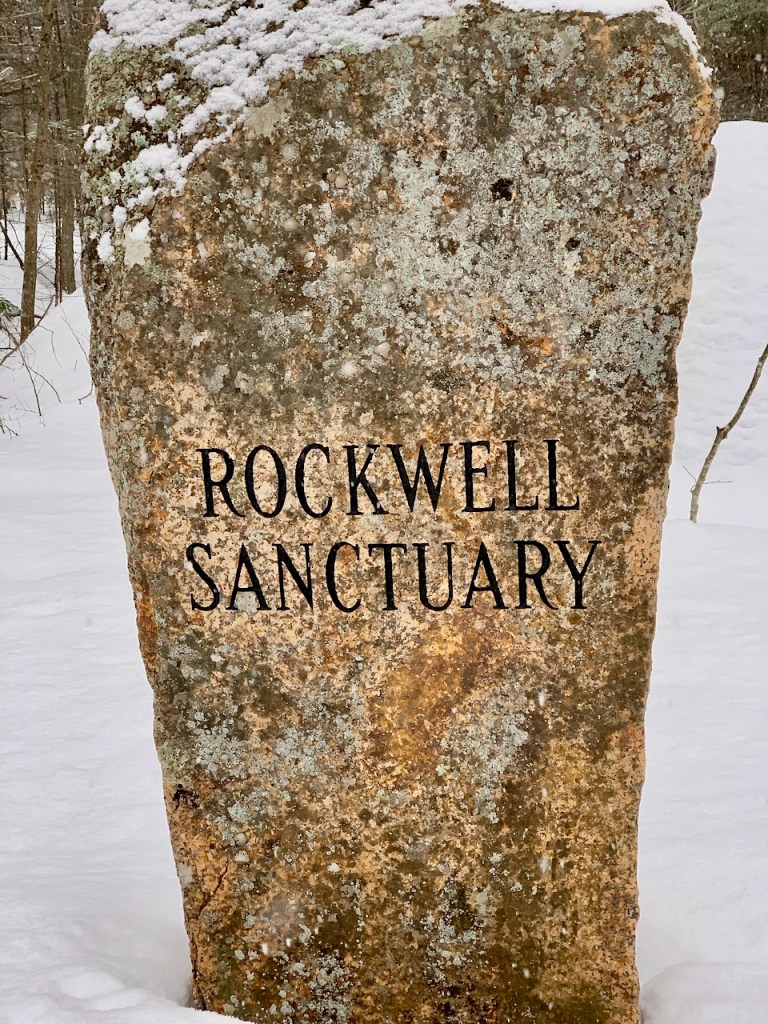
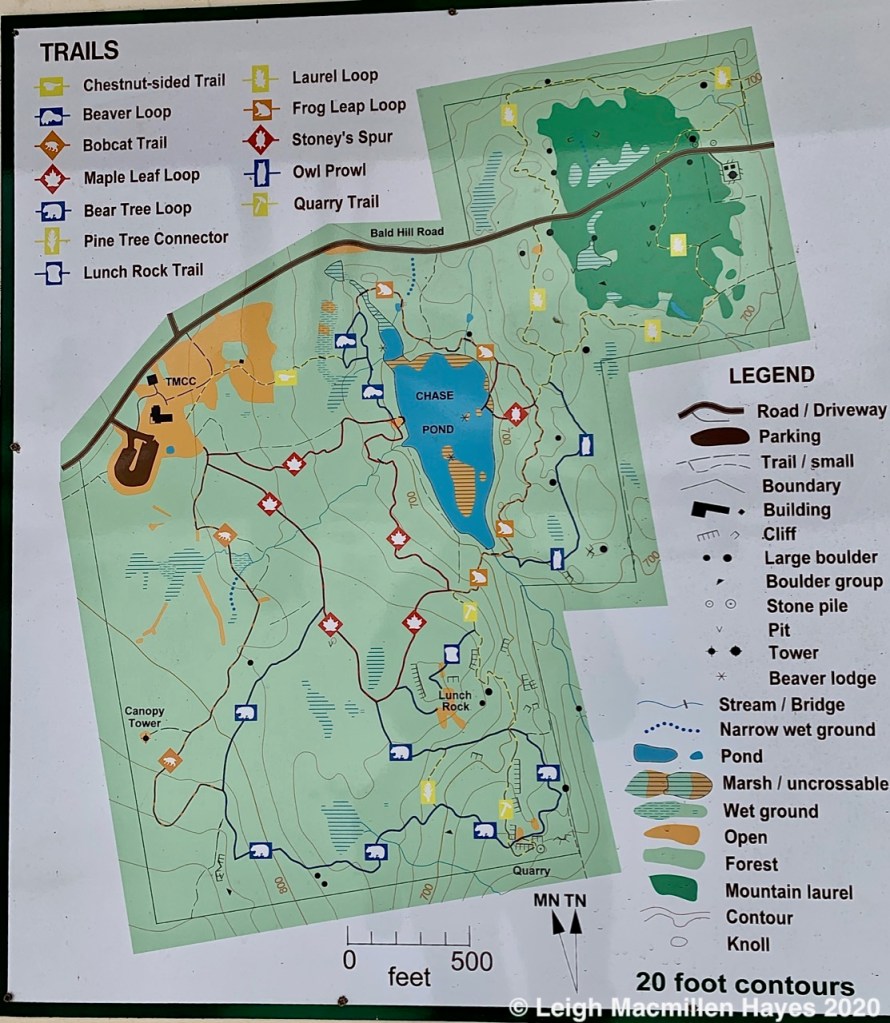
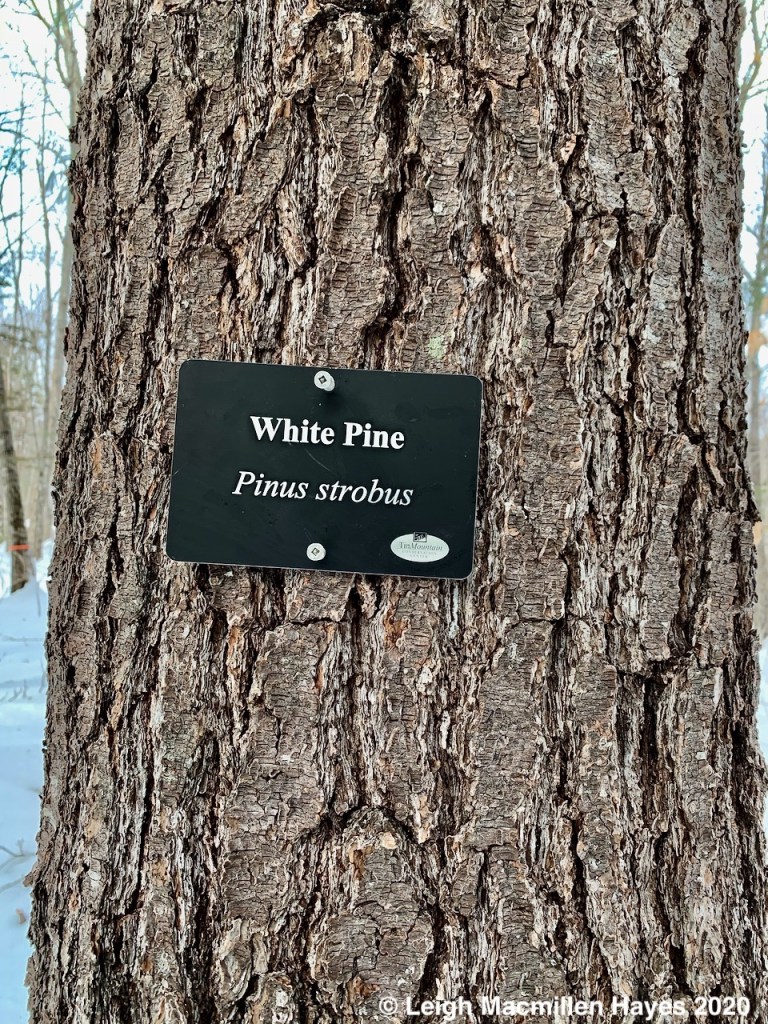
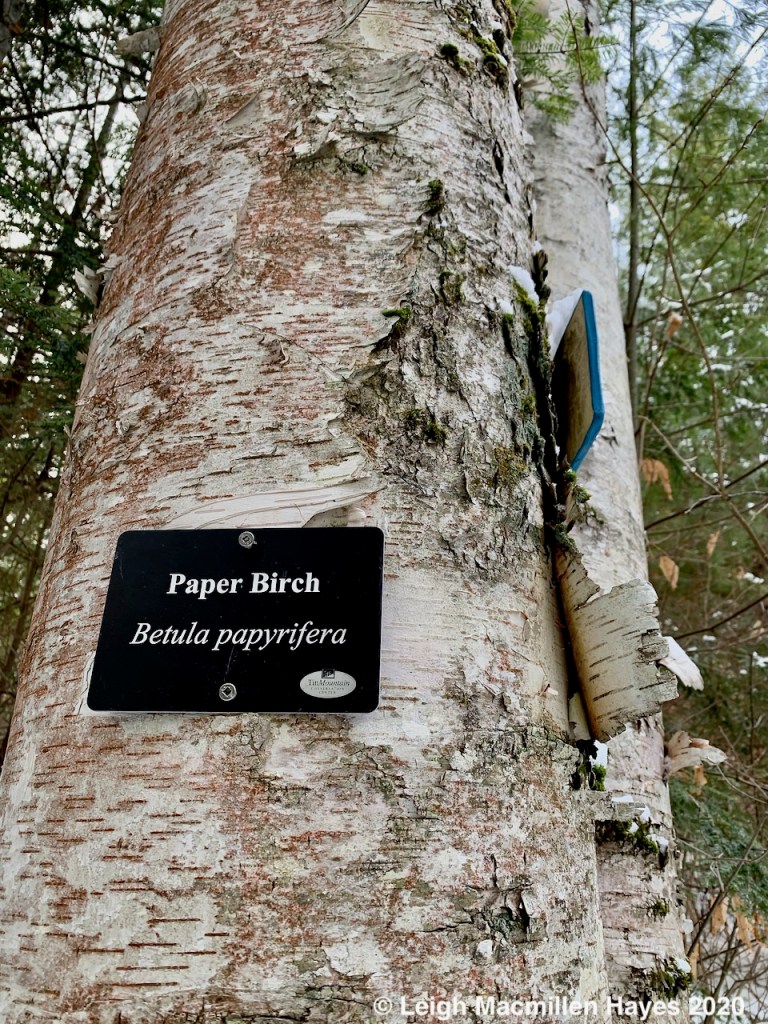


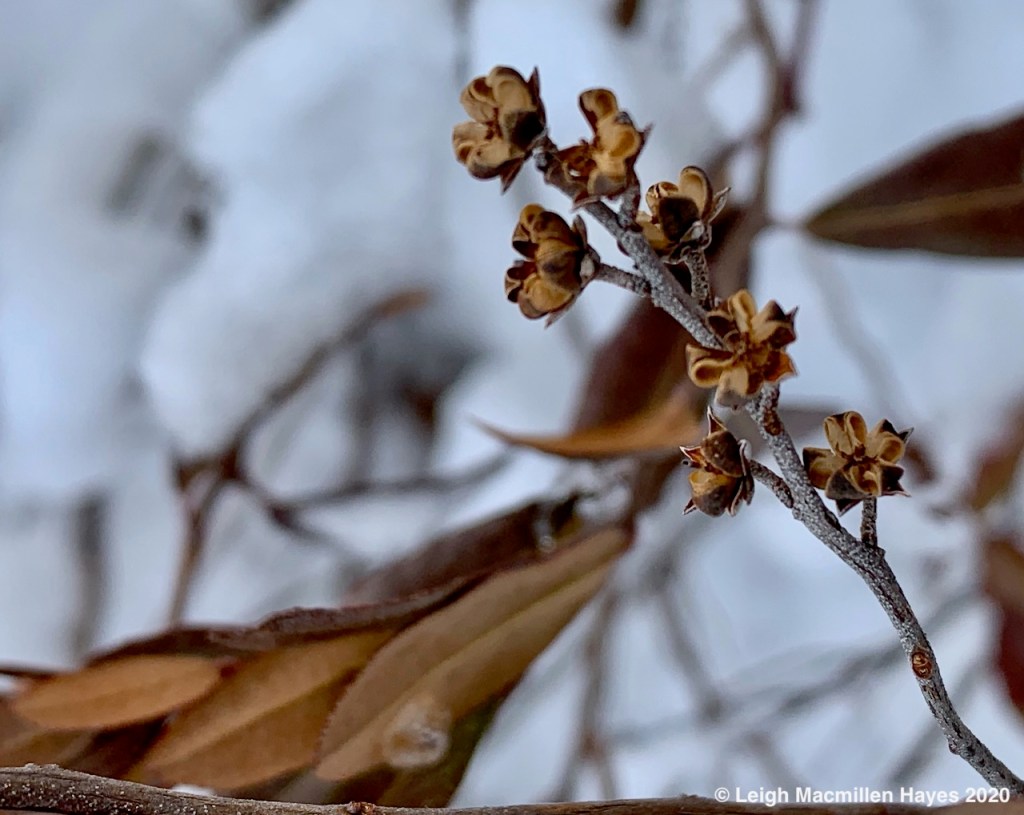

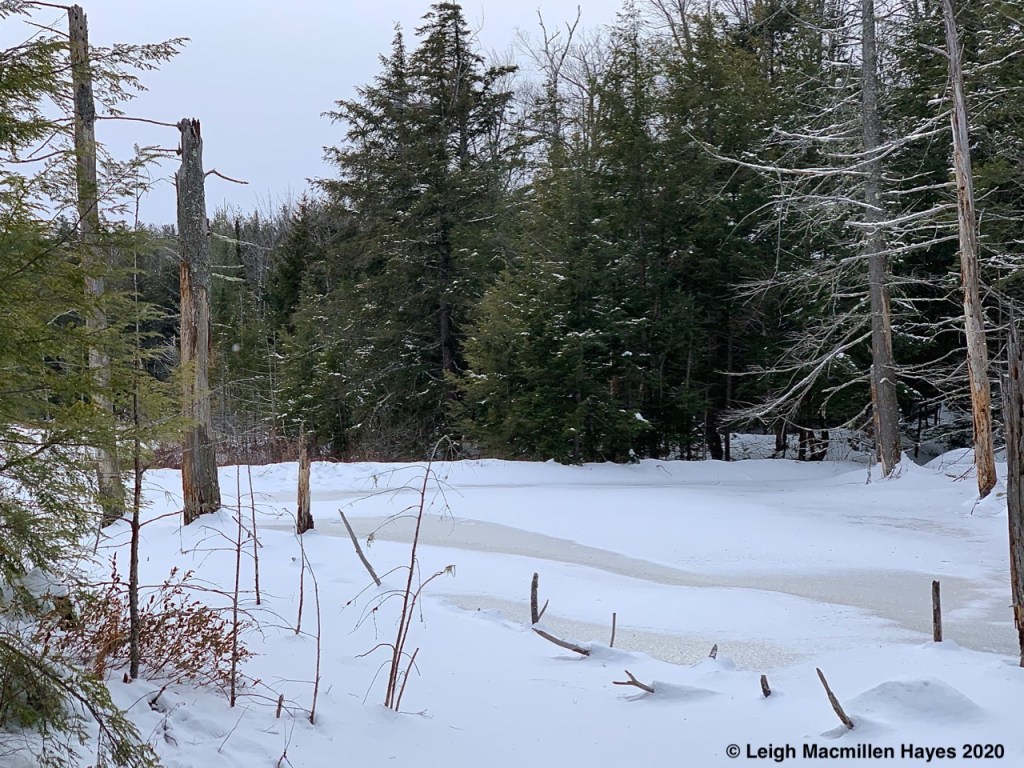
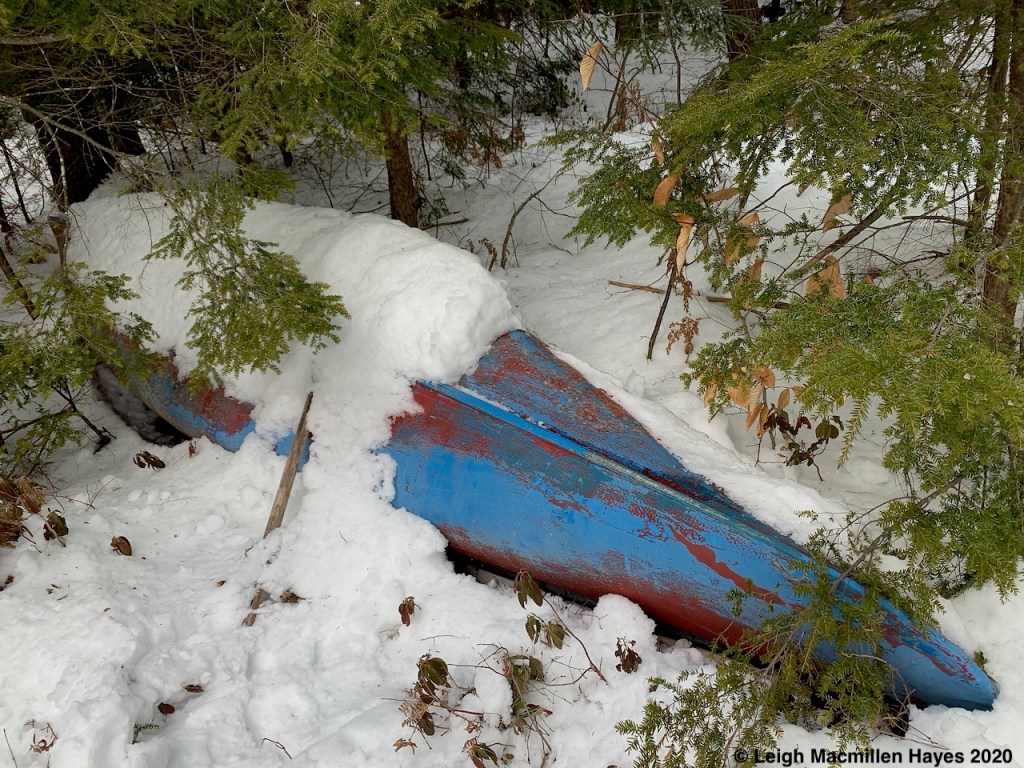


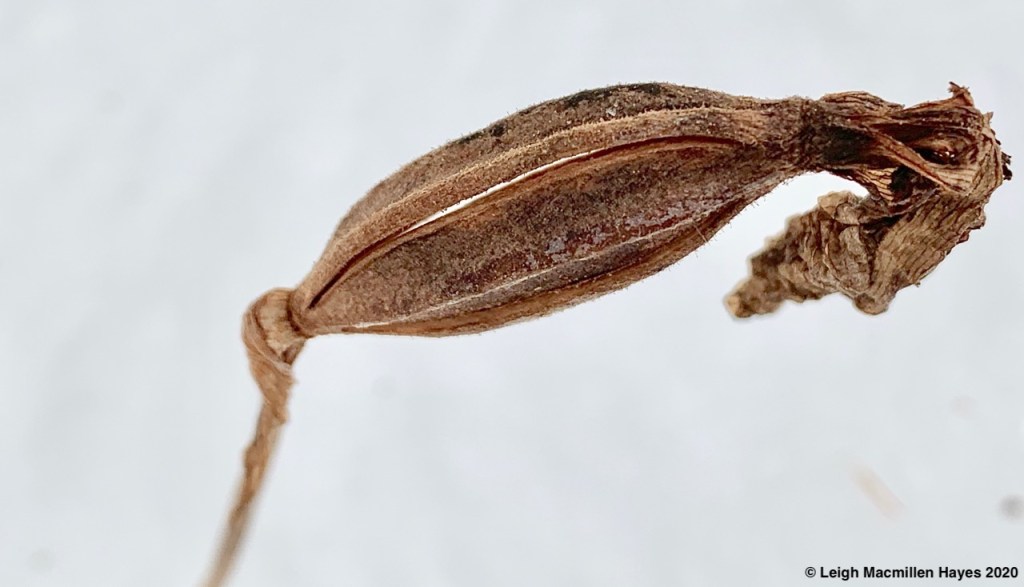


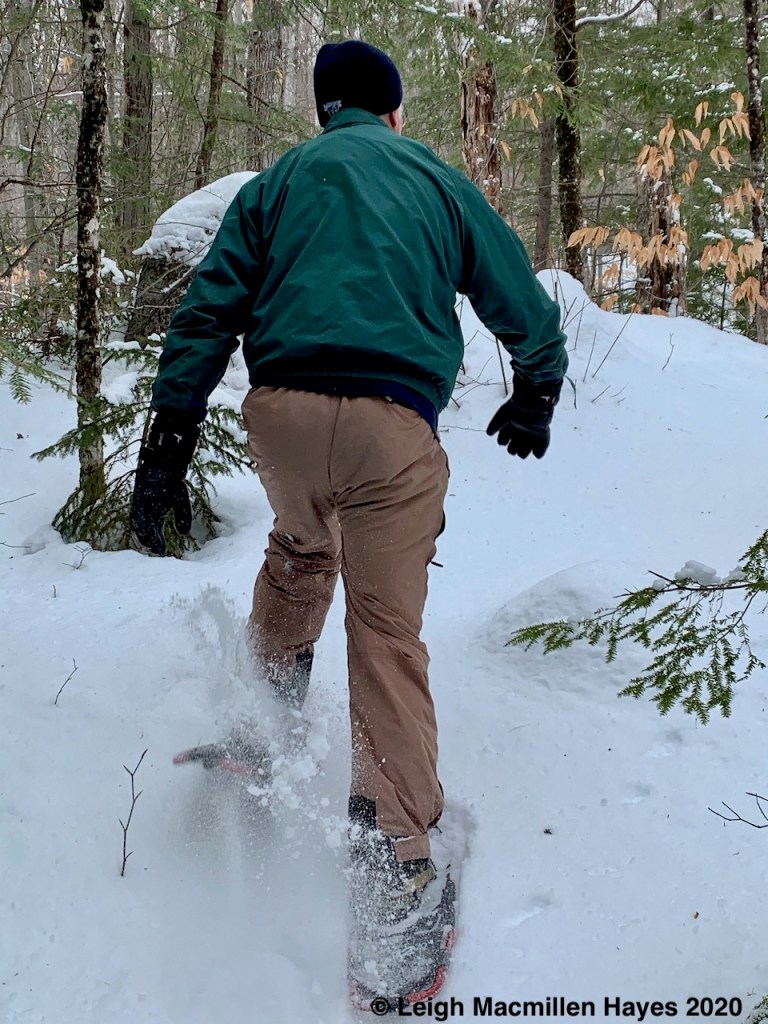

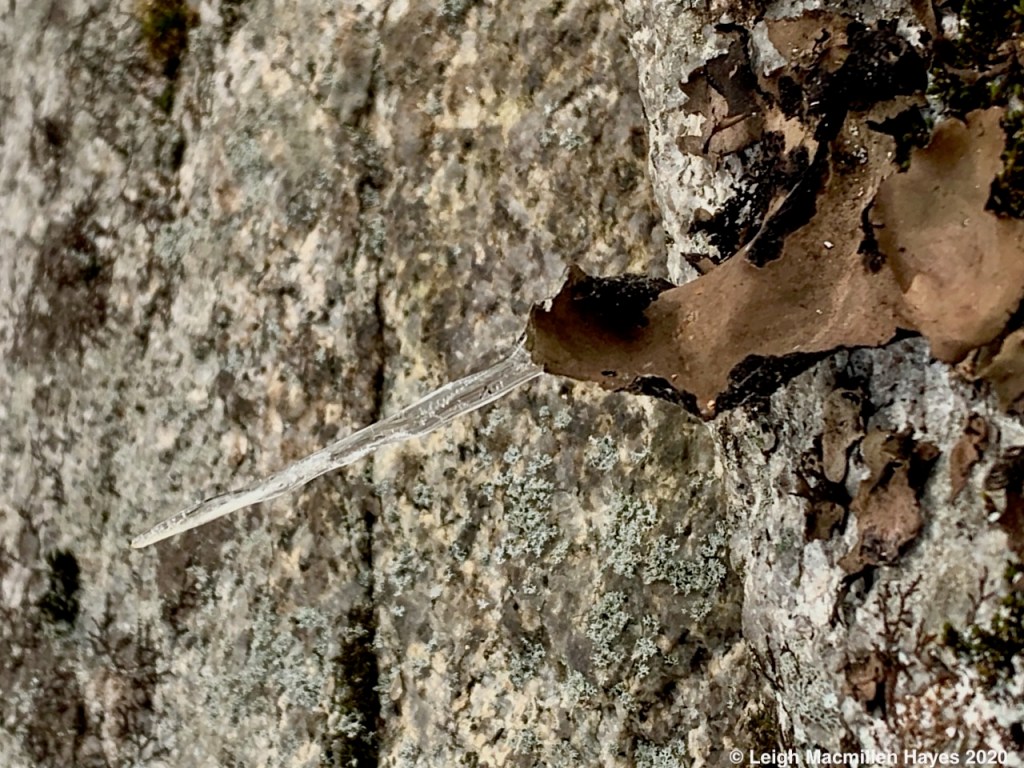
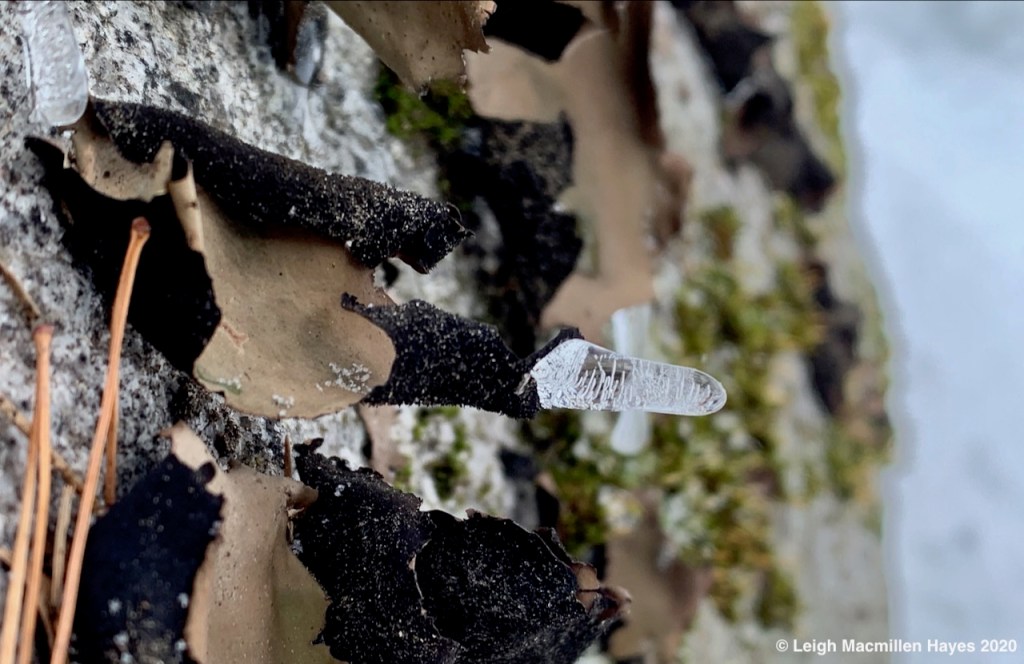
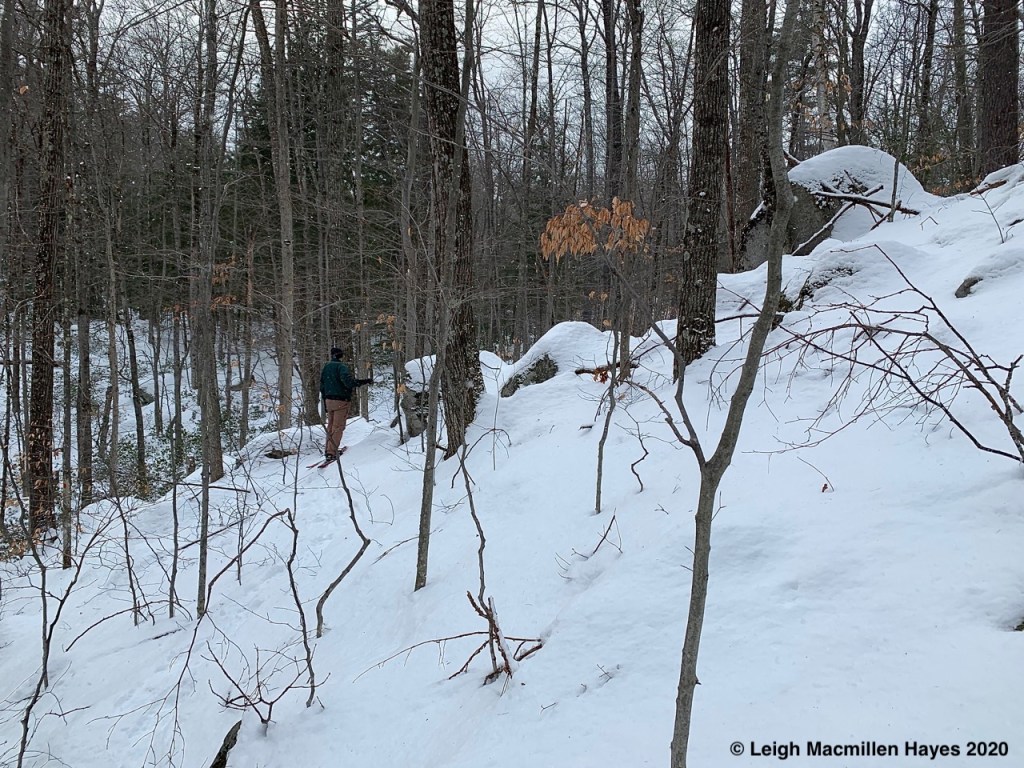


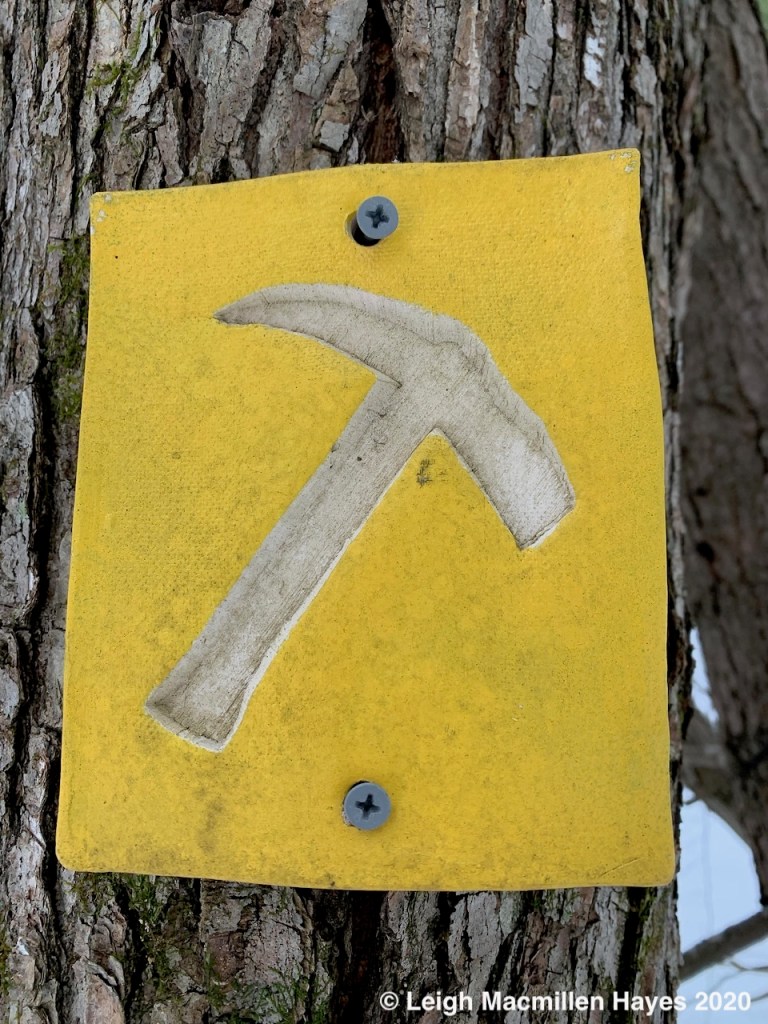
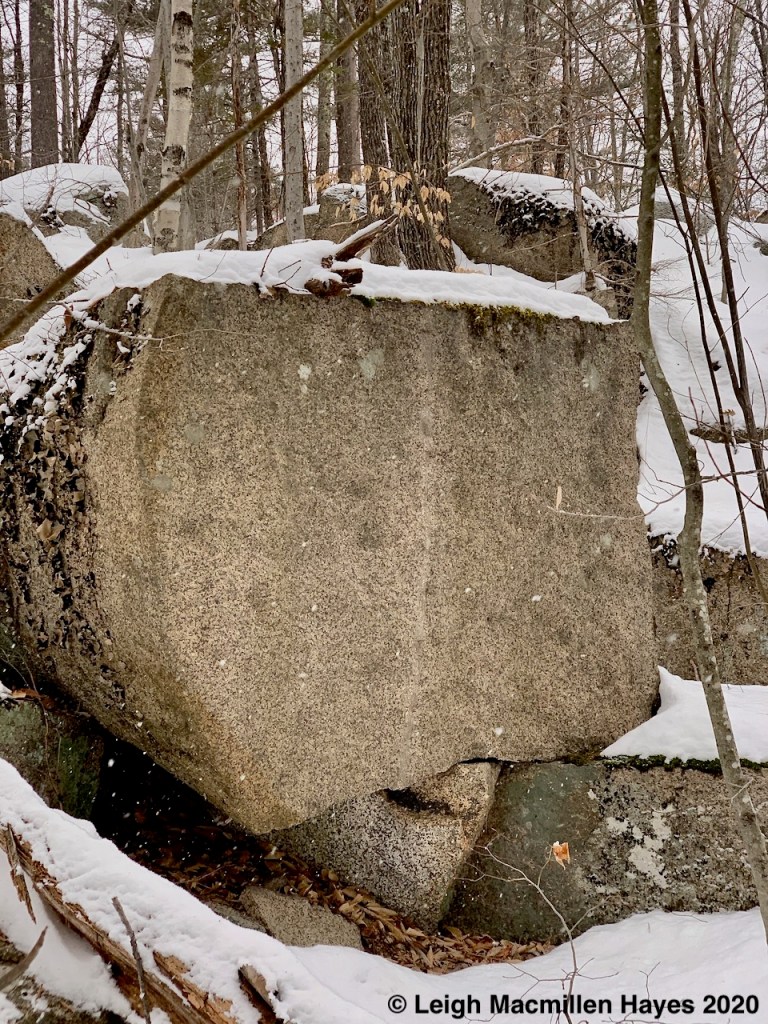


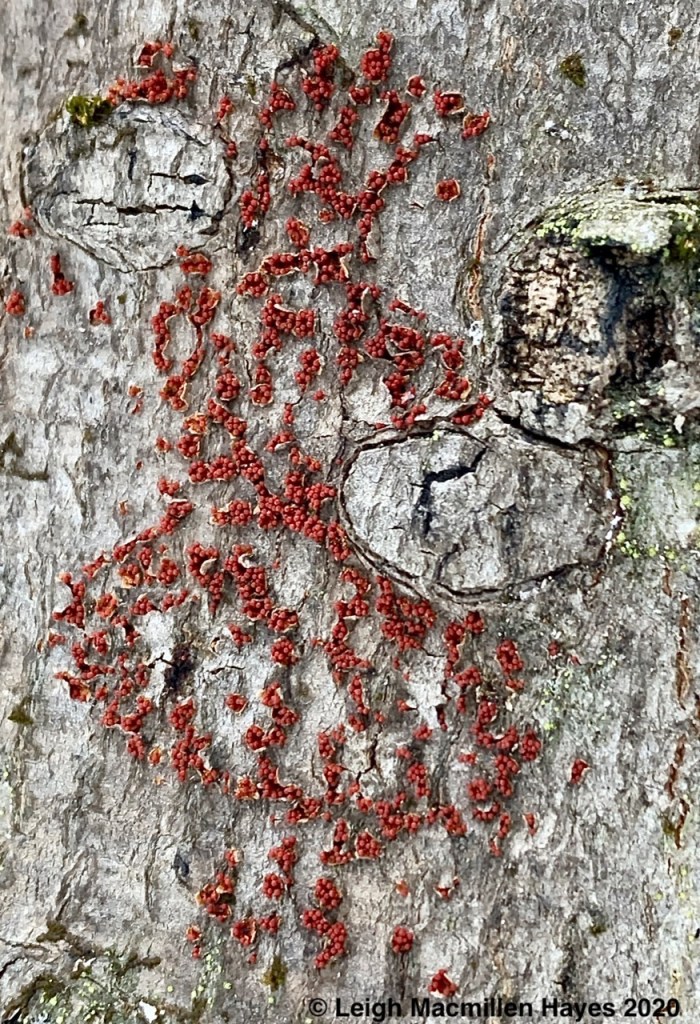


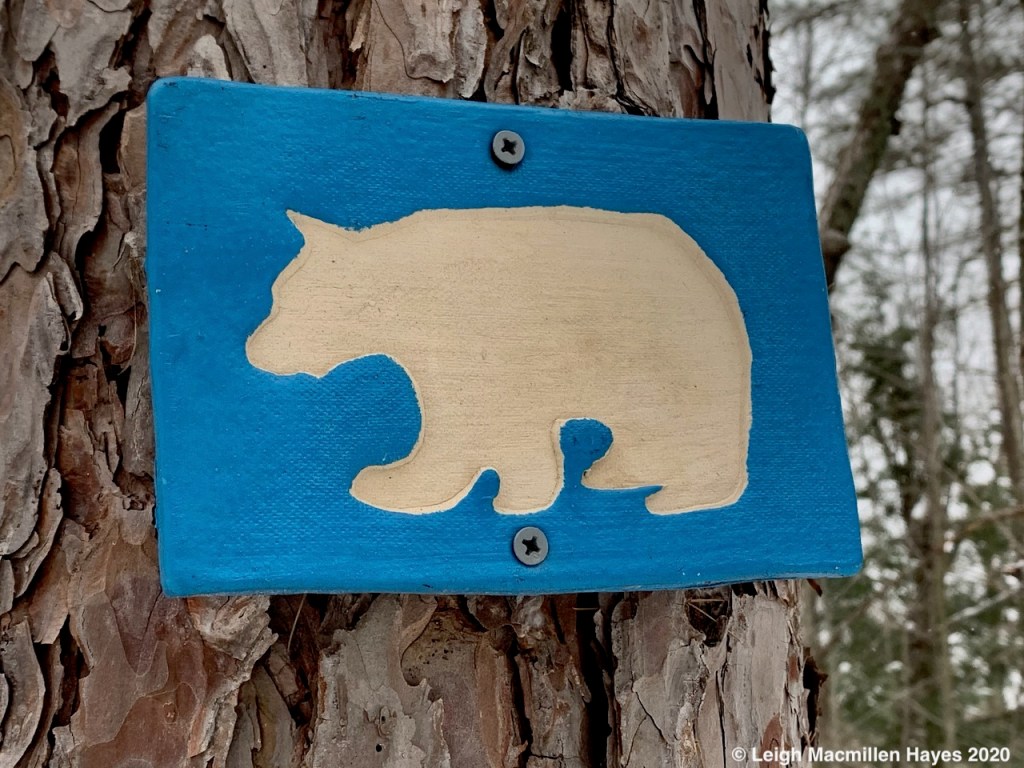
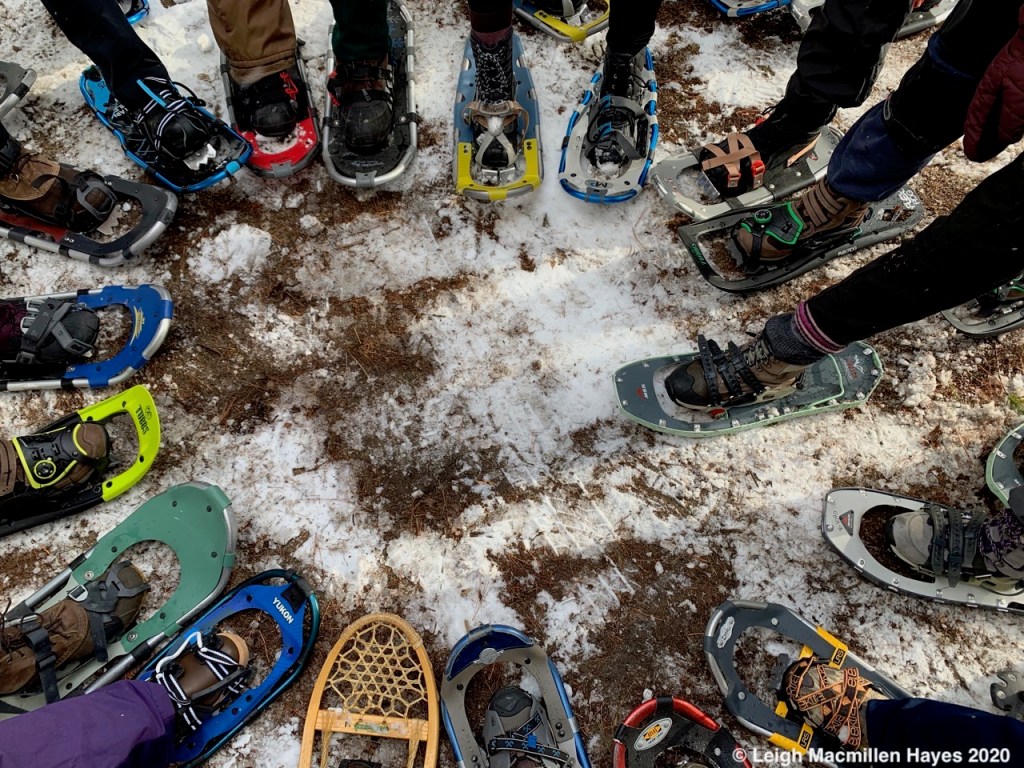

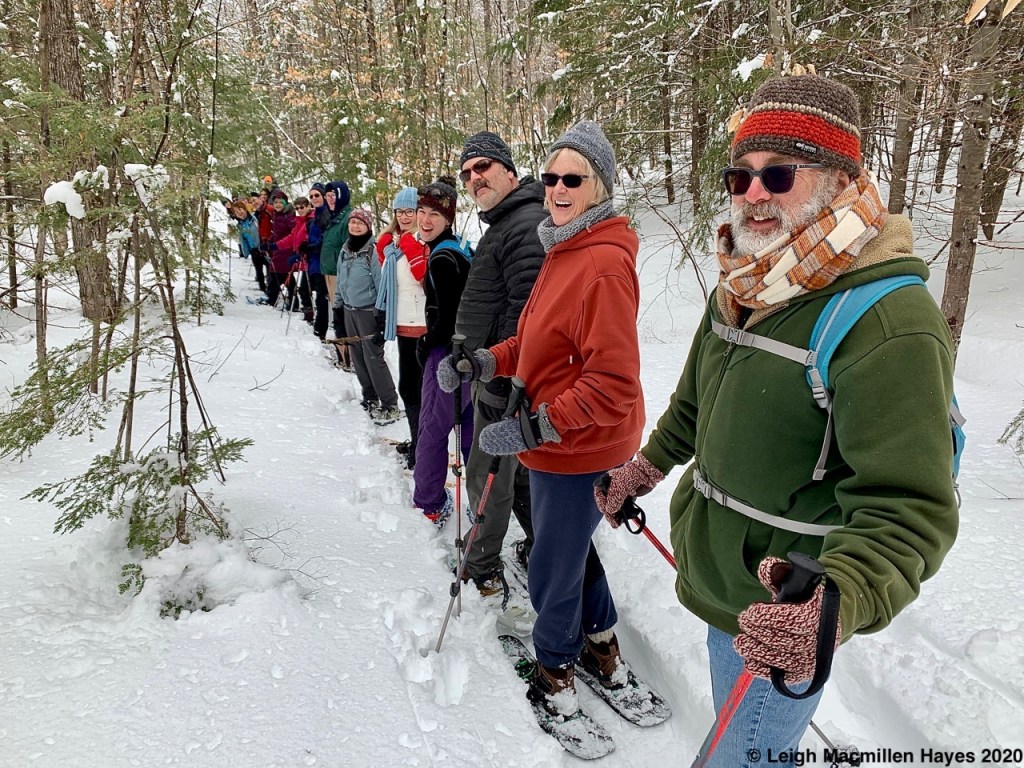
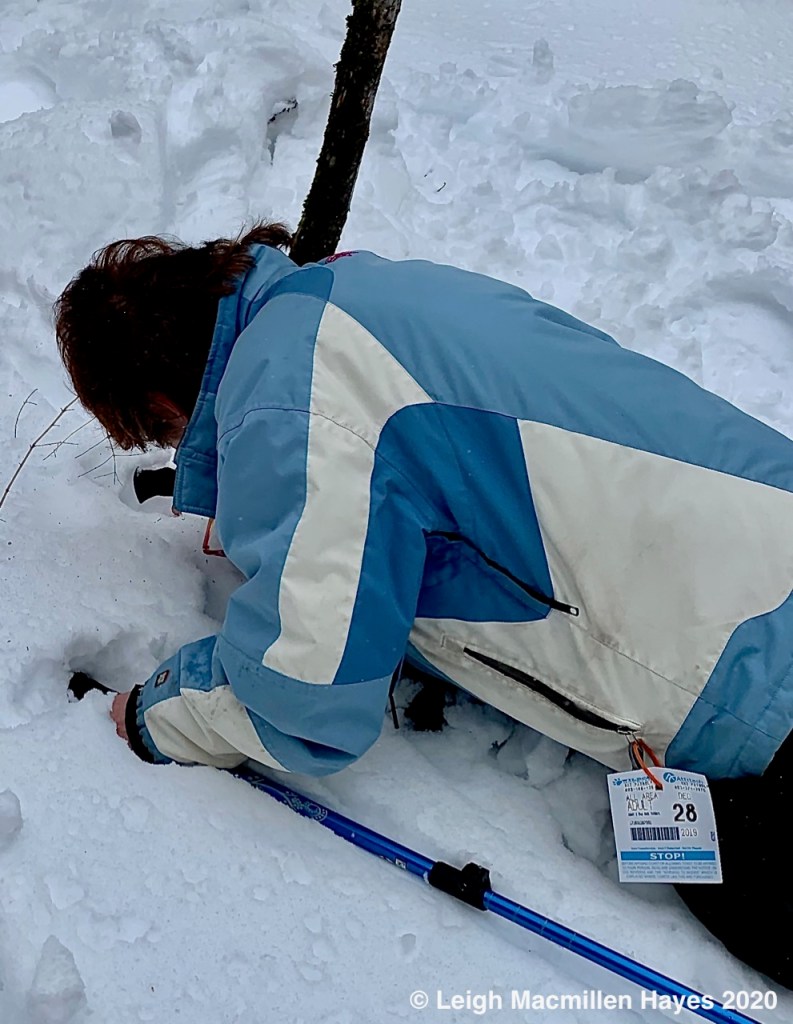
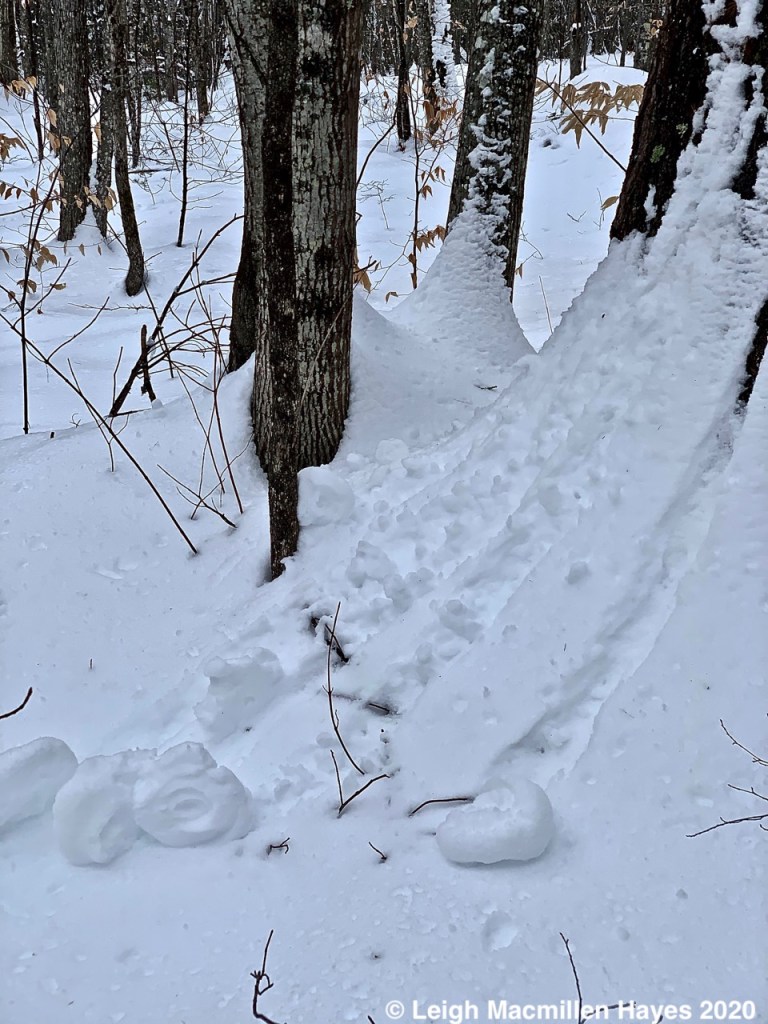
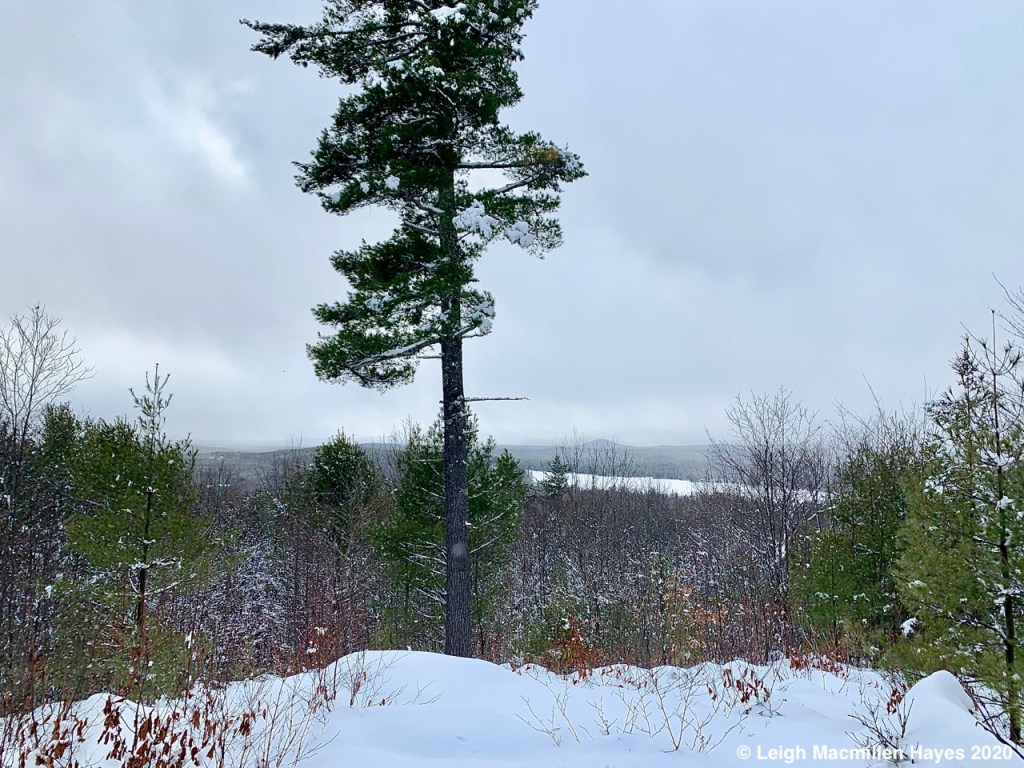
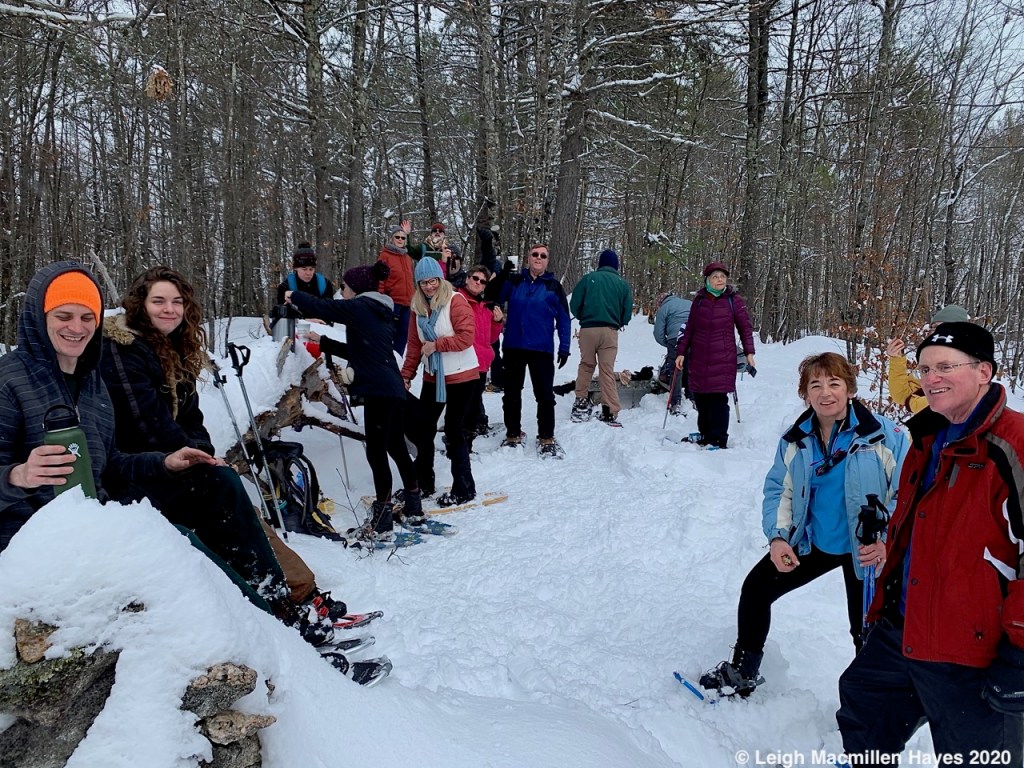
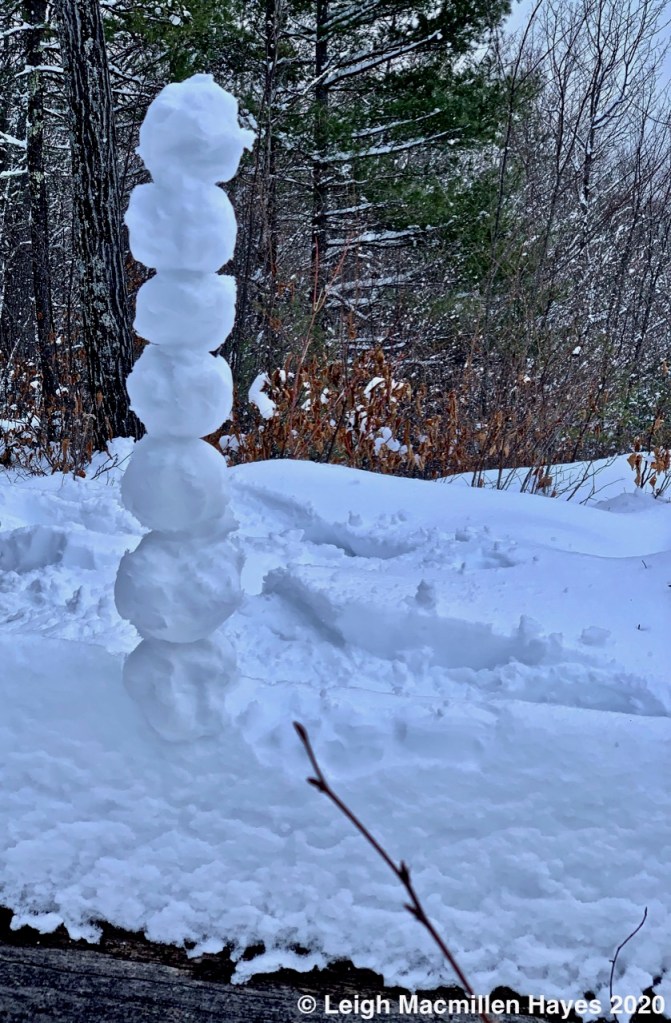

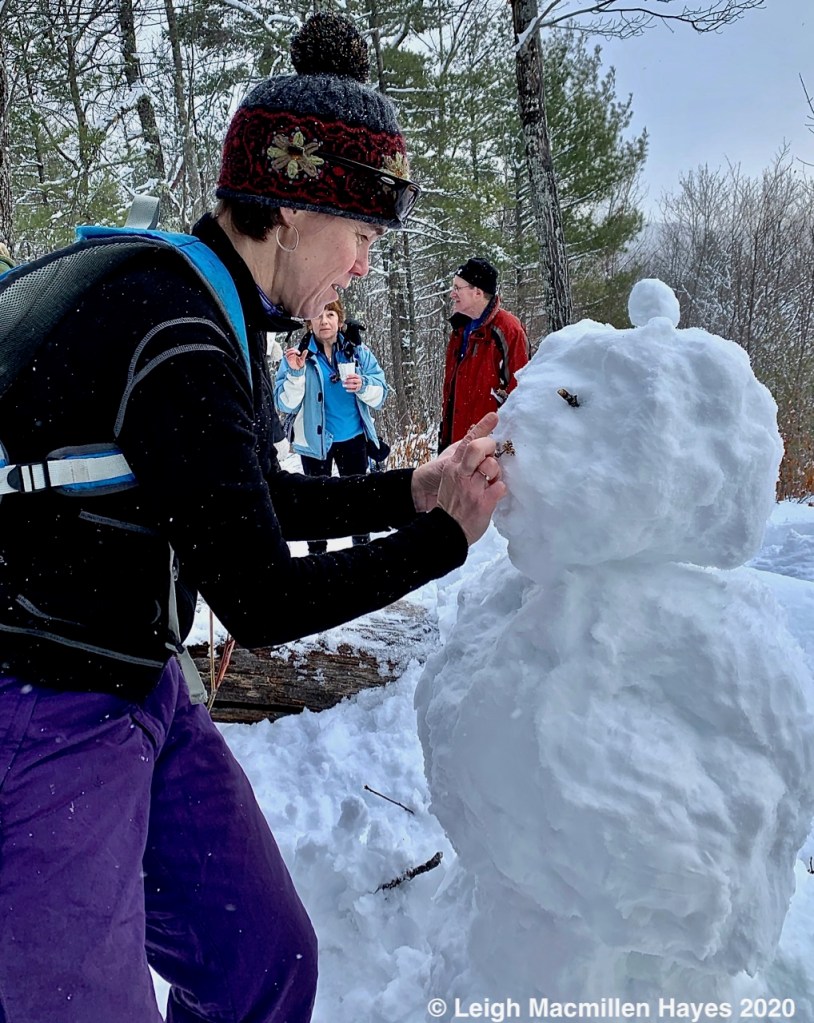
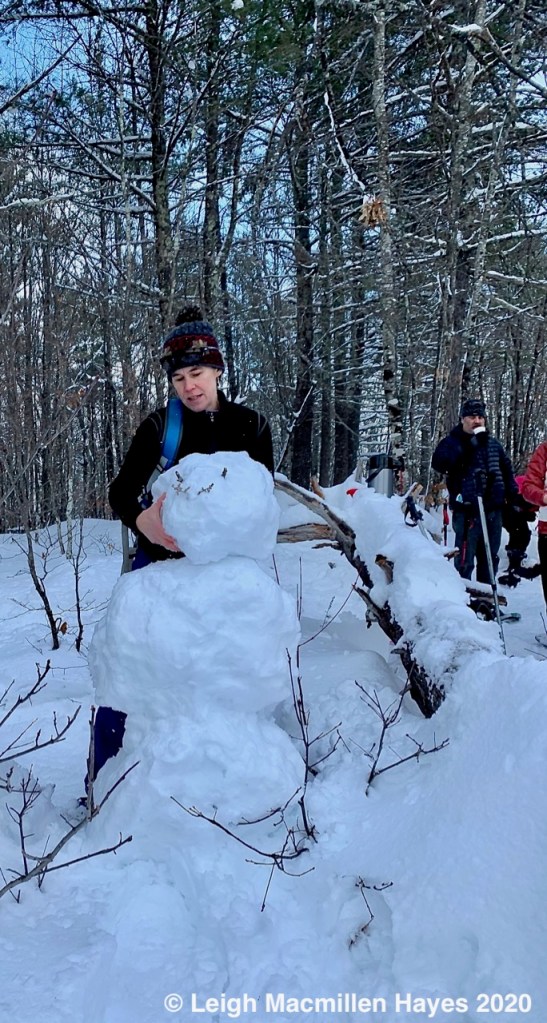

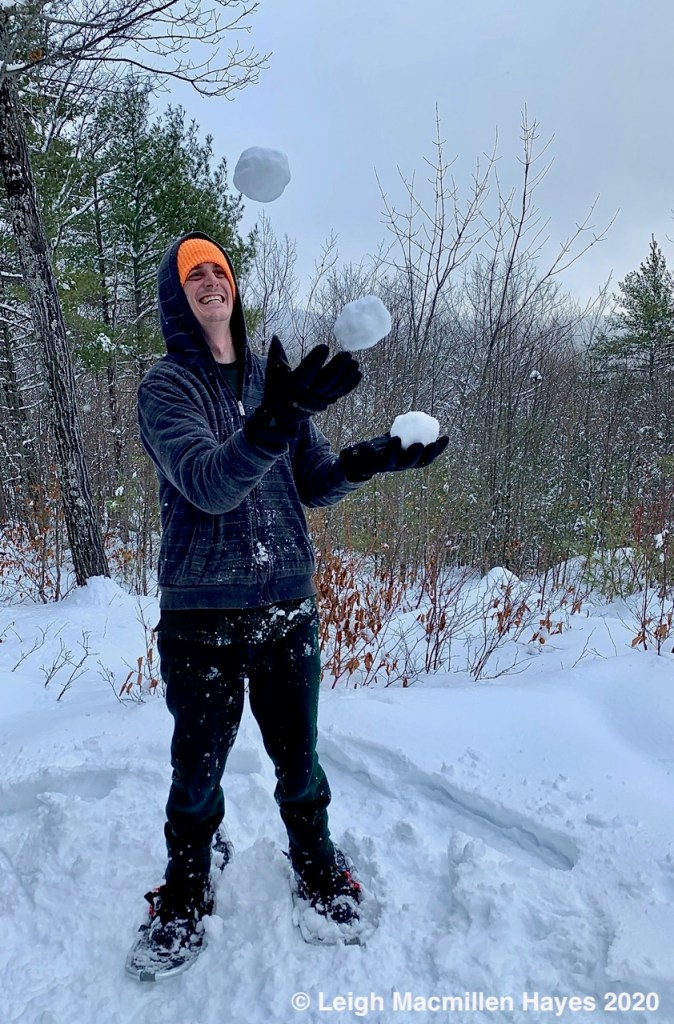


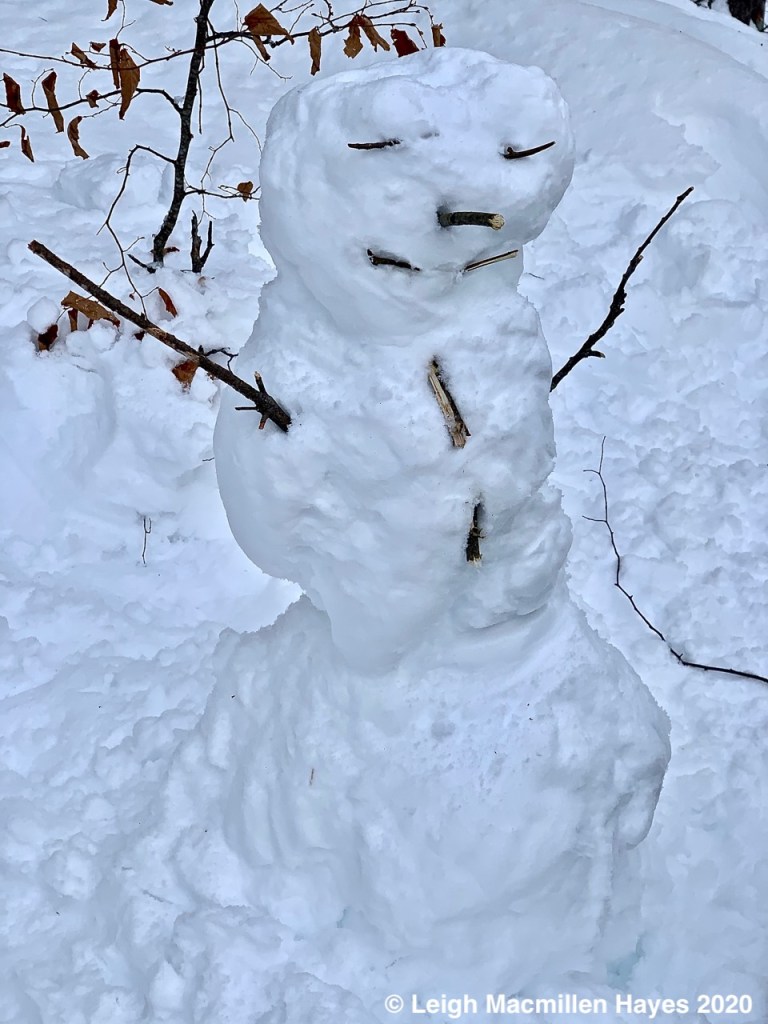
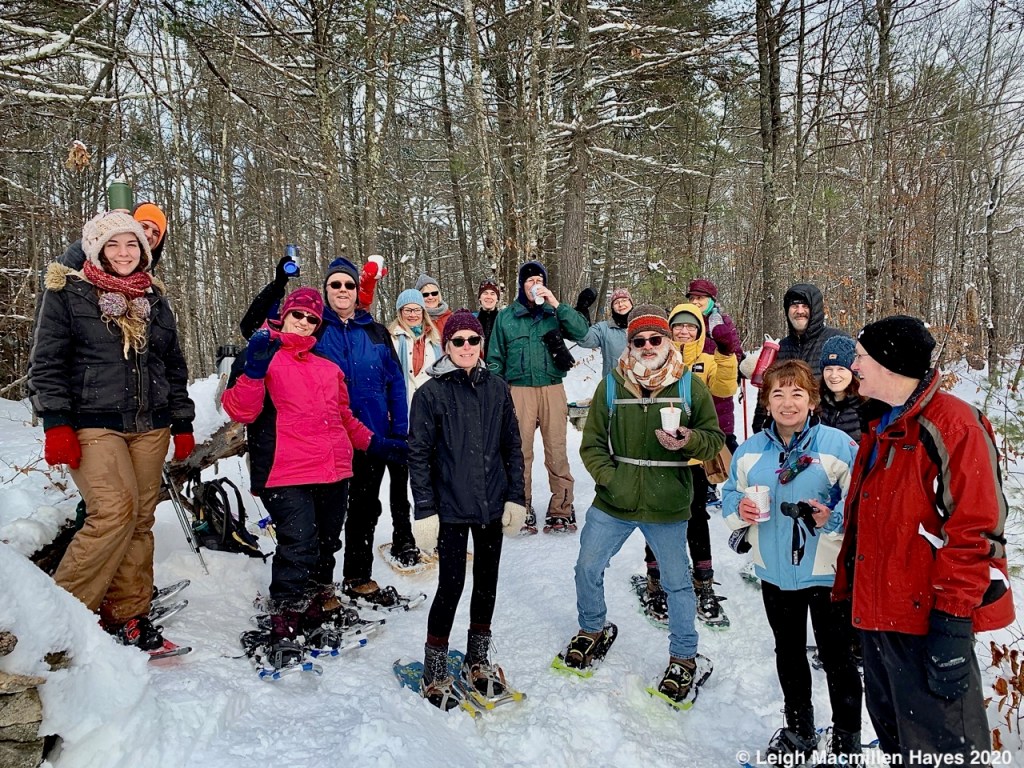
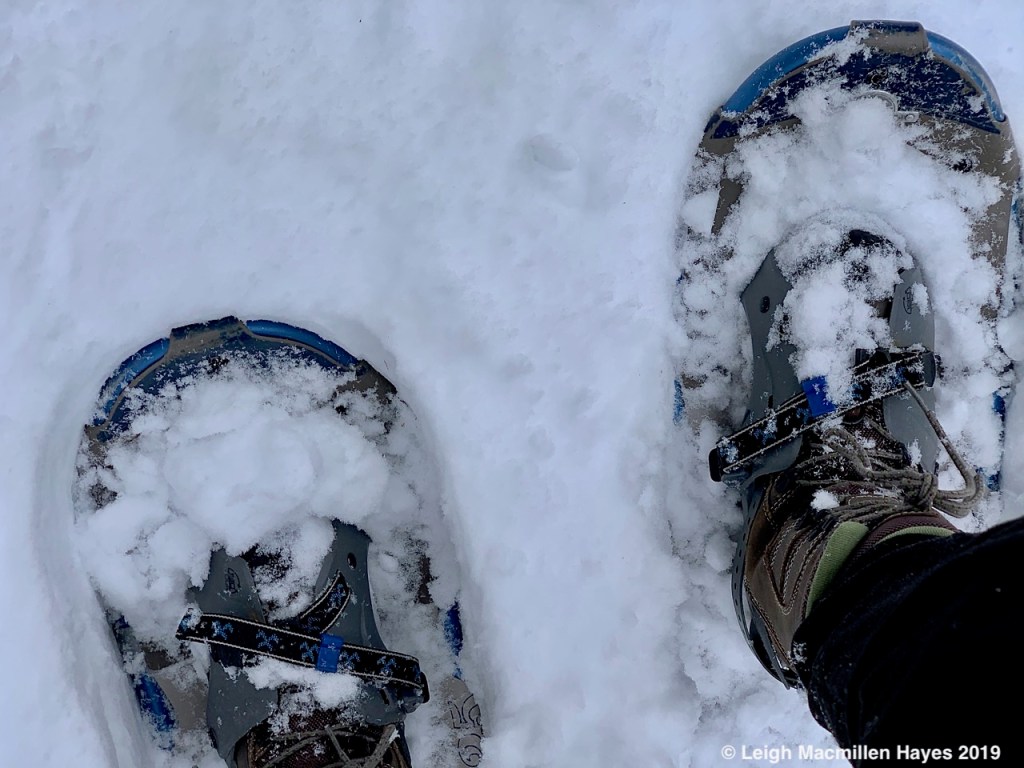
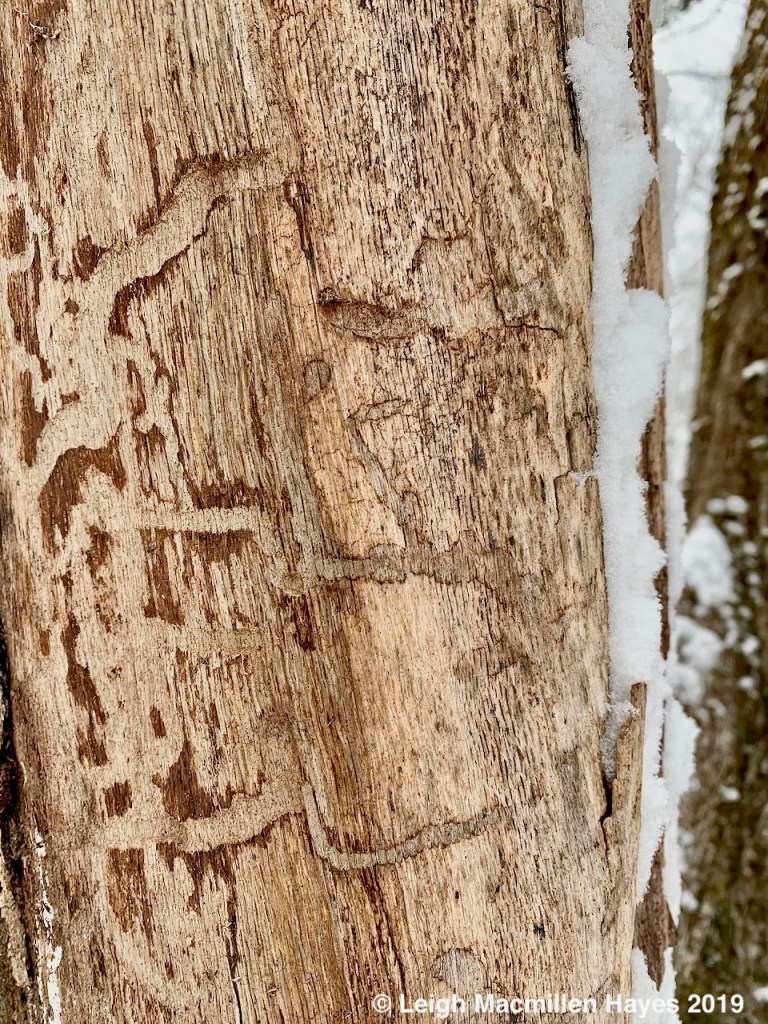
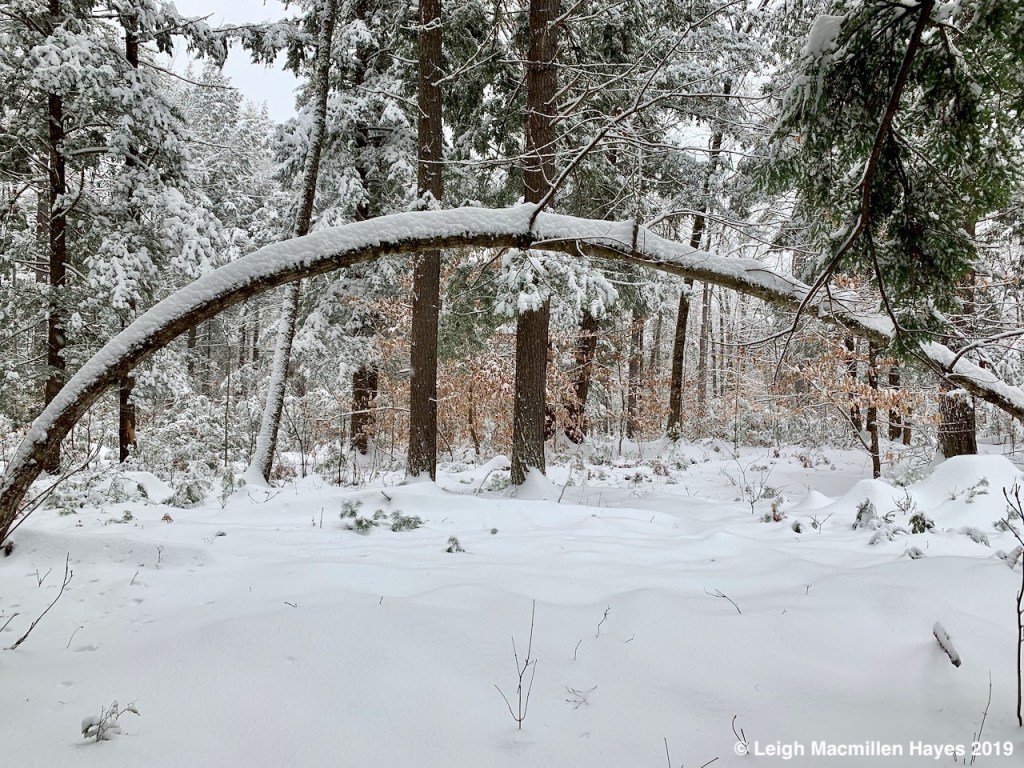
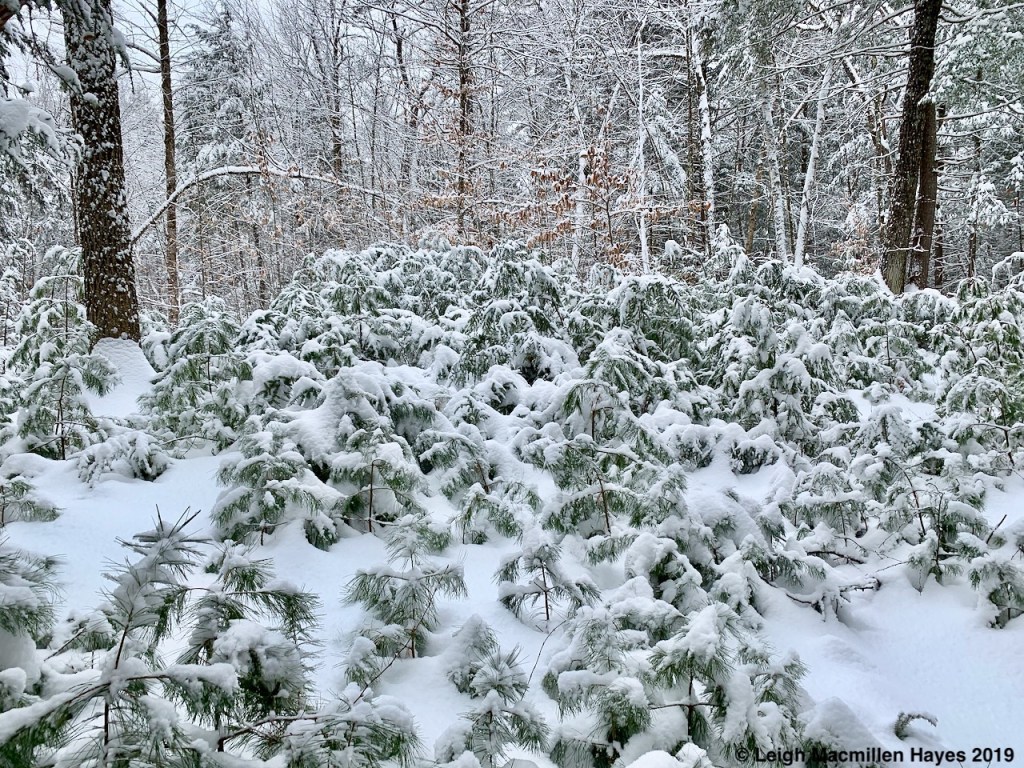


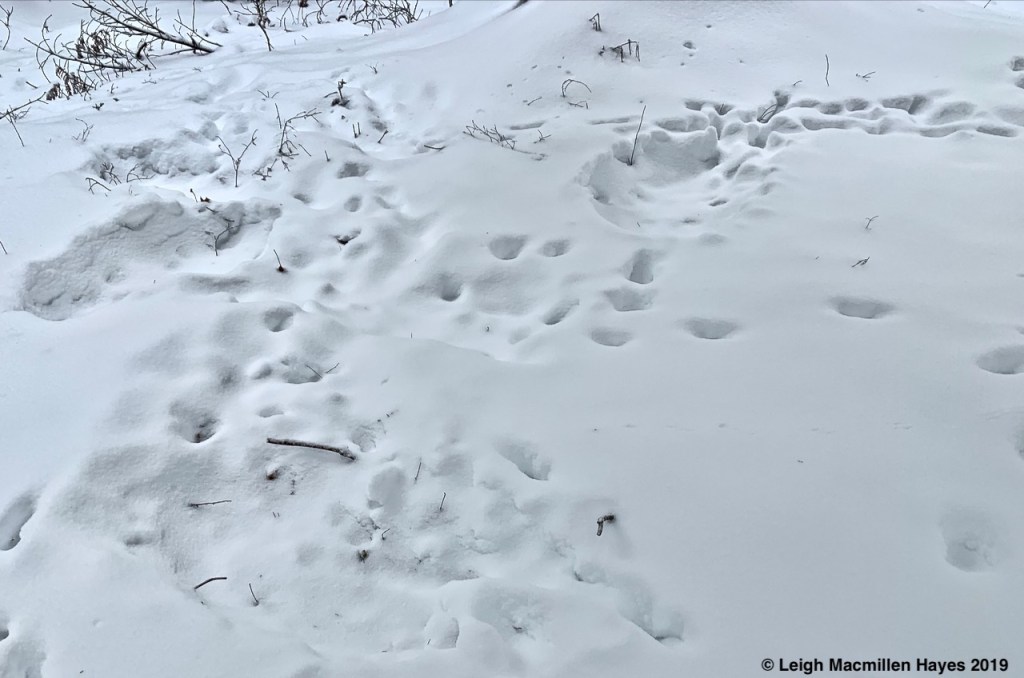
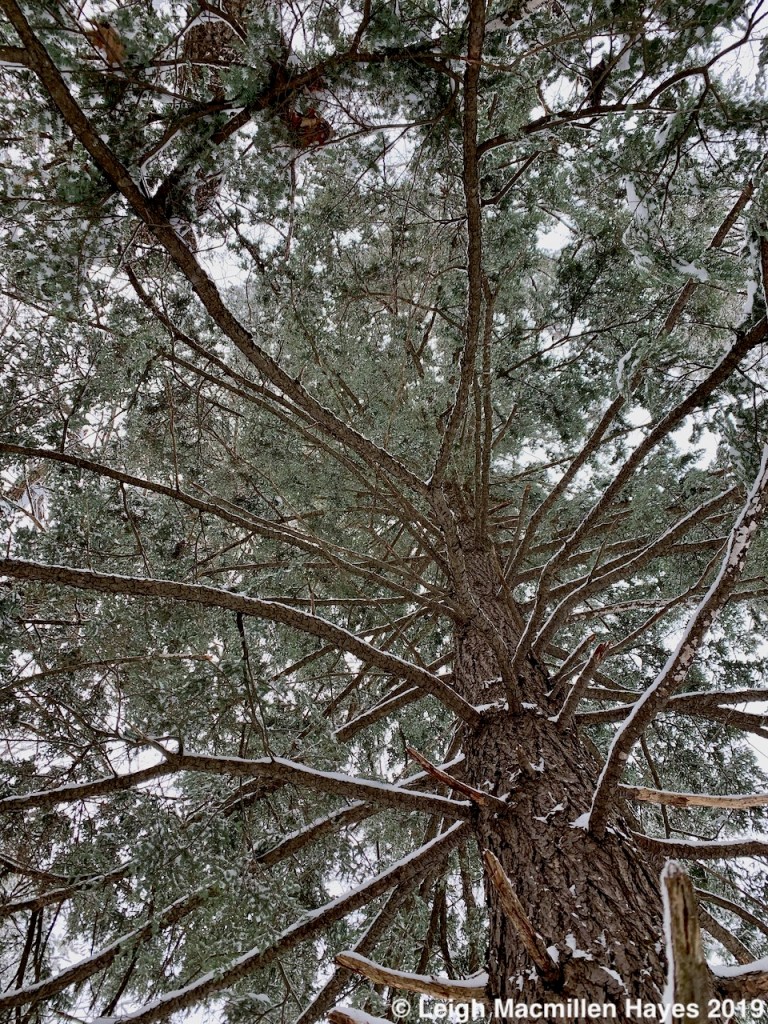
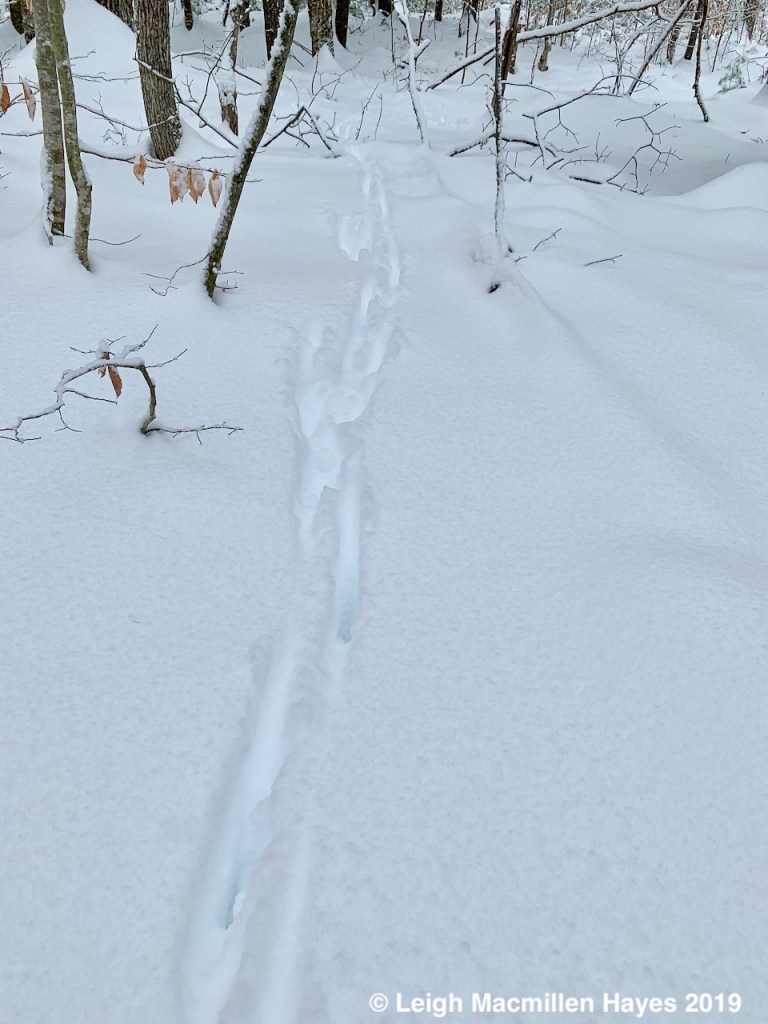

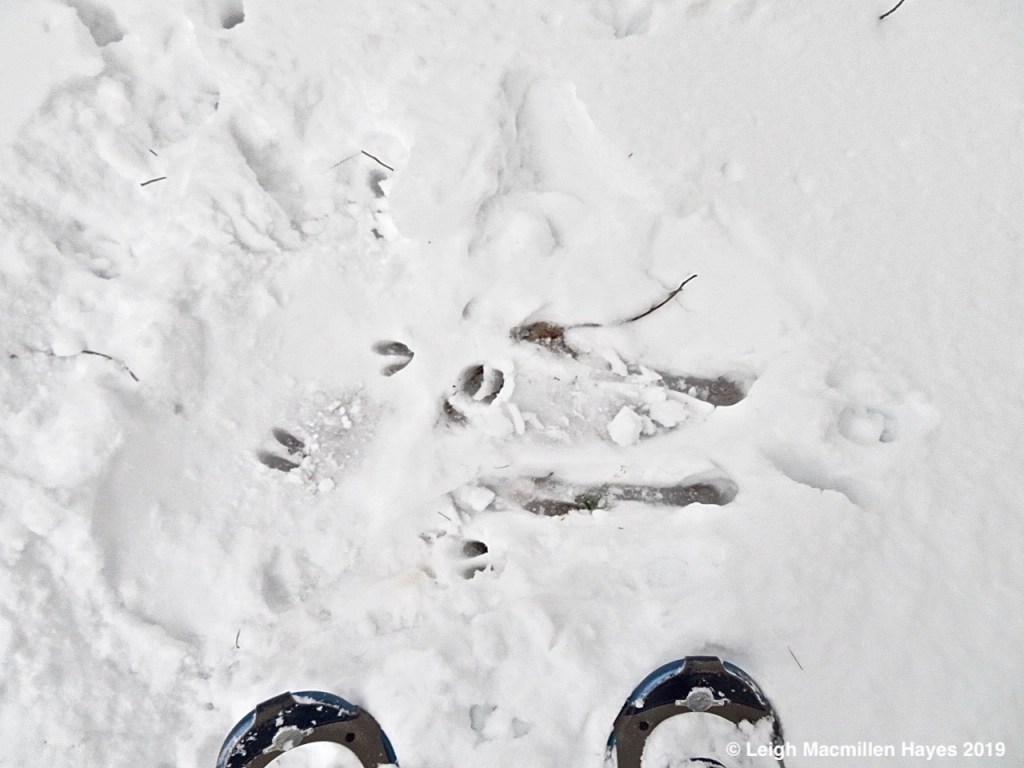


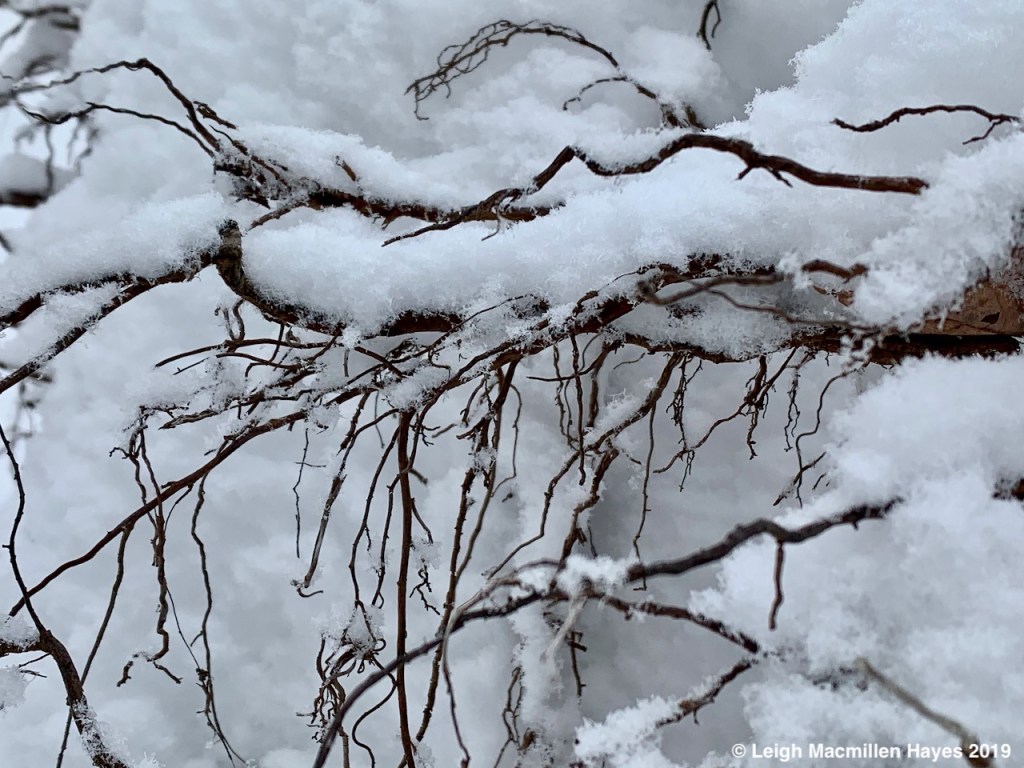

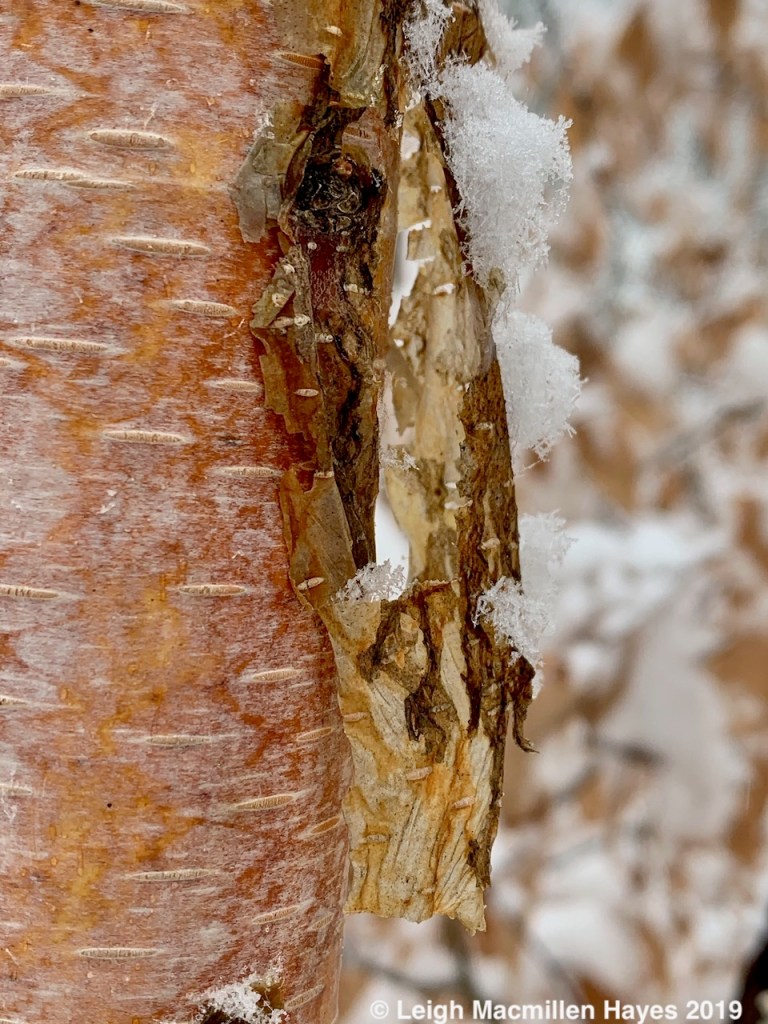


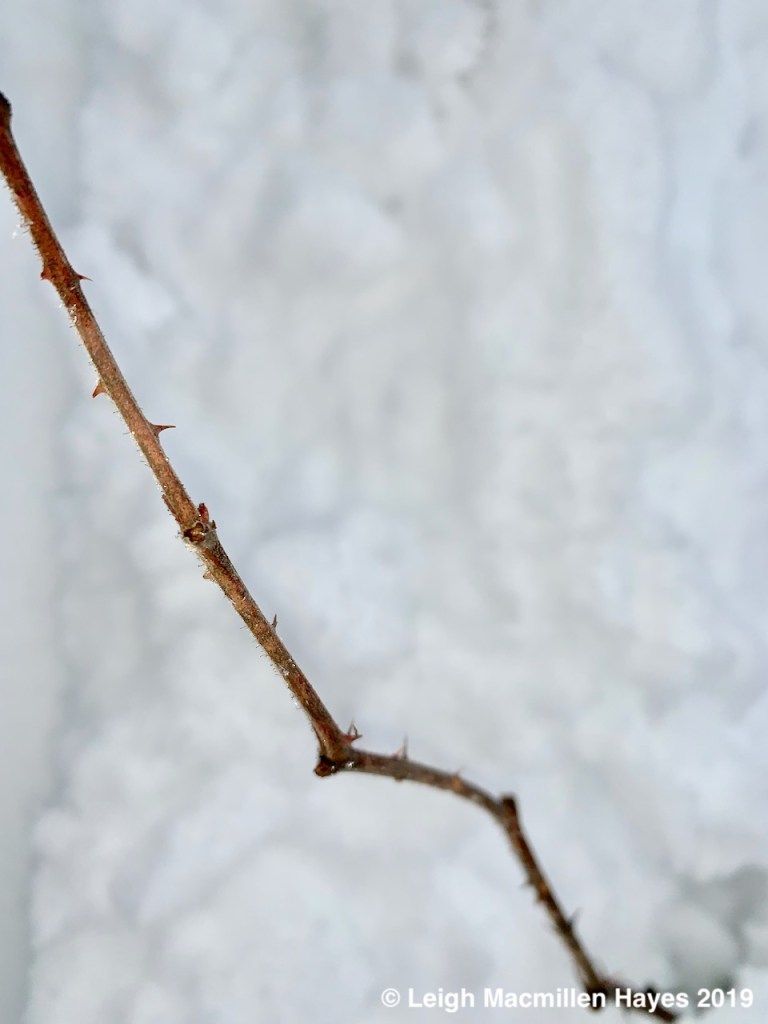
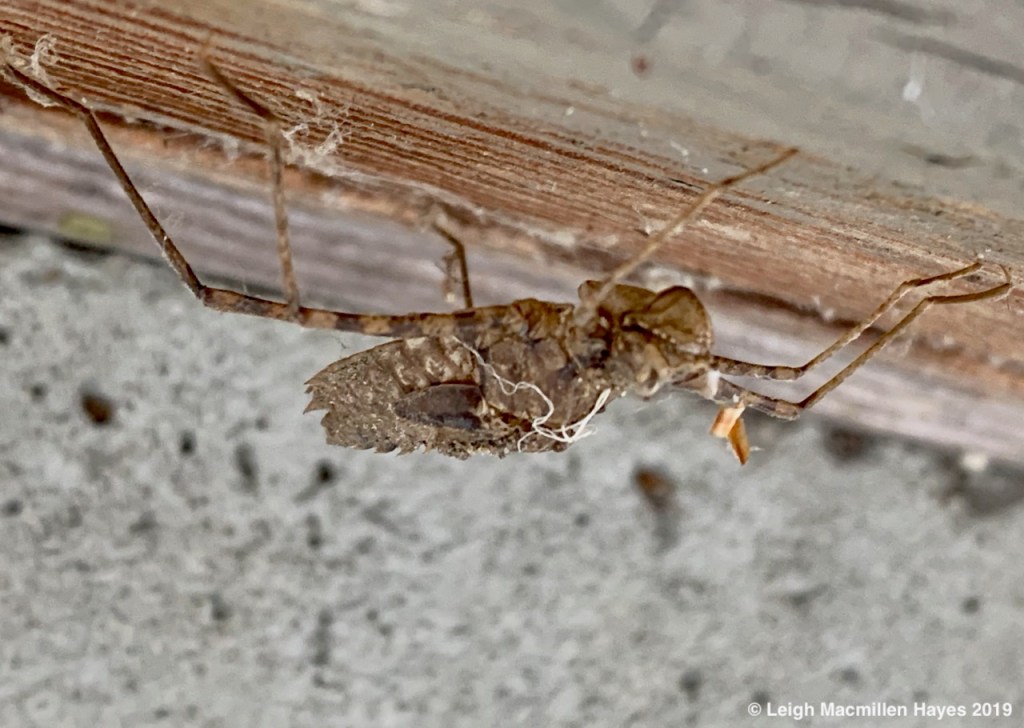
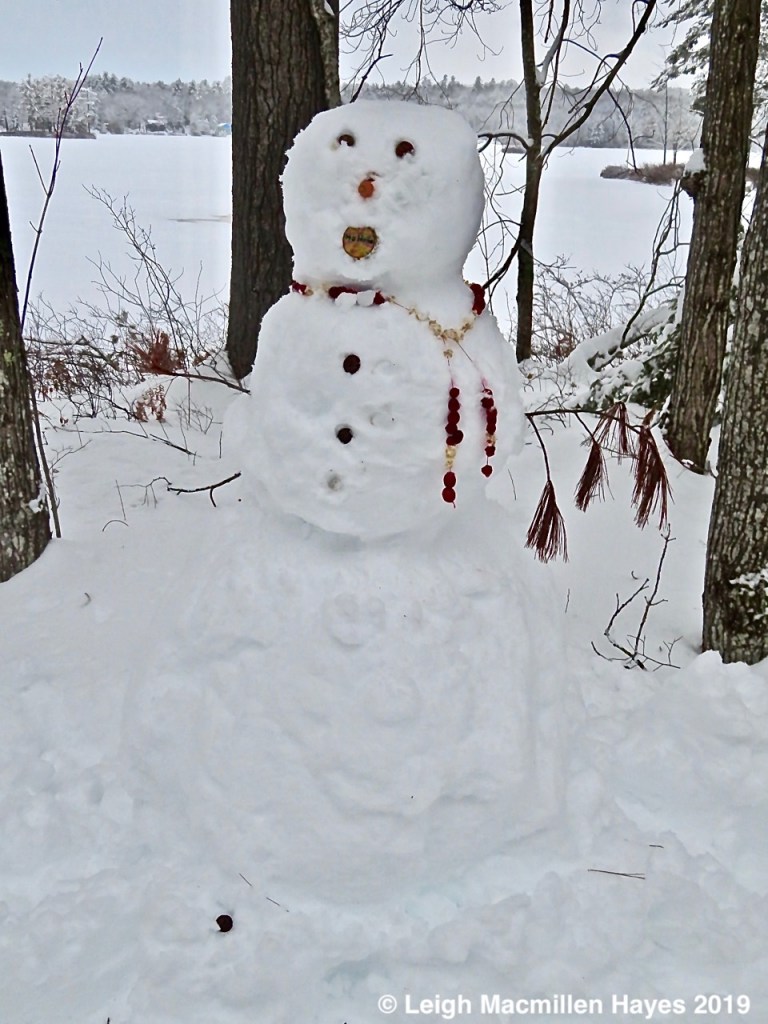
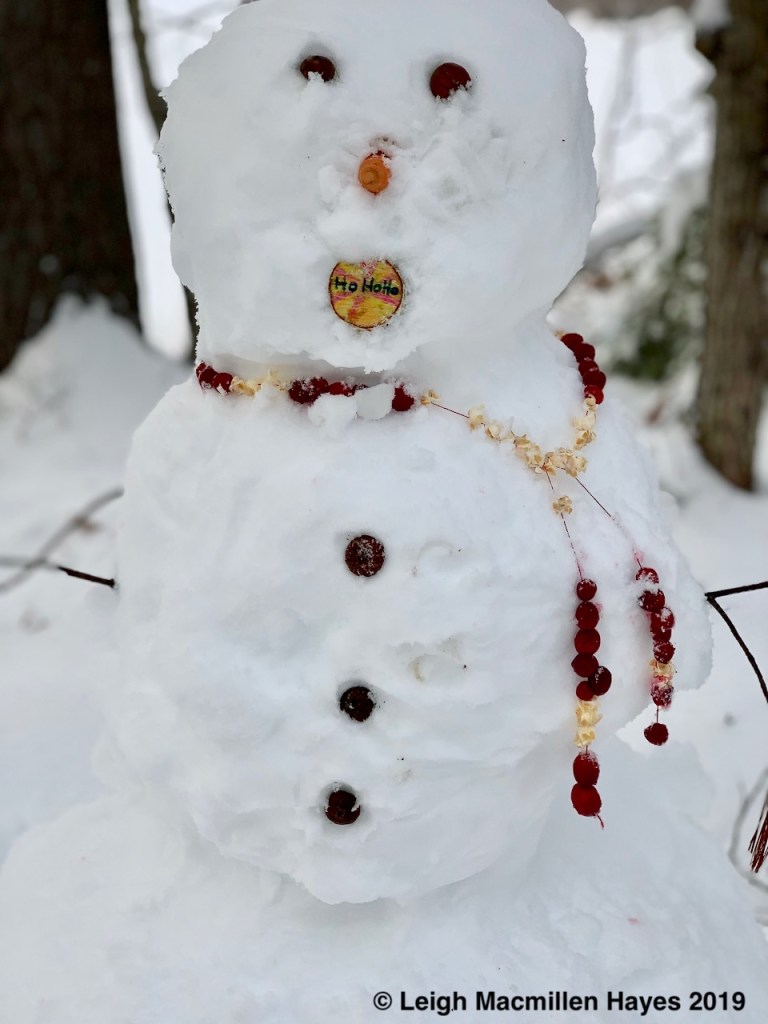
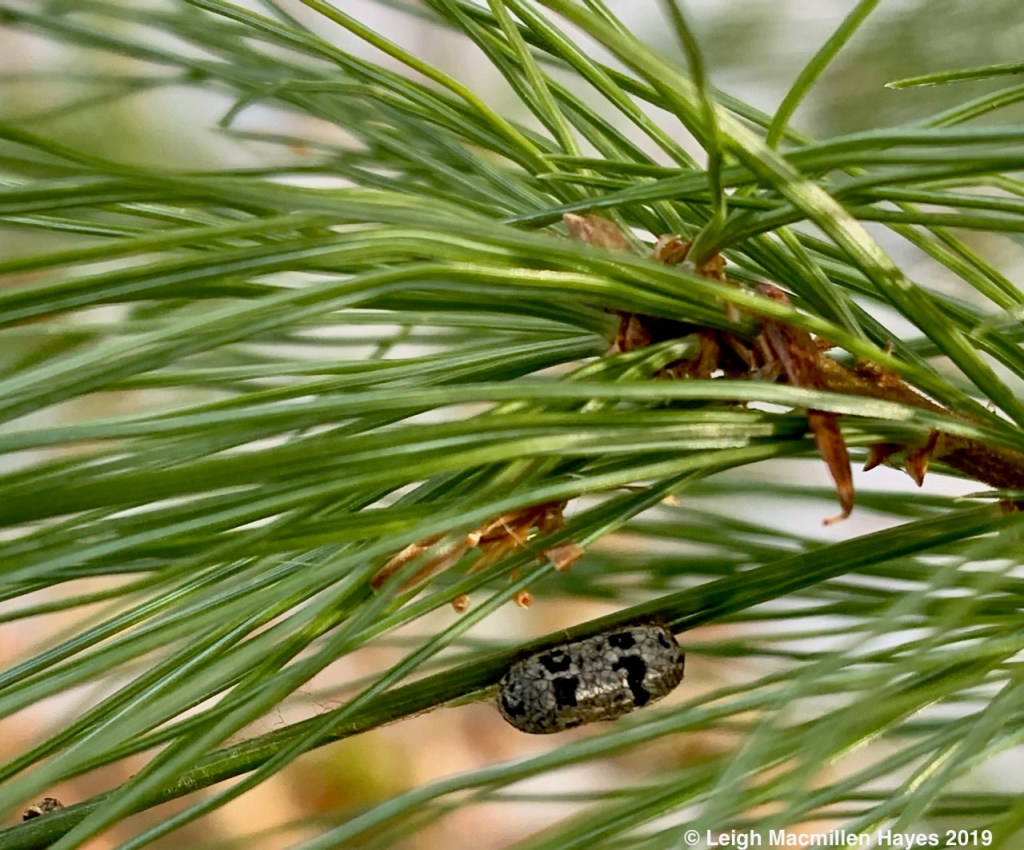

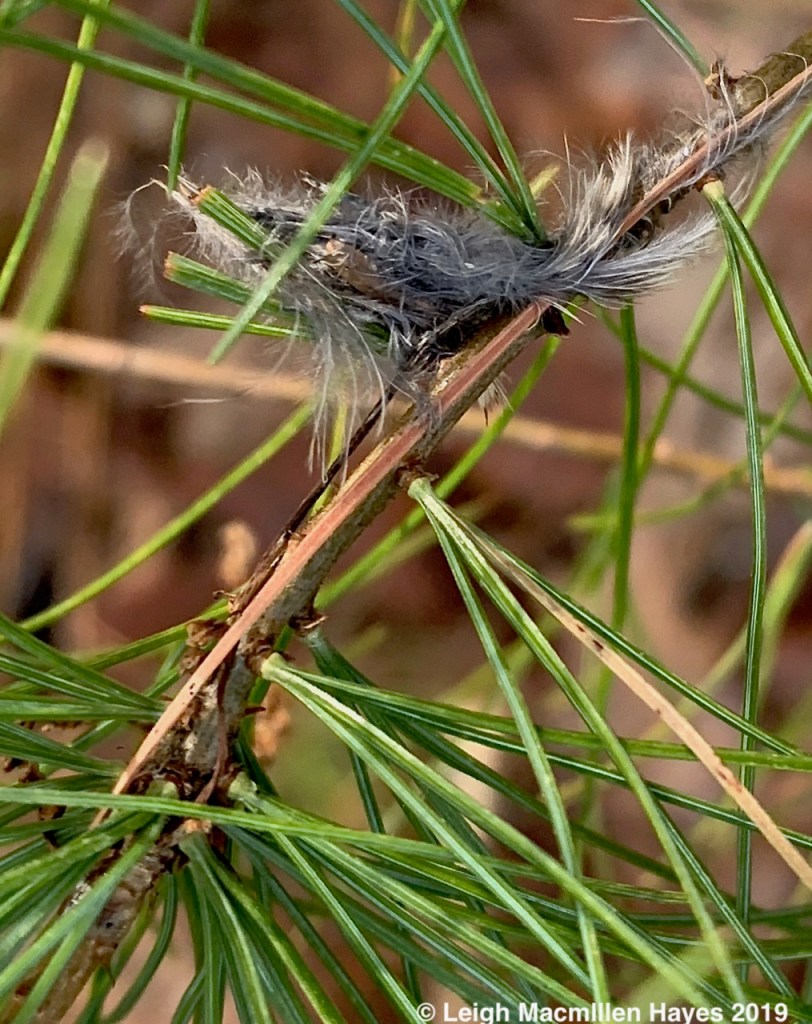


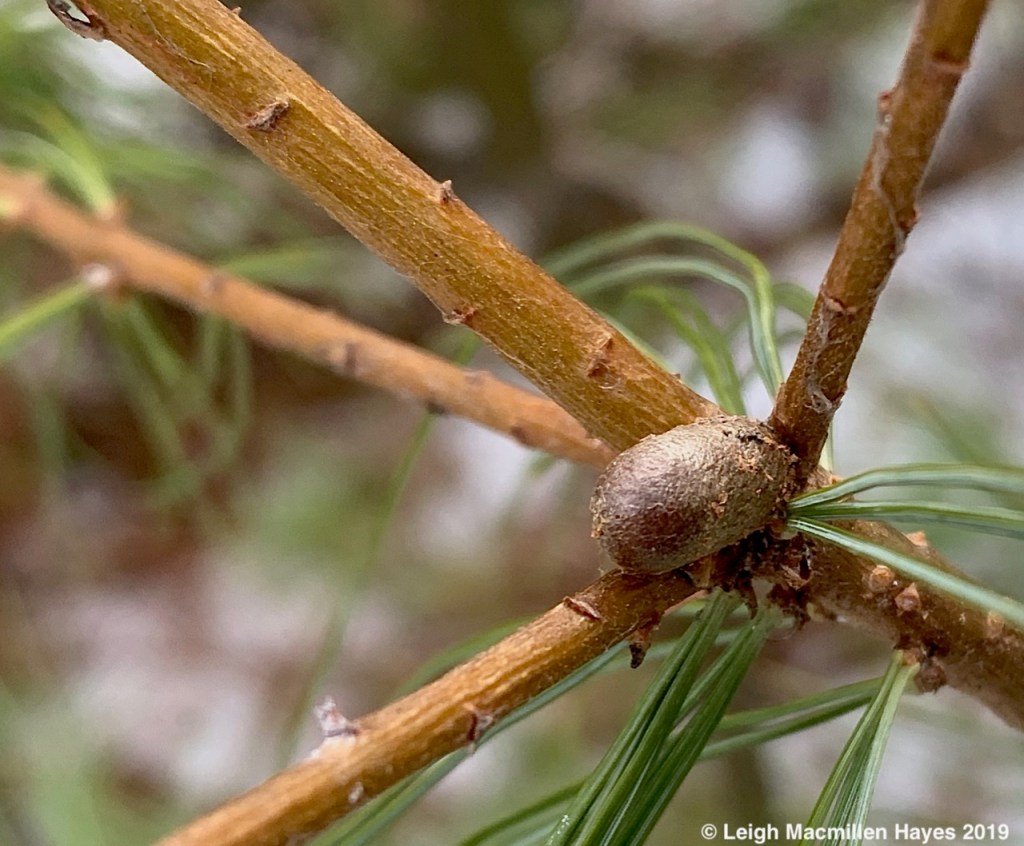
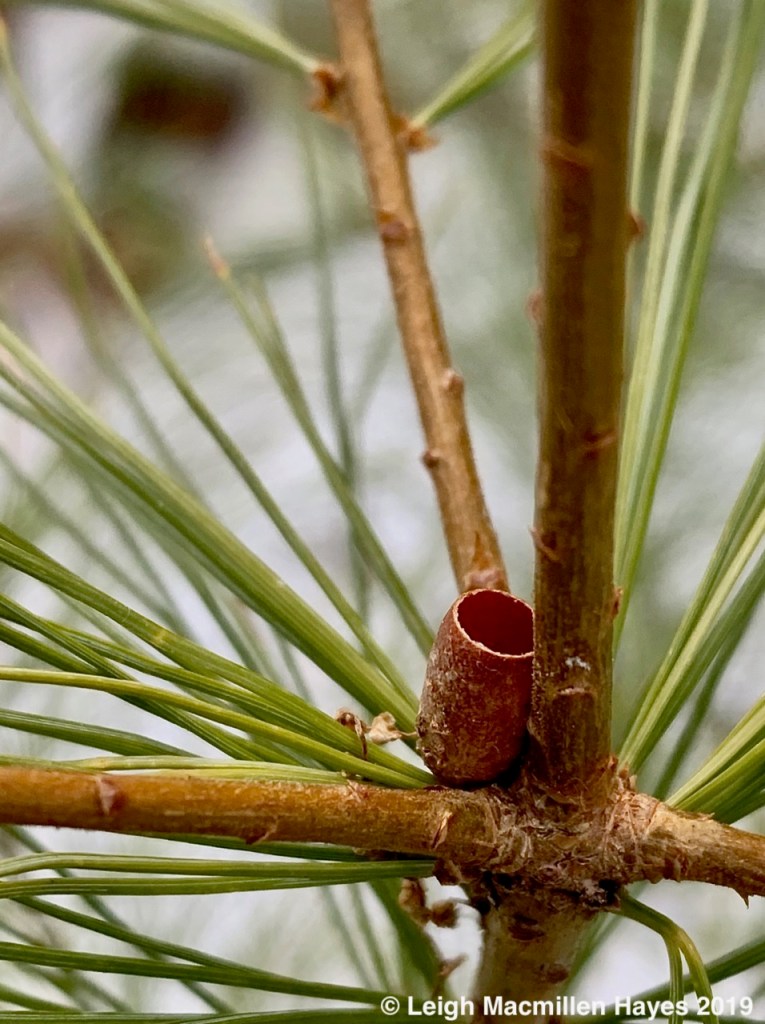
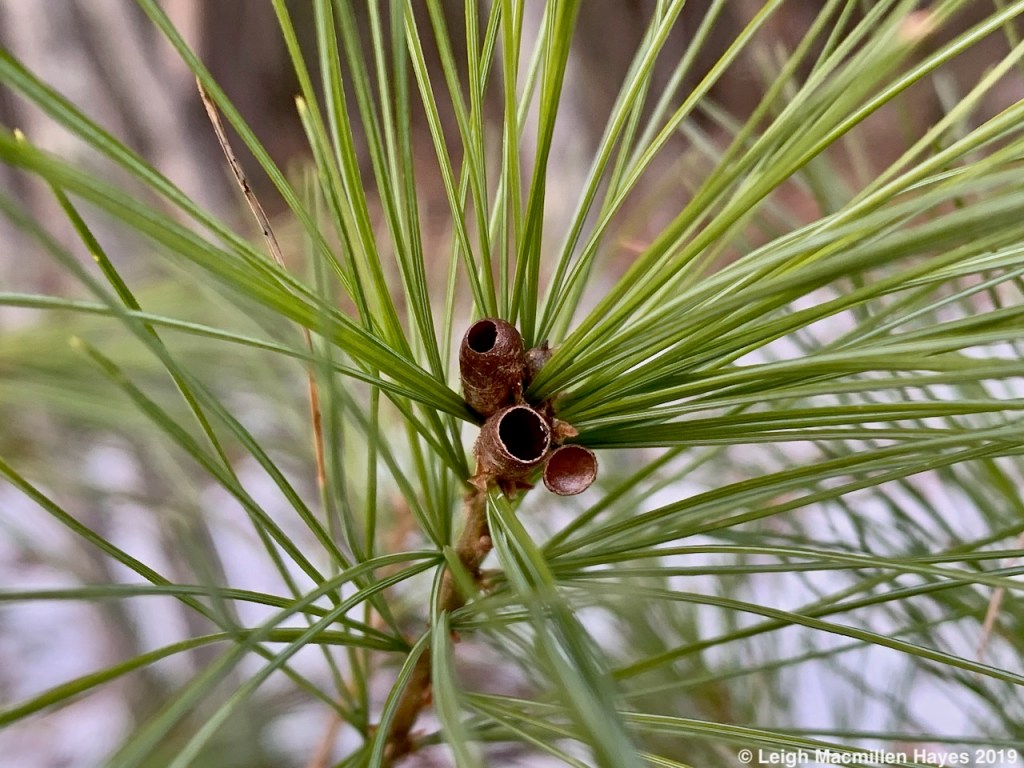
 wondermyway