My Little World

Between our six acre plot of land and our neighbors’ field, which is probably about three or four acres, I feel like we live in a special place. Oh, I know I’m not alone and so many others have their own special places. What I’m most grateful for, however, is the ability to enjoy it by wandering and wondering on an almost daily basis and getting to know it intimately. That said, there are always surprises and perhaps that’s what makes it extra special in my eyes.
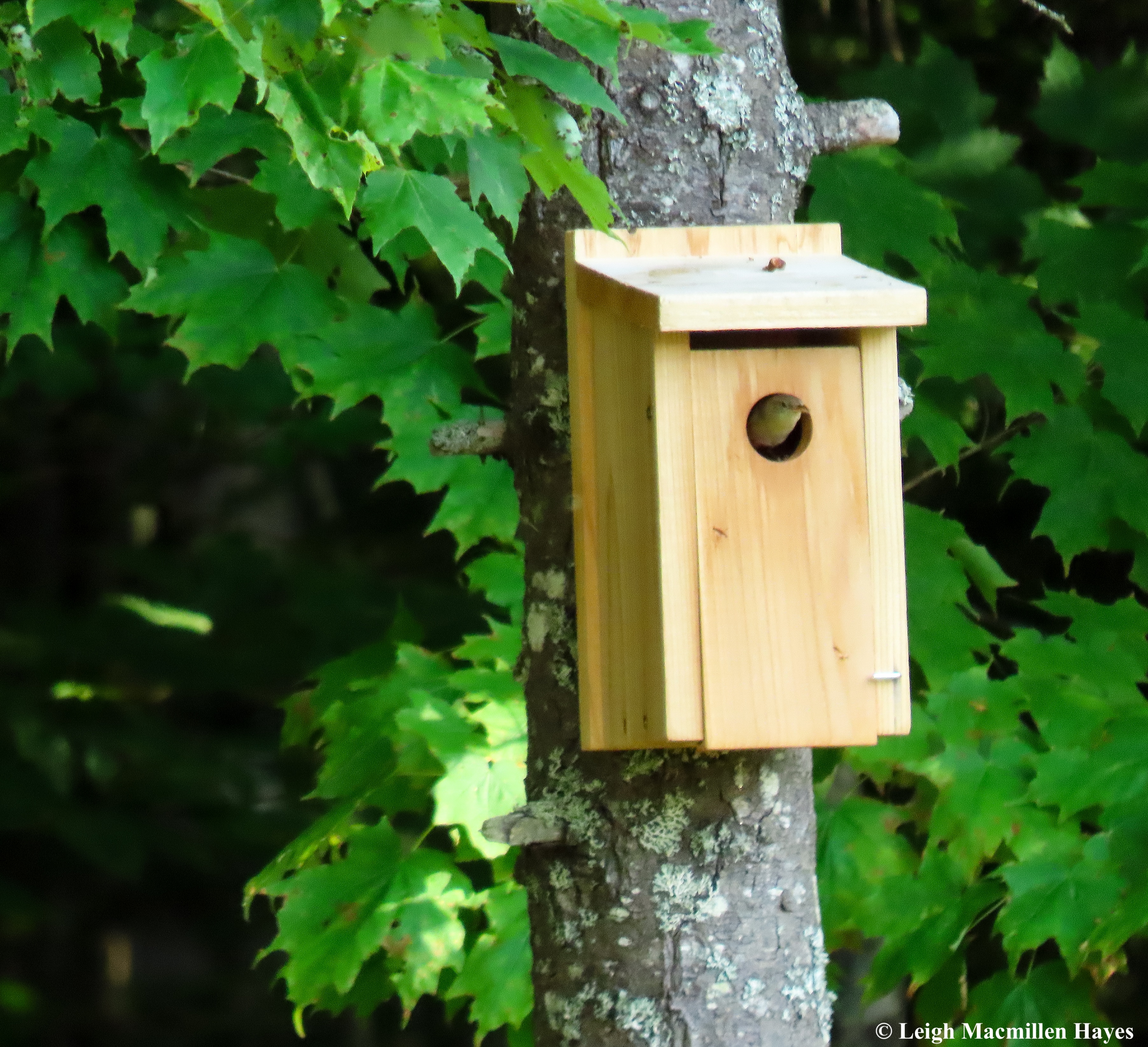
One day recently, after spotting no activity for about two months at the Bluebird Box My Guy had nailed to a tree along one of the stonewalls, I noticed activity. In the form of a House Wren.

For hours, sticks were picked up and brought to the box, the better to build a platform for the nest cup to rest upon. Sometimes they were too big. At least to my untrained mind.

But a little finagling this way and that; I admired such perseverance. And knowledge.
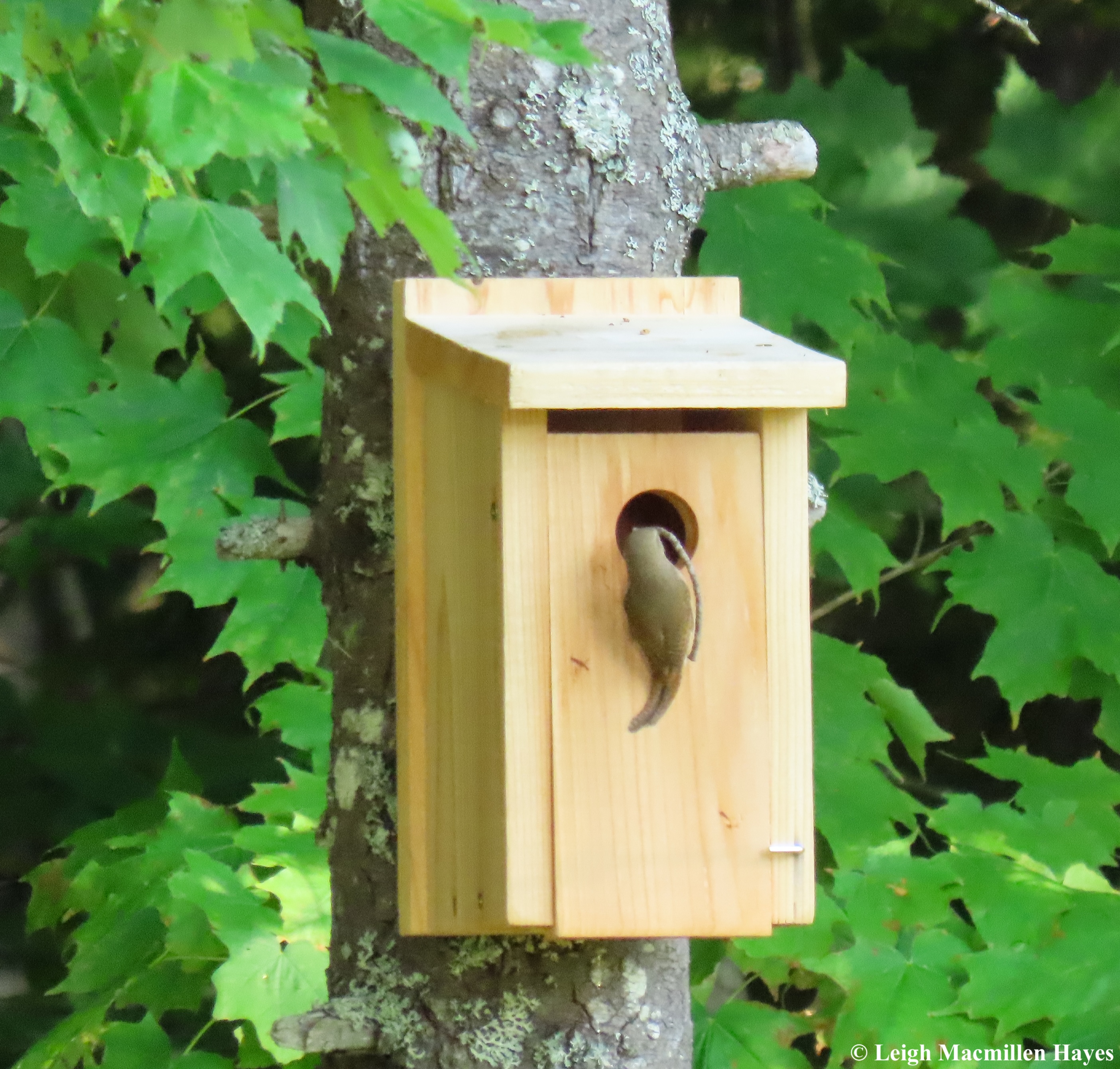
Tada, in that stick did go to join the others. With many more to come.
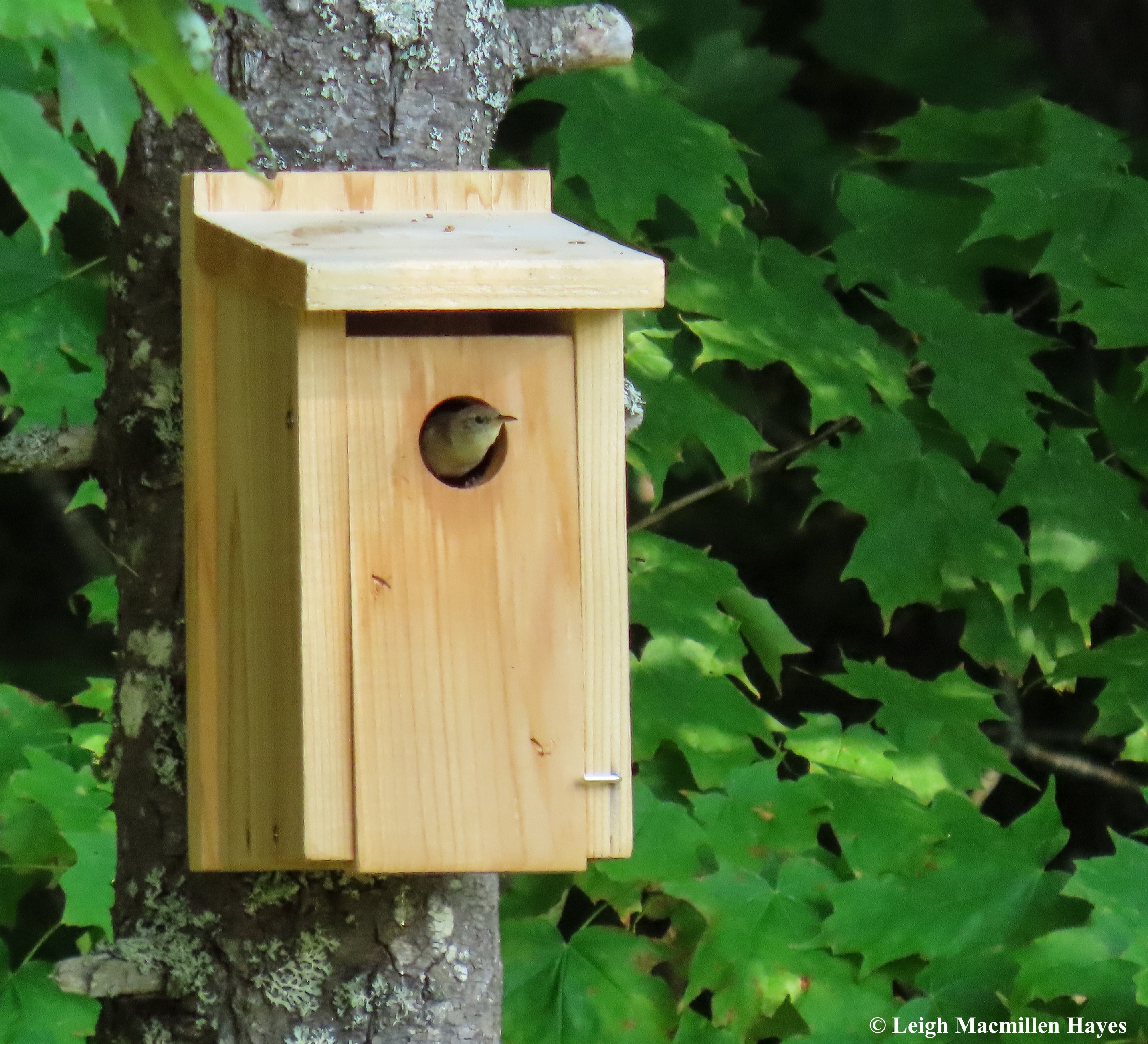
For two days, the Wren worked in the same manner. And then. Nothing. Being a Male Wren, it was just being a Male Wren . . . filling a possible site here and probably in other boxes near the field, as well as in tree cavities and she chose a different piece of real estate to set up housekeeping.

To say I’m disappointed is an understatement, but it’s the Wren Way. And I’m only a guest here.

I love being a guest here because I see all sorts of Natives make themselves known, including this youngster who followed in the footsteps of its parents, crossing the yard at an angle. Fortunately, the backdoor often serves as a screen so I can photograph many of the species with whom we share this land and not disturb them.

That same “screen” helped me capture a shot of an immature Red-bellied Woodpecker, who has the slightest hint of his parents’ crimson red upon his head. He stops by at least once a day, but is always in motion. And never stays long.
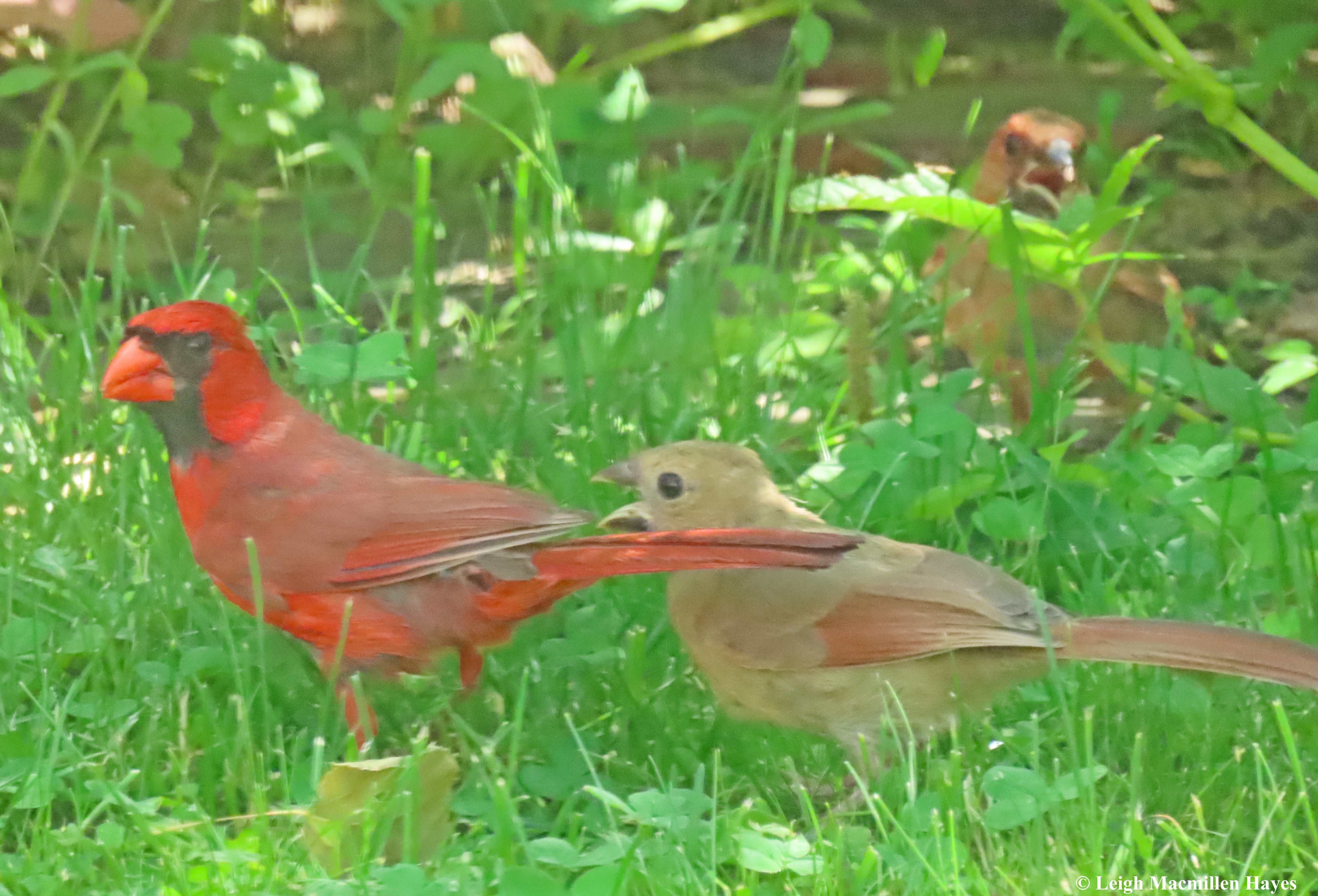
The Cardinals also bring their young to visit on a regular occasion, and sometimes the young’uns even come on their own. Watching them reminds me that many wild parents are amazing caregivers. Beavers and White-tailed Deer and Moose and Coyotes are among those who stay together as a family unit for a year or more. But not all are the same, like the frogs and salamanders who lay eggs and then leave the vernal pool.

What I have to wonder is how does this all work–why do some stay with their young and others abandon them?

Speaking of young’uns a wee bit more, as I headed up to the field, I met a recently fledged Robin, its breast all speckled. Though the Robins are constant backyard visitors, it wasn’t till I wandered about the yard that I found their nest.

And now I regret that I didn’t realize its position earlier, for I would have enjoyed keeping an eye on it.

As I said, the field belongs to our neighbors and I’m eternally grateful that they mow a path meant for them and their dogs, but I’m allowed to trespass by climbing over one of our stonewalls . . . and I do. Daily. Sometimes several times a day.

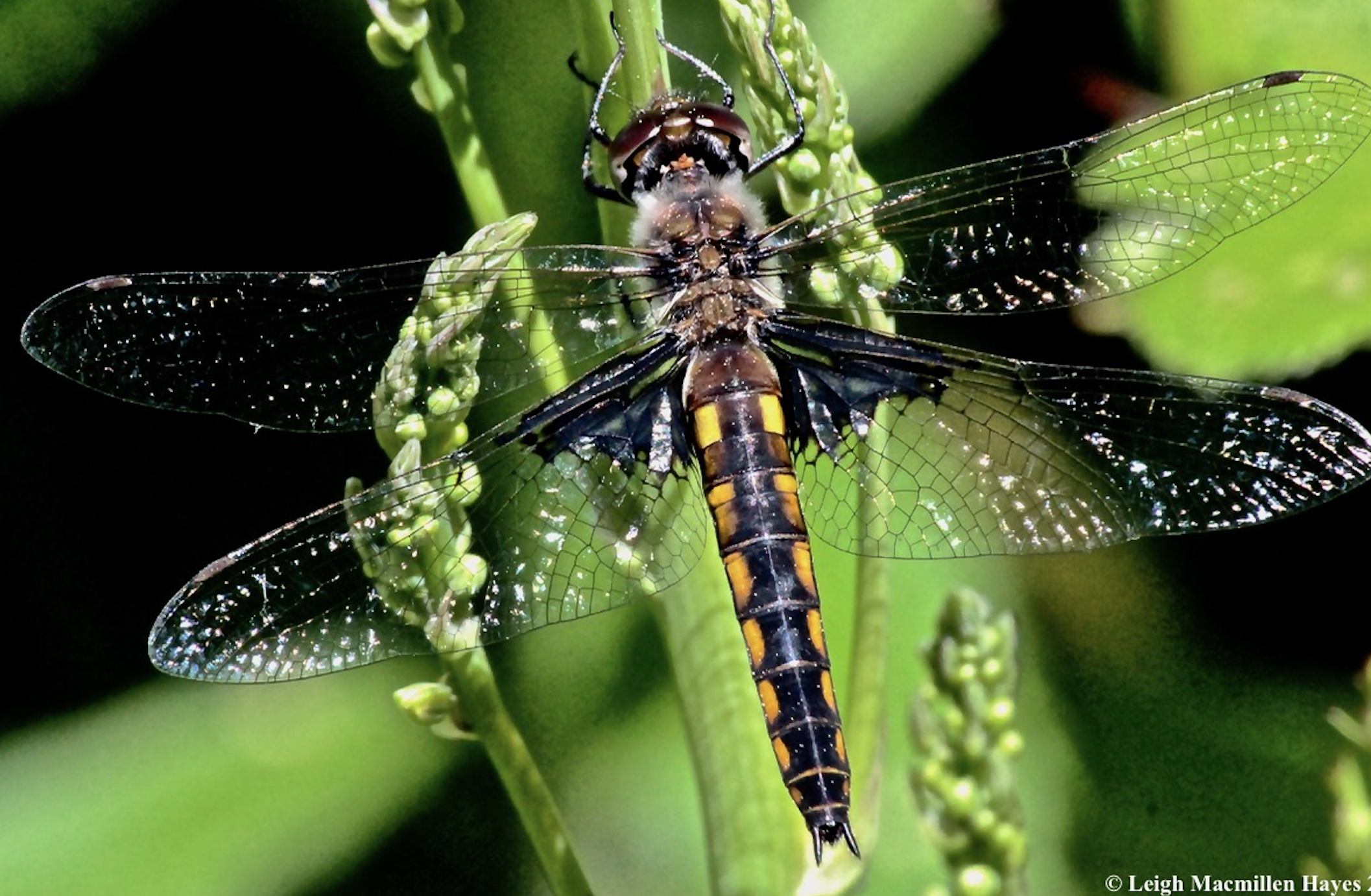
It’s a place that serves as one of my classrooms and I’m always amazed at who I meet there, including this Frosted Whiteface Skimmer Dragonfly. The yellow and black thorax and base of the abdomen, indicate this is a female. And though you can’t see her white face, she has yellow spots on the thorax segments 4 to 7, with 7 being very small.
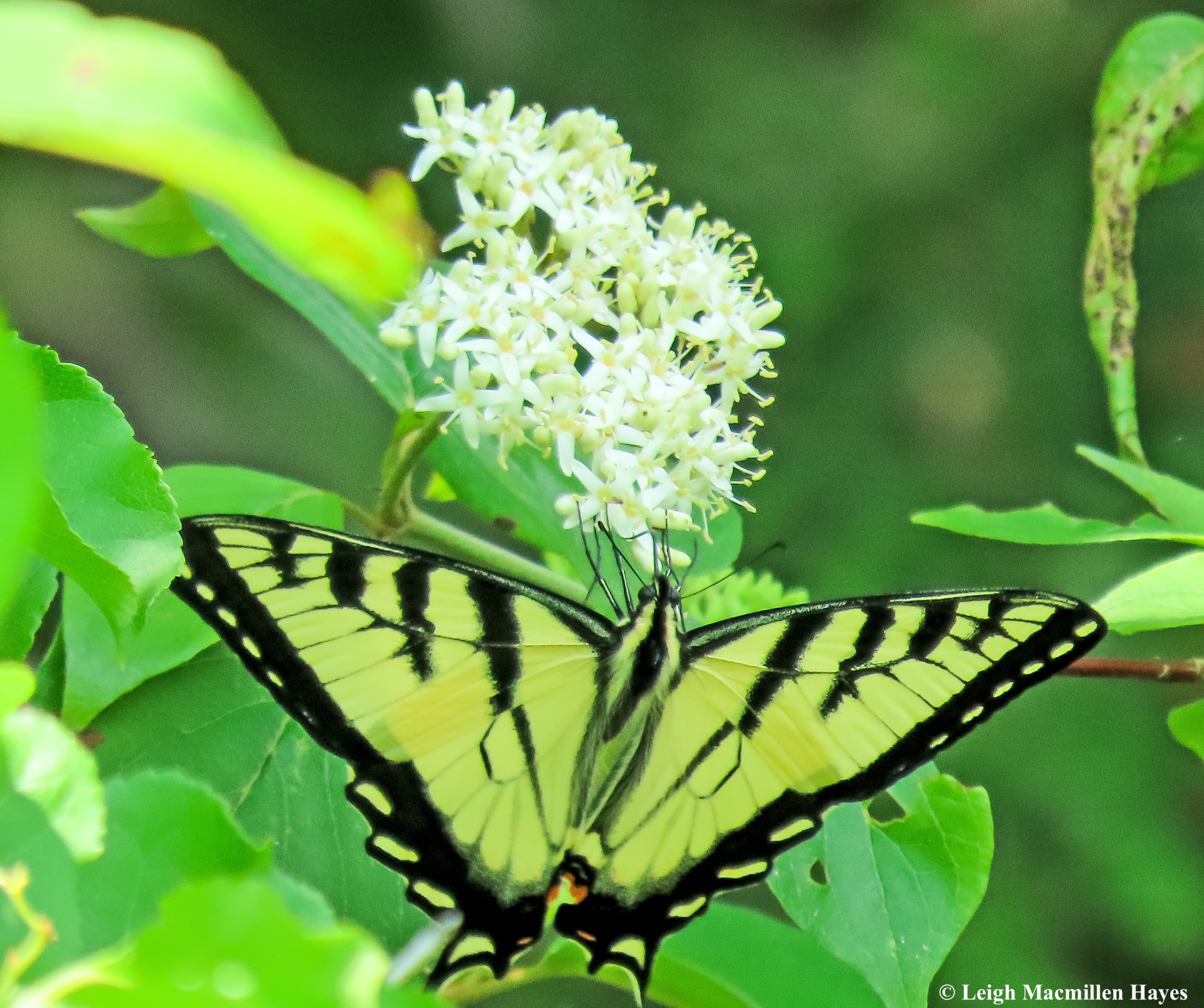
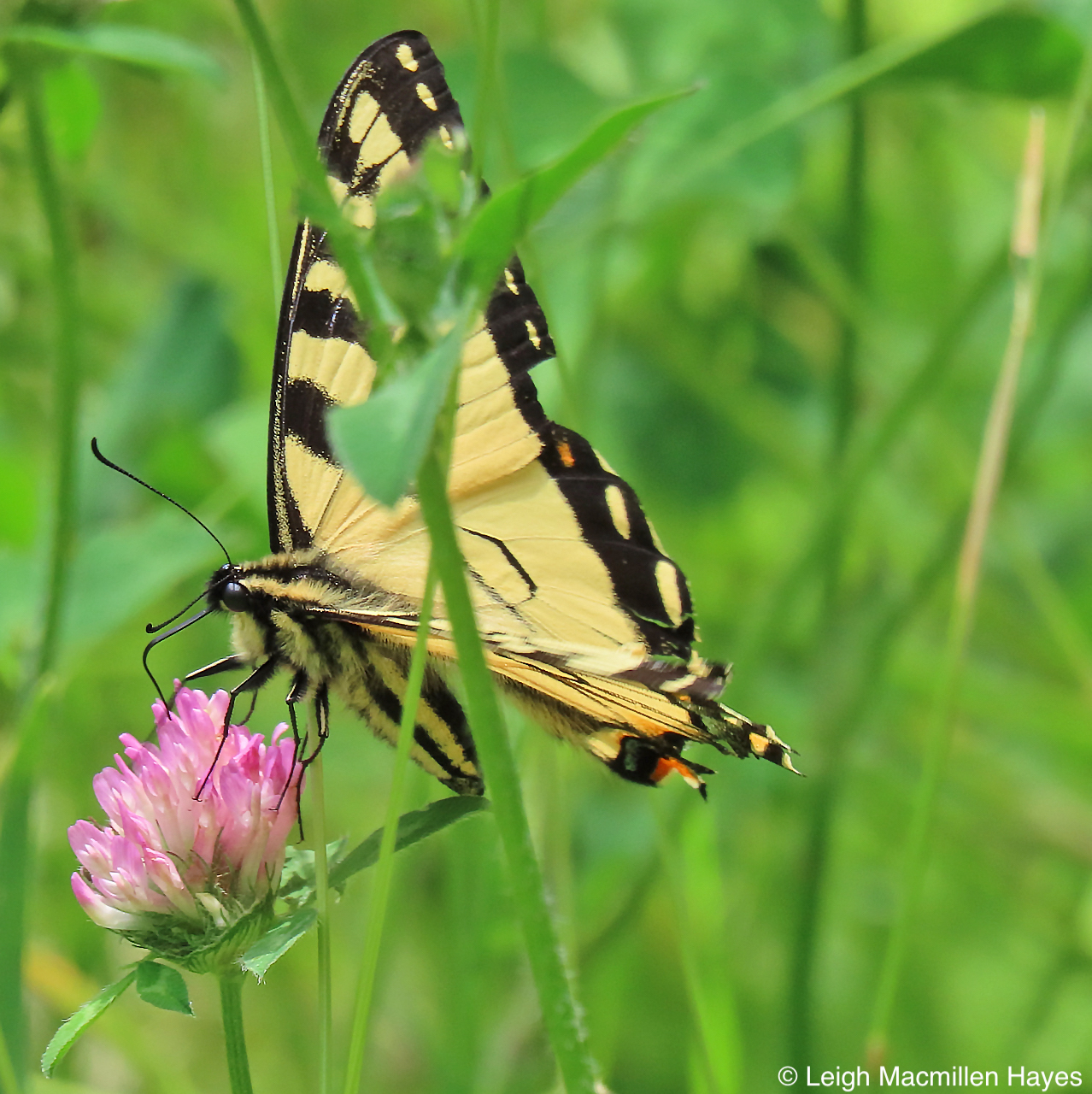
The most abundant butterfly of the season so far is the Tiger Swallowtail, and this one took advantage of the flowering Dogwoods at the top of the field.

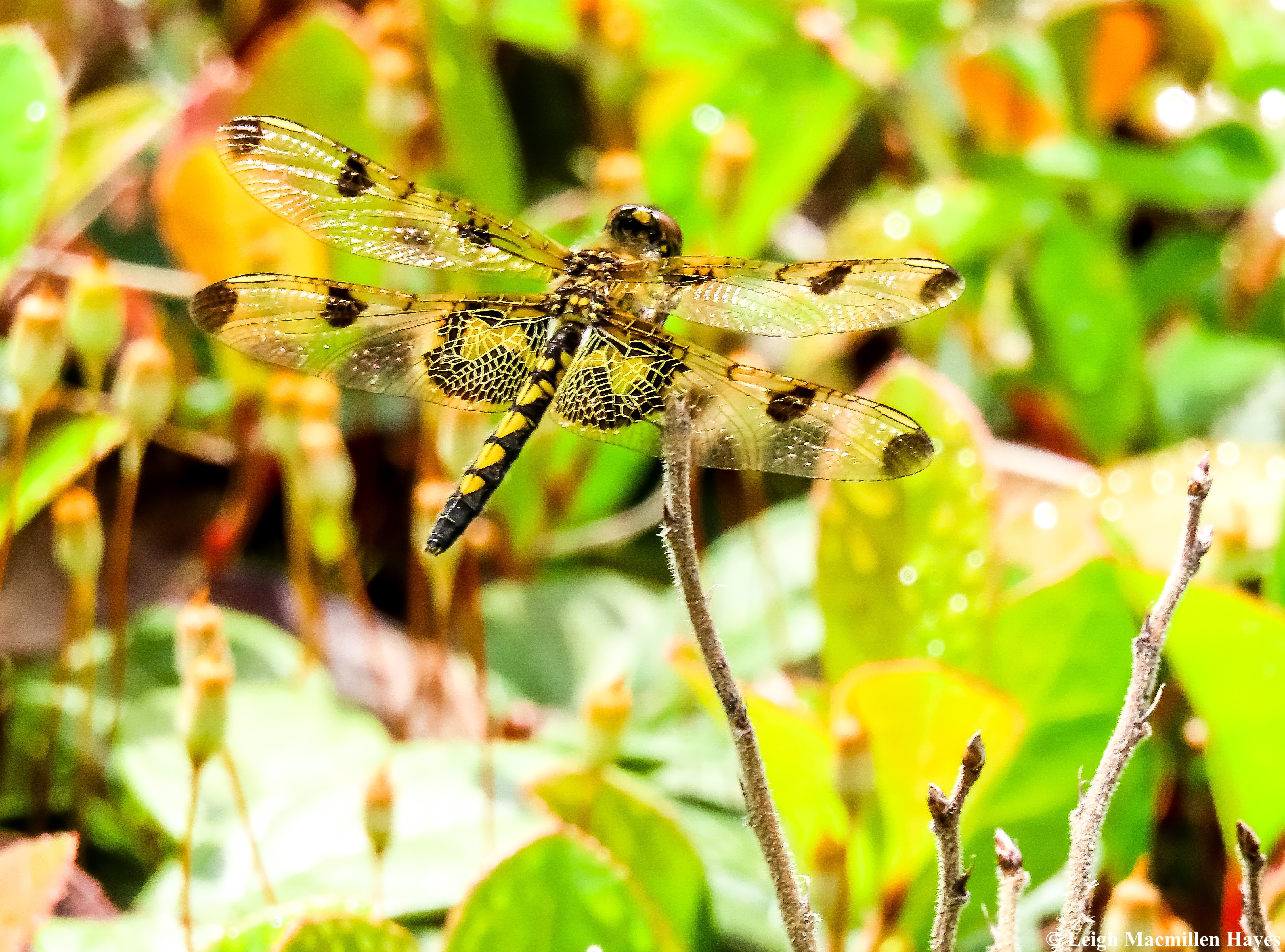
Everywhere, there were Calico Pennants, one of my favorites (one out of a million), this being the female with her yellow markings.

While My Guy practices Yoga several times a week, the dragonflies do so even more frequently, especially if its super hot, like today’s temp of 91˚ that felt like 96˚, or so the weather app told me.

The Calico’s handstand is actually an obelisk posture, with the abdomen pointing toward the sun in a manner meant to minimize the surface area exposed to solar radiation. Again, I am in awe.
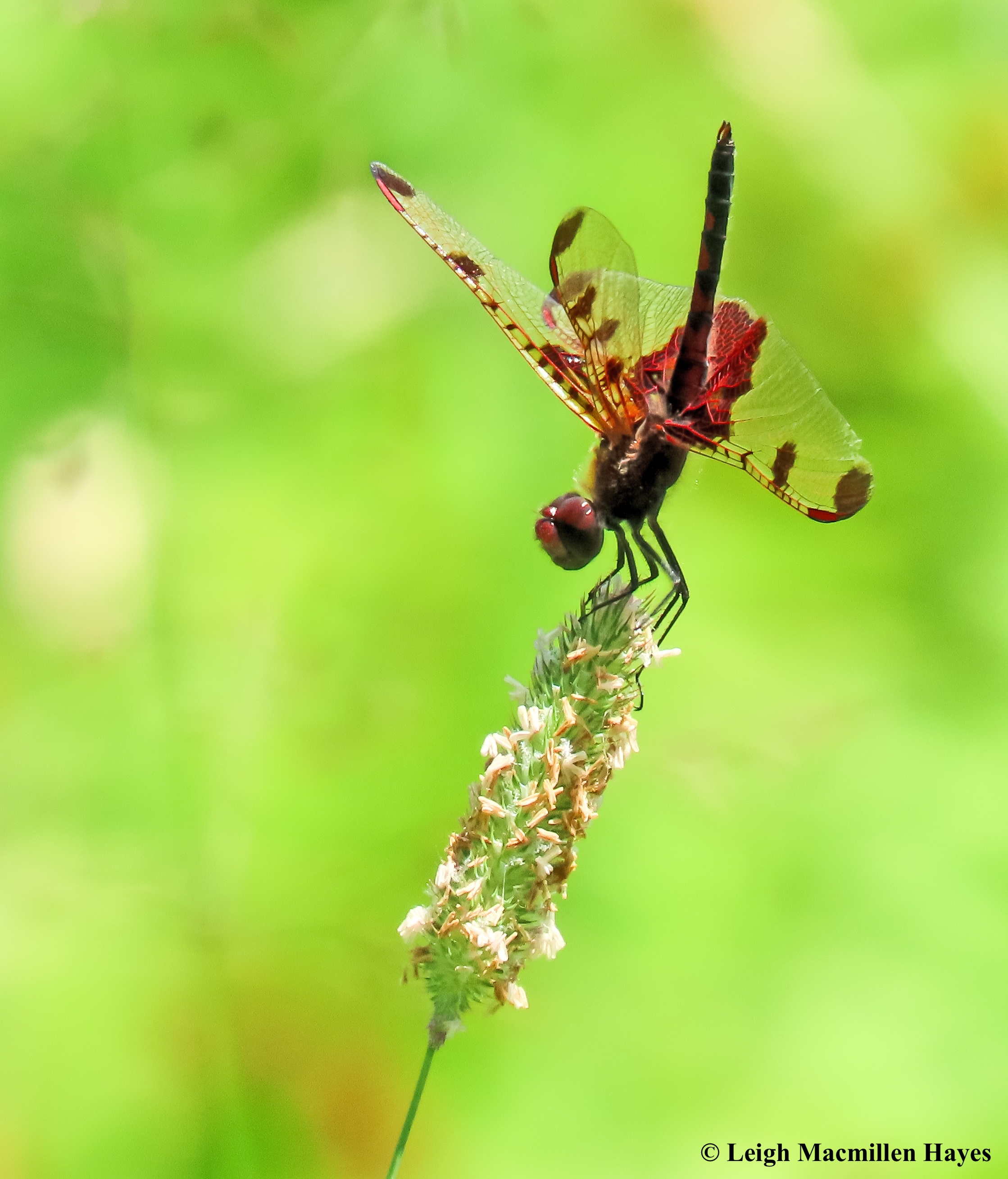
Calico’s male, bedecked in red, chose the same stance.

Back over the wall and into our yard, Oriental Beetles are making their presence known. What captures my attention is the texture of wings and thorax, and the hairy and spiky legs, and the funky antennae that look like handmade forks.

Apparently some mistake them for this, the Japanese Beetle, but though there are similarities in the wings and antennae, in my brain that’s it. These are not insects high on anyone’s list of favorites, but look at that iridescent green thorax and the hairy, dotted design on its abdomen.
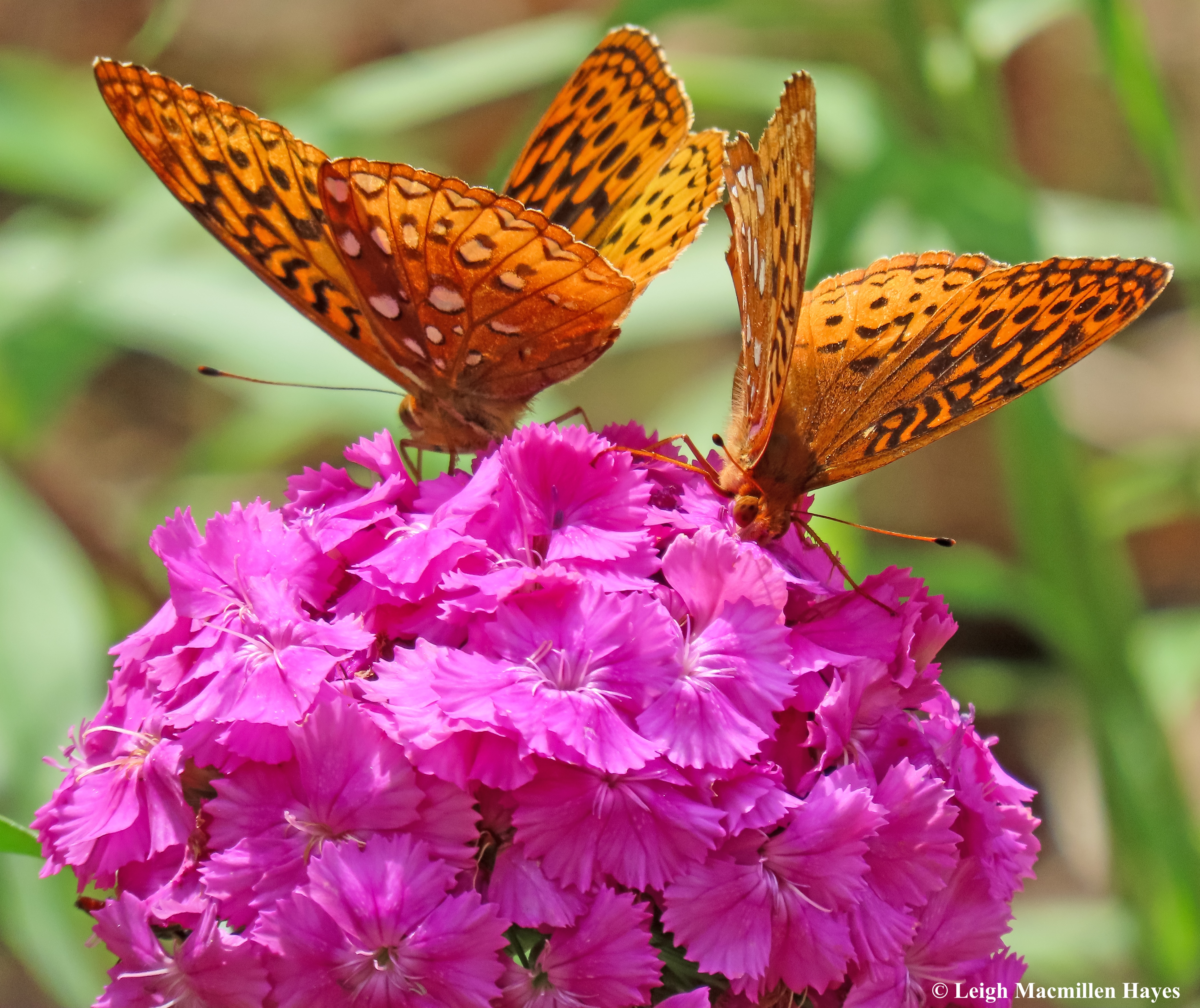
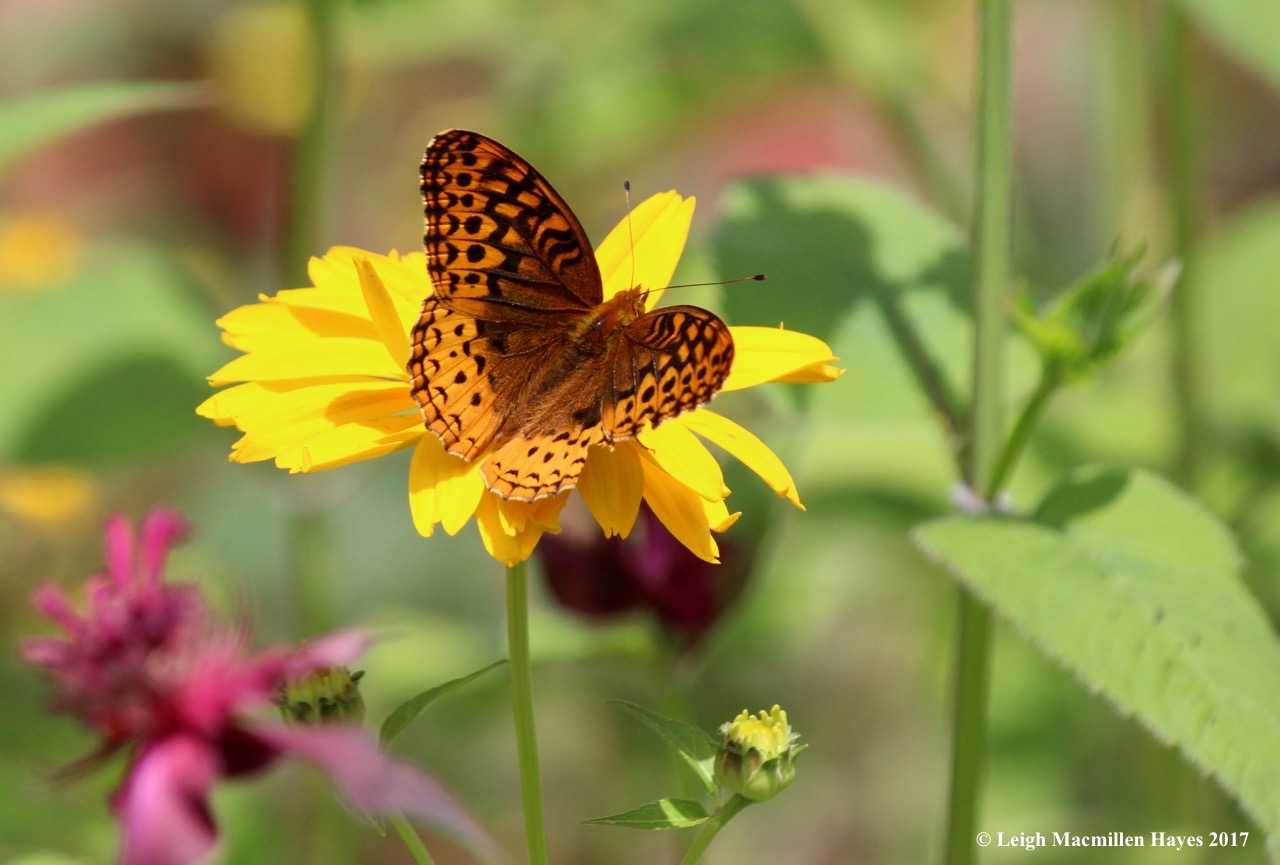
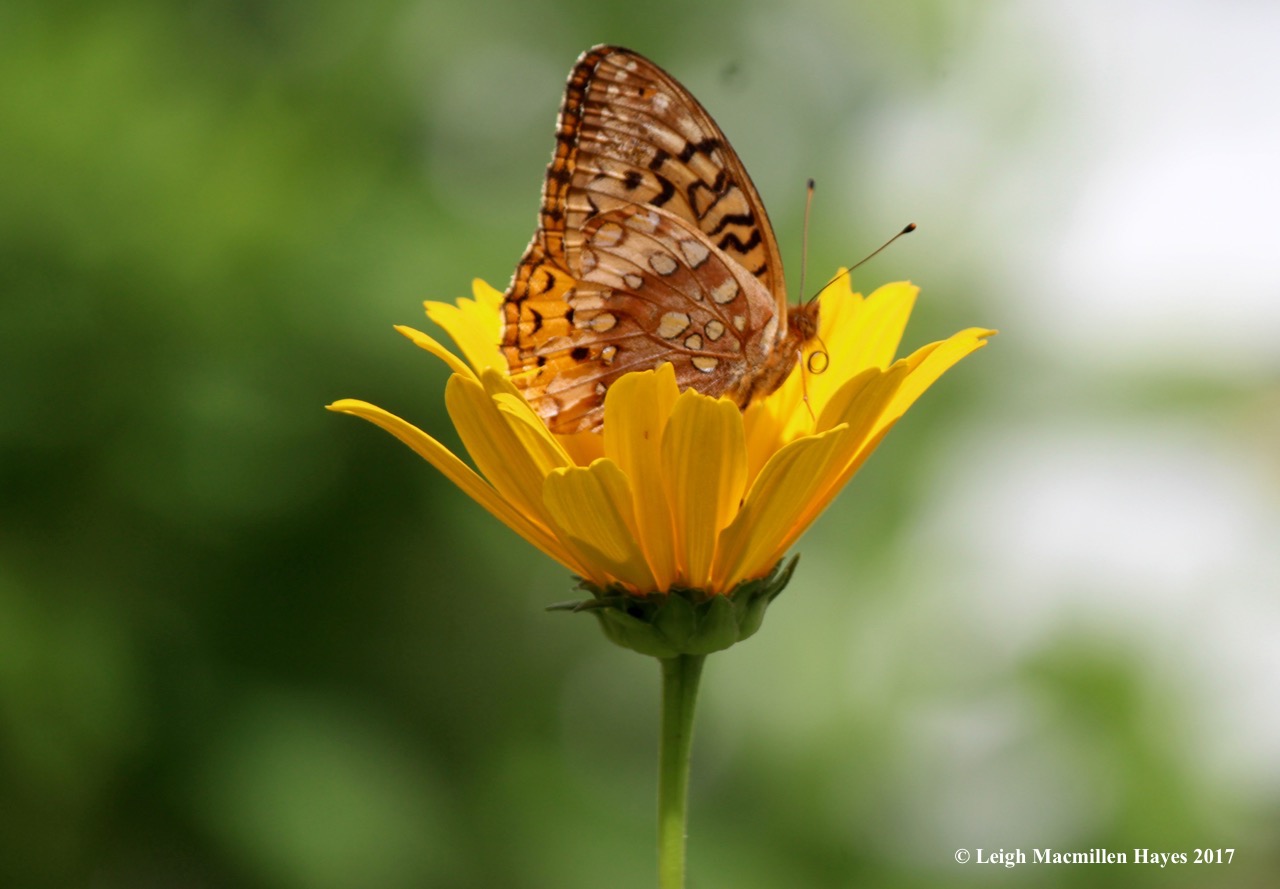
I also spent time circling my newest pollinator garden and among the frequent visitors are the Fritillary Butterflies.

I do, however, worry about some other visitors who keep dining on the flowers rather than pollinating them.

In the wee hours of the morning and all night long, Deer stop by to nibble. There are at least two does and two fawns, and so far the garden has enough to offer them, and the pollinators, and me. But I do worry.

Especially since via the Game Camera I discovered that a neighbor I thought had moved on is still around, and the end of the garden may be in the mouth of the Woodchuck. I hope not, but we’ll see what happens.
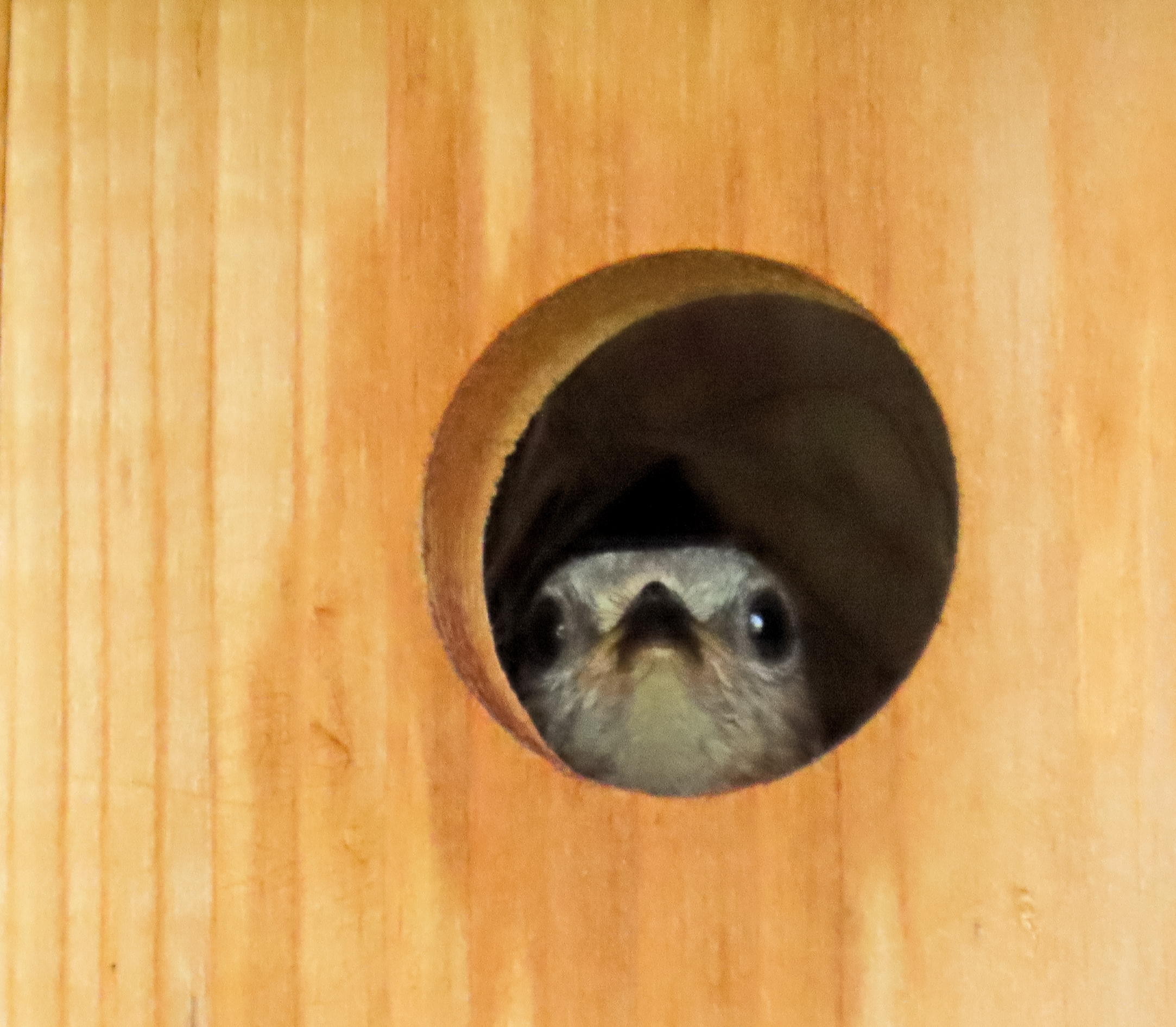
That said, there’s another new neighbor in the ‘hood. Remember the male Wren who worked so hard to fill the birdhouse with sticks? And then I didn’t see him at this spot again. A few days later I spotted a male Bluebird checking it out. And tada . . . a female is sitting on eggs, I do believe.

My little world. It may be small, but really, it’s huge. This is only a smattering of what happens here daily and nightly and I feel so honored to be granted the opportunity to keep an eye on it all. It so enhances my life to spend time wandering and wondering upon these acres.

I hope you have a little world to explore and get to know intimately.

Summer Fauna among the Flora

As spring bid adieu and summer waved hello, I found myself wandering and wondering with others and alone and stopping in my tracks repeatedly, which is kinda what I do all the time I guess you could say, but suddenly this week there were a few special events that called for attention.

The first was Momma Snapping Turtle that I spotted beside a trail as I co-led a walk with Dawn Wood for Loon Echo Land Trust. Thanks to the magic of a camera lens, it may appear that we were close, but believe me, we all realized the sensitivity of the situation as this mother was digging in the dirt and laying eggs right before our eyes and we were transfixed–from a distance. There were fourteen of us and we tried to stand quietly and watch and ask questions and after about ten minutes decided it was time to come up with Plan B and reroute ourselves so that we wouldn’t stress her out.

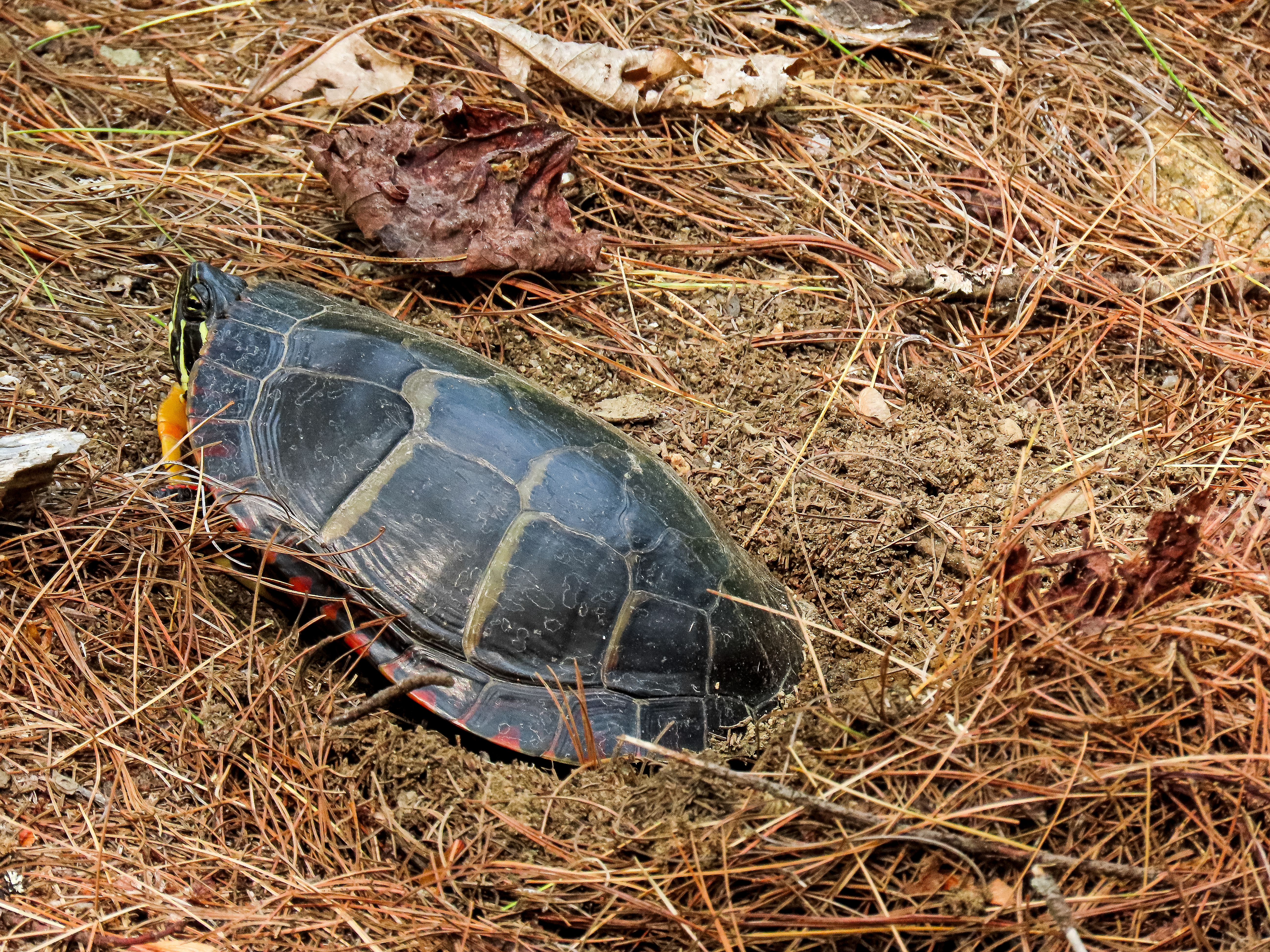
In another place a day later, it was a Painted Turtle upon which I focused and gave thanks that it didn’t consider plopping back into the water as they often do when we so much as breathe. From the spot where I stood, I think this was also a female, given the shorter nails, but I couldn’t say for sure because tail length and plastron (bottom shell) orientation are also key to ID. The male has a longer tail and a more concave or indented plastron, while the female’s is more convex or flatter.

That said, when I spotted this one, I knew its gender immediately, for like the Momma Snapper, this Momma Painted was also in the process of laying eggs. She pulled her head into her shell the moment I spied her.

In the few moments we spent together, however, she ever so gradually extended her head.

But I felt like she was keeping a wary eye on me. And very much wanted me to move along.

And so I did.

And then it was the insects that begged for attention, this being a female Calico Pennant Skimmer Dragonfly. Her coloration is yellow, while his is red. One of the things I love about perching dragonflies such as the Skimmer family, is that within their territory, they return to the same perches over and over again–flying off to capture food or defend said location, but usually back to the same twig or flower or one close by, making it easy to spend some time with them.
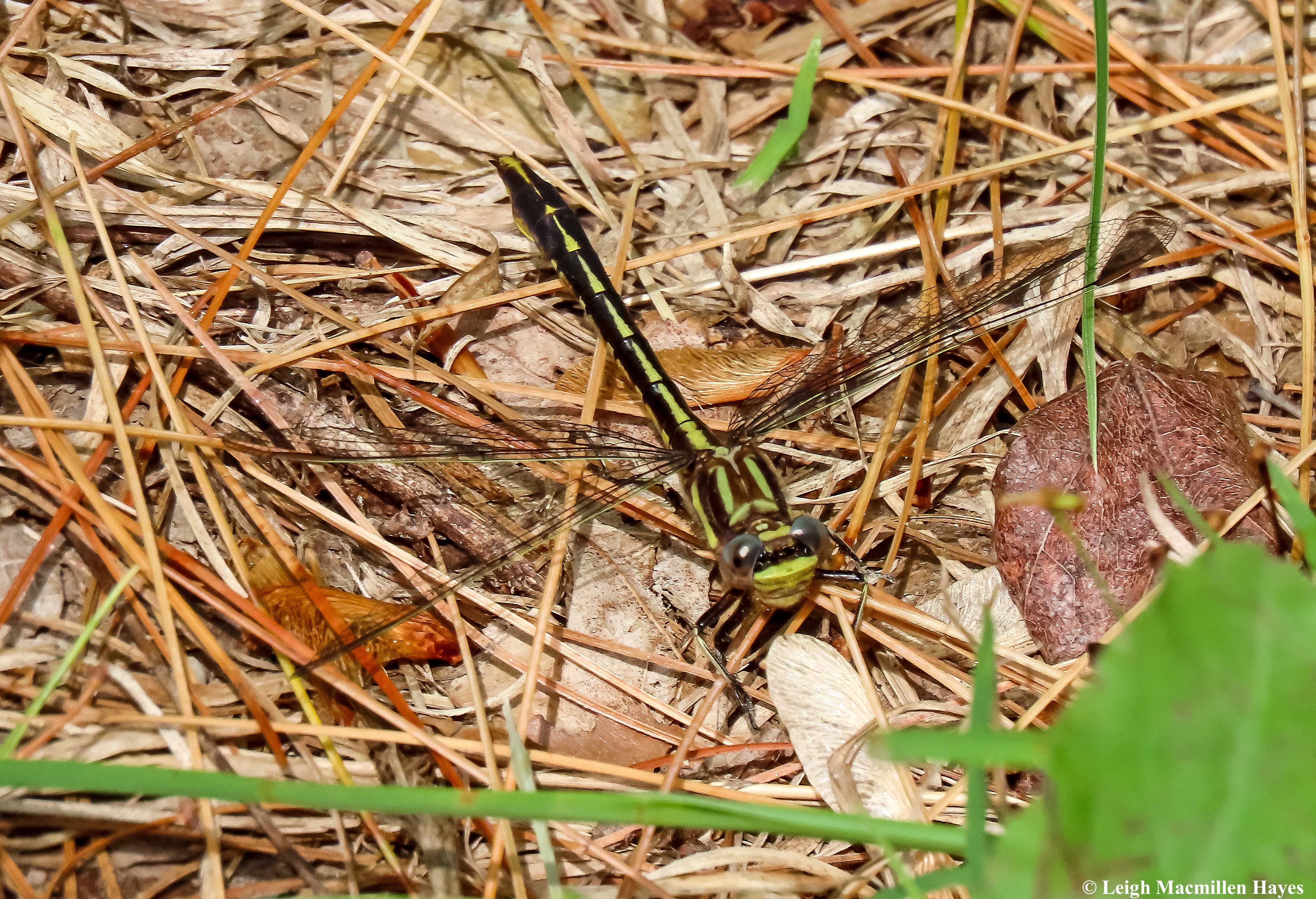
The Clubtail family is the same, this being a Lancet. These dragonflies often land on our dock or our kayaks and spend some time with us.

I swear they are as curious about us as we are about them. But maybe again, they are checking out our predator abilities. I much prefer letting them be the predators as they munch on Mosquitoes and Deer Flies and make time in the woods or on the water so much more comfortable.

And then there are those who seek nectar and Meadow Hawkweeds are a valuable resource right now for Flower Flies and Bees and Wasps and Butterflies like this little Northern Crescent. Last summer I spent a lot of time with this species in my neighbor’s field and was thrilled to realize that as long as there was food available during the fall in the source of Goldenrods and Asters, they were present.

One of the most abundant butterflies this year has to be the Tiger Swallowtail. Canadian and Eastern, and probably hybrids in the mix, they are everywhere. Everywhere. Adding grace in their flutter-bys and color to the landscape. As well as serving as pollinators.

Dropping drastically back down in size, my attention was also drawn to the Long Dash Skipper Butterfly. According to the comprehensive field guide, Butterflies of Maine and the Canadian Maritime Provinces, by PhillipG. deMaynadier et al, “The Long Dash is named for the conspicuous stigma on the male forewing. Found on forewings of most other small, orange and brown skippers in our region, a stigma is a specialized patch of scales that emits pheromones used during courtship. In the Long Dash, the stigma is surrounded by black scales, making it appear larger than it really is.” Thus, this would be a male Long Dash Skipper upon one of its favorite flowers, Red Clover. But from the book, I’ve learned I should also look for it upon Cow Vetch, Common Milkweed, Spreading Dogbane, hawkweeds, Ox-eye Daisy, and knapweeds.
Keeping pace with me despite its much shorter legs, the Six-spotted Tiger Beetles, which I love for the iridescent green, practically ran ahead, reminding of Chalk-fronted Corporal Dragonflies who insist upon flying five feet in front, waiting till I almost catch up, and then flying another five feet ahead, over and over and over again. The only time I’ve seen the Six-spotted Tigers slow down is when they are canoodling. But even then, they are on the move.

Another insect, which is much slower, may have significant value in our landscape. If I’m correct with the ID, and I’m waiting for iNaturalist to confirm, this is Atanycolus cappaerti, a parasitic wasp. I can only hope that my ID is correct, because . . . according to Cornell University’s College of Agriculture and Life Sciences, A.cappaerti “attack [Emerald Ash Borer larvae] at rates high enough to be considered significant for biological control. While studies are still ongoing, the use of the native parasitoid A. cappaerti for augmentative biological control would be desirable from an environmental perspective as it is already established and has a niche in the ecosystem.” That’s in Michigan. But maybe in Maine as well? Please let it be so. This past winter we all noticed that EAB had spread significantly in our area.

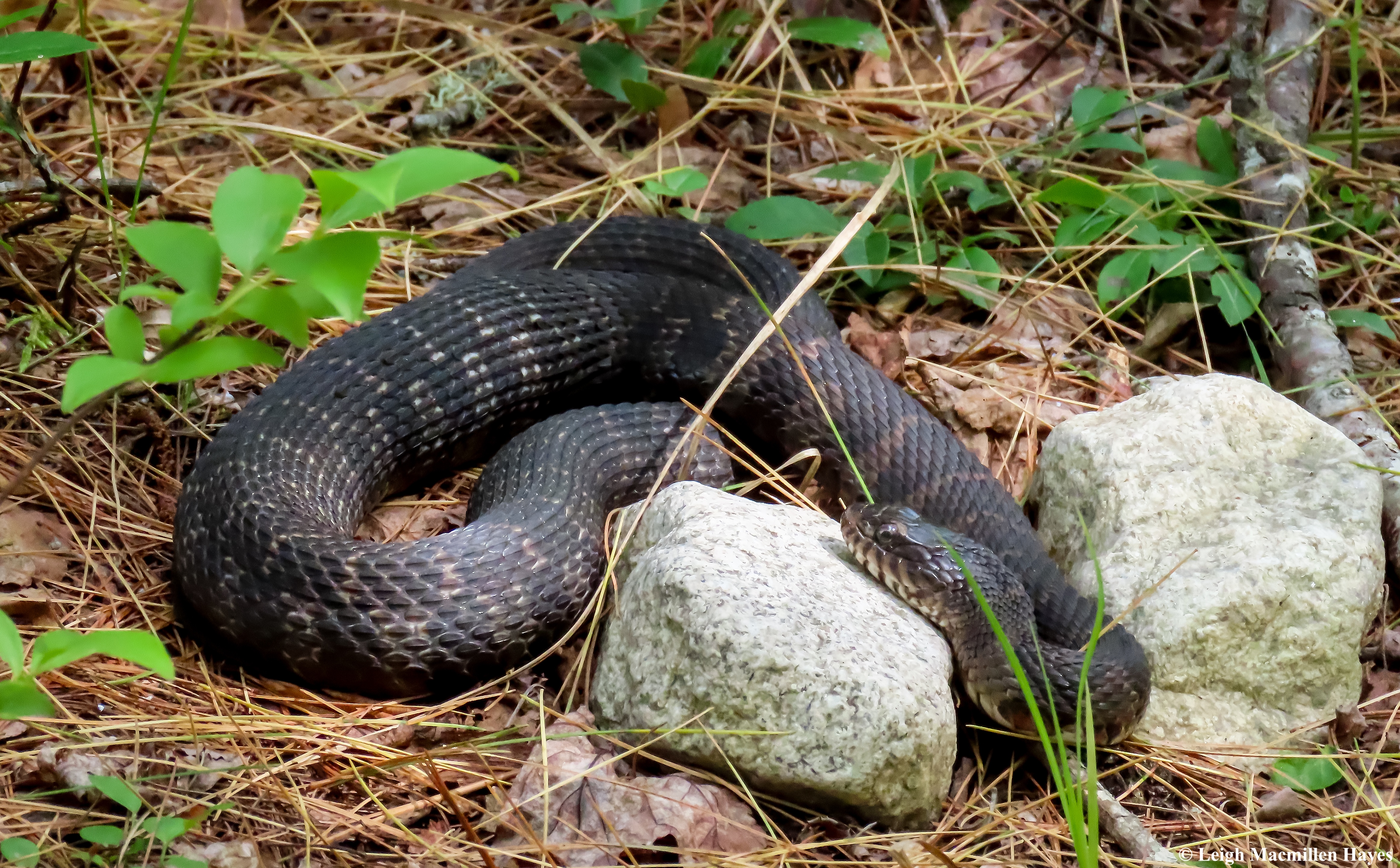
Basking just down the trail from the wasp was a Northern Water Snake who didn’t seem to mind my presence, and I tried not to mind its either.

He was aware of me, and I say he because in the Northern Water Snake world, the male is smaller than the female, and this one wasn’t really all that big, but still . . . a wee bit intimidating. Of course, it did nothing to make me feel that way, so the intimidation was all in my mind. Instead, he let me take a few photos and pass by without a confrontation, as is always the case. I remember once stepping out of a canoe and practically landing on one, who stayed put. And another time, realizing that one was basking in Maleberry shrubs at the edge of a pond as a few of us paddled by within mere inches–or so it seemed.

As spring gave way to summer this past week, I think one of the things that stood out most to me was sighting the turtles laying eggs. Though they don’t hatch at exactly the same time, it will take about two to three months for the eggs to incubate. Of course, temperature has much to do with that. But my experience in the past is that about the autumnal equinox we may see baby turtles crawling out of small holes, if not sooner. And if predators don’t get to them first. There’s always that risk.

I do love winter, but summer fauna among all the flora–so much life happening right before our eyes–its like an explosion of color and form and pattern and texture and sound. And it’s only the beginning. I can’t wait to see what the rest of the season has in store for us.

Dragons of the Future

Spring is actually a combination of many seasons, beginning with winter that doesn’t want to let go, followed by mud, and then road-repair, with bug quickly taking form following several days of rain, and soon to come, my favorite of all–dragonfly season.

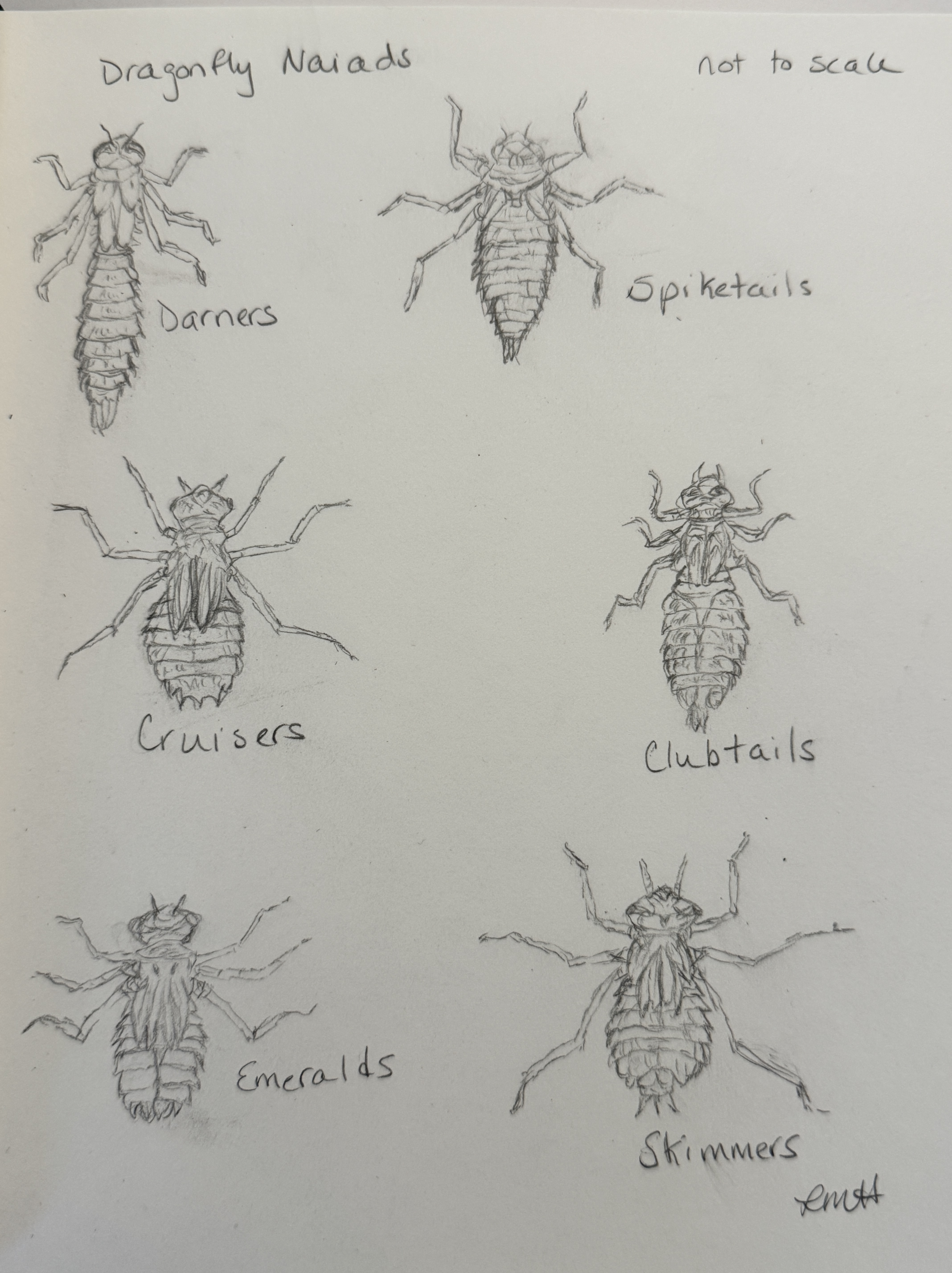
And so I thought I’d take some time to honor friends I’ve met in the past and try to get to know them better . . .

With my pencil first. Sketching is such a wonderful way to slow one’s self down and try to capture the essence of the object. Thankfully, with pencil and a good eraser, changes can be made and believe me, I have, and will continue to edit these.

Darner Naiad

And then I decided to take it one step further–by painting the Naiads (larval form) of six dragonfly families.

One of the incredible wonders of this world is that the aquatic form of dragonflies become terrestrial and we anticipate and celebrate their emergence every spring, knowing that BUG season won’t last too much longer. Well, in some places. Right Jenn?

Usually, they begin to emerge by the end of May and then it’s an ongoing process, with some waiting until late summer or early fall to transition from one world to the next.

This is a Black-tipped Darner that I met in the fall a few years ago when it was barely alive. It was on the grass by the outlet of Deer Hill Bog in Stow, Maine, which is a typical habitat for this species, though it isn’t common.

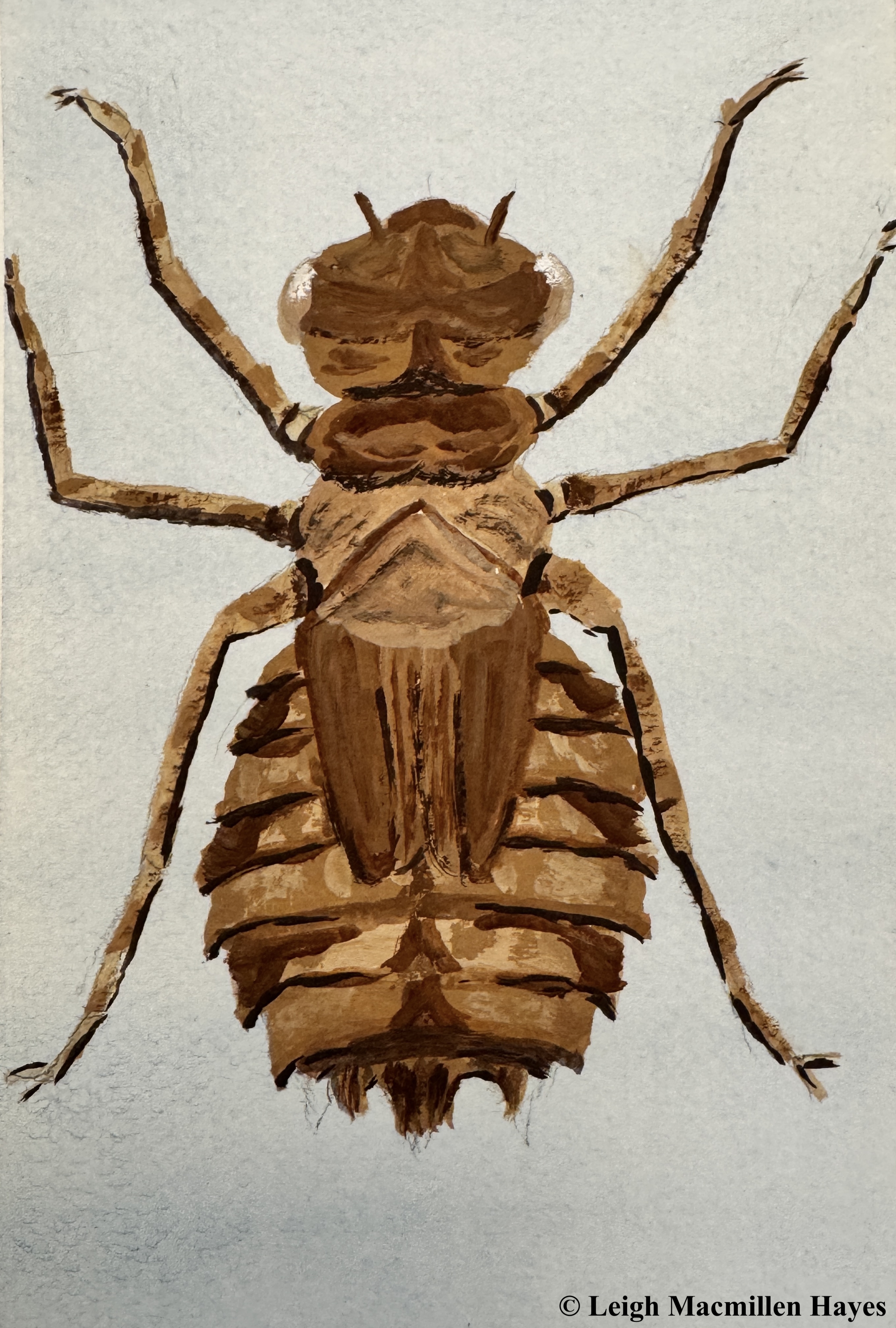
Stream Cruiser Naiad

After painting the Cruiser Naiad, I thought I’d use the iNaturalist APP: SEEK on it and bingo, SEEK identified it as a Stream Cruiser. All the rest came up as dragonfly/damselfly, so at least AI knew I was painting insects, but I was excited that it could reach the species with this one.

When immature, Stream Cruisers remind me of Oreo cookies, or maybe an Ice Box cake, which is actually rather funny because a few days after my birthday last year, I was the surprise recipient of an Ice Box cake. Thank you, Deb!

There are not a lot of cruisers in the Cruiser family, and as far as I can tell, this and the Swift River Cruiser are the only two found in New England.

Emerald Naiad

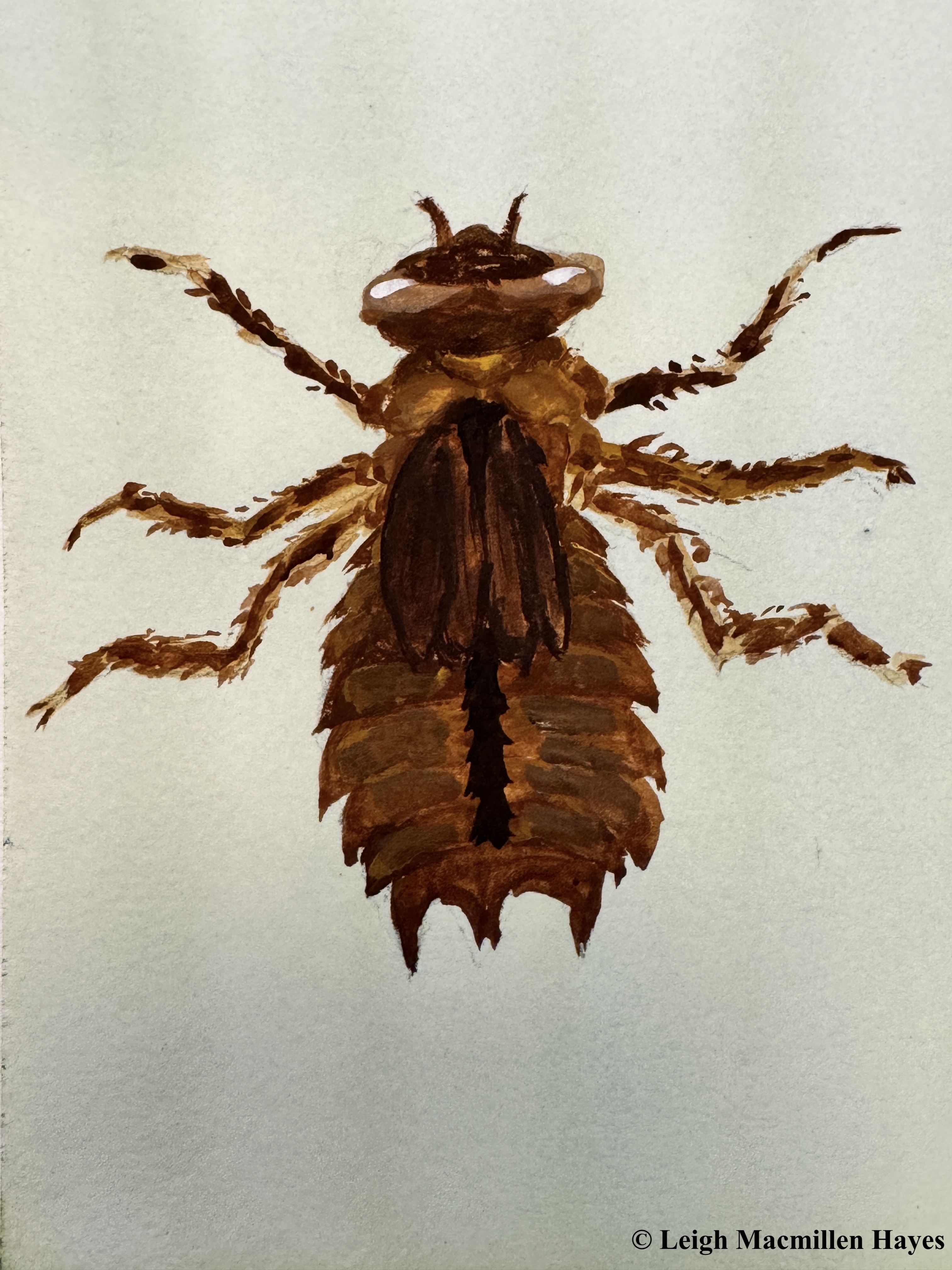
Okay, so I tried to show the hairy body of the Emerald Naiad. If you’ve ever looked through a loupe or hand lens, you’ll know that the whole world is hairy!

Most Emeralds have greenish eyes and this Kennedy’s Emerald is no exception. In his field guide, Dragonflies of the North Woods, Kurt Mead writes, “Named for Dr. Clarence Kennedy, a professor at Ohio State University and a pioneering odonatologist.

Also in the Emerald family are the Baskettail dragonflies, this one being a COMMON Baskettail. I’ve commented before on the word “common,” and probably will again, but seriously, do you see anything common about this intricately-designed specimen?

Spiketail Naiad

So, um, I drew and painted this Spiketail Naiad, but to my knowledge, I’ve never encountered a Spiketail. I guess that should be one of my goals for the upcoming season. And I’m sure that having said that, I will start receiving photos of such from friends who have spent time with the adult members of this family.
Clubtail Naiad

Clubtails, however, I do know and meet often. They are so named because most adults have clubbed abdomens.

One of the ones I meet most frequently is the Lancet Clubtail–who loves to greet me on our dock or accompany me for a kayak ride. Do you see how the end of the tail is more club-shaped?

I will say that I often have to slow my brain down to differentiate between a Lancet, Dusky, and Ashy Clubtail.

I would be remiss if I didn’t mention the biggest Clubtail of all: Meet the Dragonhunter. Yes, he has a clubbed tail. But also yes, as his name implies, he eats other dragonflies. Oh, there are plenty of other things on his menu, but at up to 3.5 inches in length, this big guy may also eat butterflies and even other Dragonhunters!

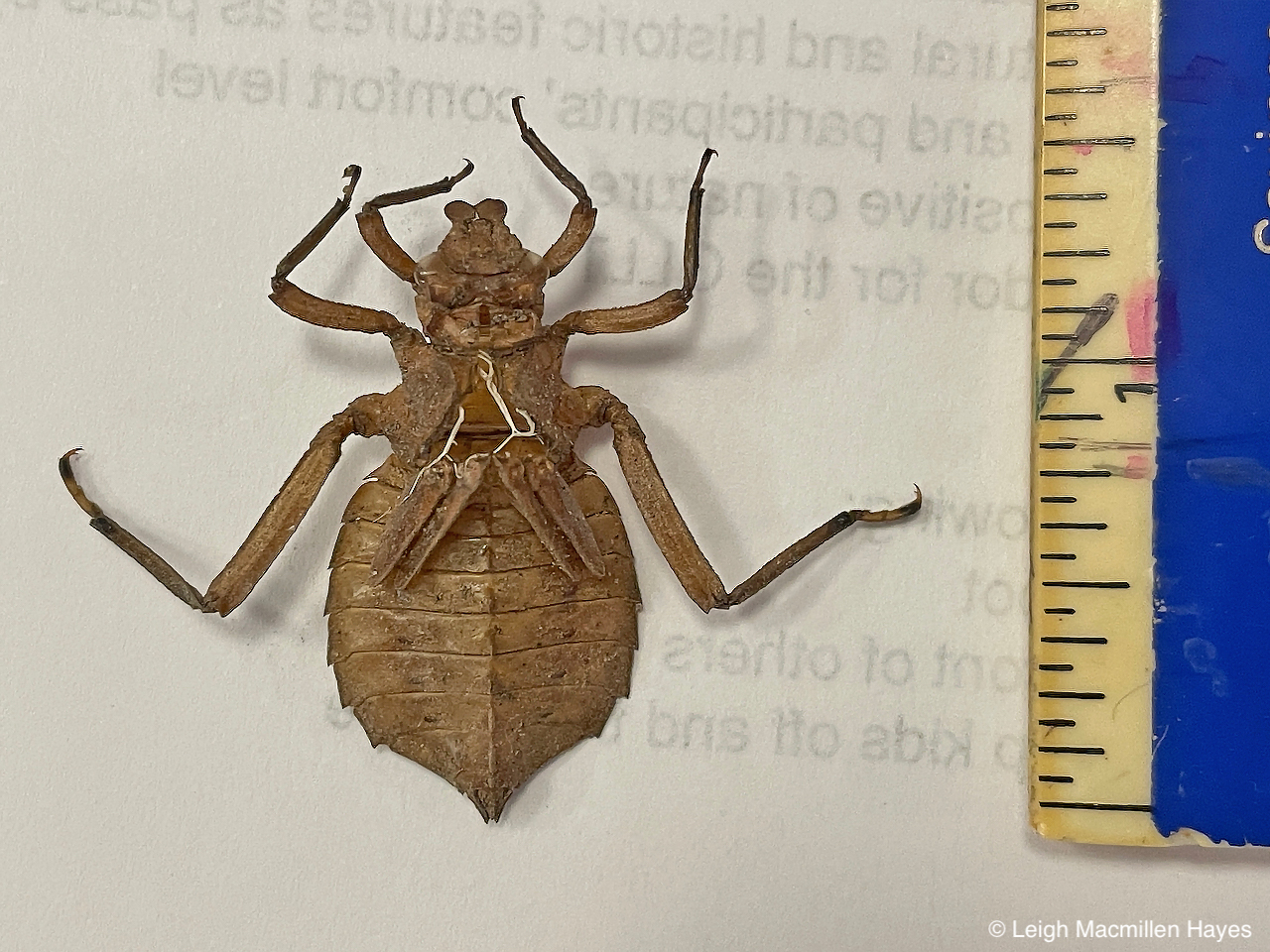
I would also be remiss if I didn’t share this photo of a Dragonhunter exuvia, which Dennis Paulson, author of  Dragonflies and Damselflies of the East describes as “wide, flat larva that resembles a wood chip.” The legs alone speak to its strength; formidable in the water and out.

And this is just a reminder to self that though I sketched and painted one form of a dragonfly naiad for six species, some may have other shapes. It’s the cerci at the tip of the abdomen that becomes key for identification to family.

Skimmer Naiad

My final painting completed this afternoon is that of a Skimmer Naiad. This is the largest family of dragonflies and every ID book includes a thick section for skimmers.

That seems apropos because not only are there a lot of family members, but their abdomens are also quite thick or chunky.

Pictured above is a male Calico Pennant Skimmer. His counterpart has all the same markings, but where you see red, she sports yellow. And soon, a pair of cousins will fly before the Calico Pennants. The cousins are the Hudsonian Whitefaces. Their abdomens are similar, but they have clear wings and as the name suggests, white faces.

That being said, I again have to slow myself down when I spot a Hudsonian because I often mistake it for a Calico at first glance.

I share thousands of photos (and probably have shared at least a million over the last ten years) of Skimmers, but thought I’d keep it simple and end with this one–a male Spangled Skimmer. Note the white stigmas on his wings. That I am aware, no other dragonfly has these white stigmas.

Thanks for stopping by to check on my current Naiad collection.

Naiads are the dragonflies of the future.

And the future is close at hand.

I can’t wait for spring 2025 to debut her dragonfly season.

My Neighborhood Grocer

This week may have changed my mind about grocery shopping. I’ve always felt like it was a bit of a drag. We spend way too much money as we tromp up and down the aisles, and really, if I could just get away with living on popcorn, life would be grand. Brown popcorn for meat, green and orange for fruits and veggies, yellow for cheese, and of course, butter . . . you get the picture.

Plus there’s the fact that we live in a tourist town in the western part of a tourist state. So summertime at the grocery store means a full parking lot, lots of people not sure of their way around, nary a smile exchanged, and certainly very little gossip shared in the middle of the aisle with townspeople we haven’t caught up with in a while.

But, today changed all of that.

For today, I realized that visiting the grocery store is a bit like entering a secret garden with a keen eye.

It’s a place where I might not always choose the same offerings as others, but that’s okay, because in this place we can each find what appeals to us and hover like a hummer.

I discovered a Nectar Smoothie Bar had been added. So many love the new addition and visited it repeatedly on the fly.

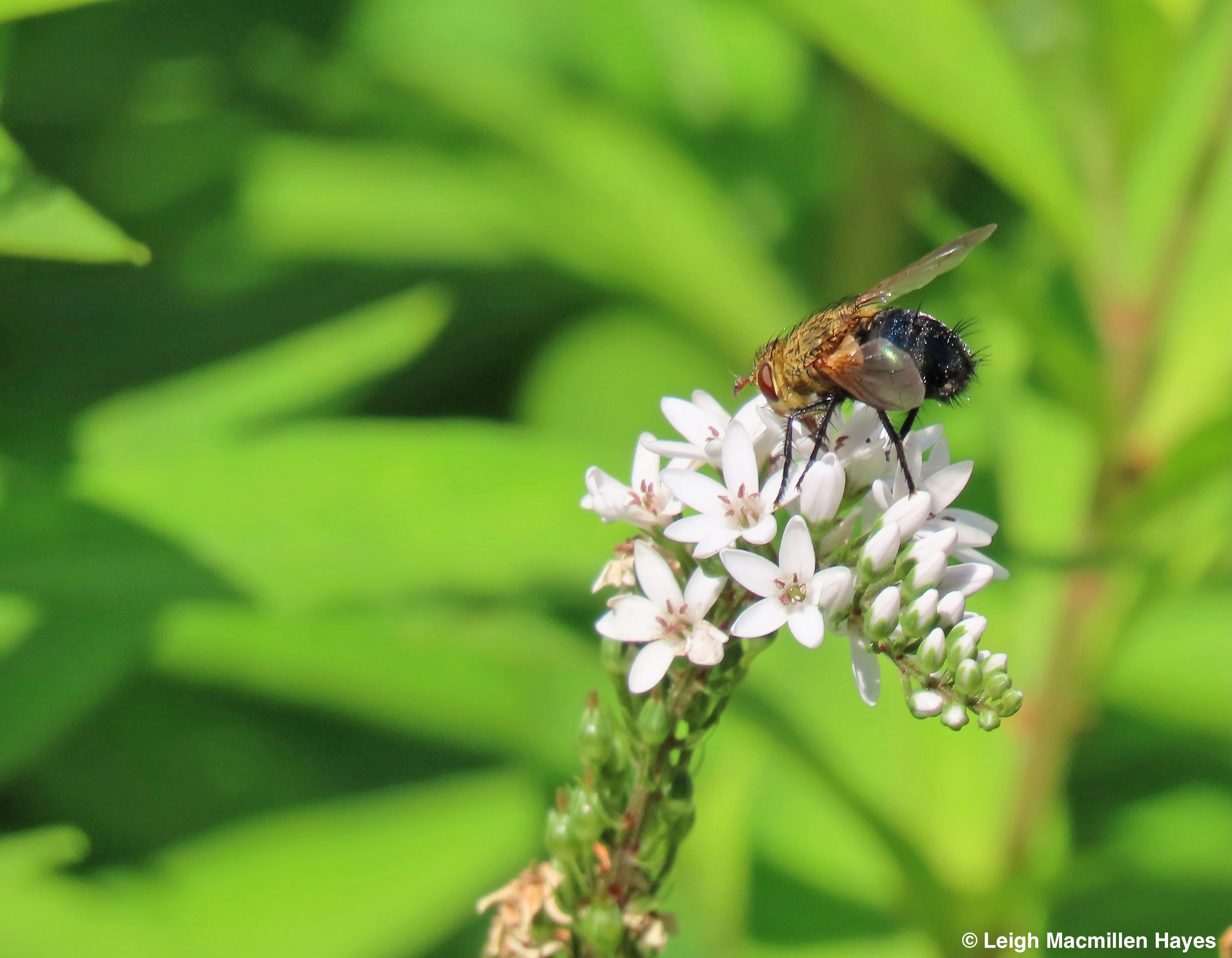
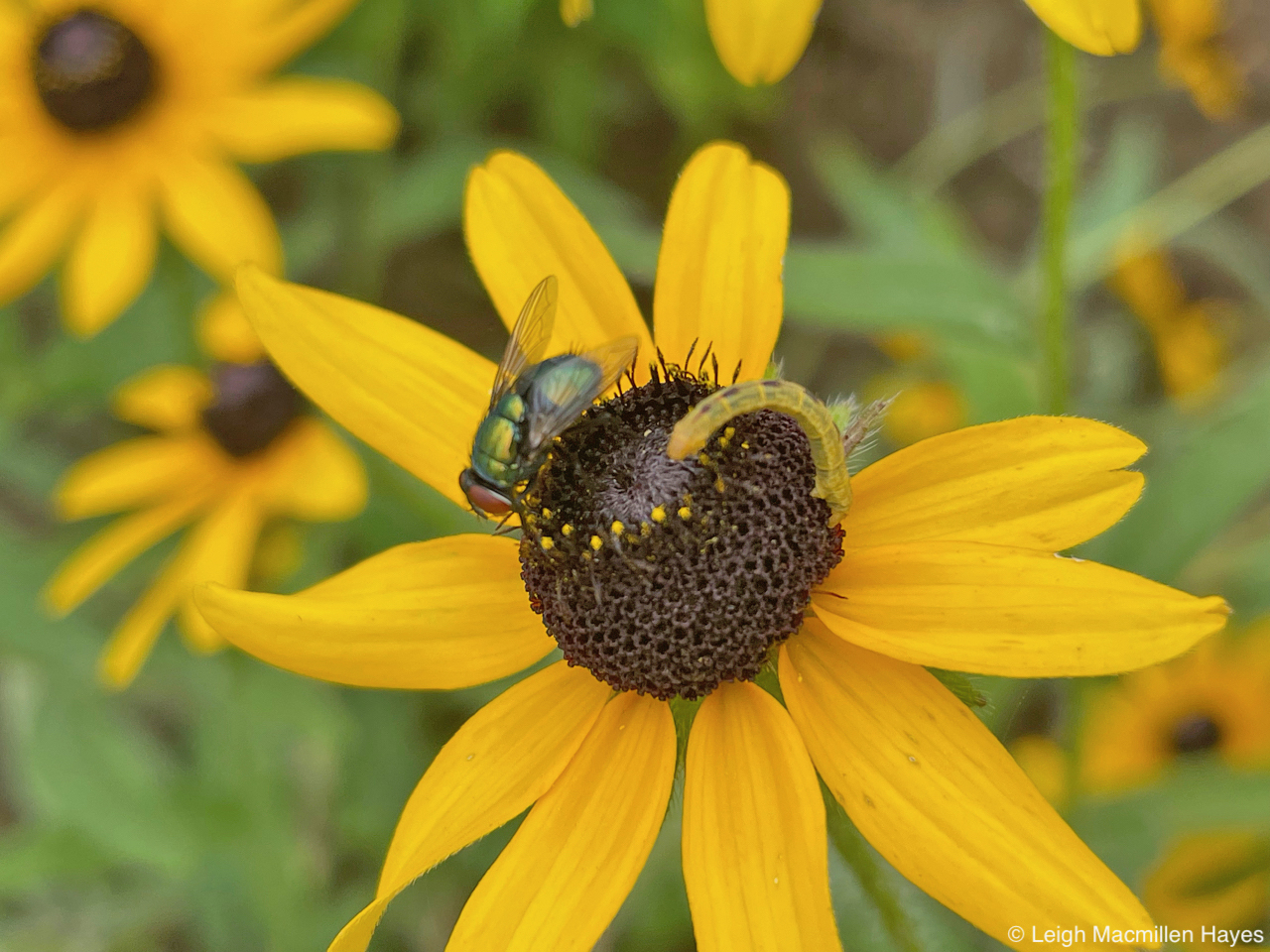
Another good thing is that most who entered, like the Tachinid Fly, brought their own straws so there was no waste.

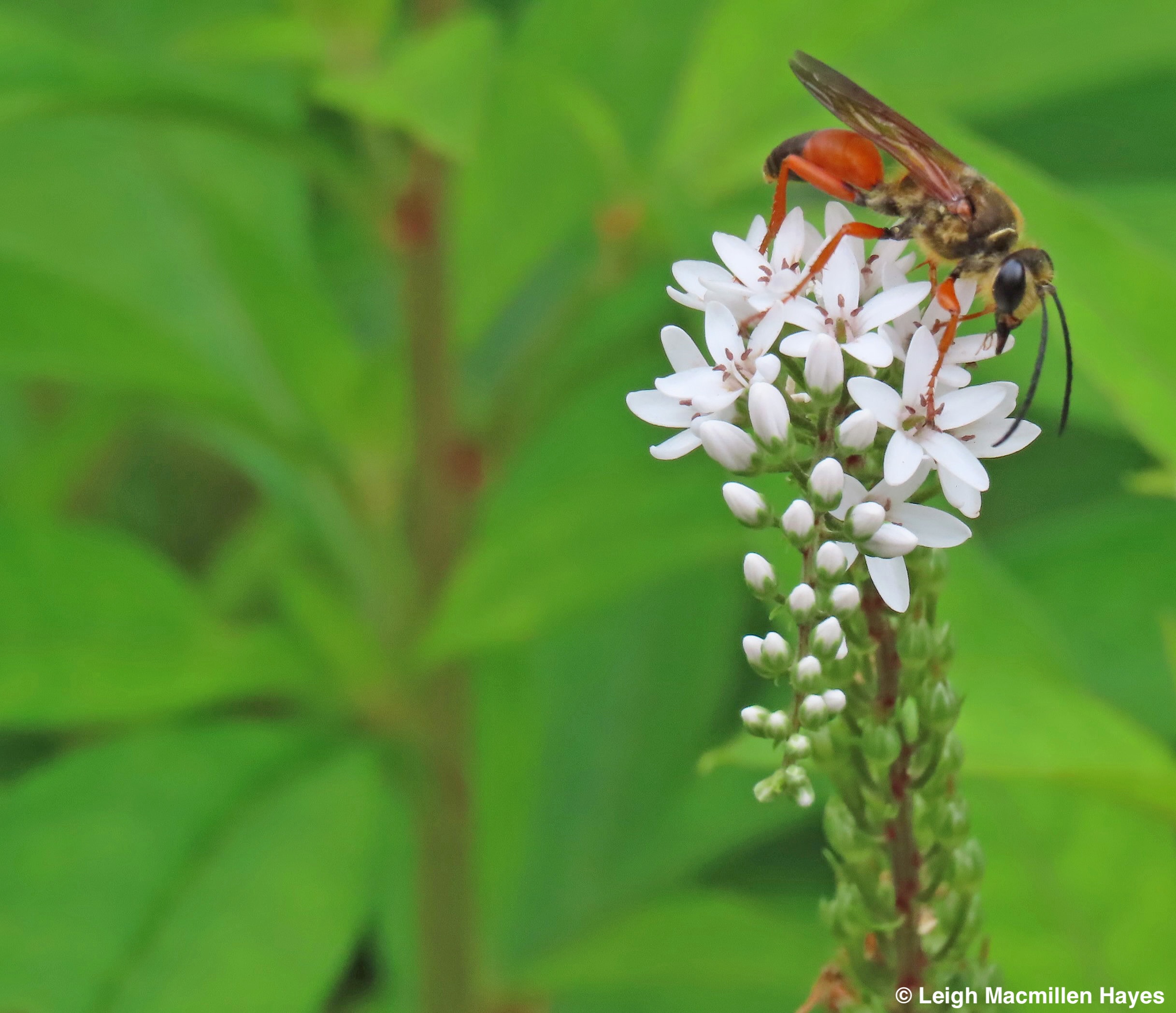
Even the Great Golden Digger Wasp got into the frenzied sip on the move once the store manager announced a taste testing.

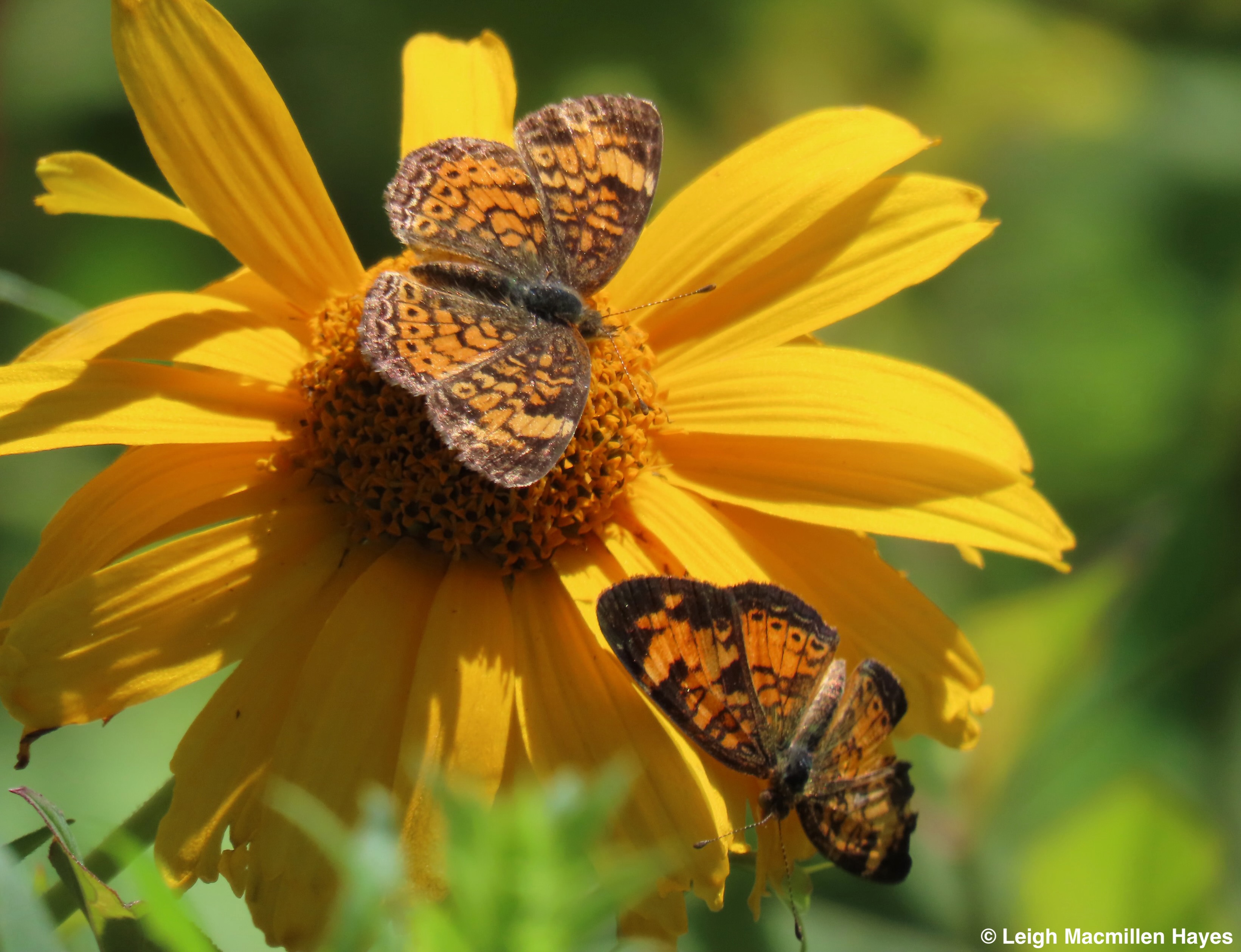
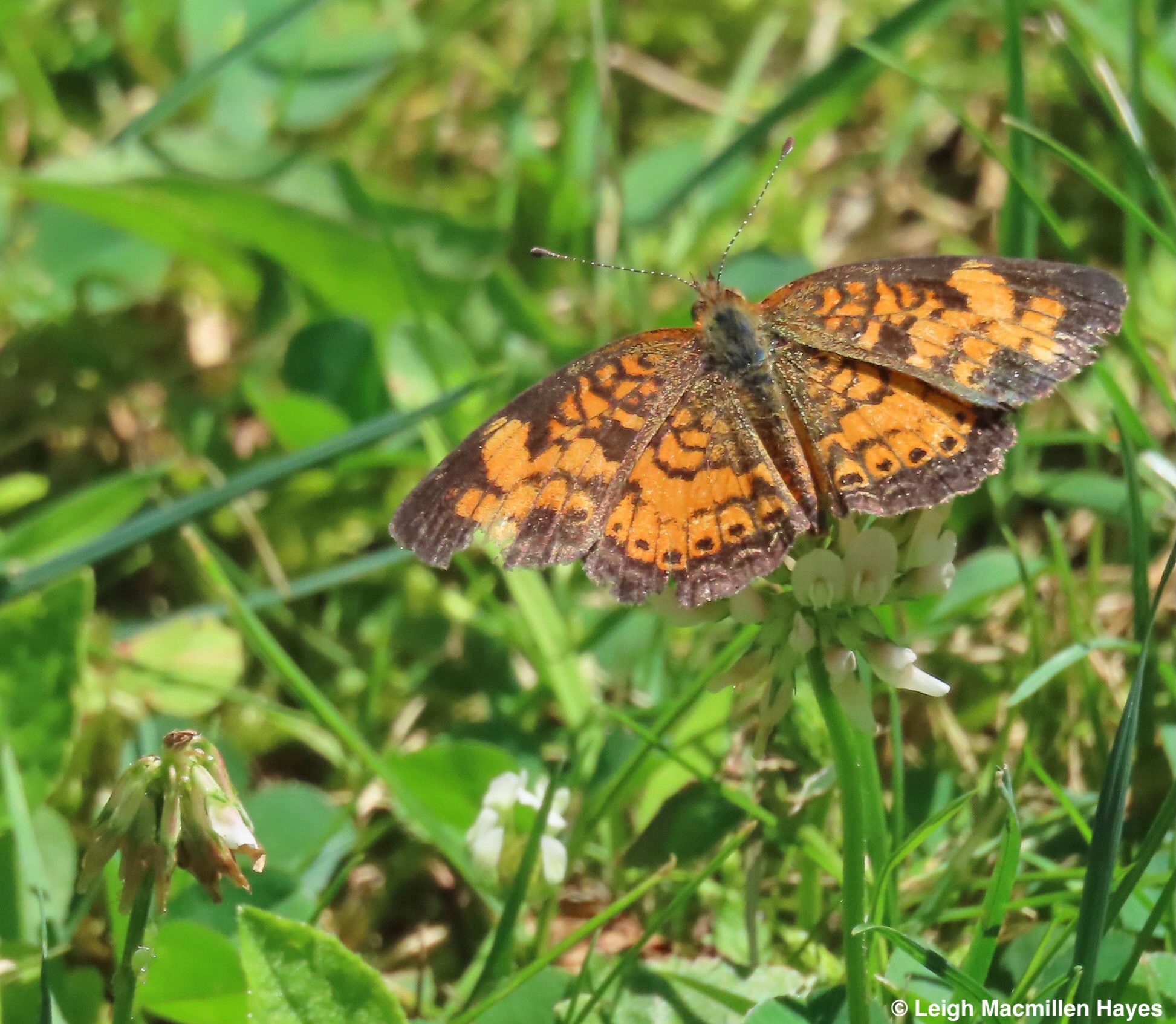
I’m pretty sure the word went out to all Northern Crescent Butterflies to stop by for they really did pack the place.

Pearl Crescent Butterflies also cruised the aisles.

And sometimes they were in the same place at the same time, neighbors greeting neighbors after all.

Every Gold-marked Thread-waisted Wasp seemed to want a quick energy drink.

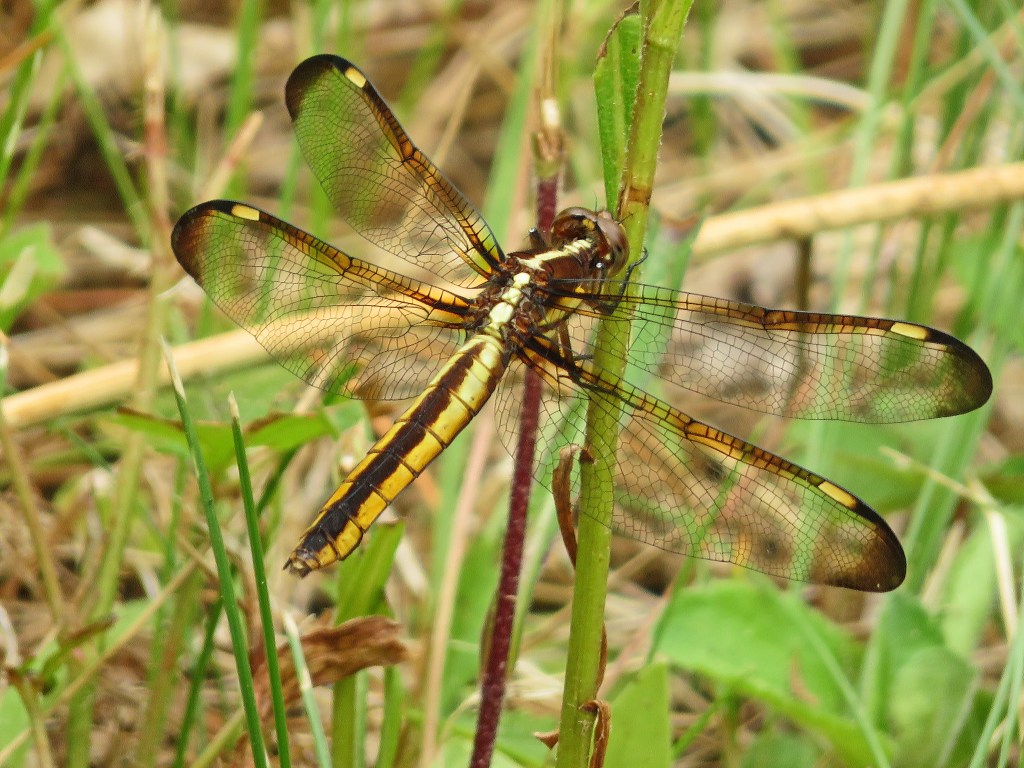
And then there were those like the female Widow Skimmer Dragonfly who came to watch. By the coloring of her wings, I think a better common name for her would have been Sunglass Skimmer. Certainly, she might have had an easier chance of meeting a date in aisle five, rather than just hanging out along the edge of the store.

Unfortunately, there were a few uncouth customers such as this Robber Fly, who snagged a meal without paying.

The Robber Fly wasn’t the only one. A spider hiding under a bouquet managed to lure an American Lady Butterfly and then he did what spiders do and stunned her. The EMTs where called in and though they could get her out of the web, they couldn’t save her. So, her body is being donated to science and will be added to a bug collection of a young boy I recently met.

I chuckled at the bedraggled look of this Bumblebee, who didn’t realize the misters would come on in the produce section.

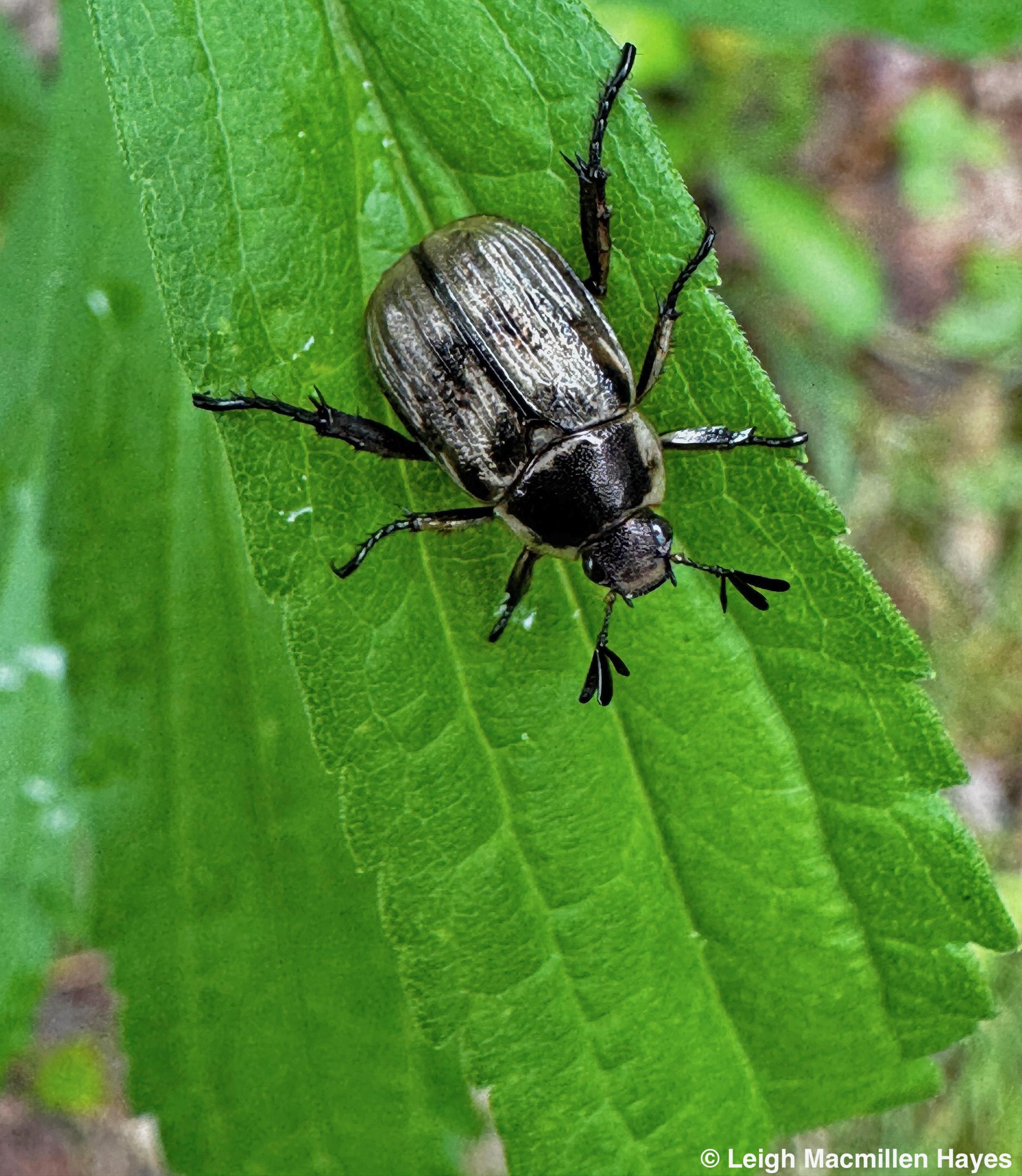
Though there are plenty of Japanese Beetles who seem to shop constantly, so far, I only meet one Oriental Beetle, and I do have to say I was rather taken by its fan-shaped antennae.

As is usual, there’s always a slow slug in the way, especially at the check-out. Why is that?

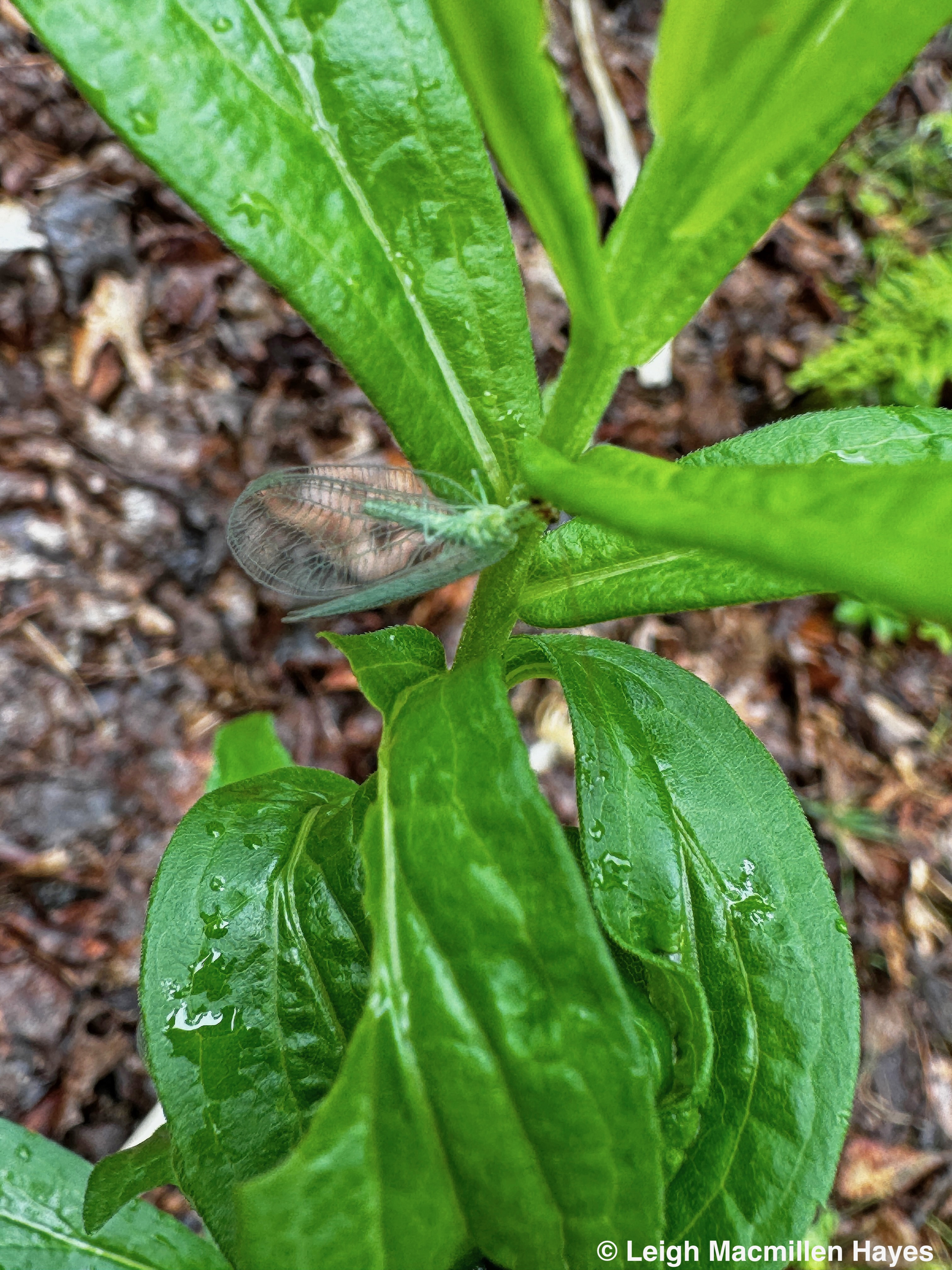
Not all shoppers stood out, such as this Green Lacewing who appeared to be hiding. Perhaps to avoid the misters that had pummeled the Bumblebee.

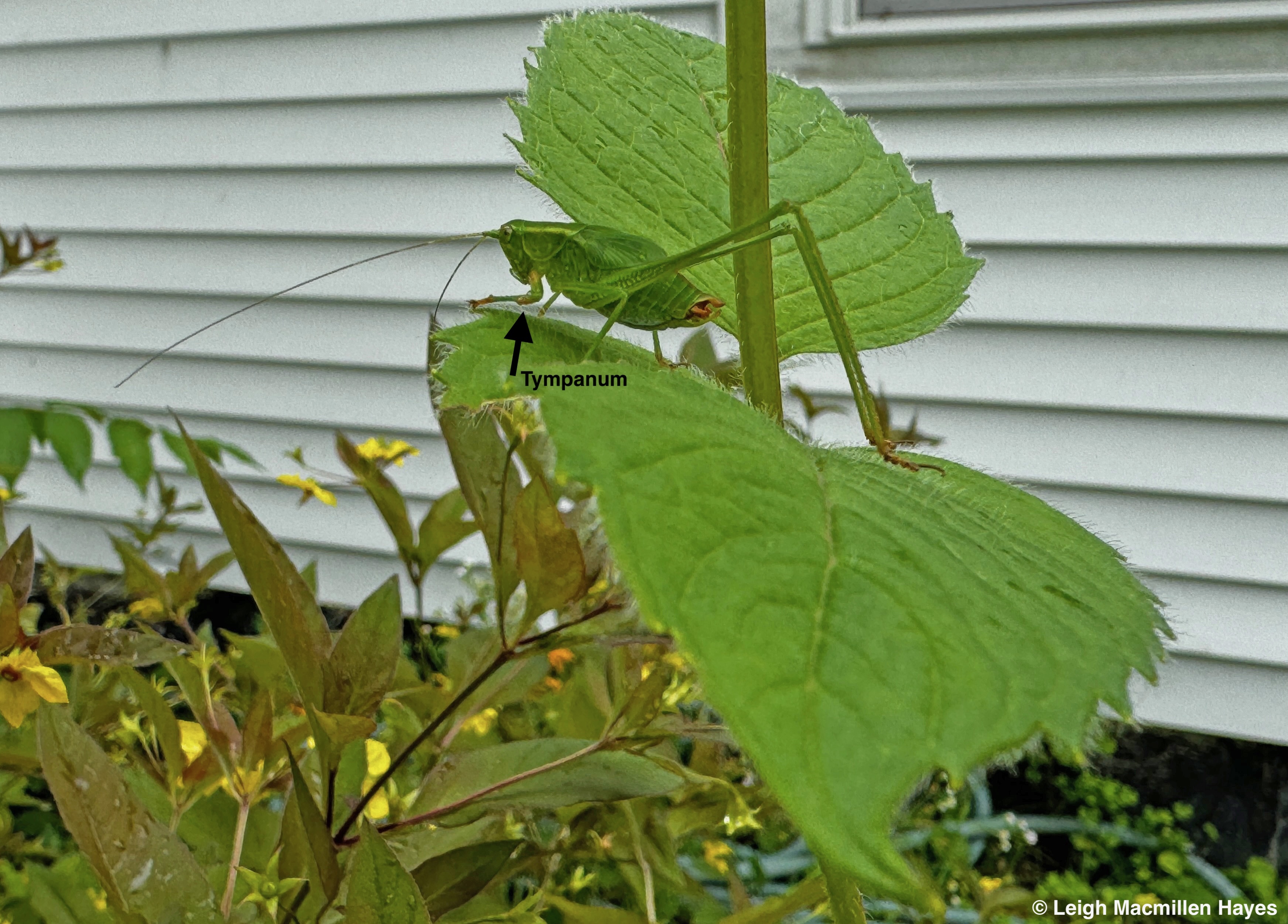
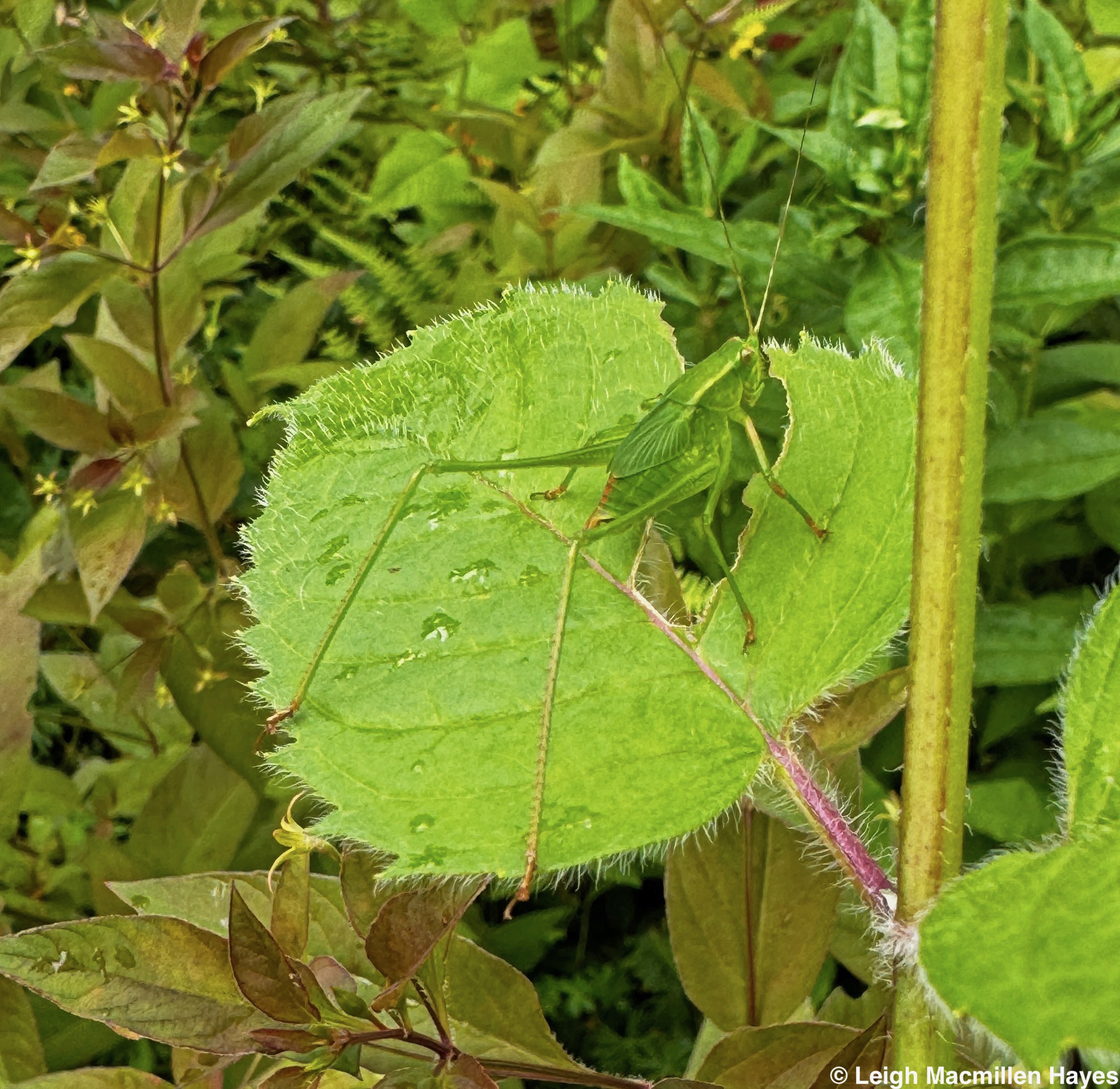
It does seem there’s always a celebrity or two in our midst during these summer days. Sometimes, it’s someone like Stephen King or Lois Lowry. But today it was Katydid. And she was listening–through the “ear” or tympanum located just below the “knee” of her front leg.

Do you see the tympanum on her right side? Do you think she heard that there was a spill in aisle 4?

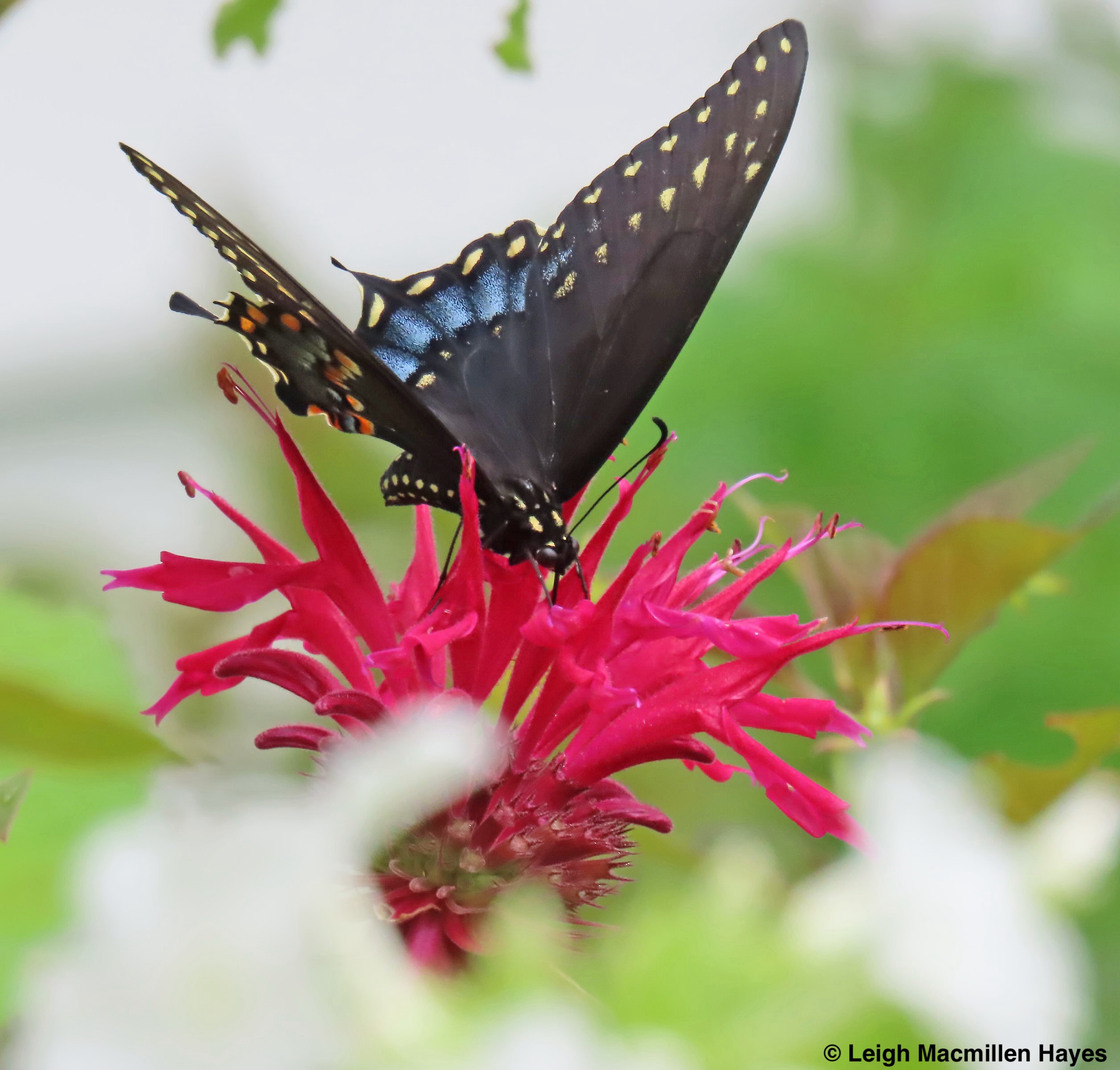
The Black Swallowtail Butterfly certainly heard and in she fluttered to sip up the nectar before it spoiled.

Oh boy. The Gold-marked Thread-waisted Wasps seemed to find each other in aisle 7 and for all I know they may still be canoodling behind the bakery.

So you see, grocery shopping isn’t all errands and drudgery. Note to self: Think of it instead like a visit to the candy store. Stop and sample along the way. Smell the Phlox. And remember, the store is committed to providing customers like you and me outstanding value for quality products at every day low prices. Right?!

I hope you’ll visit my neighborhood grocer often and enjoy the experience.

Savoring Spring

My paths were multiple this weekend as if I was on a quest.

On a bridge over a brook,

down a road through the forest,

beside a bog,

along a boardwalk,

and even following this guy down low and up high.

Together today, we circled another brook (if one can actually circle a brook, but we did),

enjoyed this view from lunch roots,

and dessert on the rocks where we could peek down on said roots.

Though I may have been alone for much of the weekend, I never really was for the bird song, including the conk-er-ies from this male Red-winged Blackbird, accompanied me where ever I hiked.

There were Eastern Chipmunks adding to the chorus as they chortled at me and I chortled back, though I did wonder if life hasn’t always been so easy for this one given the marks on its body and a very short tail.

I watched Painted Turtles bask, despite cooler temperatures, though the air was probably warmer than that of the water.

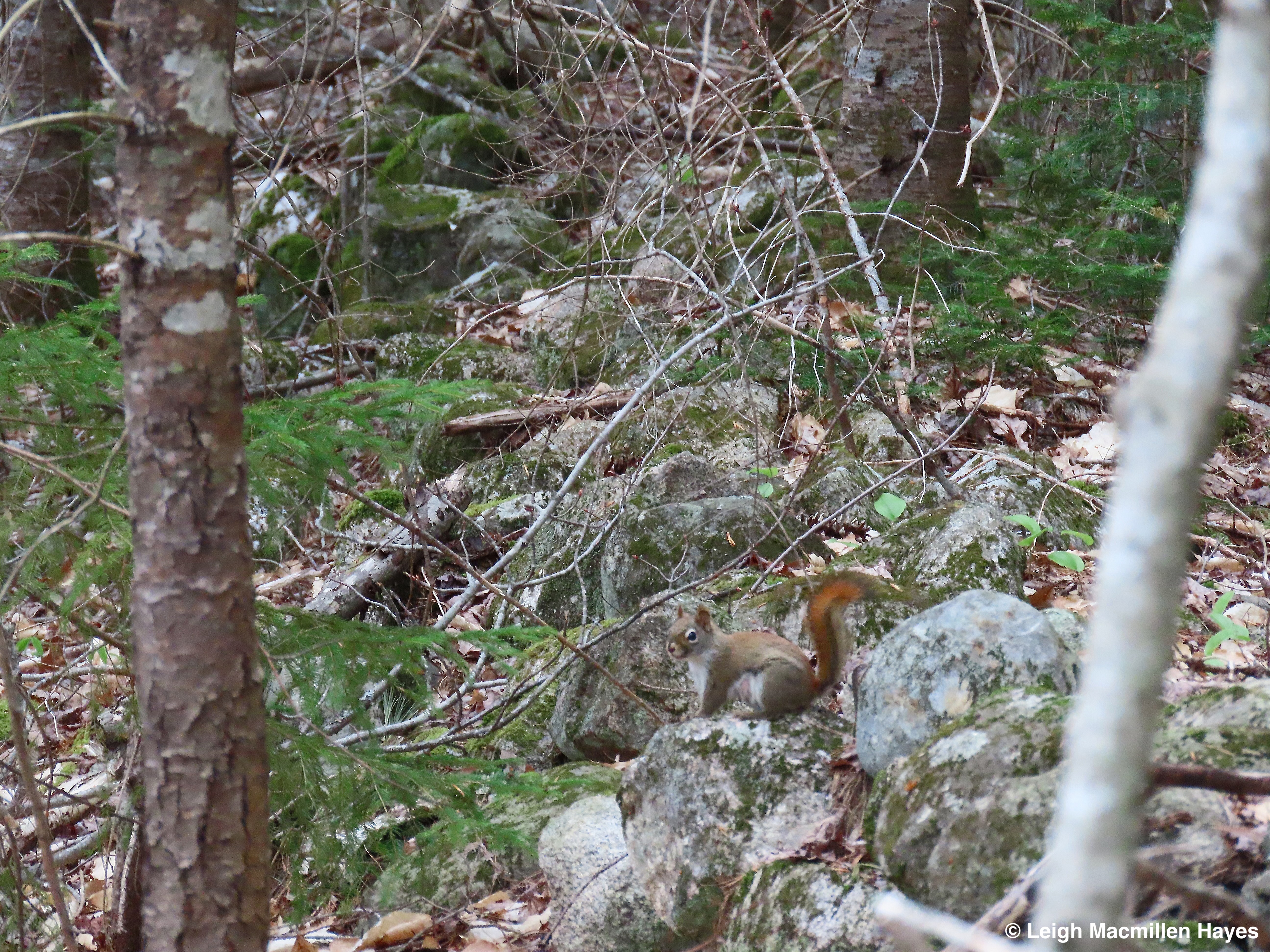
And I was chastised by this Red Squirrel, but really I had done nothing wrong–except to enter his territory without an invitation.

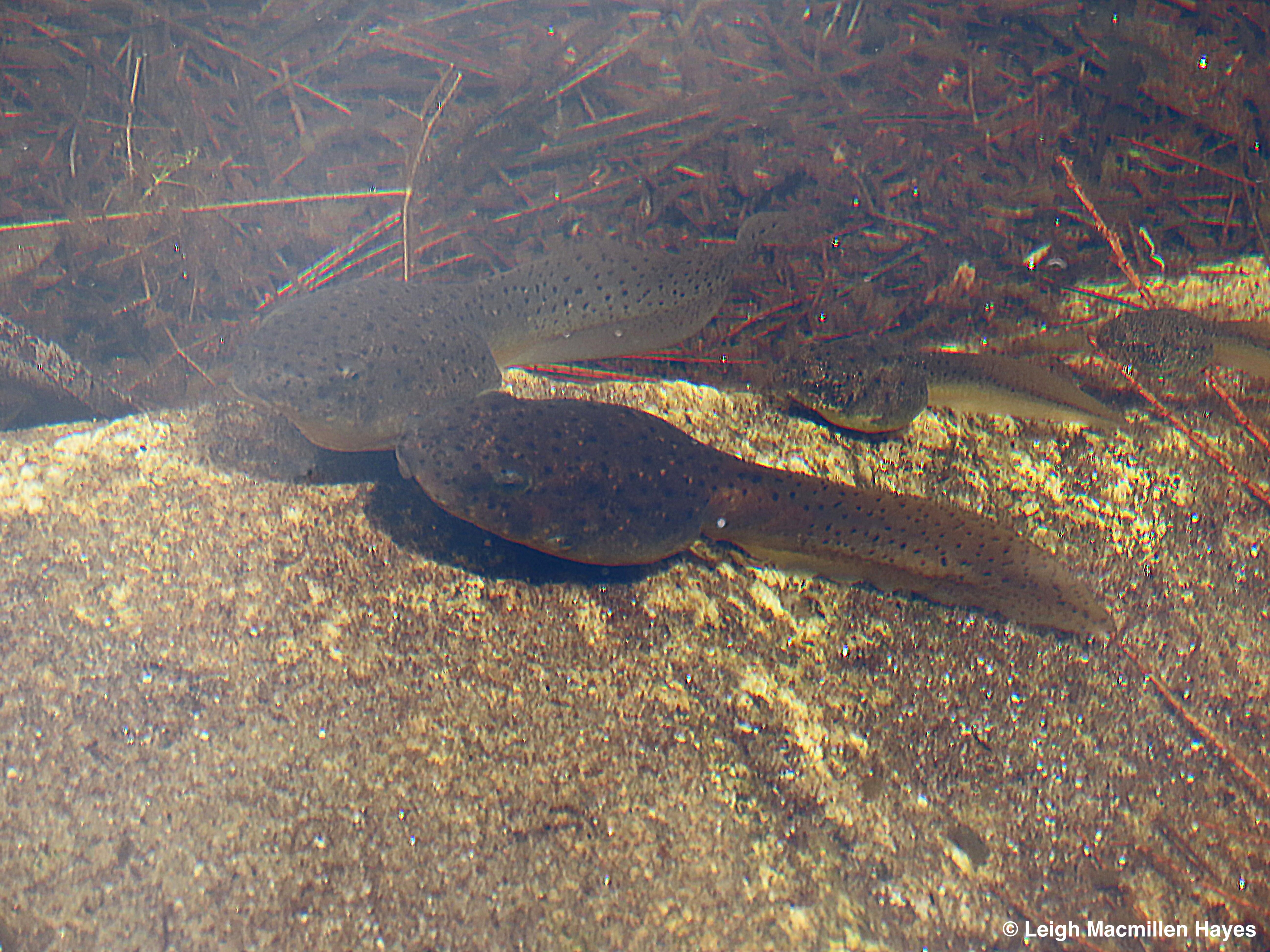
In the depths of the water today, tadpoles. HUGE tadpoles of the Bullfrog sort, which take two years to mature. I spotted tiny hind legs growing beside where the abdomen meets the tail. There were also lots of smaller tadpoles, too big to be Wood Frogs or Pickerel, but I suspected either one-year old Bullfrogs, or perhaps they were Green. Or both.

A few flying insects also brightened the days (and I have to say I’m not referring to Black Flies, which I hardly spotted–and actually caused me concern, for where have the little biters gone?), including this Anglewing butterfly. I can’t name it to species, for it is either a Comma or Question Mark, but never in the time I watched did it pose so that the underwings were visible. Okay, so My Guy and I spotted it today and when I explained to him the difference between the two, the C having a small white comma on its underwing and the QM, a small comma and a dot looking rather like the punctuation mark, he decided it must be an Exclamation Mark instead.

And in the same area, an American Lady added her color to the scene.

Leatherleaf’s bell shaped flowers reminded me of clothing hanging from an outdoor line.

And I’m really beginning to believe there are a trillion Painted Trillium, though I didn’t actually count. There’s something to admire about those olive green leaves and perhaps it’s that we don’t often see that color in nature.

I even spotted a few that chose a different paint palette. I could explain away the color of the leaves by thinking that perhaps they were showing off their anthocyanin, which gives fall leaves their red color and is seen in the spring as well, perhaps serving as a sunscreen for the plant. But the color of the petals was equally amazing, though who knows, maybe it’s common and I was just paying attention to it for the first time. That does happen. A lot.

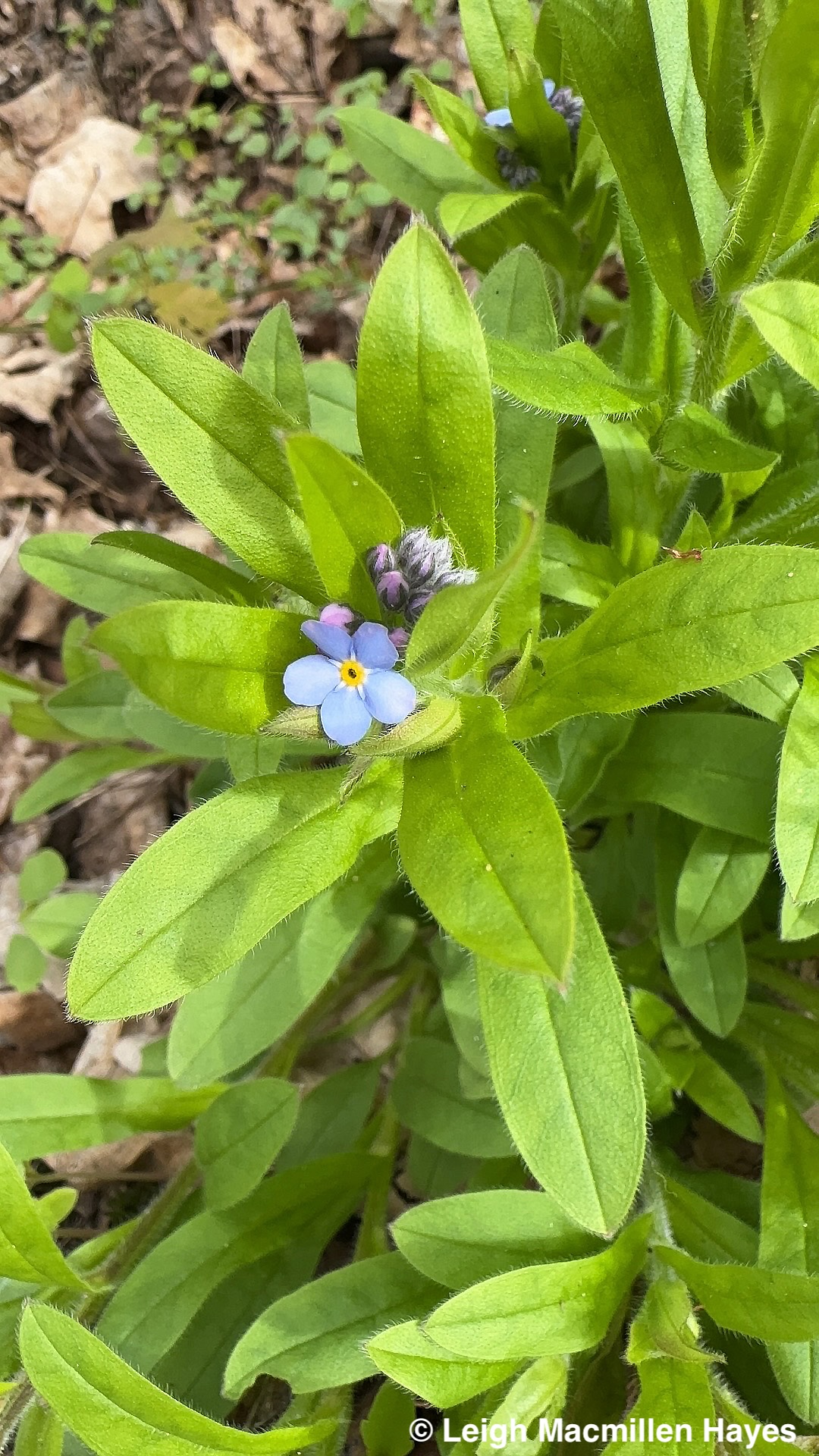
And then there was the amazing blue hue of Forget-Me-Nots. I surely won’t. Forget you that is.

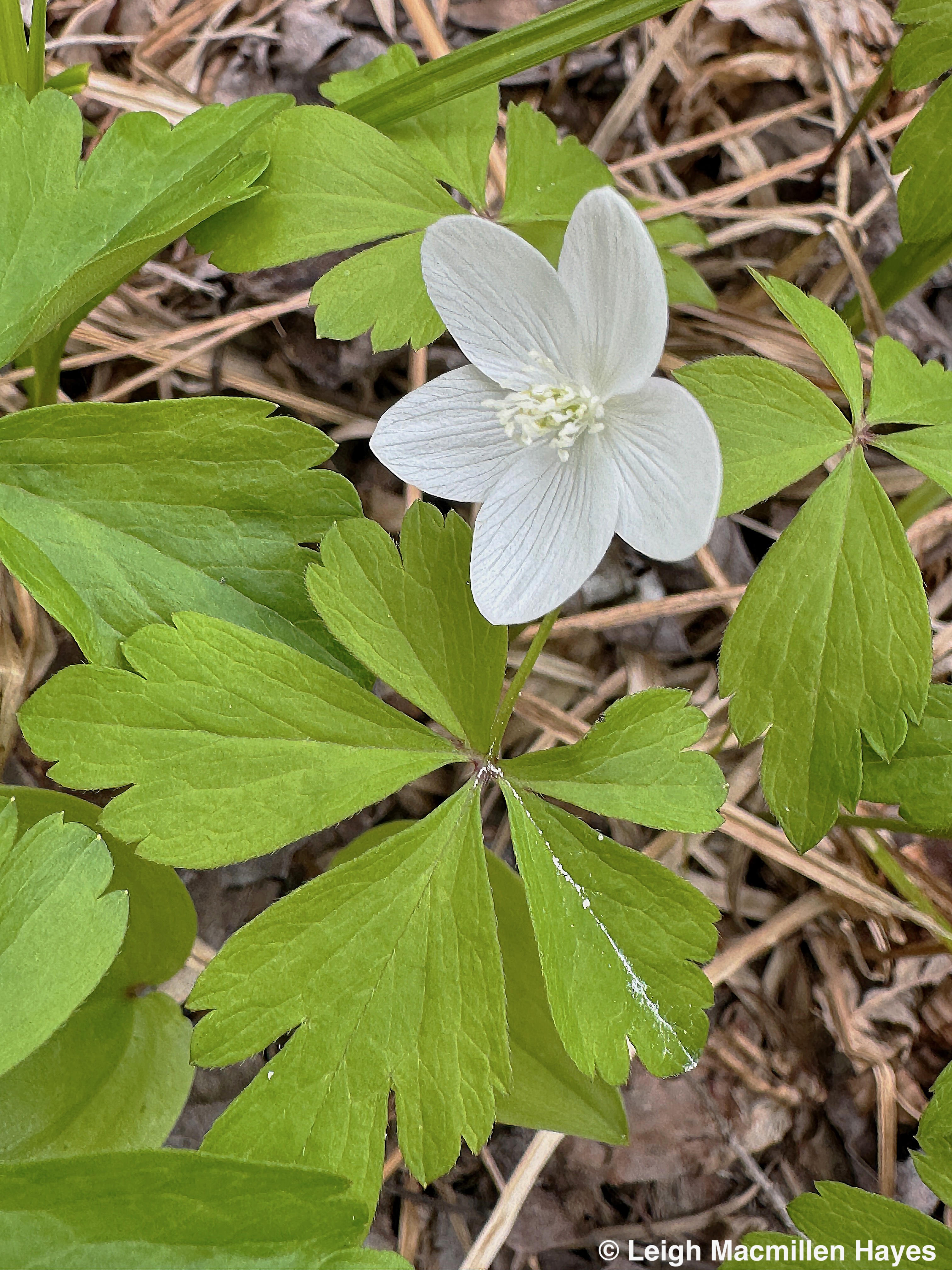
And Wood Anemone, its compound leaves notched, and flowers deeply veined, looking so tender and fragile.

Not looking tender, and hardly fragile, but still beautiful, was the carnivorous Pitcher Plant, of which I paused beside several. I’ve known this particular one for at least twenty years so when I encounter it, I always feel like I’m meeting an old friend. Because I am.

Hiding beneath its lime green leaves, American-Fly Honeysuckle’s delicate flowers did dangle in their manner of two. The shrub always surprises me, though it is a native, but I don’t get to greet it often enough.

All of these flowers bloom so early because they take advantage of sunlight before leaves emerge. That’s all changing now and in another week it will surely look more like summer around here. What I love about some leaves, especially American Beech, is that they are so hairy to start, and look like they’d make great fringed skirts for fairies. The other thing I became aware of this weekend, was the raindropy sound of their bud scales hitting the ground.

I love winter, but this season to follow is flying by, and already the Trailing Arbutus has reached its waning hour.

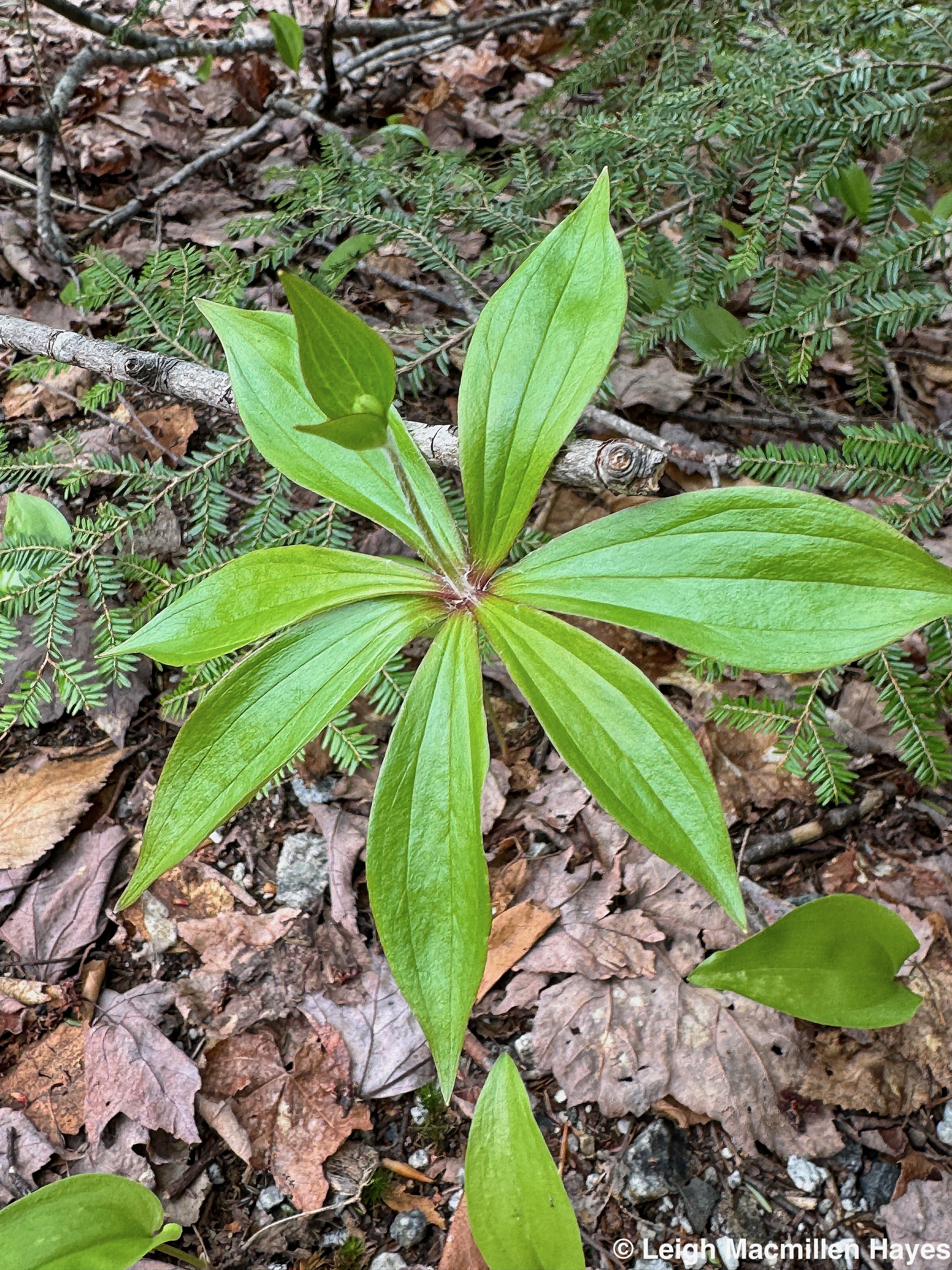
But there is hope in the form of others, like this Indian Cucumber Root, creating a second tier and a bud, and in a few weeks I’ll be seeking out its otherworldly flowers.

I’m savoring spring–before it moves on. I hope you are on the same quest.

Beauty and the Brawn: Two Kingdoms

It's a mix of both realms in the natural world;
a kingdom of beauty and a kingdom of brawn; 
and sometimes a kingdom that includes both, 
in such a way that it's all about one's perspective. 
Beauty fluttered in one recent day,
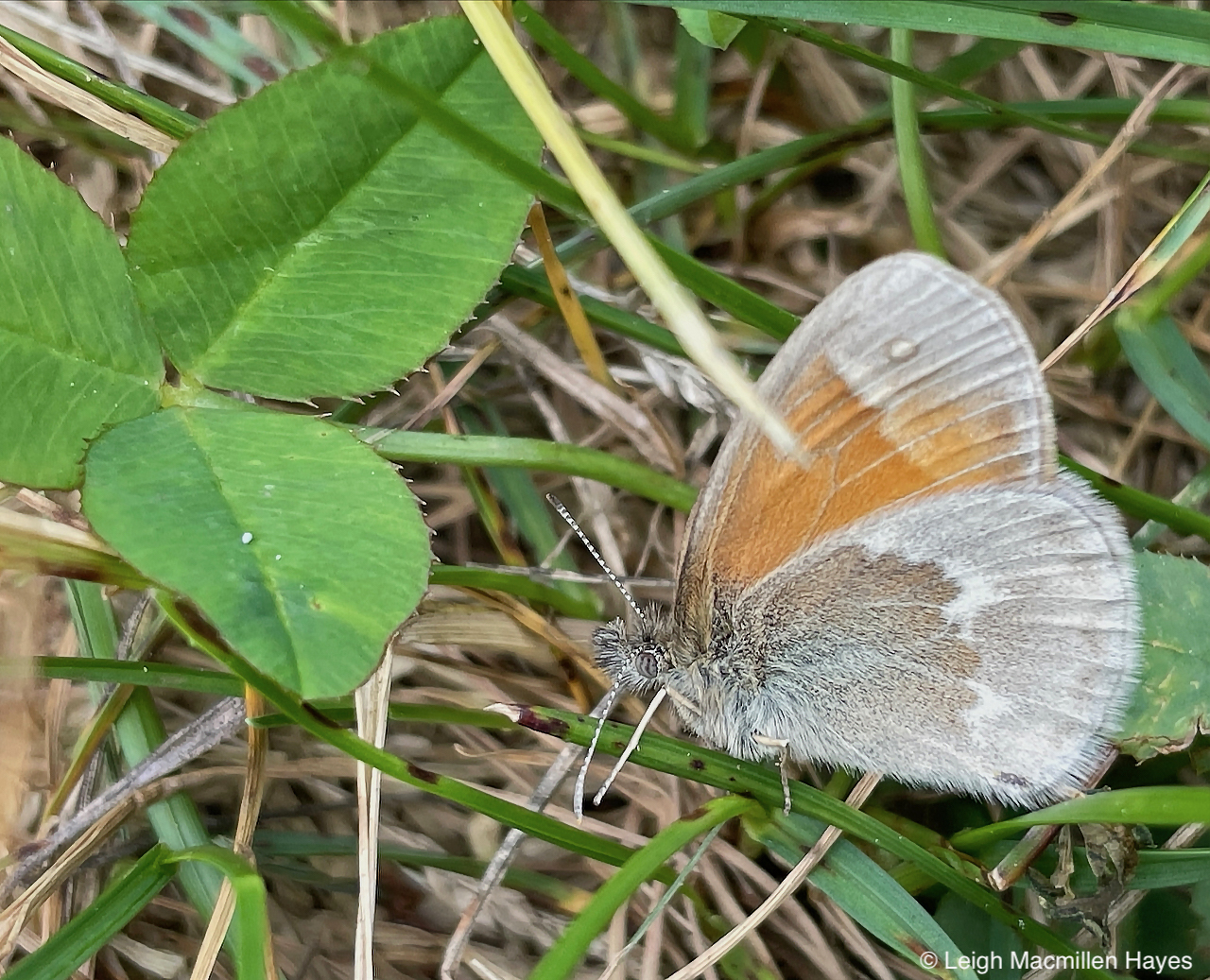
Upon hairy wings of orange and gray. 
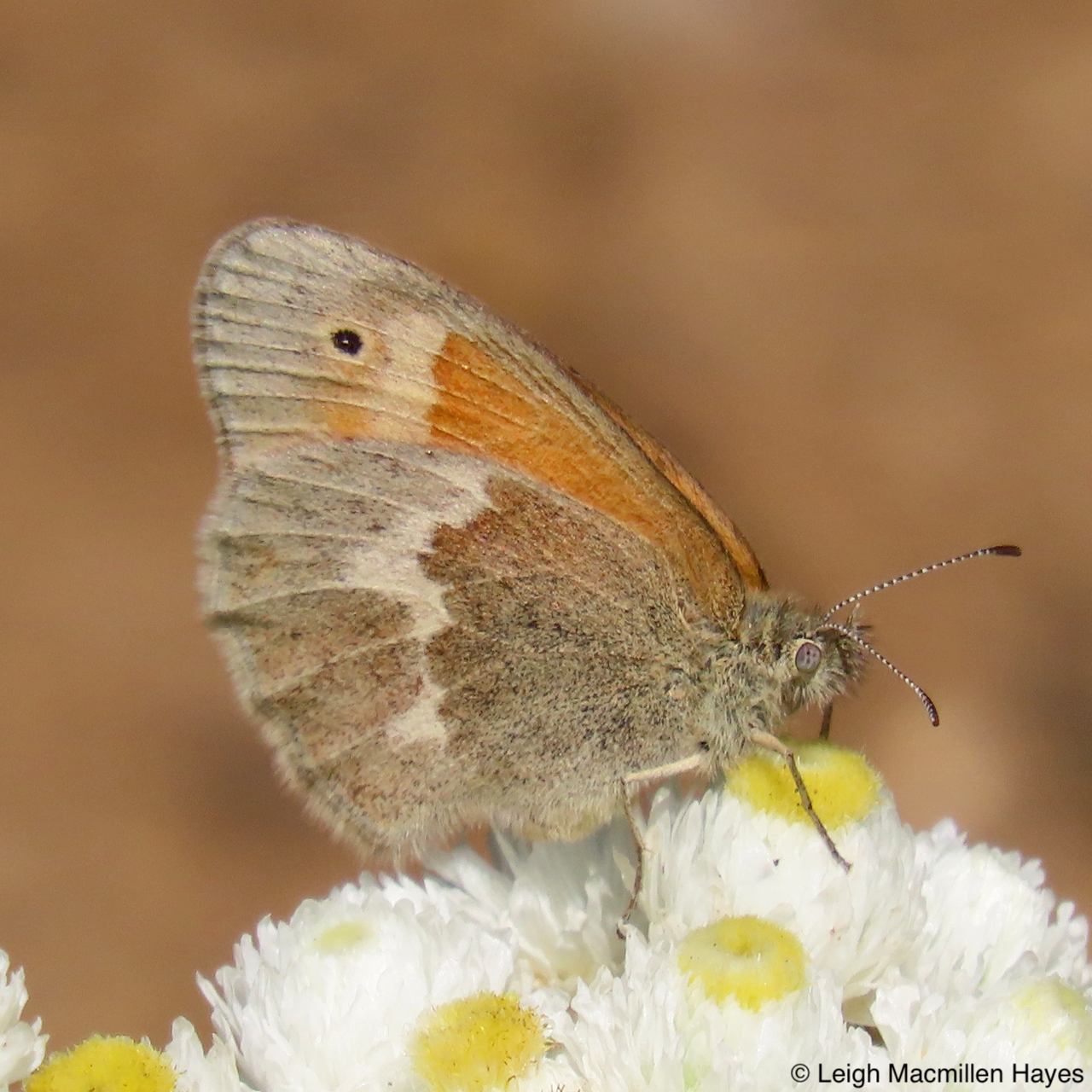
The Inornate Ringlet Butterfly
May have lacked adornment, 
But its textures and lines and colors
From the zebra-striped antennae 
To fringed wings gave pause
In its teeny exquisite way. 
On a much larger scale, 
Upon a clover posed, 
A Tiger Swallowtail seeking sugary nectar
For a quick dash of energy 
As sucked through its extended proboscis. 
While the nectar provides nutrition,
It's not enough for that which is 
Utmost upon the butterfly's mind, 
If it is a mind they have, 
Or perhaps pure instinct
That urges them to reproduce. 
A stronger drink is indeed necessary.
The White Admirals
Embraced the same "thought" 
As they congregated 
On a small pile of scat. 
Mud. fermenting fruit, and carrion
Provide the same, 
That stronger drink
A source of sodium and minerals
That males store in their sperm
And pass on as a betrothal gift 
When they canoodle with loved ones, 
Ensuring that a little extra zing
Gives her eggs a better chance of success. 
Canoodling is also
At the forefront of 
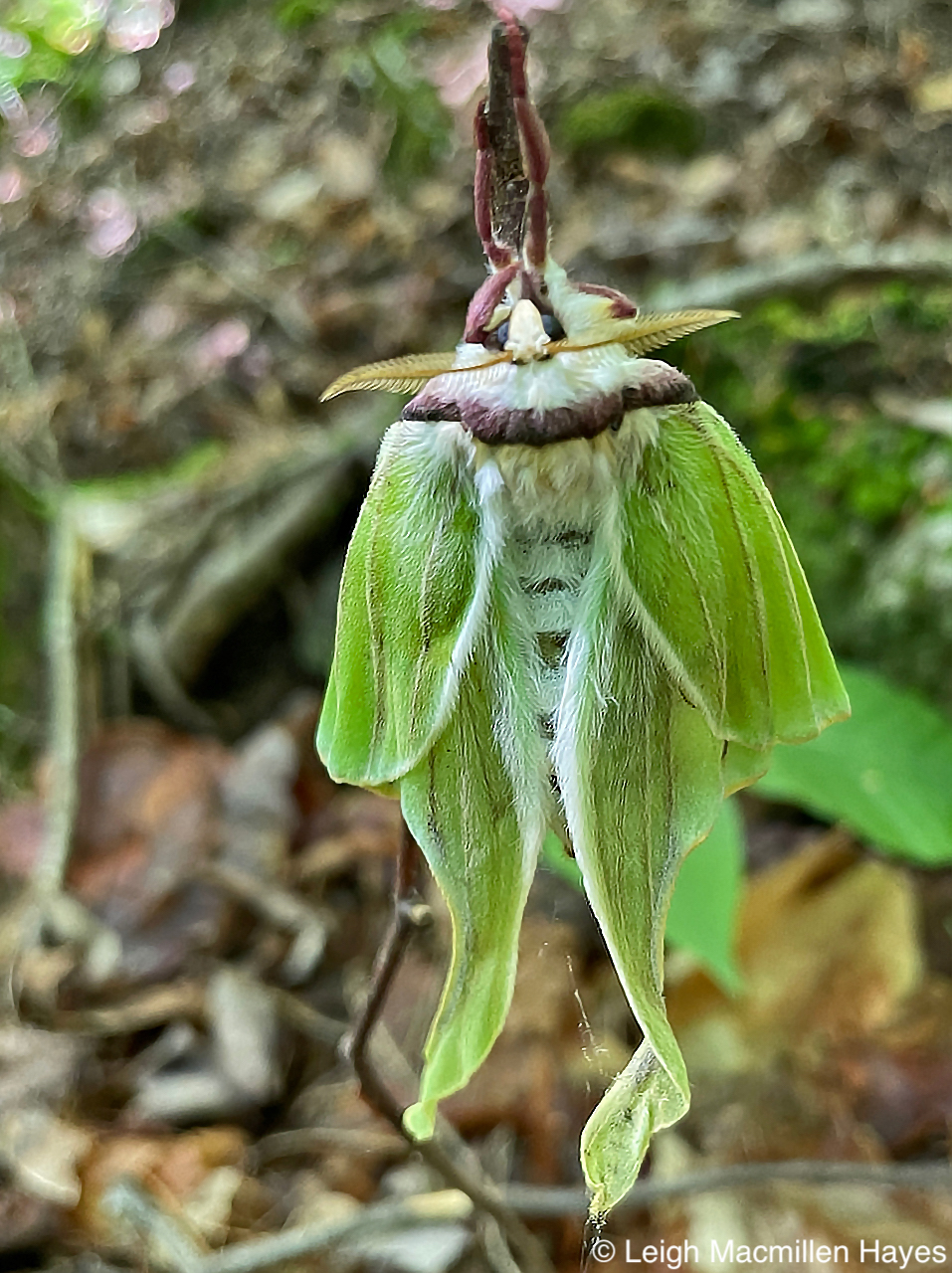
The Luna Moth's adult form,
So much so, 
That it has no mouthparts 
Or digestive system
Despite its large body. 
With less than a week to mate,
This large silkworm moth
Must smell the pheromones 
Of a female counterpart,
and then . . . and then, 
Death doth come 
As is visible by this find. 
But still it provides an opportunity
To note those broad feathery antennae, 
The light green wings that match the color of leaves, 
And the reddish-brown forewing edges 
Branching out like twigs
In an attempt to avoid predators.
Another nectar feeder, 
The Clearwing Hummingbird Moth,
Hovers with its body stationary
As its transparent wings beat
In such a quick manner 
That they are nearly invisible. 
Unlike most moths, 
These take to the air 
Throughout the day. 
The subject matter transitions
From butterflies and moths 
To others such as a female Metallic Green Sweat Bee,
So named for her color 
And preference for seeking salts upon our skin.
Thankfully, unlike some bees, 
She isn't aggressive.
Rather, she's a buzz pollinator,
One who grabs the anther 
Of a flower with her mandibles, 
Curls her abdomen around it,
Vibrates her wing muscles, 
And relishes with glory 
As the anther releases its pollen, 
Which she gathers
Upon her hairy hind legs.
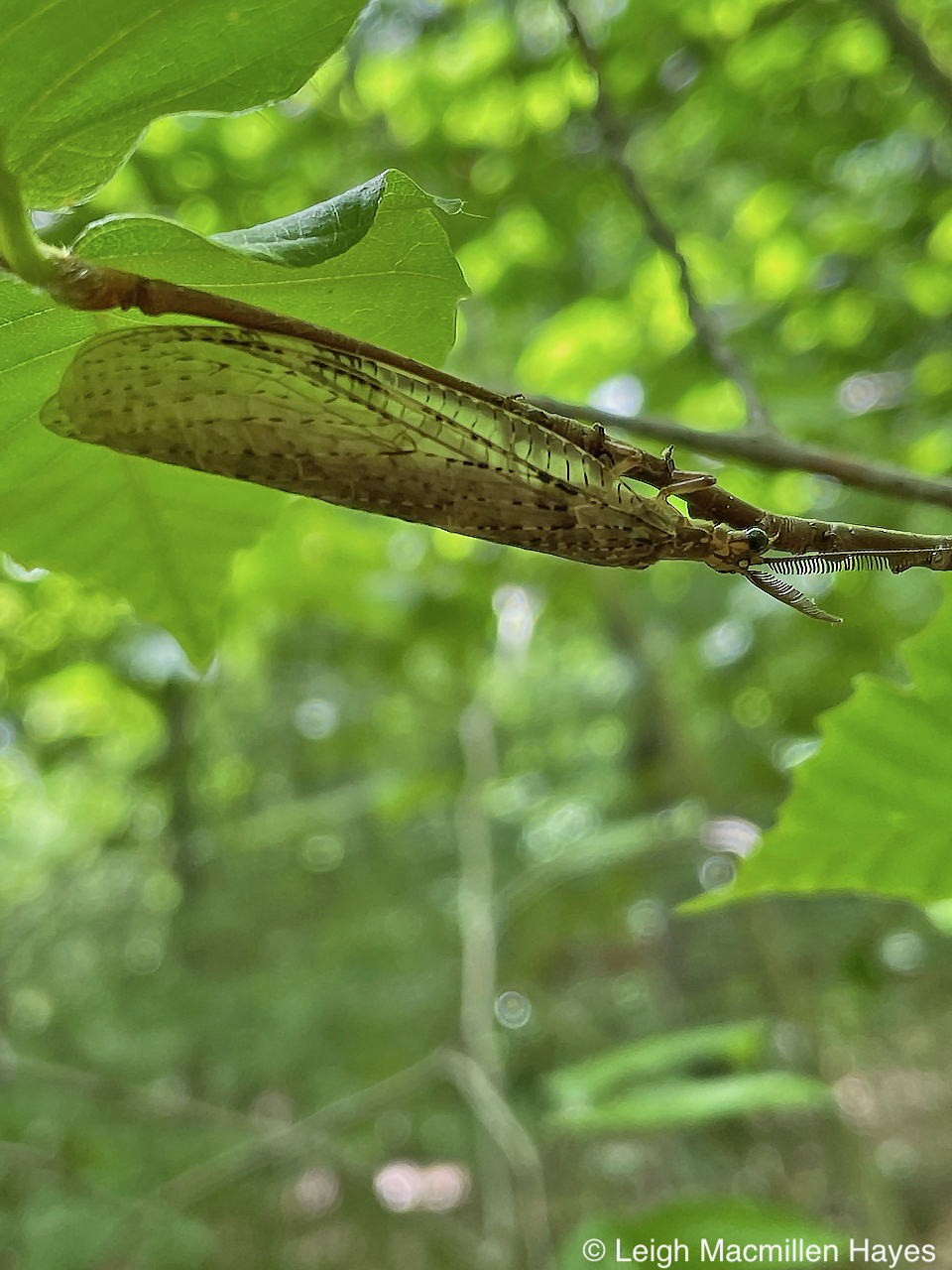
A Spring Fishfly 
I accidentally agreed was a Lacewing
In the field, 
Rests upon a twig 
As is its daytime habit, 
Wings pleated and folder 
Over its shorter abdomen. 
Like the Luna Moth, 
It only lives a few days as an adult. 
The feathery antennae 
Identify it as a male,
One with a twinkle in its eyes. 
Though kind of creepy in nature, 
The Woolly Alder Aphids 
Lead an interesting life. 
Eggs are laid upon Silver Maples, 
And as leaves burst in spring, 
Feeding takes place along the midribs. 
A winged generation soon follows,
Taking advantage that it looks like airborne seeds, 
As it floats through the airways
Until it reaches a Speckled Alder. 
Each little insect is coated 
With waxy streamers that shed water. 
As they imbibe on the Alder's juices
In an effort to gather sufficient nitrogen, 
They release unwanted carbs
In the form of honeydew,
And ants kick into action,
Farming the aphids 
To take advantage 
Of the sweet secretion. 
All is not pretty
In the natural world
Where though some 
Don't have a meal on their minds, 
Others must dine,
Such as this spider, 
That spent several hours
Wrapping a damselfly
For a future meal 
Upon an American Beech leaf. 
That was the first example of brawn, 
An exhibition of physical and muscular strength. 
In the case of the spider, 
I'm not sure I spotted an equal amount of beauty. 
But this Stream Cruiser, 
With its Oreo Cookie coloration
Was a sight to behold,
Despite the fact
That it beheld a meal of it own. 
And finally there was
The Dragonhunter, 
A clubtail dragonfly
Revered for its wide tail,
Large size,  
And bright colorations,
But feared for being 
The Monster of the Dragonfly World 
Due to its aerial ambush
Upon other dragonflies and anything else it can eat. 
It appears there is possible meal 
Dangling below the feet and wings of this one. 

It truly is a world of beauty,
but I recognize also 
that eating for the sake of reproduction
means that brawn is an important part of the mix
in this world of wonder. 

Two kingdoms indeed. 

The Pollinator Party

The invitation is simple: Meet in the garden. All are welcome. Any time. Any day. Just come.

Enjoy the celebration . . .

White Admiral Butterfly

of life,

Hummingbird Clearwing Moth

and work.

Sweat Bee

Of color,

Plain Ringlet Butterfly

texture,

Common Green Bottle Fly

and design.

Little Copper Butterfly

But really, the celebration is all about the fact that pollinators are a critical piece of our food and flower supply.

Goldenrod Soldier Beetle

We depend on them for a large amount of food that we need for a healthy diet. 

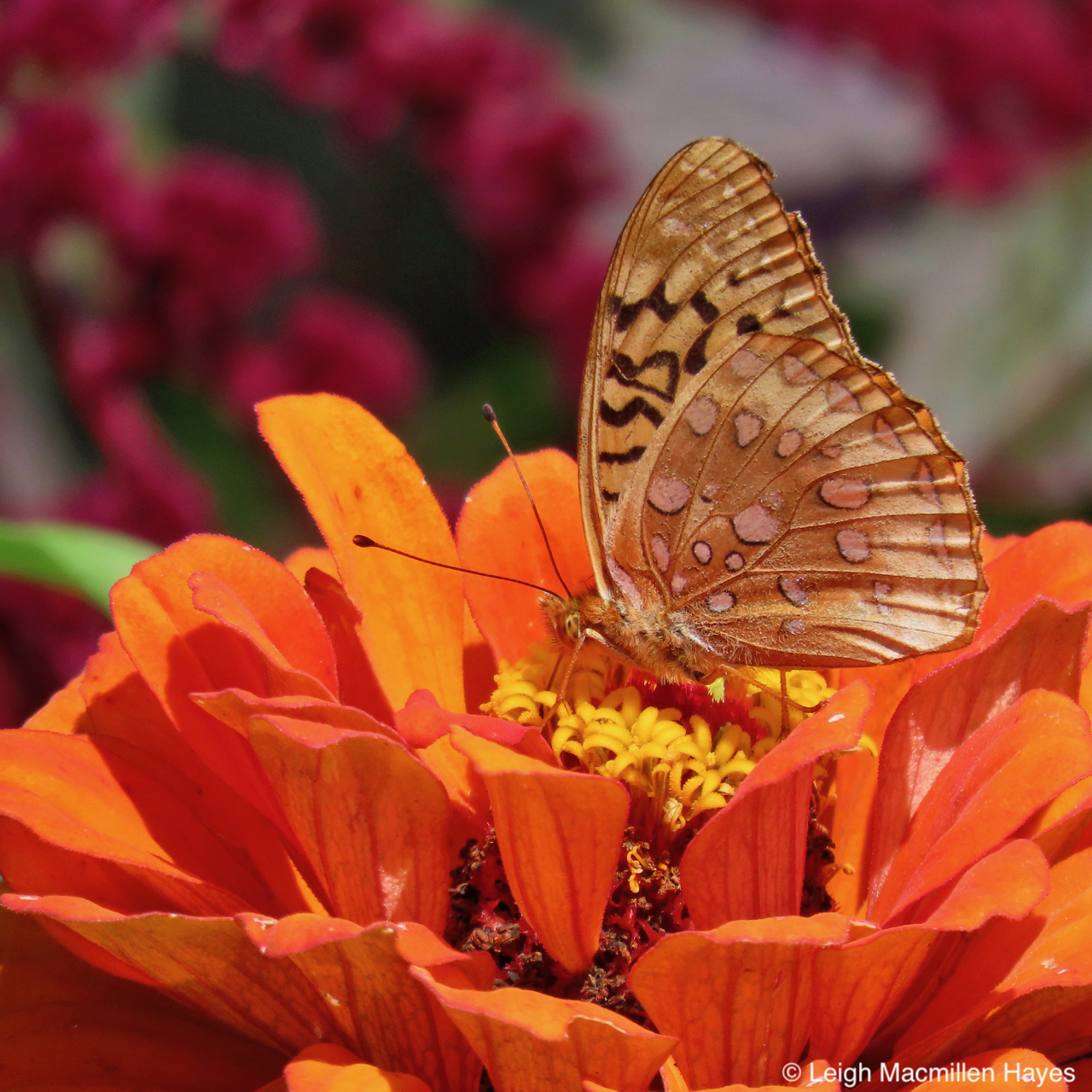
Great Spangled Fritillary

And they help move pollen from the male structures of flowers to the female structures, which ensures new seeds, fruits, and plants will grow. 

Thread-waisted Wasp

Likewise, these insects benefit from the plants they visit.

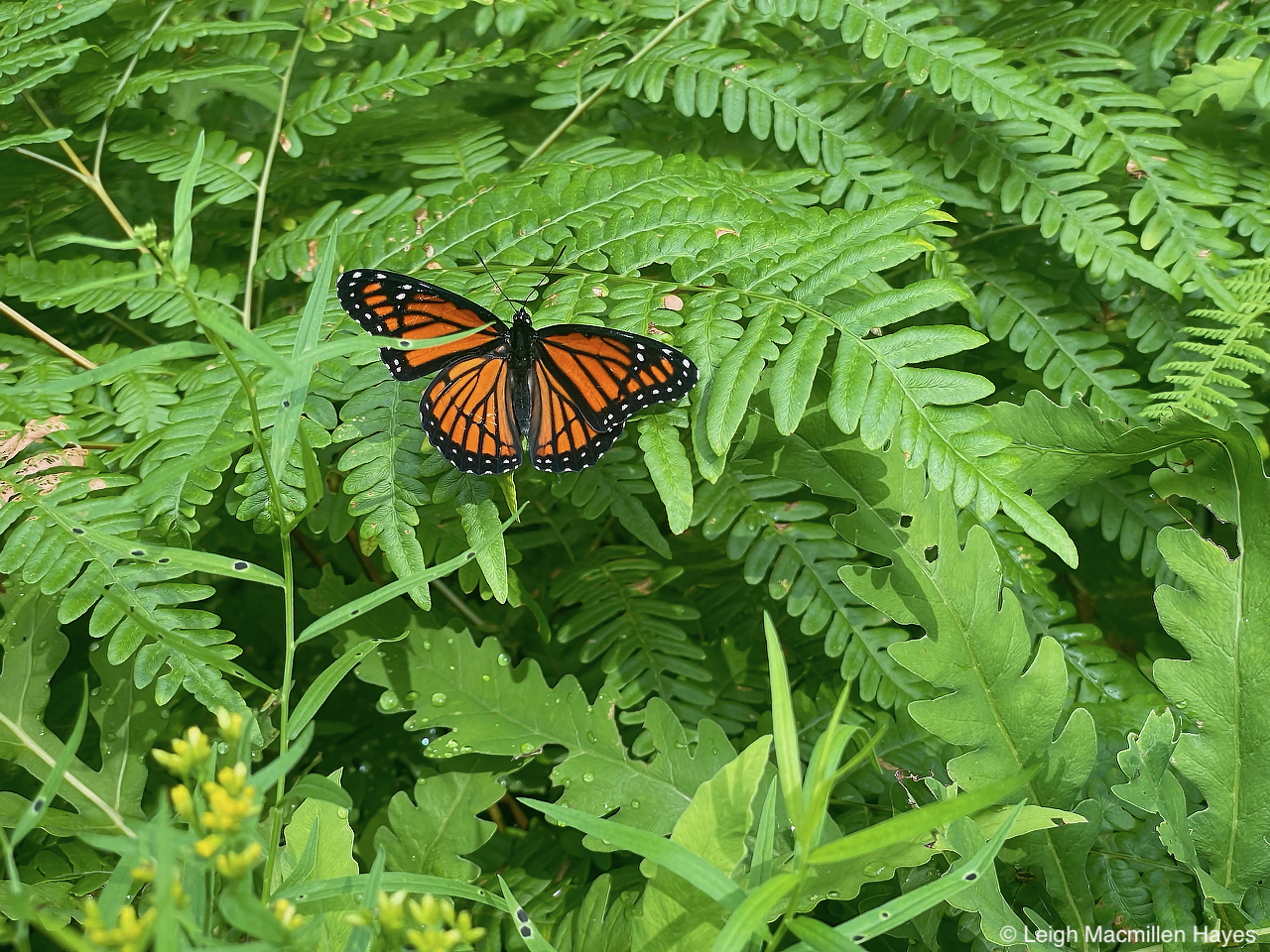
Viceroy Butterfly

Nectar provides carbohydrates and pollen can be a source of proteins, fats, vitamins, and minerals.

Black-tipped Ichnuemon Wasp

But many pollinators are at risk. Declining populations are due to a loss of feeding and nesting habitat, overuse of chemicals and pesticides, and changes to weather patterns.

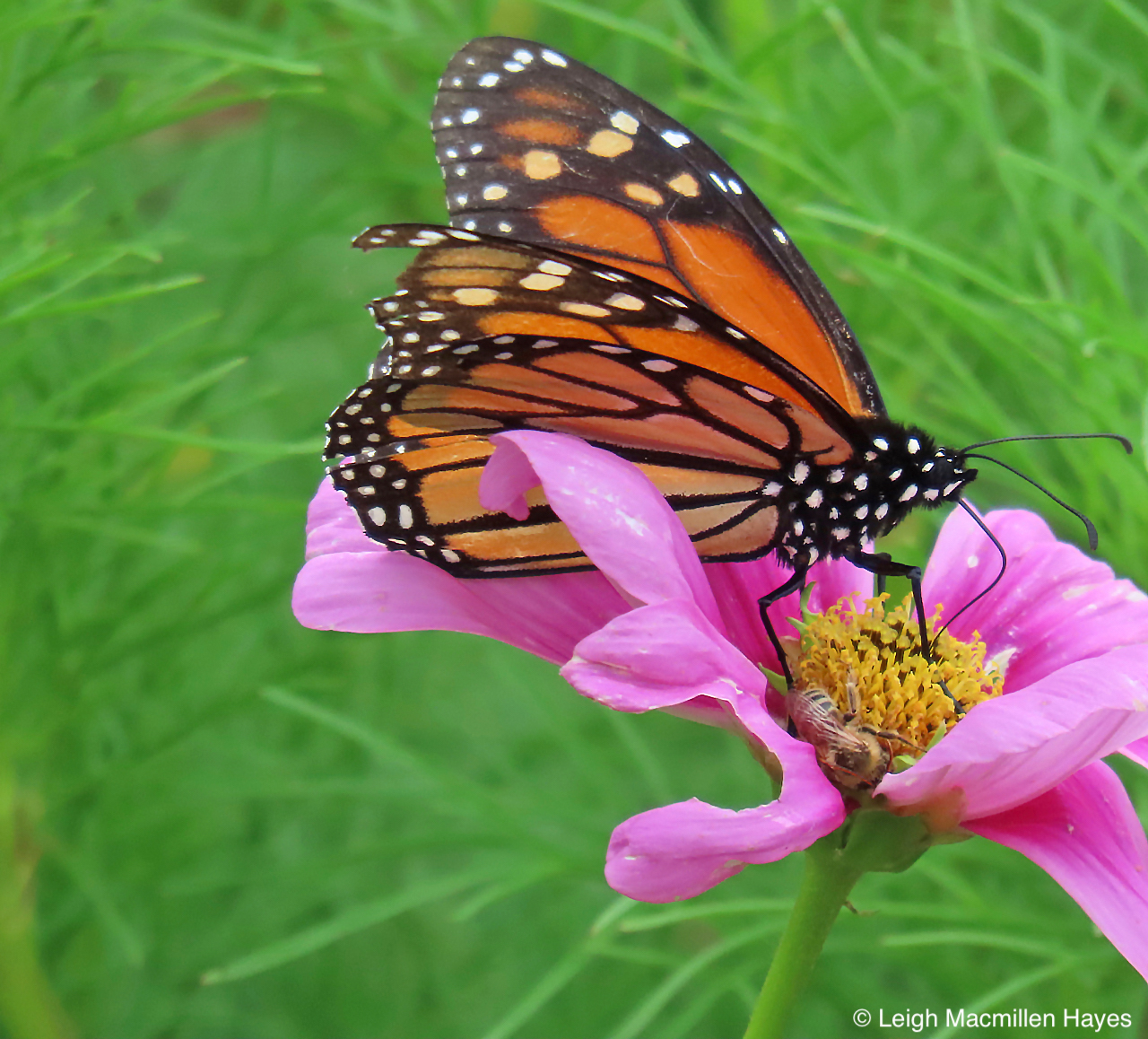
Monarch Butterfly

The Monarch Butterfly has officially been designated as endangered by the International Union of Conservation for Nature.

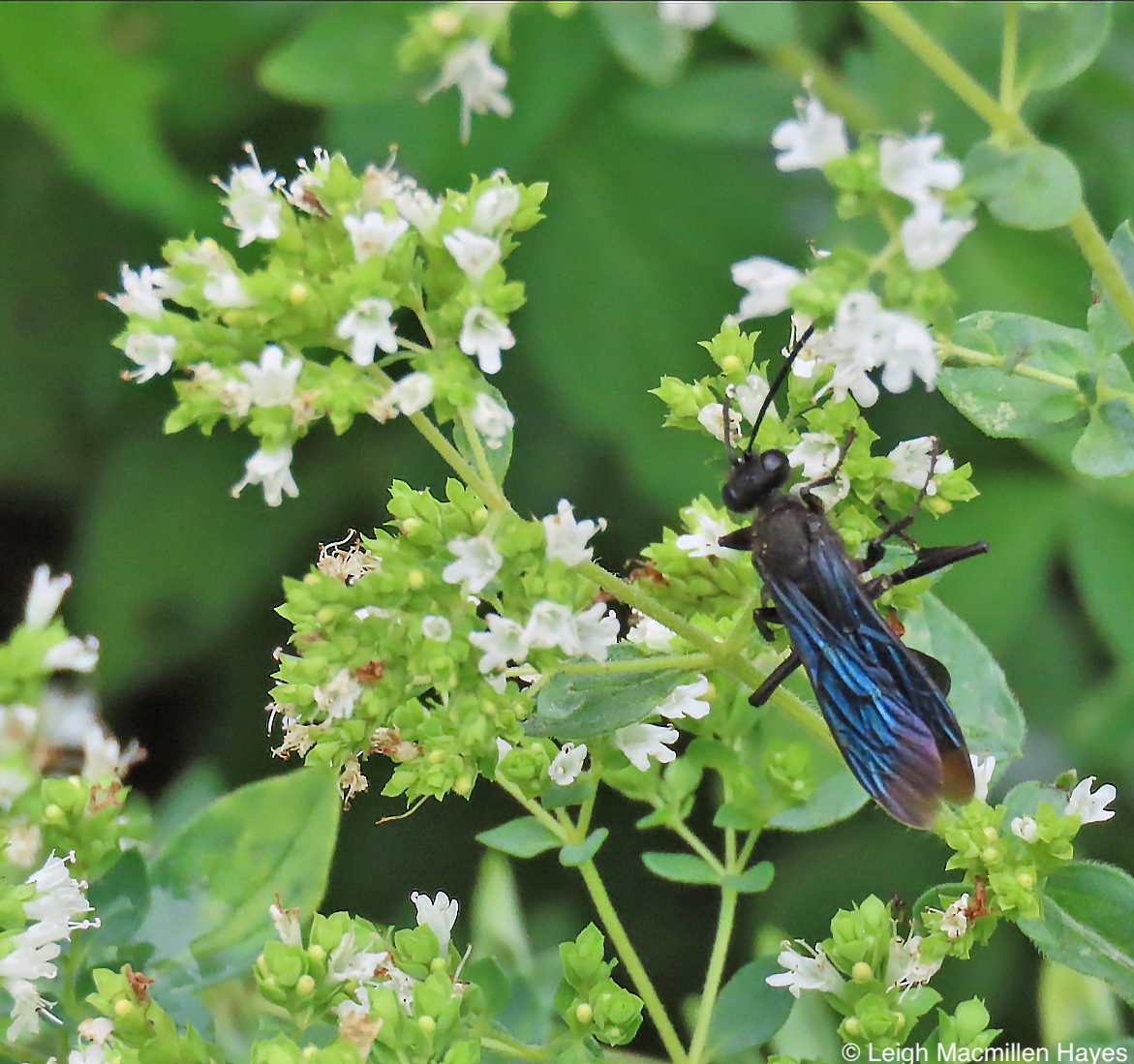
Great Black Wasp

In short, pollinators need us . . . and we certainly need them.

Ambush Bugs

I invite you to accept the invitation and spend time observing and appreciating; in the process you might also get to witness a couple of canoodlers.

Clouded Sulphur Butterfly

By the same token, you could happen upon one whose life has come to an end, but give thanks that it chose a beautiful spot to fall asleep forever.

Please RSVP as soon as possible: The Pollinator Party is going on NOW and it won’t last forever.

The Otherworldly Buttons

Rooted in the spongy sphagnum moss of our western Maine wetlands, a certain shrub makes its home beside Highbush Blueberries and Maleberry and Speckled Alder. It’s a shrub of lax and loose form, its multiple stems sprawling this way and interlocking that way.

I was finishing up an exploration this morning when said shrub stopped me and for the next hour I walked back and forth covering a total of maybe twelve feet that equaled about a half mile all told while admiring the scene that played out before me.

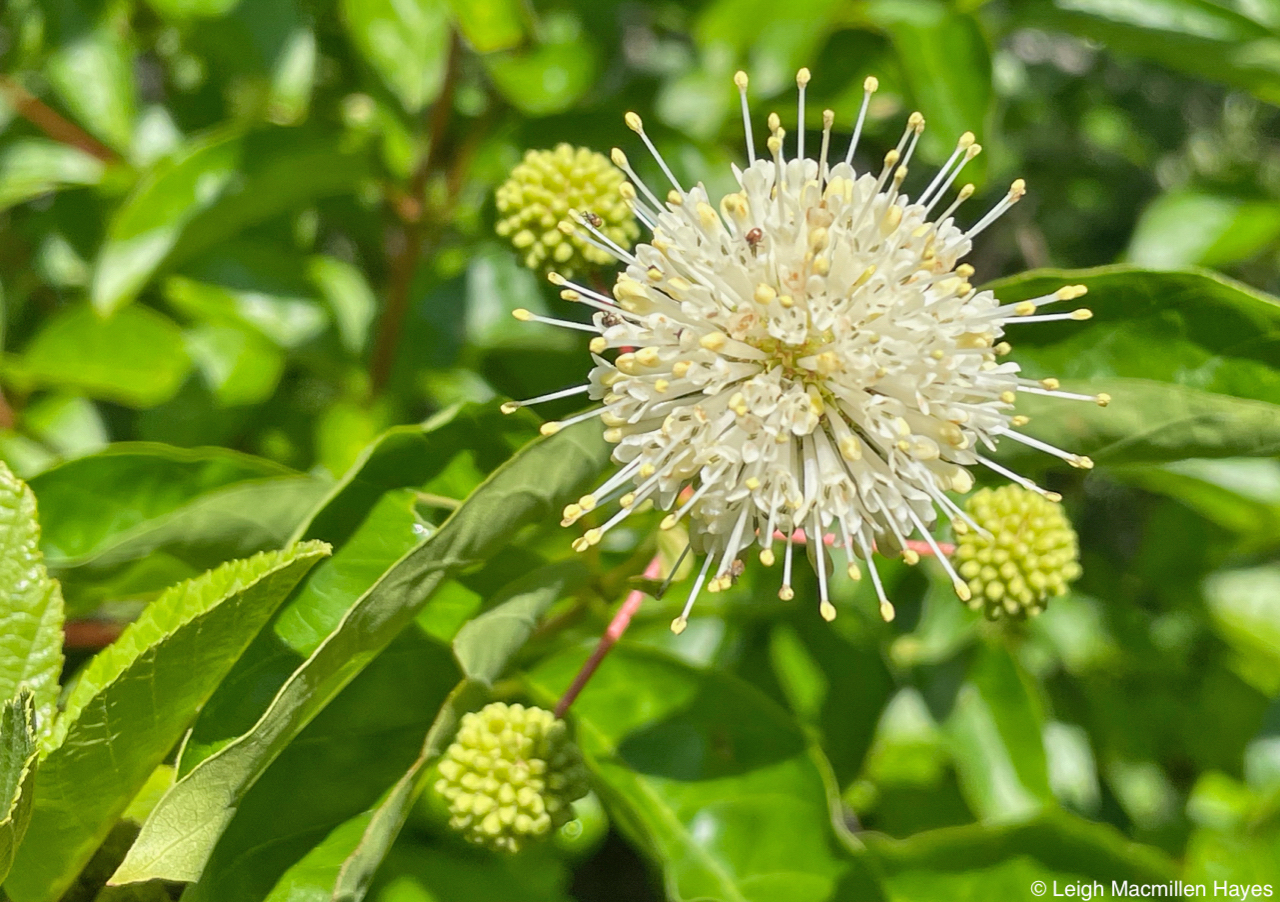
First, there were the conspicuous flowers that never cease to amaze. Dense, spherical, one-inch globes offer nature’s fireworks display in the middle of a summer day. Comprised of many creamy-white tubular flowers so closely packed into a ball, and fringed with protruding pistils that extend beyond the four anthers, the flowers remind some of a pincushion. Set against a backdrop both glossy and dark, the leaves in pairs or threes serve to highlight the fringed beauty of the inflorescence.

As insect magnets, the flowers attract many pollinators including a pair of Flower Longhorn Beetles who couldn’t resist the opportunity to canoodle among the scent so sweet.

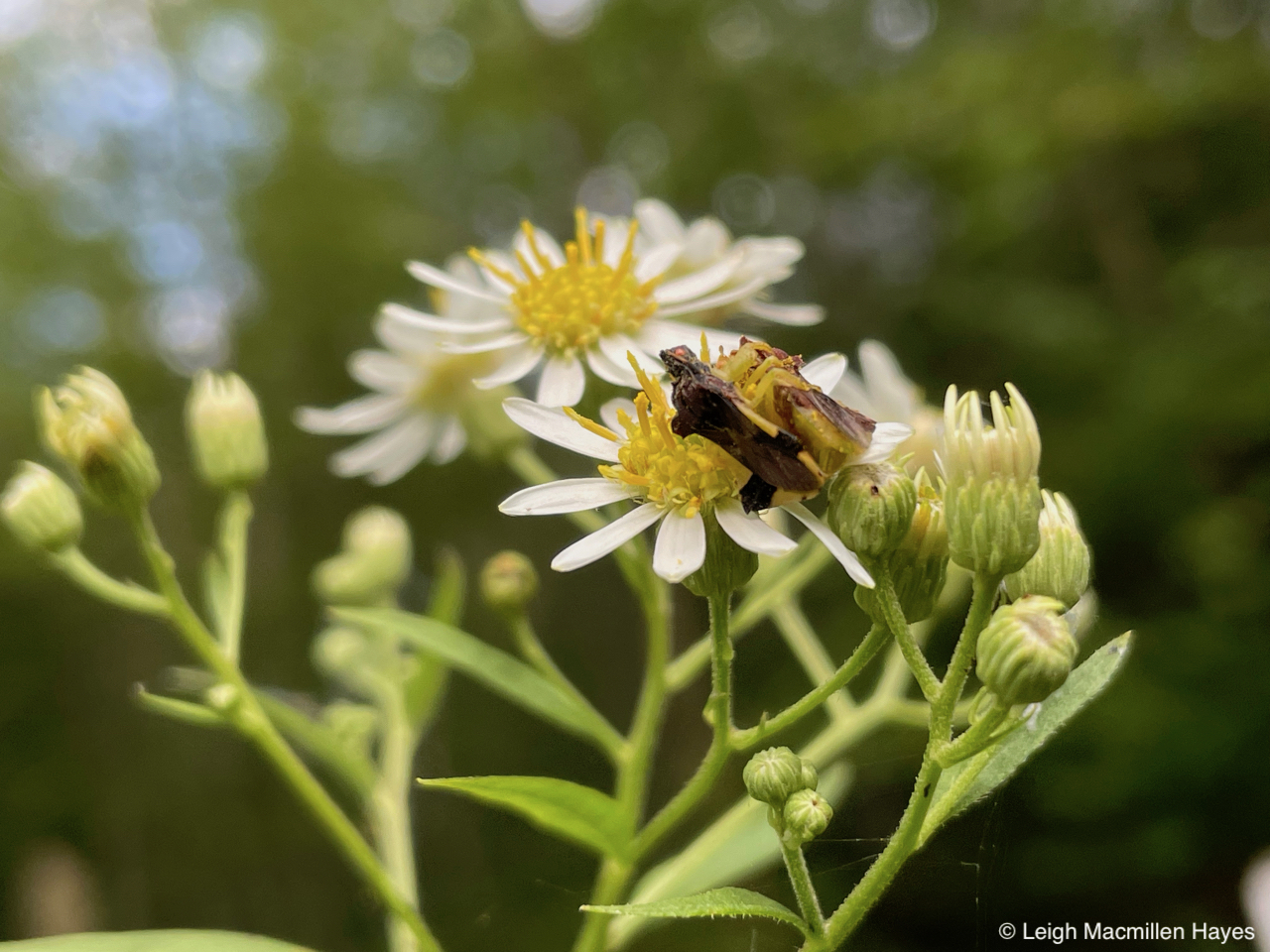
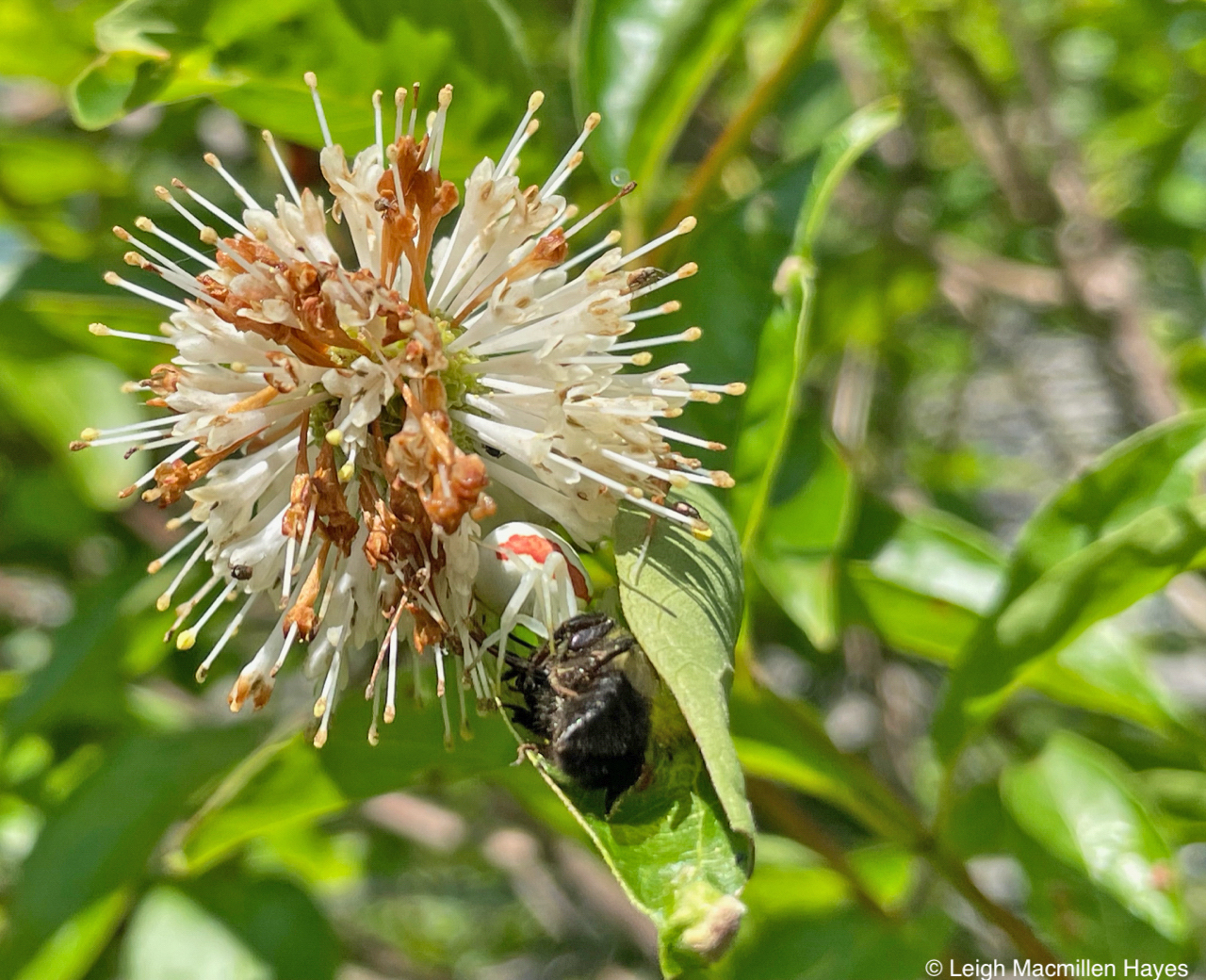
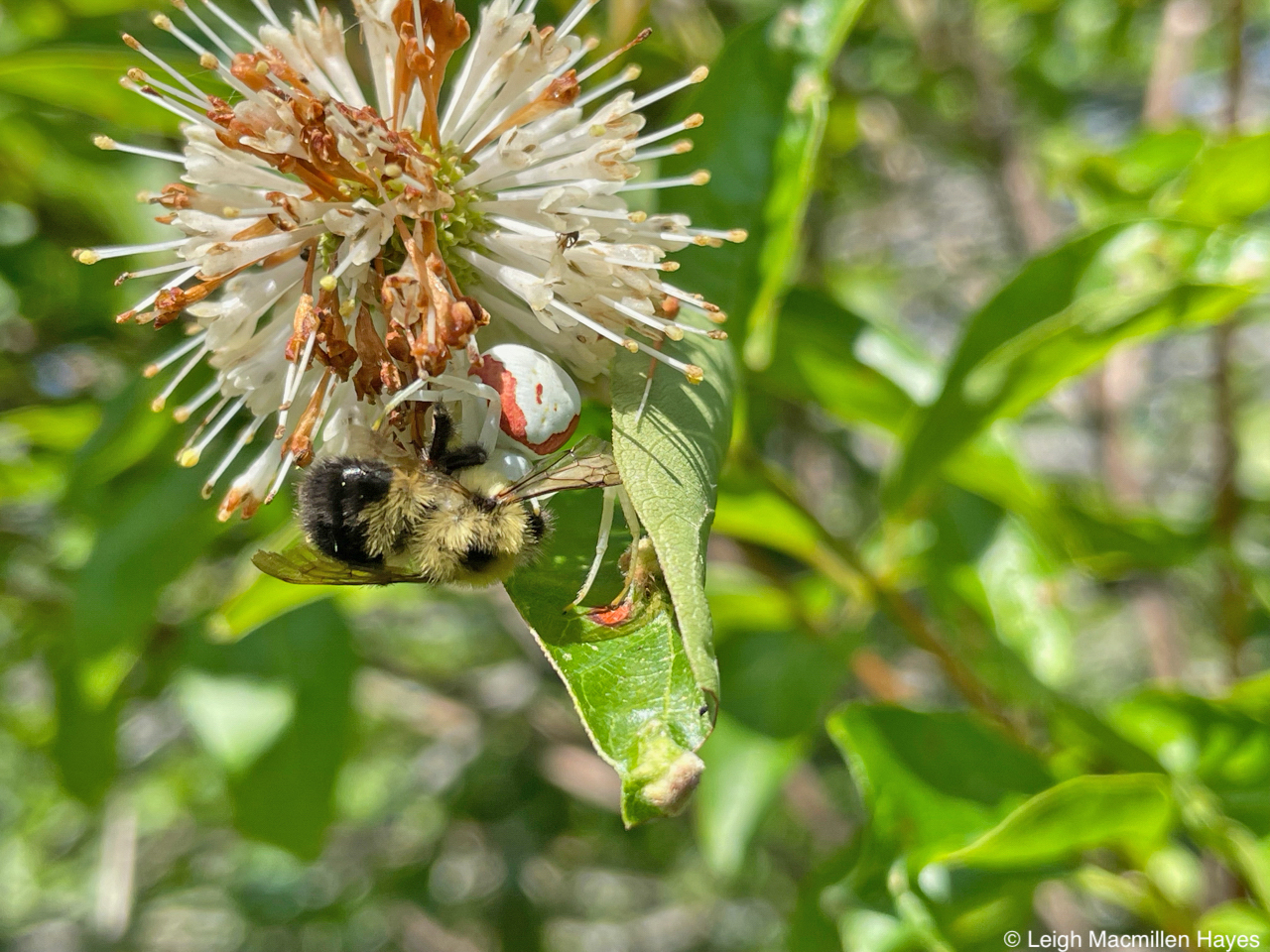
And then I spied another, a predator who had relied on its camouflage much like the flower’s color to keep from being seen in order to ambush its prey. Sit and wait. Sit and Wait. It apparently did so until success was achieved.

As I looked about, I spied a silken thread and wondered if it belonged to the Crab Spider. This species doesn’t build webs, but uses silk to attach drop lines to vegetation just in case in the midst of fervent action while attempting to capture a meal, it slips and needs to get back into position.

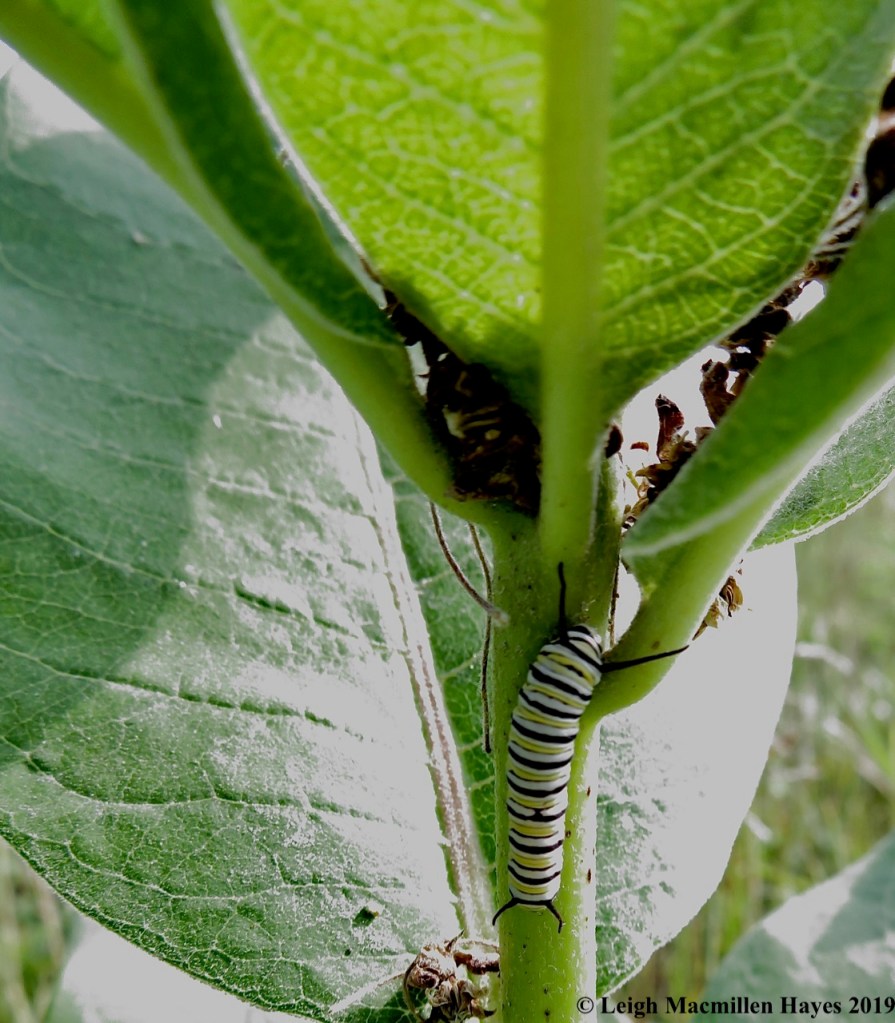
In the midst of my observation, in flew a pollinator that we all need to revere for its species is endangered and I felt blessed to have seen this one. It seems only yesterday, when our sons were mere tots, (think three decades ago) that we often spotted Monarchs all over flowering shrubs in August and September. But now, we celebrate each and every one and only this morning a friend sent a photo of a Monarch caterpillar feasting on her Milkweed and so we know we are among the fortunate few to share these special sightings.

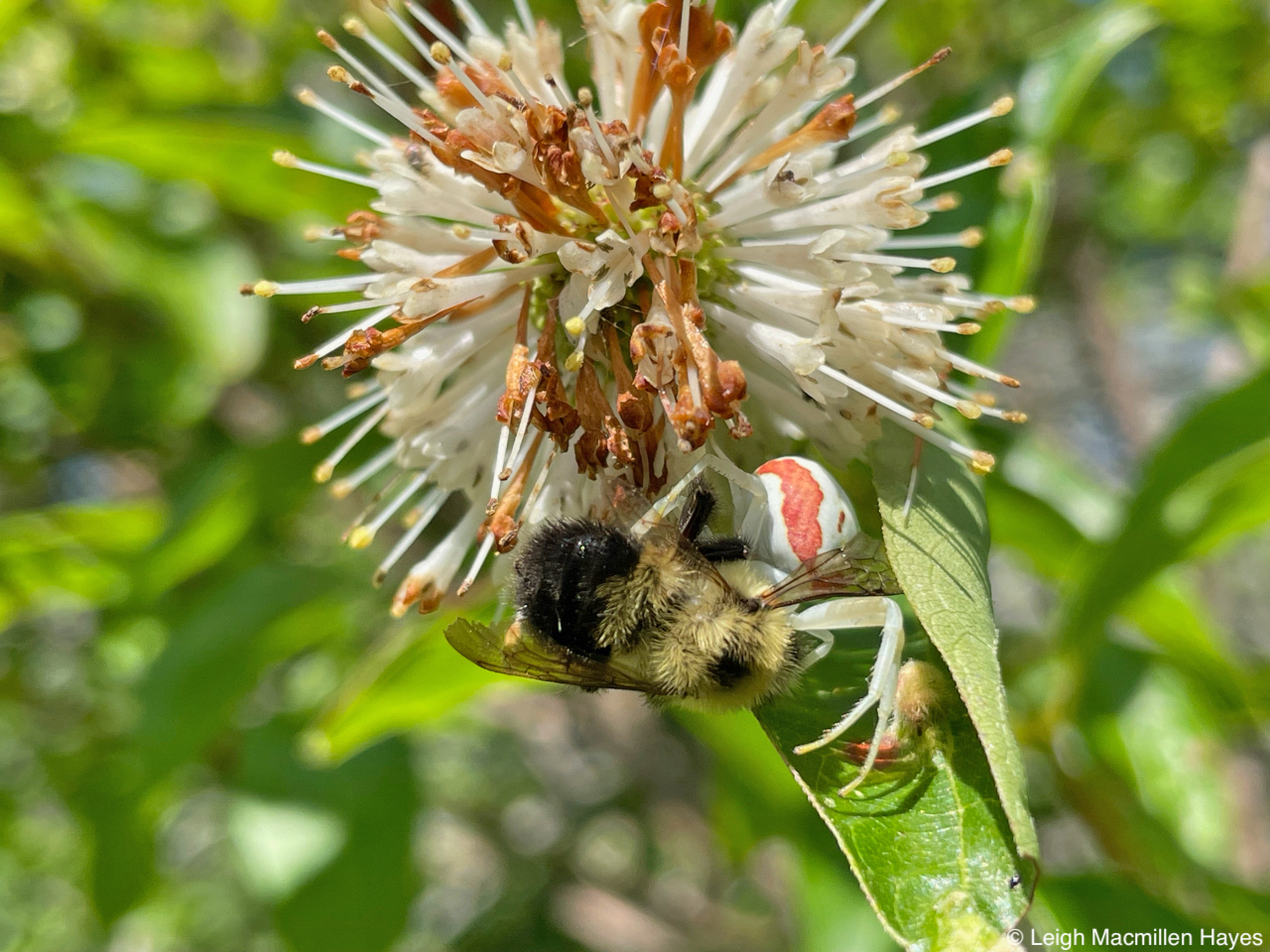
Meanwhile, back at Lunch Leaf, I stalked. When its prey was close enough, the spider grabbed it with its two front legs, the longest of its four pairs, and bit into the victim.

Meanwhile, a Bumble Bee buzzed in, gathering its fill of nectar and pollen, nectar and pollen, until it needed to return to the hive before coming back to collect some more.

Back at Lunch Leaf, venom was injected to paralyze the meal.

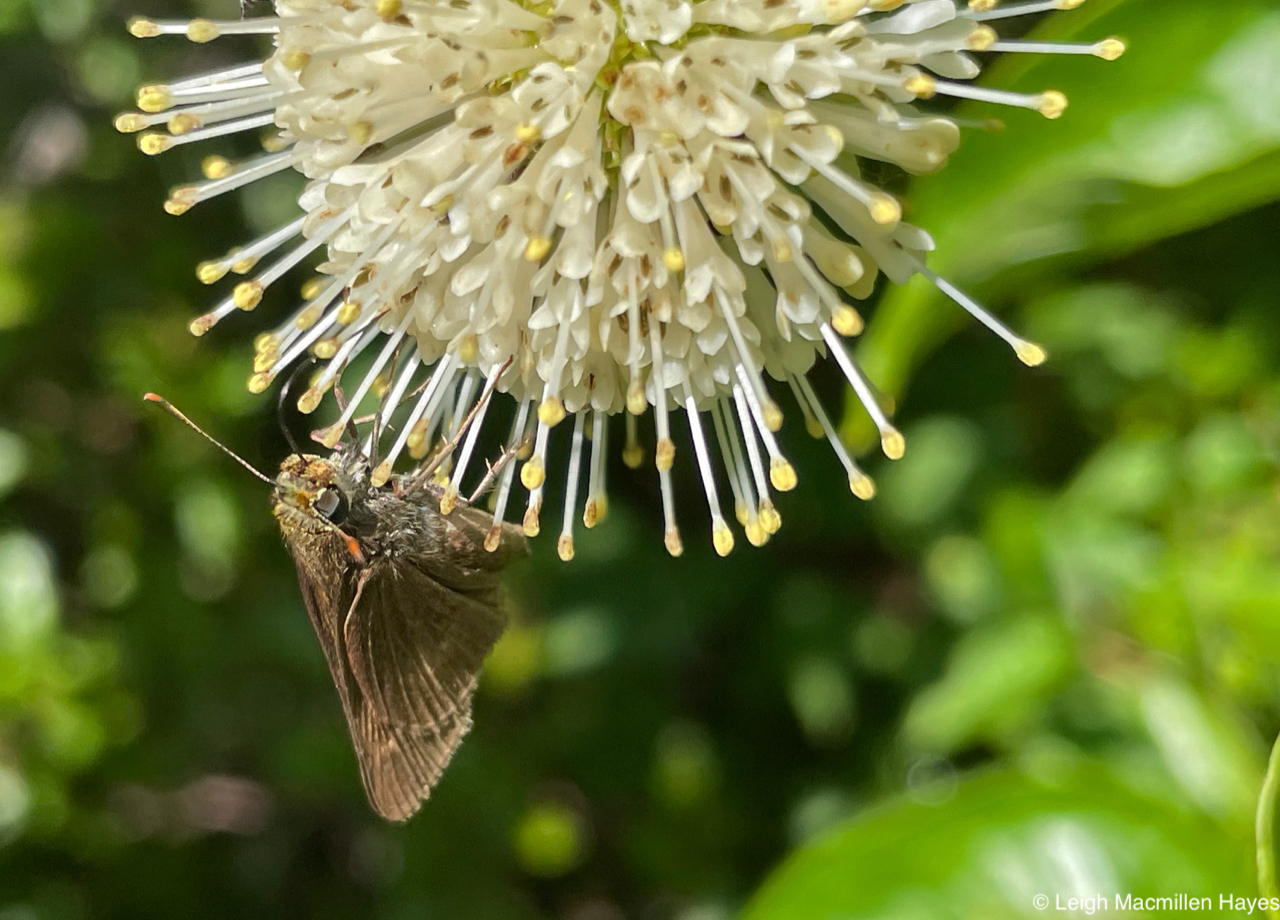
Next, a Dun Skipper made an entrance. Actually about three of them flitted and fluttered from one globe to another.

As for the Crab Spider, it seemed to work on positioning the meal just right.

When the Dun Skipper was positioned just right, I could see its body more clearly and loved how the proboscis stuck down into the flower’s tubular structure. With its deep tube, this inflorescence was designed for butterflies and bees.

Back at the lunch counter, another twist was made.

And atop a different flower head, a Transverse Flower Fly made an appearance, its eyes much bigger than its stomach.

It soon became obvious that prepping a meal takes much work.

The visitors upon the flowers were many and I suppose the lunch choices were as well. While I’m thrilled to have seen so many pollinators, the Crab Spider could only imagine its next meal.

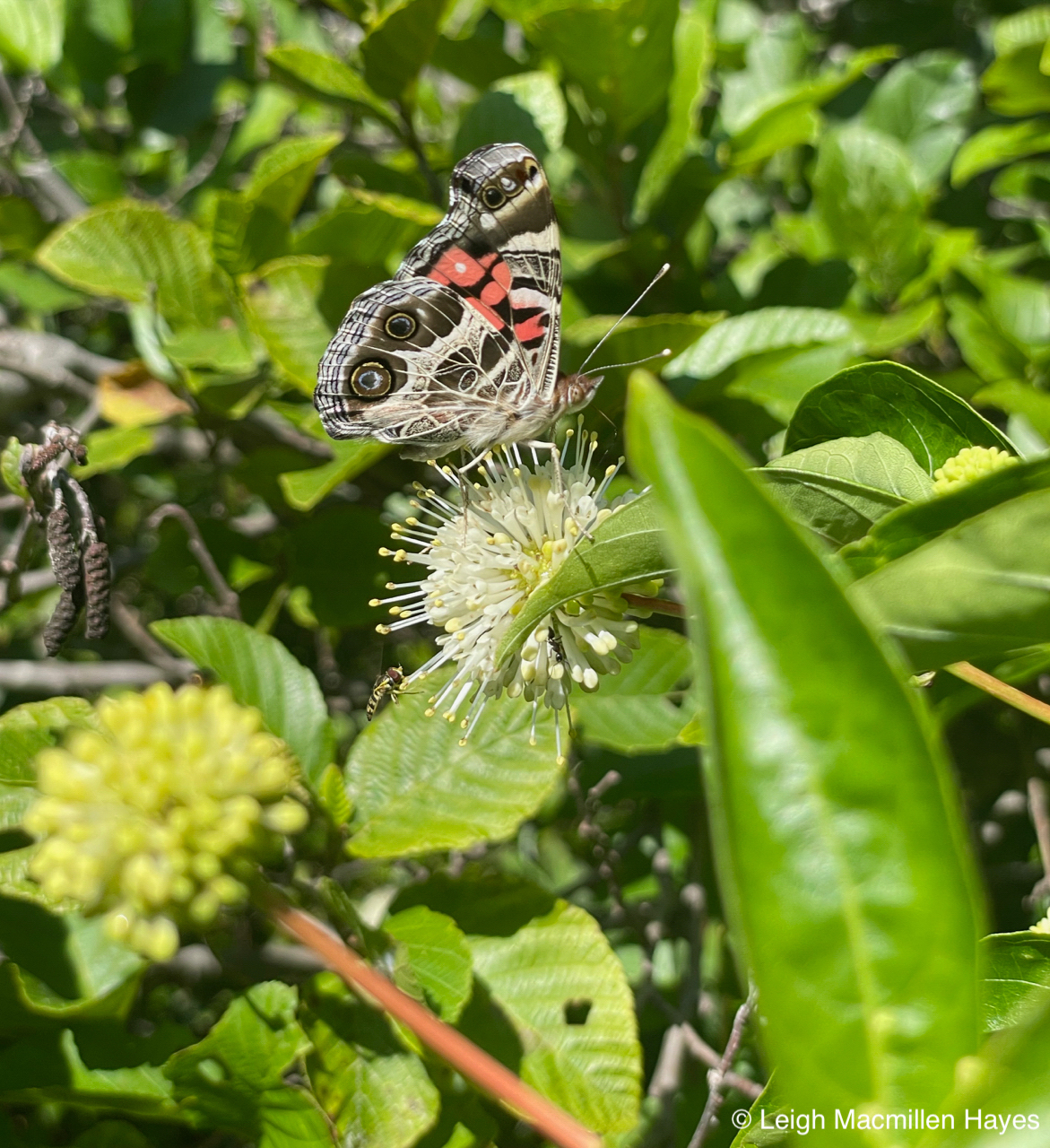
As our time came to an end just after an American Lady flew in, I looked down to make sure I hadn’t worn out the boardwalk and I thought about all the action I’d had the honor of witnessing. Though the flowers drew in smaller insects, they are designed to attract larger bees and butterflies. The Buttonbush (Cephalanthus occidentalis) flowers certainly provide copious amounts of nectar and pollen that make a visit worth the effort for all who stopped by . . . Including the Crab Spider.

I gave thanks to the latter for its diet is well diversified and they are known to contribute to biological controls, but . . . unfortunately, sometimes they feed on beneficial insects like bees.

But I especially gave thanks for all the bees and butterflies who shared their feeding frenzy with me.

Time spent pacing before the satellite-shaped Buttonbush flowers is time spent enjoying an otherworldly experience.   

Drawn by the Sapsuckers

This morning’s tramp found me checking on a couple of bird nests. The first, which belonged to a Phoebe family, was empty.

And so I wandered along a path through a cathedral in the pines.

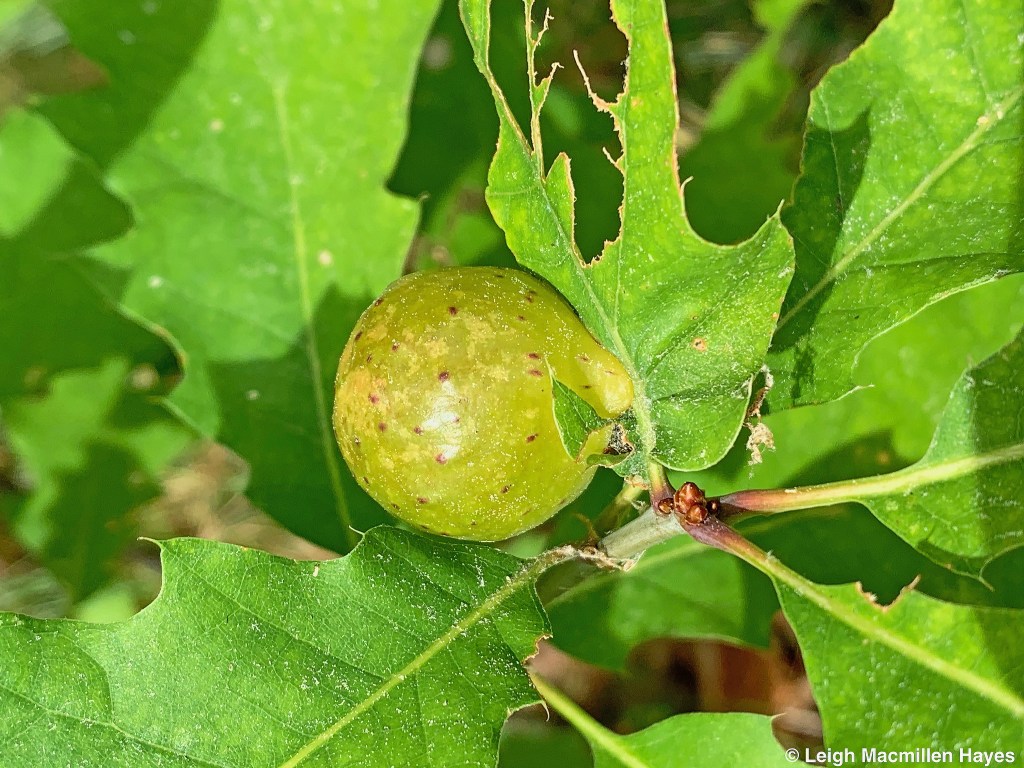
It seemed apropos that I should spy the works of an Oak Apple Gall wasp in such a place for it is believed that circa 800 A.D., monks from a Columban monastery created the Book of Kells and used such galls for their green colorant. The wasp uses it as a place for a larva to pupate.

I knew I’d reached the second nest I wanted to check on because from about twenty feet away I could hear the peeps of the babes within. Their father tossed in a meal, much differently than how he was feeding them only a week or two ago when he entered the nest hole every few minutes.

Today, no sooner did he leave when a nestling popped out and begged for more. I watched for a bit and then gravity pulled me in a different direction.

And so I trespassed onto a neighboring property. Well, I don’t think of it as actually trespassing since it’s not posted and I know the owners who have invited me to visit on numerous occasions. They just didn’t know today would be one of those; nor did I until it was. The deer flies buzzed all about my head, but thankfully some old friends in the form of dragonflies (uh oh, here I go again) snatched the pesky insects and then dined.

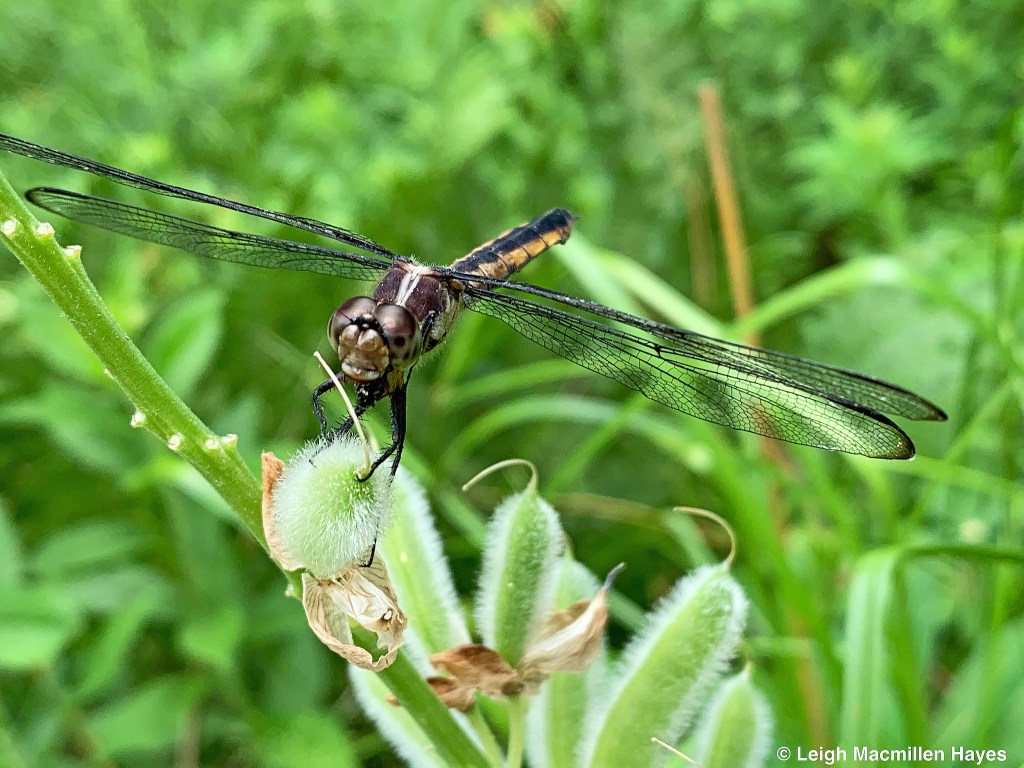
It took a few minutes, but eventually Slaty Blue gobbled every bit of the fly. One down; a gazillion to go.

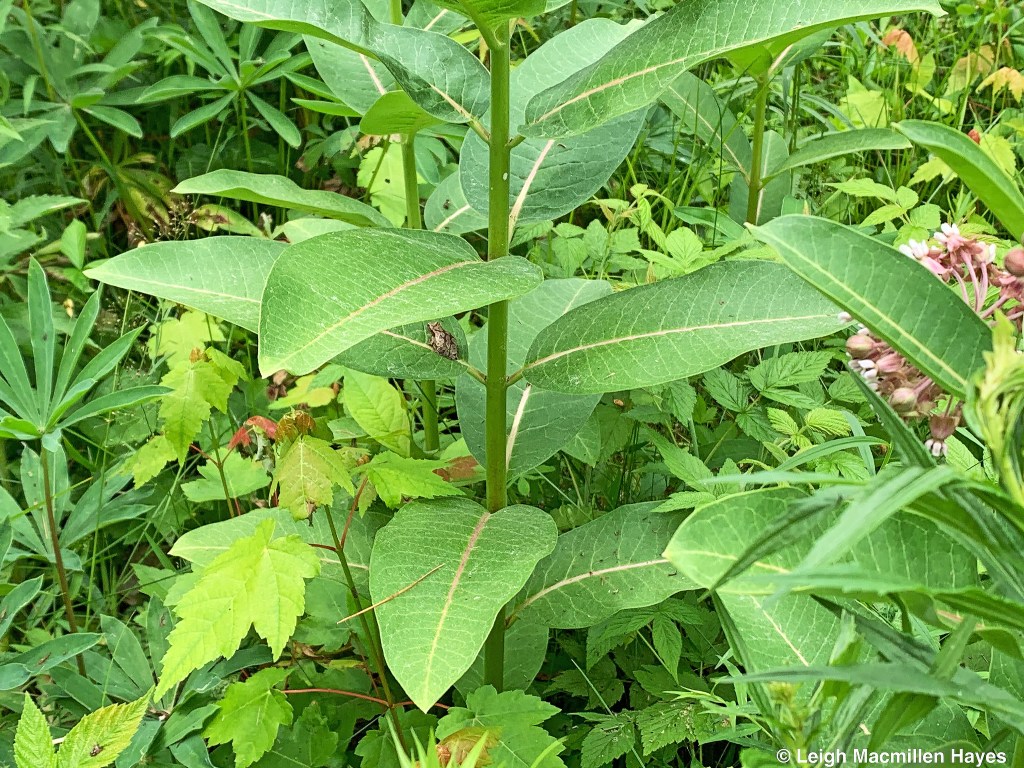
While the lupines had been in full bloom the last time I visited, today’s flowers of joy were the Milkweeds. Even the ants agreed.

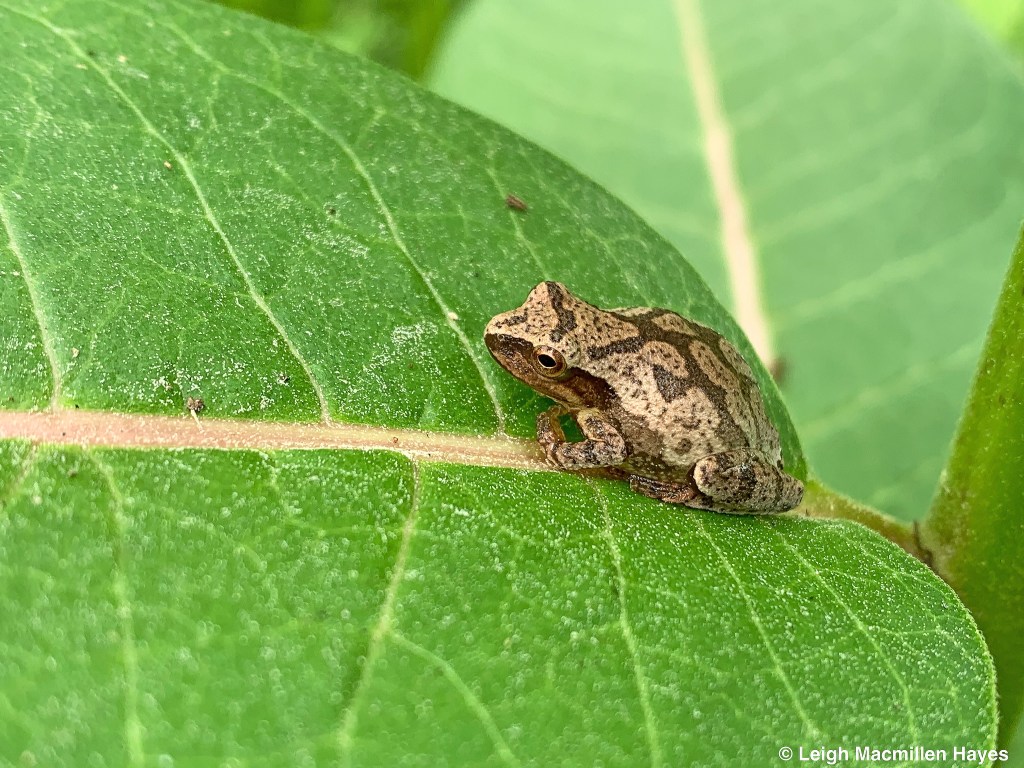
On a leaf below one flowerhead, I noticed something tiny and by the pattern on its back, knew who I was spying.

About the size of a nickel, it was a Spring Peeper. Located about two feet above ground, this little frog could hide from predators all day, waiting to munch on insects and spiders at night. Do you see the X on its back? Its scientific name–Pseudacris crucifer–breaks down to Pseudo (false), acris (locust) and crucifer (cross bearer).

While I continued to admire him, a dash of color brightened the background and then flew down onto the path.

Bedecked in orange and black, it was a Fritillary butterfly. There were actually two today and where the colors of the lupines had passed, the butterflies contributed greatly with their hues.

The Fritillaries weren’t the only adding a dash of color for Eastern Tiger Swallowtails also pollinated the meadow flowers.

Canada Tiger Swallowtails also fly in this part of Maine and so I’m forever trying to remember how to tell the two apart besides size, which doesn’t help when you only see one. The trick, however, is to look at the yellow line on the underside of the forewing. If it isn’t one continuous line as this one wasn’t, then it is the Eastern variety.

I’ve probably completely confused you, but the next will be easy:

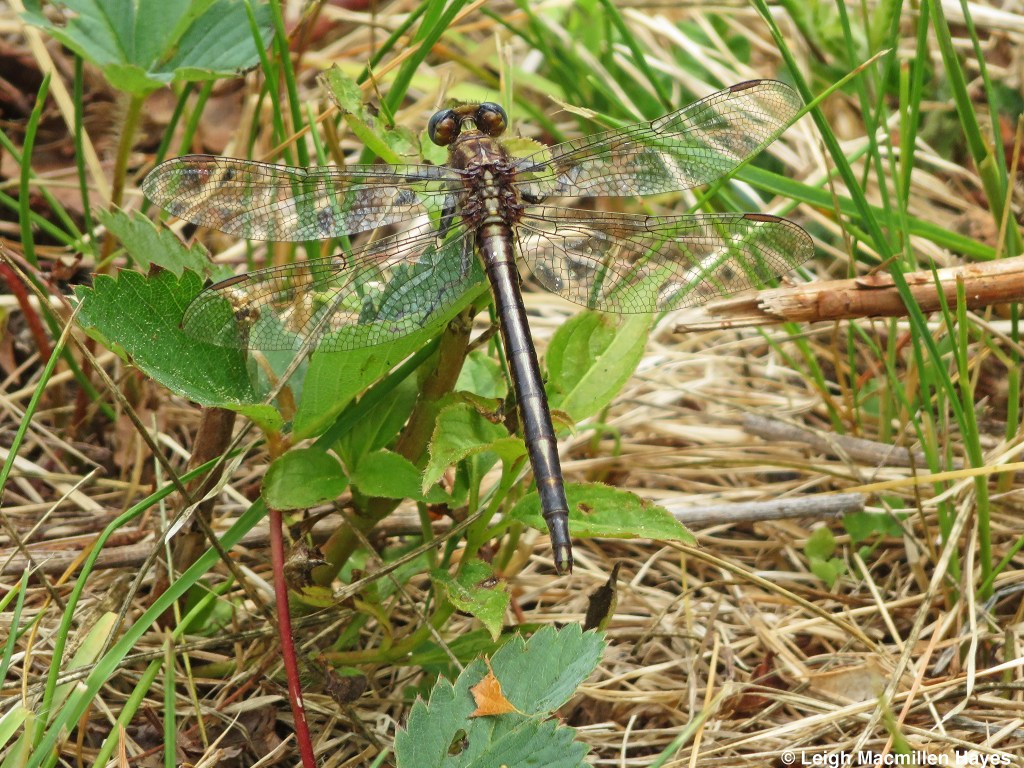
A pop quiz: 1. Who is this? You tell me. (Hint: Emerald family)

2. Who is this? (Hint: Clubtail family)

3. Who is this? (Hint: Skimmer family)

4. Who is this? (Hint: Skimmer family)

Extra credit if you can identify this lady. (Hint: Skimmer family)

The skimmers are many and each has something unique and lovely to offer. But my greatest thrill today was to encounter this delightful specimen just before I was about to depart the meadow. For those who joined me yesterday as I hunted for the Common Whitetail Skimmer, you may have noted the zigzag pattern on her abdomen. Take a look at the pattern along the abdomen of this beauty. The side spots form a smooth stripe. Her honey, whom I have yet to see, has not only the black patches on the wings, but also white. Who might this be? A Twelve-spotted Skimmer.

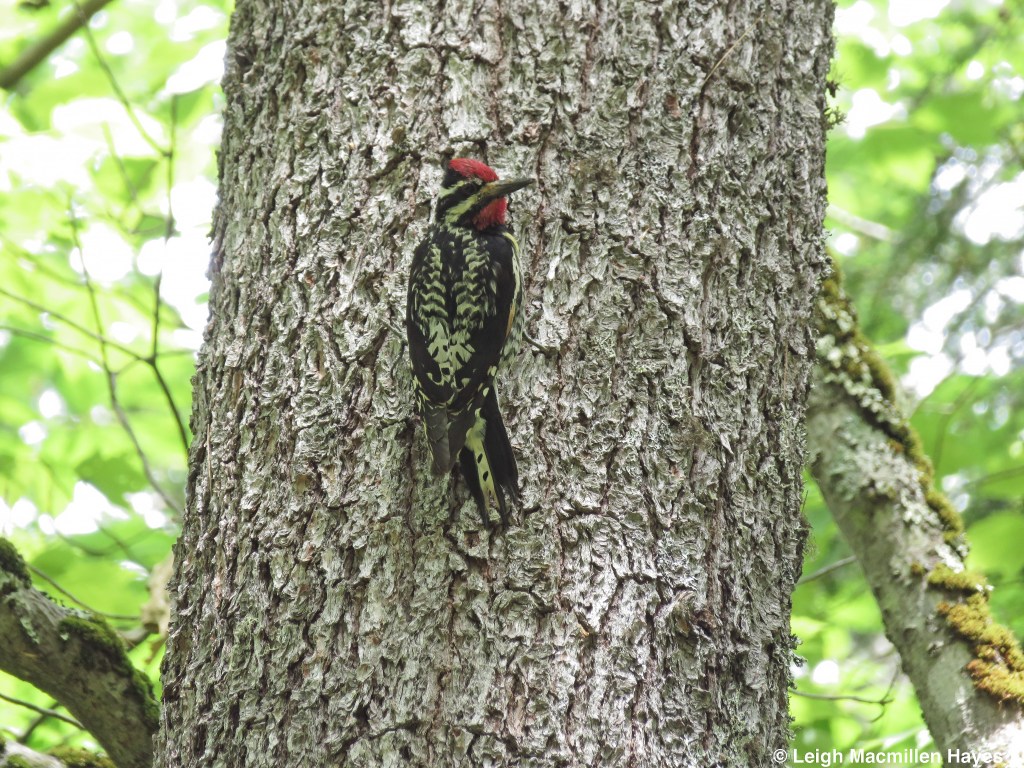
Before departing, I checked back on the sapsucker nestlings. Papa was doing the same from a tree about ten feet away. I got the sense he wanted to tell them to be patient and stop begging.

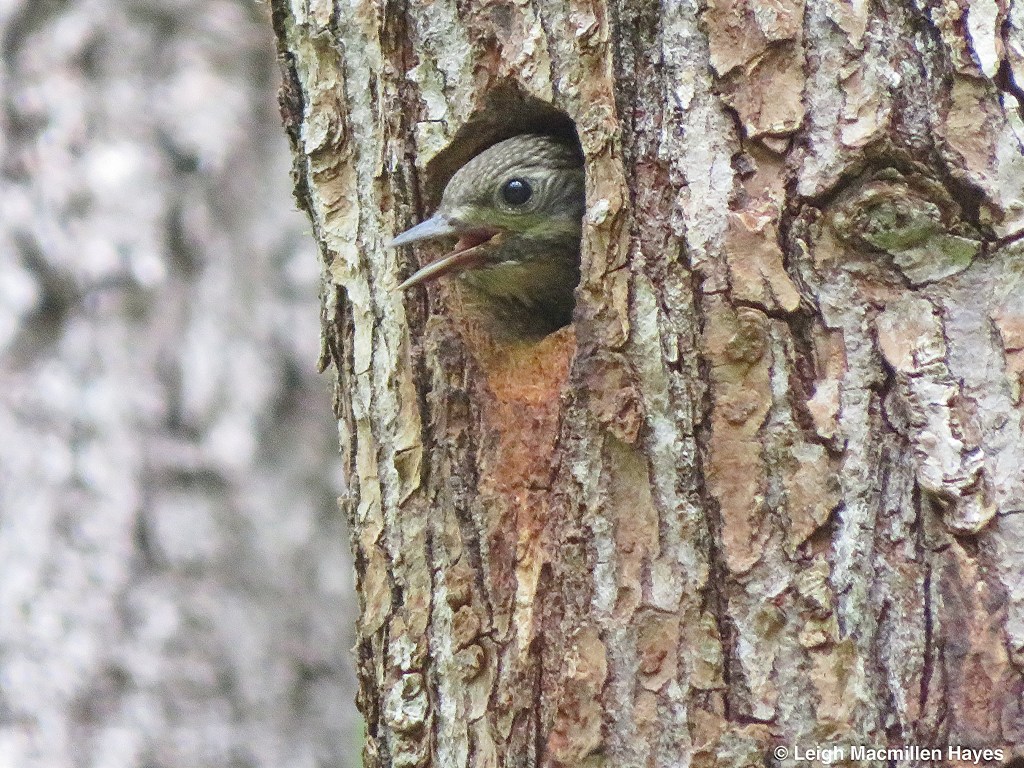
But how can you resist such a baby face? I know I couldn’t.

I gave great thanks to the Yellow-bellied Sapsuckers for drawing me into this place and to Linda and Heinrich Wurm for allowing me to trespass and spy their meadow once again and all that it has to offer.

P.S. Quiz answers: 1. Racket-tailed Emerald; 2. Ashy Clubtail; 3. Spangled Skimmer; 4. Dot-tailed Whiteface; Bonus: female Great Blue Skimmer (a first for me) How did you do?

Wandering and Wondering the Jinny Mae Way

This morning I chose to channel my inner Jinny Mae in honor of my dear friend who has been in isolation for medical reasons since last January. That meant I had to try to slow down and be sure to notice. And ask questions. Mostly it meant I needed to wonder.

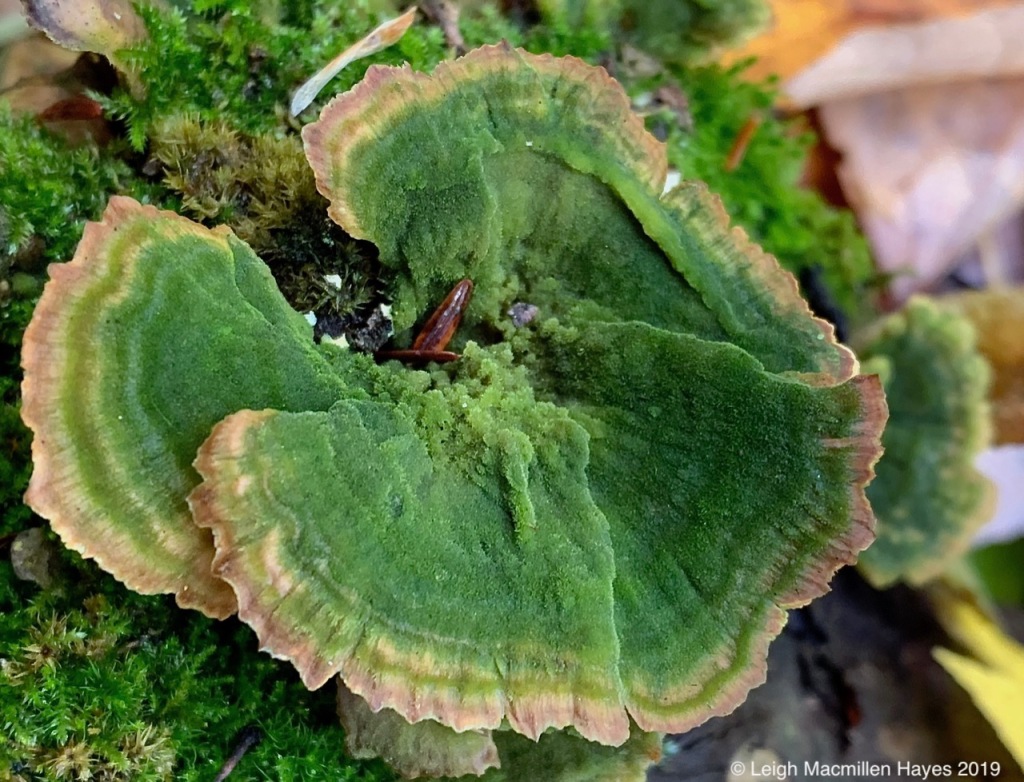
She’s a lover of fungi, so I knew that she’d pause beside the Violet-toothed Polypores that decorated a log. The velvety green algal coating would surely attract her attention. Why does algae grow on this fungus?

I didn’t have the answer in my mind, but a little research unearthed this: “As is the case for lichens, the algae on top of a polypore arrangement appears to benefit both partners. The algae (usually single-celled ball-shaped green algae), being filled with green photosynthetic pigments, use sunlight to make sugars out of carbon dioxide gas. Some of these leak out and are absorbed and consumed by the fungi as an extra source of energy-rich organic carbon. The fungus, in turn, provides a solid platform upon which the algae can set up shop and grow into dense green communities.” (~rosincerate.com)

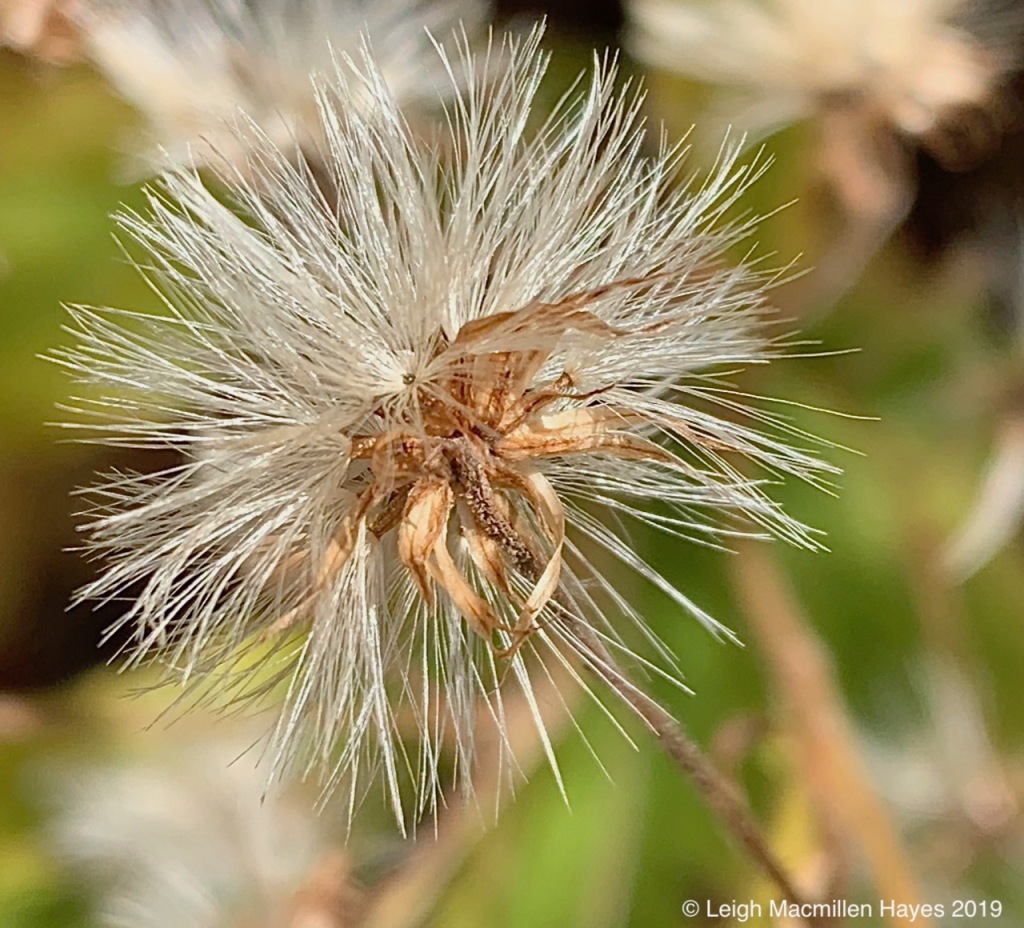
The next stop occurred beside the fall forms of asters where the seeds’ parachutes could have easily passed as a flower. What’s a seed’s parachute and why does it have one? The parachutes are made up of hair-like structures. As an immobile parent plant, it needs to disperse its young so that new plants can grow away from those pesky competitive siblings. And maybe even colonize new territories. At this stage of life, the seedy teenager can’t wait to fly away from home and start its own life. Do you remember that time in your life?

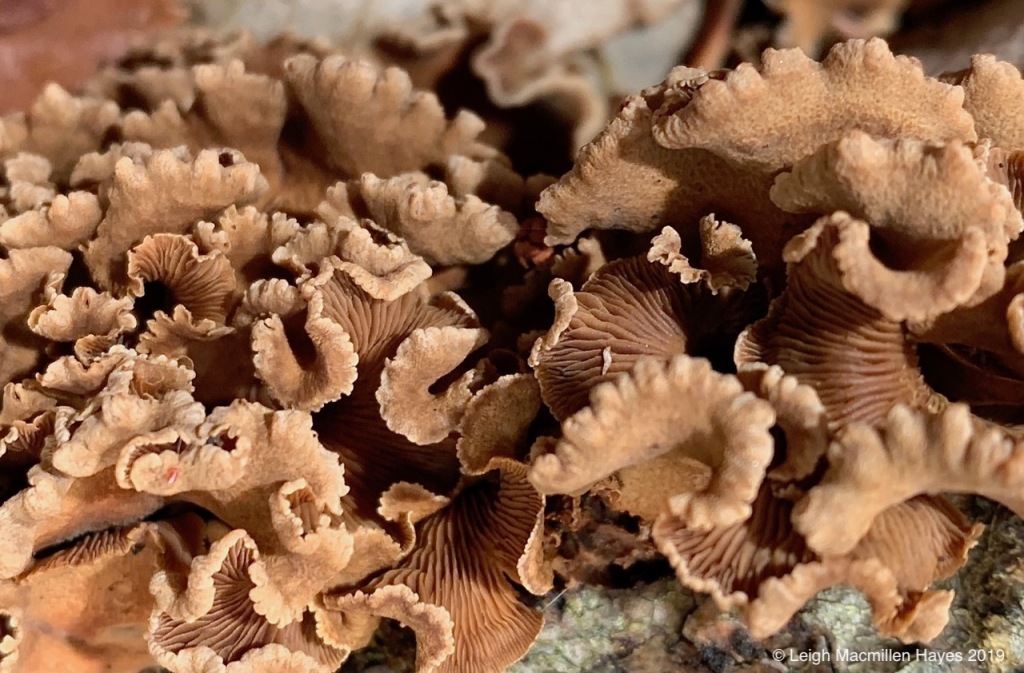
And then, it was another fungus that asked to be noticed. Those gills. That curly edging. And crazy growth structure. Jinny Mae would have keyed in on it right away, but it took me a while. I think it’s a bioluminescent species, Night Light aka Bitter Oyster (Panellus stipticus). But as I often say, I don’t know mushrooms well, so don’t look to me as the authority. What would Jinny Mae ask? Hmmm. What makes it glow? That’s even further beyond my understanding than naming this species. But I can say that it has to do with enzymes that produce light by the oxidation of a pigment. And have I ever actually seen such a glow? NO. But one of these nights ;-)

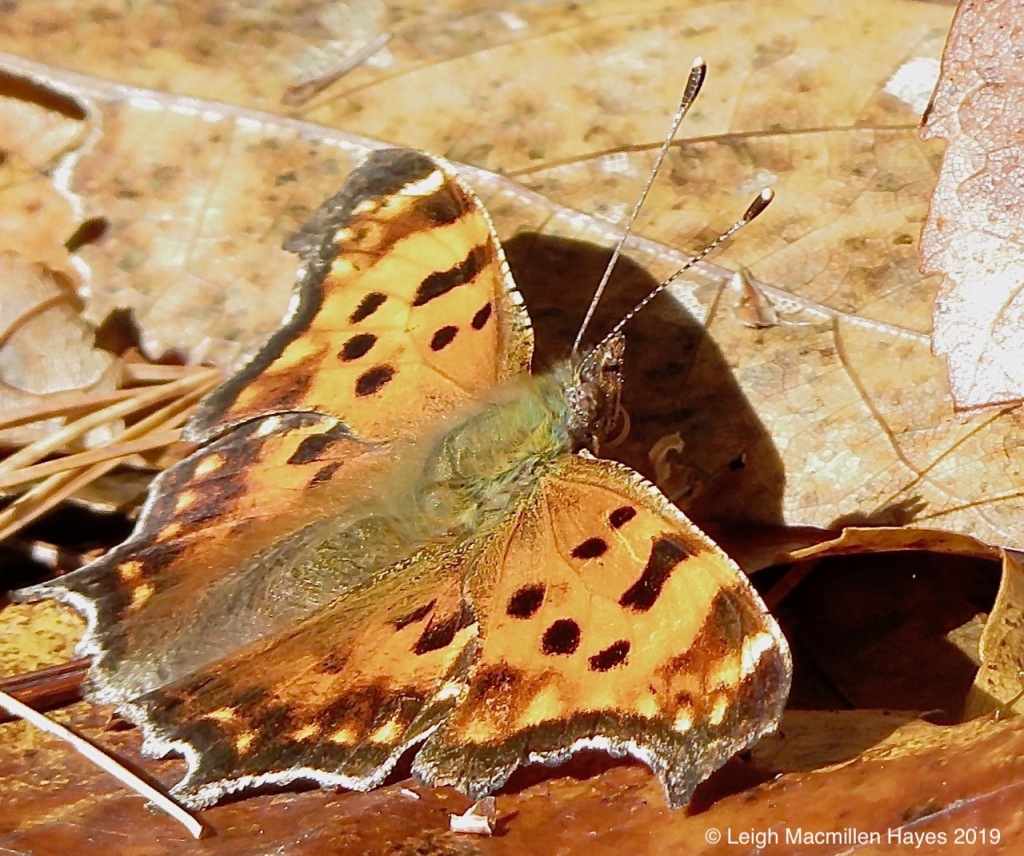
As I continued to walk along, I noticed movement and realized I was in the presence of a butterfly. A butterfly I don’t recall ever meeting before. It had the markings of several familiar species, but it wasn’t until I arrived home that I figured out its name. Do you see its curled proboscis?

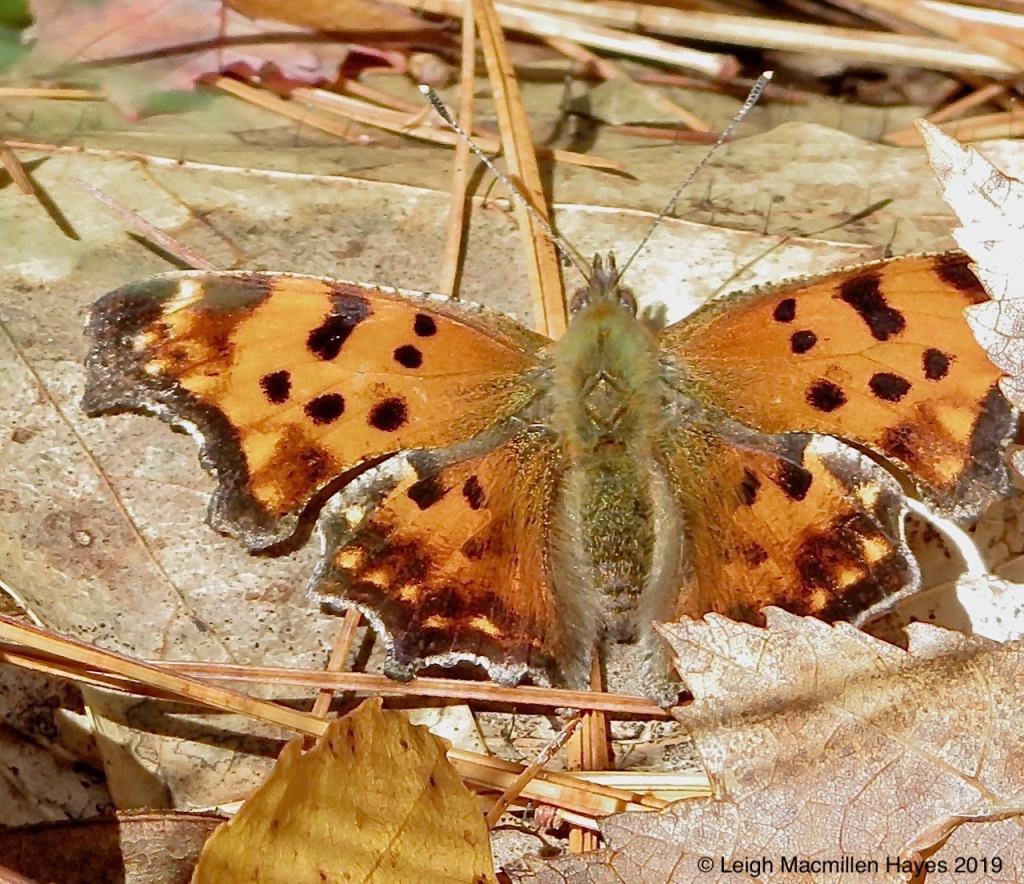
Jinny Mae would have been as wowed as I was by this species that I can confidently call a Faunus Anglewing or Green Comma. Typically it flies from May to September, so why today? I got to wondering if this week’s Nor’easter caught it in a more southern clime and forced it north on the wind? But I discovered that its a boreal species and was perhaps at the southern end of its range. Maybe the storm did have something to do with its presence today after all.

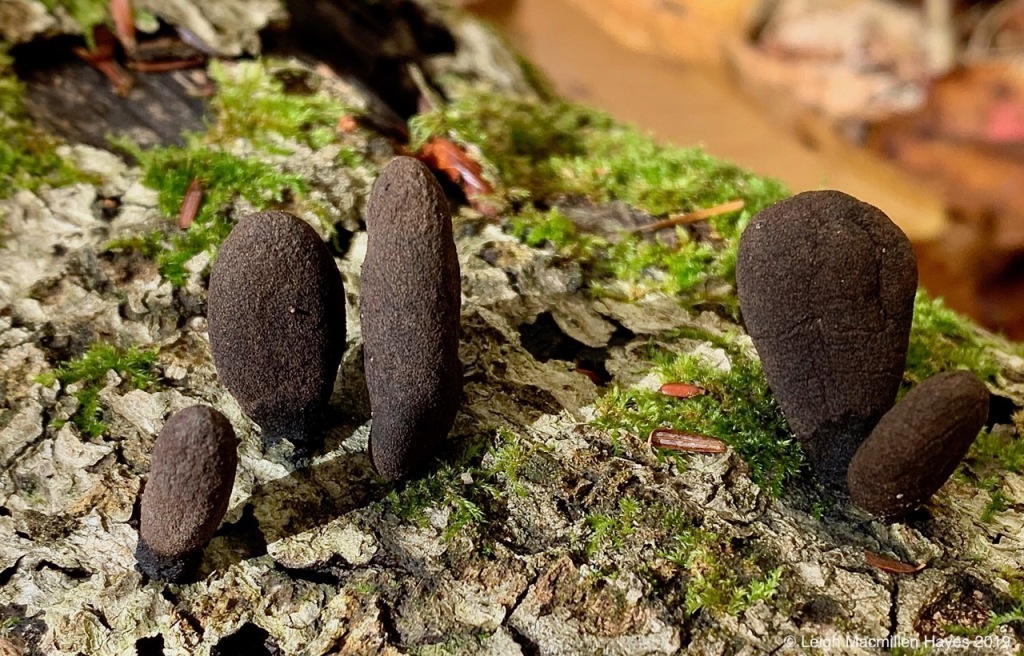
Eventually the journey became a mix of following a trail and bushwhacking. Both provided examples of the next moment I knew Jinny Mae would love. Dead Man’s Fingers, all five of them, in their fall form, the lighter color spores having dispersed and the mushroom now turning black. Why the common name for Xylaria longipes? According to Lawrence Millman, author of Fascinating Fungi of New England, “Certain African tribes believe that if you’ve committed a crime, and you rub the spore powder from an immature Xylaria on your skin, the police won’t identify you as the culprit.”

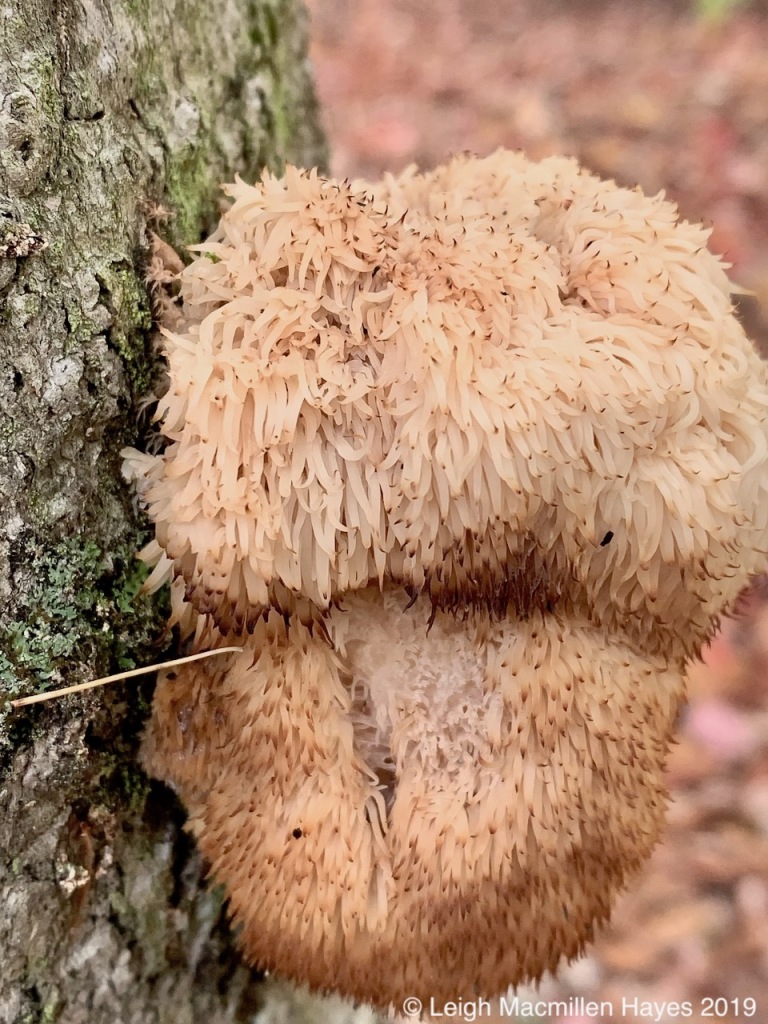
It seemed these woods were a mushroom garden and one after another made itself known. I could practically feel Jinny Mae’s glee at so many fine discoveries. Resembling cascading icicles (I was wearing a wool hat and my snowpants actually, which turned out to be overdress after three hours), I wanted to call it Lion’s Mane, but to narrow down an ID decided to leave it at the genus Hericium. I suspected Jinny would agree that that was best and it should just be enjoyed for its structure no matter who it really was.

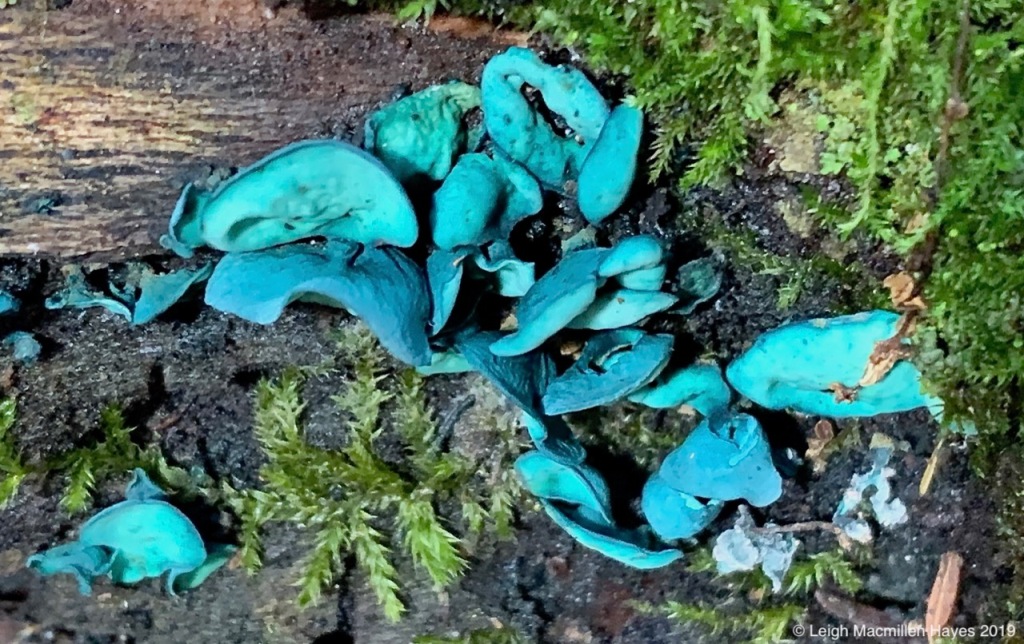
Nearby, another much tinier, in fact, incredibly teenier fungus could have gone unnoticed had the sun not been shining upon it. I was pretty certain 2019 would be the year that would pass by without my opportunity to spy this one. But, thankfully, I was proven wrong. Forever one of my favorites, I knew Jinny Mae also savored its presence. The fruiting body of Green Stain are minute cup-shaped structures maybe 1/3 inch in diameter. I used to think when I saw the stain on wood that it was an old trail blaze. And then one day I was introduced to the fruiting structure and rejoice each time I’m graced with its presence. There was no reason to question these delightful finds. Noticing them was enough.

In complete contrast, upon a snag nearby, grew a much larger fungus.

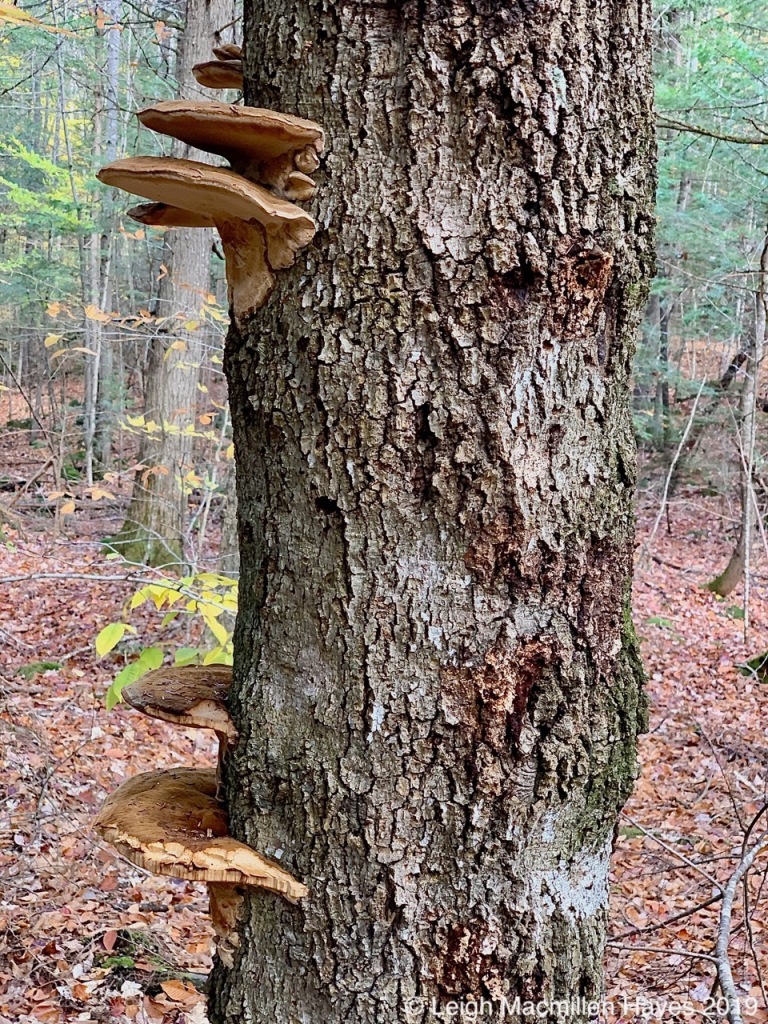
Part of its identification is based on its woody, shelf-like structure projecting out from the tree trunk. Someone had obviously been dining upon it and based on its height from the ground and the tooth marks, I suspected deer.

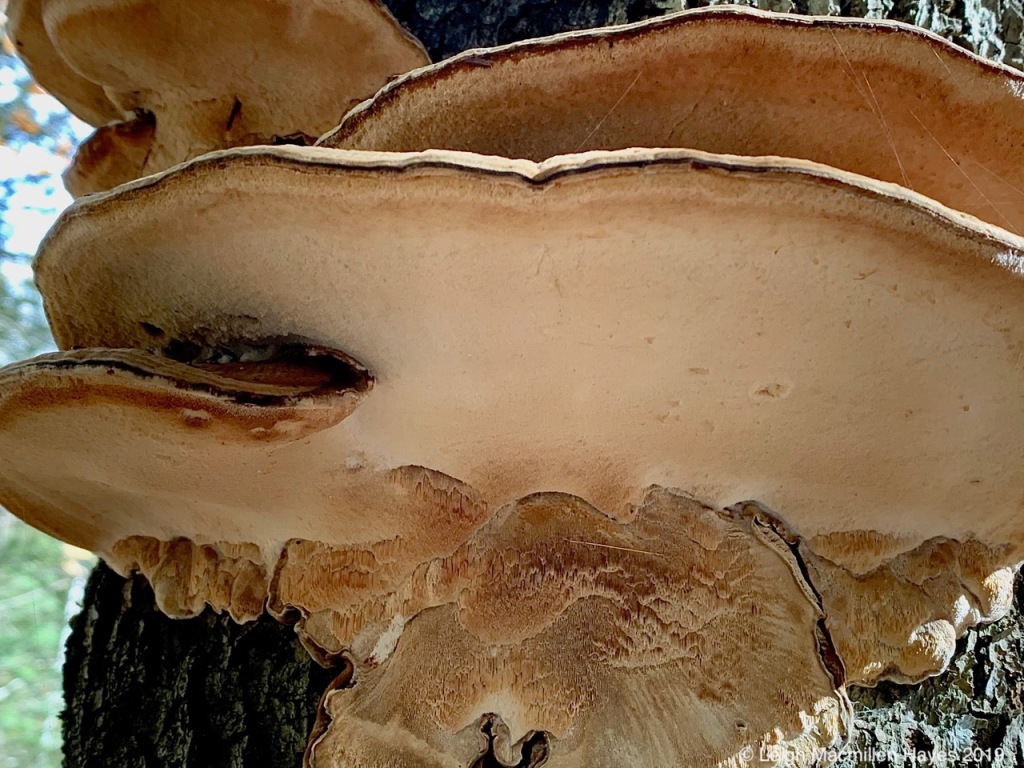
The pore surface, however, is the real reason to celebrate this find for it stains brown and provides a palette upon which to sketch or paint, thus earning it the common name of Artist Conk. But the question: while some mushrooms fruit each year and then if not picked, rot and smell like something died in the woods, what happens with a shelf fungus? The answer as best I know: A shelf fungus adds a new layer of spore tissue every growing season; the old layer covered by the new one, which look like growth rings in a tree.

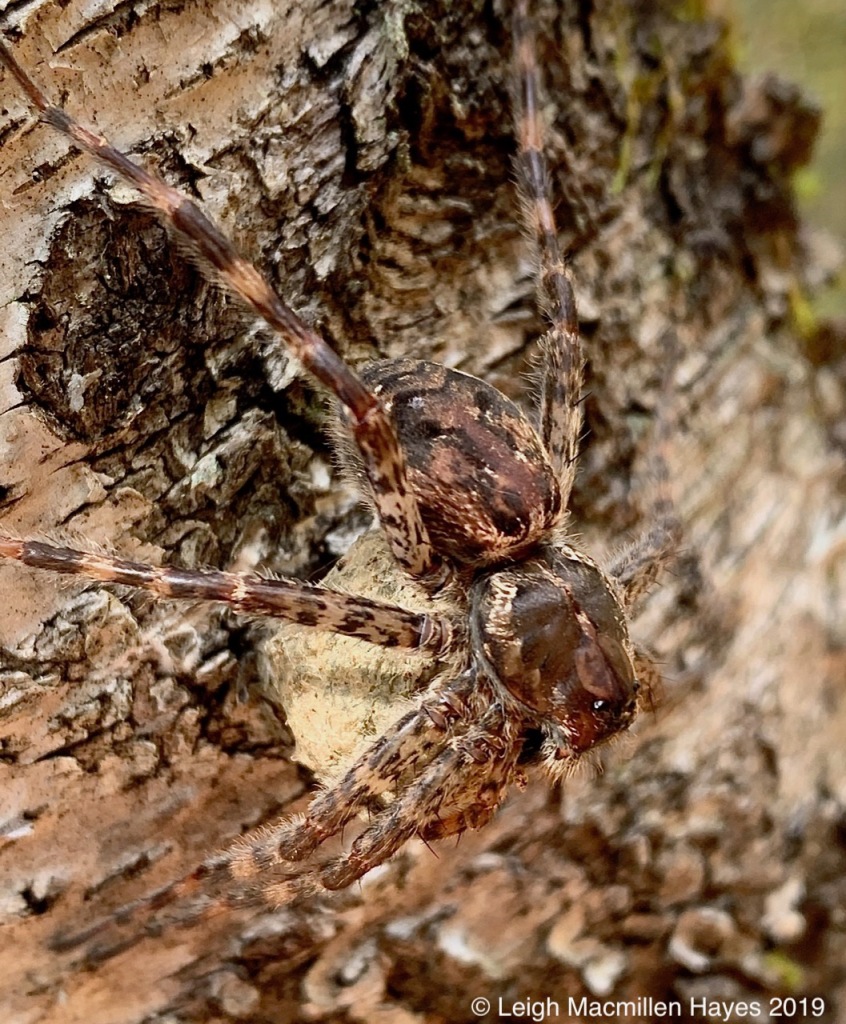
A lot of the focus on this morning’s walk tended to be upon the fungi that grew in that neck of the woods, but suddenly something else showed its face. Or rather, I think, her face. A Wolf Spider. Upon an egg sac. Super Mom though she may be for making a silk bed and then enveloping her young in a silk blanket, and guarding it until her babies hatch, this spider did not make the slightest movement, aggressive or not, as I got into its personal space. Usually the mother dies either before or after her babies leave the sac. What would Jinny Mae think? Perhaps that for some reason Momma waited too long and maybe the cold weather we’ve experienced upon occasional lately got the better of her?

I don’t know entirely what Jinny Mae would think, but I have a pretty good idea because the reality is that today, she and I traveled the trail together for the first time in forever. For each of these finds, it was like we played trail tag–first one spying something wicked cool and then the other finding something else to capture our attention as we tried to capture it with our cameras.

We caught up. We laughed. We noticed. We questioned. We laughed some more.

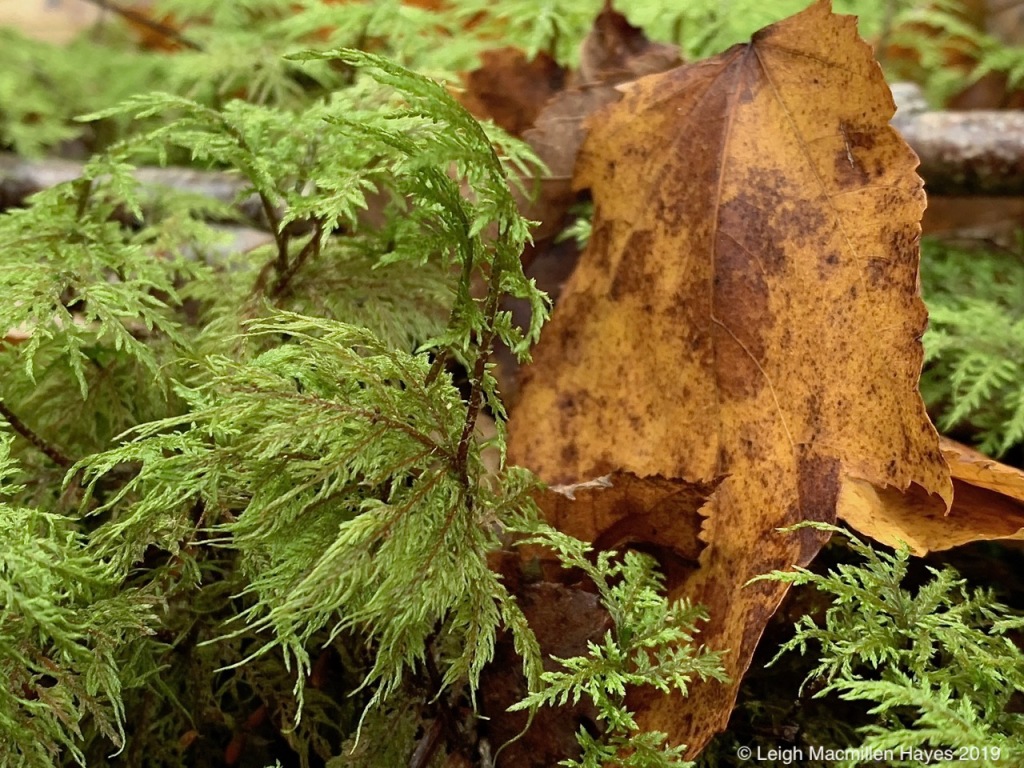
Our three-hour journey drew to a close as we revisited the Stair-step Moss that grows in her woods.

I’m still giddy about the fact that I got to wander and wonder the Jinny Mae way today.

P.S. Jinny Mae returned to Super Momma spider a couple of days later and as she paused to take a photo, Momma scooted into a tree hole, carrying her sac. She LIVES.

Blame it on the Monarchs

Some days I head out the door with eyes as big as those of a fly and then I try to stand in one place and watch what might pass by.

Unfortunately, I’m not always as patient as a robberfly and soon find myself pacing in search of the next great sight.

Even when it turns out to be a Japanese Beetle munching on a leaf, I’m not totally disappointed. After all, it does have such an incredible sense of color and fashion.

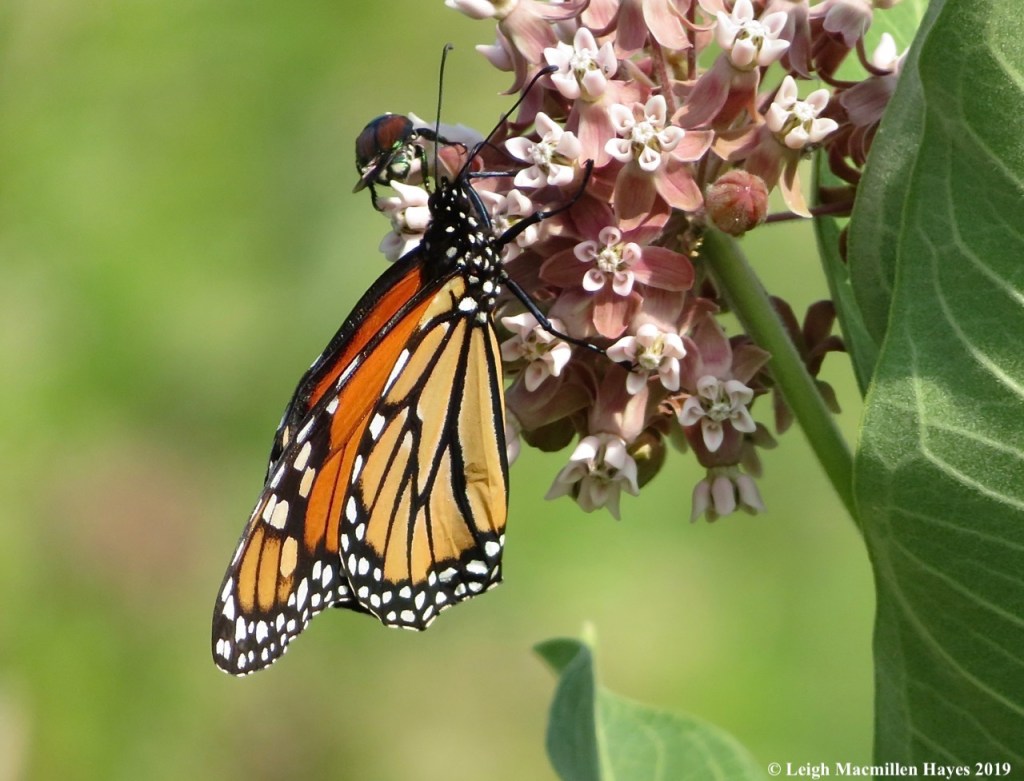
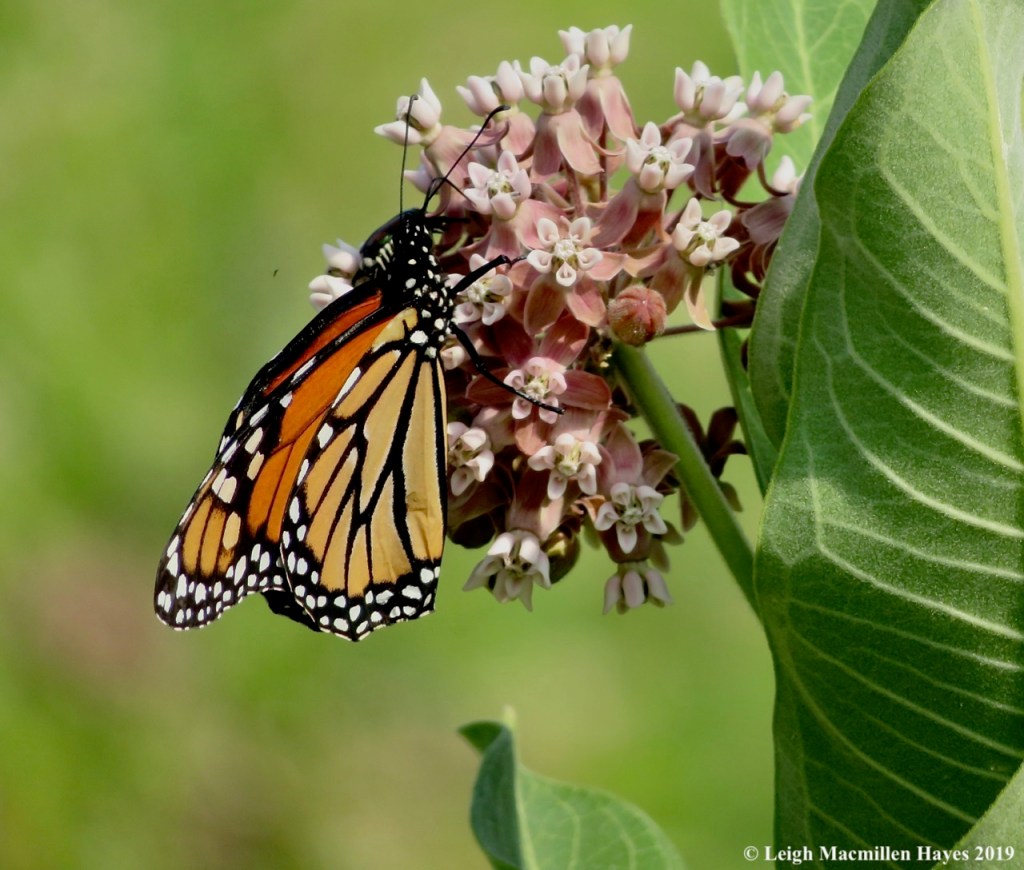
But what I really hoped to see I suddenly became aware of as first one, then two, three, four and even more Monarchs fluttered in their butterfly way, seeming to glide for a bit and then make an almost apparent decision to land before a change of mind until at last . . . upon the Milkweed it did pause.

Curious thing. So did another Japanese Beetle. That led me to wonder: how will these two get along and negotiate the territory?

The Monarch poked its straw-like proboscis into the heavenly-scented flowers as it sought sweetness while the beetle continued to move toward it.

But the beetle was on a mission of its own and the two seemed to co-exist side by side.

In fact, they were practically oblivious of each other. Unlike when a Common Yellowthroat tried to land and the Monarch chased it away.

Finally the butterfly crossed over to another flower on the tall stem and left the beetle behind.

I moved on as well, in search of others to focus on like the female Ruby Meadowhawk Dragonfly. How can it be that it’s already Meadowhawk season, the late bloomers in my book of dragonflies?

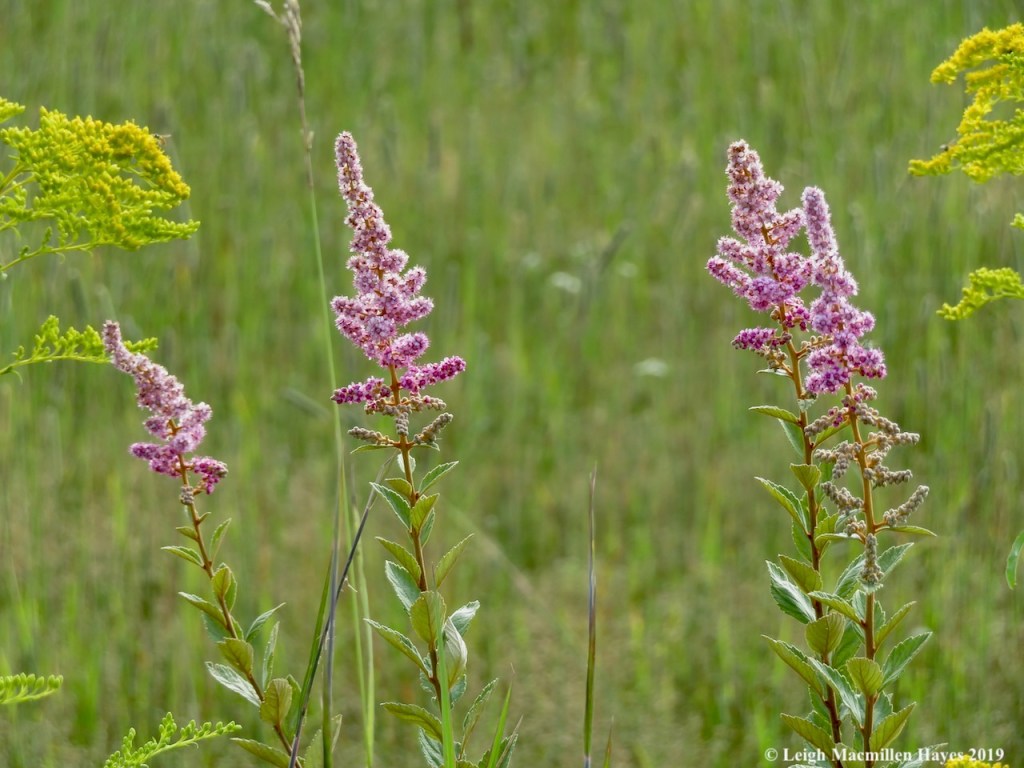
And yet, the colors of summer today included not only the pinks of Steeplebush, but also the yellows of goldenrods beginning to blossom.

Mixed into those colors and because of their movement and then moments of pausing, the Monarchs kept tugging at the strings of my heart and pulling me back into the moment.

And in that real time moment, I had the pleasure of spying couples in their canoodling fashion, though they tended to be much more elusive than some insects. If I didn’t know better, I’d have thought the female was dead as the male flew along with her dangling below until he landed on a stem of choice. From what I’ve read, their mating can take up to sixteen hours. Oh my.

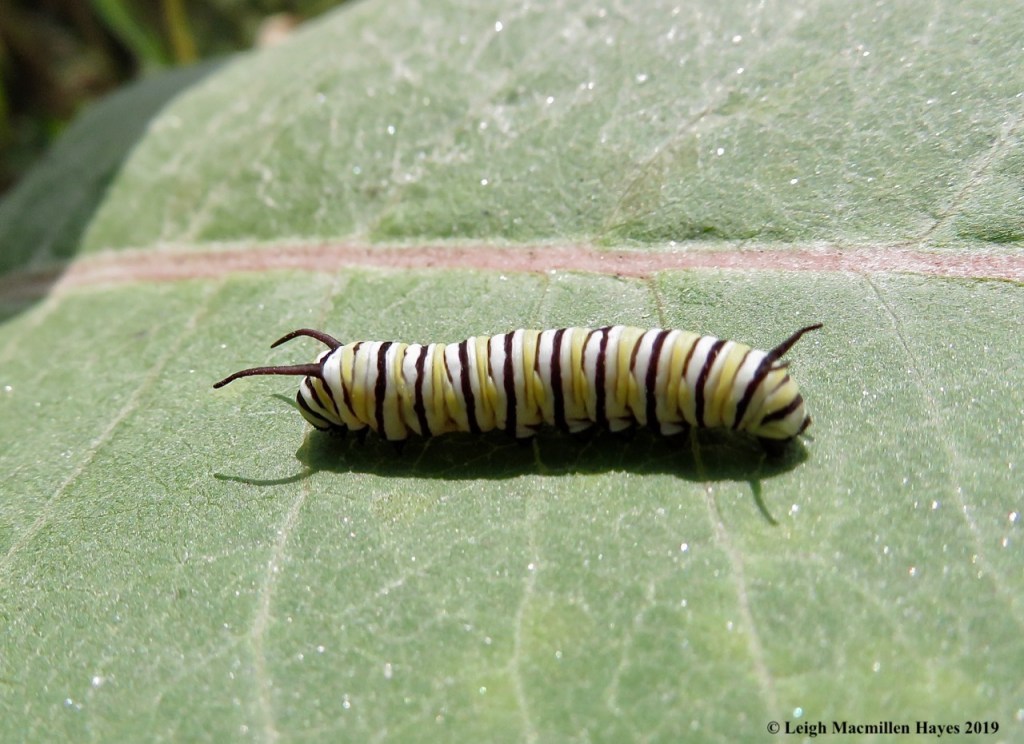
As it turned out, I soon discovered that at least one mating had resulted in at least one caterpillar. I suspect there will be more soon, but this one will have a head start on munching its way through the Milkweed kingdom.

All the while that I stalked the Monarchs, a Common Yellowthroat did its own stalking, constantly announcing its location with chirps. And then I realized it had a caterpillar in its mouth as it moved among the stems of the Spreading Dogbane. Oh dear. Fortunately it wasn’t a Monarch caterpillar, but will it be only a matter of time?

A few more steps and I noticed a Katydid on a Milkweed leaf. Oh yikes. So many visitors who like to munch.

For the moment all bets are placed on only one Monarch caterpillar to continue the life cycle.

Blame it on the Monarchs for calling me back to the same spot I’ve been stalking for a few weeks and giving me the opportunity to notice them mating and the results of such actions and other insects as well.

Want to learn more? The Greater Lovell Land Trust will offer these two programs:

July 31, 7:00 pm, Monarchs at Risk with Don Bennett 

Recent censuses show the smallest Monarch butterfly populations in Mexico and the west coast hibernacula in recorded history. Why is this happening? Is there anything we can do?  Are drastic declines in the Monarch populations a sign of something more insidious? Come listen to Naturalist Don Bennett, PhD, and discover why this is such an important message for all of us. 

Location: Charlotte Hobbs Memorial Library, Route 5, Lovell

August 1, 9:30 am – noon: Monarchs in the field: Monarch butterflies need milkweed plants to survive — as caterpillars they only eat milkweed and Monarch moms lay their eggs on the milkweed plant. We’ll take a walk along a dirt road that abuts a farm field and river, where milkweed grows in abundance and search for Monarchs and other butterflies. 

Location: Meet behind the Charlotte Hobbs Memorial Library to carpool.

Degree of Difficulty: Easy

Heaven on Heath

When Alanna Doughty, of Lakes Environmental Association fame, and I pulled into the parking lot of Saco Heath this morning, we had no idea what to expect. It is described as the southern-most coalesced domed bog in Maine. I have to admit, I need to learn so much more to understand the real meaning of that. According to The Nature Conservancy, for this is one of their preserves, “the heath formed when two adjacent ponds filled with decaying plant material called peat. Eventually, the two ponds filled completely and grew together to form a raised coalesced bog, where the surface of the peat is perched above the level of the groundwater.”

Our first steps found us walking through a forested bog rich with wetland plants including Cinnamon and Royal Ferns.

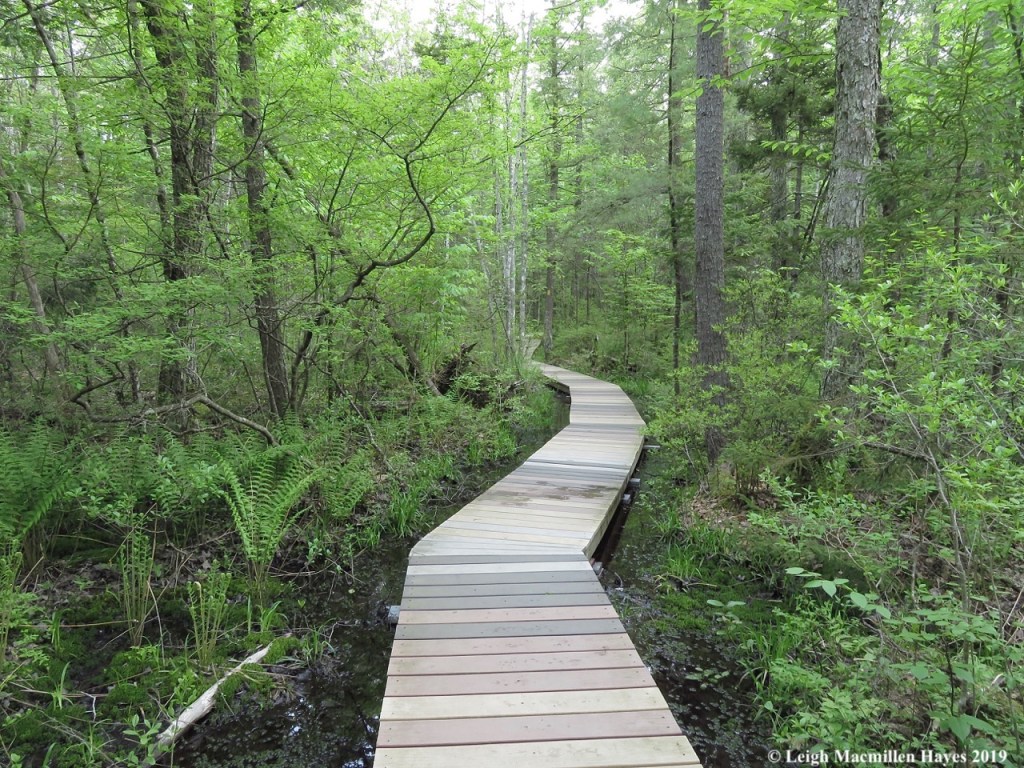
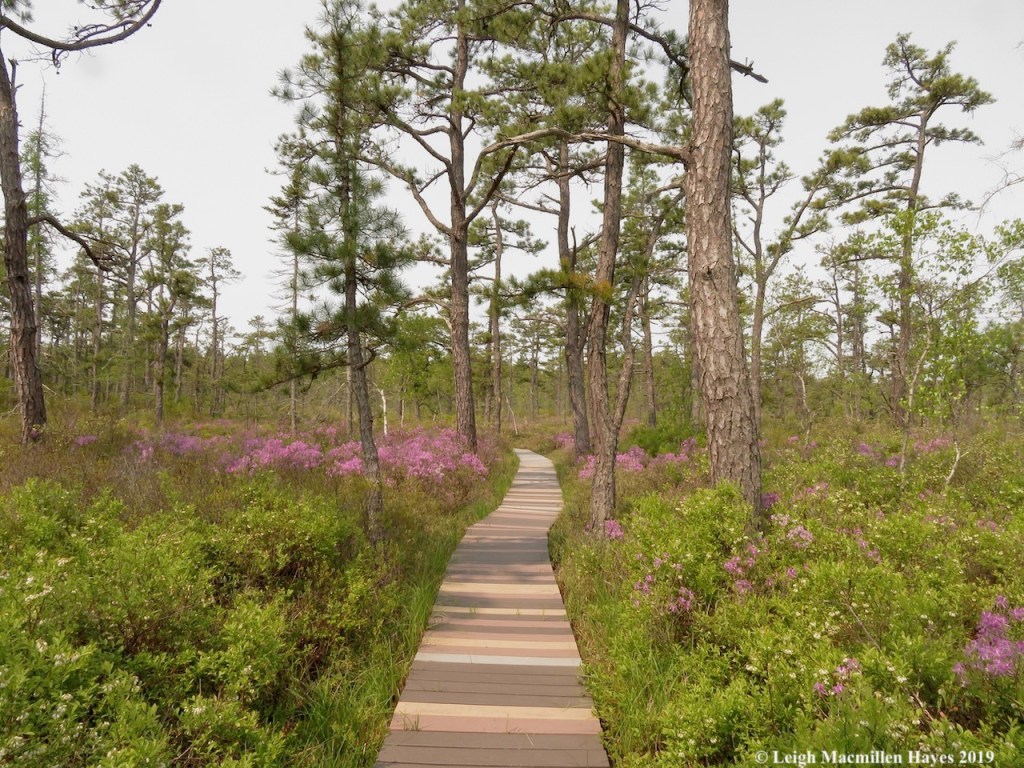
And then we entered the peatland through the pearly gates.

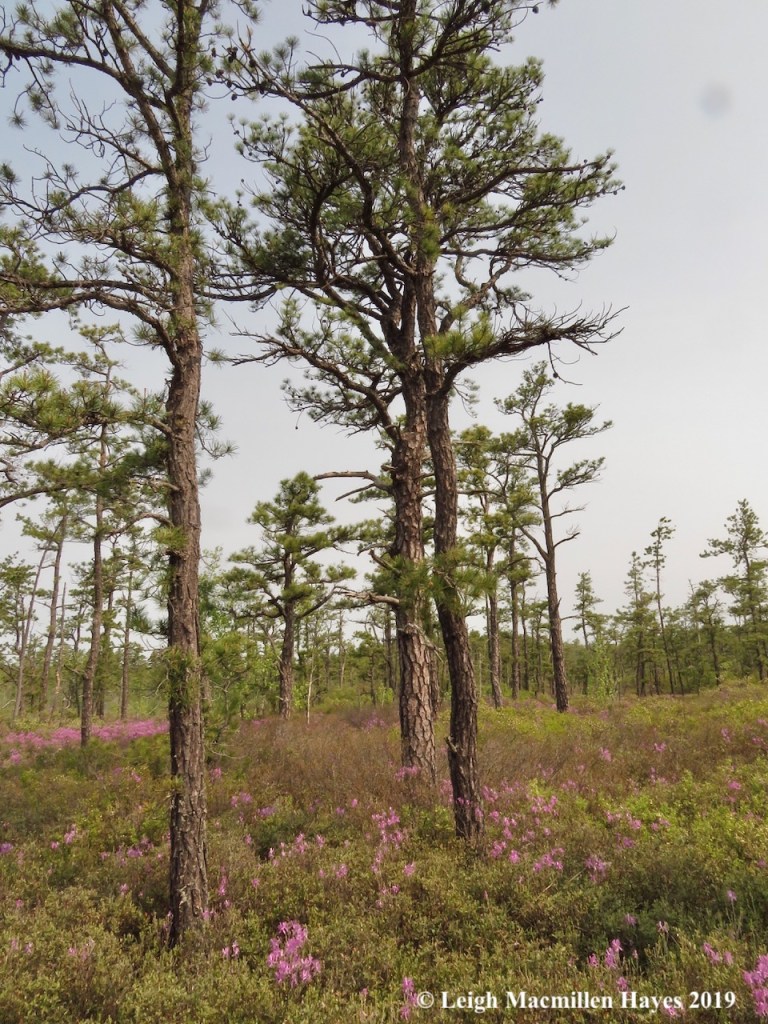
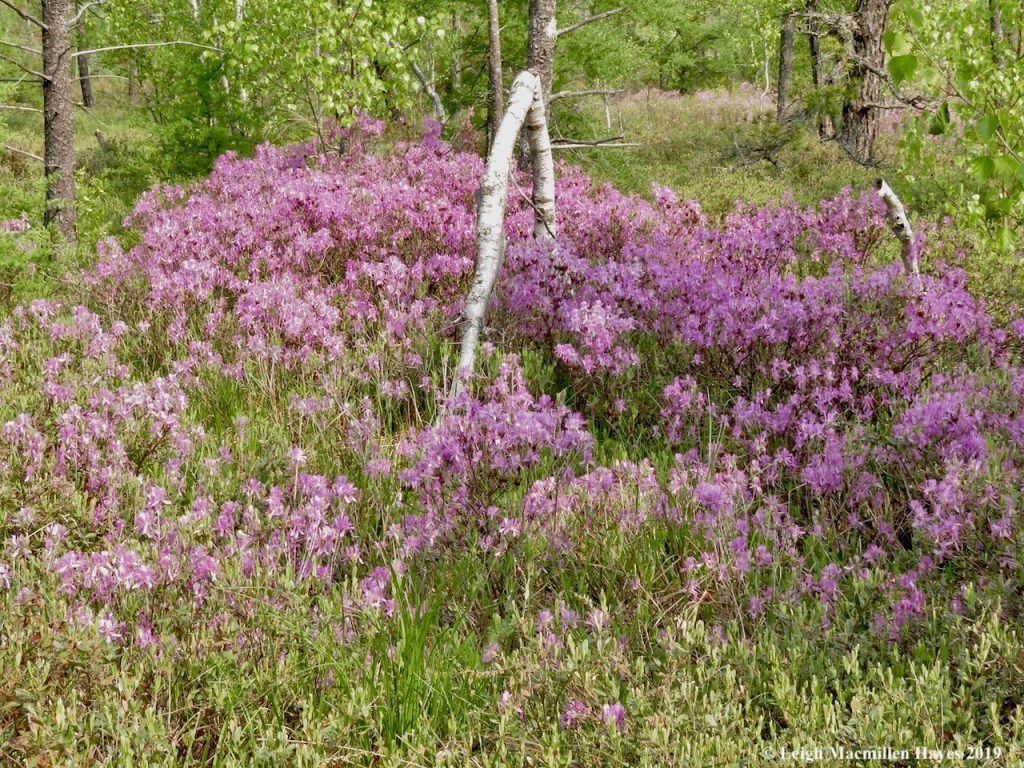
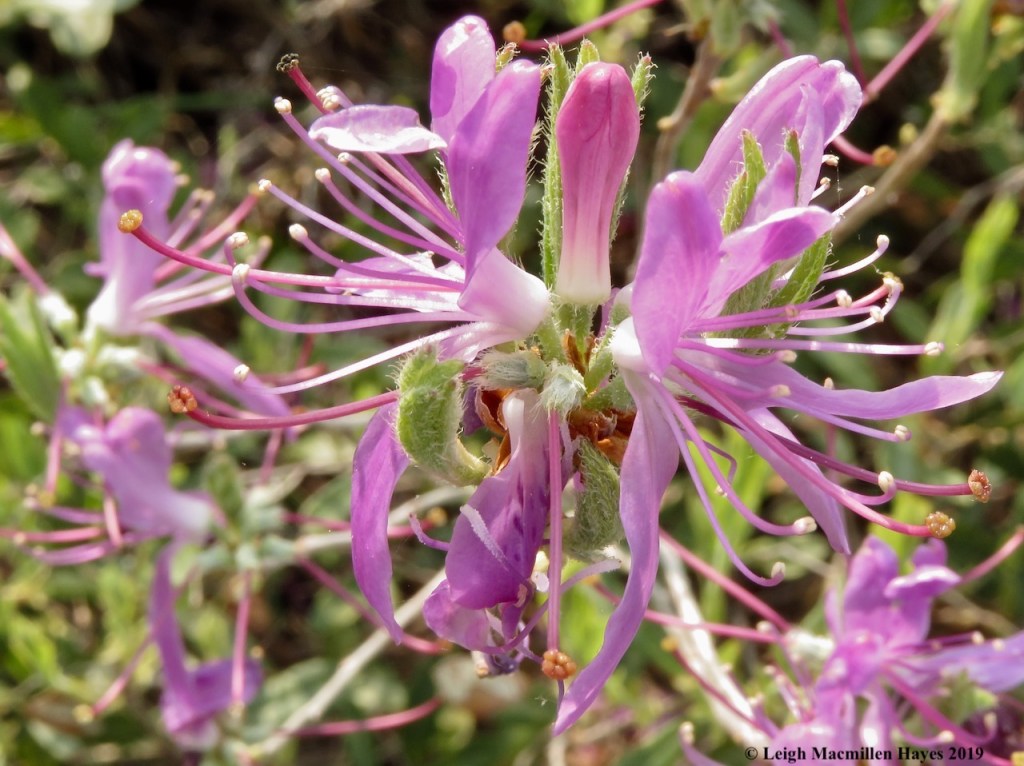
It was a place where one could disappear for a few lifetimes and eventually emerge completely preserved. With Pitch Pines and Black Spruce towering above, the colors gave us our first pause for the Rhodora was in full bloom and neither of us could remember ever seeing so much of it before.

As it was, we seemed to have been transported into a still-life painting of spring where even the toppled Gray Birch might have been intentionally placed for such a contrast it provided.

Taking a closer look, it was suddenly obvious that life was not still at all and the flower drew our eyes in and out and in and out again with all of its lines.

We even found a few with brand new hairy leaves complementing the presentation.

This was a place where old friends live and greeting them again with a friendly handshake seemed only natural.

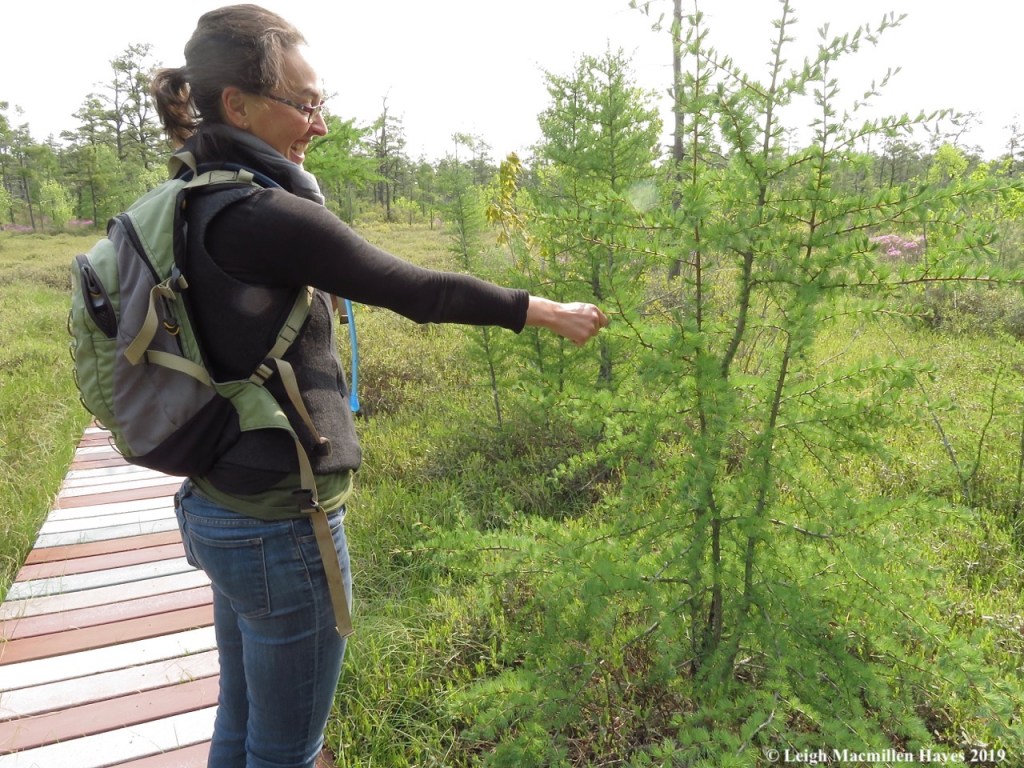
The Tamarack’s needles so soft and bright green graced the tree with a feathery appearance.

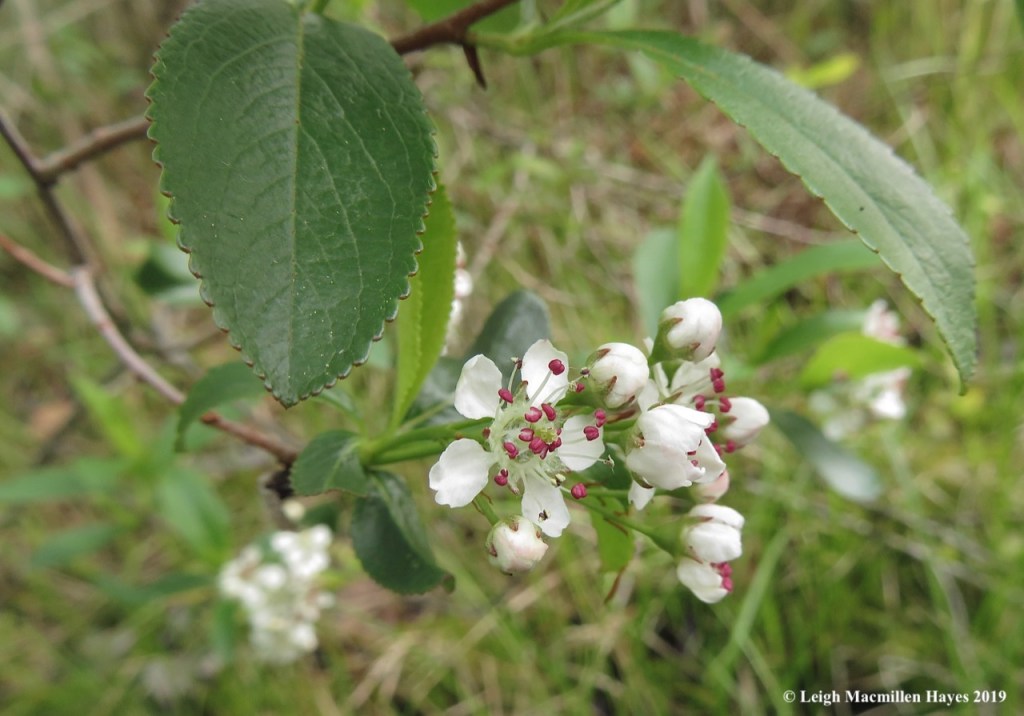
The flowers of the Black Chokeberry gave us pause for a few minutes for we had to get our shrub eyes adjusted to the brightness that surrounded us.

We weren’t the only ones with large eyes noticing all the goodness in our midst.

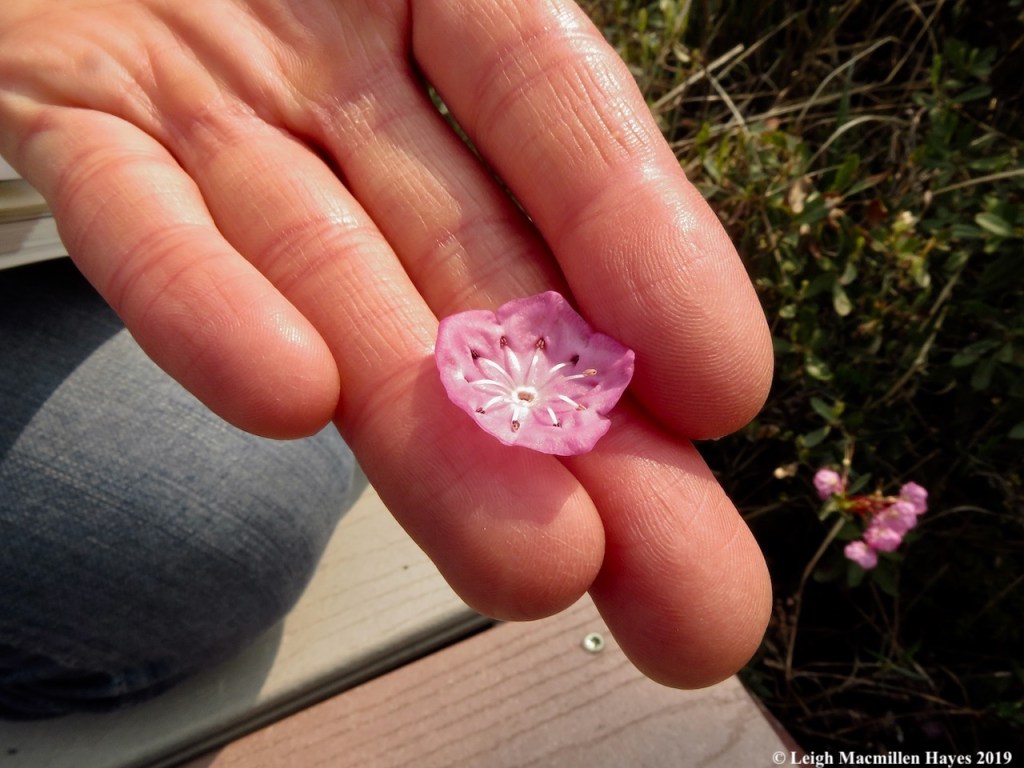
Being in a heath, members of the heath family made their presence known, such as the Bog Laurel. Some of the flowers had fallen to the sphagnum moss floor below the boardwalk, so we sat down to take a closer look at the flower, its petals fused into a shallow, five-lobed bowl. The interior of the bowl was interrupted by ten indentations where the pollen-bearing anthers snuggled as if in individual pockets. Each awaited a pollinator to trigger the spring-like tension and thus get showered with pollen. We may have unintentionally aided in sharing the goodness.

Because we were looking and trying to gain a better understanding, Alanna ran her fingers down the Bog Laurel’s stem, reveling in the recognition of the longitudinal ridges between each pair of leaves. From one set of leaves to the next, the ridge orientation and next set of leaves shifted 90˚. In the land of wonder, we were definitely wallowing in awe.

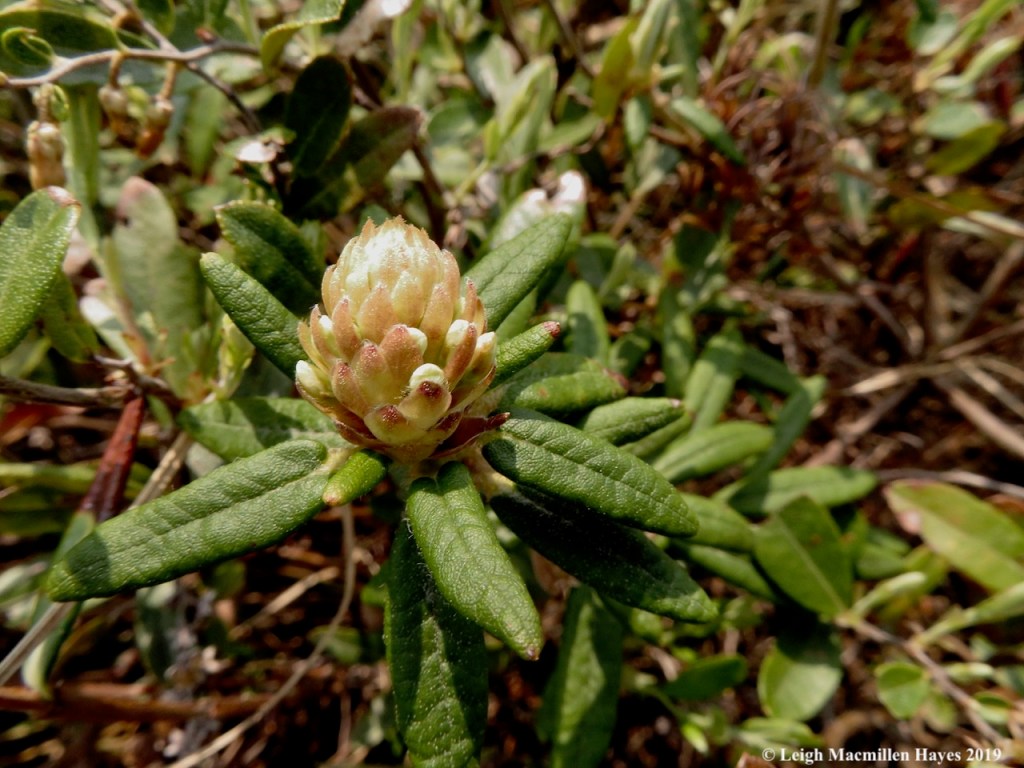
Another member of the heath family stumped us for a few minutes until it reminded us that its “pineapple” form atop the rhododendrum-like leaves was not the fruit, but rather the start of the flower.

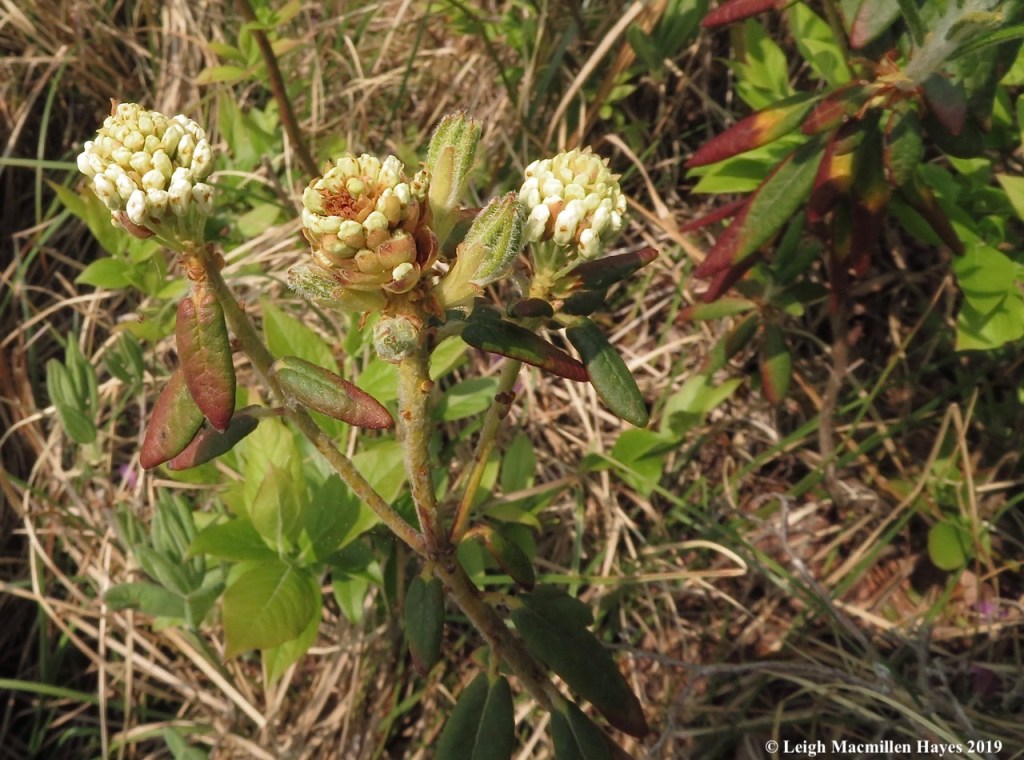
It was a few plants later, that we noticed the flowers beginning to burst.

While we watched, a male Painted Lady paused atop one of the laurels as if it was a pedestal, the better place from which to possibly entice a mate.

Shortly thereafter we made a new acquaintance. By its shiny, parallel-veined leaves we thought we knew it, but then we spied the tiny white flowers. We know False Solomon’s Seal, but join us in greeting Three-leaved False Solomon’s Seal. Ronald B. Davis writes in Bog & Fens, “In bogs, it commonly occurs on a peat moss mat at the transition between a mineorotrophic black-spruce wooded area and a more open ombrotrophic area.”

Indeed, I have a lot to learn, but the natural community was transitioning again.

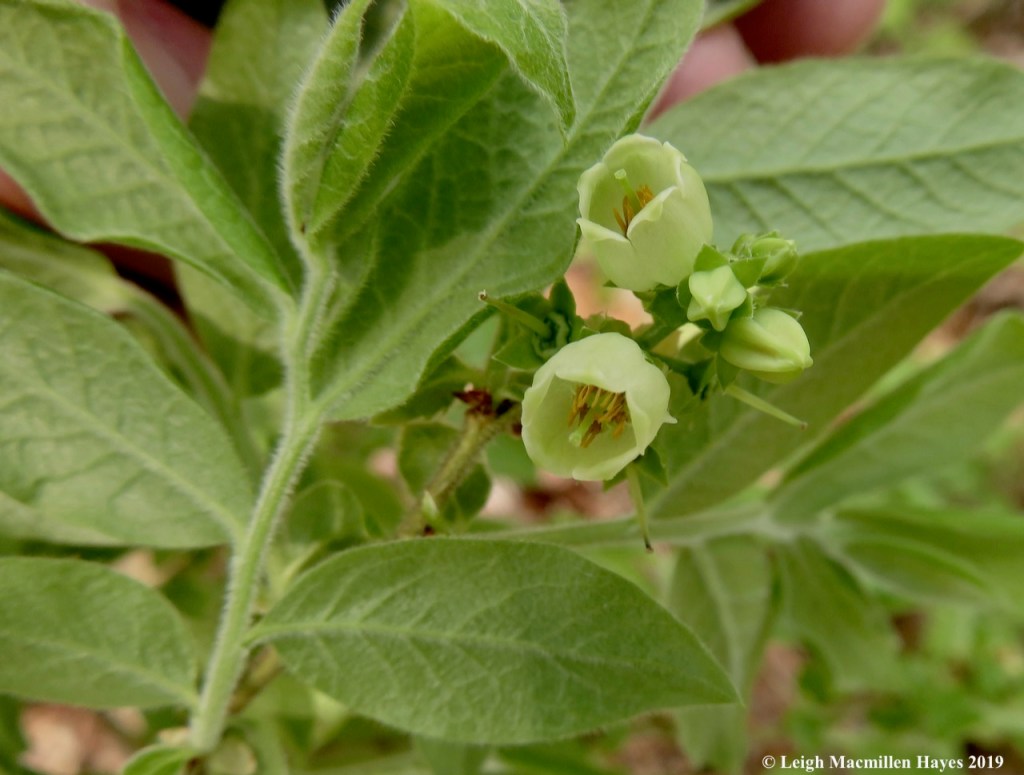
And within the transition zone, we met another new friend: Mountain Holly. In retrospect, we may have met in a past life, but it’s always good to spend some time getting reacquainted with the finer details such as the tiny flowers at the end of long, fine petioles.

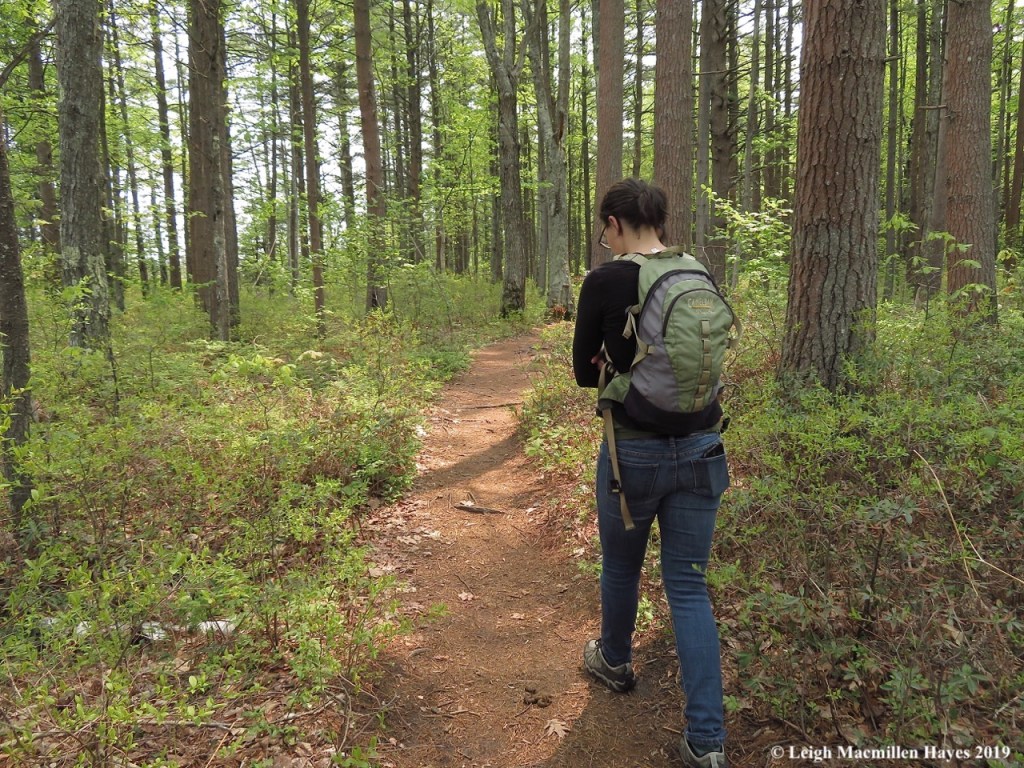
At the end of the boardwalk, the trail loops around through a forest of pines and oaks.

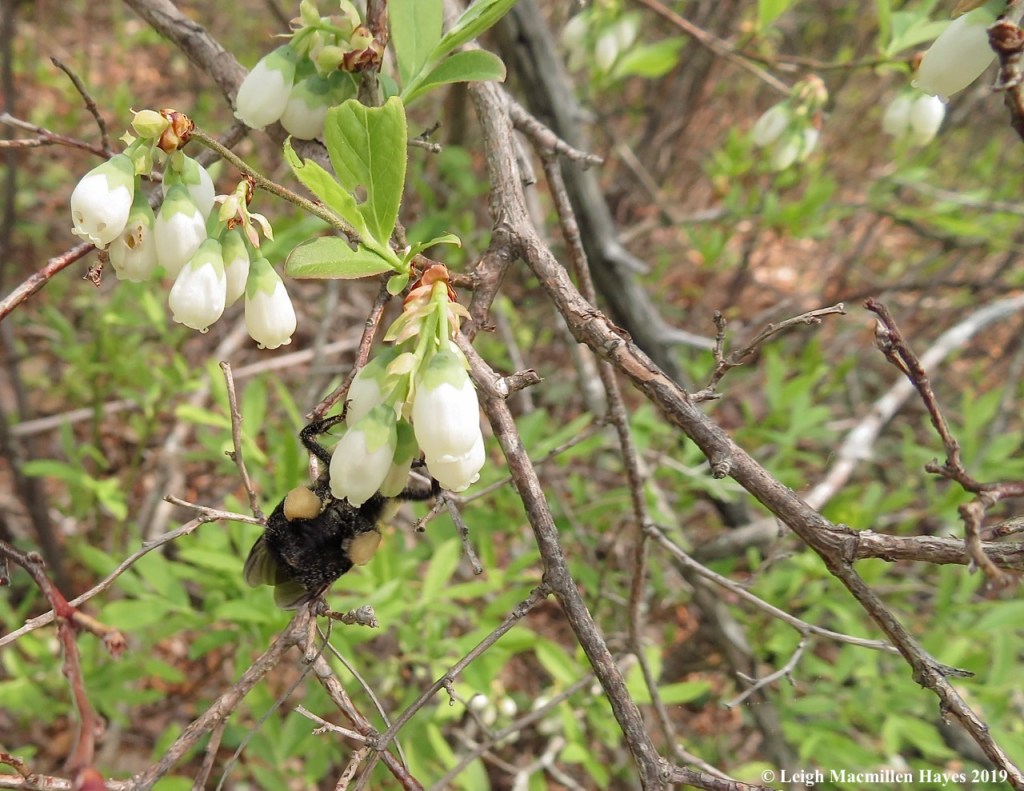
At the shrub level, Bumblebees acted as bell ringers while they flew from one flower of the Highbush Blueberry to the next, making sure that all were in tune.

It was in this same neighborhood that we met another for the first time. Velvet-leaved Blueberry’s leaves and stems were as soft as any robe an angel might wear.

Below, her bell-shaped skirts dangled.

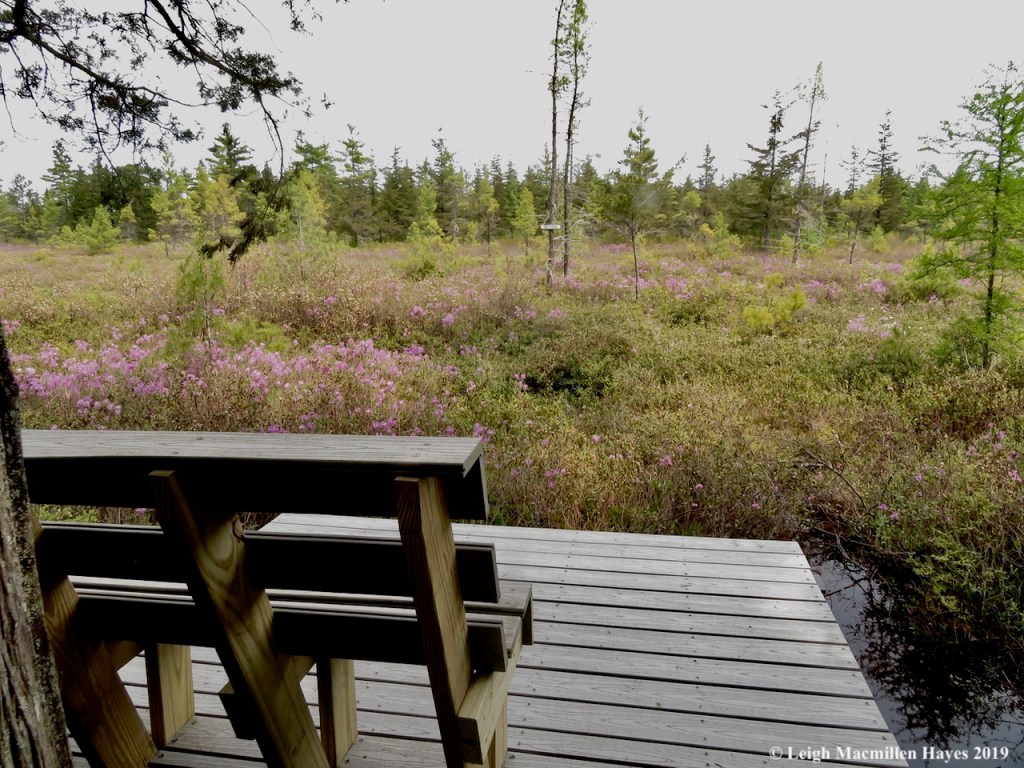
A surprise along the loop trail was a spur to an outlook where a sturdy bench offered time for contemplation and meditation.

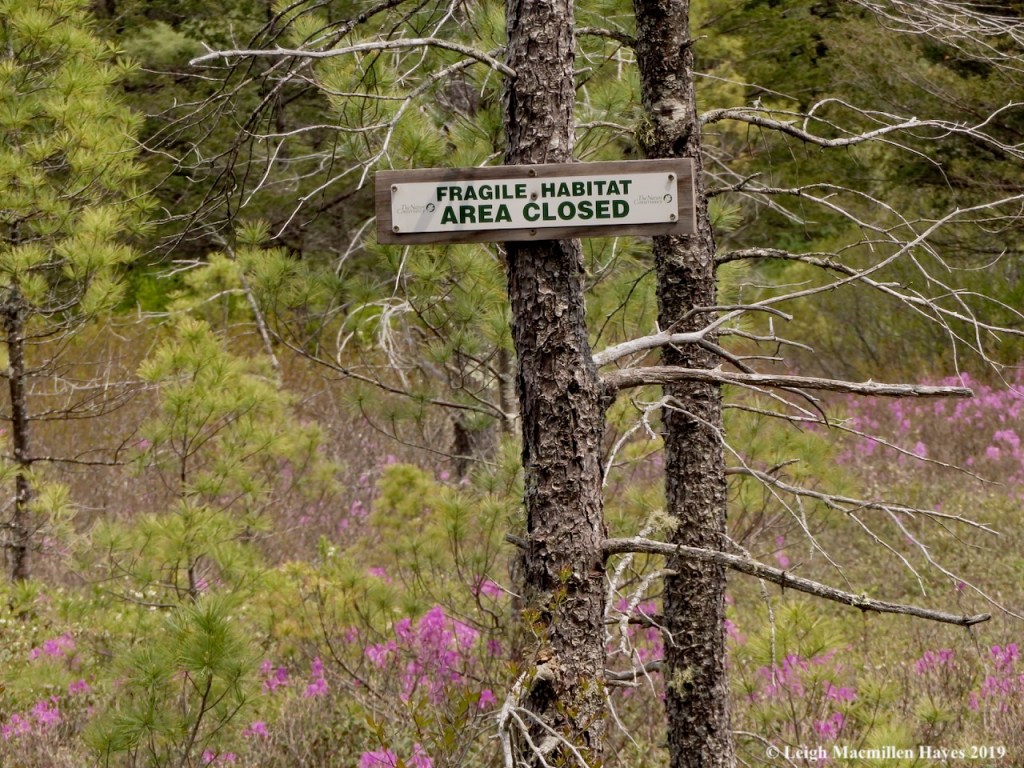
Several signs beyond our reach warned us not to step off the platform and into the bog, but . . . it was soooo tempting. And weren’t we in the garden?

As we stood and wondered about what we might be missing, we spied several Pitcher Plants with their urn-like leaves.

And directly behind the bench stood one of the rare species for which this place is known: Atlantic White Cedar

Though we never did see the Hessel’s Hairstreak Butterfly, another rare species associated with Atlantic White Cedar, we honored the tree by taking a closer look at its foliage.

And then it was time to return back across the boardwalk, upon which we immediately noticed a huge Pitcher Plant we’d missed on our previous pass. In its center the bulbous red flowers posed as cranberries.

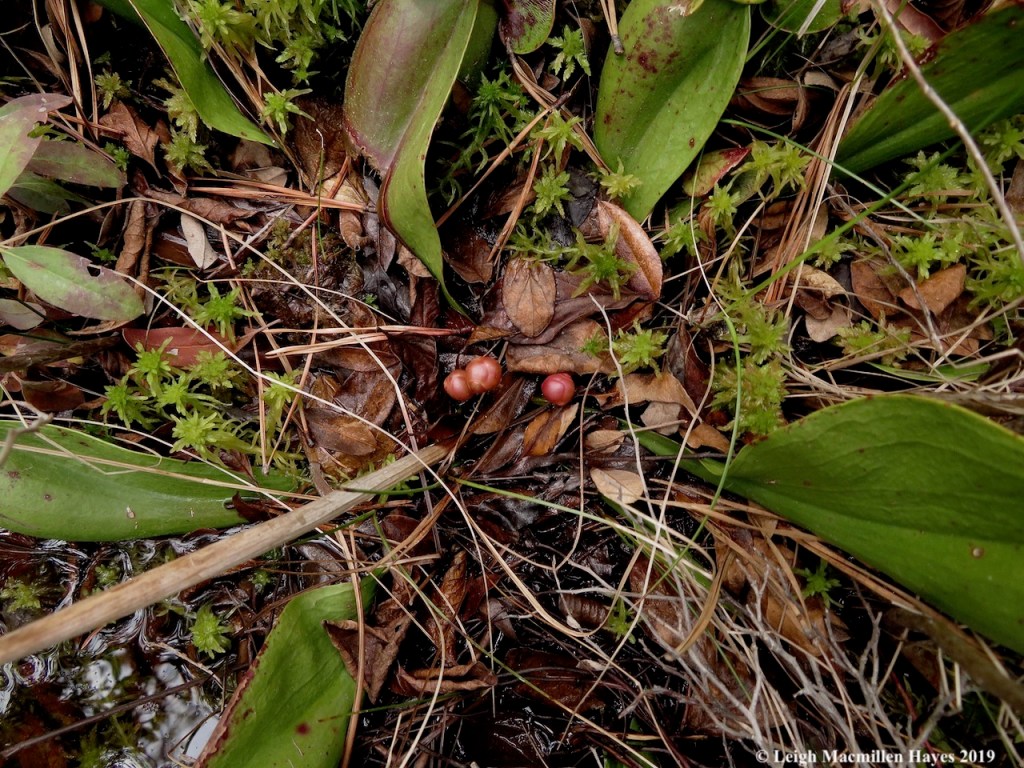
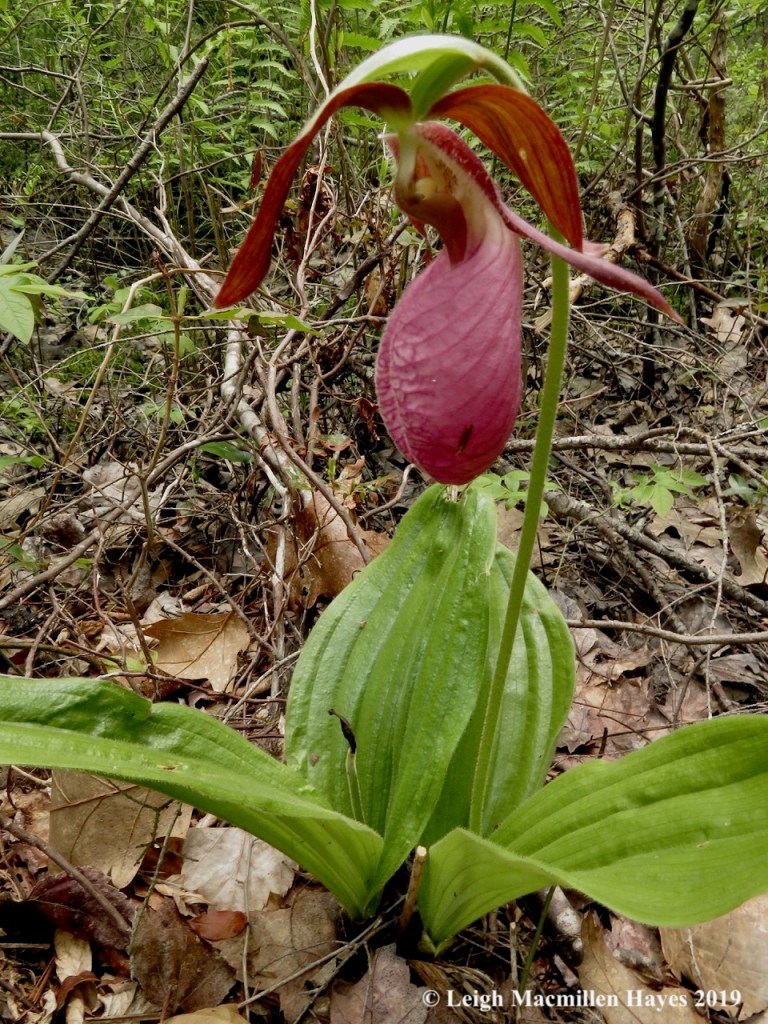
We also spotted a couple of Pink Lady’s Slippers in bloom that we’d previously walked past, giving thanks that we’d had to follow the same route and because of that made some new observations.

At the end of our time we knew we’d visited a very special place that allowed us to come to a better understanding of old friends and make new acquaintances. It certainly felt like we’d spent the morning at Heaven on Heath.

Dear Clouded Sulphur

Just as a butterfly goes through a life cycle known as complete metamorphosis with stages including egg, larva, pupa, and adult, so is the poem you are about to read.

p3

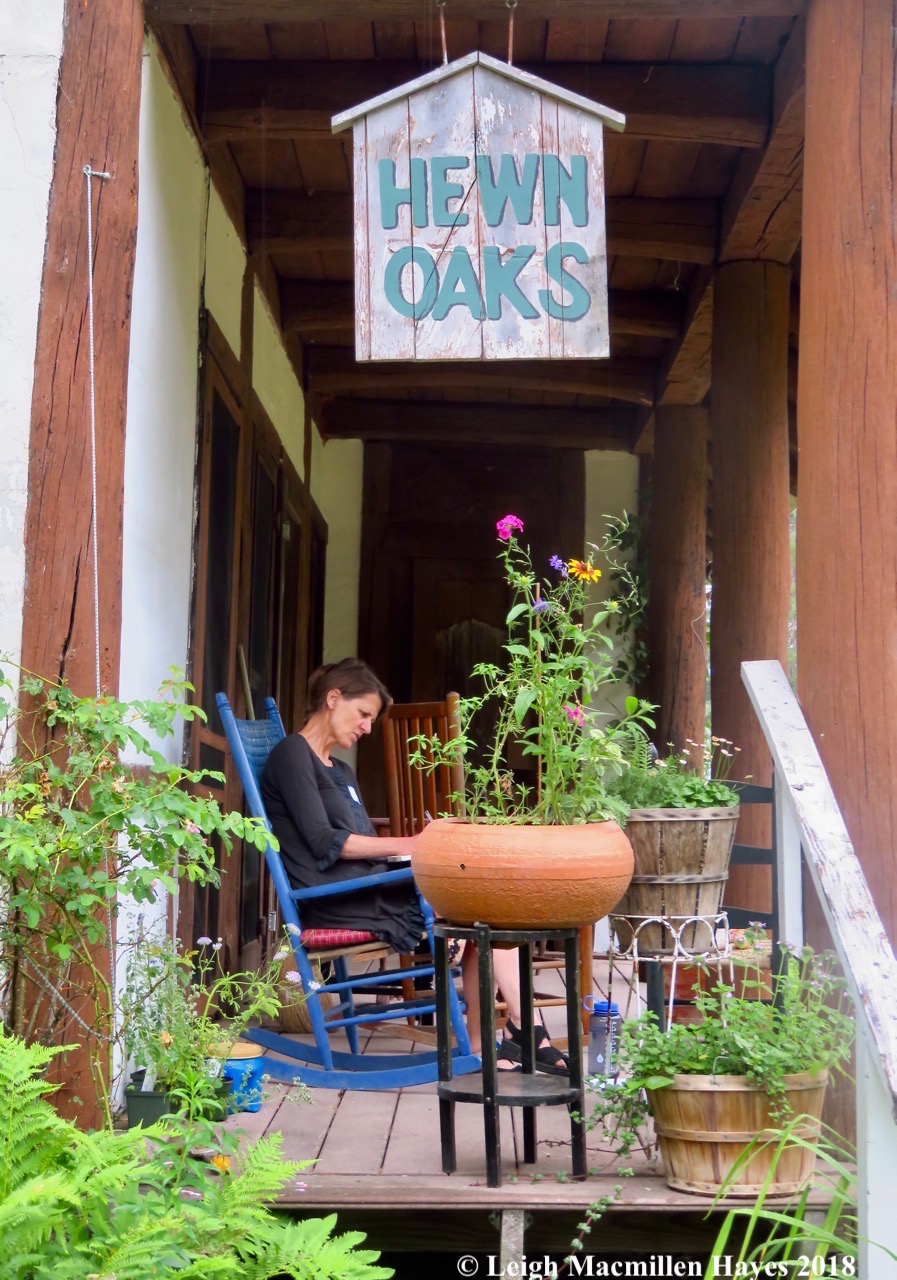
You see, last week, I had the honor of attending a poetry workshop at Hewnoaks Artist Colony co-sponsored by the Greater Lovell Land Trust and Charlotte Hobbs Memorial Library. After listening to poet Judith Steinbergh share her poetry and the works of others, and listening to her talk about form as she laid eggs in our minds, we were sent off for a half hour to write our own nature-inspired poem. It was raining lightly at that time and my larva stage was a celebration of the rain that made the aspen quiver with joyous sighs and the lichens transform like a chameleon. When the group came back together and we read our first attempts to each other, I ended by mentioning that I wanted to somehow work the Clouded Sulphur, a small yellow butterfly, into my great work. And then, over the course of the past week, the larva began to mature, to pupate as I wrote draft after draft and suddenly the poem was only about the Clouded Sulphur. Yet, the language wasn’t quite working and though I sent a copy to Judy, and she responded with the most encouraging comments, and then I sent another draft, and again she was encouraging, I told her that I didn’t intend to read my draft at the evening celebration of poetry. The celebration was planned for last night.

As I often do in the summer, I awoke at 5:30 yesterday morning, brewed a pot of coffee, sat in the rocking chair on the porch and realized I was ready to write about the butterfly in an entirely different form. The words flowed forth and what you read is maybe not the adult, or even a teenager, but perhaps a ‘tween and I know my habit of revising constantly so perhaps one day this poem will reach full adulthood.

But for now, after such a long explanation, here is what I wrote and was actually brave enough to read last night:

Dear Clouded Sulphur,

As I walk
along the gravel road,
I suddenly realize
I am not alone.
Oh,
there are bees and birds
and dragonflies and grasshoppers
to admire,
but you capture
my full attention.

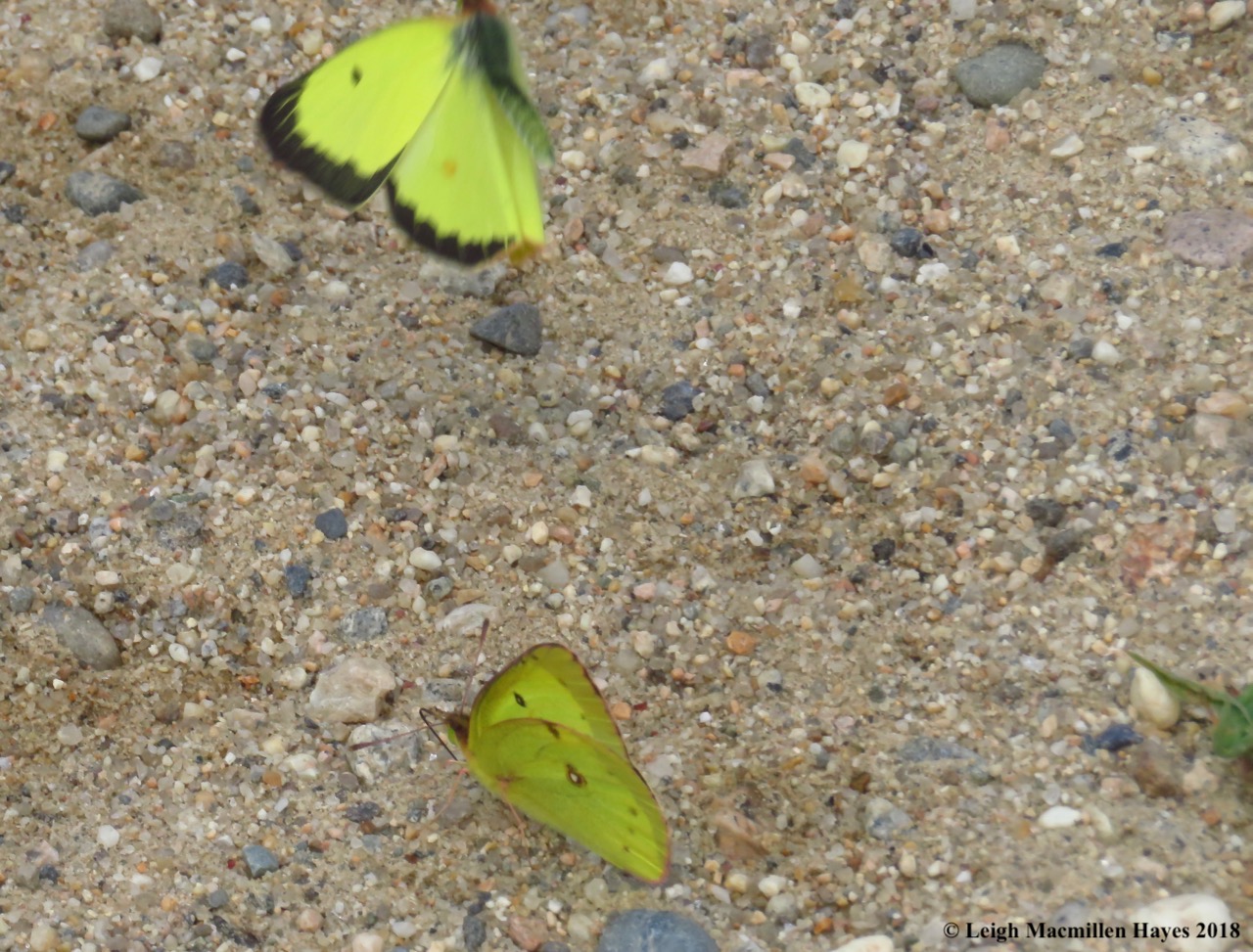
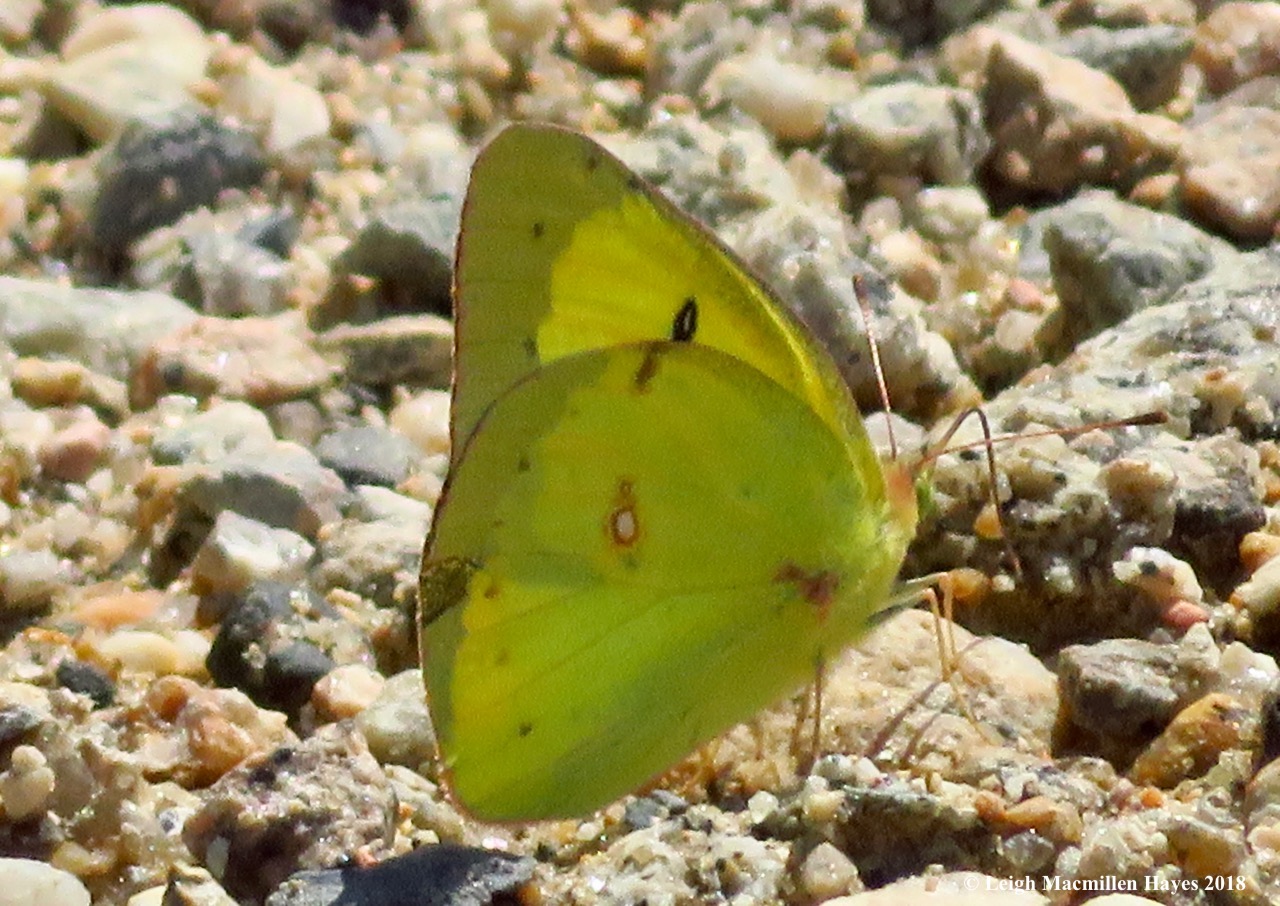
h16-clouded sulphur butterfly
I notice first
your buttery yellow wings
tinged with a hint of lime,
and margined
ever so slightly
in a subtle pink.
And then I see
your bright green eyes
that remind me of my own
when I spot a buffet and don’t know
which delectable choice
to first taste.

h19-field
So it seems
you are the same
as you dance
over the meadow flowers,
your wings flitting
up and down, up and down,
before you suck nectar
from one clover
and then another.

h18-dark band on upperside of wings
That’s when I notice
the thick black border
upon the topside
of your wings.
Why do you hide it,
only allowing glimpses
in a quick
flash of flight?
Perhaps you feel
it will draw
too much attention?
If that’s the case,
I understand,
for as it is,
I see only
you at first.
And then a sibling. Or is it a cousin?
The relationship
doesn’t matter.
What matters is
that my eyes cue in
and I realize
I am encircled
by you
and all your kin.
In fact,
I no longer know
which one you are,
but that’s fine,
for it is
more important
that you’ve made
me notice.

h17-butterflies puddling

What I thought
was one butterfly
becomes two
and then five,
and suddenly
seven of you
gather upon the road
where only moments
earlier
a few raindrops
slipped from the sky
and dampened the pebbles.
As I watch,
all of you pause,
then fly
at different moments
to a new spot
within the same small square,
and pause again,
dazzling me
with flashes
of your subtle palette,
I realize
you are puddling.

h21
For the first time
I begin to understand
what “puddling”
actually means
as your extended
mouthparts probe.
The road that seems
so dirty and dusty
to my blue eyes,
your green eyes
recognize
as a source
of the nutrients
you seek.
And though there isn’t
an actual puddle,
mere raindrops
appear to provide
what you need.
But do they?
Are you able
to extract
enough minerals
to share
with your gal?
That’s beyond
my understanding,
but I continue
to watch
for as long as I can.
I wish I could stay all day,
so welcoming
have you been.
Alas, I must
pull myself away.
But before I do,
I want to say
thank you.
Thank you, C.S.,
for capturing
my attention
and allowing me
to observe
a few moments
of your butterfly life.
Thank you
for your minute presence
as you twirl and pivot
in this very place,
for your being here
indicates
a healthy environment.
Despite the lack of rain,
you find goodness
and in so doing,
share good news.

h22-hidden
With that knowledge,
I take my leave
with a smile
upon my heart.

Sincerely,

Leigh

Belated Book of September: Butterflies and Moths

All month long books have been staring at me from their shelves, piles or baskets, a few begging for the honors. But each time I thought I knew which book I’d feature for September, a different month made a claim on it.

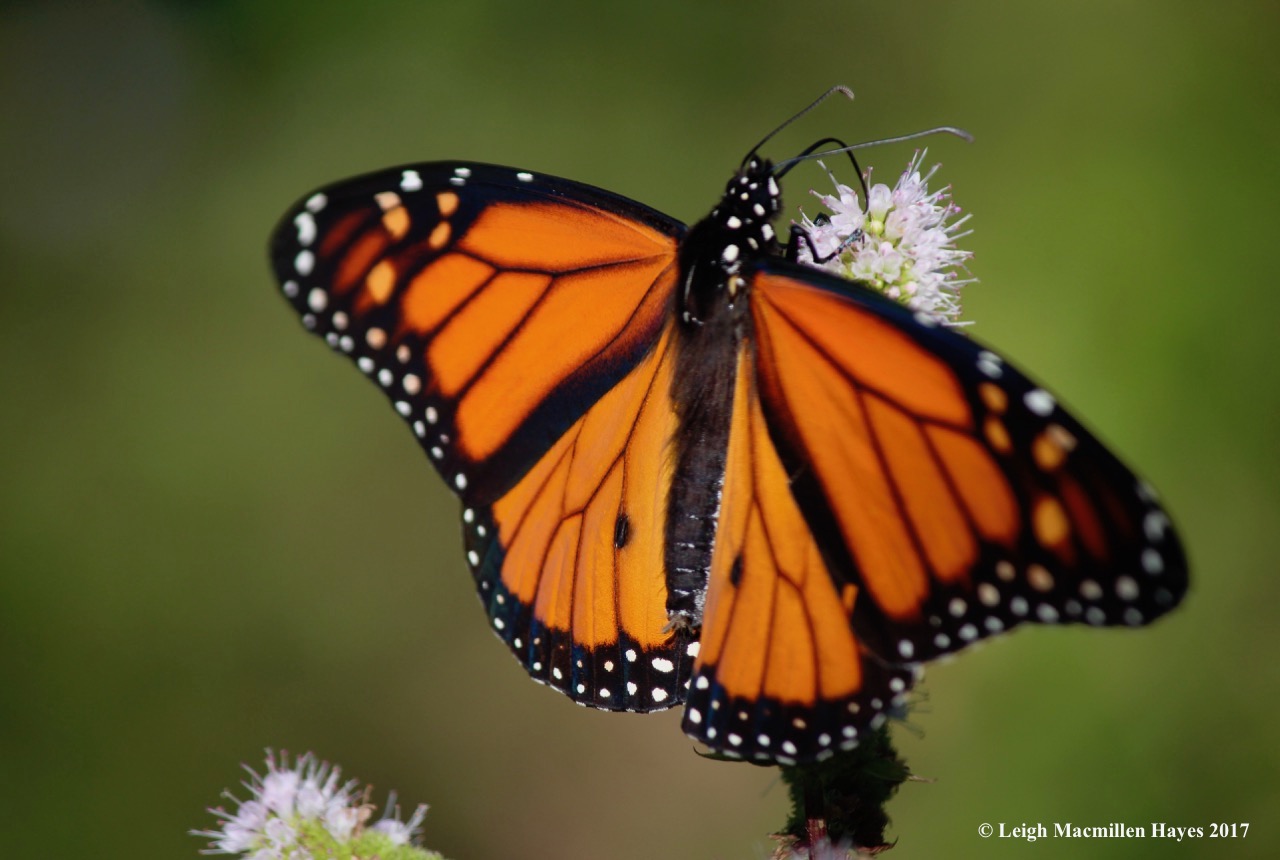
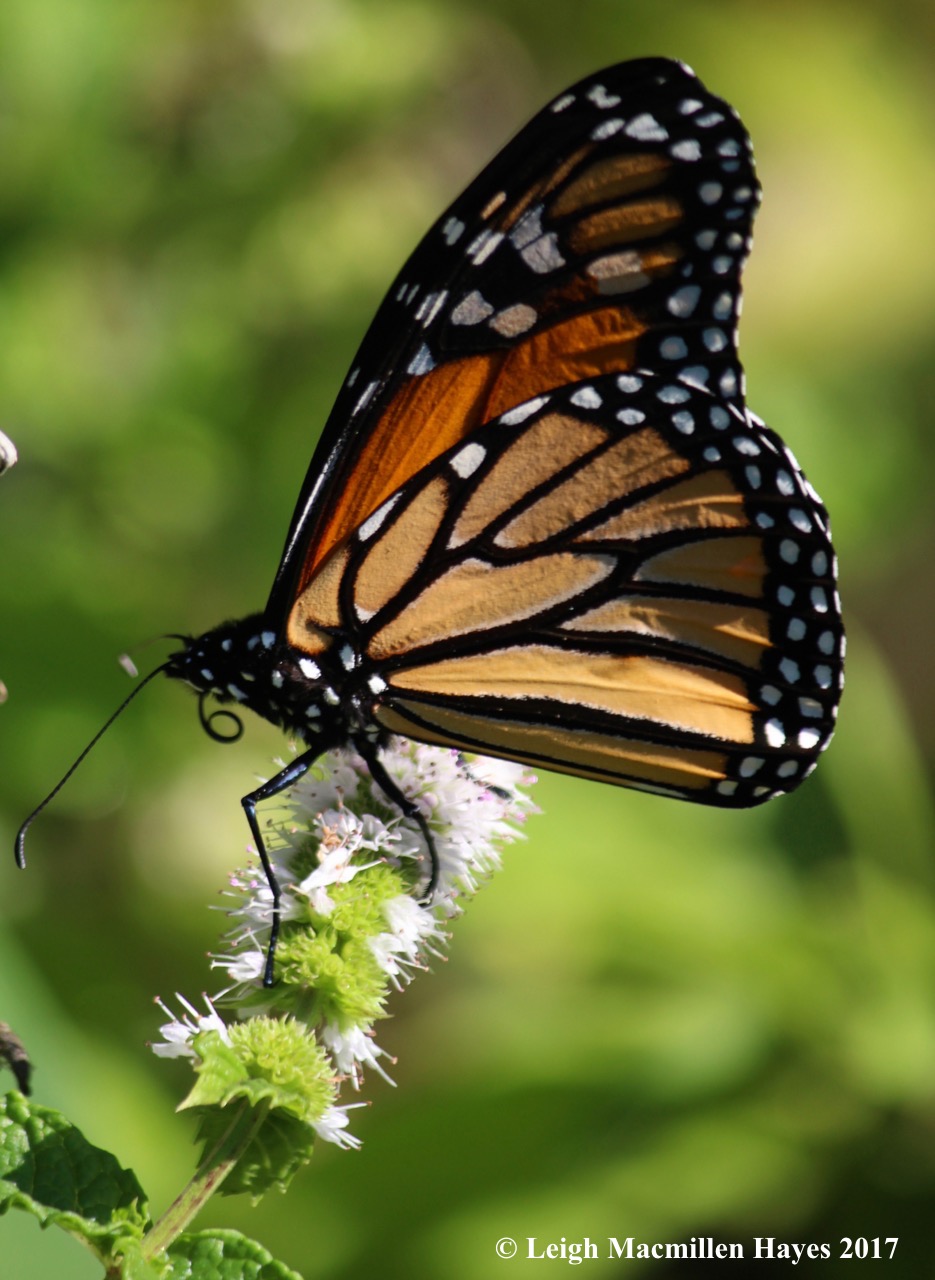
b-monarch 1

And then, mid-morning, I looked out the kitchen window and saw a certain visitor nectaring at the flowering mint and instantly knew what book it would be.

b-cover

Bufferflies and Moths by Dr. Walter Robert Corti is an oldie but goodie that has graced my personal library since 1964. I don’t remember its origin, but think it may have been a birthday or Christmas present when I was in second grade–such was my wonder even then.

On the back, The Odyssey Library is described as “a new and exciting concept in book publishing, combining in convenient, compact format, texts by leading authorities and full-color illustrations by outstanding artists and photographers. Designed for the reader who wants to add a new dimension to his [or her] understanding of the world, these are books to enjoy, to study, to treasure.” Indeed, I’ve treasured it for over fifty years and referred to it often.

b-monarchs and others

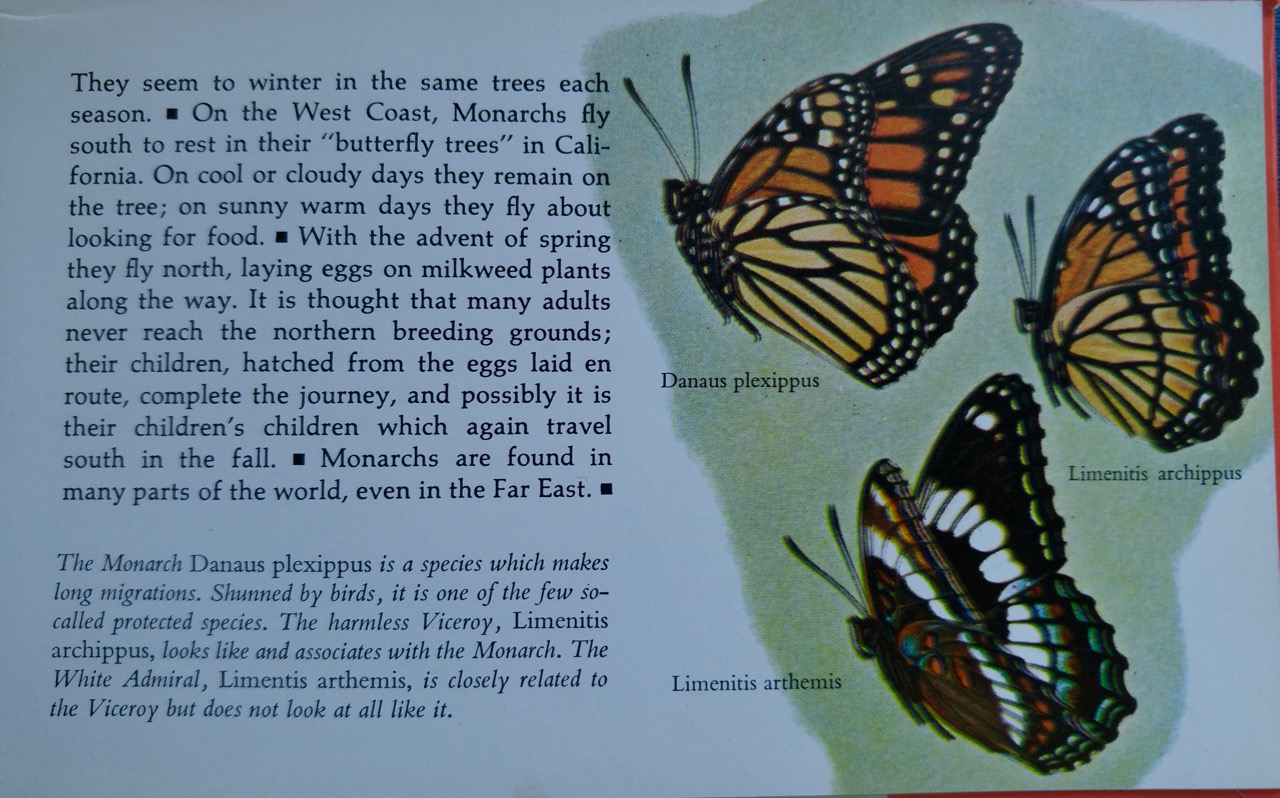
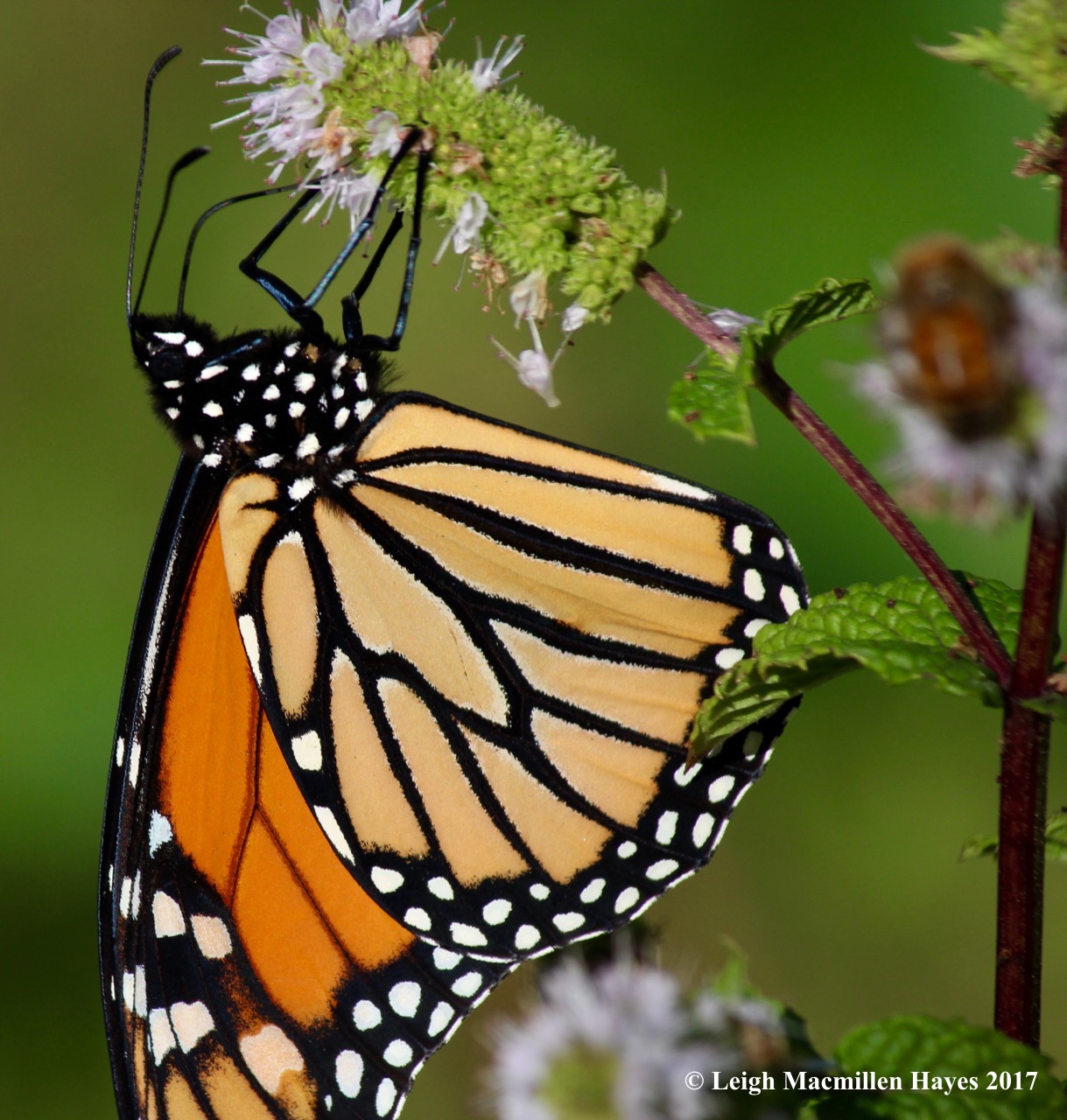
Today found me examining the differences between “look-alikes” because I wanted to make sure that what was fluttering about the garden wasn’t a Viceroy.  They do look similar, but the Viceroy is smaller than a Monarch and its hind wings have a line that runs parallel to the outer margin. There are other differences, but that was enough for me to note. Another thing to note: the illustrations in this book were by Swiss artist Walter Linsenmaier.

b-monarch 2

No such line existed on this morning’s beauty.

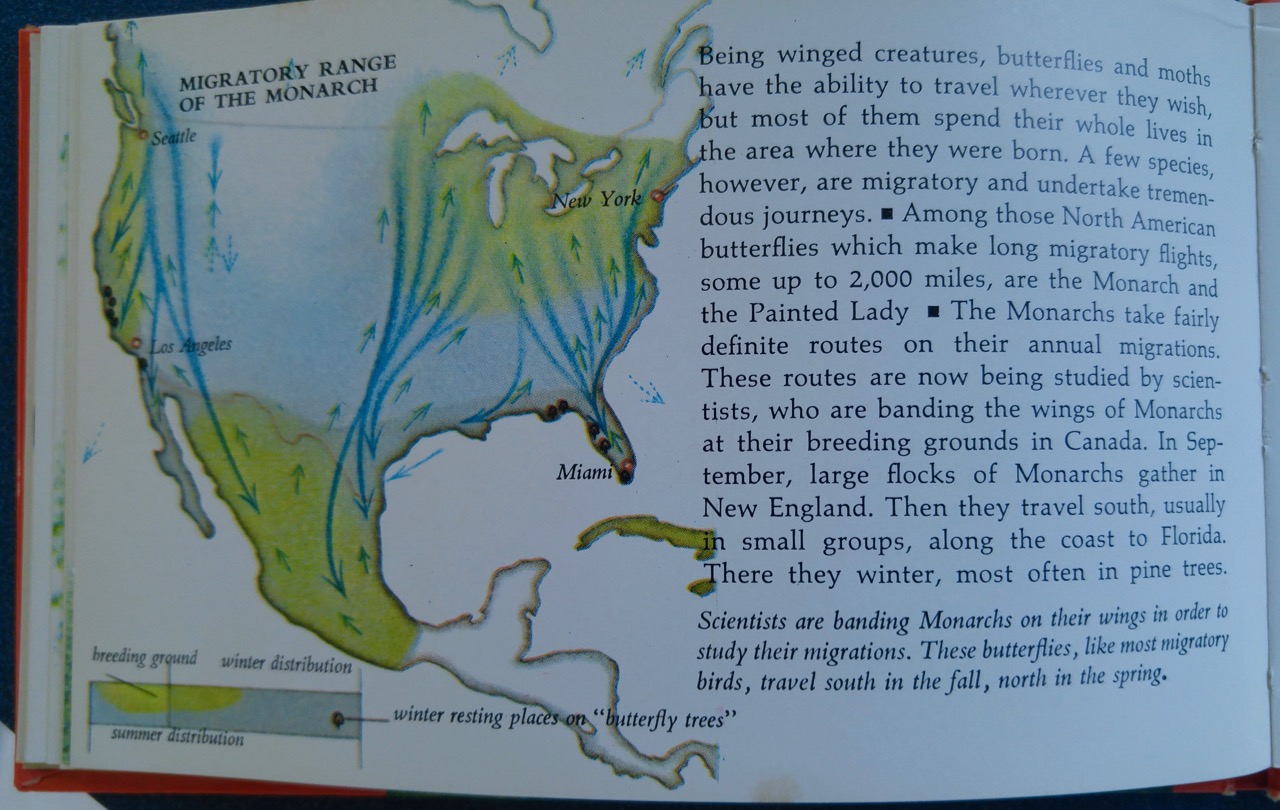
b-monarch map

Though the author states that in September, “large flocks” of Monarchs gather to fly south, and that was once the case, at least in my backyard it’s no longer true. This is only the second one I’ve seen this year, the first being in a field yesterday and it didn’t light long enough for me to snap a photo. In the past few years, I don’t recall seeing any. But . . . when our twenty-something sons were the age I was when I received this book, we did have large flocks that completely covered some flowering plants and shrubs.

b-monarch probiscus 2

Outdated though the book may be, some things haven’t changed. The order is still Lepidoptera, so named for the scales on their wings; lepis being Greek for “scale,” and pteron for “wing.”

b-monarch probiscus 1

Some cool features include the tongue or proboscis–can you see the coiled dark tube below the antennae? Once you find it, return in your brain to your sixth birthday party (if you had one–my next-door-neighbors, Pat and Kate always came for my birthday dinners, but we never had parties) and the blowouts that were curled until you blew into them and made noise.

b-monarch 6

The same thing happens with the proboscis (though it lacks a sound effect), which is actually two half tubes joined to form one, and includes muscles, nerves and the trachea, as it straightens out and penetrates the far reaches of flowers in search of nectar to suck.

b-monarch eyes

The book also mentions the faceted eyes–each compound and consisting of up to 17,000 “ommatidia,” or  individual light receptors with their own microscopic lenses. Think about what the world around them looks like. How in the world do they hone in on their targeted plants? They have their ways. Read on.

b-painted lady 2a

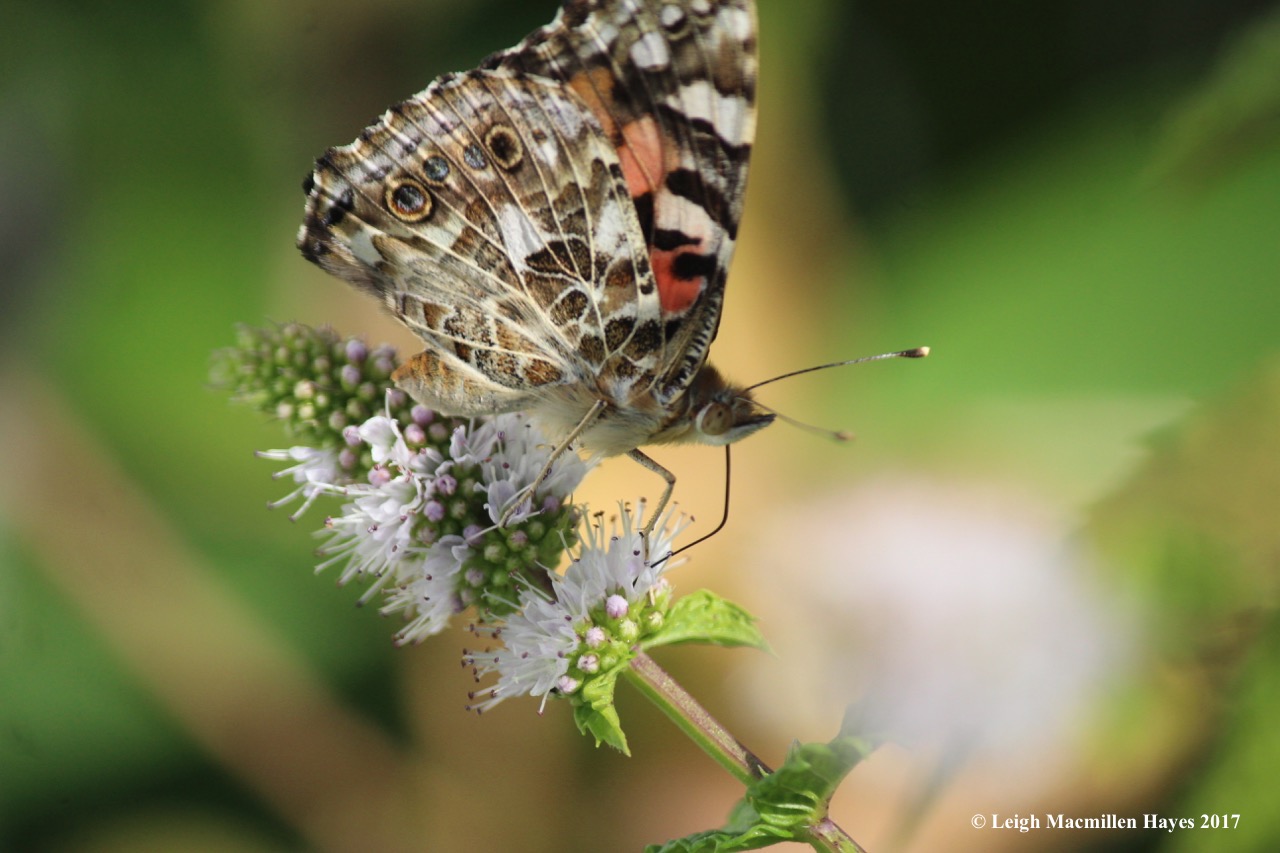
Prior to seeing today’s Monarch, I’d been blessed with many opportunities to observe Painted Ladies, which share similar colorings to a Monarch, though the pattern differs.

b-painted lady map

Dr. Corti describes their migration pattern, but mentions with all that migrate, it could be that it’s a second or third generation that actually completes a given journey.

b-painted lady 3

The outer wing coloration is what always reminds me that I’m looking at a Painted Lady and not a Monarch.

b-painted lady 1

One thing I’ve observed about the butterflies that I watch–nectaring can happen whether one is right-side up or upside-down. The straw works from any approach.

b-painted lady 2

The club-shaped antenna, common features of butterflies, are angled and work like radar to detect scents. And I mentioned the palpi, which are quite visible here as they are the small projections that protrude from the front of the head. These are covered with scent-detecting sensors as well. And actually, more sensors are located on the thorax, abdomen and legs. That’s how the butterflies find their sources of nourishment.

b-painted lady 5

One of the things I noted about the Painted Ladies that have graced my path lately is that they flit from flower to flower in constant motion . . .

b-painted lady 9

and seek goodness . . .

b-painted lady 10

from a variety of benefactors. I know Monarchs do the same, but today the one I watched much preferred the mint.

b-fritillary 1

An early season butterfly that some may confuse with the Monarch is the Fritillary.

b-fritillary 2

While its coloration is similar,

b-fritillary probiscus

its much smaller in size.

b-clouded sulphur 1

Most butterflies feed with their wings pulled together, such as this clouded sulphur portrayed. I love the subtle blend of pink, yellow and green in this beauty, and especially the yellow-green eyes.

b-white admiral 1

Early on in the summer, white admirals flew about.

b-white admiral 2

Occasionally one posed. Noticed its tattered hind wings. Such is the life of a butterfly.

b-Canada tiger swallowtail 1

We admire them for their beauty and they suffer for it–becoming easy prey. But until they succumb, they spend their days seeking sustenance. And bringing us joy.

As Dr Corti states, “The enchanting colors of their wings, their intimate commerce with quiet flowers, their modest food needs, the innocence of their courtships make them seem like fairy creatures from some unspoiled paradise. They are a delight to curious children, harmless idlers, contented topers, and strolling lovers wherever they appear. It is as if they were created solely to make the world more beautiful.”

Weren’t they?

I know there are updated butterfly guides, but I still love my first.

Butterflies and Moths, by Dr. Walter Robert Corti, The Odyessey Press, New York, 1964.