After three snowstorms this past week, the latest dumping over a foot of white stuff in western Maine, winter has finally arrived. Or, as a friend calls it, “Second Winter.”
In fact, there is finally so much snow, that my wee studio, the spot where I used to escape to write and sketch many moons ago, looks as if it’s being gobbled up and about to disappear into the landscape.
I love winter and so I’m thrilled to know that it’s not ready to give up on us yet. I also love how winter likes to play, creating tree boas that defy gravity.
In spite of all that, I do need a touch of color now and then and so I headed to a local brook where I know the Mallards gather.
And tread water as they wait for what, I don’t know. Perhaps for me to admire them: those shiny green heads, the sharp white necklaces, and cute little curly tail feathers. They tolerate our cold winters and as long as there is food and open water, such as this spot, I know where to find them.
I finally left the ducks behind and continued walking beside a second brook, pausing occasionally to reflect on the changes I’ve observed in this spot over the years, including one late November afternoon when I heard the water flowing as if over a fall and then spotted beavers hard a work, building a dam. Today, it was the spring ice that caught my attention and I know that as much as I want winter to last, spring is just around the corner and soon I’ll be peering into vernal pools.
And then, something quite small captured my attention. A Winter Stonefly! Scurrying across the snow.
Suddenly, what began as one sighting turned into two and then . . . hundreds as my eyes focused. In winter, crazy as it may seem, the aquatic immature stage of a Winter Stonefly, aka naiad, crawls from the rocky bottom home of the brook where it has spent the last year or more maturing (going through as many as thirty molts)and shredding falling leaves, climbs up through crevices in the snow that covers the brook, finds a plant or some other spot to emerge as an adult, and leaves behind its shed skin, much like a dragonfly or damselfly.
My attention in tune, I began to notice several things. First, there were large Winter Stoneflies . . .
and some much smaller, known as Small Winter Stoneflies in common terms. Their wings are non-functional, thus they crawl. But herein was the curious thing, at least to me. They all were headed west.
It didn’t seem to matter if I found them where the brook was to the east, or to the north, all of the Stoneflies walked in a westerly direction. Why?
I began to wonder where they were headed, so . . . I followed them. To tree trunks. I’d say any tree trunk, for the species didn’t seem to matter, but maturity did and they all headed to older trees. At least, the insects I observed.
This Small Winter Stonefly had obstacles of ice crystals to work around, but it was on a mission to reach that tree.
Mission accomplished.
Once there, the insects crawled down under the snow beside the trunk and I had to wonder if a party was in the making. The bark is warmest in that spot, so it was a good place to get out of the weather.
Stoneflies have hammer-like structures on their abdomen that make noise when thumped against a surface, like a tree trunk or a twig or even the ground. This is a mating call. The males drum, and the females drum back, and voila, they find each other and canoodle.
It’s not the same drumming sound as we hear daily from our resident Pileated Woodpecker. In fact, it’s made for Stonefly ears only and it’s not a party for which we receive an invitation.
Seeing so many Stoneflies made me want to celebrate anyway for they, like Mayflies, and Caddisflies, are particularly sensitive to pollution and serve as bioindicators of water quality. That means the brooks beside which I walked have excellent water quality.
And though I couldn’t hear the percussion instruments at the base of the trees, I am grateful to have spent some time with those who march to the beat of a different drummer.
That is the question. But the answers aren’t always obvious.
Before I go further I need to warn you. There are some photos that may disturb you because friends and I have recently stumbled upon fresh mammal kill sites–the work of other critters and not by human hand.
But as one friend said recently when I asked if she and her husband wanted to visit one of the sites, “A kill site! Yes, we want to join you. A kill site is even better than scat!” And so they turned their car around and changed their afternoon plans.
I had actually been told about this spot about five days before my first visit, and probably a lot had changed since it was initially spotted. But still, look at all that hair. And all the footprints surrounding it.
It was deer hair. Winter deer hair. Hollow hair that helps trap air and keep them warm during cold winters in New England. While in the summer, their coats are reddish-brown, in winter, the color may be brown or grayish-brown. Possibly the darker color helps them absorb more sunlight, adding to the warmth factor.
Looking about, it was obvious that a lot had happened in this spot. There was hair everywhere, and blood, and scat, and bones, and even mud as the perpetrators traveled through the adjacent wetland, which given the ice/water conditions, was too treacherous to follow.
But at the scene, leftovers, like this leg and foot.
And part of the hide with more bones to nosh on.
A scapula, that was outlined with teeth marks.
The top of the head, spine and ribs, plus another leg. Do you see that whitish oval on the leg? That is the tarsal gland, a key for deer communication. It is found on both bucks and does. Each hair in that oval secretes an oily substance and when a deer rubs-urninates, bacteria living within the gland mixes with the urine and the deer leaves behind its own unique odor–possibly providing important information like age, health, and other characteristics.
A few feet from the top of the head, the lower mandible sat, completely stripped of any meat and skin that had covered it.
About fifteen feet away lay the rumen, or stomach contents. In Mark Elbroch’s Mammal Tracks & Sign, he writes: “Coyotes tend to open a carcass from the rear and then move into the ribs and cut out the internal organs. They often remove the rumen right away; this may be an indicator of the original kill site or the place where the carcass was encountered. Within a short time, the carcass is dragged and moved several times, and it is cut into smaller pieces and dragged in different directions by different coyotes seeking a spot to feed in solitude.”
It turned out, however, that it wasn’t just a coyote family enjoying this grand feast. The print with the asymmetrical toes indicated another, more solitary figure had entered the scene.
A friend placed his game camera on a nearby tree and captured some of the action by the one with the bobbed tail.
Click on the white arrow and watch the bobcat dine.
He looked quite healthy and sated after partaking in such a meal.
And left plenty of tarry, segmented scats behind–as a parting thank your note.
The bobcat wasn’t the only one to leave his calling card. If you take a look inside the eye orbit, you might spy the mark of another.
It was a small deposit, the sign of an ermine or long-tailed weasel.
So, the story of this deer’s tale goes something like this: “A neighbor told us that a couple of days before the deer carcass was found, a deer was chased out of the forest onto the pond by two coyotes. When the coyotes saw the neighbors they ran off and the deer ran down the pond to the outlet. The deer had been wounded and left an intermittent blood trail. We are thinking this was the same deer that was killed on the nearby trail,” wrote Paula, the one who’s face lit up when I invited her to change her afternoon plans and visit the site.
One final look at the tippy toes and dew claws of the deer–can you imagine walking on your tippy toes all day as ungulates do?
And then it was on to another place on another day–after a recent fluffy snowstorm. The storm had ended during the previous day, but then there was a dusting overnight, followed by gusty wind. Two friends and I met at a trail system and within minutes one set of tracks led to another and that set led to a half dozen others, all traveling together. Like a pack. Or a family. Mom, Dad. And the kids.
At first we thought domestic dog, but then we found a tuft of fur. And so we continued on, spying something amiss in the track ahead.
Another kill site. If you know us, you can imagine our glee. Who did it? And what happened next? What we noticed: the area had been visited by many, who had then taken off in different directions. The meal had been buried under a pine sapling. There was some urine deposited by the midnight raiders. We found some hair of varying colors. And we had lots of questions.
On one side, a rib cage well cleaned.
On the other side of the hole, a second rib cage that at first we considered had been torn from the first, but then decided it belonged to a different critter.
And there was a leg by the hole. To whom did the leg belong? The foot was gone, which would have provided a clue. We did spot some reddish hair still clinging to it.
All appeared to have been excavated from the hole so we decided to take a closer look.
Up close, there didn’t seem to be anything else of note.
But, we’re a curious sort (in more than one way) and so Joan and Dawn used the tools we had to dig in.
To our discerning eyes, there was nothing more, though we could have missed a clue.
What we did find curious, was that upon closer inspection of a tuft of hair that looked grayish at first glance, it was really black and orangey tan. We had talked about a young deer at first, then switched our minds to a fox. but if you look back at the head of the deer at the other site, there is a lot of similarity. And the leg was long–which we thought could perhaps be the hind leg of a fox, but maybe it makes more sense that it belonged to a young deer.
We didn’t reach a definitive conclusion, but what we did think about was that the first site had been the work of coyotes, which a bobcat had visited. It occurred to us that the second site was probably the work of a bobcat, which coyotes had visited. As Elbroch writes, “Bobcats cover their prey and often move the carcass and recover it on successive nights. They appear to be unable to break the large bones of mature deer, so they sever and separate them from the carcass at the joints as they feed. A cleaned carcass with intact large bones is a good indicator of a bobcat kill.”
Not to cache or to cache? That is the question. But, occasionally coyotes will cache too. Tracking. It’s not a simple, straightforward art and each time we practice it, we come away with questions and learn a wee bit more to store in our brains for the next time.
We didn’t know what to expect when we headed off on a trail today. Or even what to wear on our feet–besides winter boots that is. And so we donned snowshoes initially in hopes that should we locate a Tiger, we’d be able to move easily across the snow rather than posthole and get slowed down.
Ah, but there were things that did slow us down. If you are a long-time follower of wondermyway.com, then you know I can’t resist a Pileated Woodpecker tree . . . among other subjects that repeatedly slow me down. This one was fun because it was obvious that the bird stood on the snow to excavate at least the bottom hole. In my mind’s eye, I could see it using its tail feathers as the third leg in a tripod while its beak pounded away at the tree, excavating a hole. Did it find any food?
Indeed it did and several healthy looking cylindrical scats full of the indigestible parts of the Carpenter Ants it sought were waiting to be discovered like little piles of treasure.
Was the Tiger hiding among the wood chips? No, unfortunately not.
The next great sight was the cocoon of a Promethea silkworm moth. When the caterpillar or larval form of the moth was ready to pupate at the end of last summer, it strengthened the stem, or petiole, of a leaf with silk, and then attached the silk to a nearby branch as you can see, assuring that the leaf would remain attached to the tree rather than fall off. It then spun the cocoon inside the curled leaf.
This species overwinters as pupae in a state known as diapause. During pupation, the larval structure breaks down into a soupy form and then restructures so that by the end of the process (in late May/early June) adult structures, including wings appear before its time to emerge and fly.
Was the Tiger hiding behind the cocoon? No, unfortunately not.
And then there was the Hickory Tussock Moth Caterpillar–climbing a tree to look for food on a winter day? Hardly. At a certain point in its growth, it lightly locked its legs into mat of silk it had produced on the branch. It then released enzymes that dissolved the inner layer of its cuticle, and a day or so later, much like a dragonfly or cicada emerging from exuviae, the caterpillar’s cuticle split above the thorax and the caterpillar literally crawled out of its skin. This is an old cuticle left behind.
Was the Tiger hiding amid the HTM’s cuticle? No, unfortunately not.
As we hiked along the snowshoe trail, we had to work our way around, over, and under downed trees, but this one encouraged me to pause for it’s one I don’t encounter on an everyday basis, much like its cousin with bristles on its leaf lobes. The cousin in Northern Red Oak, but the leaves we met today belonged to White Oaks. Oh, there were red oaks along the way, and I don’t mean to downplay them, but I’m forever in awe of the marcescent (leaves that wither but remain attached to the stem) of White Oaks. Those veins. That color. And the shape. Always curled in winter as if an open palm.
Was the Tiger masked by the downed tree? No, unfortunately not.
At an erratic the size of a small house, I had to take a closer look and convinced my guy to pause. He did and circled the boulder in search of the Tiger.
Did he find the critter? No, unfortunately not.
It was next to a Speckled Alder that our attention, well, my attention turned. What initially stopped me in my tracks was the woolliness of Woolly Alder Aphids. Those fuzzy aphids feed on the sap of the shrub and produce white wax, or “wool,” filaments from their abdominal glands.
They drink volumes of sap in order to get enough nitrogen, which they then exude as honeydew. In the summer, I find ants farming them to sip the honeydew.
But that’s not all that is interested in the sweet liquid. A Black Sooty Mold loves the honeydew as well.
The funny thing is that I was just discussing this yesterday with Land Steward Leah of Dartmouth Natural Resources Trust in Dartmouth, Massachusetts. The Black Sooty Mold is actually a Poop Eater! What? Yup. A poop-eating fungus. The natural world is more otherworldly than one can even imagine.
The Sooty Mold’s name comes from the dark threadlike growth (mycelium) of the fungi resembling a layer of soot or rather, a bit like elongated coffee grounds, and within my hands, its brittle structure quickly splintered into tiny specks.
Was the Tiger hiding among the Sooty Mold? No, unfortunately not.
Eventually, we returned from whence we’d come because one of the snowshoe trails is an out-and-back, found a rock upon which to sit for lunch, and the same served as a storage hide-away for our snowshoes while we donned micro-spikes, for the rest of the journey would be along a snowmobile trail. The thing about snowmobile trails in our area–they were closed a few days ago, just at the start of Spring Vacation, oops I mean Winter Vaca, but such have been the temps of late and the trails are not safe–especially where they cross waterways or boggy areas.
That said, I stepped off the trail and located this tree–a wonder unto itself. For those who know the species, it’s a Hophornbeam gone astray. Typically, these trees of sorta shaggy, yet tight bark, if one can be such, grow straight and strong, but obviously there was an interruption in the growth of this tree, though eventually it found its way skyward as is its normal behavior.
Was a Tiger hiding among the trees? No, unfortunately not.
I discovered the disfigured Hophornbeam because I’d gone closer to the water to spy on a couple of Beaver lodges. And I’m happy to report that based on the mud and fresh branches, they appeared to be active.
Was there an active Tiger in the area as well? No, unfortunately not.
Shortly after reaching Snowmobile Trail ITS 89, we noted the double-wide stonewall, a hint of days gone by when the property was probably plowed for agricultural reasons. We also noted that it’s been a while since that practice occurred for so old did the Eastern White Pine that grew atop the wall appear.
Was it large enough to hide a Tiger? No, unfortunately not.
So the next spot brought a smile to my face, for often, when I’m leading a hike my mouth gets ahead of my brain and I know I mean birch when I say beech, or visa versa, but here they were representing as one in the same for over time they had rubbed against each other for so long that they rubbed together.
Here’s a new word for me: Inosculation–when the friction between two trees causes the outer bark of each to scrape off at the point of contact. The trees respond by producing callus tissue that grows outward, thereby increasing the pressure between the two. This pressure, along with the adhesive nature of sap or pitch that exudes from their wounds, reduces the amount of movement at the point of contact. But the question remains: Does the cambia layer from the two trees come in contact and the vascular tissues become connected, allowing for the exchange of nutrients and water? Maybe if they are trees of the same species, but these were two different species and I suspect they are actually false grafts, which means the two trees have not formed a union of conductive tissues. Going forward, when I say Birch and mean Beech, or Beech and mean Birch–I shall remember these trees.
As for the Tiger, did he know them as well? No, unfortunately not.
As the sun began to shine, we found ourselves pausing beside Cold Rain Pond, where Sheep Laurel showed off its plans for the future. I want winter to continue, and apparently it might, for such is the forecast for later in the week when temperatures are supposed to dip to more seasonal numbers and snow is in the forecast, but note those buds.
Did they obscure the Tiger? No, unfortunately not.
As we backtracked our journey and followed the snowmobile trail out several hours later, I found the evidence we sought. A footprint. Certainly that of a Tiger. A very big Tiger for our area.
Your mission, should you choose to accept it, is to locate the Tiger. We knew it was there somewhere, but just like our Bobcats, it chose to remain elusive and hid among the shadows. Do you see it?
After all, we had traveled over 7 miles of Loon Echo Land Trust trails at their Tiger Hill Community Forest.
There must be Tigers in the midst, indeed. For why else would it be named such?
Disclaimer: the Tiger print is actually a bleached out Bobcat print–made larger as the temperatures rise.
Field Trip! It was actually planned for yesterday, when more would have joined us, but Greater Lovell Land Trust’s docent Joe knew that it was best to postpone given yesterday’s weather–a blustery rainy day. Today, however, dawned sunny and bright and so five of us drove over an hour to reach the coast.
By 9:00am, we had scopes and binoculars in play, each looking in a different direction until one among the group made a discovery and then all focused on the same. Behind the scopes, Dawn, Joe — our leader, Lisa — Joe’s co-leader, and Izzy.
We came in search of Common Loons because we spend summers listening to their musical tremolo laughter and blood-curdling yodels, the latter being the most primordial of calls that echo across the lakes and ponds of western Maine. We watch them fish and preen and raise their young. Occasionally, they surface beside our kayaks as we paddle. And then, in late summer/fall, they gather socially in what’s known as a raft, as they prepare for migration. By the time ice forms, they’ve flown the coop, or rather our freshwater bodies. But where do they go? That was the question we wanted to answer.
And did so within minutes of arriving at the Atlantic Ocean. Our loons actually don’t have far to go, That said, the loons that winter here may also be from points North and West. What surprised our leaders today was that the birds we spotted were already molting from their drab winter plumage to the dapper summer attire.
But there were so many more to spy through our lenses, including these Brant Geese. This was a new species for me, and one of the clues I need to remember for future ID is the white necklace it donned, plus the pale belly as compared the dark back and neck.
Another first, and I never would have seen these birds if Joe and Lisa hadn’t spotted them, Purple Sandpipers roosting on a rock, which apparently was a gift to us, for we were told they are often quite active as they search for mussels and crustaceans. I have never actually heard of a Purple Sandpiper before, so named for a violet-colored sheen of some feathers.
Common Eiders were . . . rather common on today’s quest, given that in the four spots we visited over the course of 5 hours, 97 were counted. I was not one of the counters as I spent the time trying to get my bird eyes on and just plain recognize what made an eider an eider and not a loon. Long beak–yes, but not as long or pointed from my point of view. Head shape a bit different, much more mottled head, and a completely different pattern of feathers. Just for starters.
In one of the locations we visited, there were Scoters, and Harlequins, and some of those 97 Common Eiders. It was here that we learned to watch the surf rise and fall closer to the rocks and the Harlequins dive and pop up over and over again. Pop. Pop. Goes the Weasel. I mean Harlequin.
In a third spot, another Common Loon, this one preening.
Our eyes were at once drawn skyward where we watched in wonder as a Broad-winged Hawk soared and then back to the brackish estuary water where a female Common Goldeneye with its brilliant amber eye glistening in the midday sun. Like so many of today’s birds, we had to keep looking to spot this one for it did what its species does and dove for food before resurfacing nearby.
Seals were also part of the scenery, but I do apologize for the photo not being clear. If you care to look, they are the light-colored blobs atop the rocks.
At 2:00pm, our time together came to an end, but we gave great thanks that we’d had a chance to do what the loons do and go for a deep dive into the winter lives of so many feathered friends.
Joe reported on eBird that we spotted 26 species in all.
What amazed me most is that as we approached each of today’s four locations, Joe said, “We should see ____, and ____, and ____ here,” and indeed we did.
We took our leave, a bit richer because we’d had the opportunity to see and learn together, to follow the loons and meet so many others along the way.
Friends,
At the risk
of sounding redundant,
I bring forth
a prickly topic.
A quick glance
while surveying treetops
and suddenly
my heart sang
as I spotted
a well-armored back.
I had
the track of
a bobcat to thank,
for it showed me the way
to this special find.
Circling through
dense hemlocks
as branches snapped
at my side,
and snow crunched
below my feet,
I attempted
to get
a better look.
My, what big nails you have!
Not wanting
to disturb you,
I chose instead
to follow your
foot impressions
and see where
they might lead.
Occasionally,
I lost track of
your prints,
but then a hint
would appear
in the form
of pee
creating
a rambling line.
In an opening
I next stepped
and discovered you
had done the same
over and over
again.
Your tracks
 brought me
to another hemlock stand
where
by the little brown commas
scattered across the snow,
I knew I'd found
one of your dining rooms.
What I could not locate
was your den
and so I circled back
to spend
a few more minutes
admiring your auburn hair,
white-tipped quills,
and chocolate brown eyes.
With your poor eyesight,
I thought perhaps
I was safe
and clamored
across the snow,
for so loud
were my snowshoes,
to see if I could find a den
in this vicinity
but all I saw
were the fallen branches
you'd snipped
from the trees.
It was then
that I returned
to another
viewing location,
and realized
you were beginning
to move as well.
Poor eyesight yes,
but your
auditory and olfactory senses
are spot on.
Aware of my presence,
you turned
your back
and raised those sharp-tipped quills
toward me
in self-defense.
And then
you moved,
reaching out
to grab
another pole tree
with your feet
as your tail
stayed on full alert
should I approach.
Though usually
a slow waddler,
I know you
are able
to move swiftly
when motivated,
so once you
began to climb down,
the time had come
for me to bid adieu
and
I
hightailed it home.

Dear Prickly Porcupine,
this day,
February 5,
will be the day
I celebrate you!
It’s not even Valentine’s Day and already I’m thinking of love. Don’t tell My Guy, but this is love of a different sort. And the story all began while tracking with friends earlier this week.
Just as we were about to finish up the program, we spotted the signs of a resident rodent, including downed hemlock twigs and then a den. The den did not entirely make sense due to its placement in what seemed like a wet area, but we decided the critter must have found a dry place above the moisture, for indeed there was scat.
Once spotted, I knew I needed to return, for almost nothing makes me happier than to spot sign left behind by this mammal.
And so I did yesterday afternoon and while taking a different route to the den, I noticed the sashay of said critter as it had waddled through fluffy snow.
Next, I did what I do, and followed the tracks in a different direction than originally intended. And that’s when I saw these, the resident’s name carved on several wooden shingles. It’s an agile critter given that the shingles were posted all the way to the tip top of these pole trees.
Can you read it? Porcupine Lives Here is the inscription engraved on the tree. Actually, it’s a sign of winter feeding for porcupines, like beavers and deer, seek the cambium layer as one of their food sources. Each line shows where the porcupine’s incisors came together as it scraped away to obtain a meal.
And just beyond those pole trees, I spotted a hole that I suspected could only be one thing. A den with tracks leading in and out and the required pee, for such is this mammal’s habit.
A closer look at the dooryard and I spotted a barbed quill and hair. Actually, quills are a modified form of hair.
Did you know that porcupines have a variety of hair? For winter insulation, they have dark, wooly underfur. In addition, there are long guard hairs, short, soft bristles on the tail’s underside, stout whiskers, and then there are those pesky quills.
They aren’t pesky to the porcupine; just us and our pets and any animal that might choose to or accidentally encounter a porcupine.
The quills are 1 – 4 inches in length and lined with a foam-like material composed of many tiny air cells, thus their round, hollow look. There are no quills on the porcupine’s face, belly, or inside its legs.
But on the upper portion of its head, down its back and along the top of its tail, oh my. Within one square inch, there are approximately one hundred quills.
All told, there are over 30,000 quills. But who is counting. Not me. Though I did count these fancy toothpicks, 100 in all, to represent the quills in a square inch.
Despite the myth, porcupines cannot throw their quills. Because the quills are loosely attached, they dislodge easily on contact and stick into a victim’s flesh. And because they are barbed, they are difficult to remove. Talk about a formidable defense!
Returning to the den, which was located within a hollowed tree, I knew the porcupine had visited within the last twenty-four hours but wasn’t so sure it was home at the hour I stopped by.
As I often say, “Scat happens.” And in the case of a porcupine, it happens a LOT! One porcupine evacuates 75 – 200 scats a day. And though this happens as it dines, most of the scat is deposited in the den. Why? Warm insulation on a night as cold as tonight will be with temperatures already in the negatives and wind chills expected to reach -45˚? Or a detractor for predators–do they get a whiff and realize its one they don’t want to visit?
I’m not sure, but this is an example of a winter scat–fibrous from that woody diet of bark and twigs. It’s comma shaped. And often there is a groove down the inside curve.
By spring, it may come as linked pieces, much like a necklace, for grass fibers from a change in diet help create the connection.
Having discovered this den, I decided to follow the tracks, which indicated the mammal had traveled in two directions. Where would it lead me?
Within a tenth or two of a mile, I realized I’d snowshoed back to the spot my fellow trackers and I had discovered two days prior. You can see our snowshoe tracks. But since our visit, the porcupine had happened along, climbed over the downed log and peed.
Did you know that pee plays an important role in a porcupine’s courting ritual. These critters are solitary most of the year, but between September and November they seek a mate. The male, in a bid to woe a female, often approaches and sprays her with his urine. Are you feeling the love? She apparently does, for if she likes the scent of his urine, they might rub noses, or walk on their hind feet before canoodling begins.
Right above the peed-upon log was the entrance to the den and by the sight of the pigpen approach, browner even that it had been previously, I knew this really was active. The soiled snow is from the porcupine walking across its scat to exit the den.
Unfortunately, I couldn’t get the camera lighting right, but believe me that this one is full of scat as well. And I suspect, though I couldn’t see it, that a porcupine was sleeping somewhere in there, with its tail facing the entrance just in case a predator happened along.
Another indicator of a resident in the house–hoar frost created by breath on a cold winter day.
Right above the den I discovered the tracks of another–enemy number one in a porcupine’s world view. A fisher will kill a porcupine with repeated bites to the face and head.
Coyotes have also been known to work in pairs to maneuver a porcupine onto its back, thus going for the belly, where the hair is wooly.
So the curious story to me was that the fisher passed through after the porcupine was already back in the den, but it didn’t approach the den. Perhaps it had hoped to find the porcupine out in the open and didn’t want to face a tail lashing if it stuck its nose into the house.
Since the pervious visit, there were also more hemlock twigs on the ground and lots more evidence of scat-dirty feet and pee.
Because a porcupine is a rodent, and a large one at that, only exceeded by a beaver in size, it has prominent top and bottom incisors and twig nips are at a 45˚ angle. Can you also spot the scat and hair?
The winter diet consists of needles and bark–favorite trees being hemlock, birch, beech, aspen, elm, oak, willow, fir, and pine.
In spring and summer, a porcupine seeks out grasses and other green plants. And then in the fall, it looks for acorns, tearing into them in a rather messy manner.
In fact, a squirrel’s midden of opened acorns shows that it cuts the hard shell into much neater strips.
A porcupine’s cheek tooth pattern consists of one premolar and 3 molars on each side top and bottom. As you can see, the cheek teeth are modified for grinding since they are strict herbivores.
It’s those prominent incisors that are to be admired. A porcupine uses its large two front teeth for gnawing off bites of food. The incisors continue to grow throughout the porcupine’s life at a rate of twelve inches/year, and the constant gnawing keeps them worn down to the perfect size.
I did not actually see a porcupine yesterday, despite my best hopes, but sometimes it happens when I’m not looking intentionally so there may be a sequel to this story.
A porcupine has poor eyesight, so I’m not sure if it ever actually sees me when it’s up in a tree, especially if I’m standing sorta still, but it does have a good sense of hearing and smell, so I’m sure its aware of my presence. And the tail always faces the trunk in case I decide to climb up–it’s a great defense mechanism–having the tail at the ready to thwart a predator.
I will end this long story with a drawing by a dear friend and fellow naturalist, 8-year-old Aurora. She’s done her homework and I hope one day soon she’ll be able to answer the question: Quill You Be Mine? with a yes!
Winter finally arrived in western Maine this past week in the form of three snowstorms, the last ending with a coating of ice. Between storms, I’ve been teaching others the art of tracking mammals and birds through my work at Greater Lovell Land Trust, as well as a two-day class I taught for a local Senior College, and a day-long class for Maine Master Naturalists.
I love, love, love watching others experience joy as they begin to notice the nuances of print and patterns and scat and sign.
This being the work of a White-tail Deer who scraped its lower incisors up the bark of a tree to get at the cambium layer where the sugars and starches flow. The tags at the top of the scrape are a tell-tale sign because ungulates like deer and moose do not have upper incisors or canines, but rather a hard palate, and yank at the wood as they press their lower incisors against the palate to pull the bark off a tree–mostly Eastern Hemlock or Red Maple.
It wasn’t long after the Senior College outing on Wednesday that snowflakes announcing the third storm began to fly and one of our resident Red Squirrels stopped by to check out the offerings at the bird feeders.
This hearty sole is Ed and as you can see, he’s lost an eye–probably in a disagreement with a sibling, but that doesn’t stop him. He’s perfectly capable of finding food, seeking cover when necessary, and fighting off his brothers.
Ed wasn’t the only one out in the snow, for a male Downy Woodpecker made frequent trips to the suet feeder.
And then, just before twilight the Deer began to appear. The first walked to a Squirrel feeder I was gifted recently, with some peanut butter added to the corn as an enticement. She didn’t seem impressed. I thought that was weird because if you’ve ever made a bird feeder out of pinecones smothered with peanut butter and sunflower seeds, you might notice that the Deer lick everything off within hours of hanging the cones from a branch.
Following the arrival of the first Deer, a sibling came in with mom, but they too, were not impressed.
So the thing about watching the Deer, was that they provided a photographic lesson–beginning with the two cloven toes that form the heart-shape of the impression they leave in the snow–with the pointed end of the heart always indicating the direction of travel. And further up the foot are the dew claws, which sometimes show in a print. If you look at the two hind legs, you can see the dew claws just above the snow. I’ve been told that if the dew claws appear, then it is a buck. I’m not 100% convinced of that. I think it has more to do with snow conditions.
And sunflower seed is not their only form of nutrition, for one of the Hemlocks by the stonewall between our yard and woodlot offered some delectable needles full of vitamin C. Do the Deer know that?
Following the storm, a coat of ice covered the tree branches and even the corn, but that didn’t stop Ed’s brother, Fred, from grabbing a kernel. Actually, the corn had originally been placed about two feet off the ground in an area we’d shoveled, but the snow had piled up again, making the meal easy to reach.
I spent yesterday shoveling what felt like cement. The first two storms offered a much fluffier take on snow consistency. Periodically, like Ted, another brother of Ed, I’d duck into the house. His home is a network of tunnels near the feeders, and so far it has provided good protection.
This morning dawned brighter, and a bit frosty to start. While Fred, Ted, and Ed, ate birdseed and chased each other round and round, a Gray Squirrel stopped by to get a handle on things.
The perfect meal was garnered.
As it turned out, today was a super busy day at the feeders, which Black-cap Chickadees and Nuthatches making frequent visits.
And the puffed up feathers of a male Downy bespoke the temp in the teens. Birds fluff up in the cold to trap as much air in their feathers as possible. The more trapped air, the warmer the bird.
A couple of American Goldfinches were early morning visitors as well, and I love that unlike the Chickadees, Finches are much calmer and stay in one spot for a bit.
Probably my favorite visitor was a surprise for as I was watching the Hairy Woodpeckers, in flew a Red-bellied who worked at a chunk of suet and finally flew off with it.
When I finally headed outside this afternoon, donning my snowshoes to stay atop the 2.5+ feet of snow, I couldn’t believe that for the most part I could stay on top of it, for such was the crusty coating from yesterday’s rain finale. And with each step I took, I heard the crunch below–sounding much like breaking glass.
Much to my surprise, I found the track of a Ruffed Grouse, who did break through the snow.
Of course, it was no surprise to find the figure eight of a deer print, with the foot impression about two feet down. This is a difficult time of travel for them. And I suspect mine will be back by the feeders during the night looking for an easy meal.
And then I discovered a disturbance that I had to investigate. A deep hole had been excavated.
A look at the size and X between the toe and metacarpal pads and I knew who had done the job: an Eastern Coyote.
What it consumed I could not say, but there were some drops and I wonder if they were blood that had darkened a bit as they aged. It’s funny, because I was so sure that I’d come upon a Ruffed Grouse’s snow cave and totally expected to see the bird’s scat in the hole. That was not the case at all, but I don’t know who the victim was that provided the Coyote with a meal. Or at least a snack.
Back in our woods, I met an old friend who has graced these woods for years–or at least members of his family have done so.
He, too, was looking for food. And so intent upon his job was he, that I stood only about fifteen feet away while he worked.
I didn’t step under to check the scat because I didn’t want to scare him off, so I’m not sure if the Pileated Woodpecker’s needs were fulfilled, but given that he had worked on the tree for a while and some of the holes were quite deep, I suspect he had dined on his favorite meal of Carpenter Ants.
Finding food is the name of the game, though it’s hardly a game at all–especially when it’s cold, the snow is deep, and there’s a crust of ice atop it. And that’s just for the critters. Never mind people who have to deal with the elements on a daily and nightly basis.
We finally have a decent amount of snow on the ground after Friday’s storm and another storm is expected to begin in a couple of hours. That meant it was time to don the snowshoes. And so I did. And headed into the woods behind our house.
Immediately I was greeted with nature’s art work, and seeing snowflakes dangle like this will always capture my fancy.
But that wasn’t all that captured said fancy, for at a point where I’d been dealing with trying not to fall into water since it’s quite a wetland out there, I suddenly spotted bobcat prints. And knew I had to follow them.
I hadn’t bothered with my tracking bag full of gear, but did think to stick this little card into my pocket for reference. Can you see the C-shaped ridge between the toe pads and metacarpal pad? And the lead toe–making the overall print asymmetrical. Take a look at your hand. It’s also asymmetrical with a lead finger.
The snow is such a depth that there was foot drag. I got thinking about what the bobcat was hunting for and had seen plenty of snowshoe hare and deer runs so knew there was food available. Where would this cat lead me, I wondered.
It was at that point, however, that I thought about a tracking lesson I taught to future Maine Master Naturalists yesterday–if the prints look fresh, backtrack rather than follow them forward, so you don’t put pressure on the animal. I heeded my own words and turned around.
Of course, there was more art work to spy, like this candy cane dangling from a branch.
In my backtrack exploration, I spotted where the bobcat had climbed over a fallen tree. There were other spots where it went under trees and I had to find a different way around.
Back on track, there were more intersections with deer and even mice. But all continued to live for the moment.
And then my journey led me to another I’ve been looking for all winter because usually I see so much evidence of this critter–a porcupine had sashayed through the snow over night.
I found what I think is its den, given the amount of scat, and a hole. And I’m just now making sense of the story. The hole was not large due to snow in front of it and the scat was a bit frosted. BUT . . . what might have happened is that as the day warmed up, snow fell from the limbs above and the porcupine will dig its way out–in fact, it probably already did about an hour ago, for they emerge during twilight.
I followed the tracks, which led to a hemlock tree where there were a couple of twigs below.
And the bark and cambium layer had been chewed on the main trunk and another branch above.
So at some point in my journey, while I was following the bobcat and off my regular trail, I decided to turn on my GPS until I knew where I was. What surprised me is the circle I made as I followed the porcupine’s trail. I need to make time to visit it again, for it seemed to be a new resident to this spot and there wasn’t any more evidence that it had dined in the area.
It took a few minutes, but eventually I found the bobcat tracks again. Only . . . this time I was following the cat forward. What?
They led me to a spot at the base of a tree where the bobcat took a break and must have curled up. And then it turned around.
And it suddenly became apparent to me: I’d followed the forward track on the left to the turnaround point and on the way back I noticed the backtrack trail I’d previously been following. I never did find the bobcat or the porcupine, but seeing evidence of their activity was enough and it was getting late so I followed an old logging road home.
There were still more baubles to spy, including this one upon a Red Maple that had provided food last winter in the form of buds–a fav of the deer.
And when I returned to our woods, I discovered that four deer had bedded down last night under a raised sleeping platform our youngest son had built about eleven years ago when he was in high school. Look for the smooth edges and you’ll realize each one is oriented in a bit of a different direction, the better to see that bobcat, or even the coyotes, whose tracks I also saw today.
Just for fun, I’ve added these photos of the MMNP students channeling their inner child–each mentor group was assigned a mammal. This group needed to become a bobcat and though you may not quite see it, the bobcat was walking in the zigzag pattern with the hind foot landing where the front foot had packed down the snow, thus each print representing two feet, and conserving energy. And those fingers on the bobcat’s head–ear tufts. Plus the “person” in the back was holding a mitten to serve as the bobcat’s tail.
There was a pigeon-toed porcupine as well that waddled through the snow.
And then it gnawed on the branches of a tree.
They had fun with the assignment. My hope is that these students will get a sense of the tracking glee that I feel every time I follow a trail. Even if I don’t get to see the critter, which is most of the time, just developing an understanding of their behavior makes me so happy.
Once upon a time . . . no wait. This isn’t a fairy tale.
Rather, it’s about changes in the landscape that one might observe, such as a brook suddenly overspilling its banks as was the case in this location upon a December visit. We’d had rain, but that much?
It wasn’t long before a friend and I spotted the reason for the high water. Some new residents had moved into the area and built a lodge of sticks. Unlike the story of the three little pigs, one of whom built a house of sticks that the big bad wolf came in and blew down, the makers of this structure took special care to make it solid and strong and weatherproof. Yes, a beaver or two or six had taken up residence with the intention of spending the winter. Beaver families usually consist of a monogamous couple, plus their two-year-old (almost adult) kids, and yearlings. Mating occurs in the water during the winter and kits are born inside the lodge in the spring.
In order to move into the lodge, a dam needed to be constructed as well. If you look closely, you’ll see that above it there was a bit of an infinity pool with the ice at level with the dam, while below it some water flowed at a much lower level. Though we couldn’t walk along the ice to measure the length of the dam, it was quite long. and made of sticks and leaves and mud. Typically, the family works on this project by creating a ridge of mud and probably the herbaceous plants of the meadow, and then they use the mud and sticks to stabilize it. Maintenance is a constant as water or other critters or humans have a way of breaching the dam.
We, too, build dams to serve similar purposes, such as this one originally constructed to operate a saw mill. Hmmm.
Getting back to the lodge: it also needs nightly work as long as conditions allow and this has been a winter of despair for those of us who love cold temperatures and snow and even ice if it’s in the right place, like on a pond or lake and not in the driveway.
Take a look at how the beaver is holding the small twig.
A beaver’s dental formula is this: 2 incisors on top, 2 incisors on bottom, 0 canines on top, 0 canines on bottom, 2 premolars on top, 2 premolars on bottom (that look like molars), 6 molars on top and 6 molars on bottom, for a total of 20 teeth. Recently, I was able to sketch the upper part of the skull of an older family member, who’d lost some of its molars.
These large, semi-aquatic rodents are gnawers like their relatives. To that end, their incisors are highly specialized for chewing through really, really tough things and they grow continually throughout the critter’s life.
And like all rodents, the front surface of their incisors is coated in enamel reinforced with iron (hence the orange color), which makes it resistant to wear and tear from gnawing. When the chisel-like teeth chew and fell trees, the much softer white dentine layer (the section behind the enamel) is ground down quicker than the enamel, thus creating a sharp chisel surface.
But to me the coolest aspect is that their lips close behind the incisors, thus permitting them to gnaw and carry sticks underwater without choking.
And bingo, you can see the stick being carried in that gap between the incisors and molars. Food sticks become lodge or dam sticks once their nutritional value has been consumed: a true plan of repurposing.
As it turns out, that wasn’t the only beaver family at work in town. This next family, however, chose to park their tree in a spot the fire department lay claim to for filling a water tank. But . . . reading is not on a beaver’s talent list.
In this other place, so many trees have been felled, but not all have fallen as intended, getting hung up on other trees instead. Not wanting to anthropomorphize, but I have to wonder what expletives flash through a beaver’s brain when trees don’t hit the ground as planned.
As strict herbivores, a beaver’s diet varies with changes in the season. During spring and summer, they are drawn to waterlilies, algae, grasses, sedges, herbs, ferns, shrub leaves and shoots. By late summer, however, tree cutting begins as they gradually change their dietary habits from herbaceous to woody materials. Twigs, roots, bark and especially inner bark become the source of nutrition. Aspen, birch, alder, and willow are favored species, but beavers will cut almost anything including conifers.
Imagine this. A beaver cocks its head to the side as it gnaws, thus the consistent angle of the half inch groove as the upper and lower incisors come together.
Likewise, porcupines gnaw, but their incisors are much narrower and the pattern more random.
So, the question remains. Where were the parking lot beavers living? In the past, a family has inhabited the northern most reaches of this pond, but in this case, they had built a lodge on a point not far from the southern end.
The top of the lodge is the only section not covered with mud, for it serves as a “smoke stack” of sorts, a place for beaver breath to escape. Visit a lodge on a cold winter day and you might observe the vapors rising.
And then it was on to another locale, where beavers have inhabited the same lodge for a number of years. When beavers choose to live in a pond or lake or sometimes even a river, there’s no need to build a dam for the water is usually deep enough for their underwater movement.
I often tell people that beaver prints are a rare find because they are either wiped over by the tail or by trees being hauled to the water. Once in a while, however, I’m proven wrong and the sleety snow on a recent day awarded just the right conditions for the webbed feet to be observed.
Tree work and broken ice added to the story of the critters’ journey to and fro the pond. While quite adept at time spent in the water, they are rather clumsy on land and most of their work is within a hundred feet of the edge.
Winter food is cached close by the lodge entrance so that they can swim under the ice to retrieve a stick. A beaver’s ears and nose have a valve that closes when it is submerged and they can stay underwater for up to fifteen minutes. Back at the lodge, there is a raised chamber surrounded by a moat that leads to the entrance tunnel. It’s upon the raised area that they dine, and groom, and even give birth.
At this particular pond, My Guy and I noted two lodges connected by an open channel between. Given the number of tail slaps that announced our presence near both lodges, we thought perhaps both were active and inhabited by the same family.
And then, and then . . . finally, we spotted a beaver that spotted us. We kept expecting it to slap the water with its tail in a manner of warning so other family members would seek deeper water or cover. Instead, it swam past us.
The thing is that a rodent relative, namely the muskrat, exhibits many similarities, but also differences, including a skinny, snake-like tail.
The beaver’s tail is a source of wonder. While its furry body consists of long, shiny guard hairs covering dense and softer hair that traps air and helps protect the critter from the cold, the tail is broad and flat and scaly. It’s used for a variety of reasons including stability when standing upright on land (think tripod), as a rudder for propulsion in water, as fat storage and thermal regulation, and how we are most familiar, as a warning device.
January 6, 1998: Epiphany; the icy rain storm began.
January 7: Even icier.
January 8: No school, power on and off and then OFF, with no more ons.
On the 8th, My Guy had to park his red truck at the neighbor’s house because wires and limbs prevented him from driving up to our house.
Via battery operated radio, CMP (Central Maine Power) officials warned customers not to talk to power people–just let them do their work as they’re under a tremendous amount of pressure. And definitely no bribing them with food.
After our neighbor, Mr. Mush, stopped by in the afternoon to check on us, I looked out the window and noticed a man wearing a hardhat walking up the road. Mr. M. approached him.
“We aren’t supposed to talk to those guys, but he is. I’m going out there,” I thought.
Our youngest joined me. We donned our winter gear and headed out the door. I said to P, “We aren’t supposed to talk to CMP workers. We’ll let Mr. Mush do the talking.” As I said that, I looked for the CMP truck, but didn’t see it. Then I did a double-take.
“Mr. Hall, that’s you,” I said shaking my head as I realized it was another neighbor under the hardhat. “I thought you were a CMP worker. I was so hopeful.”
He chuckled and said, “You haven’t been listening to the news. You aren’t supposed to talk to CMP workers.”
Jan 9: Wee hours of the morning: SNAP! CRACKLE! POP! CRASH!
My Guy flew across our bed as I sat straight up.
“It’s OK,” I choked. “It’s just a tree hitting the roof.”
After which I hyperventilated and struggled to add, “It’s just a tree. It’s just a tree.”
I could hear My Guy trying to reassure me, but I was frozen with wild terror. My throat, which felt like it had closed, finally opened. From that point on, I shook.
The cracking and clashing sounded worse than firecrackers and continued all night long.
January 10: Our friend Bob called from a job he was working on in Massachusetts. He couldn’t get through to his wife, Marita, as their phone line had been affected by the storm. Somehow, however, she and I figured out that we could talk if we picked up our phones at the same time and I guess I called her. Anyway, I assured Bob that she and the girls were fine and she was her chipper self. What I didn’t have the heart to tell him was that his goldfish had not survived the storm. They froze to death.
January 11: Our sons, S and P have storm clean-up all figured out. The town crew will plow up the branches and trees. Logging trucks will also be needed. They’ll haul the wood away to mills to be turned into baseball bats and paper.
We had heat for the first time. No lights, but plenty of warmth and I actually thought of shedding a layer of clothing. Another neighbor’s son-in-law lent us a small generator to fire up our furnace for warmth and to keep our pipes from freezing.
One thing a storm of this magnitude made us realize that people are good. My Guy was one of the best. And my biggest hope after all was said and done was that the people he helped would remember that he stayed open for them without power at the store. And he kept ordering stuff so that he would have what they needed.
Outdoor conferences with the neighbors became a constant.
And family and friends called to offer warmth and a shower.
Marita and I offered each other encouragement and she came to fill water jugs daily. We loved the bread she baked.
January 12: We heard via our battery-operated radio that Baltimore Power trucks arrived in Maine today. Apparently they were sighted on the turnpike bearing signs that read: “Maine or Bust!”
My Guy and I took showers thanks to the generator on loan. And we invited Mrs. Mush over to shower as well. My sister-in-law took the boys for the day, which gave us a chance to do some clean-up, though despite the fact that My Guy wasn’t at the store, he was constantly in contact and thinking about it often. The wee bit of slow-down that the day offered him, gave him time to reflect and sort through all that had happened in the last few days.
One of our tasks, other than yard work, was to clean out the refrigerator and freezer–stinky and sticky. We cleaned it and turned it into a momentary breadbox.
Mrs. Mush and I also picked up sticks and branches in an elderly neighbor’s yard while she was away staying with her daughter and son-in-law.
January 13: 124 hours of no power. School has been cancelled until next Tuesday.
Last night we began helping our next-door neighbors raise the temperature in their house with our Kerosun heater.
The ice, as much as it’s been a menace, is incredibly beautiful.
As cold as it was outside, the boys and I spent as much time outdoors as possible, so it would feel warm when we went back in–at least for a few minutes.
While they skated on our outdoor rink, I chatted with another neighbor, Tom, owner of Tom’s Homestead Restaurant, which he’d turned into a shelter for some people. Despite the fact that we didn’t have power, Tom was still able to function with a woodstove and gas furnace.
“I’ll teach you how to skate, P,” said S.
And so he did. The boys were five and three, S in kindergarten and P in preschool.
They also enjoyed the snow fog that rolled down the street. Oh, and those signs at the end of the driveway: announced to the world that Winnie-the-Pooh’s Studio was located in our barn and everyone was welcome to visit.
Writing that now, I’m reminded of a sign Mr. Mush stuck in the snow at the end of the road: “245 people live on this road.” Um, I’m pretty sure there were only ten houses and residency ranged from 1 to 4 or 5 in any particular abode.
January 14: Imagination has always been the name of the game and the boys have always had vivid ones so, of course, we celebrated Tigger’s birthday, homemade party hats for all.
Another big event today: an NBC affiliate from Washington D.C. came to town to film the proper use of generators. They stopped at Hayes Hardware and interviewed My Guy. Then he sent them to our road to tape a generator in use at a neighbor’s house. The boys and I followed them around the neighborhood. We then called everyone we knew out-of-state and told them to watch at 6pm. We listened on our radio. No mention of our town much to our disappointment–it wasn’t our day to become movie stars.
7:30pm, 148 hours without power. We’re especially concerned tonight because it’s already -2˚ with a full moon. But, there are now five generators being shared between 8 homes on our street.
January 15: With the advent of a full moon, we knew more trouble was brewing as the temperature dropped. Pipes froze in our pantry sink. We placed the Kerosun heater by it and I kept pouring boiling water (thank goodness for a gas stove so we could cook on top, using a match to light the burners), into the sinks–to no avail. At 9:30am, Mr. Mush came over with a torch and warmed the pipes (at that time located literally outside the pantry).
Then he tucked insulation around them.
In between working, My Guy helped to keep everyone on our road under control.
That afternoon, S and I did some yard work, hauling branches to the pile. The boys also sold me some snow cones, snow pies, and lemonade.
While we were outside, a CMP truck drove up. I slowly approached and asked the driver, “Can we talk?”
“Uh oh, you’re scaring me,” he said.
“No, I just want to know if we have any hope,” I replied.
“Well, the crew is in South Bridgton now. When they finish there, they’ll head back into town. They’ll be here. Maybe today, but don’t count on that. Probably tomorrow. But, do you know what the storm looks like?” he asked.
“They’ve lowered the amount of snow to six inches,” I said.
“Good, what about the temp?”
“I’m not sure.”
“Oh, well, we’ll see.” And off he drove.
Later, Marita appeared bearing muffins.
And I had this conversation with P: “What are you doing?” I asked as he chewed his fingernails.
“My fingernails are stuck,” he said.
“What do you mean, your fingernails are stuck?”
He studied his hands, “My fingernails are stuck to my fingers.”
We guffawed.
One really bad thing we learned today. Moe Needham’s house burned to the ground last night.
Late that night, after My Guy and I had settled into bed, the most powerful light lit up the street. Of course, anything brighter than a Coleman lantern illuminates our world. But this light was different. High intensity and not flickering like a plow, though it was snowing as predicted.
My Guy dressed and ran outside. I was so excited that I called my sister to tell her men were in buckets up in the trees. I wasn’t sure if they were there to cut trees or reattach wires. After I hung up, I headed out the door. Arborists from Cohrain, Massachusetts. In a state that is proud of being 90% trees, there were many, many downed ones to cut.
January 16: I had the best helpers as we dug out from the overnight storm. S shoveled the snow off the steps.
I only wish I remembered what advice P was offering as he worked. Or perhaps he was gleeful because he was eating snow.
January 17: A CMP scout checked things out.
While the boys and I shoveled six inches of snow off the driveway, the CMP truck crept up the road. The driver told Mr. Mush he was waiting for an out-of-state power company to come work on our lines.
At last they arrived! I phoned neighbors at work.
From the neighbors’ driveway, we watched the action.
At last, the man in the bucket lowered himself. “The power will be on momentarily,” he said.
Mr. Mush met me in the driveway to ask about our furnace hook-up. We walked up the driveway and saw My Guy in the barn. I yelled, “It will be on momentarily.” Above a bulb was lit.
“Look,” I exclaimed. “How is that on?”
“The power is on,” My Guy said with a smile.
10:00am: POWER!
The boys had to check it out after 186.5 hours without such.
Meanwhile, at the store, the line was long. Somehow, My Guy managed during all this time to meet the needs of customers, the needs of neighbors, and the needs of his family. And always with a grin.
Thank goodness our boys saw it as an adventure.
The list of thanks probably left someone out, but in the end we were all so grateful for the sense of community and neighbors helping neighbors.
It’s hard to believe that it’s been 25 years since the Ice Storm of ’98 Cameth and we were afraid that it would never Leaveth, but it finally did.
I’ll let you in on a tad bit of a secret . . . eventually.
But first, today was a tracking day and so five of us did just that. When we arrived at the intended location, due to snow conditions, I think we had low expectations. I know I did.
We had just stepped off trail to begin our bushwhack excursion when we spotted this Ruffed Grouse scat. So the curious thing about this is that there are two kinds of grouse scat, the typical cylindrical packets coated with white uric acid, but also a juicier, brown dropping. And I regret that I didn’t take a photo of the juicier, yet slightly frozen stuff we saw dripping from some twigs above. At the time, I knew the brown stuff was significant because I’ve looked it up before, but couldn’t bring it to mind. Thanks to Mark Elbroch and Eleanor Marks, I found an explanation in Bird Tracks and Sign: “Interestingly, after producing these lower-gut-generated solid evacuations, some game birds, such as a grouse, often then evacuate a semi-liquid brownish mass from the upper gut, or cecum, with the two types of droppings coming out sequentially; the more liquid, almost liver-colored scat comes out second and is spread on top of the solid matter. In Ruffed Grouse, it is common to find the hard, fibrous scats at one roost and the soft, brown cecal droppings at another.”
But not uncommon to find them together!
We stood for a long time discussing the grouse scat and when we finally moved on, it wasn’t too far that we discovered bobcat prints. Given that the prints were not super fresh because there was some debris in them, we decided to follow the track forward. Had they been fresh, we would have backtracked so as not to put pressure on the animal. Though secretly, we all love it when we do actually get to spot a mammal. Or a grouse, for that matter.
Eventually, we lost track of the bobcat, because as you can see, there were spots with no snow. But then we stumbled across a sighting that confused us. White-tail Deer scat on the edge of a boulder. Dawn has some new tools she was gifted for Christmas, and so she was excited to pull them out. Our confusion, despite the fact that it looked exactly like deer scat, was caused by the location. On top of a boulder. On the edge of said rock. We came up with a few stories, but will let you try to interpret this on your own.
Back in the snow, we found canine rather than the feline prints we’d been looking for and so out came the tape measure to determine species. Based on the fact that the print measured less than two inches at the widest point and that the stride, or space between where two feet touched the snow (toe to toe), we determined it was a Red Fox.
Everywhere, we spotted Red Squirrel holes and middens, indicating the squirrel had cached a bunch of hemlock cones in numerous pantries and returned since the snow fell to dig them up and dine, leaving behind the cone cobs and scales in trash piles. What struck us was that for all the middens we saw, we never heard or caught sight of any squirrels. In fact, we didn’t see any animals . . . until we did. Huh? You’ll have to read on.
Our next great find close to the pond we walked beside, was more scat! Of course, it was. This being the works of a River Otter and filled with fish scales, all those whitish ovals embedded in it. Like a small pile of Raccoon scat we’d spotted earlier, but again, I forgot to photograph (the sign that we were having fun making all these discoveries), otters tend to defecate in latrines, using the same places over and over again.
Our movement was slow, and every once in a while we’d spread out until someone made a discovery and then we’d all gather again.
Which was exactly what happened when this Snowshoe Hare scat was discovered. Three little malt balls.
After the hare find, we followed a couple of canine trails that took us back to the water. Domestic dog or Coyote? We kept questioning this, but never saw human prints. And the animals did seem to be moving in a direct line on a mission. The warm weather we’ve been experiencing may have been enough to make their prints look larger than they typically would so I think I’m leaning toward Coyote.
But in following those, we discovered a sign from another critter by the water’s edge: Mink scat!
When our time was nearing an end and we bushwhacked back to a road near the trailhead, we were all exclaiming about our cool finds. And then a little birdie we encountered asked, “Do you want to see a bear?”
We don’t need to be asked that question twice, though now that I think back, I’m pretty sure we asked the birdie to repeat the question. YES! She gave us directions and we decided we needed to take an immediate field trip. We each hopped into our vehicles, drove almost to the destination, parked, and walked as quietly as we could toward the den site.
We got us a bear! A Black Bear! The birdie said it has been there since sometime in December.
Now that I’ve shared it with you, I’ll say no more for the five of us are sworn to secrecy about its location.
Really? Can birds count? It’s a curious thought and we impose so many of our attributes onto wildlife that we come to believe it all true and that they have feelings and abilities that match ours. And so on this day of the Sweden Circle Christmas Bird Count in western Maine, I set out with Dawn to seek numbers and answers.
The territories assigned to us are marked in red within the circle for we had the opportunity to explore Pondicherry Park in downtown Bridgton and LEA’s Highland Research Forest on foot, rather than driving along a bunch of roads.
Mere steps from where we’d parked we heard and then spotted Northern Cardinals. Not one, but two, then three, then four. Three being a male such as this one, with one female in the mix.
Below the cardinals were other birds that we heard first and shared a simultaneous thought, “I hear Wood Frogs.” Oops, that would be ducks. But the thing is that when we approach a vernal pool in the spring, and the frogs croak before they sense our trespass into their territory, they sound like ducks quacking.
We counted 45 Mallards who quacked and swam and preened and paused and dabbled and quacked some more. Her markings soon became important to us.
As did his. Notice the differences between the two from coloration of heads and bills and feathers. It’s been said that the male is much more handsome than the female. Maybe he is, but she offers her own sense of beauty and design. Again, pay attention to his markings.
Why? Because we noted this one hanging out for a while under some shrubs. And immediately, we realized that it was somehow different. Look at the color of its head–muted green and a hint of purple or mauve crowning its head. Like the female Mallard, there was an eyeline, but much more subtle in presence. We thought it might be a female, but like the male, the bill was bright yellow with a dark spot at the tip. Plus the overall plumage was different from either the female or male Mallard. And yet, it looked so similar.
The curled tail led me leaning more toward a male, but if you have information to clear up this identification, please don’t hesitate to share. We were just thrilled to be able to state definitively that this particular duck was a hybrid. And I’m still jazzed by the color hues of its head.
The point of it being a hybrid was driven home when the male Mallard and this other specimen shared the focal point of my camera. The hybrid even had a neck ring like the Mallard, though a bit creamier in color.
The Mallard collection in the brook below kept changing and what spooked them (other than us), I do not know, but fly they would and then land a wee bit further down the river before flying upstream again a few minutes later.
We eventually moved farther from the parking lot (maybe an hour later) and just after we’d made a turn on the trail, we saw a bird take flight. And a dog and its person move along the trail (not part of the dog trail, mind you, but people don’t seem to see the dog trail/no dog trail signs anymore). As it turned out, we gave a quiet thanks to the dog for it flushed out this bird and we were gifted the opportunity to get quite close to it. That opportunity made us realize that we probably often are in the presence of this owl, but its ability to not only fly in silence, but also perch in absolute silence, meant that it could hide from us–camouflaged as it was upon a tree limb. We felt like our day was done with that sighting, but we continued in the name of science for we were participating in an annual bird count for Maine Audubon.
A few hours and a few bird species later, we made our way back to the park entrance where this Mallard’s head color, accented by the sun as it was, captured my awe. But what was the duck doing? Quite possibly, it had tucked its bill into its feathers to retain heat. Bills obviously have no feathers, so they can loose a lot of heat. Think of it like warming your hands with hand warmers inside your mittens.
His Mrs. was doing the same nearby. Dawn asked if Mallards are monogamous. What I’ve learned in the hours since is that generally speaking they are. BUT . . . paired males are known to pursue females other than their mates.
Mixing it up, after lunch we moved on to Highland Research Forest where our first bird sighting was in the shape of . . . a Red Squirrel. Yes, a squirrel hide. Since it sat at our eye level, we knew the predator wasn’t a coyote, raccoon, or weasel, but rather an eagle, hawk, or owl. We really wanted to spy the perpetrator, and searched high and low with our binoculars, but came up empty handed.
Sadly, and much to our misunderstanding, as we moved along the trails, we spotted and/or heard few birds calling. But, much to our delight, we did find some sign, such as this, the excavating works of a Pileated Woodpecker.
In. the mix of wood chips below the tree, for the woodpecker consumes only a wee bit of bark in the process of seeking Carpenter Ants from the innermost paradise of a tree trunk, scat happens. And this offered a great opportunity for Dawn to make her first P.W. scat discoveries. Bingo, She found at least three displays upon the wood chips.
Pileated Woodpecker scat is most often coated in uric acid and contains the undigestible parts of the consumed ants. Of all the possible finds in the natural world–this is one of my favorite discoveries on any given day.
All that said, did I mention that much of our journey was beside water, my favorite place to be? And that over and over again we noted not only water levels from a few days ago when brooks and rivers overflowed in our region, and since have been enhanced by ice formations given frostier temperature? This sculpture brought to mind another with whom we shared today’s trails.
Do you see the match between the ice formation and tail feathers?
Our overall sums were low compared to years past, but the learnings we gained of this hybrid outnumbered what we tallied.
That said, when we heard an American Crow caw, our response was rather bland. Until . . . we looked at each other and Dawn said, “Crows count,” because of course they do as any bird does.
We departed ways about 3:30pm, leaving with questions about why numbers were so low. Oh, we counted chickadees, and nuthatches, and robins, and others, but overall, not so many species and not so many of said species.
Taking all of that into consideration and awaiting thoughts from others about the state of our winter birds in Maine, we were equally overjoyed that during today’s Christmas Bird Count we got us a Barred Owl. Can birds count? Certainly!
My fingers reach in, wondering what marvel I might pull out of the wool sock, one I knitted when my guy and I first tied the knot so many moons ago.
Of course I shouldn’t be surprised that the first thing my fingers grasp is a dragonfly, this being a Common Whitetail male in the Skimmer Family, with those broad crossbands on the wings and black streaks at the base of each.
Calling it “common” strikes me as such an understatement and I’m thrilled when I next pull out an immature male of the same species. I mean, look at those wing markings. And the spots along the sides of the abdomen segments. And the difference in color from immature to mature. Surely, next it will be a female that falls into my hands.
It is quite a shock, however, to realize it is fur that tickles my hand, and voila, out of the sock comes a Red Fox. A Red Fox who settles for Black-oil Sunflower Seeds, not quite the next best thing to capturing a squirrel.
When I next reach in, I am sure I’ll pull out a female Common Whitetail, but . . . instead it is a much smaller, and even more extravagantly decorated female Calico Pennant Skimmer. The same family, but this is one of my favorite species (please don’t be offended Whitetails, I really do think you are more special than common), with those heart-shaped markings along its abdomen segments and basal wing coloration reminding me of a stained-glass window, which seemed apropos for today’s celebration.
And then there are two with similar colors and equally delicate, puddling as is their habit, these Eastern Swallowtail Butterflies sticking their proboscis seeking nutrients from the gravel road. The chemical make-up of the site is key, for the butterflies are looking for something specific: salt (sodium) and minerals
Most puddlers are males, who ingest the salts, minerals and amino acids that the source provides, especially after it has rained. They store these nutrients in their sperm so that when the time comes to mate, the male passes these goodies as a nuptial gift along to the female. This gives the female an extra boost, which she then passes along to her eggs. It’s an important gift because eggs that receive the extra nutrients have a greater chance of success than those that do not.
Back into the sock do I dip, this time finding a Little Copper Butterfly seeking pollen and nectar upon Pearly Everlasting flowerheads. Little Coppers, tiny as the name suggests, thrive in areas disturbed by either human activity or natural events and it seems almost an oxymoron to think that as teeny and delicate as they are, they are right at home in waste places.
Once again, there is a significant change between the Little Copper and the next species that my hands discover. “Who cooks for you? Who cooks for you all?” hoots the Barred Owl much to my delight. Only two nights ago I heard it calling out the back door, so to find it in the sock is a treasure indeed.
Almost immediately after, a Muskrat swims out of the sock, moving quickly toward me with its rat-like tail acting like a rudder in the rear. I love its questioning look as we meet each other for the first time.
Enough fluff about the Muskrat. It is a feathered friend. who next pops up out of the sock. One of the most amazing things to me about this gift is the color of its eyes and how they reflect the sky above and water below.
Still pulling from the leg of the sock, this Gray Seal floats forth, as if on the incoming tide. Sometimes called “horseheads,” because of their long snouts, Gray Seals scientific name, Halichoerus grypus, literally means “hooked-nose sea pig.”
Not the prettiest of names, not the prettiest of species, but I am still excited to realize this one is my own to keep.
Suddenly, there seems to be a theme to the gifts, and a life on or in the water makes sense. The next item in the sock is one we think of as nature’s engineer, and though not everyone is thrilled with their prowess at felling trees, building dams and lodges, and changing waterways for their own benefit, it’s good to realize that they also benefit other species in the process, including humans. This particular Beaver is active during the day because hikers like my guy and me keep ruining its dam as we cross over it to access a trail.
Still on the water theme, but much diminished in size, is a female Fairy Shrimp. Just sighting one such species is enough to make its vernal pool habitat significant. The way to identify a female is to look for her two dark brood sacs that are positioned just under her legs or appendages.
So here’s the thing. Fairy Shrimp have a short life span, but . . . their eggs must dry out and freeze before they can respond to environmental cues such as reflooding to hatch.
The eggs, known as cysts, can remain dormant for years, and only a small portion of cysts hatch each year, thus leaving plenty more for the future. And temperature plays a key role in hatching.
I’m beginning to realize how much I am enjoying the variety hidden within this sock, and the next gift turns out to be a Blinded Sphinx moth, a species one doesn’t ofter encounter during the day. Or at all, for it’s a night flyer. But those markings and folds, and the overall design. Oh my.
With the next item I choose, I am reminded that one must look for anomalies in the landscape. And so I do. It is the horizontal line of the back that gives away the fact that I am starring at a White-tail Deer. Otherwise, I might think that the legs are sapling trunks and the face maybe a few bleached beech leaves.
My next surprise–comes as a trio. And I might not even realize they are there if I hadn’t heard them first–chattering to each other as they swim and play and fish and sometimes sit on the ice before slipping quickly back into the water in what can only be known as River Otter delight.
Once again, I suspect I know what I’ll pull out next, only to be surprised to discover that it is not a prickly friend, but rather a feathered one who roosts high up in a tree–this being a Ruffed Grouse.
But the prickly one doesn’t disappoint, and makes its own appearance in a different tree and place.
That is to be followed by another I often spot basking in the sun with friends, but it is great fun to spot a Painted Turtle swimming below the water’s surface of a shallow pond.
The water theme begins to appear again, maybe because the one who filled the sock knows I spend a lot of time peering into the depths, and sometimes I’m rewarded with sightings such as this of tadpoles forming into their mature frog beings.
And then there is another that requires a stretch of my neck as it stretches its neck to feed its young high up in a nest.
Having regurgitated a meal, the mature Great Blue Heron stays with its young a wee bit longer before heading off to replenish the pantry.
No sock of mine would be complete without a couple of canoodlers, he atop her. Water striders can walk on the surface because they have very fine hairs on the undersides of their legs that trap air and repel water, a technique called superhydrophobic. They move so quickly because what they are doing is more like rowing, vigorously rowing, creating little swirls in the surface that help propel them forward.
When I slip my hand down into what feels like the toe of the sock, I pull out the largest gift of all and a totally unexpected sighting–a buck. Actually, there are two, but this was the larger and definitely mightier. I feel blessed to have received such a gift. In fact, to have received all of these gifts. To have been present for these presents.
It’s actually toeless, this wonder-filled stocking of mine. And could go on forever. But I’ll pause here and rejoin my family. I do, however, wish you all warmth and peace and electrical power and good health this holiday season.
A dash of snow and an opening in our afternoon. What better way to spend it than hiking? And so we did. On Bald Pate Mountain. We followed the Moose Trail to South Face Loop to the summit to Bob Chase to Foster Pond Lookout. And tucked in a few miles.
Though there were tire tracks in the parking lot, we soon realized we were the only ones who had ventured onto the trails today. Or were we?
Within seconds, we encountered Red Fox prints, that chevron. on the back of the feet appearing in the snow if you really look. And remember, a fox is a perfect stepper so typically one foot falls onto or almost onto the spot where another foot had been.
The pattern left behind indicates that like us, this mammal was walking and following the man-made trail. Or did it? Perhaps we followed the critter’s trail.
In a wet spot, we discovered the prints of another who chose the high road to avoid the ice and water–certainly a smart Red Squirrel decision, unlike those poor decisions made when trying to cross one of our roads.
Climbing up the South Face Loop toward the Bob Chase Trail was new for us, as we usually continue along the base of the mountain toward the eastern side before heading up to the summit. We struggled with slippery conditions on a few rocks and soon discovered we weren’t alone for this coyote had also slipped a few times.
Approaching the summit, we were still surprised to find that our prints were the first on this beautiful autumn day.
We enjoyed the view toward Foster Pond . . .
and the same toward Hancock (and yes Faith, we waved to your camp).
It was up there that we spotted not only more Red Squirrel tracks, but also these Chipmunk prints. And you thought the little ones had snuggled in for a long winter’s nap, but truth be told, they don’t go into true torpor and we’ve spotted them or their prints occasionally in winter. Plus, despite today’s chill, it’s been such a mild fall and we haven’t had a decent snowfall yet, so there’s still plenty of opportunity to gather food for a cache.
Finally heading out to the Foster Pond Lookout, we found Snowshoe Hare prints and a very classic track left behind by a Meadow Vole.
Meadow Voles intrigue me because they can hop like a squirrel or hare, or walk with the zigzag pattern of a perfect walker like a fox.
And furthermore, Meadow Voles tunnel! We usually don’t see the tunnel, which tends to be in that subnivean zone between the snow and the ground until spring melt, but with last night’s dumping of maybe an inch of snow, it was quite visible.
Continuing toward the lookout, we spotted more Coyote tracks intersecting with those left behind by a squirrel. Up to that point, the squirrel was still alive since their tracks were headed in opposite directions. Good luck, Red!
And then on a ledge just before the lookout, we spotted feather and foot prints. A bird had landed and then it went for a walk.
And turned and went the other way before lifting off again. Based on size, we agreed it was a Crow rather than a Raven, though we often hear Ravens, especially on the other side of the mountain.
Finally, we reached Foster Pond Lookout, where the setting sun behind us made it look like the forest beyond was washed with color.
We had reached Trail End, but it wasn’t the end of the trail. Not for us anyway. Turning 180˚, we retraced our steps and headed back toward the parking lot.
As the sign indicated, it was time to go home. But we rejoiced–for we were back in tracking mode on this Mondate and grateful for this opportunity to head out on a slightly snow covered trail and embrace the brisk air, which made us feel so alive.
Over the years, I’ve learned that one can know a landscape well, but not necessarily exhaustively, and so today I entered a place I love to frequent and suddenly realized I’d stepped into a museum.
Following the hallways within, I wended my way from display to display.
I discovered many favorites, this among them, which reminded me that all of us are entangled in the lives of our families and friends and those that we may not even know, but each twist and turn offers a window to the beyond.
I’ve seen sculptures similar to this so intricately carved by one artist and excavated by another. But it’s how the two worked together to leave behind a design that makes me think of stalactile hanging from the ceiling of a cave that amazed me.
Another sculpture focused on contrast of time as signaled by one closed and not yet ready to cast forth the future and the other open, knowing full well the future had dispersed in the past.
Then there was this sculpture entitled “Free Form” for so did the artist capture the subjects as they appeared to dance despite their still nature.
And I can never not pause by a turtle sculpture since such always takes me back to my childhood pets and then collection of stuffed, wooden, ceramic, you name it, renditions of this species, some of which I still own and display.
I’m certain my heart skipped a few beats when I eyed this beautiful painting, the leaf intentionally arranged among the moss in such a way that the colors and textures seem to leap off the canvas.
Into the Glass Room I did next wander and fell in love with these baubles so delicately attached and appearing to bob above moving water in a realistic way that was really so clever.
I was equally amazed by the artistry of creating feathers on a glass surface and then adding contrasting lines to accentuate the subject.
My third favorite in this room was the arrangement of six-sided crystals clustered in columns, but with a splintered effect. Why can’t I create something like that?
I knew when I saw the heart carving that the artistic universe had spoken with an offering of love and love all of these works I did, but it was time for me to draw this visit to a close.
On the way out, I looked back at the museum entrance one last timeand gave thanks for the opportunity to witness designs by nature at Art in the Park, that being Pondicherry Park.
I didn’t realize sixth months had passed since I’d last shared a Mondate adventure until I went back and checked. Never fear, my guy and I have continued to hike or paddle almost every Monday, but most of the trails I’ve written about before and really, I didn’t feel like I had a story to tell on each of them. But . . . put them all together and tada. So hang in here with me. I won’t write much, but do have a bunch of photos to share and hope you enjoy the journey.
Sometimes it was the root way to heaven that we’ve followed upon an ascent.
Other times a brook crossing that added a little tension to the adventure.
And in the mix there were a few granite scrambles to conquer.
We stepped out onto ledges,
rediscovered the rocky coast of Maine,
walked beside water racing around boulders,
stepped from the trail out onto the summit of a ski area,
paused beside a teepee that has withstood man and nature,
strolled across an airstrip,
followed more ledges,
took in the view from a spot where a fire tower once stood,
spotted the ridgeline of our hometown mountain on the cloudy horizon,
danced with hang clouds,
looked back at a summit we’d conquered a half hour before,
considered taking a chilly bath,
and always found lunch rock with a view.
Our journeys found us hiking in to mountain ponds,
and paddling upon a pond by a mountain.
During fleeting moments we enjoyed fall foliage.
On each hike/paddle we saw so much including this Northern Pygmy Dragonfly,
a Field Sparrow,
a Silver-spotted Skimmer Butterfly,
and a spider wrapping a dragonfly feast,
And did I mention Lady’s Slippers?
Over the course of three hikes in one week, we counted 963 of these beautiful orchids.
And then there was the Blinded Sphinx Moth,
a Giant Leopard Moth,
and a Green Lacewing pretending to be a leaf.
Our hearts ticked a little faster with the spot of bear claw marks upon a bog bridge.
And occasionally we were honored to spend some time with one of nature’s great engineers.
There was work to be done as the Beaver’s dam also serves as part of the path to a summit and people kept ruining it for the rodent.
Often, we’d spy a stick that suddenly slithered because it wasn’t really a stick at all but a Garter Snake.
One day we even had the pleasure to go on a Puffin Watch and spotted over a hundred of these colorful seabirds.
Today, we actually spotted a Doe who posed for about five minutes before giving us a huff and dashing off.
And a post from me wouldn’t be complete without a photo of scat–this being classic Red Fox–tapered at the ends, twisted, and located upon a rock in the middle of a trail.
We had the pleasure of hiking with our youngest (though we missed his girl),
and relaxing after another hike with our oldest and his gal, plus their pup.
My guy posed as a lobster,
and a picker of blueberries beside the water’s edge,
and across a mountain ridge.
Recently, I was talking with a friend about wondermyway.com and how it serves as a diary of our adventures as well as all the cool stuff I learn about almost daily in the world out the door.
And she replied, “Your blog is a love story.”
She’s right for it is a love story on so many levels like this one. He’ll forever be a Maine Black Bear and if you are looking for me, I’ll forever be following him into the next adventure wherever our Mondates lead us.
For several months

I’ve watched you,

always with awe,

emerging from your aquatic form

and miraculously transforming

into a flying insect

that eats nothing

but other insects

while combing

woodland gaps.
Reaching maturity,

you find your way

back to the water’s edge

and hunt for a mate.

Some say you aren’t territorial

but I know otherwise

for I spend hours observing

as you land

upon a leaf or twig

and then , , ,

in a split second

chase a sibling

or cousin off

before returning

to your original perch

or at least another

close by.
It’s in those spots

that I get to

know you better,

noticing your tan-colored legs,

which set you apart

from other

Skimmer family members.
With a face

of burgundy red

providing a contrast to

that ruby red abdomen.

and your stigma,

those elongated spots

at the tip of your wings,

offering two-toned hues

of the same theme,

you gleam like a jewel

in the sunlight.
At long last,

you find yourself

In the canoodle wheel,

a dragonfly’s lovemaking form.
You grasp your betrothed

behind her head

while she places

the tip of her abdomen

under yours

in a manner that allows

your sperm to fertilize

her eggs.
You, like your relatives,

stay with her

in tandem

making sure

it is the eggs

you fertilized

that she lays

upon the mosses

and other vegetation

at the water’s edge.
Sometimes its

a group activity

with safety found

in numbers I suppose.

Eating and mating,

your life

as a mature being

isn’t long.

But still

you live longer than

most and don’t let

a few frosty nights

end your flight.
Sometimes, though,

a wrong turn

on the wing

and you end up

on the water’s surface

struggling to fly free.

I watch for a few moments

until I realize

what your

frenzied behavior means.

It is then

I grasp a stick

and offer it to you.
You follow suit

and grasp from the other end

as I lift you out

and find a sunny place

for your wings

to dry

before night sets in.
When I visit again

I cannot find you

but can only hope

that the tiny red dragonfly

that poses like a brooch

on my blaze orange vest . . .
and then adorns my finger

is you . . . or at least another

saying thank you

for the rescue.
On this

fourth day of November,

 I celebrate you,

‘Autumn Meadowhawk (Sympetrum vicinum)

for you are indeed

a gem-like wonder.
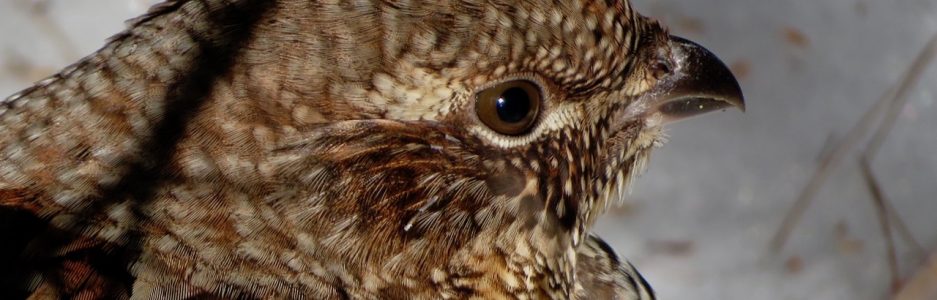


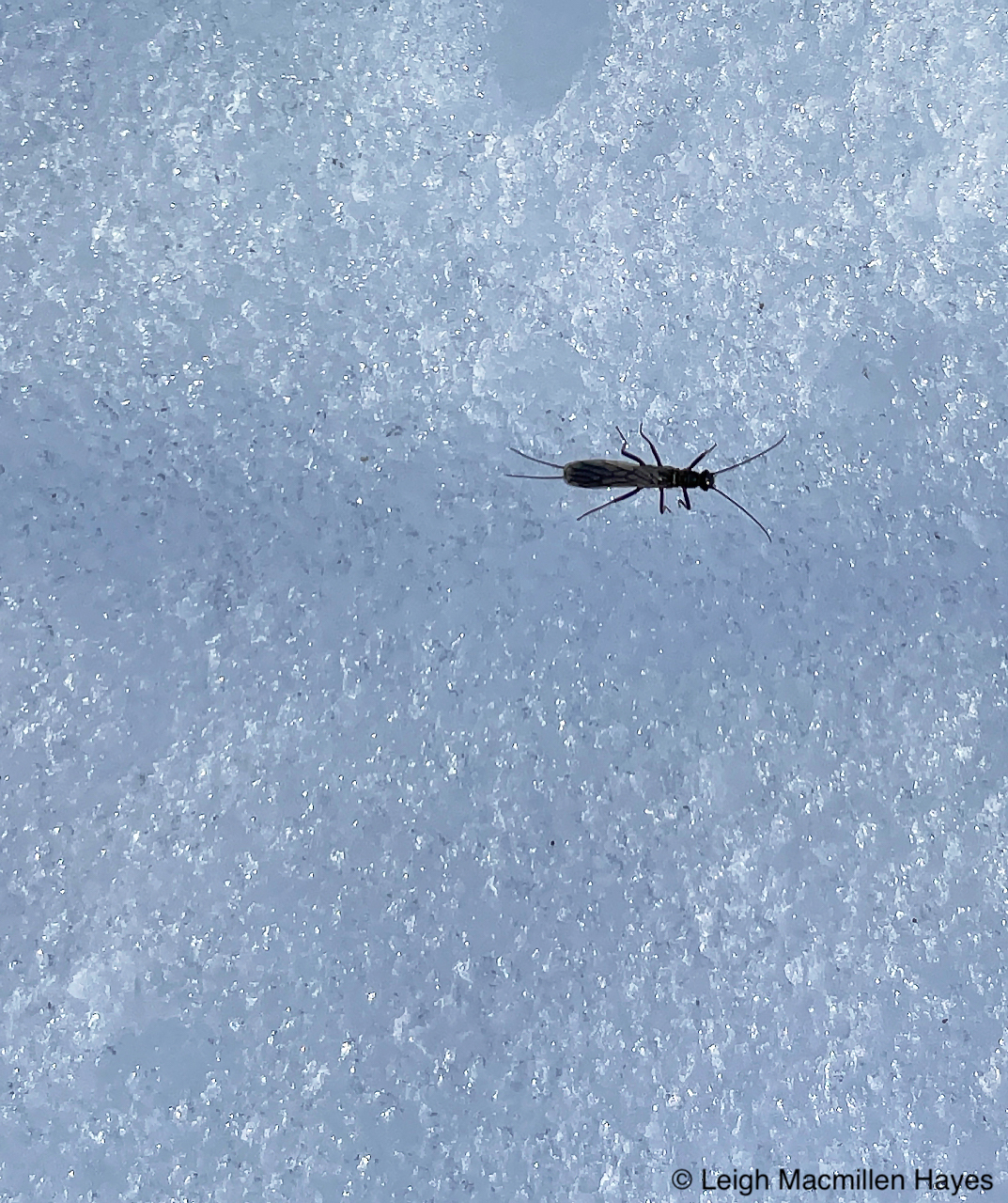
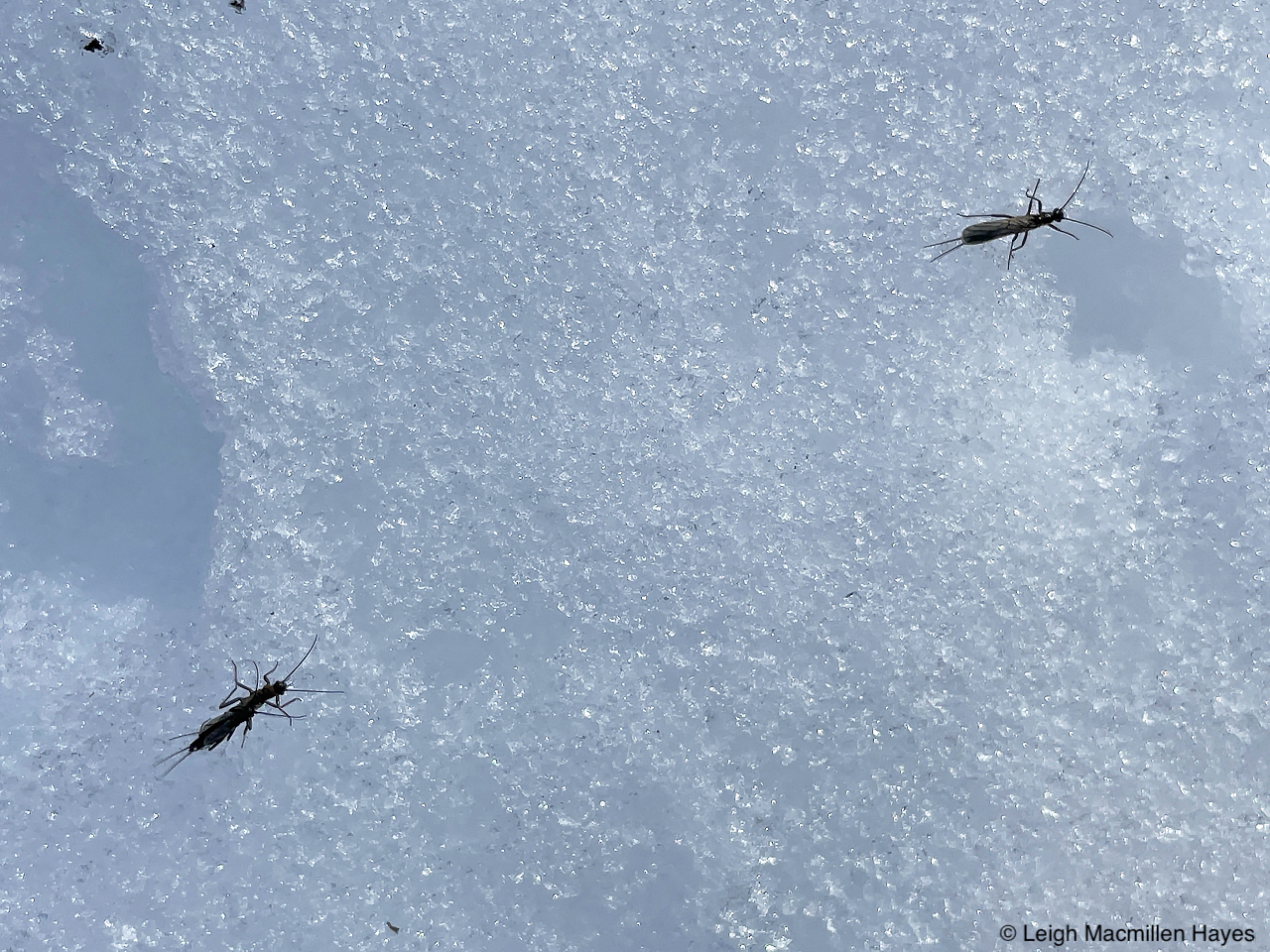

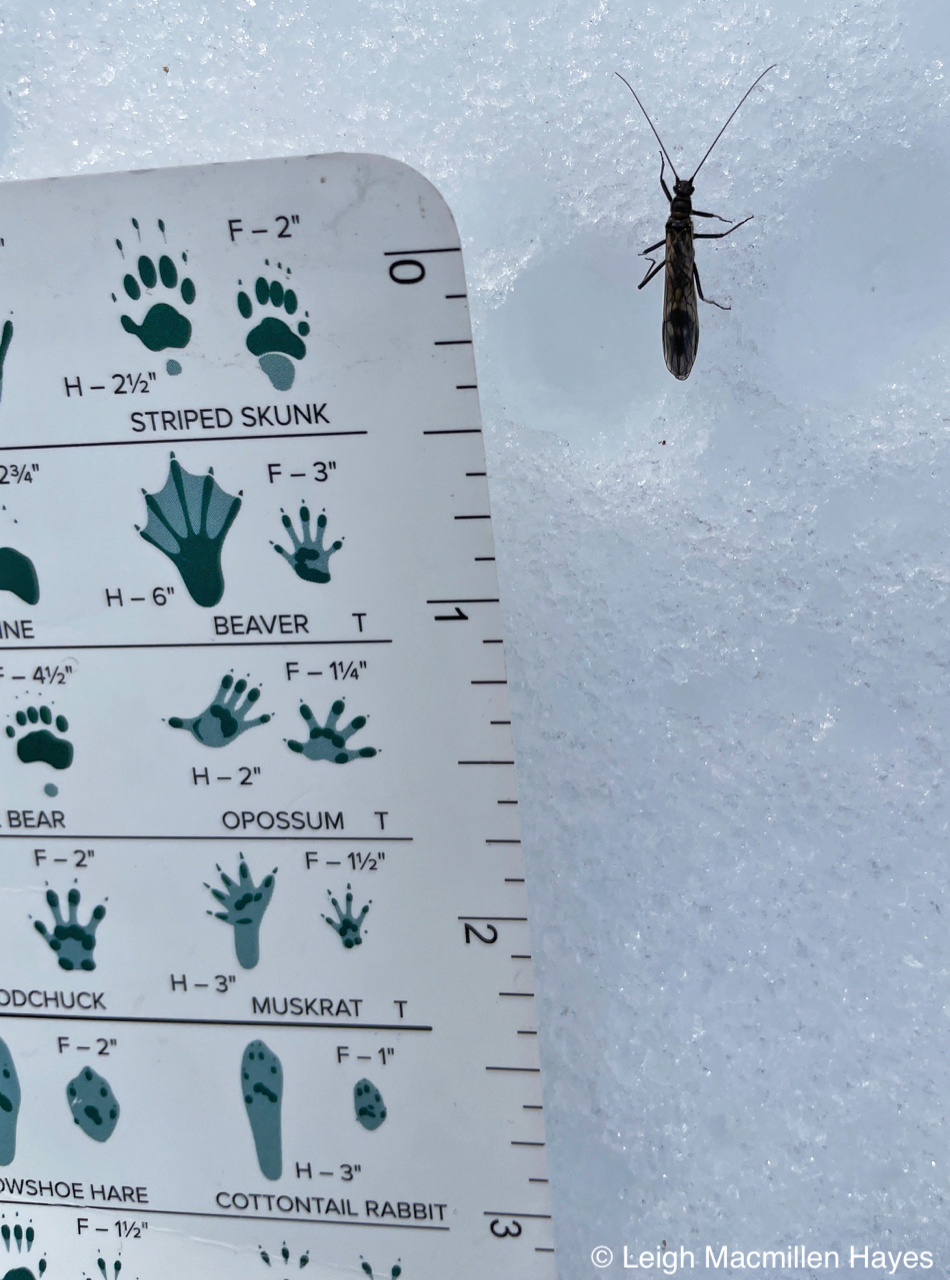

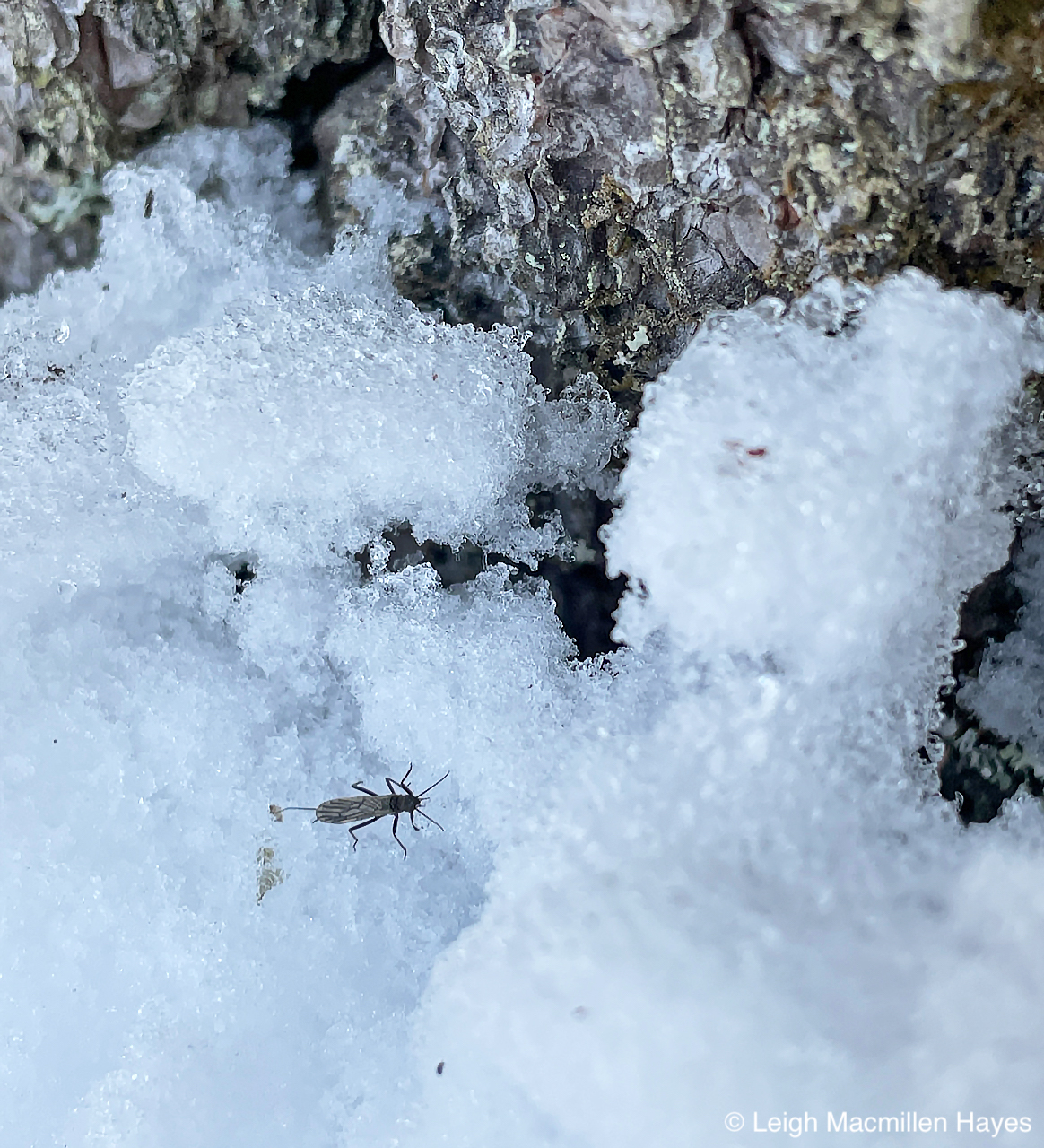

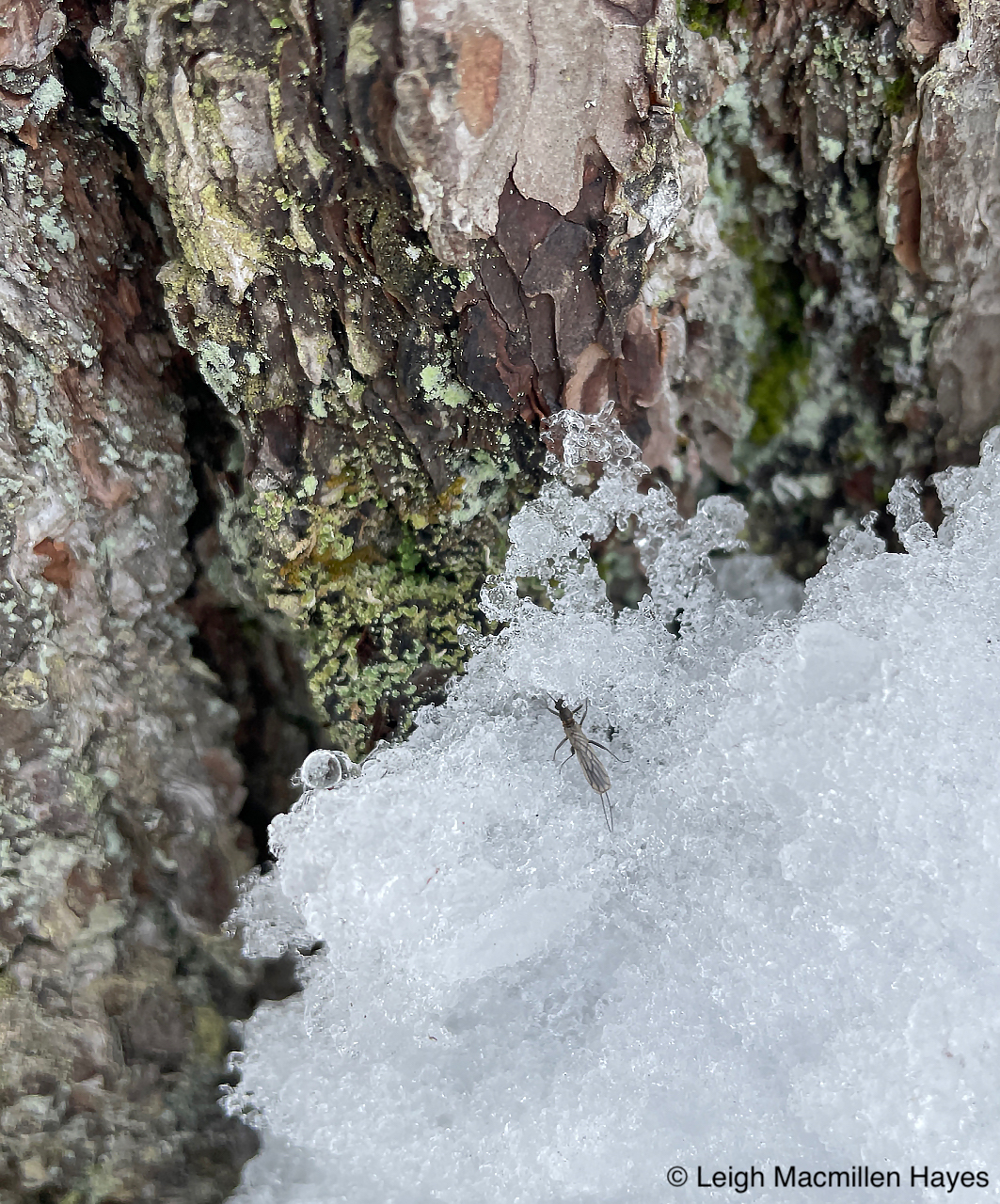

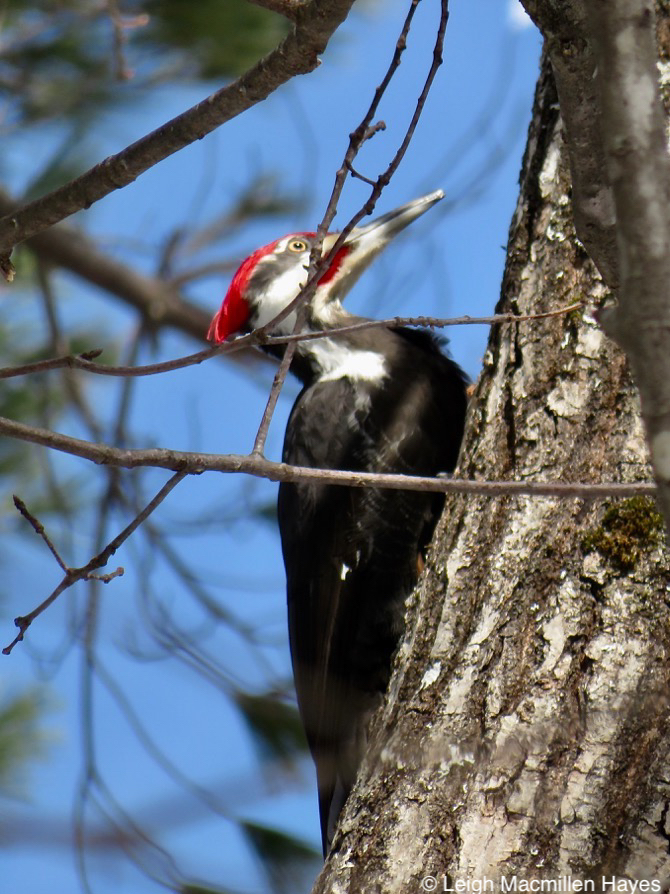
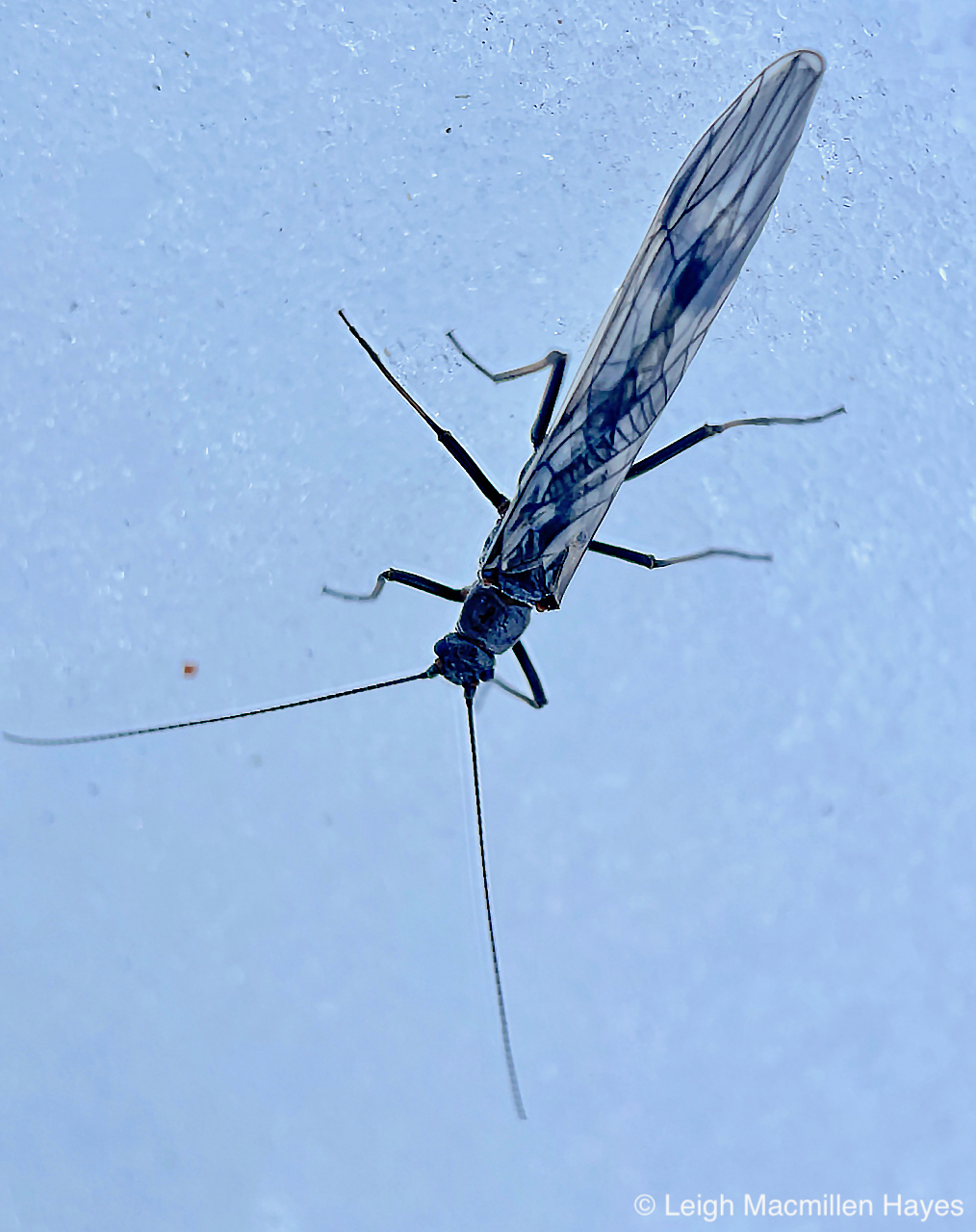
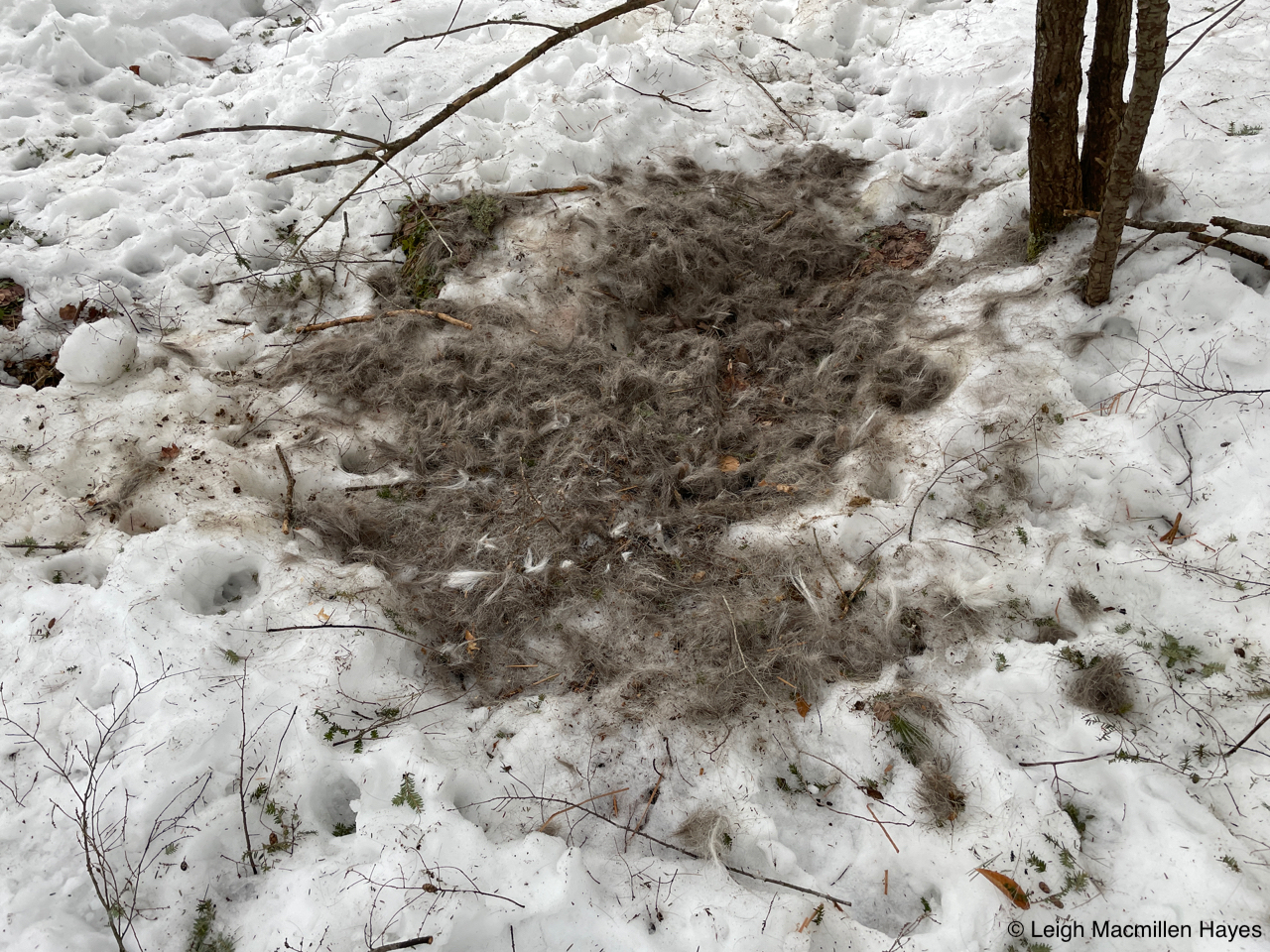
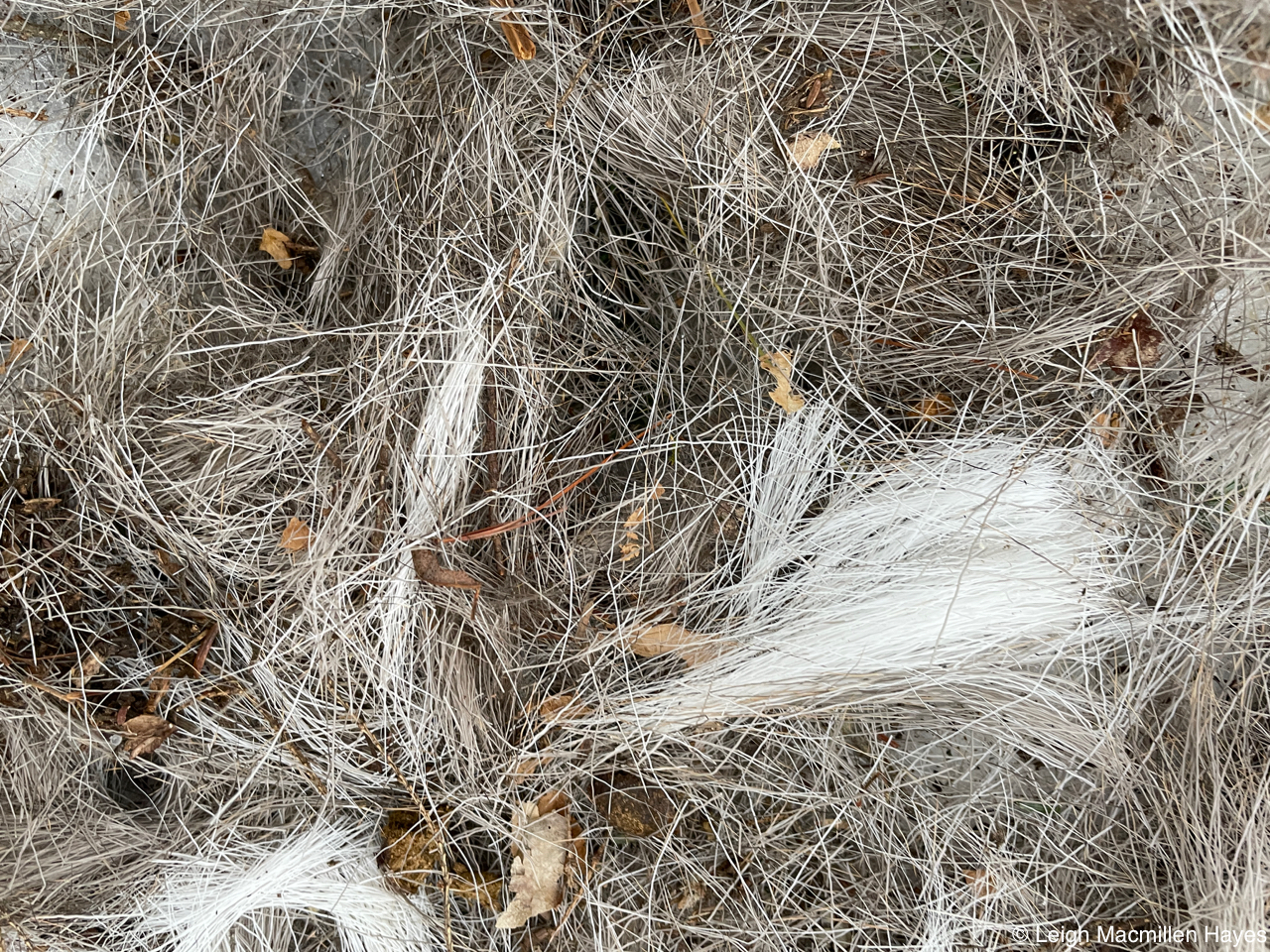

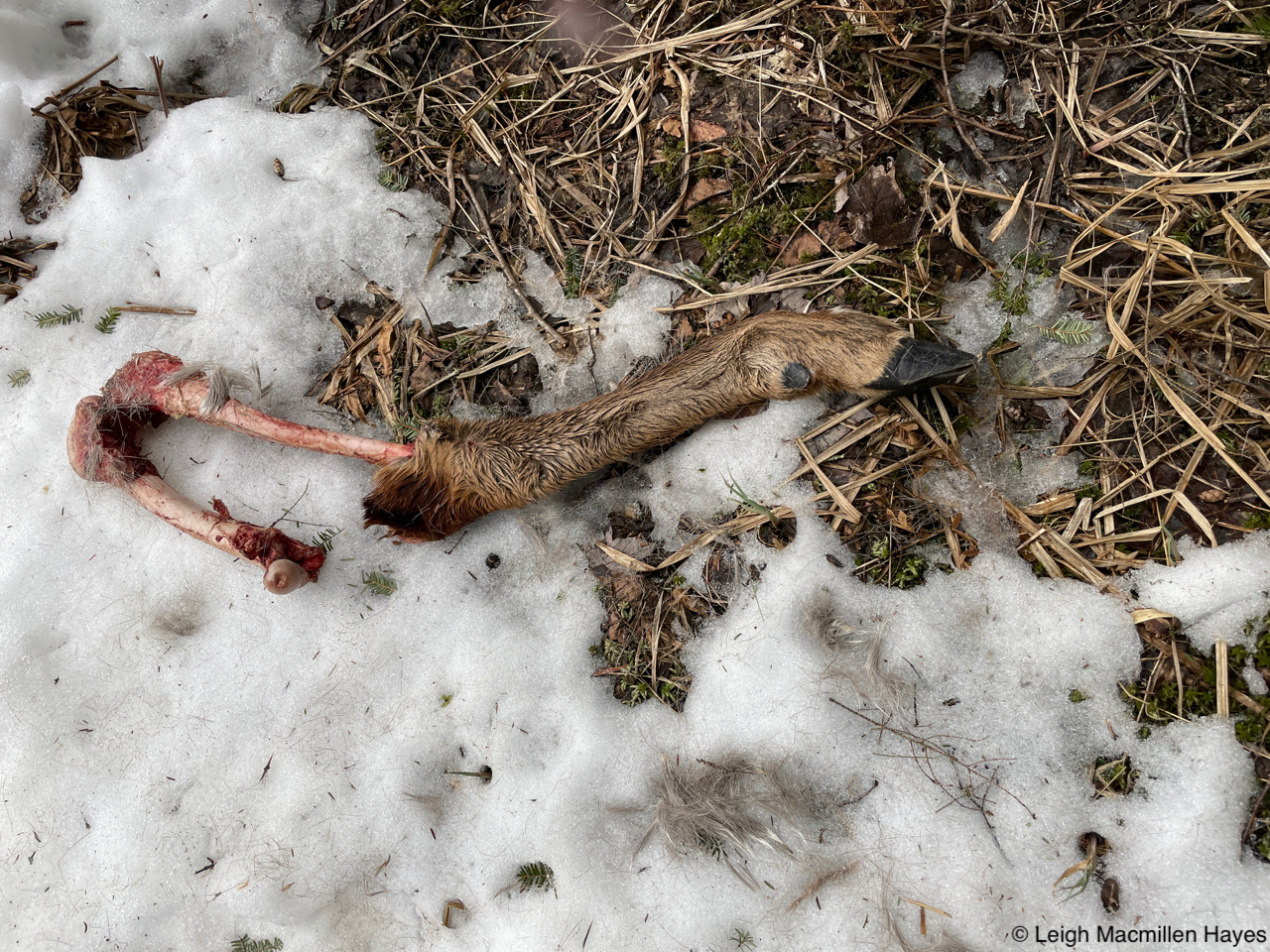

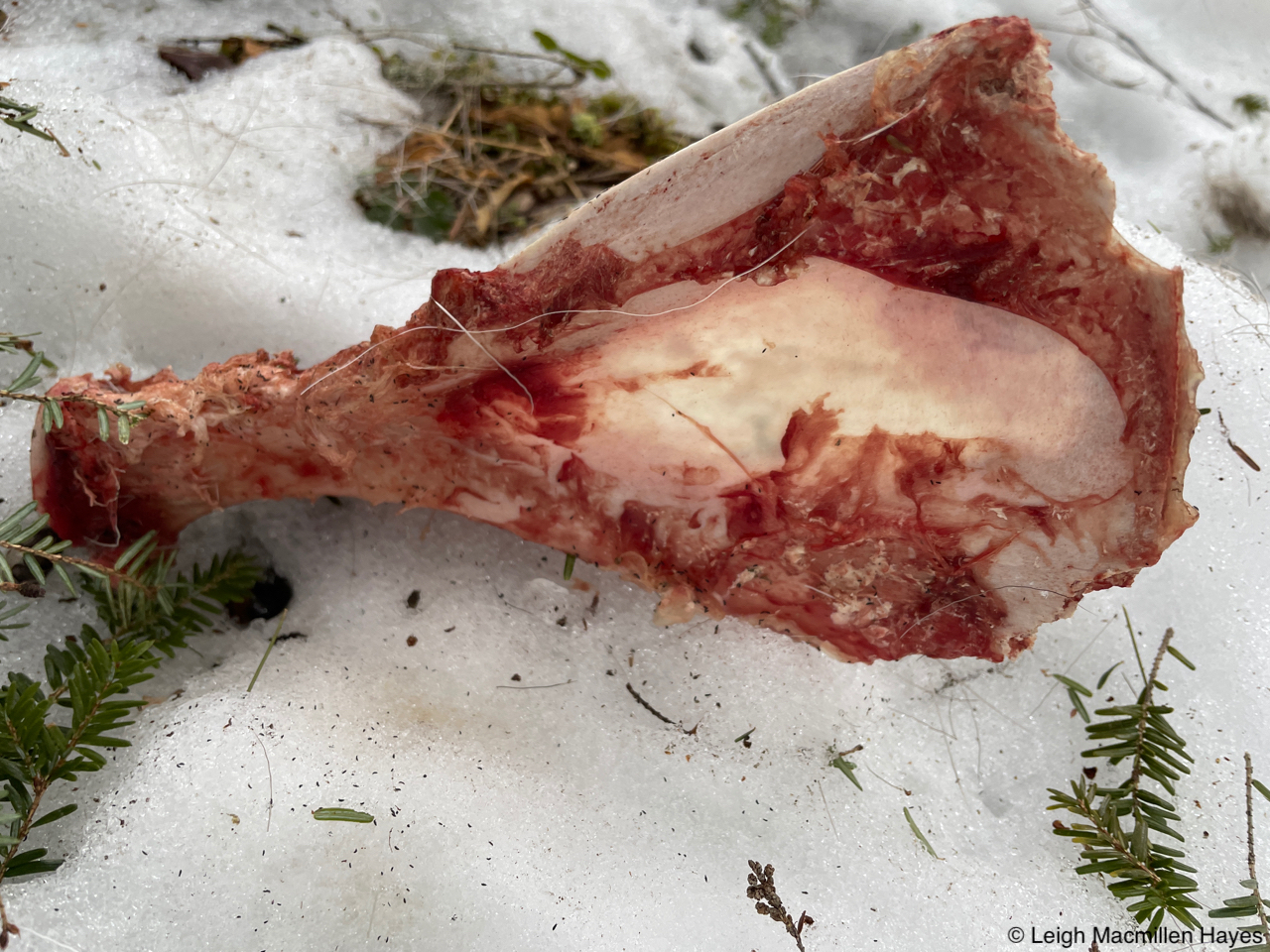


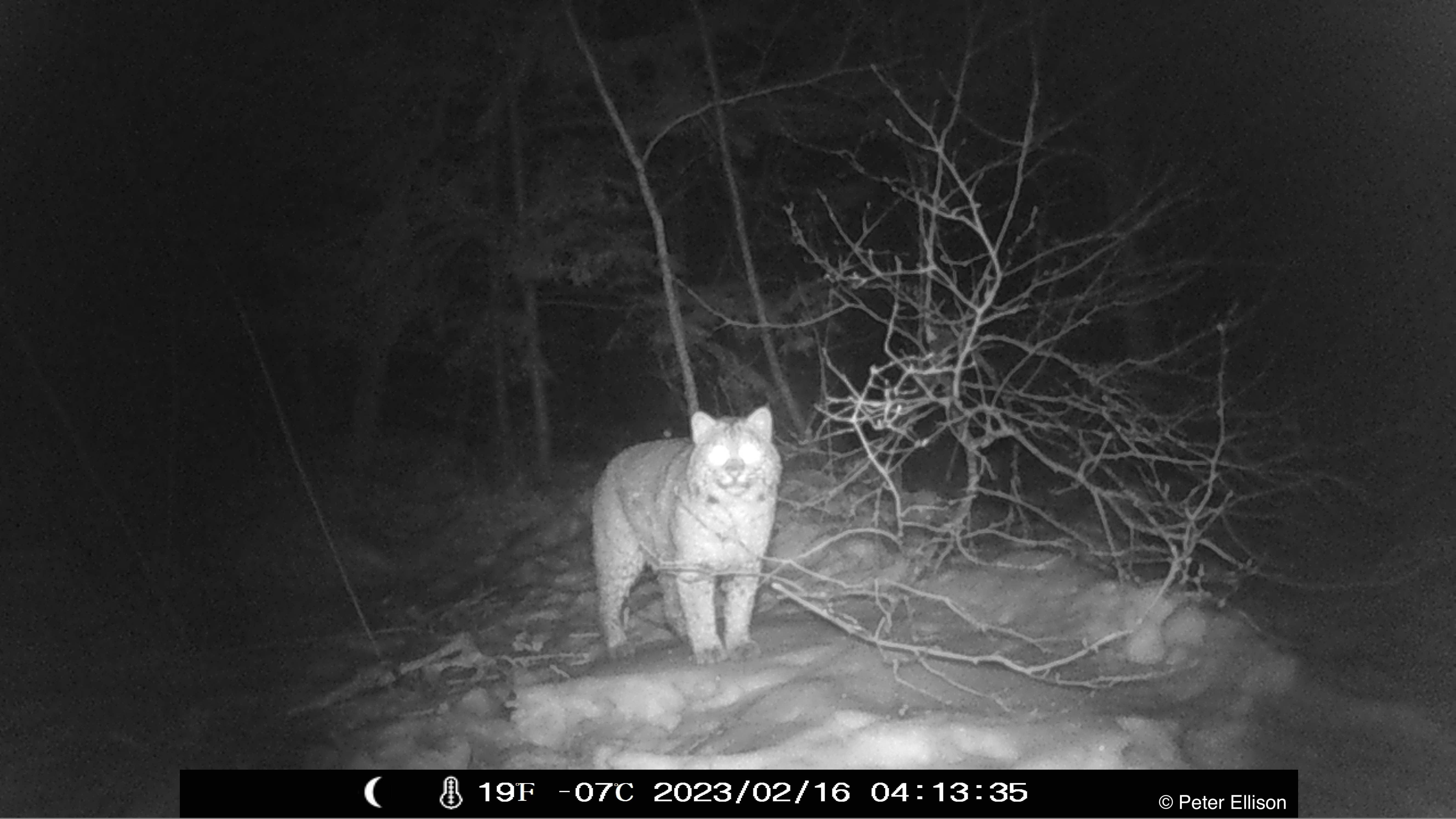
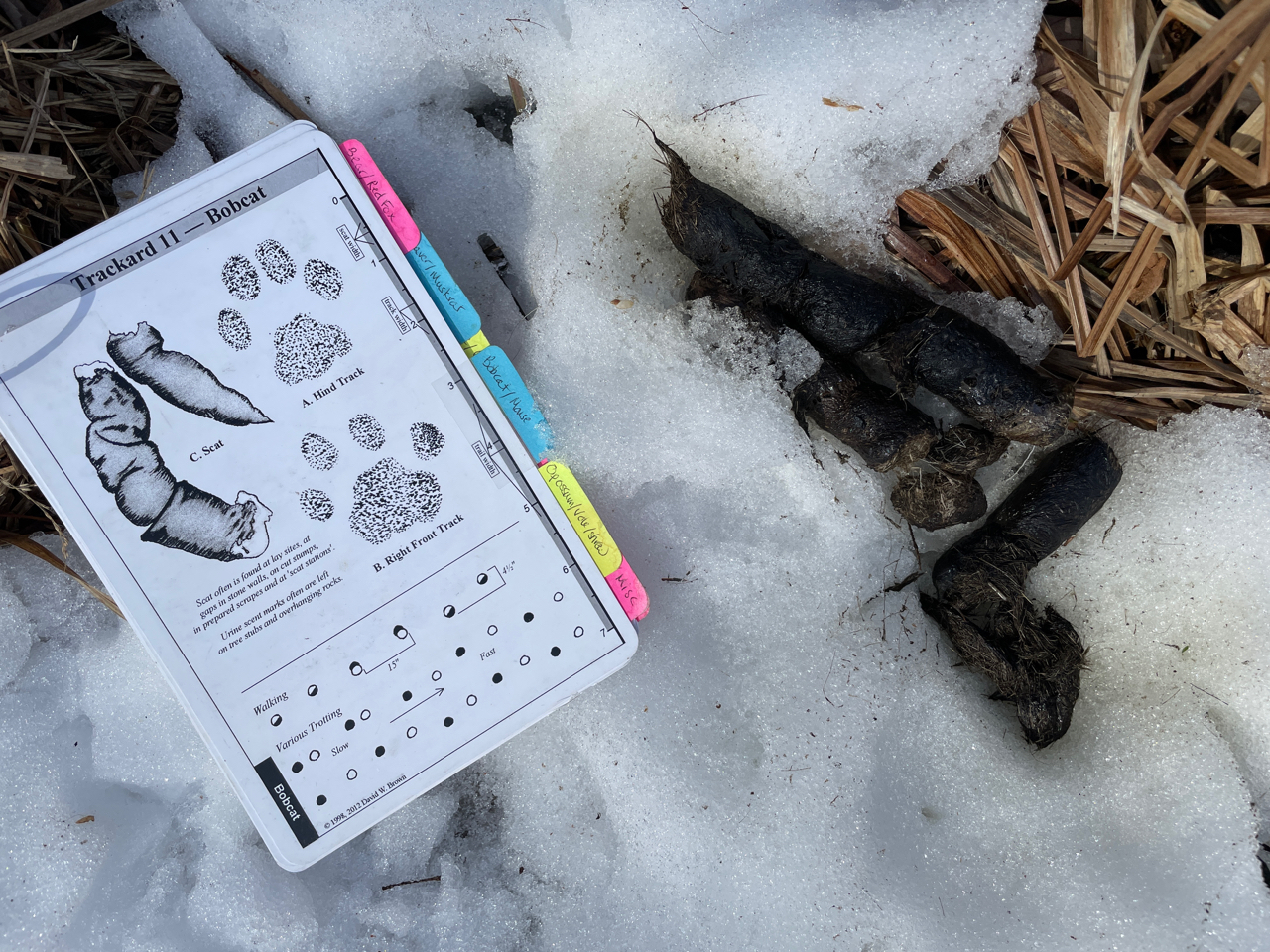

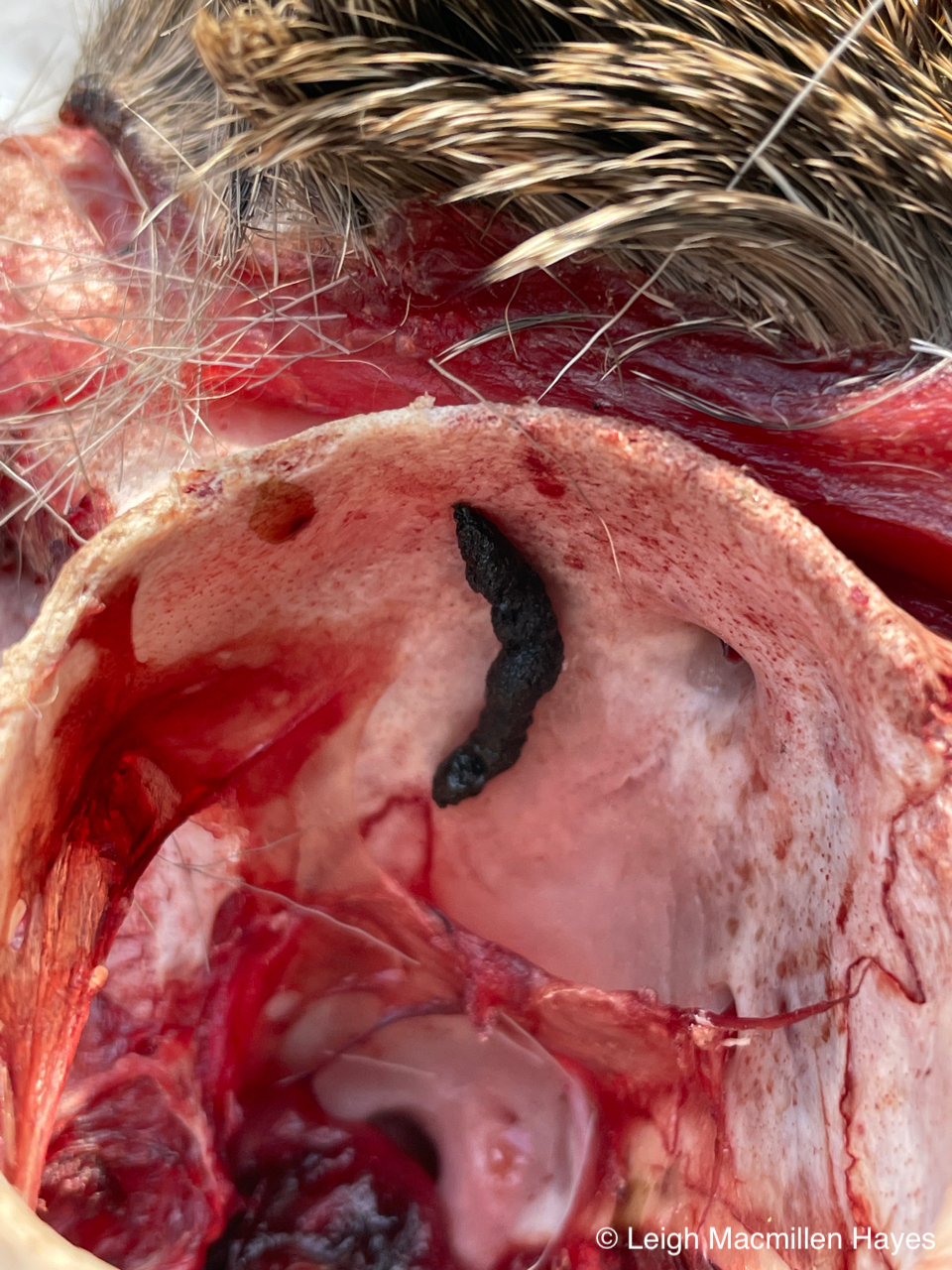
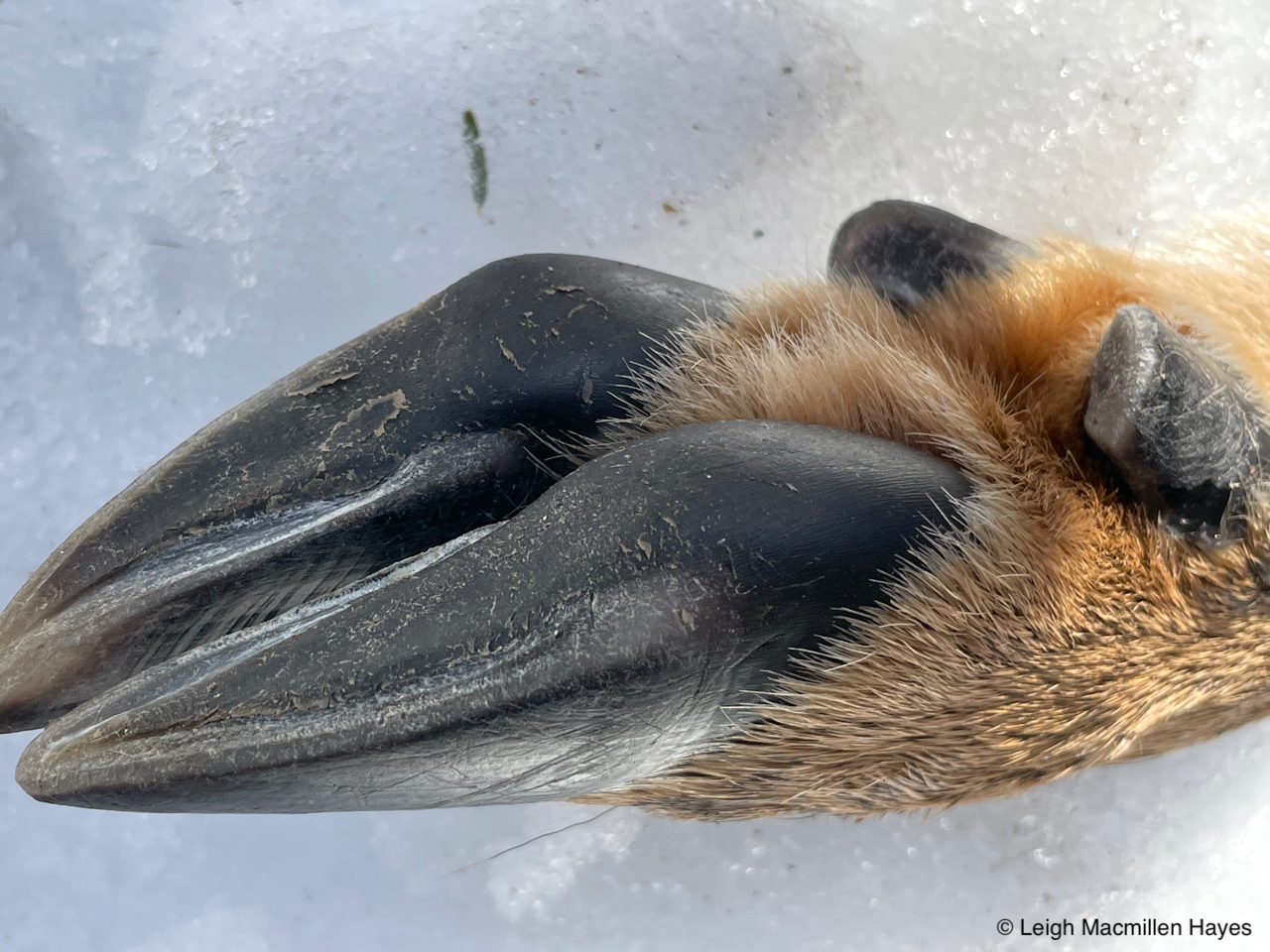

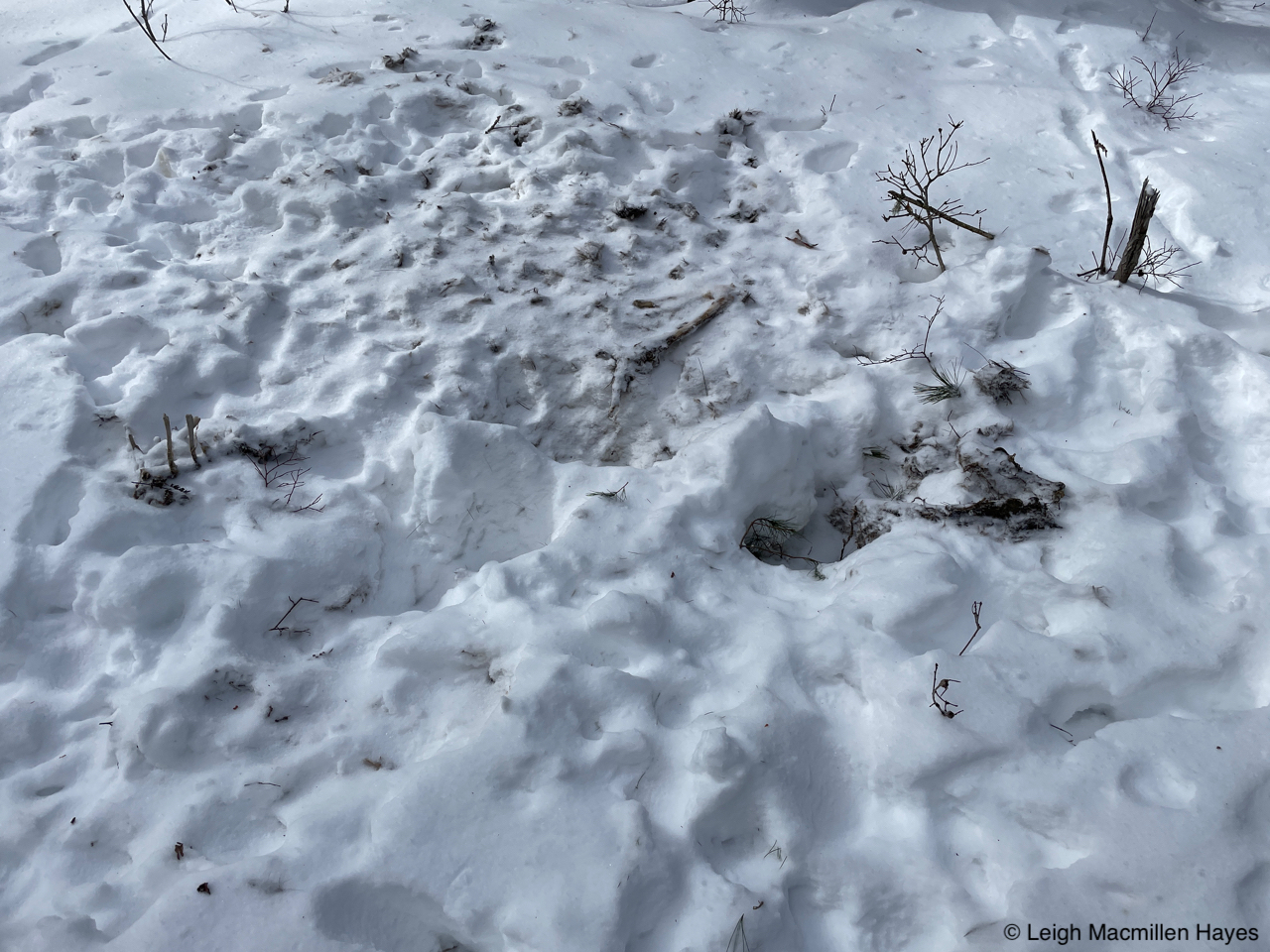


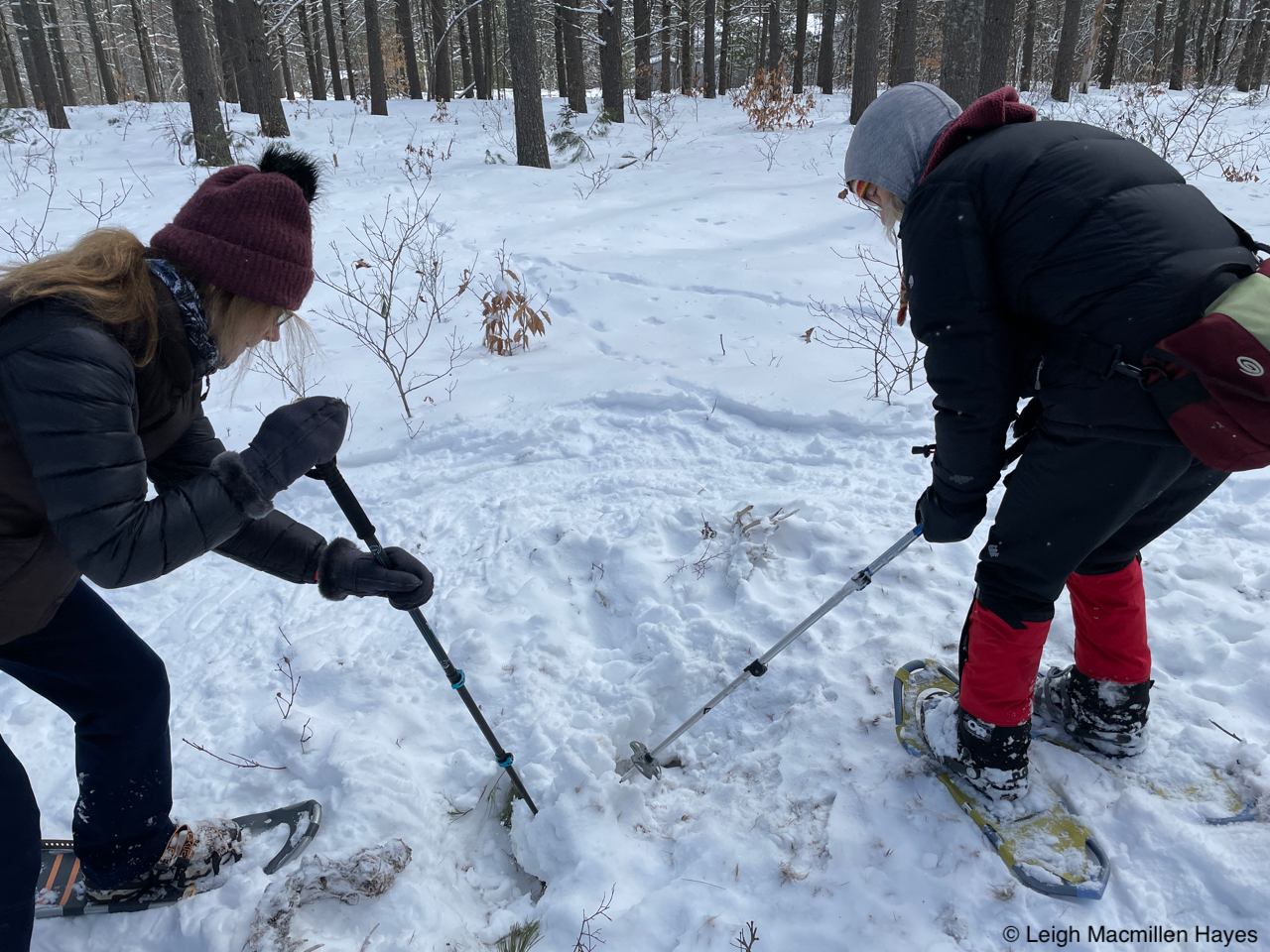
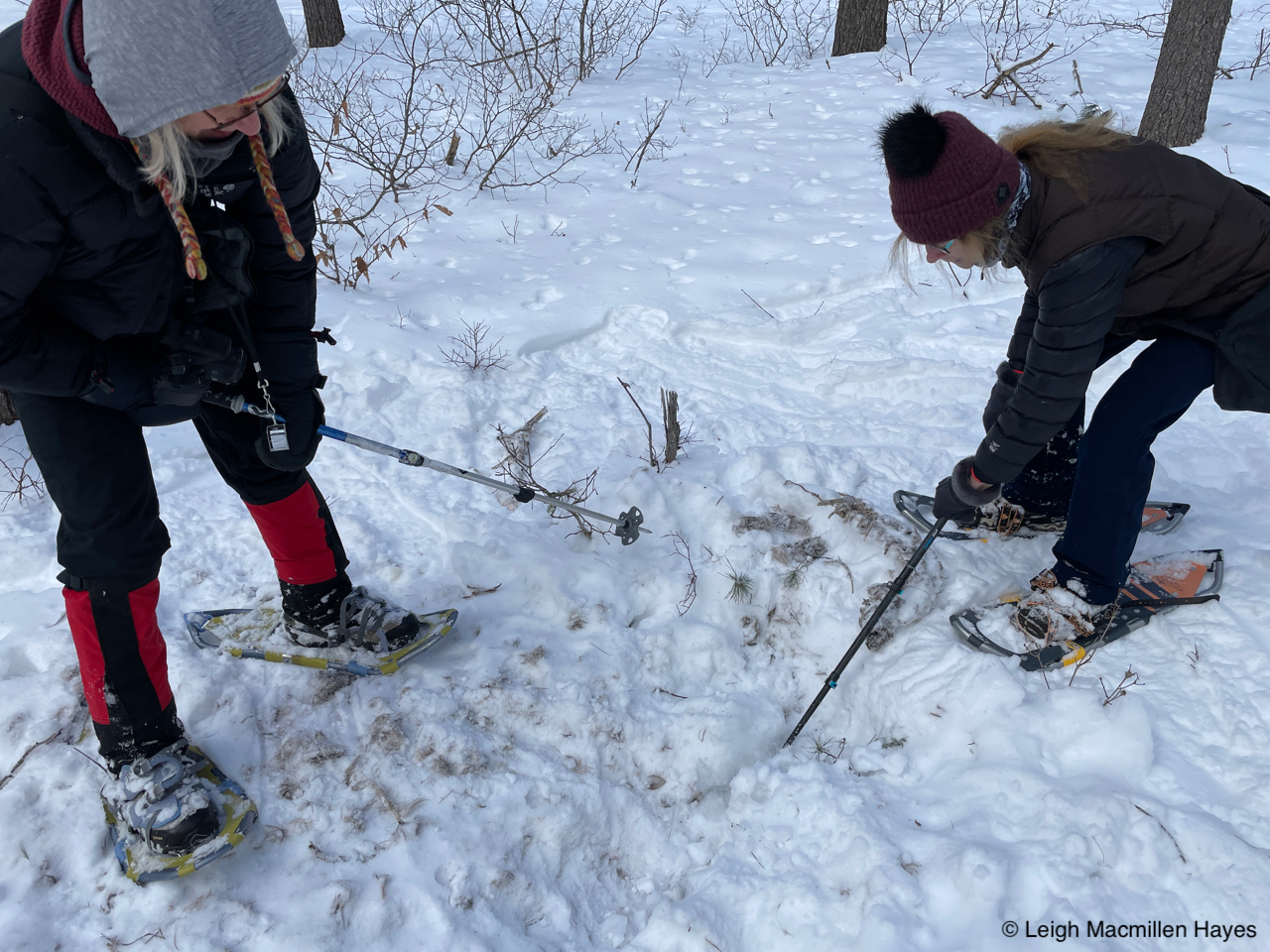
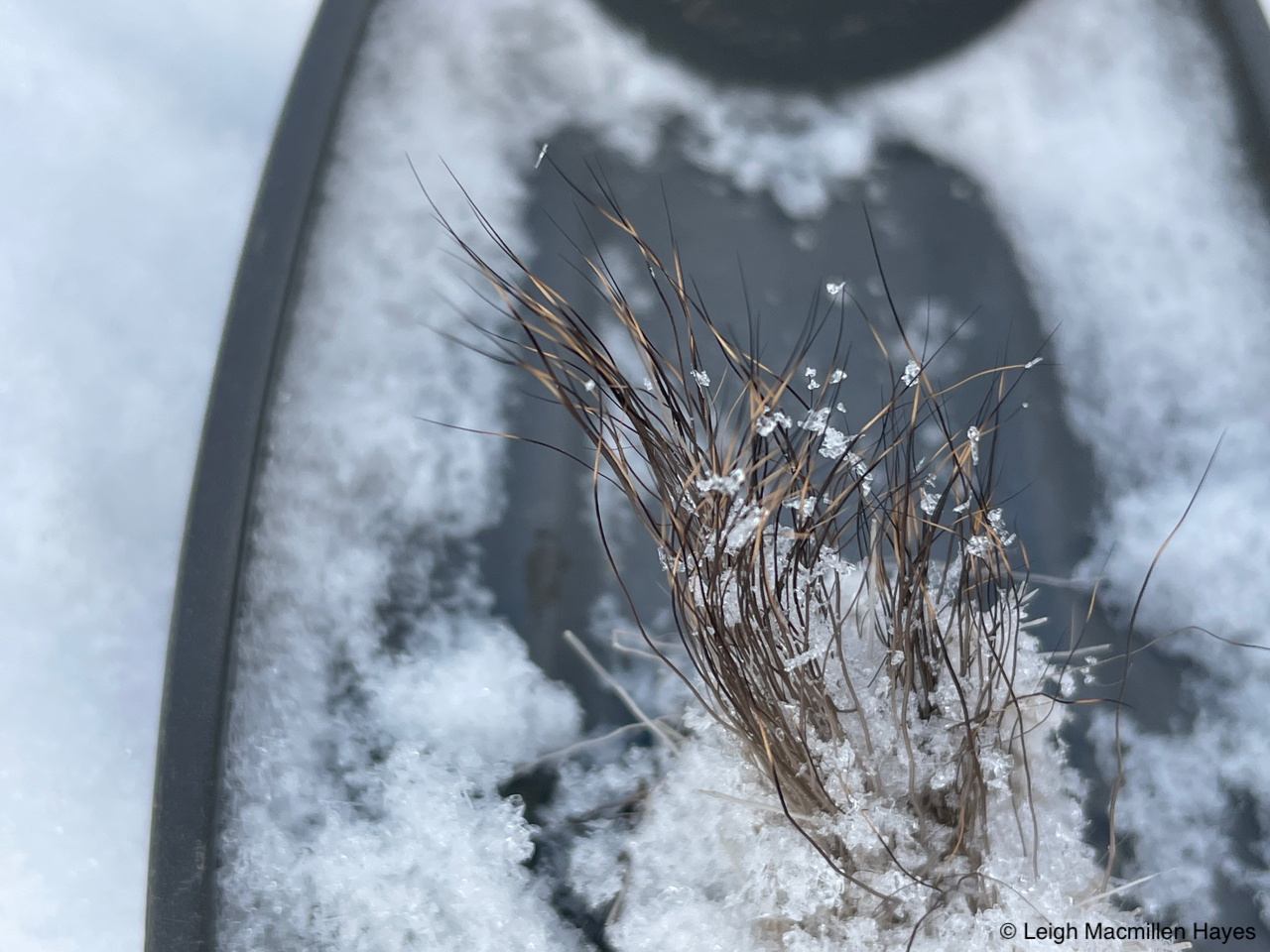


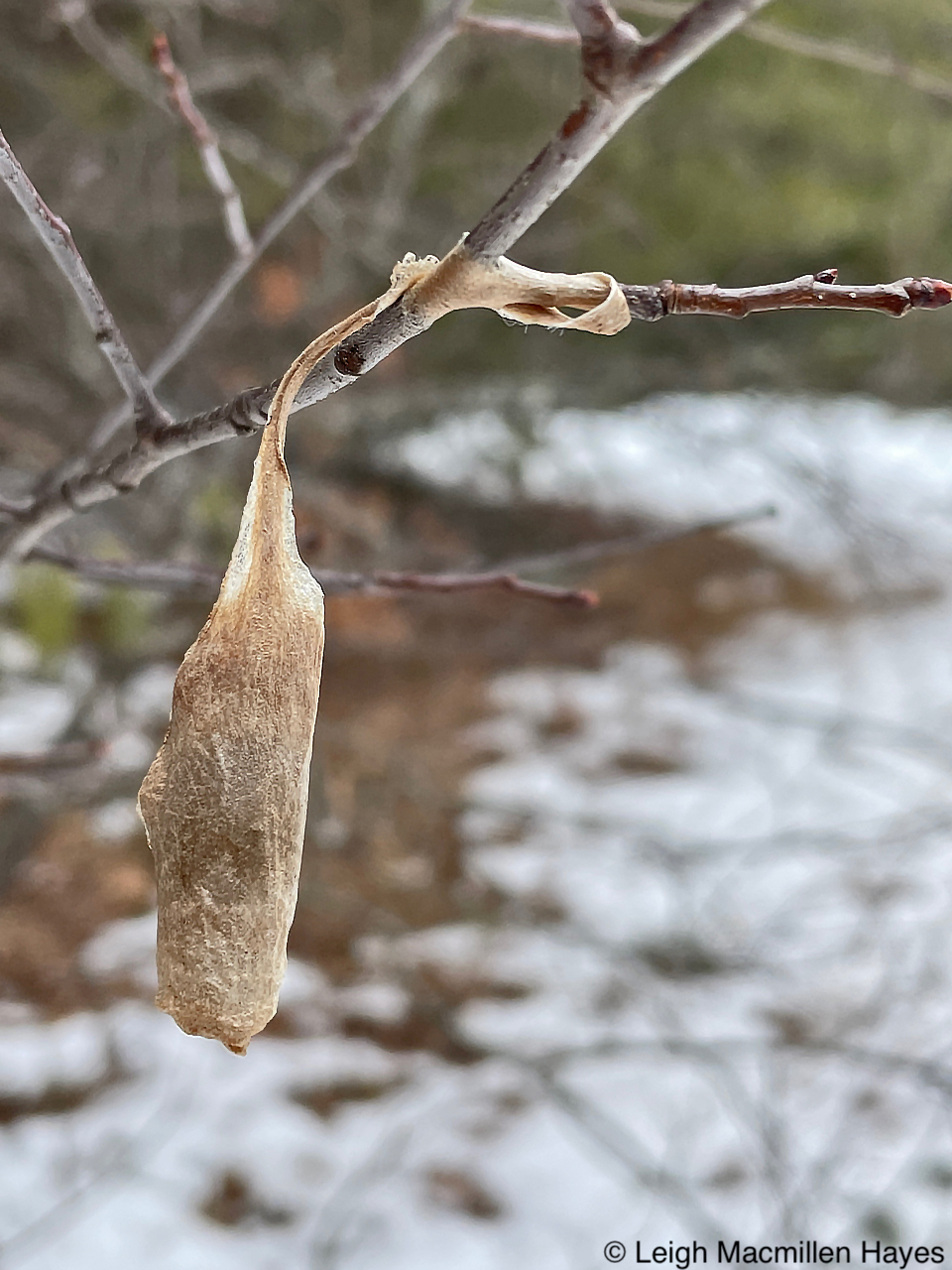

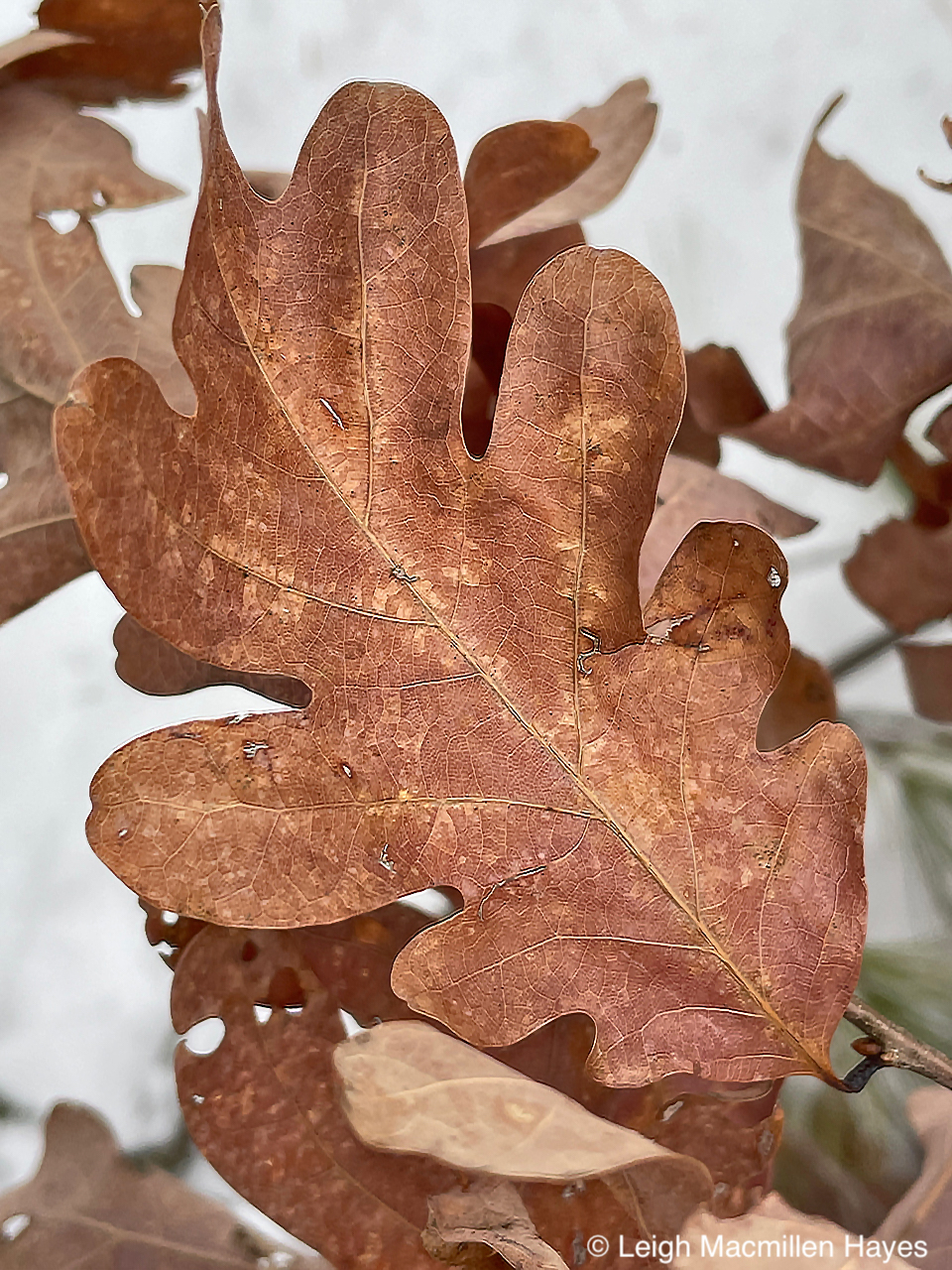
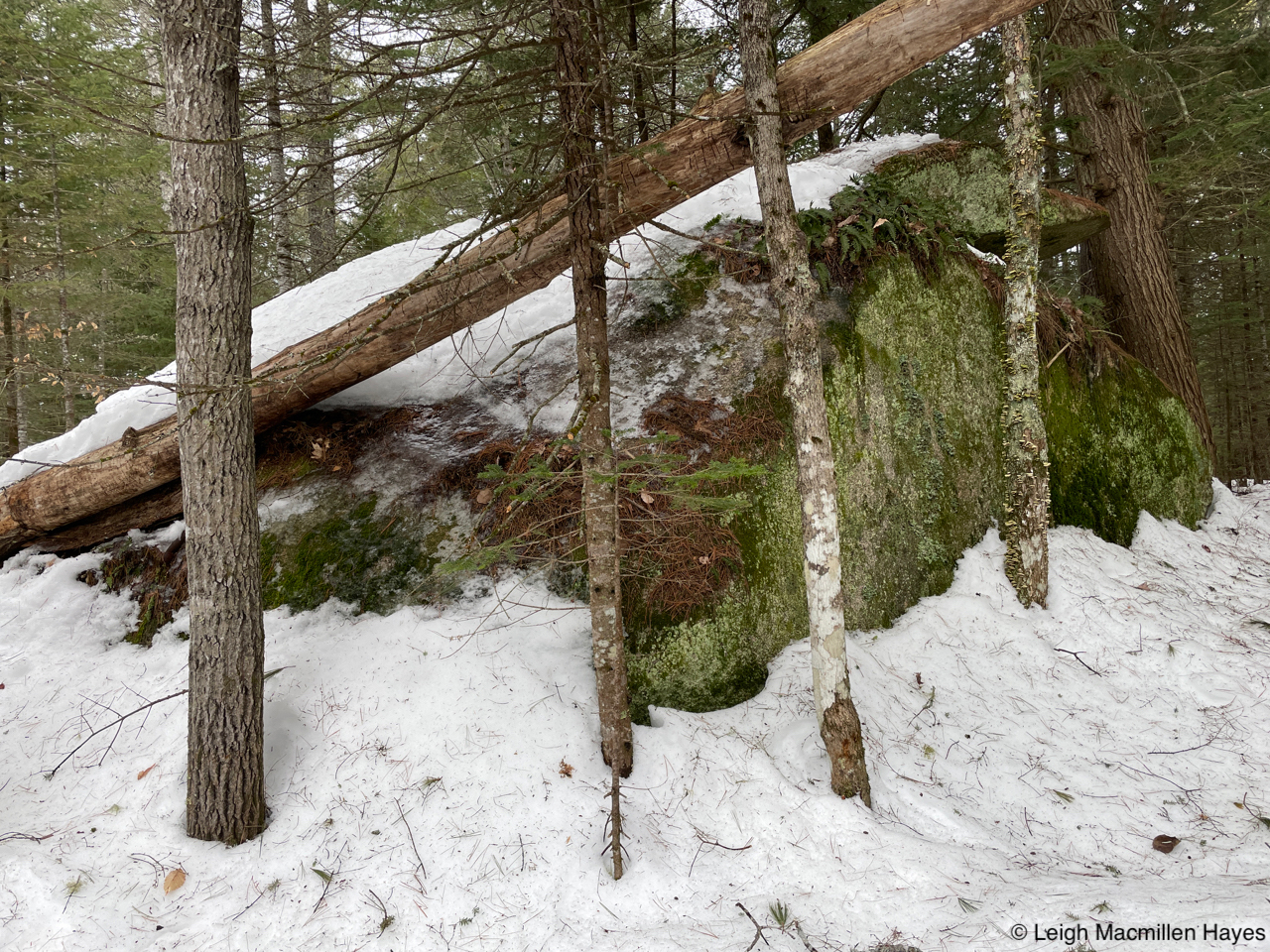


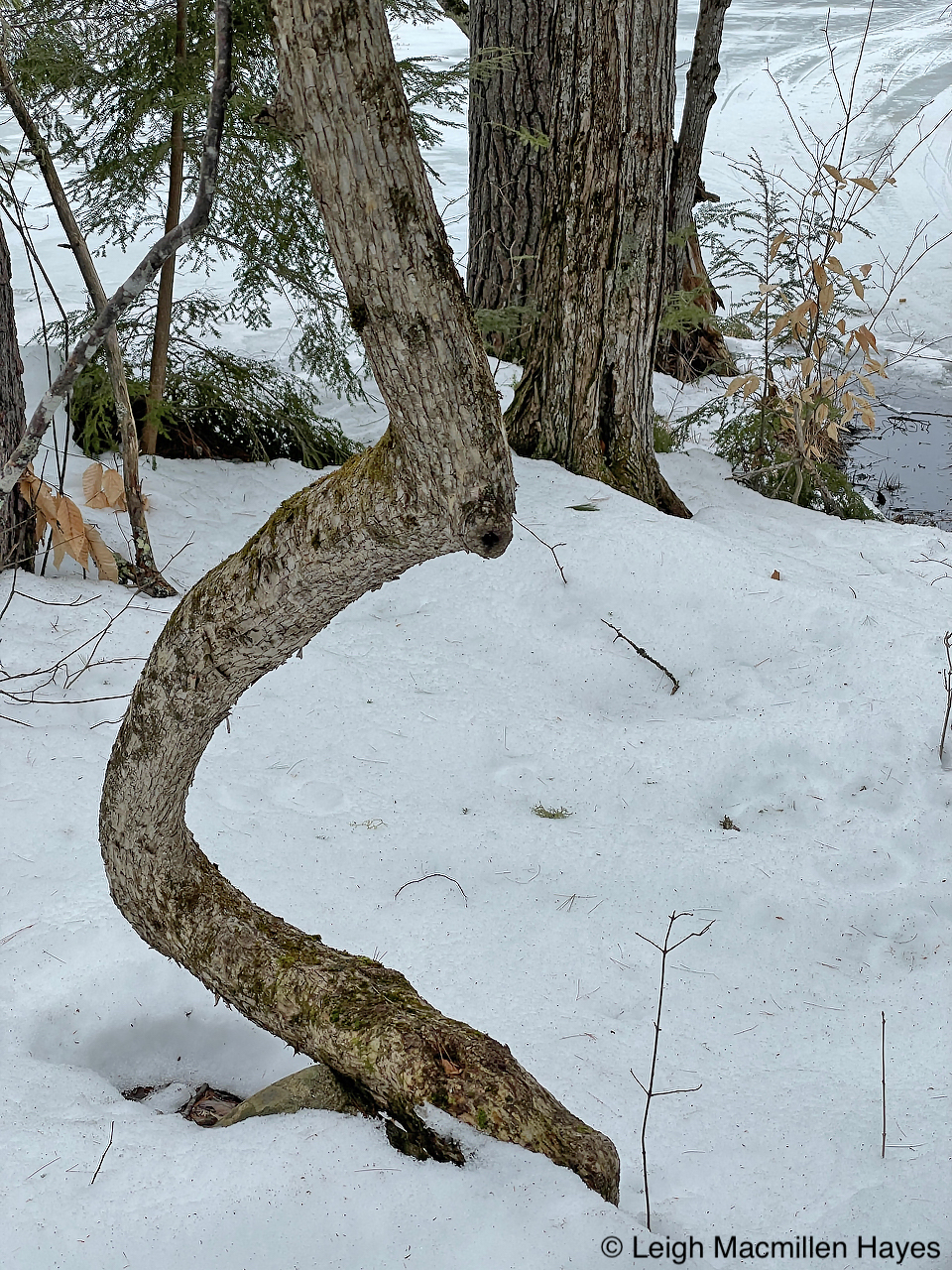

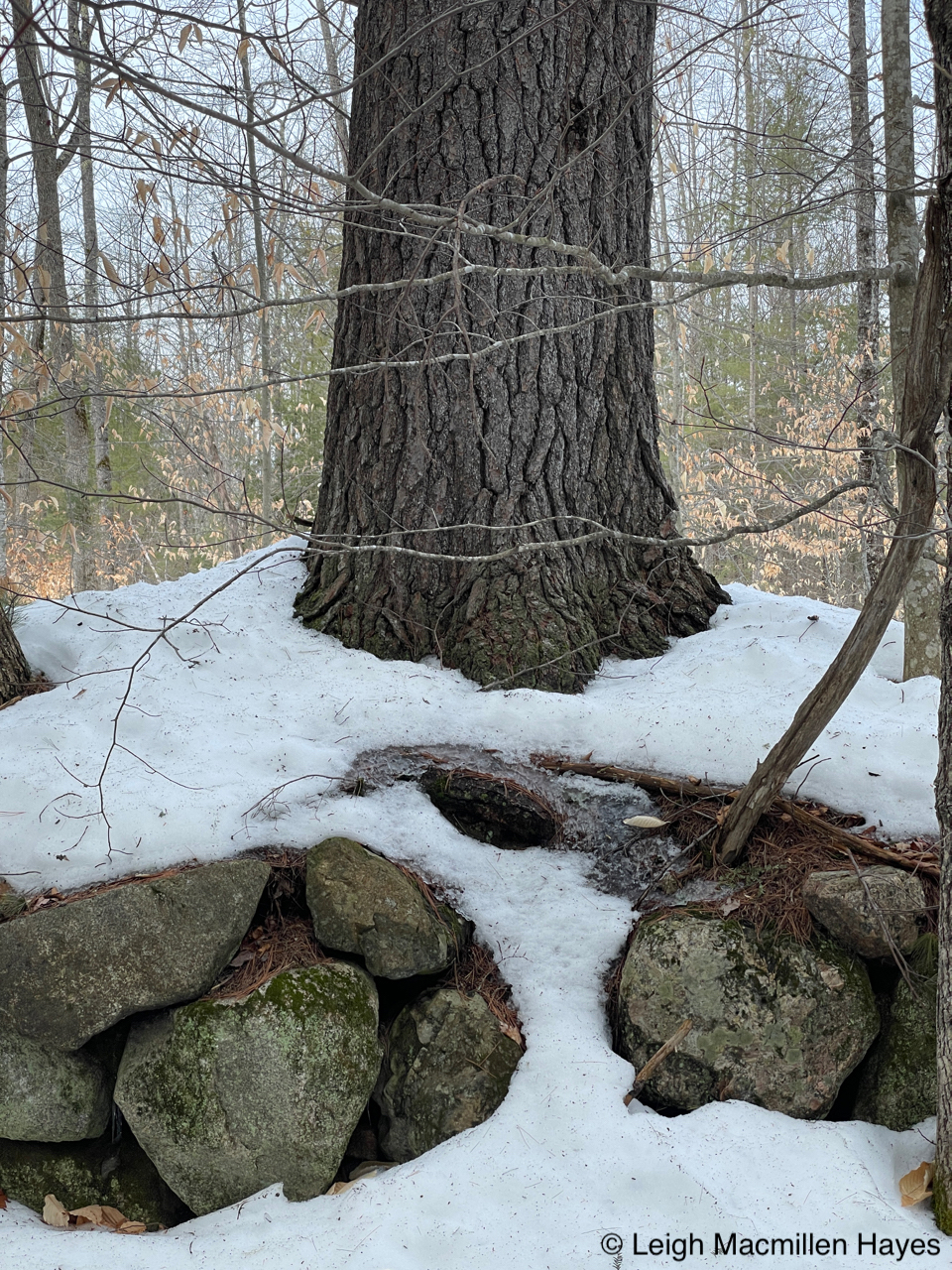

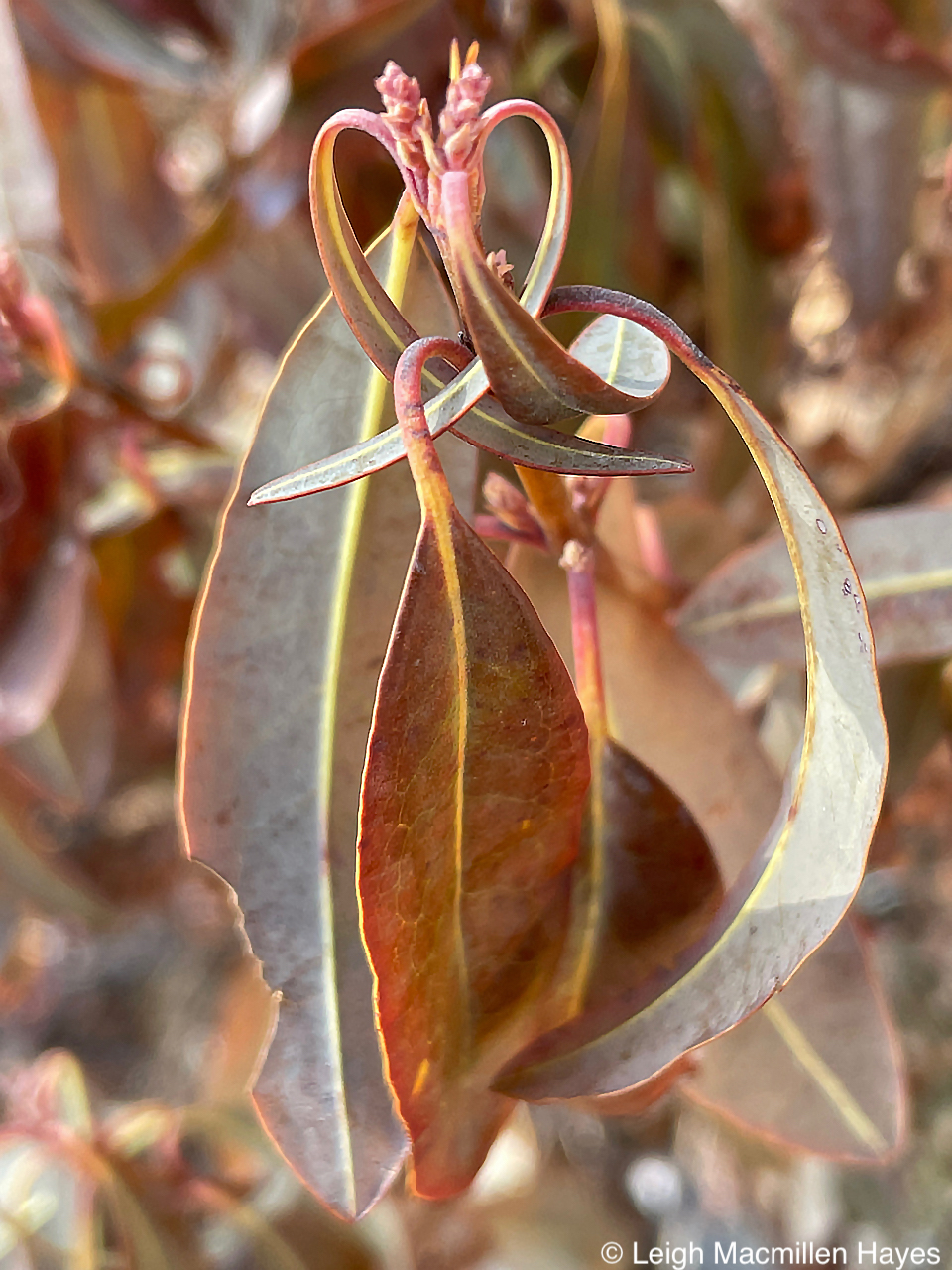

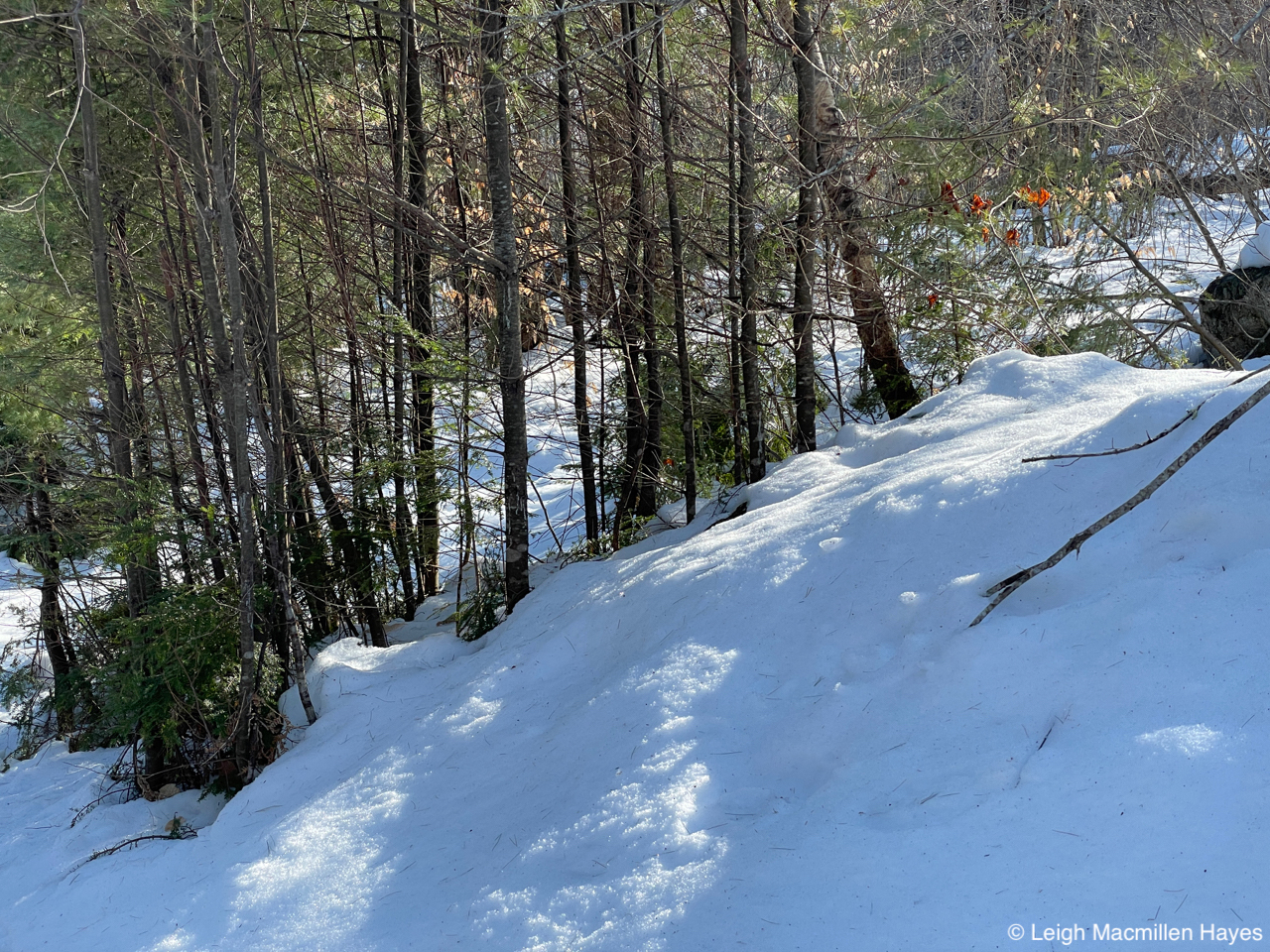


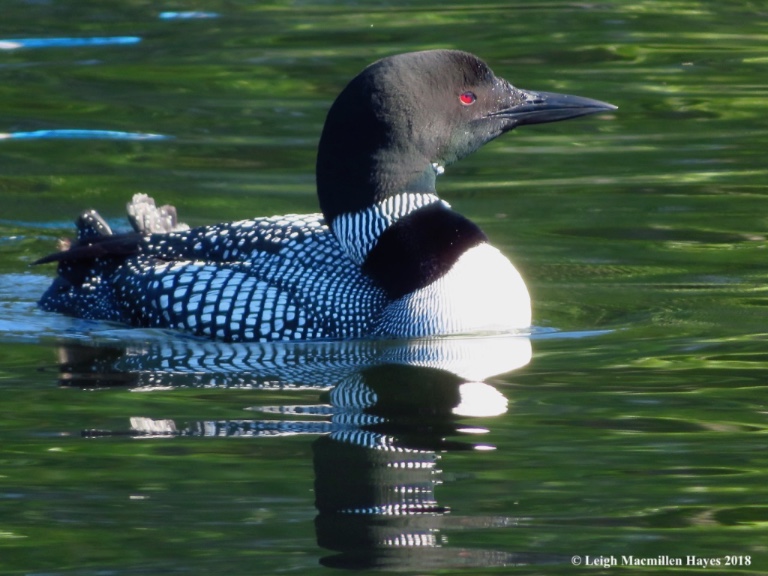


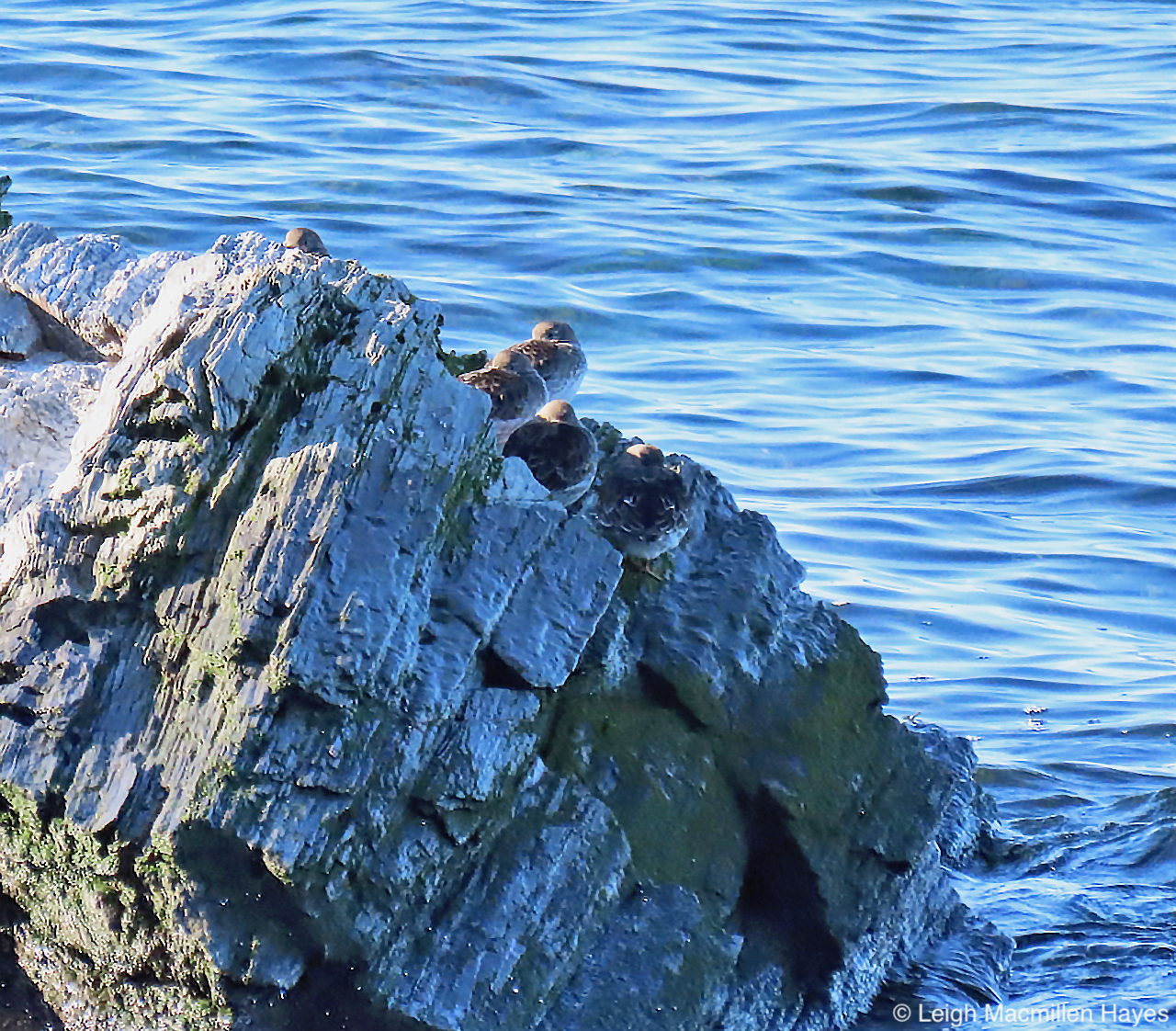
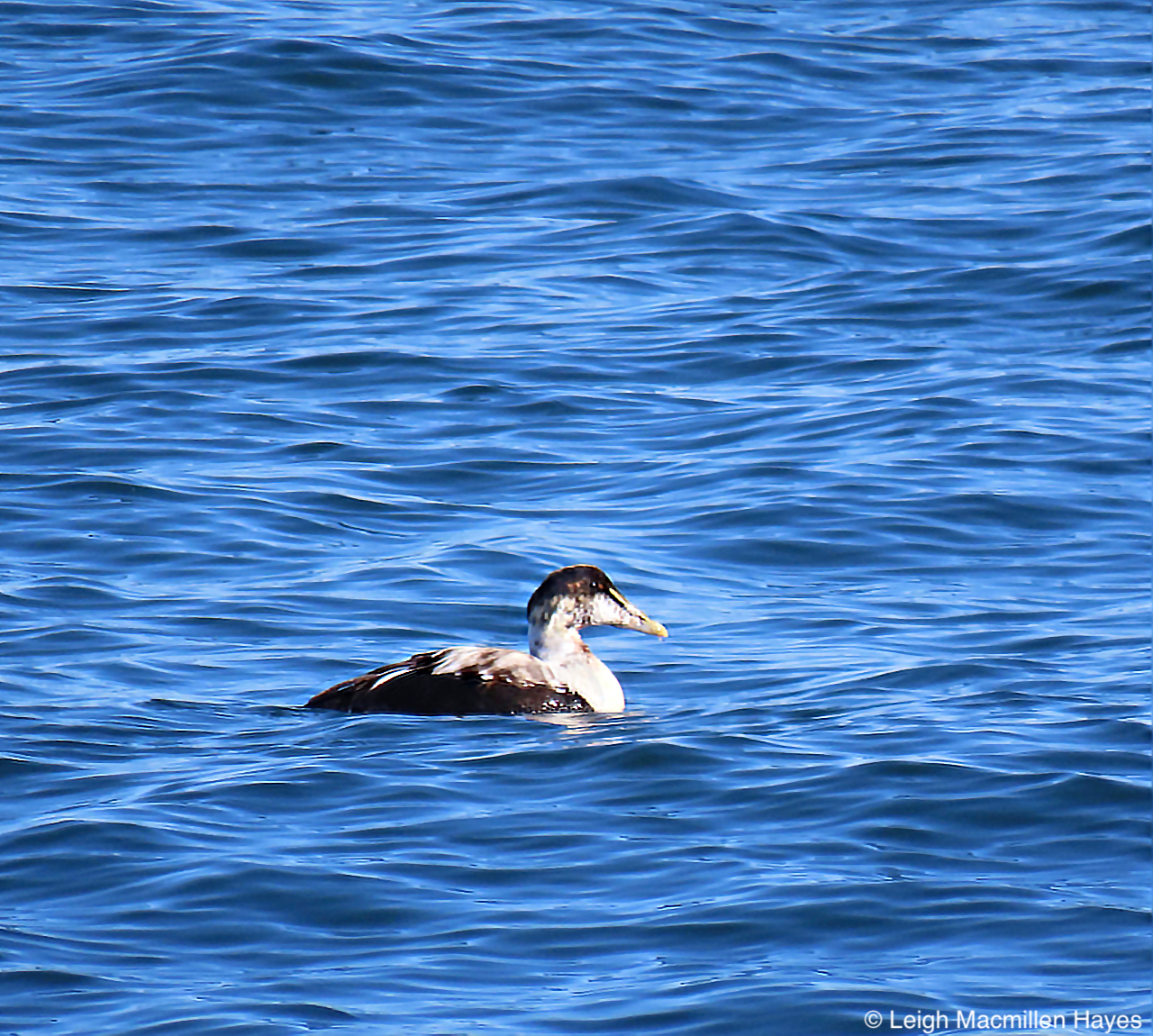
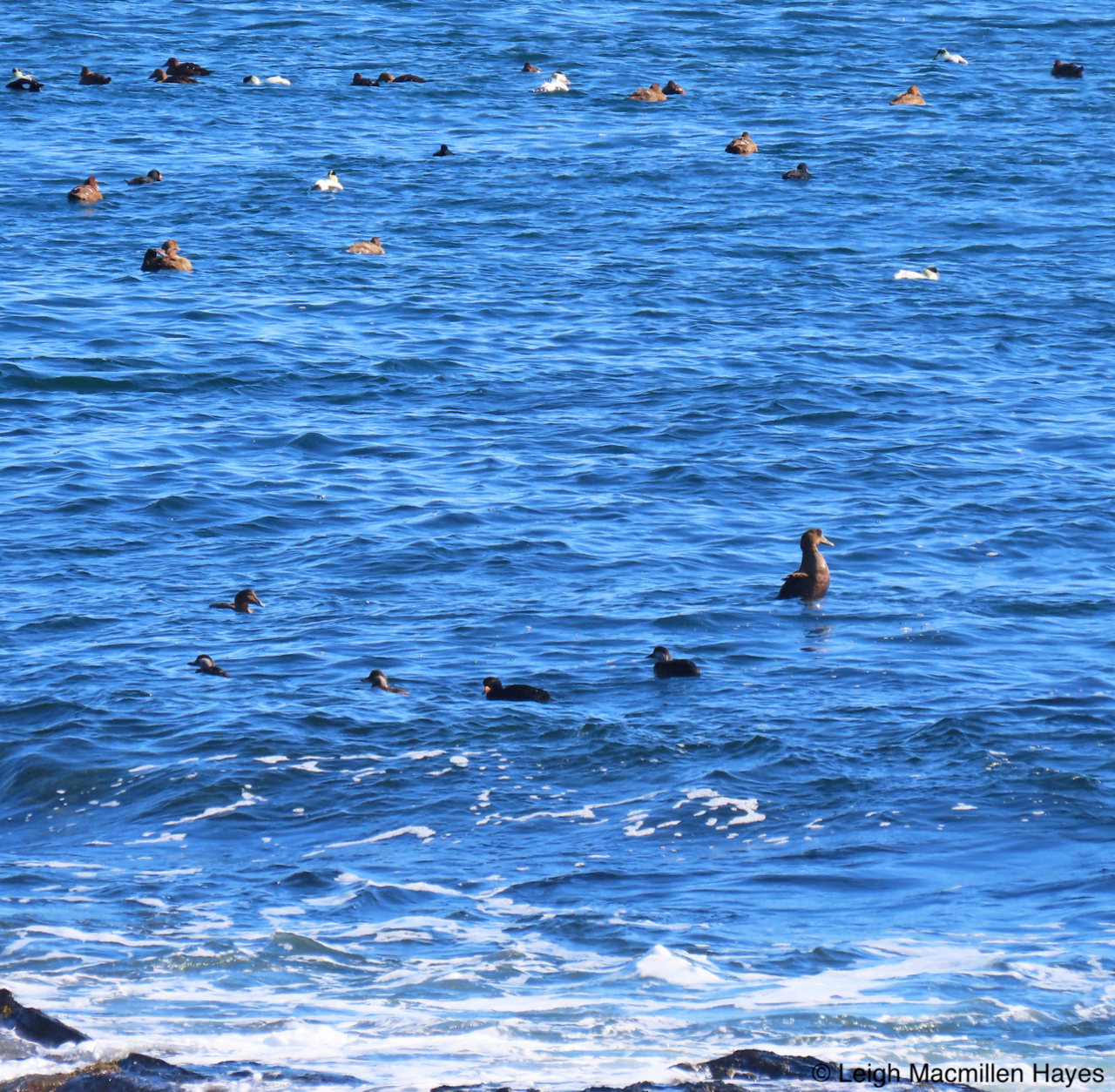


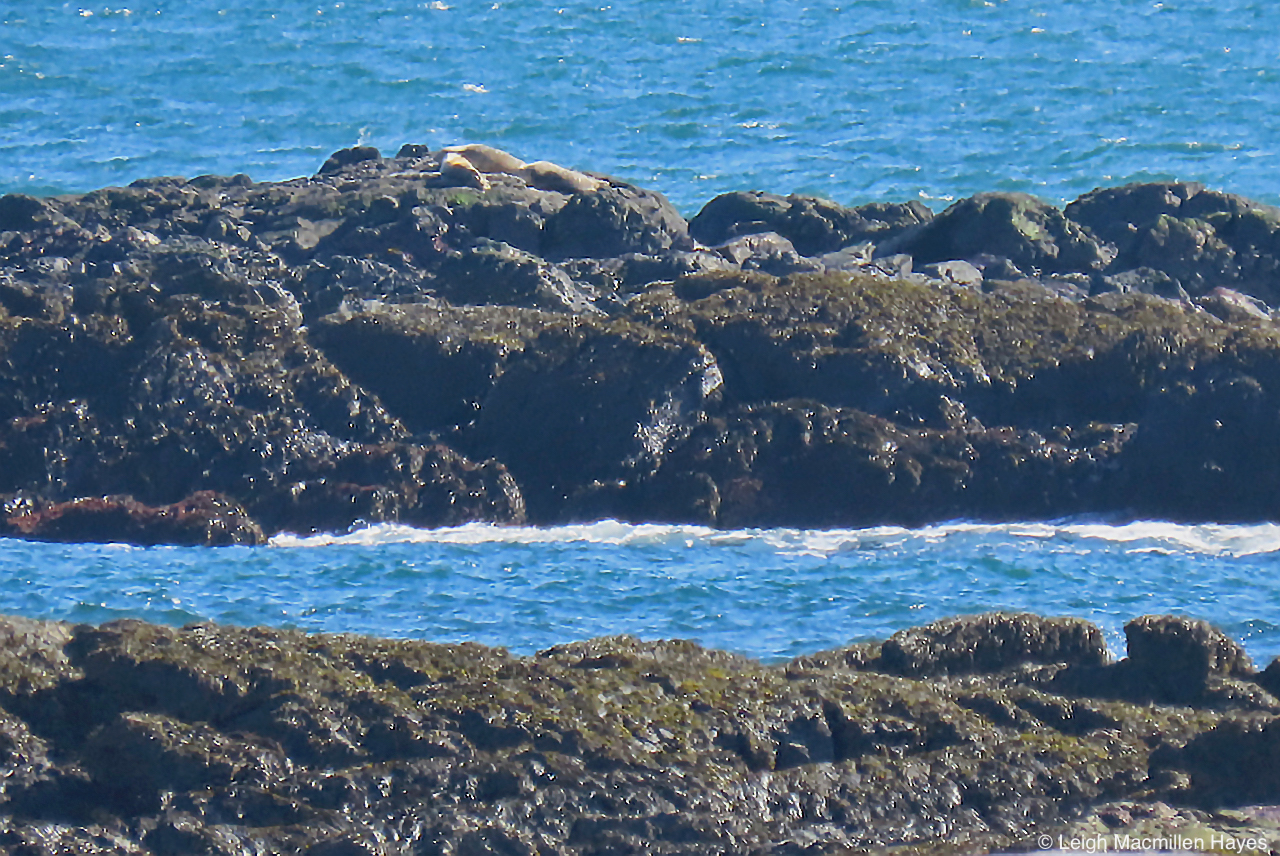


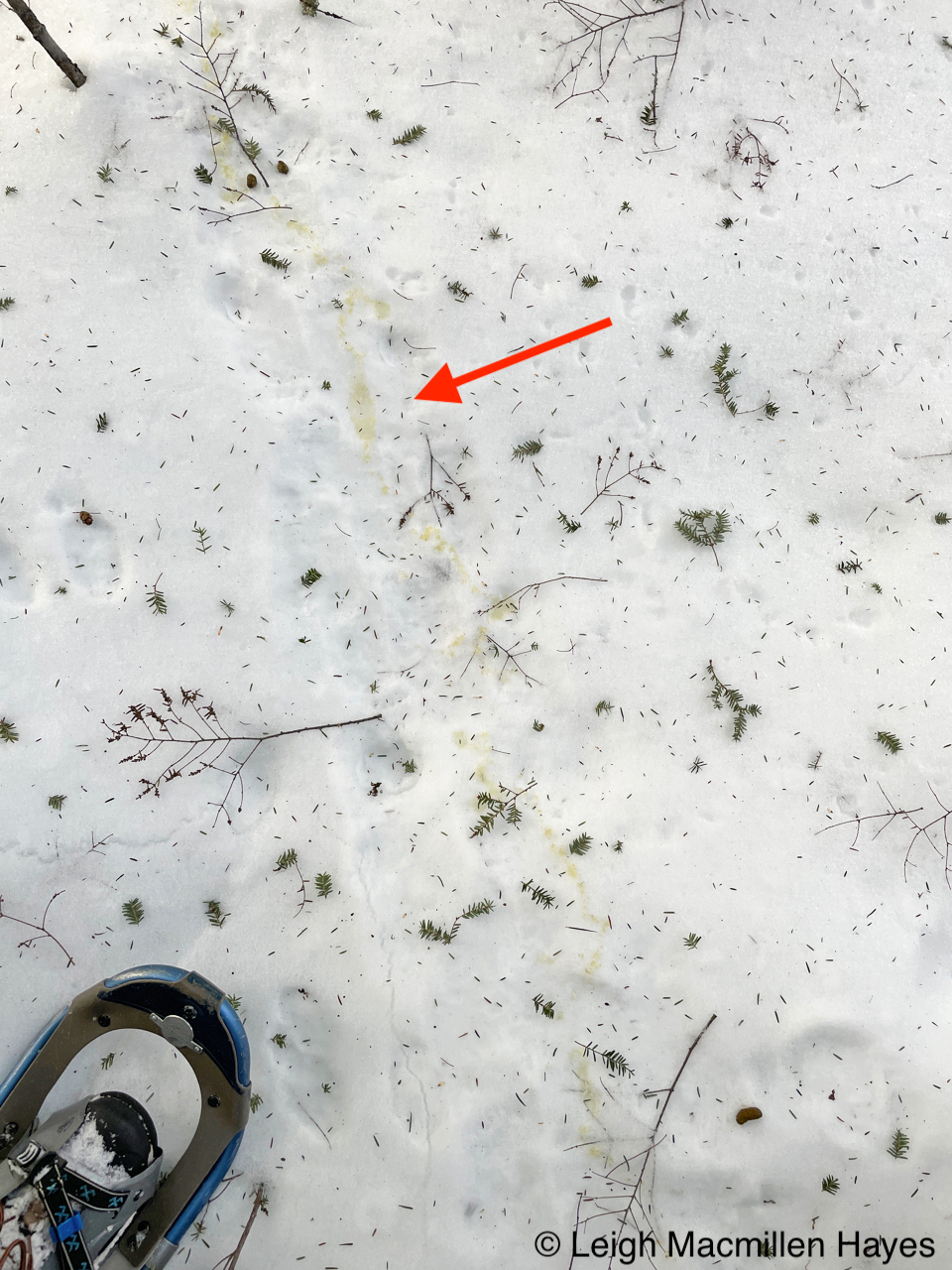


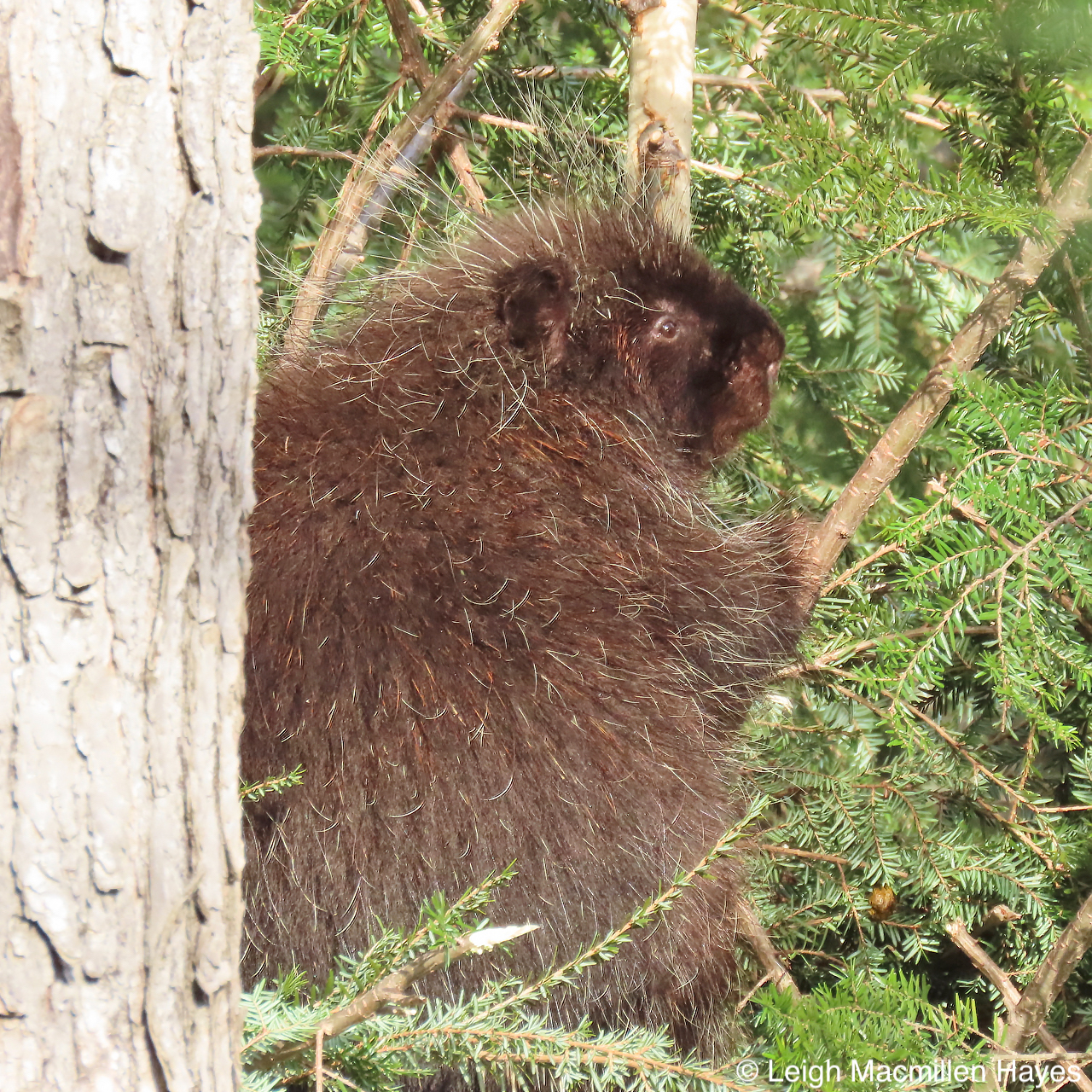
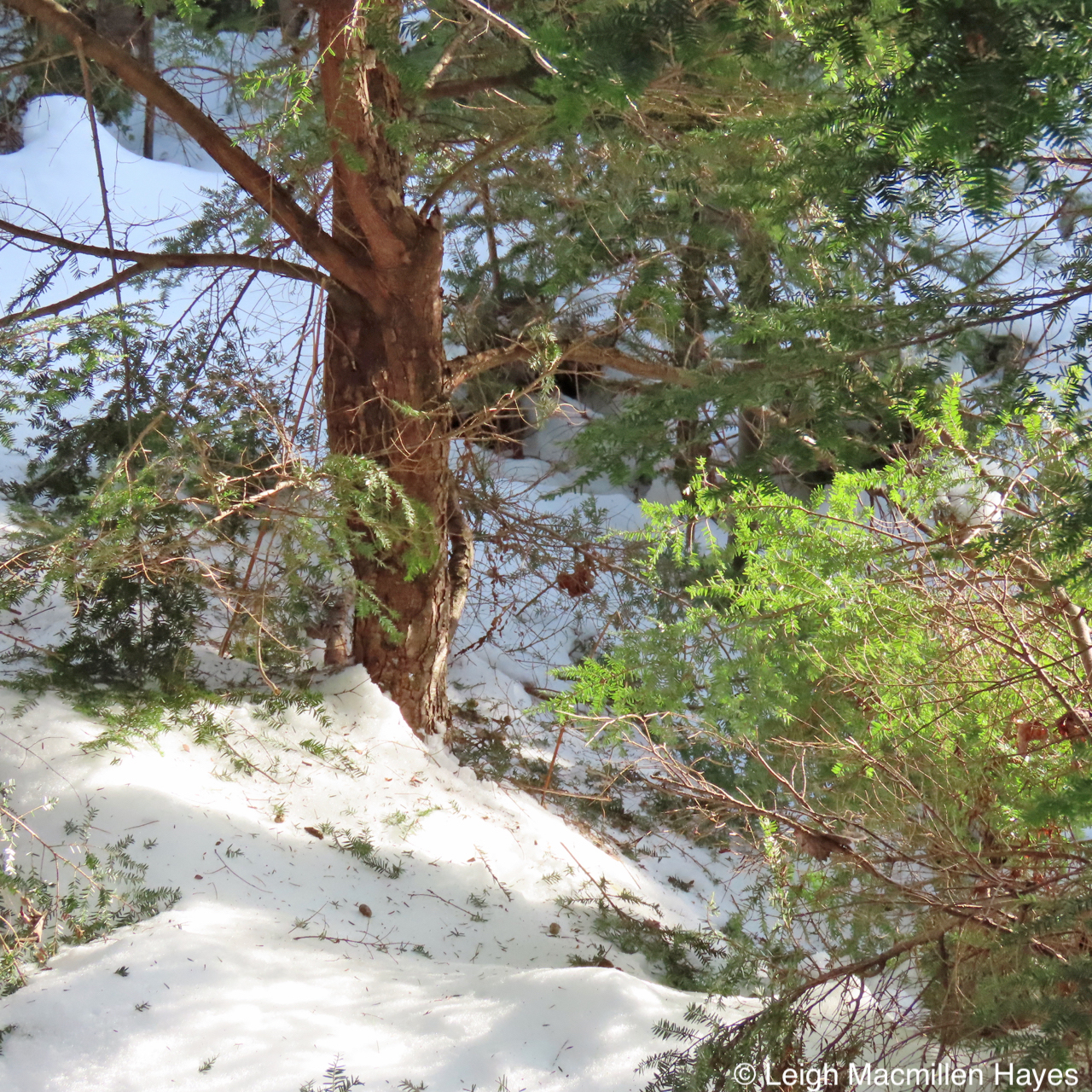
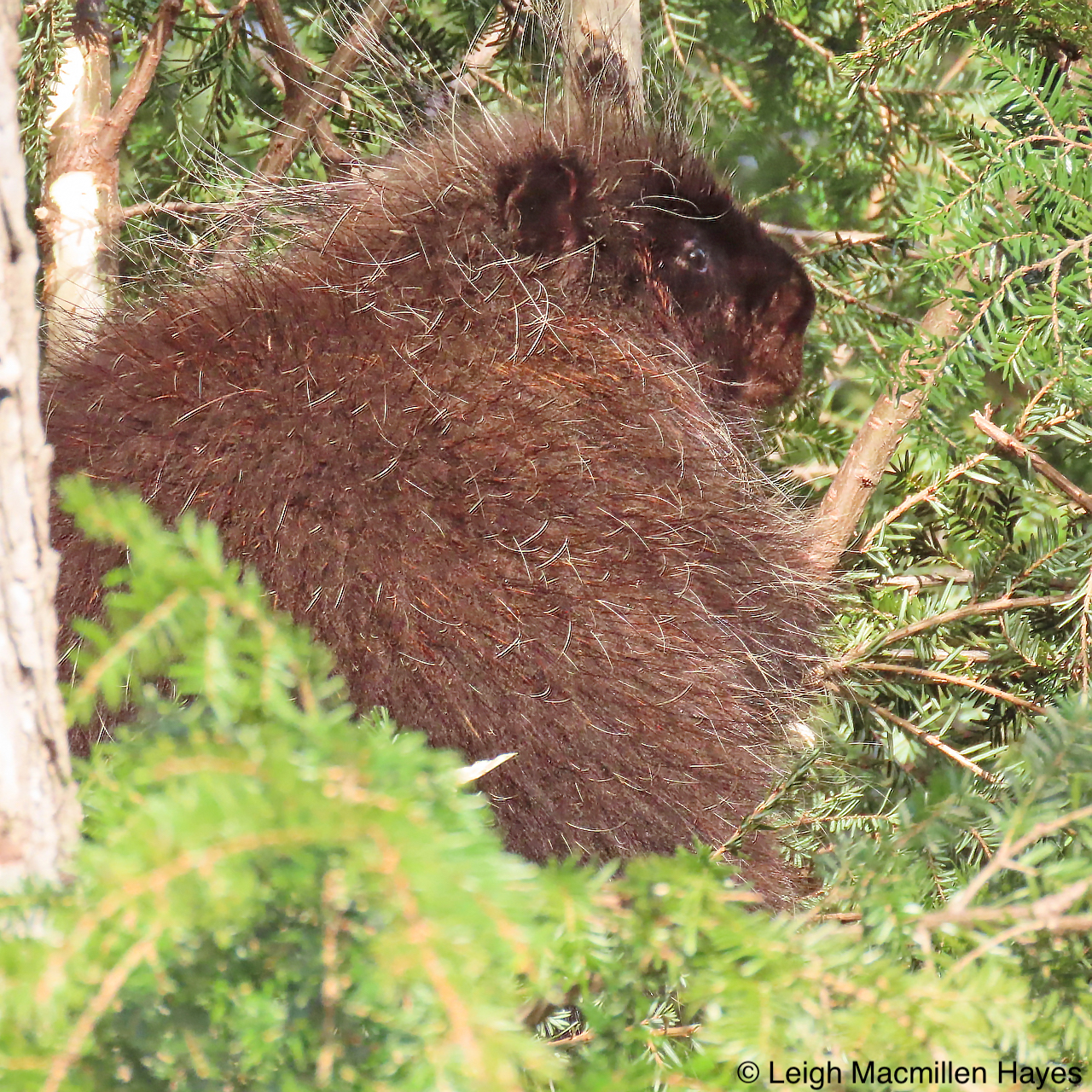
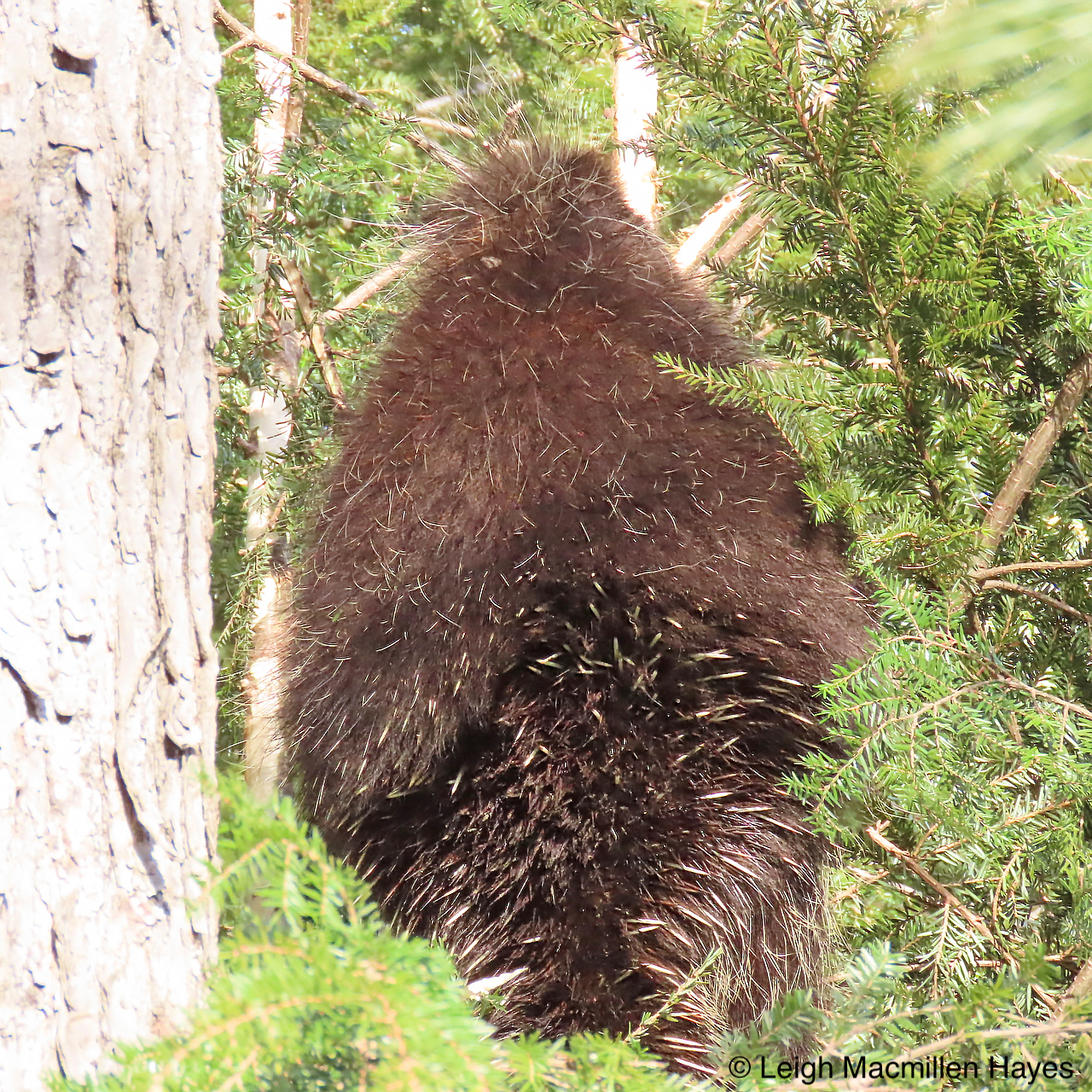


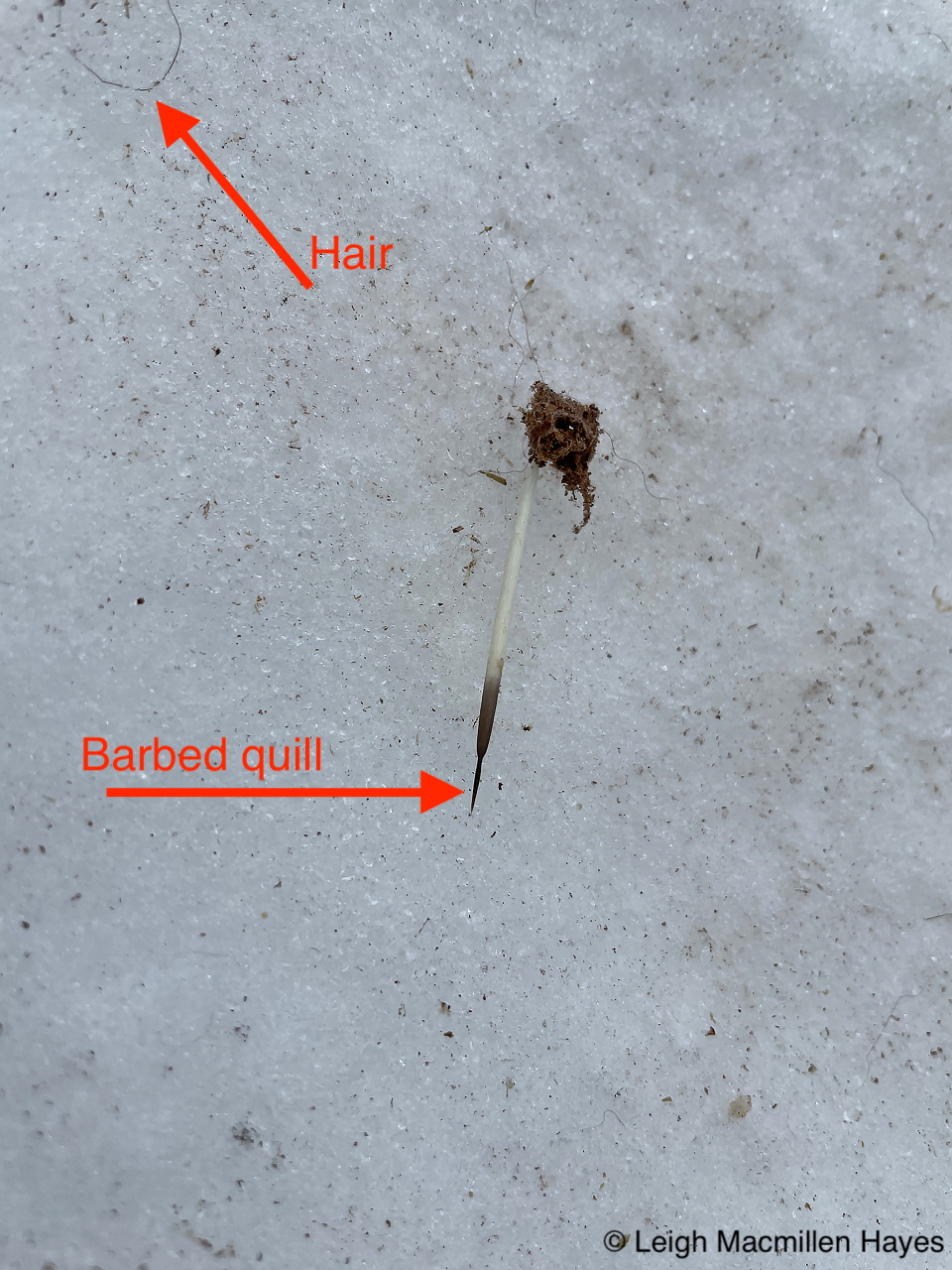


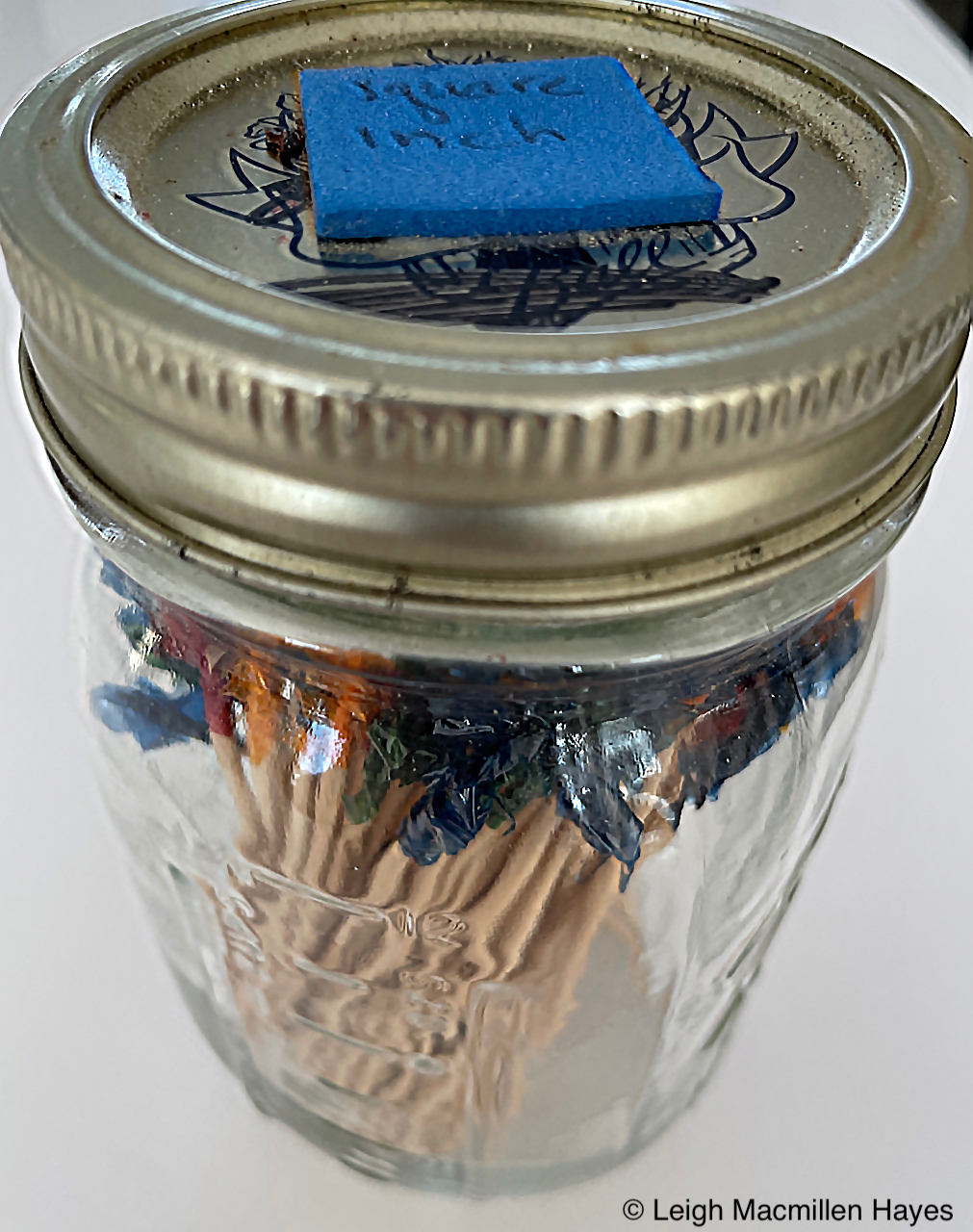


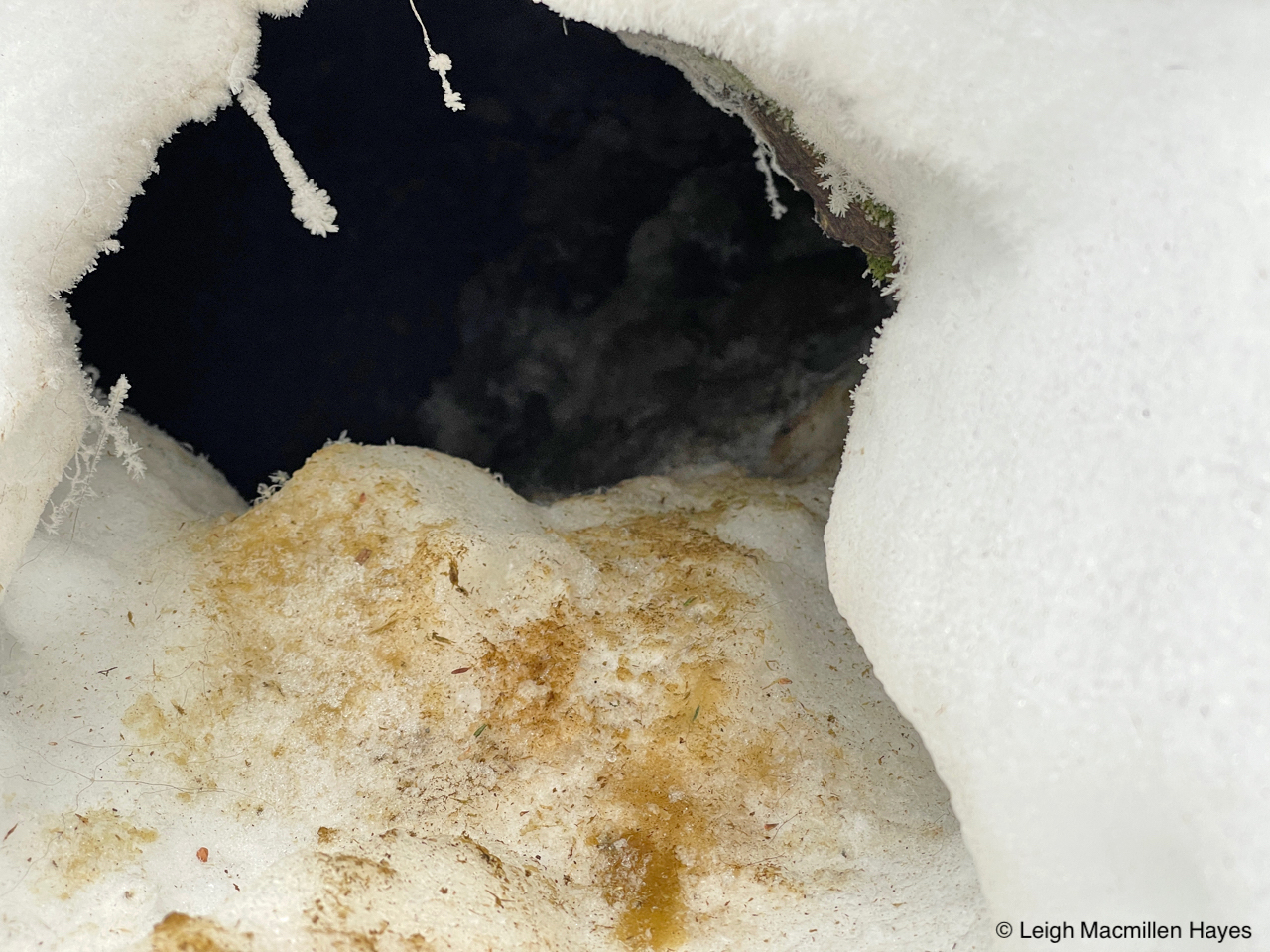


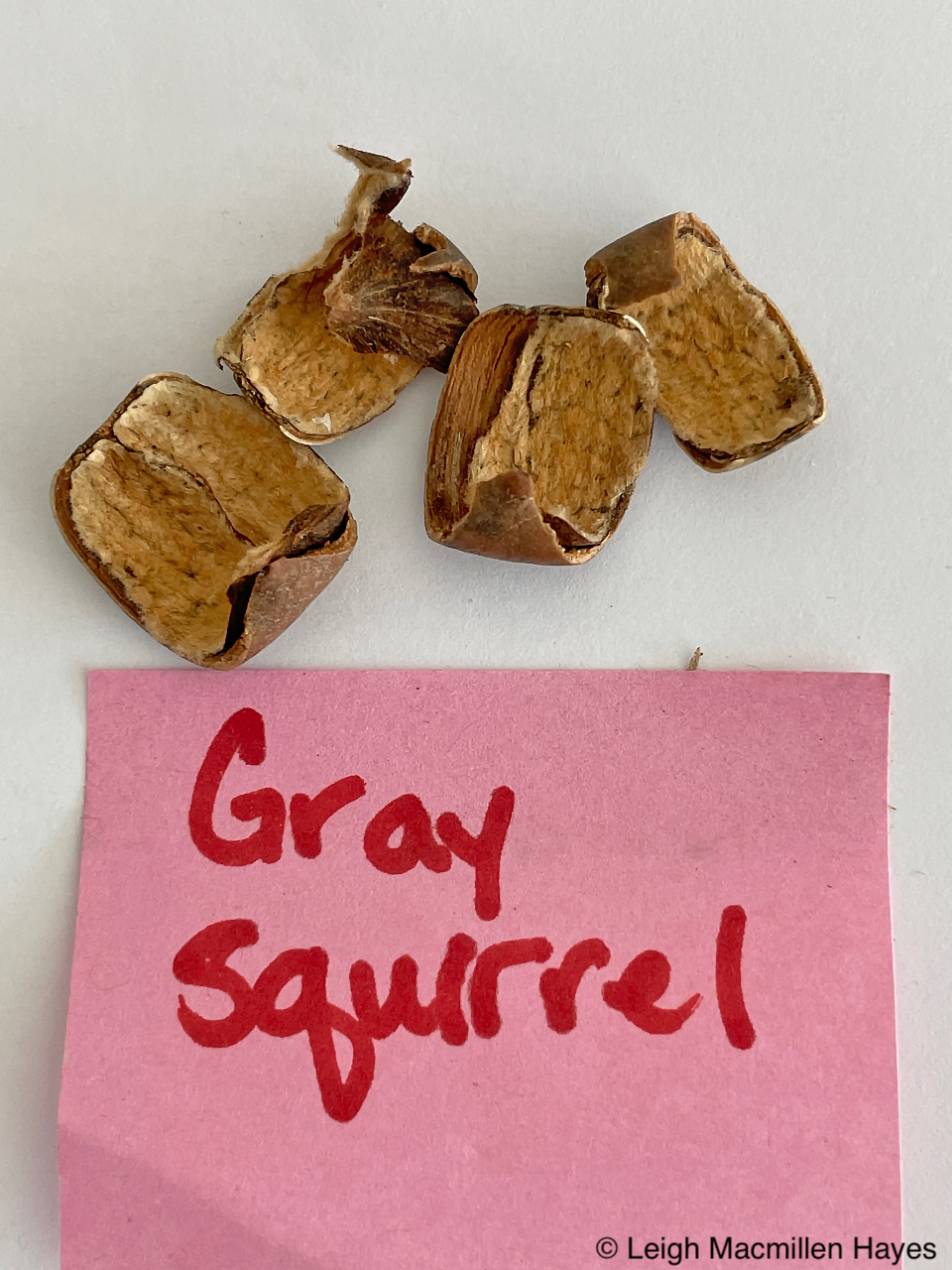

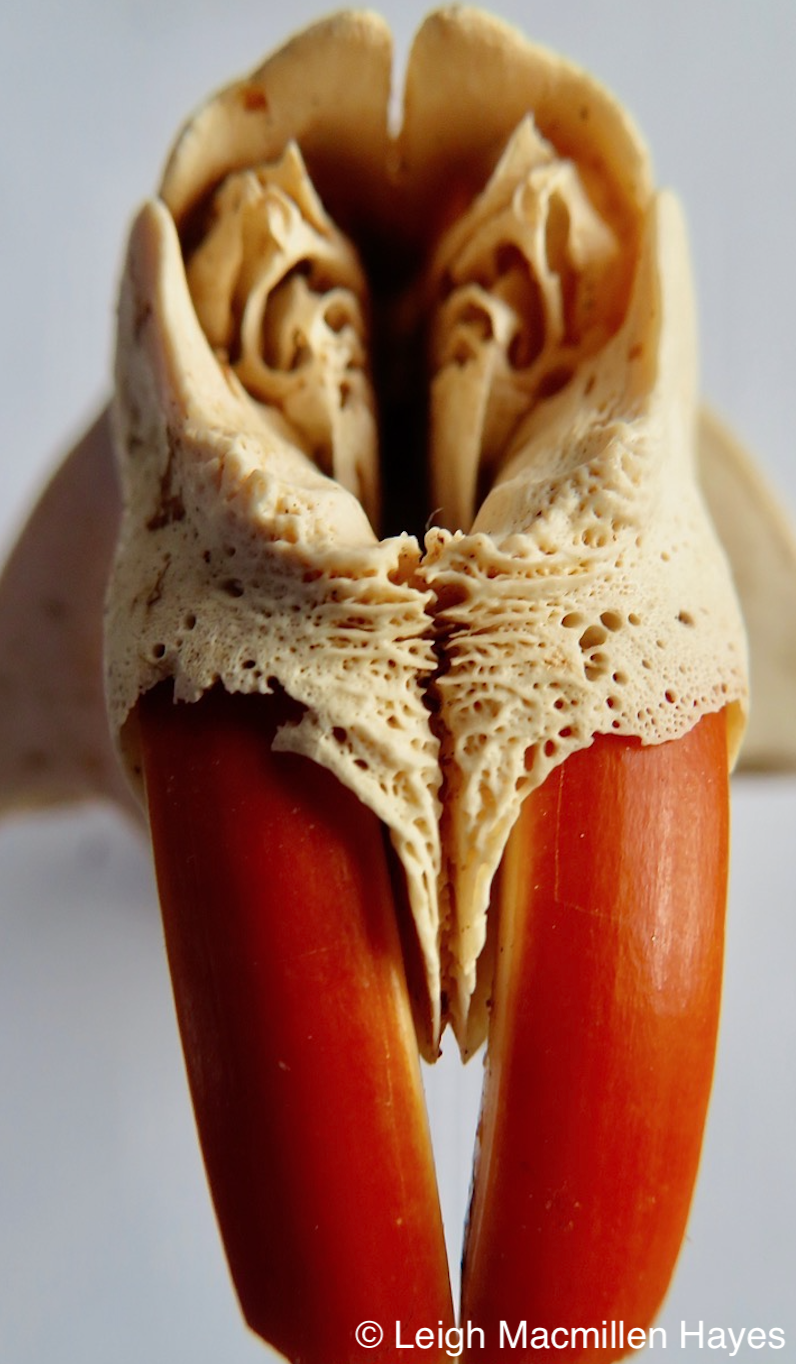
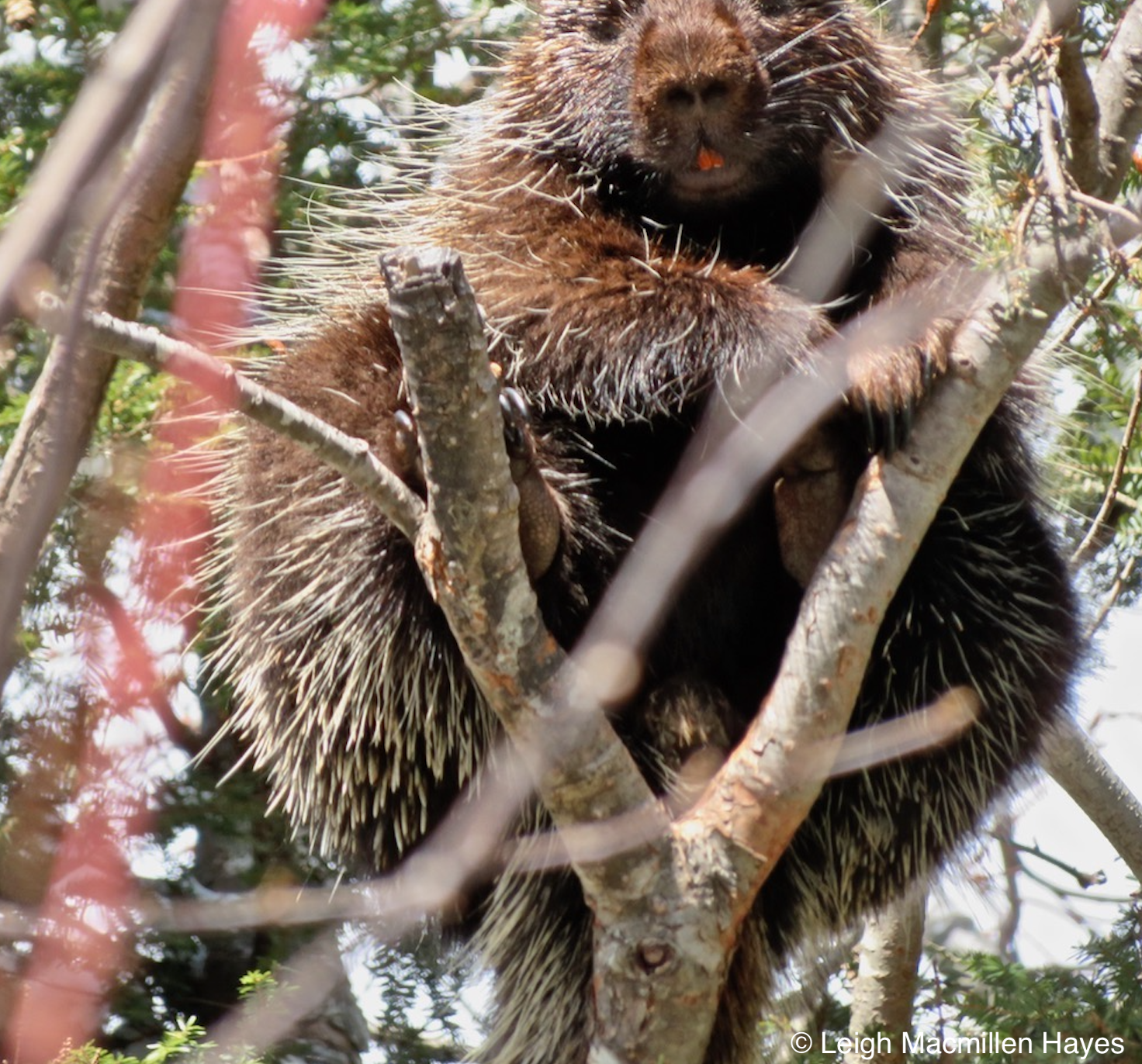
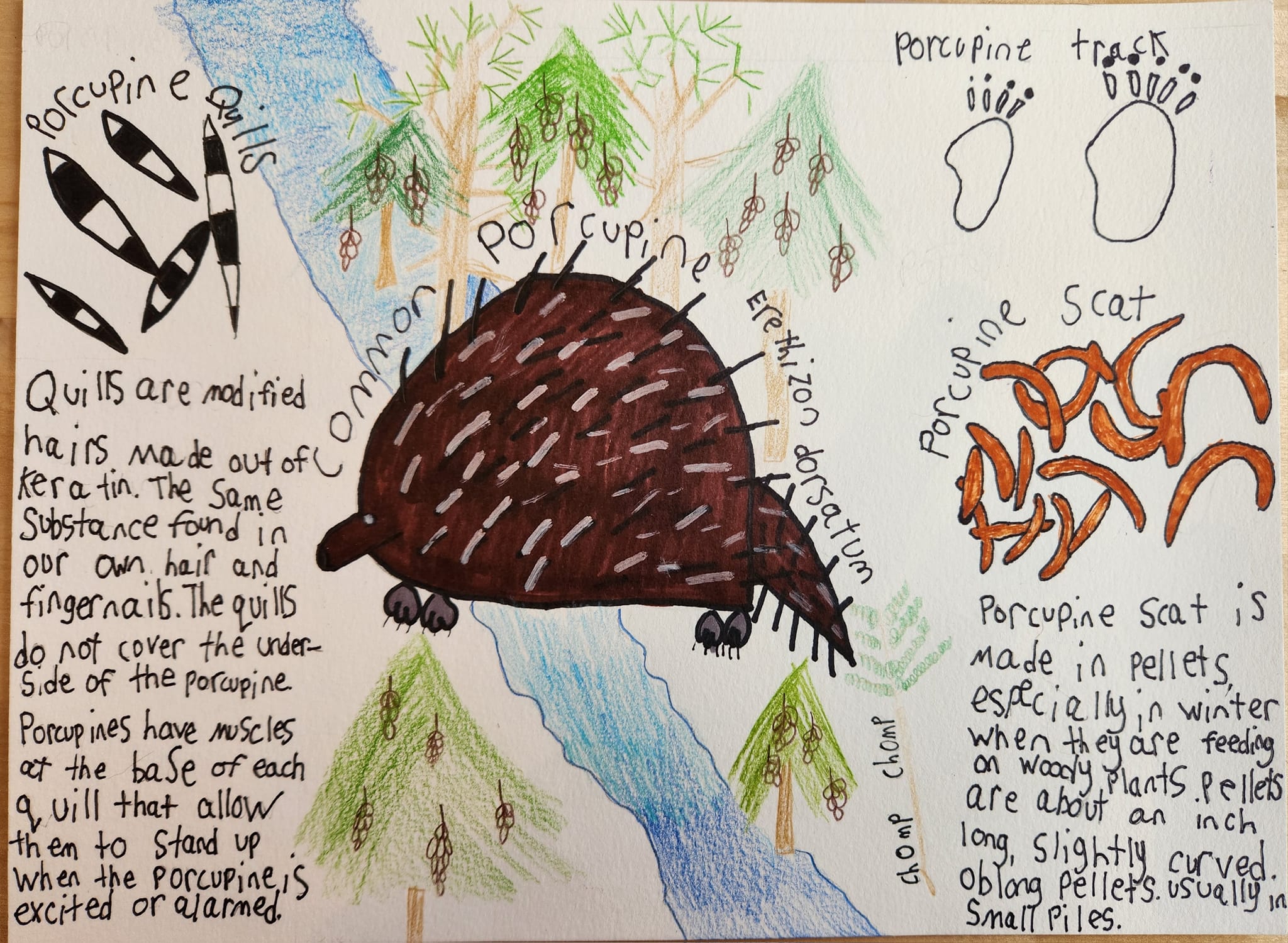
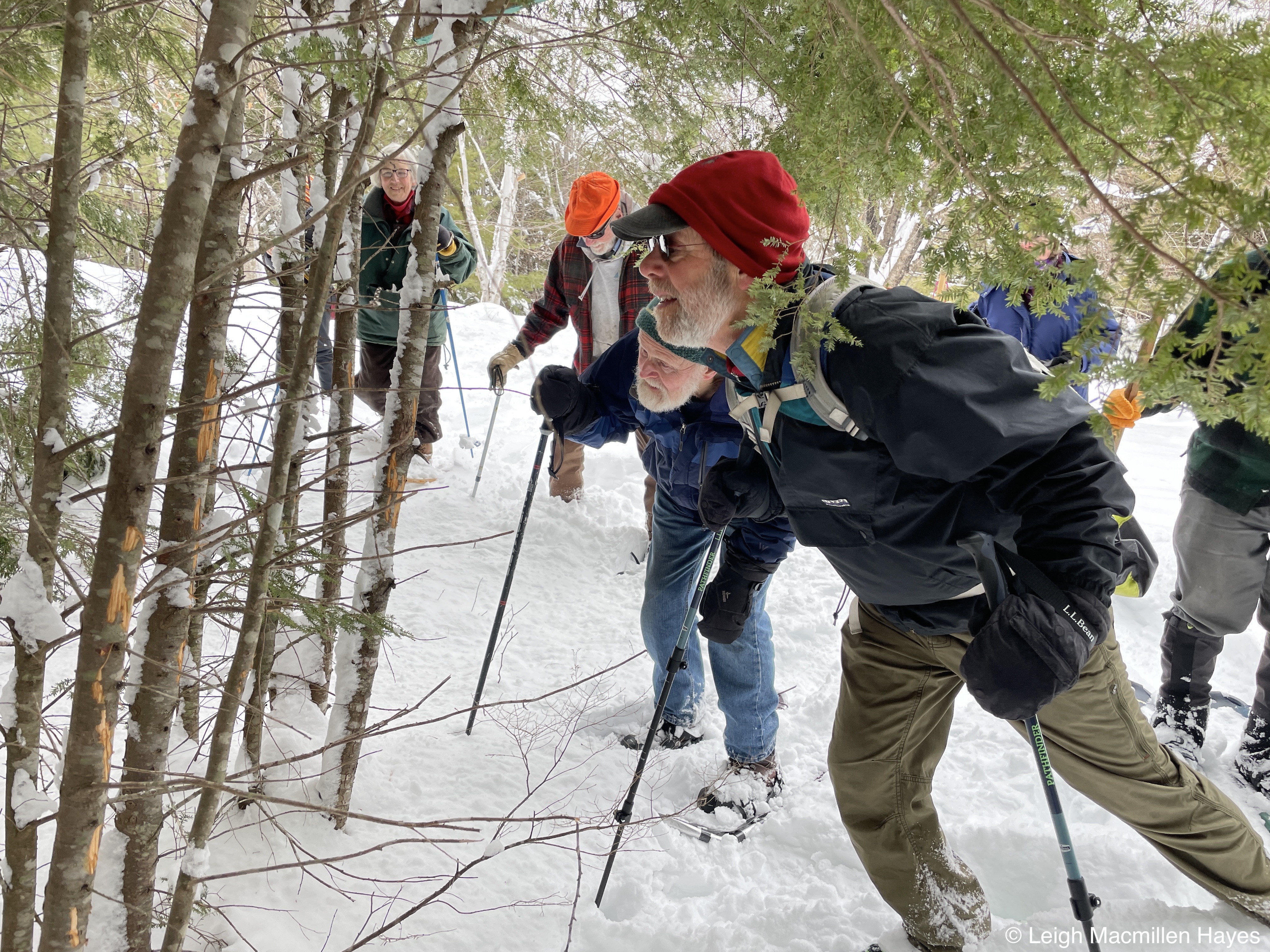
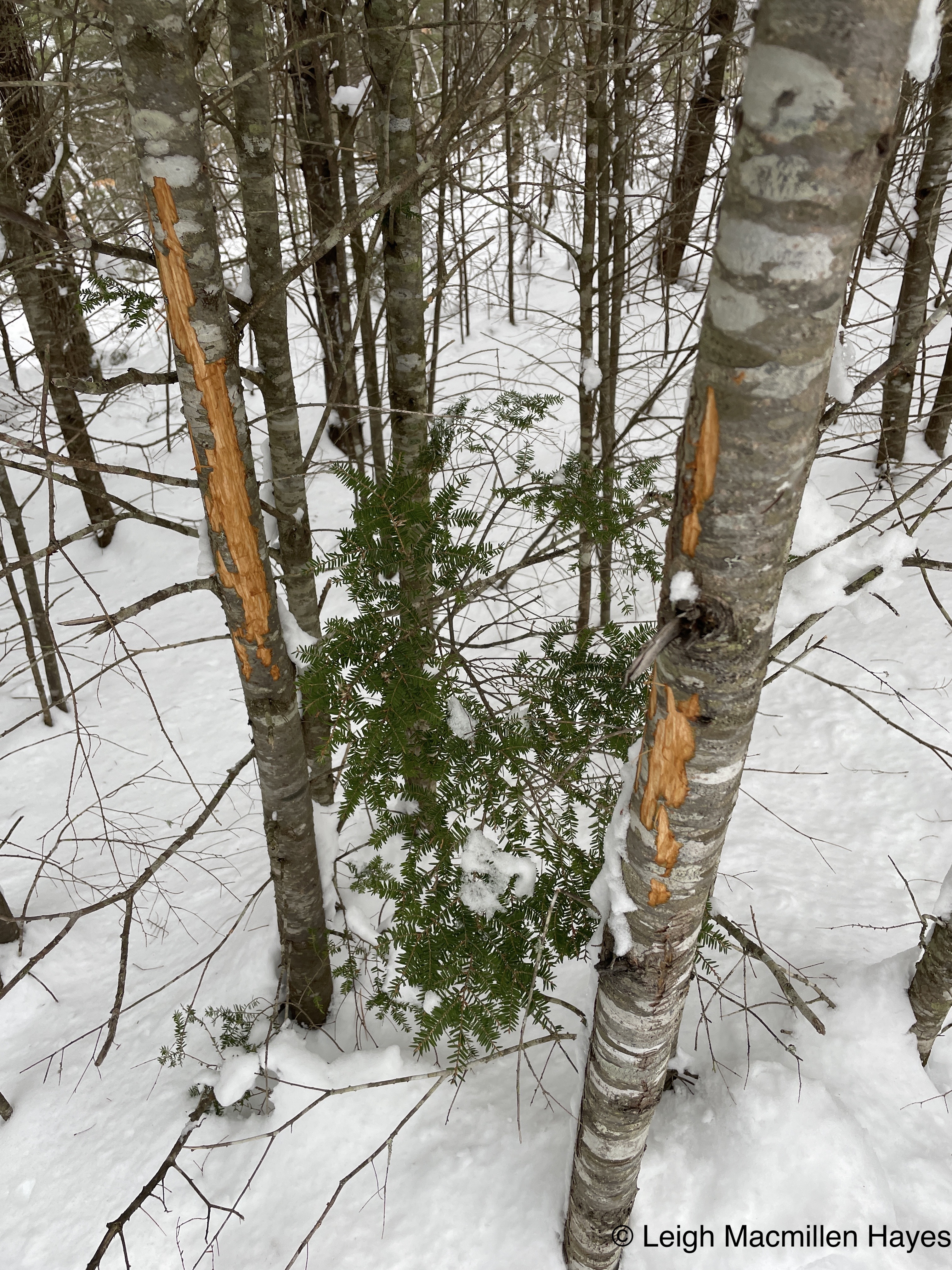


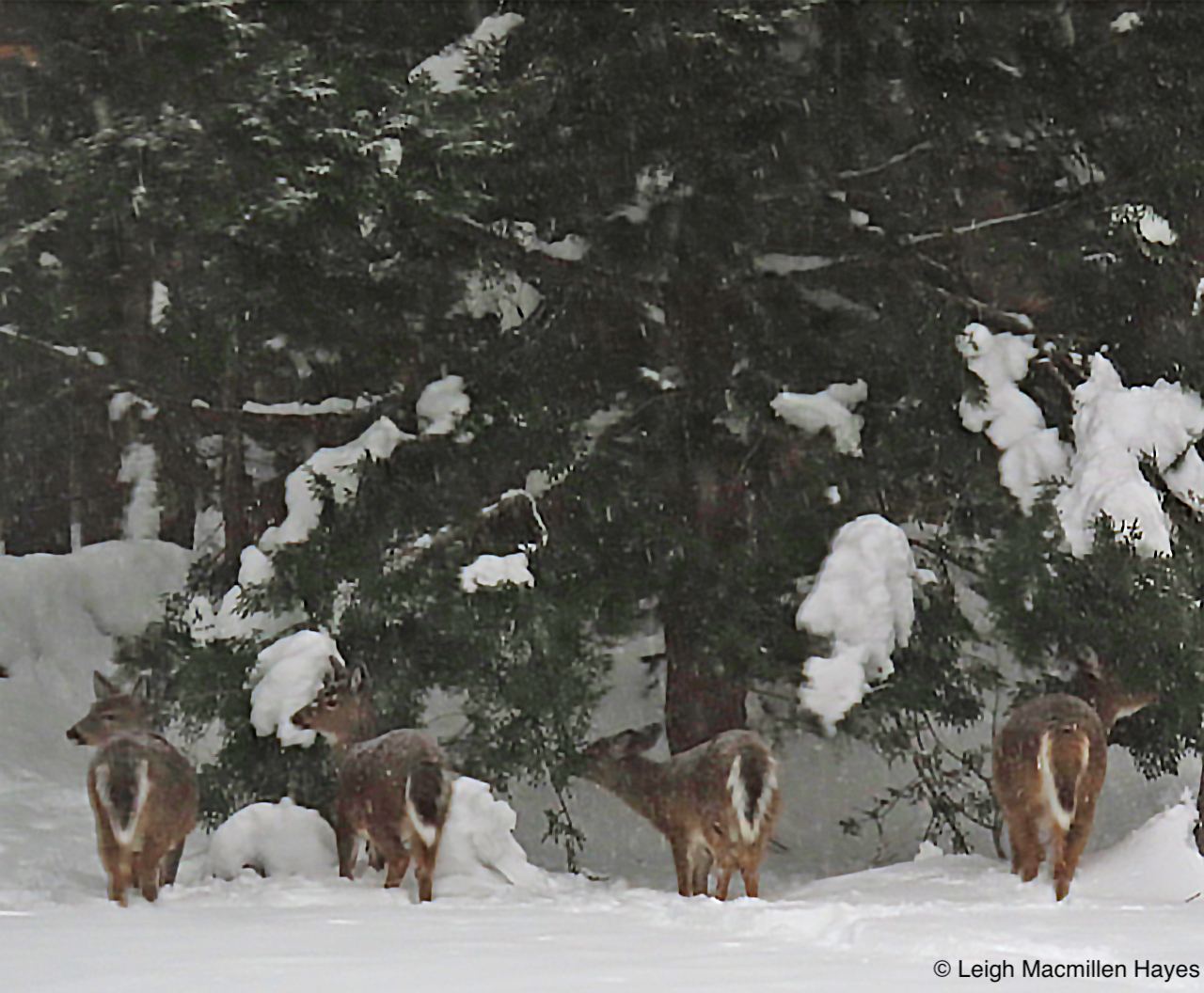
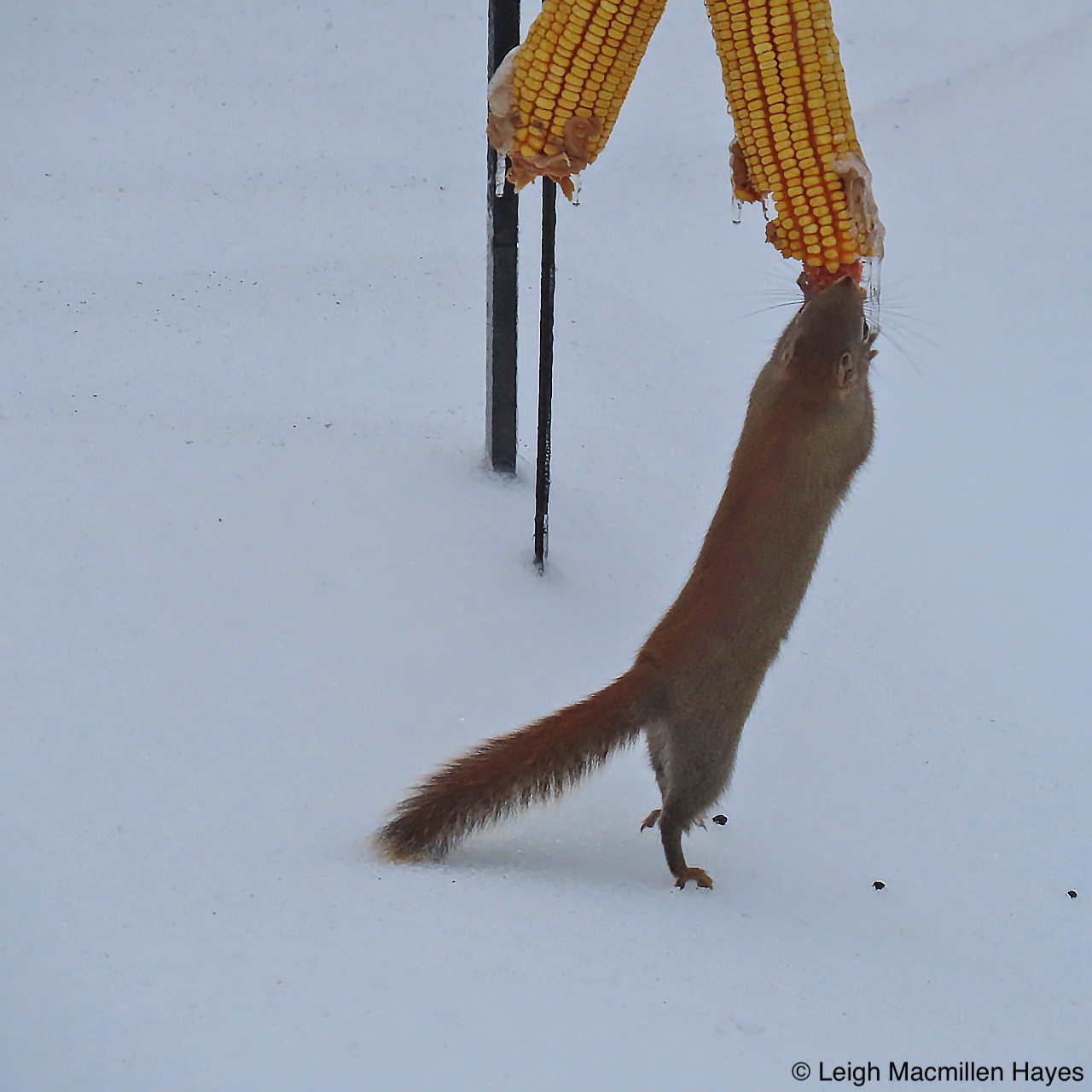

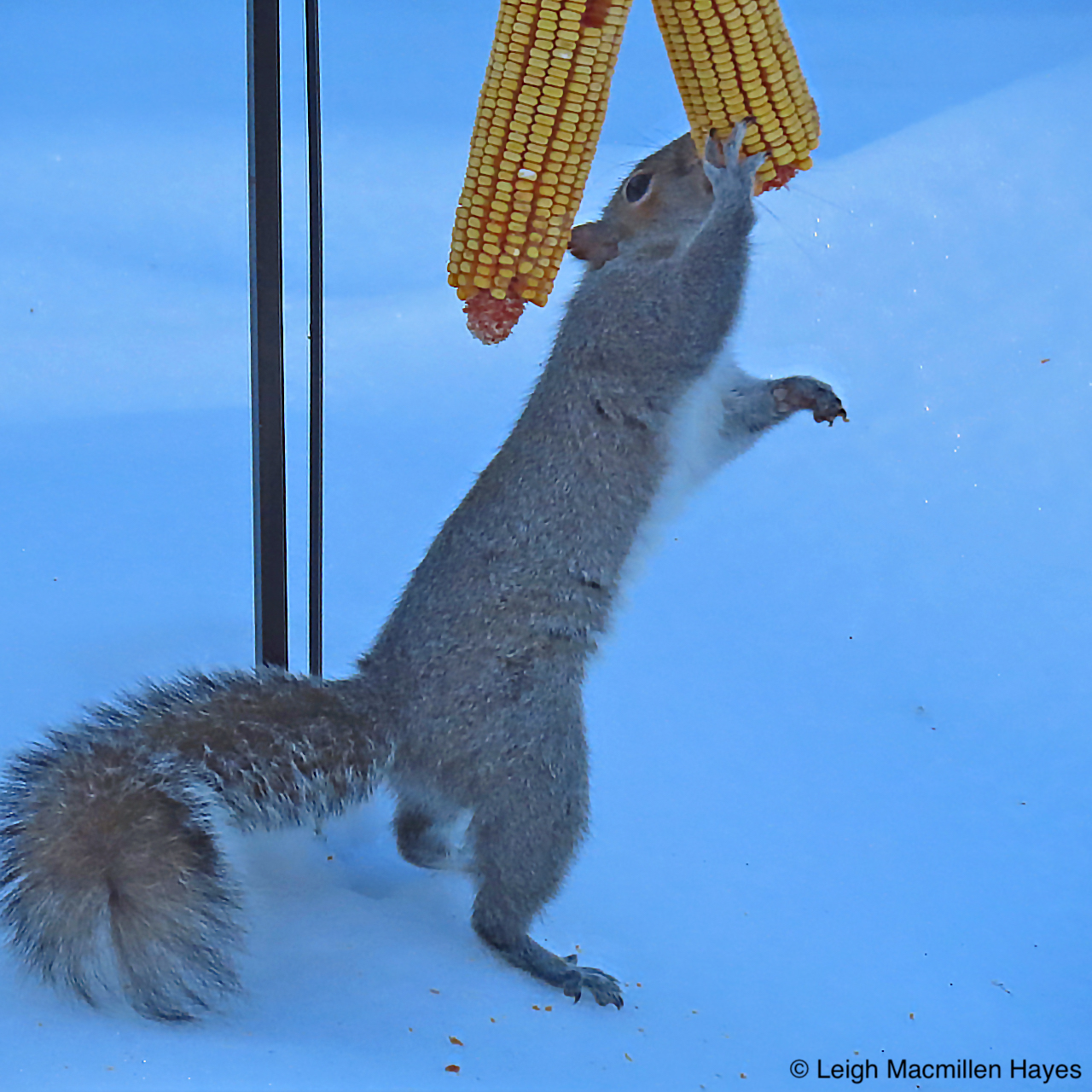
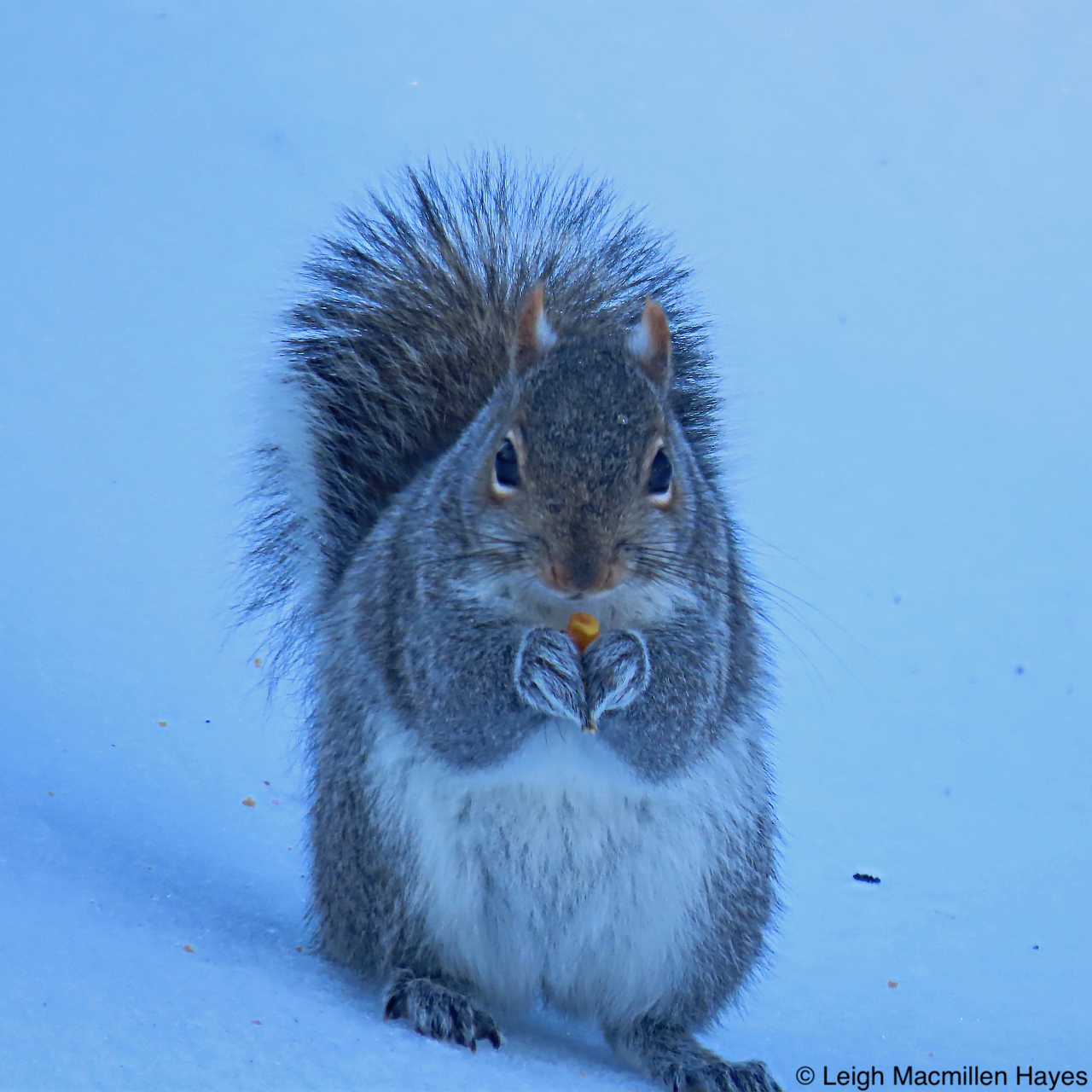

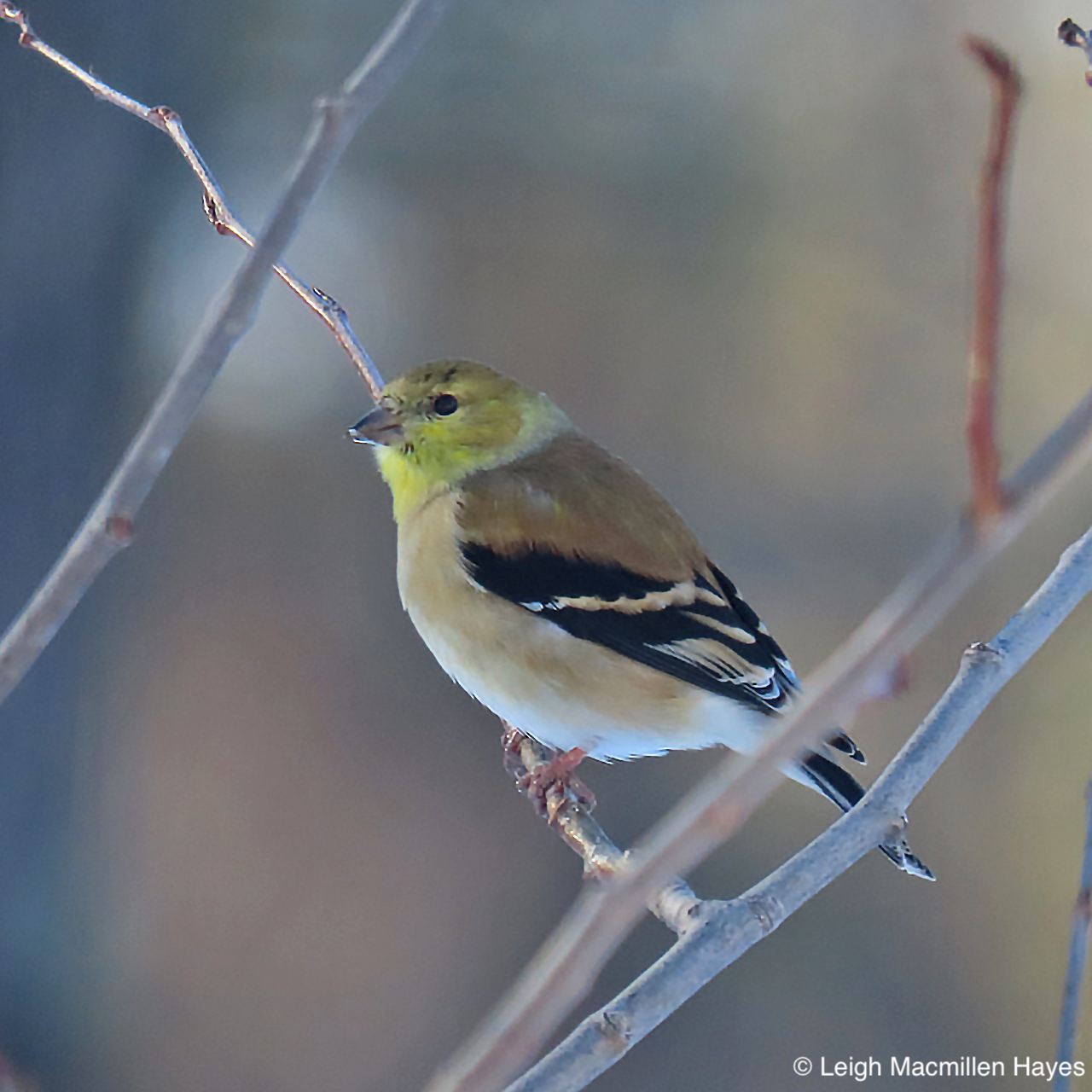


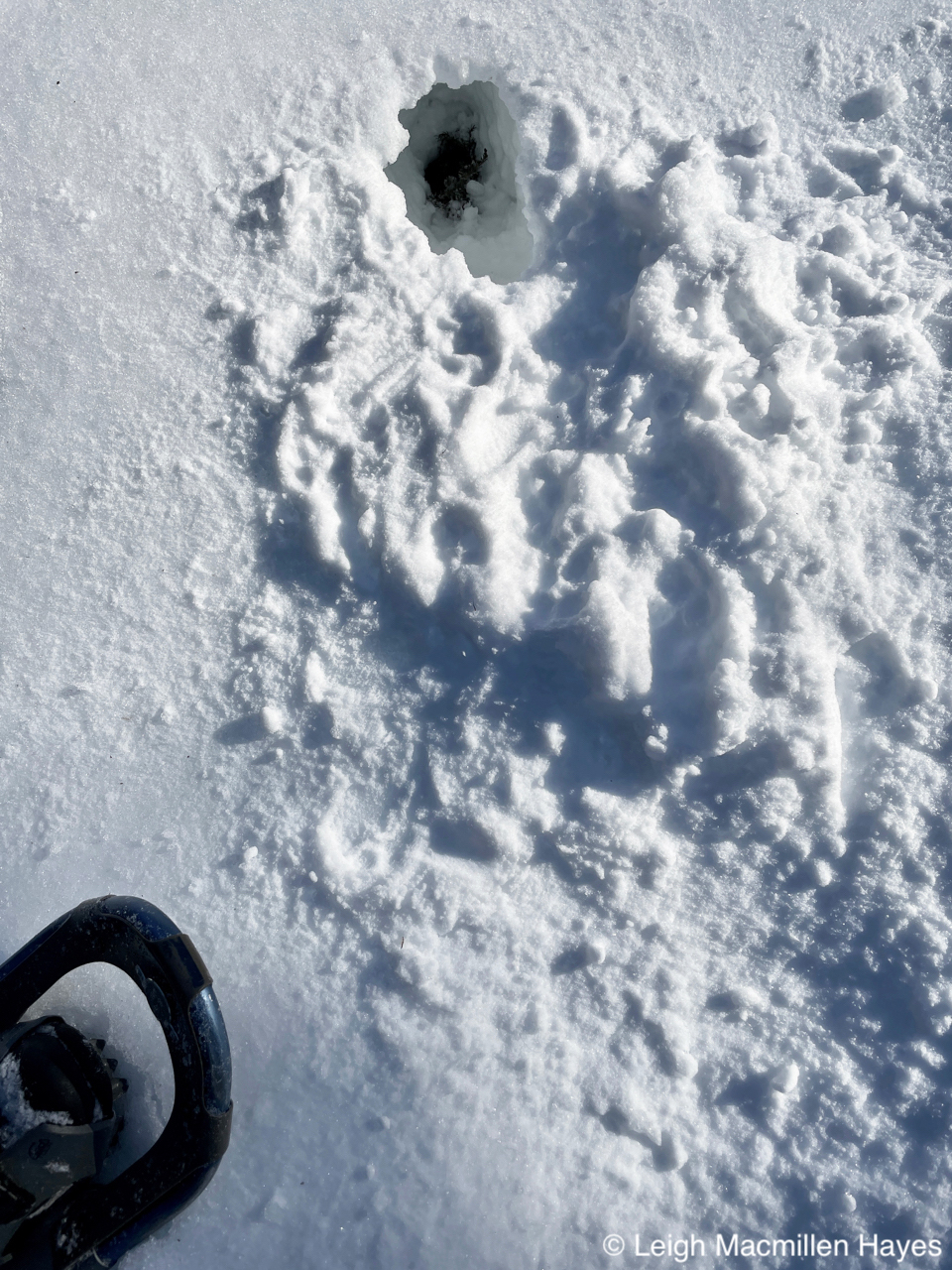

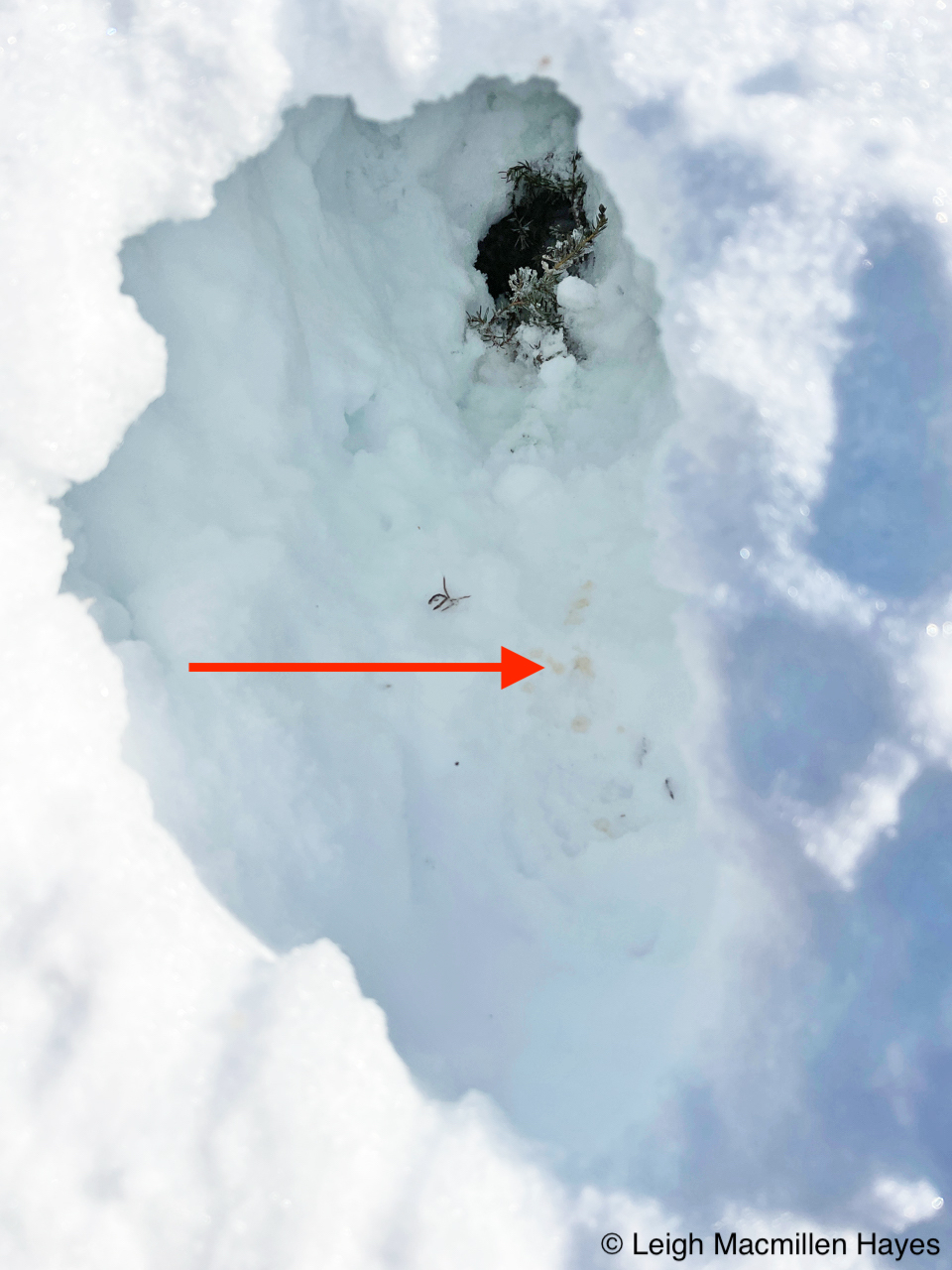


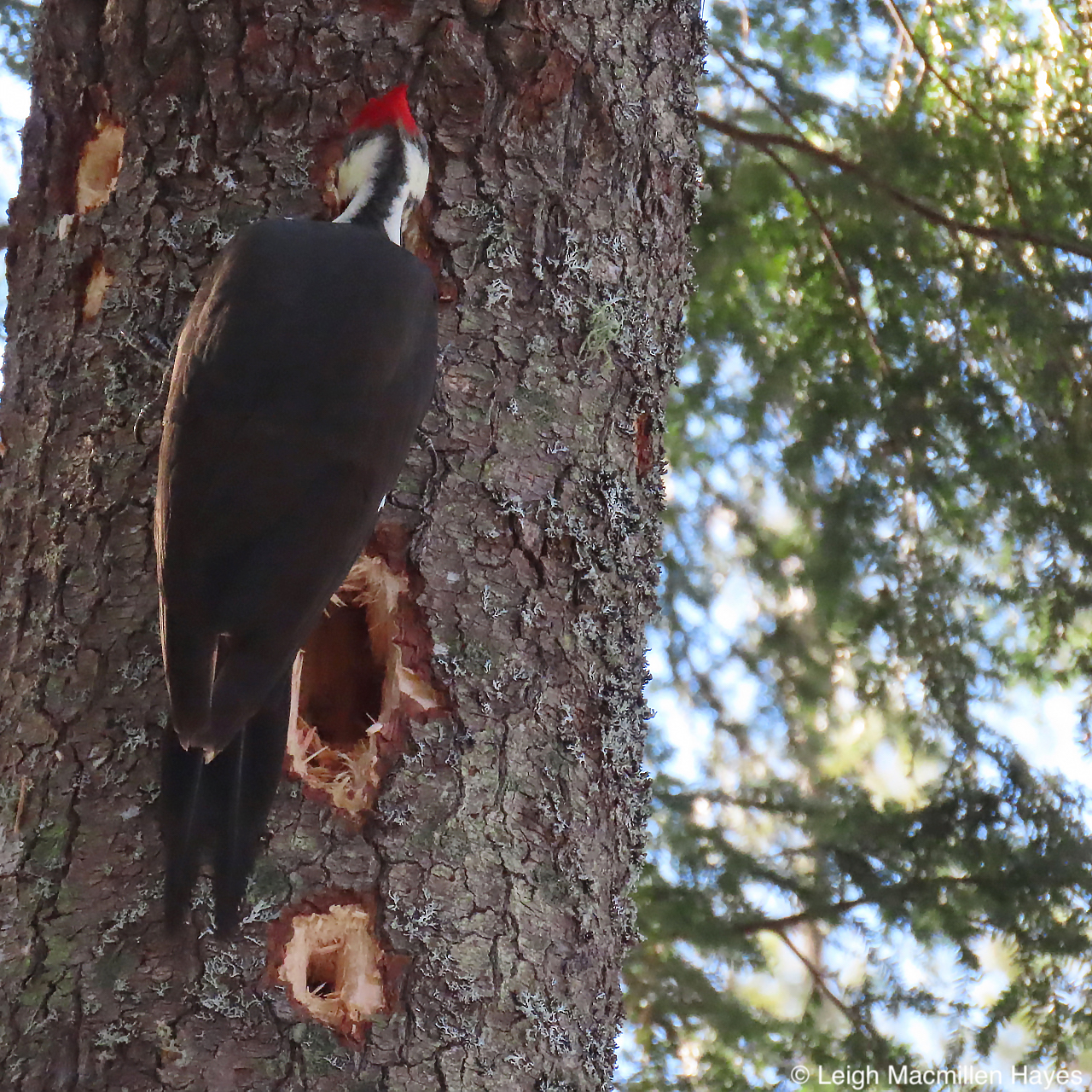

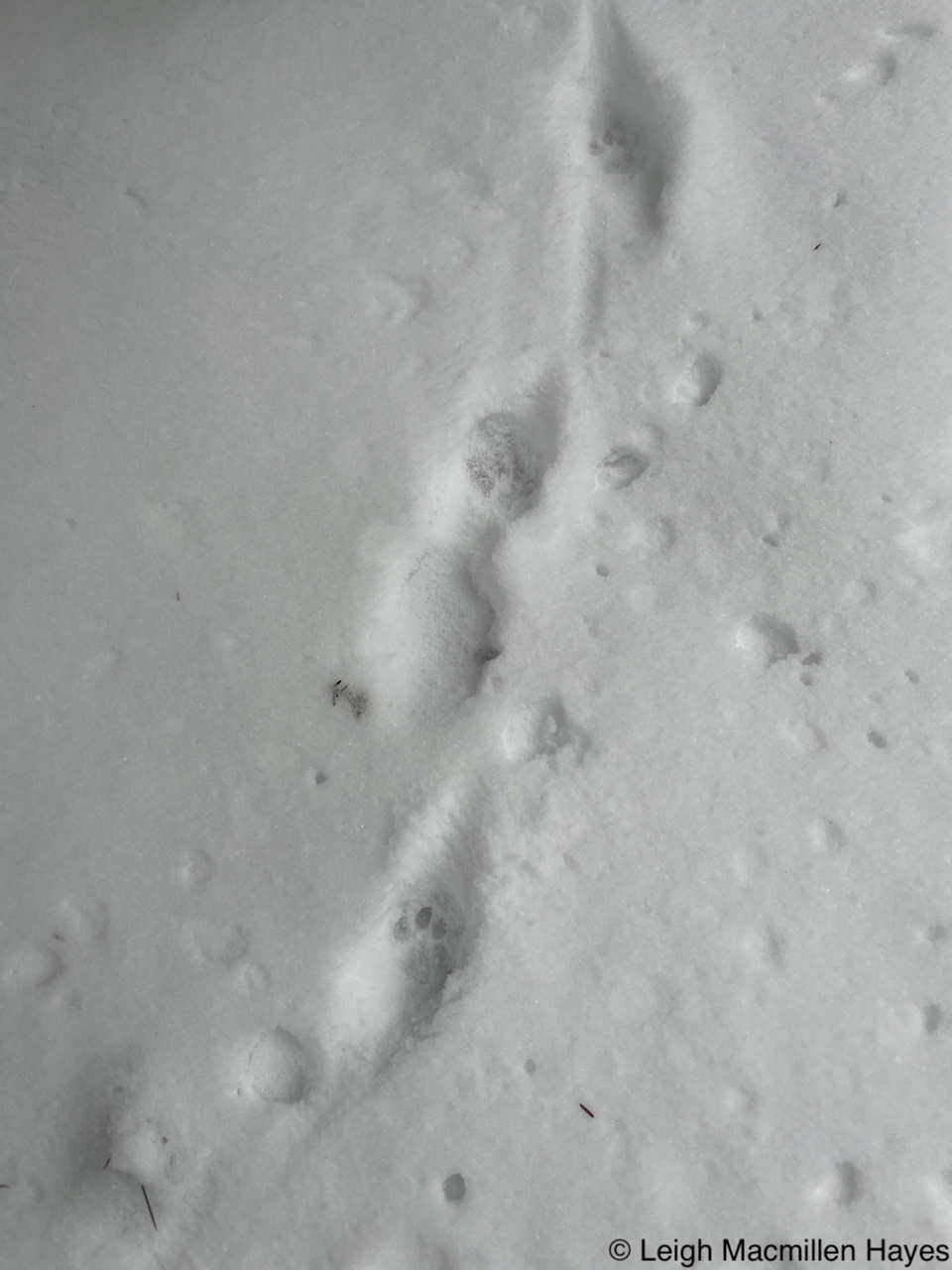


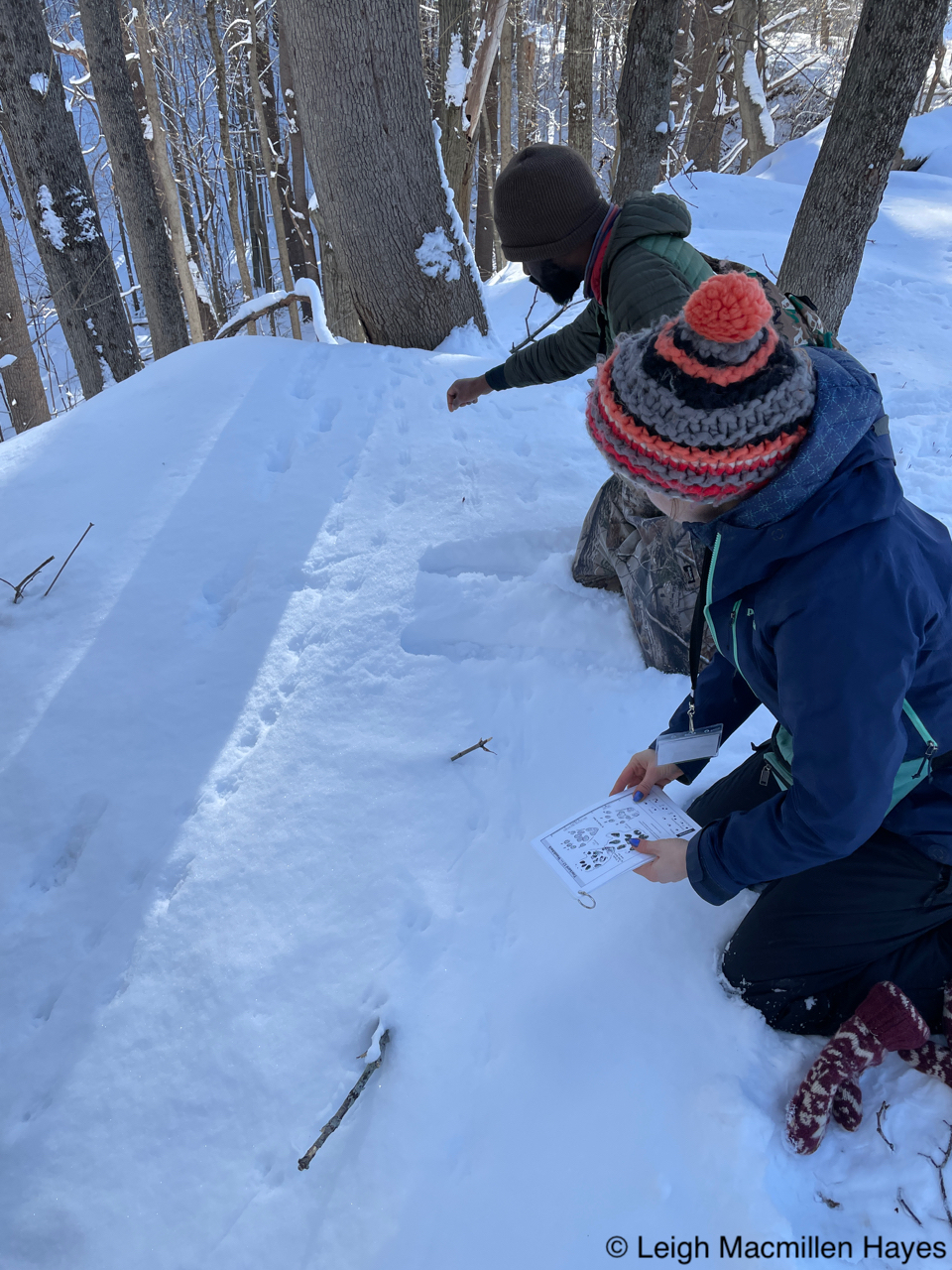


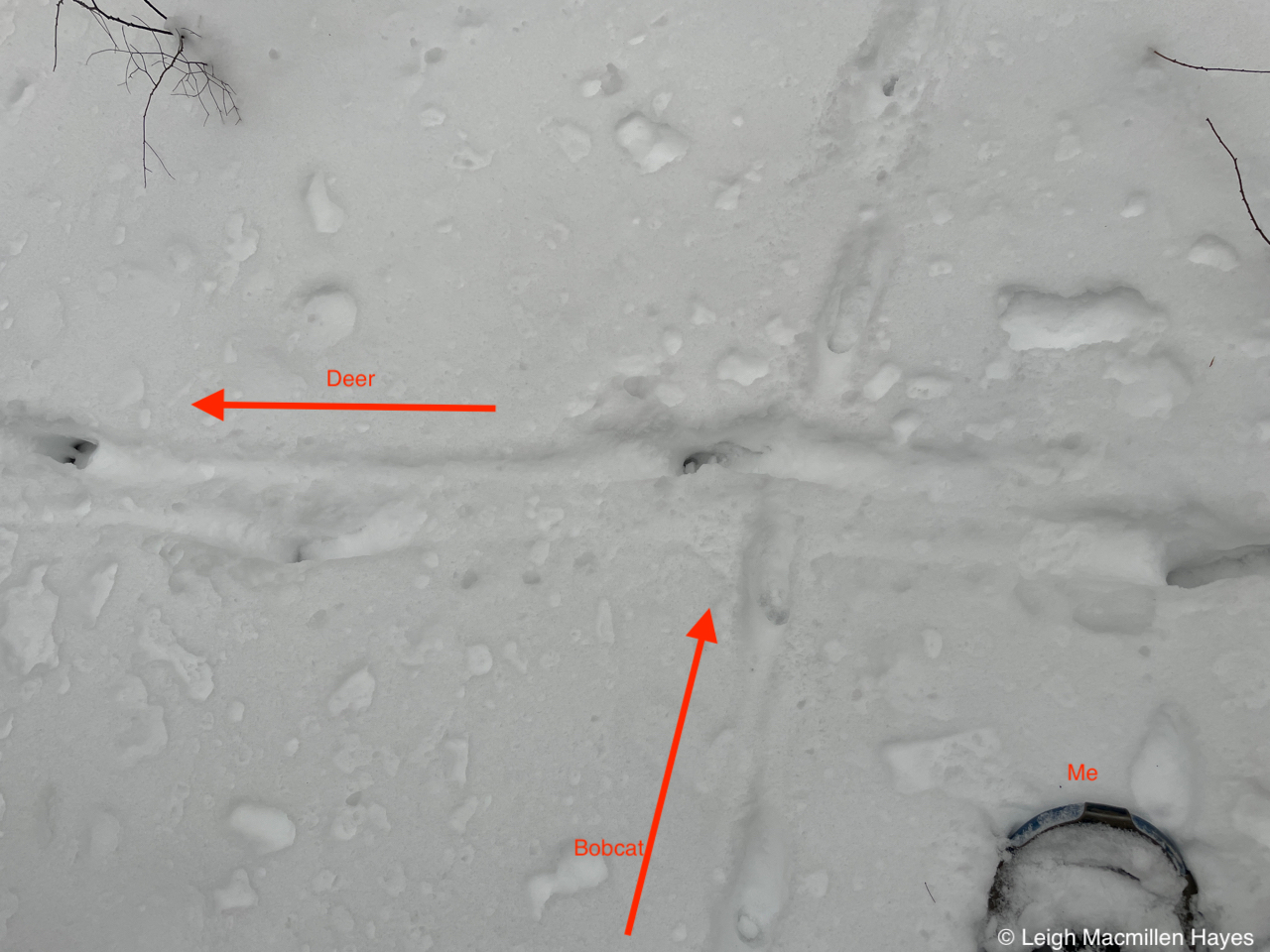


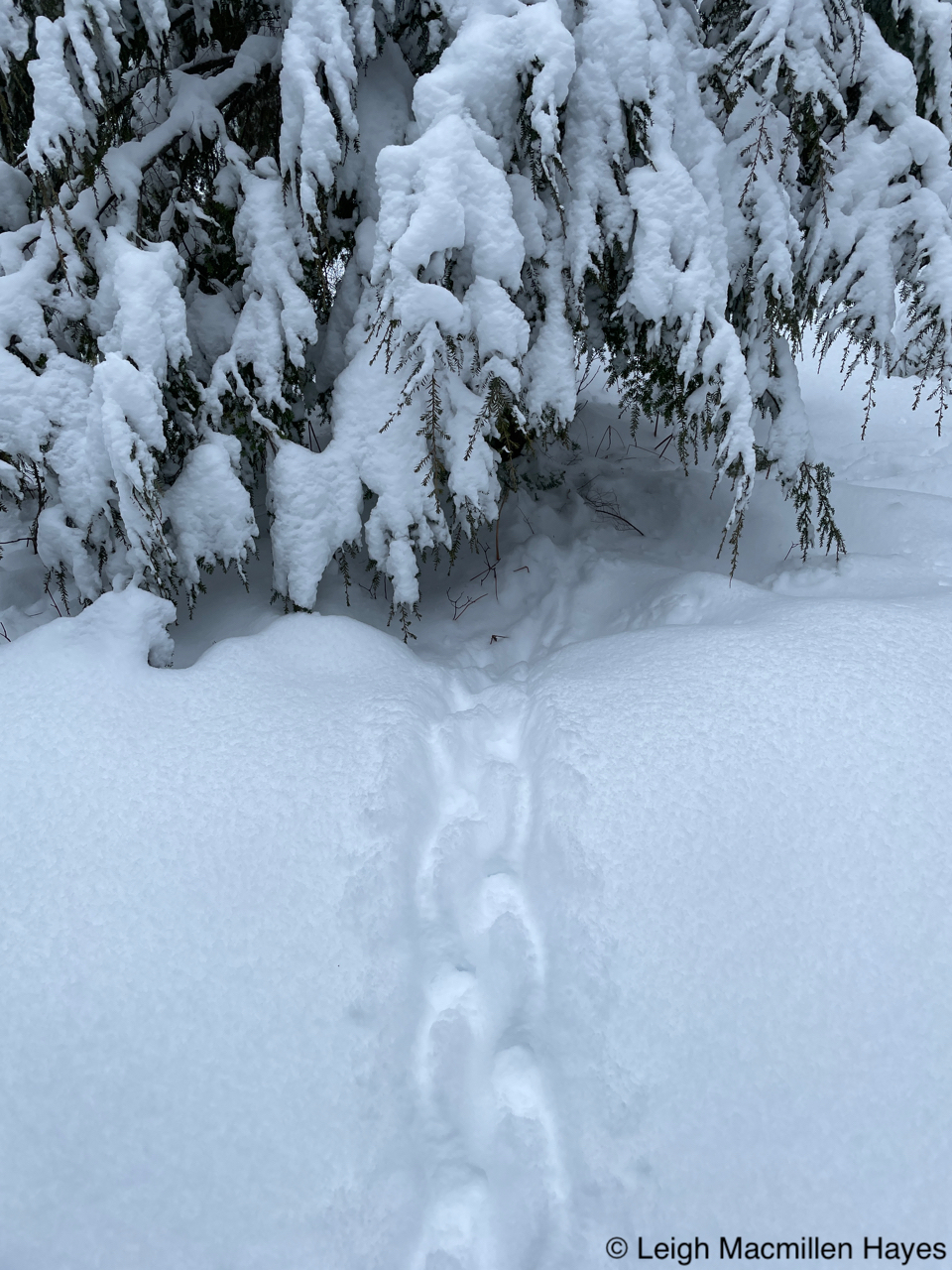
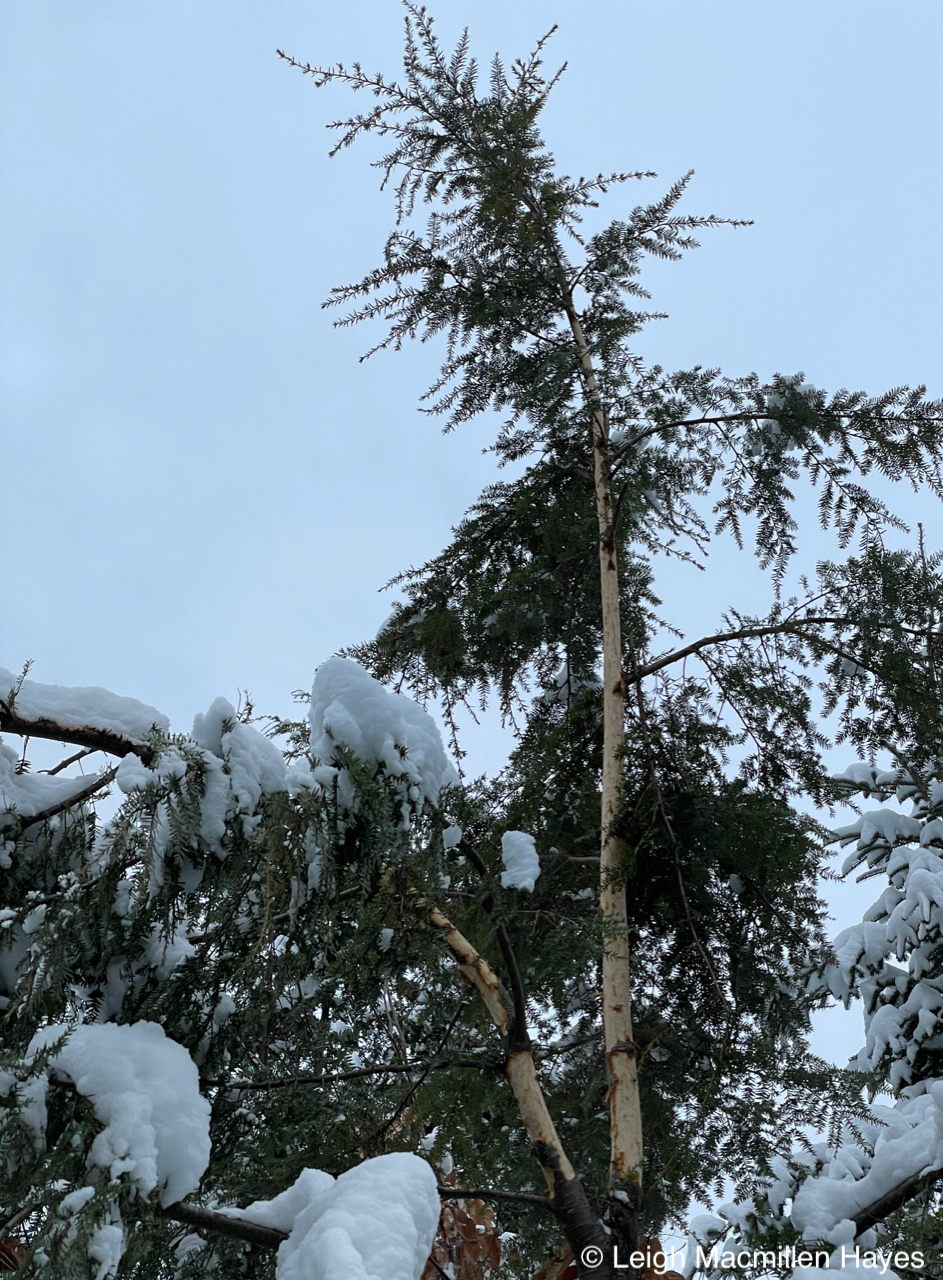
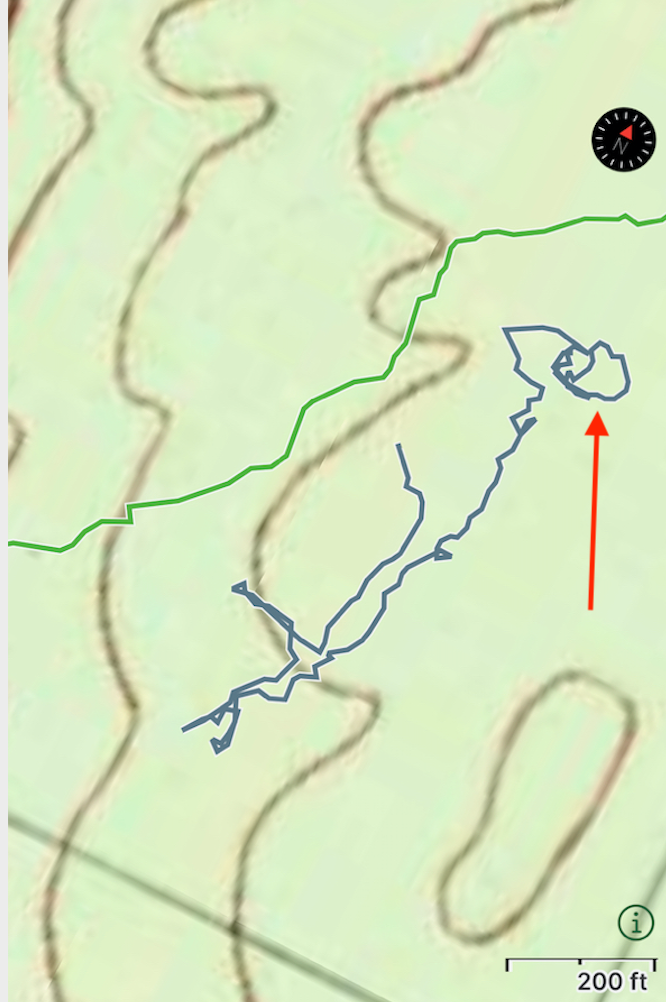


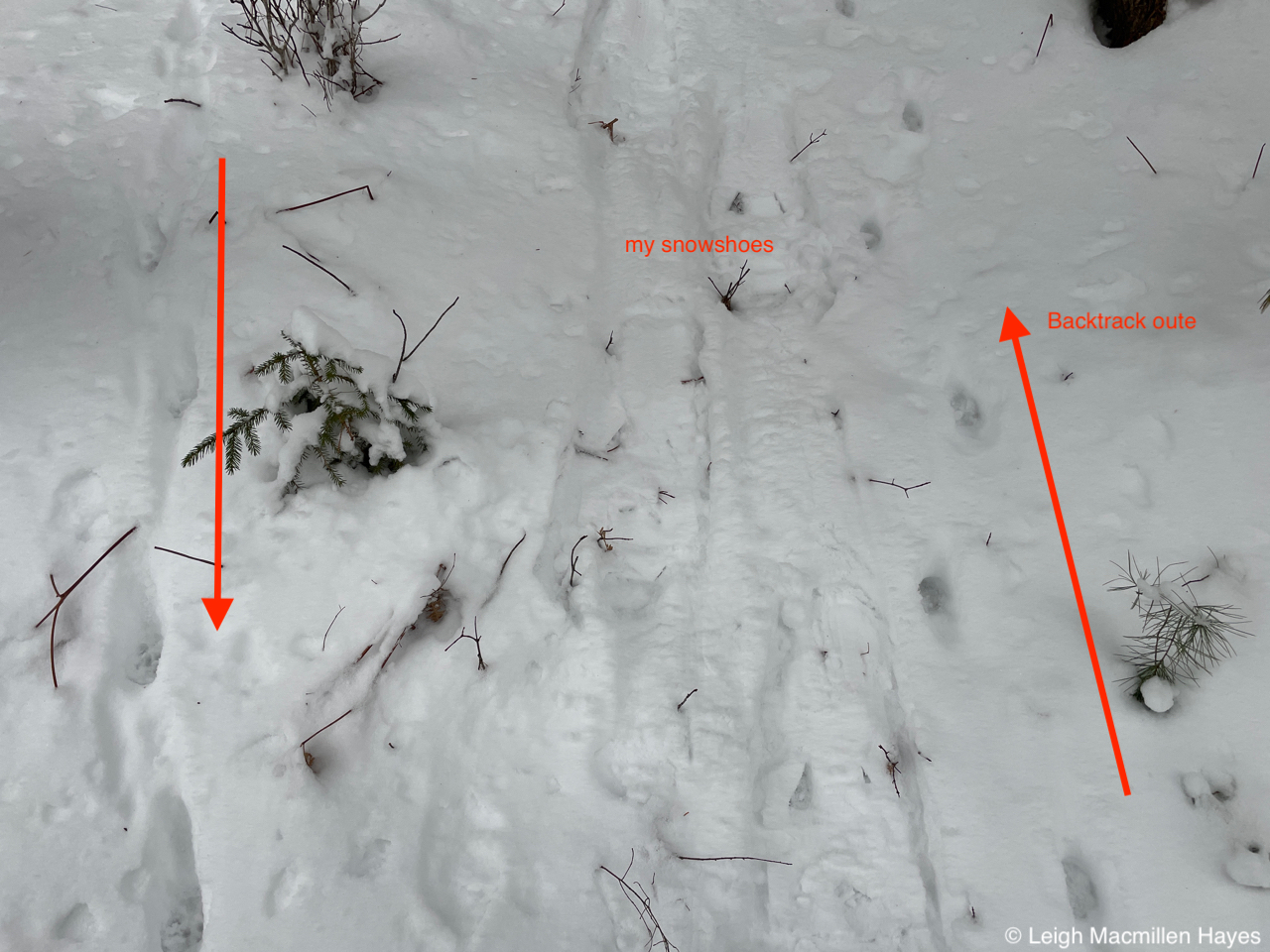


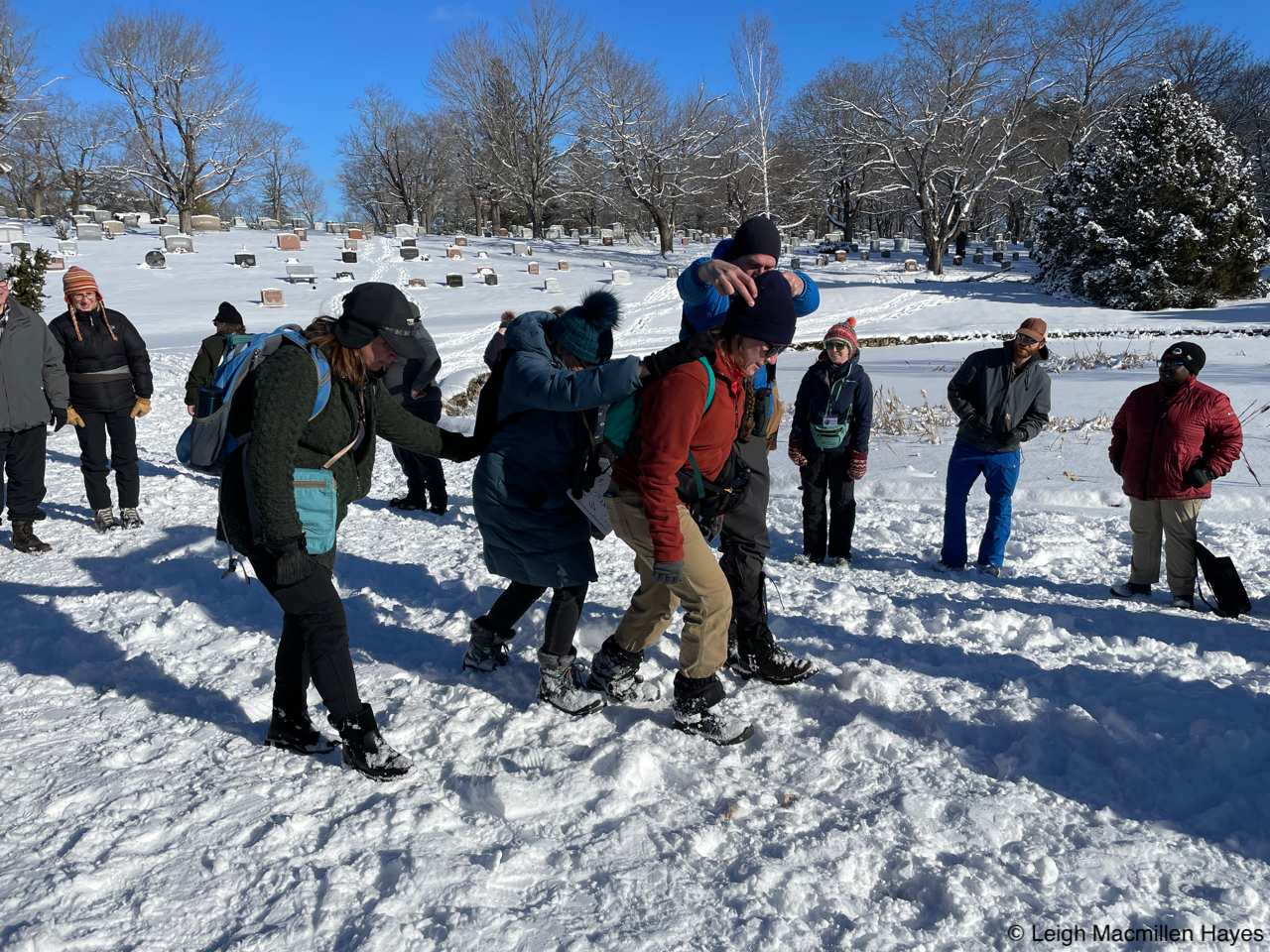


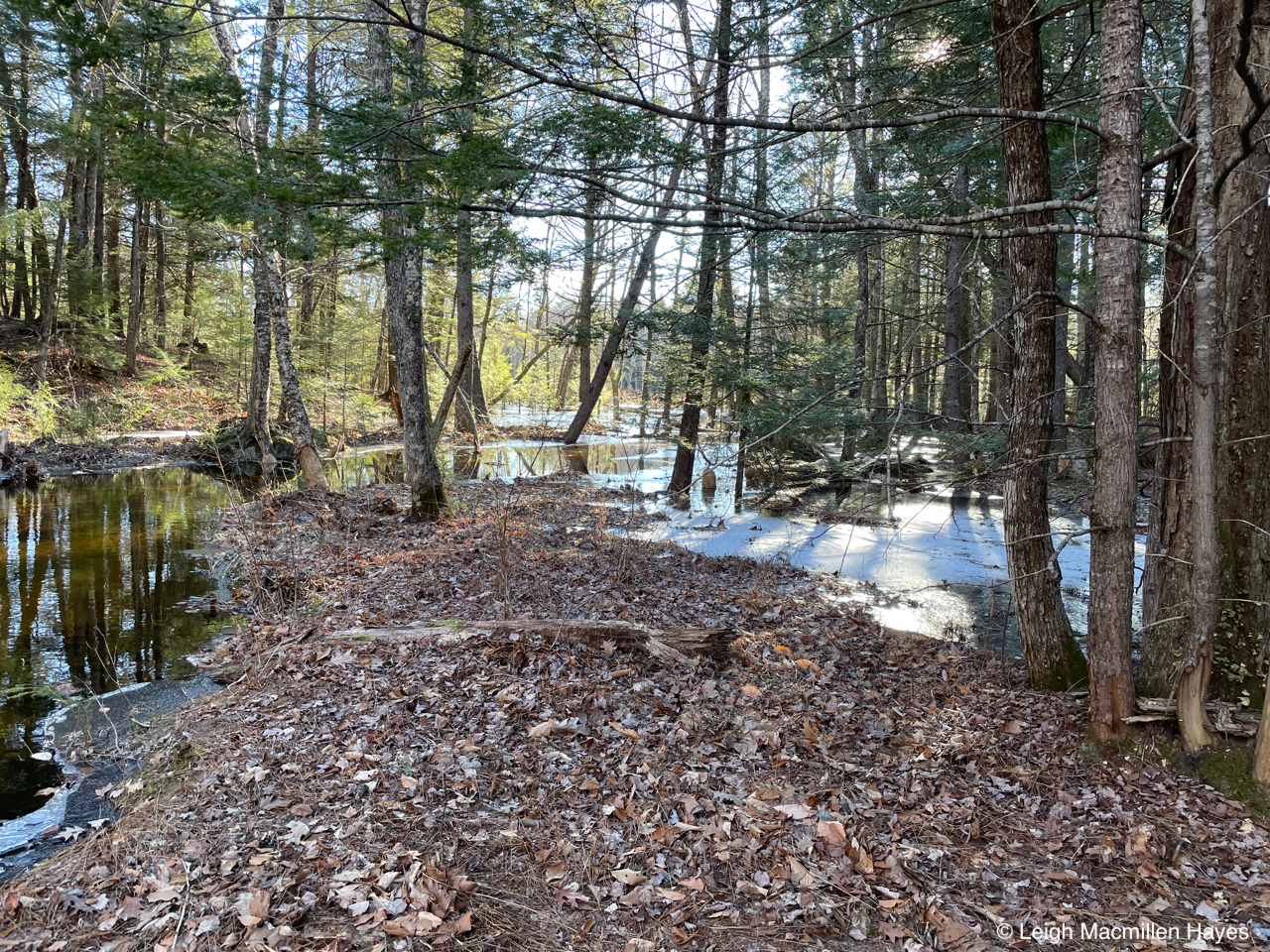

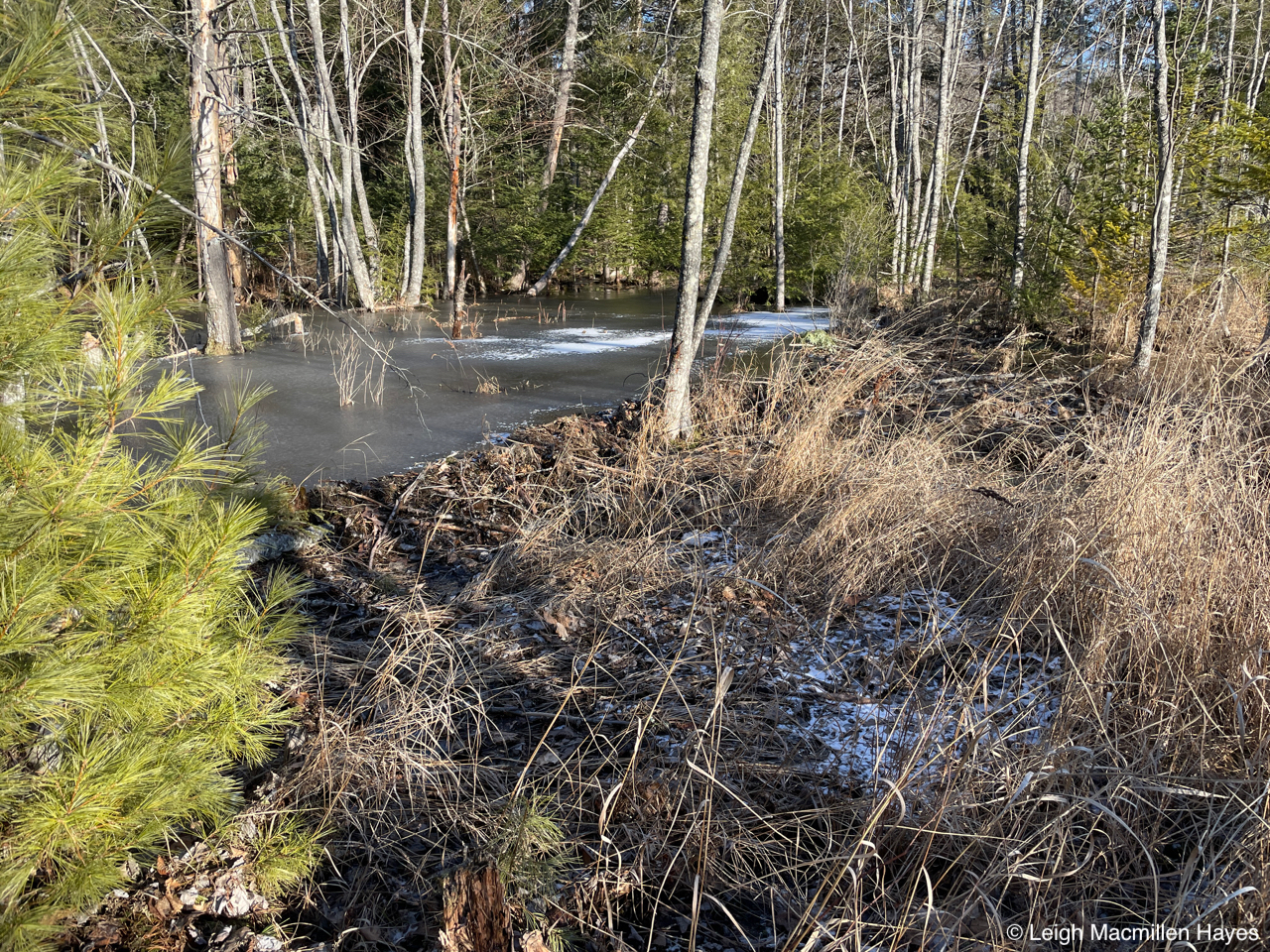


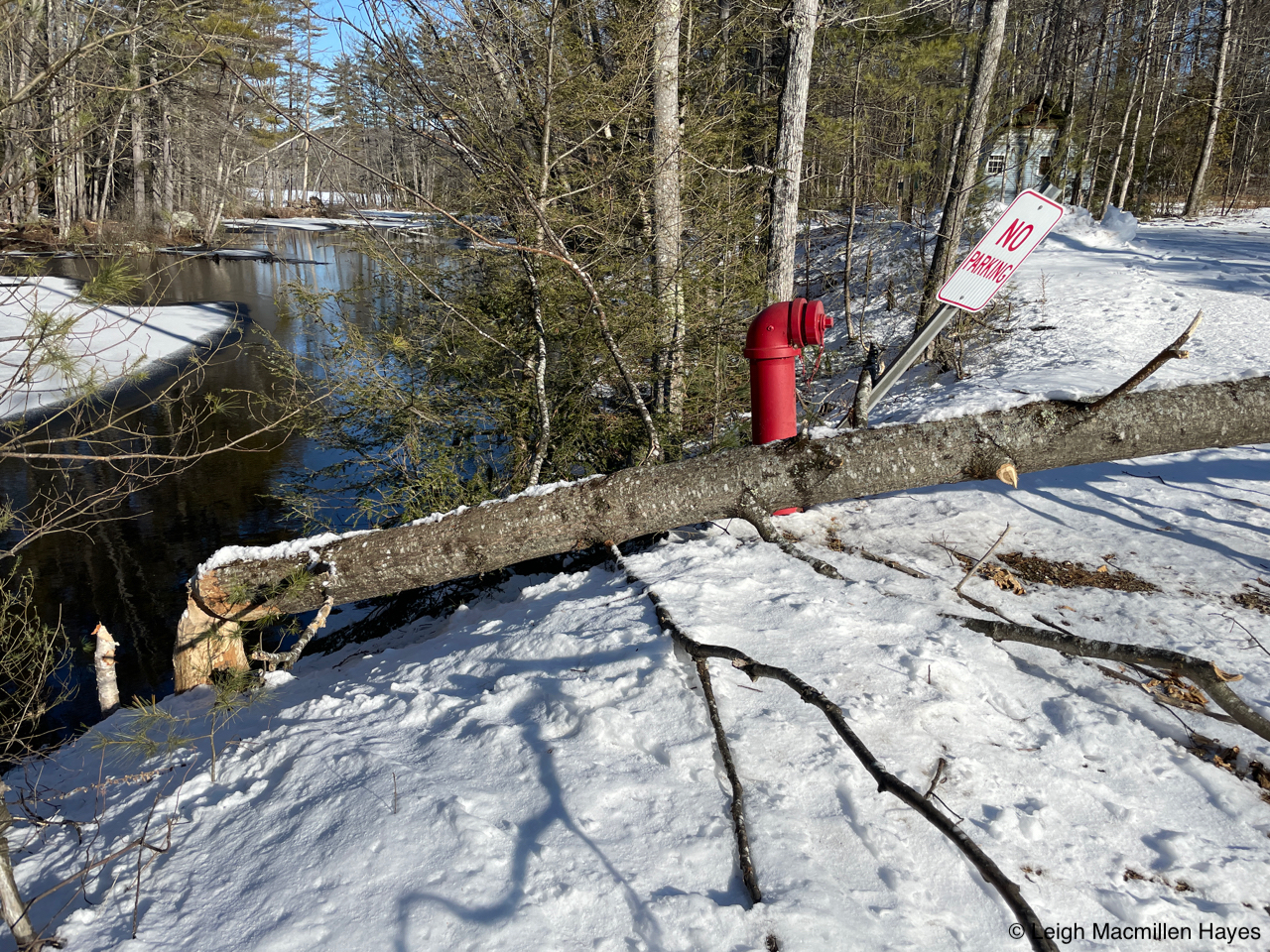


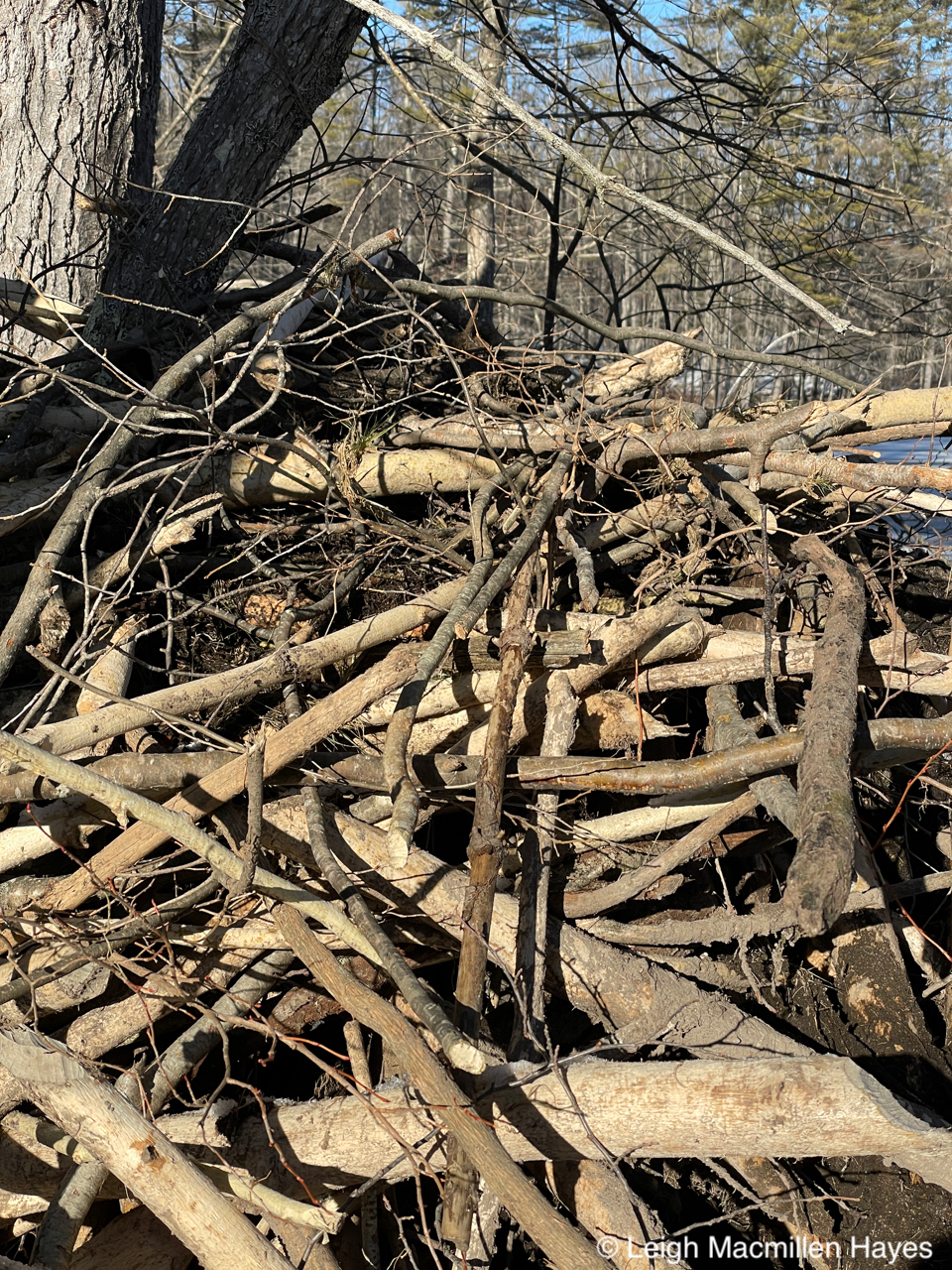

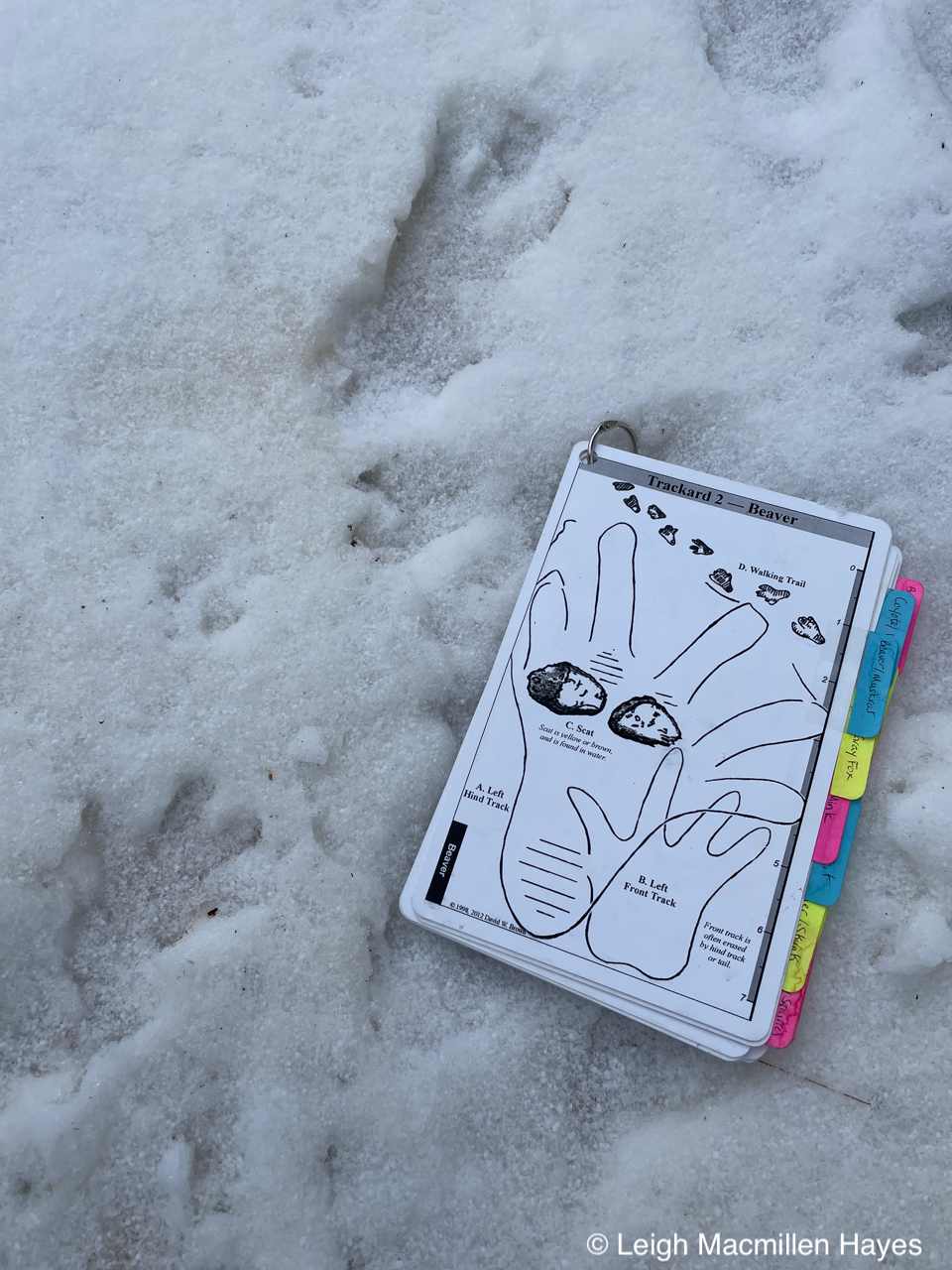

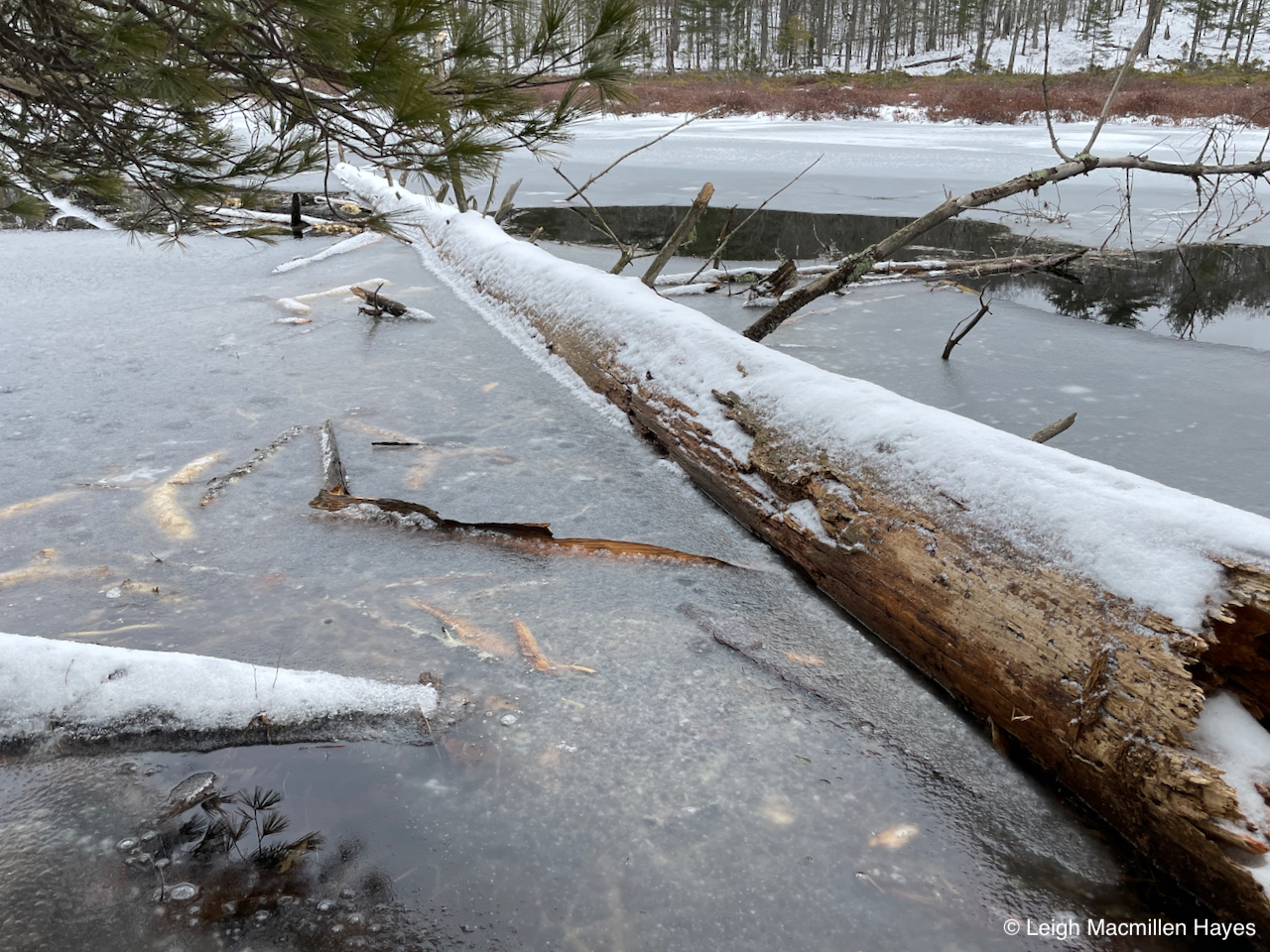
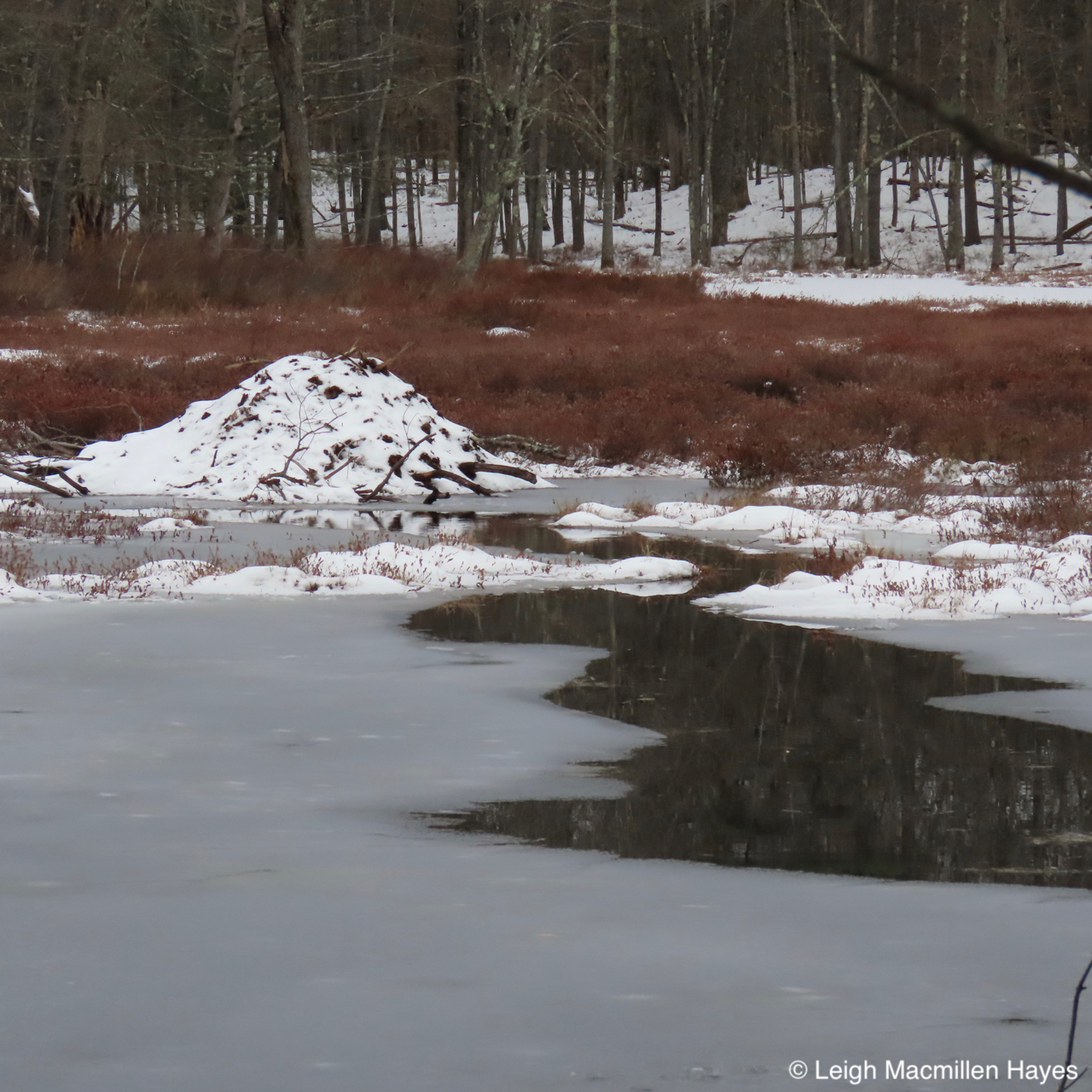

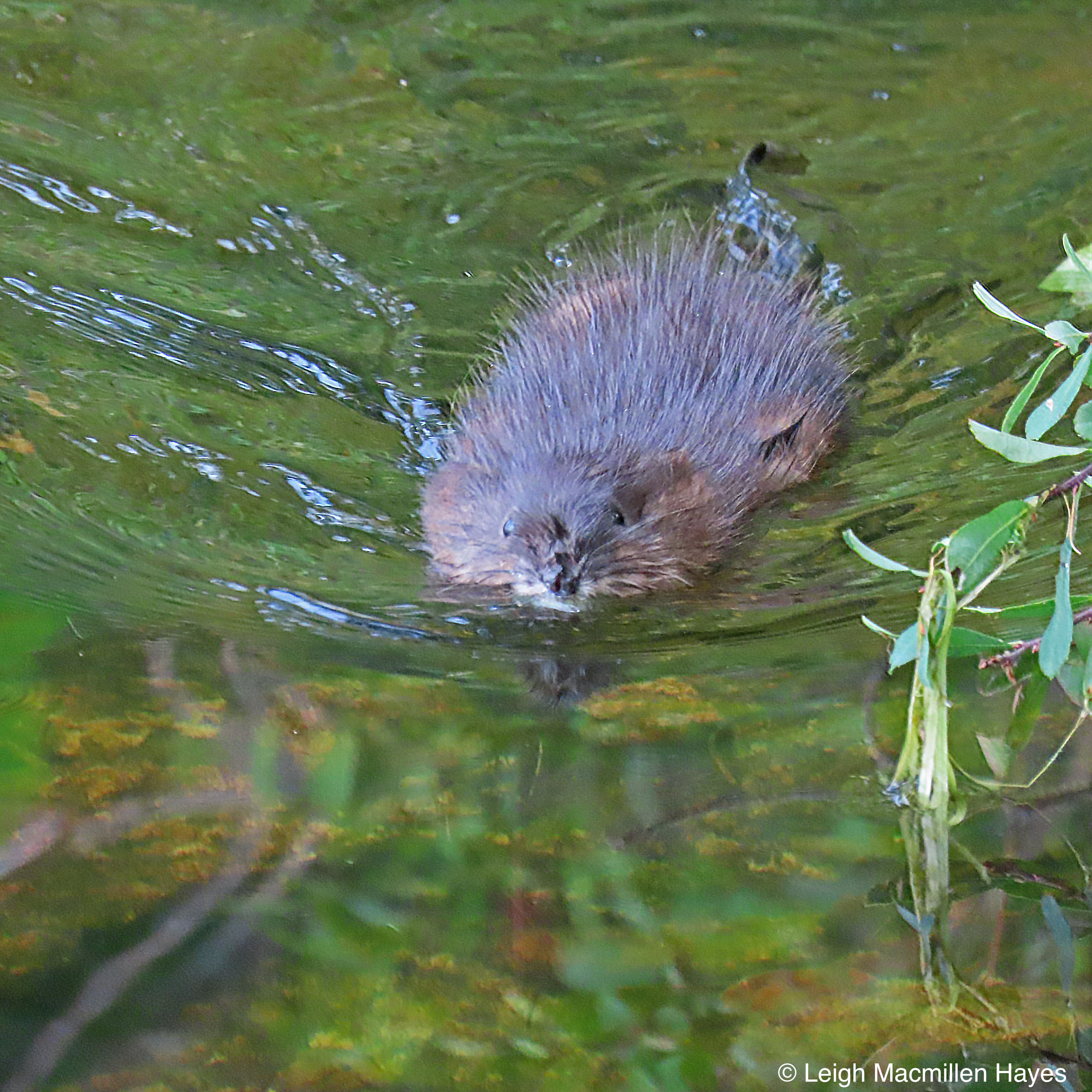
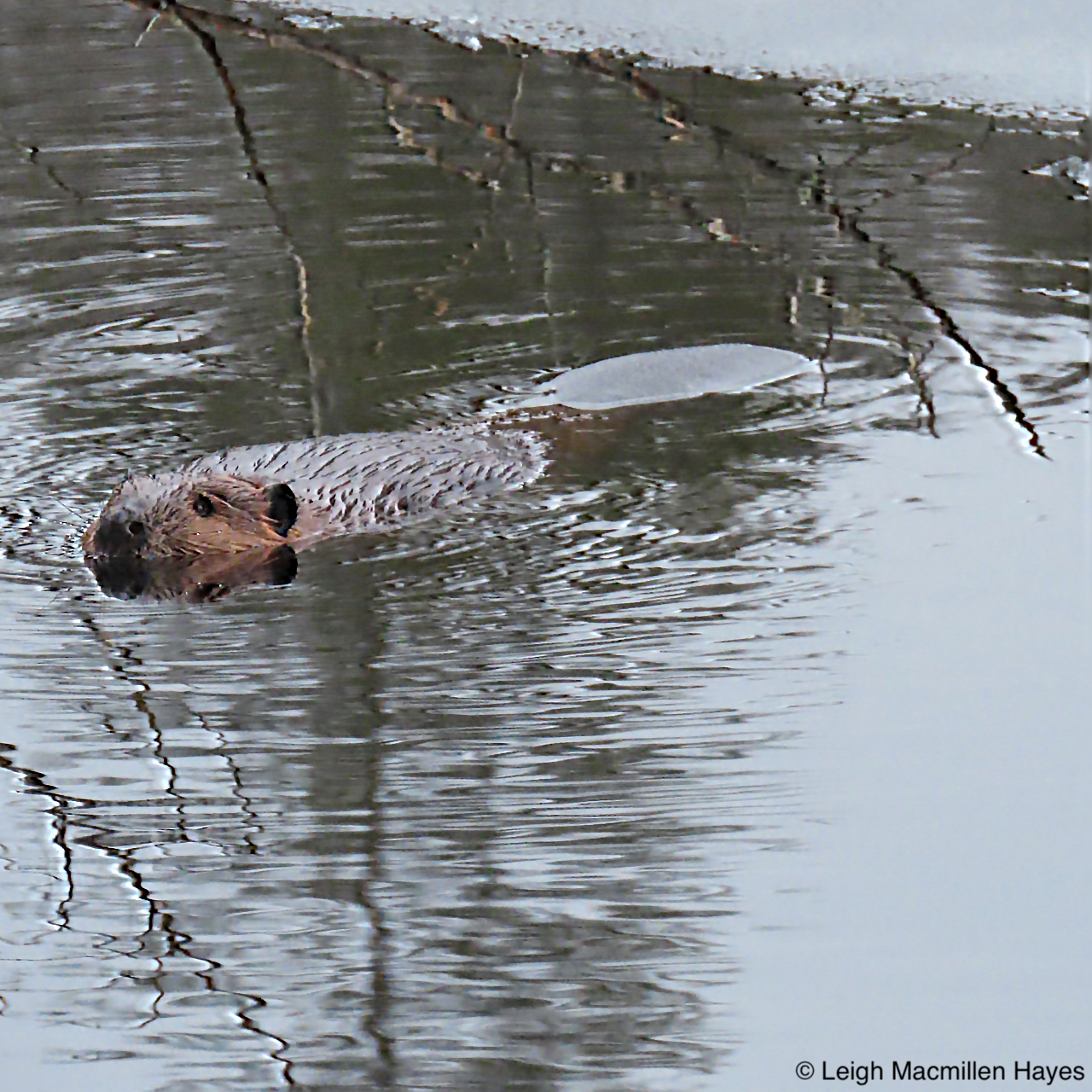
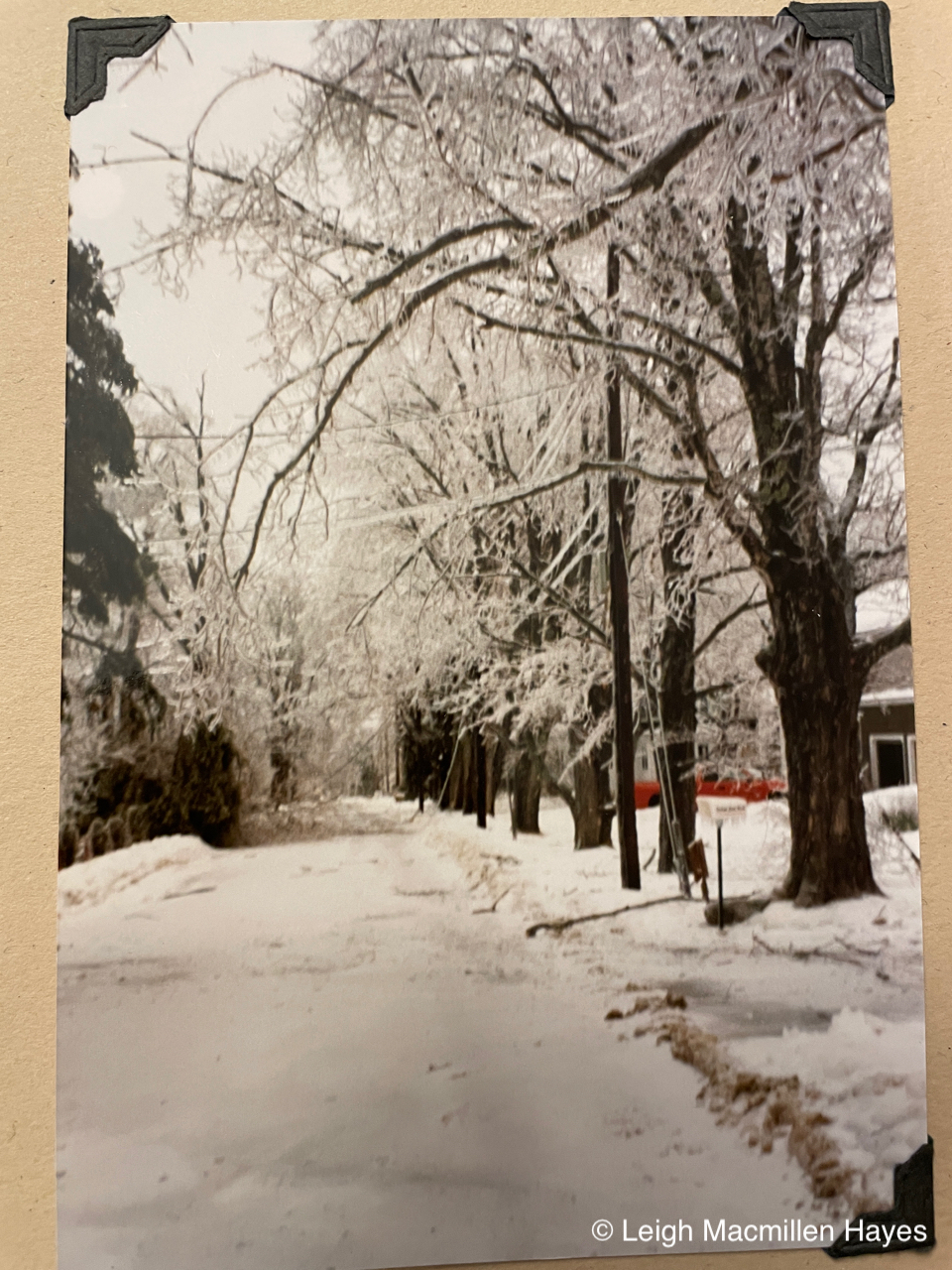

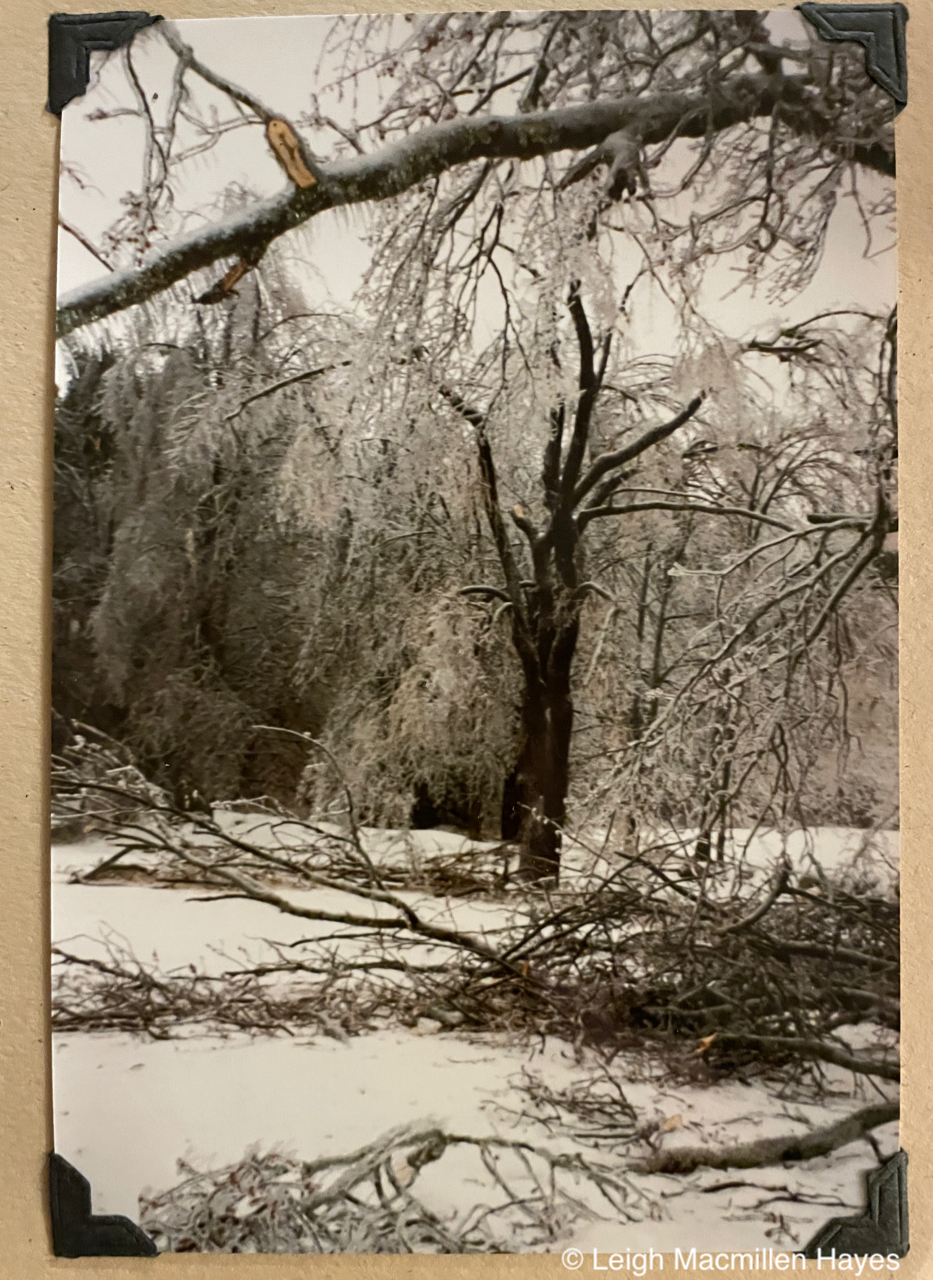

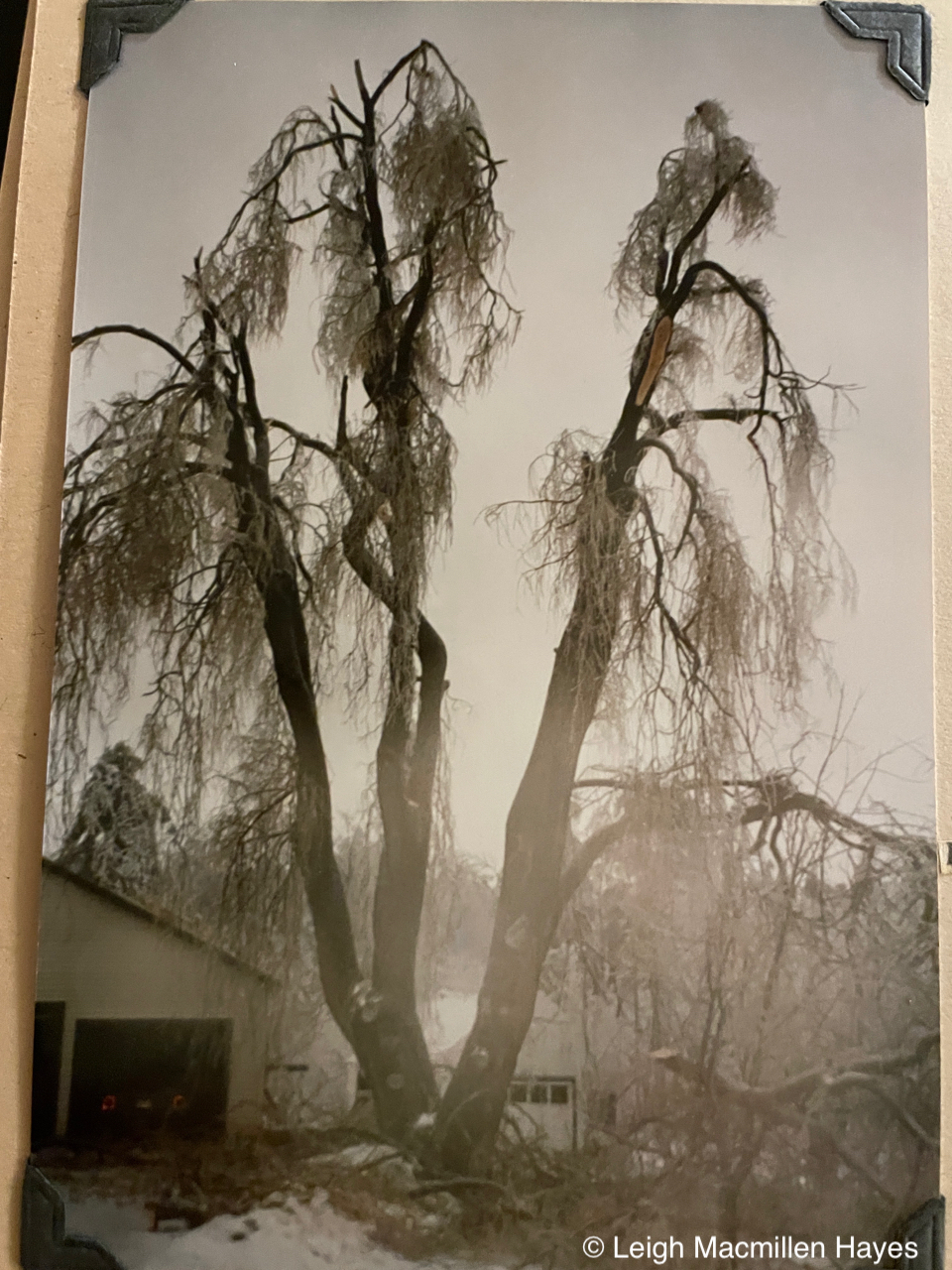


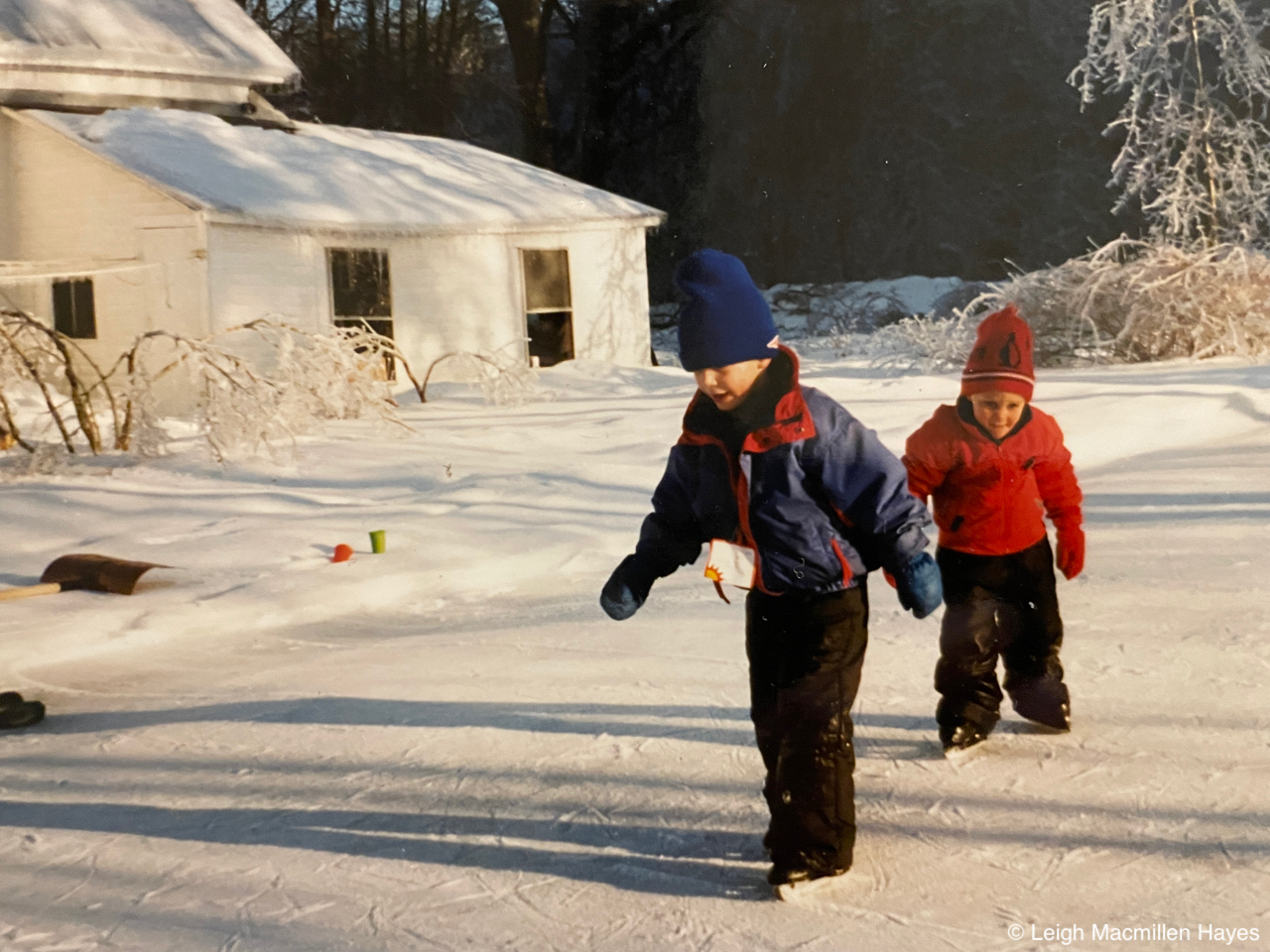

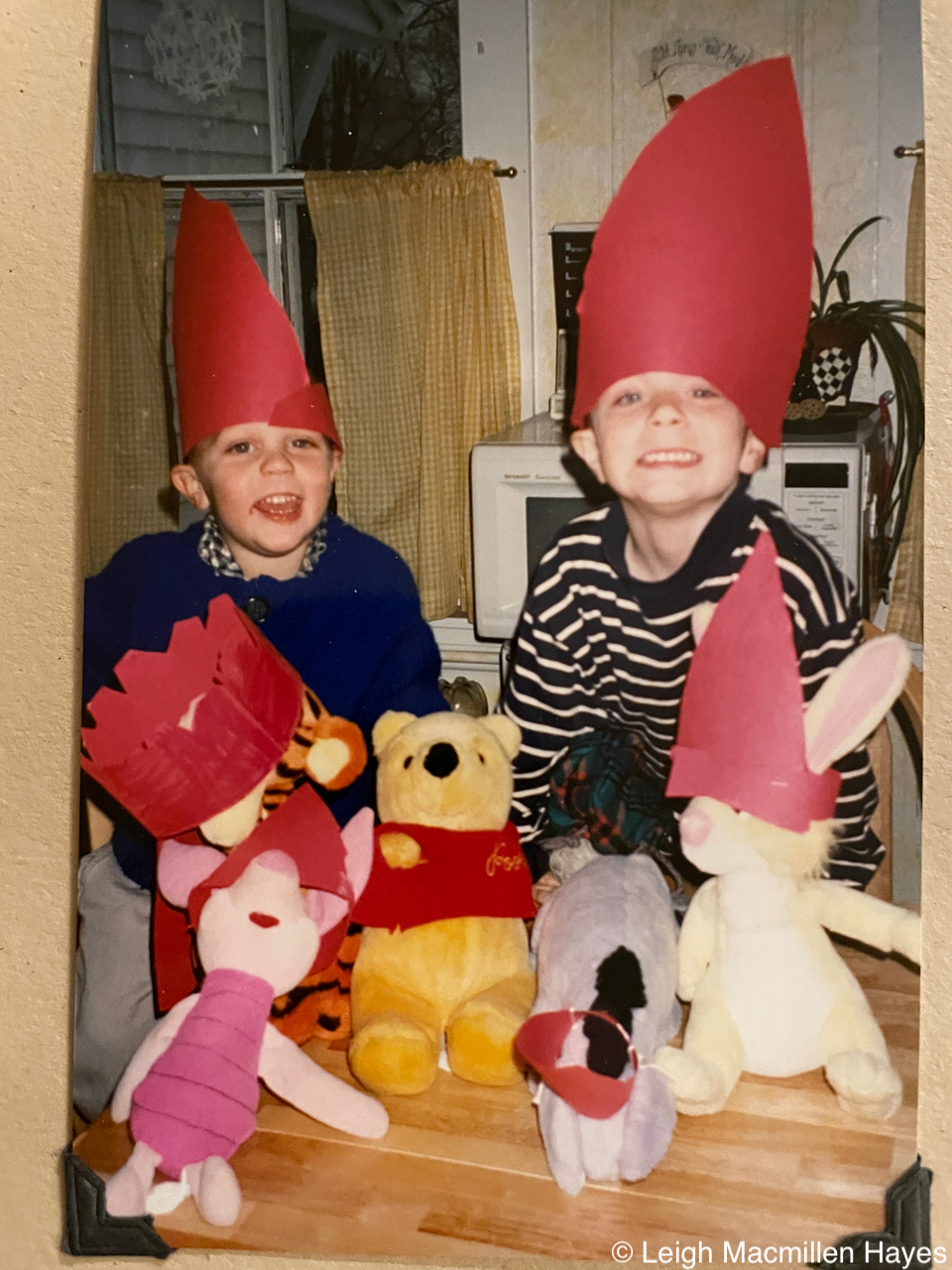


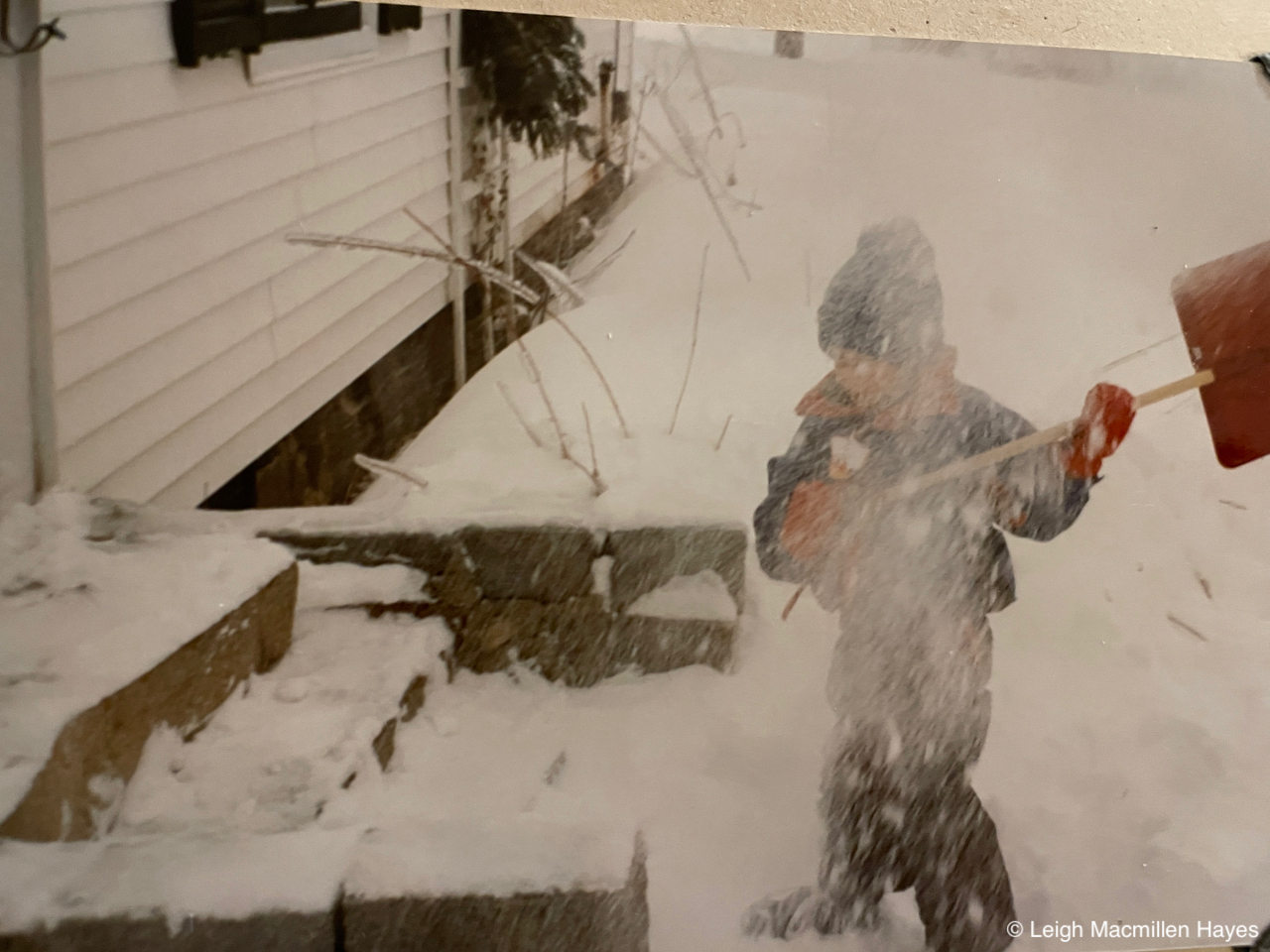

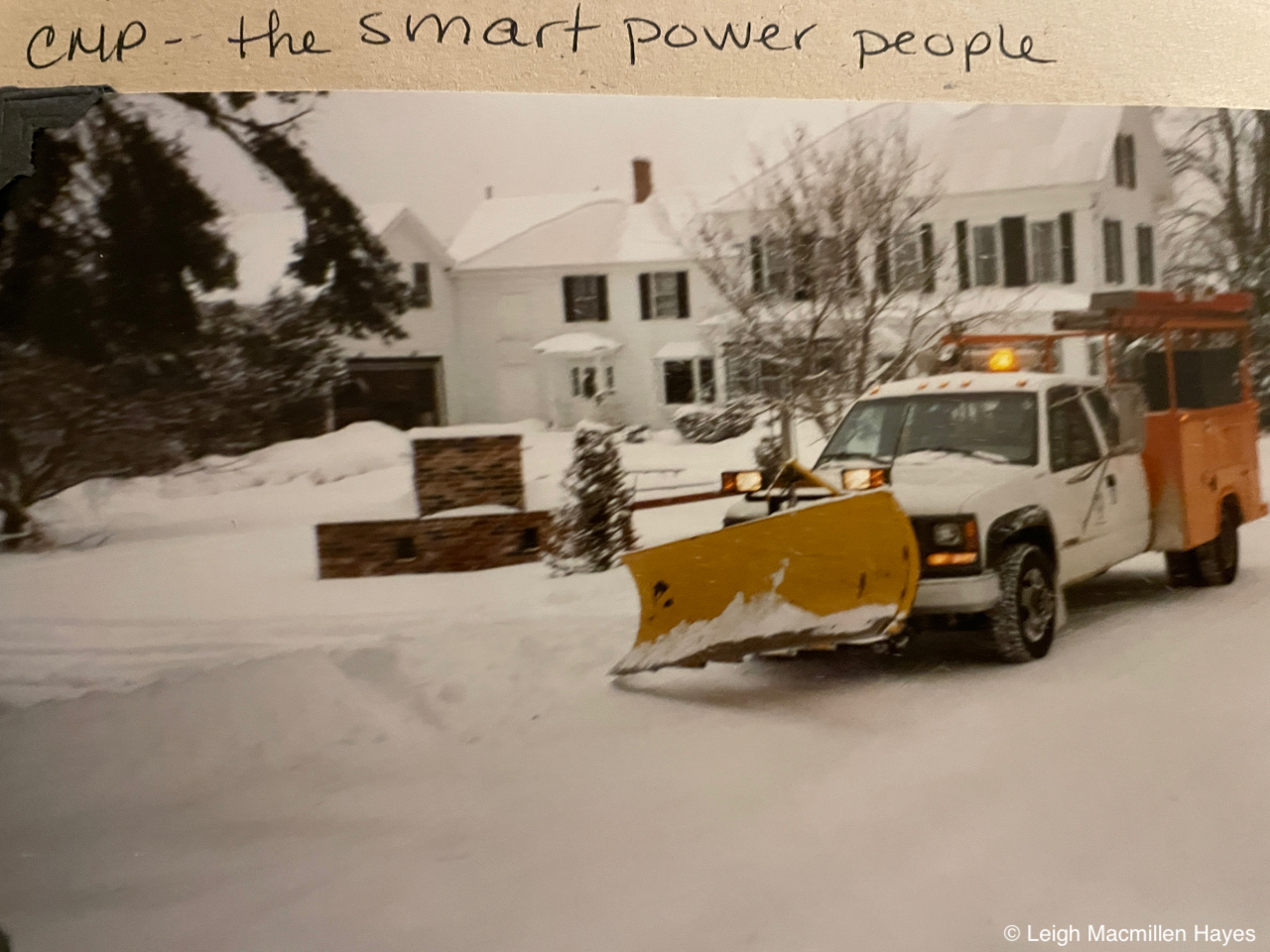


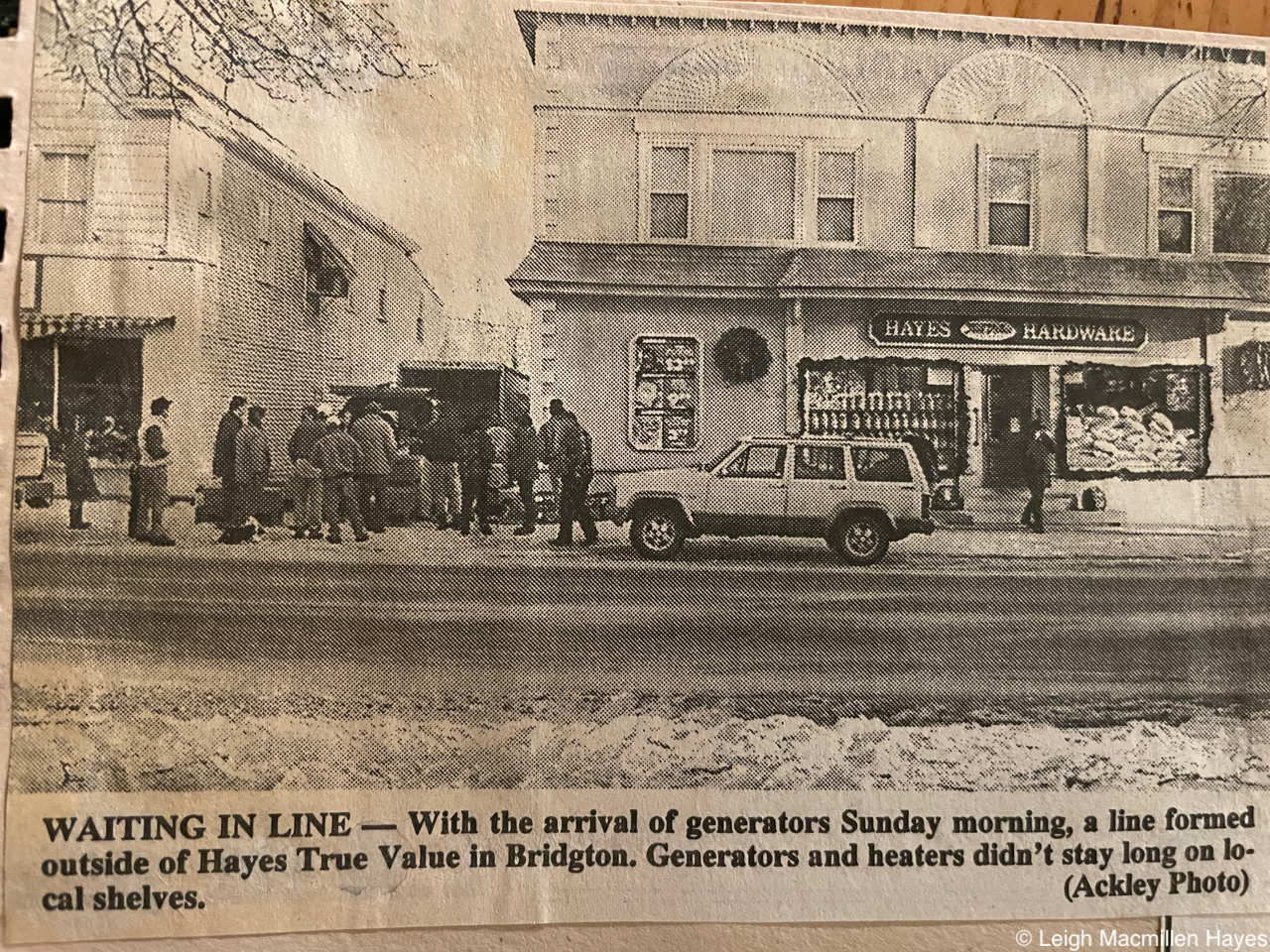

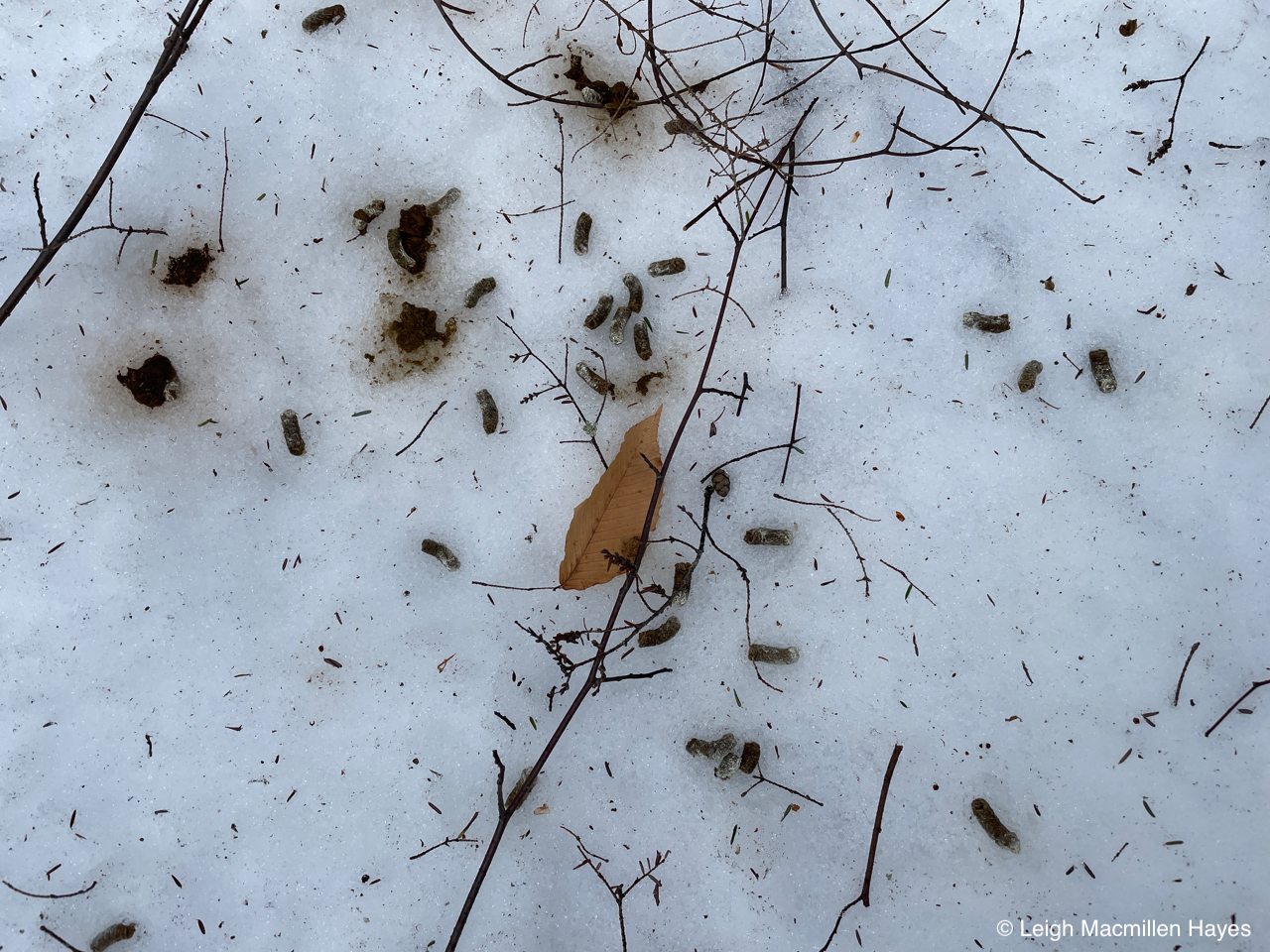
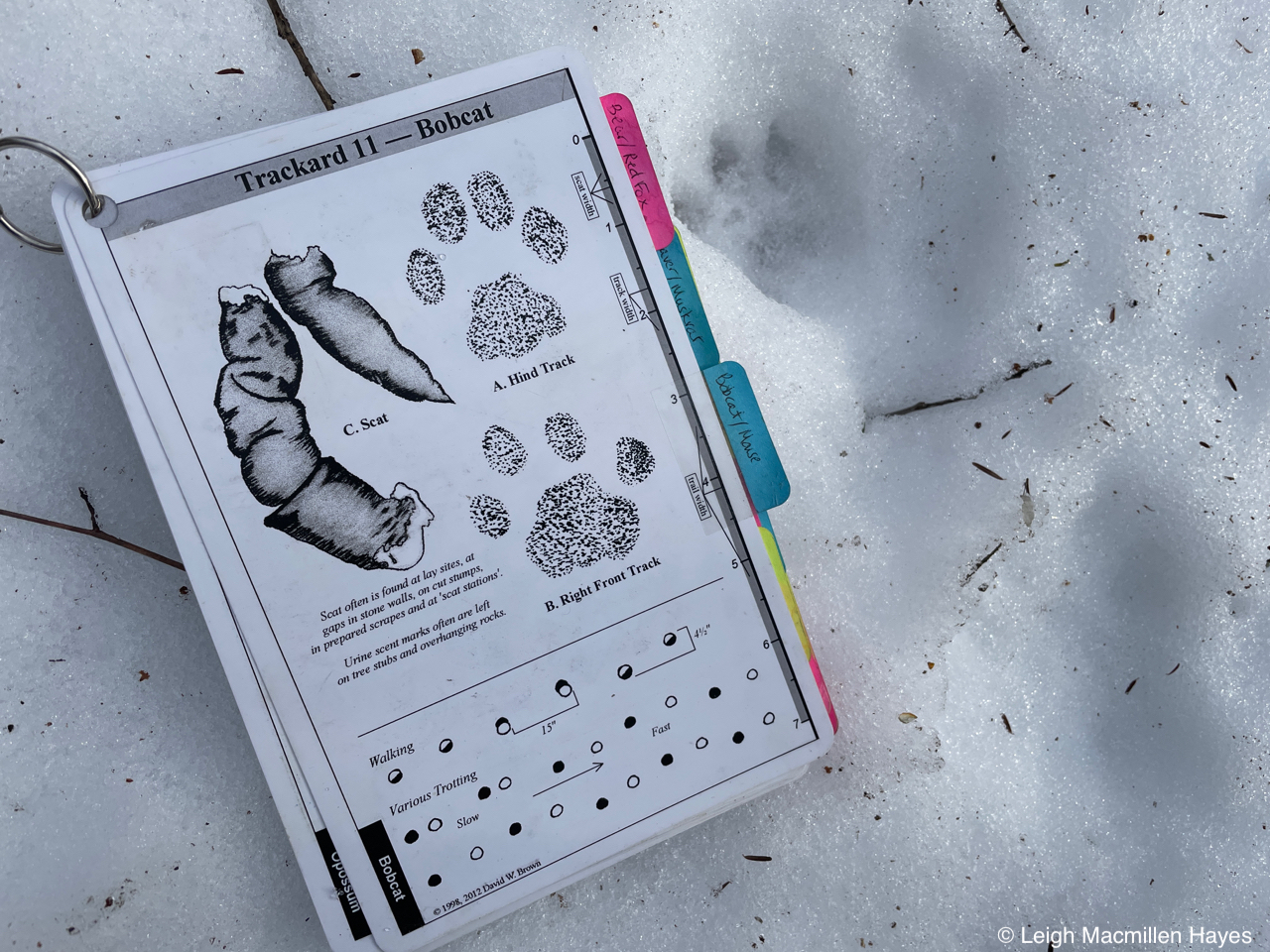
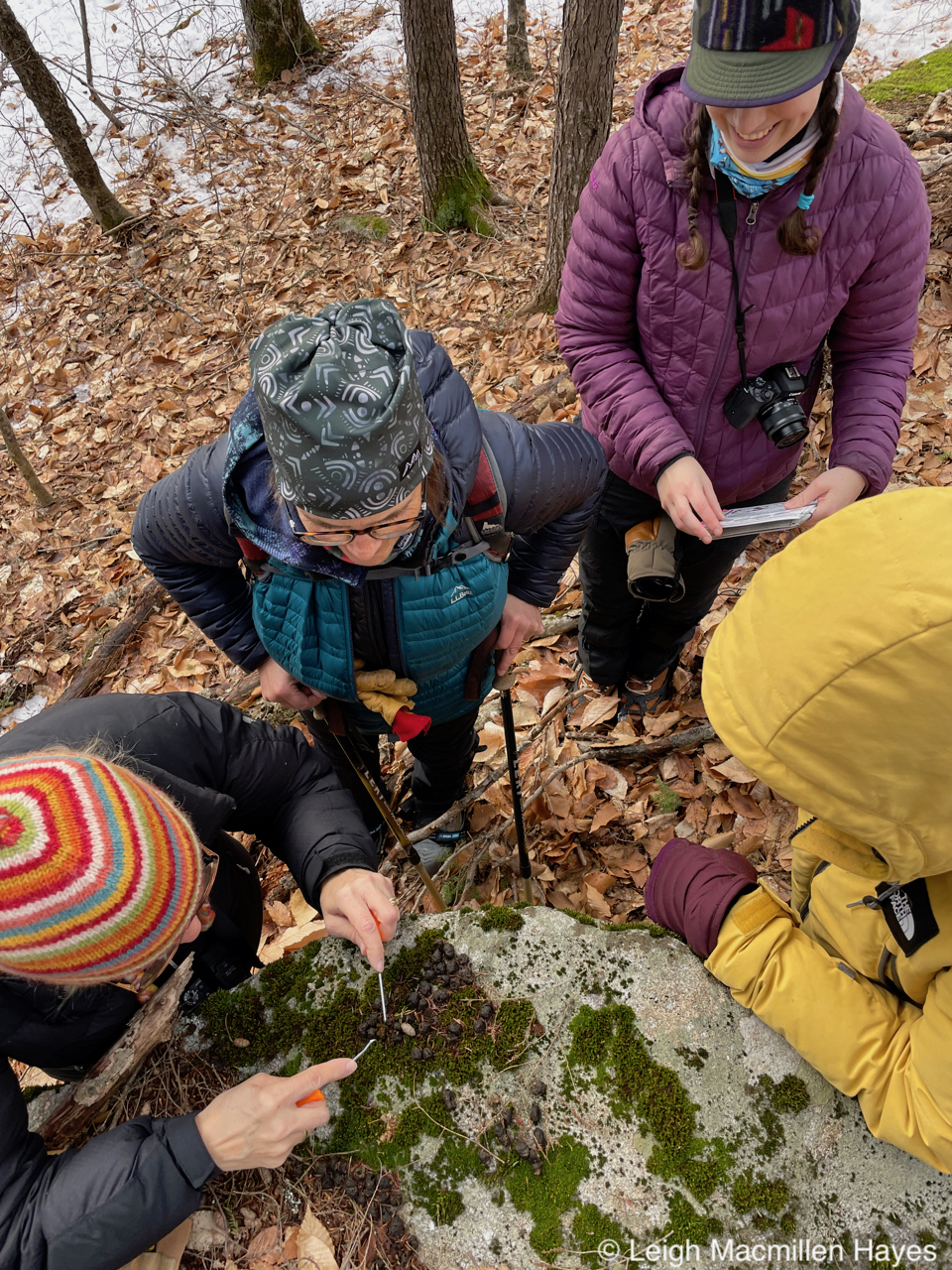


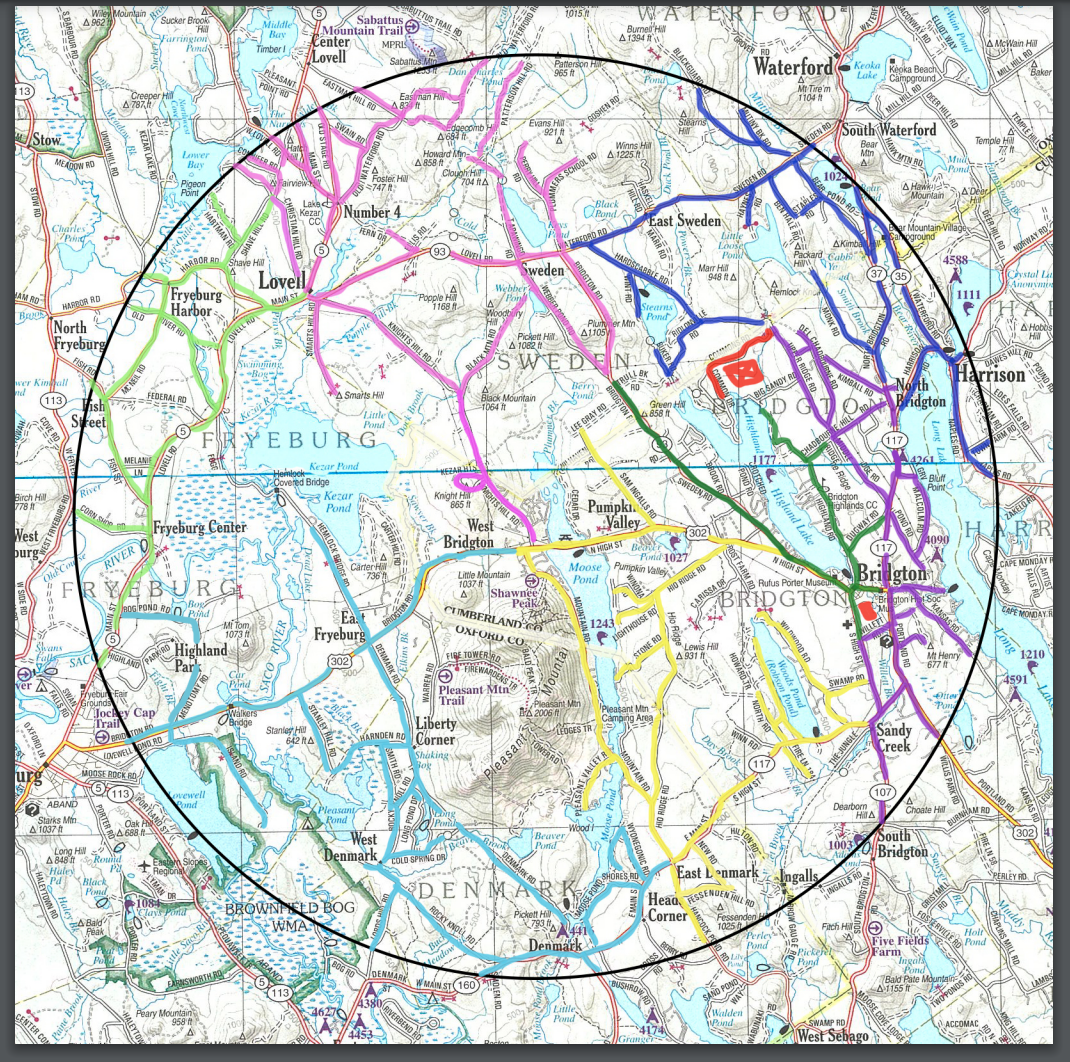
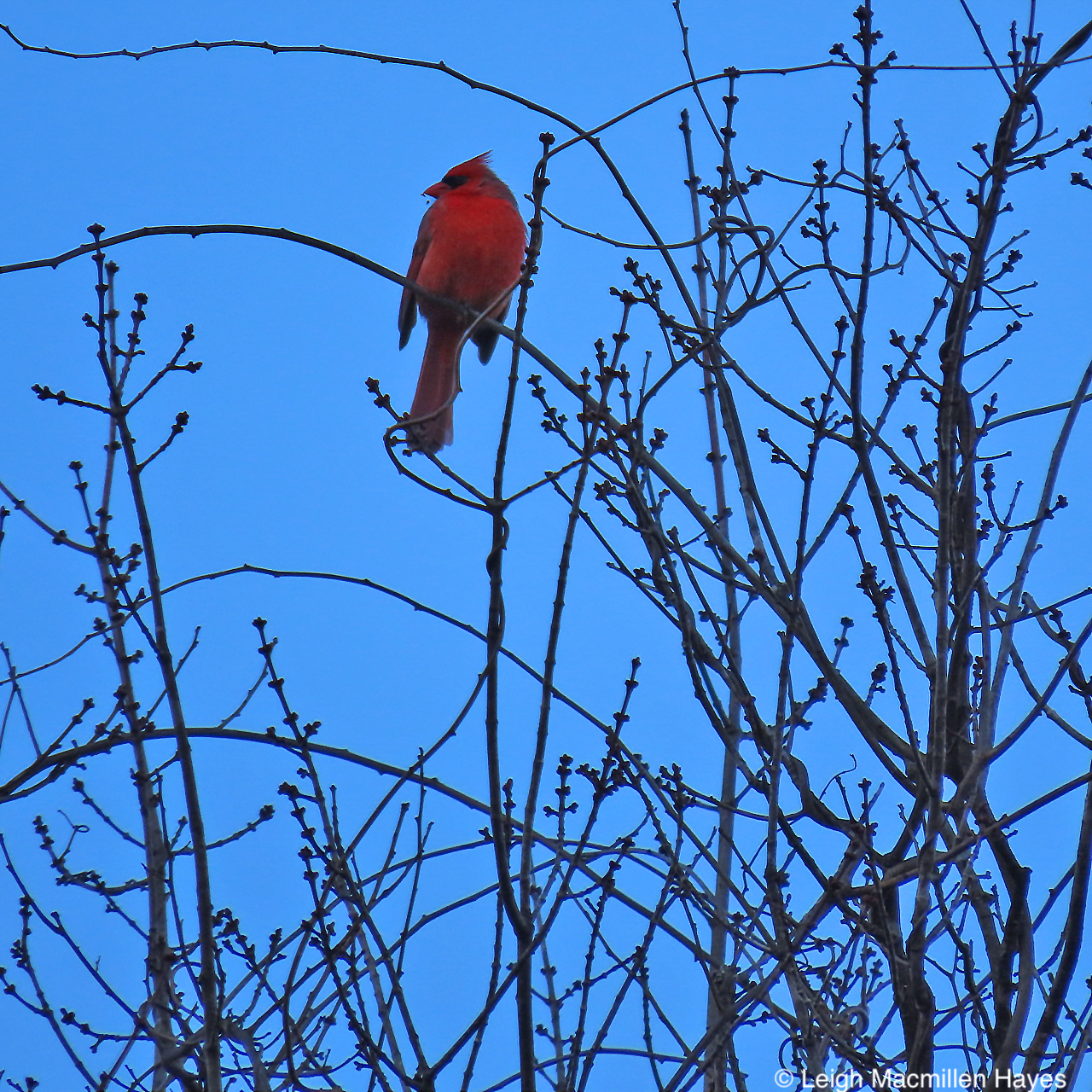

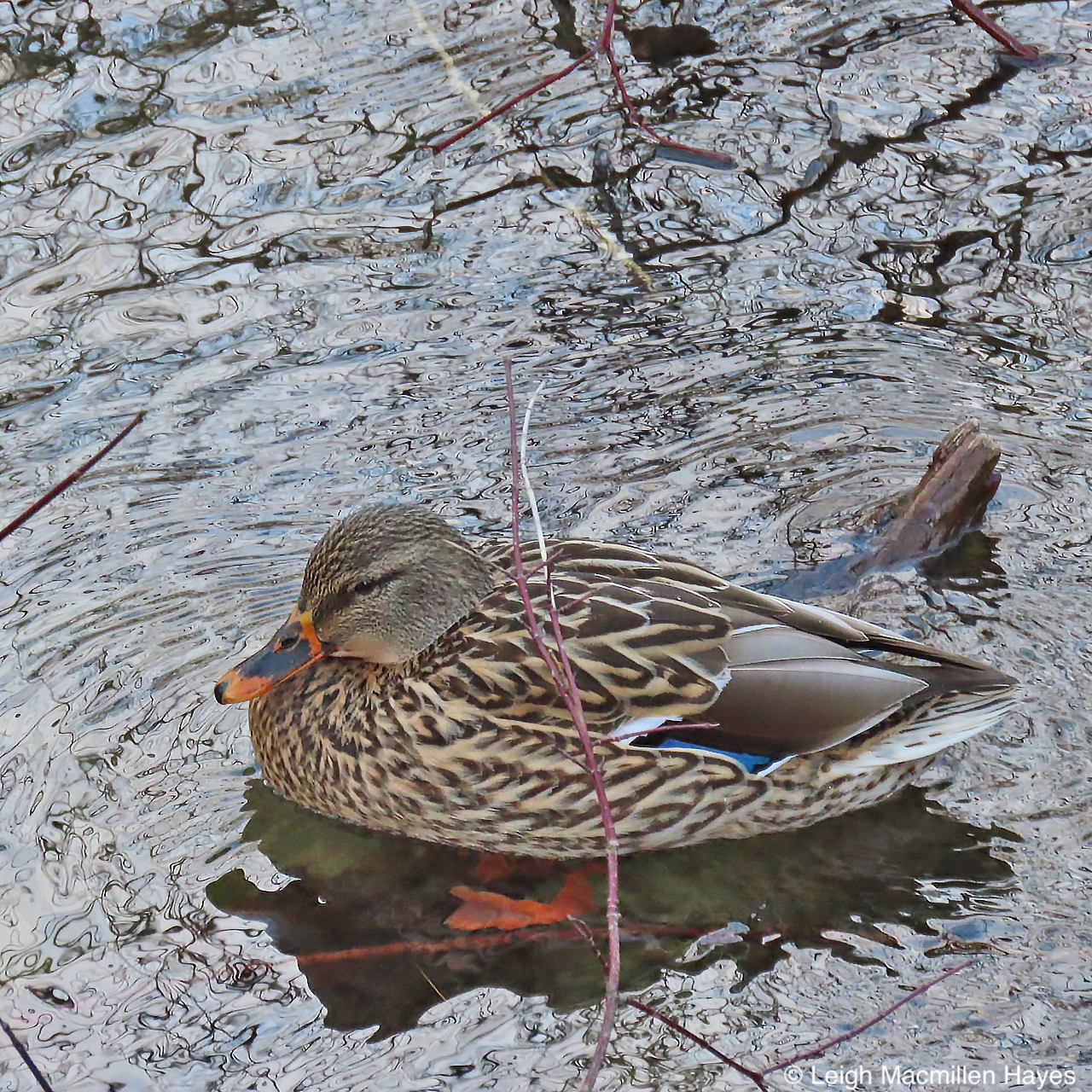


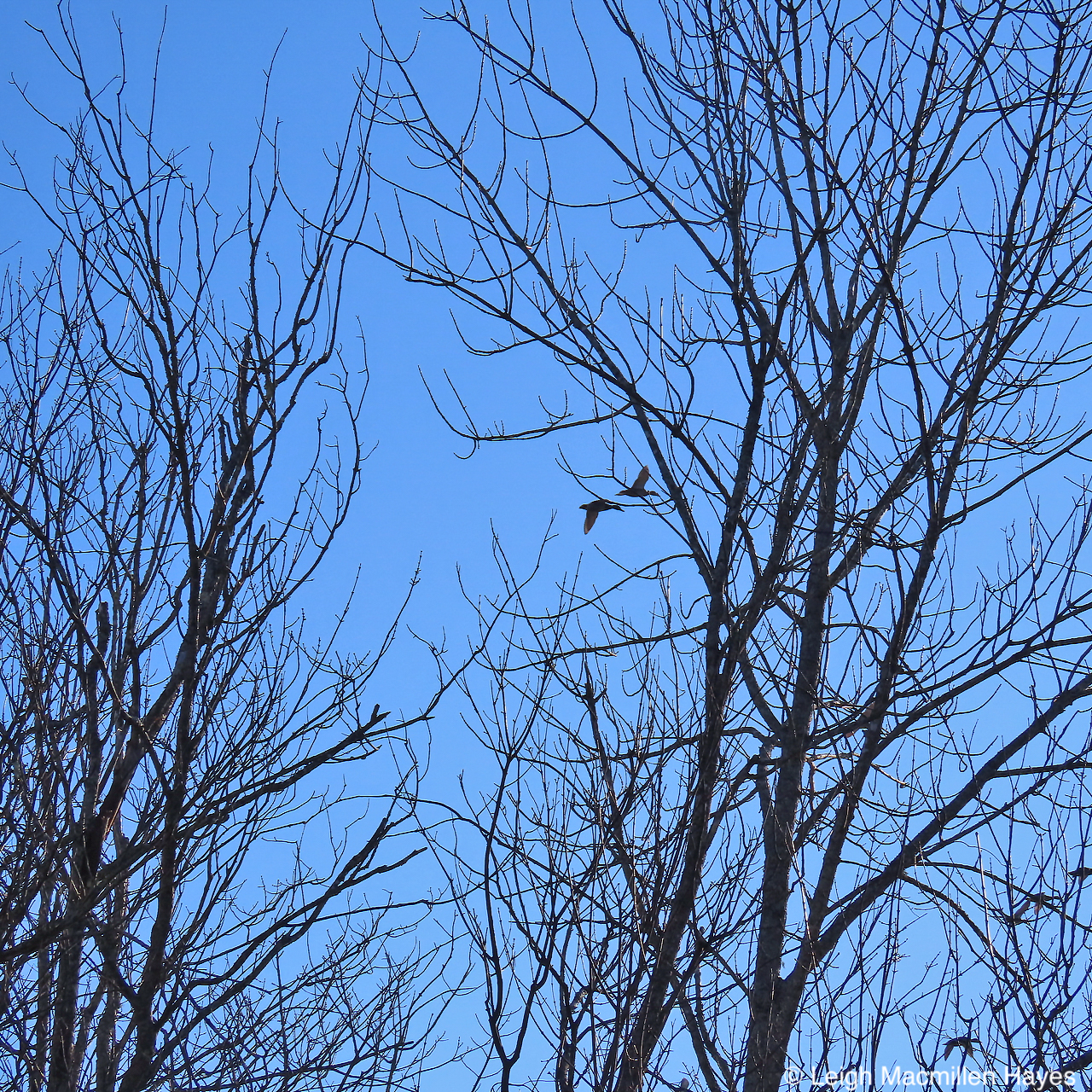
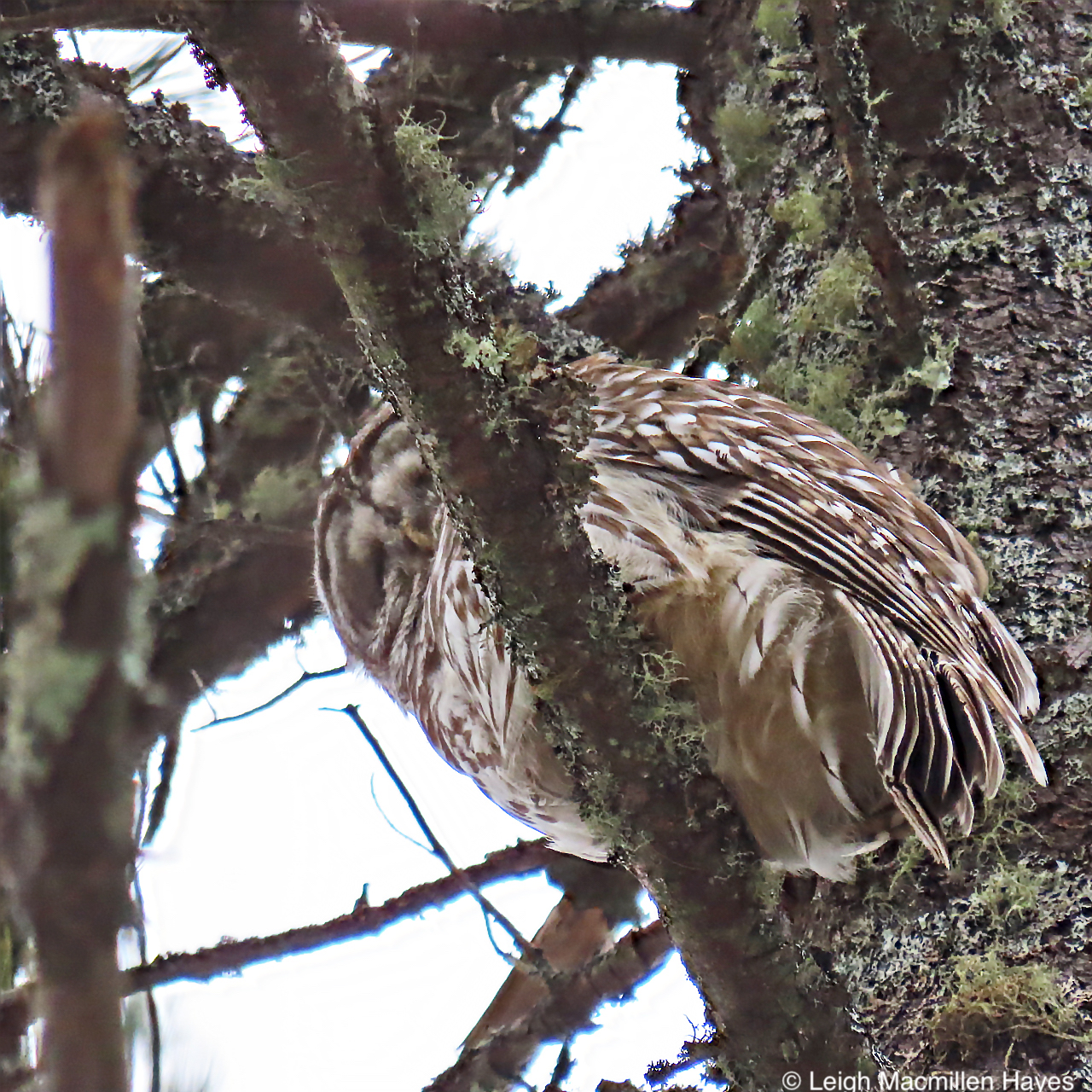


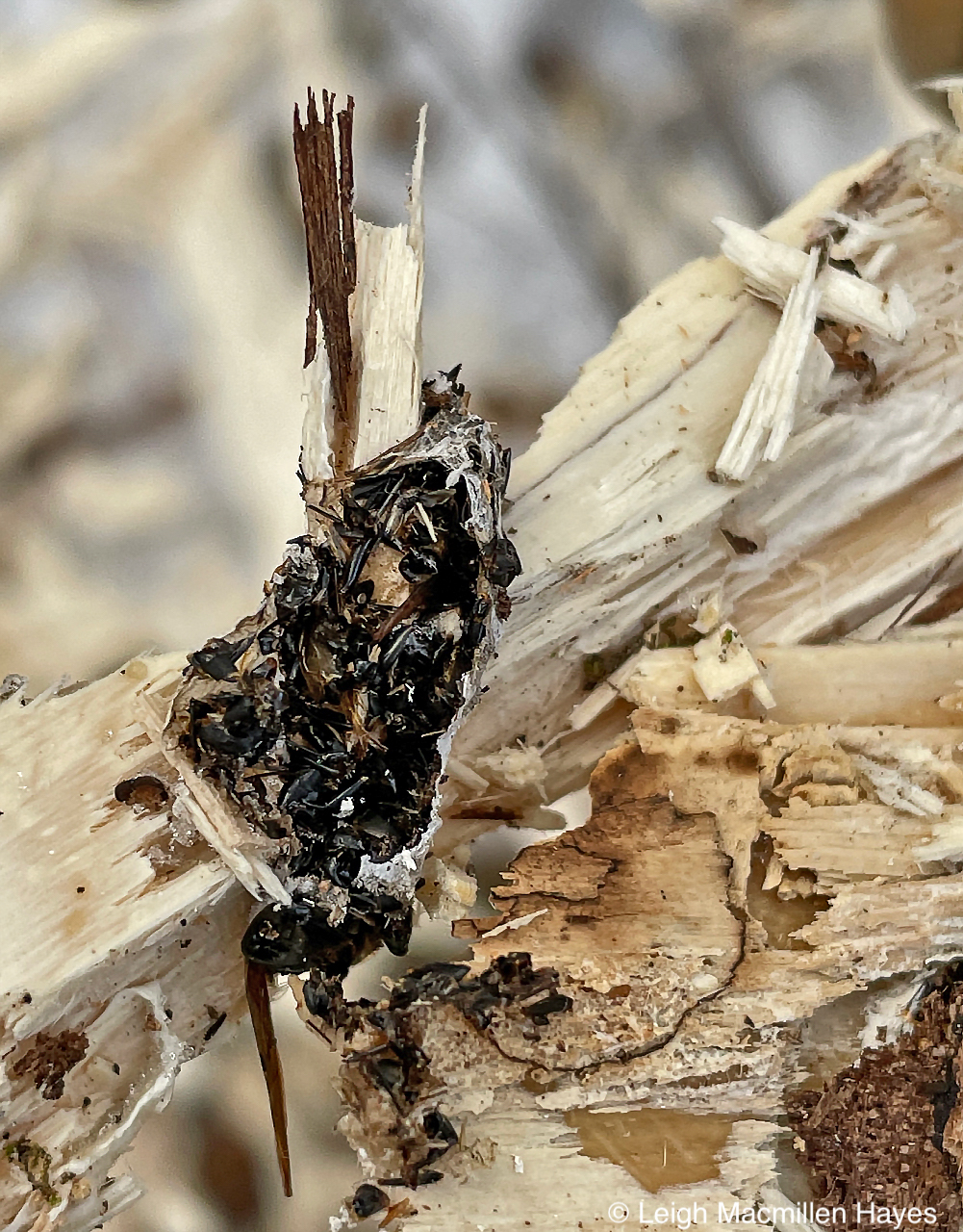


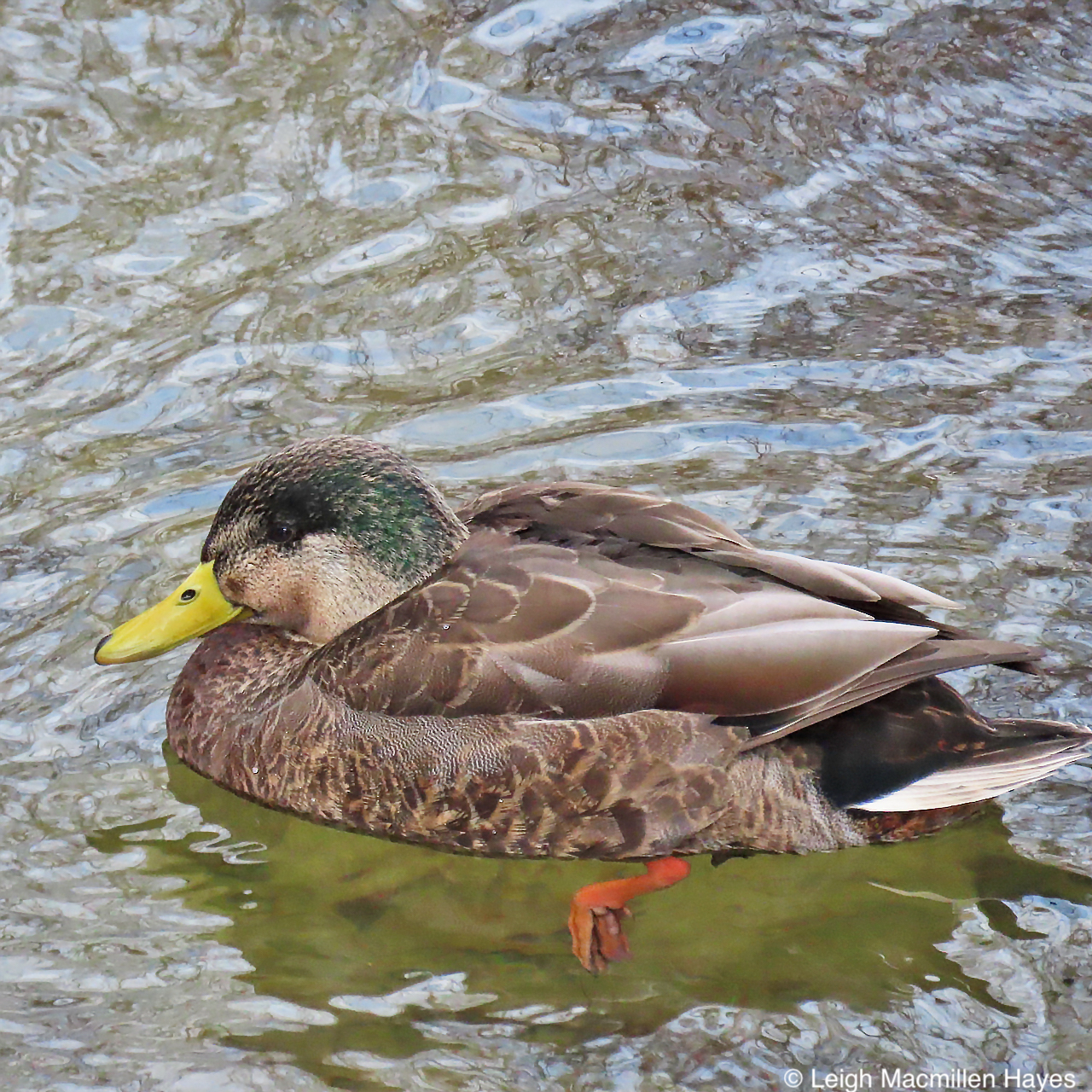


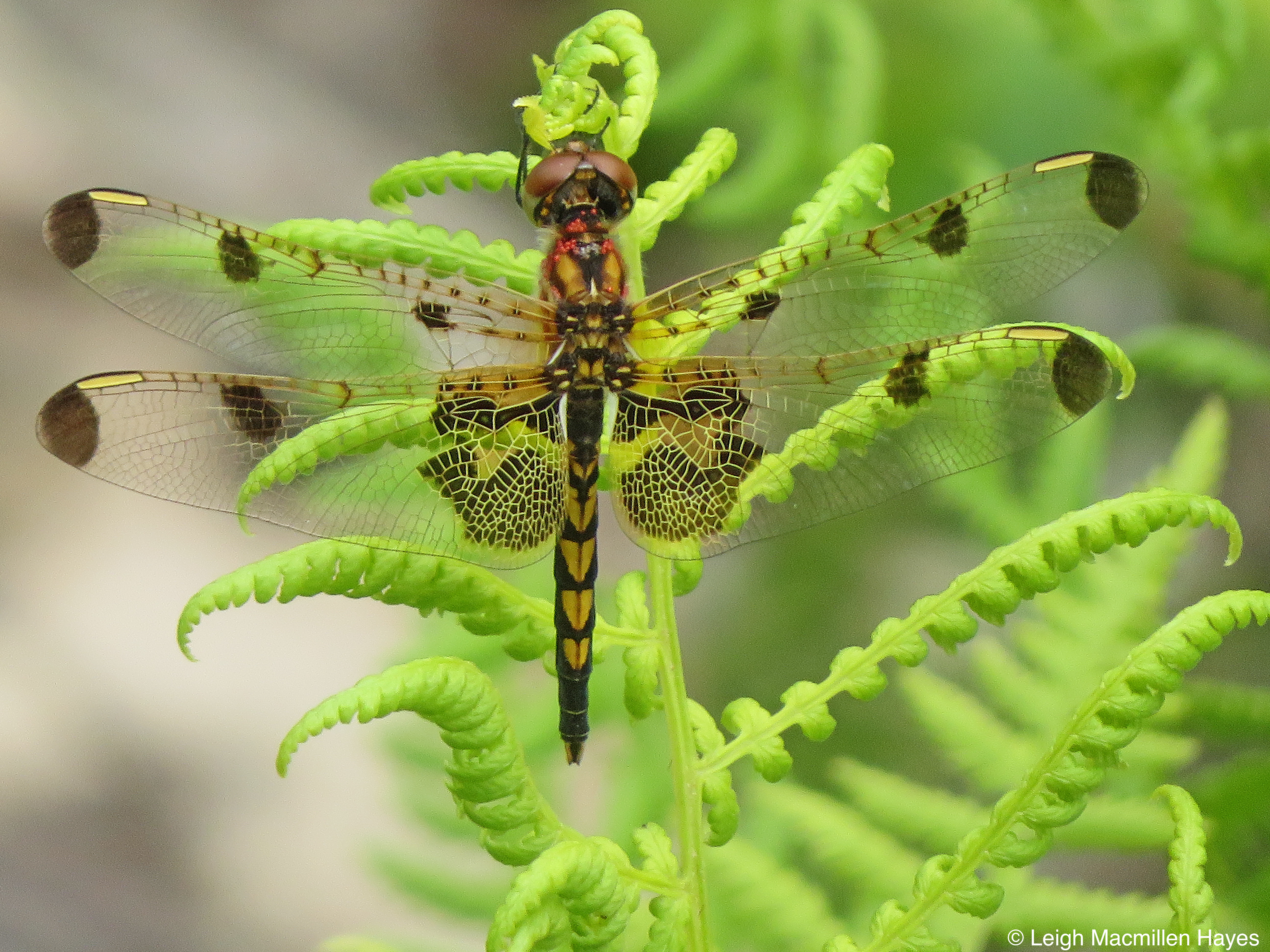
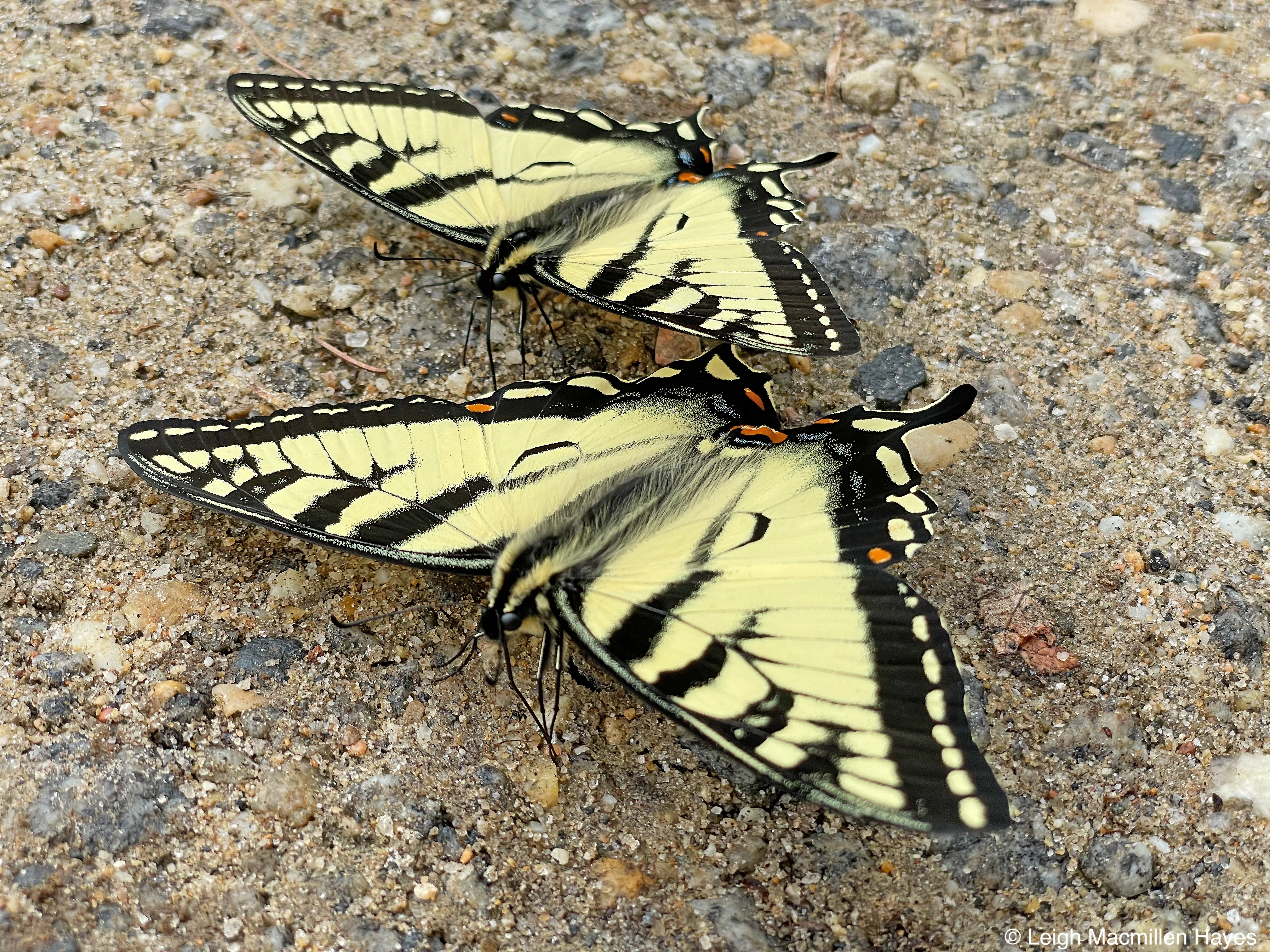
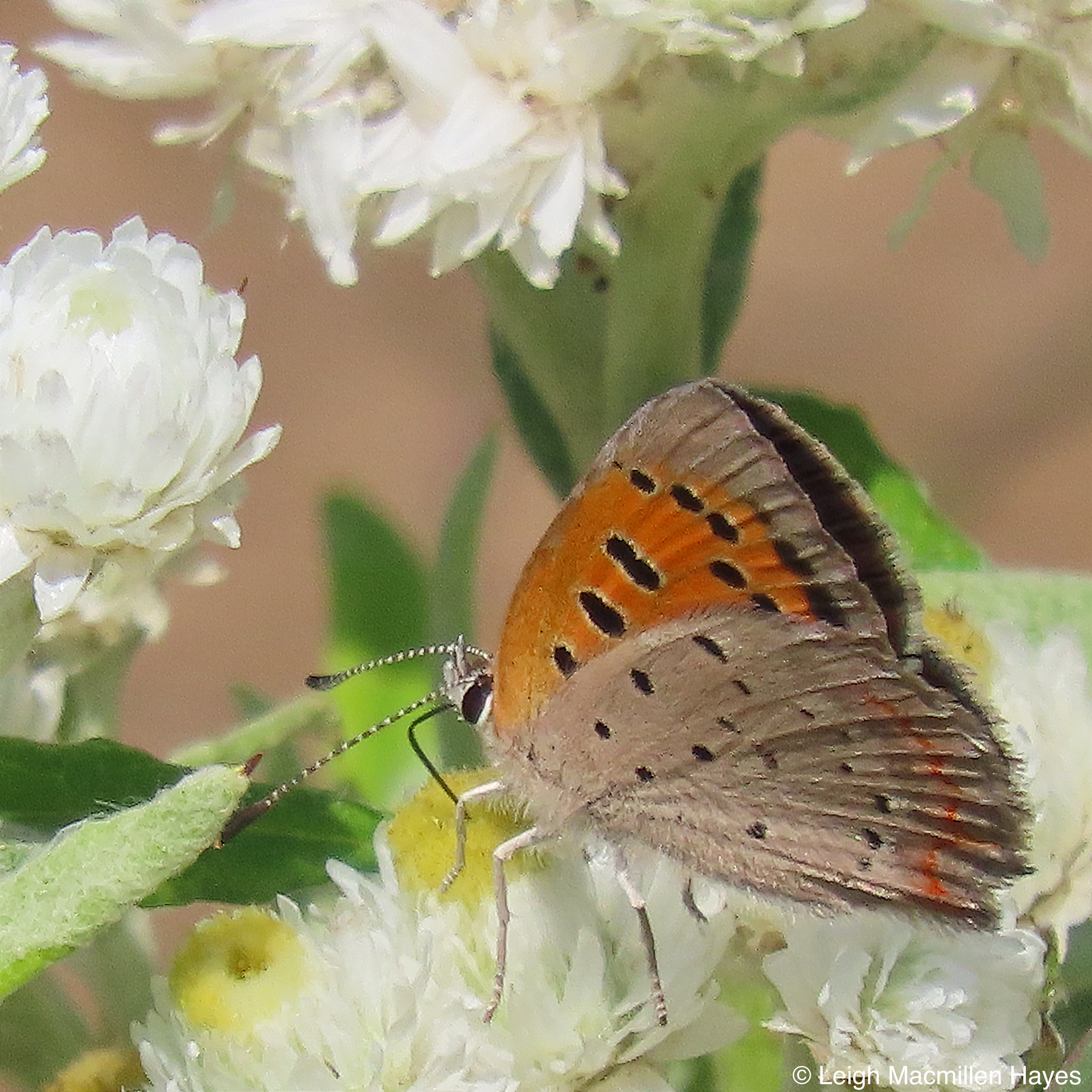


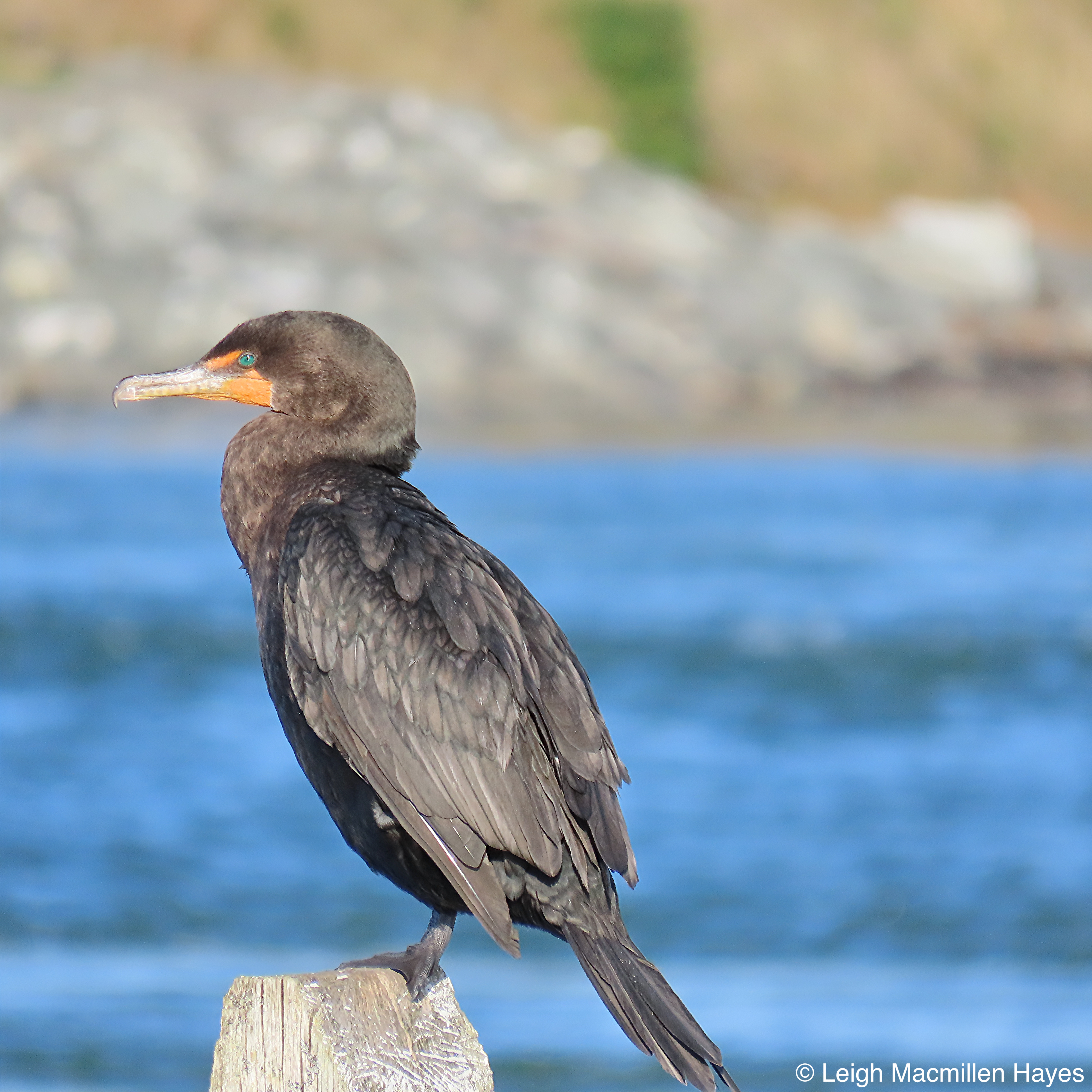


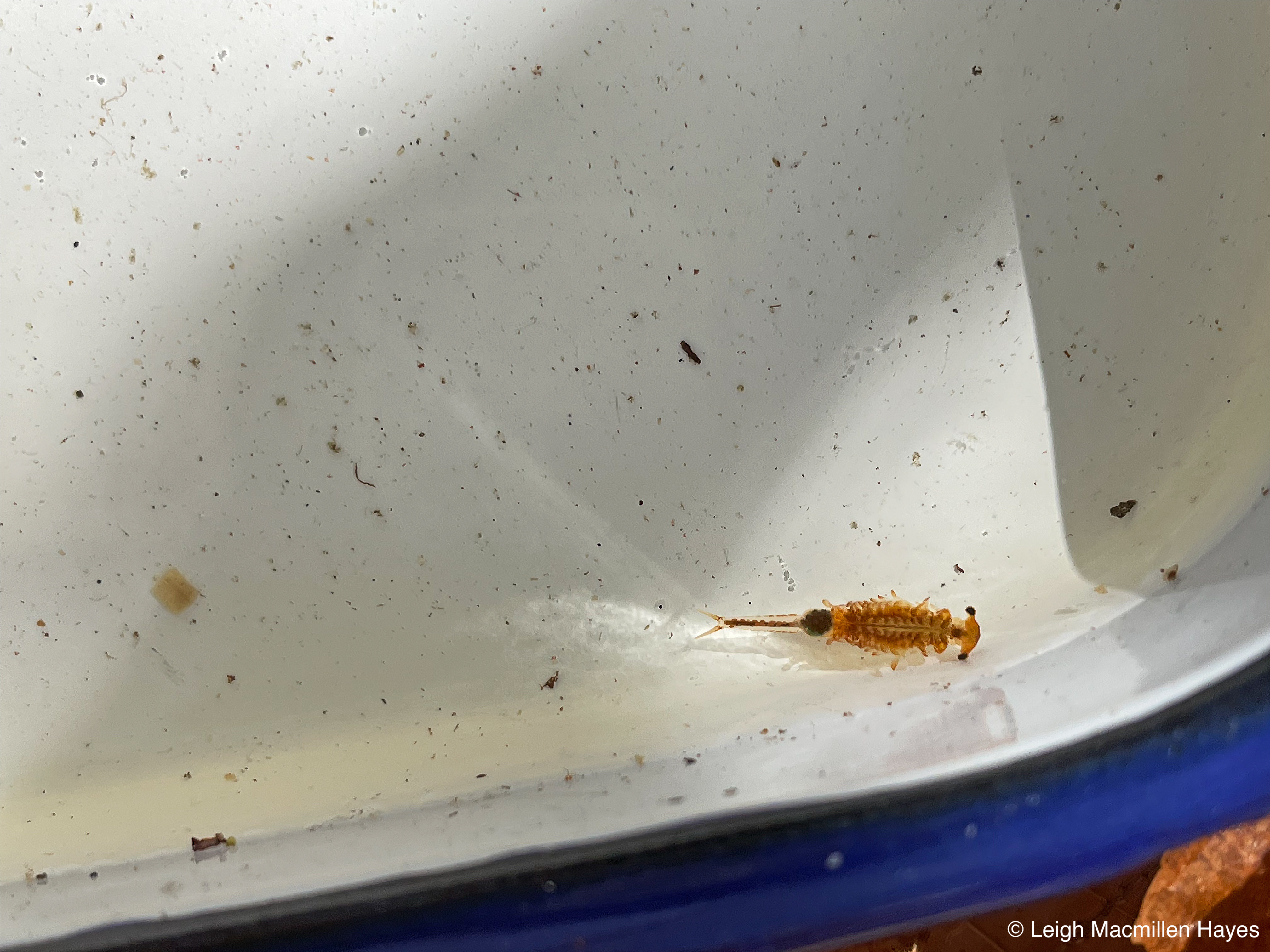


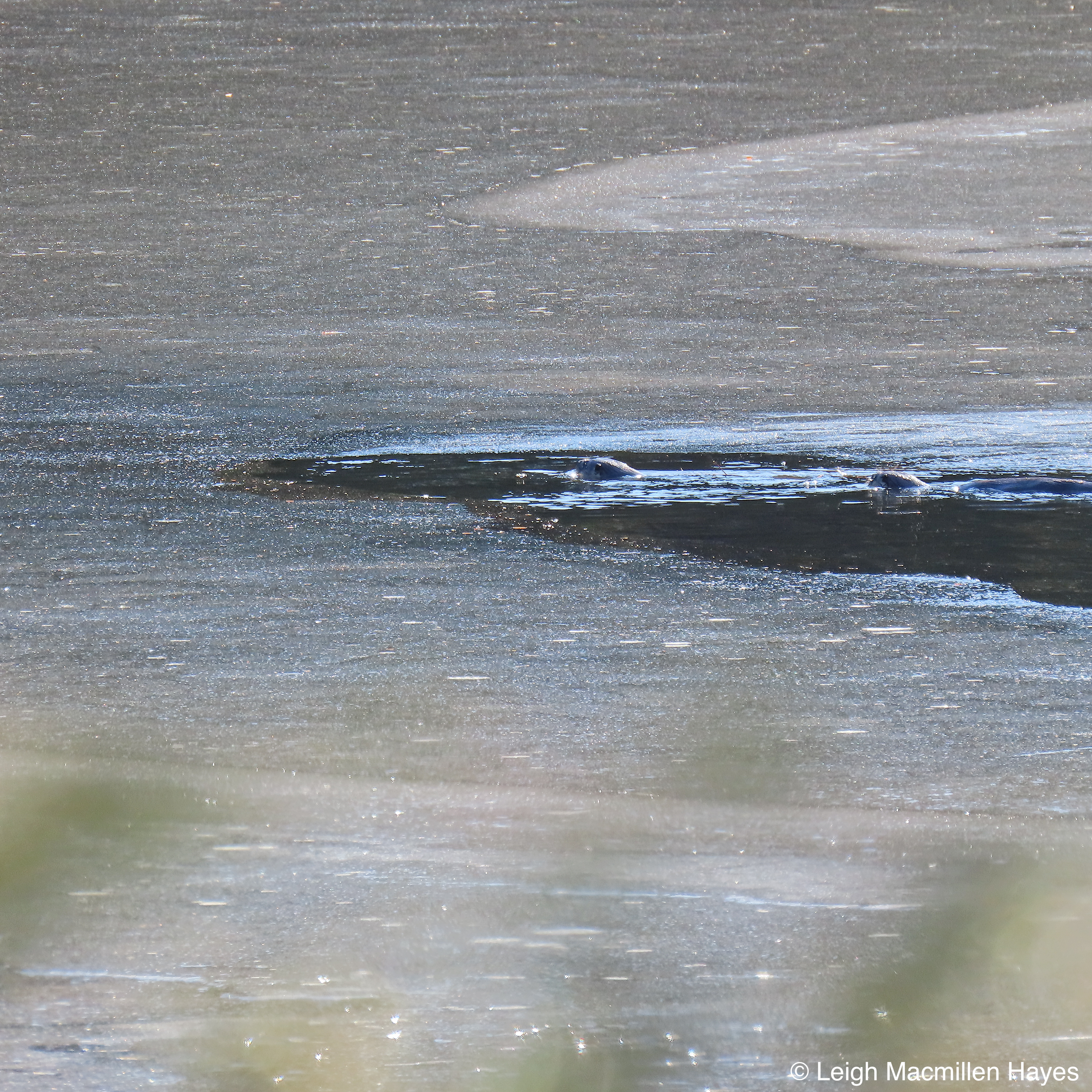
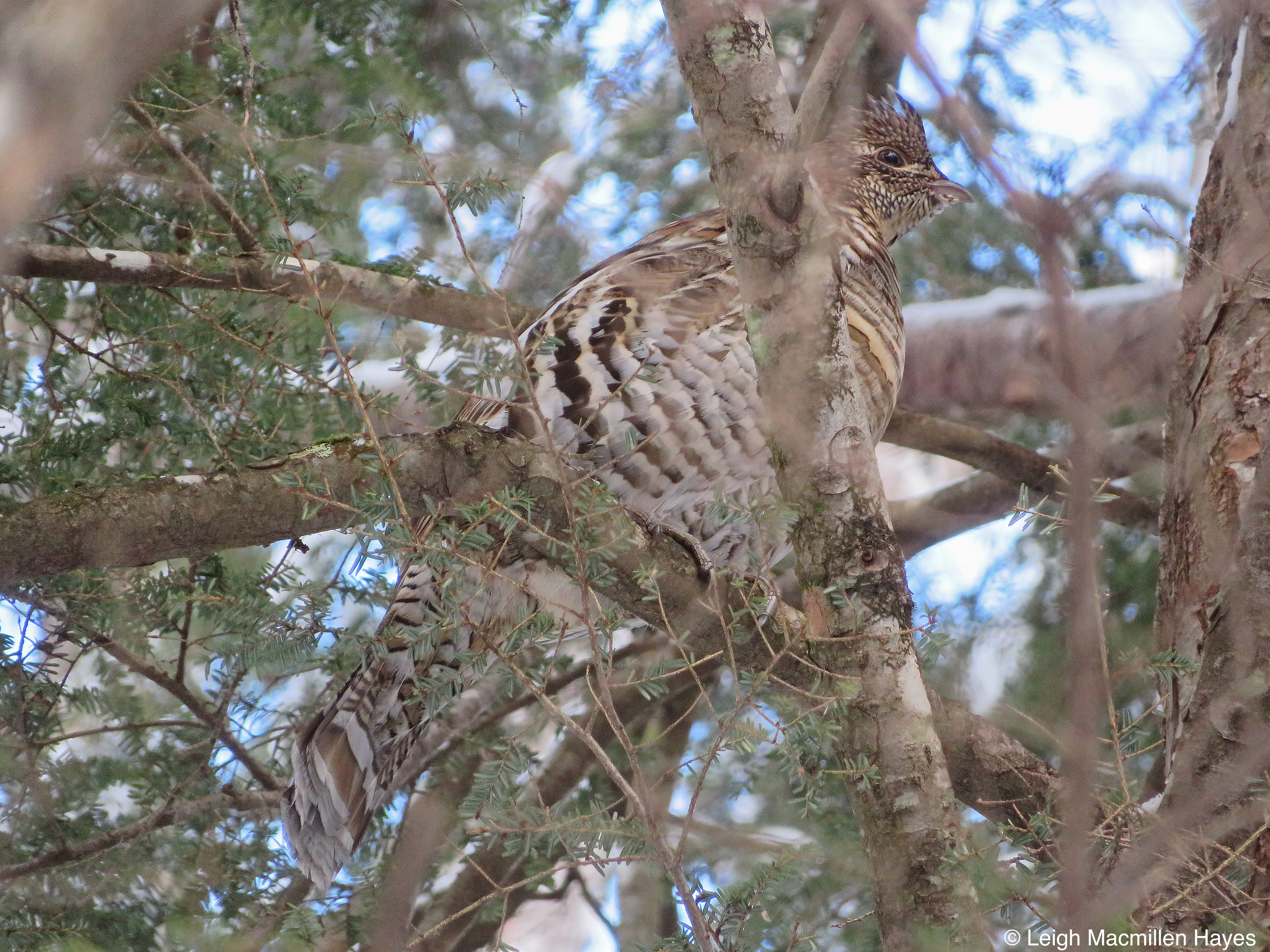

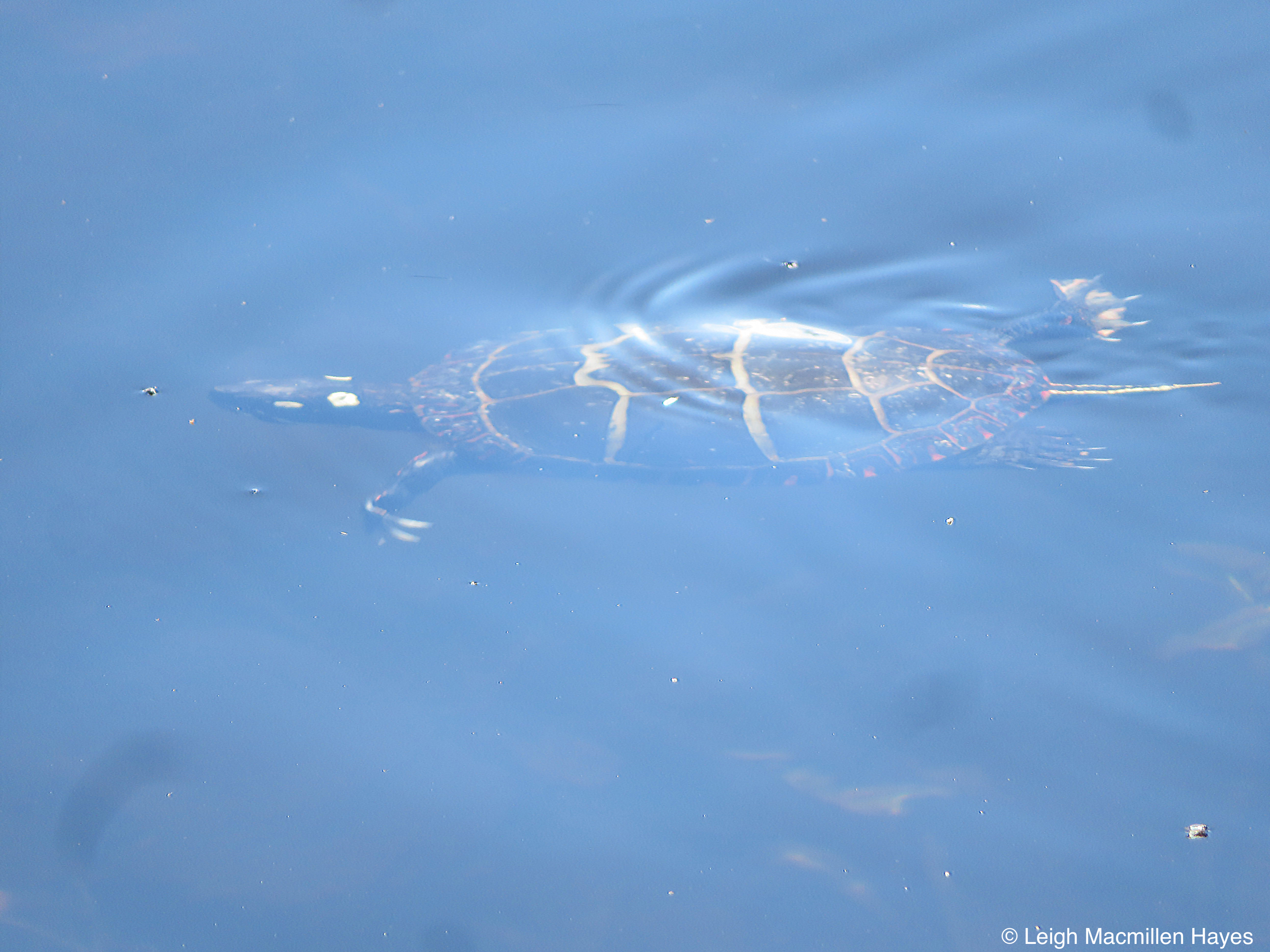


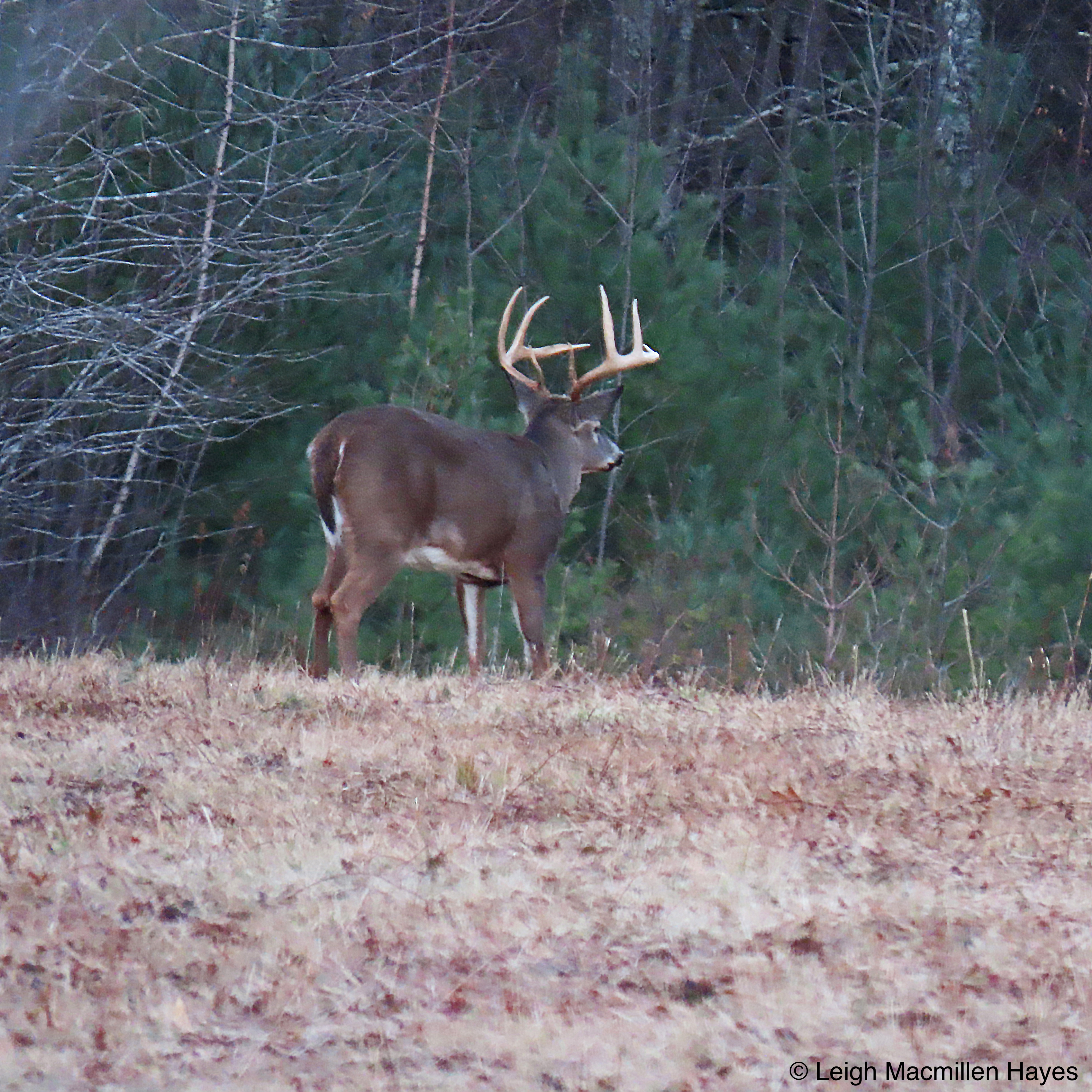


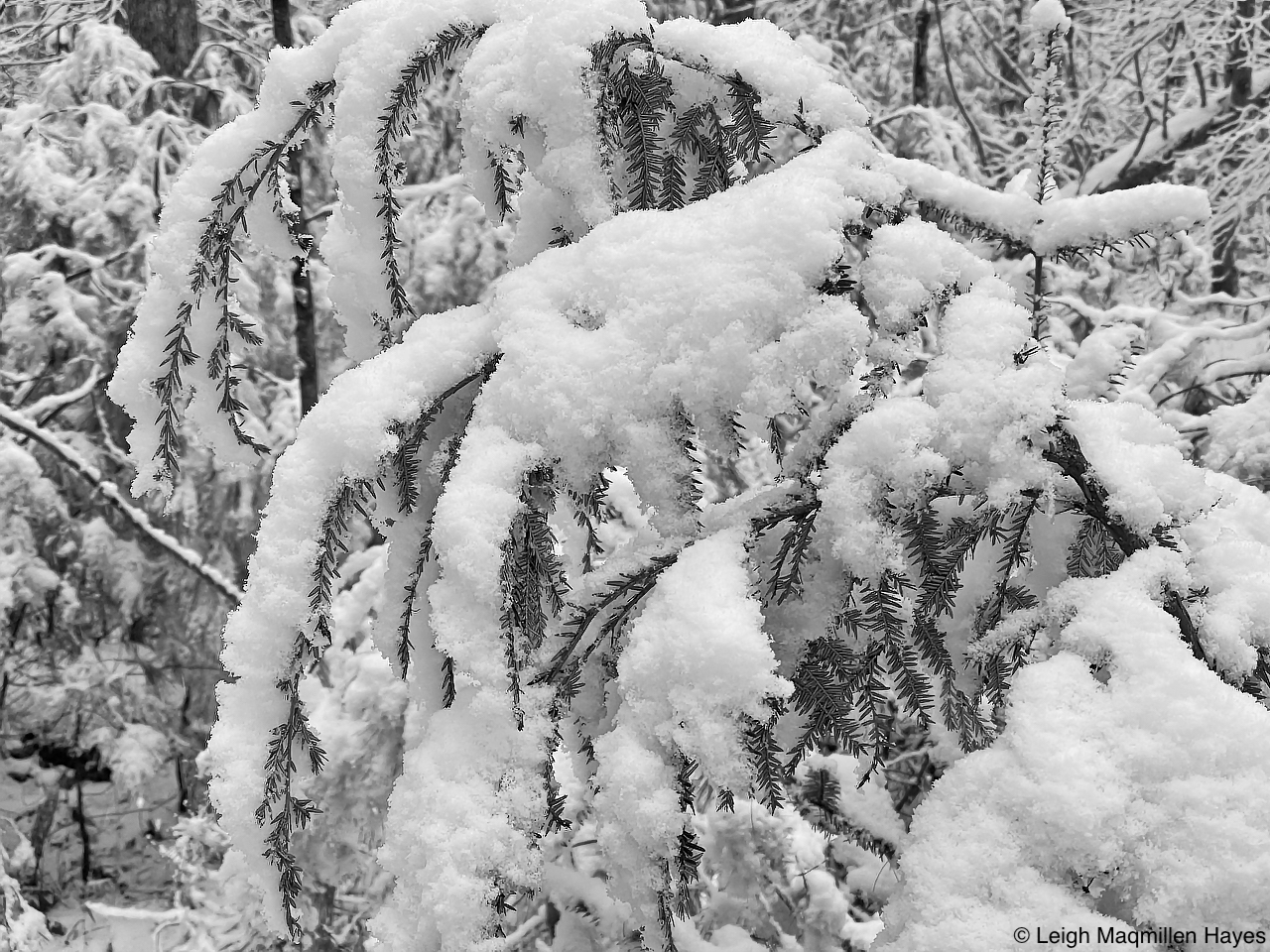
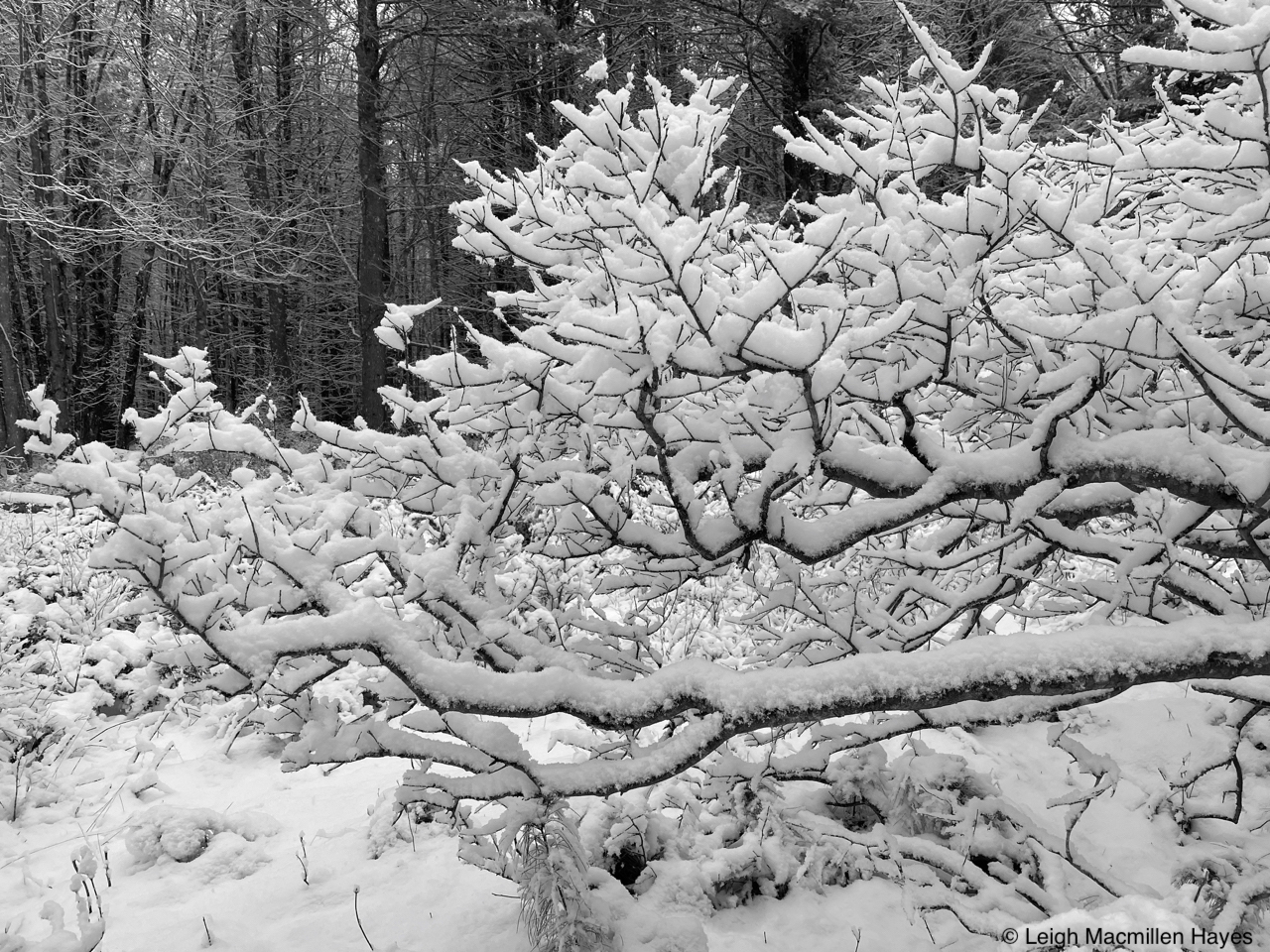
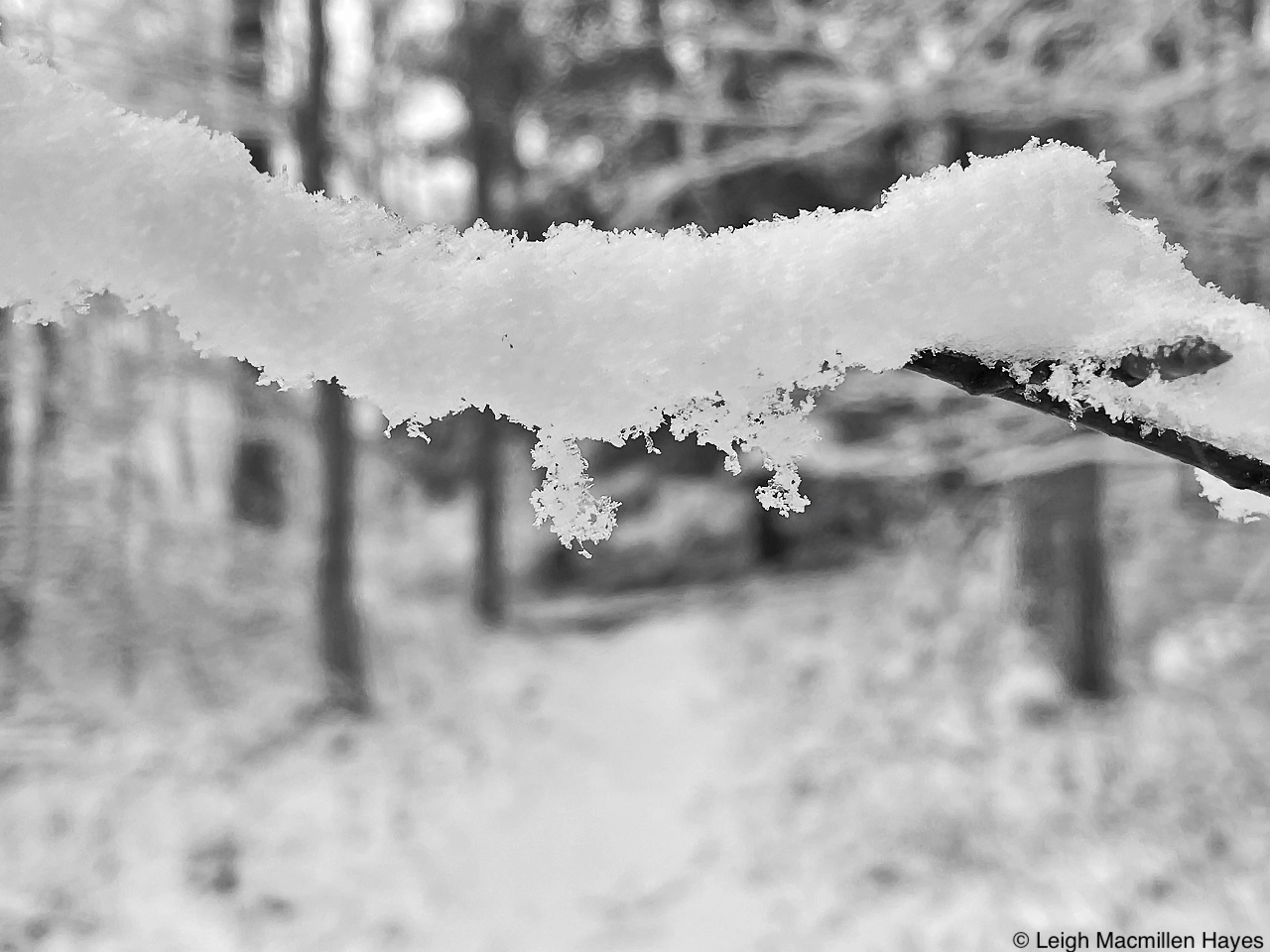
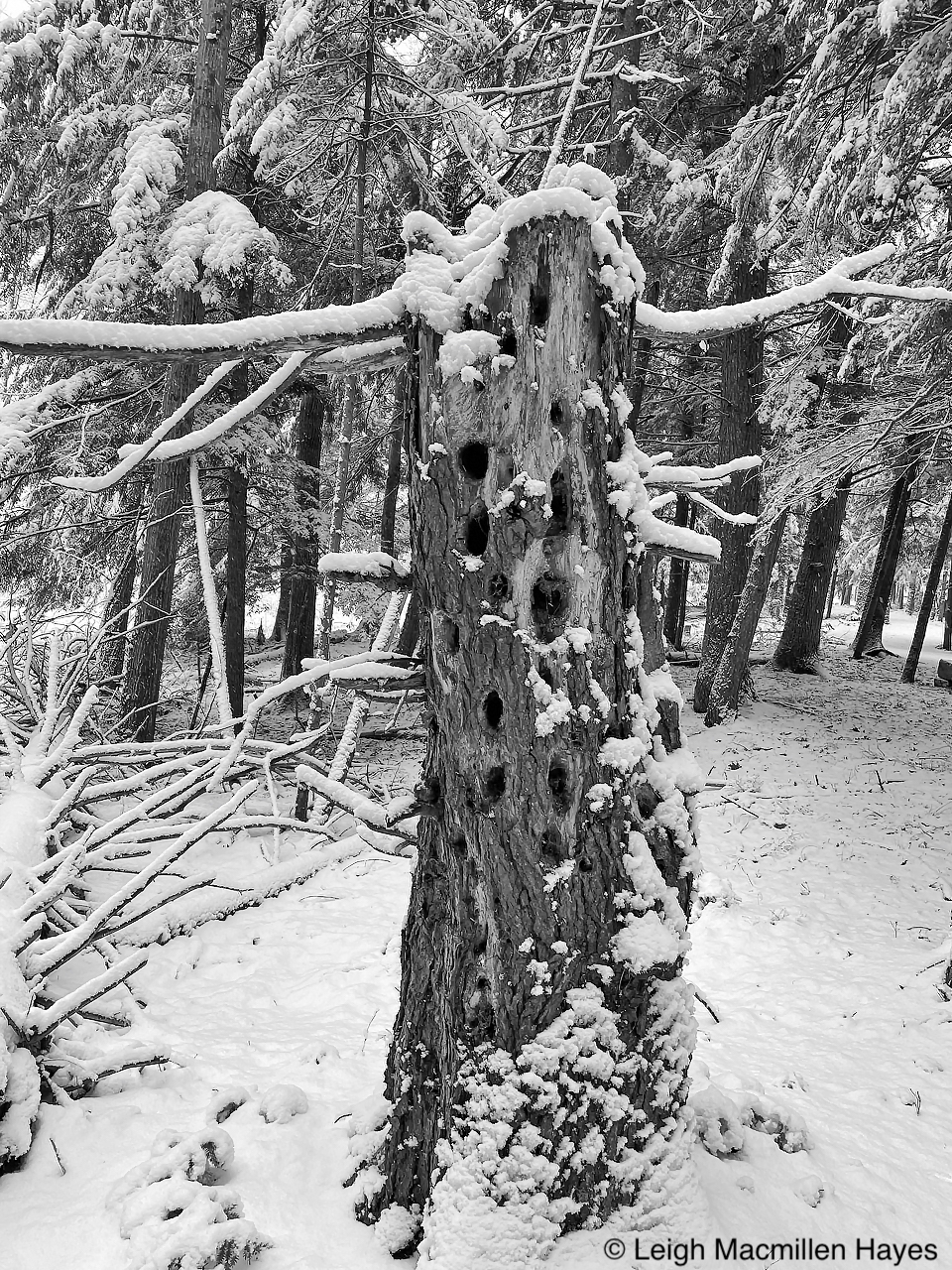


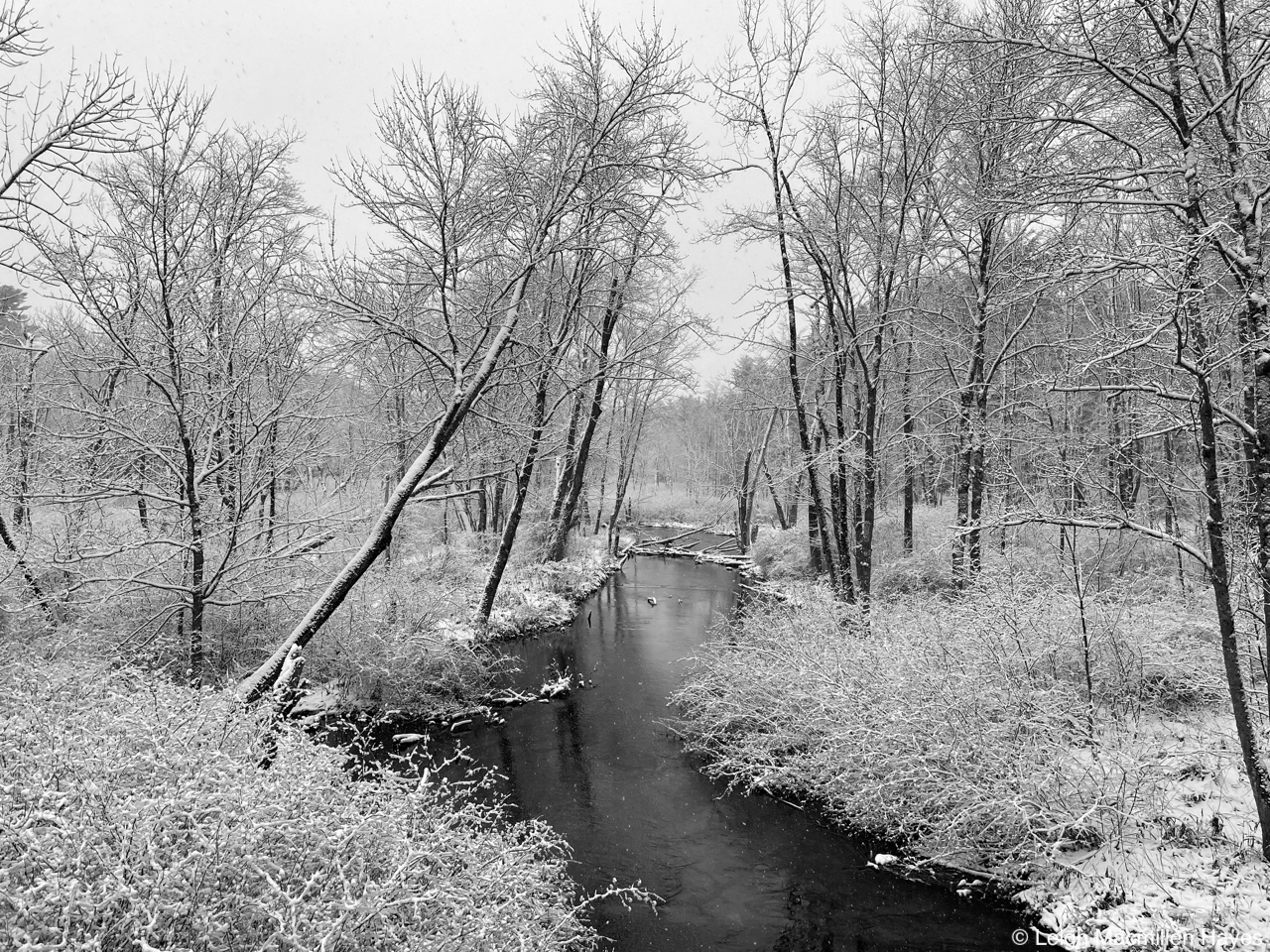


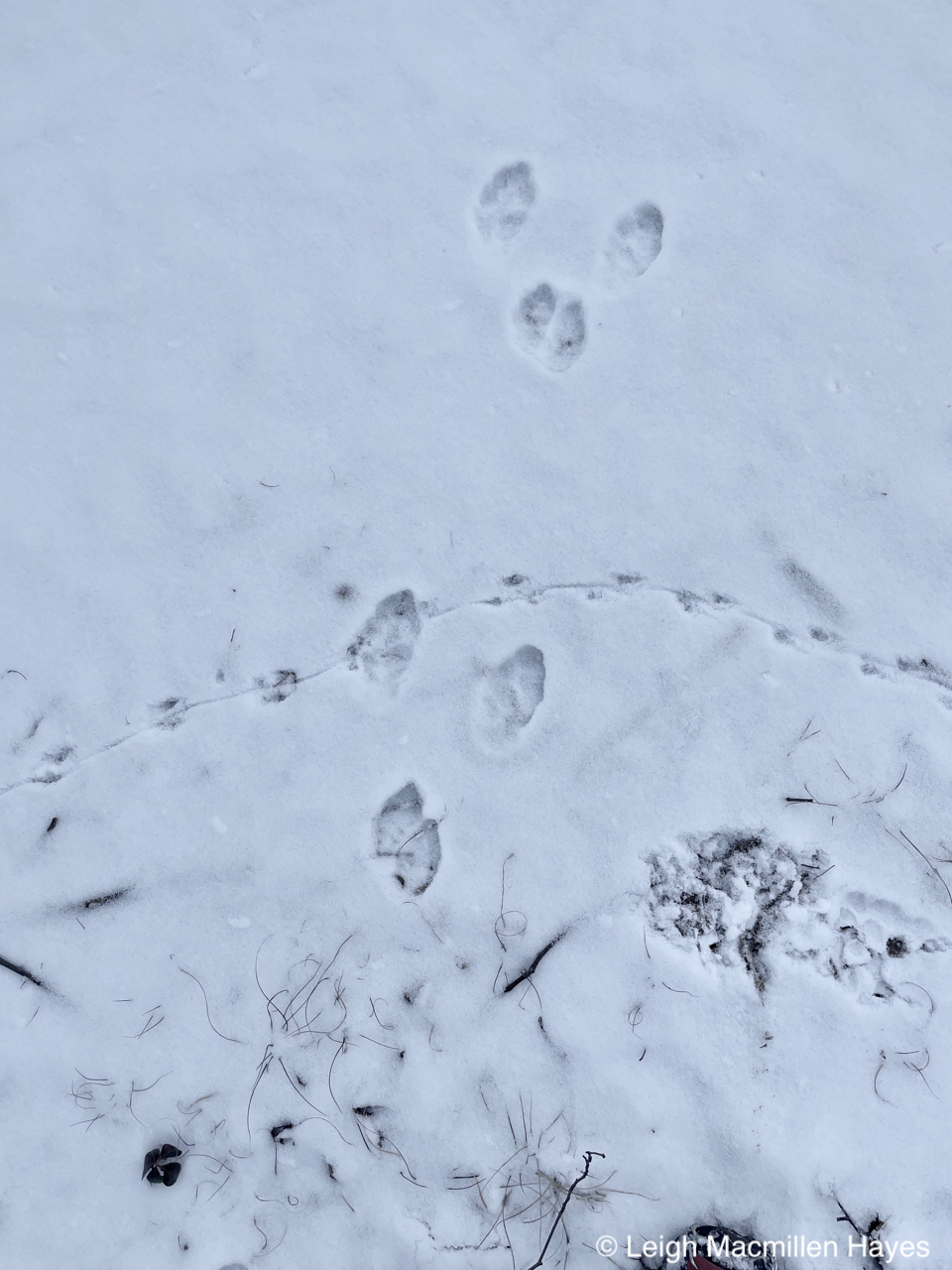


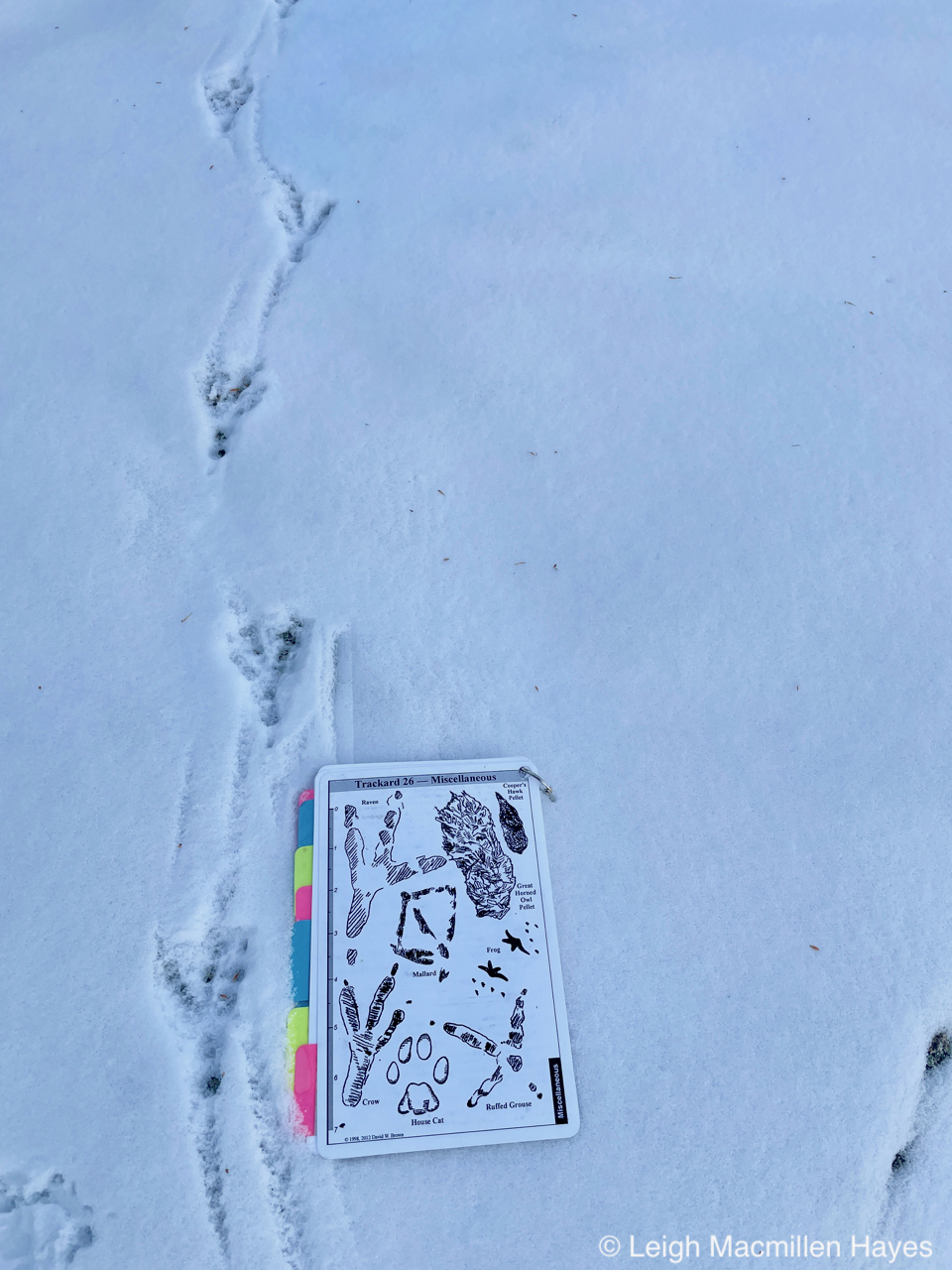
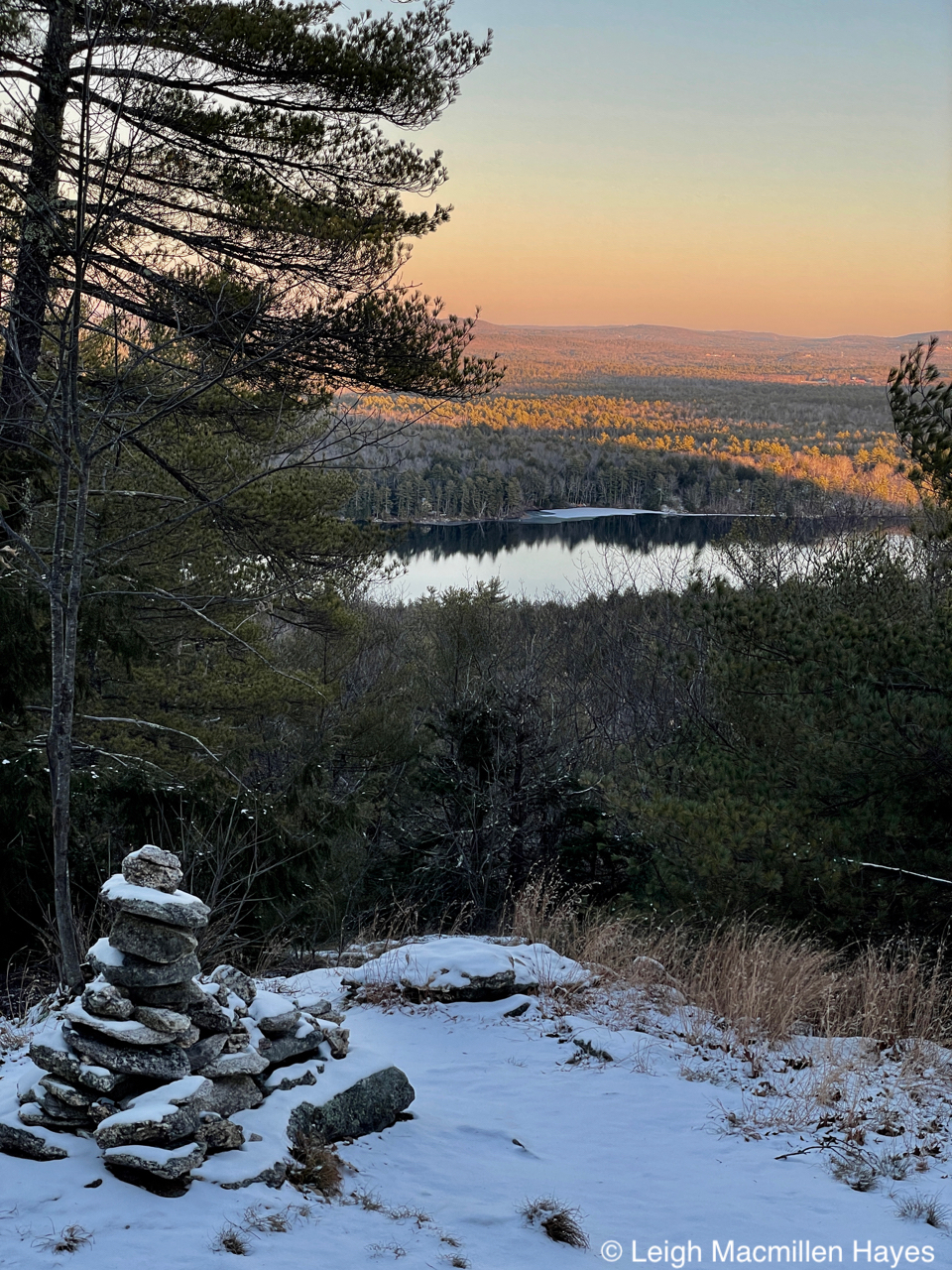


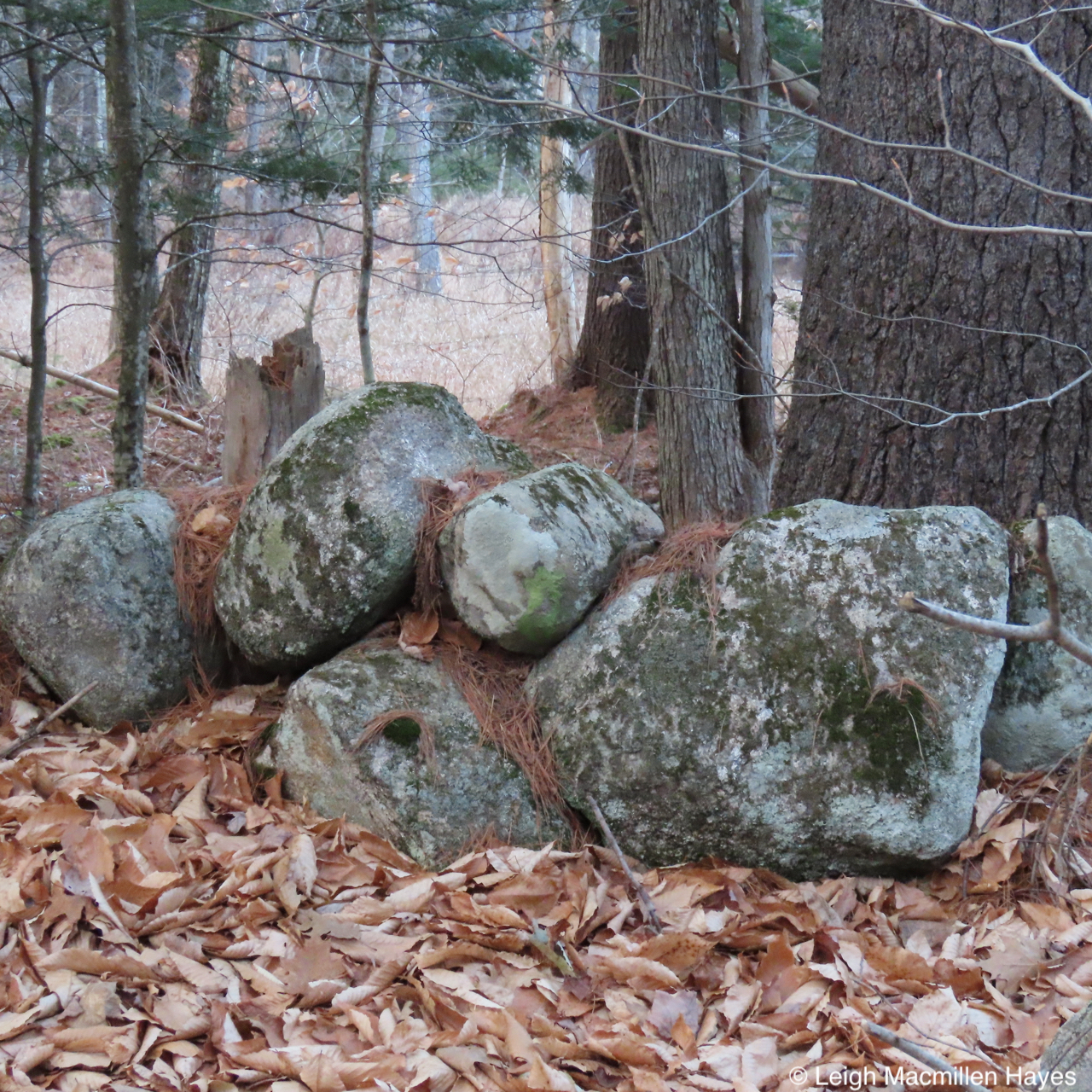
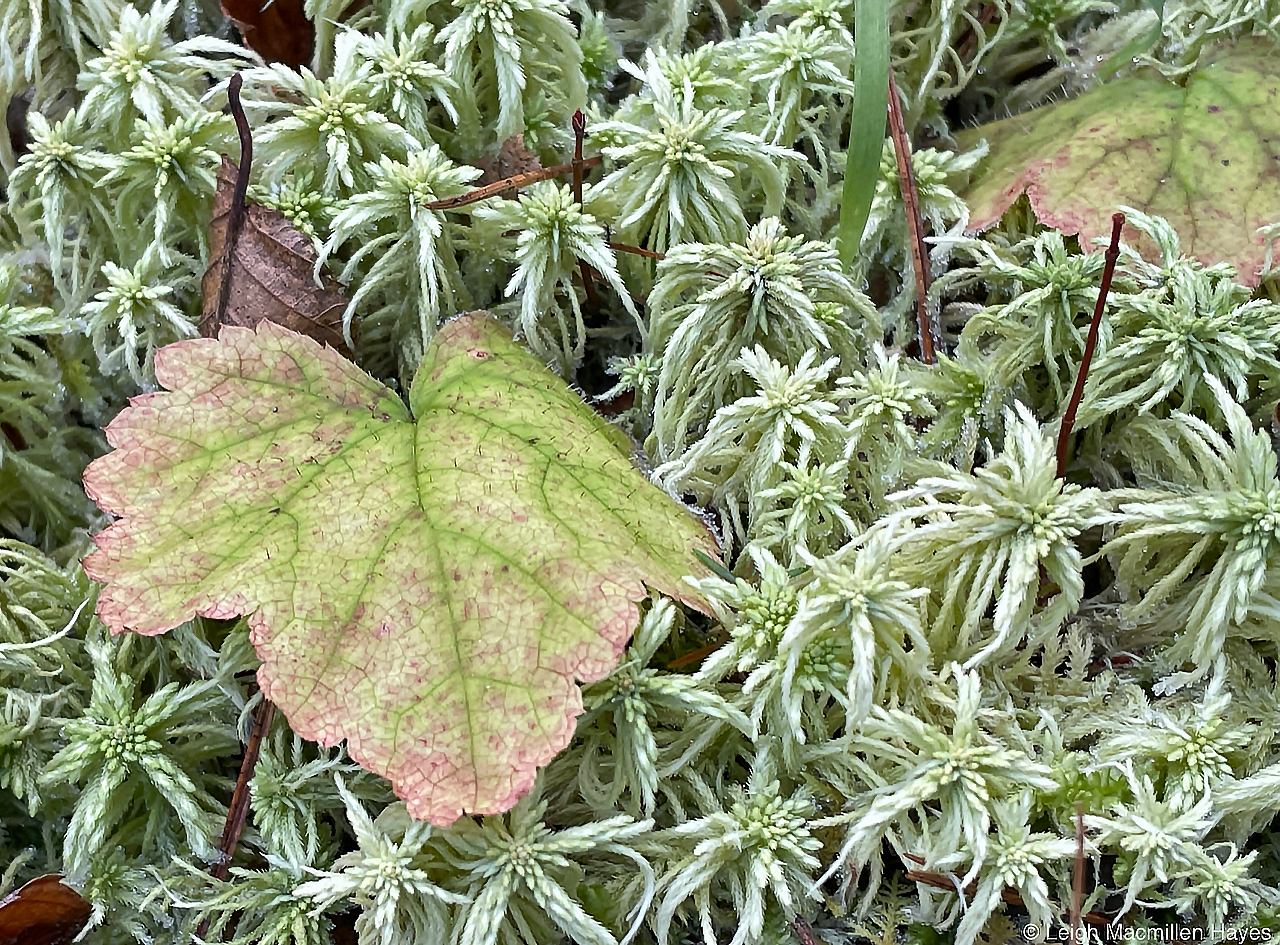

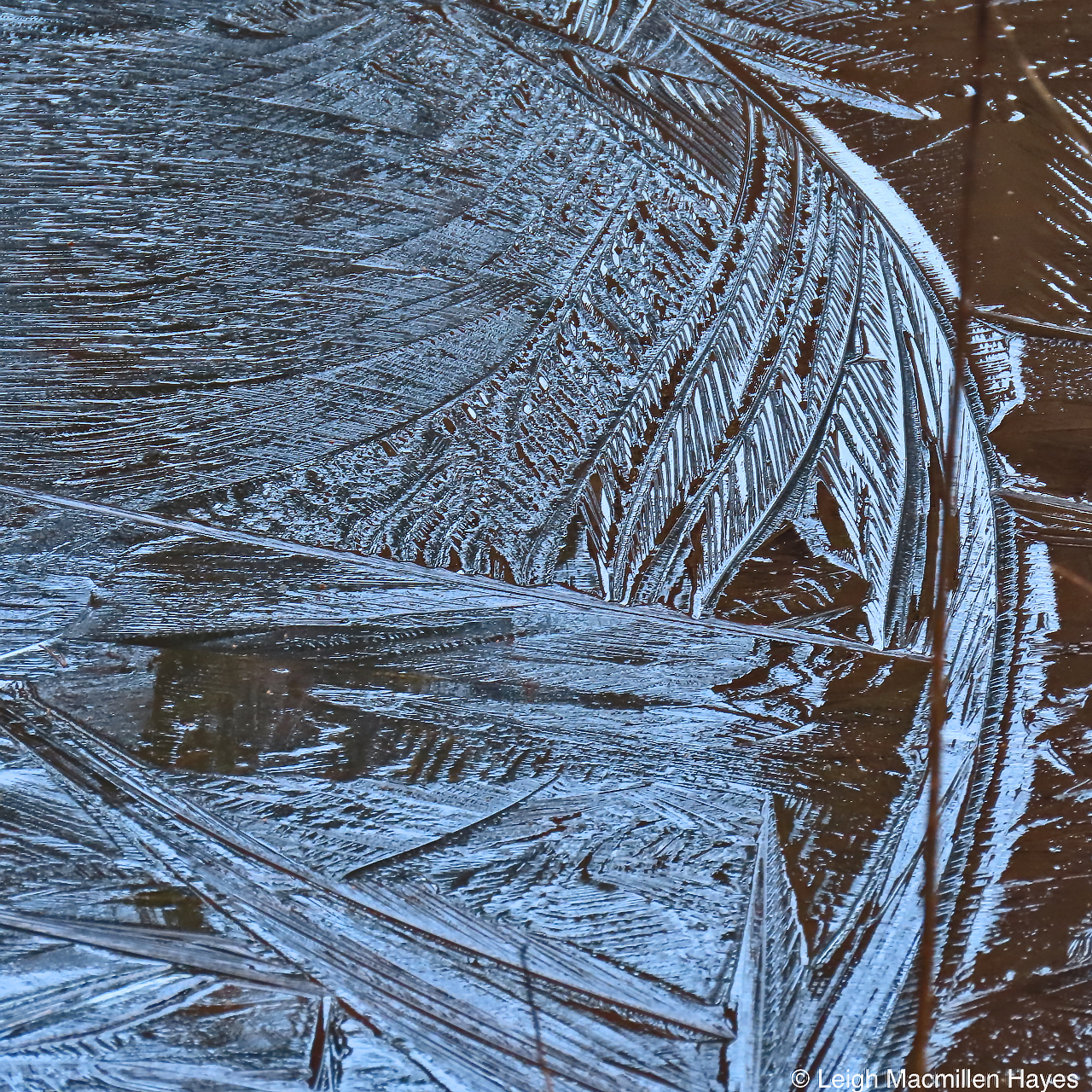
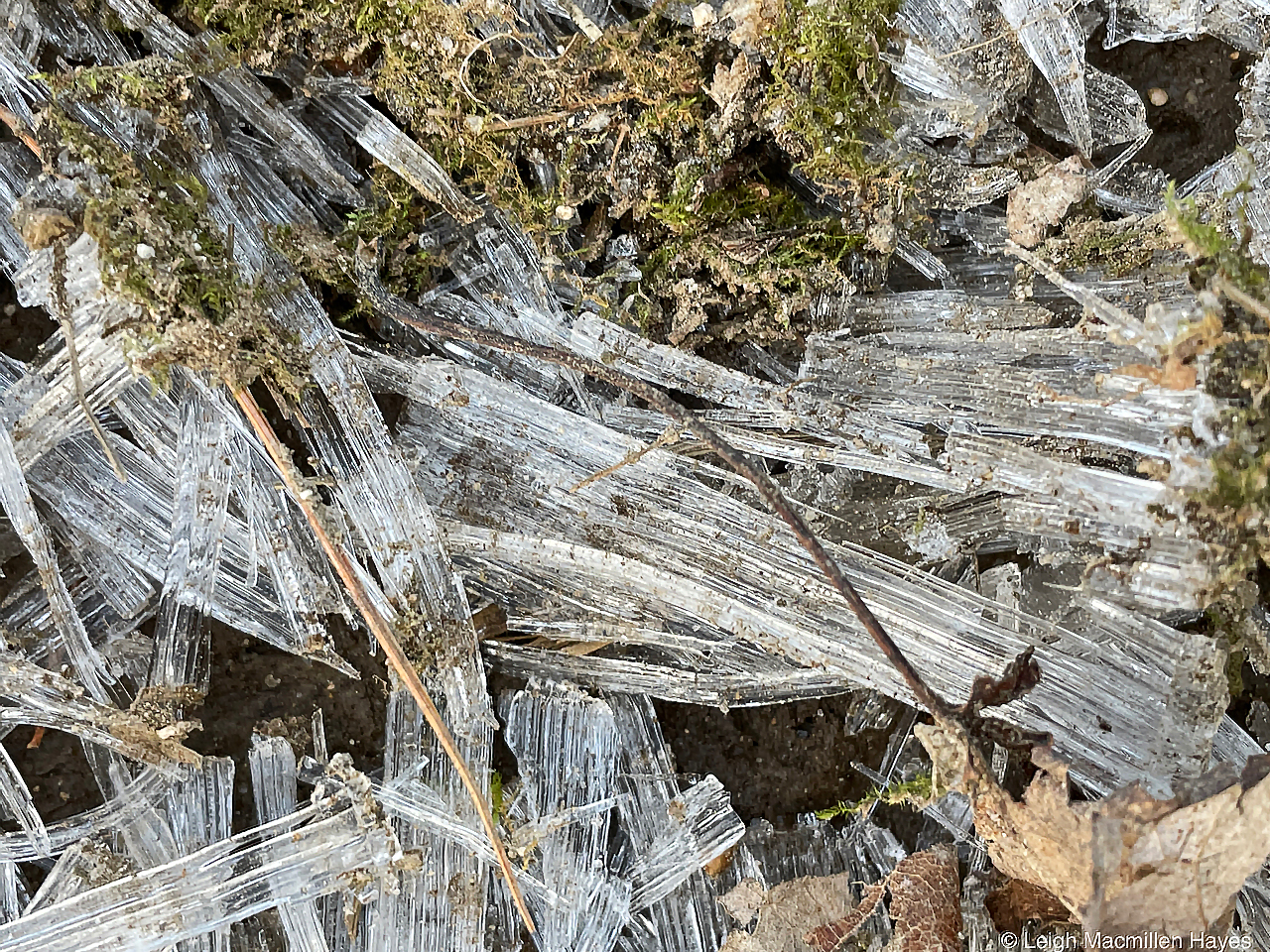


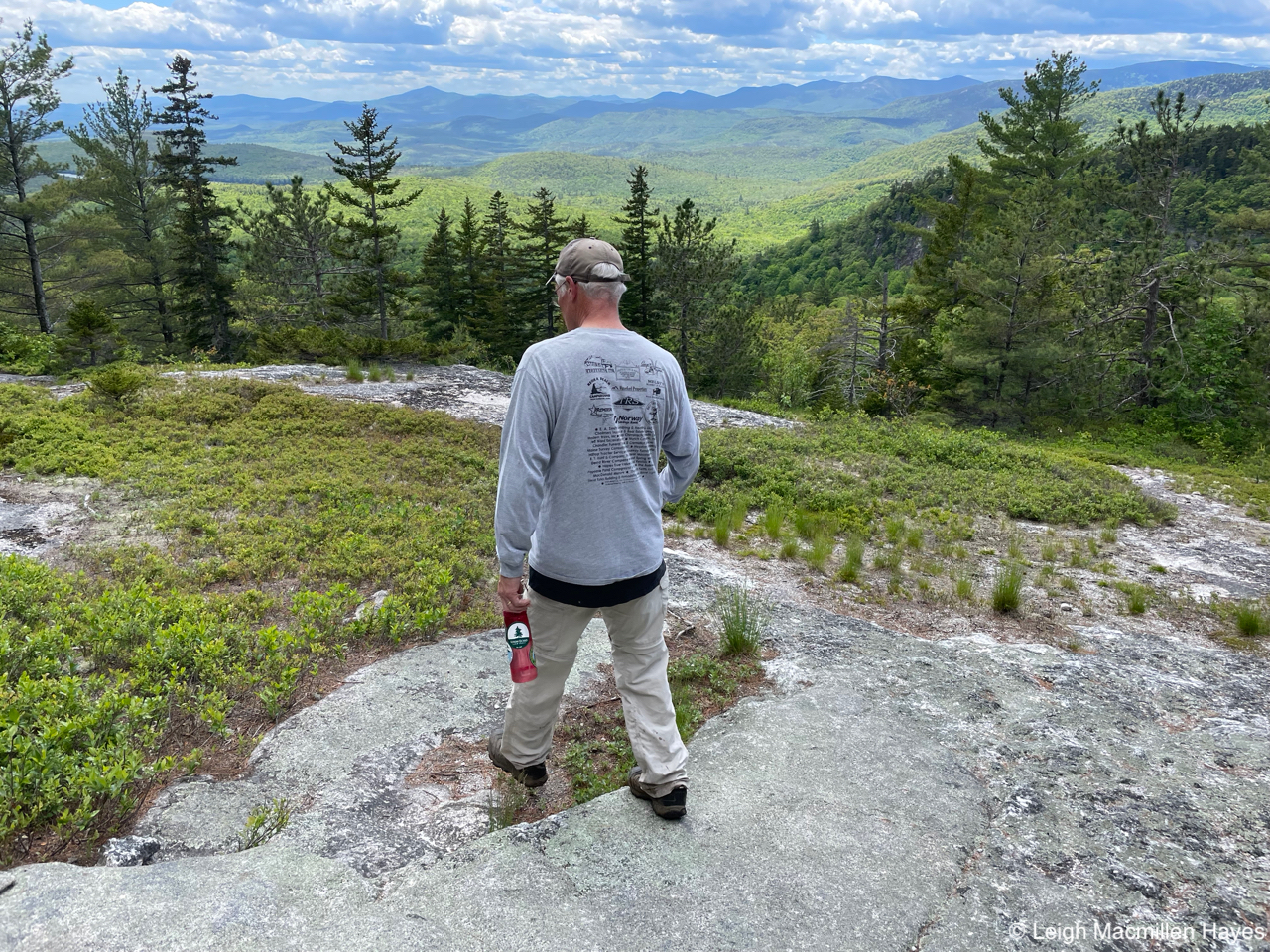

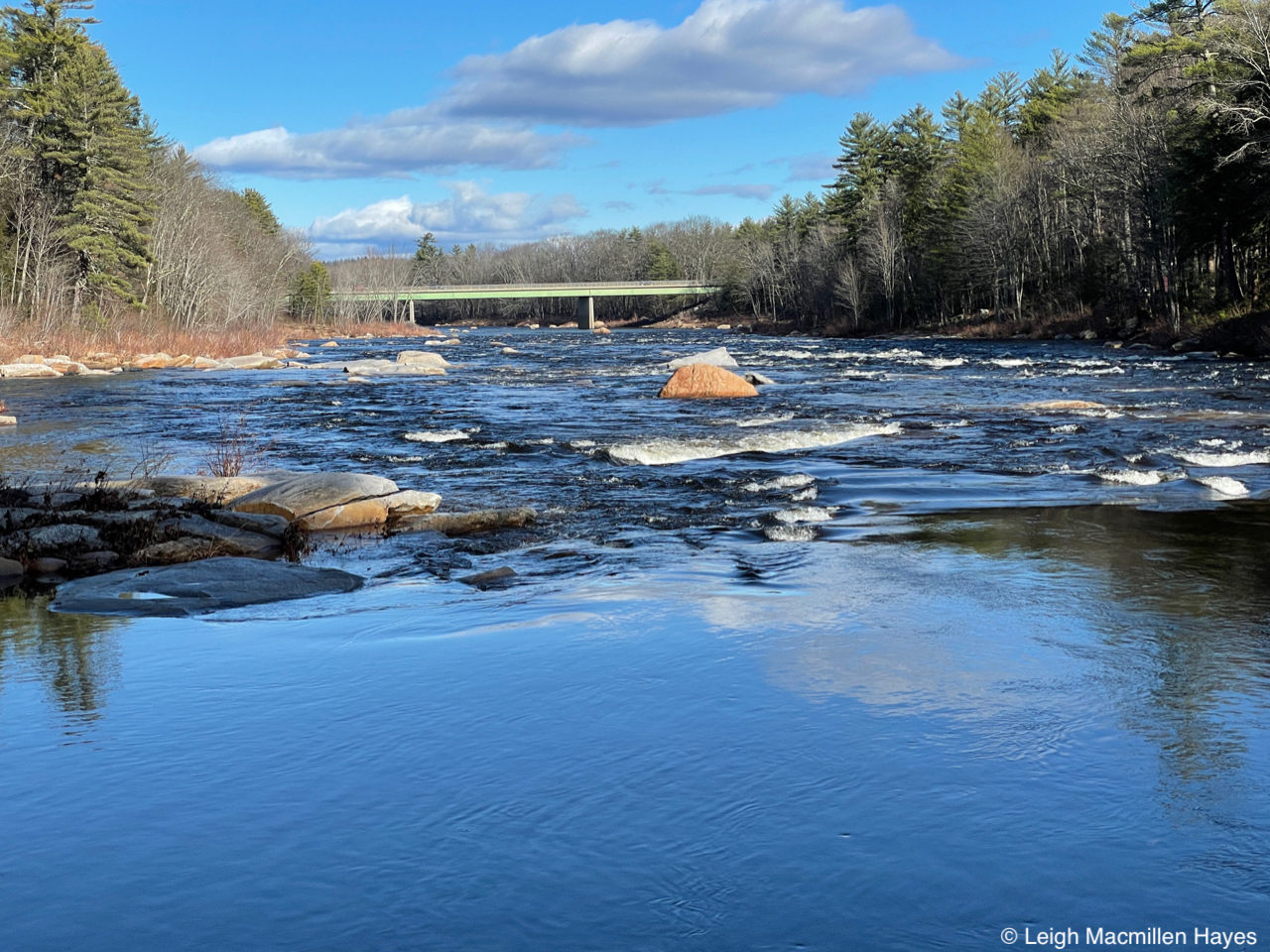


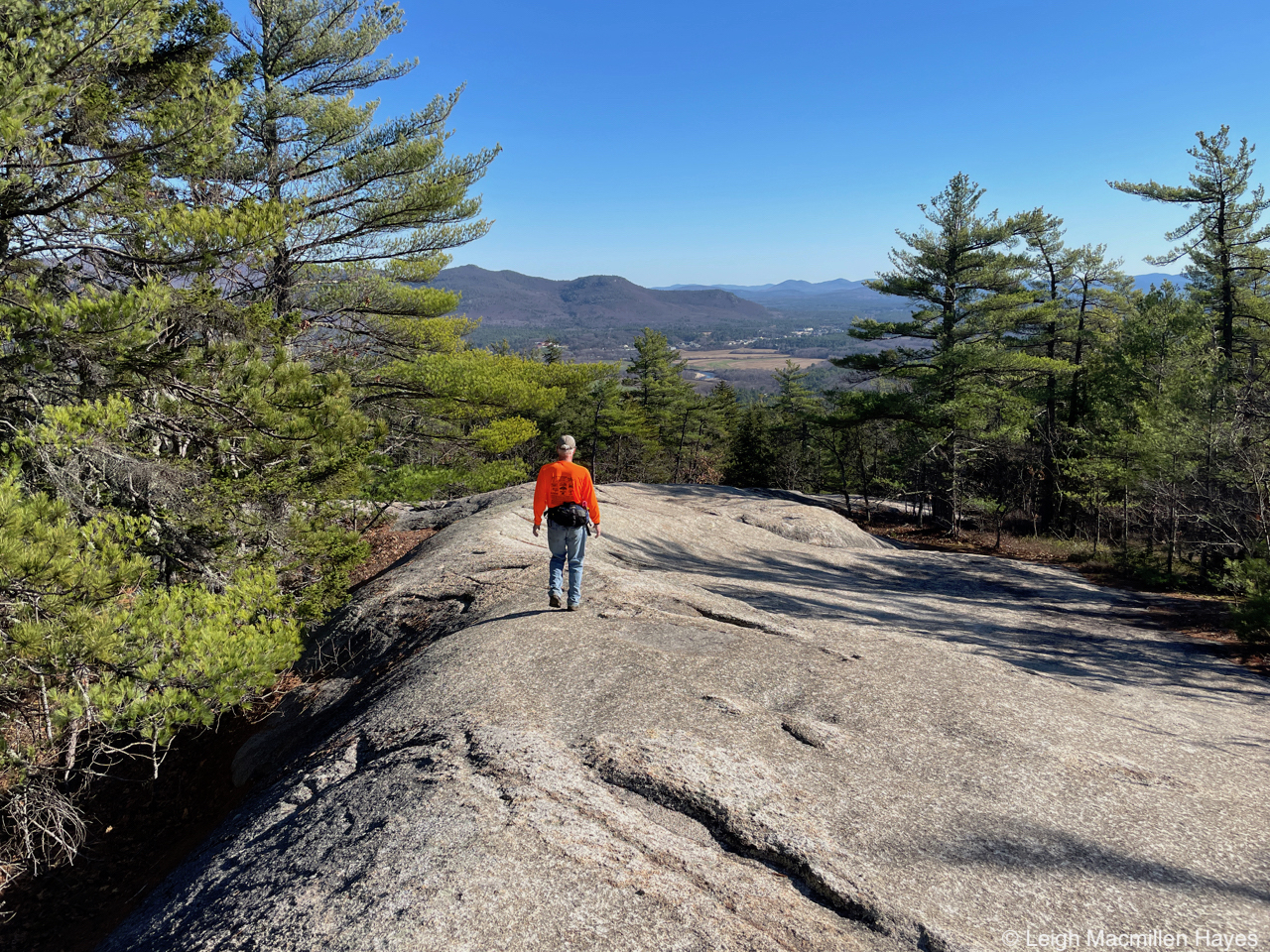
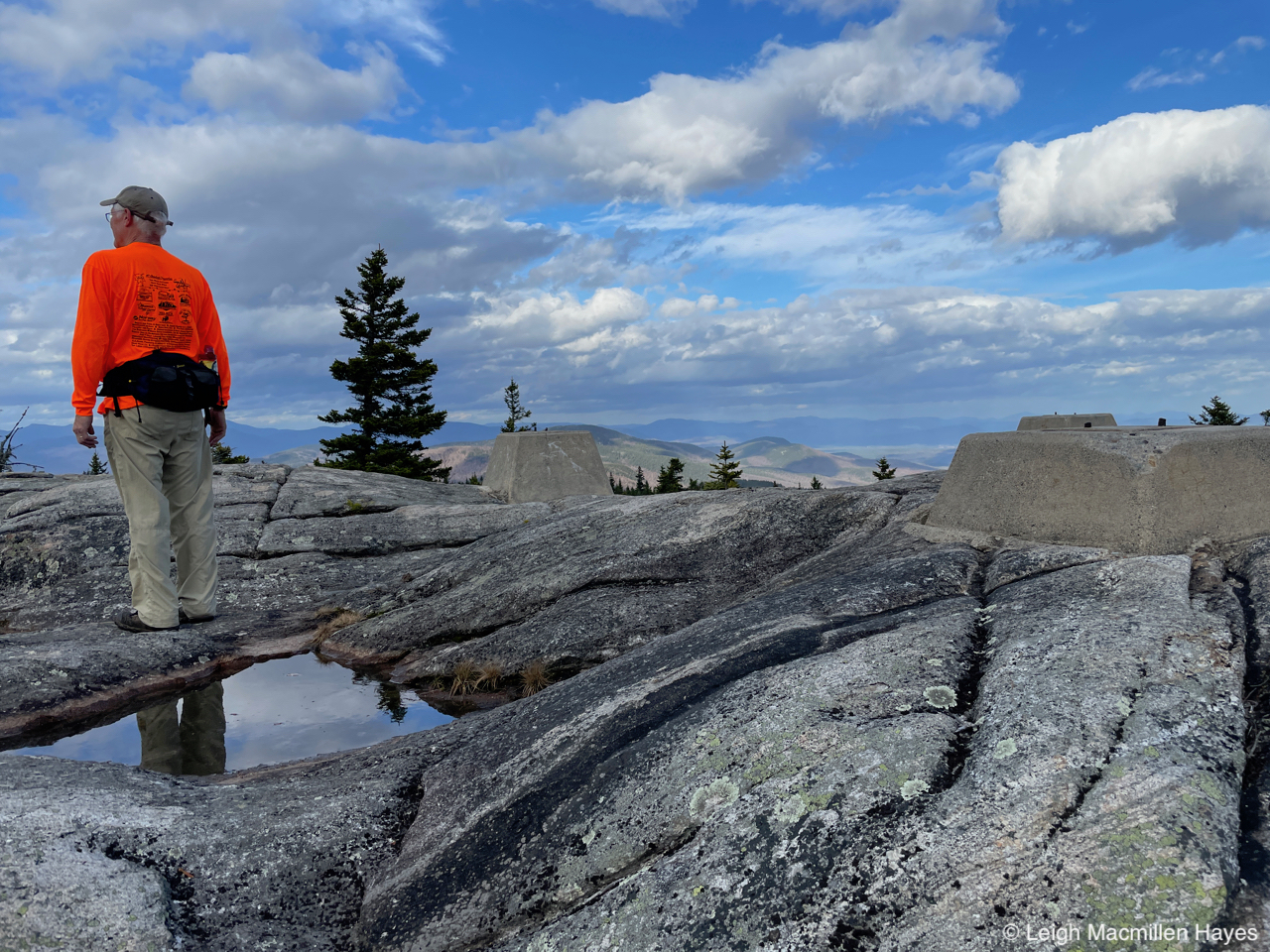


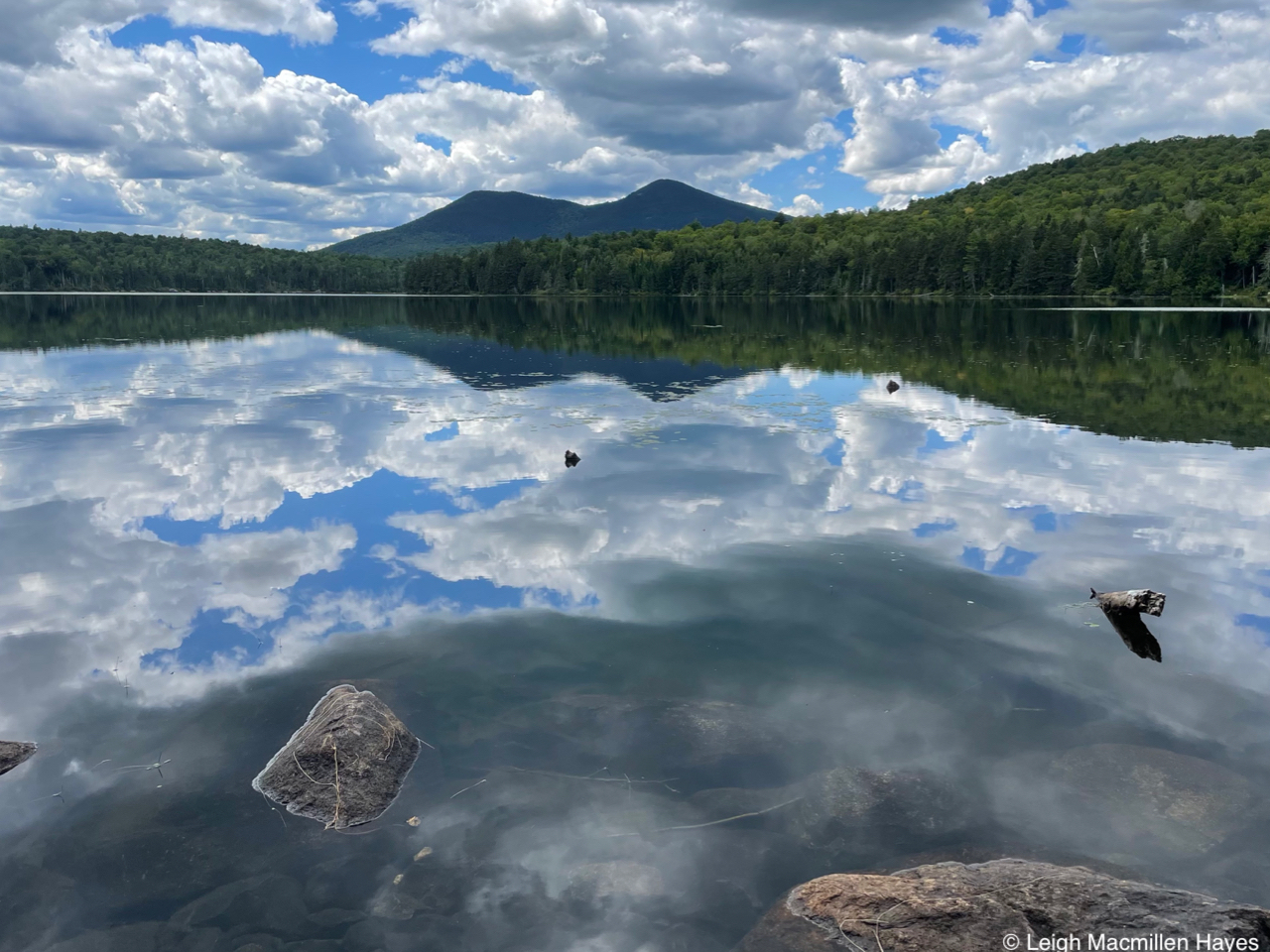
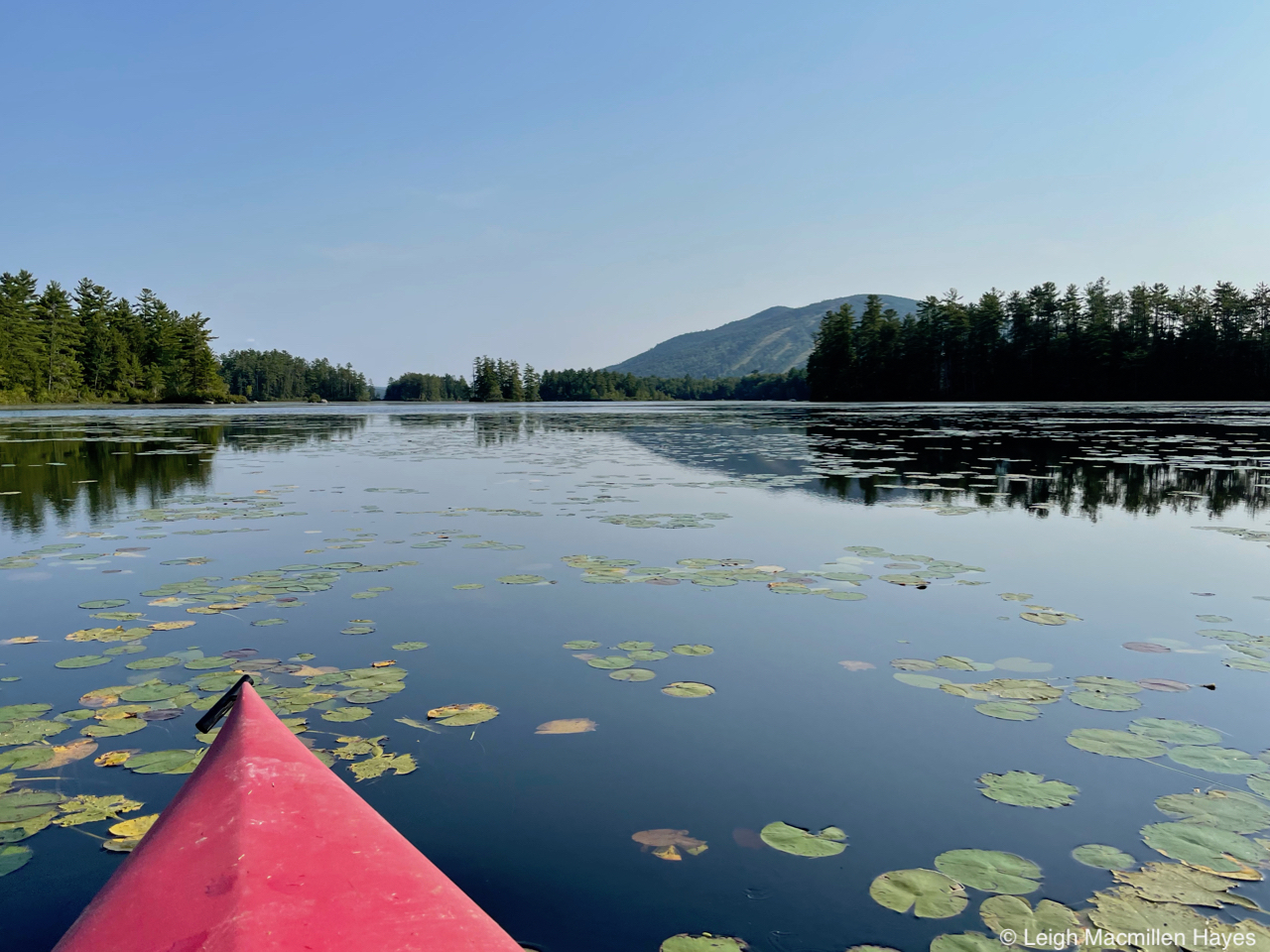
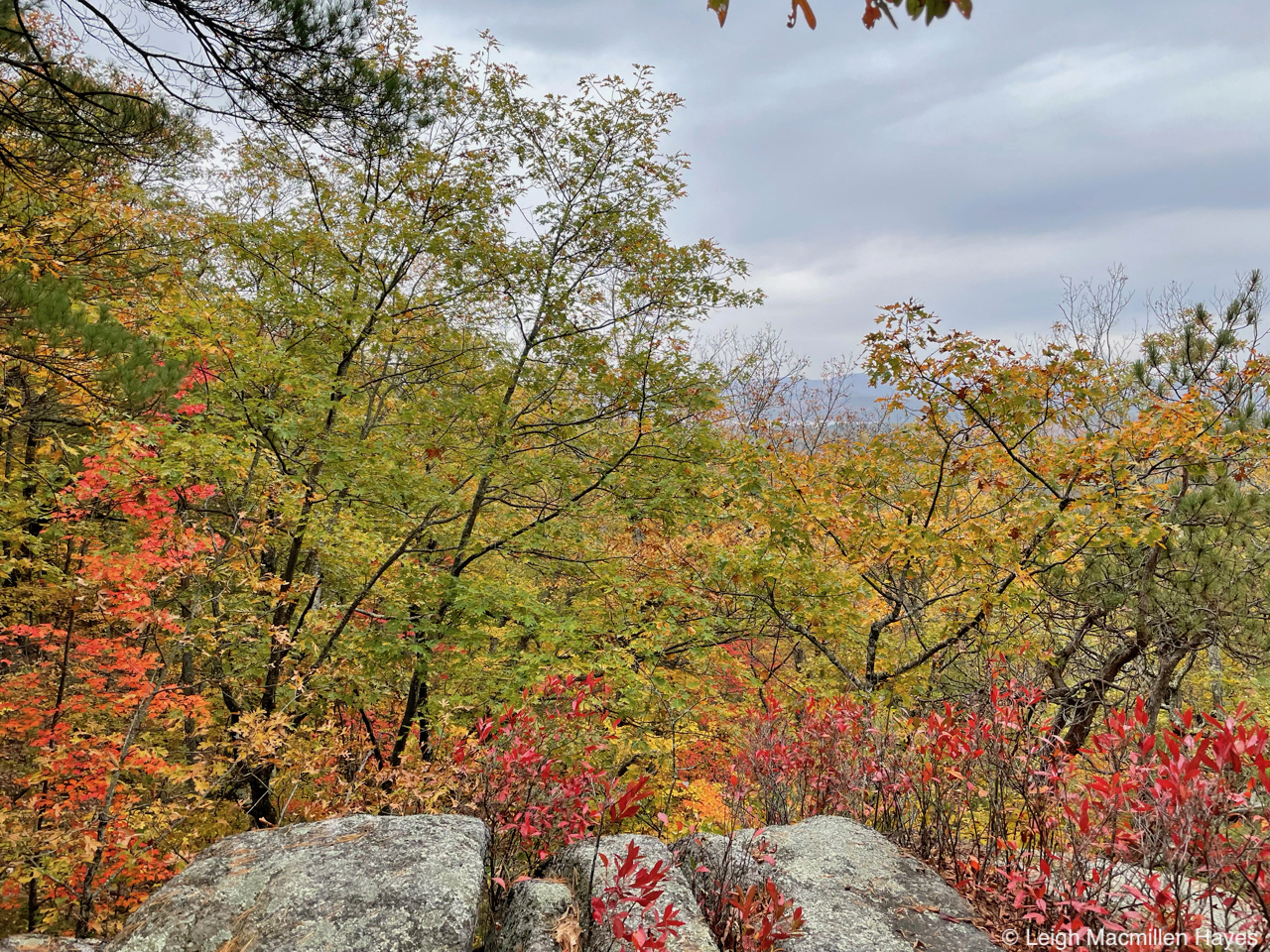

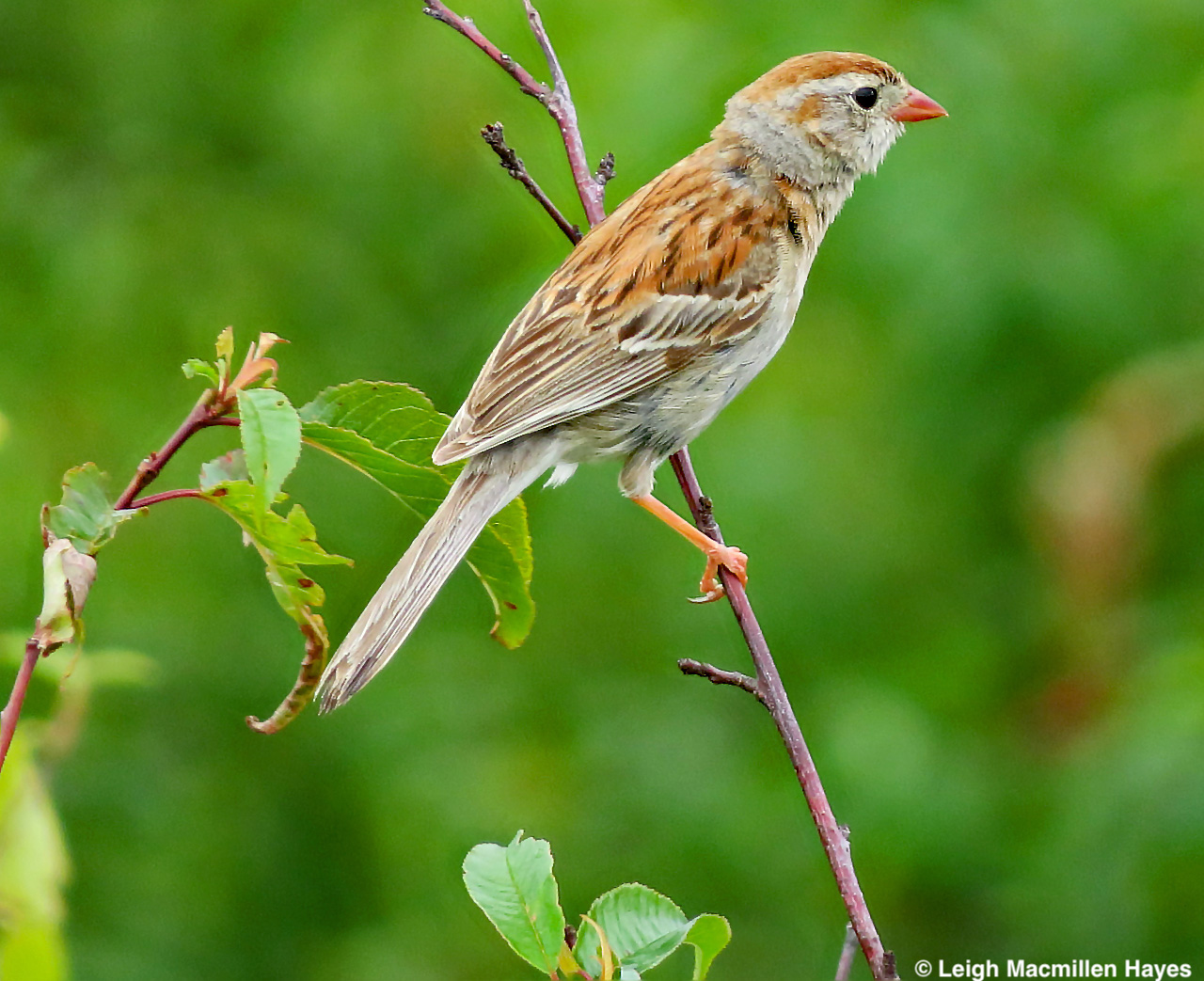
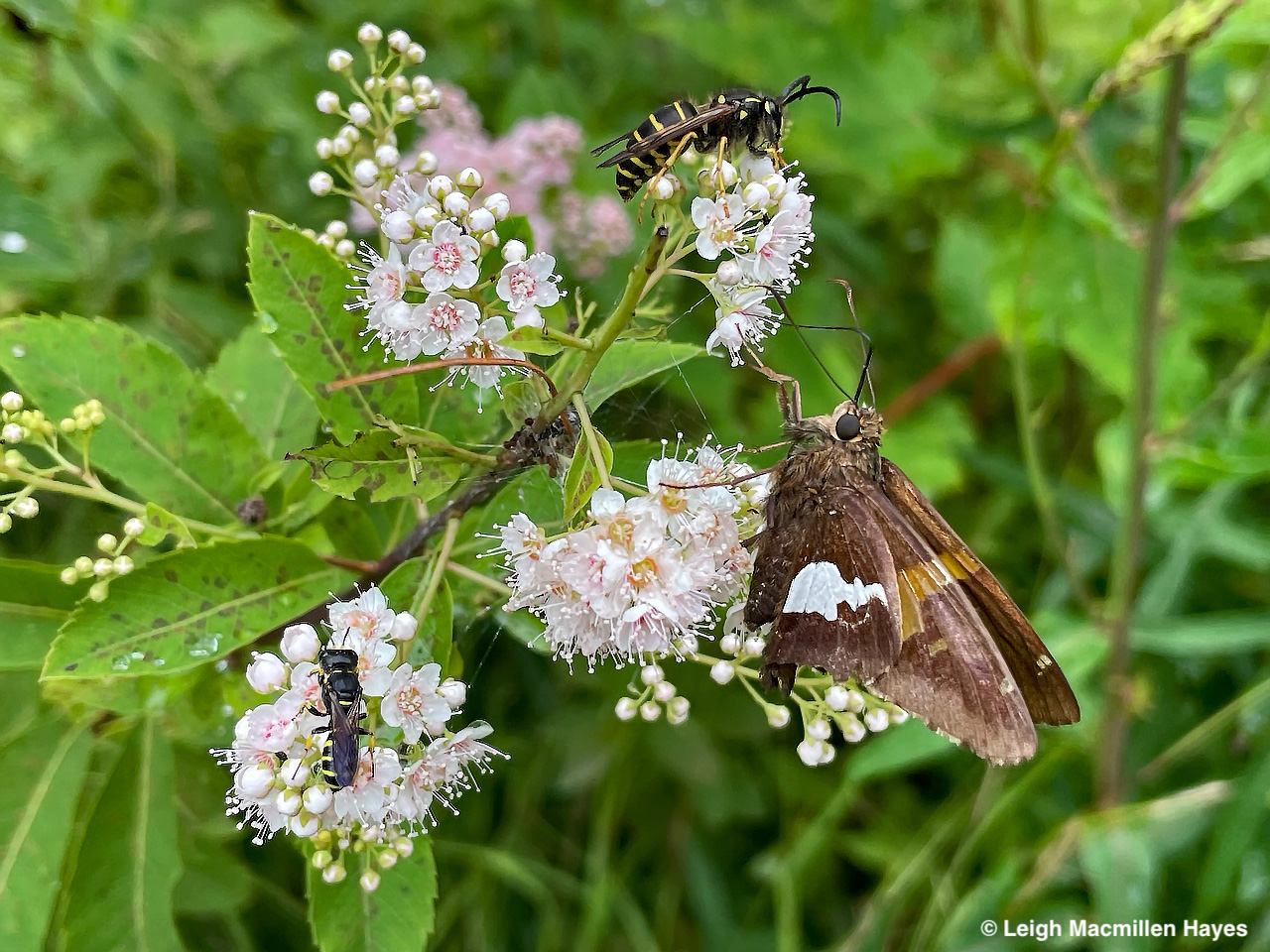
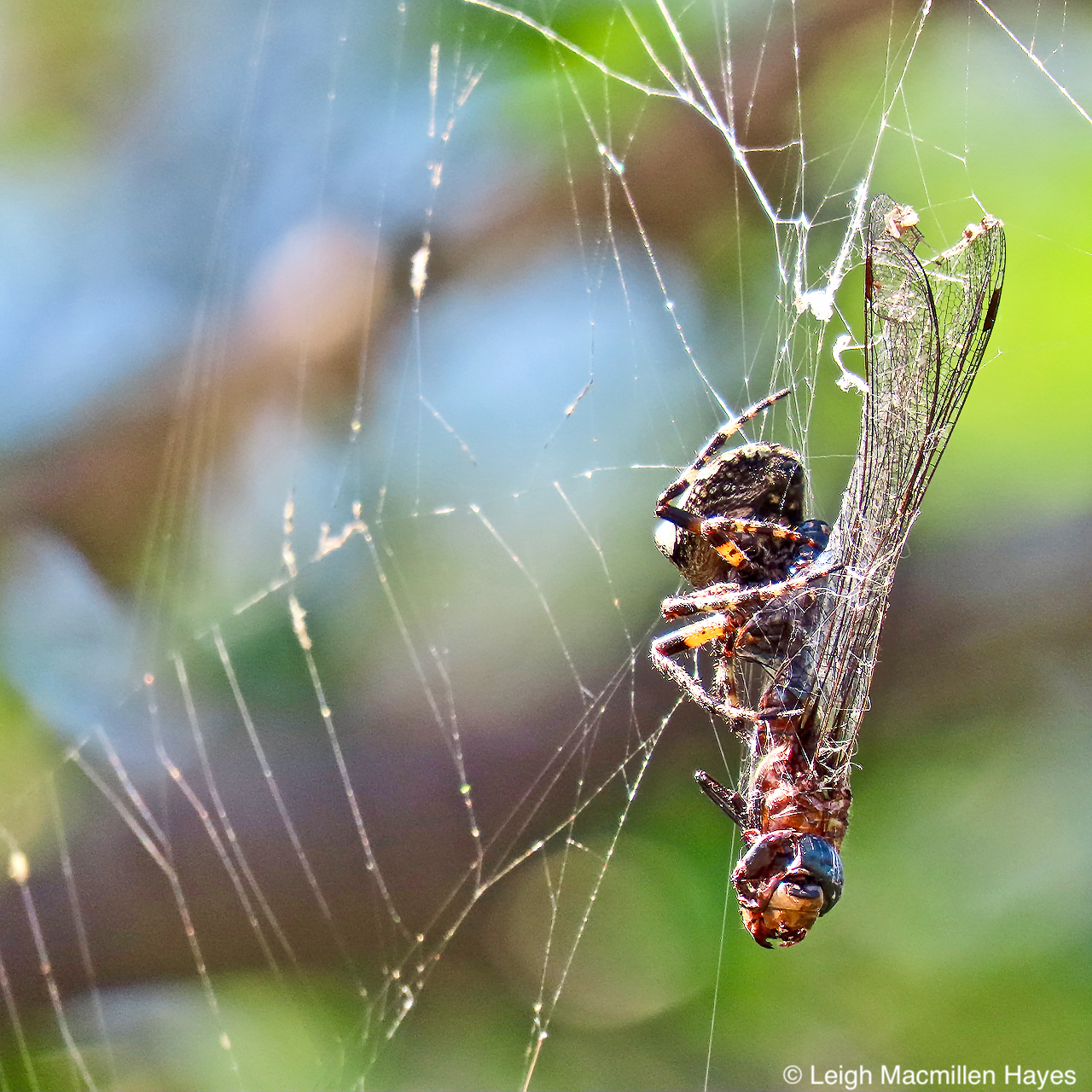
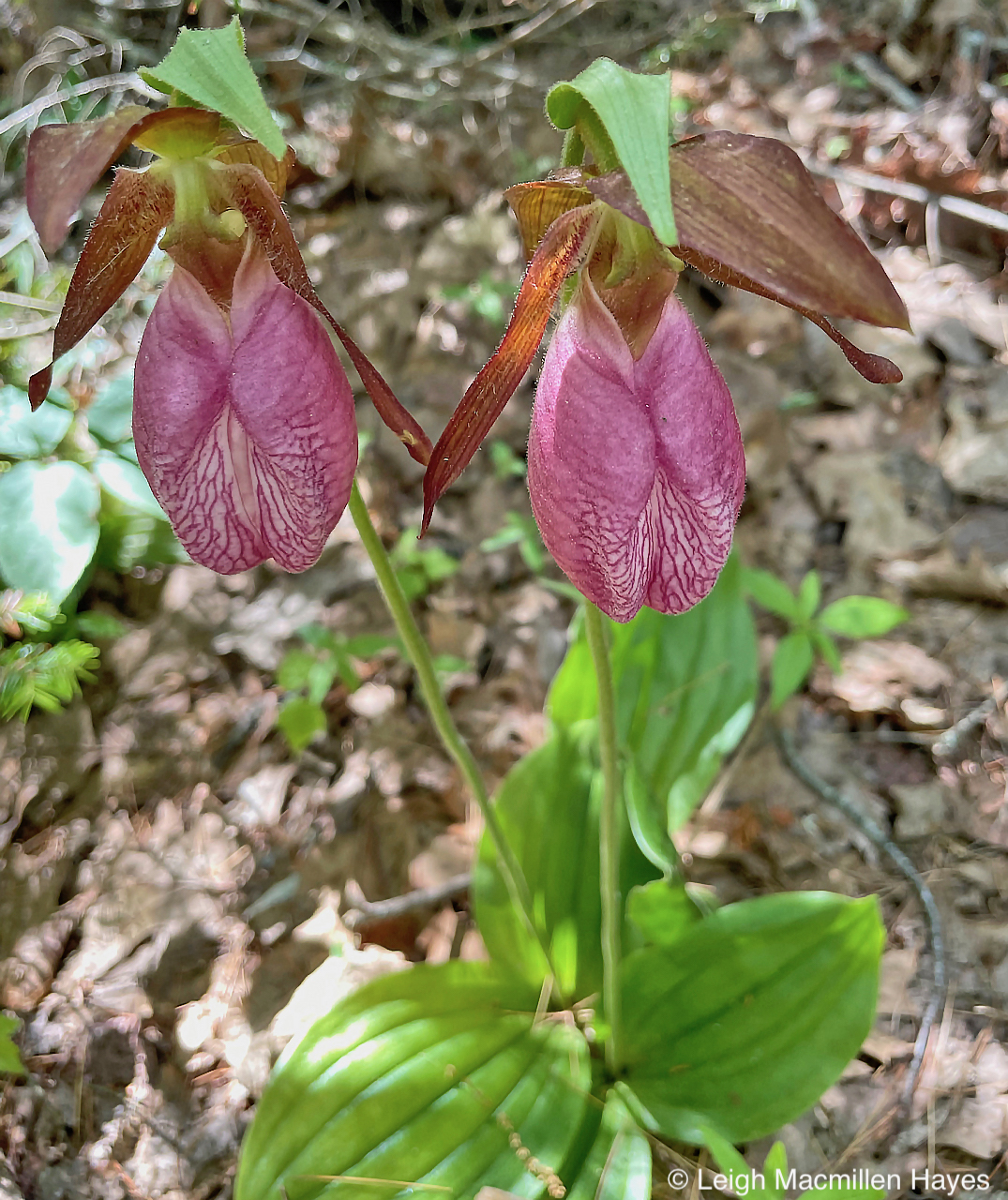
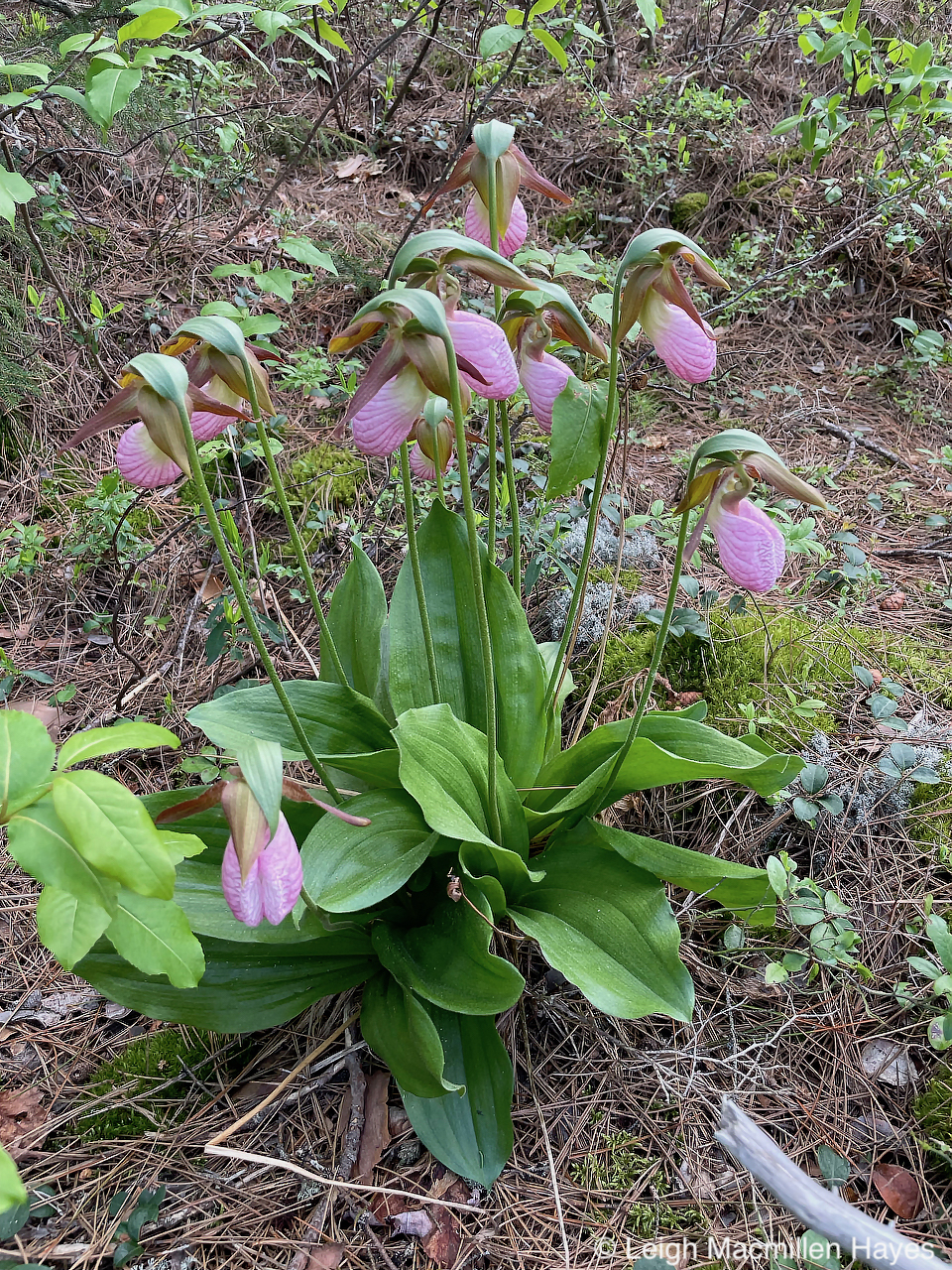
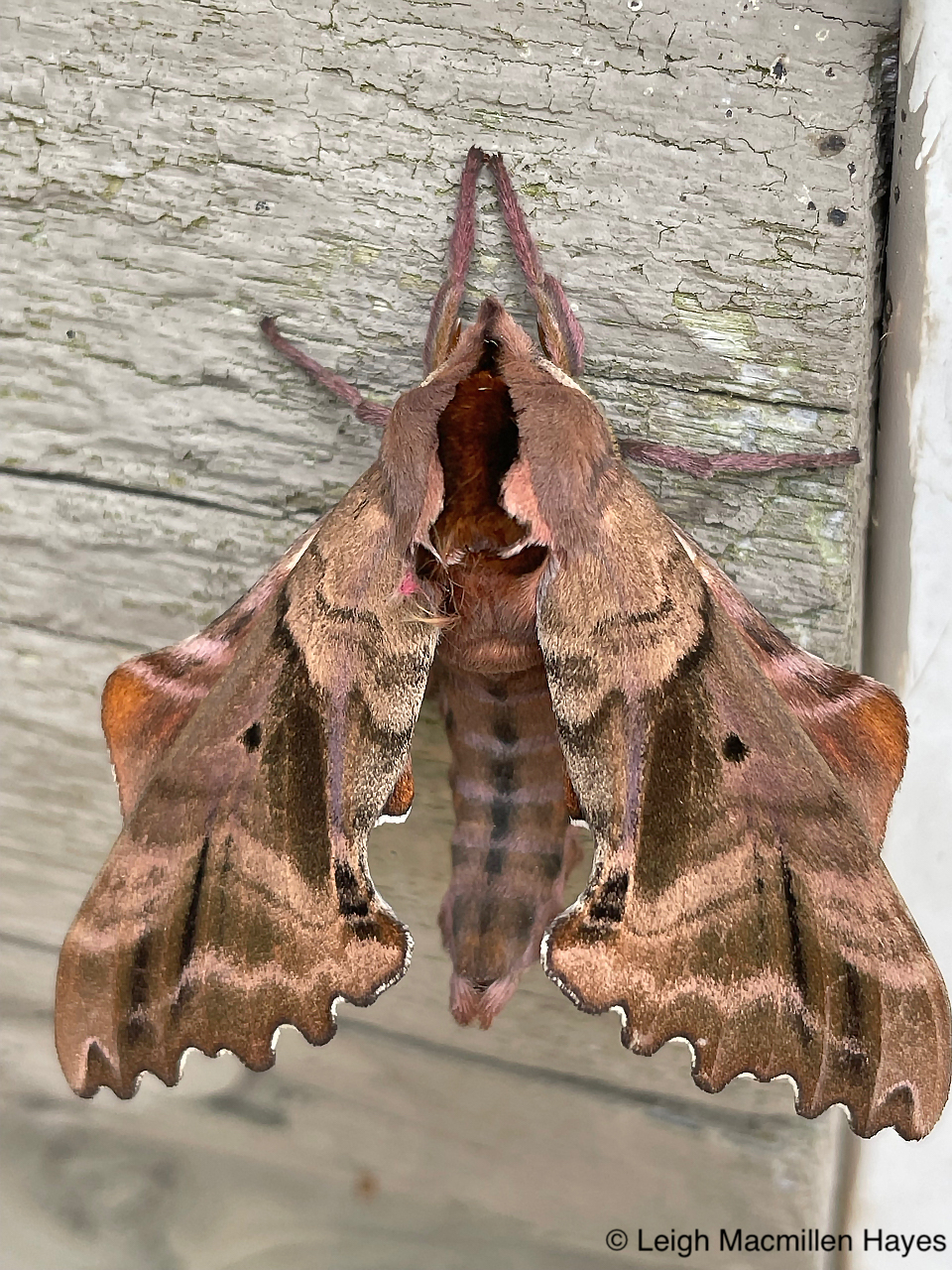
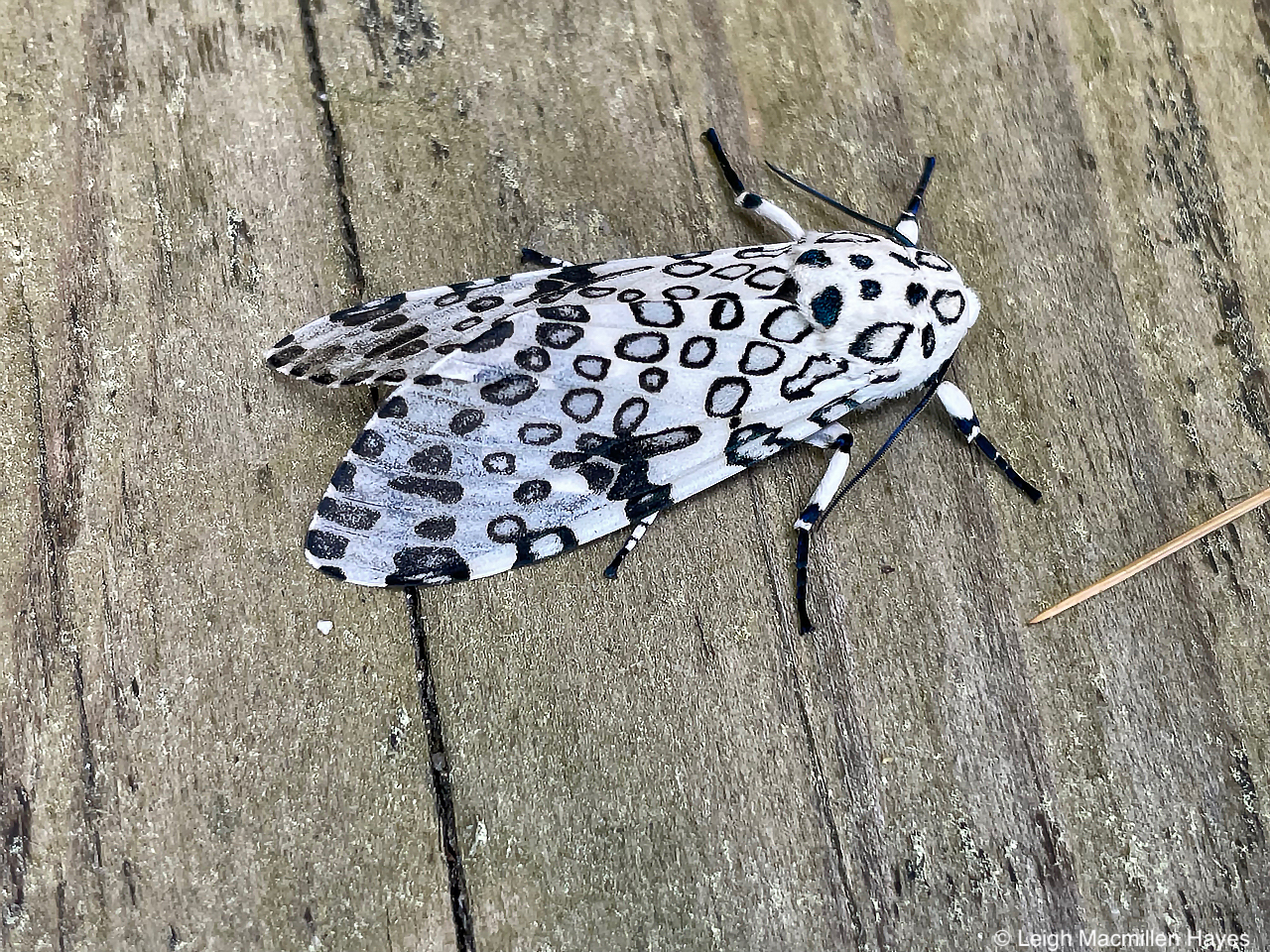

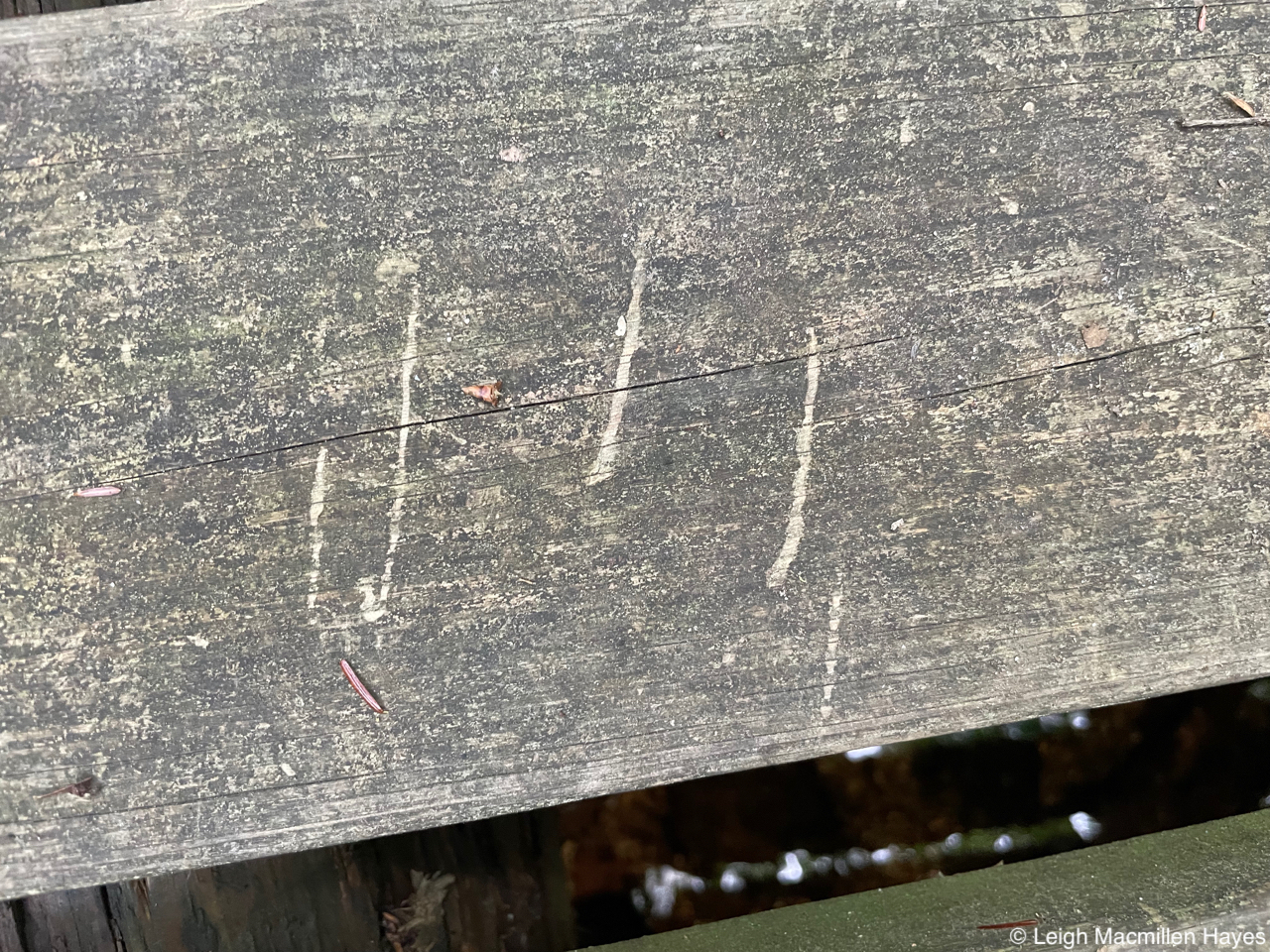


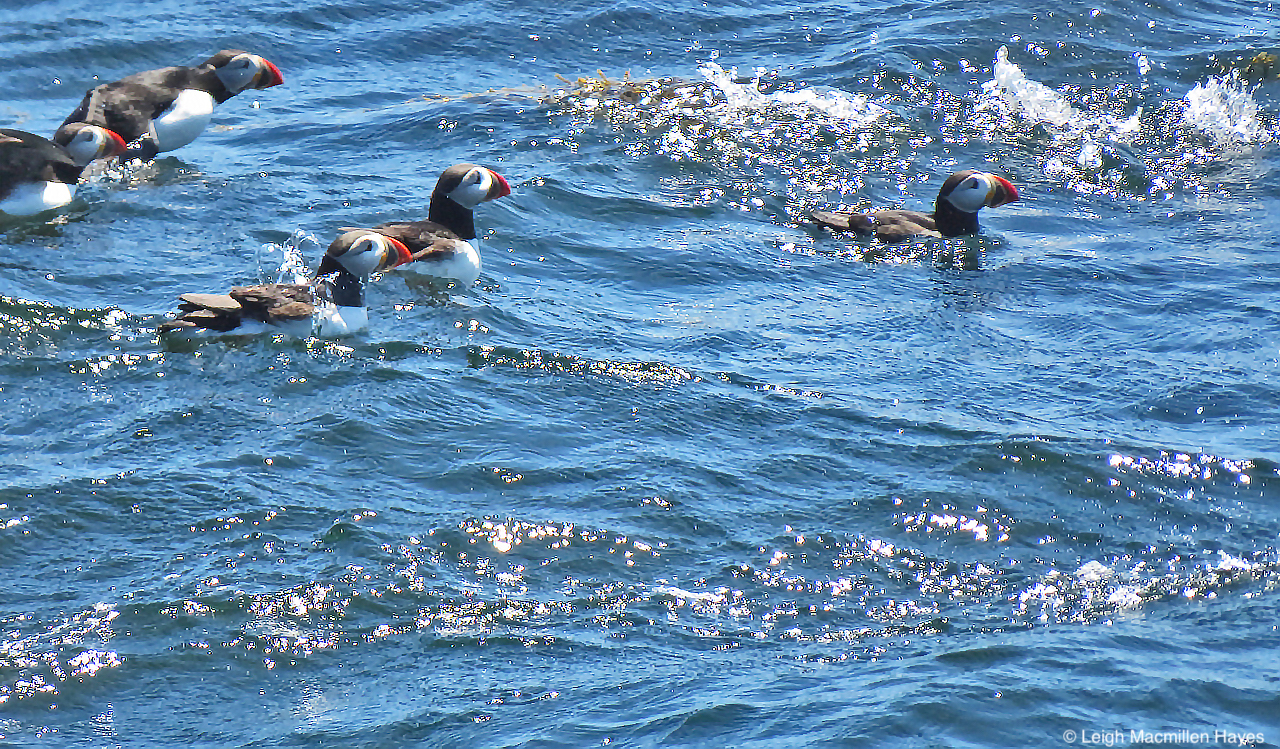






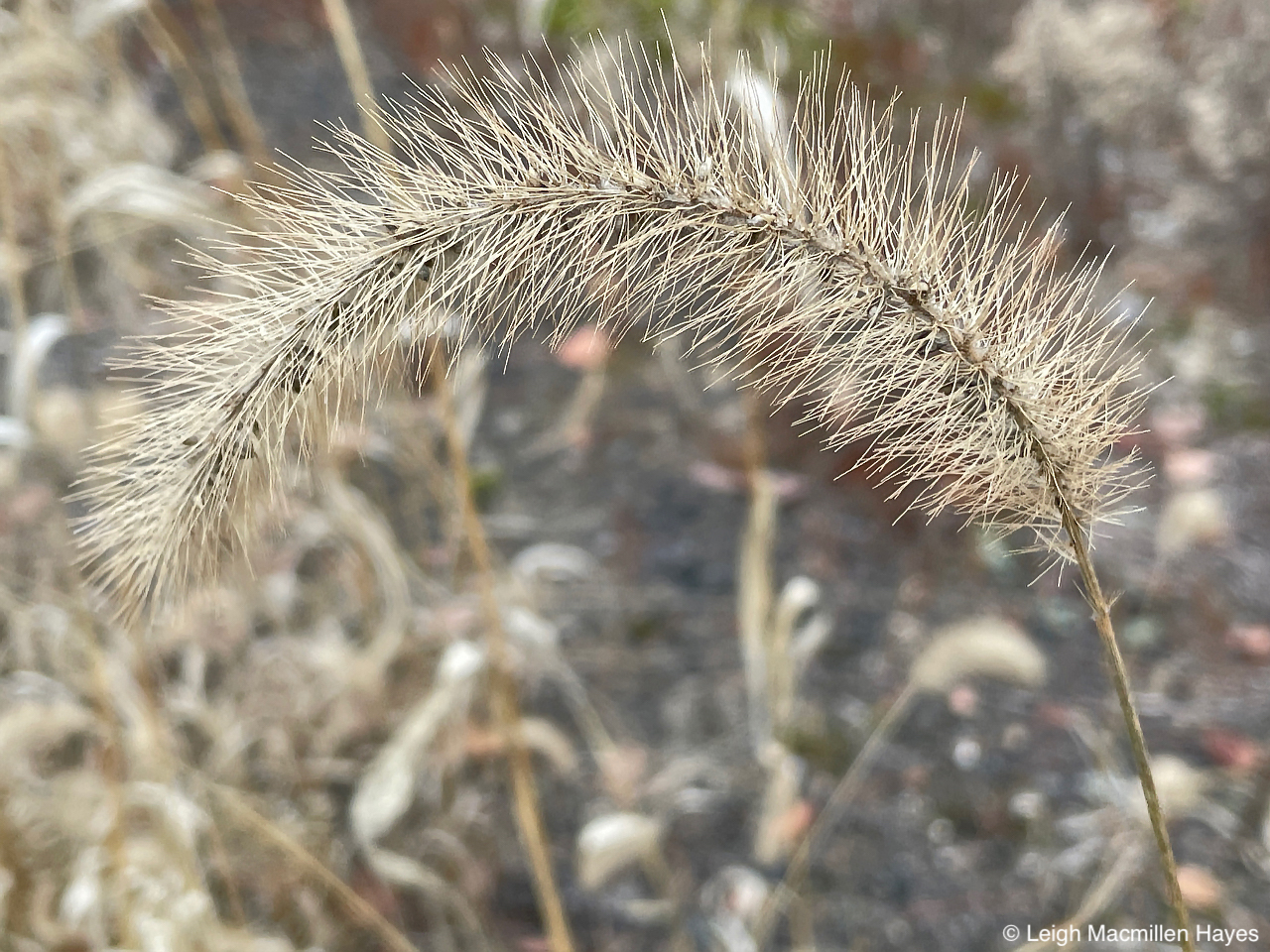


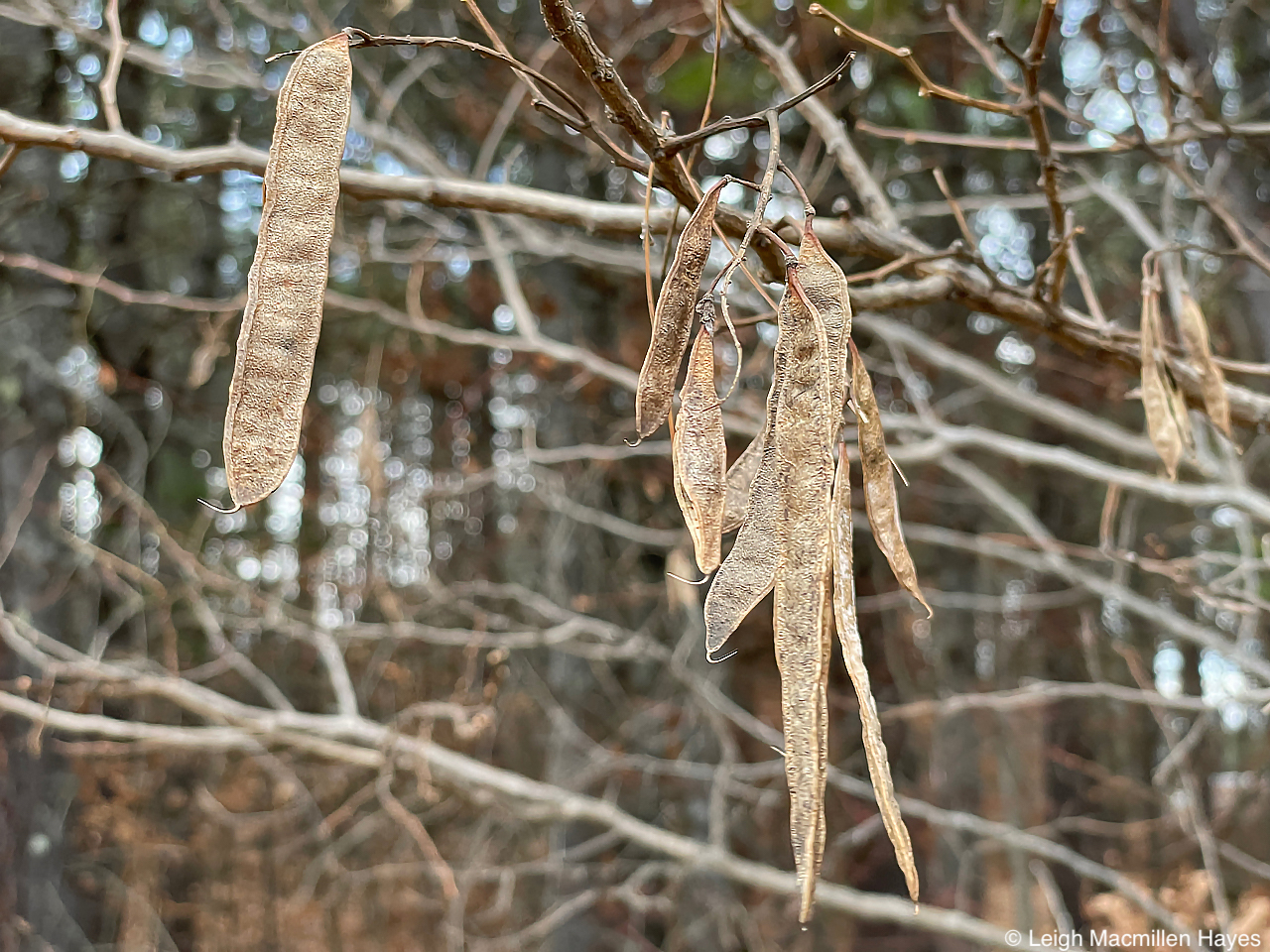





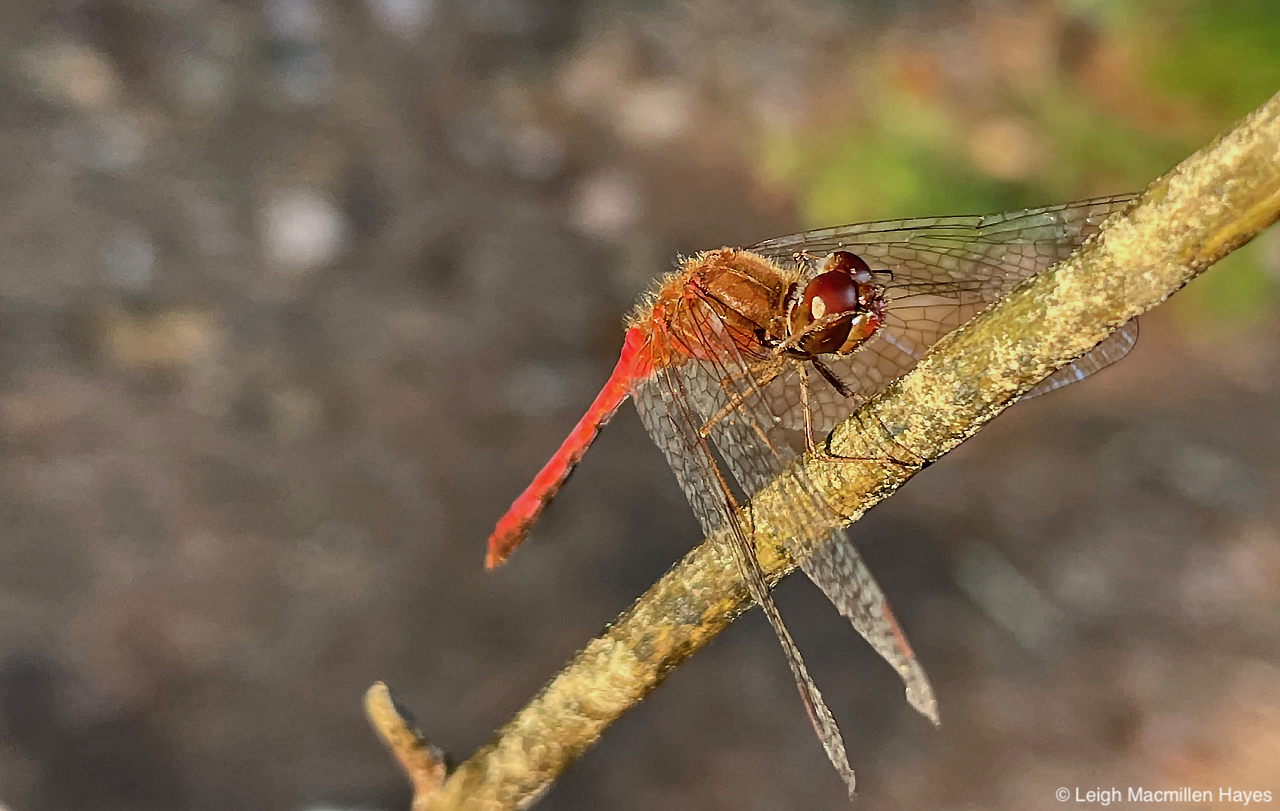


 wondermyway