Happy 9th Birthday, wondermyway!

Thank you to all who read and comment and share wondermyway.com. Some of you have followed my blog posts since the beginning, February 21, 2015. A few have joined the journey as recently as yesterday. I’m grateful for the presence of all of you in my life.

To mark this occasion, I thought I’d reflect upon those moments when my wonder gave me a glimpse of the “Thin Places” that I’ve experienced either by myself or in the company of others.

To quote my friend, Ev Lennon, “A Thin Place is a spot of beauty, loveliness, space–an example of the wideness and grandeur of Creation.”

I think of them as places that you don’t plan a trip to visit, but rather . . . stumble upon.

I had
the track of
a bobcat to thank,
for it showed me the way
to a special friend.
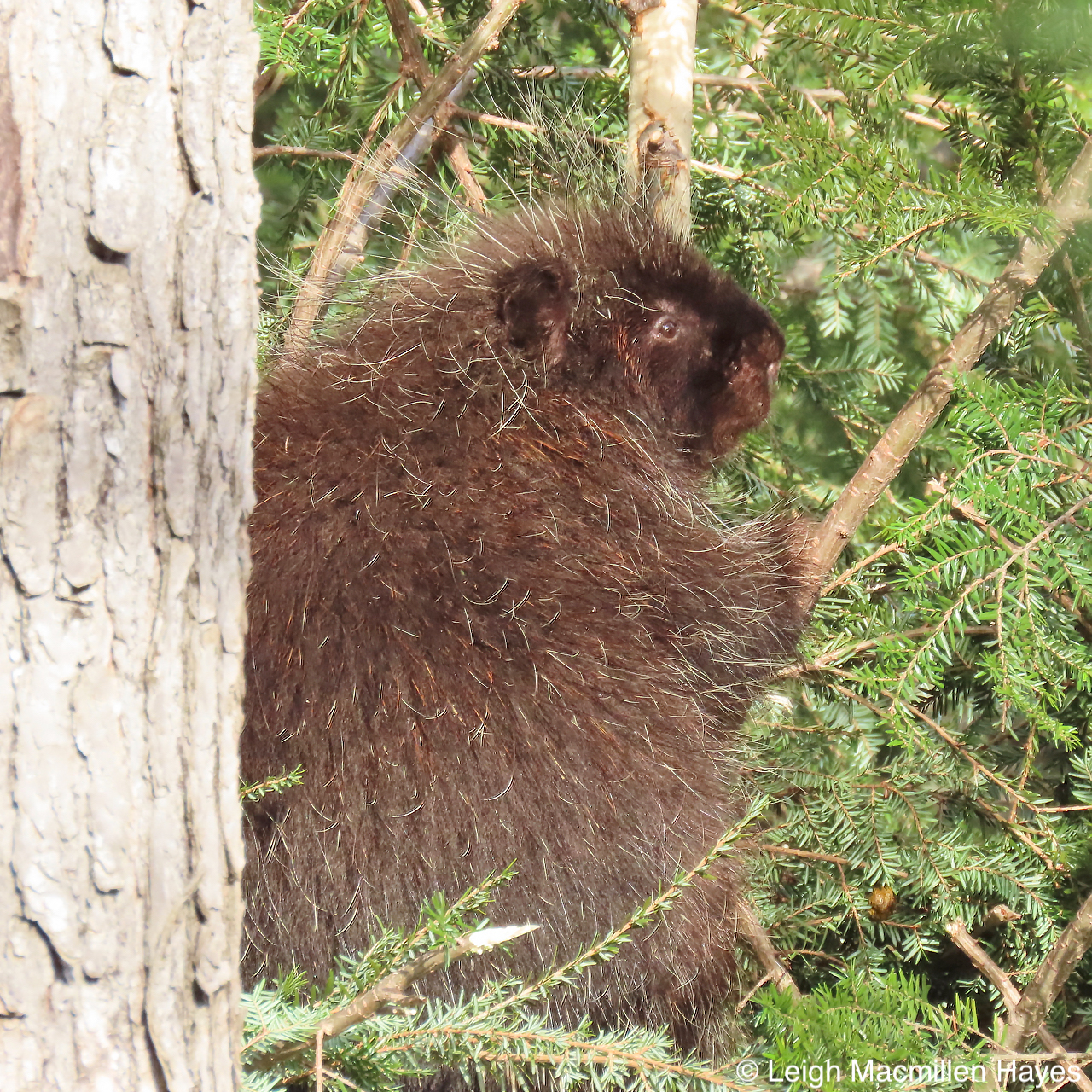
It was without expectation 
that we met
and spent at least
an hour together.
And then I realized
though its sight is not great,
it was aware of my presence
and I hightailed it home,
but I will always
celebrate time spent
with the Prickly Porcupine.
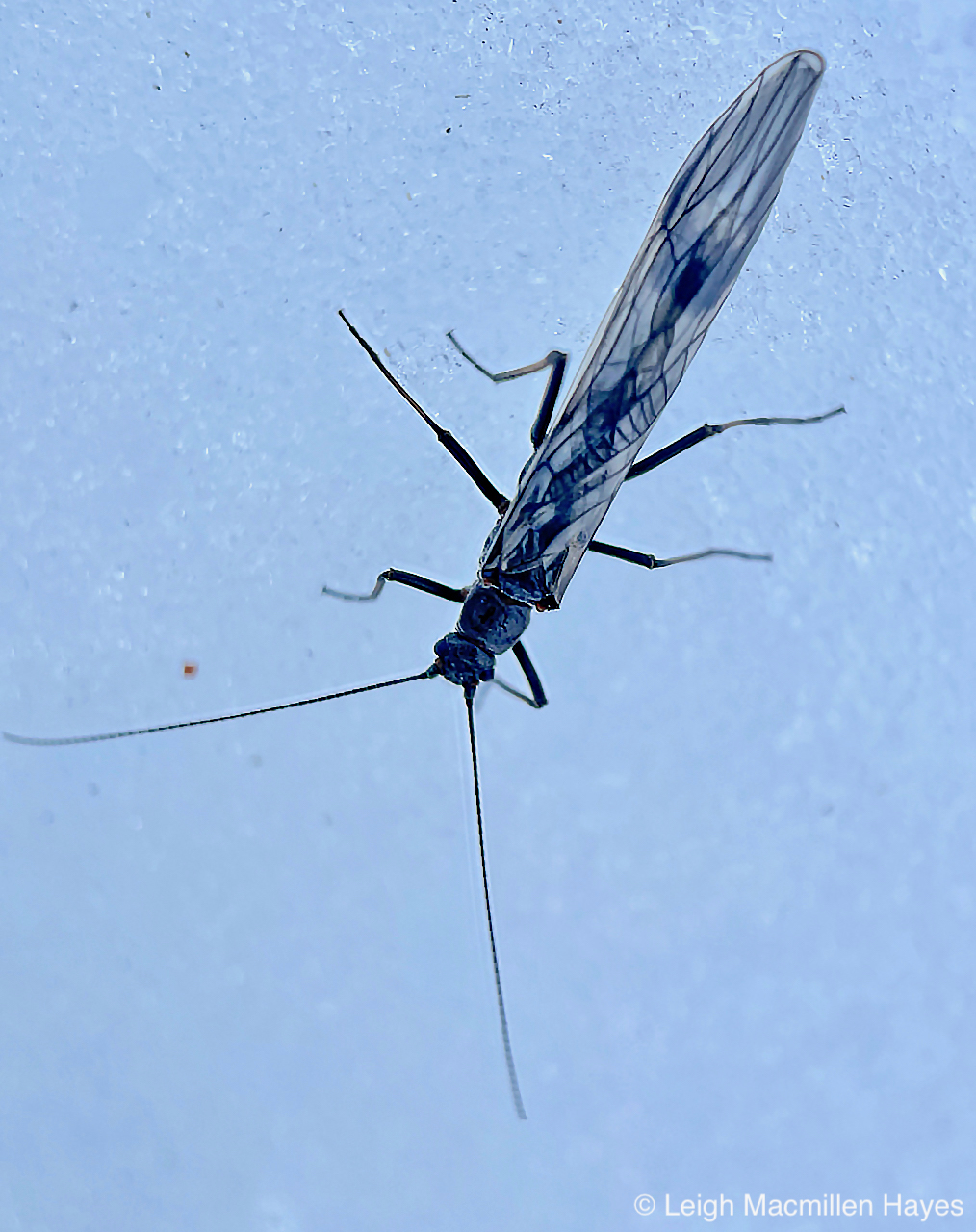
Something quite small
scurrying across the snow
captured my attention
and suddenly
there was a second
and a third
and then hundreds
of Winter Stoneflies.
All headed west from the brook
toward mature tree trunks
to beat their drum-like structures
against the bark
and announce their intentions to canoodle.
Though I could not hear
their percussion instruments,
I am grateful
to learn
with those who
march to the beat of a different drummer.
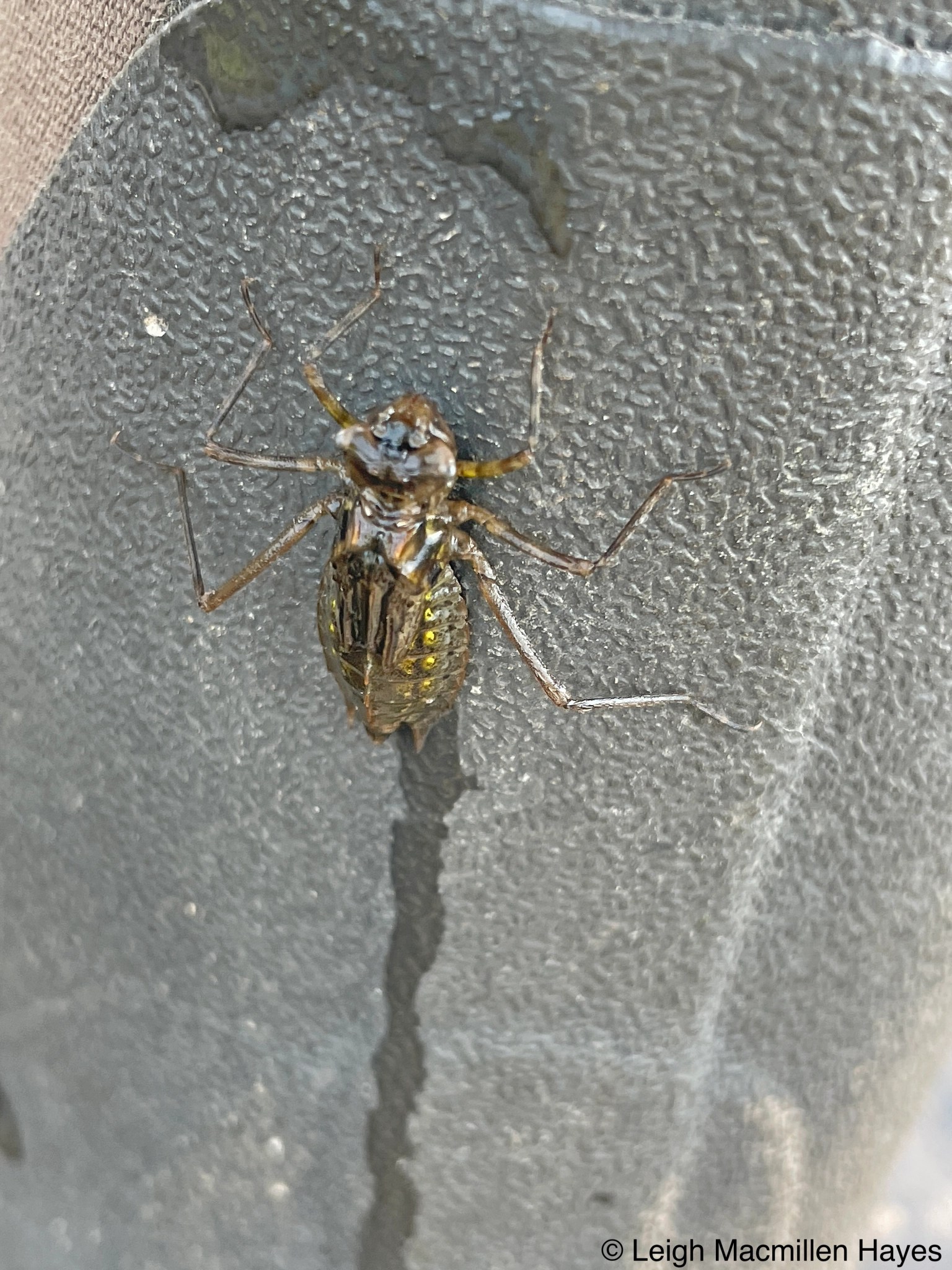
Standing beside quiet water,
I was honored
on more than one occasion
to have my boot and pant legs
considered the right substrate
upon which to transform
from aquatic predator
to teneral land prey
before becoming
a terrestrial flying predator.
It takes hours
for the dragonfly to emerge
and I can't think of a better way
to spend a spring day
than to stand witness
as the mystery unfolds
and I begin to
develop my dragonfly eyes
once again.
It took me a second 
to realize that I was
staring into the eyes
of a moose,
and another second
to silently alert My Guy
while grabbing my camera.
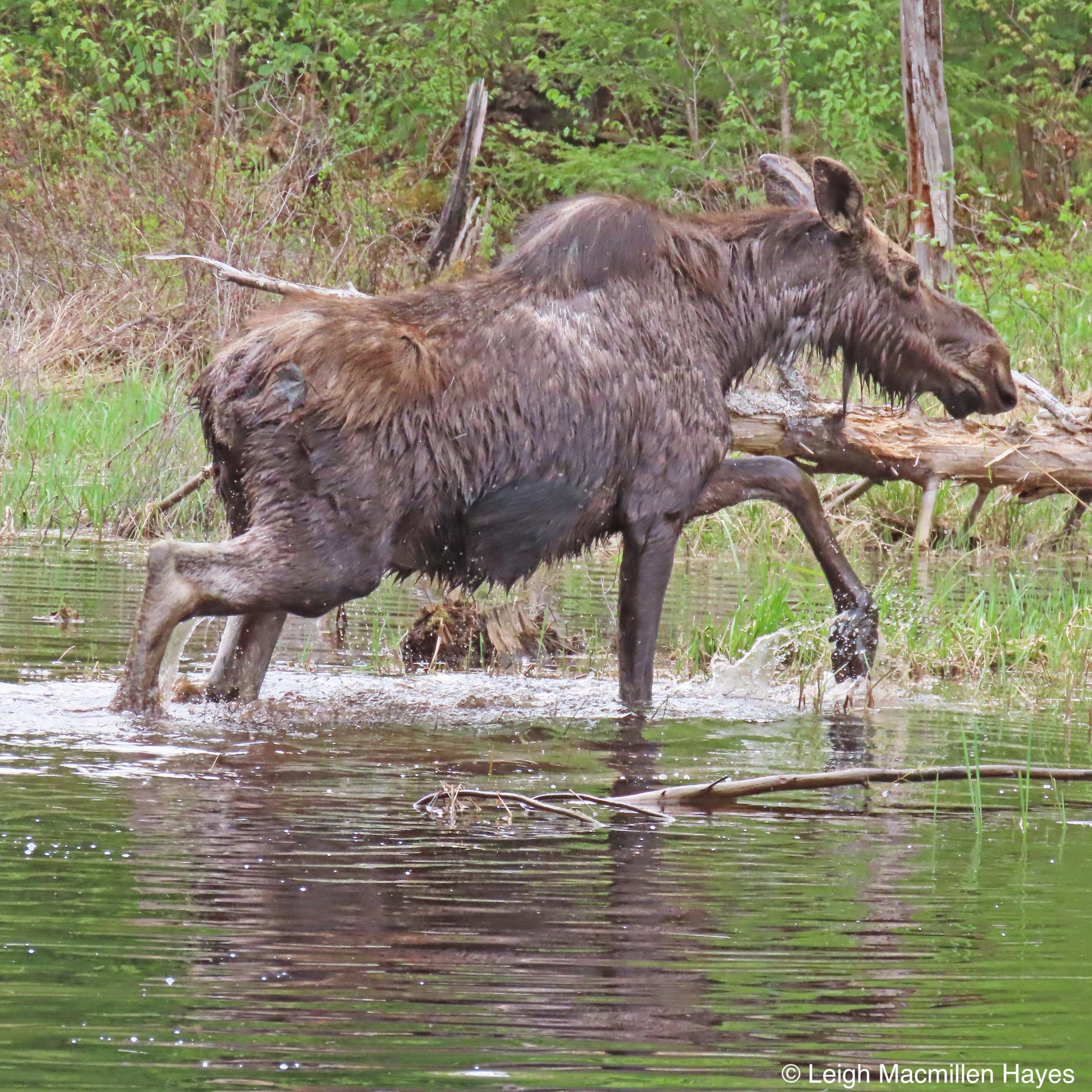
She tip-toed off
as we relished our time
spent in her presence
and at the end of the day
had this Final Count
on a Moosed-up Mondate:
Painted Trillium 59
Red Trillium 3
Cow Moose 1
One was certainly enough!
Some of the best hours
I spend outdoors
include scanning
Great Blue Heron rookeries
to count adults and chicks
and get lost in the
sights and sounds
of rich and diverse wetlands.
Fluffy little balls
pop up occasionally
in the nests and the
let their presence be known
as they squawk
feverishly for food.
And in the mix of it all
Nature Distraction
causes a diversion of attention
when one swimming by
is first mistaken for a Beaver
but reveals its tail
and morphs into a Muskrat.
I give thanks to the Herons for these moments.
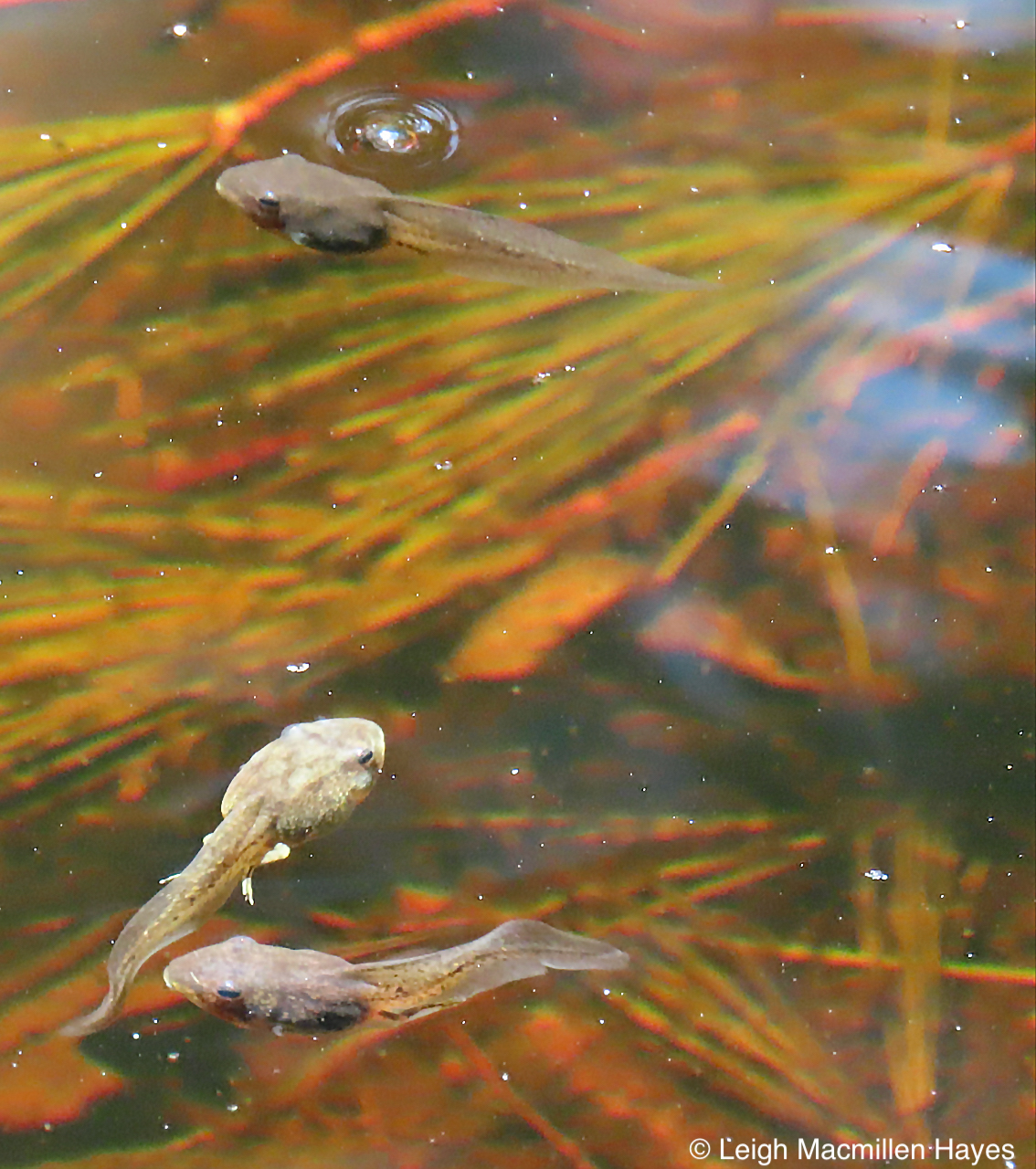
What began as a "Wruck, Wruck" love affair
continued
for longer than usual
and due to
a rainy spring and summer
I was treated to a surprise
in the form of developing frog legs.
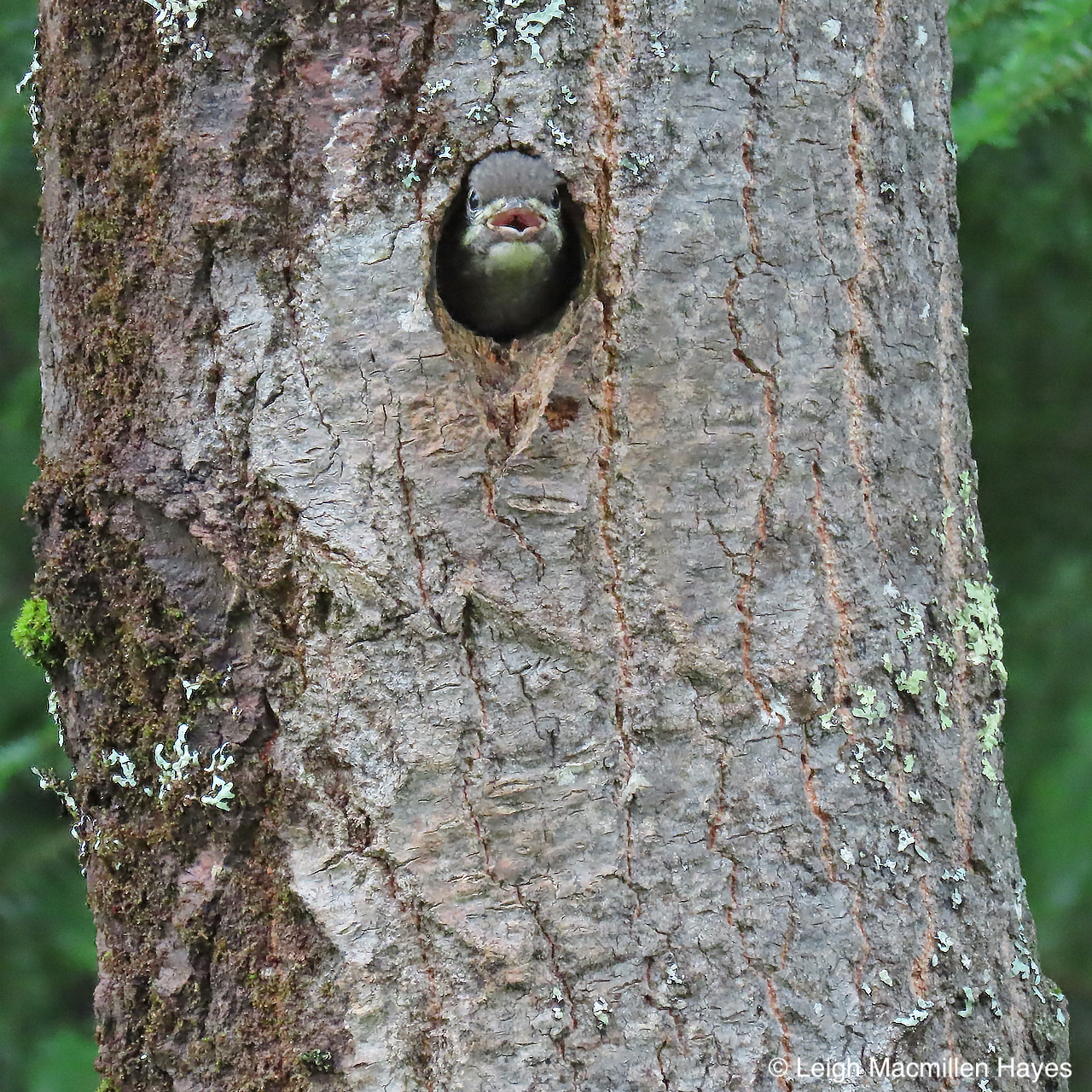
In the midst of my visits
one day I heard
the insistent peeps
of Yellow-bellied Sapsucker chicks
demanding a meal on wings,
which their parents
repeatedly provided.
Walking home 
from the pool
another day,
I was honored
to spend about ten minutes
with a fawn,
each of us curious
about the other
until it occurred to me
that its mother
was probably nearby
waiting for me to move on,
so reluctantly I did,
but first gave thanks
that something is always happening
right outside my backdoor.
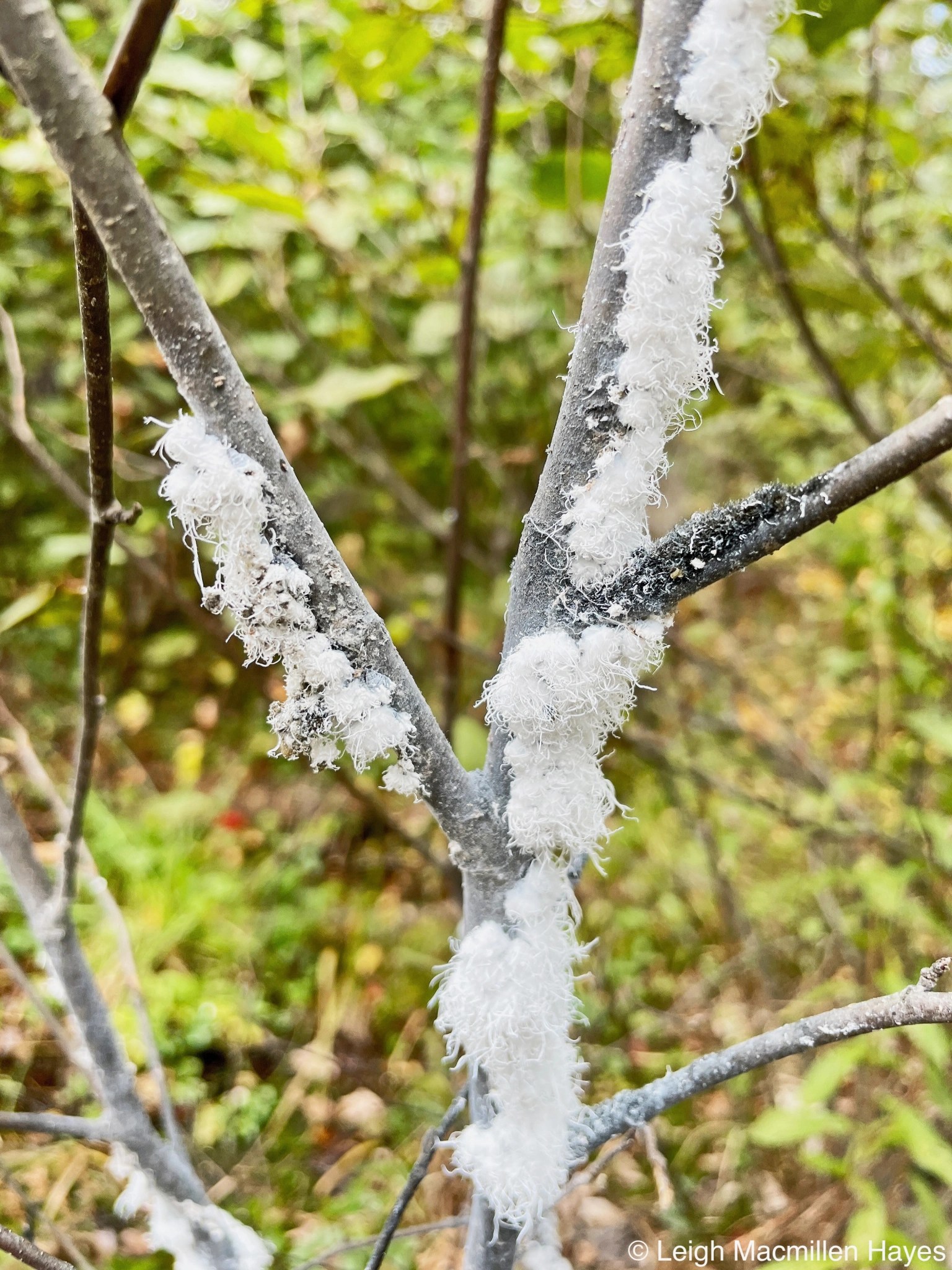
While admiring shrubs
that love wet feet,
I counted over
one hundred branches
coated with white fluffy,
yet waxy ribbons.
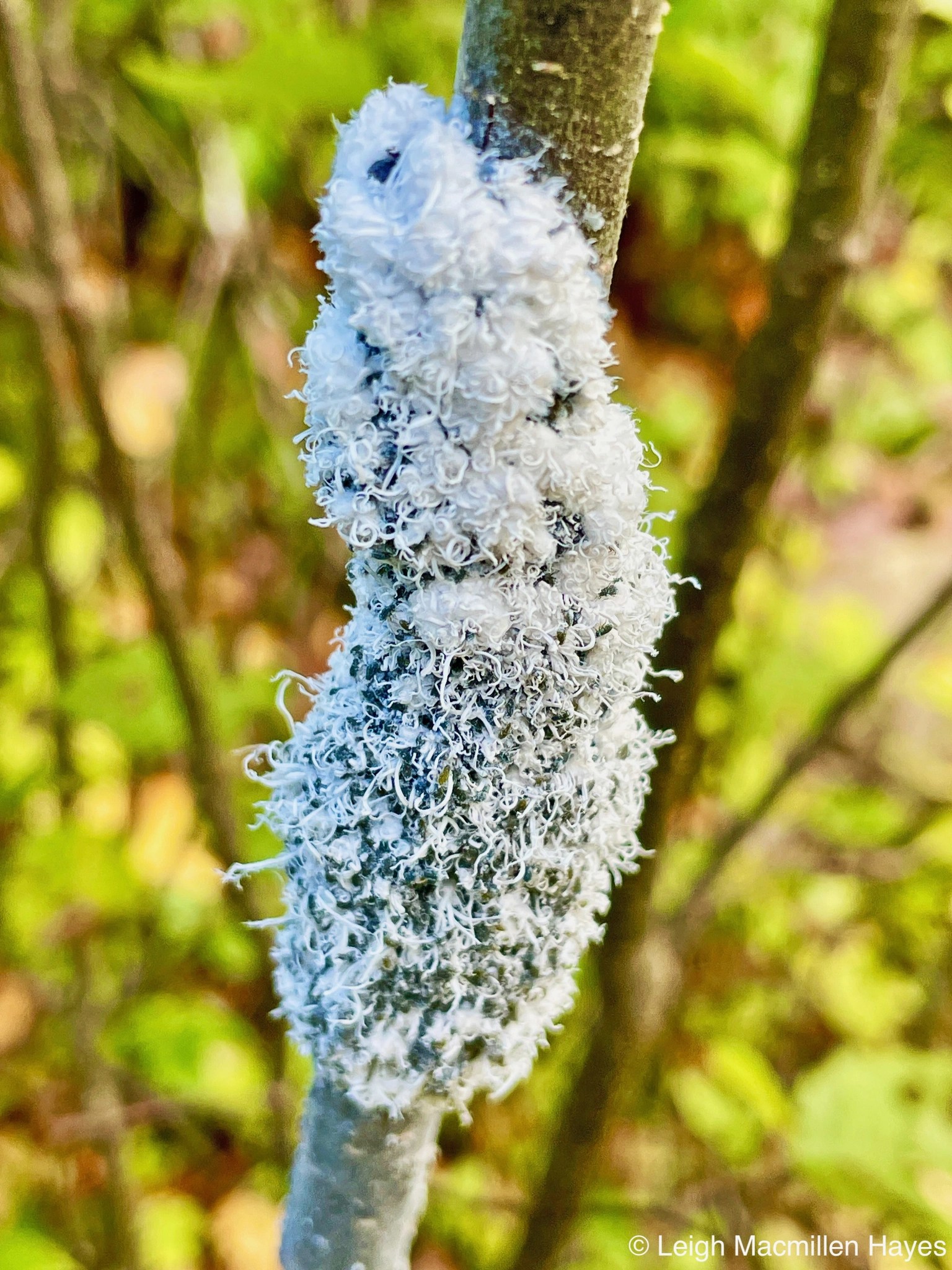
Theirs is a communal yet complex life
as the Woolly Alder Aphids
suck sap from Speckled Alders.
Communal in that
so many clump together
in a great mass.
Complex because
one generation reproduces asexually
and the next sexually,
thus adding diversity
to the gene pool.
Along with the discovery
of coyote scat,
and Beech Aphid Poop Eater,
a fungus that consumes
the frass of the Aphids,
it was an omnivore, herbivore, insectivore kind of day.
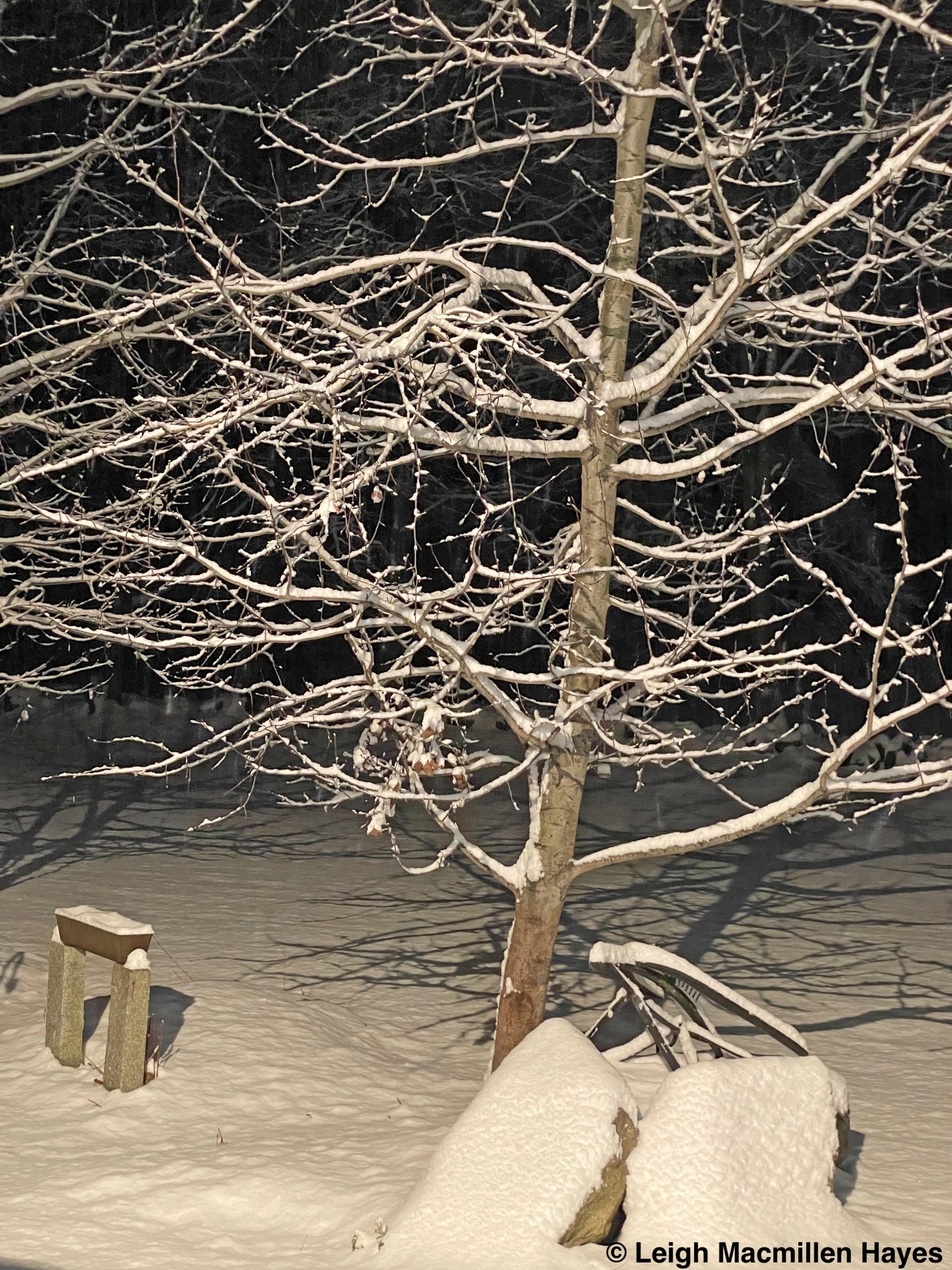
Awakening early, 
a certain glow
in the sky
pulled me from bed
and I raced downstairs
to open the door
and receive the quiet
that snowflakes create.
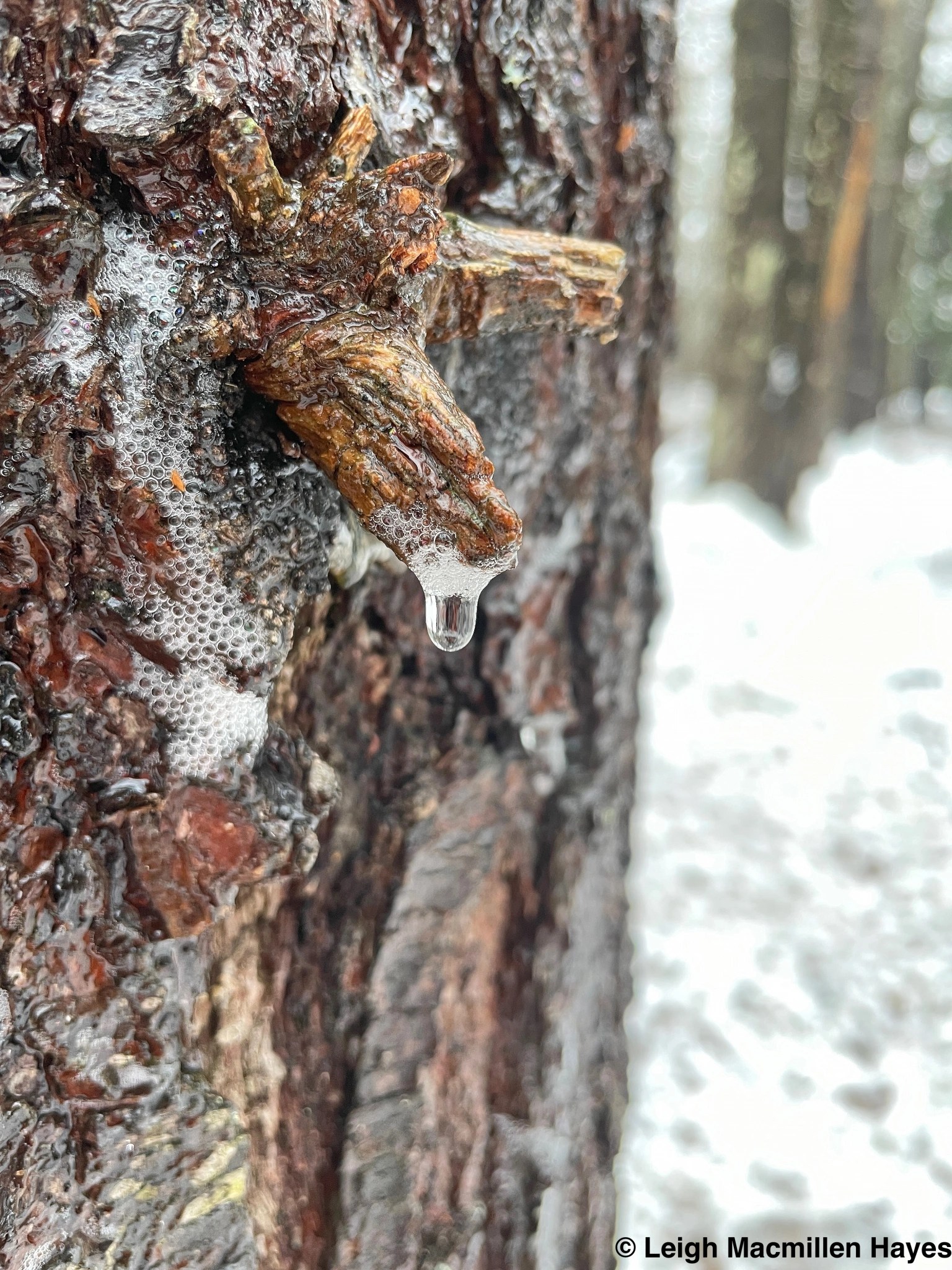
The snow eventually
turned to rain,
which equally mesmerized me
as I watched
droplets elongate
and quickly free fall,
landing on bark below
in such a manner
that caused them
to mix with sap salts and acids.
The result was
White Pines foaming
in the form of
Pine Soap
with its hexagonal shapes:
worth a natural engineering wonder
and I gave thanks for being present.
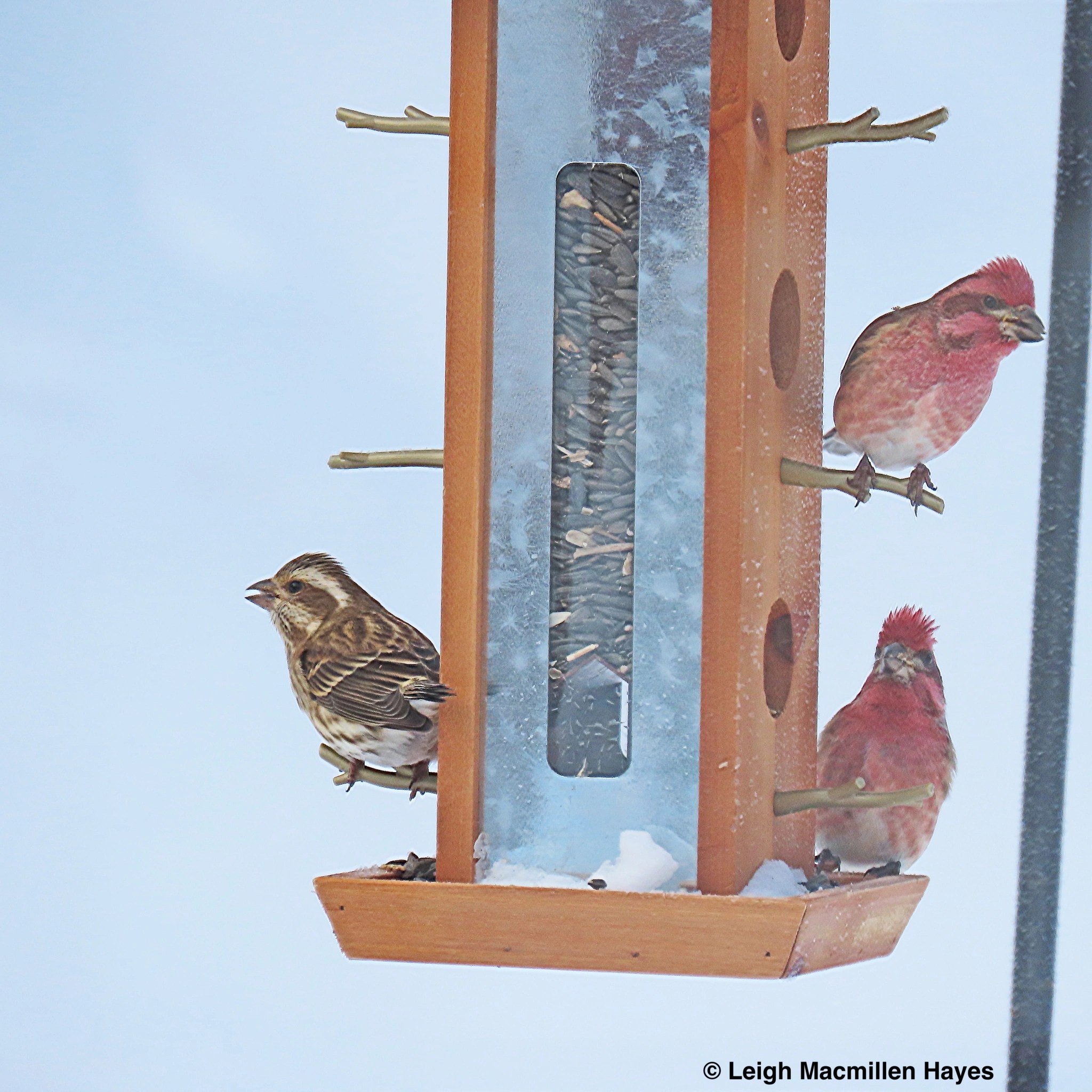
Occasionally, 
it's the action
outside the backdoor window
that keeps me standing sill
for hours on end,
as a variety of birds fly
in and out
of the feeding station,
such as these Purple Finches,
the males exhibiting
bad hair days.
Bird seed is not 
just for birds
as the squirrels prove daily.
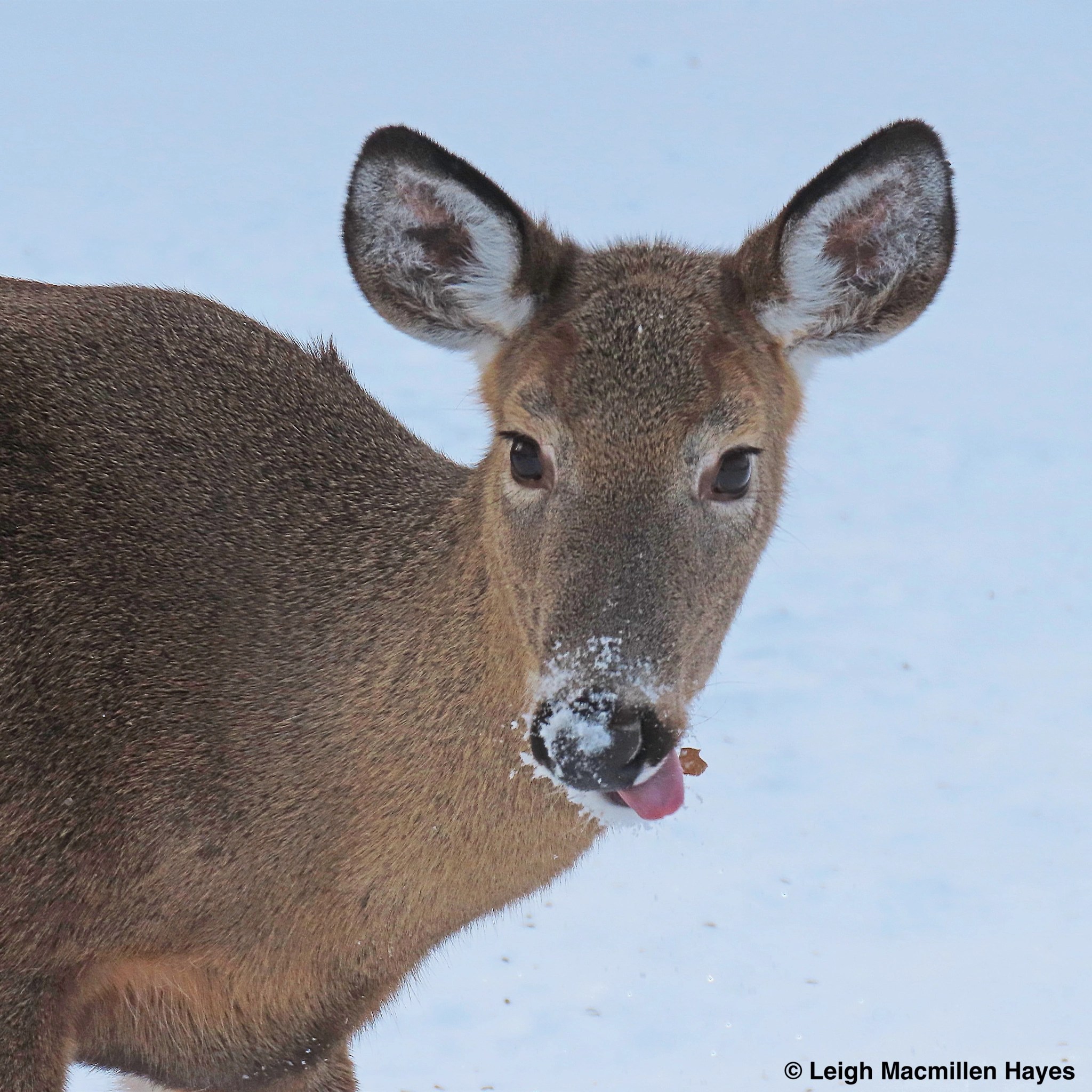
And White-tailed Deer
often make that
statement at night.
But this day was different
and they came
in the morning
using their tongues
to vacuum the seeds all up.
At the end of the day,
my favorite visitors
were the Bluebirds
for it was such a treat
to see them.
But it was the mammals
who made me realize
not every bird has feathers.
These are samples 
of the Thin Places
I've stumbled upon
this past year.

They are a
cause for celebration,
participation,
and possibility.
My mind slows down
and time seems infinite
as I become enveloped
in the mystery.

I give thanks
that each moment
is a gift
and I have witnessed
miracles unfolding
that did not
seek my attention,
but certainly captured it.

And I thank you again
for being
one of the many
to wander and wonder my way.

Bugged by the Otherworldy

There was a time when insects bugged me. Apparently, I’m long beyond that for though I morn the loss of snow and tracking season, I can’t wait for insect season to begin. Ah yes, that is, except for the blackflies, aka Maine’s state bird, or so they should be. But even the blackflies I can endure because I know that they provide food for actual birds and for other insects such as dragonflies. By now, you’re probably thinking I’m about to present a series of dragonfly shots. Not today, but that day will be upon us very soon for in the natural world everything seems to be on time and there is no such thing as The Pause.

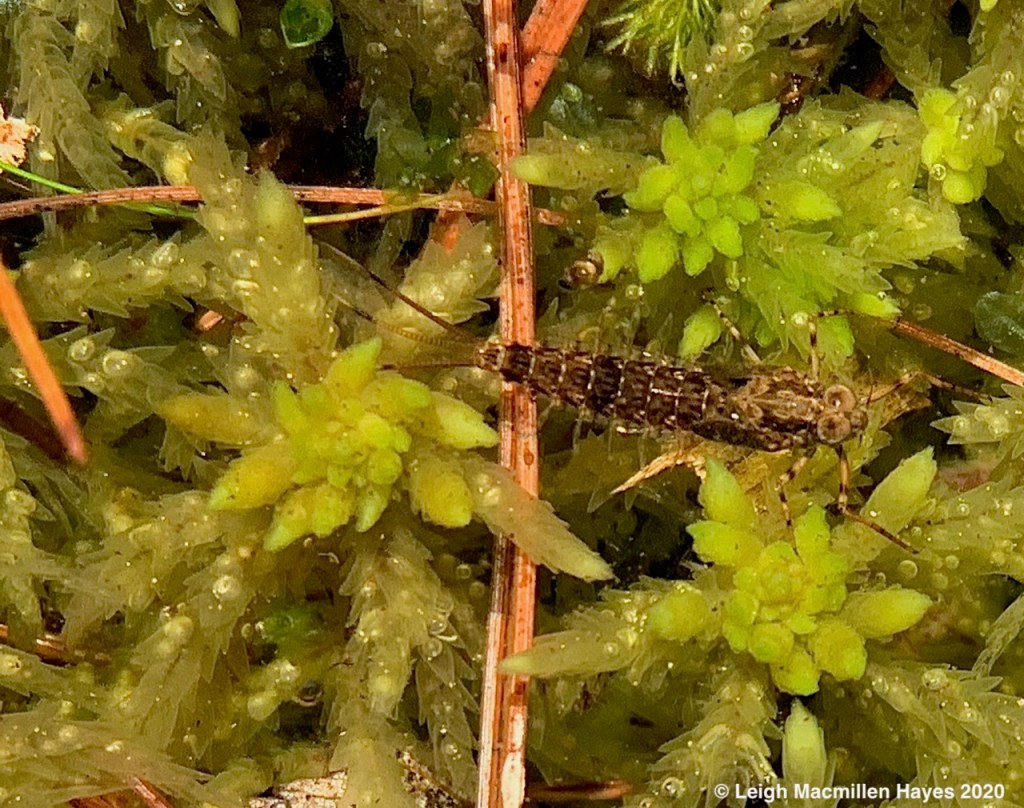
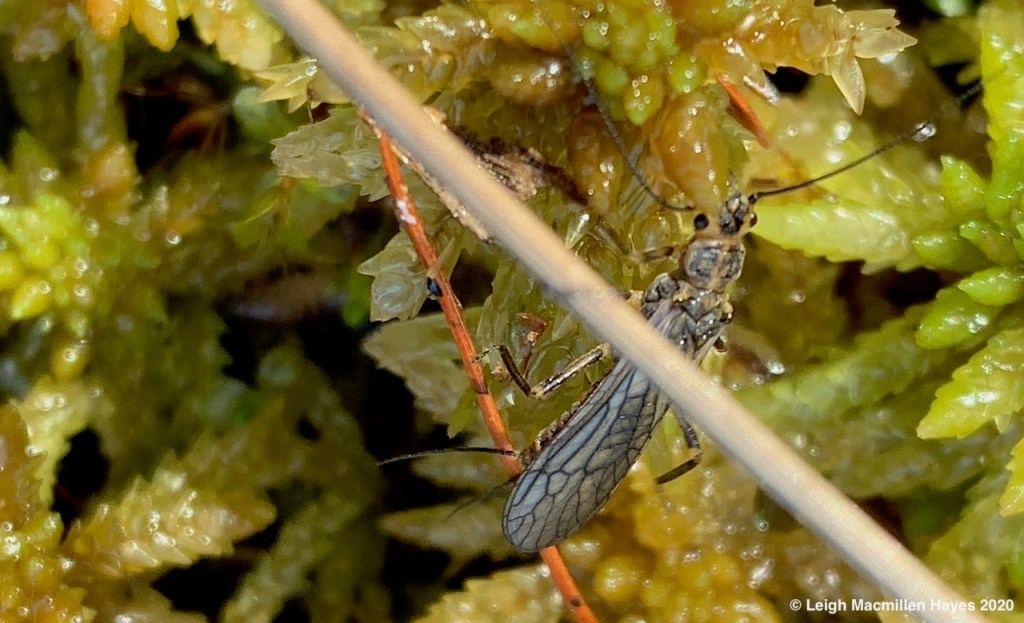
Pause, however, I did beside another wetland setting today in a spot where my boots slowly sunk down into the sphagnum moss for the longer I stood the deeper they went, and the stoneflies crawled, their veined wings showing off a stained-glassed window naturally.

If you look closely at the tip of the abdomen that curves out from under the wings, you may see the cerci or paired appendages. They are one of the clues to identification and sighting stoneflies is a great thing because they are intolerant of water pollution.

Of course, when one is looking one sees . . . caddisflies everywhere, though because I was in a different wetland habitat today as compared to yesterday’s vernal pool journey, the shelter of choice differed. Notice how this caddisfly’s home resembles the equisetum upon which it climbs.

But at the risk of boring you with too many caddisfly photos, I moved on (after taking too many caddisfly photos). About an inch to the left, that is. And that’s when I spied a mayfly larva with cerci of three. The thing with mayflies–they can have two or three tails. At this stage mayflies are called nymphs or naiads.

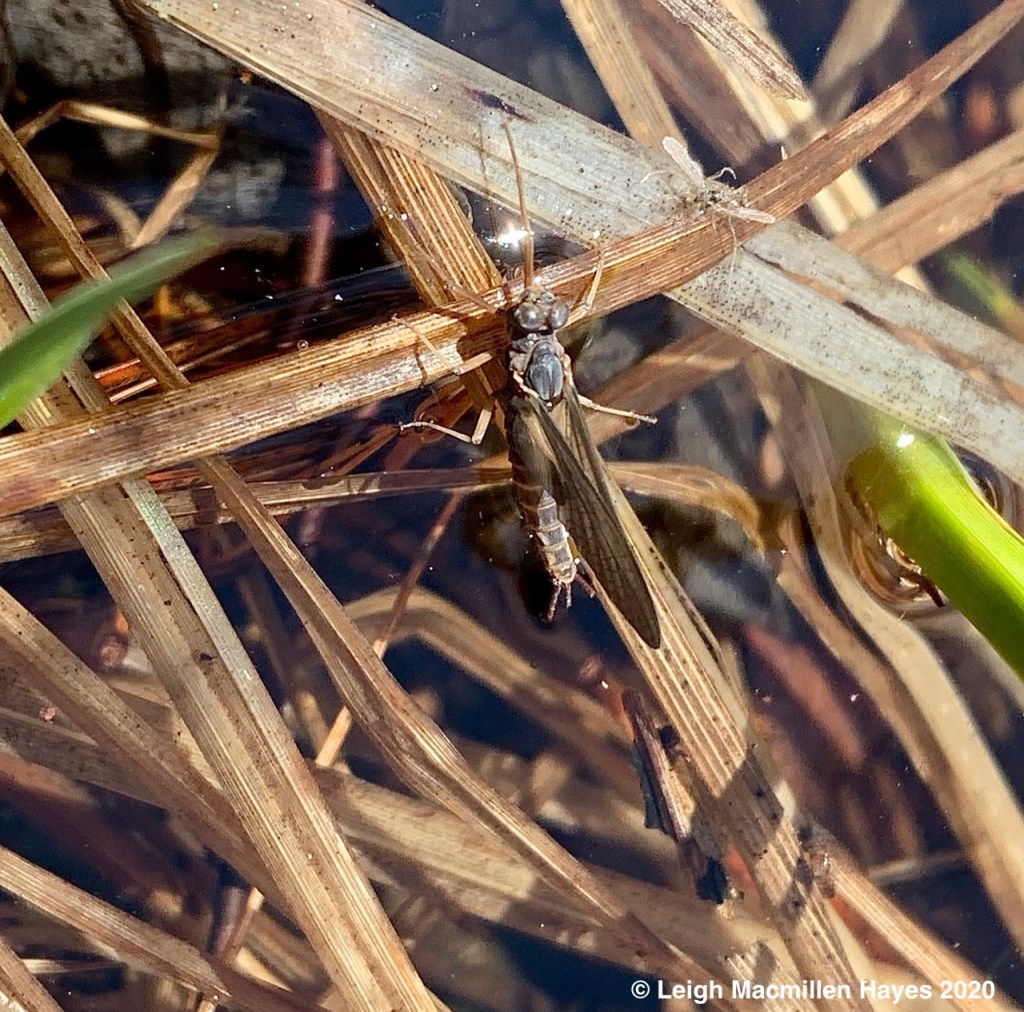
Eventually I made my way over to some false hellebores and what should I spy at the tip of one? A teenager! Well, not exactly, but the subimago or dun form of a newly emerged dragonfly. Notice the cloudiness of its wings–a clue that it isn’t an imago or adult. Mayflies are the only insects that I know of which also molt as adults. Once the final molt occurs, the clear-winged adult will live for a day or two, mate, lay eggs, and then become part of the detritus upon which they fed as nymphs.

Checking the next false hellebore was worth it not only to embrace the design of the ribbed leaves, but hiding within–yes, another subimago.

Again, the cloudy wings were the giveaway.

At a different spot along the water’s edge, a giant of sorts scanned the scene in hopes of snagging a meal. Yesterday I looked for giant water bugs. Today I found not one, but two. My next hope is that someday I’ll get to see a male carrying the nursery his mate deposits upon his back.

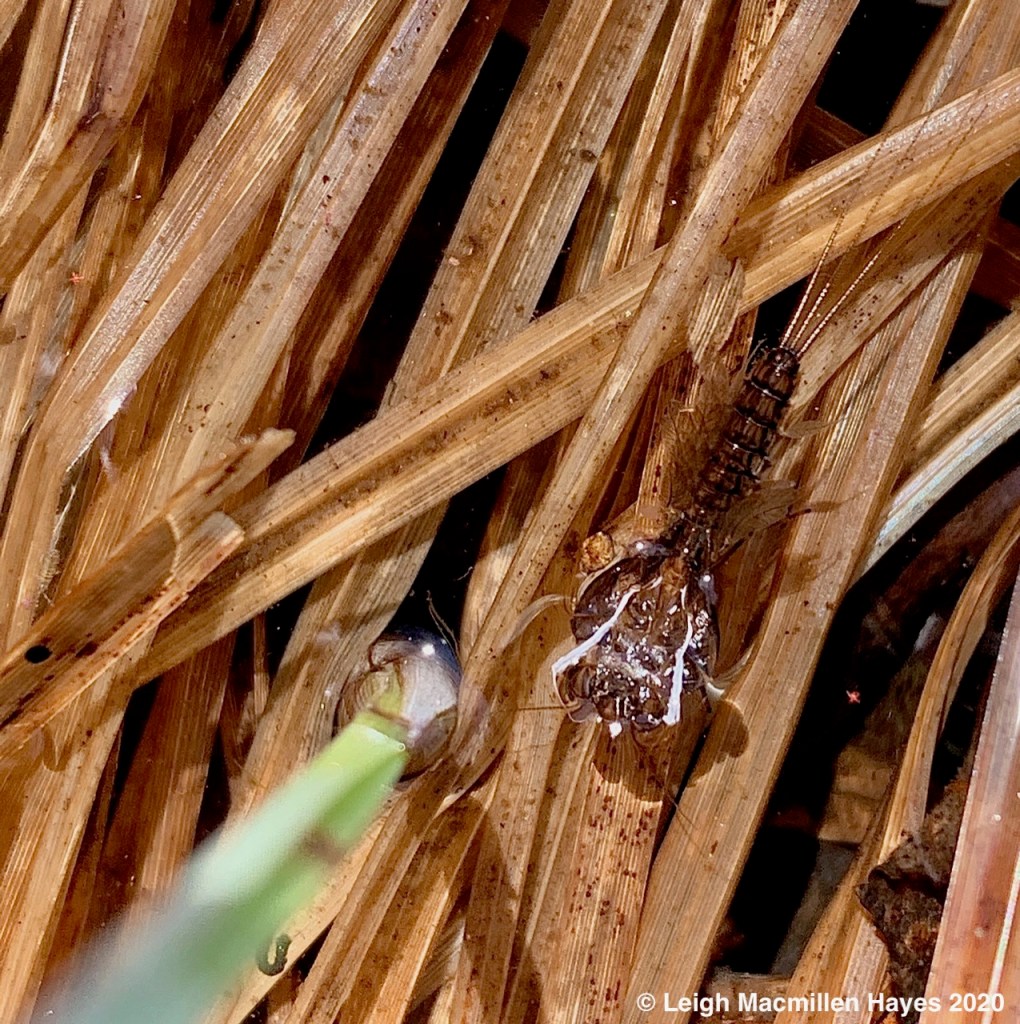
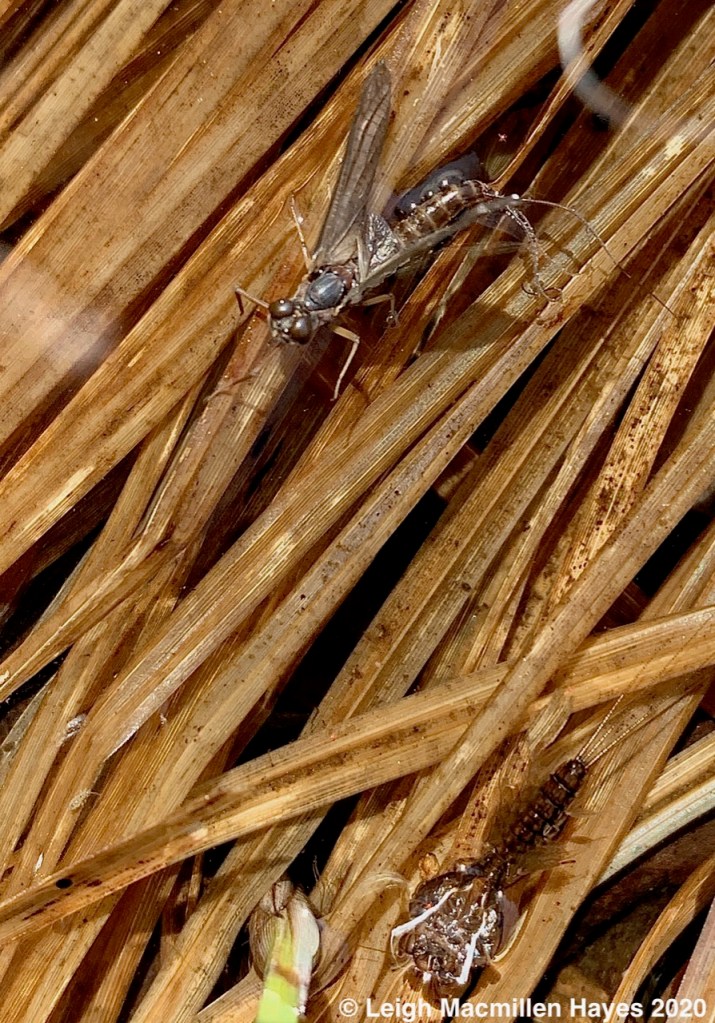
But then another sight forced me back into the world of the mayflies for I spotted the exuviae or cast skin of . . . a mayfly larva. Can you see where it split at the top (bottom actually) of the structure.

And just a few inches away, the one who had just emerged from aquatic life . . .

found its feet and began to march toward a new life . . .

as it tried out its balance in the terrestrial world.

Being bugged by insects is one of my favorite ways to be. Even if there are some who annoy or predate, they are all still worthy of our wonder for they each bring something to the natural world–otherworldly or otherwise.

Wetland Wonders

wetland 1

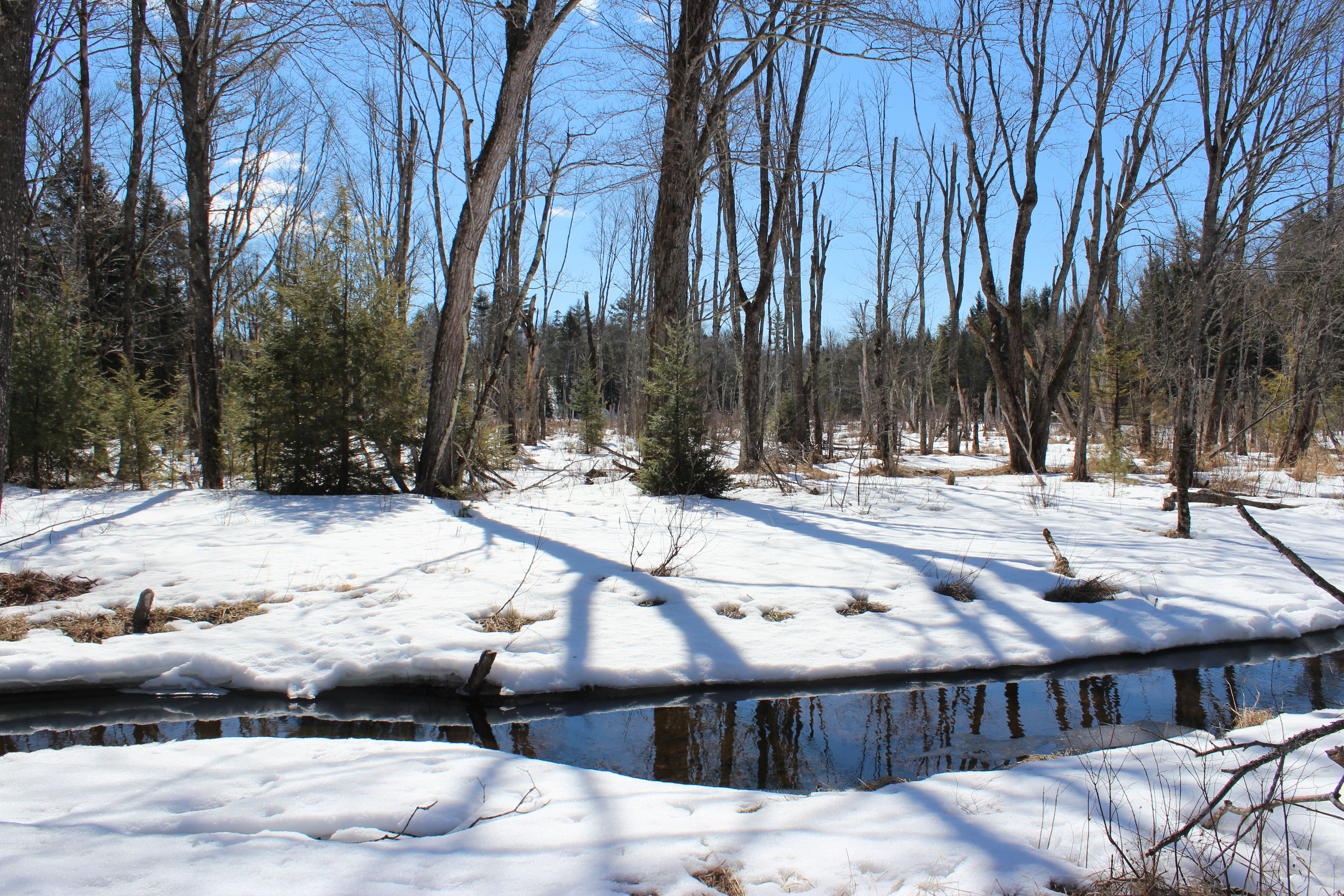
The Greater Lovell Land Trust’s Tuesday Tracking group returned to the wetland at the John A. Segur Wildlife Refuge today. It’s one of those places that I could spend hours upon hours exploring and still only see a smidgeon of what is there. I’m overwhelmed when I walk into a store filled with stuff, but completely at home in a place like this where life and death happen and the “merchandise” changes daily.

insect

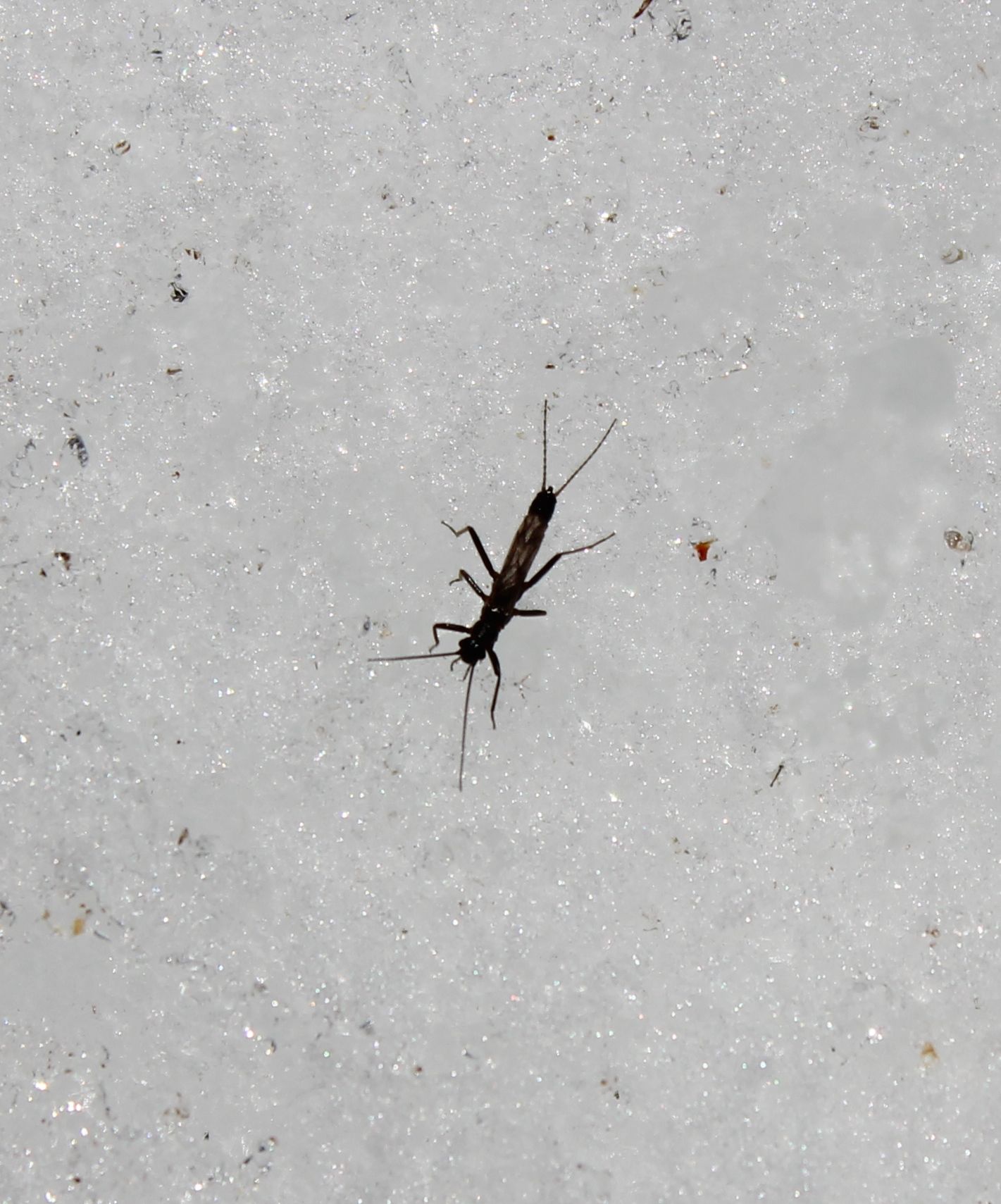
Walking across the snow was this small insect. So . . . we were in a wetland. Tomorrow will be April 1–no kidding. The insect is about an inch long. It has long antennae and a pair of cerci or appendages at the posterior end of its abdomen. I’d say we found a common stonefly nymph. Please correct me if I’m wrong.

artists 1

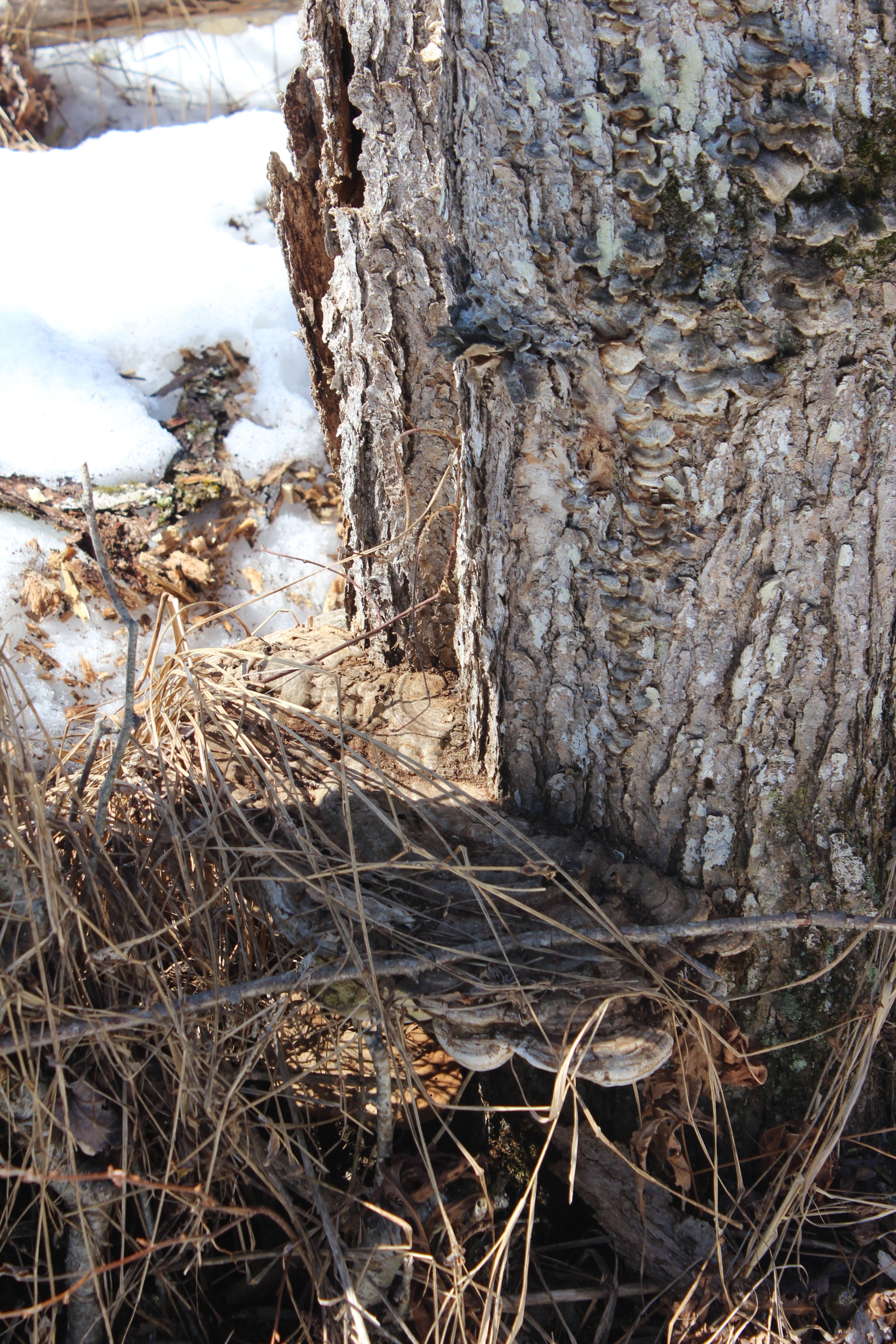
On first glimpse, this may look like a pile of dried grasses and twigs.

artists's conk?

But stepping in for a closer look reveals what I believe is an artist’s conk. An old artist’s conk. We didn’t cut it off, but apparently you can age one by cutting it and counting the layers–much the same way you can age a tree by counting the number of rings.

old beaver lodge

There’s evidence of beaver work throughout the sanctuary, but none of it is recent. So . . . my friend decided to play Queen of the Lodge.

dam crossing

We crossed Boulder Brook via an old beaver dam–one-by-one in the name of caution.

lobster lichenlobster 3

 Color draws us in for closer inspection. I’m betting on Cinnabar-red Polypore (Pycnoporus cinnabarinus) as this one’s ID. If I learn otherwise, I’ll let you know.

lungwort

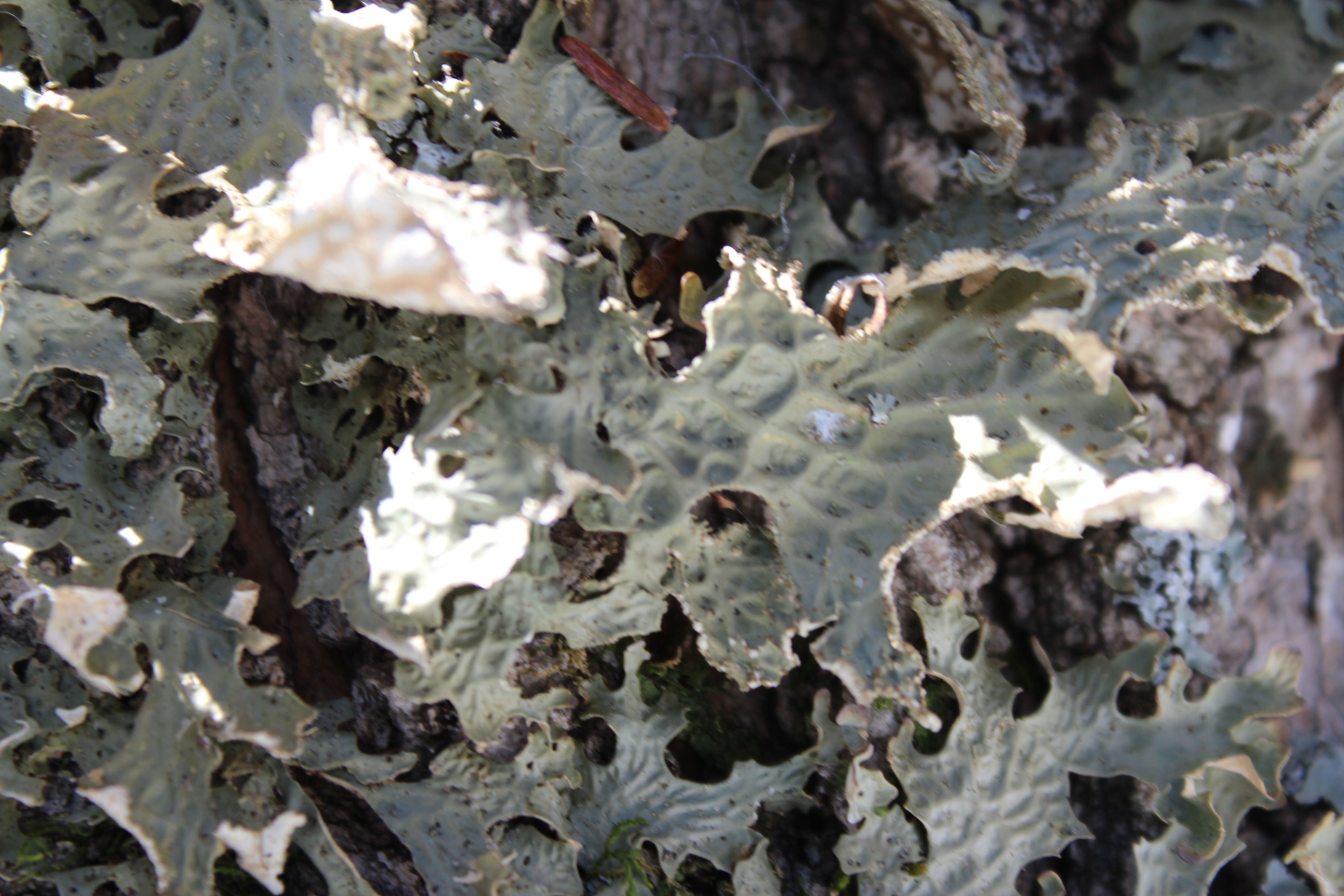
Remember this lungwort I shared last week in my Island Hopping blog?

Lungwort

Same species. Same tree. Nature–worth wondering about.

myatery 1

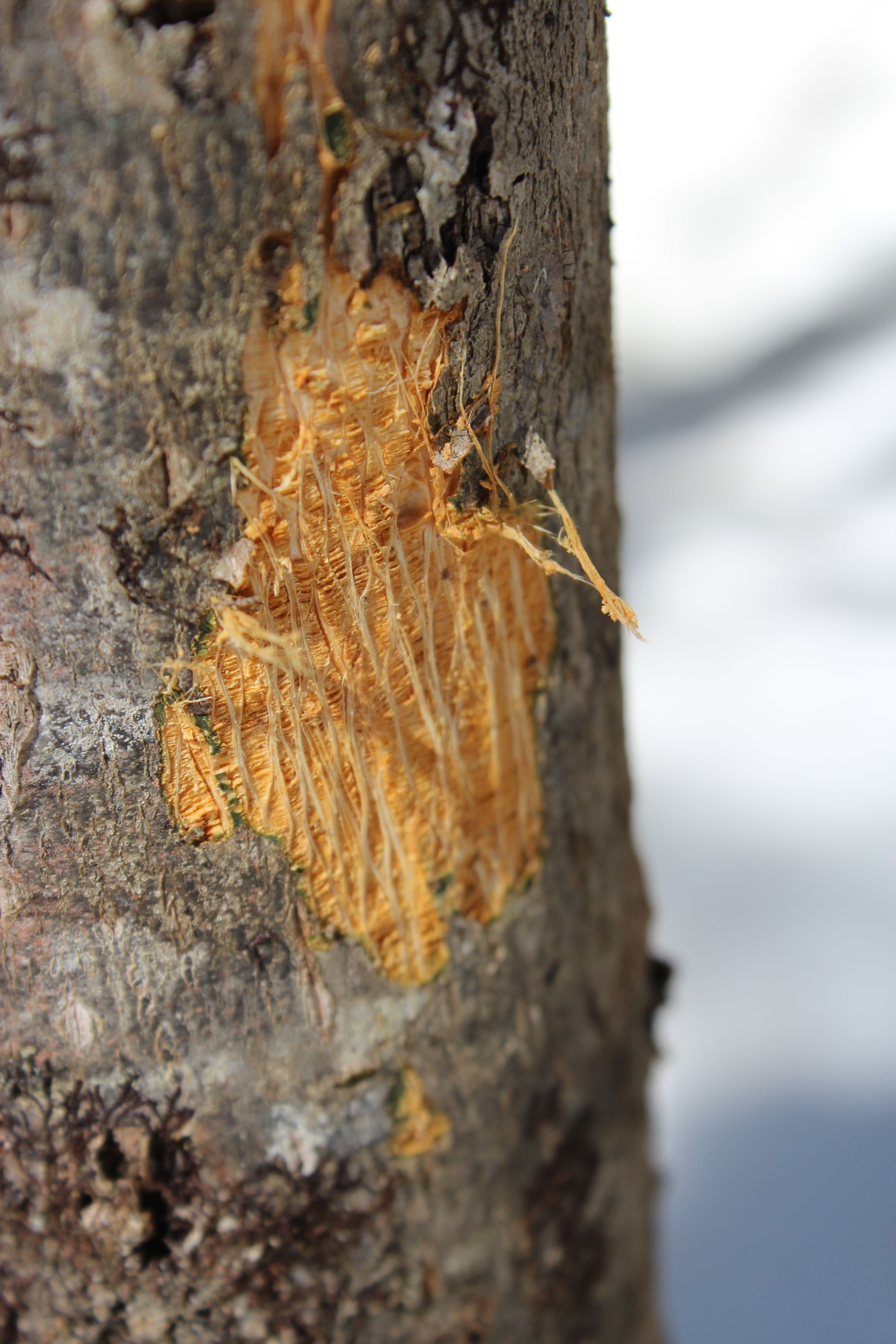
Then there was the mysterious event.

mystery 3

Very fine tags dangle from the upper edge of the scraped bark. Not the work of a deer, beaver or porcupine. Not a hare or little brown thing. Maybe a bird? No holes, just the fine layer of outer bark delicately scraped off.

deer scrape

Here’s a deer scrape as a contrast.

tree within tree

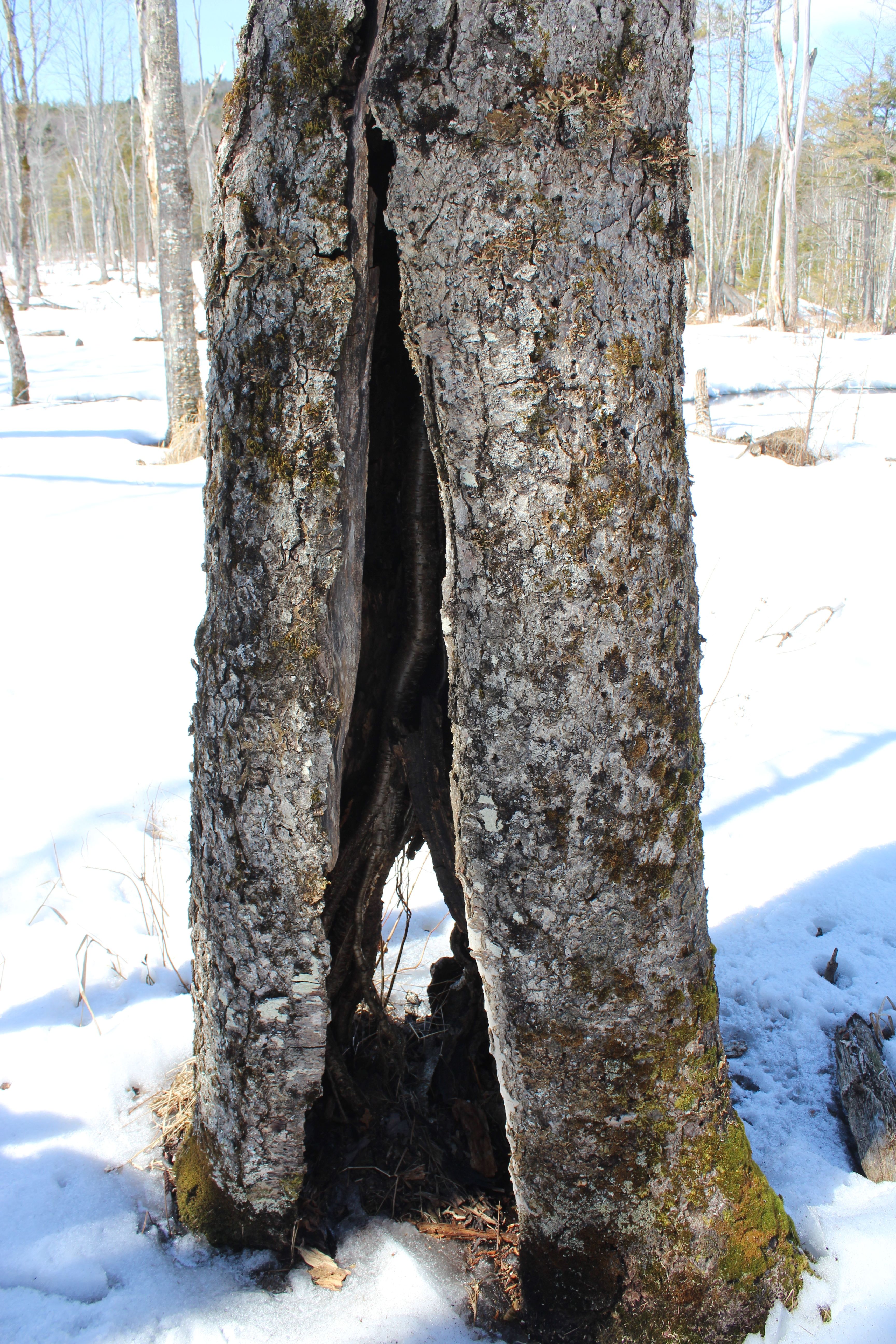
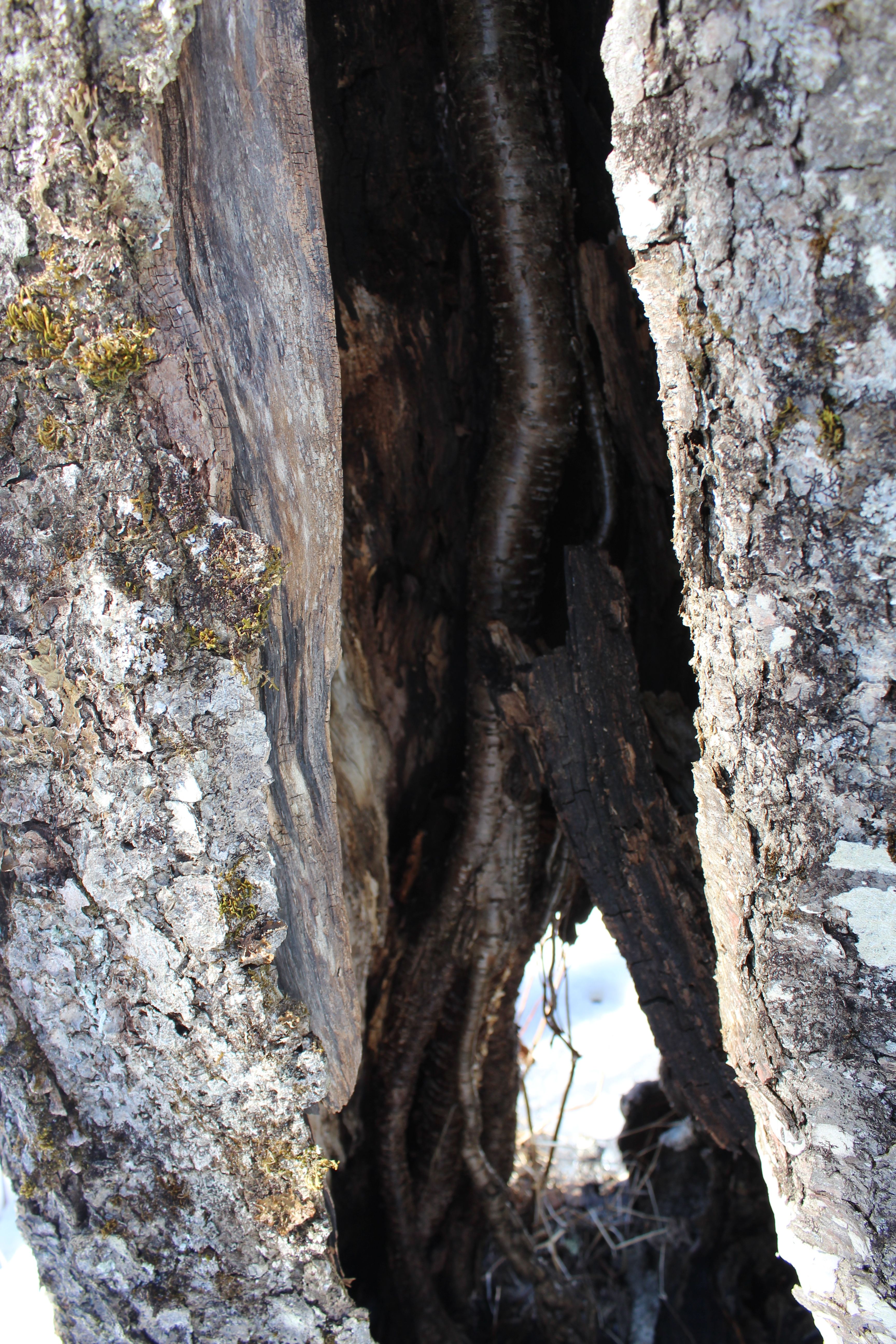
For this next wonder, you’ll have to look closely inside the hollow yellow birch. Peer to the left of the hole toward the rear. Think vertical.

tree 2

Do you see it? It’s in the center of this photo.

tree 3

And here it is further up in the hollowed out tree. A tree within a tree. Another yellow birch or birch root growing up through the center of this dead snag. Life and death. Together. One within the other.

spider

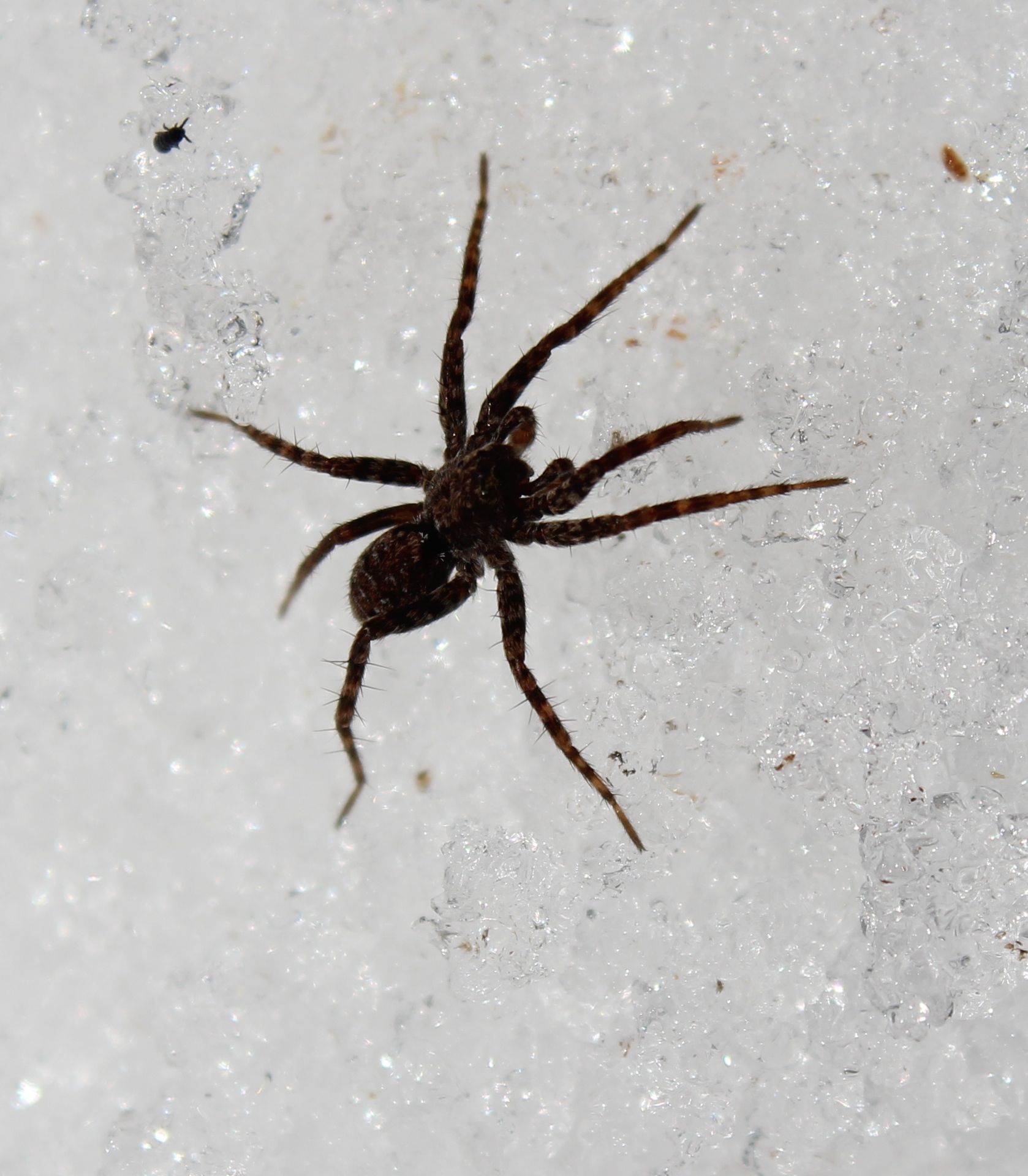
This guy was dashing across the snow, but had the decency to pose for a photo op. Given that he wasn’t wearing boots, I don’t blame him for running along.

crossing dam again

And suddenly, we realized we’d spent over three hours exploring and it was time to head back over the beaver dam.

white pine

On the trail again, we paused to admire spring growth on a small white pine–a mini candelabra.

Thanks for wandering along and wondering my way.