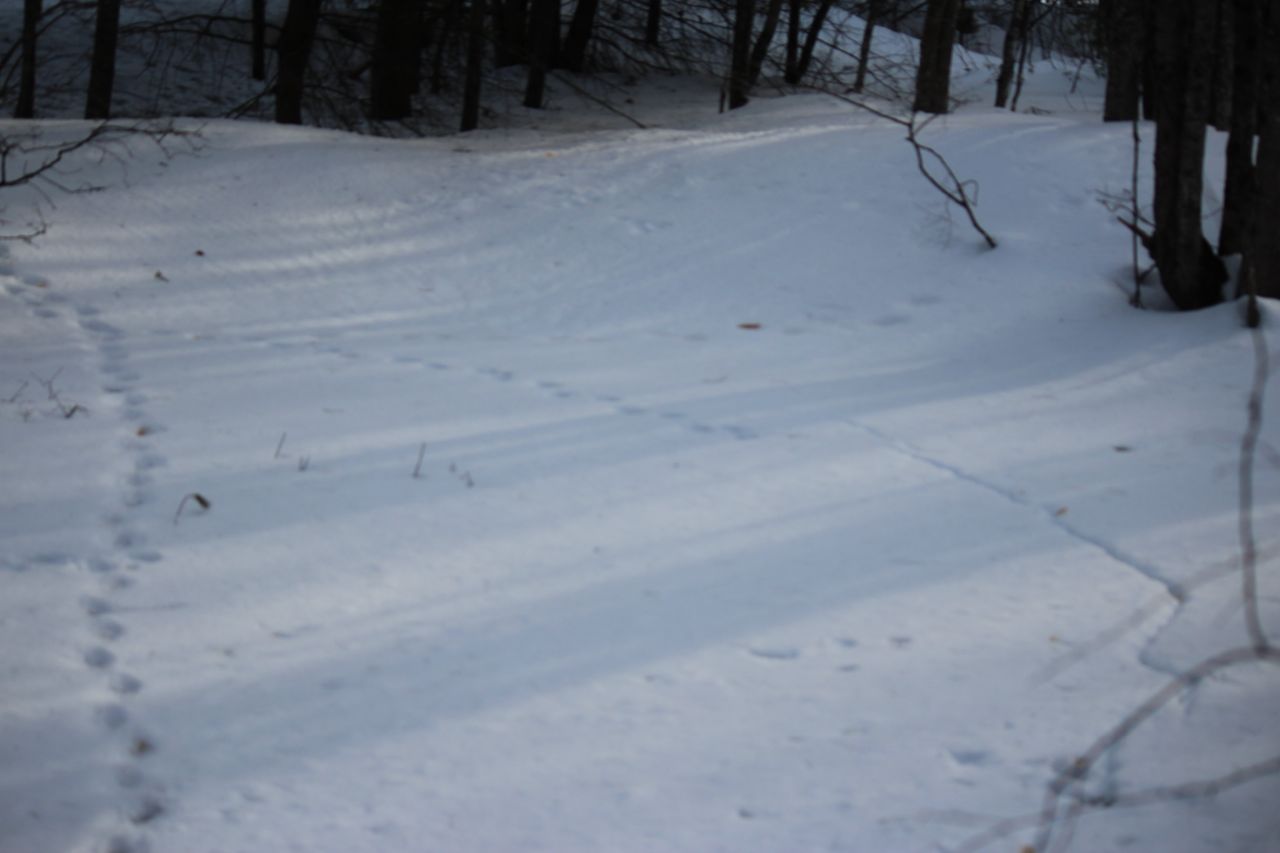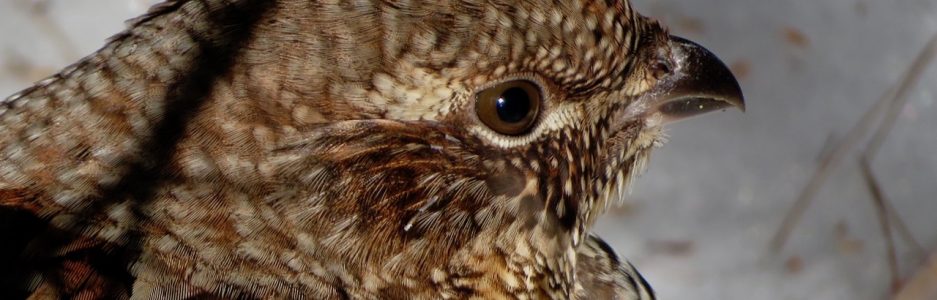
Signs of Life

I headed up to the vernal pool this afternoon with every intention of pausing along the way to sketch.
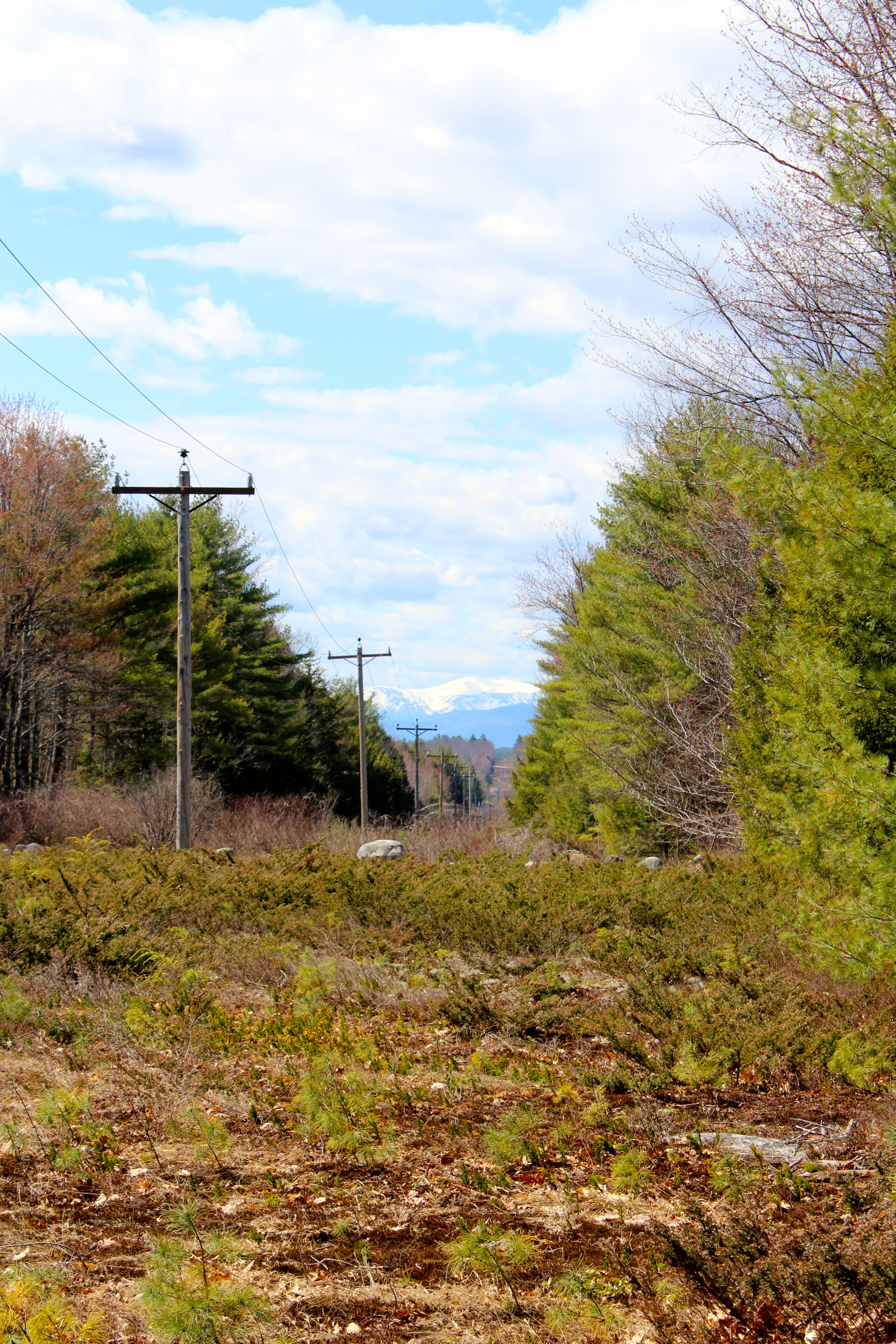
Mt Wash

The only snow left is atop Mount Washington.

vp1

Egg masses continue to accumulate. Blue sky with a few cumulous clouds, warm sunshine (almost too warm, but I’m not complaining), a gentle breeze, white-throated sparrows singing to each other–signs of life were everywhere.

FROG

Including this secretive wood frog. From above, his coloration matched the leaves beside and below.

frog2

We eyed each other as he floated near a large mass of eggs that have turned green with envy, I mean algae, in the past few days.  Their egg masses can include 500-1,500 eggs. Yooza!

sally eggs

Salamander eggs are either clear or opaque, like these two masses. They usually contain anywhere from 30 to 250 eggs.
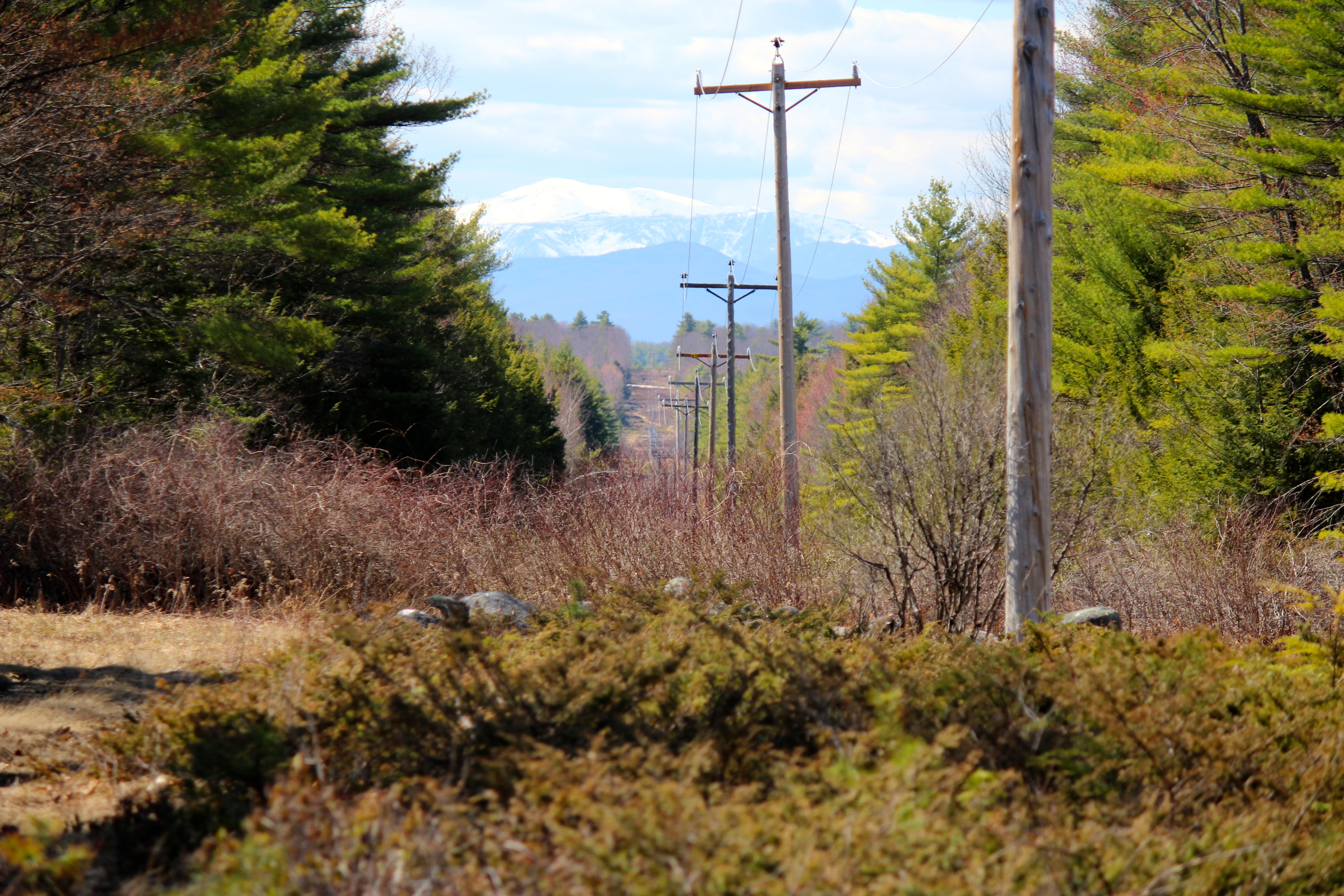
at mansion road

My guy was sanding the dock at camp and I had finished several writing projects this morning, so I decided that rather than sit and sketch, I’d walk out to the log landing. Walking along the snowmobile trail was like walking in Clinton Harbor at low tide. The mud squelched underfoot, sucking in my boots. Rocks underneath felt like clams–maybe I was just hungry.trail

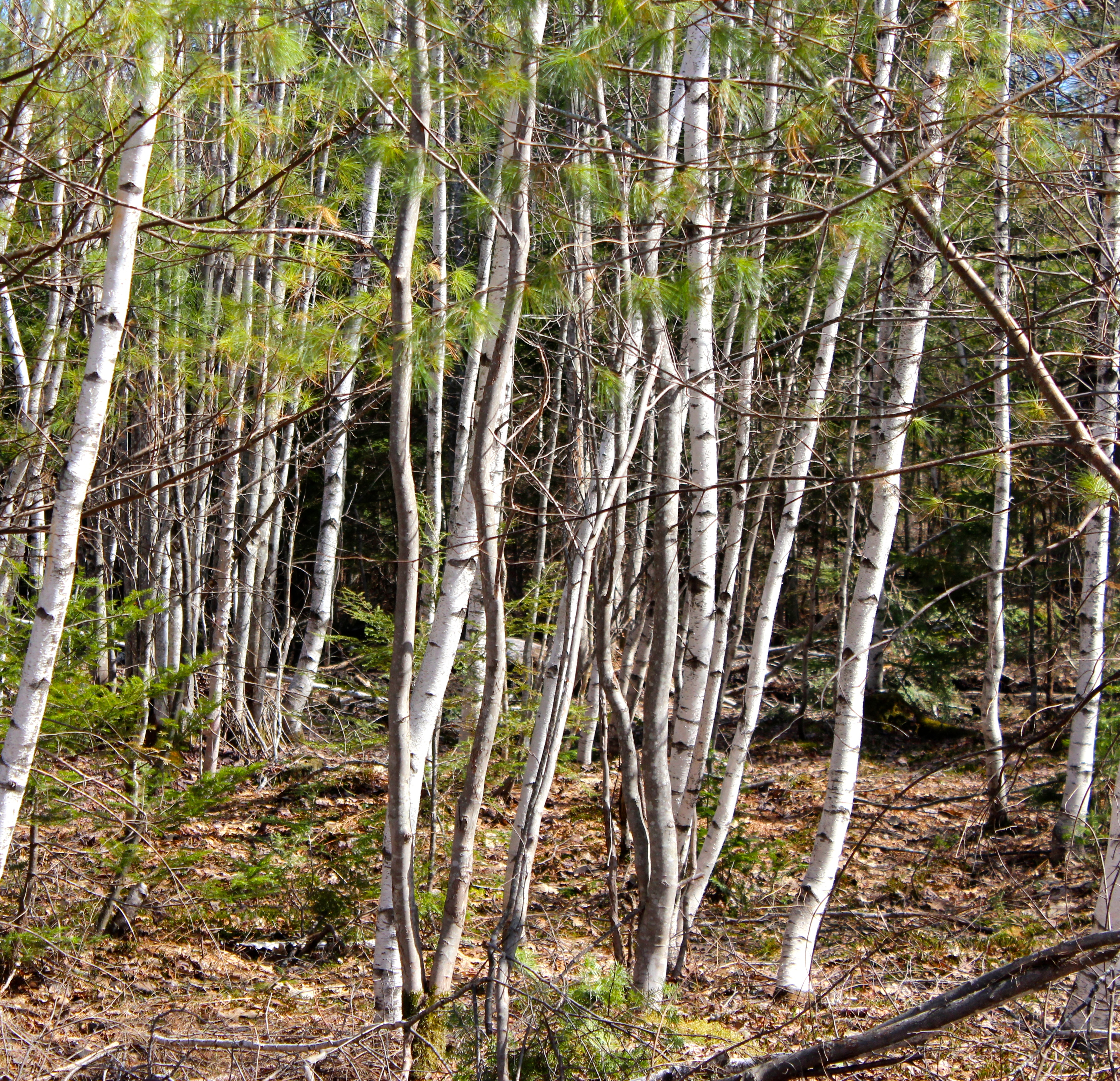
I headed down the logging road with mixed emotions. My heart cried, but my head knew better. Like other paths that I’ve frequented over the years, I loved this one and knew its quirky features well enough that I recognized the slightest change. Yup, that’s change you see in front of you. This logging operation has been going on for two years. Prior to that, the gray birches, paper birches and speckled alders, plus hemlock and white pine saplings bordered the old road. It was last logged about thirty years ago so those species grew in first. They’ve all been hacked down to make room for the equipment and trucks.
gray birch

I went in search of beauty and life among the destruction. Sometimes, you just have to look for it.
moose

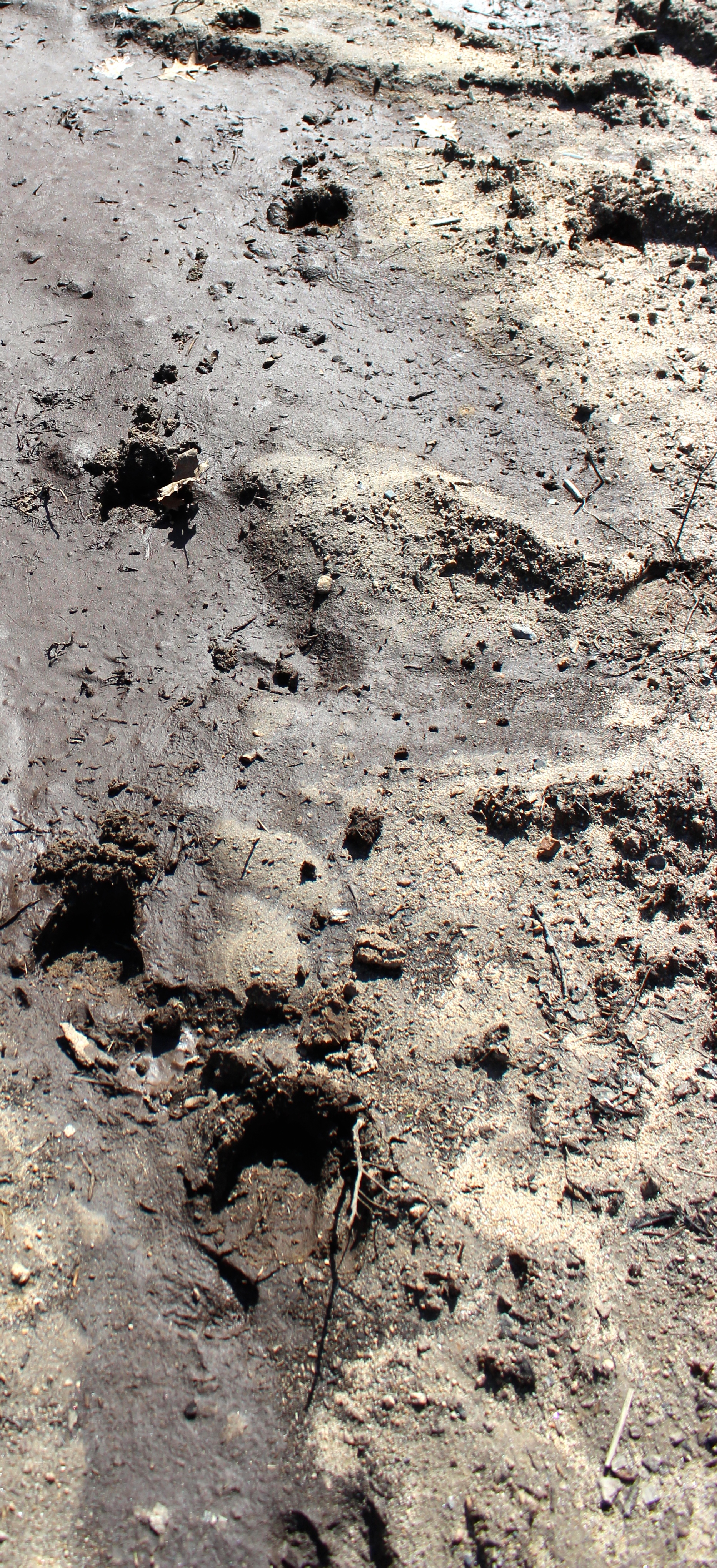
One of the good things about such an operation is that it provides easy vegetation for wildlife, like the moose that are frequenting the trail.
moose bobcat

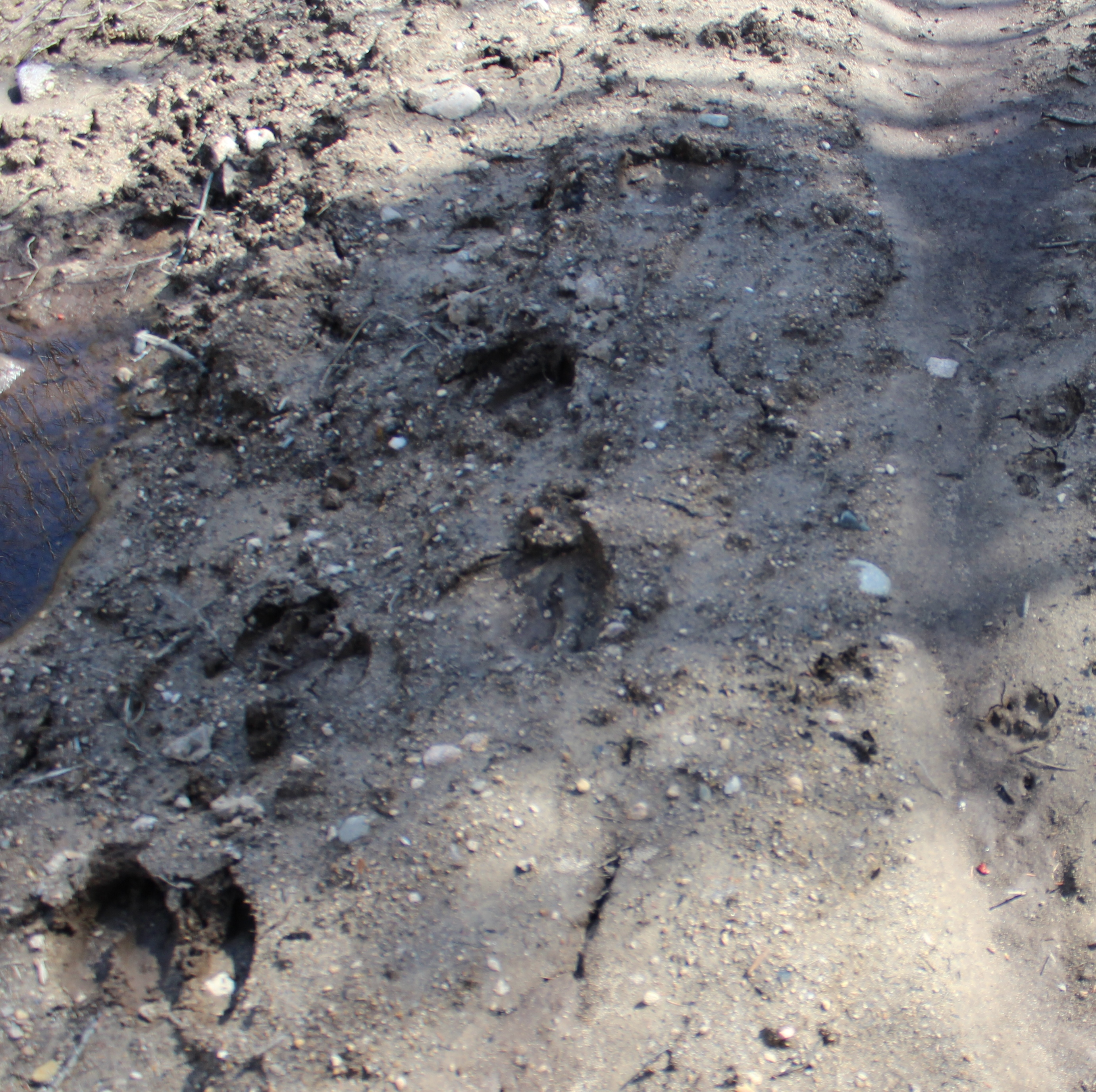
The herbivores, like moose and deer, love the easy feeding. And the bobcats like that the herbivores are easy feeding.

bobcat

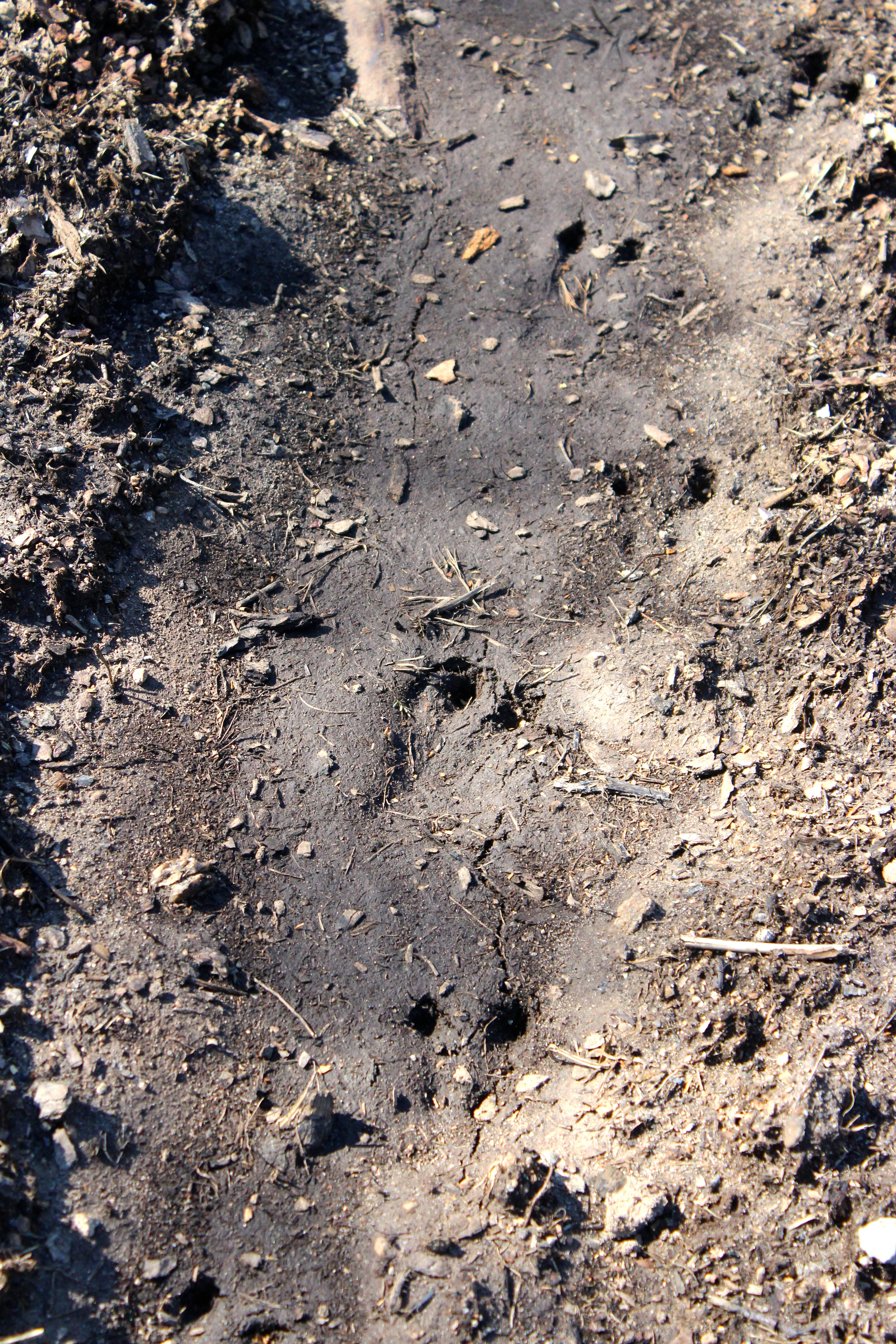
A closer look at the bobcat tracks.

bobcat1

And even closer. I don’t often see bobcat claw marks, but muddy conditions warranted their use. In the back of the foot pad, you might see the imprint of hair.
bob scat

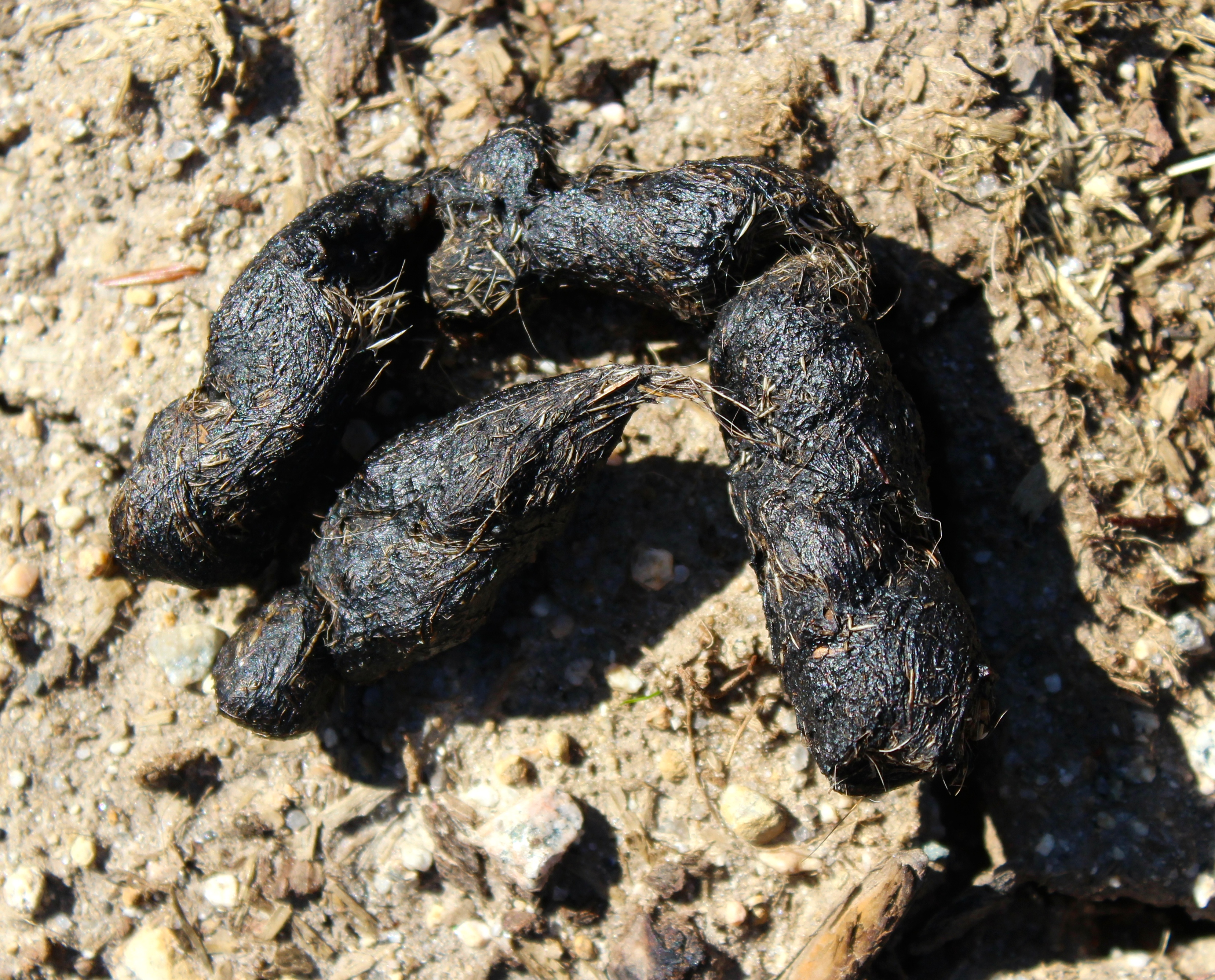
I was bound to find this. Bobcat scat–filled with dark organ meat and lots of hair. Bobcats, being carnivores, grind their prey right up with their sharp-pointed molars.

coyote scat

Coyotes, on the other hand, are omnivores and their molars are flatter, thus big bone chips pass through. The funny thing (to me anyway) about this scat, is that it looks exactly like some I found near the beaver lodge pond that I shared in yesterday’s May Day Celebration. Both were filled with extra large bone chips and hair. I took some of the scat I found yesterday. Today, I left it all.

Yes, my fetish for scat continues, but I only take a sample that will be an effective teaching tool. Really. And, I need to keep in mind that scat is a sign for other mammals–health, wealth and status quo are all wrapped up in it. If I take it, they have to work harder (or scat more) to get the word out about who and where they are. So, the next time you wander with me and we see some scat and I get all buggy-eyed over it, give me a nudge. OK, enough about scat.
weaselsquirrel

Dinner anyone?

Weasel and squirrel.

turkey

And the ubiquitous turkey.

landing

This is the second of two landing areas. When the job is completed, we’ll have new trails to explore via snowshoe–it’s rather wet and the trails are currently covered in a lot of slash.

The logging operation is a one-man job and he’s been selective. The end result, as ugly as it may look now, is that the ecosystem will be healthier because of this project. Grasses, wildflowers, shrubs and tree saplings will grow in–early succession. And the fauna will follow.
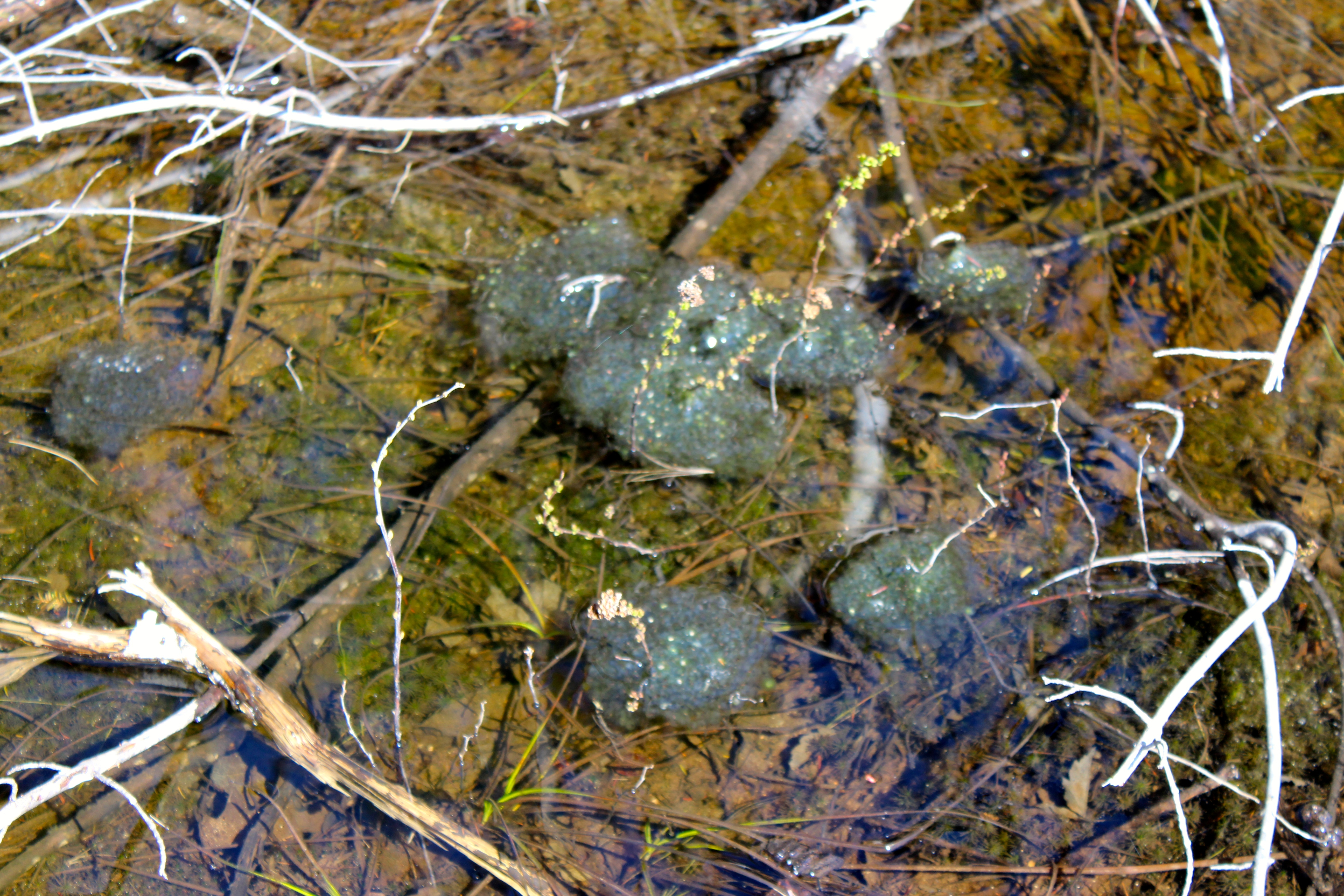
eggs at landing

The vernal pools associated with the area are still here for the most part–and show signs of life. I found wood frog and salamander egg masses. Even startled a couple of frogs, including a bull frog.

single

And just when you think that wood frogs only return to their natal vernal pools . . . here is proof they’ll take advantage of any water.

eggs

An opportunist recently used a wet depression in the landing.

Signs of life. No matter how devastated an area may look, they’re there.

Thanks for joining me on today’s wonder-filled wander.

Seeking Hope

My heart is heavy with thoughts of recent events both here in the US and abroad, especially in Baltimore and Nepal. It all makes me feel so insignificant as I head outside. And it makes me all the more thankful for the opportunity to head outside and wander freely along the path and through the woods.

red maple 1

My hope is that you’ll never pass by a Red Maple tree again and dismiss it as just another tree.

striped maple

The same is true for a Striped Maple.

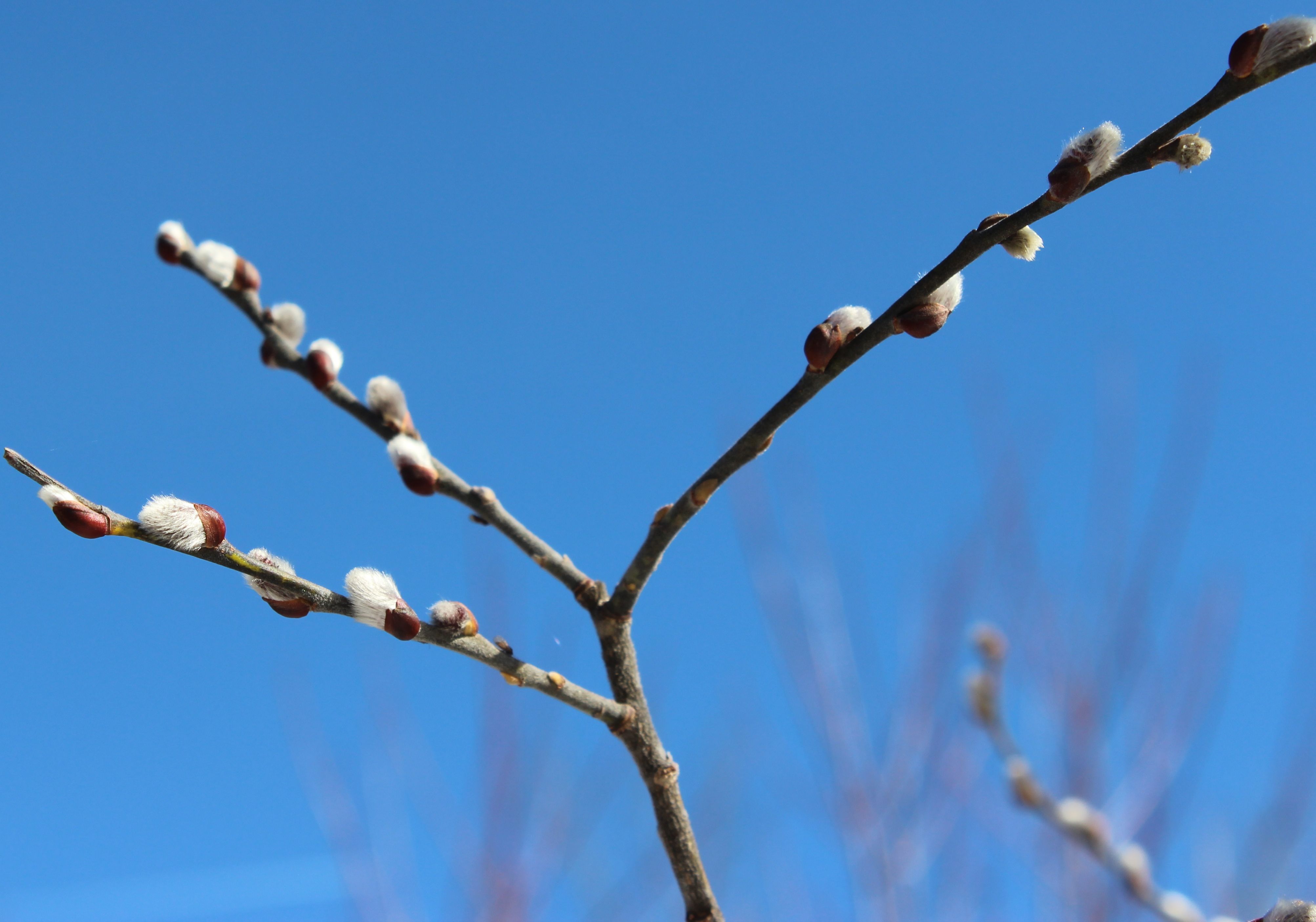
pussy willows

and willow.

vp1

My hope is you’ll relish the life of a vernal pool

vp eggs

as it supports a variety of species for such a short time,

wb 2

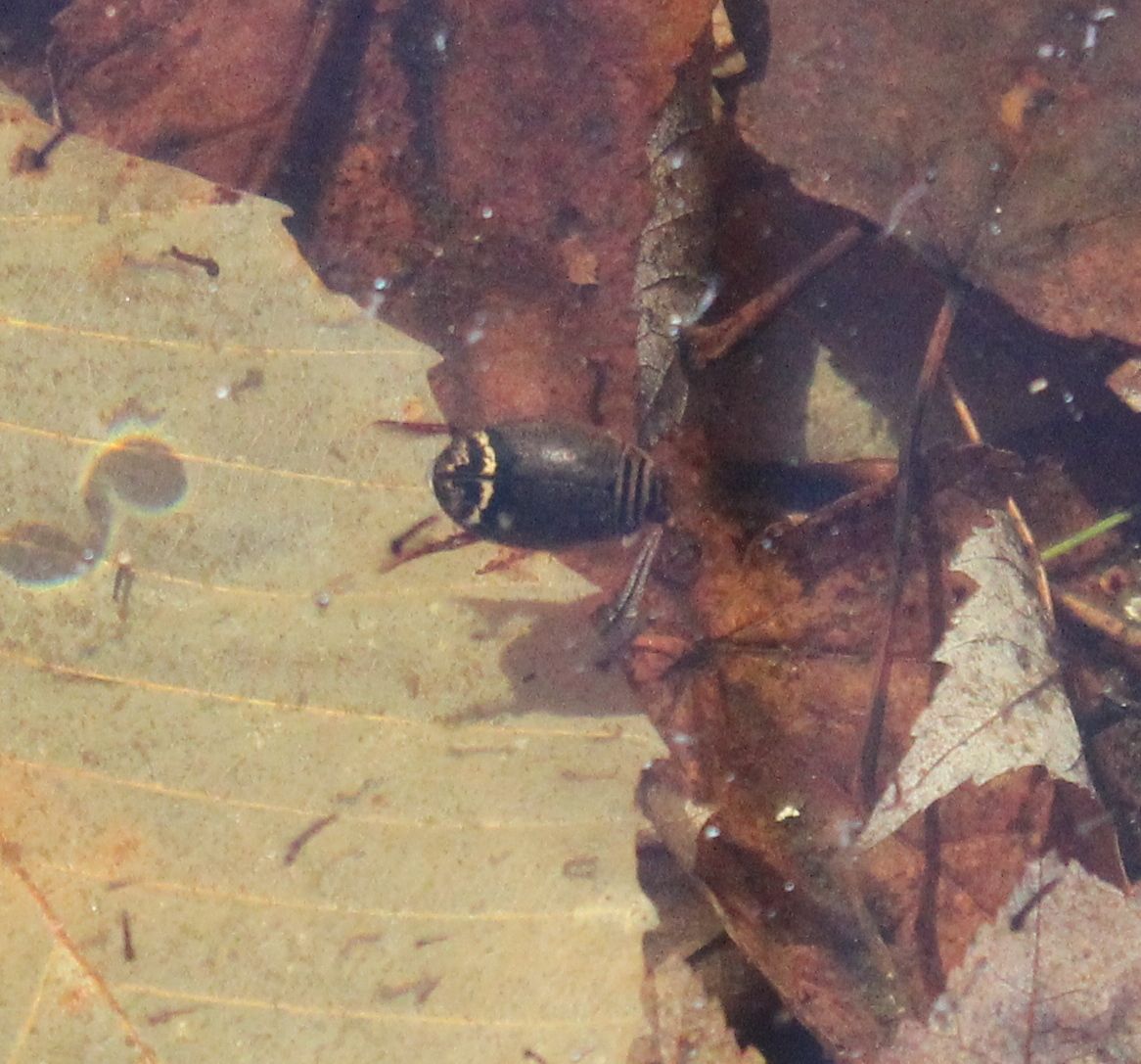
including this predaceous diving beetle and wiggly mosquito larva.

vp 2

Visit soon, because they are already drying up.

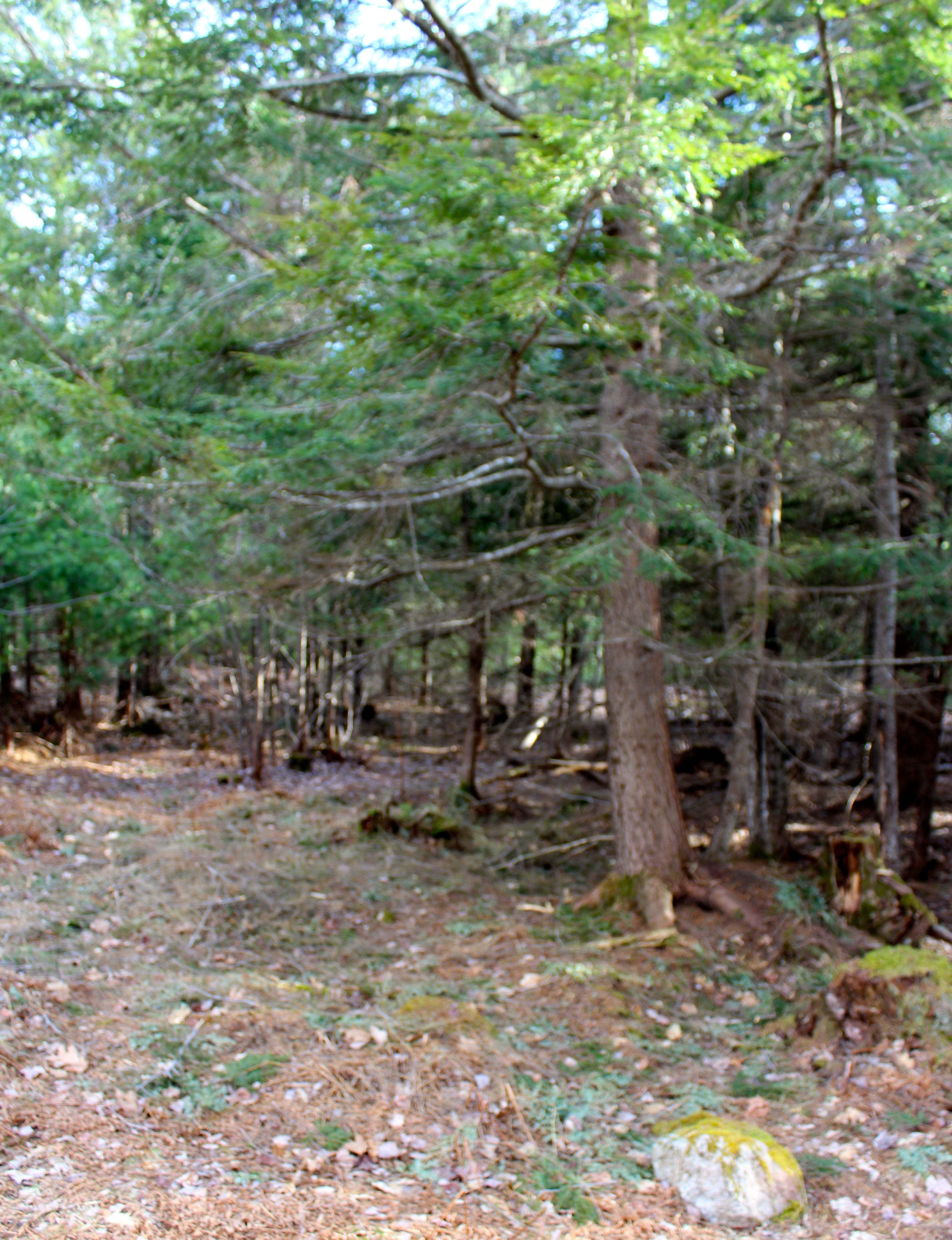
porc tree

My hope is you’ll look around and notice the subtle signs

porc damage

of mammal activity.

porc den

And have the good fortune to see a den and scat up close.

stone wall

My hope is you’ll come upon stone walls

trash 3

and objects in the woods that will make you wonder about those who came before.

turkey tail

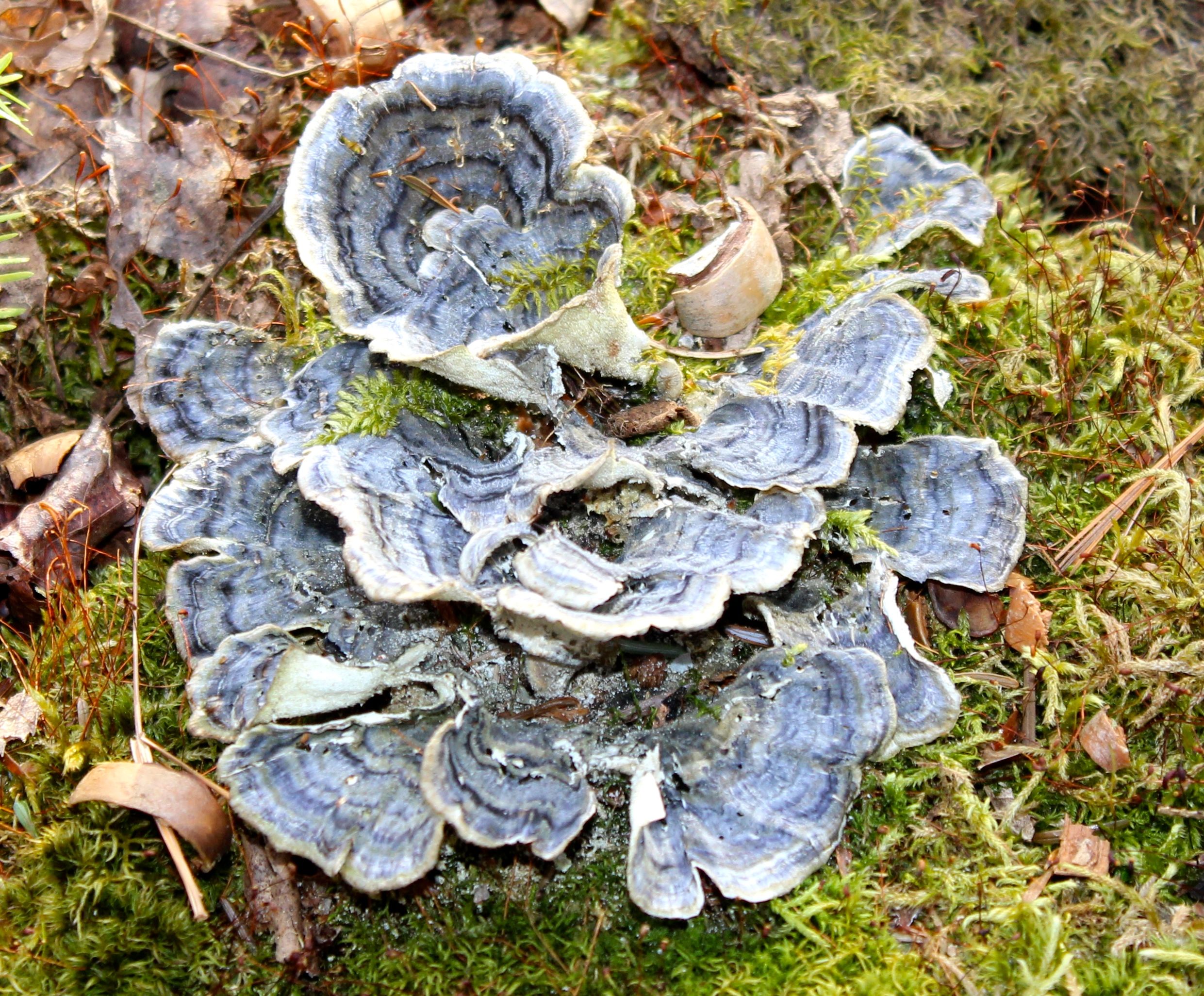
My hope is you’ll notice the abalone colors of turkey tails

stump

and see castles in tree stumps.

sinking feeling

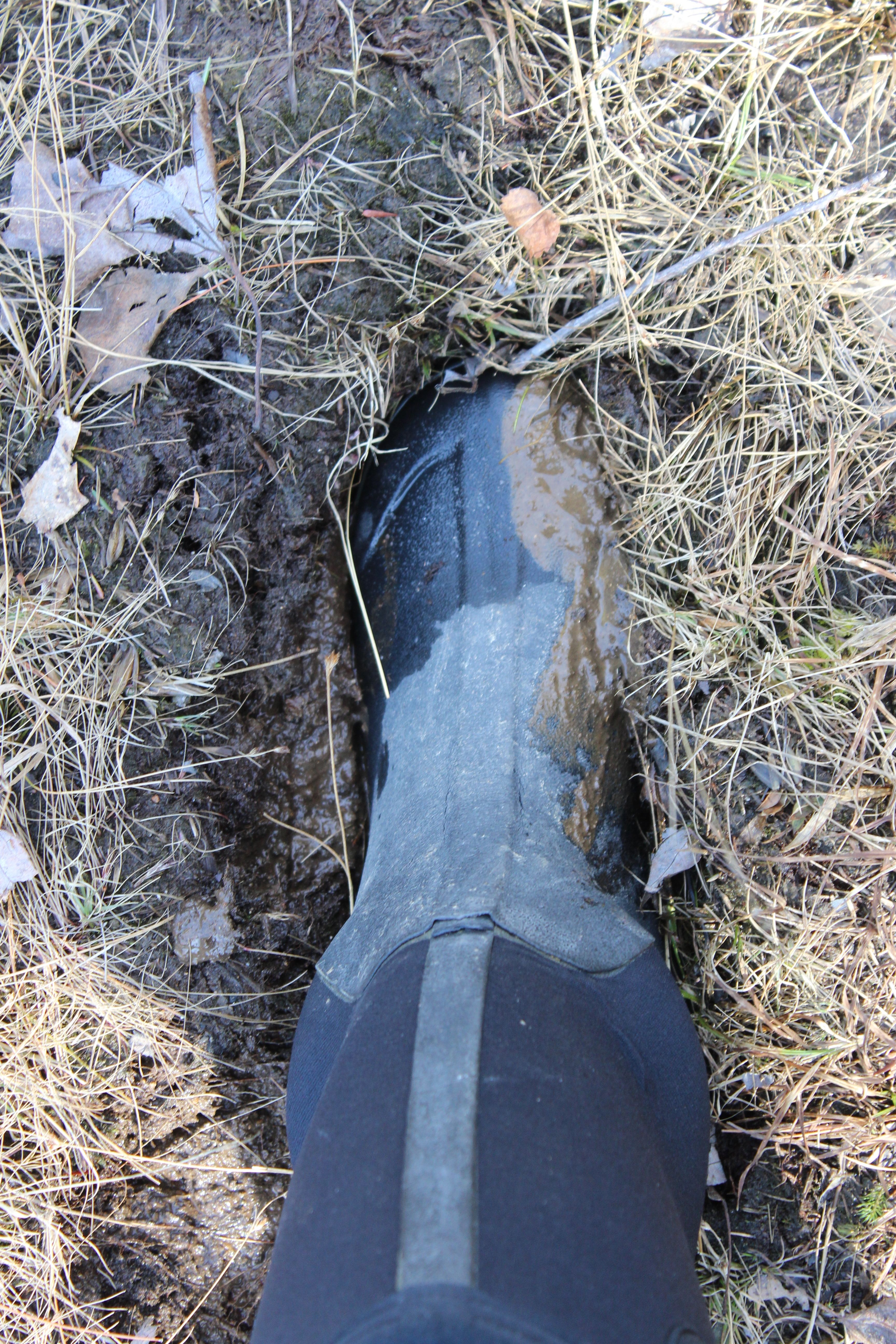
My hope is you’ll sink in the mud

trail

as you travel along the trail.

May those who suffer find hope and wonder.

Who Done It?

tree activity

The first mystery I encountered when I slipped out the door and away from some writing and editing assignments today (yes JVP, I’m working on a rough draft), was this ground disturbance around the base of a dead snag. The pileated woodpeckers have worked on this tree for many years, and I’m not sure why it’s still standing. Actually, there are several of these dead pines in one area and they all look like they’re ready to fall over. But what interested me today was that the pine needles and leaves had been raked back all the way around the tree trunk. Only at this one spot. Who done it? And why? There were some pine cone scales and a cob, evidence of a red squirrel feasting here at some point. But was this ground work done by a squirrel? I’ve never seen that before. I looked for scat. Nada. Scratch marks? Not visible. Would a turkey do this? Or another bird?

Don’t you just love a mystery?

cowpath

The leaves were a bit disturbed all along the cowpath, but that could have been because of today’s wind, or turkeys, or deer.

eggs

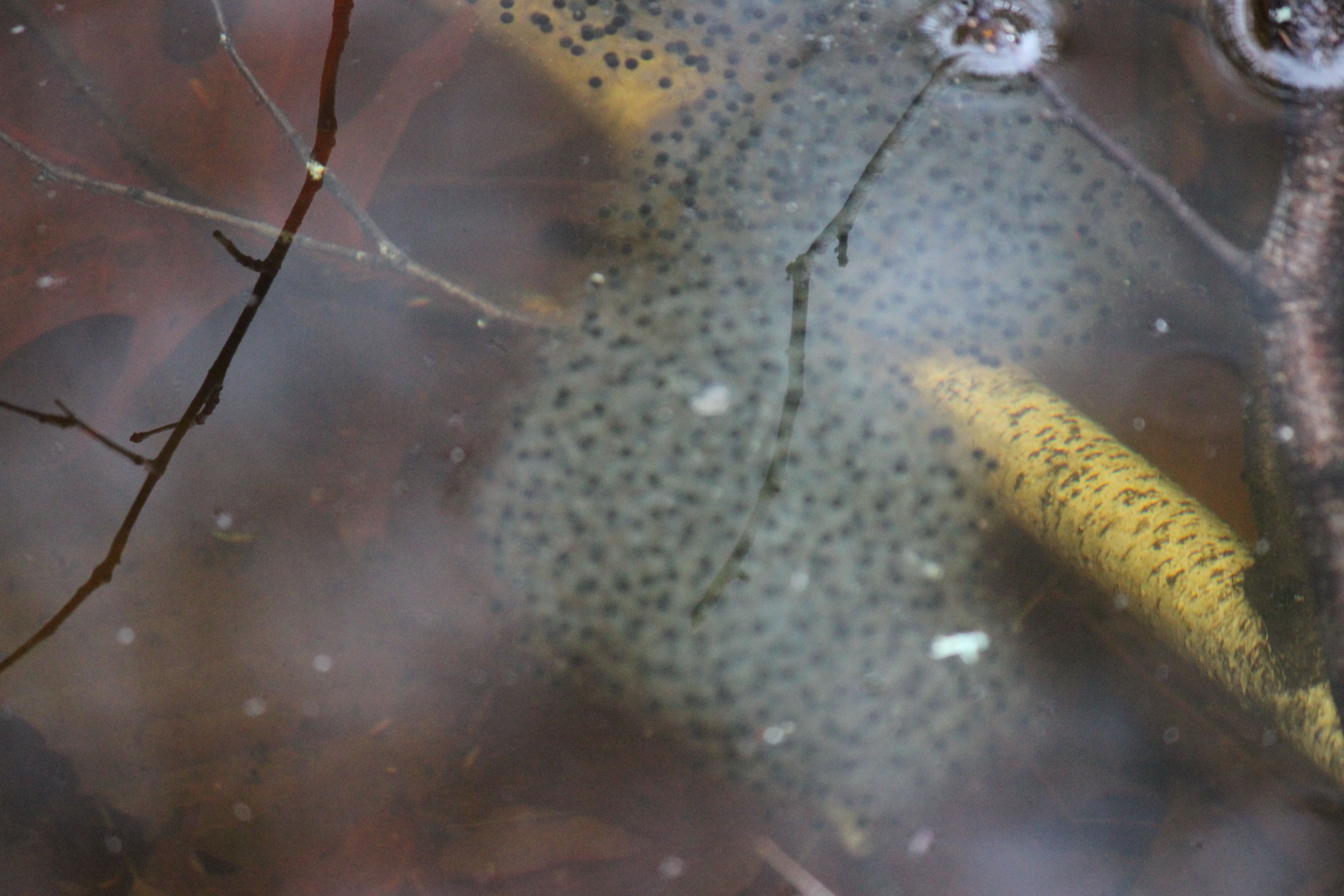
I headed over to the vernal pool. Since the wind was blowing yet again, I didn’t see any action, but the wood frog egg masses look healthy.

eggs 4

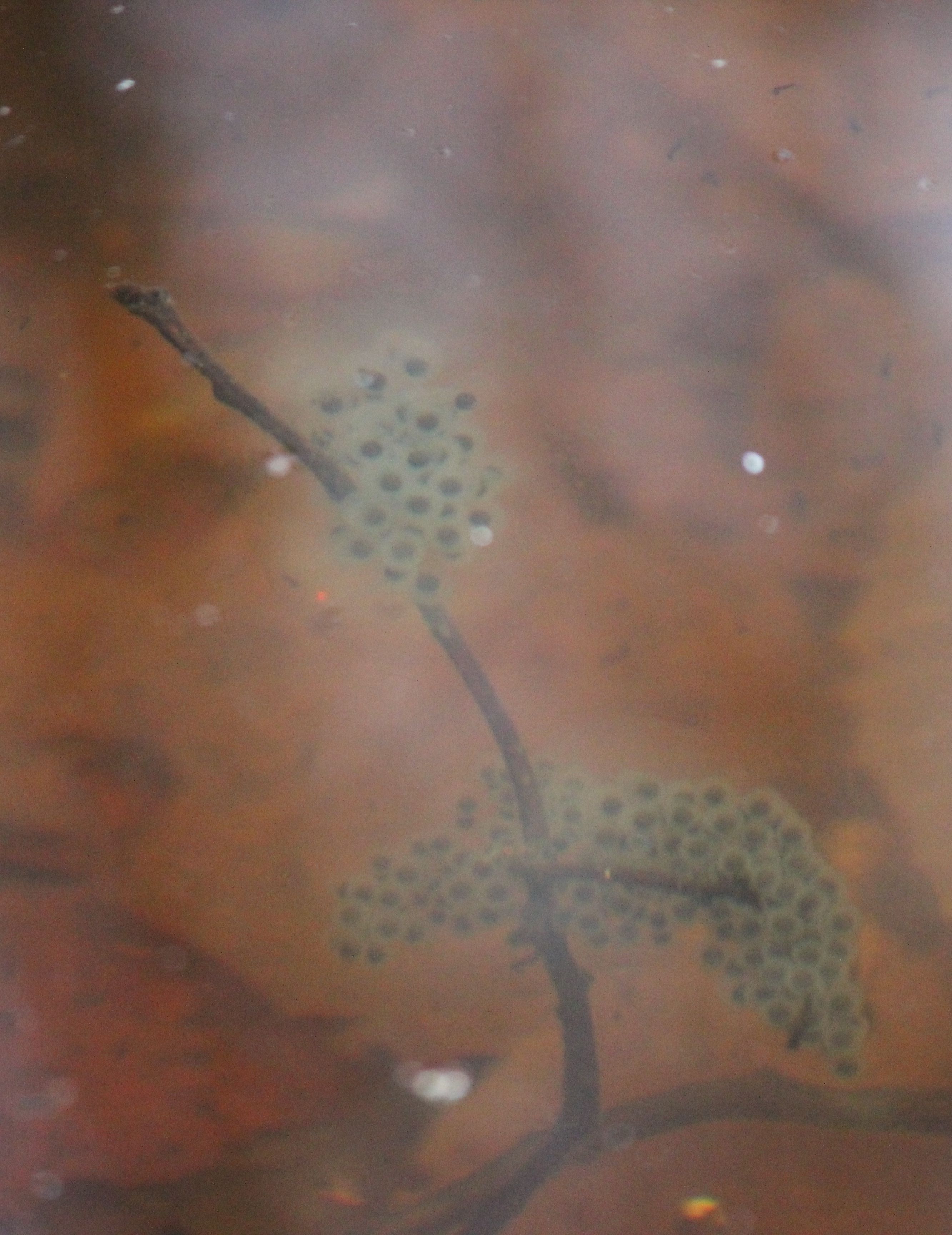
And plentiful. As is their custom, the masses are attached to branches and clustered together. Maybe there’s warmth in communal living. It’s certainly a bit chilly today, and yesterday we had hail, snow and rain.

eggs 2

I felt like a million little eyes were looking up at me.

eggs 3

This mass didn’t get the memo about community living.

Usually I see a few salamander masses in this pool as well, but maybe it’s early yet. The ice only melted a week ago.

I walked around the perimeter, noting that as usual, there are no masses on the southern side of the pool. They tend to be clustered on the northeastern side, where perhaps they capture the most warmth of the sun.

msyteryt hole

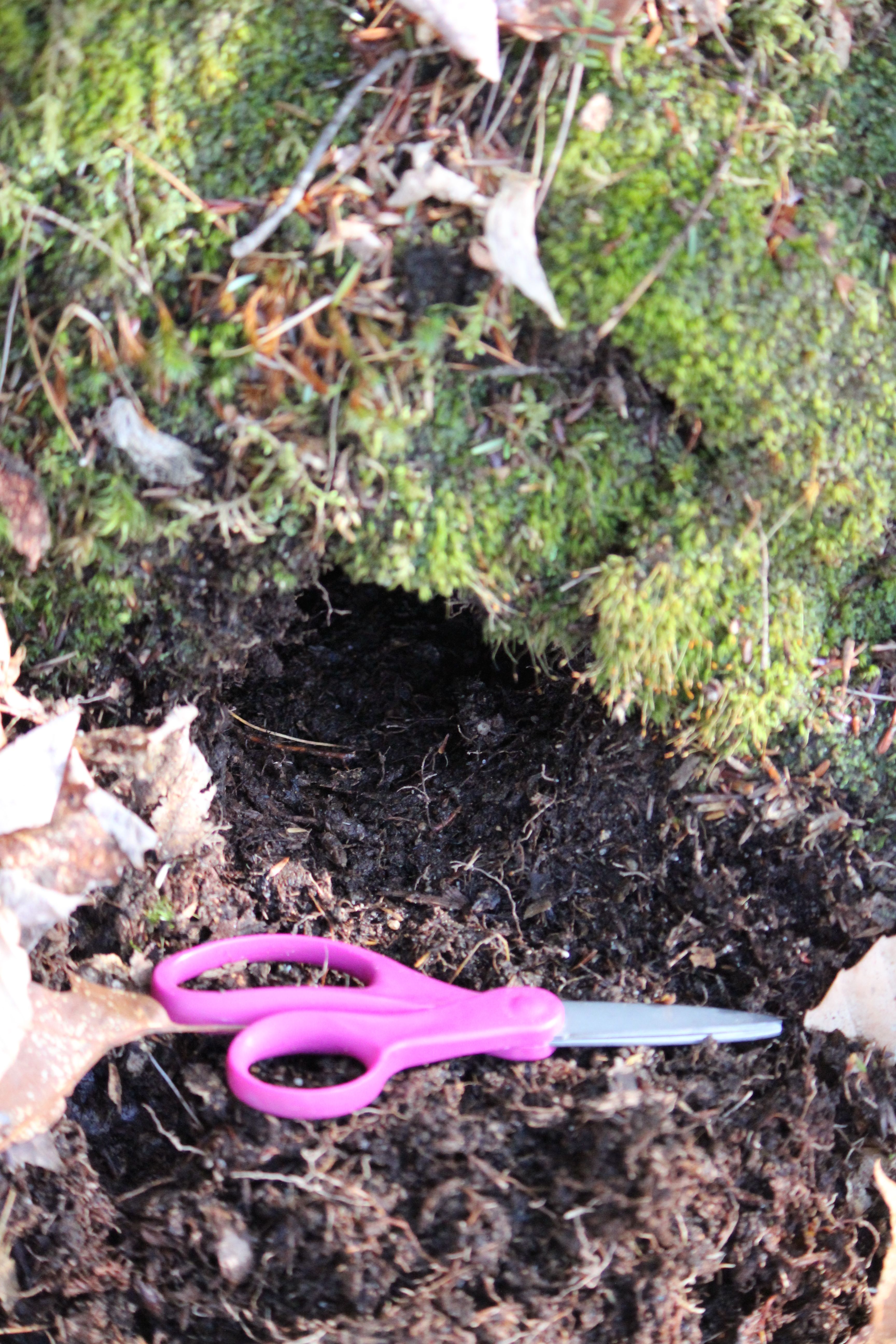
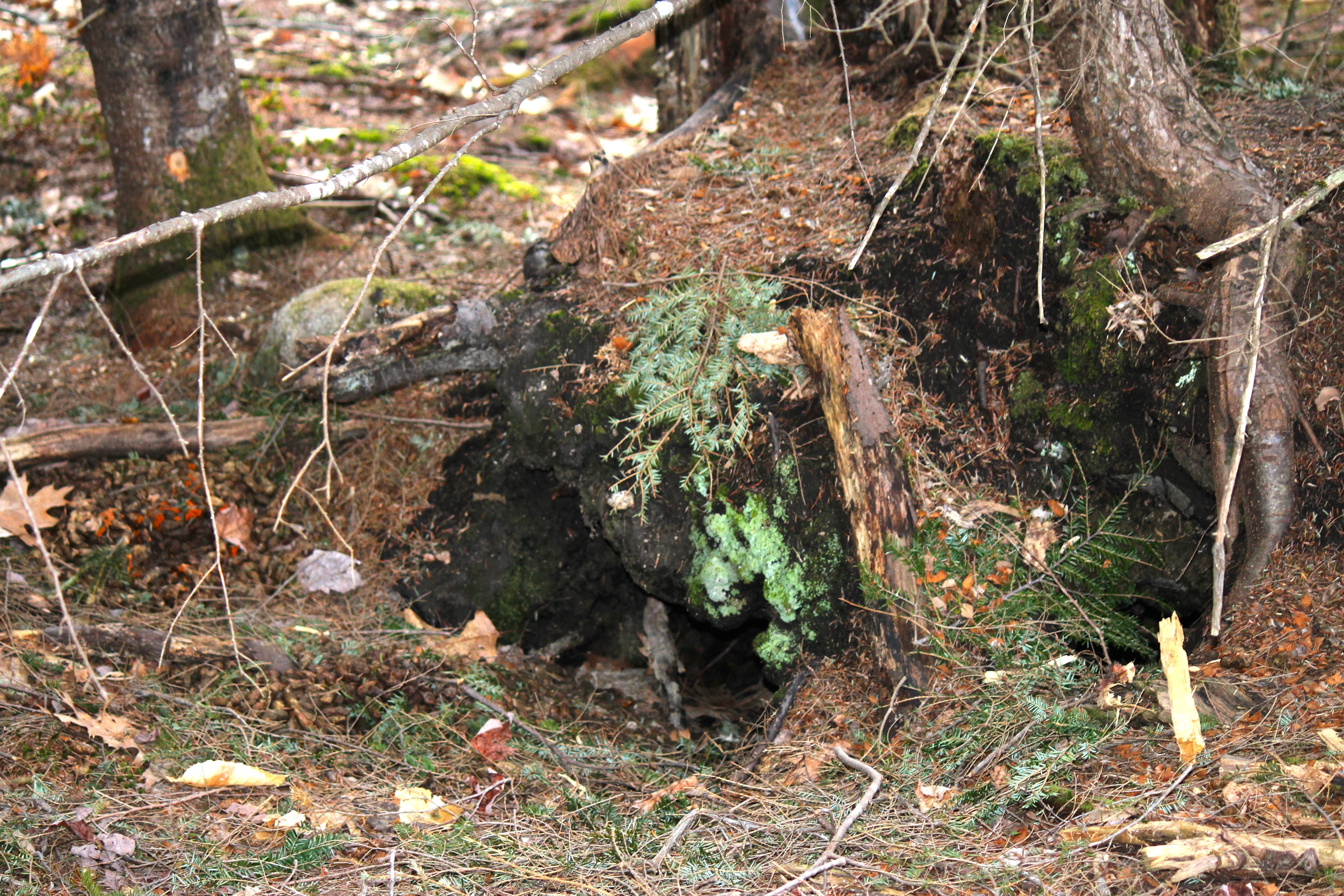
What I did find, though, was a hole about a foot from the pool. The only reference item I had was a pair of kid scissors in my pocket. They are five inches long. That’s about how far back the debris was thrown. A messy dooryard.

mh2

The pink handle is three inches, about the size of the opening. I stuck a stick in and it seemed to end at about a foot, maybe a bit more. Another who done it? Decent size hole; beside pool, but dry; messy door yard; recently dug; no one home. I looked through Mark Elbroch’s book Mammal Tracks and Sign because he has a section devoted to burrows and dens, but so far I don’t have the answer. Will the maker of the hole affect the egg masses? Another good question that remains to be answered.

red maple 2

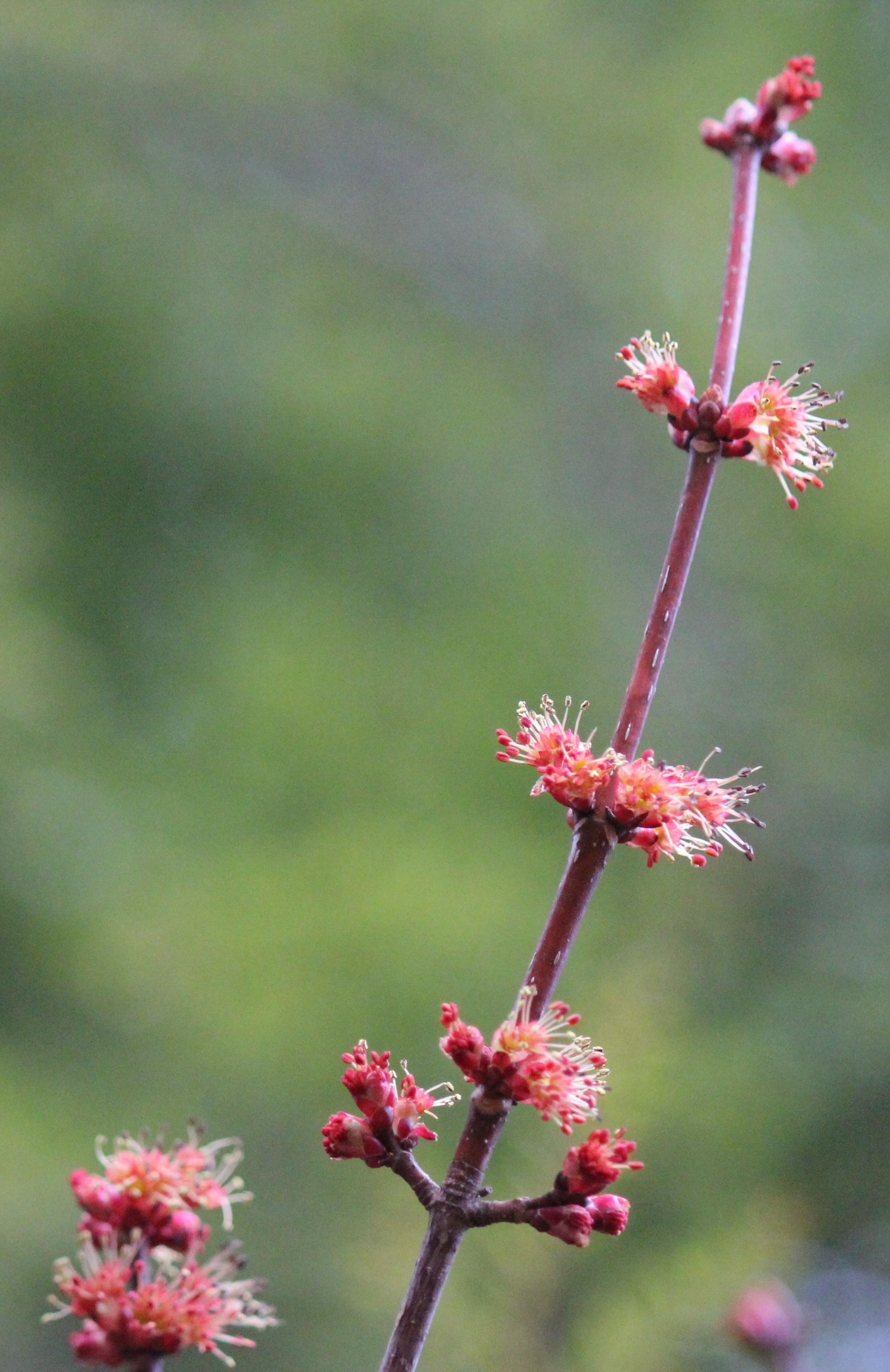
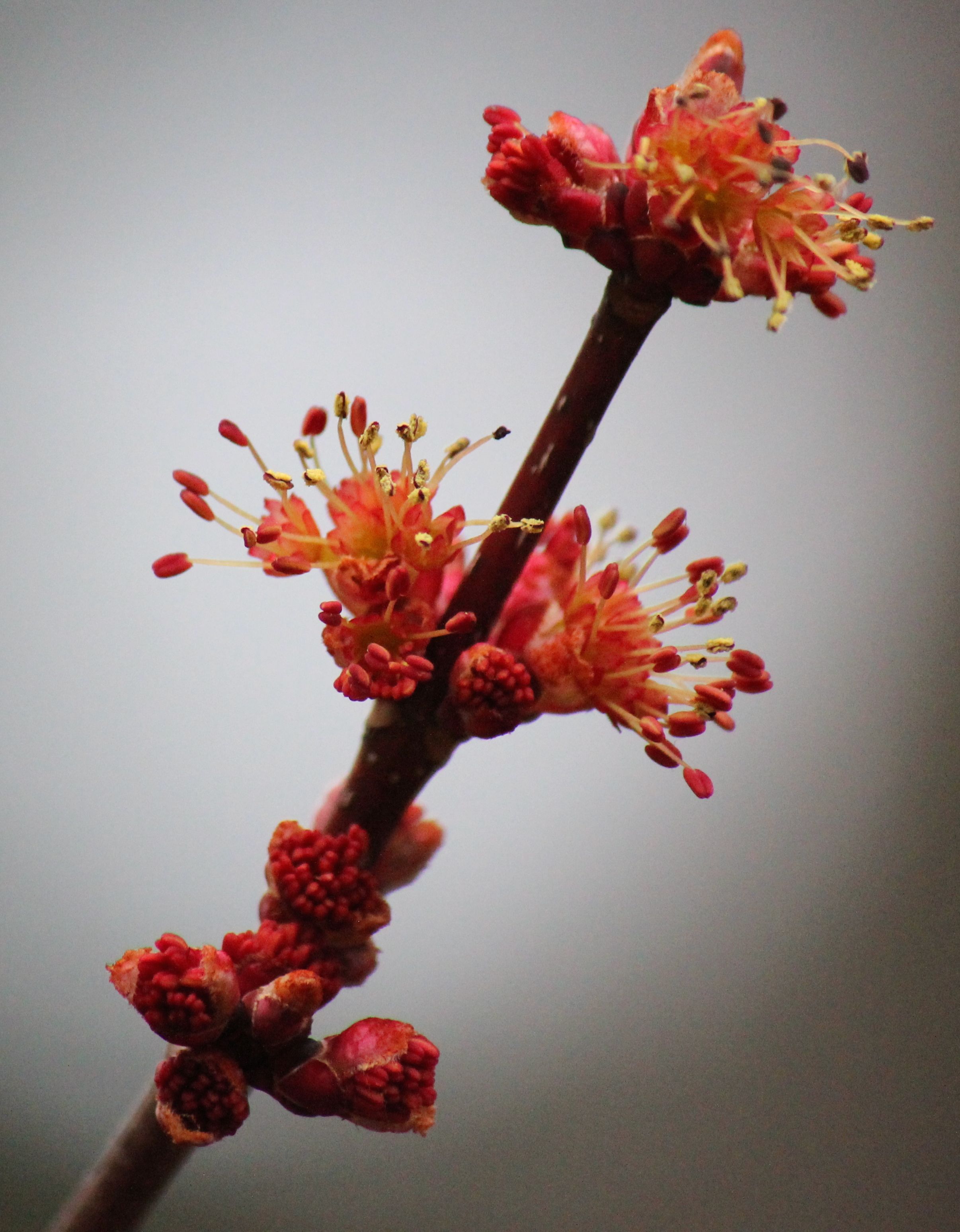
And then it was time to visit another harbinger of spring, the Red Maple flowers. They are bursting with joy . . . and love.

red maple 3

rm 4

rm5

Stamens and pistils in all their glory.

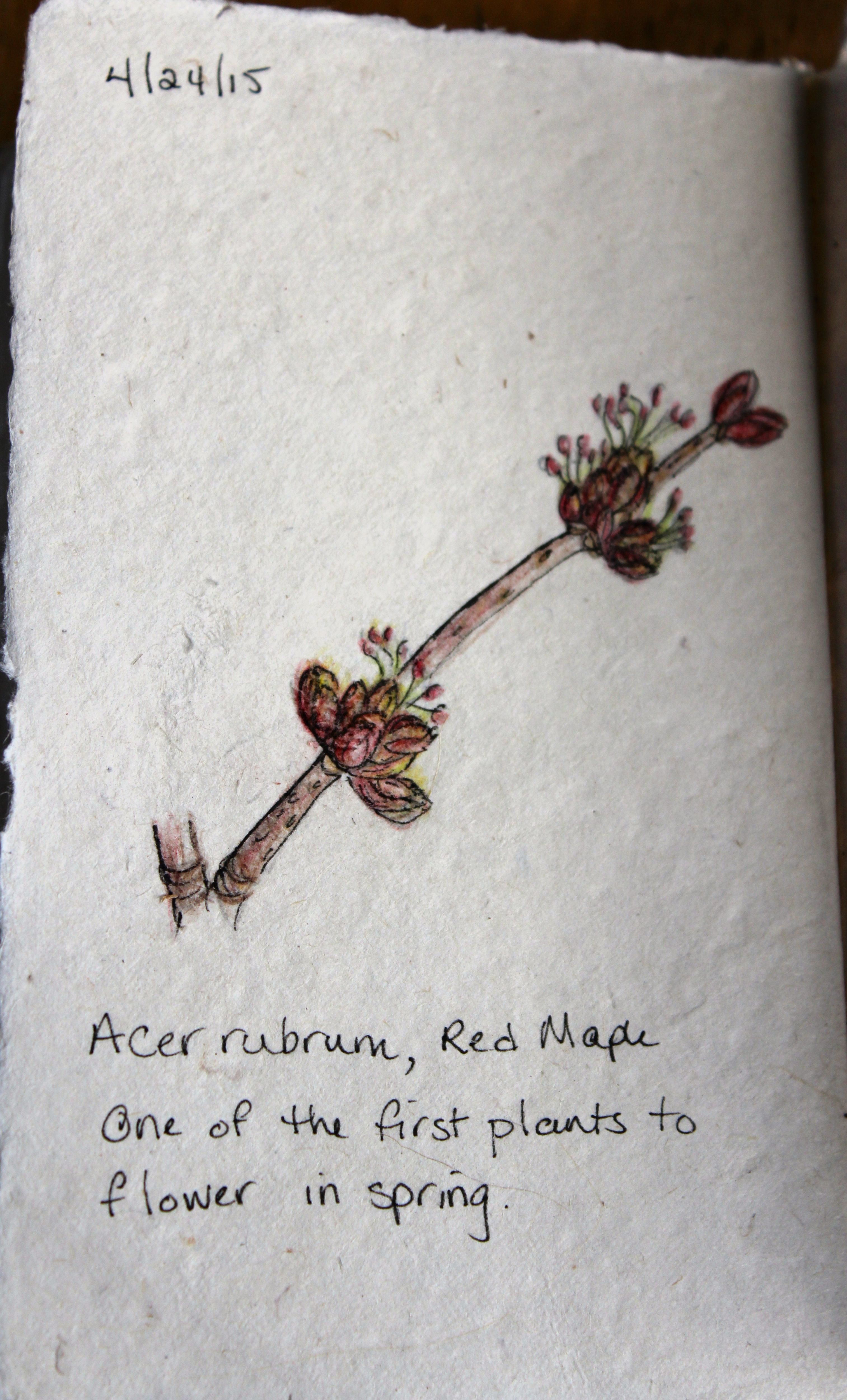
sketch 1

It was nippy, but I took a moment to sketch.

As I wander along the path, I’m thankful for the mysteries and beauty that draw me out and continue to provide moments of wonder.

And I’m thankful for my sister and brother-in-law who encourage me along the way. Happy Anniversary to you!

Pool Side

Today was a day meant to be spent outside. Temp in the 60s, brilliant sunshine, not a cloud in the sky. It was almost too hot. Certainly a day to sit pool side.

I spent the late morning/early afternoon hours enjoying lunch at a picnic table outside The Good Life Market in Raymond, and interviewing a friend for an article. (Thanks JVP :-))  The Supreme Aubergine was delish even if I couldn’t pronounce its name. And she had the Grilled Chicken Cobb Salad.

But that wasn’t enough time outdoors, so I packed up my camera, drawing supplies and stool, then headed out the back door later in the day.

mole work

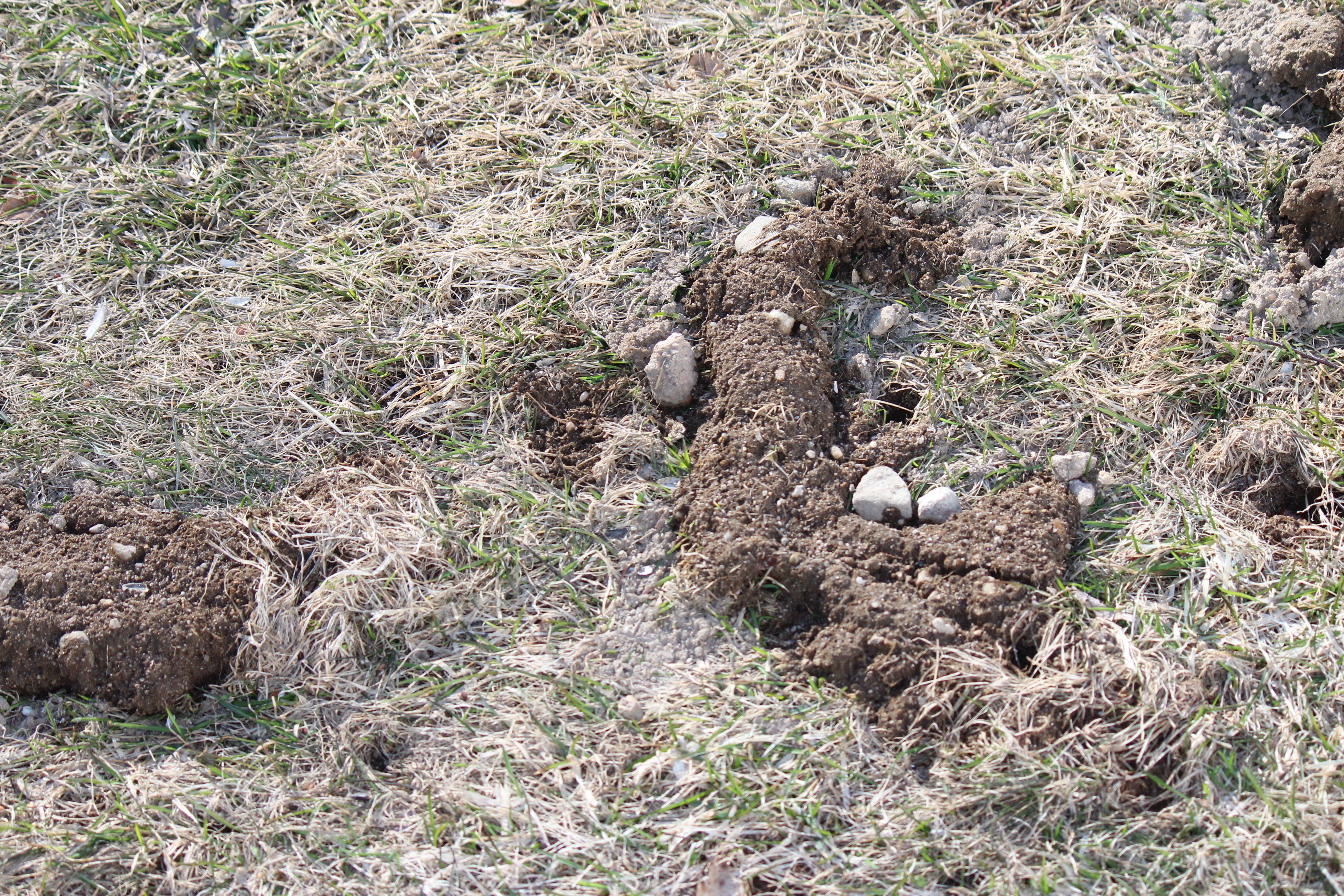
Where the snow has melted in the yard, there is evidence of mole work. Though they eat some vegetation, moles are insectivores and they aerate the lawn. Let them eat grubs, I say.

Vole tunnel

Behind the barn, a vole tunnel melting in the snow. These little field mice are more destructive as they are herbivores, but there’s a cat who likes to hang out in our yard. Here kitty, kitty.

pussy willows 1

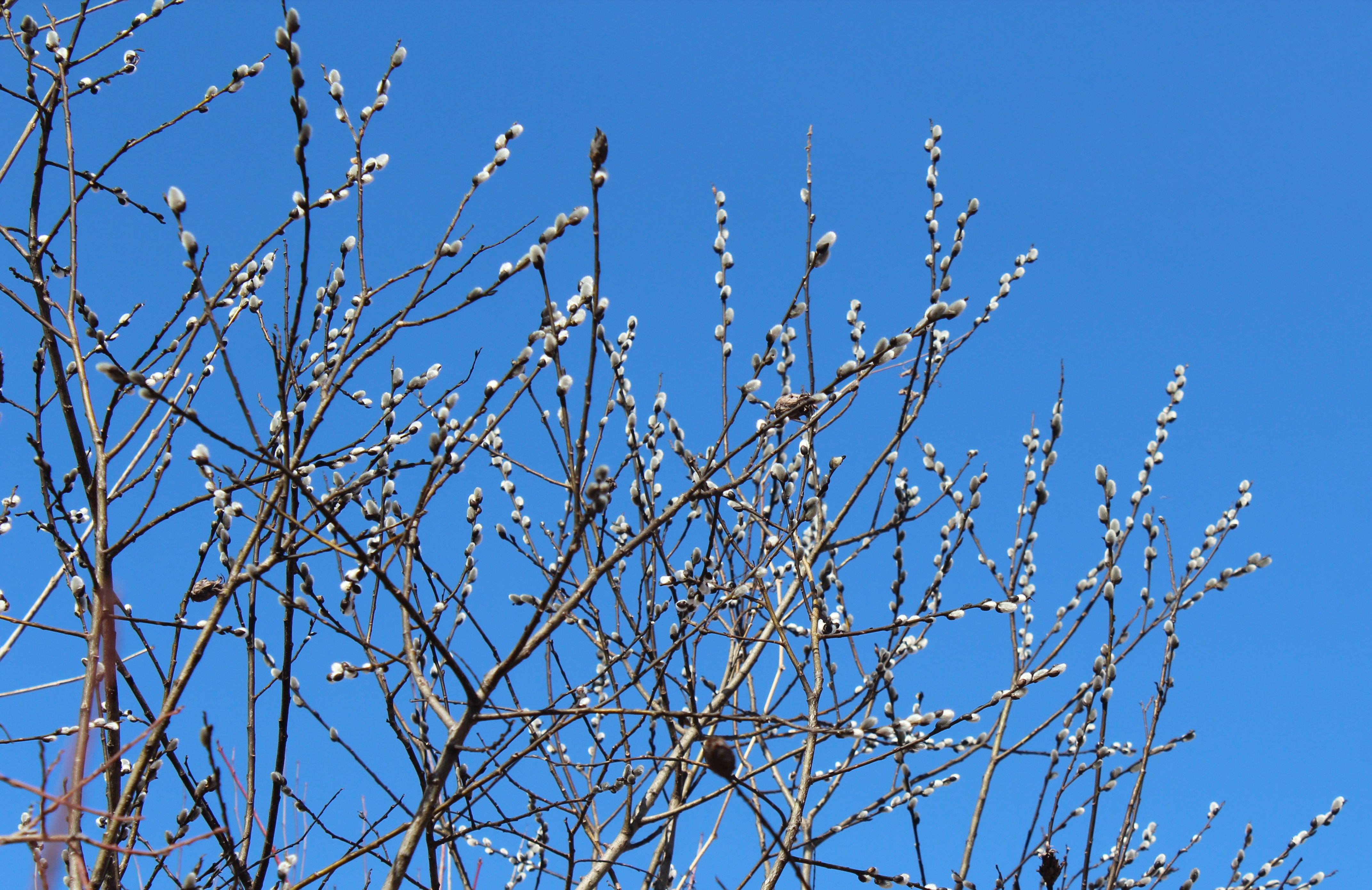
My destination was the vernal pools, but along the way I had to stop and smell, I mean touch, the pussy willows.

pw2

Spring’s certain harbinger.

gall1

Sadly, some teeny tiny midges attacked one of the willow trees last year.

gall2

The result, this pineapple-shaped gall. It has its own certain beauty and when you think about the number of papery scales and size of the insect that created it, it is amazing.

vp2

VP2–the vernal pool furthest from home. I stood there for a while, watching and listening.

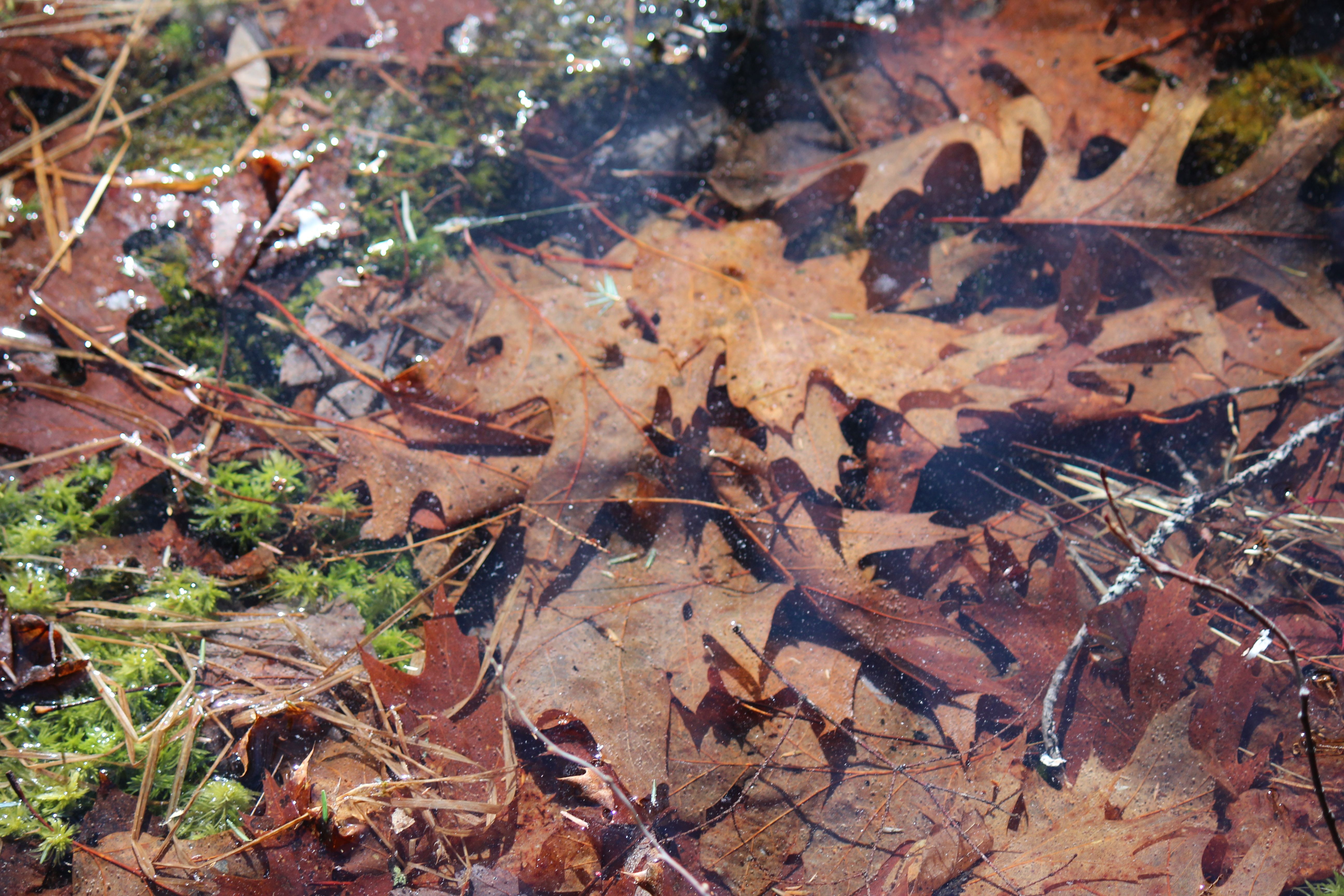
leaves

And admiring the leaves below the water. They’ll soon provide the perfect hiding place for the wood frogs, who will disappear underneath when I approach.

pine candelabras

On my way back to VP1, the pool in the neighboring woodlot, the candelabras on the white pines again made their presence known.

leaves waiting to be released

It’s getting easier to walk along the rocks that form the perimeter of this pool and take it in from all sides. Here, the leaves wait to become part of the organic matter on the pool’s bottom.

leaves hanging on

While just above, others still cling to the mother tree.

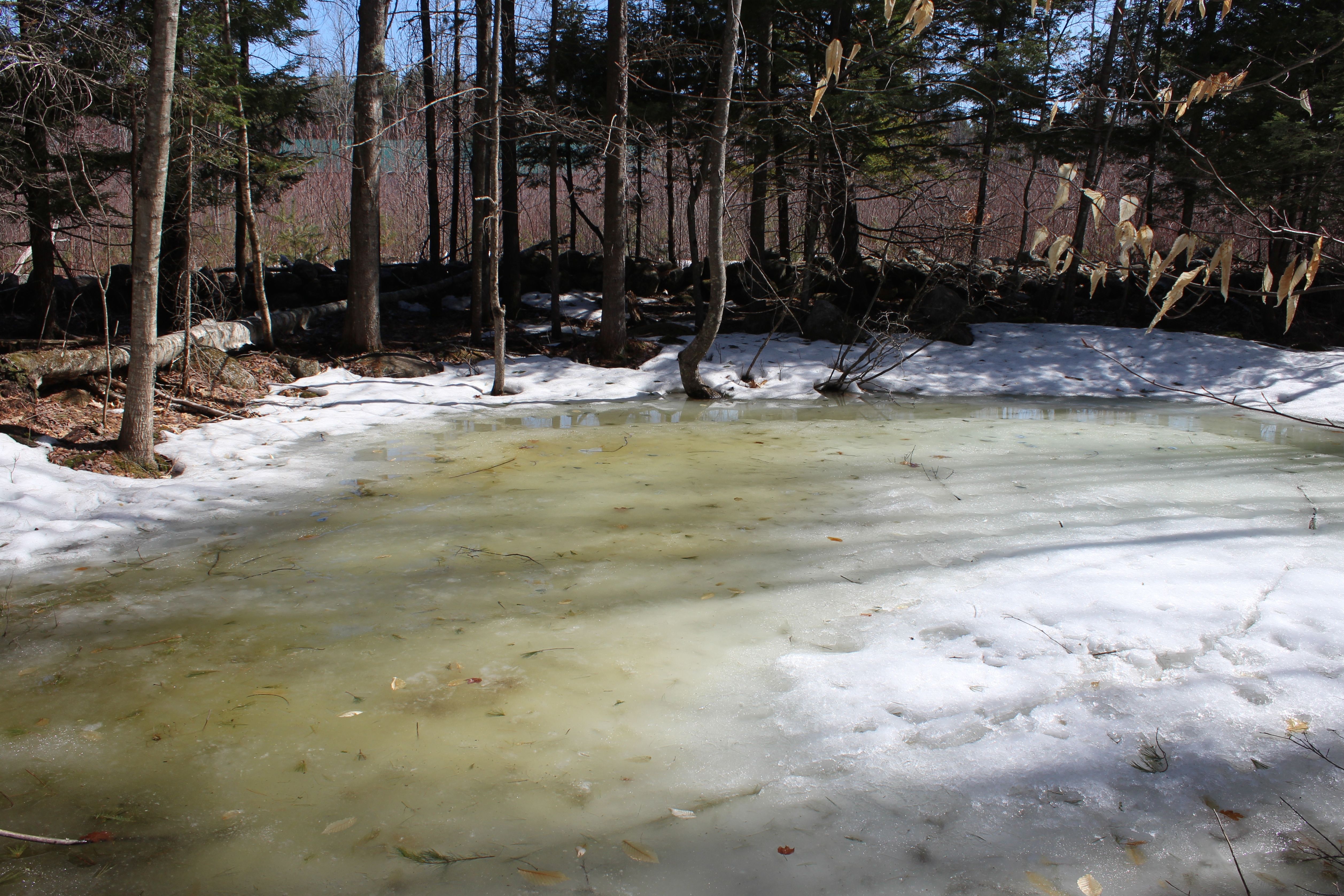
water on vp

In the southwestern corner–water atop the ice.

vp1

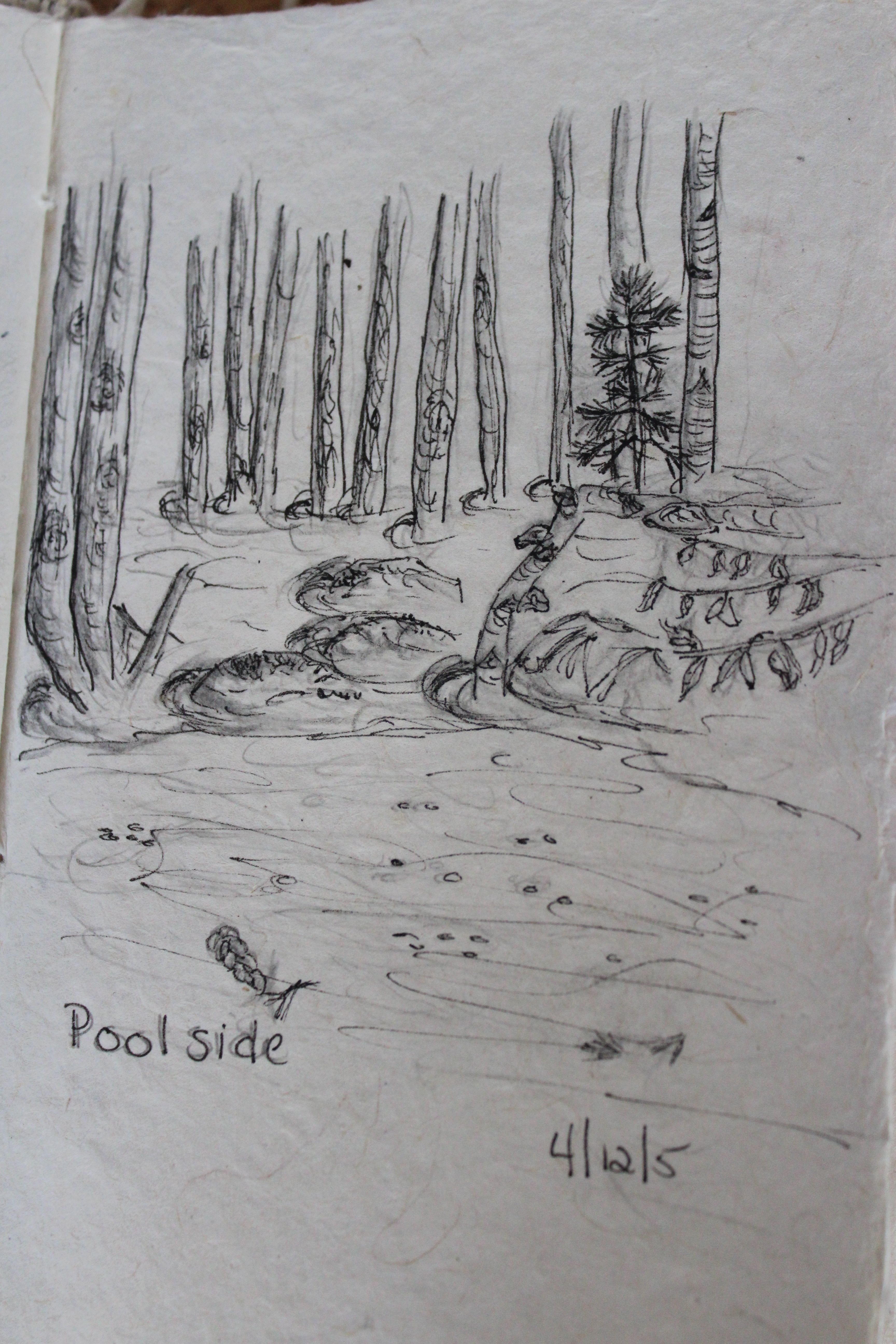
Overall, a rather slushy topping. I set up my stool and sat to sketch it.

poolside

When I look at this now, it looks like the bubbles are frogs or something. Not so. Oh well. I was happy to be pool side . . . until I fell backward as the soft snow gave way. A reason to chuckle and head home.

Thanks for joining me to wonder as I wander.

Naturally Wavy

The roads were coated in black ice when I drove toward Jefferson, Maine, early this morning to meet up with the Maine Master Naturalist class. The morning sun, brilliant blue sky with scattered cumulous clouds, and mist rising from open waterways, made me want to pause along the highway and take some photos, but I wasn’t sure how I’d explain to a state policeman that indeed it was an emergency. Instead, I continued on to Gardiner, got off the highway and followed backroads over rolling hills and through farm country to my destination–Hidden Valley Nature Center. 

Aptly named, the 1,000-acre natural education center consists of contiguous forest dotted with vernal pools, a kettle bog, ponds and 30 miles of trails.

Bambi

Bambi Jones, a Master Naturalist and co-founder of HVNC, spent the morning with us, showing us the vernal pools and sharing her knowledge. Things aren’t exactly hopping at the pools yet, but . . . the weather is supposed to warm up this week and once the snow melts–look out!

vp1

When I first looked at this vernal pool photo, I thought it was upside down–such is the reflection.

vpsign

A wee bit of info and a reason why we should pay attention.

fen2

This is a kettle hole bog apparently, caused by glacial action. I was looking up the difference between a bog and a fen and found this on The International Carnivorous Plant Society’s Web site: “People commonly describe wetlands with words like pond, bog, marsh, fen, and swamp, thinking these are mostly interchangeable. Actually, there are careful definitions for each of these names. The only problem is that a hydrologist may use one set of definitions, while a botanist may use another, and an ecologist may use yet another.”

While we stood looking across, someone in the group spotted what they thought was a bobcat across the way and coming down a hill. I never saw it, but I did note lots of ledges in the area and on the way out saw some potential bobcat tracks.

fen1

Another view. Lots of black spruce, sheep laurel and pitcher plant seed pods visible.

pitcher plant flower

The seed pod of a  pitcher plant, one of our carnivorous plants.

beaver lodge:fen

And a beaver lodge along the edge.

2nd beaver lodge

There were so many things to see, including a second beaver lodge that may have more action. Do you see it in the center of the photo?

beaver dam

This dam is nearby and had seen lots of activity. Due to yesterday’s rain, it’s a bit hard to decipher the tracks.

Cheryl , spring tails

Remember when I mentioned snow fleas or spring tails in my post entitled, The Small Stuff? Well, this is one of our students enjoying a circus performance.

cat

You never know what you might see when you take the time to look.

looking for life

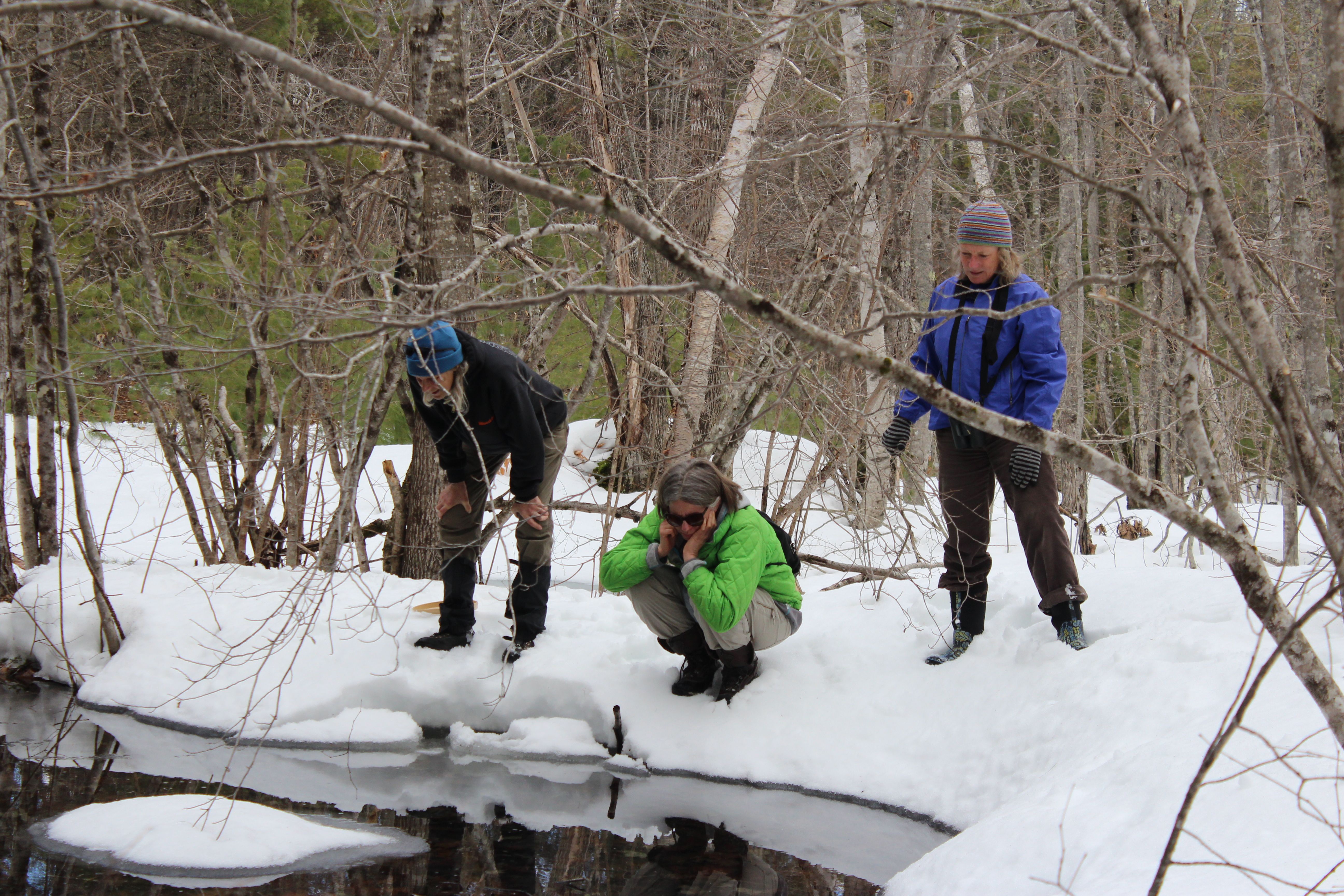
So they did–look that is. And almost fell in.

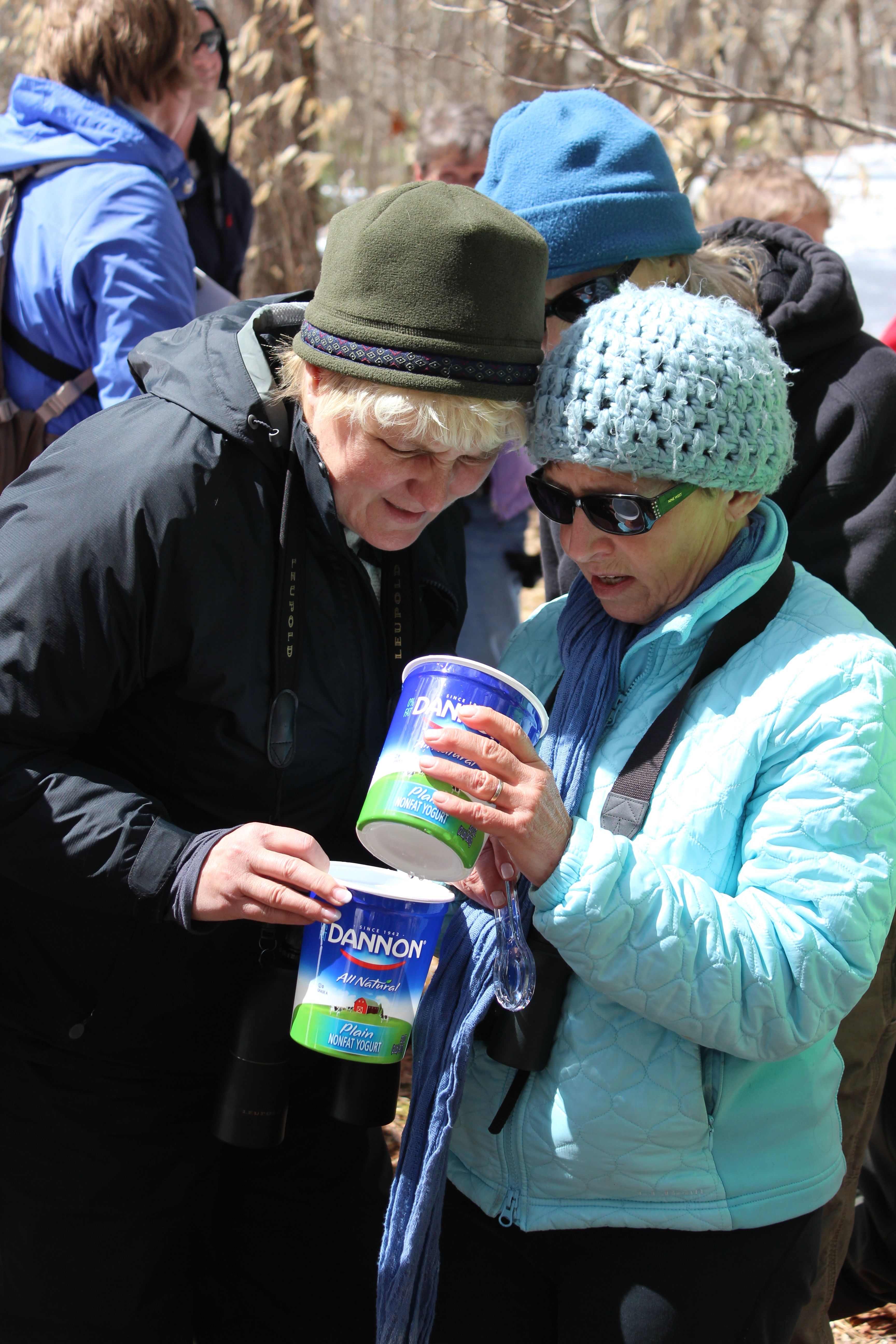
what's in your dannon?

More observations–whatcha got in your Dannon container?

white oak1

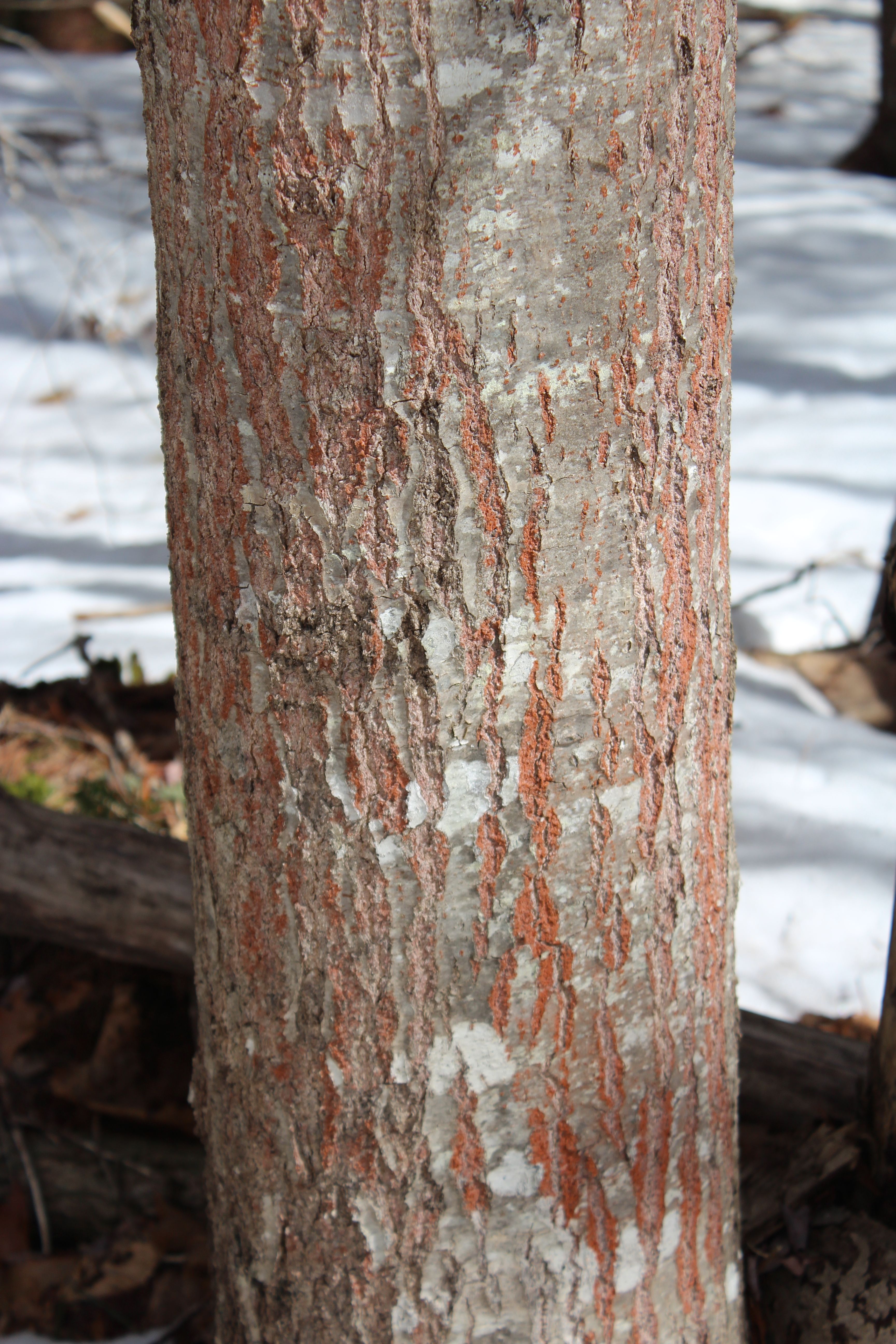
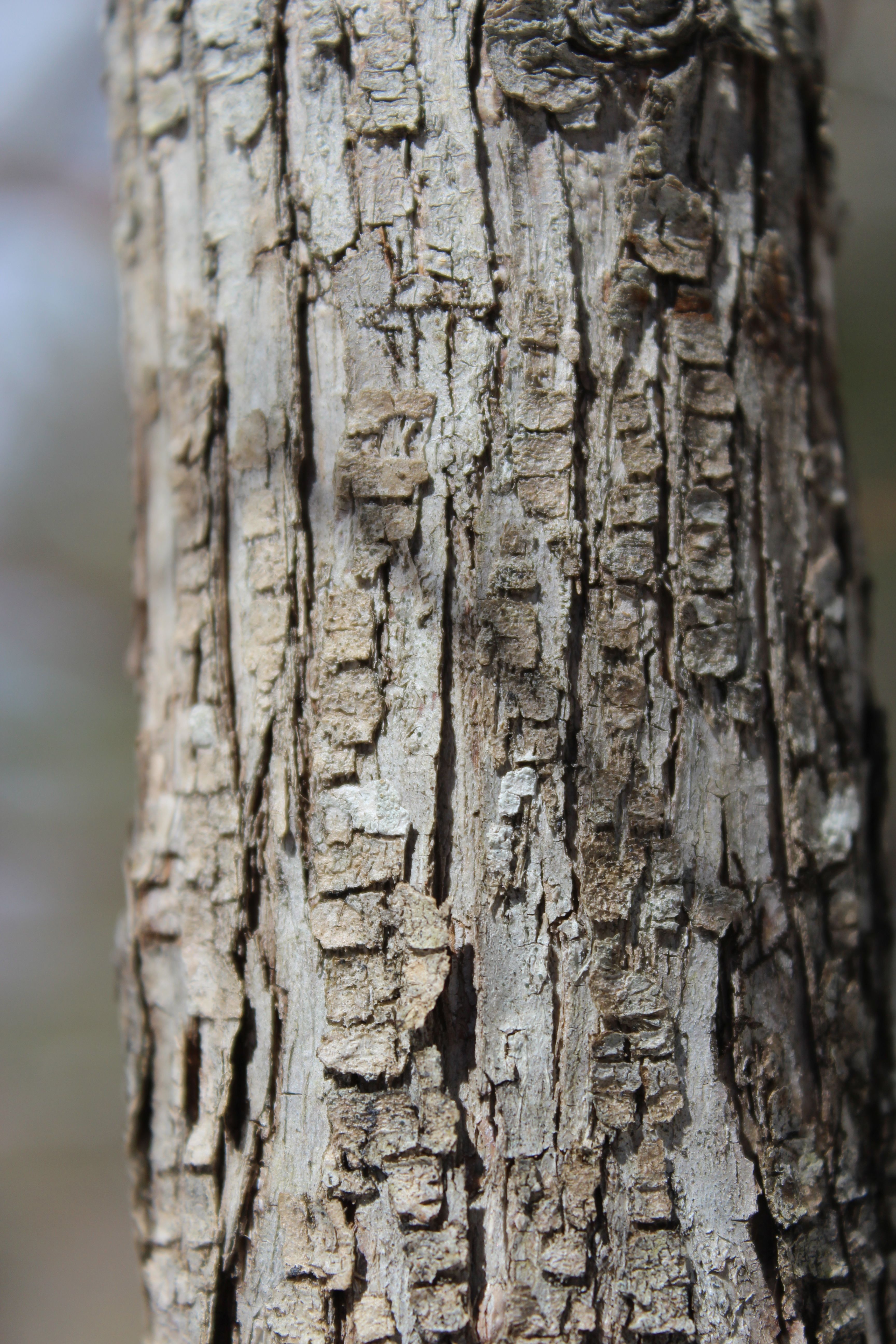
One of my joys was meeting two new trees. I was excited to make the acquaintance of White Oak (Quercus alba) today. Rather than the ski trails and redness of Northern Red Oak, this species features bark that looks like irregular blocks.

white oak 2

And sometimes it looks shaggier, with long, vertical plates. Like its red brethren, the leaves are marcescent, meaning they stay on the tree through the winter months.

white oak leaf

What I love about the White Oak leaf is its rounded lobes.

red oak

Here’s a middle-aged (just like me!) Northern Red Oak for comparison. The flat-ridged ski trails are forming and the red is clearly visible between them.

red oak leaf

Then there’s the bristle-tipped leaf.

amer hornbeam

My second new encounter was with the American Hornbeam (Carpinus caroloiniana). Again, a thrilling experience. OK, it doesn’t take much. Now I understand why it’s called musclewood. It could easily be mistaken for a beech tree because the bark of a young  tree is smooth, but there is a sinewy beauty to it. My bark eyes are now cued into this one.

Hop Hornbeam

The fun part was that not far away stood this old friend. Hop Hornbeam (Ostrya virginians) has thin, flaky vertical strips. Both species, members of the birch family, are known as ironwood.

stream

As the day went on, though our focus was on vernal pools and communities, we often got distracted by other things–which I’ve dubbed Nature Distraction Disorder.

What I began to notice was a natural waviness. I saw it in the snow along the edge of this stream.

folds

In the folds of the rocks.

more folds

And more folds.

beech 2

In the scar on this beech tree.

red oak growth

And the growth on this red oak.

 sculpture

But probably my favorite, this naturally wavy sculpture on display by the barn where we convened a few times. It invites reflection.

Thanks for joining me for today’s wonder-filled wander.
The Joy of Wonder

cowpath 1

It rained last night and this morning, but we never did get the snow that was mentioned in a few forecasts. And the sun came out so I wandered down the cowpath, headed for the snowmobile trail. Instead of walking toward Mount Washington, I turned left.

vernal pool 1

At the vernal pool, I was excited to see the slush. And I was sad to see that it’s been disturbed–rather recently. Not by wildlife either. It’s such a fragile environment.

shed site

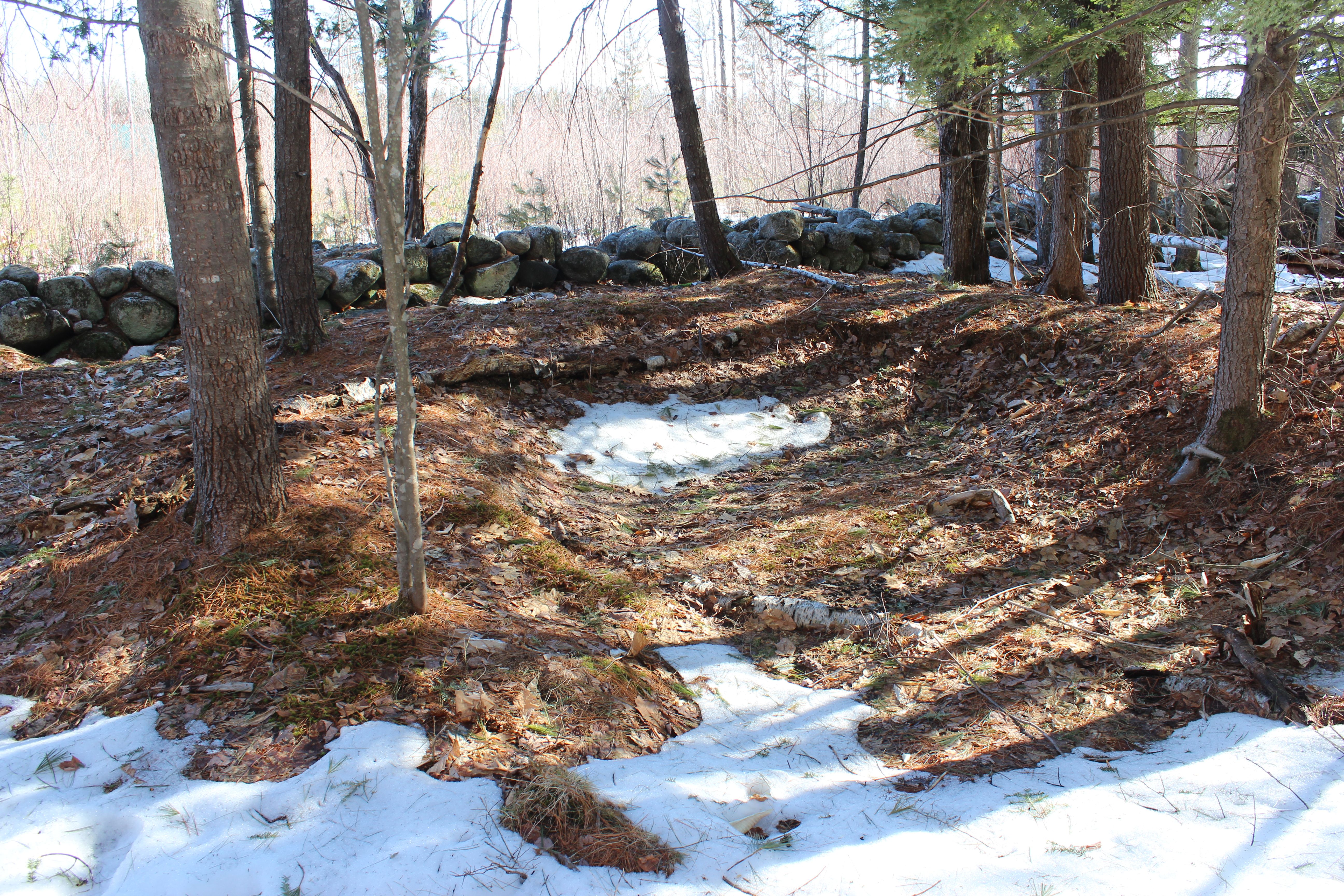
On my way to look at the nearby well, I realized that some land about ten feet from the pool had been carved out. It’s not a root cellar or foundation. Perhaps the site of a farm shed. It appears to be three-sided, maybe the fourth side being an opening.

well 1

And another ten feet away, the well. I didn’t realize last month that there’s a large stone cap over it.

well 2

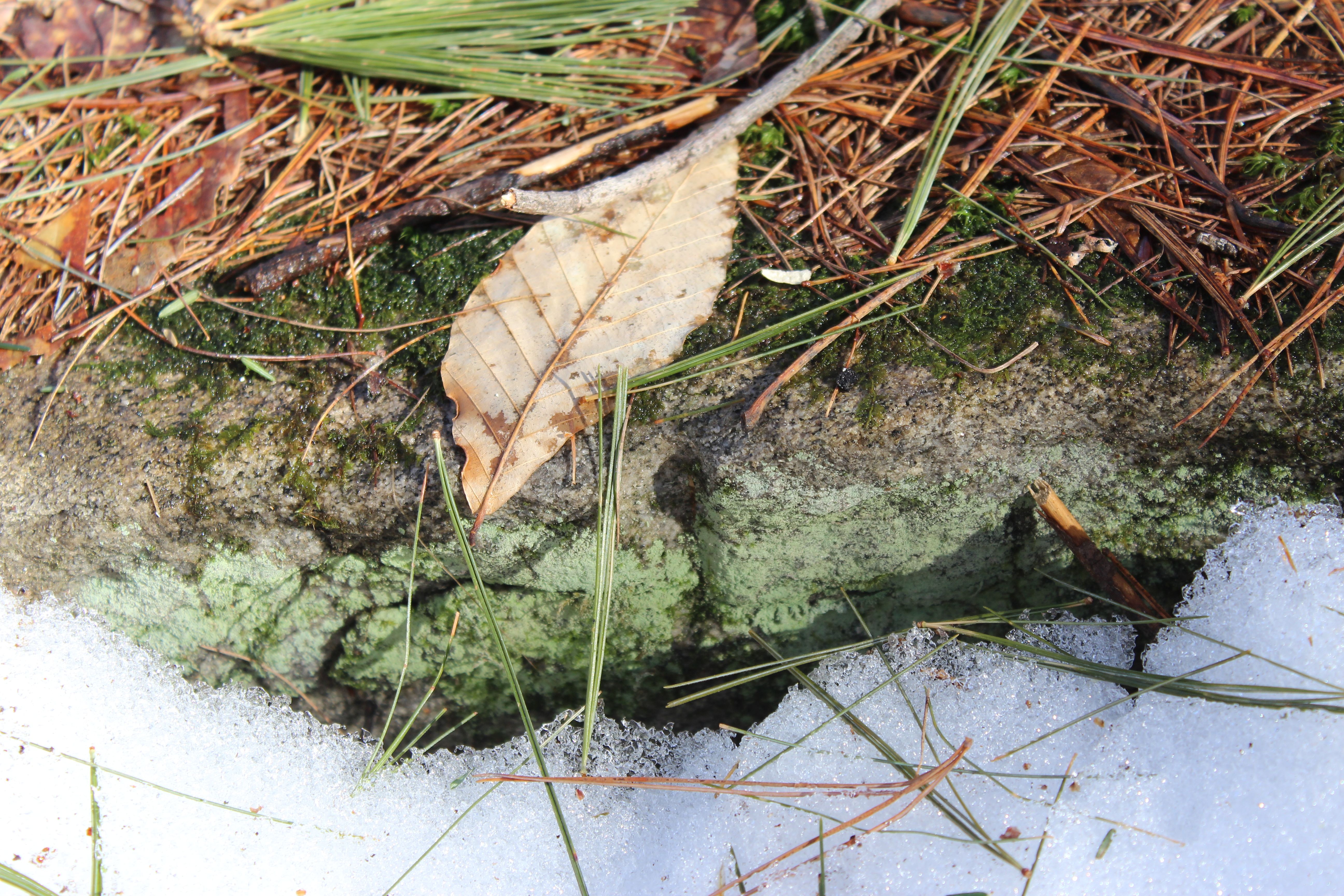
The well has the signature of a Colonial stone cutter–the drill mark left from a feather and wedge routine to split stone. Granite is a hard, coarse-grained rock that consists of minerals  including quartz and feldspar. Interlocked like the pieces of a jigsaw puzzle, the minerals make it one of the strongest and most durable rocks.

During the 19th century, stone cutters used the plug and feather method to hand drill small holes every six or seven inches across the stone. Then, two shims, called feathers, were placed in a hole and a wedge, or plug, was hammered between them. Drilling took place during the winter months when ice would form in the holes and help complete the work of splitting the granite.

pussy willows 1

I continued along the trail, letting it share its moments of wonder. Suddenly, a sparkle of white light caught my attention.

pw2

Pussy Willows in all their glory. I love how one branch reflects the other, don’t you?

British soldiers

And then this–a colony of British Soldier. This one is for my friend, Em.

property marker

All along the trail there are stone walls and occasionally other boundary markers like this one. Notice that it also has the feather and wedge signature of a stone cutter.

disturbance

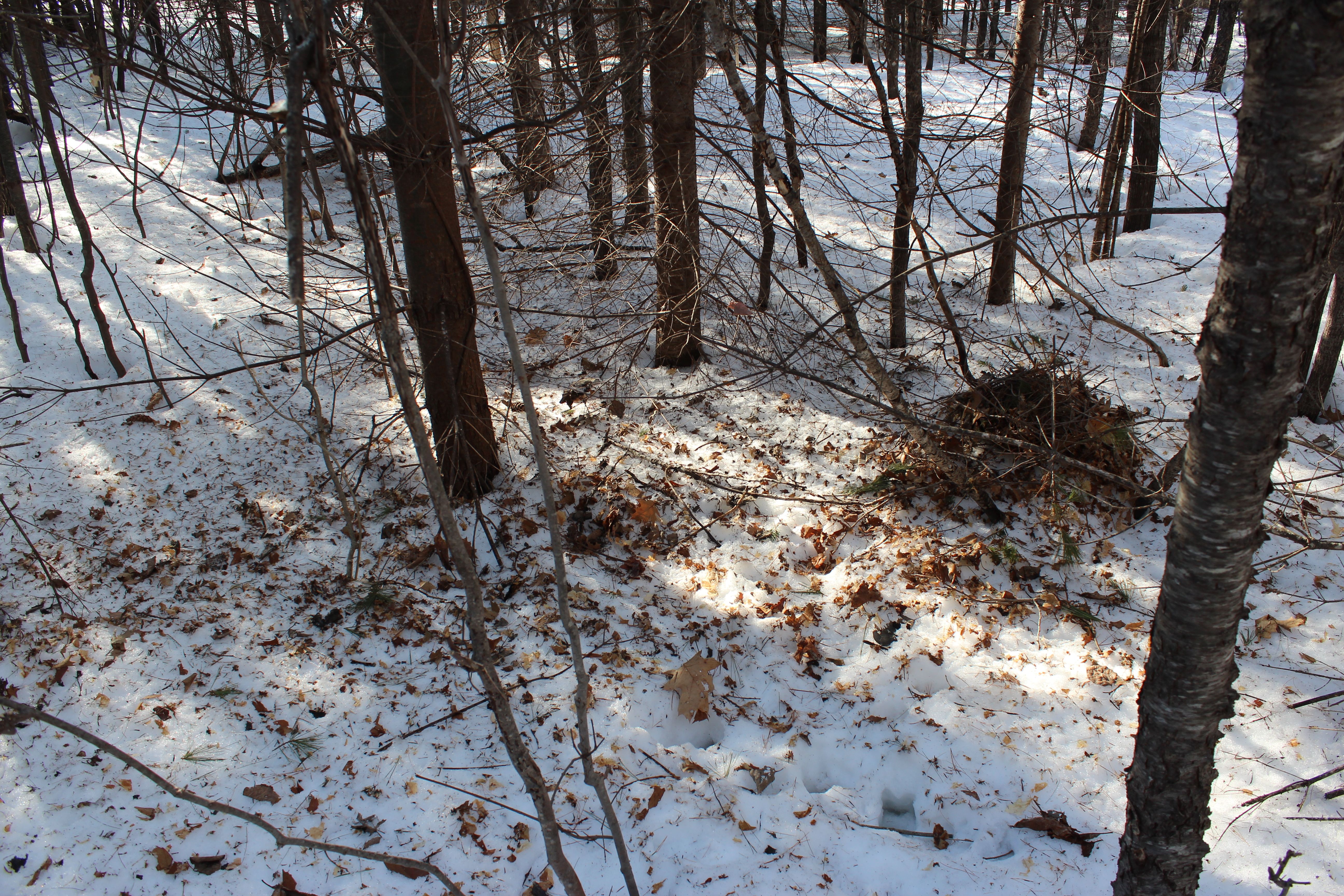
Then I saw this disturbance just off the trail. I needed to take a closer look so it didn’t matter that the snow was over my boots.

squirrel drey?

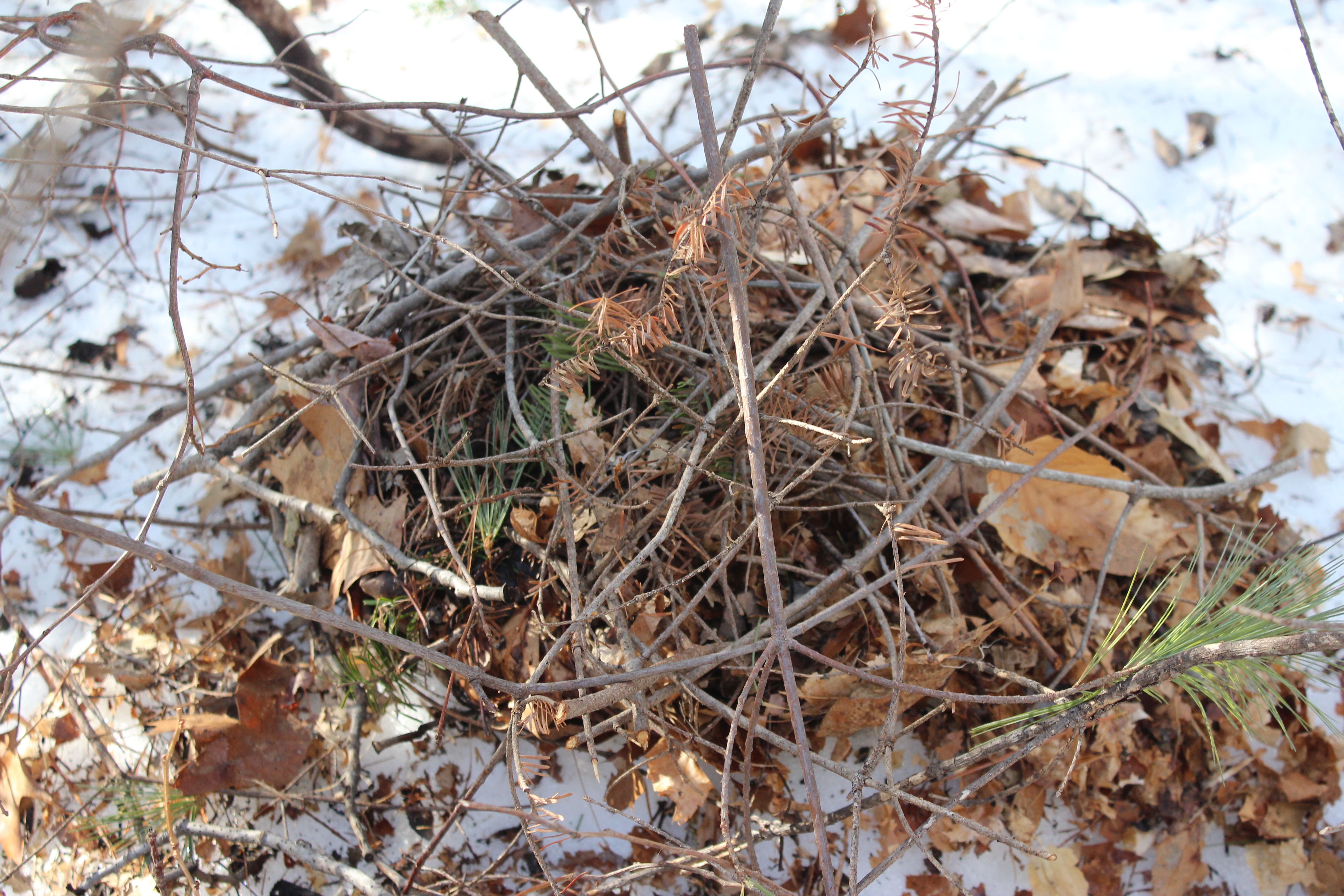
Maybe a toppled red squirrel drey? If it is a squirrel drey, why is it down? Something isn’t quite right here.

vernal pool 2

Because we live in a very wet area–oh heck, all of Maine is wet–I don’t always walk this trail during the spring months. But . . . today I ventured off trail and took a closer look at another vernal pool located about a half mile from our house. It invites further exploration as the season evolves.

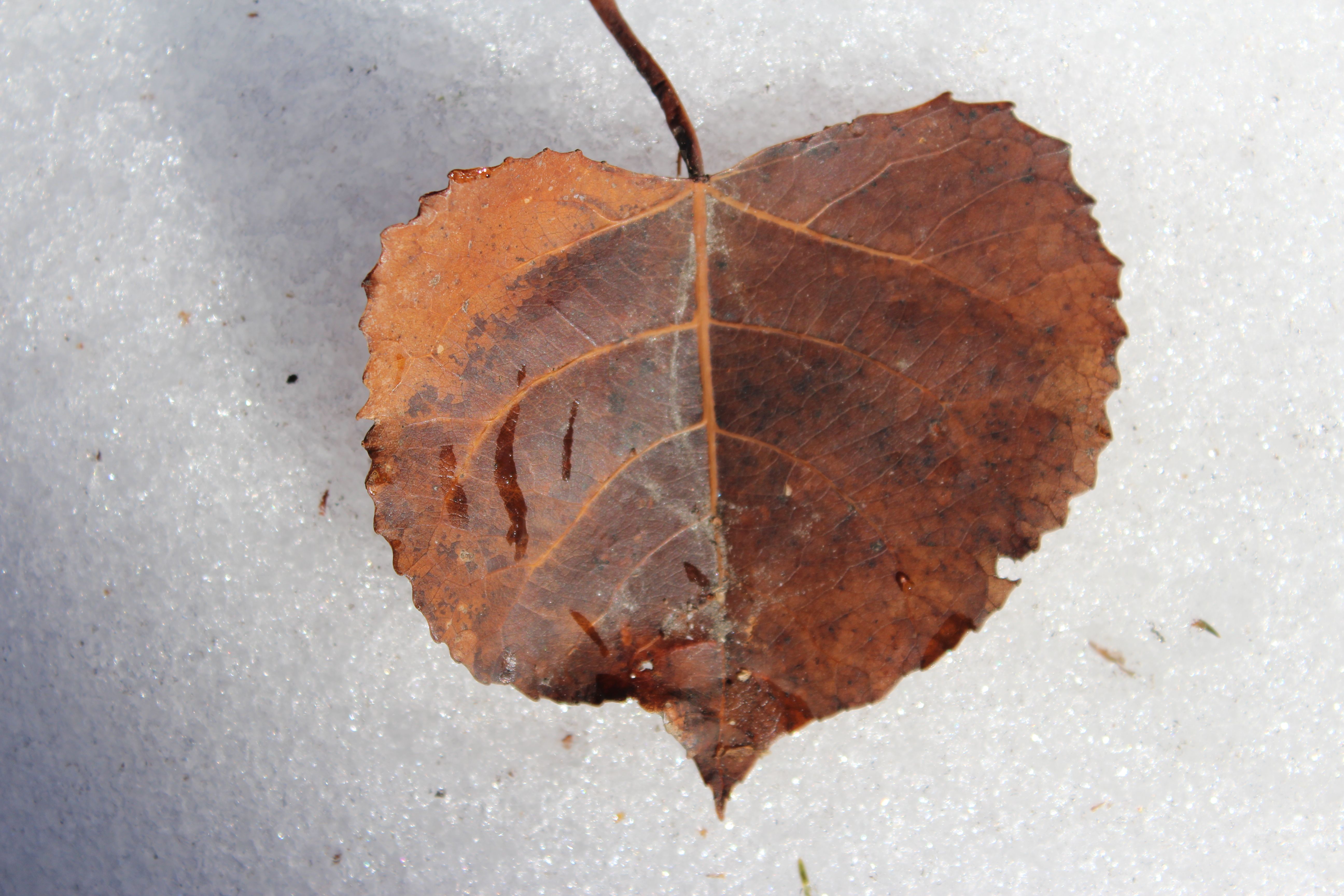
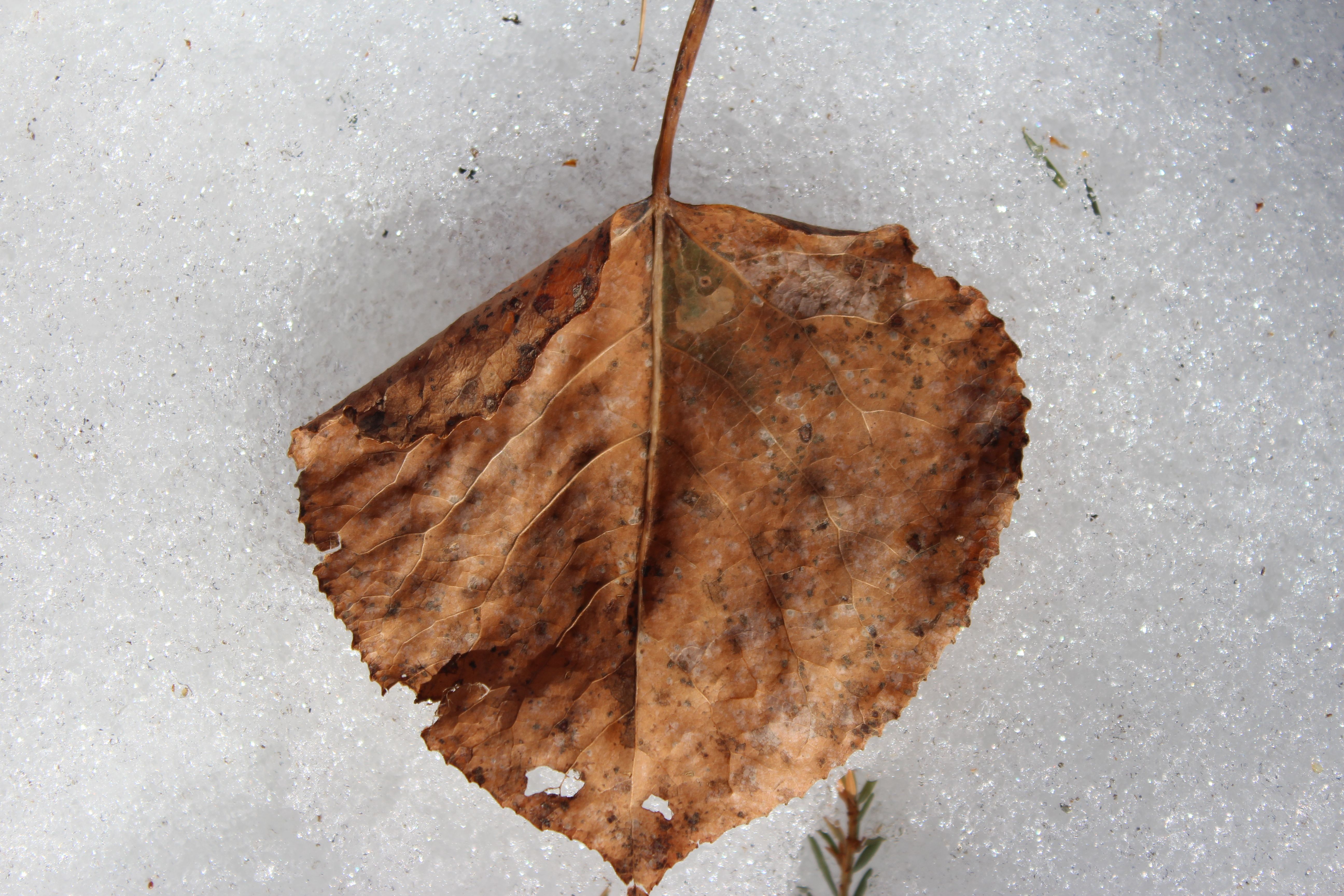
poplar

One of my favorite trees beckoned to me. Um . . . that could be any tree in the forest. But this one is super cool. It looks almost oak-like on the lower portion and birch-like above. It’s an aspen. Big-toothed or Quaking is always the question. I spent some time exploring the woods with a couple of foresters last fall to hone my bark identification skills. I asked them how to tell the difference between the two. One admitted that he didn’t know and the other was sure he knew until I showed him a leaf on the ground that contradicted what he thought. My quest is to figure out the answer to this.

bark

The lower bark is worth observing . . . and touching. While Northern Red Oak bark has fairly smooth ridges, aspen, or poplars as they are also known ’round these parts, has gnarly bark.

big tooth

And then there are the leaves. Big Toothed Aspen.

quaking

Quaking Aspen. Yup, I found both of them below this tree.

big t and quaking

Comparisons make me happy. Teaching moments. Big teeth. Little teeth.

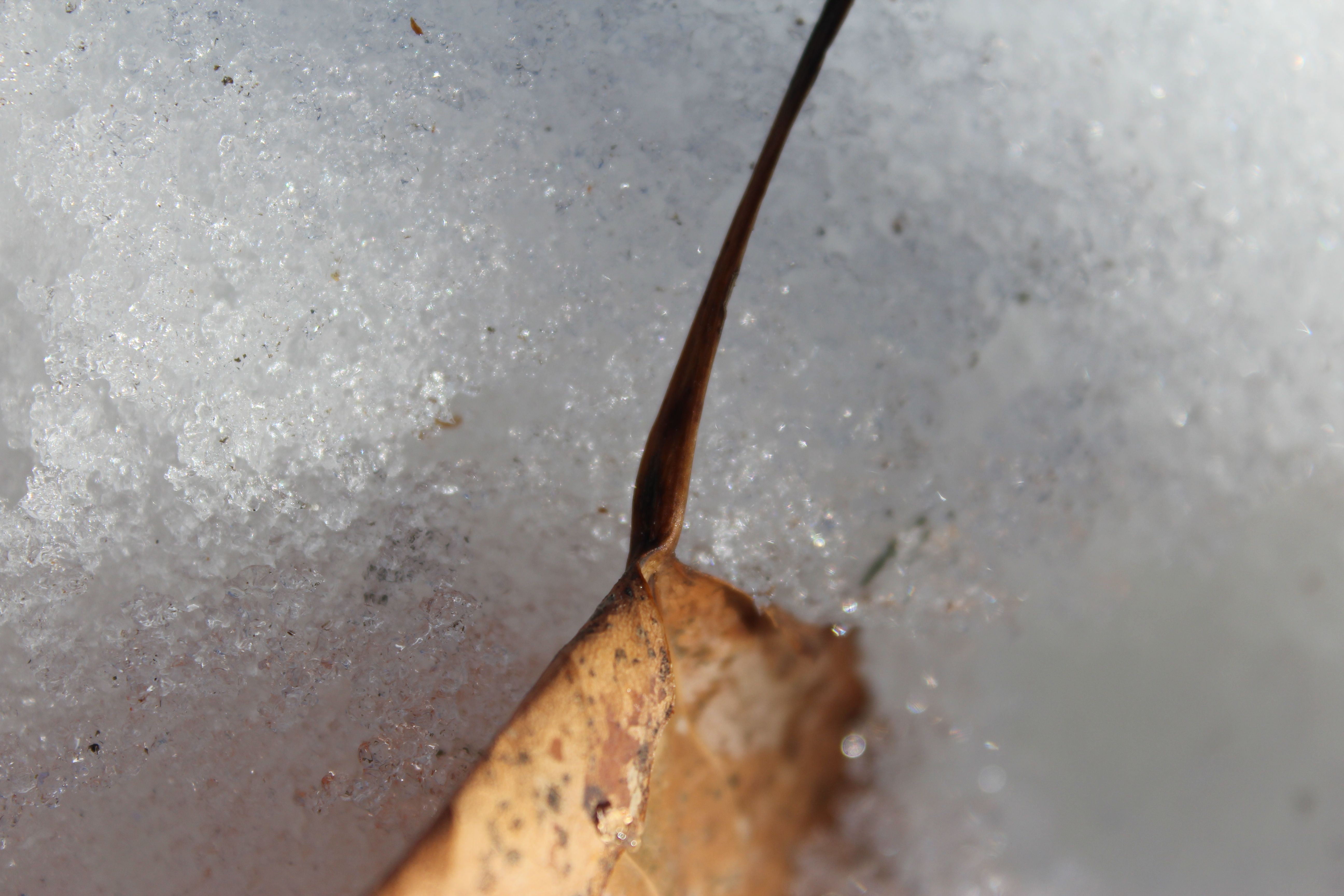
quaking stem

Then there are the stems. Aspens leaves feature flat stems–giving them that ability to quake or tremble in a breeze.

trail

I continued along the trail, which was sometimes covered in snow and other times ice, slush, grass or mud.

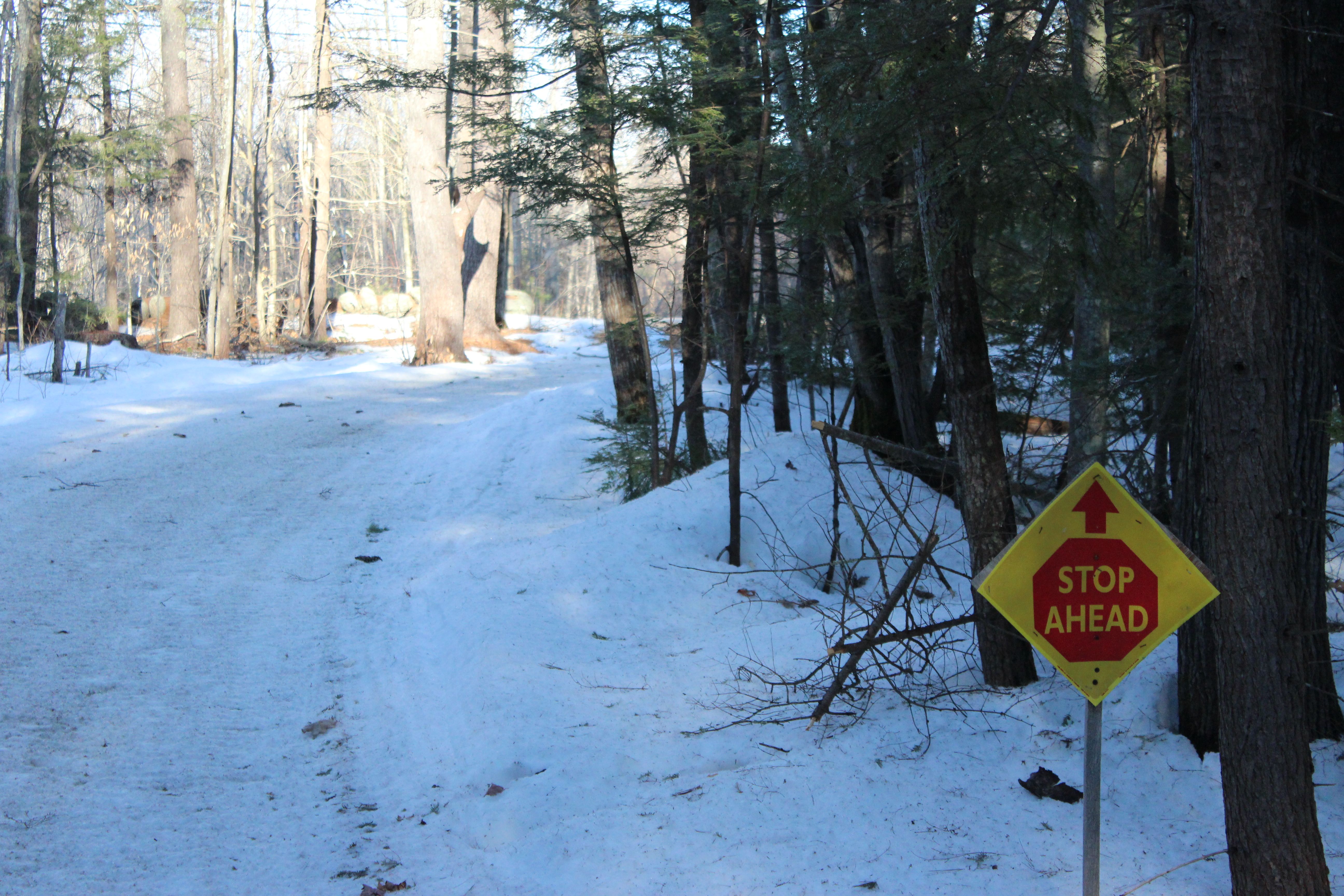
stop sign

About a mile and a half later I reached signs of today’s civilization, though I’d seen plenty of signs along the way indicating yesteryear’s activity. A main road was in front of me. I could walk home via that route or turn around and follow the trail back. I chose the latter.

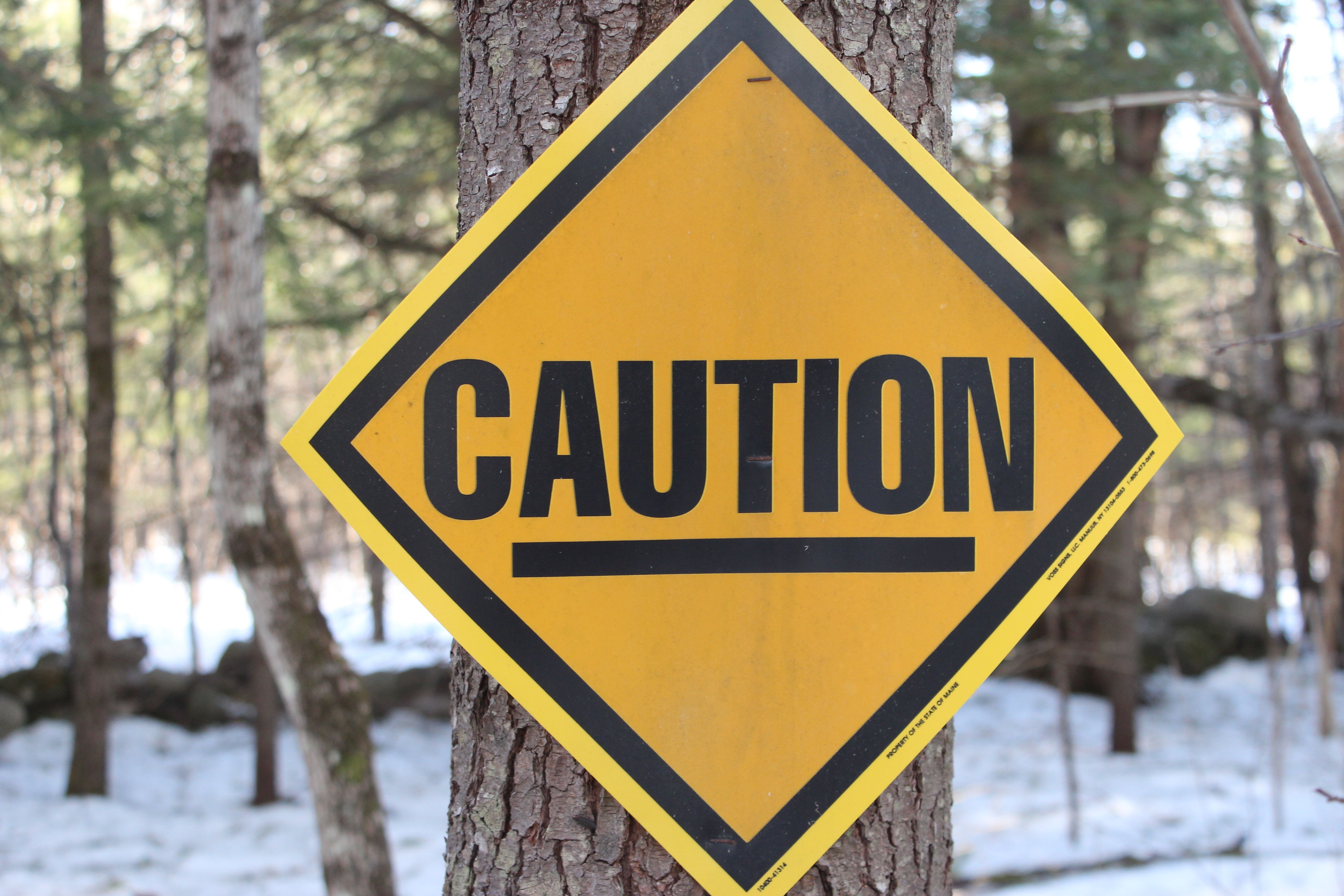
caution

Signs tell it all.

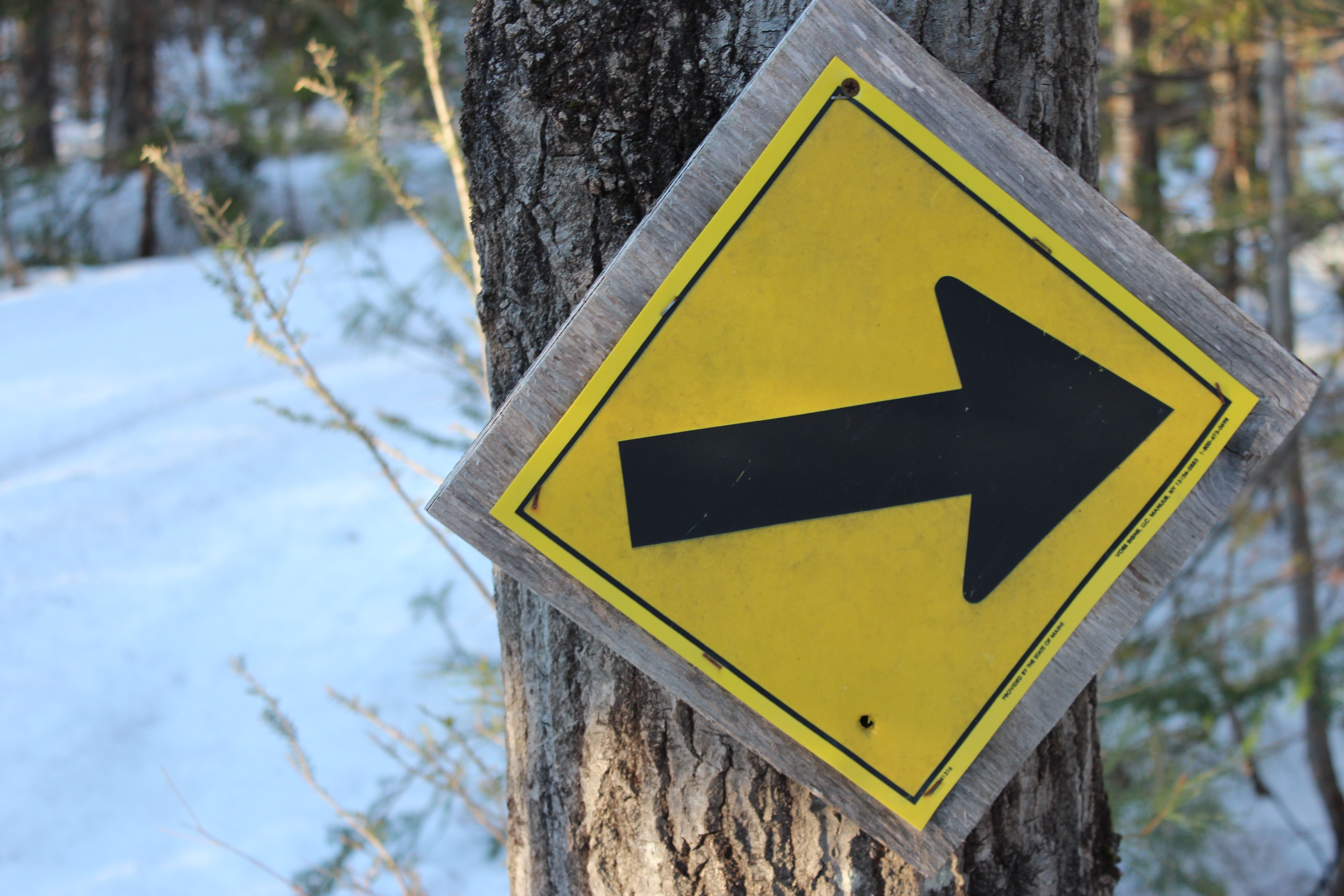
turn left sign

Sometimes they told me to turn this way.

right hand sign

Other times they indicated that I should turn that way.

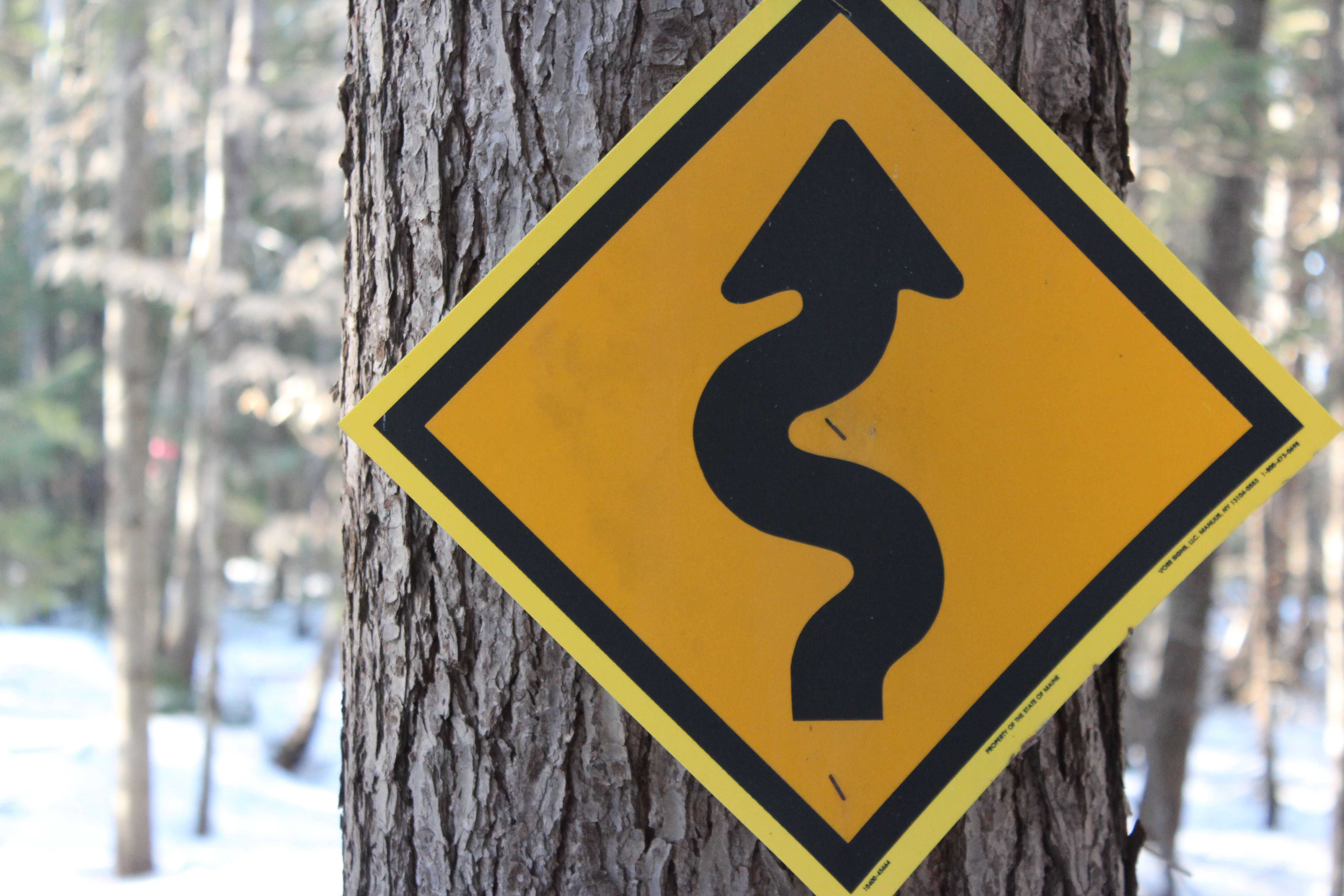
squiggly sign

But my favorites are those that let me know the route I follow isn’t always straight ahead.

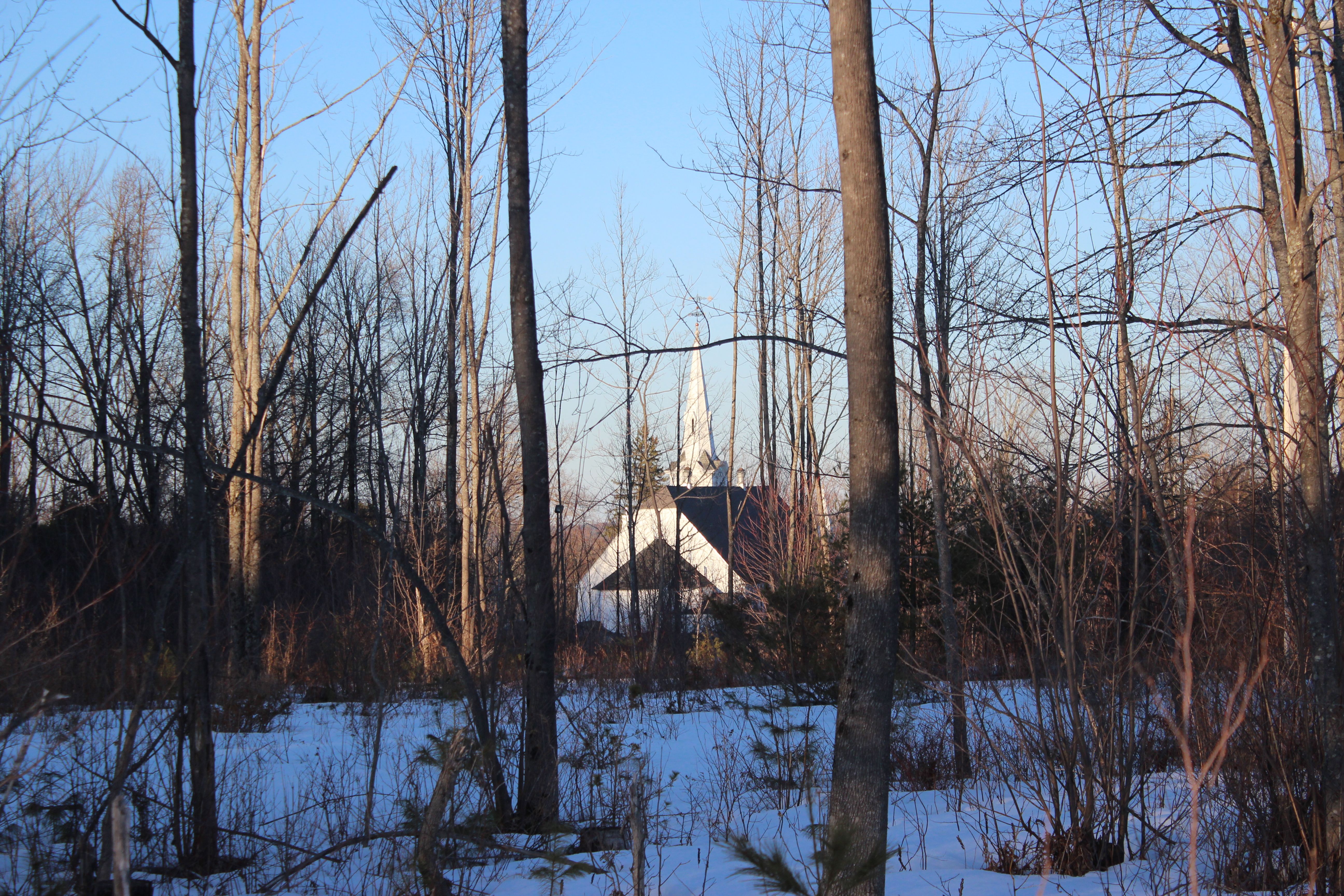
church

And then I was almost home. Tomorrow is Easter–the joy of wonder.

Sit Spot and Beyond

sit spot

I promised myself I won’t write every day, but it’s addictive. And I promised myself that I’ll try to sketch tree buds this year–as the season begins to change. We’ll see how long this lasts. But today was the perfect day to spend some time outside at my sit spot. Sketching. Sunshine. Soft Snow.

drawings

A start.

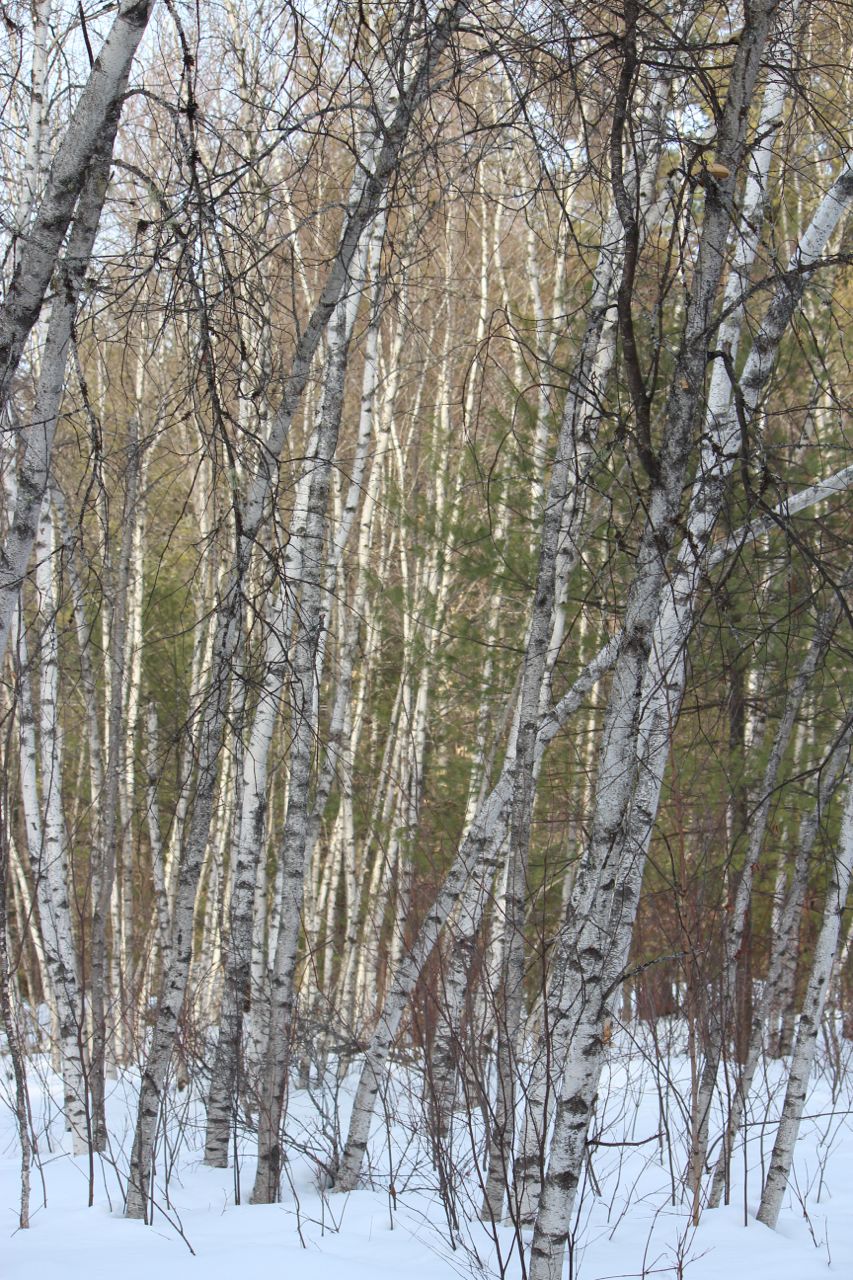
birch trees

And then I took off on my snowshoes to get up close and personal with the birch trees.

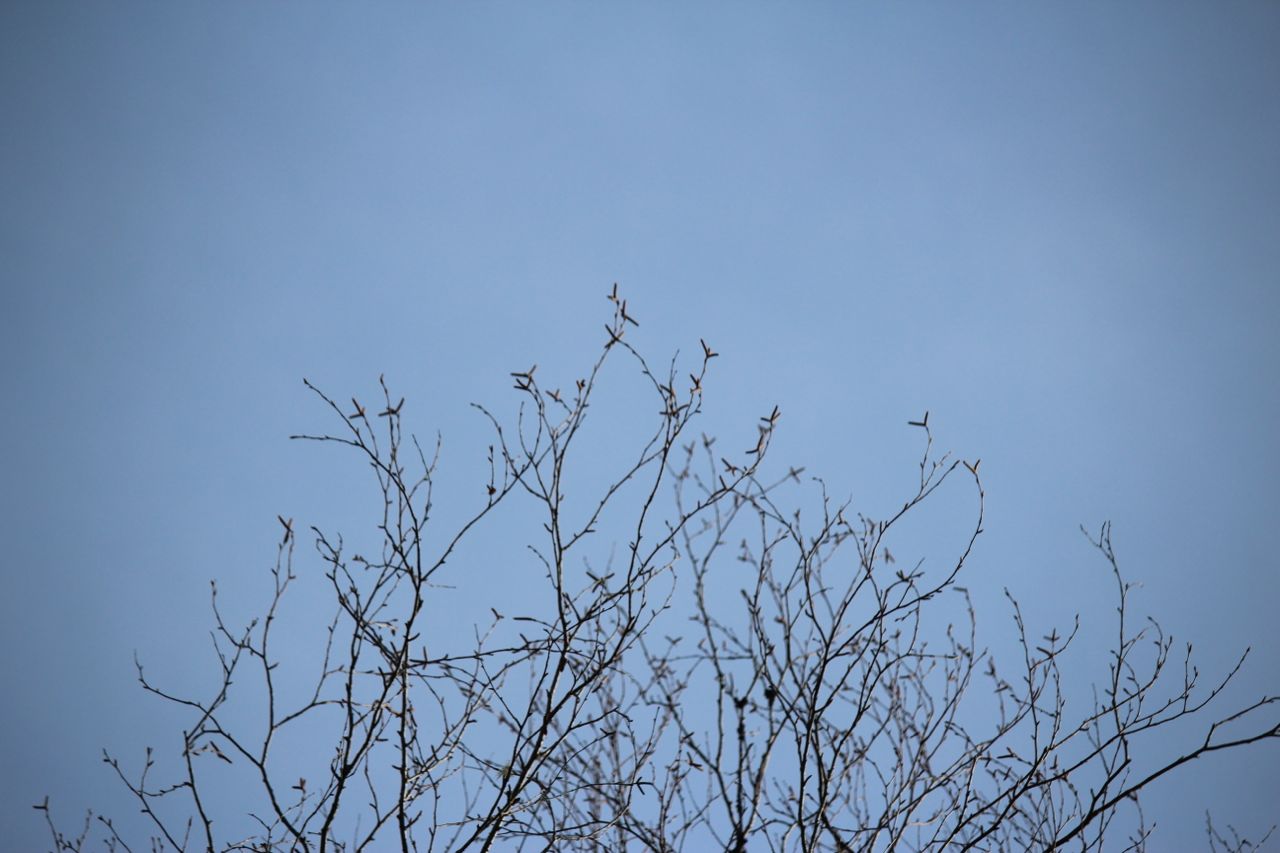
Paper birch catkins

Paper (aka white) Birch catkins usually come in groups of three.

yellow birch1

Yellow Birch buds are long, pointed and hairy. Encountering these trees means it’s time for a scratch and sniff test–wintergreen.

gray birch

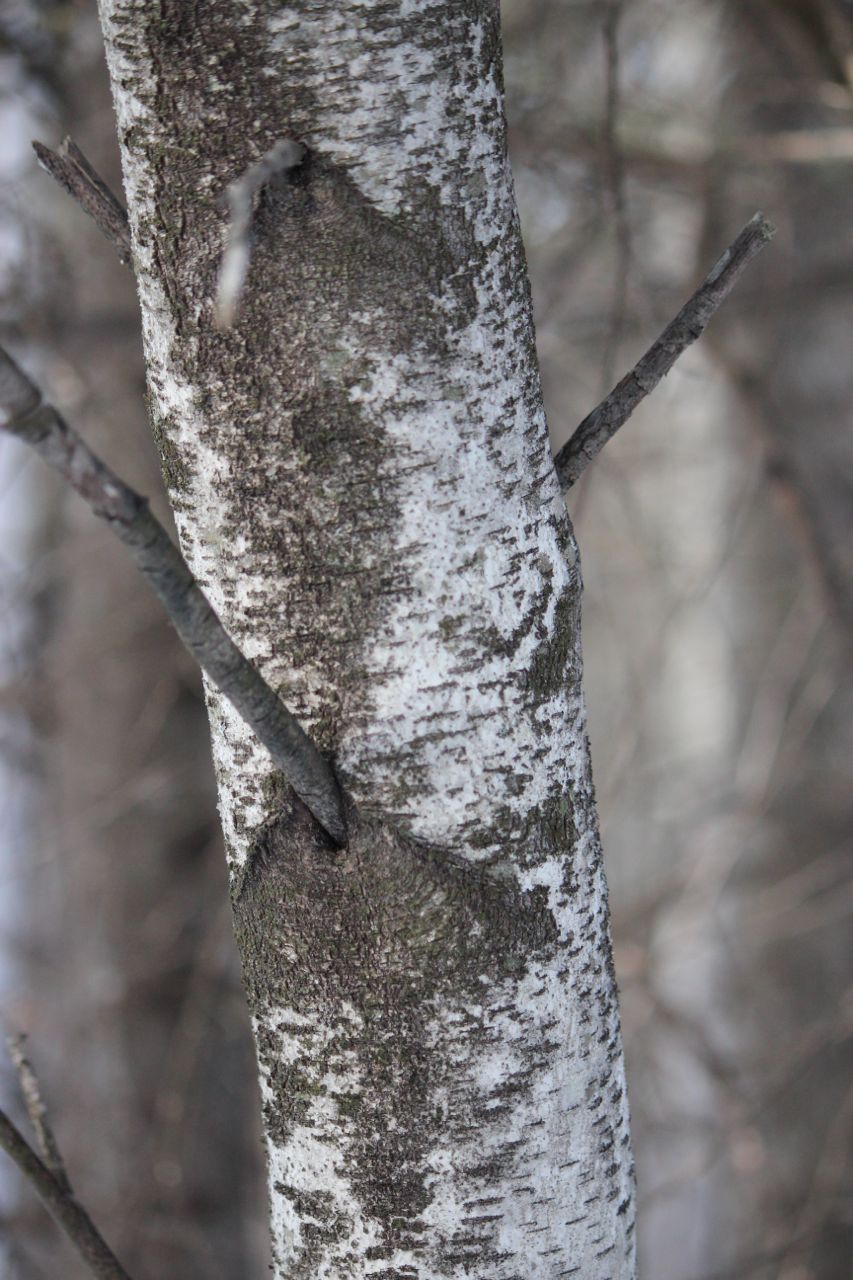
Gray Birch (which some also call white) is actually dull grayish-white. The lines or lenticels, which help the tree exchange gases, give it a dirty appearance. The bark doesn’t peel like a Paper Birch or Yellow Birch. And it often features those triangular-shaped chevrons at the base of its branches or branch scars. Gray Birches are known to lean and their short, slender branches bend toward the ground. In my brain, it’s easy to differentiate it from Paper Birch, but then again, there are hybrids. I haven’t figured that one out yet.

birch polypores

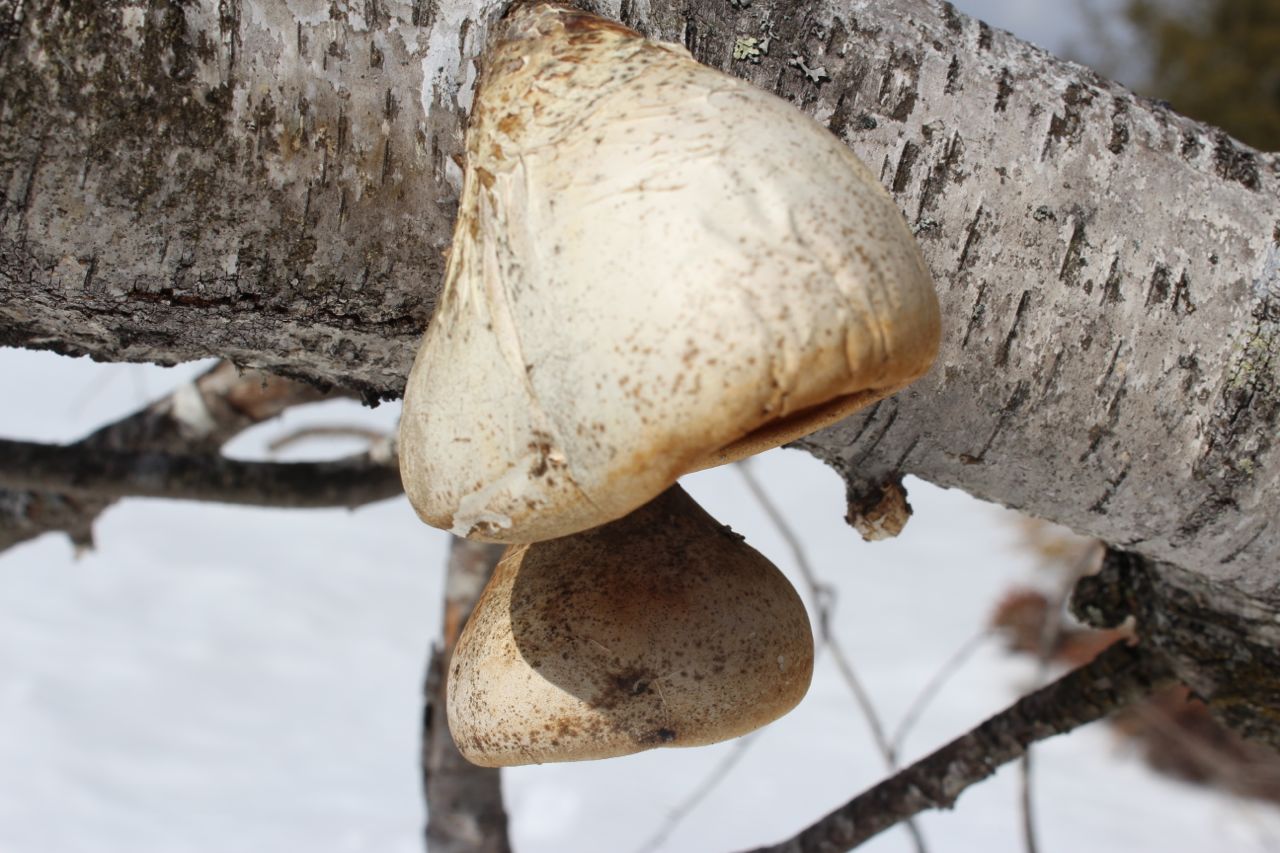
Birch Polypores doing what they’re supposed to do. I love how they’ve oriented themselves so that even after the tree snapped, they are parallel to the ground, thus allowing their spores to drop.

bp

This is one of the most common bracket fungi. It looks like nothing else and only grows on birches. Though an annual, the fruiting body exists for several years.

vernal pool

Before heading home, I stopped by the vernal pool on our neighbors’ land. We were given the opportunity to purchase some acreage from them three months ago, including this special spot, but alas, it wasn’t in the cards for us. I worry about what will happen to this special place. For as long as I can, I’ll continue to visit it. Hard to believe right now, but it won’t be long before the wood frogs, salamanders and spring peepers return here to mate and deposit their eggs.

I don’t want to see winter go, but there’s always the next season to look forward to and wonder about.

Thanks for joining me again and I promise not to write every day. I wonder if I’ll keep that promise.