Painting Naturally

It finally rained in Maine–for several days. But today featured sunlight, clouds and cool temps–just the right conditions to join my friend, Marita Wiser, (author of  Hikes and Woodland Walks in and around Maine’s LAKES REGION) for a climb up Pleasant Mountain.

LELT sign

Loon Echo Land Trust owns 1,859 acres on the mountain, including the Ledges Trail, which was our choice.

steps

Thanks to the efforts of Loon Echo’s volunteer base and the help of the Appalachian Mountain Club, the trail is well maintained. (AMC actually happened to be working down the road at the Bald Peak trail)
view from ledges

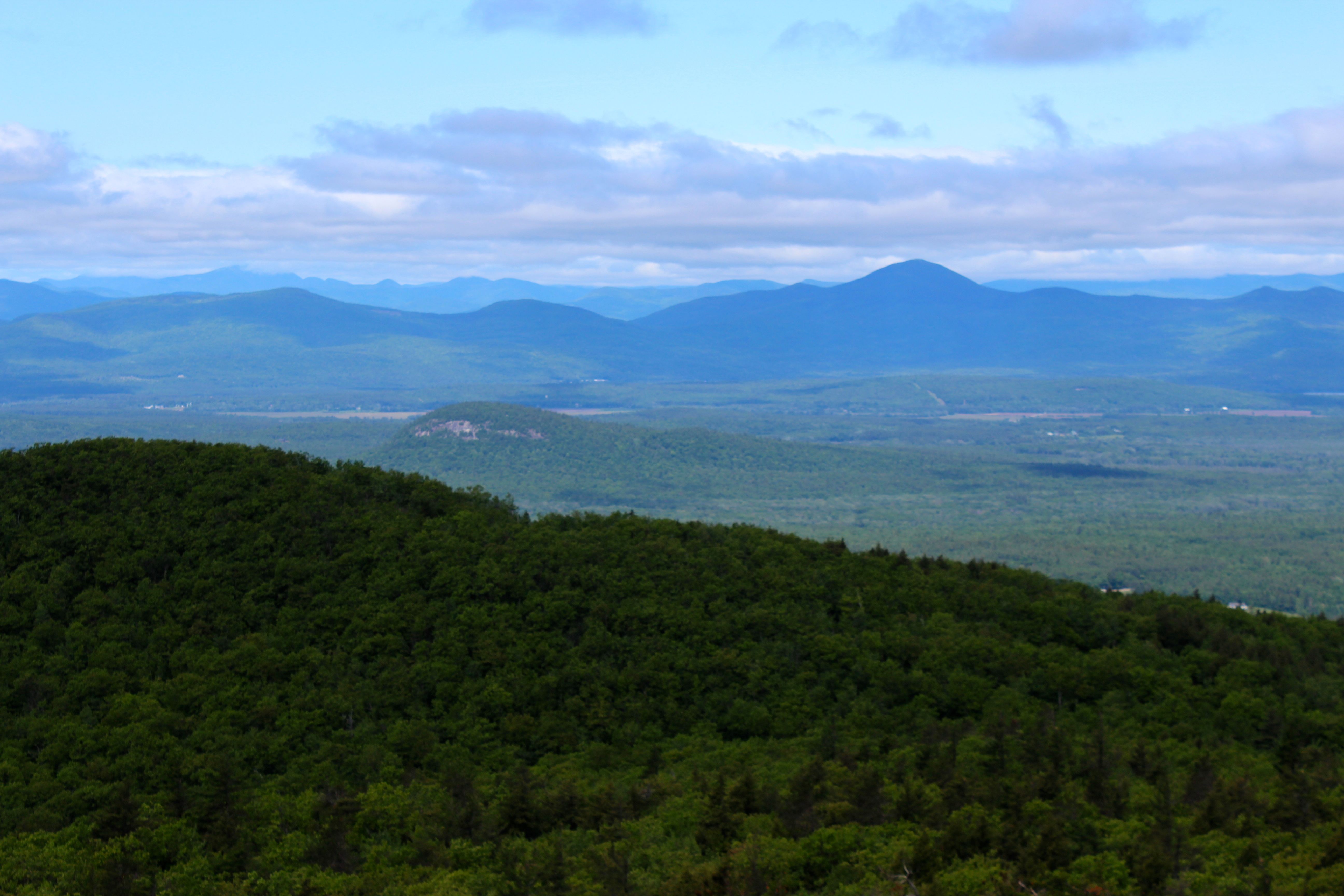
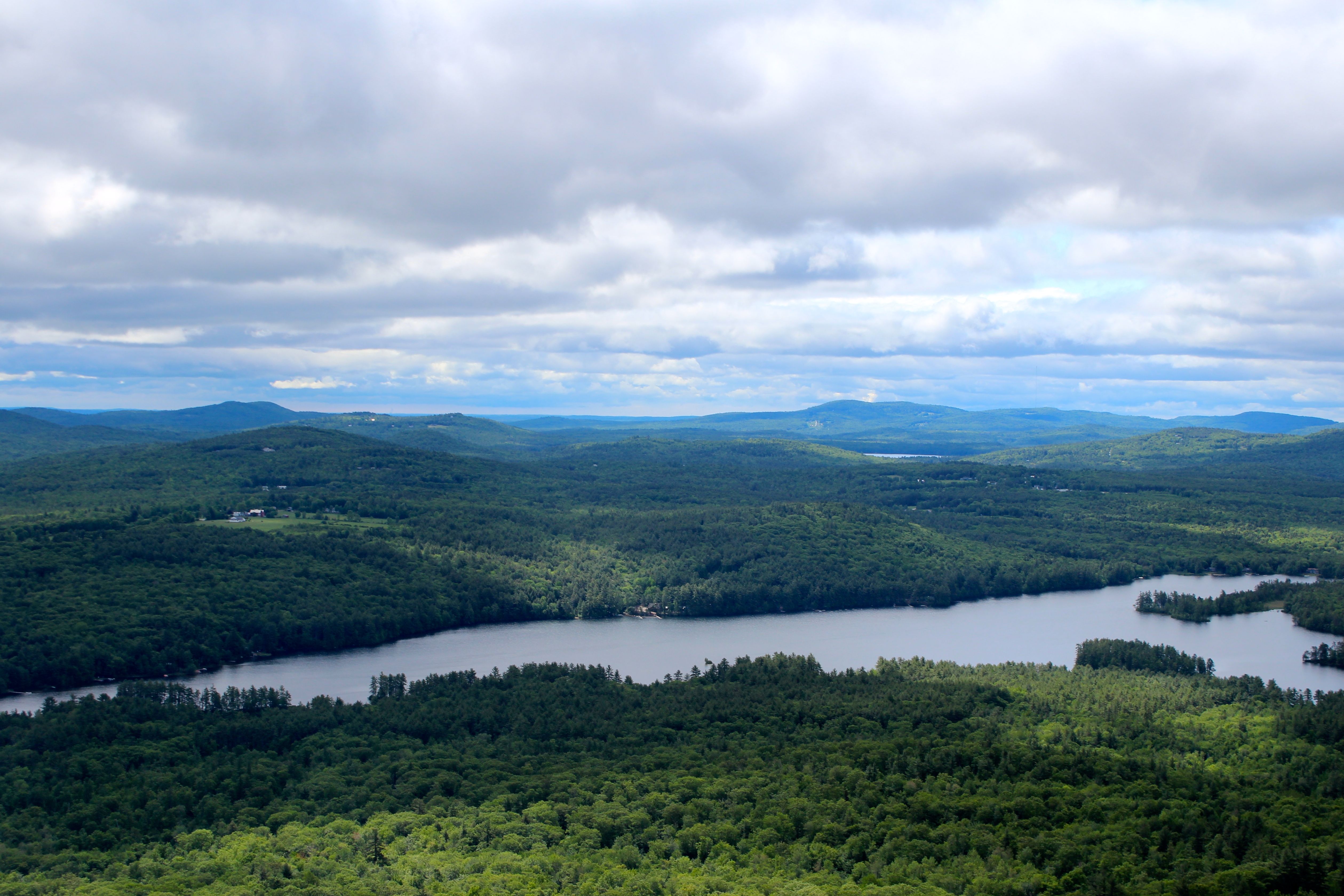
About halfway up, the view from the ledges includes the Denmark end of Moose Pond.
rock tripe

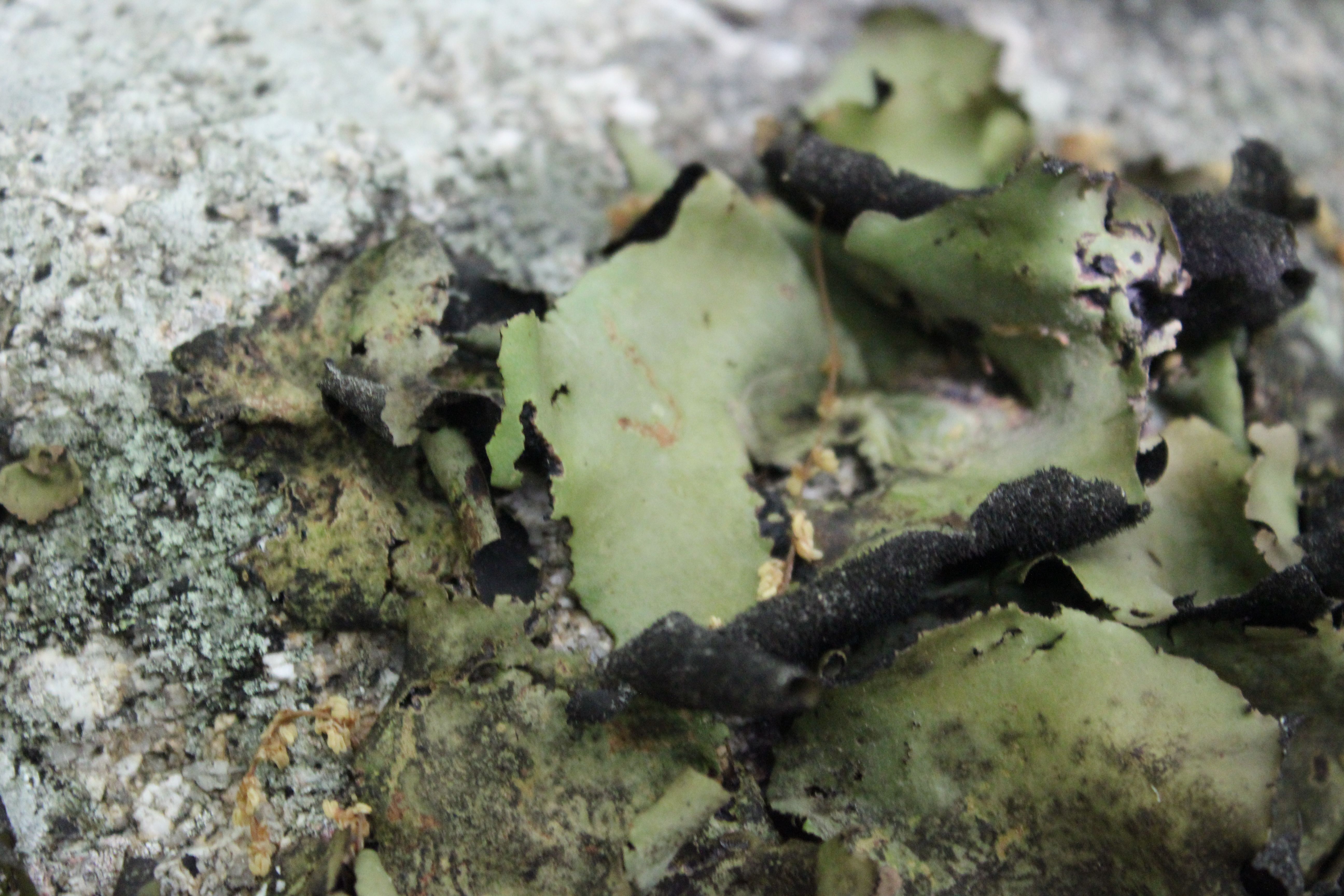
Marita was kind enough to endure my photography stops. Here, the greenish hue of rock tripe, that turns brown when dry and can survive for a long time without water.
pink lady's slipper

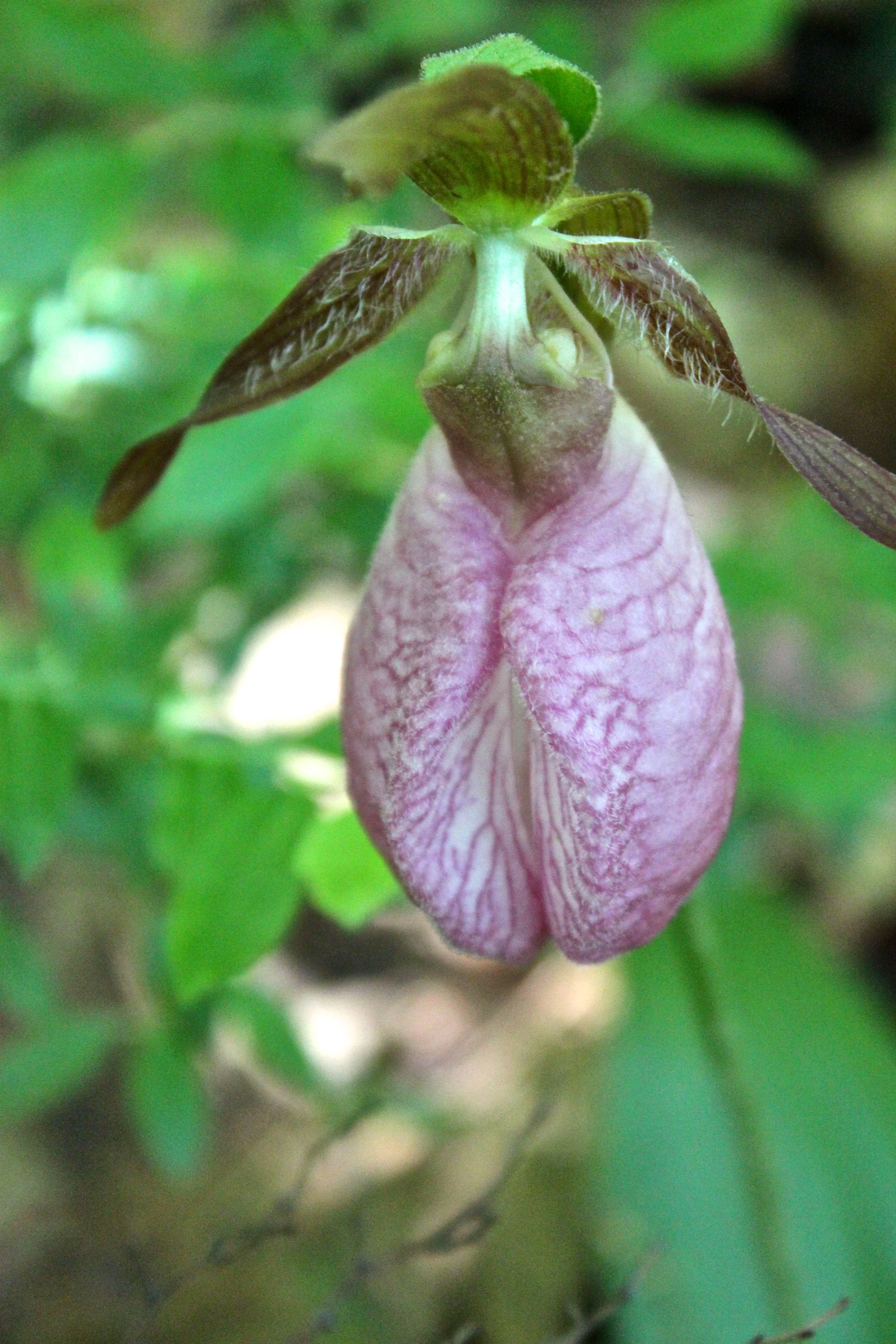
Pink Lady’s Slippers decorate the path.
footprint

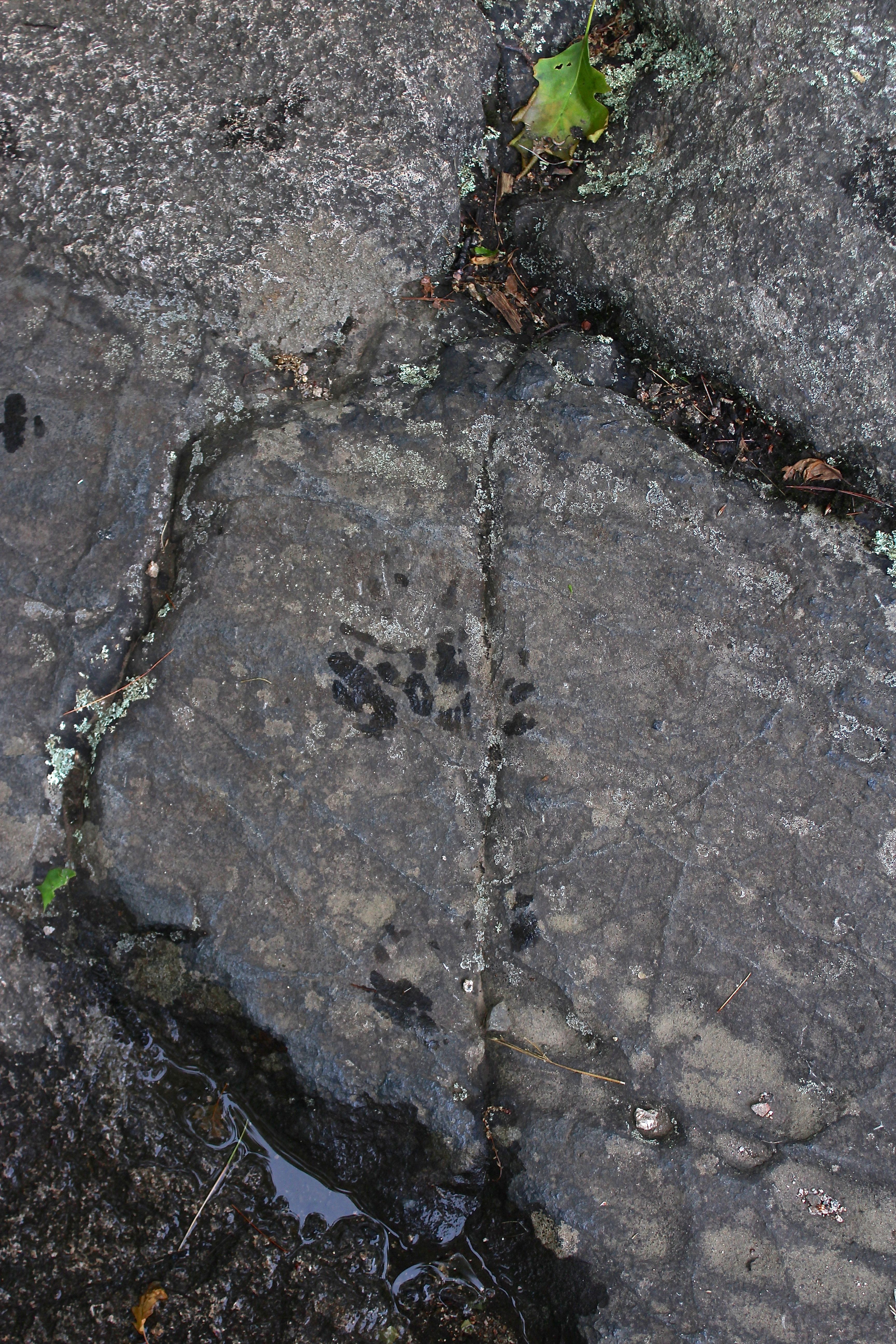
A few wet spots meant we occasionally left tracks.

summit sign

At the summit, we paused for a while.

ft 1

Here stands the 48-foot fire tower, erected in 1920 and manned until 1992 (I know this because Marita wrote about it). We chatted about The Pleasant Mountain House, a hotel that was built on the summit in the late 1800s and was torn down in 1908. It’s difficult to envision people coming to town via the Cumberland and Oxford Canal, then riding in a stage coach from the boat landing on Long Lake to the mountain. But they did.

summit view w: tree

We spent most of our time in awe of the colors.

summit view

view 2

view 3

Marita

I wasn’t the only one taking photos. By her sweater, you can see that it was just a tad nippy, though we both wore short-sleeved shirts and only an extra layer at the summit.
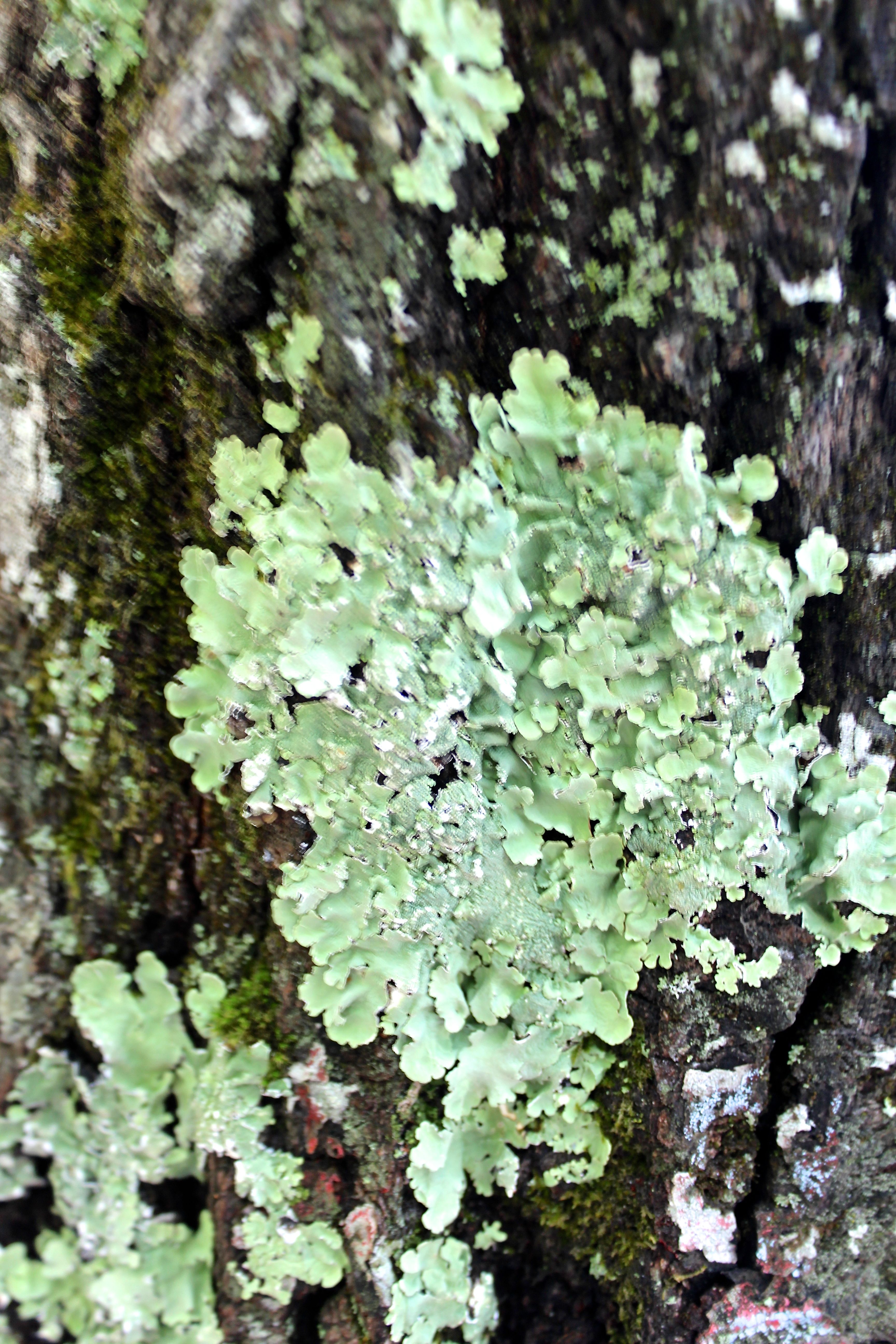
green shield

On the way down, the common green shield lichen was also brighter because of the rain.

ss 2

The dainty greenish-yellow flowers of Solomon’s Seal tried to hide, but we knew to look underneath.

false ss

False Solomon’s Seal, with its flowers at the tip of the stem, also grows along the trail.

water flowing

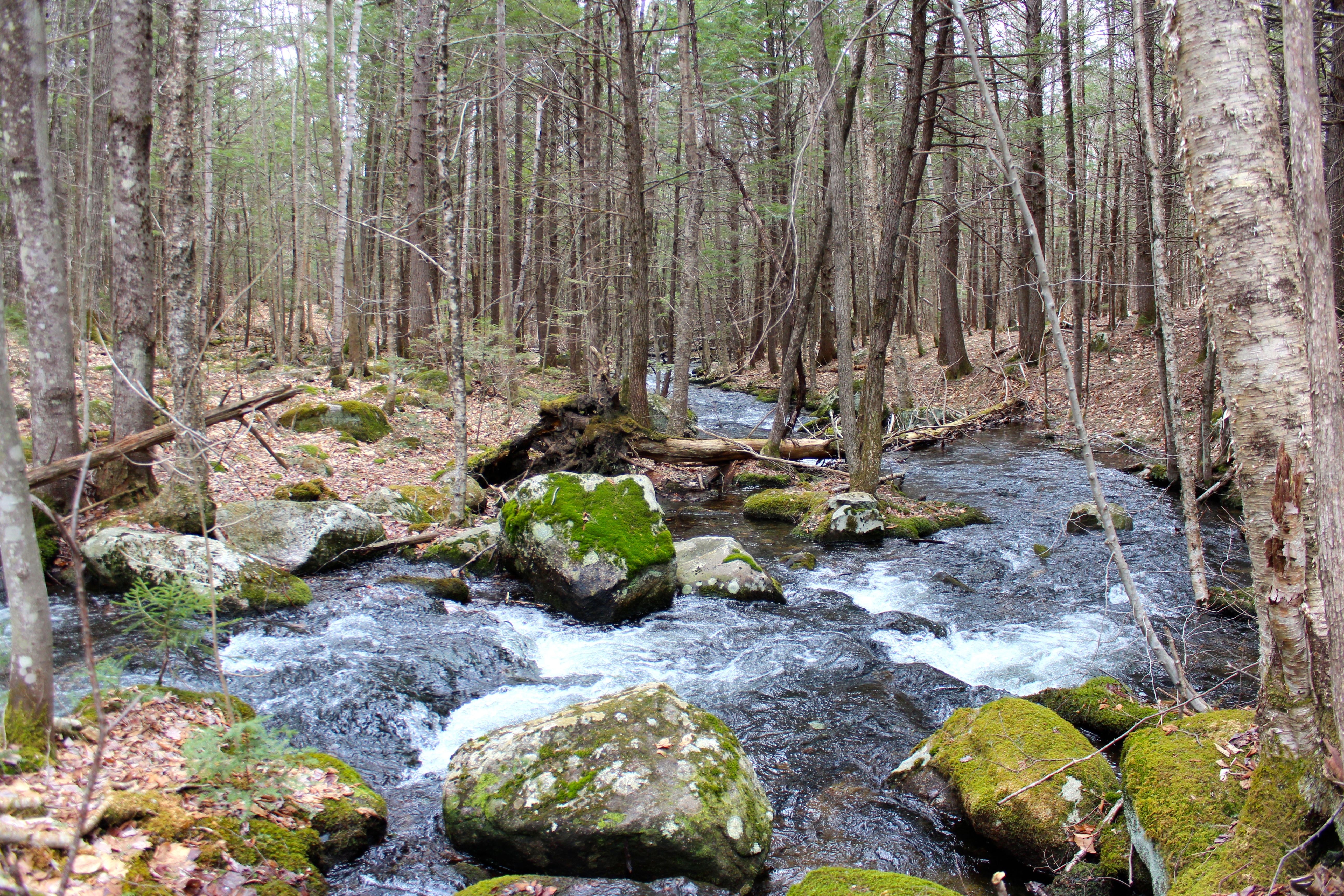
Where a few days ago, the few streams that cross the trail were dry, today they bubbled.

And so, upon my return home, it seemed only natural that I should head out to the vernal pool. Its story isn’t exactly over yet.

 bunchberry

On the way, patches of Bunchberries are in full bloom.
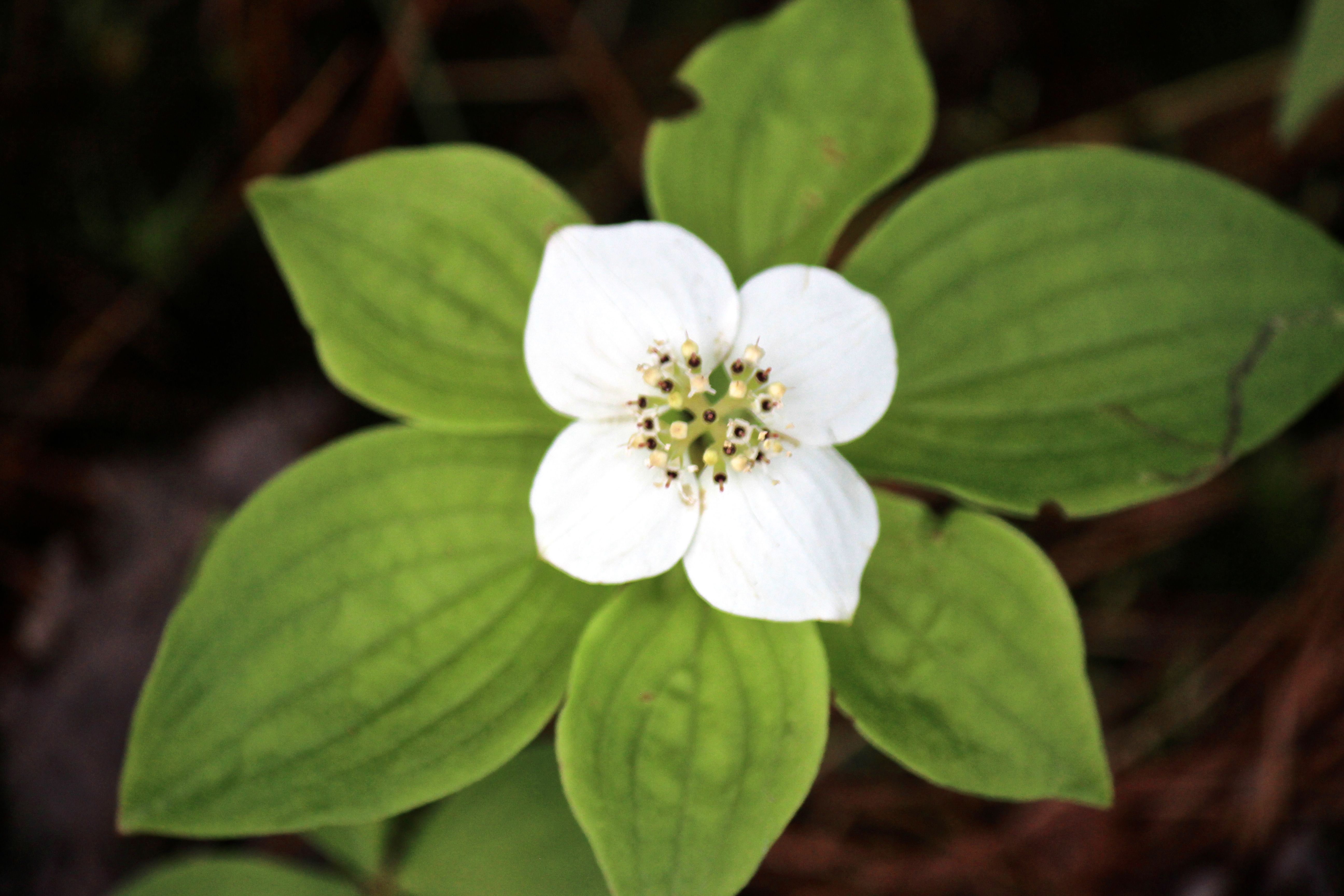
bb 5

Like so many flowers, this one also has its own story to tell. Though it looks like it’s a plant with four white petals, those are actually bracts, the leaf-like structure located below the flowers.
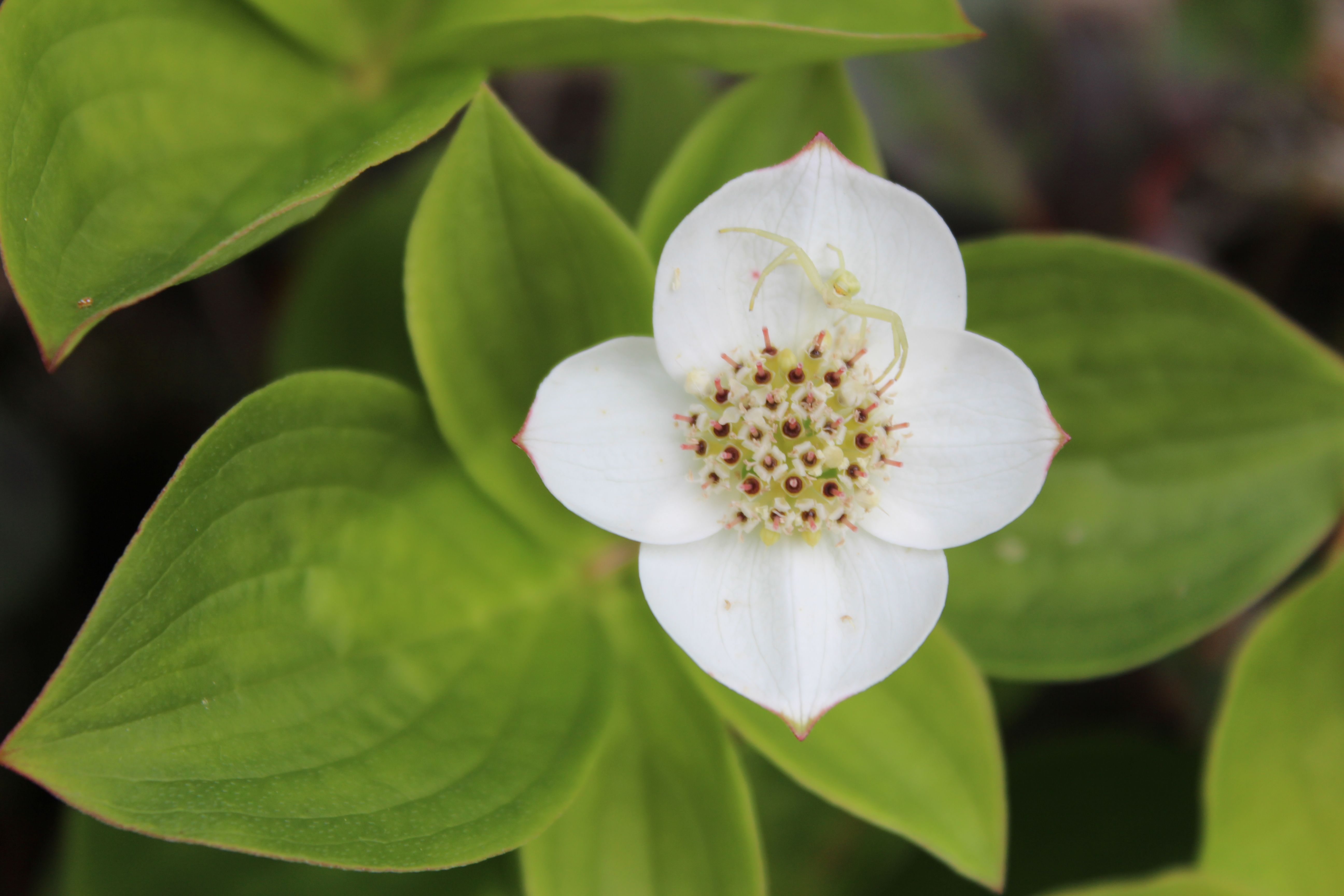
bb & spider

The tiny flowers are in the center of the white bracts.

BB 4 leaves, 6 leaves

And here’s another thing to notice. Plants with four leaves do not have flowers, while plants with six leaves do have them. Reminds me of the Canada Mayflower, Wild Oats and Indian Cucumber Root–another case of a plant needing the extra energy from additional leaves in order to produce flowers.
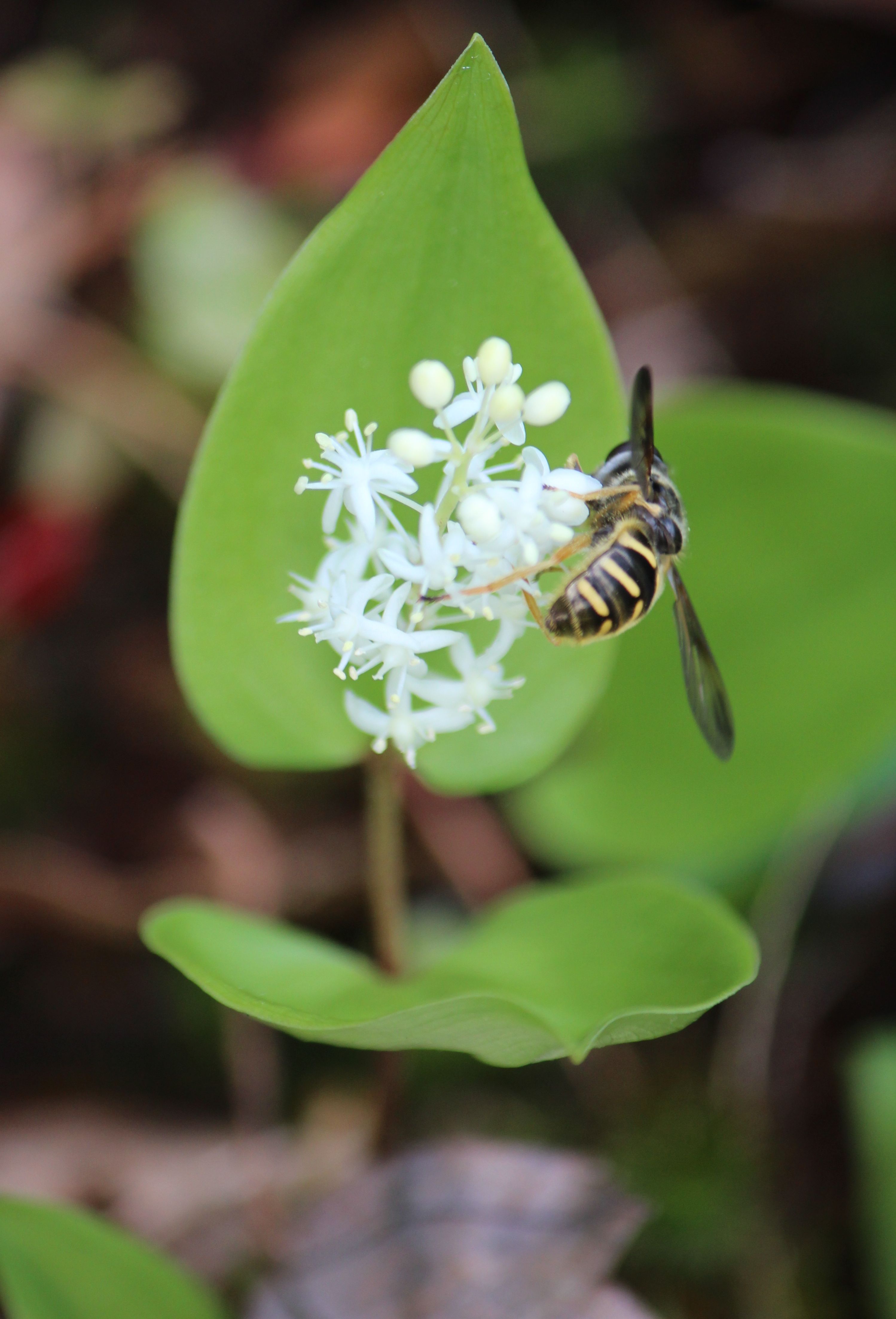
Canada Mayflower

Not to be left out, the Canada Mayflowers are still in bloom.

Okey dokey–I’m finally getting to the vernal pool.
sallies

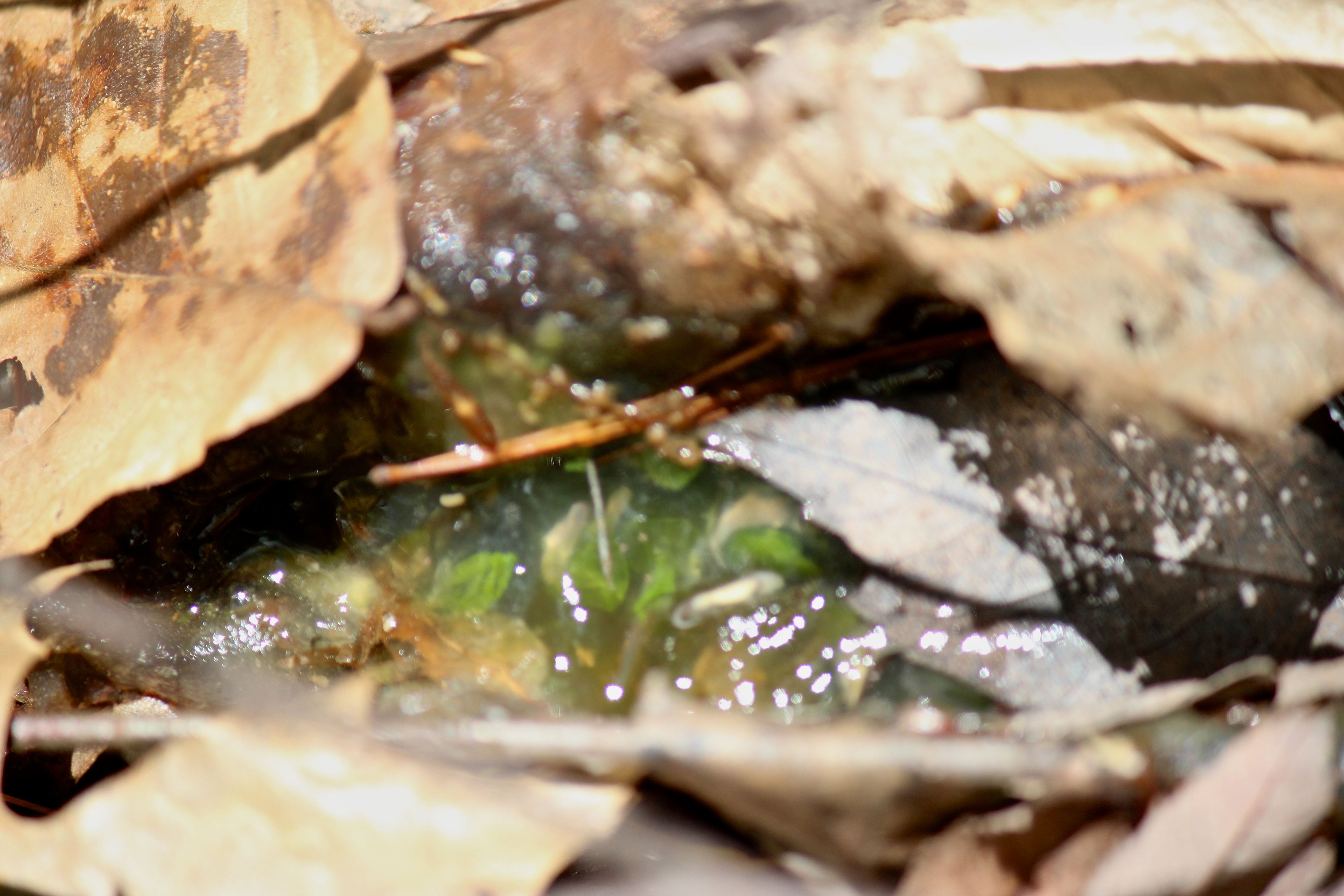
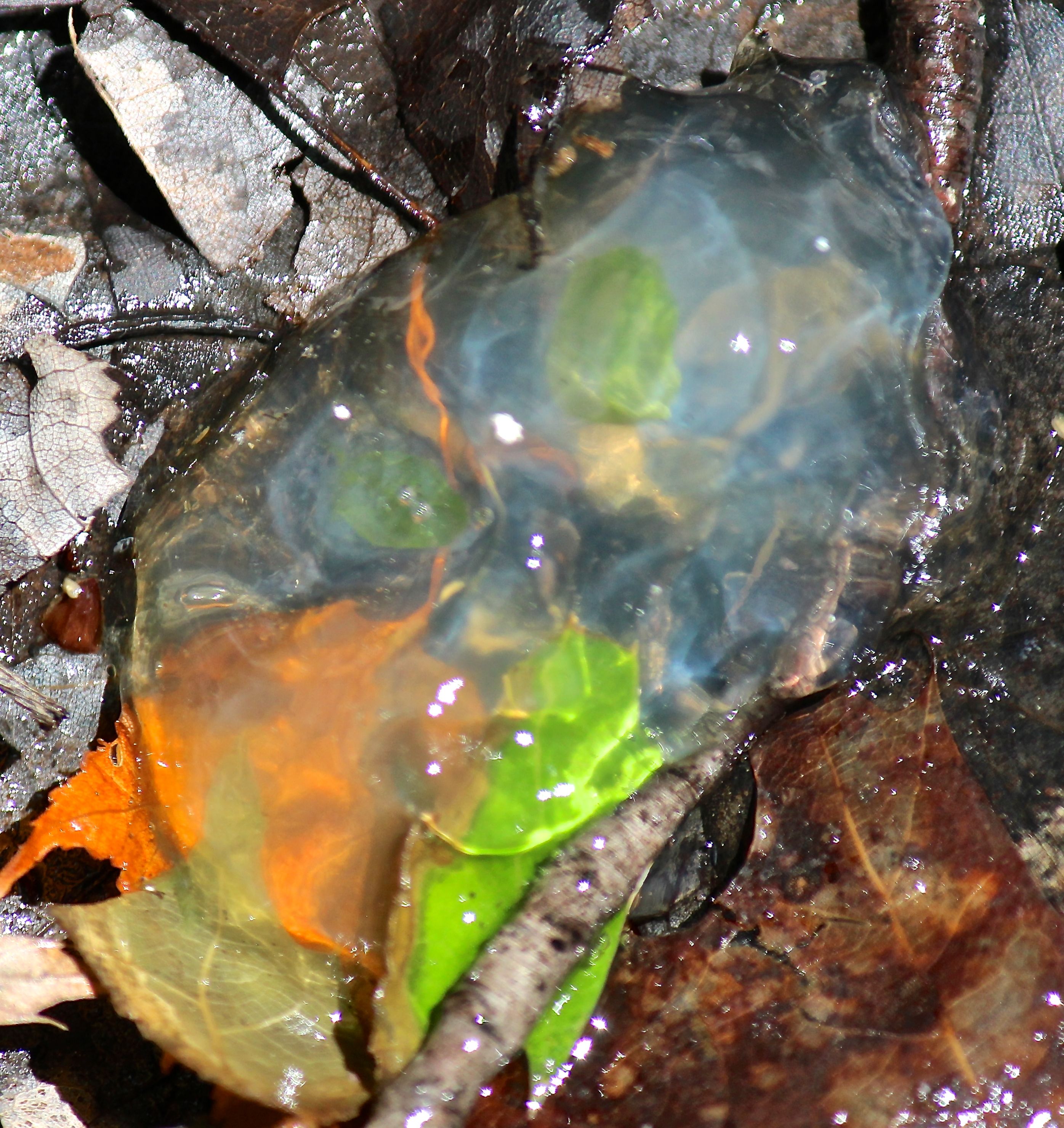
There was a bit of water in the depression, and I hoped that I might find wood frog tadpoles swimming about. Not to be. I didn’t even see any of those that died the other day. Nor did it smell so bad and there were only a couple of flies. The salamander eggs, however, were in different places than where they had started life. The sticks they were attached to have moved. Yet, the eggs were still there and except for being in different locations, they seemed okay.
sally 2

Will they survive with only a bit of dampness?

sally 4

True Confession: I did something I shouldn’t have done. I interfered with nature and put some of them into the wee bit of water. The jelly masses were warm to touch. Something will probably eat them soon, but I had to give them a chance.

butterfly 1

It was time to head home and get some work done. But . . . in the herb garden just outside the kitchen door–a Painted Lady.

Nature’s colors–a painting worth viewing each and every day.

Thanks for joining me for today’s wonder.
A Watchful Eye

FB-sand

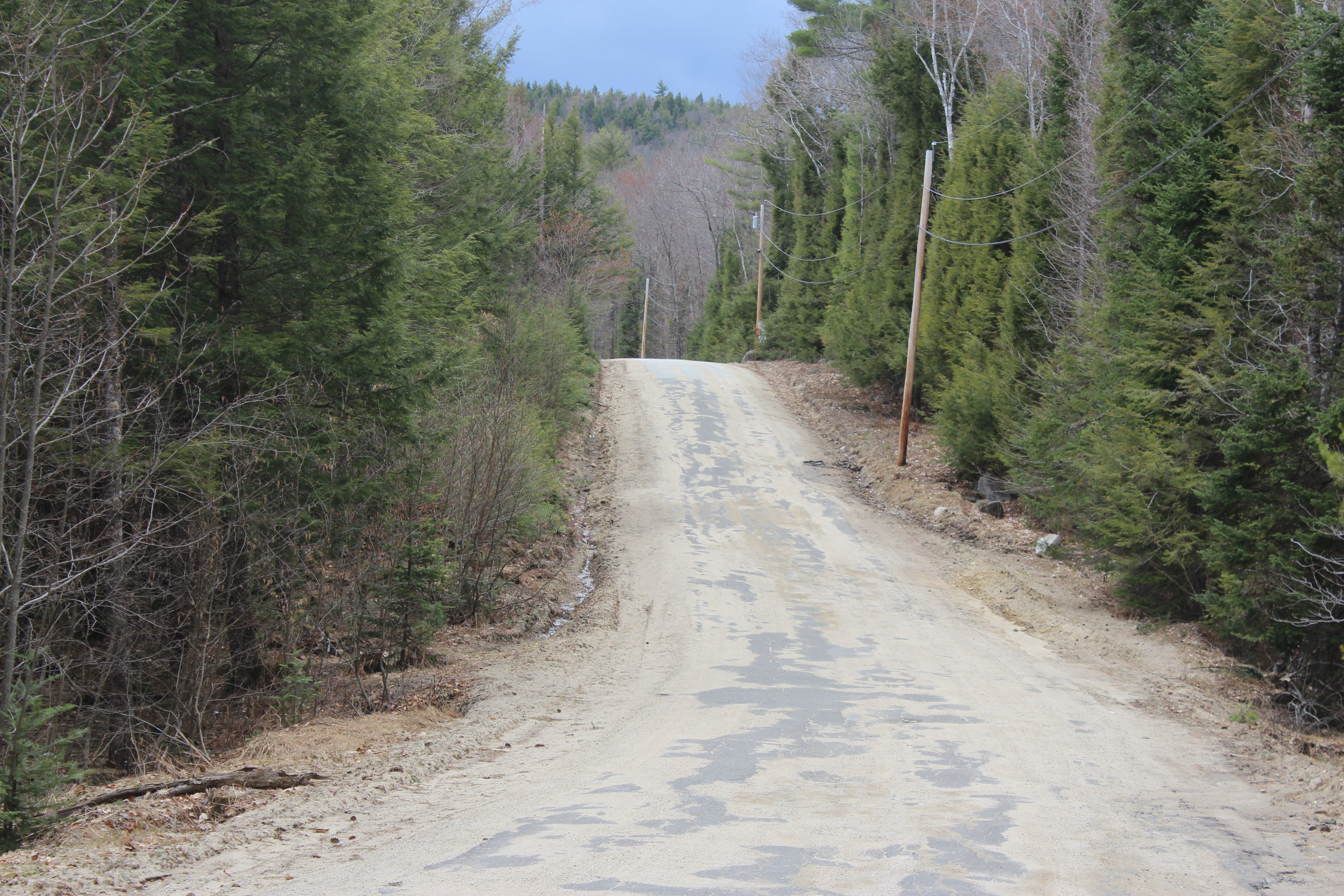
On my way to meet a friend at the Wilson Wing Moose Pond Bog Preserve, the amount of sand on the road made me appreciate all the snow we had this winter and give thanks to those who cleared the way and kept us safe –constantly.

Never mind that I was lost in thought and this is beyond Foxboro Road where I should have been. After stopping to take this photo, I saw three things that were out of place–a road sign (at which time, I thought, “I didn’t realize the ‘no thru trucks, 26,000 RGVW at anytime’ sign was on Foxboro Road”–it isn’t); my friend passed me headed in the opposite direction; I came to the curve by Wiley Road and knew something wasn’t quite right. Whatever you do, don’t follow me. I’ll surely lead you astray. But if you don’t mind wondering, then let’s go.

fb brook

It’s so different to be at Wilson Wing during the spring when the water tumbles over the rocks in Sucker Brook. We accepted the invitation to pause and ponder.

water

And enjoy fluid moments.

goldthread

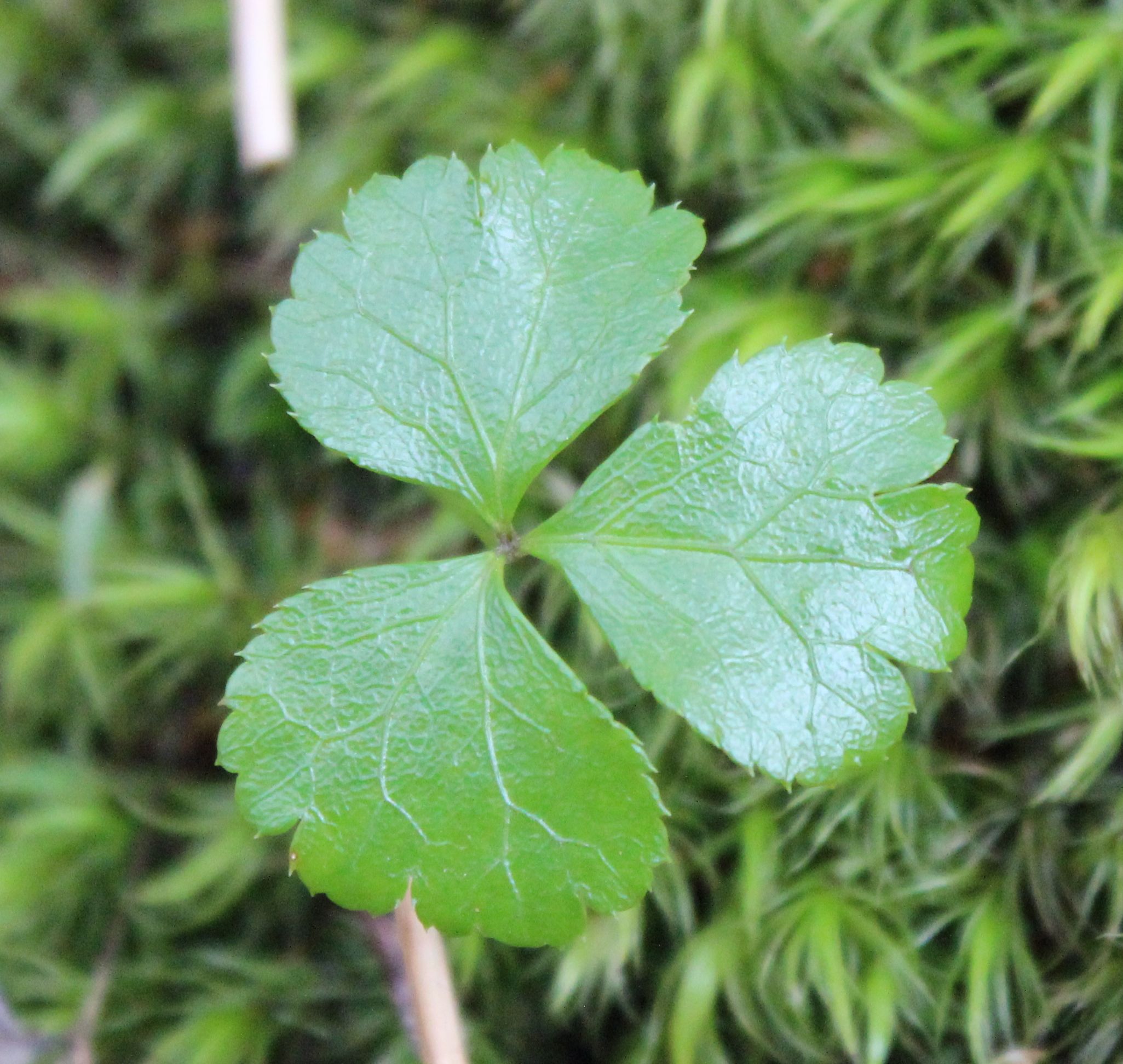
And hope in the greenery. This scallop-leafed goldthread made us get down on our hands and knees for a closer look.

dewdrop

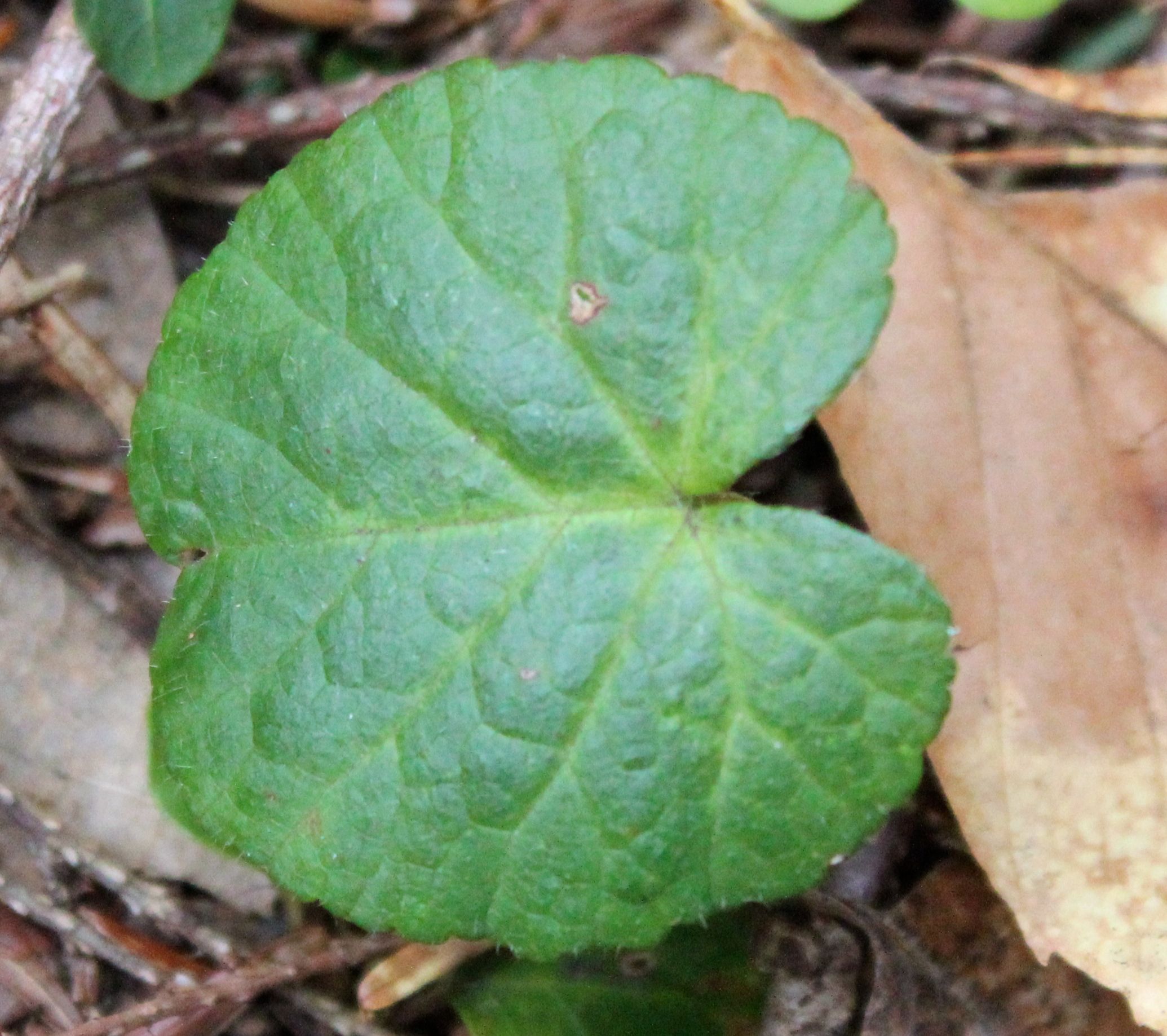
As did the heart-shaped dewdrop leaves.

heart

Another heart also spoke to us.

rock:lichen

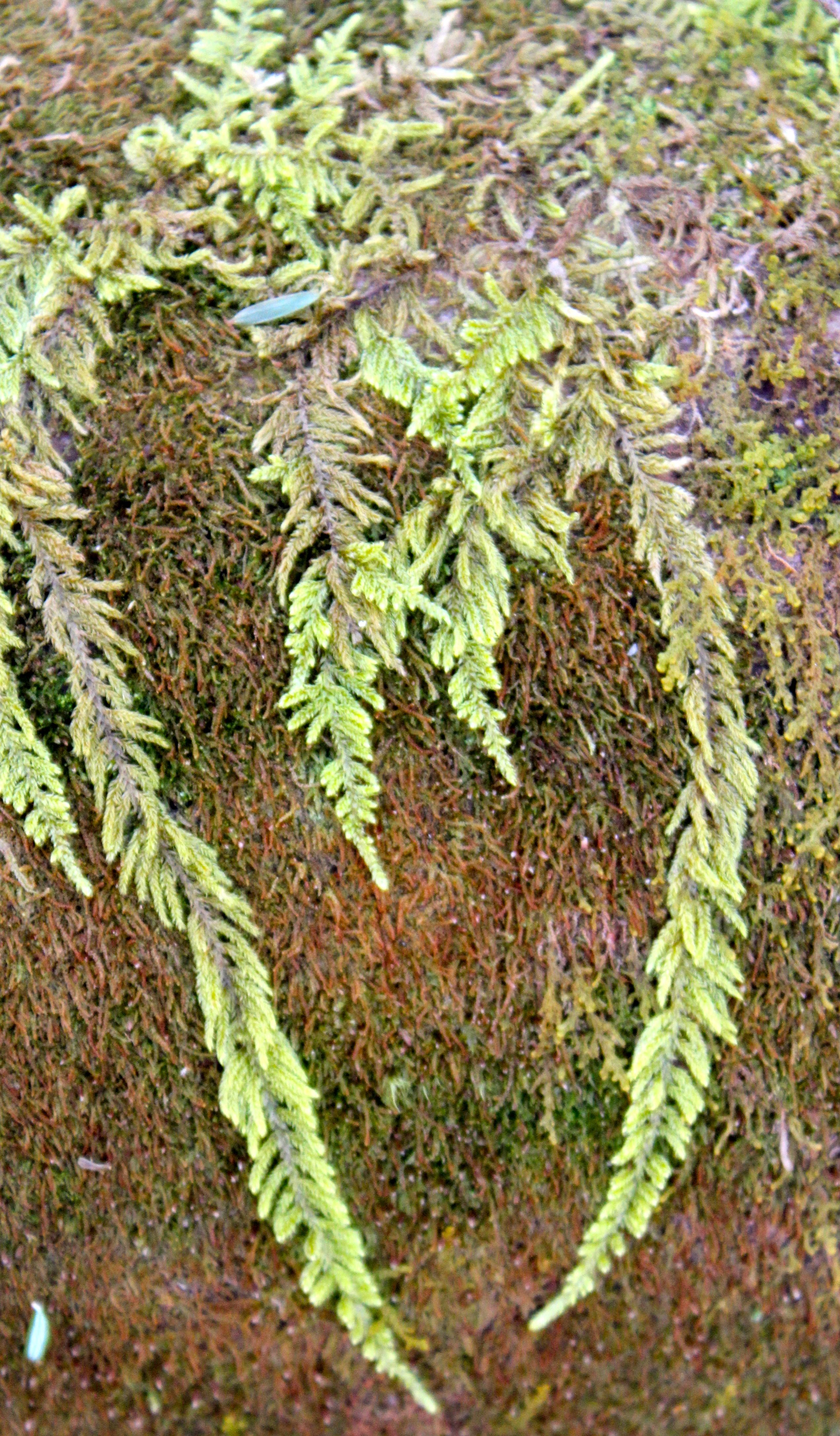
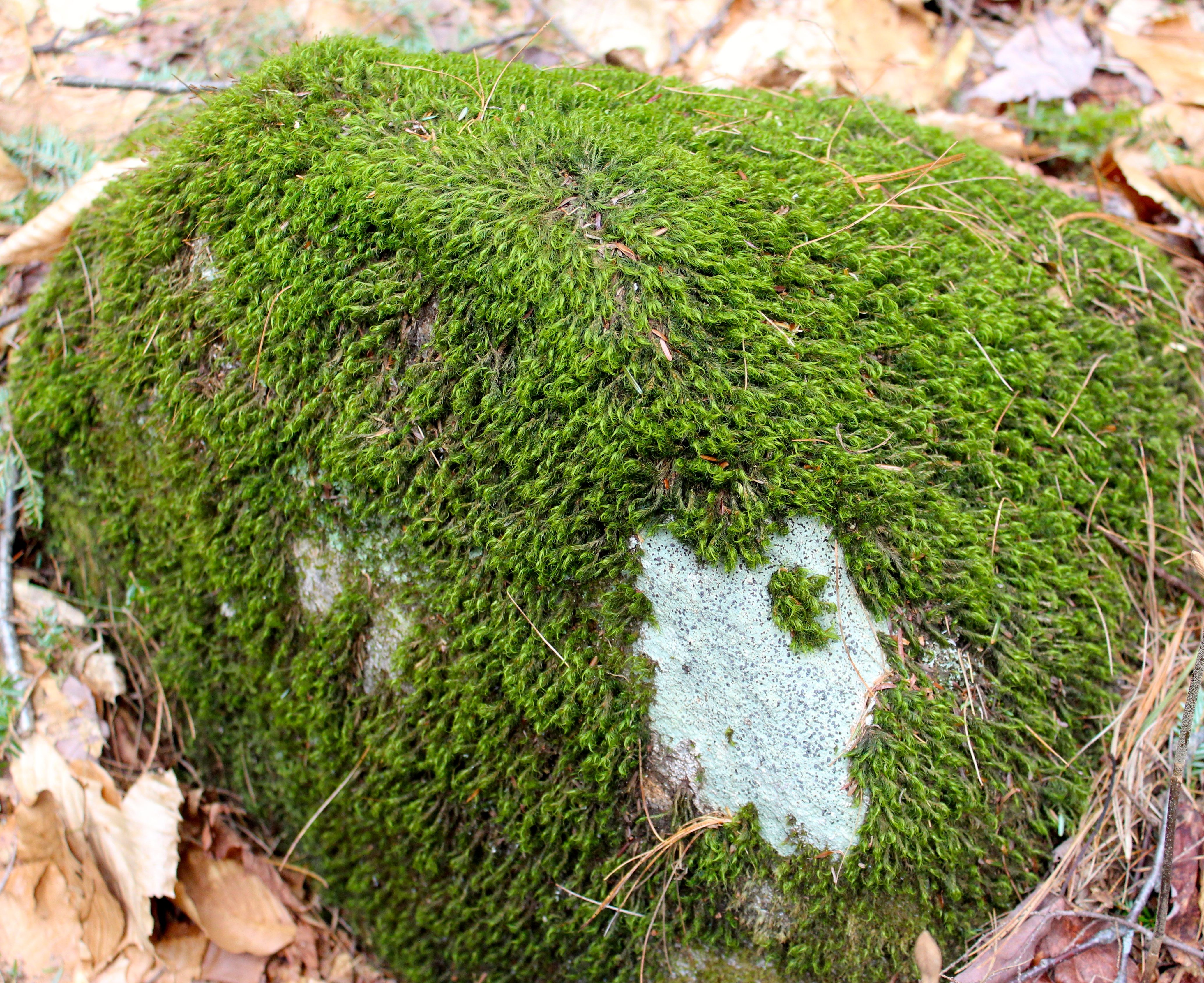
And the lichen and moss on this rock invited an up close and personal inspection through the hand lens.

lichen 2

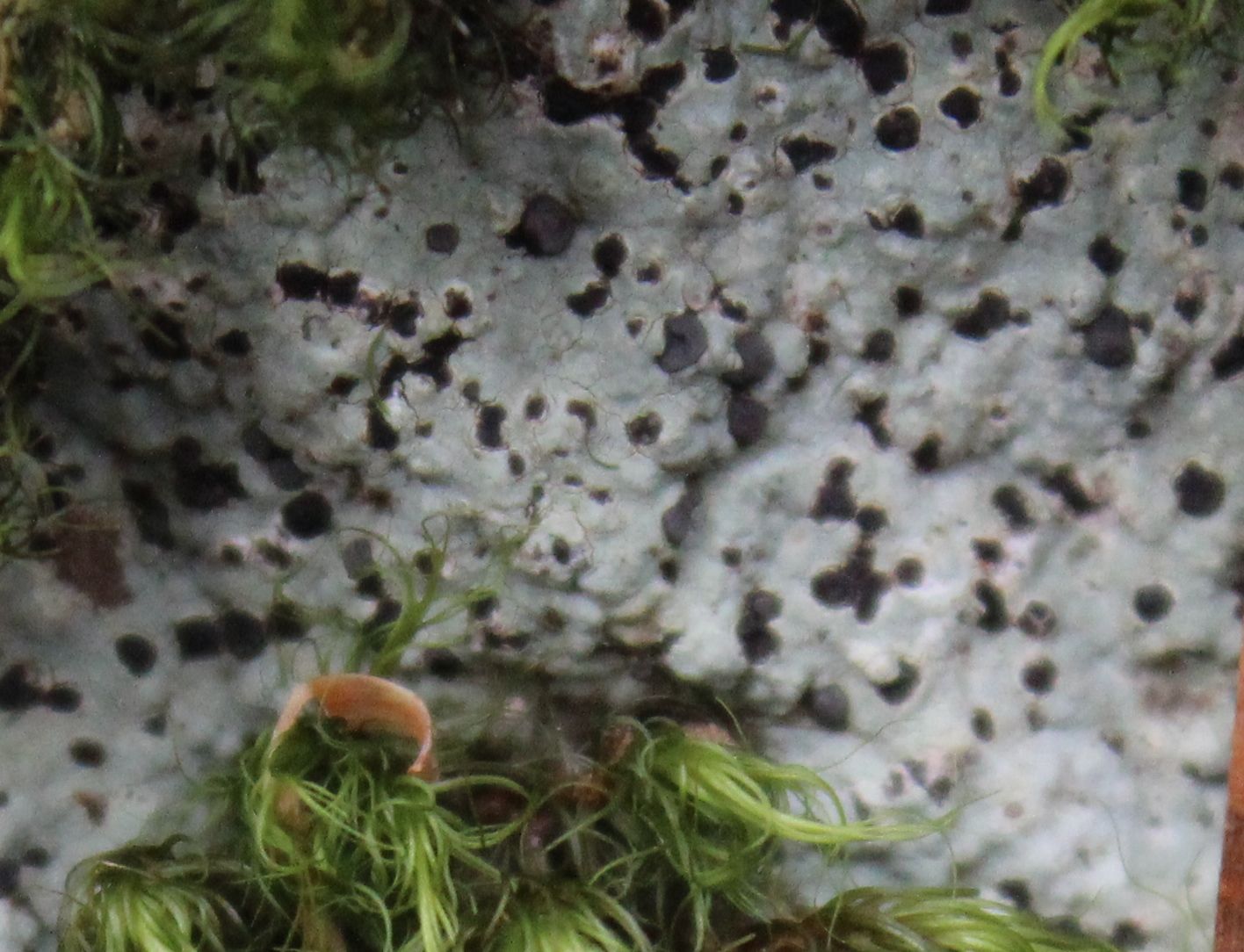
We tried to figure out which crustose lichen it is. I’m leaning toward a disk lichen (Lecidella stigmata) because the black fruiting bodies are raised.

quartz:lichen

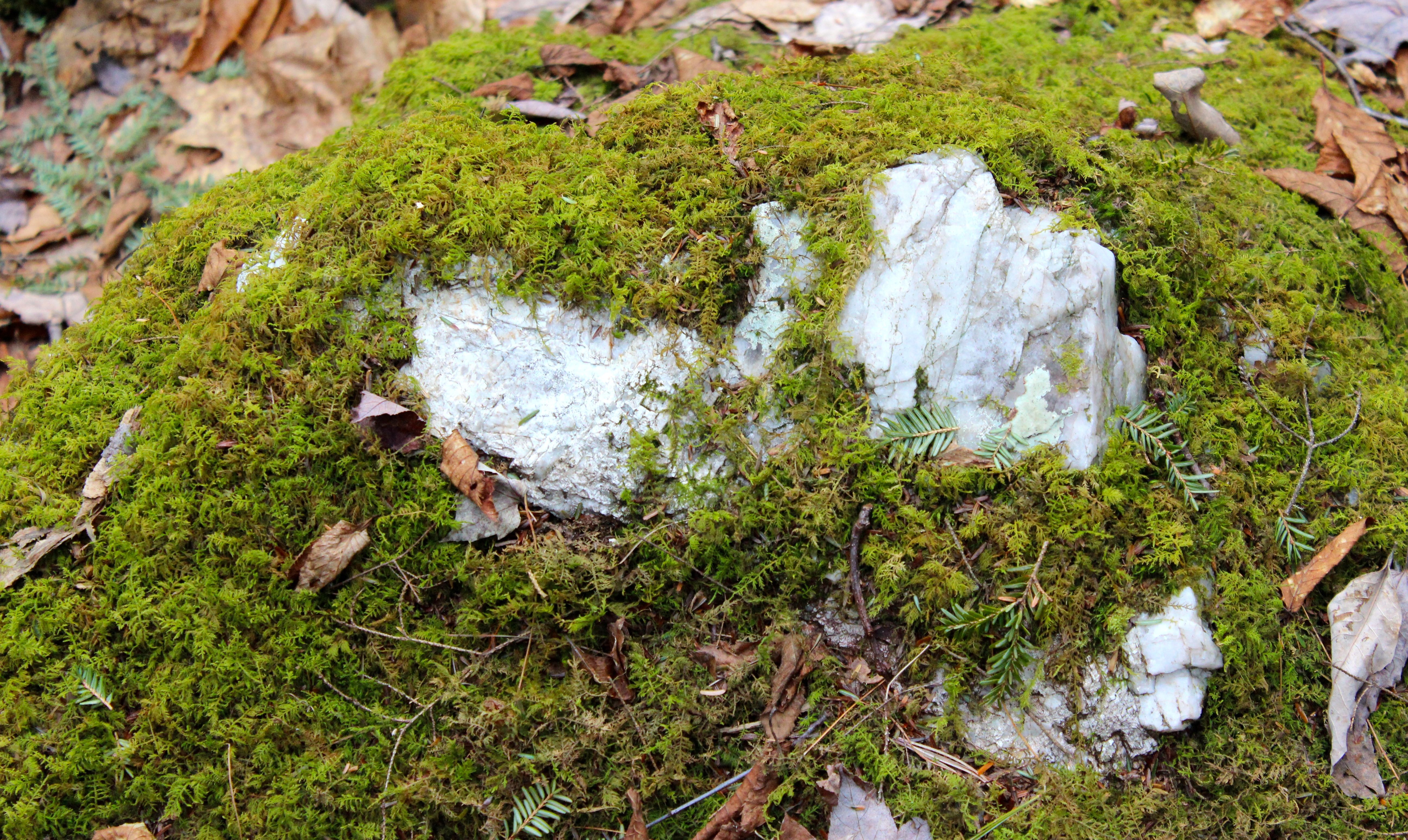
Then we saw a contrast in styles–soft moss and hard quartz.

tree chain lichen

Some trees were adorned with necklaces. Tree necklaces.

hb

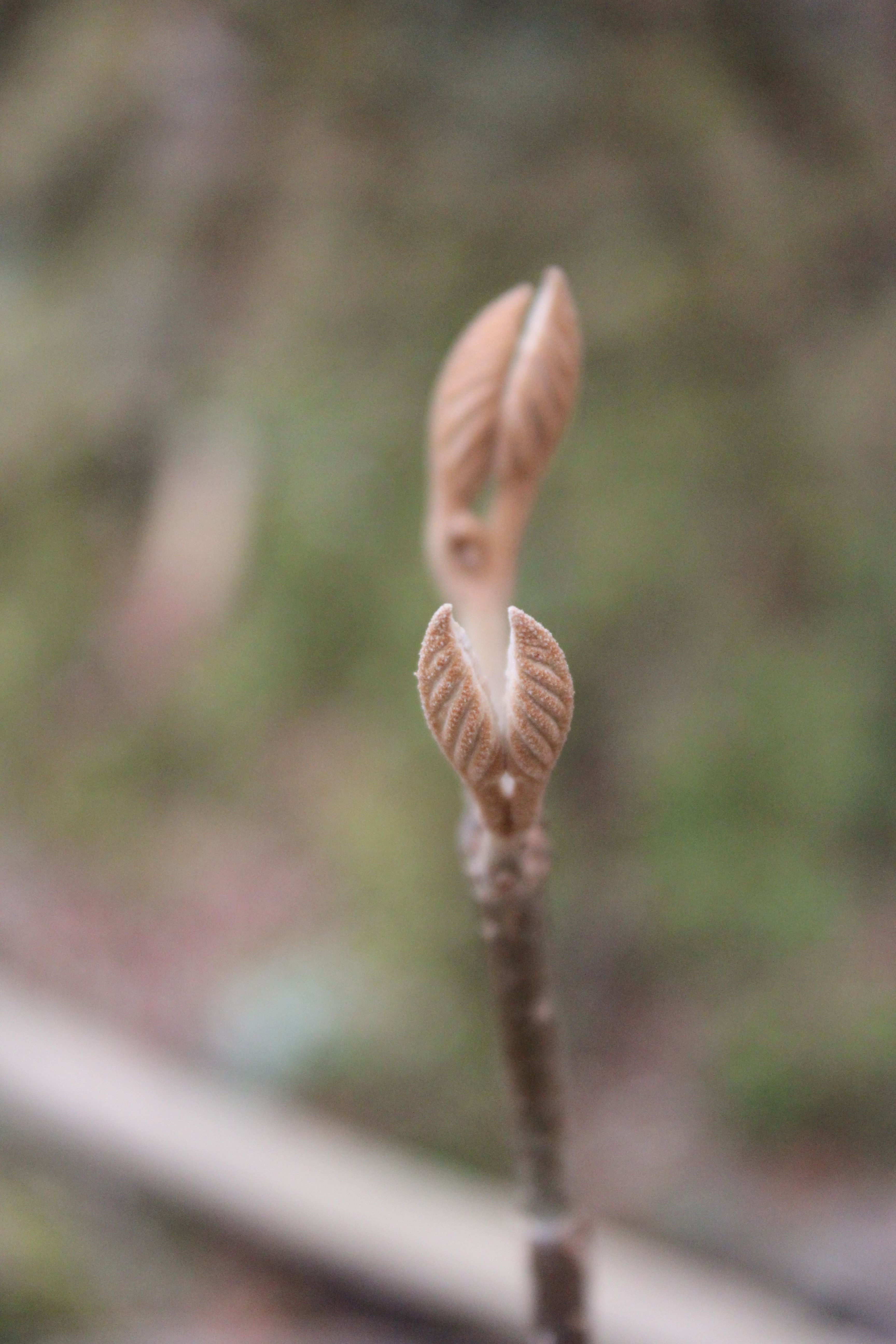
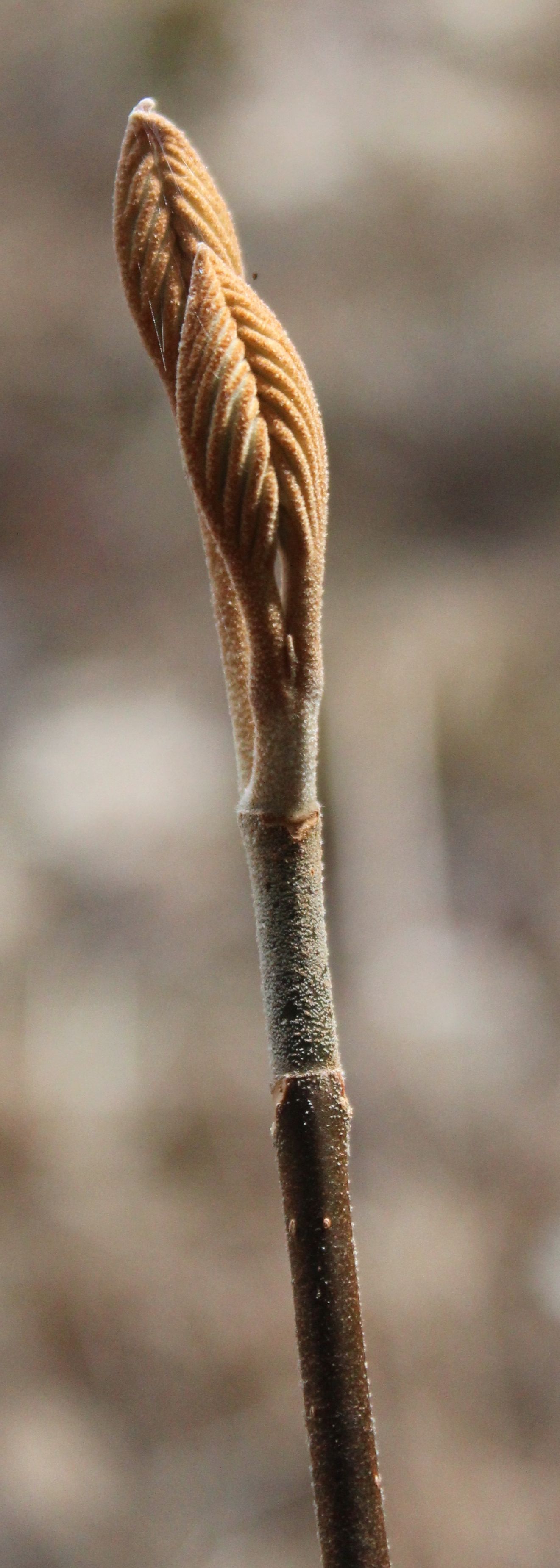
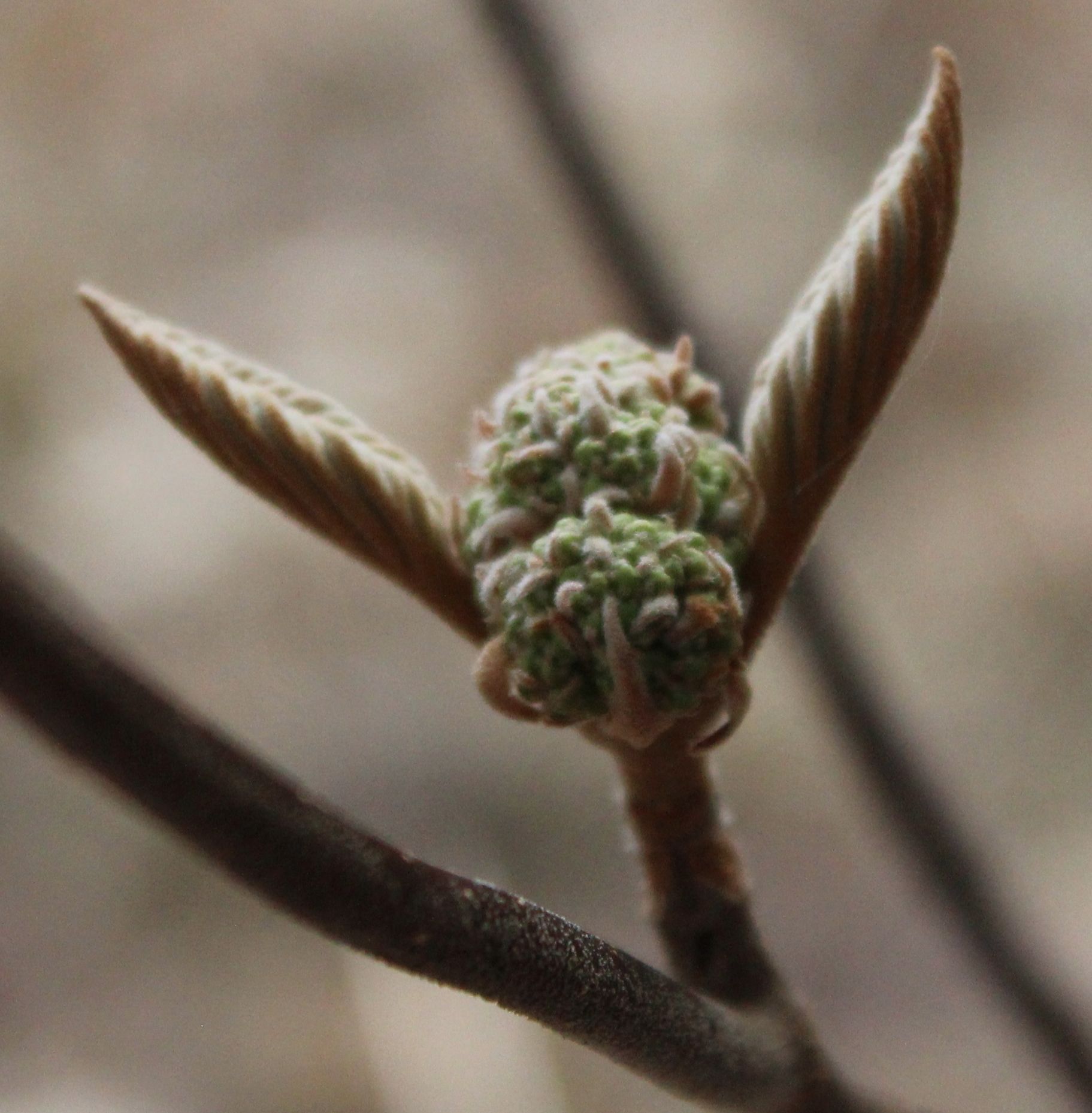
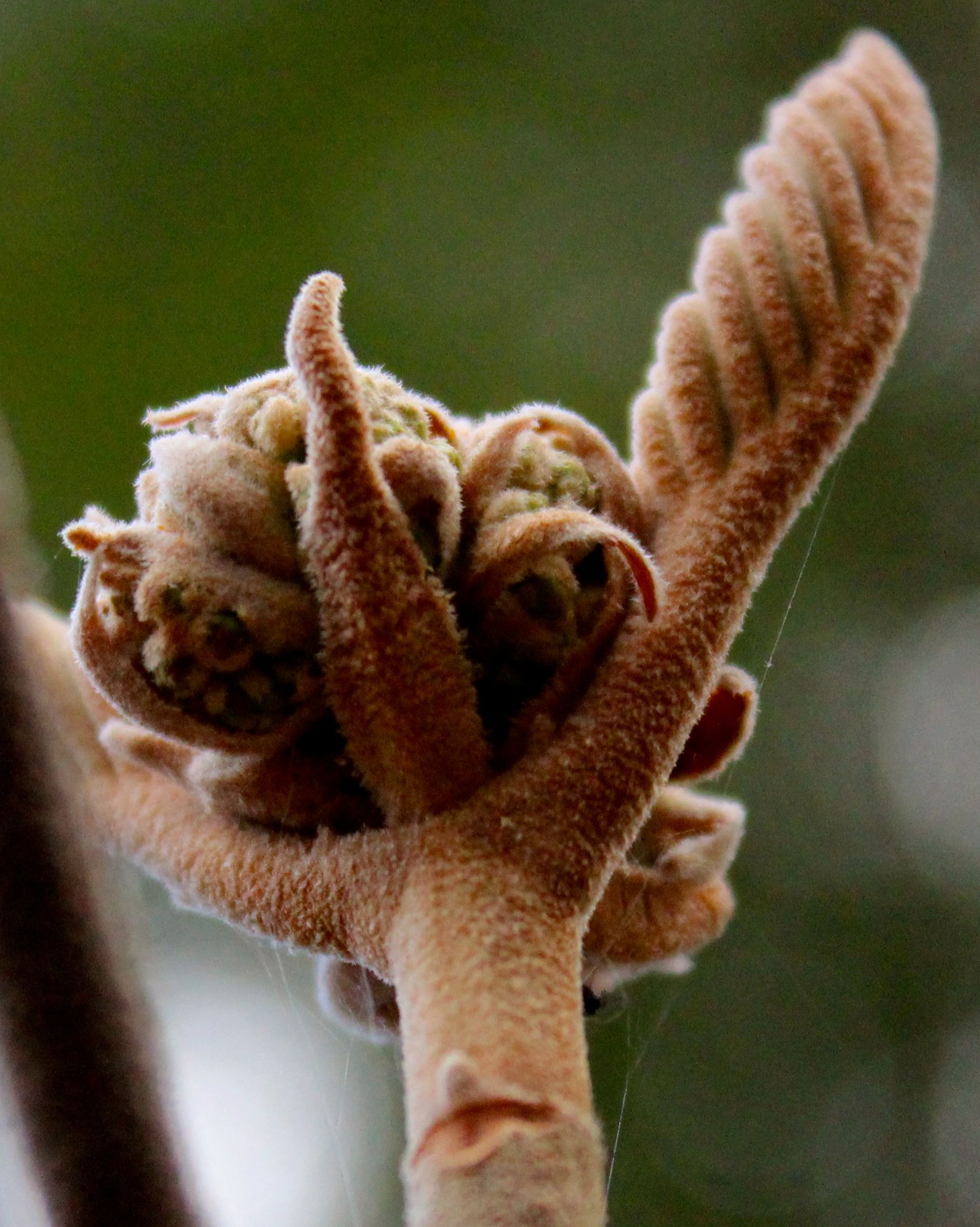
Our focus also included hobblebush, with its unscaled leaf buds

hb clasping

clasped together, perhaps in silent prayer for the bog and the life it supports.

hb 3

Flowers are forming, but we don’t want to rush the season.

hb 2

Then again, I can’t wait.

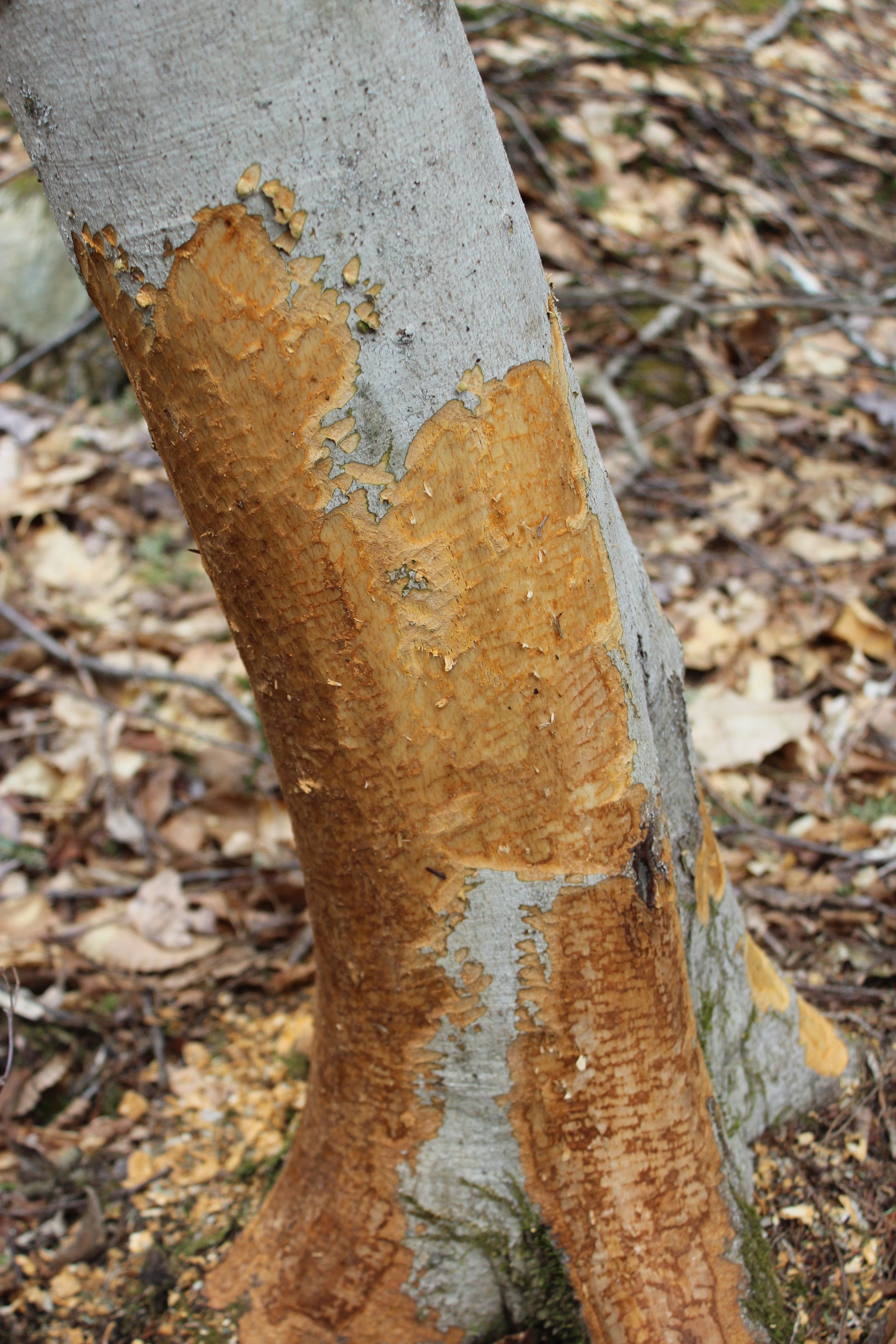
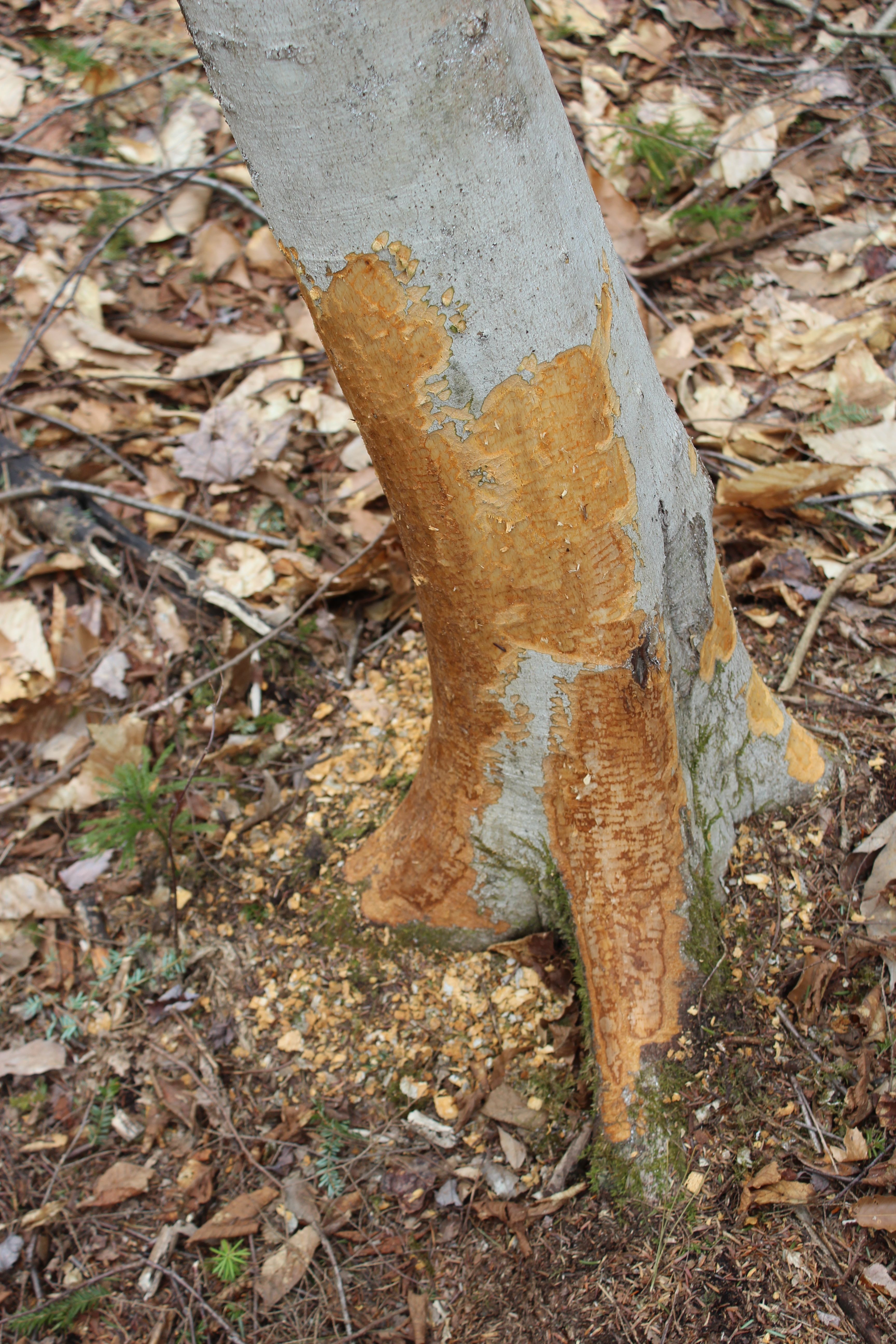
beaver 1

And then there was another story to unfold.

beaver 2

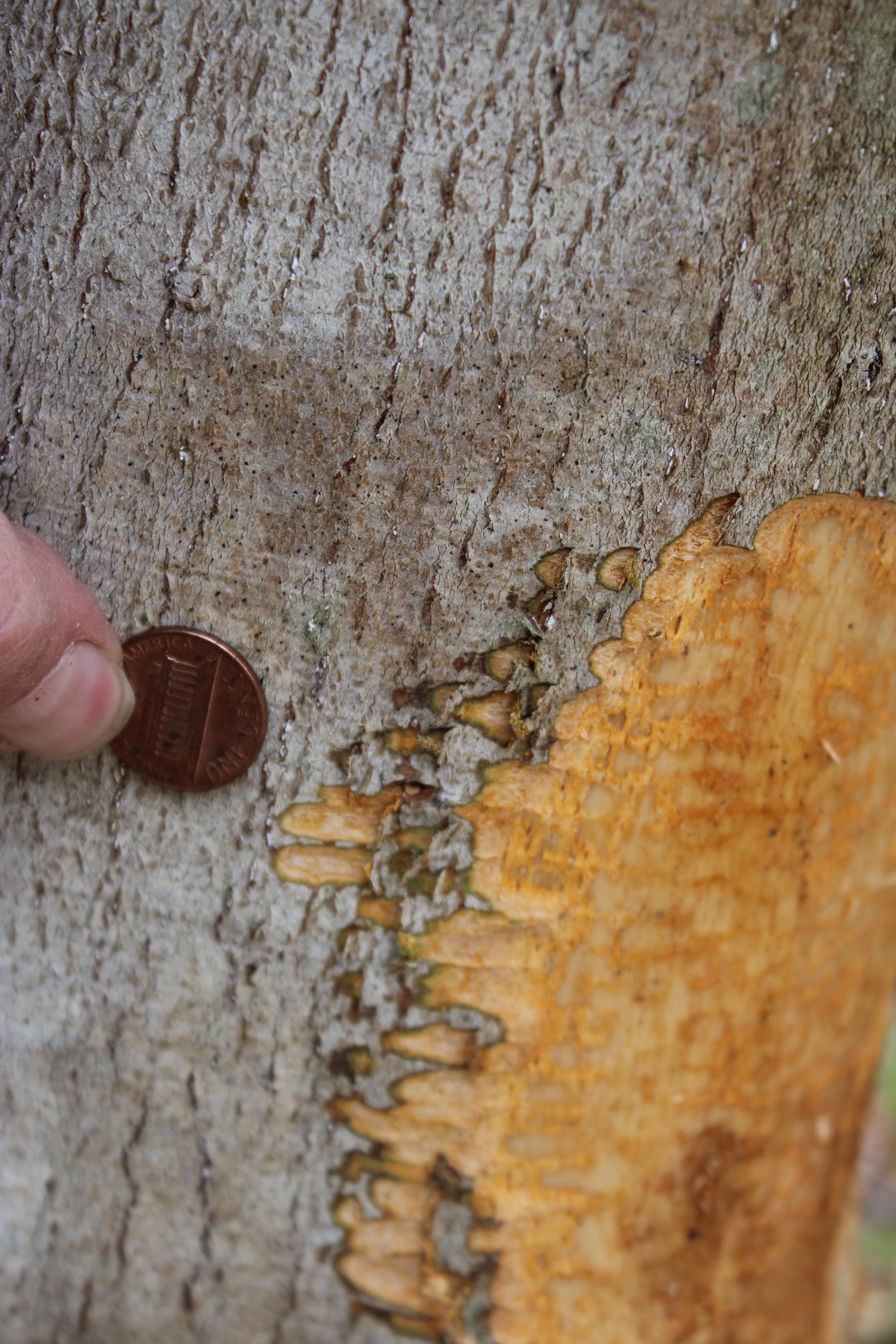
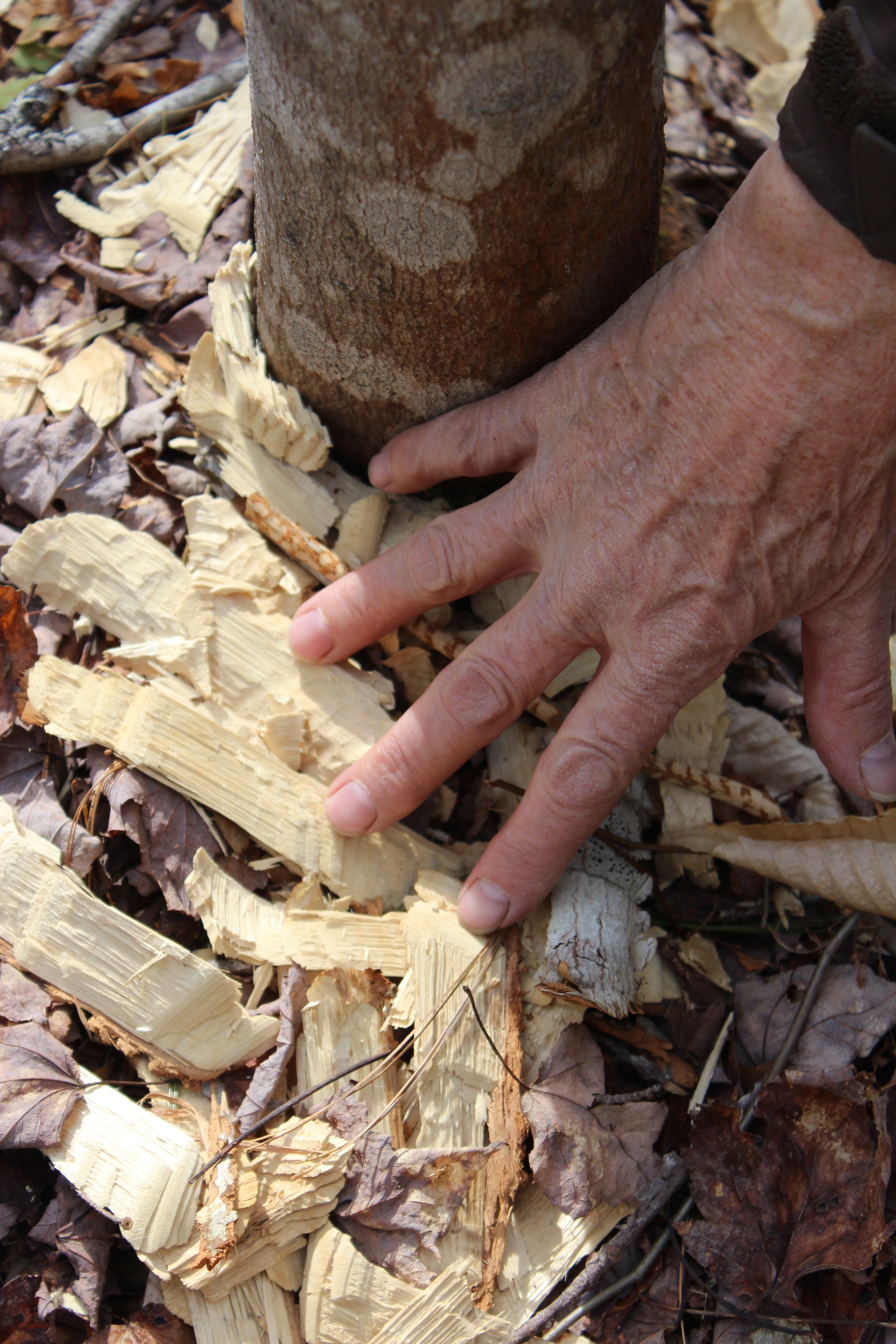
I thought beaver. My friend thought porcupine.

beaver 3

It was the wee amount of debris at the base of the beech that stumped us. And the fact that this was the only tree in the area that had been chewed in this manner. No scat to confirm. But my, what wide teeth you have.

beaver 4

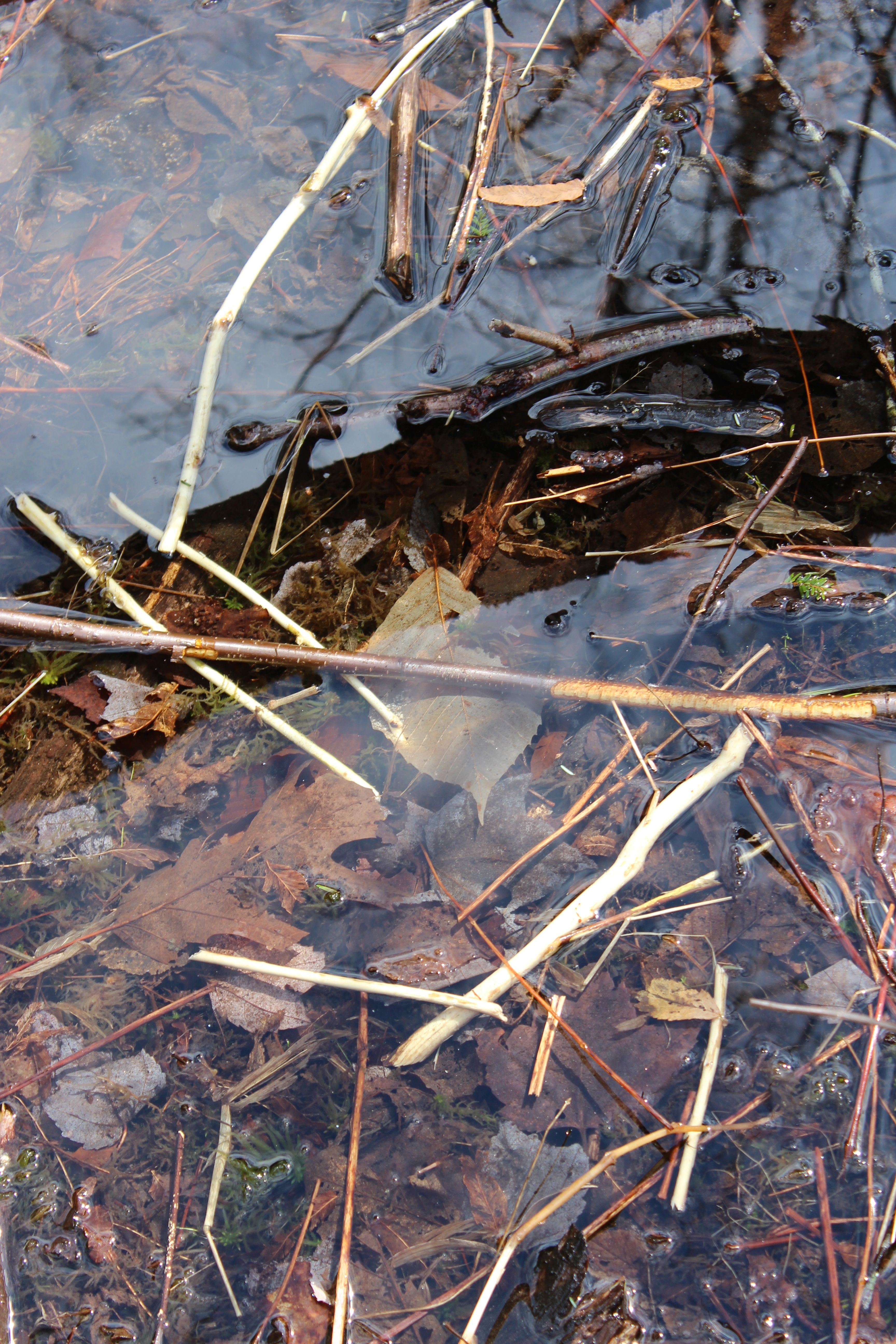
We walked along and then moved off the trail. Looking around, we saw these and were finally able to turn the pages of the book.

beaver 5

Munched treats

beaver 6

and munched saplings told us who had moved about.

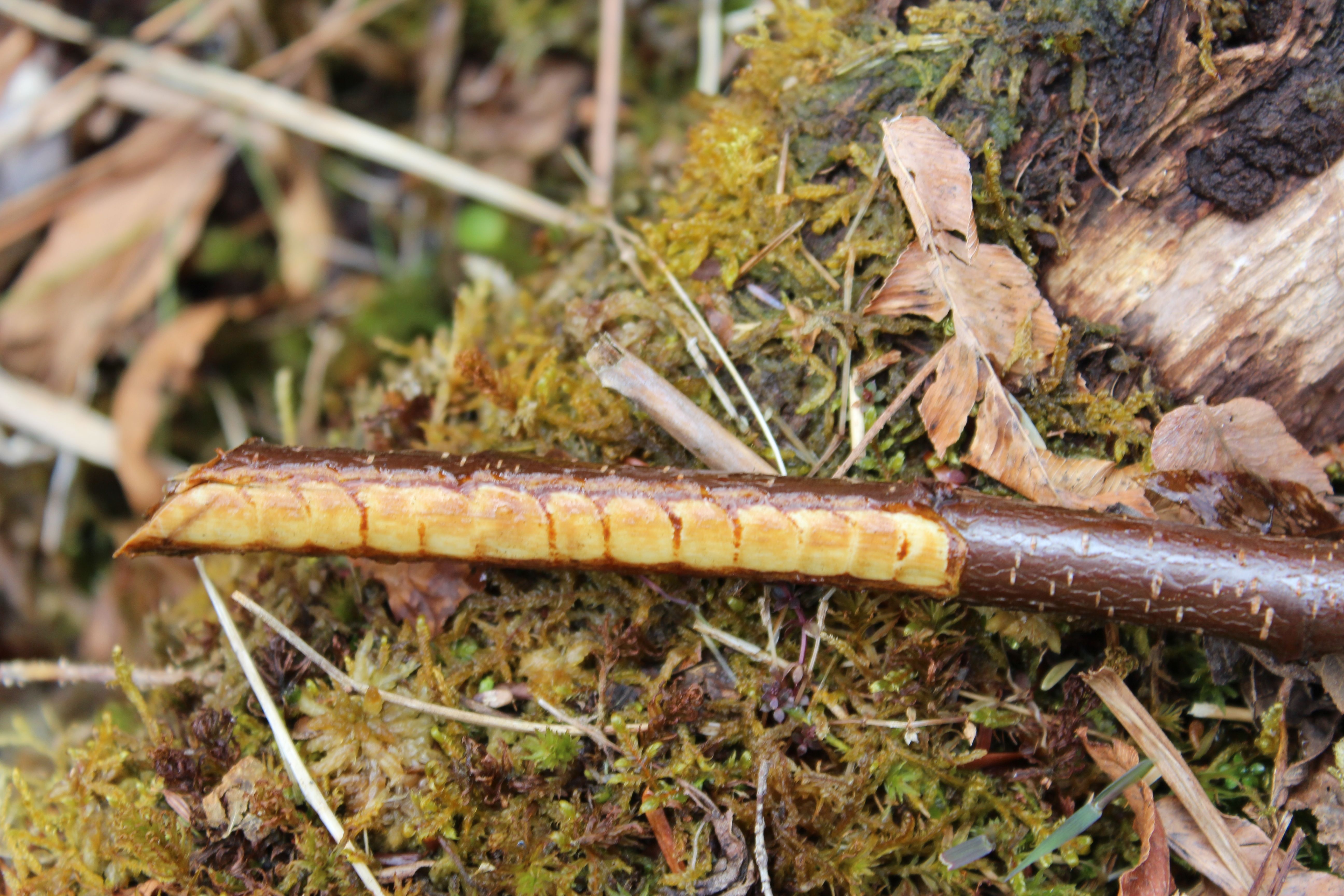
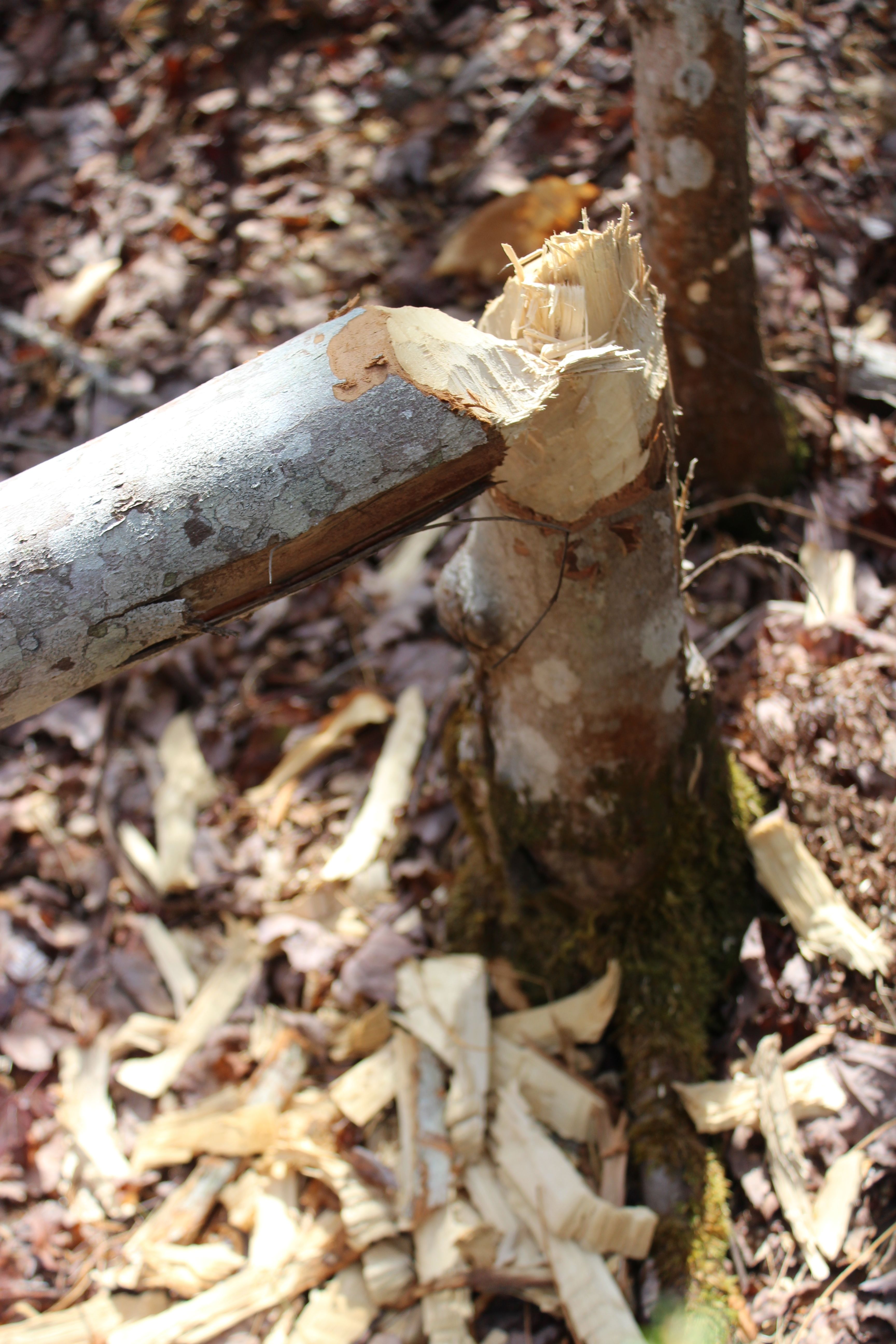
beaver 7

These chips are more what we would expect from a beaver. So here’s how we read the story. The fresh chew that caused the initial debate was perhaps the work of a two-year-old beaver forced to leave the lodge. It stopped along the way recently to nibble some treats. The sapling in the later photos was felled last fall, when it was time to renovate the lodge.

view

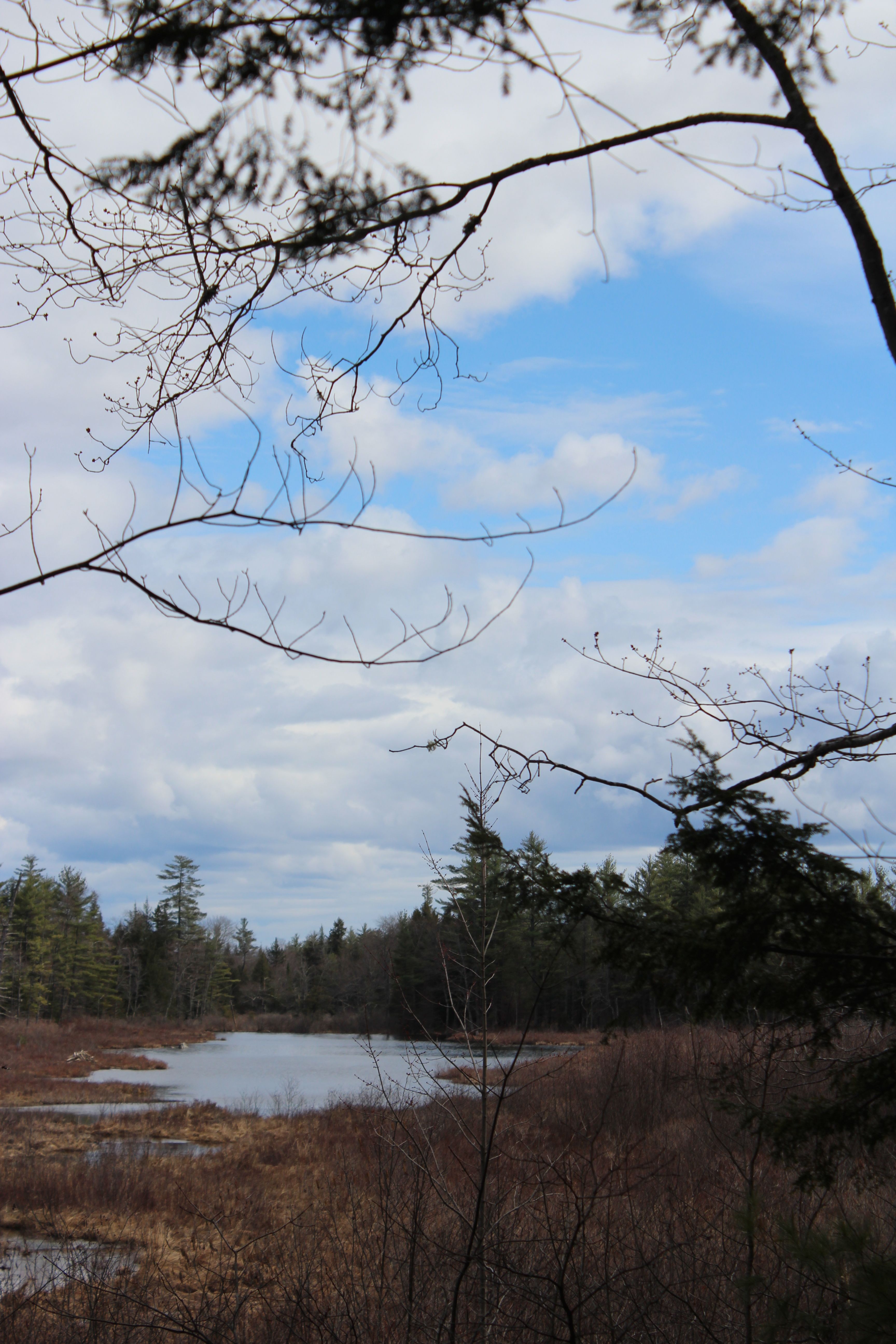
At the platform, we climbed up to enjoy the view, which includes the lodge.

hawk 3

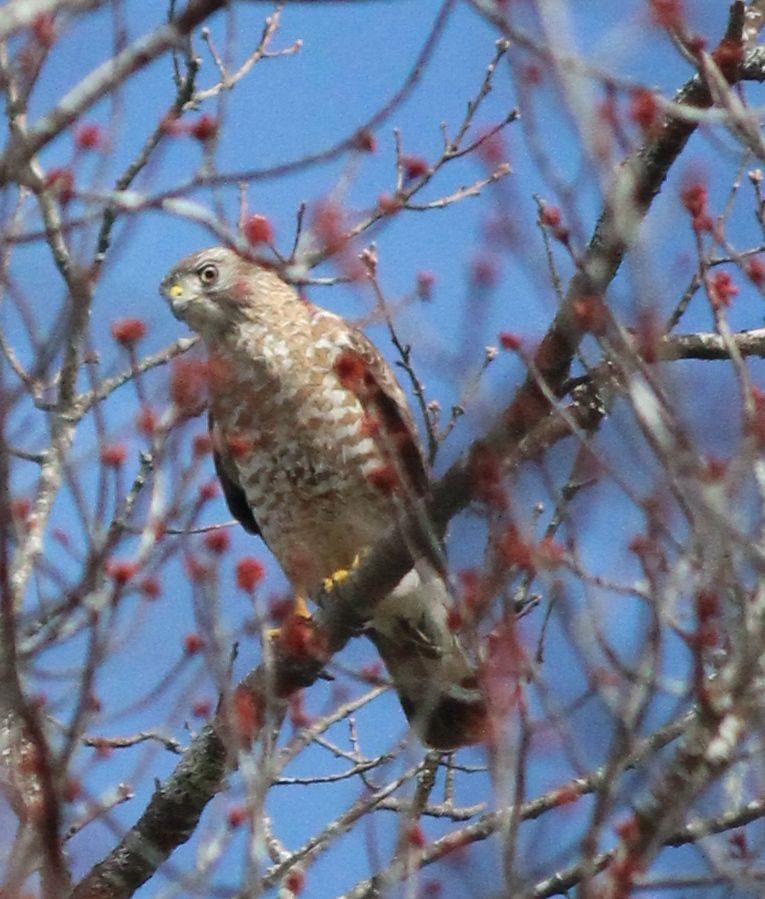
We weren’t the only ones with a watchful eye.

I’m so glad you wondered along on today’s wander. Keep watching. There’s so much more to see.

The Joy of Wonder

cowpath 1

It rained last night and this morning, but we never did get the snow that was mentioned in a few forecasts. And the sun came out so I wandered down the cowpath, headed for the snowmobile trail. Instead of walking toward Mount Washington, I turned left.

vernal pool 1

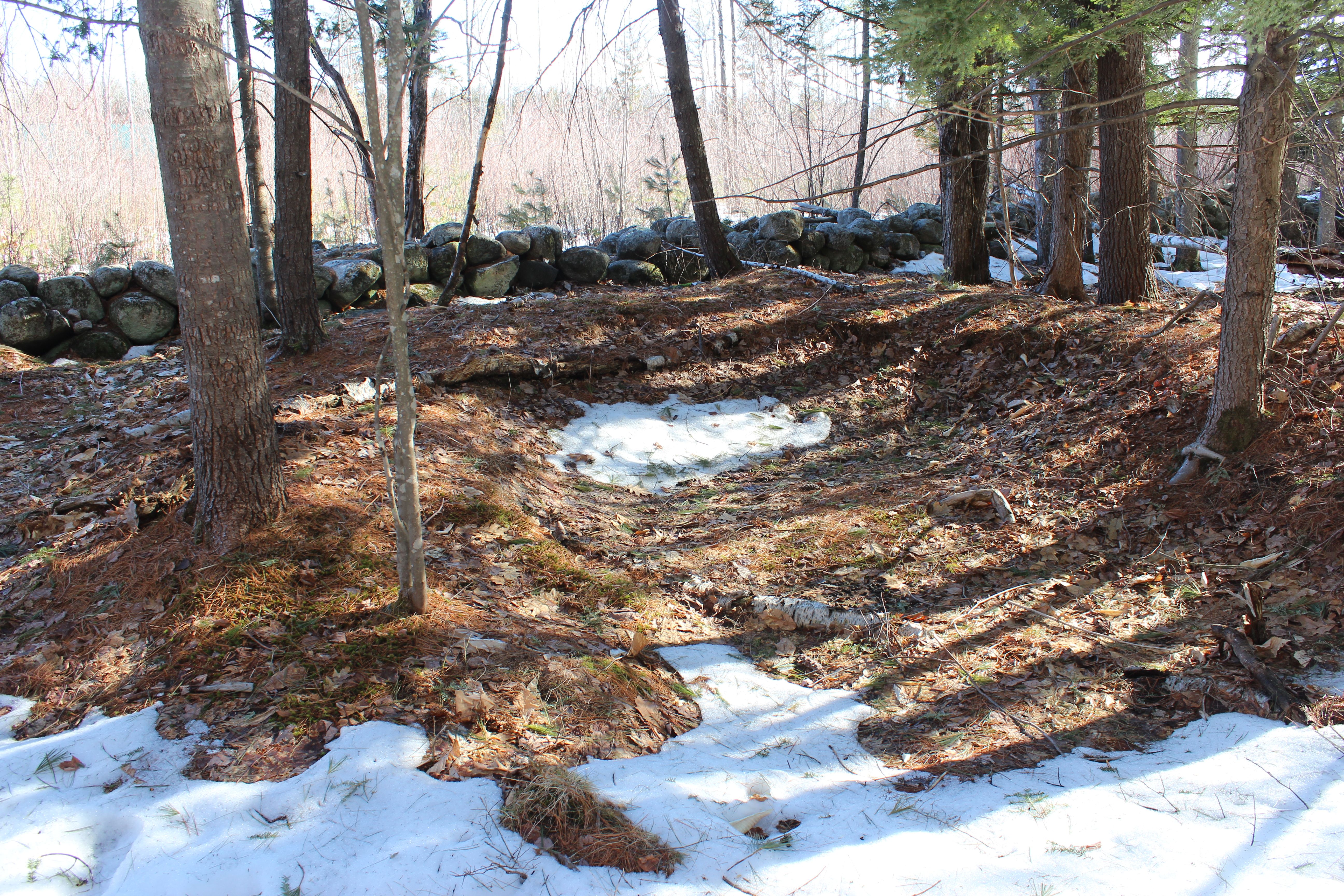
At the vernal pool, I was excited to see the slush. And I was sad to see that it’s been disturbed–rather recently. Not by wildlife either. It’s such a fragile environment.

shed site

On my way to look at the nearby well, I realized that some land about ten feet from the pool had been carved out. It’s not a root cellar or foundation. Perhaps the site of a farm shed. It appears to be three-sided, maybe the fourth side being an opening.

well 1

And another ten feet away, the well. I didn’t realize last month that there’s a large stone cap over it.

well 2

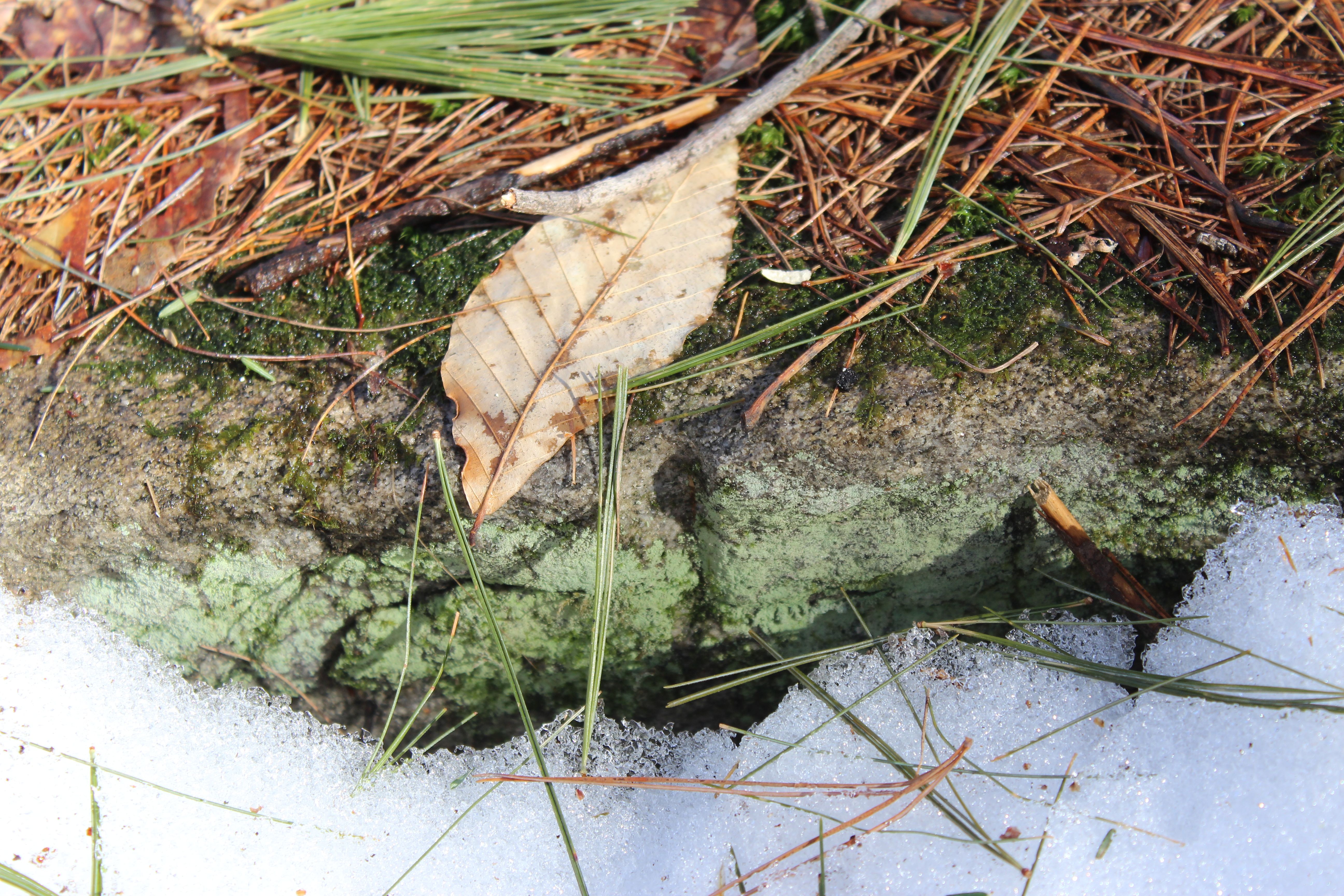
The well has the signature of a Colonial stone cutter–the drill mark left from a feather and wedge routine to split stone. Granite is a hard, coarse-grained rock that consists of minerals  including quartz and feldspar. Interlocked like the pieces of a jigsaw puzzle, the minerals make it one of the strongest and most durable rocks.

During the 19th century, stone cutters used the plug and feather method to hand drill small holes every six or seven inches across the stone. Then, two shims, called feathers, were placed in a hole and a wedge, or plug, was hammered between them. Drilling took place during the winter months when ice would form in the holes and help complete the work of splitting the granite.

pussy willows 1

I continued along the trail, letting it share its moments of wonder. Suddenly, a sparkle of white light caught my attention.

pw2

Pussy Willows in all their glory. I love how one branch reflects the other, don’t you?

British soldiers

And then this–a colony of British Soldier. This one is for my friend, Em.

property marker

All along the trail there are stone walls and occasionally other boundary markers like this one. Notice that it also has the feather and wedge signature of a stone cutter.

disturbance

Then I saw this disturbance just off the trail. I needed to take a closer look so it didn’t matter that the snow was over my boots.

squirrel drey?

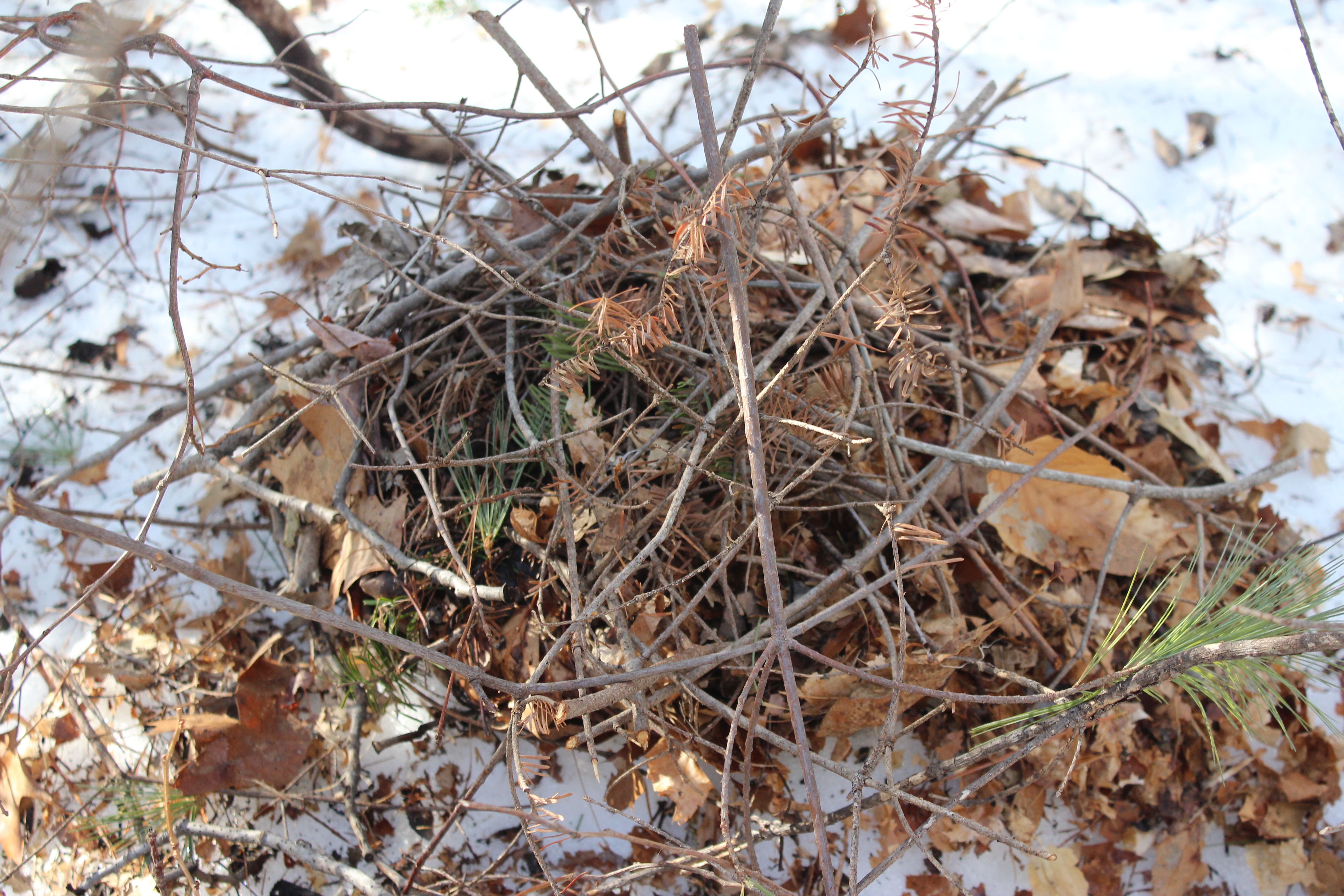
Maybe a toppled red squirrel drey? If it is a squirrel drey, why is it down? Something isn’t quite right here.

vernal pool 2

Because we live in a very wet area–oh heck, all of Maine is wet–I don’t always walk this trail during the spring months. But . . . today I ventured off trail and took a closer look at another vernal pool located about a half mile from our house. It invites further exploration as the season evolves.

poplar

One of my favorite trees beckoned to me. Um . . . that could be any tree in the forest. But this one is super cool. It looks almost oak-like on the lower portion and birch-like above. It’s an aspen. Big-toothed or Quaking is always the question. I spent some time exploring the woods with a couple of foresters last fall to hone my bark identification skills. I asked them how to tell the difference between the two. One admitted that he didn’t know and the other was sure he knew until I showed him a leaf on the ground that contradicted what he thought. My quest is to figure out the answer to this.

bark

The lower bark is worth observing . . . and touching. While Northern Red Oak bark has fairly smooth ridges, aspen, or poplars as they are also known ’round these parts, has gnarly bark.

big tooth

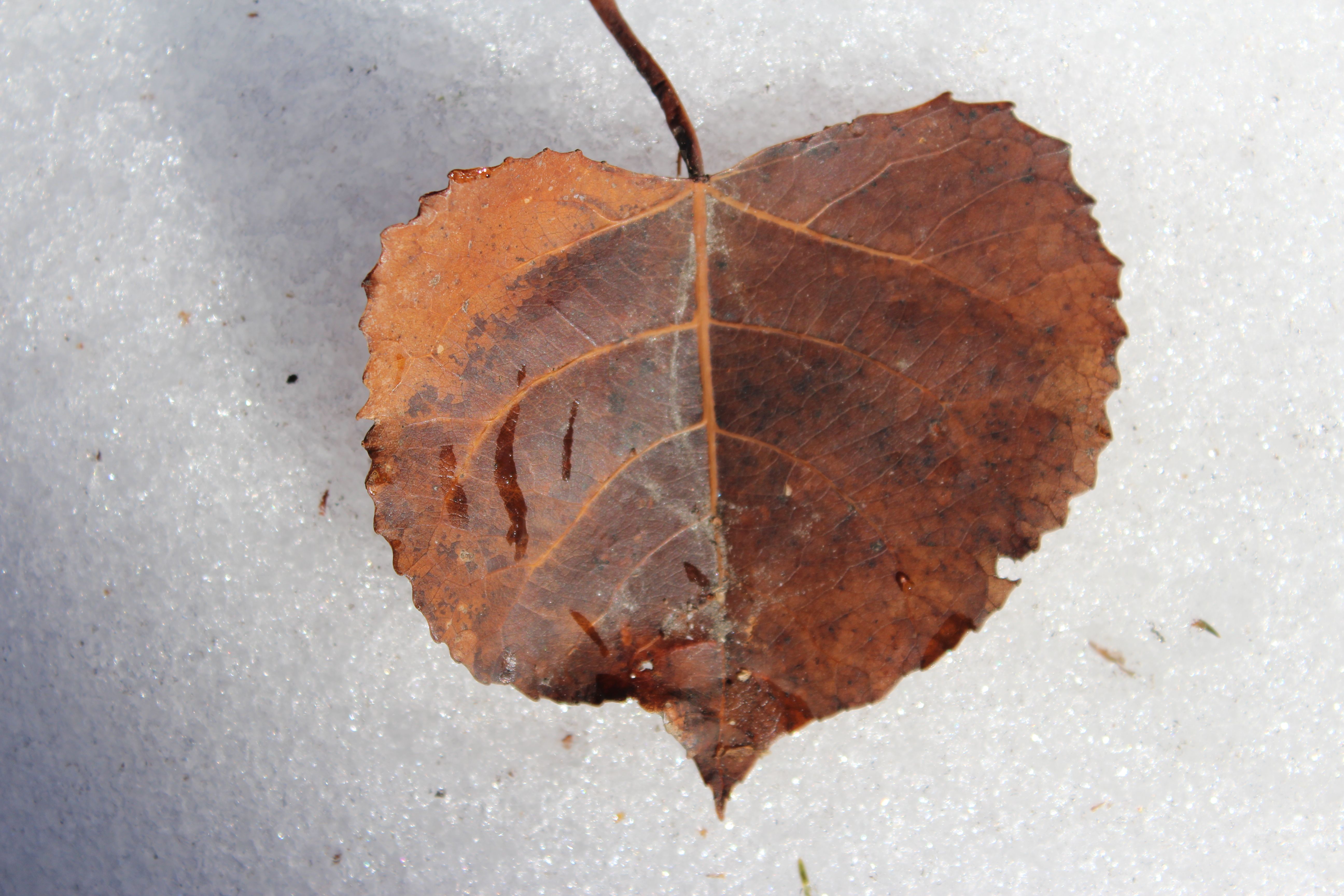
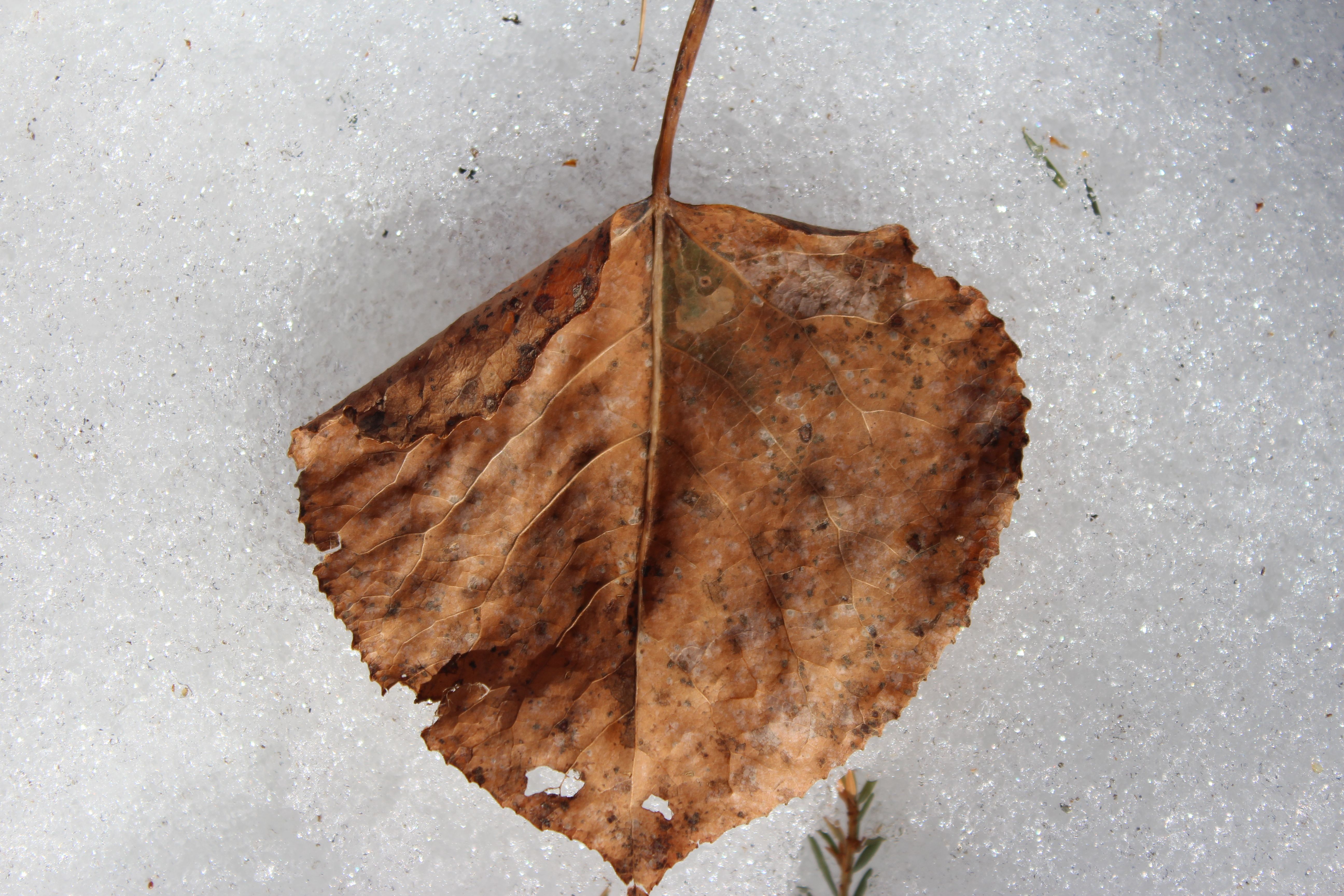
And then there are the leaves. Big Toothed Aspen.

quaking

Quaking Aspen. Yup, I found both of them below this tree.

big t and quaking

Comparisons make me happy. Teaching moments. Big teeth. Little teeth.

quaking stem

Then there are the stems. Aspens leaves feature flat stems–giving them that ability to quake or tremble in a breeze.

trail

I continued along the trail, which was sometimes covered in snow and other times ice, slush, grass or mud.

stop sign

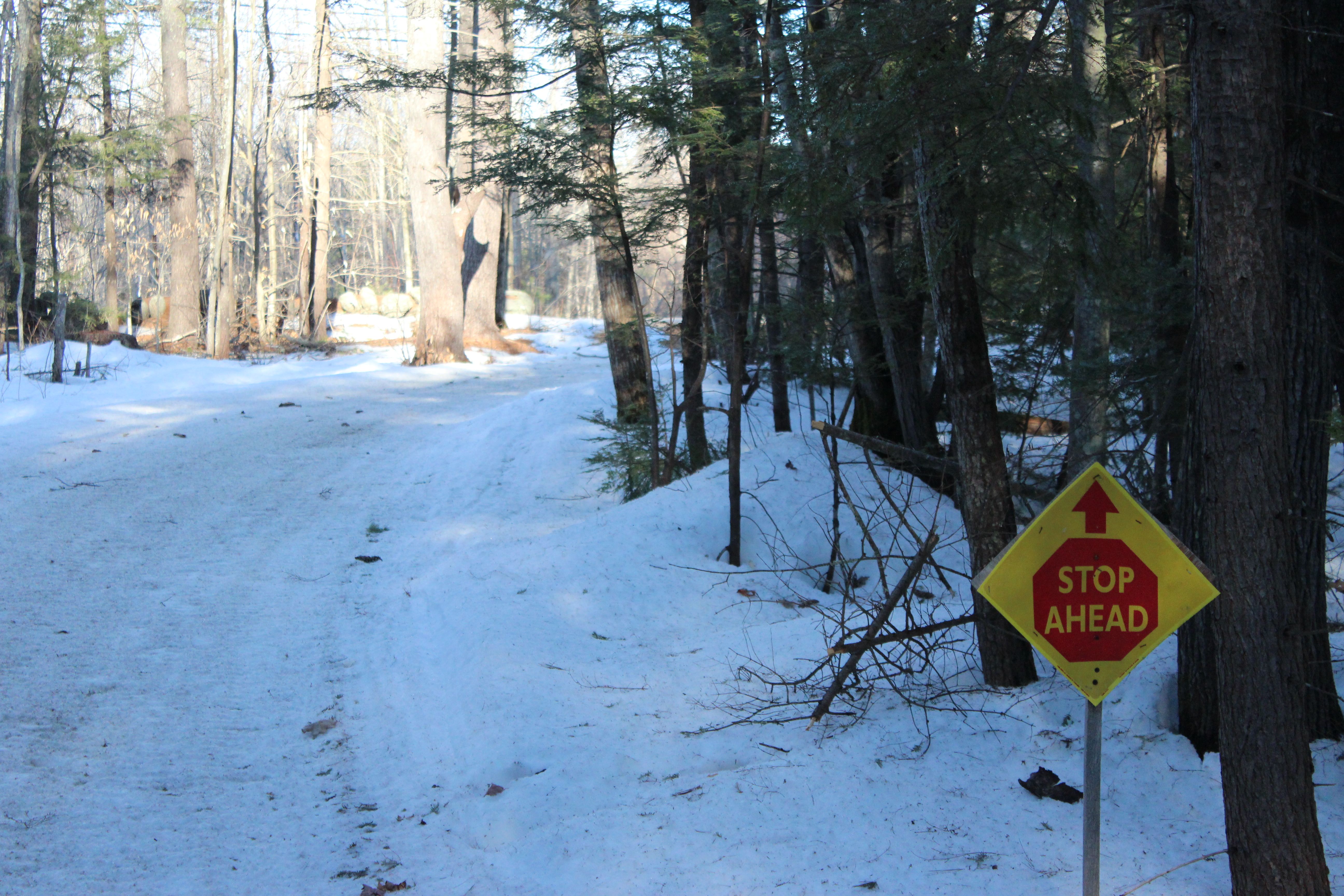
About a mile and a half later I reached signs of today’s civilization, though I’d seen plenty of signs along the way indicating yesteryear’s activity. A main road was in front of me. I could walk home via that route or turn around and follow the trail back. I chose the latter.

caution

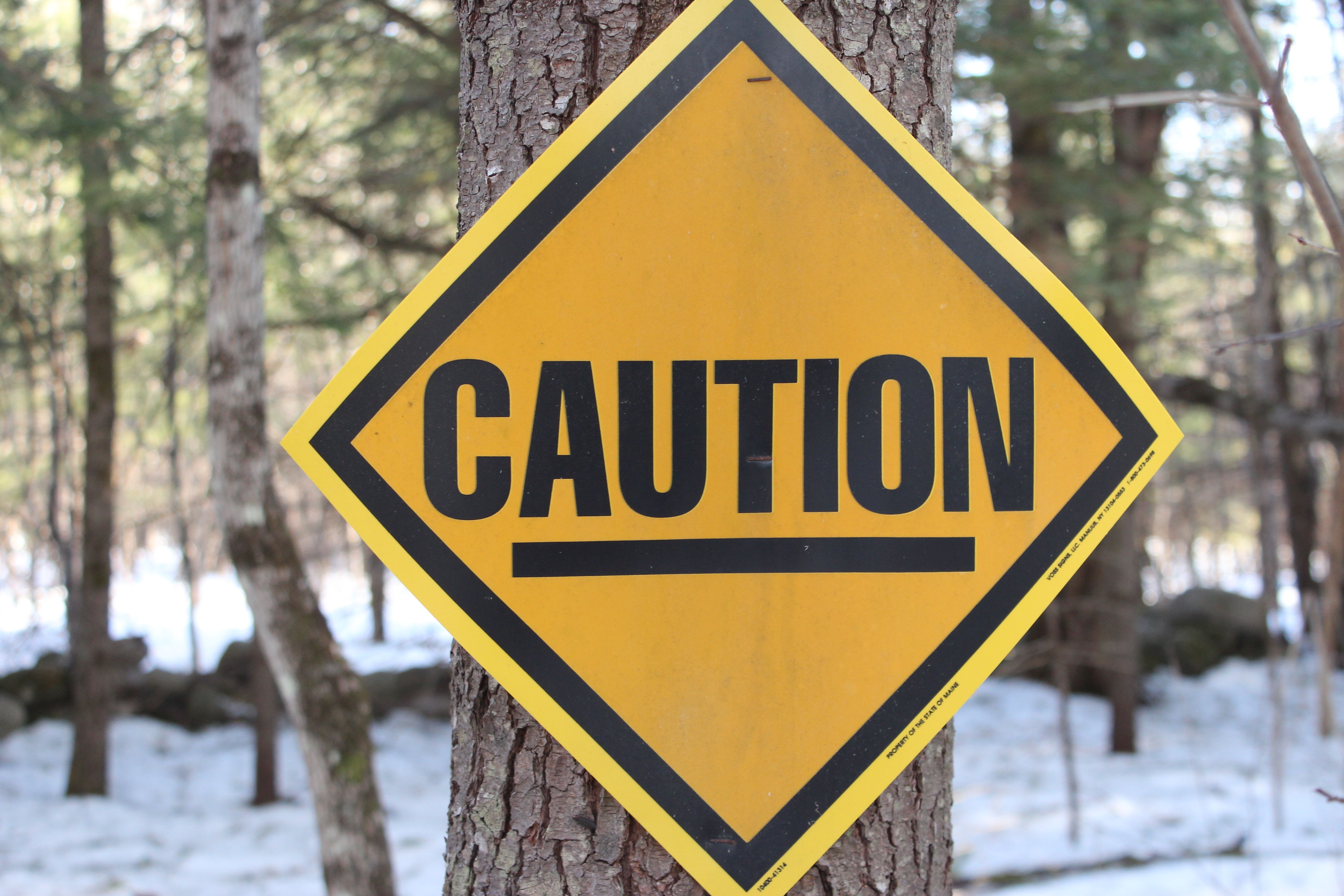
Signs tell it all.

turn left sign

Sometimes they told me to turn this way.

right hand sign

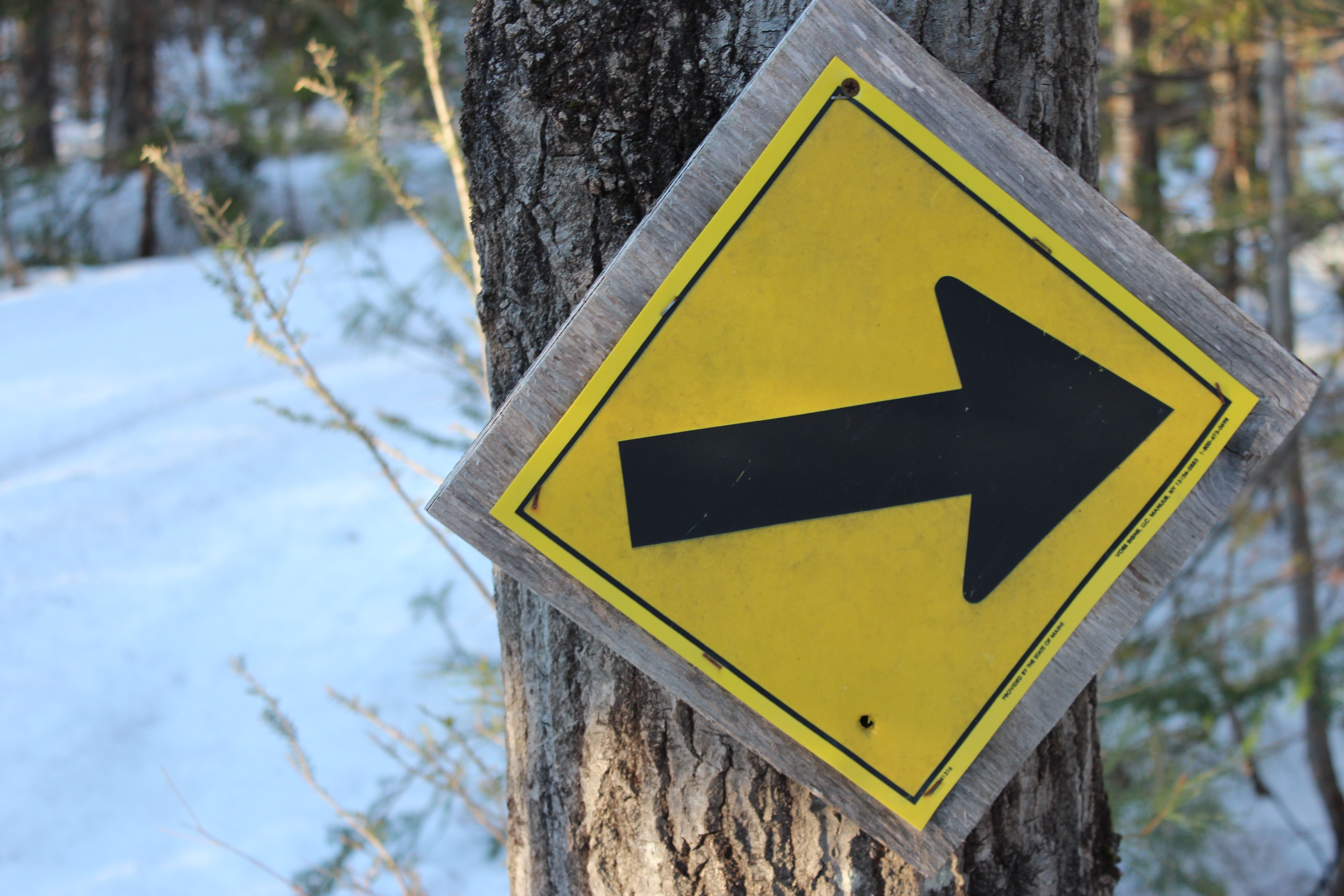
Other times they indicated that I should turn that way.

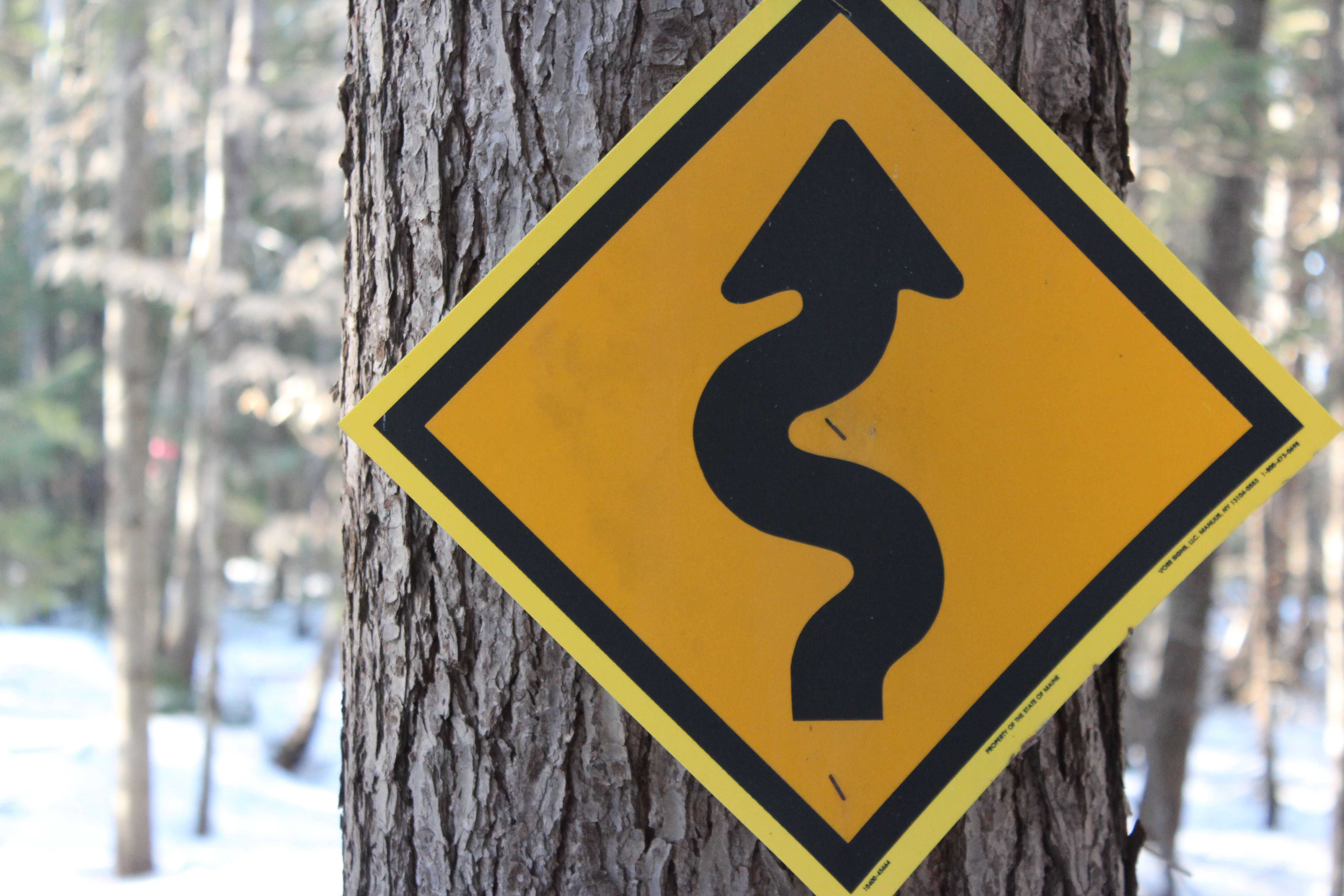
squiggly sign

But my favorites are those that let me know the route I follow isn’t always straight ahead.

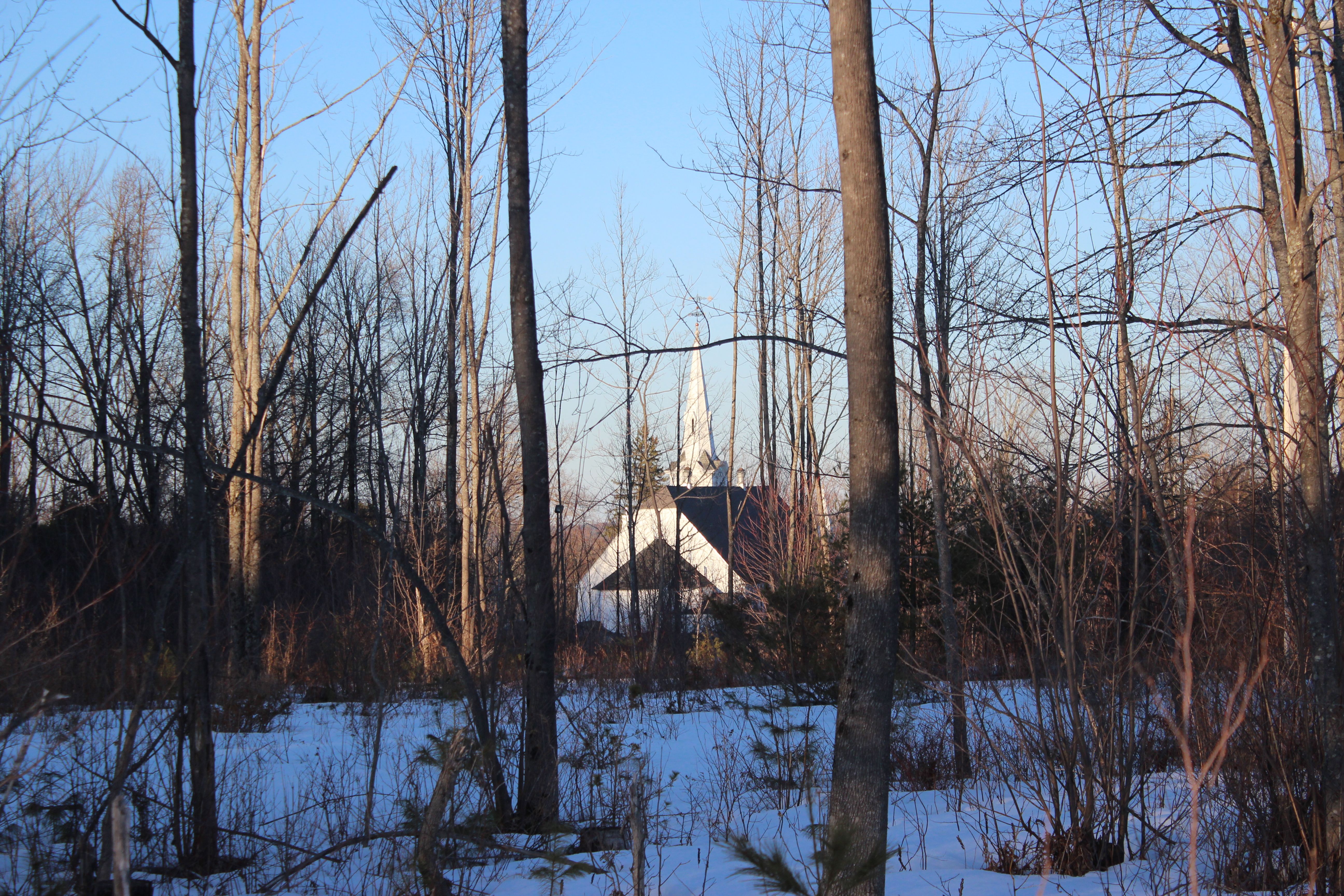
church

And then I was almost home. Tomorrow is Easter–the joy of wonder.
Wetland Wonders

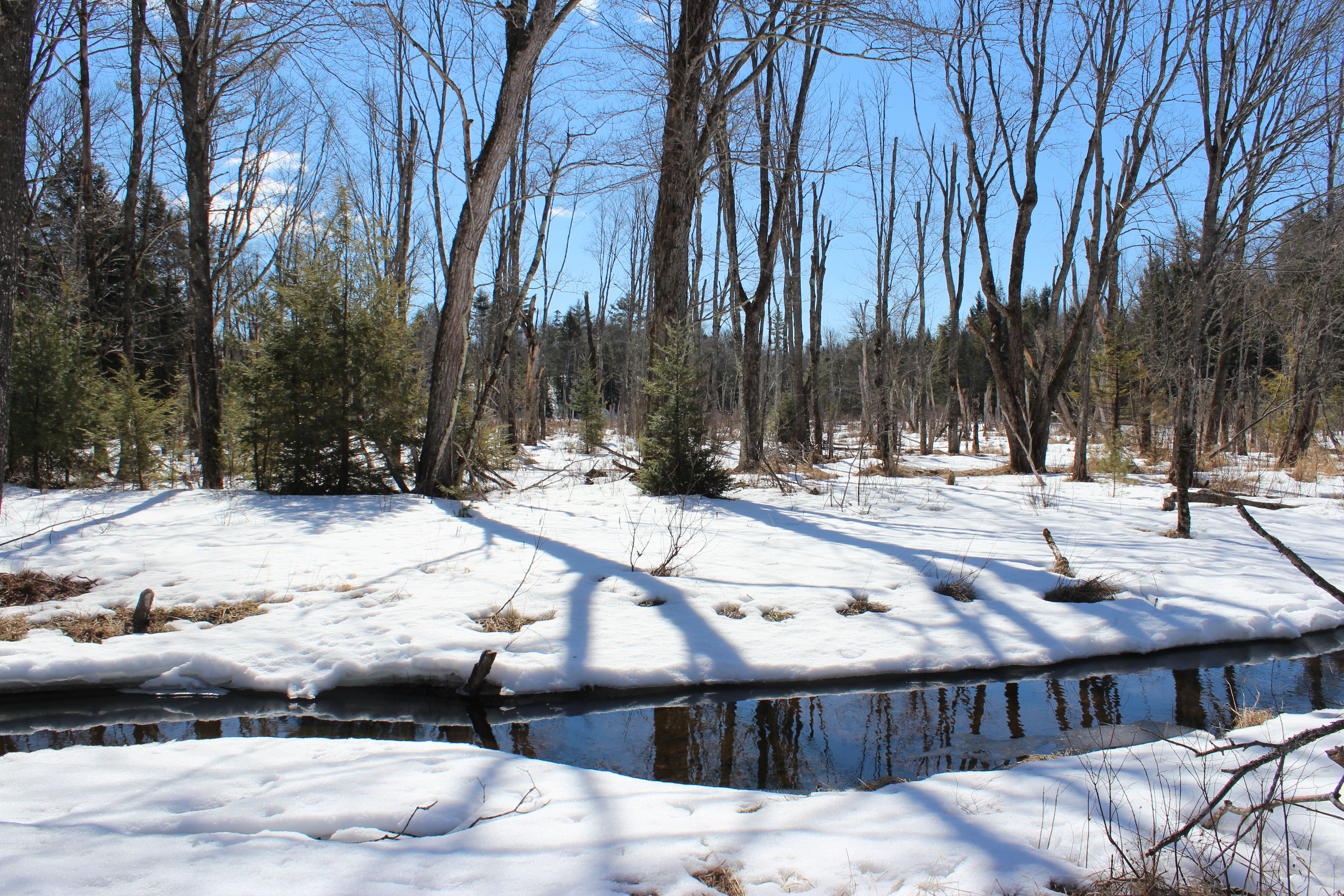
wetland 1

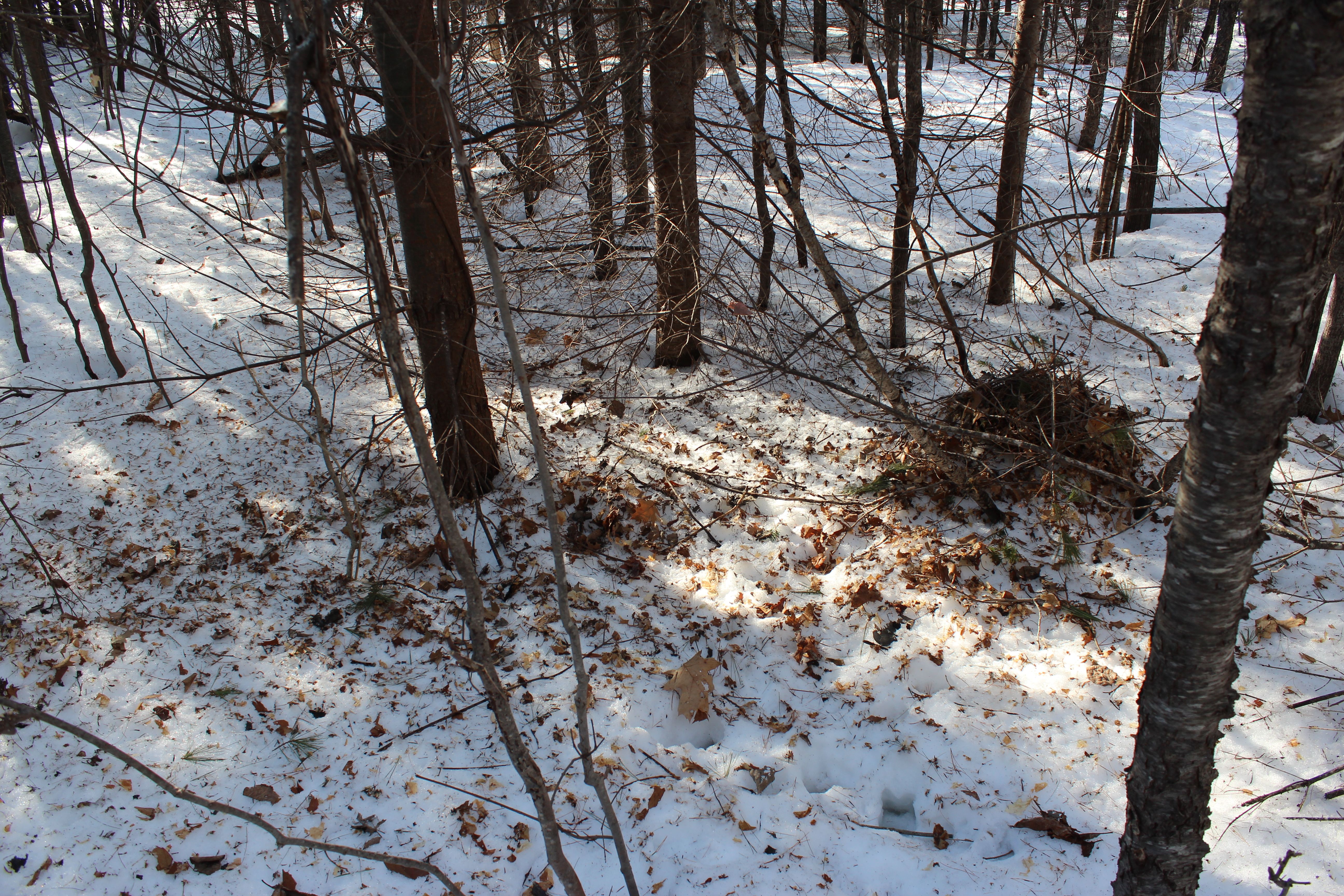
The Greater Lovell Land Trust’s Tuesday Tracking group returned to the wetland at the John A. Segur Wildlife Refuge today. It’s one of those places that I could spend hours upon hours exploring and still only see a smidgeon of what is there. I’m overwhelmed when I walk into a store filled with stuff, but completely at home in a place like this where life and death happen and the “merchandise” changes daily.

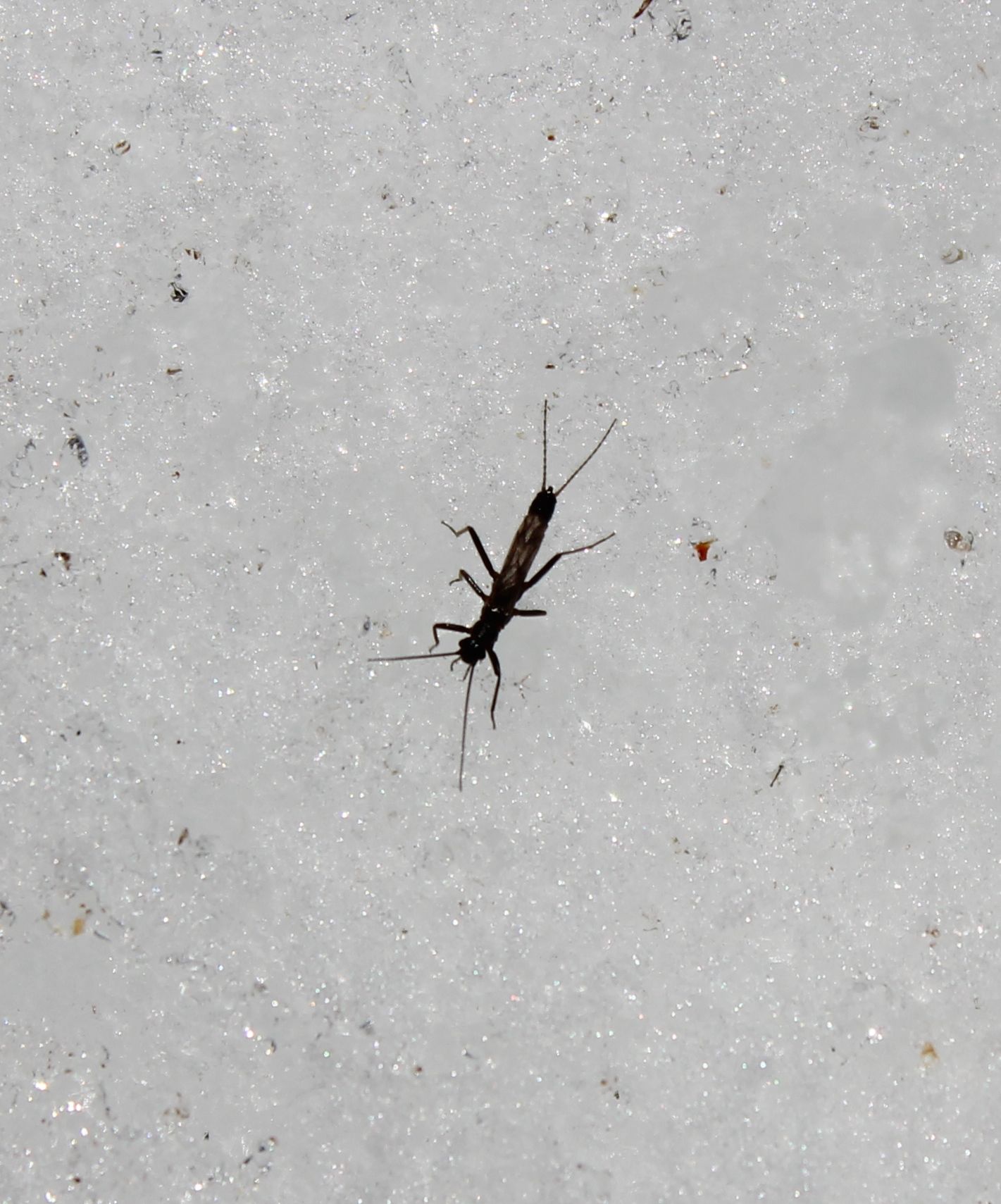
insect

Walking across the snow was this small insect. So . . . we were in a wetland. Tomorrow will be April 1–no kidding. The insect is about an inch long. It has long antennae and a pair of cerci or appendages at the posterior end of its abdomen. I’d say we found a common stonefly nymph. Please correct me if I’m wrong.

artists 1

On first glimpse, this may look like a pile of dried grasses and twigs.

artists's conk?

But stepping in for a closer look reveals what I believe is an artist’s conk. An old artist’s conk. We didn’t cut it off, but apparently you can age one by cutting it and counting the layers–much the same way you can age a tree by counting the number of rings.

old beaver lodge

There’s evidence of beaver work throughout the sanctuary, but none of it is recent. So . . . my friend decided to play Queen of the Lodge.

dam crossing

We crossed Boulder Brook via an old beaver dam–one-by-one in the name of caution.

lobster lichenlobster 3

 Color draws us in for closer inspection. I’m betting on Cinnabar-red Polypore (Pycnoporus cinnabarinus) as this one’s ID. If I learn otherwise, I’ll let you know.

lungwort

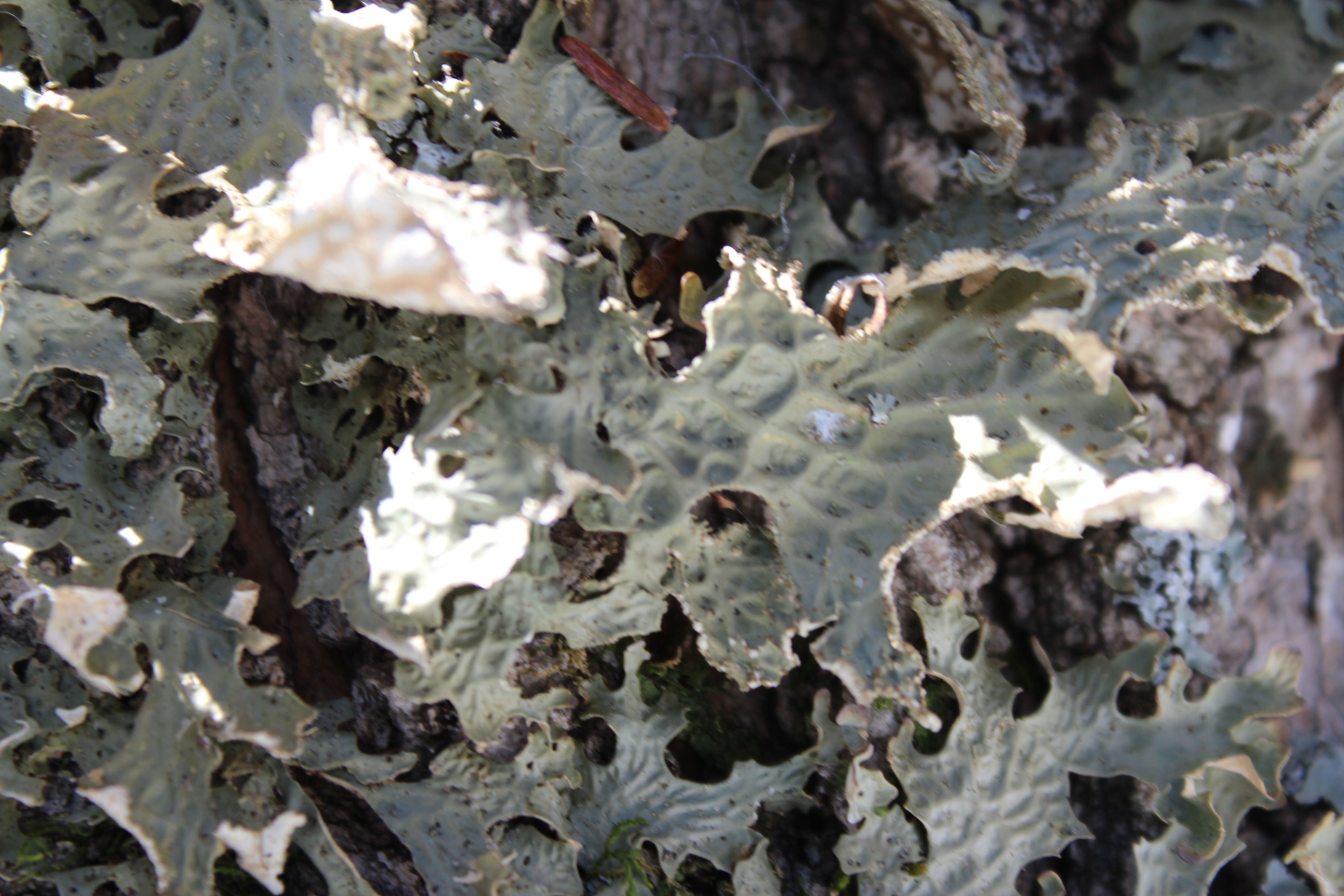
Remember this lungwort I shared last week in my Island Hopping blog?

Lungwort

Same species. Same tree. Nature–worth wondering about.

myatery 1

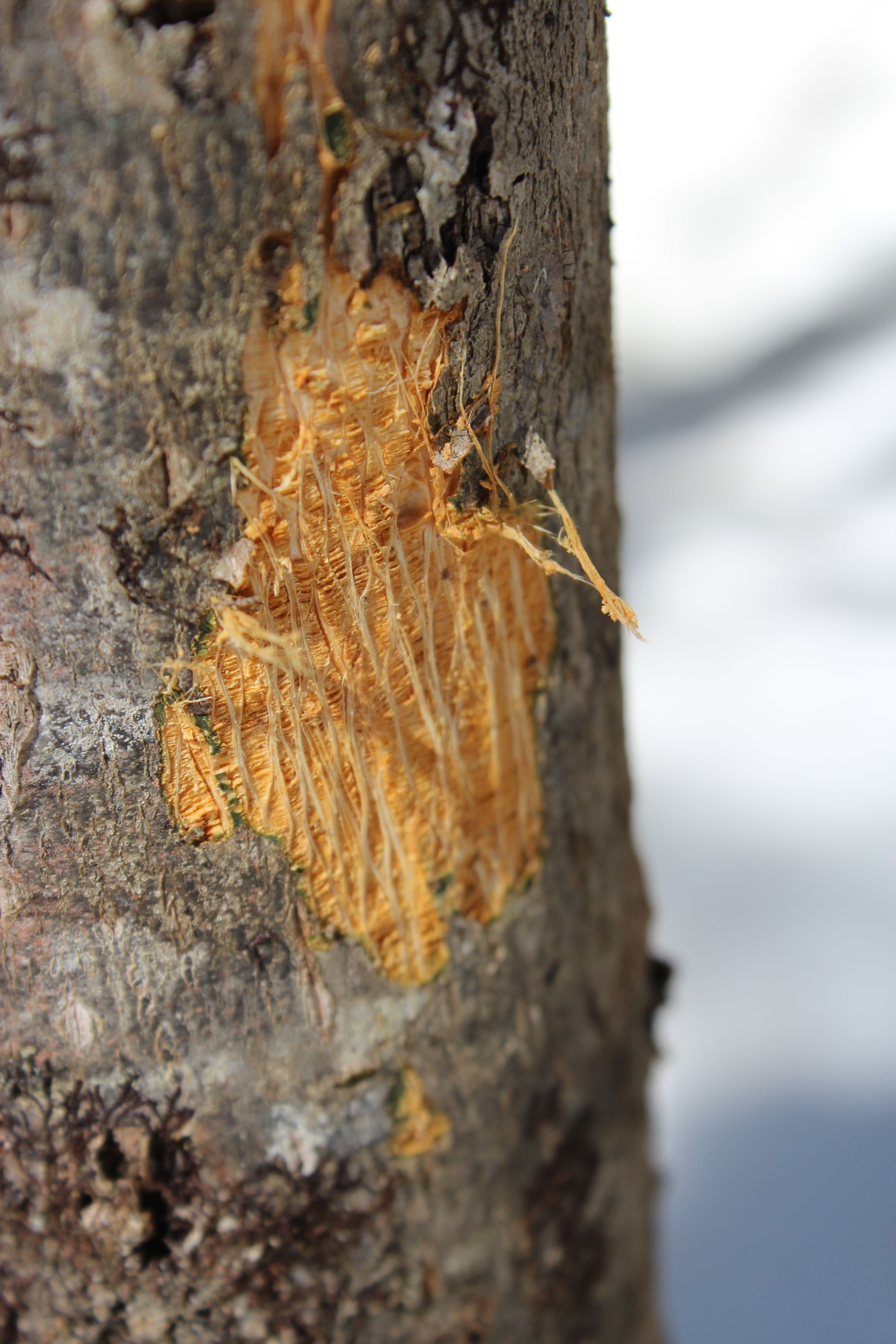
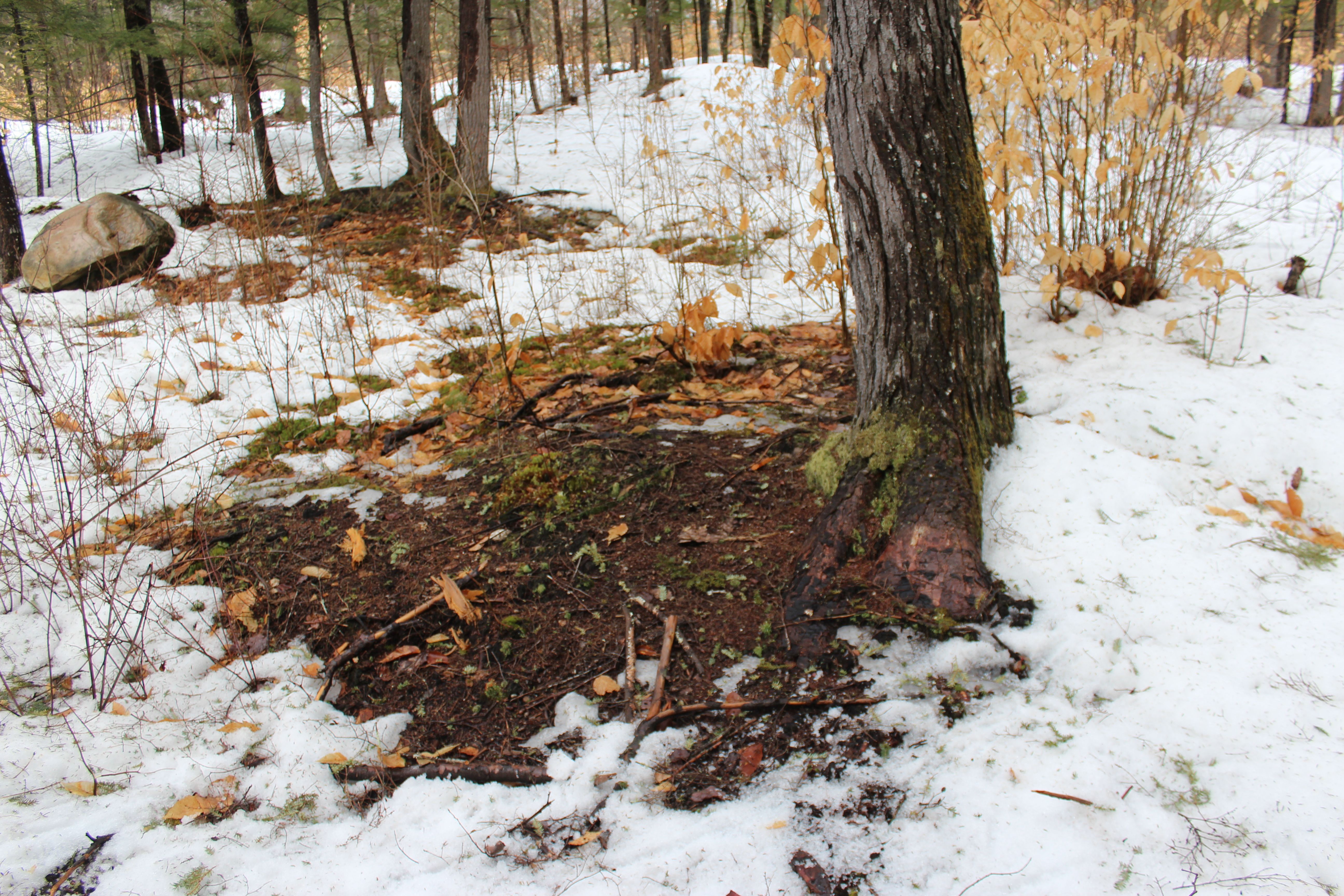
Then there was the mysterious event.

mystery 3

Very fine tags dangle from the upper edge of the scraped bark. Not the work of a deer, beaver or porcupine. Not a hare or little brown thing. Maybe a bird? No holes, just the fine layer of outer bark delicately scraped off.

deer scrape

Here’s a deer scrape as a contrast.

tree within tree

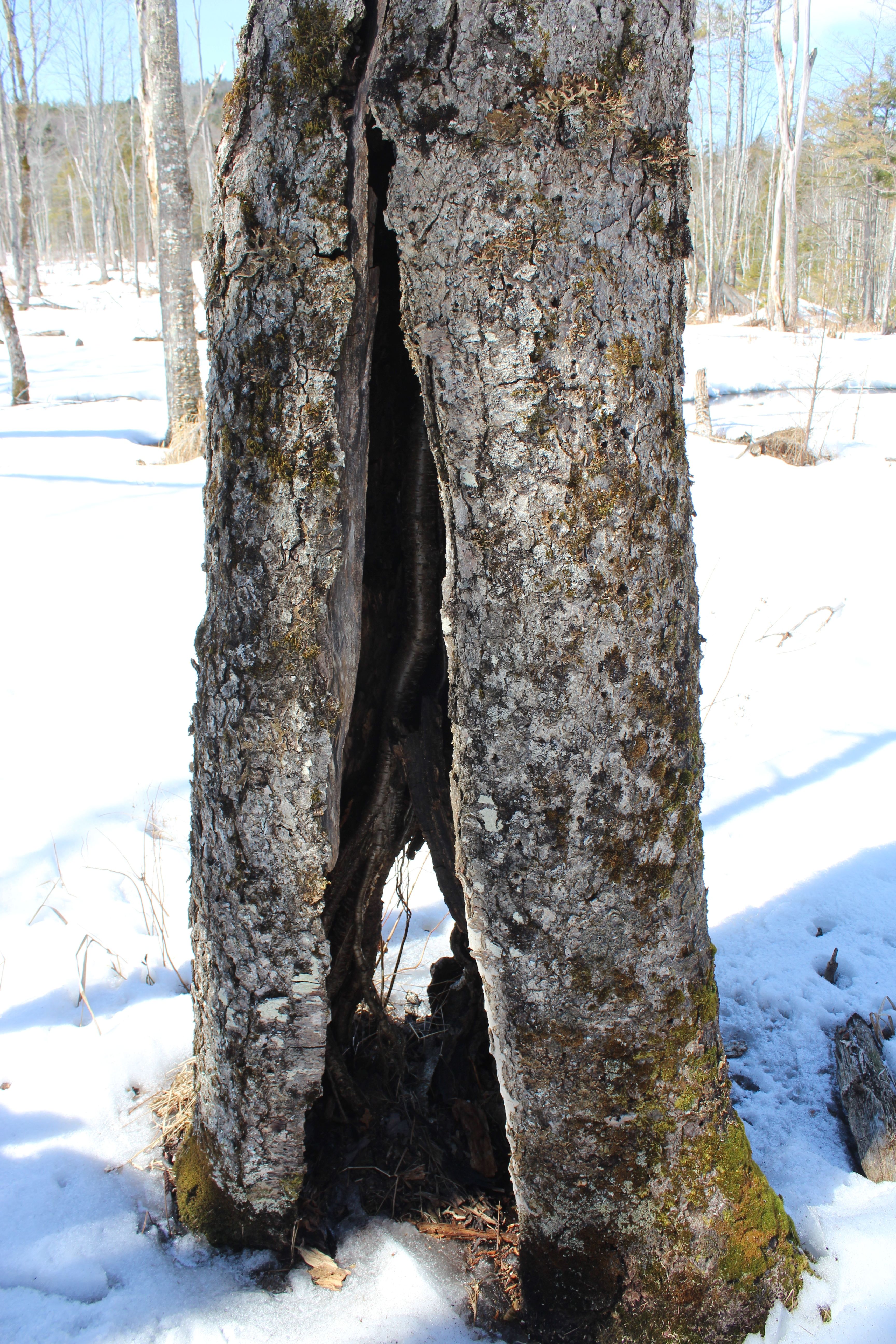
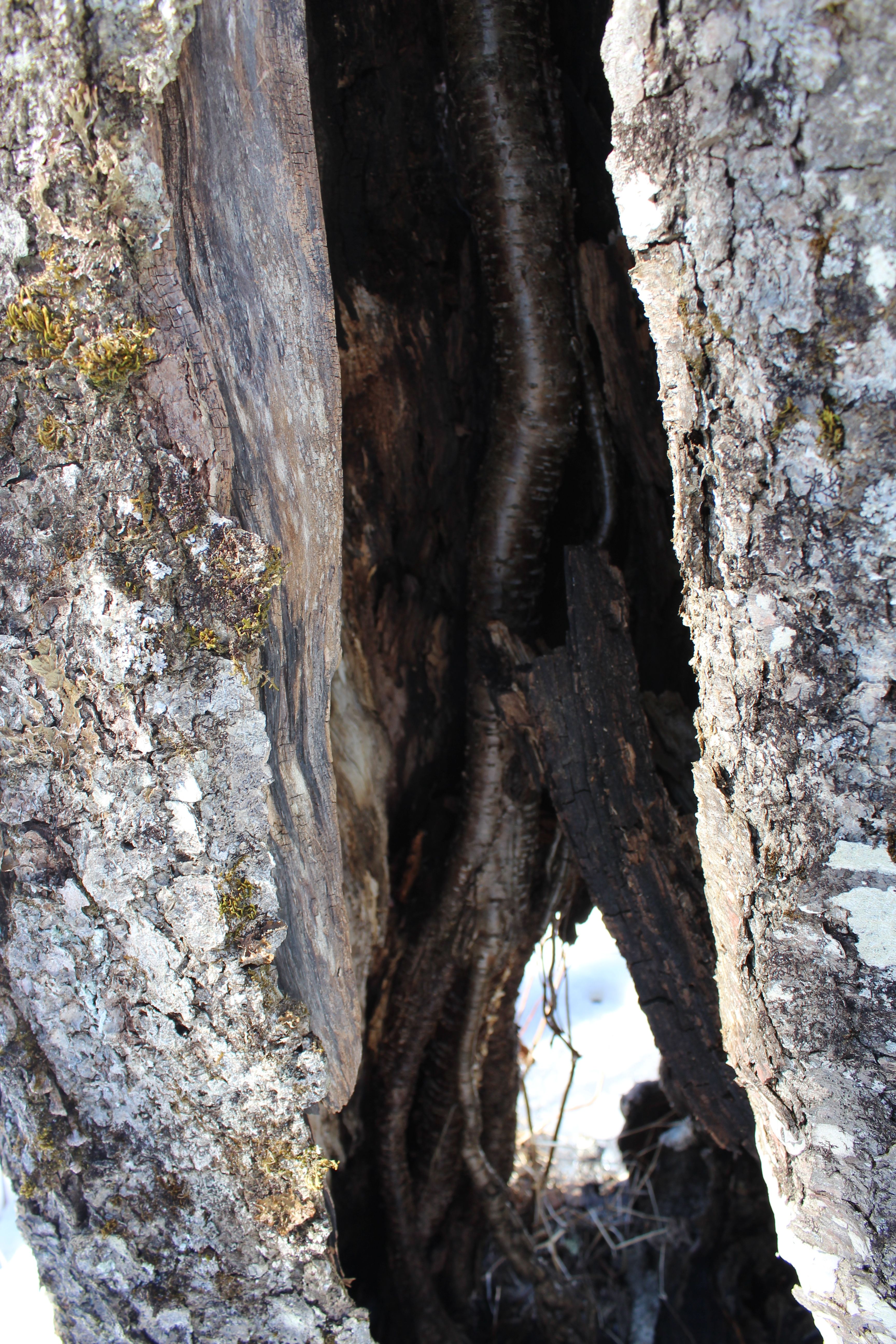
For this next wonder, you’ll have to look closely inside the hollow yellow birch. Peer to the left of the hole toward the rear. Think vertical.

tree 2

Do you see it? It’s in the center of this photo.

tree 3

And here it is further up in the hollowed out tree. A tree within a tree. Another yellow birch or birch root growing up through the center of this dead snag. Life and death. Together. One within the other.

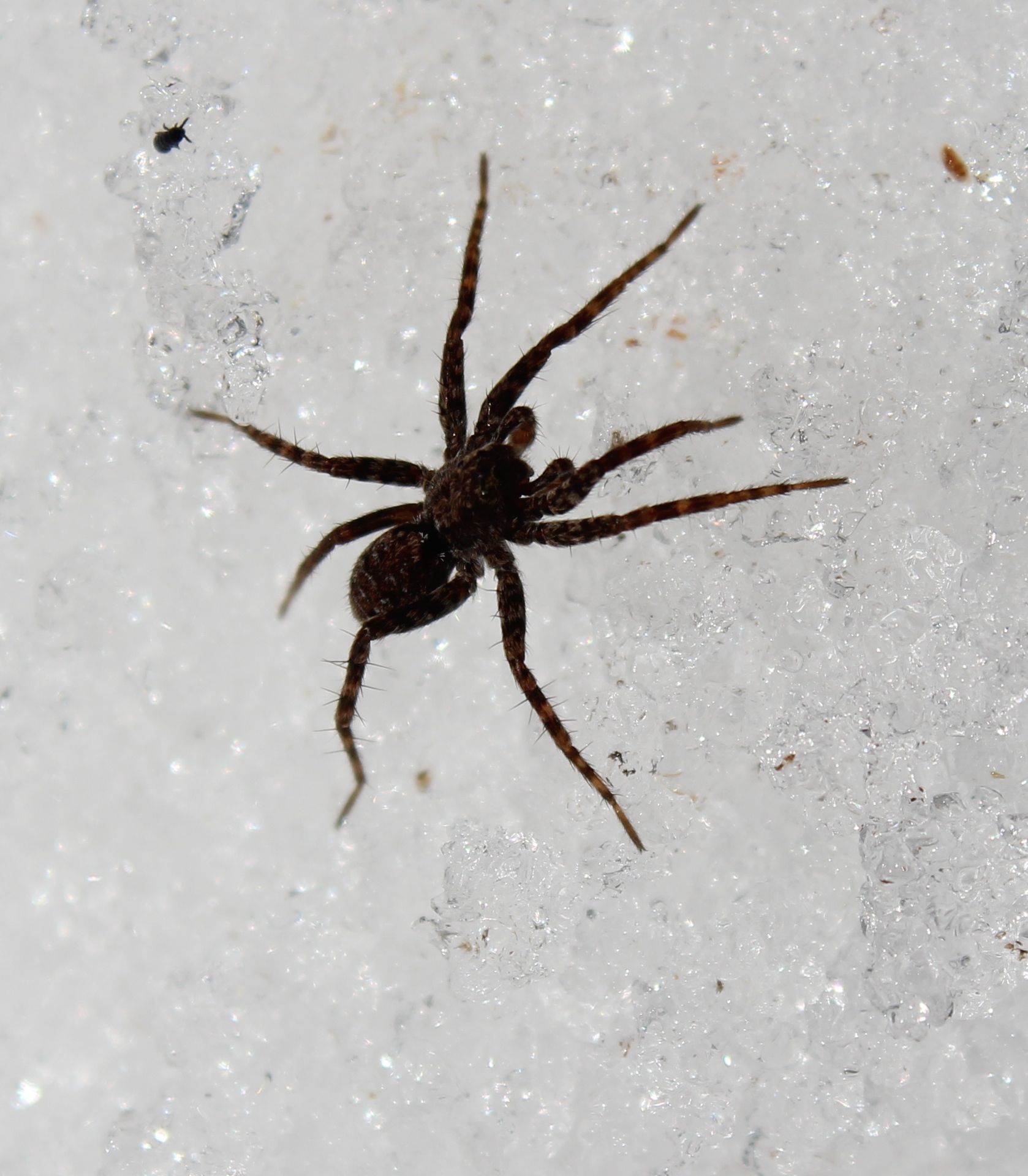
spider

This guy was dashing across the snow, but had the decency to pose for a photo op. Given that he wasn’t wearing boots, I don’t blame him for running along.

crossing dam again

And suddenly, we realized we’d spent over three hours exploring and it was time to head back over the beaver dam.

white pine

On the trail again, we paused to admire spring growth on a small white pine–a mini candelabra.

Thanks for wandering along and wondering my way.

Island Hopping

island 1

Off on a care-free holiday in . . . Lovell, Maine. What sets it apart is the variety of islands. And, I suppose, the ferry service between each.

island 2

A naturalist friend and I set off on our grand adventure at the John A. Segur Wildlife Refuge this morning. This is a 598-acre refuge owned and cared for by the Greater Lovell Land Trust. We hopped, more like sloshed on snowshoes, from one island to another as we discovered the highlights of each.

mushroom 1

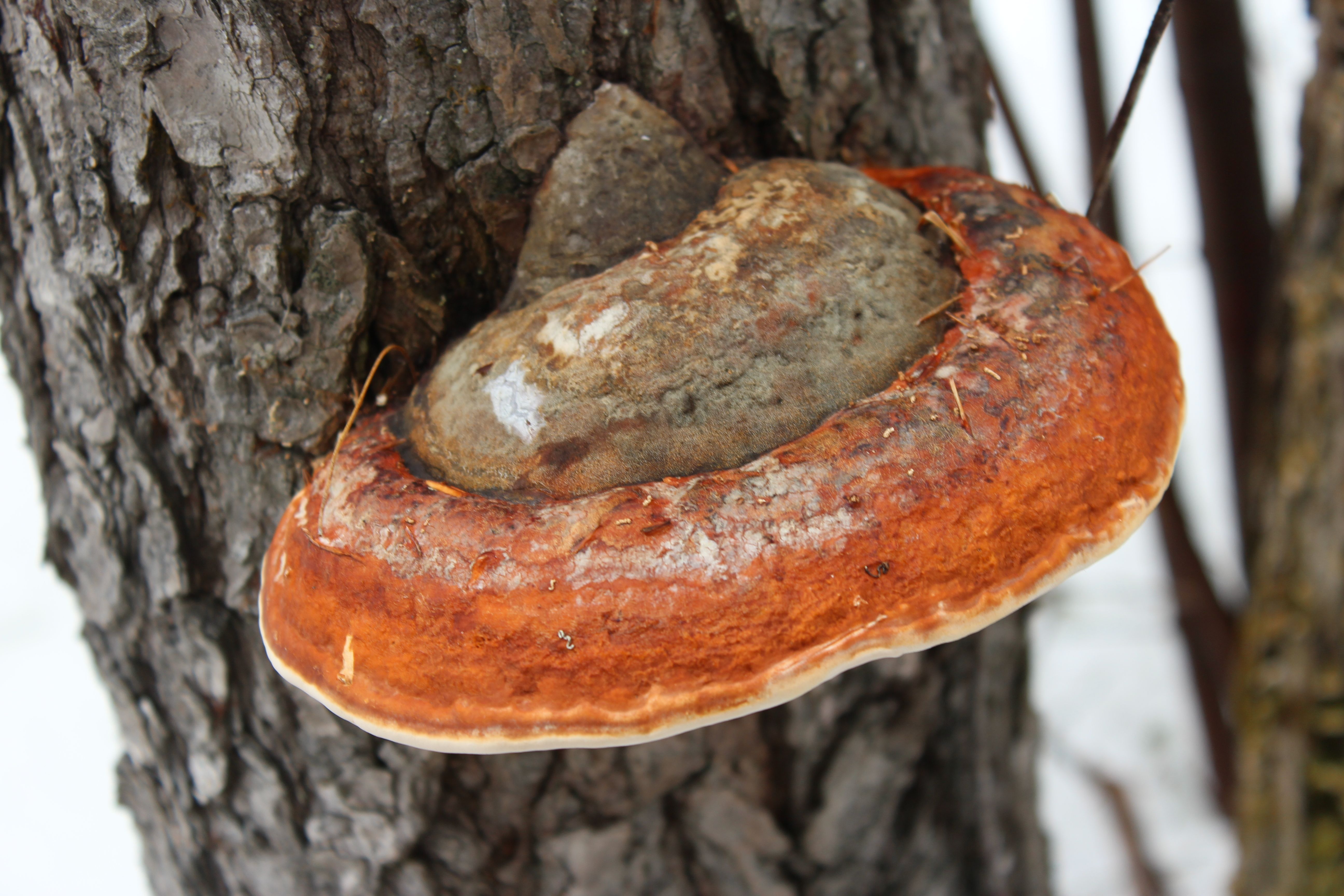
Red-belted Polypore Fomitopsis pinicola

Like on any island hopping experience, we were quite taken with the breathtaking diversity of vibrant colors and textures. This is a red-belted polypore (if I’m right), Fomitopsis pinicola. I have another friend who is determined that I will learn my fungi, so I hope he’ll read this and correct me as I go along. He knows only the Latin names. I’m lucky if I can remember a common name. (Don’t tell Mr. Cretella, my high school Latin teacher.)

turkey tail

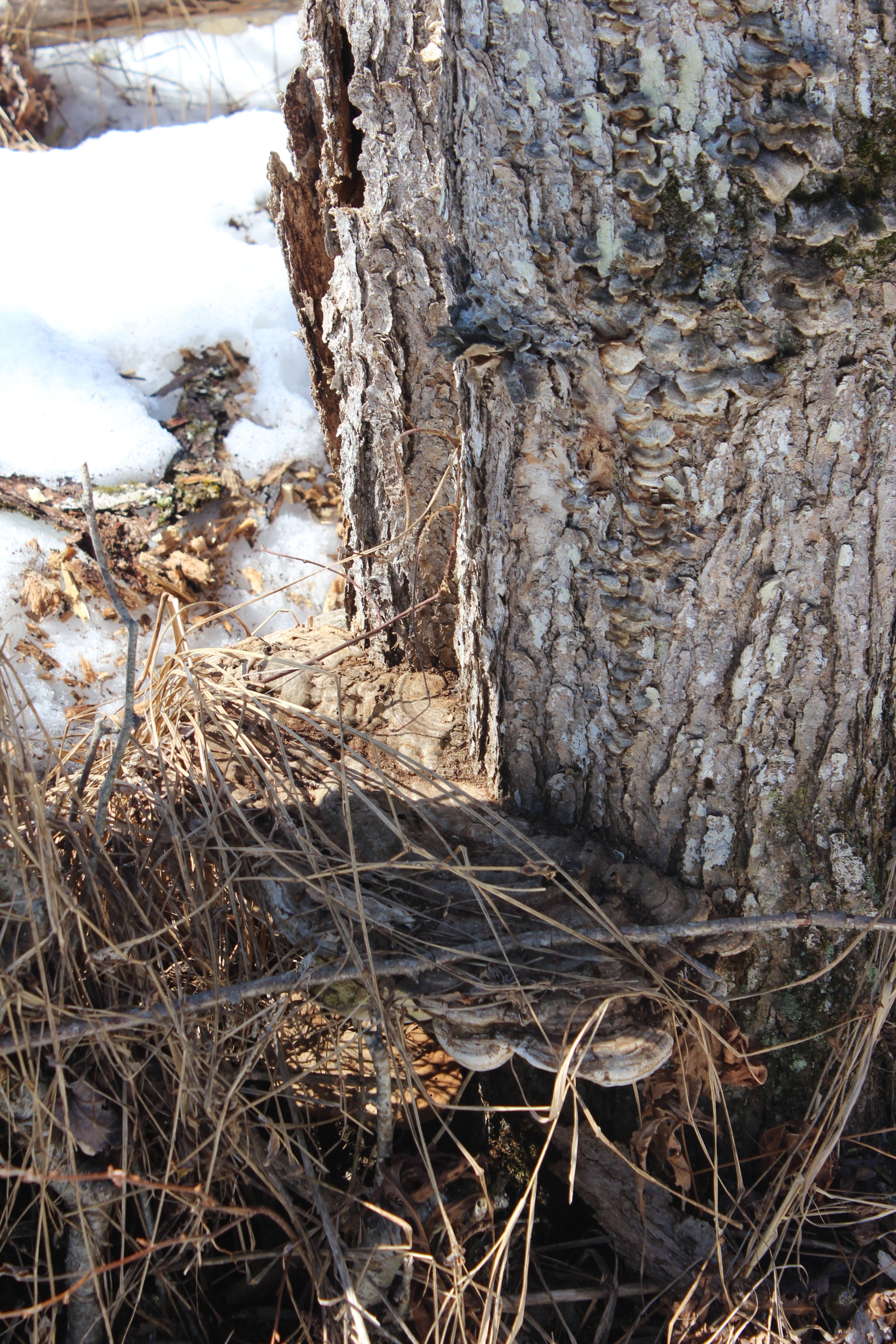
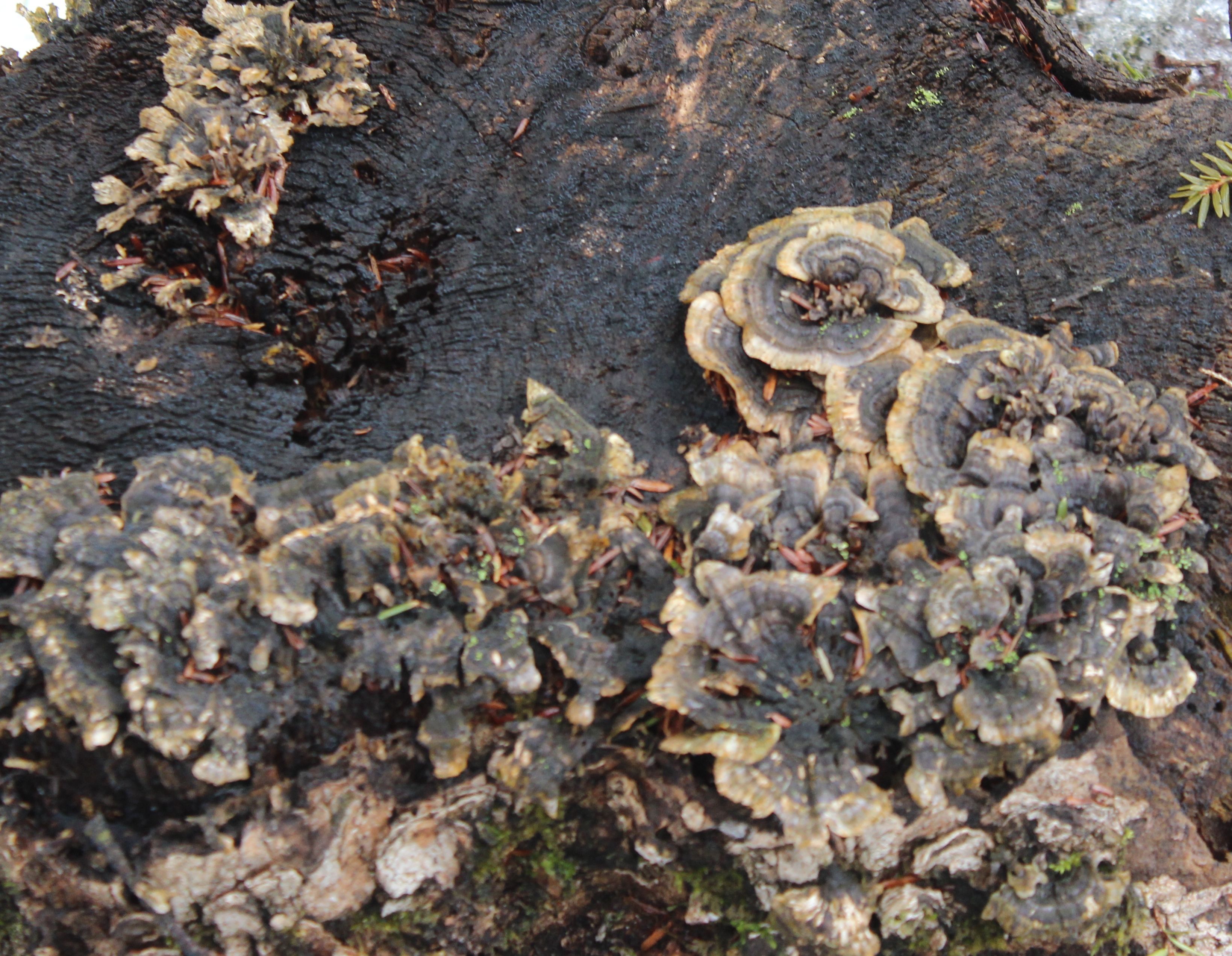
Turkey Tails (Trametes versicolor) were hanging out, doing their thing on some dead wood.

witches butter

More than once we were greeted by Witch’s Butter (Tremella mesenteric). I love butter, so this must be the good witch. (My PB&J sandwiches always include slabs of butter)

birch polypore

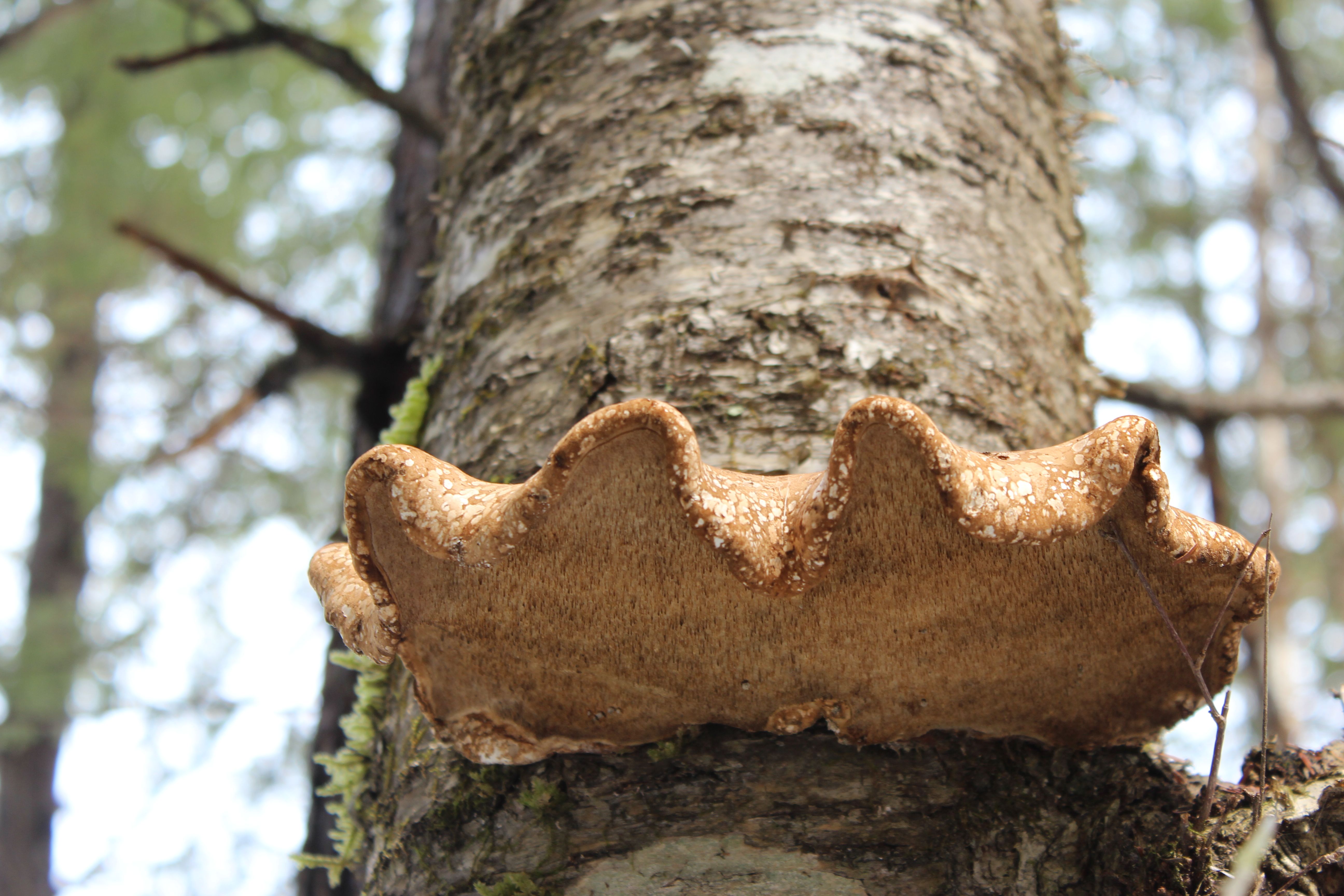
No island tour is complete without seashells. In this case, I think this is a Birch Polypore (Piptoporus betulinus) growing on the Yellow Birch. I’m thrown off by that wavy rim. Whatever it is, it’s beautiful.

British Soldier

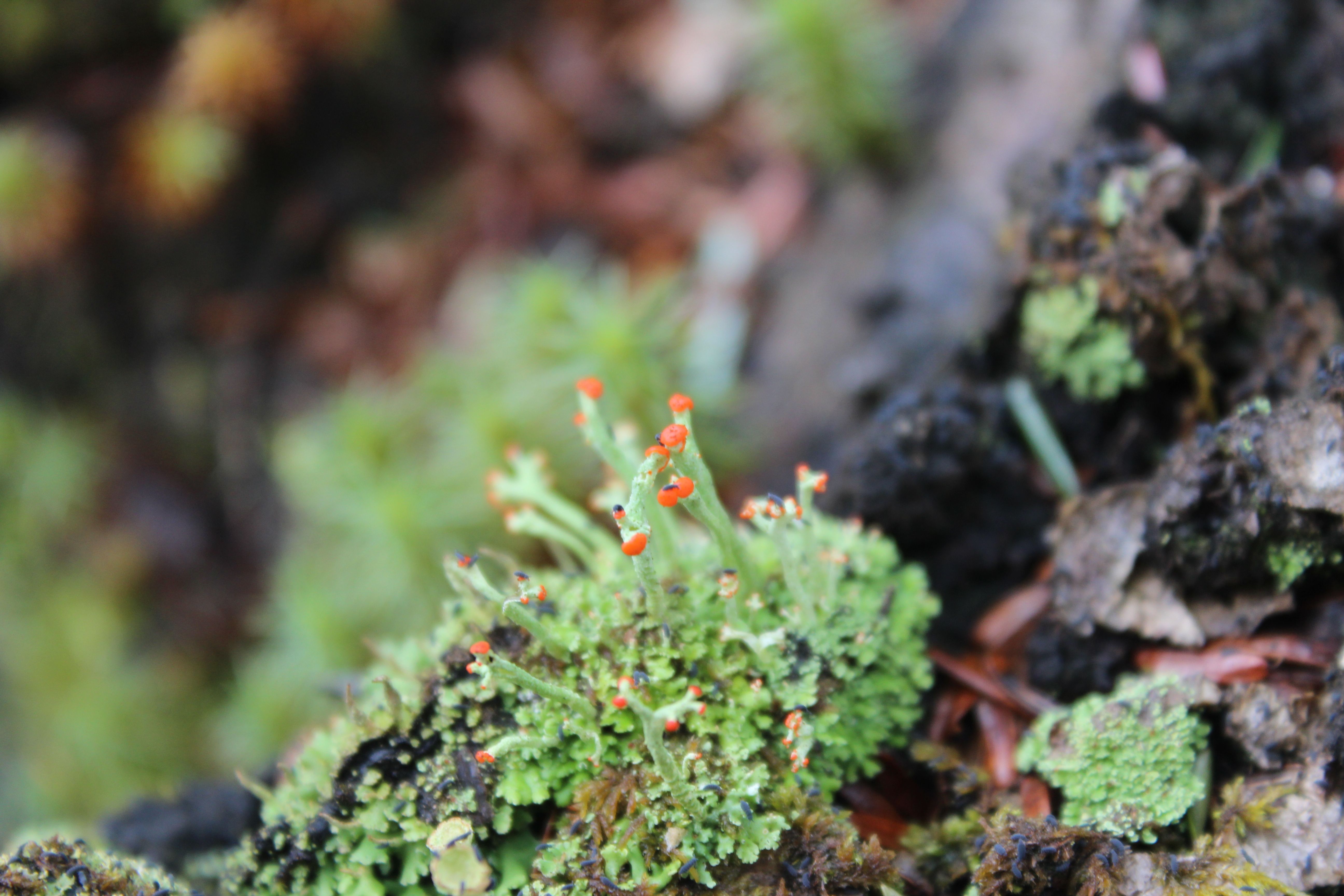
We didn’t just hang out with a bunch of fungi. British soldiers (Cladonia cristatella) were standing around, proudly inviting us to take a look at their red caps.

Kidney lichen

Yes, we took a liken to some other lichens as well. I believe this is Pimpled Kidney Lichen (Nephroma resupinatum).

lungwort

Being in the islands, we are on the cusp of the rainy season and the Lungwort (Lobaria pulmonary), was saturated and bright green. We had hoped we’d see it on this tour, and it didn’t lettuce down.

Mealy Pixie cup lichen

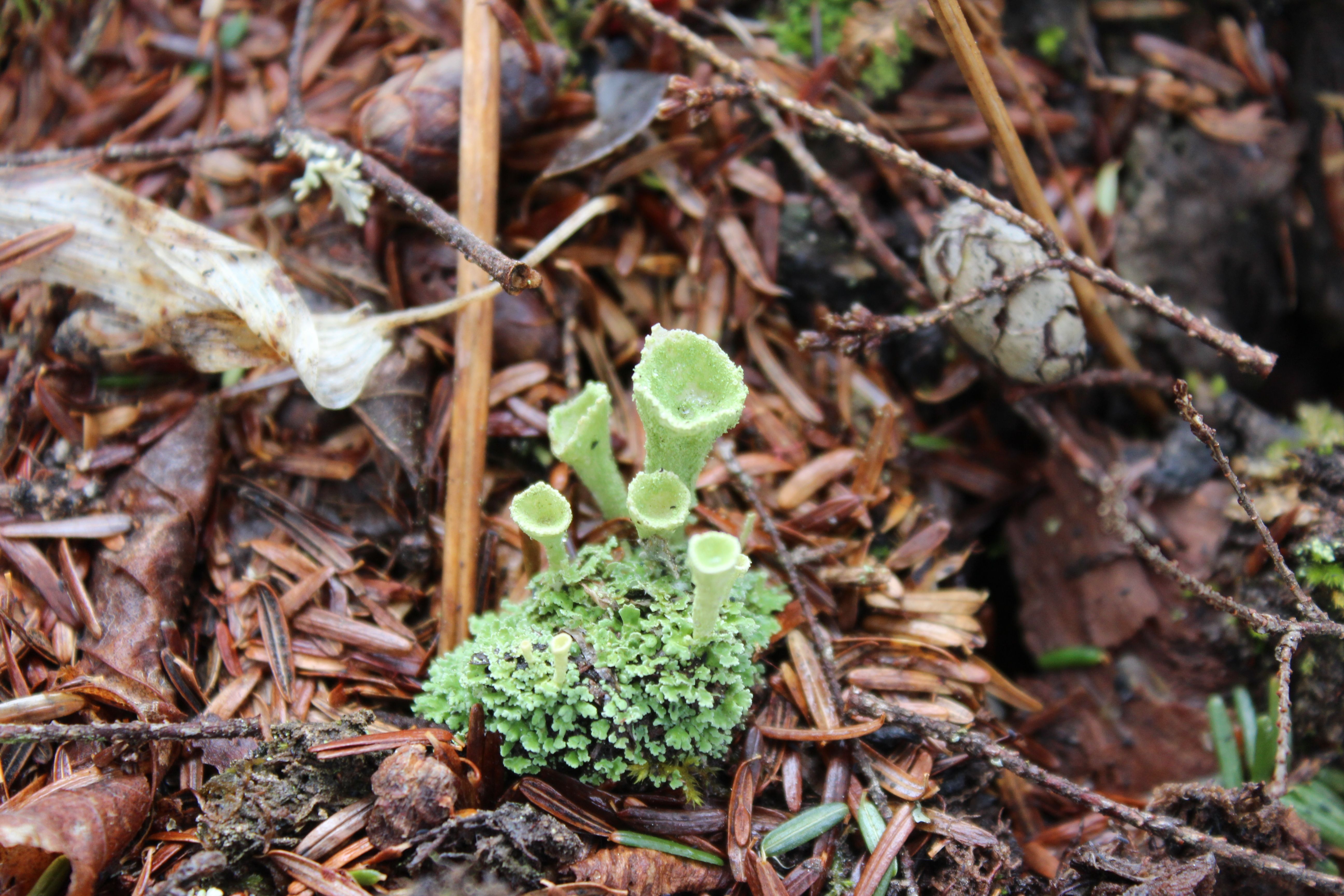
Are you still with me? There were so many more sights to see, including the Green Pyxie Cups, aka Mealy Pyxie Cups (Cladonia chlorophaea).

spore capsule, hair cap moss

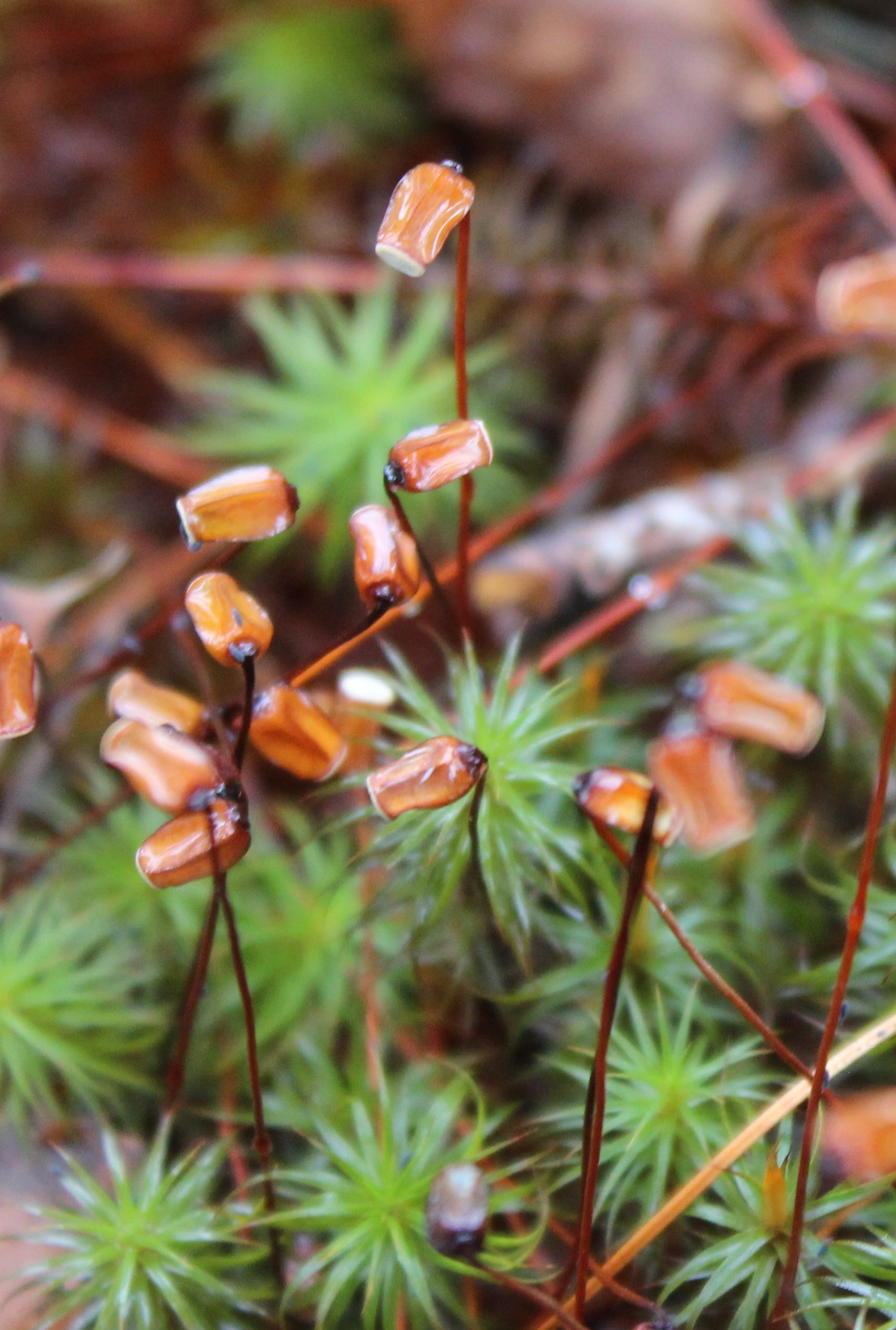
I should have paid better attention, but this hair-cap moss is either Polytrichum commune, (Common hair-cap) or P. ohioense. I’m thinking the former, which has a spore capsule that is no more than 1.5 X as long as wide, while the latter’s capsule is more than 1.5X as long as wide.

antler piece?

No matter where we looked, either on the islands or on the sea of snow between each, we found evidence that the deer had visited before us. Tracks, scat and beds everywhere. And then we found this. A bone fragment that had been nibbled on. Maybe a piece of an antler?

deer hair 1

And this–deer hair.

deer hair 2

And this. Lots of deer hair beside the plug of hair above. What happened here? We didn’t have a guide to ask, but the story unfolded before our eyes. A deer sat down to spend the night under the hemlock tree. Its body heat turned the snow to ice. And when it stood up the next morning, the hair stuck to the ice. Anyway, that’s our story and we’re sticking with it.

porcy scat

If you’ve stuck with me through these wonder-filled wanders, then you know that I may include a photo of scat. In this case, an island native made itself known by the debris on top of the island and snow–porcupine.

porky den

A few minutes later we came upon its den. Porcupines are the pig pens of the natural world. Despite that, we were excited to find this.

island 3

No need, however,  to stick around there. We bounded (hardly) off to another island, glad that we were able to stop at so many destinations in a single day. And the best part is that when we visit again, we’ll find other treasured spots to explore.

Thanks for stopping by to wander and wonder.
P.S. And take a look at my friend’s site–her photos are amazing and the map of our walk shows just how nature distracted we are.