The Amazing Race–Our Style, episode six

The clue was rather vague as clues go: Drive five hours south to the second dot to the right in Harbor View. And so we did.

c1a

The map provided helped–sorta.

c3

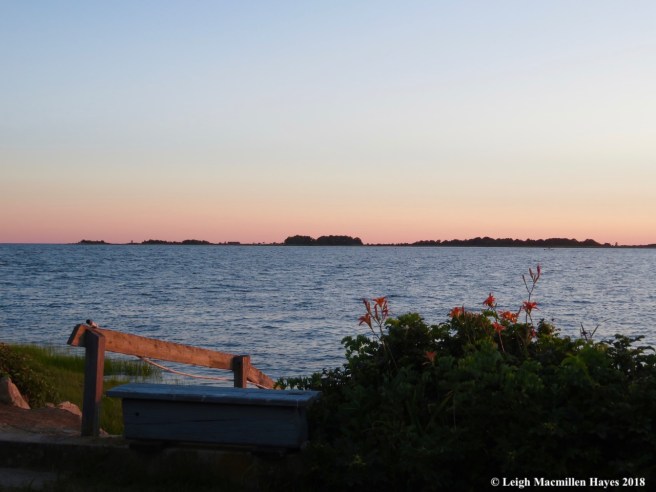
And just before dark we located the spot that included not only a view of the outer harbor, but also the back side of Hammonassett Beach State Park on Long Island Sound in Connecticut. It was like we knew exactly where we were going.

c1

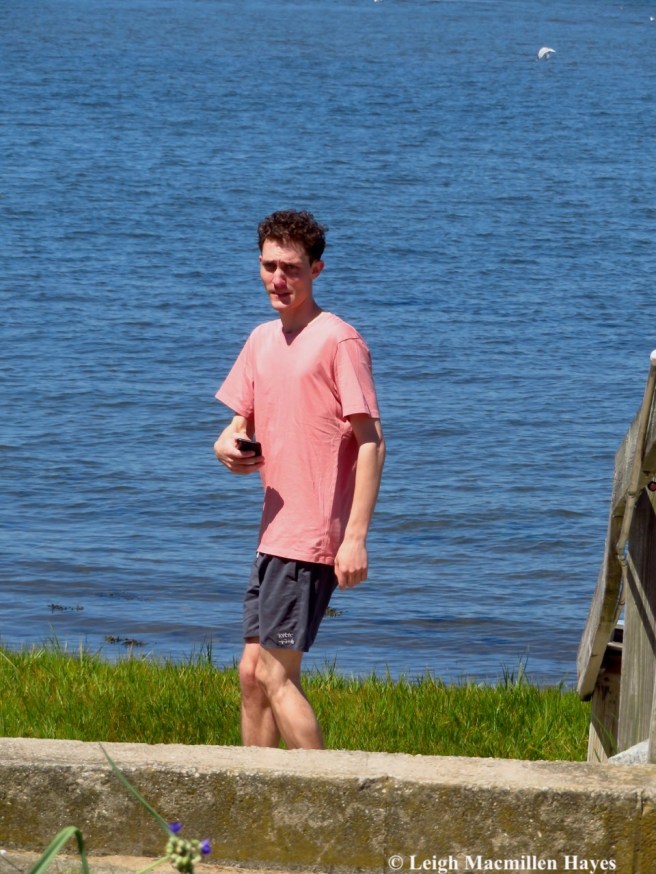
As it turned out, we were joined by another couple with whom we’d formed an alliance for the race and so we decided to spend the weekend completing the challenges together. Funny thing–I think we felt so comfortable with them because she looked very much like my sister and he reminded us of my brother-in-law. With them was a young man who is about to celebrate his 24th birthday (in two more days) and so we all celebrated with him–but even his presence was part of the challenge. And so Team Budz (the alliance couple) and Team Wonder (us), shared the responsibility of his presence. They picked him up at the train station. We provided the cake, which he decorated himself. We also offered the musical accompaniment, much to his dismay. And together, presents, much to his delight.

c4

Refreshed after a good night’s sleep in that delightfully salty air, we faced new challenges, such as sighting three mammals. Together, Team Budz and Wonder spied cottontail rabbits, which were probably the eastern species that was introduced into New England in the late 1800s/early 1900s and have expanded in range ever since, rather than the native New England Cottontail. Both feature large hind feet, long ears, and a short, fluffy tail that resembles its namesake–a cotton ball. Suffice it to say: it was a cottontail. We also saw a red fox that looked a bit mangy and was too close to home, poking up as it did on the rocks in front of our accommodation, and a momma raccoon that, sadly, had been struck by a car–ever so gently struck.

c5

Challenge number two found us seeking two sea birds. We found adult Osprey standing guard,

c8

and scanning the water for a fishy meal.

c7

Meanwhile, their young patiently awaited breakfast in the nest built of sticks upon man-made platforms that were installed at least thirty years ago. And actually, while we watched them, we noted something disturbing–tangled fishline dangling from the construction site. That led us to send out a word of caution–dispose of your tangled fishline so the birds and other aquatic species with whom we share this Earth don’t get wrapped up to the point of no escape, aka death.

c6

We did note that while some of the young Osprey stretched their wings to capture the sun’s warmth and waited for mom and pop to return with a meal, a couple of smaller birds used the nest structure as a great place to pause below and contemplate the surrounding world. Osprey eat fish and perhaps the smaller birds knew that? Or they just made the right decision.
c9

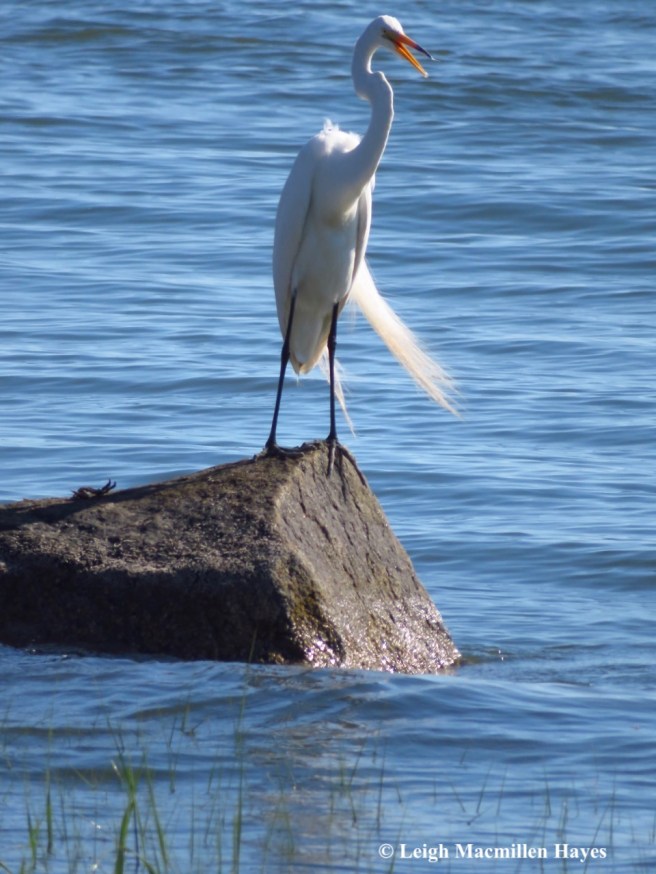
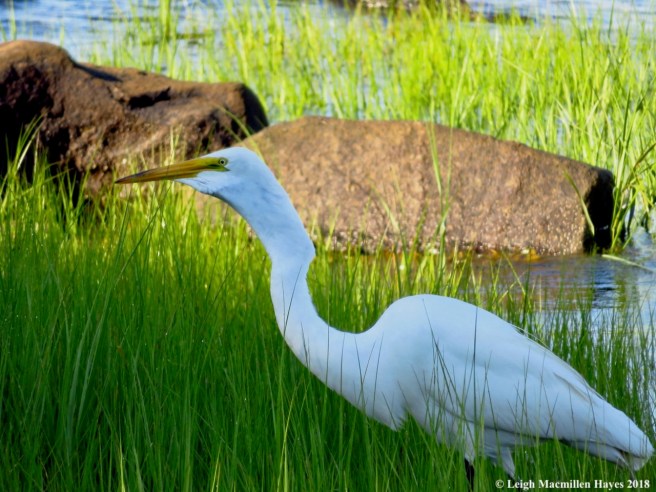
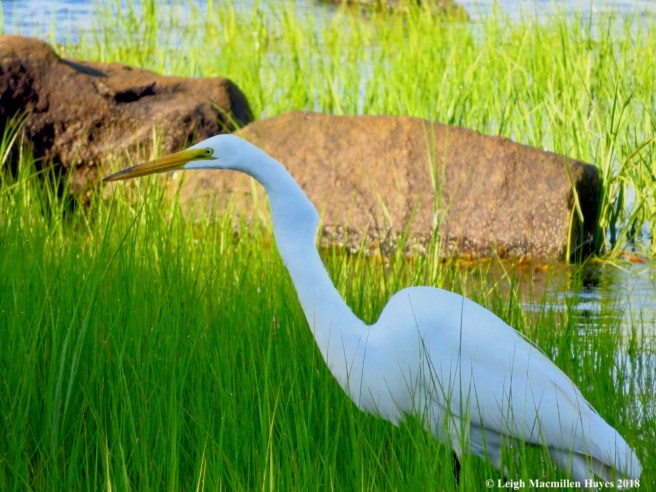
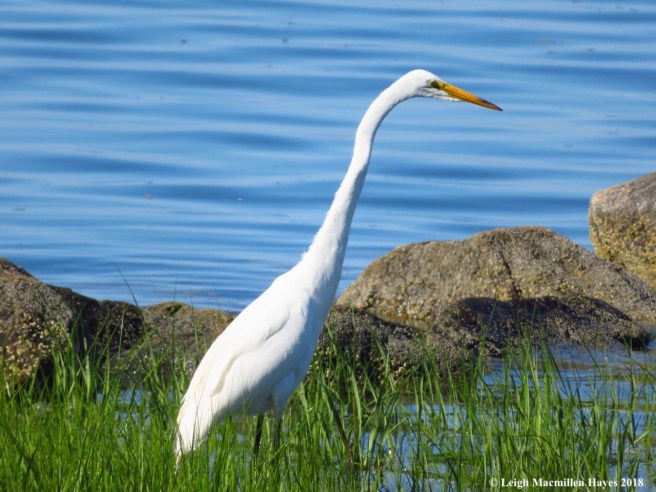
The Great Egret was the second bird we were assigned to watch . . . as it watched.
c10

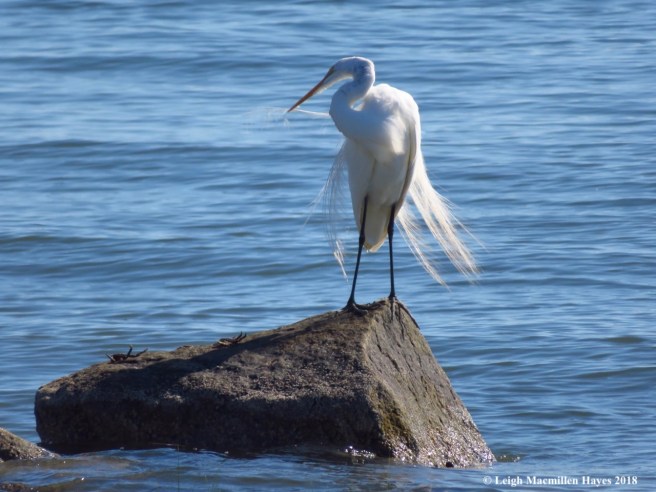
And preened.

c11

And exclaimed its beauty.

c12

And watched some more.

c13

And focused.

c14

And then . . . the splash.

c15

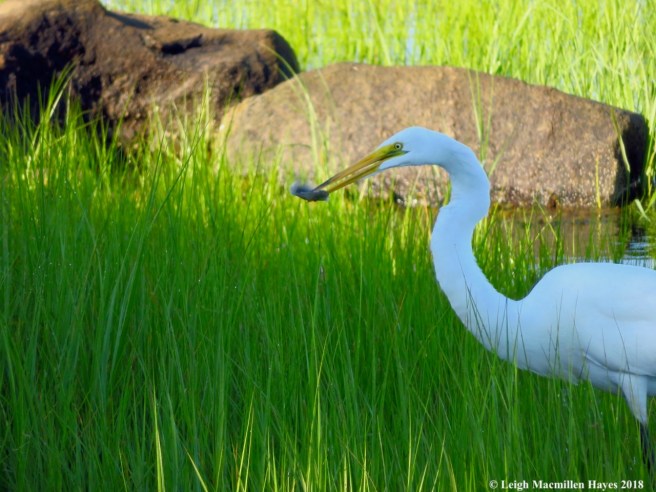
And success.

c16

A meal.

c17

To pull in.

c18

And swallow.

c19

And swallow some more.

c20

Suddenly, in a flash of time, for so it seemed, Team Wonder needed to hold up its end of the alliance bargain and get this guy back to the train.

c21

But–we needed directions to the railroad station, for we wanted to make sure that he made his connection in New Haven.
c22

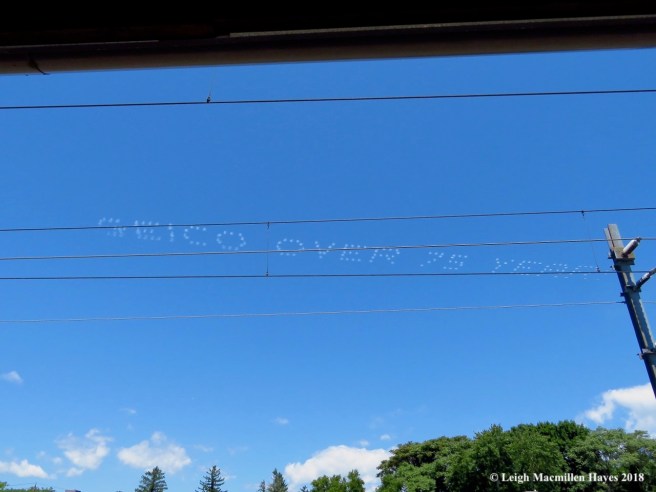
We were told to look to the sky for a message–and it was there that we found an advertisement unfolding in what struck us as a strange place, but perhaps it wasn’t so strange after all, for it was above some train tracks. Another Happy Birthday Message?
c23

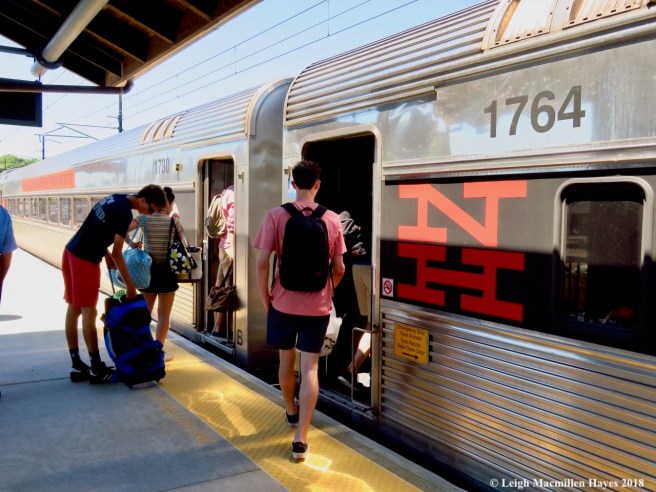
Whatever, it turned out to be the right one. First, the Shoreline East to New Haven and then the Metro North to Grand Central. And off he went–to his home of the past year and his career in the film editing industry (and his 24th birthday in two more days).

c24

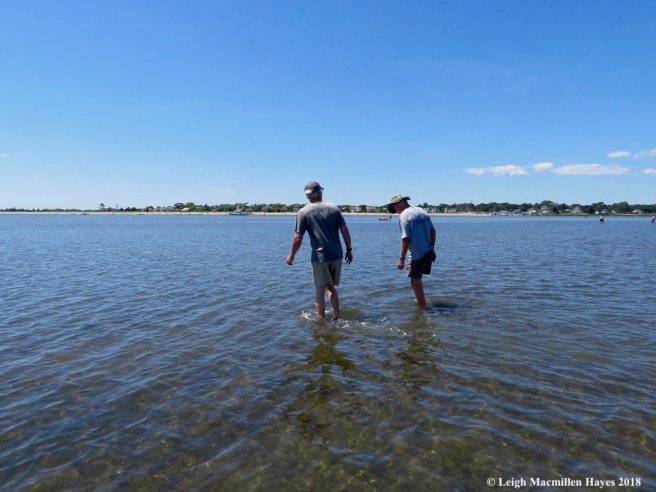
Meanwhile, back at the ranch, aka Alliance Inn, the tide was slowly coming in, but we headed out, two teams as we were, ready to take on the next adventure.
c25

My guy and Mr. Budz led the way through the shallow water the outer harbor has long been famous for.
c26

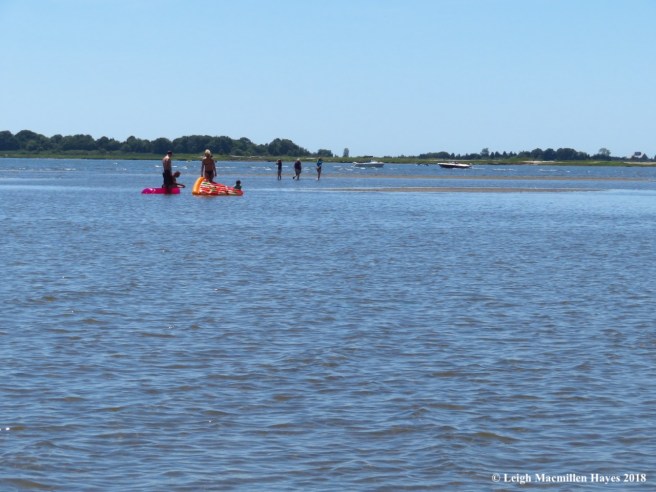
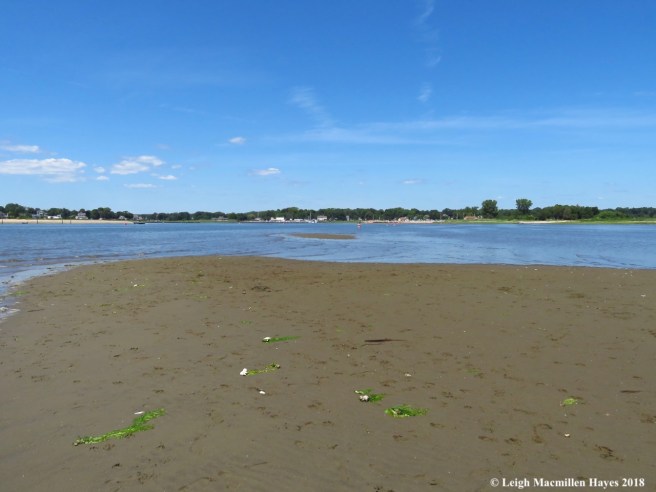
It’s a tradition of the neighborhood–this gathering place at low tide.

c27

Team Wonder did get a wee bit worried when Team Budz paired up ahead–where they going to ditch us at the channel?

c28

But they didn’t. Instead, they paused with us to look at one of the wonders we needed to find by the sandbars–what was it?

c29

A sand collar–which felt like sand paper above and was smooth below. It was actually a mass of snail eggs. A rather amazing form.

c30

On the sandbars and in the water, Spider Crabs appeared fierce, but were really quite nonchalant. Note the round and spiny carapace, with small spines running down its back. The crab is known to attach bits of algae, mud, and seaweed to many sticky hairs all over its bodies for camouflage, thus giving it a frightening look, but don’t take it seriously. It moves quite slowly and won’t pinch your toes like some of its relatives.
c32

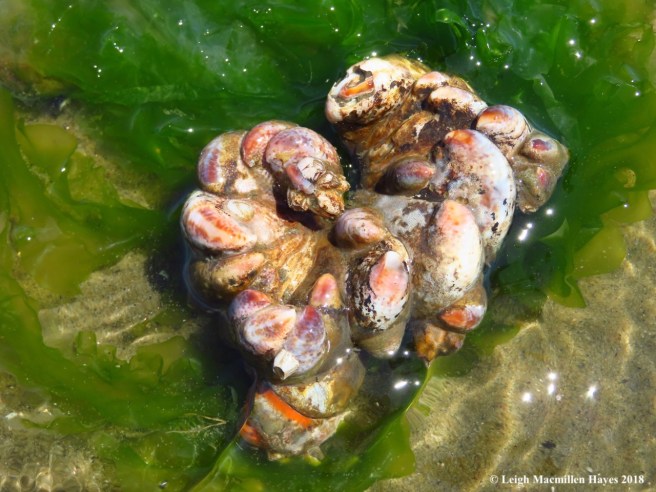
And then we saw the wicked cool Lady’s Slipper of the Sound. Slipper shells they may be, but their natural history is amazing. The following is from the University of Rhode Island: This shell is shaped like an egg or oval that has been cut in half with the top of the shell turned sharply to one side. Looking at the underside of the shell, it is easy to see how it got its name. Underneath the shell is a ledge to support the internal organs; this ledge extends about half the length of the animal. Different slipper shell species are characterized by different shell textures, including rough, smooth, ribbed, corrugated, and flat. Although they have a foot for locomotion, by the time they reach maturity they anchor themselves to a hard substrate and remain stationary.

And there’s more: All common slipper shells start their lives as males, but some change to females as they grow older. A waterborne hormone regulates the female characteristics. Once they change into females, they remain females. They often stack up on top of each other for convenient reproduction. The larger females are on the bottom, the smaller males are on the top, and the hermaphrodites are between the two. If the ratio of males to females gets too high, the male reproductive organs will degenerate and the animal will become female. Eggs are laid in thin-walled capsules that the female broods under her foot.

Common slipper shells also form stacked aggregations when there is no hard substrate on which to attach. They attach to objects in large numbers and can sometimes suffocate the animal on which they are attached.

Who knew? I just thought they were common slipper shells.
c31

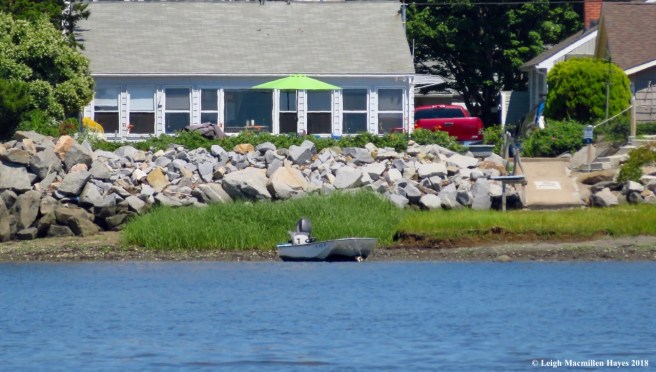
We’d finished the sandbar challenge and had no idea how the other teams might be doing, though we did wonder if some of them were thrown off for we spotted a sign that said “sanbars” instead of “sandbars” and we could only hope that they’d gone off in search of the former–to no avail.
c34

Alliance Inn beckoned, as did the incoming tide, and so we headed back toward the shore.

c36

And the next challenge–completing the Sunday crossword puzzle. My guy read the clues and told us how many letters and the four of us shouted out answers–whether they fit or not. I silently kept score (sorta) and was sure that Team Wonder was in the lead, but didn’t want to make a big deal out of it, for we had agreed on an alliance after all. At least for this weekend.
c37

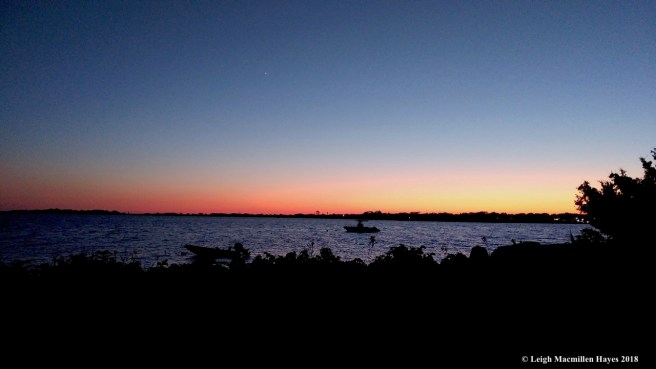
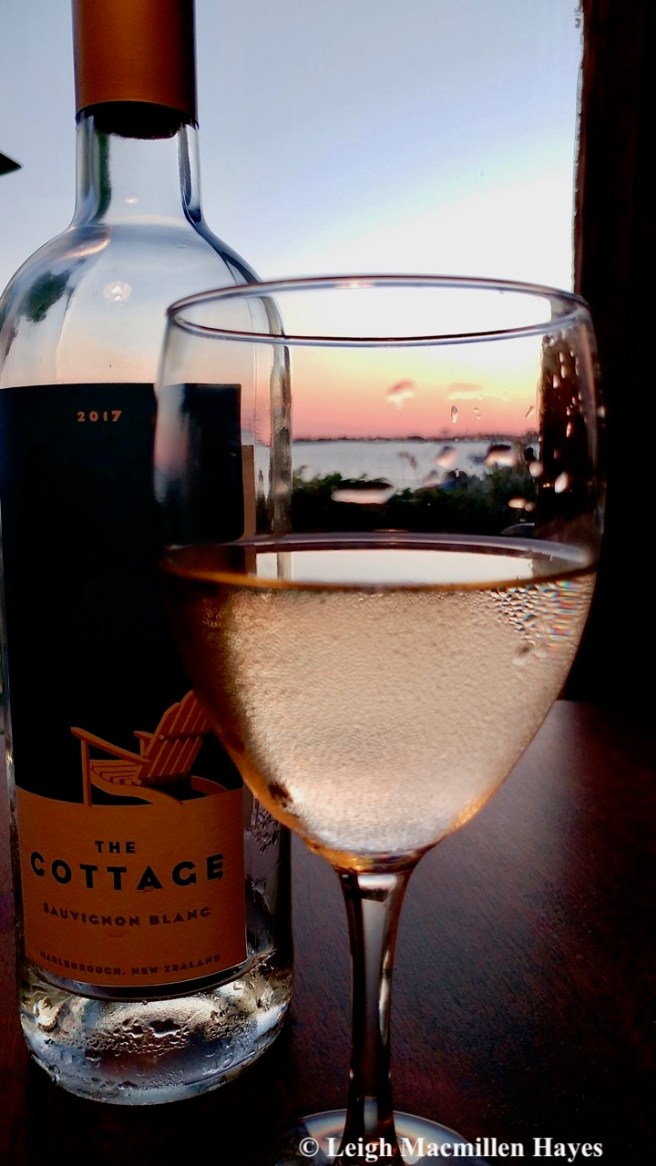
At last the sun set on the day. And the outer harbor.
c38

And we celebrated the day’s discoveries with a bottle of The Cottage for it seemed apropos. I think we were all in agreement, however, that the bottle was much better  looking than the flavor and we aren’t exactly wine connoisseurs.

c39

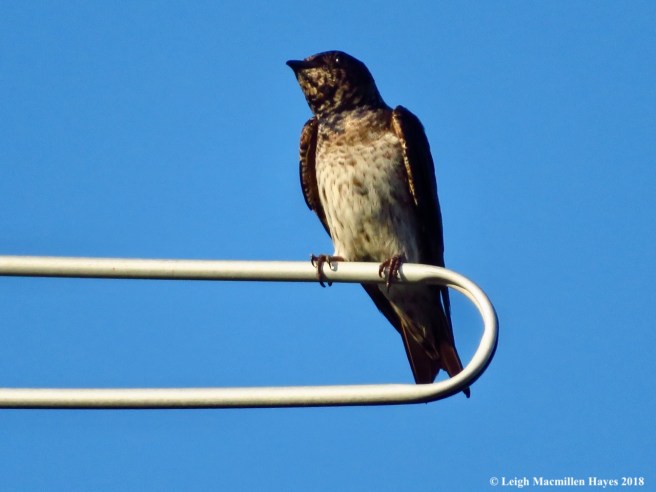
And then this morning dawned with another bird ID challenge. First up–who had taken up housekeeping in the apartment building meant for the Purple Martins? House Sparrows.

c40

And we wondered if they might have some young in Apartment D for come and go did the male and female, both attentive to whomever hung out within.
c41

Overlooking it all, a Purple Martin–though he never defended his territory.
c42

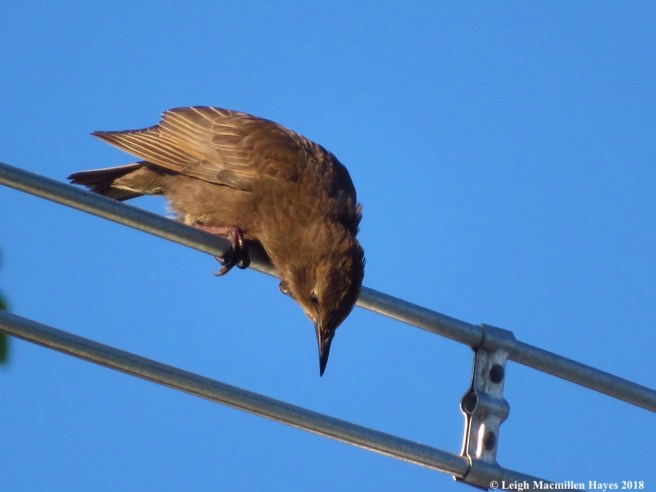
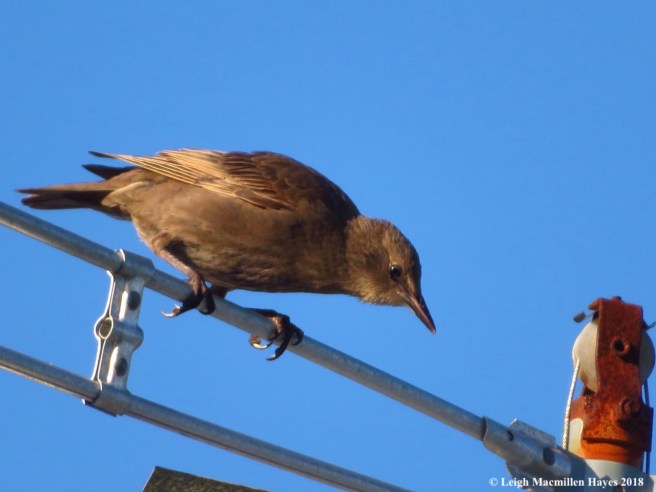
And immature Starlings . . .

c43

as invasive as ever . . .

c44

stood ever so ready to move in to Apartment B.
c46

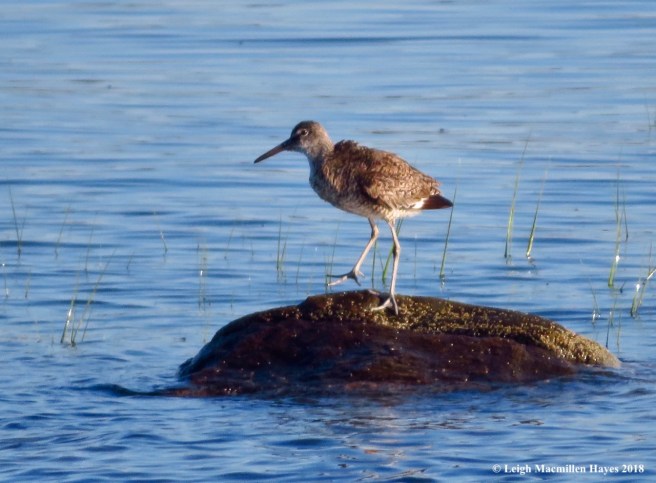
Who stood on the right-hand jetty? A Greater Yellowlegs Sandpiper, its bill longer than its head.
c47

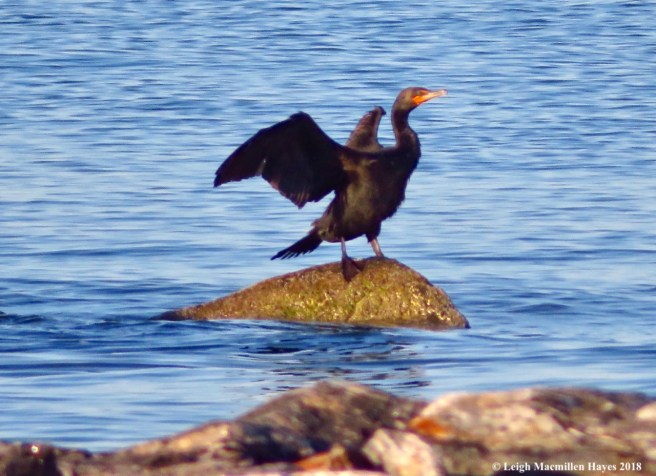
And on another jetty to the south–a Cormorant gathered warmth in its wings, first turning to the right.

c49

Then to the left.

c51

And finally slipping back into the water and cruising by.

c52

At last, much to our dismay, our time with Team Budz drew to an end, quite like the way a day lily such as those my mom so loved and planted everywhere, shared their pollen and then closed up. Who knows what the next episodes will bring. Will we continue to join forces with Team Budz to complete the next challenges? Will they pull ahead of us? Or we ahead of them? We’re only halfway through the Race and as we all know–anything can happen.

But–as we lived in the moment, we certainly loved this episode’s opportunity to celebrate a certain young man’s 24th birthday, ID birds we hadn’t paid attention to since we were kids, explore the sandbar once again, and enjoy the camaraderie of this couple we’ve grown quite fond of. As we go forward, may the best team win . . . and if it can’t be Team Wonder, then we sure hope it’s Team Budz.


Lake Living Magazine: Winter Issue

They say you shouldn’t judge a book by its cover, but indeed, I do. Especially if the book isn’t really a book, but rather a magazine called Lake Living. One look at those vibrant hacky sacks against the snow on the cover of the new winter issue and I find myself mindful, each time seeing a different configuration of the whole or focusing on a single feature.

And then there is the content, from Laurie LaMountain’s editorial comment ending with “Our collective differences have the power to both define us and unite us,” to the book reviews by the staff of Bridgton Books.

2017-12-21_0923

Of course, thrown into the mix are the articles, including Laurie’s eloquent feature about hacky sack and relationships, ending with a challenge to all of us. A must read.

And don’t miss my two contributions, “digging for roots” about genealogy and the Fryeburg Historical Society’s Kendal C. and Anna Ham Research Library; and “forever green” about . . .  evergreen trees.

Laurie’s been producing the magazine for twenty years and I’ve had the honor and pleasure of working with her for the last twelve. Here’s to the future.

P.S. If you live locally, please mention the mag when you are shopping. Remember, the mag is free and therefore totally dependent upon advertisers. It can’t survive without your support.
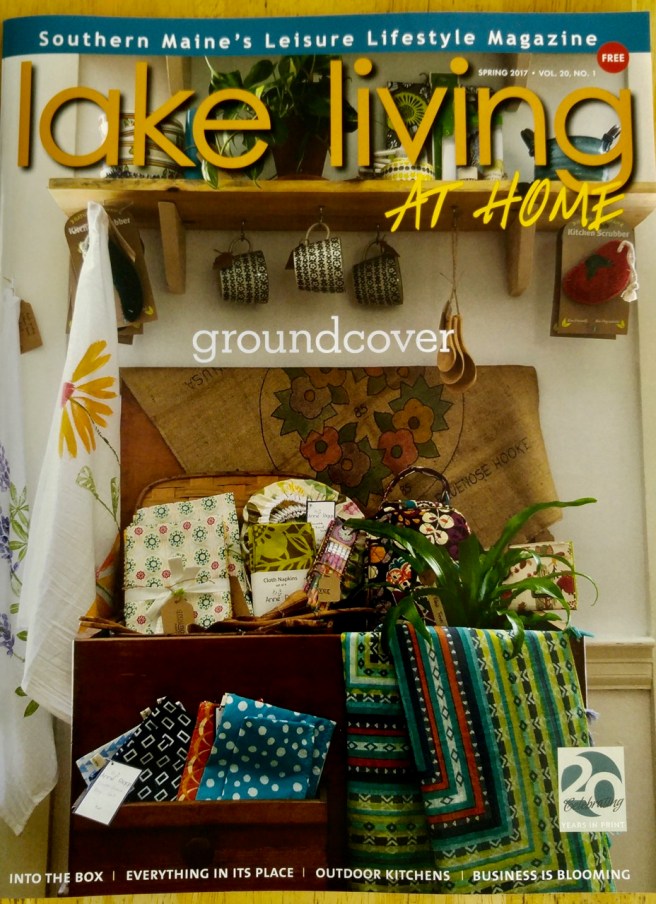
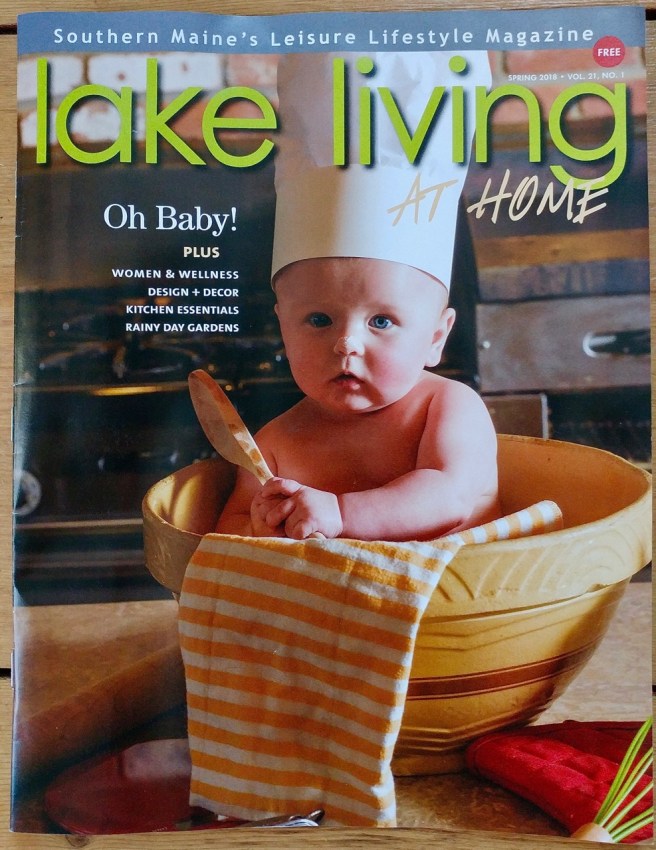
Lake Living–spring 2017

I always get excited when an issue of lake living is published. This spring issue contains great articles including three by moi (so of course they are great!)–groundcover (a quiet garden oasis in Bridgton) , Into the Box  (Lovell Box Company) and The Art of Collaboration (where glass meets wood at Studio 448 in Norway). Click on the link and enjoy!  lake living (1)
Walking With Rufus Porter

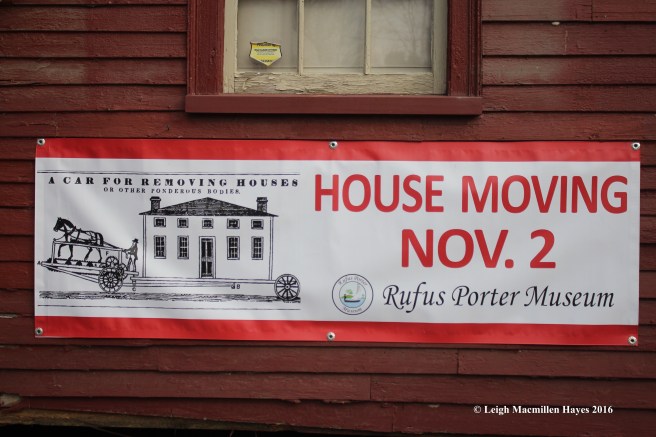
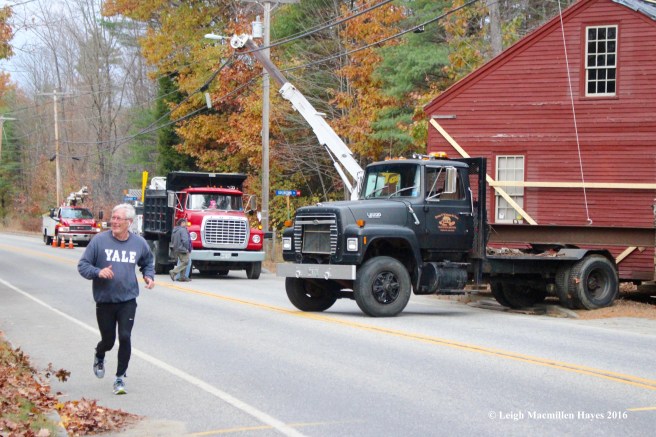
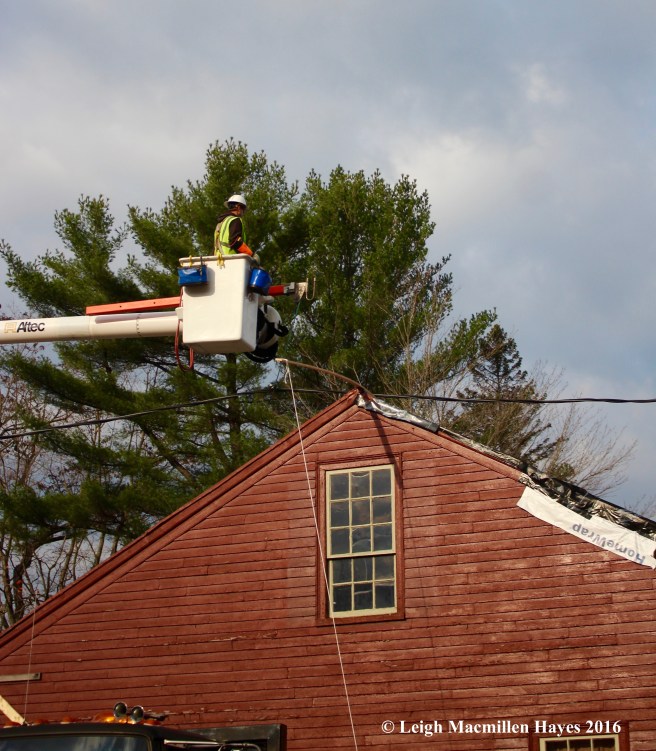
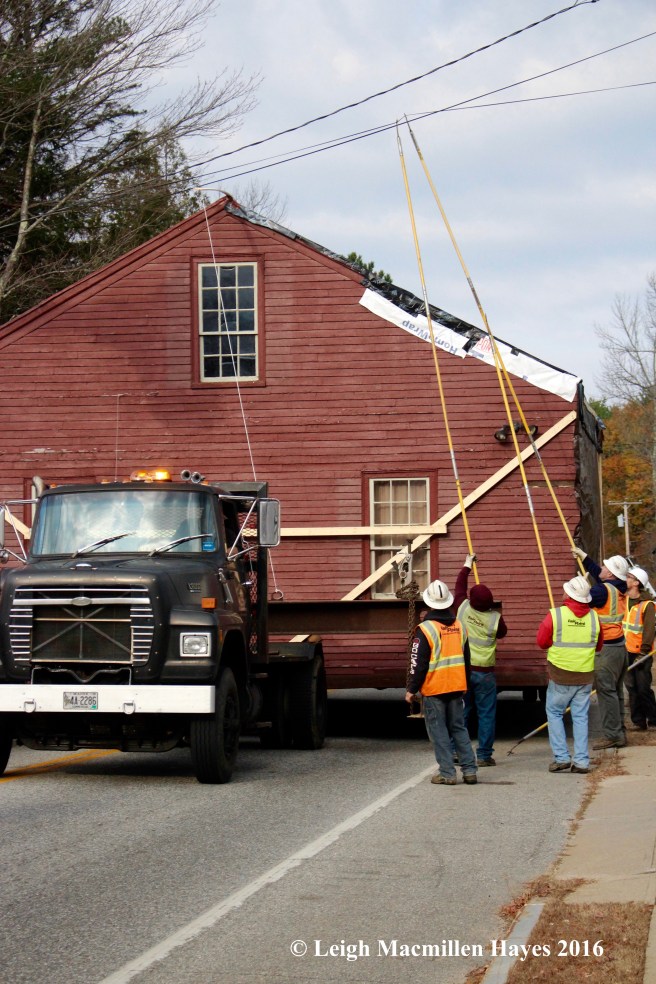
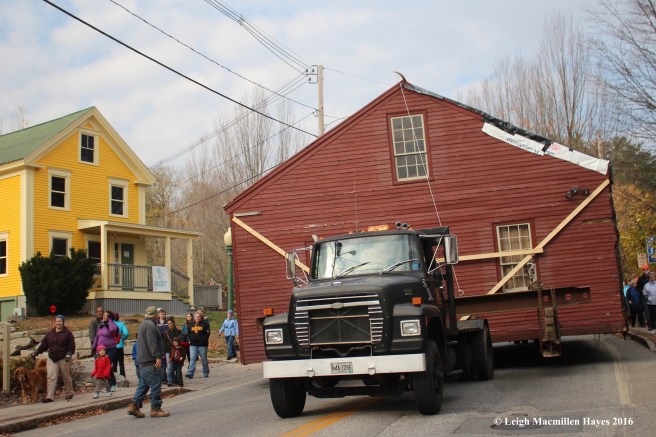
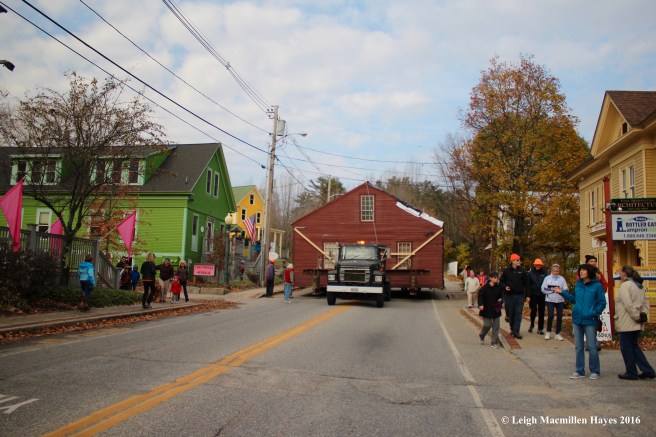
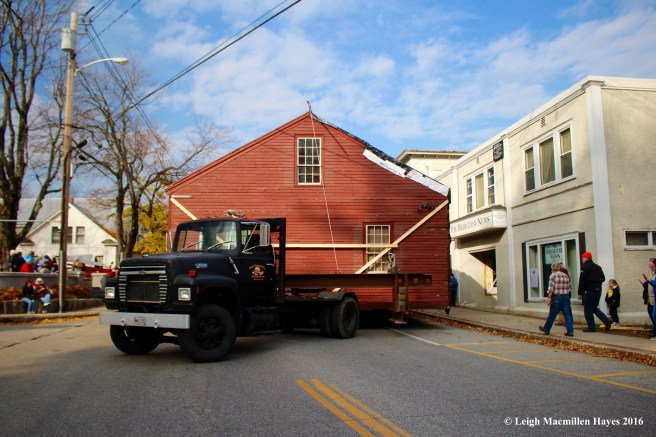
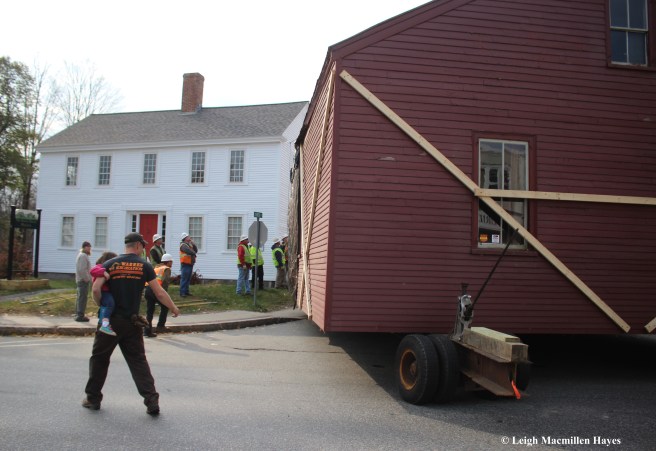
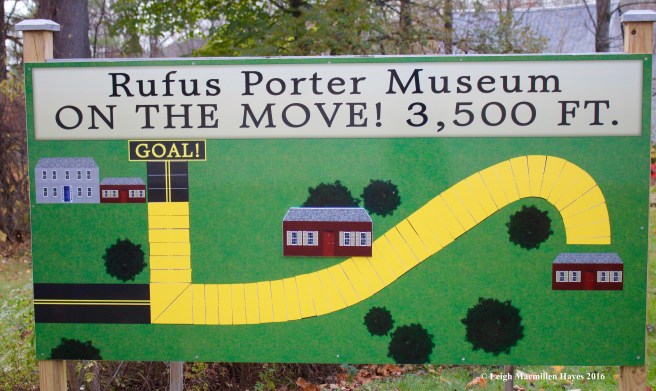
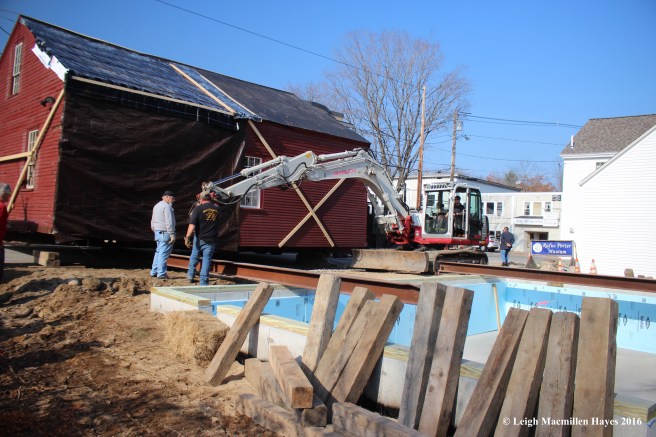
It’s not every day one walks down the street with a house, but that’s exactly what many of us did yesterday as the Rufus Porter Museum was relocated from North High Street in Bridgton to Church Street.

r-house-moving-sign

The Rufus Porter Museum and Cultural Heritage Center was founded in 2005 to showcase the folk art history of the area, with an emphasis on Porter’s work. The mission of the museum is to “celebrate the life and times of a remarkably creative American genius who worked throughout Maine, New England and beyond.”

Rufus was an entrepreneur who painted miniature portraits, as well as highly-prized wall murals that are still in houses throughout New England. Besides being a traveling folk artist, he was an inventor, musician, teacher, and founder of Scientific American magazine.

Among his inventions was a horse-powered boat. And he tried to develop an airship that would take people from the East Coast to California in three days.

r-getting-ready

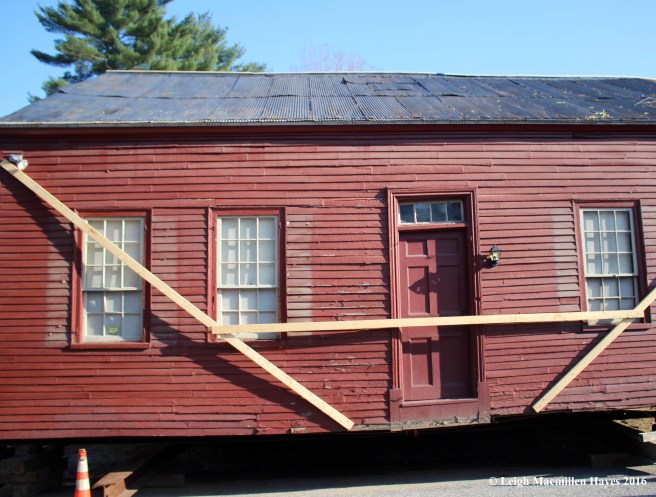
Folk art collectors Julie and Carl Lindberg had the foresight to save much of the material culture of the Bridgton area, including the work of Porter and his apprentices, and chose to give back by sharing their collection with the community and supporting the Rufus Porter Museum in its infancy. And now, the museum is on the cusp of growing. While it has been housed in a red Cape on North High Street, which the Lindbergs made possible in order to share murals and other pieces of decorative arts, yesterday it was in transition to a larger space.

r-first-3

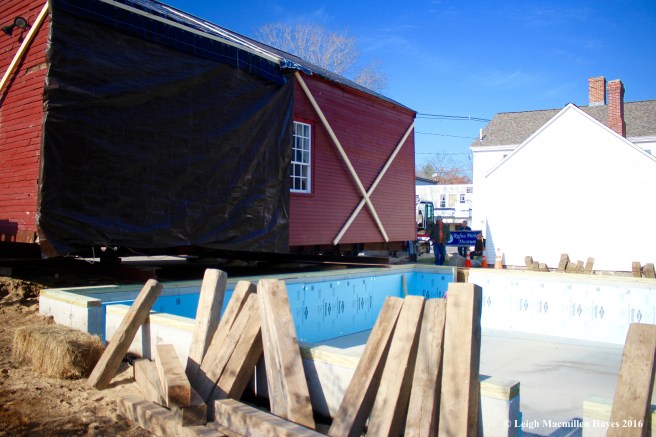
The move was a huge undertaking, despite the fact that the over 200-year-old house was moving less than a mile down the road.

r-my-guy-1

While a crowd gathered to watch each inch of the journey, my guy returned from a morning run. He’s training for the Moose Pond Half Marathon, a fund raiser for Shawnee Peak’s Adaptive Ski Program. As is his style, he thanked everyone for coming out to cheer him on. (The race is on Saturday, Nov 5, if you really do want to cheer him on.)

r-first-moves-1

Over an hour later, Rufus Porter’s works were on the move.

r-wirestrees

r-wires-3

r-wires-5

r-wires-7

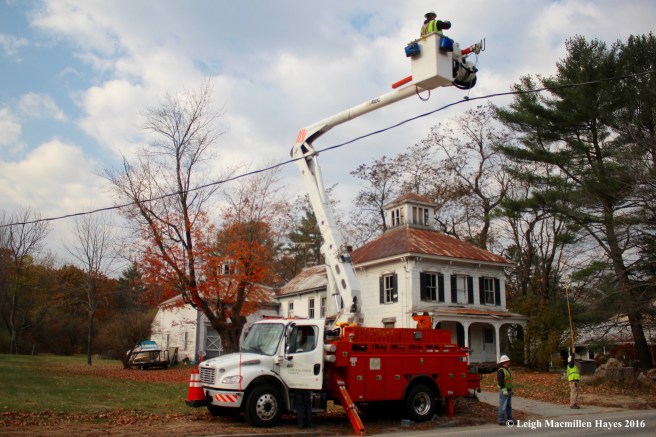
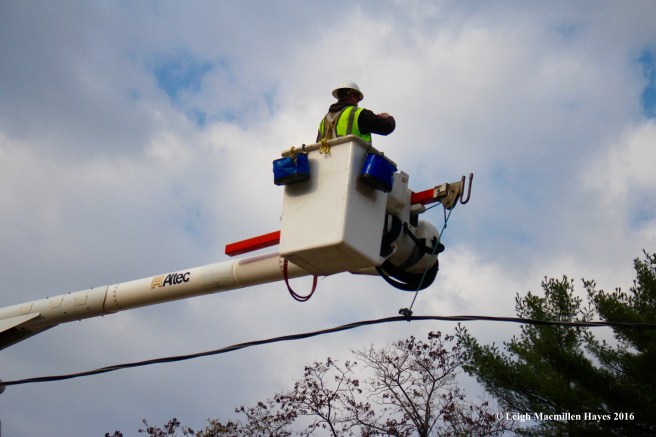
While Cole Watson (a former student of mine) drove and his father, Dana, walked beside, workers from Central Maine Power and Fairpoint checked wires and trees along the route.

r-wires-9

There were only a couple of snags, which were quickly resolved.

r-pleasant-street

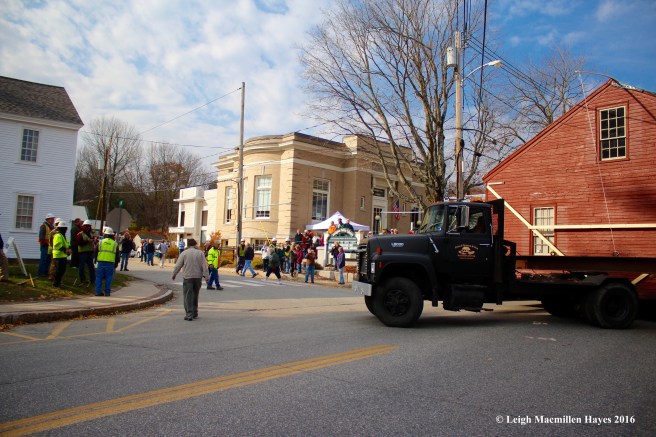
The town came to a standstill for this momentous journey. It’s not every day a house winds its way down the road.

r-main-hill-10

Beside the Civil War Monument forward motion paused for a bit.

r-main-hill-8

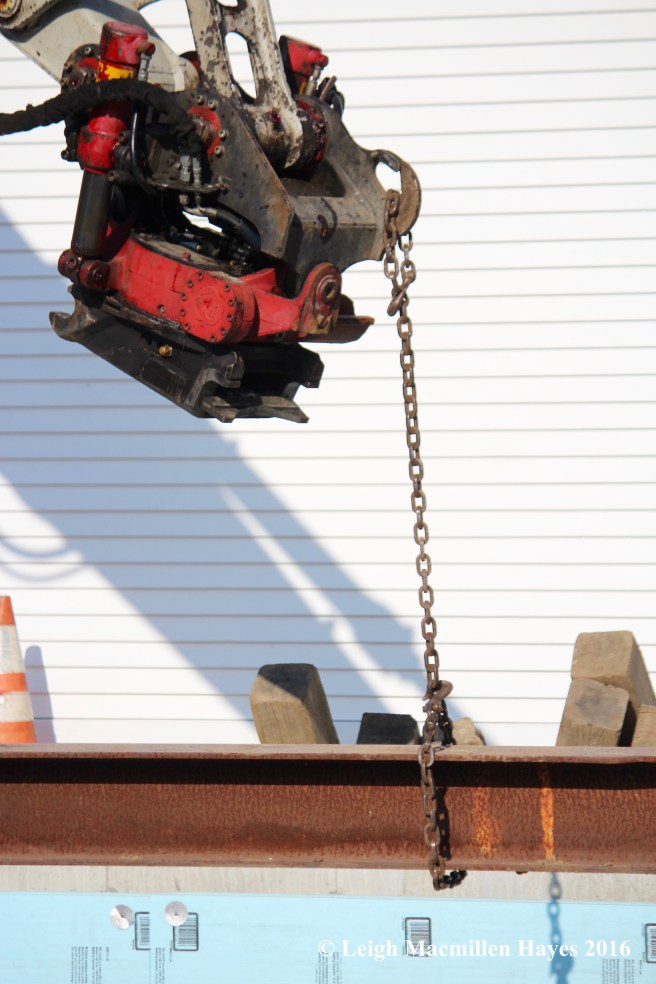
Many of us became sidewalk engineers over the course of the day, something Rufus Porter would have embraced, as we tried to determine the next steps. Main Hill was our main concern. What if . . . Some had visions of failing brakes and a mad dash down Main Street to Food City. Others had visions of the mill pond at the bottom of the hill coming into play. Fortunately, the Watsons had it all figured out and this was just another work day for them. They chained a second truck  to the back of the rig before the journey continued.

r-main-hill-jdecor

r-main-hill-1

r-main-hill-bottom-2

As if a routine performance, all went well and Cole maneuvered around the bend by Shorey Park.

r-main-9

r-main-street-4

On Main Street, he pulled left to avoid overhanging trees, making for a snug journey beside the Hayes Block.

r-turn-to-church-1

r-turning-onto-church-5

r-tire-change

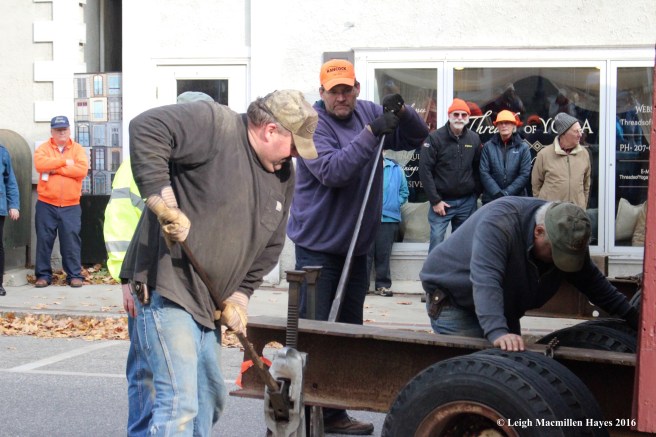
And then it was time to pause again so that Cole, Eric Wissman (the contractor in charge of building renovations) and Dana Watson could make adjustments to the wheels before the final turn.

r-turning-8

The Cape was headed to the back part of the lot behind the 1842 Webb House at 121 Main Street.

r-turn-10

r-turning-church

r-church-3

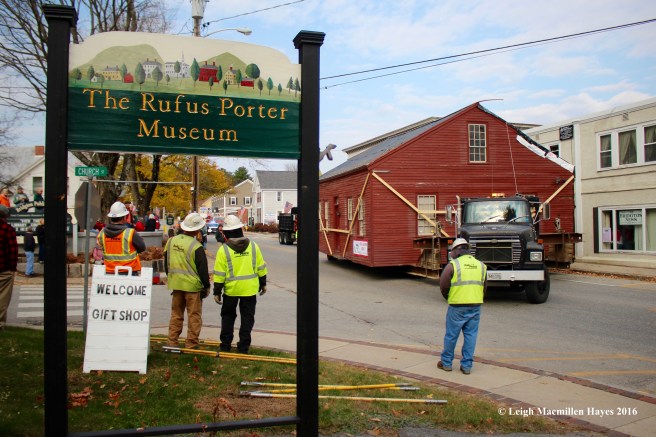
Turning onto Church Street proved the tightest squeeze of the entire operation.

r-library-1

In honor of the arrival of its new neighbor, the library threw a party in the courtyard.

r-house-blessing-1

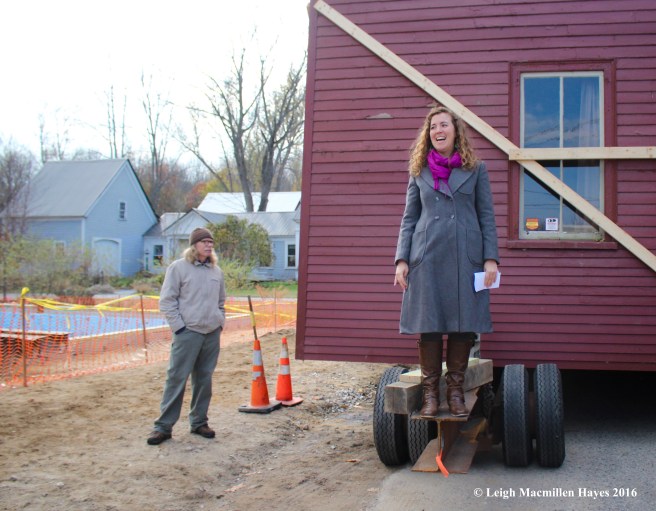
Before the shift toward its new foundation, the Reverend Emily C. Goodnow, pastor of Bridgton’s First Congregational Church, invited the crowd to gather  round for a house blessing.

r-blessing-2

Many raised their hands to the Cape as Pastor Emily spoke of the building’s history, including the fact that it was built for the Reverend Nathan Church, Bridgton’s first minister, and blessed its future.

r-church-6

Then the real work began–the shift from transient to permanent.

r-beam-3

Like he’s been doing it all his life, because he has, Cole walked the beam with confidence.

r-beam-2

r-resting-5

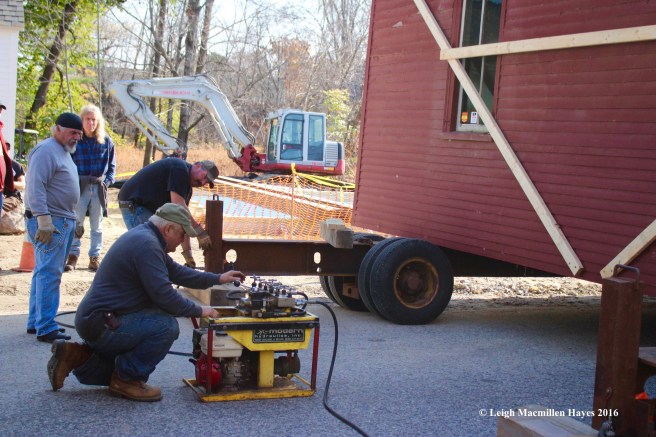
The chain was secured and Kyle Warren moved the beams to their placement under the house.

r-skates-1

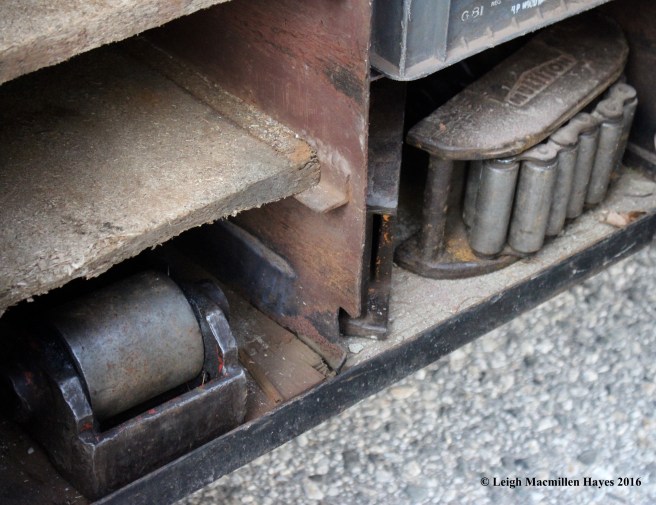
Skates, as they are called, were placed on the beams, the one on the left to be used in front, and the right one for the back.

r-skate-2

After laying cribwork, checking measurements and making sure all was level, the first leg of the shift began.

r-resting-3

r-resting-2

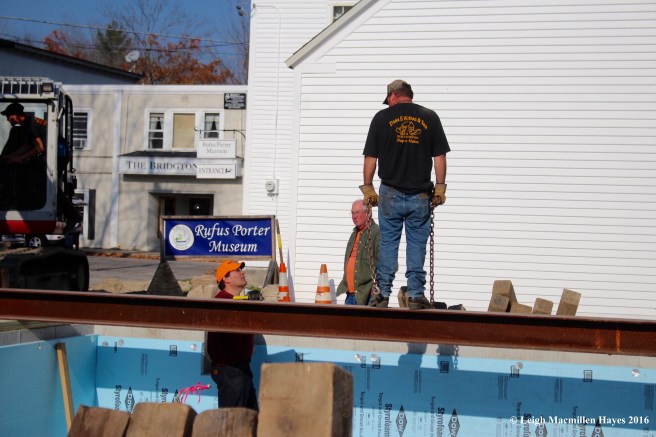
By 3pm, the house stood at the edge of the foundation.

r-church-street-resting-spot

The Watsons decided to call it a day as it would take at least two more movements to get it into place. And so, while the house isn’t officially in its new space yet, it is well on its way.

r-rufus-sign

And for all of us who had the opportunity to observe the move, it was a day well spent. It was a day to make history and recall history. It was a day for community as witnessed by all those who came out to watch and chat and speculate. It was a day to renew old friendships and meet new people.

It was an honor to walk with Rufus Porter and trust he would have appreciated the efforts of all. This was a man, who in the 1840s, could look at a problem and find a solution or any number of solutions to make things more efficient. I think he most certainly would have enjoyed the journey.


Sharing Our Mondate

My guy and I spent this morning roaming about the woods in Lovell with several friends who are docents for the Greater Lovell Land Trust. We had been invited to explore a 20-acre property and the owners, Barb and Bruce, were in hopes that we’d discover interesting things.

As it turned out we explored much more than their property because we got a bit mixed up with boundary lines, and came away with some questions to ponder about the lay of the land as well as a scavenger hunt for their grandchildren to conquer.

b-red pines

Before we headed off into the woods, Barb wanted us to see a neighbor’s off-the-grid tiny cabin. To get there, we passed through a red pine grove that immediately put me into question mode. Why a grove here? Who planted them? When? I know that the Civilian Conservation Corp did this sort of thing in the 1930s and had been in the area–Stoneham and Bridgton, Maine, as well as Chatham, New Hampshire. But my research didn’t indicate that they’d done any projects in Lovell.

What I did learn, however, is that the farmer who once owned this hilly land may have received a subsidy to plant the trees in order to control soil erosion and turn them into a cash crop. An article in Northern Woodlands states the following: “The government further subsidized red pine seedlings throughout the twentieth century as a way of providing hill farmers with a future cash crop that would grow on otherwise played-out soil. Red pine seemed the perfect candidate for this, as it’s fast growing and susceptible to fewer serious enemies than most pine species. (White pine can be bedeviled by white pine weevil and white pine blister rust – neither of which affect red pine.)

From their size and close proximity to each other, its apparent that the “cash crop” never paid off. Instead, Barb and her husband have a stately cathedral overlooking the mountains and a quiet passageway to visit their neighbor.

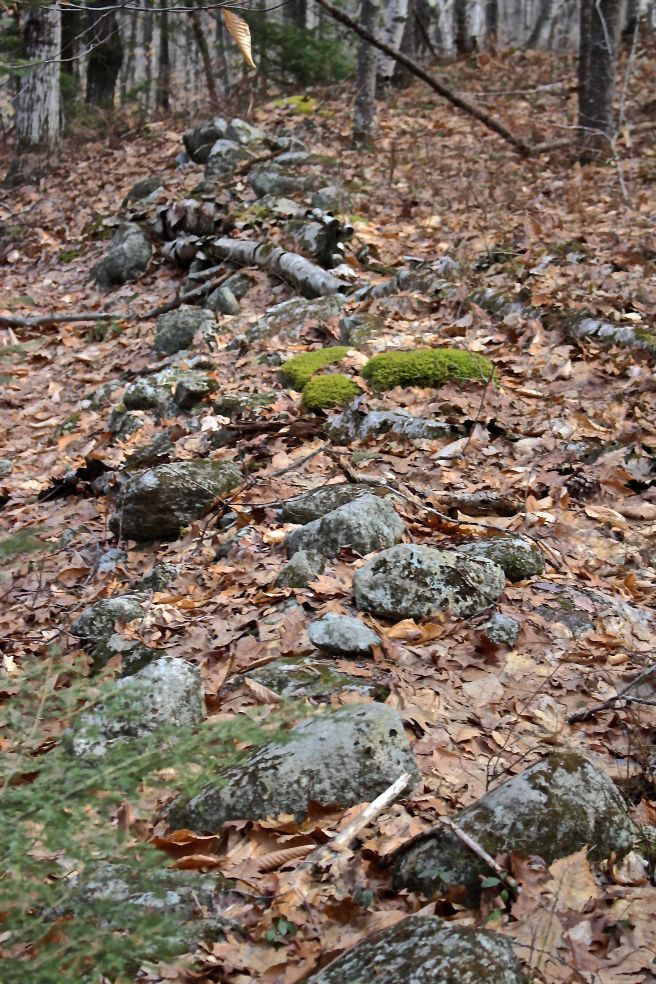
We returned from our quick house tour and followed a double-wide stone wall to an opening. Again, we questioned the wall’s purpose. A way to get rid of stones? Did they use the bottom portion of the land below the wall for agriculture and let cows or sheep roam above? We didn’t come up with the answers, but continued on.

b-rock tripe colony

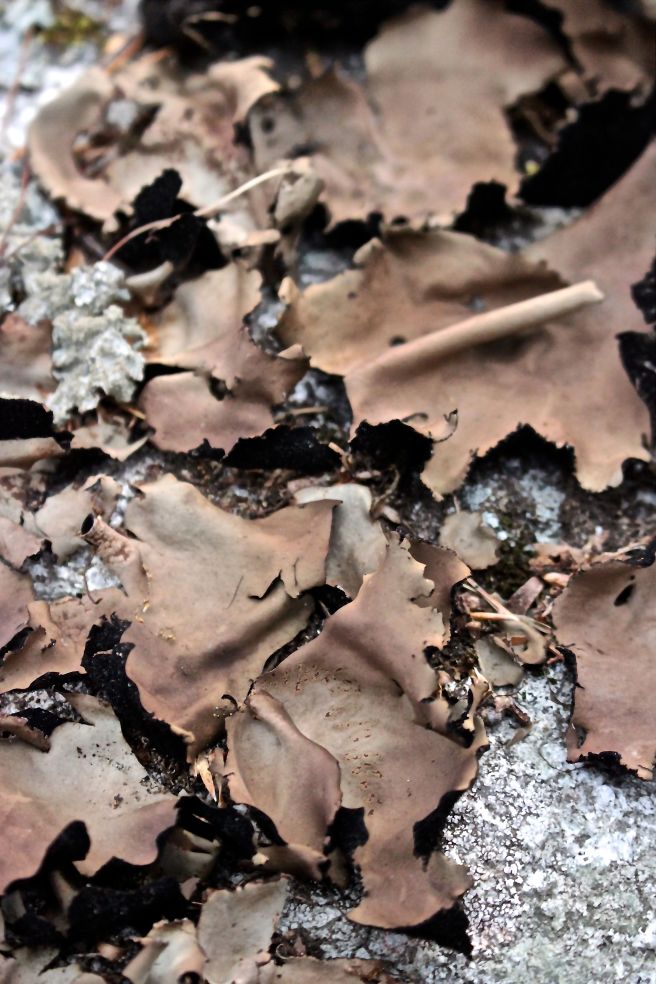
It was time for us to find some treasures that the grandkids can seek. Rock tripe is first on the list.

b-rock tripe

It’s gray-brown upper surface turns dark green when moist–so be sure to bring along some water to pour on this lichen. Then watch the transformation.
Though edible in a last ditch effort by someone who doesn’t mind chewing and chewing and chewing some more, rock tripe is neither delicious nor nutritious. Some Native peoples used it as a soup thickener and others as a last resort tidbit. If you soak it for a while it will soften up.

b-vernal pool

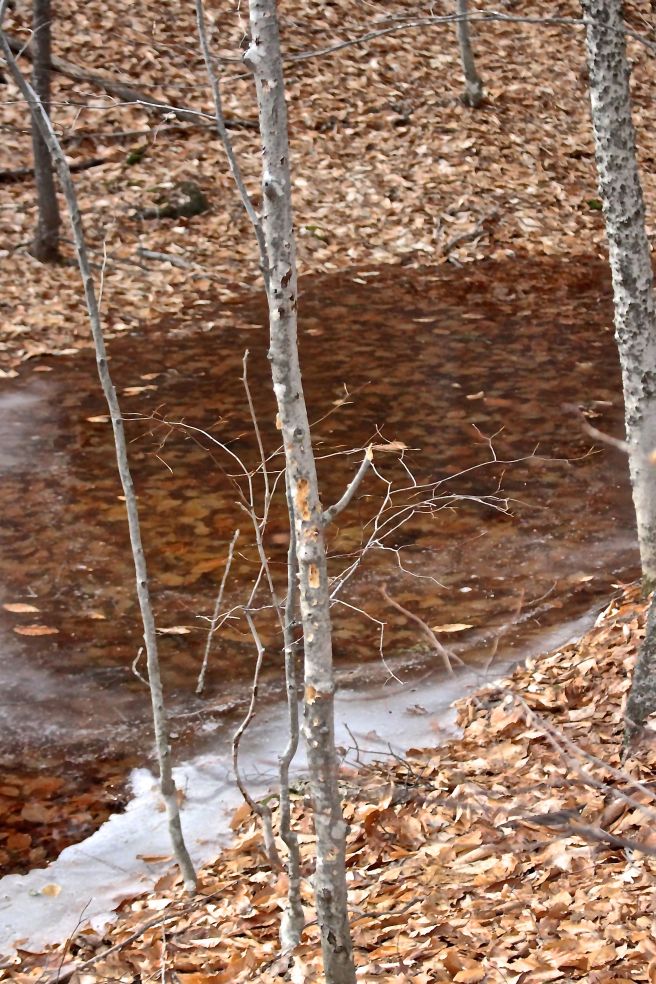
The temperature was cooler this morning than the last few so a skim of ice covered the surface of this vernal pool. I’m not sure how long it will last, but if it’s still there, dip a pail in and look at the assortment of species that swim about. Maybe you’ll even see some frog or salamander egg masses if you visit in the spring.
b-Indian pipe

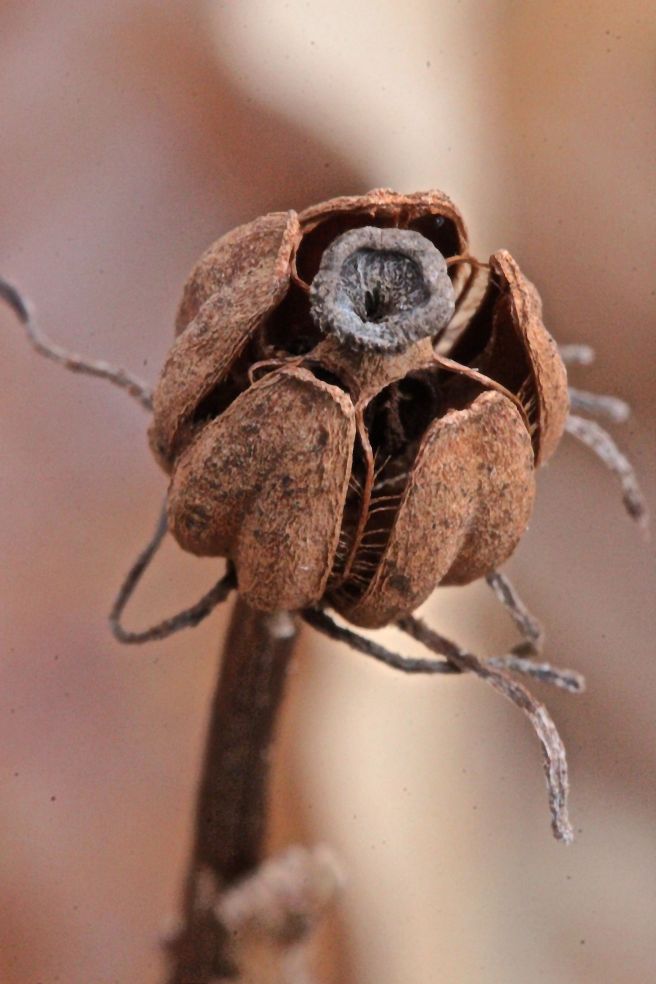
Here and there we found the pods of Indian pipes. In the summer, look for their ghostly white form–they look like their name, with the flower part hanging down. If it’s turned upright like this one, it has been fertilized.

b-puff balls

Though long since spent, puff balls are another fun find. Poke them and watch the spores float out like smoke from a chimney.

b-wood chips

The pileated woodpeckers love this mixed hardwood forest, so you might find evidence of their work on the floor. And then look up into the tree to locate the cavity they’ve excavated.

b-bird nest 1

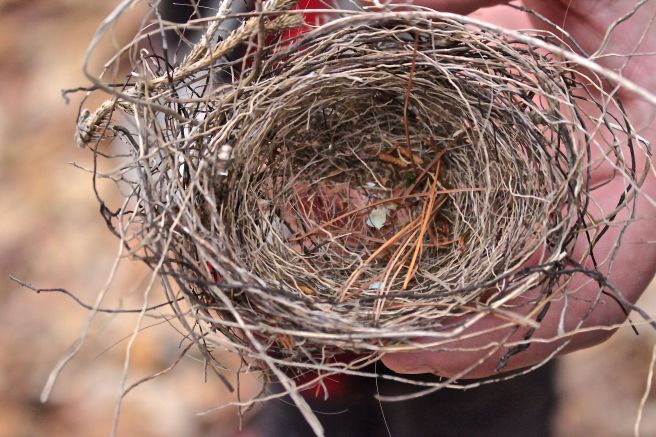
We found several bird nests, including this one made of grasses and wiry stems.  A fraction of a blue egg shell sits inside.

b-nest 2, downy feather

Wait until late winter/early spring to search for these, when the wind has blown them to the ground. But leave them be. According to the Migratory Bird Treaty Act of 1918, “It is  illegal to collect or have in your possession live native birds (adults or young), bird feathers, nests or eggs, to try to incubate wild bird eggs, to keep nests or eggs even for “show and tell” educational purposes, or to have road-killed birds in your possession without a permit.” Do you know why? Do some research to find the answer.

b-mock orange

There’s a variety of fungi growing on the trees right now, and come summer, you’ll find more on the ground. We had our favorite mushroom guru with us, who helped us ID this species as mock oyster.

b-tinder conk

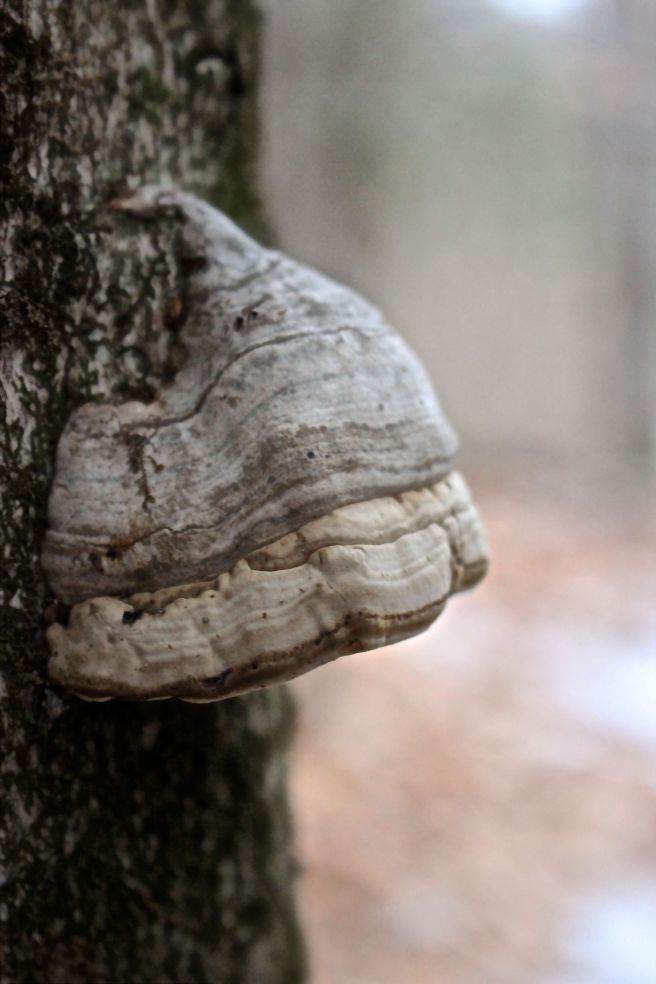
Tinder polypore is one of my favorites because it looks like a horse’s hoof. Another research project for you–why did the Ice Man carry a sample of this?

b-nurse log

There are numerous nurse logs, but this one struck me as especially beautiful. Mosses and liverworts grow abundantly along its upper surface and provide a place for all kinds of action to happen. Look for small saplings taking hold. Can you find the shelled remains of an acorn or the scales of a hemlock cone? Who do you think left those? Any small, twisted scat?

b-owl pellet

Or how about something that looks like this–lots of hair and bones matted together? This is an owl pellet and with the help of your adults, you can actually pull the bones out and reconstruct the skeleton(s) of the prey–be it vole or shrew or even red squirrel. Sometimes the pellets contain the skeletons of more than one critter.

b-beech growing through paper birch bark

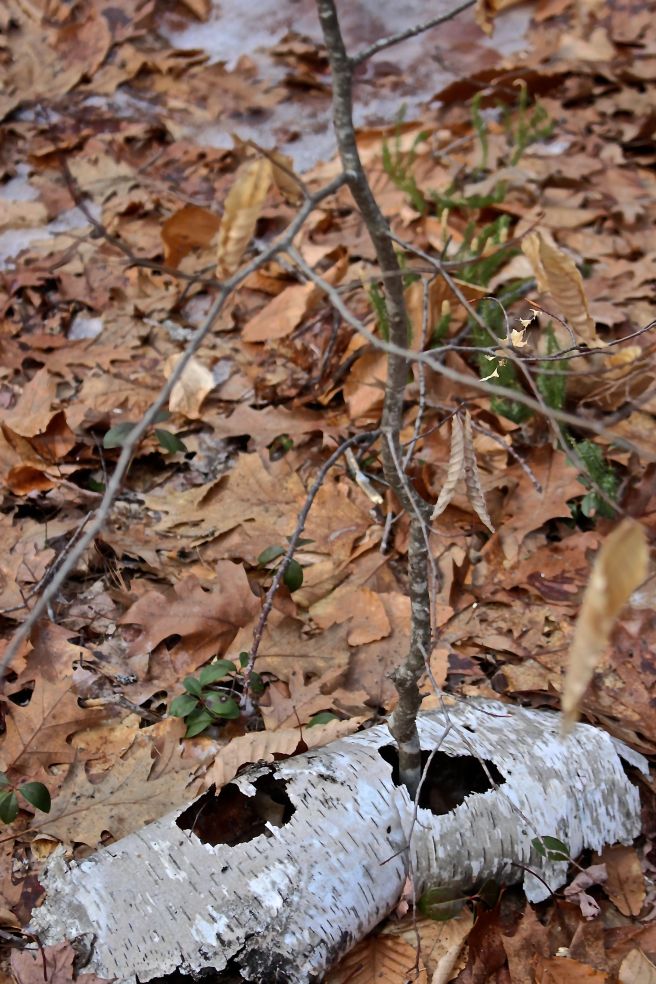
I would love to learn that you found this–a young beech tree growing through paper birch bark. Which came first? And why?

b-barbed3

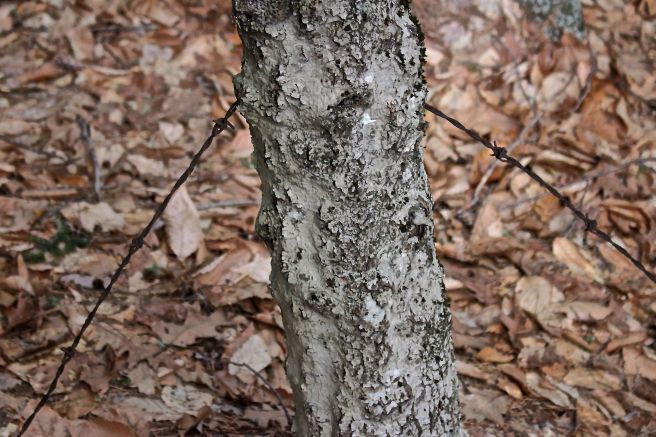
Another sight for you, and one to certainly watch out for–barbed wire. We found it all along the back boundary, where it grows through the trees. This is rough country and there are no stone walls. The wire probably dates to the 1880s or later. Be careful.

b-dip between eskers?

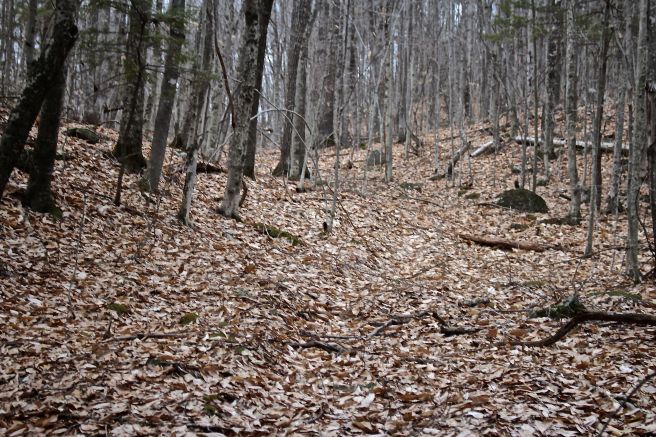
The land had us wondering about esker ridges as it dipped and rose. We’ll try to ask those who know more about local geology to help us gain a better understanding.

b-gps 2

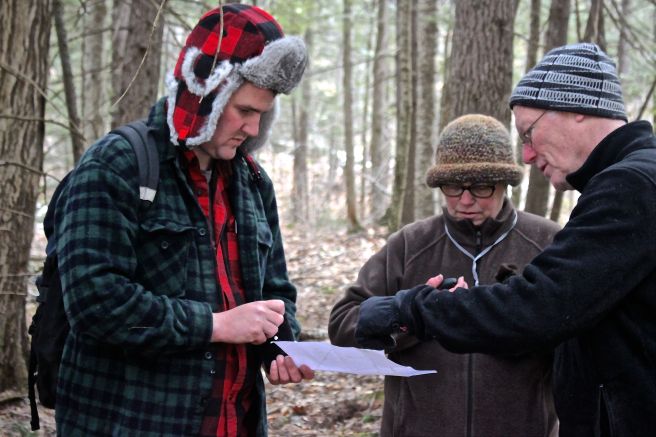
We realized we’d zigged where we should have zagged, but didn’t care because we share a passion for the exploration.

b-garden wall

As we headed down, we stumbled across another garden wall and

b-stone pile.jpg

small rock piles like this one. My first thought–a well. That was until we found several others. Maybe just rock piles.

b-shinleaf, pyrola eliptica

Our final find as we stepped through a wetland making our way from a neighbor’s property to the road–the winter look of shinleaf (Pyrola elliptic).

I’d promised everyone a two hour tour, but those who know me best know better. Three hours later we knocked on the door to thank Barb and Bruce for the opportunity–for sharing their land with us and giving us the opportunity to share our Mondate with others.