Meeting Each Other Halfway

The text message arrived November 5: “Any chance you are free Friday and Saturday, November 14 & 15? If you aren’t already booked, thinking we could meet up and hike perhaps.”

The decision was made, a room booked, bags packed, and then there was just the driving left to be done.

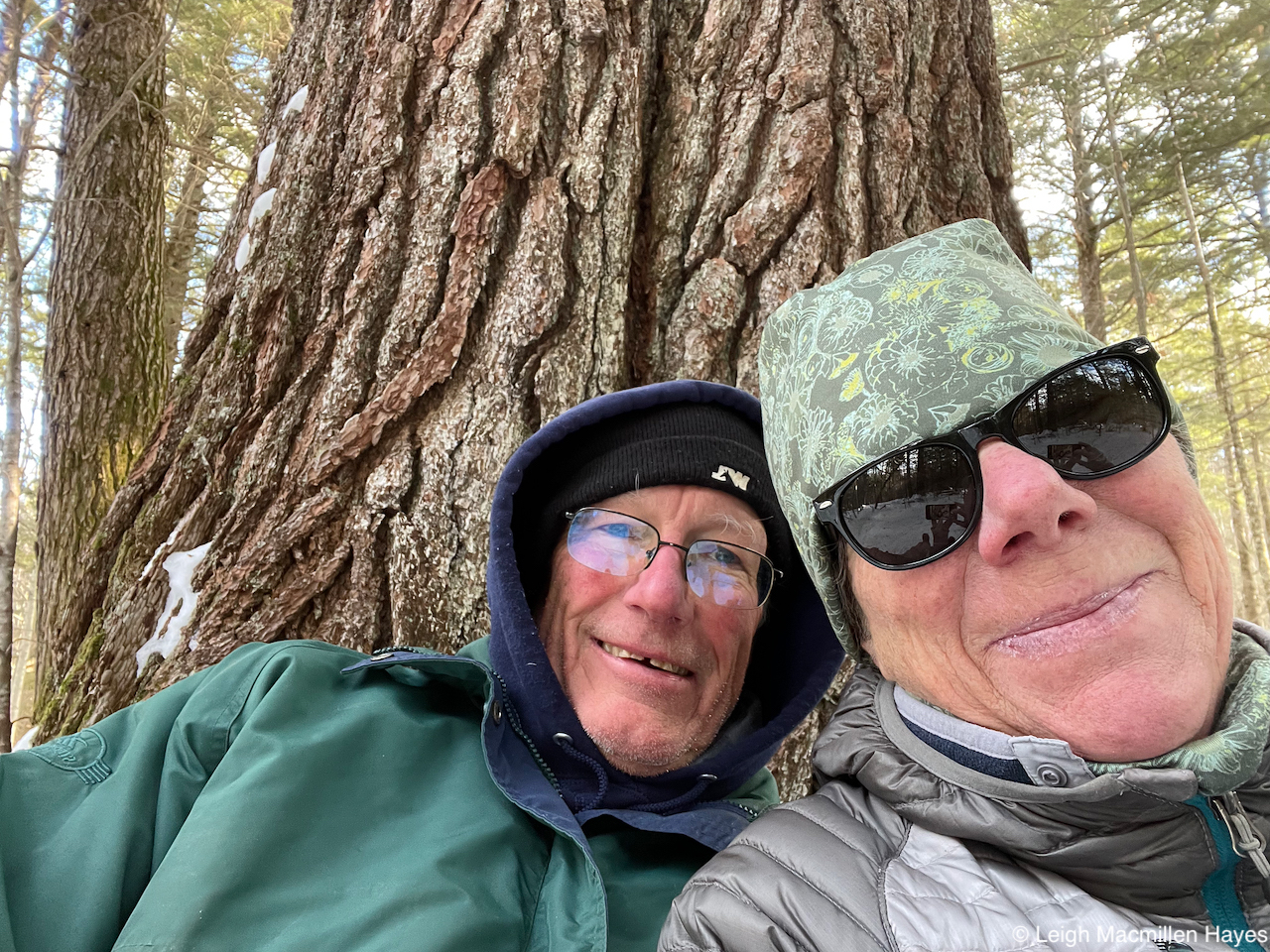
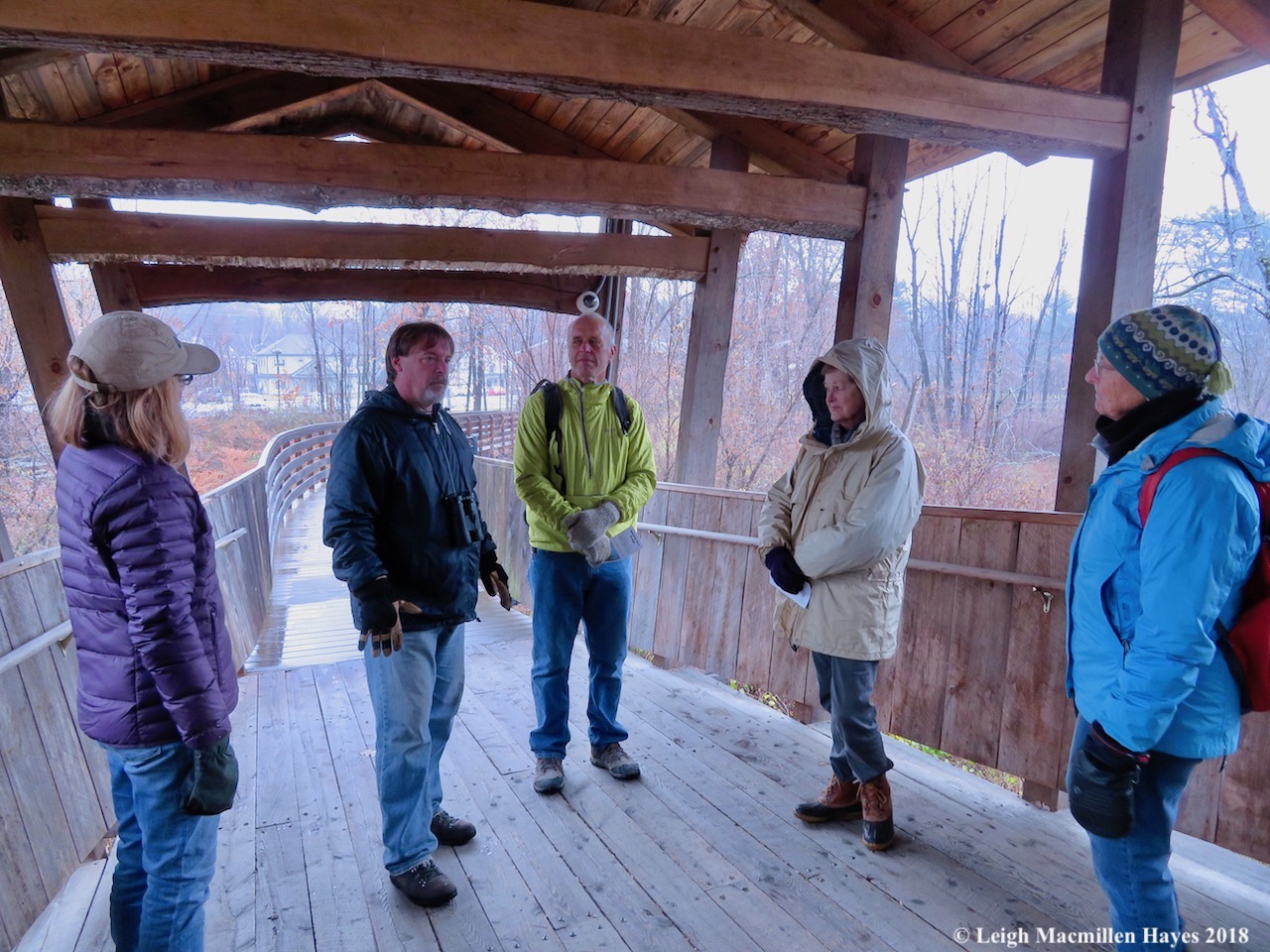
And voila, at 10:30am on Friday I pulled into the parking lot and saw her sitting in her car. It had been eight years since we were last together for an adventure and much had happened since then, but as is often the case, it felt like yesterday.

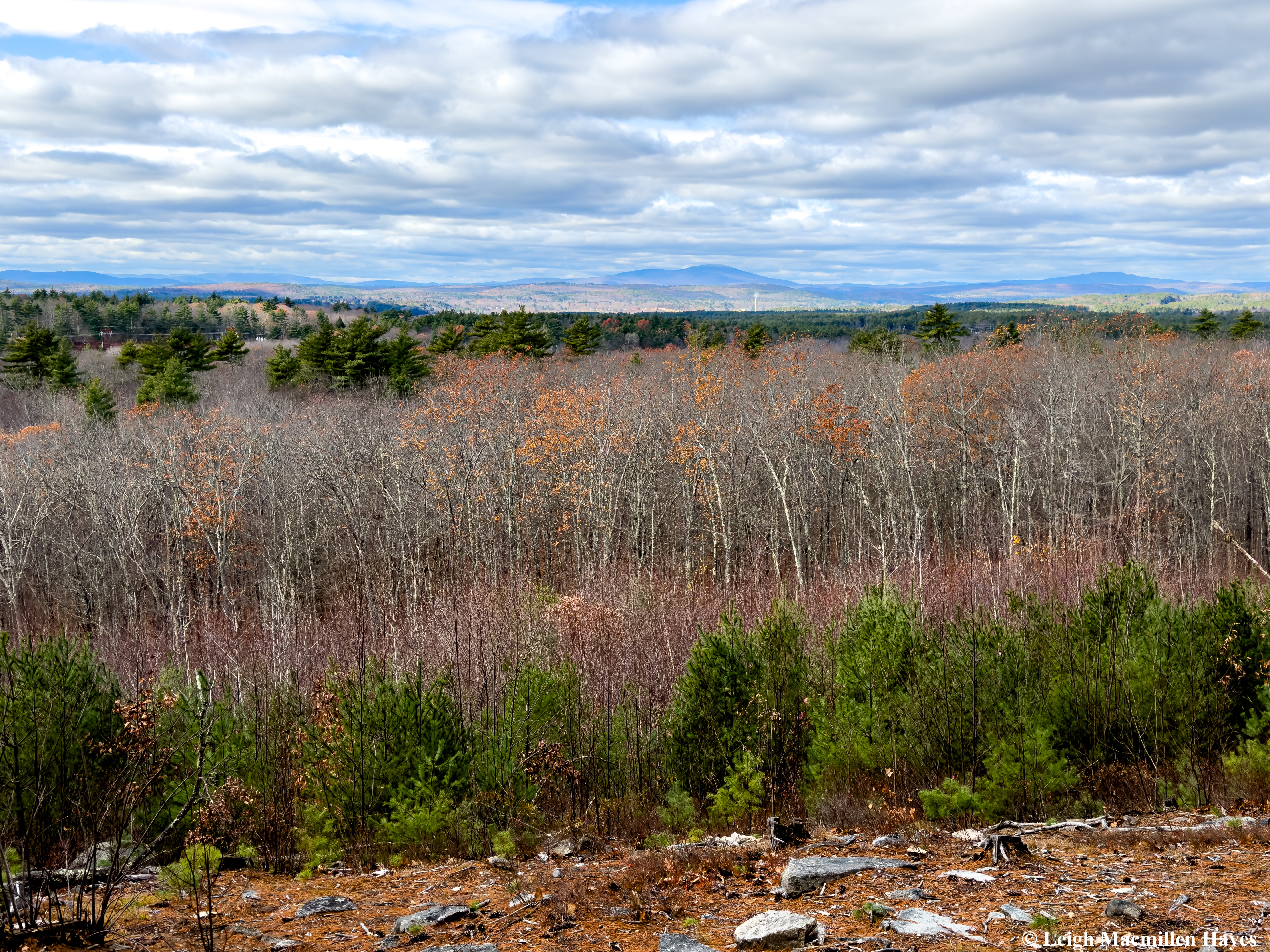
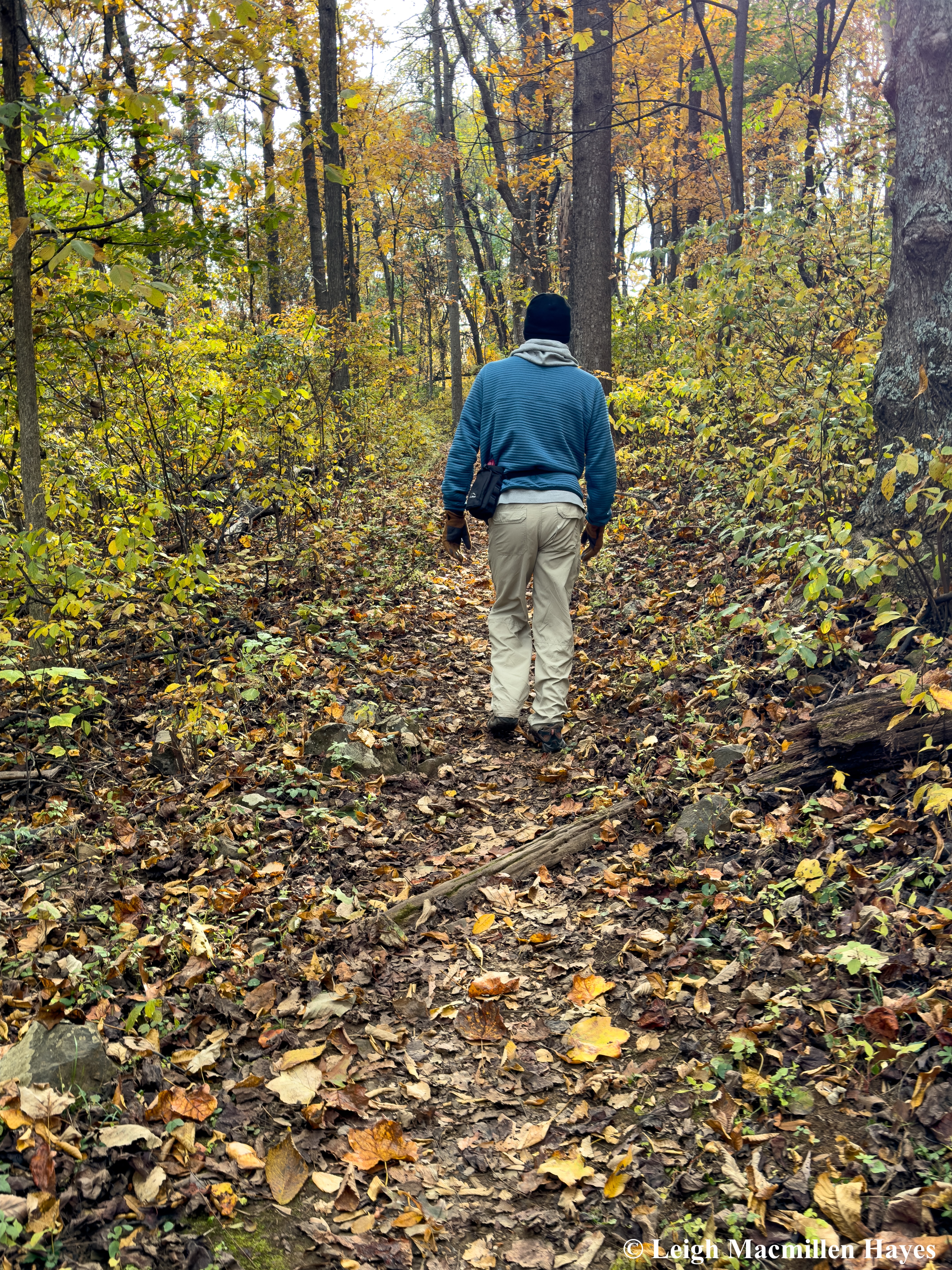
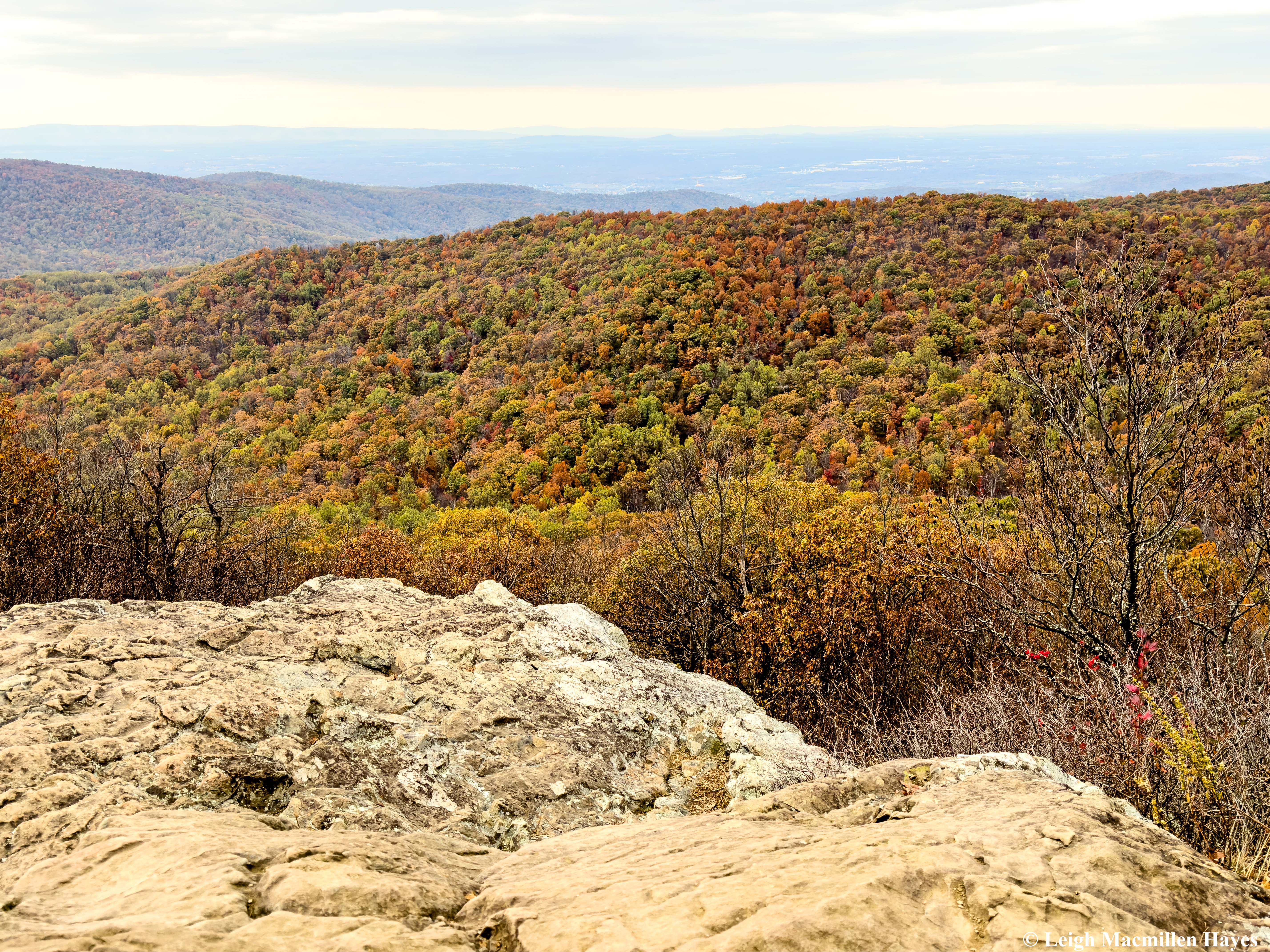
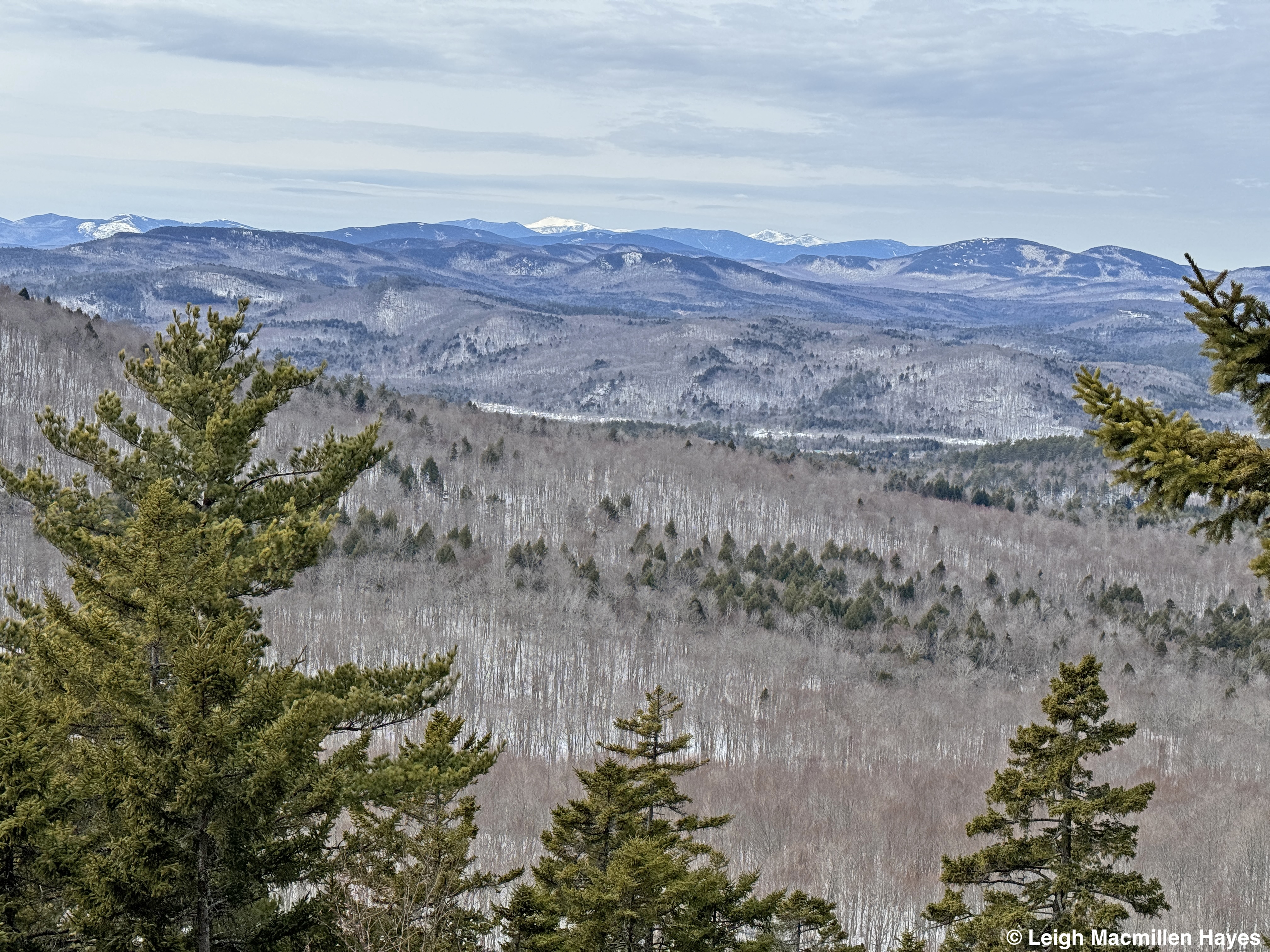
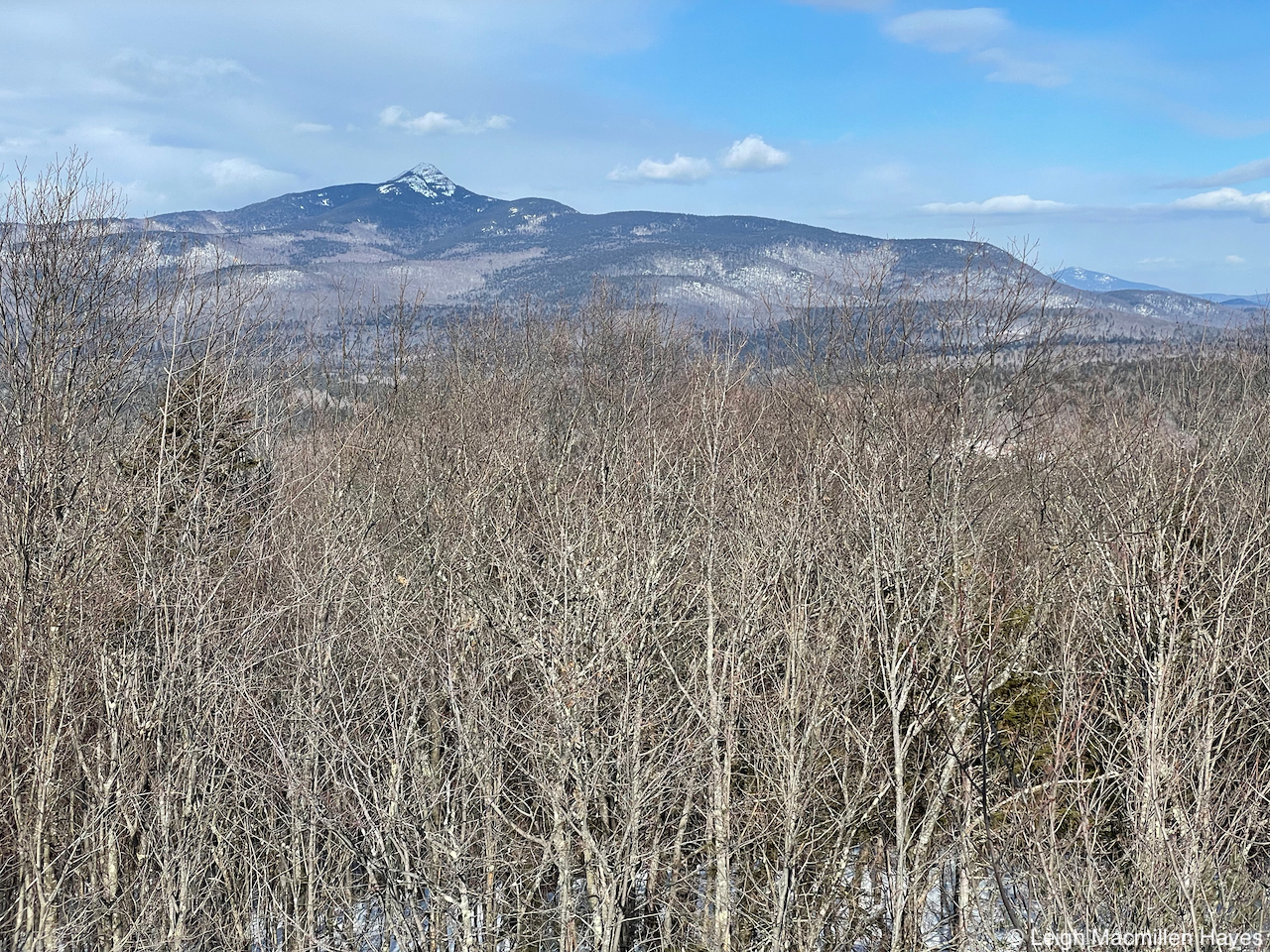
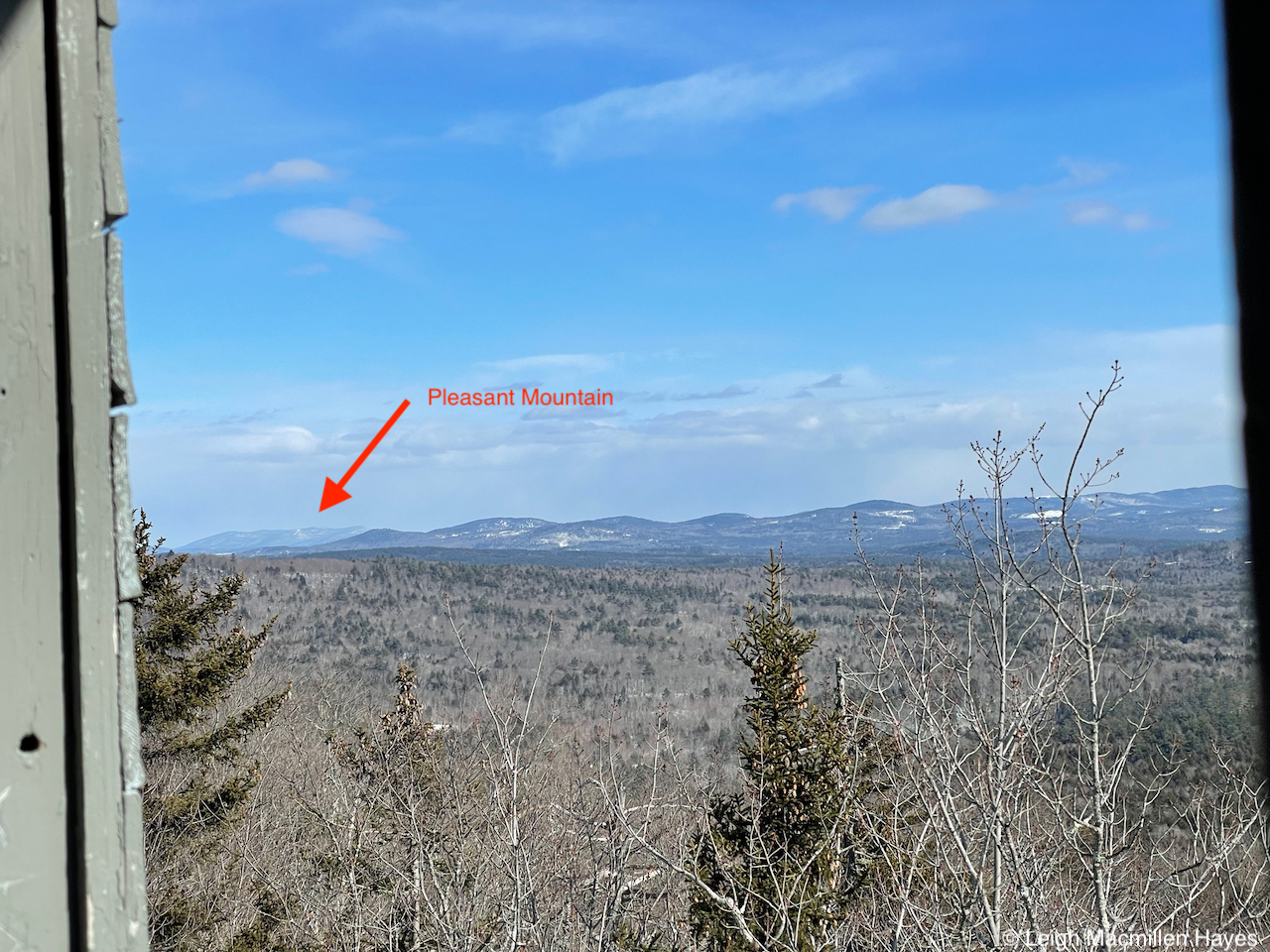
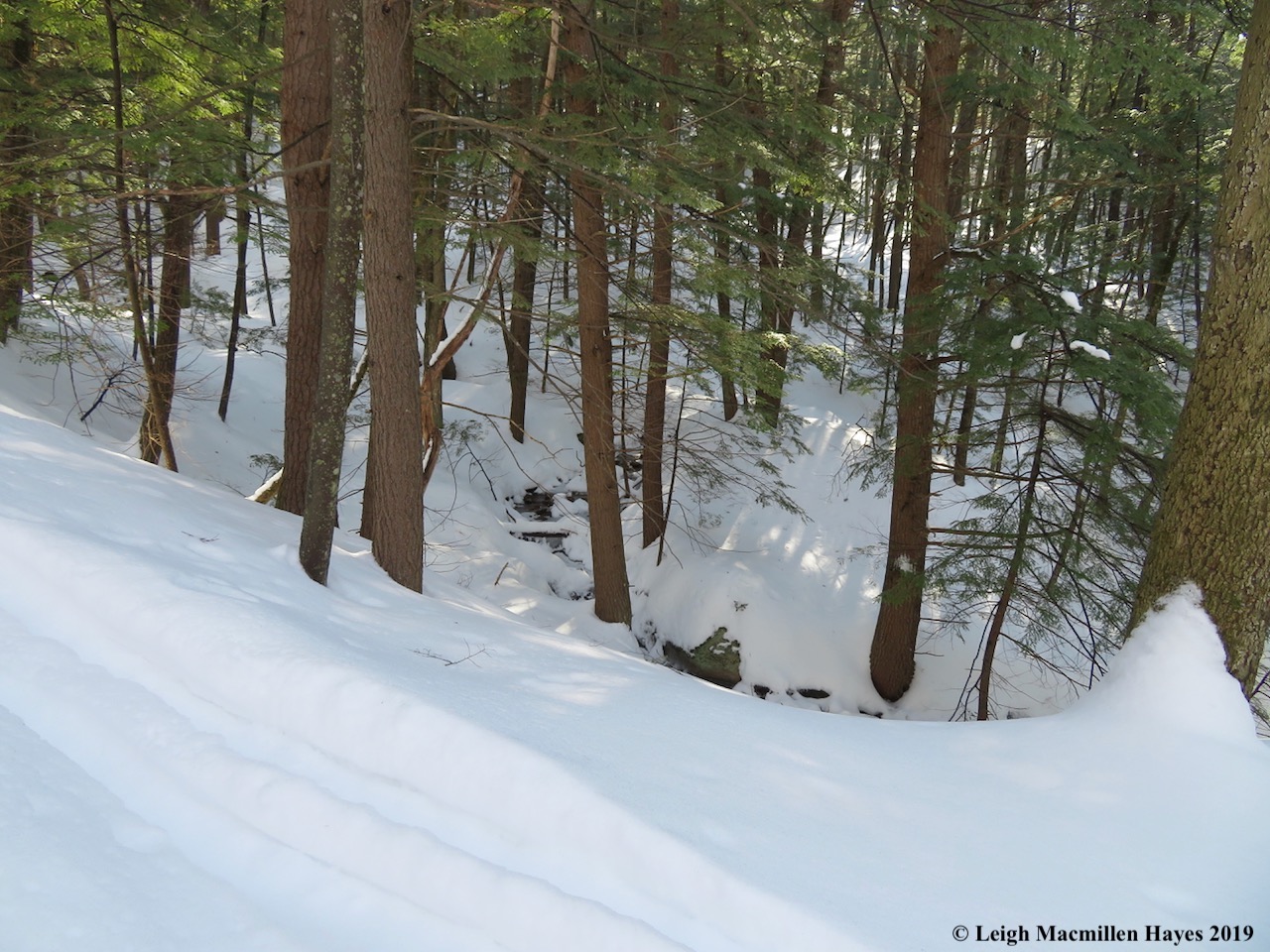
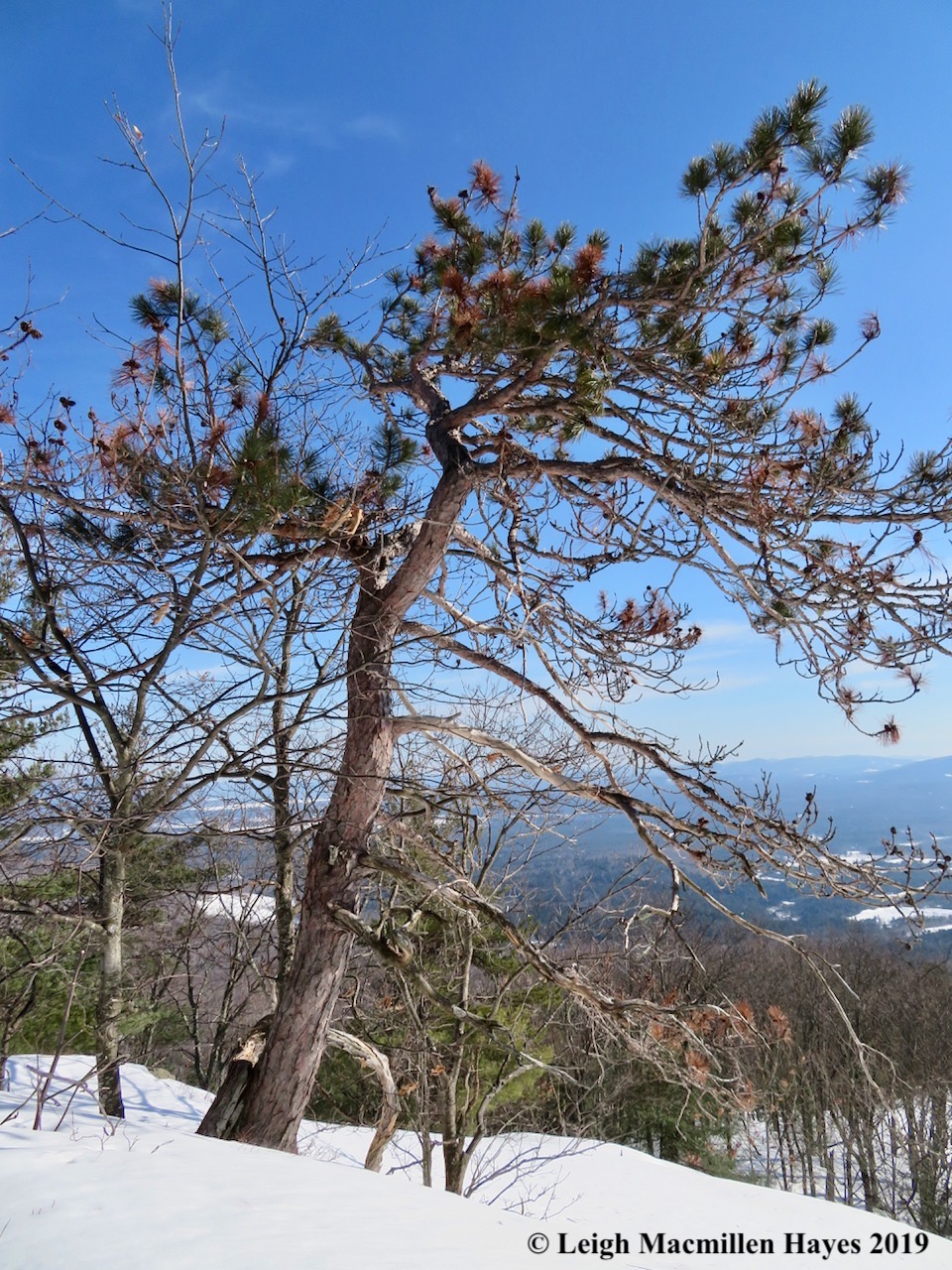
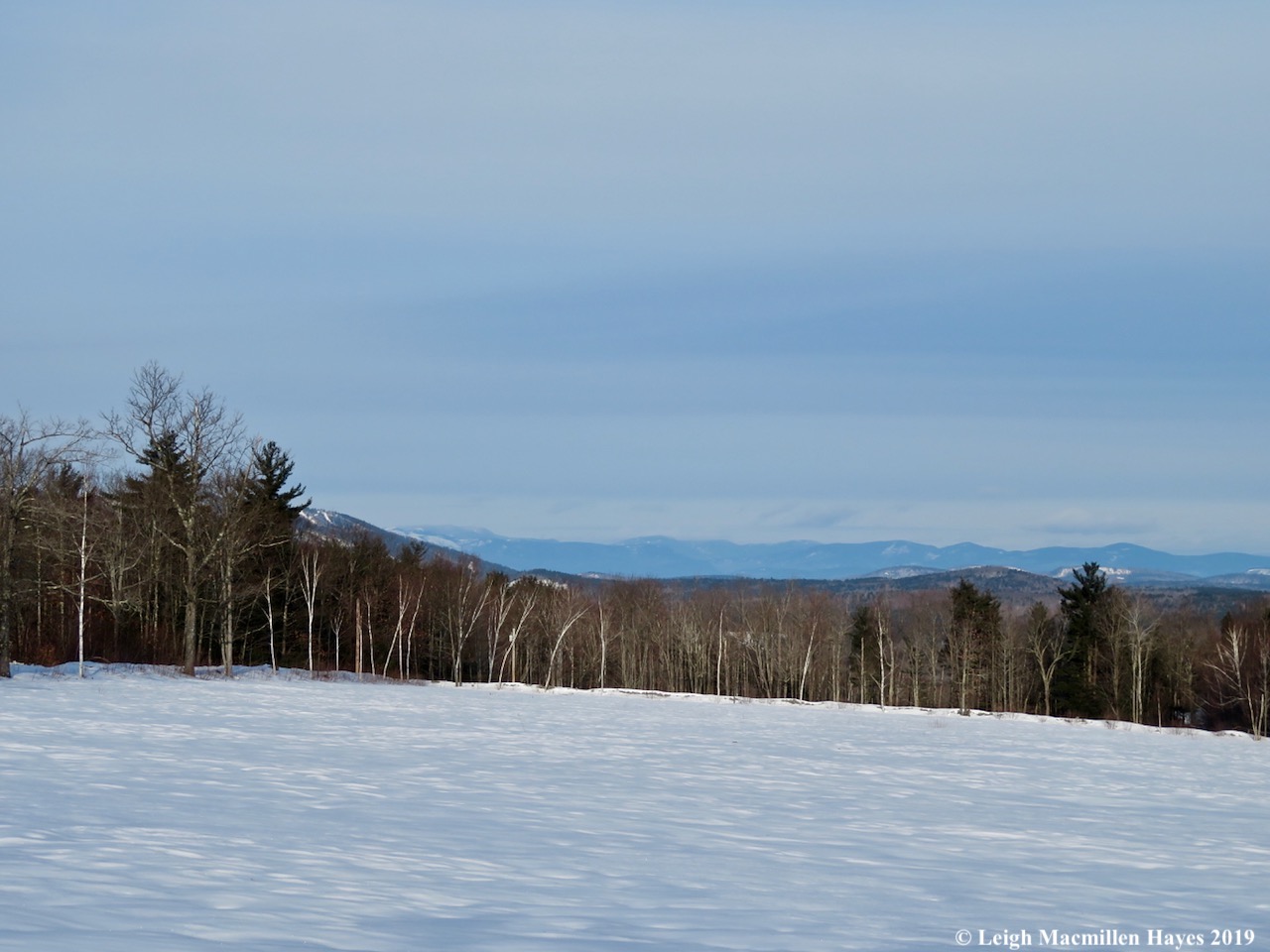
And so we headed off on the Oak Hill Tower Trail, with a plan to stay to the right, or was it the left, as we are direction-challenged, but really, we did know where we wanted to go and the vista spots that we wanted to experience, such as this one where we could see Mount Sunapee and Mount Kearsarge (not Kearsarge North that I’m more familiar with) in the distance. That said, I did record our journey on my GPS.

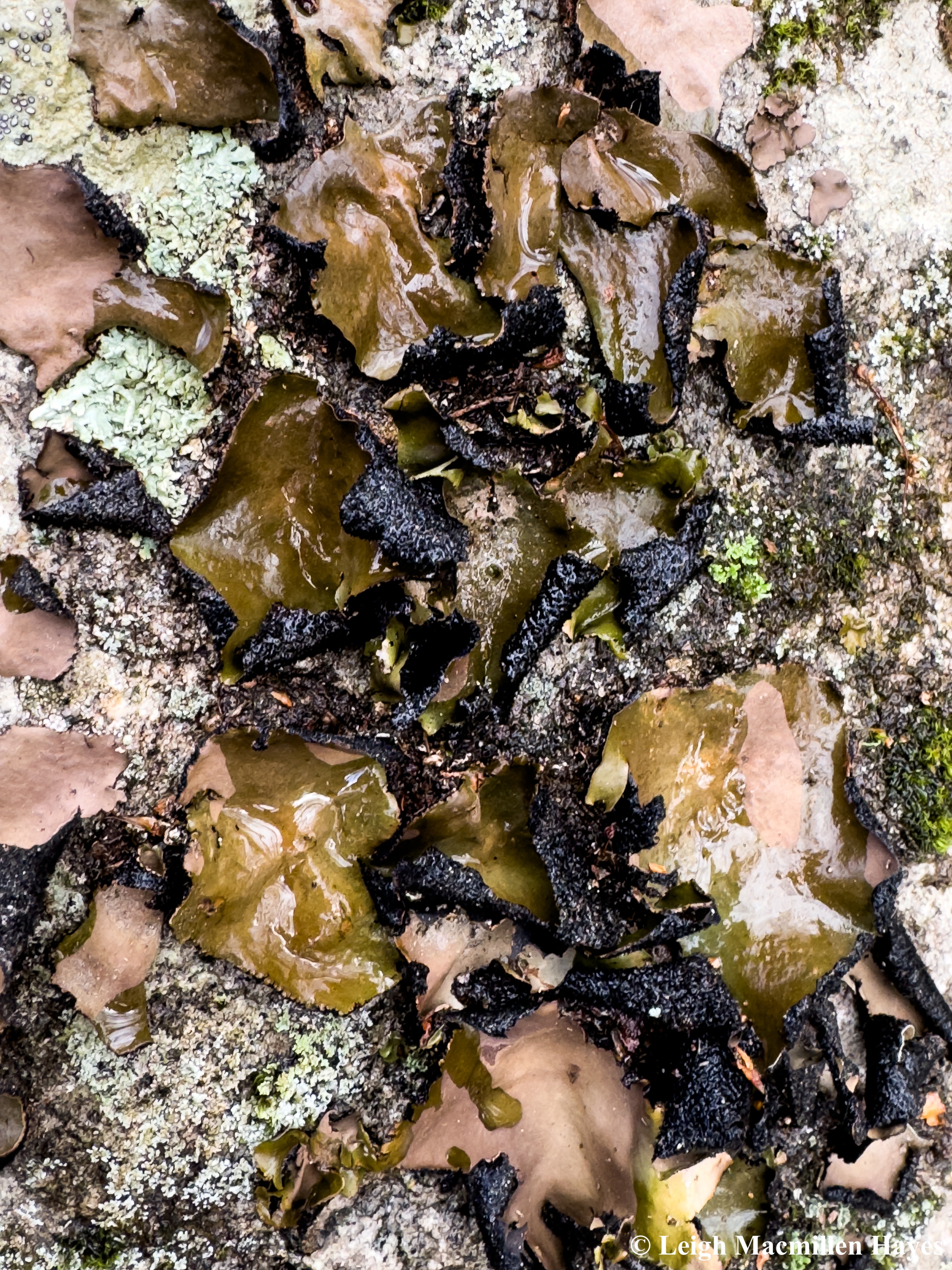
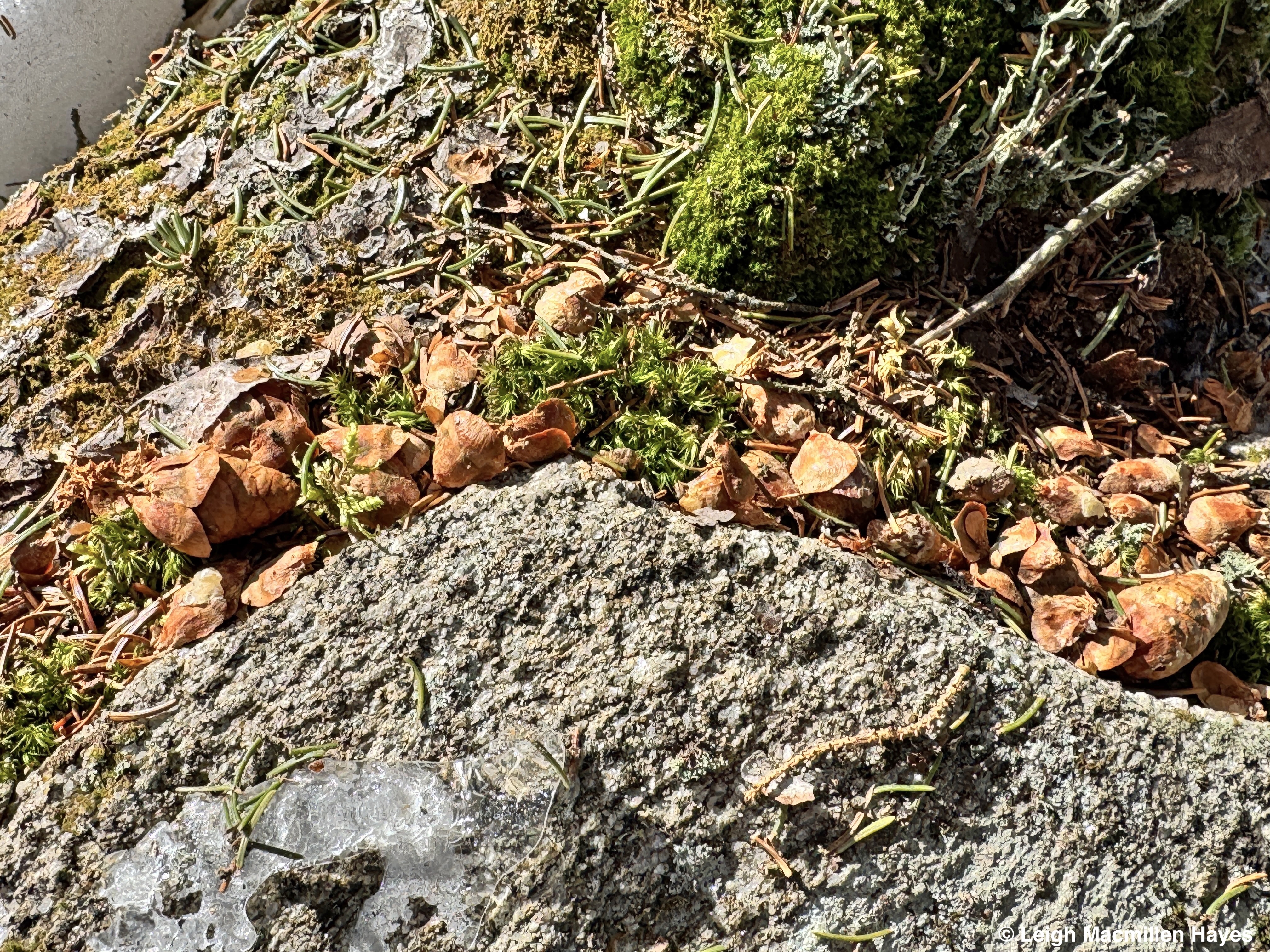
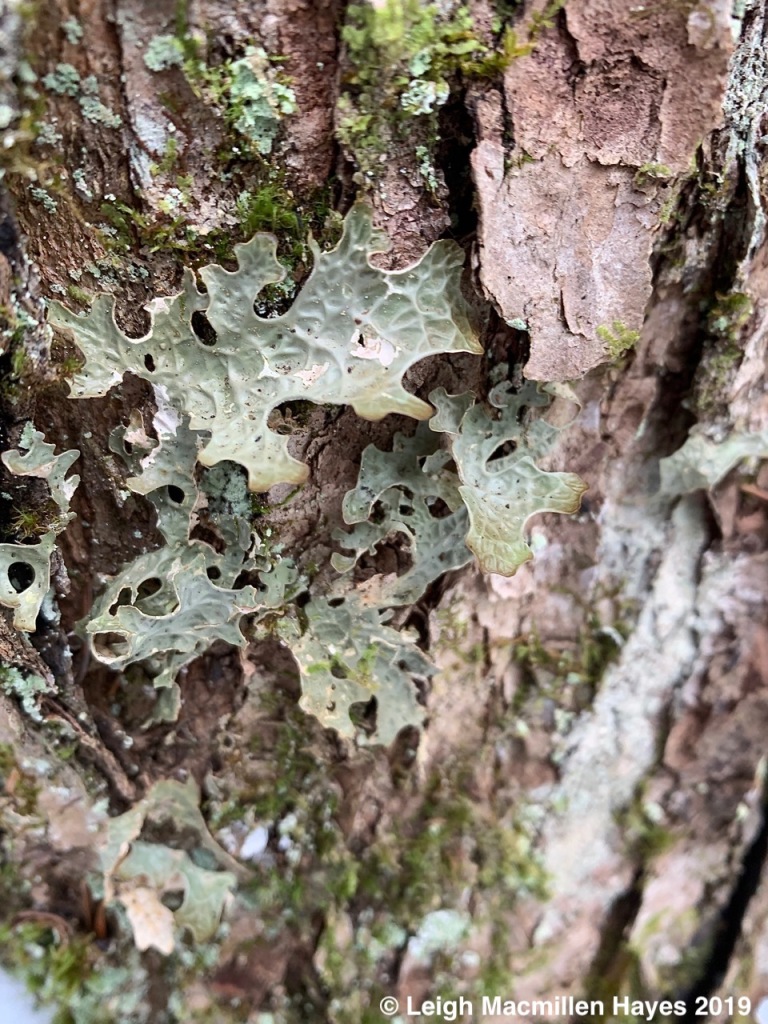
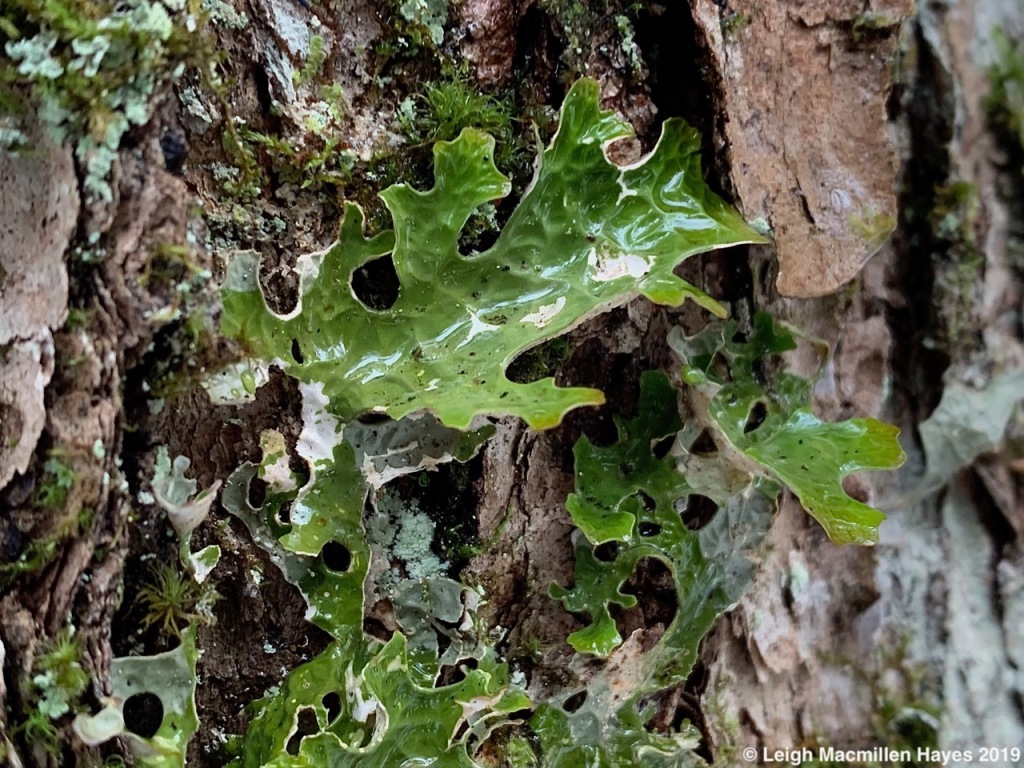
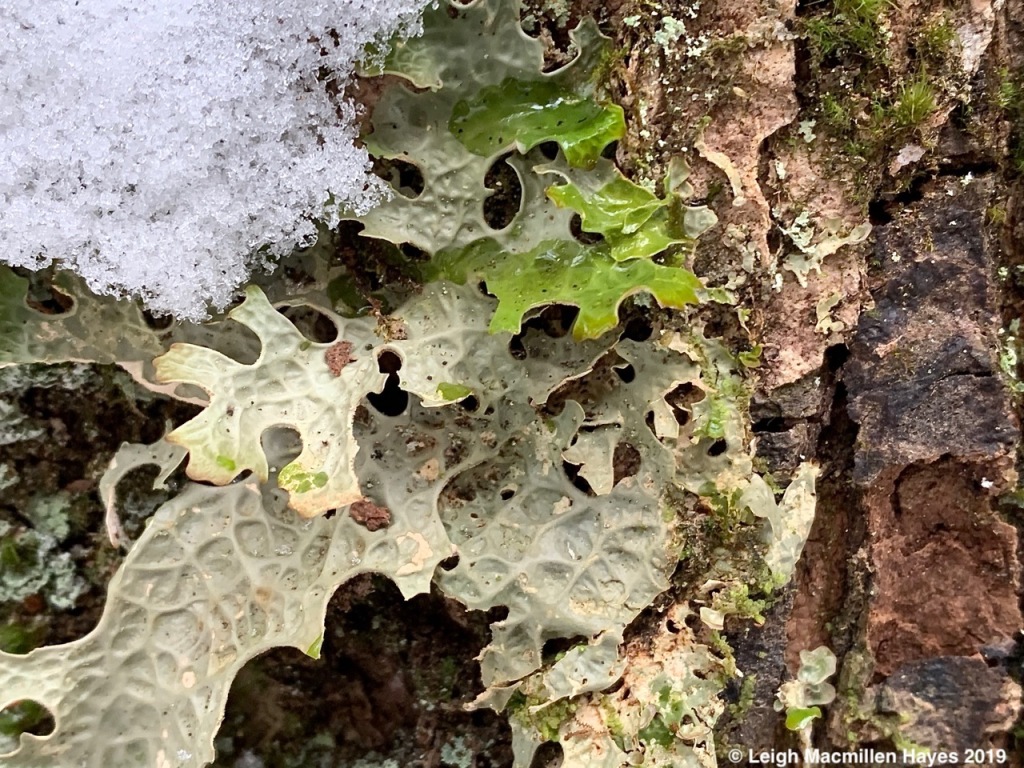
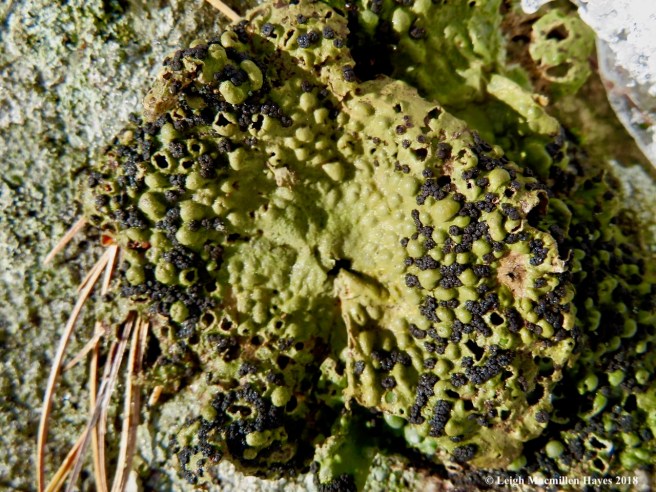
Because we were catching up as well as reminiscing about our junior and senior high school years, we let our tween or teen selves kick into action every once in a while, including by pouring water upon some dried and brown Rock Tripe. We watched with awe as the algal component of this umbilicate lichen immediately kicked into action and the “leafy” parts turned green and became more pliable.

And there were a few Winter Fireflies to admire, especially the pink parentheses that form brackets behind its head. I explained that though the eggs, larvae, and pupae glow, the adult form doesn’t light up the same as the Lightning Bugs we enjoy in the summer months.

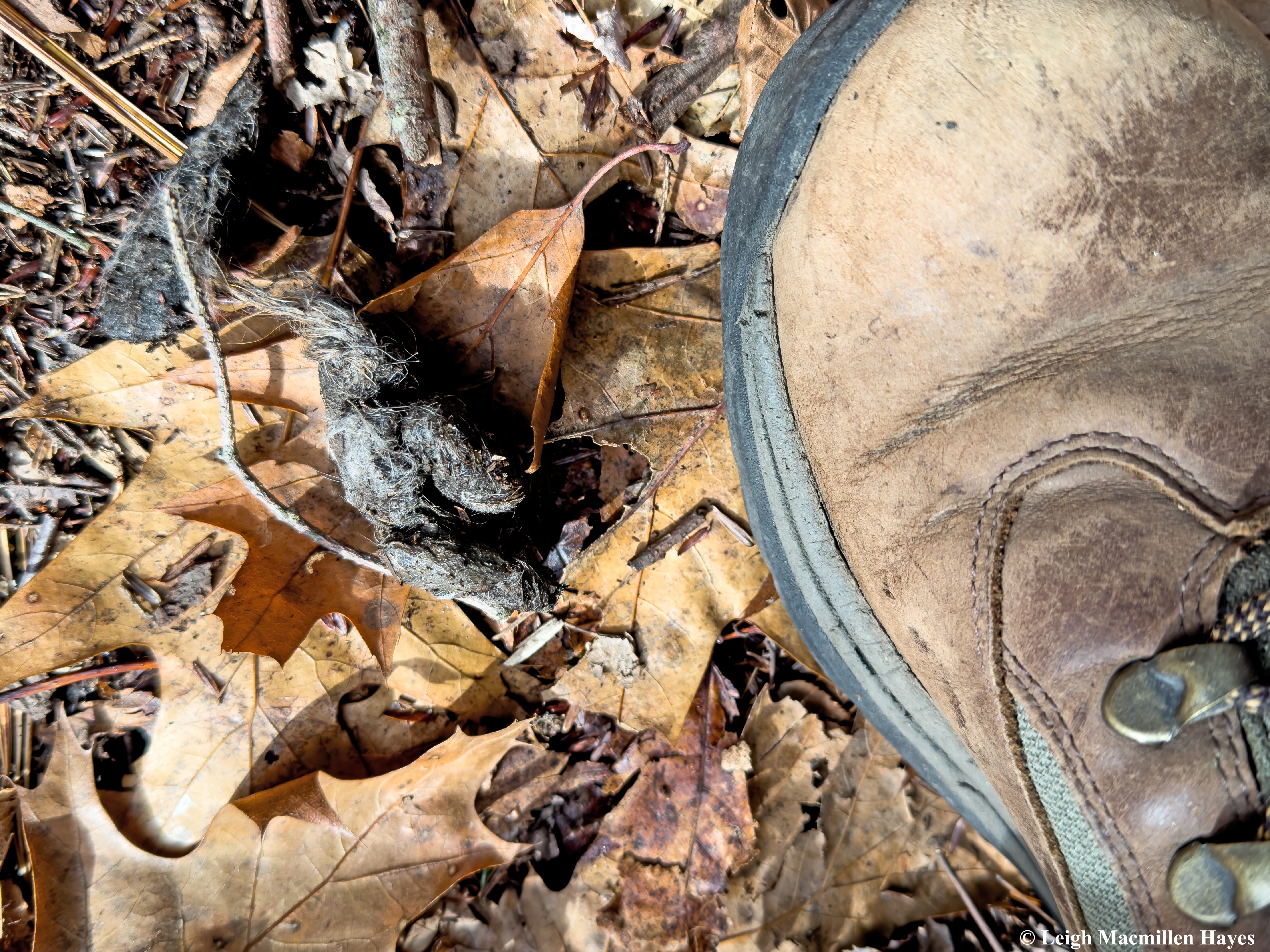
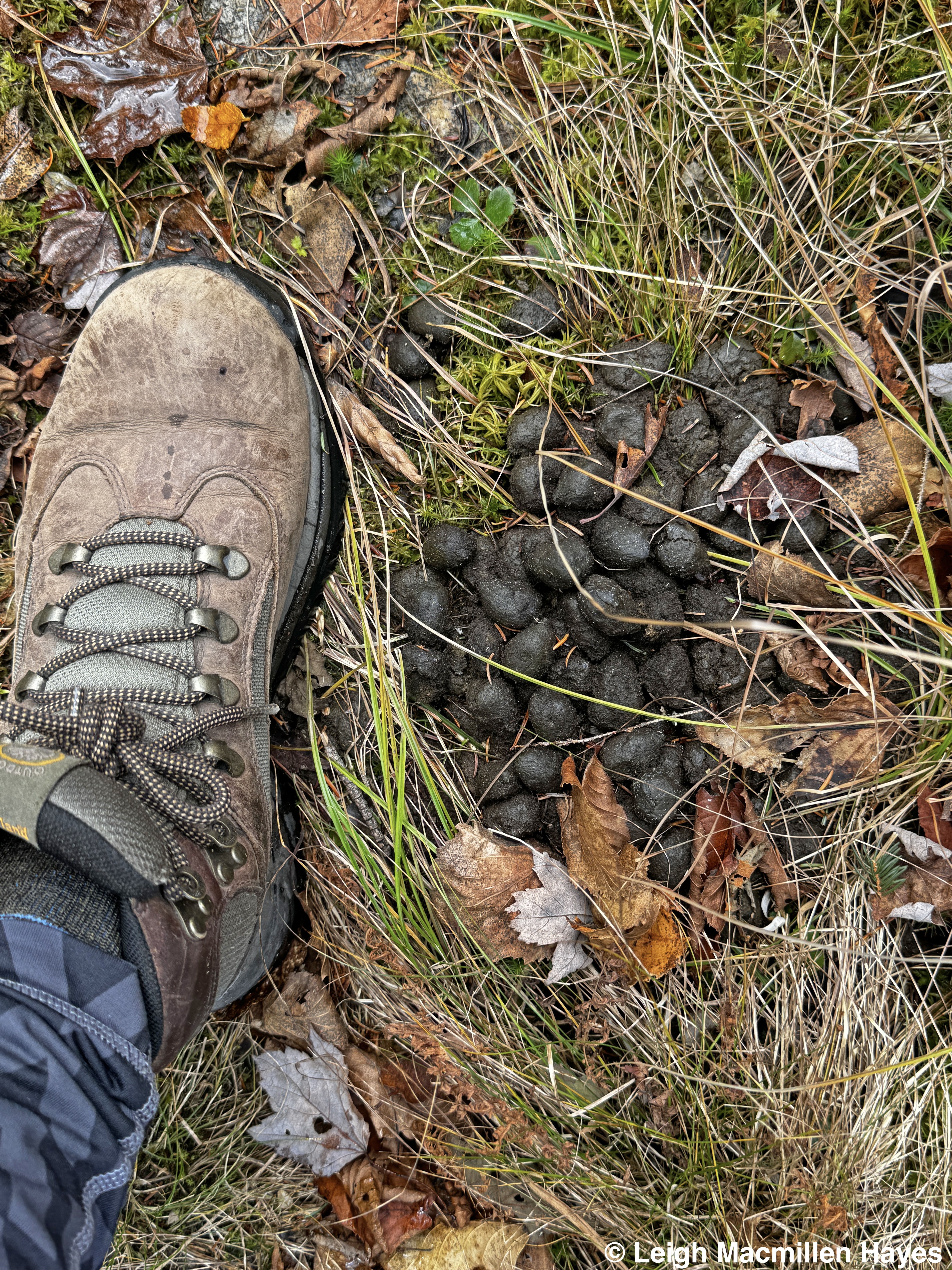
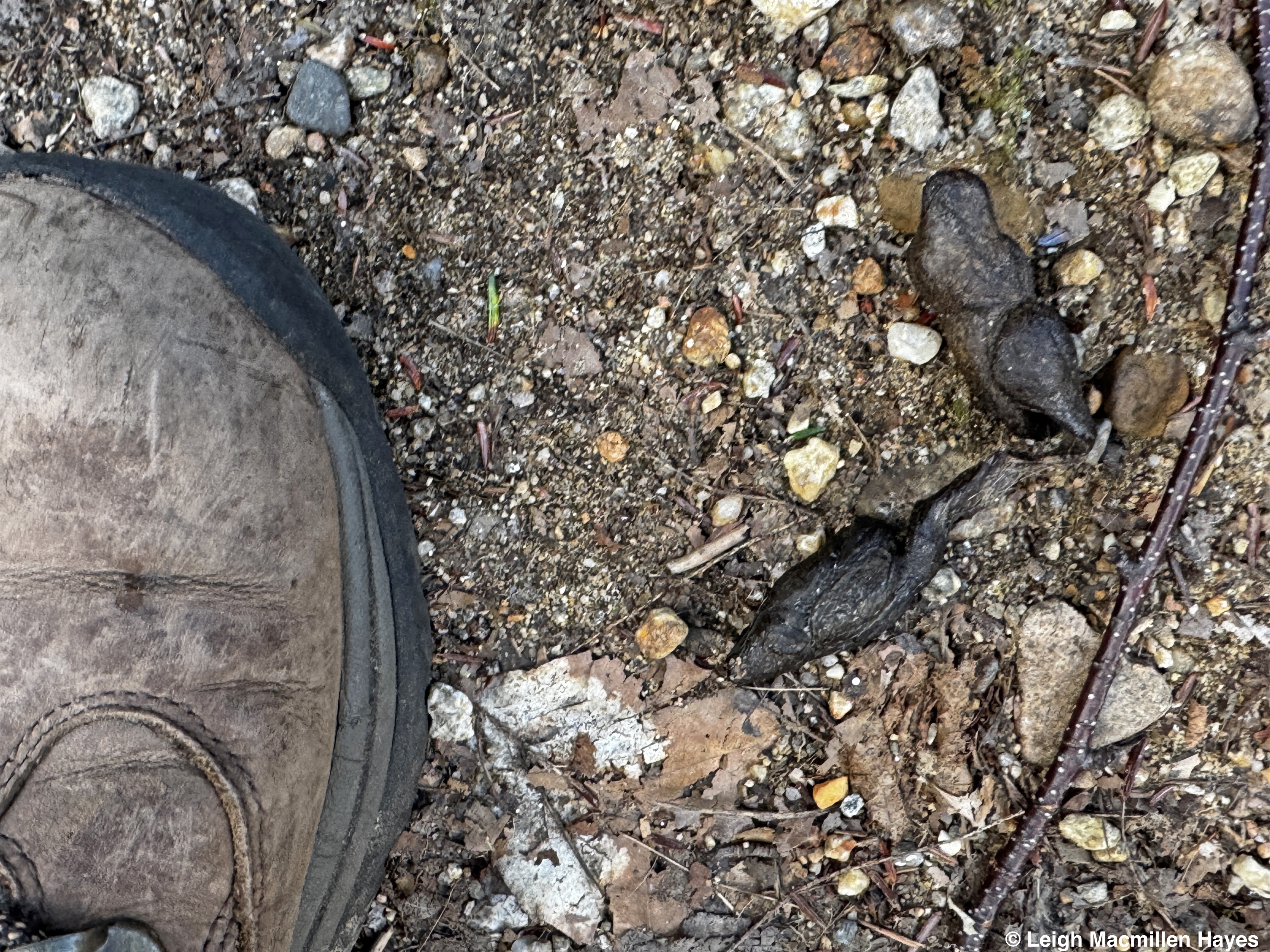
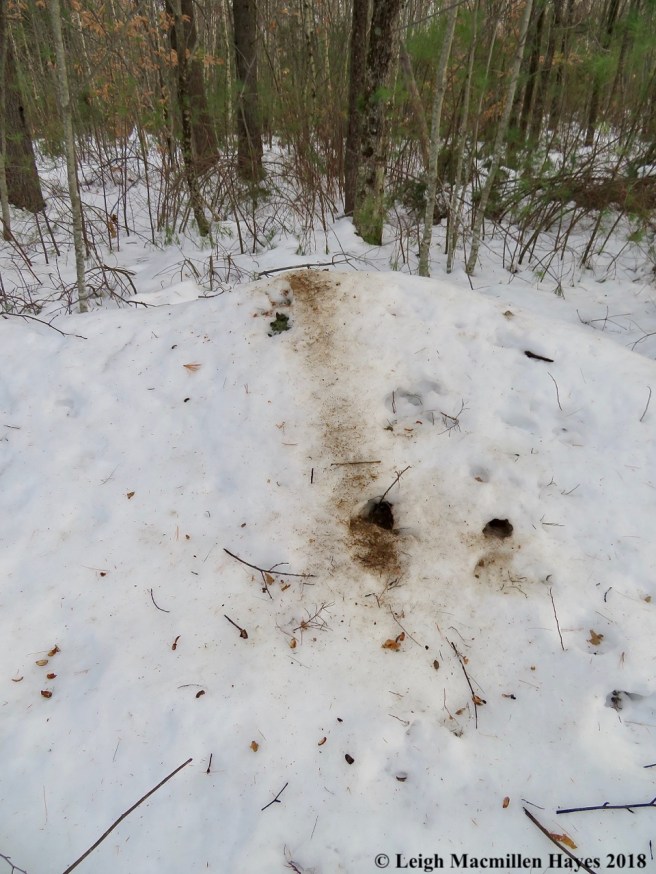
Our next great find was a fun one for me. I’m not sure she was quite as impressed, but she did want to know where all the fur may have come from in this Red Fox scat. We weren’t in Snowshoe Hare territory, but we were certainly in squirrel and vole habitat and so it could have been a combination that helped to form this twisted specimen with its blunt form on one end and tail on the other.

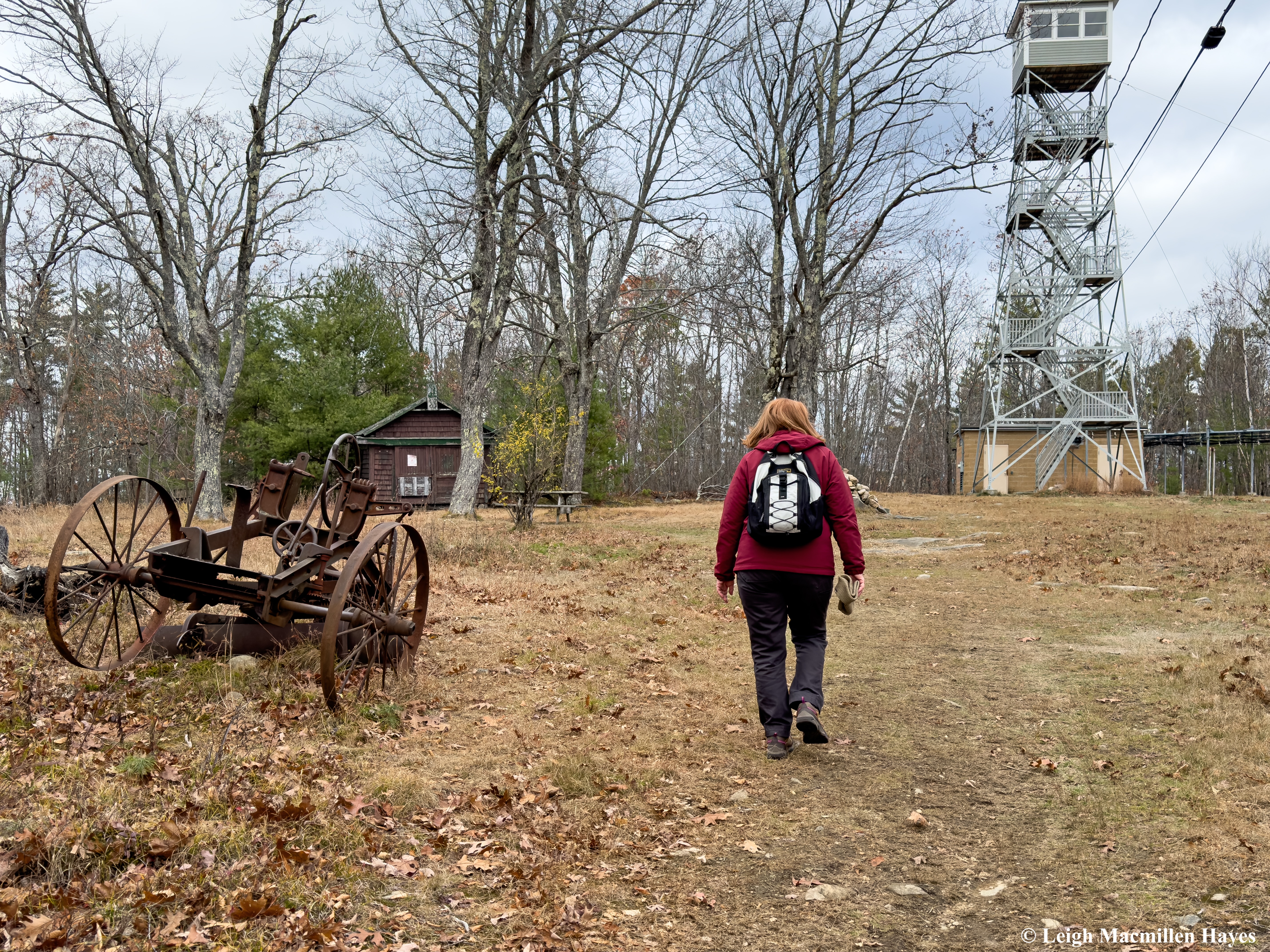
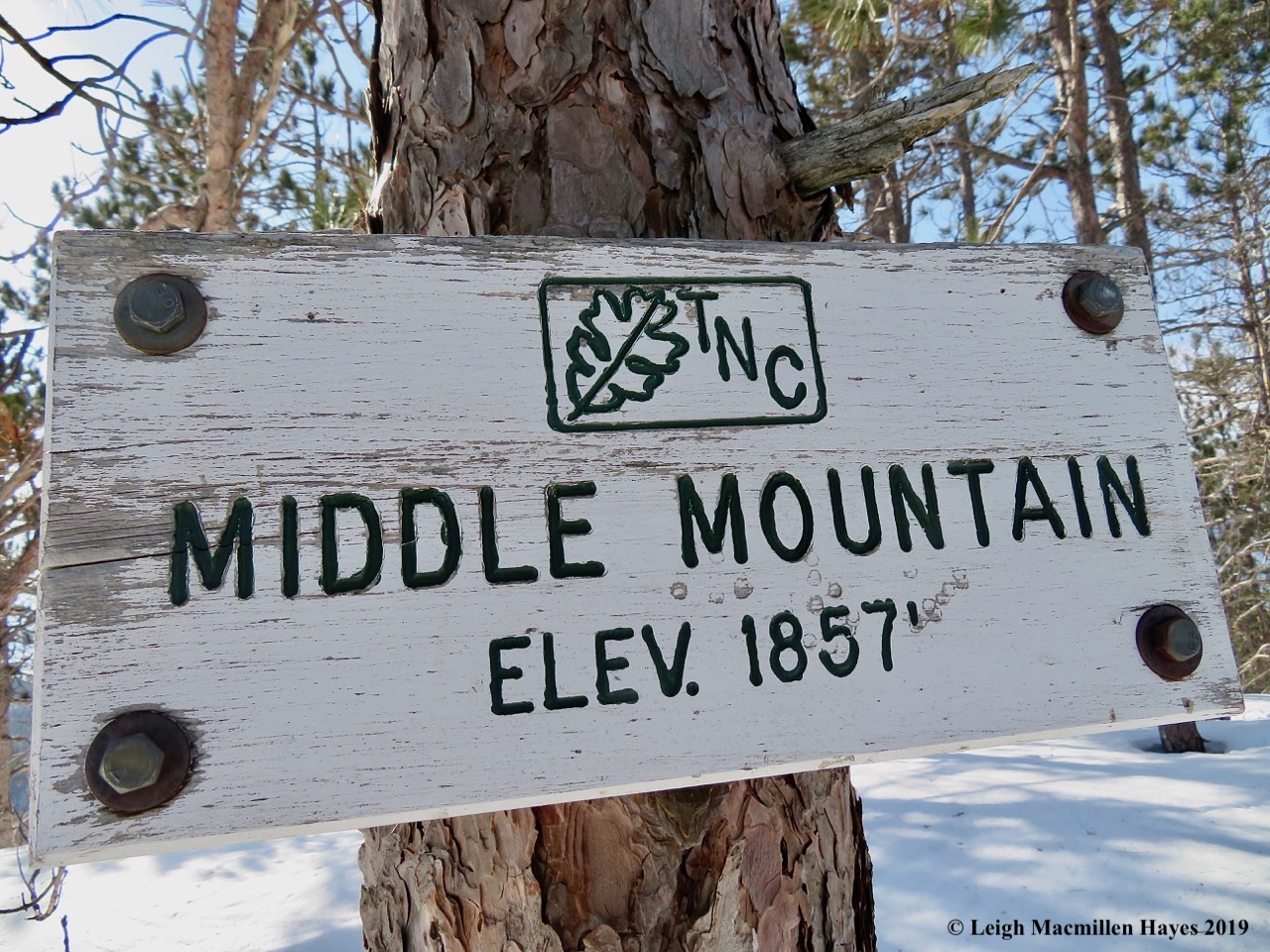
About an hour and a half after we began our journey, we reached the old fire tower for which the trail was named and noted also the house where the fire rangers would have bunked when it was necessary to step out of the cab at the top of the tower (think thunderstorm).

There was also a picnic table and since we had each brought a PB & J sandwich, this became our lunch stop.

Back on the trail, we spotted some puffballs, and again the need to play struck our fancy.

And so she found a stick and poked each one and we laughed as puffs of smoke, aka spores, wafted out of the little balls.

The next day found us upon a different trail that had been part of a working farm from the 1700s until about a year ago and known as Dimond Hill. Barbed wire that once kept animals in or out had become part of a stump, which often happens when a tree sprouts beside a boundary and over time grows around the obstacle so that they seemingly become one.

So much so, that a former limb had separated from the tree, but still the wire “glued” them together.

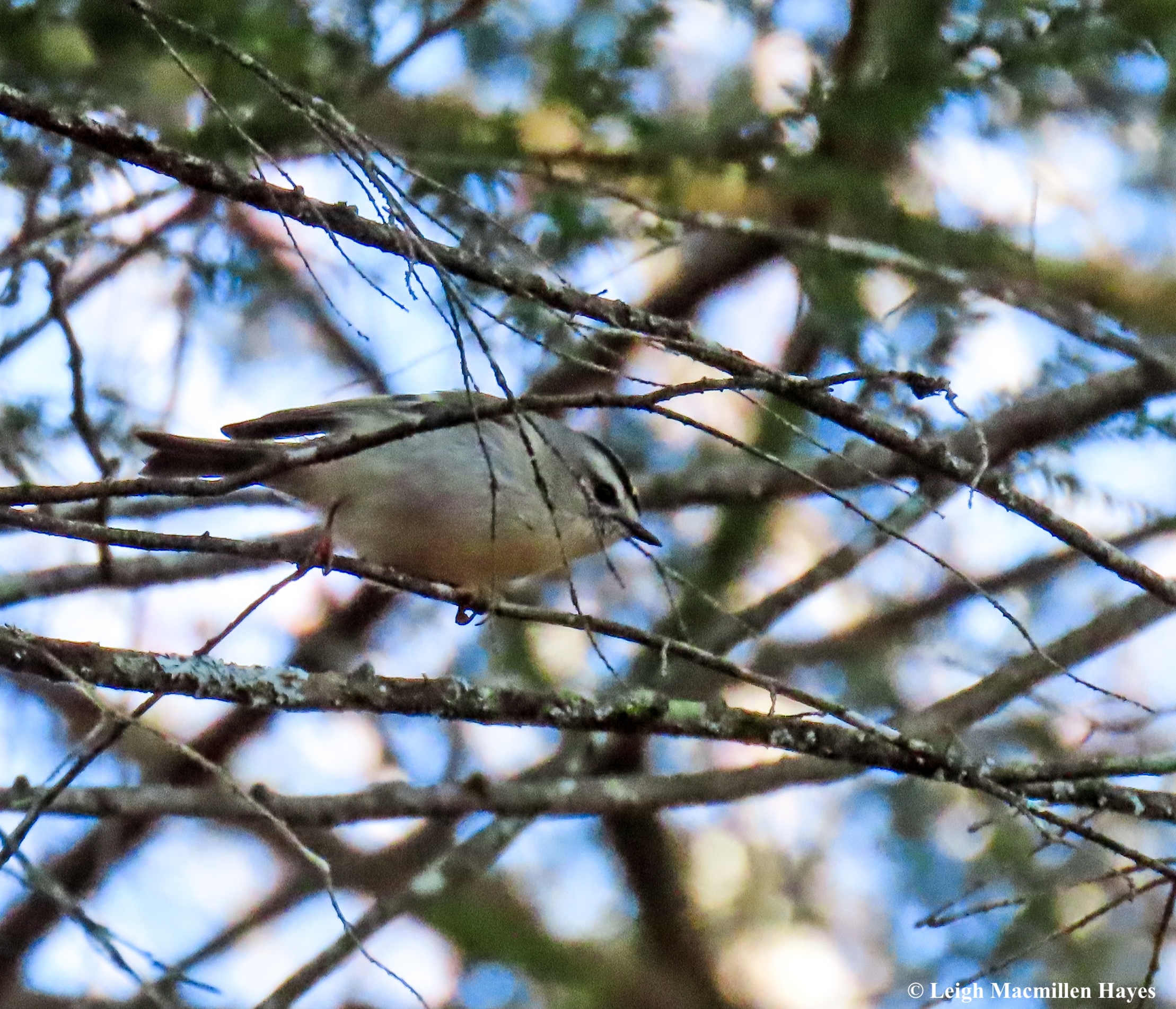
In one section, some wee birds flitted from tree to tree and though it was difficult to get a clear photograph, I was thrilled to be in the presence of Golden-Crowned Kinglets, even if only for a few minutes.

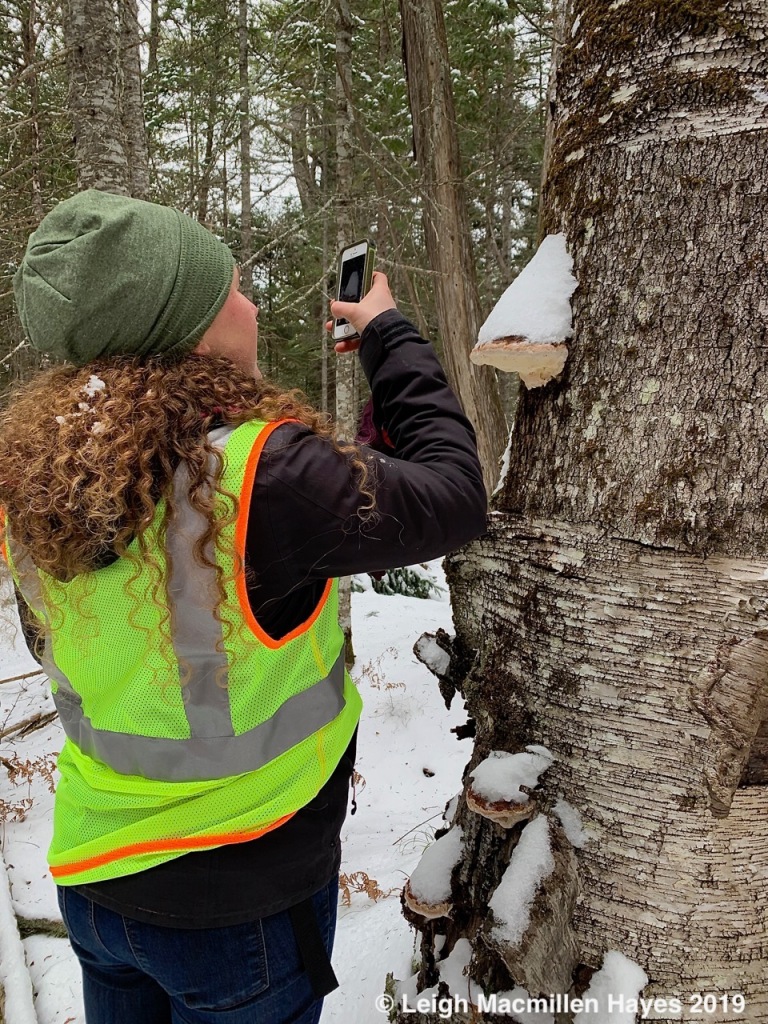
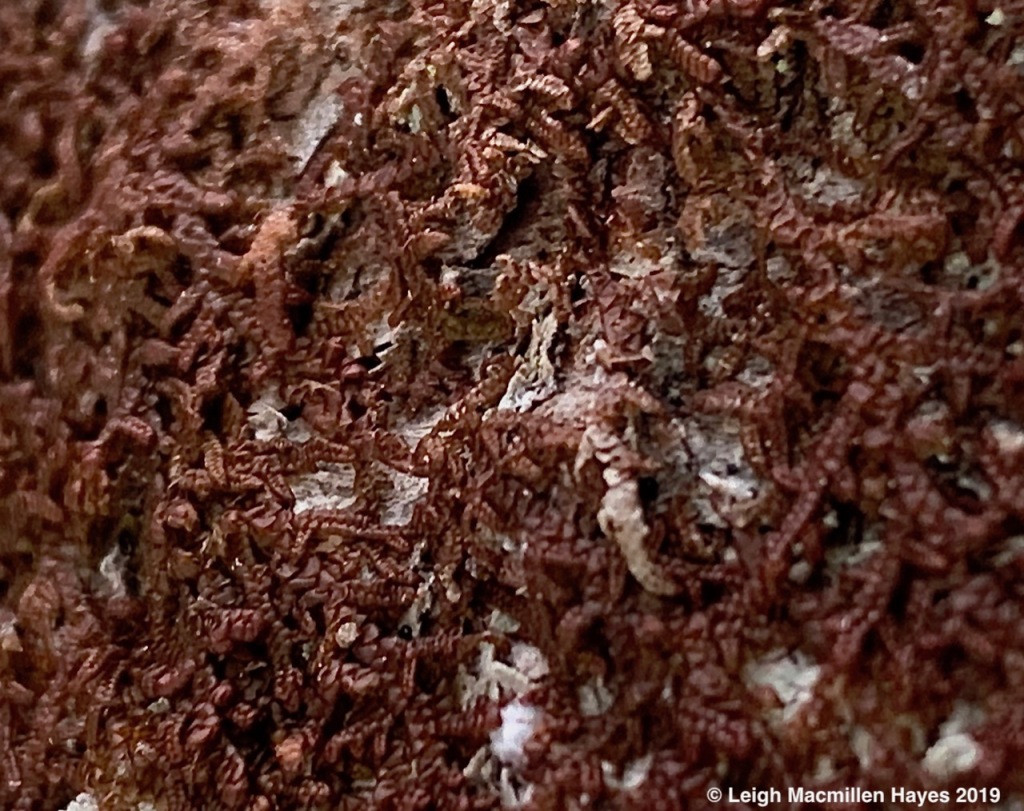
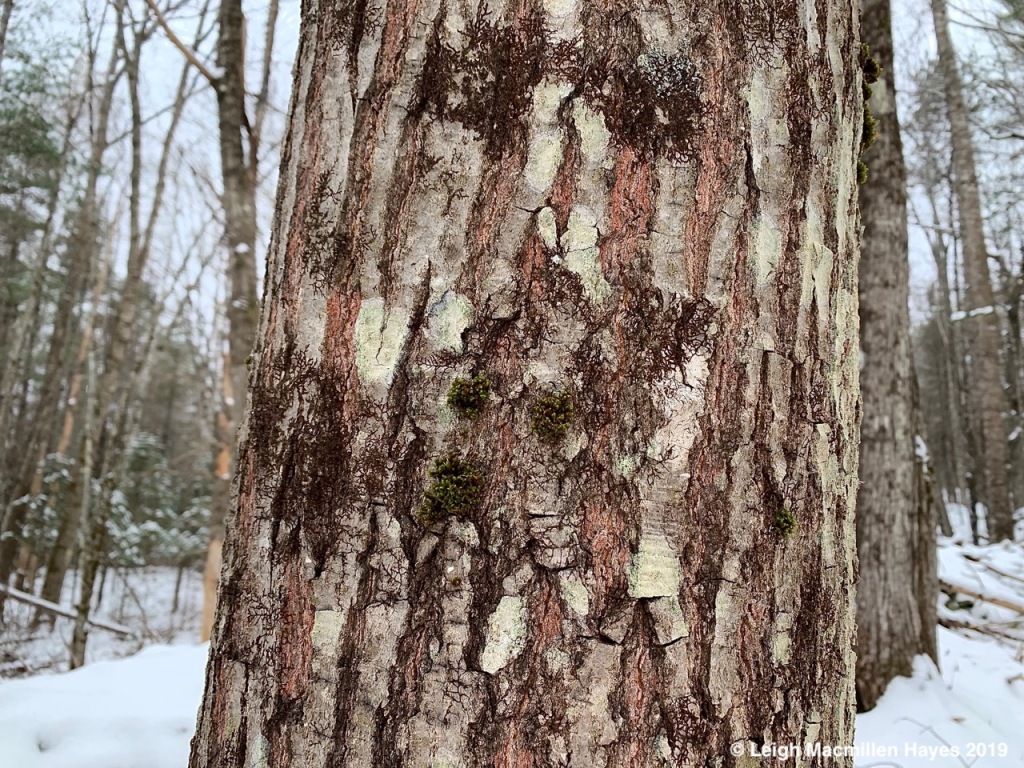
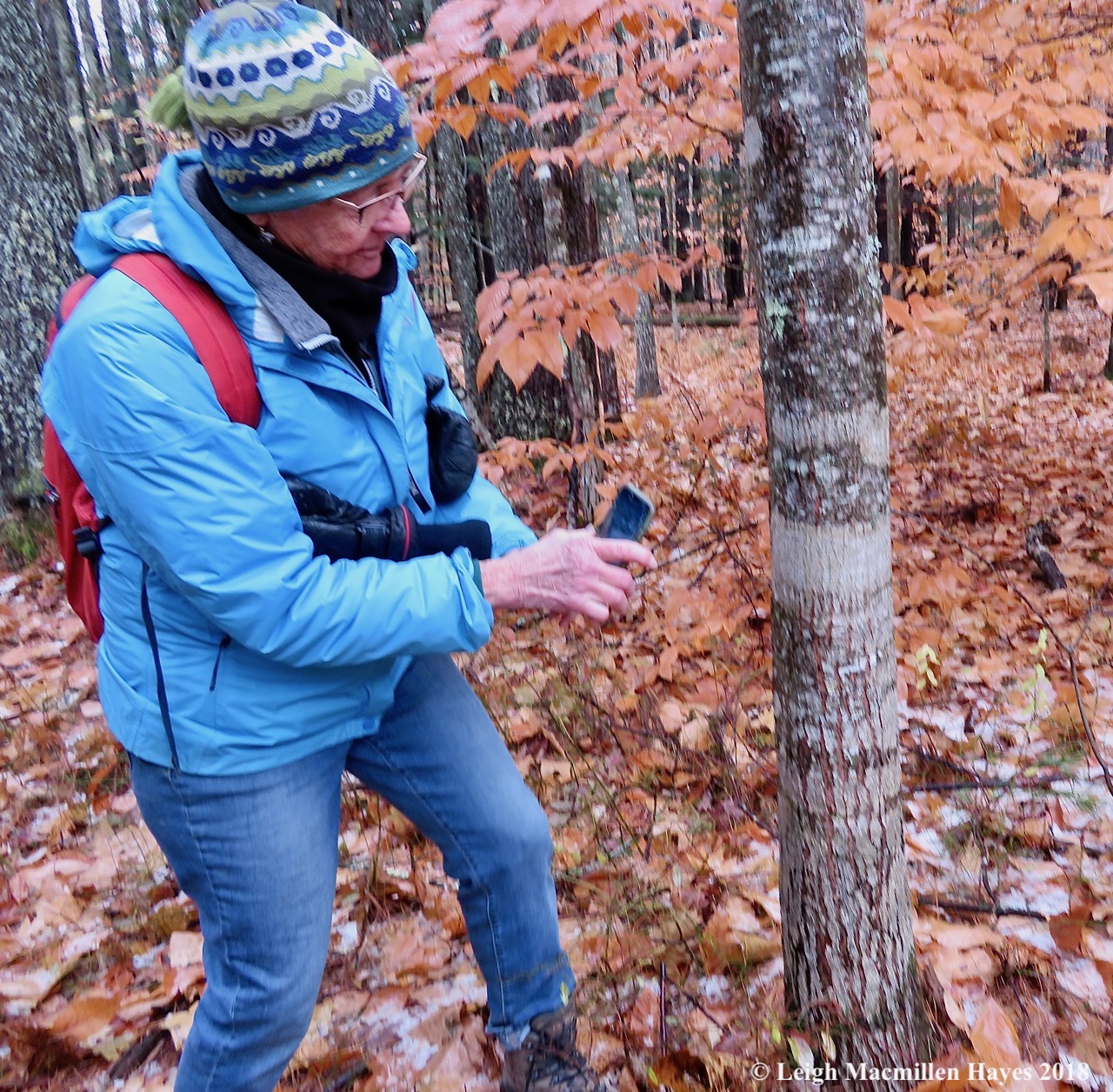
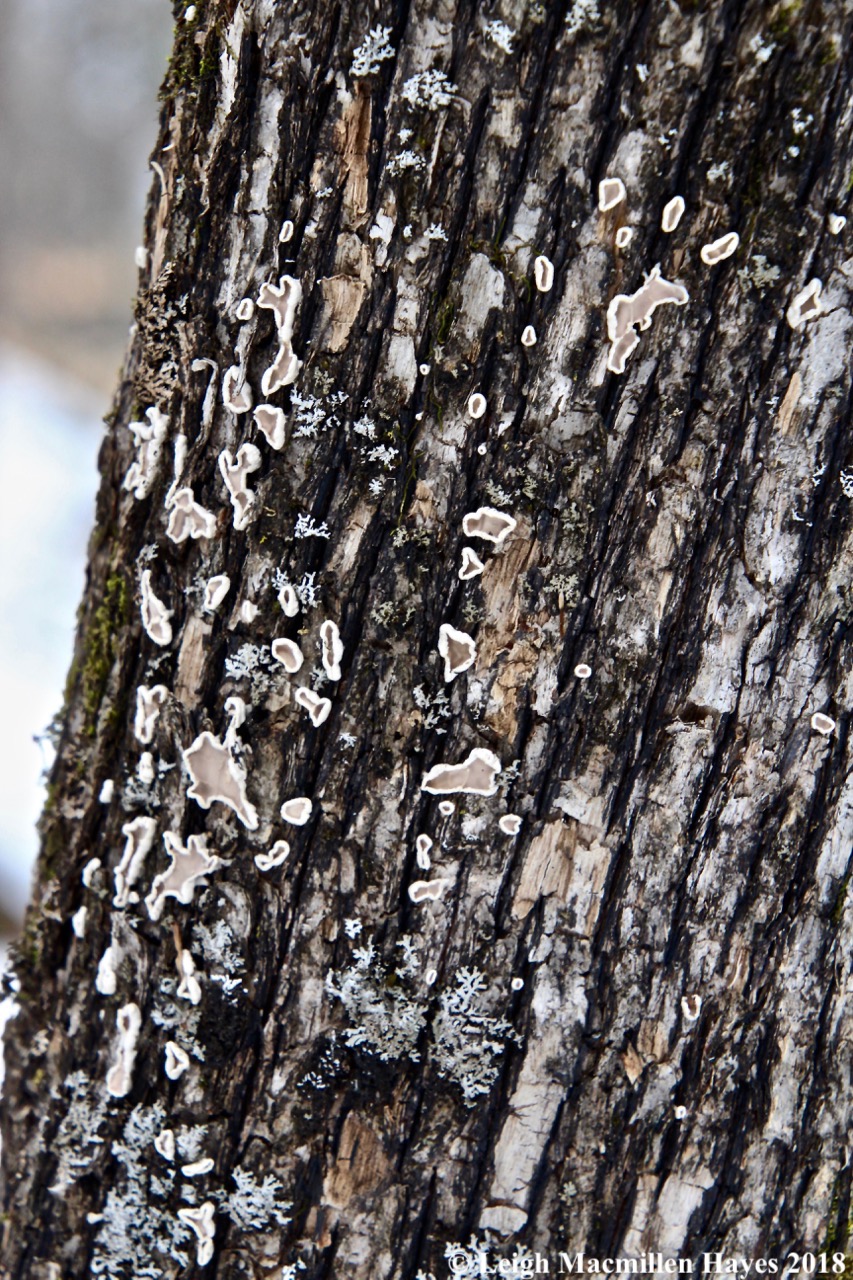
We talked a lot about tree bark along the trails, and nature in general, and all kinds of other topics as well, but every once in a while a tree stopped us in our tracks, such as this one. In my opinion, it offered a great example of the Bull’s Eye Target Fungus that affects Red Maple bark, but doesn’t kill the tree. I explained to my friend that it offers a quick way to identify this species of tree.

And in our midst, as we hiked we occasionally spotted Bruce Spanworm Moths flying about. What I forgot to mention on Saturday was that the males fly, but the females are wingless and we should have looked about because we may have found one. But knowing my friend, now that she knows this, she will be on the lookout. So will I.

We completed a circuit of trails on one side of the main road and then crossed to the field where vegetables and animals had once been raised. It struck us as odd that instead there was a door in the middle of the trail. A locked door at that.

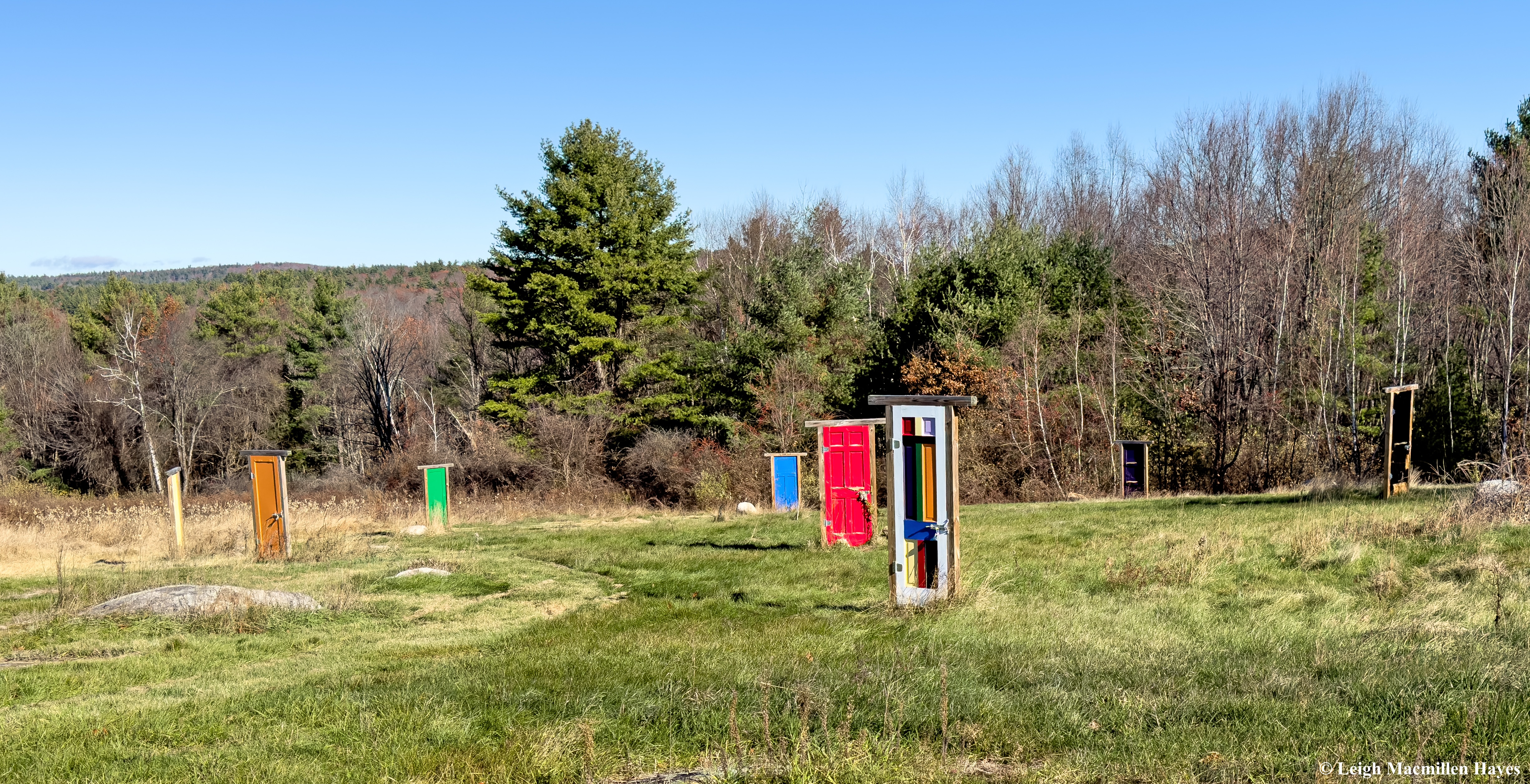
And then in the field below, we found one multi-colored door through which if one could unlock and pass, would lead to a circle of eight more brightly painted doors. You’ve heard of Stonehenge? We decided this was Doorhenge. Or perhaps Doorhinge.

The purpose for this installation? We don’t know, but we did wonder if the doors were strategically placed to represent compass points.

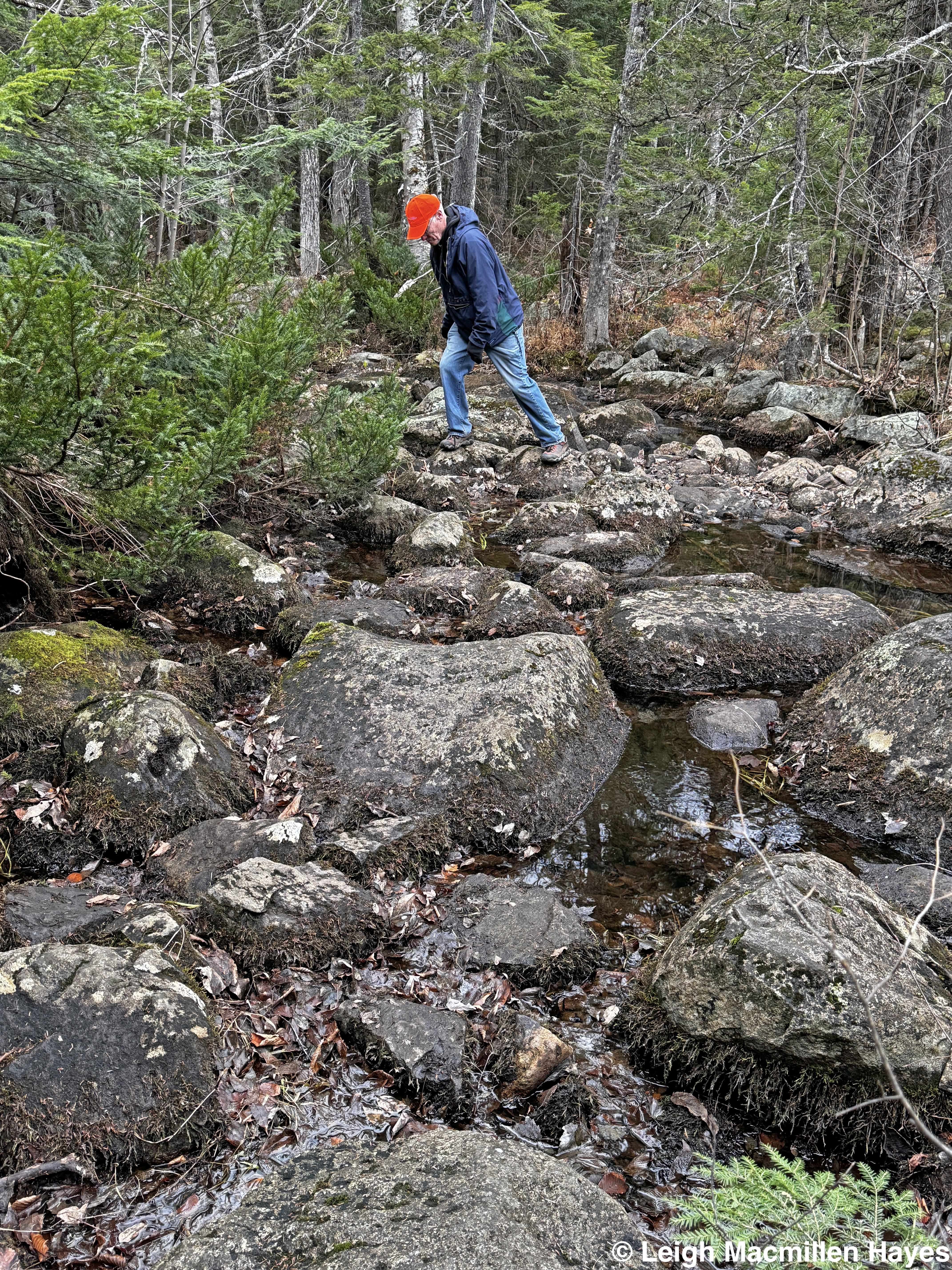
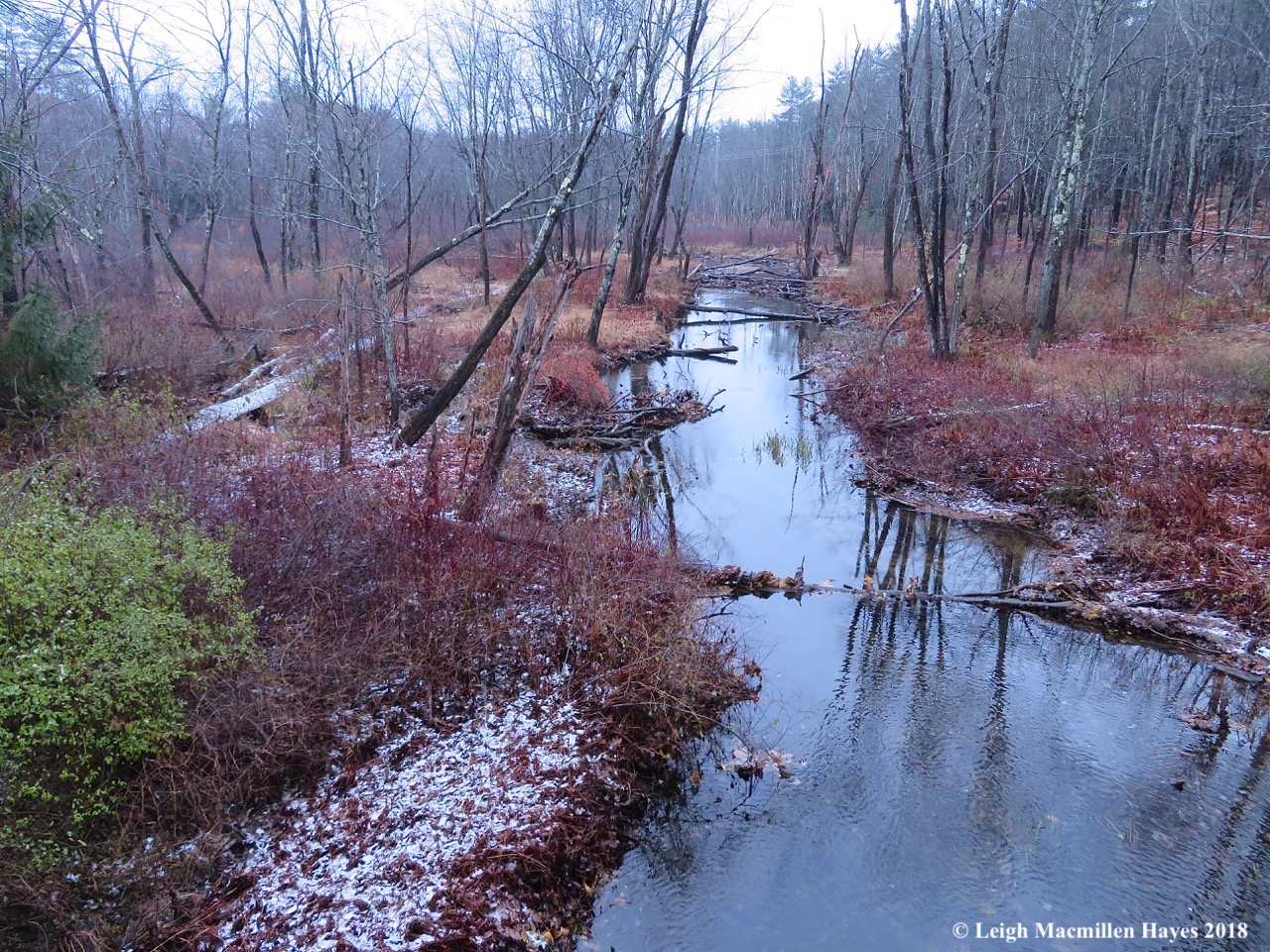
We knew we didn’t have time to hike the entire trail, but were thrilled to reach water, which I think must have been Ash Brook. What we did note was that it was an active Beaver territory.

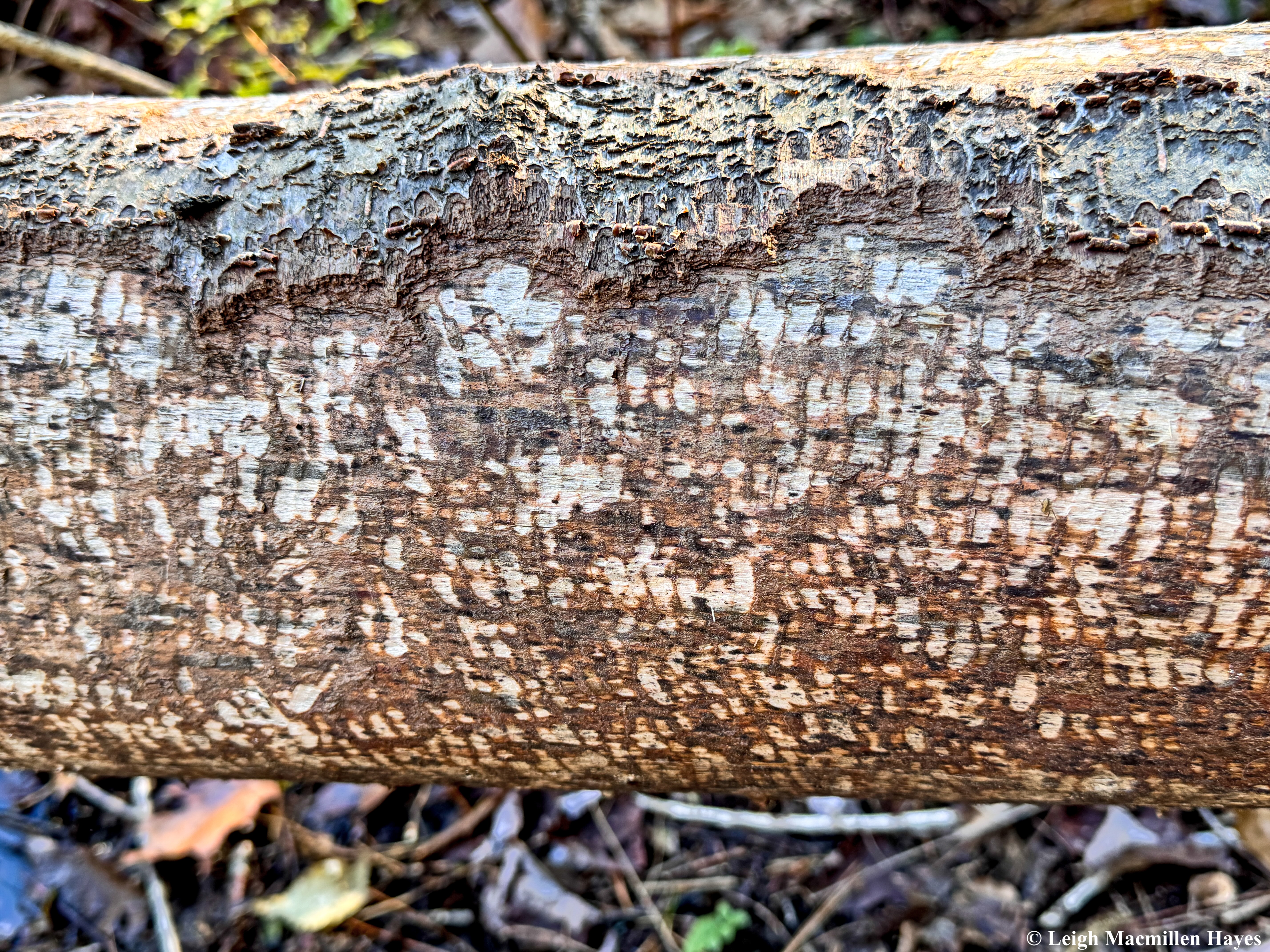
And the work of the Beaver’s teeth as upper incisors met lower to consume the cambium layer where sugars and water and nutrients were exchanged through phloem and xylem, was well documented. Barely any bark was left untouched.

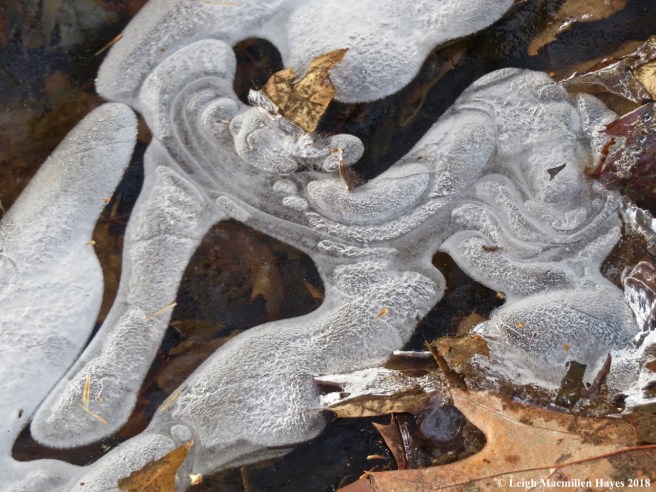
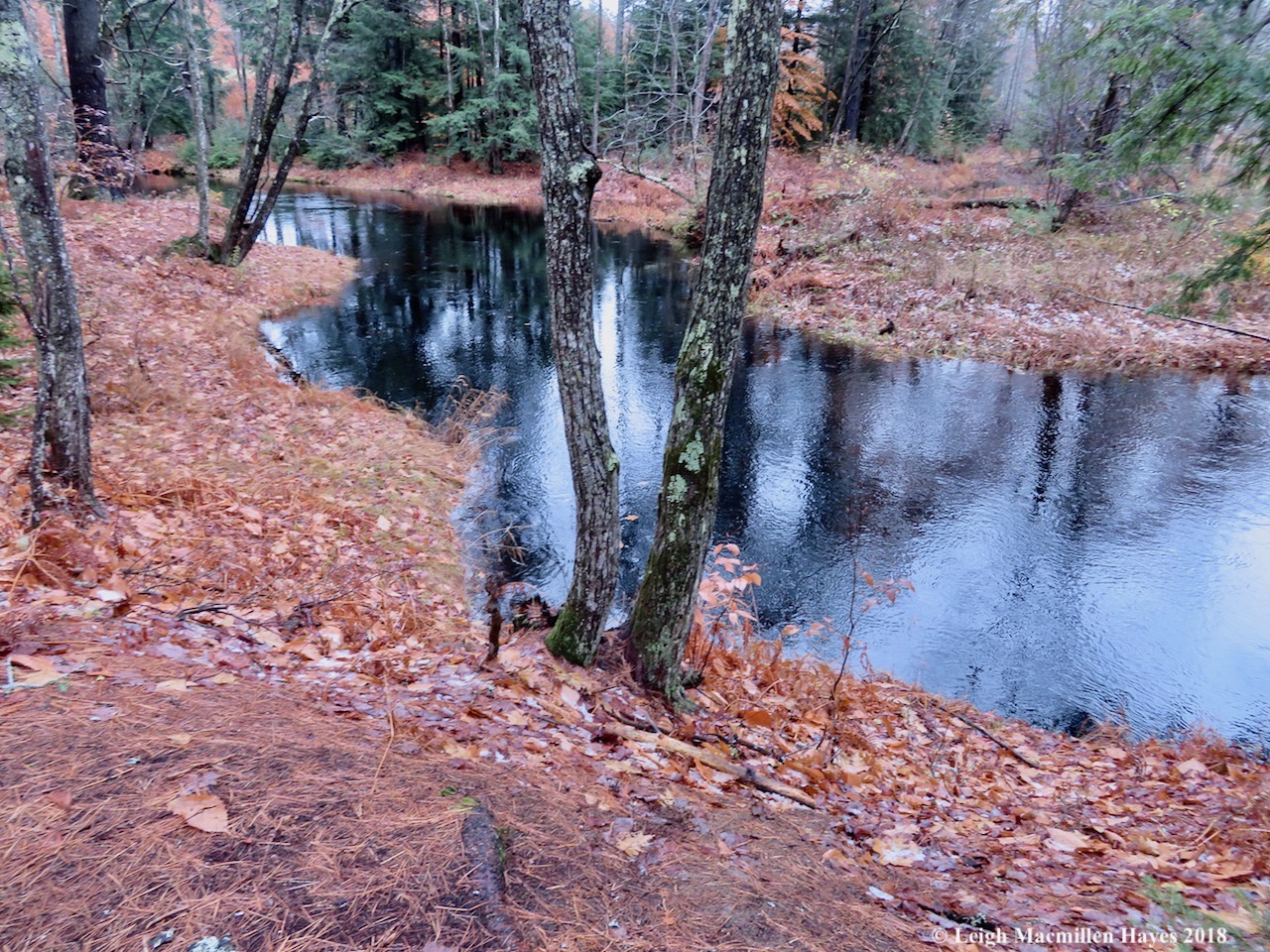
Not far from our turn-around point we reached more water and though we couldn’t find the actual Beaver Lodge, we did note that a skim of ice had formed. And the ice-covered water reflected the Bluebird day we were enjoying.

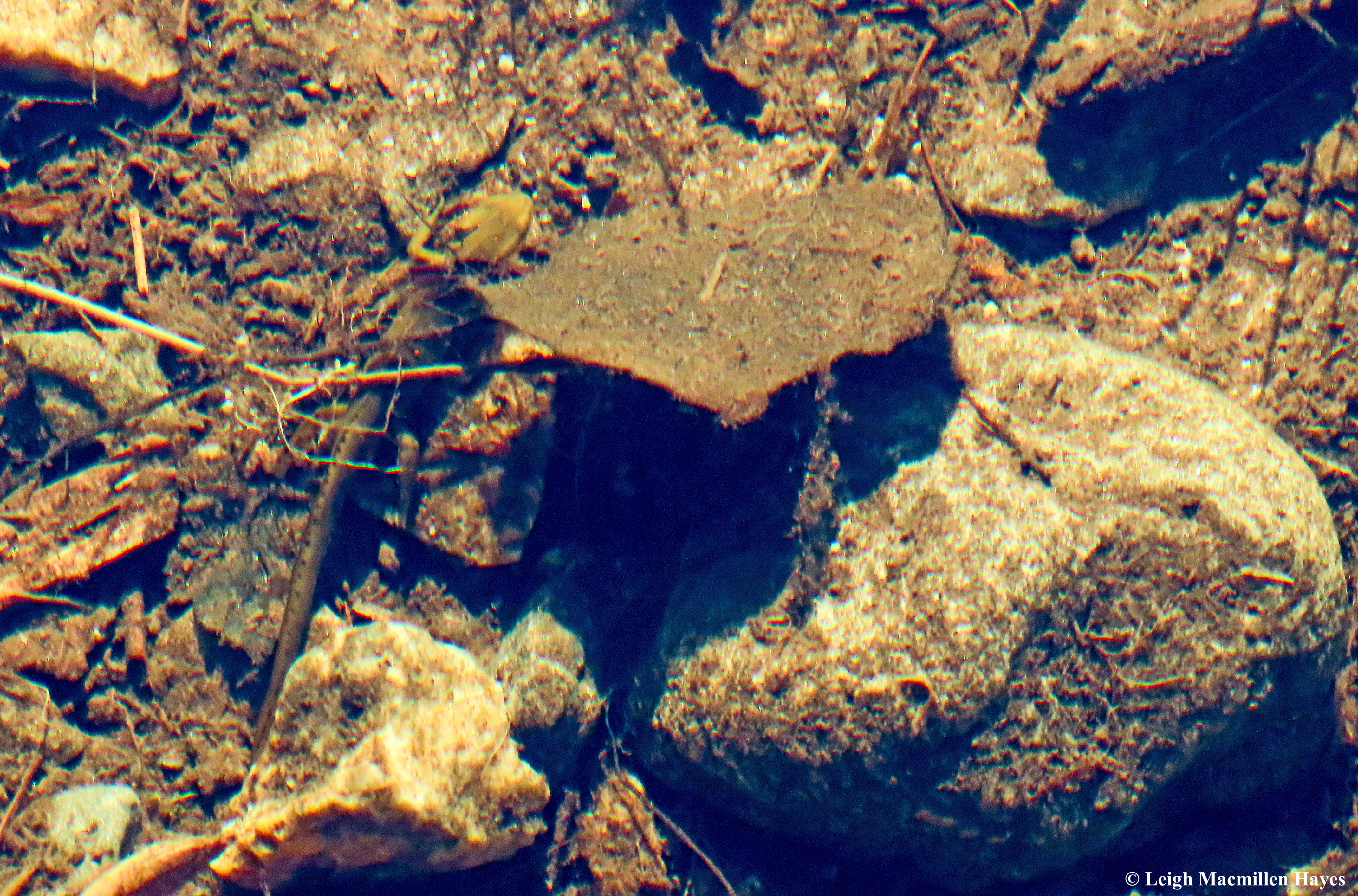
Her eagle eyes also picked up on an Eastern Newt in the water below. Can you see it in this Where’s Waldo image?

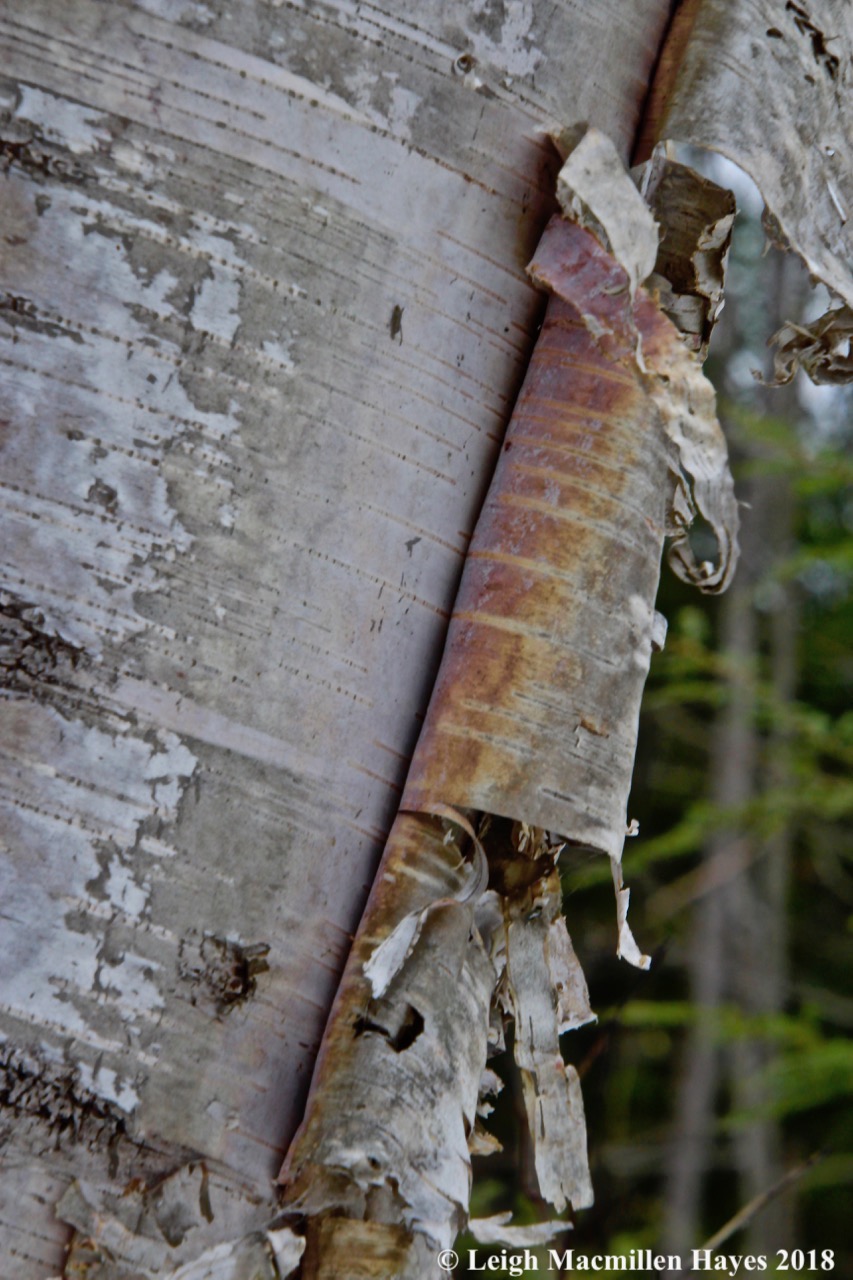
Upon our trek to our turn-around point, for this was an out-and-back trail, we discussed Paper (white) Birch and Gray Birch and my friend mentioned that she didn’t remember ever meeting Yellow Birch.

And then, as often happens, on the return trip we started to spot its curly presentation over . . .

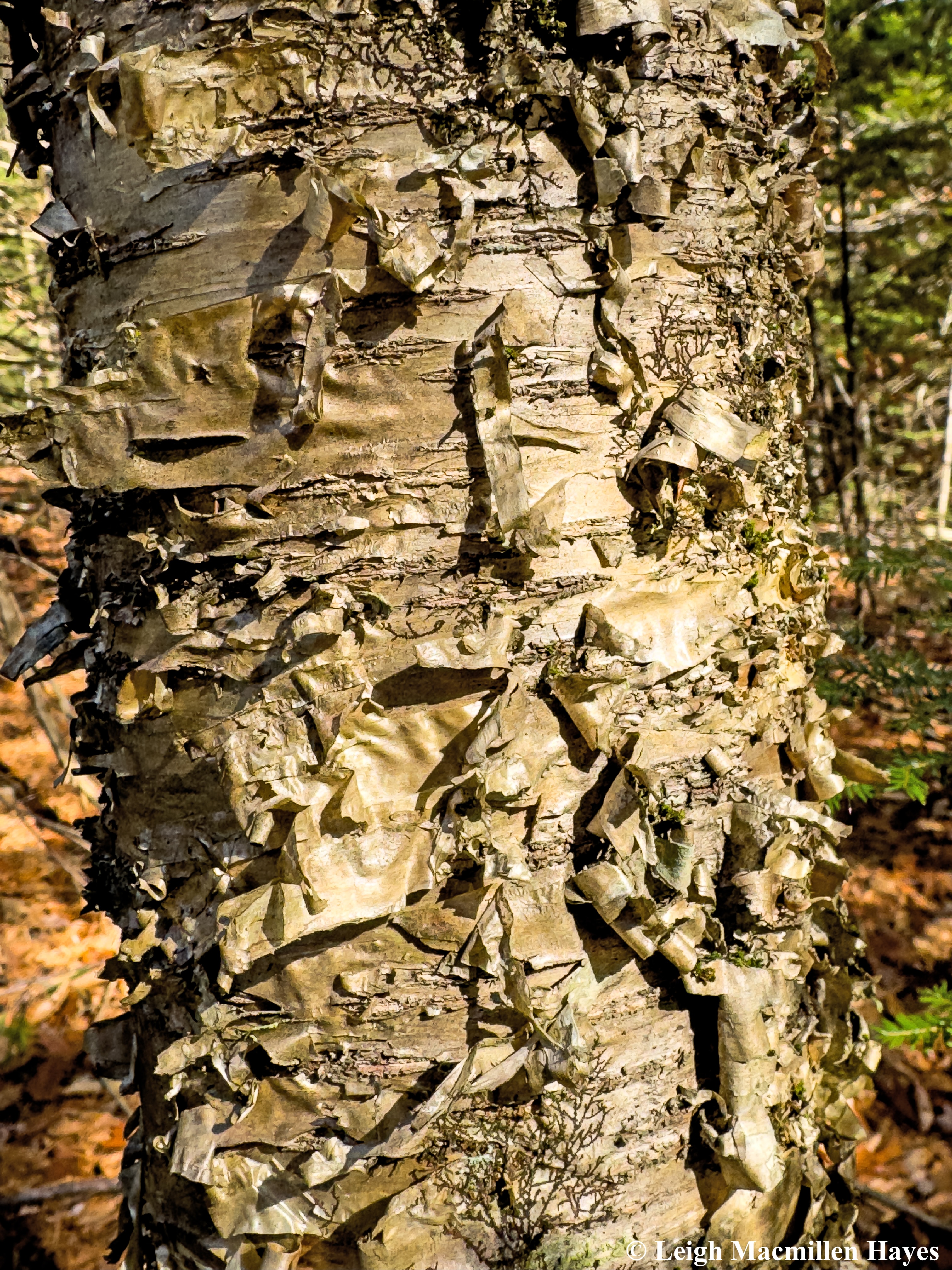
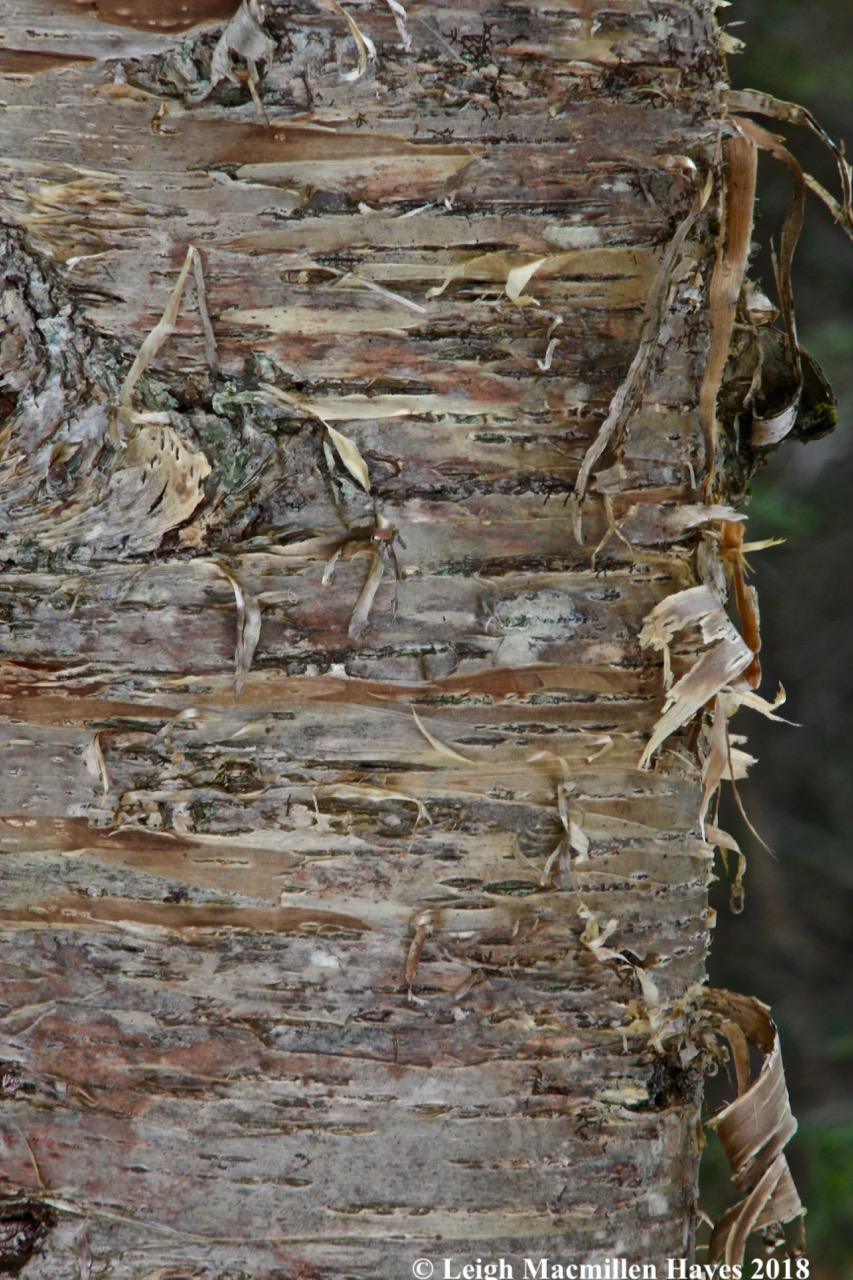
and over again and I explained that as the tree matures it takes on a more silver gray appearance, but my friend liked that she could still see the gold in the curls.

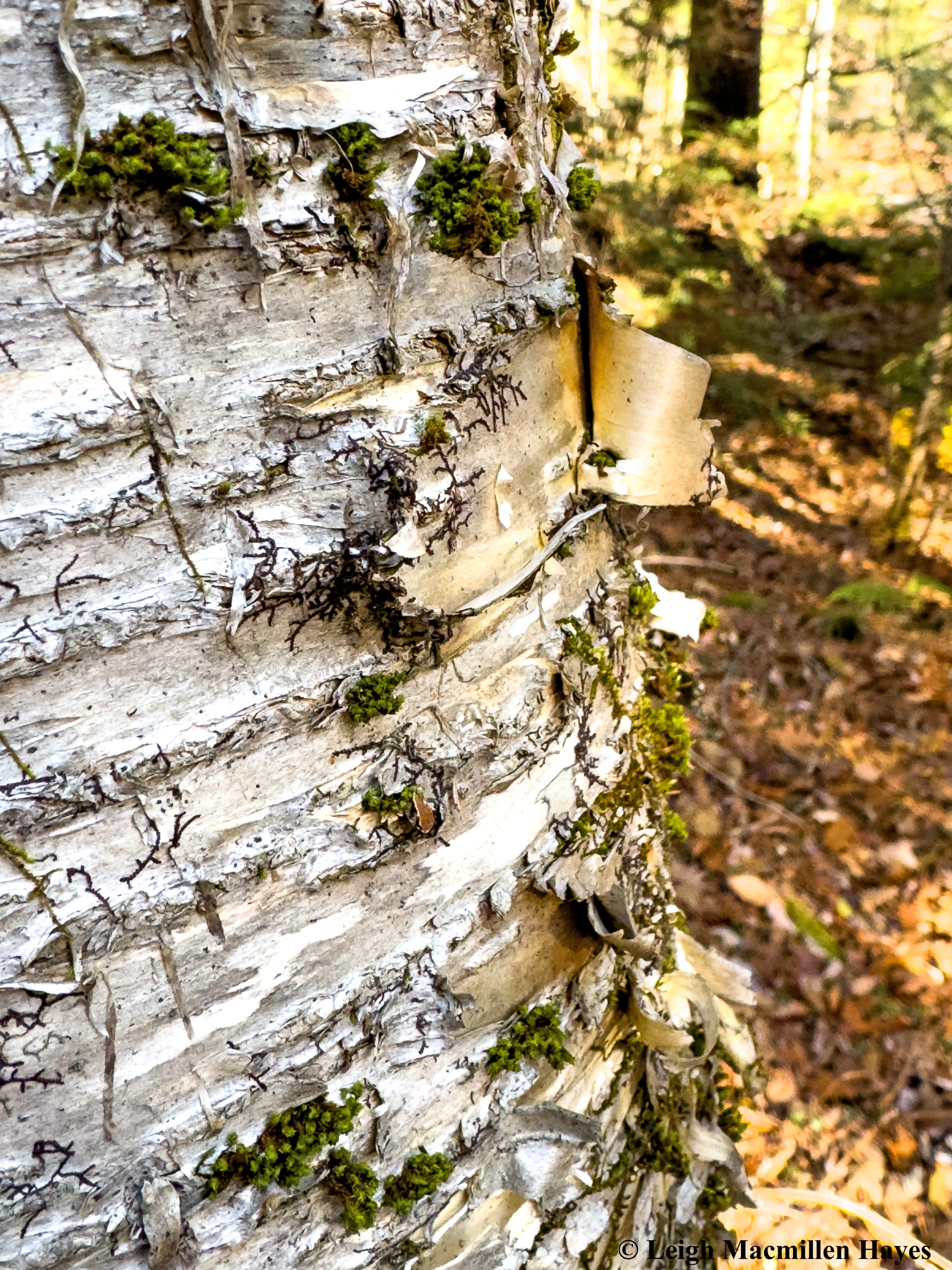
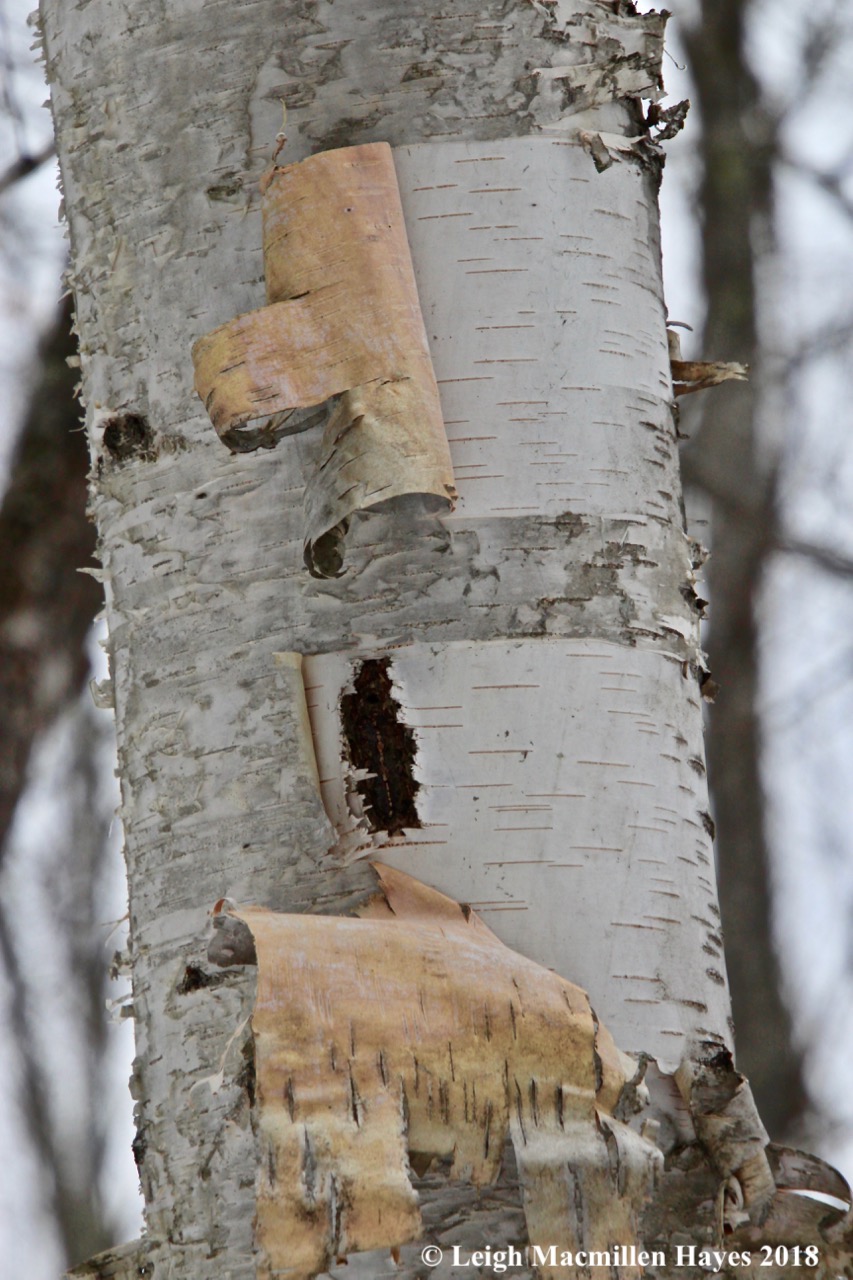
That said, sometimes the Paper Birch trees also had a golden underbark and so I reminded her that she had to also consider how the trees peeled, Yellow being in ribbons while Paper peels in, well, sheets of paper sometimes. Had there been twigs that we could reach, I would have done the touch and sniff tests, but that will have to wait for another adventure.

We even had the surprise opportunity to greet a Maple-leaf Viburnum, a species I’d shared photos of with her earlier in the fall.

We’d given ourselves a turn-around time so that at the end we’d have a chance to sit and eat left-overs from the dinner we’d enjoyed at The Common Man the night before and soak up the warmth of the sun and try to wrap up our conversation that had gone on for almost 24 hours. Well, except for when we were sleeping, of course.

In the end, we gave great thanks for making the time to meet each other at the Halfway Point. Well, the almost Halfway Point if truth be told for I’d only traveled two hours from Maine to reach Concord, New Hampshire, while Carissa had driven three hours north from Connecticut.

I’m so grateful for this friendship that has spanned decades and that we can renew it along the trail despite the distance that separates our everyday lives.

Thank you, Cris!

Above and Below: a few wonders from skyline

Grab a cuppa your favorite beverage cuze this is gonna be a long one.

We haven’t taken a vacation in the past two years, but this past week changed that . . . thankfully. It was rather a last minute decision and the Wednesday evening prior to our Sunday afternoon departure found us booking places to stay and suddenly it felt real.

And then it was.

After a long drive, which we split up with a stay in Scranton, Pennsylvania, where we kept looking for the truck carrying “30,000 pounds of … bananas,” we pulled into Front Royal, Virginia, and vacation really began.

Our intention was to drive along Skyline Drive in Shenandoah National Park and hike as many trails as we could fit into five days. Thankfully, our friend Kimmy had given us a bunch of suggestions, and the rangers at the Visitor Centers had maps for each one.

On each of the trails we hiked, metal bands on the trail markers were stamped with the direction and mileage, and after not paying attention on Day 2, and finding ourselves at least a half mile beyond the point where we should have been looping around, we had to backtrack, and learned our lesson. Always check first before proceeding.

Had we looked, rather than thinking that we knew better, we would have discovered that the trail was to the right.

But it was a loop, so we thought we would end up back in the same spot. The laugh was on us. And laugh we did.

The trails we followed varied from easiest to moderate to difficult with somewhat steep sections or scrambles, and we loved the variety . . . underfoot and in the shrubs and trees, but more on that in a wee bit.

Many had outlooks where we could enjoy the view, but one in particular, reminded us to look, that being White Oak Trail.

As the week went on, it was fun to note how the foliage changed. When we first arrived, the view at Compton Gap was that of a November tapestry . . . golds and greens and oranges and rusts . . . just a bit past peak. By the end of the week, after a windy, rainy period, many trees had lost their leaves.

The next day, though we drove up the long and windy road and through Mary’s Tunnel, it was said rain that greeted us.

On that day and on and off the next, how far Was forever?

Not very.

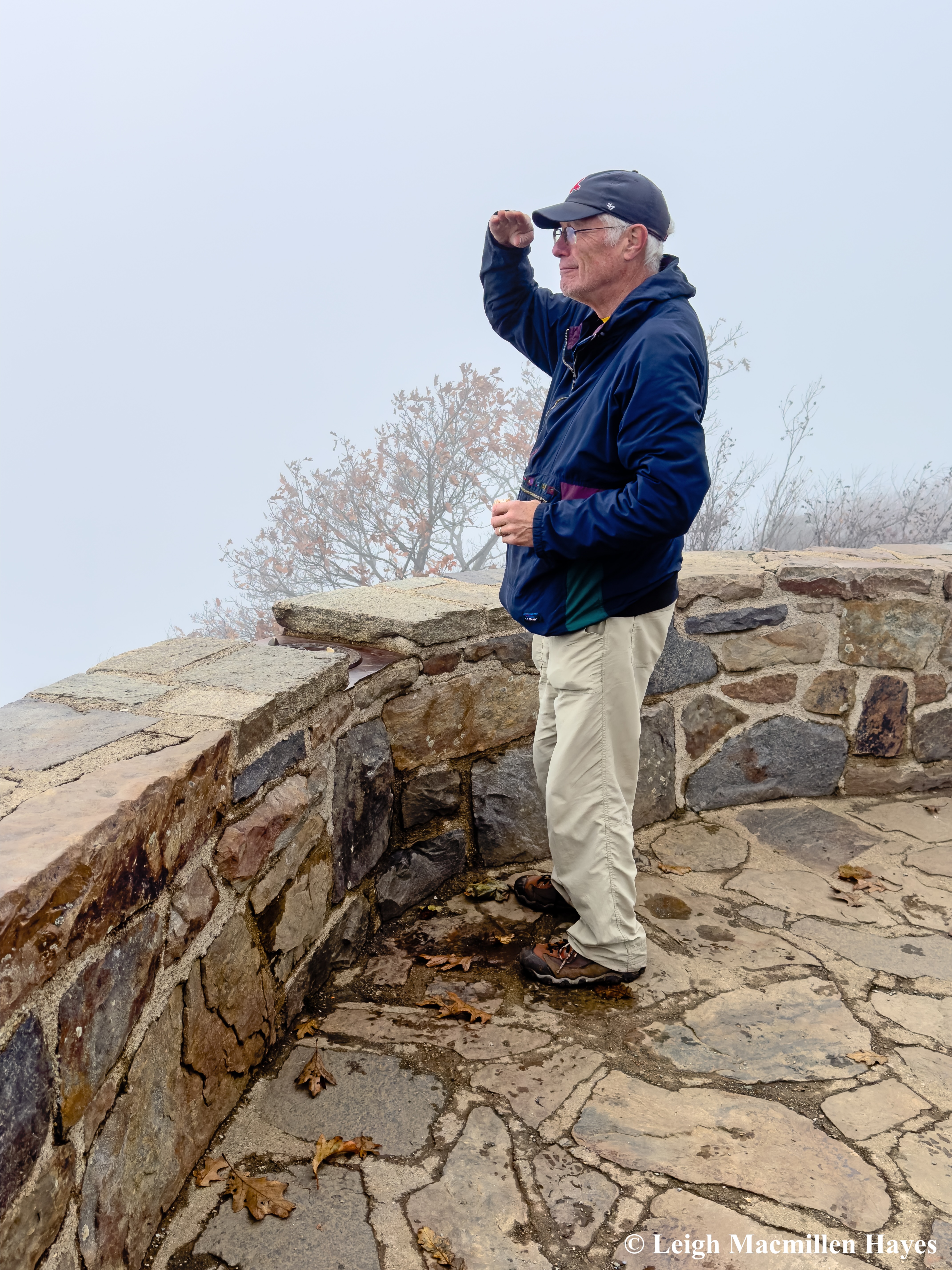
Even from the stone look-out at the summit of Stony Man, all was obscured.

But . . . we weren’t the only ones making the trek, and as we met other hikers along the way, we all chuckled about the lack of a view.

It didn’t really matter. We were there to hike, and that we did. And to enjoy each other’s company, and perhaps the lack of view put the emphasis on the latter focus.

There were other days or even moments on the same days, when we could see Forever, and gained a better understanding of the local topography.

And sometimes we followed water, the very sound of which gladdened our hearts because it’s been so dry not only in New England, but also in the mid-Atlantic states, maybe more so, and the rain was welcomed by all.

It even offered instant showers and since we were on and off the Appalachian Trail, we suspected thru-hikers might enjoy this very spot where the water poured down as a gift from above.

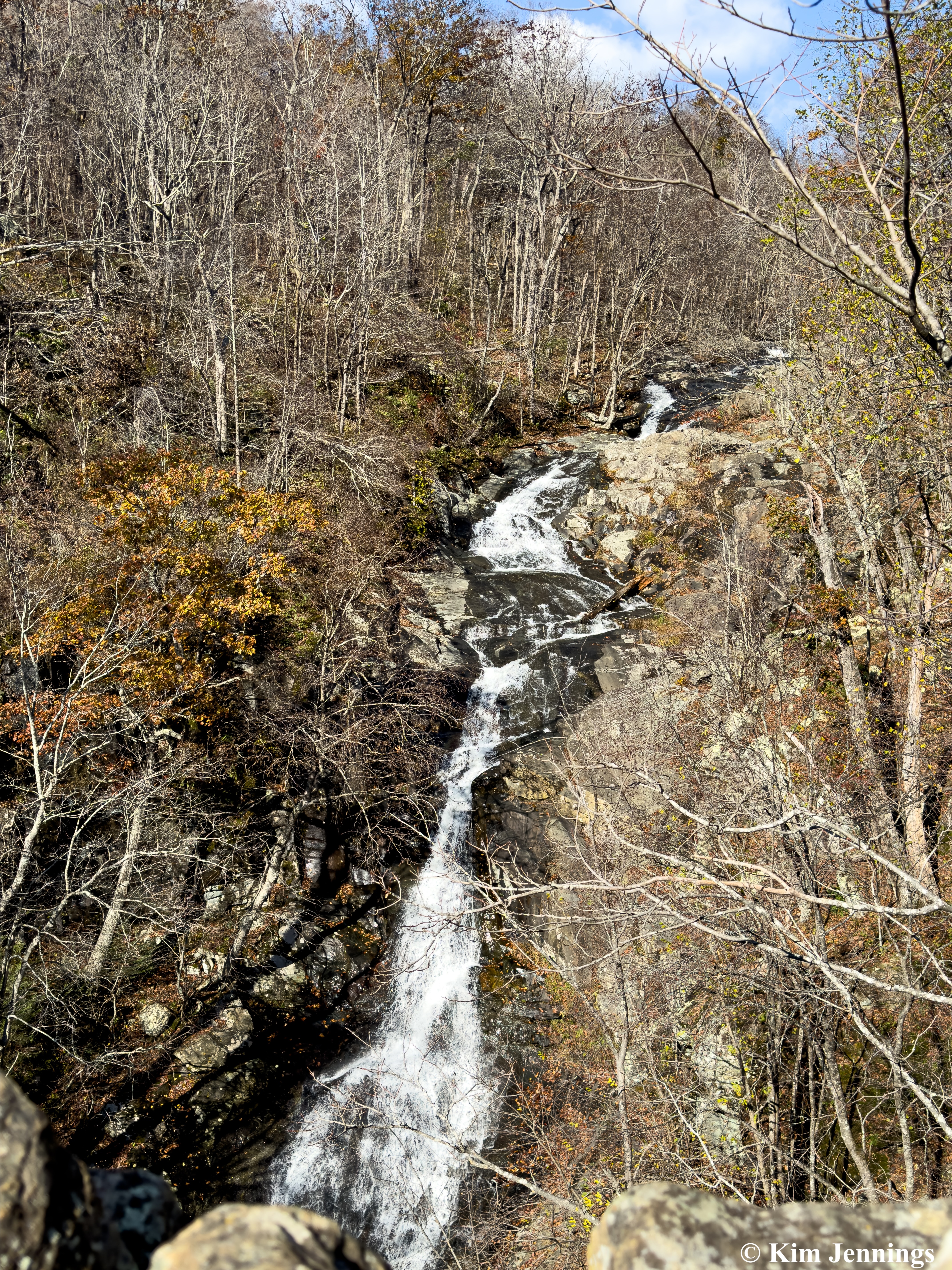
By week’s end, we had three favorite hikes, this one being to Dark Hollow Falls.

And then with two friends to White Oak Falls we discovered another favorite. I must admit that though this photo was taken with my camera, I let my friend, Kimmy, do the dirty work as the rocks she climbed over daunted me, especially as the wind roared.

The view also included much smaller sightings, like this Shaggy Soldier (Galinsoga quadriradiata), a curious little plant that was still in bloom along many of the trails. From a Botany in Scotland Blog, I read that “The genus Galinsoga is named after Ignacio Mariano Martinez de Galinsoga (1756- 1797). He was a famous physician in Spain’s royal court and is remembered most for writing a book about the health hazards of wearing corsets.” I’m not sure that answers the question of why the common name, but I do know that I completely agree with him about the health hazards of wearing corsets.

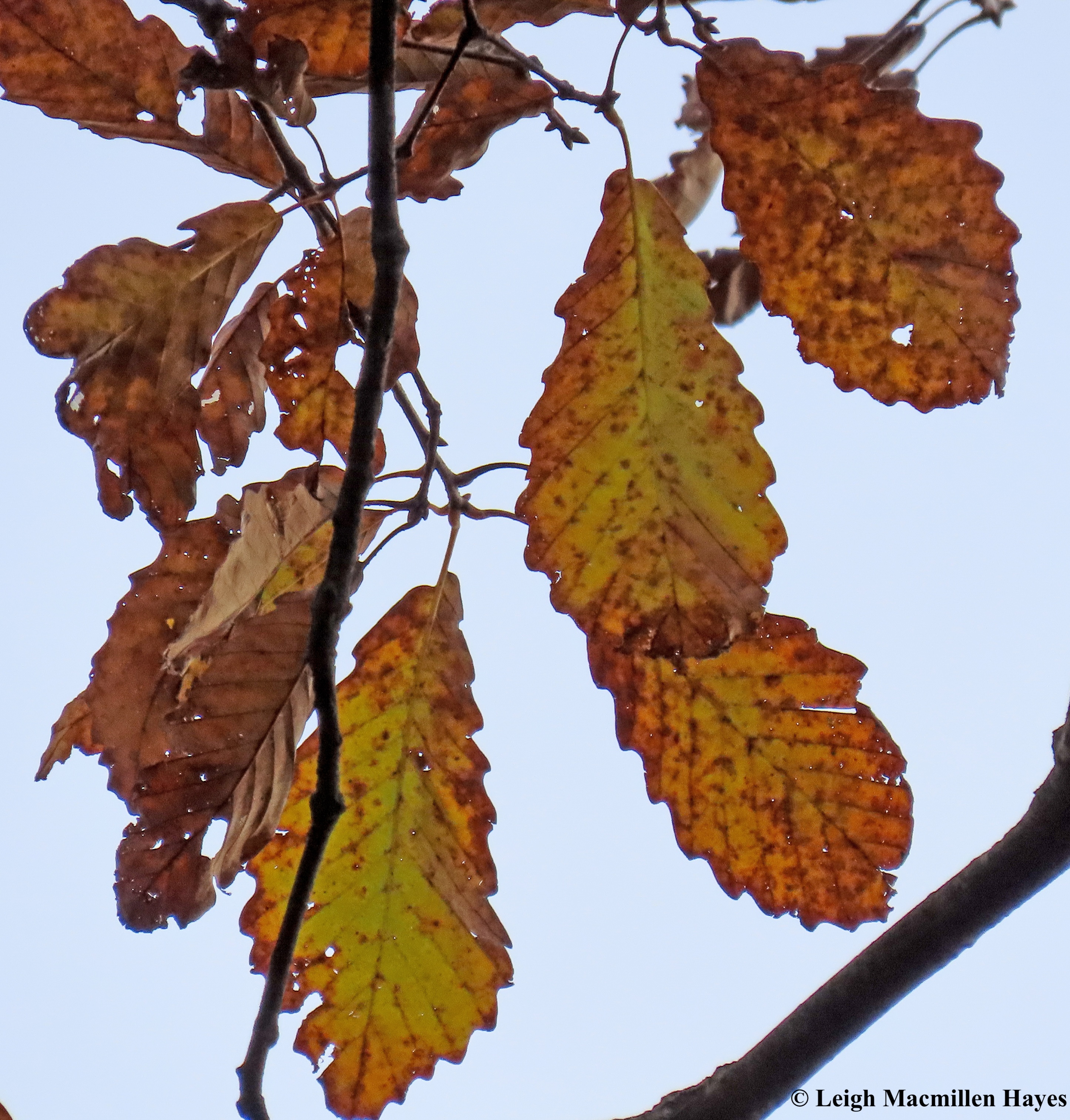
My heart nearly split in two when I spotted these Chestnut Oak leaves. A friend recently saw one of these in Portland, Maine, but this was my first introduction to the species.

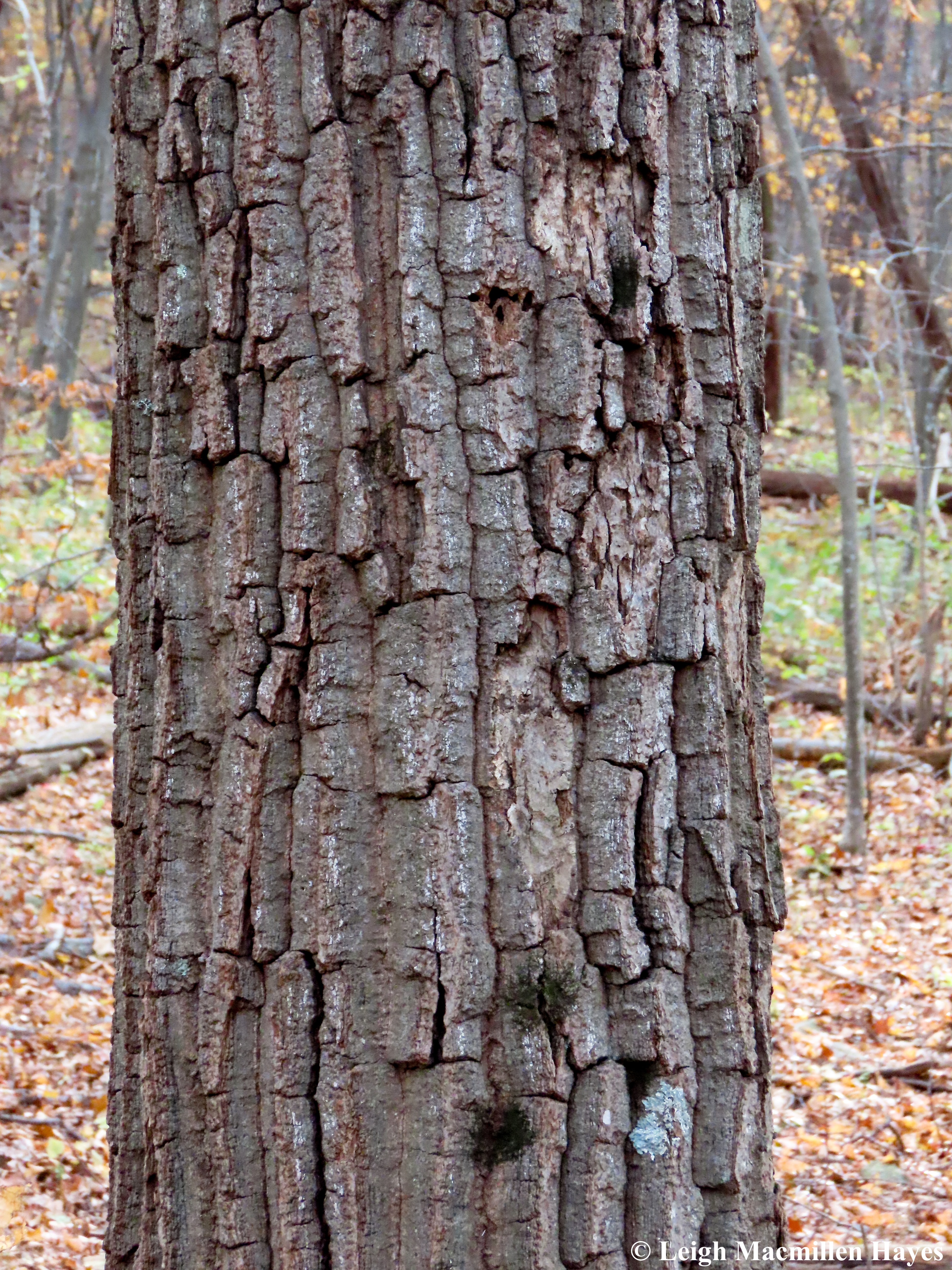
The mature bark is a combination of ridges and furrows, with a blocky presentation.

As I continued to meet new trees, I was thrilled and challenged and so purchased a Pocket Naturalist® Guide of Virginia Trees & Wildflowers.

My next introduction was to Sassafras, with its tulip-like, three-lobed leaves. There were so many on the ground, that they became part of the scenery along some trails.

And on Day 2, yes, it was chilly, but I took the opportunity to honor a Sassafras with a hug. That was one huge tree.

Again, the bark had ridges and furrows, though it wasn’t blocky like the Chestnut Oak. But . . . I could have easily thought it was an Ash. In hindsight, however, we didn’t encounter any Ash trees.

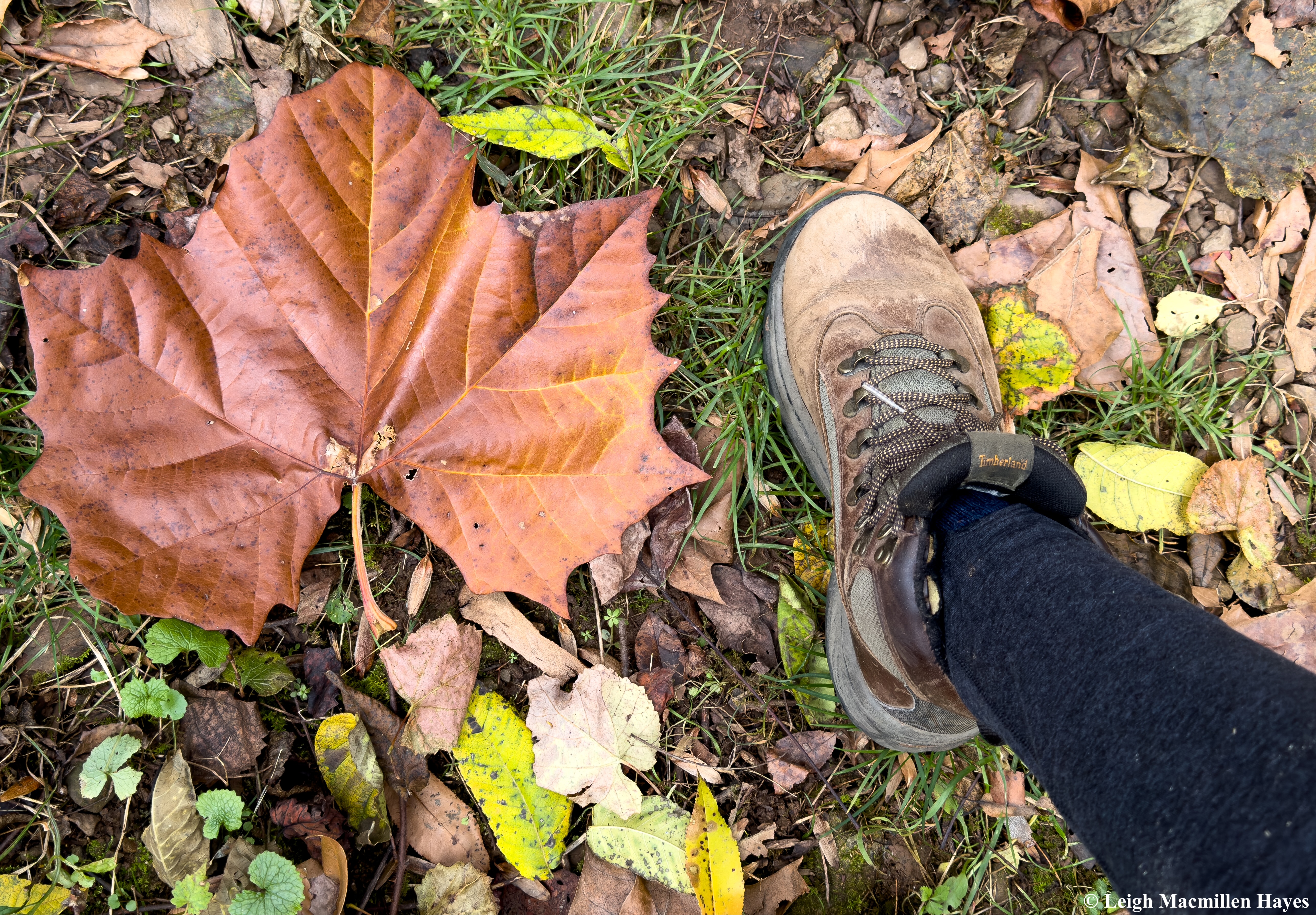
Though I have met the American Sycamore before, in fact, there used to be a large one in a neighboring town and for all I know it may still grow there. it was still fun to get a sense of the size of the leaves.

And then there was the Eastern Cottonwood, a cousin of our Aspens (Poplars), and I could only imagine all of the fluff along the Hawksbill Greenway in Luray, where this tree grew.

By its bark, I never would have known it, but fortunately, there was a sign below it that indicated it was a Cottonwood. I love signs!

Again, any of the barks we met all looked the same, at least during our brief encounters, so I was grateful for leaves that helped me differentiate them.

Others from away have mentioned Pawpaw, but this was my first time seeing the leaves that are widest at the middle.

They seemed to grow in clumps or groves and I wondered if they were all from seeds or is some root sprouting had also taken place. They reminded me of American Beech, which can do both and quickly fill an area where the sun shines.

One that I had never even heard of was the Princess-tree, and it had leaves the size of umbrellas. I’ve since read both pros and cons about this tree and you can do the same and make up your own mind about it, but it was certainly a surprise to meet it.

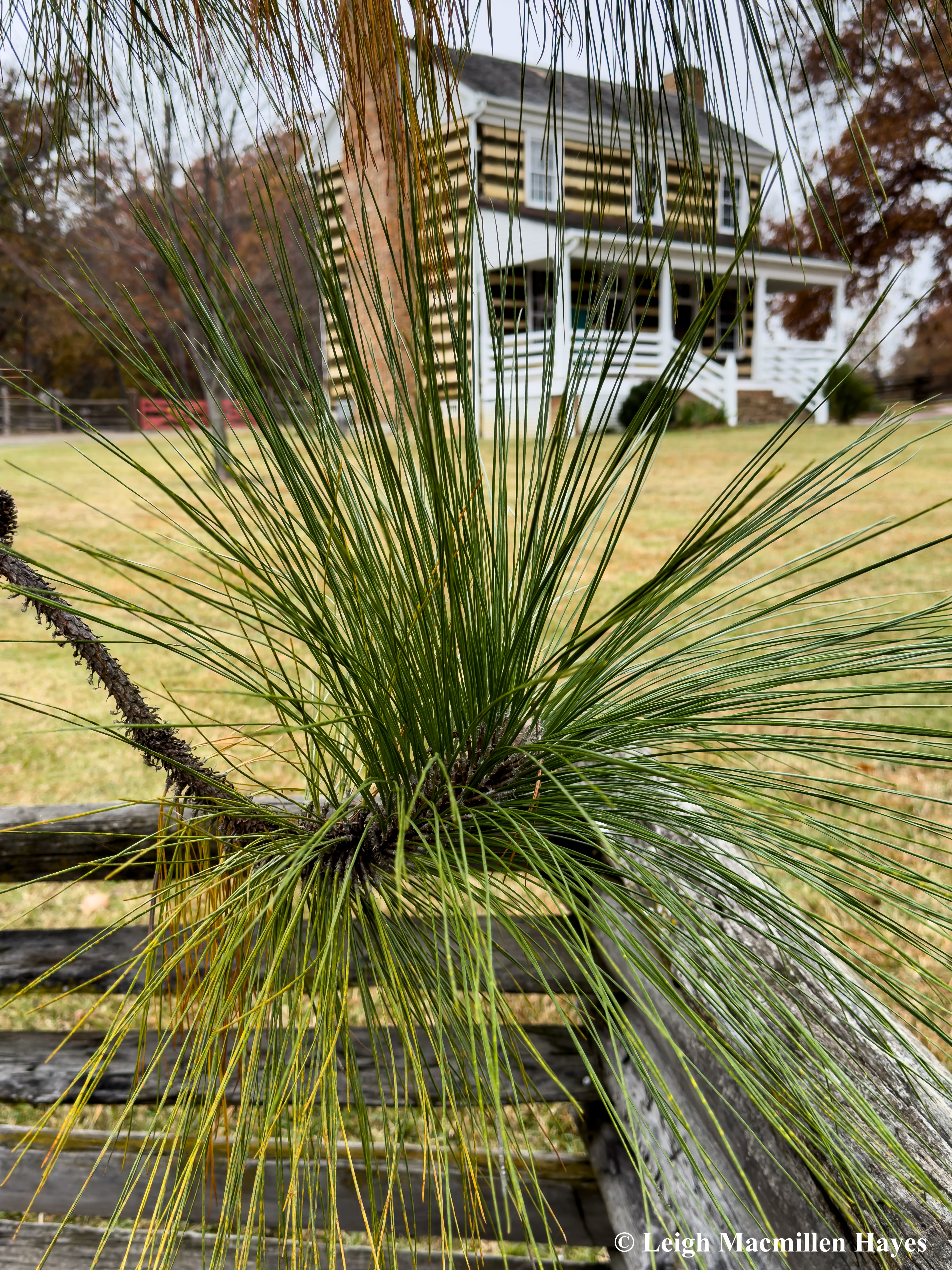
Almost last was one we found at the Shenandoah Heritage Village Museum. Again, I’ve heard of it, but this was a first time seeing it. My what long needles.

At about eight inches, each packet of three led me to identify it as a Loblolly Pine. I am sooo grateful that I purchased that guide.

So here’s the thing about the conifers. For a couple of days we met only deciduous trees, and most of them were the species I mentioned above. And then, as we went higher in elevation, we began to meet a few Eastern Hemlocks and White Pines and many of the trees we are familiar with in our woods. My Guy even noticed the various communities, and along some trails Mountain Laurel grew almost like a hedge.

I’ve saved this particular leaf for last in the tree section of this blog. Oh, believe me, I have plenty more to say. But this skinny leaf that My Guy held for me, is another Oak species.

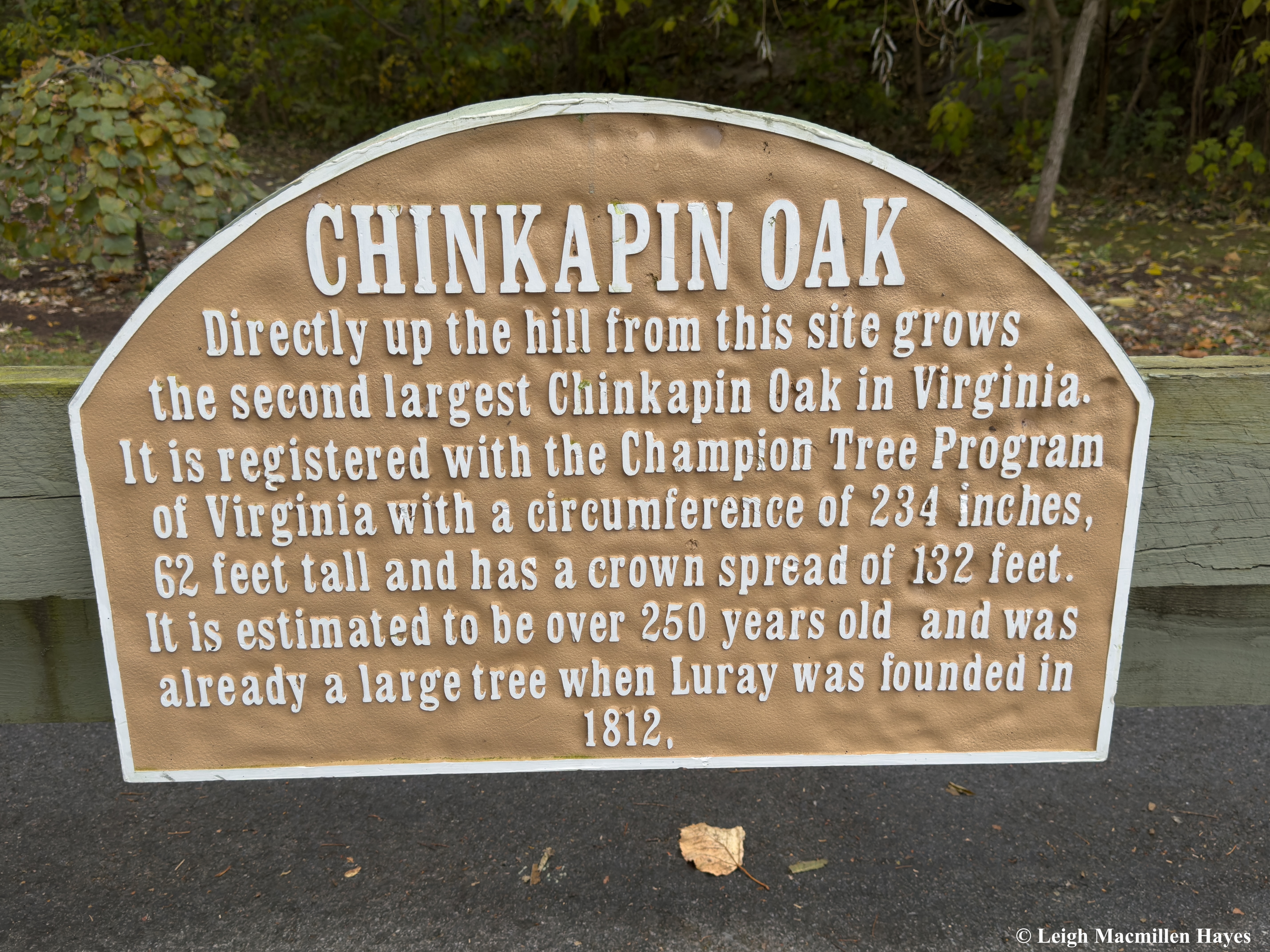
We only knew about it because on our rainy day hike, when we turned around from a mountain adventure and decided instead to explore in Luray, we discovered this sign along the Hawksbill Greenway, a two-mile trail through town.

We looked up the hill from the sign and didn’t spot anything that looked different. After we’d walked to both ends of the trail and back to our starting point in the middle, we headed up one street that led us to the next, and then one more because we had spotted something that we thought just might be the champion.

Meet the Chinkapin Oak. Born about 1775, think about all that this tree has witnessed. I wanted to hug it, but refrained because I didn’t want to accidentally introduce something to it. For example, what if I had teeny aphids on my mittens that I wasn’t aware were there from having touched other trees? No, instead, I just stood in awe of this mighty giant. We both did, actually.

Returning to the trails, sometimes we came upon historic sites, this one being the Fox family graveyard.

Lemuel F. Fox died in 1916 at the advanced age of 78. That’s actually an incredible feat.

Especially considering he survived the Civil War, where he served with the Confederate States of America.

At the Snead Farm on another trail, we discovered what seemed to be a raised dooryard and large foundation and sensed the Sneads had some money.

Perhaps the house burned down, or was taken apart and moved, but the horse barn still stands.

I peeked into each of the stalls, just because I could.

Interestingly, visitors can ride horses on some trails specifically designed for them. though this one isn’t.

It’s a place for everyone, including those with mobility issues, for the Limberlost Trail is accessible. .

And truly it is a place for everyone as we met people from a variety of states and countries, including Sri Lanka, Spain, England, Germany, Israel, and more.

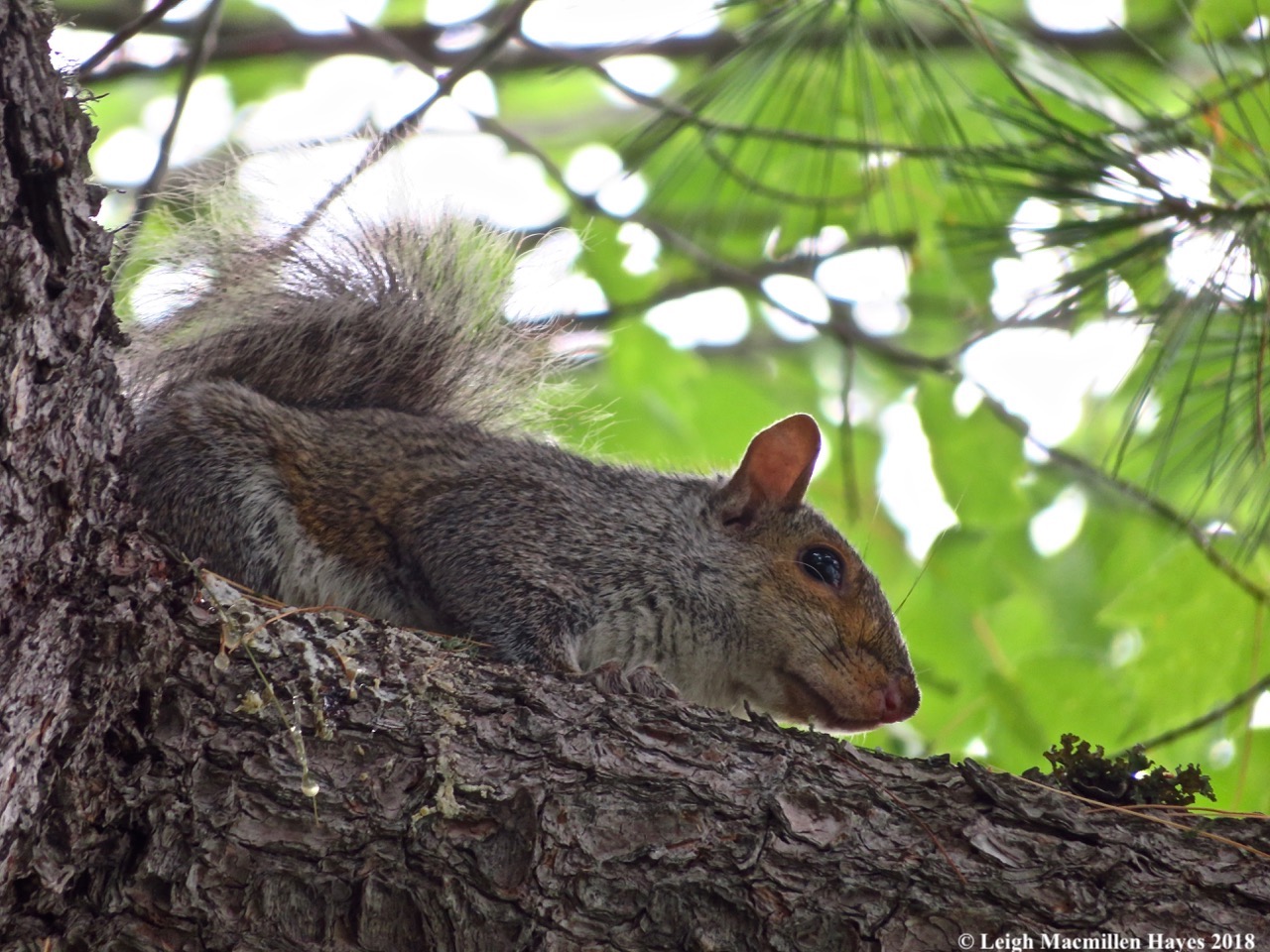
A place for all also includes the critters who make their homes here. Deer. Did I mention White-tailed Deer? They are everywhere. We also spotted the occasional Gray Squirrel. And we really wanted to see a Black Bear, but didn’t have that opportunity.

Our most prolific mammal sighting, other than Deer, the Northern Short-tailed Shrews. These are not everyone’s favorite food as they emit a toxin and so are quickly dropped upon capture. Either one larger predator didn’t learn the lesson the first, second, third, fourth, or fifth time, or there are so many of them running around at night that the everyone tries to make a meal of them.

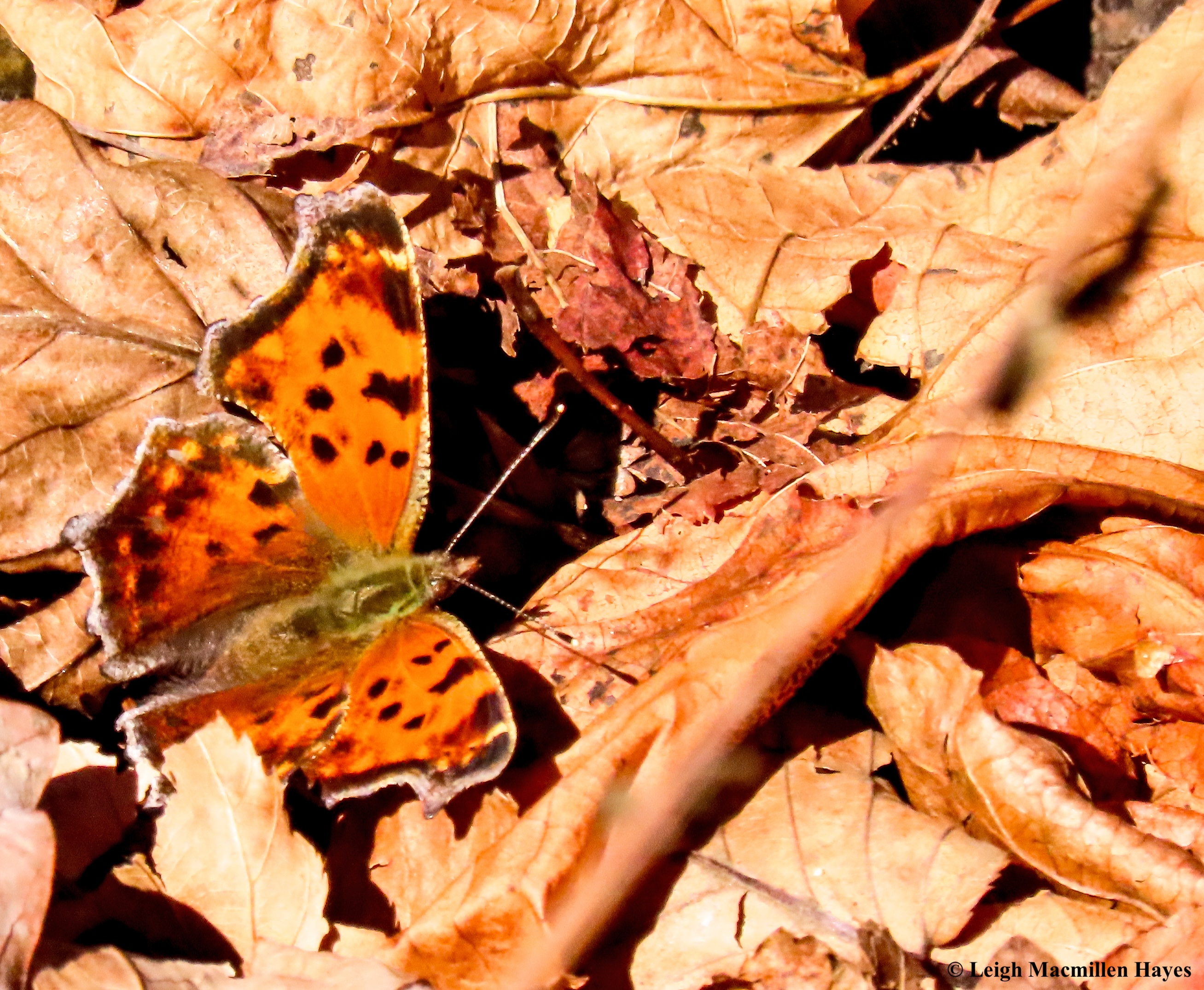
On the day we hiked with our friends, we had a couple of fun insect sightings, including this Punctuation or Anglewing Butterfly–be it either a Question Mark or Comma. It never did show the underside of its wings so we couldn’t determine it to species, but it was still a fun butterfly to spot.

Speaking of spots, we saw at least three Spotted Lanternflies. I was intrigued with their colors, but Kimmy told me to squish them as they are extremely invasive.

And because of her we got to see a Walkingstick upon a rock where she just happened to place her hand. If it hadn’t moved in that moment, she would probably not have seen it. We were all grateful that it did move. And then it posed for us.

Now that you’ve stuck with me for this long, I’ll let you know that I saved some of the best for last.

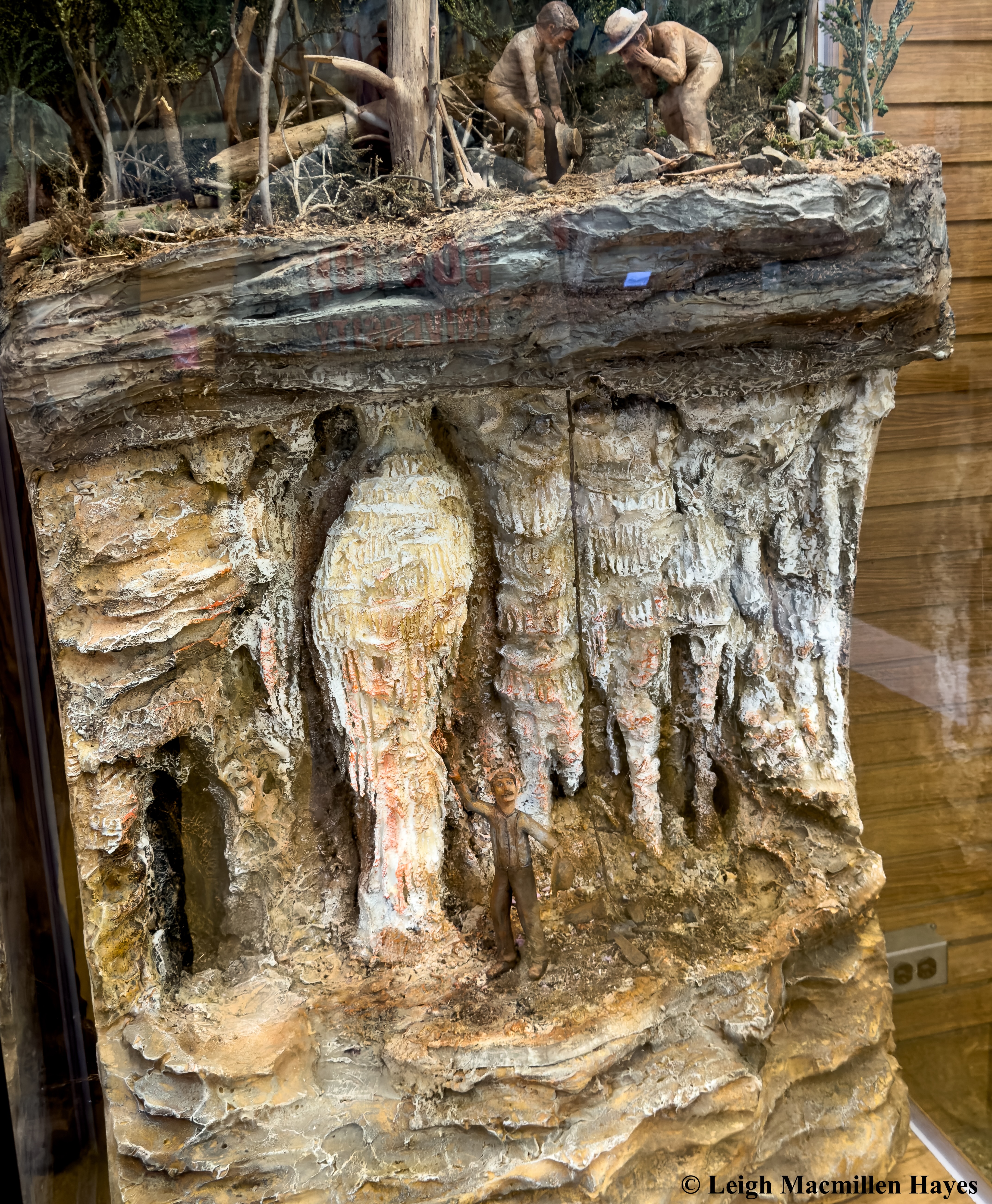
On that rainy day, we not only walked the Hawksbill Greenway, but we also went on a self-guided tour of Luray Caverns. According to the brochure we received at the ticket booth, the caverns are the largest in the East and were discovered by a tinsmith and local photographer in 1878. This diorama depicts that moment when the discovery was made.

And X marks the spot where it was made. Can you imagine the man’s excitement and amazement?

Discovered in August, we were told that the first tour occurred that November.

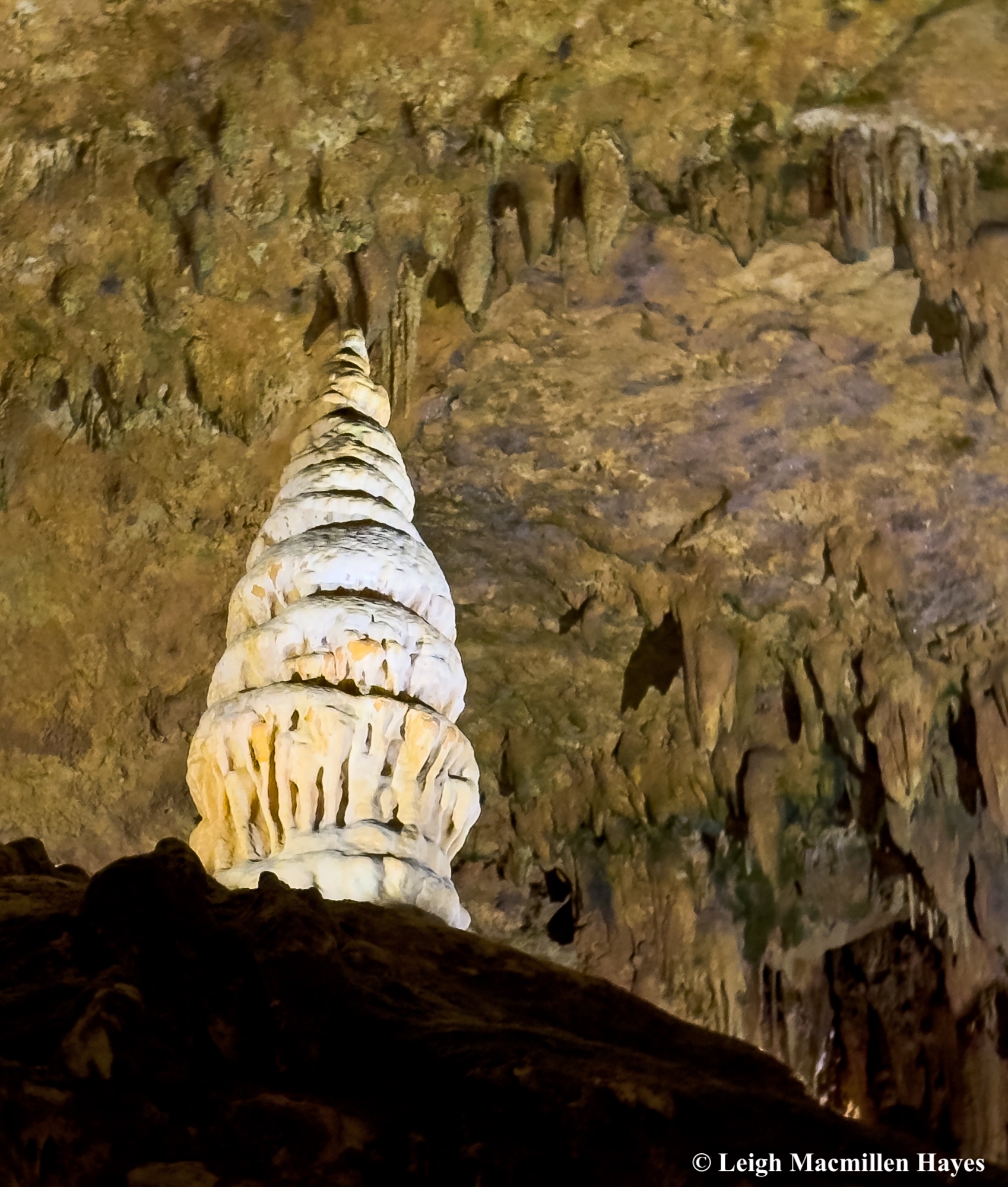
The cavern is a cave where Stalactite and Stalagmite meet, but in this instance that is an optical illusion. Can you see why?

There are veils to admire.

As well as a tent . . .

made of “curtains” that seem almost transparent.

We chatted with a couple of young docents and they told us that this structure is seen as something different in every season–from a Christmas tree to a pine cone to an ice cream cone, and one more that neither of us can remember. But the big question was: what ice cream flavor?

The answer: Rocky Road.

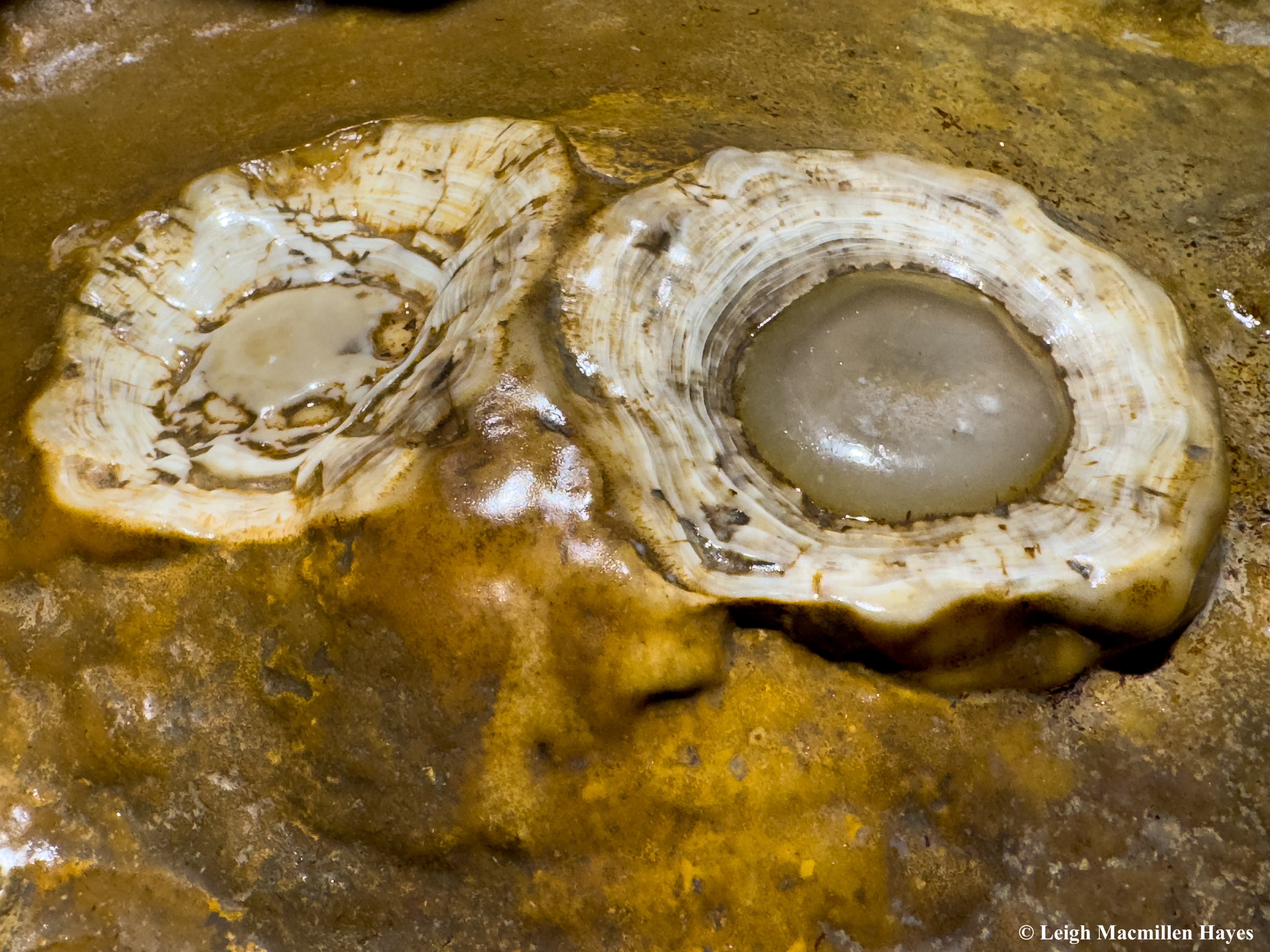
And then there were the Fried Eggs. Or oysters on a half shell?

We highly recommend a visit. I’ve only shared a few of beyond-belief spots, as around every corner there was a different formation to look at. I felt like I was in fairy land with lots of action everywhere as stories unfolded.

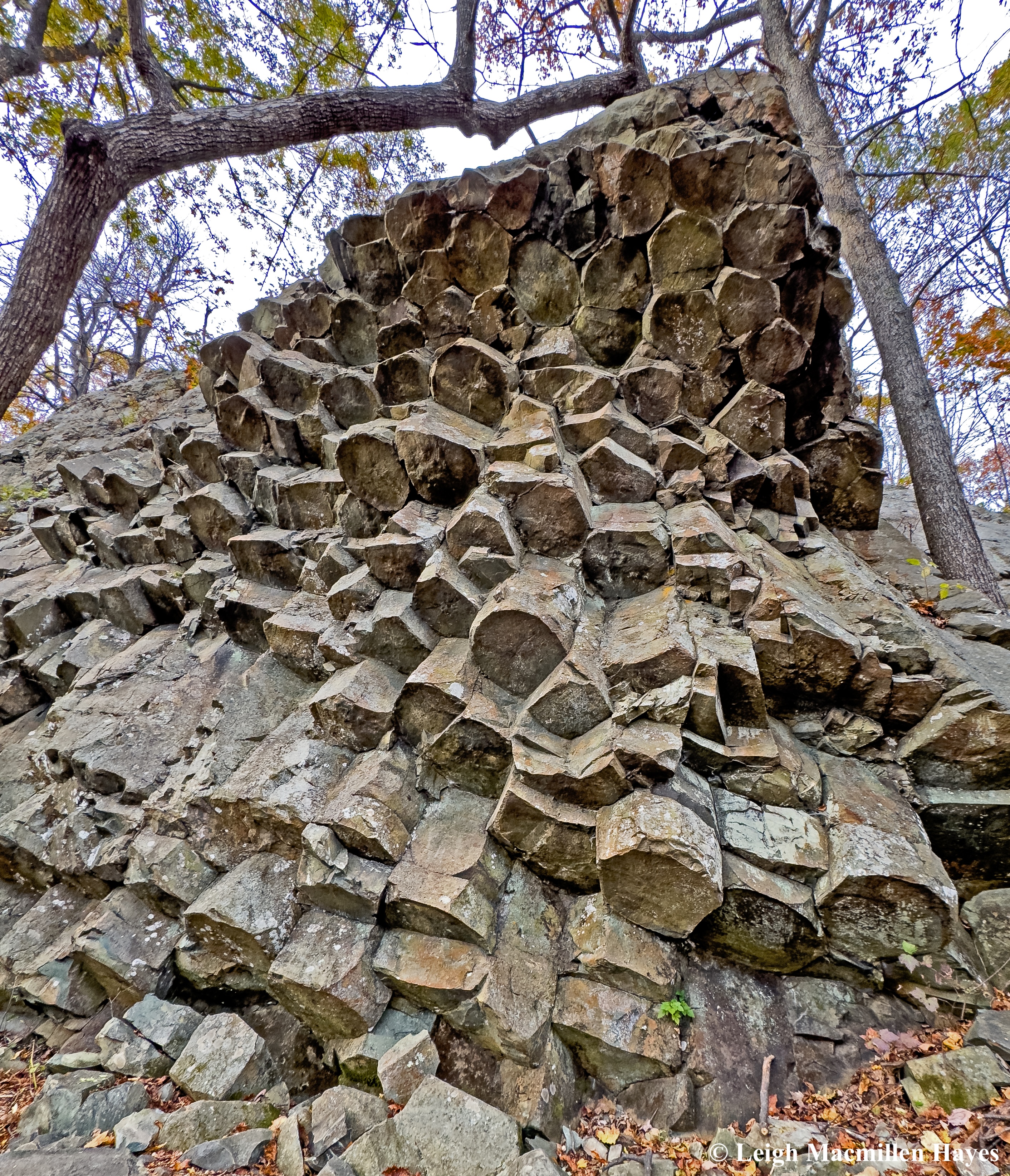
Back on the trails, we also had fun finds, like this columnar jointing, which turned it into yet another favorite trek. It’s known as the Fort Windham rocks and is greenstone and part of a series of lava flows, that we spotted in other places as well.

It reminded us of the Giants Causeway in Ireland, a geological phenomenon of 40,000 basalt stone columns formed by volcanic eruptions over 60 million years ago.

And so we posed.

We posed again at Dark Hollow Falls.

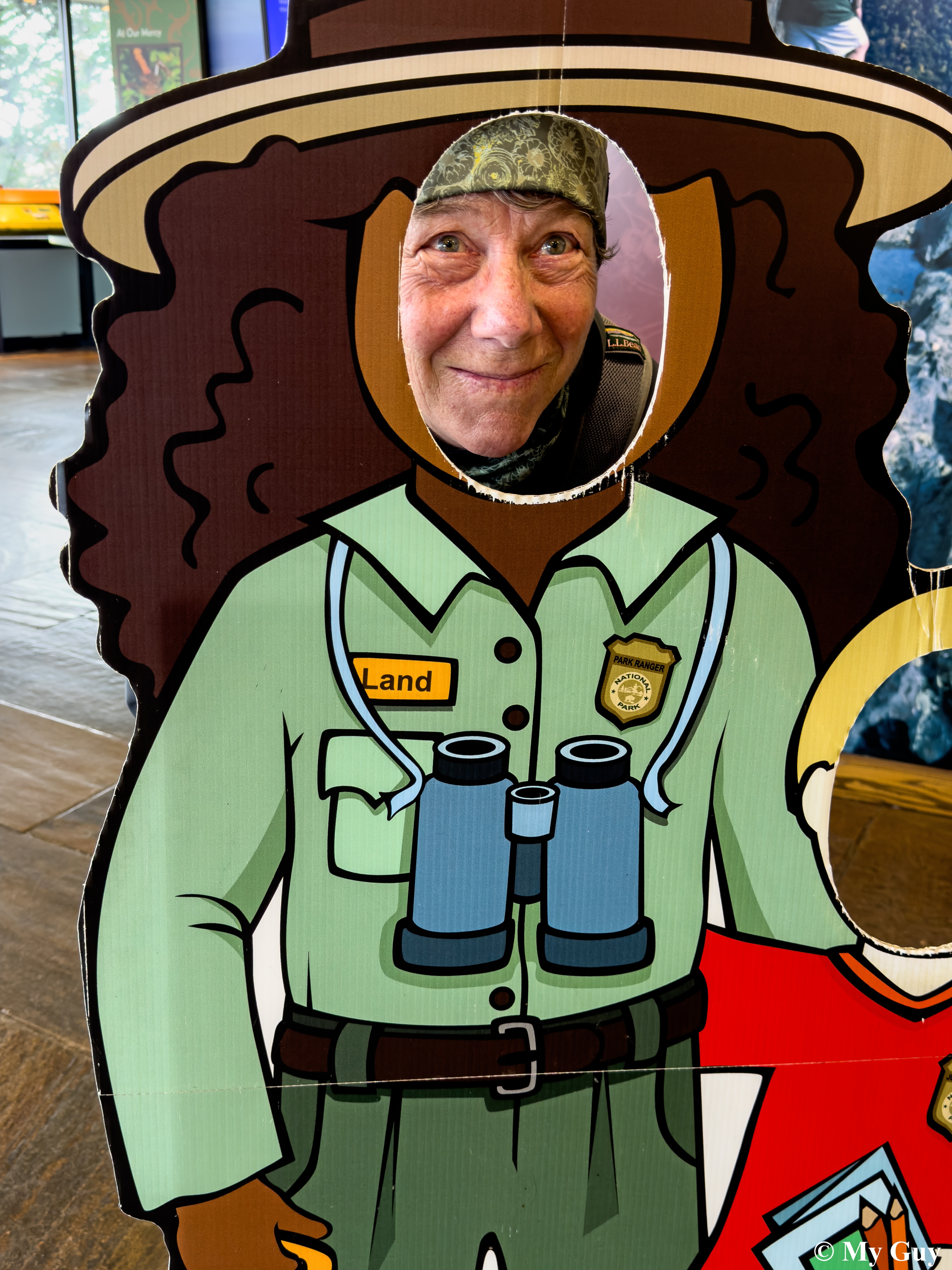
And then I took a shift as a park ranger. (Actually, the park rangers are furloughed under the current shutdown, so we were reminded each day to be extra careful while hiking because rescues could take hours.)

As for My Guy . . . no vacation is complete without a trip into the local hardware store.

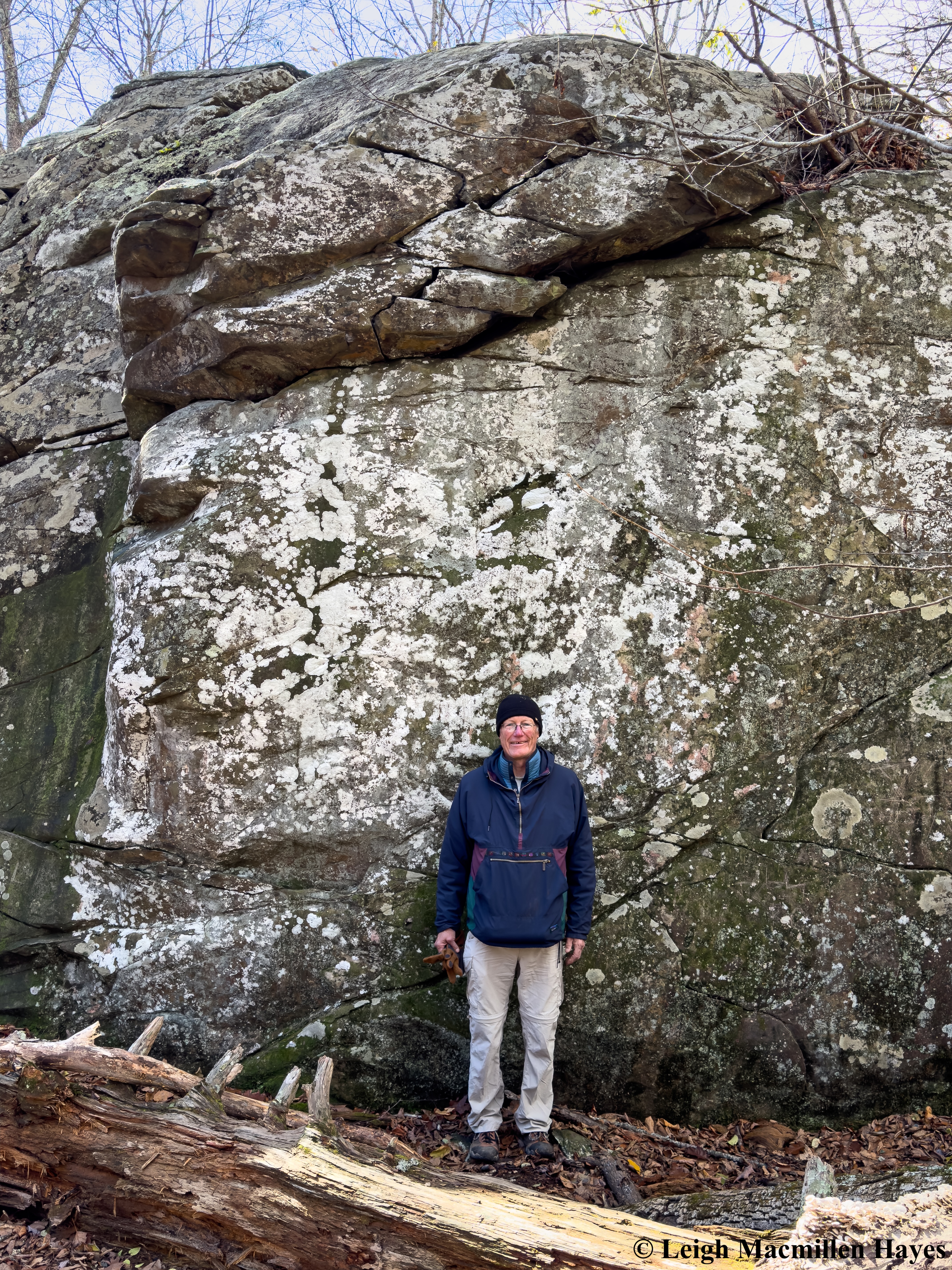
But where my readers usually see only the back of him, he was happy to lend his almost 6′ height as a reference for this large boulder.

And while we were truly excited to spend a week hiking together, we were equally excited to share the trail with these two, Maddie, a high school senior who had the day off, and her mom, Colonel Kimmy Jennings, USAF retired. Kim was a student of mine back in her middle school days. It’s always a joy for all of us when we can meet up and share the trail, though typically it’s when she makes a trip home to Maine, so she was thrilled that we’d actually ventured south. And our pose was in front of another example of columnar jointing.

After we hiked for about four hours with them, we had one more hike to tackle bringing our total to ten trails, that being Mary’s Rock, and then we left Luray and returned to Front Royal for the night before beginning our two-day journey home with a stop over in Albany, NY and a quick tour of the Norman Rockwell Museum on the final stretch.

Like any vacation, we’ll cherish this one forever.

Above and Below, I guess it was actually more than a few wonders that wowed us along Skyline Drive and in the area.

Far Winde-a-Way Mondate

It’s been a while since I’ve written about a Mondate, and believe me, we’ve had numerous. And other dates during the week as well, but today found us exploring a new-to-us property that’s just too special not to share. And I think the owners would appreciate it. I know that we appreciate that M suggested this to us. She was spot-on correct that we’d like it.

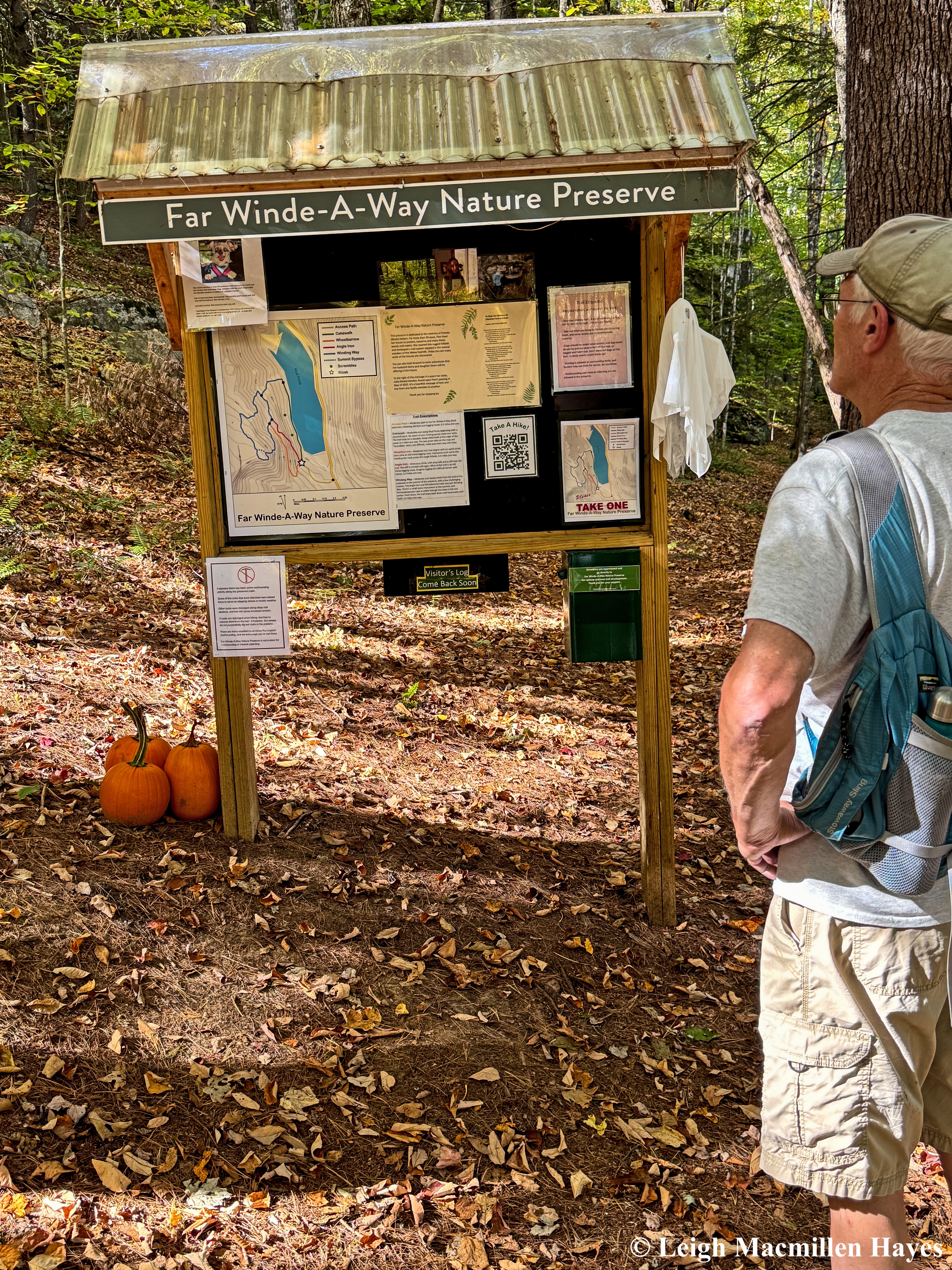
We’d been by a trail sign on the road a bunch of times to hike other trails in Greenwood, but until M mentioned it, we hadn’t really paid much attention. Until today. The kiosk is about .2 in from the road and I loved that there were pumpkins and a ghost to decorate it. And all the information hikers need to enjoy the area. Though My Guy goes without, I highly recommend trekking poles should you go forth on the well-marked trails. They are steep in places. And rocky in others. But that all adds to the fun.

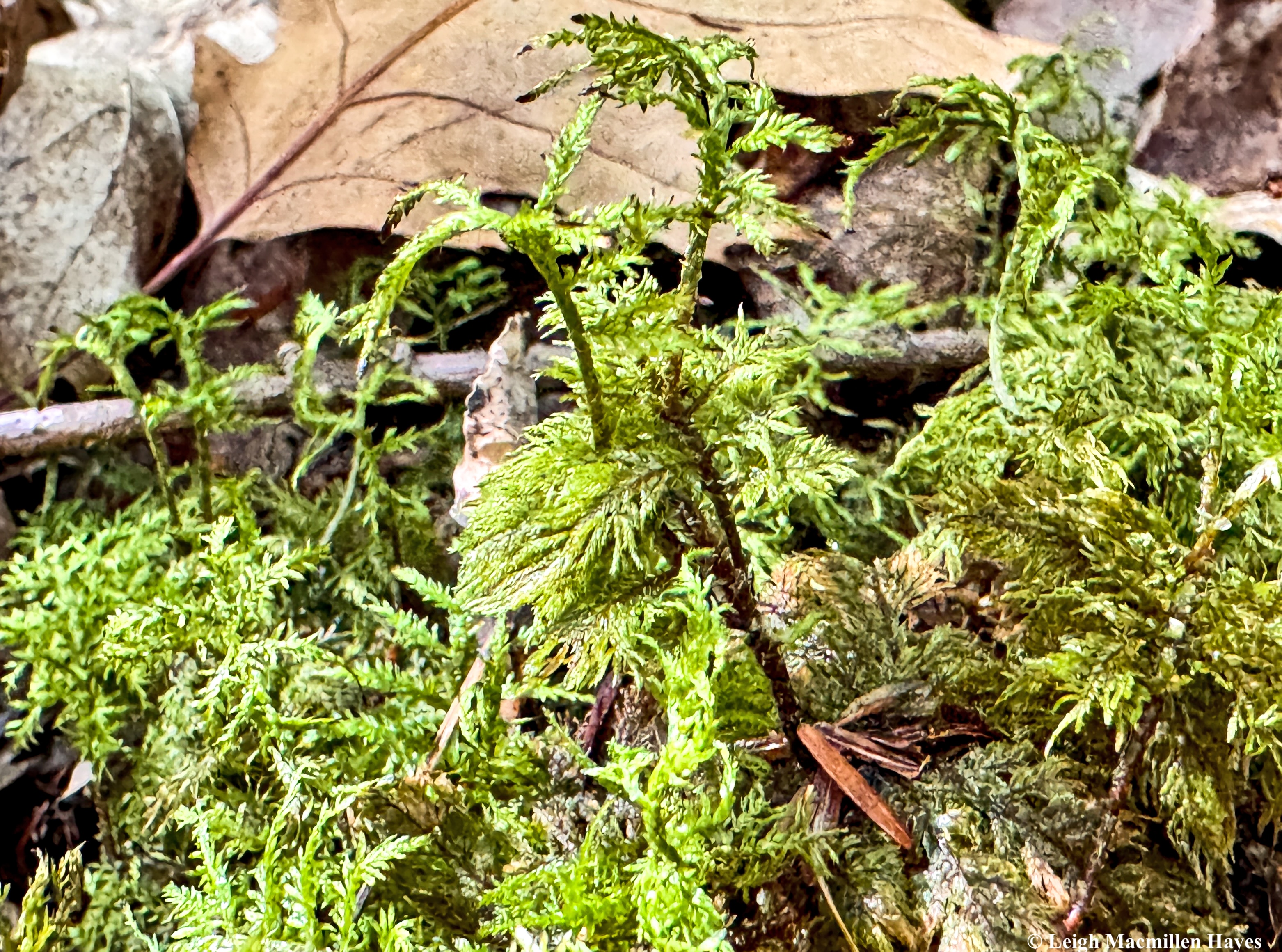
For me, the fun was enhanced by spotting examples of this pleurocarpous moss. It took me a while to learn that pleuro refers to side and carpous means fruit, thus they have a side fruit. They are low, tangled mats with branches that rise from the main stem.

This particular moss is the Stair-step Moss or Hylocomium splendens. It prefers deep shade and damp conditions. Due to the dry conditions we’ve been experiencing, this year’s growth of a new step rising from last year’s stem probably didn’t occur until recently.

There were other mosses, giving the trail a fairy-land look at times, but also abundant were the Christmas Ferns, which decorated long stretches of our route.

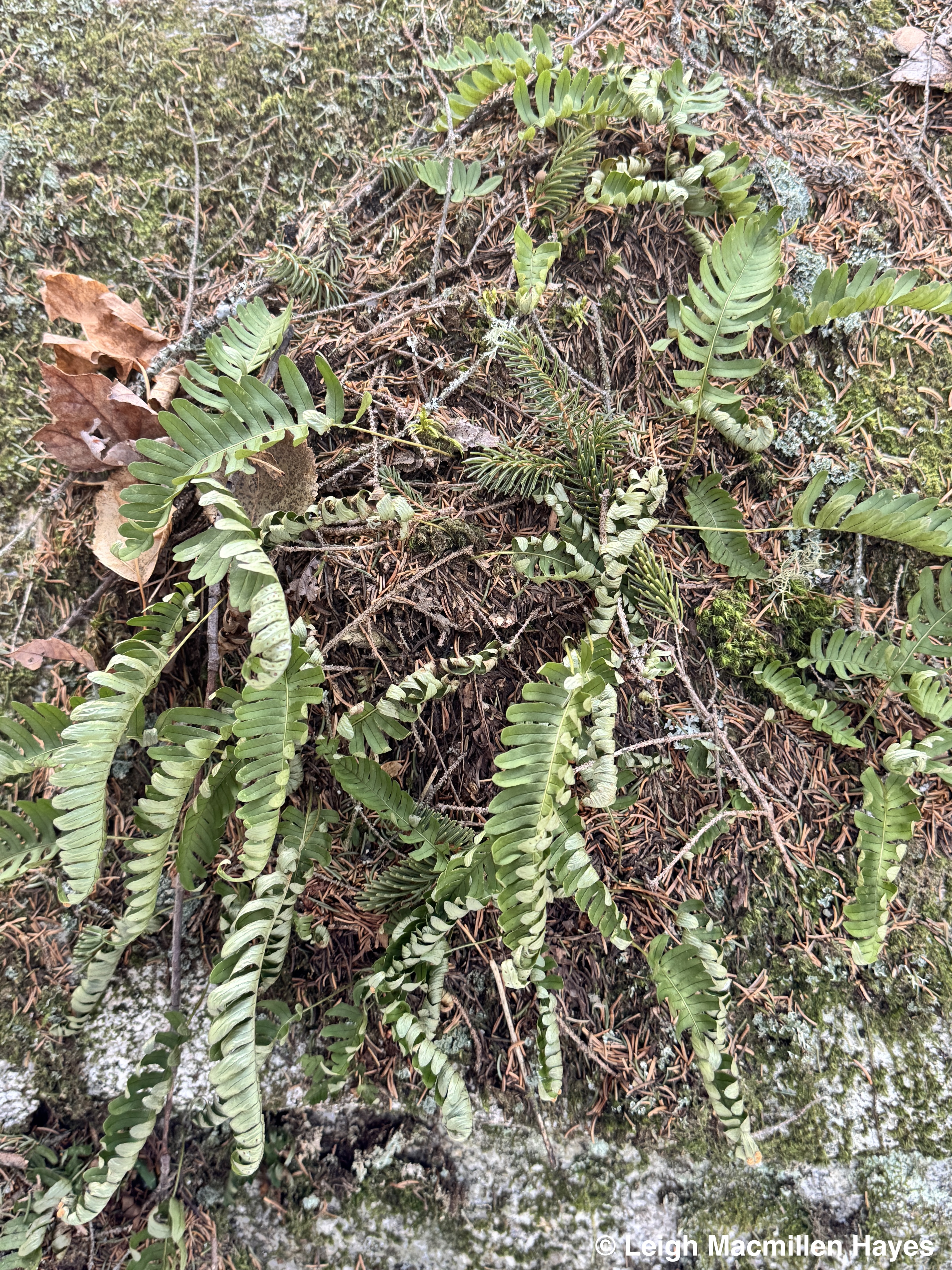
And not to be left out were the Common Polypody that always give boulders a bad-hair day look.

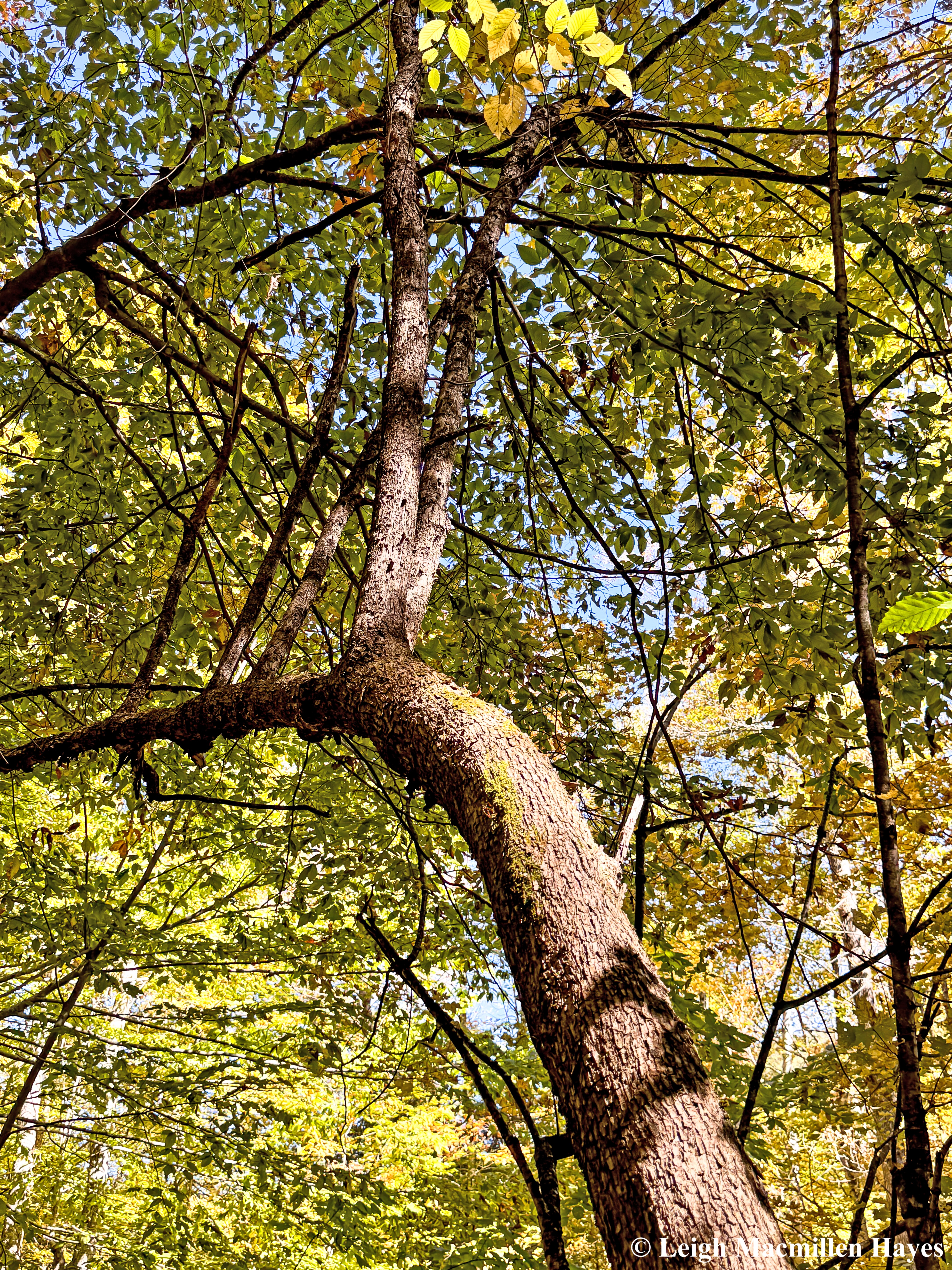
Those items would have been enough, but we realized from the start that we were in Hop-Hornbeam territory, and several surprised us. Typically, this is a tree that stands straight and tall, but a few must have been hit by other trees during storms perhaps, and their trunks had turned. Despite that, other branches took over and reached for the sun.

The other day some of us were looking at a sample of this tree and I asked them what they noticed about the bark. Their responses: shaggy and vertical lines. Spot on. Sometimes the bark is a bit tighter to the tree than this one we saw today, but it’s a great example of how this bark behaves. If you rub your hand on it, some pieces will flake off.

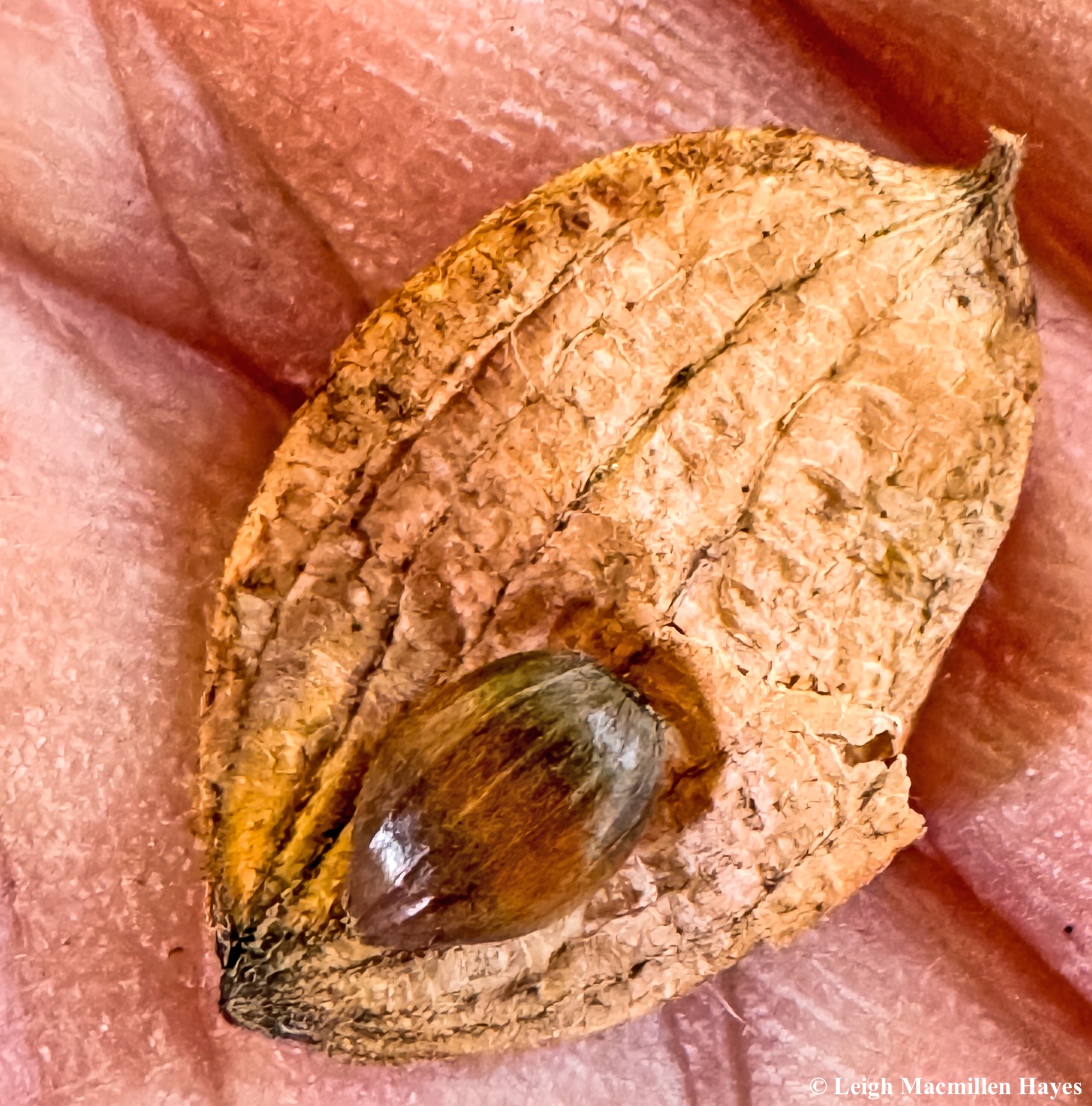
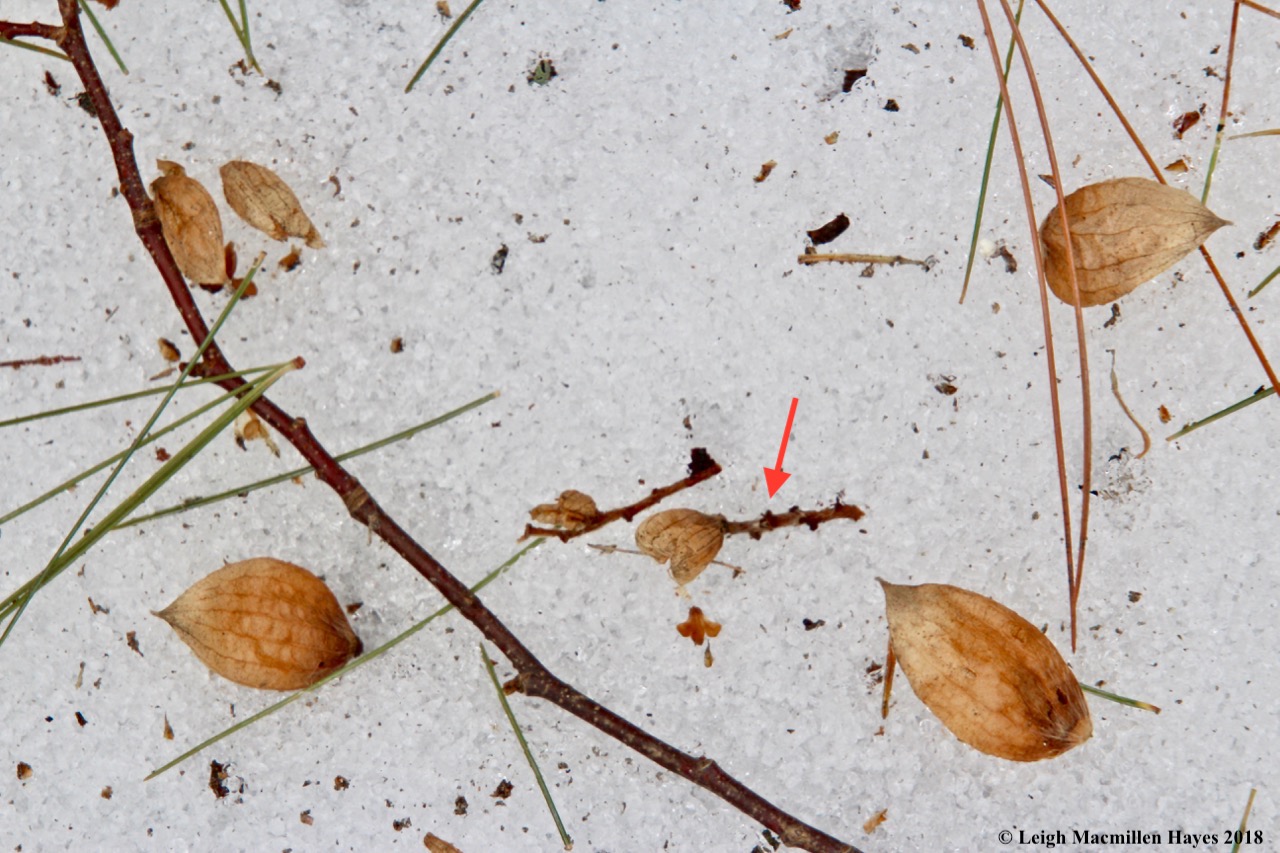
What I really wanted to see since we were in the presence of so many Hop-Hornbeams, were the hops for which it was named and BINGO! They were scattered along the trail, so I picked one up and slit the inflated paper-thin casing open and pulled out a seed. Such a small nutlet compared to the bouyant sac it was borne in.

The leaves are double-toothed and just as these emerged in the spring, male and female flowers would have developed. Being a member of the Birch family, the flowers are in the form of catkins, the male being longer and reddish-brown, while the female would have been shorter and green. Pollen is dispersed by the wind.

During the summer, the fertilized females form into cone-like structures, or strobiles, and their shape gives them their name for they look like hops.

I challenged My Guy to find some of these, which he’d never seen before. Knowing he likes a challenge, like counting Lady’s Slippers and looking for Bear Claw trees, I knew he’d pull through, and he did. But, he also developed Warbler Neck, for so high up in the tree does one need to look in order to spy the hops.

And so to counteract that, I suggested he look down. Success again. This guy is good!

At lunch log, we had a chance to enjoy the view and realized we were looking at Noyes Mountain, which we had hiked about a month ago.

With the camera, I could pull in the rocks on Noyes where we ate lunch before descending into an old mine below.

After circling around the summit of Far Winde-a-Way, where the views may be better in the winter, but we didn’t mind because that’s where we found some of the hops, we began our descent and noted a few artifacts, which got My Guy talking about the fact that metal cans for motor oil were replaced by plastic in the 1980s. He is Mr. Hardware, after all.

And I found a stone that had split naturally in quarters.

Well, maybe they weren’t exact quarters, but still it was worth a wonder to notice.

Another tree that we noticed as we descended was an American Basswood. The bark is similar to Northern Red Oak, but without the red in the furrows between the ridges, and the ridges are flat, almost brushed. Again, I rubbed my hand along the almost smooth surface.

I kick myself now, because I didn’t think to look for their fruits, but I did spot leaves on the forest floor. They are typically quite large, and have an assymetrical base, so if you fold a leaf in half, one base will be shorter than the other. The only other trees in our woods with this feature are the American Elm and Witch Hazel.

Next we reached a brook, where I’m sure the water cascaded over the moss-covered rocks in the spring when we experienced about fourteen rainy weekends, but today it was almost all dry, except for a few pools.

Creating a spider-web appearance on the pool’s surface were about a dozen Water Striders, so speedy in their dance routines.

And hiding at the edge, perhaps in hopes of capturing a Water Strider for a meal, was a Green Frog, with its dorsal lateral folds beginning behind its eyes and continuing down the edges of its back.

At the Cakewalk, for so a trail closer to Mud Pond is named, we met Mouth Rock. We’re pretty sure this wide-mouthed boulder ate all the cake because we never found any.

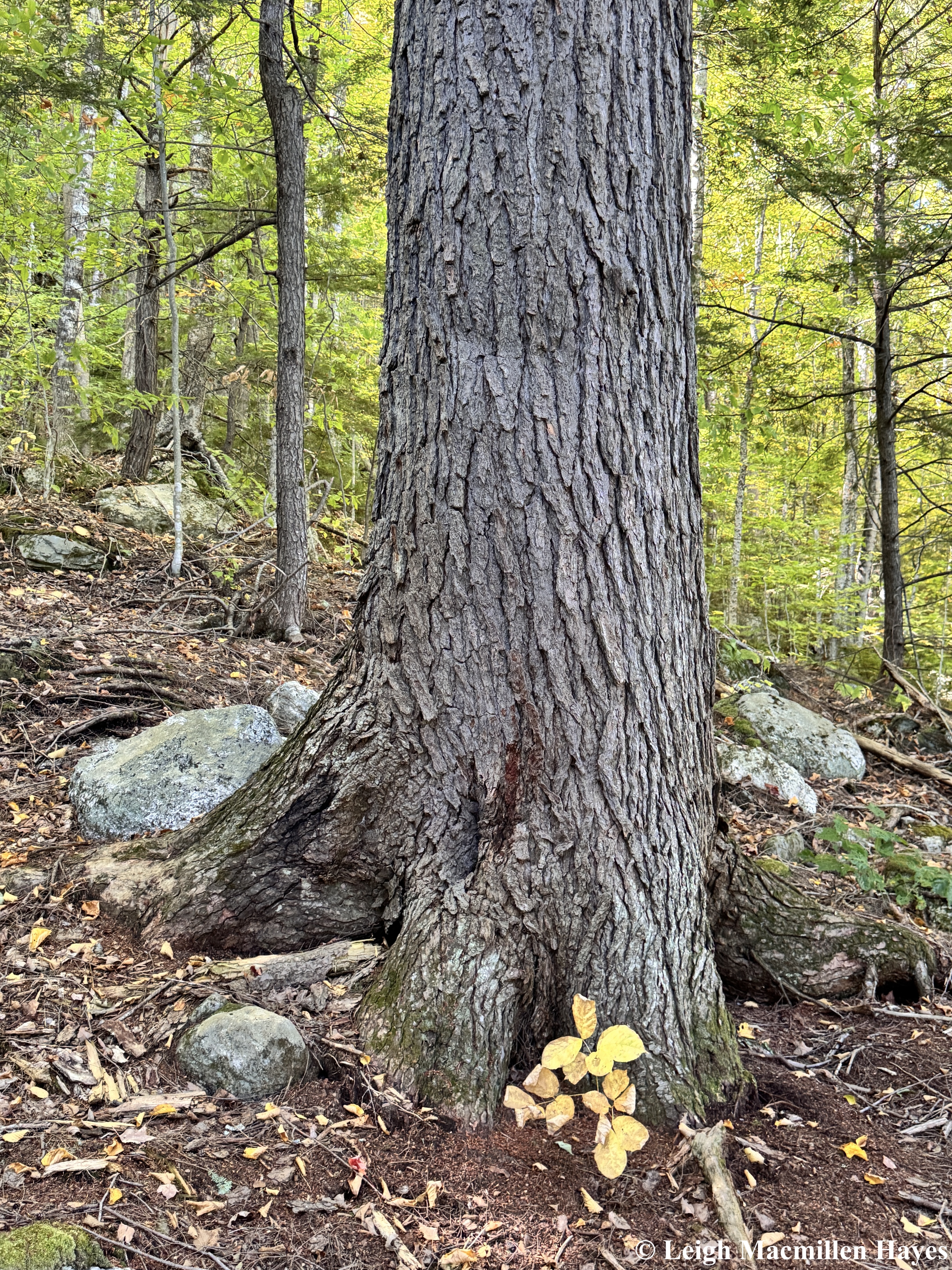
But our finds did include a champion! Co-champion actually–for the largest Eastern Hemlock in Oxford County according to Far Winde-A-Way Nature Preserve‘s website.

And I quote: The tree is: 10 feet in circumference, 90 feet tall, with a crown spread of 60 feet.

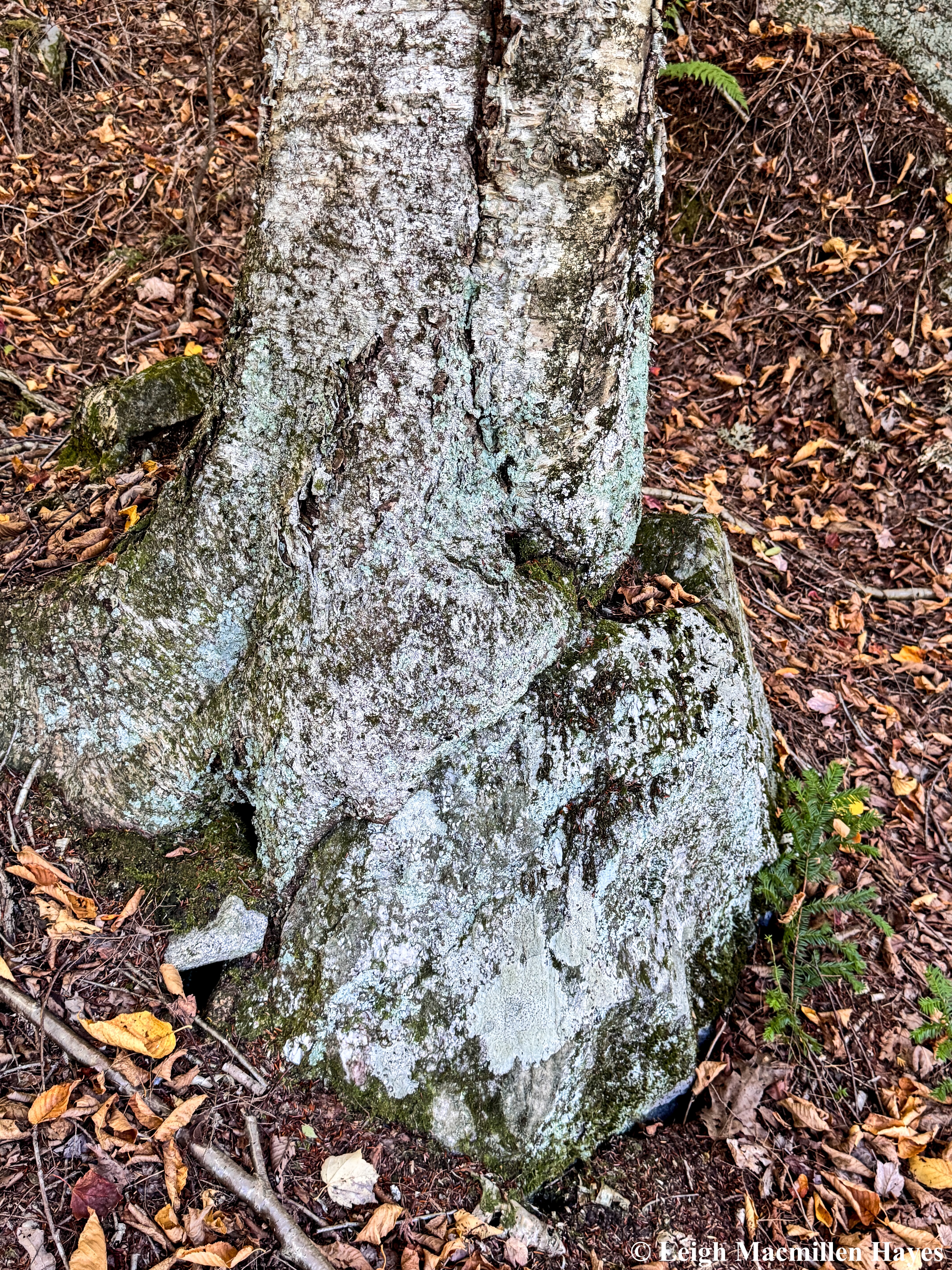
We also found this great specimen. Rock or tree? Tree or Rock? Rock and tree! Tree and rock!

Where does one end and the other begin for they looked like twins. Maybe that’s what happens when you spend so much time together. Kinda like some people looking like their dogs (we had a neighbor when I was growing up who always had beagles and he really did look like a beagle himself. Of course, we never told him that.)

Anyway, this is a Yellow Birch that got its start in the moist soil that probably formed on the moss atop the rock and then sent its roots downward and trunk upward, but really, the two could have been one.

One of our last views before heading back up to the kiosk, was of Noyes Mountain again, only this time it included Mud Pond. And our early fall foliage season. Foliage reflections are among my favorite.

I’ll close this Far Winde-a-Way Mondate by giving thanks not only for My Guy and his love of new adventures, but also for the family that made these hiking trails available so that all of us could enjoy them: The husband and daughter of the late Pam Nelson. “This preserve is dedicated to the memory of Pamela (Roots) Nelson. For more than 30 years, Pam lived her dream to protect, conserve and enjoy these woods and waters. She roamed this rugged hillside and developed a trail system steeped in the natural wonders of the Maine foothills. Today you can enjoy some of the beauty she discovered.”

Pam passed away in 2022, but her family carries on her tradition, and this poem at the kiosk was written by her sister.

Thank you to M for suggesting Far Winde to us, and to the Nelsons for sharing it with all of us.

Celebrating Creation aLONG the MOUNTAIN

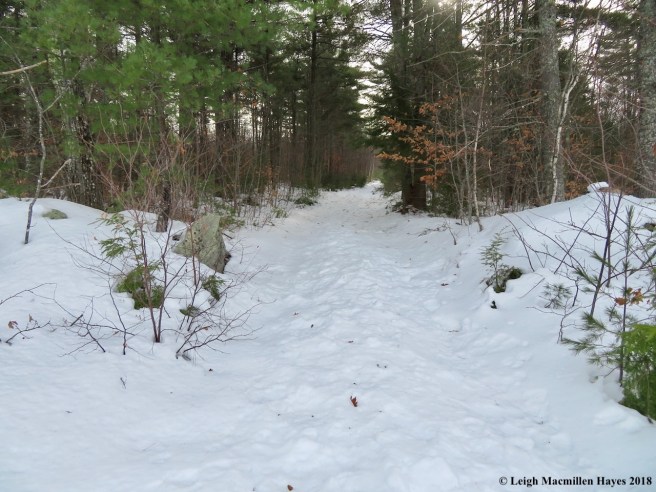
When asked the other day if I am enjoying spring, I responded, “I’m still loving winter.”

So is My Guy.

And so today, we took to a beloved mountain trail and reveled in the sights and sounds.

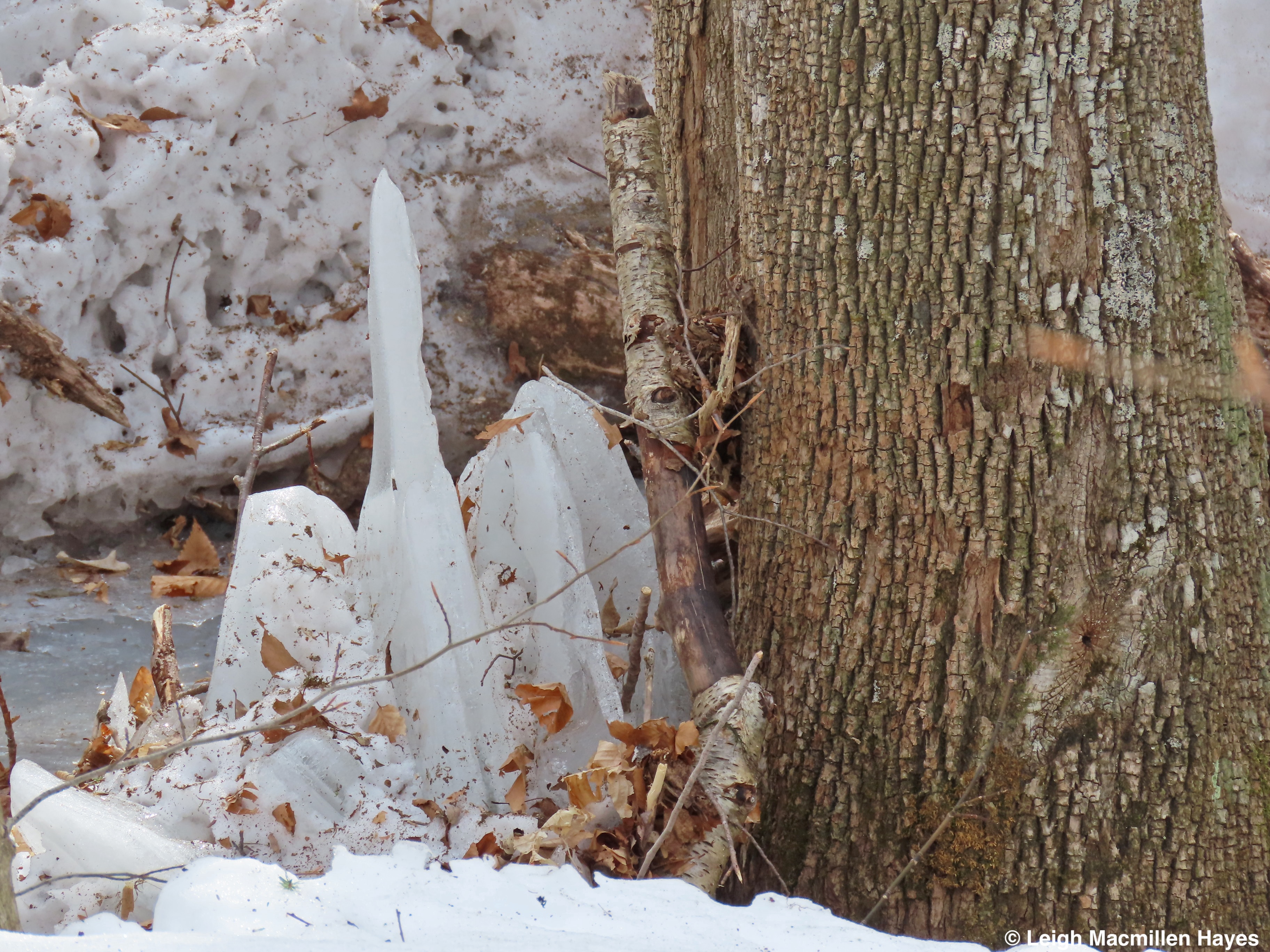
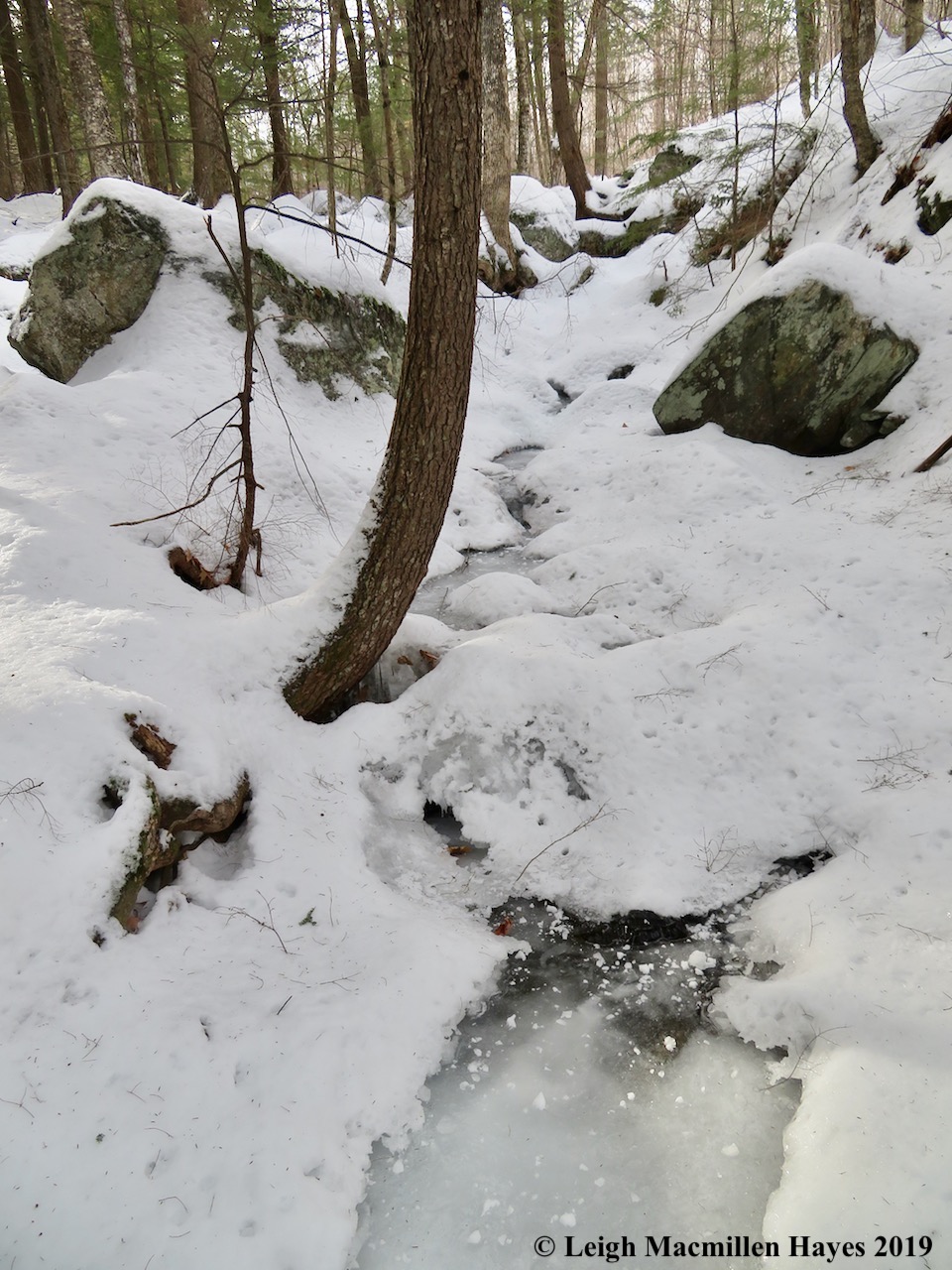
Beside a brook, our journey began, where as the water flowed, nature’s artistic hand created a magnificent display of ice sculptures.

On the way up the loop trail, and again on the way down the other side, the golden carpet was set before us, for into the warn pathway do leaves settle after a wind event.

Because we were hiking in a deciduous forest to begin, our eyes kept scanning the tree trunks, and tada, we were rewarded. Well rewarded.

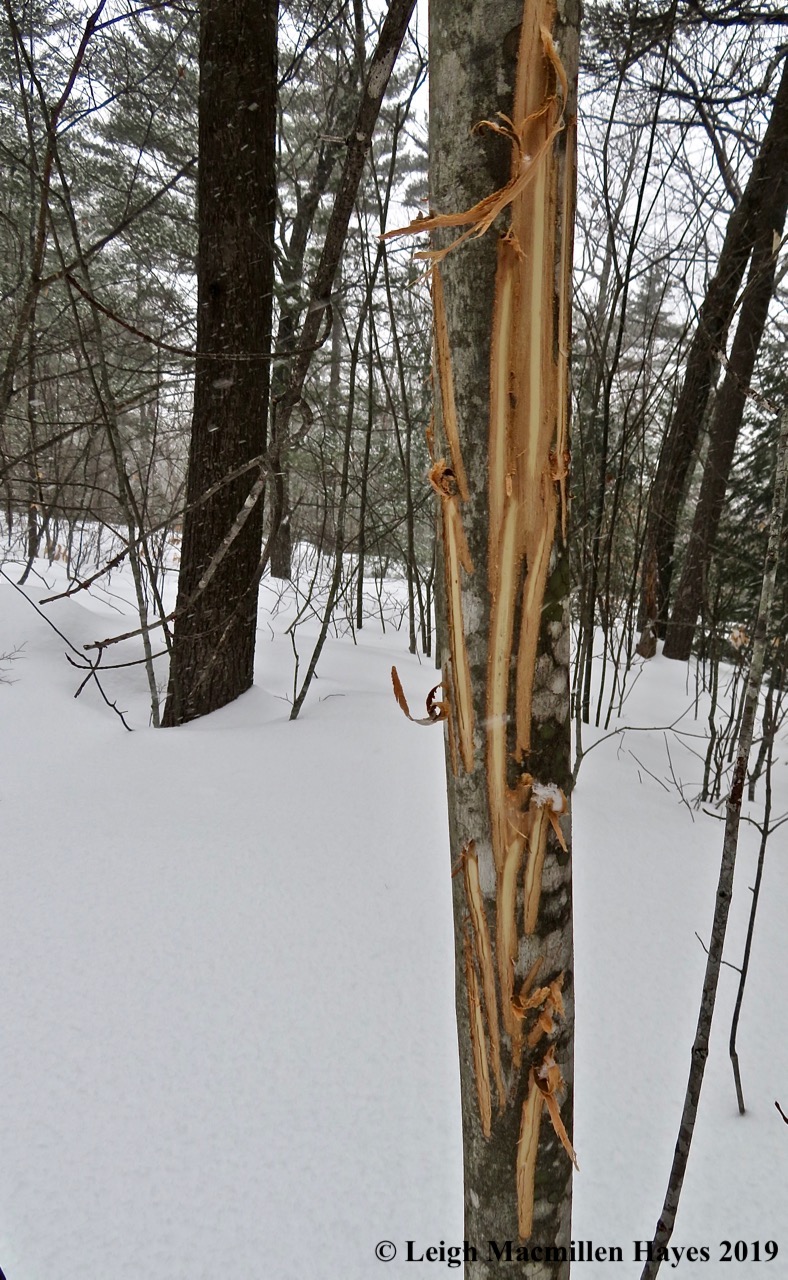
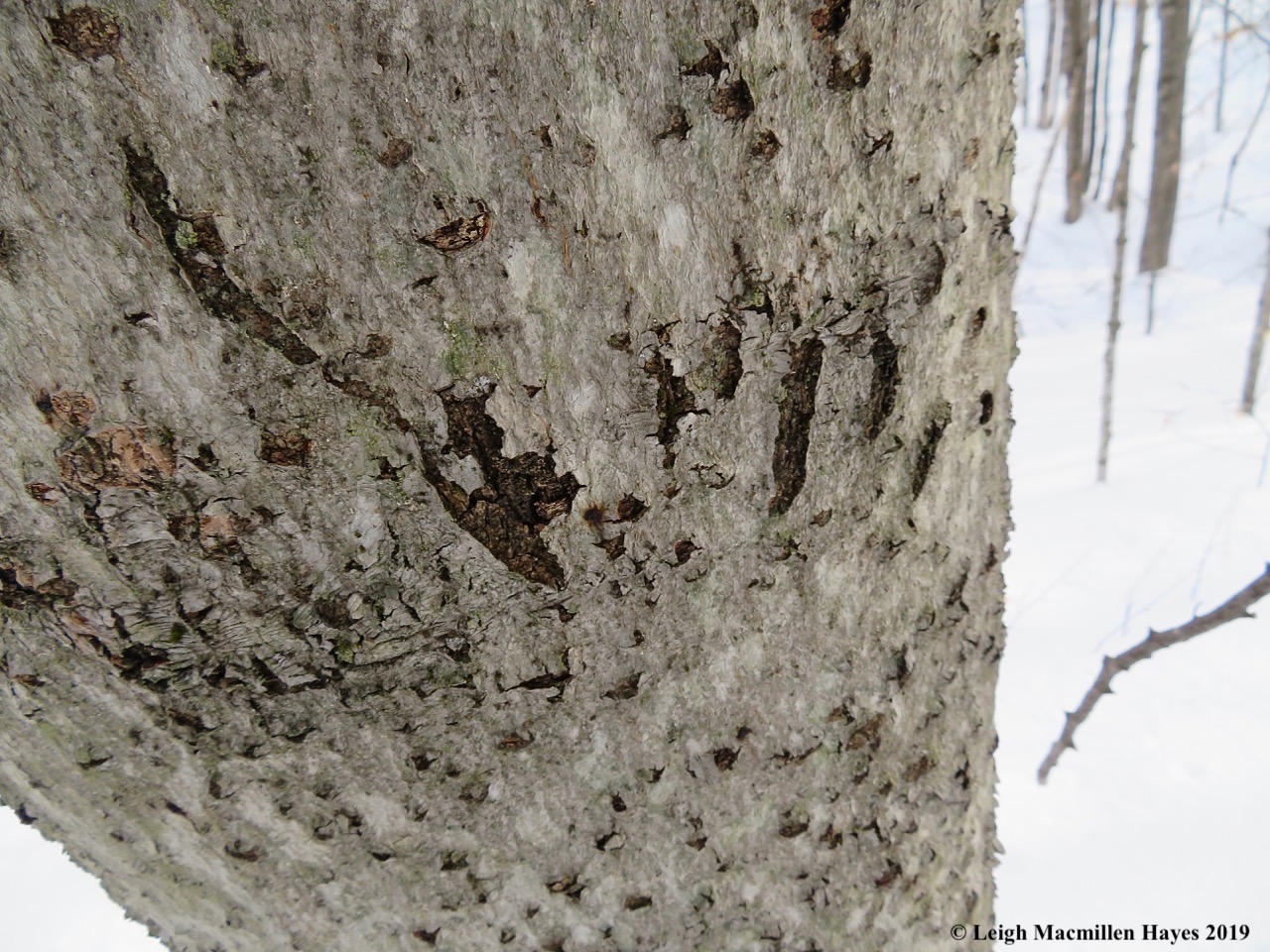
It seemed like everywhere we looked, we spotted American Beech trees with bear claw marks indicating multiple visits to feast upon the beech nuts.

We suspected some of these trees we were meeting again as if for the first time, but though we lost track of how many we spied, we knew it was more than we’d seen in the past and gave thanks to the trail conditions that allowed us to move without caution, and the fact that it is still winter and there were no leaves to hinder such views.

While studying almost every tree for a while, I kept noting the trunks of another species, this the two-toned aspen that looks like an oak toward its base, but morphs into a birch toward the top.

There was no question whether Quaking or Big-Toothed for leaves upon the snow told the species name: My, what big ____ you have!

As we continued to climb, the neighborhood changed and so did the forest floor–of course, still upon firm snow, for suddenly, we walked upon a green carpet.

It was in this section of forest that I began to spot Common Polypody ferns predicting the temperature, for they were still a tad bit curled indicating it wasn’t exactly warm, but not completely curled telling us it wasn’t freezing cold either. It was just right!

Well, almost just right, for because of recent rain and warmer temps last week, the melt down has begun and ice flows along the trail were frequent in the coniferous forest.

That same flow continued down a crevasse that we admired from the path, but didn’t need to descend. Thankfully.

A short distance later, we reached Lunch Ledge, aka North Ledge, and took in the view toward Mount Washington.

As we ate, we looked at all the Beech trees below (and other species, of course) and wondered how many more Bear Trees there are in these woods since we saw so many just from the trail. And we wondered if there might be a den nearby.

Following lunch, we continued our trek, and then found a spot where another had dined.

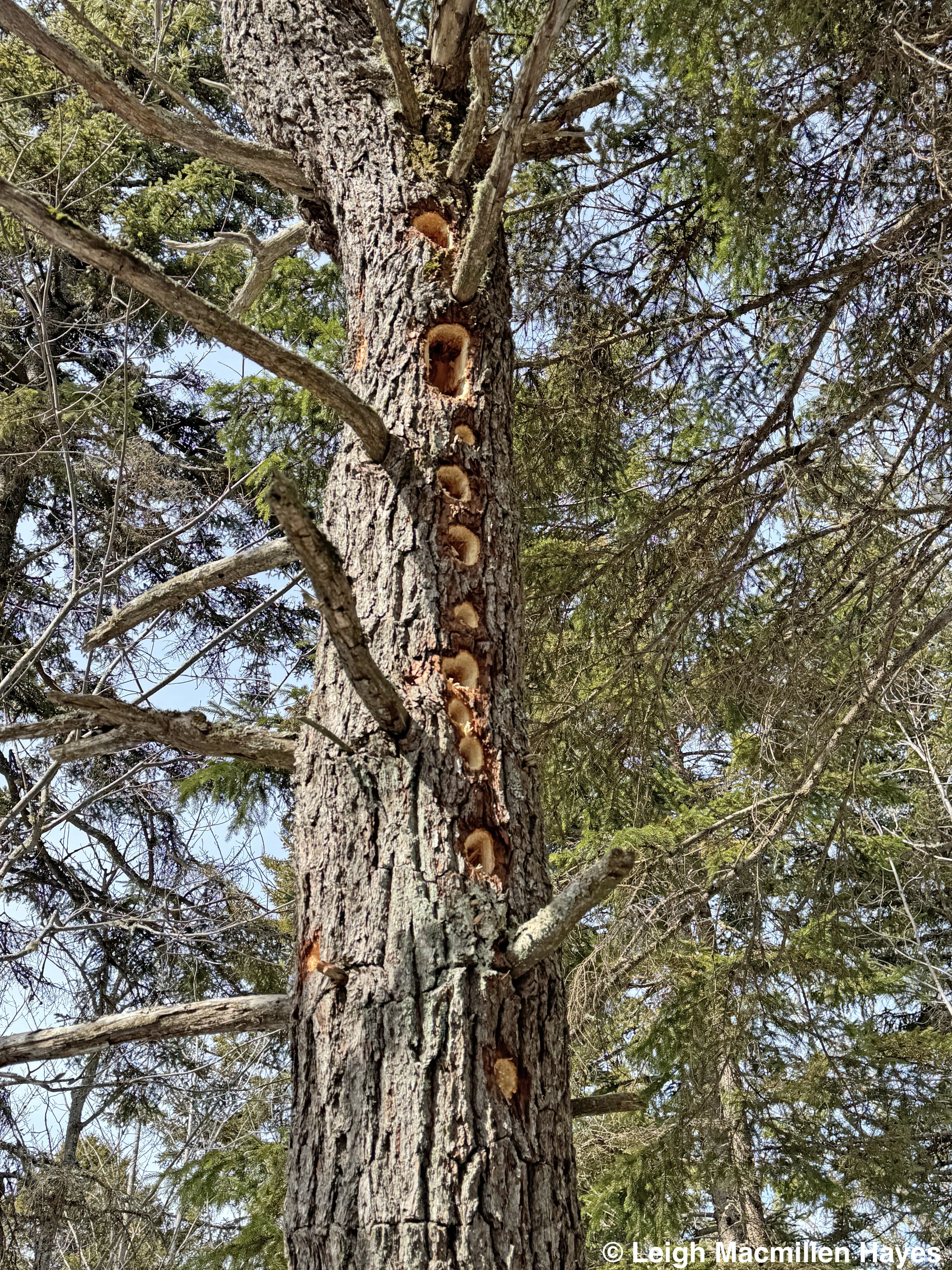
By the number of fresh holes in the tree, we knew the Pileated Woodpecker had visited this spot on more than one occasion, rather like the Bears and the Beech trees.

I must confess, I cannot pass up the opportunity to look for scat and so I heeded the invitation to hunt for the treasure. And again was well rewarded.

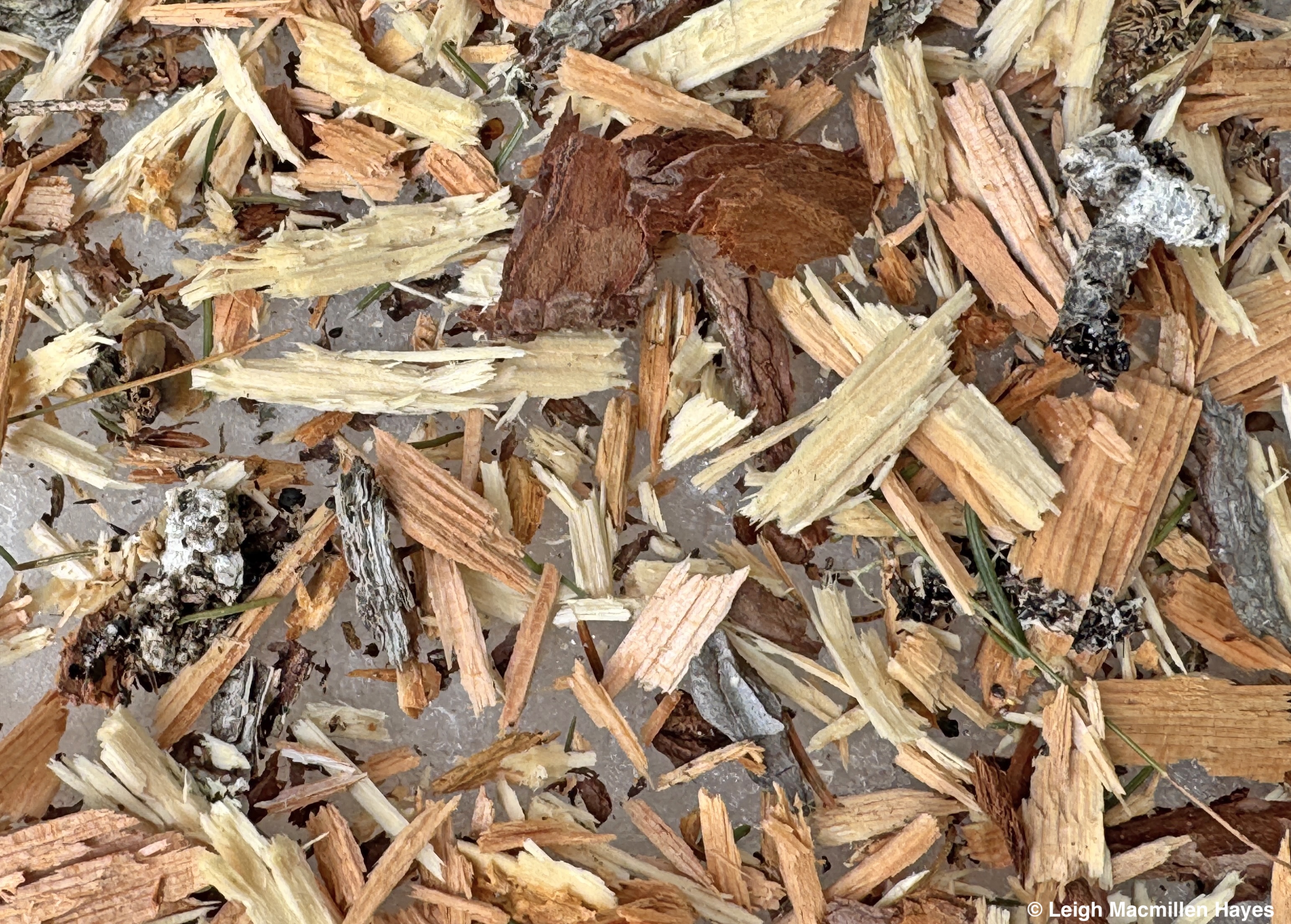
At this time of year, Pileated Woodpecker scat includes bits of indigestible Carpenter Ant exoskeletons and some wood fiber. The whitewash is uric acid since birds evacuate the acid and feces simultaneously–from an opening just under their tail called the cloaca or vent.

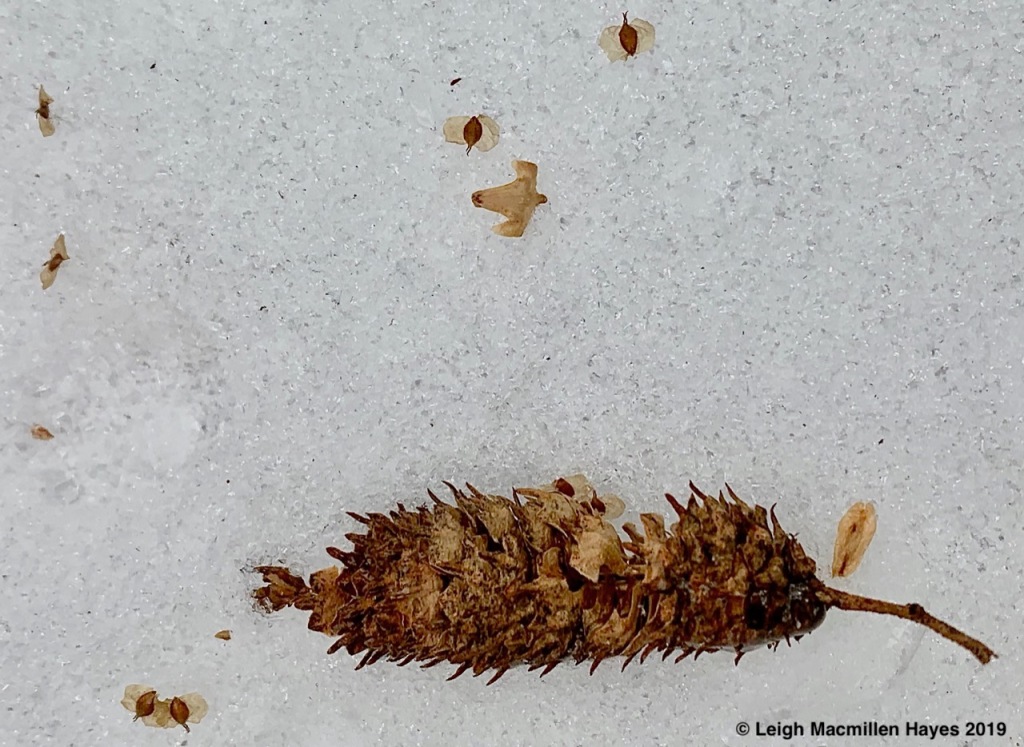
Some of the trees along this part of the trail are Balsam Fir and we kept spotting their cones on the ground.

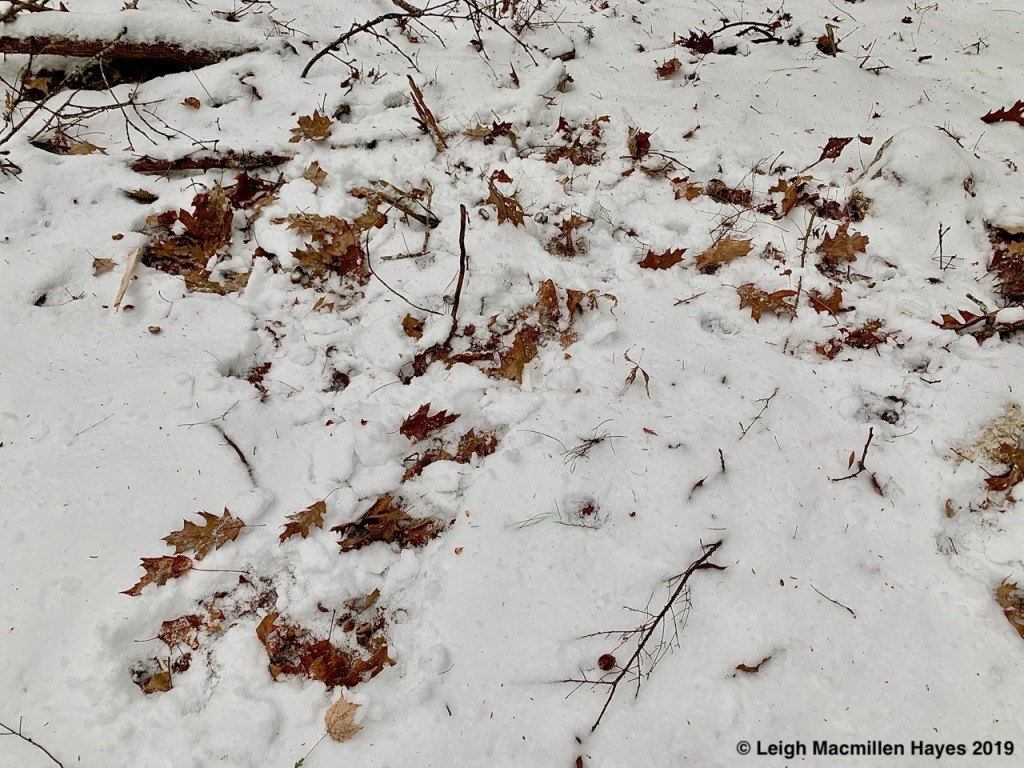
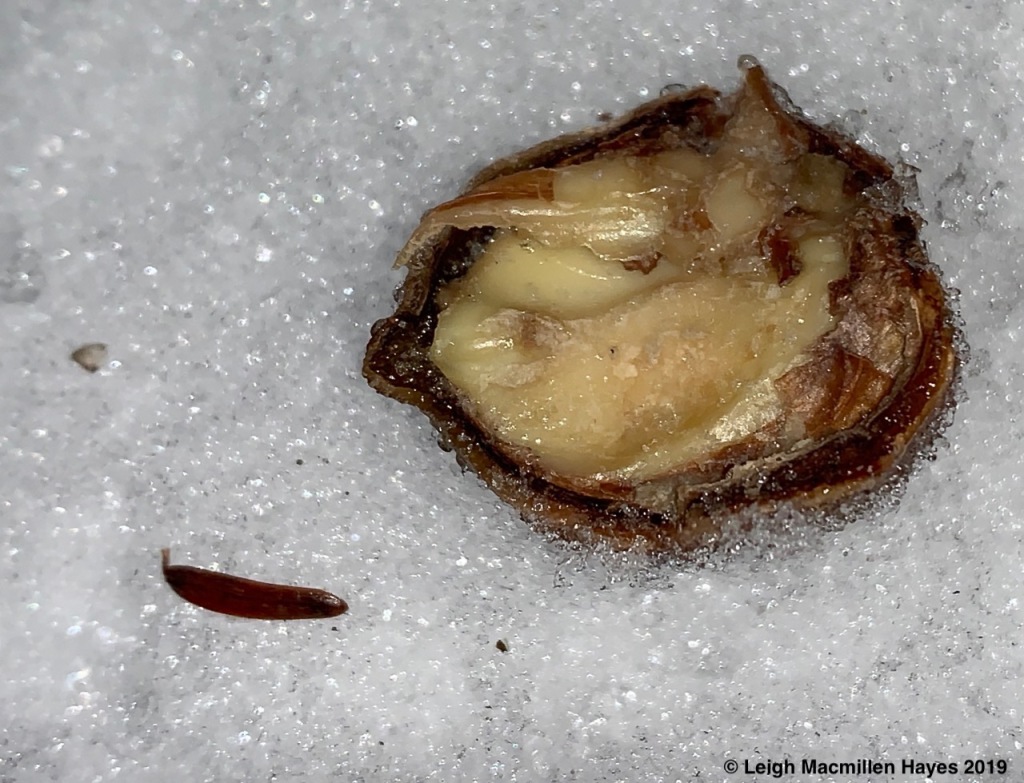
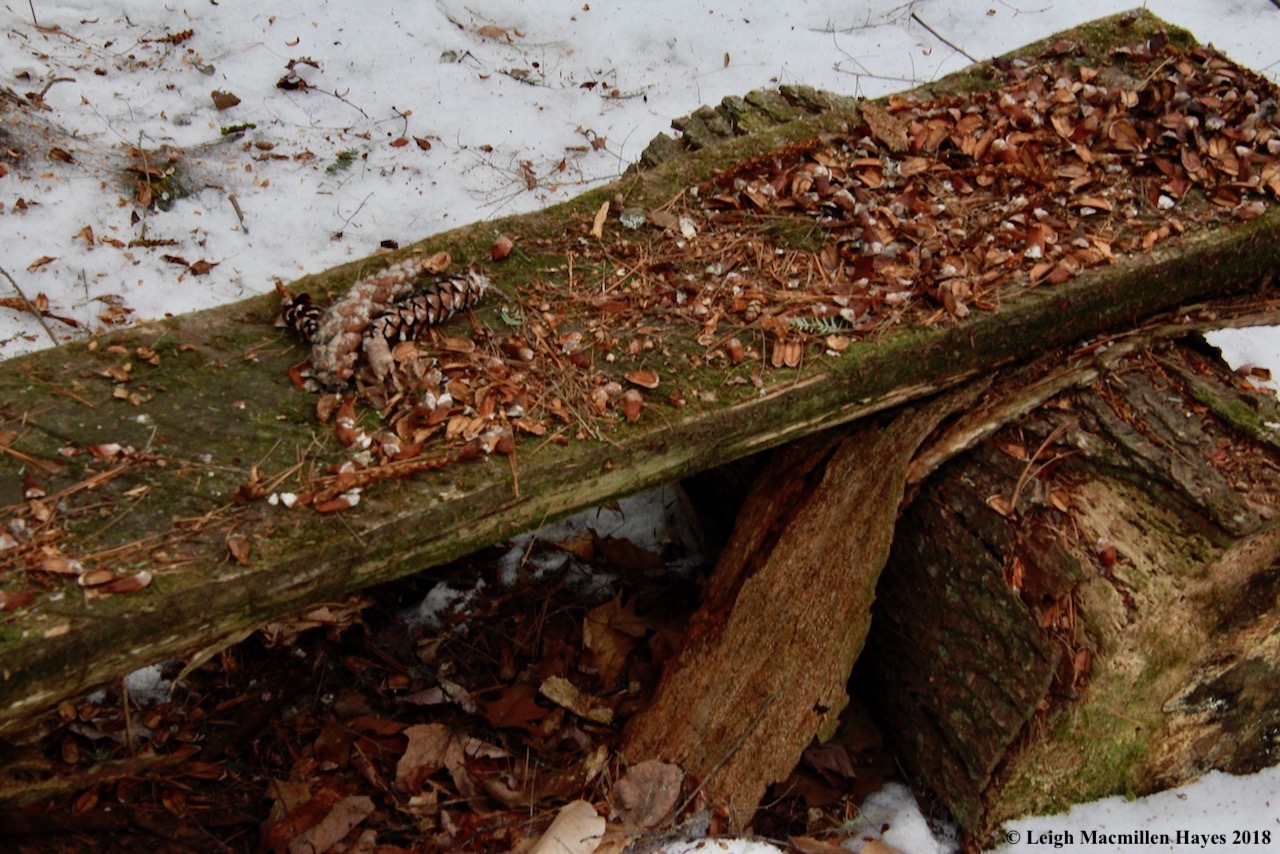
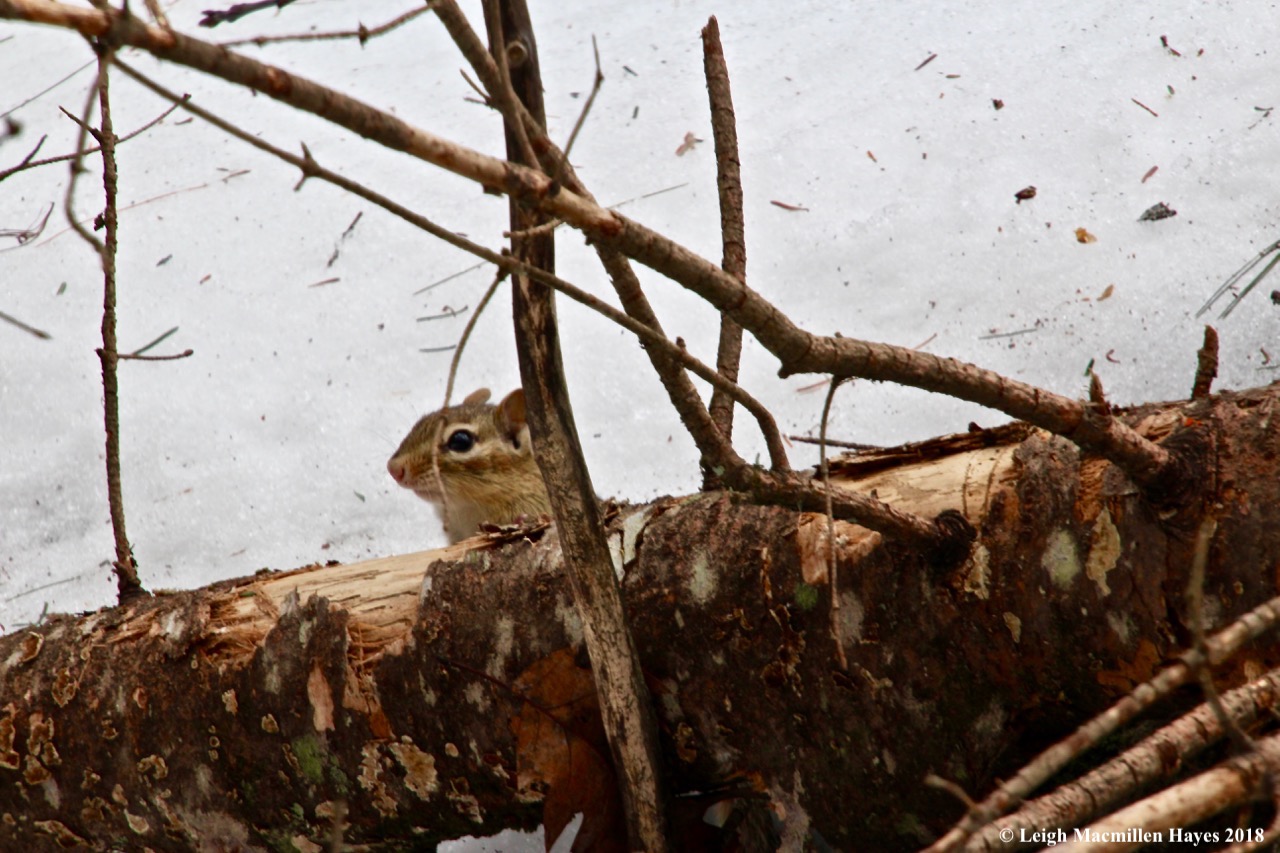
And then middens or garbage piles of Balsam Fir cone scales started to appear and we knew that a Red Squirrel had been dining. We saw some tracks, but never actually heard a squirrel, red or gray, though a Chipmunk dash across the snow and hid from us.

In one area, there were multiple middens, the one in front being about eight inches high. And that brought us to a discussion about the fact that until about 25 years ago, I had no idea what a midden was. Or a cache.

Nor scat. But oh my. A midden and scat on the same rock!

Which came first? My thought is that a Red Fox deposited its twisted and hairy scat–in typical manner upon a high place by a trail, and that the Red Squirrel came along at a later date to dine upon the same rock. I don’t think the Fox’s meal was this particular squirrel. In fact, by the color of it, I don’t think it was a Red Squirrel at all.

But this brought up an additional comment from My Guy about the fact that I can’t stand to see someone spit (think baseball games), but get all excited over scat. (And kill sites.)

I blame it all on Bridie McGreavey for teaching me about such, and once again rejoiced when I spotted Ruffed Grouse scat in a pile that told me the bird had roosted in this spot along the trail one night this winter.

My Guy claimed that he was going to contact Bridie and tell her that she took a mild-mannered English teacher and turned her into . . . me! (There was a reference to Lois Lane in there;-) )

I might have to mention that I never imagined him practicing Yoga!

At last we reached Dessert Ledge, aka South Ledge, again with Mount Washington in the offing, and the northern slope of Round Mountain in front of us.

From there we began our descent, pausing again to admire the ice and water that were part of the display and the blue hues exhibited.

This one crossing I have to admit I was dreading for I thought it might be under ice, but the rocks, which you can’t see because I was standing on them, were bare, and I felt comfortable pausing to take in the view.

We knew by what we spotted, such as these four slabs of ice somehow caught and wedged by a tree, that the force of the water had been quite strong in the past week, given the weather conditions.

We even spotted an ice berg upon the opposite bank.

Water always soothes my soul, so I thought I’d offer this short video for you to enjoy.

The planet offered us some amazing sites and sounds today, but our favorites were probably the Bear Claw trees.

Yes, we’re still enjoying winter as we did today while we celebrated Creation along the mountain: Long Mountain.

And gave thanks as we always do to Larry and Mary who share this trail and others with so many of us, and Bruce, their trail creator, who does an amazing job.

In Search of Winter Stoneflies

I’ve been waiting for this day for the last few weeks. To that end, every couple of days I’ve snowshoed out the back door and made my way down to the park, eyes always looking down just in case. To no avail.

Oh, the ducks are always there, as its their winter hangout, being one of the few places with open water given how cold the temps have been. Even this morning, the thermometer registered -7˚ at our house.

What I love about the sun shining on the male Mallards heads was that some appeared green and others blue in their iridescent hue. They rather reminded me of Ebony Jewelwing Damselflies who have bodies of the same color, albeit a million times smaller.

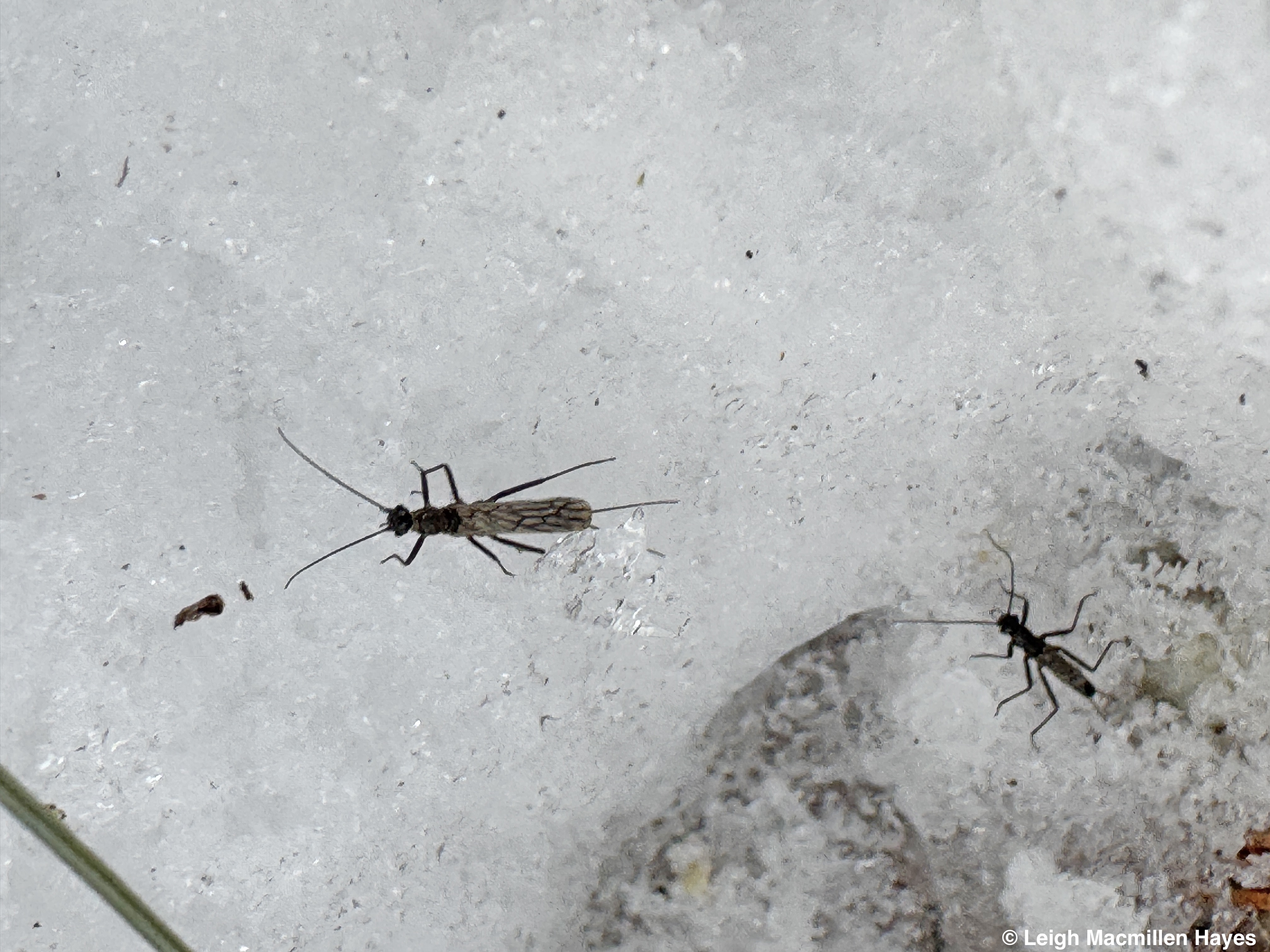
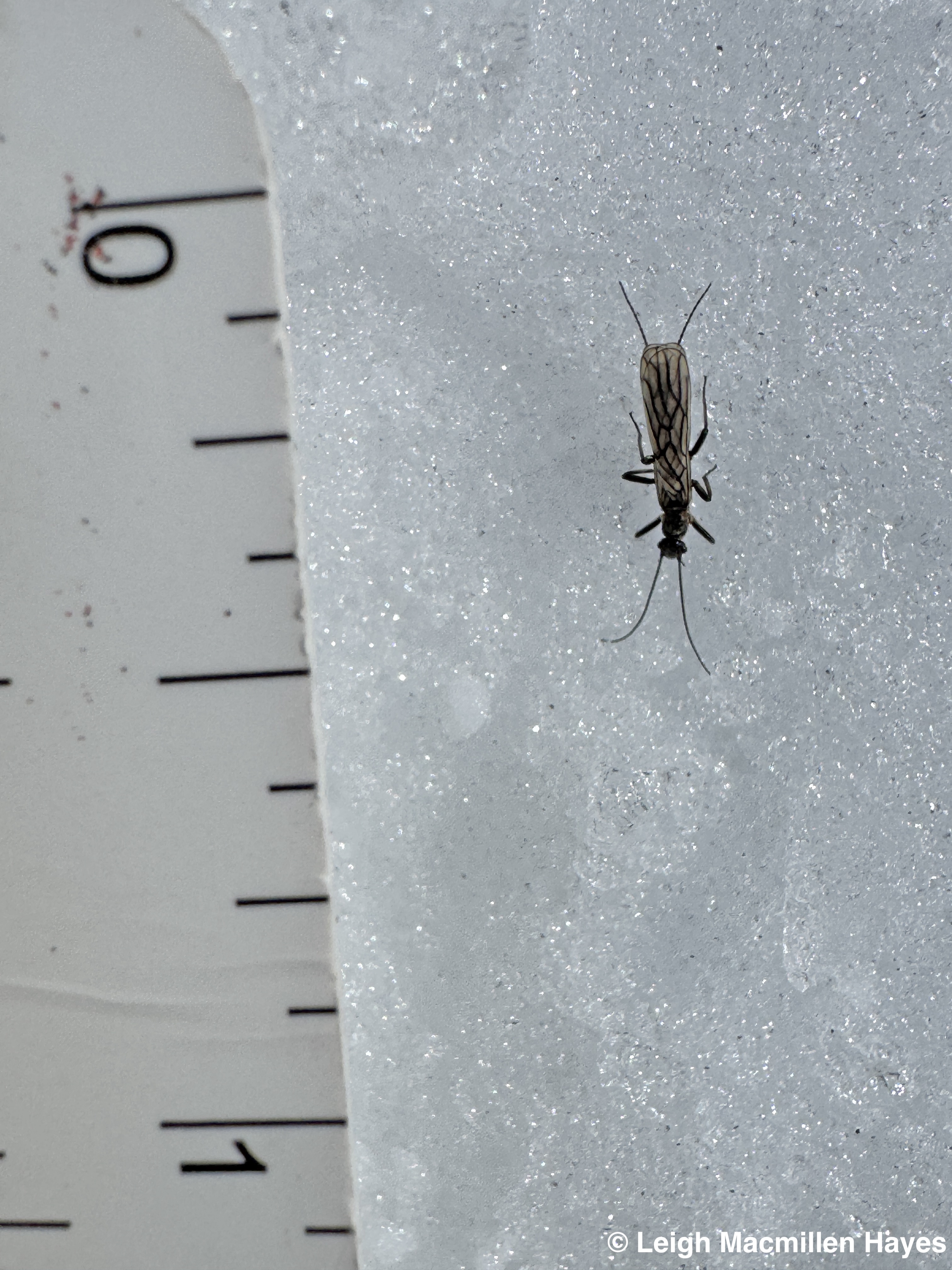
But it wasn’t the ducks that I sought. Instead, it was this. A Winter Stonefly!

In winter, crazy as it may seem, the aquatic immature stage of a Winter Stonefly, aka naiad, crawls from the rocky bottom home of the brook where it has spent the last year or more maturing (going through as many as thirty molts) and shredding fallen leaves, climbs up through crevices in the snow that covers the brook, finds a plant or some other spot to emerge as an adult, and leaves behind its shed skin, much like a dragonfly or damselfly.

Today, though not abundant, the insects were all on the move and most headed west, as I’ve noted in the past.

Their mission: to reach a tree trunk.

Once there, they’ll crawl under the snow beside the trunk and I had to wonder if we’ll hear the sounds of their party reverberating through the cold night air tonight. That said, today it wasn’t hundreds of insects; but that day will come soon.

Why to the tree trunks? And why crawl under the snow? The bark is warmest in that spot, so it is a good place to get out of the weather.

Stoneflies have hammer-like structures on their abdomen that make noise when thumped against a surface, like a tree trunk or a twig or even the ground. This is a mating call. The males drum, and the females drum back, and voila, they find each other and canoodle.

And just to mix it up, this spot is also home to Small Winter Stoneflies.

Like Mayflies and Caddisflies, Stoneflies are particularly sensitive to pollution and serve as bioindicators of water quality. That means the brooks beside which I walked have excellent water quality. That is good news indeed.

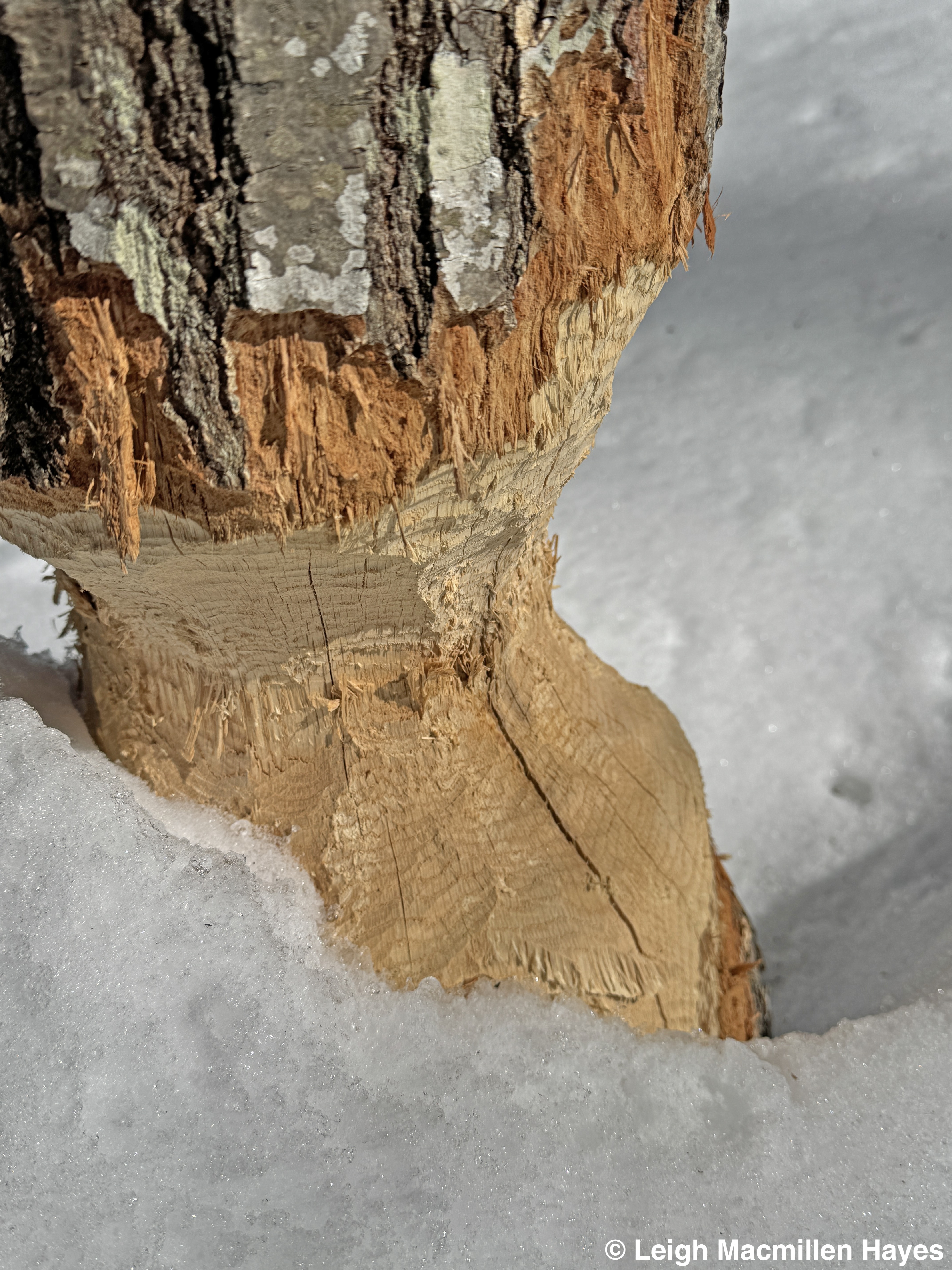
Since I was in the park, I decided to look around to see who else might be living there. There was an abundance of Gray Squirrel tracks, and those left by a Red Fox or two, and even Raccoons. But then in a spot where I hadn’t spotted this tree for any reason before, I noticed that a Beaver had paid attention.

Can’t you just imagine the Beaver cocking its head to the side and trying to cut this tree down. From the looks of it, this tree was partially chopped down before ice formed over most of one of the two brooks that flow through the property, so I would imagine in early December. How did I miss this before?

And where there are White Pine Saplings, some times there are signs of a Pine Tube Caterpillar’s winter home. Well, it could have been in this one or any of the dozen others I spotted nearby.

The larval form of the Pine Tube Moth, Argyrotaenia pinatubana, binds clusters of needles together. What typically happens is that the caterpillar uses between ten and twenty needles to form a tube or hollow tunnel. (You might also see the little white Pine Scale insect to the left of the tube.)

In October 2021, I had the good fortune to watch some Pine Tube Caterpillars at work.

Back and forth they moved, excreting silk that formed a ladder-like web. The caterpillars moved up and down their silk-lined tunnels to feed on needles at the tip. When the time comes, each caterpillar creates one more tube and does the same thing until it is ready to pupate overwinter.

The moth will emerge in April, when I’ll need to pay attention again (if I remember). Two generations occur each year and those that overwinter are the second generation.

Those were all great sightings. BUT. Not all is perfect with the natural world. And the blonding on the Ash tree is certainly an indicator of one thing that is wrong.

Emerald Ash Borers are invasive insects that will attack and kill both weak and healthy Ash trees of all species.

Most of the EAB’s life cycle takes place below the bark.

Tunnels or galleries from feeding larvae accumulate and disrupt the flow of a tree’s nutrients. All wood boring insects leave behind tunnel patterns, but to my knowledge no others have the S-shaped or sinuous curves of EAB.

During the winter, woodpeckers probe for larvae feeding beneath the bark, and often reveal infested trees. The “blonding” I referred to earlier is the light color left behind as the birds remove the outer bark.

I checked some of the debris below one of the infected trees, in hopes of finding woodpecker scat filled with the larval and/or pupal forms of EAB, but so far have not had success. Though some towns are bringing in parasitic wasps to attack the mature insects, wouldn’t it be great to know that we have birds who can help in the effort?

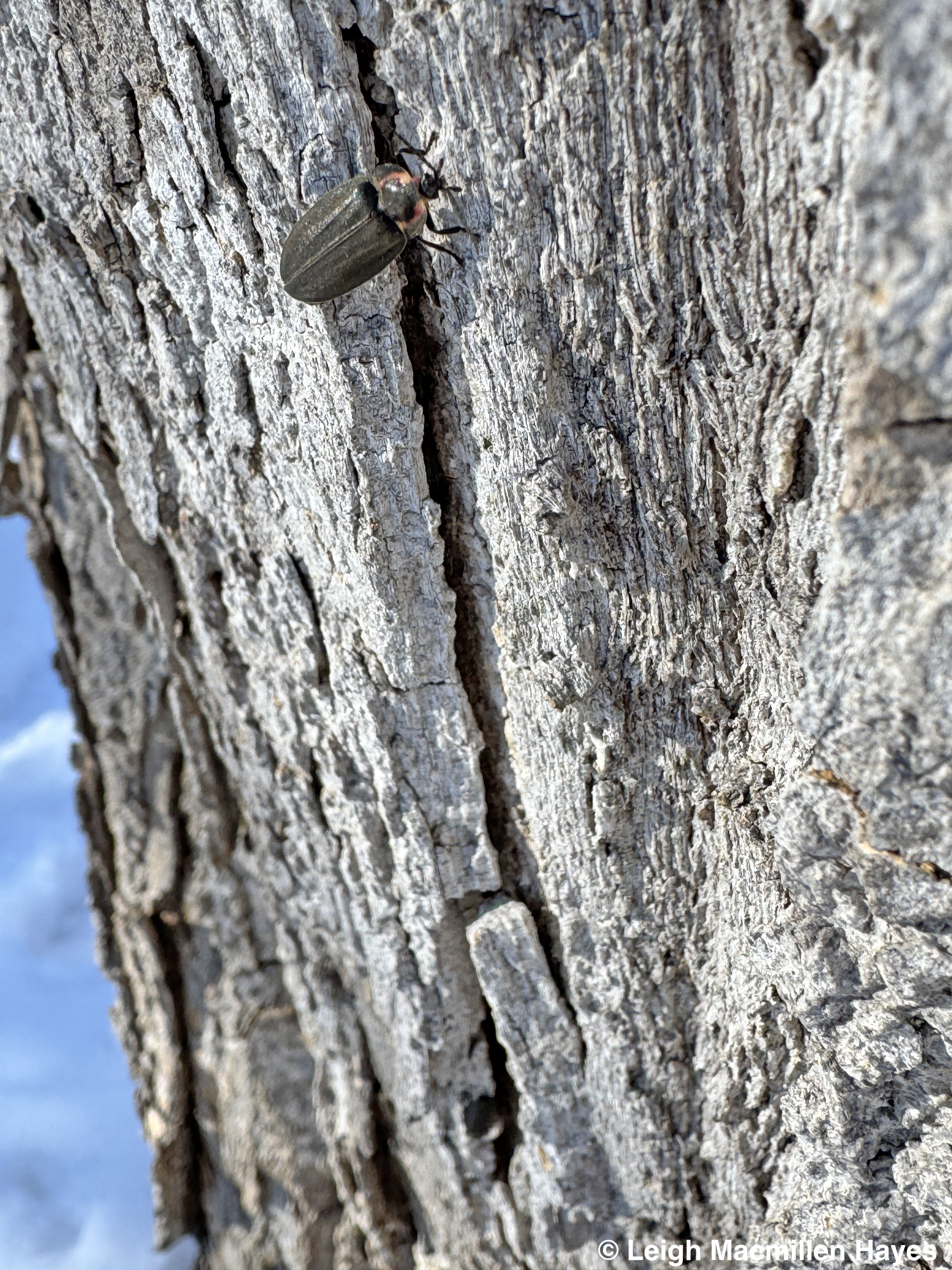
While studying the Ash trees, I looked across the trail at a couple of Sugar Maples and discovered another insect whom I think the world of, the Winter Firefly.

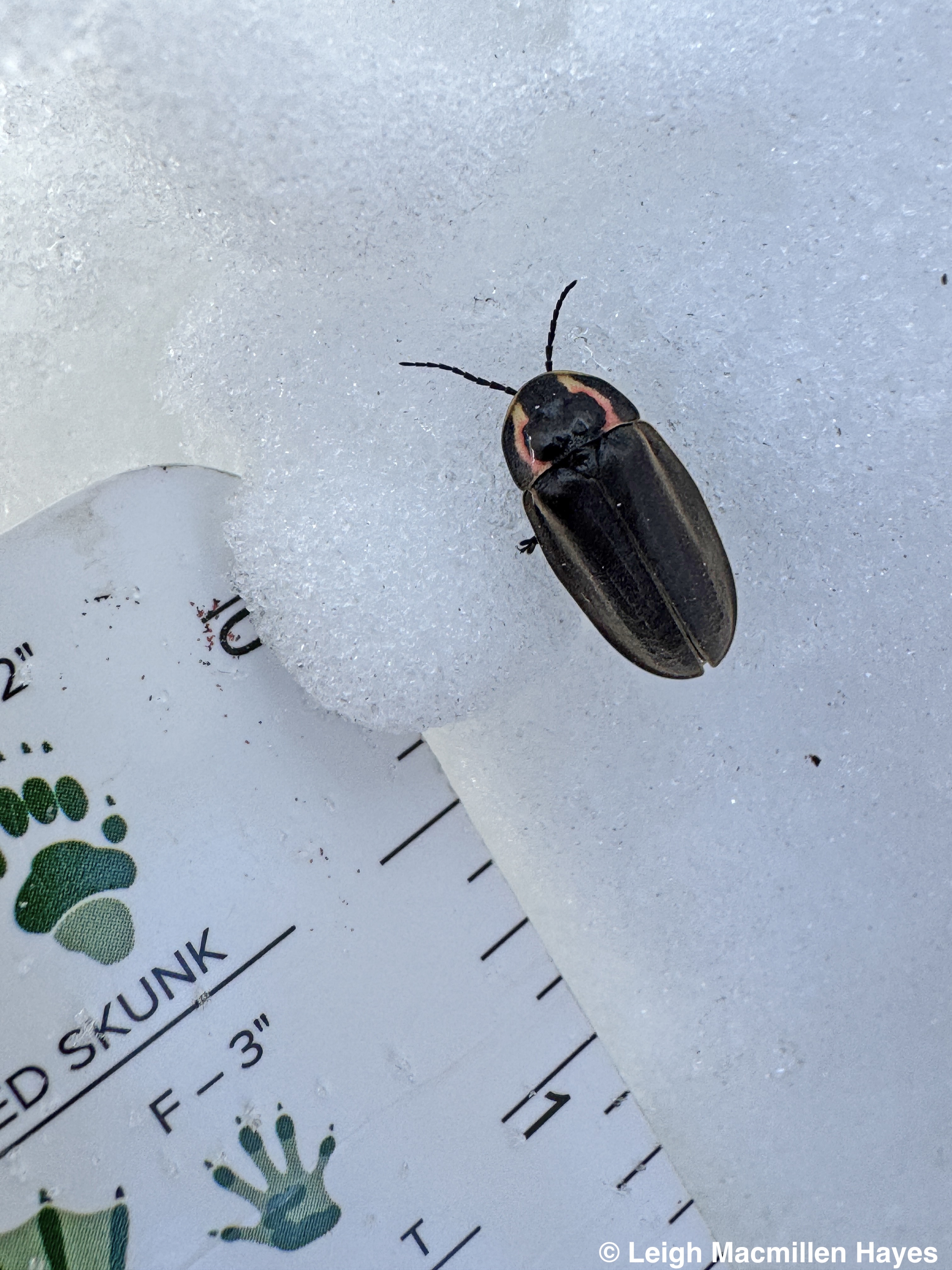
So here’s the thing: fireflies are not flies; they are beetles. Unlike many beetles, however, Winter Fireflies overwinter as adults.

Also, they are diurnal and don’t have lanterns to light up the night sky.

Once I started looking, I discovered quite a few either crawling on the trunk or tucked just underneath where the bark curled away from the tree.

There were also a bunch on the snow, like this one above, and they appeared to be dead, which surprised me. Or maybe they were just taking a rest?

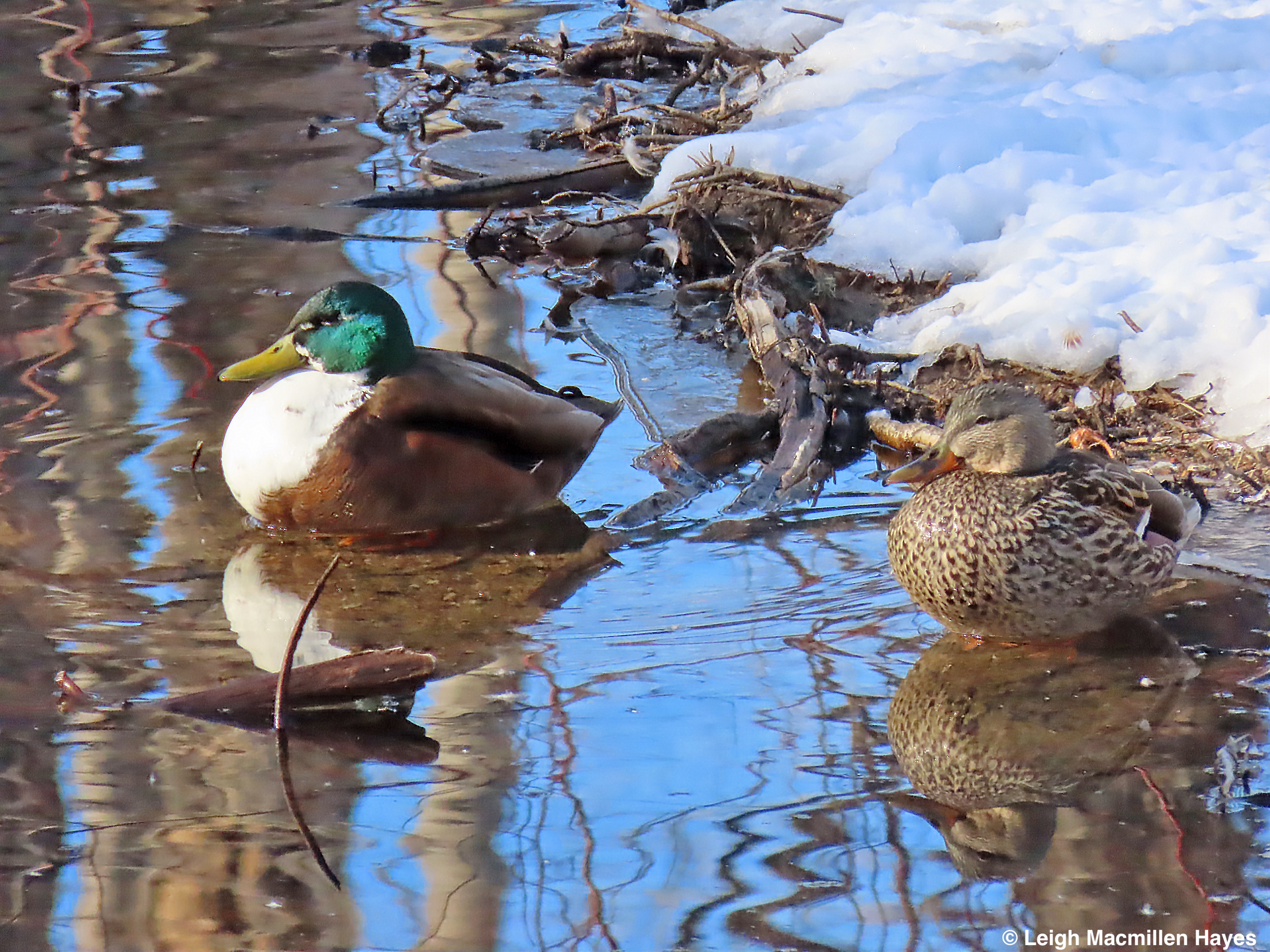
Back to the ducks I returned before heading home. And this time, it wasn’t just Mallards who came into my view. I would like to confidently say that the duck on the left is a female American Black Duck and on the right, a female Mallard.

BUT . . . yes, it’s true, there always is a but, I’m only basing my conclusion on the difference in their beaks and according to The Sibley Field Guide, there are hybrids.

The rest of the bodies of these two look almost identical, and perhaps not as dark as the Black Duck should be. Am I right? (You know that when I’m alone I’m 100% correct, but in blog-land, I’m not alone so I welcome any tips to help me have a better understanding.)

There were a zillion Mallards and though some seemed to be couples like these two, others ganged up and squawked and zipped about chasing each other in circles.

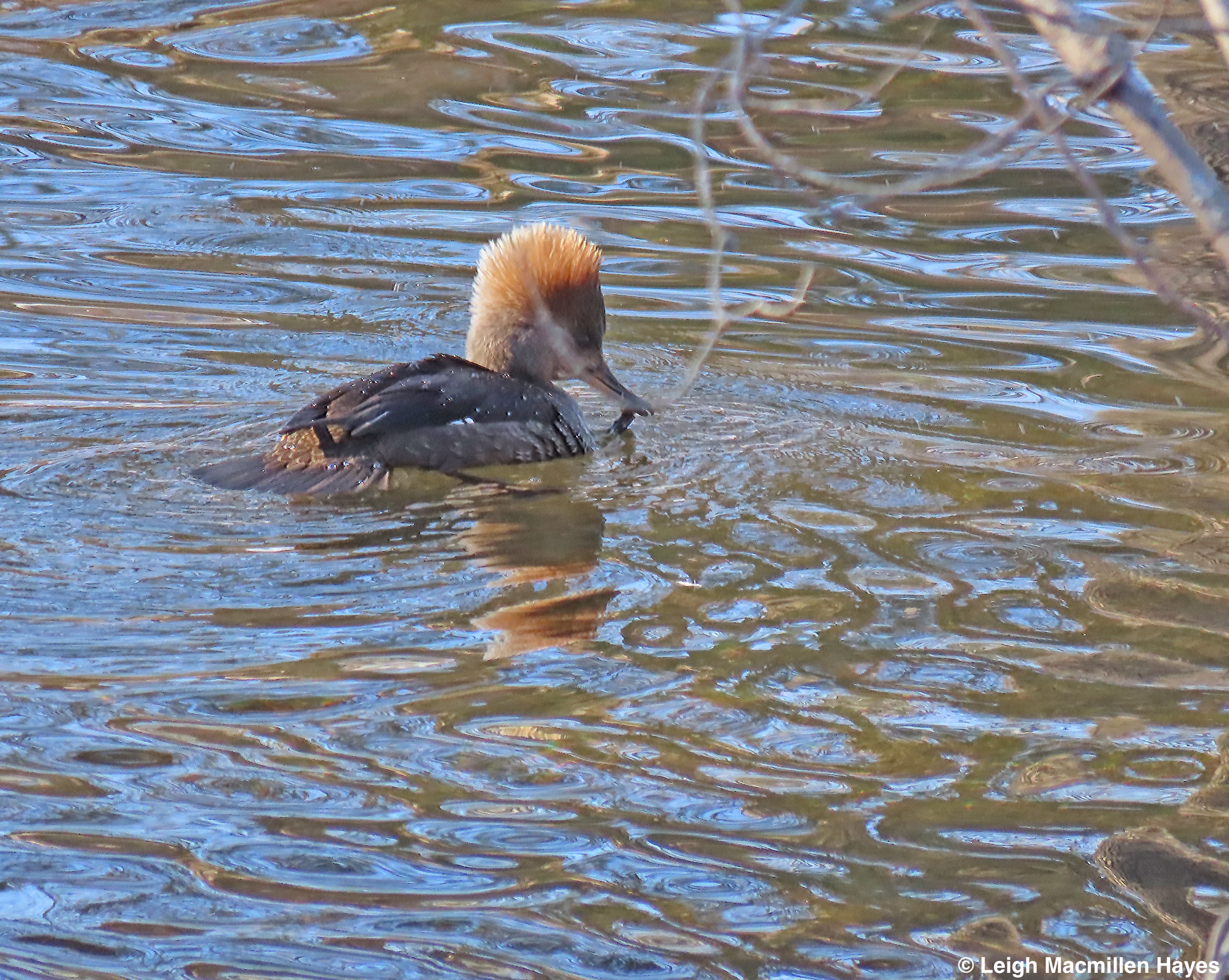
And then into the mix entered a pair of Hooded Mergansers, she being the more drab color. Actually, I spotted two males, but only one female. Then again, I stood only in one spot to view the open water, so I don’t know who might have been around the bend.

Both the male and female Mergansers were diving and feeding, possibly on small fish.

As I watched them, another duck paddled my way and I thought for sure it was a rare species and couldn’t wait to get home and check my field guides.

He had the green head and yellow bill of a breeding male Mallard, and gave chase to his woman.

But that white bib?

It was almost as if the White-bibbed duck had the opposite coloration of the male Mallard, with the light colored chest and dark flank versus Mr. M’s dark chest and lighter flank.

Mr. White-Bibbed also had a white eye line that I didn’t see in the Mallard. And his chest seemed to stick out prominently.

The best I can tell from a little research, is that this is the result of a Mallard canoodling with a domestic duck. Again, if I’m wrong, please let me know.

Some call them Manky Mallards or Domestic Mallards. Mrs. Mallard seemed rather pleased with her choice and if these two do stay together, I can only wonder what their offspring will look like.

Just before I walked home, I heard and then saw a pair of Northern Cardinals. She didn’t make herself clearly visible, because if you look closely, you’ll note the berries of another invasive, Bittersweet, that she was dining upon. Junk food for birds. And they are the reason it spreads so rampantly in our area. I have to say, I remember a time when I thought Bittersweet was beautiful as a decoration.

At the end of the day, I have to say I went in search of Winter Stoneflies and came home well rewarded.

Wait. Watch. Wonder. Learn.

As I waited for the sun to rise on this final day of autumn 2024, before the dawning of the winter solstice, I watched the sky. It seemed late. Of course it seemed late. Tomorrow will be the shortest day of the year.

Ever so gradually, the sky brightened. First, there was barely a hint of light shining through the trees as if taking its time was a way to remind me to slow down.

And then I began to see it. Not the orangey-yellow I expected, but rather a blue gray that slipped out from behind the silhouettes of the tree trunks, who stand as watchers, observers, of every dawn every day.

Ever so slowly, a hint of pinkish purple rose in the East and the blue gray was transformed.

I, too, wished to be transformed. By this first light. By this new day.

And then it occurred to me that I do rejoice at each daybreak and look forward to its offerings.

Today, however, was a wee bit different as it was the day to enter a place I’ve barely visited since the spring and I felt drawn to part the hemlock boughs and venture forth into my own secret garden, that isn’t a garden at all, at least not if you expect it to be a place where flowers and vegetables are tended. Ah, but it is a garden from so many others. And its those others that I hoped to meet.

In her book entitled Church of the Wild: How Nature Invites Us Into The Sacred, author Victoria Loorz writes, “You wander slowly and intentionally. It is your full presence along the path that matters. It is an act of reverence, a saunter. John Muir hated the word hike. He urged people to saunter. ‘Away back in the Middle Ages,’ he told his friend once, ‘people used to go on pilgrimages to the Holy Land, and when people in the villages through which they passed asked where they were going, they would reply, ‘A la sainte terre,’ ‘To the Holy Land.’ And so they became known as sainte-terre-ers or saunterers. Now these mountains are our Holy Land, and we ought to saunter through them reverently, not ‘hike’ through them.”

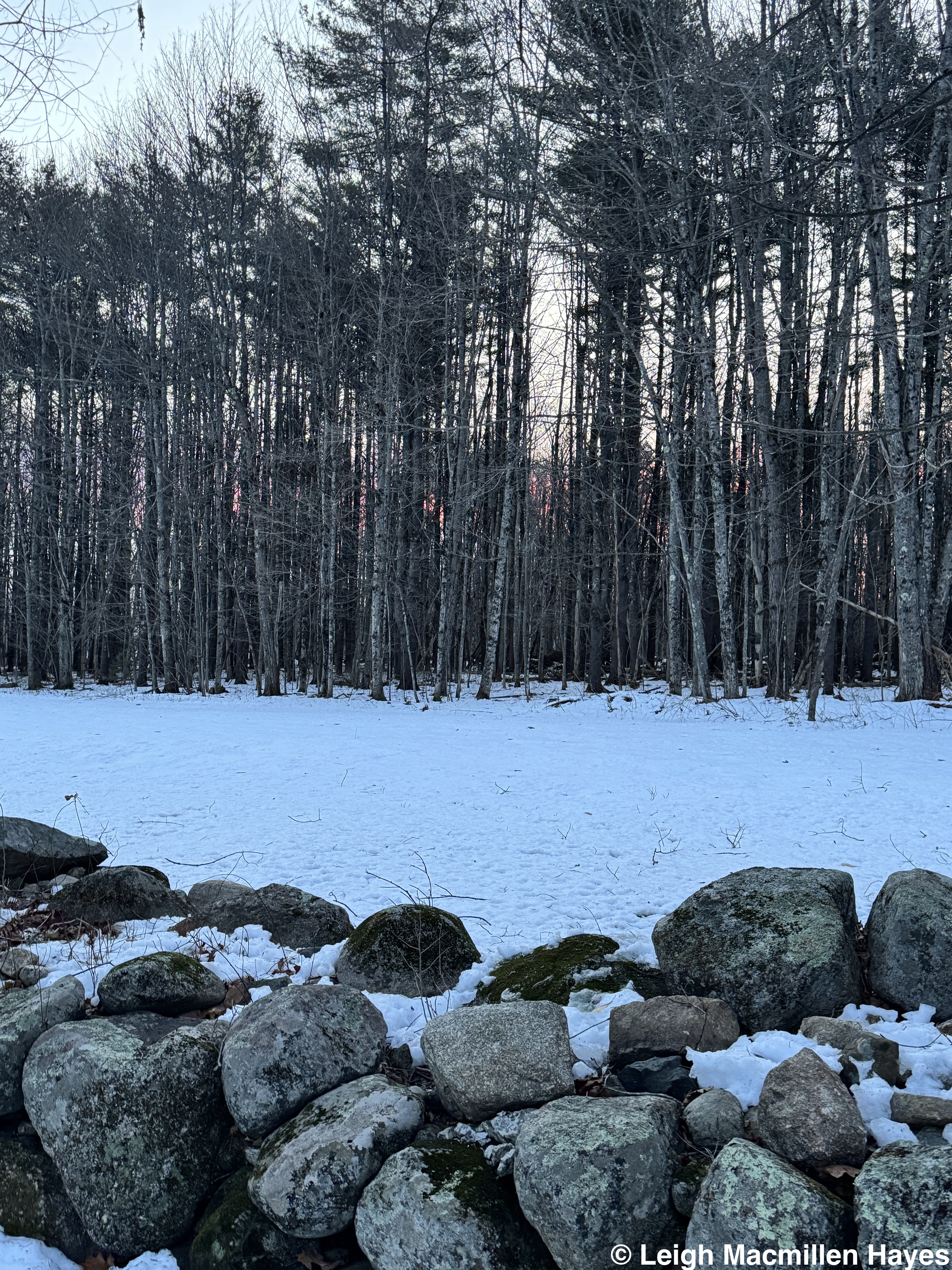
And so I sauntered, not letting the stone walls or barbed wire stop me from crossing over manmade boundaries.

All the while, I wondered, “Who will I interact with today?” and “Will I be able to shut down my inner ramblings and really wait, watch, and listen?”

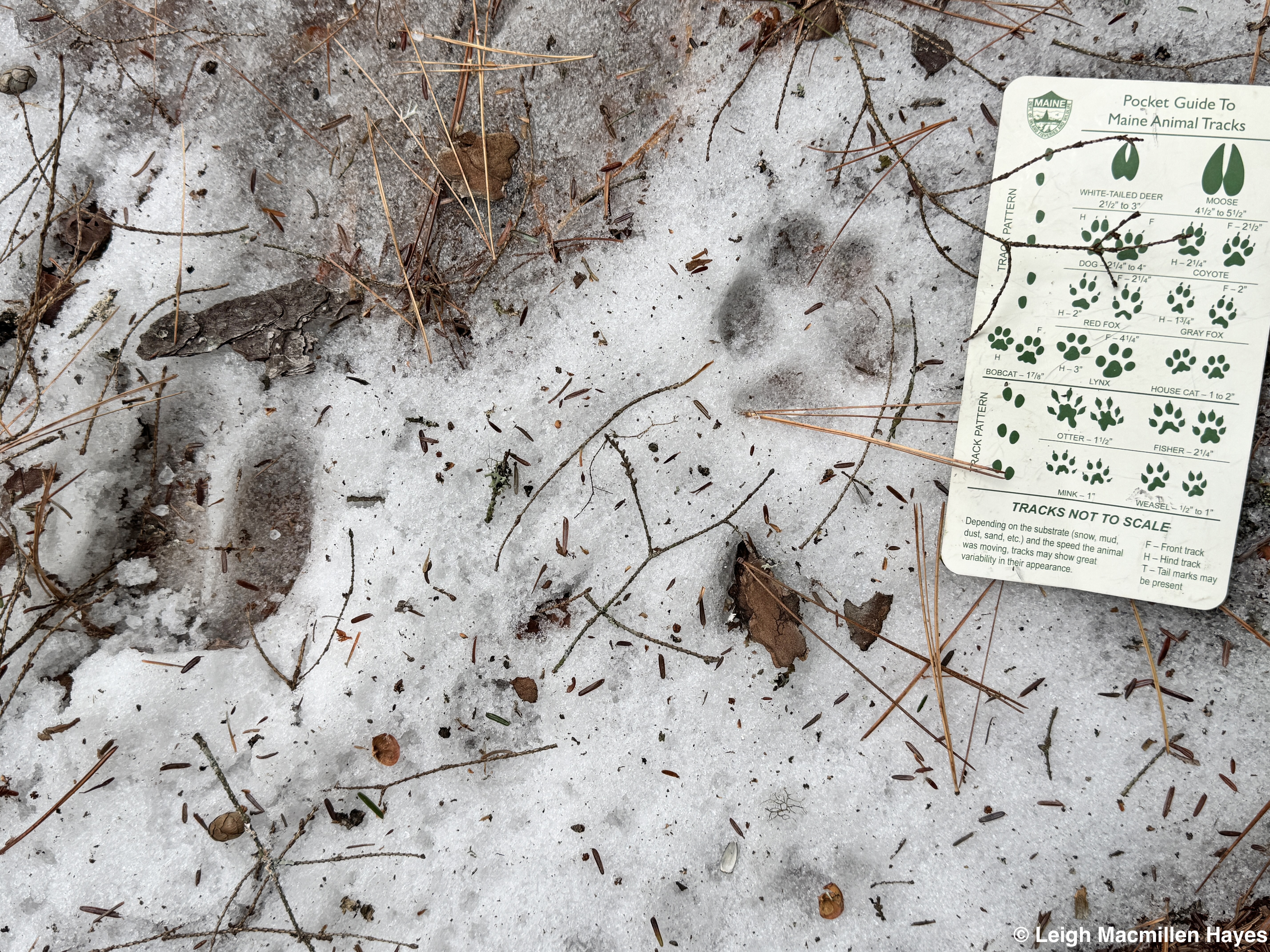
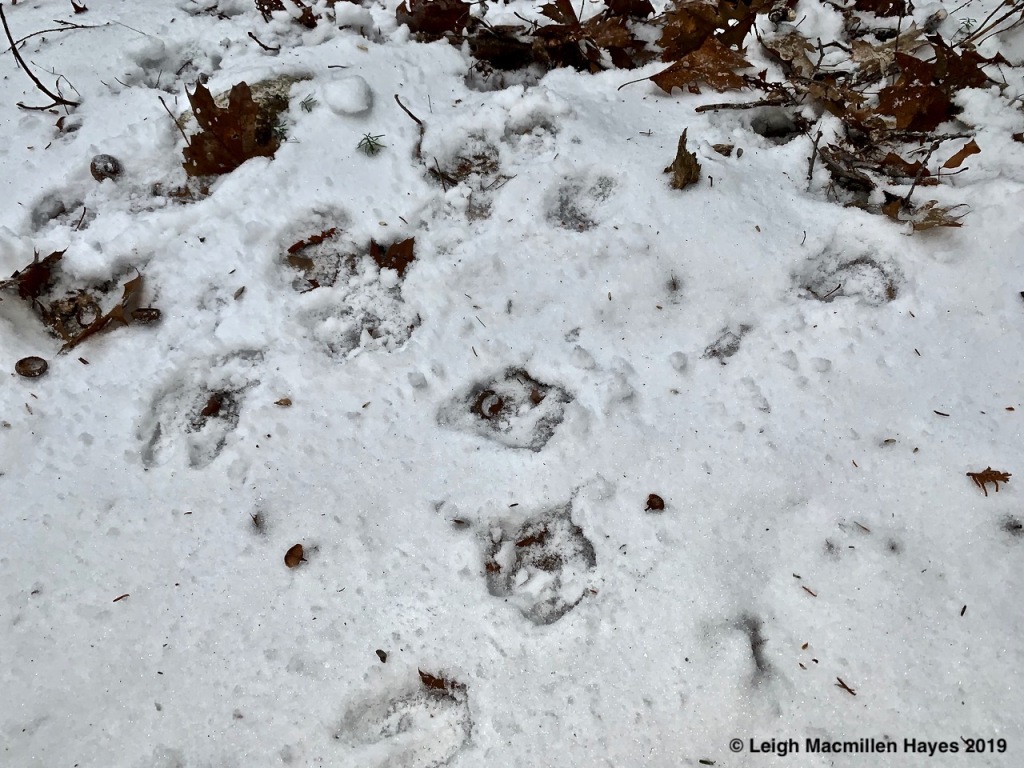
My heart quickened despite my efforts to slow my breathing, when I spotted not only the heart-shaped prints of White-tailed Deer who really own these woods, but also one who pursues them, the Bobcat.

Would I spot any evidence that though they travelled in opposite directions a day or so apart, their paths eventually crossed? That remained to be seen.

What I did know was that unless I sat for a time, I would not spot any critters because the snow conditions were such that I stood firmly on top–like walking on water–frozen water, and made a loud crunching sound with the fall of each footstep.

Those who know me well, know that I am a cradle Episcopalian. Among other things, I love the liturgy. But what I’m discovering I love the most is the shared fellowship with a diverse group of people.

And in the same way, I love the woods out my door and how each and every other-than-human being IS diverse, and how they aid and abet their neighbors, sometimes offering a helping tree limb or shared nutrients, and other times feeding upon others because they, too, need energy.

And in the forest, there is life and death, and a dead snag can be just as beautiful as a live tree. And in its death, offer space for others to live.

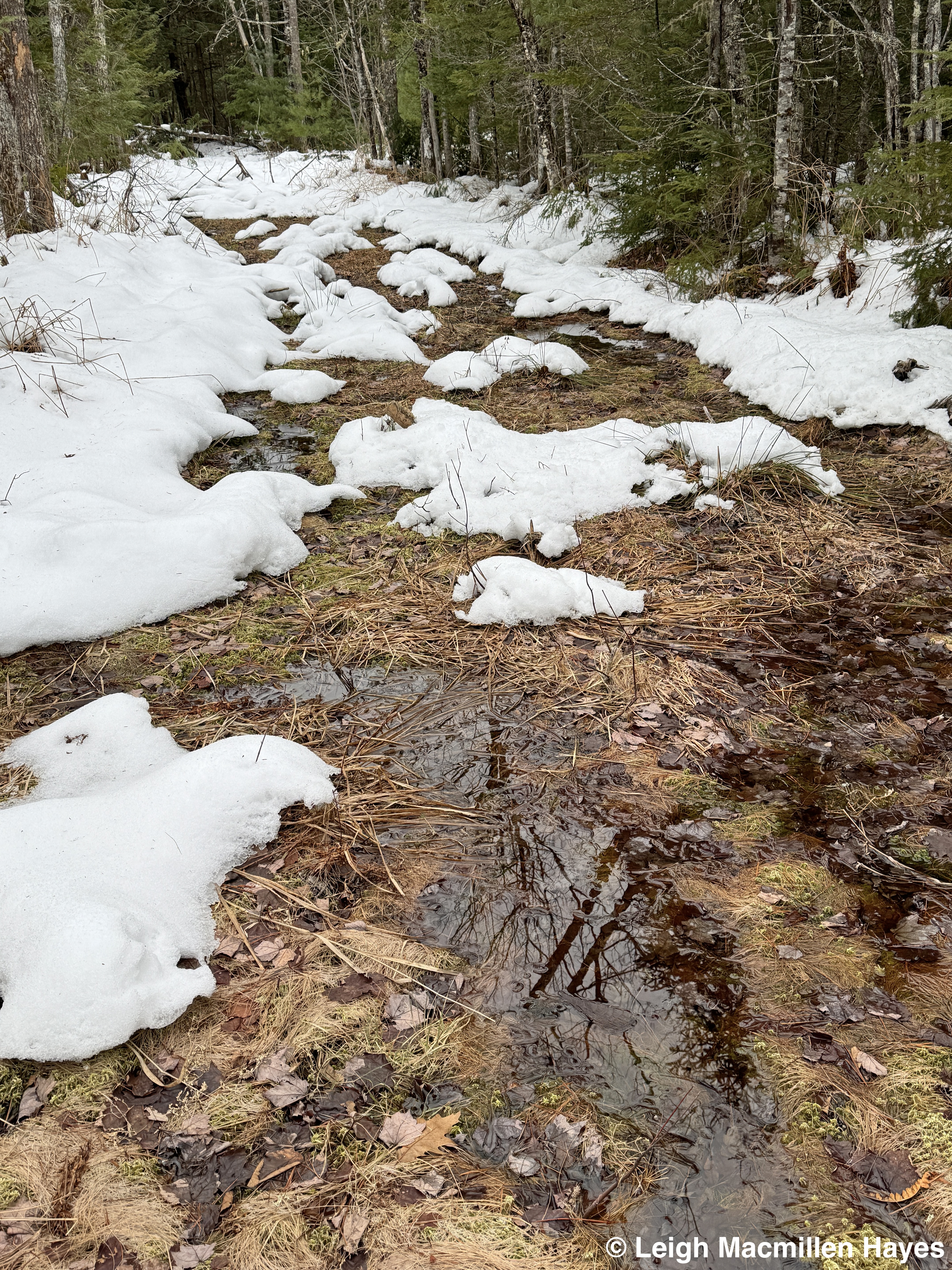
During today’s saunter, I bushwhacked sometimes and followed old logging trails in other moments. During all of my visit, I often encountered places that needed consideration for navigation, but in the pause as I gave thought to my way forward, I noticed reflections that reminded me of my desire to do the same. Take time to reflect.

I made sure to look up and down and felt a need to celebrate discoveries, such as this perfectly round Snowshoe Hare scat. Last year there weren’t many hares in this part of the woods, so I can only hope that this year will be different.

Evidence of deer activity was everywhere, from well tramped routes that generations have followed for eternity to freshly rustled up Northern Red Oak leaves indicating a search for acorns to dine upon.

What made me chuckle, however, was the realization that it wasn’t just the deer who were taking advantage of an abundant acorn crop. A squirrel had cached one here and another there–that should serve as a meal for a later day.

After searching for a friend I doubted I’d meet, and I didn’t (Porky is saving our meeting for another day), I stepped out to an old logging road and instead met another I couldn’t recall from previous saunters. Perhaps it was because I was approaching it from a different direction than my norm.

This Yellow Birch has apparently graced this spot on a boulder for many years. And though it looks as if it served as a turning tree during a logging operation about ten years ago, it still stands tall.

In fact, by the amount of catkins at the tips of its branches, it appeared the birch was full of life and love and ready to make more birches in the future.

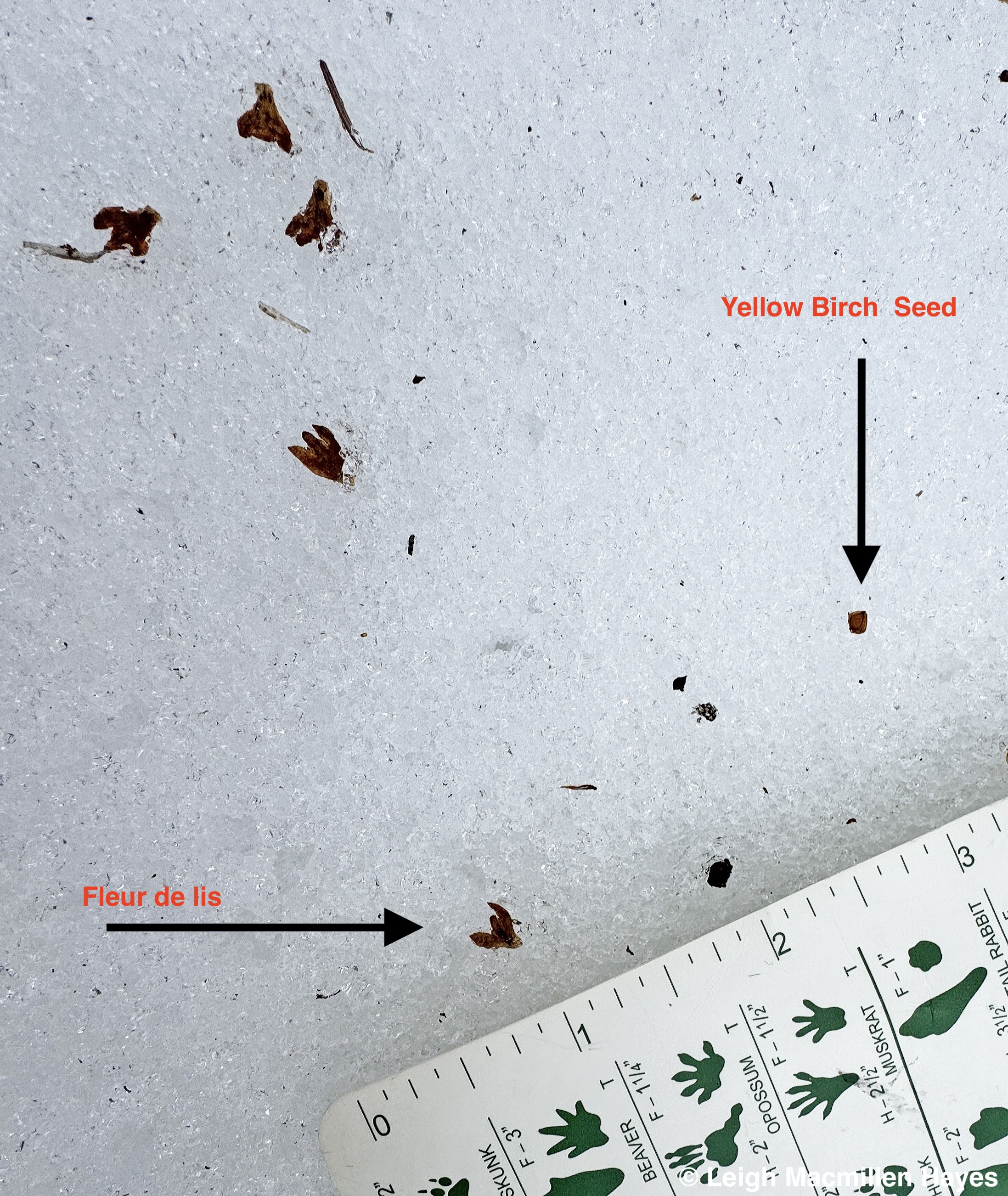
At its feet, fleur de lis scales that protected its tiny seeds had fallen from last year’s pollinated catkins and will eventually break down and add to nutrients to the forest floor.

What I am always wowed by, and today was no different, is the shape of a birch seed–which reminded me of a tiny insect with antennae. A future is stored in that wee structure and maybe this one seed will some day germinate on the boulder below it. Unless a bird eats it first. But then again, maybe it will germinate somewhere else when it comes out in the bird’s scat.

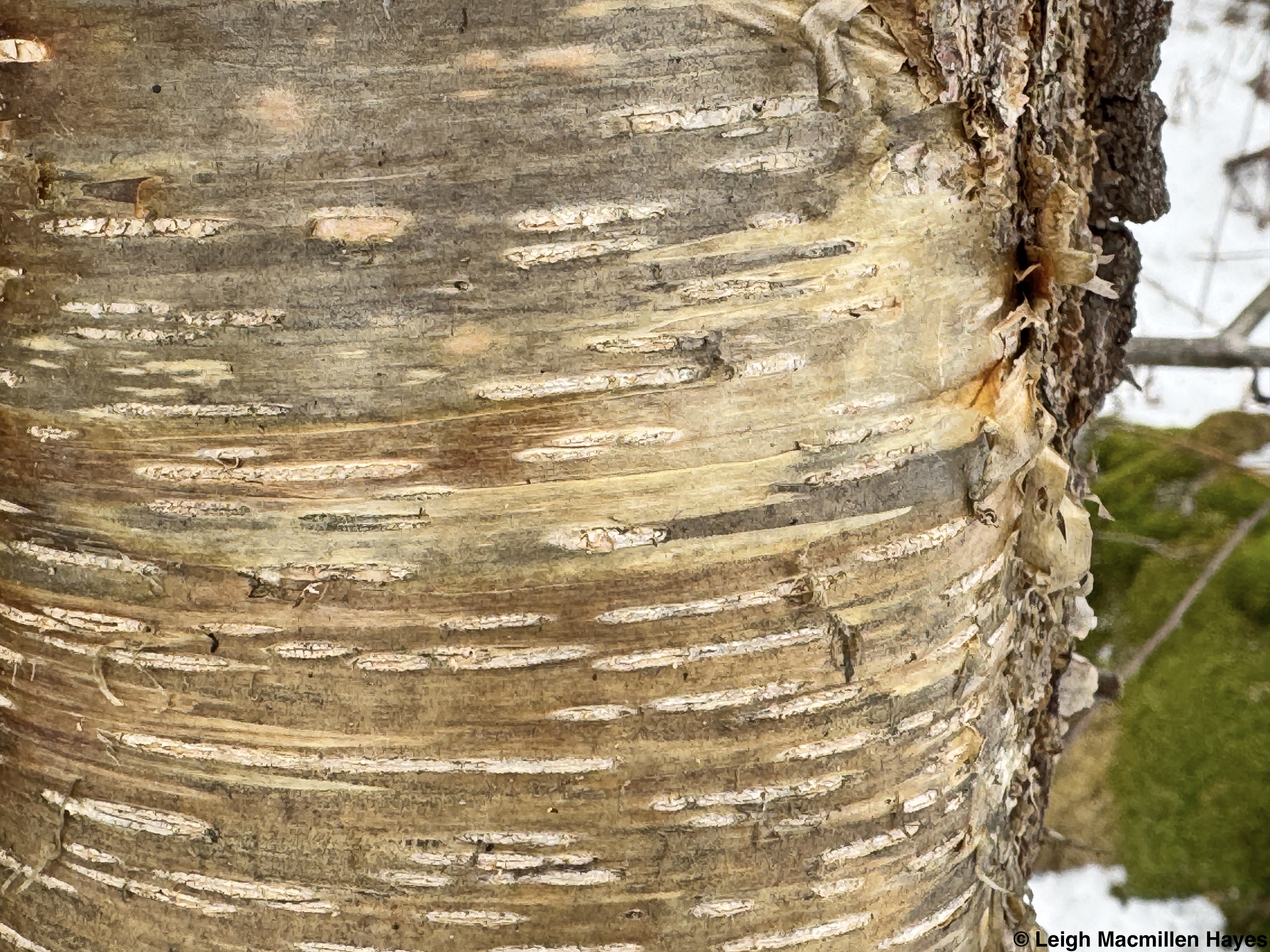
The bark of the birch made me think of landscape paintings I’ve seen from deserts far from this place in western Maine. And I realized I don’t have to go far to travel to other places.

Even as I left the Mother Birch behind, I turned back to see if I could remember it from so many other visits, because certainly it didn’t just appear today. Or did it?

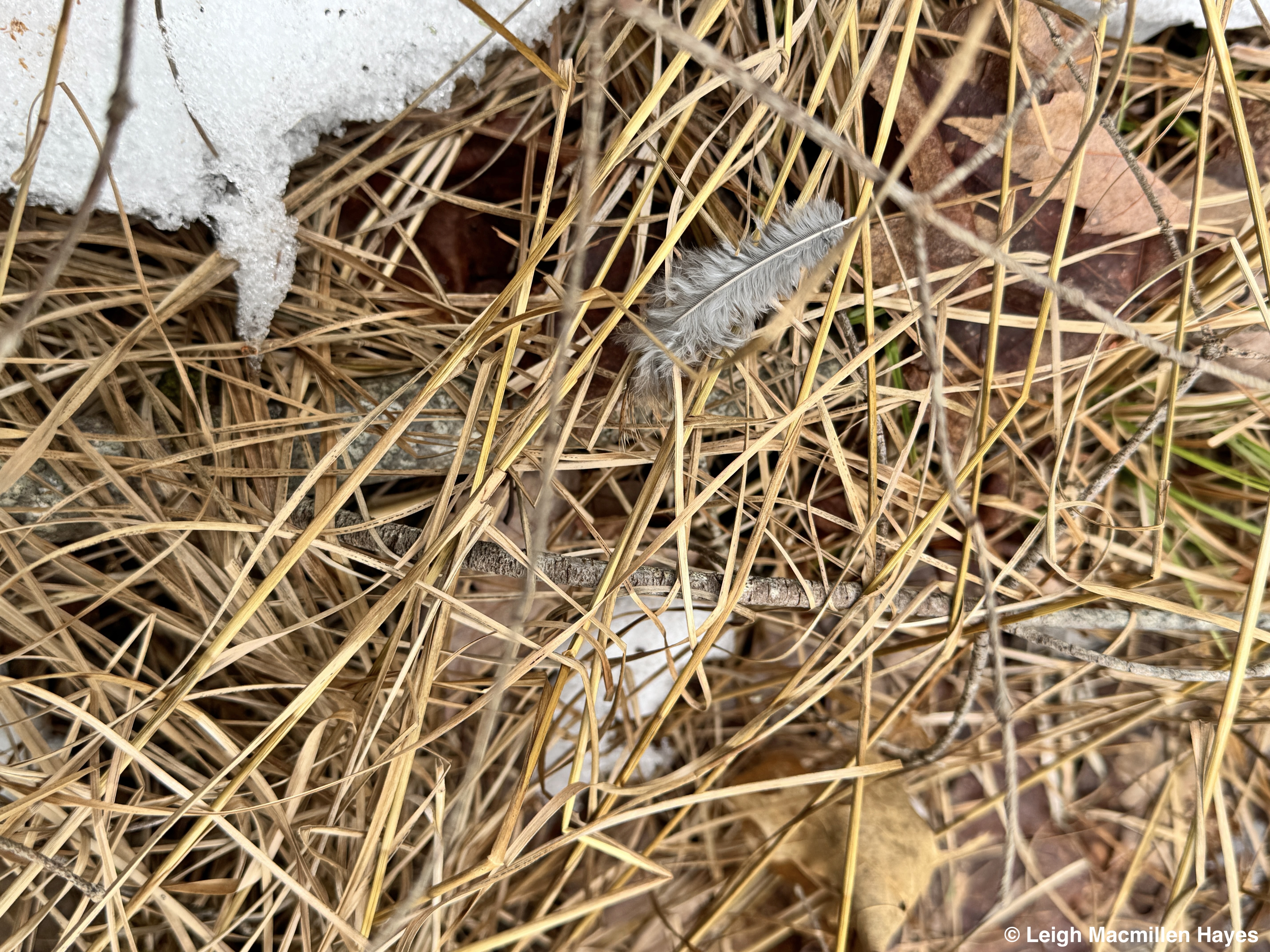
Turning around again, I nearly tripped over a few fallen twigs, but it was what stood out among the dying vegetation covering the twigs that drew my attention. A random feather?

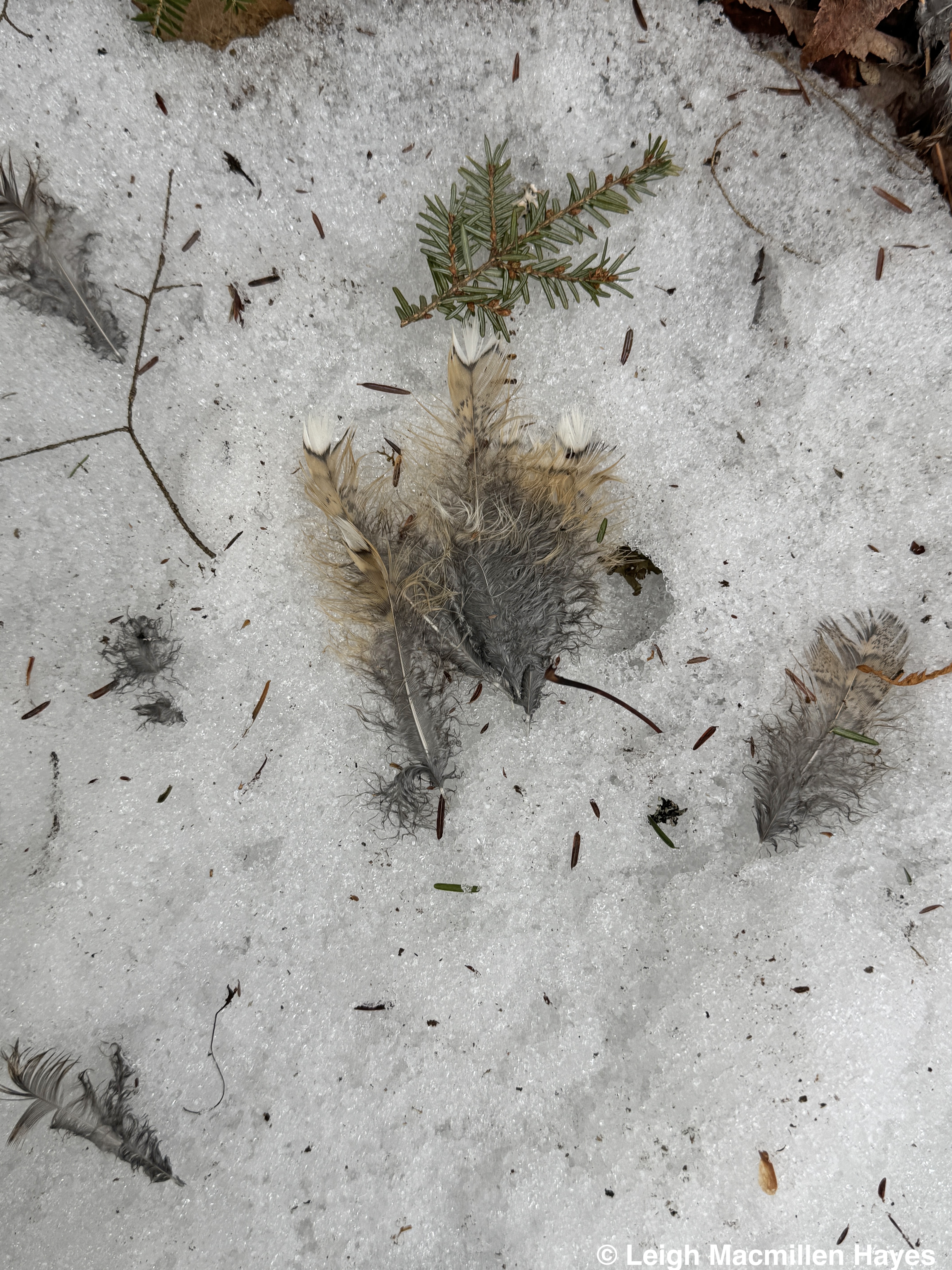
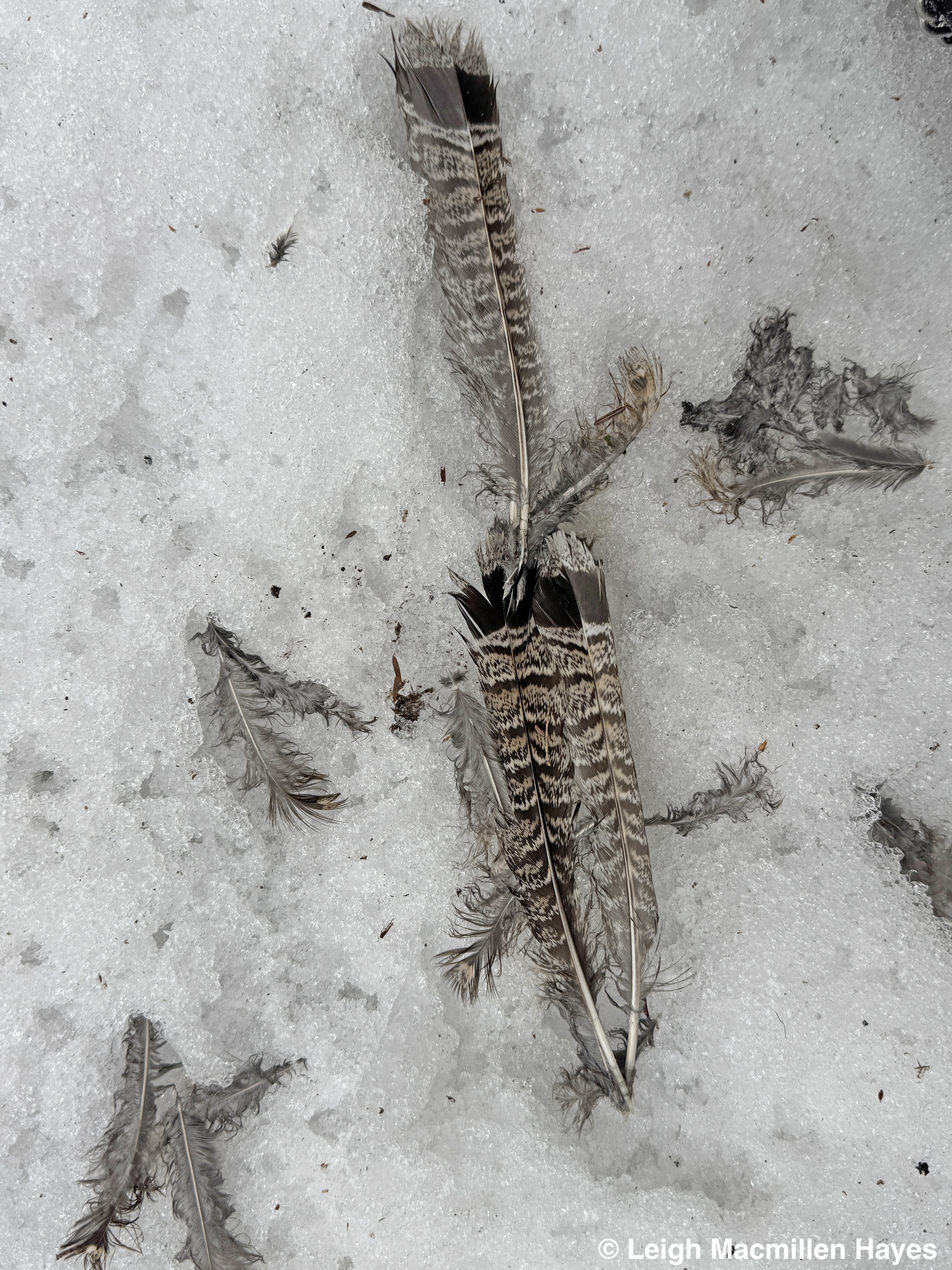
Not at all. I’d stumbled, rather than sauntered, upon a site where a bird had given up its last breath so that another critter could live.

The bird happened to be a Ruffed Grouse, and I had to remind myself not to be sad about the loss because of the joule or energy units procured by another. In its death, sunshine and birch seeds and whatever else the bird had eaten provided sustenance in the form of a gift.

Of course, spotting the Ruffed Grouse’s track did give me pause for I suspected it to be the bird’s last impression.

Moving on toward a former log landing, I smiled again at the sight of another who took a risk of crossing the large forest opening, but knew enough to tunnel under the snow frequently. Was it frequently enough? Voles are everyone’s favorite food. Well, maybe not mine. But I’ve possibly eaten meat from some critter that dined on a vole and so maybe some of its joule had been passed on to me as well.

Frequently on my journey, as often happens in these woods, I encountered the one who greeted me at the start. Well, its footprints greeted me at least. But I always give thanks for such sightings for though Bobcats are solitary and elusive, knowing they are here and that we walk in the same woods and perhaps see and smell the same things makes me happy.

And then it occurred to me. I need to be more like the Bobcat and improve my waiting and watching and listening skills. I’m always in too much of a rush to see what might be next on the agenda. So much for sauntering.

As this last day of autumn 2024 gives way in the wee hours of December 21 to winter, and the sun once again rises in the East, I need to remember to be more like the saunterers. To be alert to offerings. To wait. To watch. To wonder. To learn.

Each day is a new awakening with teachings. Thank God for that.

November 11, 2024 Mondate

It’s Veterans Day 2024 and My Guy and I chose a trail less traveled in the National Forest, giving thanks to our families, friends, and strangers who have served our country. It’s because of them that we can hike along trails and old logging roads, and even bushwhack; two of the many freedoms they’ve given us are the freedom to move about our country and the freedom to not live in fear (well, most of the time).

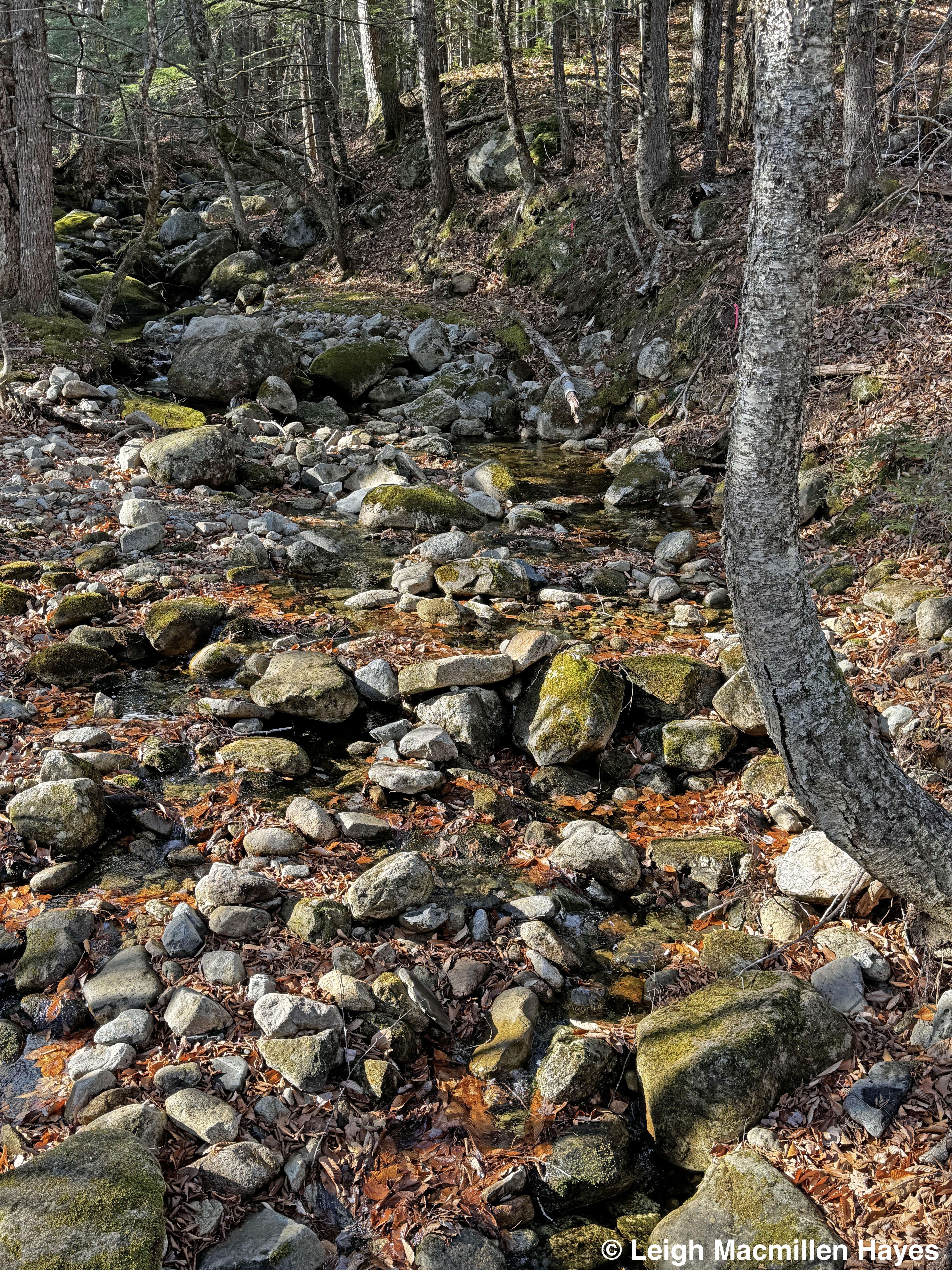
And so today found us crossing the state line and beginning our journey beside Langdon Brook in Chatham, New Hampshire. Like everywhere we look these days, the water level was low–a result of the current drought.

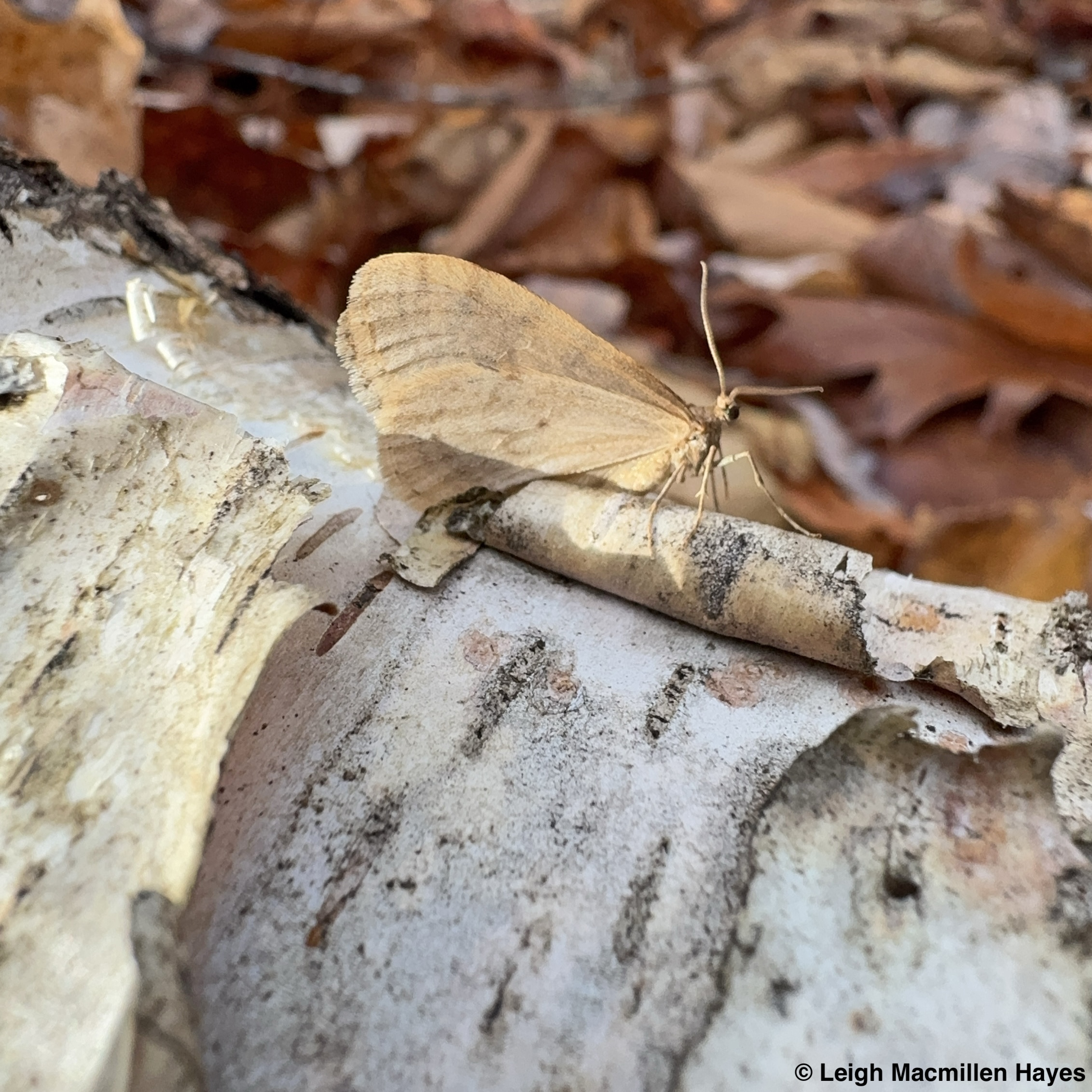
What isn’t low is the number of Geometer Moths, and I believe this to be The Bruce Spanworm, aka Winter Moth, that is currently on the move, emerging from the duff in October and November. I didn’t look for females, who are flightless, but saw plenty of males on the wing.

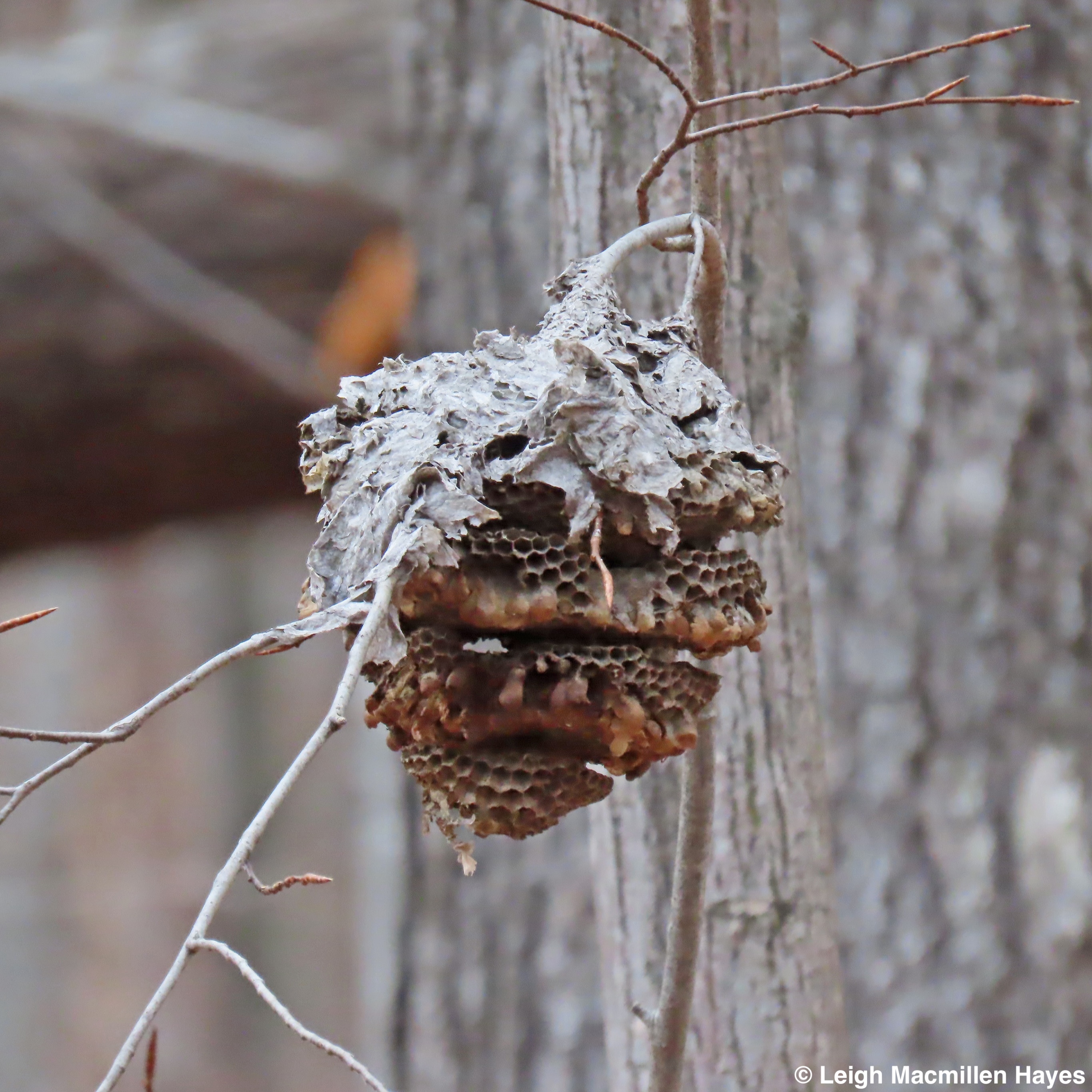
Our trek found us following steep old logging roads for a good portion and as we looked for Bear Claw Trees, I spotted this, a hornet nest.

One Bald-faced queen started building this nest in the spring by chewing wood and mixing it with saliva to create a paper-like material. I love that you can see the multiple layers of horizontal combs, under what’s left of the papery outer envelope.

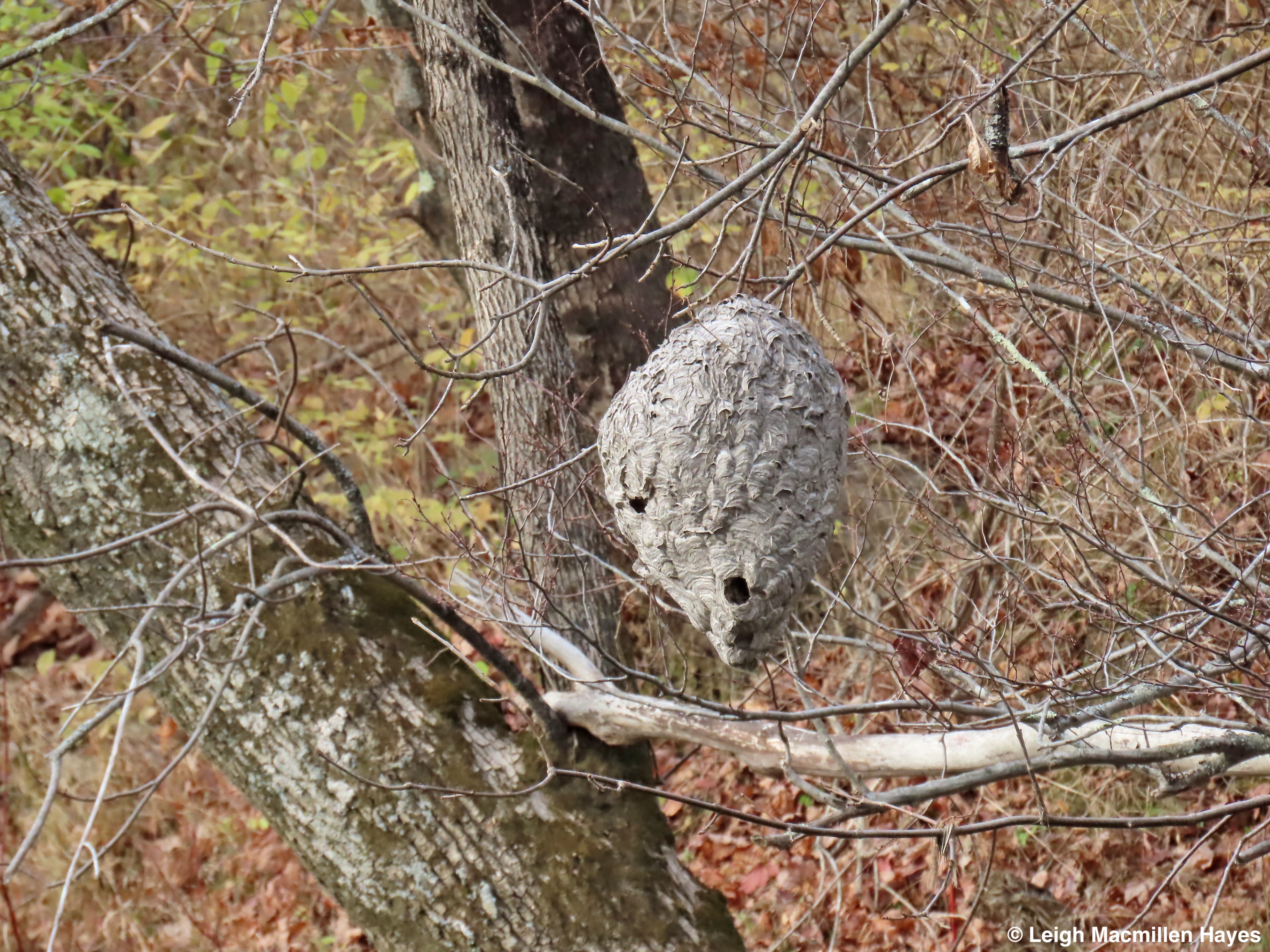
Just last week on a hike closer to the Atlantic Ocean we saw another football-shaped structure, that one being much more intact than today’s example.

Take a second to admire those layers of paper.

What to our ever wondering eyes did eventually appear, the first of several Bear Claw Trees, but I promise to not share all of them with you.

What I will share is this one, a first for us. We often see “elbow” trees in the woods, but never before have we spotted a “collar-bone” tree, so dubbed by My Guy. I think it’s a great description of the morphed shape of this Red Maple, probably caused by logging equipment rubbing against it years ago.

And because we were in a place where one would expect to see wildlife, or at least the signs of such, we found Moose tracks.

Where there are tracks, there is bound to be scat, though the tracks were much fresher than this pile. We actually expected to find both because we’ve traveled this way several times before and know it can be a highway.

As much as we both wanted to see the real deal today, I was glad we didn’t spot a Moose since it’s rutting season. That said, there were plenty of mature trees to hide behind had one approached us.

A few miles up and down, and a short trail new to us that was so much easier than the usual bushwhack approach we’ve taken in the past, and we arrived at our destination: Mountain Pond. With the Doubleheads in the background.

Doesn’t it have the cold November look?

It was breezy, but really, not as cold as it should have been and we both wore sweatshirts and anorak windbreakers and were quite comfortable.

Once we reached the pond, we decide to follow the loop trail that encircles it, and stopped at the lean-to for lunch–just far enough from the open water to be out of the wind.

And then it was time to continue on, dealing with rocks and roots most of the way. A bit technical in the footing department especially at the outlet brook, but not difficult.

Soon after crossing the brook, we entered fairy land. Even MG recognized it for what it was.

We didn’t see anyone at home, but trusted they were sleeping as is their habit during the day. Even the boulder condominium looked like it housed a few.

It’s places like this that inspired my children’s book, The Giant’s Shower.

If you are interested in a copy, or two, or three, please contact me by leaving a message in the comments of this blog because I’m not sure the thegiantsshower email mentioned at the end of that blog post is currently working.

But I digress.

On the far side of the pond, we spied the Baldfaces, which gave us a better sense of our place in the world at that moment.

After completing the loop, we found the short trail back to the logging roads and practically ran down hill, despite the signs indicating we should do otherwise.

Not far from the start of our journey, I spotted a classic representation of Red Fox scat. The tapered end and twist are what give it away. And its size.

I actually expected to find a range of scat samples along the way, but that was not the case. And the only critters we saw were two Red Squirrels who dashed for cover as we approached.

But we did have an unusual sighting . . .

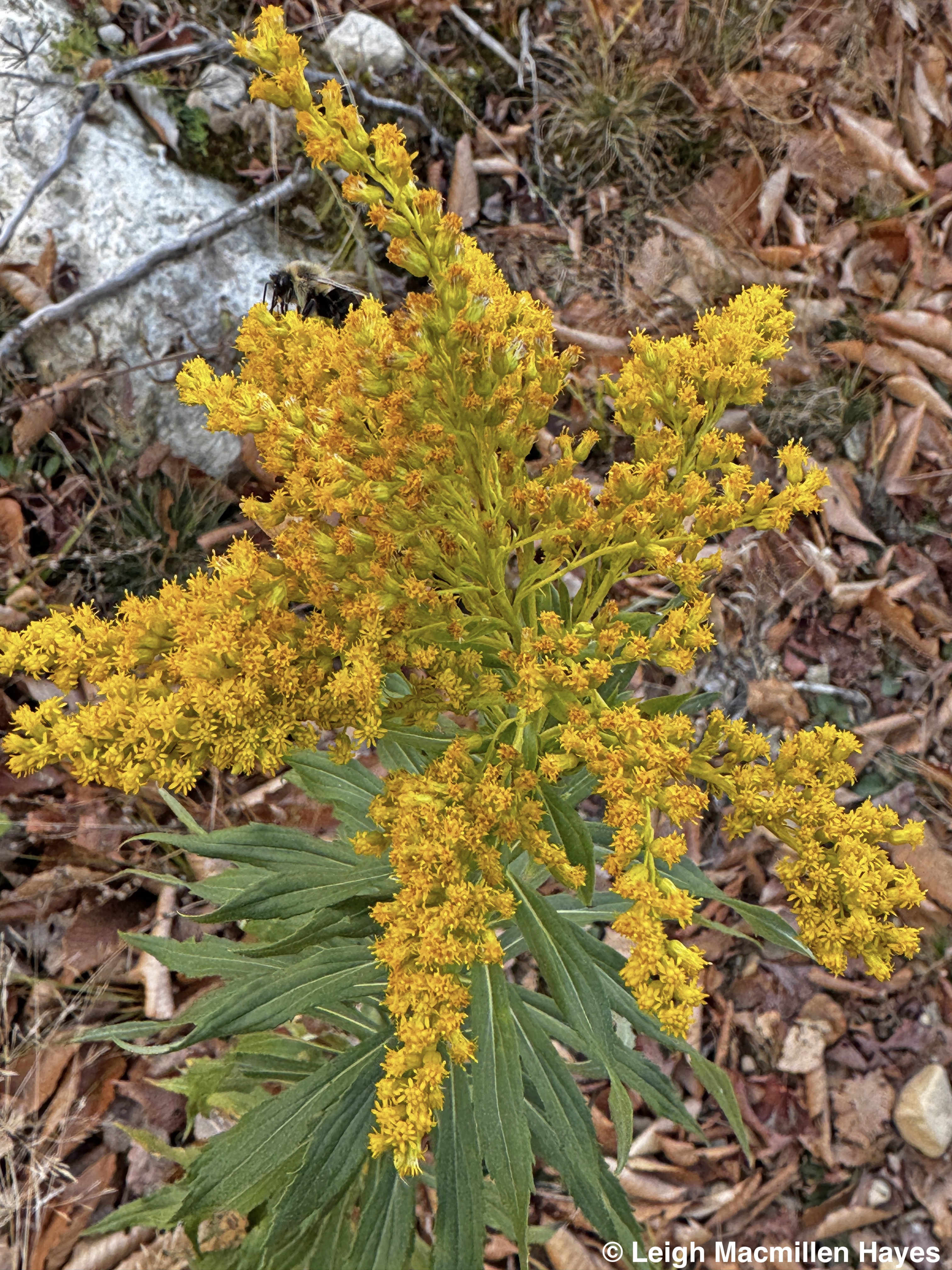
On the way back, about 100 feet below where I’d parked the truck, I spotted something else–Goldenrod in bloom on November 11th.

For the last few years, my nephew and I have been sharing photos of plants blooming when they should not be and he’ll receive this one in a text message soon.

The other amazing thing about this bloom . . . the Bumblebee seeking nourishment upon it. At first I thought the bee was either sleeping or dead, but it moved.

It does need to watch out, however, because just below it an Ambush Bug was busy dealing with another Bruce Spanworm moth–one down, a million more Winter Moths to go.

But again, I couldn’t believe that the Ambush Bug was still active either. We had a hard frost a few days ago. How did all of this happen?

November 11, 2024, a day to remember all those who served our country and a day for My Guy and I to take advantage of our freedoms and make some discoveries worth wondering about on this Veterans Day Mondate.

Becoming Tree Wise

So here’s the deal. A friend and I were supposed to lead a tree workshop today, but the weather didn’t cooperate. I’m not complaining about the few inches of snow–it’s the sleet that came first and the rain that is now eating up some of the snow that bothers me.

That said, I’m going to take you on a deep dive to meet some of the trees of Maine in their winter format. We are so fortunate to live in a section of the country where there is such variety, but that doesn’t mean we all know a species with just a quick glance. Oh, maybe you do. I know I sometimes have to slow my brain down before my mouth makes an announcement.

I found a drawing of a tree “cookie” on the internet this past week and decided to recreate it in one of my sketch books this morning. I like it because it helps me better understand how a tree works.

The key factor here is that trees are made of . . . wood. You knew that. But, what exactly is wood? Think scaffolding and plumbing. A tree needs structure to grow so tall, but it also very much needs food and water. Two components, therefore, make up the wood: Xylem and Phloem. Xy (think sky high) transports water from the roots, while Phloem (Think flow low) moves the sugar made in the leaves via photosynthesis during the summer down through the trunk.

As you can see from the sketch, the Phloem is only present on the outer layer of a tree–right under the bark. The Xylem makes up the majority of the wood.

And all those Xylem cells–they are made up of an outer wall of lignin, which gives the trees structure, and an inner layer of cellulose, which provides flexibility. Some trees, like Gray Birch, have a high concentration of cellulose, thus allowing them to bend under the weight of the snow, usually, but not always, without snapping.

The Xylem actually acts as a bunch of straws pulling up water, along with nutrients and minerals, from the soil. But can we actually see this action occuring in the trees? The answer is a resounding, “No.” It’s not at all like we might use a straw to slurp up a frappe, but rather a passive flow, where the water molecules evaporate through the stomata (holes in a leaf surface, similar to our pores), they draw other water molecules upward from the soil to the roots, and the roots to the Xylem, and the Xylem to the leaf, and the leaf to the air (Think water vapor = Transpiration).

Going back to the sketch above, the early wood of each year, which occurs in spring and summer, is much lighter in color than that of the late wood, but the two together create a ring documenting that particular year.

The heartwood, which isn’t labeled, is the inner core. It provides support for the trunk and is actually dead because over time the Xylem gets clogged up with resin. And each year more of the tree dies from the inside out.

If you are still with me, let’s get to the actual trees I want you to meet.

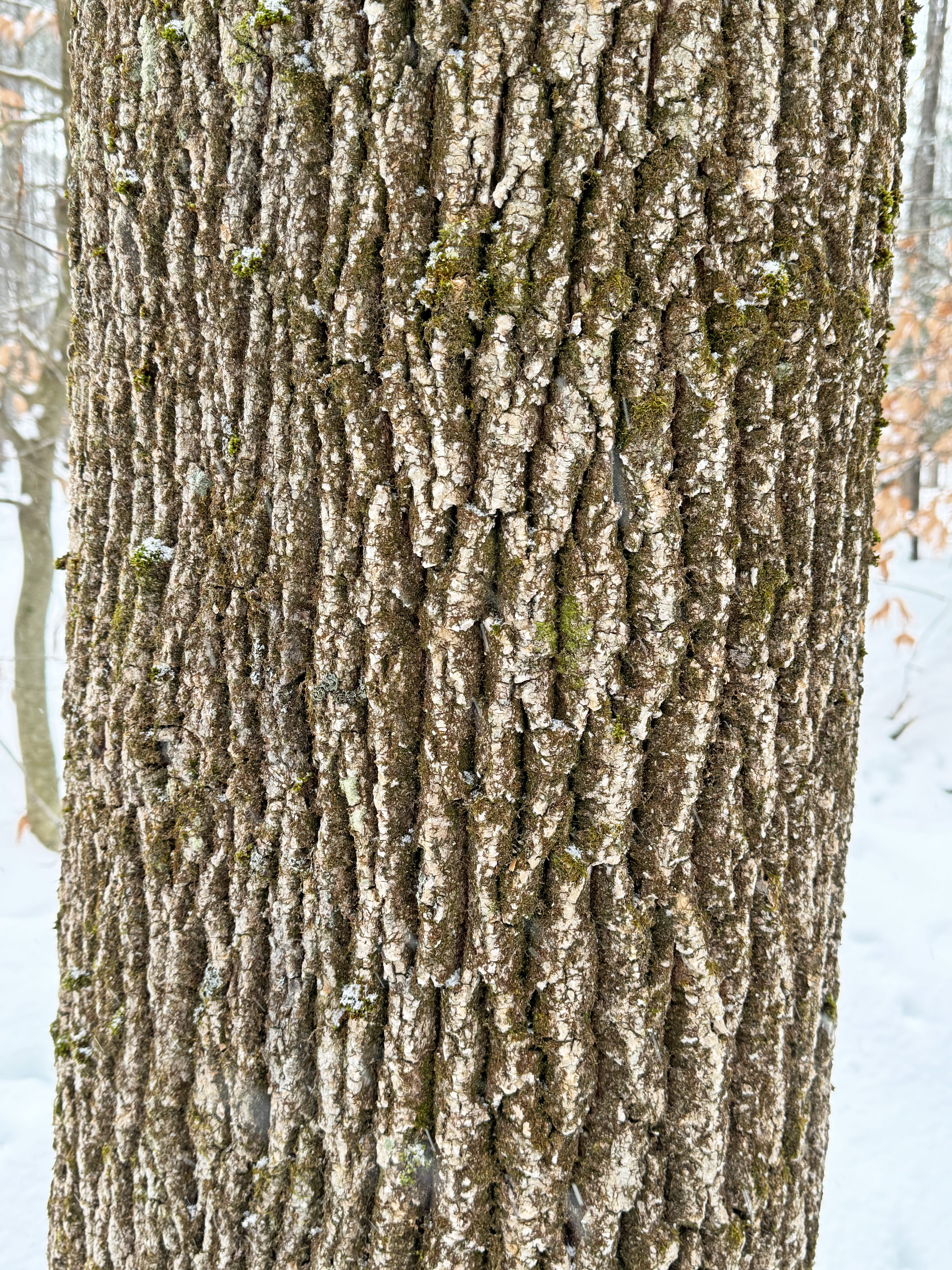
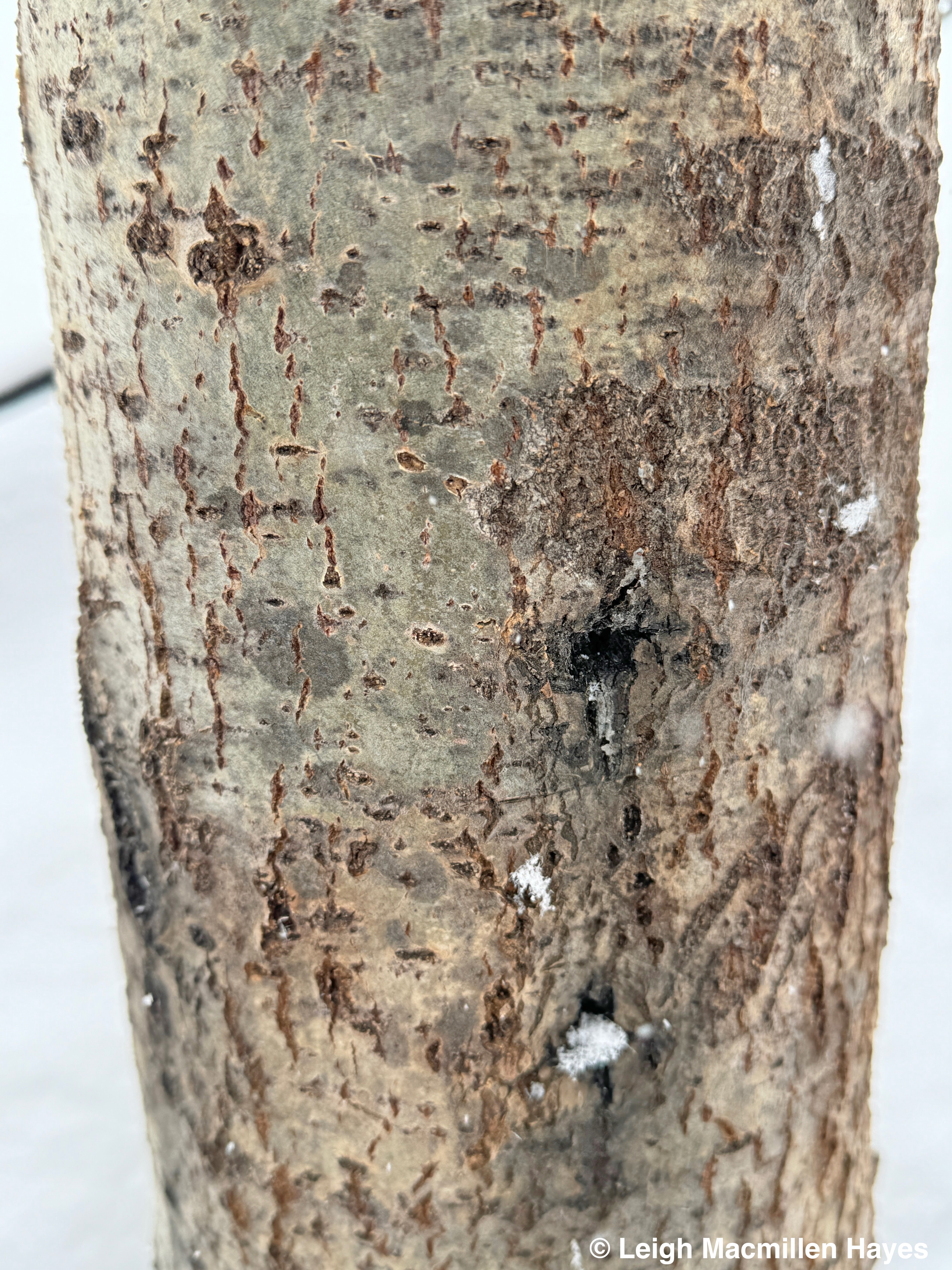
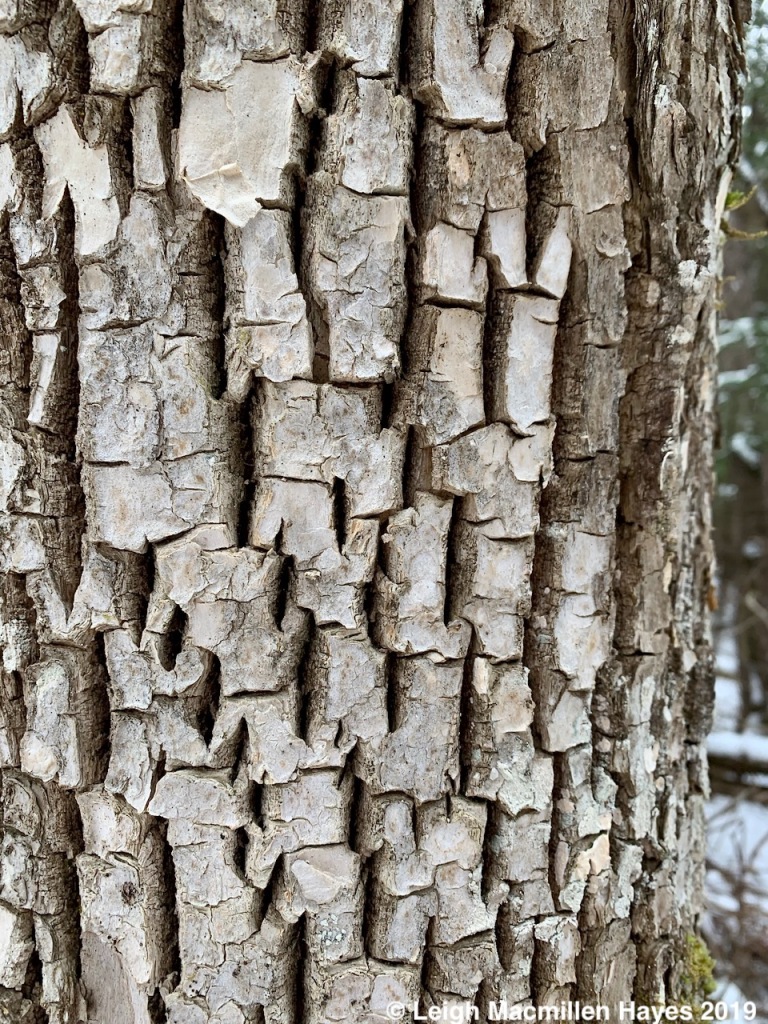
Up first is a White Ash, Fraximus americana. This is one of those species that once you get to know it, you spot it from a distance because of the pattern of the bark. What exactly is the pattern? Well, I see intersecting ridges that form obvious diamond-shaped furrows which appear as an X or cantaloupe rind, but others see an A for Ash, and still others see a V, and some even spy a woven basket. The thing is, whatever pops out for you and will help you identify it in the future should be your go-to image stored in your brain.

One of my favorite things about Ash bark is that it is corky and after a storm, you can pinch water out of it or stick a fingernail into it.

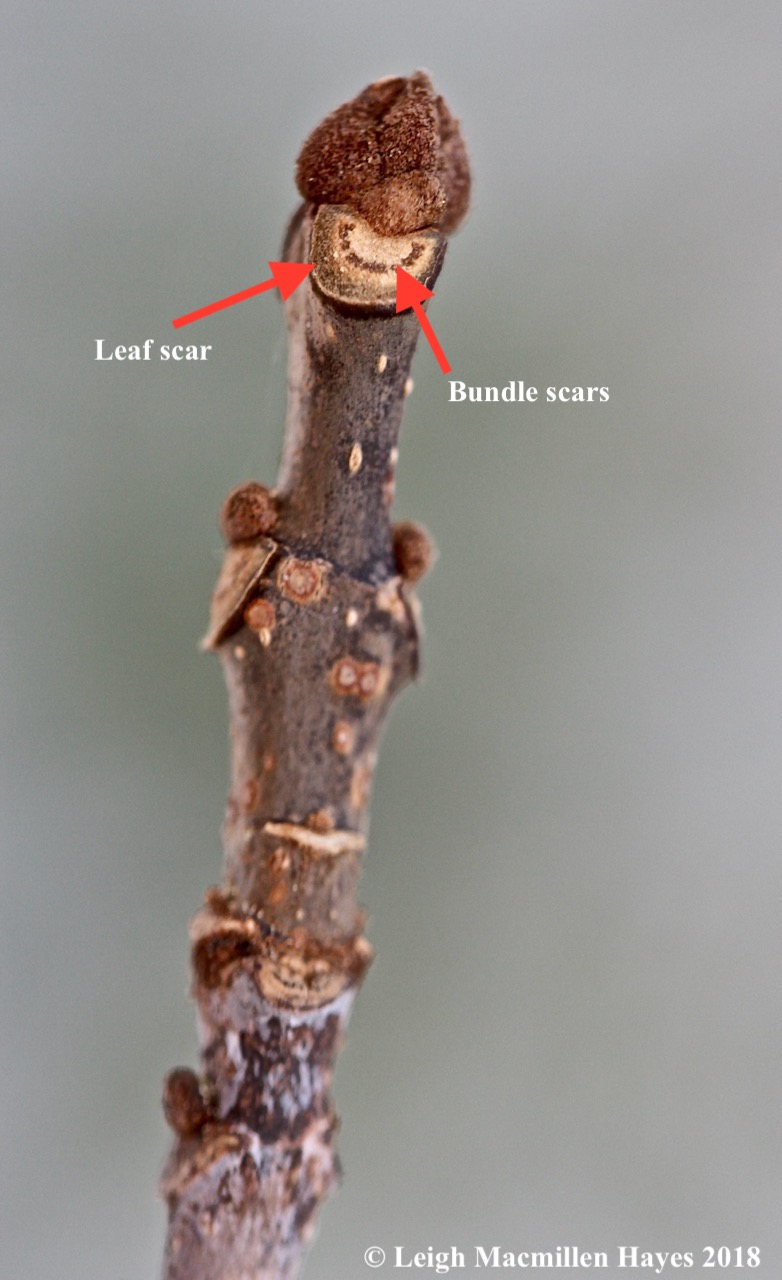
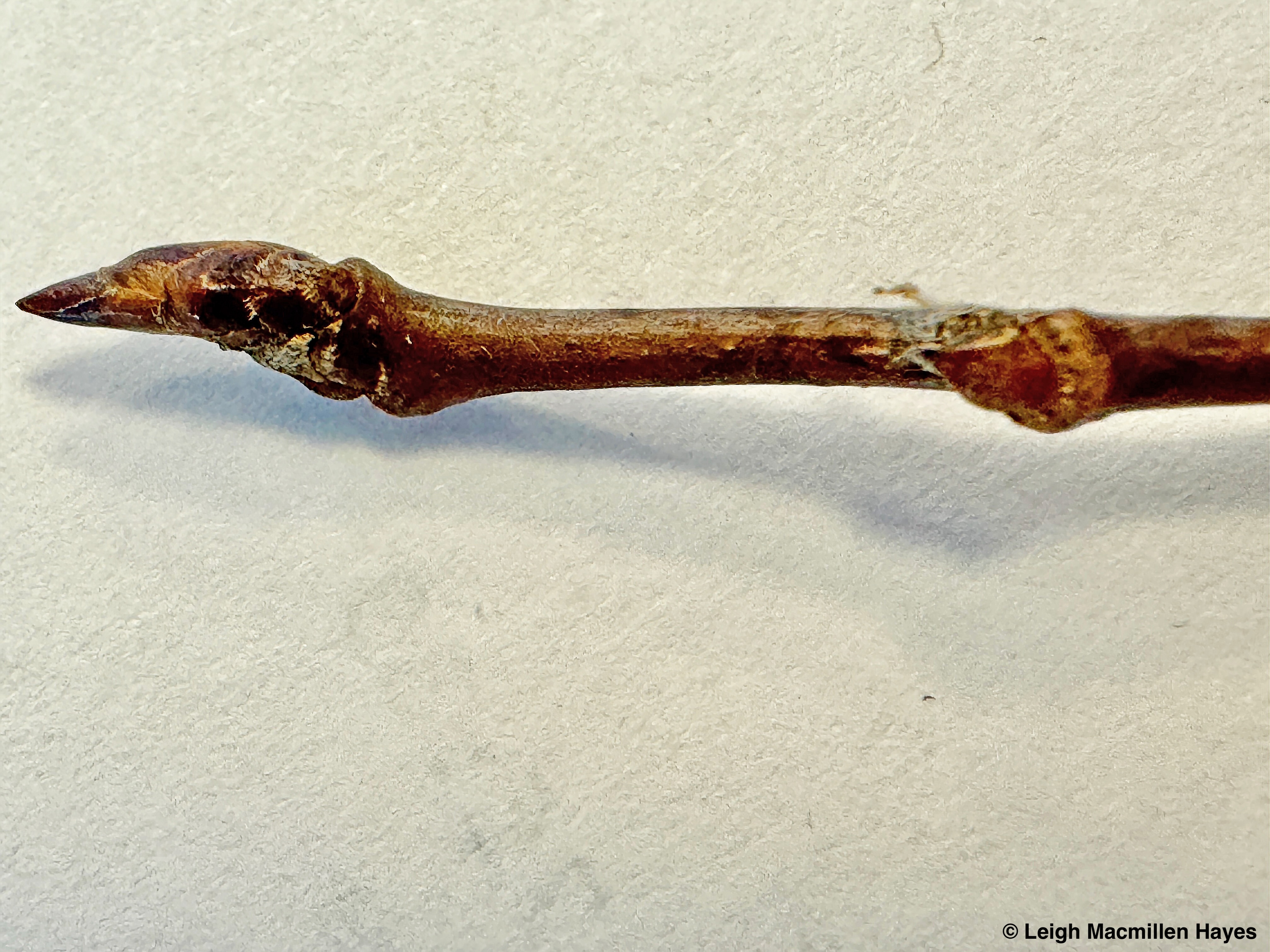
The twig is quite stout and ashy-gray in color. The buds are opposite, and the terminal bud at the tip of the twig is rounded or dome-shaped.

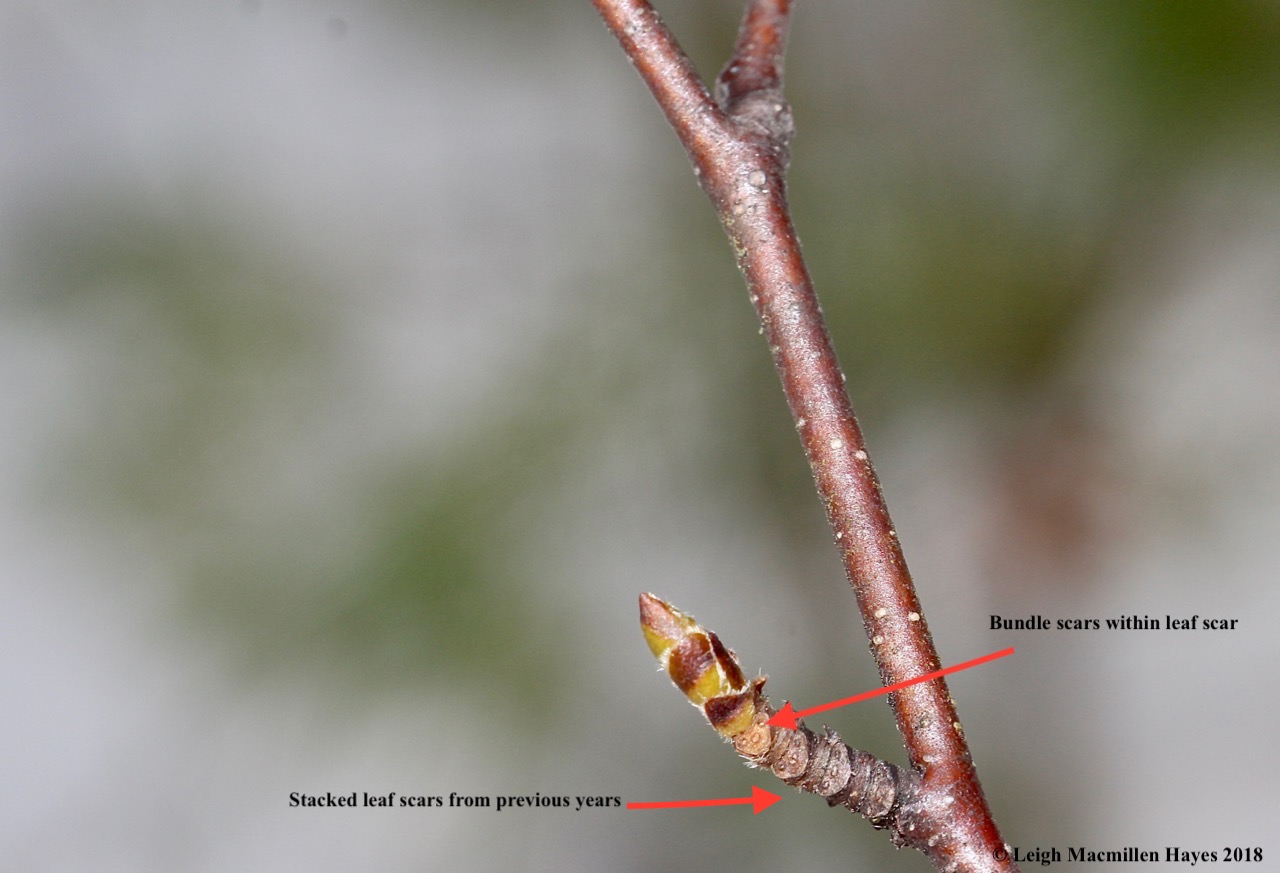
One of the features that speaks to the color of this Ash is the shape of the leaf scar below the new bud. A leaf scar is where last year’s leaf was attached until the end of the growing season. At that time an abscissa layer formed between the petiole (stem) and the twig. The leaf fell off and the tree healed the wound quickly with a protective cork. The bundle scars are part of the pipeline as they were the vascular tissue contained in the petiole of the leaf. Each tree has its own number of bundle scars located within each leaf scar.

Back to the shape–can you see how the bud dips a bit down into the leaf scar rather than sitting across the top of it. This tells us it is a White Ash and not a Green Ash. Add to that the fact that the terminal bud is not hairy.

And my rendition of White Ash bark.

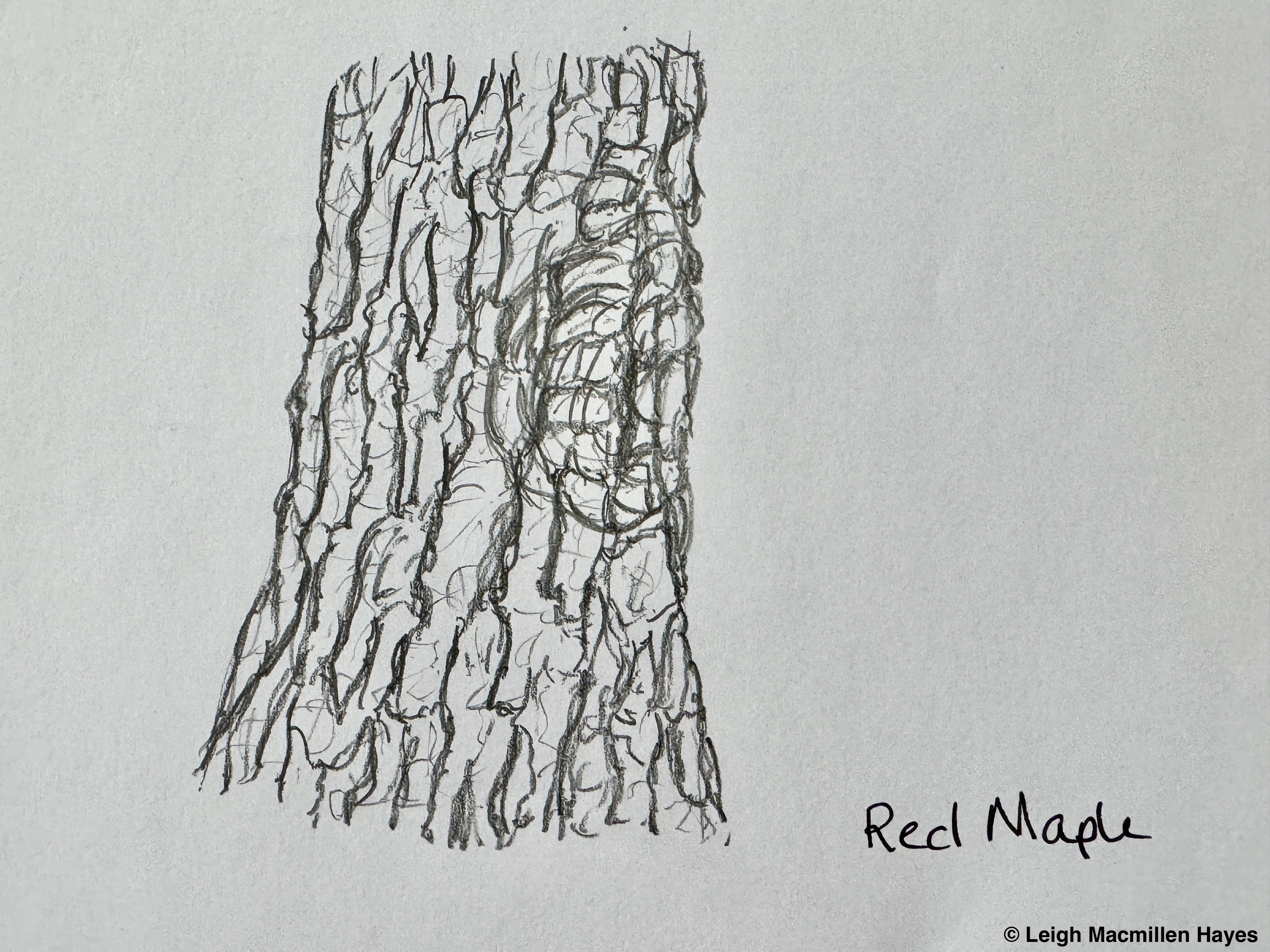
Up next is another favorite. Oh never mind. They all are my favorites. This is a Red Maple, Acer rubrum.

The bark is light to dark gray in coloration and almost smooth with crackled, vertical, plate-like strips. It curls outward on either side, and on older trees, look for tails to curl out on ends of strips.

Sometimes, it is difficult to determine if a maple is Red or Sugar, but one of the clues I look for is the Bull’s Eye target on the bark. There are several on this one, can you see the rounded patterns that aren’t completely formed? The target is formed as a reaction to a fungus.

Again, this is a tree with opposite branching. So one of the keys to tree ID is to know if the branching is opposite or alternate. I love this mnemonic devise: Very MAD Horse. Trees/shrubs with opposite branching include Viburnums like Hobblebush; Maples; Ash; Dogwoods (unless it’s the Alternate-leafed Dogwood); and Horse Chestnut.

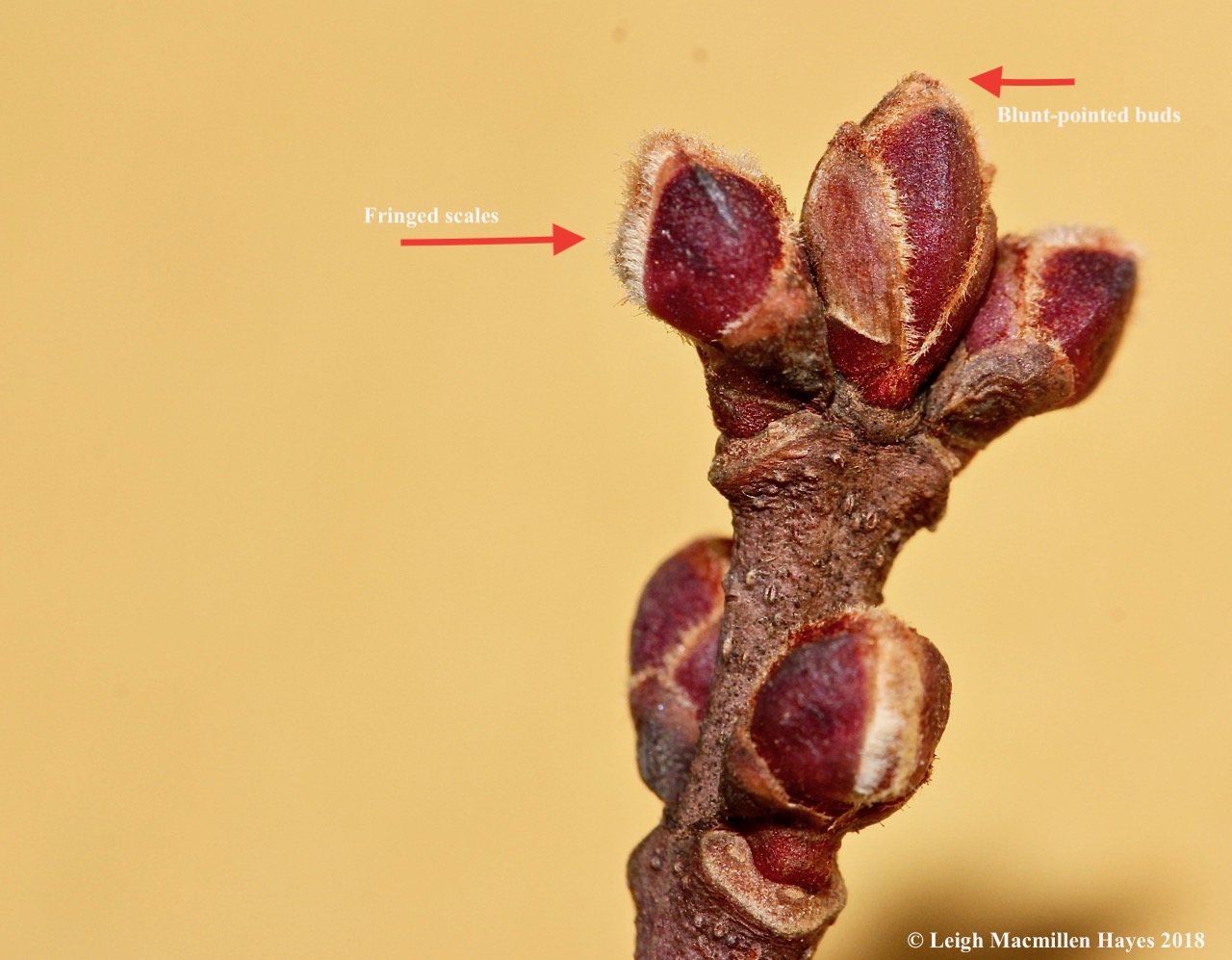
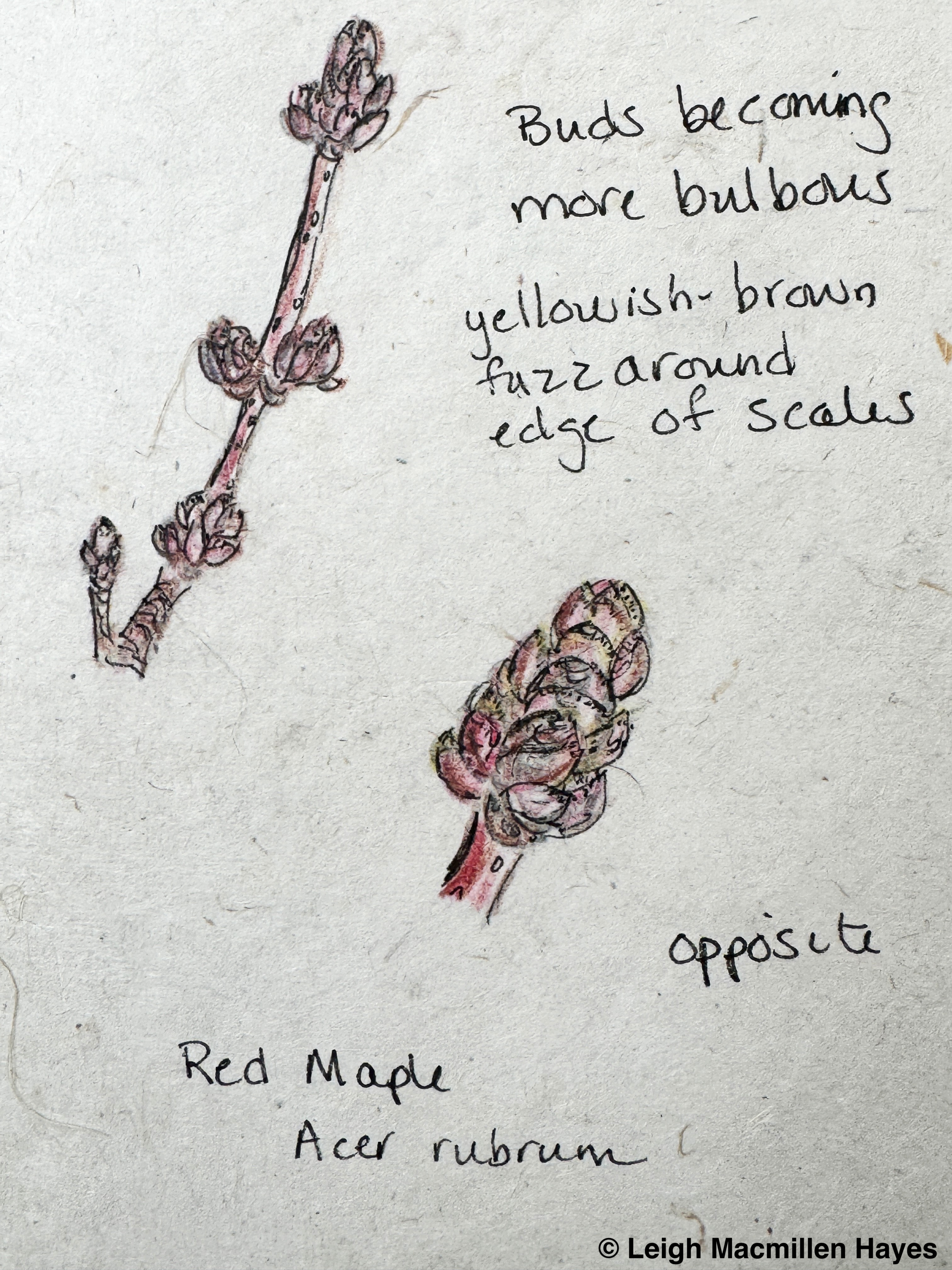
As you can see, the buds are red. This is another clue that it’s a Red Maple: there’s always something red on the tree. Sugar Maple buds are much smaller and brown.

Each bud has 3 or more scales and each scale is fringed with little hairs. The twigs are straight and also red, especially newer wood.

My rendition, though I do need to work on the target.

And the twigs/buds, which are already becoming more bulbous. I have to be honest with you. As a kid and young adult, I did not know that buds for the next year form in the previous summer and overwinter under those toasty scales for protection. I suppose I never actually thought about it. But of course they do, because that’s when the tree has the most energy. In April, they will flower, and by May the leaves will begin to form.

But right now, it is snowing again–YAHOO!

American Beech, Fagus grandifolia, is our next exhibit. These trees can tolerate shade and I will never forget when a local forester showed some students a tree cookie that was about two inches in diameter and he asked one to count the number of tree rings. Sixty years old. Yes, they tolerate shade.

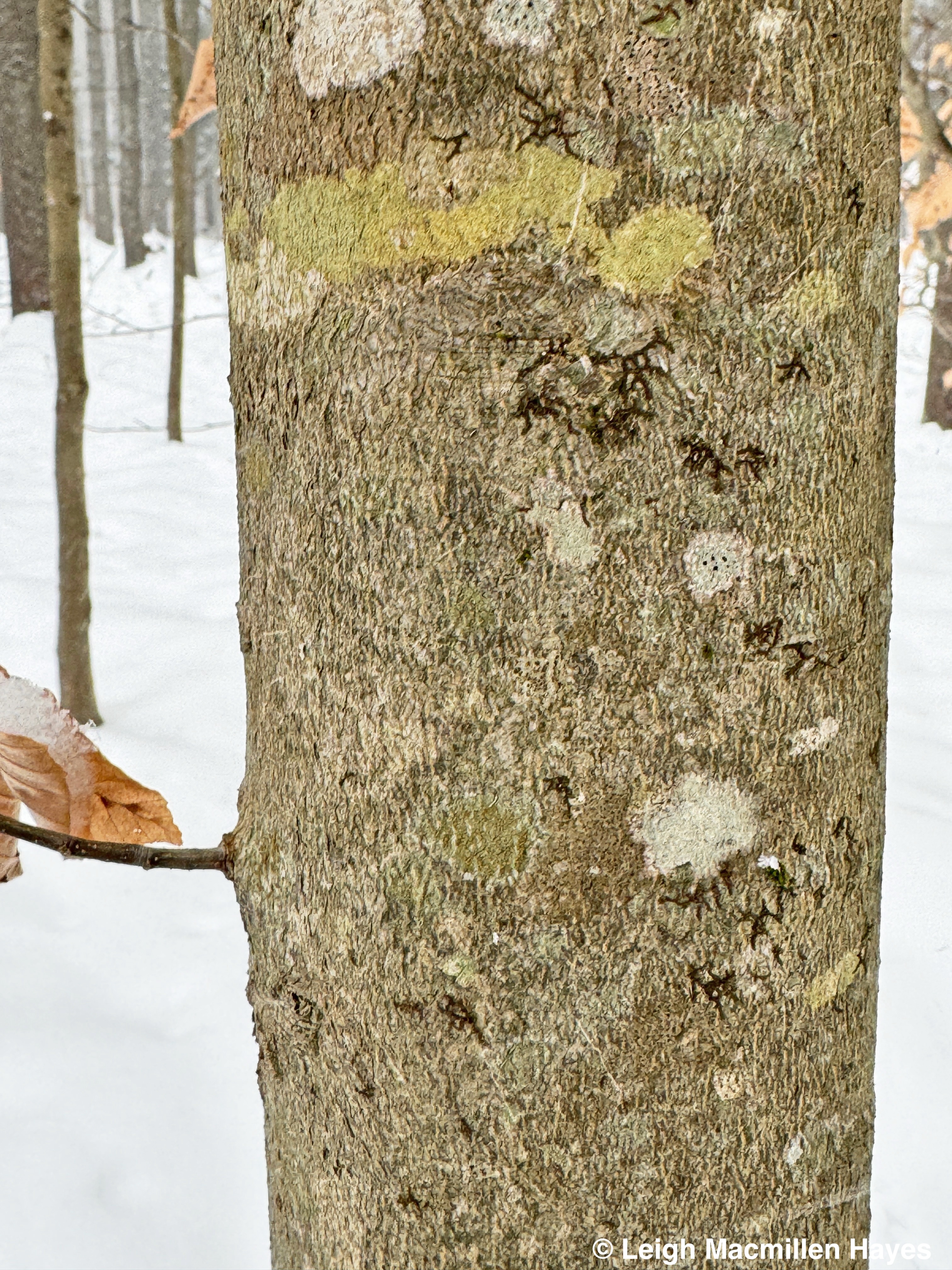
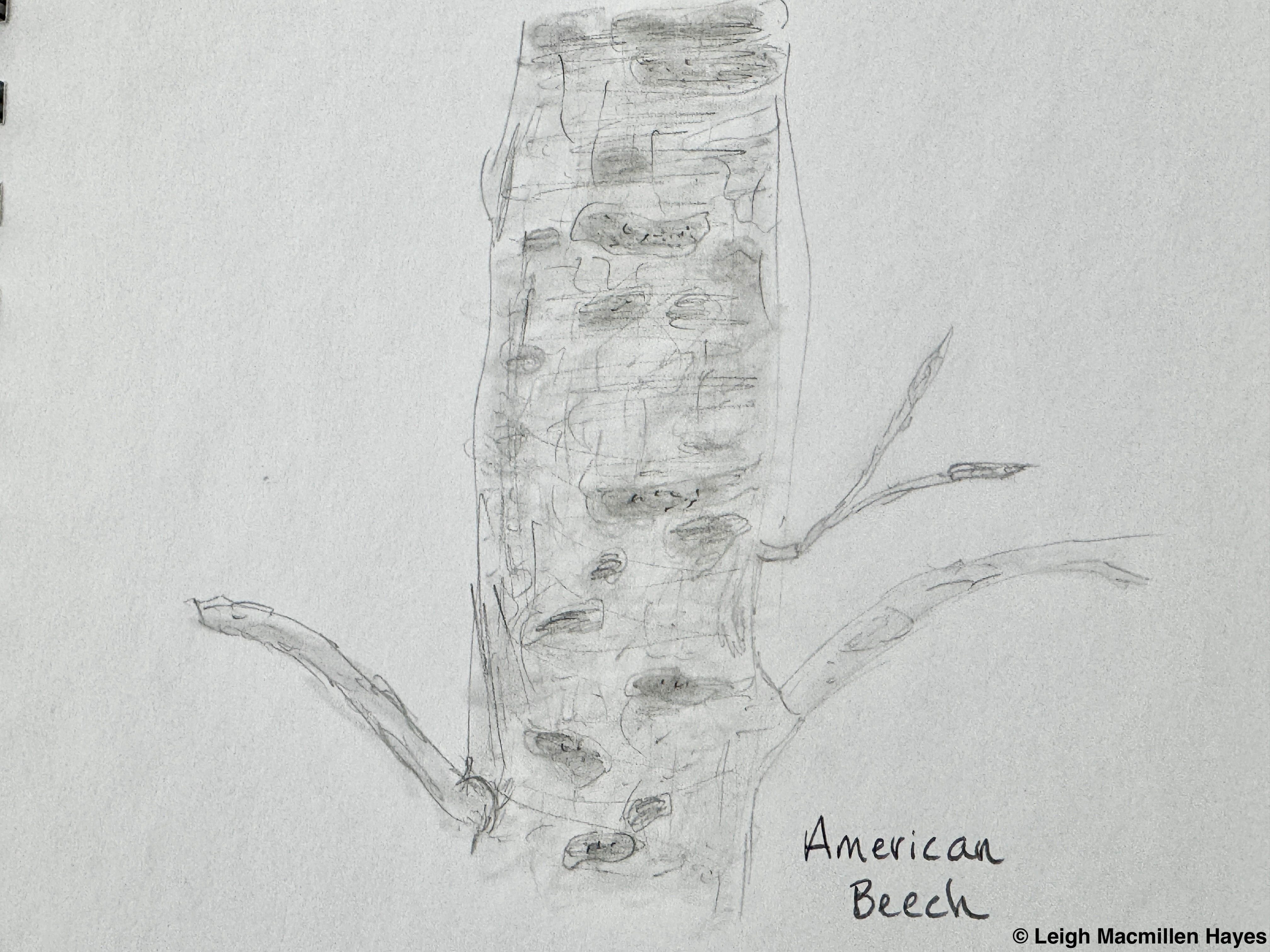
In fact, Beech trees tolerate a lot. Typically, the bark is smooth, unless . . . there are cankers or blisters dotting it that are caused by the tree’s reaction to a fungus that gains access via a tiny puncture made by Beech Scale Insects. The insects are teeny little things, with fluffy white coatings, and they congregate on the bark for 50 weeks, where they pierce the tree repeatedly to get sap. For two weeks of their lives, they can fly. The rest of the time, they stay put and sip.

Another thing that Beech trees tolerate is Bear Claw marks and if you are a follower of wondermyway, I need say no more. If not, search for bear claw trees in the search bar.

They also tolerate humans carving initials. More than they should; And those initials and those bear claw marks will always be present as long as the tree lives. In fact, they’ll be in the exact same place at the same height that they were originally made, but they’ll have widened a bit each year.

All trees grow out from the heartwood, and up from the uppermost branches. So if you place a trail blaze on a tree, it will always be in the same spot, you just need to make sure that you don’t screw it all the way into the tree or the tree will grow around it eventually. (Rule of thumb: leave about two inches between the sign and the tree; and check it each year)

Beech twigs are deep brown with white lenticels. Oh yikes. We haven’t talked about lenticels yet. All trees have them. A lenticel is like the pores in our skin and allows the tree to exchange gases. Lenticels come in a variety of shapes including raised circular, oval, and elongated. (Remember, leaves have stomata for the same purpose.)

As you can see, the bud is sharp-pointed, covered with many scales, and a delightful golden brown. Some see it as a cigar. That description doesn’t work for me, but it is tapered at both ends. And really, nothing else looks like this in the north woods. While this photo is of a terminal bud, the twigs and buds are alternate.

Leaves on Beech are marcescent and wither on the trees over the winter. In fact, if there is a sudden breeze and the leaves start to rattle, I’ve been known to become rattled, thinking there is something or someone else in the woods with me.

And this time I present American Beech, which can be blotched with crustose lichens (look like they’ve been painted onto the bark).

And a twig, showing the growth rings, which occur where the previous year’s terminal bud had been.

And now for an upclose look at the bark of Northern Red Oak, Quercus rubra. (I almost wrote Maple, and for some you’ll know that as “my mouth or in this case my fingers before my brain”–like when I call a Beech, that I know darn well is a Beech, a Birch. Such is life.)

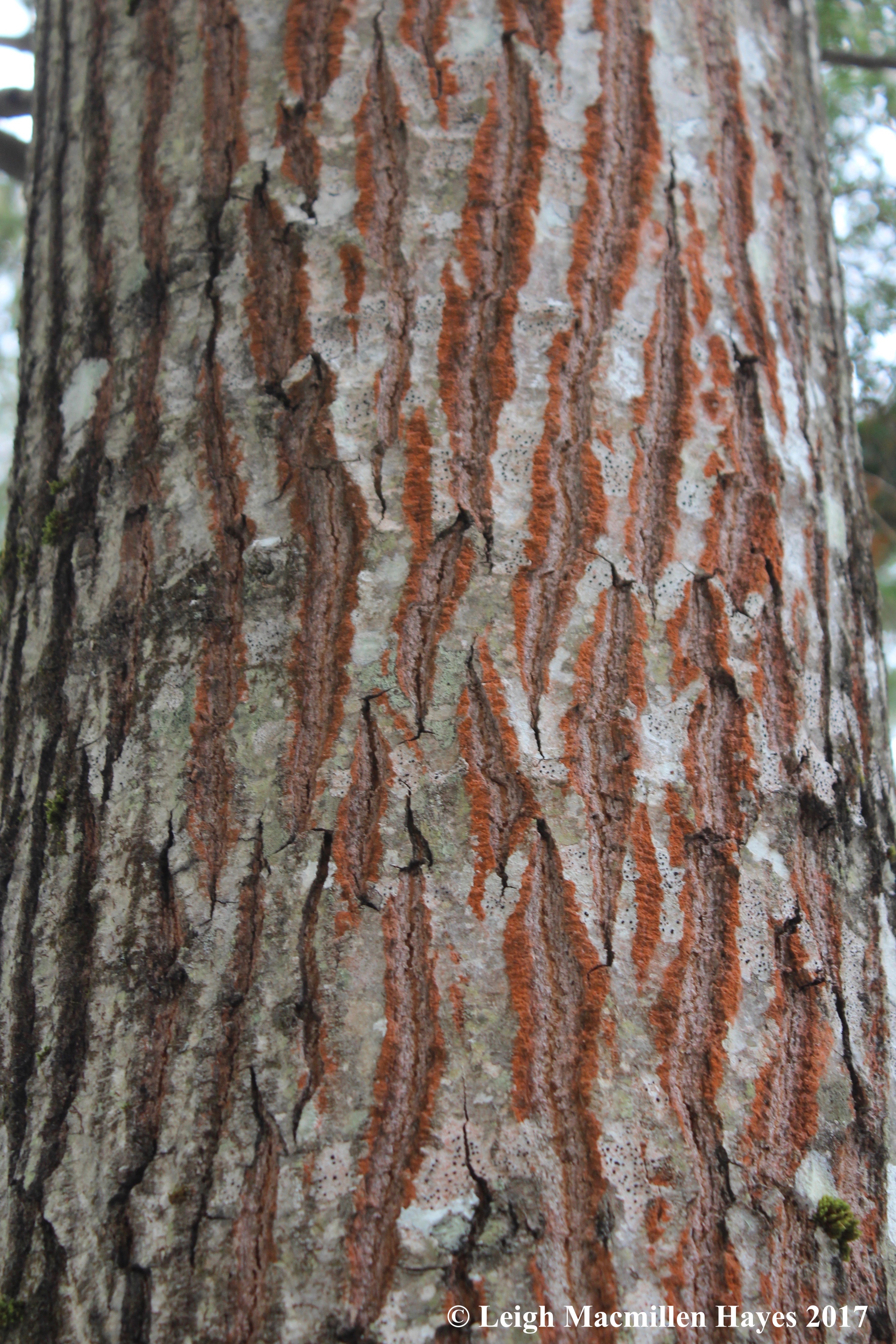
Red Oak bark is greenish brown or gray and has rusty red inner bark. When I look at it, I see wide, flat-topped ridges that run vertically parallel but also intersect like ski tracks. Shallow furrows separate the ridges.

The red inner bark is especially noticeable in winter.

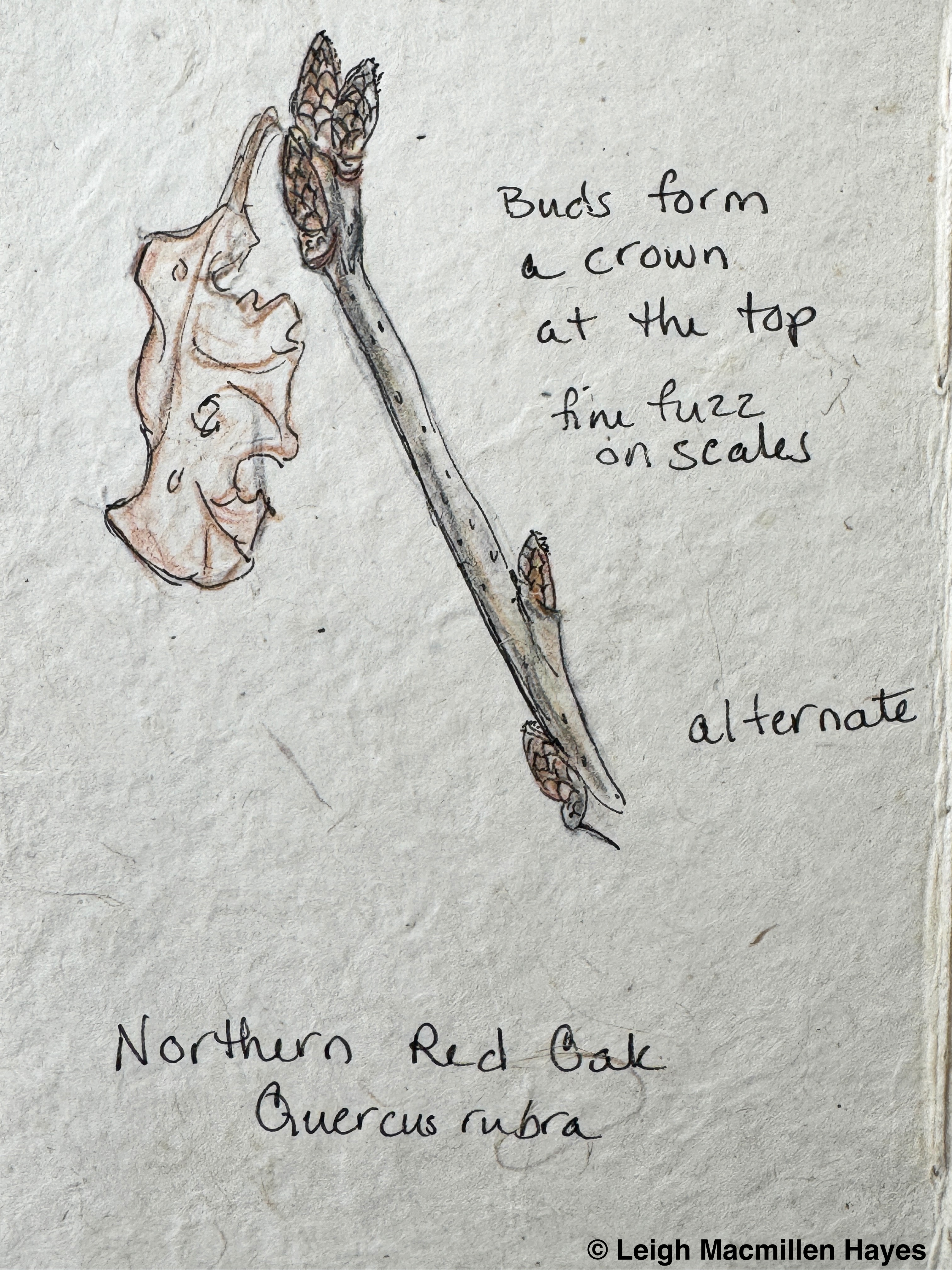
The twigs and buds are alternate in orientation. The twigs are smooth, and greenish brown, but the buds are much more intersting as they occur in a crown at the tip of the twig. Each bud has many scales and matted wooly hairs. I love their chestnut brown color.

My rendition of a Northern Red Oak.

And the twig. As you can see, there are also buds along the twig, not just at the tip, and they do grow alternately. Also, Oaks have marcescent leaves as well, though most fall off before spring. I did spot a very mature Red Oak the other day that is overwhelming full of dried leaves.

And now let’s meet several members of the Birch Family. Up first is the Paper Birch, Betula papyrifera. You may know this commonly as a White Birch, but I prefer Paper, and will explain why after introducing you to its kin.

Betulin is a compound in the cells of the outer bark that is arranged in such a way as to reflect light and make it appear white. The betulin crystals provide protection from the sun as well as freeze/thaw cycles. It also protects the tree from pests. And to top it off, betulin is the reason the bark is a good fire starter as its highly flammable and waterproof. Your go-to for a rainy day fire. It was also used to build birch bark canoes.

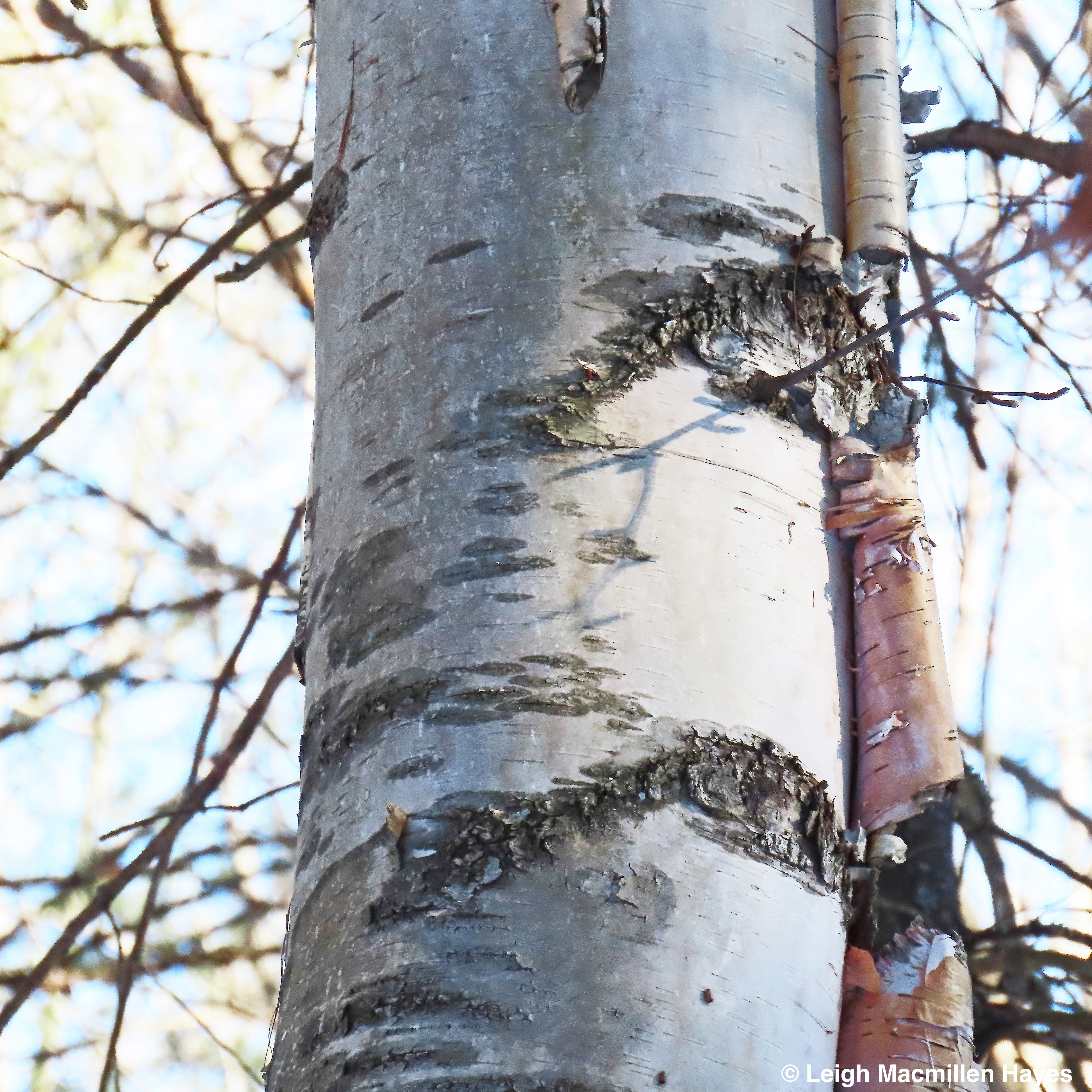
Young Paper Birch bark is white, but often with an orange and pinkish tinge. It has thin, horizontal, light-colored lenticels. As it matures, the bark changes from white to creamy white. Sometimes I even see the colors of a sunset in it, including some blue in the winter.

The outer layers separate from the trunk into curled sheets, thus the paper nomenclature. But, I caution you not to pull it off, as prematurely exposing the cambium layer may harm the tree.

Older bark can sometimes make this tree more difficult to identify because it has gray sections of rough, irregular designs, especially around the base.

One of the features I look for on a Birch to determine if it is a paper, besides the curly bark, is the mustache that is drawn over the branches on the trunk. In the photo above, the branches are no longer there, but do you see two mustaches? Sometimes both ends droop down even more.

The twigs of Paper Birch are alternate, as are the buds. New growth on a reddish brown twig is usually hairy. And buds may grow on shoot spurs, which I’ll show you in a minute.

Paper Birch buds are covered with scales that are sticky, especially if squeezed. And for the most part, they are not hairy.

Their flowers are in the form of catkins, with tiny seeds protected by fleur de lis-shaped scales. Paper Birch catkins appear mostly in clusters of three.

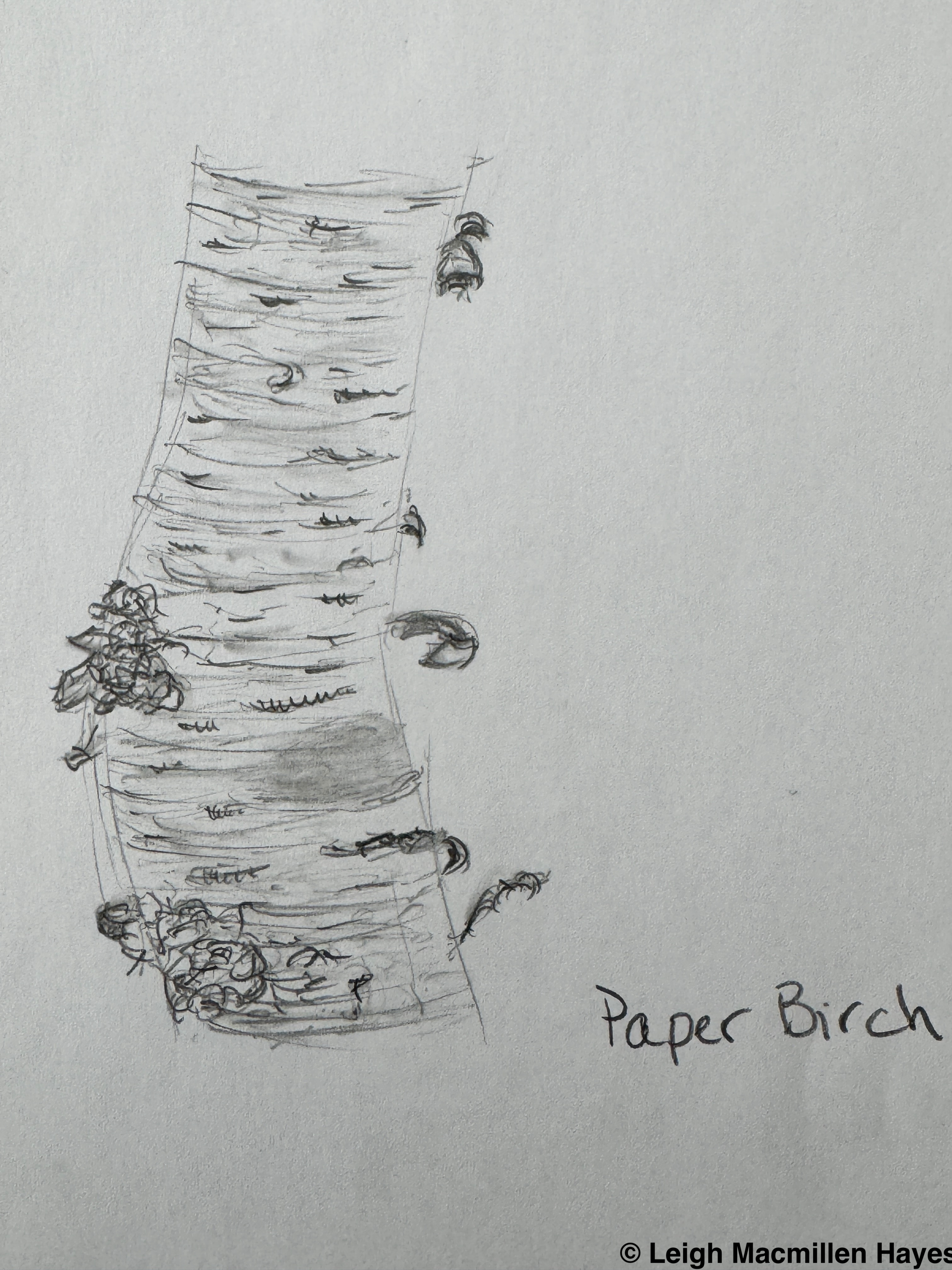
My rendition, though I need to sketch one with the branches and mustaches. Another day.

This sweet tree has long served as a reminder to me to go off trail and look for a mesmerizing spring of water. Oh, not every Yellow Birch reminds me to do that, but I know where I took this particular photo and the spring is about an eighth of a mile behind it.

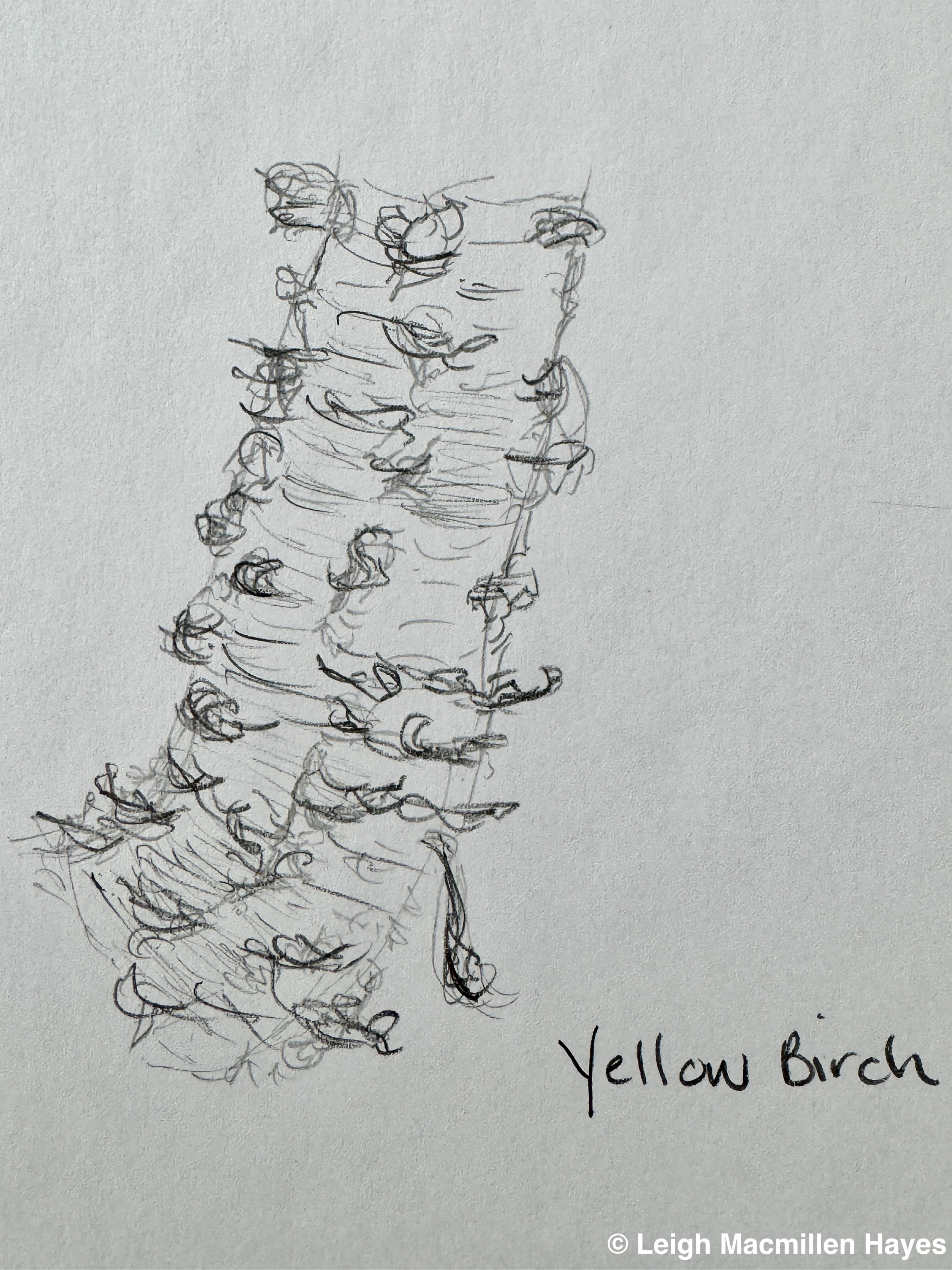
Yellow Birch, Betula alleghaniensis, has bronze to yellowish-gray bark that is shiny. And it too curls, but this time it curls away in thin, ribbony strips, giving the bark a shaggy appearance.

One special note about Yellow Birch, and the same is true for one of our conifers that I’ll discuss soon, is that the seeds struggle to germinate on the forest floor, but give them a moss-covered rock, or tree stump, or nurse log, and bingo, a tree grows on it. As it continues to grow, the roots seek the ground below and if it is upon a stump or log that eventually rots away, you have a tree in the forest that appears to stand on stilted legs.

So I mentioned for Paper Birch that they have spurs of stacked buds and so do the Yellow Birch. The bud appears at the end of the stack and by the leaf scars left behind you can count the age of the spur.

The twigs are not hairy, but they have their own unique distinction. I wish I could share this with you, but you’ll have to go out on your own and find a Yellow Birch twig–the distinction is a scratch ‘n sniff test. If you scratch it and smell wintergreen, then you have found a Yellow Birch.

Three to four catkins appear on Yellow Birches, but they are not clustered, so that’s another clue as to the color/name of the tree.

My Yellow Birch.

Gray Birch, Betula populifolia, is an early succession tree, meaning when an area has been cleared, this is one of the first trees to grow. Unlike Paper Birch, which can live to the ripe age of 90 or so if conditions are right, and Yellow Birch that can survive over 200 years, Gray Birches are not long lived and many only survive 30 – 60 years.

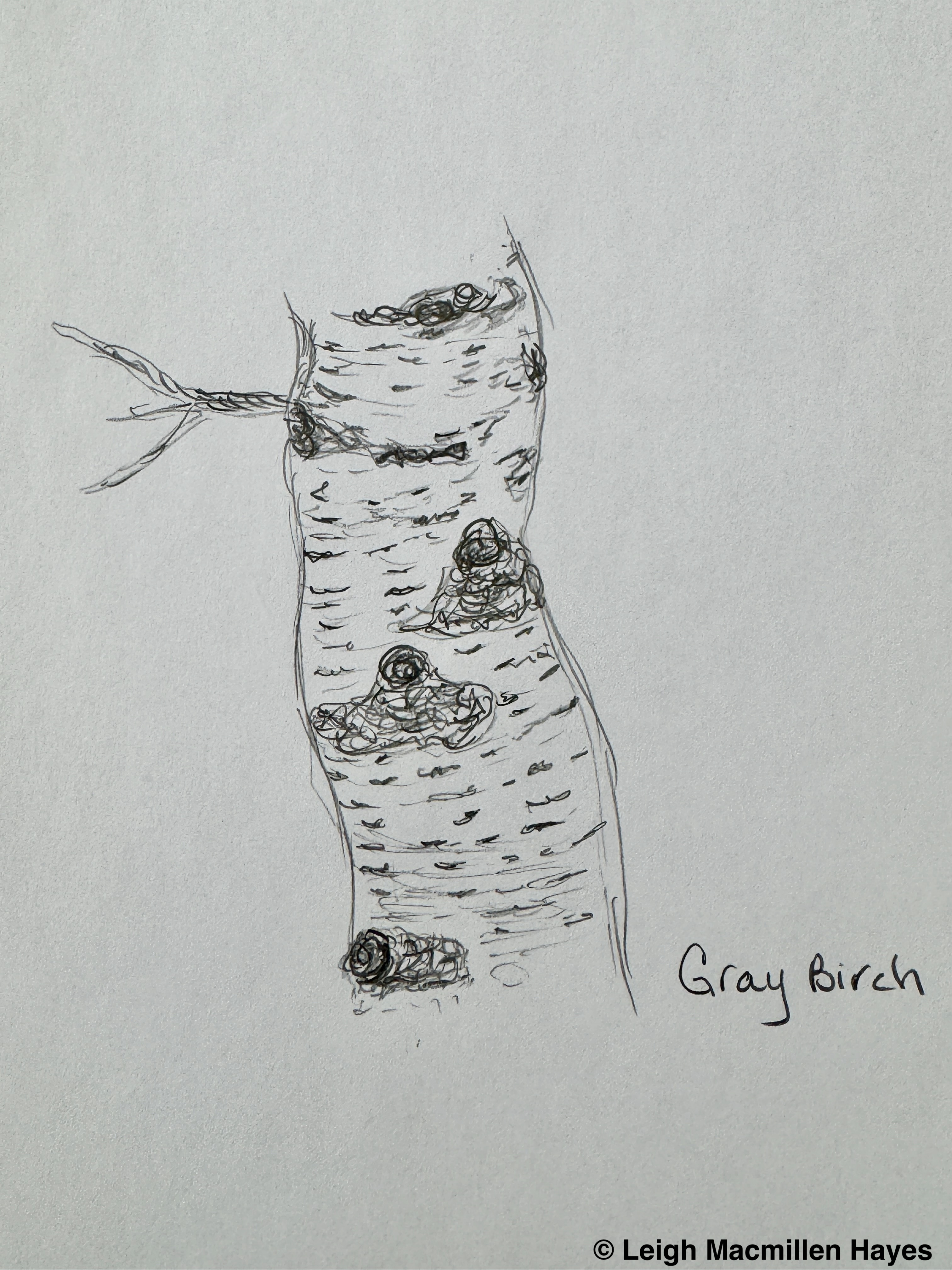
Often these trees are leaning, even if they don’t have snow piled upon them. And their lower branches remain on the tree, where Paper Birch tend to self-shed. The branches are pendulum, leaning toward the ground in an arc. And below each branch or where a branch had been, is a triangular shaped gray beard.

I mentioned earlier that I prefer Paper over White for a Paper Birch, and one reason is because Gray Birch also appear white. But Gray does tend to have a dirtier look to it and it has little to no peeling.

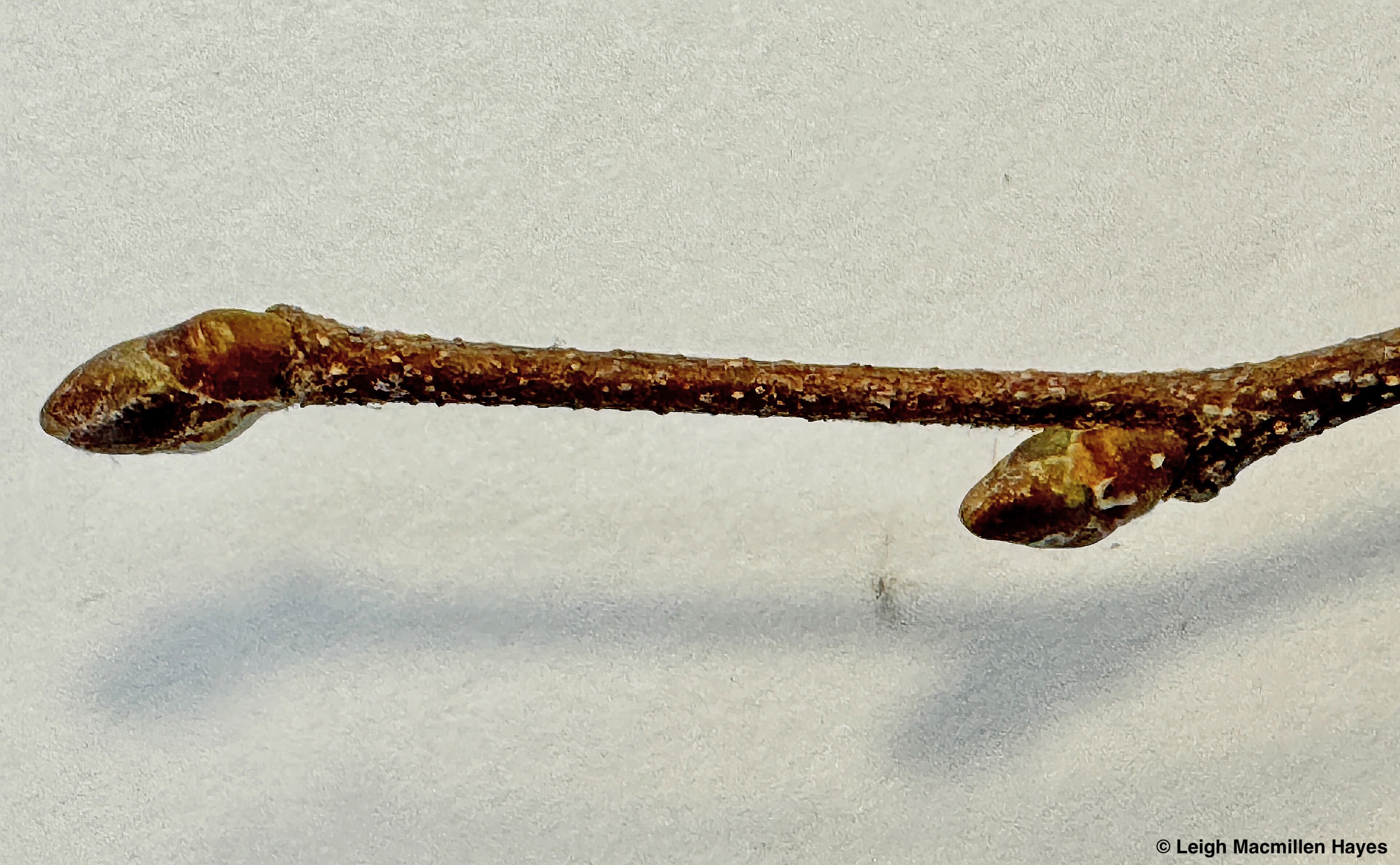
Gray Birch twigs are very fine, and super warty. In fact, it’s fun to run your fingers over them and feel the lenticels, like someone glued salt crystals to them. Their coloration is dull gray to brown and they are not hairy, nor do they smell like wintergreen when scraped.

The red brown to greenish brown buds are short, with scales that also lack hairs, and they are not sticky.

As for catkins, most appear in early spring as a single one or a pair. If you spot a single one in the fall/winter, then it is usually a solitary male.

Tada. A Gray Birch.

The final deciduous tree is a Quaking Aspen, Populus tremuloides. (I bet you are thinking, “Oh phew, she’s almost done, but never fear, I have four conifers to share with you.)

Quaking Aspens are also early succession trees, and they can grow from seeds, but also like to root sprout. One tree in Utah has over 50,000 stems from one root and covers over 100 acres.

The bark is grayish-green, and more so green on a wet day like today. It also has horizontal bands that become more evident as the tree matures.

The buds of the Aspen are alternate, shiny and dark brown. They aren’t sticky like its cousin, the Big Tooth Aspen. I think the most defining feature of these buds is their varnished appearance. My experience is that Porcupines love them.

The twigs are thick, smooth, and chestnut brown.

I haven’t sketched this tree yet, so I’ve added it to my to-do list.

Balsam Fir, Albies balsamea, smells like a Christmas Tree. This is a conifer that stands straight and tall as if in military fashion.

Its bark is pale gray and smooth, but covered with small dash-like raised lenticels and blister bumps filled with a sticky resin. Pick up a stick when there are puddles nearby, poke a blister and let the resin ooze onto the tip of the stick and then place the stick into a puddle and watch the essential oils form and change shape on the water’s surface. This works best on calm water.

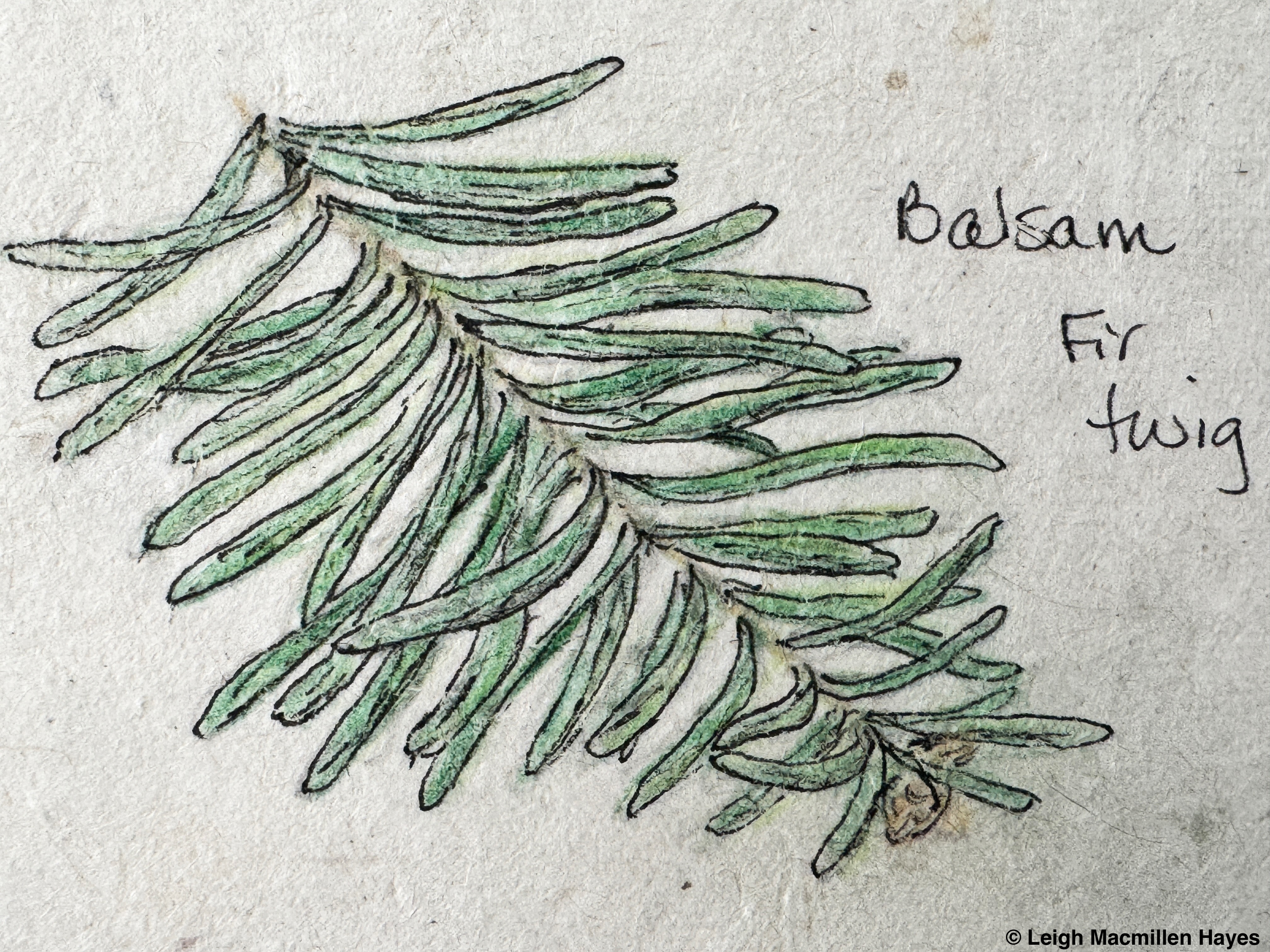
Being an evergreen, Balsam Fir have leaves (needles) that are always on them, though they lose some each year. And gain new ones, of course. If you were to remove all the needles, you’d find a smooth twig.

The needles appear to be arranged in a flat manner, but actually spiral around the twig. They are shiny above and have two rows of white lines below, which are actually the stomata.

At about an inch in length, they attach directly to the twig and some have notched tips.

Their cones are 2 – 4 inches in length, and are dark purple before maturity. The unique thing about Balsam Fir cones is that they stick up from the twig rather than hanging down like other conifers.

I think I found the only Balsam Fir in the forest that wasn’t military straight, but as I always say, “Not everything reads the books we write.”

And my offering of the twig.

Eastern Hemlock, Tsuga canadensis, has cinnamon red to gray bark. As the tree matures, the bark features narrow, rounded ridges covered with scales that look like they could flake off, but they are rather sturdy.

Overall, the tree has a lacy look and its leader bends over making it appear to dance in the forest.

Hemlocks are like Yellow Birches, in that they need a moist area to set root and often grow on moss-covered rocks or tree stumps or nurse logs, so called because they are rotting trees that provide nurturing places for other things to take form.

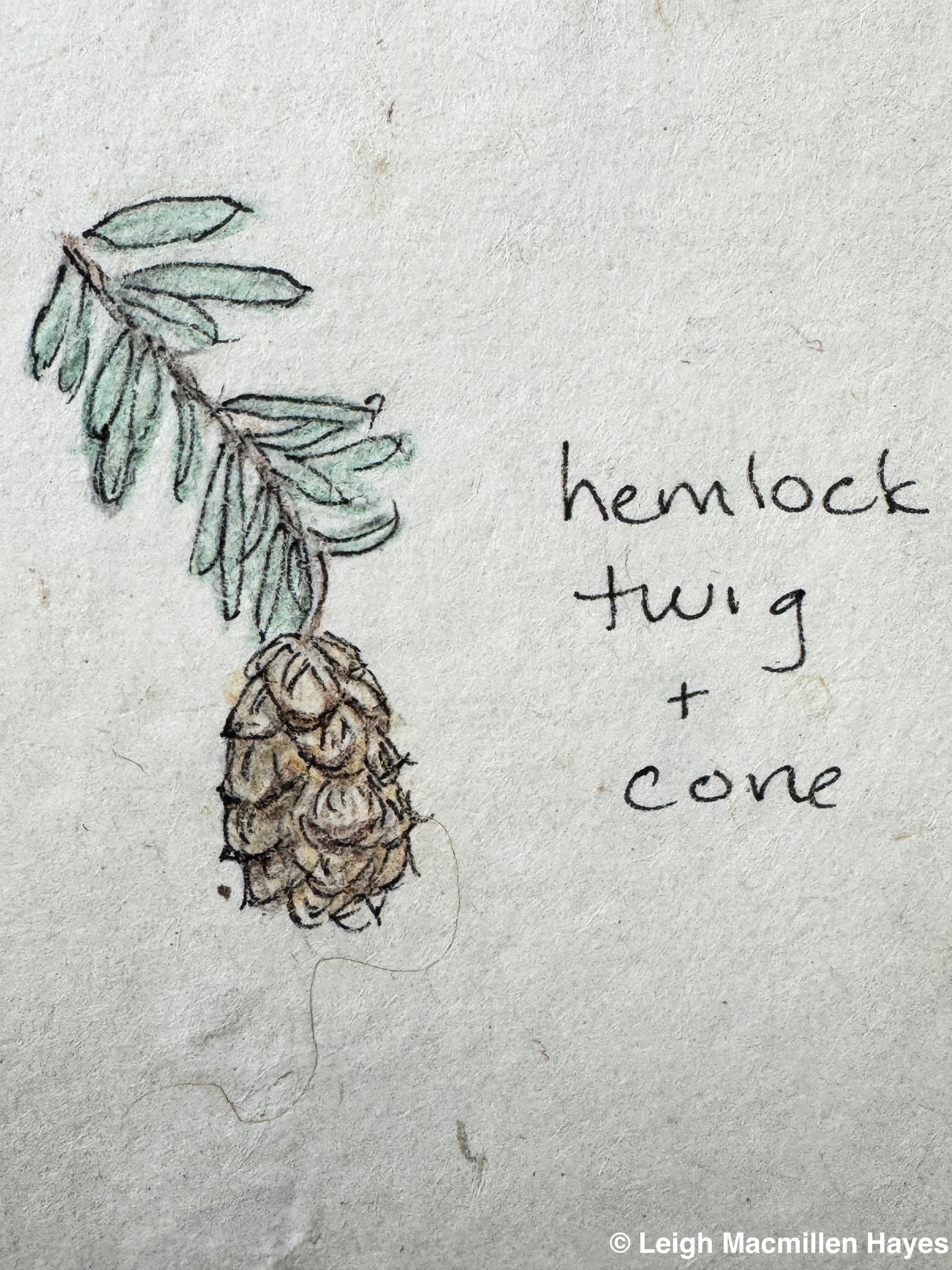
While the Balsam Fir needles are about an inch long, Hemlock needles are about a half inch in length. And whereas the Fir needles are directly attached to the twig, Hemlock needles are attached via tiny petioles or stems. And the underside also has two rows of stomata, but so close together, they may appear as one.

The twigs are very fine and very flexible.

Hemlock cones are about 3/4 inch in length ( I got carried away with the size of this one, or you could say its a macro look at the cone) and oblong in shape. They are pendant, meaning they hang off a slender stalk. And small rodents and birds love to eat their seeds that are attached as a pair to the underside of the scale.

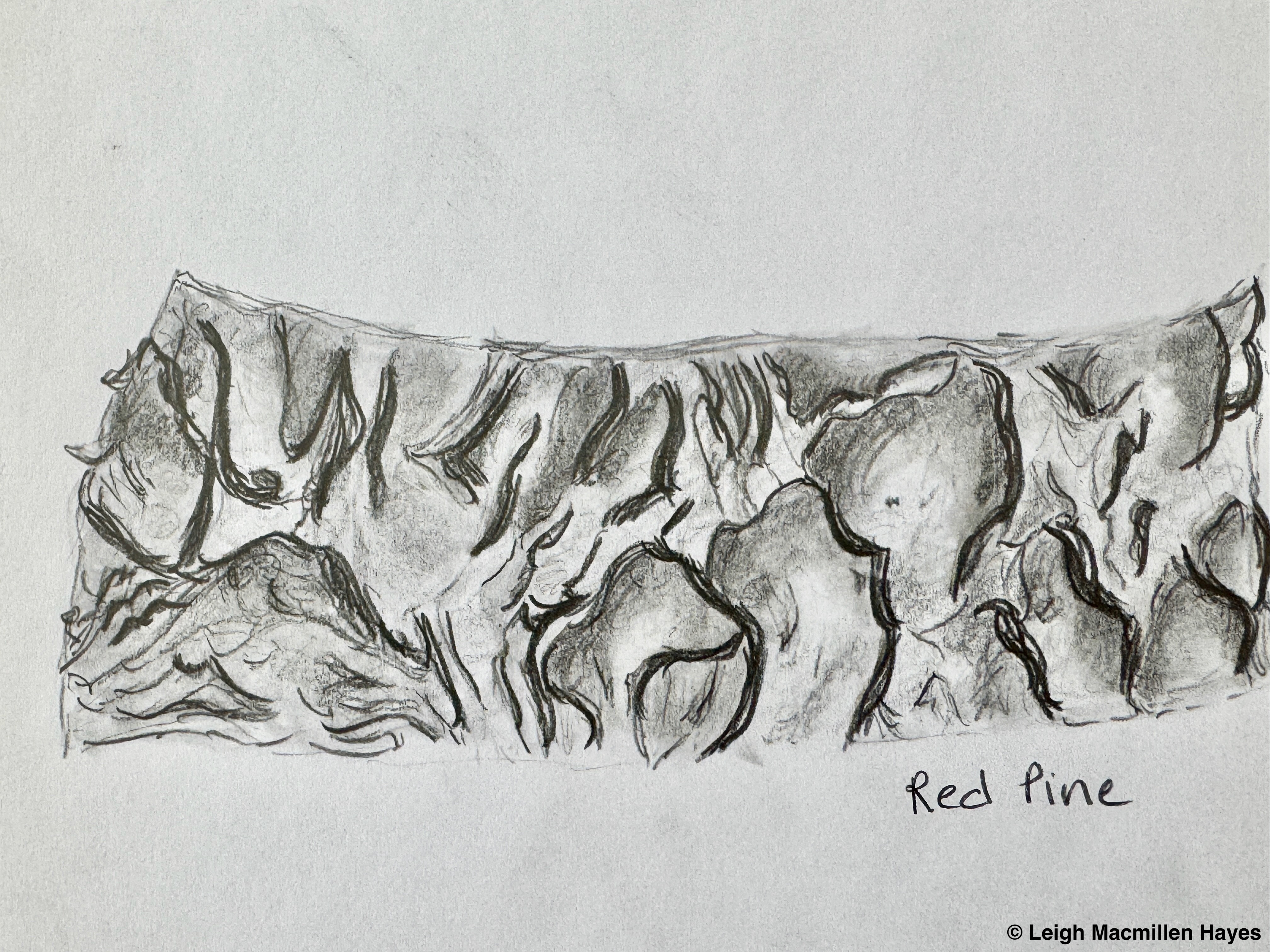
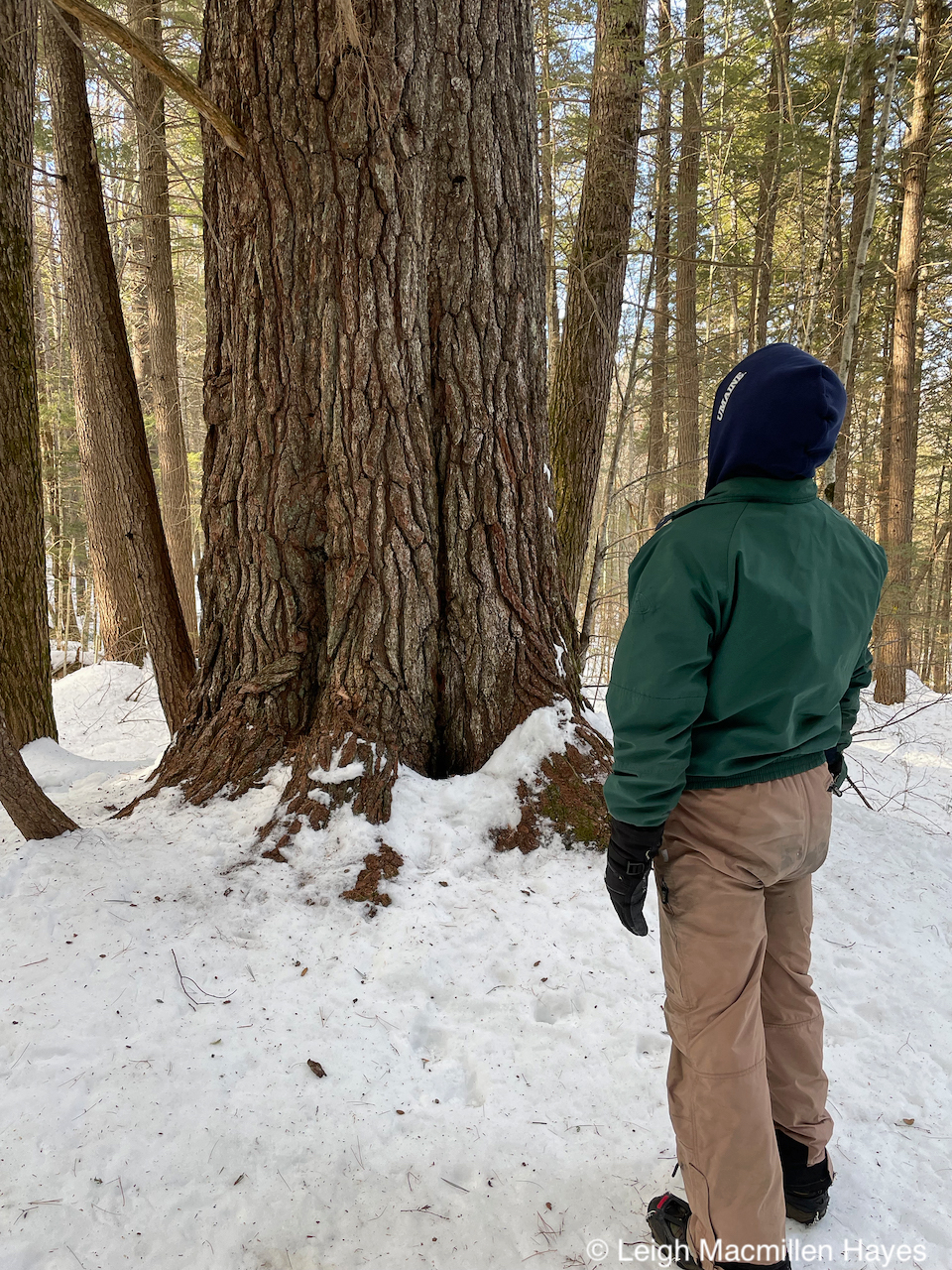
Oh, did I say they are all my favorites? Well, maybe my favoritist of all is the Red Pine, Pinus resinosa.

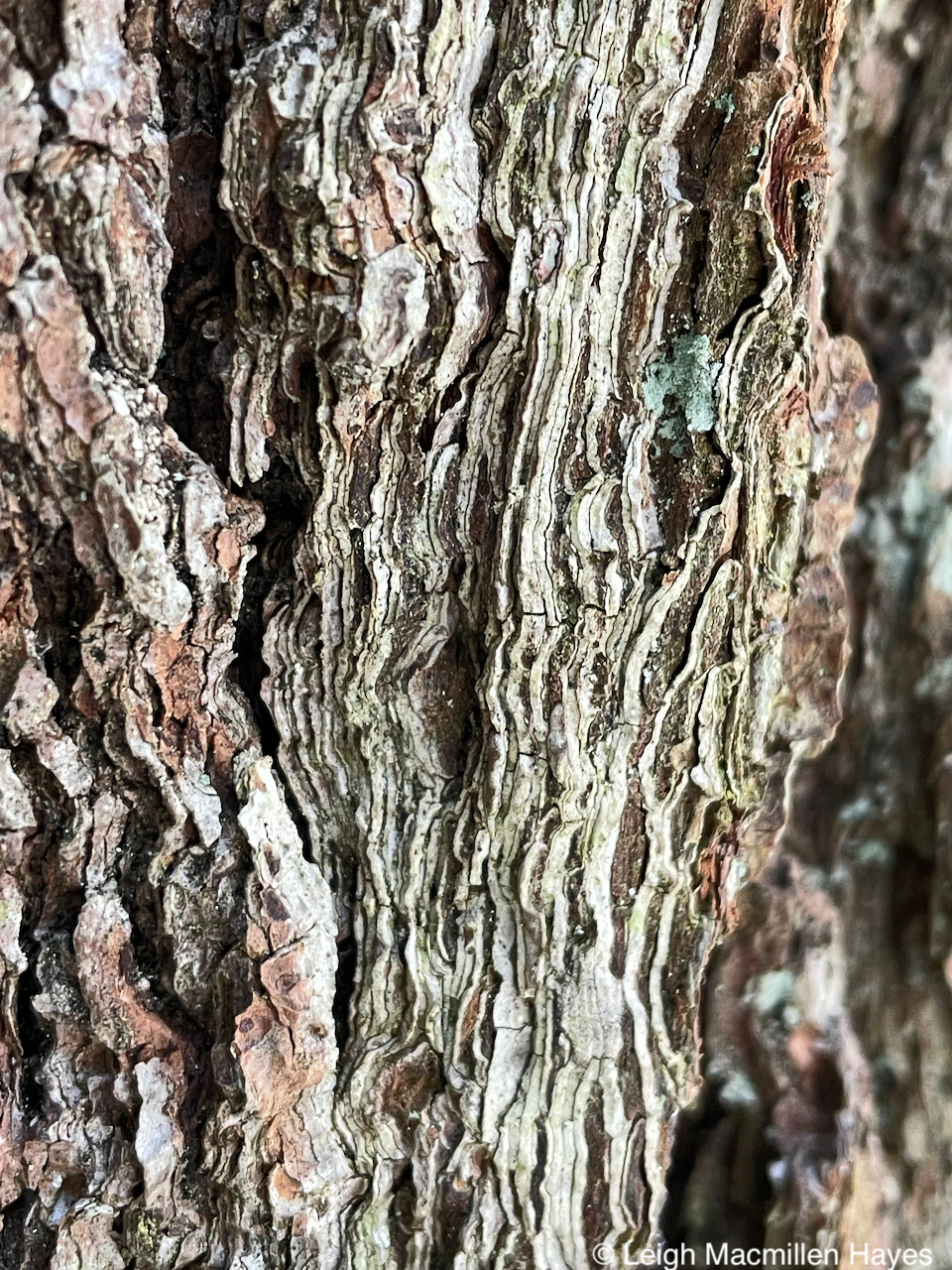
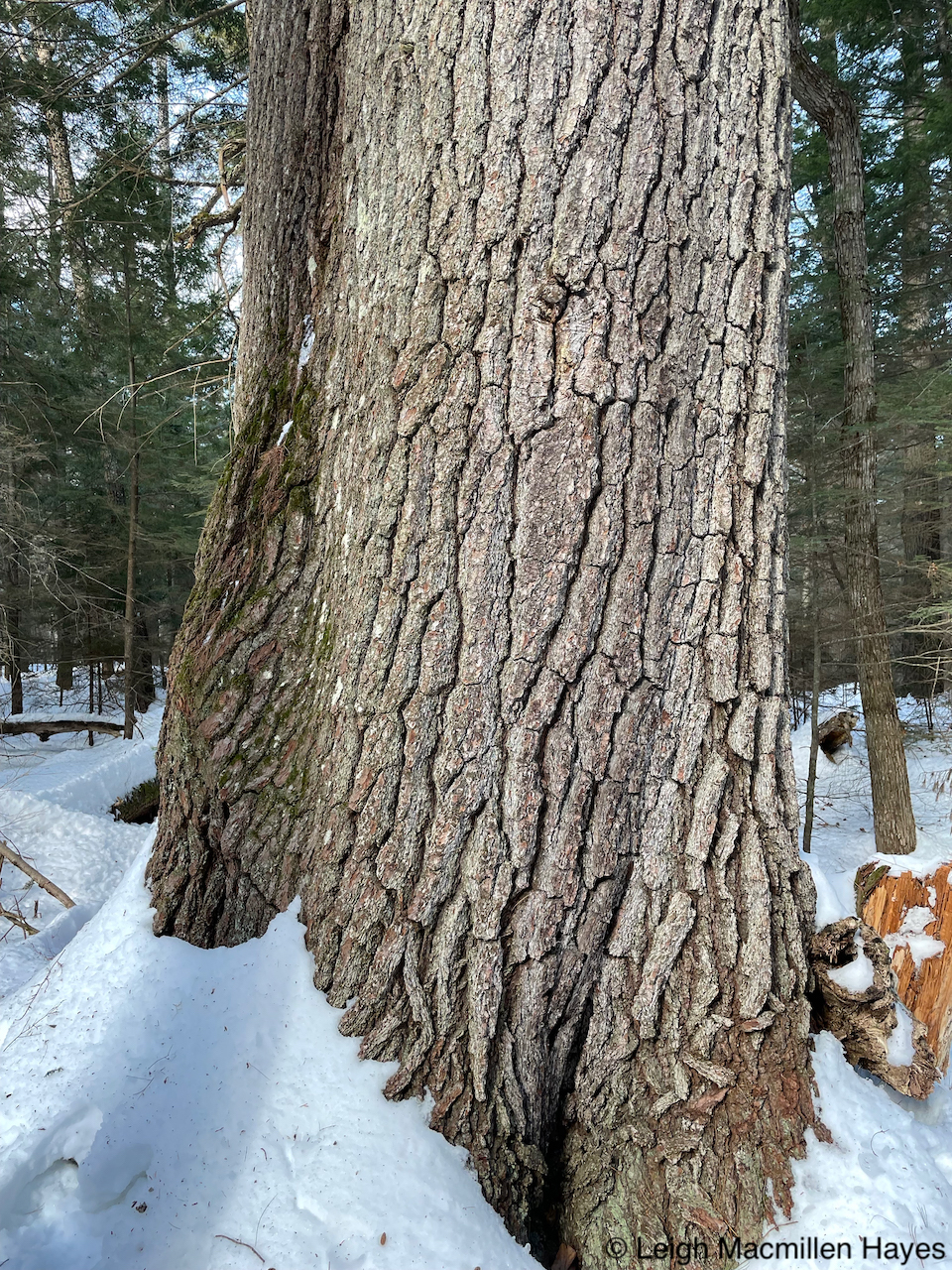
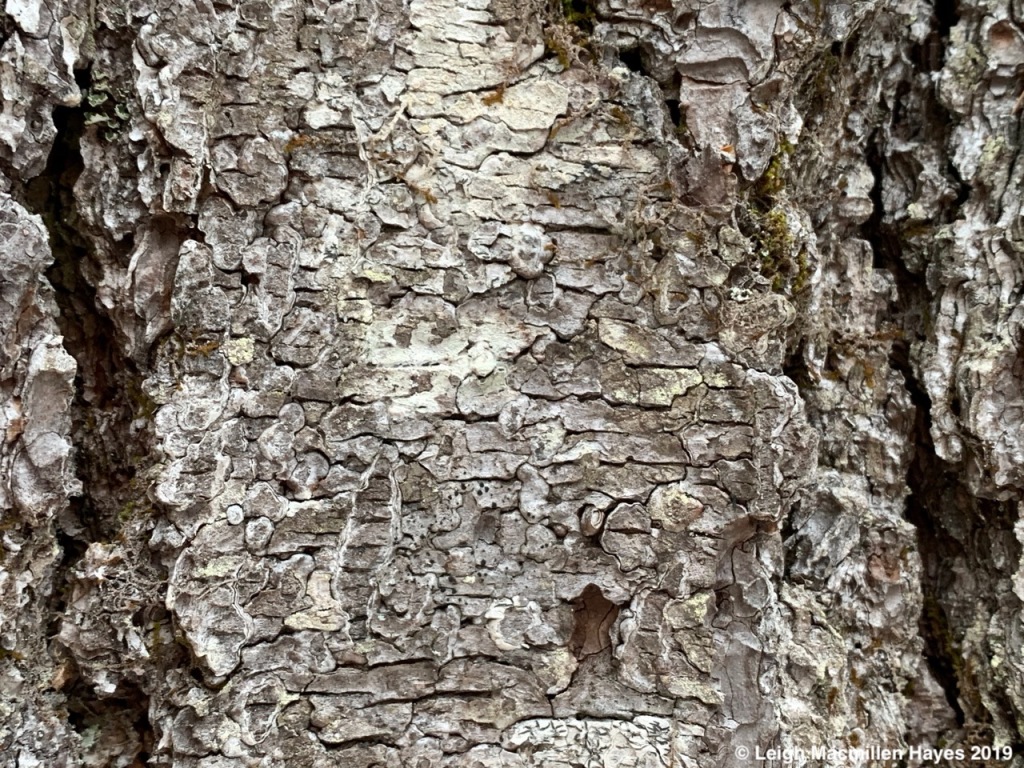
The bark is reddish brown to pinkish gray. I see it as a jigsaw puzzle, but my friend and fellow naturalist Dawn, sees it as a topo map.

Its broken into irregular, thin, flaky scales, that you may see on the ground surrounding the trunk.

As the tree matures, those scales are broken by deep fissures into irregular looking blocks.

Red Pine was of particular importance during the 1930s to 1960s, when the Civil Conservation Corps (CCC) planted plantations of this species on former pastureland as a reforestation project. Once in a while I stumble upon a grove of Red Pines planted in rows and realize that I’m in such a plantation. They were considered a cash crop for telephone poles.

The orange-brown twigs of the Red Pine tend to curve upwards and if you look upward you’ll notice that the needles are all clustered at the end, giving them the look of bushy chimney sweep brooms.

The needles are in bundles of two, and they are about 4 – 5 inches long. If folded in half, they break cleanly.

Red Pine cones are egg-shaped, about two inches in length, and lack prickles like some other species sport. It takes two years for them to mature.

What do you see? Jigsaw puzzle? Topo map? Or something else entirely?

Finally, we have reached the last species for today, White Pine, Pinus strobus. I’m showing you the bark of a mature tree, but if you look at a young pine you’ll note it is very different with its smooth, pea green bark.

Mature trees, such as this, have dark gray to brown bark, with long flat ridges, and deep, dark furrows. What I love about mature White Pines is that the flat ridges have lines that resemble writing paper and I love to write.

White Pine twigs are slender and gray-green to orange-brown. Bundles of five needles is the count for White Pine, which is cool because it spells its name: W-H-I-T-E, or M-A-I-N-E, since it is our State Tree. (Please remember that Red Pine has only two needles in a bundle, and doesn’t spell its name.)

Cones are 4 – 8 inches long, cylindrical, and also take two years to mature. And it takes a Red Squirrel about 2 minutes to peel back the scales and eat all the seeds as if they were corn kernels on a cob.

Dear readers, if you made it this far, I thank you for sticking with me. I do love to write and maybe I’ve written too much.

But I hope you’ll venture out and get to know these trees better by studying their idiosyncrasies and coming up with your own mnemonics to remember their names.

May you become tree wise and may I continue to learn about and with the trees.

Oversized Valentine Mondate

Our date began at the Bavarian Chocolate House in North Conway, New Hampshire, because we’d decided the other day to shop for a gift together and in our minds nothing defines love more than chocolate. It was a great surprise to find a friend of ours, who works in the local branch of the shop, behind the counter in New Hampshire and so we didn’t even have to say “dark chocolate” for each choice we made. And she introduced us to the chocolatier. Then she proceeded to fill the largest box for us. It will last a few days.

That done, we drove on to Big Pines Natural Area in Tamworth, New Hampshire, which I’d just learned about recently. After eating sandwiches at the trailhead, and topping those off with . . . chocolate, we donned our micro-spikes to begin our venture into this old growth forest of white pines.

About one-tenth of a mile in, a bridge spans Swift River and on the other side, there’s a loop trail through the forest and along the river, plus a spur to the summit of Great Hill. Unfortunately, half the loop is closed until spring 2022 because of major erosion, so it was an out-and-back tour for us.

Hiking up, we soon found ourselves among the behemoths that are probably about 200 years old and about 150 feet tall. They are giants worthy of our admiration and so we did. And we hugged a few. Well, I told my guy we were just measuring it to see how many of our wing spans it took to encircle the tree. But really, it was a hug. For this one, 3 arm lengths plus one extra elbow to finger tip.

The bark of an extremely mature Eastern White Pine, aka Pinus strobus, (or perhaps it’s really the other way around), forms elongated plates that would make an interesting fabric pattern for a dress or skirt if I were so inclined to design and wear such.

In the furrows between the plates, layers upon layers of dead bark gather, each having served its purpose of protecting the tree from brisk winter days like today, and hot and humid days of summer before being replaced by the next. In a certain way, those layers reminded me of an oyster shell standing upright.

Had the tree that we stood before been about 50 to 100 years younger, the plates would have been covered with horizontal lines that are spaced so evenly they could almost be notebook paper. And perhaps that is their purpose–for they have noted so much during their lifetime and it’s all written down, we only need to decipher the story.

On this mighty tree, however, the lines had all but disappeared and in some places scales of bark had been shed.

Eventually, we moved on to another tree that was about 3 times our arm span plus half the distance from my elbow to the tips of my fingers in circumference.

We felt rather tiny as we looked skyward, and then we hiked along a spur to Great Hill and its fire tower.

I thought I’d taken a photo of the fire tower at the summit, but maybe my frozen fingers weren’t working in that moment and ran back into my mittens while missing the shot. We climbed up into the cab, where the Tamworth Conservation Commission has posted signs on all four sides of the surrounding mountains.

Mount Chocorua’s unique and craggy profile brought back memories of a summer hike up the Champney Trail to the summit, and my Nervous Nellie reaction.

Through another window frame we spied our hometown mountain’s long ridge line. A few mountains always help us to gain our bearings, this being Pleasant Mountain, but Mount Washington, Mount Kearsarge North, and Chocorua also give us a sense of where we are in the world–at least in our little speck of the world.

On the way back down, we paused again at the pine of our initial admiration. My, what legs it has. And so many.

We snuggled into it, in hopes of showing off its immense size, but realized the photo didn’t do it justice.

At last we crossed over Swift River again, followed the “easy” trail, which wasn’t so easy since we were the first to travel it in the deep snow, and we wore micro-spikes rather than snowshoes, but anyway, we soon finished up and treated ourselves to a . . . chocolate.

Driving home, I had an inspired moment. Neither of us had ever visited the Madison Boulder. In fact, we weren’t really sure where in Madison, New Hampshire, it was located, but decided we were up for the adventure. And . . . we found it.

We had no idea what to expect–certainly not a rock the size of a two-story house.

This glacial erratic was dropped during the most recent ice advance that began about 2.6 million years ago and ended 12,000 years ago.

Again, we posed in hopes of showing off the size of this boulder, but we knew it wasn’t the right perspective.

And so I hugged the boulder. Exactly how many hugs would it take for us to encircle it?

Well, consider this, which we learned from signs at the kiosk: In addition to the snow, “we weren’t able to see the entire thing because its base is buried up to ten feet deep in the soil upon which it rests. With this in mind, the Madison Boulder measures 23 feet in height, 37 feet from front to back, and 85 feet from left to right.” My guy did the math and said it would take 45 lengths of our arm spans to embrace it.

Do you want to know about weight? According to the kiosk sign: “Because a cubic foot of Conway Granite weighs approximately 164.86 lbs., we can calculate the approximate weight of this irregularly shaped object. Current estimates (I like that they state “current” because new information always emerges as we learn more) put its weight at 5,963 tons.”

“It’s believed that the Madison Boulder was probably plucked from Whitten Ledge, less than 2 miles to the northwest, which is made of Conway Granite. The ice transported the boulder, smoothing its edges, and left it on a different type of rock, called Concord Granite. A glacial boulder sitting on bedrock of a different type is known as a glacial erratic.”

Can you see my guy as he came around the bend of the boulder? It dwarfed him as it should because it’s the largest known glacial erratic in North America and a National Natural Landmark.

We were both dwarfed by the immensity of the trees and the boulder and certainly LOVE is something that will always make us feel smaller in the bigger context of the world. But a root entwined within the roots of a toppled Big Pine sent a message from the universe that no heart is perfect and yet all are precisely that.

The biggest box of chocolates. Big Pines. The largest known glacial erratic in North America.

From our heart to yours–Happy Oversized Valentine Mondate!

Desire to Learn

Maybe it’s my teacher blood. Maybe it’s just because I love sharing the trail with others who want to know. Maybe it’s because I realize how much I don’t know, but love the process of figuring things out.

Whatever it is, I had the joy of sharing the trail with this delightful young woman who kept pulling her phone out to take photographs and notebook out to jot down notes about our finds along the trail, that is . . . when her fingers weren’t frozen for such was today’s temperature.

Among our great finds, a Red-belted Polypore capped with a winter hat as is the custom this week.

I was really excited about our opportunity to share the trail for I wanted to learn more about her work with Western Foothills Land Trust and Loon Echo Land Trust, and her roll as the Sebago Clean Waters Conservation Coordinator.

But, I was also excited to walk among White Cedars for though I was only twenty minutes from home, I felt like I was in a completely different community. Um . . . I was.

Shreddy and fibrous, the bark appeared as vertical strips.

We paused beside one of the trees where a large burl that could have served as a tree spirit’s craggy old face, begged to be noticed. We wondered about what caused the tree’s hormones to create such a switch from straight grains to twisted and turned. Obviously some sort of stress was involved, but we couldn’t determine if it occurred because of a virus, fungus, injury, or insect infestation.

And then there were the leaves to focus in on for their presentation was like no other. (Unless it’s another cedar species, that is.) I loved the overlapping scales that gave it a braided look. And if turned right side up, it might have passed as a miniature tree or even a fern.

Lungwort Lichen drew our attention next. My ever-curious companion asked if it was tree specific. Found in humid forested areas, this lichen grows on both conifers and hardwood trees.

Having found the lichen, I knew it was time for a magic trick and so out of my mini-pack came a water bottle. Within seconds, the grayish color turned bright green due to its algal component. It’s an indicator for rich, healthy ecosystems such as old growth forests.

Where the water didn’t drip, it retained its grayish-green tone, and the contrast stood out. Curiously, snow sat atop some of the lichen’s structure, and one might have thought that all the lettuce-like leaves would have the brighter appearance, but today’s cold temp kept the snow from melting and coloration from changing.

Our next great find: a reddish-brown liverwort known as Frullania. It doesn’t have a common name, and truth be known, I can never remember if the dense mat is asagrayana or its counterpart: eboracensis.

Three dimensional in form, it reminded me of a snarl of worms vying for the same food. Oh, and the dense form: asagrayana in case you wondered.

Over and over again as we walked, we kept looking at the variety of trees and my companion indicated an interest in learning about them by their winter presentation, including the bark. I reminded her that once she has a species in mind, she needs to use a mnemonic that she’ll remember, not necessarily one that I might share. In this case, I saw diamonds in the pattern, and sometimes cantaloupe rind. Others see the letter A for Ash, such as it was. She saw ski trails. The important thing was that we both knew to poke our finger nails into its corky bark. And that its twigs had an opposite orientation.

One of the other idiosyncrasies we studied occurred on the ridges of Eastern White Pines, where horizontal lines appeared as the paper my companion jotted notes upon. It’s the little things that help in ID.

Sadly, our time had to end early as she needed to return to the office, but I decided to complete the loop trail and see what else the trail might offer.

Vicariously, I took her along, for so many things presented themselves and I knew she’d either be curious or add to my understandings. Along a boardwalk I tramped and upon another cedar was a snow-covered burl.

A wee bit further, and yet another peeked out from between two trunks, stacked as it was like a bunch of cinnamon buns. Curiously, the center bun formed a heart. Do you see it?

It was upon this trail that I began to see more than the bark of trees. At my feet, tracks indicated that not only had a few humans walked the path, but so had mammals crossed it. And one of my first finds was the illustrious snow lobster, aka Snowshoe Hare.

It had tamped the snow down among some greens and I knew it was time to stoop for a closer look.

Each piece of vegetation that had been cut, had been cut diagonally–Snowshoe hare-style, that is.

Moving along, some winter weeds presented themselves as former asters and others, but my favorites were the capsules of Indian Tobacco.

In my book of life, one can have more than one favorite, and so I rejoiced each time I saw a birch catkin upon the snow carpet, its fleur di lis scales and tiny seeds spread out. The seeds always remind me of tiny insects, their main structure featuring a dark body with translucent wings to carry it in a breeze, unless it drops right below its parent and takes up residence in that locale.

Further along, scrawled scratching in the snow and leaves indicated another mammal lived in the woodland, conserved as it was by Western Foothills Land Trust. With this sight, my mind stretched to the fact that a corridor had been created and the more I followed the trail, the more I realized others crossed over it because this was their home. And they were still at home here.

The scratcher had left a signature in its prints.

And the source of its food: fallen nuts that about a month ago rained down like the sky was falling. Northern Red Oak Acorns. This one had been half consumed by a White-tailed Deer.

While traveling earlier with my companion, we’d talked about the tree that produced the deer food, but it wasn’t till I followed the loop that I found it. To me, the ridges of the Northern Red Oak looked like ski trails, with a reddish tinge in the furrows.

Oh, and that deer; it seemed to have dined on the bark of a Red Maple in the recent past–probably as recent as last winter or spring.

After a three hour tour, I delighted in traveling the Half Witt Trail three times (out and back with my companion and then again as I completed the loop) and Witt’s End.

They are new additions to Western Foothills Witt Swamp & Shepard’s Farm Preserve, and the journey . . . ah the journey.

Along the way, this young woman wanted to know what questions to ask and where to seek answers. I helped as much as I could, but noted that there are others who understand much more than I do.

Thank you, Hadley Couraud, for today’s journey. When it’s shared either actually or virtually with one who has a desire to learn, it’s always special.

Ode to Pinus strobus

Oh ancient ones,
so tall and stout.

My gaze turns upward
to take in your mighty presence
as you reach out
and shake hands
with each other.

Your crown tells the story
of your true nature,
ever graceful as it is,
and decorated with
daintily dangling needles,
which spell your name
much like my fingers of five:
W-H-I-T-E.

In maturity you form furrows
of stacked outer layers
and I wonder about your age.
Within those furrows,
others, like a Stink Bug,
take refuge from the world,
especially as raindrops fall.

Though considered dead cells,
your skin protects life within,
where phloem and xylem
work like dumb waiters.
The former transports sugars
created by photosynthesis
from your needles
to feed branches, trunk and roots,
while the latter
pulls water and dissolved nutrients
from your roots for nourishment.

I have this and
so many other reasons
to revere you.
Today, I focus
on the decorations
you perhaps unknowingly encourage
by providing a scaffolding
upon which they may grow.
Mosses and lichens
first take advantage.
of your hospitality.

And they in turn,
offer places
for others to gather.
As I peek,
I notice tiny flies
of a robotic style
seeking each other.
The seeker advancing
upon a fruticose form,
while the seekee
waits on a foliose lichen.

Upon another,
a tiny cocoon,
once the snug home
for the larval form
of a Pine Sawfly.
Its opened cap
indicates the transformation
of another generation.

There were others 
who once considered
your trees their own.
A spider web
woven during warmer months,
gathered raindrops today
that highlighted
the 3-D artwork
of its creator.
Not to go unnoticed
were the fruiting structures
of lichens,
such as a crustose
with its thick, warty, grayish crust
topped by numerous
jam tart fruits.

But my favorite find
on this soaking wet day
was caused by
a chemical interaction
that resembles
the creation of soap.

During a heavy rain, 
water running down your trunk
picks up oils.
Air in the bark furrows
bubbles through the oily film
and produces froth.
It’s a tapestry-forming froth
and within some bubbles,
surrounding trees
pronounced their silhouettes.

Oh Pinus strobus.
Some know you
as “The Tree of Peace.”
I know you
as “The Tree of Protection,
and Life, and Color.”
And then I realize
that is Peace.
Thank you for all that you do, naturally.

Bear to Beer: Peabody-Fitch to Bear Trap

Our bear to beer tour was supposed to last a year, but here it is February 18, and we’ve already completed three of the treks. I think my guy really likes this Christmas present.

If you aren’t aware, for Christmas I gave him a small box I’d decorated with hiking stickers. Inside were thirteen pieces of paper (actually bobcat prints post-its) upon which I’d written the name of a trail where I thought we might find what we call bear trees for they are trees with bear claw marks, plus a place to grab a pint after the hike.

Because it was snowing today, we decided to stay closer to home and visit a property we hope Loon Echo Land Trust will soon own. It surrounds the Bridgton Historical Society’s Narramissic Farm and is one of our favorite places to wander in any season.

Rather than cross through the field as we usually do, I suggested that we follow the former road (current snowmobile trail) behind the barn. At the first stone wall, we passed from the Narramissic property on to what we hope will become the 252-acre Peabody-Fitch Woods that Loon Echo will own once they reach enough dollars to make the purchase.

Another part of my guy’s Christmas present was a donation toward said purchase, which an anonymous foundation will match. It seemed like a win-win deal when I sat down with Thom Perkins, former executive director of LELT to discuss the property proposal. And then last month I co-led a walk along part of the route we followed today and had the joy of learning more about it from Jon Evans, Loon Echo’s Stewardship Manager, and Matt Markot, LELT’s new executive director.

Not far down the snowmobile trail, we turned left at a stone wall, the same as we had during the LELT walk in late January. I was sure this was a route new to my guy, but it turns out it used the be the snowmobile trail and so he knew it. Right away, as we hobbled over and pulled up some downed trees, we began to see a variety of mammal prints muffled by the morning’s snow. Both prey and predator make their homes there and the property’s importance as part of the animal corridor was obvious.

Eventually, the trail swung around and rejoined the snowmobile trail. We followed it for a bit, then turned off at the blue arrow for that was our chosen way for today. It appeared that someone had an eye on my snowshoes.

We’d no sooner started along the trail when I heard the rat-a-tat drumming of a male hairy woodpecker. Of course, I needed to pause and watch him for a few minutes. And wonder about the purpose of his drumming. Was he establishing territory? Trying to get a date?

My guy was patient with me, but our mission was about more than the birds, and so we journeyed on. Mind you, we kept looking at the trees along the way, but suspected we’d find bear evidence on our return trip when we planned to go off trail. In the moment, we were eager to get to the quarry and find lunch rock.

It was buried, but my guy in his chivalrous manner, wiped the snow off and we each ate a slice of cold, homemade pizza and drank some water.

Behind lunch rock, plug and feather holes served as reminders of an earlier time–much earlier than either of us remembered. The quarry was the source of the stone foundations for Narramissic, the Peabody-Fitch Farm, which dates back to 1797.

With lunch under our belts, onward and upward we hiked until we reached a certain stone pile.

Mind you, it’s located a tad from the proposed Peabody-Fitch Woods, but still, we love to visit bear trap and imagine the past.

I’ve quoted this before, but it’s worth sharing again.

How did the bear trap come to be? According to an August 17, 1963 article in the Bridgton News, “Enoch Perley, early settler of South Bridgton, built his first house in 1777 and brought his bride to their new home in 1778. [I believe this was at Five Fields Farm.]

As Enoch acquired livestock, he was much troubled by depredations from bears. He built a bear trap on the hill back of his first home . . .

Tradition says that four bears were caught in this trap–not enough! So Mr. Perley later had an iron bear trap made which took care of eight bears. Without a doubt, many were disposed of by him personally. A story is told that in an unarmed encounter with a bear and two cubs beside a wood road at dusk, Mr. Perley allegedly strangled the mother bear with his garters . . .”

The article continues, “The bear trap is built of stone. A large stone door is suspended and as the bear takes the bait, he trips the lever and is caught in the stone enclosure.”

In a December 1954 issue of the Bridgton News, a brief article states: “The old stone bear trap on the mountain in South Bridgton known as ‘Fitch’s Hill,’ unused for more than one hundred years, has been reactivated by Dr. Fred G. Noble and Gerald Palmer and put in readiness to capture a bear.” As the story goes, they never did succeed.

In honor of the Perleys, Peabodys, Fitches, and the bears, we’d brought along a growler, a Valentine’s Day present from my guy to me.

We each enjoyed a few sips and then peered inside the trap to see if anyone had taken up residence. Perhaps we should have done that first! Thankfully, no one was home.

Eventually, we headed back to the trail, but didn’t spend long on it.

Instead, we began looking for bear trees. To test your visual acuity, can you spot my guy?

I couldn’t always see him for we split up for about an hour and zigzagged our way from one beech tree to another. I found one that gave itself a hug.

There were those with false lines. Well, they weren’t really false, but they weren’t caused by a bear either. Instead, surrounding saplings blowing in the wind had scratched them.

Then there was the tree that seemed to have stitch marks on the outside of its wound. Unfortunately, the stitches didn’t help.

One of my favorites was the beech that made me think it was a deer bending over as if to take a bow.

That made perfect sense in these woods where the deer did dine.

And at least one rubbed its antlers.

Suddenly, from a distance I heard my guy call to me. He thought he’d found what we sought. A bear tree. The growth at the top certainly leant itself to that assumption.

I’m not one hundred percent sure that he was right, but there were some marks that looked consistent with bear activity–a bear with a very big hand.

Closer to the trail, we did find another tree with bear sign–left behind by Teddy Bear and K.F., whoever that might be.

About three hours after crossing through the stone wall behind the barn to enter the future Peabody-Fitch Woods, we did the same at the far end of the farm field.

And in the end, even if our bear tree wasn’t exactly that, we’d still had a bear sighting–in the form of the trap. Today’s brew was Double C.R.E.A.M. Ale from Bear Bones Beer Brewery. Bear to beer possibilities: Peabody-Fitch to Bear Trap.

I’m with the TREES

When Alanna Doughty, education director of Lakes Environmental Association asked me to join her in co-leading and co-sponsoring a tree identification walk during Great Maine Outdoor Week(end) at LEA’s Highland Research Forest in Bridgton, I jumped at the opportunity. Alanna, you see, is a great joy to be in the presence of and I knew she’d make it a fun and unique experience.

I wasn’t disappointed; nor were the thirteen others who joined us this morning for a two-hour hike that turned into two and a half and even a little bit more.

Alanna had gone out ahead of us and placed hearts with tree-related information along the trail we’d travel. Our crew was a delightful mix that included young and old, with members of LEA and the Greater Lovell Land Trust, which I was representing, as well as a woman from North Conway and man from Portland. Yes, Linda and Henri–that would be the two of you.

The first heart provided information about hemlock trees and after she read it, we encouraged everyone to channel their inner hemlock and so they leaned as this particular evergreen does. Check out those smiles. Don’t you want to be a hemlock too?

Of course, because we were among the trees on this property that the David and Carol Hancock Charitable Trust donated to LEA several years ago, and the snow was super soft from yesterday’s storm, the mammal tracks were outstanding.

One of the favorites of the day–that of the snowshoe hare. It’s not often that one can see the hare’s toes so clearly, but today was the day. And as David Brown’s Trackards indicated, the footprint size depends upon the conditions.

When it came to demonstrating and identifying the action of the mammal there were two rock stars among our group. Alanna was one for she got down on all fours and demonstrated how a hare moves (before she sorta fell). And Pam Marshall was the other for she correctly identified and shared information about how to recognize all of the track and print patterns that we saw. Pam only began tracking this year with the GLLT’s Tuesday Trackers, but she’s a quick study.

Onward we trekked, pausing whenever we saw a heart of red. And each time, Alanna’s voice came through in the message. Love at first bite! Indeed.

At a beech tree, we paused for a bit longer as we noted not only the twigs and buds that are beginning to swell, but also talked about how bear claw marks are most visible on them and how the beech scale insect has altered the once smooth look of the bark. The word marcescent, meaning withering but remaining attached to the stem, also entered the conversation.

After a bit of time, we emerged onto a wetland where only last week Alanna and a couple of people including one in our midst, Anne, had spotted a hole and lots of tracks and scat left behind by an otter. Today, no sign of that member of the weasel family, but still . . . we enjoyed the warmth of the sun.

And I took advantage of the time to dress Alanna as a twig. She was the perfect Miss Twiggy model and Henri took time to pose with her.

Back in the woods, we were stopped in our tracks by the tracks of another weasel–a mink.

And then as we retraced out steps and paused by a speckled alder to admire its male and female catkins and last year’s cones, someone honed in on something that wasn’t a remnant of yesterday’s snowstorm.

The cottony white masses of wooly alder aphids decorated a couple of branches. As Alanna explained, in a symbiotic relationship, during the warmer months, ants stroke the aphid with their antennae, while the aphid releases a drop of honeydew, much like a cow being milked. It’s actually rather creepy. Today, there were no ant farmers about, but a few like Justin, did step forward to take a closer look.

After that, we were confronted with a math problem. And you thought we were just out for a walk in the woods.

Finally, well sorta, we made our way back to an opening and stood around enjoying hot cocoa and tea, plus some goodies, and each others company.

Sherpa Anne had been kind enough to haul the supplies to the opening for us as our trek began. I know she was thankful she didn’t have to pull the sled all the way out to the wetland. And we were thankful for the good tidings it bore.

You see, Alanna is a woman of many, many talents, and baking is one of them.

Did she get carried away with the cookie cutters?

We didn’t think so for we all love Maine.

And we also love trees, including red oaks with their bristly-tipped leaves and acorns.

That wasn’t all Alanna had created.

Her tree model was to be envied (at least by me). And she explained the different functions, from roots to leaves and outer bark to inner workings.

And just in case you are interested, I’ve come up with a new mnemonic, because we love memory aids.

Xylem is the vascular tissue in plants that conducts water and dissolved nutrients upward from the root and also helps to form the woody element in the stem.

Phloem is the vascular tissue in plants that conducts sugars and other metabolic products downward from the leaves.

My mnemonic: Xy high (think upward); Phlo low (think downward).

Of course, that didn’t occur to me until several hours later.

Before we finished off our delightful morning, there was one last heart with tree information to read. Hmmm. Porcupines, bark, needles, scat, look up? “You might spot one dining!”

And so up we looked.

And down as well. We found some tracks and even took a closer look at some comma-shaped scat.

Because . . . the resident male was high up in the tree! Look at that handsome fella! We did. Over and over again. Henri was sure we had planted him and that he wasn’t real.

But he was. And if you look closely, you might see his orange teeth which one (like me) could almost mistake for a Valentine heart. Check out those toe nails. And can you see the rough soles of his feet, the better to grip the tree with?

Male porcupines are known to hang out on a tree during the day. I know we’re particularly thrilled about this one because he hasn’t let us down yet.

Think about this–while the male was hanging out in the sun, porcupines (like the one that lives under our barn) typically stay in their dens until dusk and then head off to munch on bark and needles in the darkest and coldest hours of a day. That’s to be admired.

So is the work of our two organizations, Lakes Environmental Association and the Greater Lovell Land Trust. Both of us are with the Trees and we loved sharing the trail together this day.

We’re doing the same again on Sunday at 12:30 in Lovell, where we’ll go on a Porcupine Prowl–will we actually see the rodent as we did today? Who knows, but we’ll have fun as we join together again to celebrate Great Maine Outdoor Week(end).

I’m with the TREES. Are you?

Bear to Beer: Middle and Peaked Mountains

My guy opened his Christmas Bear to Beer box and considered the possibilities. The winner was . . .

Middle to Peaked Mountains in North Conway, New Hampshire.

The day had dawned warm after the recent deep freeze and so we had to consider how to dress and what to use for footwear.

Given that our route would take us uphill as we ascended via the Middle Mountain Trail to Middle Mountain, retrace our steps to the connector before summiting Peaked Mountain and then follow the Peaked Mountain Trail down, we knew we needed to dress in layers, but not quite so many and not quite so heavy.

We also weren’t sure of our footwear until we arrived at the parking area and saw the well-packed trail. Our choice–micro-spikes over snowshoes. We only hoped that when we reached the intersection of the Middle Mountain Trail and the Connector Trail, we wouldn’t regret our decision. But time would tell.

In the meantime, after we climbed over the snowbanks to get to the trailhead, we had to conquer the gate. We’ve climbed Peaked in the past, as well as walked the Pudding Pond Trail, both part of the Green Hills Preserve, so we knew that typically one walks around the gate. Today, we merely stepped over it–which tells you something about the snow depth.

At .2 miles, the trail comes to a T. The right hand route leads to Pudding Pond, while the left requires a brook crossing before continuing on to the mountain trails.

A bit further along, we came to one set of several that denote the trail system. In terms of following it via the signs, trail blazes, and well worn path, it was easy. Given the soft snow conditions and contour, we’d rank it a moderate hike.

It was one that got the hearts pumping, which is always a good thing. And when one of us needed a rest, we pretended that we just wanted to admire the sound and sight of the gurgling brook.

We passed through a few natural communities, including hemlock groves, and mixed forest. But our focus was really on any beech trees and by the leaves that littered the path, we knew there were plenty.

We scanned the bark every time we spied a beech, and saw not a nail scrape anywhere. But . . . sad to say we did notice tarry spots which oozed out of the cracks in the bark caused by cankers a tree develops as a defensive attempt to ward off beech scale insects and the nectria pathogens that follow their entry points.

The community changed again as we approached the summit of Middle Mountain, where red pines dominated the scenery. And in the warm sun, the snow became softer.

Two miles and some sweat equity later, we’d shed some clothes and reached the top.

From there, my guy went in search of lunch rock and I eventually followed.

It was actually more of lunch ledge and we set up camp, using the jackets we weren’t wearing as our seating area.

The view beyond our feet included Conway Lake in the distance. Lunch consisted of chicken salad sandwiches made with our own cranberry orange relish offering a taste of day in the fen picking berries, a Lindt peppermint dark chocolate ball, and an orange, topped off with frequent sips of water.

While we sat there, I did what I do. There were no beech trees to look at and so I focused in on the bonsai red pine in front of us. Its form, unlike its relatives who stood tall behind us, was the result of growing on the edge of the ledge where it took the brunt of the weather.

I took the liberty of turning a photo of a lower branch 90 degrees because I could see the face of the tree spirit reaching out as it formed a heart. It is February after all.

But enough of that. We were on a mission to find a bear paw tree. When I chose this trail, I had no idea if we’d see one. Yes, we’d climbed Peaked in the past, but never had we noticed any trees with such marks left behind.

So, down we slid, I mean climbed, off Middle Mountain until we reached the connector and could see Peaked’s summit in the background.

We weren’t too far along when our constant scanning paid off! Bingo. A bear paw tree. Some people bag peaks. We bag bear paw trees.

Our mission accomplished, though we continued to look, we journeyed on to the second summit.

From there, we had more of a view of North Conway below, the Moats forming the immediate backdrop, and Mount Chocorua behind.

In front of us, we looked across to Middle Mountain from whence we’d just come.

And behind, Cranmore Mountain Ski Area and Kearsarge North in the background.

With my telephoto lens I could pull in the fire tower atop Kearsarge. It’s among our favorite hiking destinations.

We didn’t stay atop Peaked as long as we had on Middle because the wind was picking up. On our journey down, the mountain views included Washington.

We continued to look for bear trees but found no others. That being said, there were plenty of beech trees on the Peaked Mountain Trail, but the sun was in our eyes for much of the journey, and we had to pay attention to where we placed our feet because traveling was a bit slippery given the soft snow. Maybe there were others after all, and we just didn’t notice.

We completed the 5.5 mile hike about four hours after beginning, ran a few errands, and finally found our way to the finish of today’s bear to beer possibility at the Sea Dog Brewing Company. Black bears like to sip too!

Babe in the Woods

This morning dawned bright and brisk and offered a brilliant background for a journey through the almost Peabody-Fitch Woods that Loon Echo Land Trust hopes to add to their holdings. The 252 acres of the proposed project surrounds Bridgton Historical Society‘s Narramissic Farm.

Jon Evans, Loon Echo’s Stewardship Manager and board member of the historical society had asked me to join the walk that would highlight the Peabody-Fitch Homestead built in 1797 and introduce Loon Echo’s new executive director Matt Markot. In the morning light, we circled the house as Jon shared some of the farm’s story.

On the northern side of the house, we paused to enjoy the view, including Pleasant Mountain just beyond the trees to the left of the field. The land trust also owns and protects over 2,000 acres of the mountain that defines this area of western Maine.

Measuring the effect of the cold on the hike’s participants, Jon chose his stop points, where he shared his keen knowledge of the farm and the lands that surround it. For me, it’s always a joy to tramp with him because his connection to the land is personal, and this particular piece even more than most for Jon’s family long ago farmed an adjacent acreage and he grew up traipsing through the very woods we snowshoed today. (And this photo includes Margaret Lindsay Sanborn, mother of Matt Markot, LELT’s new ED who stands to his mom’s right.)

As we circled behind the barn I shared with Jon a bit of knowledge that adds to the lore of what’s always been known as the Temperance Barn, supposedly constructed during prohibition without the usual swigs of rum for all who helped in the building process. Following a blog post I wrote in December 2018 about this very property, a granddaughter of Margaret Monroe who gifted the property to the historical society in 1987 wrote the following message: Hi – I am glad you enjoy my grandmother’s property. A heads up that there is no written documentation from the period re: the barn actually being built without alcohol. My grandmother was prone to making up history. I want to give respect to hardy native Mainers: Monroes were largely summer people. My grandmother also said sherry wasn’t alcoholic and would drink a big glass of it every night before dinner, Lark cigarette in her other hand. Happy Holidays! Rebecca Monroe

It turns out that wasn’t the only story that had more to offer than I’d originally thought to be true. As we were about to pass through a stonewall behind the barn, my eyes cued in on debris below some trees. Certainly it was the work of woodpeckers and I stepped onto the wall in search of scat. Nada.

Looking up at the pin cherry tree, I found not pileated works, but the incisors of another that gave a clue.

And below, pigeon-toed tracks. Between the incisor marks and tracks I knew the creator, but it didn’t make sense to me, for though I find hemlock twigs below such a tree when a porcupine has clipped them, I couldn’t recall ever seeing bark chips below a porky tree. In my brain, the rodent ate the bark as it sought the cambium layer within. I dismissed it as a lesson to be considered and we moved on.

Jon led us along a colonial road from the historical society’s property to a stonewall that delineated the Peabody-Fitch Woods. We turned onto a trail I’d never traveled before and made our way along another farm road. Periodically, Jon, Matt, and I bounced off of each other as we shared our knowledge about the trees and forest succession that had occurred since the farm was last a working land. We also spied a few mammal tracks, including those of a bobcat.

At last, we circled around and found our way back toward the border between the P-F Woods and farm.

Close to the Temperance Barn again, porcupine tracks crisscrossed to the stonewall where we’d seen their activity at the start of our journey.

Near the parking lot and Blacksmith Shop, more porcupine works made themselves evident–by their tracks and the debarked trees.

Incredibly debarked trees. I’m always amazed by the fact that porcupines, given their size, can find support on trees and limbs that seem so flimsy. I’ve been told that they’re known to have many broken bones and it makes sense given the precarious choices they make to seek winter nutrients.

Once again, there was bark debris. In the past I’ve always said that beavers leave wood chips, but porcupines eat the bark and cambium layer.

The evidence was obvious given the prints and comma-shaped scat. But the bark debris proved me wrong today.

And I loved that. When Jon first introduced me as a Maine Master Naturalist, he asked how long I’ve been such. “Six years,” I said. And though I’ve spent my sixty years wandering and wondering in the woods and along the coast of southern and northern New England, it was the Master Naturalist class that taught me how to take a closer look.

Do you see the green of the cambium layer? And those incisor marks–how they are at opposing angles? Those I recognized.

But . . . the porcupines taught me something new today.

Six years–I’m still a babe in the woods.

From Bear to Beer Possibilities

Christmas in our house requires a bit of creativity and so it was that a light bulb went off and a theme was born.

I found a little brown cardboard box, decorated it with some hiking stickers and then did a bit of research on local trails and pubs. This was for my guy, you see, for on his days off, he’s always asking me where we should hike. I decided to make it easy for him to suggest a trail at least once a month, and the hike would be followed by sipping a brew at a local pub. There was one caveat: the hike had to include the search for bear paw trees. We both love a challenge. Some of the places I chose are familiar to us, and though we know the trees are there, will we find them again? That remains to be seen. Others are totally new on our list and I had no idea if they’d offer one of our favorite sights.

In keeping with the theme, I also gave him a UMaine sweatshirt; UMaine being his alma mater. Of course, back in his day, it was referred to as UMO for the University of Maine at Orono.

And finally, a growler from a local brew pub so he can walk down the street and refill it occasionally.

It was Western Foothill Land Trust‘s Packard Trail that he chose for this first adventure.

The property itself is the Virgil Parris Forest, named for this man who was born in Buckfield in 1807. Mr. Parris attended local schools, Colby College, and Union College in New York, where he studied law. In 1830, he was admitted to the bar and returned to his hometown to open a practice. His career followed a political path both at the state and national levels.

The main trail that loops around the 1,250-acre property was named for the Packard Family. According to the interpretive panel at the trailhead, “the farmstead’s foundations and family cemetery are on site. Daniel Packard was given this land in Buckfield as compensation for his service in the Revolution. Daniel was born in Bridgewater, Massachusetts in 1749 and married Elizabeth Connelly of Cork, Ireland during the war. Daniel died in Woodstock, Maine in 1836, and is buried there. It is said that Daniel and Elizabeth were the prototypes for James Fennimore Cooper’s Sergeant Hollister and Betty Flannigan in Cooper’s novel The Spy.”

The sky was brilliant blue as we began our journey, each step of the way scanning the trees. Had it been a couple of months later, we might have mistaken the large burl in a paper birch for a bear cub.

Though bears climb other trees, it’s on beech bark that their claw marks show up best.

When one focuses one sees . . . many a thing that might have been passed by, such as this beech, which began we know not as one or two, and if one, why did it become two we wondered? And then, like a work of magic, it was once again unified.

Another beech offered a snow chute that seemed like the perfect squirrel slide.

And yet another was decorated with the chiseled tooth marks of a natural logger–a beaver.

There were some decorated with cankers from beech scale disease that could have passed for ornamental faces.

And others that hosted squirrels who had built dreys appearing haphazard in construction from our stance about thirty feet below, but were really complex and apparently well insulated.

Fungi, such as this tinder conk, also fruited upon some trees. But . . . where were the bear trees? My guy asked how I’d chosen this particular path, and to be truthful, I couldn’t remember. I just thought it was a new one to us and might have some paw marks to boot.
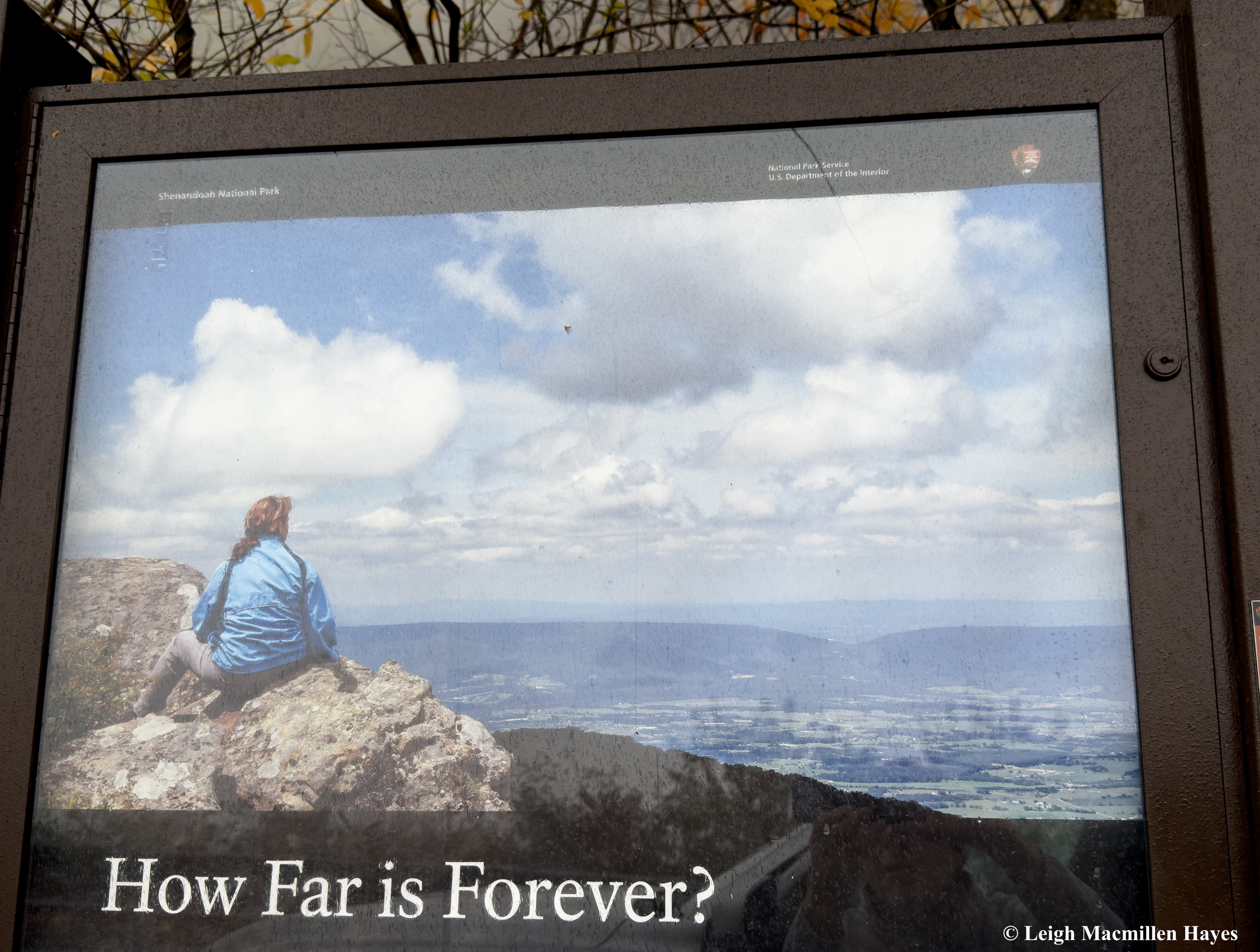
Down an esker ridge we continued as we approached South Pond.

The wind was cold on the pond and snowmobiles zoomed past, oblivious to our presence, which was just fine with us.

And then we heard voices and framed between beech branches, we saw a dog sled team across the way.

And then, just as we turned from the Packard Trail onto the Cascade Trail, we spied some familiar marks. Or were they? We so wanted a bear paw tree that we convinced ourselves we’d found one.

It certainly did look the part. And so we felt successful.

Onward we journeyed, enjoying the cascades in their frozen form and promising ourselves a return trip in a different season.

As is his style, my guy moved quickly and I accused him of not searching, but he was.

And bingo! Another bear tree.

The cankers were abundant and made it difficult, but our bear paw eyes discerned the patterns.

And once we noticed, it seemed as if they began to pop out at us from every tall beech. Not really so. All in all we counted five. Well, five if you include the first tree, which we continued to question. And there were probably many more that we missed.

At last we’d completed our journey and relished our success. As I drove back down Sodom Road in Buckfield, I knew there were a few final trees that needed to be examined–telephone pole trees. Most were in great shape, but one close to the preserve had been visited by a large furry mammal that scratched it and nipped it and probably left a scent on it.
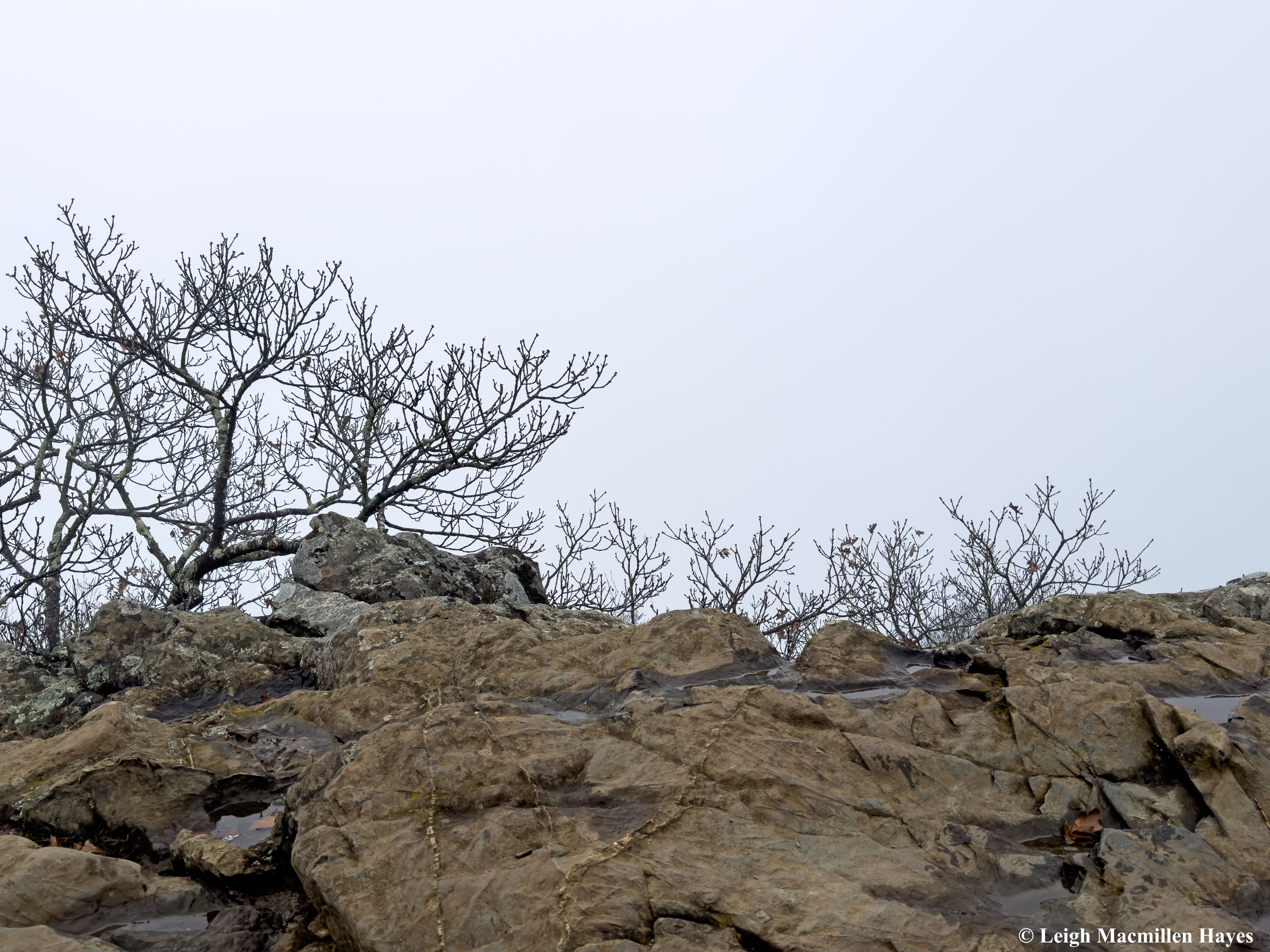
As planned, we knew exactly where we’d stop following our hike and so we made our way to the Buck-It Grill and Pub, another place we’d never visited before.

Lisa, the bartender, took our burger order and then we sipped Allagash White while we watched the Weather Channel on the TV above. Sitting next to us was Joyce, and she said that the impending storm was named for her partner’s niece, Harper. When did they start naming winter storms? Never mind. The important thing was that the fresh hand-packed burgers and fries were delish. The beer wasn’t bad either.

We went not knowing but came away with smiles after a successful hike–and already we’re looking forward to next month’s “From Bear to Beer Possibilities.”

Merry Christmas from Narramissic

With Christmas rapidly approaching I decided to visit Narramissic, the Peabody-Fitch Farm gifted to the Bridgton Historical Society in 1987 by Mrs. Margaret Monroe of Providence, Rhode Island.

I had the honor of knowing Mrs. Monroe’s daughter, Peg Norman, who essentially grew up in the house having spent all of her summers there. Her mother purchased the house in 1938 after the death of her father. In Peg’s words as recorded in an essay entitled “Narramissic – Hard to Find” that she wrote when the deed was transferred from her mother’s estate to the historical society, she said, “[Mother] was searching for a refuge, a place to heal.” 

Peg continued, “Inside the house I remember only clothes hung everywhere and an unmade bed in the upstairs sitting room. My mother saw beyond. She saw the fans over the doorways, 

the granite hearthed fireplaces, Nancy Fitch’s name engraved in the wavey glass window pane, the sweeping arch of the carriage house entrance . . .

and the mountains, purple massifs unfolding out of the sky. She felt the history and eternity and peace.”

Peg went on to mention that her family spent “many Christmas holidays and ski weekends up there throughout the years — just the way the Peabodys and Fitches had (the original owners of the farm), heated by the kitchen stove and blazing fireplaces — and an old Franklin stove my mother finally allowed to be set in the living room fireplace ‘just for winter.'” 

Peg’s mention of the outbuildings included the barn, “the huge barn with the biggest horse I had ever seen munching contentedly in the front stall.”

Still standing, though its had some help recently to that end, the barn was erected by the Fitches and has come to be known as the Temperance Barn; historical records claim it to be so named “because it was raised without the traditional barrel of rum.”

I chose to explore on this delightfully warm day(45˚ feels like summer given the recent temps), but also to gain a better understanding of the collaboration between the historical society and Loon Echo Land Trust as they raise funds to purchase the 252-acre Peabody-Fitch Woods from the Norman family and place it under conservation easement while adding to a contiguous forest with other protected properties both adjacent and nearby. As I crossed the field, I kept turning back–to admire the farm and the mountains, including the ridge-line of our beloved Pleasant Mountain. Between Loon Echo and The Nature Conservancy, almost 3,000 acres of the mountain is protected and LELT maintains the 10 miles of trails that we frequent. 

It occurred to me that I didn’t realize the blue trail that crossed the field and continued into the woods, as designed by Adam Jones for his Eagle Scout Project in 1999, wasn’t part of the historical society’s property. 

And yet, it’s just as important for many species depend on it. Should the property be developed, the historical and natural features might diminish.

Should it be developed, I won’t be able to return in the future to figure out why the squirrel condominium featured a muddy carpet between doorways. 

Should it be developed, I’d miss out on ice formations along the trail such as this miniature pony — saddle and rider included. 

Should it be developed, new understandings would bypass me, such as the fact that white oaks do indeed grow in Bridgton. Well, at least in South Bridgton. This one was speckled with spring tails on this warm day. 

Should it be developed, the pileated woodpeckers will have fewer trees upon which to excavate. 

And selfishly, I’ll have fewer opportunities to search for their scat — filled with insect body parts. 

Should it be developed, there will be fewer toadskin lichens to admire. Thanks to the melting snow, many of the examples I found today were bright green, making the black-beaded apothecia where its spores are produced stand out in contrast. Toadskin lichen may be indestructible, but should the property be developed I wondered about the lichen’s immortality. 

Should the property be developed, where would the snowshoe hare scat? 

And the same for the ruffed grouse? 

Should it be developed, what would happen to K.F. and T.B.? 

Should the property be developed, would I see sights such as this and come to another new understanding?

I was actually searching for bear claw marks that alluded me (and I know they are there for I’ve seen them before) and instead saw this red bloom decorating some beech bark. It was quite pretty and festive given the season. 

At first look, I thought it was the apothecia of a crustose lichen, but do you see the tiny white spots mingled occasionally among it? Those white dots are the minute beech scale insect. The holes the tiny insect makes in the bark create a perfect entry point for nectria pathogen to make its way into the tree. The pathogen, a type of fungus, kills some areas of the tree at the point of entry. In reaction, the tree develops a canker as a defensive attempt to ward off the invader, but by doing so the canker blocks the vascular tissue of the infected beech by stopping nutrient flow in that one area.

And those red spots, as pretty as they appear, are actually tarry spots which ooze out of the cracks in the bark caused by the canker. Essentially, it appeared the tree was bleeding. 

Should the property be developed, what would become of the quarry and bear trap? 

This is the spot from which the foundations for the buildings were split so long ago.

Should the property be developed, would the plug and feather holes left behind as reminders of an earlier time disappear from the landscape?

The land already has been developed around Bear Trap, which is located at the end of the trail. We used to be able to hike or drive there; now one can only hike and you kinda, sorta need to know where it is.

How did the bear trap come to be? According to an August 17, 1963 article in the Bridgton News, “Enoch Perley, early settler of South Bridgton, built his first house in 1777 and brought his bride to their new home in 1778. [I believe this was at Five Fields Farm.]

As Enoch acquired livestock, he was much troubled by depredations from bears. He built a bear trap on the hill back of his first home . . .

Tradition says that four bears were caught in this trap–not enough! So Mr. Perley later had an iron bear trap made which took care of eight bears. Without a doubt, many were disposed of by him personally. A story is told that in an unarmed encounter with a bear and two cubs beside a wood road at dusk, Mr. Perley allegedly strangled the mother bear with his garters . . .”

The article continues, “The bear trap is built of stone. A large stone door is suspended and as the bear takes the bait, he trips the lever and is caught in the stone enclosure.”

In a December 1954 issue of the Bridgton News, a brief article states: “The old stone bear trap on the mountain in South Bridgton known as ‘Fitch’s Hill,’ unused for more than one hundred years, has been reactivated by Dr. Fred G. Noble and Gerald Palmer and put in readiness to capture a bear.” As the story goes, they never did succeed.

Should the Peabody-Fitch Woods be developed, all of this will be lost.

My hope is that the Bridgton Historical Society and Loon Echo Land Trust will experience a Merry Christmas as they finish out their fund-raising drive to purchase the land.

I think I walked beyond the boundary they are considering, but Bear Trap is one of my favorite historical sites. And with today’s walk I came to the realization of how important it is to protect the land around the farm.

Before I finish, I have one final historical piece of writing to share. In his memoirs, “Ninety Years of Living,” Edwin Peabody Fitch (1840-1931) who grew up in the farmhouse wrote, “Holidays were not much in evidence in those days. Christmas was so far in the shade, we didn’t think much about it. In fact, we felt that it was just a Catholic holiday and not be be observed by us. We went to school on that day and the only notice we took of it was to shout “Merry Christmas!” to the classmates. 

Merry Christmas from and to Narramissic! 

Childhood Magic

Why did the Greater Lovell Land Trust co-host (or rather tri-host) a hike through Pondicherry Park in Bridgton this morning? Because it’s hunting season, and it didn’t make sense to invite the public on a property that isn’t posted. (Not that we don’t still tramp on GLLT properties in November, mind you, but not on a public walk necessarily.)

And when I asked Jon Evans of Loon Echo Land Trust and Alanna Doughty of Lakes Environmental Association to join me in leading the tramp, they both quickly and graciously agreed to do so. I couldn’t wait because not only would it be a chance to share the special place with GLLT members, but also to bounce off of Jon and Alanna as we shared our knowledge of the natural and historical aspects of the park.

1-Bob Dunning Bridge

But . . . this morning dawned rainy and snowy. Still, we didn’t cancel. And though we knew that not everyone who had planned to join us could because there was more snow in the Lovell area and no power, we were pleasantly surprised to have a small contingent of participants that represented all three of our groups. And really, I love leading smaller groups because it’s so much easier for everyone to participate.

2-Jon giving the bridge history

Our group, consisting of Pam, Jon, Bill, Connie and JoAnne, plus Alanna and me, stood for a bit on the Bob Dunning Memorial Bridge, the gateway into the park from behind Reny’s Department Store on Depot Street. As Jon explained, on September 11, 2010, the Bob Dunning Memorial Bridge was constructed in true barn-raising fashion.

3-Stevens Brook

The bridge spans Stevens Brook, the source of power when Bridgton was first founded and for many years thereafter.

4-Bob Dunning Bridge

One of the unique things about the bridge is that each tie beam comes from a different tree species, with the bark left on. As I walk across the bridge, my eyes are always drawn to the beams.

Until I took the Maine Master Naturalist class, I recognized only a few species by their bark. But my eyes were opened to the fact that each species has its own presentation, which is true for everything in the natural world. I wanted to know all of them so I set out to teach myself, beginning with the species on the bridge. These became the focus of my capstone project for the class and from that I created a Barking Up A Bridge brochure that is available at the kiosk.

5-sugar and Norway maple leaves

Into the park we finally went, stopping periodically along the way to notice and learn, including the similarities and differences between a sugar maple leaf on the left and Norway maple leaf on the right. Both have the same number of lobes (5) and look so similar, but . . .  the Norway maple leaf, an invasive planted along the main streets as a shade tree after the loss of Elms, is much boxier and more rectangular in shape. Plus, as Jon pointed out, the stem seeps a milky substance, which is a quick way to identify it.

6-pine soap

Our finds included many as we moved along at our usual slow pace, but one thing kept showing its form on pine after pine. Froth. It’s not unusual and occurs following a rain event such as we’d had all night and morning. So what causes the tree to froth? During a heavy rain, water running down the trunk of a white pine picks up the tree’s oils on the way. Air in the bark furrows bubbles through the oily film and produces the froth.

7-pine soap

Conditions were just right for it to occur so we spied frequent examples.

8-tussock moth cocoon

And because we were looking so closely at the bark, we noticed other things like tussock moth cocoons. We also found tube caterpillar moth cocoons created with pine needles and even pulled one apart to take a closer look. And the tiny sawfly cocoons on various twigs.

10-Willet Brook

Eventually, we found our way beside Willet Brook, which flows into Stevens.

11a-JoAnne photographing script lichen

And again, our eyes were drawn to tree bark and crustose lichen in particular. JoAnne snapped a photo of a script lichen that decorated a red oak.

13-crossing onto LEA property

Our intention was to turn away from the brook and cross the boardwalk that leads onto the Lakes Environmental Association’s adjacent property. Before doing so, however, we began to channel our inner child and rolled some logs.

12-baby red-backed salamander

And we weren’t disappointed for we found young and mature red-backed salamanders as hoped. If you roll a log, always pull it toward you so any critters that want to escape can do so in the opposite direction; and always put the log back into place quickly (well, after a couple of photographs, that is.)

14-Maine Lake Science Center Lab

At LEA’s Maine Lake Science Center, Alanna gave us a quick tour of the premises,

15-MLSC Lab

including the lab where various water quality tests are conducted.

16-Connie on the low-impact challenge course

Back outside, we headed up to LEA’s Pinehaven Trail and tried our talent as birds on a wire along the newly installed  low-impact challenge course.

17-Pam and Bill manuevering the wire walk

We all succeeded as Nuthatches for none of us fell off. If we’d done it with one hand, we  would have been Barred Owls and if we hadn’t used any hands, we would have been Cooper’s Hawks. But we were happy to be Nuthatches. There are four sets of challenges, each with a variety of activities to complete. Challenge your inner child.

18-watching balsam sticks

Crossing back into Pondicherry Park, we said we’d bee-line back to the bridge, but several times we just had to stop . . . especially when we found Balsam Fir blisters inviting us to poke them with twigs and drop the resin-tipped sticks into calm water.

19-balsam rainbow

We watched with fascination as the essential oil propelled the twig and created a rainbow, again satisfying that child within.

22-crossing back over the bridge

At last, a half hour after our intended finish time of 12:30pm, we found our way back to our starting point, all delighted to have spent time exploring and playing on a rather raw morning.

Thank you again to Jon and Alanna for sharing your knowledge and sense of wonder. And thank you to Pam, Bill, Connie, and JoAnne for coming out to play with us.

23-Chili and Beer

Later in the day, my guy and I drove to Lovell for yet another special event at the VFW Hall: LOVELL’S 1st ANNUAL BOWLS & BREWS fundraiser for the Sunshine Backpack Food Program.

It was a chili cook-off and beer tasting event featuring locally crafted chili and locally crafted beer from Bear Bones and Saco River Breweries. Plus, National Distributors in Portland donated Harpoon and New Belgium beers.

24-Paula and Diane

Diane Caracciolo nailed it and won first place from the judges and as the people’s choice. Her take away was a coveted apron, actually two, designed by local students who benefit from the Sunshine Backpack Food Program. As Paula Hughes, one of the event’s organizers explained, the packs are sent home on Fridays and filled with nutritious, non-perishable, easy-to-prepare food to ensure the kids get enough food on weekends.

At the end of the day, it seemed an interesting juxtaposition to have spent the morning channeling our inner child and the afternoon thinking about children who are so hungry that they can’t enjoy such childhood magic.

If you’d wish to contribute, let me know and I’ll put you in touch with Paula.

Upta Camp

It’s been a gray day and a quiet day–the right mix of ingredients for a perfect day. And except for saying goodby to my guy this morning, the only conversations I have had, too numerous to count, were with myself.

c2-gray squirrel

Well, maybe that’s not quite accurate, for I did talk to a squirrel, but in unusual squirrel manner, it stayed as still as could be and didn’t respond. Together, however, we eyed our domain.

c5-mayfly

It turned out we weren’t the only ones with big eyes that chose to hang out all day. Attached to the screen was a Mayfly subimago–the teenage form of the insect.

c6-close up

Mayflies are unique in that after the nymph emerges from the water as the subimago (that fishermen call a dun), they seek shelter before shedding their skin for the final transformation. I’m tickled that this dun chose our porch screen on which to rest.

m6c-close up

Notice the cloudy wings–that’s a clue as to its age. It can take a few minutes to two days before a subimago transforms into a clear-winged imago or spinner, though the actual metamorphosis is quick. Will I see it? You know I’ll keep watching.

c6-sawfly insect case

In the meantime, there was more to discover, including a sawfly insect case featuring the tiny hole where the insect chewed its way out.

c19-round-leaved sundew

As I looked about, I made one extremely exciting discovery–at least to me. Since 1986, I’ve stalked this land and today was the first time that I noticed the carnivorous Round-leaved Sundew growing here. Its leaves were filled to the brink with insect parts.

c18-round-leaved sundew

Perhaps that was why it looked so healthy and ready to flower. Expect to meet it again in future blog posts. (I warned you.)

c14-swamp rose

I also spotted a few Swamp Roses offering a bright contrast to the day’s overcast reflection.

c13-red pine

Featuring its own display of color was my favorite red pine–all pink-orange-gray hued in a jigsaw puzzle manner.

c15-red pine cone developing

At the ends of its branches I found young cones growing larger and greener.

c16a-spider

And old cones offering the perfect camouflage for a spider that had created a large network in which to trap its prey. I think it was of the garden cross variety, but without breaking the web, I couldn’t get too close, and I didn’t want to ruin all of its work.

c17-dragonfly exuvia

Entangled in a bit of another web and dangling from the floor of the porch and beside the foundation was a skimmer dragonfly exuvia. Today wasn’t a flight day for dragonflies, and so I had to wonder–where do they hide when the sun doesn’t show its cheery face?

c1-camp view

Perhaps in the buffer zone of vegetation that surrounds Propinquity, our point of view.

c2a-dock view

It only took us about a month longer than usual . . .

c2-Pleasant Mtn

to make the long journey (7 miles) to the water’s edge.

c20-hammock

But at last we’ve arrived.

c21-hammock view

Upta camp. The way life should be.


Spring Erupts–Sort of

Two days ago the thermometer climbed to 68˚ and old records were broken. But then, as it does in New England, we had a low of 15˚ this morning. And now it is sleeting.

w-beech snag in complete decay

Before the sleet began, however, I decided to do a loop hike at the Greater Lovell Land Trust’s Heald and Bradley Ponds Reserve, beginning from the Gallie Trail and climbing up the Hemlock Trail to the summit of Whiting Hill, with a return via the Red Trail back to the Gallie. It’s a perennial favorite that always has some different things to offer, including the skeletal remains of a beech snag. I think what intrigued me most, besides the pileated woodpecker holes, were the lines of the wood, curved in nature.

w-Lactarius deterrimus (orange latex milk cap)?

Similarly curved were the gills of a decaying Orange Latex Milk Cap (Lactarius deterrimus)–at least that’s what I think it was–found beneath a hemlock.

w-bear 1

Part of my love for the Hemlock Trail can be found among the beech trees that also grow there and it is my habit to admire the lines that decorate them as well.

w-bear 2

No matter how many times I visit, I’m filled with awe.

w-bear 3

And wonder.

w-bear 4

For the black bears that left their signatures behind.

w-paper birch bark 2

Other trees also gave me pause, for though some know them as white, I prefer to call them paper birch. The curled-back bark offered hues of a different color reminiscent of a sunrise in the midst of a graying day. As my mother was fond of saying, “Red sky in the morning, sailors take warning.” Today was a day to heed said warning.

w-paper birch bark 1

Others bespoke a setting sun.

w-paper birch bark--stitchwork

And not to go unnoticed, more bark from another paper birch that had fallen to the ground. It too, offered subtle pink hues, but it was the stitchery created by former lenticels (the tree’s pores) that drew my eye. They reminded me of a million zippers waiting to reveal hidden secrets.

w-yellow birch bark

And then there was the yellow birch–with its ribbony bark shedding its own light on the world.

w-wintergreen

Around the base of some trees, the snow had melted and wintergreen plants showed off their transitional colors–winter magenta giving way to summer green.

w-bench over Heald Pond

At last I reached the summit and headed to the east side first, where Heald Pond was visible through the bare trees.

w-Mollisia cinerea--gray cap?

Nearby, still another tree invited a closer look. I love the bark of hophornbeams, but this one sported a growth I wasn’t familiar with until I checked Lawrence Millman’s Fascinating Fungi of New England upon my return home. In the world of mushrooms my knowledge is enough to be dangerous, but I trust my fungi friends will weigh in if I’m wrong on the ID. I’m going out on a limb and calling this one Gray Cup (Mollisia cinerea), for it seemed to match Millman’s description: “With luck, you might find several hundred of these stalkless ascos . . . each fruiting body will be more or less cup or saucer-shaped, but wavy or irregular in age.” And he describes their habitat as scattered or densely crowded under hardwood logs. Well, these weren’t under a log, so that made me question my ID, but they certainly seemed to match the rest of the description and hophornbeam is among the hardest of the hardwoods.

w-hophornbeam

Below another hornbeam I found the ground scattered with little fruits.

w-hophornbeam hops

The common name for the tree derived from those fruits, which when attached to their twig (the arrow points to such) are so arranged that they look like hops. As they fall, each little bladder that contains a single seed separates from the group in hopes of finding the right spot to grow into the future.

w-vole tunnels

As I moved toward the western outlook, half tunnels in the snow let me know that the vole community had been active. It probably still is . . . maybe.

w-Whiting Hill view toward Kearsarge

And then, the view to the west, which encompasses Kezar Lake, Mount Kearsarge and the Whites. The scene changed a bit last October when a windstorm just before Halloween toppled a dead white pine . . . and the cairn that marked the summit.
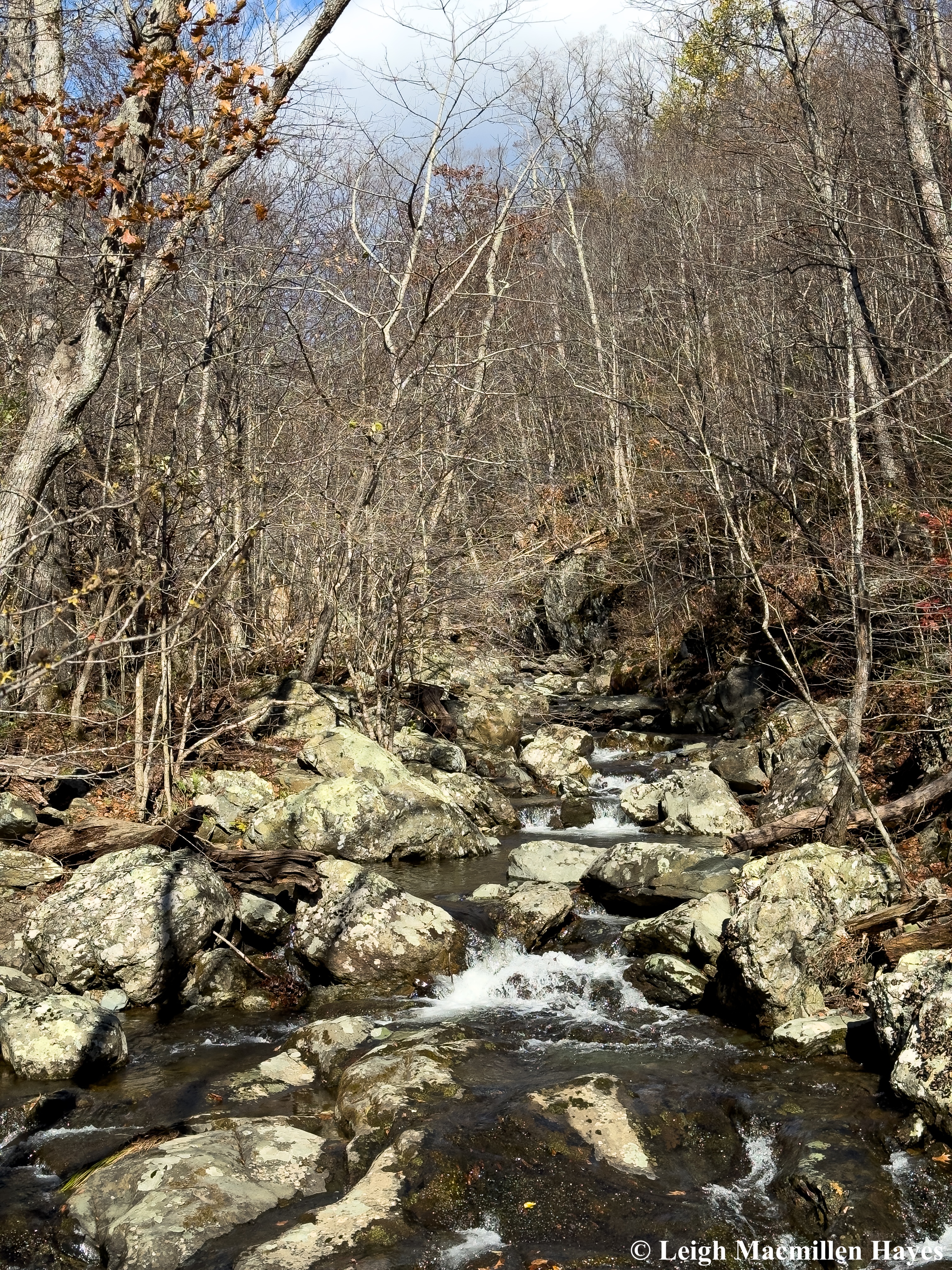
w-asters in snow

While there, I looked around for evidence of the wild columbine that will bloom in a few months, but found only asters hugging the snow.

I stayed for a few minutes, but the wind had picked up and so I finally turned to head back down.

w-white pine blue sap

For a short link, I followed the same path until I turned right onto the Red Trail. Just prior to that I realized I’d missed a sight on my way up–the blue sap that bled from a white pine. I’ve seen it often over my years of noticing, but have no idea why the color blue, which was really almost periwinkle. In this case, the sap flowed because a pileated woodpecker had been hard at work.

w-pileated scat

And that meant I had to look–and wasn’t disappointed. Woodpecker scat. It was so well packed, that I pulled out my hand lens and got down on my knees for a closer examination. I practically kissed it but can say for certain that insect parts were layered within.

w-heart

A few minutes later, the trail split and as I said earlier, I followed the Red Trail to descend. I had only gone a wee bit when I heard a barred owl call, “Who cooks for you? Who cooks for you all?” It was noon, after all, so it seemed totally appropriate. The call came from somewhere near the summit and I had to wonder if I’d made the mistake of not looking up quite enough, so taken was I with the hops and the view to the west. Perhaps that vole had provided a meal. And then I heard a response somewhere quite possibly along the Hemlock Trail by which I’d ascended. For about five minutes they called back and forth and I thought of the irony, for months ago I’d scheduled an Owl Prowl for this evening, but had cancelled it this morning due to the weather forecast. That decision was the right one, but perhaps the prowl should have been scheduled for an earlier time. No matter–what’s not to love about hearing an owl hoot at any time of day or night? Especially if one happens to be standing near a tree sporting a heart.

w-lunch bench

Continuing down, another critter made me scan the forest constantly for I saw bobcat tracks and smelled a musky cat odor that I’ve previously associated with this trail. But . . . all I saw were gray and red squirrels scampering from tree to tree and signs of lunch consumed on benches.
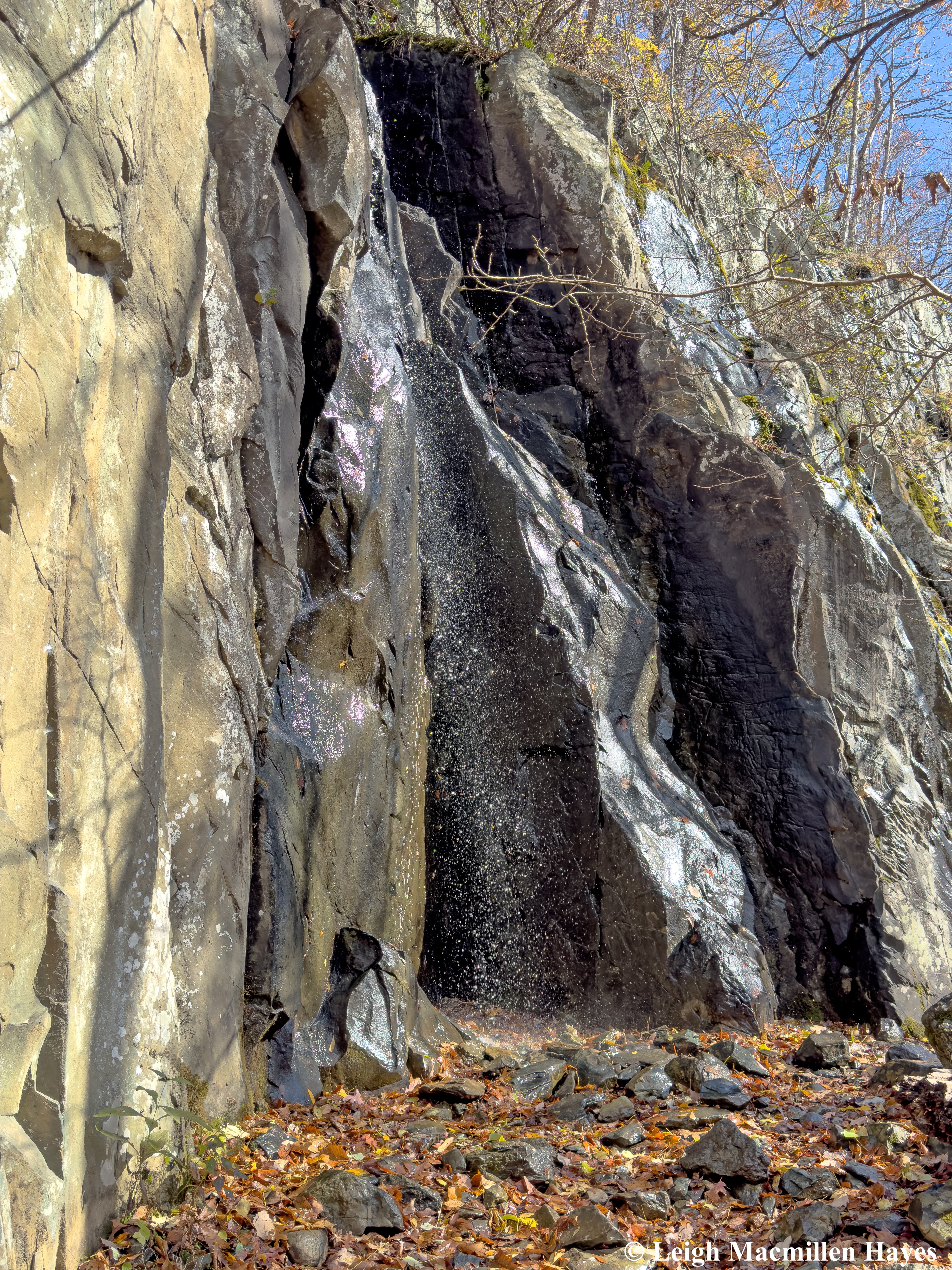
w-chipmunk

At the bottom, I switched back and forth between the Gallie and Homestead Trails. It was along the Homestead that another sign of spring’s advent being around the corner showed its face as a chipmunk darted in and out of a hole in a stonewall and watched me from the safety of a fallen tree.
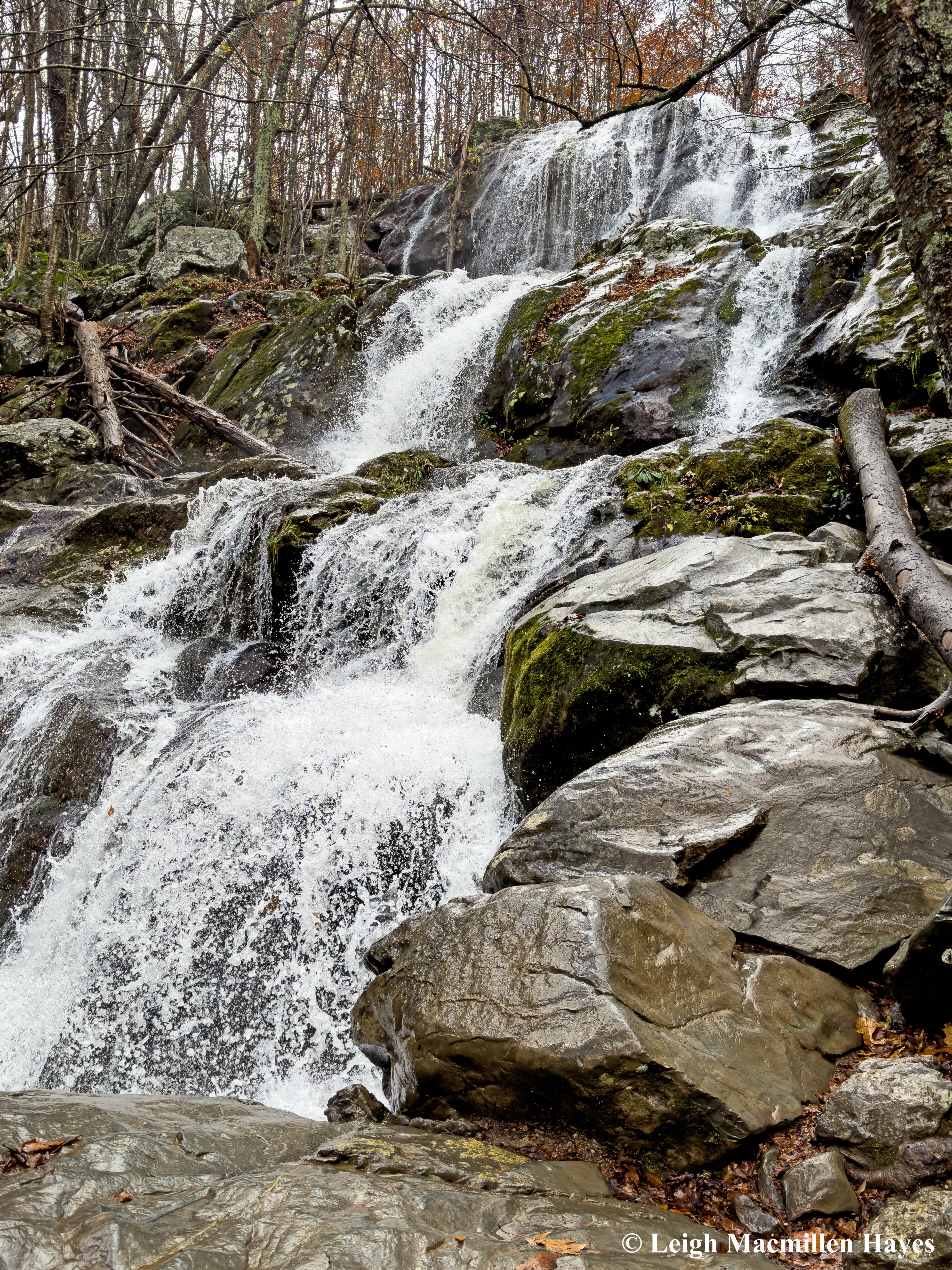
w-foundation filled with chunks of ice

Because I was there, I decided to pay a visit to the McAllister family spirits and told them of my great finds. Of course, what I shared was nothing new to them for they’ve been keeping an eye and ear on this property since the mid 1800s.

w-foundation 2

I also let them know that I was impressed they’d stacked up on ice blocks in the root cellar–certainly their produce had remained fresh throughout the season.

w-spring 1

I was almost back to my truck when I detoured by a certain yellow birch. All along I’d been walking on tracks others had made, so packed was the snow. And even when I went off trail, which was frequently, I didn’t sink. But . . . up to my knees I went as I approached my final destination–the light colored sand in the middle of  the water.

w-spring 2

It was well worth the wee challenge to get to it for the action of bubbles and sand flowing like lava was ever mesmerizing. At last I’d reached a spring that erupts in all seasons.