It all began when I stood by a river in expectation of spying a few dragonfly exoskeletons. Low temperatures of late mixed in with lots of rain, however, meant that while the Black Fly and Mosquito populations are on the high side, the dragonflies have been slow to delight us with their presence. But . . . while I looked my eyes began to focus on another bug. On small saplings of Hemlock and others along the river bank, I found numerous takes on the same insect. Though winged, none of them appeared to be in a great hurry.
While I looked about, I realized that they weren’t the only ones who chose to stand rather still. The same was true of the Mayflies recently hatched, their eyes so big, bodies so striped, and mouths non-existent for eating was not their prime duty. Mating was the name of the Mayfly game.
And it appeared that others had the same intention in mind. And so I continued to circle back to them in my usual stalking routine.
“My, what long antennae you have.”
“The better to stroke you with, my dear.”
While I looked about, a bird flew in. My initial reaction: a thrush. More specifically: a Hermit Thrush. But . . . recently I’d learned that what I thought was a Hermit turned out to be a Swainson’s Thrush–a species I tended to ignore because I didn’t realize it might be a possibility in western Maine, until it was. And in the past two weeks, I’ve had three occasions upon which to make its acquaintance.
What I’m learning to note is its buffy eye ring and consistent color. I’m not a great birder, and don’t ask me about sound. Though I was raised in a musical family, the gene somehow was dropped from my DNA. I find that I appreciate the songs and calls that I hear. In fact, my life is enlightened by the morning orchestra. But . . . don’t ask me to repeat a note for it goes in one ear, out the other, and continues on into the forest reverberating against bark and leaves and illuminating the world in a manner ethereal–just not one I can remember.
As for the resident bugs, I found one that had bird droppings on it, but somehow it had managed to avoid becoming dinner. So far.
While I looked about, a bird of another sort made itself known–via a pellet filled with hair and bones.
Meanwhile, back on the first Hemlock sapling, I overheard this:
“Do you want to see me Hemlock needle collection?”
“Oh yes, please. I thought you’d never ask.”
While I looked about, I also noticed Starflowers in bloom, their tender blossoms practically imitating the leaves below.
Back at the ranch, or rather branch, the dance had finally begun. It was a slow one, indeed.
While I looked about, one with much more speed scurried across the forest floor. Where’s Waldo Spider? Do you see him?
And on the branch the slow dance continued as the partners spent time getting to know each other.
While I looked about, ants ran up and down stems all around on a quest I couldn’t quite understand, though I’m sure there was sugar involved.
On the branch: He stepped in closer with his left foot and she with the right as they began to Rumba.
While I looked about, I realized other insects had become meals so caught were they in the tangle of a web.
On another sapling, others waited to cut in. It’s a recognized practice to cut in. The guy who wants to cut taps the gal’s partner quietly on the shoulder. The dancer must let her go both courteously and cheerfully. She, of course, has no choice in the matter.
On the branch: He was going to allow no one to cut in. And she felt the same.
While I looked about, I discovered a white Lady’s Slipper not yet in full bloom, but when it does, it will be the perfect dance shoe.
When I at last left, the couple continued to explore each other, though mating doesn’t typically take place until nighttime. I guess this male was ready to get a head start. After all, their window of opportunity isn’t long, so they must make hay while the sun doth shine.
Because of these elder Alderflies, I had the honor to see and learn so much today.
It had been a couple of years since we’d hiked Rumford Whitecap together. As we drove north we recalled summer, fall and winter adventures on the loop trail, but never spring. And so today, we rectified that.
The 761-acre Rumford Whitecap Mountain Preserve was purchased by the Mahoosuc Land Trust in 2007. Our preferred route is to hike up the Orange/Red Trail and descend via the Starr Trail denoted by yellow blazes.
As we ascended, we chatted about our relatives and friends who had and do serve in the Armed Forces, including grandparents, dads, uncles, my brother-in-law, cousins, friends, and classmates.
Memorial Day was always special in our home growing up as my hometown celebrated with a parade that sometimes featured my siblings, neighbors, and me. Before it became a Monday holiday, it was celebrated the day before my mom’s birthday, so we always noted that the parade was held in her honor. And furthermore, her younger brother died in WWII, so it was a celebration of his service and life. I noted today that I only have known him all these years through photographs of a handsome young man, and stories of his youthful adventures.
Because we were chatting and spending much of our time looking at the ground to avoid tripping on rocks or roots, the trail passed quickly under our feet. Suddenly, I realized we were in an area of mature American Beech trees and so I started to search the bark on our never ending quest of bear claw marks. Two seconds later and bingo–I spotted one tree with a couple and then together we found another with many scars made by the bear’s long, sharp claws.
Some were older than others, and it appeared that during the mast beechnut year we had two and three years ago, this tree had been climbed several times.
We felt instant satisfaction for our efforts and continued to look as we followed the trail to the summit. But . . . we never found another.
That was okay as there was much more to see including the fluttering petals of Serviceberry or Eastern Shadbush, a shrub that loves the understory. According to Dr. Michael L. Cline’s Shrubs of the Northern New England Forest, the names Serviceberry and Shadbush “refers to early flowering corresponding to the time that those departed in winter could be interred and when anadromous shad returned to major rivers in spring.”
The natural community changes several times on this mountain, like many, and eventually it thins into a bald with islands of lichens, Black Crowberry, Alpine Bilberry, Lowbush Blueberry, Leatherleaf, Sheep Laurel, and . . . Red Pines. The summit is host to one of the largest Red Pine communities in the state–some dwarfed by the wind that flows across the granite daily.
Others standing tall in their military stature.
The wind was welcome as we continued up the granite pegmatite, and then a deposit appeared before our eyes and we knew we were indeed in the right place for this Mondate–Black Bear scat. By its color and texture, it was obvious that Ursus americanus had dined on the organ meat of a hairy critter. Too much information, I’m sure, but consider the wildness of it all.
Given all the blueberry blossoms, we suspect Ursus will return. Be ye forewarned.
At the summit, it’s always fun to find a survey monument-–the bronze disks used by surveyors since 1879 for mapping purposes.
From there (lunch rock–why does PB&J always taste so good when one hikes?) we took in the view toward Black Mountain in the near beyond,
Rumford in the valley below,
and several ridges covered with wind turbines. I’m of two minds on this topic–the old wishy-washy self that I am. In Canada, wind turbines are located across the landscape and even as we hiked the Cape Mabou trails on Cape Breton Island a few years ago, we stood below one and listened to its airplane engine-like sound, but we didn’t hear it until we were quite close. I actually think they are quite beautiful as they turn–ballet of a sort.
At last it was time to get out of the chilly wind and begin our descent. If you look closely, you might spot Sunday River with a wee bit of snow still on the ski trails. But . . . you have to look closely (Faith–I’m talking to you!)
It was on the way down the bald peak that I noticed the pompoms of several Tamarack (Larch) trees–because we don’t meet on an every day basis, they always bring a smile to my face.
We slipped from the Orange/Red trail to the Starr and found Rhodora beginning to bloom–its magenta buds bursting with pride prior to its leaves.
Pollination was happening everywhere we turned, including by Hover Flies becoming familiar with Pin Cherries.
The trail down was sometimes wooded and other times granite. As I was about to step up onto one slab, a mottled design captured my attention. It would have been easy to overlook for so well did it blend in–even seeming to mimic green lichen. But . . . it was a moth that hugged the stone face.
Soon after I made a curious observation. Colonies of Painted Trillium greeted us several times, but always at a higher elevation. I know they grow low, for I’ve encountered them many times, but it had to be a soil consideration that I don’t yet understand that caused such behavior.
Those that we saw had not yet been pollinated for their petals were not translucent . . . a give-away trait.
Further down the trail, we began to meet patches of Stinking Ben, aka Red Trillium.
There were also selections of White Quartz to admire.
And tiny Bluets that edged the lower pathway. Red, White, and Blue.
Being a Bear to Beer, we honored the hike and the day with a few sips at Sunday River Brewing Company in Bethel before heading home.
But really, the sight that best represented the day was the Red Admiral–red, white, and blue all in one. And an admiral to boot.
Thank you to all who have sacrificed your lives for our country. I did spend much of the day thinking about the peace and freedom that my guy and I enjoy. And the fact that we were surrounded by a variety of colors other than those of the American flag, which made me think of how the American Flag represents so many no matter their color or creed. And wondering why we can’t all agree to get along. We don’t have to like each other, but why can’t we agree to disagree and leave it at that?
Bear to Beer possibilities: Rumford Whitecap on Memorial Day.
I’m a wanderer both on and off trail, and sometimes the path has been macadamized. Such was my following this morning as I paused on the way home from running an errand in North Conway, New Hampshire.
I’d stuck to the backroads on my way out of state to avoid road construction on Route 302, but knew that upon my return I wanted to stretch my legs along the Mountain Division Trail in Fryeburg.
The delightful four-mile rail trail, so named for the railroad line it parallels, intended for walkers, runners, bikers, roller bladers, etc., extends from the Maine Visitors Center on Route 302 to the Eastern Slope Airport on Route 5 and can be accessed from either end or several points between.
The wind was blowing and the bug count low, so though it wasn’t a warm, sunny spring day, it was a purely enjoyable one. And the cheery cherry flowers enhanced the feeling.
All along the way, it seemed, the Red Maples had not only leafed out, but yesterday’s flowers had magically transformed into today’s samaras that dripped below like chandeliers.
Lovely tunes and chips were also part of the landscape and I have no idea if I’ve identified this species correctly, but I’m stepping out on a branch and calling it an Alder Flycatcher. I’m sure those who know better will correct me. The naming isn’t always necessary, however. Sometimes, it’s more important to appreciate the sighting, the coloration, and the sound. For this bird, it was the dull olive green on its back that caught my attention.
And then up above on the other side of the track, it was the “Cheery, Cheery, Cheerio” song that helped me locate the American Robin in another maple raining with seeds.
Maples weren’t the only trees showing off their flowers, and those on the Northern Red Oaks reminded me of grass hula skirts below Hawaiian-themed shirts.
Even the ordinary seemed extraordinary like the Dandelion. Each ray of sunshine was notched with five “teeth” representing a petal that formed a single floret. Fully open, the bloom was a composite of numerous florets.
Nearby, its cousin, the early blooming Coltsfoot, already had the future on its mind and little bits of fluff blew in the breeze.
Eventually, I reached Ward’s Pond and after scanning the water found a Painted Turtle seeking warmth. The day was overcast and there was a bit of a chill in the strong breeze. Being down below the trail, at least the turtle was out of the wind and I had to assume that the temperature was a bit higher than where I stood.
This is a trail that may look monotonous, but with every step there’s something different to see like a Pitch Pine showing off three generations of prickly cones. What was, is, and shall be all at the tip of the branch.
It seemed like every time I looked to the left, such as at the pine, a sound on the other side of the trail caught my attention. And so it was that I realized a White-tailed Deer was feeding on grasses behind a fence by a now-defunct factory (so defunct that the roof had collapsed under the weight of snow). Notice her ears.
And now look at her again. A deer’s ears are like radar and she can hone in on a sound by turning them.
I don’t know if she was listening to me or to the Eastern Towhee telling us to drink our tea.
After 2.5 miles, I decided to save the rest for another day and follow the path back. Though loop trips are fun, following the same path back brings new sights to mind, like the Interrupted Fern I’d walk past only a few minutes before. Notice its clump formation known in the fern world as vase-like.
And the butterfly wings of its interrupting leaflets covered with sporangia. My wonder came with the realization that within the interruption not all of the pinnules or subleaflets were covered with the bead-like shapes of fertility. Spores stored within essentially perform the same function as a seed: reproduce and perpetuate the species. So–is part of the pinnule fertile while the rest remains sterile? Do I need to check back? Oh drats, another trip to make along the Mountain Division Trail. Any excuse to revisit it works for me, though one hardly needs an excuse.
Further along I looked to the other side of the tracks for I’d spotted bird movement. Behind it was the reason–my White-tailed Deer friend. I have a feeling people feed it for it seemed not at all disturbed by my presence, unlike the ones in our yard and the field beyond that hear my every move within the house even in the middle of winter and are easily spooked.
The deer, however, wasn’t the only wildlife on or near the trail. Suddenly, a Red Fox appeared and we each considered the other. He blinked first during our stare down and trotted away.
Passing by Ward’s Pond once again, I stopped to check on the turtle. It was still in the same spot I’d seen it probably a half hour before.
Not far from the visitors center, a Big-Toothed Aspens chose to be examined for the soft downy feel as well as color of its leaves. The various hues of color in leaves during spring is caused by the presence of pigments called anthocyanins or carbohydrates that are dissolved in the cell sap and mask the chlorophyll. As the temperature rises and light intensity increases, red pigment forms and acts as a sunscreen to protect the young leaves from an increase in ultraviolet rays.
Because I was standing still and admiring the leaves, I heard another bird song and eventually focused in on the creator.
And so I have the Big-Toothed Aspen to thank for showing me the Indigo Bunting. My first ever. (Happy Birthday Becky Thompson.)
A turtle. A deer. A fox. A towhee. A bunting. All of that was only a smattering of wonder found along the Mountain Division Trail. If you go, make sure you recall the old railroad signs: Stop, Look, and Listen.
It rained. The sun came it. Rain drops continued to fall. Until they didn’t. Then the temperature rose to a degree we haven’t seen in over eight months here in western Maine. And we melted.
But, with the heat wave came some new visitors, including this male Baltimore Oriole, so named because his coloration resembled the coat-of-arms of Lord Baltimore.
The funny thing about Lord Oriole: he’d stopped by a few days ago when I had a sturdy chunk of suet in the feeder. After seeing him, I immediately added orange slices to the offering in hopes of enticing him to return.
And so when he did this morning, I marveled at the fact that he ignored the oranges and chose instead a small bite of the suet.
Adding more color to the yard was a male House Finch. He tarried not long for his gal paused in the lilac bush and then flew past and he followed in hot pursuit.
But I gave thanks to the finch for as I looked for him to return, I noticed movement on the outer edge of the garden below the back deck. Shuffling about the dried leaves looking to glean a meal was a Common Yellowthroat. My very own Common Yellowthroat. Certainly another reason to rejoice.
There was more rejoicing to be done for I eventually found my way to the vernal pool. I realized I’ve been avoiding it lately, ever fearful after discovering a few dead frogs that life had taken a turn for the worse within that small body of water.
But the surprise was all mine when I discovered recently hatched tadpoles resting atop an egg mass. The green color is an algae with which they share a symbiotic relationship. The algae colonize the egg mass and produces oxygen. Being symbiotic, it’s a two-way street and the algae benefits from the eggs by gaining carbon dioxide produced by the embryos. The carbon dioxide is needed for the photosynthetic process. For a few days after hatching, the tadpoles feed on the alga.
Salamander embryos within their own gelatinous also took on that greenish hue due to the same symbiotic alga. My heart was filled with joy for there were numerous masses within the pool, most of them spotted salamander. And now I can only hope that the pool stays wet enough for them to mature and crawl out as their parents did.
Leaving the pool behind, I wandered toward home, but a familiar call beckoned. It took a few minutes for me to locate the creator, but eventually I saw him.
On a sturdy branch parallel to the ground, the Broad-winged Hawk did dine. He also frequently announced his presence with his high-pitched voice.
As a true carnivore, he’s known to eat reptiles, amphibians, birds, small mammals and even large insects. From my stance, I thought I saw a long tail that didn’t seem right for a vole. Instead, I wondered if it was a snake. I kept expecting to be greeted by one beside the vernal pool and the hawk wasn’t all that far away. I suppose that means that if the salamanders and frogs are able to crawl and leap out of the water, they’d better find good hiding places because this guy and a possible mate have been soaring above for a couple of weeks and probably have a nest nearby.
In the end, it seemed that whatever his meal was, it was lip-licking good. Upon finishing it, he flew south while I trudged across the field to the east. But I suspect our paths will cross again going forward.
All of those finds were spectacular, but . . . one of the best parts of the day–watching Eastern Bluebirds in the yard. I first spied the male in this morning’s rain.
And then late this afternoon, I was surprised to discover that they were both here, the she and the he. For the most part, they stayed out by the stone wall, perched on branches above before flying down to catch a meal.
Then they flew closer to the house and landed atop the feeders where I don’t have any mealy worms that are much to their liking. I hadn’t even planned to still have the feeders out, but with each new day bringing new visitors, I’ve delayed taking them in for the season. That is, until a Black Bear arrives.
But no Black Bears yet. (Just wait, one will probably show up overnight or tomorrow.)
And so . . . Bluebird, Bluebird, through my focus. Thanks for taping me on the shoulder. ;-) And sharing this day with me.
My mother always said that things happen in threes. It’s a sentiment that has stuck with me and sometimes even haunted me. But when it is good, it is very, very good. And today was one of those days.
Though it was after noon by the time I stepped into Pondicherry Park in Bridgton, the bird song was on high pitch. The American Redstart’s sweet, yet explosive notes came amidst bursts of acrobatic energy as he flew quickly from one branch to the next and then back again a second later over Stevens Brook.
Twenty feet away, the delightful phrases of the Gray Catbird’s tunes filled the air, but it was his raspy mews that gave away his identity. And suddenly, there he was atop a tangle of shrubs and vines as is his habit. I suspected the nest he shares with his lady was located below.
“Wichety, wichety, wichety,” was the give-away song for the Common Yellowthroat, although I do have to say he was much easier to hear than to see.
While the redstart donned the colors of Halloween, the catbird appeared to be a cat in a bird costume, and the yellowthroat was equally disguised with a black mask.
For a few minutes, I stepped off the bridge and followed the Stevens Brook trail where I was met by a delightful surprise. I spied the mottled leaves before the flowers and my heart sang its own tunes with recognition of the species that I didn’t know grew there.
But the Trout Lily flowers were beautiful with a hint of bronze accenting their yellow petals. Do you see the formation? What may look like six petals is actually a configuration known as tepals for it’s difficult to differentiate between the three inner petals and their surrounding three sepals, which had previously enclosed the flower. Ahhh, language.
And within the center core, the pistil (she’s a pistol of a woman) surrounded by six stamen (Stay men), their anthers rusty red with pollen.
Also sometimes agreeing with the division of three were three tiny Goldthread flowers looking all fresh and perky. And their leaves of three parts that remind me of Cilantro.
And then another that knows the number being repeated time and time again: Jack-in-the-Pulpit or Arisaema triphyllum. The “pulpit” from which “Jack” (technically, the “spadix”) preaches stood between two long-stalked, three-parted leaves.
Further along the trail, I watched a female Hairy Woodpecker foraging for insects on stumps and logs.
A male I assumed was her guy did the same.
And then, though the colors don’t really show it in this photo, I heard another bird sing and by his white hanky in the pocket (a dash of white on his wings, right Molly?) I think I’ve identified him correctly: Black-throated Blue Warbler.
I was grateful not only for the two that I knew, but also the third that I’m just learning.
Other flowers showed off their structures, like those of the Norway Maple. OK, so the tree is invasive and grows prolifically in the park because it was originally planted as part of the streetscape above, but the fragrant yellow-green flowers blew delicately in the breeze. (As will their seeds soon, and thus the invasion).
Another that grows much less abundantly, but always makes me smile is the Striped Maple, an understory tree. And it too had flowers to share so there is hope for more of this species.
Flowering in a different way was the Woodland Horsetail, an equisetum. Its flower was in the form of a cone at the tip. Once its spores have been shed, the cone will collapse.
Insects also were part of the scene and tis the season of Mayflies, this one a subimago as indicated by the color of its wings. Cloudy wings indicated it was a teenager that had not gone through its final morph.
And then, a Great Black Wasp–its translucent blue wings giving it away in the duff. I tried to get closer, but it took off.
Such was the case also with a Mourning Cloak butterfly, which would have given me three insects to share. Do remember that insects have three pairs of legs–there’s that number again.
At last, several hours after I’d begun, it was time for me to leave Stevens and Willow Brooks behind.
But not until I had a chance to enjoy the beauty of Painted Trillium (Trillium undulatum), which was my initial reason for the journey. Trillium: Latin for tri, refers to the flower parts occurring in threes; llium: Latin for liliaceous, refers to the funnel-shaped flower; and undulatum: Latin reference for wavy, referring to the petals’ wavy margins.
Mom was right. Good things do happen in threes. Along my journey I also had the blessing of chatting with three wonderful women, Becky, Sheila, and Lori.
I love it when people recommend books to me and even more when I discover the the recommendation is spot on. Thus was the case when at the Maine Master Naturalist Board Retreat last month, Beth Longcope suggested Identifying Ferns the Easy Way by Lynn Levine. She’s also the creator of Mammal Tracks and Scat, a life-size tracking guide that I don’t use as often as David Brown’s Trackards. And she has authored several other books.
Book of May
But it’s this newly-released little guide that will find its way into my pack on a regular basis this spring and summer. Within the 74 pages of the 4.5 x 6.5-inch book are simplified explanations with illustrations.
Levine begins with general information about how to use the guide, general tips, and how to observe ferns. Under general tips, I especially appreciated the second: “Ferns that usually grow in clusters will sometimes grow alone.” The key “read-between-the-lines” takeaway is that if we just go by what most books say or people tell us, we’ll become totally confused when we meet an oddball choosing to strike out on its own. Not all ferns have read the books. And that goes for any and all species. It’s best to familiarize ourselves with the various species so that when one does behave in a different manner, we recognize it for what it is.
I also appreciate tip #4, but you’ll have to purchase the book to understand why. ;-)
Being thorough with her topic in such a short space, she includes information about the ancient history of ferns bringing them from past to present structures. Their unique reproductive system is also discussed with the life cycle illustrated by Briony Morrow-Cribbs.
And then, the nitty gritty part of the book. First, she shows how ferns are grouped as once-cut, twice-cut, thrice-cut (I’ve always loved that word: thrice), three parts, and unique. Another sketch, as you can see, illustrates the parts of the blade and defines the terms. I appreciate that at the bottom of page 9, Levine compares the terms she uses with those used by others, aka Leaflet/Pinna.
For those who are visual learners like me, on pages 11-17 are silhouettes for each group of ferns based on their cut type. That becomes valuable information for once you recognize the type of cut, you can simply go to the group pages devoted to it. For instance, Group 1 covers once-cut ferns on pages 18-27. All are denoted by a staggered black tab on the edge of the page, therefore making each group a quick find.
Group One begins with Christmas Fern. For each fern within a category, the reader will find a two-page description with illustrations. The description includes the Common Name, Scientific Name, Where it Grows, Tips for Identification, species it Can be Confused With, and Interesting Notes.
From these, I noted some different ways to consider the fern and picked up some new ID tips to share with others. I did find it funny that what I long ago learned was either Santa in his sleigh or the toe of a Christmas stocking, Levine refers to as an ear on the leaflet/pinna.
Right now, Christmas Fern fiddleheads have sprung forth in the center of the evergreen blades and they are mighty scaly.
Fiddlehead is the term used to describe the crozier shape (like a Bishop’s crozier) of an emerging frond. And not all fiddleheads are created edible. In fact, I know of only one that is. This is not the one. But do note those mighty hairy scales.
Another Group 1 species, Maidenhair Spleenwort. In her tips for ID, I love this line: “Leaflet pairs are opposite each other (like a bow tie).” This isn’t a species I typically encounter in western Maine. In fact, this photo was taken in the Glendalough monastic settlement founded by St. Kevin in the sixth century–in the Wicklow Mountains of Ireland.
Under “Interesting Notes” for Rock Polypody, Levine clears up the meaning of the name for me, for though I knew that poly means “many” and pod refers to “foot,” I didn’t understand why the fern should be named thus. “Rock Polypody has many ‘feet’ connecting one fern to the next by their roots.” Now I can’t wait to revisit them.
I chuckled when I read under her tips that Sensitive Ferns grow in large colonies. Indeed.
They are so named because with the slightest bit of cold they turn brown. Levine says it’s sensitive to the first frost, but I’ve noticed it turns brown in mid-August if not sooner, when the nights have that wonderful chill, but we haven’t yet had a frost.
Group 2A are those ferns that are twice-cut and form a vase-like cluster. The first in the group, Cinnamon Fern, like all others, is slowly unfurling and if you head outdoors you might see the splendid display.
Soon, the cinnamon-colored fertile stalks will be visible in the center of the plant formation. But, once they have done their duty and dried up for the season, you really have to look to locate the fertile frond. And Cinnamon Fern can be easily mistaken for Interrupted Fern.
But as Levine reminds us, the give-away is on the back of the leaflet/pinna. By the center rachis, that main part of the frond to which all leaflet/pinna are attached, do you see the wooly tufts? In this neck of the woods, those only occur on the backside of Cinnamon Ferns.
Its cousin, Interrupted is best identified also by its fertile fronds, with the interruptions occurring in the middle of the blade. Levine sees them as butterflies when they first emerge and face upward. You’ll hear that pass through my lips going forth.
Here’s the thing with Cinnamon and Interrupted Ferns in their fiddlehead form. They are both covered in a veil of hair. But at least you know it’s one or the other and once they unfurl, the determination becomes easier.
Levine’s tips for IDing Marginal Wood Fern included a note about the subleaflet/pinnule’s wavy appearance making us think it might be thrice-cut. She makes the point, however, that it belongs in Group 2 because they “are not cut deep enough.”
Do note the spores dotting the margin of the backside.
At last, she comes to Ostrich Fern. This is the one edible fiddlehead that I know of in our area. Notice how bright green it is? And the lack of scales? There’s another clue that you may or may not see in this photo, but it’s also important for ID if you plan to dine for the stalk is deeply grooved. Deeply. Always double-check.
The vase-like form of Group 2A is especially evident in this display of Ostrich Fern, but there is an intruder. Can you name it?
Like Levine states, the “fertile frond may remain standing during the winter.” I took this photo last spring.
Group 2A ends with one of my favorites: Royal Fern. She describes it as having an “airy appearance.” I like that. And again, she uses that bow tie description.
It’s the location of the spore cases that give this fern its name. Curiously, though she says the cluster appears at the tip, she doesn’t mention that they are like a crown on top of a head.
I did find it interesting to note in her “Interesting Notes” that “Roots are a source of fiber (osmundine) that is sometimes used as a growing medium for orchids.”
Group 2B are those ferns that are twice-cut but do not grow in vase-like clusters. Such is the case for the Beech Fern, so named according to Levine because it is common where Beech trees grow. Another thing to pay attention to going forward.
All together, there are seven ferns described in this group.
Group 3 are those that are thrice-cut. Did I mention that I’ve always loved that word: thrice. Say it thrice times. Thrice. Thrice. Thrice.
Lady Ferns are part of this group and their scaliness can be referred to as hairy legs. They also have spore cases on the underside of the leaflet/pinna that remind us of eyebrows.
What I liked about Levine’s description is the following: “Fronds grow in asymmetrical clusters, but it sometimes grows in small groups of just 2 or 3 fronds.”
Group 3 includes five different ferns.
Group 4 consists of those ferns with a blade divided into three parts. The tallest among them is Bracken Fern. If you look closely, you may see a young friend of mine hiding under one.
With this species Levine issues a word of caution about the consumption of Bracken Fern fiddleheads: Don’t eat them. Buy her book and on page 62 you can read why.
While the Bracken Fern grows 3 – 5 feet, most of the other members of Group 4 are rather diminutive in stature, such as the grape ferns. I do love that she notes how the sterile blades range from being finely cut to less finely cut. The illustration on page 65 helps clarify that. You’ll have to buy the book. ;-)
A species not included because it’s not all that common in the Northeast, at least in the woods, or rather associated wetlands I frequent, is the Virginia Chain Fern. It looks very similar to Cinnamon Fern, but . . . while Cinnamon has a separate fertile frond that forms in the spring and then withers, Chain Fern’s sporangia are oblong and on the underside. I’ve seen this at Lake Environmental Association’s Highland Research Forest and Holt Pond Preserve. That being said, you do have to get wet feet.
So, I hope I’ve convinced you to buy this book. It includes the twelve most common ferns of Maine: Christmas, Polypody, Sensitive, Cinnamon, Interrupted, Marginal, Royal, Beech, Hayscented, Lady, Evergreen, and Brachen, plus a variety of others, most of which we do stumble upon either often or less frequently depending upon habitat.
My favorite local bookstore, Bridgton Books, was not able to get a copy of the Book of May: Identifying Ferns the Easy Way, so I ordered via Amazon on Tuesday and it arrived today.
Identifying Ferns the Easy Way by Lynn Levine, illustrated by Briony Morrow-Cribbs, Heartwood Press, 2019.
Cousins they are, but the semi-aquatic rodents are often confused. Muskrats and Beavers are easiest to identify by their tails, but those aren’t always visible when they are swimming. Typically, a Muskrat’s whole body is visible as it swims, its long, skinny tail sticking out behind. With a Beaver, though its tail is wide, flat, and paddle-shaped, it’s usually only the large wedge-shaped head that we spy.
Today, I had the good fortune to search a friend’s property for both. My journey began at an old beaver pond that’s been devoid of water in recent years, but this year’s snowmelt and rain water have filled the space where an old, yet substantial dam does stand. The curious thing about the dam is that the Beavers built it just above an old man-made dam, or did they? I had to wonder: who came first?
For close to an hour I stood and reflected . . . on the reflections before me and past memories of times spent observing this space. All the while I hoped to see two Muskrats my friend had observed mating last week, but they were a no show.
About twenty-five feet to the left, however, I did note a well-worn hole in a tree.
It must have been a flash of action that first drew my attention to it and so in between moments of Muskrat surveillance, I turned my attention to the snag where a Chickadee did pause.
All the while “Hey sweetie, sweetie” Chickadee songs reverberated through the woodland, and then . . . the bird slipped into the hole and a minute or two later flew out. Hey Sweetie, indeed.
When I finally pulled myself away from the beaver pond, my sense of disappointment for not spying the Muskrats thankfully displaced by the thrill of seeing the Chickadee nest snag, I started to hear a certain high-pitched whistle. I looked and looked but couldn’t locate the whistler, though I did spy a nest in the lower third of the canopy.
And then . . . movement caught my attention and it settled on a snag. A Broad-winged Hawk stayed high, but let me know that this was its territory and I was an intruder.
Not too much further along, it was movement rather than song that drew my attention. I knew I was looking at a thrush, and suspected a Hermit Thrush, but I’ve been wrong before. If you know better, please teach me. What I did note was the eye ring and smudges of brown on the lower breast. Again, I’m open to interpretation.
Eventually I reached another beaver pond of sorts.
There, the Hobblebush bouquet shown its sweet face. In reality, it’s an inflorescence or lacy cluster of tiny fertile flowers surrounded by a halo of showy, yet sterile bracts. Those larger, sterile flowers attract insects while the tiny fertile flowers do all the work of seed production. Nature has its way.
And so do the Beavers. As I moved along the wetland, I noted numerous scent mounds and knew that somewhere out there the rodents were active and making their claim on the place.
Everywhere, their works old . . .
and new . . .
and new again were on display.
In the water, a raft of winter chew sticks provided another indication that the lodge had been active.
But even more evident were the birds, their songs and calls filling the air space.
My favorites were the Yellow-rumped Warblers that flew from tree to tree along the water’s edge.
That yellow. White throat. Black mask. And black and white stripes. What’s not to love?
As I walked out, a Song Sparrow didn’t sing for me, but I loved its contrasting colors among deciduous needles.
And finally a Veery.
So, I went in search of two Muskrats and the Beavers. Perhaps I was too late in the morning to see them. But because of them I was treated to a variety of birds and appreciated the opportunity to spend some time with them and learn a little more about their habitats and habits.
My gracious thanks to M.Y. for the opportunity yet again. I have to admit that I covet your property.
If you are me, and be thankful you aren’t, then playing with words is part of your persona. And making them up when you can’t find one that fits the application is fine in your mind as well.
Our Mondate began not at the parking lot most are familiar with for Lakes Environmental Association’s Holt Pond Preserve, but rather in a spot that has our name on it at the end of the rather short Knapp Road. You see, it was time for our annual spring clean up of the Southern Shore Trail, which my guy and I have been maintaining for more years than either of us can remember.
It was immediately apparent that numerous trees and branches had blown down since last fall and so we began to work.
But, it was a Mondate, and thankfully, with work came play. Just below our starting point we checked on a particular boardwalk I made famous last year when I fell hard against the edge of the wet, wooden slats and broke my wrist.
Water flowed across the wood again today and we both knew instantly that it would not be part of our circumnavigation plan. But, by pausing beside it, we did have time to admire a Water Strider as it used the surface tension to walk, or rather skate.
And then we carried on, soon realizing not all blowdowns were created equal and we hadn’t brought a chainsaw so some will either need to wait for another day or another person to complete the job.
What we could do was take down smaller trees that crossed the path, and pick up twigs and branches that decorated it. Oh, and between, take time to admire the beech leaves bedecked in fringe, much like the fancy hem of a skirt.
And there were the ever so scaly Christmas Fern fiddleheads to note.
Along with the smooth stipe of the Royal Ferns.
As we always do, whenever the trail provided an opportunity to look out at the pond, we took it. If you are familiar with the place, then you’ll know that the Quaking Bog is across the way where the taller trees stand out toward the left on the opposite shore.
And if you are super familiar with it, you’ll know that this stand of pines and hemlocks was once the log landing. (Bridie McGreavy, if you are reading this–it’s a whole different landing than when you first introduced us to it as we trudged through the snow and out to Fosterville Road from this point.)
Just beyond the landing we crossed a small stream via an old beaver dam, and fancied the formation of suds on the water’s surface.
Delightful surprises greeted us along the way, including the evergreen leaves of Downy Rattlesnake Plantain. I love the leaves of this woodland plant and find that the easiest way for me to remember its common name is by the snakeskin pattern, but also the fact that it doesn’t look downy–especially when you compare it to those beech leaves that are bursting forth from their buds. So . . . the rattlesnake plantain that doesn’t look downy is.
After reaching the section of trail that follows a snowmobile route briefly, we again snuck down to the pond. And spied . . . a beaver lodge that is either new or we were looking at all over again for the first time. We also noted the subtle colors of the spring palette reflected by the water.
Our journey took us out to Chaplains Mill Road, and then across the “Emerald Field” and back down to the Muddy River, which empties out of Holt Pond. Recently, I was on a Beaver Caper with LEA’s Alanna Doughty. With the snow and ice melted completely, there was more evidence that the beavers were continuing to do some work and I think she and I may need to try again to figure out which lodge is truly active.
As it was, a tree that appeared in photo #20 of the Beaver Caper, had since been cut down. We were going to move it off trail, but decided it was worth encouraging others to pause.
And so we left it be and hope it gives you something to gnaw about.
Again and again, we picked up sticks and moved trees. And celebrated small wonders like the blossoms of Goldthread.
Trailing Arbutus, aka Mayflower, was also in abundant bloom with blossoms of white, pink, and white-pink. I do have to wonder what determines their color.
As we walked beside the Muddy River, slowly making our way back to Holt Pond, I got my guy, who can be a bit of a bull in a china shop, to slow down any time we heard a bird. The Veery posed longer than most.
And so we stood silently and gave thanks for the opportunity.
At last, it was into the Red Maple Swamp that we marched, continuing our work habit, though not quite as frequently.
While my guy got ahead, I rejoiced at the sight of Leatherleaf in bloom; its blossoms lined up on the underside like bloomers on a clothesline.
Giant Bumblebees also enjoyed the bell-shaped flowers from below.
And I can never walk past without paying reverence to the Pitcher Plants that grow abundantly in this place.
One should always bow down and take note of the hairy veins on each pitcher, for those not only attract the insects that meet their demise within, but also trap them. Such is the way of this carnivorous plant.
We stepped out onto the boardwalk to the Quaking Bog, but not much was in bloom. Oh, and yes, we did get out feet wet because with each step the wooden structure sank a bit, but unlike the one I’m waiting to cross, the bog boardwalk dries out between visitors so it isn’t slippery. At least I didn’t think so. My guy was surprised as he followed me out.
Soon our journey took us along the Holt Pond Trail where the False Hellebore showed off its broad leaves. The curious thing, I’ve never seen any of these plants present their floral structure, but I shall continue to watch.
One plant that is beginning to flower is the Hobblebush, with its showy sterile displays on the outer edge. It seems like only yesterday I was admiring their naked winter buds. And now . . . this.
Before exiting out to Grist Mill Road to walk back to where we’d parked, we passed through one last Hemlock Grove. And there, sitting atop a large tree stump . . . a hen incubating her eggs. She murmured not a word. Nor did we. But again, in our minds we were most grateful for the opportunity to see her at such a challenging and dangerous time.
Quietly, we moved on and a few minutes later our Mondate came to end. I think the most amazing thing is that no matter how often we go there, there are always a few familiar friends to meet, but often something we’ve not seen before. Today, it was the turkey that fit the latter. Holt Ponderings indeed.
P.S.Why doesn’t my computer like those two words: Ponderings and Mondate? I surely know what they mean.
One more P.S. Mary Jewett and Ursula Duve will lead a bird and flower walk at Holt Pond on Friday, May 17. I wish I could join them for the two will spot incredible sights. If you’d like to, please contact Mary. FMI: mary@mainelakes.org.
Our destination sounded rather regal; as if we’d be paying our respects to Bishop Cardinal and Lord Hill. And indeed we did.
We also paid our respects to telephone poles. Well, actually only certain ones. They had to have a certain look–as if a Black Bear had backed into the pole and turned its head around at an angle and bit the wood with its upper and lower canine teeth thus leaving nearly horizontal marks that look like a dot and dash. In the process, the aluminum numbers had to be a bit mangled in order to receive our attention. This particular pole was right by the trailhead and so after examining it, we headed up the blue trail at the Greater Lovell Land Trust’s Bishop Cardinal Reserve on Horseshoe Pond Road in Lovell.
Along the way, we examined every American Beech we saw, but actually passed by a spot where we know there are several with the marks we sought. If you go, look for the blue dot on the white arrow and hike in at a diagonal from there.
Our hope today was to find other bear claw trees we’d missed previously and so we kept going off trail in search. Turning onto the red trail, we continued to check. Sometimes it’s the shape of the tree’s crown that makes us wonder.
We have learned that we can’t dismiss any bark without walking all the way around and bingo–we had a new-to-us bear claw tree.
I don’t know why it is, but those marks make our hearts sing. Perhaps it’s the knowledge of the wildness of it all and the fact that we share this place with such intelligent beings.
Whatever it is, we decided that rather than creating waypoints for each tree we found, we’d try to remember the location by using other landmarks such as a certain waterbar that was intended to divert snowmelt and rain from washing out the trail. When you reach that certain waterbar on the red trail, turn left and walk in about twenty yards. If you don’t find our tree, perhaps you’ll discover another.
Continuing up the trail, we did note a few other favorites off to the right.
Sometimes, in my mind’s eye, I could just see the movement of the climber.
With one such tree, the marks were lower than most and I wondered if it was a younger bear. Of course, we have no idea how long ago those marks were left behind. Mary Holland suggests a way to age them that we haven’t tried yet. And we didn’t look for fresh marks. Really, we need to be better sleuths going forward.
In case you are wondering, occasionally we noted other points of interest, such as the burst of beech buds, their spring green leaves all hairy and soft, which is actually quite a contrast to the papery feel they eventually acquire.
Here and there, the cheerful display of Round-leaved Violets brightened the path.
And drone flies, with their bigger than life eyes, posed. Any black flies? Yes, a few, but not biting . . . yet.
We were almost to the old shack site, if you know where I mean, when our journey off trail revealed another fine specimen. Again, the claw marks were on the backside since we approached from the trail. Always, always, always circle about and you might be surprised.
Eventually, we reached the intersection with the trail to Lord Hill and continued our surveillance as we continued our hike.
Once we turned right onto the Conant Trail, we did find one tree with marks long ago made . . . by some bears with either an extreme understanding of relationships, or more likely, a few who weren’t all that intelligent after all.
At last, the trail opened onto the ledges overlooking Horseshoe Pond and it was there that we sat down on the warm granite as a nippy breeze flowed across. Enjoying the view of Horseshoe Pond below and the mountains beyond, we ate lunch.
We also toasted a few others with a Honey of a Beer brewed by Lee of another spelling! Dubbel Trouble was double delicious. Thank you, Lee Fraitag. ;-) Our toast was also doubled for we gave thanks to Paula and Tom Hughes, who live just below on the pond. Tomorrow we’ll enjoy a Mother’s Day Brunch at the Old Saco Inn courtesy of the Hugheses. ;-)
Clink. Clink.
After enjoying lunch rock we journeyed up to the Lord Hill Mine.
According to mindat.org, Lord Hill Mine was “a former rare mineral specimen quarry. Briefly worked in episodes in the mid-20th century for feldspar. Originally a mineral collector’s site in the late 1870s. Opened by Nathan Perry and Edgar D. Andrews in the early 1880s. Originally called Harndon Hill, but the named changed in a complex change of names about 1917. Operated solely by Nathan Perry by 1882. Operated for massive topaz for educational mineral collections in the 1970’s by Col. Joseph Pollack of Harrison, Maine. The locality is the type locality for hamlinite, now regarded as a synonym for goyazite. Granite pegmatite. Oxford pegmatite field. Local rocks include Carboniferous alkali feldspar granite (muscovite accessory mineral).“
We spotted several people busy digging for their fortunes and decided to let them. They either were so tuned in to their work that they didn’t hear us or they chose not to. No matter. After a quick look about, we quietly followed the mine trail down–our own focus still on the trees.
And at the point where the National Forest abuts the Greater Lovell Land Trust’s property, we turned back onto the land trust’s loop trail. We’d come up from the left, so turned right to continue our descent.
And yes, we found one more bear tree. Somewhere along the way, I lost track of the number of new finds. But, we trusted that for all we found, there were so many more we must have missed. And then some.
Back on Horseshoe Pond Road, we turned left and checked all the telephone poles along the edge, examining each for bear hair because we’ve seen it stuck on them before. Today, no hair.
So why do the bears pay attention to telephone poles? Think of it as a combo backscratcher and messageboard. Pretend I’m a young male, ready and available. Wanna go out for a date tonight? Give me a call.
Despite the lack of hair, because we were looking, we found a Mayfly. That in itself, was another reason to celebrate.
Bishop Cardinal and Lord Hill. We thank you both. Black Bears, we thank you. Lee, we thank you. Paula and Tom, we thank you. (Happy Mother’s Day, Paula) All are regal indeed.
Bear to beer possibilities: Bishops Cardinal Reserve and Lord Hill Mine.
We’d made promises in the recent past that fell flat. With that in mind, when the Greater Lovell Land Trust’s Nature Explorers, a homeschool group led by Docent Juli, gathered this morning, she was smart and stuck to the life cycles of potential sightings like frogs rather than possibilities.
The group that gathered was large–24 in all with a mix of moms and their children.
Of course, being kids, they were immediately attracted to the water below the mill site at Heald Pond. But after letting them explore for a few minutes, a light whistle pulled them all together again.
At the nearby vernal pool, everyone quickly learned what larval mosquitoes looked like as they watched them somersault through the water column. A few complaints were expressed about future bites, but that was redirected to the fact that mosquitoes feed birds and dragonflies, and in their larval form, other aquatic insects.
Pond dipping became the morning habit and at first, it was only the mosquito larvae that made it into the containers.
But, that led to a quick lesson on the biting insects’ life cycle–one of many teachable moments that snuck into the morning fun.
Oh yes, those larval mosquitoes also feed amphibians and thanks to Juli’s son Aidan for finding a large Green Frog. Notice the ear disc, aka tympanum, that is located behind its eye. Given its size as being bigger than the eye, this was a male. And notice the dorsal lateral ridge or fold that extends from behind the eye down the side of its back (there’s one on either side)–that’s a clue that this is a Green Frog and not a Bull Frog, for the latter’s ridge circles around the tympanum.
As the morning went on, it turned out that today was Aidan’s day to shine for he was also the first to find a Fairy Shrimp.
A what? Yes, a Fairy Shrimp. Do you see that delicate orangish body in the middle of the tray? It’s a mini crustacean that lives only in vernal pools.
The kids all got caught up in the thrill of such a find and within minutes became pros at recognizing them.
And so the dipping continued.
Moms also got caught up in the dipping experience.
And they also found cool stuff, like Kim’s Fishfly. We kept expecting it to eat the mosquito larvae, but it seemed that they preferred to nudge it in a way we didn’t understand.
While Kim focused on her new friend, the kids were also making new friends, testing their balance, getting rather wet and muddy, and having a blast as they sought more Fairy Shrimp.
Their pan began to fill up with one, two, three, four, five and even a few more.
And then other species were discovered, including aquatic beetles and a Phantom Midge.
We’d come in hopes of at least finding Wood Frog and Spotted Salamander egg masses, which the kids quickly recognized. By the time we were ready to leave a few hours later, some of the boys had discovered the best way to spot the masses was from the crow’s nest.
But in the end, our most significant find was the Fairy Shrimp. You see, on a public walk a couple of weeks ago, when we’d promised folks such a sighting, we came up short. But today . . . they made their presence known. And with the find of just one Fairy Shrimp, the vernal pool became a significant one as recognized by the State of Maine.
A hearty thanks to Juli for leading and the moms and their kids for attending. It was such a joy to watch everyone interacting and engaging. I only wish I could have been a Fishfly on the wall at suppertime as they shared their finds of the day with other family members.
It had been four years since we last visited Wolfe’s Neck Woods State Park and that venture took place at the end of November. We must have been Christmas shopping. Today, we were in search of a bug-repellant shirt for me (Spring shopping) and so our journey took us to Freeport. Not being a shopper, it was a quick in and out of the store and then onto Wolfe’s Neck Road.
There’s a 4.4 mile network of trails in this 200-acre park gifted to the State in 1969 by Mr. and Mrs. Lawrence M.C. Smith of Freeport. One of the stand-out features is Googins Island where Osprey have been entertaining visitors for years as they raise their young on a huge platform nest they’ve built high up in a pine. Can you see it?
Here’s a closer view–and I assume (never assume) that Momma was the one sitting on eggs. The nest has been added to each year and though I have no idea of its actual size, Osprey nests can reach 10–13 feet in depth and 3–6 feet in diameter. The depth of this one appeared to be a few feet, but the diameter was substantial.
We followed the trails and enjoyed journeys to the water where we could take in the views of Casco Bay and its islands.
And before our feet, the mix of granite pegmatite and metamorphic rock. As much as my mom always loved to walk along a beach, she was equally enchanted by the rocky coast of Maine and whenever I encounter it, I feel her presence.
I know mom would have appreciated the artistic rendition of waves created by the water and mimicked by the rock.
Again and then again, the trail was interrupted by a set of wooden steps that led us back to the water’s edge.
It was there that we spied the Common Eiders as they floated and fished.
And . . . the first Dandelion blossom of the season–for us, at least. In my modest opinion, Dandelions are under-appreciated and that fact was driven home when my guy asked, “You’re photographing a dandelion?” Yep. Check out each golden ray of sunshine with its five “teeth” representing a petal that forms a single floret. Yes, each petal is a floret. Therefore, the bloom is a composite of numerous florets. And notice how each stigma splits in two and curls. What’s not to love. Oh yeah, and though we didn’t witness it today, the pollinators love them. (SO don’t pull up the dandelions in your yard!)
The thing about Dandelions is that they leaf out first and then flower, while their cousins, Coltsfoot, which we also found along the trail, flower first and leaf out later. The wonder of it all.
Our journey took us across stepping stones,
along park-like paths (because we were in a park, after all), over roots and rocks, with ups and downs, and even a couple of bog bridges.
The sights along the way included patches of Equisetum, a living fossil. These vascular plants reproduce by spores rather than seeds and dominated the understory of late Paleozoic forests. Just imagine.
While that was a treat, one of my favorite surprises was the patch of Trout Lilies that decorated the forest floor. It’s one I don’t encounter often, but because of its maroon-mottled leaves that remind some of brown or brook trout, I’ve remembered it each time we’ve met.
The nodding flower that could have been a lantern in the forest with its petals and sepals bent backward, exposed six brown stamens hanging low.
And then, and then, one of my all-time favorites in any season, a Hobblebush, showed off its May glory in new leaves and flowers. Those in our western Maine woods aren’t as advanced yet, but trust that I am watching.
Our journey was quick for we had another commitment, but still . . . we made some wonderful discoveries and especially loved the opportunity to see the Osprey on its nest.
The second in our LOVE ME, love me series had come to an end. Wolfe’s Neck Woods State Park. ✓ Two down, 32 to go!
When Pam asked at the end of our slow tour today what my favorite finds were, I named at least five.
First, there was the Painted Turtle that I spotted on Kezar Lake Road as I drove toward the Greater Lovell Land Trust’s Long Meadow Brook Reserve. After I pulled over and approached him, he did what turtles do and retreated into his shell. Though he wasn’t feeling it, I was in celebration mode, for he represented my first turtle of the season. And I helped him cross the road.
I felt safe calling him a he for males have long fingernails. Can you see him peeking out at me in a not too pleased manner? Can’t say I blame him, but our time together was brief and soon he wandered his way while I wandered mine.
And then, another reason for celebration–Coltsfoot in bloom. I know it’s invasive, but its sunny face and scaly purplish stem that predate its leaves offer a first hint of the season’s promises of colors to come.
Coltsfoot is known by some as Filius ante patrem (the son before the father), because the bright yellow star-like flowers appear and wither before its broad, green leaves are produced.
The next sight to be considered: a small spider that, like the painted turtle, continuously eluded our focus by quickly moving to the opposite side of the beech twig. Can you spy it?
And then there were those tree buds bursting forth with life ready to unfold from within. We were offered a few early glimpses of the future and rejoiced at each sample.
At last we reached Long Meadow Brook, for which the reserve is named. And stood and looked and listened and waited and absorbed. Oh, Pam absorbed some water in her boots thanks to a leak. But she didn’t let that stop her and we each enjoyed the opportunity to let this place soak through our pores for moments that turned into a string of minutes and suddenly an hour had passed.
At long last, we pulled away and began a bushwhack through the woods beside the brook.
In so doing, we found more to celebrate, like a red squirrel refectory upon a rock and we suspected a large hole below the tree trunk and boulder had served as the larder.
Continuing on, we saw mats of black upon moss by another tree and almost wrote it off as perhaps a fungi we hadn’t met before.
But. It. Moved. As we watched, we realized the constant motion was created by springtails writhing en masse. To say it wasn’t creepy would be lying. Likewise we were fascinated and leaned in closer to watch the swarm upon the moss.
Resting nearby, perhaps having just gorged on some of those tiny little morsels, was another reason for celebration–a spring peeper. We spotted two, but heard a hundred million more, each adding its song to the symphony that arose from the wetland. And suddenly, an interval of silence would interrupt the music, and then one male would peep, and the rest would join in again until they arrived at the next rest symbol upon their sheet music.
Others added their own notes to the orchestra, including a couple of White-throated Sparrows that trilled in our midst.
Near the end of our journey, we reached a point where we could see that there was still some snow on the the Bald Face Mountains in Evans Notch, but we spotted a dragonfly and honored Trailing Arbutus flowers and rejoiced. Though our celebration didn’t have a Mexican theme, we still had at least cinco reasons to give thanks from the Painted Turtle to Coltsfoot to Bud Bursts to Squirrel Larders to Creepy Collembola to Spring Peepers to White-throated Sparrows. Really, it was more a Siete de Mayo on this Cinco de Mayo–Maine-style.
As has been our custom for the past six years, on a quarterly basis an email is sent out with a date and location and at the agreed upon time any number of grads, teachers, and mentors from the Maine Master Naturalist Lewiston 2013 class gather. Today was one of those days.
The plan was to explore a vernal pool or two at the Cornwall Nature Preserve on historic Paris Hill, but . . . it didn’t take us (Pam, Beth, Alan, Dorcas, and yours truly hiding behind the lens) long to get distracted when we saw green poking through the many shades of brown on the forest floor.
Together, we scrambled through our brains searching for the name. With the season finally feeling like it’s transitioning, we realized we have to dust off the floral flashcards in our minds and start reviewing them. And then it came to us. One year ago, on May 5, we had seen the same at Smithfield Plantation as we celebrated Cinco de Mayo, Naturally. Then, however, we had keyed it out minus the flower. Today, the memory of last year’s ID slowly sifted to the forefront and by its leaves and colonial habit, we felt safe to call it Clintonia borealis or Bluebead Lily.
A few more steps and we started dipping containers into a potential vernal pool that was really too shallow and offered no apparent key characteristics. But . . . there was an owl pellet filled to the brim with hair and bones, the one sticking out by central vein of the leaf a hip bone. (Yeah, so I may sound like a smarty pants, but Dorcas pulled it out and quickly identified the bone by its structure.) Some little mammal, or two, or three, had provided a bird with a meal.
Stair-step Moss (Hylocomium splendens) was the next great find. I would have dismissed it as Big Red Stem or Pleurozium schreberi, and in so doing missed its finer points. Do you see how each year’s new growth rises from the previous, rather like ascending stair steps?
And then there was another new learning, for I’m always referring to this species of fungi as jelly ear or wood ear. But, with Alan the fungi fun guy in our midst, we learned that it’s really Brown Witch’s Butter or Exidia recisa. (Drats–it’s so much more fun to say Auricularia auricula.)
As we admired the Exidia recisa, we realized others were doing the same for we’d interrupted a slug fest. If you bump into Alan Seamans sometime, do ask him about the numbing qualities of slugs. ;-)
A few more steps and we began to notice trilliums, especially the reds with their leaves of three so big and blossoms hiding. All of a sudden we know the flowers are going to burst open and we can’t wait to witness such glory.
At last we reached the pool of choice, located maybe a half mile from the parking area. Two years ago, MMNP students from the South Paris class discovered Fairy Shrimp in this pool.
Our best finds today were log cabin caddisflies! At this point in time, the caddisflies are in their larval stage and as such, they construct their temporary shelters from available materials. Think of them as the original recyclers.
Should a predator be about, like a hermit crab, the caddisfly can retreat into the house of needles or leaves or stones or whatever its preferred building material might be. Apparently, it didn’t mind us and we were honored to watch as the elongated body extended forth while it searched for food. In its larval form, these aquatic insects have a hardened head and first thoracic segment, while the abdomen remains pale and soft. Can you see the three pairs of legs?
The cool thing about caddisflies is that though they may use similar construction materials, no two are alike. Beth called them works of art.
I referred to this one as a she for the case included a Red Maple bouquet.
If you look closely, you might also note some filmy gills on the abdomen. And the grayish thing the Mrs. approached and a second later ignored. It seemed rather leech-like in its behavior, but I think it may have been a Planaria, which is a tiny unsegmented flat worm.
As we dipped for insects, we also noted plenty of Spotted Salamander spermatophores sticking up from leaves and twigs. But we could find none of their milky egg masses and wondered why.
We did, however, spy plenty of Wood Frog masses, some with their tapioca structures bubbling upon the surface, but most attached to the stems below.
And then a chiseled tree section across the pool called to us and so we made our way over to check the wood chips below. Of course, we searched for Pileated Woodpecker scat, but found none. Instead, we spotted a dead frog in the water. And just beyond it, a dead salamander.
It wasn’t pretty, but did make us question what had happened. Were the two amphibian deaths related? We don’t know, but we did note puncture marks on the Spotted Salamander’s underside, and even a nip of the end of its tail. Plus it had one slightly deformed front foot. And we learned that salamanders have poison glands in their skin, mostly on their backs and tails. Did the frog go after the salamander and both died from the experience? Or had another predator entered the pool? And then realized it had made the wrong decision?
We never did figure it out, but had fun asking questions. And as we stood there, our eyes keyed in on a bit of color at the end of a downed branch. Again, more questions and the use of our loupes as we tried to take a closer look. We debated: slime mold or insect eggs?
After looking closely and continuing to ask question, a quick poke with a twig provided the actual answer as we watched the spores puff out in a tiny cloud. Slime mold it was. Should we have poked it first? No, for that would have been too easy and we wouldn’t have taken the time to consider the possibilities.
On our way out, there was still one more discovery to make. I could have dismissed this one as a moss.
But, again Alan knew and he explained to us that it was a liverwort known as Porella platyphylloidea. And upon closer examination we could all see its three-dimensional structure as it curled out from the tree trunk.
Almost three hours later, our brains were full as we’d also examined trees, lichens, and other fungi, but our hearts were happy for the time spent in each others company sharing a collective brain.
I’m always grateful for an opportunity to peek with these peeps, even at something as common as a caddisfly because really . . . there’s nothing common about it.
Serendipity: the occurrence and development of events by chance in a happy or beneficial way.
And so it was that upon arrival home from a short hike with my guy this morning, we discovered a package addressed to me in the mailbox. When I saw the town in Florida I knew exactly from whence it had come, but still didn’t know what was inside.
Well, much to my delightful surprise it was a children’s book.
I’m in Charge of Celebrations by Byrd Baylor with illustrations by Peter Parnall.
Upon opening to the inside cover, several pieces of paper fell out. The first was a letter from Ben and Faith Hall; though actually it was written by Ben. Here’s an excerpt: “One of my favorite children’s books is Everybody Needs a Rock. It was written by Byrd Baylor and illustrated by Peter Parnall. When Byrd Baylor’s name appeared on the cover of the book I saw, I purchased it for fifty cents.“
Ben and Faith, you see, are part of a group of twelve retired residents in their Florida town who tutor second graders struggling with reading comprehension. Given that, they are always on the lookout for appropriate books to share with their students.
Ben continued in his note to me, “After reading the book, I left it by Faith’s chair without saying anything. Obviously, I wanted to see if her reaction was similar to mine. It was. The story reminds us of your blog with its information and imagination. Thank you for sharing your gift with us. Keep going!
My ulterior motive in sending you the book is that hopefully you will write a children’s book. In no way should you take time away from your blog, but with your depth of spirit it would be worthwhile.
The illustrations in the book are fascinating and remind me of your skill with photography.”
Well, Ben and Faith, thank you so much for this gift. And for your love and support for what I enjoy doing. As for the children’s book, ideas fly through my brain all the time, but . . . I’d have to self-publish and it isn’t going to happen.
As for I’m in Charge of Celebrations, I totally get it. My guy wasn’t in the house when I sat down to read it and it’s a book that needs to be read aloud. And so I did. When he walked around the corner into the living room, he thought I was talking to someone on the phone.
For those of you not familiar with the title, Baylor begins the story with an explanation of how she’s never lonely as she explores the desert.
I feel the same way and on January 11, 2019, I actually wrote, “People often ask me this question: Aren’t you afraid of hiking alone. My response is that I’m more afraid to walk down Main Street than through the woods, the reason being that it’s a rare occasion I encounter a mammal. Oh, I do move cautiously when I’m alone, but there’s something uniquely special about a solo experience.”
As Baylor goes on to say, part of the reason she’s not lonely is this: “I’m the one in charge of celebrations.” Indeed. Each celebration marks the day she made an incredible discovery.
And so, I took a look back at some of my blog posts, and it’s all your fault Ben and Faith that this is a long one. But you inspired me to review some exciting discoveries I made just in the past year. With that, I attempted to follow Baylor’s style.
Friends,
while reveling
in the colors
of dragons and damsels,
their canoodling
resulting in
even more predators
of my favorite kind,
I met Prince Charming,
a Gray Tree Frog
who offered
not one rare glimpse,
but two.
And so it is
that May 30th is
Gray Tree Frog Day.
For over thirty years
I've stalked this land
and July 14th
marked
the first time
I
noticed
the carnivorous plant
growing beside
the lake.
Droplets glistened
at the tips
of the hair-like tendrils
of each leaf
filled
to the brink
as they were
with
insect parts.
On this day
I celebrated
Round-leaved Sundews.
A celebratory parade
took place
on
September 22.
The route
followed the old course
of a local river.
Along the way,
trees stood in formation,
showing off
 colorful new coats.
Upon some floats,
seeds rustled
as they prepared
to rain down
like candy tossed
to the gathered crowd.
My favorite musicians
sported their
traditional parade attire
and awed
those watching
from the bandstand.
With an
"ooEEK, ooEEK,"
and a
"jeweep"
they flew
down the route.
Before it was over
a lone lily
danced on the water
and offered
one
last
reflection.
And then summer marched into autumn.
With wonder
in my eyes
and on my mind
I spent November
in the presence
of a Ruffed Grouse.
The curious thing:
the bird followed me,
staying a few feet away
as
I
tramped
on.
I
stopped.
Frequently.
So did the bird.
And we began
to chat.
I spoke quietly
to him
(I'm making a gender assumption)
and he
murmured back
sweet nothings.
Together
we shared the space,
mindful
of
each other.
As he warmed up
below a hemlock,
I stood nearby,
and watched,
occasionally offering
a quiet comment,
which he
considered
with
apparent nonchalance.
Sometimes
the critters
with whom we share
this natural world
do things
that make no sense,
but then again,
sometimes we do
the same.
Henceforth,
November will always be
Ruffed Grouse month
for me.
At 6am
a flock of crows
outside the bedroom window
encouraged me
to
crawl out of bed.
Three black birds
in the Quaking Aspen
squawked
from their perch
as they stared
at the ground.
I peeked
but saw nothing
below.
That is,
until I looked
out the kitchen door
and tracks drew
my attention.
It
took
a
moment
for my
sleepy brain
to click into gear,
but when it did
I began to wonder
why the critter
had come
to the back door
and sashayed about
on the deck.
Typically,
her journey
takes her
from under the barn
to the hemlock stand.
Today,
as the flakes fell,
and the birds scolded,
she sat on the snowpile,
occasionally retreated
to her den,
grunted,
re-emerged,
and then
disappeared
for the day.
I went out again
at dusk
in hopes
of seeing
the prickly lady
dig her way
out
but
our time schedules
were not synchronized.
I don't know
why she behaved
strangely this morning,
but I do know this:
when the crows caw--listen.
And look.
And wonder.
April 8th
will be the day
I celebrate
the Barred Owl
for he finally
flew in
and landed.
As I watched
he looked about
at the
offering of treats.
Cupcakes and cookies
were for sale
to the left
in the form
of Juncos and Chickadees.
And then he turned
his focus right,
where drinks
were on tap
as the snowflakes fell.
He even
checked out
the items
below his feet,
hoping upon hope
to find
a morsel
of a vole
to his liking.
Eventually,
he changed
his orientation
to take
a better look
at the
entire spread
of food.
But still,
he couldn't
make up his mind
and so
he looked some more,
swiveling
his neck.
In the end,
he never did
choose.
Instead,
off he flew
without munching
any of
the specialty items.
But I finally got to see my owl.
Ah, Ben and Faith, there are moments when one miraculously arrives in the right place at the right time, such as when a dragonfly emerges from its exuvia and slowly pumps blood into its body and you get to be a witness.
It strikes me as serendipity that this book should arrive today. You see, all month I’ve been debating what book to feature and time was of the essence as May approached. And then today, your lovely note, a copy of I’m in Charge of Celebrations, and the Christmas homily you wrote, Ben.
You are both the salt of the earth and I am honored to be your friend. Thank you for your kindness. (I’m only now realizing that we’ve shared a few celebrations that we’ll never forget including the fawn at Holt Pond and your smiling Bob the Bass.
Once again, the April Book of the Month: I’m in Charge of Celebrations.
I’m in Charge of Celebrations, by Byrd Baylor, illustrated by Peter Parnall, Charles Scribner’s Sons, 1986.
Finicky weather–rain one day and then another, sunshine the next, and then snow in the forecast as it is for Tuesday morning. But still, all the signs are there.
Take for instance the clumps of deer hair that have been shed and now decorate areas where the ungulates do bed.
And the masses of eggs attached to twigs and vegetation within vernal pools, the Spotted Salamander’s a milky white contrasting the Wood Frogs tapioca presentation.
Then there’s the winter firefly in one of his favorite habitats where the water stands still . . . until a breeze ripples across.
And within the water column, the wriggling Larval Mosquitoes continuously somersault, while the Phantom Midge floats as it waits for a meal to pass by.
Drone flies do just that–fly, their compound eyes announcing alarm as they take in every teensy bit of movement in the surrounds.
The sight of a wooly caterpillar might make one think the season is six months out, but a cryoprotectant in its tissues so it can literally freeze solid, has thawed and the fuzzy little bear crawls.
The Saco River with Mount Tom behind was another sign, for over its banks had it flowed.
And then, where previously I’d spotted only the vixen, not one or two, but five kits frolicked.
Mom was nowhere in sight, but I trusted she had sent them out to get some fresh air while she cleaned the den.
A move to another location, brought more sights and scents and sounds, but one of the most delightful was that of the sweet-fern–its spicy aroma suddenly filling the air.
And at a semipermanent pool, a few wrucks chorused by distant Wood Frogs.
But by my feet, Eastern Red-spotted Newts swam about camouflaged by last year’s foliage.
One climbed another, and then slide off, any mating waiting for another time. Curiously it also mounted a Bull Frog tadpole, but quickly moved on when it wasn’t well received.
The chunky Bull Frog larvae had overwintered as tadpoles, but their metamorphosis into adult form probably won’t be completed by the end of this season or the next.
In fact, it can take several years for them to completely develop. In the meantime, they sat motionless basking in the diluted sunlight offered.
There was so much to see on this day and only so much time, but from the Red Maple flowers falling to the ground to the Tamarack needles growing with new life, I knew that every moment was fleeting.
This is a time to not let life pass you by. Rather–be like the Bull Frog tadpoles and slow down.
Make time to watch. Every. Single. Subtle. Change. For even though the temperature may still feel raw at times and snow is in the forecast, it really is spring in western Maine. Don’t be a doubting Thomas or you’ll miss the transformation.
We were going to go. We weren’t going to go. In the end, we each took a break from work and met at Lakes Environmental Association’s Highland Lake Research Forest.
Alanna said we could get away with calling it work because we were, after all, conducting research–on where the vernal pools were located. And so we listened and followed our ears as we bushwhacked through the woods. Peeps and wrucks and trills filled the air and we beelined their way. Suddenly we emerged beside the Red Maple Swamp.
Of course, the symphony cut off upon our arrival, and so after sitting and standing still for a few minutes, we decided to step into the water and search for egg masses. Maybe it was the lighting. Maybe we didn’t look hard enough, though Alanna did find at least one Wood Frog mass after she crossed over a log.
While she was still on the other side, I headed back up onto the land, and a few feet from the water I was stopped in my tracks by a large snake.
Its mouth gaped in a fashion that could almost have been a smile. For a few minutes I watched and the mouth never closed. That’s when I realized that it was dead.
As Alanna made her way back to see it, she found a deep hole and one of her boots filled with water. Being the person she is, she got out of the muck, emptied it, and . . .
despite the fact that we were both intrigued and a wee bit freaked out about the snake, she picked it up. If you’ve never seen a Northern Water Snake, they are big. And what if it wasn’t really dead, though we were sure that it was. But what if it wasn’t?
It dangled from her hands as over and over again she said, “I can’t believe I’m holding a snake.” Her grinning grimace echoed those words.
Because she’s a collector of fine things like scat, she had brought along a bag and so into it went the snake. Still, she continued to repeat, “I can believe I’m holding a snake.”
Just a few feet away, we found another kill site. A woodpecker had met its demise.
And only feet from that–a deer vertebrae. It became clear that life happens by the swamp; and nearby was an owl pellet filled with bones. We doubted the owl had anything to do with the deer, but what about the snake and bird? Maybe it wasn’t the owl, but some other bird of prey. Why hadn’t the snake been consumed? Or the bird plucked? As usual, more questions than answers. At last we decide to move on because we heard a wetland chorus calling our names on the other side of the next hill.
I followed Alanna until she stopped abruptly. In her path about twenty or thirty feet from the water, another water snake. This one even bigger. And . . . alive. The sun’s rays weren’t strong, but we suspected it was trying to get warm. For a few minutes we stood and watched and then finally decided we could walk by without a problem. And we did. That being said, every step we took after that included a search just in case more snakes lurked about.
The amphibian calls drew us to the area where a river flows through the swamp.
It was there that we found more signs of life including Canada Geese,
Red-winged Blackbirds,
and rather recent beaver works. At that point, Alanna had to depart, but I stayed for about an hour longer and wandered along the edge of the wetland.
My finds continued for where I looked for frogs by a coppiced tree, instead I found a tussock moth caterpillar frozen in time. It had remained attached firmly to the twig all winter because I suspected it had been parasitized by a mummy wasp.
And then it was uphill toward a rocky ledge that I tromped because the ground was carpeted with hemlock twigs. I knew who had cut and dropped them, and wondered if I might spy a den.
Where I thought there was a den below, I was wrong. But . . . atop the downed tree was another kill site. This time it looked like a Junco had been the source of food.
And on a leaf, the bird’s blood stains.
Not far from the feathers and blood, I did find what I was looking for–a porcupine den and its telltale pile of scat flowing forth.
Murder and mayhem you might think. But death is part of the web of life, which also sustains us.
Today, Alanna and I went seeking egg masses and instead found ourselves surrounded by so many other things. It all made me realize I am only one tiny speck in the middle of the bubble.
There’s no music quite like the Wood Frog’s defiant chorus, sung when the ice is barely off the vernal pool and the ground still covered with patches of snow. Singing together, they sound like dozens of quaking ducks. Wood Frogs are often the first Maine frogs to break winter’s quiet, beating Spring Peepers by a few days or even a week.
Their vocal prowess extends to silence. Once we approach a vernal pool and they sense danger (perhaps through vibrations), they cut off their song altogether, as though timed by some unseen conductor. The purpose of all this calling is finding a mate, of course. Male Wood Frogs, once they’ve called in some unwitting females, can be tenacious in the extreme–even if their suitor happens to be the wrong species.
This morning, as Greater Lovell Land Trust Docent Linda Wurm and I approached a pool on the Heald and Bradley Ponds Reserve, the symphony was eerily still.
And so we began to circle around, our eyes scanning the watery surface for clumps of eggs. Our hope was to either see a male hug a female in an iron-lock grasp, forming the mating embrace called amplexus, or evidence of their date.
And we were rewarded. At least one female had laid eggs fertilized by a male. As is their habit, the female attached the mass to a twig and the tiny black embryo of each egg was surrounded by a perfectly round, clear envelope about one-third inch in diameter. These gelatinous blobs can consist of up to 1,500 individual eggs. Egg-mazing indeed.
The embryos will hatch into small brownish-black tadpoles in a week or two, or longer given how chilly the water was today. As they grow, their rounded tail fins will become translucent–almost mottled with gold and blackish flecks.
Wood Frog tadpoles grow at varying rates depending on water temperature, tadpole density, and available food resources, but tend to develop within about two months to become adults. Unfortunately for them, but in the web of life good for others, tadpoles often succumb to cannibalism, especially to their larger relatives. They are also eaten by predacious diving beetles, salamanders, turtles, and birds.
We only found one, maybe two egg masses, but this pool isn’t known for many. What it is known for is its Fairy Shrimp population and I’m sorry to report that we found not a one. But, we did spy a few handsome hemlock varnish shelf fungi.
And by them some red squirrel middens that made us happy for we saw few of these all winter.
Right behind the fungi and midden, something else in the water caught our attention and Linda focused with a keen eye.
My photo wasn’t the clearest, but upon some leaves and twigs we spotted spermatophores left behind by male Spotted Salamanders. They remind me of cauliflower, their structures consisting of pedestals topped with sperm. Though we couldn’t see any milky masses of salamander eggs, we hope that on future visits we will.
Spotting a Spotted Salamander is a rare treat. With their bright yellow spots on a sleek, shiny black back, they are even more nocturnal and elusive than the Wood Frogs. They are actually mole salamanders and spend most of their time burrowed underground.
As we circled back around the pool, a White-breasted Nuthatch mimicked our searching eyes and probed under some bark, its long narrow beak seeking beetles.
Every few seconds it took a break and surveyed the world that included us.
We, too, surveyed the world, and suddenly at our feet we discovered eggs we’d not seen previously. What were they doing about a foot out of the water?
And to whom did they belong? At first I considered Pickerel Frog, but on closer examination I thought they might be Wood Frog.
And then Linda shifted one clump a wee bit with a stick and we found what may have been the entrails. Life happens in vernal pools and this one was no different. Had a predator stopped by? Perhaps a raccoon or skunk or chipmunk or raccoon? But, why didn’t it eat the eggs? Again, so many questions.
With the field microscope, we looked at the eggs again and were almost one hundred percent certain that they were Wood Frog.* We did place some of them back in the water, but wondered if they were viable.
For all the eggs that are laid, it’s hard to believe that only 10% will survive. But the truth is that most die before transforming into adults and leaving their pools. The reasons are varied: the ponds dry up; or they are hunted down by predators: or they die of diseases.
After a few hours, we pull ourselves away, grateful for the time to explore this wild place–full of life . . . and death.
*I’ve reached out to Dr. Rick Van de Poll about the eggs out of water–if, by chance, he responds, I’ll update this post so stay tuned.
And now from Rick:
Hi Leigh!
Fascinating find! Having just seen a few predated egg masses today I can definitively say they are spotted salamander eggs. The blackish coloration is likely imparted by the stomach acids of a raccoon, who apparently gorged and threw them back up, along with a few frog parts. Again, while its not too common to see this kind of things around vernal pools, it does make for for a pretty good ‘who-dunnit’!
This year found me once again staying in my home territory to honor you and so while my guy did some yard chores, I chose to visit a few of your vernal pools.
Along the way, I stopped to smell the roses! Opps, I mean admire the flowers of the Red Maples, their pistils and stamen all aglow.
As I approached the first and nearest pool, I new love was in the air for I heard the deep wrucks of the Wood Frogs. That is, until I got to within about ten feet, and then the only sounds were small splashes that barely created ripples as the frogs sought cover under the leafy pool lining.
But, as you’ve taught me in the past, I stood as still as possible and waited patiently. It was then that my eyes began to focus on the pool’s tenants. And I realized that the usual population of larval mosquitoes, aka “wrigglers” already somersaulting their way through the water. That may be bad news for me, but it’s certainly good news for the birds and dragonflies of the neighborhood. While I try to practice mind over matter when I’m stung by a mosquito, I have to remember that your plan to offer “Meals on the Fly” sustains so many others.
And then, and then I spied something disturbing. Actually it was two somethings. Frog legs of two frogs. And even a head. Dinner? For whom? Typically, I rejoice at a kill site for I realize that one species feeds another, but this one disturbed me. Perhaps, dear Earth, it was because I think of this pool as mine even though it’s located on a neighbor’s land, and I want to protect it and all that live within, as well as all who venture to it for nourishment. Eventually, I realized that perhaps someone had been nourished by the frogs, but why didn’t they consume the entire beings? Could it be one of their own species who went into attack mode? I don’t have the answer–but once again you’ve given me more to question. And so in the end I realized I should be grateful for having the opportunity to wonder.
The good news–right behind the two dead frogs was a recently deposited egg mass. Its form made me think Spring Peepers, but I’ll need to watch them develop.
Death. Life. The cycle plays out as if a best seller in this dramatic genre.
I circled the pool looking for any other unusual sights or clues, but found none. Eventually I stood on my favorite rock and appreciated that you finally rewarded me, dear Earth. A Wood Frog appeared by my feet and we both remained as still as possible–that is until my feet began to fall asleep and I needed to move on.
As you know, dear Earth, I located several more pools, their wruck choruses giving them away. And within one, it was obvious by the egg masses that the lover frogs had found their mates.
Walking back toward home, I got a bit nosey, as you know, and turned over some bark that had fallen from dead trees. To my delight: millipedes, earth worms, bark beetles, slugs, and . . .
At least five Red-backed Salamanders. That reminded me, dear Earth, that though I wasn’t able to join Lakes Environmental Association for Big Night on Saturday, that rainy night when the temperature ranges about 40˚ and the amphibians decide to return to their vernal pools to mate and folks try to help them cross our roadways to do so, I trust that you made sure the Red-backed Sallies and worms made their presence known in the grass behind the Masonic Hall. Did you?
As for my walk today, I followed our trails and then an old logging road, where the deer and moose and coyotes and foxes and turkeys also roam.
And because part of my journey took me along the snowmobile trail, I picked up some empties and realized that not all turkeys are created equal.
But you don’t judge, do you dear Earth. Nor do you pretend that the world is perfect.
That being said, the sight of my first butterfly of the season, the pastel colored Clouded Sulphur, was rather perfect in my book.
Thanks for once again taking the time to teach me a few lessons . . . lessons from the Earth on this, your day, Earth Day 2019.
Like a thin veil, this morning’s fog attempted to hide Miss Spring.
But instead, it revealed her nuances and enhanced her being as the birds sang and amphibians added their voices to the chorus.
As I listened, I peeked through the thinnest of openings to see what the world wanted to reveal.
Weaving all of life together were the silken lines of spider webs.
Beads of water enhancing their forms.
And the creator turned out to be the most minute of beings.
Flowing forth the remains of melting snow, the stream spoke of nourishment.
Its action creating frothy suds that cleansed.
And within its bubbles the world above was reflected.
The surrounding landscape was mirrored in the drips of raindrops.
Everywhere, there were treasures indicating what is to come . . . in the form of Hobblebush buds growing more global;
Trailing Arbutus showing a glimmer of new life;
And Beaked Hazelnut presenting its most subtle, yet exquisite floral presentation.
As I continued to look about, something different caught my eye.
A moth recently emerged from its cocoon* spoke to another form of new life.
What I learned today is that one needs to watch.
Wait.
And be ready.
Though she has been shrouded, her veil is slipping away. I was grateful to discover that Miss Spring surrounds us when we make the time to look–even on dark and dreary days.
*The moth–I knew it was such, but didn’t know what kind. Upon arriving home, I did some research and the best I could come up with was the worst–Operophtera brumata, or the invasive Winter moth. But . . . I wasn’t 100% convinced of my ID so I reached out to fellow Master Naturalist Anthony Underwood. This was his response: “Don’t panic yet, Leigh. I’ve seen this before. It’s a newly eclosed moth, yes, eclosed. Probably a Sphinx moth. I wasn’t familiar with the term until I encountered one for myself a while ago. Your vocabulary is likely more extensive than mine but just in case I’ll clarify by explaining that it means that it has emerged from its winter cocoon and is looking for a place to pump its blood into those wings and expand them for first flight. Good find!
When my friend JVP and I made a lunch plan for today, I offered to take her to some of my more recent stalking sites, those places I’ve been frequenting of late because of the wildlife sightings. She liked that plan and I fear announced to the world (or at least one or two others) that we were going on an adventure and our finds would be many.
But . . . yesterday’s River Otter turned out to be only slushier ice today.
And the fairground fox was nowhere to be seen, though we did get to chat with Roy Andrews, president of the Fryeburg Fair. Yes, the foxes have again taken up residence within the infield directly across from the Grandstand. I’ve yet to see the kits, and had hoped that today would be the day, but my day will come. For JVP’s sake, I was disappointed that she didn’t even get to see an adult. Our time spent with Roy, however, made it worthwhile and he shared stories and photos of last year’s fox families.
It seemed that I was striking out on the promised tour and it appeared I wasn’t alone.
But the views of Fryeburg Harbor, its fields flooded from the sudden snowmelt, with the backdrop of the White Mountains, was a treat to enjoy on this bluebird day.
And speaking of birds, we went to one area to see Kildeer, but only saw gulls . . . until we realized that American Kestrels were also part of the picture. Finally, things were picking up.
As we wound our way through the harbor, following the Old Course of the Saco River, we did catch a few glimpses of Wood Ducks, so I was feeling better about our wildlife sightings.
Once again, however, where last week I spent a while admiring a Great Blue Heron, we didn’t see anything of interest.
Until, that is, we noticed movement in the great beyond and realized a pair of Hooded Mergansers were swimming about.
I continued to strike out when I tried to show her the Sandhill Cranes, a pair I’d come to count on during my almost daily visits. Just yesterday another friend said she’d spied them in the field they’d been frequenting.
No cranes to speak of, but we did spy a pair of Canada Geese.
And a pair of Mallards in the flooded field.
Dabbling as they do.
And then, where the cranes had been previously, I spied what I thought was a lump of mud and snow, but JVP’s sight was keener and she said newborn calf. And she was correct.
As we watched, sweet nothings were whispered and no matter what we saw or didn’t see, our tour was worth a wonder and thankfully I didn’t have to reimburse JVP for the admission price.
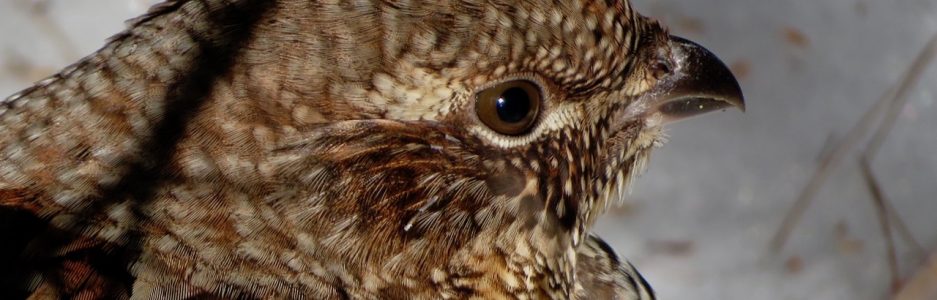
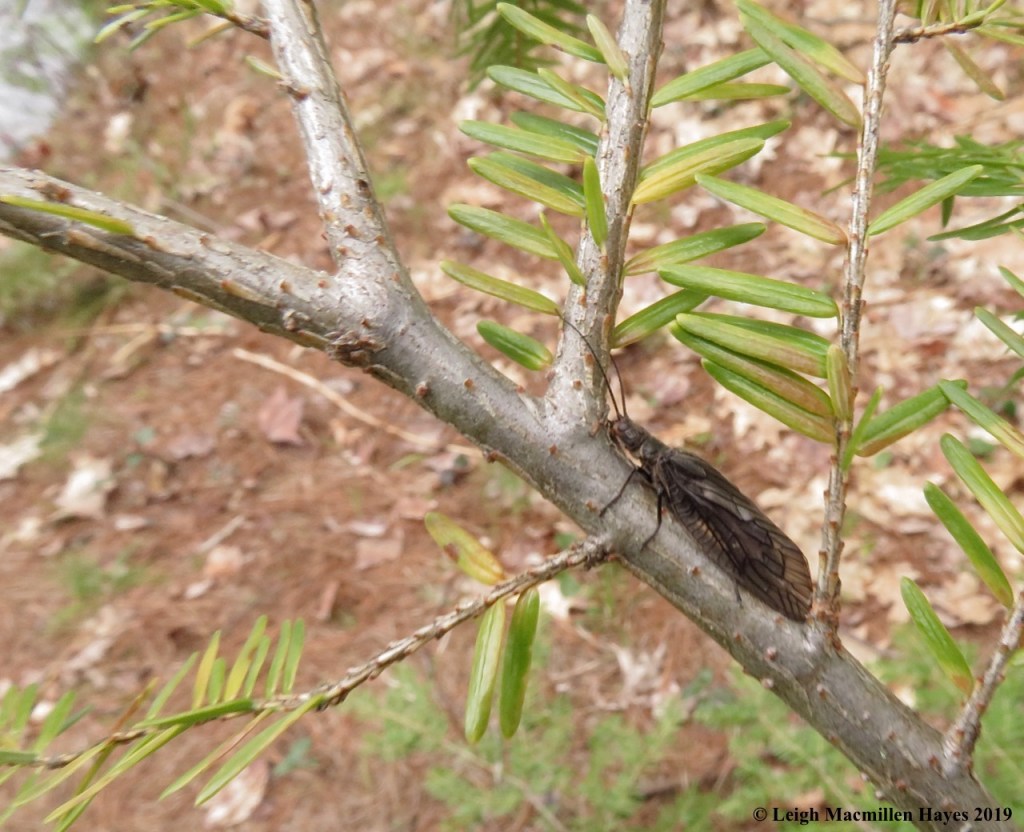
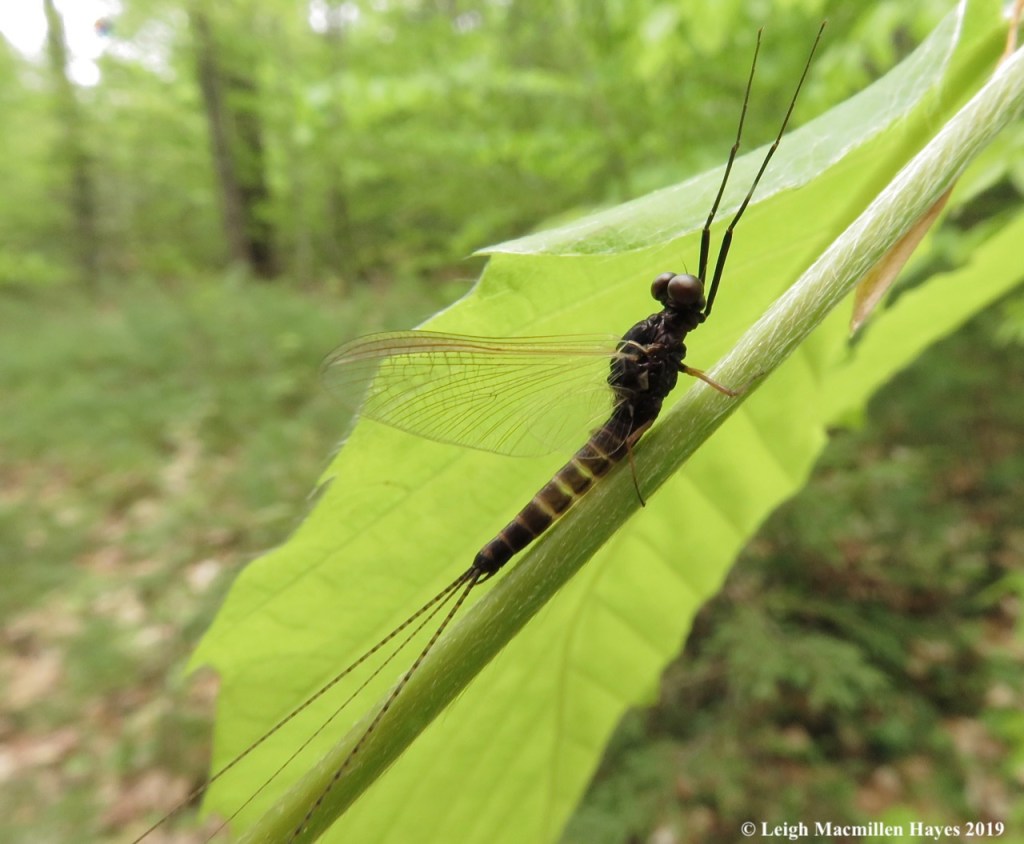


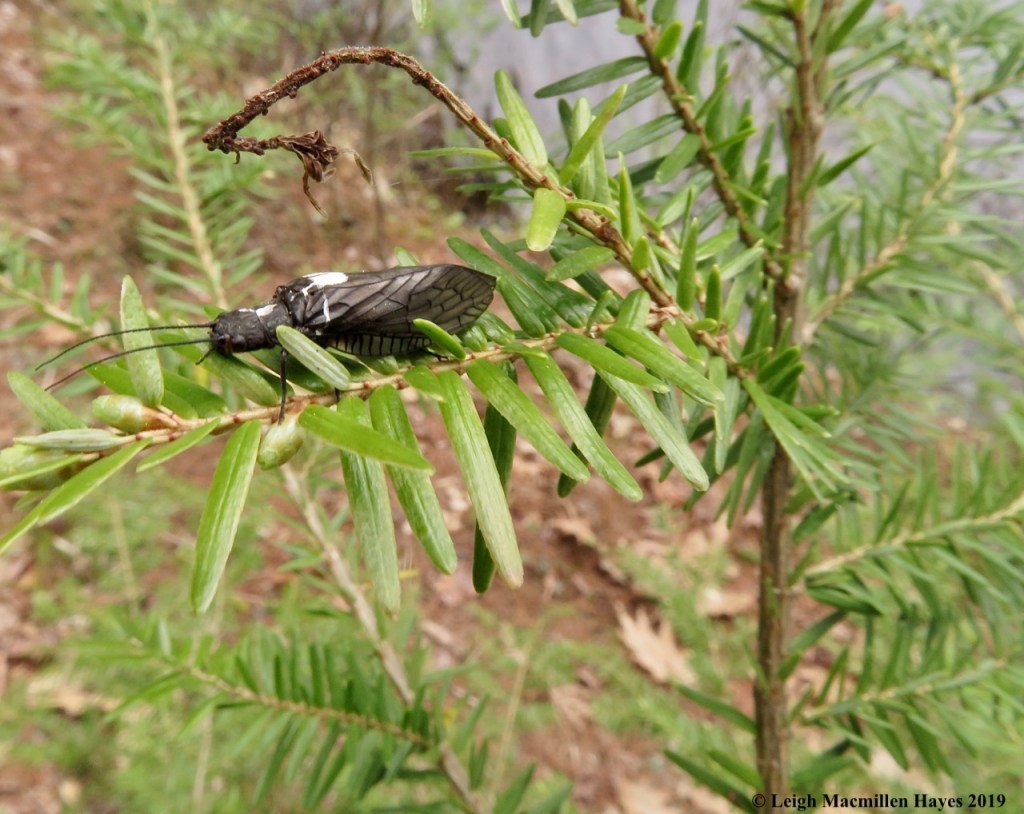
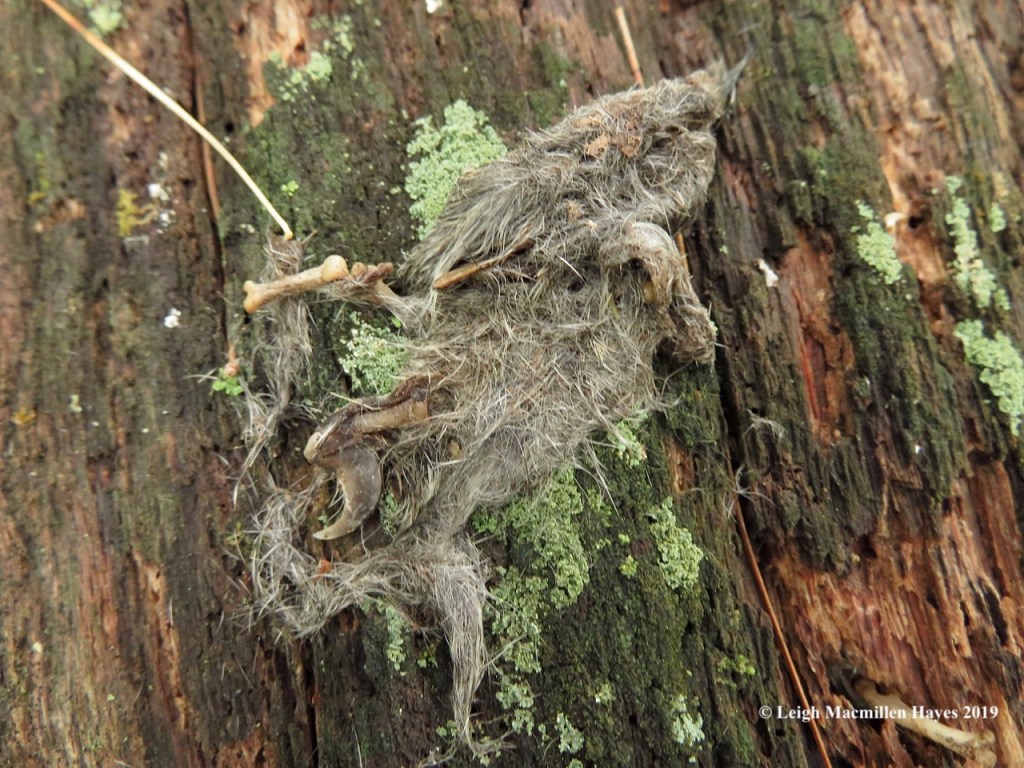


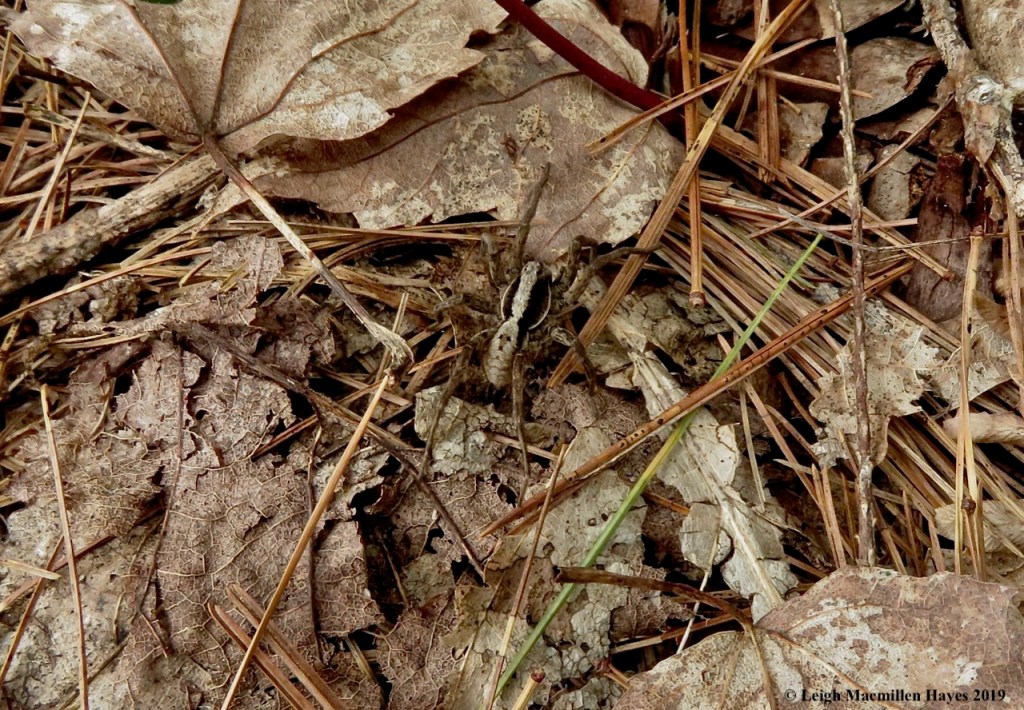

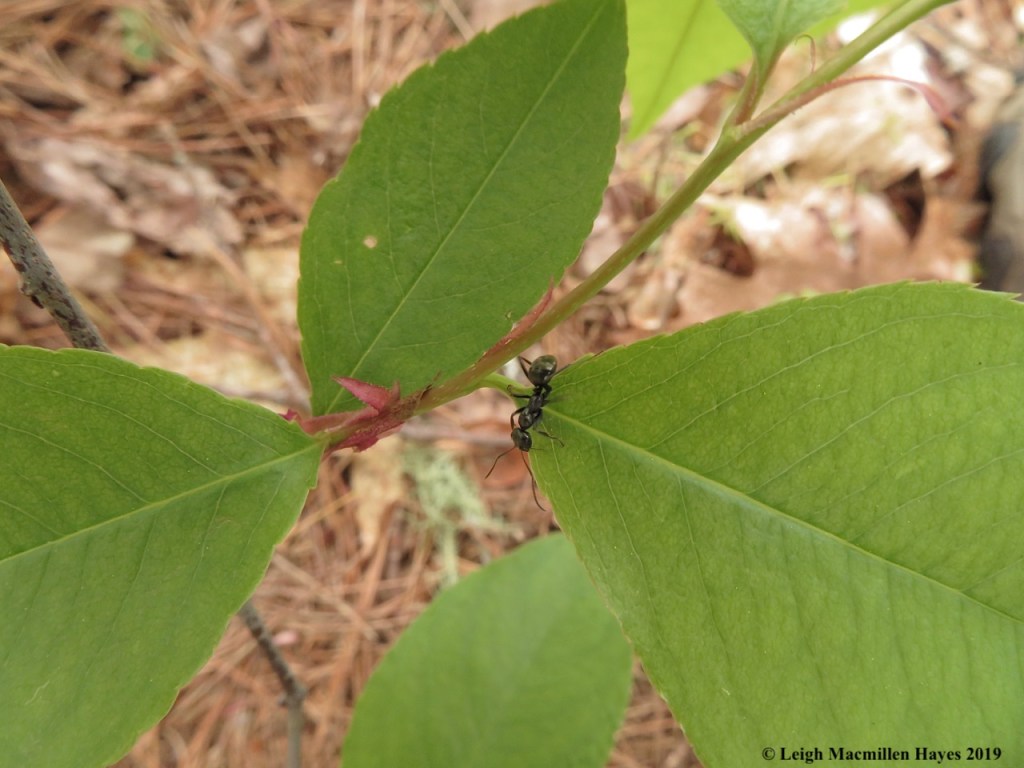
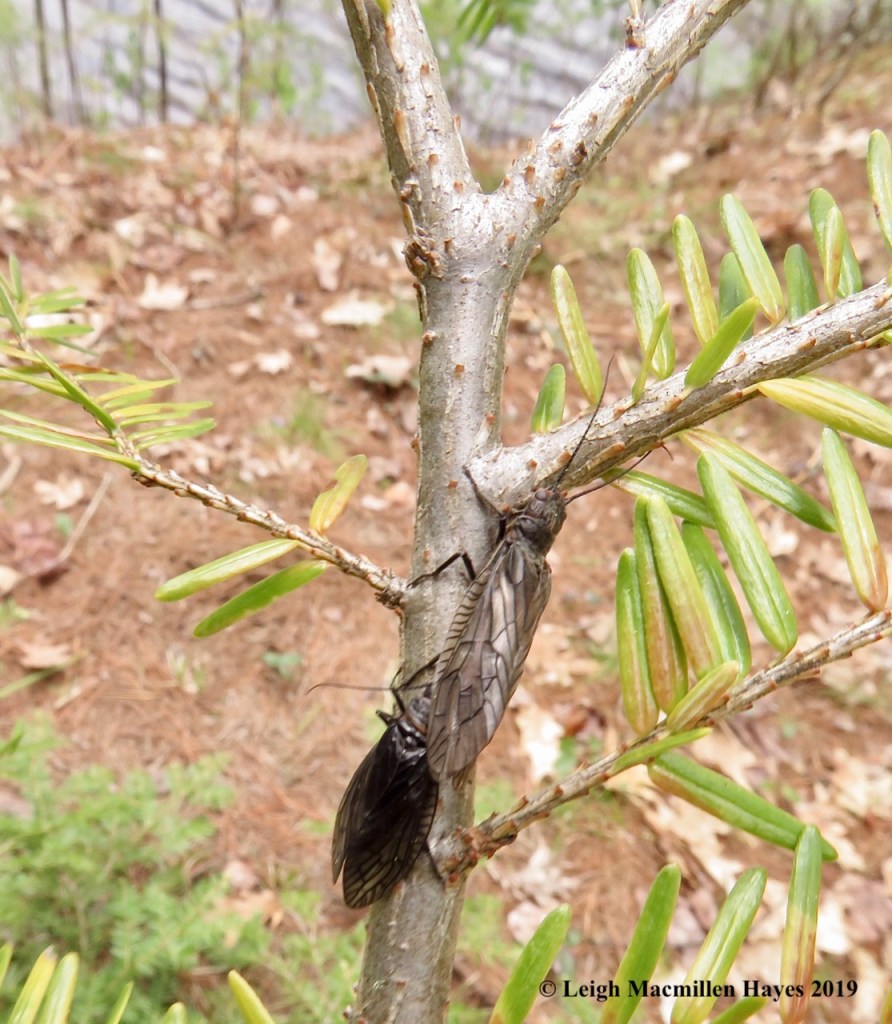

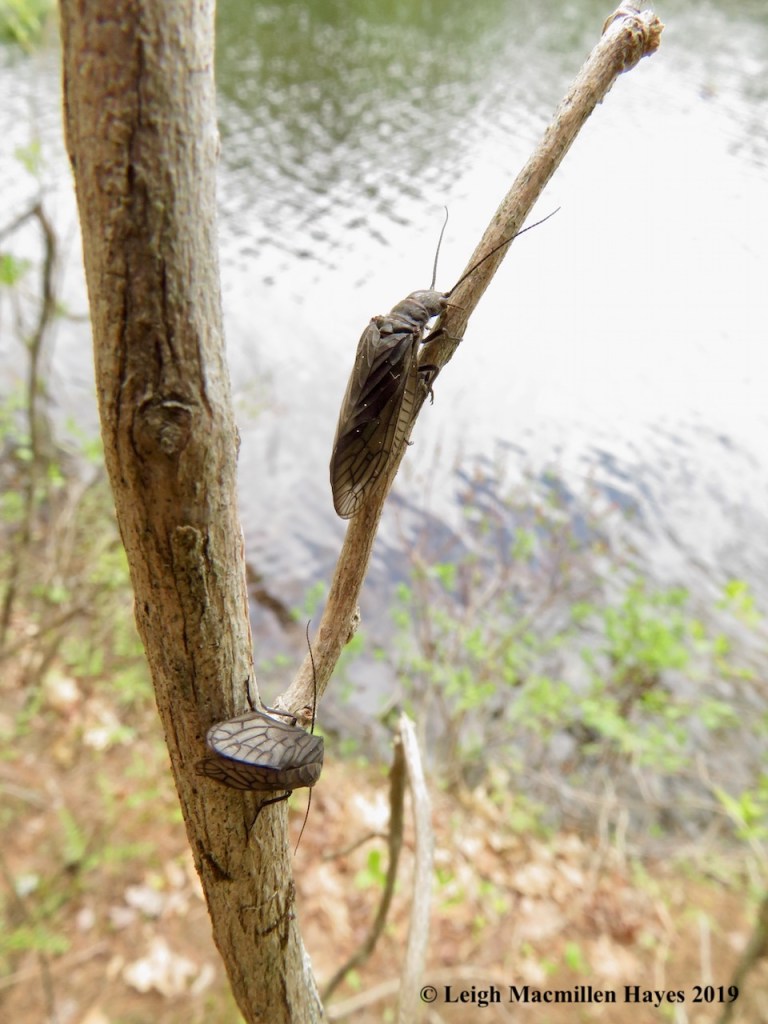


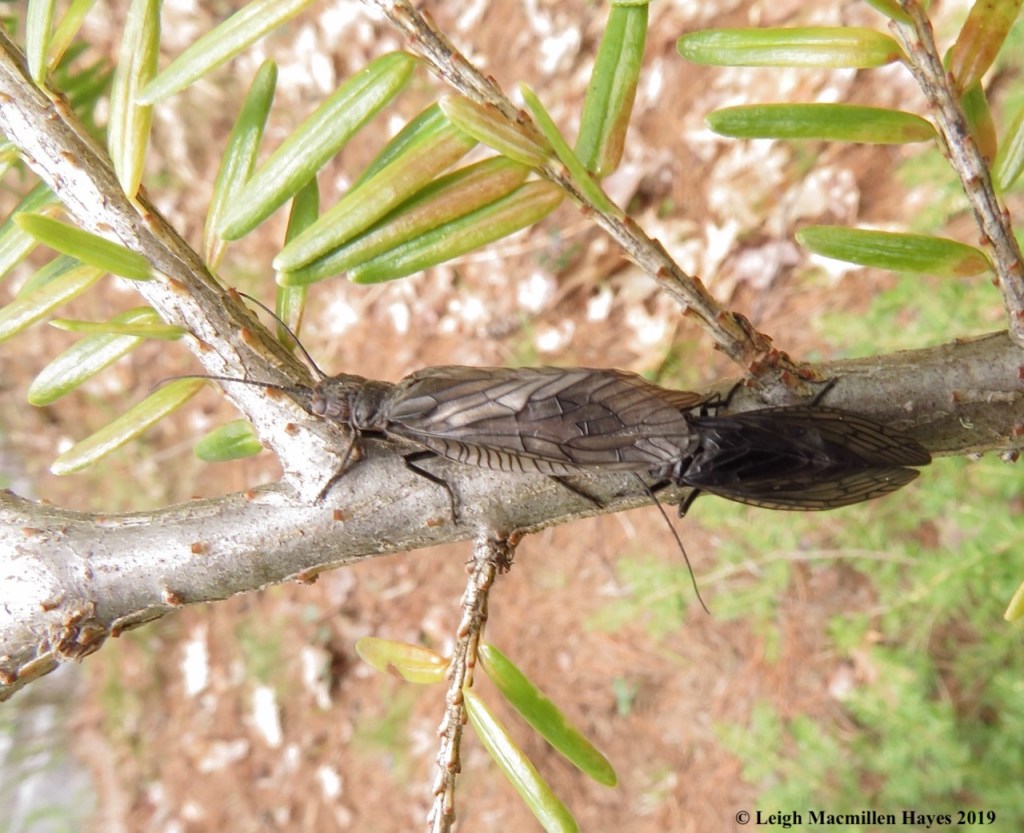
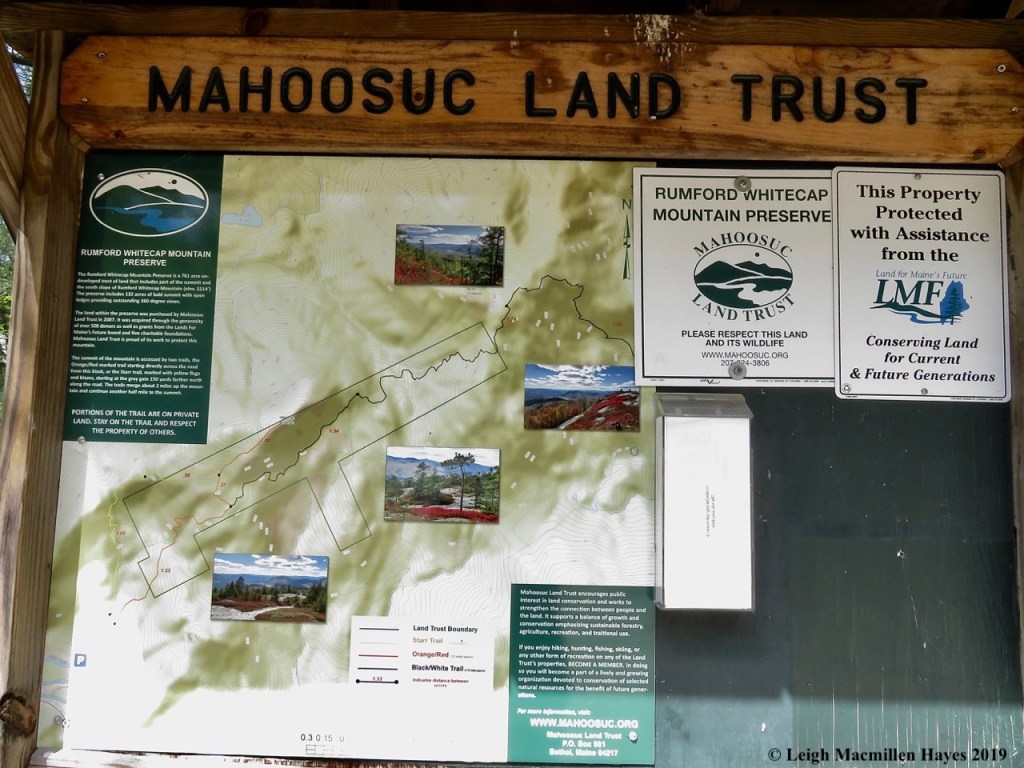

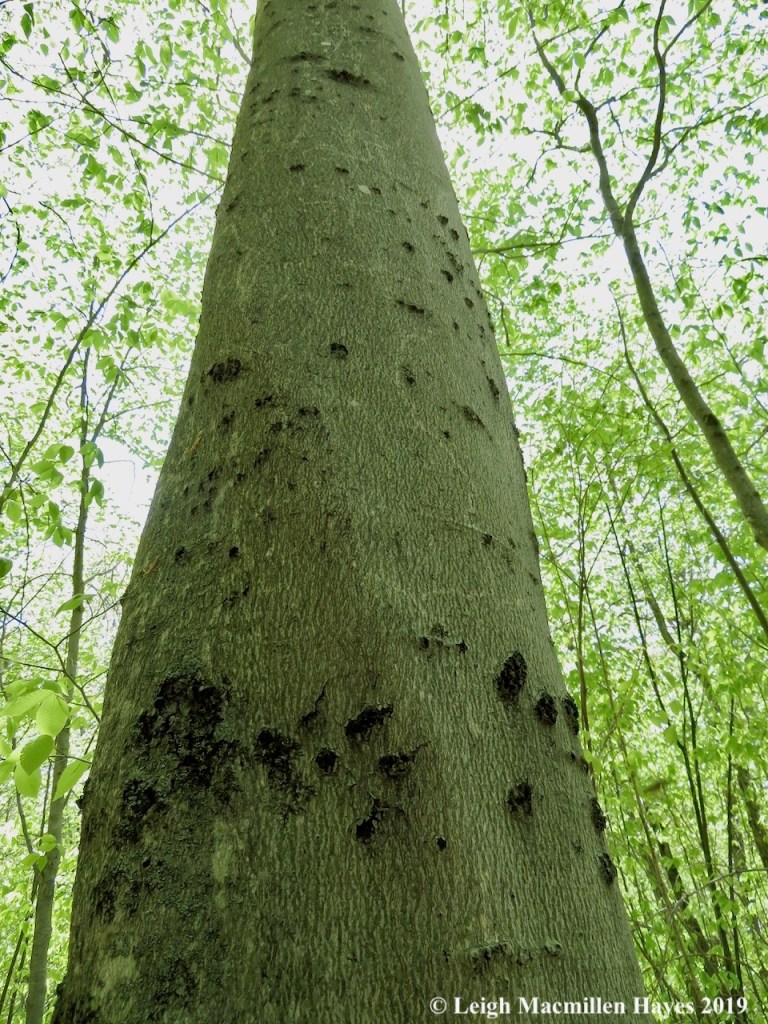



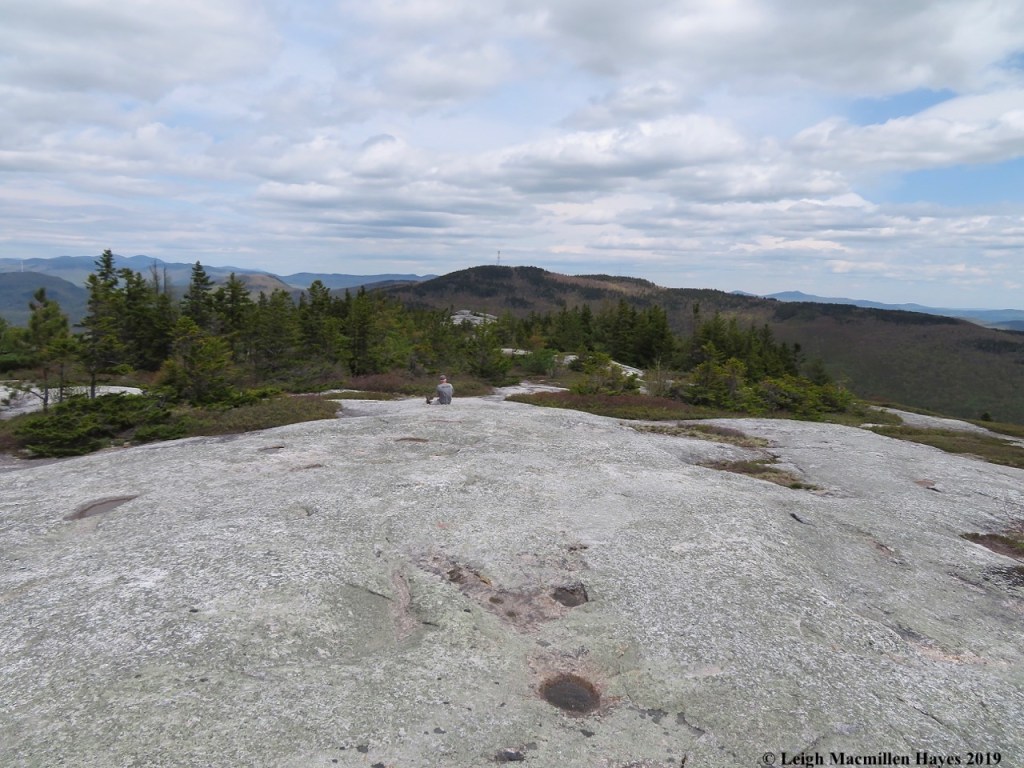
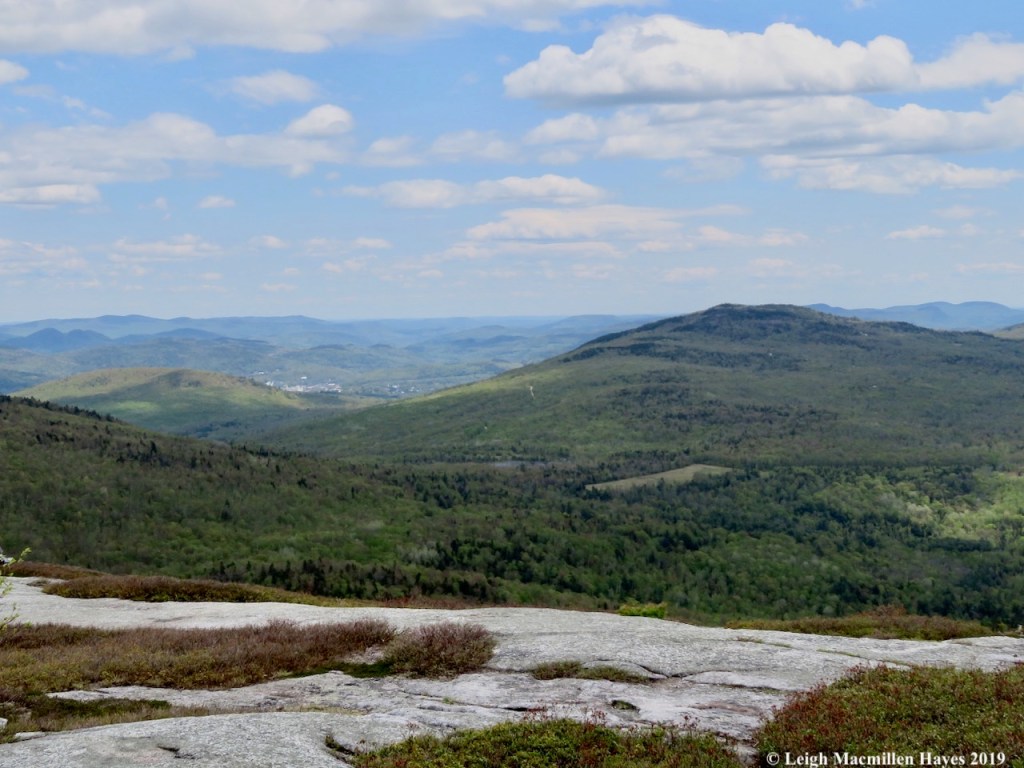
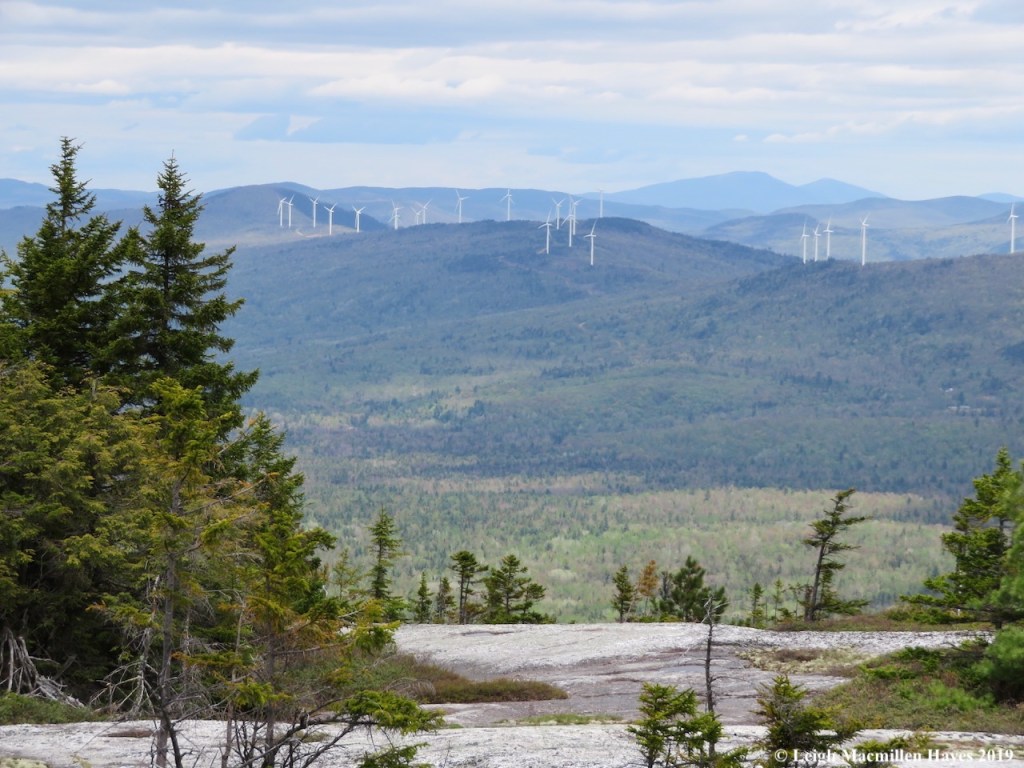
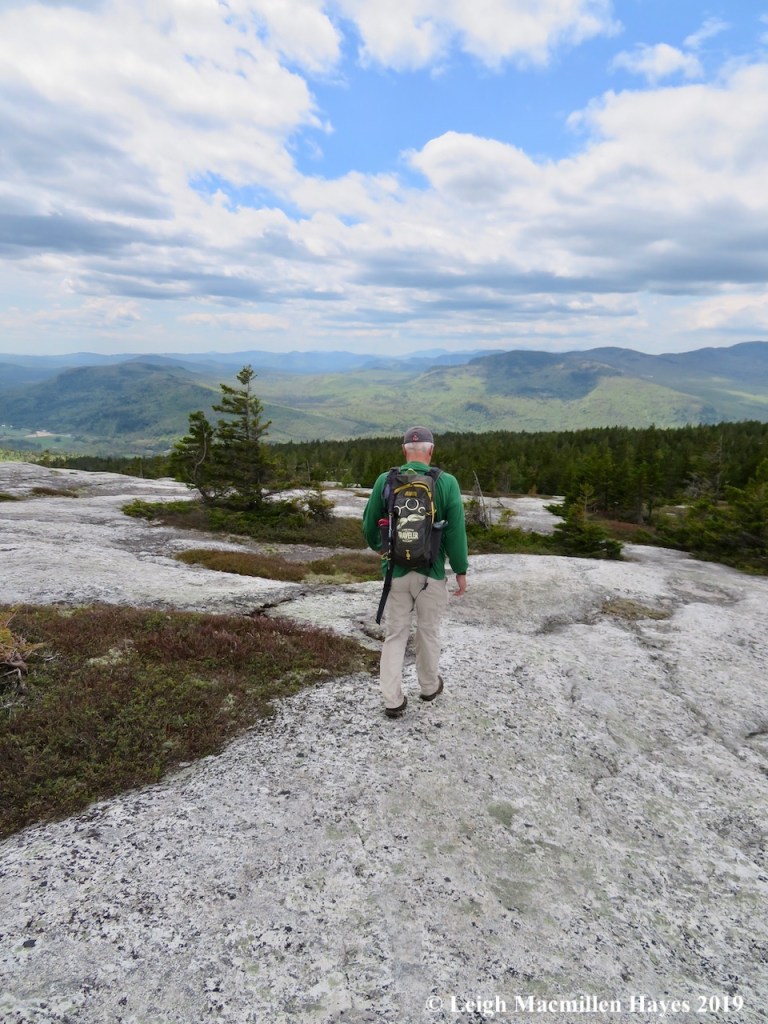

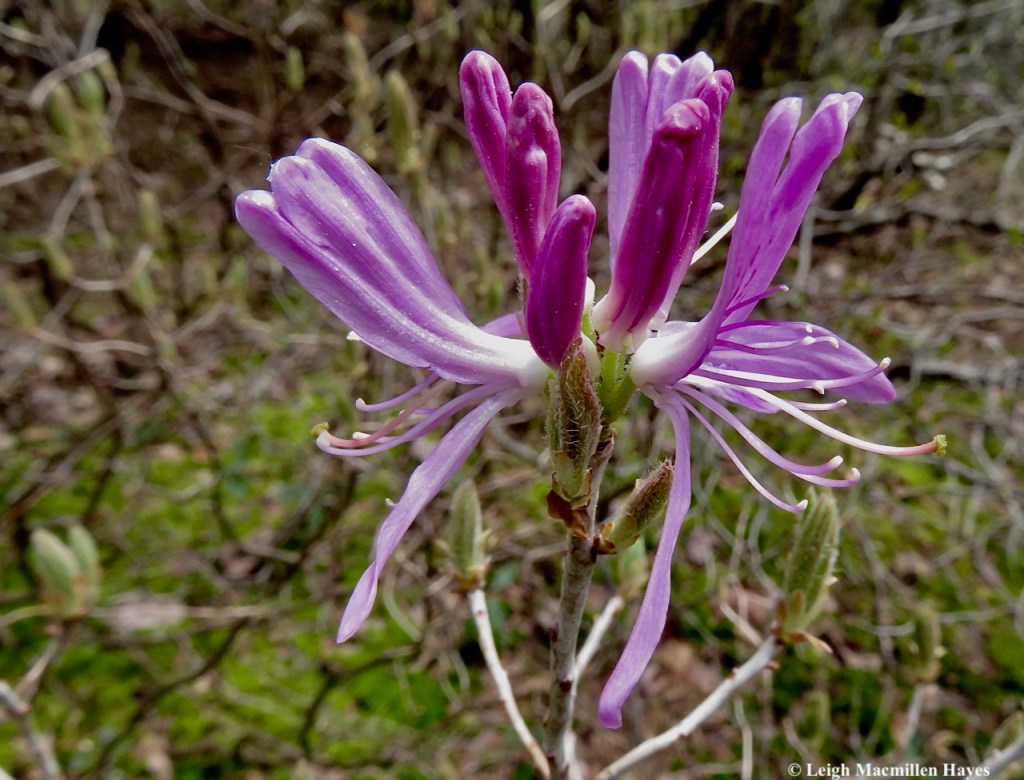


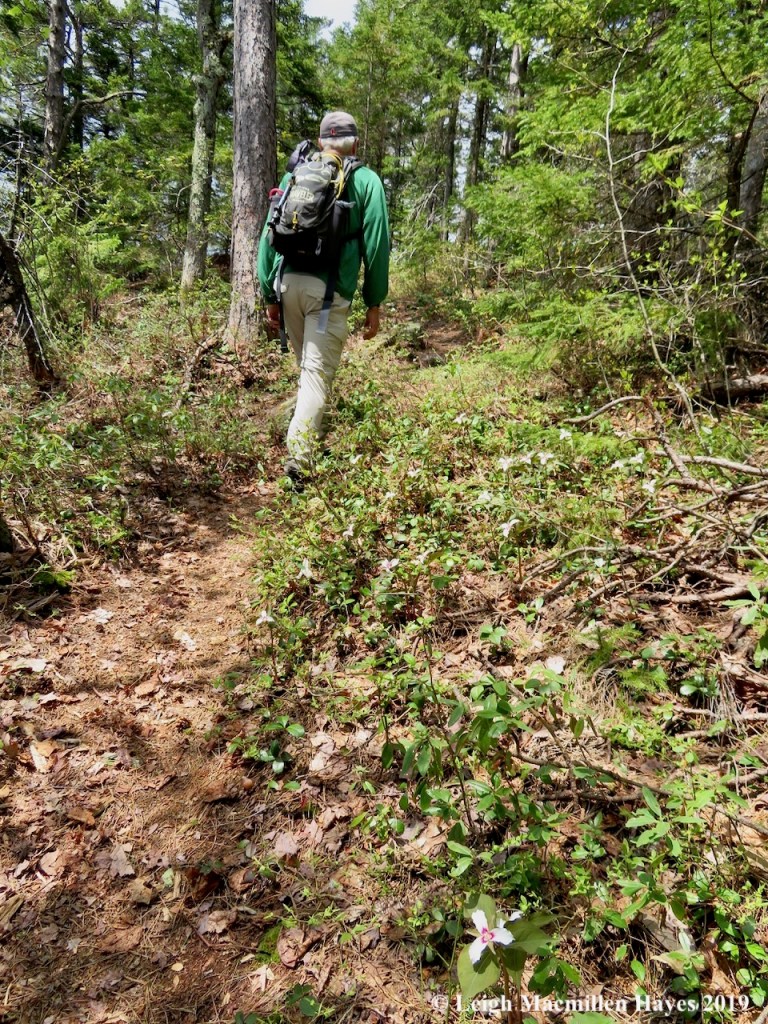
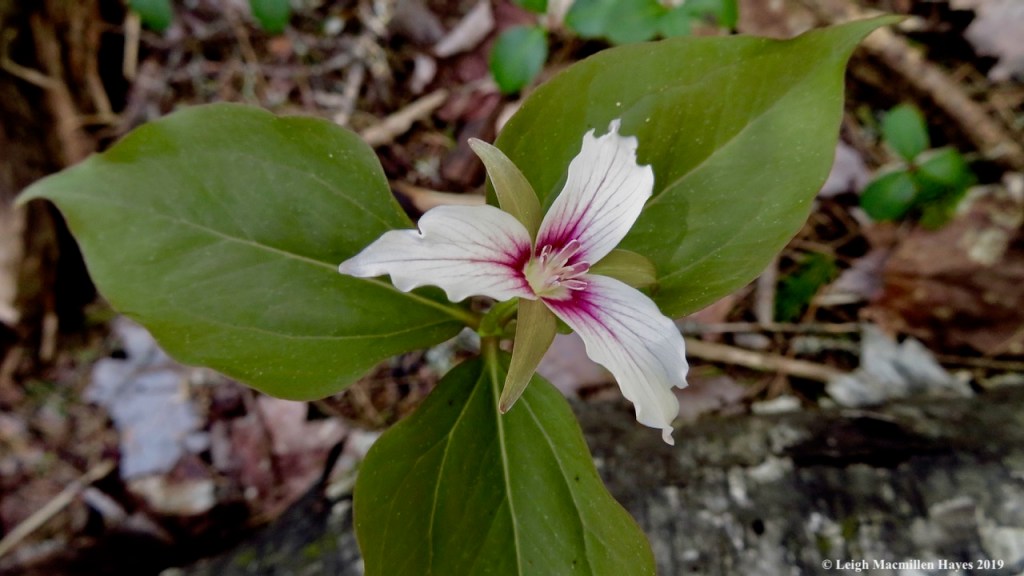
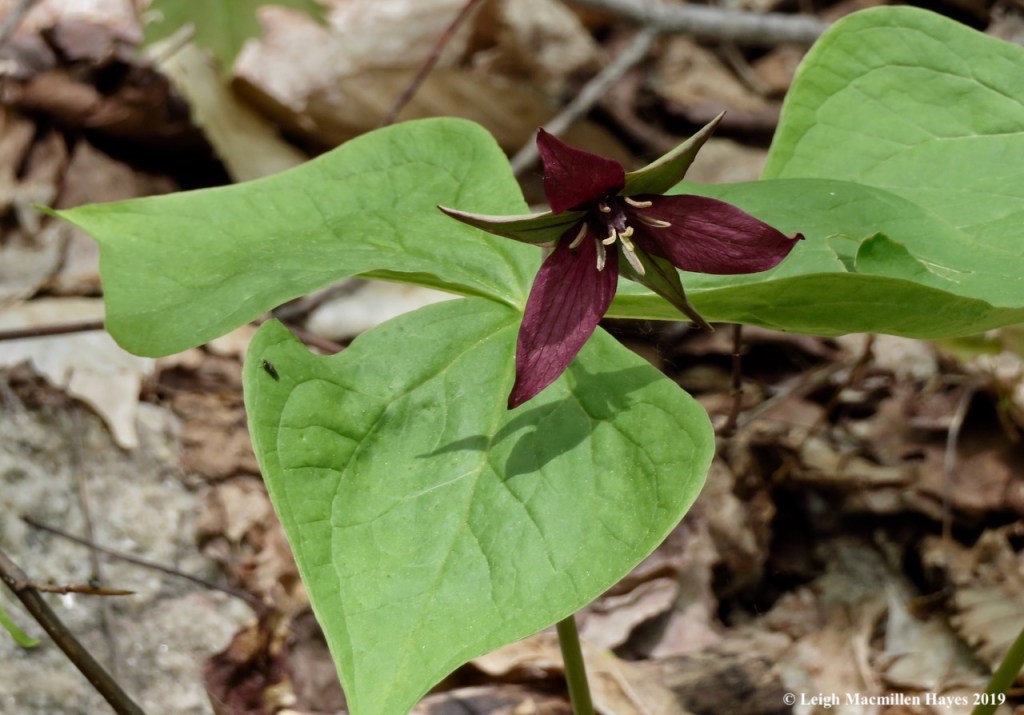

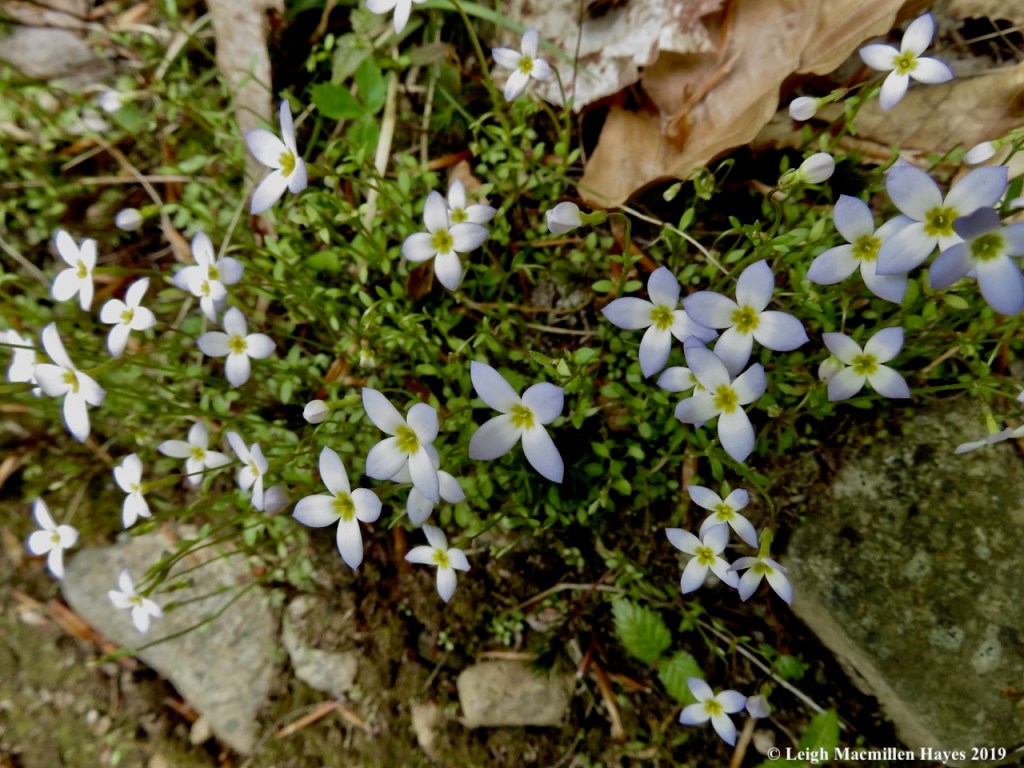
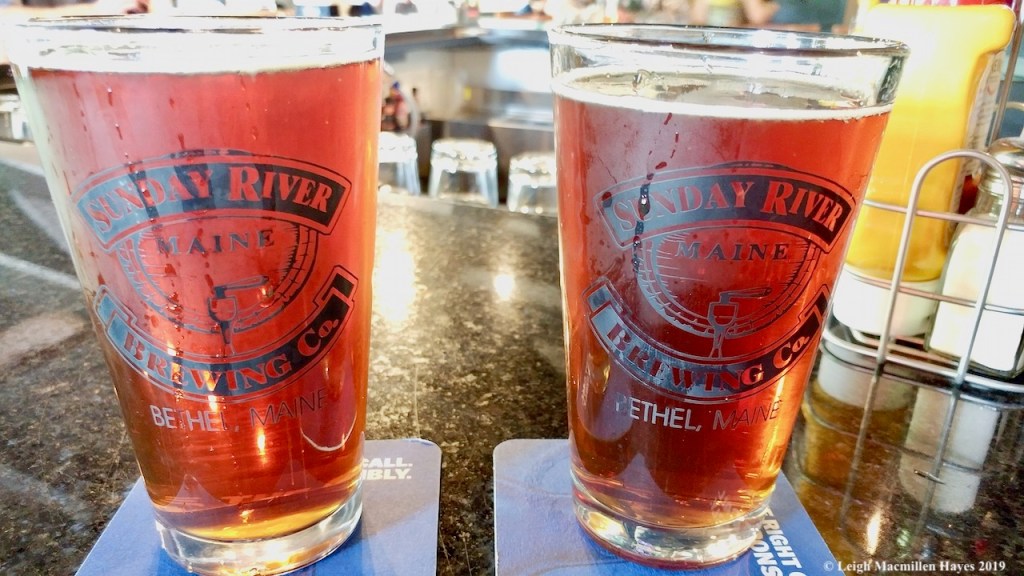


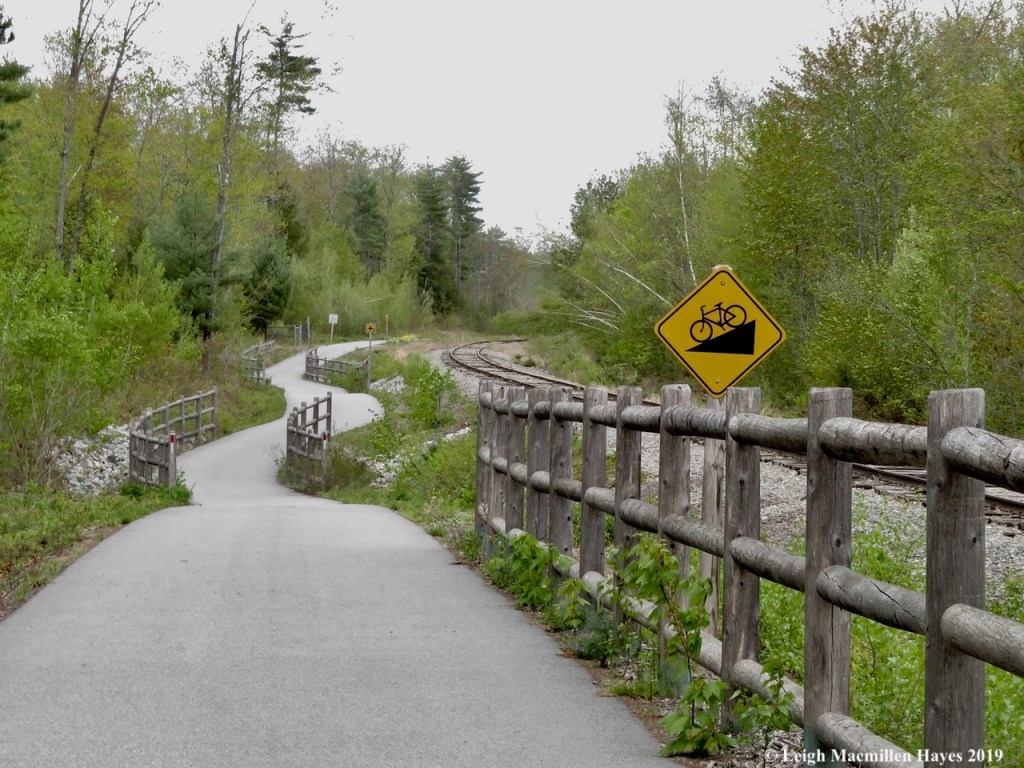

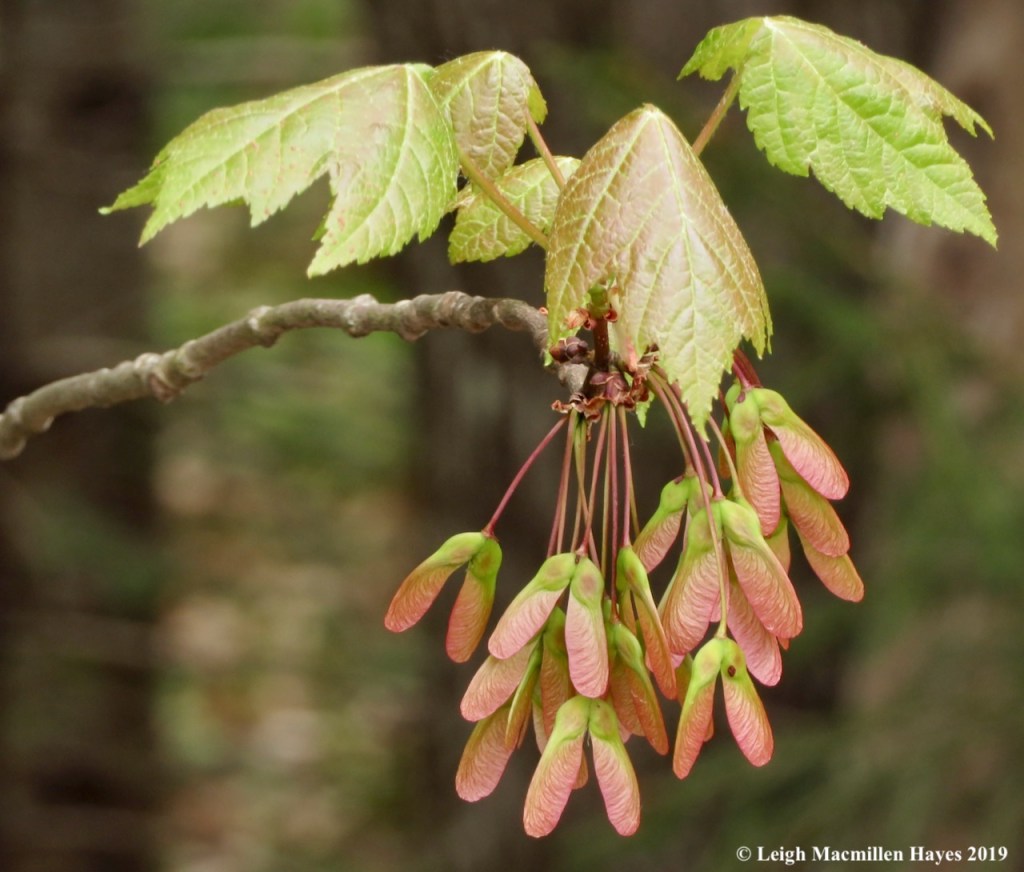


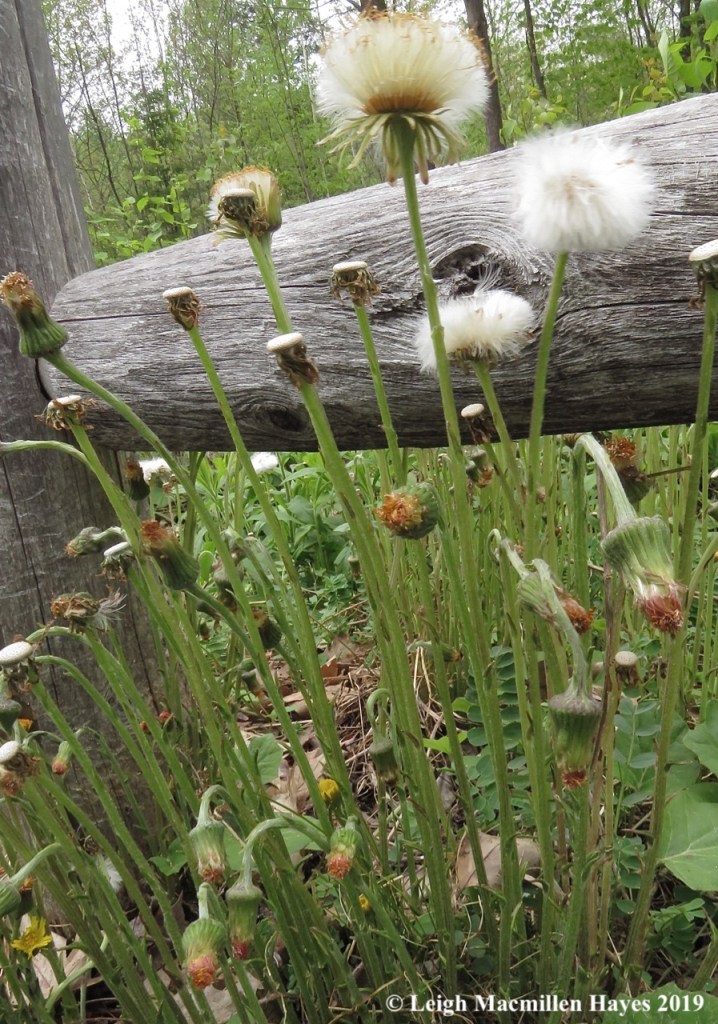


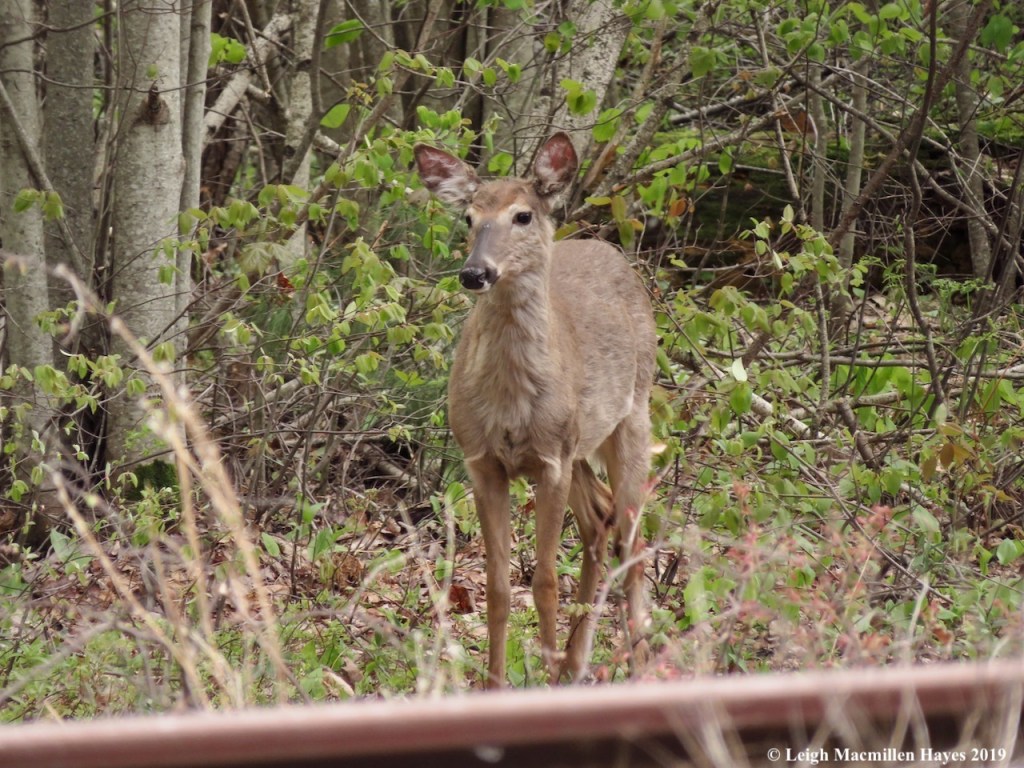


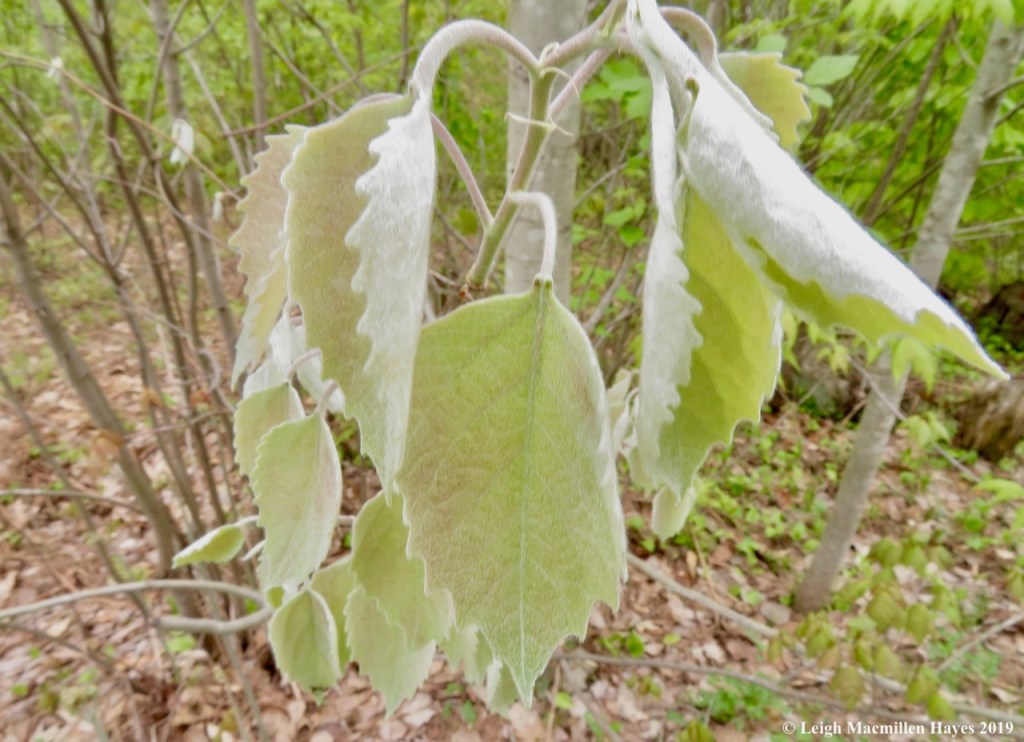


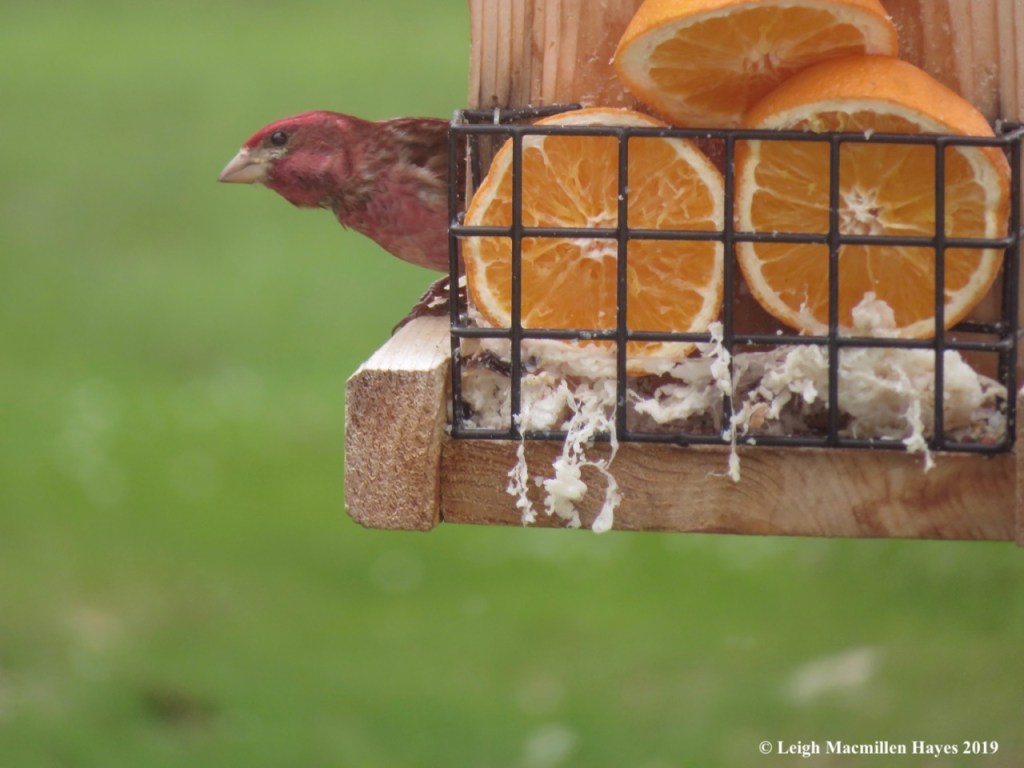


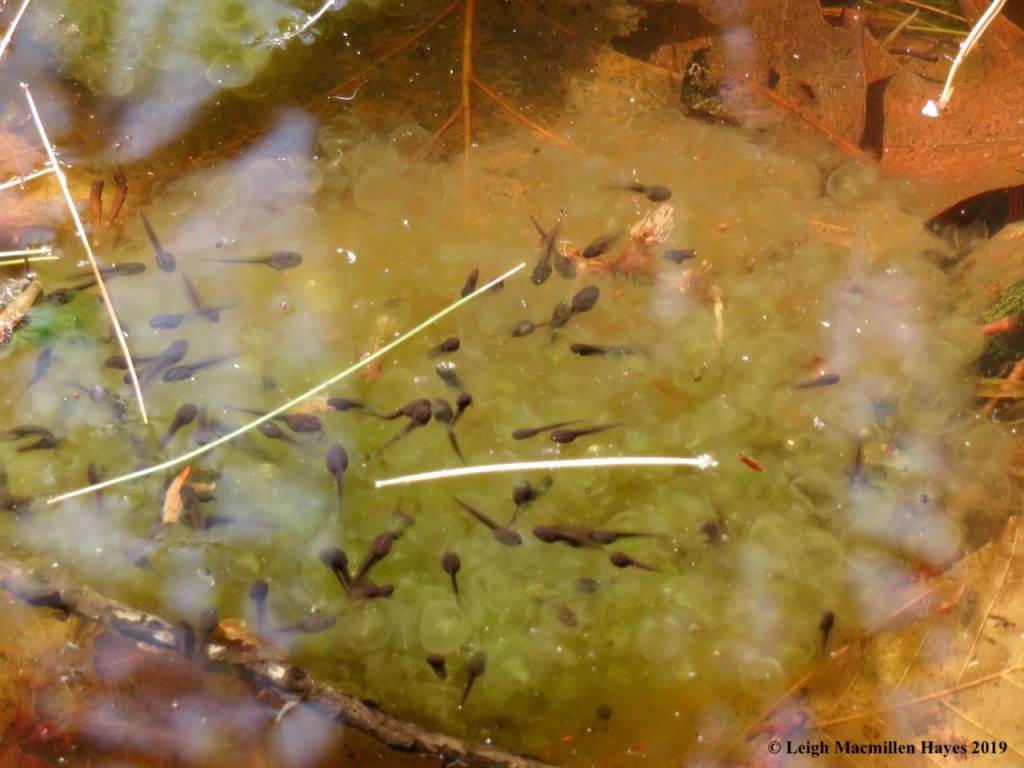


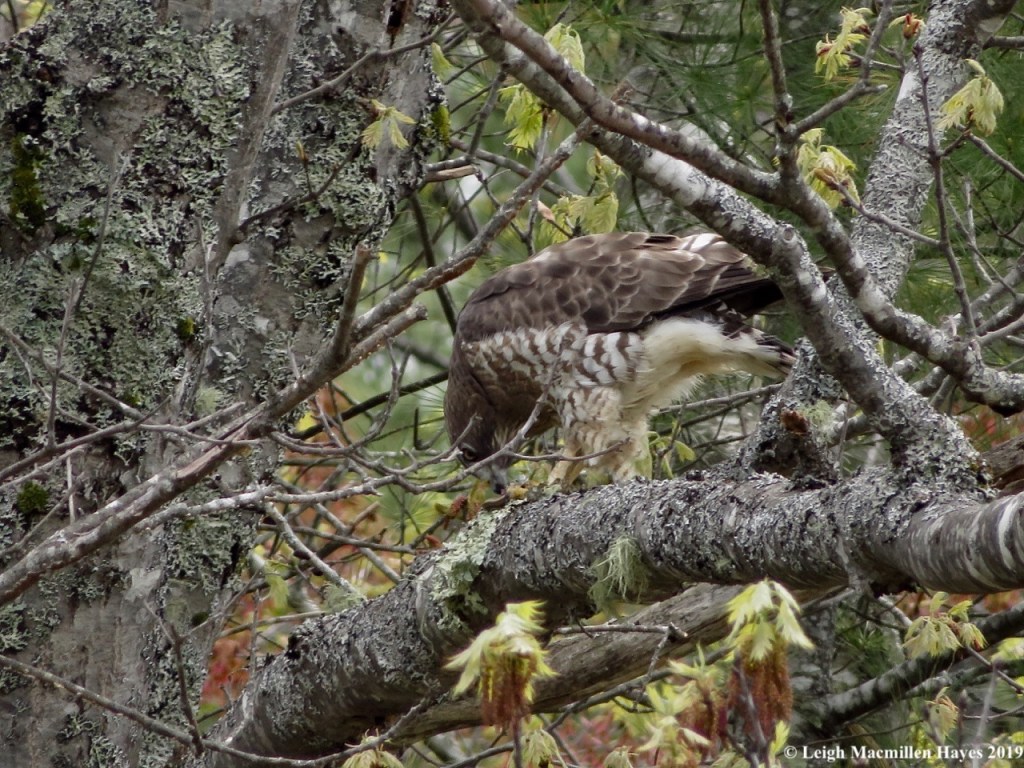
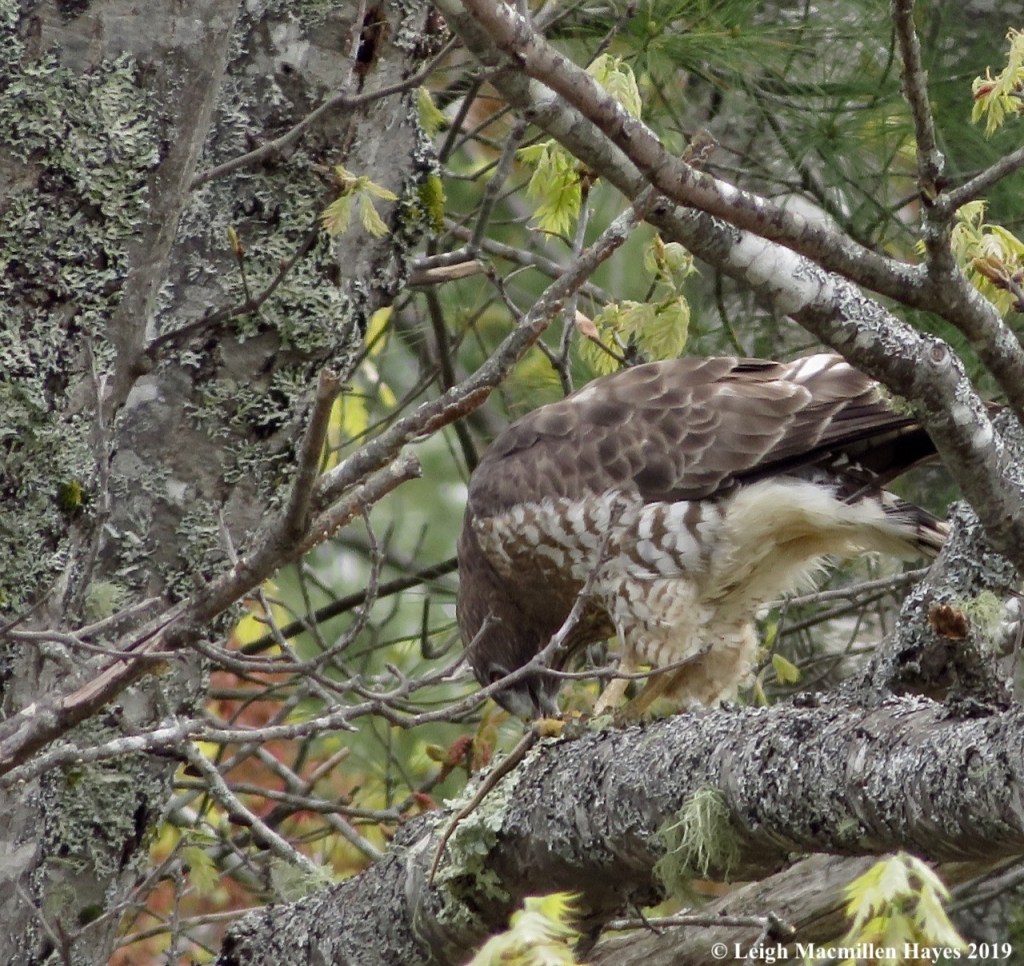

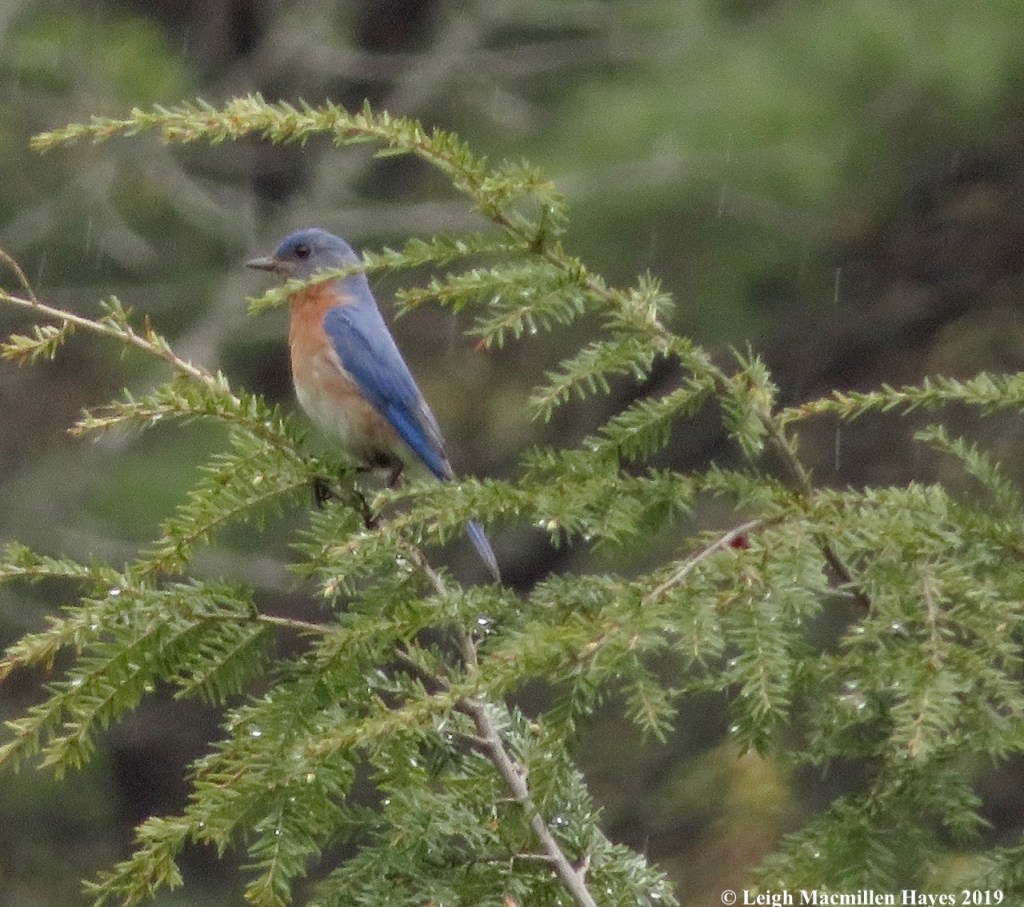


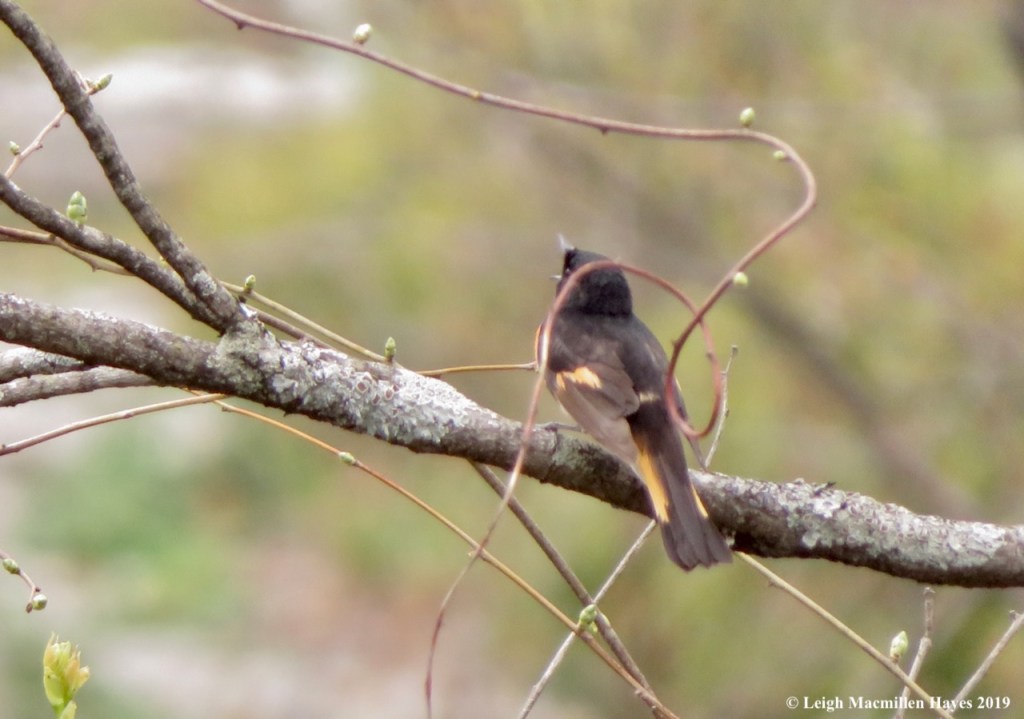

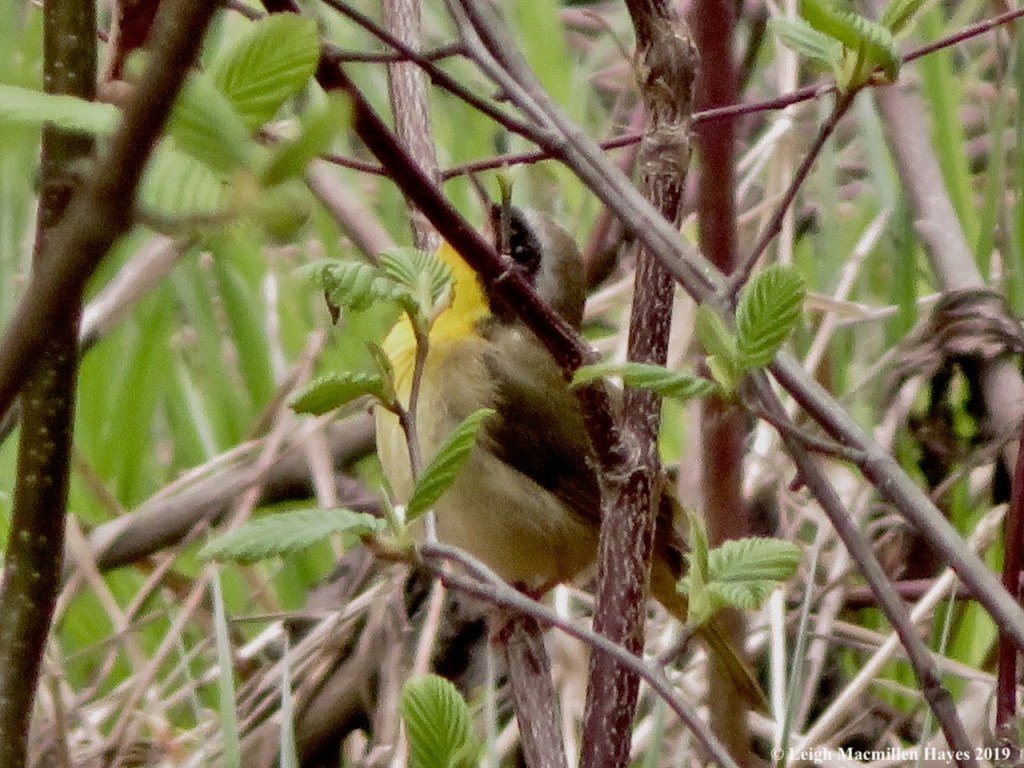


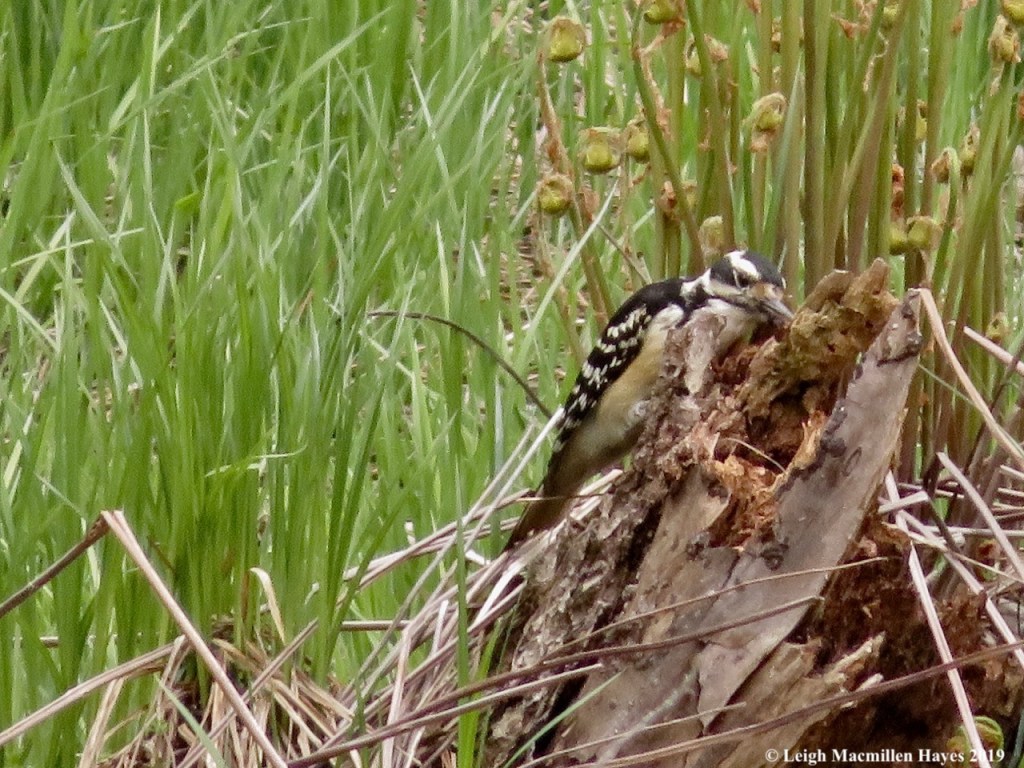
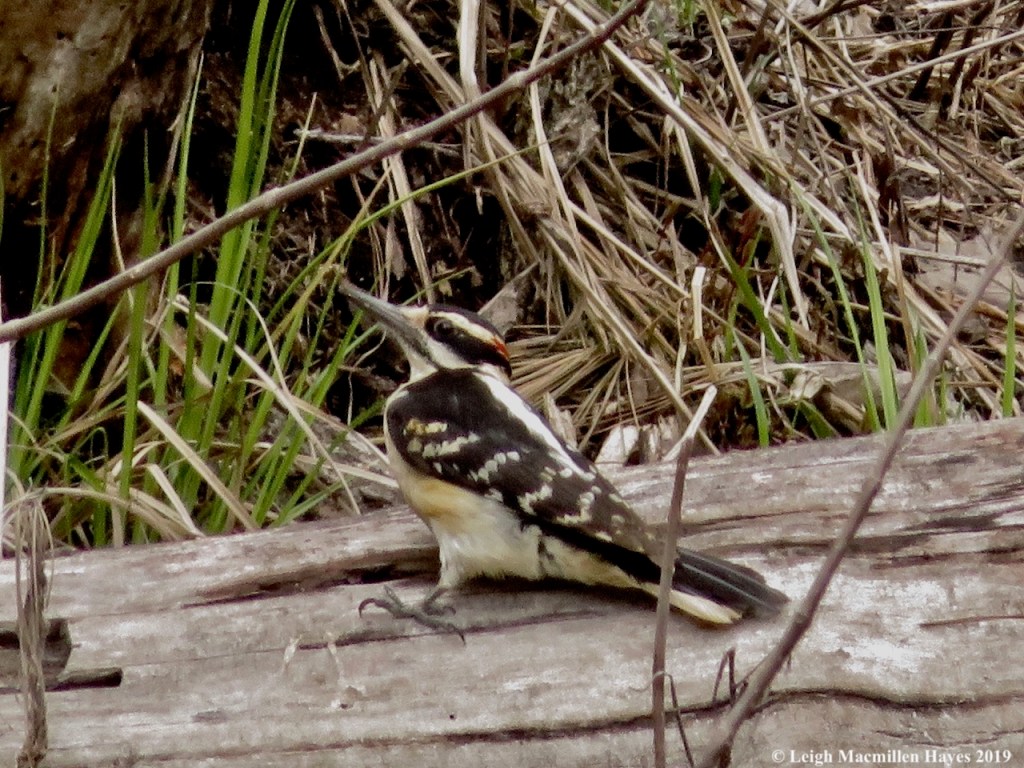


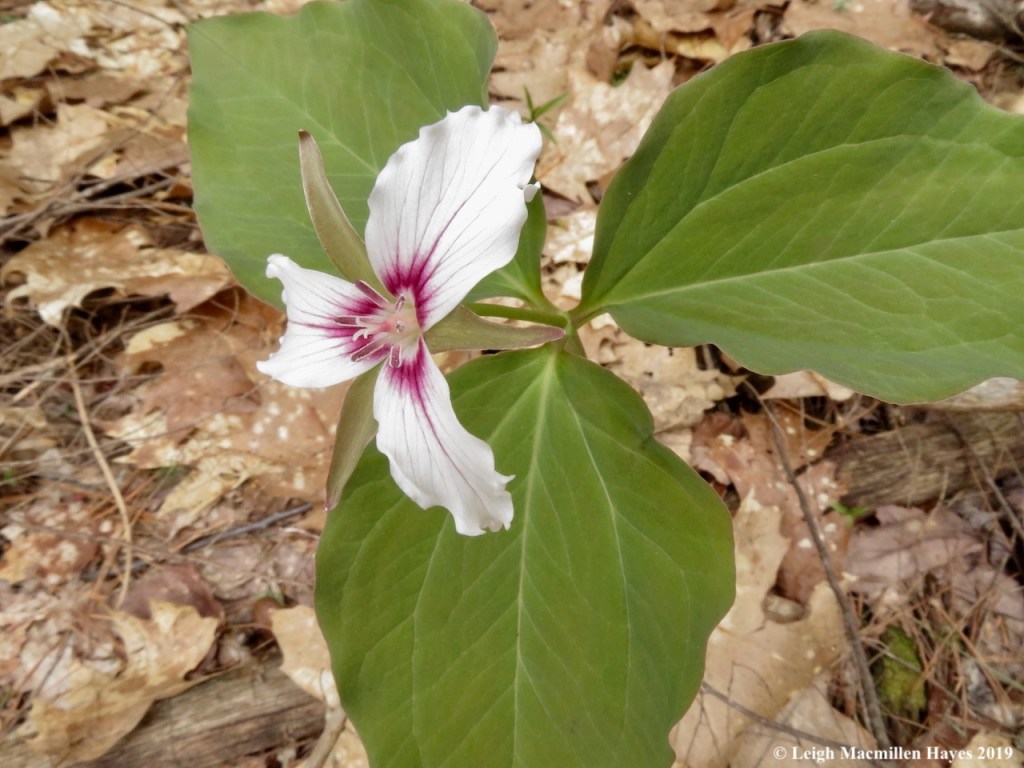

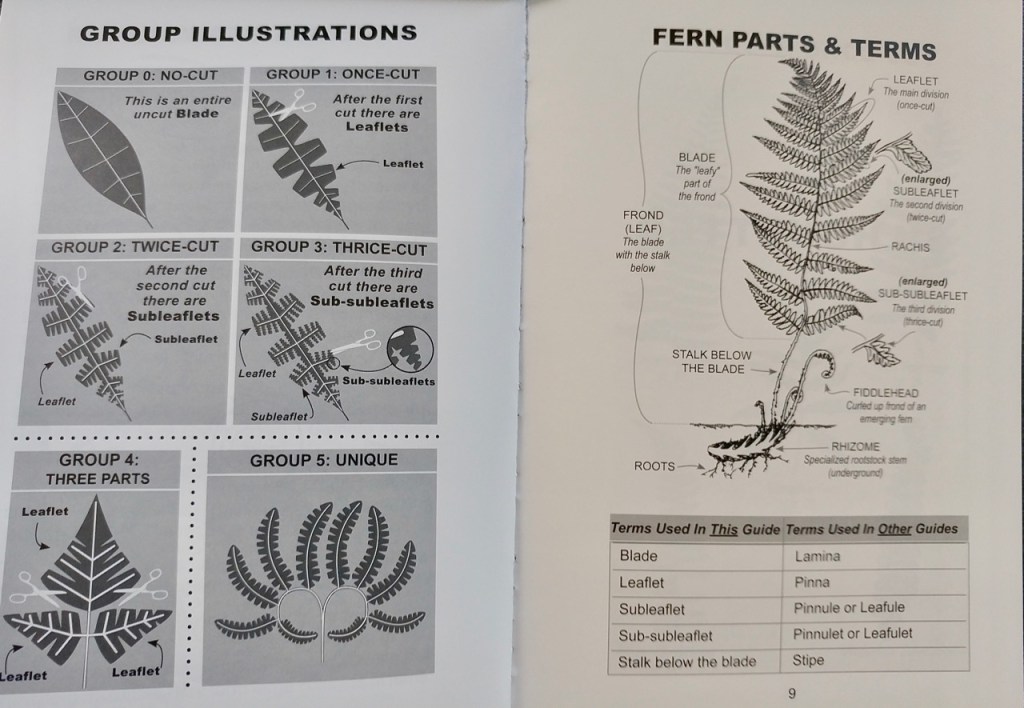
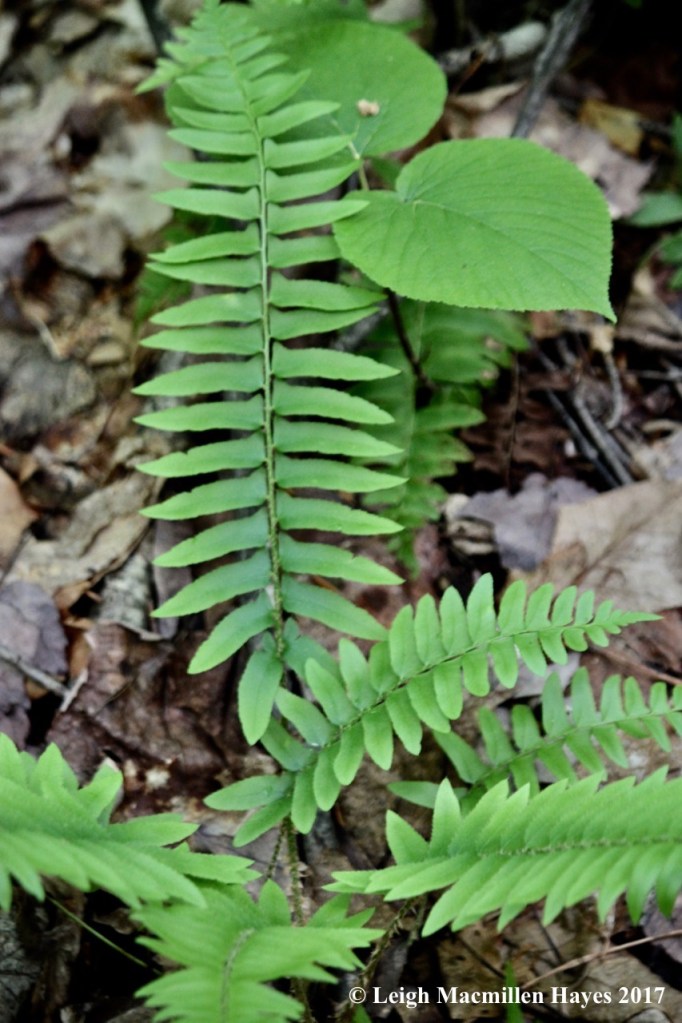
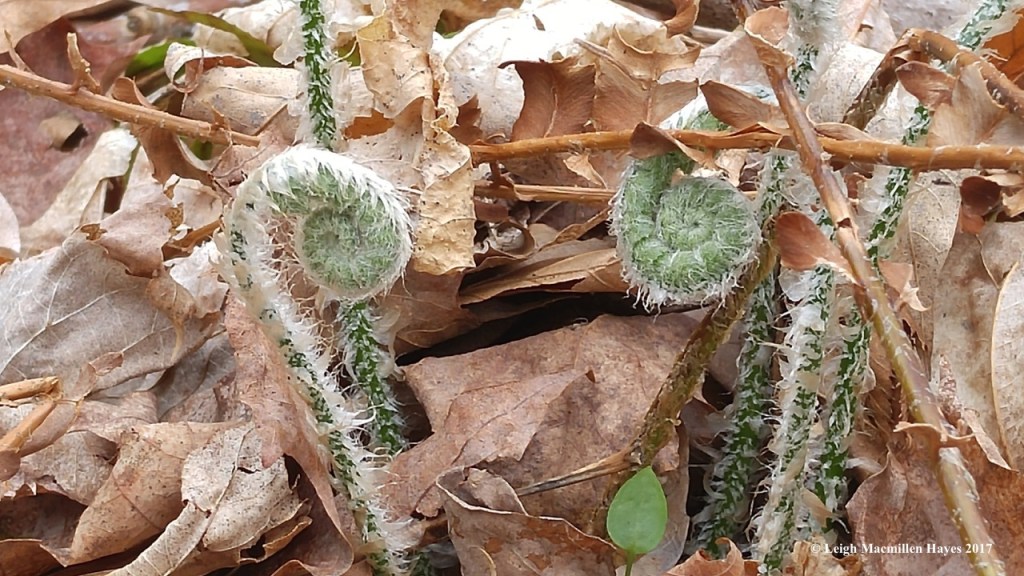


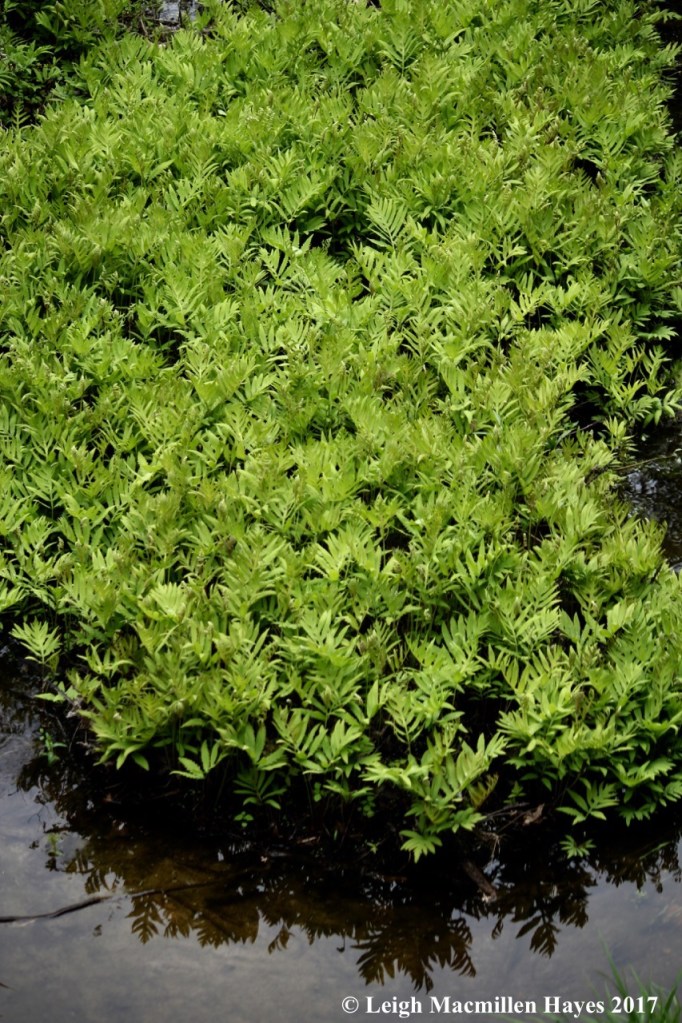


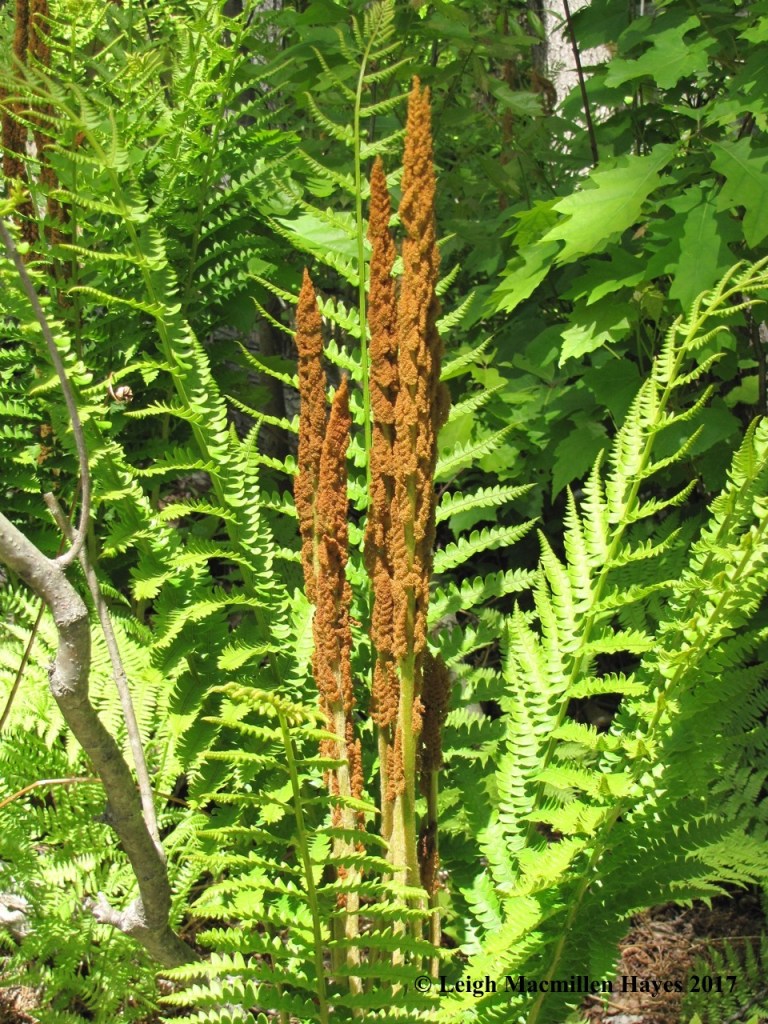


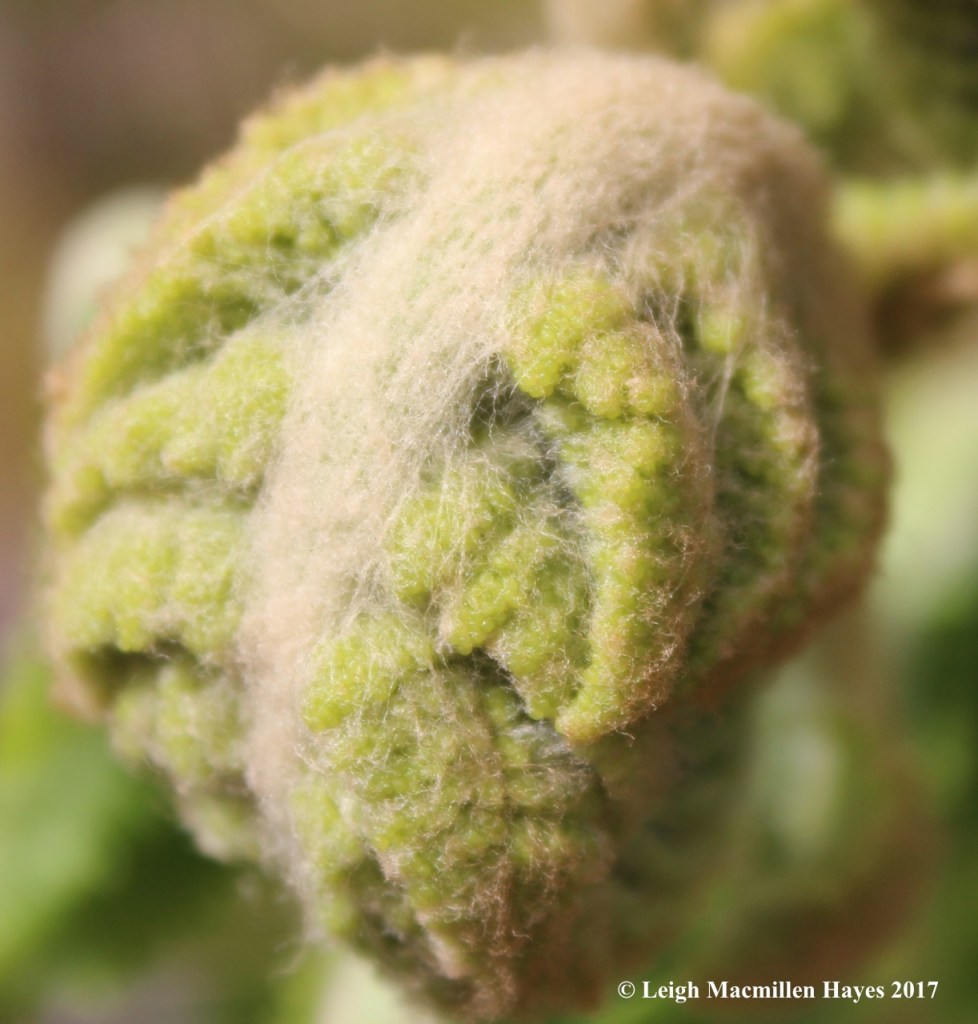


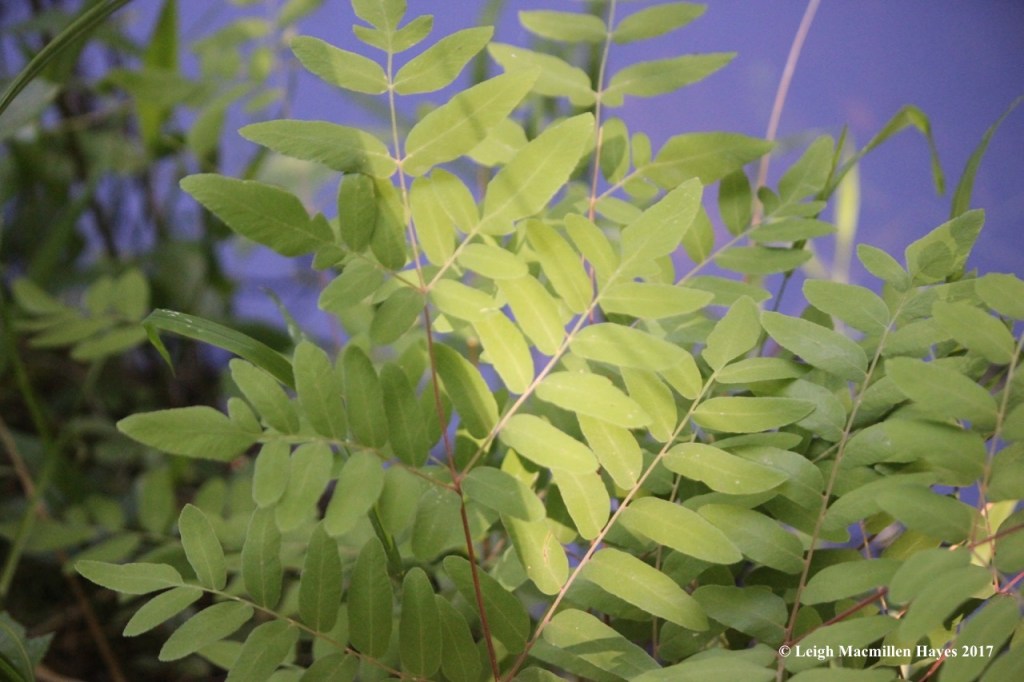


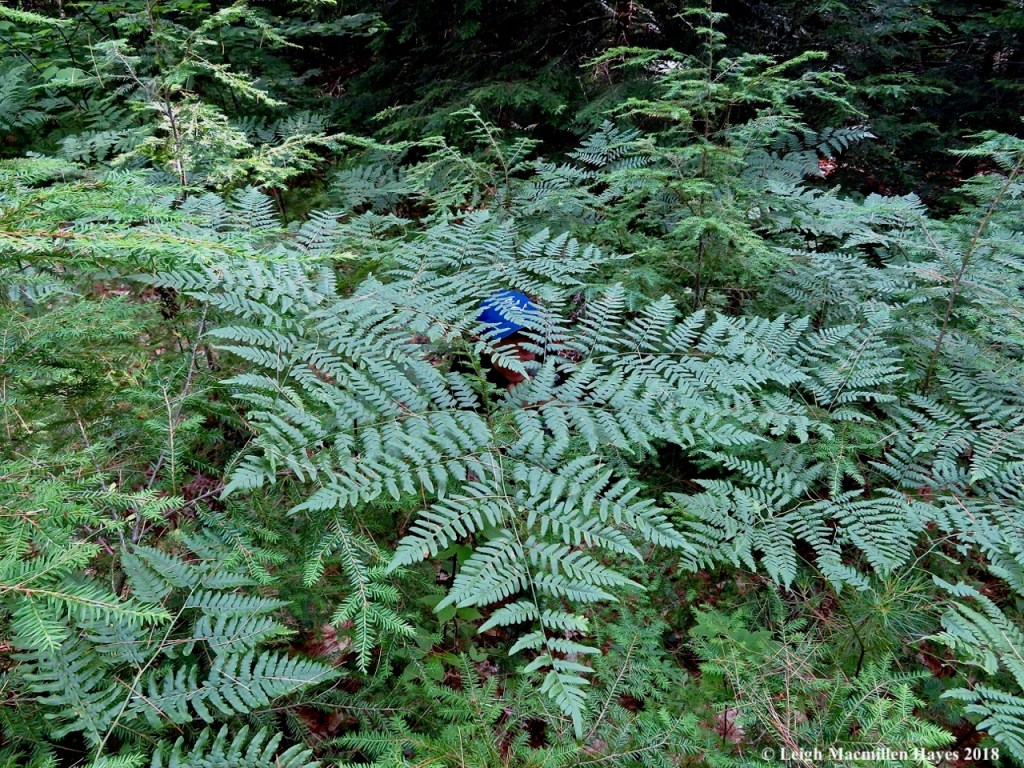
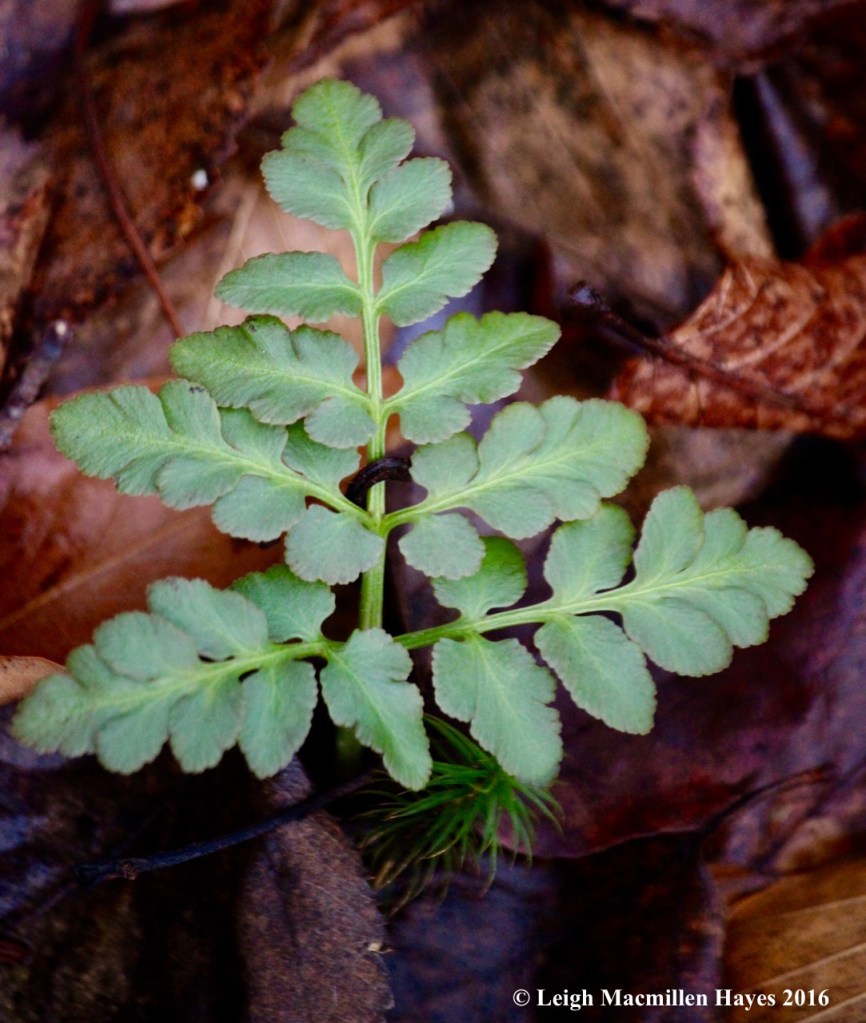
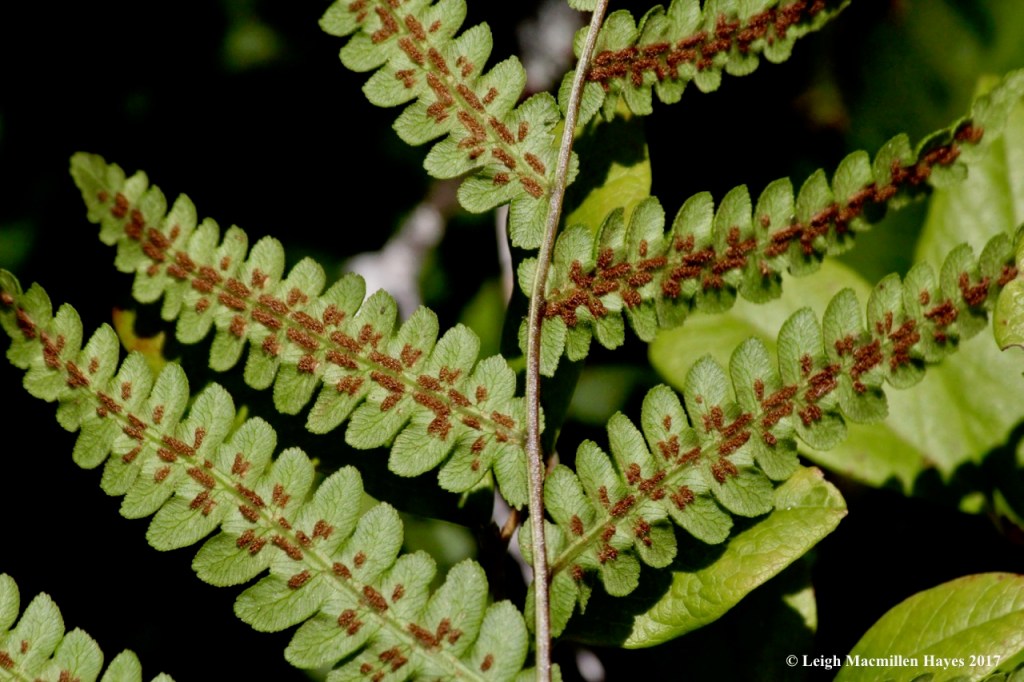
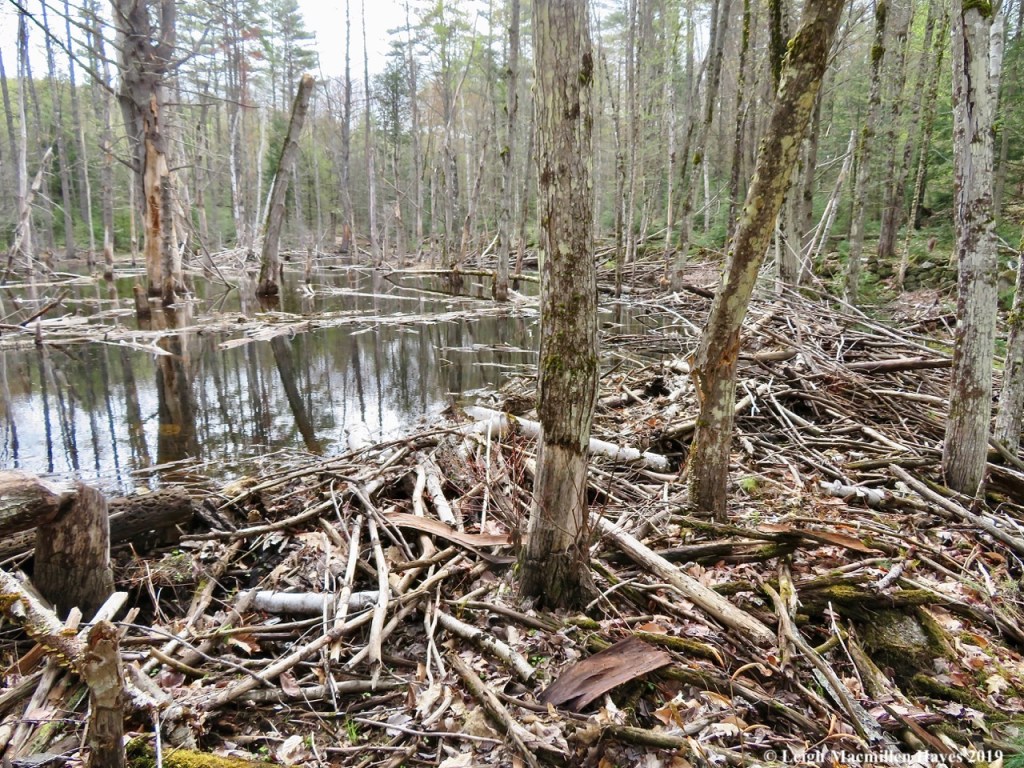
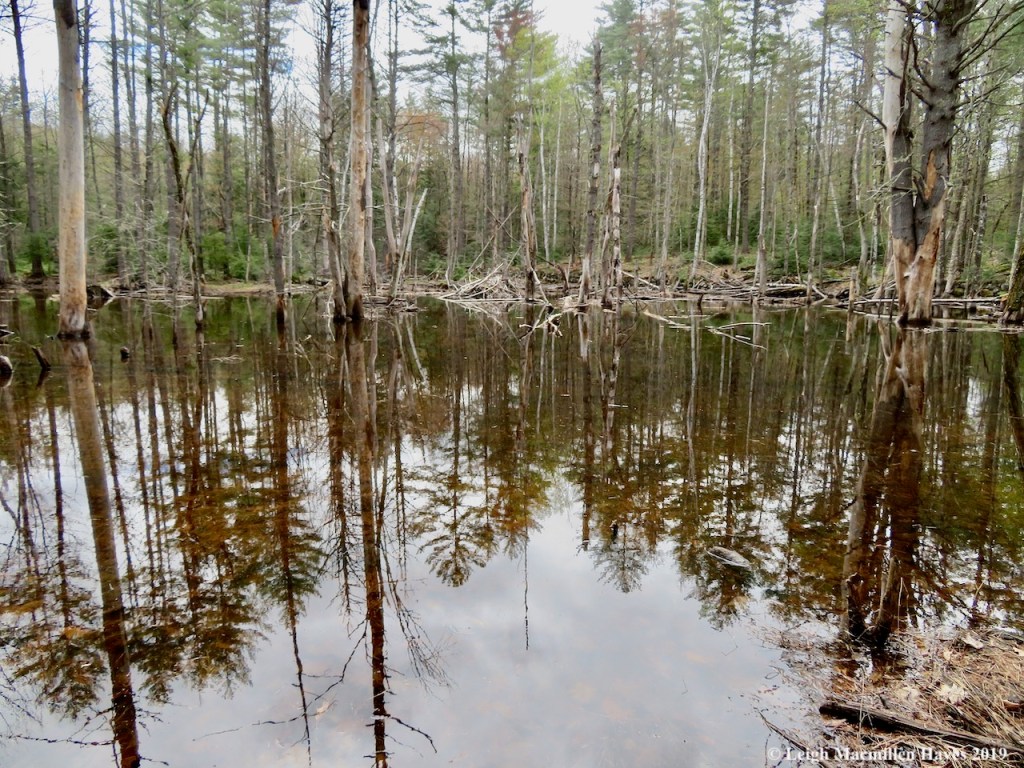

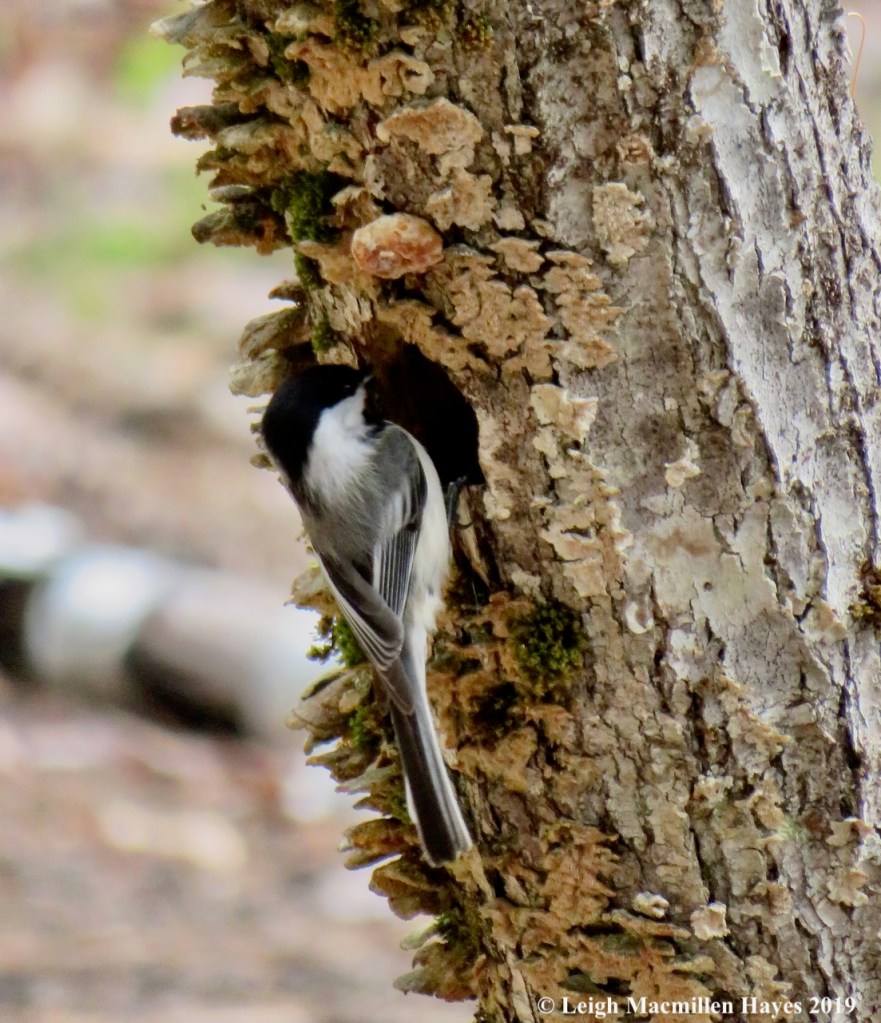
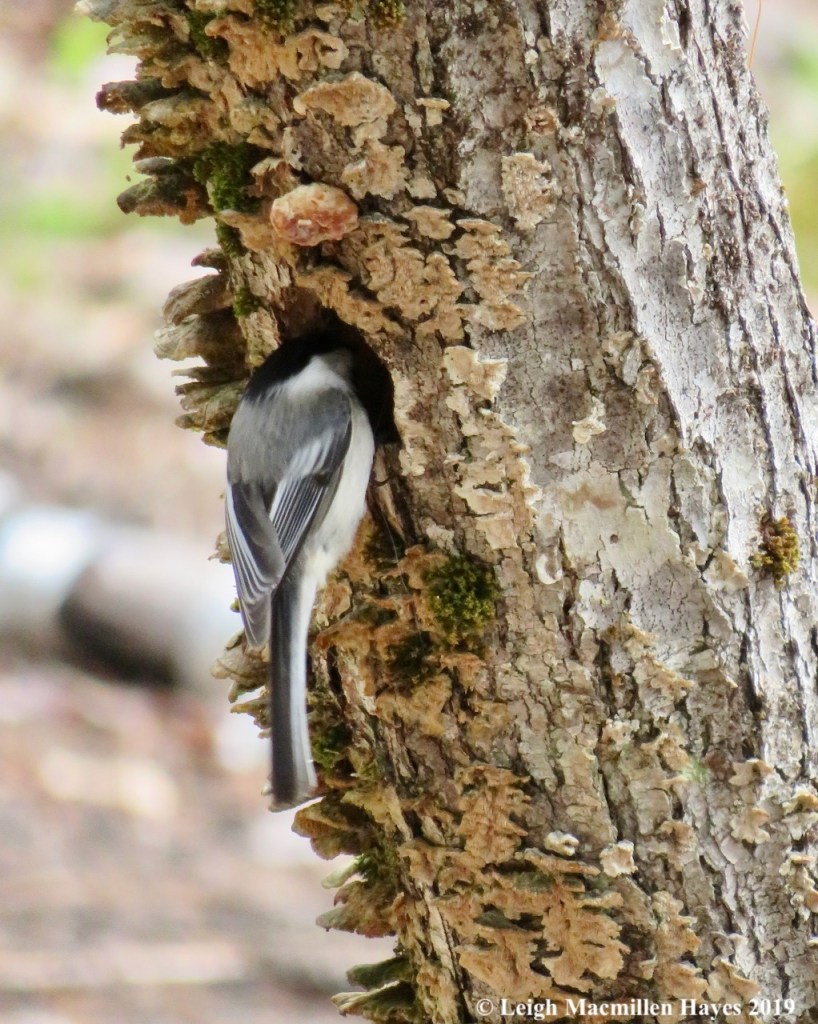

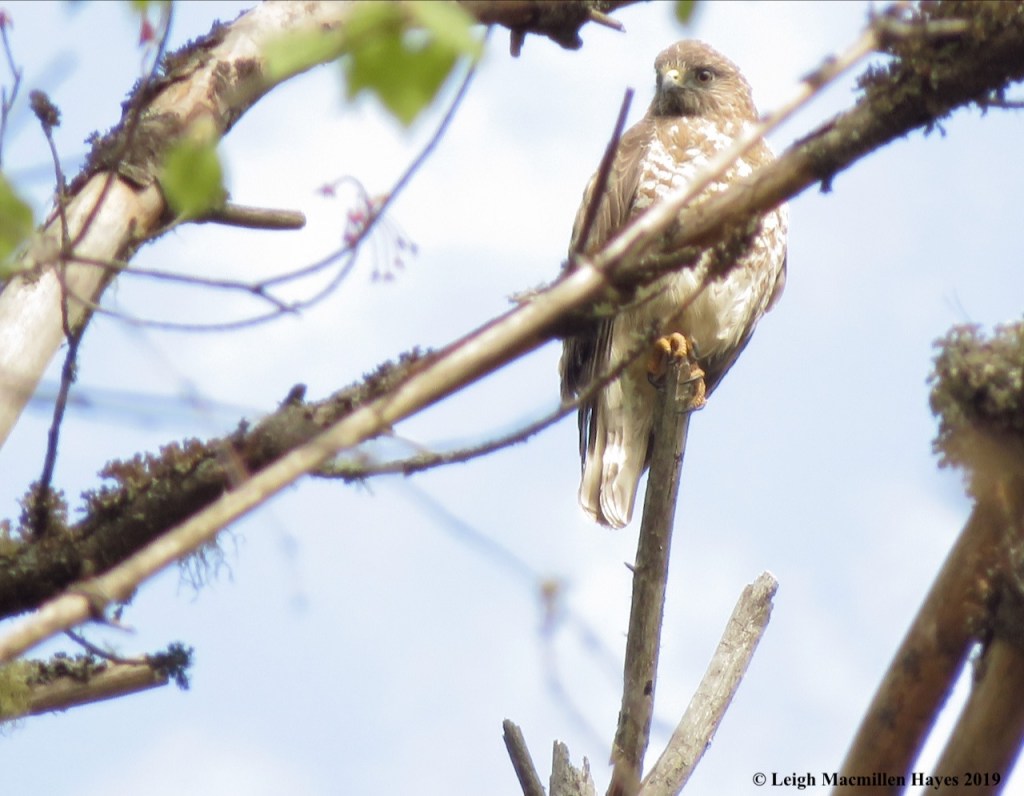


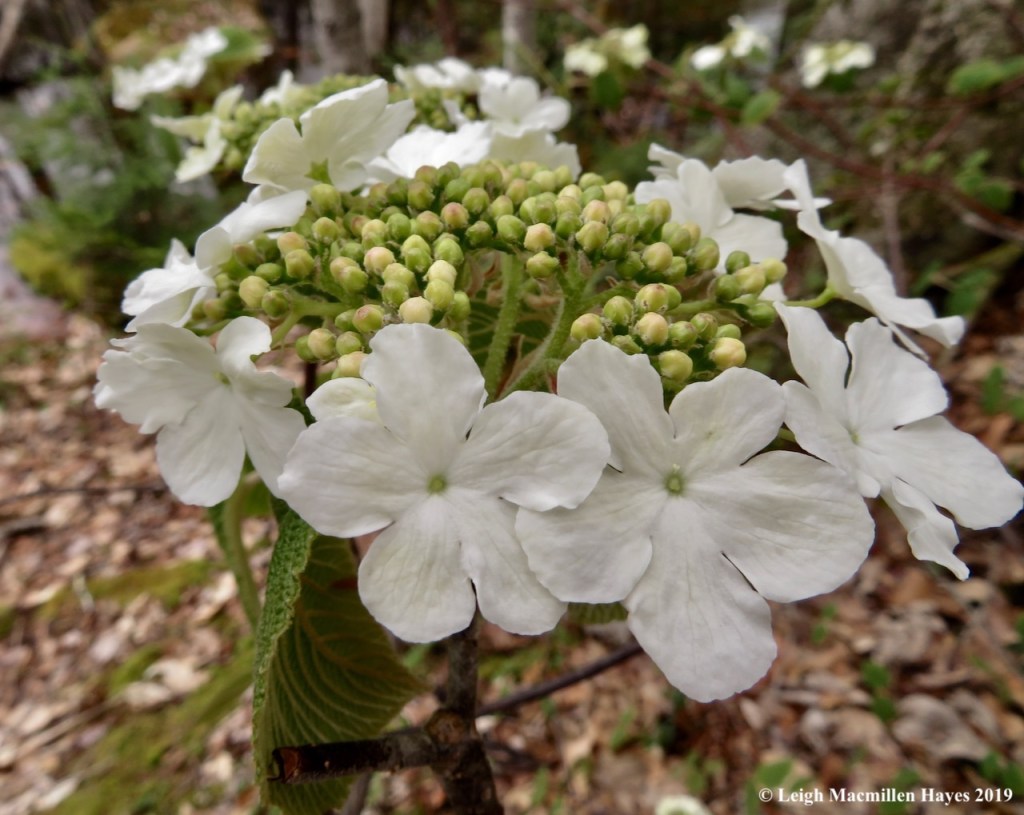
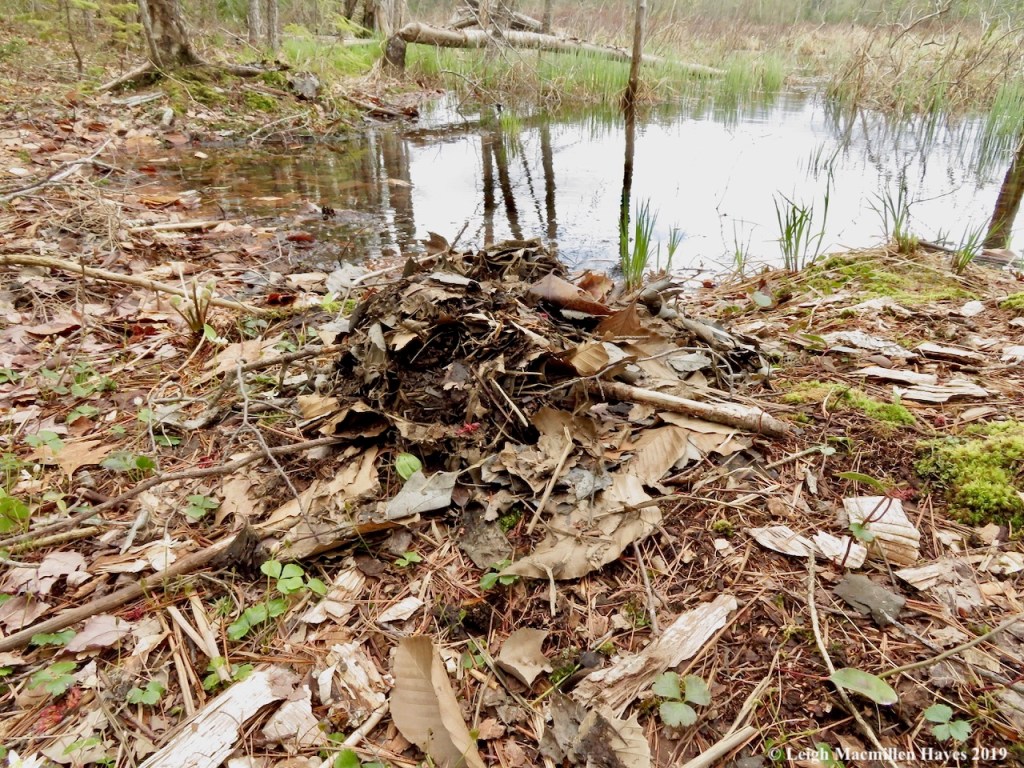
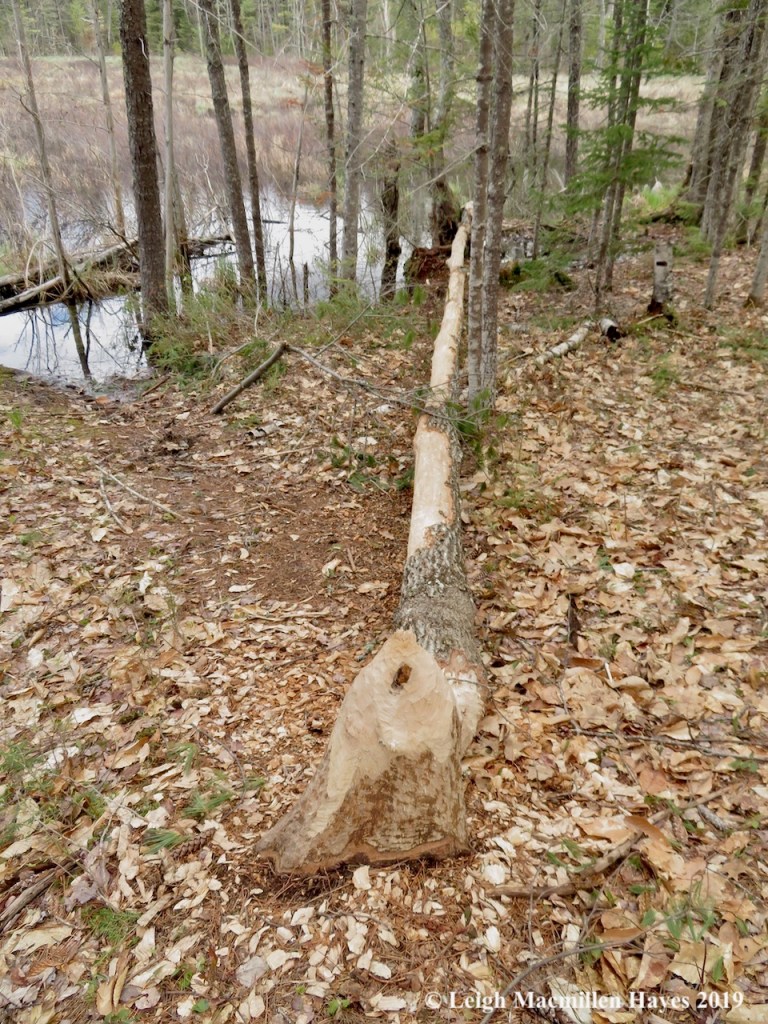
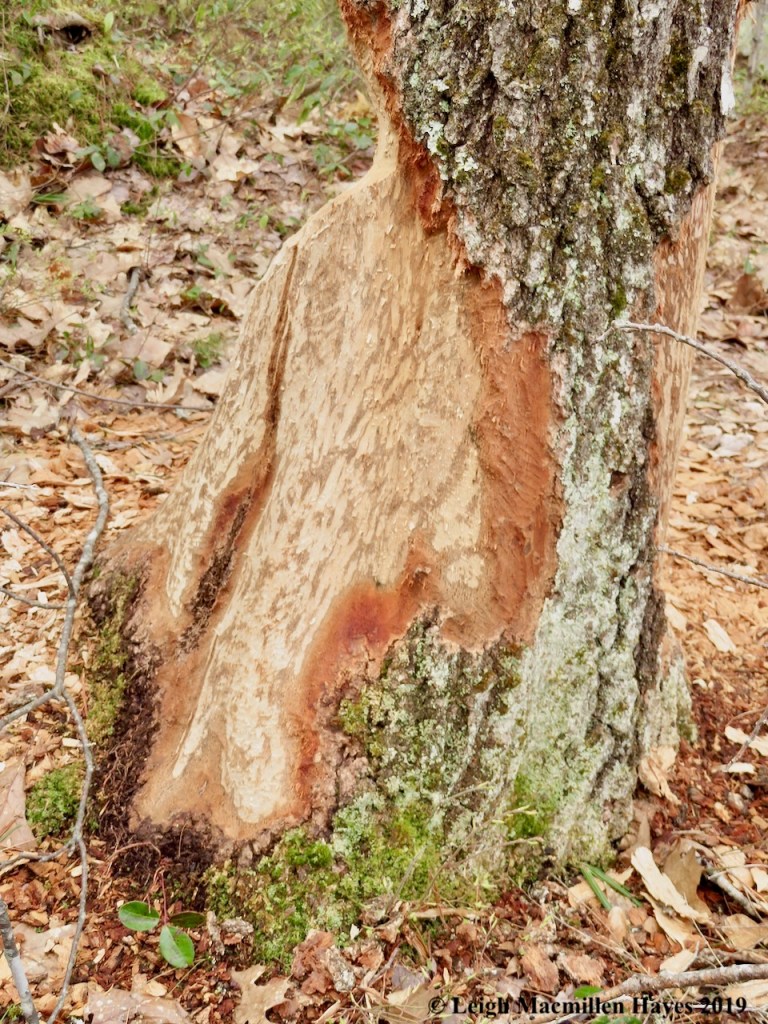

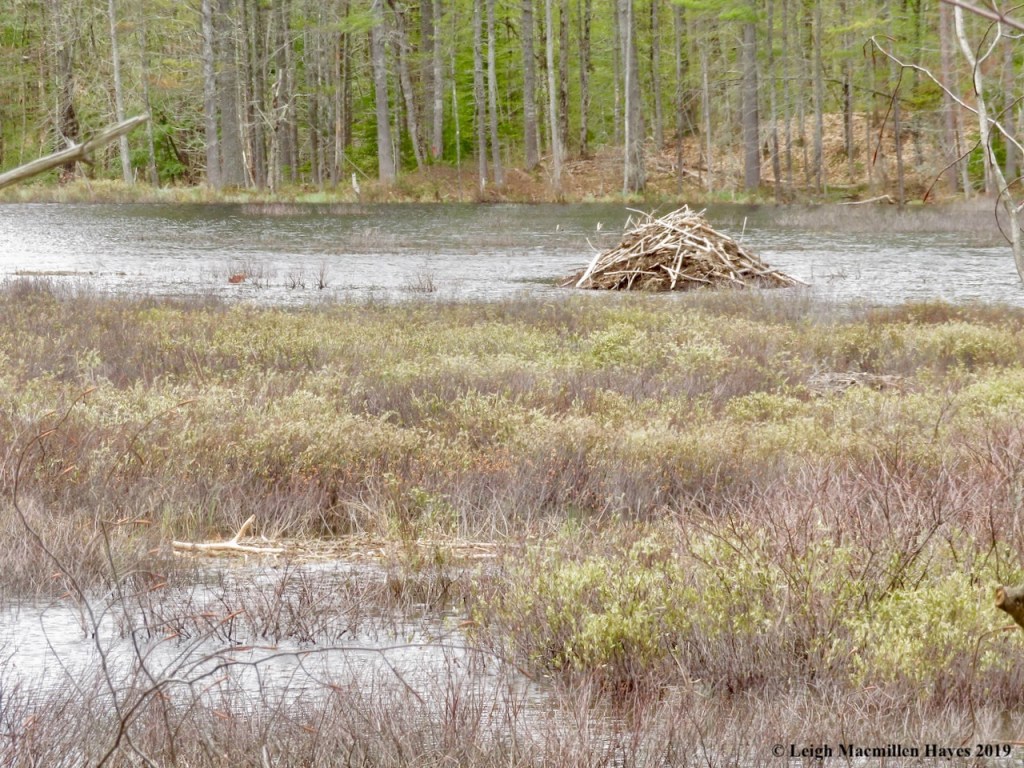


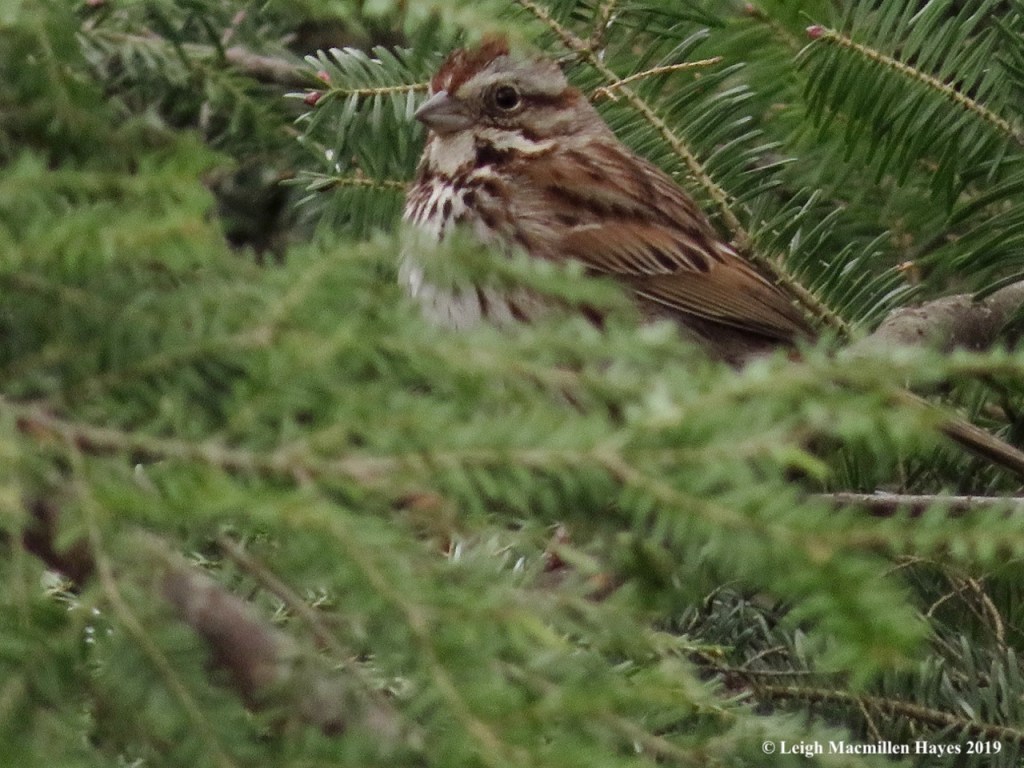
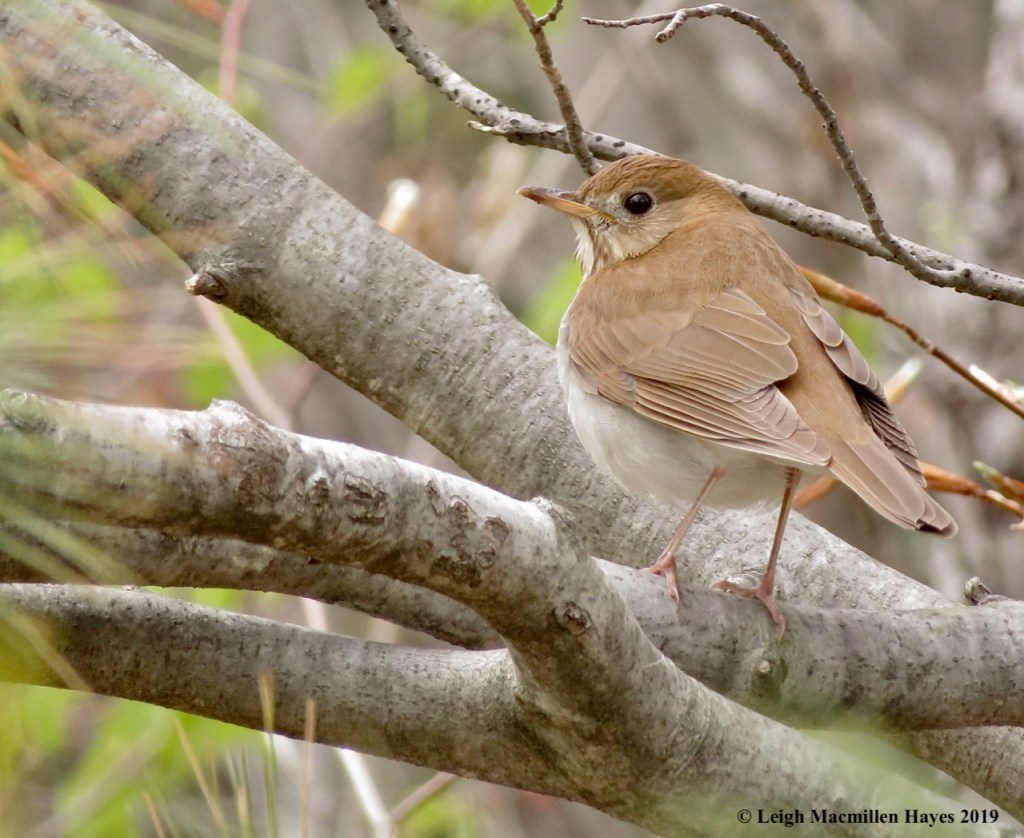


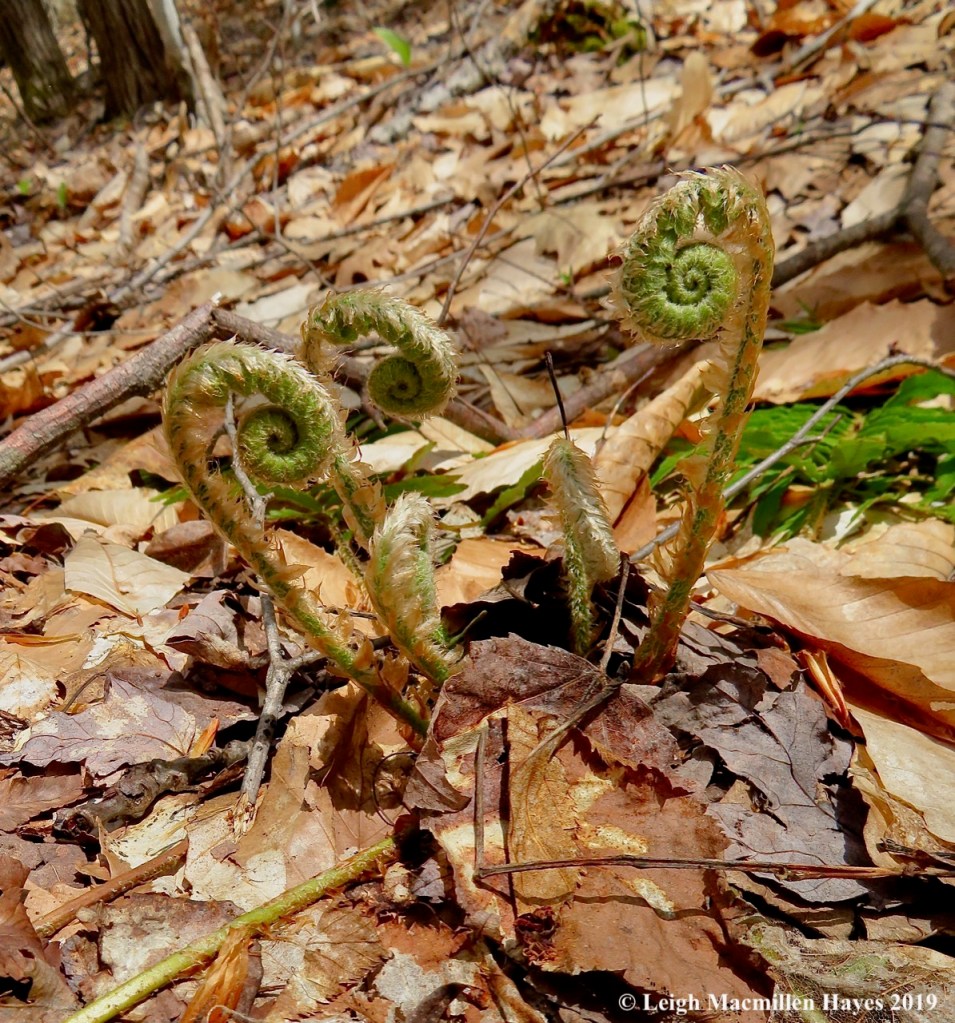
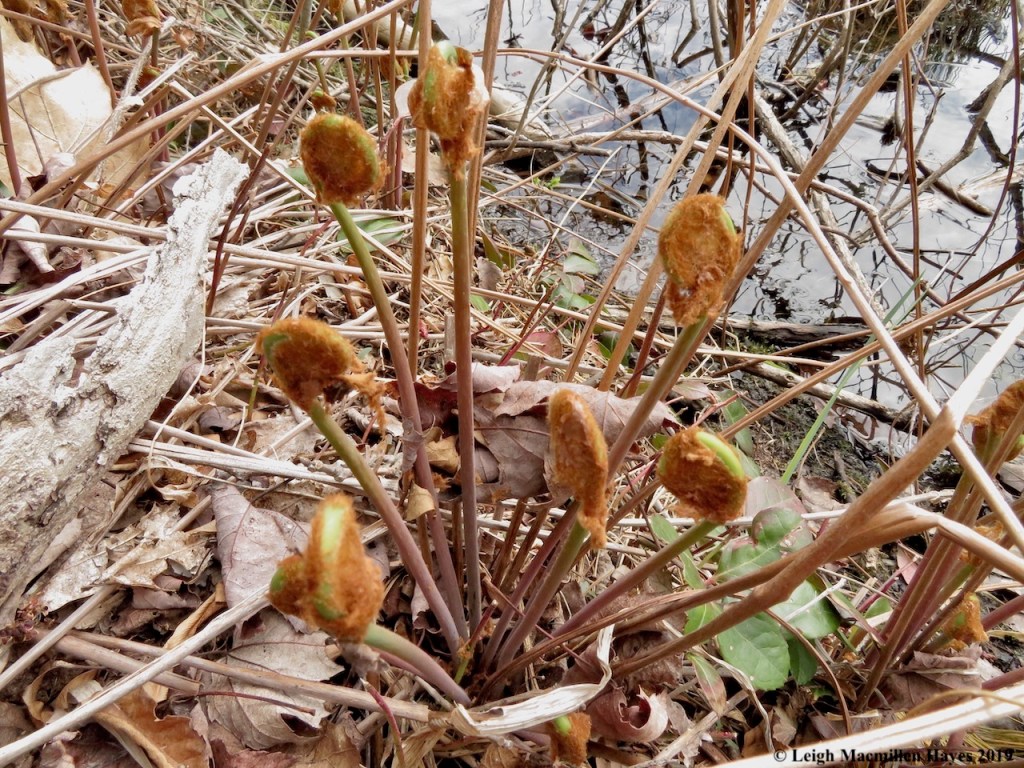
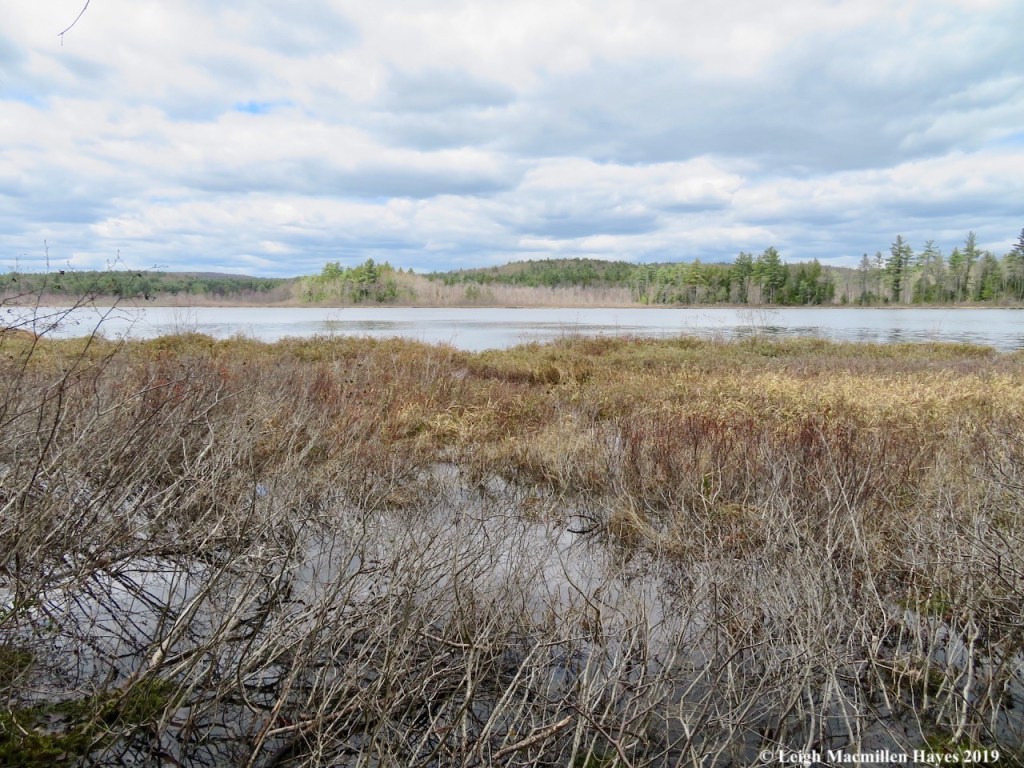


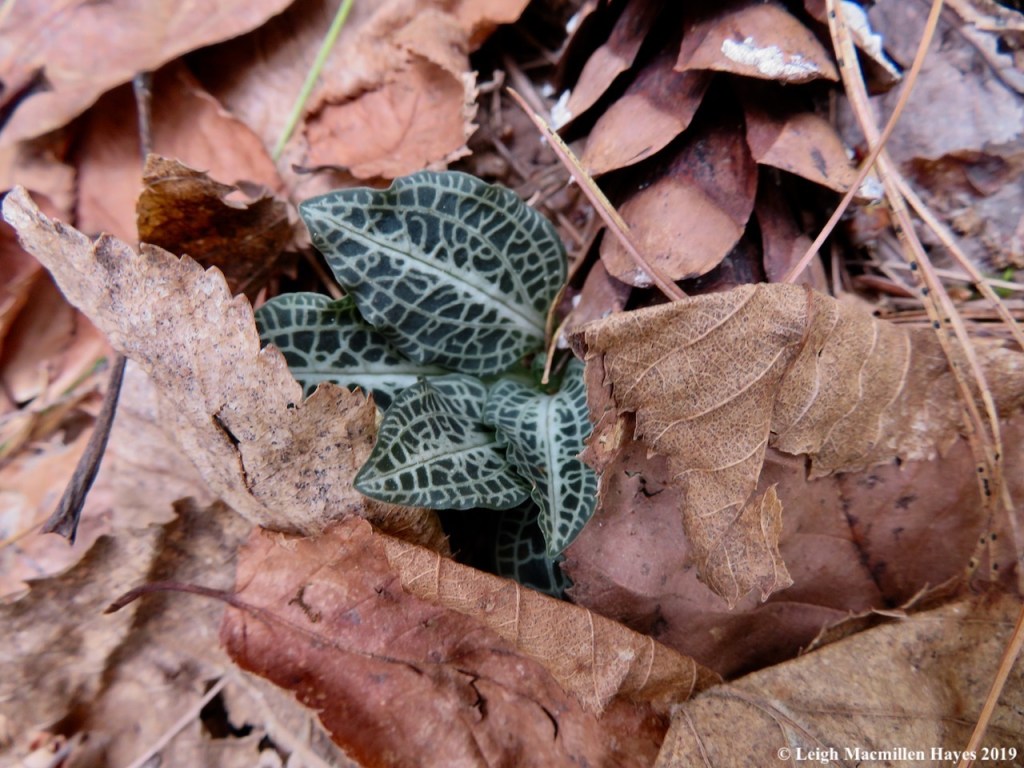

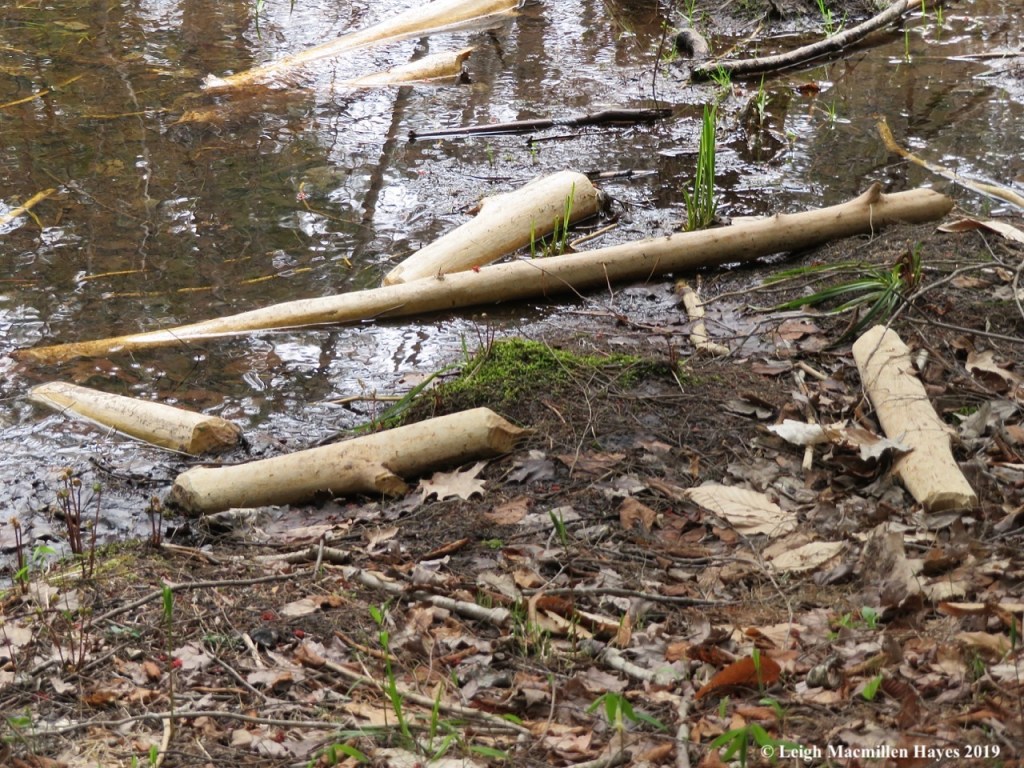
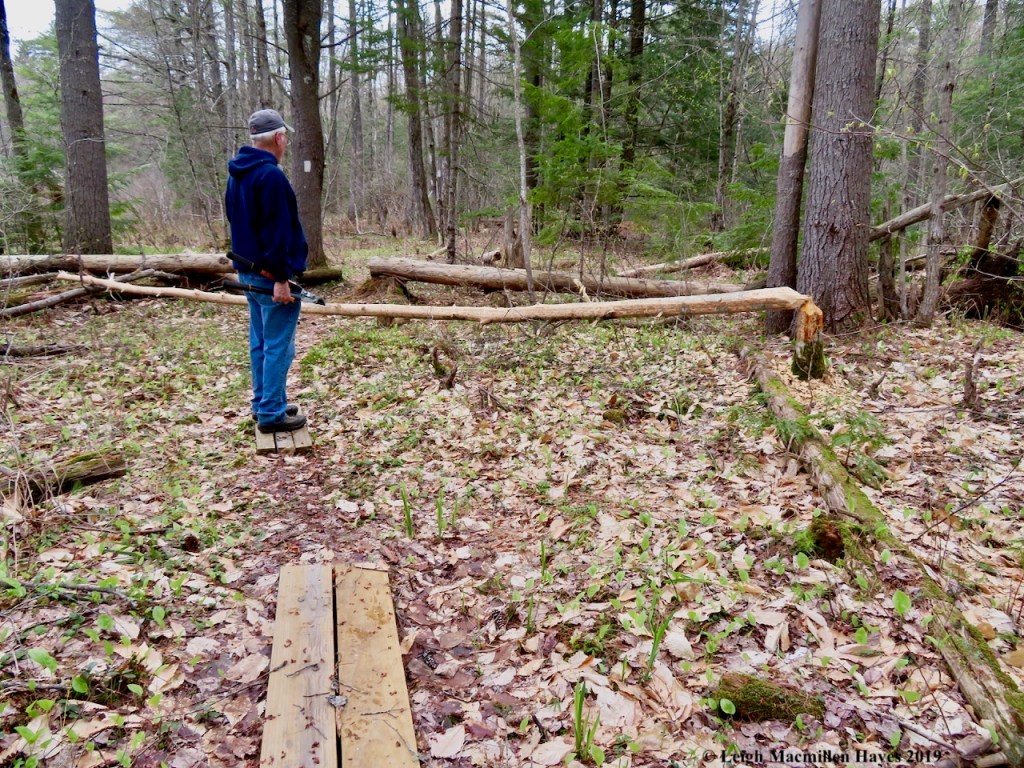
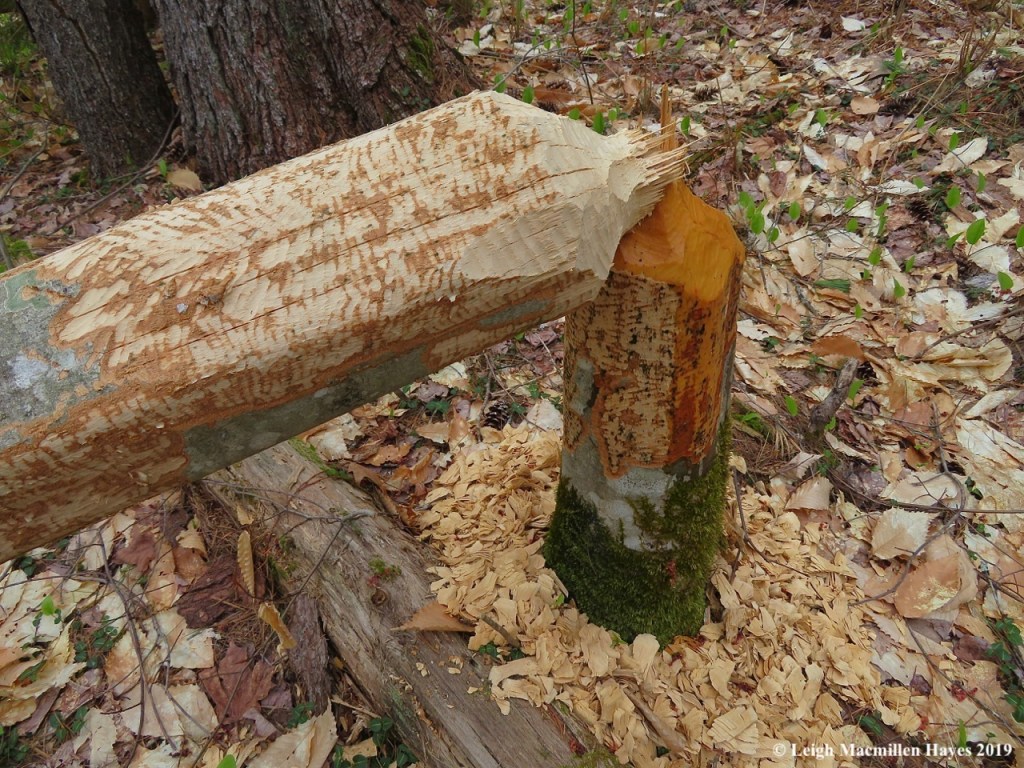
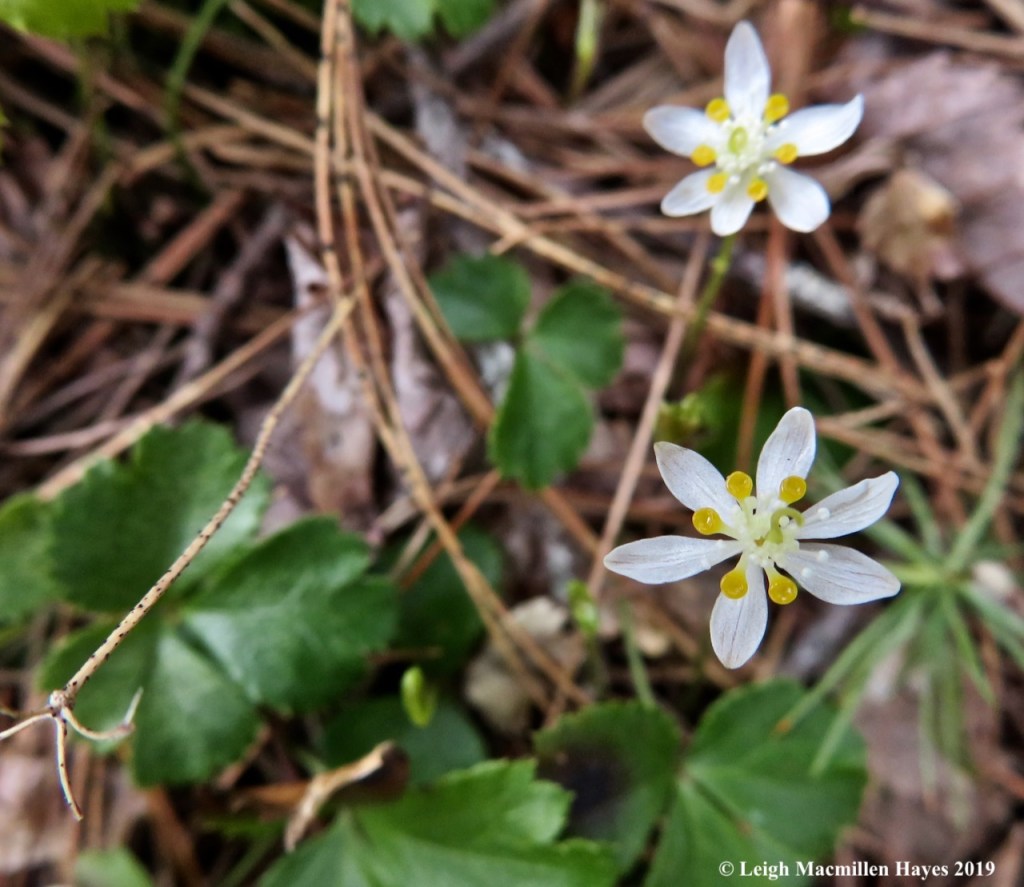
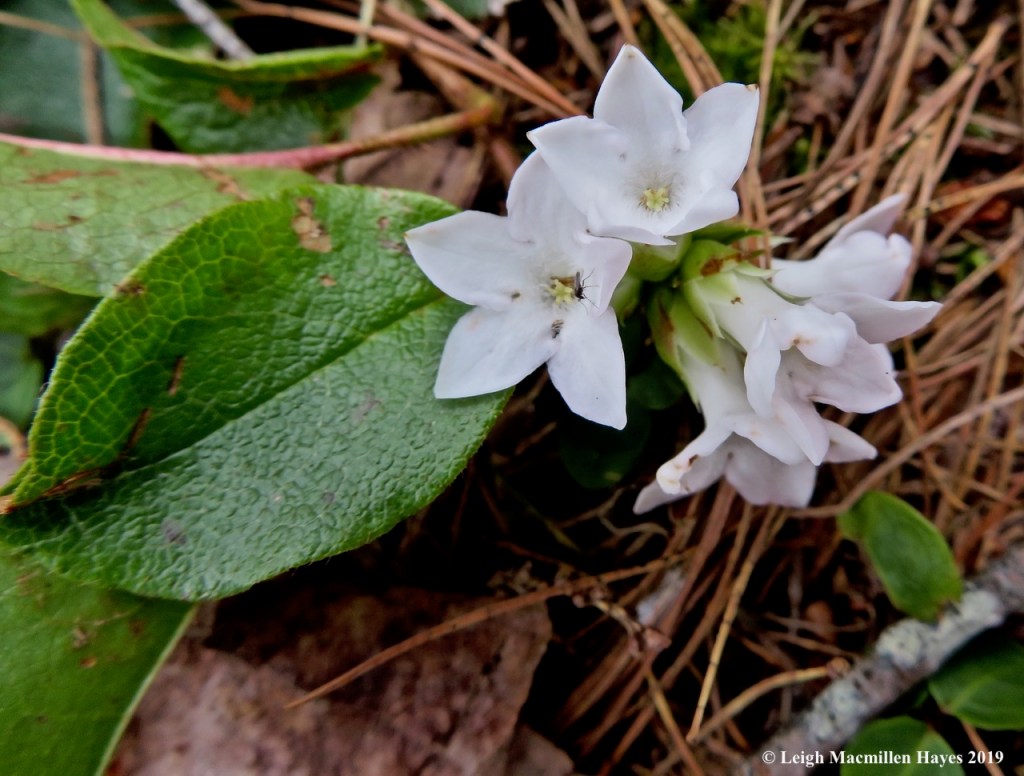
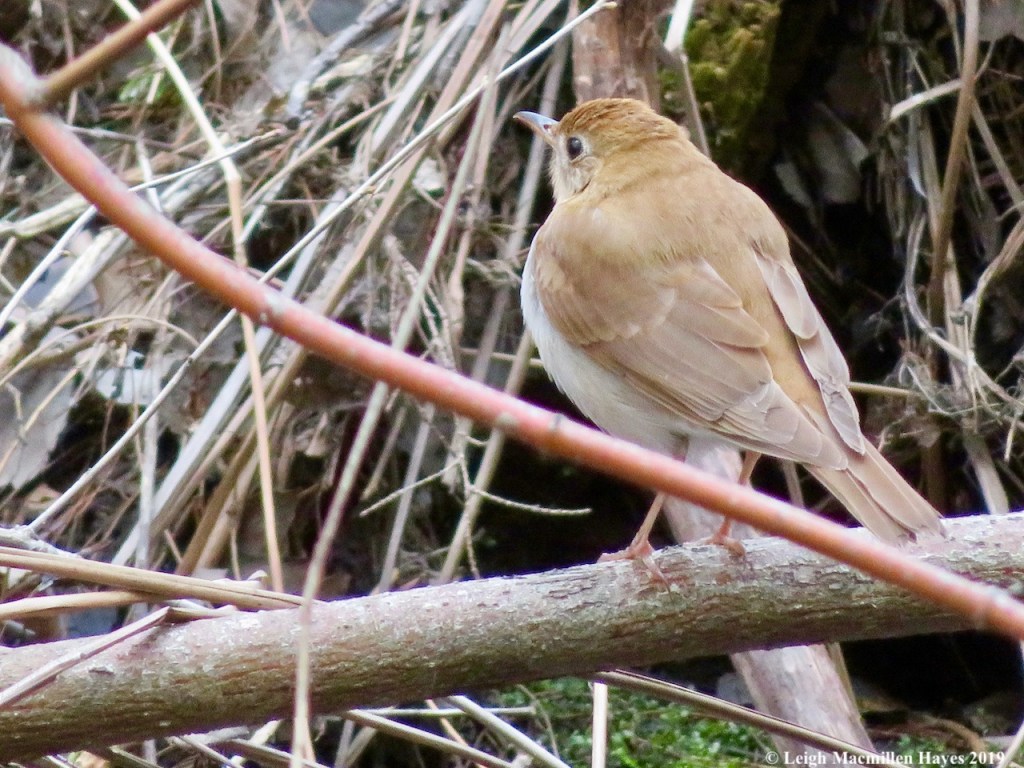


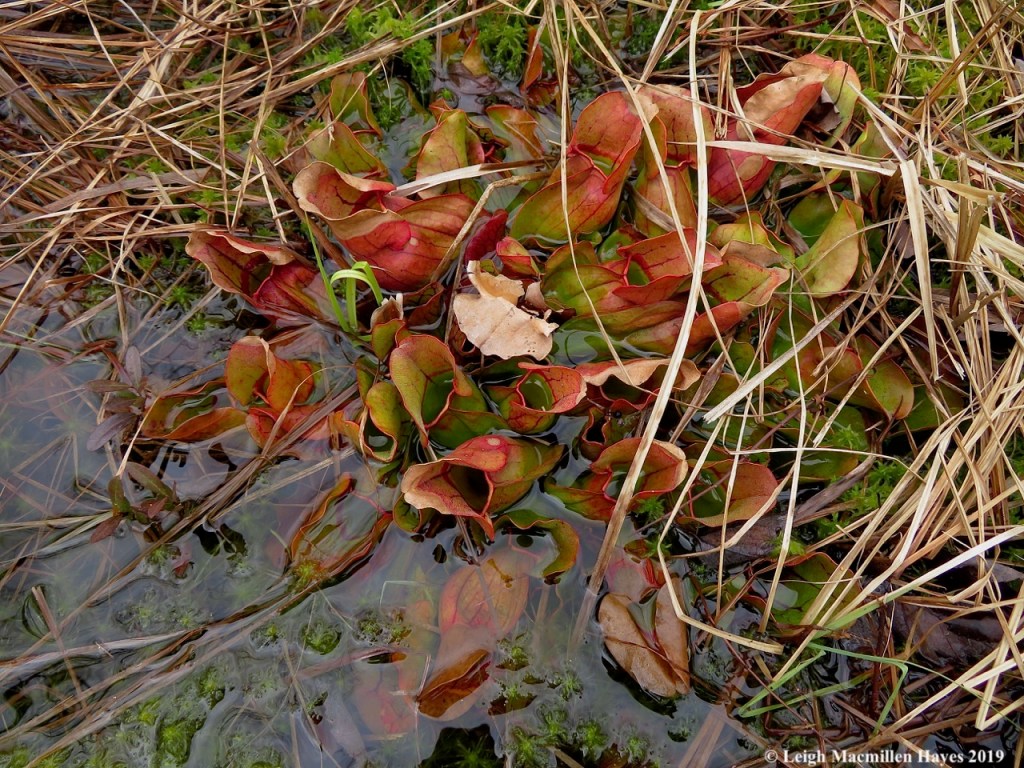
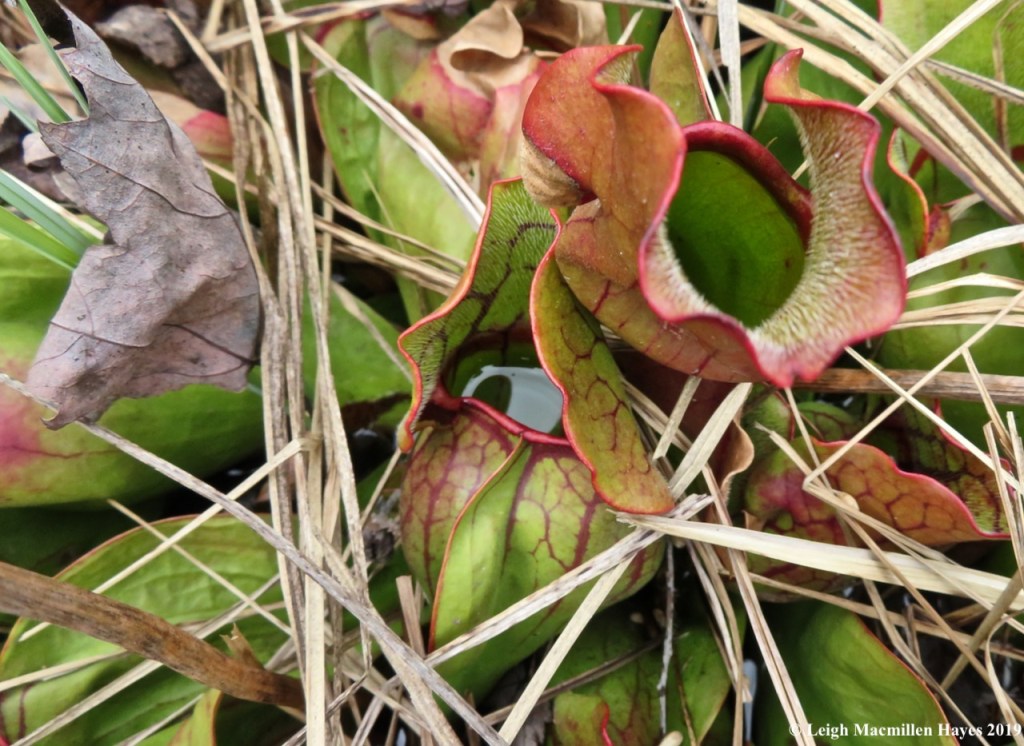

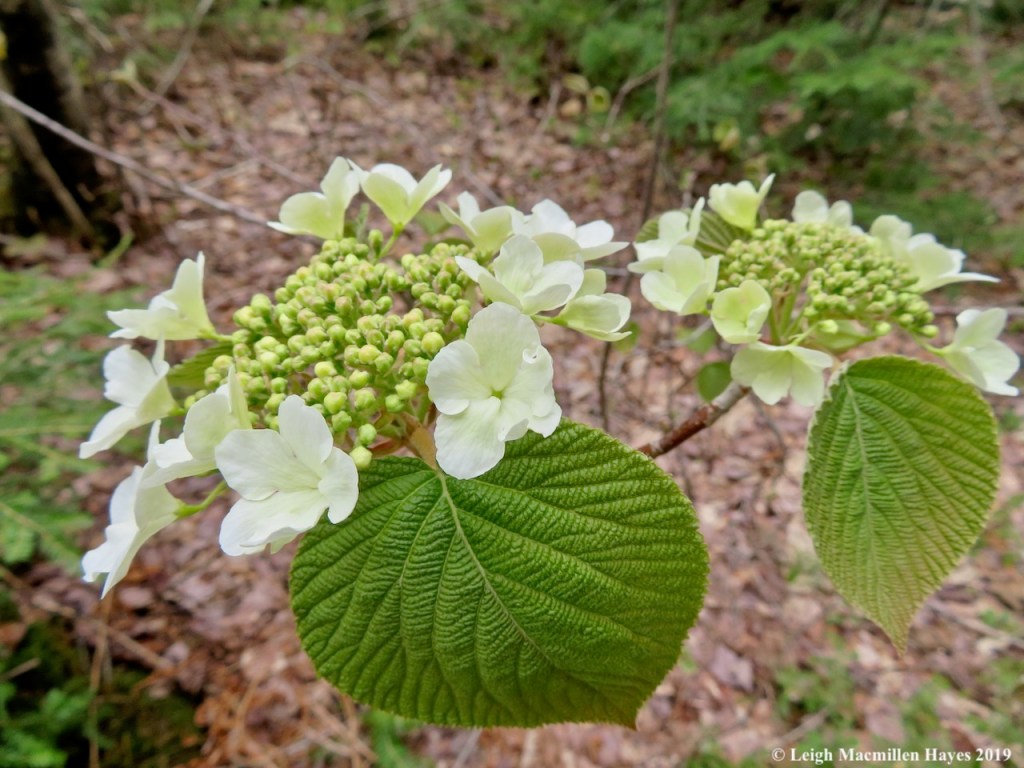


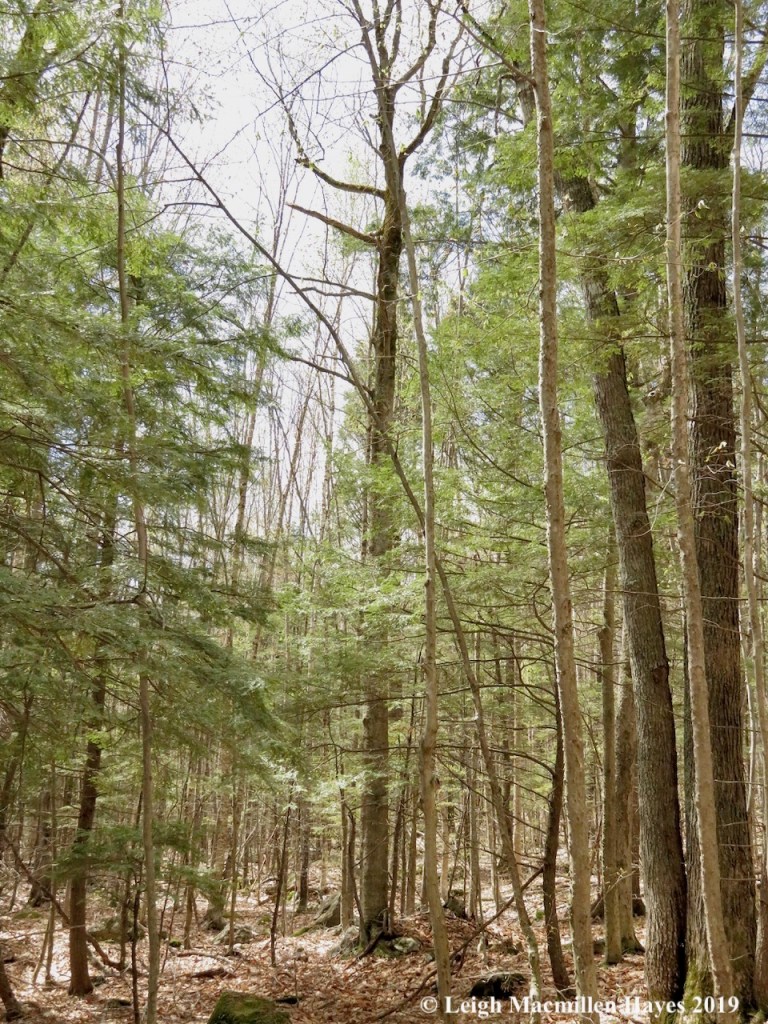


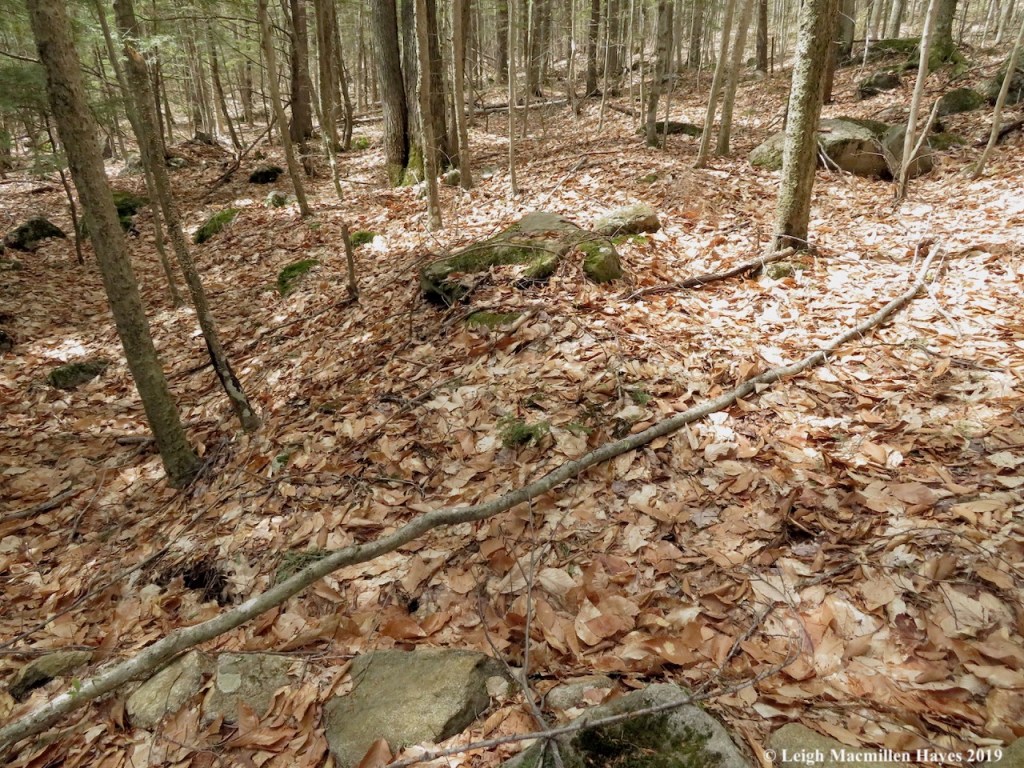


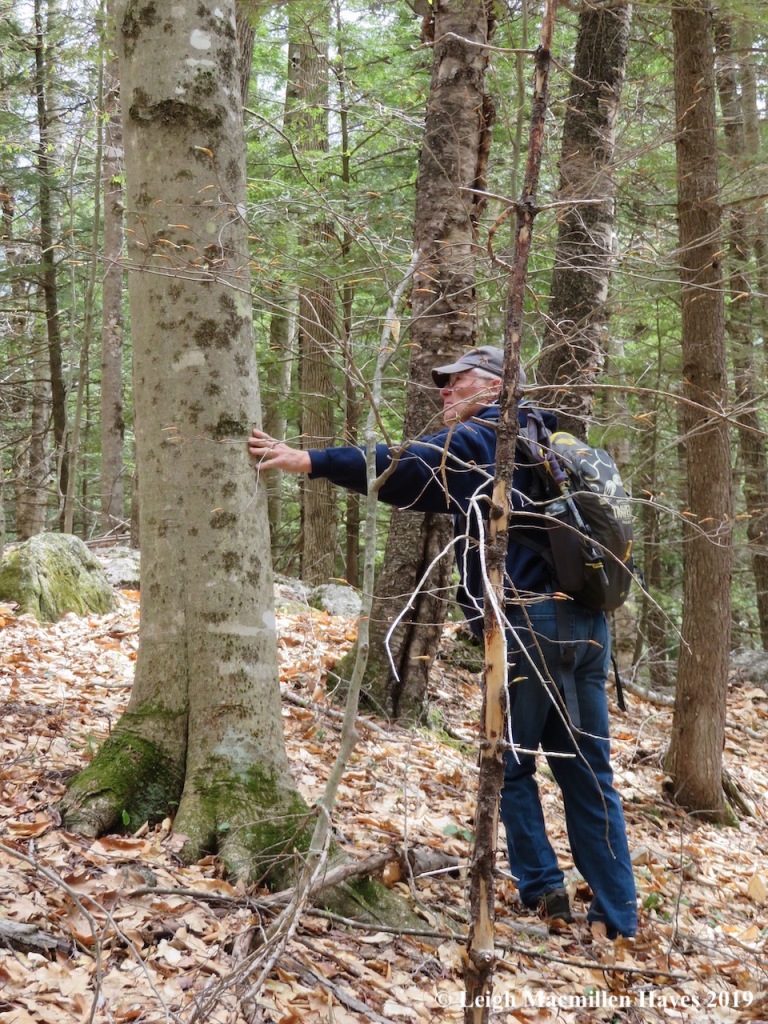

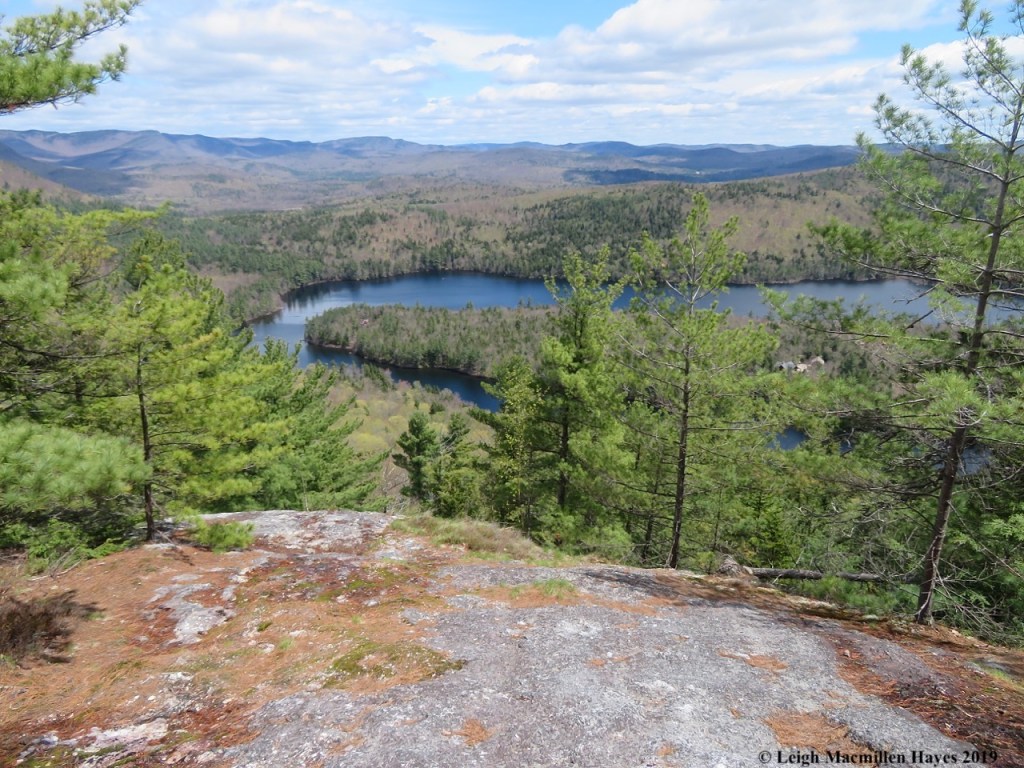

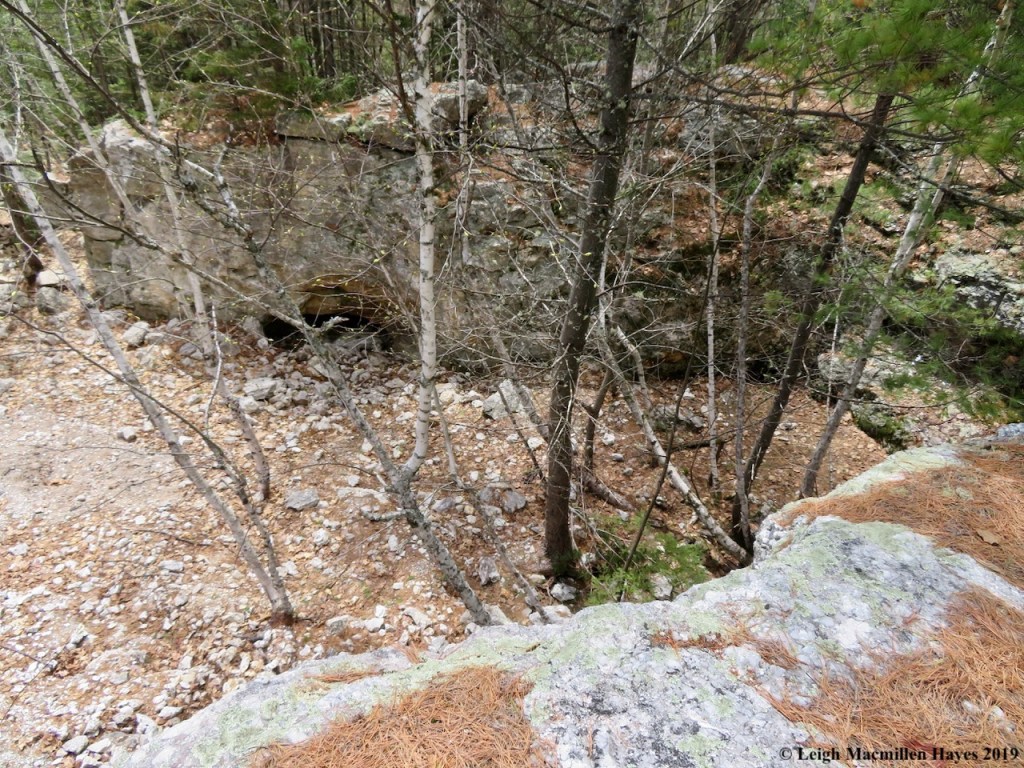

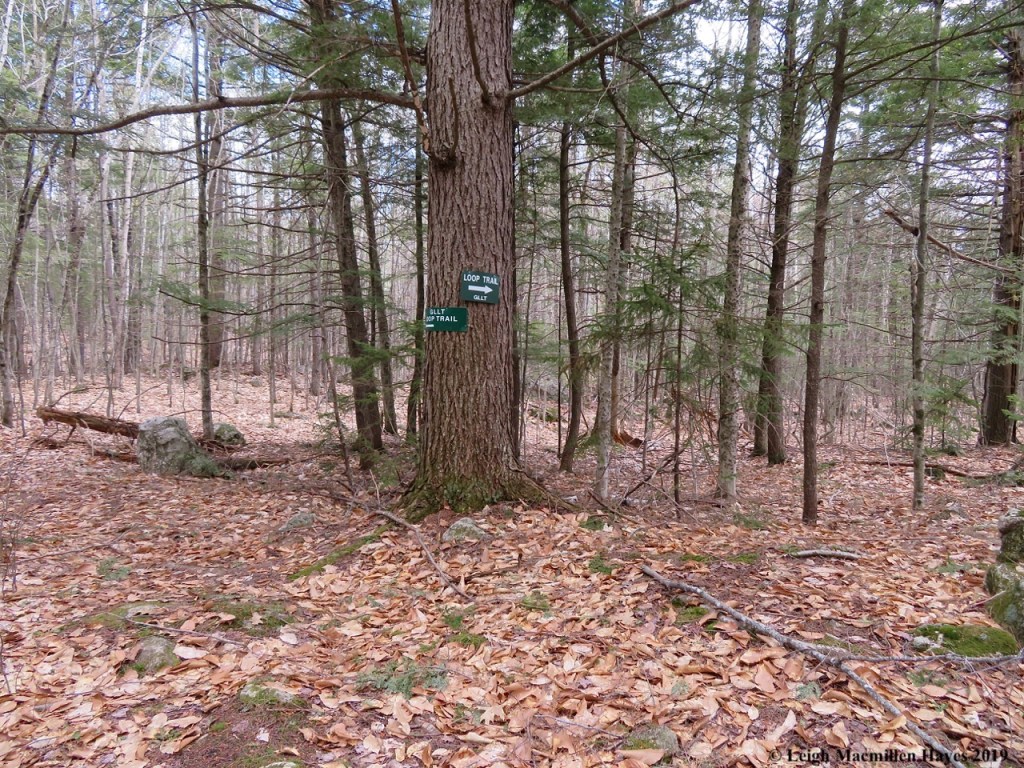


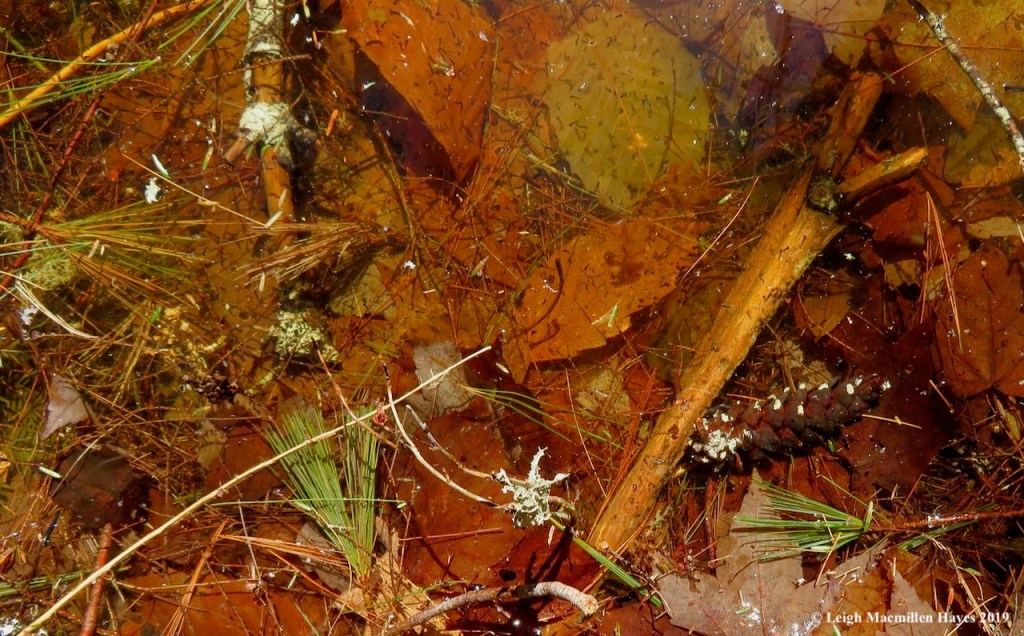


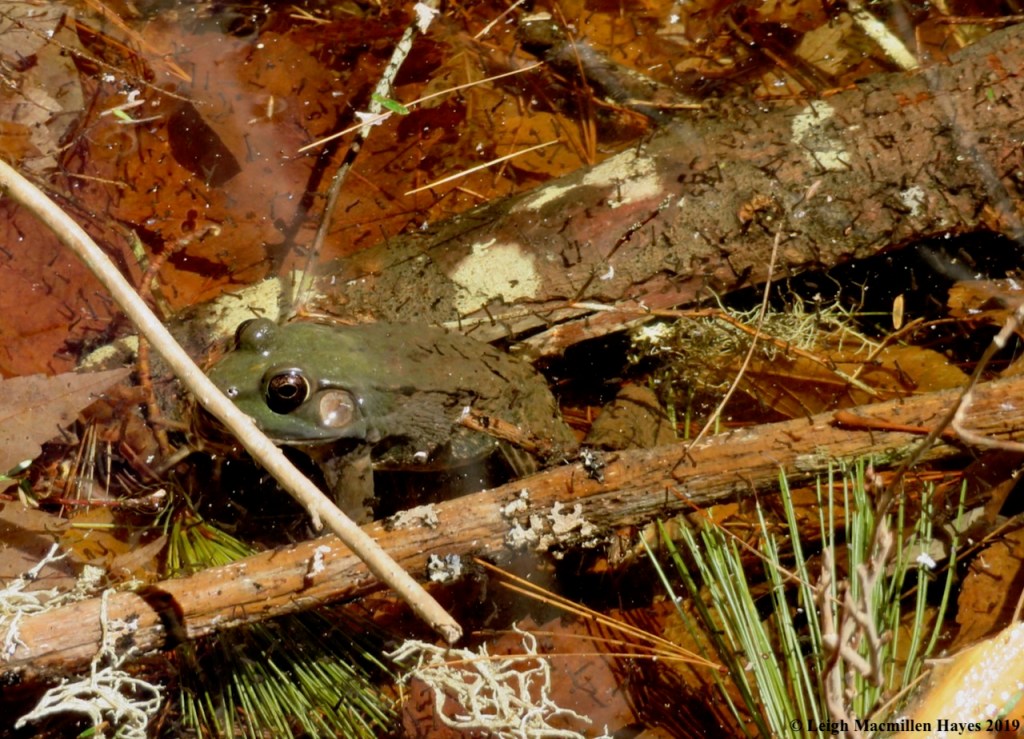


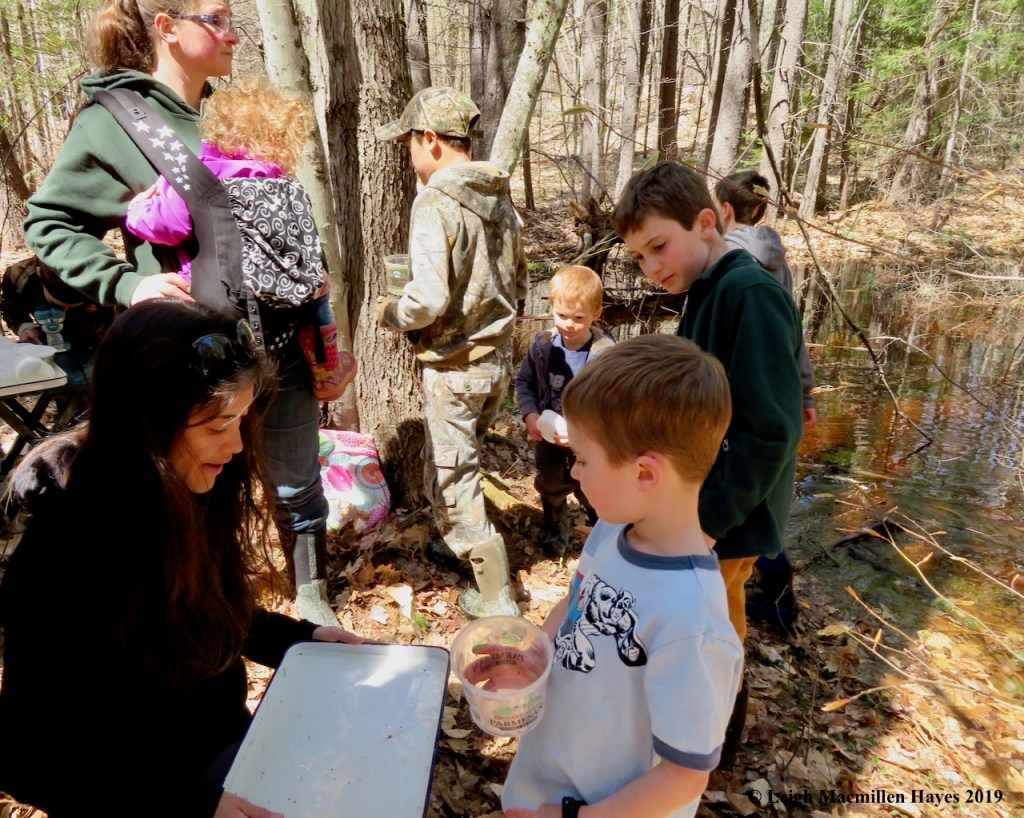

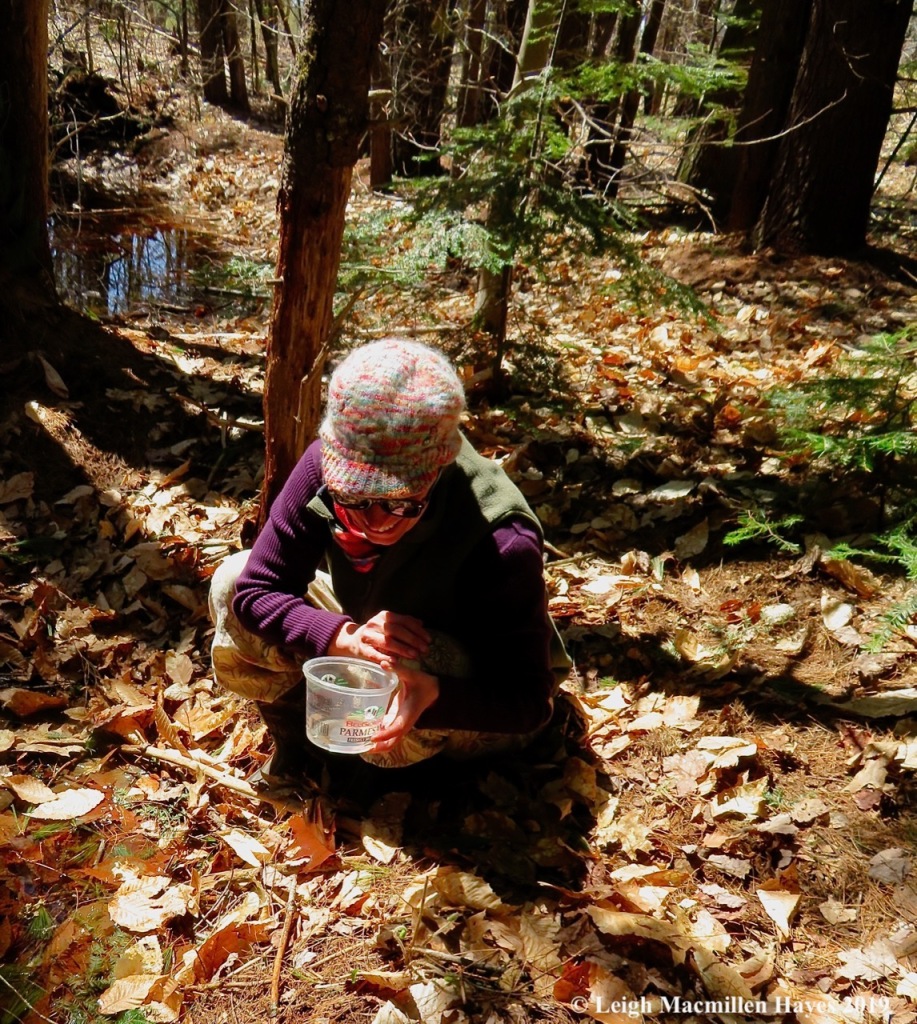
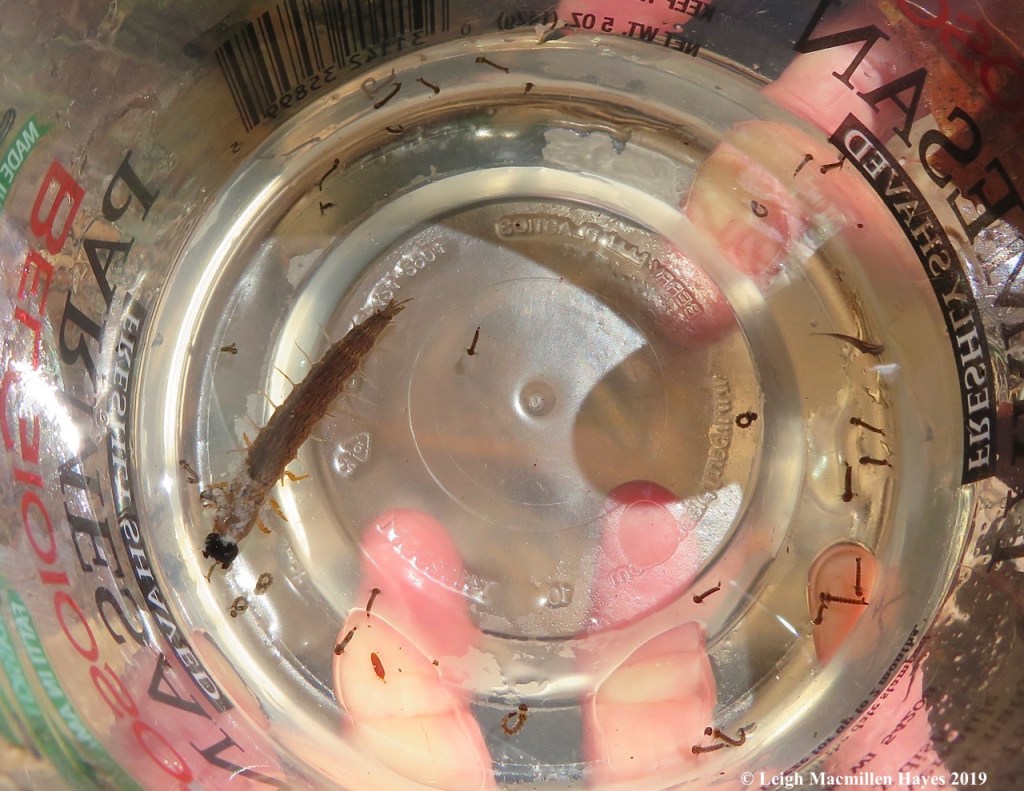

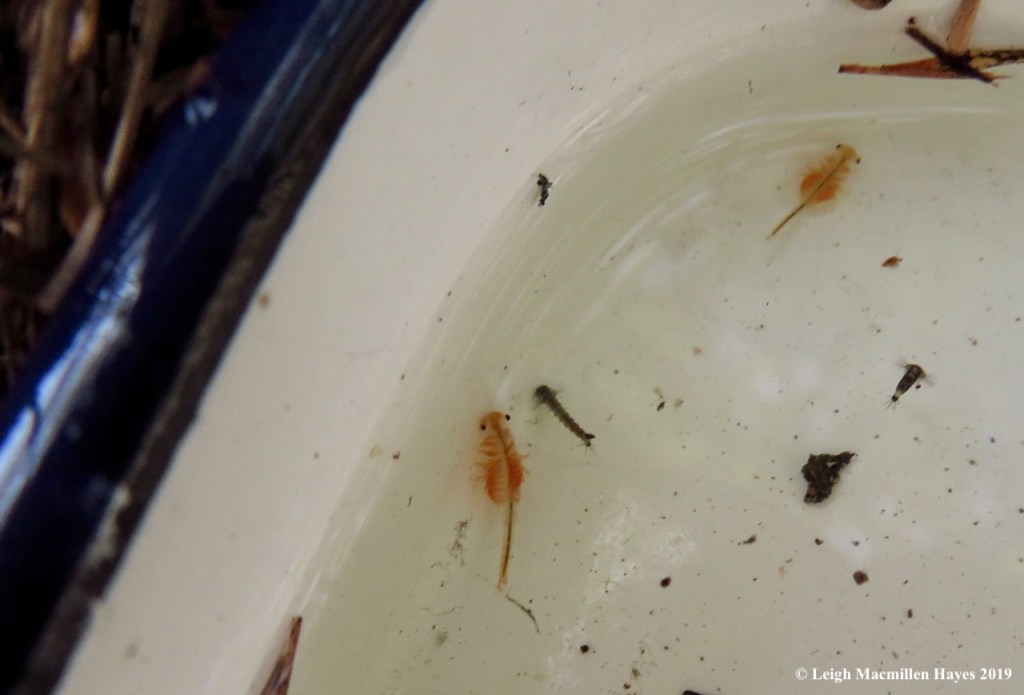


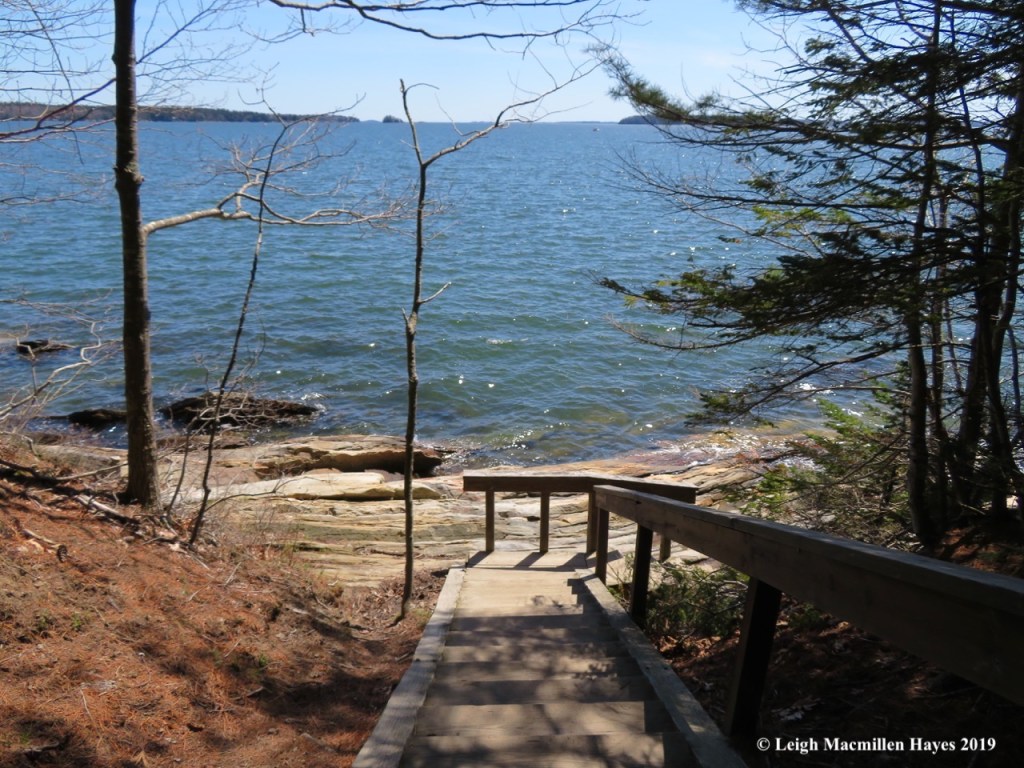


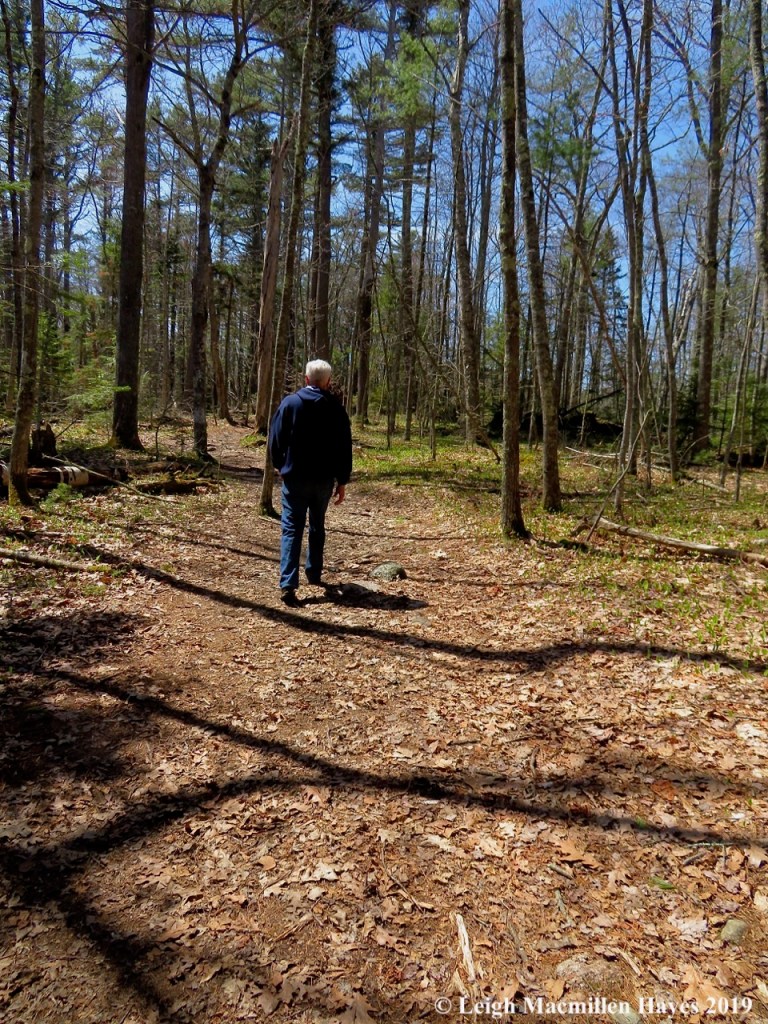
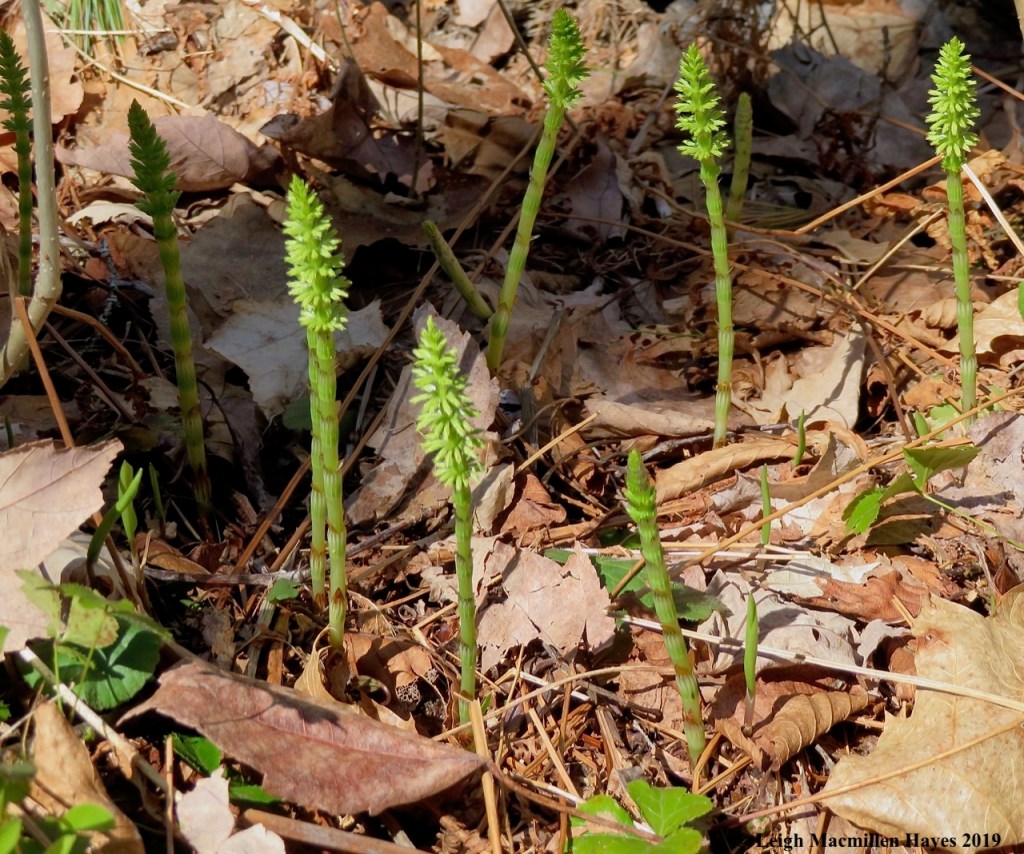

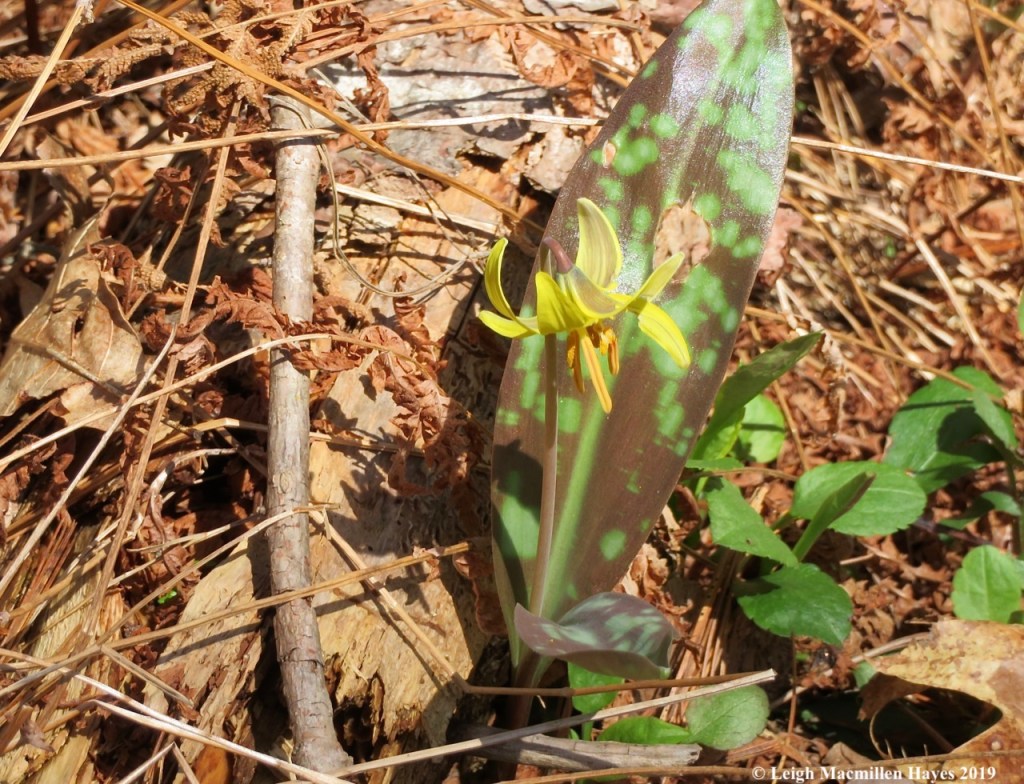

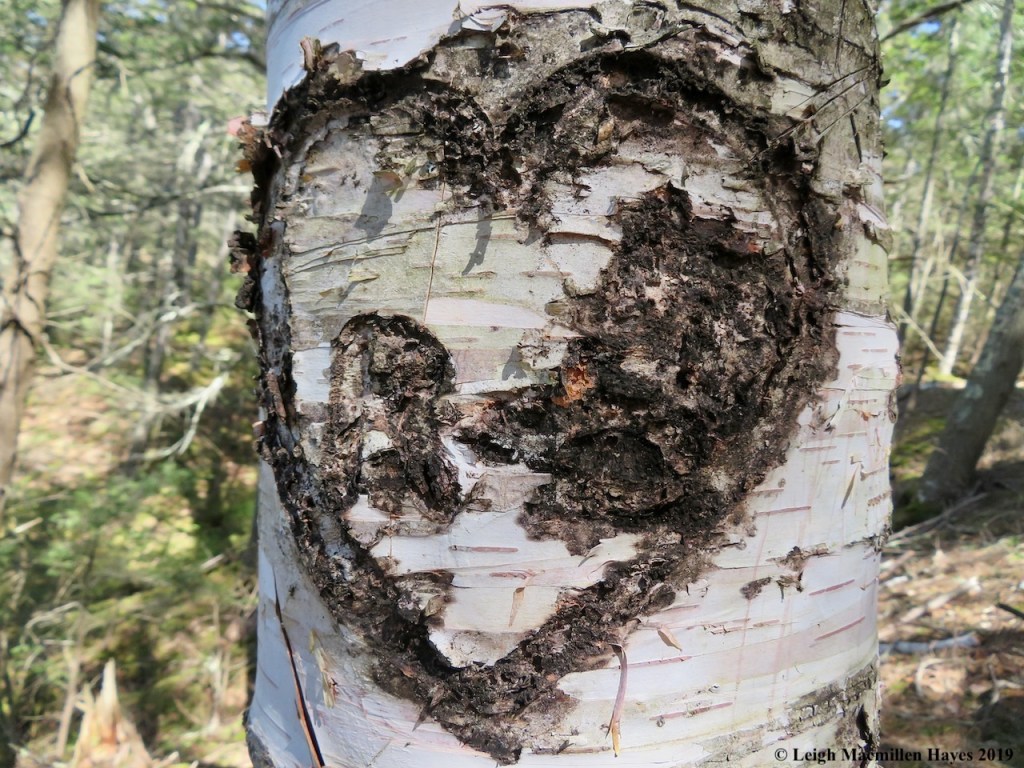

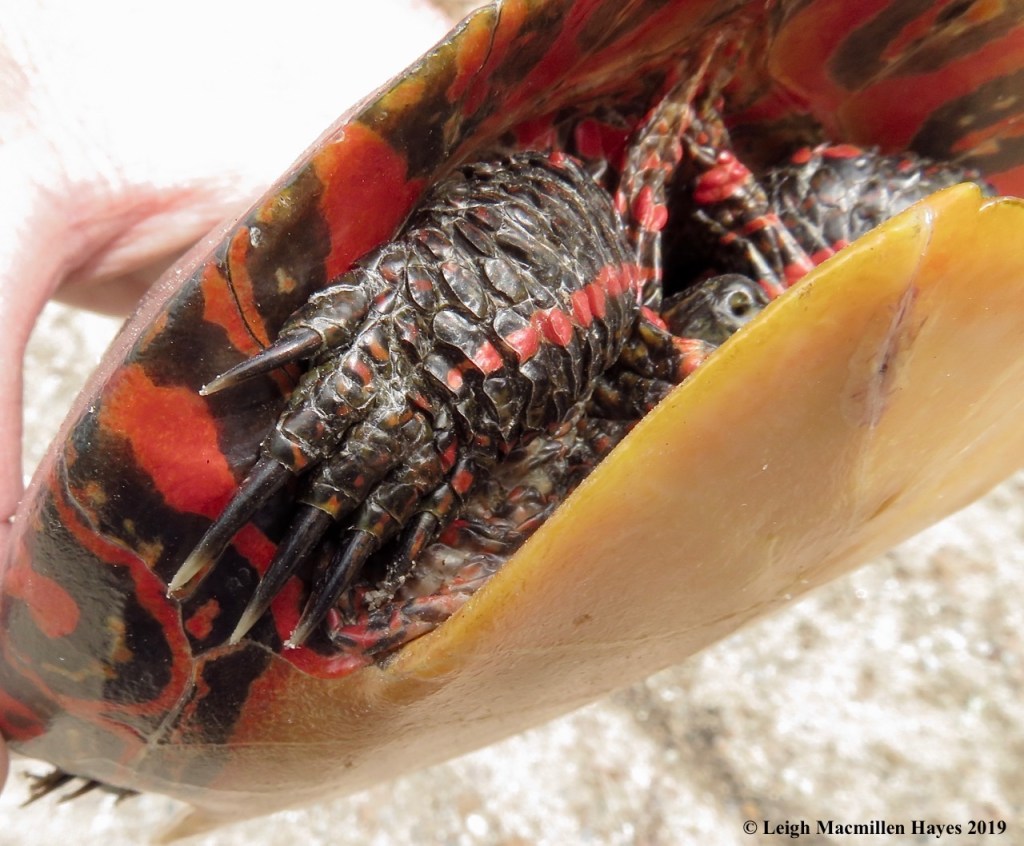


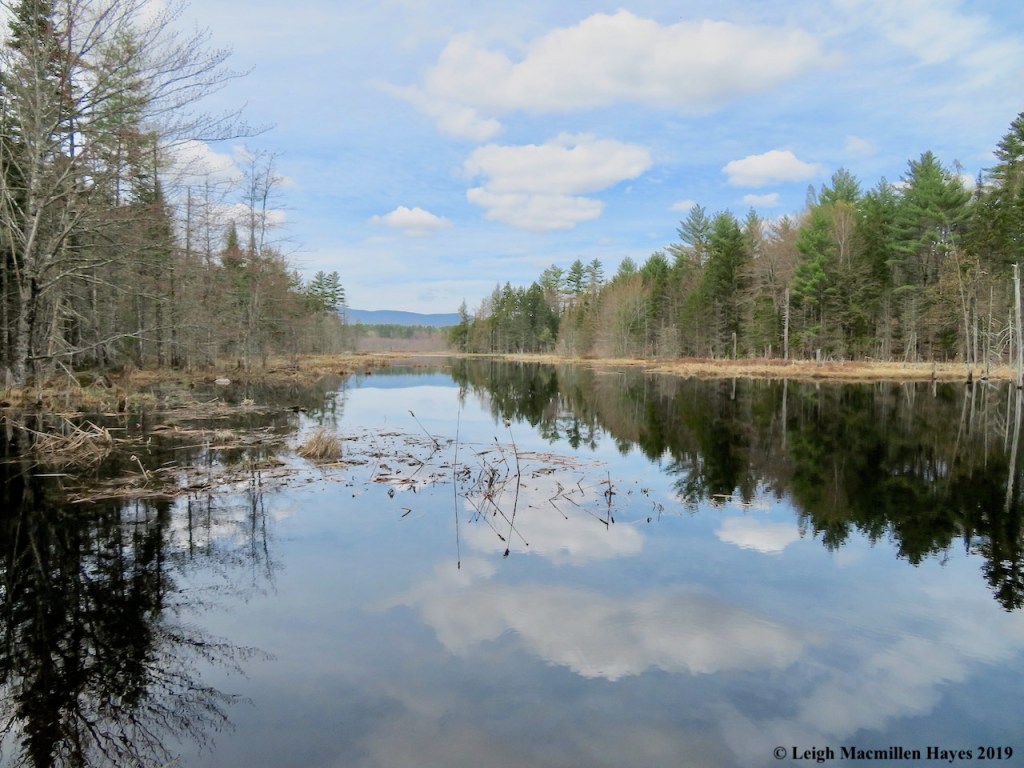


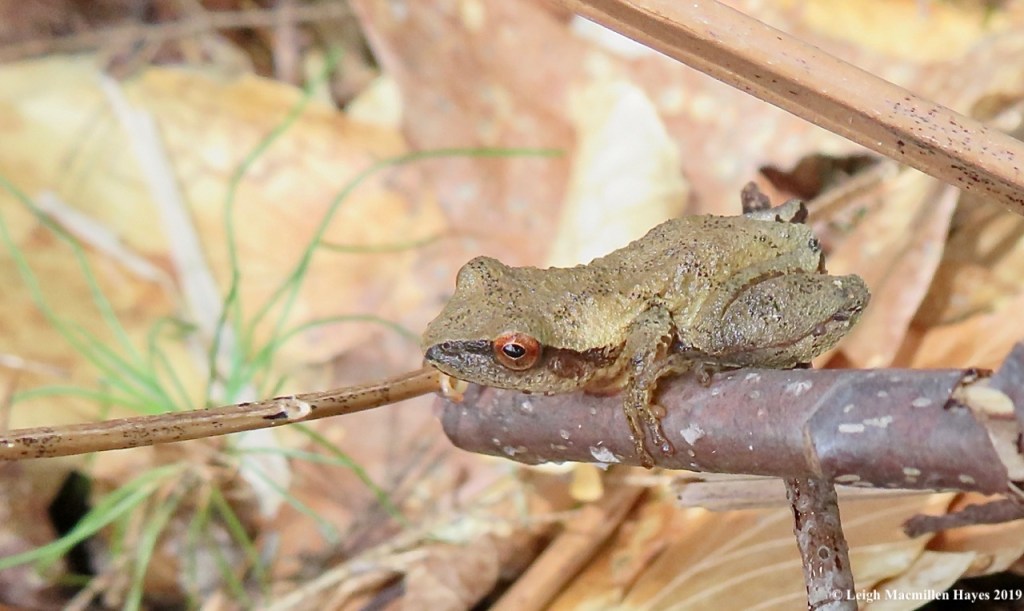

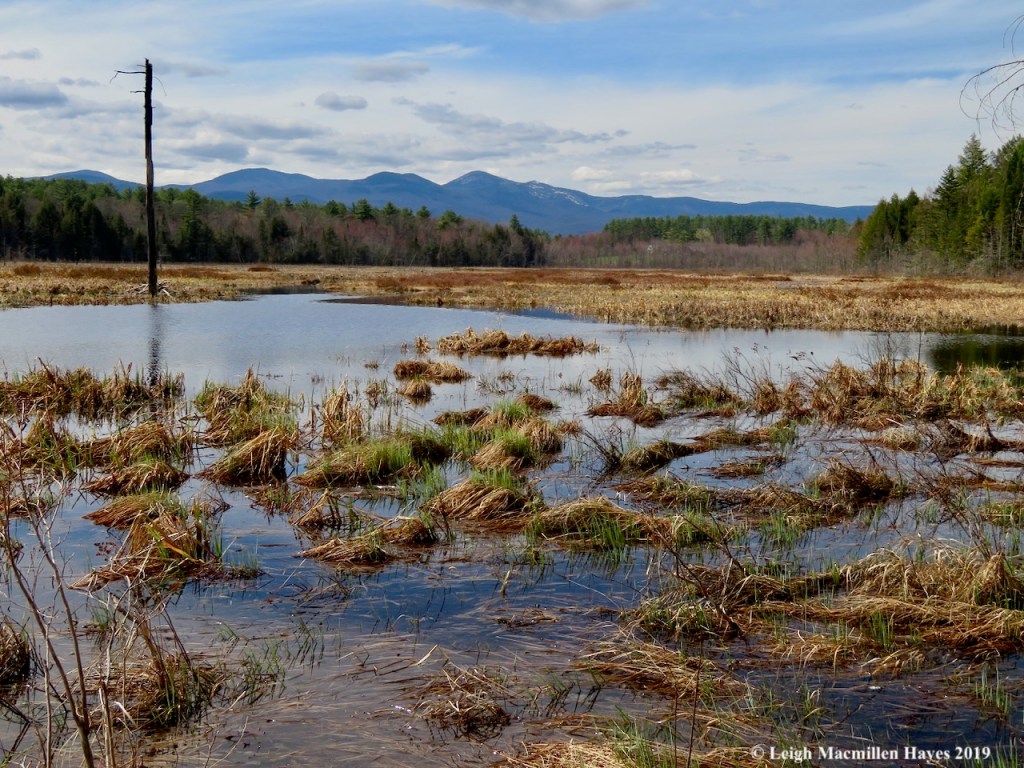


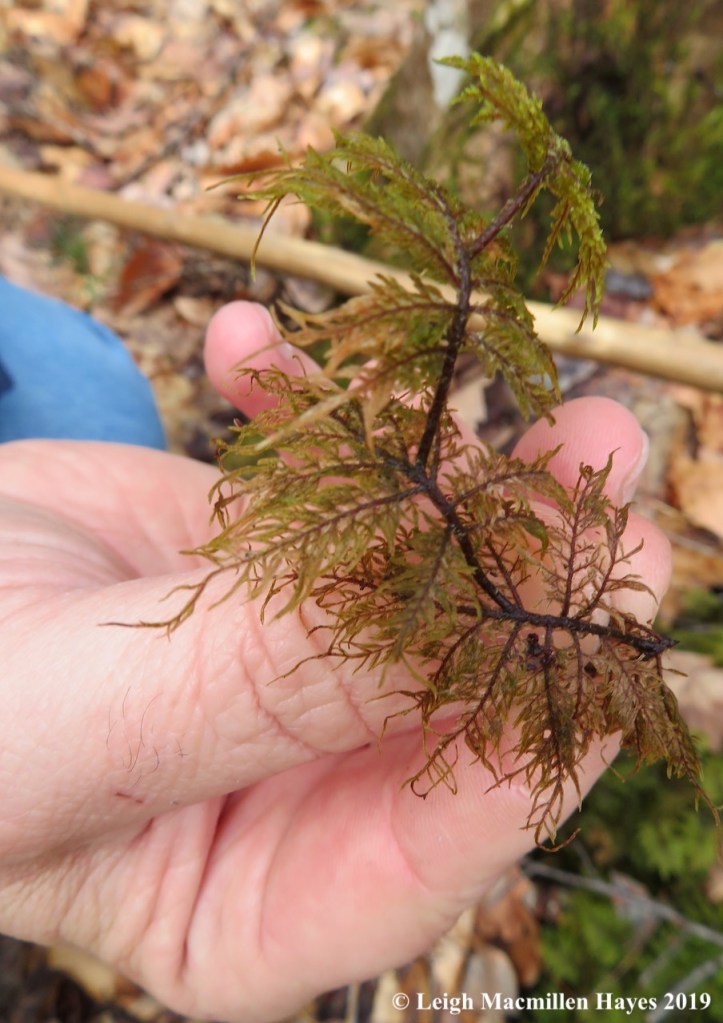


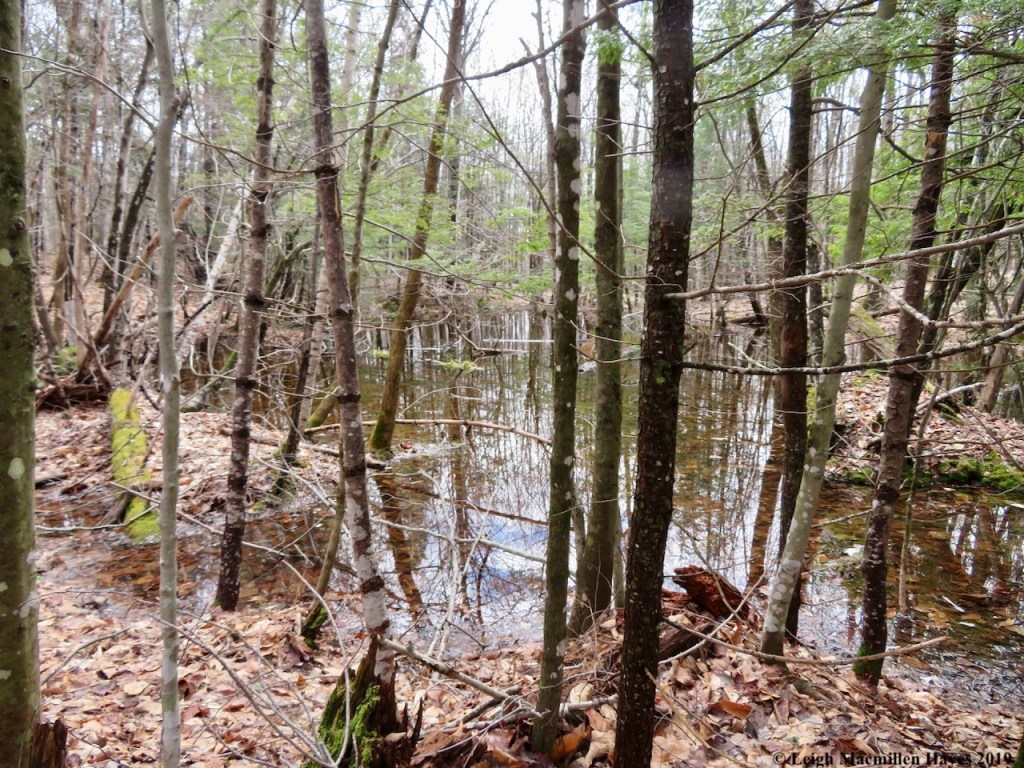
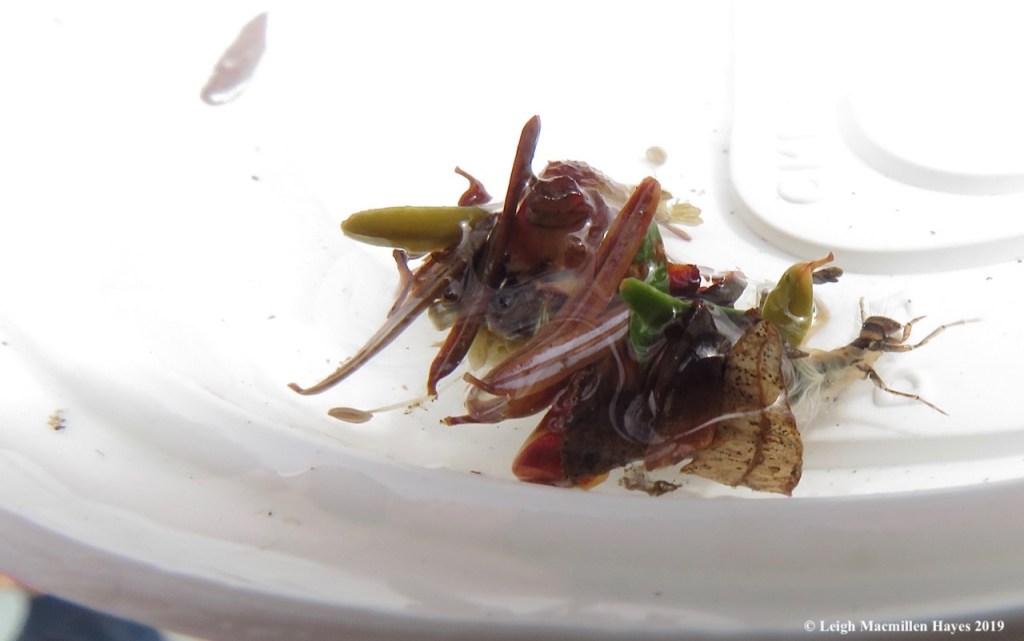
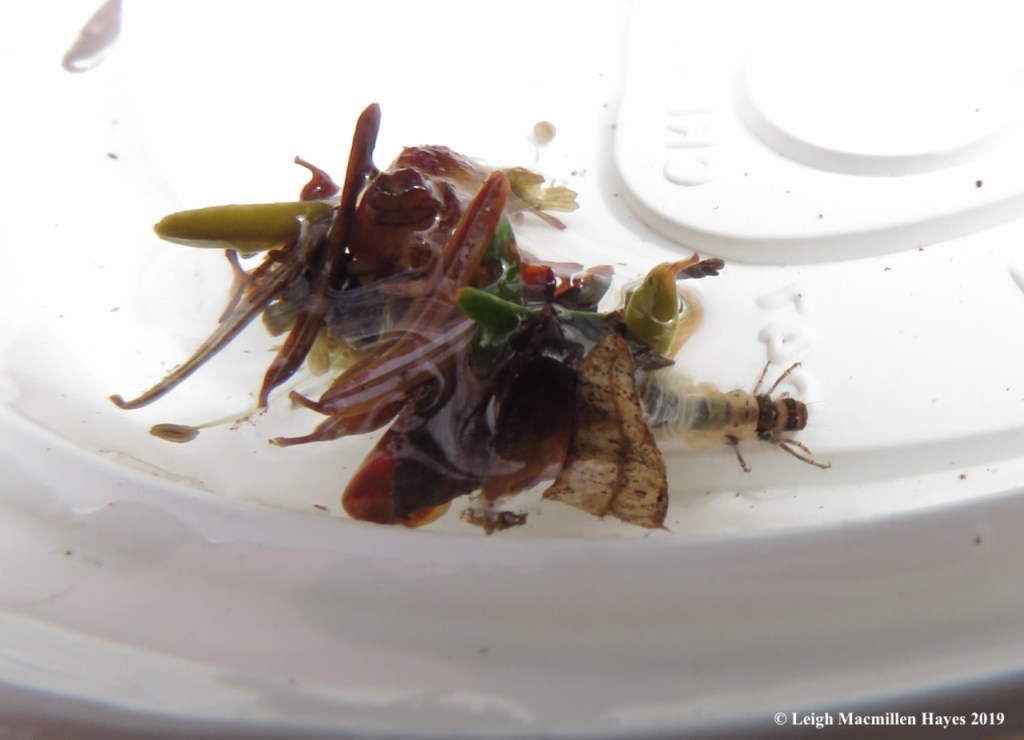
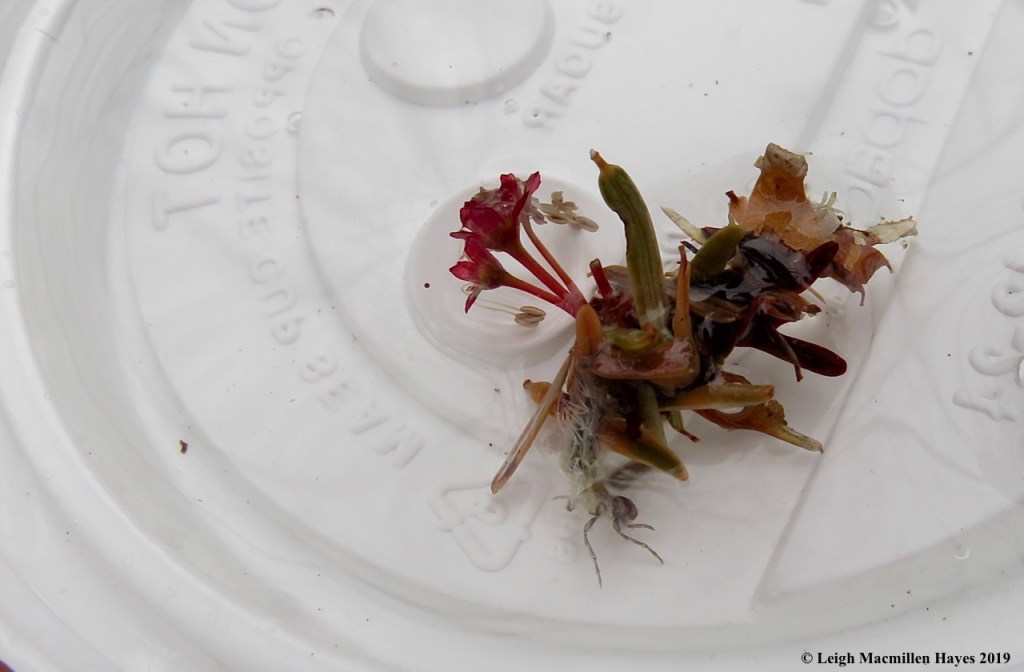


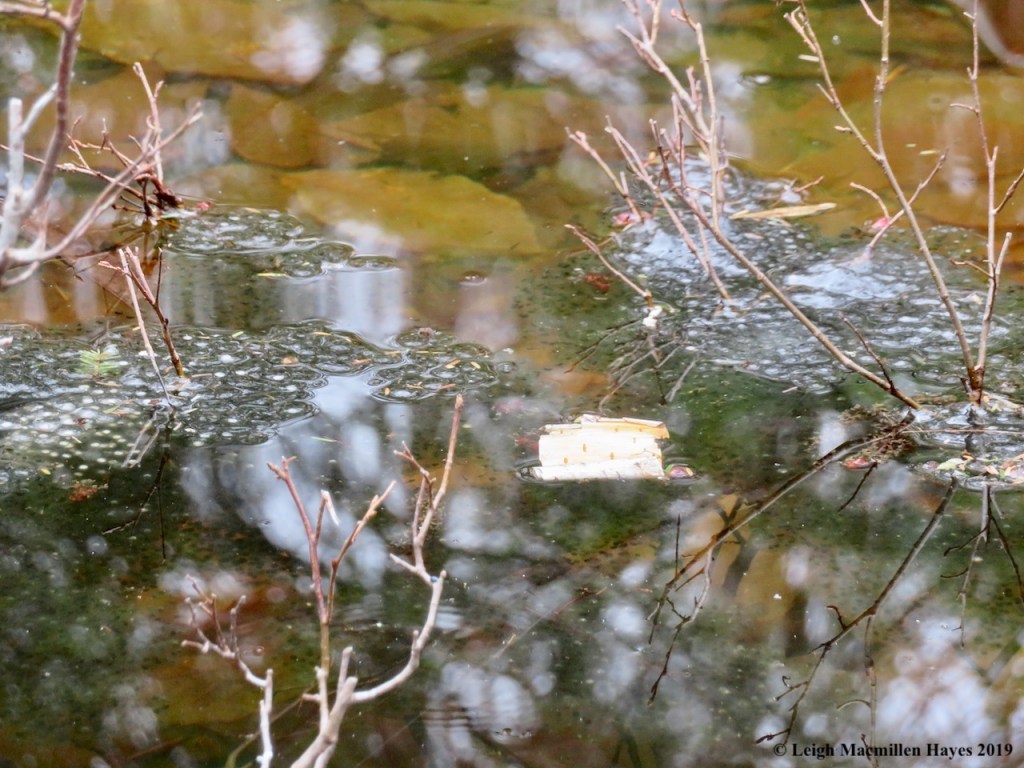


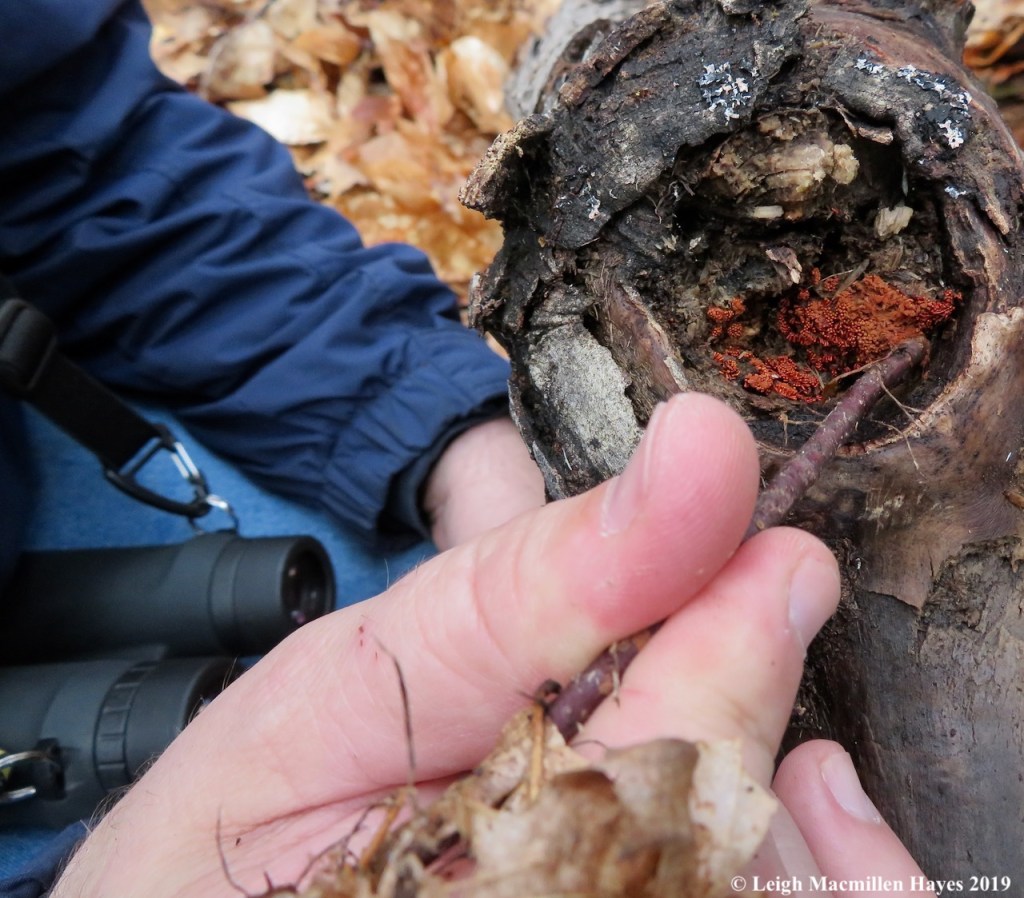

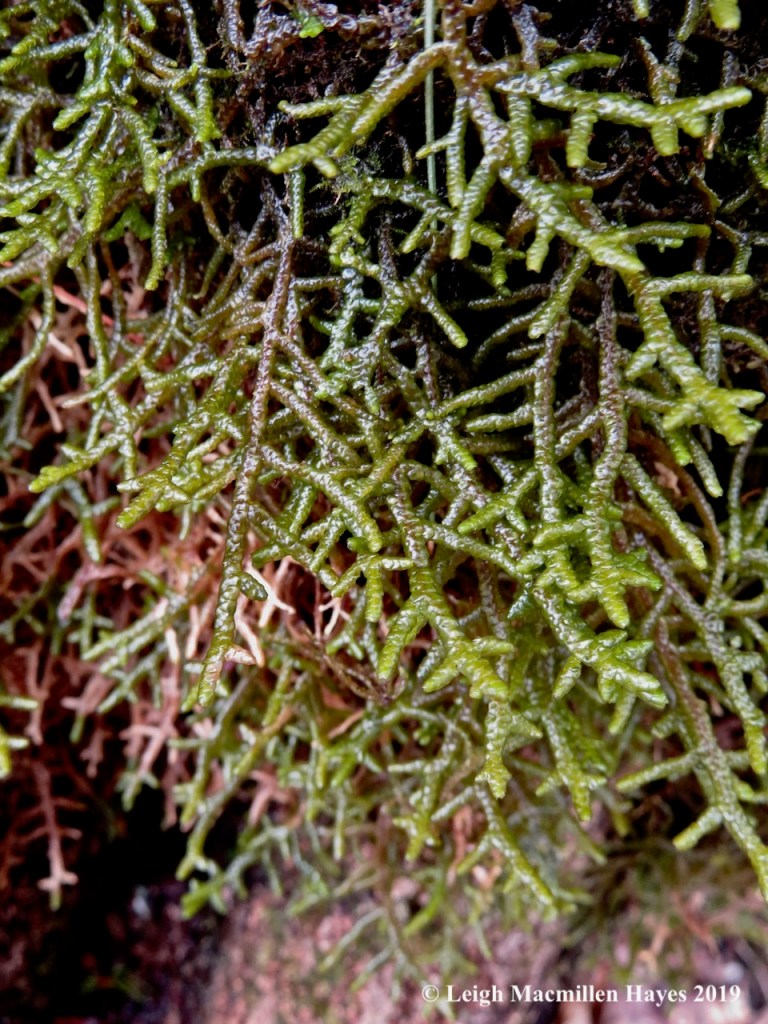
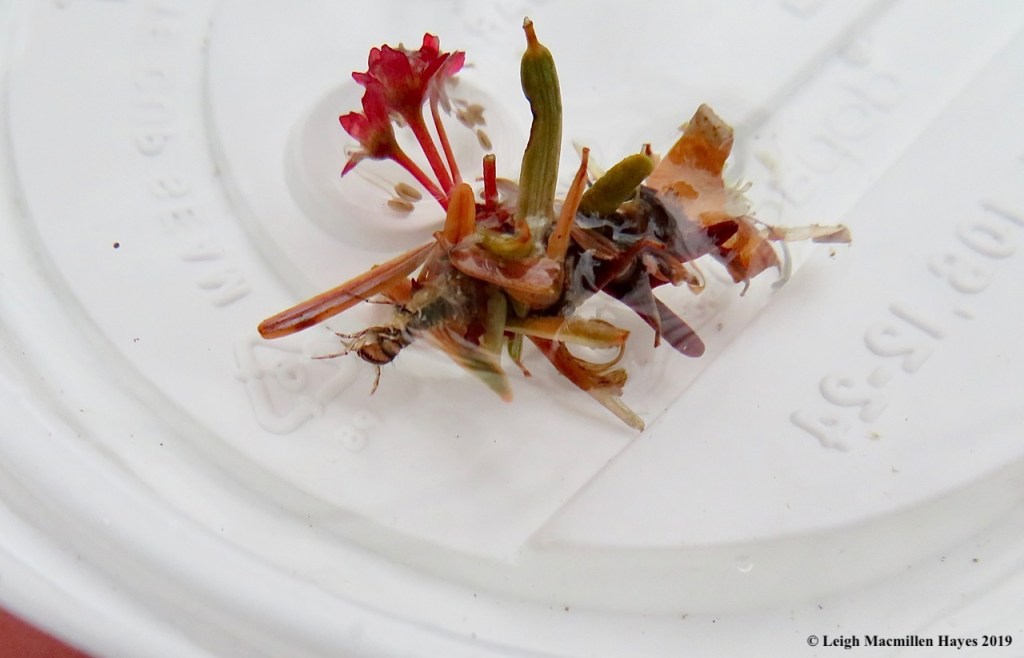

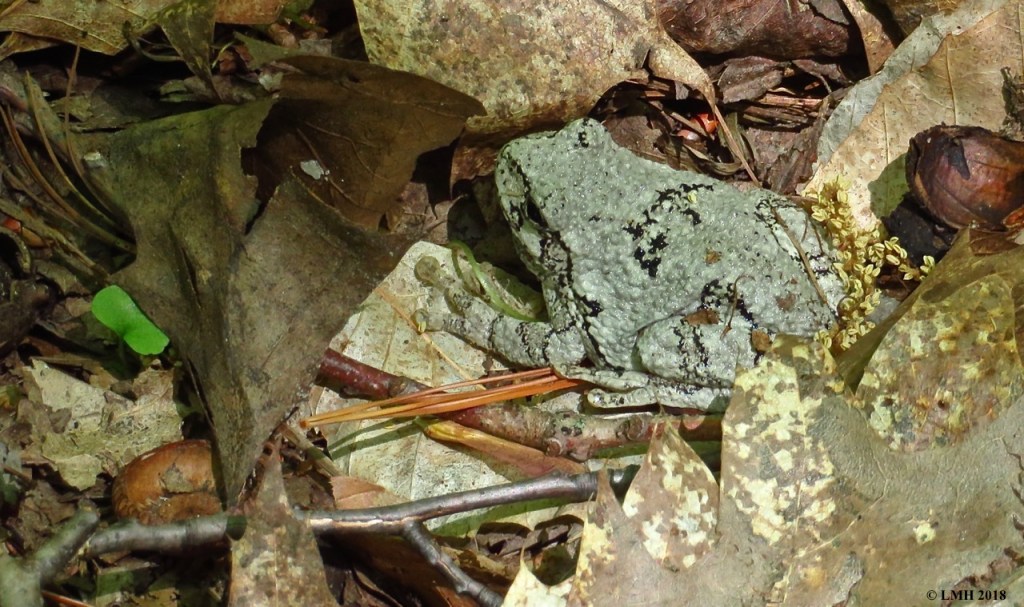


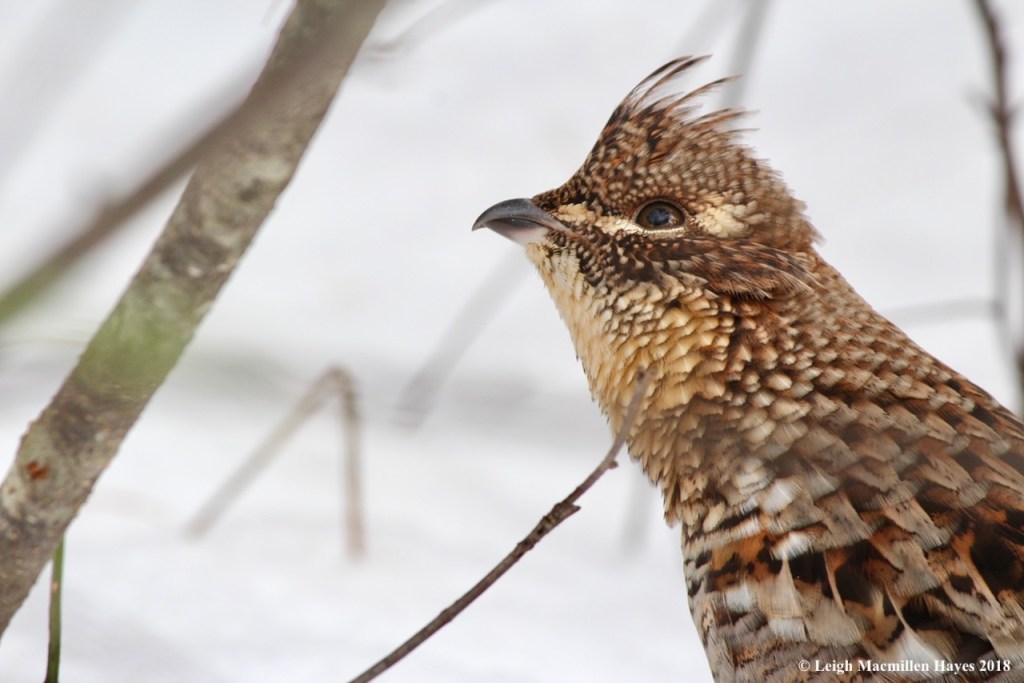


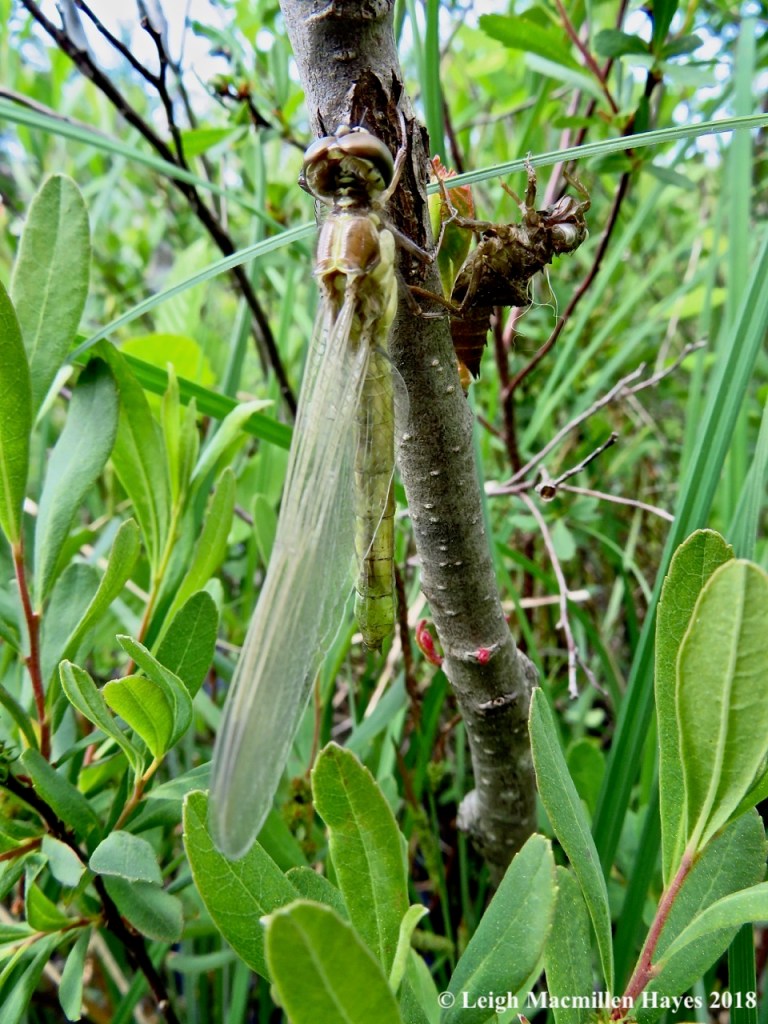


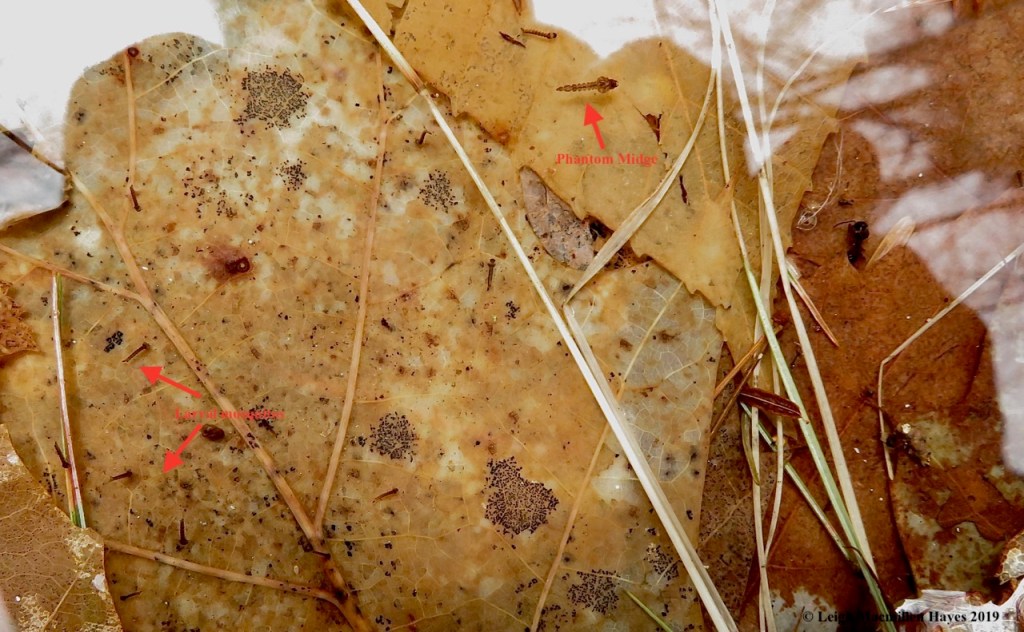

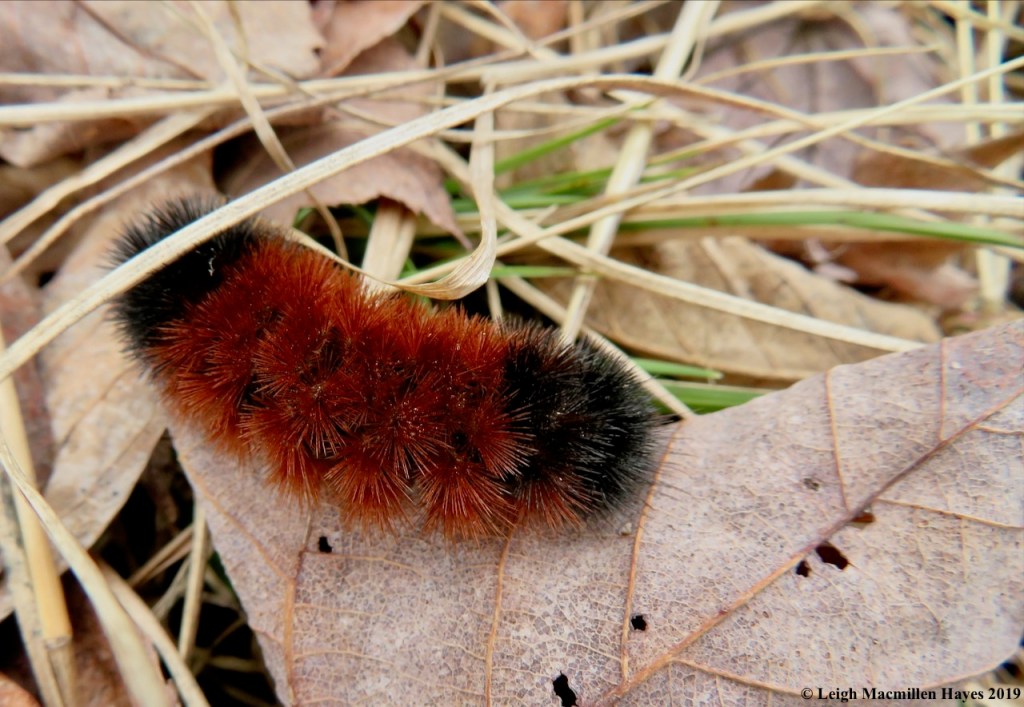


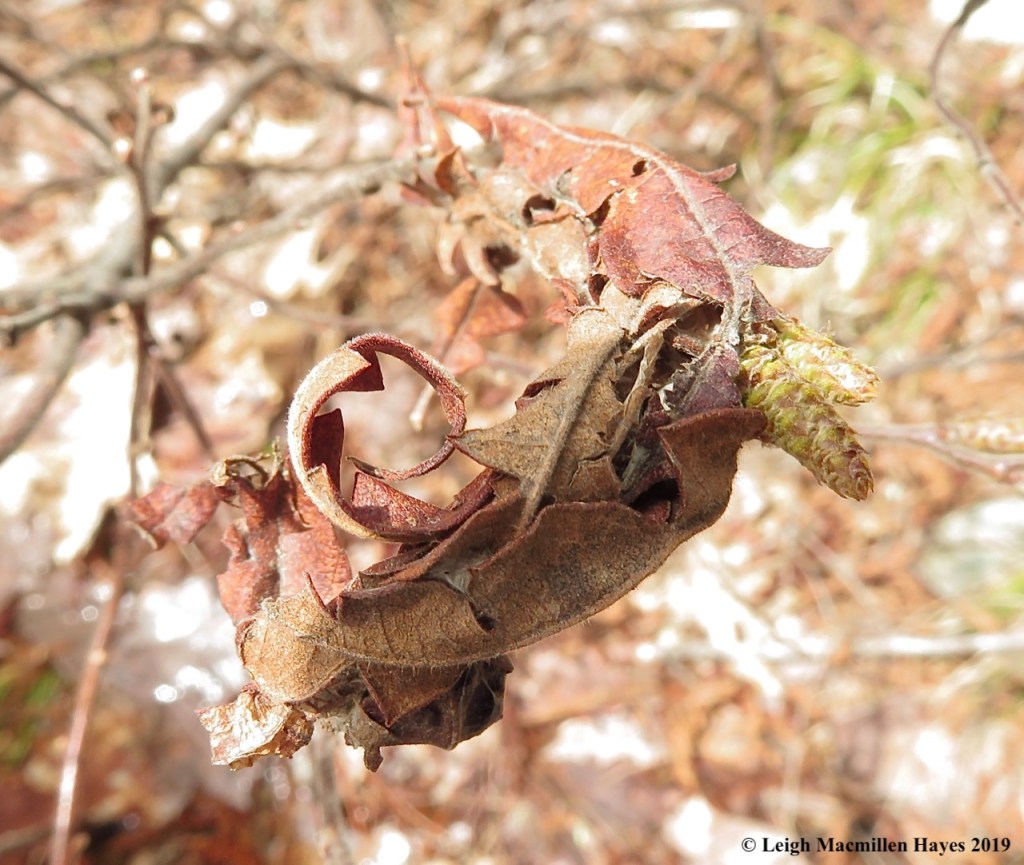


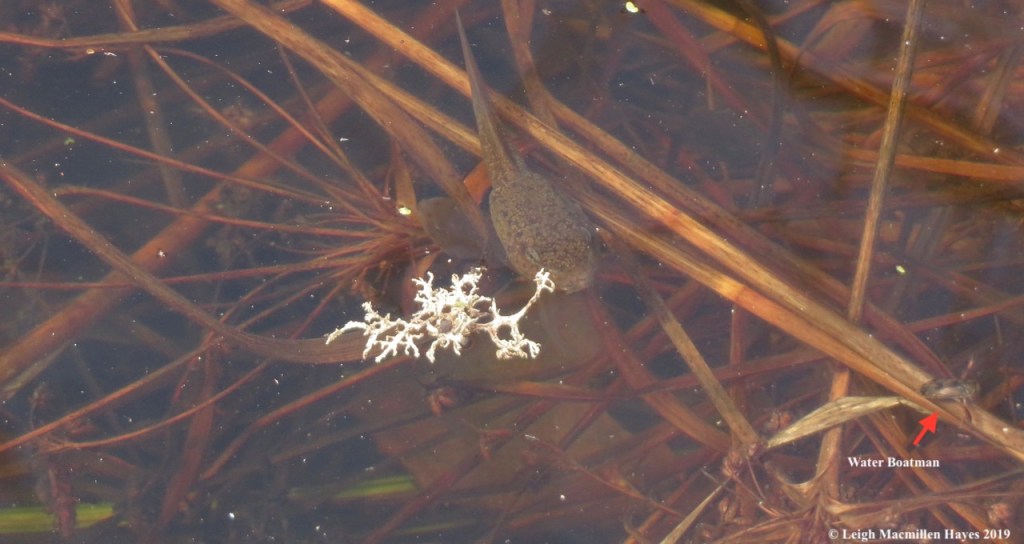

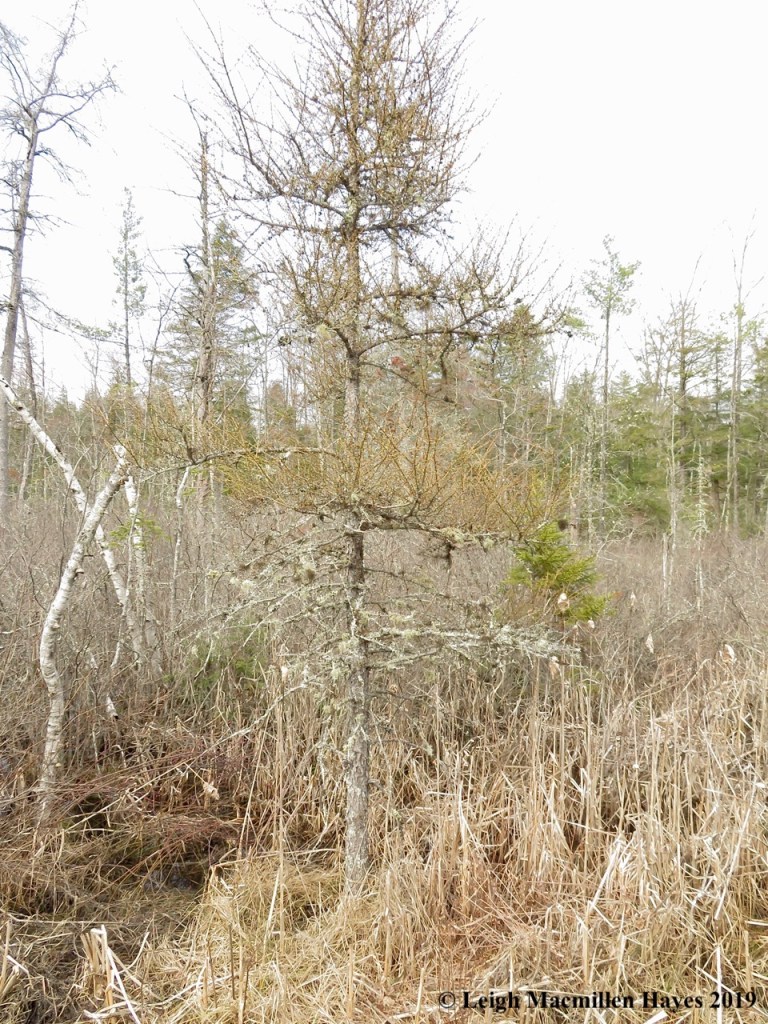


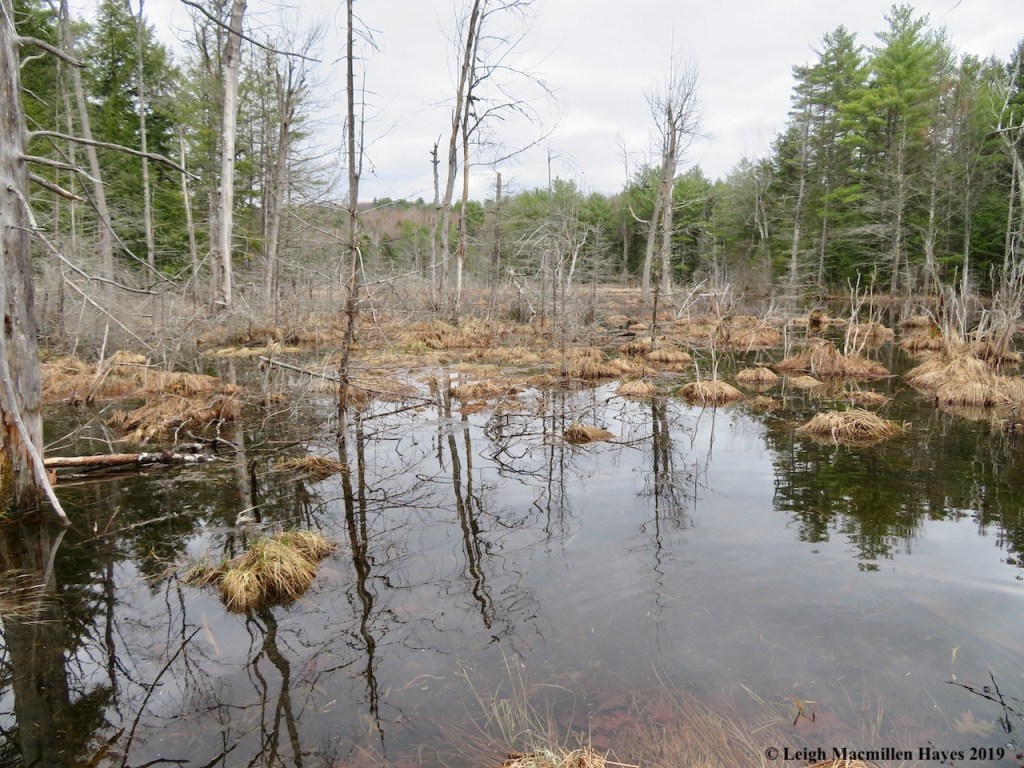
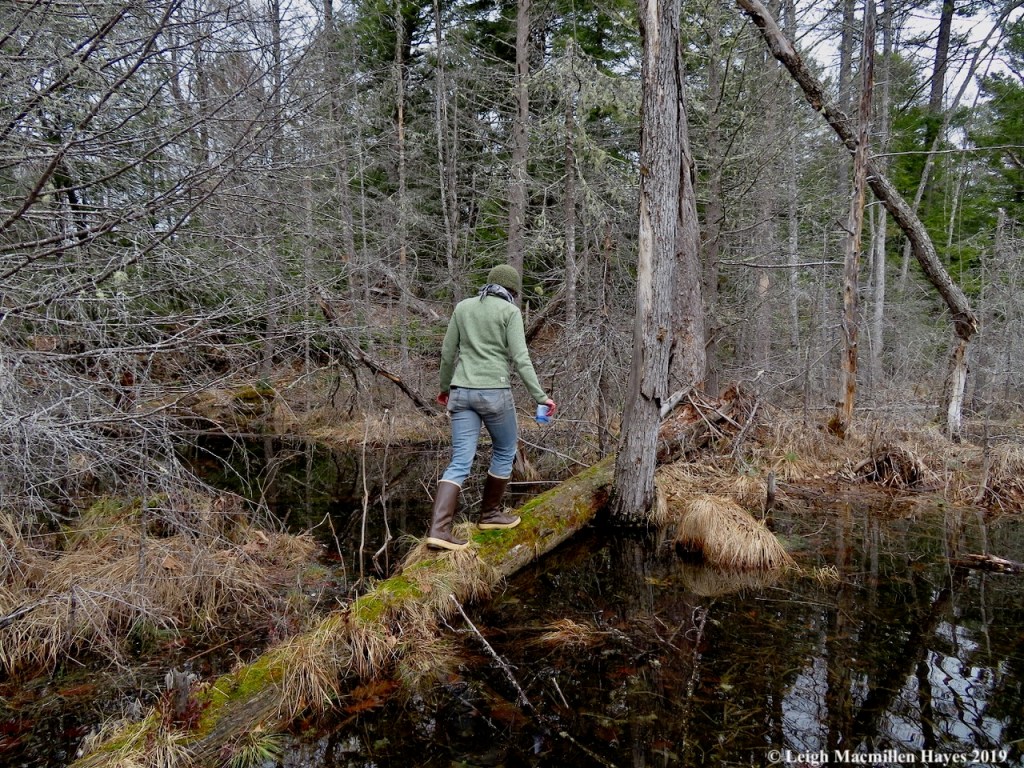


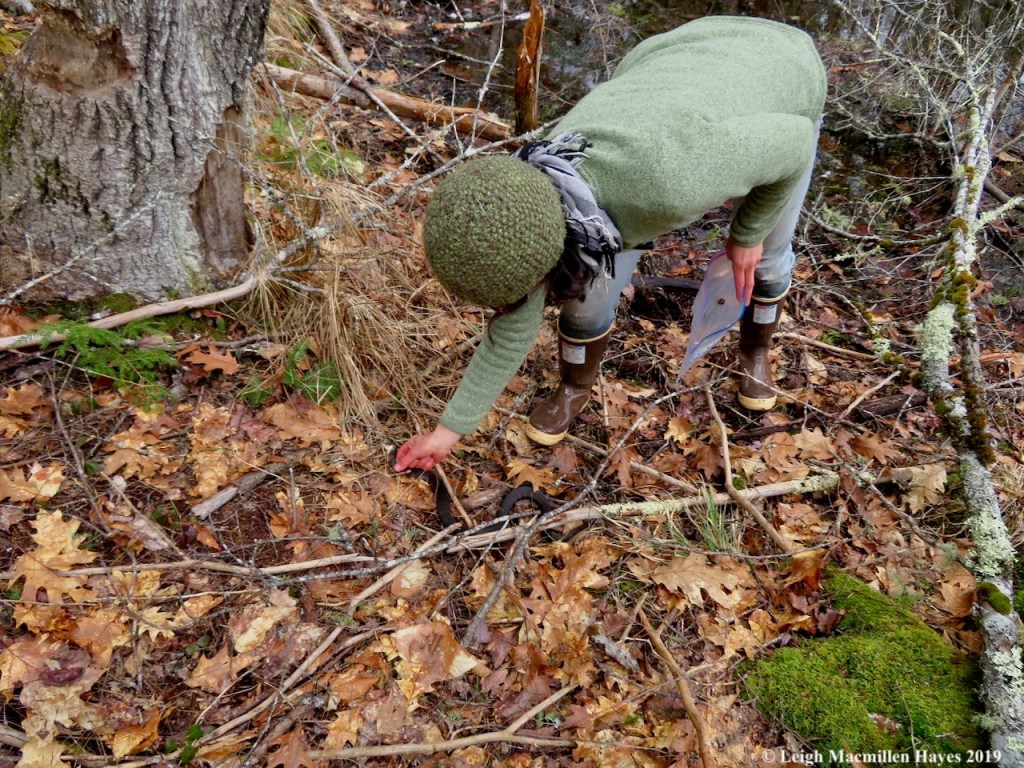
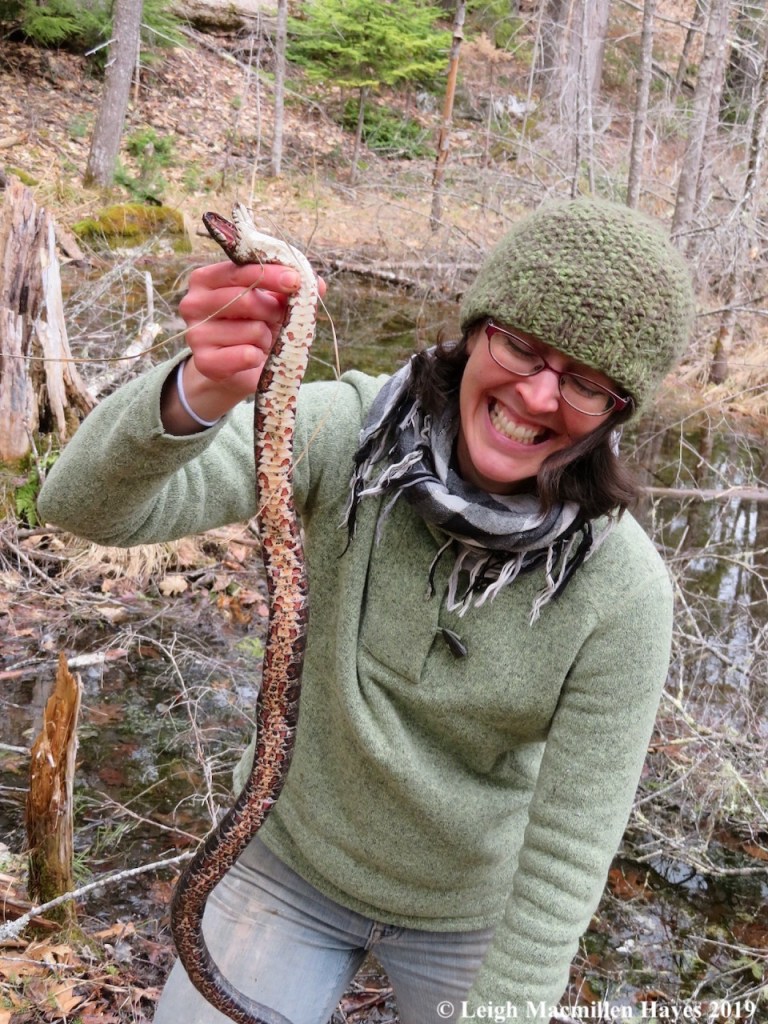

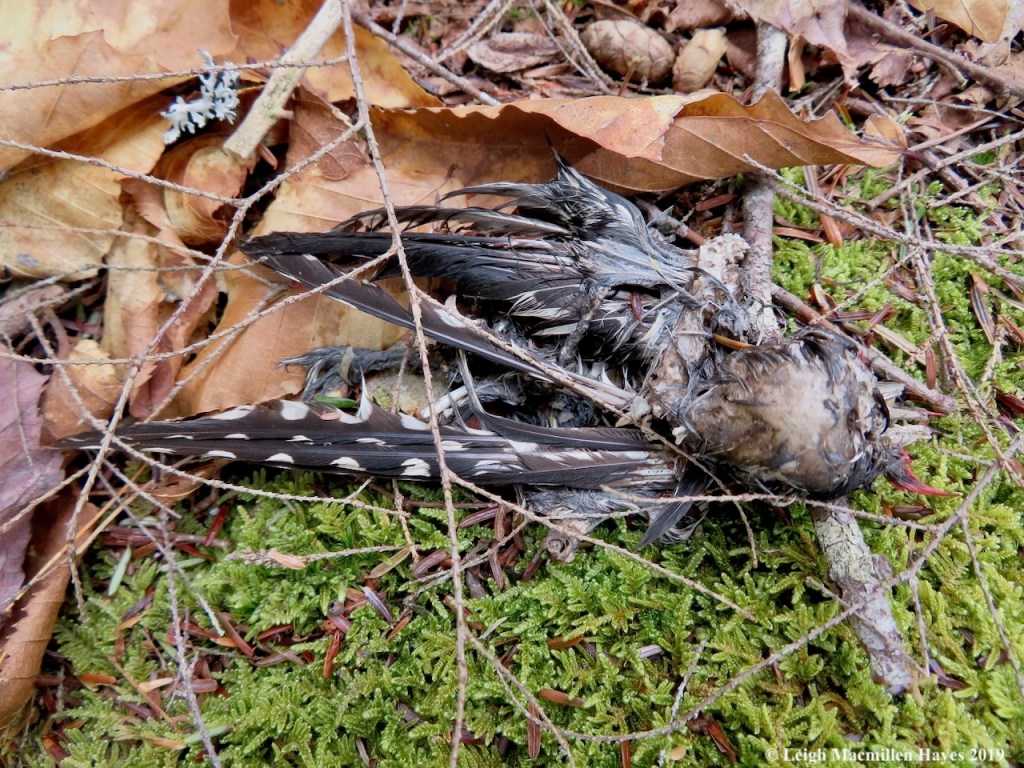
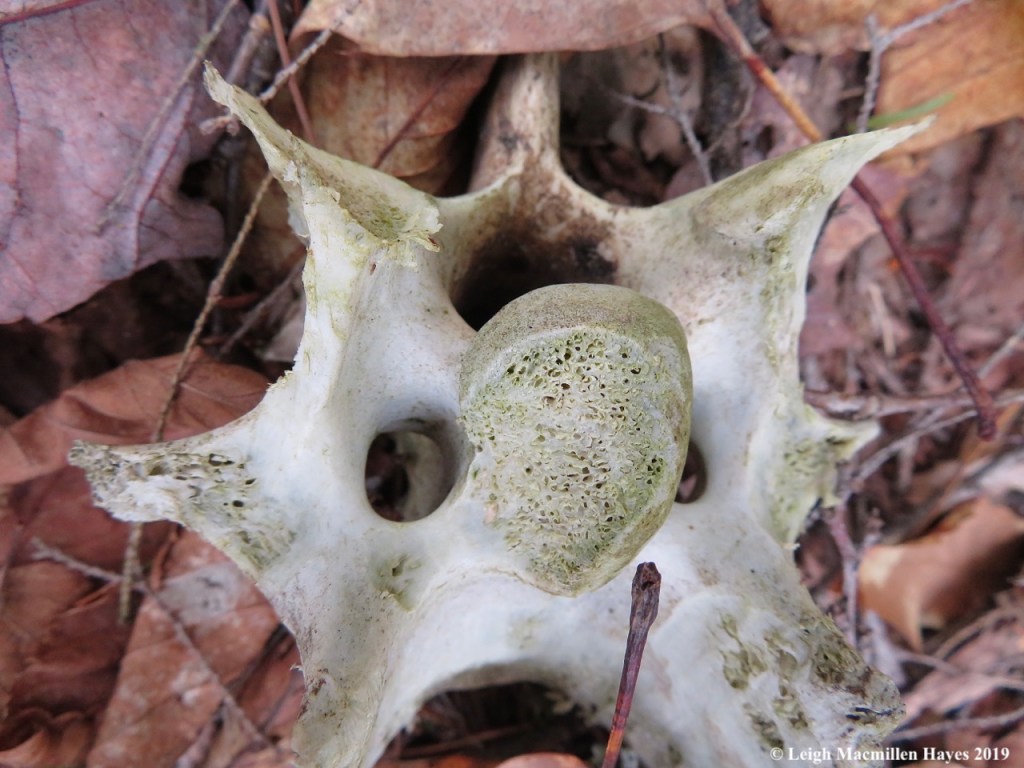


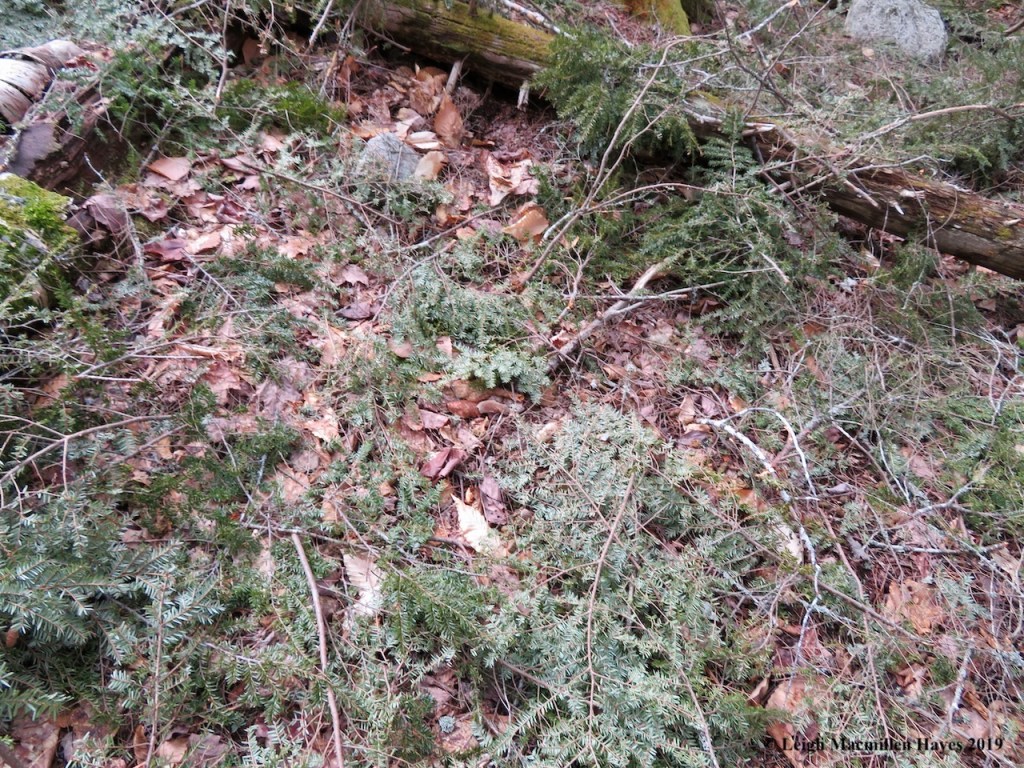

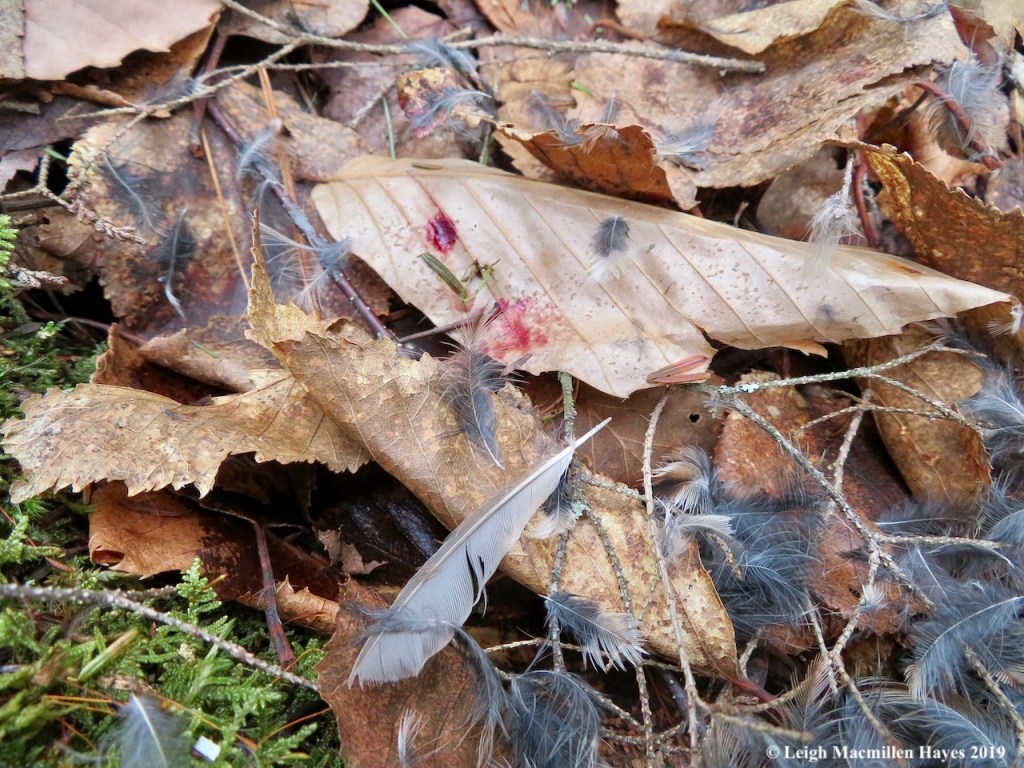


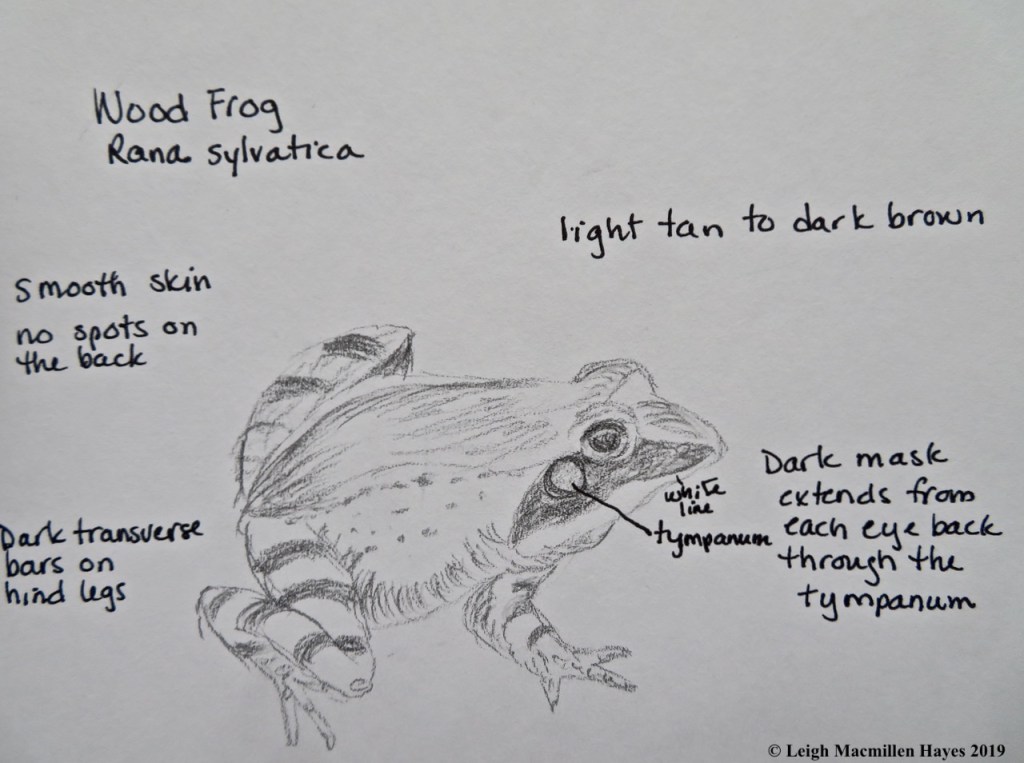
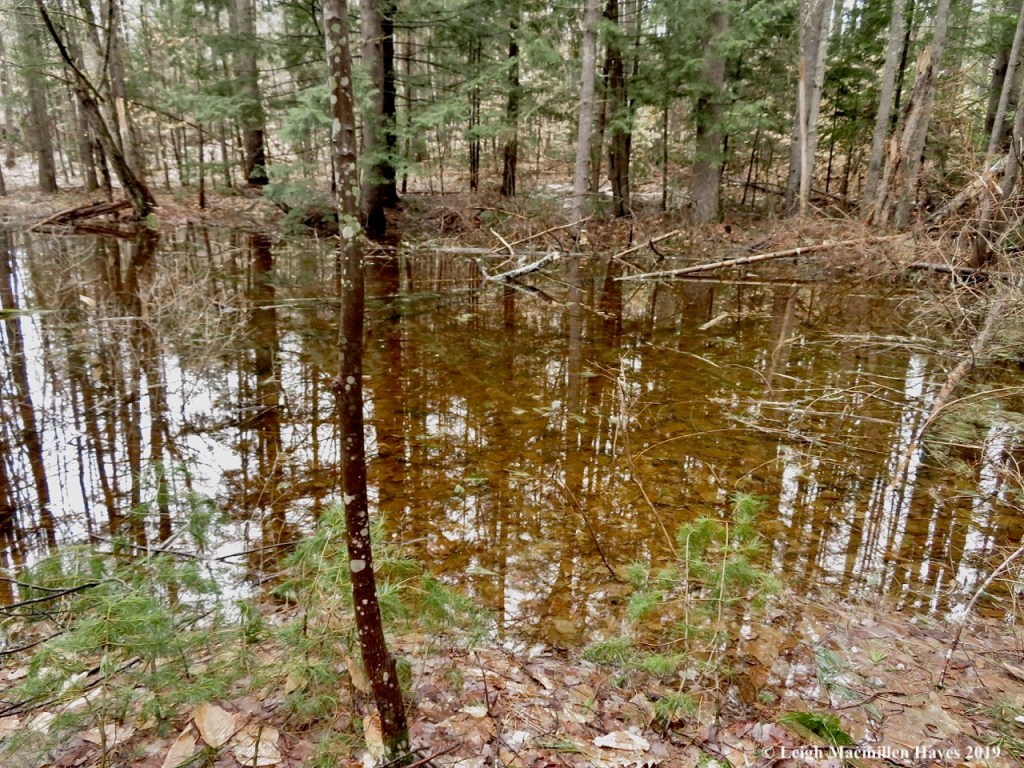

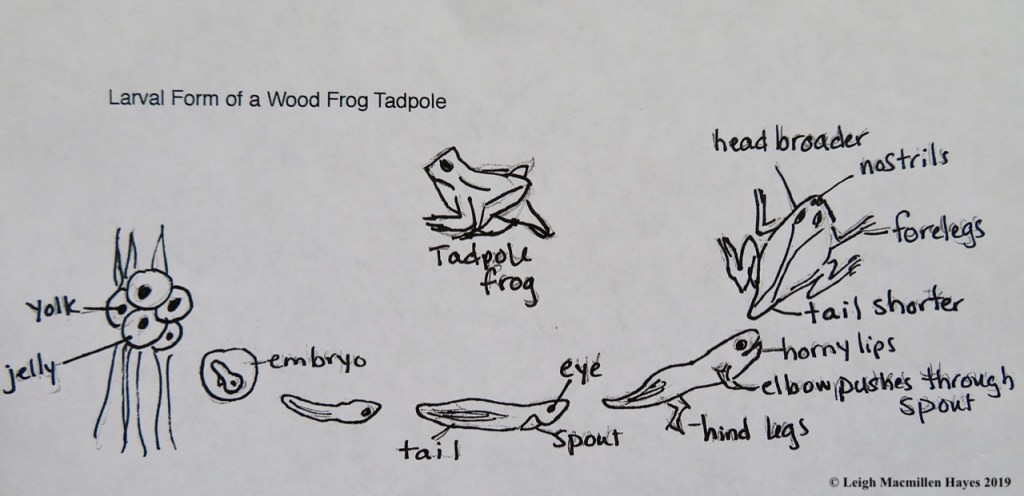

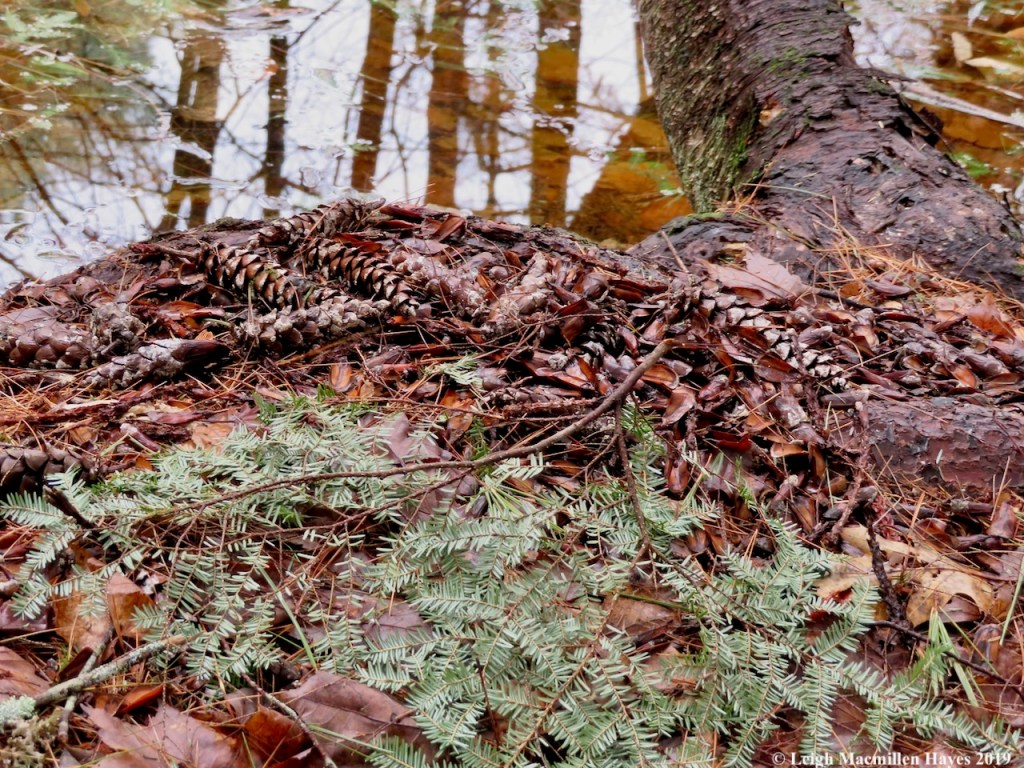
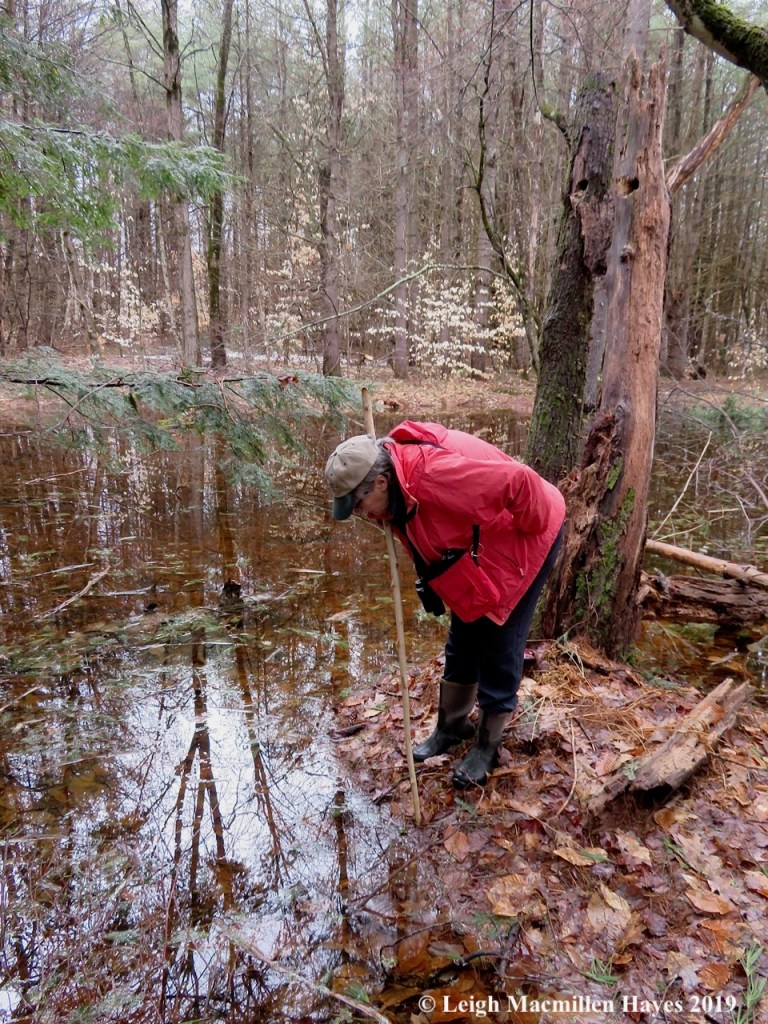


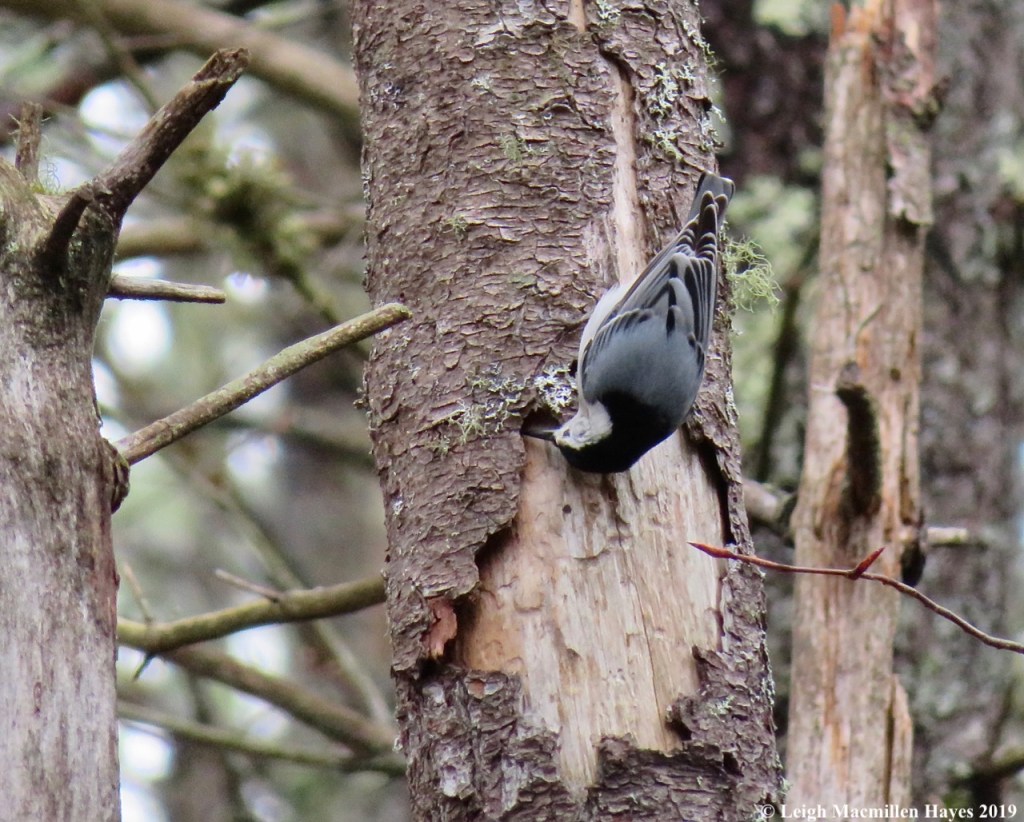


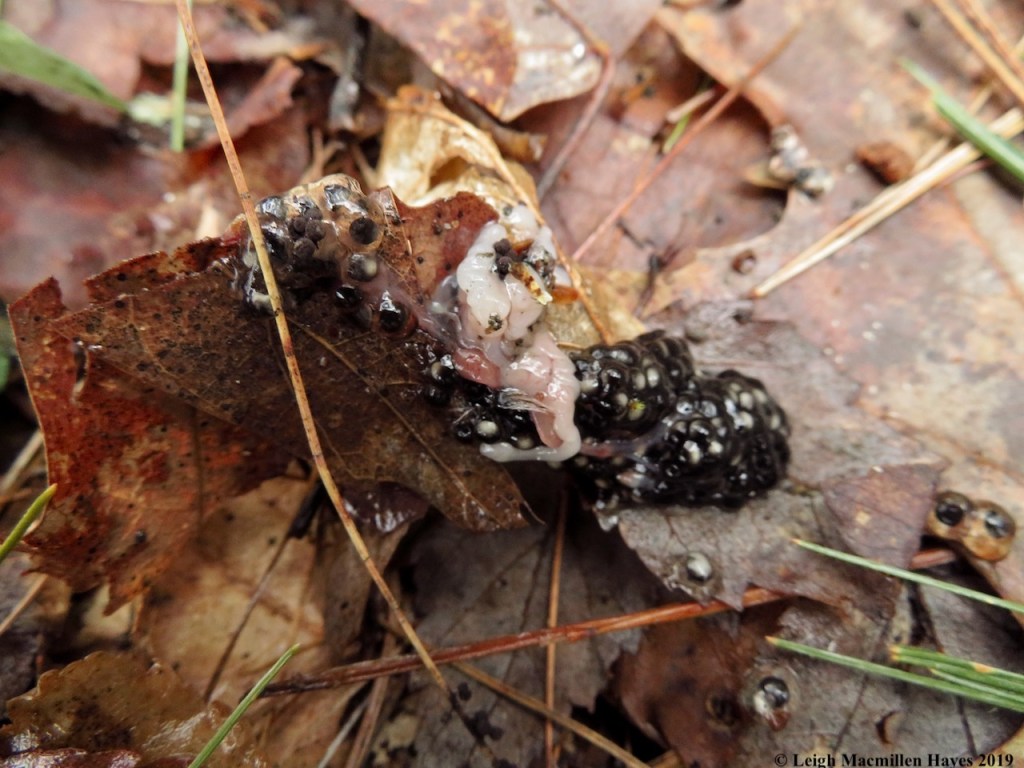
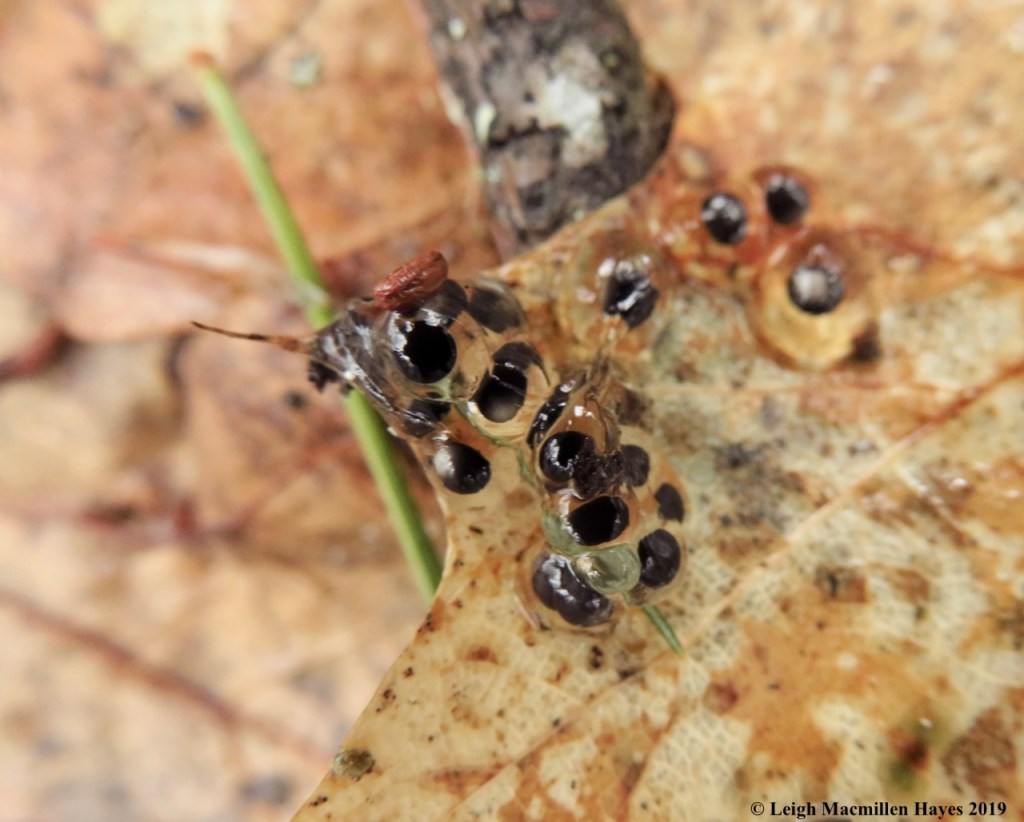
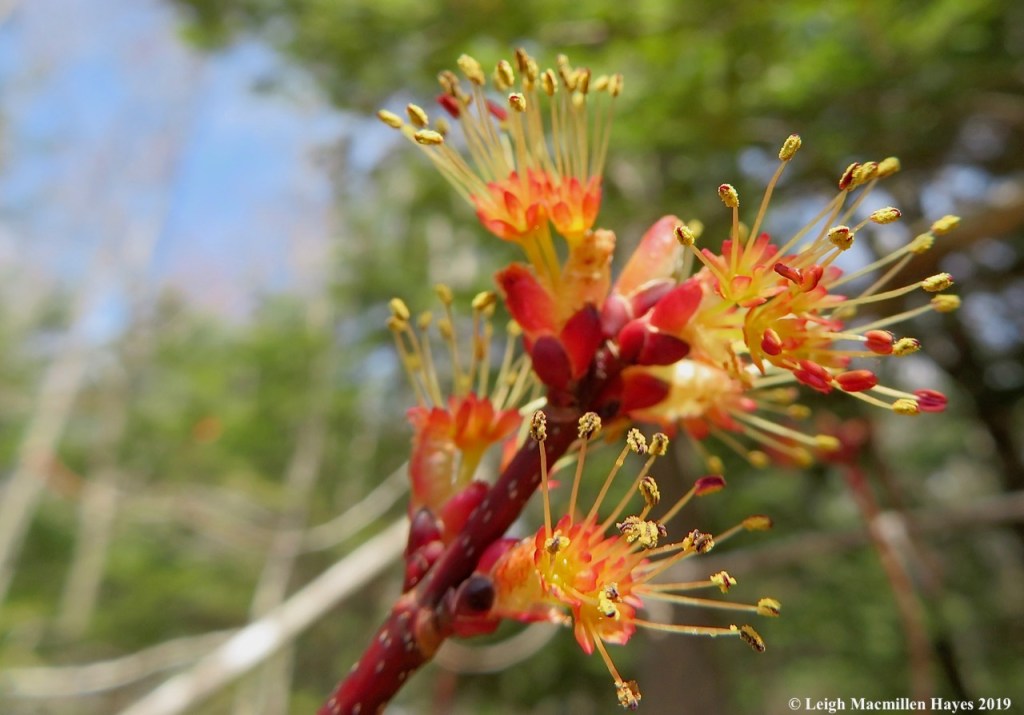
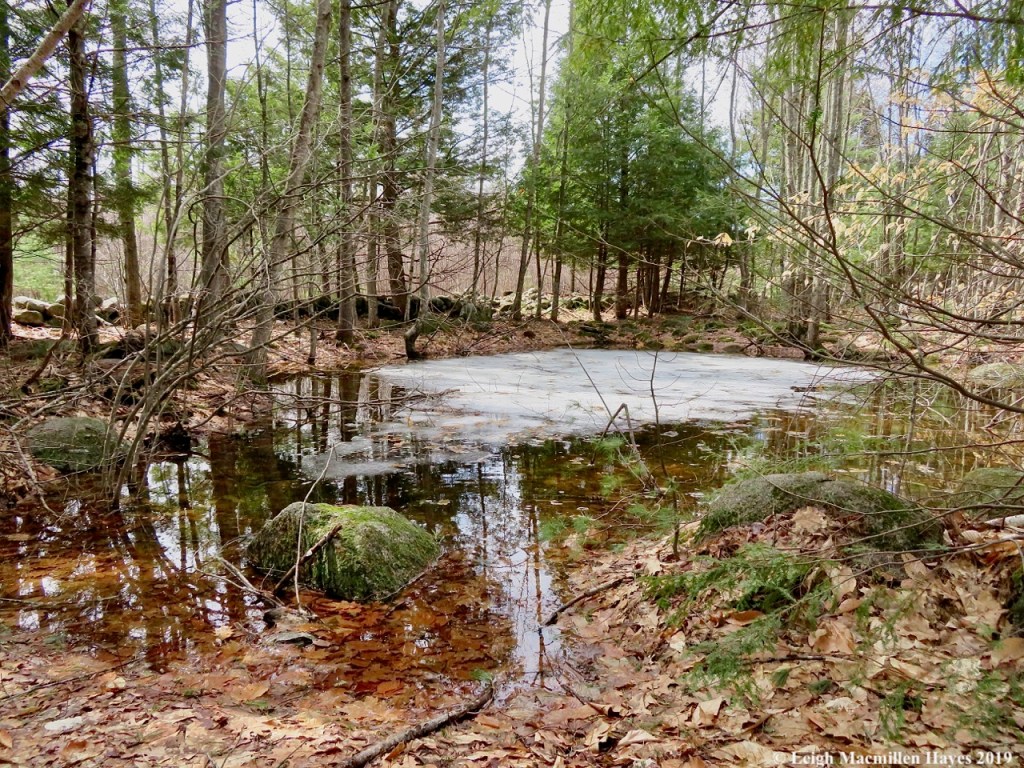


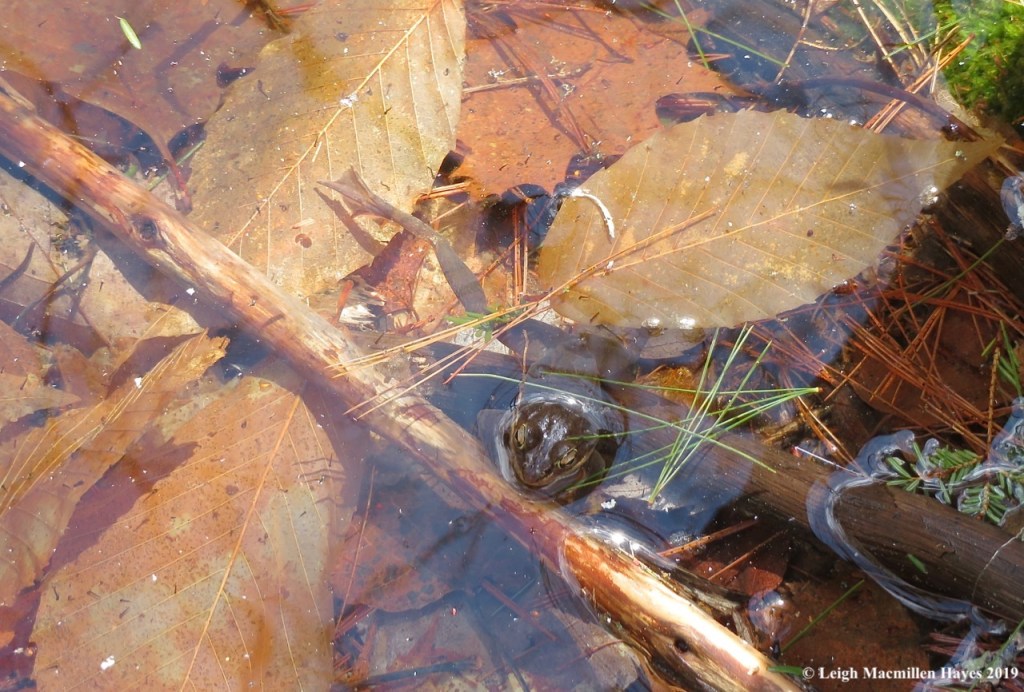


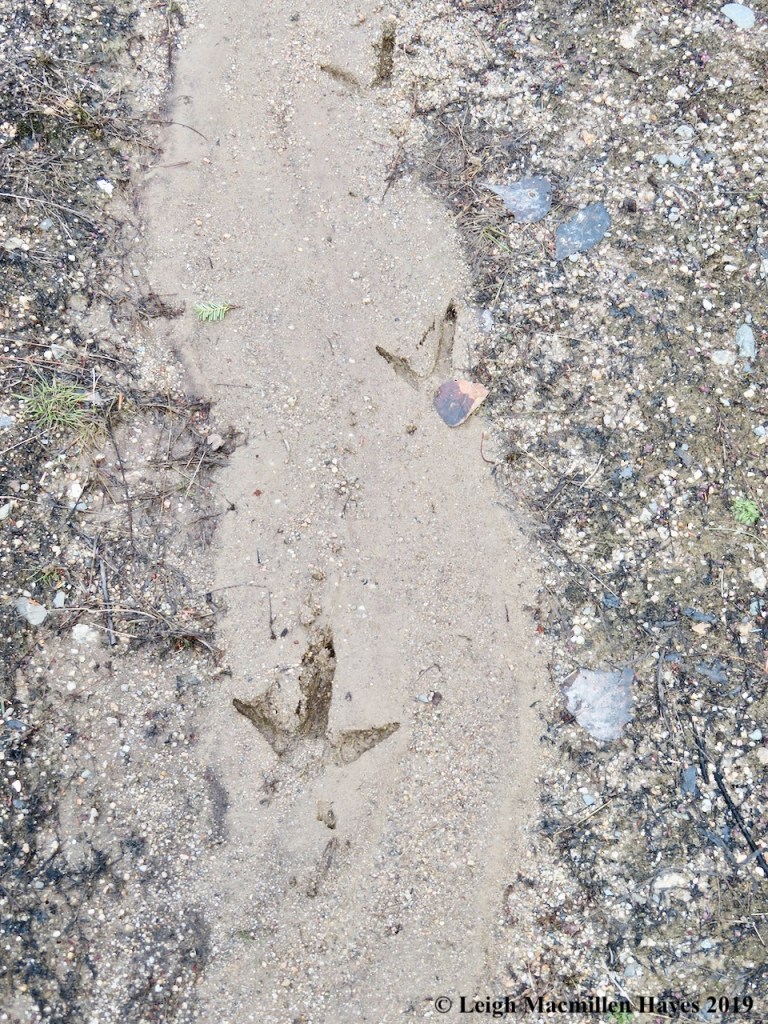
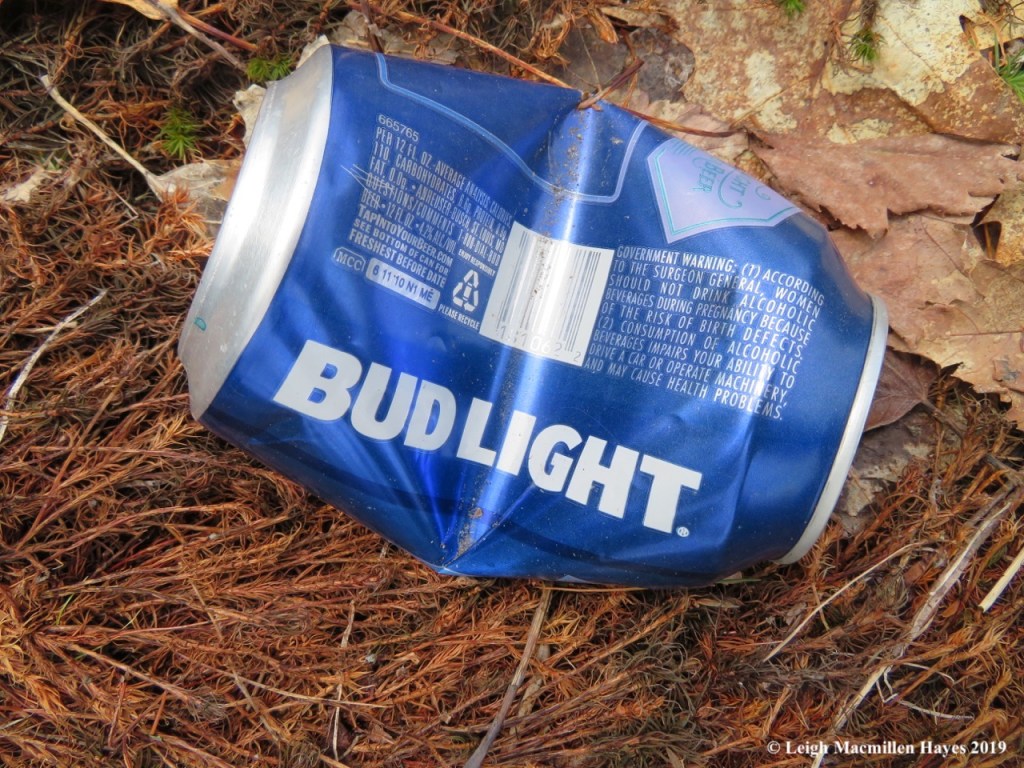

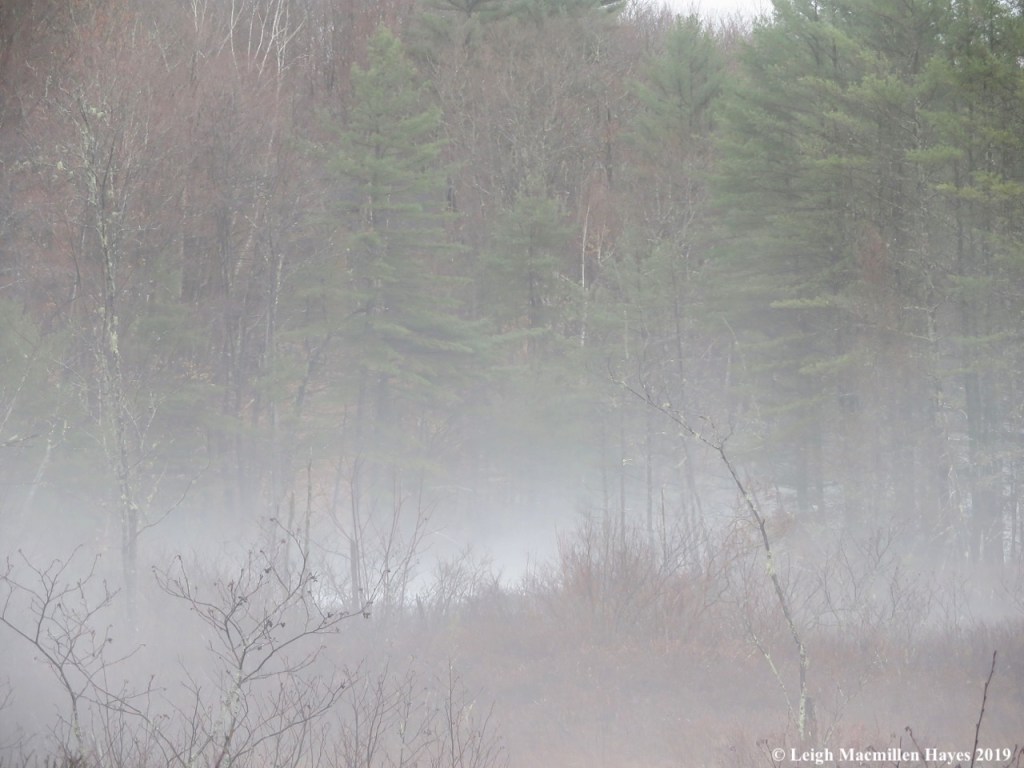

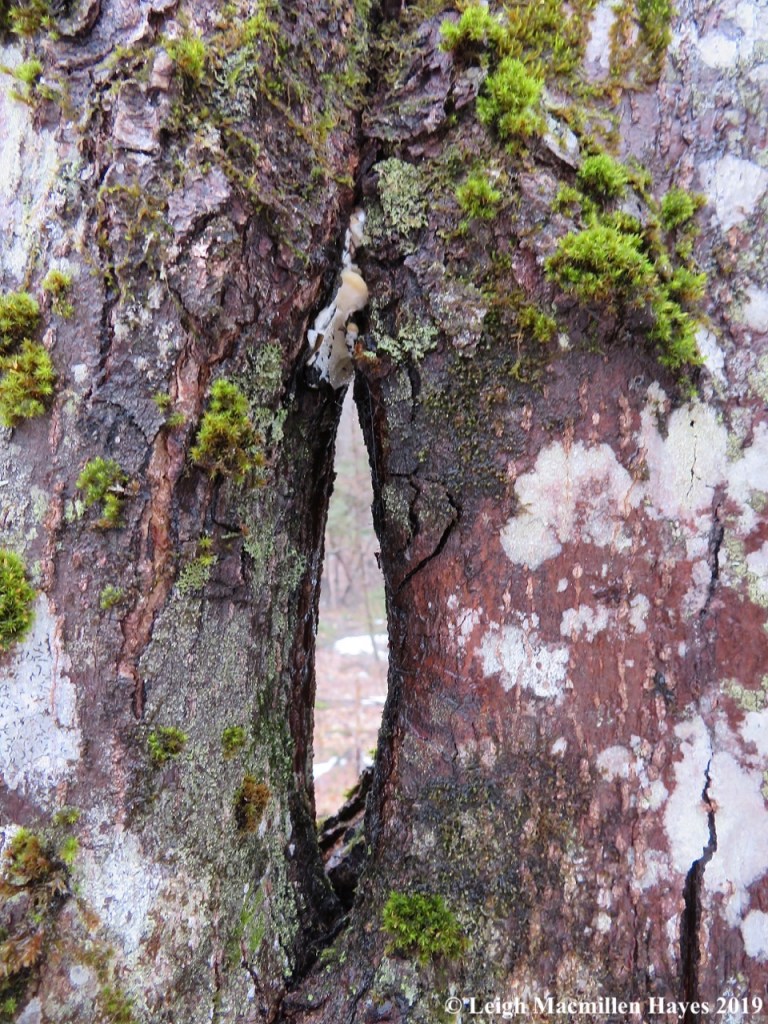

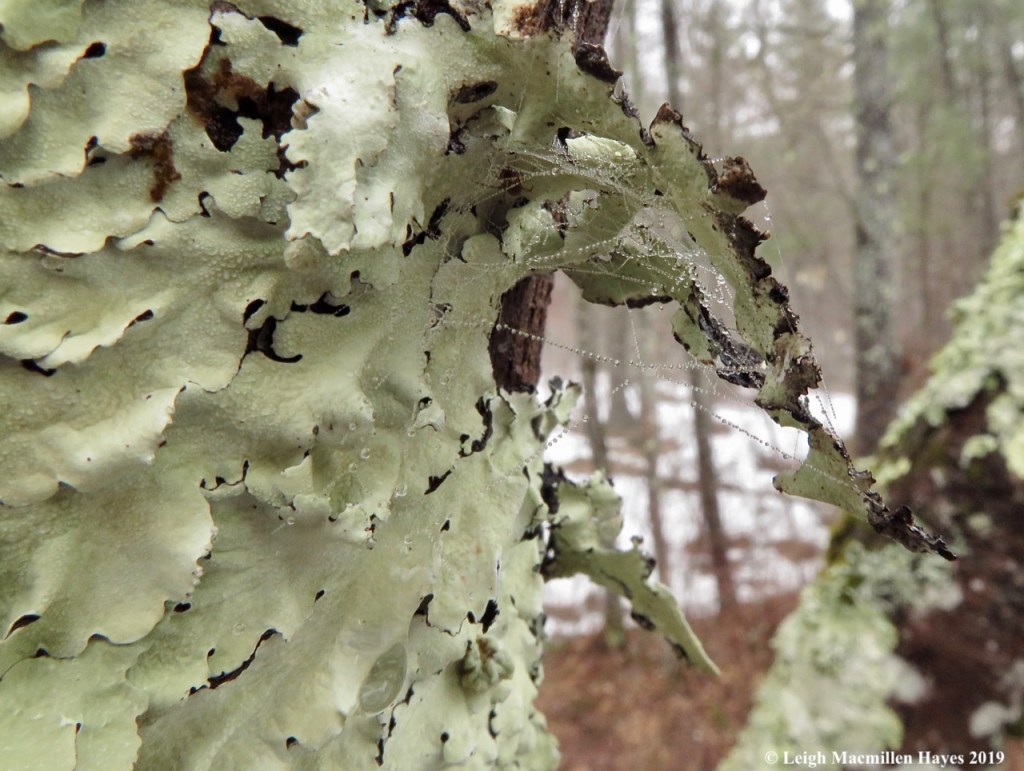


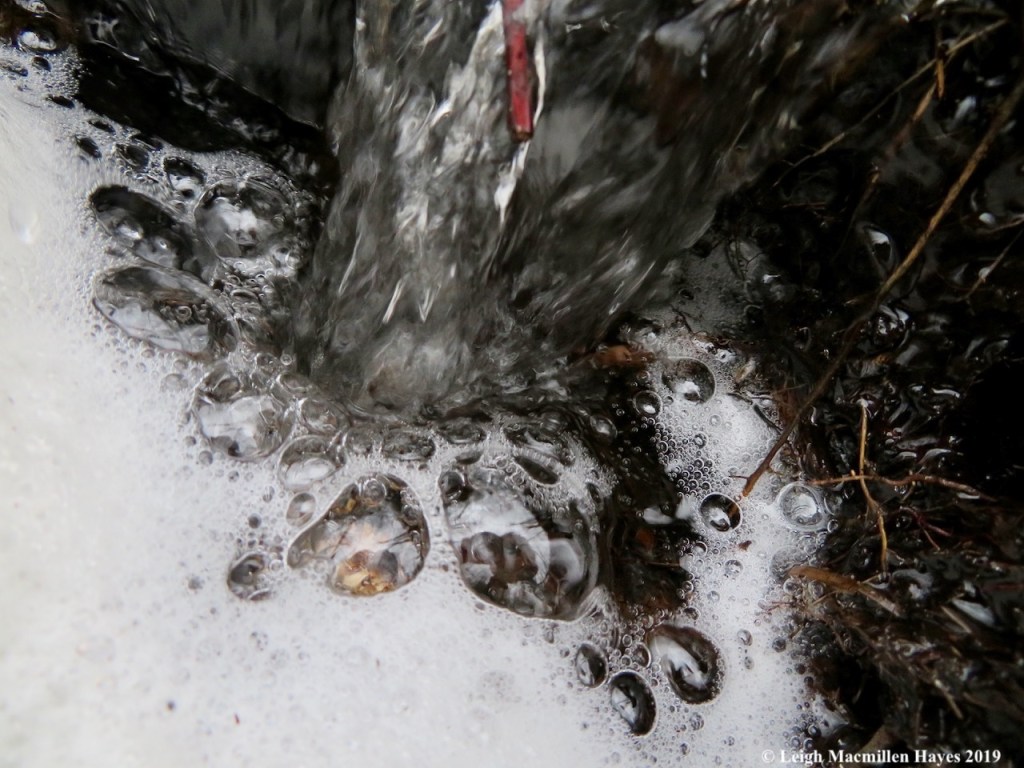


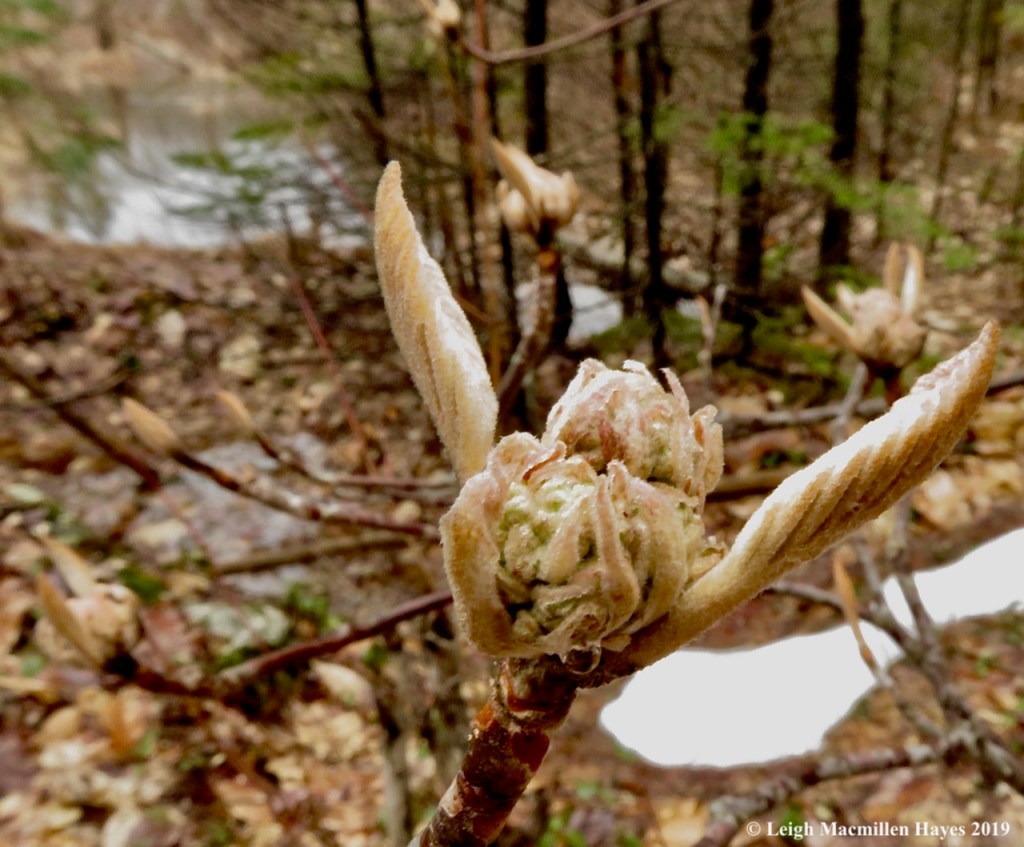
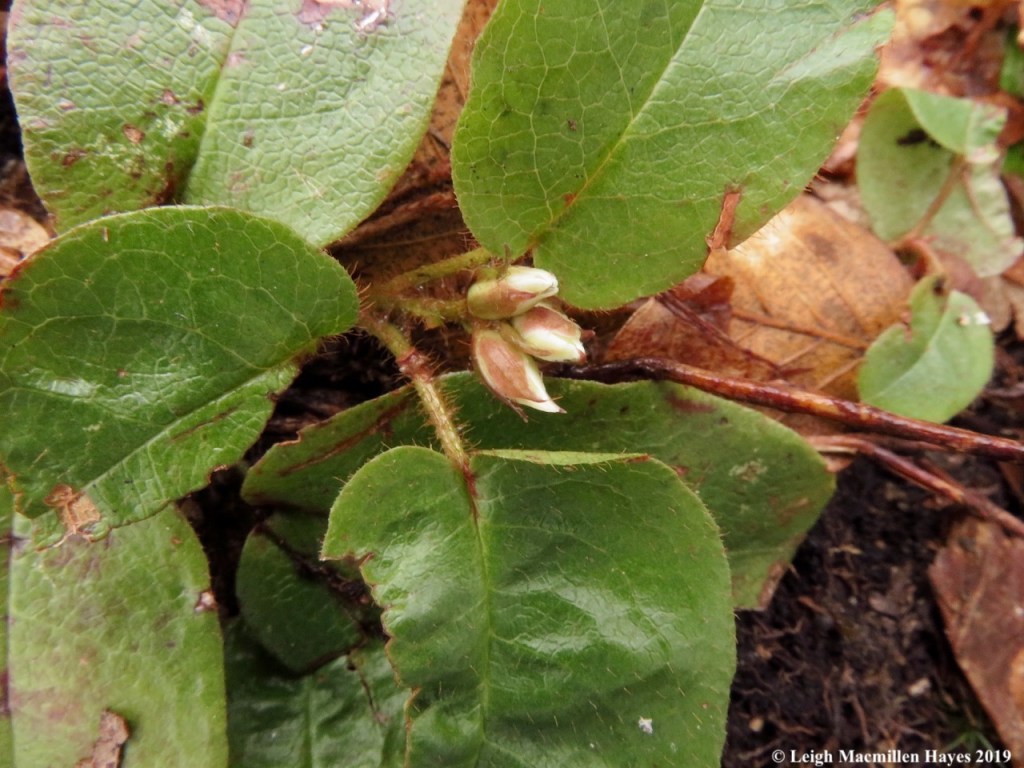

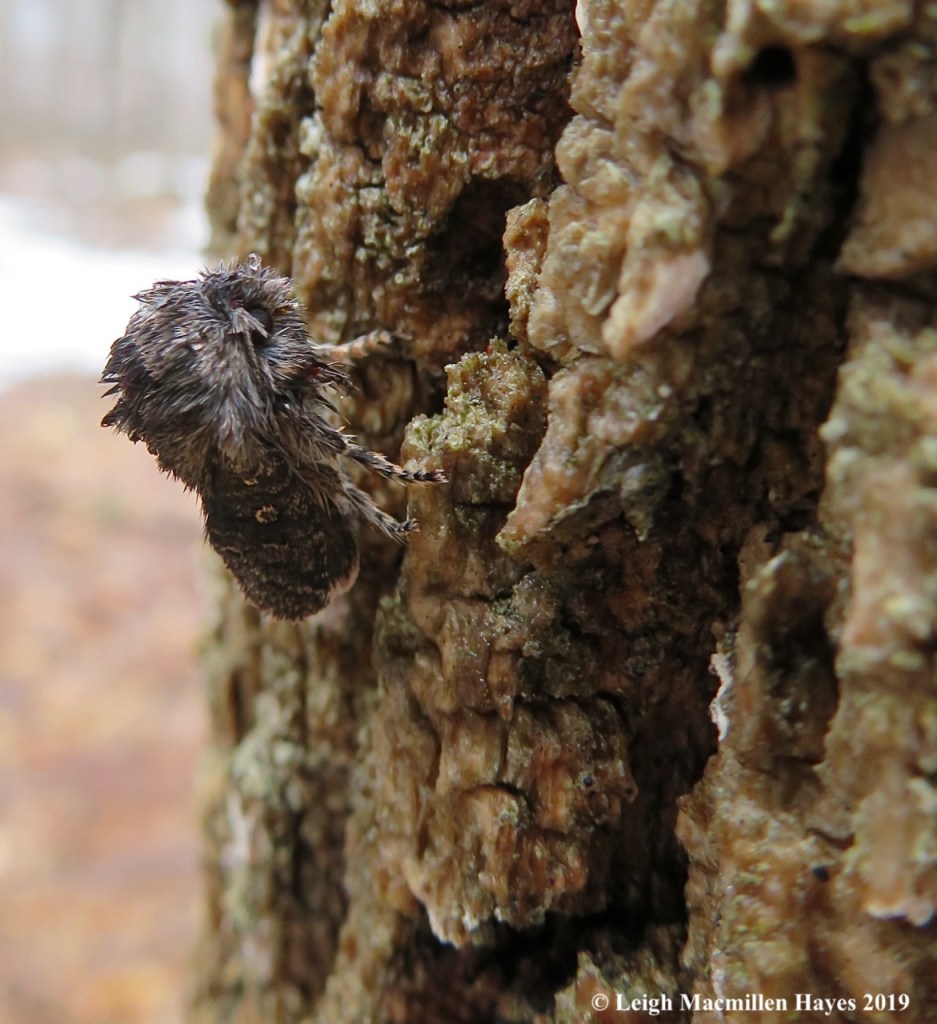

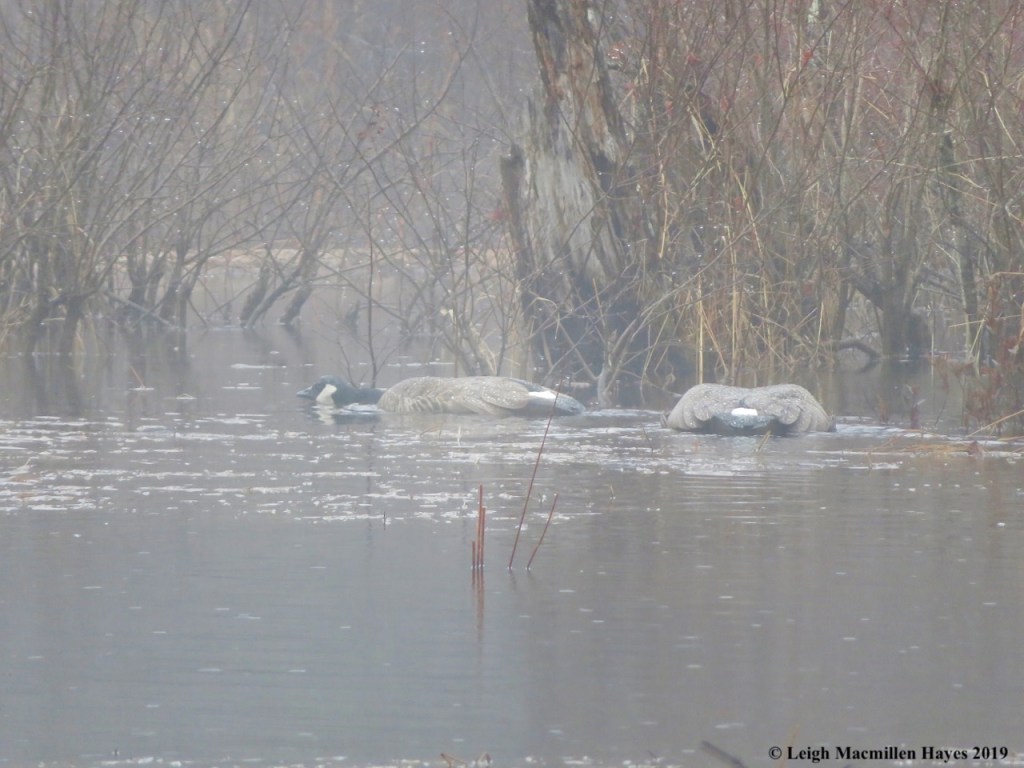

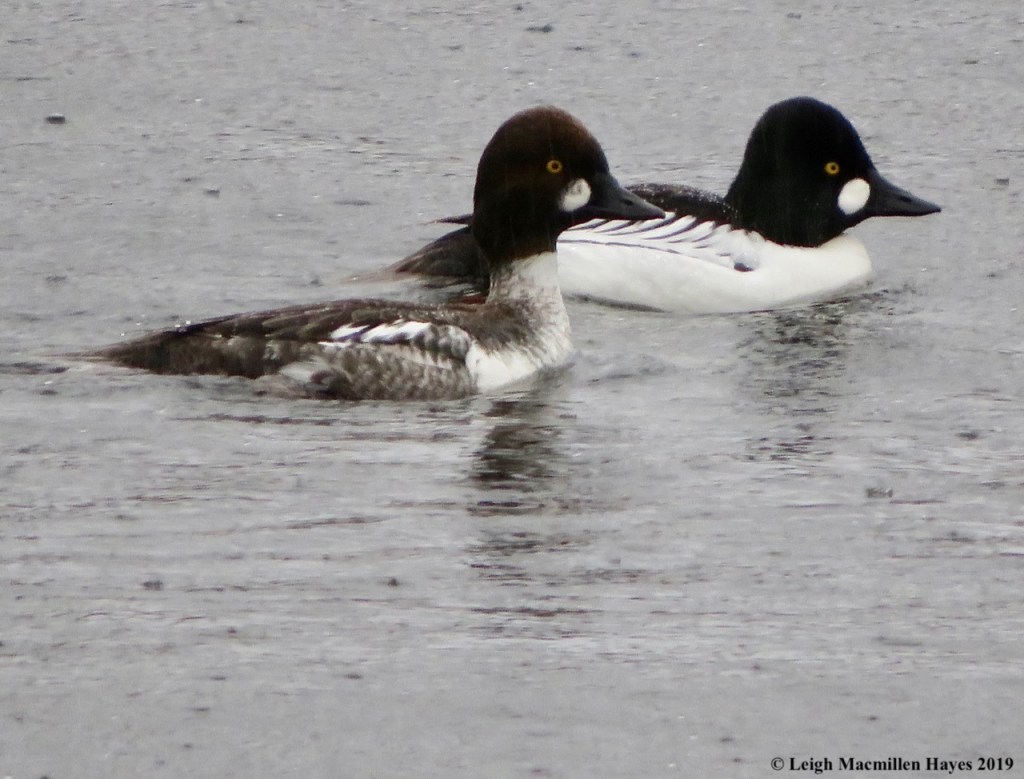


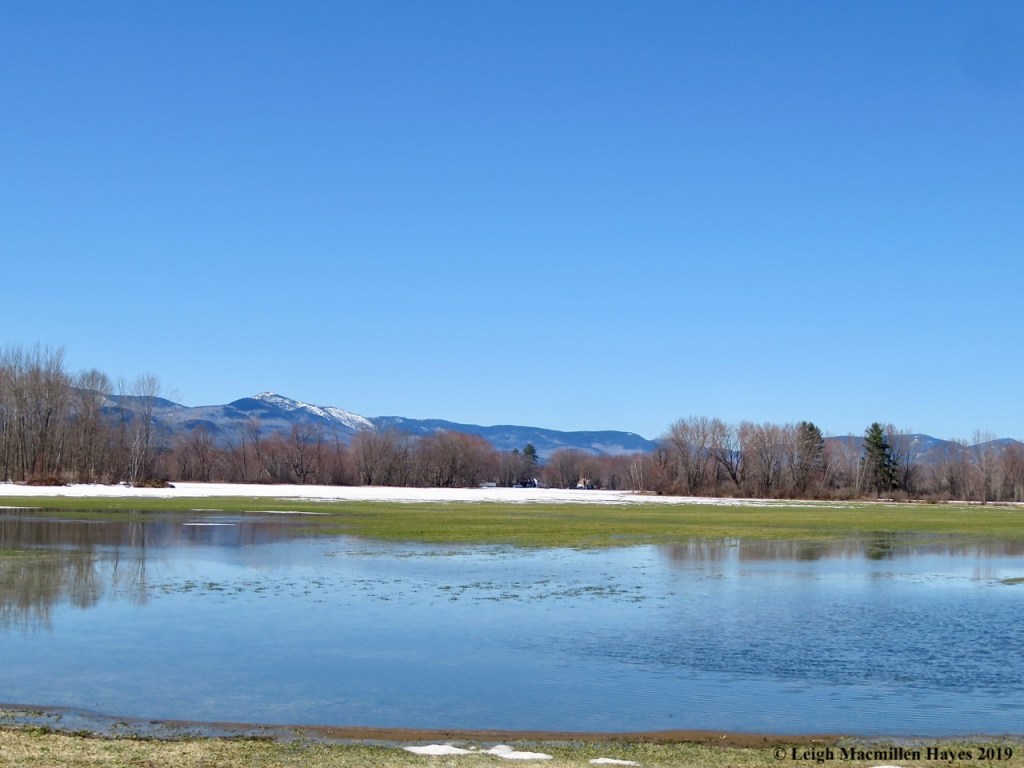
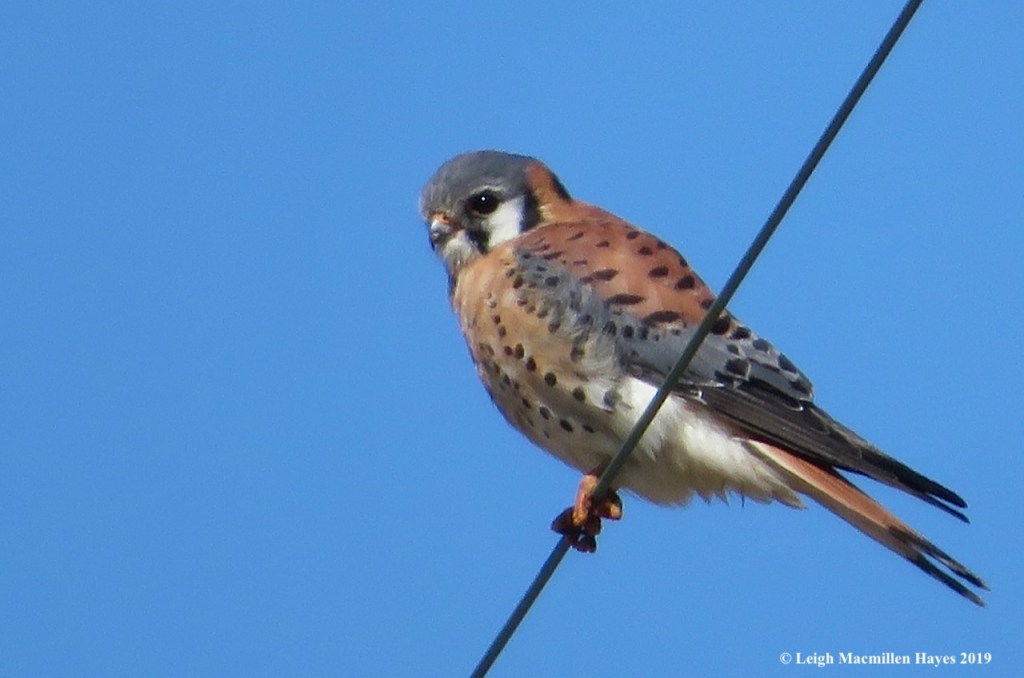

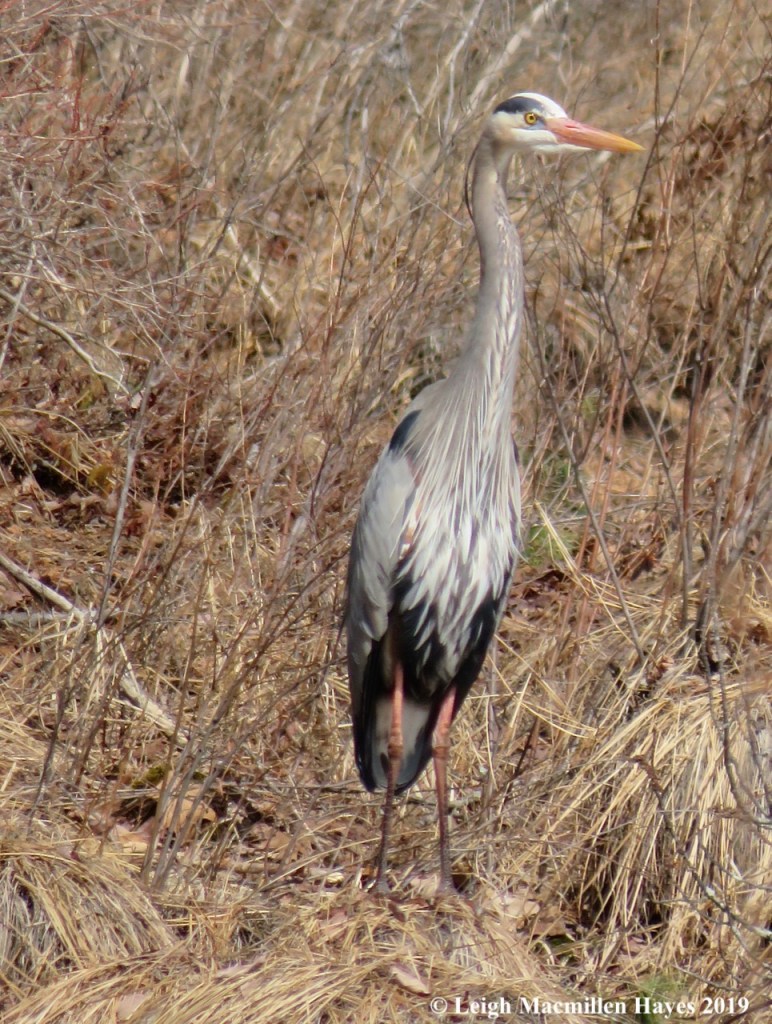

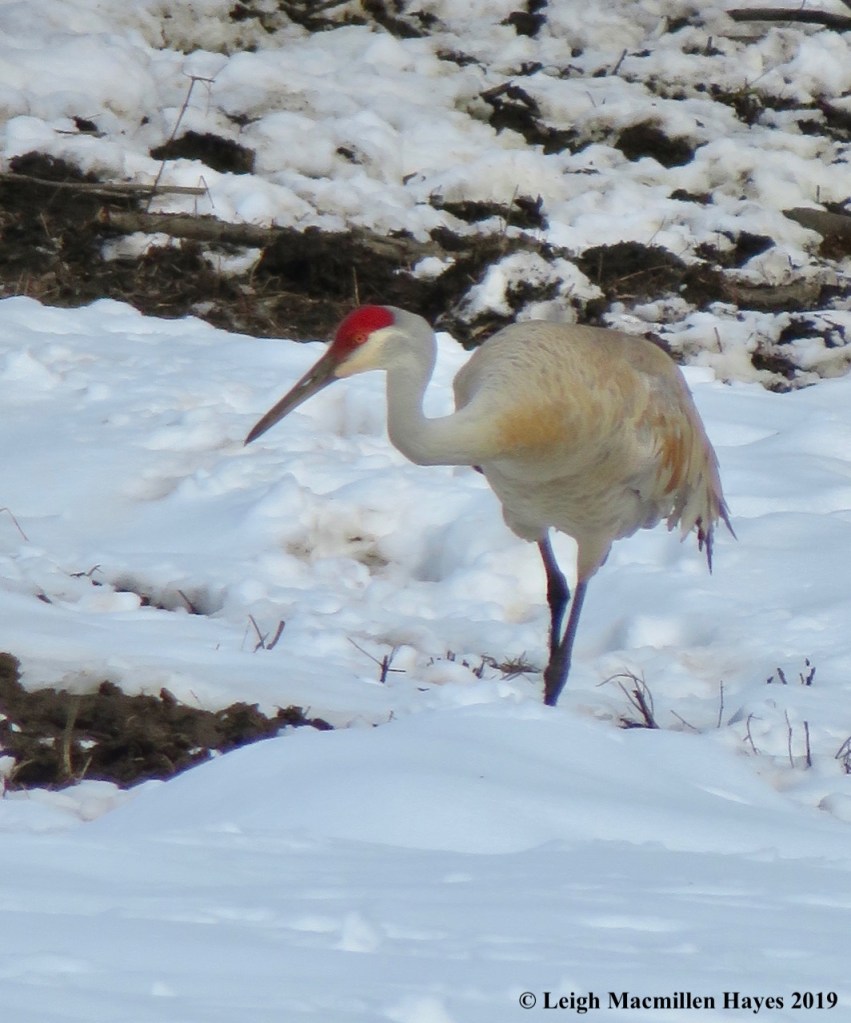


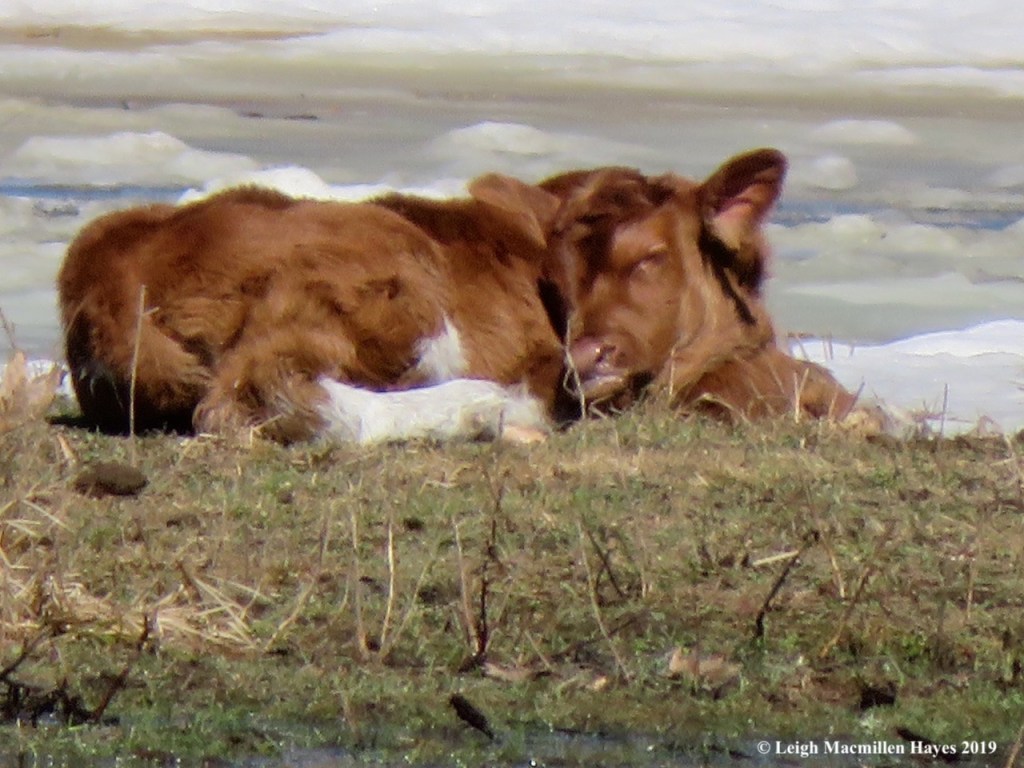

 wondermyway