Ain’t Lovell A Great Place To Be?

On my way to meet a few docents and the new interns for the Greater Lovell Land Trust this morning, a photo opp presented itself and I was forced to stop.

h-stan's sign

Stan Tupaj of Kezar Realty strikes me as the town cheerleader and I love to read his sign as I pass by. From time to time I’ve meant to photograph it, but somehow always seem to be in a rush to get to the next destination. But this morning I was a wee bit early and so this was the day.
h-heald sign

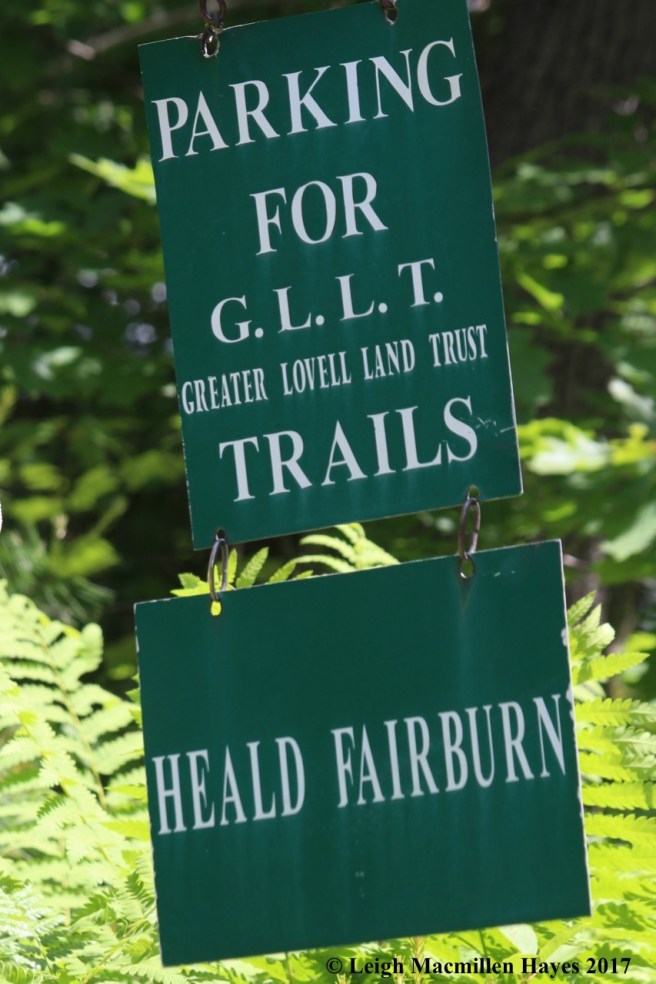
From there, I drove on to the Fairburn parking lot on Slab City Road where I planned to meet the crew.
h-green frog

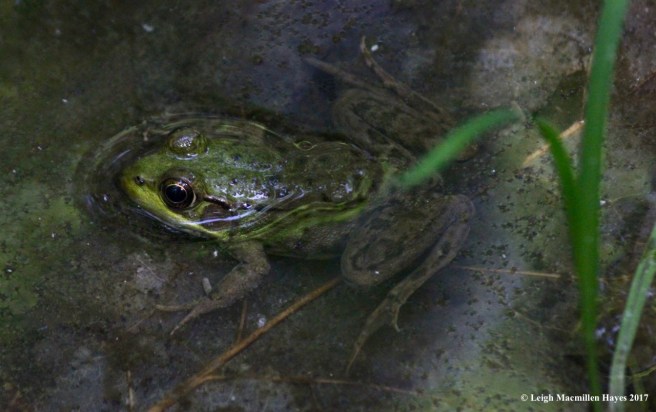
Our goal was to walk to Otter Rock, not a far walk by any means, but it took us 1.5 hours to get there, such were the sights along the way, including a few green frogs in puddles along the trail. I know he’s a green frog and not a bull frog because he showed off a dorsal lateral fold along the sides of his back.
h-baby toad

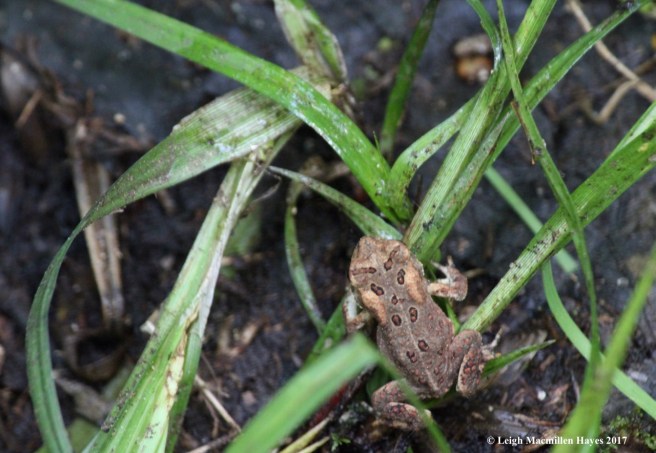
While the green frogs were beside or in the water, the ground seemed to hop at our feet in dry places thanks to a kazillion baby American toads on the move.

h-Ellie and the baby toad

I noted that it seems the younger toads are in constant motion, while older and much chunkier ones pause and try to blend into their surroundings, allowing us to study them (and take photos–just saying). One of the younger members of our team, Ellie, proved me wrong as she charmed a young toad to stay still while she looked at it through her hand lens for several moments. It wasn’t until Ellie moved that the toad hopped away.

h-damselfly with eggs

While Ellie was the toad whisperer, her older brother Caleb wowed us with his ability to capture dragonflies and damselflies in a net, such as this one. As he held it high, he realized it was a she for there were eggs on her abdomen and so he gently released her–in hopes she’d find some vegetation on which to inject those tiny sacs.

h-keeping mosquitoes at bay

Their youngest brother, Wes, demonstrated the value of bracken ferns–which served as a fun hat to keep the mosquitoes at bay.

h1-Aidan

And it wasn’t until later that I realized I didn’t have a photo of Ellie’s other brother, Aidan, but I knew of one from a prior insect walk that showed his own curiosity.

h-grape fern

We looked at tons of plants as well and were all especially eager to re-greet the grape ferns that we knew grew there.

h-exoskeletons 2

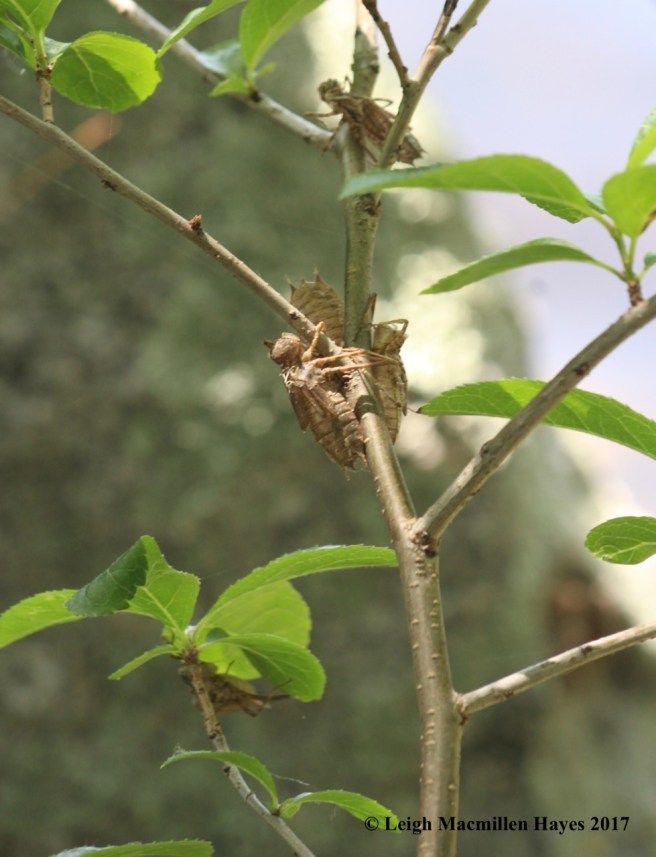
At last we reached our destination, Otter Rock on Heald Pond, where we found what we had hoped for: exoskeletons decorated the landscape.
h-exoskeltons on shrub

Dragonflies lay egg clusters into sediments or tap small clumps directly onto the water’s surface. Each egg hatches into a small nymph, which grows until its ready to emerge as a flying adult. At that time, the nymph crawls to the surface, and ever so slowly, the adult pulls itself free of the exoskeleton. It’s the most amazing process to watch. But even if you don’t have that opportunity, just seeing the left over nymphal shells and knowing that the magic happened is worth a wonder.

h-exoskeletons on ground

We had to watch where we stepped, for the exoskeletons not only decorated the shrubs, but also the ground . . .

h-exoskeleton on tree

and even the trees.

h-widow skimmer

And then we began to notice newly emerged dragonflies like the widow maker on Otter Rock,

h-black-shouldered spinyleg

and black-shouldered spinyleg on the ground. We were afraid to step for everywhere our eyes focused, there was either an exoskeleton or a dragonfly drying its wings in preparation for a first flight.
h-chalk 5

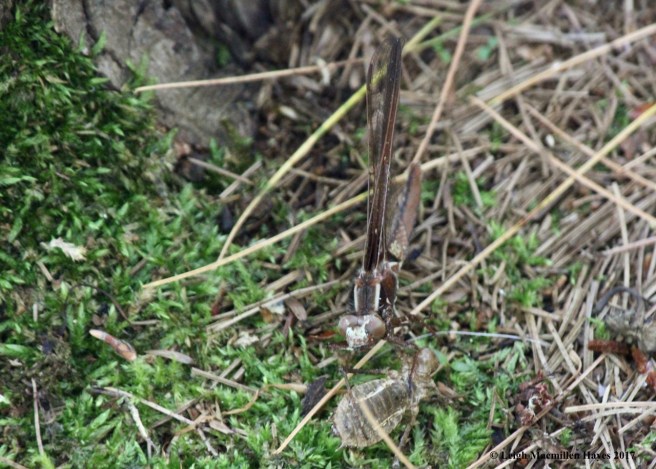
As we looked about, Caleb spotted one struggling in the water, so he pulled it out.

h-chalk 4

Coated in a bit of pollen from the pond, it still clung to its exoskeleton.

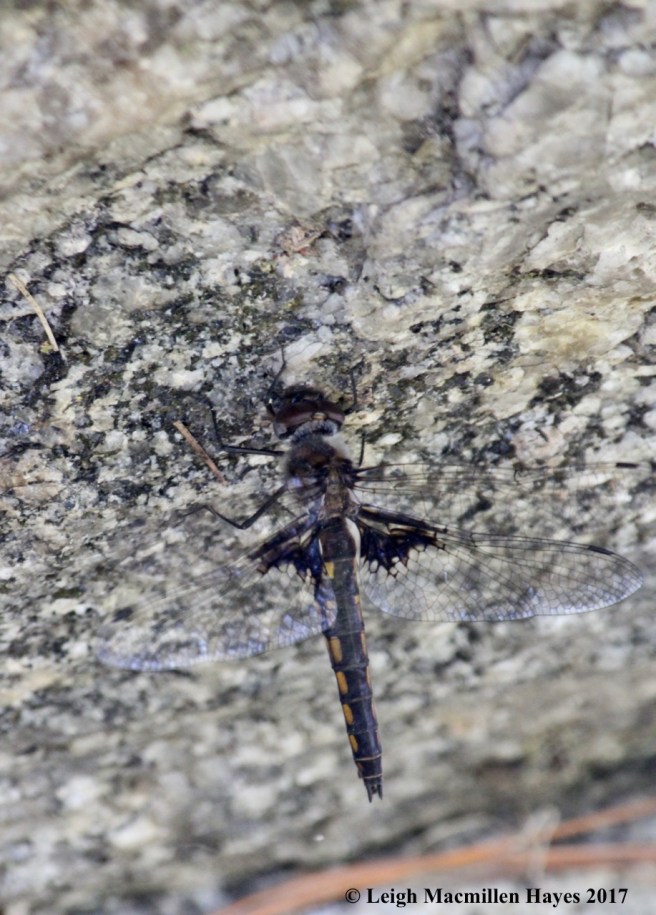
h-chalk-fronted corporal 1

We watched for a few moments as it moved about, those wings slowly drying. I think my ID is right and this was a chalk-fronted corporal. At last it was time for us to draw our sense of wonder to a close and make our journey out.
h-meet the interns

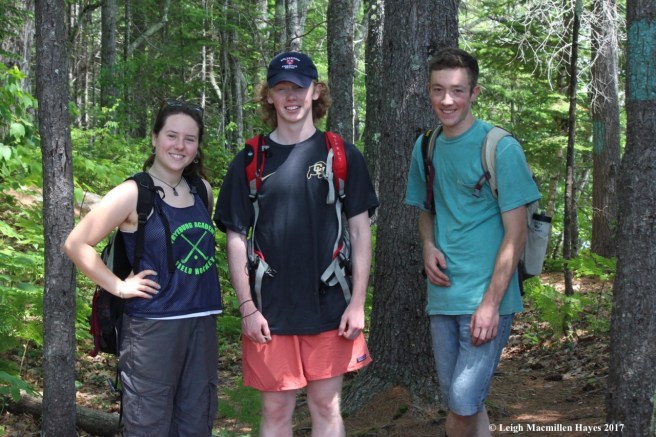
But first, I asked our interns to pose–meet Hannah, Kelly and Dakota. Today was their first day of work and we probably overwhelmed the two guys a bit. Hannah was with us last year, so she knows our ways–that we walk slowly and look at everything. She gets it and we love that. We’re excited about the possibilities ahead. Join us for a GLLT walk or come to an evening talk and you’ll get to meet them.
h-heading out

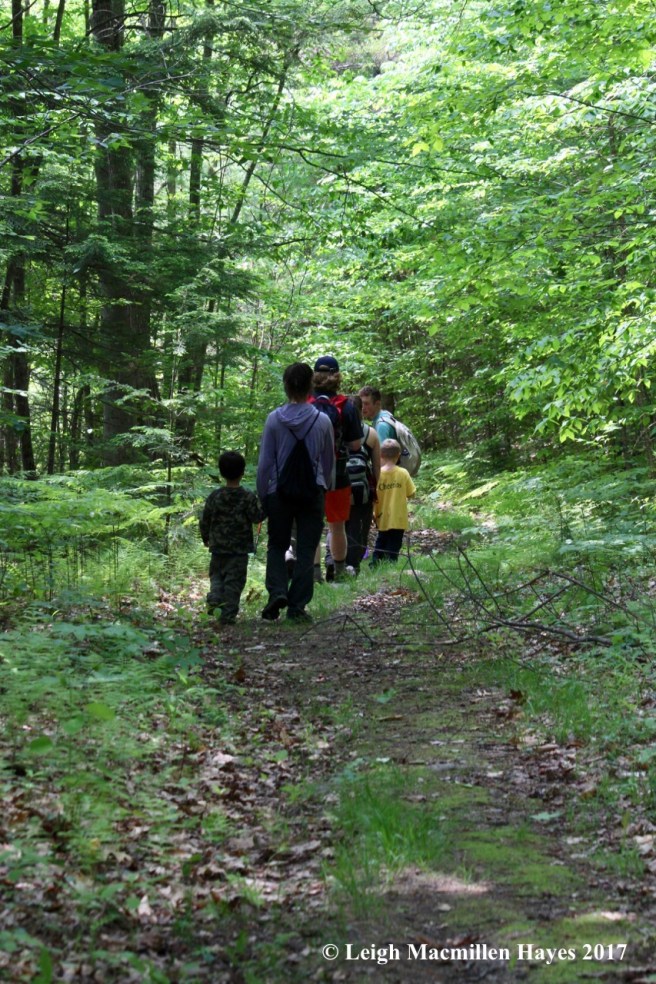
Our walk out was much quicker, though we still stopped occasionally.

h-stan's sign

In the end, I have no doubt that we knew the answer to Stan’s question: Lovell IS a great place to be.


Rain Drops and Mondates Always Make Me Glad (and humble)

My guy and I ventured off to the Major Gregory Sanborn Wildlife Management Area in Brownfield today. Cooler temps and plenty of sunshine marked the early morning hours.

BBog sign

Covering almost 6,000 acres, this area was formerly known as the Brownfield Bog, but was renamed to honor Major Sanborn, a beloved Maine Warden, who lost his battle with cancer several years ago.

Bbog1

This is a place we return to often, but I have to admit that my sense of place was thrown off within the past week.

Saco River

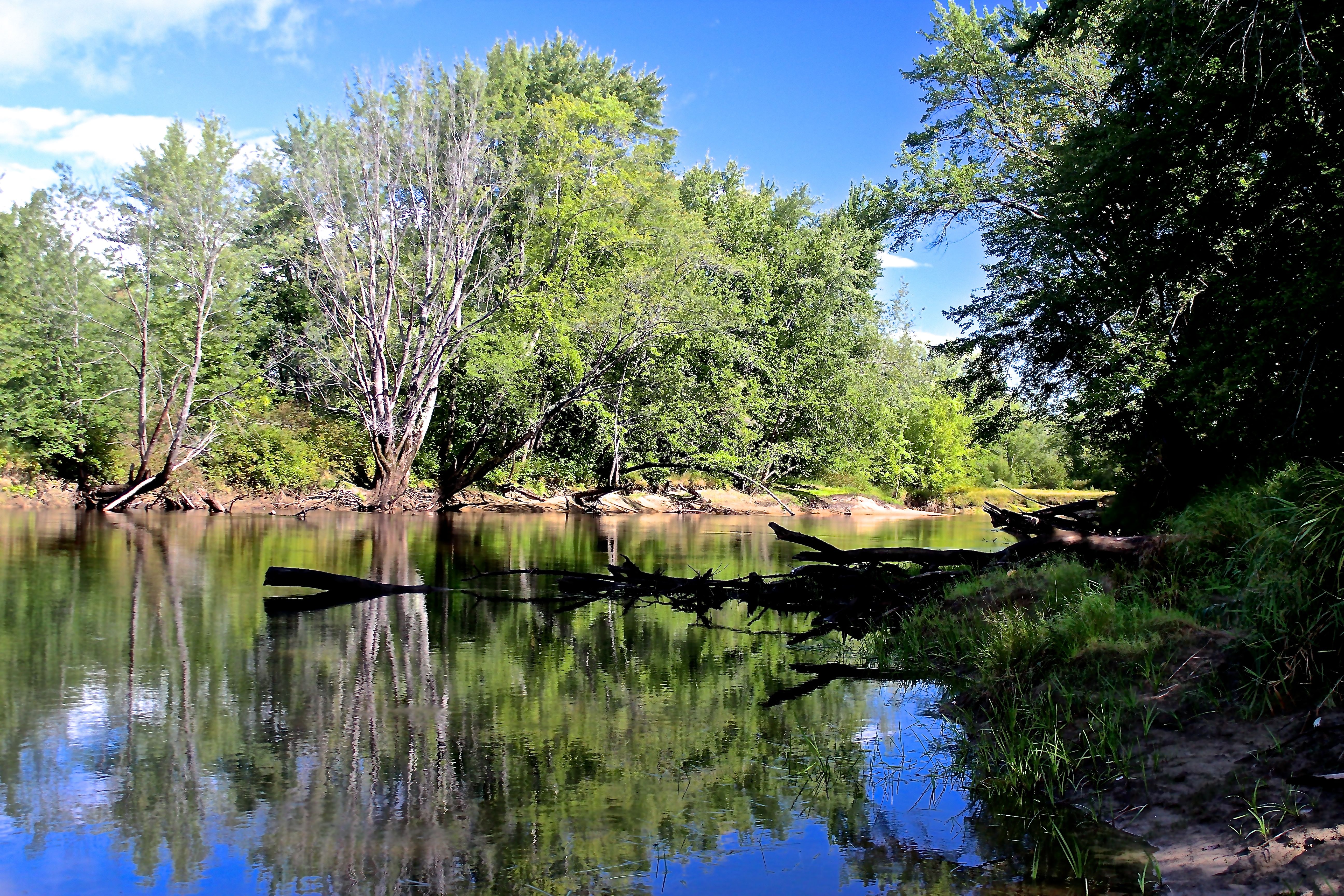
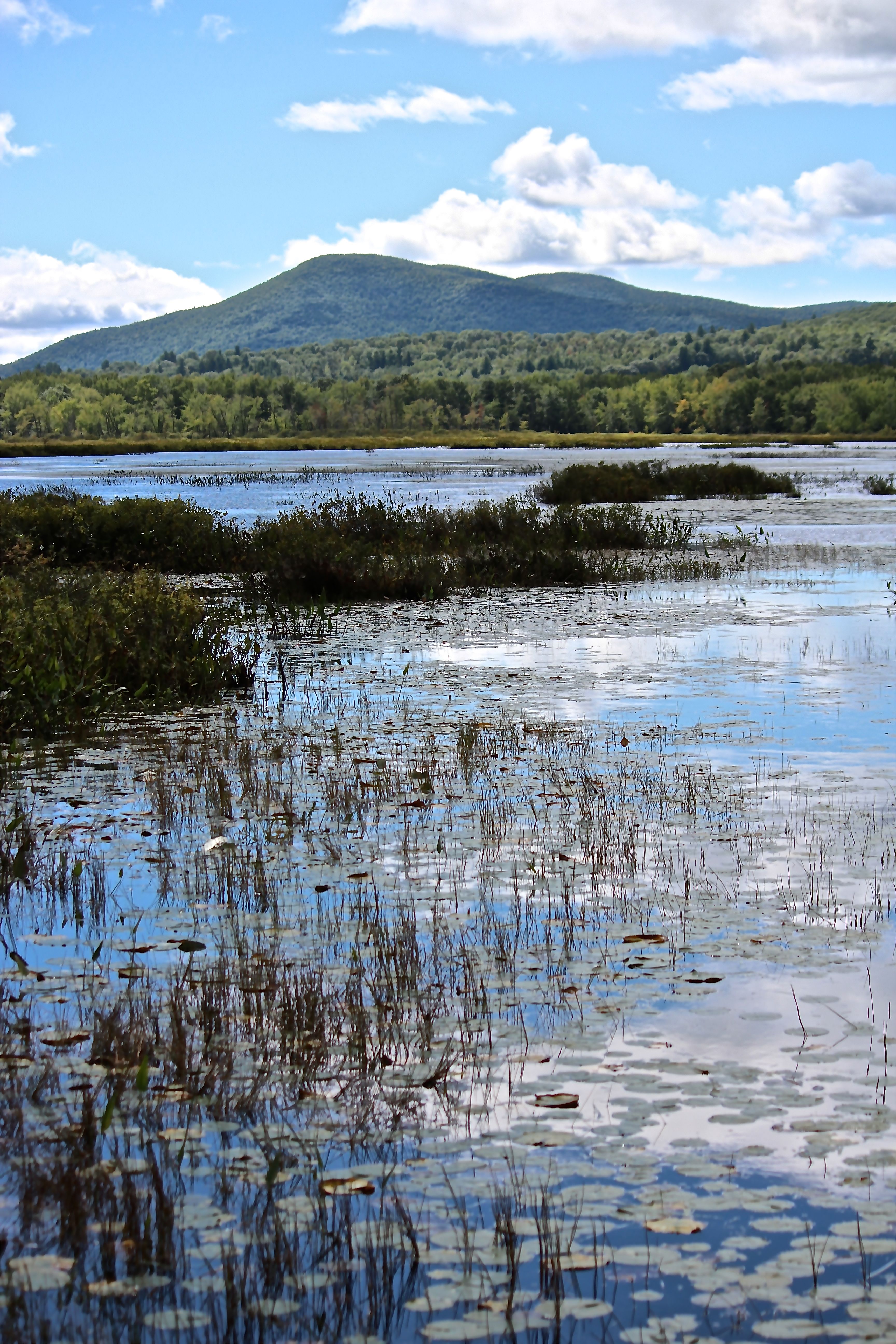
We came to explore the Saco River. So this is where our pride takes a ribbing. We’ve walked to the river on most of our visits, but we never realized that this was the actual river. Huh? Yup, it’s true. In our brains, this was either the Shepard River or an old course of the Saco. Maybe it’s because when we’ve stood beside its bank, we’ve never seen anyone paddling along. Maybe it’s because until yesterday we never looked at the map. We never bothered to locate our place–just assumed we knew where we were. Another life lesson. Just a week ago, we were the merry paddlers, cruising along at tandem kayak speed, passing through the bog from Lovewell Pond to maybe a  half mile north of the Brownfield Bridge (maybe less). Maybe it’s because we were such swift paddlers that we were clueless. Anyway, now we know: The Saco River bisects the bog.
SR exploration

Exploring the floodplain became our focus as we followed the river.

river erosion

Each year, the river consumes more land, making me wonder what it was like when Brownfield was founded in 1802.

sensitive fern, chest height

We walked down a mowed path, where the sensitive fern grows chest high on either side.

royal fern

And the royal ferns are equally large and plentiful.

glen

Saco River 3

We explored in a different direction, perhaps trespassing on private land. (Oops, did that chain between the posts really mean “keep out”?)

elm 2

We recognized an elm growing over the river that we’d spotted while kayaking last week and knew that we’d established our sense of place.

SR 2

And then we turned from the river, retraced our steps and continued on to explore more of the bog via foot.

wild raisins 1

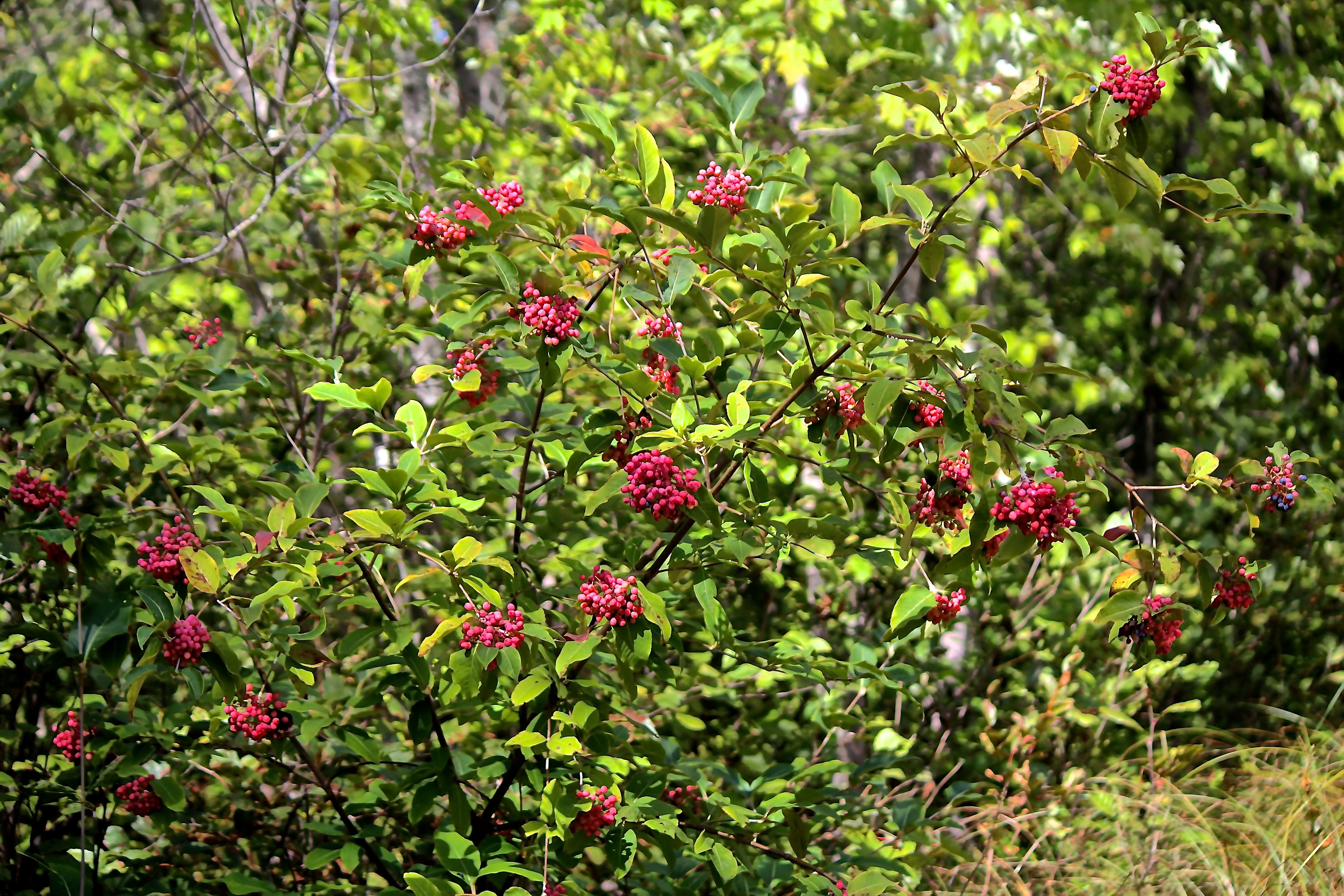
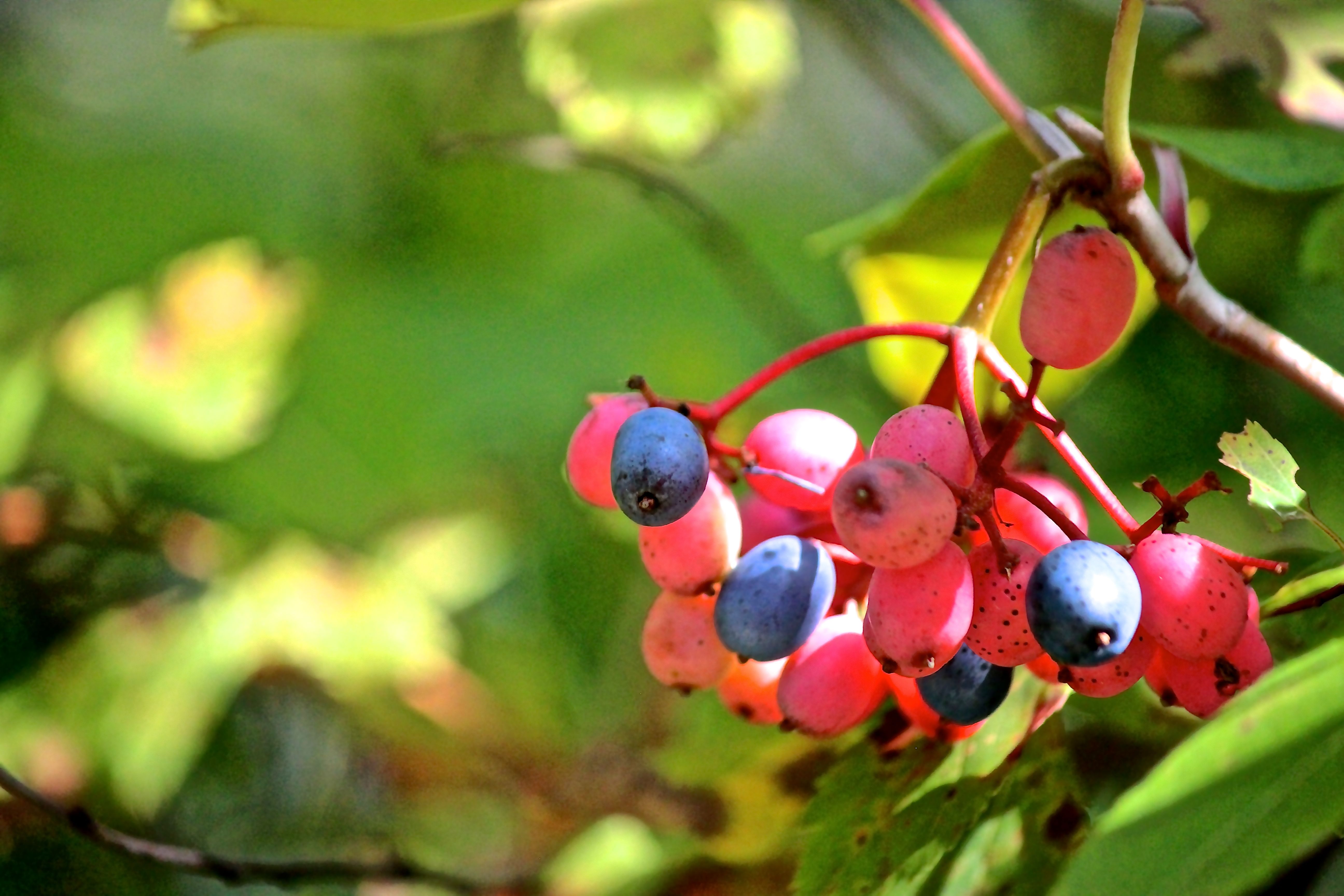
Wild raisins are abundant.

wild raisins

Eventually, the fruits will all turn blueish black and if the birds don’t eat them, they’ll shrivel up–like raisins.

common winterberry

The showy red fruits of common winterberry also dot the landscape. The curious thing about this plant–though this is a member of the holly family, the leaves are not sharply toothed like other hollies, nor are they evergreen.

milkweed dispersal

Milkweed is ready to fly away and find a new home.

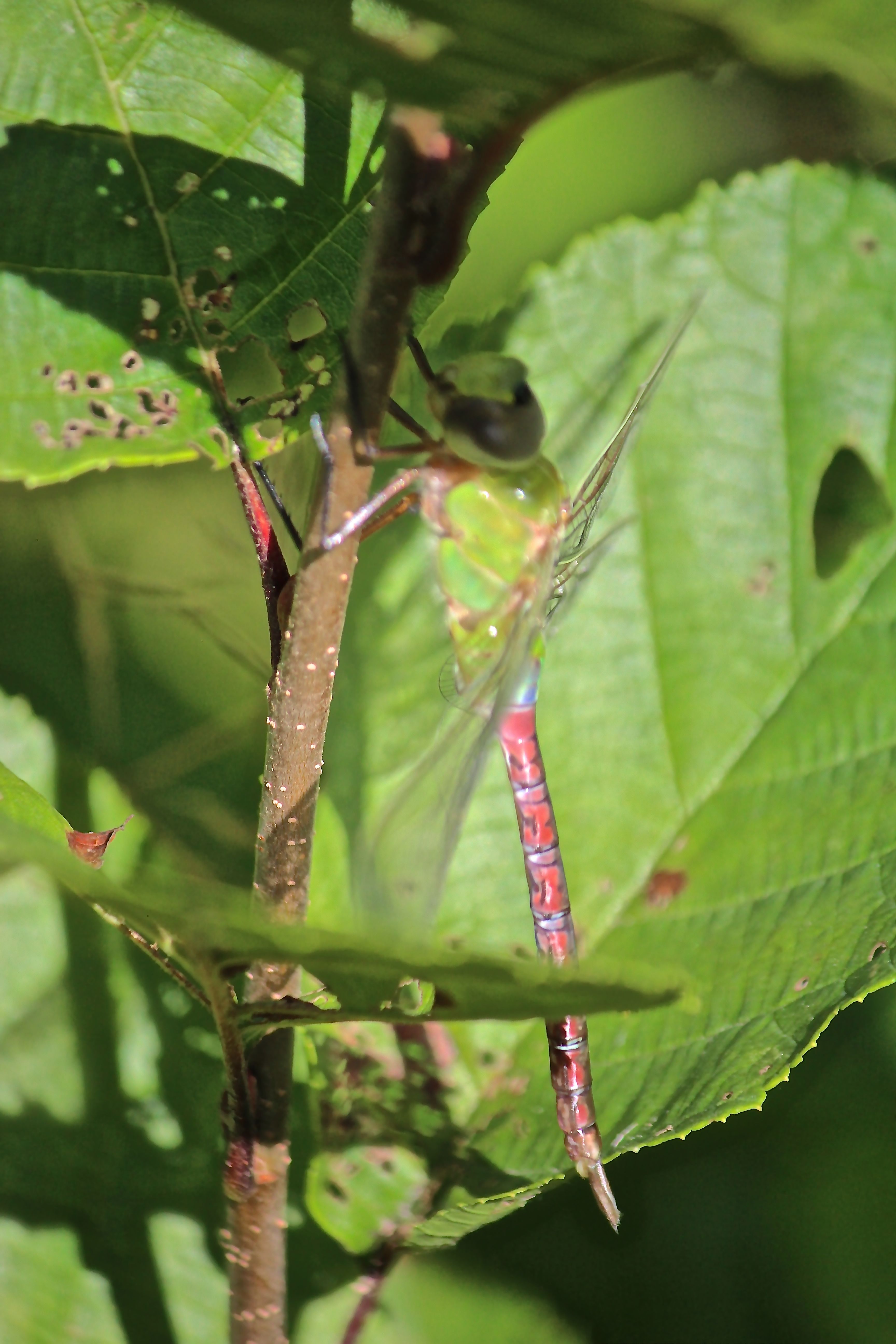
green darner dragonfly

Speaking of flying, if I hadn’t seen this green darner fly into the foliage, I never would have discovered it.

Meadowhawk dragonfly

Meadowhawk dragonflies were much easier to spot, enjoying the warmth of the sunshine.

BBog 5

Openings in the shrubs and trees provide frequent views,

Pleasant Mtn 4

including the backside of Pleasant Mountain.

white oak bark

The community changed a wee bit, and suddenly we were under white oaks with their flaky-surfaced, rectangular, block-like bark.

northern red oak bark

Beside them grow the Northern red oaks, with their flat-topped ridges outlined by the rusty red inner bark.

big tooth aspen bark

The horizontal/vertical line design of big-toothed aspen also made its presence known.

big tooth aspen leaf

And on the ground, a big-toothed leaf provides a hint of what is to come.

red maple leaves changing

A few red maples are beginning to announce the changing season as well.

Bbog 2

When we reached our turn-around point, we were feeling a bit hot and sticky. We’d shed our sweatshirts and were thankful for a slight breeze.

fragrant water lily

I admired a few fragrant water lilies still in flower, while my guy followed the action of a northern harrier through the binoculars.

storm leaves

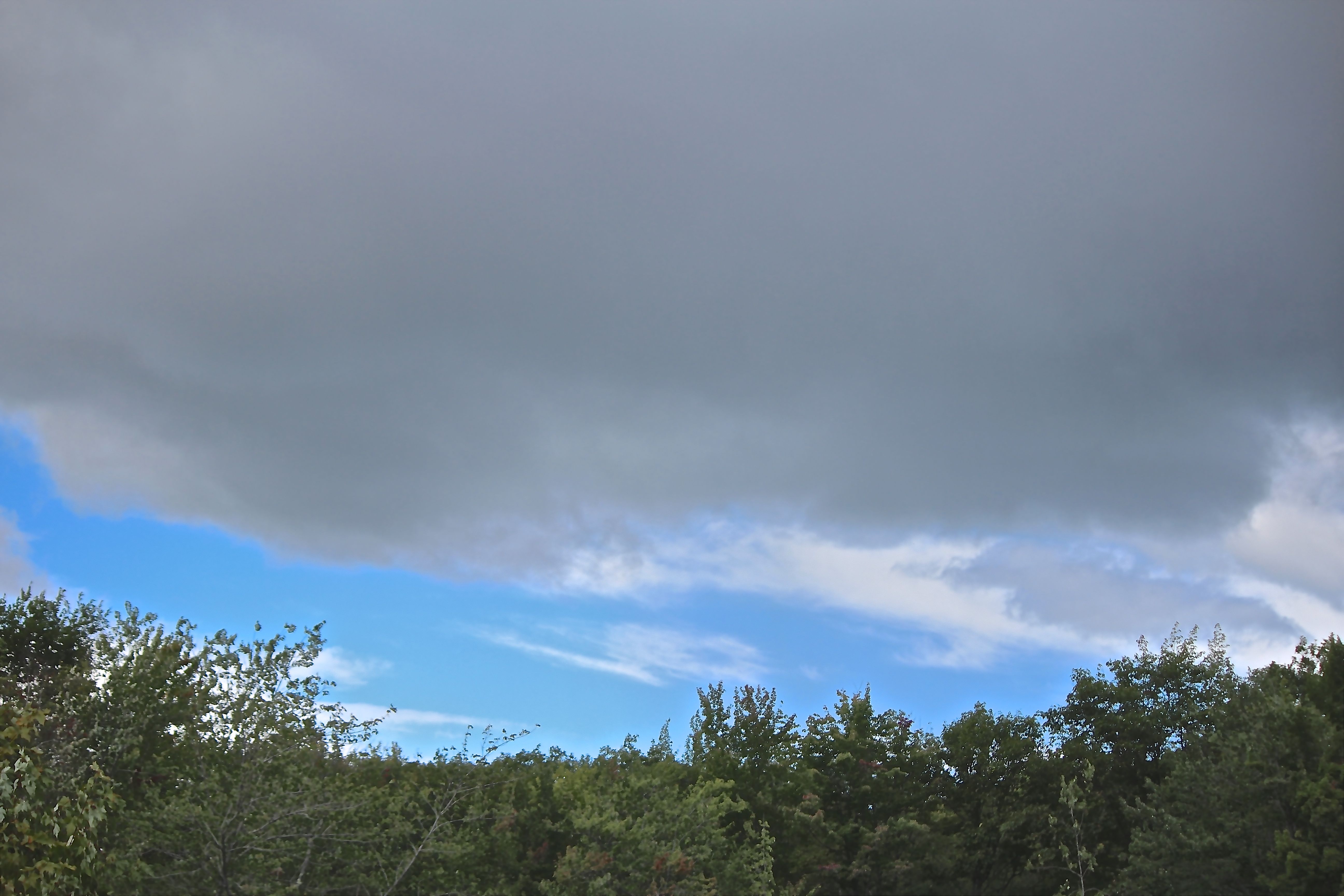
And then the wind really picked up. I looked at the trees and could see the backs of the leaves–my mother had long ago told me that that was a sure sign of rain to come.

storm cloud

We looked up and had an Eeyore moment.

boots

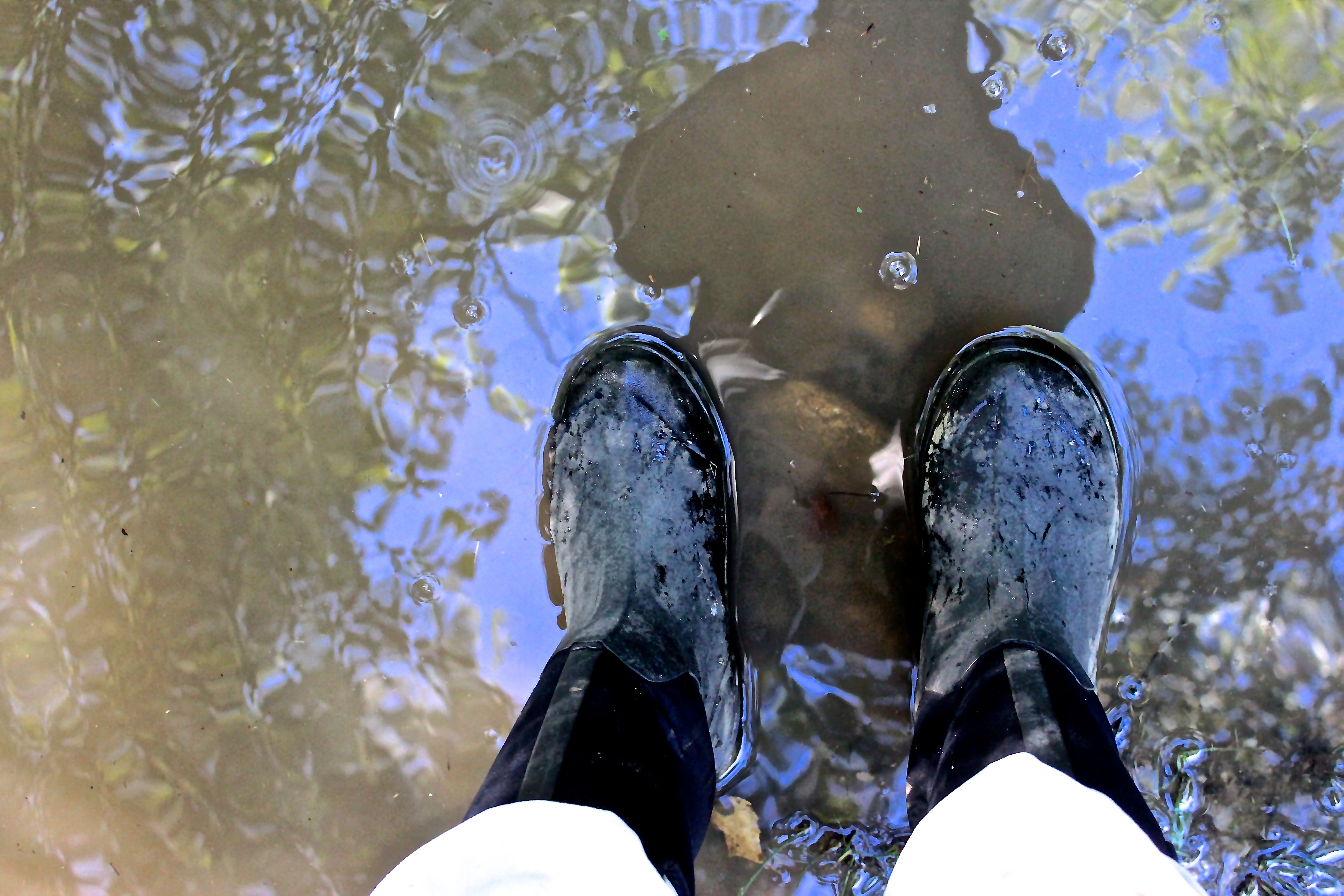
I was wearing my boots, but no raincoat.

raindrops 1

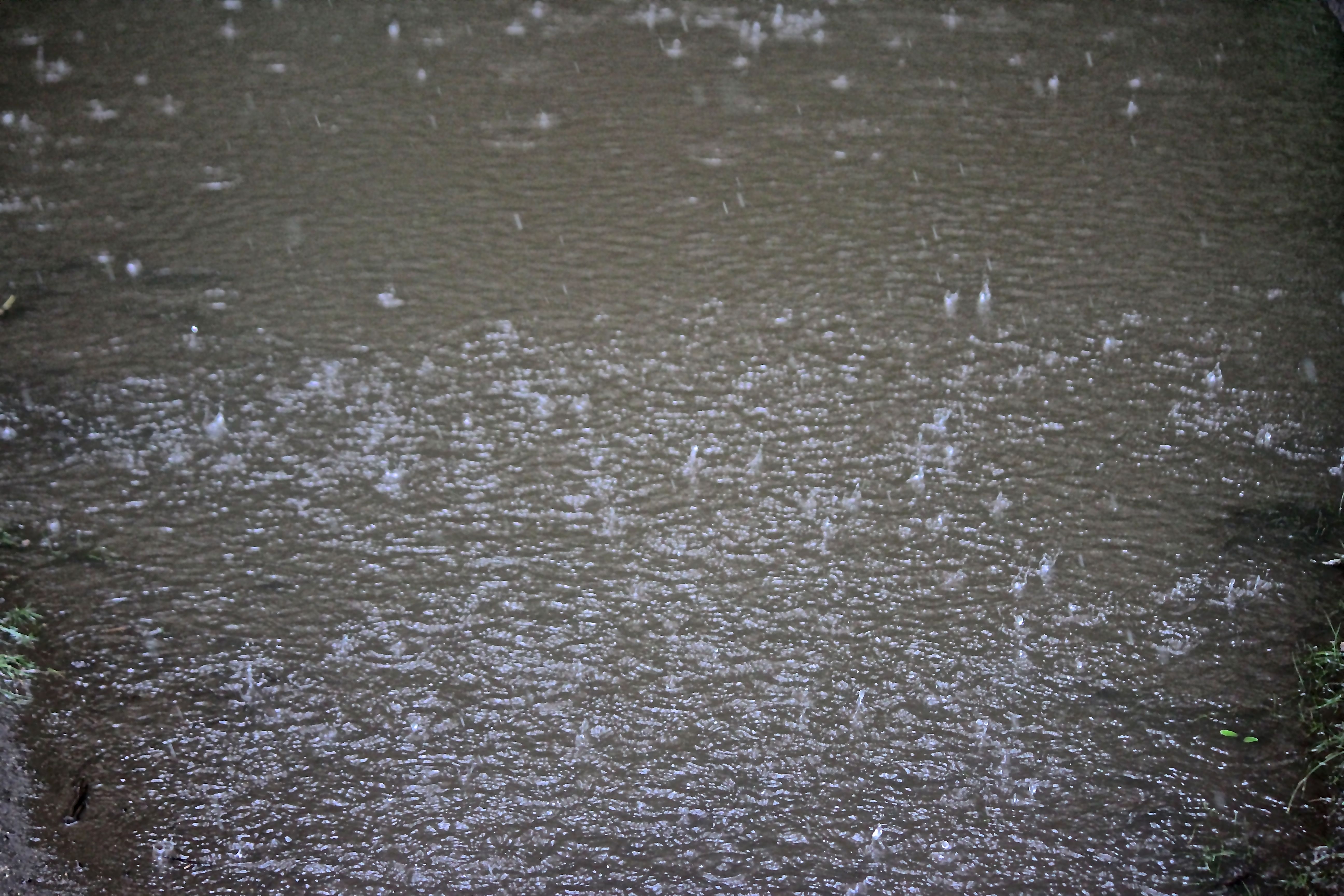
It rained. It poured. It felt good.

raindrops 2

And then it was only a memory–and a pleasant one at that.

rain: Pleasant Mtn

We watched it move across the southwest end of Pleasant Mountain as we headed back.

lb andbee

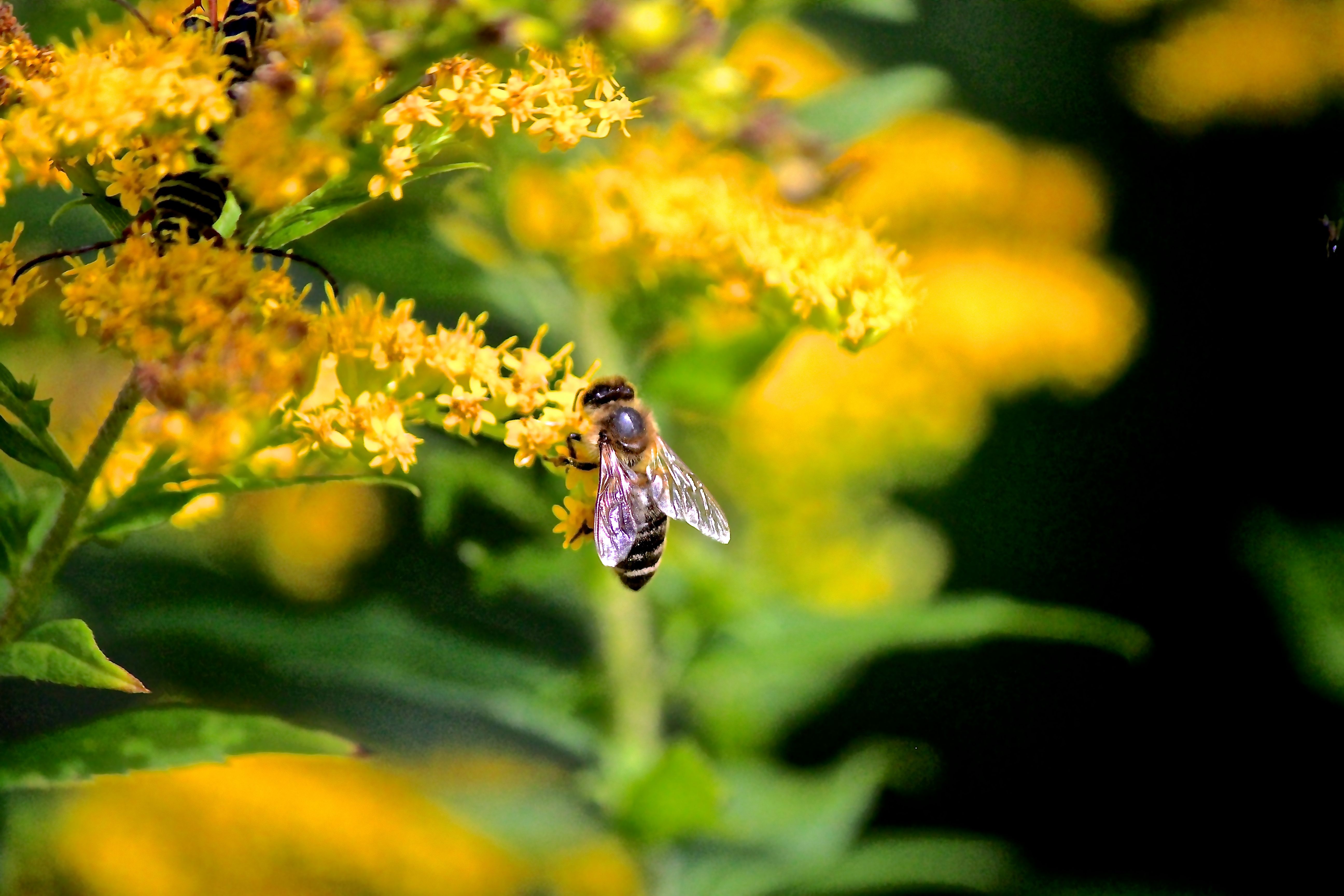
When we arrived home, the air was a bit cooler. I stepped outside to check out the insect activity in the yard and through the camera lens I realized something was photobombing the bee.

lb7

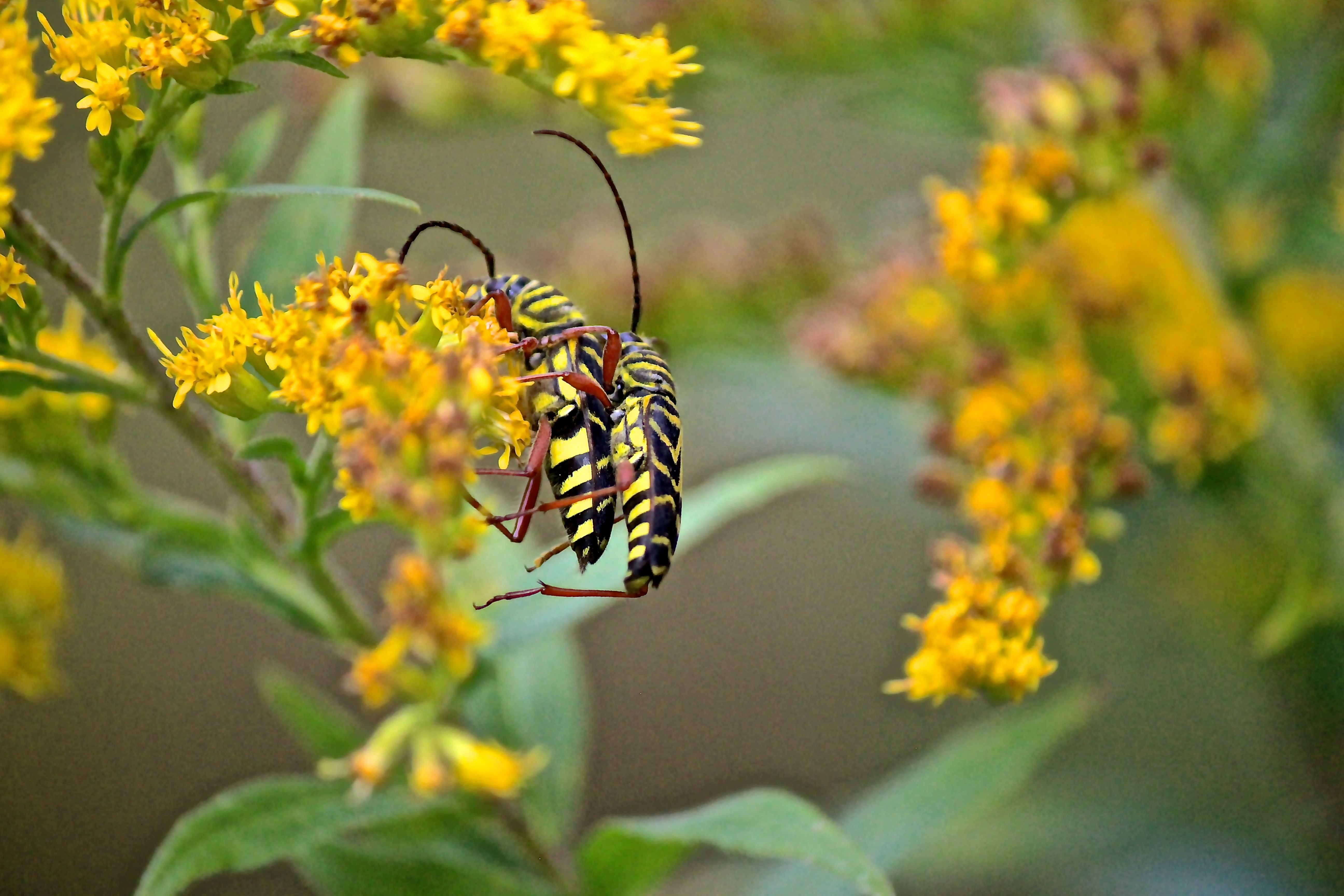
Two somethings in fact–a pair of locust borers apparently shared their own Mondate. The only locust tree in the neighborhood is down the street, but I suspect that momma will be laying some eggs in the bark at dusk tonight.

It looks like rain once again, but we’re glad for the opportunity to explore together on another Mondate–and gain a better understanding of our greater neighborhood, our sense of place. So much for pride. Life is a humbling experience.

Moosey Mondate

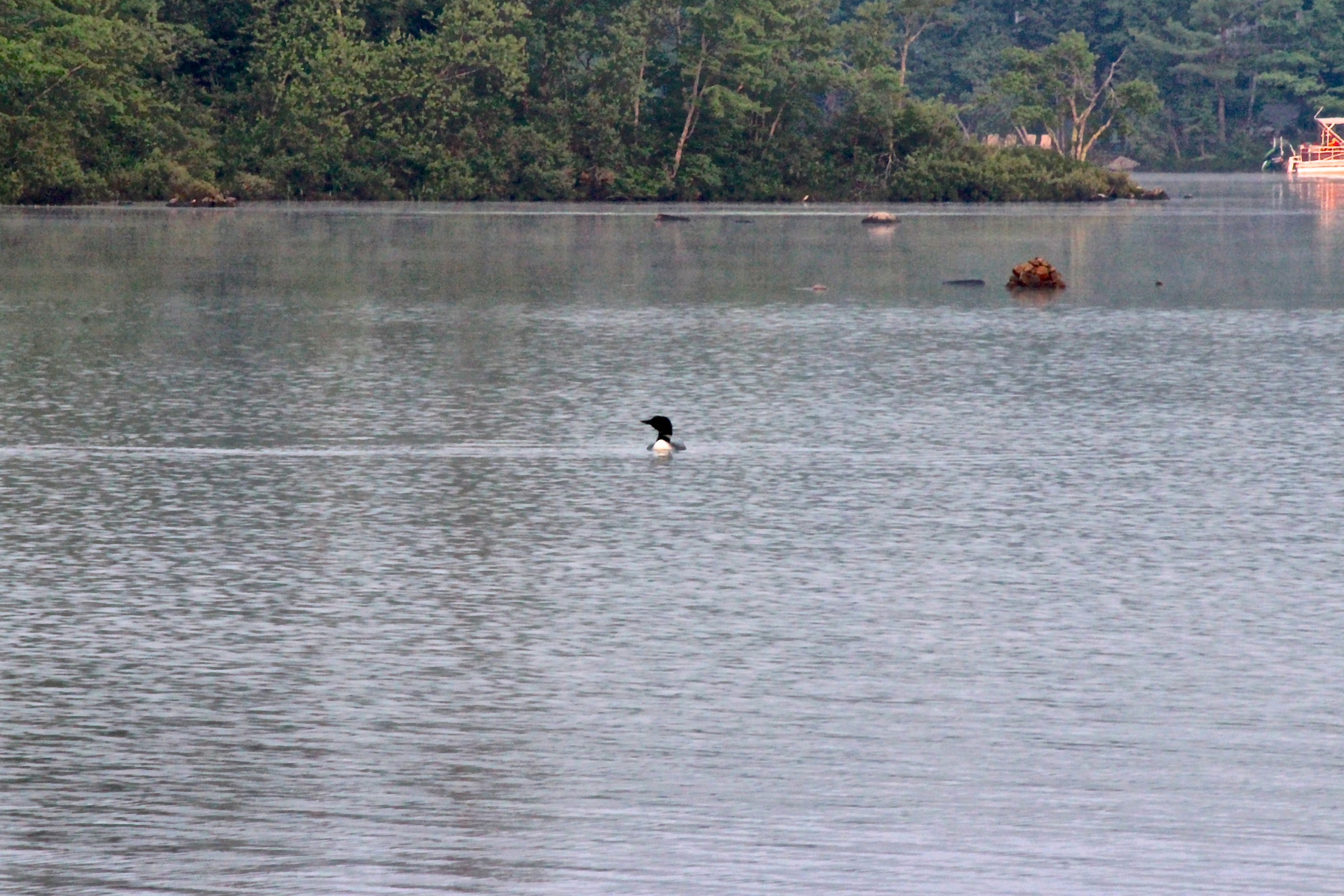
We finally moved to camp yesterday, and awoke early this morning to that hauntingly delightful sound–the cry of the loon.

loon

While I stood on the dock, wishing the pair would come closer, something else caught my attention.

suspendedsusp2

Suspended animation. I couldn’t see the web, but trusted it was there.

Black Mtn

Our Mondate began after we got some chores out of the way. A perfect day to hop in the tandem kayak and head north to Sweden. Thanks to our friends the Neubigs, who purchased the tandem for us years ago. They need to return and use it–just saying.

island shoreline

We love the upper basin because there are so many islands and stumps and inlets and coves and beaver lodges and you name it to explore.

tall weeds

The only thing that drove us crazy was the deer flies. Yeah. So we know insects are important for pollination and to provide food for fish, birds, dragonflies and others. But truly, what purpose do deer flies serve, other than to suck our blood? Mind over matter. Don’t scratch and the swelling will go down eventually. Note–like black flies, it’s the females that bite. I’d say, “Go Girls,” but hardly in this case.

dragonfly

Among the many dragonflies was this blue dasher, a common variety near quiet water. If only he would feast on those darn deer flies.

button bush

The buttonbush seems otherworldly with its pincushion styles protruding from each tubular flower.

spadderdock

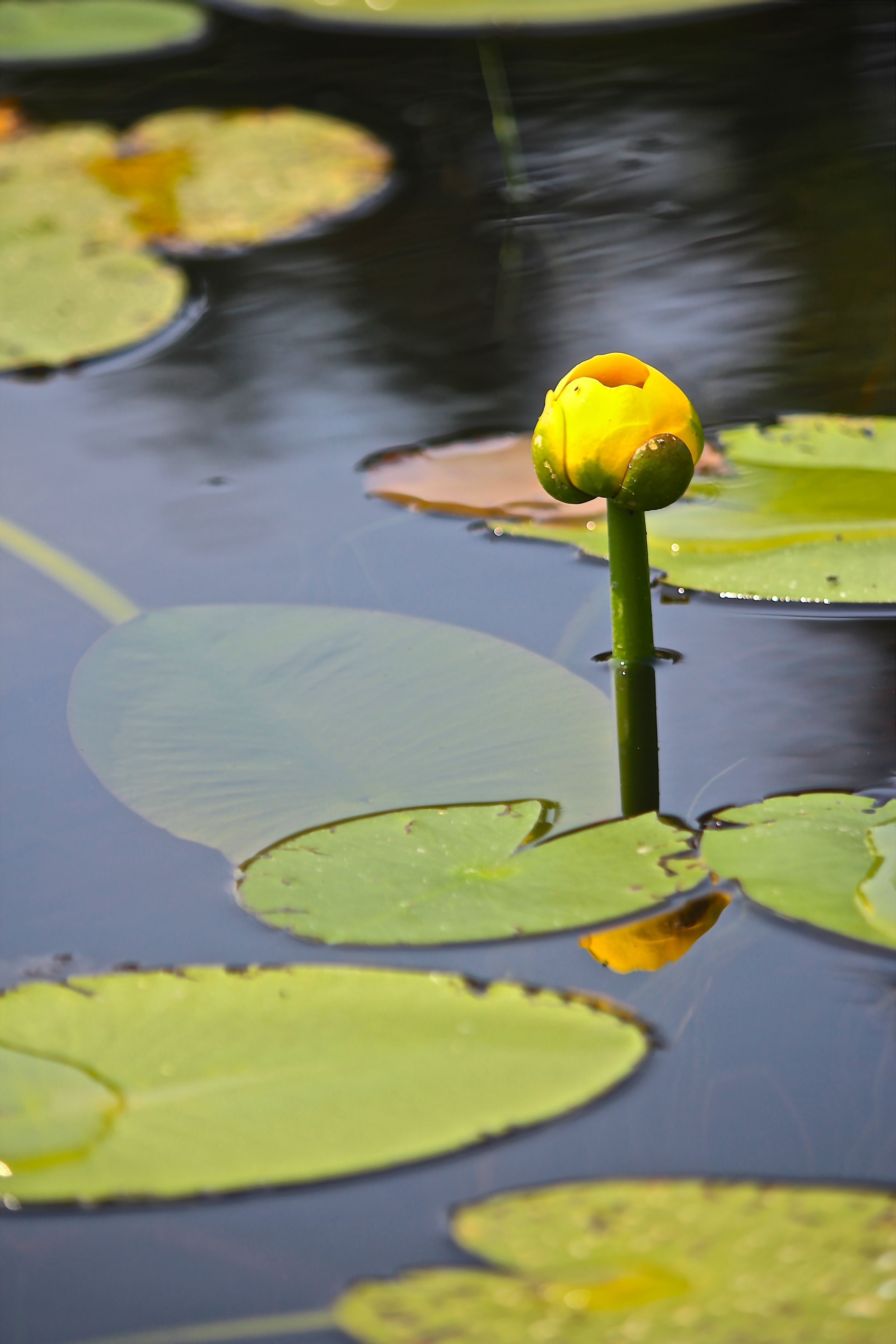
The tight, waxy, petal-like sepals of the spatterdock, aka yellow pond lily or cow lily, stands upright above its leaf–featuring a small v-notch

fragrant water lily

On other ponds and lakes, I’ve seen the fragrant water lily in bloom already, but here it is just beginning to open. Its leaves are larger than those of the spatterdock and notched to the center.

pickerel

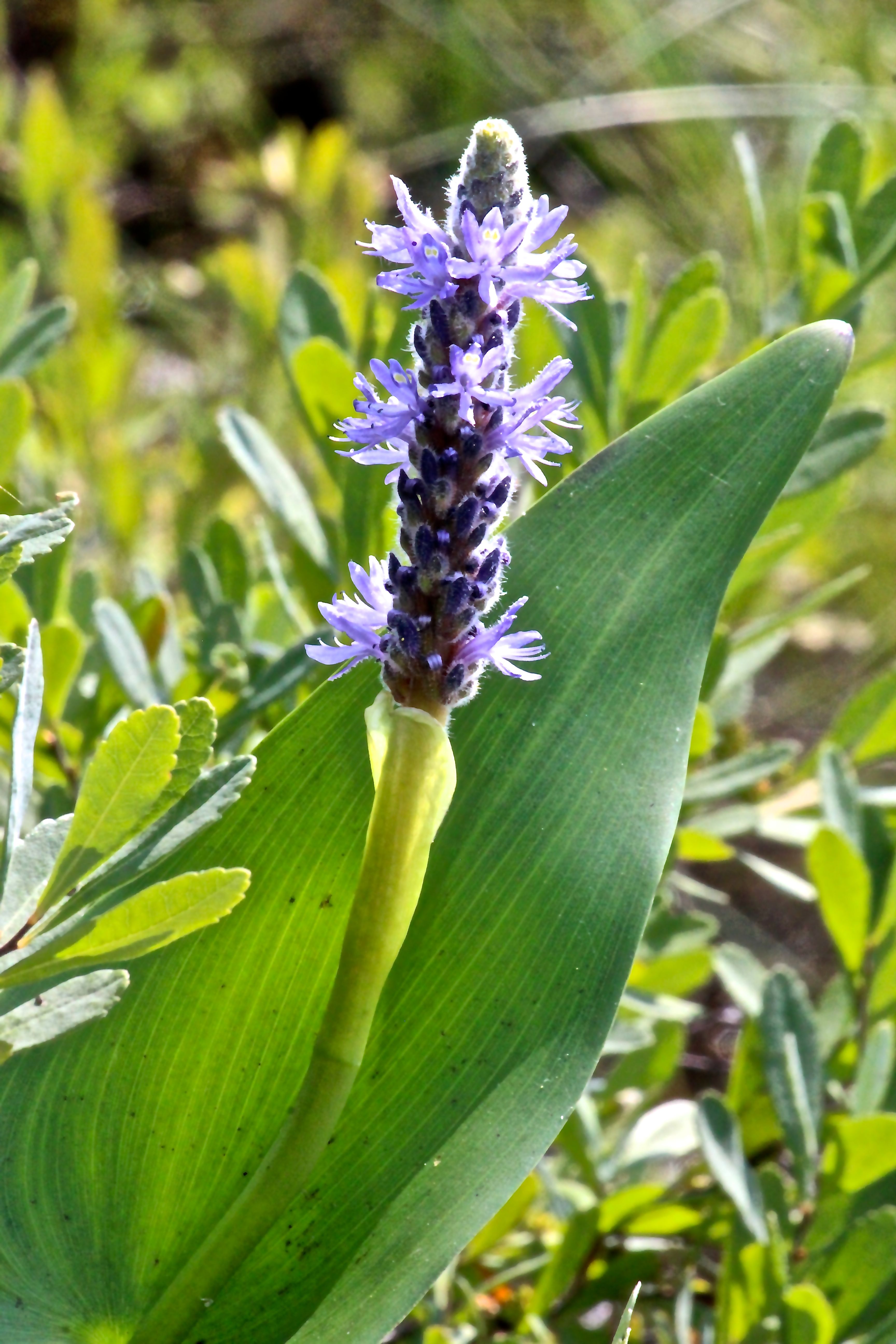
Pickerelweed is like no other. Though the upside-down heart-shaped leaves are long-stemmed and look similar to arrowhead, once the flower blossoms, there’s no mistaking it.

pick 2

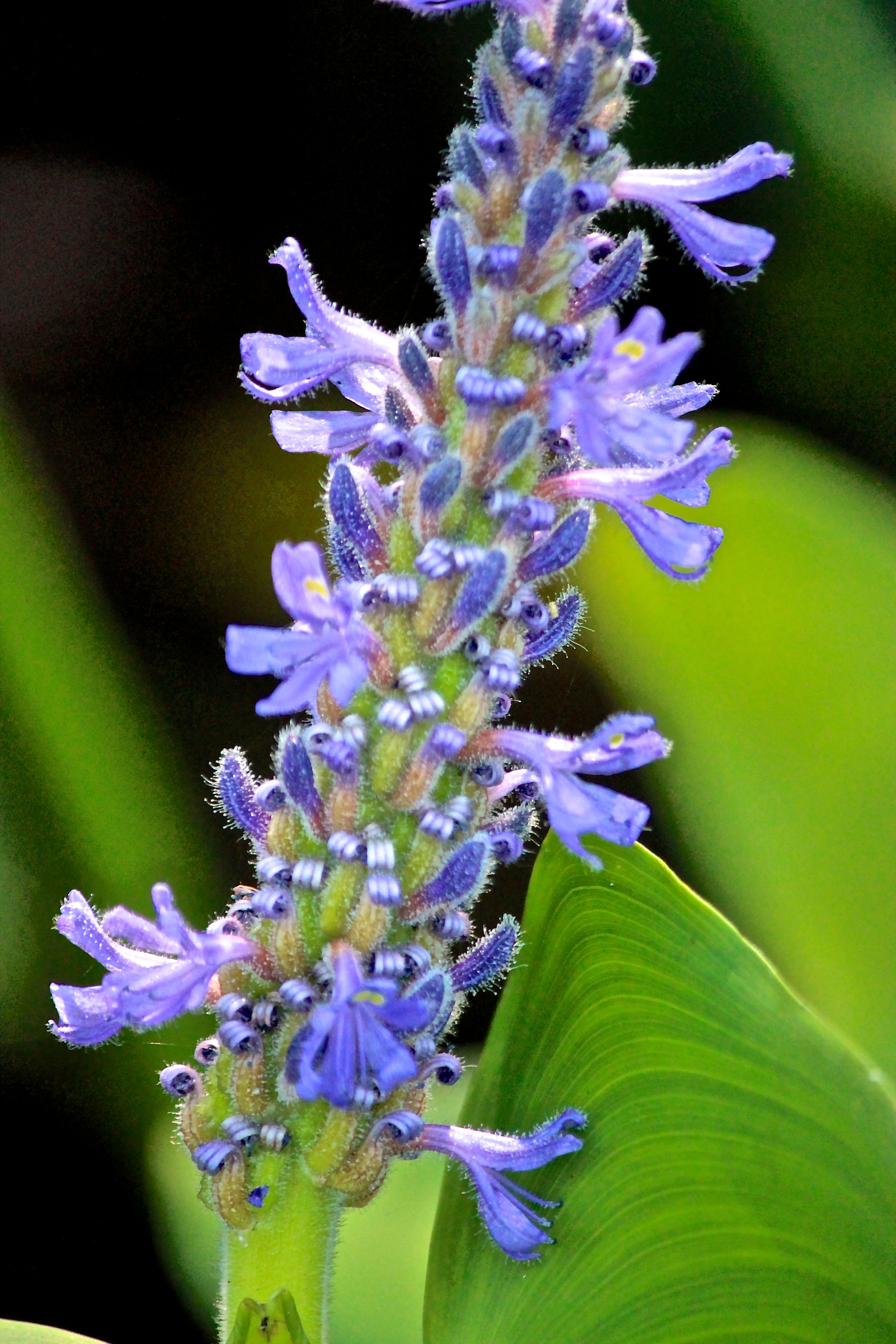
The flowers are worth a second or third look. They grow in spikes along the pond’s edge. And each is covered in hair. Why?

pick 3

Not only that, but each flower is two-lipped. And each lip is three-lobed. And the upper lip has two yellow spots.

sundews 1

The pond was dammed a long time ago and stumps support a variety of life–including the carnivorous sundews beginning to flower.

sundews 2

At first glance, I thought they were the round-leaved variety, but I now think they are spatulate-leaved sundews. Love that name–for the spoon or spatula-shaped leaves that are longer than they are wide.

love is in the air

Love is in the air.

As it should be on a Mondate with my guy well spent on Moose Pond. I bet you thought I was going to post a photo of a moose.