Spotlight on Sabattus

Following this morning’s Greater Lovell Land Trust trek at Chip Stockford Reserve, where we helped old and new friends form bark eyes as they examined various members of the birch family, my feet were itchy. Not in the scratchy sort of way–but rather to keep moving.

It was a lovely day for a hike and Sabattus Mountain in Lovell was my destination. I love this little mountain because it offers several different natural communities and great views.

s-com 1

Though there are a few softwoods on the lower portion of the trail, it’s really the land of a hardwood mix.
s-downed twigs

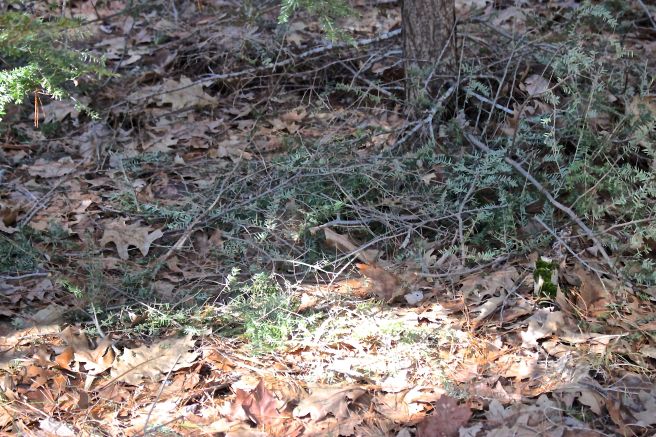
About halfway up, the neighborhood switches to a hemlock-pine-oak community. It was then that I began looking for downed hemlock twigs in an array at the base of trees. I’ve found them here before, and today I wasn’t disappointed.

s-porky chew 3

The twigs had been chewed off and dropped by a porcupine as evidenced by the 45˚-angled cut and incisor marks. Though red squirrels also nip off the tips of hemlock twigs, they do just that–nip the tips. Porcupines cut branches.
s-porky cliff

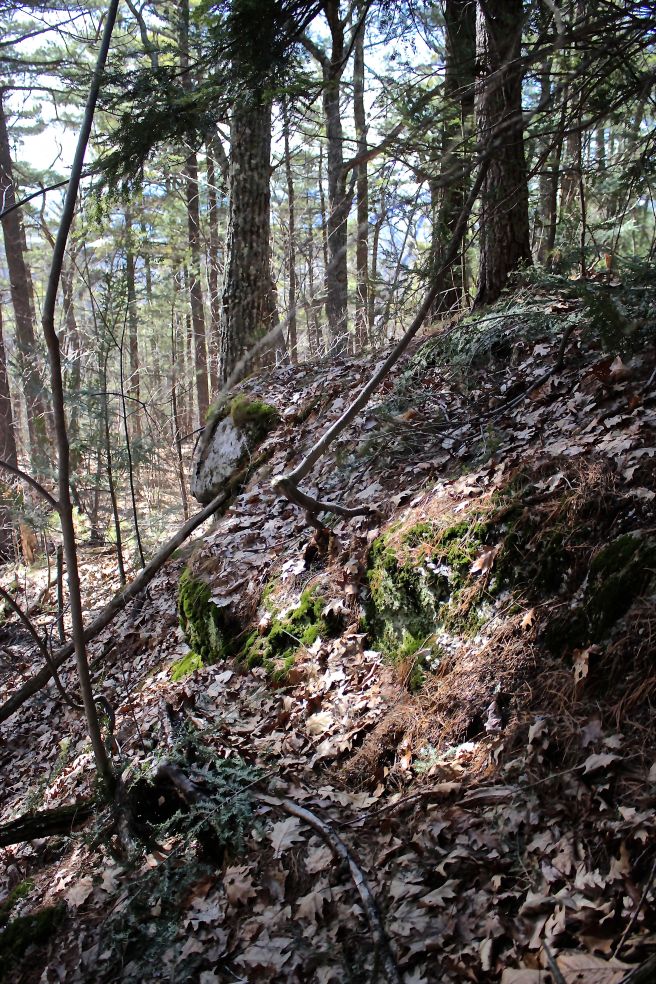
Downed branches usually mean scat, but I searched high and low and under numerous trees that showed signs of activity and found none. A disappointment certainly.

s-pippipsewa

My search, however, led me to other delightful finds that are showing up now that most of the snow has melted, like this pipsissewa that glowed in the afternoon sun. As is its habit, the shiny evergreen leaves look brand new–even though they’ve spent the winter plastered under snow and ice. A cheery reminder that spring isn’t far off.

s-Pleasant 1

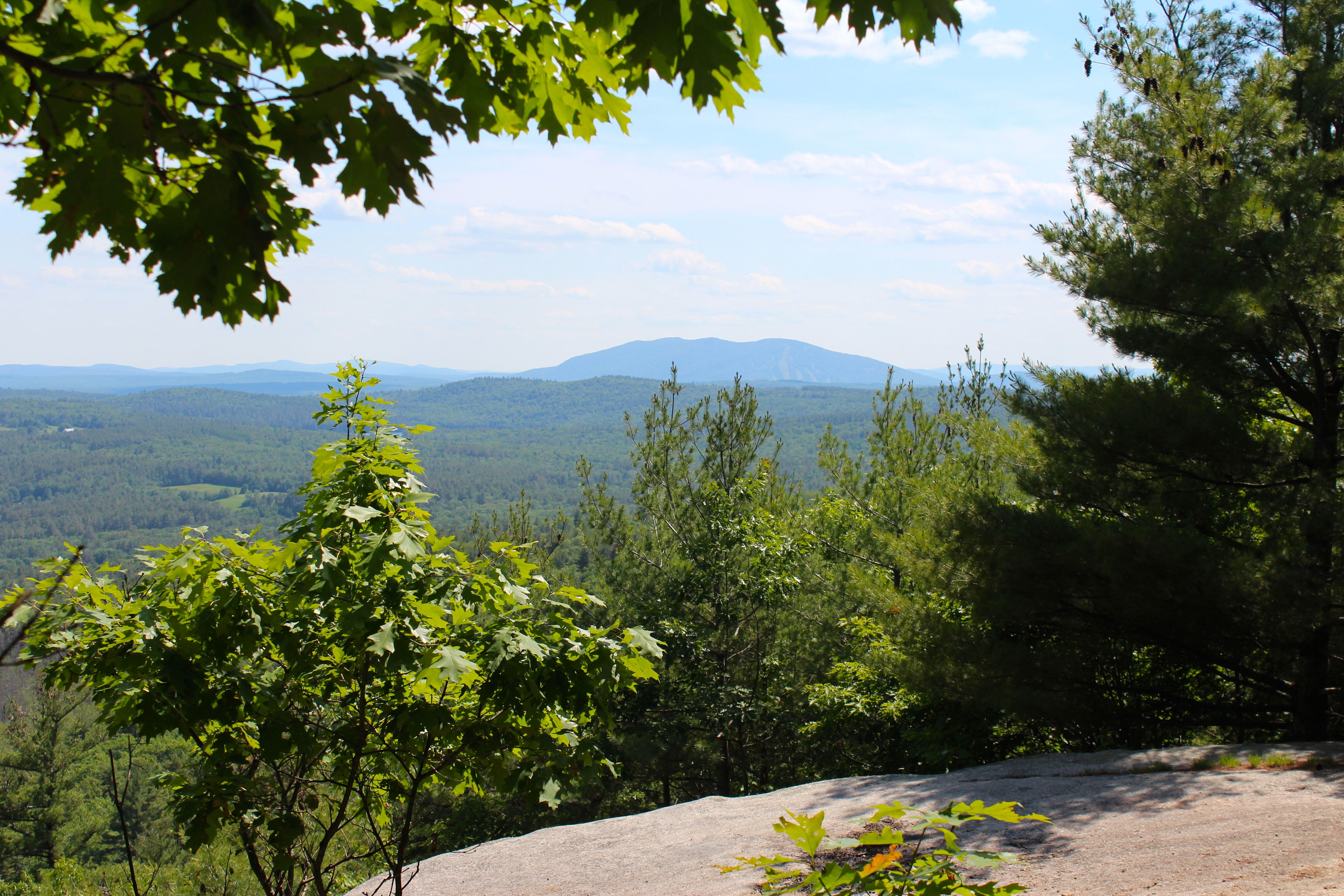
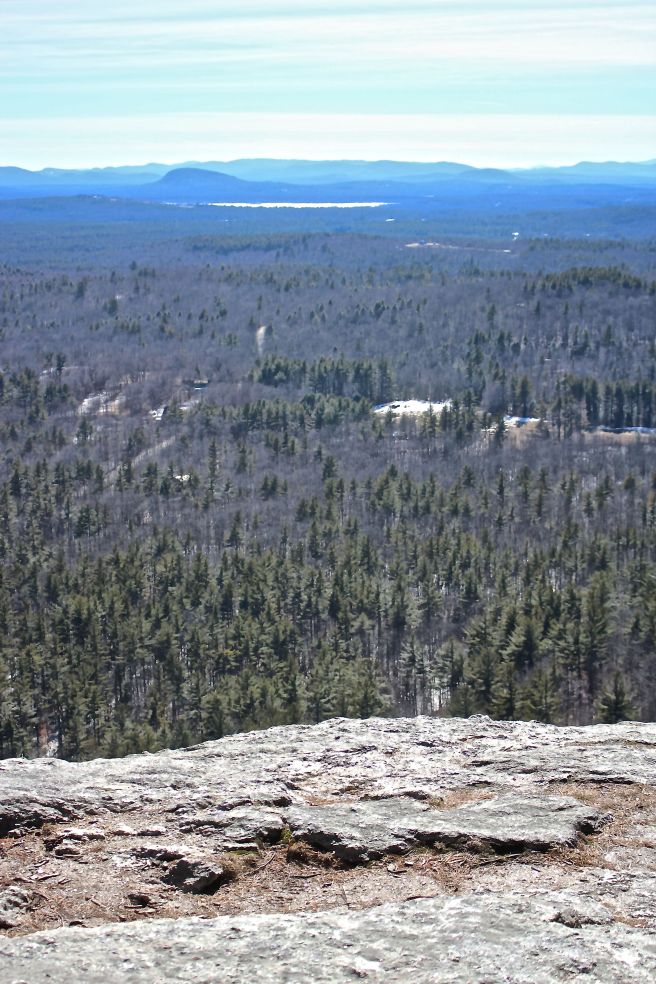
At the summit, I got my bearings–the ridge of Pleasant Mountain and Shawnee Peak Ski Area to the southeast.
s-mount tom & kezar pond

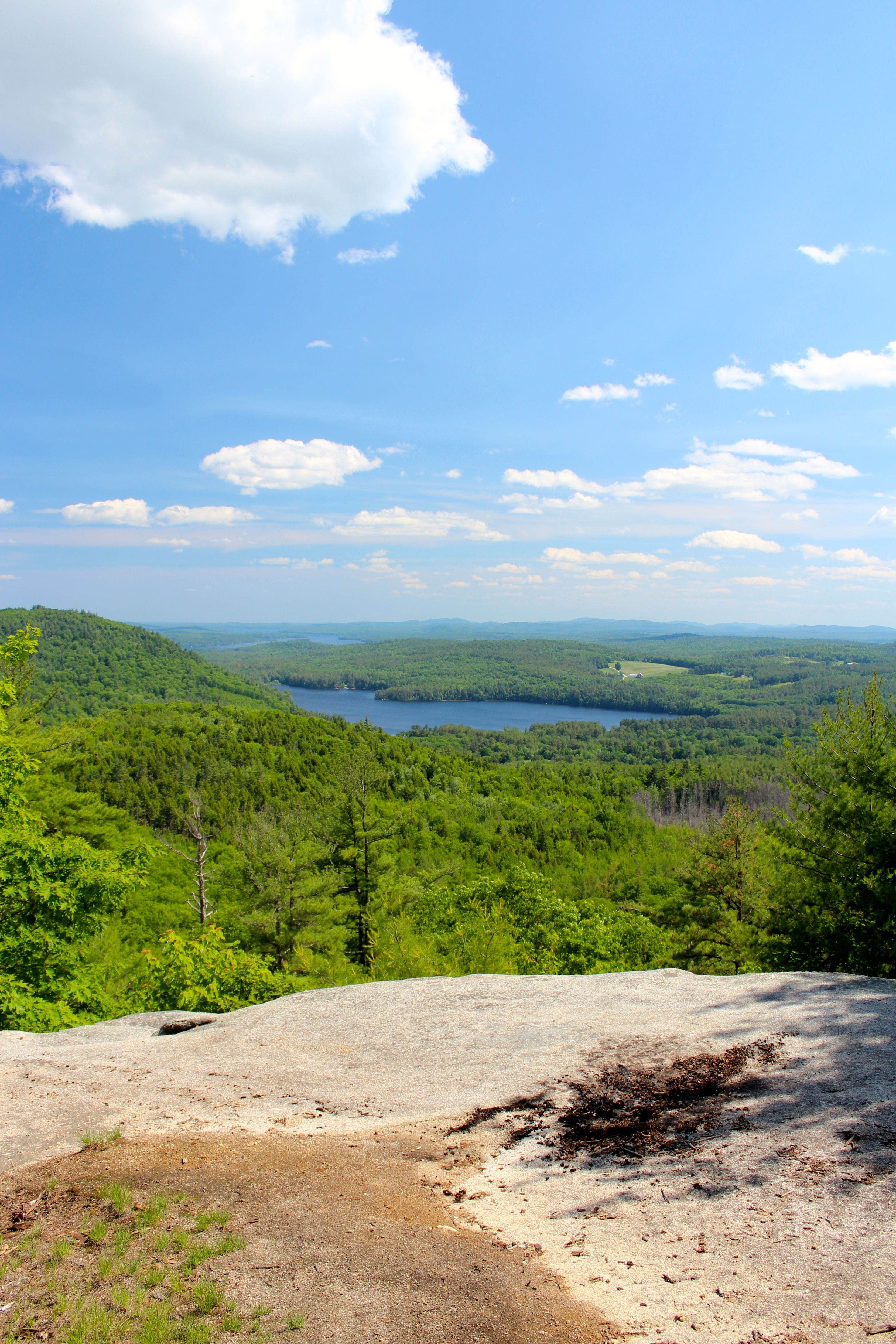
To the southwest, the asymmetrical Roche Moutonnée, Mount Tom, visible as it stands guard over Kezar Pond in Fryeburg.

s-Kearsarge 2

And to the west, Kezar Lake backed by Mount Kearsarge in New Hampshire. I wanted to venture further out on the ledge, but some others hikers had arrived and I opted not to disturb their peace.
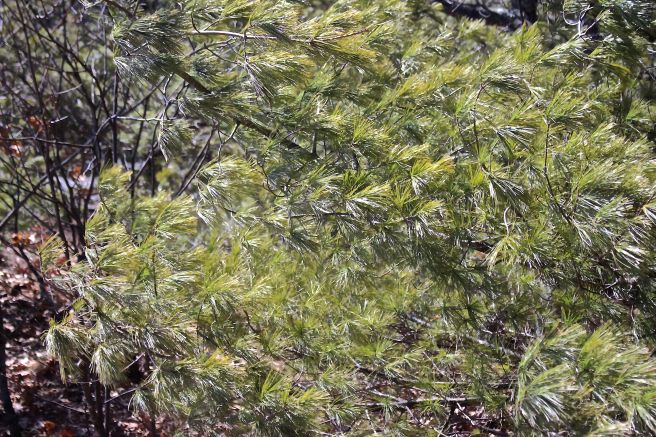
s-summit wind

Instead, I sat for a few minutes and enjoyed the strong breeze offering possibilities as it floated over the summit and me.
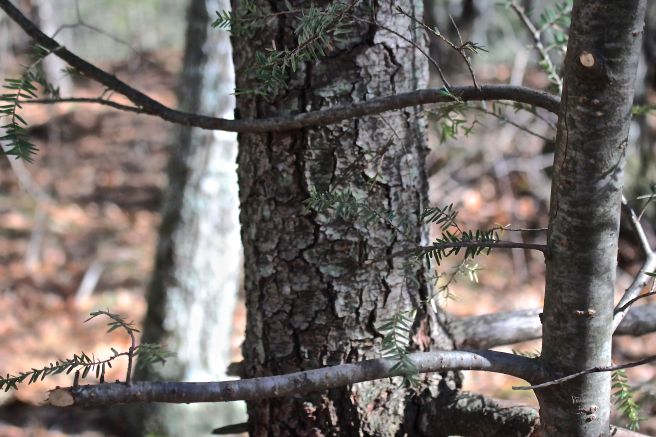
s-porky cuts1

Crossing the ridge, I left the trail and found more porcupine trees, including this young hemlock that had several cuts–look in the upper right-hand corner and lower left hand. A number of younger trees along this stretch will forever be Lorax trees.
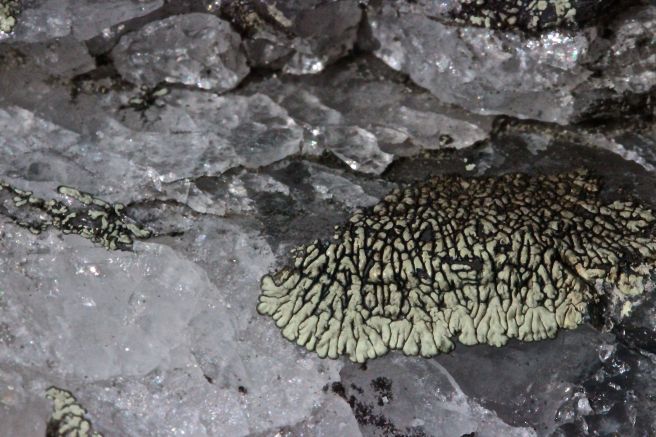
s-golden moonglow1

On the outcrop of quartz, I paused to admire the golden moonglow lichen–it’s almost as if someone drew each hand-like section in black and then filled in the color, creating an effect that radiates outward.
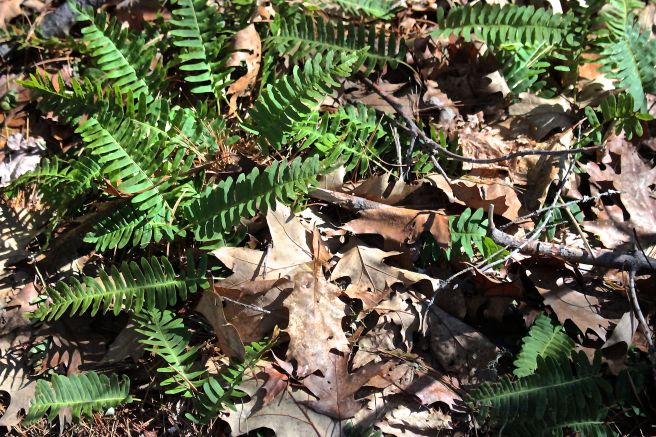
s-polypody patch

I was pleasantly surprised to find a patch of polypody ferns on what appears to be the forest floor but was actually the rocky ridge. Notice how open-faced it is, indicating that the temperature was quite a bit warmer than what I’d seen on cold winter days.

s-polypody sun

Sunlight made the pinna translucent and the pompoms of sori on the backside shone through.

s-glacial 1

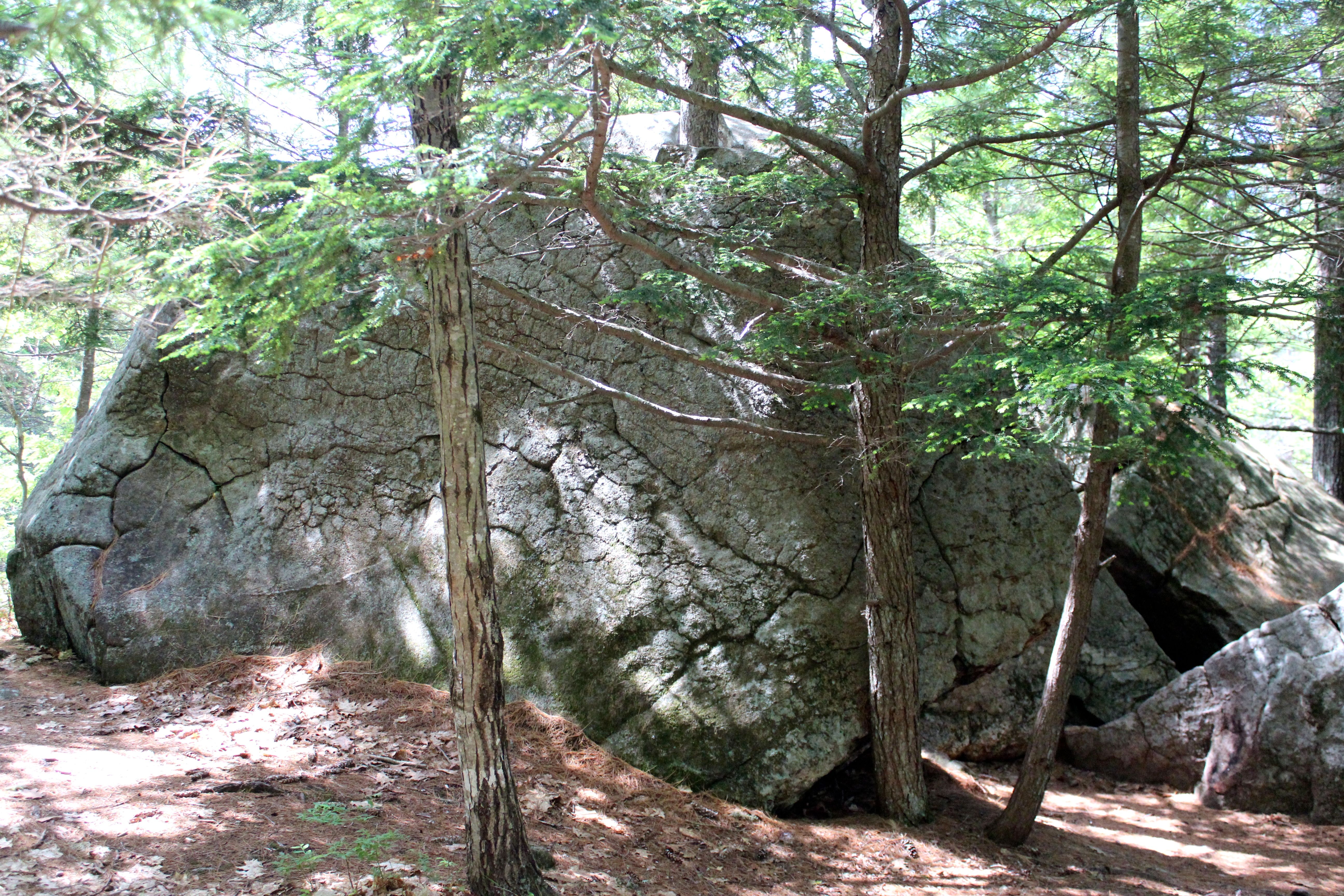
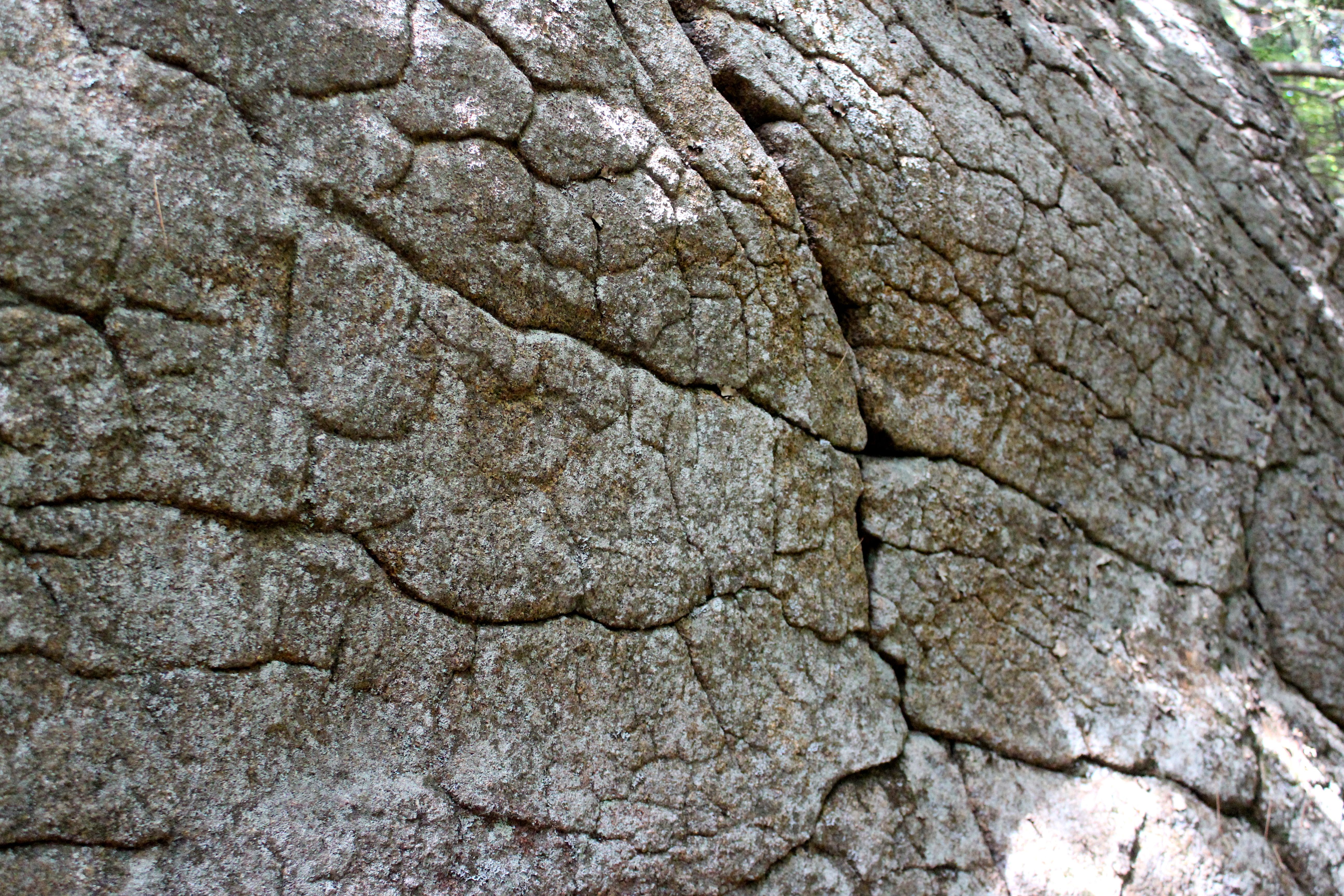
The trail doesn’t pass this glacial erratic, but I stepped over the logs indicating I should turn left and continued a wee bit further until I reached this special spot.

s-porky scat 1

Its backside has been a porcupine den forever and ever. Nice to know that some things never change.

s-hemlocks and oaks

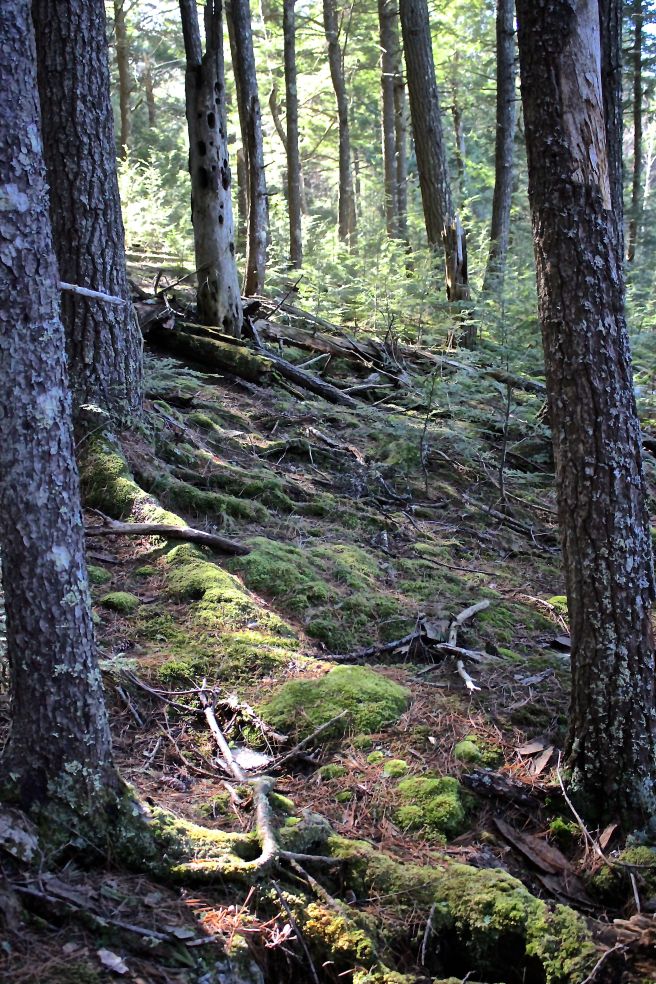
After returning to the trail, I followed it down through the hemlocks and oaks. This is my favorite part of the trail and though it’s a loop, I like to save this section for the downward hike–maybe because it forces me to slow down.
s-fairies 1

For one thing, it features the land of the fairies. I always feel their presence when here. Blame it on my father who knew of their existence.

s-fairies 2

I had a feeling a few friends were home–those who found their way into a fairy tale I wrote years ago. I left them be–trusting they were resting until this evening.
s-community transition 1

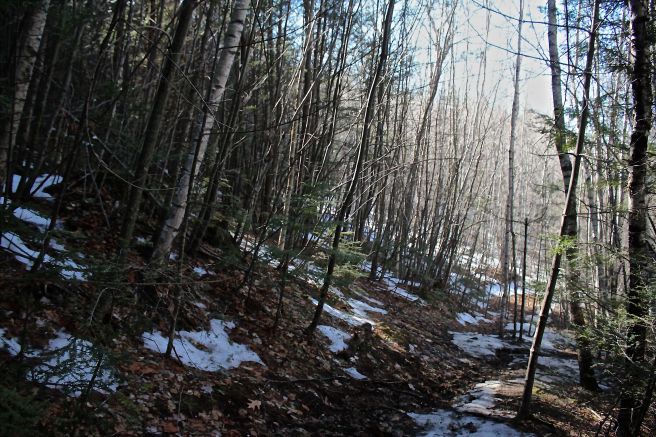
As swiftly as the community changed on the upward trail, the same was true on my descent.
s-birch bark color

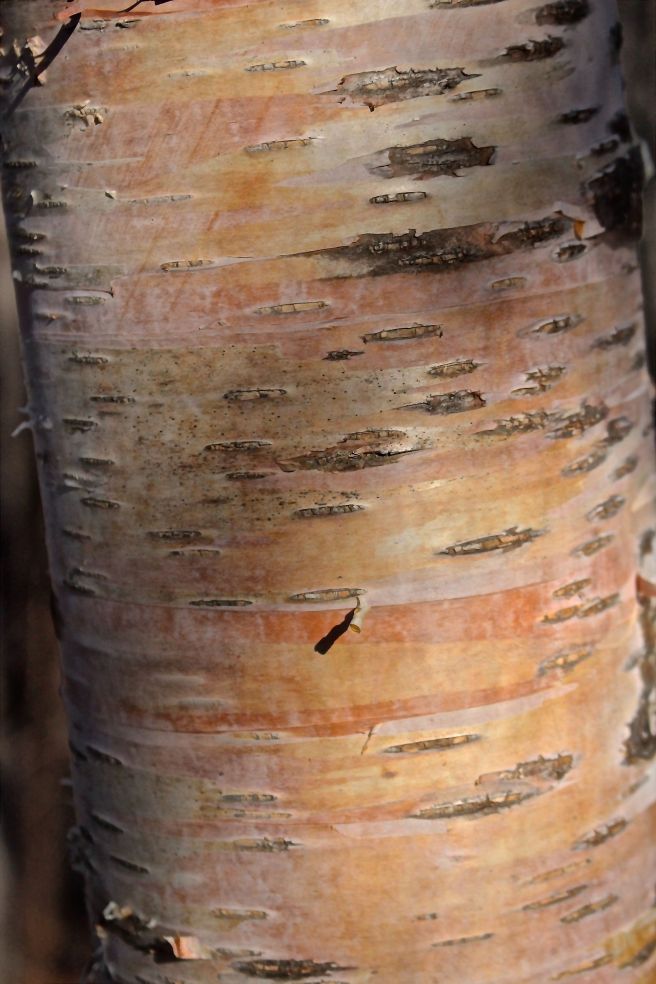
On our morning trek, we’d looked at paper birch, but none of the trees we saw showed the range of colors like this one–a watercolor painting of a sunset.

s-birch bark 1

This one shows the black scar that occurs when people peel bark. The tree will live, but think about having your winter coat torn off of you on a frigid winter day. Or worse.

s-black birch 1

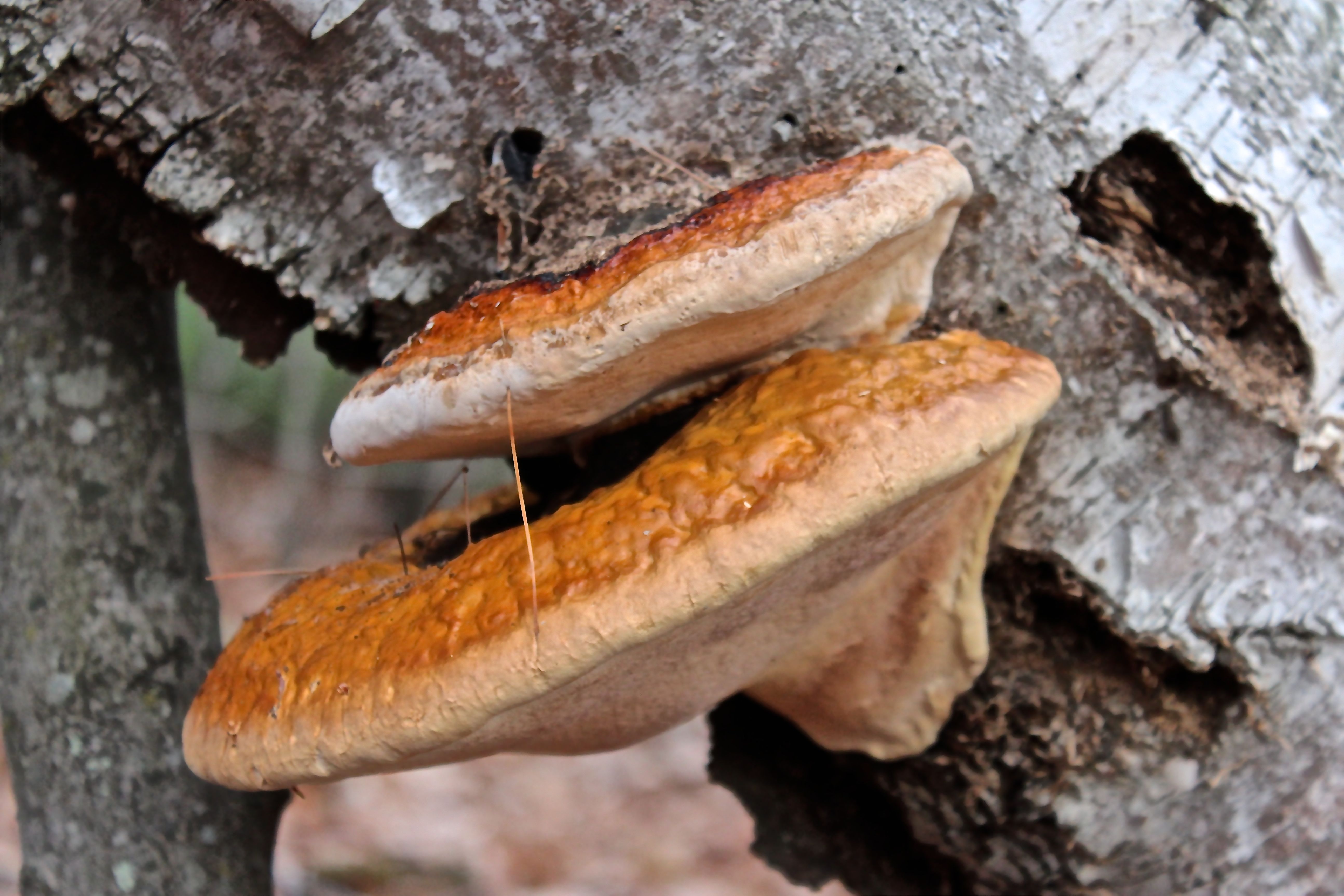
Off the trail again, I paused by a few trees that I believe are black birch. Lately, a few of us have been questioning black birch/pin cherry because they have similar bark. The telltale sign should be catkins dangling from the birch branches. I looked up and didn’t see catkins, but the trees may not be old enough to be viable. This particular one, however, featured birch polypores. So maybe I was right. I do know one thing–it’s not healthy.

s-pines 2a

And then I reached a section of trail that I’ve watched grow and change in a way that’s more noticeable than most. I counted the whorls on these white pines and determined that they are about 25 years old. I remember when our sons, who are in their early twenties, towered over the trees in their sapling form. Now two to three times taller than our young men, the trees crowded growing conditions have naturally culled them.

s-birch planter

Nature isn’t the only one that has culled the trees. Following their selection to be logged, however, some became planters for other species.
s-3 trees

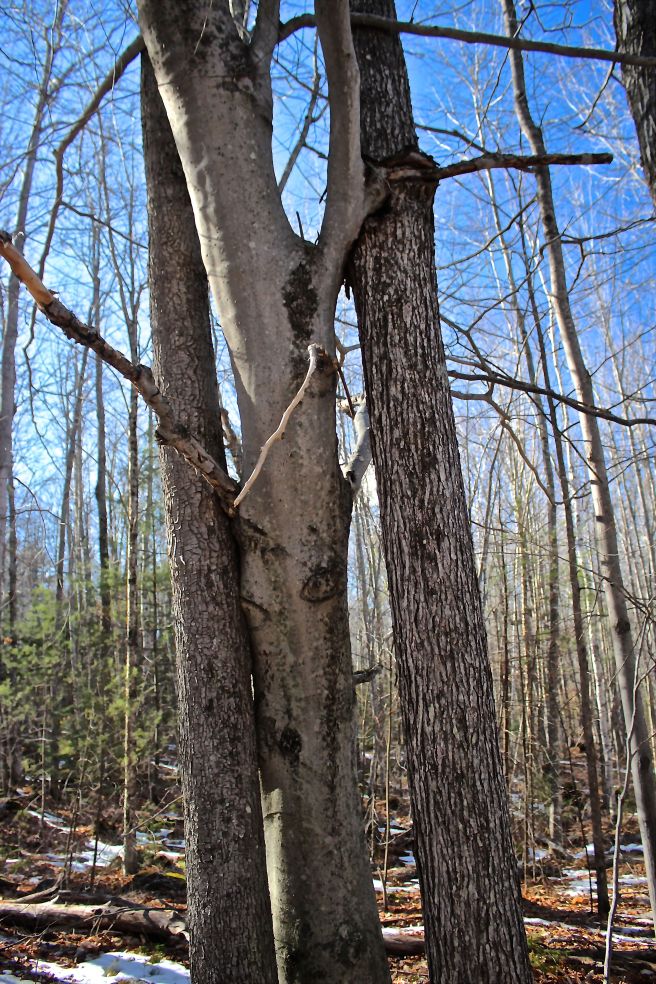
Nearing the end of the trail another view warmed my heart. Three trees, three species, three amigos. Despite their differences, they’ve found a way to live together. It strikes me as a message to our nation.

Perhaps our leaders need to turn the spotlight on places like Sabattus. It’s worth a wonder.


The Homecoming

The other day a friend handed me a piece of paper and told me to read it later. We were about to go tracking, so I stuck it into my pack and forgot about it. This afternoon, as I prepared for a hike up Mount Tom in Fryeburg, I found the paper.

I’d originally thought it was an article, but instead, it’s a quote from the October 1967 issue of Yankee. A friend had given it to him and he passed it on to me: “We hunt as much for the memories as for the birds. For the memories, and for the hours afield in the autumn woods where a man can get back, for a while, to remembered realities, to a time and a way of life close to the eternities of the land. It’s hard to explain this to the outlander who never knew such things. He thinks of it as an escape. To us it is more like a homecoming. We live here, of course, but only in the leisure after we’ve done the stint at our jobs do we go out on the hills and up the brooks. There we find the truth of our world, even the truth of ourselves.” ~author unknown.

trail sign

I reflected upon those words as I slipped into my snowshoes at the trail head. I’d made a decision to end one of my freelance writing/editing jobs this week (not Lake Living, which is my all time favorite writing job. Hard to believe the spring issue will mark my tenth anniversary!) and declutter my world.

porky paths stump dump

It will never happen, but certainly the porcupines that inhabit this mountain should consider the same.

stump dumpporcupine den

I had a hunch I’d see evidence of their existence once I got up into the hemlock neighborhood, but a small stump dump early on provided ample den space.

porcupine tracks 1

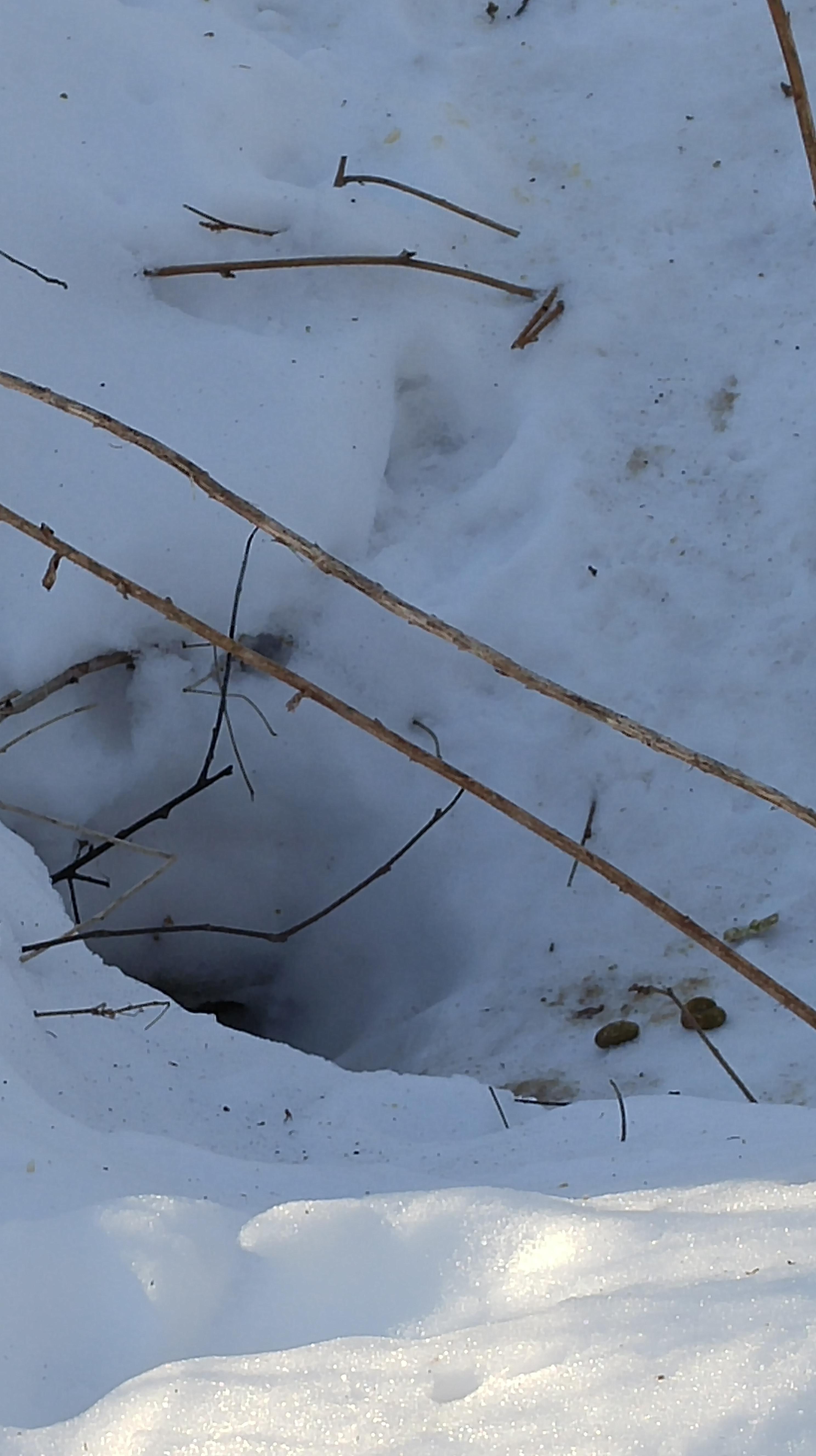
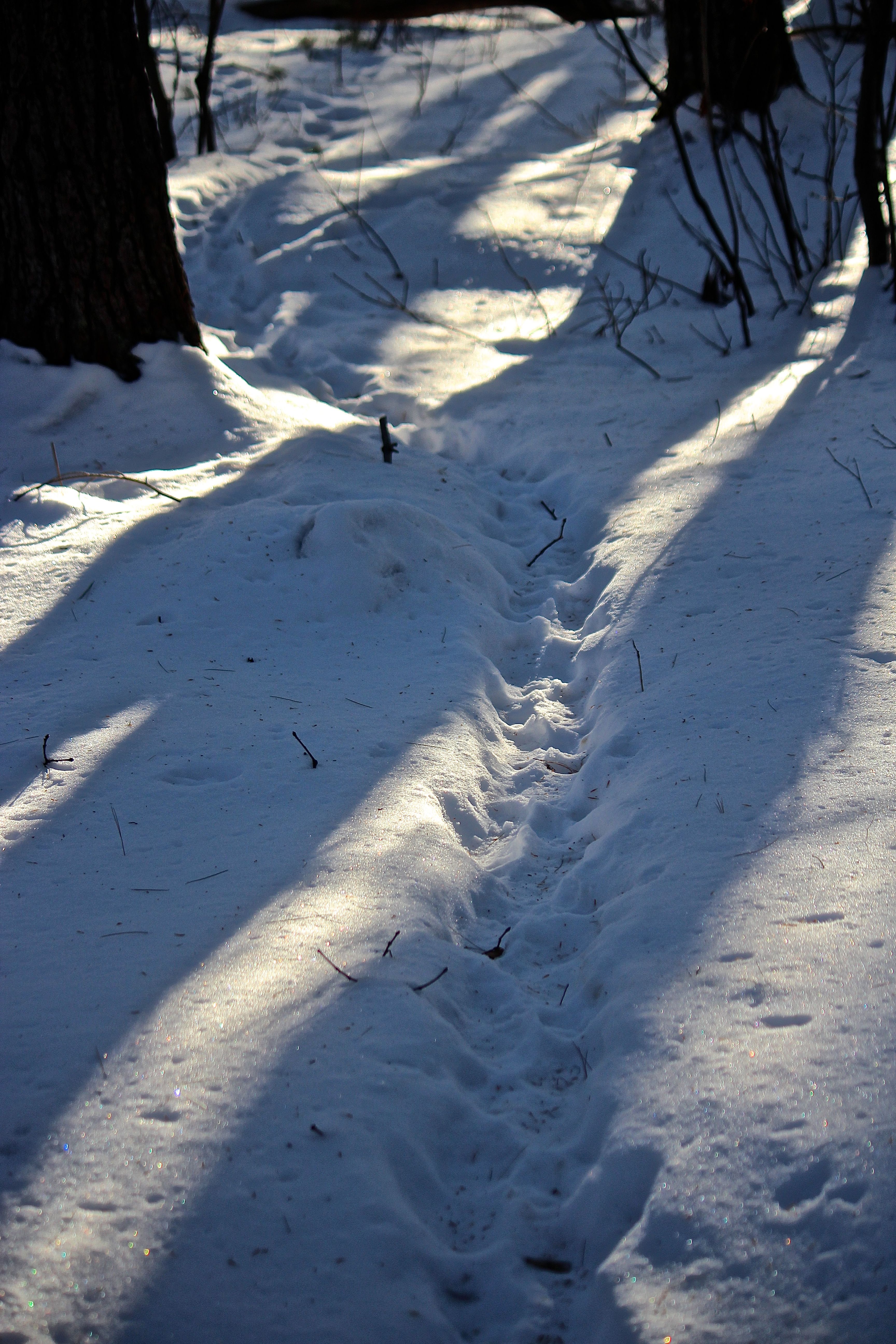
I didn’t even realize as I climbed toward the summit that I wasn’t taking too many photos. Instead, I was cued into the tracks left behind by two people who had traveled this way before me and the porcupines, deer, hare, coyote, bobcats and little brown things. While the people stuck to the trail, I wandered this way and that as I tried to decipher what I saw–my own zig zag trail reminiscent of those I followed.

logged community, thin trees

I didn’t get lost today, though truly, when I do get fake lost, it’s a time to understand myself better– listening to my inner self sort things out. Most of today’s trail is an old logging road. And most of what I saw was familiar. Perhaps that’s what it’s all about–knowing a place so no matter where you are, you recognize it.

hemlock community

The community changes abruptly from birch, beech and maple saplings to hemlocks and pines. I, too, can change abruptly and have a tendency to be blunt. I don’t see that as a bad thing, though occasionally I do regret what I’ve said.

striped maple scrapes

And then I began to look up and notice other parts of my surroundings like these old deer or moose scrapes on striped maples. Forever scared, they provided nourishment in the past–and may do so in the future when the time is right.

striped maple samaras

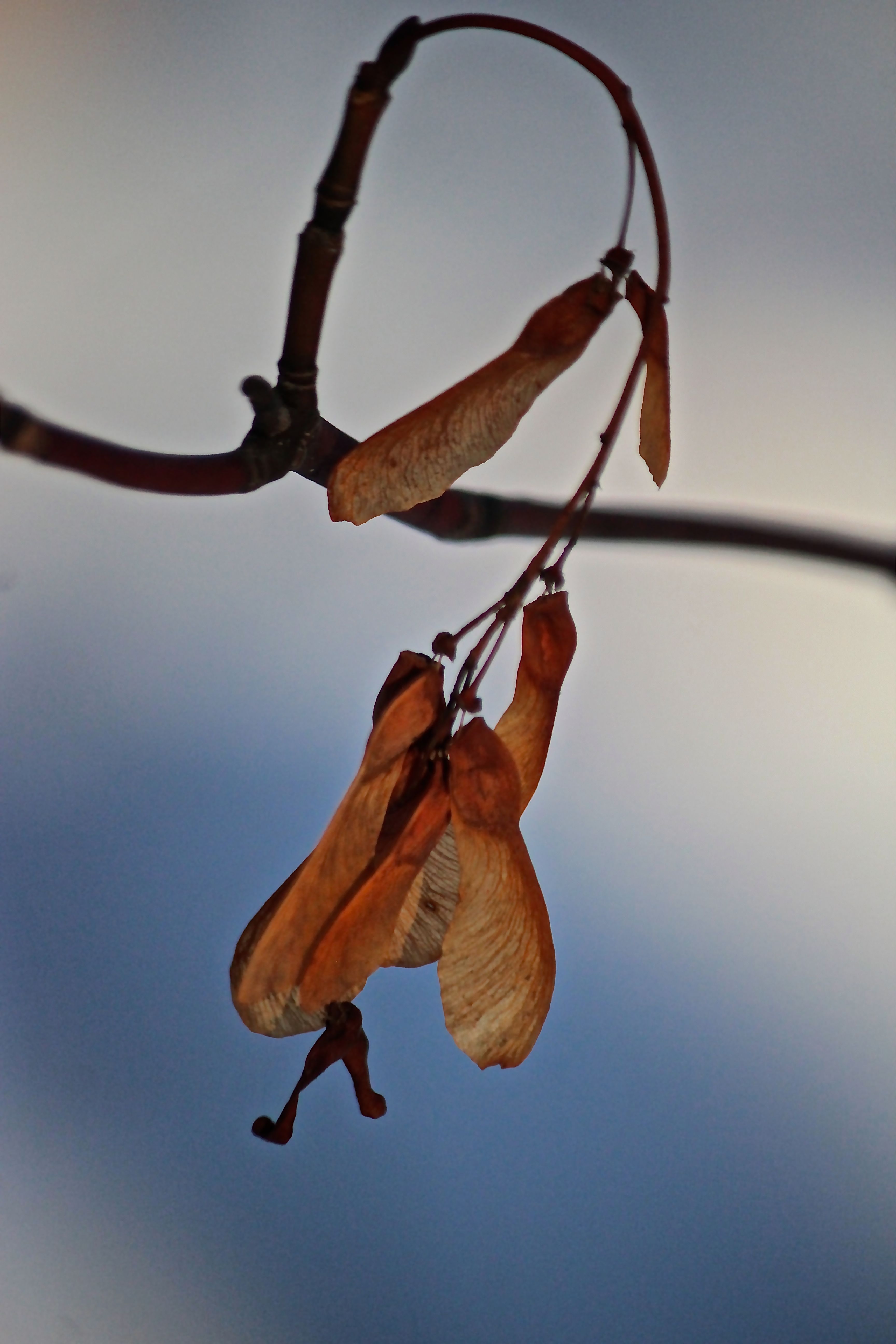
One striped maple still sported a few seeds that have yet to go forth in the world. What’s holding them back? Don’t they know the time has come to let go?

frost crack

Amongst the evergreens  a paper birch offered a twist on life. I believe this is the result of sun scald–the heating and freezing of thin bark. Typically, the white reflective bark helps the tree avoid such danger–but something obviously happened to cause this candycane-like stripe..

sun on hemlocks

Though it was getting late in the day, rays of sunshine illuminated the darker side of things.
white oak leaf

As I followed more porcupine tracks at the summit, a dried leaf captured my attention. In my ongoing attempt to draw an imaginary line showing the boundary of white oak, I added another dot.

white, beech, red oak

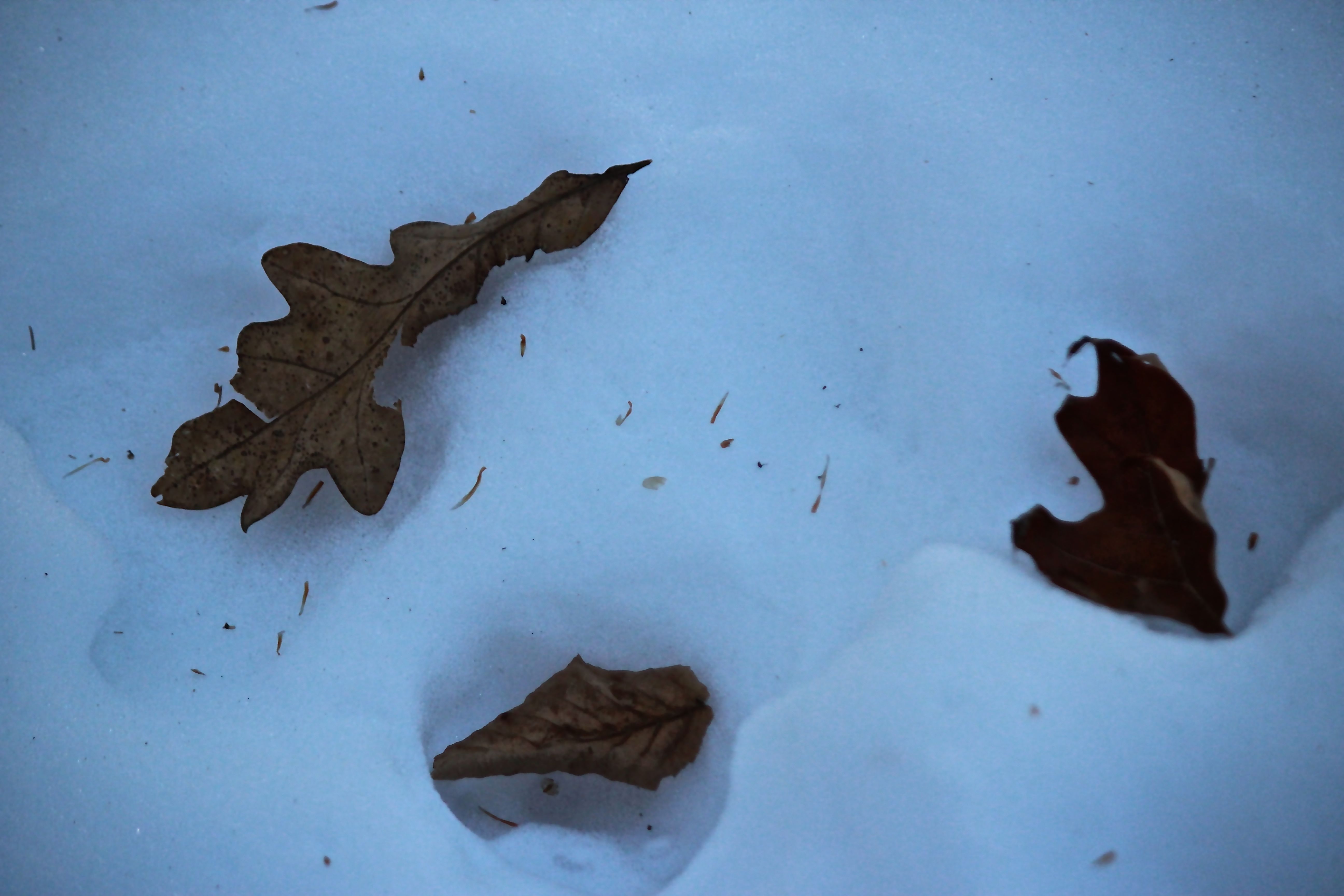
Nestled within animal tracks, three leaves told me more about the members of this neighborhood–white oak, beech and Northern red oak.

white oak 2 white oak 3 white oak layers

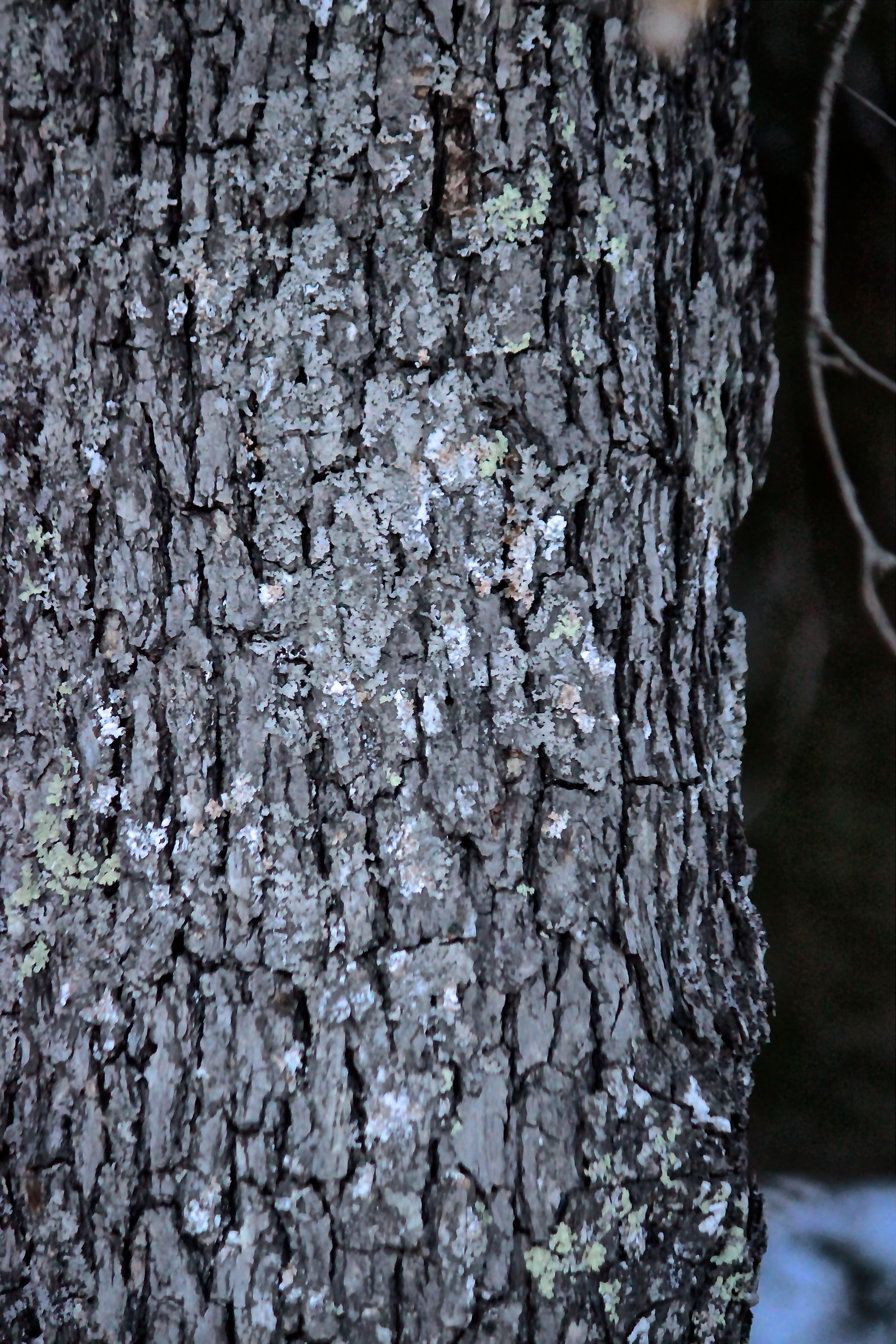
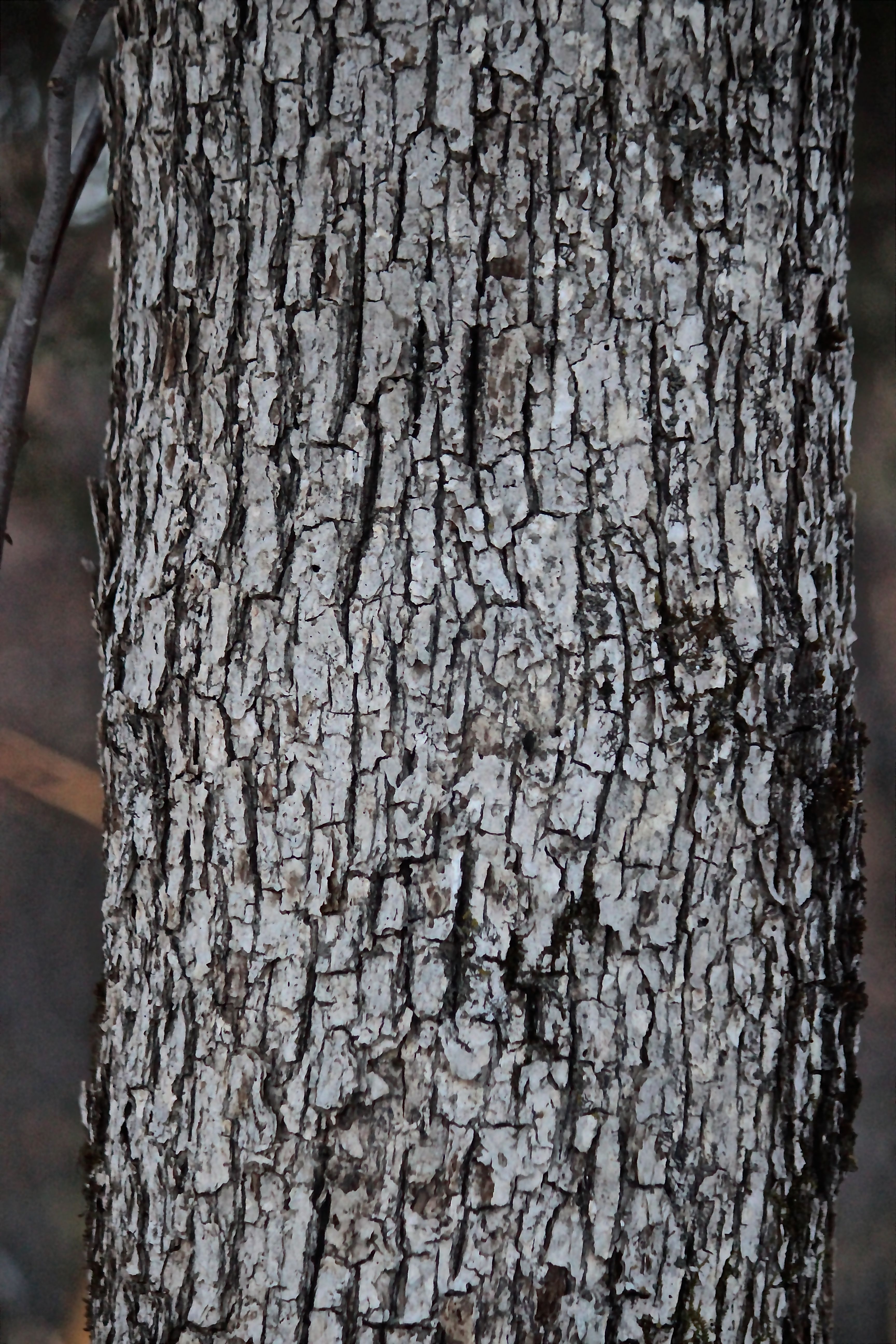
So then I searched for the white oak trees–and found them. My bark eyes still don’t cue into this one immediately and I need to learn its idiosyncrasies, including its ashy gray color and blocky presentation.

bird nest 1 bird nest 2

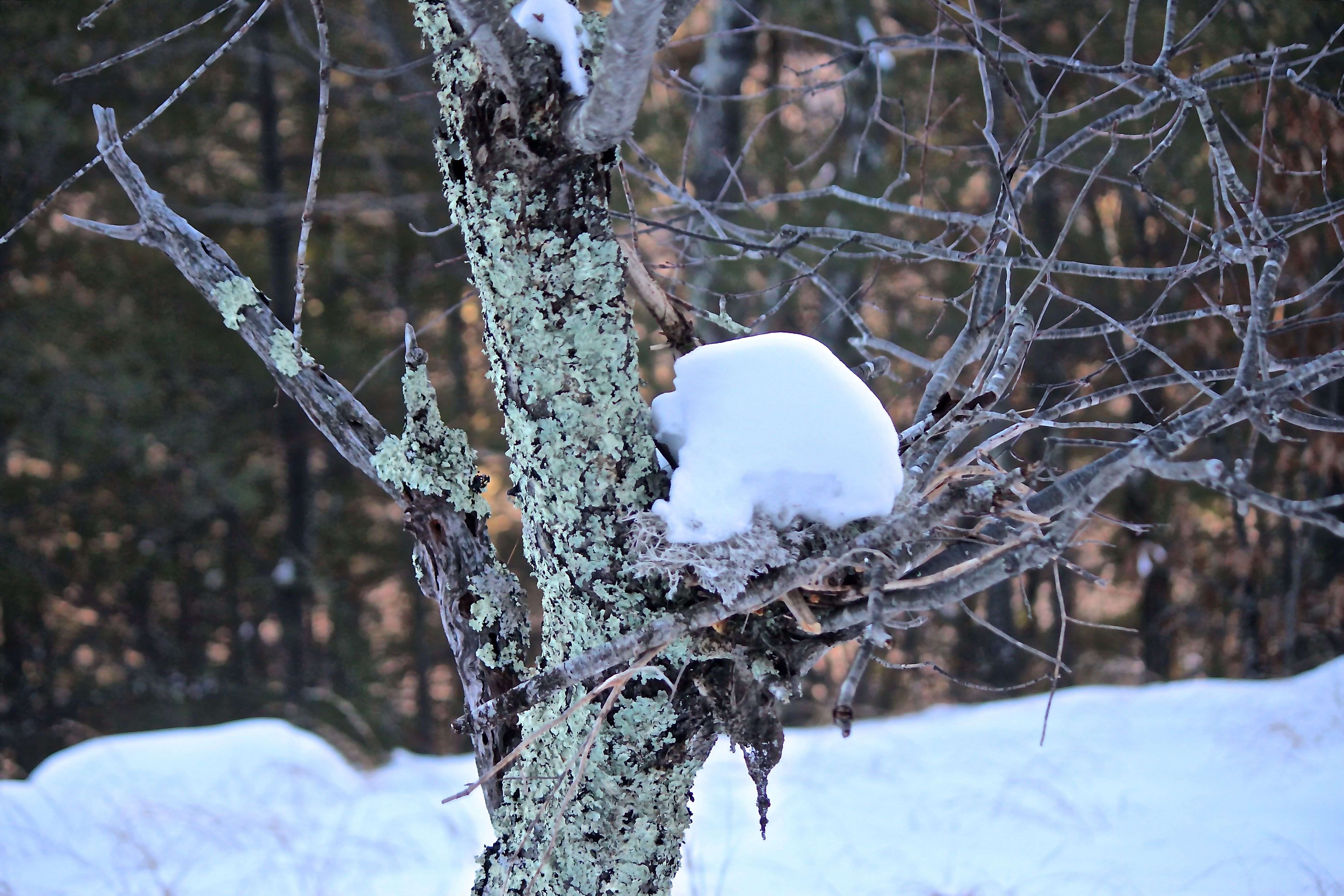
I discovered a snow-covered nest that made me ask–bird-made or human-made? It’s constructed of reindeer lichen and sits upon a base of sticks about four feet up in a scrubby old oak. I was as excited by the find as I was by my wonder and lack of an answer. What fun would it be to know everything?

summit

From the summit, I could see Pleasant Mountain’s ridge–giving me another sense of home. The view isn’t spectacular, but that isn’t the point.

Kearsarge 2

Heading down, a second old favorite came into view–Kearsarge North. I stopped frequently as I descended–to listen and watch. And smell. Twice, a strong cat-like pee odor tickled my nose. The tracks were there, but I couldn’t find any other bobcat evidence. One of these days.

paper 4 paper birch 1 paper birch 3 paper birch rainbow paper burgundy Paper pastel

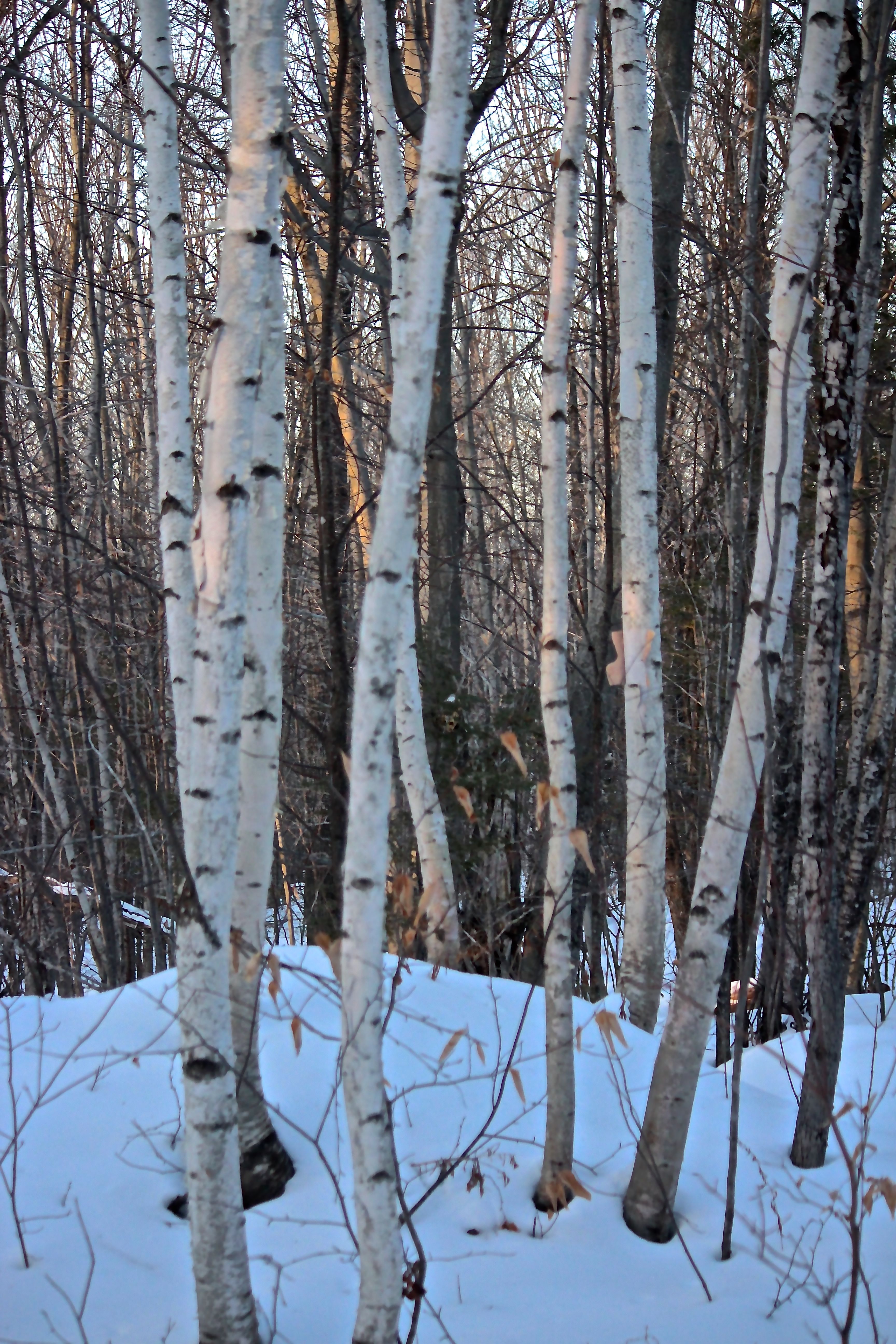
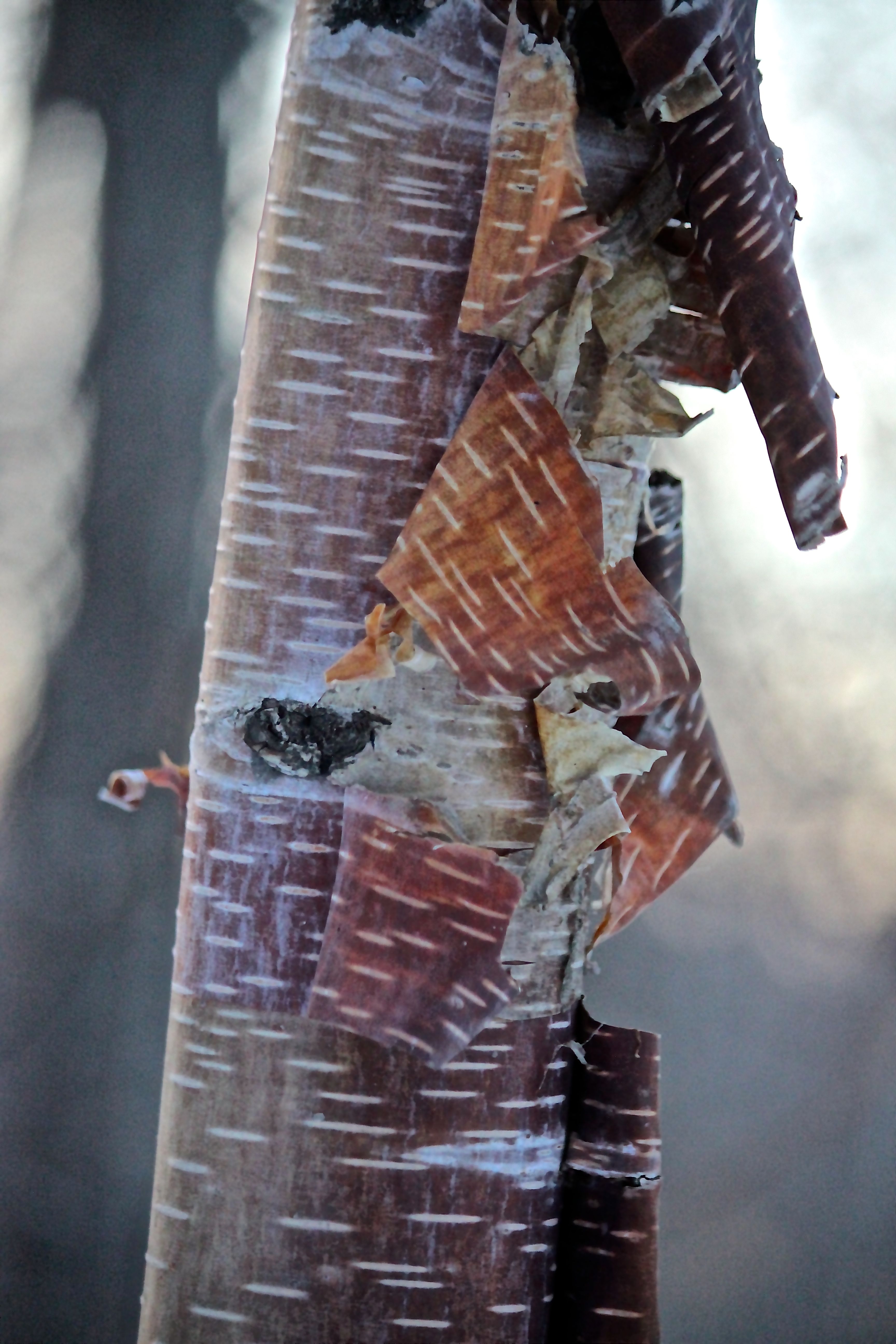
A rainbow of color presented itself among the paper birch trees–such variation for what is commonly called white birch.

Mount Tom cabin 1 Mt tom cabin 2

Near the bottom, the Mt Tom cabin speaks to an earlier time when living off this land was the norm. Though I like to think that I could stay here by myself for a week, I’m not so sure. Of course, that would force the issue and surely the truth about myself would be revealed. Maybe it’s best left a mystery. ;-)

staghorn sumac1 staghorn red

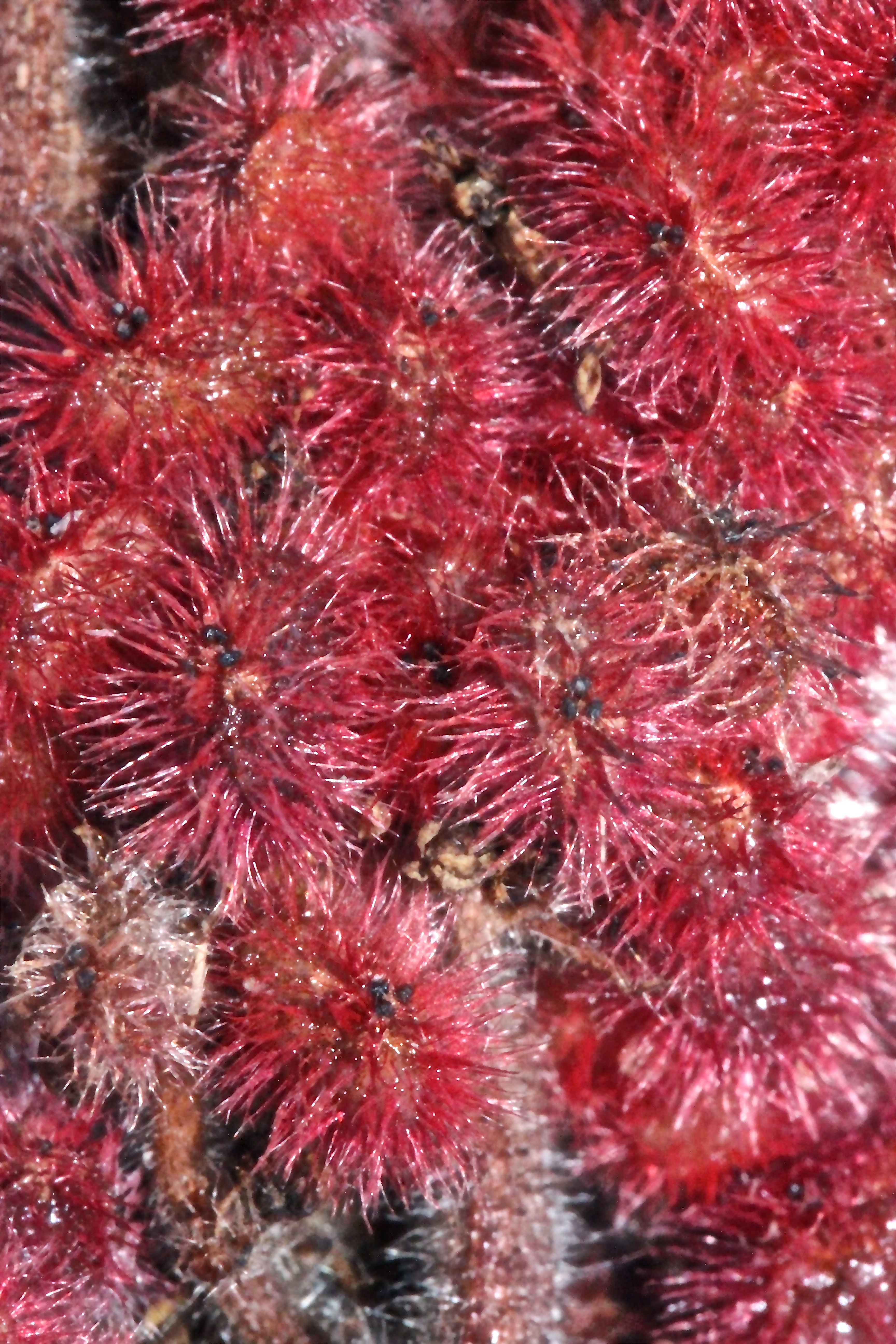
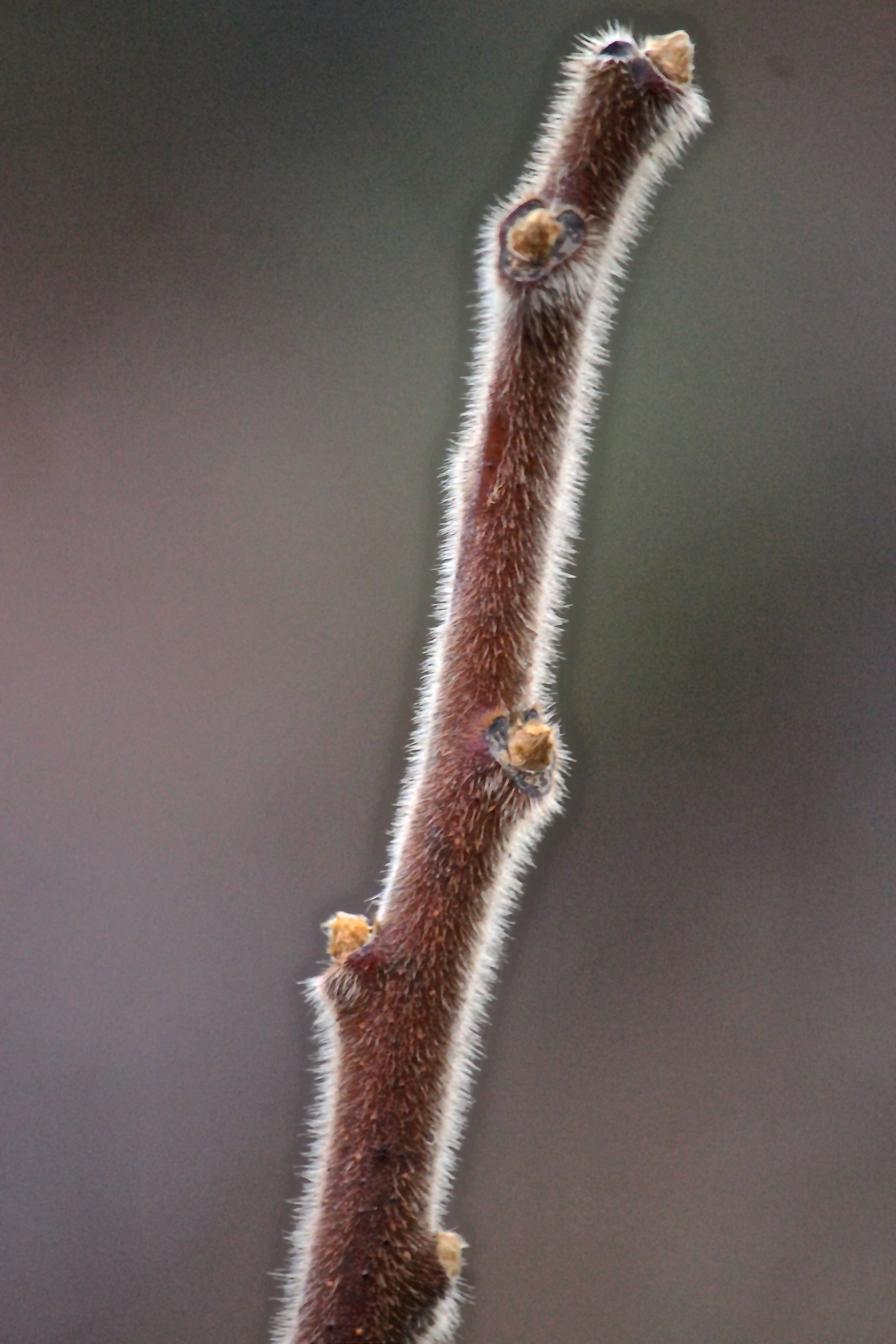
Before slipping out of my snowshoes, I paused beside the staghorn sumac. It was my height, so I had an opportunity to examine its hairy features closely. Animal from The Muppets must have cloned himself.

Full moon

There was a time when I was easily unnerved being in the woods alone. And I still have moments–especially when a ruffed grouse erupts. Geesh–that can certainly make my heart sound like it’s going to jump out of my body. But, the more time I spend out there, the more time I want to spend out there–exploring, discovering, wondering. This afternoon, I finally followed the full moon home, thankful to find even an inkling of my spirit. I recognize that the word “home” has come to mean more than one place. Our abode is our home, but time in the woods is also a homecoming.


Black Friday My Way

Shopping on Black Friday is the perfect tonic following a Thanksgiving feast. And so I was excited that my friend, J.M., agreed to join me for the venture–and even happier that she offered to drive.

Our destination–the MDT store in Fryeburg. Everything we needed under one sky roof.

The first department we visited was decked out in shades of red.

red oak bark

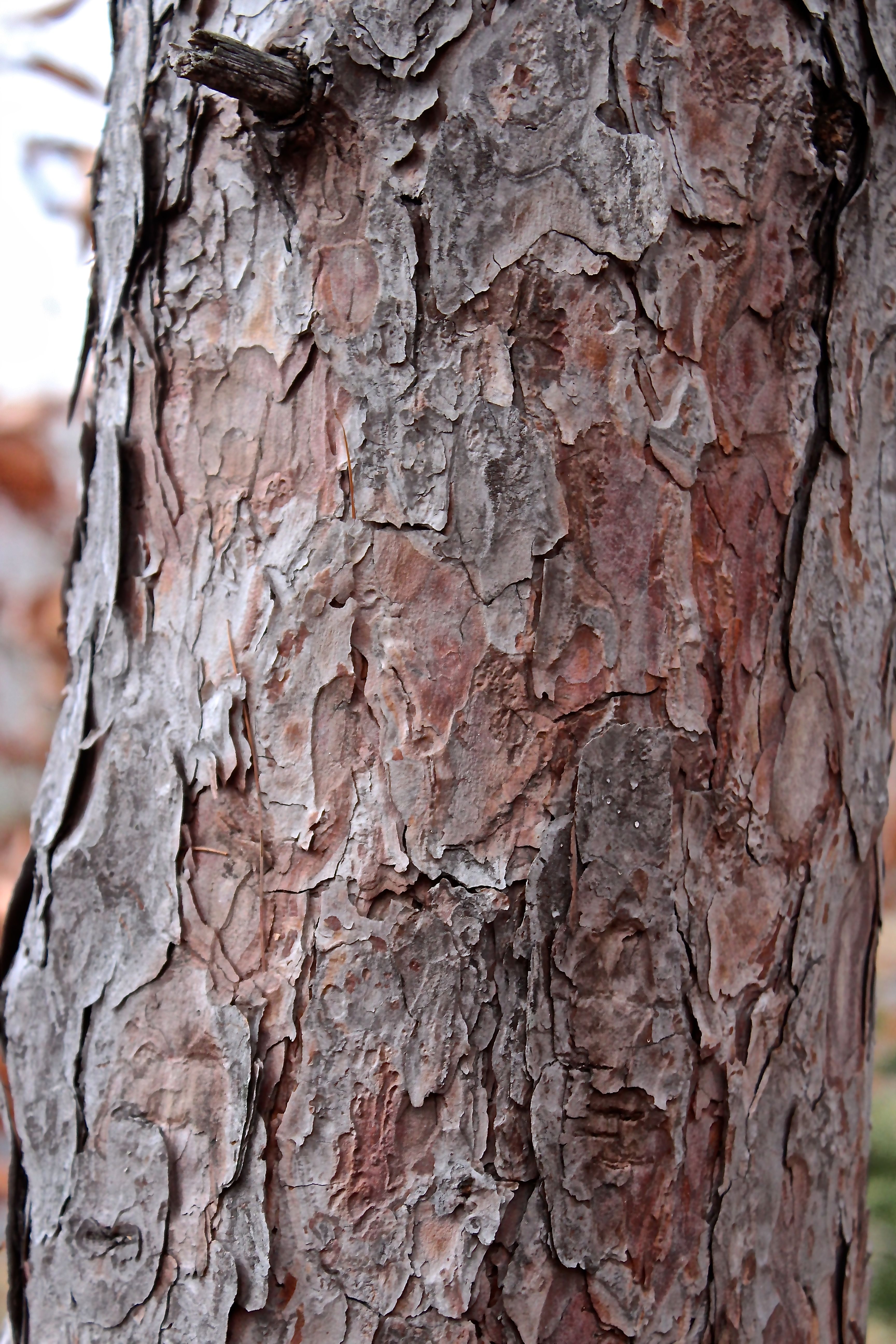
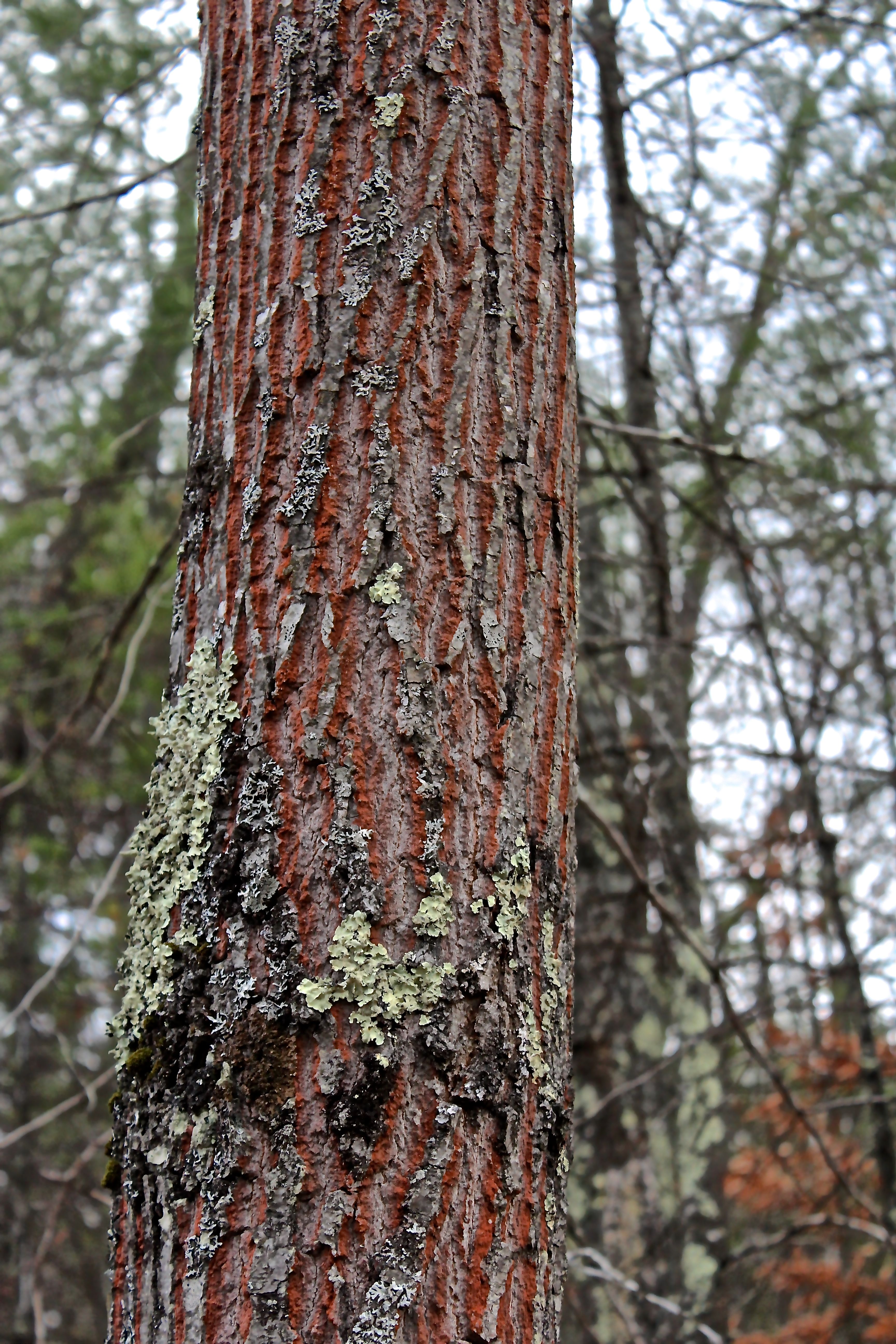
The rusty inner bark of this Northern Red Oak practically jumped out at us. How could we resist such temptation? Add it to the cart.

pitch pine bark

Sometimes the display made us stop and wonder.
pitch pine and needles

We hunted about to make sure our identification was correct before we settled on Pitch Pine rather than Red Pine. Both share similar bark, but the former has three long needles, while the latter sports two. The correct coupon in hand, we continued on our way.

Red-belted Polypore

Red-belted Polypores pulled us from the main aisle to admire their construction. Talk about an exclusive offer–woohoo!

Staghorn

And we couldn’t resist the raspberry red pyramid of the Staghorn Sumac. A taste of Sumac Lemonade danced in our heads while we continued shopping.

oak salmon 2

About a year ago, I’d told J.M. about a salmony hue in the winterscape. As we came upon this item, she understood what I meant about the color. And I was thrilled to discover that they had plenty in stock–I had no idea that White Oak grows in Fryeburg. I’m slowly adding towns to my list–where it grows and where it doesn’t grow.

oak leaves 2

The free-form structure spoke of a dance performance. And then we realized that we were in a wind tunnel. Even though it wasn’t windy at the moment, the marcescent leaves have retained their fluid shape.

bush clover 1

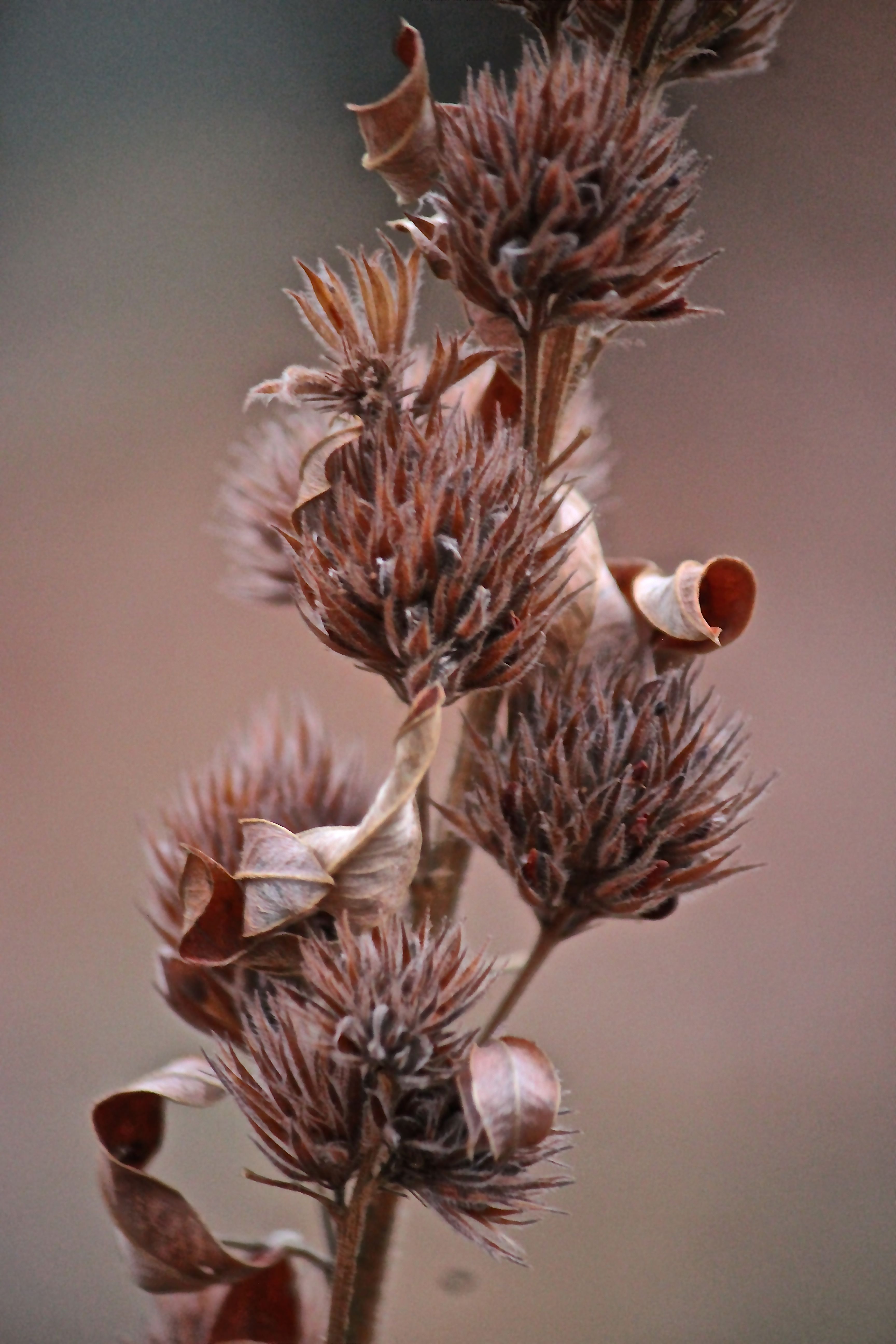
We also found variations of red in Bush-Clover, which is a typical species of this place, though we didn’t realize that at the time.

bush clover 2

From the Bush-Clover, it was an easy transition into the texture department where more bargains awaited.

staghorn sumac stalk

The velvety feel of the Staghorn Sumac warranted a caress. Having grown up with Poison Sumac, it always strikes me as odd to be so enamored with a member of this family. But I am.

cattail 3cat tail 1Cattail 5

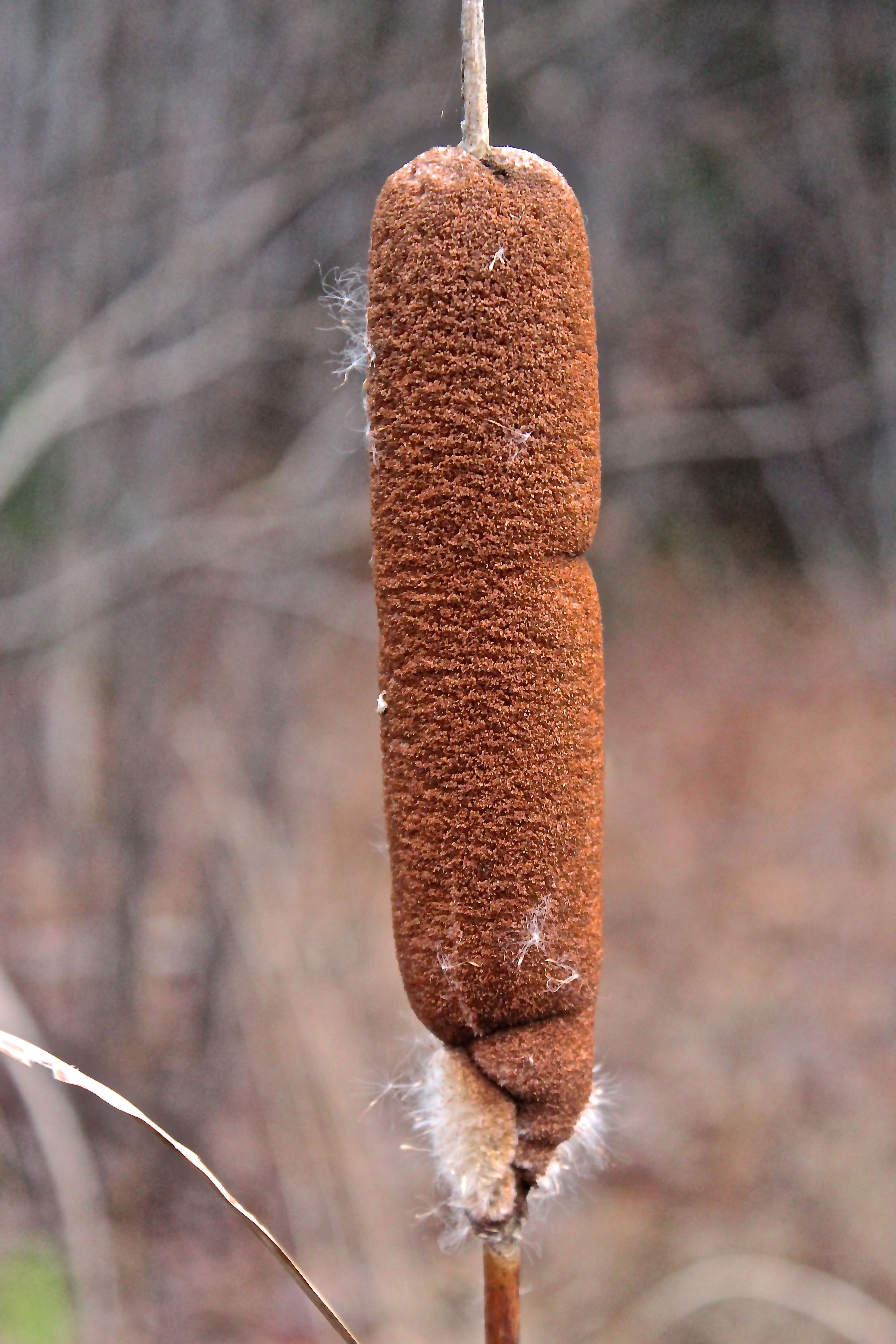
We stepped into the next aisle and found these corn-dogs on a stick. Cattails get their common name from their end-of-season fluffy spikes or tails. Need insulation or mattress stuffing? Check out aisle 6. From food to shaving cream to antifreeze, this is a bargain you don’t want to dismiss.

cattail 2

There’s even a two-for-one sale.

locusts thorns and pods

In contrast, though graceful in appearance when leafed out, the formidable thorns of a locust tree seem to serve as a warning sign–hands off the seed pods. Not exactly what I’d call a sweet deal.

Evening primrose 2

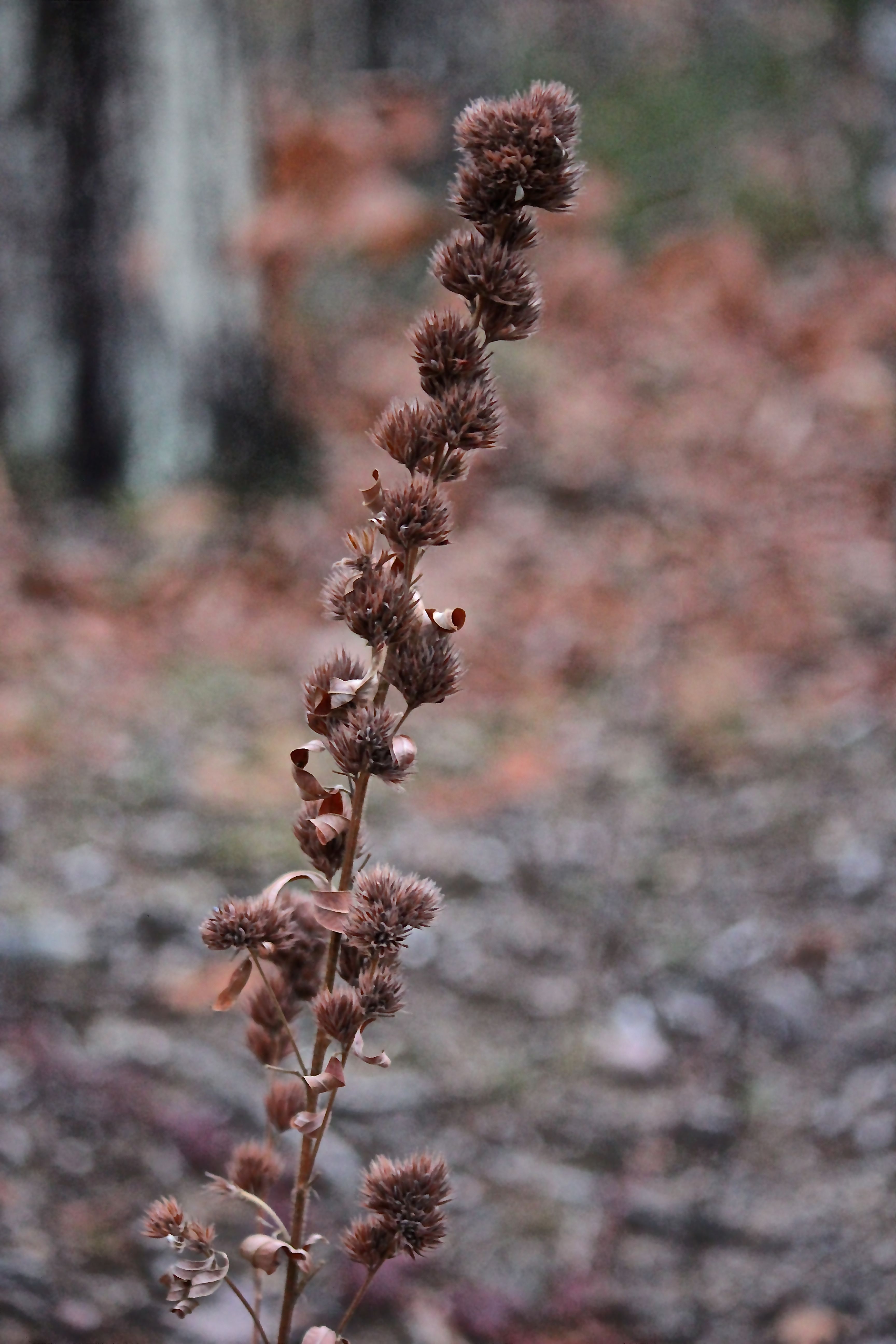
Impulse items drew our attention as well–those things we didn’t need but couldn’t resist. The spiraling of the Evening Primrose seed heads and

sweet-fern

the curling leaves of the Sweet-Fern’s leaves begged to be noticed.

The light was starting to wan as we made our final purchases before heading home.

MTD tracks and trail

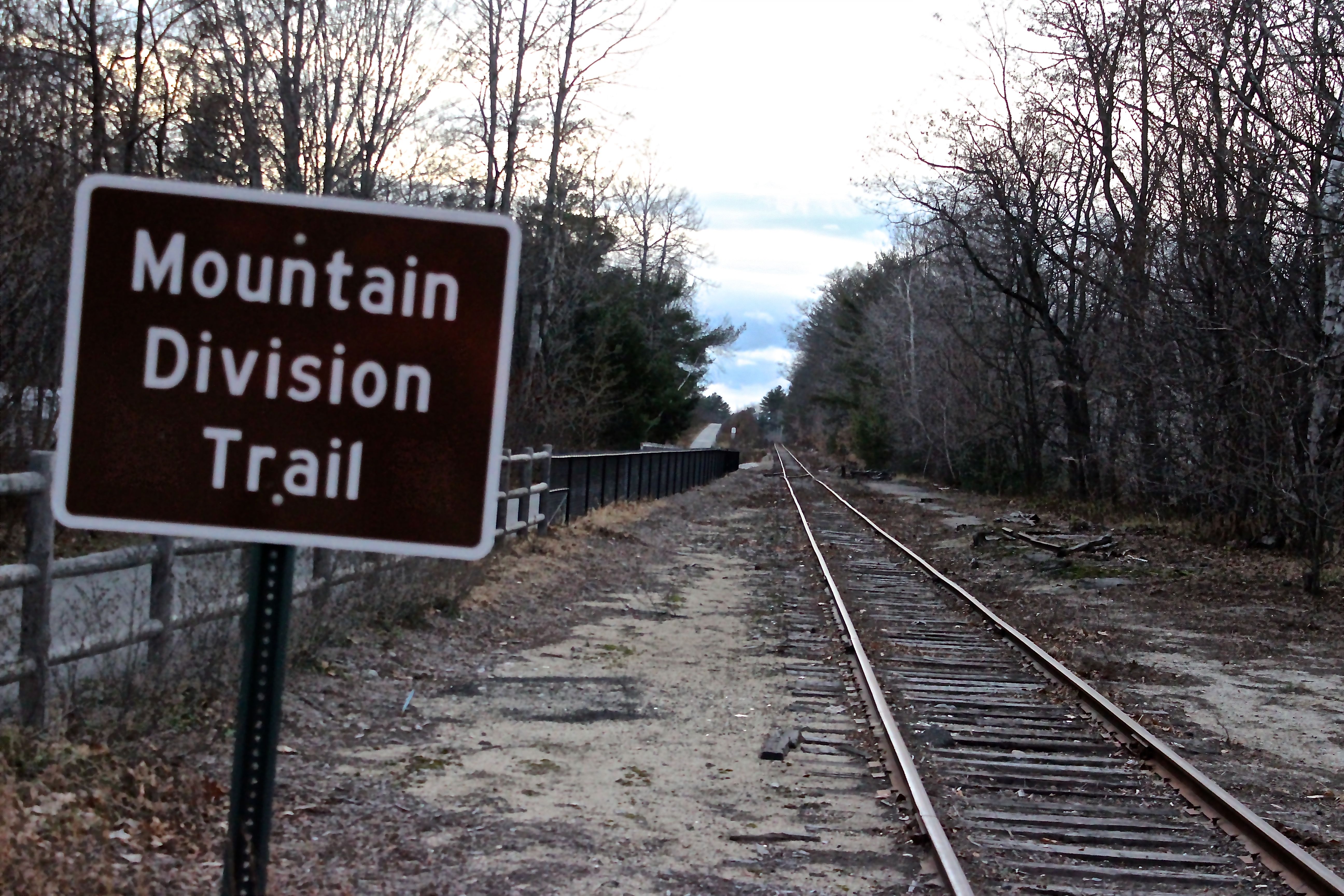
Our shopping trip along the Mountain Division Trail, a 4-mile long section of the rail trail in Fryeburg, had come to an end. But we were guaranteed free shipping for those purchases we couldn’t cart home.

J.M. and I bagged some exclusive specials as we hand picked the near endless stream of deals and discounts on this Black Friday. We knew we’d come to the right place . . . to practice our shopping expertise.

Saco River Mondate on a Sunday

My relationship with the Saco River began in 1985 when I was a YMCA camp director in Laconia, New Hampshire. My charges were tweens and teens. Each week they piled into the 15 passenger van and I took them on an adventure–just as much fun for me as for them.

I’d scoped out this particular canoeing/camping trip ahead of time and felt confident that we had a good plan.

We rented canoes from Saco River Canoe and Kayak in Fryeburg, Maine, and the first leg of our journey was a long day spent paddling down the river and then up the old course to the covered Hemlock Bridge. My copilot was a 16-year-old lifeguard named George.

Though we’d practiced canoeing techniques in the Y pool, the real thing was a challenge.  Once on the river, the kids eventually learned to paddle in an almost straight line after many circular attempts.

At last we reached our destination, set up camp, told ghost stories, spooked each other and settled down for the night. Sleep alluded me so I watched the lightning show and listened to serenading bullfrogs.

In the middle of the night, one of the girls yelled out, “Help! Somebody! Help me!” When I arrived at her tent, I asked, “Dawn, did you have a nightmare?”

“It wasn’t Dawn. It was me,” replied Melissa quietly. “The zipper on my sleeping bag just got stuck.”

The next morning we paddled back to the main course of the river and enjoyed a pancake breakfast on a sandbar. As the day went on, we lolled about–splashing each other, getting out to swim, and singing silly camp songs.

Until . . . a few girls forged on and forgot to pull over when they saw Walker’s Rip. Two canoes went over the rip without any problems. The third got caught atop two rocks in the rapids. The girls panicked when water began to flow in one side and out the other as the bow and stern bent toward the river. The current and slippery rocks made the ten feet from the riverbank feel like ten yards. People on either side came to the rescue. In a fast few moments things went from bad to worse and we had several injuries accompanied by lots of high drama, including an ambulance ride to Memorial Hospital in North Conway, New Hampshire.

The diagnosis: everyone was fine with a few minor bruises. The prescription: ice cream and Tylenol.

Though we were supposed to camp out that night, the kids were done, so I drove back to Laconia and the Y director met us there (with a 6 pack to calm my nerves.)

As far as summer jobs go, this ranks number one on my list. I don’t know what has happened to any of the kids, but I hope they still remember the pranks and fun we shared. (Number 2 favorite summer job: painting Yale bowl)

A year later I landed a teaching job in western Maine and the Saco River and Hemlock Bridge became part of my place.

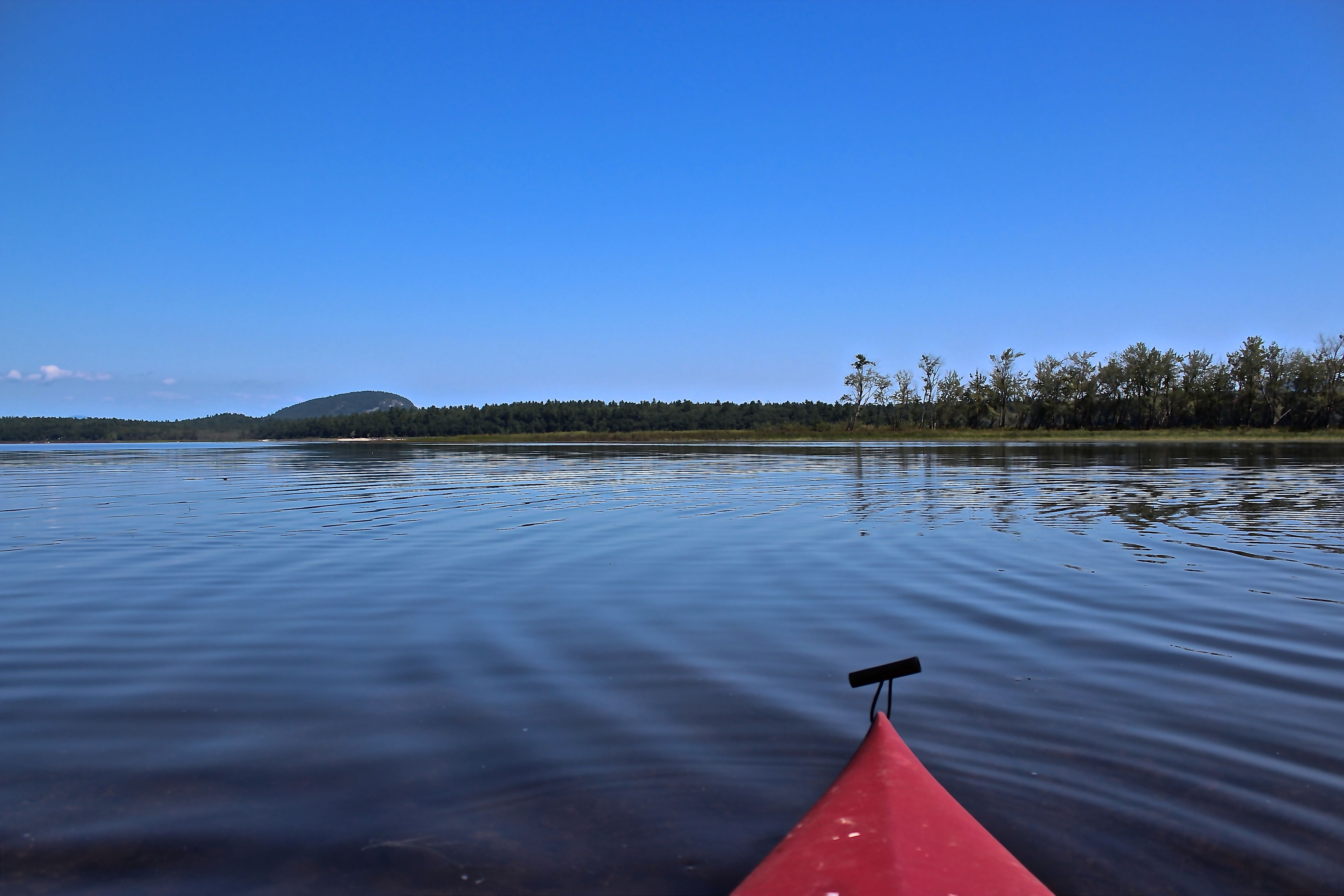
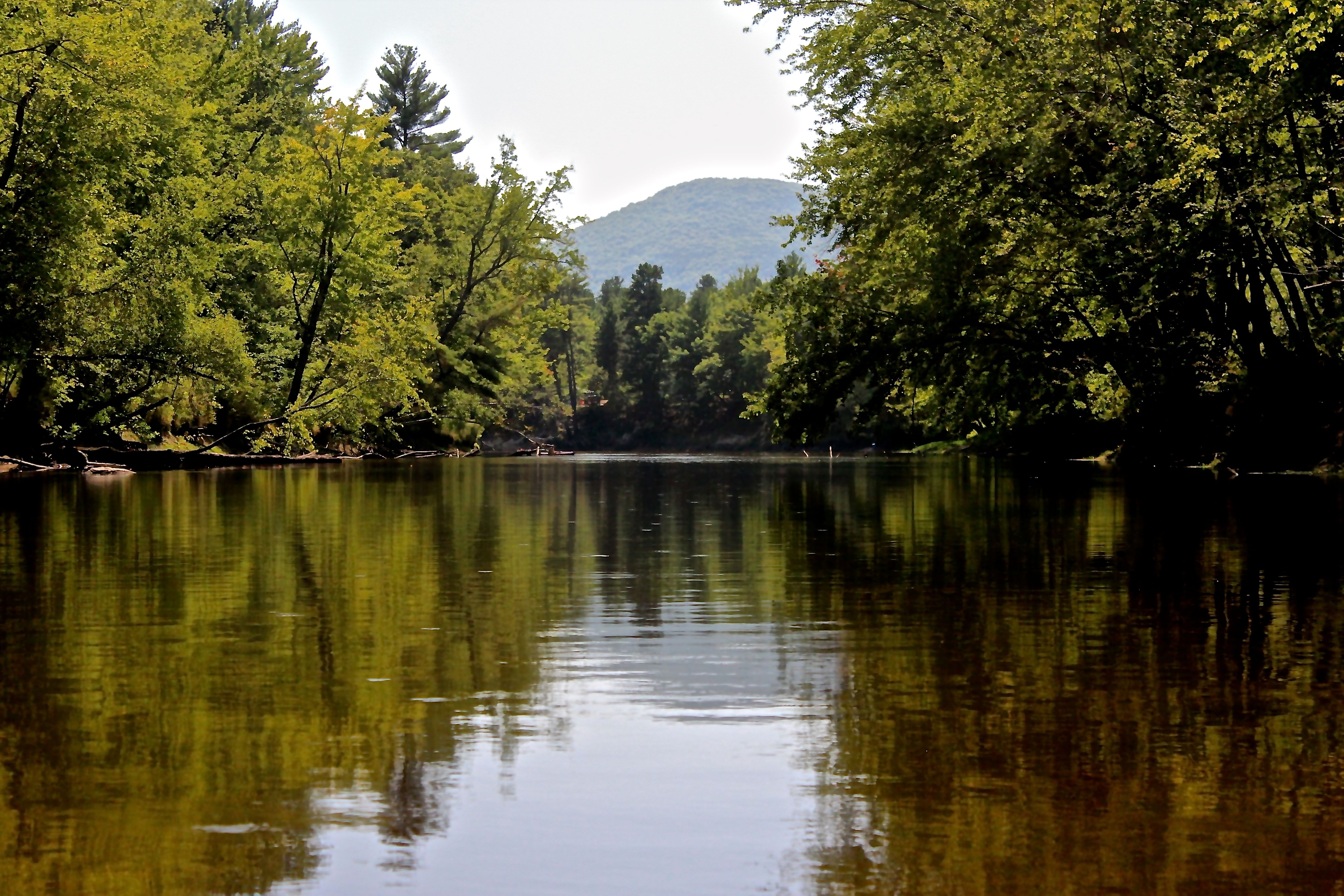
So it was that yesterday, my guy and I left one truck at the Brownfield Bridge and drove to Lovewell Pond to launch our tandem kayak. It was actually a reconnaissance mission for me because the Upper Saco Valley Land Trust has asked me to lead a paddle on this portion of the river in a few weeks.

Mt Tom

Mount Tom, a Roche Moutonnée, is visible to the left. This asymmetrical hill features a gently sloping up-ice side that has been smoothed and polished by a glacier. The other side is  abrupt and steep–the down-ice side where the rocks were plucked off, leaving a more cliff-like appearance.
Lovewell Pond

We’d never been on Lovewell Pond before, so were a bit astonished by the white sandy beaches accentuated by the mountain backdrop as we looked toward Fryeburg and North Conway.

Pleasant Mtn

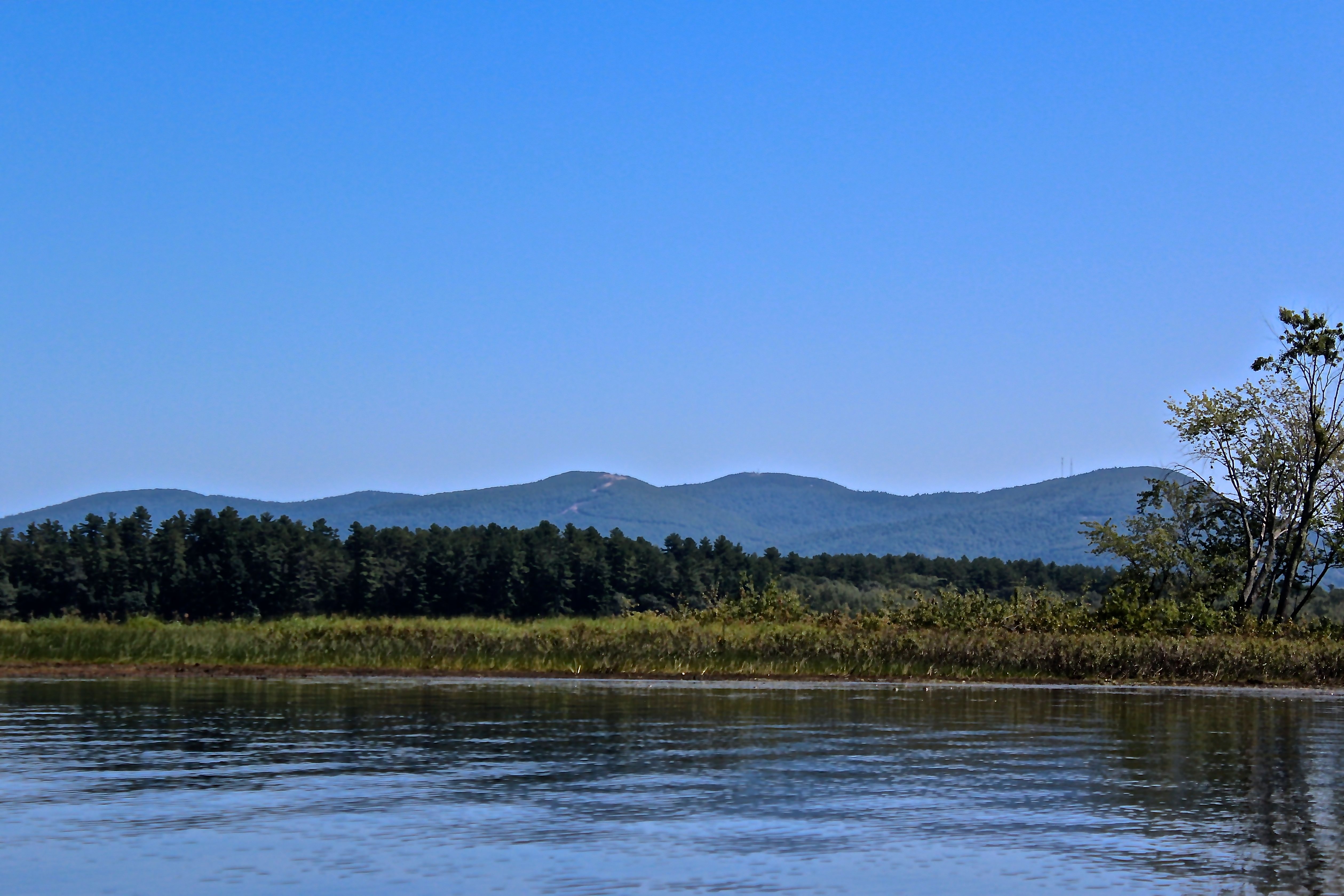
Pleasant Mountain also forms part of the backdrop, giving us a sense of direction. Home is on the other side of the far left peak.

corm 2

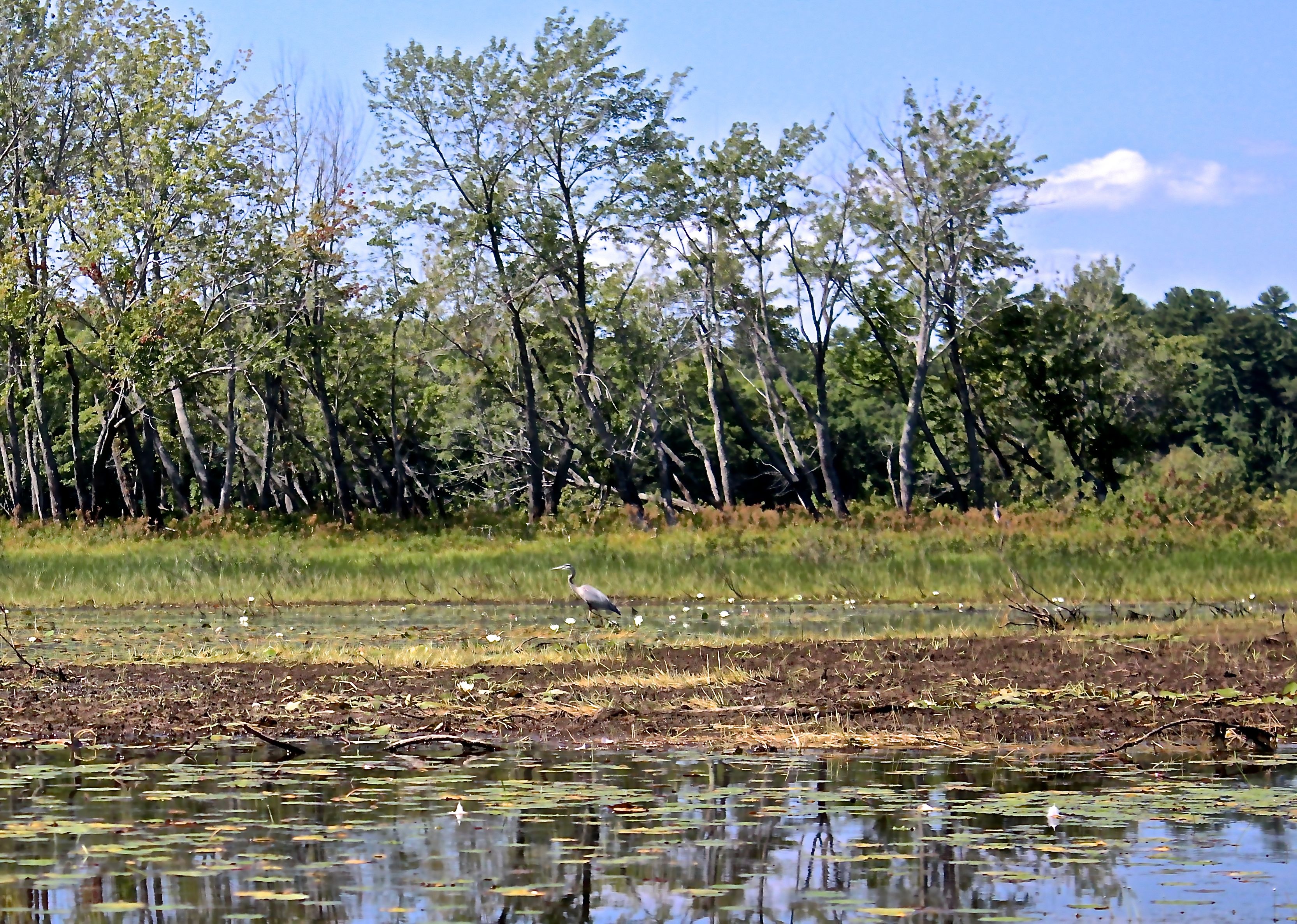
Paddling about for a bit, we checked out the local wildlife, including this pair of cormorants and

heron

a wading great blue heron.

SR access

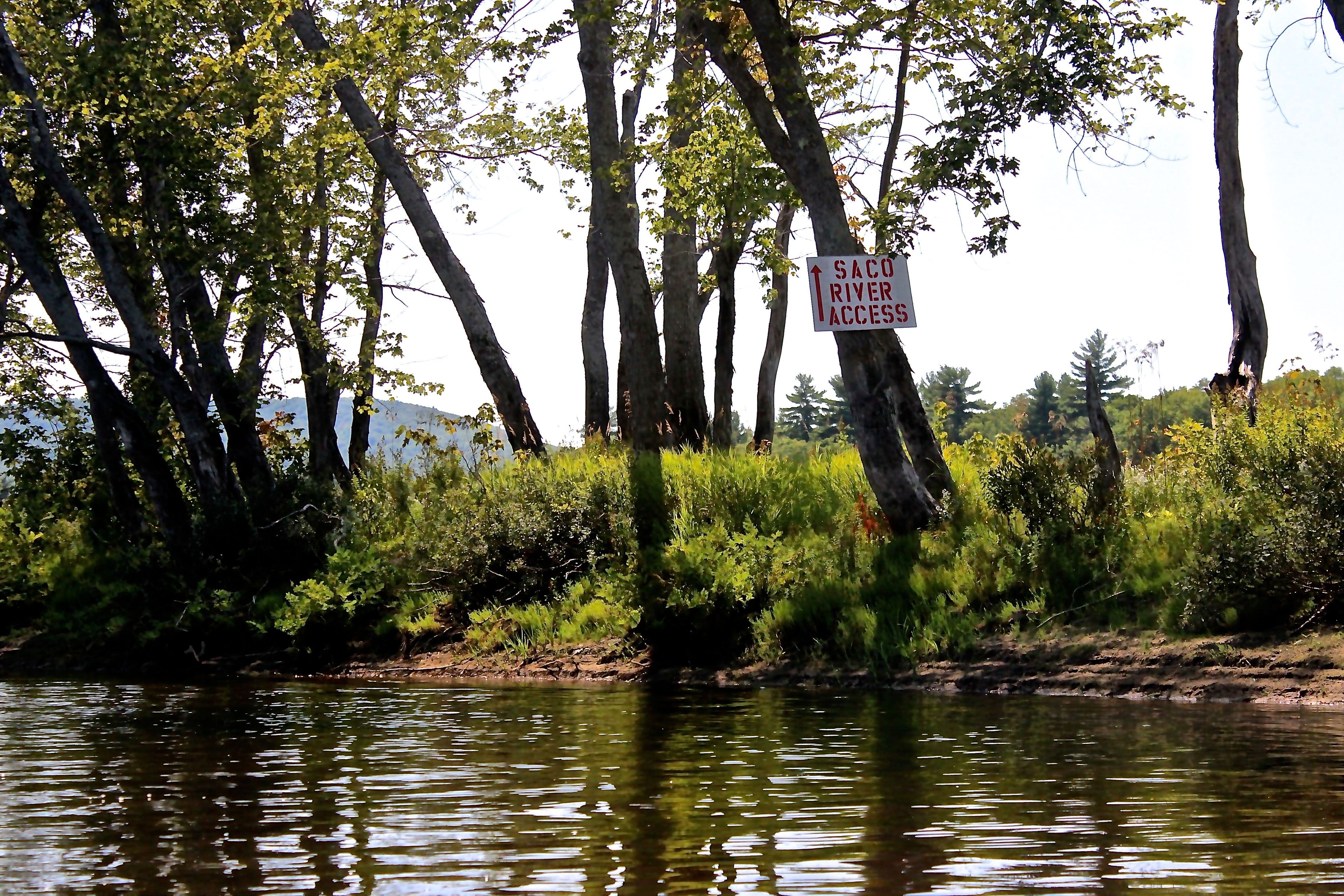
And then we were ready to begin our journey. We thought we might be a wee bit crazy to be on the river this weekend, along with the boys from deliverance, but we only met a few. For the most part, we encountered families and friends enjoying a beautiful day in Maine. And a clean river thanks to the Saco River Recreation Council.

Saco Access

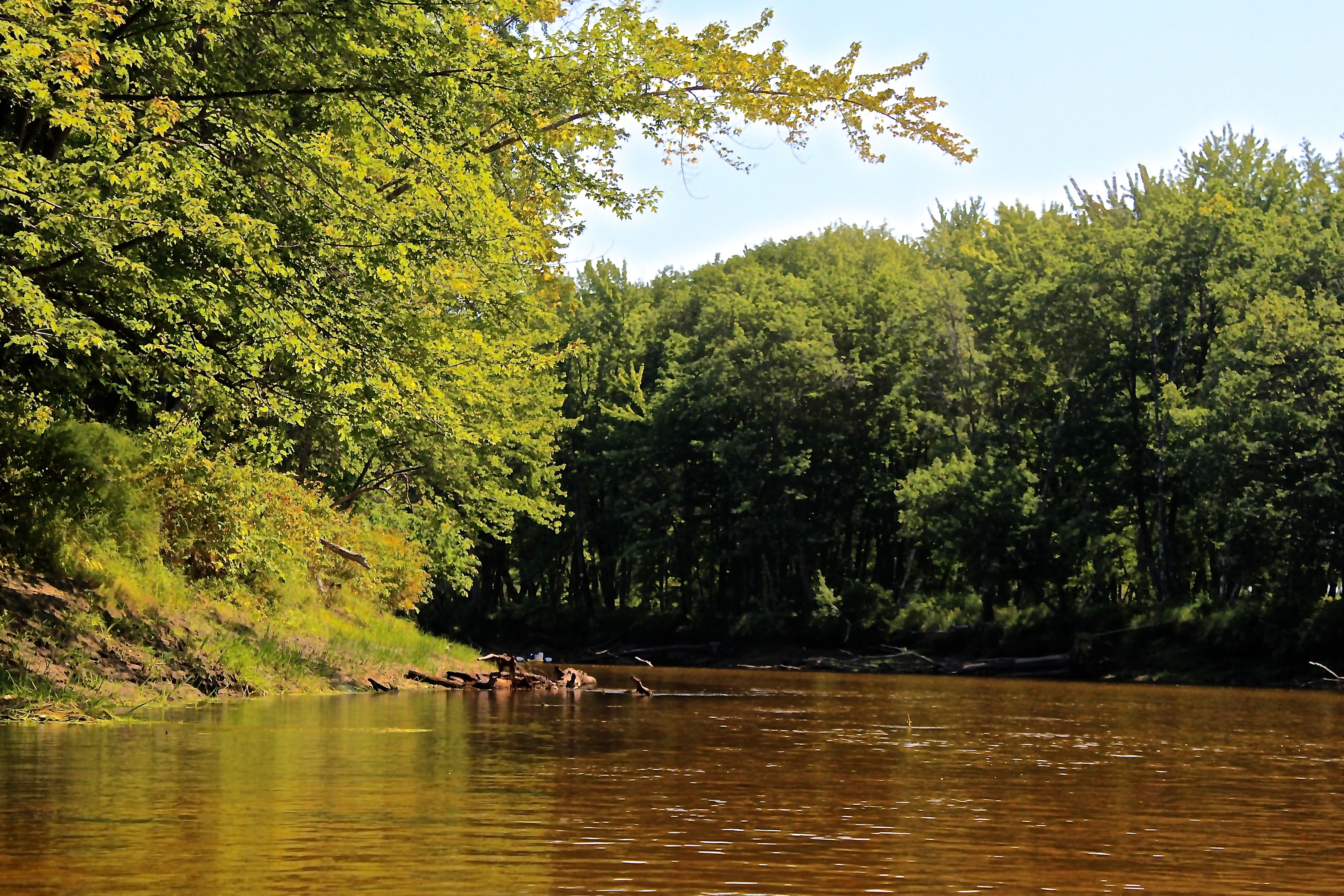
Silver maple trees grace the banks.

shallow water

Being September, the river was quite shallow in some spots. But walking in the water felt good.

round the bend

Around each bend, we reminisced about previous river runs, including the time we did a much longer trip in an inflatable raft–we were young, in love and clueless. And uncomfortable. Now we are old, in love and still clueless. But happy.

silver maples

Though the river is at a low point, you can tell by the bank that water rushes through here. The silver maple, known for the silvery color of its leaf’s underside, is fast growing and a bank stabilizer, but it also succumbs to the river’s force.

Elm leaves

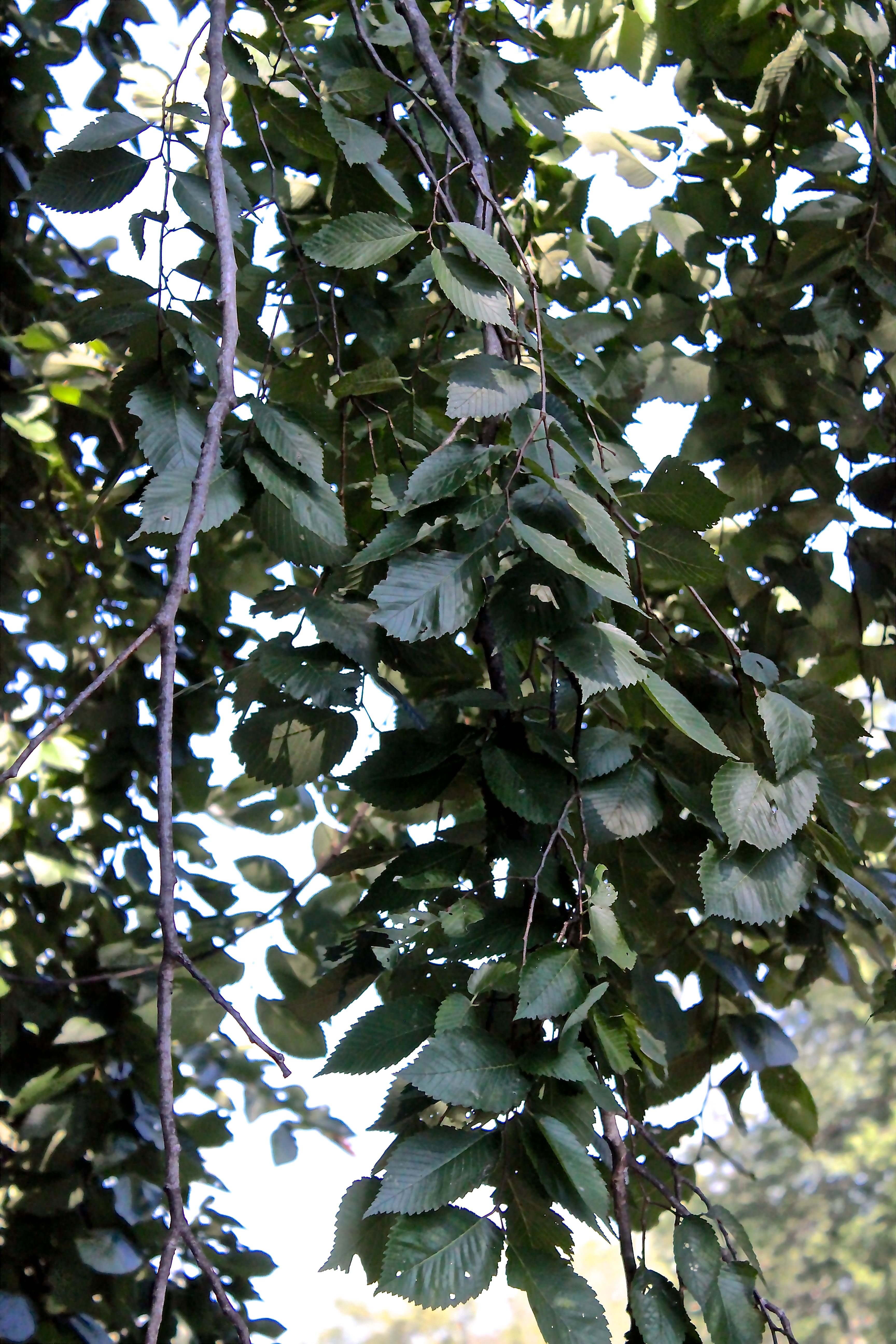
As we floated along, I began to wonder what I should point out in a few weeks.  Yes, there’s the silver maple floodplain forest, which includes red maples. Royal fern, sensitive fern and ostrich fern were visible along the way. And some shrubs and plants. Finally, we came upon this American elm leaning over the river–large and healthy with its asymmetrical leaves.

Burnt Meadow Mtn in background

We were close to our pull-out point when I saw some white and red pines and thought I might talk about the King Pines–those massive pine trees that were marked with the king of England’s arrow, so selected because they grew straight and tall and would be perfect for ships’ masts.

I may also mention the river’s curse, but I might save it until the end when Burnt Meadow Mountain is visible in the background.

According to legend, in 1675 the wife and infant son of Squandro, chief of the Sokokis tribe, were playing on a river sandbar when they encountered three rowdy, drunken English sailors.  The mother and child were laughing and didn’t hear an approaching canoe. One of the three sailors claimed that a papoose could swim like a wild animal (dog paddle) naturally from birth. The others doubted him. To prove it, the man jumped out and grabbed the child. The mother watched in horror while the sailors threw her baby into the water. She grabbed the baby and ran to Squandro. It was too late. Squandro raised the limp body toward the sky and said, “As long as the grass grows and the water runs, it shall be the will of the Great Spirit that every year the waters of this Great River shall take three White Men’s lives.”

There is also a version whereby the mother was pregnant and she, her infant and her unborn child all died.

Some say the curse ended in 1947 when no lives were taken. That was also the year of the Great Fires, including in Brownfield, our take-out point. Related?

It seems to me that respect may be the key. Respect for the land, respect for the river and respect for each other.

Though our trip yesterday was short (about four miles), this wander has been a bit long. Thanks for coming along for the ride.

Taking In The Views

The Pequawket Indians of Fryeburg, knew the 1,100-foot mountain in Waterford as the mountain that would “tire um out” because climbing its steep side wasn’t easy. Fortunately, a much gentler trail that is only a bit steep at the start, has led to the summit of Mount Tire’m for many moons. And that was my trail of choice this afternoon.

While my guys (and a girlfriend) toiled at the family business, I snuck off to the mountain to enjoy the views.

green

It’s located up the street from the quintessential New England village known around these parts as Waterford Flats. Think white clapboard houses, all of which are listed on the National Register of Historic Places. And a triangular green. To the right of the sign is the former Lake House, which for many  years was a high-end restaurant and inn. It’s for sale now. And comes with an interesting history–in 1847, it was known as Shattuck’s Hygienic Institution, or “Maine Hygienic Institute for Ladies” and offered a water cure.

Another house on the  green was home to Artemus Ward, pen name of Charles Farrar Browne, a favorite author of Abraham Lincoln and Mark Twain’s mentor.

Then there’s the  Waterford Library designed by John Calvin Stevens and his son, John Howard Stevens. And the former town office and meeting hall–ladies sat on one side of the room facing their menfolk during town meetings and were not allowed to vote or even speak. Can you imagine?

church

The Waterford Congregational Church was one of Stevens’ designs.

trail head

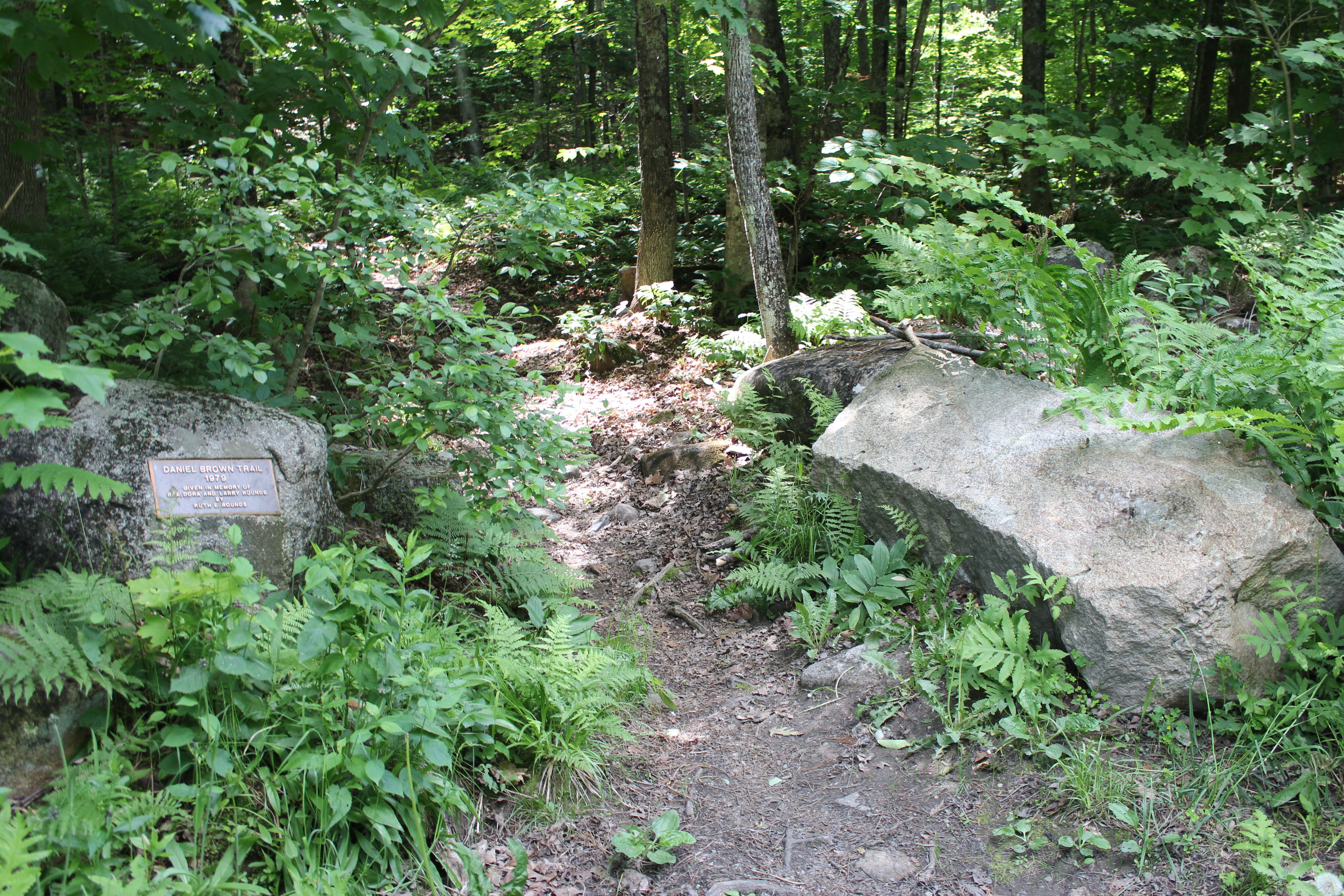
It’s easy to miss the nondescript trailhead located up the road from the church.

trail sign

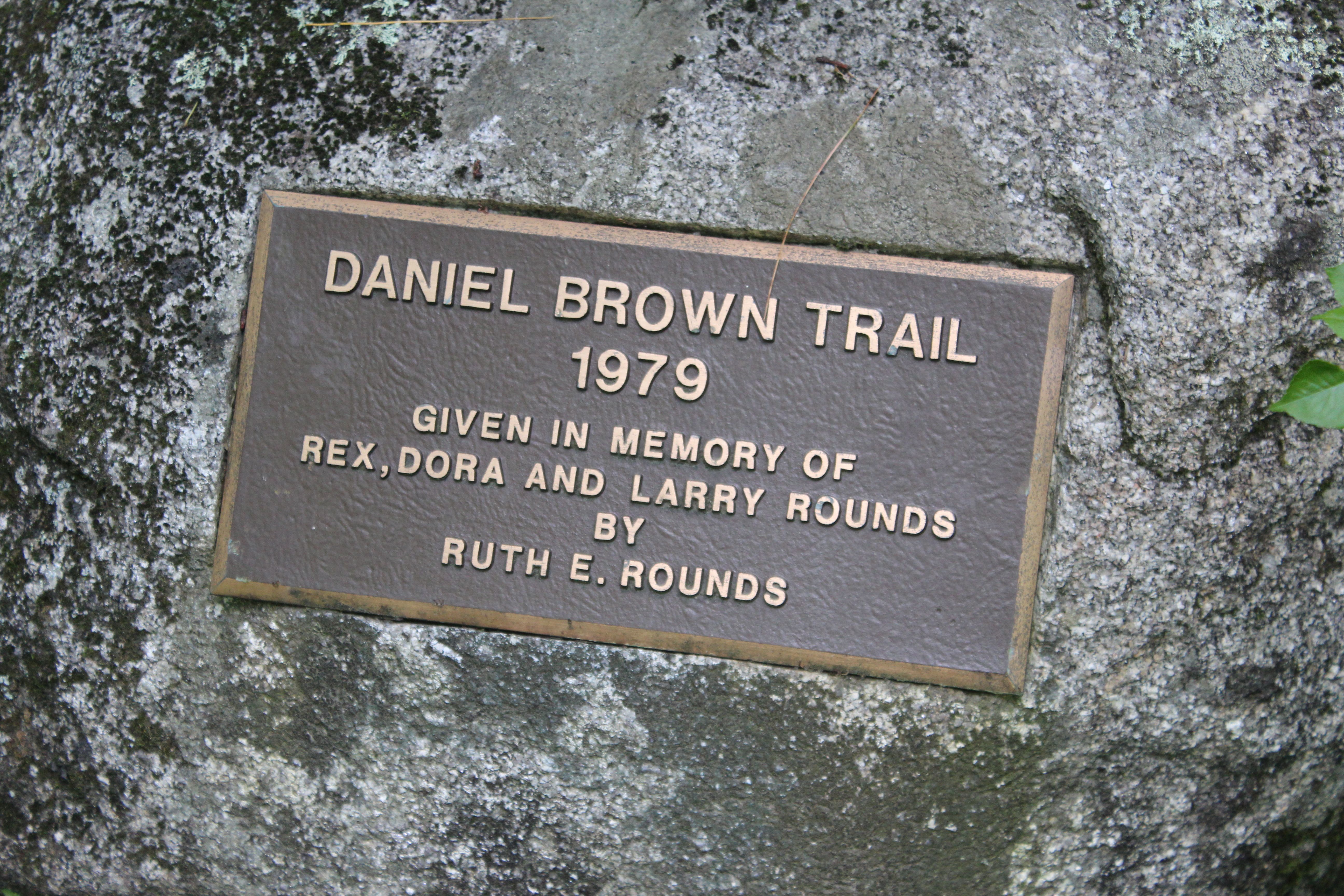
The public path that has traversed the mountain for many years was apparently known as the Old Squire Brown Trail. From what I gather, Daniel Brown owned a large house and farm near Bear Pond–perhaps the Lake House? He was involved in town politics and went on to serve in both houses of state legislature, becoming known as Squire Daniel Brown.

Red trillium

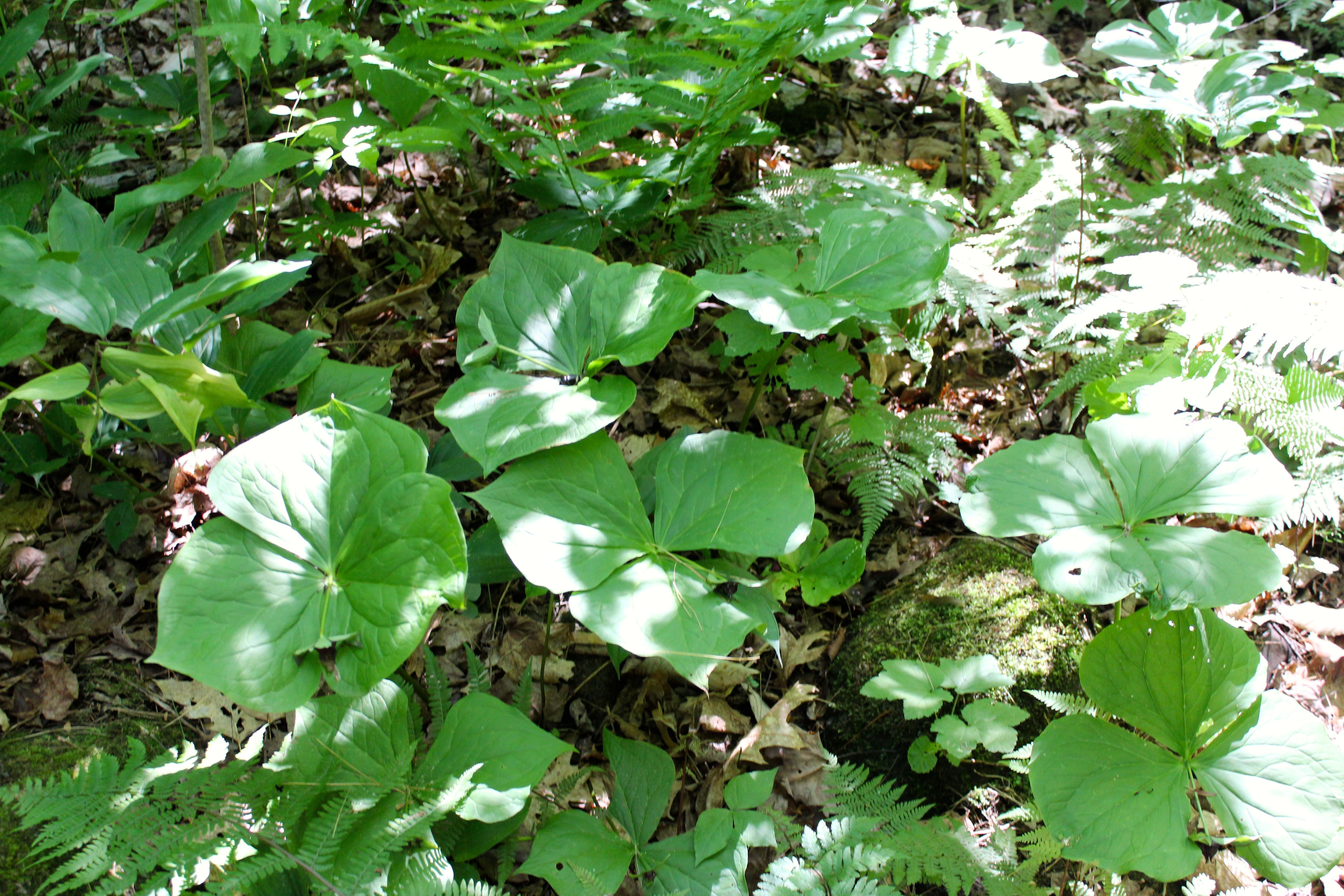
Though the flower is long past, the leaves of Red Trillium reminded me that I need to hike this trail earlier in the spring.

 stonewall

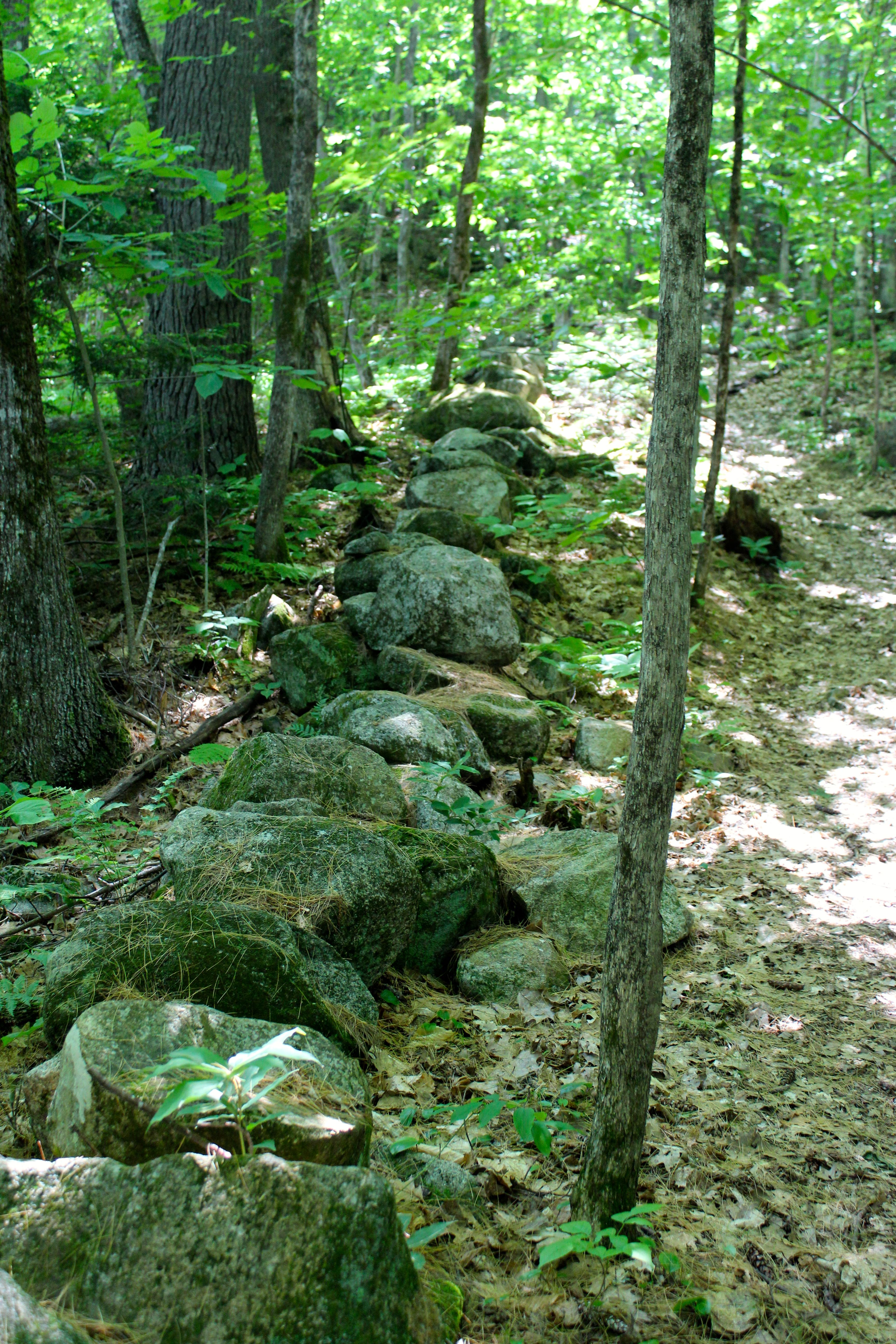
Stonewalls announce that this land was once upon a time used for agriculture.

ash leaves 2

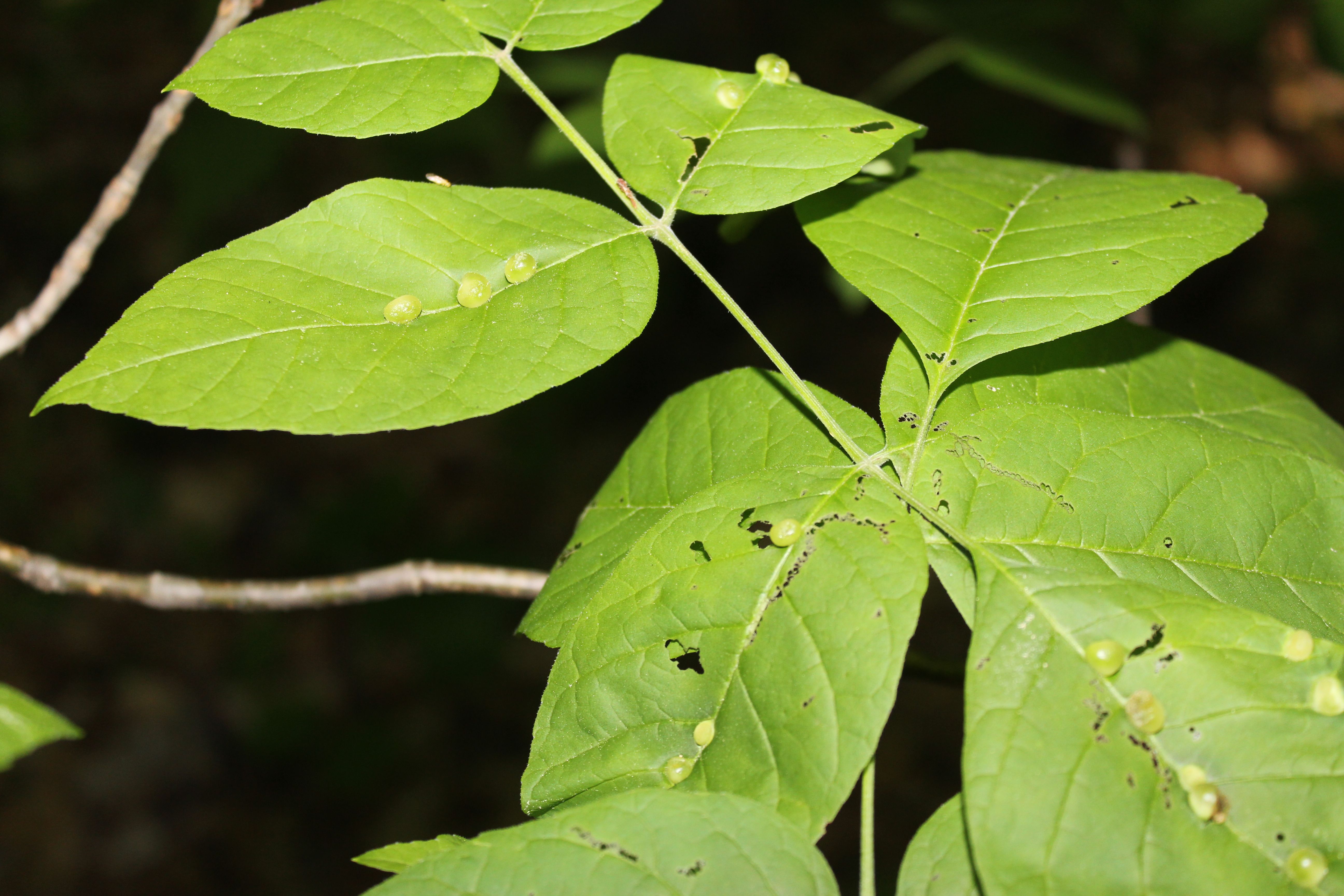
The odd leaf formation of this young ash tree made me stop. It has become host to either a fungus or insects who  are using the leaves as protection while they complete their lifecycle.

ash 2

Another ash has been invaded by mites that cause the raised galls.

challenges along the path

Like most trails, this one provides the rocks and roots that draw my eyes downward, so I pause frequently to look around. It’s just as well that I was alone, because not only was I taking my time, but my mind was so filled with chatter that I doubt I would have heard anyone else speak.

pine needles

On the drive to Waterford, I’d noticed that so many of the white pines are once again suffering from the needle drop fungus. The same was true on the trail. In the newspaper, an article about climate change referred to the needle drop as occurring for only the past several years. Methinks more like ten years. The fungus infests trees during a wet spring, such as we had last year and the resulting defoliation is seen the following year. So–I’m thinking out loud here–though we haven’t seen much rain lately, the needles are dropping because of last year’s infestation. While they look so pitiful right now, within a few weeks, they’ll finish dropping. But . . . do the trees have the energy to survive? And what about next year? Will it be a good year for white pines? And then I think about all the pinecones the trees produced last year–it was certainly a mast year, so maybe it doesn’t affect them to such an extreme. Yeah, this was the sort of chatter I was experiencing.

beech spots

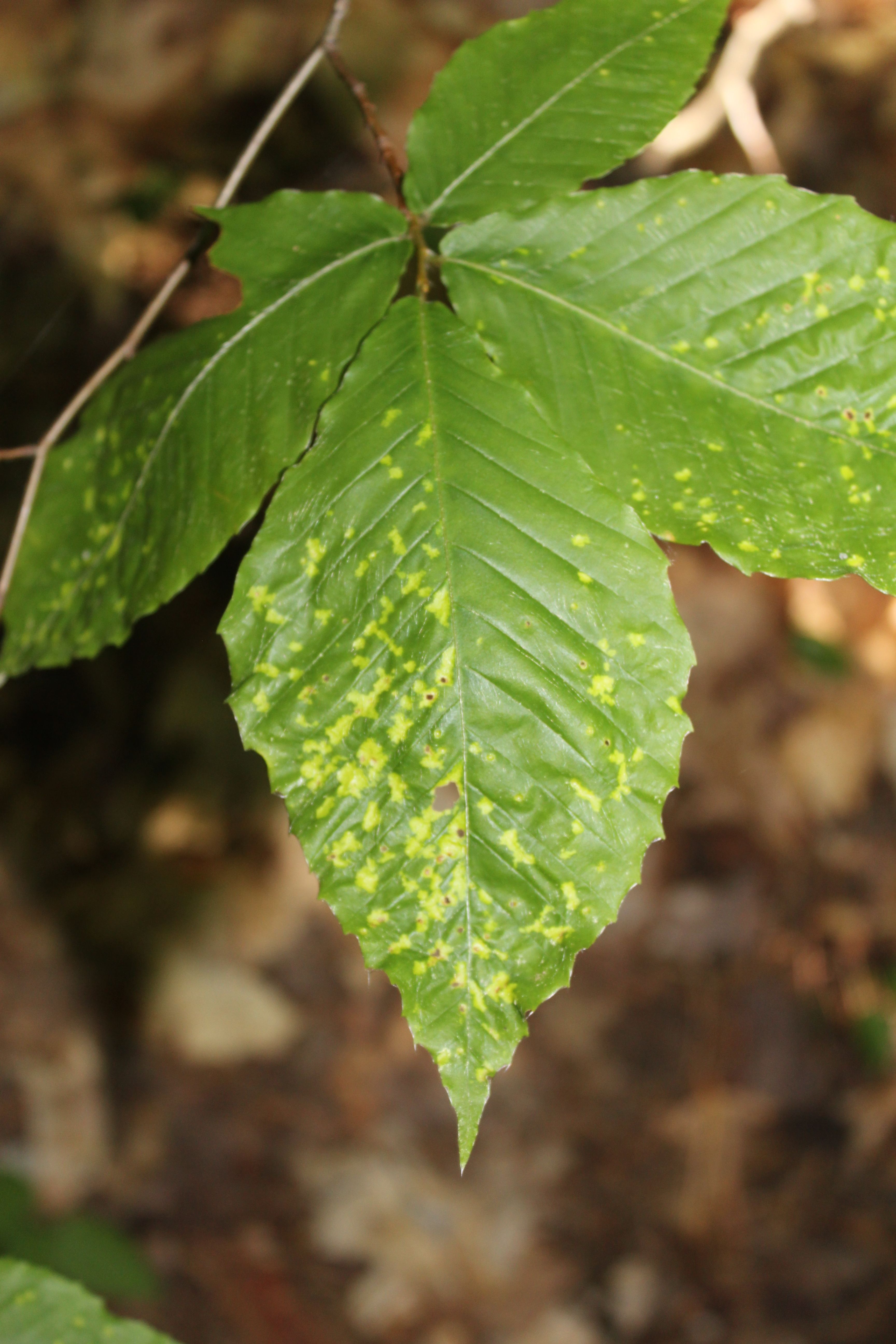
Some beech leaves are displaying their own relationship with a fungus. Where only weeks ago, they were the site of beauty as they opened and their hairiness kept insects and others at bay, they can’t fight off everything. Nor can we.

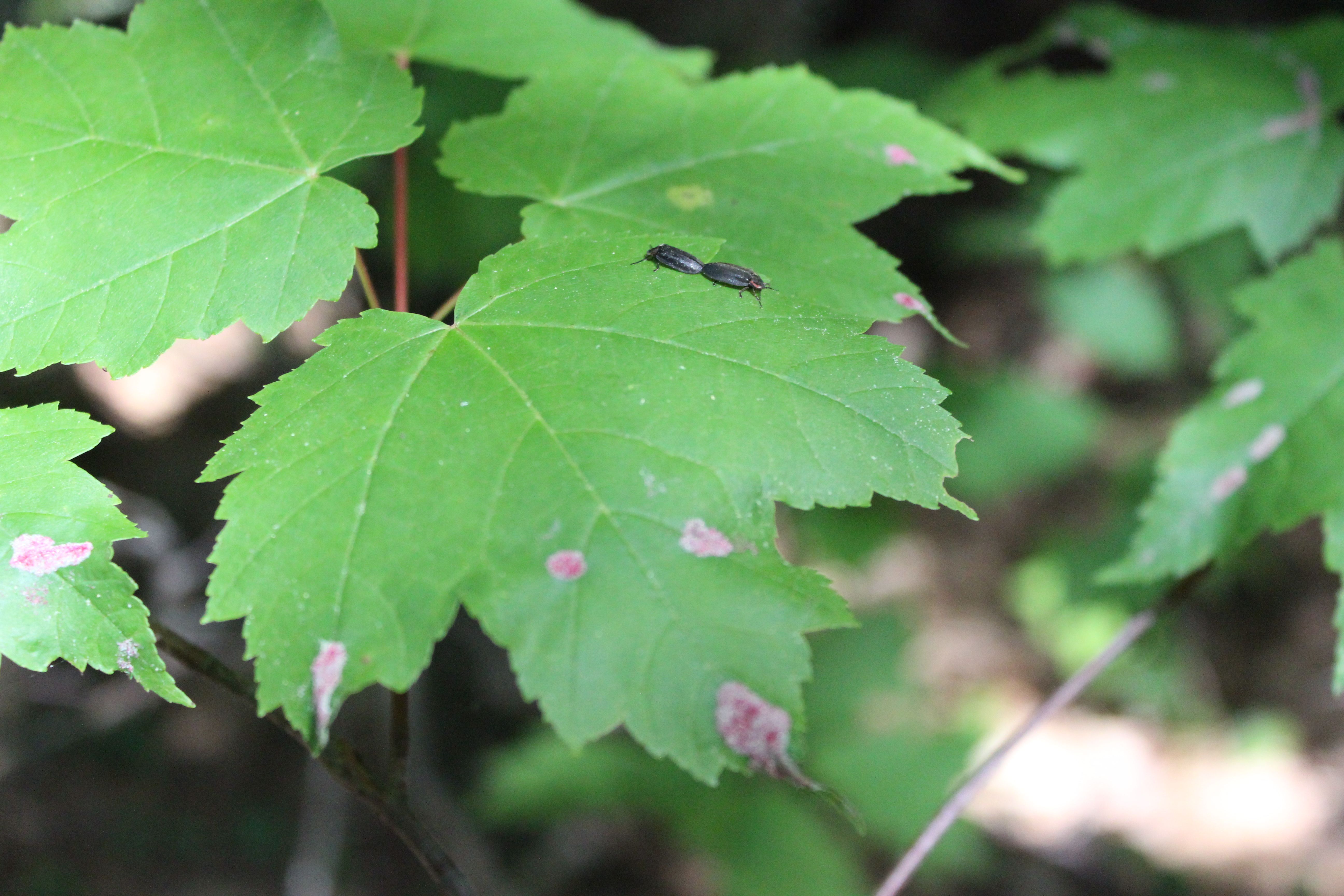
candy pink insects

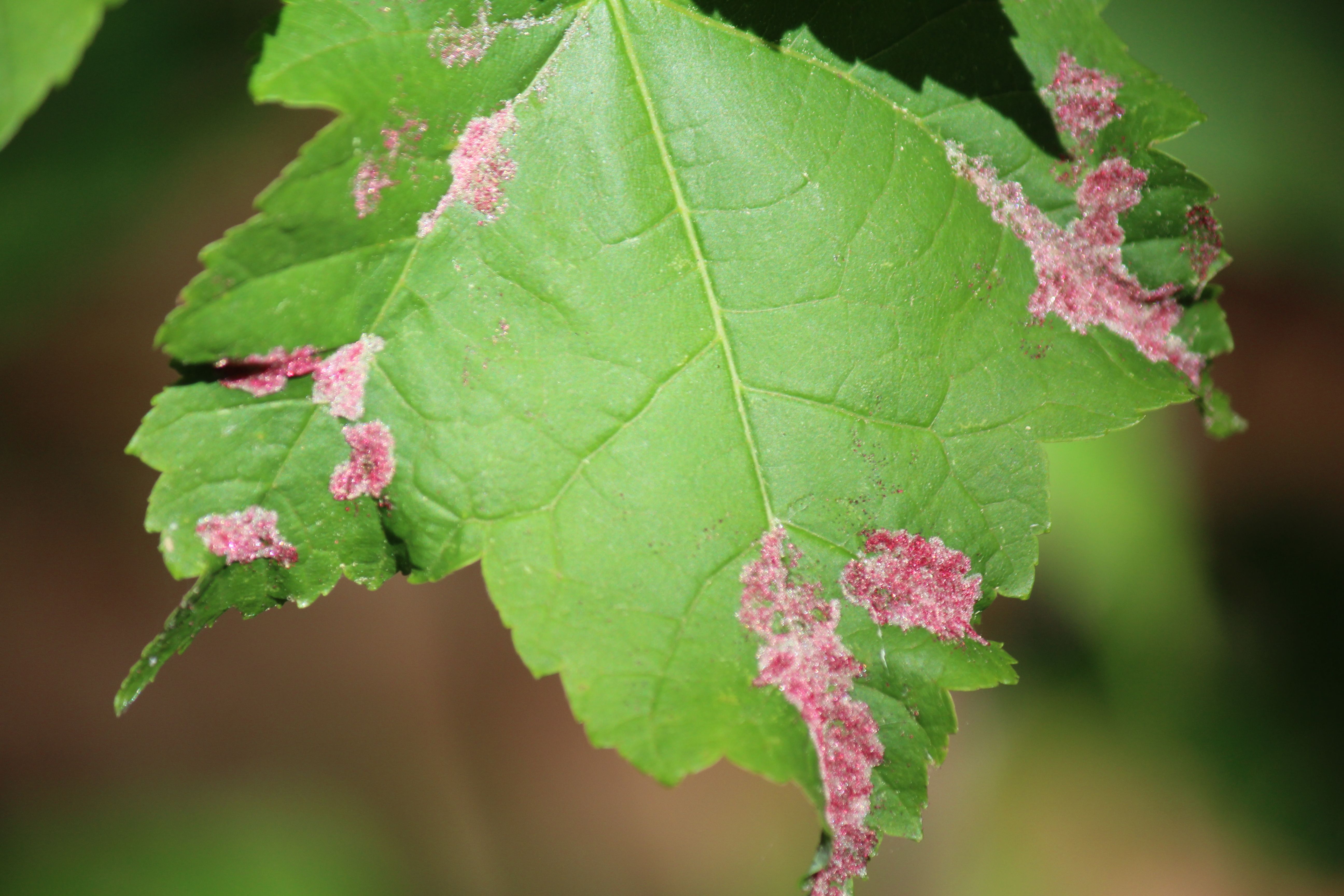
Through my hand lens, the bright pink on the Red Maple leaves has a crystal-like formation. It’s actually quite beautiful.

candy pinkcp2

I had no idea what caused this until I looked it up. These are maple velvet erineum galls, also caused by mites. Apparently they won’t harm the tree, so they aren’t considered parasitic. It’s all a wonder to me. If you do find this, take a close look.

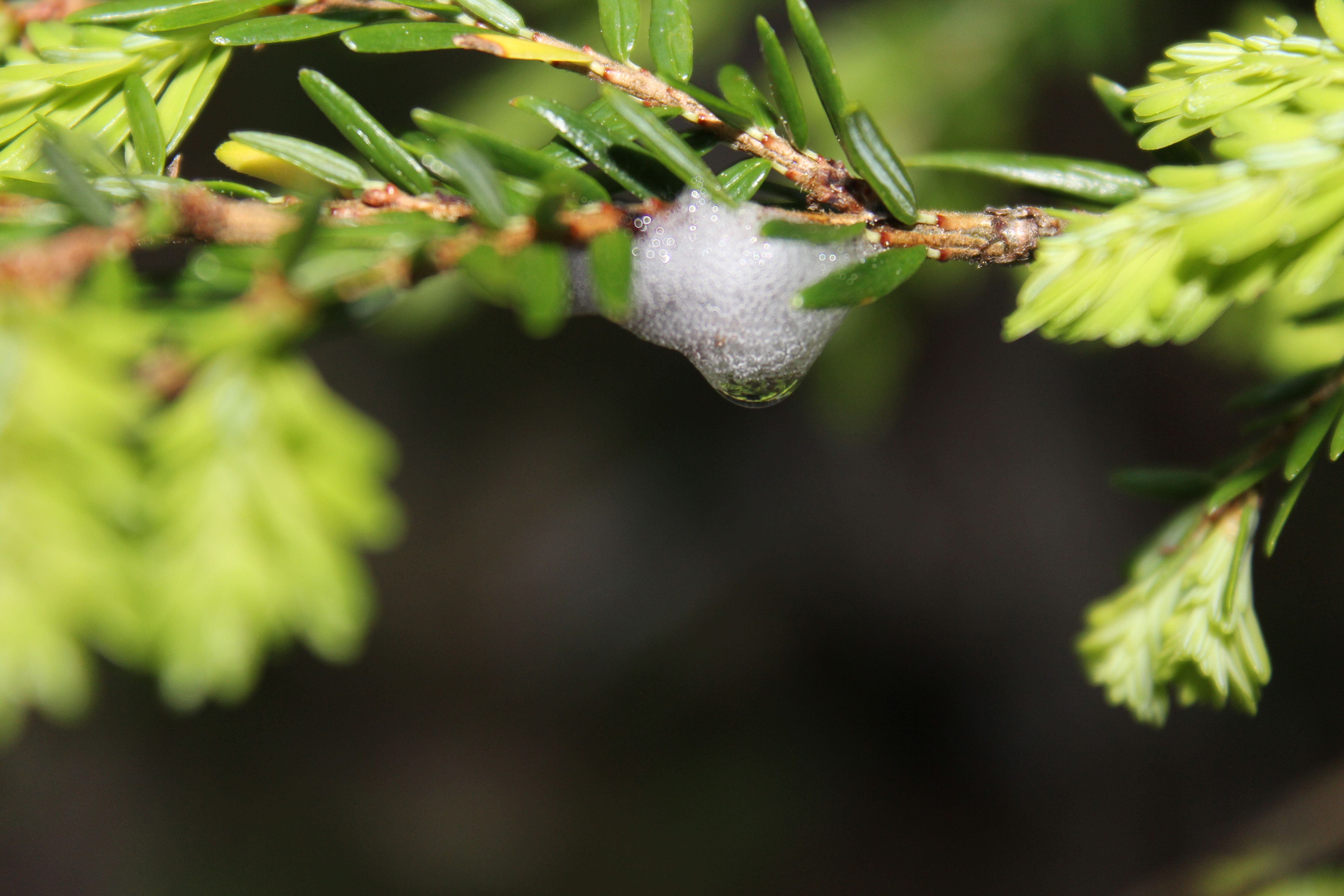
spittle on hemlock

Growing up, whenever we saw spit on wildflowers and grasses, we assumed it was from snakes. A rather scientific observation. Do snakes even spit? And a foot off the ground? I’ve since learned that the foamy substance is the work of Spittlebugs. As the nymphs feed in the spring, they excrete undigested sap and pump air into it.

spittle 2

But I didn’t expect to see this on a hemlock. Turns out–there’s a pine Spittlebug that attacks evergreens. More reasons to keep my eyes open.

Keoka Lake and Oxford Hills

Enough about hosts and fungi. It was time to take in the views. About halfway up, Keoka Lake and the Oxford Hills are visible through a cut in the trees.

gnome home

Gnome homes are everywhere.

view

And finally, the summit with Pleasant Mountain in the background.

BP from summit

And Bear Pond and Long Lake below.

the rocks

No visit is complete without a stop at the glacial erratics.

the rocks split

Maybe I shouldn’t use the plural form as it’s obvious this was all one rock

the rocks 2

that split apart.

tr 5

Perhaps there’s more to come.

As the saying goes, “so much to see, so little time.” Thanks for joining me to take in the views.