We’d made promises in the recent past that fell flat. With that in mind, when the Greater Lovell Land Trust’s Nature Explorers, a homeschool group led by Docent Juli, gathered this morning, she was smart and stuck to the life cycles of potential sightings like frogs rather than possibilities.
The group that gathered was large–24 in all with a mix of moms and their children.
Of course, being kids, they were immediately attracted to the water below the mill site at Heald Pond. But after letting them explore for a few minutes, a light whistle pulled them all together again.
At the nearby vernal pool, everyone quickly learned what larval mosquitoes looked like as they watched them somersault through the water column. A few complaints were expressed about future bites, but that was redirected to the fact that mosquitoes feed birds and dragonflies, and in their larval form, other aquatic insects.
Pond dipping became the morning habit and at first, it was only the mosquito larvae that made it into the containers.
But, that led to a quick lesson on the biting insects’ life cycle–one of many teachable moments that snuck into the morning fun.
Oh yes, those larval mosquitoes also feed amphibians and thanks to Juli’s son Aidan for finding a large Green Frog. Notice the ear disc, aka tympanum, that is located behind its eye. Given its size as being bigger than the eye, this was a male. And notice the dorsal lateral ridge or fold that extends from behind the eye down the side of its back (there’s one on either side)–that’s a clue that this is a Green Frog and not a Bull Frog, for the latter’s ridge circles around the tympanum.
As the morning went on, it turned out that today was Aidan’s day to shine for he was also the first to find a Fairy Shrimp.
A what? Yes, a Fairy Shrimp. Do you see that delicate orangish body in the middle of the tray? It’s a mini crustacean that lives only in vernal pools.
The kids all got caught up in the thrill of such a find and within minutes became pros at recognizing them.
And so the dipping continued.
Moms also got caught up in the dipping experience.
And they also found cool stuff, like Kim’s Fishfly. We kept expecting it to eat the mosquito larvae, but it seemed that they preferred to nudge it in a way we didn’t understand.
While Kim focused on her new friend, the kids were also making new friends, testing their balance, getting rather wet and muddy, and having a blast as they sought more Fairy Shrimp.
Their pan began to fill up with one, two, three, four, five and even a few more.
And then other species were discovered, including aquatic beetles and a Phantom Midge.
We’d come in hopes of at least finding Wood Frog and Spotted Salamander egg masses, which the kids quickly recognized. By the time we were ready to leave a few hours later, some of the boys had discovered the best way to spot the masses was from the crow’s nest.
But in the end, our most significant find was the Fairy Shrimp. You see, on a public walk a couple of weeks ago, when we’d promised folks such a sighting, we came up short. But today . . . they made their presence known. And with the find of just one Fairy Shrimp, the vernal pool became a significant one as recognized by the State of Maine.
A hearty thanks to Juli for leading and the moms and their kids for attending. It was such a joy to watch everyone interacting and engaging. I only wish I could have been a Fishfly on the wall at suppertime as they shared their finds of the day with other family members.
It had been four years since we last visited Wolfe’s Neck Woods State Park and that venture took place at the end of November. We must have been Christmas shopping. Today, we were in search of a bug-repellant shirt for me (Spring shopping) and so our journey took us to Freeport. Not being a shopper, it was a quick in and out of the store and then onto Wolfe’s Neck Road.
There’s a 4.4 mile network of trails in this 200-acre park gifted to the State in 1969 by Mr. and Mrs. Lawrence M.C. Smith of Freeport. One of the stand-out features is Googins Island where Osprey have been entertaining visitors for years as they raise their young on a huge platform nest they’ve built high up in a pine. Can you see it?
Here’s a closer view–and I assume (never assume) that Momma was the one sitting on eggs. The nest has been added to each year and though I have no idea of its actual size, Osprey nests can reach 10–13 feet in depth and 3–6 feet in diameter. The depth of this one appeared to be a few feet, but the diameter was substantial.
We followed the trails and enjoyed journeys to the water where we could take in the views of Casco Bay and its islands.
And before our feet, the mix of granite pegmatite and metamorphic rock. As much as my mom always loved to walk along a beach, she was equally enchanted by the rocky coast of Maine and whenever I encounter it, I feel her presence.
I know mom would have appreciated the artistic rendition of waves created by the water and mimicked by the rock.
Again and then again, the trail was interrupted by a set of wooden steps that led us back to the water’s edge.
It was there that we spied the Common Eiders as they floated and fished.
And . . . the first Dandelion blossom of the season–for us, at least. In my modest opinion, Dandelions are under-appreciated and that fact was driven home when my guy asked, “You’re photographing a dandelion?” Yep. Check out each golden ray of sunshine with its five “teeth” representing a petal that forms a single floret. Yes, each petal is a floret. Therefore, the bloom is a composite of numerous florets. And notice how each stigma splits in two and curls. What’s not to love. Oh yeah, and though we didn’t witness it today, the pollinators love them. (SO don’t pull up the dandelions in your yard!)
The thing about Dandelions is that they leaf out first and then flower, while their cousins, Coltsfoot, which we also found along the trail, flower first and leaf out later. The wonder of it all.
Our journey took us across stepping stones,
along park-like paths (because we were in a park, after all), over roots and rocks, with ups and downs, and even a couple of bog bridges.
The sights along the way included patches of Equisetum, a living fossil. These vascular plants reproduce by spores rather than seeds and dominated the understory of late Paleozoic forests. Just imagine.
While that was a treat, one of my favorite surprises was the patch of Trout Lilies that decorated the forest floor. It’s one I don’t encounter often, but because of its maroon-mottled leaves that remind some of brown or brook trout, I’ve remembered it each time we’ve met.
The nodding flower that could have been a lantern in the forest with its petals and sepals bent backward, exposed six brown stamens hanging low.
And then, and then, one of my all-time favorites in any season, a Hobblebush, showed off its May glory in new leaves and flowers. Those in our western Maine woods aren’t as advanced yet, but trust that I am watching.
Our journey was quick for we had another commitment, but still . . . we made some wonderful discoveries and especially loved the opportunity to see the Osprey on its nest.
The second in our LOVE ME, love me series had come to an end. Wolfe’s Neck Woods State Park. ✓ Two down, 32 to go!
When Pam asked at the end of our slow tour today what my favorite finds were, I named at least five.
First, there was the Painted Turtle that I spotted on Kezar Lake Road as I drove toward the Greater Lovell Land Trust’s Long Meadow Brook Reserve. After I pulled over and approached him, he did what turtles do and retreated into his shell. Though he wasn’t feeling it, I was in celebration mode, for he represented my first turtle of the season. And I helped him cross the road.
I felt safe calling him a he for males have long fingernails. Can you see him peeking out at me in a not too pleased manner? Can’t say I blame him, but our time together was brief and soon he wandered his way while I wandered mine.
And then, another reason for celebration–Coltsfoot in bloom. I know it’s invasive, but its sunny face and scaly purplish stem that predate its leaves offer a first hint of the season’s promises of colors to come.
Coltsfoot is known by some as Filius ante patrem (the son before the father), because the bright yellow star-like flowers appear and wither before its broad, green leaves are produced.
The next sight to be considered: a small spider that, like the painted turtle, continuously eluded our focus by quickly moving to the opposite side of the beech twig. Can you spy it?
And then there were those tree buds bursting forth with life ready to unfold from within. We were offered a few early glimpses of the future and rejoiced at each sample.
At last we reached Long Meadow Brook, for which the reserve is named. And stood and looked and listened and waited and absorbed. Oh, Pam absorbed some water in her boots thanks to a leak. But she didn’t let that stop her and we each enjoyed the opportunity to let this place soak through our pores for moments that turned into a string of minutes and suddenly an hour had passed.
At long last, we pulled away and began a bushwhack through the woods beside the brook.
In so doing, we found more to celebrate, like a red squirrel refectory upon a rock and we suspected a large hole below the tree trunk and boulder had served as the larder.
Continuing on, we saw mats of black upon moss by another tree and almost wrote it off as perhaps a fungi we hadn’t met before.
But. It. Moved. As we watched, we realized the constant motion was created by springtails writhing en masse. To say it wasn’t creepy would be lying. Likewise we were fascinated and leaned in closer to watch the swarm upon the moss.
Resting nearby, perhaps having just gorged on some of those tiny little morsels, was another reason for celebration–a spring peeper. We spotted two, but heard a hundred million more, each adding its song to the symphony that arose from the wetland. And suddenly, an interval of silence would interrupt the music, and then one male would peep, and the rest would join in again until they arrived at the next rest symbol upon their sheet music.
Others added their own notes to the orchestra, including a couple of White-throated Sparrows that trilled in our midst.
Near the end of our journey, we reached a point where we could see that there was still some snow on the the Bald Face Mountains in Evans Notch, but we spotted a dragonfly and honored Trailing Arbutus flowers and rejoiced. Though our celebration didn’t have a Mexican theme, we still had at least cinco reasons to give thanks from the Painted Turtle to Coltsfoot to Bud Bursts to Squirrel Larders to Creepy Collembola to Spring Peepers to White-throated Sparrows. Really, it was more a Siete de Mayo on this Cinco de Mayo–Maine-style.
As has been our custom for the past six years, on a quarterly basis an email is sent out with a date and location and at the agreed upon time any number of grads, teachers, and mentors from the Maine Master Naturalist Lewiston 2013 class gather. Today was one of those days.
The plan was to explore a vernal pool or two at the Cornwall Nature Preserve on historic Paris Hill, but . . . it didn’t take us (Pam, Beth, Alan, Dorcas, and yours truly hiding behind the lens) long to get distracted when we saw green poking through the many shades of brown on the forest floor.
Together, we scrambled through our brains searching for the name. With the season finally feeling like it’s transitioning, we realized we have to dust off the floral flashcards in our minds and start reviewing them. And then it came to us. One year ago, on May 5, we had seen the same at Smithfield Plantation as we celebrated Cinco de Mayo, Naturally. Then, however, we had keyed it out minus the flower. Today, the memory of last year’s ID slowly sifted to the forefront and by its leaves and colonial habit, we felt safe to call it Clintonia borealis or Bluebead Lily.
A few more steps and we started dipping containers into a potential vernal pool that was really too shallow and offered no apparent key characteristics. But . . . there was an owl pellet filled to the brim with hair and bones, the one sticking out by central vein of the leaf a hip bone. (Yeah, so I may sound like a smarty pants, but Dorcas pulled it out and quickly identified the bone by its structure.) Some little mammal, or two, or three, had provided a bird with a meal.
Stair-step Moss (Hylocomium splendens) was the next great find. I would have dismissed it as Big Red Stem or Pleurozium schreberi, and in so doing missed its finer points. Do you see how each year’s new growth rises from the previous, rather like ascending stair steps?
And then there was another new learning, for I’m always referring to this species of fungi as jelly ear or wood ear. But, with Alan the fungi fun guy in our midst, we learned that it’s really Brown Witch’s Butter or Exidia recisa. (Drats–it’s so much more fun to say Auricularia auricula.)
As we admired the Exidia recisa, we realized others were doing the same for we’d interrupted a slug fest. If you bump into Alan Seamans sometime, do ask him about the numbing qualities of slugs. ;-)
A few more steps and we began to notice trilliums, especially the reds with their leaves of three so big and blossoms hiding. All of a sudden we know the flowers are going to burst open and we can’t wait to witness such glory.
At last we reached the pool of choice, located maybe a half mile from the parking area. Two years ago, MMNP students from the South Paris class discovered Fairy Shrimp in this pool.
Our best finds today were log cabin caddisflies! At this point in time, the caddisflies are in their larval stage and as such, they construct their temporary shelters from available materials. Think of them as the original recyclers.
Should a predator be about, like a hermit crab, the caddisfly can retreat into the house of needles or leaves or stones or whatever its preferred building material might be. Apparently, it didn’t mind us and we were honored to watch as the elongated body extended forth while it searched for food. In its larval form, these aquatic insects have a hardened head and first thoracic segment, while the abdomen remains pale and soft. Can you see the three pairs of legs?
The cool thing about caddisflies is that though they may use similar construction materials, no two are alike. Beth called them works of art.
I referred to this one as a she for the case included a Red Maple bouquet.
If you look closely, you might also note some filmy gills on the abdomen. And the grayish thing the Mrs. approached and a second later ignored. It seemed rather leech-like in its behavior, but I think it may have been a Planaria, which is a tiny unsegmented flat worm.
As we dipped for insects, we also noted plenty of Spotted Salamander spermatophores sticking up from leaves and twigs. But we could find none of their milky egg masses and wondered why.
We did, however, spy plenty of Wood Frog masses, some with their tapioca structures bubbling upon the surface, but most attached to the stems below.
And then a chiseled tree section across the pool called to us and so we made our way over to check the wood chips below. Of course, we searched for Pileated Woodpecker scat, but found none. Instead, we spotted a dead frog in the water. And just beyond it, a dead salamander.
It wasn’t pretty, but did make us question what had happened. Were the two amphibian deaths related? We don’t know, but we did note puncture marks on the Spotted Salamander’s underside, and even a nip of the end of its tail. Plus it had one slightly deformed front foot. And we learned that salamanders have poison glands in their skin, mostly on their backs and tails. Did the frog go after the salamander and both died from the experience? Or had another predator entered the pool? And then realized it had made the wrong decision?
We never did figure it out, but had fun asking questions. And as we stood there, our eyes keyed in on a bit of color at the end of a downed branch. Again, more questions and the use of our loupes as we tried to take a closer look. We debated: slime mold or insect eggs?
After looking closely and continuing to ask question, a quick poke with a twig provided the actual answer as we watched the spores puff out in a tiny cloud. Slime mold it was. Should we have poked it first? No, for that would have been too easy and we wouldn’t have taken the time to consider the possibilities.
On our way out, there was still one more discovery to make. I could have dismissed this one as a moss.
But, again Alan knew and he explained to us that it was a liverwort known as Porella platyphylloidea. And upon closer examination we could all see its three-dimensional structure as it curled out from the tree trunk.
Almost three hours later, our brains were full as we’d also examined trees, lichens, and other fungi, but our hearts were happy for the time spent in each others company sharing a collective brain.
I’m always grateful for an opportunity to peek with these peeps, even at something as common as a caddisfly because really . . . there’s nothing common about it.
From my first sighting this morning I had a feeling that today’s views were going to be amazing. I just didn’t know at the time how amazing.
It all began when this Bald Eagle gave me a backward glance as I drove west. He posed as usual on his favorite hangout and I knew that he was patiently awaiting his turn to dine on some recent roadkill. In the meantime, the crows had a feast.
What I didn’t expect was to see a second Hermit Thrush this week, but so it was as I snowshoed through a land trust property with a couple of other people. I have them to thank for they spied the bird first.
And then we stood silent and watched. And dreamed of its enchanting song to come.
Finding my way beside water a few hours later, it was a pair of Common Goldeneye ducks, his eyes even reflected below, that made me pause next.
Despite a couple of branches slightly obstructing my view, her eye of gold stood out vividly as well. What exactly is it that’s common about them? Their presence I suppose, but still I’m thrilled each time we meet.
Nearby, I almost missed Donald and Daffy, but he hollered for attention, while she stood by on one leg.
Why do birds stand on one leg? And how do they do it? The why I think I can answer–to keep the other leg warm. Unlike some avian species, ducks don’t have hairy sweatpants and so by tucking one leg up under a wing, they can retain some heat. That was important for today while the temperature was in the 40˚s, with a breeze, it was overcast and felt rather raw.
As for my second question, how do they do it? Stand still on one leg without toppling over, that is. I don’t know, but do wonder if it has to do with the feet located toward the center of the body so its weight can be evenly distributed–maybe it turns the one foot a wee bit to insure stability. And perhaps the splayed foot also helps assist what for me would be an awkward position.
Perhaps. And perhaps she looked at me as if to say I was daffy.
And he smiled in agreement.
The next great sight was not a bird, nor was it caged in. And it wasn’t an original find for me because some friends met me at a location where they’d spied it yesterday. But in yesterday’s warm sun, the Red Fox let her four kits frolic about. We watched for a while today, but apparently she’d told the kits to stay in. Her choice for a den sight was remarkable and we learned she’d chosen the same fair spot last year.
At last I began my journey homeward, but first I had to stop by a spot I’ve been frequenting often of late, for it’s where the Sandhill Cranes have been dining. At the moment there are only two, but by last fall they numbered at least eighteen. Will the same come true this year? Only time will tell.
And then, another bird called out and when I realized what it was all I could think of is “Here Comes the Judge” for so its feathers and stance reminded me of a robed magistrate.
This scavenging creature has no feathers on its head in order to keep bits of carrion (dead meat) from adhering to the skin as they would to feathers.
Yes, these were Turkey Vultures. Where there was one, I soon realized there were two. Actually, on a tree behind these two were two more. I wonder if I missed any.
If I had eyes as big and bright as the Wood Ducks that swam quickly through a brook nearby, I’m sure I wouldn’t miss anything, including food in the water below as well as those above who might think of me as food.
Like this guy! As with so many of my finds today, I’m not sure how I happened upon him, but I did. I guess it was that I tried to look for the anomaly in nature. What shape or color stands out from the surroundings?
As I watched, the Bald Eagle changed its orientation. And then it flew and I was sure that that would be the end of our time spent together.
But it landed on a branch above and continued to look about. I swear it even looked at me and I gave thanks for the opportunity to begin and end the day with such a noble bird in two different locations.
I knew I’d been honored to share a few moments with friends as well as notice those things that deviated from the norm. My eagle eyes certainly felt keen today.
Setting: A backyard in western Maine on what some might consider a bleak spring day, e.g. a snowy April 8th.
(Cock-eyed bird feeders indicative of ground thawing—really)
Act I, Scene i: I must wonder when “In there stepped a stately Raven of the saintly days of yore.” This one, however, marched on, soon to leave, not once uttering, “Nevermore.”
Act II, Scene i: (enter stage left), And then said one Junco to another, “Junco, Junco, wherefore art thou Junco?” (exit center stage only when sliding snow falls from the roof and lands on the ground with a smack, thus startling all)
Act II, Scene ii: (enter stage right) Where there’s a Junco these days, so is there a Song Sparrow, its conical beak ever ready to crack open a seed. (exit stage left after chasing the Juncos around)
Act II, Scene iii: (enter stage left, right and center) Not to be left out of the gang, Black-capped Chickadees flew in and out at a much quicker pace, grasping a seed and taking it to a Lilac branch to break it open. (exit stage left and then fly in and out, over and over again.)
Act II, Scene iiii: (enter stage right) Making noise as he arrived, a Downy Woodpecker showed off his preference for suet over seed. (exit stage left, with undulating flight)
Intermission: All goes silent as the lights go up in the theatre and in flies a Barred Owl. (finally)
As often happens during Intermission, the owl looked about at the offering of treats.
He checked the cupcakes and cookies on sale to the left.
And then he turned his focus to the right, where the drinks were on tap.
He even checked out the items below his feet, hoping upon hope to find a morsel to his liking.
Despite all the choices, or maybe because of them, he had to stretch out one leg . . .
and scratch an itch.
Eventually he changed his orientation to take a better look at the entire spread of food.
But still, he couldn’t make up his mind and so he looked some more.
And swiveled his neck around.
By the time intermission ended, he hadn’t made up his mind and so he moved off without munching any of the specialty items.
Act III Scene i: (enter stage left, right, and center) The large flock of Juncos flew in, flew out, and flew in again. (exit the same way came in, dispersing in every direction)
Act III, Scene ii: (enter stage left) From the shrubs we hear the song first and then Mr. Cardinal flies to the Lilac. (quickly exit stage right)
Act III, Scene iii: (enter stage left) Mrs. Cardinal arrives only after her guy has flown off. She shows her determination to dine on some morsels of corn.
Act III, Scene iv: (stay on stage, move to the right, then turn sharp left) Showing her determination, she lets nothing stop her.
Act III, Scene v: (center stage) With a kernel of corn in her beak, she shows off her success. (exit stage right as she searches for her Mr.)
Act IV, Scene i: (enter stage left, right and center) A repeat performance of the Juncos and Song Sparrows (exit every which way when the snow once again flies off the roof)
Act V, Scene i: (enter stage right) With its own flash of color an American Robin pays a brief visit to the stage (exit stage left)
Act V, Scene ii: (enter stage left) With its breast not quite as vibrant, a Red-breasted Nuthatch ponders the possibilities.
Act V, Scene iii: (center stage) And a decision was made, a morsel of suet consumed. (exit stage right)
Act V, Scene iv: (enter stage right) Waiting until almost the end of the performance, a pair of Tufted Titmice flew in, grabbed a quick bite, and flew off again in the direction from whence they’d come. (exit stage right)
Act VI, Scene i: (enter stage right) Outlasting his Junco relatives, the Song Sparrow continued to eat . . .
Act VI, Scene ii: (center stage) and eat evermore, whether a caged bird or not. (exit stage right)
Act VII, Scene i: (enter stage right) And then a Hermit Thrush sat upon the Quaking Aspen sapling to mark the final act.
Act VII, Scene ii: (center stage) Its upturned bill will soon provide us with the most beautiful, yet hauntingly exquisite song; clear, musical phrases will blend brilliantly as ethereal, harmonious tones. Spring really has arrived in western Maine. (exit stage left)
Grand Finale: (center stage) Spring arrives in its own rendition each year. And the Barred Owl watches.
We watched as well, thankful for the cheap seats that turned out to be the best seats.
Our interest was piqued a couple of weeks ago and we promised each other we’d return to learn more–thus today was the day that Alanna Doughty, education director of Lakes Environmental Association, and I ventured to the Muddy River at Holt Pond Preserve.
Crossing the Emerald Field at the corner of Grist Mill and Chaplins Mill Roads, we found our way to the trail, passed into the woods and immediately noticed some fresh works created by Castor canadensis.
Please take note of the small portion of a sapling trunk in the bottom of this photo, for I promise that you’ll see it again. And again. And . . .
But in the meantime, we slipped, slid, and postholed our way to the brook, and noted where water flowed over an old dam so it was obvious this wasn’t the spot to which the beavers had dragged their sawn logs.
Also notice the “Posted” signs on the trees. Can beavers read? It did seem that they stayed away from the far shore. Maybe they can read ;-)
We looked upstream, but decided to turn around and follow the river down, ever curious about what we might find.
First, however, we did pause to admire the ice sculptures where the water rushed and gurgled and bubbled over the old dam. Soon, these will be a thing of the past and we’ll miss their varied forms frozen in time only momentarily.
And then, as we started to walk south, the foamy water drew our attention.
Where Alanna saw frozen froth of rootbeer floats . . .
I saw mini ice discs in their final form.
And one that created a tree skirt with a lacy slip below.
Just beyond we spied the largest of all the sculptures and gave thanks for its existence. In our minds’ eyes we could see the upper part of the sculpture taking shape when the snow was deeper beside the brook. And the lowest part a more recent attempt of the chiseling artist.
The artwork was enhanced by the chips splayed about as if creating a textured pedestal for the display.
Just beyond that spot, we looked further south and scanned the shoreline, not noting any further work of the sculptor. The water didn’t seem particularly backed up so we figured there wasn’t a dam below. What did it all mean? We knew from our previous visit that there was more work north of our location, but had so hoped to find something new to the south.
The only thing visible, a few old beaver stumps such as this one. Given that, we did a 180˚ turn and made our way north.
First, however, we had to walk through the water and gave thanks for our boots, before passing “the” tree one more time.
Alanna, being much younger and far more agile than me, was kind enough to lead and wait, lead and wait. And because she was ahead, she went shopping when I wasn’t looking. I don’t remember what we were talking about when it suddenly occurred to me that she held a piece of the sapling trunk we’d spied earlier. This is a woman who loves to laugh and so she did when I commented on the specimen tucked under her arm.
Notice how snug she held it as she walked with intention across one of the stream bridges.
We walked for another bit before we found more beaver works, including a cache of debarked twigs–beaver chews. They seemed so fresh, and some were actually green, that we got to thinking. Winter food stash? We know that in the fall they gather saplings and branches, anchor them in the mud and when the ice covers the river, they slip out of the underwater tunnel in their lodge and chew off a stick from the stockpile to bring into the feeding compartment for a meal, thus keeping themselves safe from winter predators. But . . . these weren’t near a lodge and seemed like the result of a fresh logging operation and so we wondered, did they have a new lodge in mind? Are they planning to build a new dam?
We also had to wonder about their debarkation–so smooth were the sticks.
As we continued on, our nature distraction disorder kicked in periodically, as it should, and we rejoiced in the sight of buds on Trailing Arbutus, aka Mayflower.
But still, it was more beaver works that kept calling our names and we tried to pay homage to all of them.
The last fresh one we saw was on a beech and we knew by the height that the cuts had been made when the snow was deeper. So . . . were the beavers still around?
Oh, wait. While we wondered, Alanna also had deer scat to collect.
And just beyond that–weasel scat found its way into her bag.
And then a winter firefly crossed our path as seems to happen frequently of late.
Onward we continued for we wanted to check on a couple of lodges we knew existed. Do you notice that the art work remained tucked safely under her arm?
For a little bit our trail took us away from the Muddy River, but when we returned to it, we focused on old beaver works–a fallen tree and a girdled hemlock. That got us thinking about the fact that they do girdle trees–often, in our experience, it’s hemlocks that they seem to debark in a band that encircles the tree, thus killing it. These they don’t drop to use for building or feeding. So why go to all that effort? We’ve heard different theories, including that once the tree dies, a species more to their liking will grow? True? Maybe.
We continued to look for more recent works, but found none. Until . . . we spotted some brown snow.
Leaves and river muck had been pulled up and distributed over the snowy surface beside the water. We stepped closer and saw footprints that were indecipherable, but knew by the pile of gunk that we’d discovered the makings of a beaver scent mound. Had the two-year-olds left the lodge and set out to claim their own territory? We suspected such.
Atop it all, we noted where a scent mark had been left behind. Of course, we both had to get down on all fours and sniff. I thought it smelled a bit like wintergreen, perhaps an indication of a meal consumed. Most often it smells more vanilla in nature. We found the starts of another scent mound a bit further along that emitted a muskier scent and we thought of the beaver marking its territory with castoreum.
Oh, and then there was some more scat to collect for Alanna spied the round nuggets or malt balls of a snowshoe hare.
At last we reached the board walk that leads back out to the Muddy River, some of it under water and again we gave thanks for our boots–hers Boggs and mine Mucks. Both perfect for our adventure.
From the board walk we could see the twin lodges on the river, but neither had any fresh logs atop and so we still didn’t know from whence the beavers came. It appeared they hadn’t used the old lodges, but we never found any new ones. Or a dam. But the scent mounds were super fresh. And so, we concluded that we’ll have to revisit the area either early in the morning or later in the day in hopes of spying the industrious builders in action.
In the meantime, we left with new findings, new questions, and for Alanna, some new scat and new beaver works–the one tucked under her arm a reminder of our Beaver Caper.
Our journey today found us along the coast of Maine once again despite the small craft warning. It’s just wind, we figured, though we did make sure to bring along extra layers, hats, and gloves.
Biddeford Pool was our overall destination, but really the tide was out and wind so strong by the pool, that we decided to check out a few other locations in the area.
We actually drove by the pathway to the next location twice before a small sign caught our attention. To reach Maine Audubon’s East Point Sanctuary one must follow the narrow path.
Being a bird sanctuary, we weren’t surprised to be greeted by one–but really, an American Robin? We chuckled at the offering.
And then moved on to admire the view–the rocky coast of Maine.
And upon the rocks, bursts of sunshine in the form of lichen.
And in the water, waves crashing over the rocks.
Likely, it was waves of a similar or even more forceful nature that dislodged a couple of lobster pots and dropped them upon the pathway. At least, we wanted to believe their presence was of a natural cause.
The sanctuary is located at the mouth of the Saco River, and we realized we’d never actually viewed it from this vantage point before.
Nor were we familiar with Wood Island lighthouse, which was built in 1806 and manned until 1986 to guide mariners into Winter Harbor and the Saco River.
Nearby, a bell cast in England in 1872 that tolled for at the lighthouse for many years as part of the navigation system, was on display in a park.
But our eyes cued in to what was more in our range and we began to notice the birds on the rocks, in the water and air.
And suddenly, like magic, for perhaps that’s what binoculars do, my guy became a birder-in-the-making. Oh, don’t tell him because I know he’ll deny it. But he did notice subtle details of the diving ducks.
The Common Eiders were the most abundant in our view.
The breeding males stood out with their white and black featheration. (Is that a word?) It was the sloping forehead and beak of this diving duck that caught my guy’s notice.
For me, it was the greenish sides of the neck that I found most intriguing.
And then there was the she–rather drab in contrast to her he, but also featuring that sloping forehead and some black barring among the brown feathers.
In today’s wind, her feathers were aflutter, but I’m sure her he found the sight all the more alluring.
Swimming beside or among the Eiders were several White-winged Scoters, whose name stymied us for the white on the wings was barely visible as they swam. Note also the comma-shaped patch by its eye, known as a Viking horn.
It wasn’t quite as easy to move about for those who took to the air and most often it seemed like the gulls flew backwards in the wind.
Occasionally, they landed on the rocks below us so we could take a closer look.
The majority that we spied today were Herring Gulls, their suits of white and gray adorned by those black and white wingtips. (I really wanted this to be a Yellow-legged Gull, but what I want and reality don’t always match.)
At last we reached the turn-around point where we stood for a bit and admired the view.
And then we followed the pathway back along the edge–of the land and the sea.
It was as we headed out that we saw a wooly bear caterpillar and knew winter must be near. Based on the Farmer’s Almanac: “According to folklore, if the caterpillar’s orange band is narrow, the winter will be snowy; conversely, a wide band means a mild winter. And fuzzier-than-normal woolly bear caterpillars are said to mean that winter will be very cold.”
Wait, it’s spring. Here’s the scoop: The larva emerged from the egg last fall and overwintered in its caterpillar form, when it literally froze solid. To do that, first its heart stopped beating and then its guts, blood and entire body froze by producing a cryoprotectant in its tissues. And yes, despite today’s cold wind, it is spring and this one had thawed.
As we left, the Robins were there to say goodbye and we did wonder if the Wooly Bear would be on the menu.
In the meantime, however, a worm met its unexpected demise.
We had one more place to explore before heading northwest–to Fortune Rocks Beach, which was just down the road from the sanctuary and on the other side of the road from Biddeford Pool.
Maybe we should have noted the lack of people as a foreshadowing of the wind’s strength.
And certainly, the backspray of each wave should have spoken to us.
But . . . we ignored all the clues and tramped on. As usual, I followed my guy’s tracks. Can you interpret them? What’s that little loop-de-loop all about in the midst?
The further we walked, the more intense the wind became and eventually we felt as if we were walking in a sandstorm on a desert–a rather frozen desert.
And so we headed toward the shore in hopes that the retention walls and houses would block the brisker than brisk gusts. Truth be told, they nearly knocked us off our feet.
The beauty of walking closer to the shore–a few pieces of seaglass like this one that found its way into my pocket.
And then I found a fifty cent piece–tails up.
Right after that, I spied a heart-shaped stone, and that also ended up you know where.
And then . . . and then, my guy found a fifty cent piece, his heads up.
And he found a heart as well, which I also snatched.
So, a few birds, a caterpillar and a worm, lots of wind, Biddeford Pool, sand and waves on the fly, Fortune Rocks, and $.50 + $.50 = $1.00. I’ll give you a buck for a couple of hearts on this Mondate.
My intention was to check the condition of several vernal pools as I tramped into the woods today. Only a few years ago I was taking photographs of wood frogs on this very date, but I knew that would not be today’s focus.
As I approached the first and saw that it was still snow covered, though the northeast side displayed the pastel bluish hue of slushy ice, I began to wonder what would draw my attention.
And then I looked down by my snowshoes and suspected I’d found the answer. That answer, however, brought other questions to mind. To whom did the feathers belong? What had happened? Were there others? How did they get there? And when?
Beside the pool and just below a hemlock, I found another. The hemlock’s needles provided perspective for they were only about a half inch in length.
As I moved onto the pool, my eyes cued in to a feather here and a feather there and occasionally a cluster in the mix.
While most were slate gray, I began to note some with tints of brown on the outer fringe.
There were even a few that I thought might be tail feathers, but really my bird knowledge needs to increase greatly. Again, however, with their orientation beside the beech leaf, it was obvious that the bird of choice was not big.
With so many feathers on display, as minute as they were, I wondered who had dined. Or rather, who had snacked for it hardly seemed like a full-fledged meal (pun alert) had been consumed. I found the tracks and then scat of one of the neighborhood deer and knew it was intent on the hemlocks beside the pool and small birds were not on its menu.
In the melted water by the scat were a a couple of feathers of lighter colors. And then it occurred to me. All had been plucked.
Finding no other evidence of tracks other than deer and turkeys, my mind began to gaze skyward for I considered a bird of prey as the predator. The pool is surrounded by a mixed forest of beech, maples, oaks, hemlocks and pines. Several would have been fine candidates for a feeding tree.
And so I began to wonder if there was more evidence somewhere near the pool. With that in mind, I climbed out of it, and still here and there tiny clumps or individual presentations caught my attention.
With that knowledge, I made a plan. I began on the northern edge looking south and then turned around and walked out, scanning the ground and trees, both at eye level and above, looking for evidence.
I’d walk out as far from the pool as I found evidence, also checking every tree well on the way. Do you see the bits of gray?
Any feathers were more scattered the further from the pool I went, but still they were present. And if you’ve noticed, all were atop any other ground debris. That was significant.
At the point where I saw the last of the feathers, I’d turn around and approach the pool again at an angle, thus zigzagging in and out as I circled it. The furthest away that I got was about 15 snowshoe lengths.
By the time I reached the southerly shore I realized that there were no feathers. That also proved to be significant.
While I was searching, or perhaps because, I found other things of interest like the jelly ear fungus, Auricularia auricula-judae.
It’s one of my favorites this time of year and I love its rubbery and gelatinous feel.
But I digress. And so back to my bird. I didn’t encounter feathers again until about half way back on the westerly side. That lead me to make some conclusions that may be totally wrong, but I’ll put myself out on limb (oh geesh, another one) with my findings: 1. The perpetrator had dined from high up in one of the trees on the north side and I suspected a pine or oak. 2. And if it had dined from above, then the predator was a larger bird 3. The meal was rather recent for all of the feathers were on top of the surface, rather than having sunk into the snow or appearing from under any other debris. 4. I suspected the victim was a Dark-eyed Junco. While the Juncos were everywhere in the fall, once the snow fell in early November, we didn’t see them for a couple of months. And then in mid-January a few found our feeders. This week, the flock has increased substantially as they migrate north and I counted twenty on the ground and in the trees by our home, which isn’t far from the pool.
I never did make it to the other vernal pools today, for so taken was I with trying to figure out the mystery of the feathers. Another thing about Juncos is that though many we see are slate gray, females may be a bit buffy on top of their head, back, and wings.
The other thing about Juncos is their countershadowing coloration.
Looking at the bird from the ground, it tends to blend in with the sky, especially on this gray day. And if you were to look down on the bird from above, it would blend in with the ground. That is, unless of course, you have snow on the ground as we have had for quite a while. It’s beginning to melt, especially in this afternoon’s rain and fog, but it does make the wee birds an easy target for the bigger ones.
Yesterday I saw a big one, but not in my backyard. Well, in a way I guess it was for I saw it near our camp. And I should have recognized it for I spent all last summer watching an immature and adult in the very location but it’s coloration threw me off.
When I first spied it, I thought it was an eagle or an owl. But the closer I got (mind you, I wasn’t as close as this may seem given that it’s a telephoto lens on a Canon Powershot), the more the white spots on those wings confused me. So, I settled for a hawk–either an immature Broad-winged, Red-shouldered or Red-tailed. But . . . . for once I did what I should always do–and reached out to those who know more than me.
Thank you to Alan and Linda Seamans and the Stanton Bird Club for they all agreed that it was a sub-adult Bald Eagle. Notice the mask. According to the Cornell allaboutbirds site, which I visited at least a hundred times yesterday: “Third year birds [Bald Eagles] have a mostly white belly, with some brown mottling, a brown chest, and a broad brown mask on the face.” Said my friend Alan, who is also a Maine Master Naturalist, “The huge schnozz is being noted by all, much too big in proportion for a red-tailed.”
Thank you also to the birds who continue to teach me about their life stories every day. I don’t always interpret what I see correctly and I admit I may be wrong about thinking the feathers belonged to a Junco, but I do enjoy the journey. Birds of a feather, they keep me wondering.
To my guy and our sons, March Madness means only one thing: NCAA basketball.
To folks at the grocery store it seems to mean something else: a disdain for snow.
To me, while there was a time when I admit thinking that March was indeed the longest month, despite the fact that others like January, May, July, and August also have thirty-one days, I’ve changed my tune over the years. Perhaps it was a move north so many moons ago as I sought a land where more snow blanketed the earth that helped me transition. What I do know is that it’s a month of constant change as we move from winter to spring and while I never want to see the snow melt, I equally enjoy all the hints of what is to come that slowly join the display.
That display began on the first day of March when the frigid morning temperature created a mosaic of color and form on the window behind our bed. Feathery fern fronds and dragonfly wings danced across the glass as the morning light added subtle hues to the frosty collage.
Outdoors, the female Cardinal showed off her brilliant colors in the late afternoon sun.
Even in snowstorms, the male Pileated’s excavation work never ceased.
I did, however, spy a chickadee upon a lilac who looked at the snow as if to say, “Enough is enough.”
And a Junco who seemed to admire either its reflection or the prospect of plenty of thistle seeds.
Over the course of the month, we welcomed various nocturnal visitors including this member of the marsupial family.
Other nighttime visitors were masked bandits, indeed.
One nocturnal visitor surprised me one day by napping in a hemlock tree.
But, as the month progressed, I discovered we had not one, but two, porcupines living under the barn who made the transition from hemlock to seeds as their seasonal diet changed.
Even if we didn’t see them at night, we knew by the scat they left behind that they had emerged to dine.
And every day–the red and gray squirrels made their own quick work of the bird seed.
Of course, the birds also enjoyed such offerings.
Even if their feathers were astray as they began to molt despite, or because of, the weather conditions.
Some cracked me up with their stances at the suet feeder like this Red-breasted Nuthatch who appeared to casually step up to the bar and place his order.
March also brought the turkeys back, though I don’t know why they’d ignored us for the previous two months.
The Toms’ featherless heads of blue and pink and red raised bumps, called caruncles, changed colors with their moods.
That wasn’t the only thing about them to notice and I began to pay attention to their feet for like Ruffed Grouse, they seemed to have “snowshoes” and “treeshoes” that helped them stay atop snow and stable in their treetop roosts.
As the month advanced, others like this House Finch, returned to the north country and brightened my days.
And though he’s not singing yet, the Song Sparrow also made a come back and invited others of his species to join him.
The bird seed became an important supply for all forms of life and the deer cleared their own path from the hemlock grove to the feeders.
And then one day, spring dawned!
Still we had snow, but that didn’t stop the woodchuck from crossing the deck during a storm.
I chuckled when I watched him head to the familiar corner of the barn, that same corner that the porcupines emerge from and retreat to each night and morning. Oh, and the raccoons and opossum also know it. I’m just waiting for the skunks–I’ve smelled them, but have yet to see one.
Some days I spent near water where I was delighted to find exoskeletons such as this upon the snow.
The exoskeleton had belonged to the larval stage of a winter stonefly such as this one that crossed the snow as they do.
Other insects didn’t fare so well in the weather and behind plexiglass they remained in frozen form.
Within the last few days, as the month winds down, I’ve noted areas beside trees with southerly orientations where the snow has melted and the wintergreens grow.
And though I’ve seen Robins all winter, their flock numbers have increased significantly this past week.
But still we have plenty of snow as this Tom Turkey well knew this afternoon while he marched forward with a spirit of hope in each step.
I hope you can find some spring in your steps as this month gives way to the next and enjoy the wonder of it all. For me, March Madness is really March Gladness.
For Valentine’s Day 2018, I gave my guy the “Amazing Race–Our Style,” which included a list of monthly adventures. And if you kept up with us, you soon discovered that we had challenges to meet along the way as we competed with “imaginary” teams.
And then dawned Valentine’s Day 2019 and I wasn’t sure how I could outdo myself until . . . the proverbial light bulb went off, or rather, on, and a plan took shape.
With that in mind, I walked into Bridgton Books to find just the right card. What could be better than a Maine original by woodcut artist Blue Butterfield in Portland? I did enhance the card a wee bit when I added the heart on the trail. But one of the things I love about this card besides the subject and colors–the shadows: of the trees and the people and the people shadows could almost be bears. Just sayin’.
Inside the card I informed my guy that our next challenge would be to ❤️ ME, ❤️, me. Get it? LOVE Maine, Love, me. Naturally! I thought it was rather brilliant and had no idea at the time that Maine will turn 200 years old in 2020.
The plan is this–we’ll get to know our state better by visiting its 34 state parks. Mind you, this won’t all happen by March 15, 2020, and we may not even finish for another five years, but that’s fine. Nor will we have to compete with anyone along the way or complete challenges. All we need to do is show up, hike together, and appreciate our surroundings.
And so today we finally had a chance to begin and decided to launch our LOVE ME, love, me adventures at Bradbury Mountain State Park in Pownal. Though we’ve visited some of the parks before, neither of us had ever stepped foot on this one that had been acquired from the Federal Government in 1939 and became one of five original state parks in our grand state.
Others had, for more years than we’ll ever understand, but we did see lots of remnants from the 1800 and 1900s, including this boxy looking structure that we assumed was a pound.
Thank goodness for signs to confirm our assumptions. The pound was used to keep stray cattle, sheep, and pigs once upon a time.
Not only did the pound give us a hint, but by the stone walls, we knew the property had been farmed. By the ledges, we knew where some of the stones had come from.
Trail conditions were such that we walked on well-packed snow and lots of ice, so a break in the wall offered the perfect spot to sit and pull on micro-spikes.
Though the snow wasn’t deep like it is here in western Maine, the ice was quite thick, though water coursed through carving a trough providing a glimpse of the glacial activity that formed the natural features of the mountain.
In fact, striations from the glaciers were still visible upon stones in the trail.
Or not. For really, they were scratches created by snowmobiles because the park is open (for a fee) to hikers, mountain bikers, trail runners, horseback riders, cross-country skiers, snowshoers, and snowmobilers. There are also picnic tables and camping areas. What’s not to love?
And did I mention that it’s also open to critters? With a large swath of it being a hemlock grove, we weren’t surprised to see deer activity. And pileated works as well.
Of course, I had to check out the pileated wood pile, and delighted in seeing the cinnamon color of its inner bark. Salmon also came to mind.
And what else should I find within the wood chips–why bodies galore from a scat broken open. Based upon all the holes in the trees we knew the pileated had found the mother-lode of carpenter ants and the scats proved the point.
A little further along, we spied watery ice of a different color than that under our feet and suspected that hiding below the leaves and rocks under the snow cover of the surrounding woods are some amphibians waiting for a certain Big Night when they’ll make their traditional journey to their natal vernal pool.
At the far end of the pool, another shade of salmony-cinnamon greeted us.
A springtail frenzy was taking place where the ice had started to melt. Ahhhh.
Not far beyond the vernal pool, we reached the 485-foot summit. It’s not much as mountains go, but . . . the view was expansive–and we could see the Atlantic Ocean.
It’s also a favorite place to watch the hawk migration and we spent some time chatting with hawk counter Zane Baker who spends six days a week from mid-March to mid-May scanning the sky for raptors. Today was slow, he informed us and you can see by the chart that he’d only recorded four sightings. But today was on the cool side and Zane suspected some birds had ventured north in last week’s bit of a warm-up and the rest were waiting to make the journey.
We sat below and dined on leftover chicken/cranberry relish salad sandwiches while Zane continued to scan the sky with his binoculars and scope. Nada. But still, it was a beautiful spot and we were happy to be there before the crowds arrive.
On the way to the summit, we’d circled around the base of the mountain via a couple of trails, but chose the .3 mile descent via the switchback trail. Steeper and well shaded by an overstory of hemlocks, it wasn’t quite as quick of a descent as it might have been. Thank goodness for spikes. Because I was always looking down to see where to place a foot, I was happy to finally discover that the canopy was changing as evergreens gave way to beech and witch hazel.
We had almost completed the downward climb when we happened upon a chasm that didn’t make sense.
Until we learned that it once served as a feldspar quarry. According to the Maine Geological Survey for Bradbury Mountain compiled by Henry N. Berry IV, “Feldspar is the most abundant mineral in granite, and in pegmatite the individual feldspar crystals can be very large. Feldspar was mined from pegmatite bodies like this in many places across Maine in the early 1900s. The quarry itself, now overgrown with large trees, is about 150 feet long, 20 feet wide, and 10 feet deep. It was crushed and separated to be used in making ceramics or as an abrasive. By the mid-1900s, feldspar mining had moved to other parts of the country and the world.”
Once we’d finished hiking on the West Side, we decided to walk across Route 9 and explore the East Side of the park. We covered lots more miles of trails, but noted only a few things along the way. One was the sweet sight of partridgeberry poking its evergreen leaves through the melted snow. There was even one tiny red berry still intact.
Again, the stone walls were numerous and by the time we had finished hiking, we suspected we’d zigzagged through a few, crossing them more than once.
The terrain was much more level and the mixed forest more open, so the trail conditions were easy.
As we neared the end of our journey, we spied a foundation of stone with a brick fireplace near the Old Tuttle Road.
It reminded us of our own old farmhouse, though our utensils are a bit more up to date. That being said, I’m always a wee bit annoyed when I discover artifacts lined up by a foundation. I guess I’m of the opinion that they should remain where they were and if someone stumbles upon something–great. Let people make their own discoveries. (Enough of a rant for today.)
At last we reached a monument we’d seen denoted on the map. We’d been wondering what it meant.
It turns out that the generous Spiegel family, who’d founded Quoddy Moccassins, had gifted some land to the people of the state of Maine. As two people of the state of Maine, we gave thanks.
Four hours and lots of miles later, our first in our ❤️ ME, ❤️, me Series had come to an end. Bradbury Mountain State Park. ✓ One down, 33 to go!
It was actually still winter when I joined Lakes Environmental Association’s Education Director Alanna Doughty and LEA member Betty for a “Welcome Spring” snowshoe hike at Holt Pond Preserve this afternoon–but really, for western Maine, it was a delightful spring day.
Our hearts smiled as our journey began beside a clump of pussy willow shrubs, so named for their resemblance to tiny cats’ paws. Actually, the white nubs are flowers pre-bloom. Their soft, silvery coating of hairs provides insulation thus protecting these early bloomers from cold temperatures.
That being said, they aren’t protected from everything and if you look, you may see pineapples growing on some. Those pinecone-like structures were created with leaves by a reaction to a chemical released by the larva that allows a gall gnat midge to overwinter on the willows. It’s a crazy world and everything seems to have its place.
Hanging out with the pussy willows were speckled alders, some with protrusions extending from last year’s cones. It was almost like they had tried to flower. In reality, they were alder tongue galls–resulting from a fungus rather than an insect infecting the female catkins. Apparently, the tongue-like growths are green to begin, but transform to orange, red and finally brown. I’ve yet to see it in its early form but time will tell.
We passed a spider walking across the snow and then came upon another member of the lilliputian world–a winter stonefly on the move. How they and the spiders survive the cold and snow is dependent upon special compounds including glycerol, proteins, and sugars that act like antifreeze. By its presence, we knew we were approaching a fast-moving stream.
More evidence of the stream’s presence became immediately apparent when we moved from the field to woods and immediately spied a sign of beaver works.
Stepping down beside the Muddy River, we began to see beaver tree after beaver tree. Each a most recent work.
Alanna stood upon an old dam, but though it was obvious they’d crossed over it by the well traveled trail of tracks, repair work was not yet part of the scheme for the water flowed forth.
We stood there for a few minutes and tried to understand what they had in mind, when one in our group spied the beaver chews in the water–their snack of choice.
We wondered if they were active downstream or up, and decided to follow the trail north.
A few minutes later, we came upon another trail well-traveled and knew that they’d been working in the vicinity.
In the brook, covered with spring ice, which features a different texture than the frozen structures of winter, was a small tree.
And then our eyes followed the beavers’ tracks back and we saw from whence it had been sawn.
And dragged through the snow. In our minds’ eyes we appreciated their efforts.
Still, we didn’t know what the beavers were up to, so we moved on in hopes of learning more about their activities. All the while, there were other things to notice, like the orange brain fungus growing on the inside of a stump. We weren’t the only ones to appreciate it for snowfleas, aka spring tails, also searched the surface.
Since we were beside the river, it might have made sense that we checked out the beaver works via canoe, but . . . the snow is slowly melting and it will be a while before we need to bring our own paddles, personal flotation devices and duct tape (just in case the canoe springs a leak).
From the boat launch we followed the secret trail and made our way out to the red maple swamp.
In a sunny spot we spied a swab of earth–a taste of what is to come. And the ever delightful wintergreen offering the first shade of spring green with a dash of spring pink.
Slowly we made our way back out to the Muddy River, where we stood and looked across at two beaver lodges on the other side. We didn’t dare cross, but from where we stood, it appeared that the lodges may be active given that we could see the vents at the top. It also appeared that they’d been visited, though we weren’t sure if the tracks were created by predators. Was this where the beavers who had been so active downstream were living? Or were these the homes of their parents? Were the new beaver works those of the two year olds who had recently been sent out into the world to make their own way? Our brains wondered and wondered?
We weren’t sure, but with questions in our mind, we moved on toward Holt Pond.
There were other things to see as we walked across the wetland, including the woody structures of maleberry capsules and their bright red buds.
Rhodora, that delightful pink beauty showed us that she’s waiting in wings.
As we made our way back, more wood chips on the ground indicated that a carver of another type had been at work–of the bird type rather than rodent.
To identify it, we looked not only at the shape of the chiseled structure, but also the scat we found among the chips.
Because it was filled with the body parts of carpenter ants and we knew its creator’s name–pileated woodpecker.
And then we found an insect of another type. Why was a hickory tussock caterpillar frozen to a twig? Was it shed skin from last fall? How did the structure last throughout the winter? We left with questions, but gave thanks for the opportunity Alanna provided to share the afternoon wandering and exploring and thinking and looking forward–to spring.
In the midst of our wandering, we did discover a fairy house and suspect that tonight some wild dance moves are on display under the Super Equinox Worm Moon.
“Every spring is the only spring, a perpetual astonishment.”
British Author Edith Mary Pargeter, also known by her nom de plume, Ellis Peters (1913-1995)
Every once in a while salt air sends a subtle invite through the breeze and we RSVP with this: We’re on our way. We’ll be there in an hour or so.
It took a bit longer than an hour today, but finally we arrived, parked where we weren’t permitted, and followed the path.
Low tide greeted us with all the beach’s layers revealed.
Streamlets flowed forth from our feet to the ocean beyond.
Rounded driftwood carved impressions in the sand.
Waves broke with gentle crests as the tide rolled out.
Water created trees accented with driftwood leaves.
Colors summoned dune-like illusions with visions of water serving as potential mirages.
And then we found a set of tracks.
They led to and danced around a clean plate.
And a diner who celebrated with a song all his own.
There were others, their feathers all a’flutter.
And a few released that showed the pattern of their minute barbs.
My guy and I, though we weren’t the only people on the beach, for stretches felt as if we had the world to ourselves.
While we walked, he paused occasionally to gather some golf balls. (Note: If he tries to sell you one, sniff it first. If it smells like salt, you may want to reconsider–unless it will help your game, of course.)
My souvenir was a link to my mother, who would have collected the same and this piece of seaglass will find a home with those she and I both gathered.
At last, we reached our turn-around point–at the jetty beside the Saco River’s outlet. We know the northern part of the river intimately, but where the brackish water forms as freshwater joins salt, our understanding is less familiar.
It’s been a while since we’ve actually celebrated a Mondate, so it certainly seemed apropos to find a heart in the sand. And to follow my father’s advice long ago to fill the innermost recesses of our lungs with salt air. We did so.
As we enjoyed a change of pace and a change of scenery.
Our journey took us off the beaten path today as we climbed over a snowbank at the end of Farrington Pond Road and onto the Greater Lovell Land Trust’sJohn A. Segur Wildlife Refuge East. We began at a piece of the parcel neither Pam Marshall or I had ever explored before, which added to the fun. At first, we followed the tracks of a giant, and eventually decided they might have belonged to another human being. Might have. Always wonder.
And then we were stopped in our tracks as we looked up and recognized a Great Blue Heron–or so it seemed in the dead snag that towered over the edge of Farrington Pond. Except for one tiny area of water, the pond is still very much ice covered so it will be a while before this ancestor of the Greats sees her relatives return.
Standing beside the bird-like structure was another that helped us find beauty and life in death.
We peered in, and down, and up, and all around. With each glance, our understandings increased. So did our questions.
There were holes that became windows looking out to the forest beyond.
But those same windows helped us realize they were framed by the results of their injuries. You see, it appeared that a pileated woodpecker had dined on the many insects who had mined the inner workings of the tree. After being so wounded by the birds, the tree attempted to heal its scars as evidenced by the thick growth ring structure that surrounded each hole. Or at least, that’s what we think happened.
To back up our story, we looked from the outside in and saw the same.
We also noted the corky bark with its diamond shapes formed where one chunk met another.
And much to our surprise, we found one compound leaf still dangling. No, this is not a marcescent tree, one of those known to hold its withering leaves to the end of time (or beginning of the next leaf year). But instead, this old sage is one of the first to drop its leaves. So why did one outlast the race? Perhaps to provide a lesson about leaves and leaflets, the latter being the components of the compound structure.
Adding to the identification, we realized we were treated to several saplings growing at the base of the one dying above. By its bud shape and opposite orientation we named it Ash. By its notched leaf scars and lack of hairs, we named it White. White Ash.
Because we were looking, Pam also found a sign of life within. We suspected a caterpillar had taken advantage of the sheltered location, but didn’t know which one.
About simultaneously, our research once we arrived at our respective homes, suggested a hickory tussock moth. Can you see the black setae within the hair?
Pam took the research one step further and sent this: “I read that the female lays eggs on top of the cocoon and then makes a kind of foam that hardens over them so they can survive the winter. How cool is that?” Wicked Cool, Indeed!
We probably spent close to an hour with that tree, getting to know it from every possible angle.
And then it was time to stop looking through the window and to instead step into the great beyond.
We did just that, and found another set of mammal tracks to follow. Tracking conditions were hardly ideal and we followed the set for a long way, never quite deciding if it was a fisher or a bobcat, or one animal traveling one way and another the opposite but within the same path.
Eventually, we gave up on the shifty mammal and made our way into the upland portion of the property where I knew a bear claw tree stood. Pam’s task was to locate it and so she set off, checking all the beech trees in the forest.
Bingo! Her bear paw tree eyes were formed.
It was a beauty of a specimen that reminded us of all the wonders of this place.
From that tree, we continued off-trail, zigzagging from tree to tree, but never found another. That doesn’t mean we visited every tree in the refuge and so we’ll just have to return and look some more.
We did, however, find some scratch marks on a paper birch.
They were too close together to have been created by even a young bear, but we did consider squirrel. Wiping off the rosy-white chalk that coated the bark, we did find actual scrapes below. Now we’ll have to remember to check that tree again in a year or so and see what we might see.
What we finally saw before making our best bee-line out (don’t worry, our Nature Distraction Disorder still slowed us down) was the view of Sucker Brook and the mountains beyond.
At last we pulled ourselves away, but gave great thanks for that ash tree that framed our day and our focus and for all that we saw within it and beyond.
I wasn’t going to pre-hike Loon Echo Land Trust’s Bald Pate Mountain Preserve in South Bridgton today to prep for a climb there tomorrow because I figured there wasn’t really much to see except the snow. But, at the last minute, it felt like the right thing to do.
And, of course, it was. As I headed up the Bob Chase Trail, so named for the man who was the driving force behind the land trust, and its public face for fifteen years, I noted those who’d passed through the woods at some point within the last couple of days, including snowshoe hare, foxes and coyotes. Oh, and domestic dogs a many.
There were the views to admire as well, including this one from three quarters of the way up, where Mount Washington sits in the saddle of Pleasant Mountain.
The fun thing about a telephoto lens is that one can bring those distant peaks into view. Doesn’t the cellphone tower roadway up Pleasant Mountain make it look like you could walk directly onto Mount Washington? And can you see the weather station at the top of Mt Wash?
It doesn’t take long to reach the summit of Bald Pate where the view encompasses Hancock Pond in Denmark (Maine) and I was beginning to wonder what I might share as signs of spring, since despite the frigid temps and snow depth, we are on the cusp. Drive down any western Maine road and you can bear witness to that. The frost heaves and potholes have made themselves known for the past several weeks.
But, then I looked up–at the leaning Pitch Pine beside the Eastern White Pine.
And there was my answer! Pitch Pine cones take two years to mature and upon the tip of each scale is a pointed and curved prickle.
They open gradually but depend upon fire for their seeds cannot be released until they are heated to an extremely high temperature.
That being said, this is the only native pine that will resprout when damaged.
While the cones of the Eastern White Pine where almost nowhere to be seen, on a Pitch Pine they may remain for 10 – 12 years.
The needles are bundled in packets of three–making it easy to remember its name: Pitch–three strikes you’re out!
Another easy way to identify Pitch Pine is to look for needles growing right out of the bark–both on the trunk and branches.
I always think of it as our bonsai tree for though it can stand straight and tall, on mountain tops it takes on a contorted structure. The “pitch” in its name refers to its high resin content, thus making it rot resistant.
Though not located at the summit, I hope I remember to share my favorite evergreen found on this property. Meet Jack Pine. It doesn’t typically grow in our area, but there are two along the trail and either they were planted or they came in on a skidder during a previous logging operation and planted themselves.
As I’ll surely share tomorrow, I love mnemonics and that’s what helps me remember the names of the various evergreens. You see, Jack Pine has bundles of two short needles: think Jack and Jill.
Its cones also take two years to mature and tend to be slender and curved.
I was thinking that with the three varieties of White, Pitch, and Jack, there must be a fourth and bingo–just as I returned to the parking lot I found it: a young Red Pine with its needles of two. (I used to think it had three for R-E-D, just as White has five for W-H-I-T-E or M-A-I-N-E for it’s our state tree, but I used to think incorrectly!)
It wasn’t just the pines, however, that drew my attention. The tree buds are swelling and suddenly quite noticeable. Each bud, like this beech, which may contain miniature leaves or flowers, is covered with scales, which in themselves are actually modified leaves.
By May those scales will curl back and eventually fall off as the leaf and or flowers emerge, but today I found a couple that decided to get a head start. It’s the same every year–there are always a few in the crowd who want to be first. Do they survive? One of these days I’ll mark one and check back on it.
I did see several beech buds that had curly topped heads, a site I’d not seen before. This will certainly be a point of discussion tomorrow as we try to solve the mystery.
And there was an oak that also wanted a head start. Perhaps it’s because they’re located on a mountain and closer to the sun?
Some of my favorite finds included the striped maple buds and their subtle spring colors.
And then I found red maple twigs on the ground. That, too, will become a subject of further research on our walk. I suspect I know why they were on the ground, but we’ll see what conclusions the participants draw.
And then, and then, because I was looking, I found a couple of other surprises. This one is the cocoon of a Polyphemus Moth. Check out how it wrapped itself in the leaf. And can you see the silky outer layer of the cocoon located within?
And another–a Promethea Moth. Its cocoon was attached to the branch by a strong peduncle or stem and it had incorporated the curled red oak leaf. Talk about camouflage–at first I thought it was just a marcescent leaf that had withered but not fallen yet.
Our tour will include other flyers as we’ll take a closer look at the tracks and wing marks in the snow and try to figure out what the story was behind them.
And speaking of stories–many a trail features such a sign left behind accidentally by a hiker who lost a bit of traction when the Yaktrax fell off. Any takers? This one has been on the stump for a while so I think it’s fair game if you need one.
Jon Evans of Loon Echo and I plan to take the group to the summit and then find our way to the Foster Pond Outlook, where the stone cairn that’s usually three or four feet tall is barely a memory right now.
About two hours after we start, we’ll lead the group out, and if the sun is shining much as it did today, the trees’ shadows will bridge the gap between winter and spring and help those who are seeking change bring it into focus.
I feel honored that Jon invited me to help him lead this one for it’s in conjunction with the Lake Region campaign called Bring Change 2 Mind. The group focuses on encouraging conversation and ending the stigma surrounding mental illnesses and substance use disorders. Our aim tomorrow will be to discuss and reflect on how time spent outdoors can encourage positive mental health and well-being.
It may be too late to sign up, but here are the details just in case: Hike for Mental Health.
Even if you can’t join us, I hope you’ll head outdoors and find the change you seek.
Church was cancelled this morning and it seemed like the perfect day to stay inside, read the newspaper, complete the crossword puzzle, and keep an eye on the bird feeders.
And so I did. Among my feathered friends was a Tufted Titmouse that seemed to stand back and consider the offerings,
a Junco that chose the thistle,
and an Eastern Starling who made quick work of the suet. For those who aren’t fans of the Starling, this was the first of the season and actually four flew in today. I have to say I’m rather taken by their coloration.
Of course, not one to go unnoticed, a red squirrel came out of its tunnel below one of the feeders and looked about as if to say either, “Hey lady, where’d you hide the peanuts?” or “Hey lady, when are you going to come out and play?” I preferred to think it was the latter and so I headed out the door.
Because of the weather, I chose a baseball hat for headgear so the visor would keep the snow off my glasses. And then I did what I always do when wearing a baseball cap–I forgot to look up and bumped into the pergola. Boink.
But, the pain was momentary and so I continued on. Soon I realized I wasn’t the only one who had responded to the call to head outdoors. Quite often mammals leave behind sign that tells me who has passed by and I wasn’t disappointed for today I found signatures . . . of Eddie, Annie, Emma, and Veronica.
I wondered if I might find their creators. Was Eddie the mink that had slid and bounded just moments before and left fresh prints?
I followed his tracks in hopes of catching a glimpse and knew he’d passed under a fallen tree and traveled along a brook.
He’d also paused briefly beside an opening, but it appeared that rather than enter the water to forage as he could have done, he continued on. And so did I, meeting his tracks quite often, but never spying the mink that he was.
Any other tracks I spied were diluted by the precipitation, and so I turned my attention to the mushrooms that had donned their winter caps. From the false tinkerconk to . . .
the tinkerconk,
hemlock varnish shelf,
and red-belted polypore, all appeared to have shopped at the same hat boutique.
Traveling through these woods on such a day with not a soul about made me ever mindful of the transition taking place as snow gave way to freezing rain and then sleet.
But it didn’t bother the female mallard that flew in and landed right below me.
Nor did it bother me. In fact, I loved it. I know the advent of frost heaves and potholes along our roadways are signs that spring is around the corner and even today’s weather was an indicator, but I don’t want winter to end just yet.
Neither snow, nor freezing rain, nor sleet . . . can keep the squirrel or me from digging our way out of our tunnels.
I heard it before I saw it as I reached the summit of the Greater Lovell Land Trust’s Flat Hill this afternoon. The rhythmic tapping sounded as if a structure was being built and so I looked upward expecting to see a treehouse under construction. Scanning all the trees in the mixed forest, I saw only their crowns.
And then I smartened up and looked at the snow. Bingo! Fresh debris atop this week’s layers of snow from two storms and I had a better idea of the construction worker’s location.
Sure enough, high up in a deteriorating yet live red oak stood the one with a crown all his own–brilliant red as it was in the afternoon sun. By the red mustache on its cheeks, I knew the pileated woodpecker was a he. Call him either PILL-ee-ated or PIE-lee-ated; the word means “crested.”
Sometimes, when these birds are intent on their work, I find I’m able to quietly move in a wee bit closer. Mind you, he was up quite high (at least 25 feet above me) and there were other trees between us. I hoped if he was aware of me that he knew I meant no harm. I just wanted to observe.
And so I did for a good while. Check out that chisel-like bill.
In a seemingly effortless manner, he pounded away. Did you know that a pileated can peck up to 12,000 times a day? Not all on the same tree, of course.
Thank goodness for extra-dense neck muscles and a compressible skull bone. Between hammering, this guy paused periodically. To admire his work? To check on the food supply? Or just to take a break?
Can you see one of his four-toed talons grip the edge of the excavation site?
One cool thing about woodpeckers is how they use their tail feathers for support–as if the third leg on a three-legged stool.
As I watched, I noted that Woody Woodpecker, a name I give all pileateds because their rattling call reminds me of the television cartoon I grew up with, kept digging a bit deeper.
And deeper still.
Then he’d take a break and turn his head away from the tree and I finally realized that the tree was at such an angle that to remove debris he needed to drop it below.
Eventually, he flew off and so I checked on the woodchips in hopes of finding scat filled with insect body parts. There was none. For all of his work gouging the oak, he didn’t seem to have found any carpenter ants or wood-boring beetles. Maybe that’s why he moved on. And so I did as well.
About halfway down the trail, I came upon a sight that might have delighted the woodpecker. I know I was thrilled.
Within a few feet I spotted a second one. They were snow scorpionflies. Much like the fact that Flat Hill isn’t actually flat, nor can the snow scorpionflies fly!
On his website “Bug of the Week,” entomologist Dr. Michael J. Raupp explains, “They belong to a small order of insects known as Mecoptera. The “scorpion” moniker derives from the fact that males in this group have unusually large and upward curving genitalia that resemble the stinger of a scorpion. The “fly” part of the name comes from the fact many species of Mecoptera have wings and can, well, fly.”
To fly and not to fly. Predator and prey. Despite their extreme differences, both finds today certainly struck me as being prehistoric creatures of western Maine.
While the ground hog won’t see his shadow in Maine tomorrow because he’s a true hibernator, his rodent cousin the porcupine may have to serve as a stand in. And ’round these parts, there are plenty of stand ins available.
A couple of friends and I searched for one today. We had barely begun tramping when we recognized its telltale sign of discolored snow.
Truth be told, we knew the porcupine lived there, but weren’t sure how this past week’s snow storm had affected it. And so we journeyed closer to take a better look. The hole is actually an old bank burrow that had once belonged to a beaver. Porcupines are known to take advantage of such if it’s high and dry.
One of the things that always grabs my attention is the action of the animal as evidenced by its means of entry and departure. Standing there, I could envision it emerging from the hole, using its long claws to get a grip, turning to the left and then swaying to the right. The waddling motion of its hair and quill covered body adds a dimension to the story for if you look carefully you’ll see the wavy impression left behind.
Because its a frequent traveler from den to preferred trees, the entire body, that weighs anywhere from seven to forty pounds, can form quite a trough. Typically the trough is up to nine inches wide in the snow. Within those we saw today, recently cast prints showed the bumpy bottom surface of the foot pad and the five nail marks that extended across the front.
The mammal’s identification was further enhanced by other evidence–quills. The hollow structures were tipped with black barbs. Paul Rezendes, in his book Tracking and the Art of Seeing, states that “the porcupine’s scientific name [Erethizon dorsatum] can be loosely translated as ‘the animal with the irritating back.'” Indeed, many domesticate dogs and their owners would agree with that description.
Because we were on our hands and knees looking, we also noticed soft, wavy hair on the snow. A porcupine’s body is covered with at least 30,000 quills on its back, shoulders and the upper surface of its tail, but it’s not only those large stiff hairs that complete the animal’s coat. Their fur also includes fine hair found on the face, belly, and insides of its legs. In deep snow it’s easy to find the delicate hairs within the trough. Oh, and do you see the little yellow birch seed that looks like a teeny, tiny, brown insect?
We followed one of several troughs that led from the hole and kept looking up into the hemlocks in search of the critter. We never saw it, but we did see some recently nipped branches dangling from above.
Our search led us to a second hole that we’ve watched transform over the last couple of months. And again, we could see the action of the animal as portrayed in its journey.
We wondered about the tunnel from the wider opening in the woods to the smaller opening at the brook bank. Though both had seen recent action, we didn’t see any major amount of scat, which was a surprise. Then again, we didn’t climb in and search further. Perhaps it had moved toward the center of the tunnel during the storm.
Another sign of porcupine’s activity was the dribble of urine that marked the trail. That made me realize that I often refer to them as the pigpens of the woods for they scat and urinate with abandon, but . . . all mammals pee, some with more purpose than others.
We followed the porcupine’s pathways for a bit and noted that they led to the nearby hemlocks and beyond.
But as often happens, we were distracted and stepped back out onto the brook where we followed deer tracks for a while.
Eventually, our curiosity about the porcupine gave us a reason to get out of the wind and we headed back into the woods, where we soon discovered another one of its trails. Curiously, the porky had ventured out toward the frozen, snow-covered brook, but turned and retraced its steps. Why?
Perhaps it smelled a coyote in the area. A porcupine has poor eyesight, but an excellent sense of smell. And coyotes will go after a porcupine, but they prefers other food sources. Fishers are the porcupines least favorite predator. A fisher will grab the porcupine by the nose. Once it dies, the fisher will flip it and expose the stomach. Remember that the stomach is covered with that soft wavy hair–and therefore unprotected.
The coyote didn’t appear to go near the porcupine. Our porcupine study, however, led us to what was probably a bear bait barrel. With no bears to worry about at this time of year, the barrel had been repurposed as evidenced by the tracks that led into and out of it.
And the pile of comma-shaped scat within. Was this where our porcupine weathered out the latest storm? It certainly got me thinking about those two holes to the beaver burrow and how the porcupine must have had to plow the snow out with its body. The barrel was a much better choice. And with the scat as an insulator, what a great place to wait out a winter storm.
Not far away, but perhaps with more luxurious digs, either a mate, or relative had apparently set up home under a barn.
While the porcupine by the brook traveled between an underground tunnel and a barrel buried in the snow, the one up the road preferred the high road. Wouldn’t you like to be there to witness its journey? I know I would.
Porcupine: down low, up high–worth a wandering wonder.
When we gathered at the Greater Lovell Land Trust’s Fairburn parking lot on Slab City Road at 9:30 this morning, the thermometer registered 4˚. But the good news–no wind. And . . . the six Tuesday Trackers who decided to join me and brave the elements were dressed for the occasion.
First though, it seemed I wanted to test their endurance so we circled up for a few minutes and they used mirrors to see how a deer might see (and I should have taken a photo, but didn’t) and then I shared some casts I’d made of track prints. This one was a red fox and not only was the hair a bit visible, but so was the shape of a chevron, which some see as a boomerang in the heel pad of the front foot. I should note that this particular cast was made from a road kill specimen, so the toes and nails aren’t exactly as close together as they typically would be, especially on a cold morning in January.
The next cast to view–a coyote in mud. I love this one because it demonstrates the direct registration of a back foot stepping into the impression made by the front foot. And the X we always associate with the canines, including Eastern coyotes, red and gray foxes, was visible. Notice the parallel toes close together and nails that point inward–all for the sake of retaining heat.
And finally in this morning’s demonstration, a bobcat cast with more of a C shape between the toes and heel pad.
I chose this trail for today’s adventure because I had a feeling we might see what we saw–an otter slide! It’s a rare winter day when such activity isn’t visible there.
I was thrilled to note that a few people had beat us to the sight and observed the same. As we stood above the dam, we spied where the otter had come up out of the water, made its way around several trees . . .
then slide down into Mill Brook below. By the tracks and impressions in the trail we could envision his motion. And if folks had wanted to quit then, it would have been okay because we’d been so honored already.
But they are a hardy group and right near the otter slide, prints of another were noted and based on their wee size and the diagonal angle of their presentation we knew we were looking at the track of either an ermine or long-tailed weasel. It’s difficult to tell the difference between the two by the print size. But the cool thing was that though they appear light in the photograph, the prints that we saw were a mirror image of what David Brown drew on his Trackards. (I think I should get a commission for promoting his cards, but really, they are the best.)
Following the weasel prints, Tom found a hole by a tree and got down to check on any activity within. His report came with a grin: “It’s deep.” Was the weasel successful in finding a meal? We don’t know. But we do know that it’s typical of them to check out every little hole and make some of their own.
Continuing our journey, we’d hardly gone far from the dam when we happened upon another creator of fine tracks. Bingo! A red fox by its shape, size, and chevron.
And then. And then we found prints left behind by a mink, their size a bit larger than the weasel. By now, we were in seventh heaven. Or so we thought. For there was more.
I’d just said to one of the group that we’d seen otter, weasel and mink–all members of the Mustelid family. It was due time for a fisher . . . and what to our wondering eyes should appear?
Tell-tale prints left behind by a fisher that had loped through the woods. Do you see the five tear-drop shaped toes?
Being good trackers, we decided to back track it, for one shouldn’t follow an animal and put stress on it. And so we headed toward the pond.
One in our group had gone ahead and under a hemlock Heinrich discovered a meal partially eaten. The fisher prints led directly to and from it. A mushroom? That was my first thought until I took off my mitten and played with it. A roll? Whole wheat? Had the fisher stopped at Burger King or raided someone’s ice fishing party? Did he eat the meat and discard the roll? Not into whole wheat? Certainly he prefers a gluten-free diet.
Behind the hemlock, we followed his tracks and noted a spot where he’d sat and fussed about for a bit. Was this his lunch site? If so, he’d at least not left any wrappers behind.
As the morning went on, one set of tracks led us to those made by another and near the fisher we found more red fox impressions.
Astute eyes for we’re all so trained, also noted a dash of pee by a broken branch. Typical red fox behavior, especially given that this is mating season. But . . . in the air we couldn’t smell that delightfully skunky scent we associate with fox pee.
That is . . . until Pam got down. It was not as strong as we sometimes notice so we wondered if it was because of the cold air.
Despite that, Tuesday Tracker initiation involves getting down on all fours like Bob did. . .
and sniffing just like Paula. Come on–you know you want to join us and gain some bragging rights.
We decided to follow the fox for a while doing what we shouldn’t have done as we followed its forward motion rather than back, but suspected it was long out of range. We weren’t sure if it was one or a pair. At a tree, rather than pee, it or they seemed to dance around and possibly poke a nose into the snow. By now, the cold could have been getting to us and we were making up the story we read on the powdery page.
Eventually we did come to two sets of fox tracks and split our group in half, each following one set to see if they’d intersect again.
Well, the fox tracks led us back to the fisher and suddenly to the snowmobile trail. We saw that the fisher had headed up hill and thought we might spy it again if we followed the trail that leads toward Whiting Hill, so up we did climb. In no time at all, we found a pattern left behind by a little brown thing (LBT by tracking standards) and knew it was either a deer mouse or white-footed mouse out on a risky mission in search of seeds.
Next, a snowshoe hare had crossed the trail and we recognized it by its snow lobster shape. If you look at the second set of prints in this photograph, you’ll note that the animal was moving toward me and the two larger prints in the front were of its hind feet which had wrapped around and landed as the two smaller front feet leaped forward. Thus the overall impression looks like a lobster–at least in our minds.
Just beyond the hare, we met what we’d been looking for, the fisher. And then on a stone wall, Paula discovered two holes where it must have dug down looking for a meal. Was it successful? We so wanted a kill site to know what the critters had been eating, but saw no signs of blood or hair or bones or carcasses.
What we did see–a dribble of fisher pee that Pam checked out.
In the midst of fisher tracking, we came upon intersections, including one of a coyote and red fox. What kept us guessing was the apparent foot drag of the coyote. Was some of it tail drag? The snow under the powder was quite crusty so most of the fresh prints we found today didn’t require the mammals to break through the snow. But . . . had this coyote injured a foot on a previous journey when it was breaking through?
As the morning went on, the Trackers had to leave one by one and two by two until it was only Pam and me still on the prowl. We followed the fisher for a long way, and noted where it paused momentarily upon humps, but never discovered any sign of eating.
Eventually, we too, had to find our way out of the woods. It was rather easy for we followed the tracks the others had left behind. And chuckled at the patterns we all left in the snow. Not exactly discernible. What will the mammals say when they pause and study our prints?
Crazy humans! Ah, but I think they’ll also call us intrepid travelers, for like them, we prowled about on a frigid winter day.
We all left thrilled for we’d seen the tracks of so many in this mammal corridor. And curiously we noted those we hadn’t seen: deer and squirrel in particular, as well as moose and bobcat. Another day perhaps.
Today’s Tuesday Trackers included Pam, Heinrich, Nancy, Paula, Bob, Tom, and yours truly. Intrepid indeed.



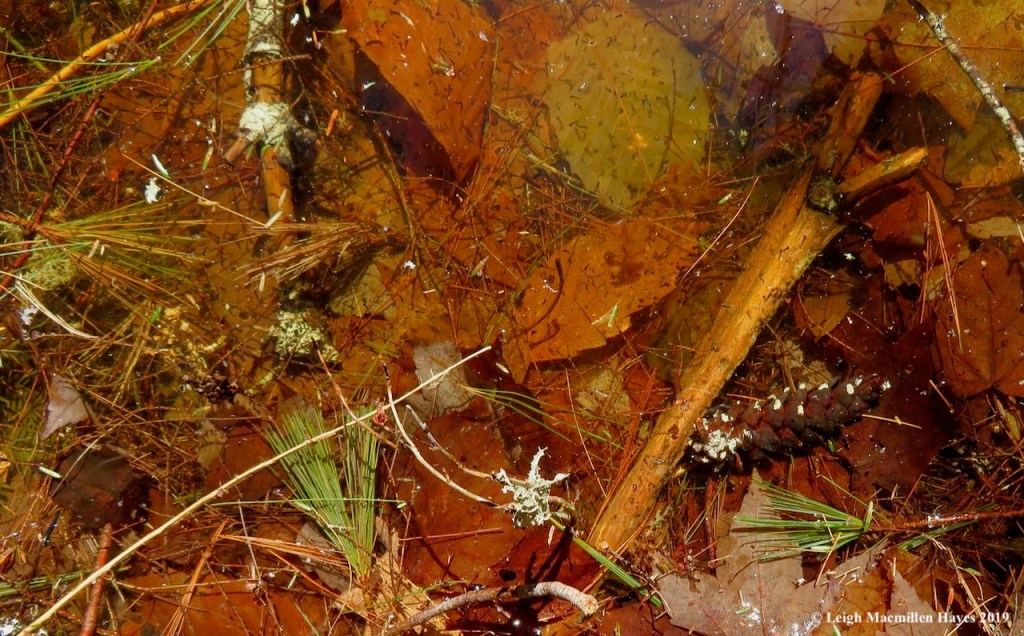


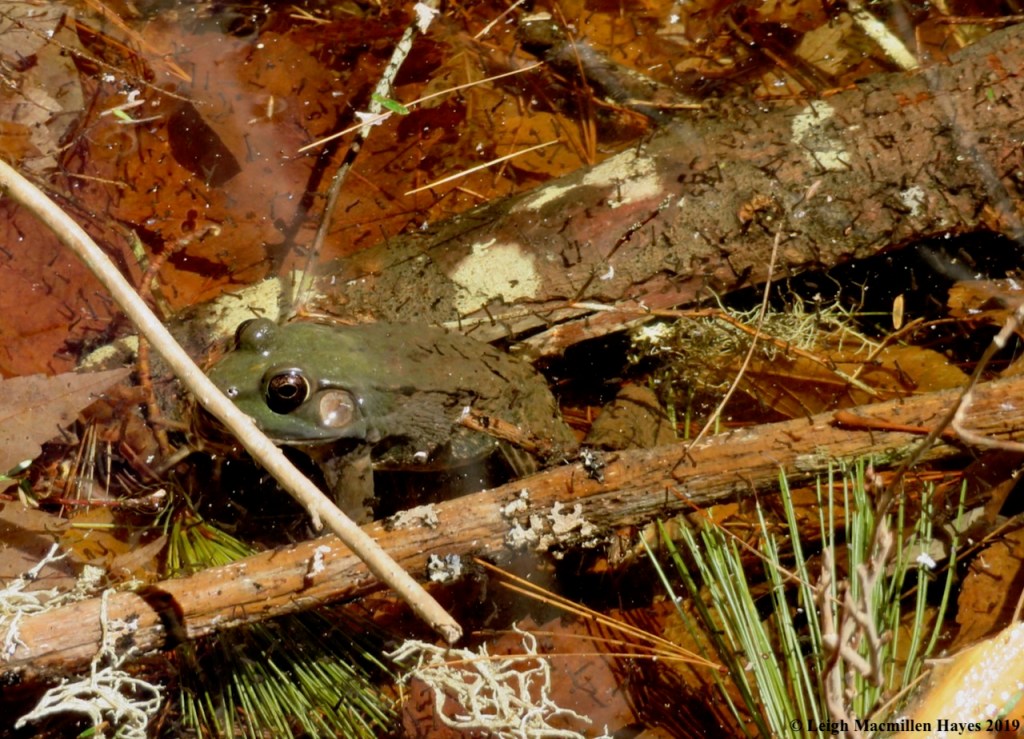


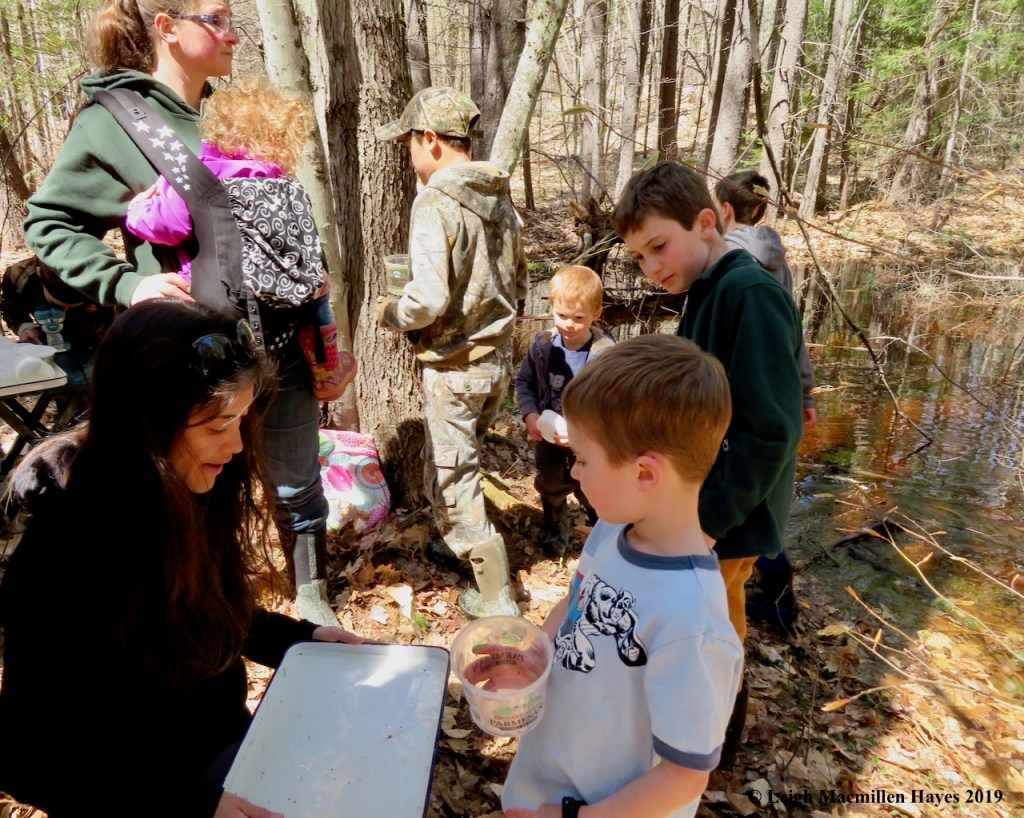

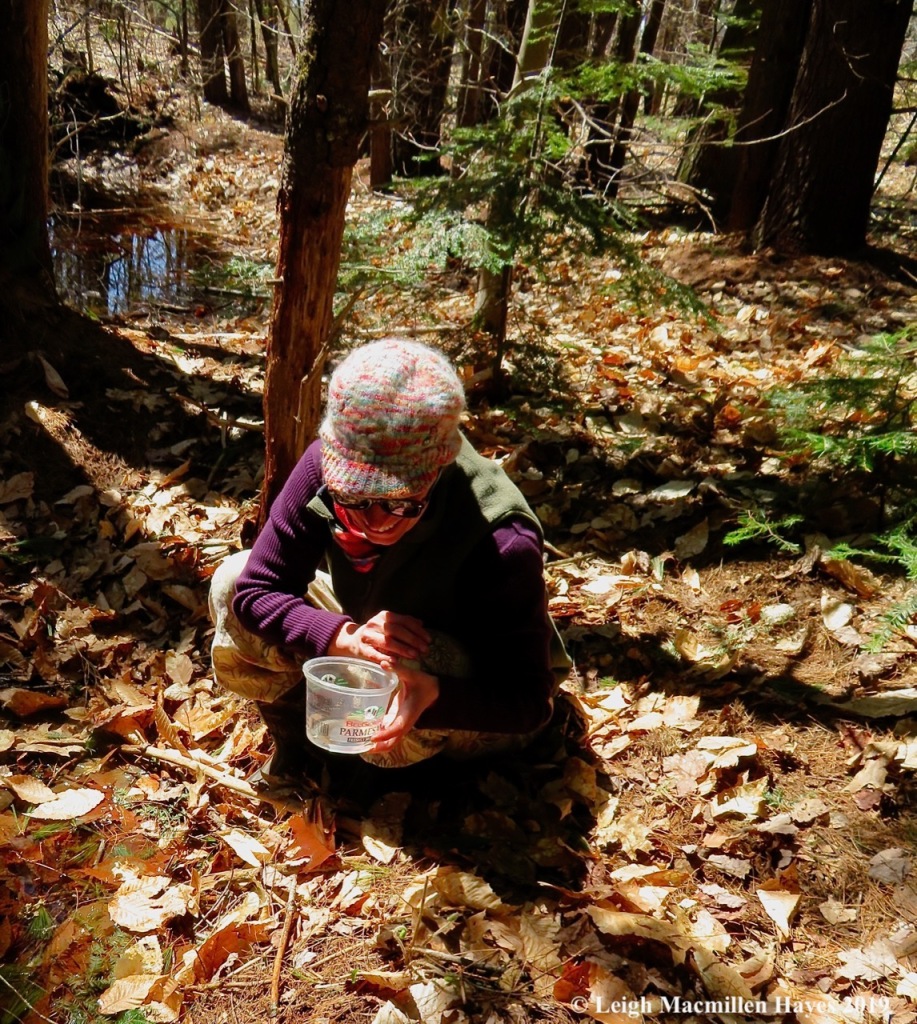
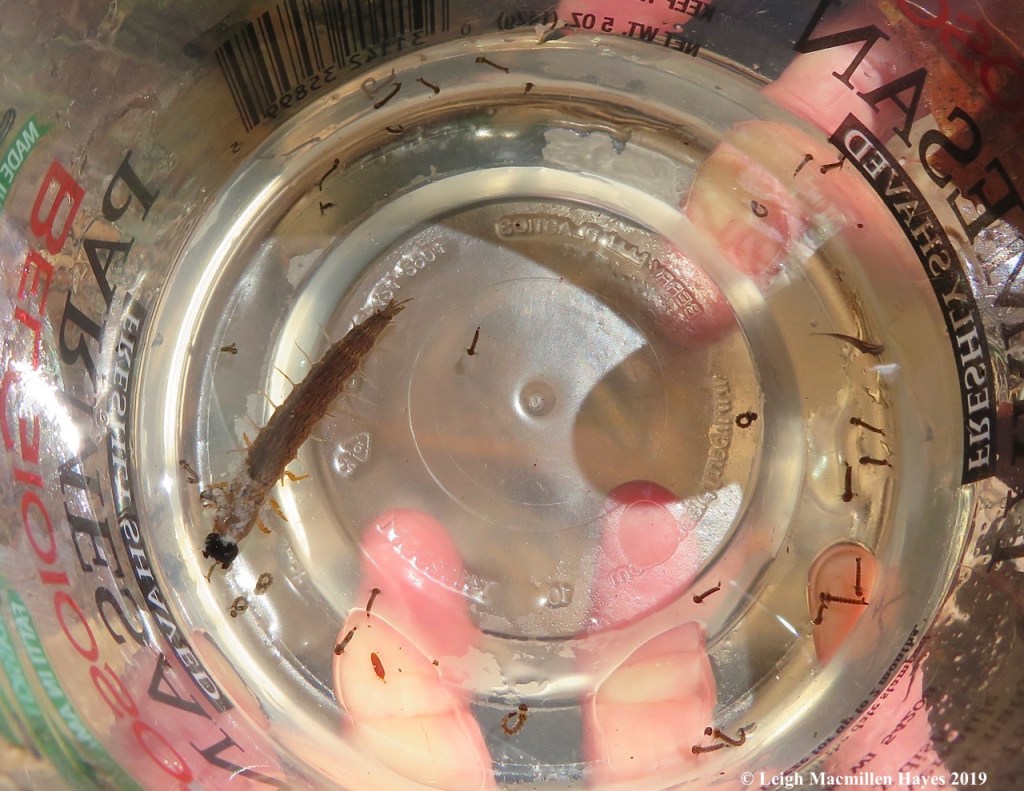

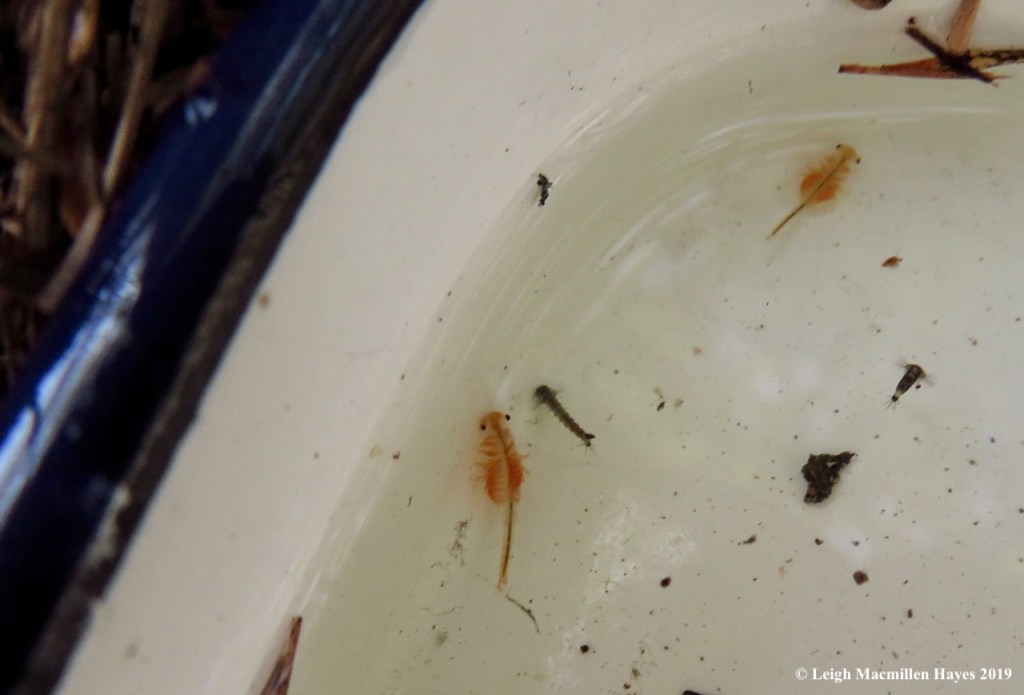


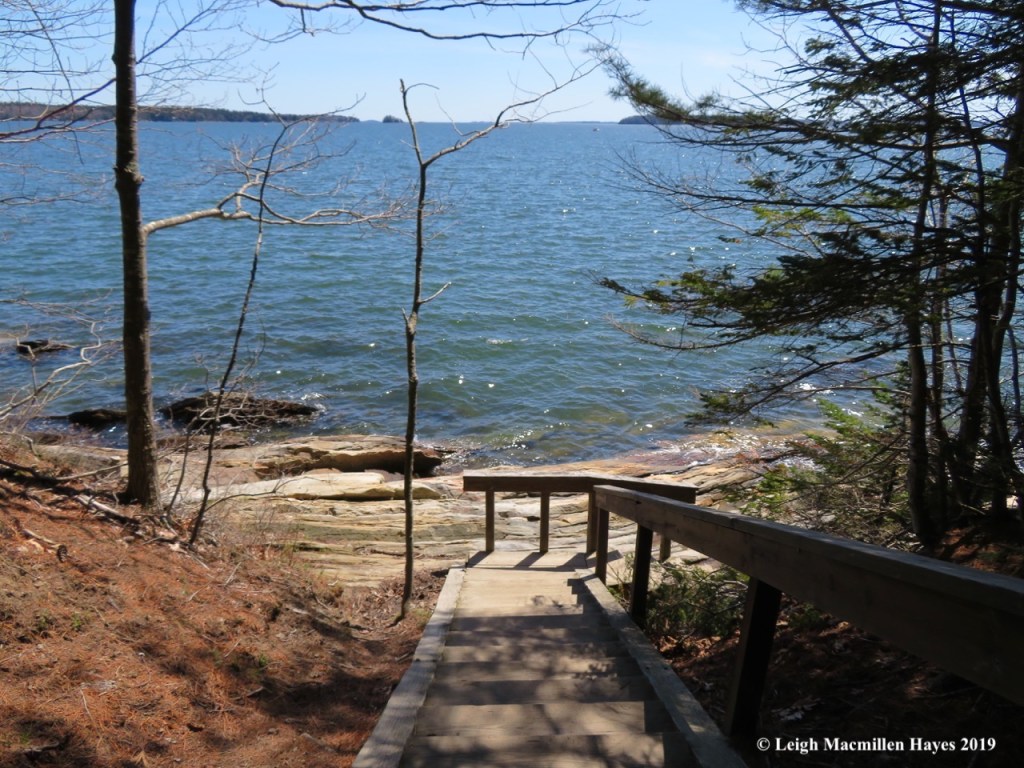


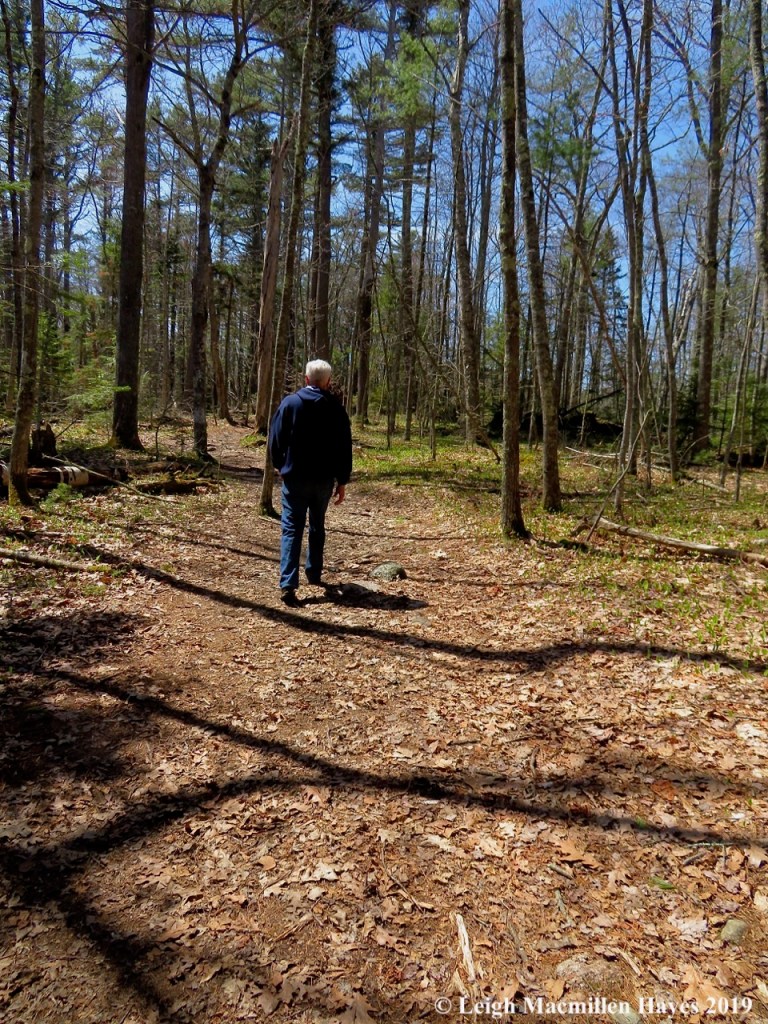
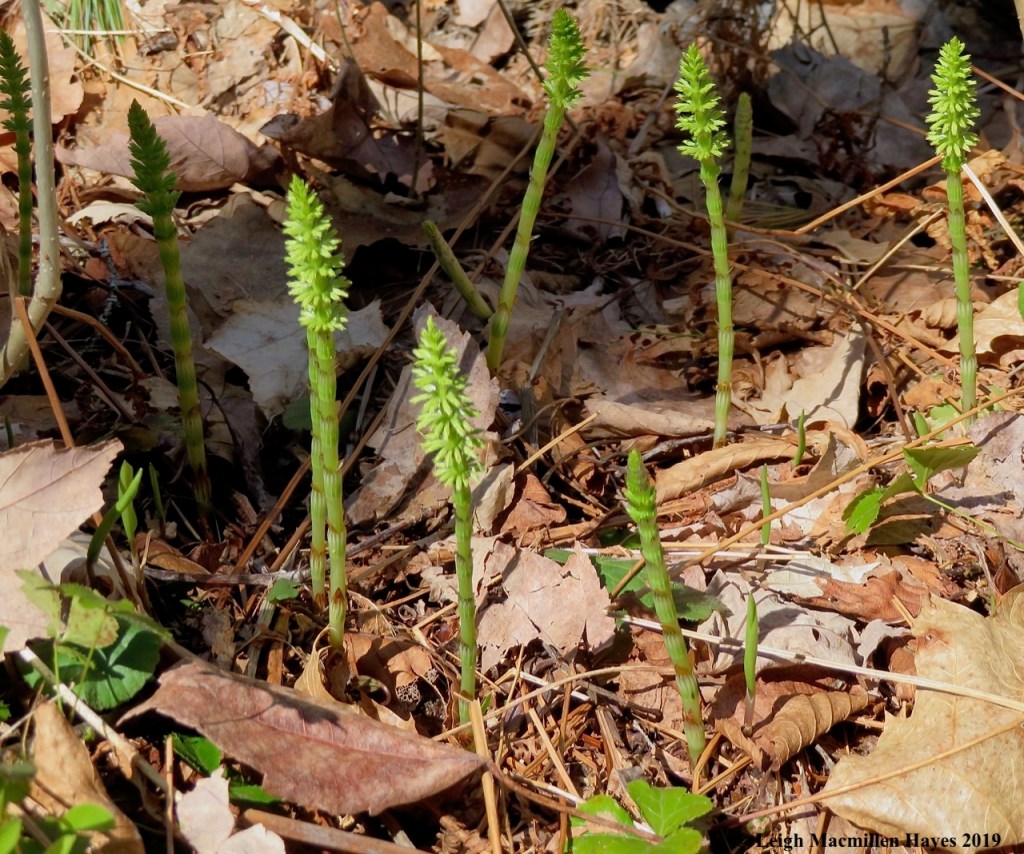

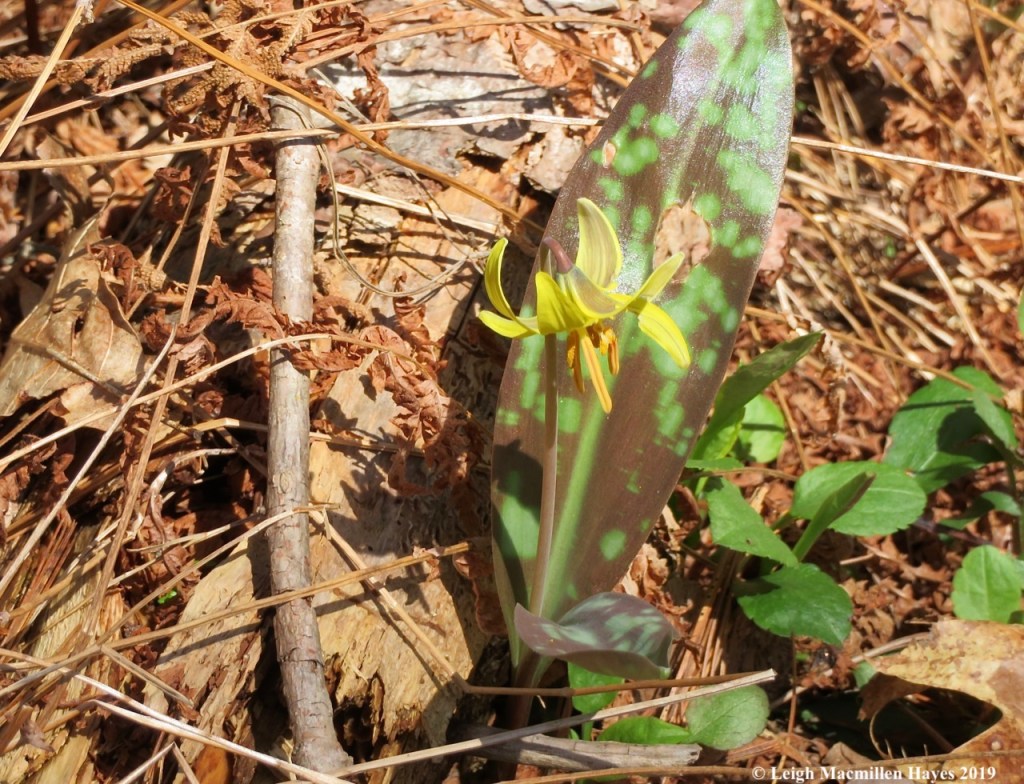

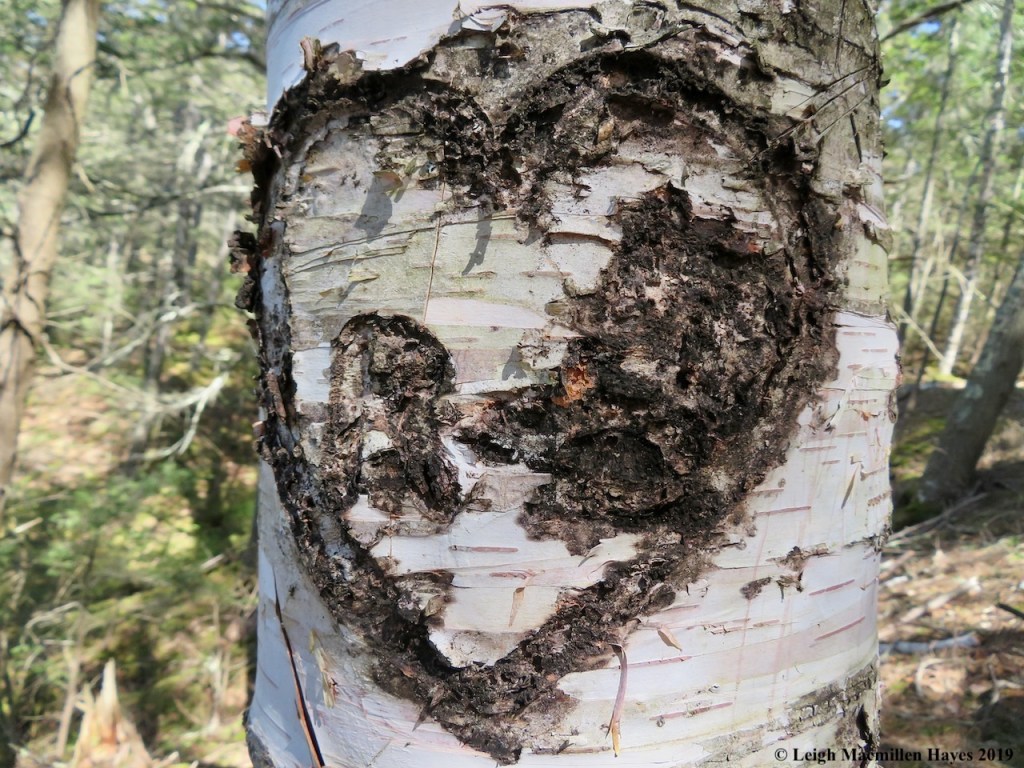

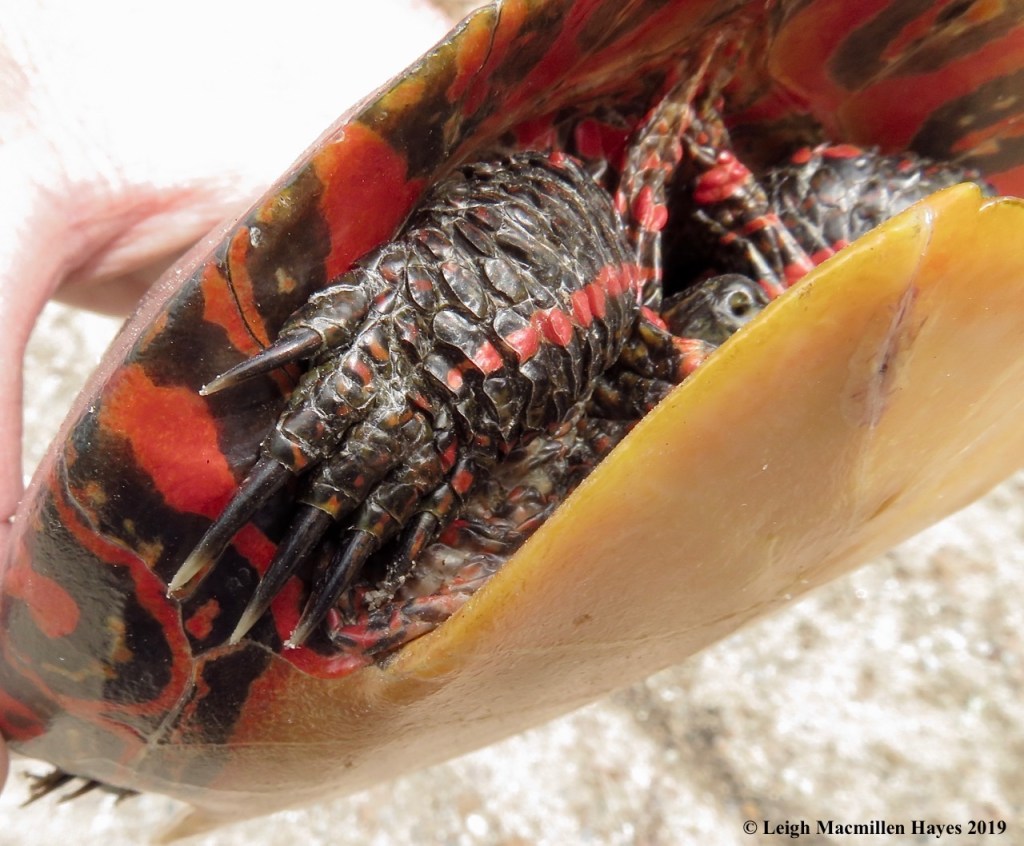


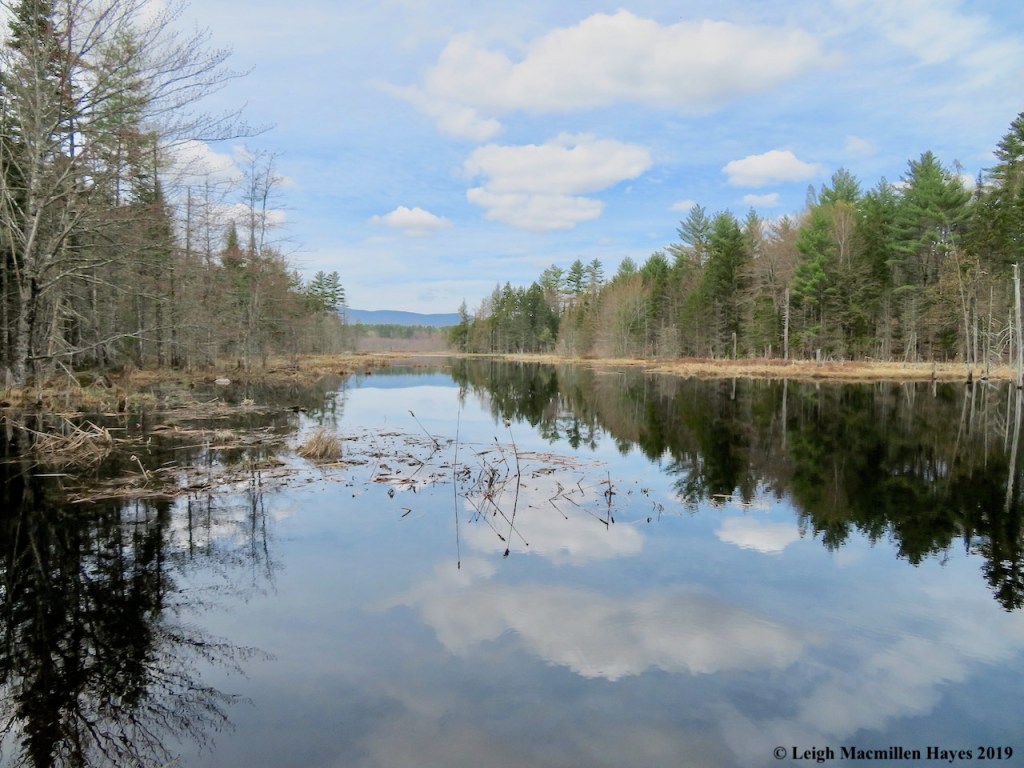


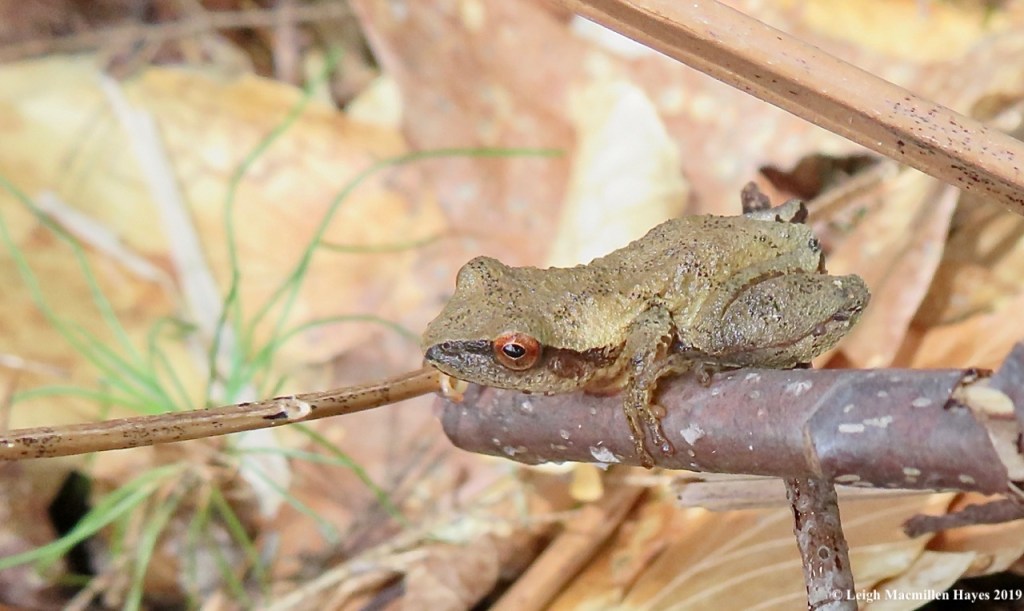

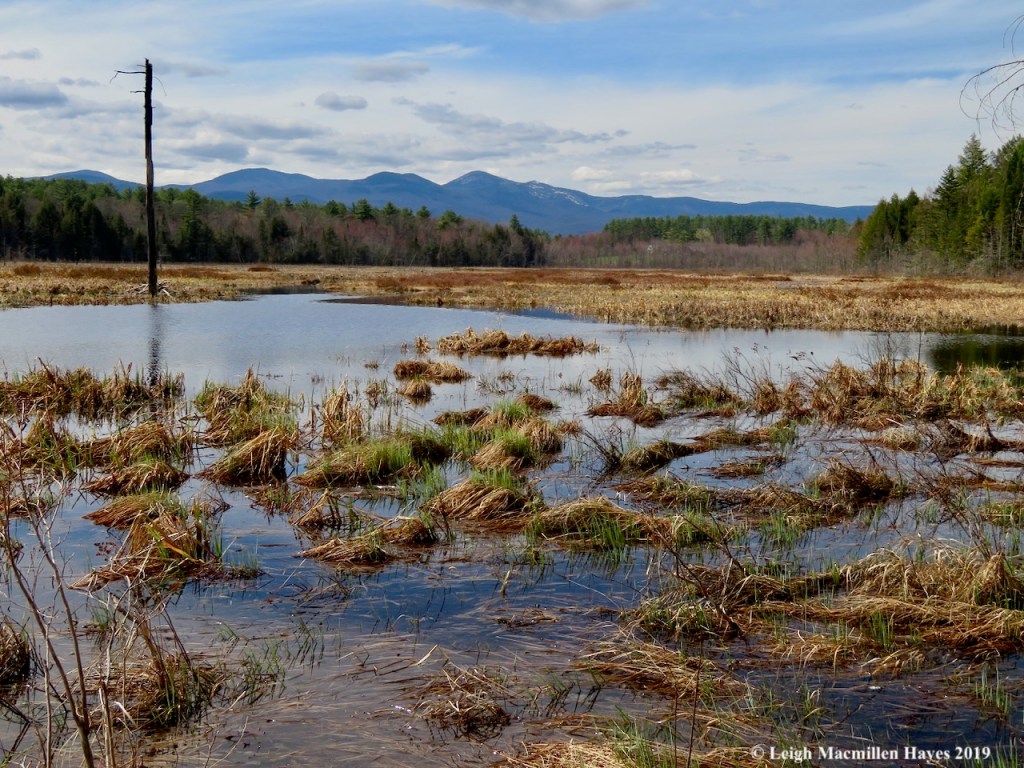


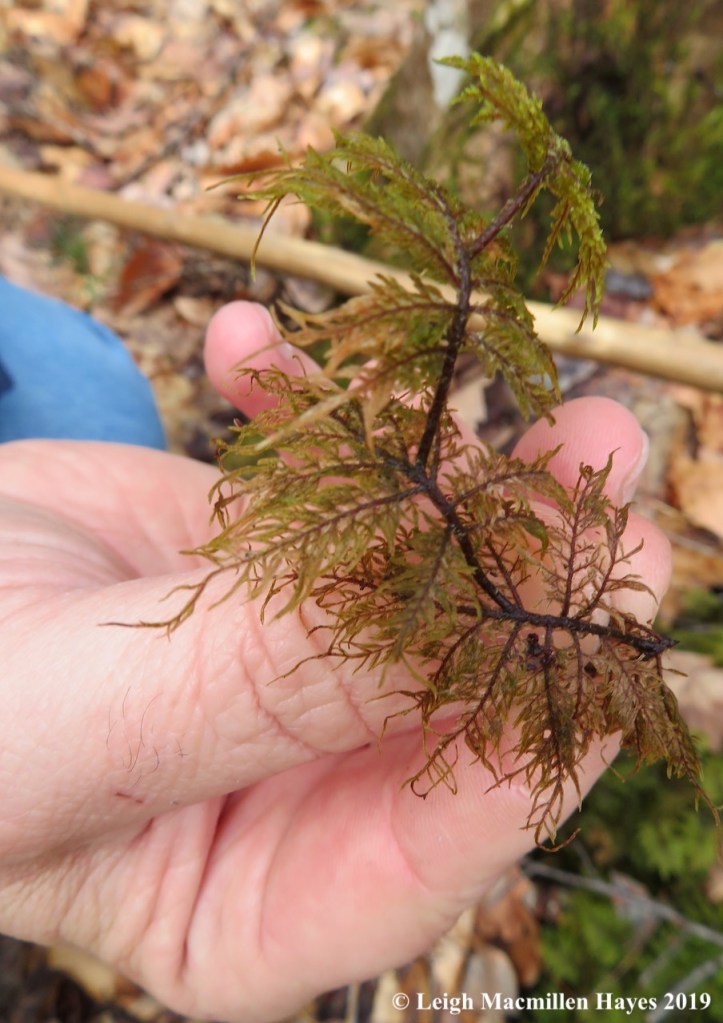


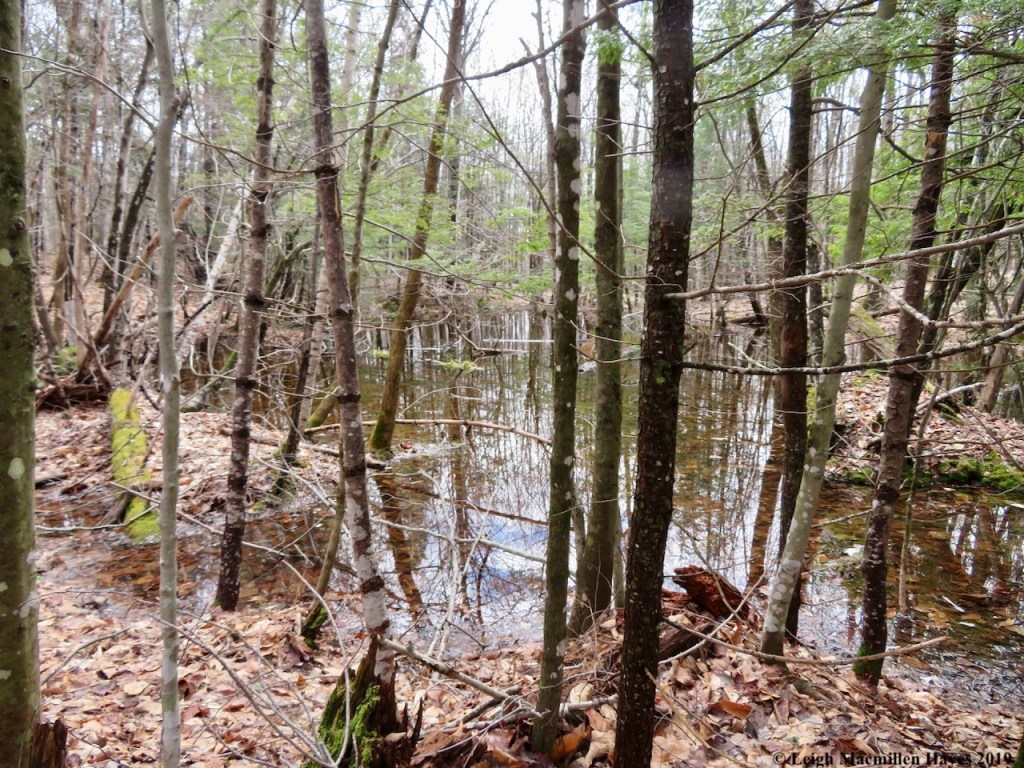
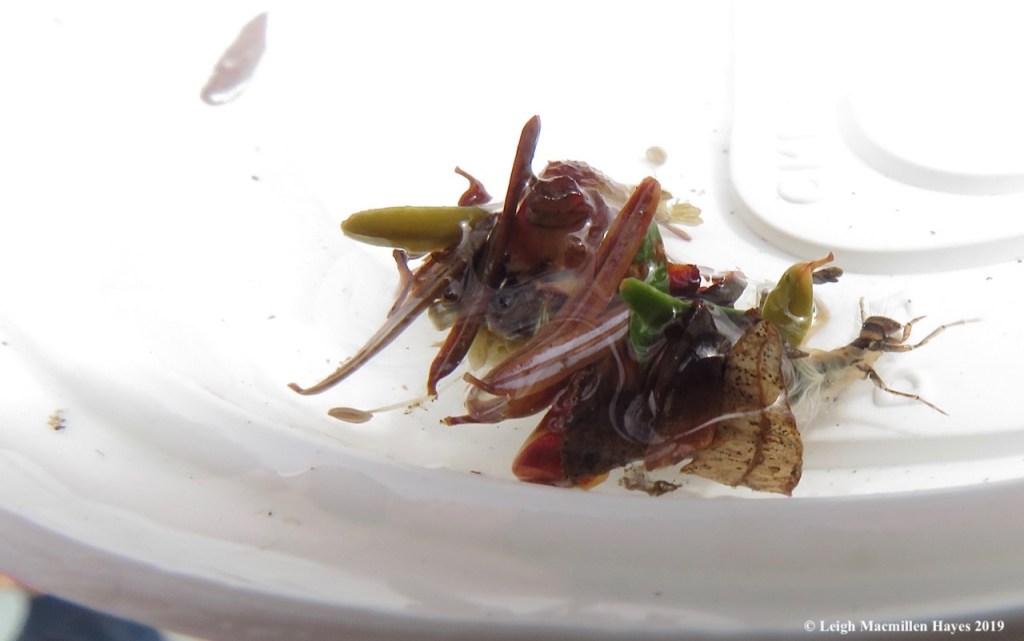
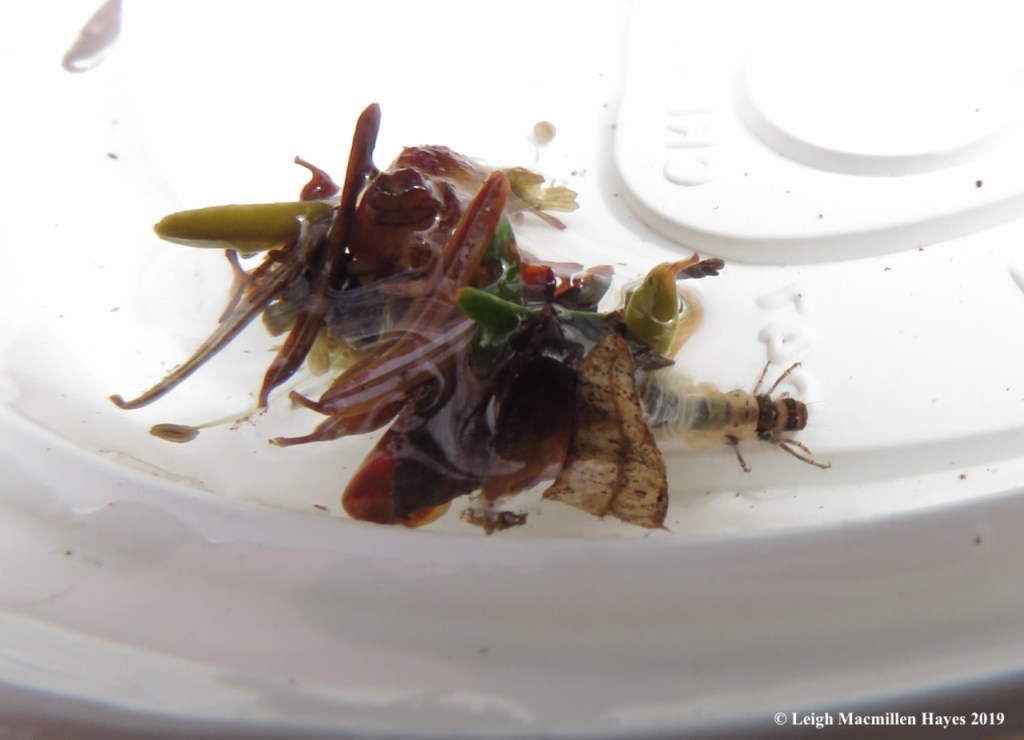
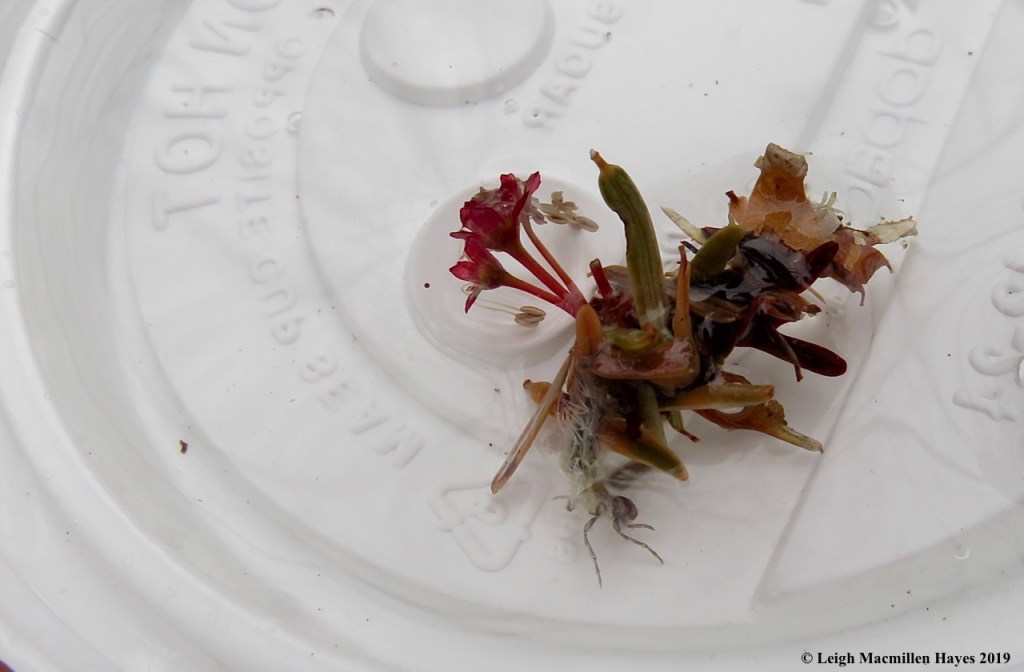


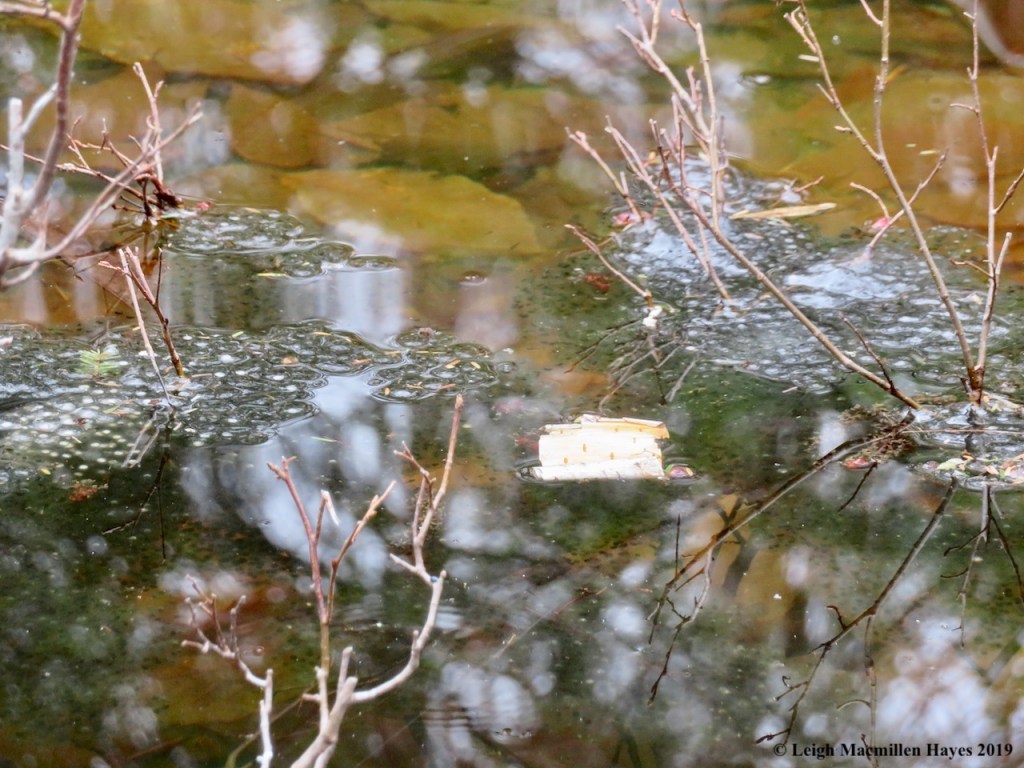


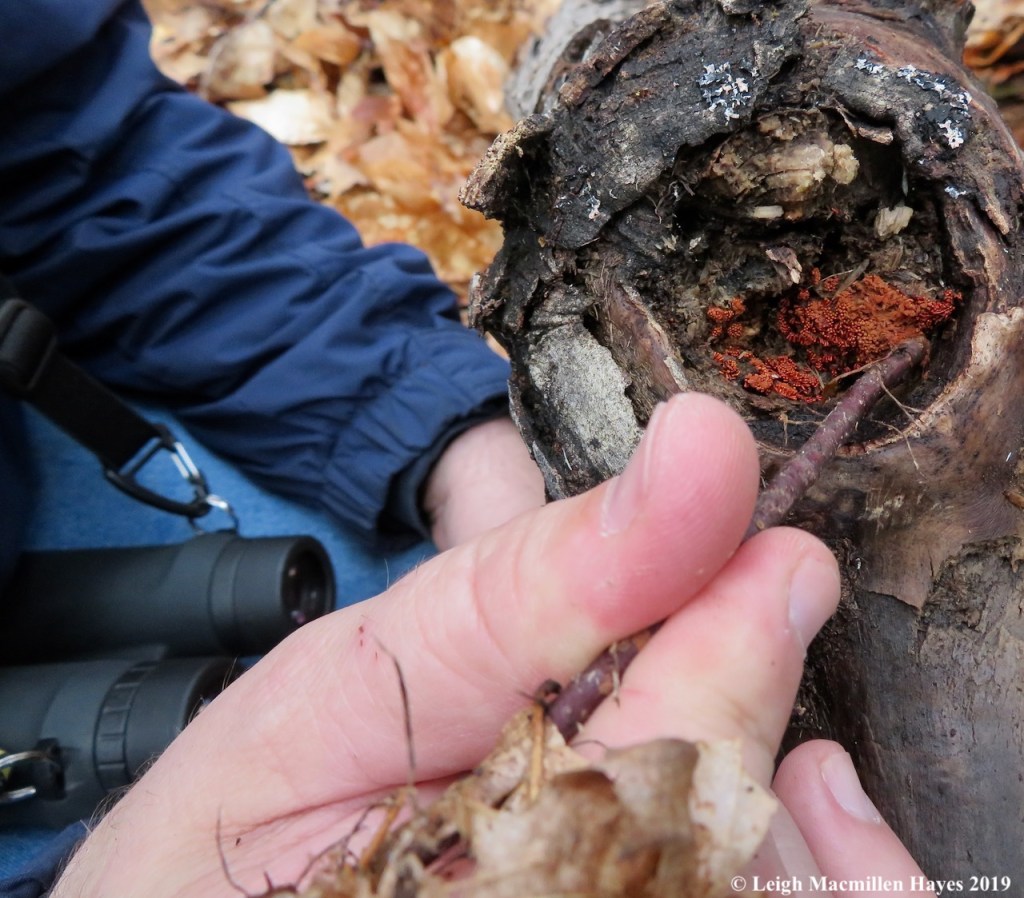

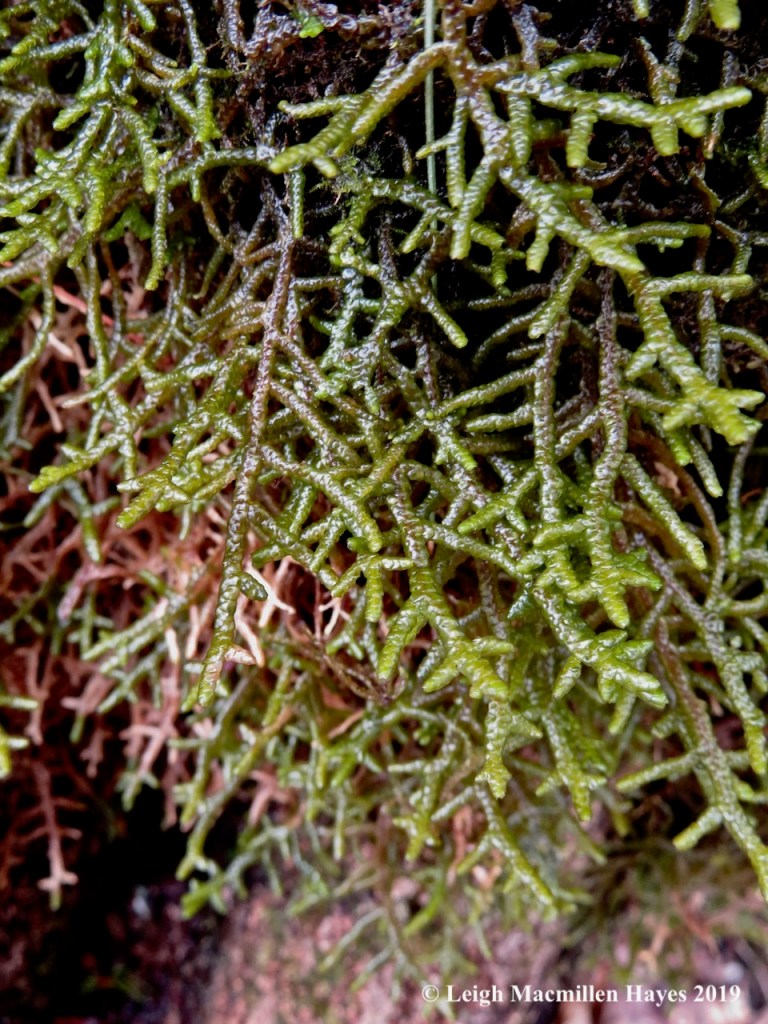
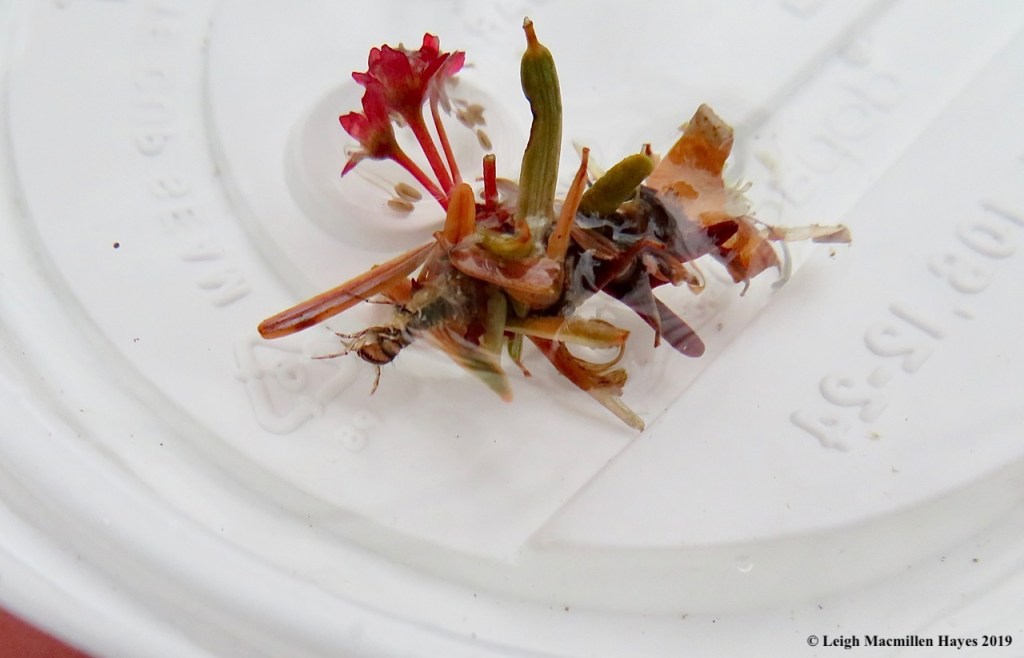
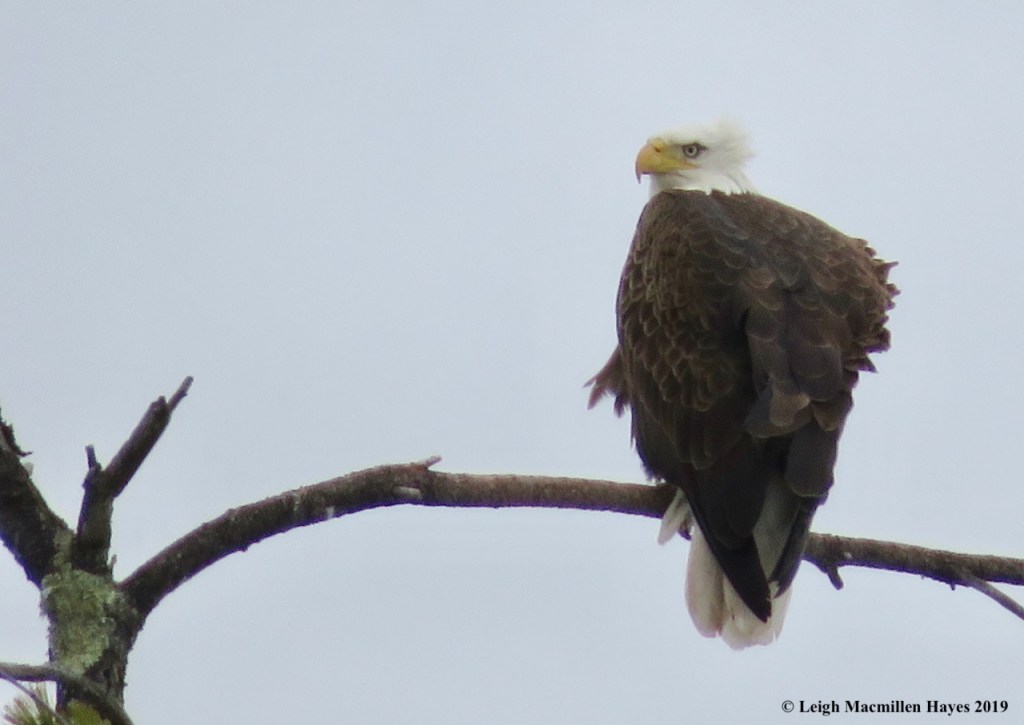
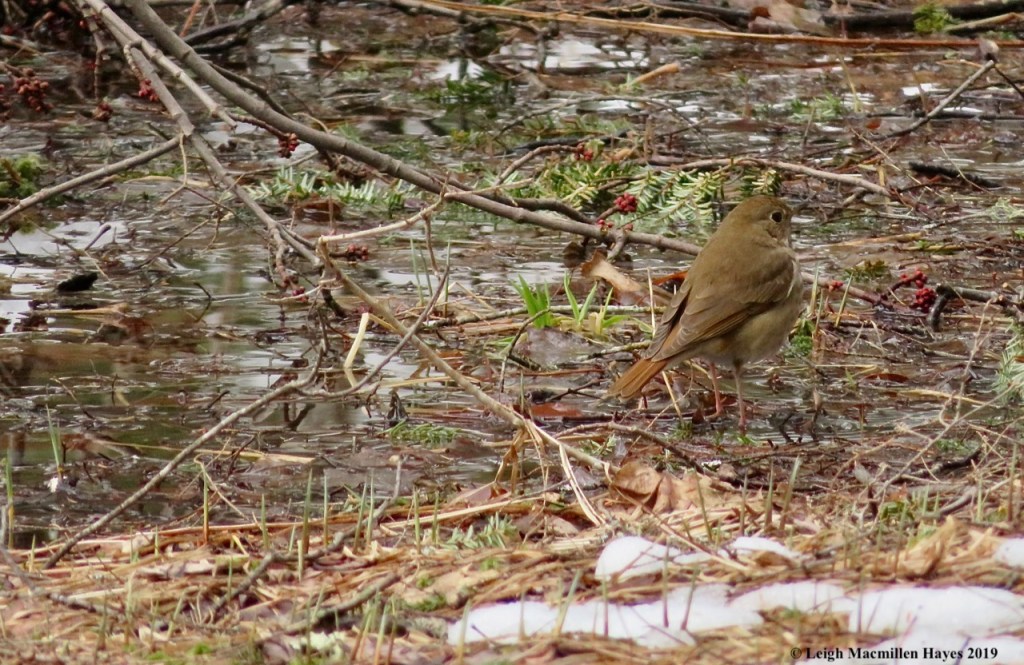
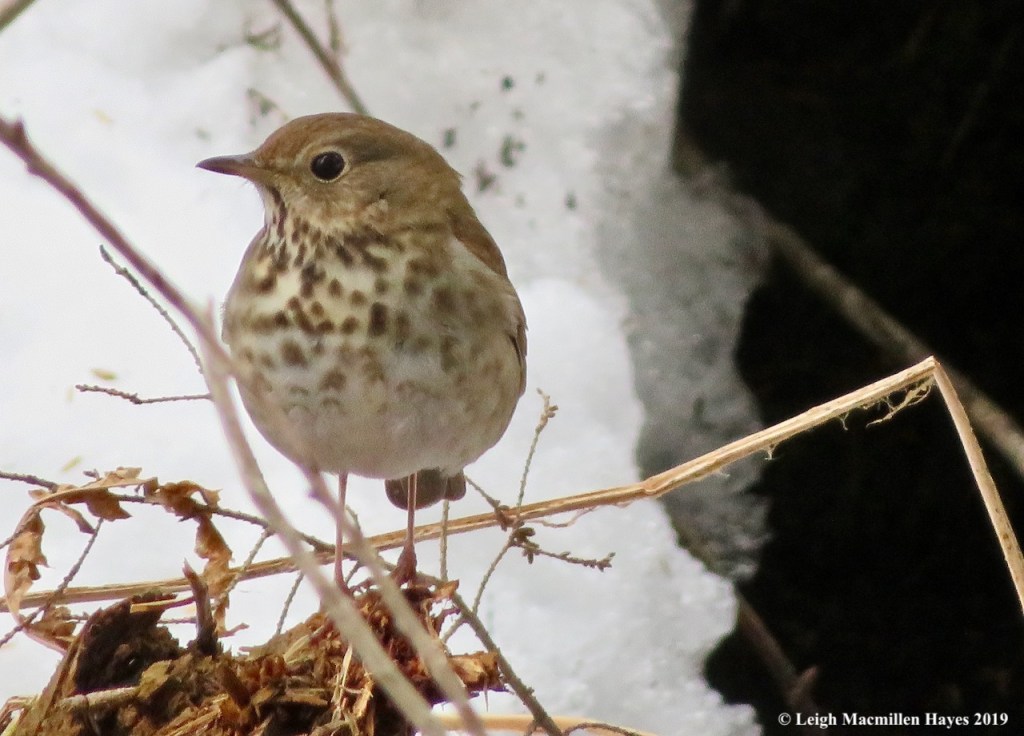
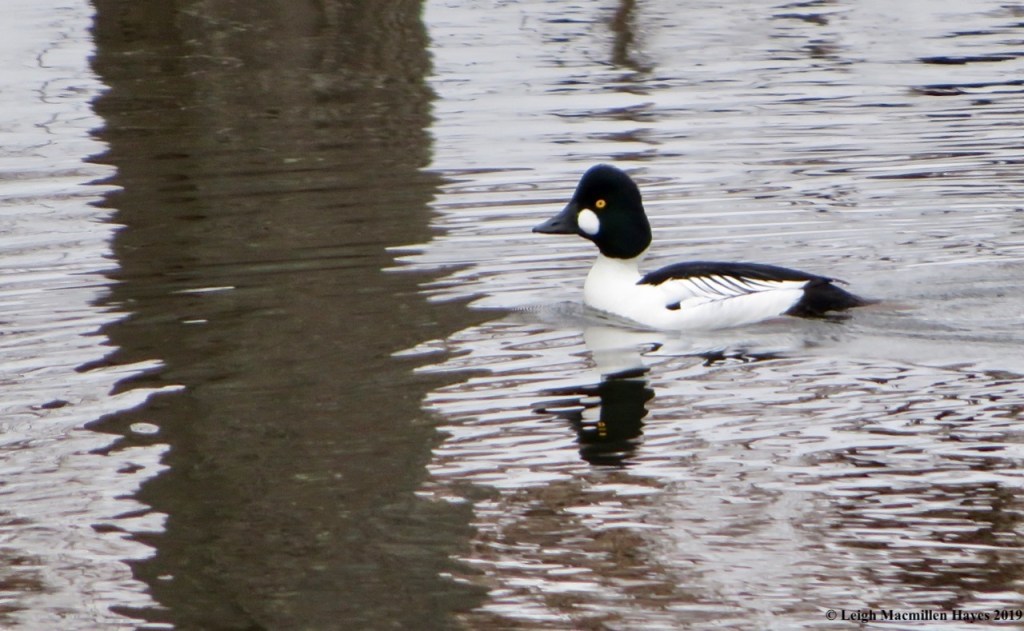


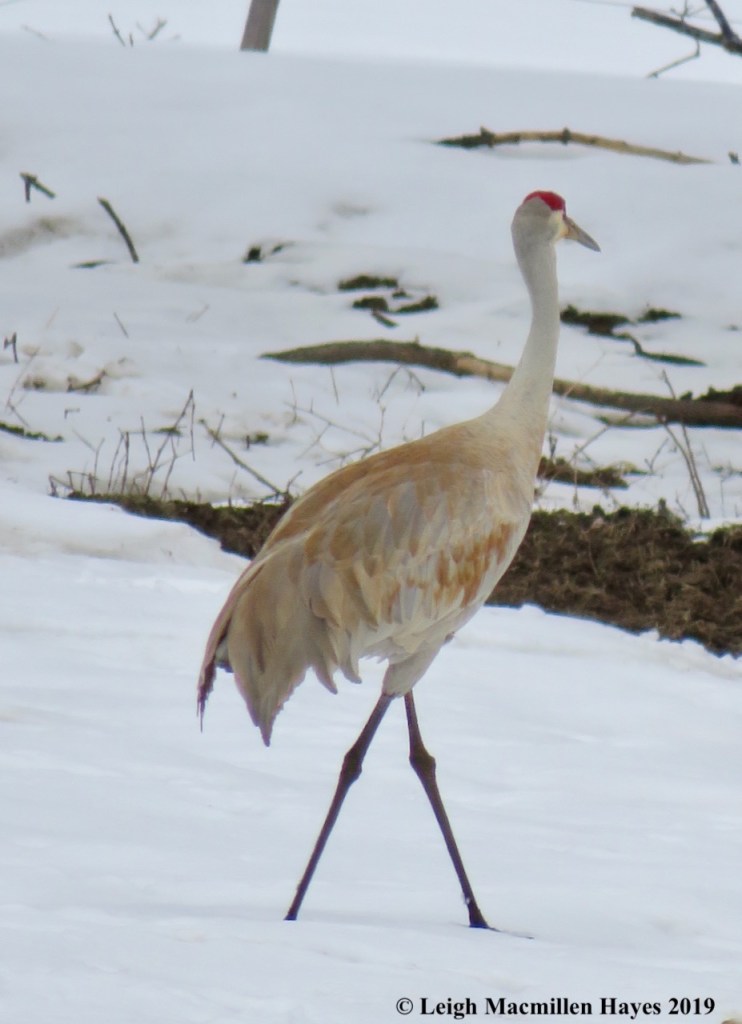

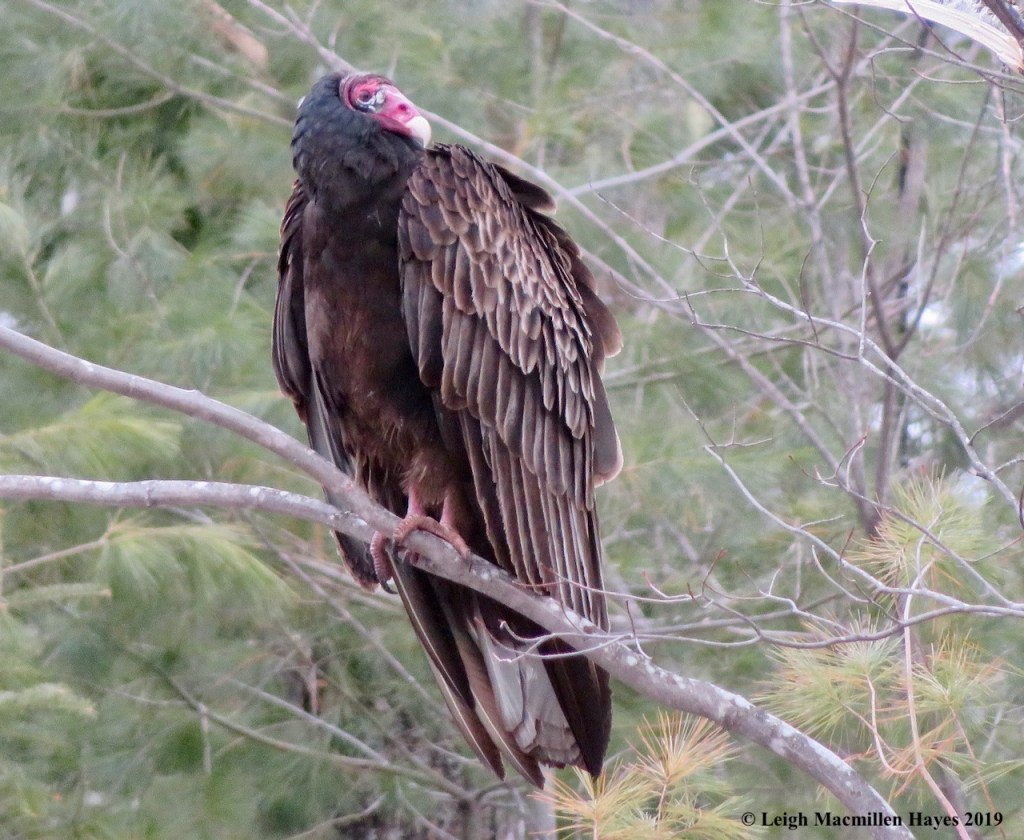
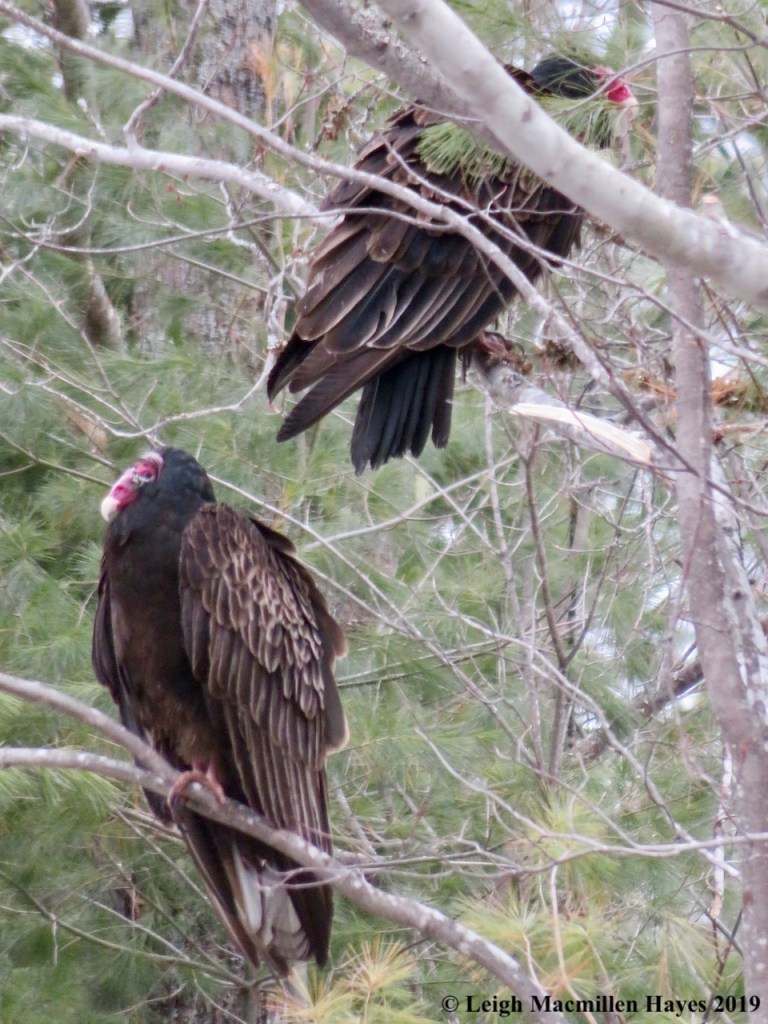
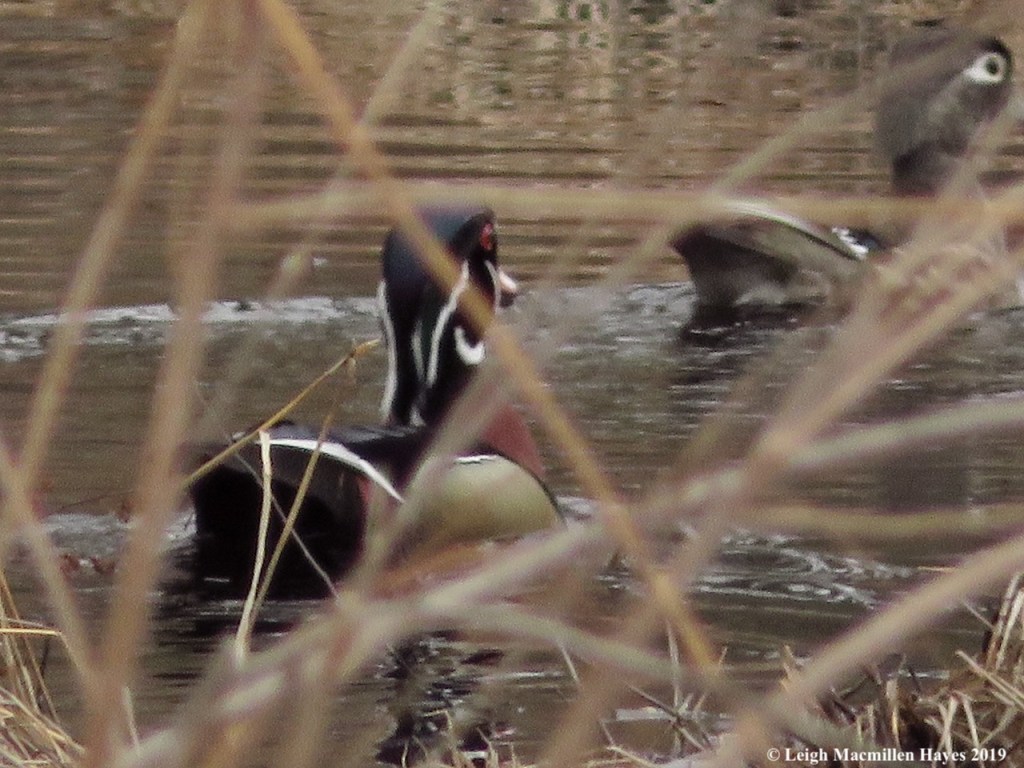
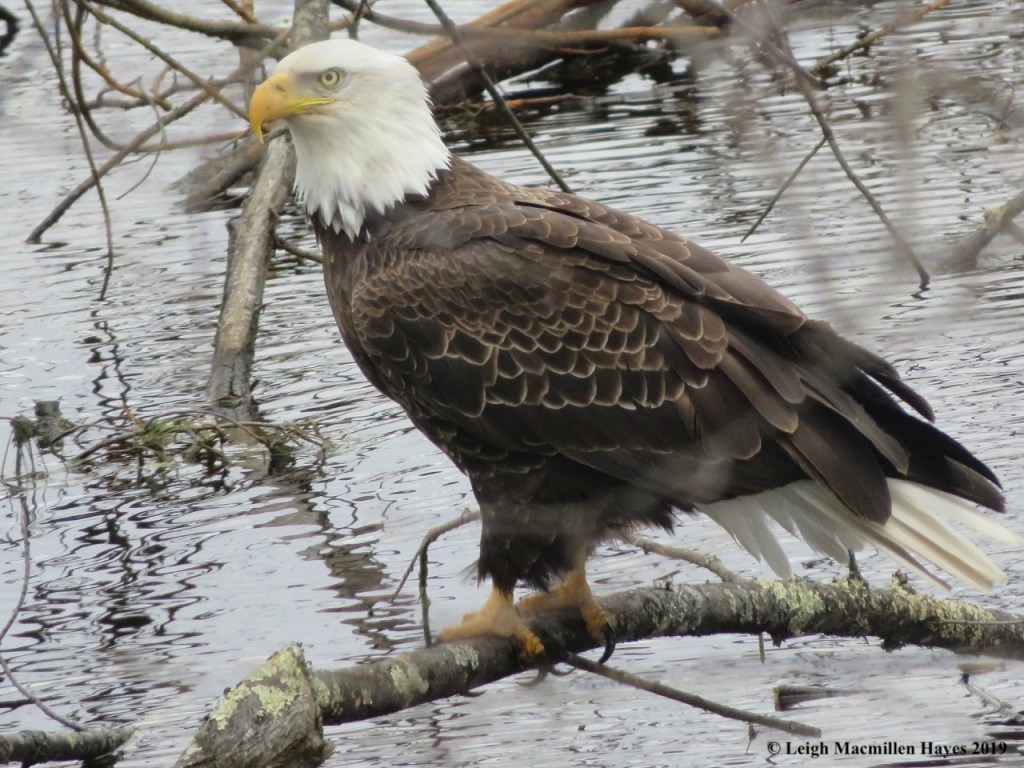
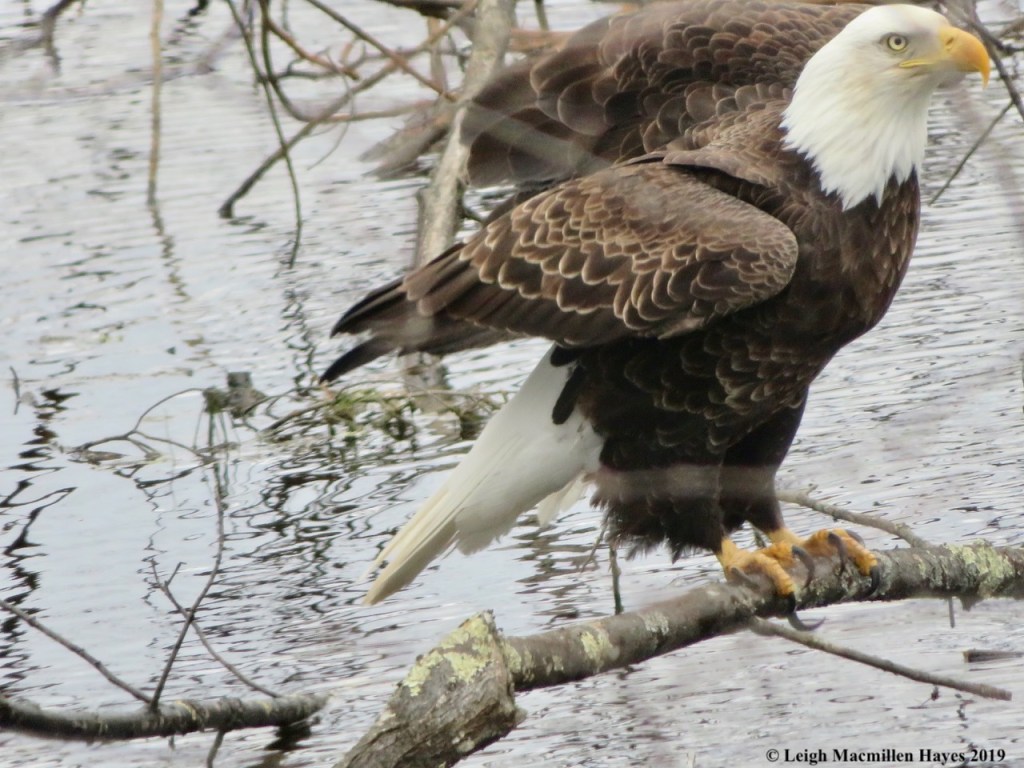
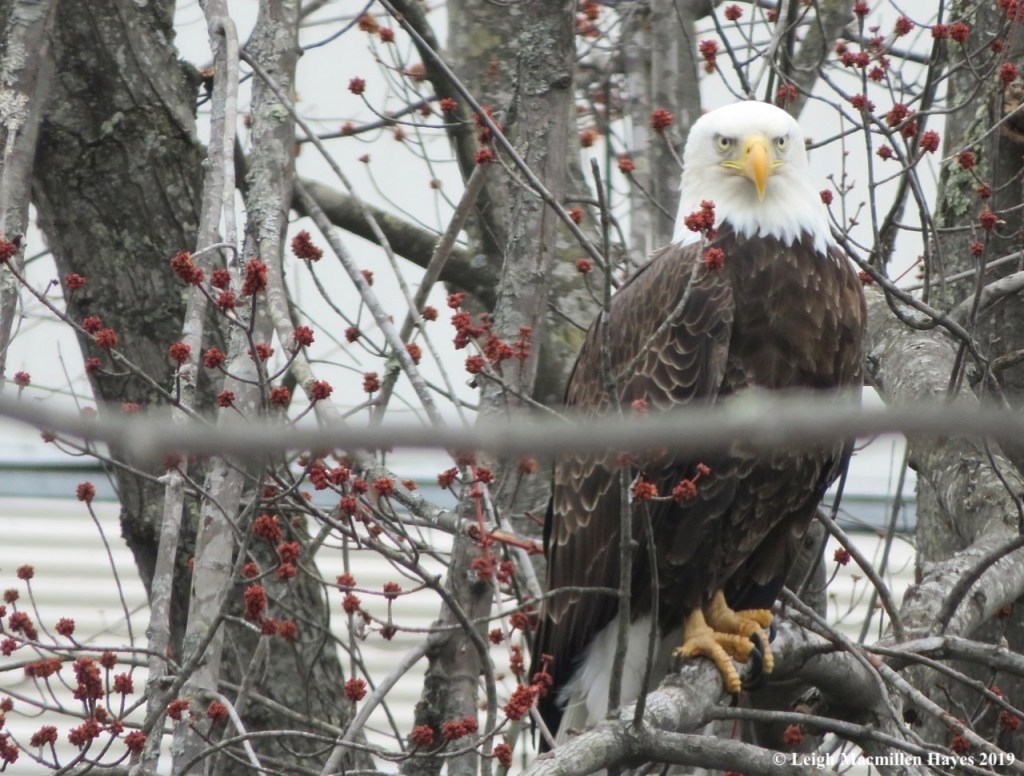
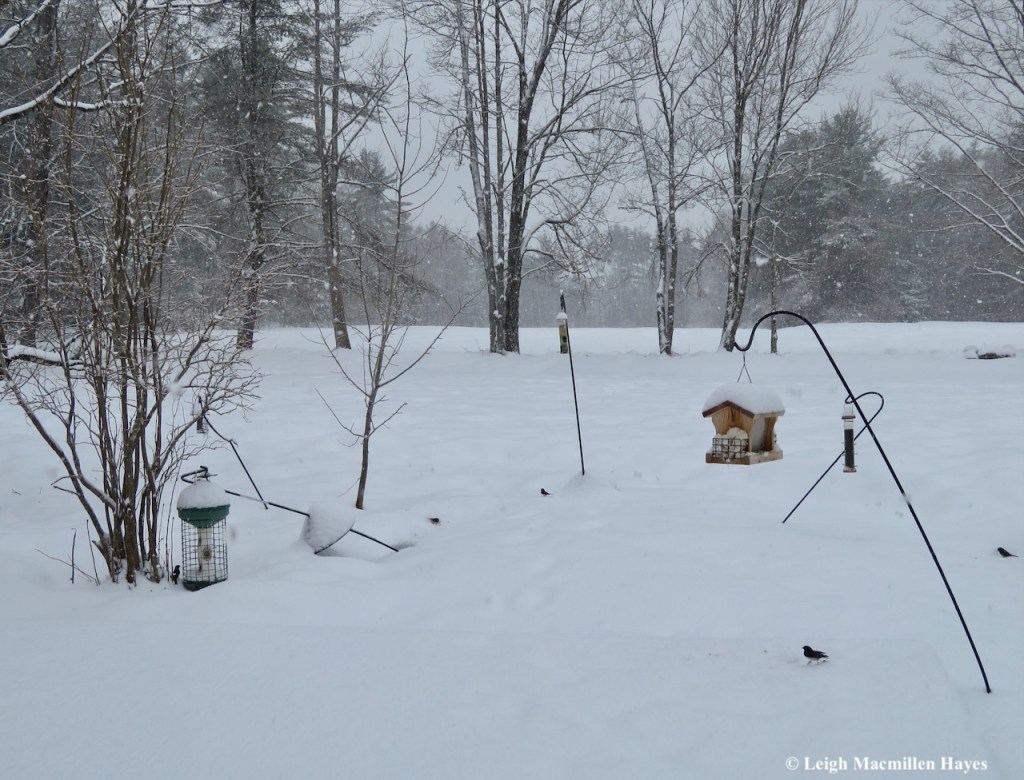
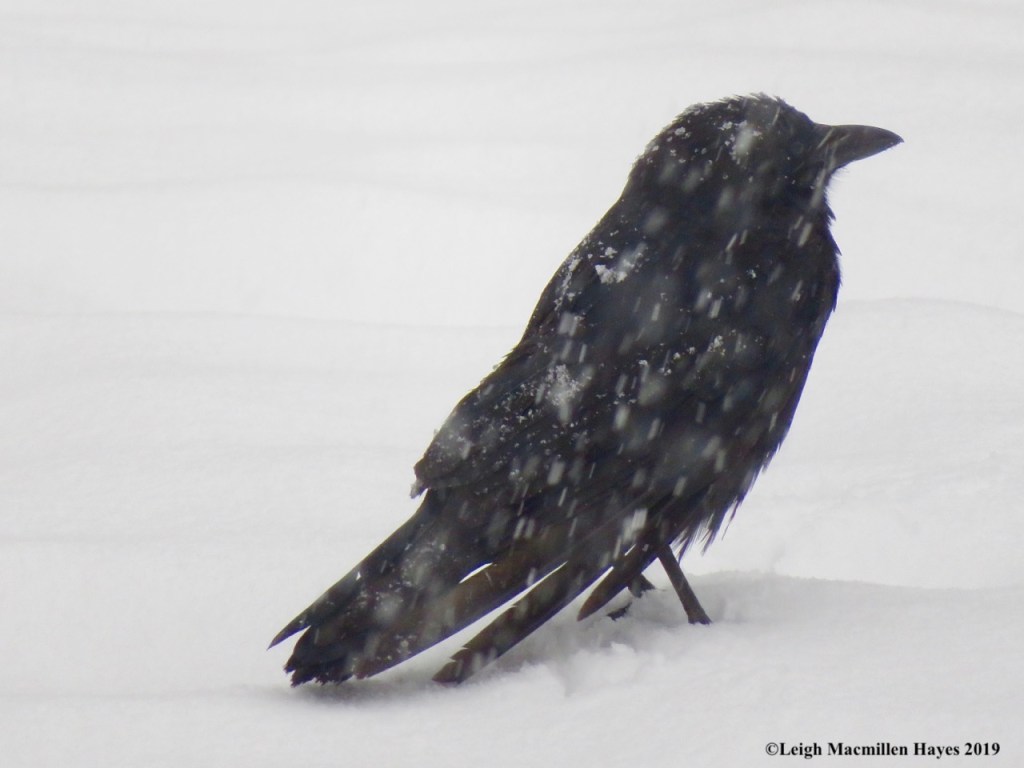
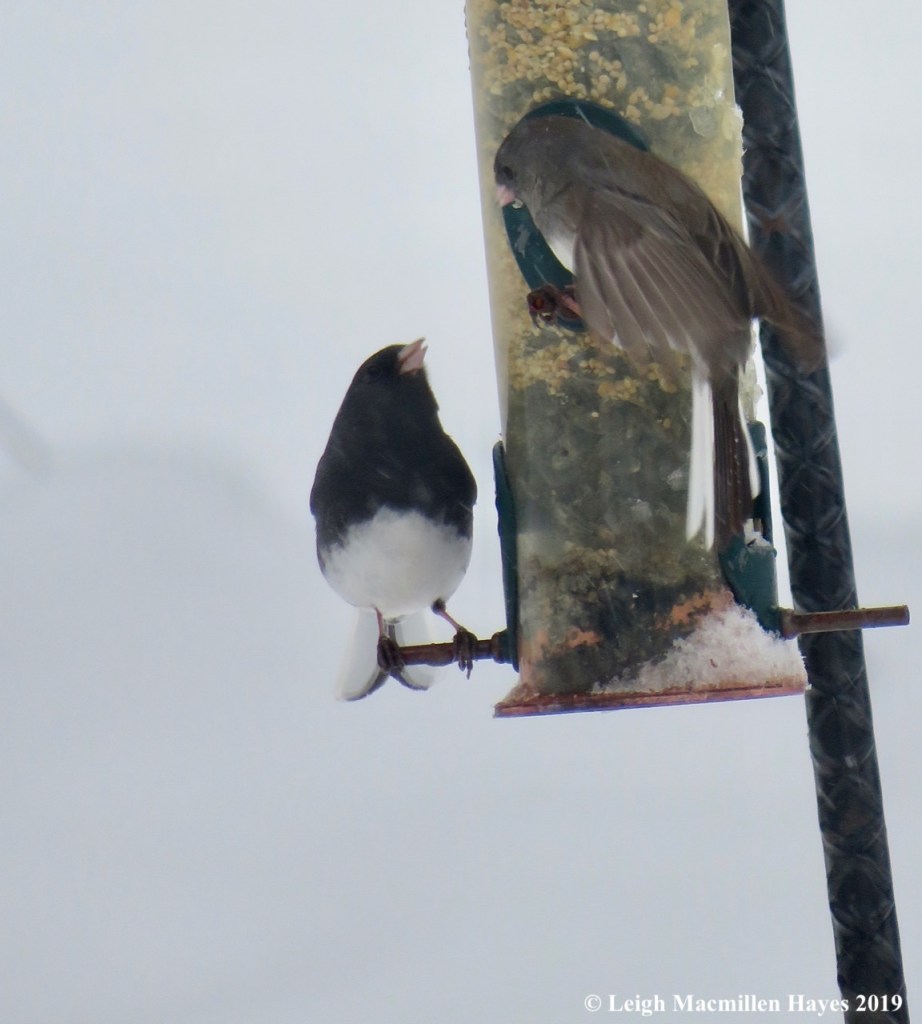
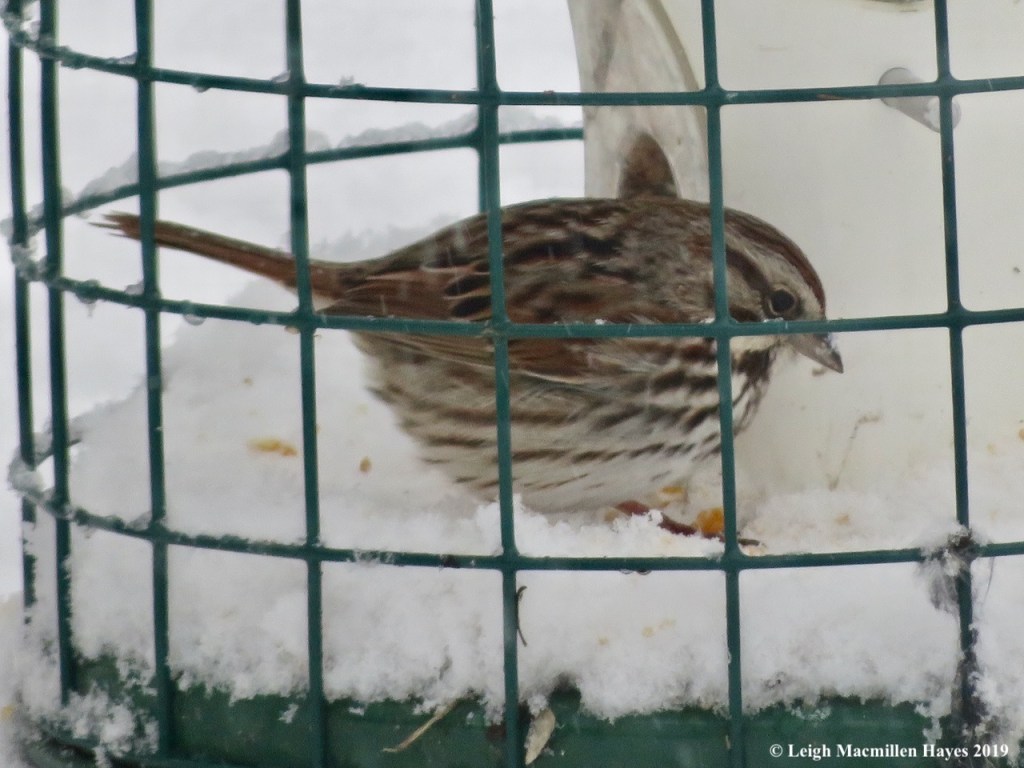
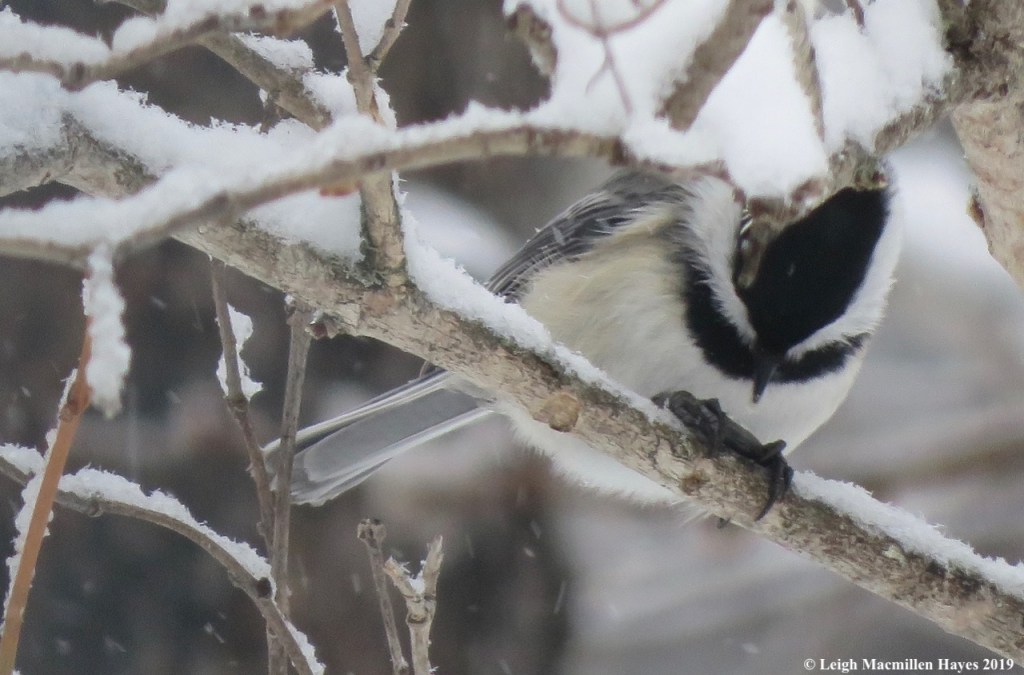
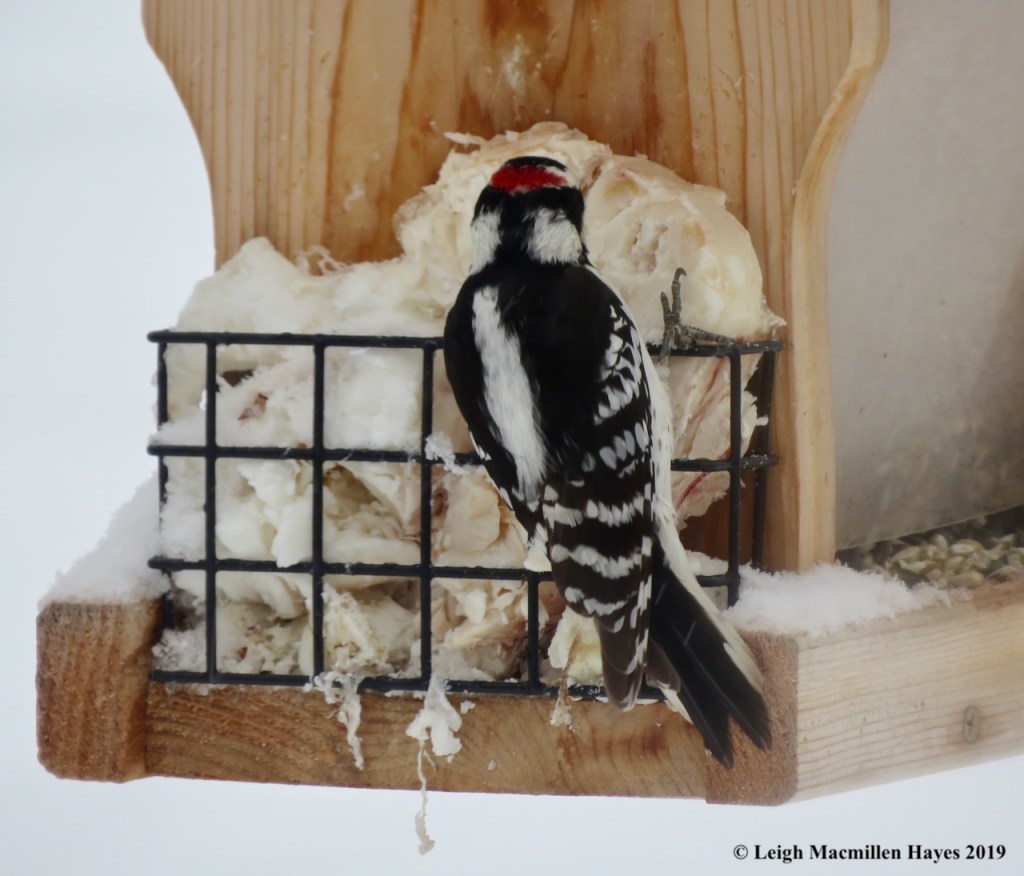


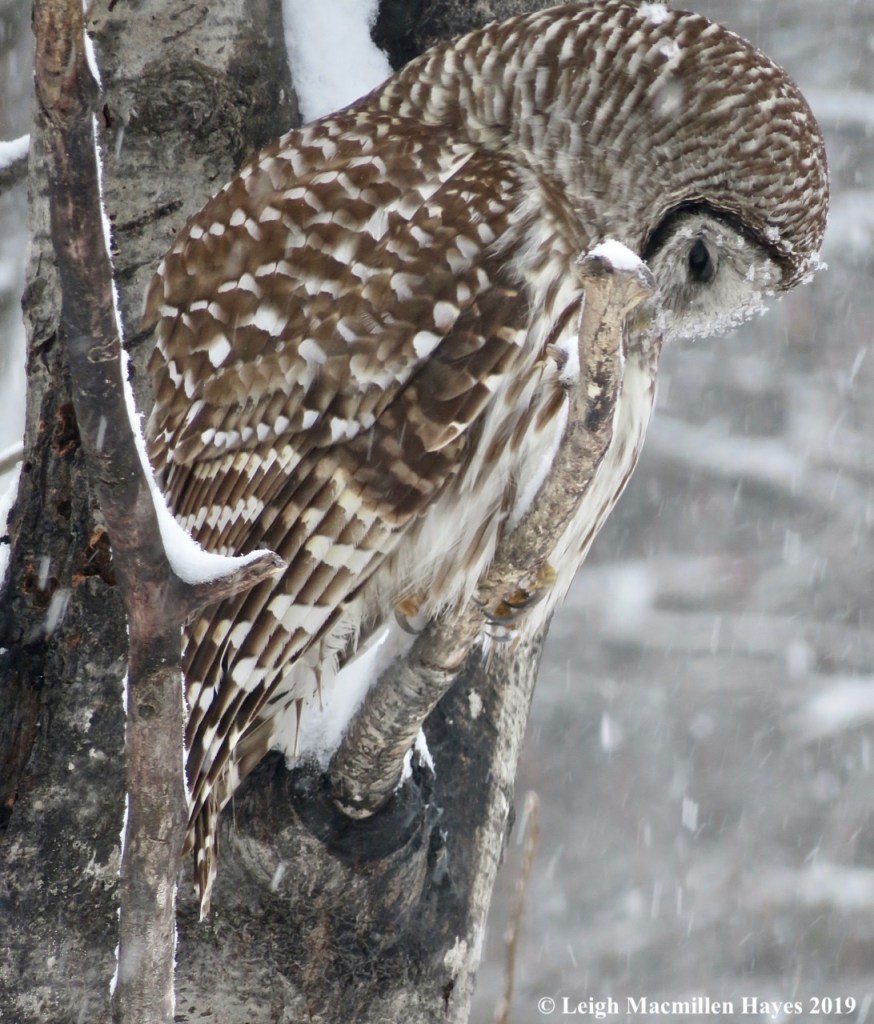
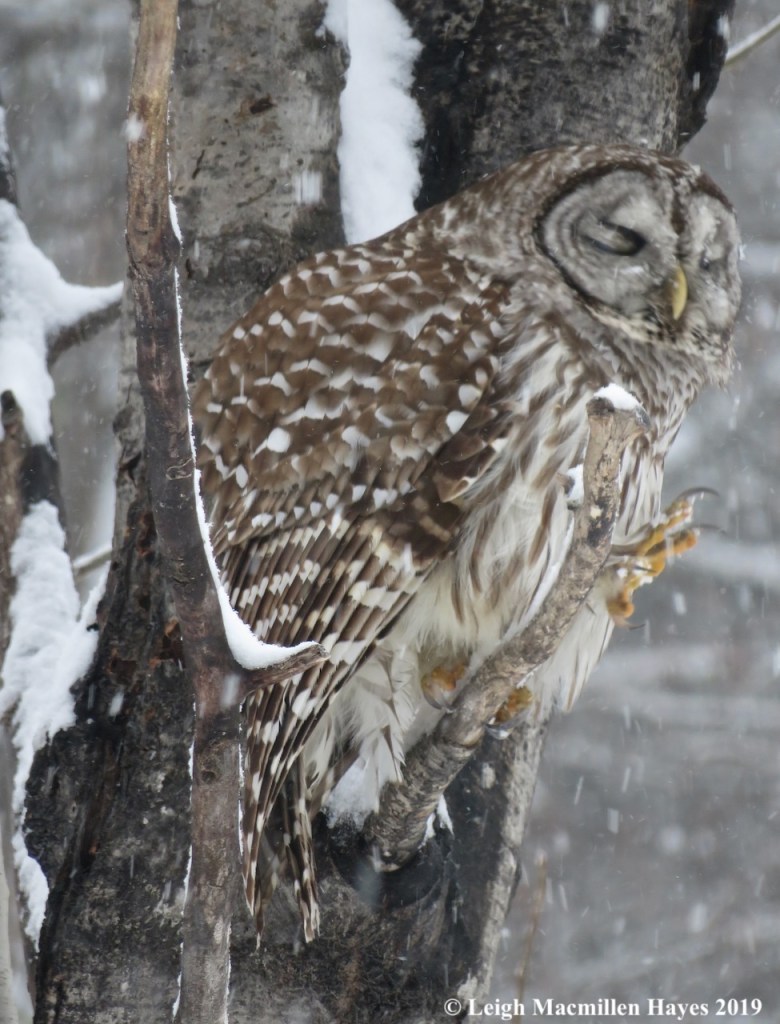
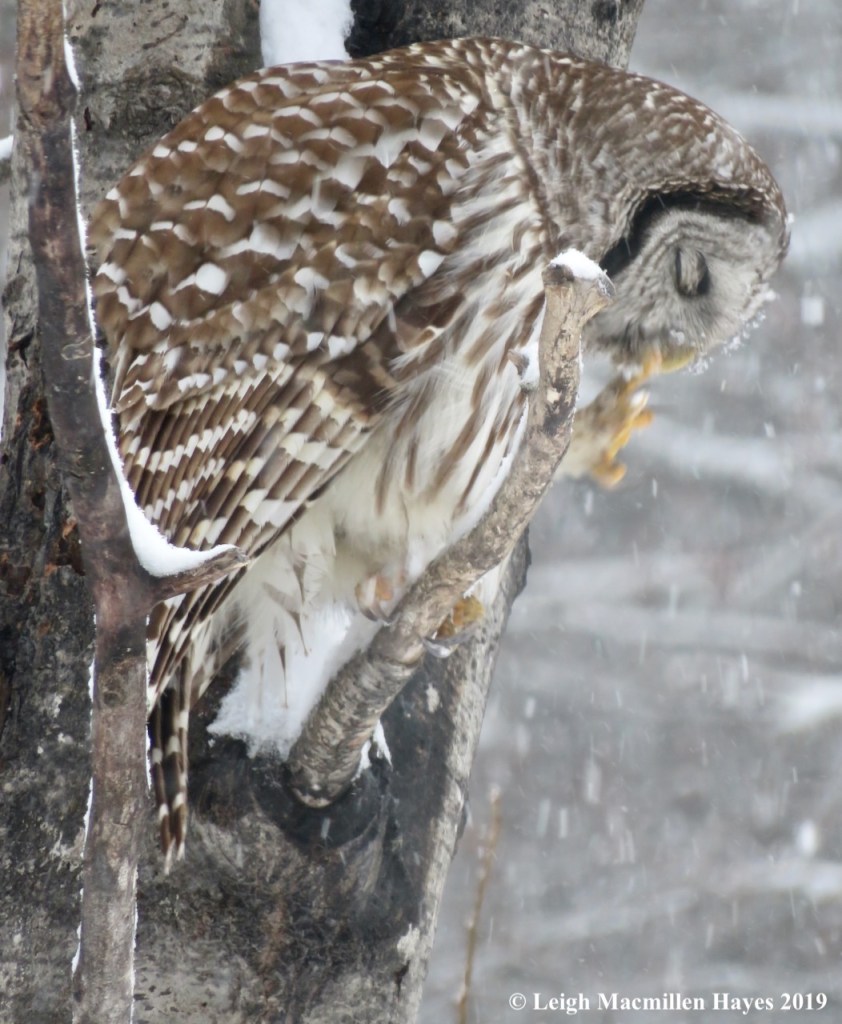


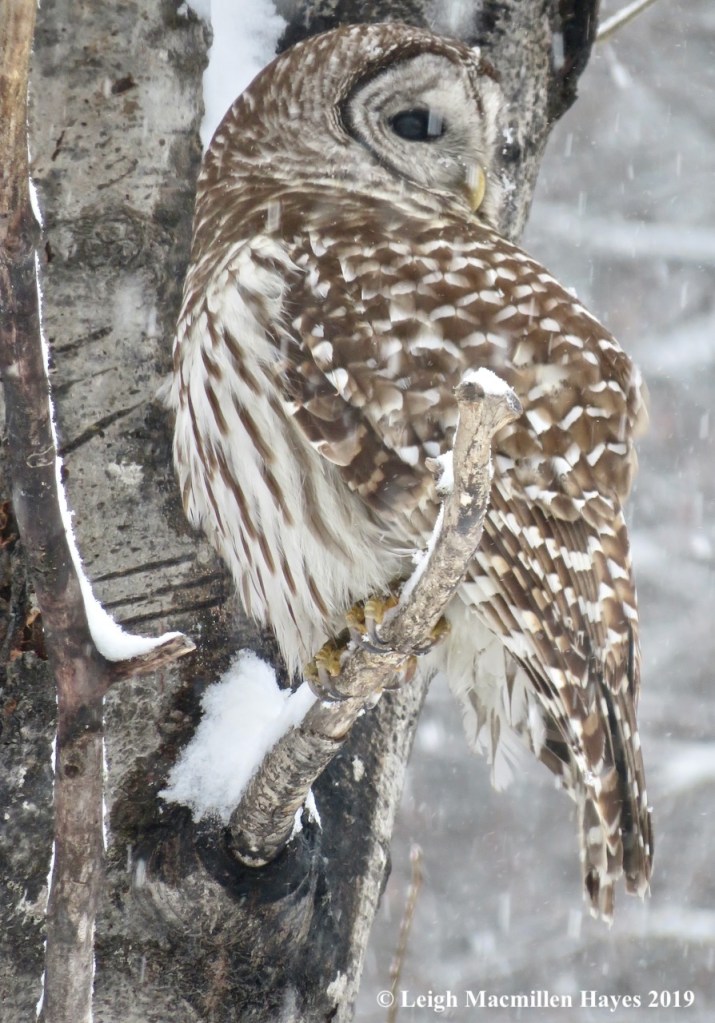

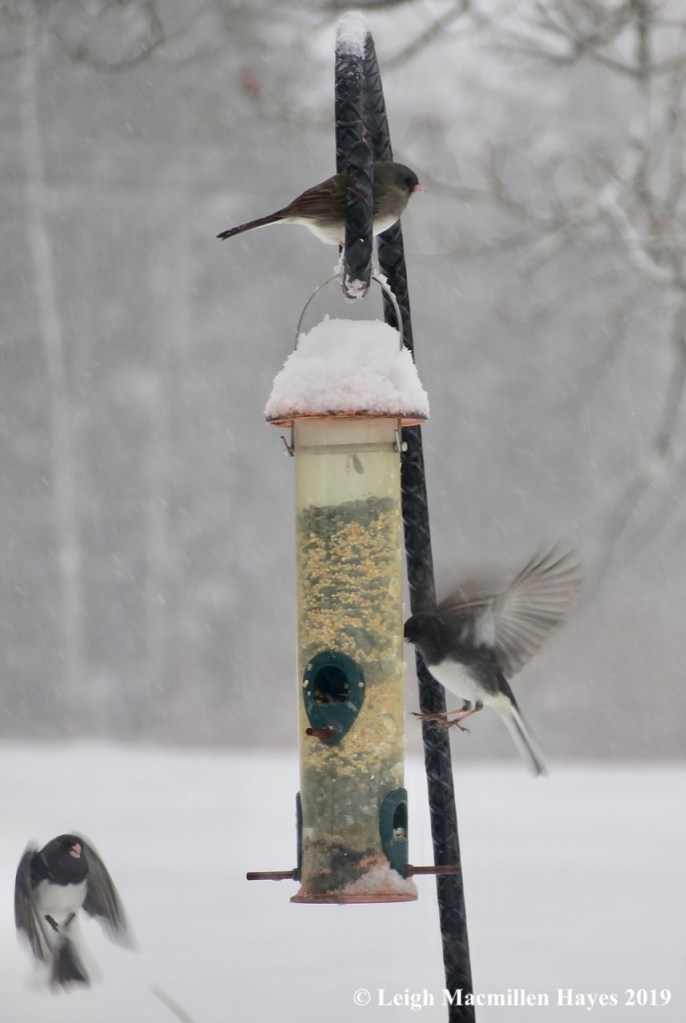

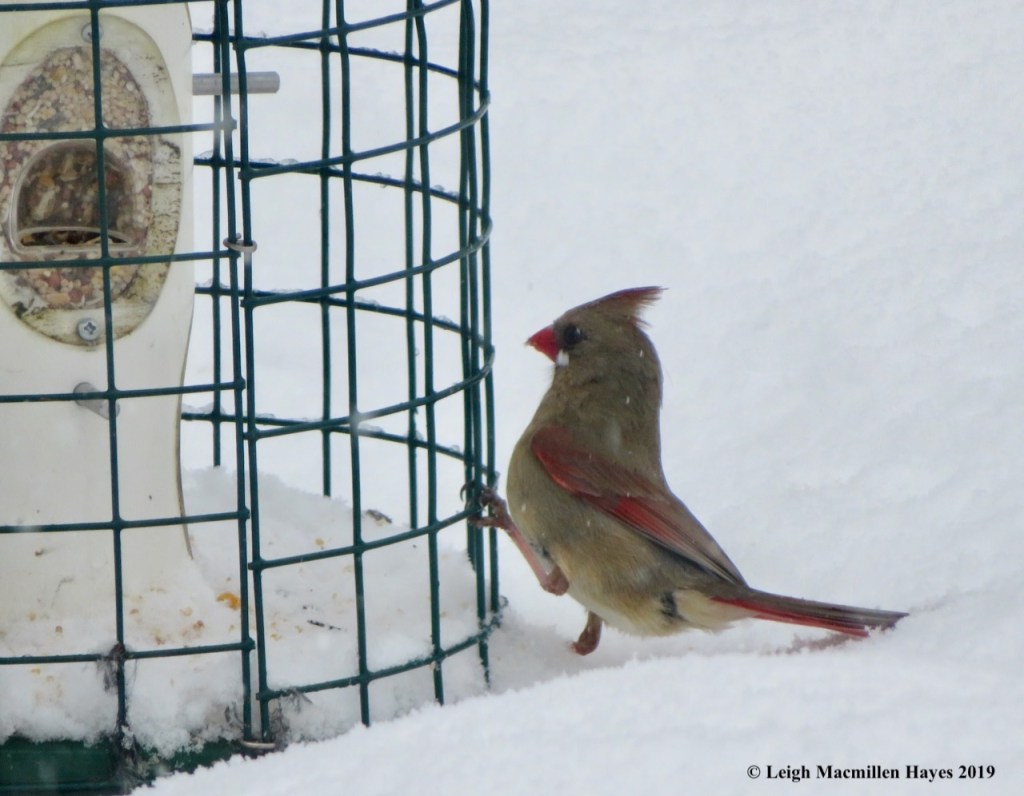


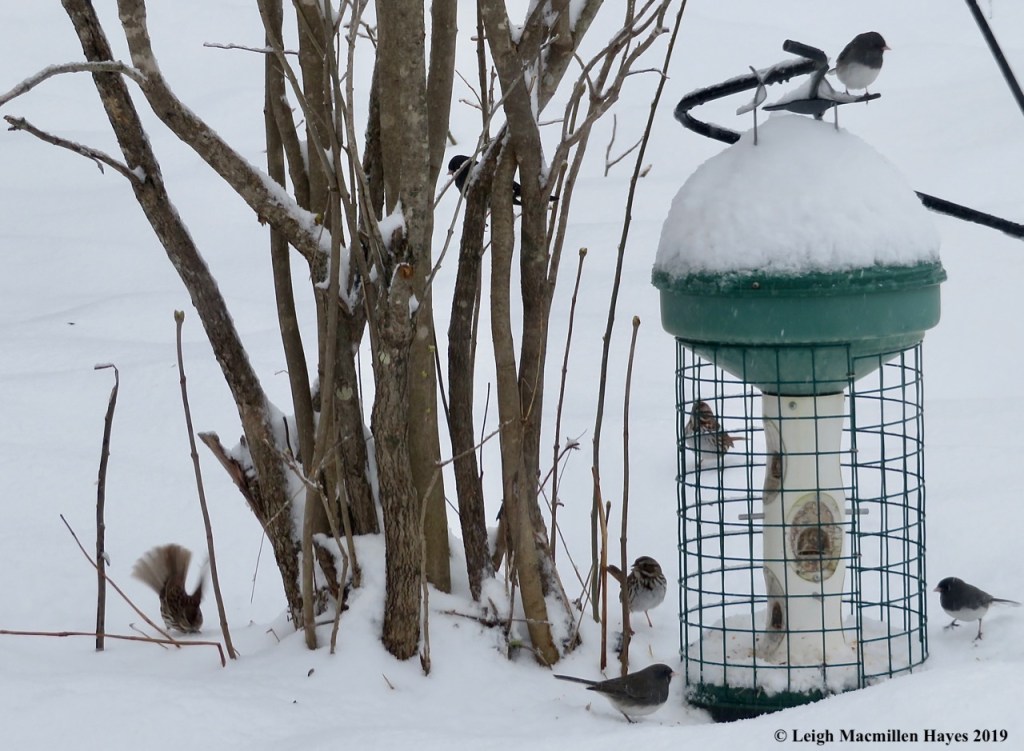
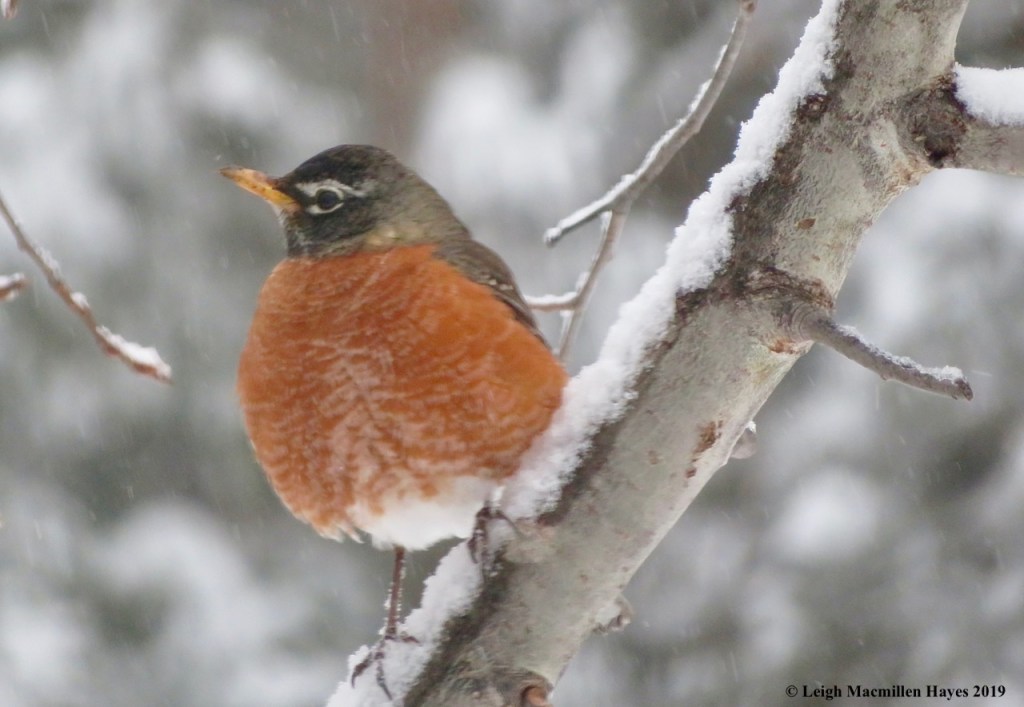
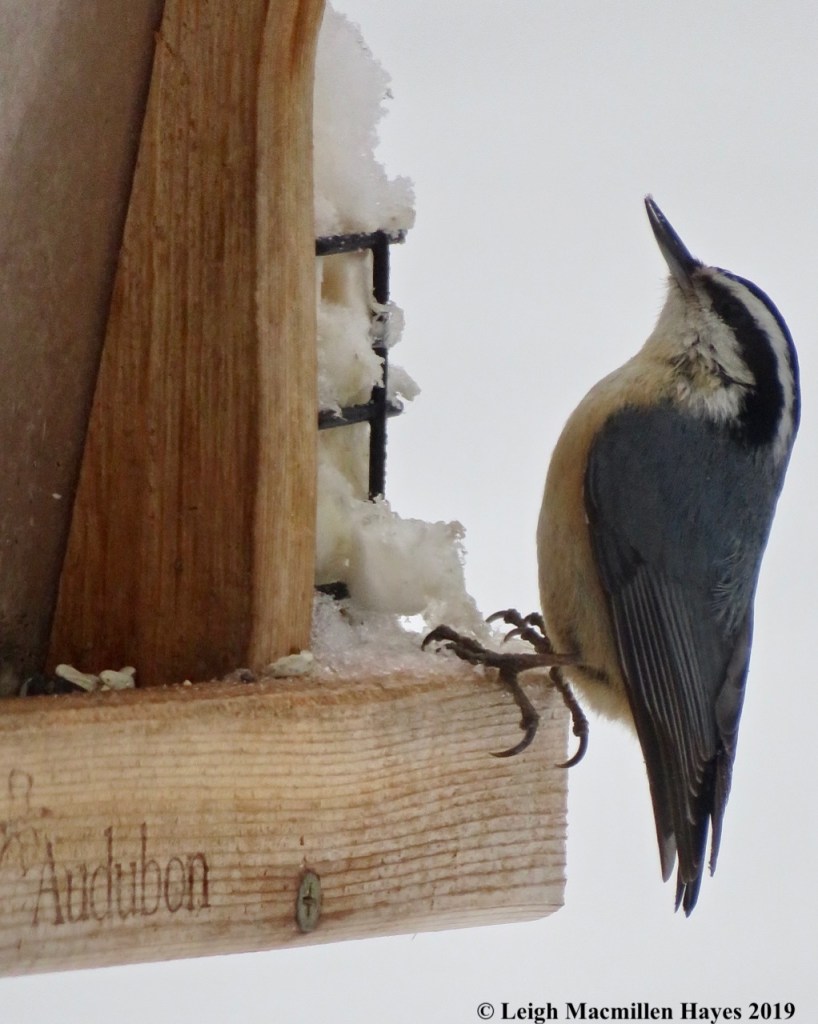
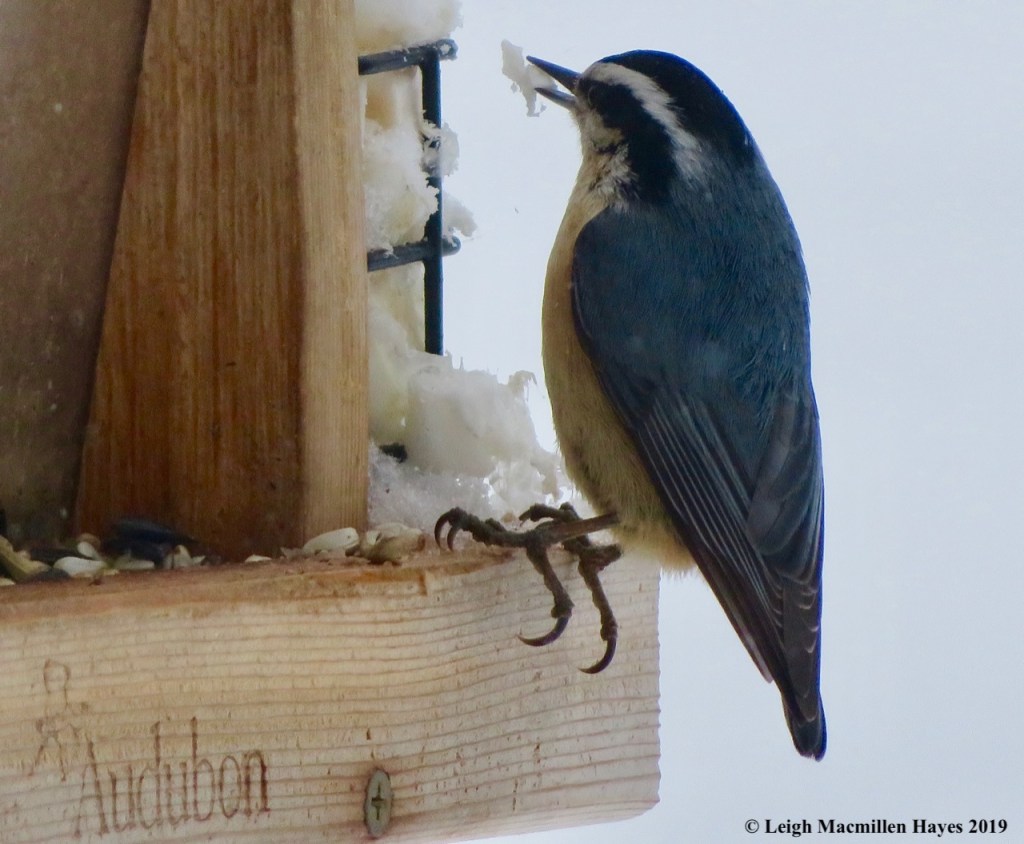


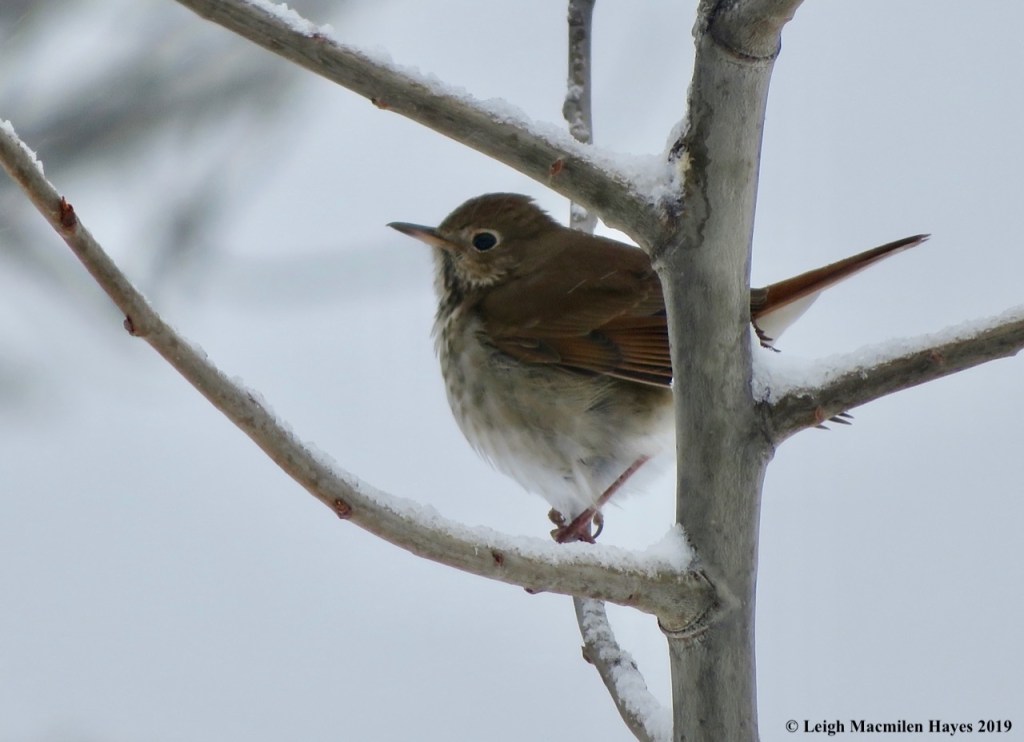

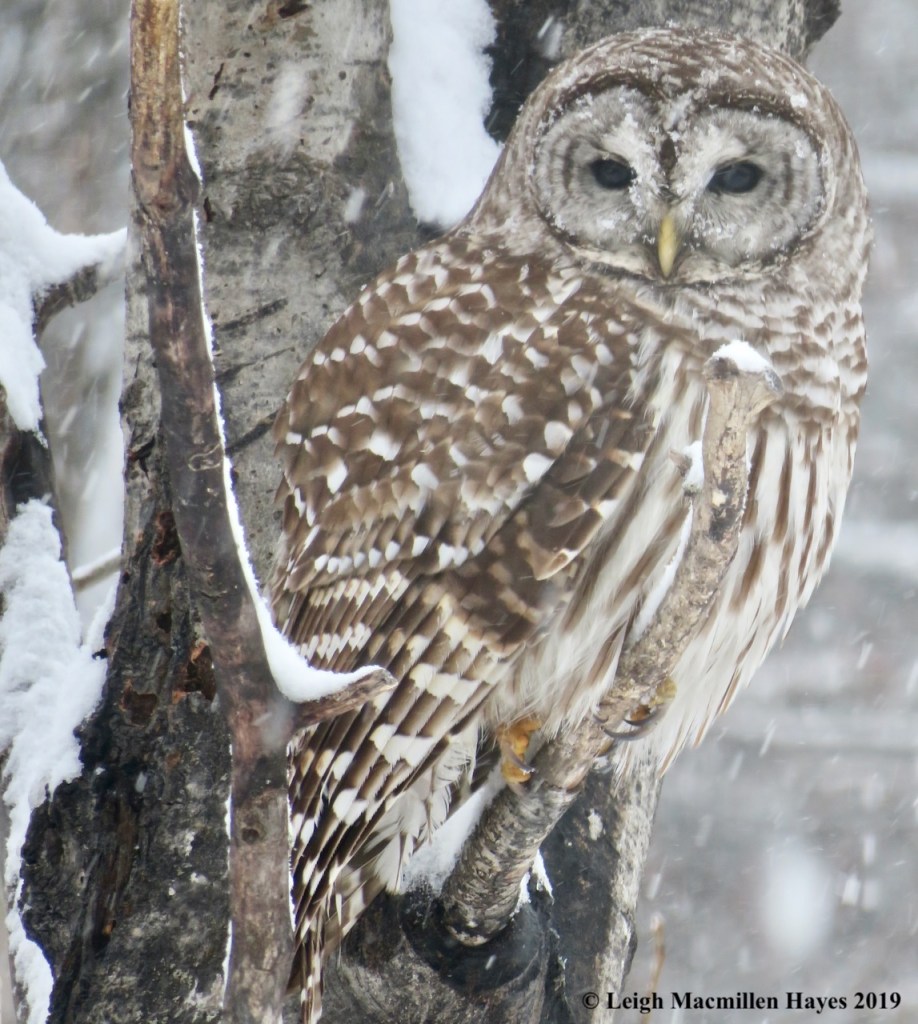


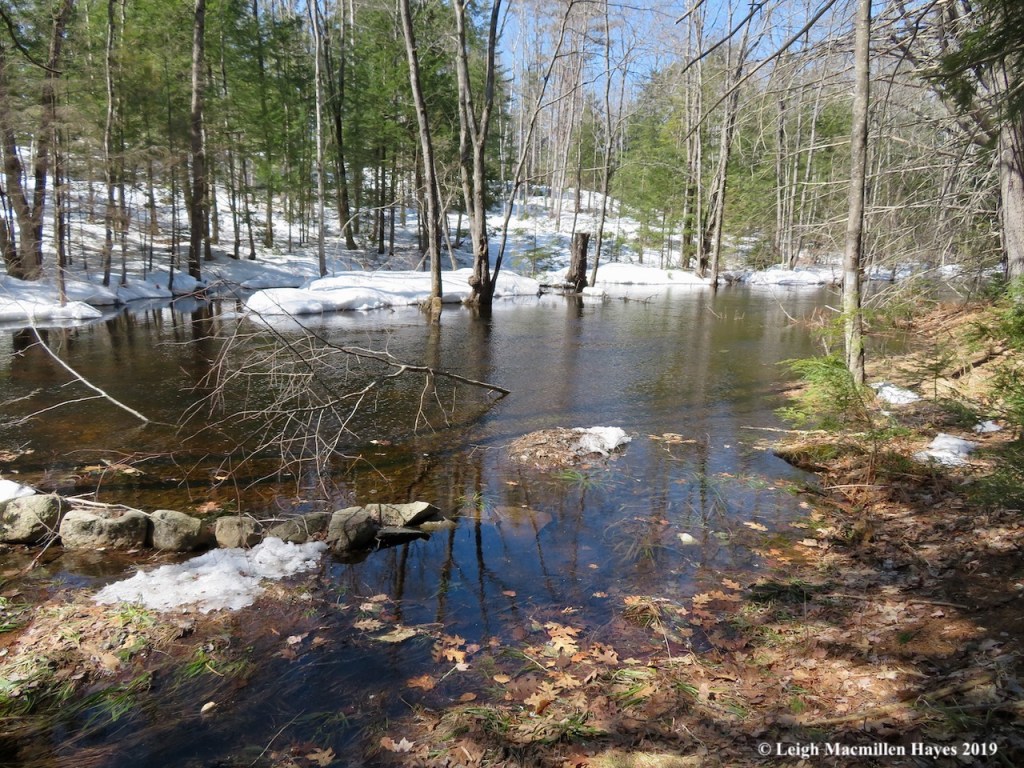

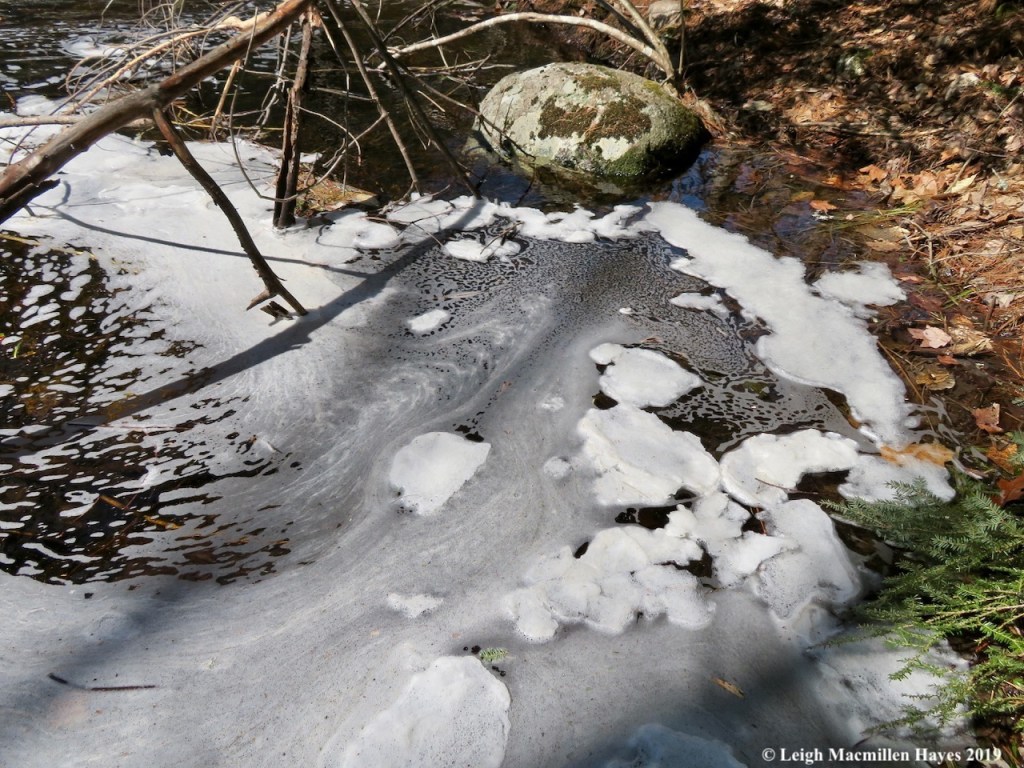


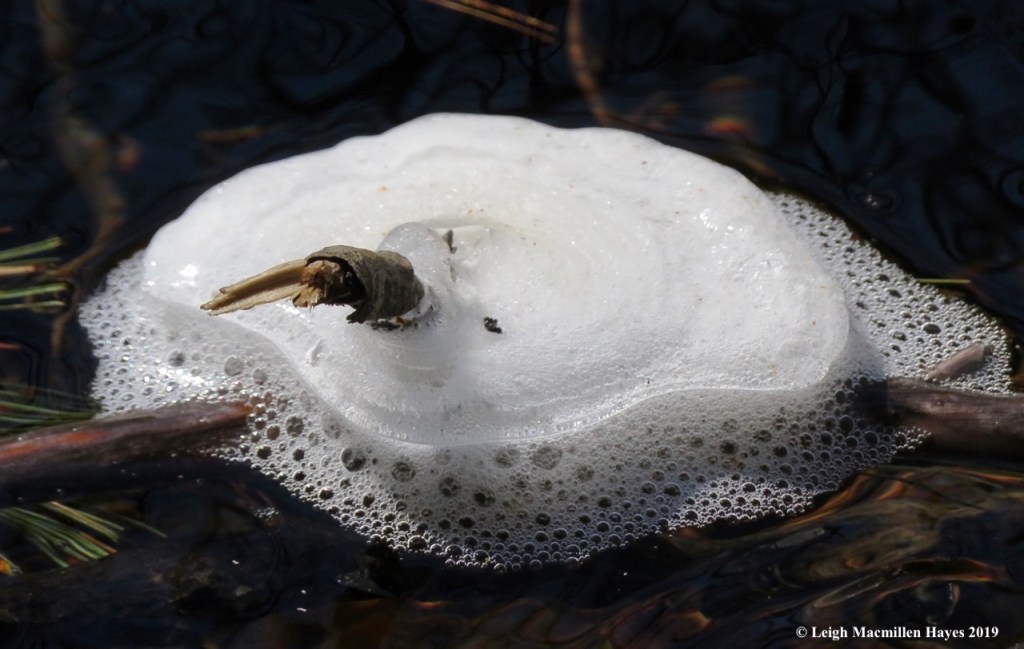


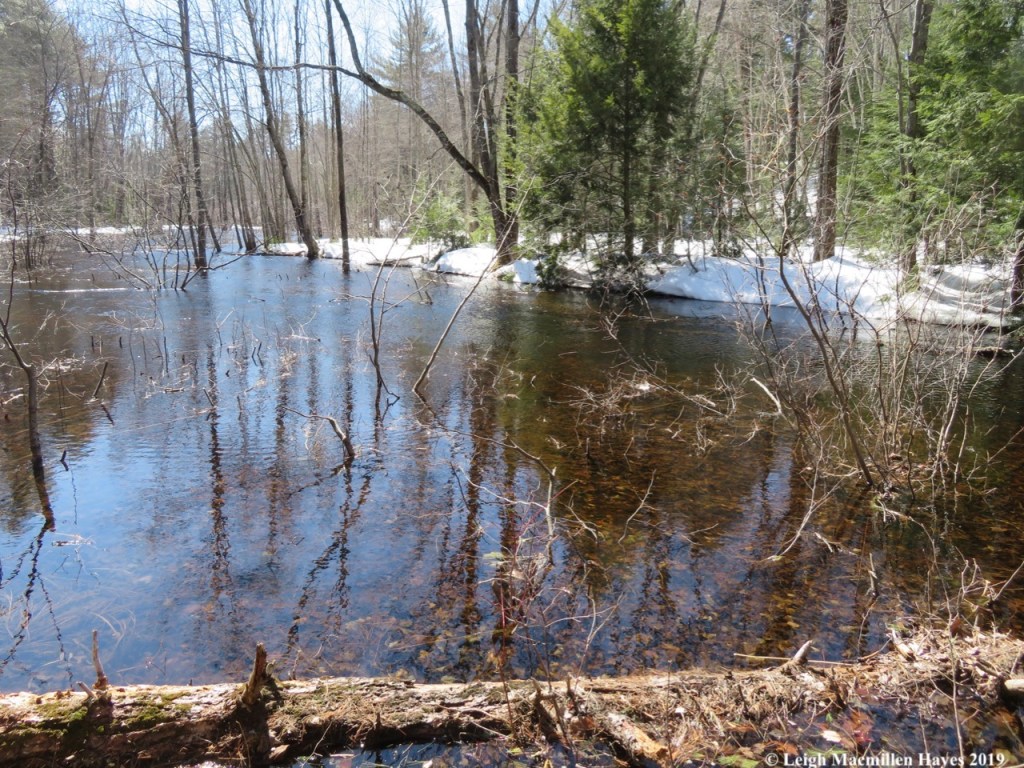


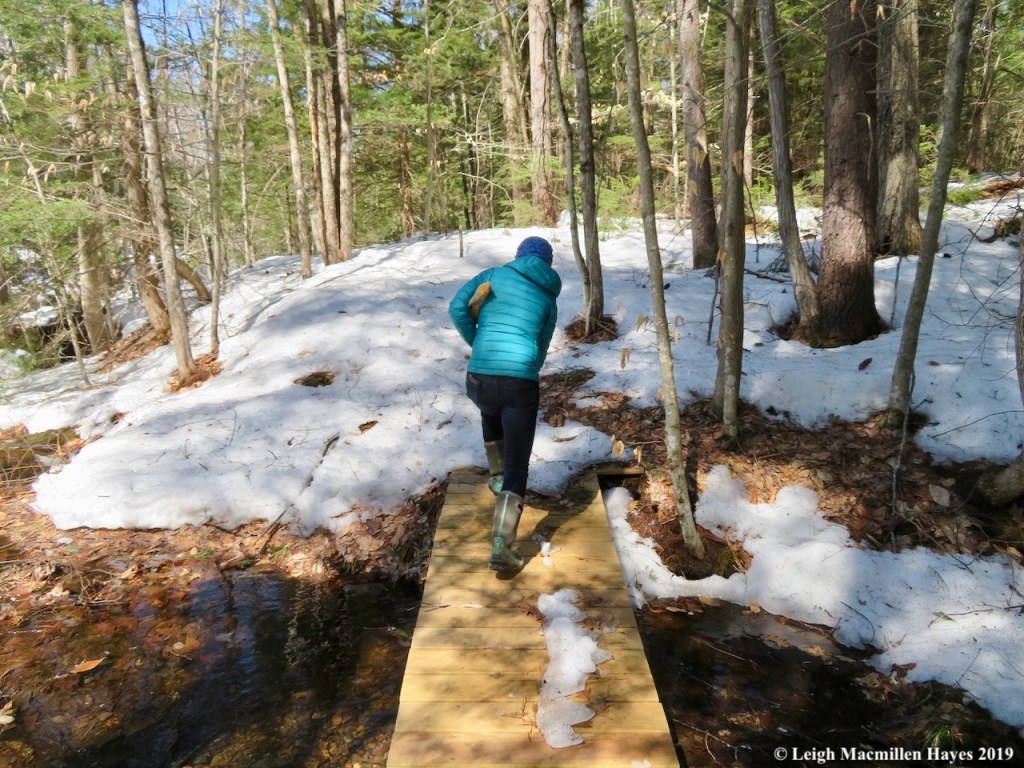
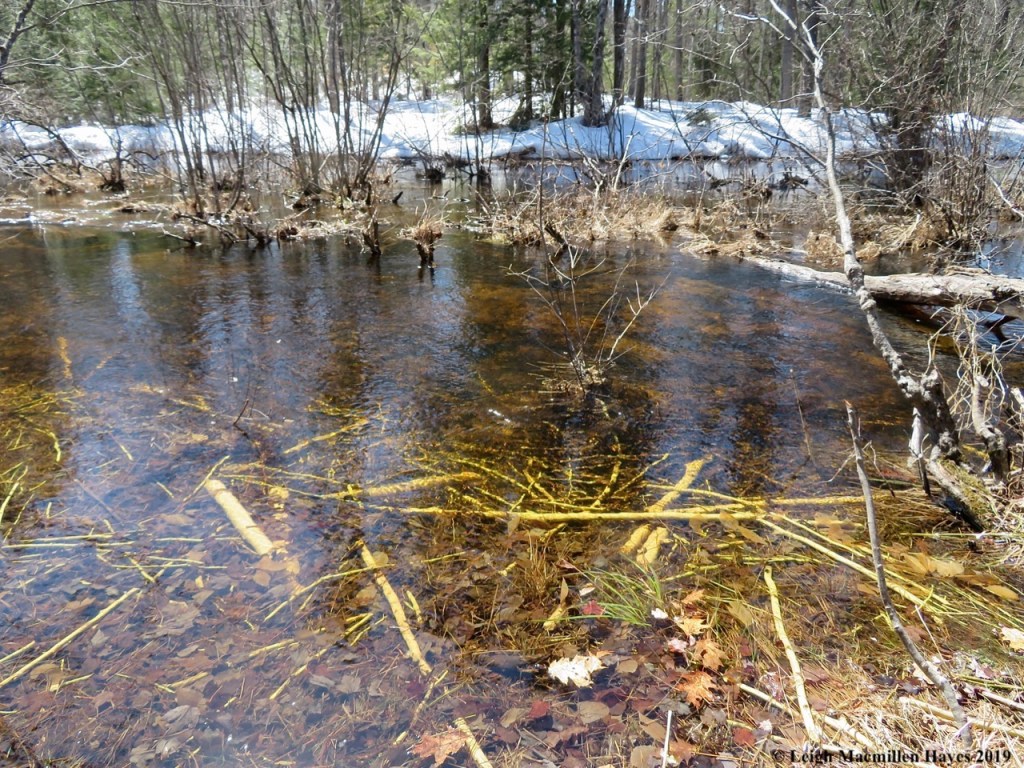


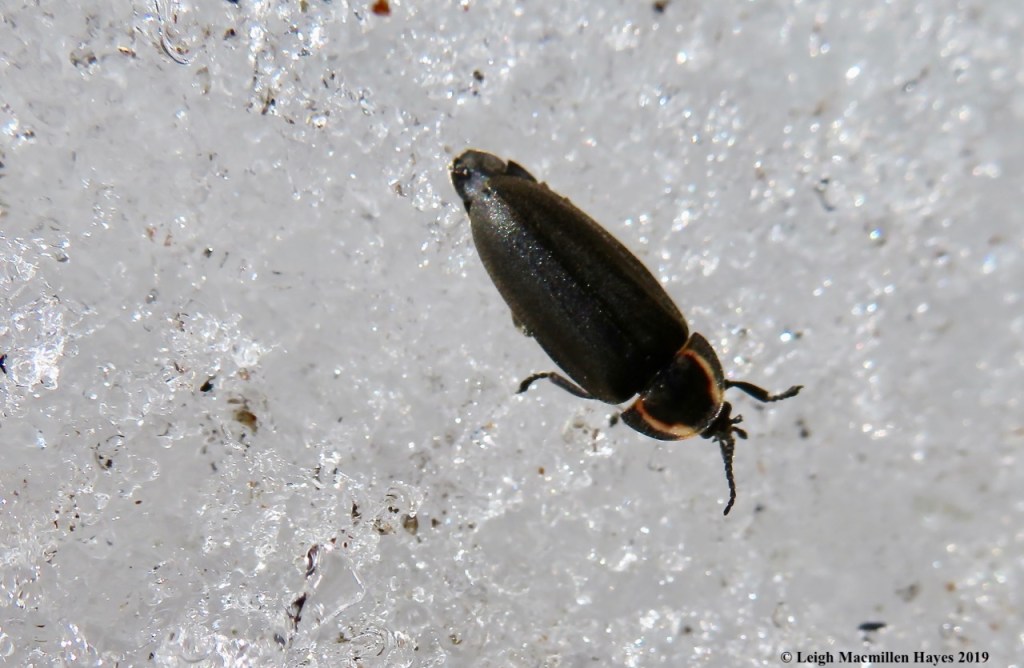
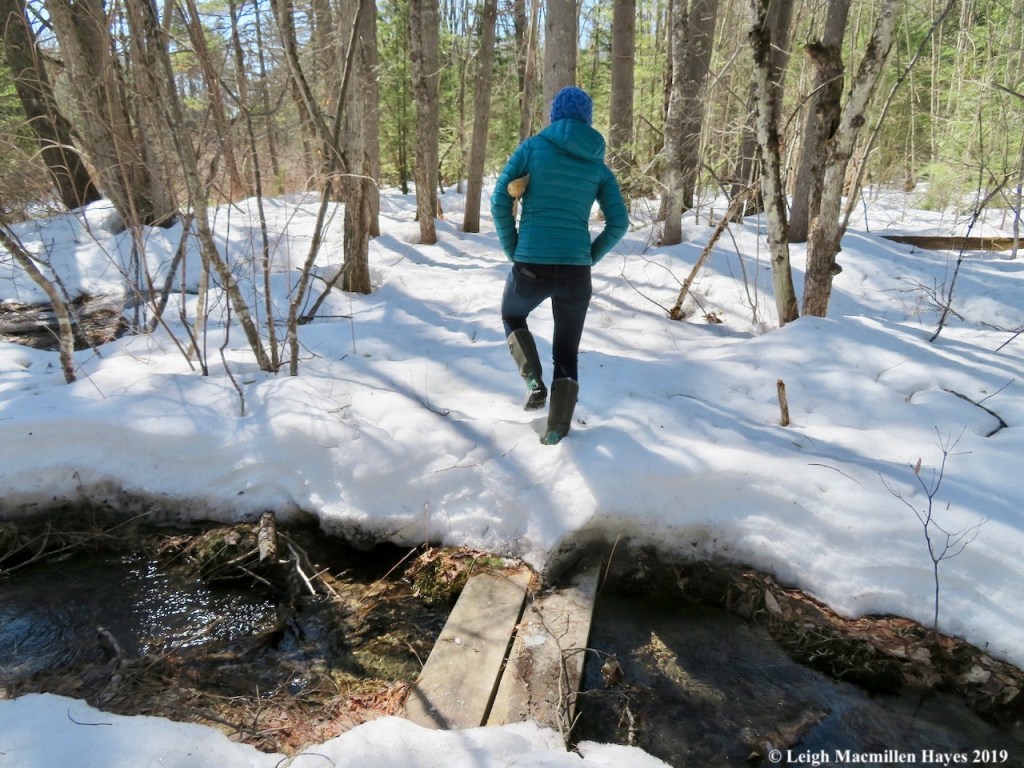
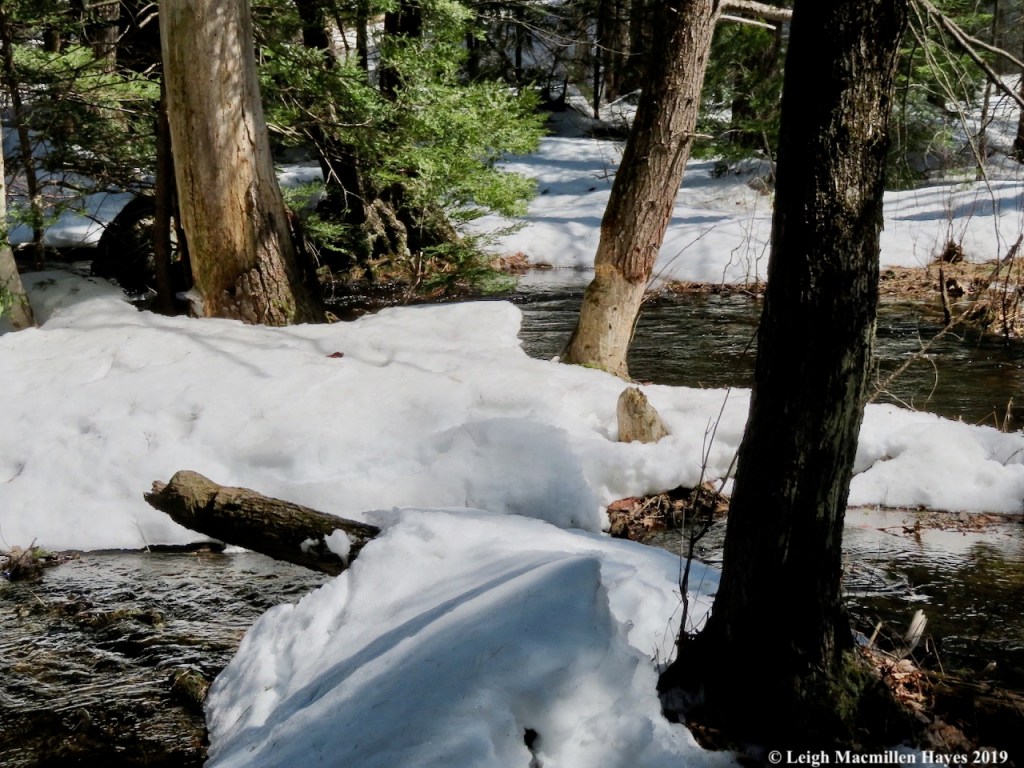


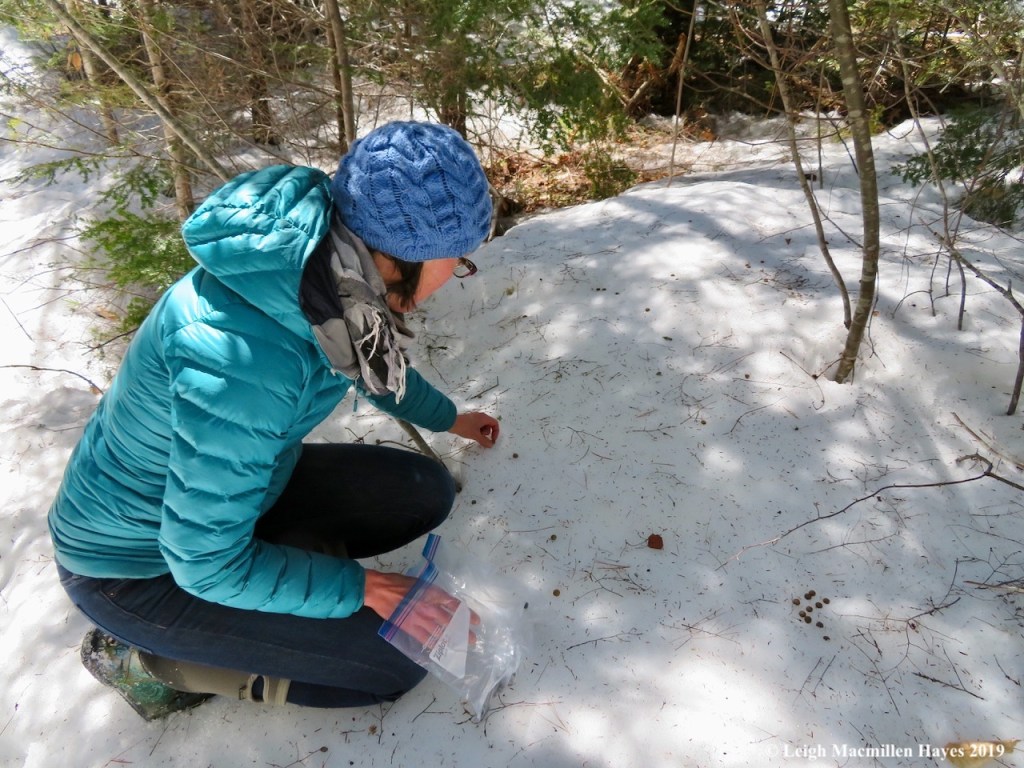

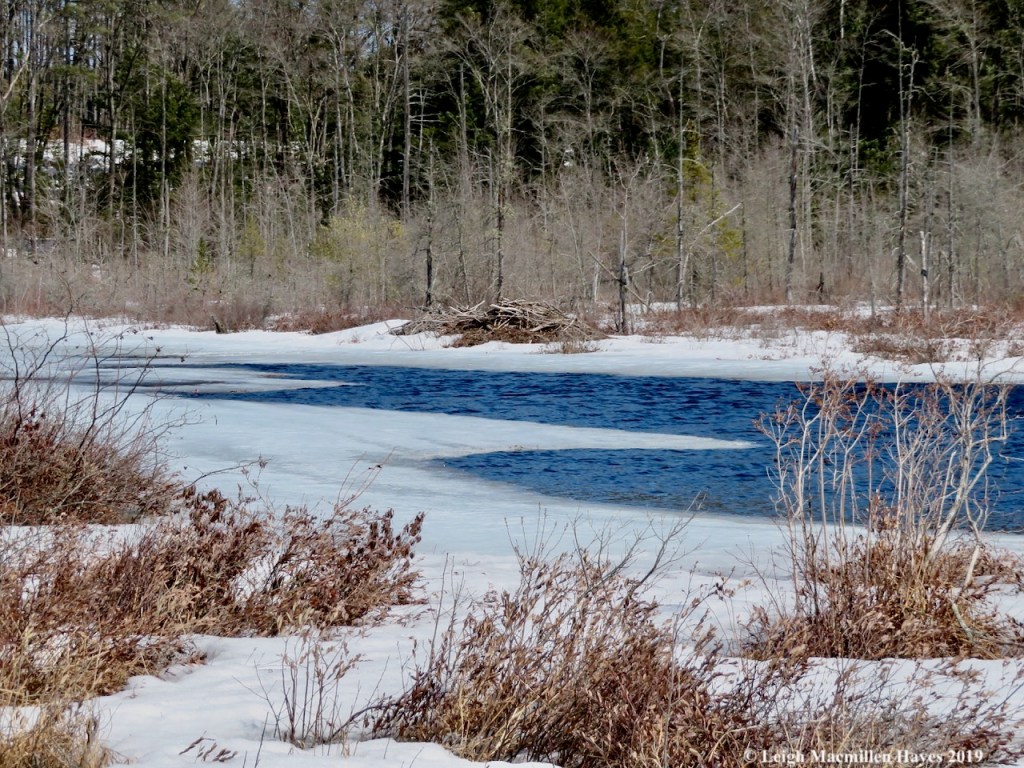

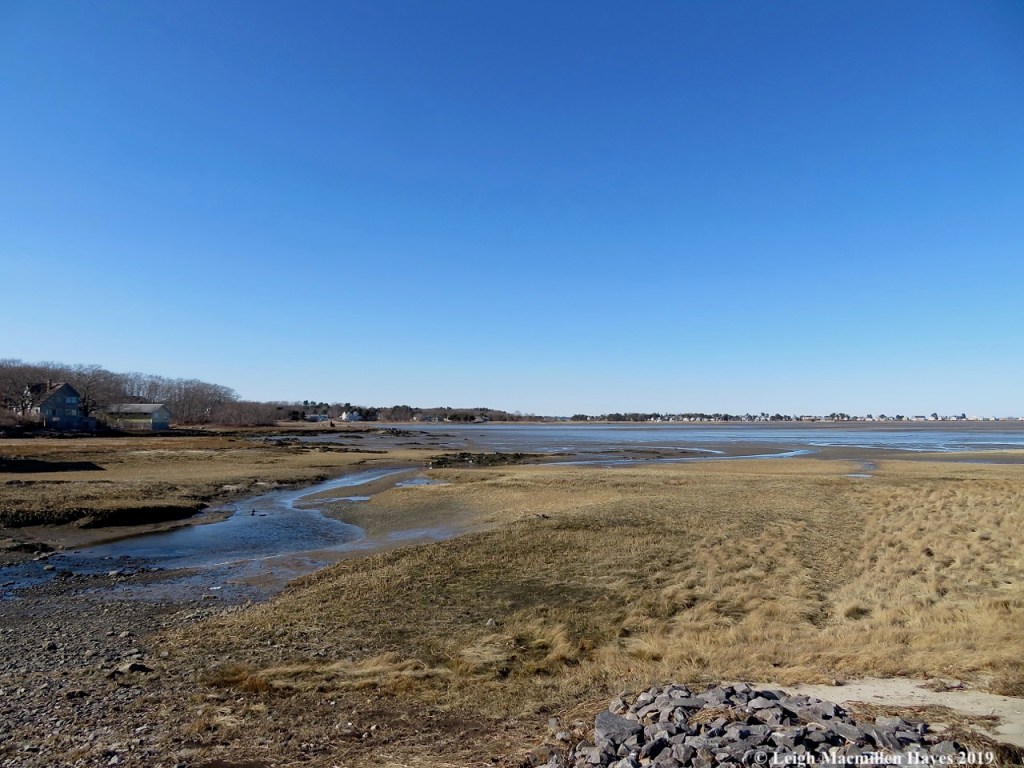


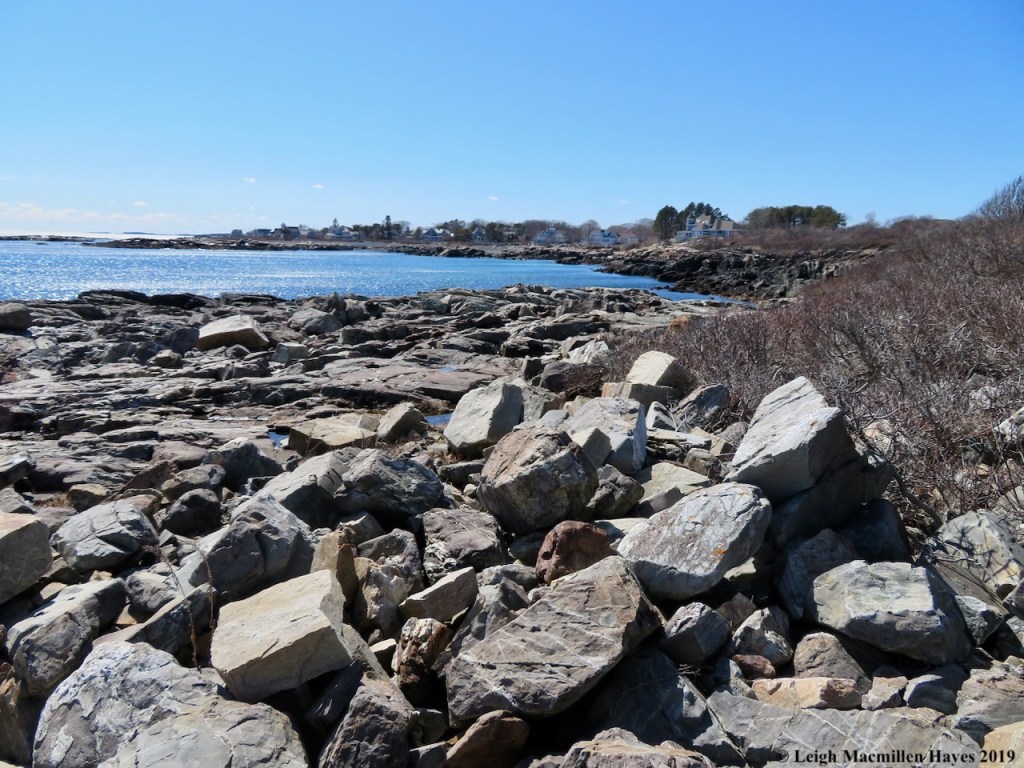


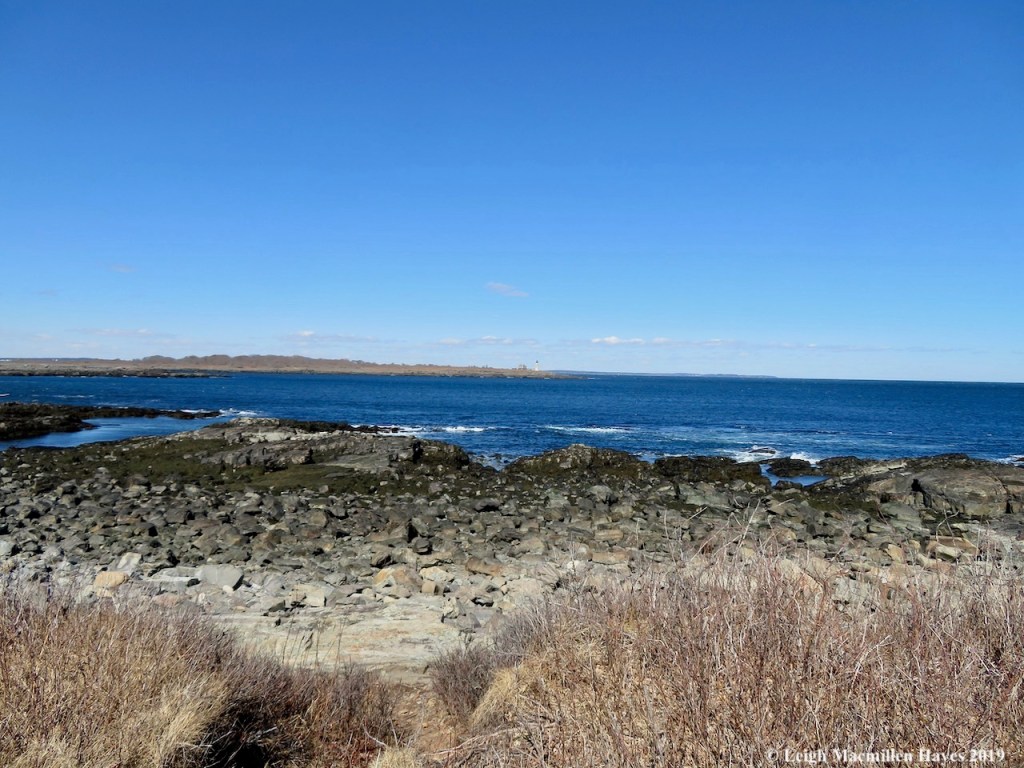
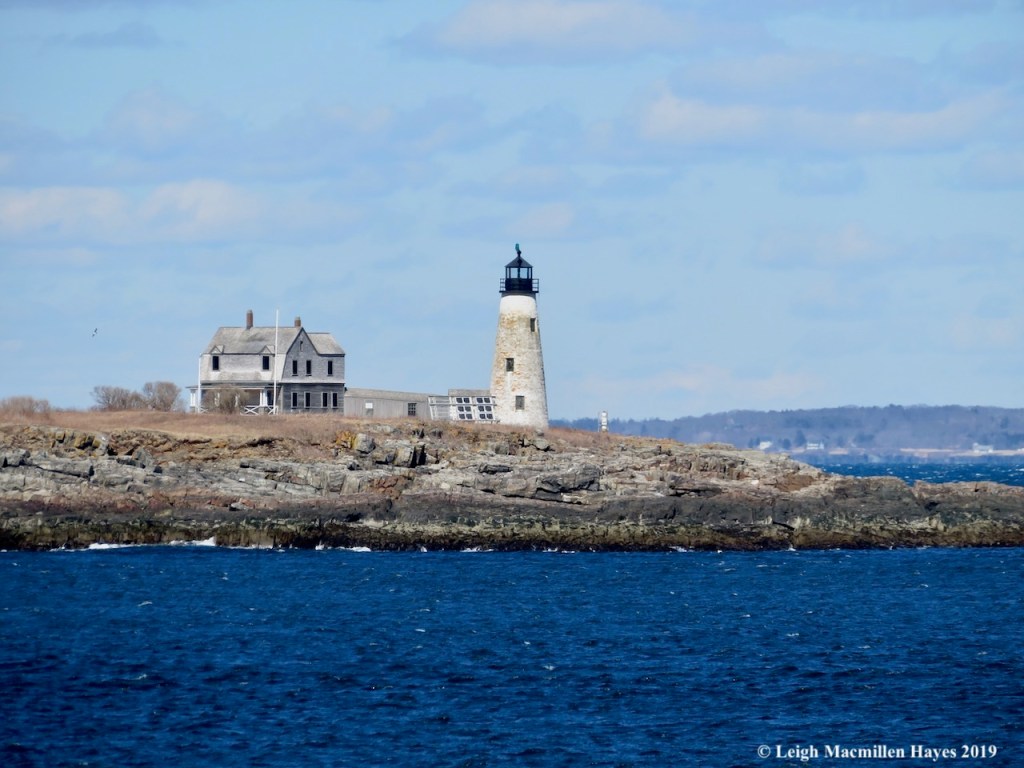


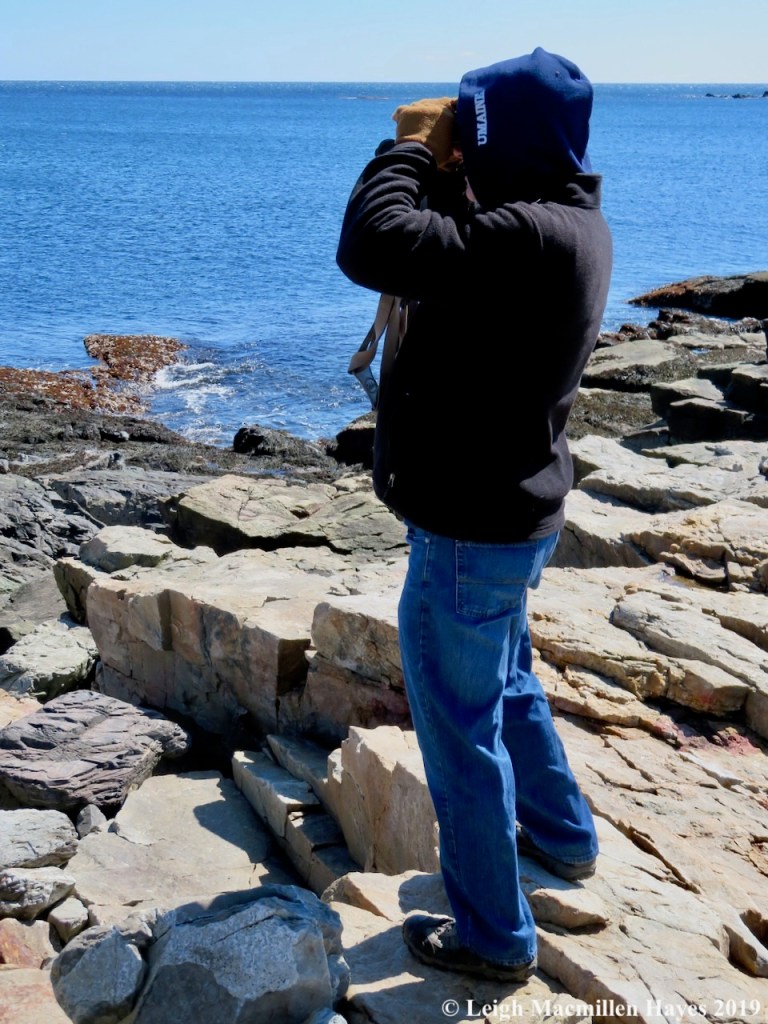


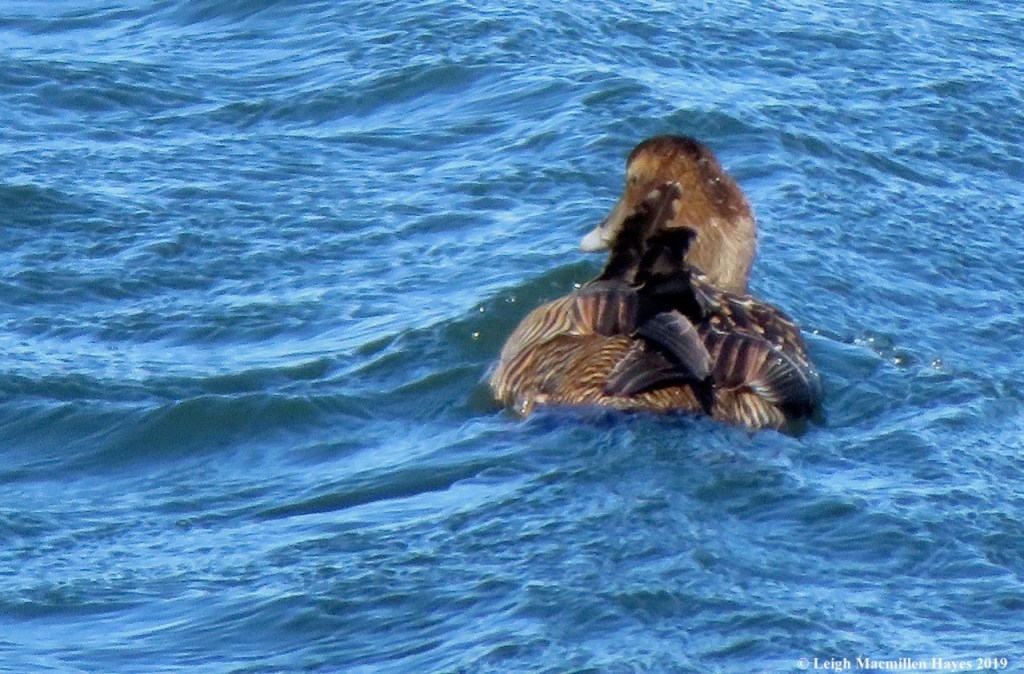

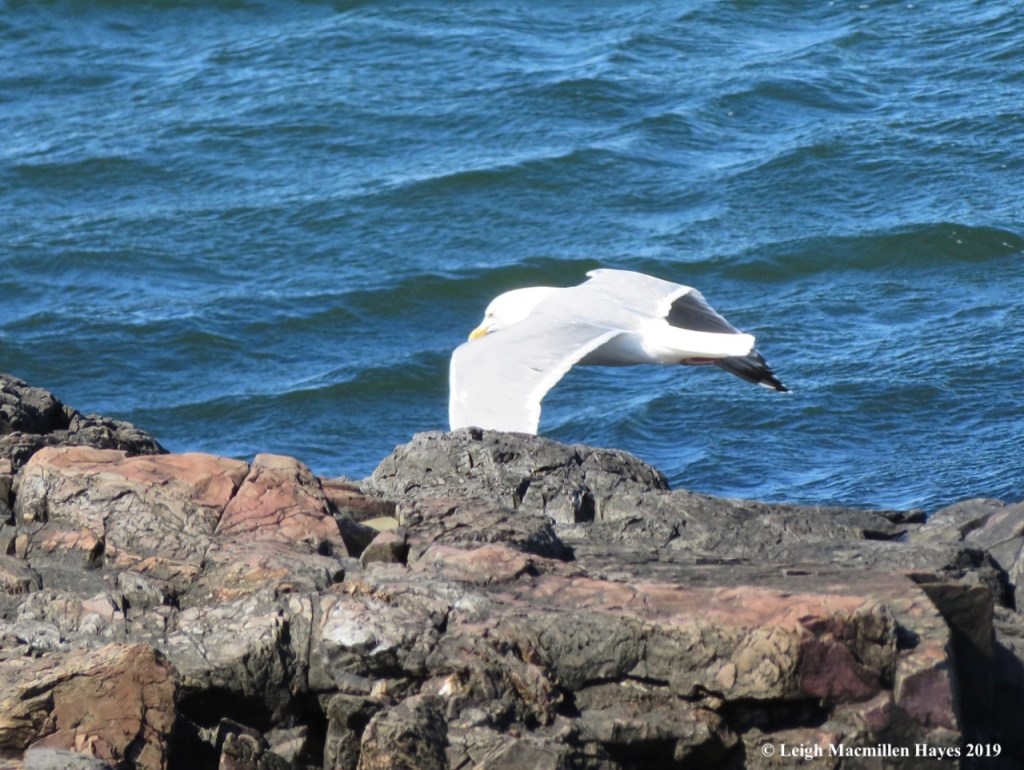
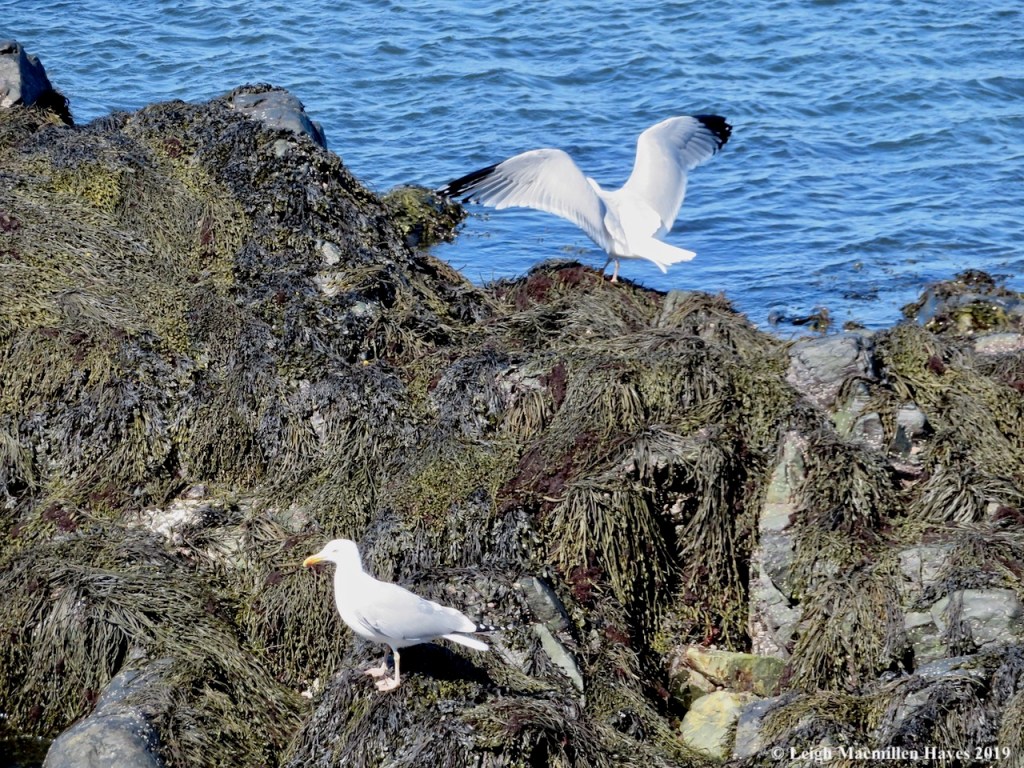
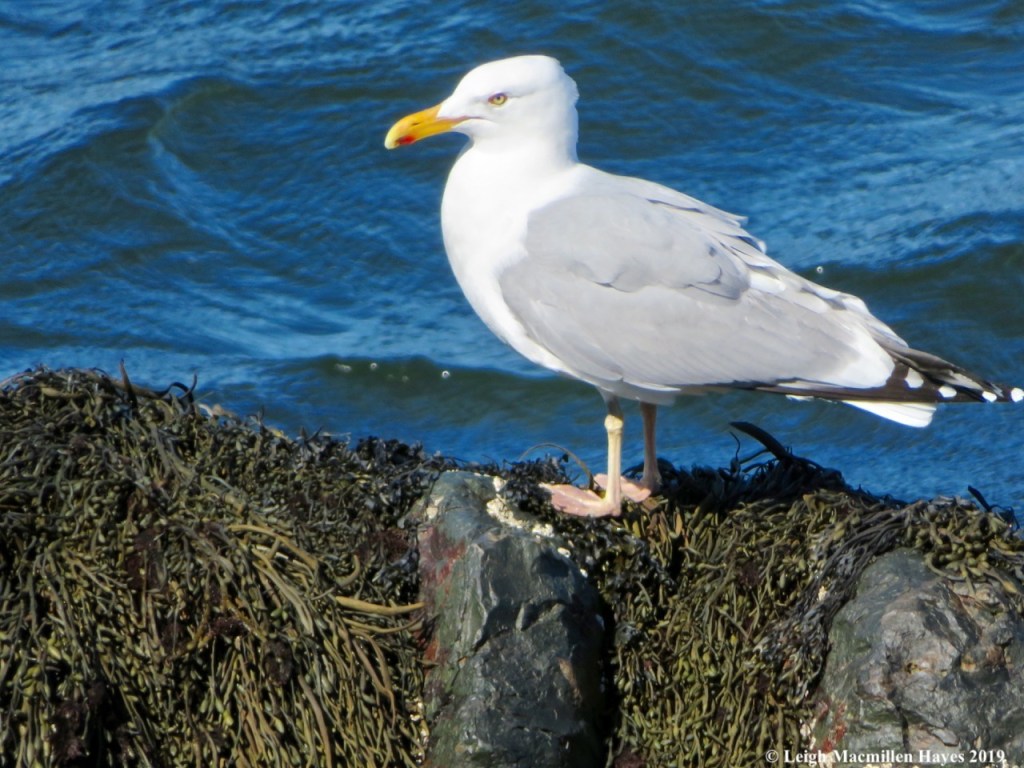
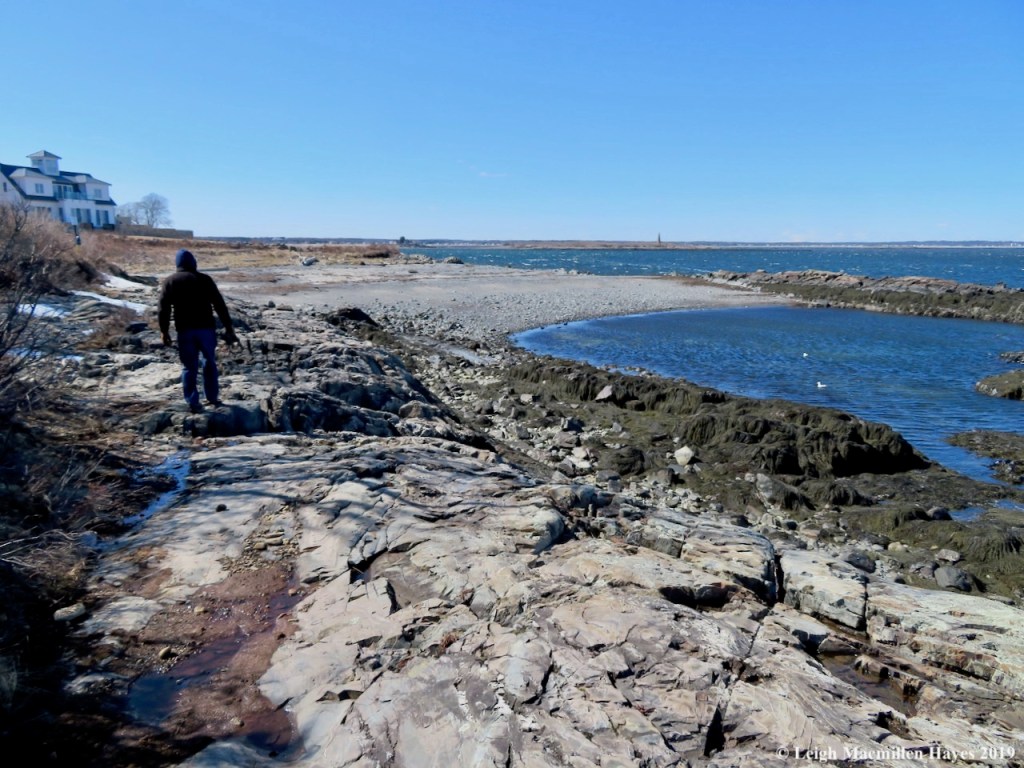

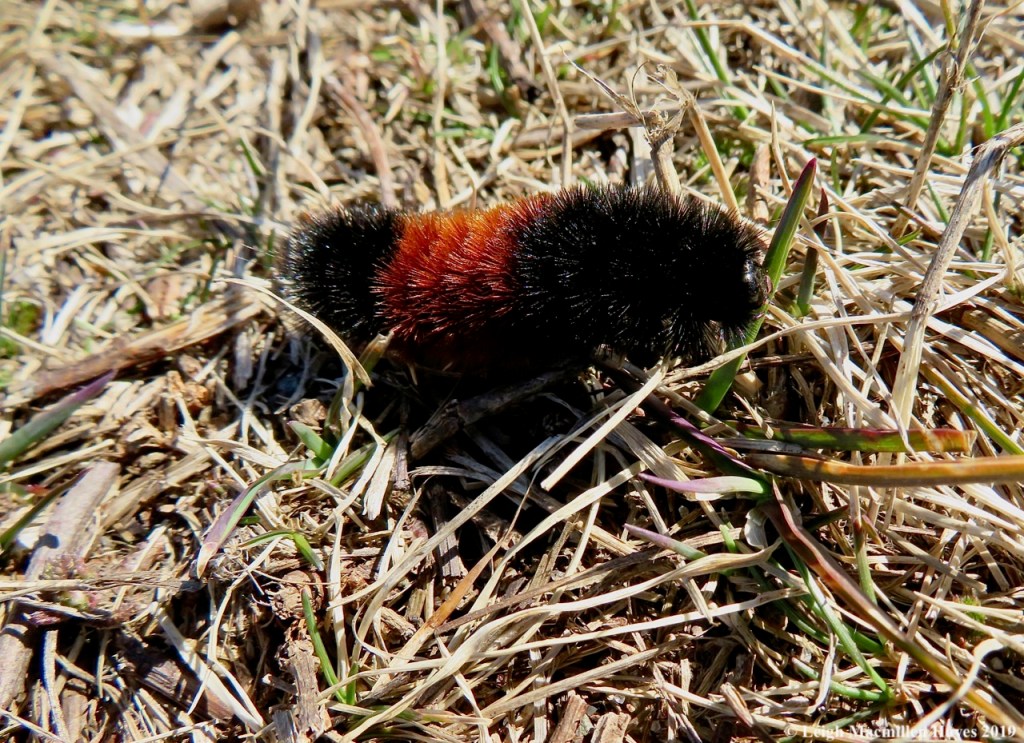
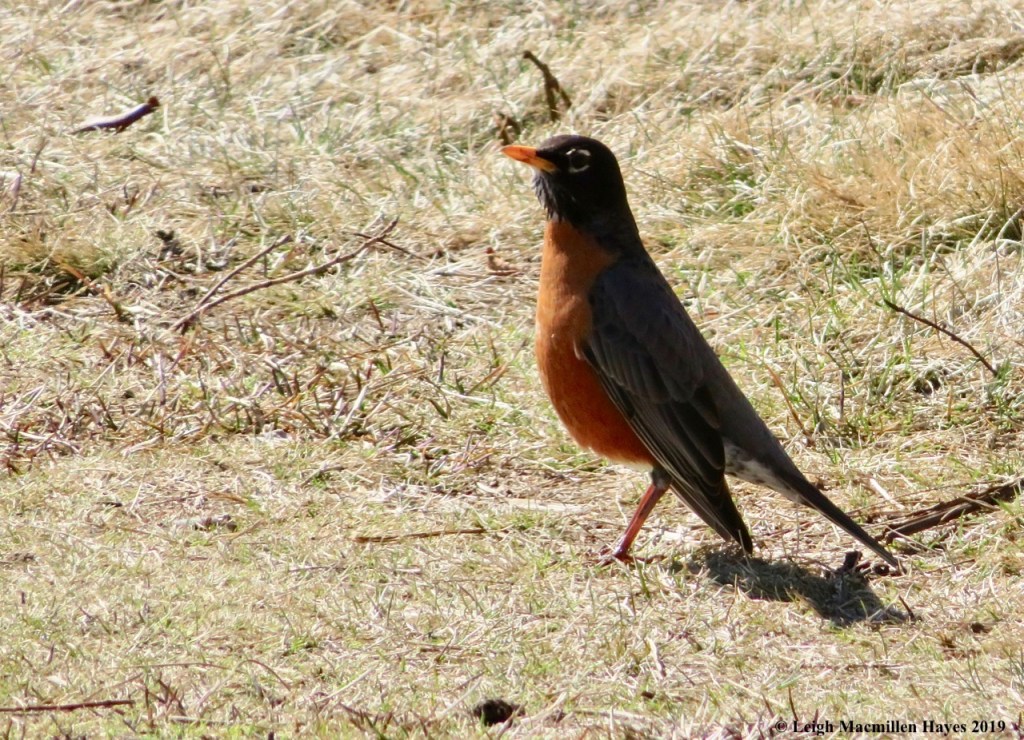
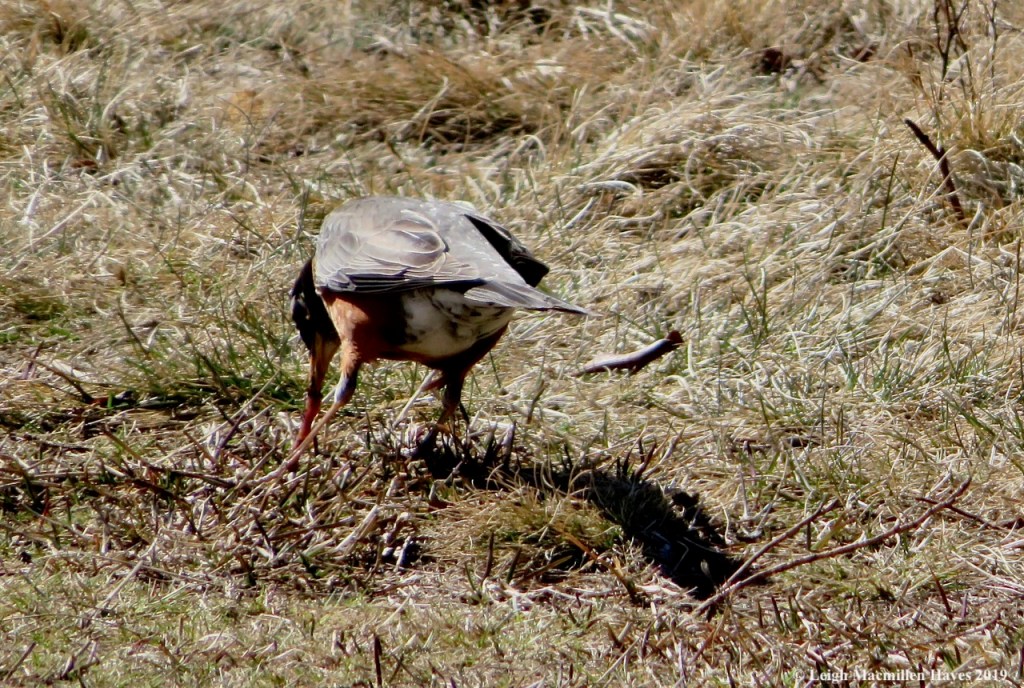

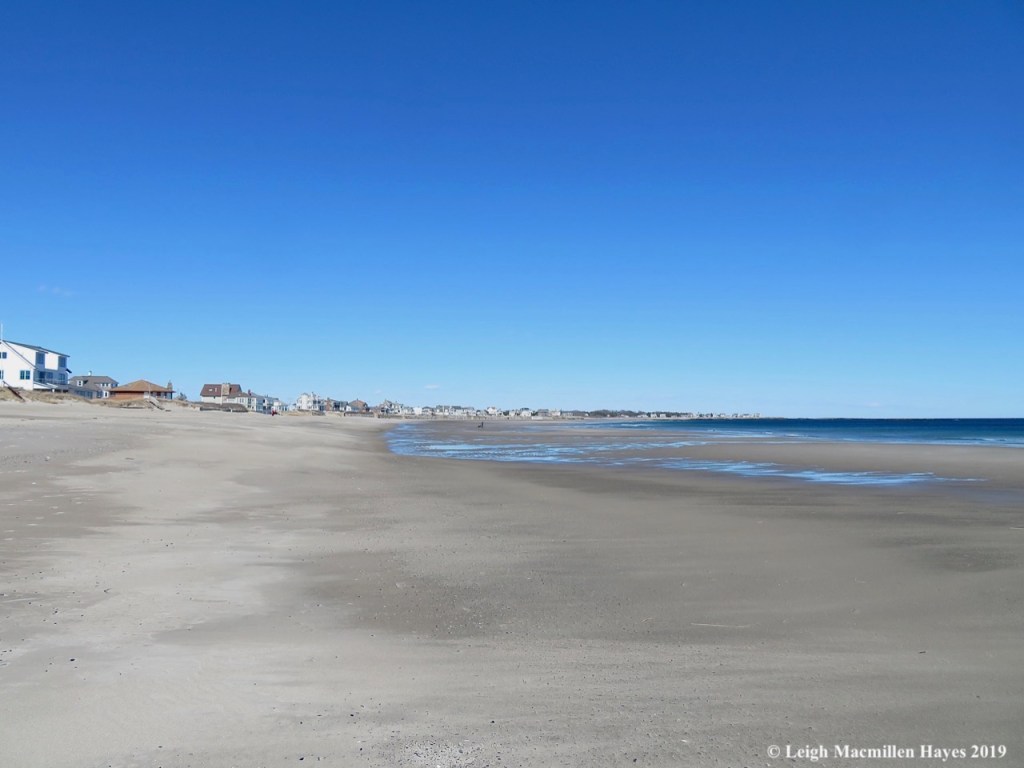
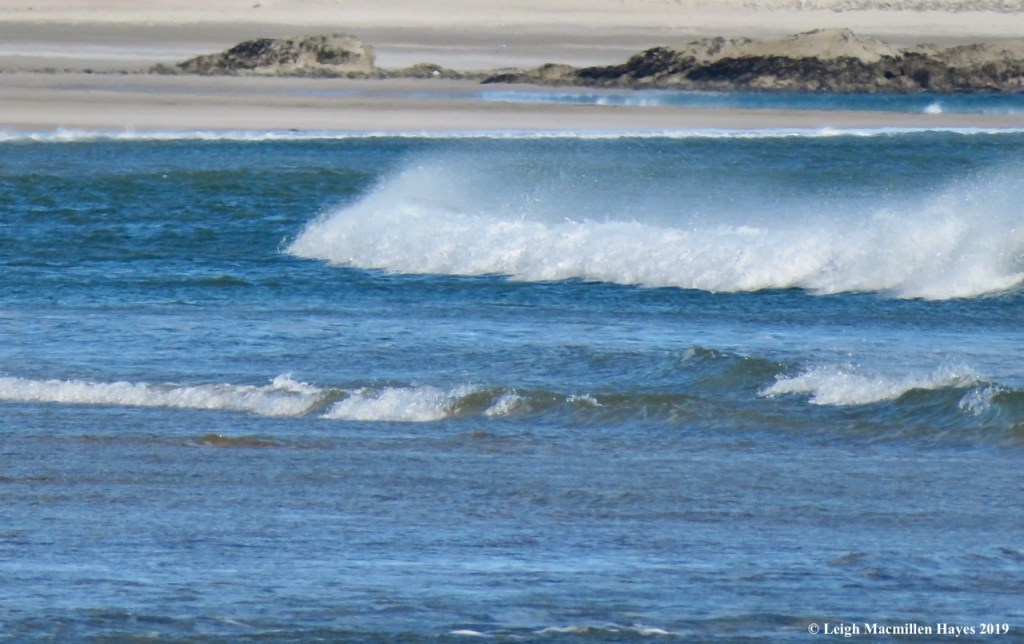

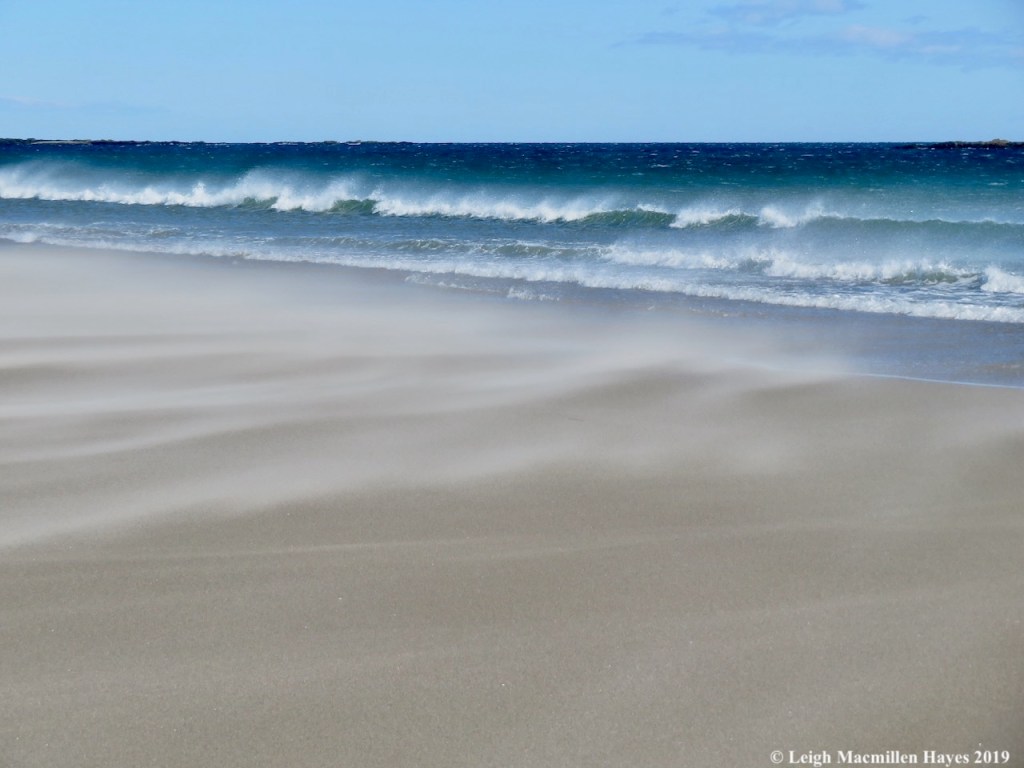

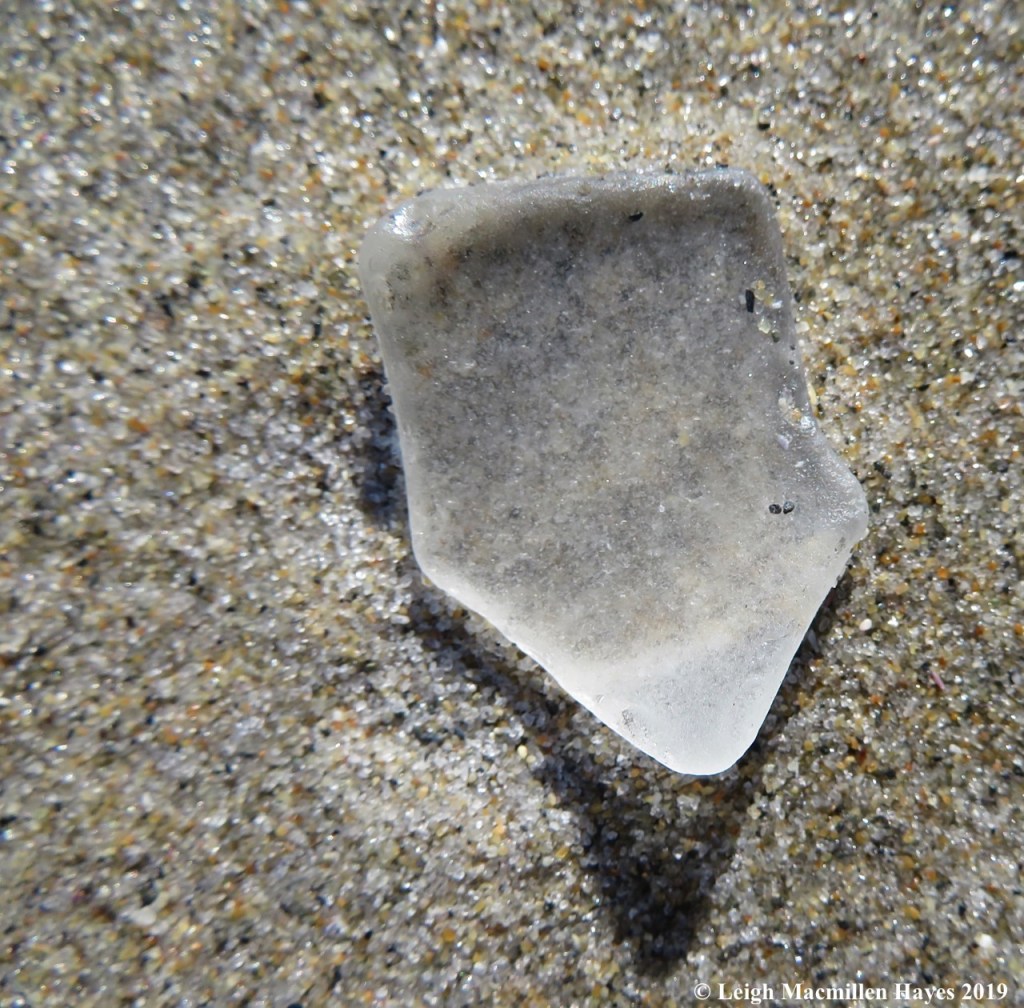
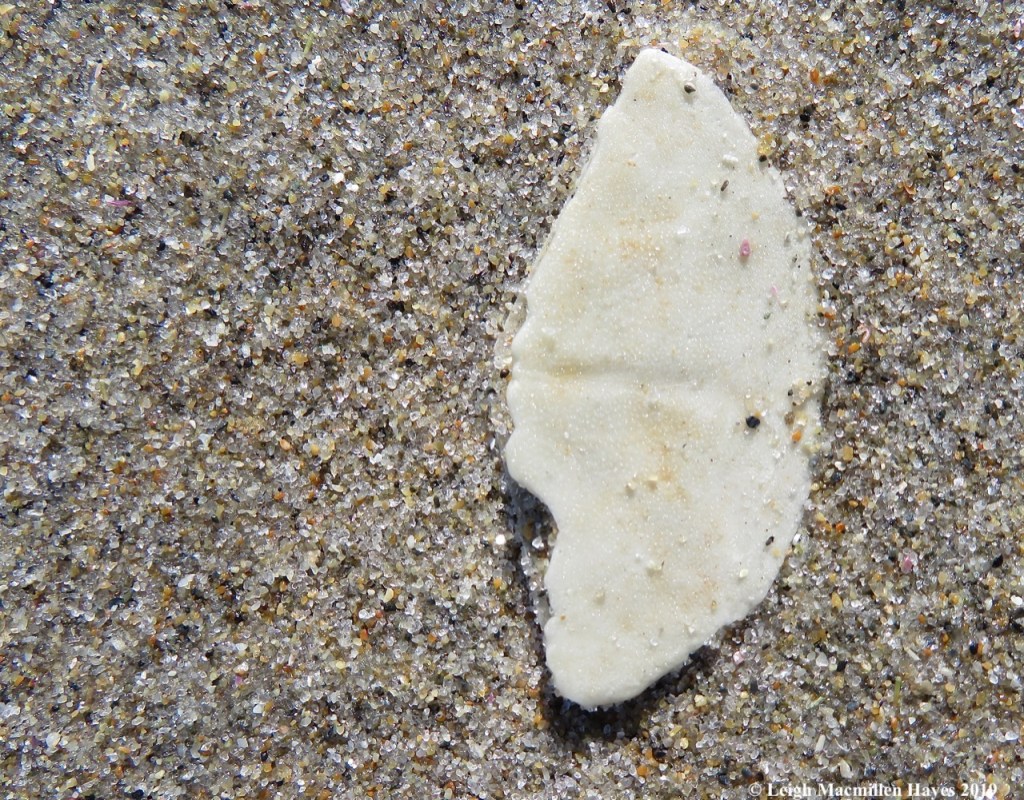


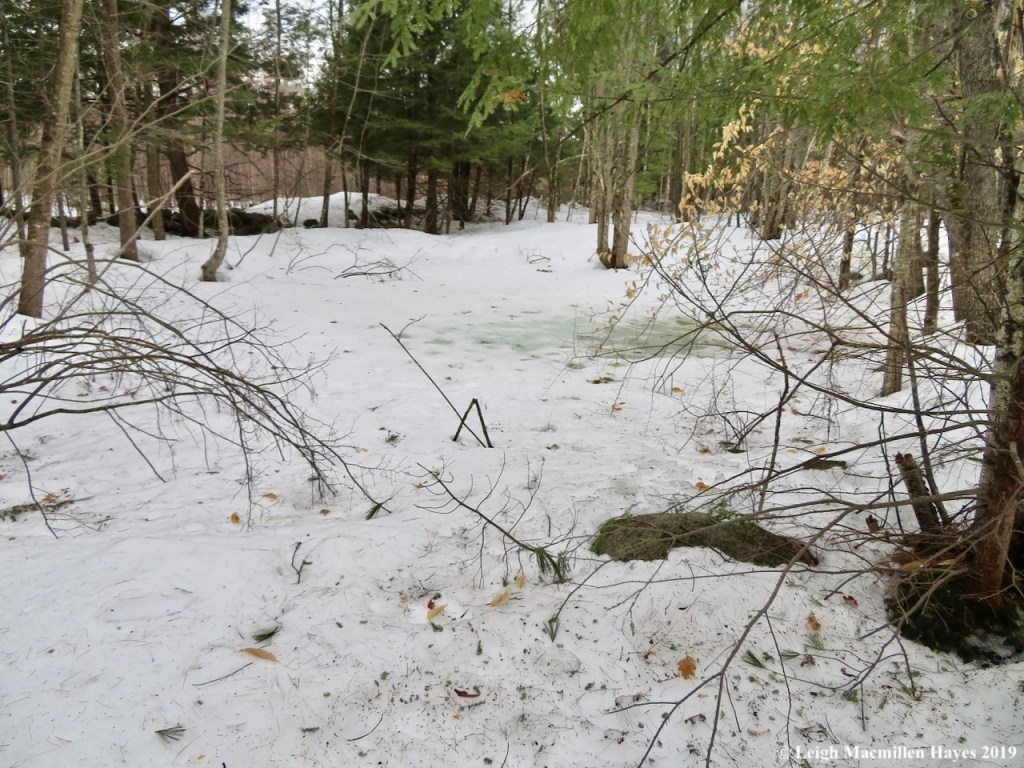
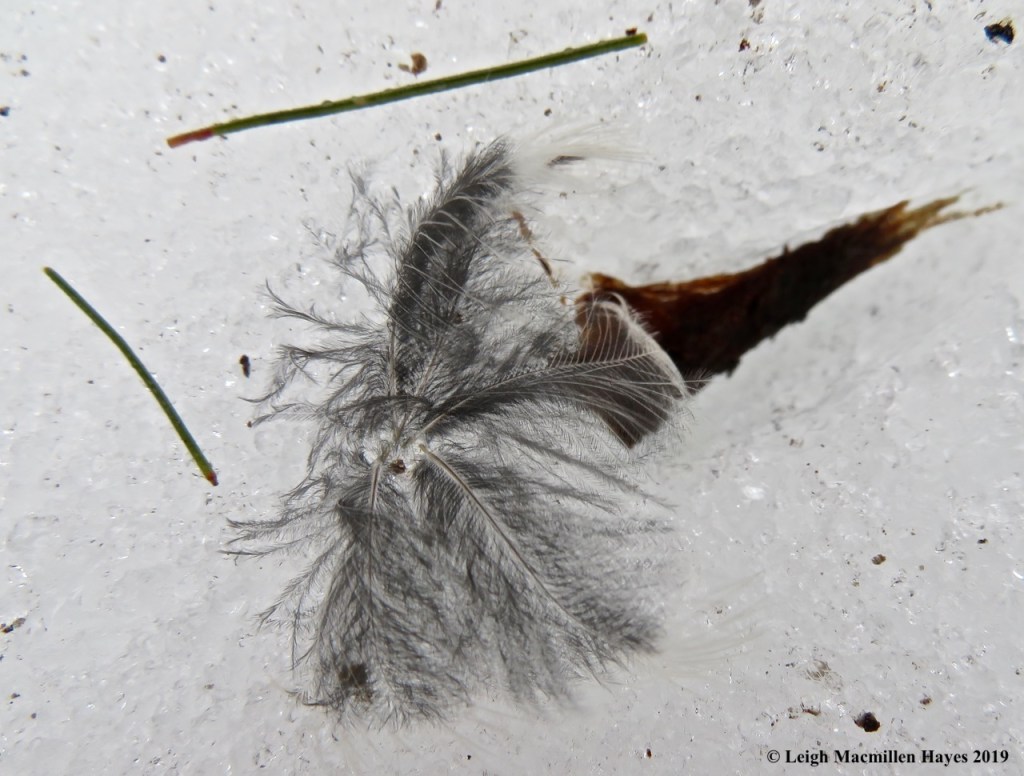


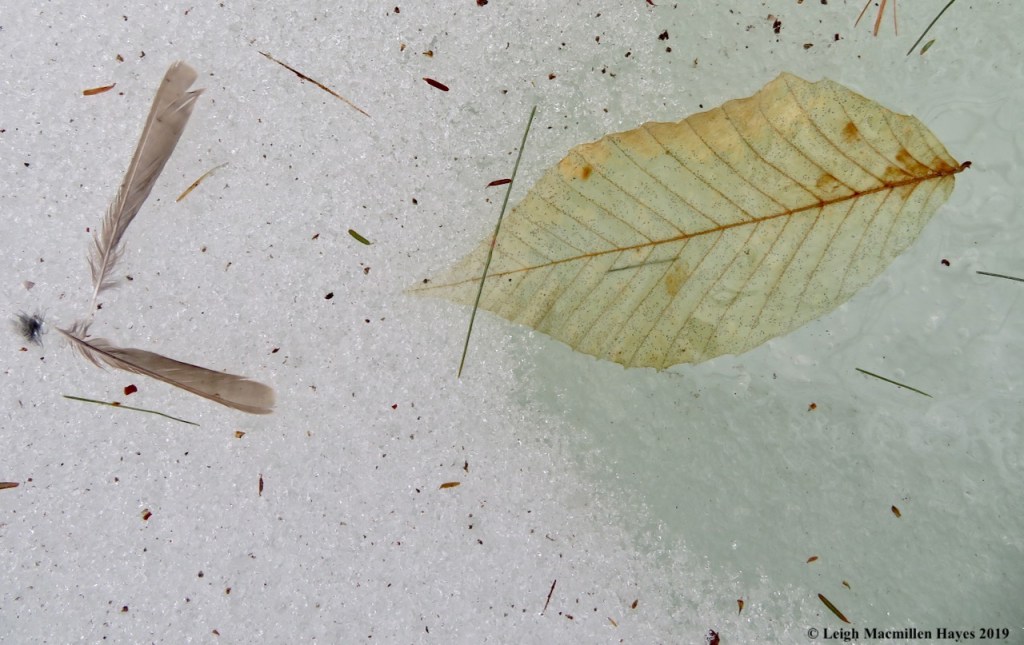


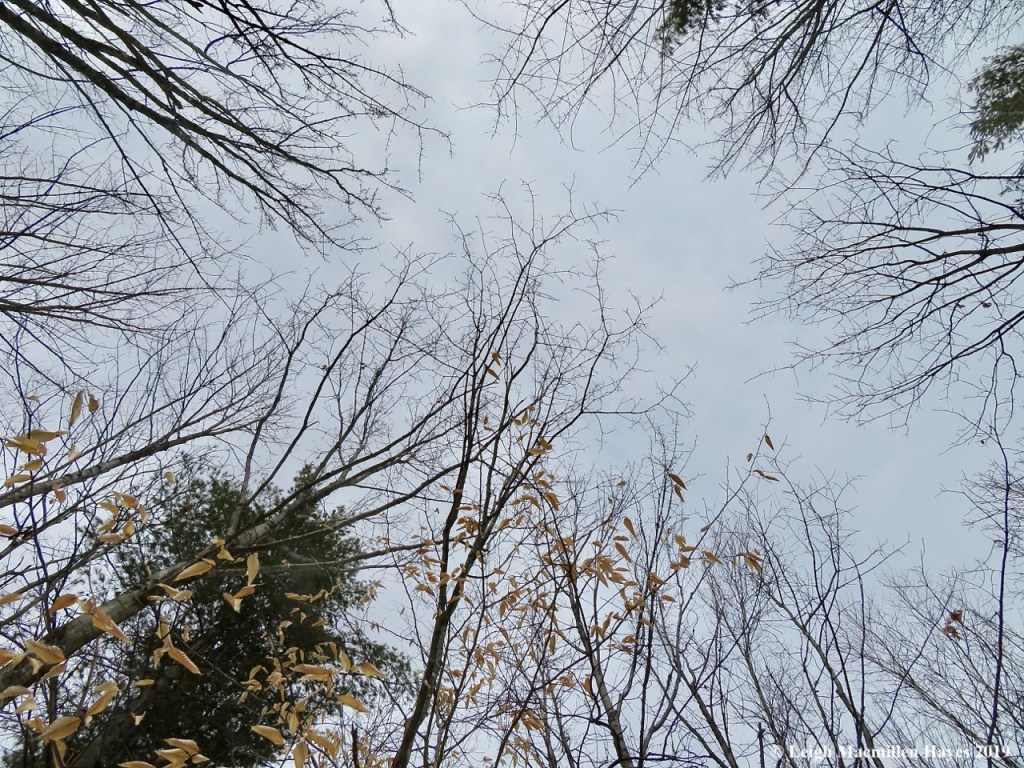
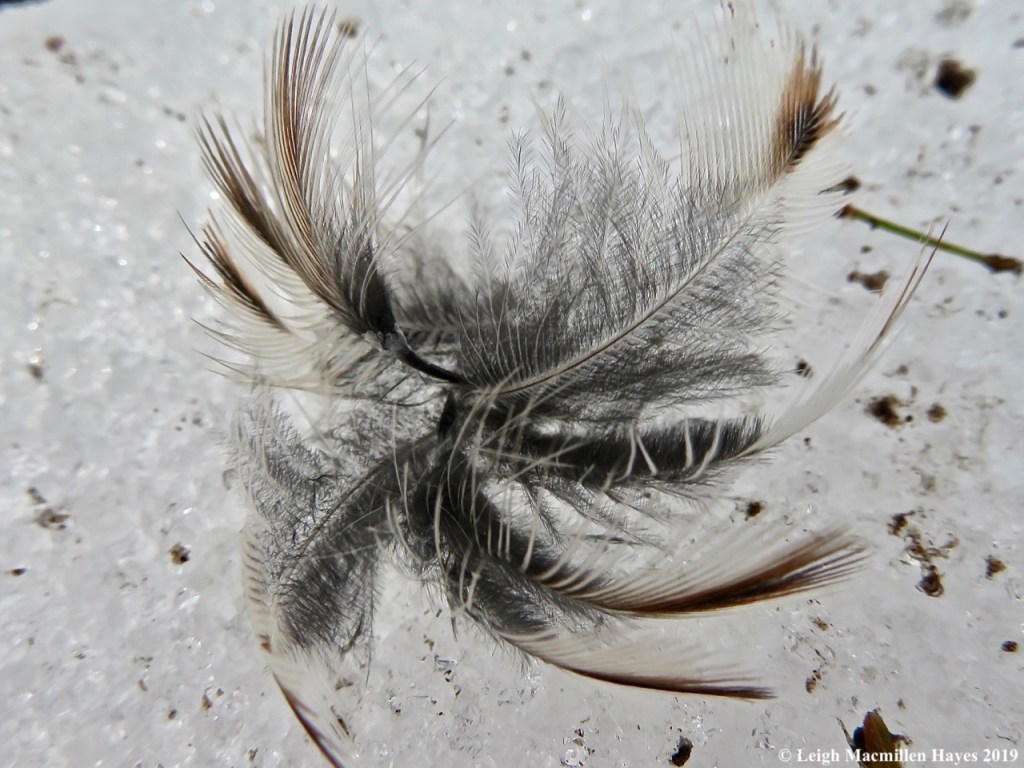

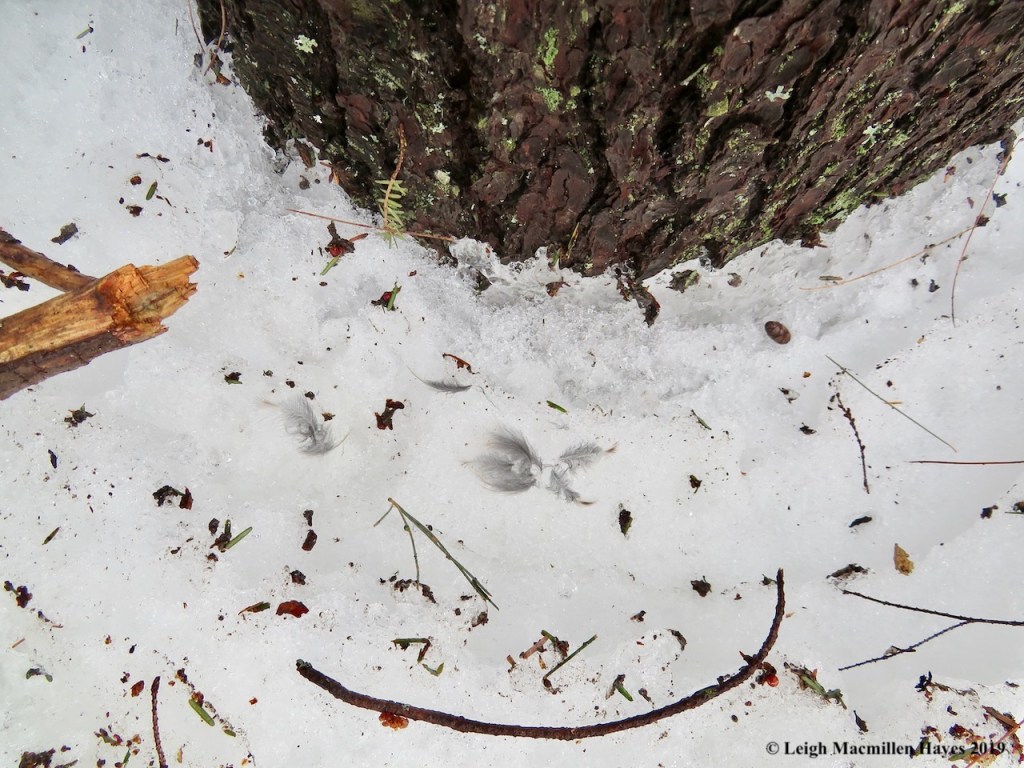
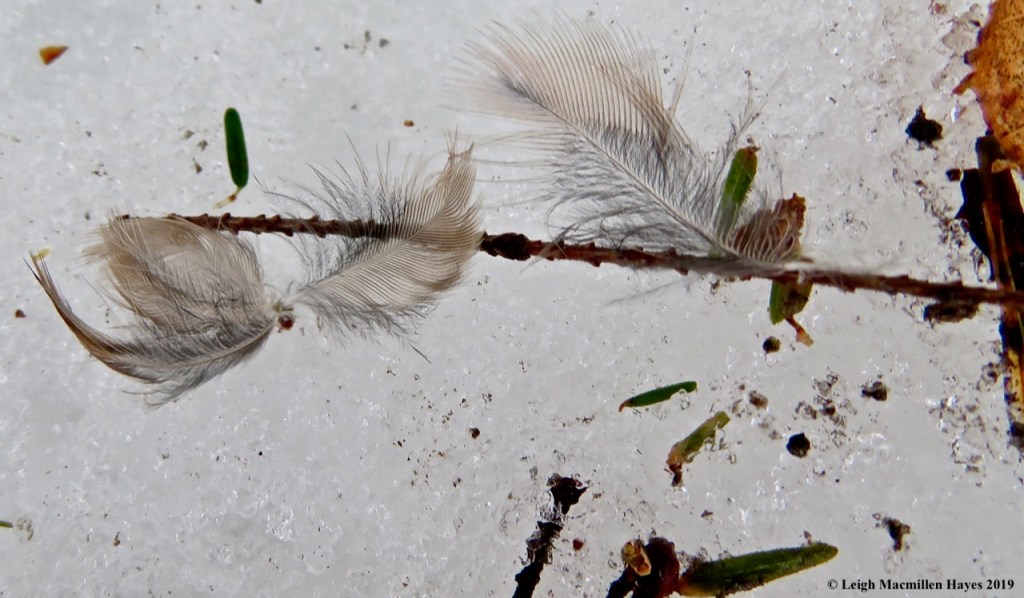

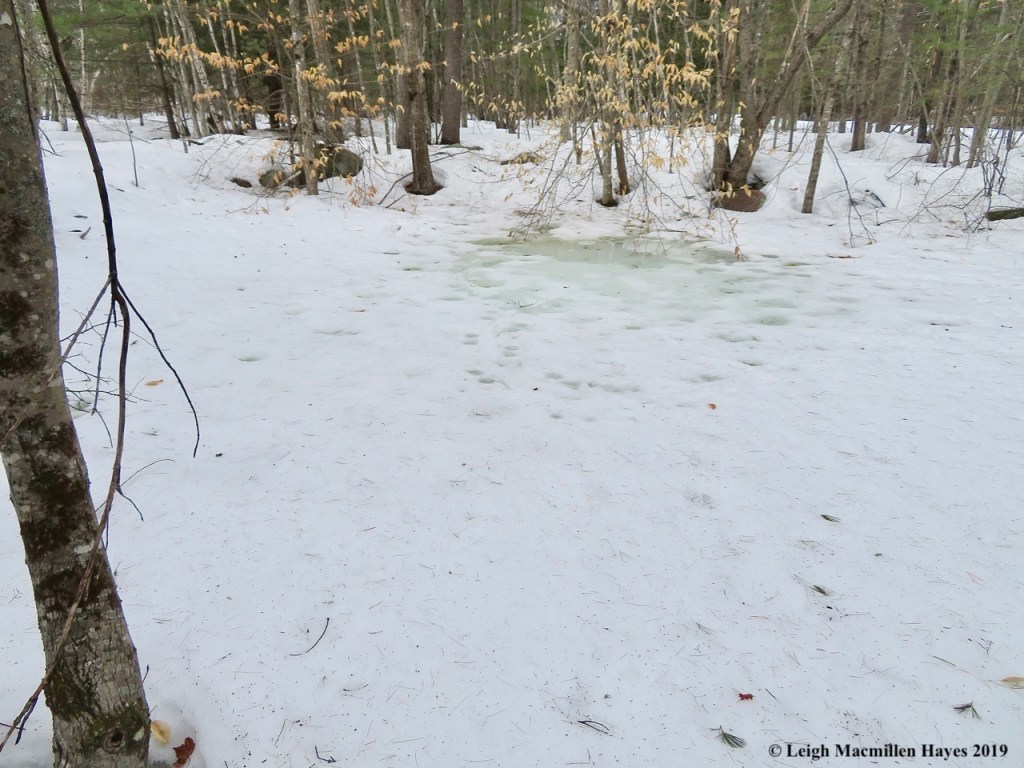

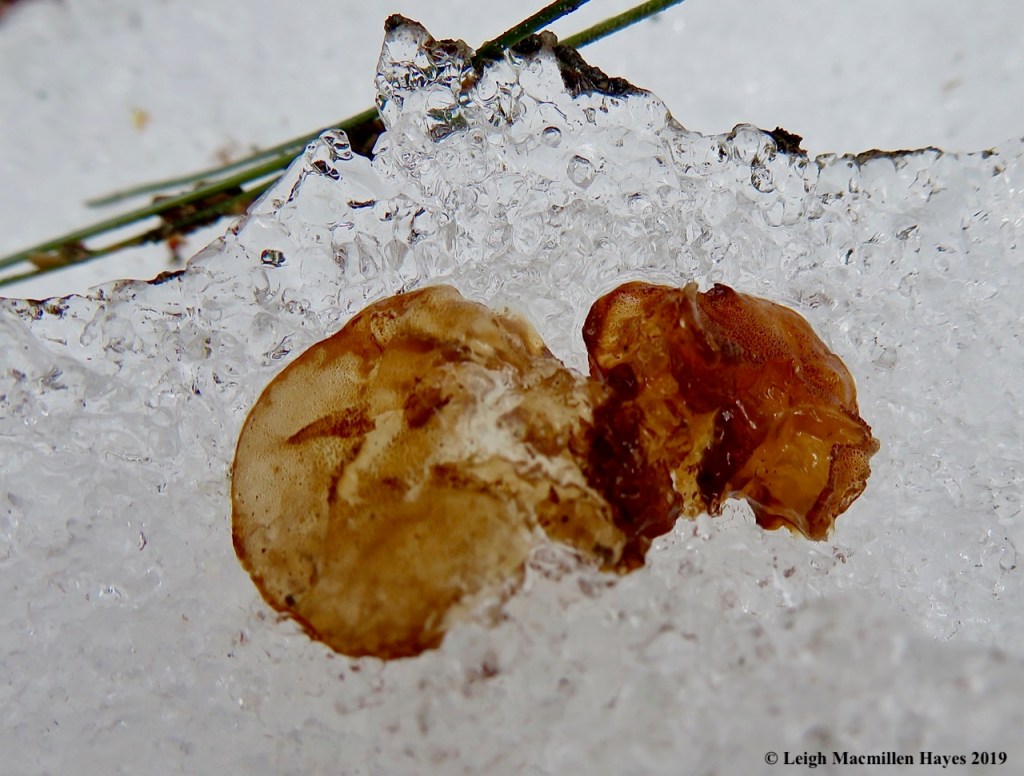

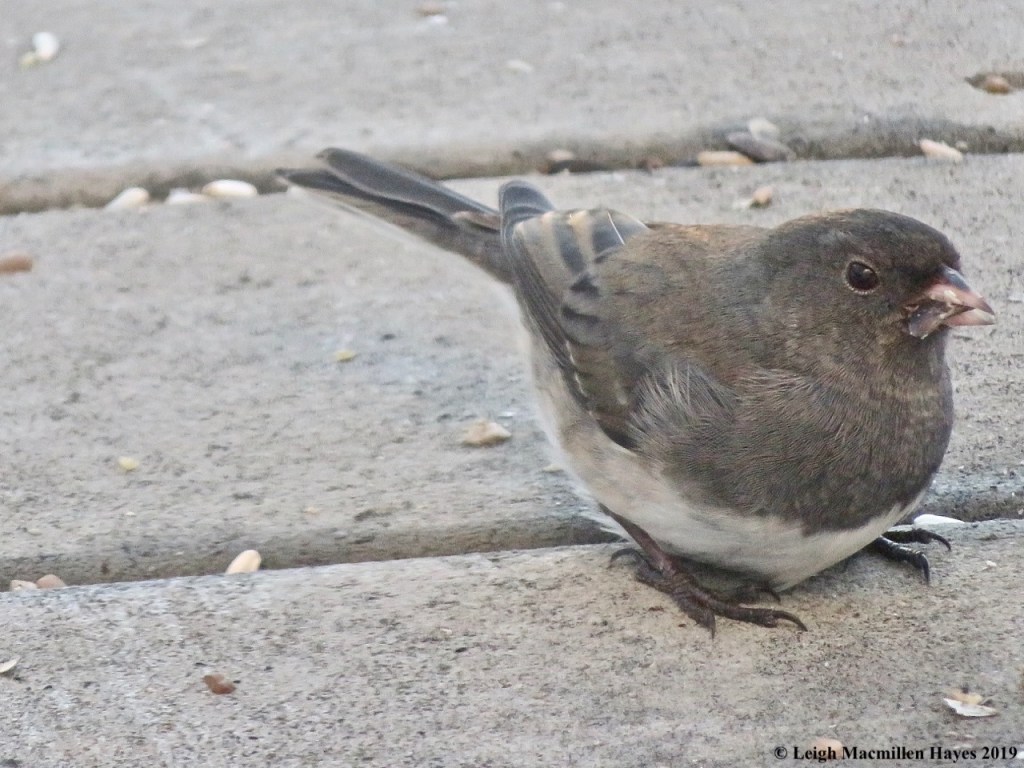
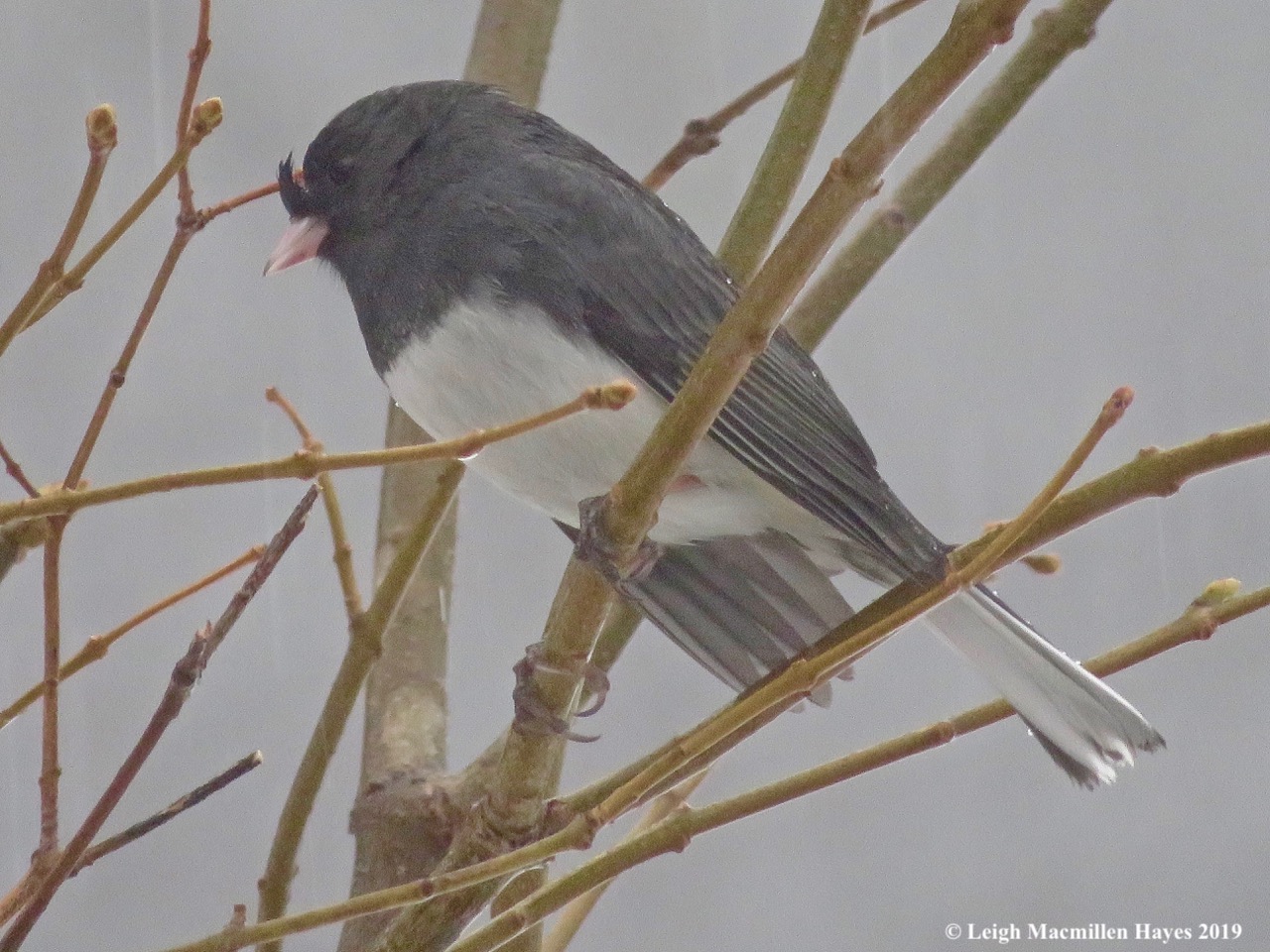

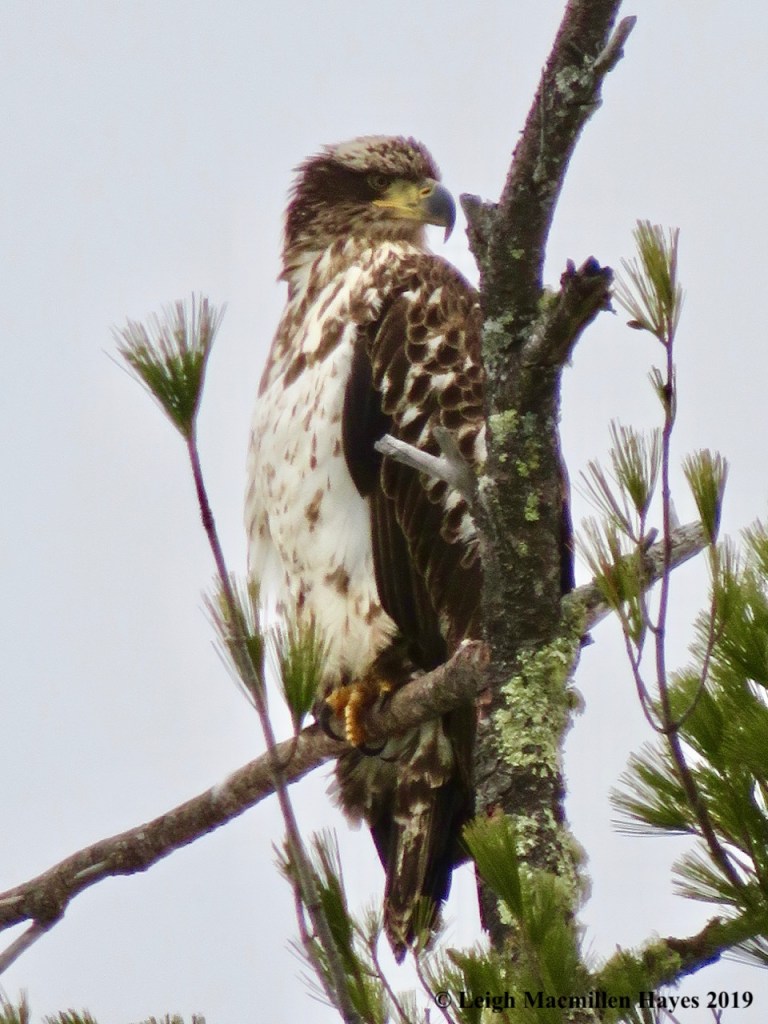
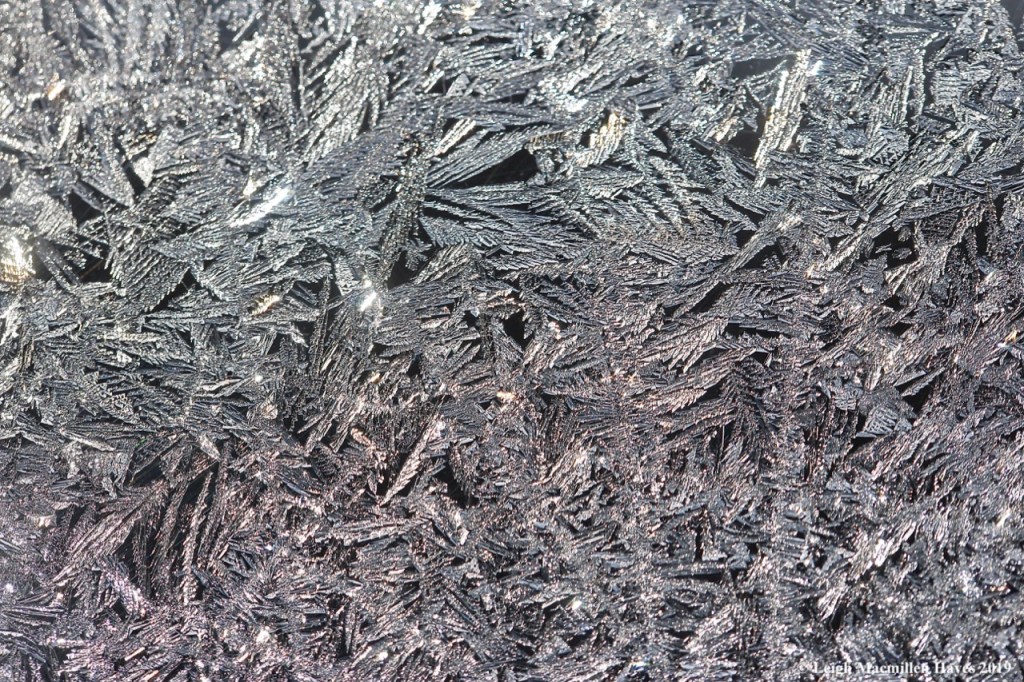
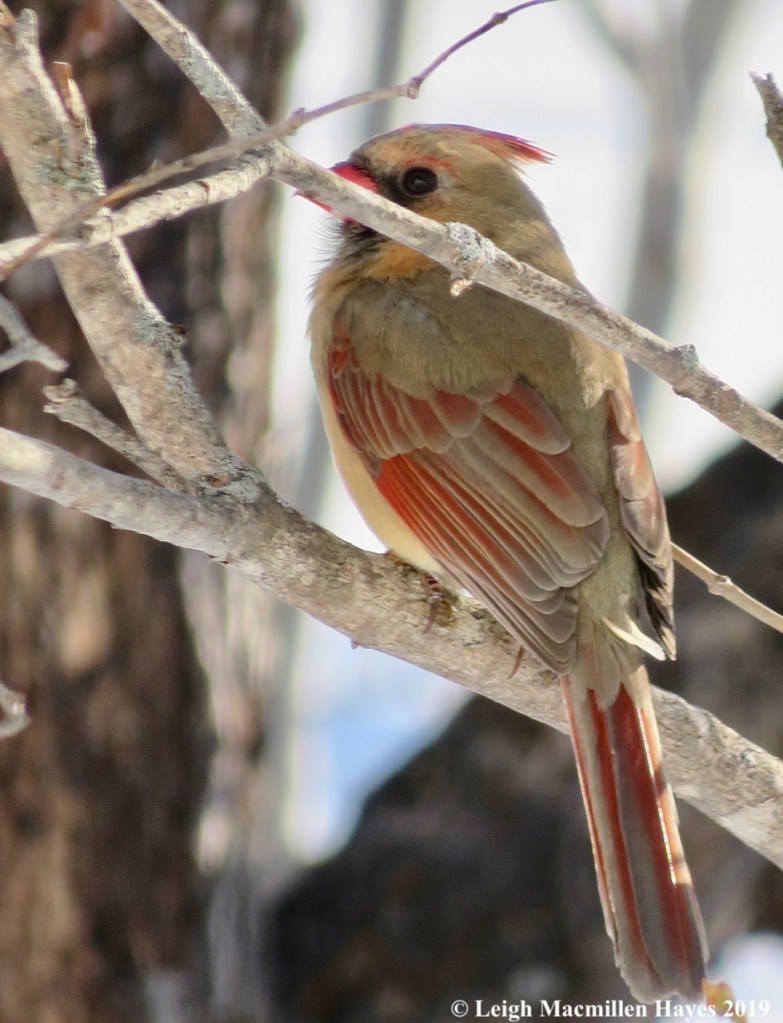
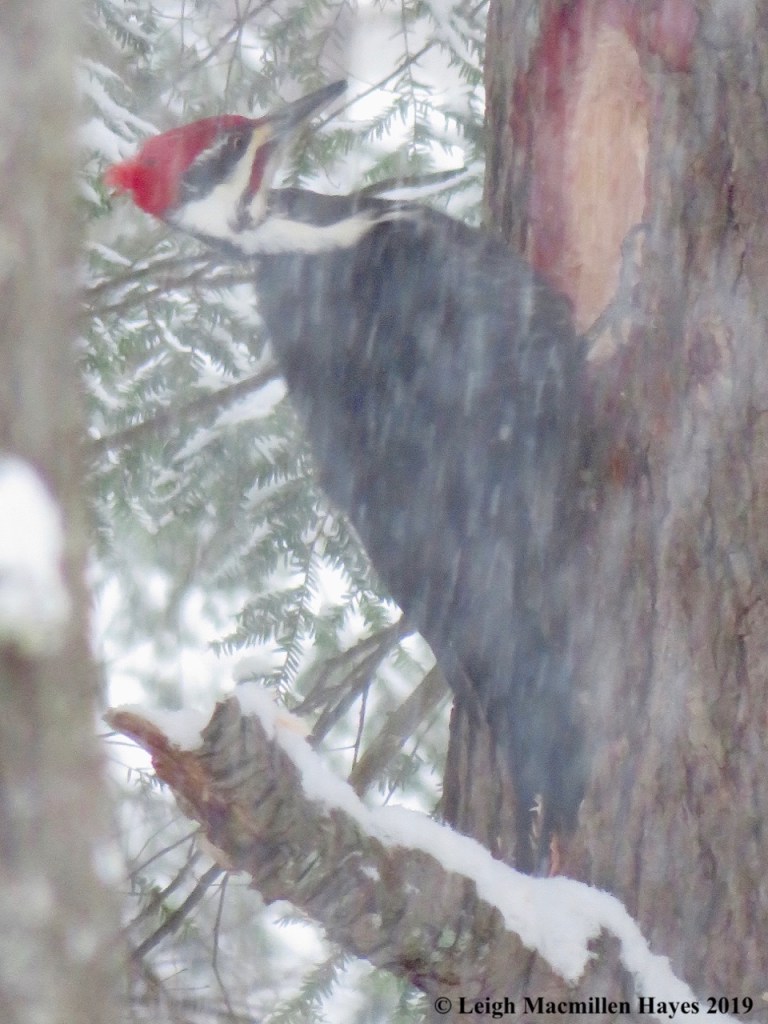
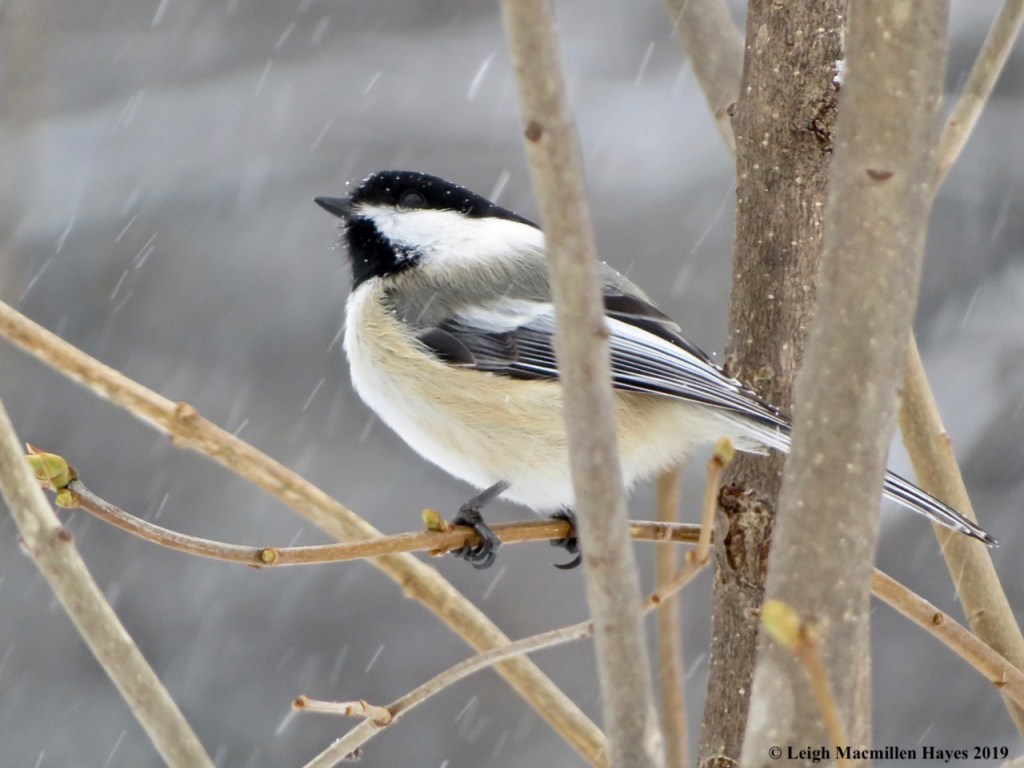
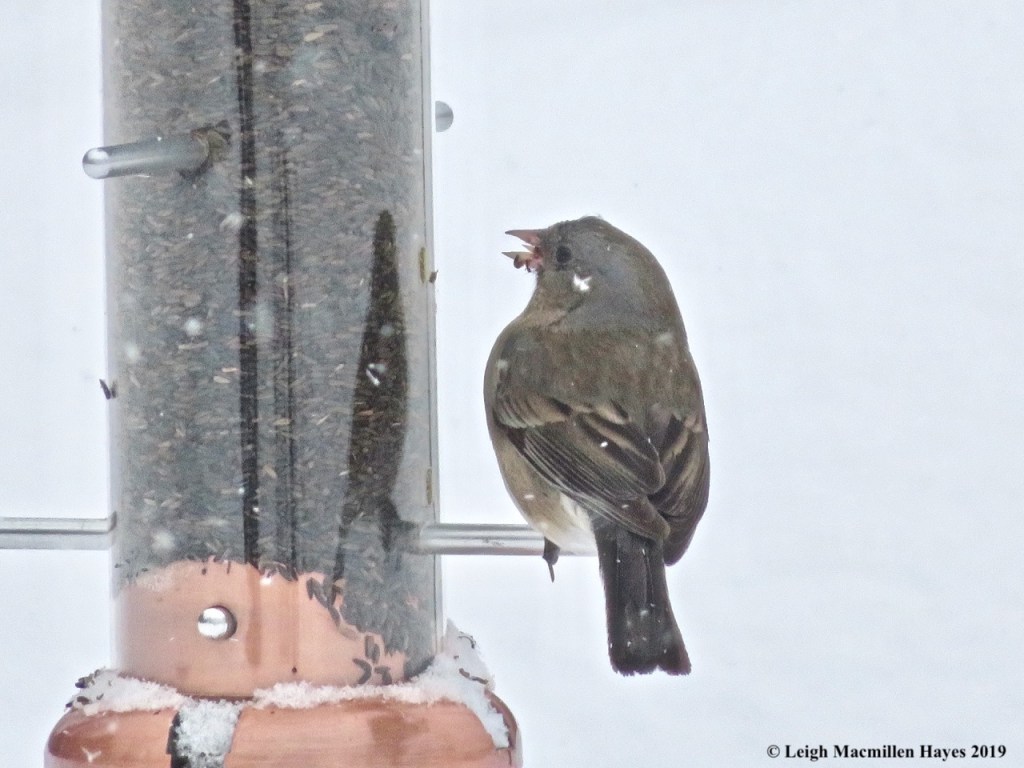


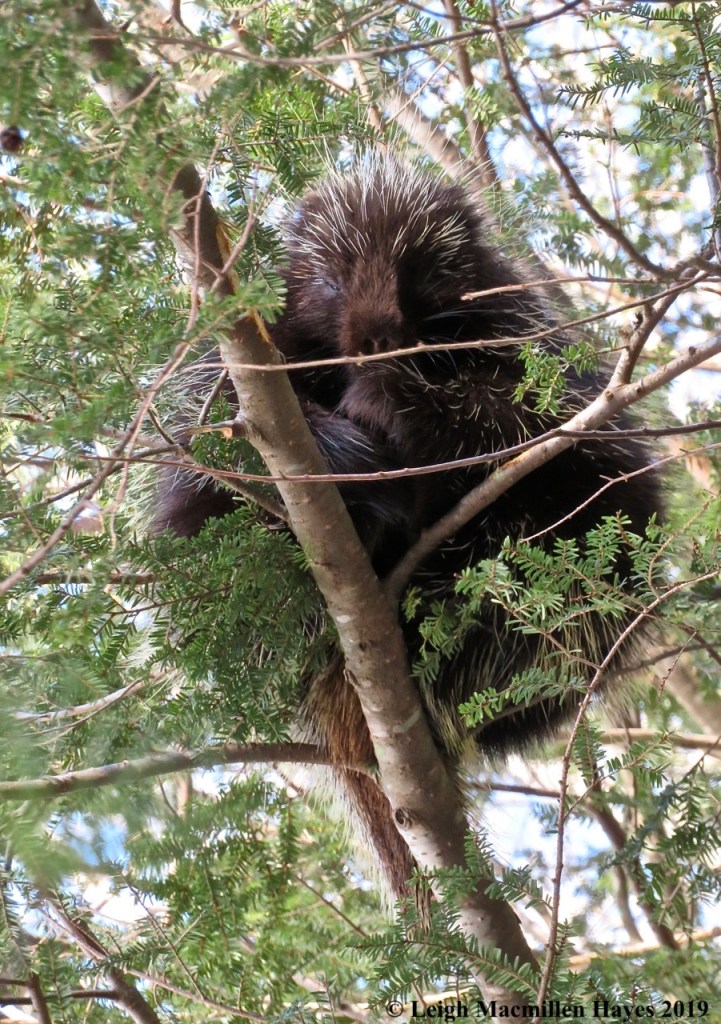
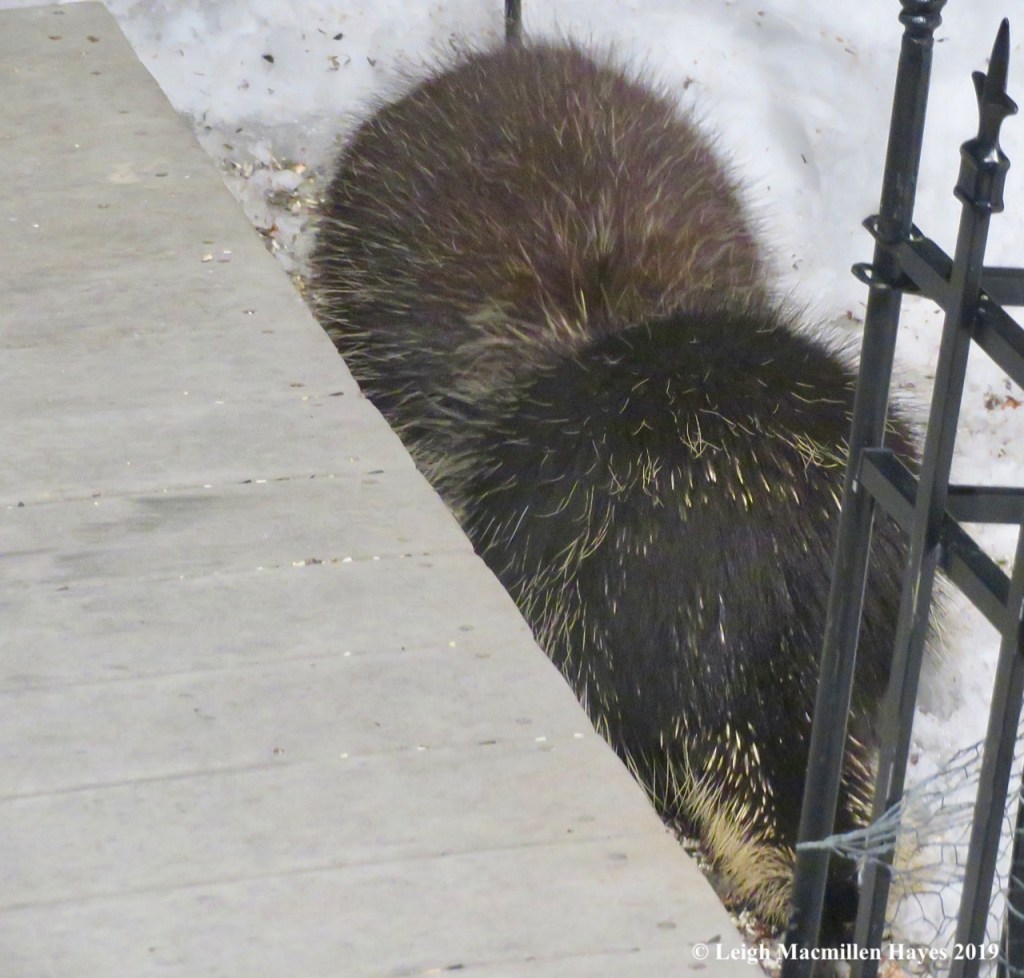


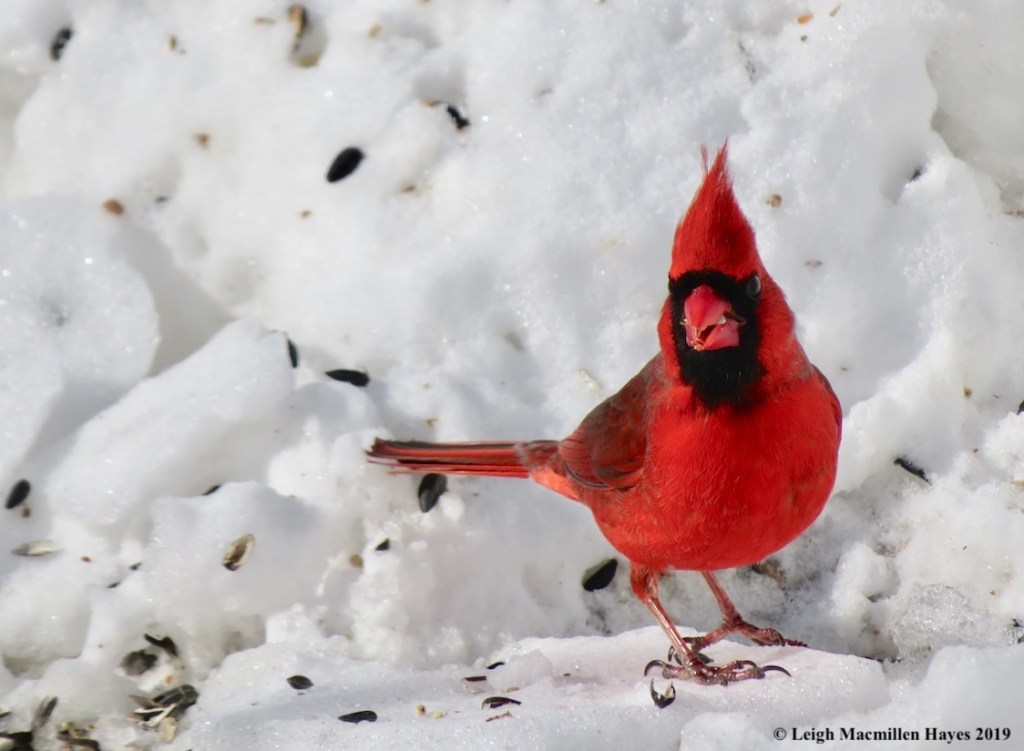


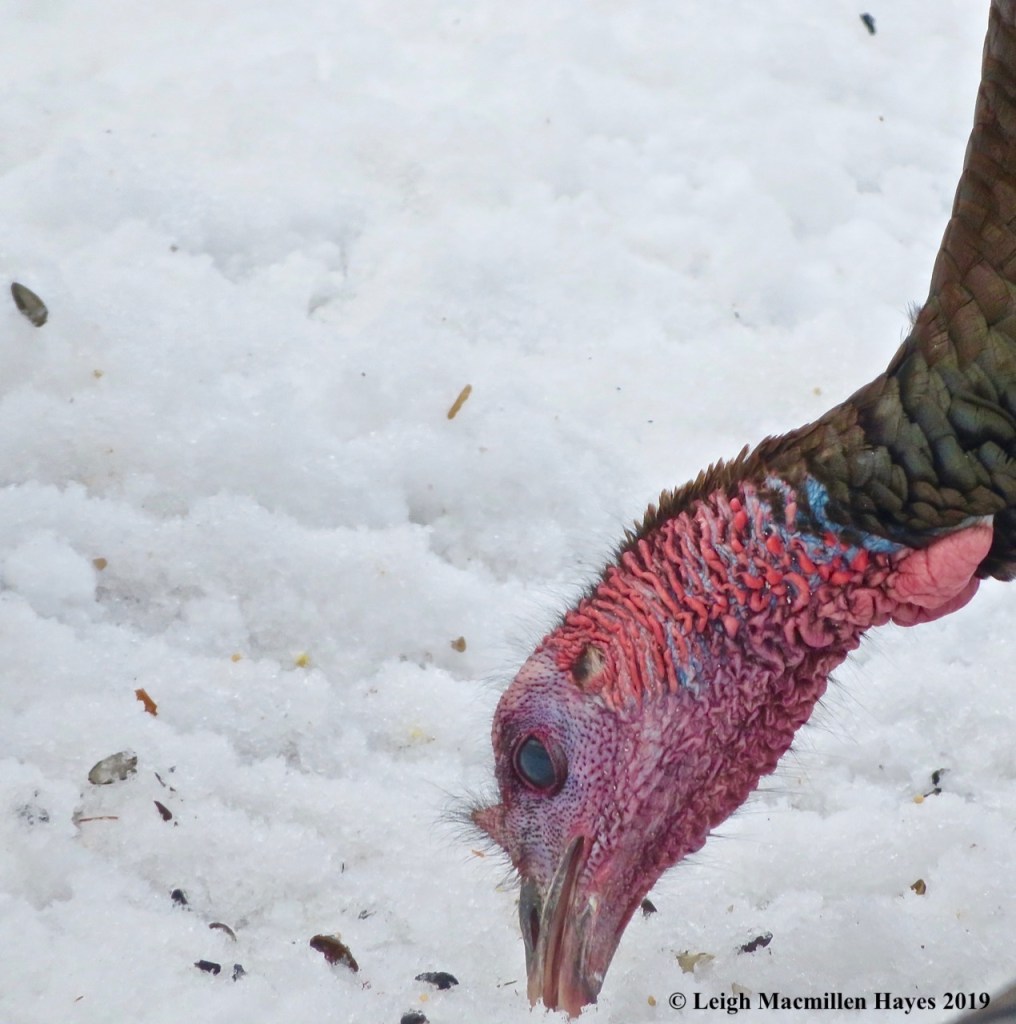


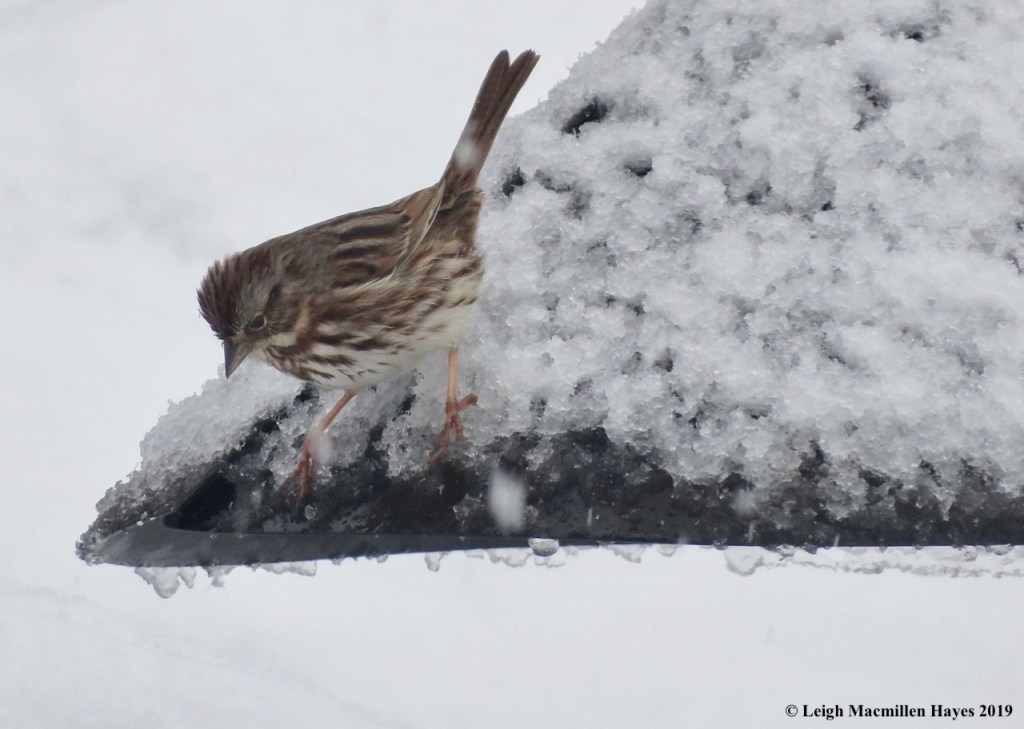
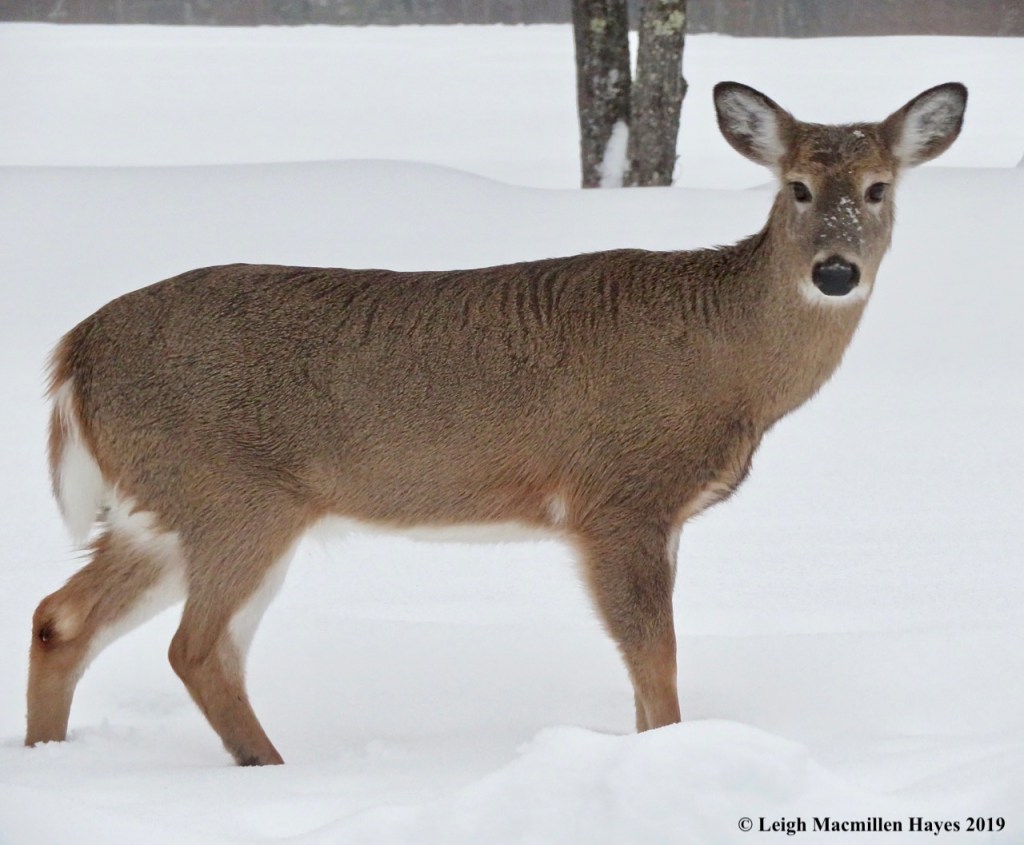


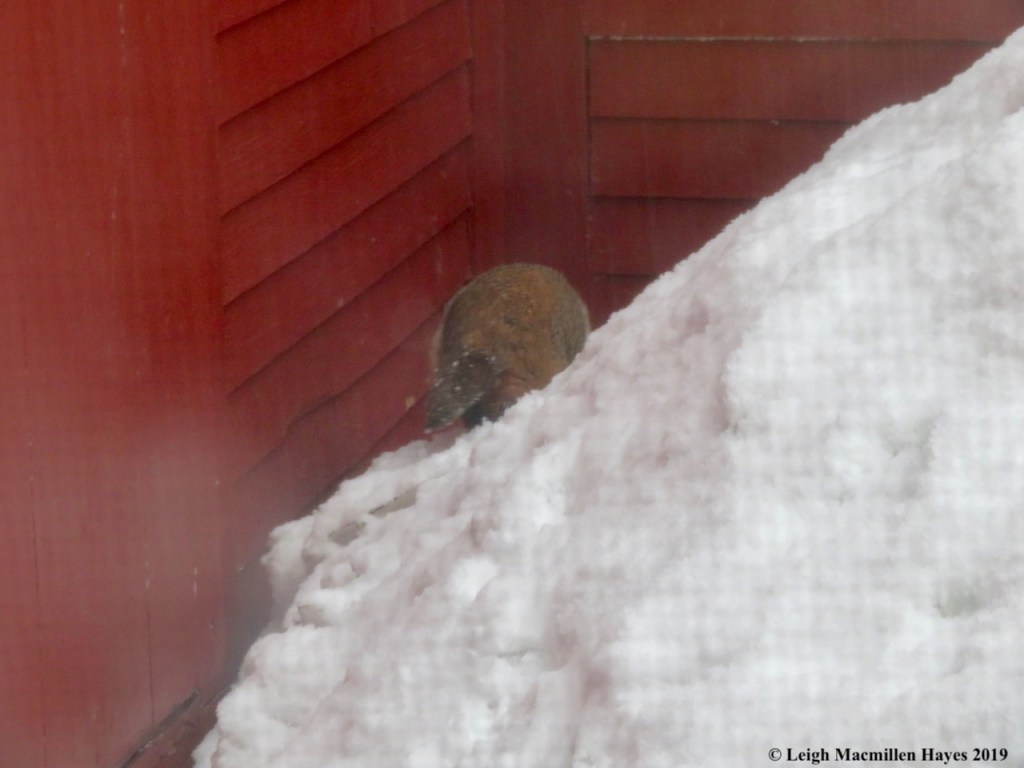
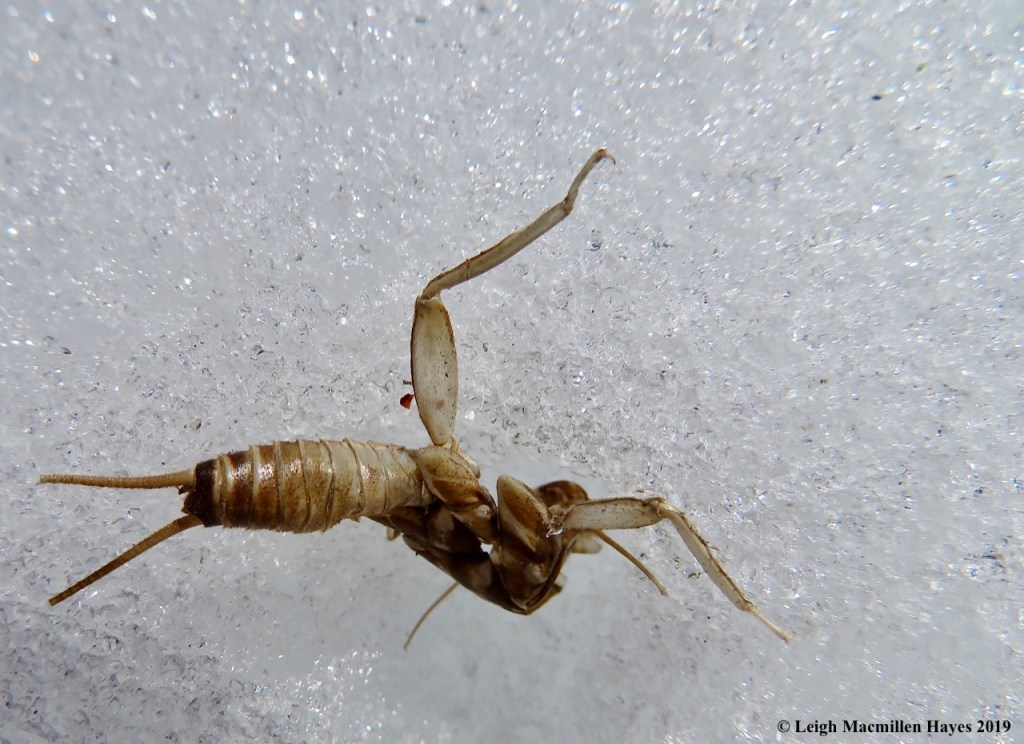
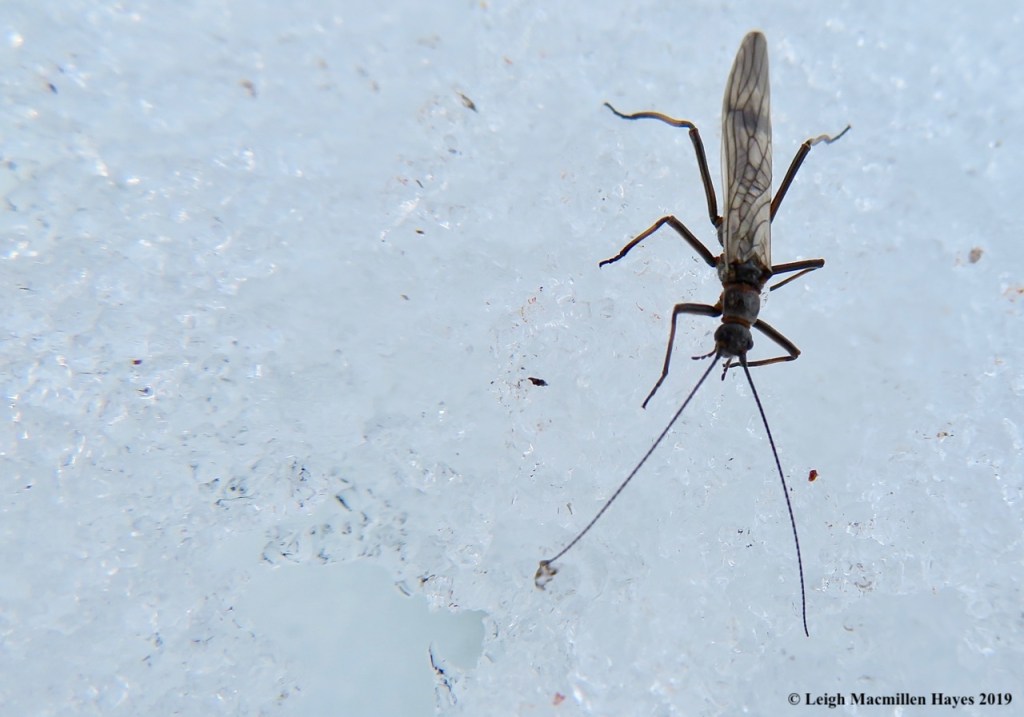


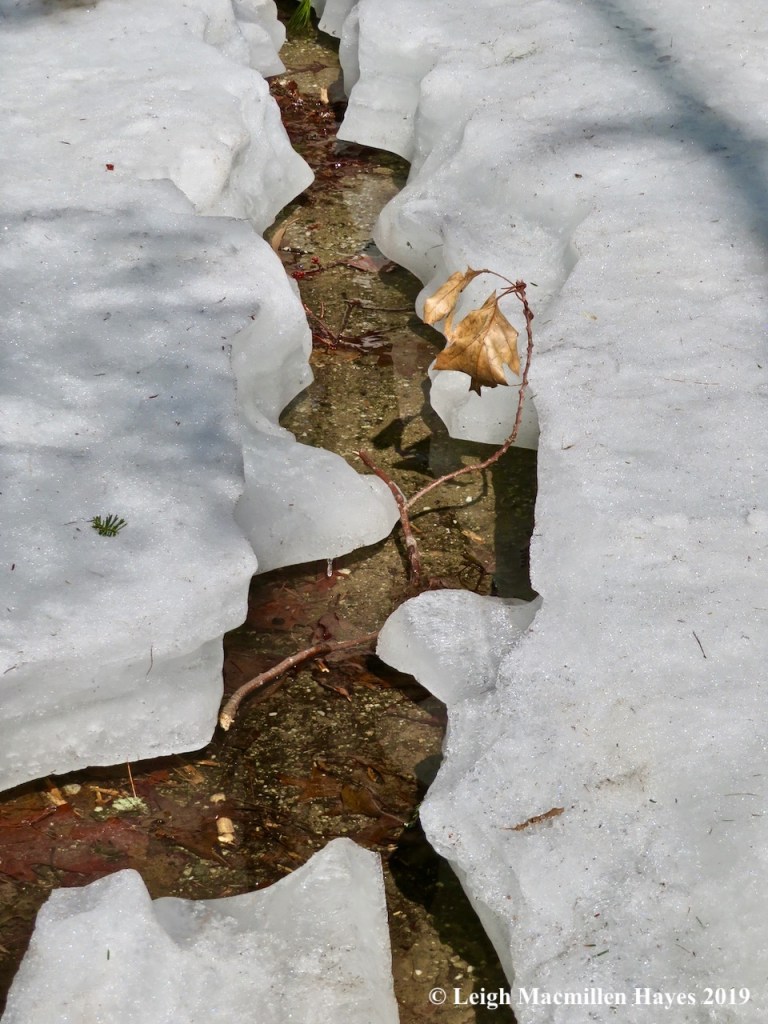


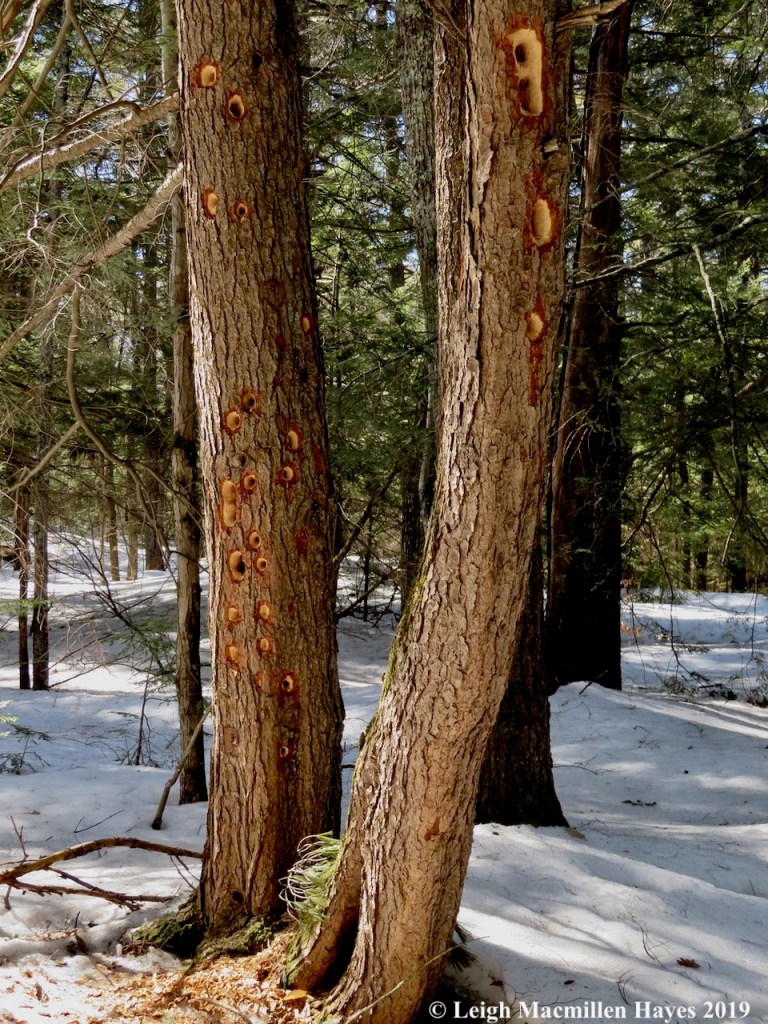


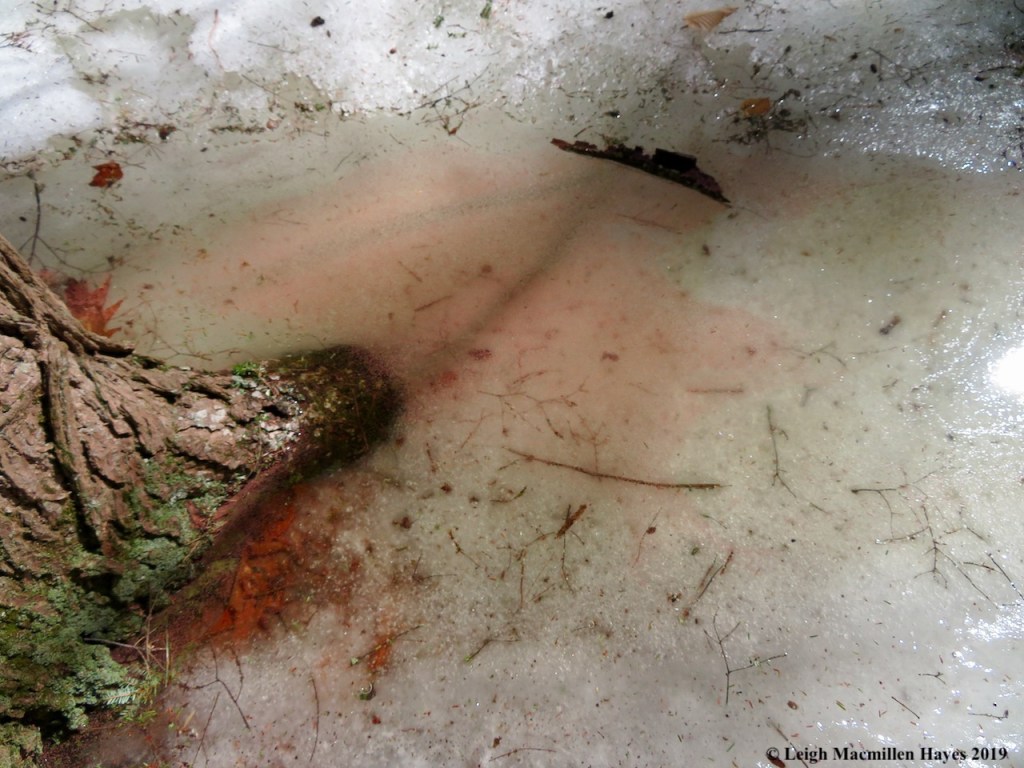


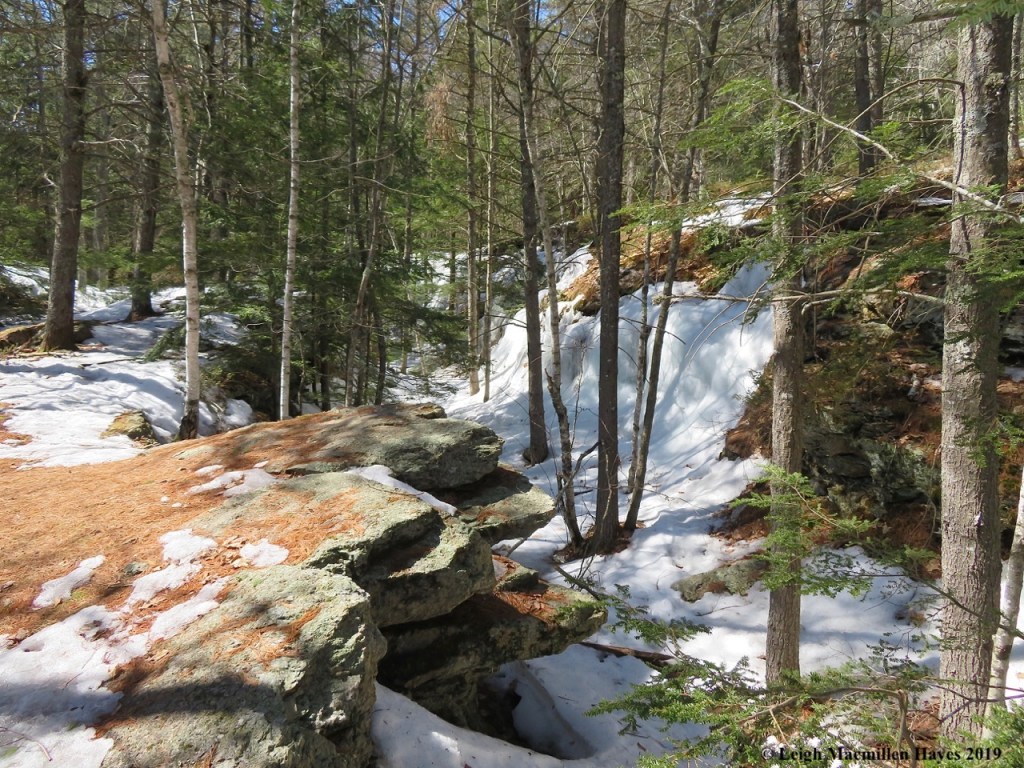


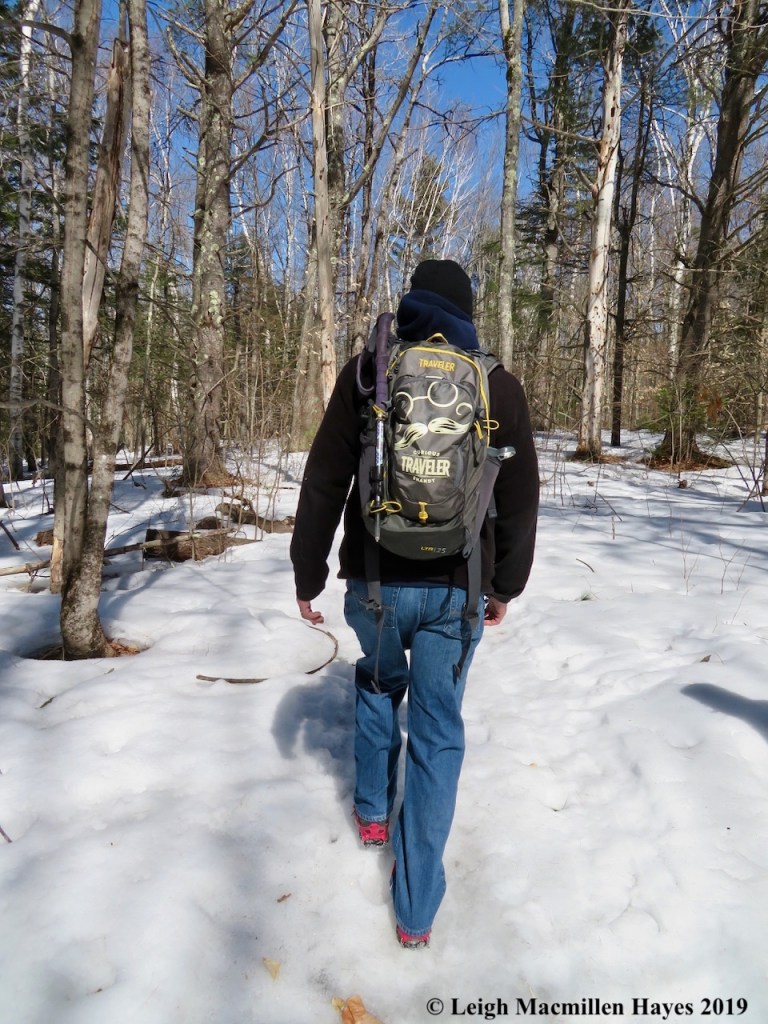

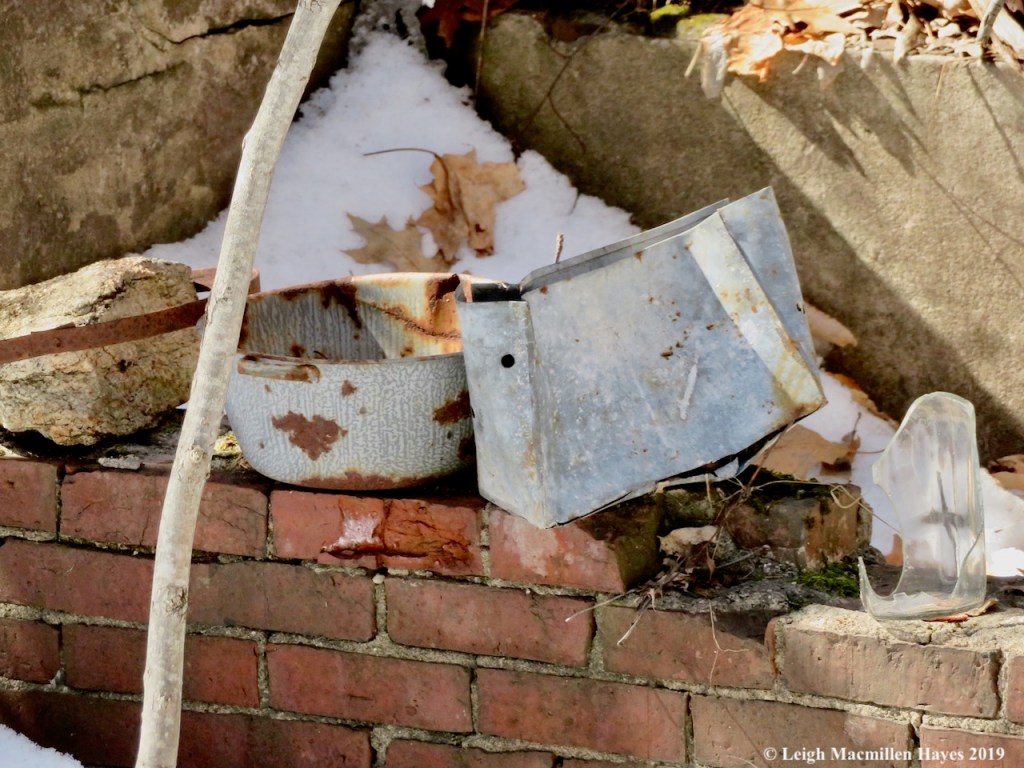


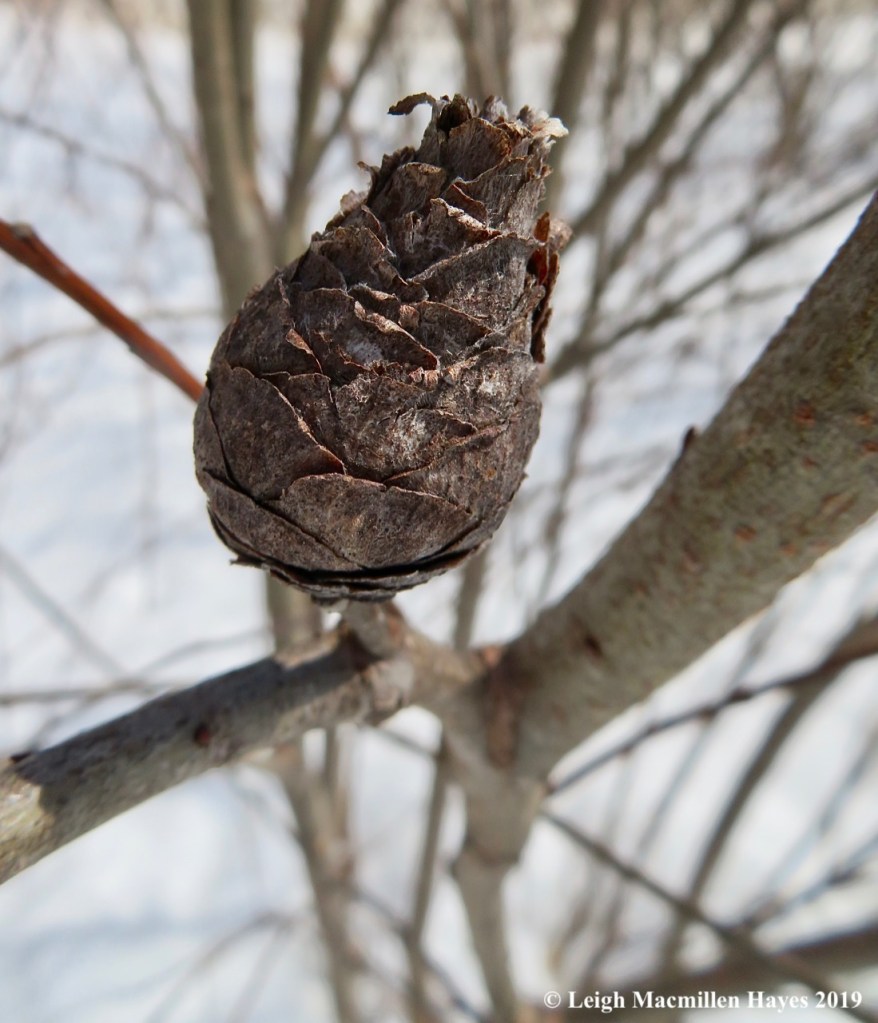


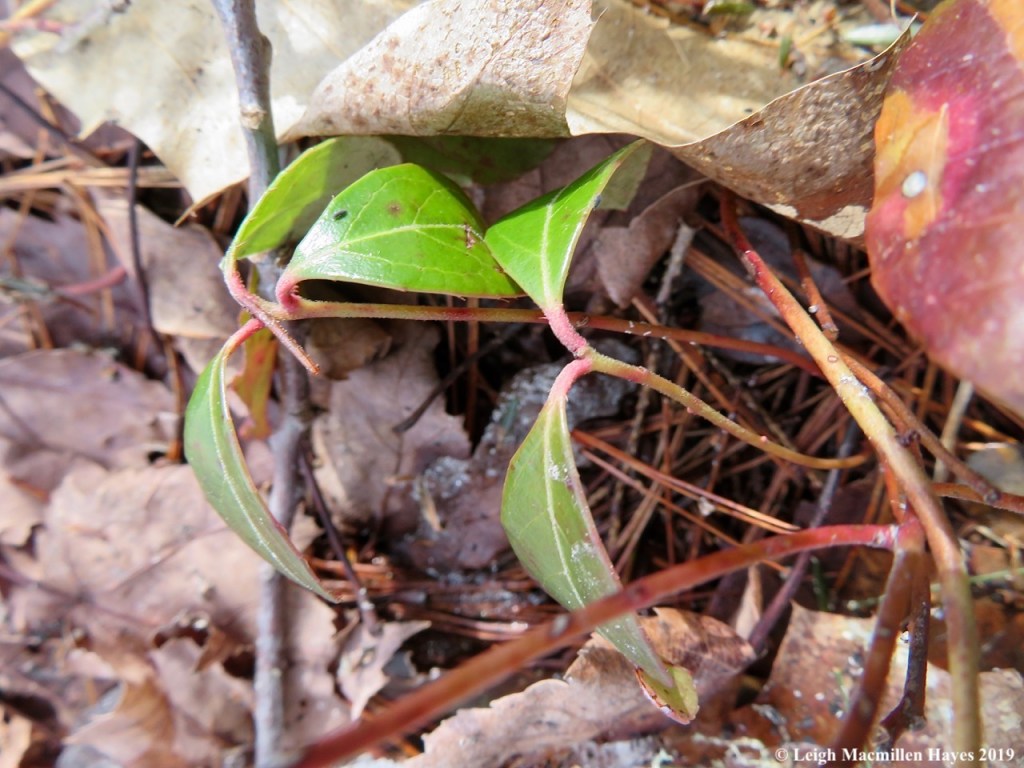


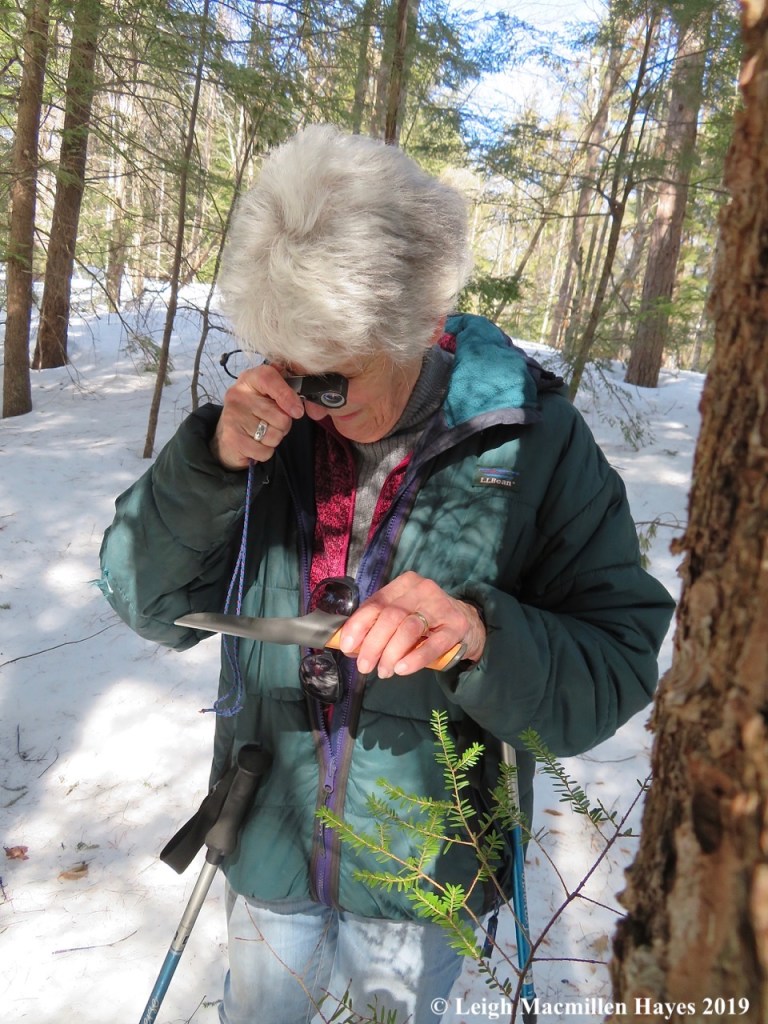


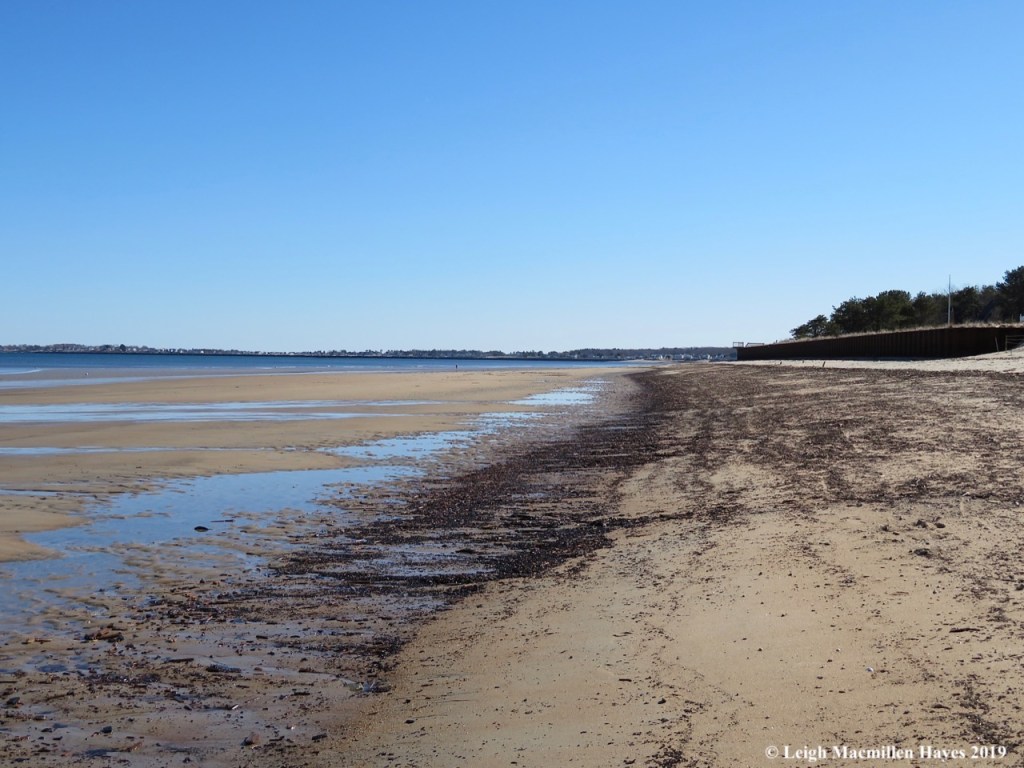
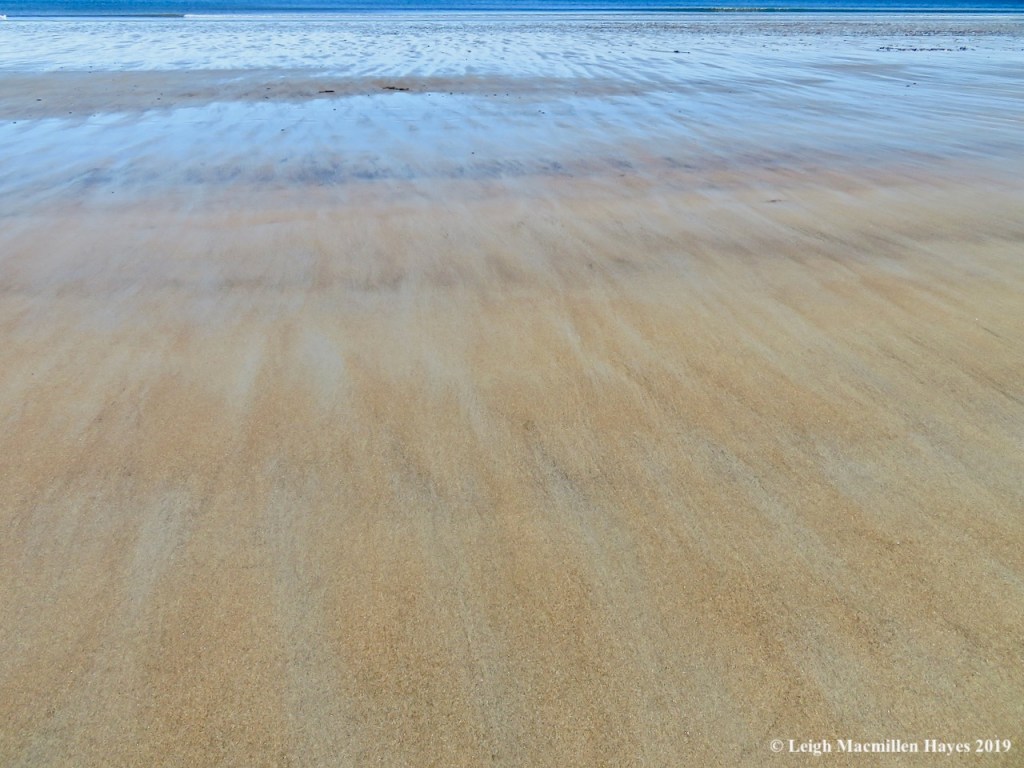
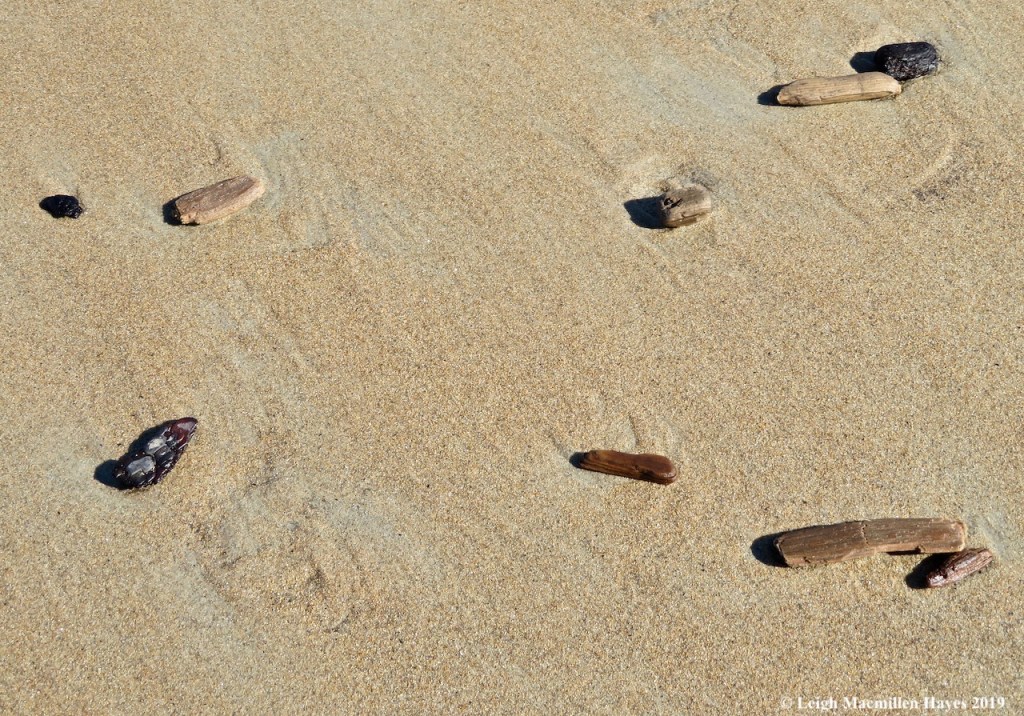

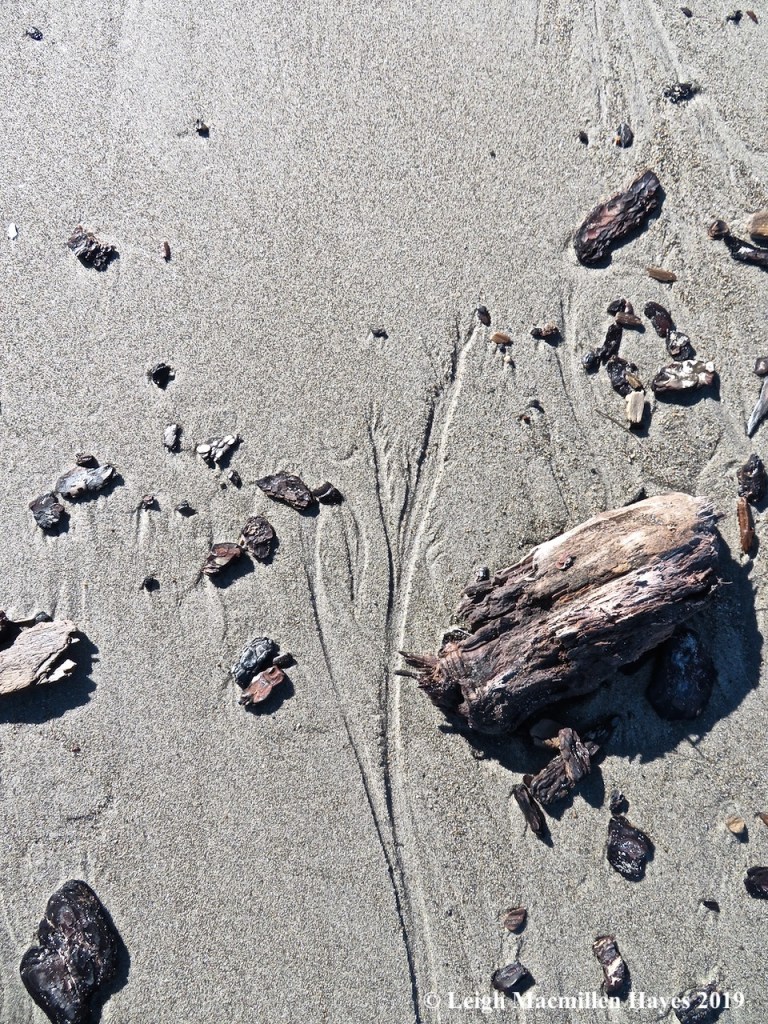


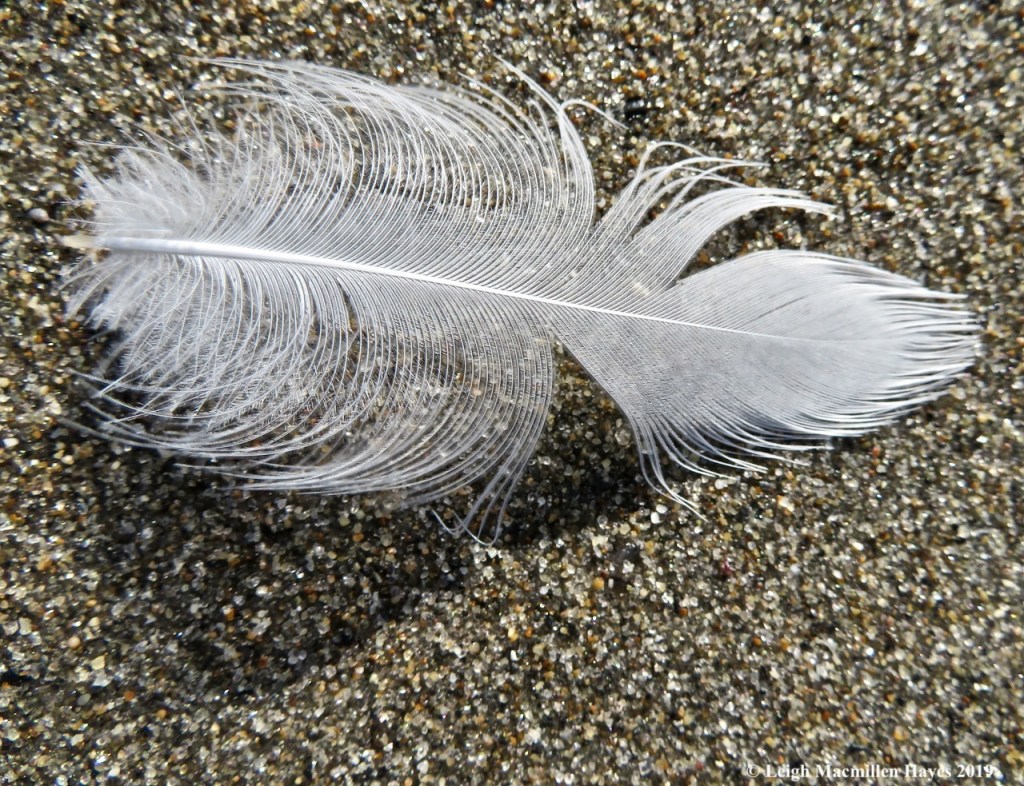
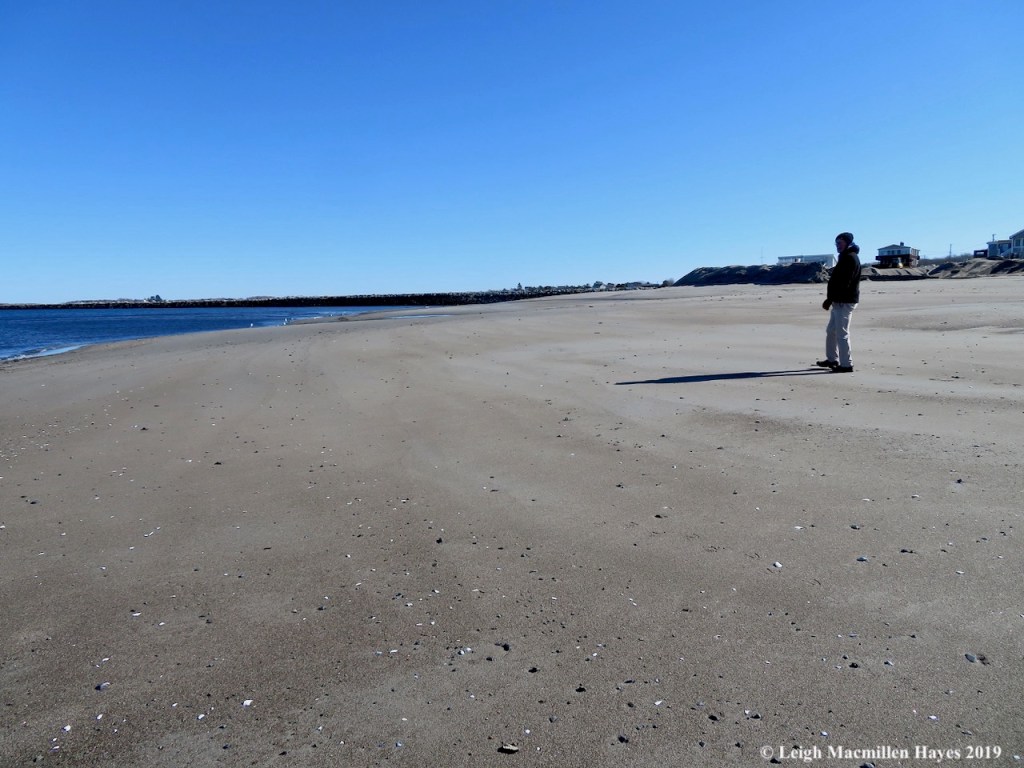

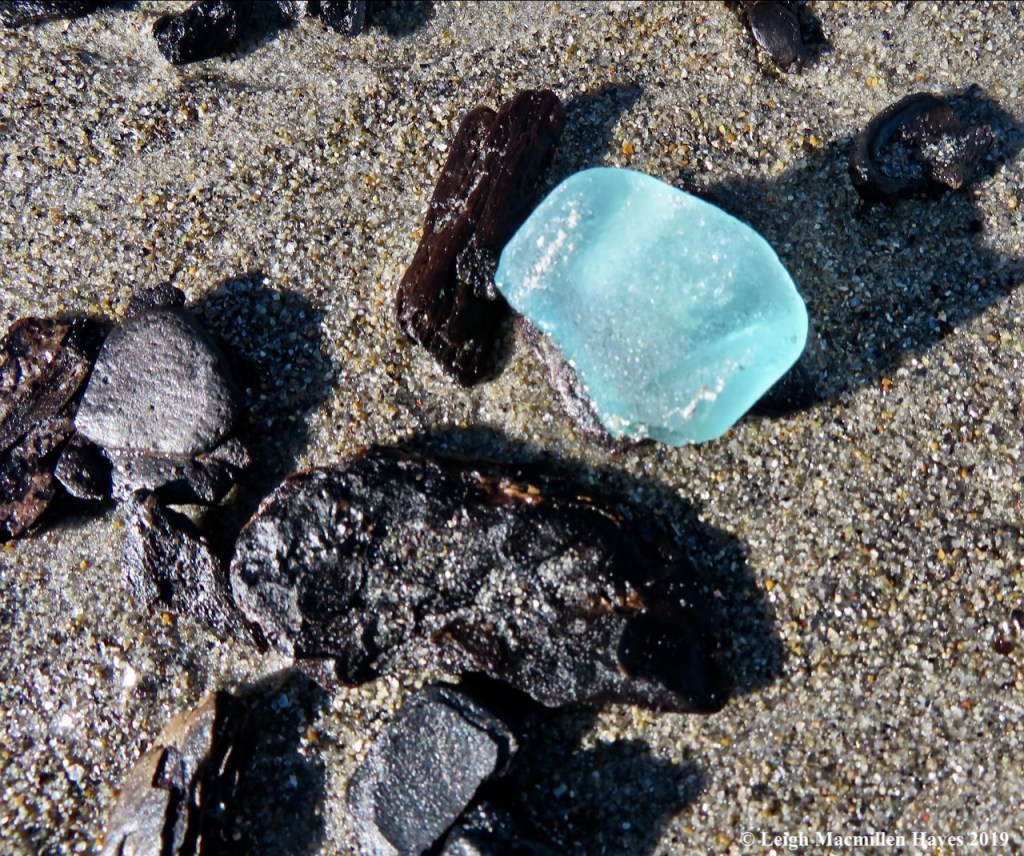
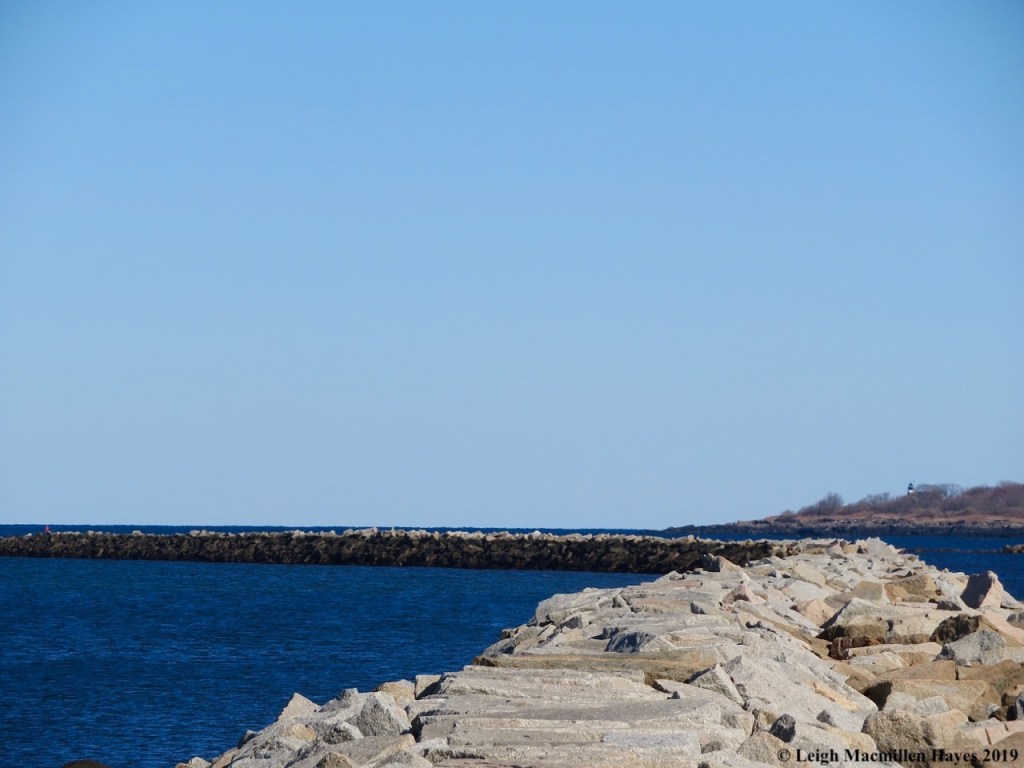
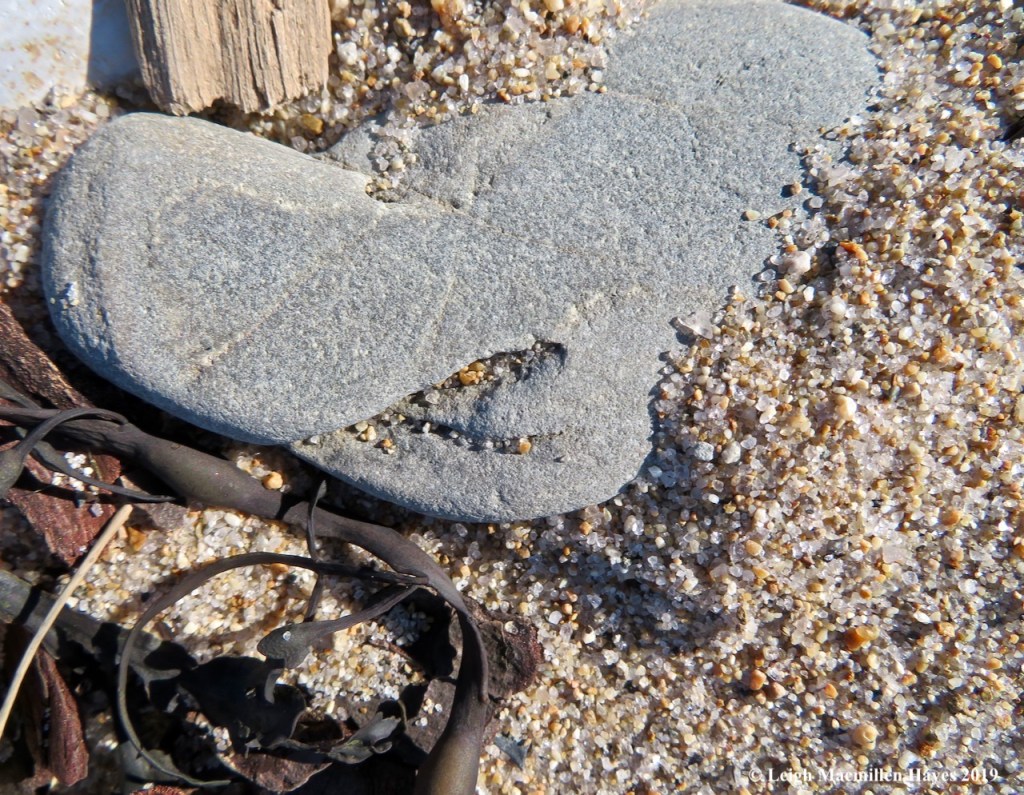


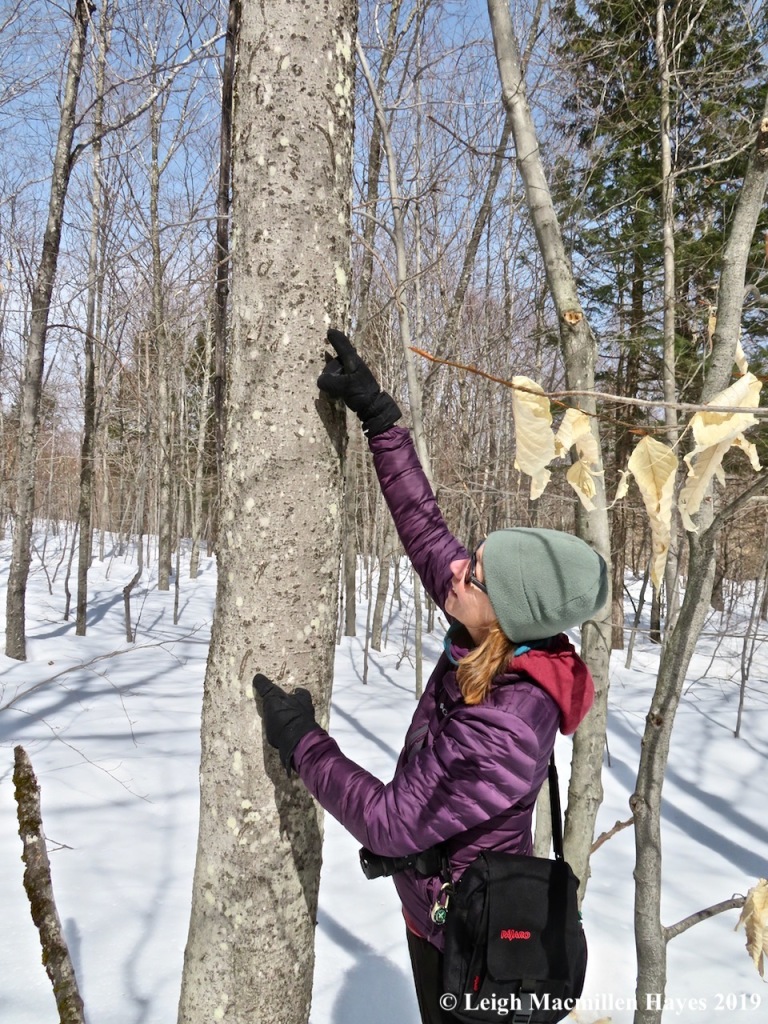


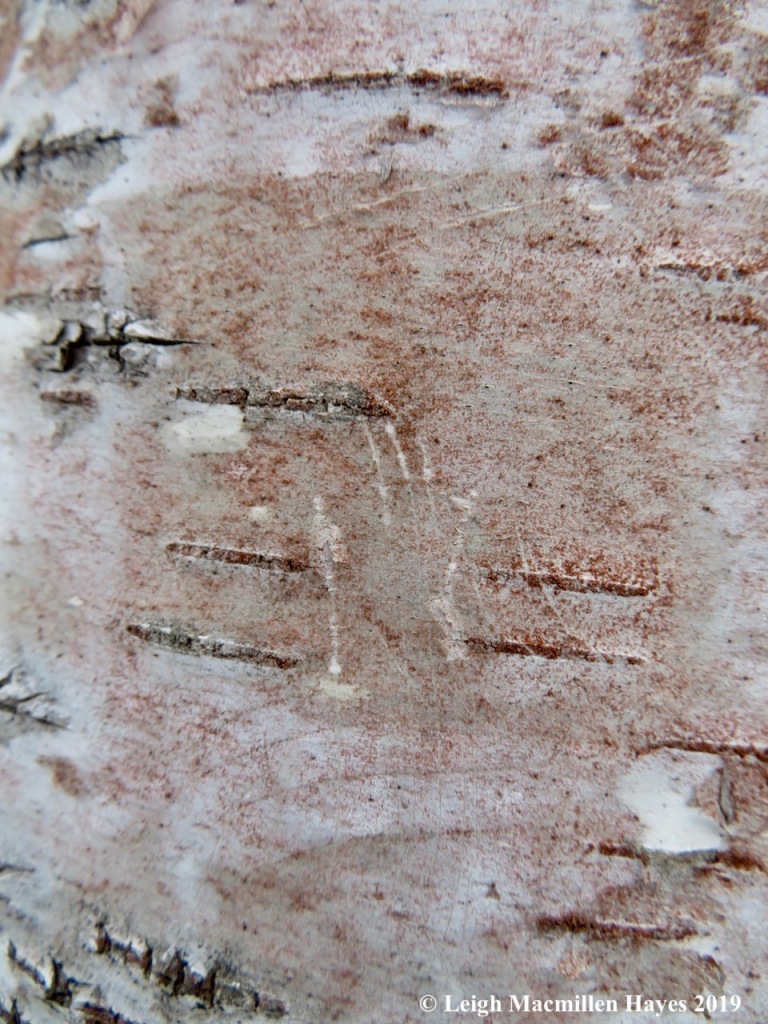
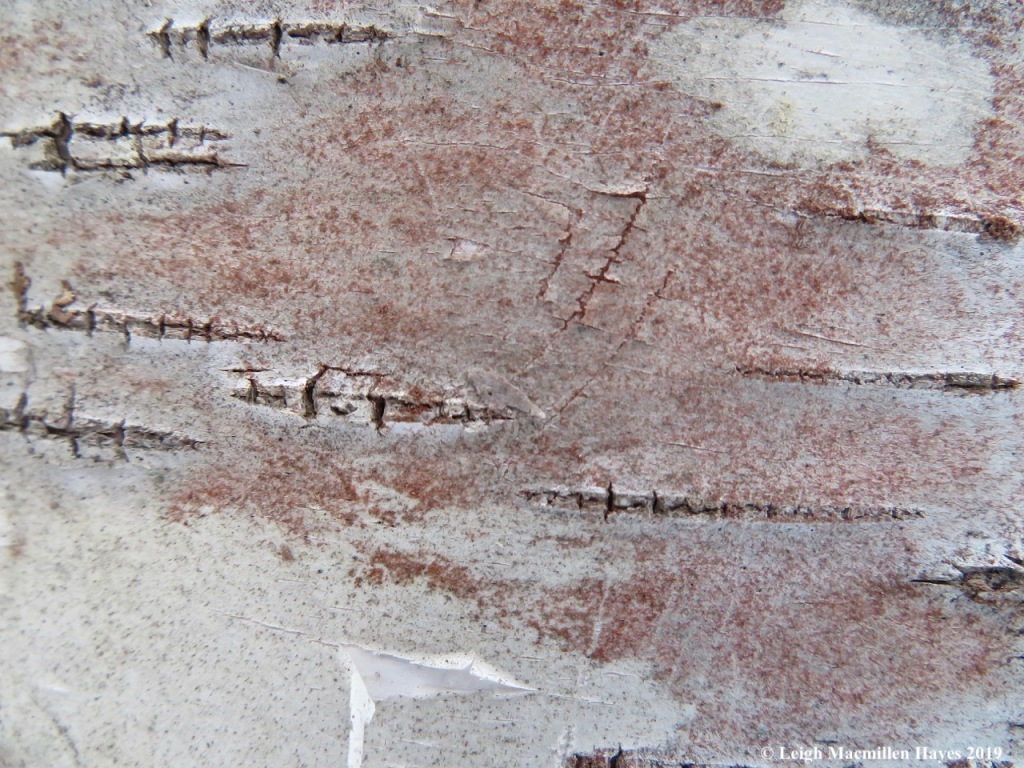


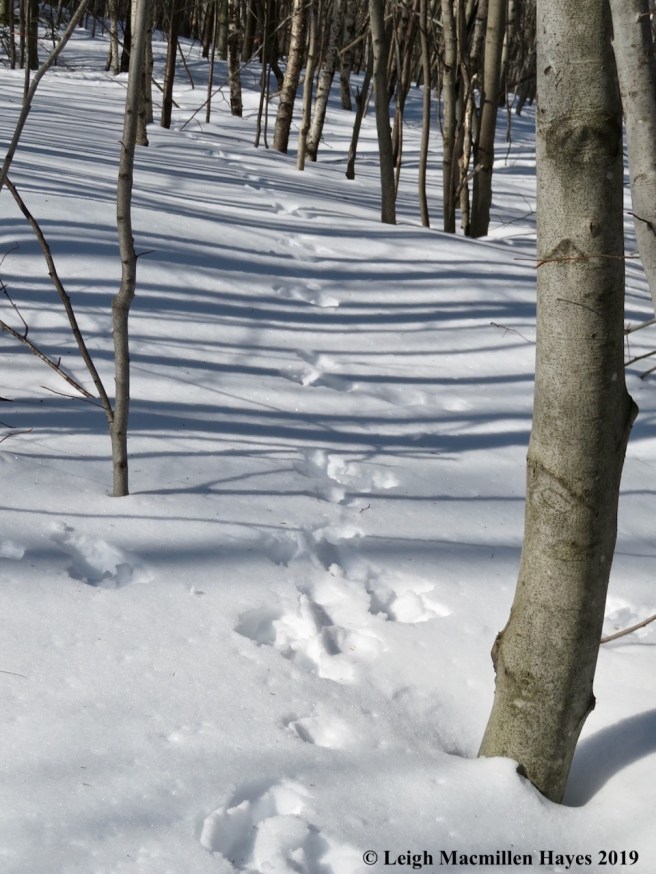
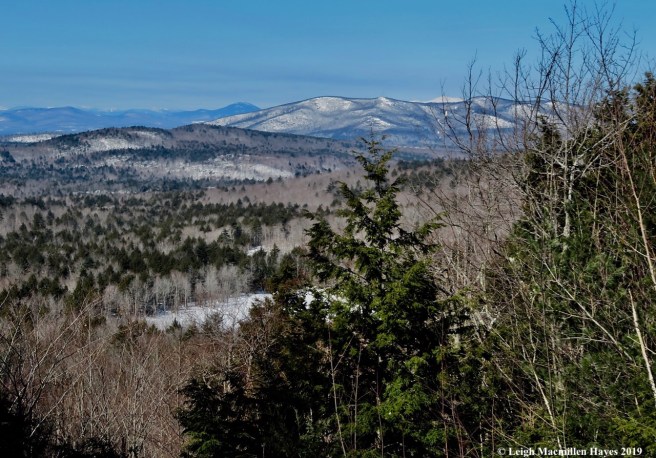

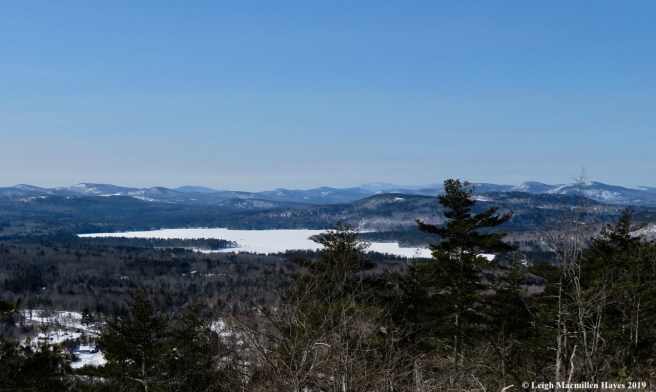
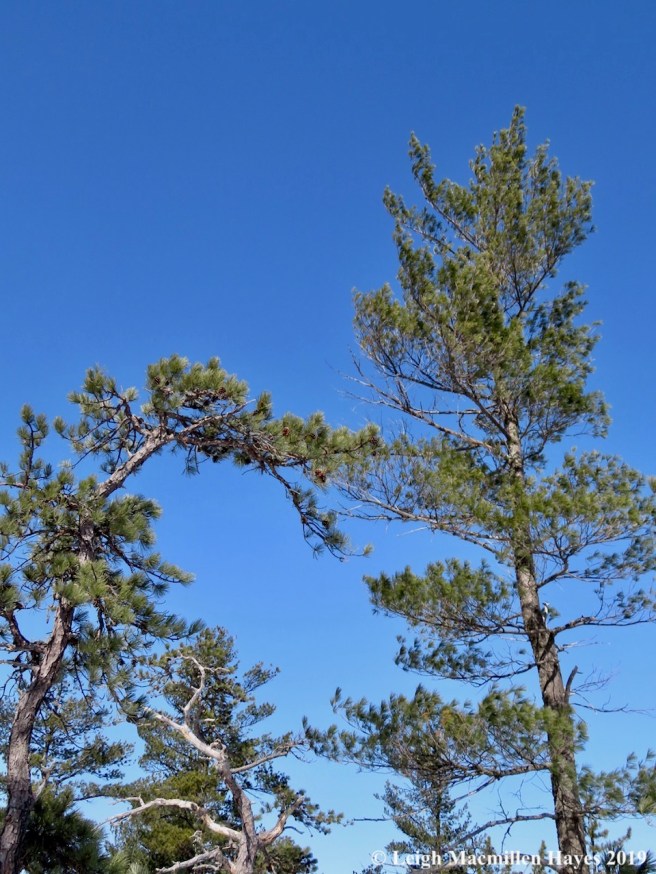


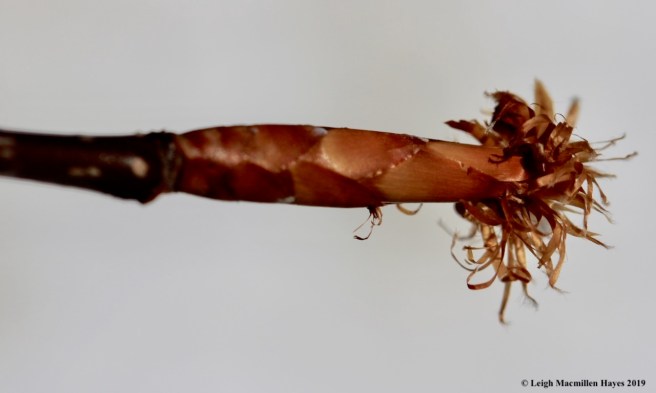


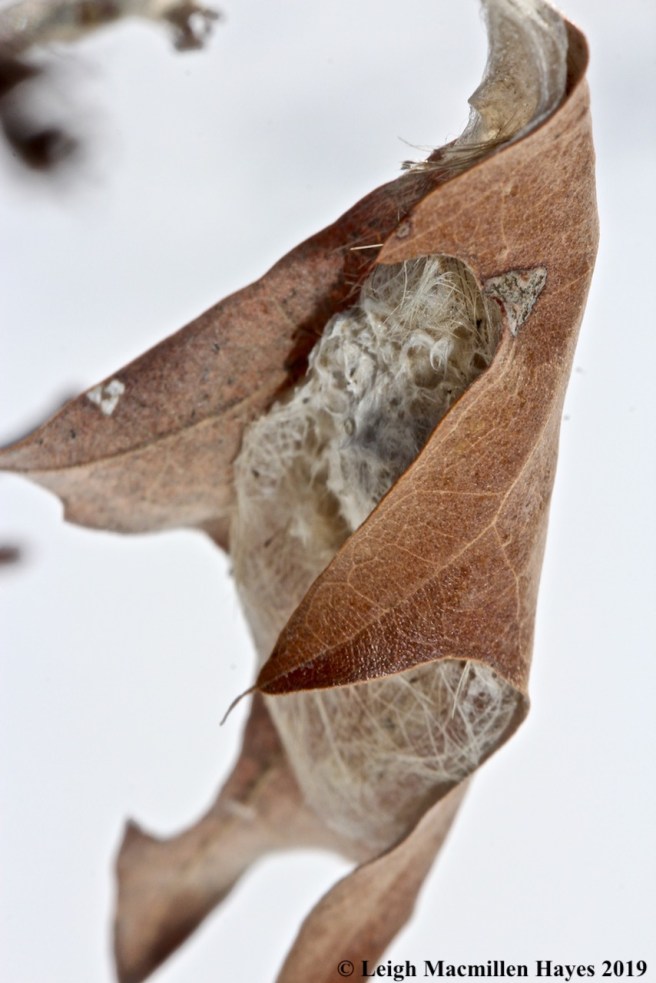
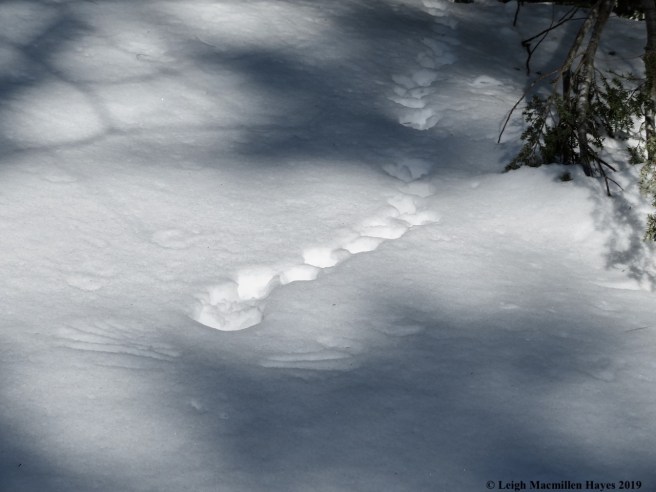
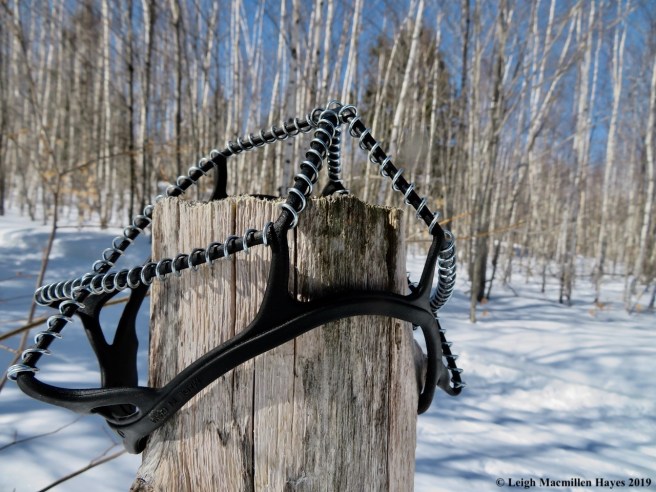


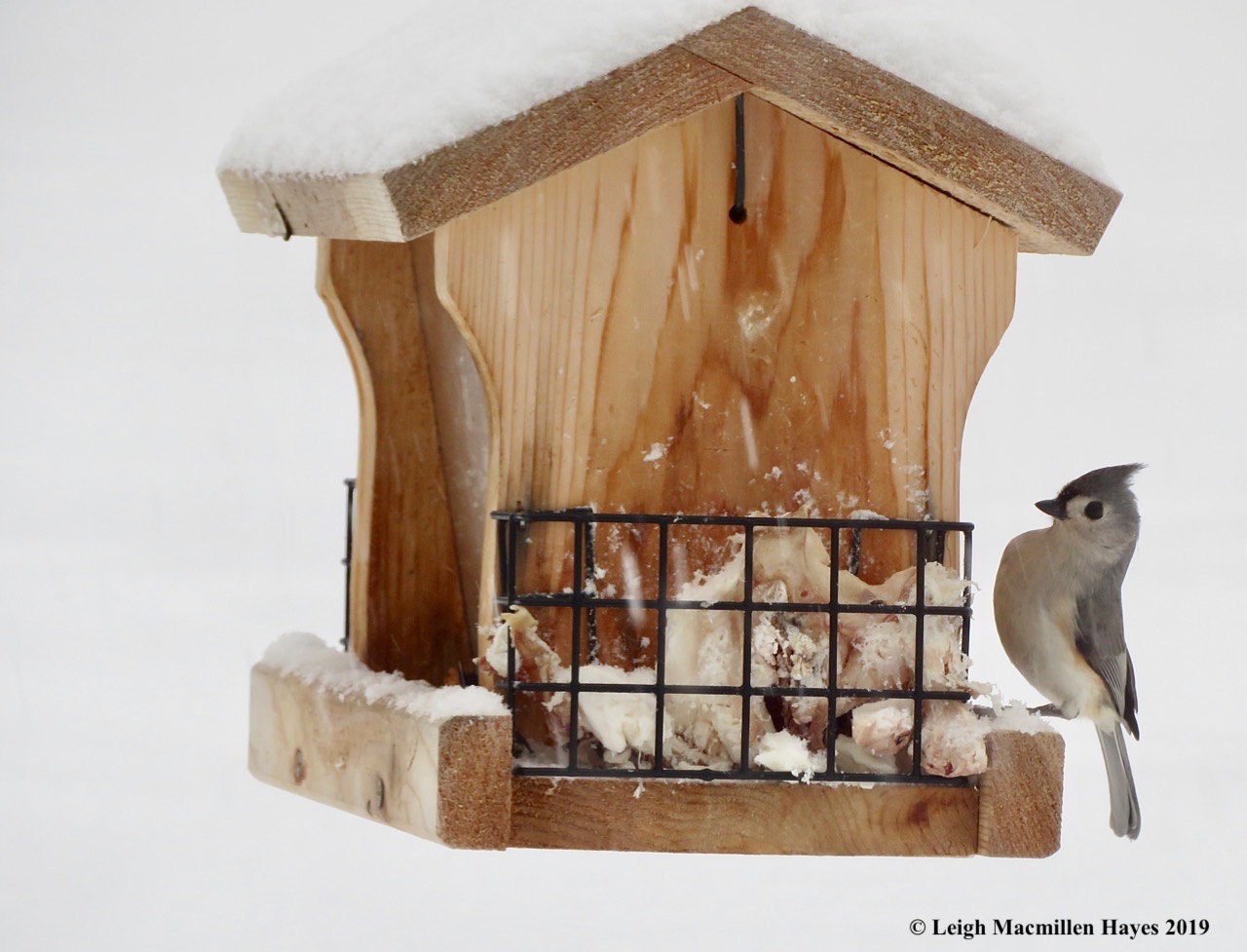
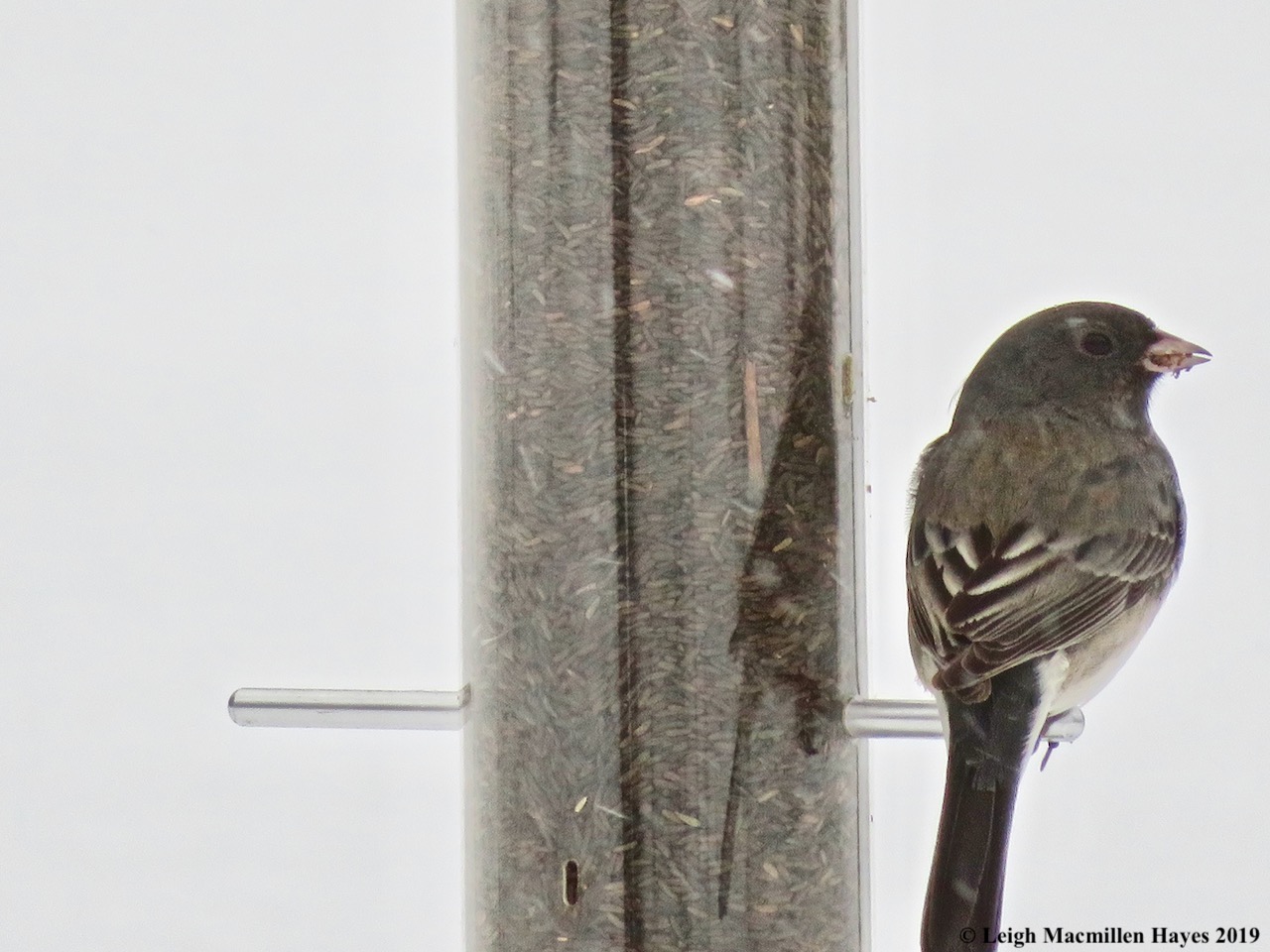


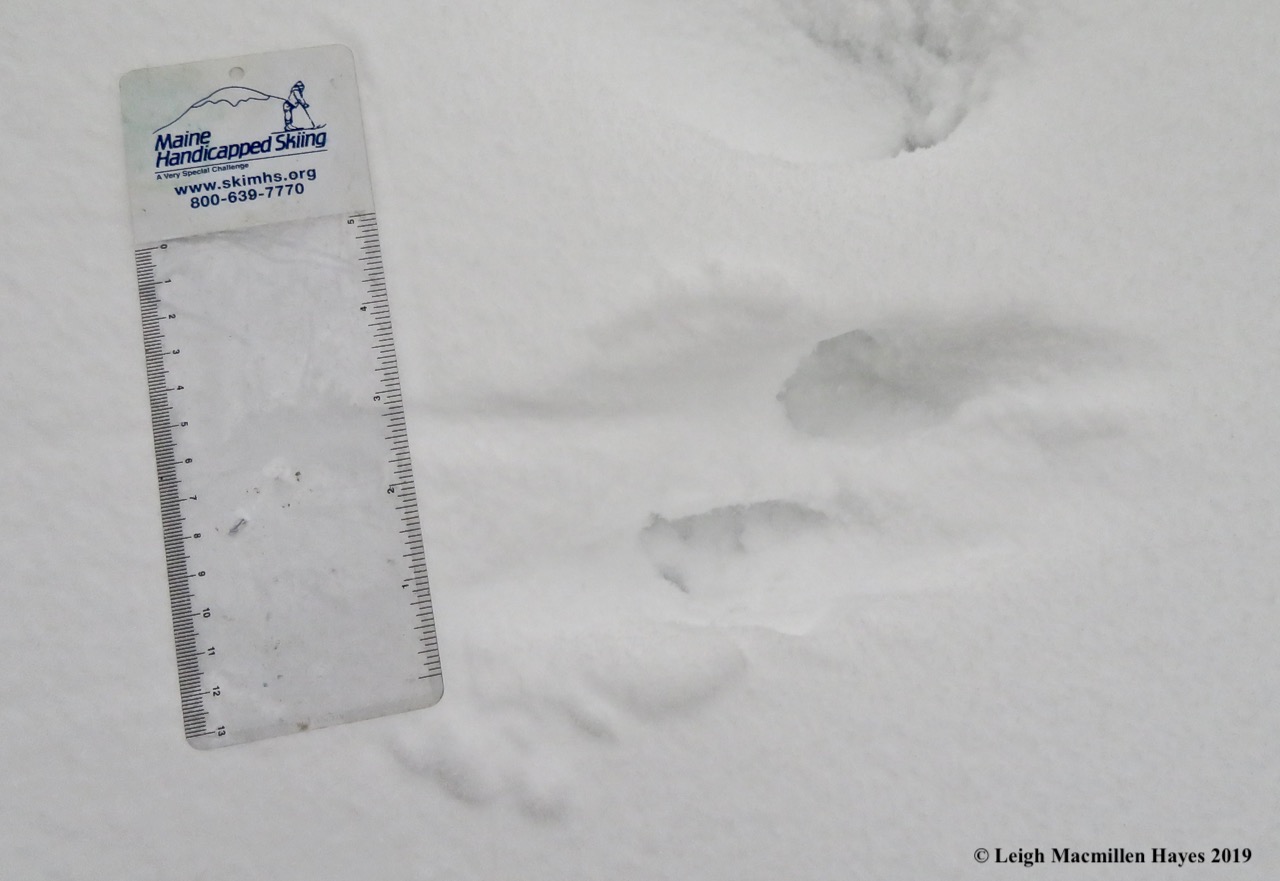
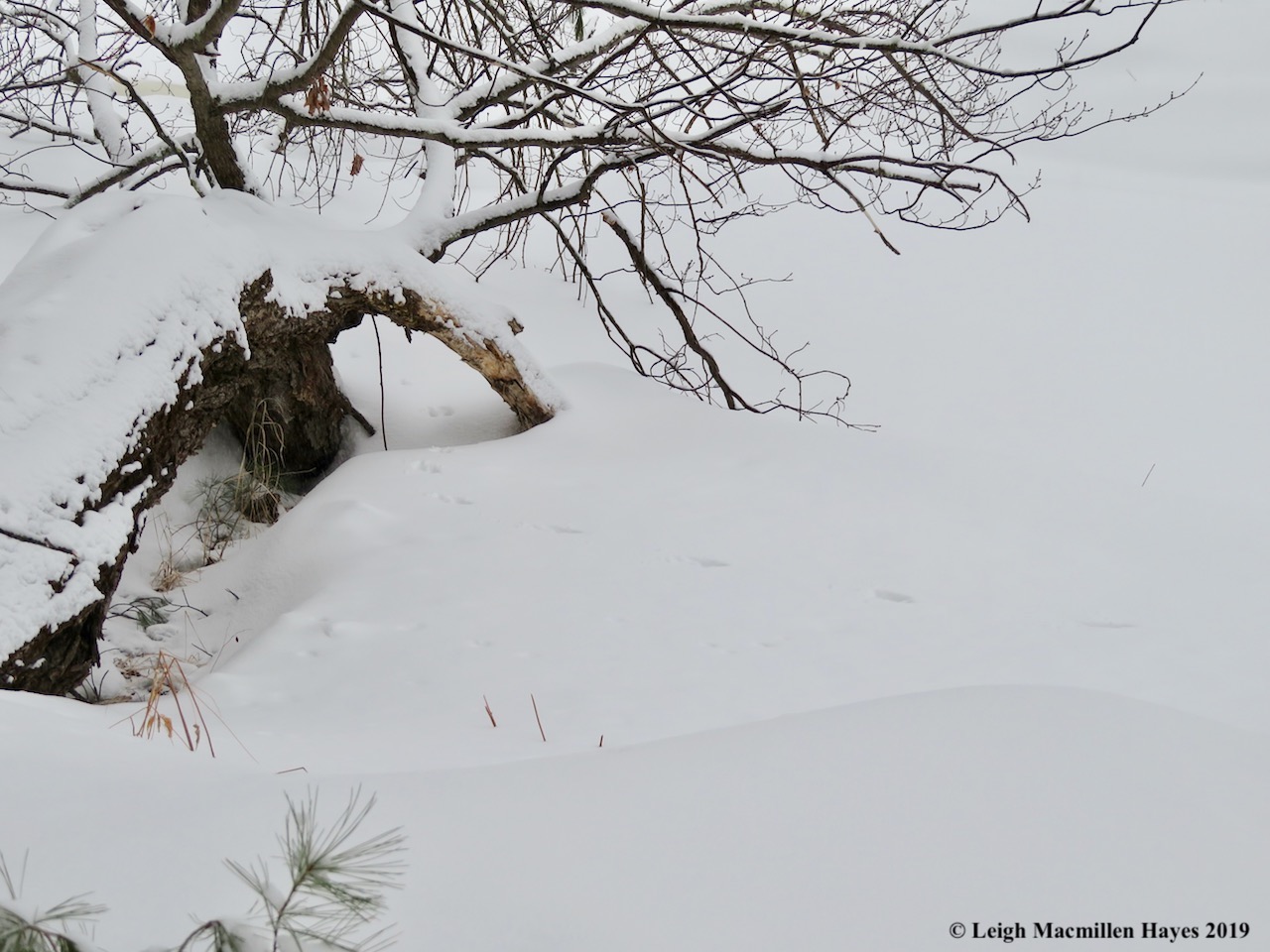
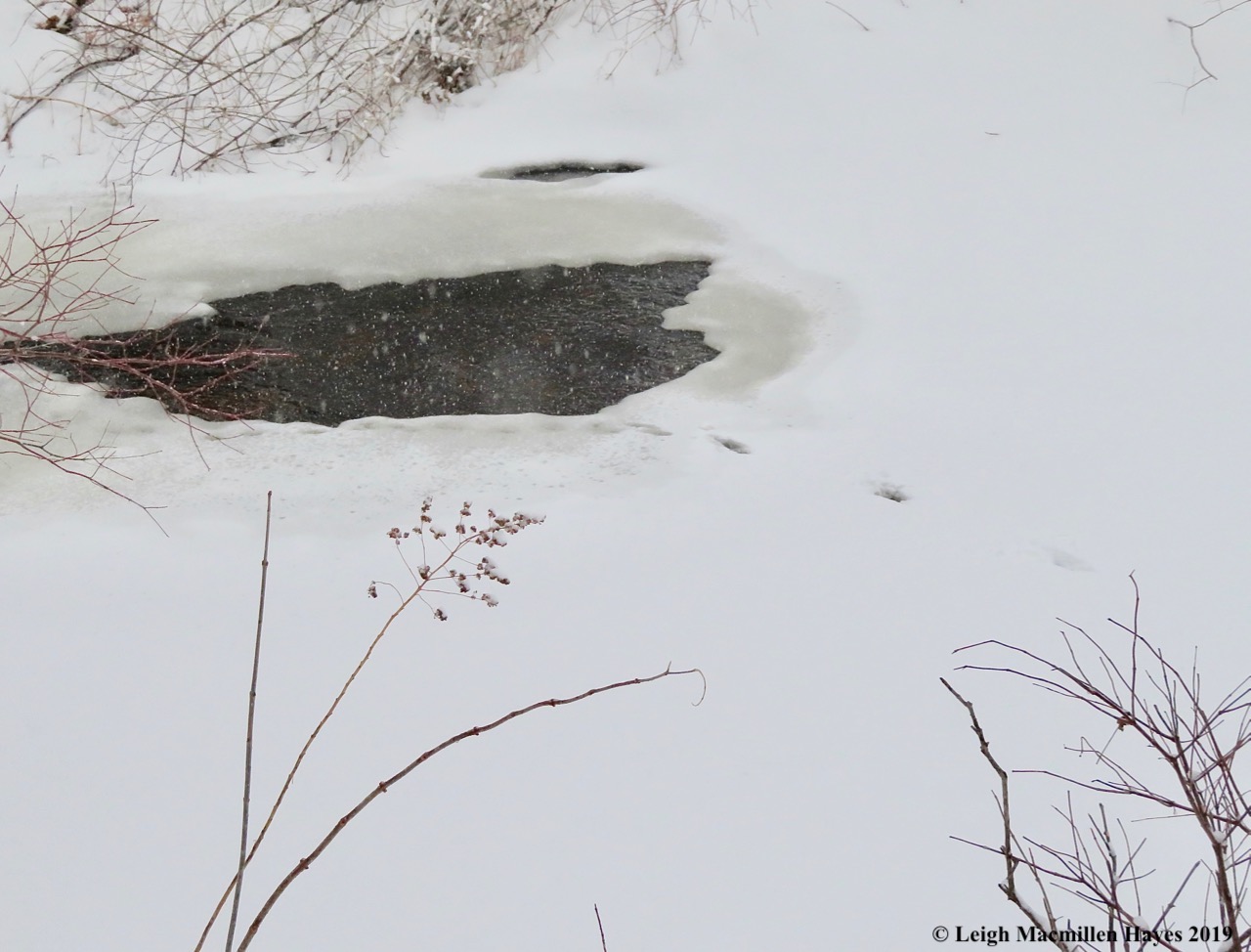


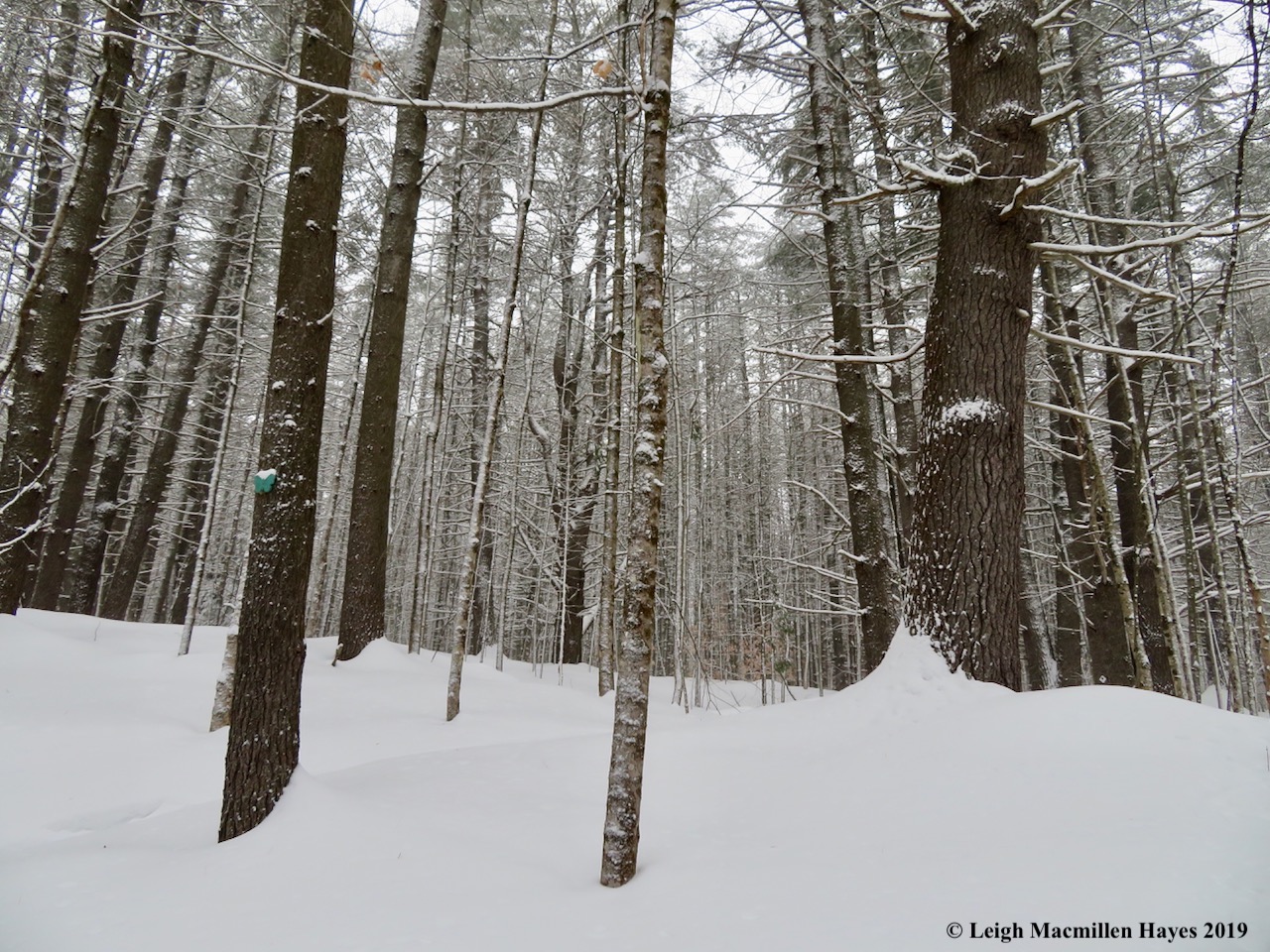


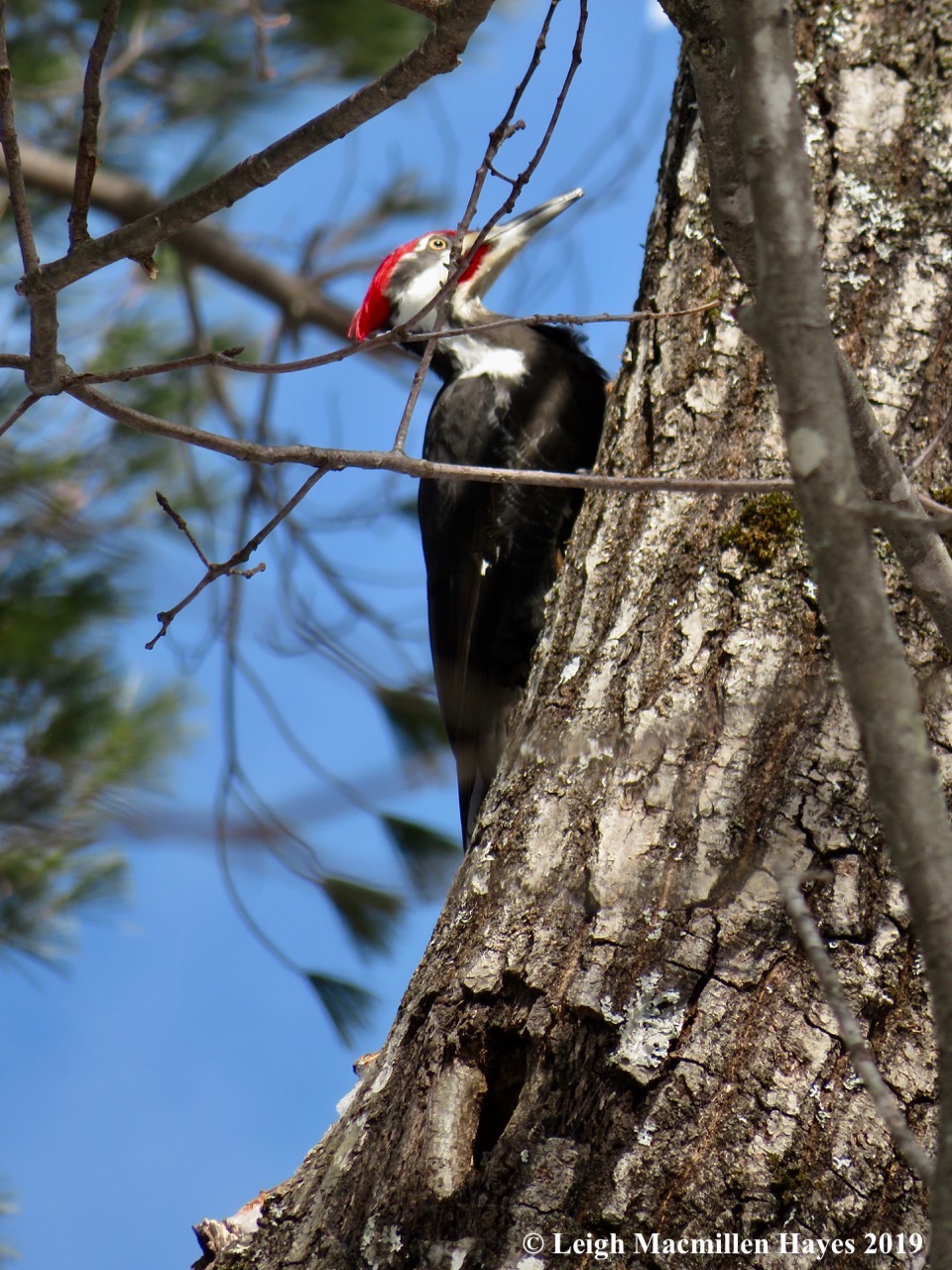

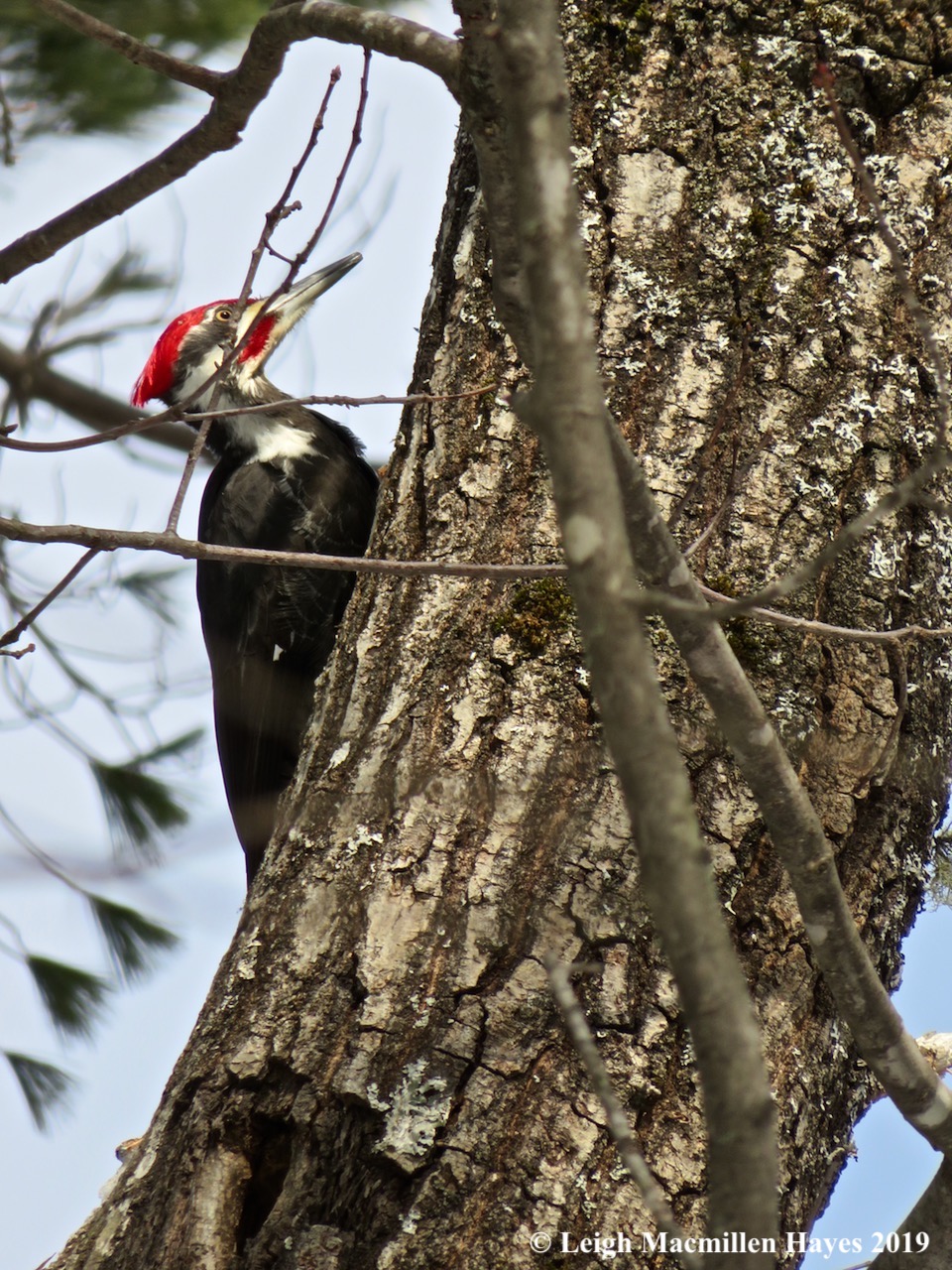
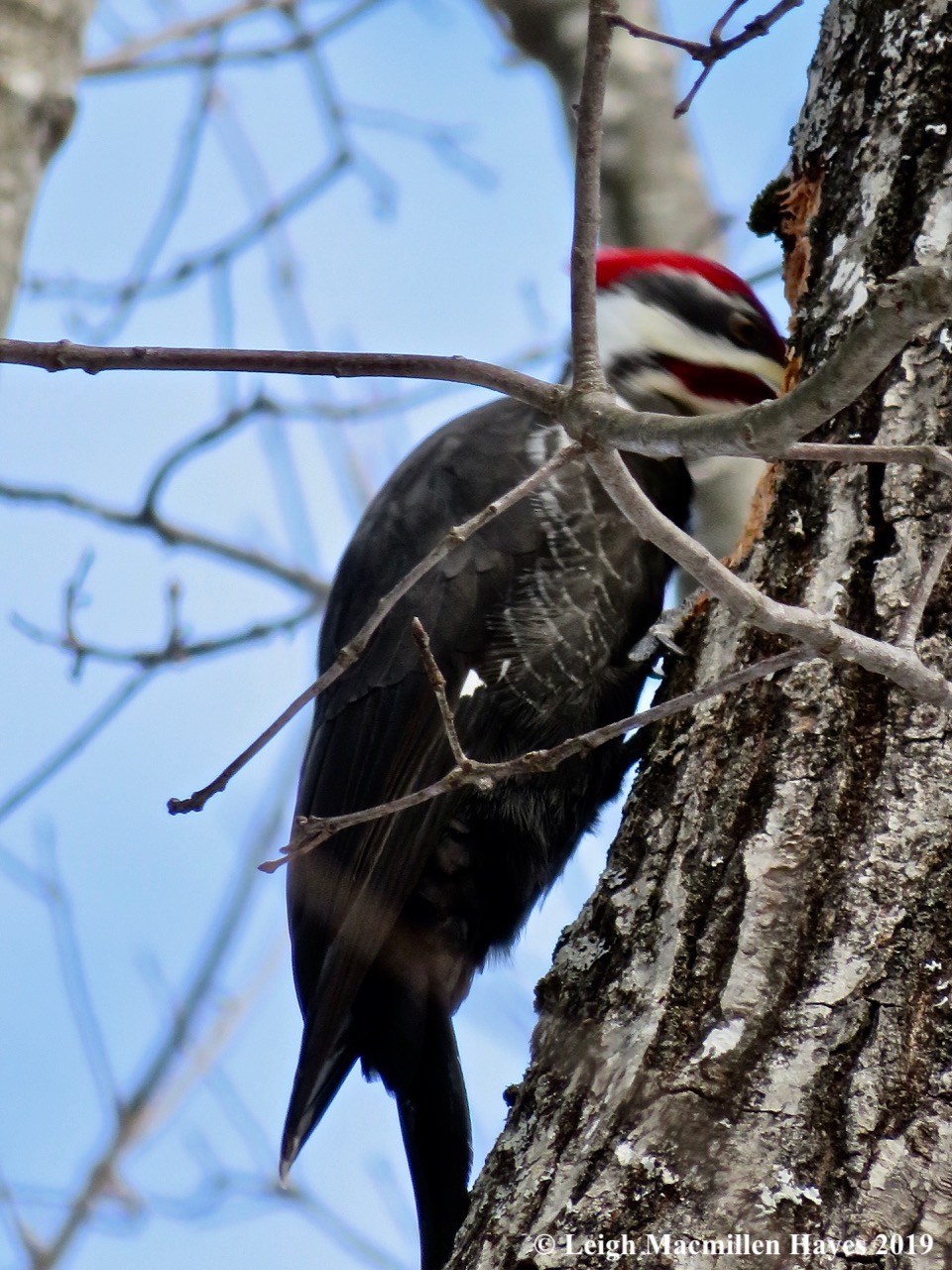
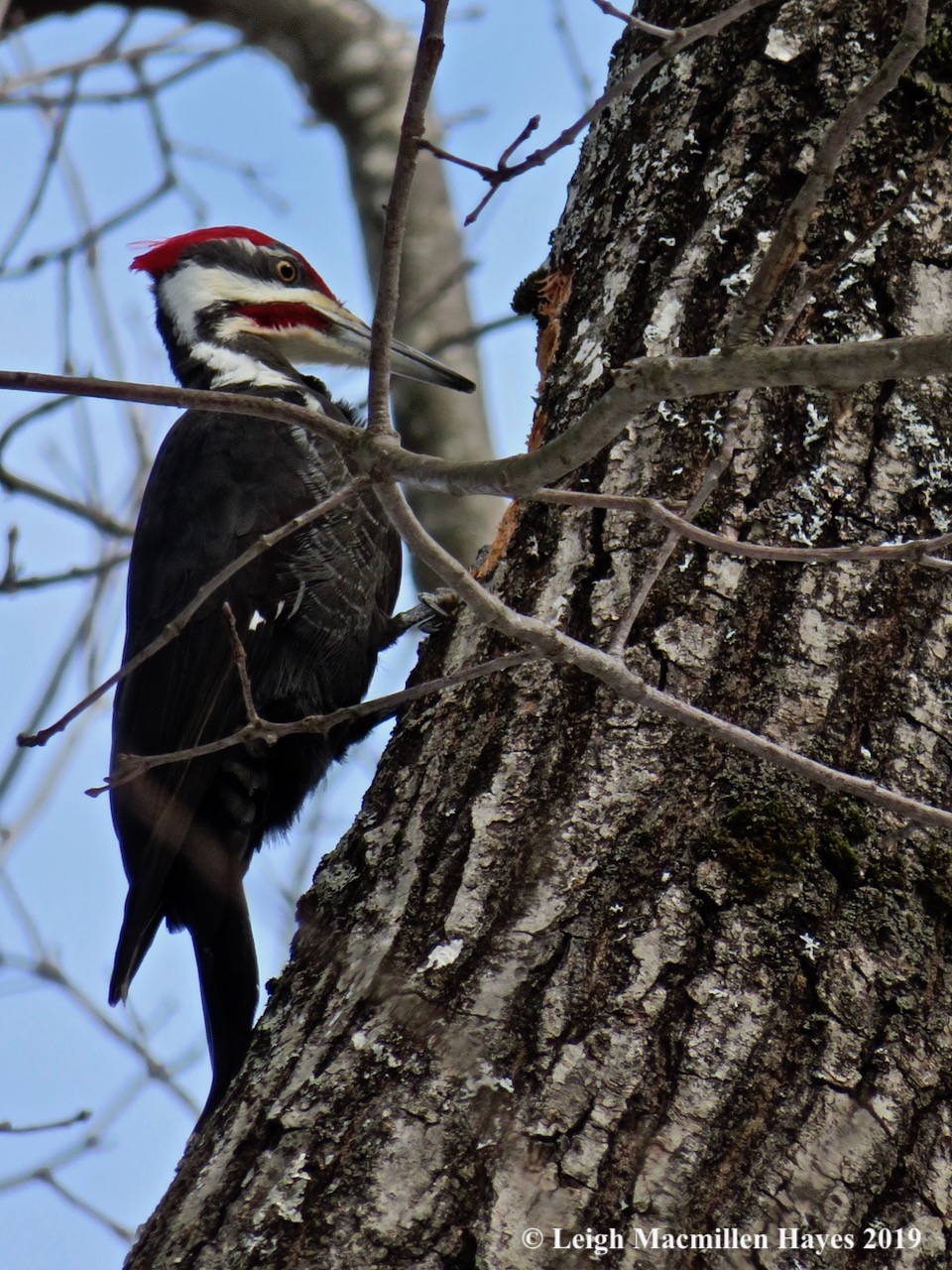


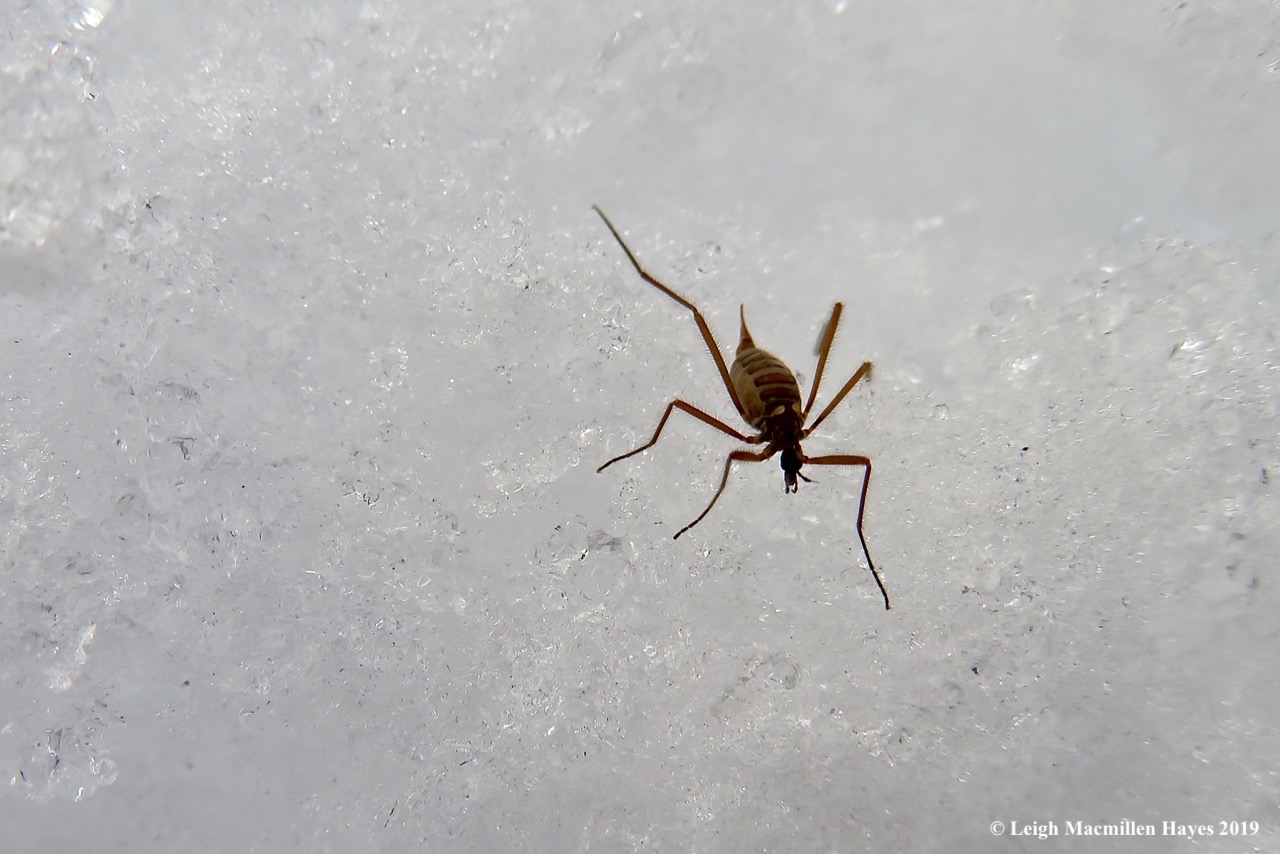

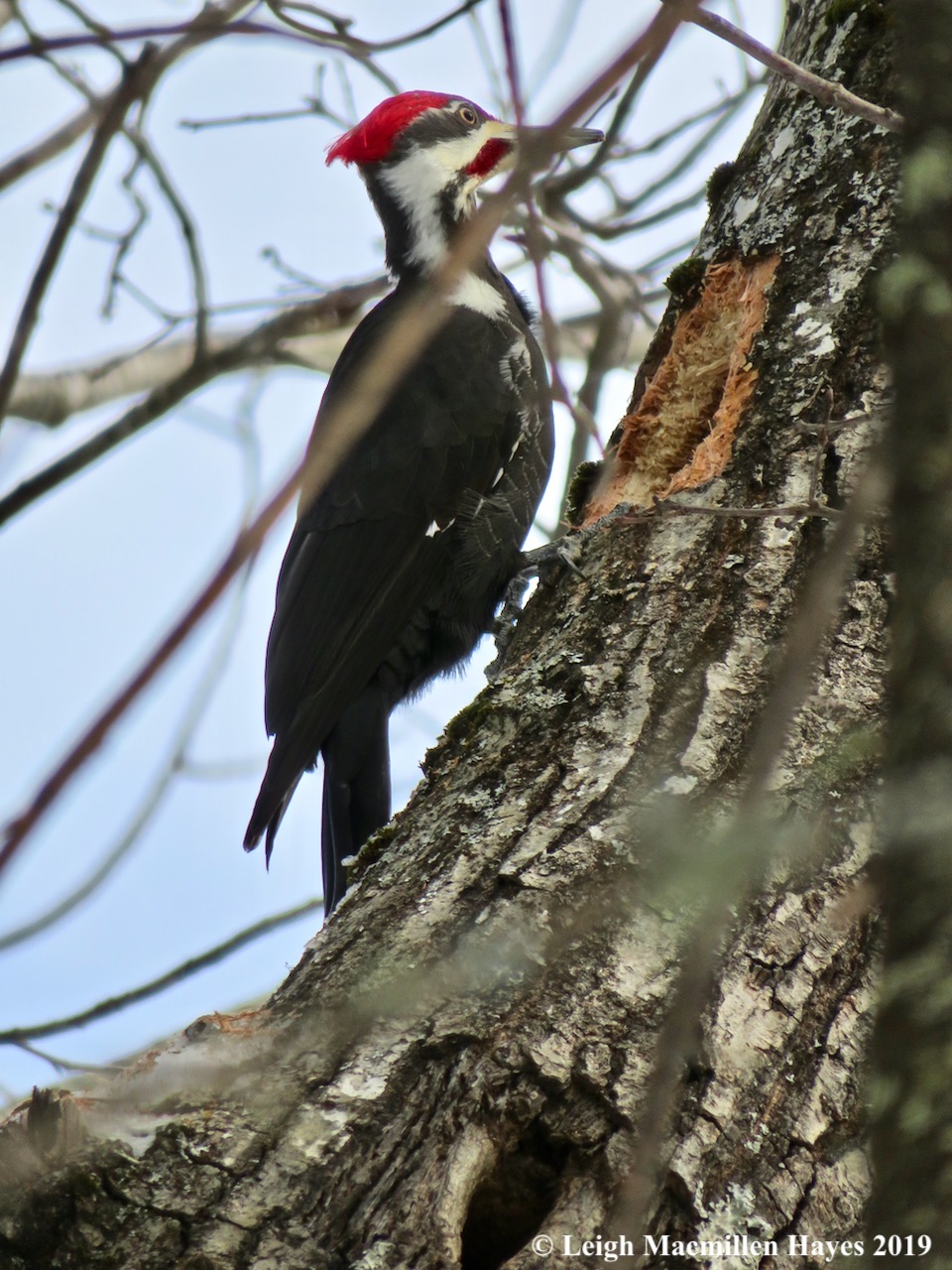


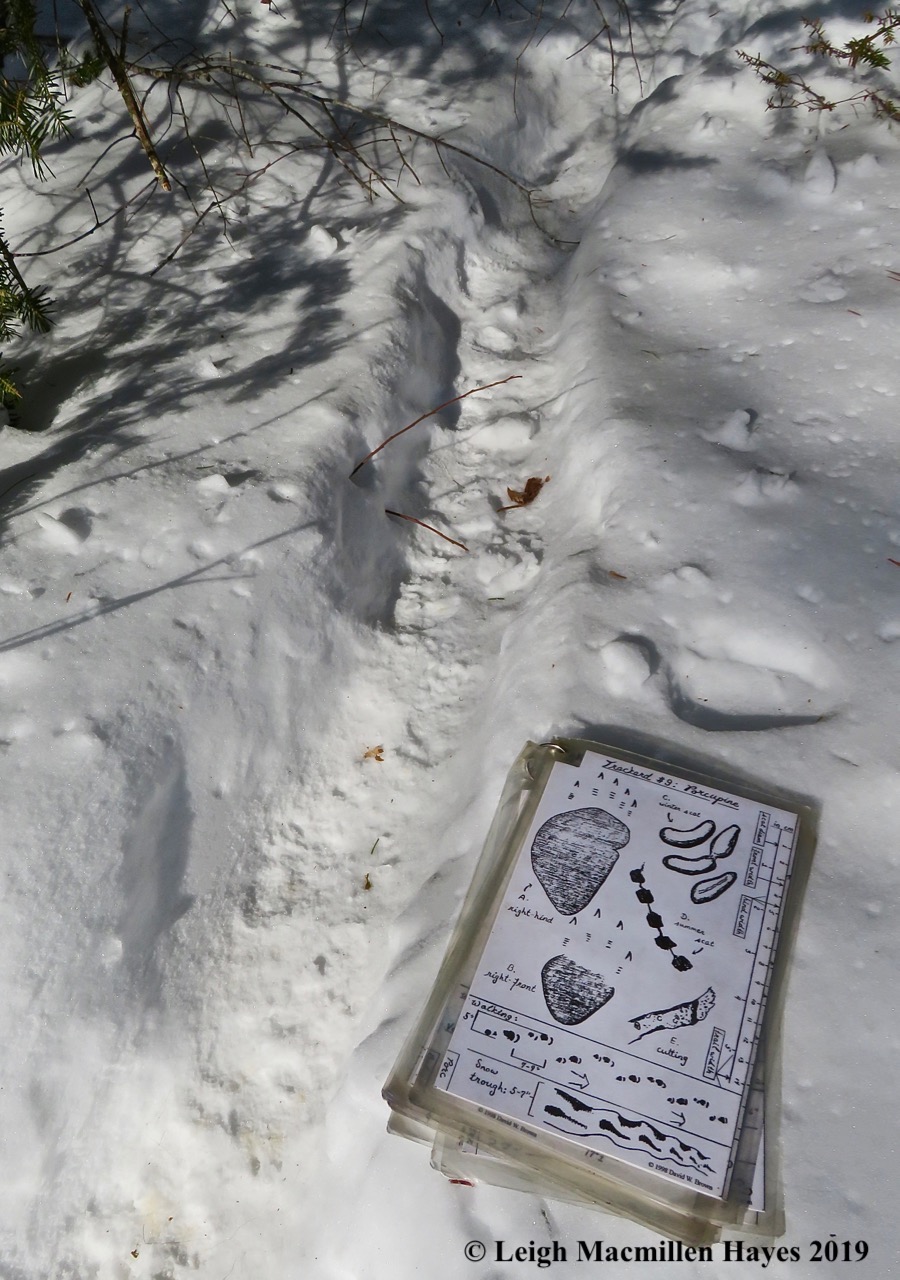


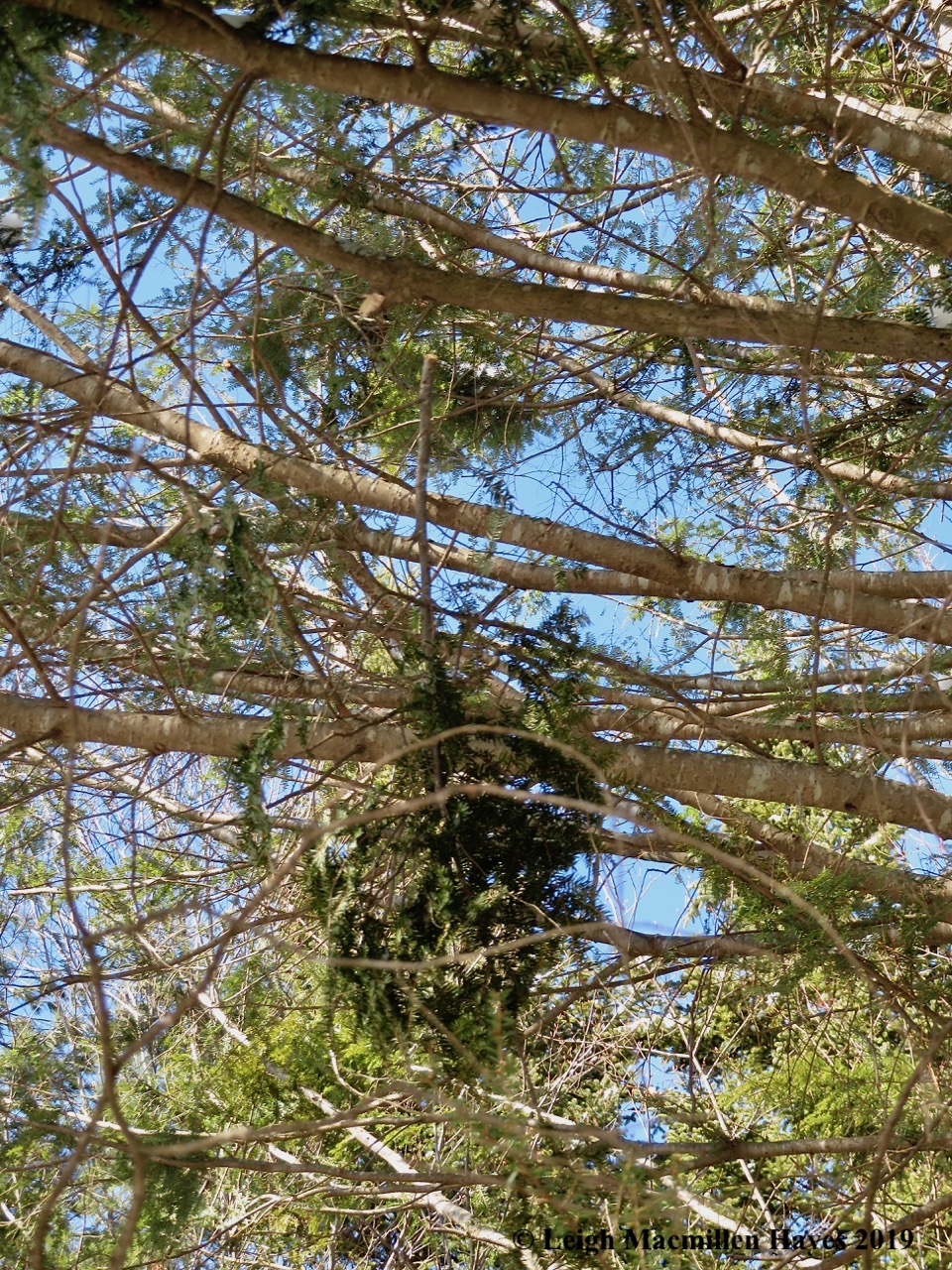


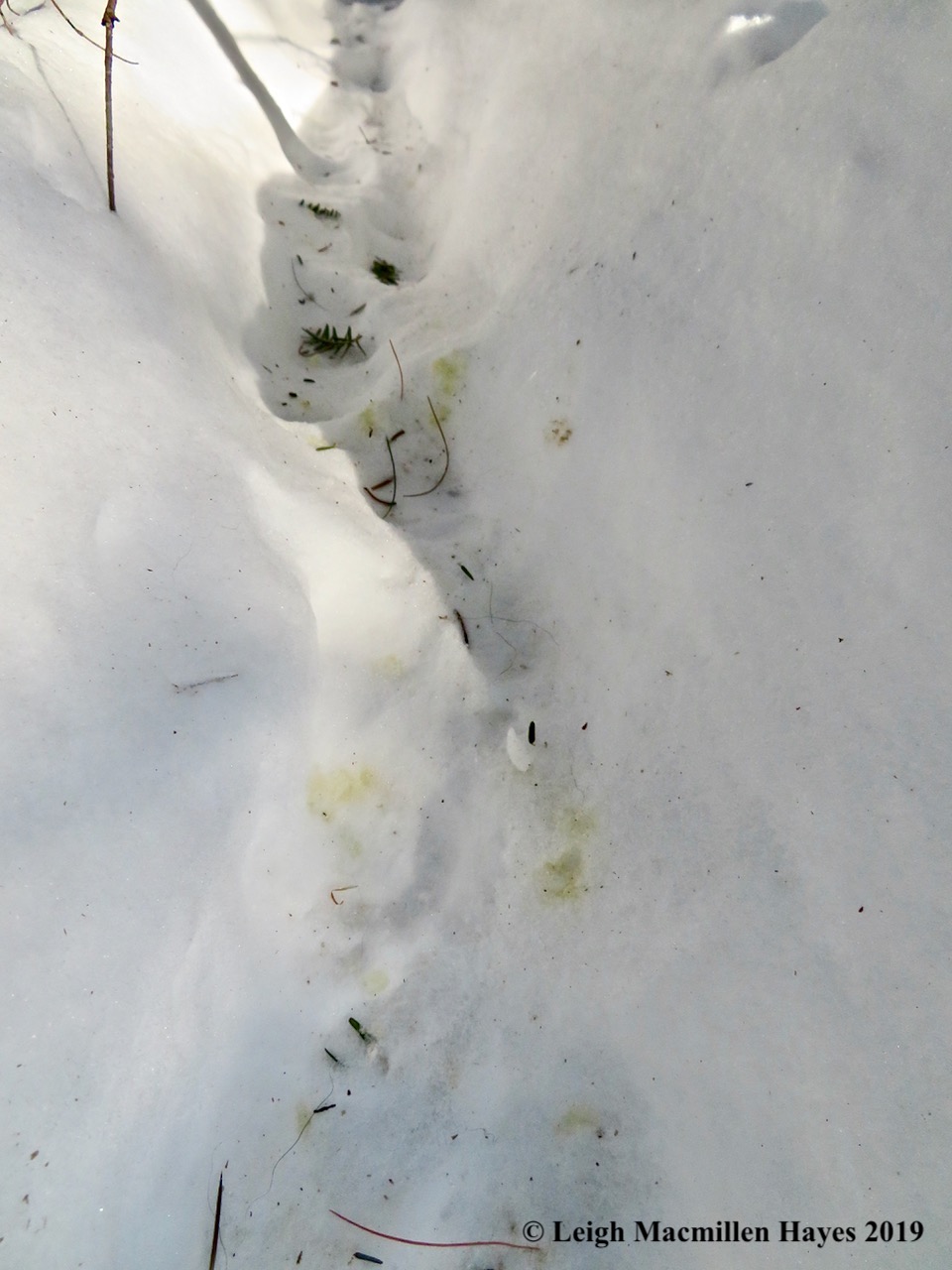


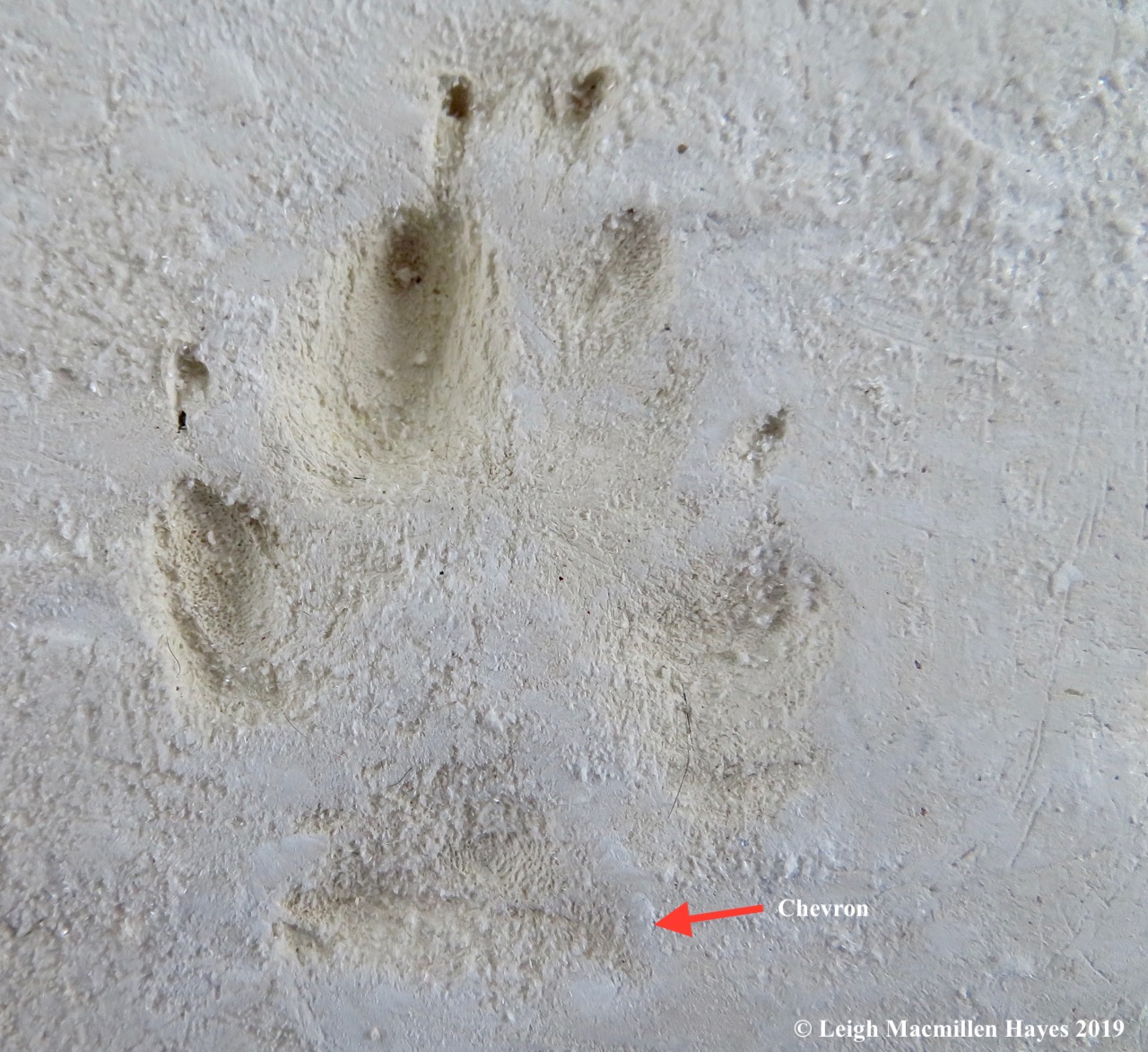


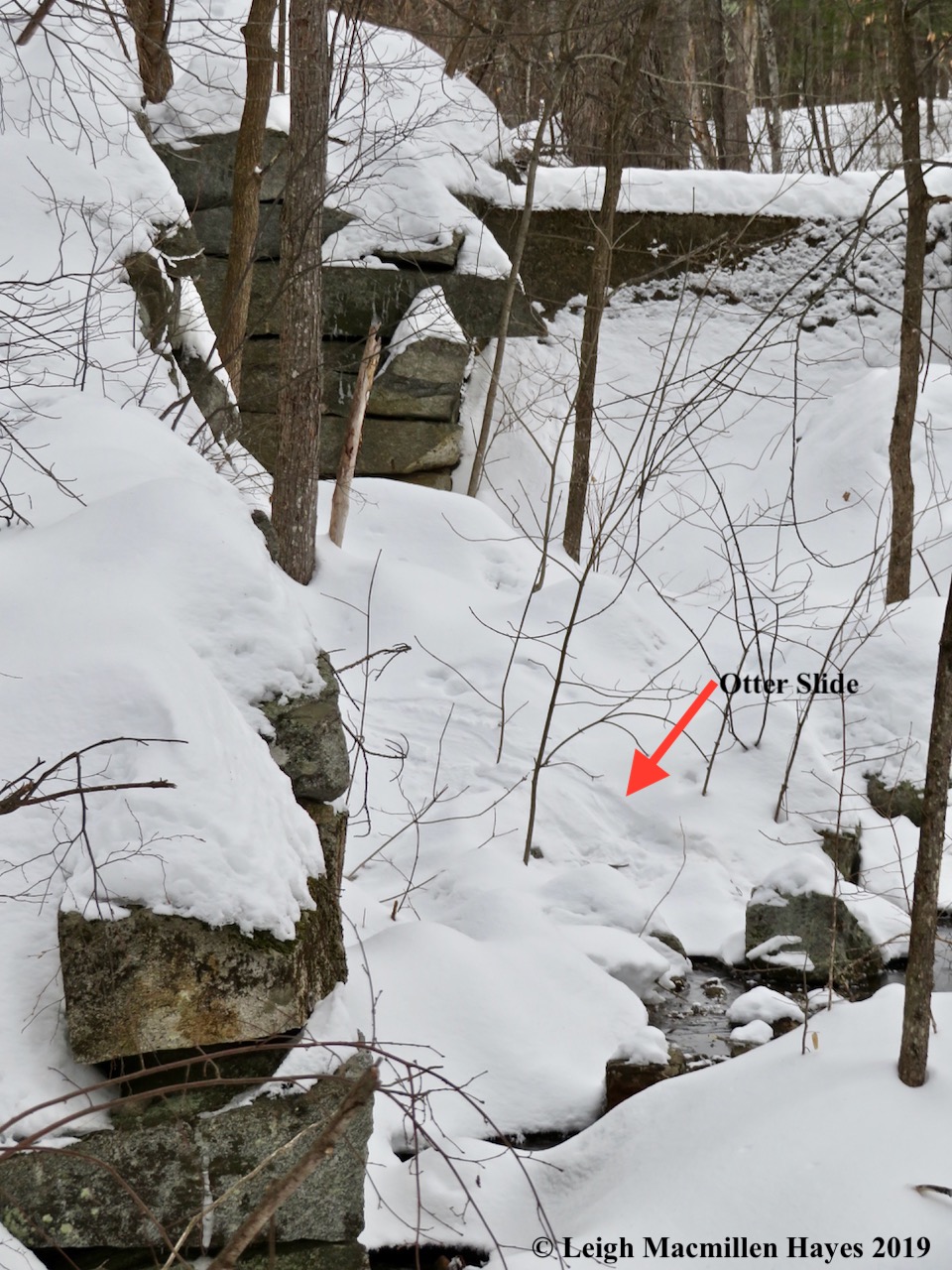


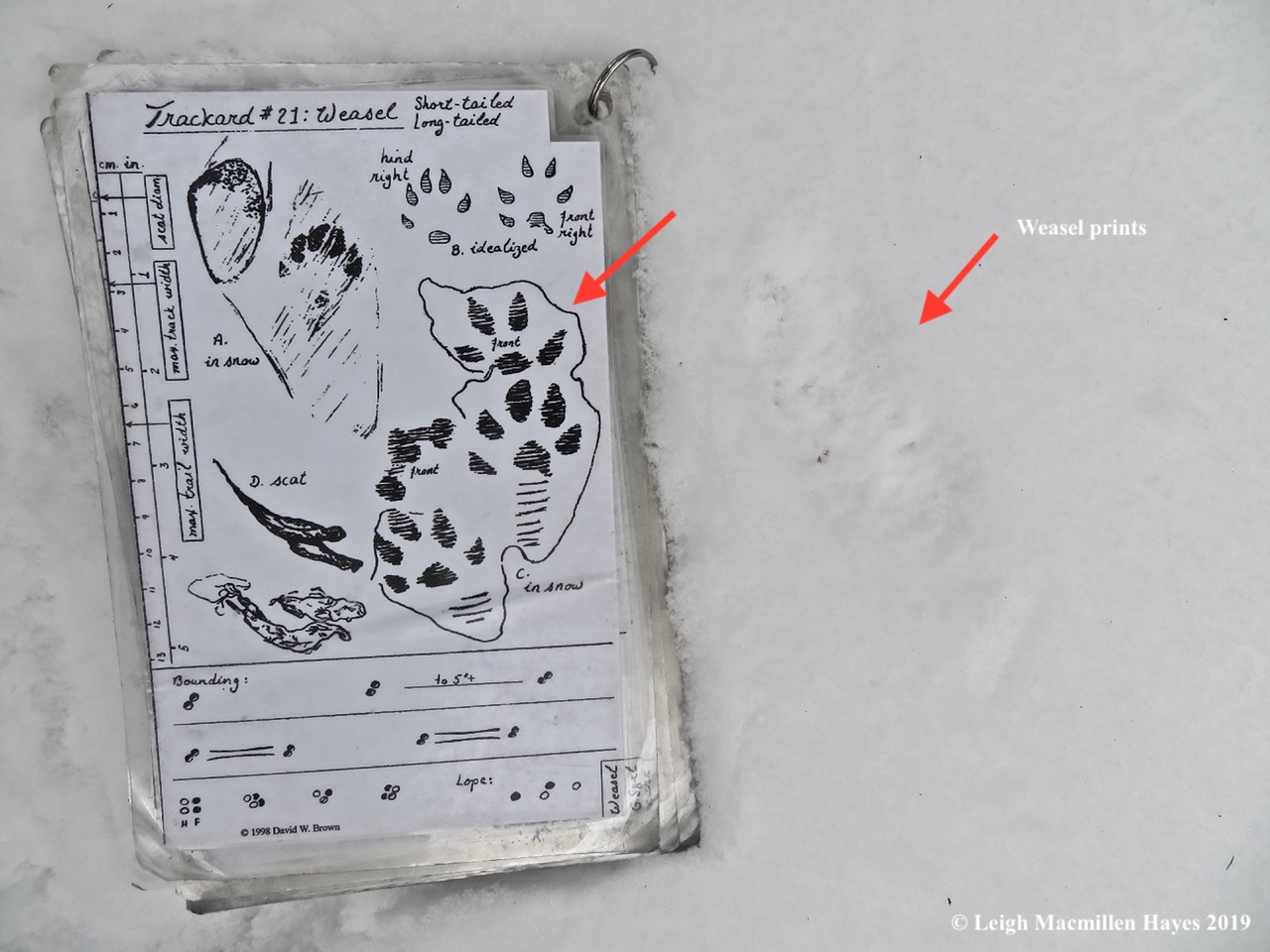
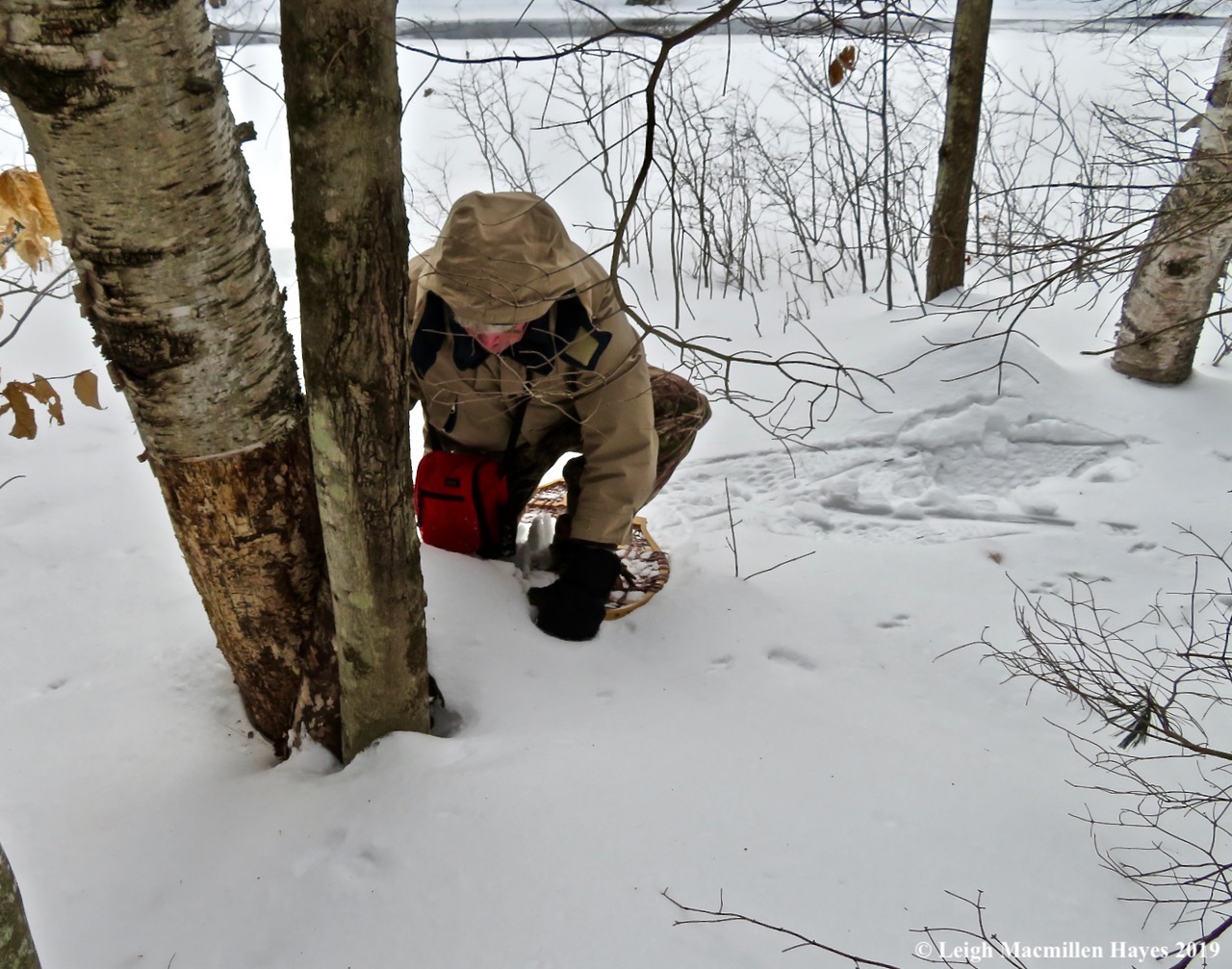
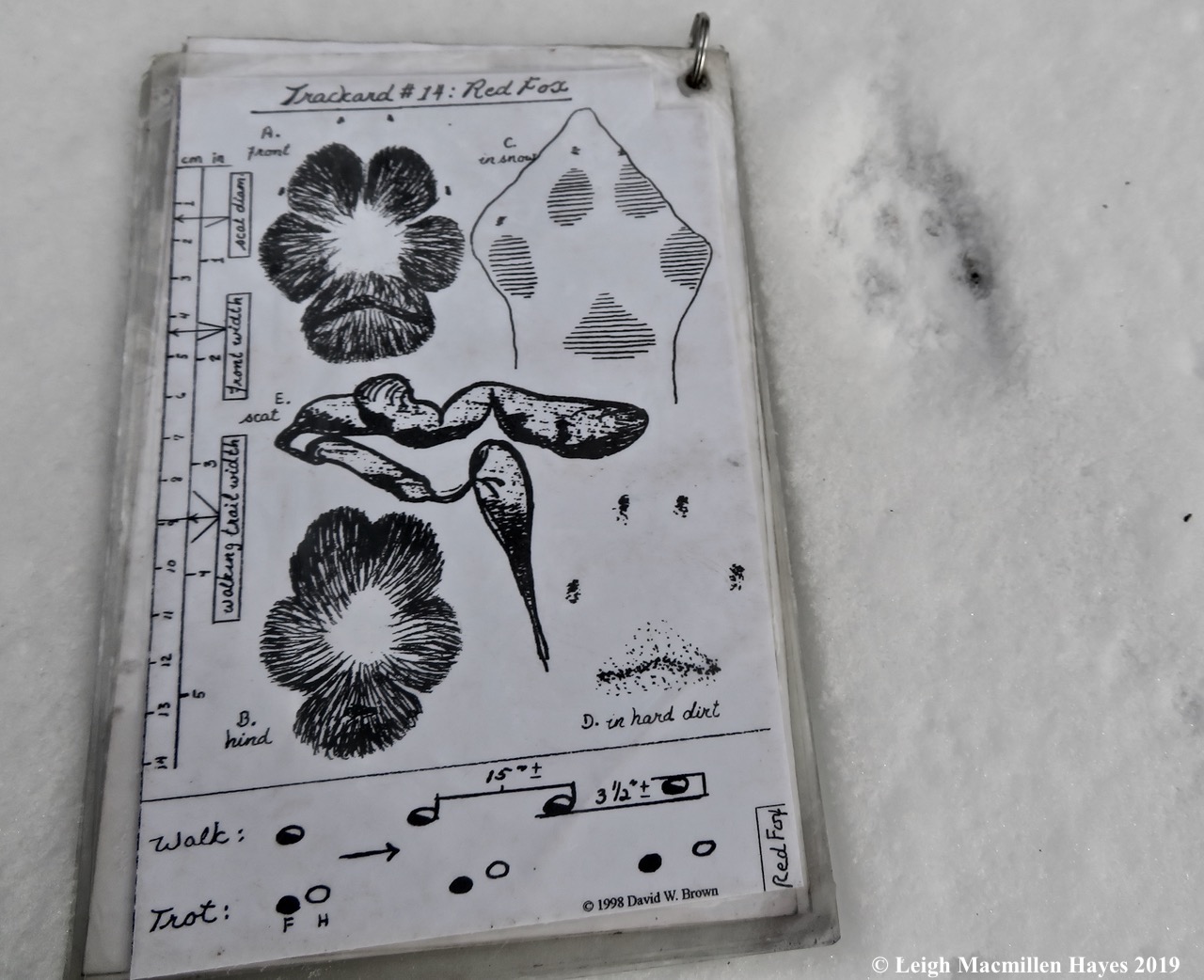
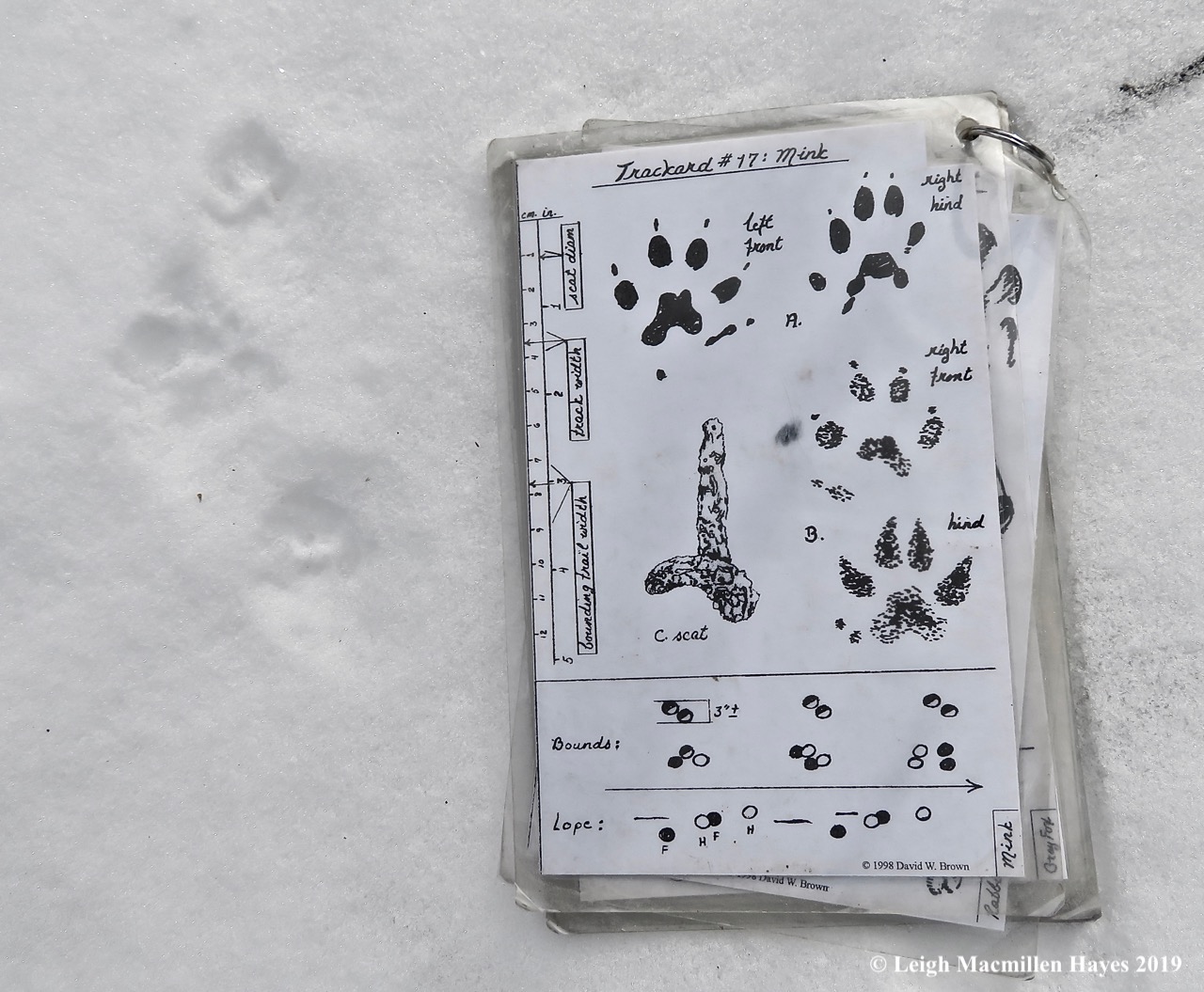
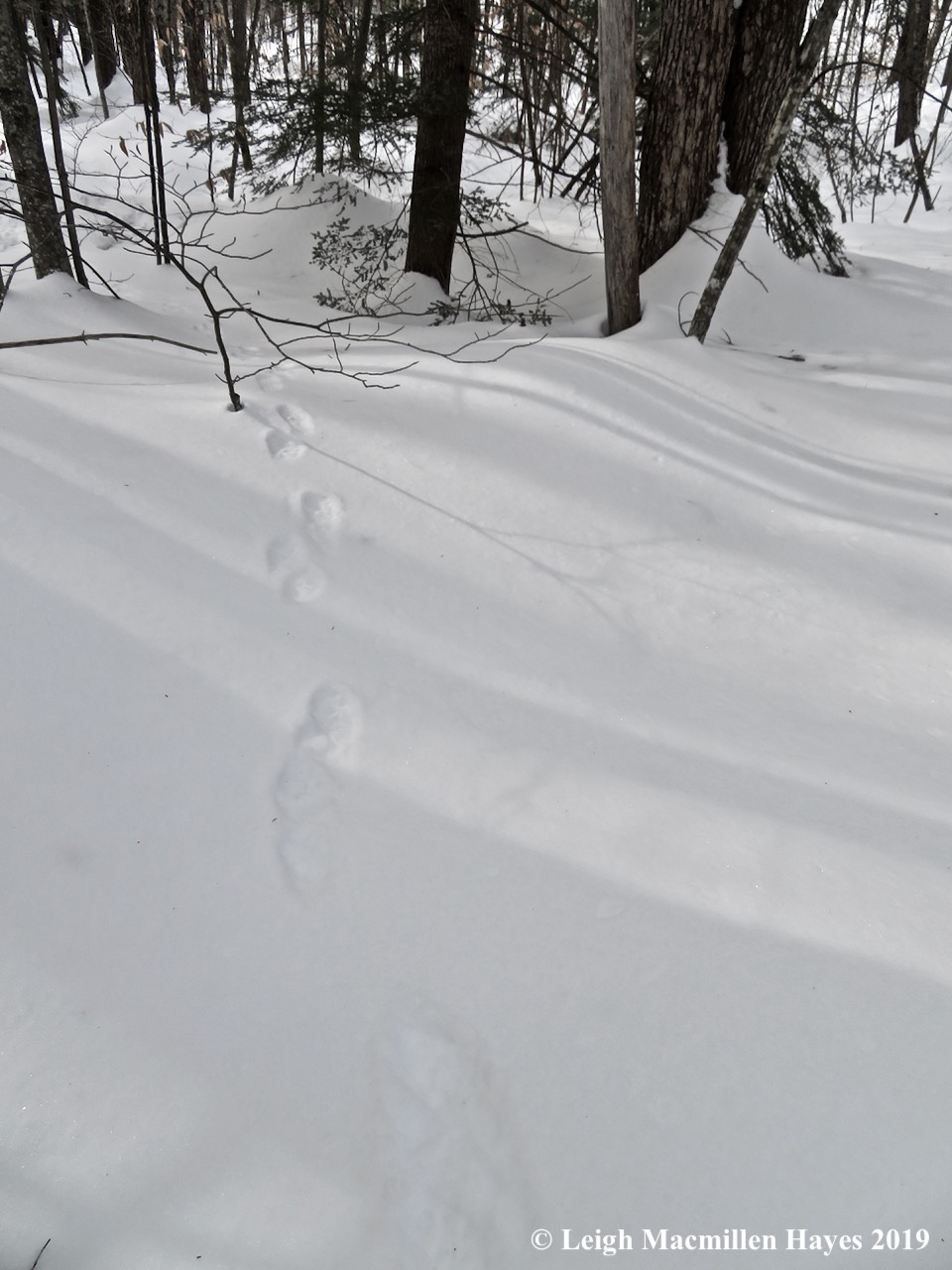

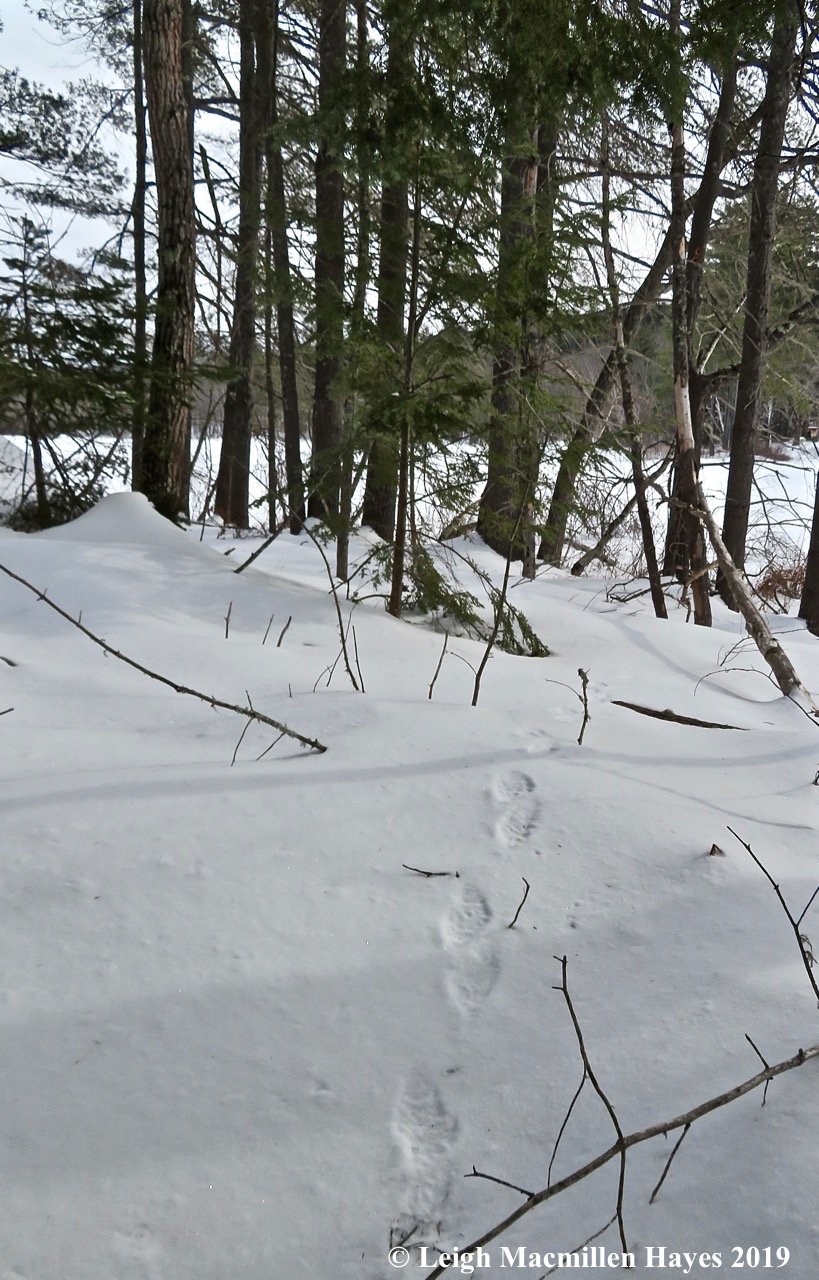
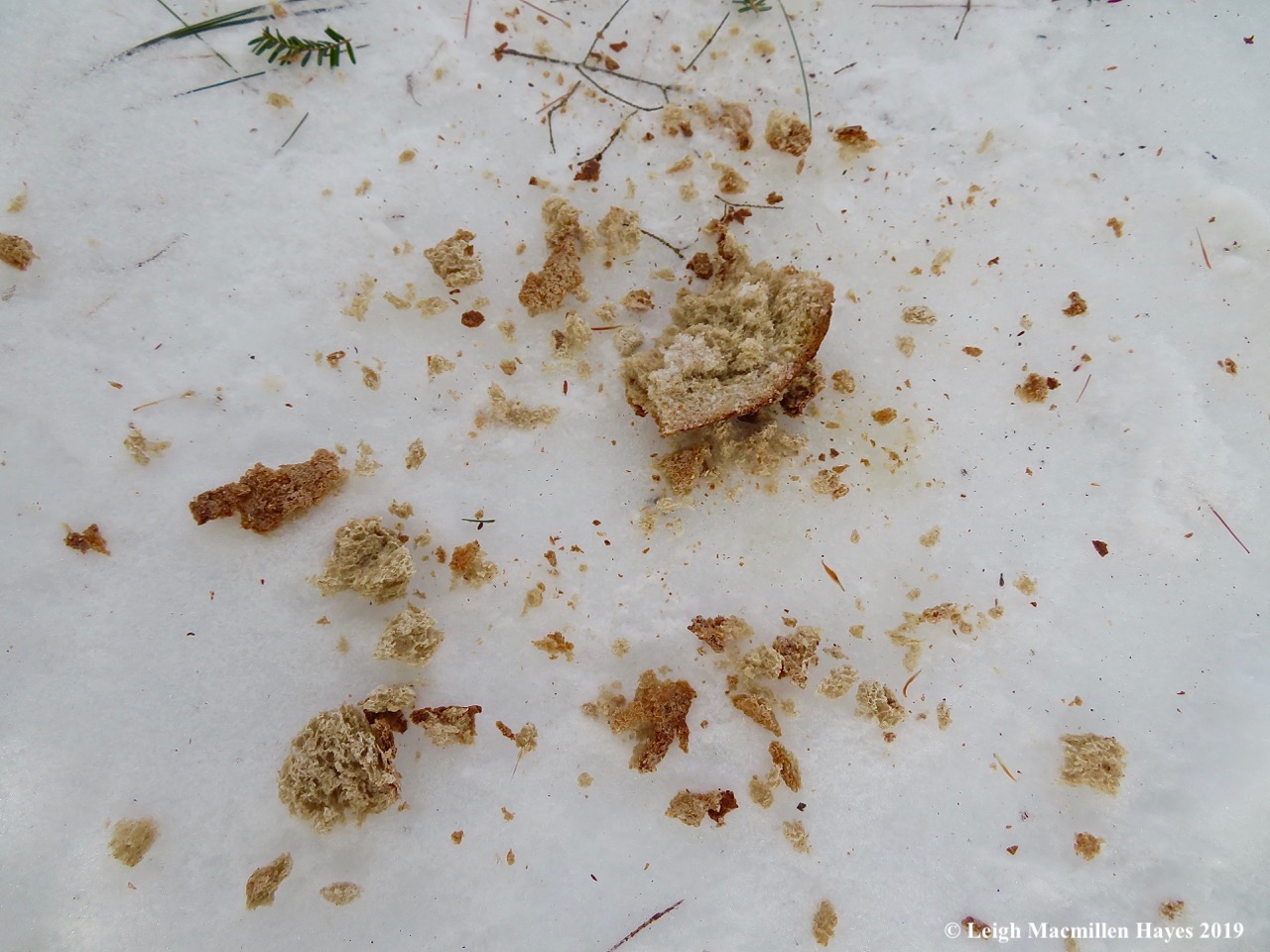


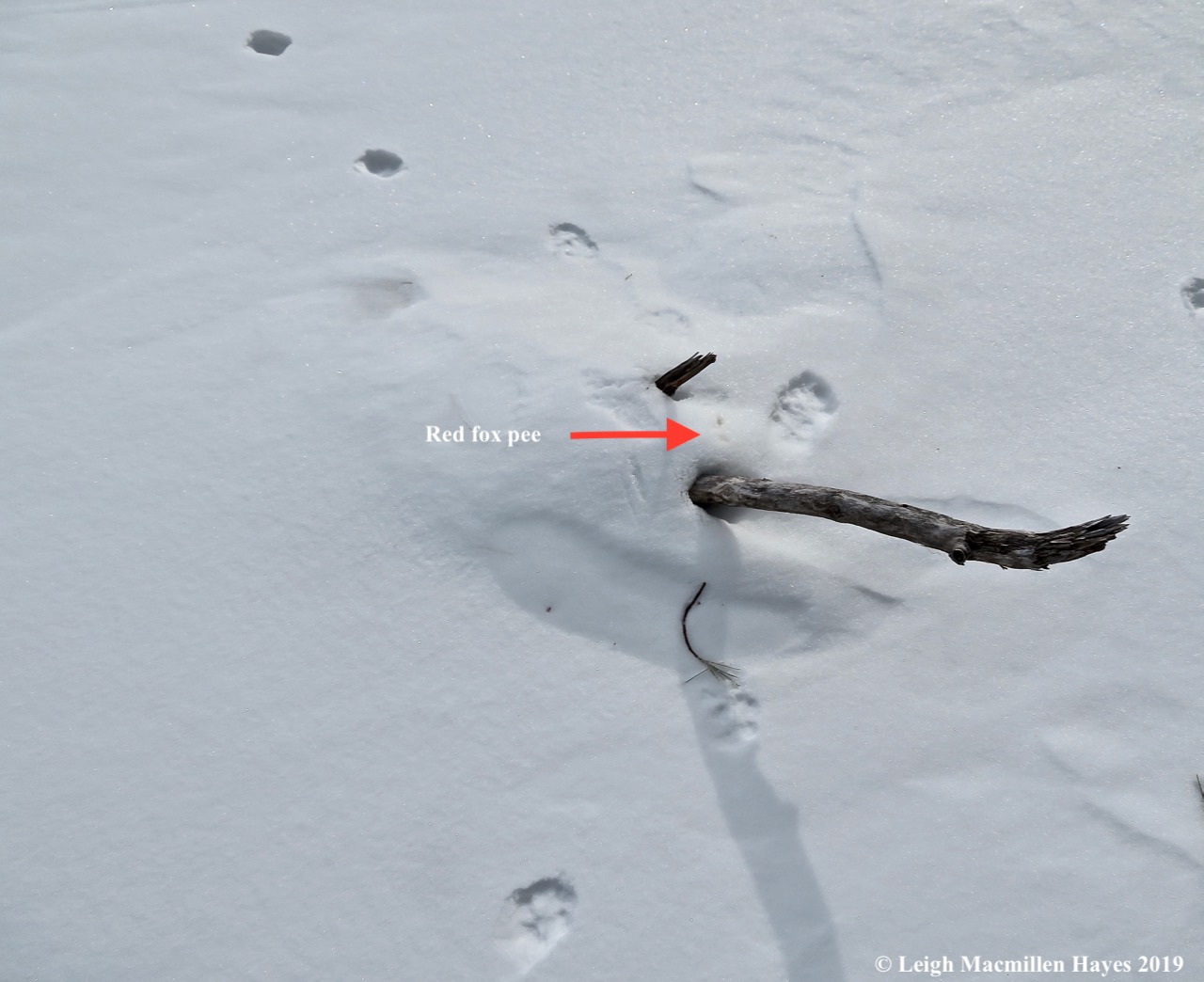


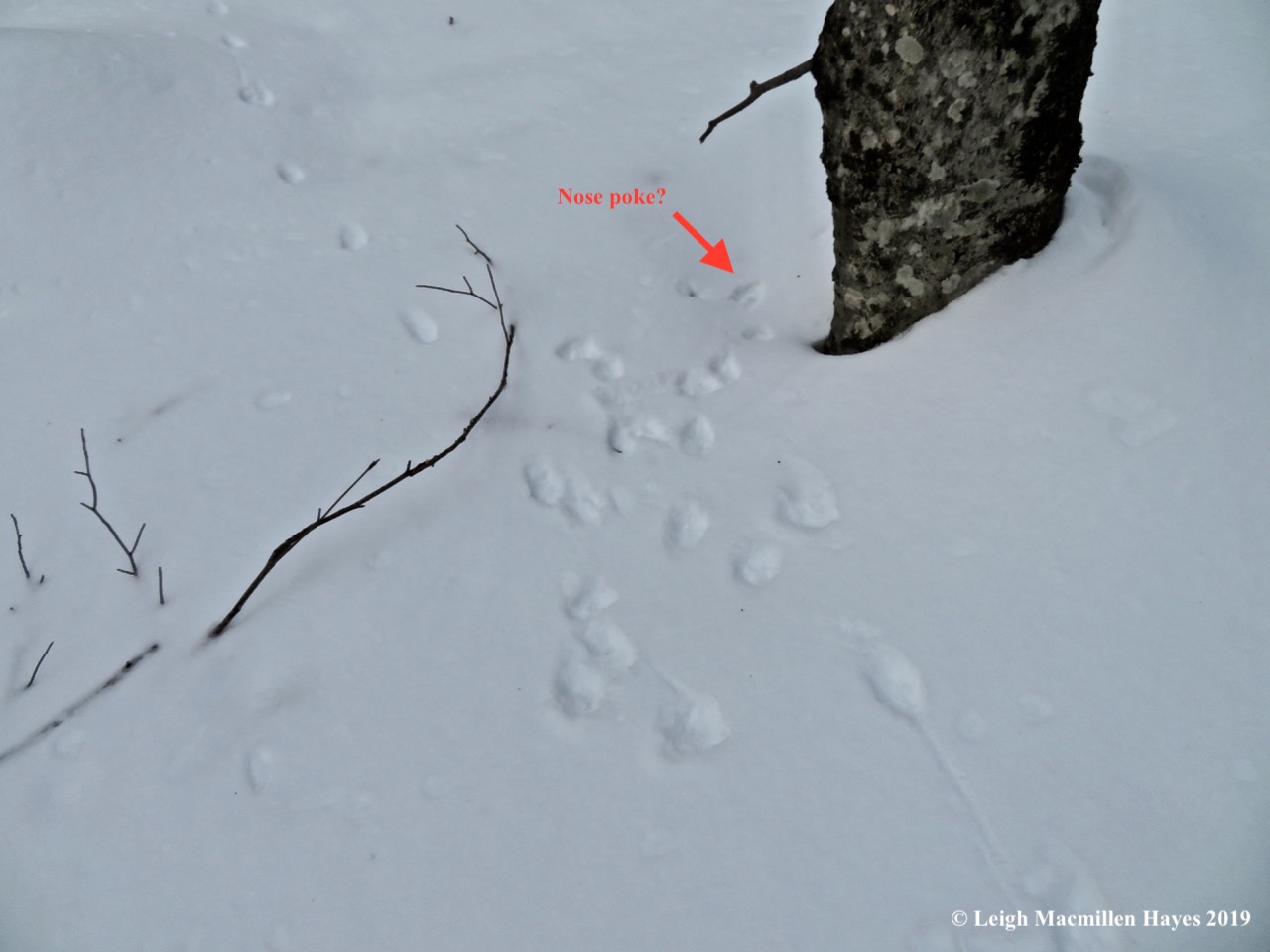
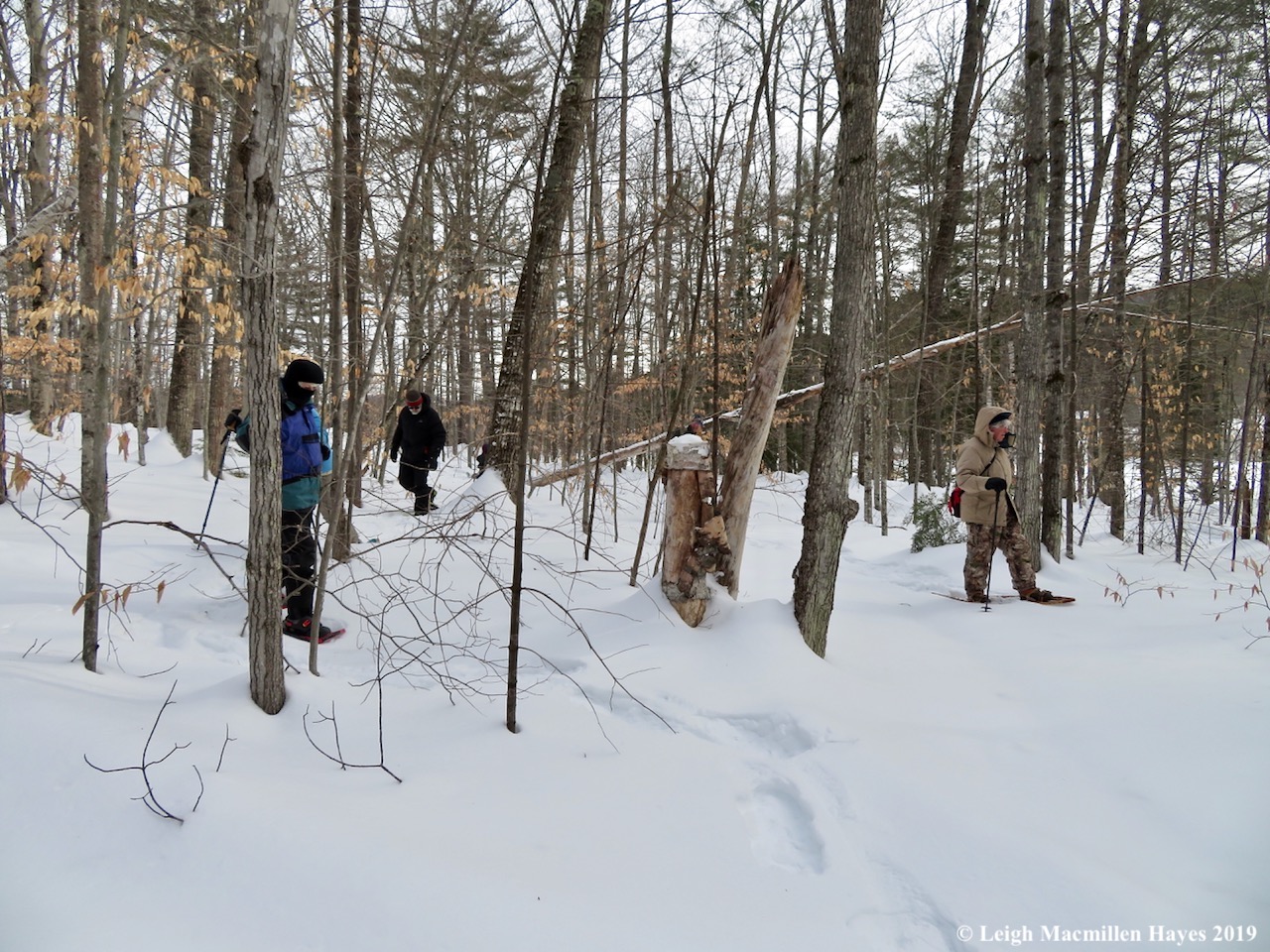


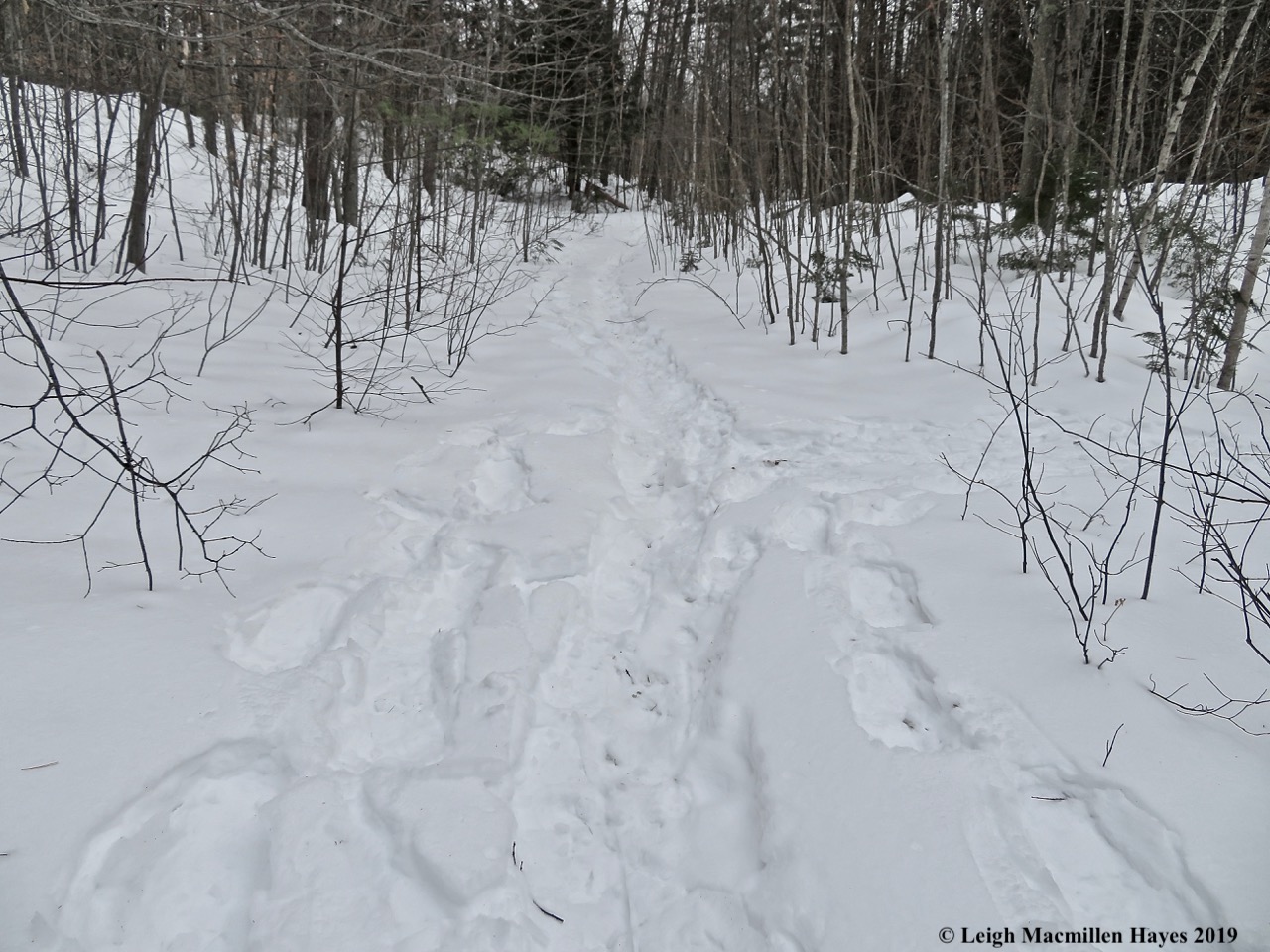
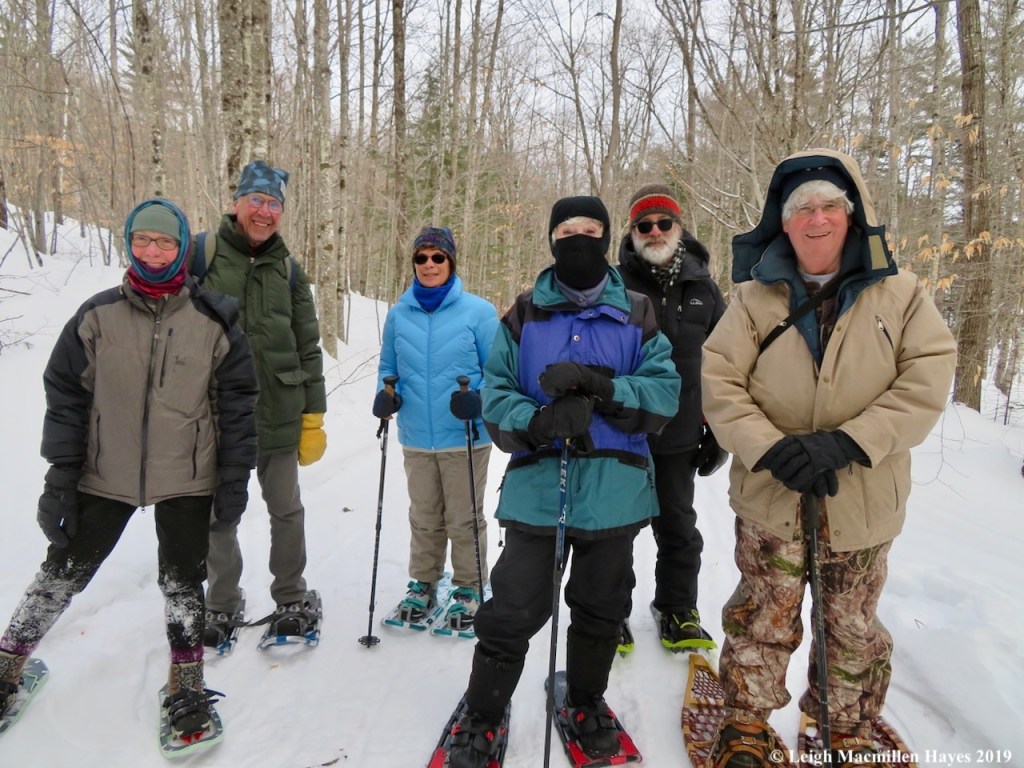
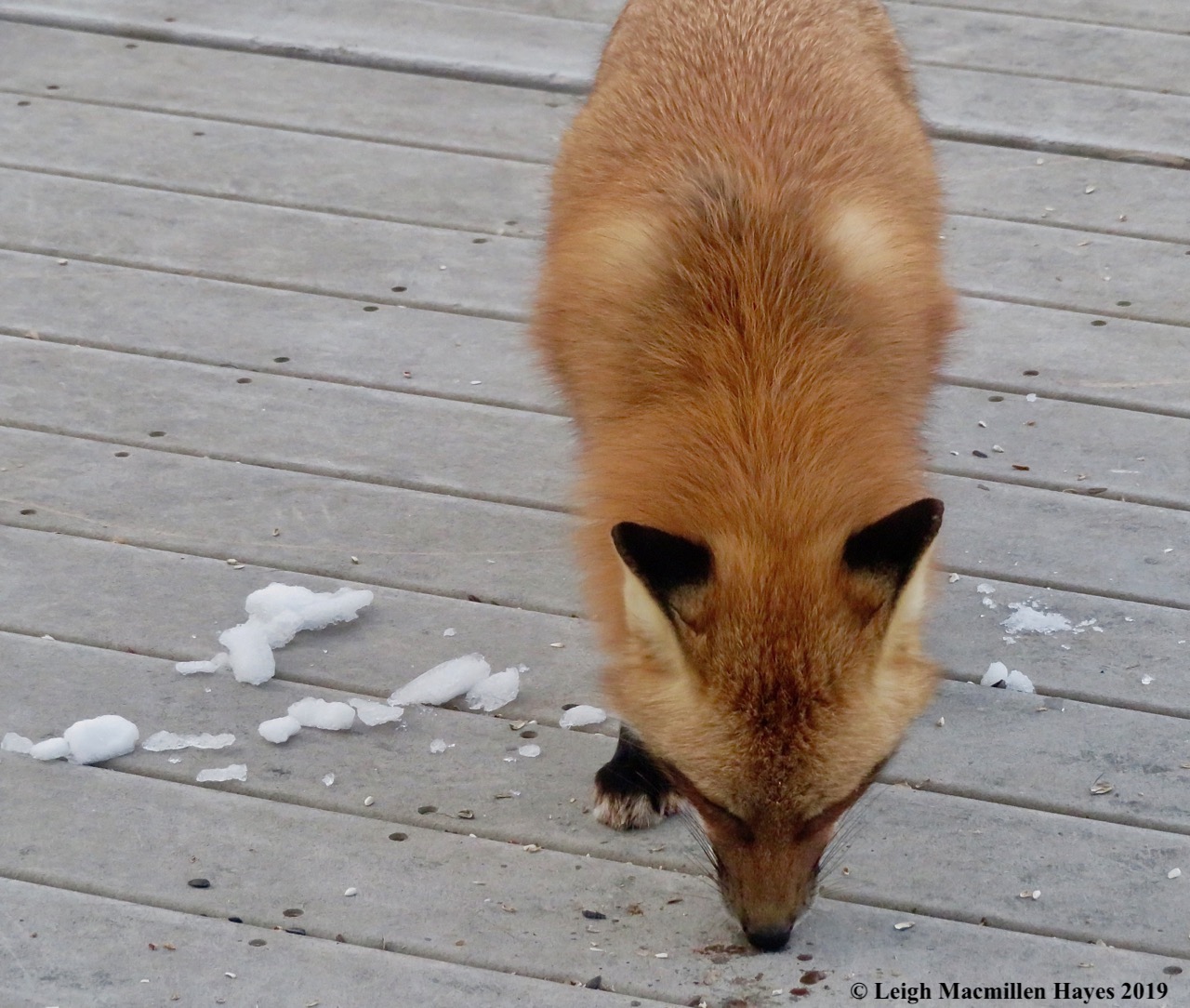
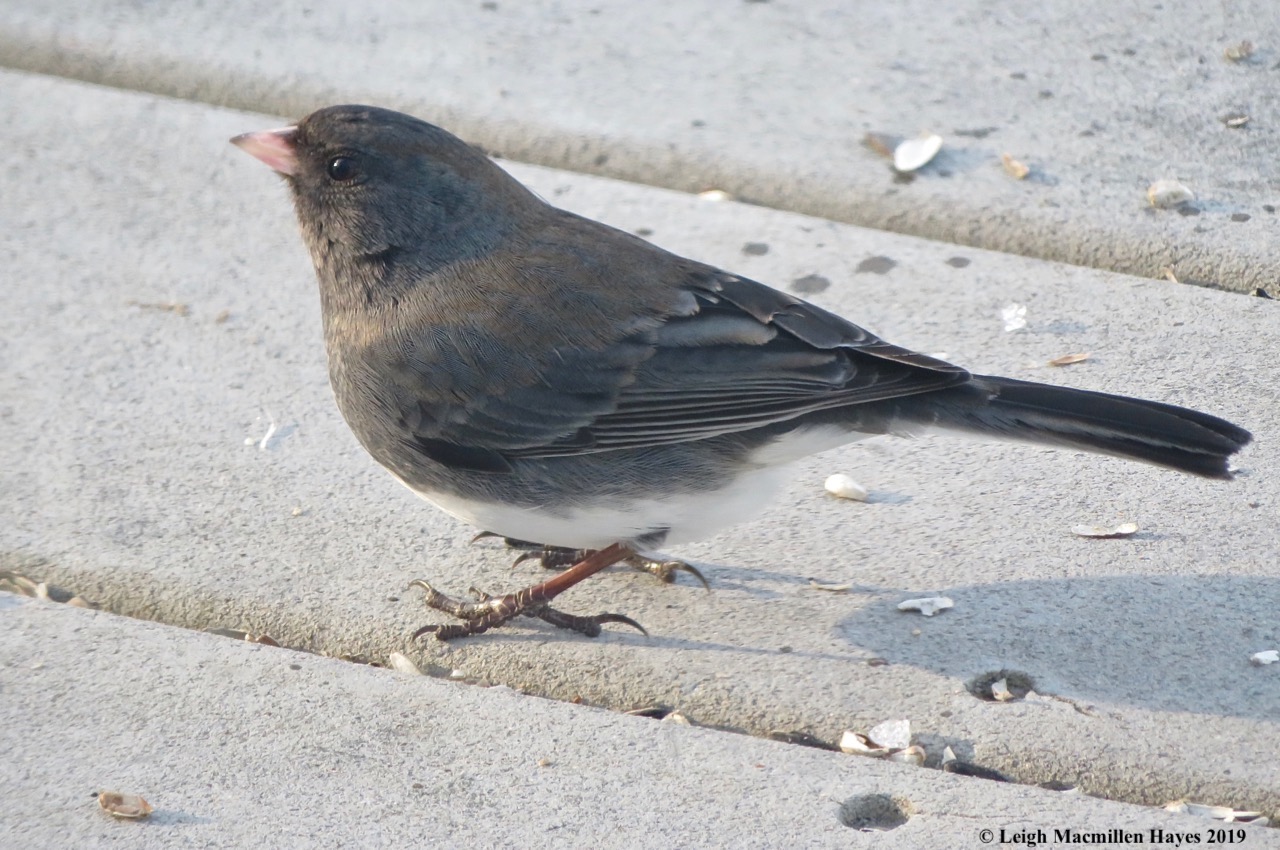


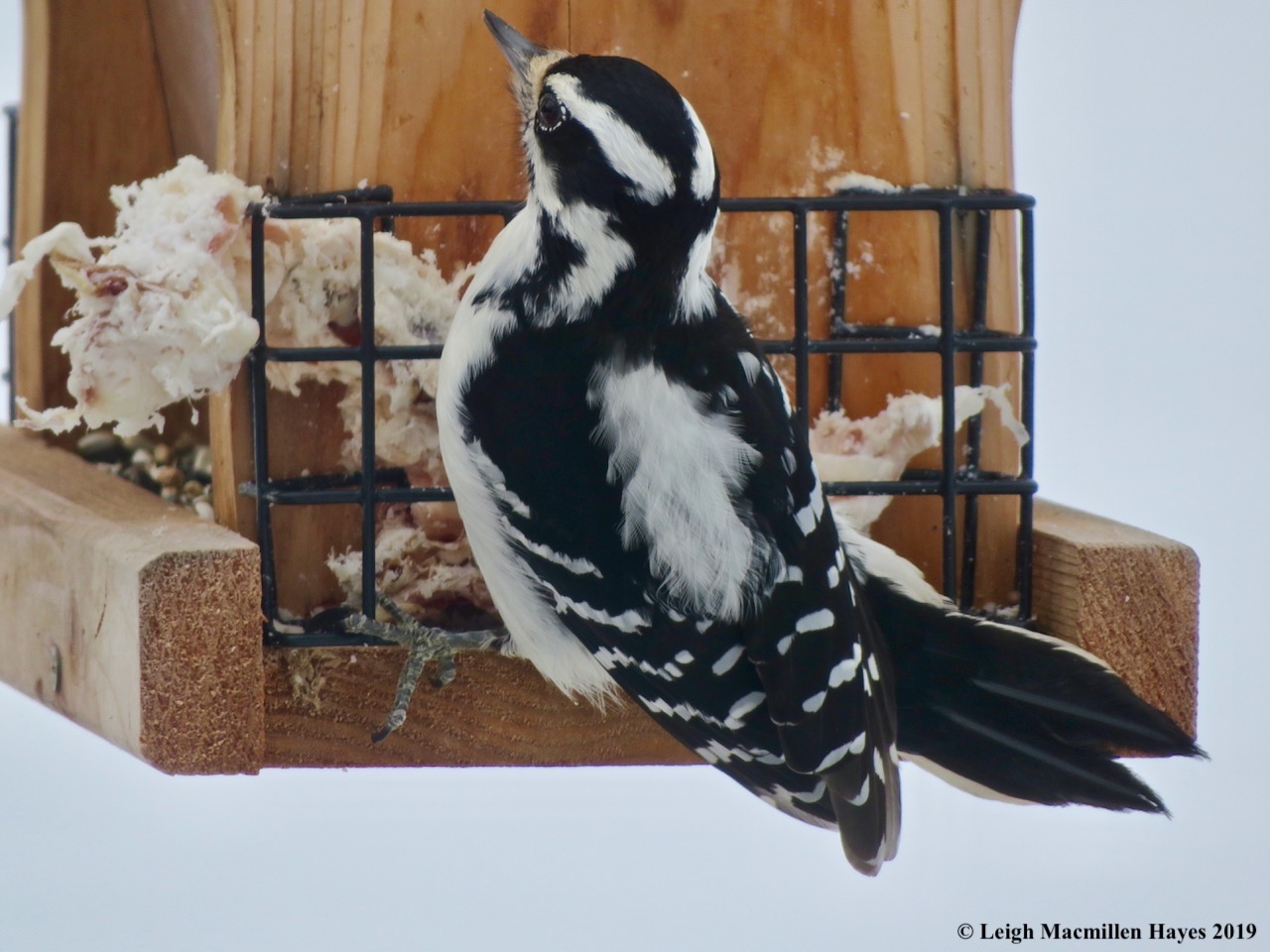
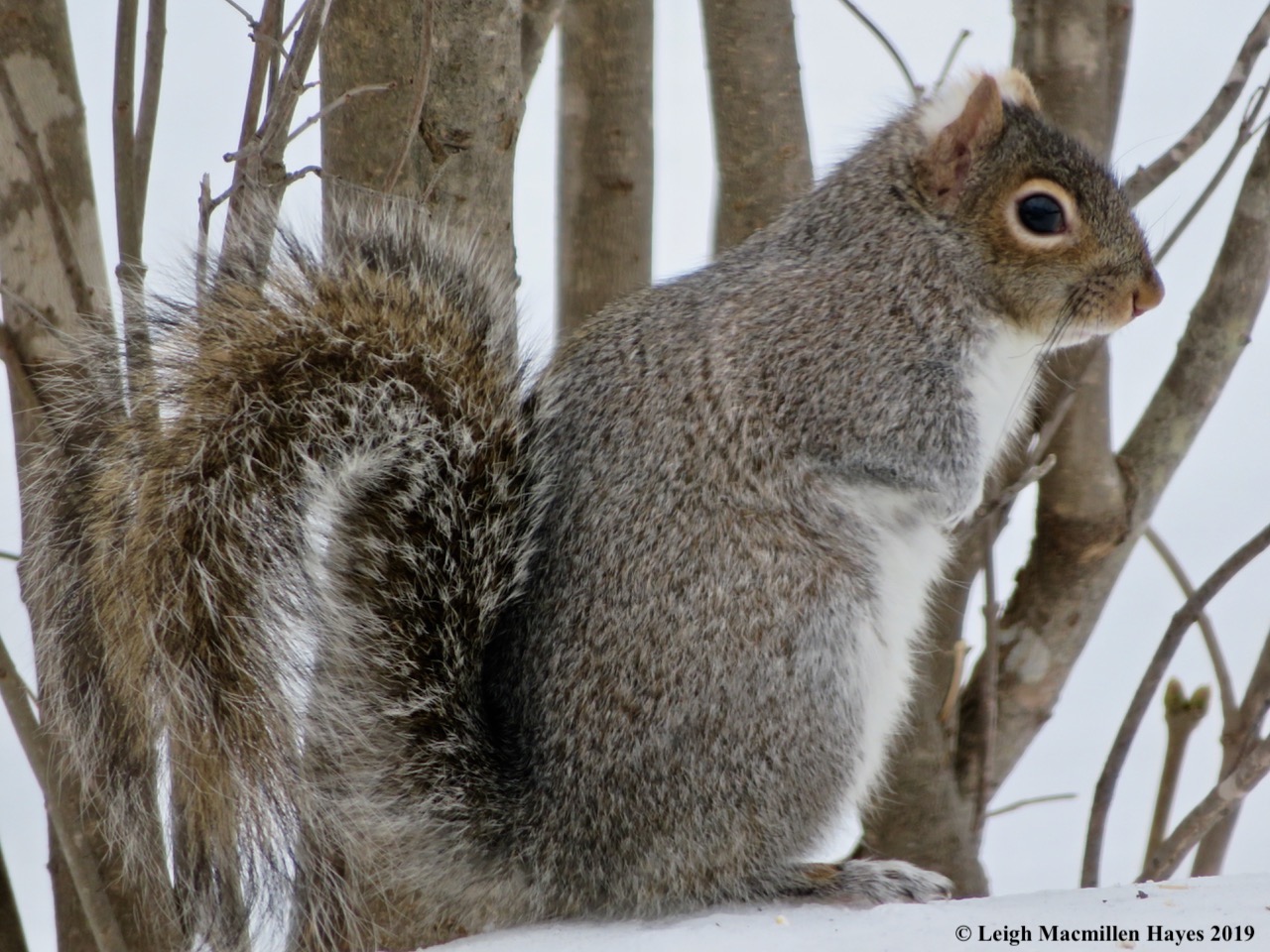


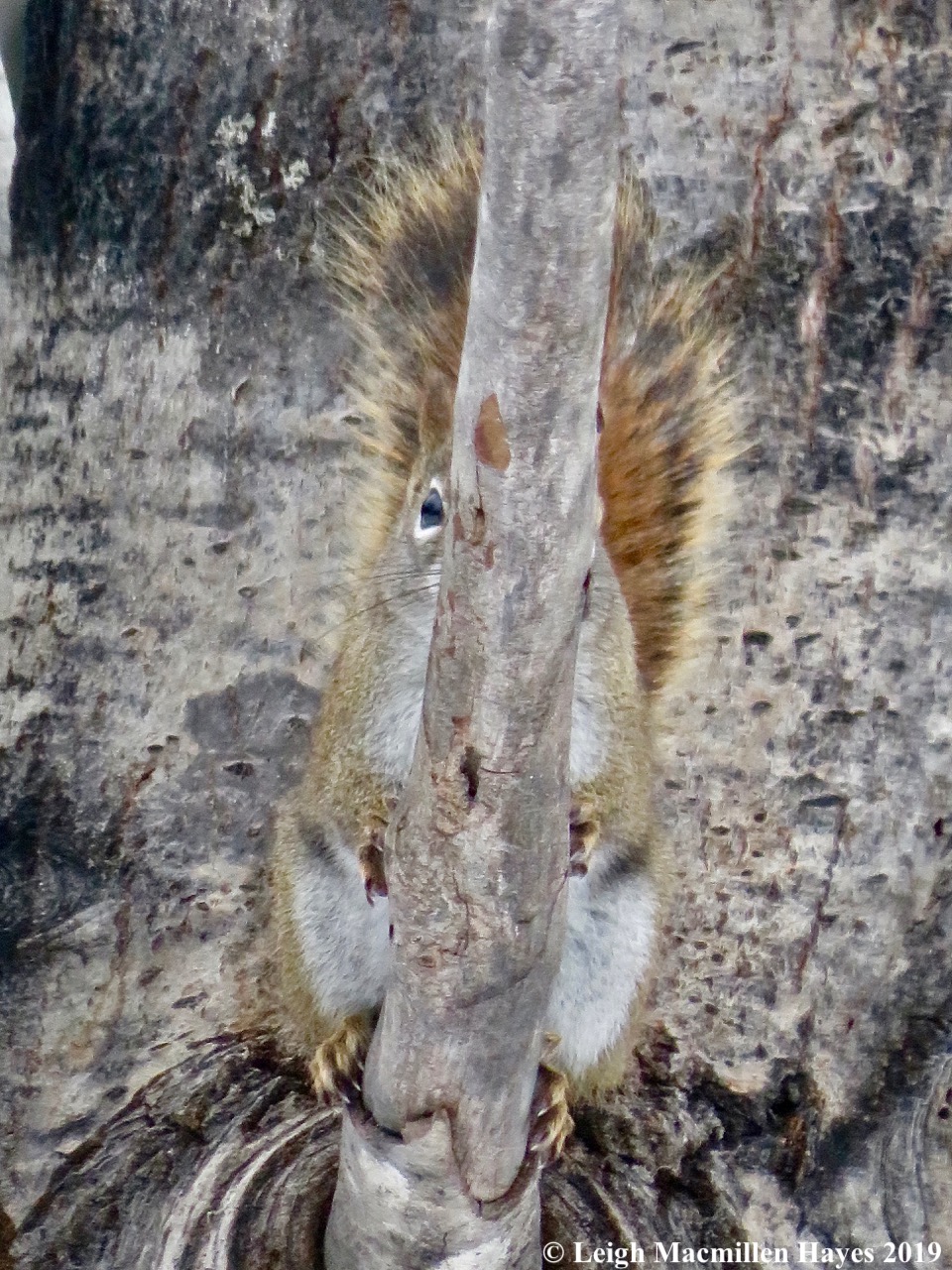
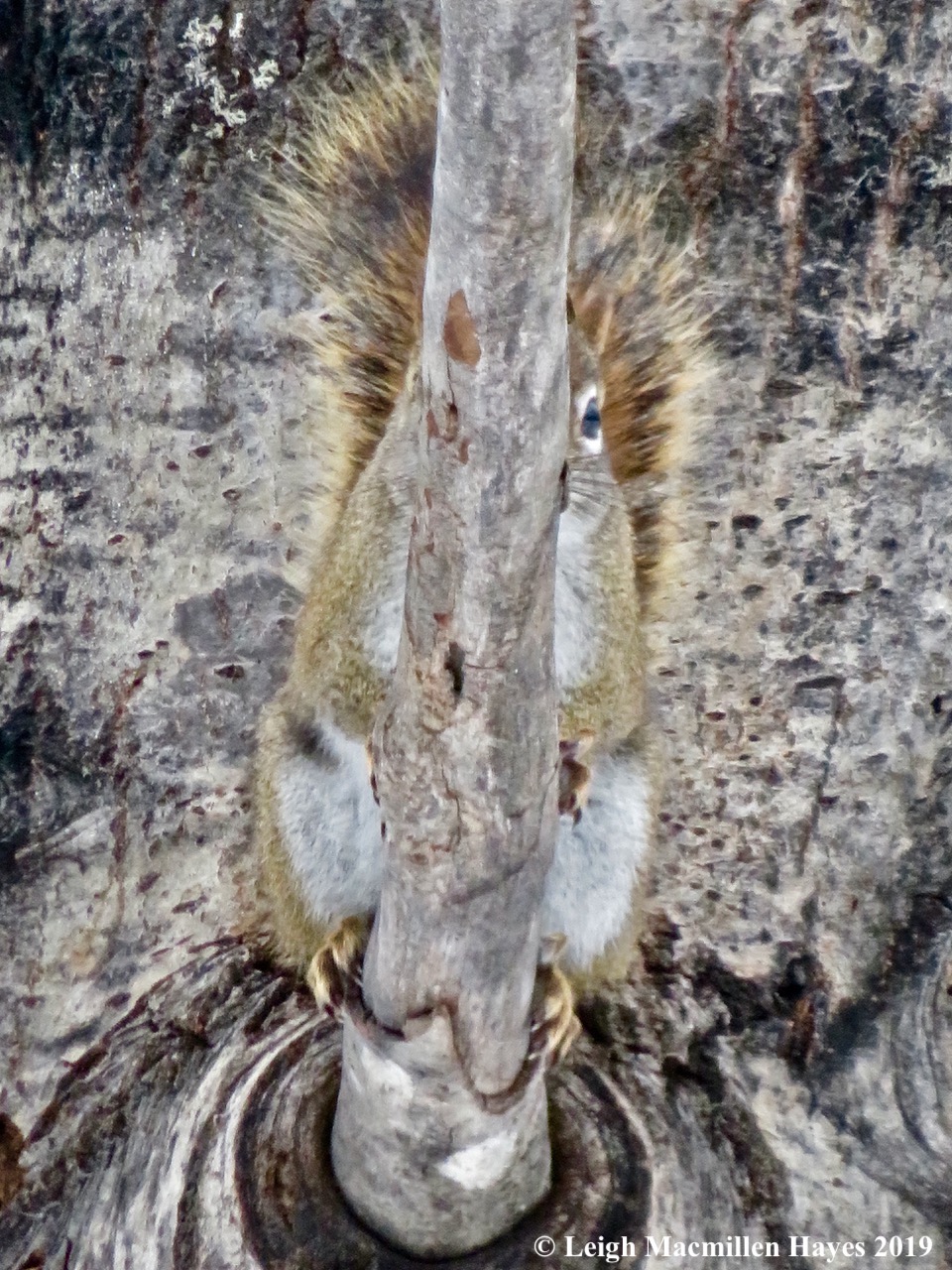

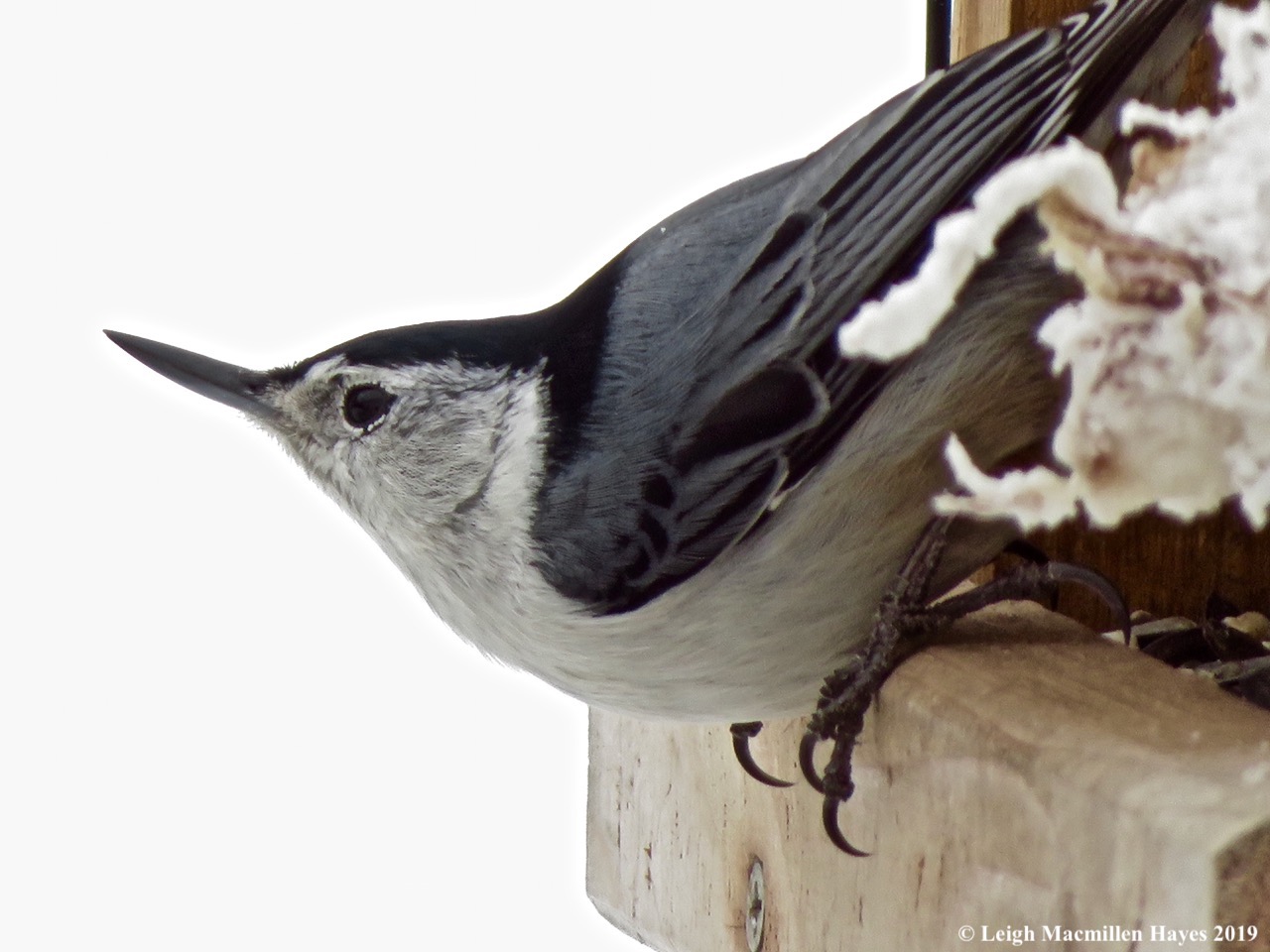
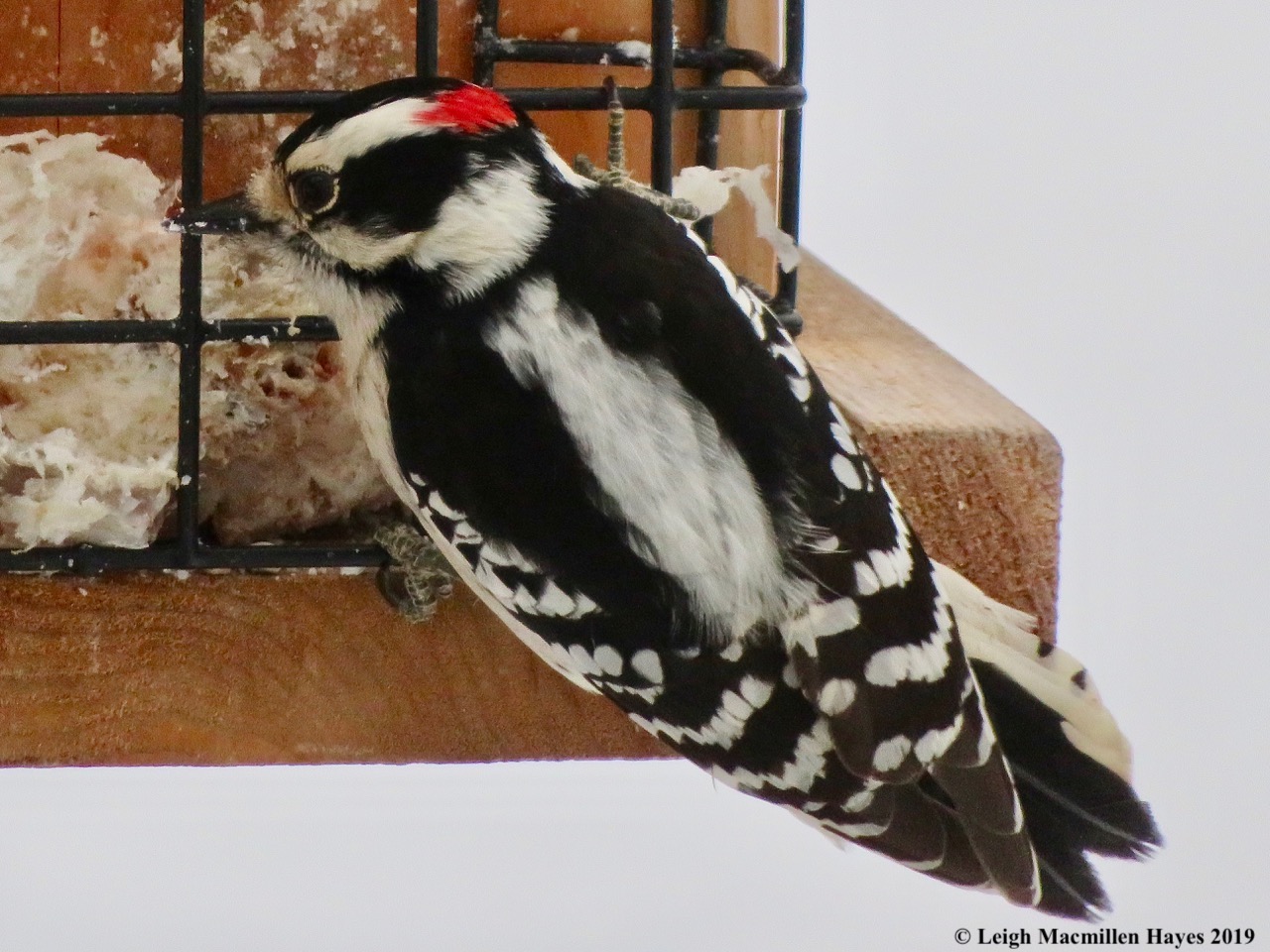


 wondermyway