This morning dawned bright and brisk and offered a brilliant background for a journey through the almost Peabody-Fitch Woods that Loon Echo Land Trust hopes to add to their holdings. The 252 acres of the proposed project surrounds Bridgton Historical Society‘s Narramissic Farm.
Jon Evans, Loon Echo’s Stewardship Manager and board member of the historical society had asked me to join the walk that would highlight the Peabody-Fitch Homestead built in 1797 and introduce Loon Echo’s new executive director Matt Markot. In the morning light, we circled the house as Jon shared some of the farm’s story.
On the northern side of the house, we paused to enjoy the view, including Pleasant Mountain just beyond the trees to the left of the field. The land trust also owns and protects over 2,000 acres of the mountain that defines this area of western Maine.
Measuring the effect of the cold on the hike’s participants, Jon chose his stop points, where he shared his keen knowledge of the farm and the lands that surround it. For me, it’s always a joy to tramp with him because his connection to the land is personal, and this particular piece even more than most for Jon’s family long ago farmed an adjacent acreage and he grew up traipsing through the very woods we snowshoed today. (And this photo includes Margaret Lindsay Sanborn, mother of Matt Markot, LELT’s new ED who stands to his mom’s right.)
As we circled behind the barn I shared with Jon a bit of knowledge that adds to the lore of what’s always been known as the Temperance Barn, supposedly constructed during prohibition without the usual swigs of rum for all who helped in the building process. Following a blog post I wrote in December 2018 about this very property, a granddaughter of Margaret Monroe who gifted the property to the historical society in 1987 wrote the following message: Hi – I am glad you enjoy my grandmother’s property. A heads up that there is no written documentation from the period re: the barn actually being built without alcohol. My grandmother was prone to making up history. I want to give respect to hardy native Mainers: Monroes were largely summer people. My grandmother also said sherry wasn’t alcoholic and would drink a big glass of it every night before dinner, Lark cigarette in her other hand. Happy Holidays! Rebecca Monroe
It turns out that wasn’t the only story that had more to offer than I’d originally thought to be true. As we were about to pass through a stonewall behind the barn, my eyes cued in on debris below some trees. Certainly it was the work of woodpeckers and I stepped onto the wall in search of scat. Nada.
Looking up at the pin cherry tree, I found not pileated works, but the incisors of another that gave a clue.
And below, pigeon-toed tracks. Between the incisor marks and tracks I knew the creator, but it didn’t make sense to me, for though I find hemlock twigs below such a tree when a porcupine has clipped them, I couldn’t recall ever seeing bark chips below a porky tree. In my brain, the rodent ate the bark as it sought the cambium layer within. I dismissed it as a lesson to be considered and we moved on.
Jon led us along a colonial road from the historical society’s property to a stonewall that delineated the Peabody-Fitch Woods. We turned onto a trail I’d never traveled before and made our way along another farm road. Periodically, Jon, Matt, and I bounced off of each other as we shared our knowledge about the trees and forest succession that had occurred since the farm was last a working land. We also spied a few mammal tracks, including those of a bobcat.
At last, we circled around and found our way back toward the border between the P-F Woods and farm.
Close to the Temperance Barn again, porcupine tracks crisscrossed to the stonewall where we’d seen their activity at the start of our journey.
Near the parking lot and Blacksmith Shop, more porcupine works made themselves evident–by their tracks and the debarked trees.
Incredibly debarked trees. I’m always amazed by the fact that porcupines, given their size, can find support on trees and limbs that seem so flimsy. I’ve been told that they’re known to have many broken bones and it makes sense given the precarious choices they make to seek winter nutrients.
Once again, there was bark debris. In the past I’ve always said that beavers leave wood chips, but porcupines eat the bark and cambium layer.
The evidence was obvious given the prints and comma-shaped scat. But the bark debris proved me wrong today.
And I loved that. When Jon first introduced me as a Maine Master Naturalist, he asked how long I’ve been such. “Six years,” I said. And though I’ve spent my sixty years wandering and wondering in the woods and along the coast of southern and northern New England, it was the Master Naturalist class that taught me how to take a closer look.
Do you see the green of the cambium layer? And those incisor marks–how they are at opposing angles? Those I recognized.
But . . . the porcupines taught me something new today.
Winter Storm Harper left its mark in the form of snow and wind upon our little spot in the universe.
And I was certain that any tracks I might encounter in the woods would have been erased by dervishes that whirled across the field yesterday, overnight, and into today.
Consequently, it was a pleasant surprise to discover porcupine tracks leading to and fro our barn and woodlot in their typical pigeon-toed pattern.
As delighted as I was, I was equally dispirited as I noticed that the tips of my favorite hemlock had been nipped to oblivion.
But, the porcupine had moved on from that tree, crossed over a stonewall, and visited several other trees in our woodlot, as noted by the downed twigs that decorated the snow’s surface. Like the tracks, the twigs were freshly cut in the past twenty-four hours or less actually.
Of course, I couldn’t overlook the woody commas amid the debris, much as they break up a sentence such as this, that added to the list of evidence that a porcupine had been present. Some call them scat.
And then, as I continued onward, I followed the tracks of two others that frequent our yard. Even as I delighted in the winter structure of a Queen Anne’s Lace florescent, did I notice the red fox prints on the snow below.
The tracks led me to Stevens Brook, which has a journey of its own to trace.
I went to look because I felt the need to add a bit of color to this wintry day and knew that the local congregation of Mallards would contribute not only that, but sound as well.
And then, as I snowshoed beside the trail that follows the brook, I began to notice tracks made by another–this one a member of the weasel family with tear-drop shaped toes of five on each foot.
The more I followed it, the more I realized it had walked and then loped and appeared to drag something along the way.
Sometimes it chose to slide on the downhills.
And equally left an impression as it journeyed up and over a stonewall.
Meanwhile, within the wall, I surmised another of a different species quivered as silently as possible so as not to attract attention, with the hope of creating hoar frost for another day.
Wherever I went, the weasel had also trekked. And frequently I noticed signs of blood as if something had been dragged and the life dripped out of it.
In some places the frozen vital fluid bespoke a meal perhaps waiting to be cached–the perfect sacrifice of one to nurture another.
So few were the tracks of mankind on the virgin snow and so abundant the weasel.
Soon I found myself beside another brook, this one named Willet, and I glanced about expecting to see evidence of action, but instead found ice and snow and shadows disappearing into the bend.
And then . . . upon the edge of the brook’s high bank, a sudden turn my weasel had made, choosing to not slide downward.
A bit further along, I was following its tracks again when I spied fresh woody debris upon the snow’s surface and knew that a pileated had been at work this day.
Rounding the tree, I discovered a series of holes made over a series of days or weeks or years.
From the woodpecker tree, it took a few minutes, but again I found the tracks of one very busy fisher. I never did find any kill sites, but suspected that it had a cache somewhere and let its fresh groceries dangle from its mouth as it carried them back to the pantry.
Making my way toward home, I didn’t need to rest, but had I intended upon such, it wouldn’t have been at the bench for so deep was the snow.
That was okay, for my movement kept me warm and I knew that I’d soon be stripping off my winter layers once I reached our kitchen. But first, there was a pasture to pass through, and while I seemed to have left the fisher behind, I came upon the tracks of the two red foxes I’d met earlier.
In typical red fox behavior, one of them had paused at the tip of a downed tree and urinated. One of these days perhaps it will finally get lucky.
In the meantime, I felt lucky for I’d seen the prints and tracks of so many on this day when I wondered if I’d see any–including those of the Mallards beside Stevens Brook.
And of all the winter wild out my door, today the ducks were my favorite because I not only got to watch them for a while, but I also appreciated the colorful display they added to the landscape.
Christmas in our house requires a bit of creativity and so it was that a light bulb went off and a theme was born.
I found a little brown cardboard box, decorated it with some hiking stickers and then did a bit of research on local trails and pubs. This was for my guy, you see, for on his days off, he’s always asking me where we should hike. I decided to make it easy for him to suggest a trail at least once a month, and the hike would be followed by sipping a brew at a local pub. There was one caveat: the hike had to include the search for bear paw trees. We both love a challenge. Some of the places I chose are familiar to us, and though we know the trees are there, will we find them again? That remains to be seen. Others are totally new on our list and I had no idea if they’d offer one of our favorite sights.
In keeping with the theme, I also gave him a UMaine sweatshirt; UMaine being his alma mater. Of course, back in his day, it was referred to as UMO for the University of Maine at Orono.
And finally, a growler from a local brew pub so he can walk down the street and refill it occasionally.
The property itself is the Virgil Parris Forest, named for this man who was born in Buckfield in 1807. Mr. Parris attended local schools, Colby College, and Union College in New York, where he studied law. In 1830, he was admitted to the bar and returned to his hometown to open a practice. His career followed a political path both at the state and national levels.
The main trail that loops around the 1,250-acre property was named for the Packard Family. According to the interpretive panel at the trailhead, “the farmstead’s foundations and family cemetery are on site. Daniel Packard was given this land in Buckfield as compensation for his service in the Revolution. Daniel was born in Bridgewater, Massachusetts in 1749 and married Elizabeth Connelly of Cork, Ireland during the war. Daniel died in Woodstock, Maine in 1836, and is buried there. It is said that Daniel and Elizabeth were the prototypes for James Fennimore Cooper’s Sergeant Hollister and Betty Flannigan in Cooper’s novel The Spy.”
The sky was brilliant blue as we began our journey, each step of the way scanning the trees. Had it been a couple of months later, we might have mistaken the large burl in a paper birch for a bear cub.
Though bears climb other trees, it’s on beech bark that their claw marks show up best.
When one focuses one sees . . . many a thing that might have been passed by, such as this beech, which began we know not as one or two, and if one, why did it become two we wondered? And then, like a work of magic, it was once again unified.
Another beech offered a snow chute that seemed like the perfect squirrel slide.
And yet another was decorated with the chiseled tooth marks of a natural logger–a beaver.
There were some decorated with cankers from beech scale disease that could have passed for ornamental faces.
And others that hosted squirrels who had built dreys appearing haphazard in construction from our stance about thirty feet below, but were really complex and apparently well insulated.
Fungi, such as this tinder conk, also fruited upon some trees. But . . . where were the bear trees? My guy asked how I’d chosen this particular path, and to be truthful, I couldn’t remember. I just thought it was a new one to us and might have some paw marks to boot.
Down an esker ridge we continued as we approached South Pond.
The wind was cold on the pond and snowmobiles zoomed past, oblivious to our presence, which was just fine with us.
And then we heard voices and framed between beech branches, we saw a dog sled team across the way.
And then, just as we turned from the Packard Trail onto the Cascade Trail, we spied some familiar marks. Or were they? We so wanted a bear paw tree that we convinced ourselves we’d found one.
It certainly did look the part. And so we felt successful.
Onward we journeyed, enjoying the cascades in their frozen form and promising ourselves a return trip in a different season.
As is his style, my guy moved quickly and I accused him of not searching, but he was.
And bingo! Another bear tree.
The cankers were abundant and made it difficult, but our bear paw eyes discerned the patterns.
And once we noticed, it seemed as if they began to pop out at us from every tall beech. Not really so. All in all we counted five. Well, five if you include the first tree, which we continued to question. And there were probably many more that we missed.
At last we’d completed our journey and relished our success. As I drove back down Sodom Road in Buckfield, I knew there were a few final trees that needed to be examined–telephone pole trees. Most were in great shape, but one close to the preserve had been visited by a large furry mammal that scratched it and nipped it and probably left a scent on it.
As planned, we knew exactly where we’d stop following our hike and so we made our way to the Buck-It Grill and Pub, another place we’d never visited before.
Lisa, the bartender, took our burger order and then we sipped Allagash White while we watched the Weather Channel on the TV above. Sitting next to us was Joyce, and she said that the impending storm was named for her partner’s niece, Harper. When did they start naming winter storms? Never mind. The important thing was that the fresh hand-packed burgers and fries were delish. The beer wasn’t bad either.
We went not knowing but came away with smiles after a successful hike–and already we’re looking forward to next month’s “From Bear to Beer Possibilities.”
(Warning: Some photos in this post may be disturbing.)
A couple of friends and I didn’t let this morning’s brisk air keep us inside and so at the designated time and place we met, strapped on our snowshoes and journeyed forth.
Almost immediately we were greeted with evidence that others had had the same idea. And though we knew they were turkey and fox tracks that intersected on the snow-covered ice, we weren’t positive about the fox ID until a few minutes later. As it was, the prints were muffled in presentation, which led us to red versus gray fox, but the stride seemed a wee bit short.
And then we found the calling card and both friends were thrilled to get down on all fours and take a sniff. Indeed, the skunky scent made us certain that the fox’s color was red.
Everywhere, whether atop a snow-capped rock or sapling or winter weed, we found that calling card–most of it a mere dribble, but enough.
Everywhere we also found the fox tracks and wondered–one or two? It seemed likely that she followed he, but we couldn’t be absolutely certain.
And then something in the distance atop the snow called our attention and we quickly followed the fox tracks to the dark sight.
It turned out to be turkey feathers. And we got to wondering again. There were no turkey tracks nearby, only fox. What had happened?
Toward the shore we tramped and suddenly one of us found a display of feathers and cartilage.
And then another about ten feet away.
And still another.
Beside it all, we found the calling card of the red fox to be even more prominently displayed.
Later, after one of our group departed, two of us revisited the kill sight and realized that there were some black and gray hairs left behind. My assumption was coyote as we had also seen their tracks. And we found a rather robust coyote scat not far away.
So here’s the story as we pieced it together, though we know some pages are missing: The fox(es) stealthily sneaked up on the turkeys who were scratching about for food on the ground under some hemlock trees where the sun had melted the snow. They pounced on one who wasn’t able to fly off quickly enough, for if you’ve ever watched a turkey take off, you know it’s awkward motion in slow speed. We hoped that the kill was quick and the turkey didn’t suffer as its feathers were plucked. The body was dragged here and then there, and the fox urinated to stake his claim. Maybe he shared some meat with his girlfriend. Along came the coyote who didn’t care about the fox’s territory and perhaps he scared them off and helped himself to a tasty treat. We had to think about it as nature’s way and jules of energy being passed on from the insects and birds to plants and seeds to the turkey and on to the canines. They, too, need to eat.
We searched all over for a head and maybe leg remnants or other body parts, but found not much, though we did find a bony structure and wished our veterinarian friend had been with us to perhaps enlighten our understanding.
Finally, we moved on and a few feet away another sight made itself visible.
Tucked into the top of a tree snag was a partial ear of corn. The refrigeration obviously worked for it looked as fresh as one might eat on a summer day.
How did it get there? We know it came from a nearby corn field, but who was responsible for its placement? Perhaps a squirrel? Or a bird? It didn’t seem likely that a raccoon could climb the snag, but then again, in nature the impossible often happens when we aren’t looking.
Today, we looked and even when it wasn’t pleasant, we were excited for we gained a wee better appreciation for and understanding of nature’s larder.
People often ask me this question: Aren’t you afraid of hiking alone? My response is that I’m more afraid to walk down Main Street than through the woods, the reason being that it’s a rare occasion I encounter another mammal. Oh, I do move more cautiously when I’m alone and today was no different. But . . . there’s something uniquely special about a solo experience.
Perhaps it’s that my mind wanders with me and I see things I might otherwise miss when I’m distracted by conversations with dear friends and family members. That doesn’t mean I don’t like to travel with them, I just equally enjoy going forth on my own.
Today’s exploration of the Greater Lovell Land Trust’s Long Meadow Brook Reserve and the adjacent private property protected under a conservation easement with the land trust allowed such a wander, both literally as I only occasionally followed the trail, and figuratively as I was sure that the two-headed tree spirit chuckled with me, not at me. You’ll need to let your own imagination wander to see the spirits within the split tree–believe me . . . they are there.
One of the things I love best about the Long Meadow Brook Reserve is its cathedral of pines–and the route I chose today appeared to lead to infinity. It’s not the blazed route, but someone had obviously been that way before.
When I reached the first bench, I heard the voices of fellow travelers and the laughter of the Lovell Recreation Summer Campers who often clamber for a seat. For the time being, their good-natured chatter was buried until they return again.
From the bench I moved across the field as many a deer had done, and found my way down to the namesake for this property, Long Meadow Brook. I’ll never forget my first visit several years ago–and the awe when discovering this view in the summer. In every season, I welcome the opportunity to have my breath taken away.
The view by my feet also garnered my attention, for it was obvious that a red fox had walked this way before me.
How did I know it was a red fox and not gray? Well, first I measured the print size, straddle, and stride. And then I looked at the foot morphology as presented in the snow. The prints were a bit muffled, which is one aid in identification, for a red fox has hairy feet. And . . . I spied the chevron, a little indented ridge that appears in the foot pad. If you look at David Brown’s Trackard in the previous photograph, you’ll see the chevron as a dark line.
There were other clues as to the maker of the tracks–for some frozen urine by a sapling spelled his name. And its skunky scent added a flourish to his penmanship. It’s mating season and this boy had an announcement to make.
I suspected his words were heard for it appeared that more than one fox had traveled across the old beaver dam and I found more pee at each little post.
I desperately wanted to cross as others had, but I was alone and knew it was best to stay on the eastern side.
That didn’t stop me from looking and noticing what may have been a recent otter or mink slide in the midst of the fox tracks.
Or the remains of a snowball fight that I imagined the fox affectionately tossed as his date.
Looking south, I couldn’t see any action, unless you consider the cattails. But I had to wonder, were the fox and the mink and the otter and any others at the edges keeping watch over me?
I couldn’t be sure, but I did note that the cattails parachuted seeds were eager to set off on the breeze and start their own lives.
Likewise, the water at the dam added its form of action and color and texture and sound–in as many renditions as possible.
At last I moved on, followed the blazed trail and climbed to the second bench on the property, along a route the deer know so well. Where were they? Also at the edge, again keeping watch?
Had I startled them from browsing the red maples? Missing buds and long tags represented their mark on the land.
Before moving on again, I stood behind the second bench where the mountains in Evans Notch looked as if they’d been coated with frosting; and in the way of the winter world, they had.
And then I followed a seldom used trail back down to the brook, where I spied a fox track. Do you see it? It’s about in the lower middle of the photograph.
I was even more excited when I noticed mature tamaracks growing along the brook’s bank and gave thanks.
For you see, several years ago some young tamaracks that grew along the beaver dam had been inadvertently chopped down to make a pathway for the snowmobiles. I was saddened by the discovery because this is one of the few GLLT properties with this deciduous conifer that looses most of its needles each fall. And that spot had also featured balsam fir, hemlock and white pine, making it the perfect outdoor classroom.
Add to that the pitch pines that grow by the first bench, and voilà! A lesson completed.
That made today’s discovery of the tamarack’s nubby twigs extra special and I knew that the tree spirits weren’t making fun of me, they were smiling upon me.
With that in mind, I was going to follow the trail back, but decided instead to journey for a bit beside the brook, where I found a deer bed in the sunniest of spots.
Eventually, I climbed up a hill and back to the trail, crossed through a stone wall to the neighboring property, continued on to a field and across that to a stump dump. Why go to such effort to reach a stump dump?
Because it’s actually a porcupine condominium hidden among the rocks and decaying tree stumps.
There were several entry ways–all showing the telltale signs of the pigpens of the woods.
Nipped twigs covered with a tad bit of fallen ice made me think the creators were snug inside and not over my head.
I did look up, but I did the same thing last week and didn’t see what others saw from a few feet back. That day, a porcupine was right over my head. Today, I didn’t think so, but the sun was bright and I couldn’t be absolutely certain. One may have been observing my actions from above.
And wondering what my fascination was with its scat. Check out those woody commas.
As I wandered about by the stump dump, something else also caught my eye–a promethea silkmoth cocoon.
At last I climbed back on to the porcupines’ rooftop and had to watch my step for there were several frosty vent holes and I didn’t want to land inside the humble abode.
As I stood there, I searched again for any quilled critters, but saw none. What I did see–that only a skeleton of a hemlock remained. It’s a tree the porcupines have spent more than several years denuding.
And in the tree next door, I noticed that they’d not yet reached the tip of one branch. Word has it that porcupines have many broken bones from falling out of trees. I’d love to be present when one returns for this leftover.
At last it was time for me to make my way out. I’d made a silly mistake today and thought that because it was so cold the snow would support me so I hadn’t worn snowshoes. Instead I created post holes with each step I took.
As I started across a five-acre field, my own spirit led the way–encouraging me not to give up despite the fact that I was tired.
And by the edge of the field, I did find a spirit hanging out. What was the cairn thinking? Maybe its expression as reflected at the base of the tree was one of disgust that I’d ventured forth in its space. Or perhaps it was forlorn that I was now taking my leave.
I chose to believe the latter and gave thanks for the opportunity to wander among the spirits of Long Meadow Brook.
We’ve wandered there before, my friend and I, and we’ll wander there again. For as she said, “No matter how often we come here, there’s always something new to see.” And so it was that we found ourselves crawling over the crusty snowbank to get onto the trail of the Greater Lovell Land Trust’s Wilson Wing Moose Pond Bog Reserve.
Virgin snow greeted us as we sauntered ever so slowly beside Sucker Brook, which drains out of Horseshoe Pond. All along, we were serenaded with water songs, but bereft of such from any birds, which seemed eerily odd.
We did, however, have plenty of sights to admire, including the beaded fertile fronds of sensitive fern standing stalwart in the cold water. And then it dawned on us. Yes, the fern was standing in water. We know it prefers the edges of wetlands, but today’s offerings were at least ankle deep. And then we remembered. During the summer, it would have sprouted at the margin for the brook barely trickled through the landscape prior to the rain and snow that have fallen since then.
As we stood there, we noted reminders of others, such as the basal leaves of the Cardinal flowers that grace the brook in late summer. Visions of their red heads danced through ours.
And within our crowns, we mentally gathered the fertile fronds of royal fern. Already the days are lengthening and in a flash we’ll wonder how winter passed so quickly (well, some of us will) and dried brown leaves gave way to lush green.
Then we let the brook gather our attention again. The late morning sun played with the water and snow-covered mounds, casting shadows to its liking–and ours.
Beside the brook grow hardwoods and soft, but none were as brilliant as the yellow birch. Perhaps it was the glow of a winter day that encouraged their golden sheen to stand out among the rest.
For a few moments we stood before one of my favorite yellow birches. I love how its spindly legs stand tall above the rocks in the middle of the brook. Today, all were but another memory as they stayed snug below the blanket of white.
The boulders were also skirted in a coating of white, and hemmed with an icy floral display.
Eventually, we moved on–but only a few steps at a time. In this wintry landscape one might think there is so little to see. And one might be wrong. The trees know, their bark displaying crustose lichens of various shades and shapes overlapped by frullania.
Frullania is a genus of leafy liverworts that you’ll see on many a tree as it splays across the bark in a spiderweb-like manner. Each leaf consists of two parts, giving it a three-dimension look. On this particular tree it could have been a work of art–a scene that included the branching arms of a tree against a blue sky, the blue being a trail blaze.
Given the conditions, the blazes were hidden by many works of nature. But staying on trail wasn’t always our focus.
Between the two of us we spied one sight after another that begged to be noticed, like the fruiting bodies of a lichen possibly called Snag Pin that topped small stems sticking out perpendicular to an old tree stump.
And then there was the fungi to note, like witch’s butter, this particular specimen reminding me of a duck posing in a frilly gown and crown.
Almost hidden by the snow, an old false tinder conk with its cracked black upper surface sporting a velvety margin below.
We also found tinder conks with their equally velvety spore surface, concave as opposed to the convex form of the false tinder conk. Both are known as a hoof fungus for their shape somewhat resembles that of a horse’s hoof. Somewhat. Perhaps this particular horse high stepped through the woods.
My friend’s affinity is more to the fungi, but she knew I was equally drawn to the hobblebush, their leaves tucked inside praying hands embracing the global flowerhead. Do you see the touch of green peeking out? Again, for those of you who would prefer to wish winter away, spring isn’t far off.
It took us a while to reach the viewing platform along this not so long trail and we chose not to climb up.
Instead we opted for the view beside the brook as it flowed forth into Moose Pond Bog.
Our main reason for such was that we were curious to know if any others had traveled beside the water as well. And we weren’t disappointed when we immediately spied mink tracks.
If you look closely, you’ll also note a slide, for why bound all the time when occasionally you can take advantage of the snowy landscape and save some energy. And have a little fun.
The Wilson Wing Moose Pond Bog Preserve was born prior to the organization of the Greater Lovell Land Trust. Outside the White Mountain National Forest, it was the first parcel to be conserved in the area. Behind the scenes, retired Episcopal Bishop and outdoor enthusiast George Cadigan, who summered in Lovell, encouraged his Lower Bay of Kezar Lake neighbor Wilson Wing to purchase some acreage along Sucker Brook in the early 1970s and donate it to The Nature Conservancy since the GLLT didn’t yet exist. Additional acreage was added in the late ’70s, but because the nearest office of the conservancy was located closer to the coast and the GLLT was beginning to take shape, the land was deeded to the land trust with the request that it be named for Mr. Wing.
The 32 acres beside the brook is a preserve managed primarily in its natural state for preserves are deemed to be forever wild due to fragile ecological conditions. That means that when a tree falls at Wilson Wing, its voice will resonate in a variety of ways before it finally decomposes because it can’t be touched. It will serve as habitat to a variety of species whether on land or in water.
Across the street, the Bishop Cardinal Reserve is managed to protect water quality and provide recreation and habitat.
Today, I had the pleasure of meandering beside Sucker Brook with Jinny Mae in a fashion that I imagine Wilson Wing would approve–wandering the Wilson Wing way.
It all started with an email message from my long-time mentor and former education director of the Greater Lovell Land Trust, Kevin Harding.
Wrote Kevin, “I rarely find a book that I’m willing to recommend to friends and colleagues. I rarely read books on saving the environment because I find them too depressing. I am guilty of feeling totally overwhelmed by the chaos and daily news of political disfunction that makes any kind of progress toward “saving the environment” seem impossible. Despite these feelings, I would like you to consider reading Rewilding Our Hearts by Marc Bekoff. No doubt many of you know this author and you may have already read some of his work. Bekoff can help us understand that the work we do in Lovell is in fact meaningful and productive.”
Book of December
And so I added Rewilding Our Hearts by Marc Bekoff to my Christmas list and a few days ago my guy handed me this copy, which he’d ordered from Bridgton Books.
A professor emeritus of ecology and evolution at the University of Colorado, Boulder, (our youngest son’s alma mater), Bekoff is the author or editor of twenty-five books.
Since receiving the book, I’ve turned up the bottom corner of pages in the foreword and introduction that I want to reread and taken copious pages of notes.
In this book, Bekoff’s intention is to use the big picture challenges of “climate change, population explosion and constant damage to Earth’s ecosystems and loss of diversity” as the backdrop to encourage us all to change how we think and act–especially as it pertains to nonhuman animals.
“Rewilding our hearts is about becoming re-enchanted with nature. It is about nurturing our sense of wonder. Rewilding is about being nice, kind, compassionate, empathetic, and harnessing our inborn goodness and optimism,” writes Bekoff.
In the first chapter, he states, “Our effects on other species are wide-ranging and far-reaching, and we most likely understate the extent of our destructive ways. As with climate change, we often don’t know or fully understand what we’ve done or the extent of our negative impacts. Even worse, we have no idea how to fix the ecological problems confronting us, whether we are at fault for them or not.”
A live and dead spider within a pitcher plant leaf.
He encourages us to open our hearts and form a compassionate connection with nature–even in those moments when we don’t understand. For instance, in November a friend and I discovered two spiders in the water-filled “urn” of a pitcher plant on a land trust property. The larger spider was alive, while it seemed to play with the smaller dead spider that it kept moving with its hind legs. Was it trying to revive the youngster? Would the two or even the one be able to escape the carnivorous pitcher plant?
Great Blue Heron youngsters waiting for a meal
Watching something as small as the spiders or as large as young great blue herons is something some of us could easily take for granted, for we are fortunate to spend many hours as observers. Thankfully, we are constantly filled with awe and wonder.
ArGee as last seen a few weeks ago. A ruffed grouse startled me in the same area yesterday. Was it him? Or another? I’m not sure, but I am grateful that it behaved as a ruffed grouse should by flying off.
As I read Bekoff’s book, numerous visions flashed through my mind and I thought of the corridors that our local land trusts have worked diligently to create. And with that came the memory of an article I wrote for Lake Living magazine in 2015 entitled “Land That We Trust”:
My happy moments are spent wandering and wondering in the woods of the lakes region. And photographing and sketching what I see. And writing about the experience. And trying to find out the answers. Honestly though, I don’t want to know all of the answers. For the most part, I just like the wandering and wondering.
Passing through a stonewall, I’m suddenly embraced by the fragrance of white pines that form the canopy over what was once an agricultural field. Beech and hemlock trees grow in the understory. Lowbush blueberries, Canada mayflowers, bracken ferns, Indian pipe, partridgeberry, sessile-leaf bellwort, Indian cucumber root and a variety of mosses and lichens add to the picture.
I follow a former cowpath that opens to the power line. At the edge, taller hemlocks and northern red oaks stand high, with a few beech trees in the mix. But my eye is drawn to the ground cover, varied in color and texture. Sphagnum moss, several species of reindeer lichen, British soldier lichen, wintergreen, bunchberries, junipers and sheep laurel appreciate the bogginess and sunshine of this space.
To the right of another opening in the wall, the neighborhood changes. This time it’s gray and paper birch that grow side by side. Nearby, a vernal pool teems with life.
In each space, I encounter evidence of animals, amphibians, birds and insects. Sometimes I even get to see these neighbors with whom I share the land. Gray squirrels build their dreys up high in the hardwood trees, while red squirrels prefer the white pine forest. Deer bed under the hemlocks. Snowshoe hare browse among the birch grove and its vegetative undergrowth. Yellow-spotted salamanders and wood frogs lay egg masses in the vernal pool. Snakes slither nearby. Frequent visitors to each area include porcupines, raccoons, skunks, turkeys, gray and red foxes, deer, woodpeckers, thrushes, chickadees, nuthatches and warblers. Occasionally, I’m treated to moose and bear evidence and sitings.
People, too, are part of this habitat. They recreate along the snowmobile trail that follows the power line. The stonewalls, dug wells and rusty equipment speak to the area’s history.
It’s land like this that our local land trusts work diligently to preserve.
A wee disclaimer: I’ve been a volunteer docent for about eight years and am now education director for the Greater Lovell Land Trust. My involvement stems from my desire to learn about what makes up the landscape that surrounds me.
Sometimes alone, sometimes with my husband or friends, I hike all of the GLLT properties on a regular basis. Trekking along trails with like-minded people who pause frequently to identify and appreciate what they see in any season puts a smile on my face. Something stops us in our tracks every time we explore and we gain a better understanding of ourselves and this place we inhabit.
This past winter, I started recording my outdoor adventures, wonders and questions in a blog entitled wondermyway.com. Sometimes those hikes on land trust properties became the subject for a post.
Bear print and deer print in a kettle bog in Lovell
February 23, 2015: Bishop’s Cardinal Reserve, I’m fascinated by bear sign and love to find claw marks on beech trees. Oh, they climb other trees, but beech show off the scars with dignity for years to come. While bark on most trees changes as it ages, beech bark is known for retaining the same characteristics throughout its life . . . Seeing all the animal tracks and sign, some decipherable, others not so, makes me thankful for those who have worked hard to preserve this land and create corridors for the animals to move through.
March 31, 2015: John A. Segur Wildlife Refuge, It’s one of those places that I could spend hours upon hours exploring and still only see a smidgeon of what is there. I’m overwhelmed when I walk into a store filled with stuff, but completely at home in a place like this where life and death happen and the “merchandise” changes daily.
April 15, 2015: Otter Rocks, A princess pine club moss shows off its upright spore-producing candelabra or strobili. Funny thing about club mosses–they aren’t mosses. I guess they were considered moss-like when named. Just as the mills take us back in time, so do these–only much further back when their ancestors grew to 100 feet tall during the Devonian Period. They make me feel so small and insignificant. And yet, I’m thankful for the opportunity to be in awe of them.
Middle school students from Molly Ockett’s MESA program picking cranberries in the GLLT fen
May 3, 2015: Chip Stockford Reserve, There’s something about the Chip Stockford Reserve on Ladies Delight Road in Lovell that keeps pulling me back. I think it’s the history associated with this property that fascinates me. And the questions it raises. From the start, there is a cellar hole and barn foundation. Eldridge Gerry Kimball had purchased 200 acres on January 31, 1880 from Abraham E. Gray. Various journals from that time period include entries about driving cattle over to the Ladies Delight pasture, picking cranberries over by The Pond, as they called Kezar Lake, picking apples, driving sheep to pasture, picking pears, mowing oats and trimming pines. Today, it’s the huge pasture pines, stonewalls and a couple of foundations that tell part of the story. I’ve also heard that this area was used as a cattle infirmary. According to local lore, diseased cattle were brought to Ladies Delight to roam and die, thus preventing disease from spreading to healthy cattle. . . Another story about Ladies Delight hill is that this is the place where people would come to picnic in the 1800s. Did the women get dressed up to enjoy a day out, a break from their farming duties? I have visions of them wearing long dresses and bonnets and carrying picnic baskets. But could they really afford a day away from their chores?
May 10, 2015: Bald Pate Mountain, The “bald” mountain top is the reason I am who I have become. Being outside and hiking have always been part of my makeup, but when our oldest was in fifth grade, I chaperoned a field trip up this mountain that changed everything. The focus was the soils. And along the way, Bridie McGreavy, who at the time was the watershed educator for Lakes Environmental Association, sat on the granite surrounded by a group of kids and me, and told us about the age of the lichens and their relationship to the granite and I wanted to know more. I needed to know more.
June 16, 2015: Bishop Cardinal Reserve, Though we never plan it that way, our journey lasted three hours. Suddenly, we emerged from the wet woodland onto Horseshoe Pond Road–all the richer for having spent time in the land of the slugs, bears and caterpillar clubs. Oh my!
We are fortunate to live in an area where five trusts protect land for us and the species with whom we share the Earth: Greater Lovell, Loon Echo, Western Maine Foothills, Mahoosuc and Upper Saco Valley. This strikes me as a valuable reflection of who we are and where we live.
Land trusts work with community members to acquire land for permanent conservation through purchases and donations. They also create legal and binding conservation easements that allow residents to protect land holdings in perpetuity, while retaining private ownership. Scenic views, wildlife corridors, flora and fauna, and topography remain, subject only to the whims of nature itself, which is ever-changing.
Conserving the land doesn’t mean it can’t be touched. The organizations develop management plans and steward the land. Timber harvesting, farming, residency and recreation continue, while specific wildlife habitat, wetlands, unique natural resources and endangered or rare species are protected. And in the process, they strengthen our towns. Ultimately, they give us a better sense of our place in Maine and opportunities to interact with the wild.
The service area of each of the local trusts include watersheds and wildlife corridors. Greater Lovell Land Trust is committed to the protection of the Kezar Lake, Kezar River and Cold River and adjacent watersheds located in Lovell, Stow and Stoneham.
Loon Echo Land Trust serves seven towns: Bridgton, Casco, Denmark, Naples, Harrison, Sebago and Raymond, and their efforts actually reach beyond to the 200,000 residents of Greater Portland for whom Sebago Lake is the public drinking water source.
Western Foothills Land Trust serves the Greater Oxford Hills towns of Buckfield, Harrison, Norway, Otisfield, Oxford, Paris, Sumner, Waterford and West Paris. The watersheds they protect include Lake Pennesseewassee, Thompson Lake, Crooked River and Little Androscoggin River.
The Mahoosuc Land Trust works in central Oxford County, Maine, and eastern Coos County, New Hampshire. It strives to protect the watersheds and natural communities of Albany Township, Andover, Bethel, Gilead, Greenwood, Hanover, Milton Plantation, Newry, Rumford, Shelburne, Upton and Woodstock.
Likewise, the Upper Saco Valley Land Trust crosses the border and includes the communities of western Maine and northern New Hampshire that make up the upper watershed of the Saco River. Its service area flows from the source of the Saco in Crawford Notch toward the Hiram Dam and includes Harts Location, Jackson, Bartlett, Chatham, Conway, Albany, Madison and Eaton, New Hampshire and Fryeburg, Denmark and Brownfield, Maine.
In addition to their service areas, the land trusts collaborate with each other and local lake associations. Most recently, the GLLT, LELT, WMFLT and USVLT, plus the Portland Water District have joined forces to protect the fifty-mile Crooked River. The river is the largest tributary flowing into Sebago Lake and it provides primary spawning and nursing area for one of four known indigenous populations of landlocked Atlantic salmon in Maine.
Lovell Girl Scout Cadette Troop 67 up close and personal with tree cookies
Protection is key. So is education, which develops understanding and appreciation. I know for myself, my relationship with the landscape continues to evolve. The mentors I’ve met along the way have played an important part in my involvement and caring for the environment.
All five land trusts offer numerous hikes open to everyone, providing a great way to explore and learn more about the diversity of the natural communities. Staff and volunteers lead walks, stopping frequently to share a bit of knowledge, ask questions and wonder along with the participants. These organizations also offer indoor programs featuring knowledgeable guest speakers.
I’m thankful for the work being done to protect the ecosystem. There’s so much I still don’t understand, but with each nugget of knowledge gained, the layers build. Maybe someday I’ll get it. Maybe I never will. Either way, I’m happy for the chance to journey and wonder on land trust properties.
Even though we can’t all endow the future of our properties, we can get involved to ensure that these organizations continue to protect land for future generations of humans and wildlife so it will remain in its natural state for the benefit of all.
Water snake at the GLLT Otter Rock
So back to Bekoff’s book, he quotes many biologists and others as he makes the point that when we experience alienation from nature we make bad decisions including “wanton killing of wild species, clear cutting, pollution and other human impacts, and caging of nonhuman animals.”
“What we do,” writes Bekoff, “does make a difference and rewilding our hearts is about fostering and honoring our connections to one another and all life.”
My daily fox–12/30/18
After all, as evidenced in our yard each day and night when the visitors are many, we share this place with and in fact live in the world of our nonhuman neighbors. We need to figure out how to live together–and that premise is at both nonhuman and human levels since we are all interconnected in the web of life.
Inside structure of an oak apple gall
Though Bekoff’s focus is on nonhuman animals, I do wish he’d also addressed other forms of life, such as fungi, insects, plants, and the like.
He does list what he calls the “8 Ps of Rewilding” as a guide for action: Proactive, Positive, Persistent, Patient, Peaceful, Practical, Powerful, and Passionate. “If we keep these eight principles in mind as we engage one another and wrestle with difficult problems, no one should feel threatened or left out,” says Bekoff.
As the book continues, there are definitions provided for catch phrases such as compassionate conservation and stories of unsung heroes who have made it their life’s work to “rewild our hearts and to expand our compassionate footprint.”
GLLT/Lovell Recreation Trailblazers created a woodland map
Bekoff is a realist and so am I. He would love to see us all become vegetarians or vegans, but realizes we will not. He knows that it will take people time to unlearn preconceived notions, especially given that the media thrives on misrepresenting animals. He knows that his rewilding our hearts is a concept with a broad agenda.
One of my take-away thoughts was that all of local environmental organizations are working hard to create corridors and raise awareness and awe about the natural world. Of course, we could all do better. But, we’ve already got a good start on doing what Bekoff suggests: “Figure out how to foster a love of nature and other animals so that every generation sees this connection as precious and vital and worth nurturing.”
But . . . he concludes that “if we all made some simple changes to our lives, the world would soon become a more compassionate place for all beings and landscapes.
Great Horned Owl Plastica species
And he reminds us to be humble and able to laugh at ourselves. Yeah, so um, I was the one who stopped a small group of friends as we moved along a trail on private property because I was the first to spot a great horned owl this fall. Yeah, um. It was plastic. And a set up. I’m still laughing.
Dear readers, if you’ve read this far, you deserve a reward. I know I got a bit off track by including my own article, but I do believe that we’ve got a start on rewilding our hearts in western Maine. Yes, we have a long way to go. Let’s do this. Together!
And remember, my guy purchased this copy of Rewilding Our Hearts at Bridgton Books.
Rewilding Our Hearts: Building Pathways of Compassion and Coexistence by Marc Bekoff, 2014, New World Library.
Established in 1900 by an officer of the Audubon Society, the intention of the Christmas Bird Count (CBC) is to monitor the status and distribution of bird populations.
Our local count, known as the Sweden Circle CBC, typically takes place two days after Christmas, unless, of course it snows. Within several weeks prior to the event, organizer Jean Preis rallies volunteers and assigns sections within the circle to leaders and their assistant birders.
I had the good fortune to lead the southeastern section and so at 8am I headed off to begin searching for birds along the road, at backyard or front yard feeders, and just about anywhere within the assigned section. For the first 45 minutes I was alone as planned, and kept blaming my limited sightings on that fact, as well as the brisk morning temperature.
Other than the temp in the teens, I couldn’t say the weather was at fault for it wasn’t all that windy and there was nary a cloud in the sky.
By 9am, I was joined by the rest of my team, Maine Master Naturalist student Juli, and her oldest children, who are naturalists in their own right, Caleb and Ellie.
Juli took over the challenging task of driving, all the while searching for movement. Caleb, Ellie, and I had a much easier task–we just needed to search high and low and if we spotted something, to let Juli know in as gentle a manner as possible so we wouldn’t cause her to jam on the breaks.
At Plummer’s Landing on Long Lake, we got out of the vehicle, as would be our custom for the rest of the day. Down to the ice we walked, our eyes scanning the surrounding scene as we listened. The only sounds we heard–the wailing of the ice. If you’ve never heard that, it’s almost as good as birding! As for birds near the lake . . . not a one.
But there was a beautiful red maple tree by the landing that made for a perfect teaching moment–the clock face that helps birders locate a bird someone spies. I pointed to 12:00 at the top, then 3:00 to the right side, 6:00 at the bottom, and 9:00 to the left. Instantly, the kids caught on and for the rest of the day they were able to direct us–that is, when we did spy a bird.
Ever so slowly, we made our way along main roads and back roads and noticed few birds. In a way, I wasn’t surprised for my feeders have had only a few regular visitors this year. And when I’m in the woods, or even on the edge of a field, I’ve seldom seen or heard a bird since November when the snow fell. Before that, juncos were extremely common sights no matter where or how I traveled. Where have they gone?
Despite the lower than usual numbers, I was sure we would see something by the old Central Maine Power dam not far from the Stevens Brook Outlet. But . . . all we heard was the roar of the water.
And all we saw . . .
was water racing toward the lake and . . .
the dancing legs of icicle formations. That was OK because we enjoyed admiring them. Still, we wanted birds to count. To that point, our tally included a few chickadees and a couple of tufted titmice.
Onward we moved, toward the outlet of Stevens Brook into Long Lake where we were certain the open water would provide us with something worth reporting.
All was quite quiet, however, and we didn’t see any waterfowl to note. But then . . . the biggest find of our day let itself be known.
High up in a white pine above the opposite bank of the outlet, a bald eagle sat in wait. We practically danced in the icy parking lot–and knew that no matter what else we might see, we were golden with this discovery.
Eventually, we pulled ourselves away from the eagle, and continued on while looking left and right, up and down. At last, a front yard feeder yielded some more chickadees, a white breasted nuthatch and a hairy woodpecker. Things were picking up. Sorta.
And then as Juli drove down one back road, we spotted five crows in an unplowed driveway. They flew off when we paused, so we continued on down the road. Returning a few minutes later, we again spied the five crows in the same spot. And Caleb, who as a youth hunter has learned the ways of the woods from his dad, knew that where the crows were gathered there must be a carcass. He asked his mom to stop the vehicle while he crossed the road to check the area. Bingo! He encouraged us to join him. Just off the clearing he’d discovered a deer carcass. We weren’t certain how it had come to perish, or why its head was missing, though we had some thoughts on both, but we did notice that many had come to dine. If we’d been more into our tracking mode than our birding mode, we might have been able to write the first two chapters about the manner of death and loss of the head, but we had a different mission on this day.
Another body of water called our names. Last year, I’d seen robins and various other birds in a wetland associated with Woods Pond, so we jumped out at the town beach and stood still to listen and watch. Nada. The ice on the pond, however, was enticing. And though they didn’t have skates, Ellie and Caleb found the conditions to be much to their liking.
Even the clipboard with the field tally didn’t pose a problem as they slid to and fro across the frozen wonder.
Eventually we moved on and added a couple more chickadees to the list. And then we saw one who was not on the list and though he is native to this land, he’s not typically seen here in winter. So we filled out the Rare Bird Form for the Great Horned Owl Plastica species.
One of our final stops as a group was on what we fondly refer to as the Dump Road. At a swampy area, we thought for sure we’d have some luck. And we did. In the form of beaver works.
Peering across the road in search of birds near the open water, we noticed more beaver works.
And our luck turned to awe as we admired a beech tree that still stood despite its hourglass shape. Why hadn’t it fallen?
The lodge looked well maintained and we rejoiced to think that it was located close to town and yet we’d never spied it before. Because of the CBC, we’d been given the opportunity to get to know our town just a wee bit more intimately.
After the beaver lodge sighting, Juli and her kids headed home, and so did I . . . for a quick lunch break. And then I journeyed down several more roads, adding a few more dashes to the tally. I found more chickadees, a few more white-breasted nuthatches, and some mourning doves.
Toward the end of the day, I decided to return to the dam, but still . . . stillness in the bird world despite all the sound and movement.
And ice-encrusted needles that looked so featherlike.
By 4pm the CBC had drawn to a close and our offerings seemed so skimpy. I was almost embarrassed to turn in the form, only to discover that most of the other birders in the Sweden Circle had had a similar experience. The Denmark and Fryeburg sections had the most sightings to report, but all in all, the numbers were down significantly. A few of us gathered around Jean’s table to compute the final numbers and wonder why they were so low. Too cold in November? When the snow and cold snap occurred early, did the birds fly elsewhere? Was there not enough food this season? One among us has spent the last few weeks joining the CBC in various locations around Maine, and he said that our experience was not unique.
Despite that, Juli, Caleb, Ellie, and I finished up the day smiling because we had seen an eagle. And today was Juli’s birthday–so it was certainly a wonder-filled present for her on this year’s Christmas Bird Count. Happy Bird-day, Juli!
For three hours this morning I wandered across the crusty snow in the forest behind our home, all the while wondering what I might see. Occasionally, I sat on a stone wall or tree stump and let the sun’s warmth embrace me on this brisk day as I listened.
There were a few sights that gladdened my heart, including the woody capsules of pinesap, Monotropa hypopitys.Monotropa means once turned, while hypopitys refers to its habitat under pine or fir trees. This one had grown under white pines by a stone wall. And from the looks of it, the capsule had not yet split open from the tip to the base, thus the seeds hadn’t been released.
As I sat there, I looked across into an area of forest succession. About 15-20 years ago, one section had been almost clear cut and pine, beech, oak, and birch saplings now vie for air space. They aren’t the only ones, for wasps had apparently flown their own route among the branches as evidenced by the nest that was now in disarray.
I’m not sure if the wasp nest was from this past summer or a previous year, for some of the pulp had been threaded into a nearby bird nest. But then again, I’ve found other wasp nests in these woods in previous years.
Within minutes, I changed my focus from tree branches to the icy snow carpet. Where the forest was young, snowshoe hare scat was abundant. Oh, how I wanted to see one. But, my movements were too loud and quick.
Where the forest was a bit more mature, but still included coppiced trees (coppiced means a trees ability to make new stems from the roots or stump after its been cut down), moose tracks and scat were equally abundant. My favorite sight was of a moose print filled with scat–including the two dew claws a the back of the foot. Since this is a sideways photograph, the dew claws would be those two little scat-filled circles, one atop the other, just right of the center.
Oh, how I wanted to see a moose. But, I had to settle for the prints, scat, and possibly another sign. Many coppiced red maples’ terminal buds had been heartily consumed and so I studied the branches. An voilà, hair stuck behind one lateral bud. You many not be able to see it, but the fibers were tubular, as the winter coat of our northern mammals usually is–thus allowing the critter to trap air inside and remain warm(er). Moose and deer don super-insulated jackets of long, hollow hairs. They also sport a dense, soft undercoat that allows them to stay cozy and warm. I’m not certain, but some of the hair specimen may have included the wispier undercoat.
I was grateful for my findings, but all along I kept thinking about the fact that I really wasn’t seeing anything exceptional and perhaps my sense of wonder had disappeared. And so I decided to head home and along the way I recalled a few fun sights I’d made from behind the glass in our back door. Can you see the red squirrel’s tongue?
And do you spy the gray squirrel that tried to hide during a recent icy rain storm?
That same day a chickadee watched intently as an icicle dripped from the feeder’s overhang.
Then there were the red foxes. One or two pass through our yard almost every day. Sometimes we see them more than once in a day. During our most recent snowstorm (when all of one inch or so coated the snow we already had) the duo graced us with a lunch time visit (our lunch time, that is).
The bird feeding station is always one of their stops for it’s a gathering place day and night of birds and other mammals.
And then, on Christmas Eve morning, one of the foxes got down on all fours in anticipation, ready to pounce . . . on a gray squirrel that ran up a tree. Red foxes don’t climb trees, but had it been a gray fox, it could have outsmarted the squirrel for they do climb.
I was almost home, and indeed back in our woodlot, when I remembered first hearing and then watching a male pileated woodpecker the other day. How do I know it’s a male? Because it has a red “mustache” on its cheek, and the red crest on its head extends to its bill.
At last I was back behind the window in the back door and periodically I checked on the activity. A downy woodpecker didn’t let me down. Check out the red heart on the back of its head–thus it was a male.
The downy’s bill is about a third the size of its head and rather narrow when compared to other woodpeckers that frequent western Maine. What I find fascinating are the light brown rictal bristles as the base of its bill, which are thought to offer some sort of sensory mission.
And then as if on command, in flew a hairy woodpecker, so named apparently for the long, filamentous white feathers in the middle of its back. I find that a curious distinction because the downy seemed to have a similar feature. But the differences I do recognize are the red color–in the male you’ll see two bars on the back of the hairy’s head, not joined together as on the downy; and the bill again–for the hairy, the bill is thicker and almost as long as the bird’s head. And easy mnemonic: huge hairy for the huge bill.
It was a while before the hairy left the long-damaged quaking aspen in the yard. Have you ever watched one? It can stay in one position for a long time, all the while looking about. Was it listening for insects? Looking for something? I don’t know, but eventually it flew to the feeder and began to eat the suet. And if you look closely, you’ll see the rictal bristles that looked like a bushy mustache atop its upper mandible.
Squirrels too, attracted my awe. Earlier in the day I heard one chastising me and thought, “Oh, it’s just a red squirrel.” Then I reminded myself that I like squirrels. I’m fascinated by them. And am having fun watching them move across the landscape, which is bringing a new understanding to my mind and will possibly be the topic for another post.
You wanna know one cool fact about red squirrels? Of course you do. Do you see the tufts of hair on the tips of its ears? During early fall, the tufts grow like a crown on their heads. It seems apropos since despite their size, they think they are the kings of the forest.
One of the resident gray squirrels (possibly the one that survived the fox treeing episode) joined the feeding frenzy out the door. It showed an outline of white fur behind its ears, but no tufts at the top–more visible if you look at her left ear.
And then there was the titmouse–a tufted titmouse to be exact. Yes, it too has a tuft . . . all year round. And the largest eyes. But why the tuft? And isn’t a cardinal also tufted? Why isn’t it called a tufted cardinal?
At the end of the day, I know there’s more for me to see and notice and question and I realize that I’ve returned to wonder. Thankfully.
With Christmas rapidly approaching I decided to visit Narramissic, the Peabody-Fitch Farm gifted to the Bridgton Historical Society in 1987 by Mrs. Margaret Monroe of Providence, Rhode Island.
I had the honor of knowing Mrs. Monroe’s daughter, Peg Norman, who essentially grew up in the house having spent all of her summers there. Her mother purchased the house in 1938 after the death of her father. In Peg’s words as recorded in an essay entitled “Narramissic – Hard to Find” that she wrote when the deed was transferred from her mother’s estate to the historical society, she said, “[Mother] was searching for a refuge, a place to heal.”
Peg continued, “Inside the house I remember only clothes hung everywhere and an unmade bed in the upstairs sitting room. My mother saw beyond. She saw the fans over the doorways,
the granite hearthed fireplaces, Nancy Fitch’s name engraved in the wavey glass window pane, the sweeping arch of the carriage house entrance . . .
and the mountains, purple massifs unfolding out of the sky. She felt the history and eternity and peace.”
Peg went on to mention that her family spent “many Christmas holidays and ski weekends up there throughout the years — just the way the Peabodys and Fitches had (the original owners of the farm), heated by the kitchen stove and blazing fireplaces — and an old Franklin stove my mother finally allowed to be set in the living room fireplace ‘just for winter.'”
Peg’s mention of the outbuildings included the barn, “the huge barn with the biggest horse I had ever seen munching contentedly in the front stall.”
Still standing, though its had some help recently to that end, the barn was erected by the Fitches and has come to be known as the Temperance Barn; historical records claim it to be so named “because it was raised without the traditional barrel of rum.”
I chose to explore on this delightfully warm day(45˚ feels like summer given the recent temps), but also to gain a better understanding of the collaboration between the historical society and Loon Echo Land Trust as they raise funds to purchase the 252-acre Peabody-Fitch Woods from the Norman family and place it under conservation easement while adding to a contiguous forest with other protected properties both adjacent and nearby. As I crossed the field, I kept turning back–to admire the farm and the mountains, including the ridge-line of our beloved Pleasant Mountain. Between Loon Echo and The Nature Conservancy, almost 3,000 acres of the mountain is protected and LELT maintains the 10 miles of trails that we frequent.
It occurred to me that I didn’t realize the blue trail that crossed the field and continued into the woods, as designed by Adam Jones for his Eagle Scout Project in 1999, wasn’t part of the historical society’s property.
And yet, it’s just as important for many species depend on it. Should the property be developed, the historical and natural features might diminish.
Should it be developed, I won’t be able to return in the future to figure out why the squirrel condominium featured a muddy carpet between doorways.
Should it be developed, I’d miss out on ice formations along the trail such as this miniature pony — saddle and rider included.
Should it be developed, new understandings would bypass me, such as the fact that white oaks do indeed grow in Bridgton. Well, at least in South Bridgton. This one was speckled with spring tails on this warm day.
Should it be developed, the pileated woodpeckers will have fewer trees upon which to excavate.
And selfishly, I’ll have fewer opportunities to search for their scat — filled with insect body parts.
Should it be developed, there will be fewer toadskin lichens to admire. Thanks to the melting snow, many of the examples I found today were bright green, making the black-beaded apothecia where its spores are produced stand out in contrast. Toadskin lichen may be indestructible, but should the property be developed I wondered about the lichen’s immortality.
Should the property be developed, where would the snowshoe hare scat?
And the same for the ruffed grouse?
Should it be developed, what would happen to K.F. and T.B.?
Should the property be developed, would I see sights such as this and come to another new understanding?
I was actually searching for bear claw marks that alluded me (and I know they are there for I’ve seen them before) and instead saw this red bloom decorating some beech bark. It was quite pretty and festive given the season.
At first look, I thought it was the apothecia of a crustose lichen, but do you see the tiny white spots mingled occasionally among it? Those white dots are the minute beech scale insect. The holes the tiny insect makes in the bark create a perfect entry point for nectria pathogen to make its way into the tree. The pathogen, a type of fungus, kills some areas of the tree at the point of entry. In reaction, the tree develops a canker as a defensive attempt to ward off the invader, but by doing so the canker blocks the vascular tissue of the infected beech by stopping nutrient flow in that one area.
And those red spots, as pretty as they appear, are actually tarry spots which ooze out of the cracks in the bark caused by the canker. Essentially, it appeared the tree was bleeding.
Should the property be developed, what would become of the quarry and bear trap?
This is the spot from which the foundations for the buildings were split so long ago.
Should the property be developed, would the plug and feather holes left behind as reminders of an earlier time disappear from the landscape?
The land already has been developed around Bear Trap, which is located at the end of the trail. We used to be able to hike or drive there; now one can only hike and you kinda, sorta need to know where it is.
How did the bear trap come to be? According to an August 17, 1963 article in the Bridgton News, “Enoch Perley, early settler of South Bridgton, built his first house in 1777 and brought his bride to their new home in 1778. [I believe this was at Five Fields Farm.]
As Enoch acquired livestock, he was much troubled by depredations from bears. He built a bear trap on the hill back of his first home . . .
Tradition says that four bears were caught in this trap–not enough! So Mr. Perley later had an iron bear trap made which took care of eight bears. Without a doubt, many were disposed of by him personally. A story is told that in an unarmed encounter with a bear and two cubs beside a wood road at dusk, Mr. Perley allegedly strangled the mother bear with his garters . . .”
The article continues, “The bear trap is built of stone. A large stone door is suspended and as the bear takes the bait, he trips the lever and is caught in the stone enclosure.”
In a December 1954 issue of the Bridgton News, a brief article states: “The old stone bear trap on the mountain in South Bridgton known as ‘Fitch’s Hill,’ unused for more than one hundred years, has been reactivated by Dr. Fred G. Noble and Gerald Palmer and put in readiness to capture a bear.” As the story goes, they never did succeed.
Should the Peabody-Fitch Woods be developed, all of this will be lost.
My hope is that the Bridgton Historical Society and Loon Echo Land Trust will experience a Merry Christmas as they finish out their fund-raising drive to purchase the land.
I think I walked beyond the boundary they are considering, but Bear Trap is one of my favorite historical sites. And with today’s walk I came to the realization of how important it is to protect the land around the farm.
Before I finish, I have one final historical piece of writing to share. In his memoirs, “Ninety Years of Living,” Edwin Peabody Fitch (1840-1931) who grew up in the farmhouse wrote, “Holidays were not much in evidence in those days. Christmas was so far in the shade, we didn’t think much about it. In fact, we felt that it was just a Catholic holiday and not be be observed by us. We went to school on that day and the only notice we took of it was to shout “Merry Christmas!” to the classmates.
It all began with a photo sent to me by a friend two days ago. “Any ideas? 8 inches wide. 20 yards from a bog,” he wrote.
I asked him about tracks in the area, but other than deer, he saw none. He did, however, see two track makers–a fisher and a weasel.
And so, I contacted a few other friends and invited them to join me on a quest to figure out what the hole was all about.
We met at the designated location, determined it would probably be in our best interest to wear snowshoes rather than Micro-spikes, and set off to search for the hole and clues.
But first, something else stumped us. Oh, wait. I wasn’t stumped. I knew it was sumac and a bird must have been munching on the seeds. But . . . I didn’t remember sumac having such long hairs and there certainly were strands associated with the droppings.
The color, however, made it incredibly obvious. Sumac indeed.
Until . . .
it wasn’t! Corn on the cob? On ice? And then we remembered that there was a cornfield located directly across the road. So . . . that made sense. But, how did it get to the other side? We’d noticed plenty of turkey tracks. Would turkeys carry cobs of corn? Not the ones that visit my backyard on a daily (sometimes twice daily) mission to eat as much bird seed I’ve tossed on the ground as possible. They scratch about and eat whatever is available on the spot rather than carrying it–as far as the four of us knew anyway.
Did the deer bring it across? Again, we’ve always seen them dine on site. And . . . we noticed that the cobs, and even occasional husks, were left within their prints, so the corn arrived after the deer.
As we continued to look around, we began to see kernels in small piles everywhere.
And with that, we suddenly spied something else that looked oddly familiar.
The hole! Notice its spiral shape. Discernible tracks? No. Dirt? Yes. Hoar frost? Yes. Hmmmm . . .
We looked around for signs. “So and So lives here” would have made it too obvious. But, we found hoar frost on an adjacent hole, which raised a few questions: 1. Were the holes connected? 2. Was a critter breathing within? 3. Or, because we were near the bog, was there warmer water below that was creating the frost?
Then we found something none of us had ever seen before. A smattering of sawdust on the snow located about five feet from the hole. Scat? Upset stomach? Two of us got down with a loupe to take a closer look and came to no conclusions.
As we continued to look around, we noticed that though there wasn’t a discernible track, it did seem that activity led to two hemlock trees.
And there were snipped off twigs cut at an angle below the trees, plus some comma-shaped scat.
With that in mind, we returned to the hole in question.
Bingo! There was a sign that clearly read “So and So lives here.” A quill! When I first looked at the photo the other day I’d suggested porcupine or fox. Porcupine it was.
Within the hole which we could tell was deeper to the left, we spotted more quills.
Mystery solved–almost, for we didn’t know about that smattering of sawdust. Porcupine scat consists of sawdust because their winter diet includes tree bark and needles. Did the animal have a bellyache?
Our excitement at finding the hole wasn’t diminished by the unsolved portion of the story. And still, we continued to find corn cobs as we moved closer to the water in hopes of finding tracks.
Indeed, there were some and we tried to figure out the pattern to determine what mammal had crossed the ice.
But before taking a closer look, there was ice on the bog’s edge to admire and we each found artistic displays to our individual liking.
Back to the tracks on the ice.
At first, with porcupine on my mind, I thought I recognized the pigeon-toed behavior.
But my companions couldn’t see it. And then I realized that I was seeing a different pattern instead. Opposite diagonals became important in the overall look of two feet together.
Studying that one pattern of a waddling animal, we soon realized another had crossed over it–in a leap and a bound. Do you see the intersection of the two in the middle of the photograph?
And, there were a couple of corn cobs on the ice.
It was all too enticing, and so we got up the gumption, threw risk to the wind, and stepped out. One of us, stepped onto all fours as she slid across, the better to distribute her weight. It also gave her a better view of the tracks.
Another came forth with caution, though she admitted she’d hoped we’d go for it.
Her husband was the smart one and he stood on shore–looking at tracks in the snow created by one of the critters we were examining on the ice. And ever ready to call for help should we need it.
Back to the pattern–do you see three sets of two feet? In the lower set the diagonal is higher on the left and lower on the right. It switches with the middle set of prints. And goes back to the same with the upper set.
Where debris had frozen into the impressions you can almost see the toes. The smaller, almost rounder right hand print is a front foot and the longer left hand print is the opposite back foot. That’s how it goes with a waddler such as this.
We’d actually seen clear prints near where we’d parked and so we knew this mammal had been in the area–those baby hand-like prints belonged to a raccoon. Raccoon tracks and corn on the cob. Hmmmm. We were beginning to make some connections.
With that figured out, we moved on to the next set of tracks and determined they belonged to a snowshoe hare–the larger front prints actually representing its back feet as they had landed after the front feet bounded forward.
As we studied the hare track, we noticed lots of movement had previously been made by another critter and I’m going to go out on a limb to say based on its size and behavior that it was related to the next mystery we encountered.
First, there was a hole around a couple of tree stumps and it was the layers of ice that drew our admiration.
Right near it, however, was another frozen over hole and we could see some tracks that were difficult to read.
But the ice was glorious and there was another small tree stump in the center.
We weren’t sure who had made the holes until we spied another and some prints in the snow.
The five tear-drop shaped toes provided a huge hint.
And a bigger hint–a hole nearby.
As usual, it commanded a closer look.
And what did we find? Fish scales. With that signature, and the prints and even the pattern of the older tracks near the snowshoe hare activity, we knew a river otter had recently eaten.
Eventually, we made our way back to the road, crossed over and checked the cornfield for we still weren’t sure who had brought the cobs to the bog. It made sense that the raccoon may have, but all of them?
We found plenty of deer tracks, many of which were again filled with either kernels or nearly complete cobs.
But it was the one stuck up in a broken red maple limb and the chitting nearby, plus scat below, and the actual sighting of a particular mammal that we think gave us the answer as to why so many piles of kernels–red squirrels.
With that, it was time for us to take our leave. First, we gave great thanks, however, to Parker for sending me the photo of the hole. When I’d shown it to another friend, he asked why the spiral. I think that was the lowest point and the porcupine climbed out and then made its typical swath around until it reached the higher ground each time it exited and entered.
The question none of us could answer–what about that sawdust smattering?
Ah well, we saved that for another day and left thankful for the opportunity to solve most of the holey mysteries.
If you recall, two weeks ago the Fairs, Farms, and Fun Homeschool 4-H Group decorated a tree(s) as part of the Maine Christmas Tree Scavenger Hunt.
Their biodegradable ornaments were mighty tasty, smeared in peanut butter and bird seed much to the good licking of birds, squirrels, and deer.
Since the first decorating party, we led a fun walk where participants adopted a scavenger hunt attitude and examined all evergreens along the way until they spotted the special tree(s). And then, because we’d packed more peanut butter and bird seed, and some of the youth had gathered pinecones on the way, we spent time creating new ornaments. That was on Saturday. By Monday, those had also disappeared.
As has been the case in the past, only the hearts cut from fallen birch bark remained.
Taking a tip from our neighbors at Western Foothills Land Trust, which is also participating in the Maine Christmas Tree Hunt, I added orange and apple slices to the tree(s) and a few higher branches.
I hope you’ll challenge yourself and your family and friends to go on the hunt.
I also hope that some of the ornaments will still be there. But if not, know that the mammals and birds are dining in style.
In fact, their style reflected in scat I found included more than the offerings we’d supplied. On this rock, it looked like the local staghorn sumac had provided some nourishment.
That wasn’t the only scat in the area. It took me a moment to realize what I was seeing atop the snow. The scat of larger birds also decorated the trail and I wondered what predators might be about.
So here’s the thing–when you go in search of the tree (or on any walk in the woods) take some time and look for scat. And while you’re at it, see what else might draw your eye in.
Maybe you’ll spy an empty sawfly cocoon.
Or one that will protect the larvae as it pupates within over the winter months.
When you go, look for the unusual among the usual. I found this pine tree snag that struck me as most intriguing. How tall had it grown before its life tumbled down?
No matter. What did matter was that its whorled limbs still reached outward in star-like fashion.
And inward as well.
Above, its kin stood tall.
When you go, make time to enjoy the scenic view opened this past summer by staff and volunteers.
When you go, look for interesting sights like this one, where one pine embraced another.
Pines typically self prune, but these two chose to keep their lower branches and snuggle together for the rest of their lives.
So close did they grow that the “arms” of the tree to the left had grafted to the tree to the right so that their hug included shared energy.
When you go, look for the other old pines along the stone wall–those that grew up when the landscape was more open and their structures could stretch out more than up.
And below them, notice the squirrel middens. I wasn’t sure there would be many middens this year since it wasn’t a mast production year and few cones had formed.
When you go, let your imagination see the discarded pine cone scales and cobs as toppings on a bowl of ice cream.
When you go, look for the amber nuggets of pine sap hardened on old bark.
When you go, if the apple slices remain on the tree(s), notice the star shape of the core.
When you go, look for all of these . . . or better yet, make your own really cool discoveries.
I do hope you’ll go to the Chip Stockford Reserve or any of the three other sights in western Maine where trees are decorated. But . . . if you can’t go here, go somewhere. And when you go . . . have fun!
I wandered a bit of the Tenmile River Demonstration Forest with Laurie LaMountain, owner/editor/publisher of Lake Living magazine, this morning as we played catch up. Typically, we are in frequent touch with each other, especially while producing a magazine each quarter. But this winter, there will not be an issue, and so our contact has been less frequent.
Making our way via snowshoes was a bit of a challenge for the last heavy snowstorm downed many a tree and it was like maneuvering through an obstacle course.
As I stated in a blog post last year, the Tenmile River Demonstration Forest was donated to the Oxford County Soil and Water Conservation District (OCSWCD) in 1950 by Frank Merrifield, three years after the Great Fire of 1947.
Back in October 1947, catastrophic wildfires erupted throughout Maine during what became known as “The Week Maine Burned.”
It hadn’t rained for 108 days and the dry woods were like tinder. Here in western Maine, Fryeburg, Brownfield and Denmark thought they had a fire under control, but overnight a strong wind blew and gave it new life. About 2,000 acres burned by the next night as the fire spread to the edge of Brownfield.
With the winds continuously shifting, town folks began to panic. Farmers either turned their livestock loose or herded them to neighboring towns. Others packed as many belongings as they could and evacuated.
By morning, most homes and public buildings in Brownfield were mere piles of ash. Stately places including the Farnsworth Place where Dr. Philo Farnsworth, a pioneer in the field of television, spent his summers, had burned. Churches, schools, the post office, Grange hall, library and town hall all went up in smoke–only twenty houses survived. In the end, 85% of the town was destroyed.
According to the property brochure available at the kiosk, “The District Supervisors replanted the property with red and white pine” between 1950 and 1960. “It was their plan to turn the land into an example of wise and sustainable forest management and to use it as an education resource area to demonstrate good conservation management practices.”
Today, we noted some of the work that had been done as we made our way to the Tenmile River for which the property was named. And at the river, it was the amount of water passing through that drew us to a stop.
Standing beside it, we paused for the longest time. As it always does, the sound of the flowing water and sight of the ice captured our attention.
When the temperature dropped, the motion energy of water molecules dropped. At 32˚, water molecules slowed enough to link up with each other and formed a hexagon matrix. At that point, the liquid that once flowed became brittle ice in its varying forms.
There were examples of rime ice coating downed twigs. While frost forms from water vapor, the rime ice formed from water droplets–perhaps in a mist of our recent foggy days. If the temperature of the droplets was below the freezing point, they adhered to any surface below freezing.
Rime ice is hard and depending on conditions can be thick, heavy and white or clear in color. Today’s examples were the former and helped create unique shadows that danced in a way that will never be seen again.
That’s the thing about ice. It is ever changing and the patterns created intertwined with reflections upon the water provided lines portraying all manner of motion.
If you look closely in the lower right-hand corner, you may see the outline of a few people being pulled into the picture–the true water worshipers.
There was also a lady who reached up from her couch to grasp something–perhaps a bird of paradise. It appeared that the heart within her bosom was enlarged with love.
Every second of every day the pattern changes and so our observations were in the moment.
But no matter what, each rendition was a work of art, a sculpture to fill our souls and take with us.
As we took our leave, Laurie and I gave thanks for the opportunity to stand in awe and notice and be filled by the wonder of it all.
The second to last episode of the Amazing Race–Our Style was upon us and we hoped it wouldn’t be the final one for us.
Today’s clue was a bit different than most. It gave us four specific locations–and much to our delight, all were within 20 minutes of home! How could we be so fortunate?
We were also given a time frame and a few other instructions. We were to arrive at our first destination at 10:30am. From that starting time, we had until 5pm to finish our tasks and send four photos to a certain website. The sooner we completed all of the tasks, except for sending the photos, the better our chances of hanging in for the final episode. The pressure was on.
One of the biggest challenges was that the photos we needed to send were selfies. We aren’t selfie fans, unless you count photos of our footwear!
Our overall mission today: to locate the four trees that had been decorated by homeschooled children and/or local land trusts. Since there were four teams left and four different properties, we were each given a different location in which to begin.
Our starting point on this very foggy morning was Western Foothill Land Trust’s Roberts Farm Preserve in Norway, Maine. As instructed, we arrived at 10:30 and made sure to stay on the snowshoe trails only, for there is also a network of groomed ski trails. The trail was long and sometimes wet, while other times icy, but we didn’t notice too much as our eyes were focused on the trees. Of course, we were occasionally distracted, such as when a downy woodpecker flew into sight.
My guy was certain he knew where the tree would be located, but . . . it wasn’t, at least as far as we could tell in the fog.
We did spy a spider web embellished with beads of water and I remembered a story based on a legend about a poor family who had no decorations for their Christmas tree. As the tale goes, while the children slept, spiders spun webs of silver around the tree’s branches. The next morning, the family awoke to a Christmas tree sparkling with silver webs. Today’s webs were such and though we hadn’t found the decorated tree I was already richer for the experience of looking.
And then . . . my guy walked right by it. I was surprised I didn’t, for we both expected a different evergreen species to be adorned.
Most of the ornaments were meant to feed the critters and we saw deer tracks in the snow.
Among the mix was a tree cookie with a wood-burned sketch–perhaps of Roberts Farm?
While my guy picked up fallen treats to rehang on the tree, I practiced my selfie skills. I was feeling confident that we could pull this off.
And when I told him that we’d have to send the photos to mainechristmastreehunt.com, he was eager to pose–and I was shocked. We tried to make sure that the tree was visible in the background.
We checked off that tree, hopped into the truck and headed to Lovell.
OK, so we knew when the clue arrived that we had a bit of an advantage for we’d been invited to join the Fairs, Farms, and Fun 4-H Group that decorated the tree at the Greater Lovell Land Trust’s Chip Stockford Reserve on Ladies Delight Road in Lovell a few weeks ago, and I’d just co-led a walk on the trail this past Saturday where other adults had fun looking for it. And redecorating it.
Oh well. Other teams had had different advantages during different episodes, so it was our turn.
But, the most curious thing–when we arrived . . . there were no tracks made by any of the other teams. Team Purple was supposed to begin at this point. Had she gotten lost?
Because we knew right where to go, our journey was quick and we easily relocated the tree on the one mile loop with a spur. And . . . discovered that the birds and deer had once again dined on the bird seed ornaments.
When it comes time to remove the decorations after Chrismas, the task will be super easy.
Thankfully, the subtle birch bark hearts continued to add a festive note.
And so we posed.
We did discover a new clue at the kiosk on our way in–we were to find something in the woods that represented our team. We found an H for Team Hazy.
Within the clue package, we were also told to take time to eat–at a place locals frequent. We chose Quinn’s Jockey Cap Country Store in Fryeburg and somehow managed to resist the sweet treats while we ordered sandwiches.
And then it was on to the Mountain Division Trail on Route 113 in Fryeburg to look for Upper Saco Valley Land Trust’s Andrews Preserve. There are no signs or trails at that preserve, but our adventure on Saturday had included a visit there. That’s why I couldn’t believe that this was the intended challenge for today’s episode, but all had been decided almost a year ago and it just worked out that I knew where we needed to go today. That being said, I let my guy lead.
He had a bit of help as one or two others had been that way–leaving their tracks in the snow.
And . . . he did a super job, quickly spying the tree. What I love about this scavenger hunt is that each tree has a different theme and flavor. The USVLT tree was decorated by a teen and her mom, and the teen didn’t want the animals to eat all the ornaments. Understood.
They created a pipecleaner garland and added glittery bulbs. It’s a bright spot in the middle of a thickly wooded site.
And so we posed again.
Our final destination was to Lake Environmental Association’s Pinehaven Trail at the Maine Lake Science Center on Willet Road in Bridgton. This is a place we know well for it’s practically in our backyard, but we didn’t know which tree would be decorated. And so we began our hunt, pausing briefly to remember the fun we’d had on the low elements challenge course that dots the trail. We’d actually completed that challenge one rainy day and were thankful (and surprised) we didn’t have to attempt it in the snow.
Suddenly, the decorated tree jumped out with its brightly colored garland and we rejoiced for we’d found all four trees. And still had plenty of time.
The laminated garland featured words related to LEA’s mission and activities. And so did the tree cookies, much to our liking.
And so we posed for one final time. We still aren’t great in the selfie department, but it would have to do.
Our next task before sending off the selfie photos to the website, was to create a scavenger hunt for others. You already know the four properties and their locations. Plus for each organization, I’ve included a link to their websites.
Your task, should you choose to complete it while you look for the decorated trees, is to also locate these finds.
#1: Phoebe nest protected from the weather.
#2: Shiny chrome in the forest
#3: Home for flying salamanders
#4: Wet wetland
#5: Fairy castle with many spires and towers
And finally, #6: Snowshoe snowflake!
The numbers:
4 trees: √
4 selfies: √
Photo to represent our team: √
Scavenger hunt for others: √
Total time to complete race: 5 hours
We finished this leg of the Amazing Race–Our Style by 3:30pm, uploaded the selfies, sent them to Maine Christmas Tree Hunt, and found out that we took first place today! Yippee. (We were sad to learn that Team Purple made some wrong turns and got delayed.)
One more leg to go in January. Who will be the winners of the Amazing Race–Our Style? Stay tuned.
Winter hiking is our favorite, but what to wear on our feet is always a question. Today, we chose our hiking boots over winter boots and micro-spikes rather than snowshoes.
We trusted L.L. Bean would have approved, especially given that we would be hiking in his hometown of Greenwood, Maine. We were, after all, wearing hiking boots purchased in his flagship store and various other products featuring his name. Don’t tell him that while our snowshoes, which remained in the truck came from his place, we’d purchased our micro-spikes at EMS.
Before turning onto Willis Mills Road and heading toward the trailhead parking area, we first past by a cemetery of sorts, where old trucks and various truck-related equipment have gone to rest.
And then, in a matter of minutes we were on the trail and our focus changed to all things natural, including weasel tracks. Notice the diagonal orientation in the pattern.
It made perfect sense to see weasel prints because we were near the Sanborn River and though I didn’t take the time to measure them, but the size of the straddle I assumed mink.
For over a mile we walked beside the river and loved the sights and sounds it offered, and especially the splash-created icicles.
When we weren’t focused on the river, we noted its neighbors including snowshoe hare prints that were rather fresh. Some will remember that I refer to them as snow lobsters, for quite often the impression of the four feet (front two being their hind feet which swung around and landed parallel; back two on an angle being the front feet) looks rather like the large marine crustaceans visitors often equate with Maine.
With David Brown’s Trackards as a reference, it was easy to imagine the hare’s motion. (Note: visit my book review linked to Trackards in the sentence above and you can locate David’s website. His books and ID cards are available for sale and he mentions that you can get a good deal just in time for Christmas.)
It wasn’t only tracks and ice that drew our attention. As we crossed from the river to the pond via a connector trail, we noted a huge burl that looked like two bear cubs holding fast to a paper birch.
Along the way there were also some examples of my favorite shrub, hobblebush. We always refer to their buds as being naked for they aren’t covered in waxy scales like most. And look at those leaf and bundle scars. Following them down the twig, its fun to note the changes in age from the fresh tan scars to the two below getting grayer and more wrinkled in age–much the way we do.
As we continued on, the snow depth increased, but fortunately a family of four had passed through before us and created a trench.
We knew we were close to the pond when we began to see canoes tucked among the trees and snowed in for the season. I’d say “for the winter,” but winter is still a month away.
At last, Overset Pond stretched out before us.
And Overset Mountain in the background became our next destination.
But first, we had to walk the length of the pond as it narrowed, and then cross over a series of bog bridges below an old beaver dam.
As I waited for my guy to get to the other side before I ventured forth, I noticed something on the dam that brought yet another smile to my face.
But first, I had to get to the other side–which I surprised myself and did without hesitation. Prior to this crossing, we’d walked on at least ten other bog bridges, some easier to conquer than others. This was the longest and featured several different levels, but we were both successful in our attempts.
And so I rewarded myself with another look at the dam–and the otter slide that crossed up to the pond. Do you see the otter’s prints?
Feeling great about the crossing (because I’d been dreading it), we began the upward climb. Our spikes were a good choice because they gave us some traction on slippery leaves and rocks, but they did gather occasional clumps of snow. We got into the habit of banging them against any available rock to declump the frozen snow. As we moved upward, the snow depth deepened to about a foot.
The family we’d passed on their way out had told us the mountain had been challenging, but they had neither snowshoes or micro-spikes and we could see where they’d slid frequently on rocks hiding below the snow. We moved with relative ease even as our heart rates increased and at last my guy looked down over his kingdom. Actually, it’s the kingdom of Mary McFadden and Larry Stifler. Through their generosity, many trails in the area are open to the public. And through the work of their employee, Bruce Barrett, those trails are well maintained.
Below . . . Overset Pond in the shape of a heart. What’s not to love.
After a brief apple and water break, we began our descent on the loop trail. The trees growing beside and on the boulders reminded me of the truck graveyard . . . naturally.
Our overall descent passed quickly. In no time at all, we came upon more canoes swamped with snow.
At last the trail came to an end and we followed a snowmobile trail for at least a mile back to the truck–our six mile journey completed.
We’d planned to enjoy a brew and burger at Norway Brewing Company after the hike and were thrilled with our choice. He sipped Life’s a Peach on the left–a new brew just released today and made with Maine peaches. My choice on the right–Left Turn.
We played Rummy while we waited and then ate our burgers with gusto. We knew they’d serve as lunch and supper, a meal we’ve named lupper in the past.
At the end of the day, we were beat (still are) but happy. Thought I’d hoped to see some wildlife other than the occasional squirrel, that wasn’t to be. But we saw plenty of tracks and I was especially pleased with those of the weasel, hare and otter.
With a mantra of “Shop Locally,” I did just that on this Black Friday 2018. Thankfully the time to take advantage of the doorbuster sales wasn’t limited and so it was okay that I didn’t pull into the Flat Hill parking lot until 1pm.
Turns out, as in any shop today, the aisles were a bit crowded with customers searching for items on clearance and other great deals.
I paused for a bit in aisle one, where I contemplated the Made-in-Maine artwork and thought about those on my Christmas list. Perhaps a water scene for Marita because she likes the gurgling sound of a brook.
For Pam K., I decided on an ice sculpture to add to her winter home.
And for Pam M., I was sure that an abstract piece would be just right–especially as it echoed the mountain range and transformed into a bird, only sorta/kinda M.C. Escher in style.
There were others on the list to consider and the decisions became more difficult as the selection increased in aisle two. Mouse, vole, squirrel both red and gray, deer and coyote tracks all were on display and the sign indicated I could buy one and get one free. But which one to buy? And for whom?
And then just like that, it became clear–the coyote track for Simon because he’d caught on quickly to the squirrel patterns and appreciated that the predator was hungry.
For every one set of tracks, there were fifty others, especially those of the mice and squirrels. But I chose the porcupine trough as my “get one free” when I saw it on the climb up the hill.
The trough with its pigeon-toed prints and sashaying tail would be perfect for Bob.
Of course, I could have mixed and matched the prints, but thought it best to keep them separate.
Continuing the dash for more must-have gifts, I spied a mossy maple polypore on a lower shelf and thought immediately of my guy. He doesn’t like to consume mushrooms, but there’s something about the mossy maple that draws his attention.
And then on an end cap I saw the kissing beech/maple out of the corner of my eye and turned to read the sign: Limited in Quantity. On impulse I purchased it. Maybe I’ll stick it on my guy’s bureau and he can wrap it up for me. I’ve done that before ;-)
There were a few free surprises. Not all freebies are created equal, but I really liked the bronze ornament that would be a nice addition on our Christmas tree.
At last it was time for a little break at the Flat Hill Cafe. Today, the view offered more bang for my buck as Mount Washington glistened white behind the other mountains.
Also enjoying the view and the oxymoron of the name Flat Hill were fellow shoppers Bob, Pam K., Marita, Simon and Pam M. I made sure they didn’t see what was in my pack and visa versa. I do so hope they are as excited as I am about the gifts I purchased for them.
When the cafe got crowded, we decided to walk back down the main aisle together toward the check out. And then a few of us remembered we had coupons for the seasonal section. But . . . alas, we were too late. It was the only part of the store that was closed because everything had sold out. The stepping stones were covered with water and ice to keep us from venturing any farther. We turned around, only a bit disappointed that our shopping adventure was about to come to an end, but understood that being a three-season section we had taken our chances by arriving so late in the day.
No matter. The view from Perky’s Path thrilled us. All afternoon, we enjoyed the lighting, and especially the sun as it lowered–making this Black Friday light up, naturally.
I highly encourage you to visit; the doors are open all hours and it’s a great place to shop in style.
Some people collect salt and pepper shakers, others small figurines or coins or stamps or antique cars or beer caps or . . . TWIGS! Yep, I would fall into the latter category and because I used them last week to teach a class, I thought I’d also share them with you.
If you stop reading right now, I understand. If you choose to continue, please know that some of what you read I’ve learned from the Maine Master Naturalist course, which first opened my eyes to twigs and buds; some from a variety of books on the subject; and lots from personal observation. You may not always agree with me, but I strongly encourage you to step outdoors and take a look. Keep track of your observations and begin to note idiosyncrasies. But do remember this: nature hasn’t read the books and doesn’t always follow the rules we’ve insisted upon as we try to make sense of the world around us.
Next year’s flower and leaf buds formed this past summer and overwinter inside bud scales, which are actually modified leaves. Most scales, such as this one, provide protection with a waxy coating. (Species: Norway Maple, Acer platanoides)
Terminal buds are located at the tips of most twigs. When that bud forms, the tree ceases to grow for the year. At the base of the terminal bud is a leaf scar where a former leaf stem was attached to the twig. And within the leaf scar are little corky dots called bundle scars that were actually the vascular tissue that had connected the leaf to the twig. Think veins. The shape of the leaf scar and number of bundle scars can be used as an identifying mark since they are often consistent across a species. (Species: White Ash, Fraximus americana)
Leaf scars come in a variety of shapes, including monkey faces topped with hairy caps. (Species: Butternut, Juglans cinera)
Others may be shield shaped, though you could also see a bit of a funny face in this one. (Species: Shagbark Hickory, Carya ovata)
And there are those that nearly encircle the bud. (Species: Staghorn Sumac, Rhus hirta)
Some twigs feature a false terminal bud. In reality, it was a lateral or side bud that took the position of the terminal bud. On twigs that don’t have actual terminal buds, such as American Elm and Basswood, the wood kept growing until the tree could no longer supply it with nutrients or something else impeded its growth. The twig then died back to the last terminal bud and dropped off. (Species: American Elm, Ulmus americana)
On those twigs with a false terminal bud, a branch scar was left behind when the woody structure broke off. The branch scar is located . . .
opposite the leaf scar, which contains bundle scars. (The branch scar does not have bundle scars.) (Species: American Basswood, Tilia americana)
Below the terminal or false terminal buds are lateral buds, those which grow on the side of the twig. Their orientation may be opposite, such as this example. (Species: Sugar Maple, Acer saccharum)
Others are alternate. The cool thing about this example is that the alternate buds are also appressed, meaning they grow flat to the twig; and they are one scaled (well, actually two scales fused together as one). (Species: Willow, Salix spp.)
Alternate appressed buds may grow far apart or quite close to each other such as with this particular tree and its globous buds. (Species: Quaking Aspen, Populus tremuloides)
Others are divergent and stick out away from their twig. (Species: American Beech, Fagus grandifolia)
Then there’s the pith. I just like saying that word–pith, pith, pith. Pith is the soft central core or interior of the twig. It comes in a variety of patterns including round, triangular and star-shaped such as is illustrated here. (Species: Quaking Aspen, Populus tremuloides)
In some species, its shape is best viewed in cross-section by halving the twig lengthwise with a sharp knife. Diaphragmed pith, solid with partitions, can be seen in Black Gum, which I didn’t find. But this example is chambered pith, which is hollow with partitions. (Species: Butternut, Juglans cinerea)
Another fun characteristic that aids in identification is the occurrence of catkins on members of the birch family. (Note: Betulaceae, the birch family, includes six genera of deciduous nut-bearing trees and shrubs: the birches, alders, hazels, hornbeams, hazel-hornbeam, and hop-hornbeams.) (Species: Speckled Alder, Alnus incana ssp.rugosa) Speckled Alder is really a shrub, but don’t tell it that.
Another fun thing to point out are the growth rings on twigs. We often think of aging a tree by counting the rings from the heartwood out to the bark, but . . . twigs have rings of their own. They’re a bit raised and wrinkled in presentation, but each cluster of rings indicates where that year’s leaf and flower buds had formed, developed, and released their seeds. After that, the twig continued to grow. The same will develop once the current buds complete their cycle. (Species: Striped Maple, Acer pensylvanicum)
If you’ve stuck with me, know that the end is in sight. I’d like to conclude this post with examples of some of my favorite trees found in the western Maine woods. I’ll begin with those deciduous trees with alternate buds. This particular twig is in a family that features catkins. It has several cousins so it’s worth getting to know a few of them. Notice the hairy twig, but not so hairy and rather pointed buds. Buds on older branches grow on stacked scars, which I’ll share an example of in a minute. If you were to squeeze these buds, they’d be sticky. Those are all great clues, and here’s one more. The tree’s bark is white and it curls away from the tree in rather big sheets.
Did you guess correctly?
Here’s a cousin and that example of stacked scars with the bud at the end that I promised. Notice the lack of hair? The clues for this species: scrape the bark on the twig and sniff it. Does it smell like wintergreen? And the bark on the trunk–does it peel away like ribbons? (Species: Yellow Birch, Betula alleghaniensis)
And another member of the Betula family. This one is an early succession tree, meaning it grows quickly in fields and along roads that have been disturbed. But it is also the shortest lived of the family and doesn’t reach an old age in tree years (Yellow Birch can grow to be about 250 years and Paper Birch about 150). This species is lucky if it reaches its 90th birthday. Though you can’t see it here, the twig isn’t hairy, but it is quite bumpy or warty. And it doesn’t have a wintergreen odor if scratched. Also, the bud isn’t sticky. Though only one catkin is shown here, it could have two, while Paper Birch has three and Yellow three or four. Who is this?
I’m sure you guessed it.
Another of alternate twig and bud orientation, this particular bud is often described as a cigar. I’m not sure that works for me–maybe as it expands a bit in the spring, but the multiple overlapping scales and pointed tip make it seem obvious as its different from all other presentations. Plus, its leaves are marcescent, meaning they wither or remain on many younger trees throughout the winter. Actually, it’s easy to be fooled into thinking a mammal is moving nearby for in a slight breeze the marcescent leaves rattle. I’ll admit I’ve jumped a few times. Back to the buds–the other thing to note is that like a New York Fern, it tapers at both ends (maybe they, too, keep their lights on at both ends of the day). Who is this?
Bingo! You are on a roll! I should define lenticel at this point. Those raised white dots on the twig are the lenticels, which are the pores that provide openings for air-gas exchange.
We haven’t talked about the fact that some twigs have buds crowded at the tip. In this particular case, I think of them as a crown.
This cousin also wears a crown. So, what are their differences? The first is more conical and shinier than the second. And look at their colors. Number 1 comes in shades of chestnut brown, while number 2 is much darker and almost reddish brown in tone. You’d have to look carefully to see the silky hairs at the pointed tip of number 1, but trust me that they are there. Number 2 is hairless and blunt.
This is number 1. Did you guess that correctly? And number 2 is . . . White Oak, Quercus alba.
Now it’s on to trees with opposite orientation. And if you think you’re seeing double, you are! I used this photograph at the start. But now, let’s compare this twig to that of a cousin.
Can you see the fuzz on this one? And no fuzz on the one above? Also, notice in the first one the notched leaf scar. The second is not deeply notched. Who are they?
Two of the three ashes that grow locally. Identifying White and Green Ash, as they are respectively, is never easy, but the hairs or lack of, and the shape of the leaf scars are the key elements.
And finally, two members of probably everyone’s favorite fall trees. Notice the lateral buds are arranged on opposite sides. The buds and branch are purplish brown. On the twig, the buff colored lenticels practically jump out. The bud is a tad bit hairy and sharp pointed. Do you see the leaf scar bundles? How many? I hope you counted three. And who might this be?
You are almost done. Only one last twig to examine.
This one is probably Maine’s signature tree when it comes to fall foliage. And of all the members of the Maple family, this is the most abundant species. So, remember the crowded buds on the Oaks? Well, this twig also sometimes wears a crown. But, the terminal bud is wedged between two opposite lateral buds. And the color–red, because there’s always something red on this tree. Hint. Hint. If that didn’t give it away, this will . . .
I love Red Maple. If you haven’t done so, follow the progression of its buds and I hope you’ll be wowed when it flowers next spring. Until I looked, I never noticed its dainty flowers. Now, I can’t not look.
If you’ve stayed with me thus far, congratulations. You deserve an award. Or at least a hearty THANK YOU!
There’s more, but I’ll let the bigwigs handle that. I just learned of a new book about trees that I plan to purchase soon entitled Woody Plants of the Northern Forest: A Photographic Guide by Jerry Jenkins. Thanks to fellow naturalist Anita Smith for the recommendation. I can’t wait to add it to my bookshelf.
Who knew there could be so many idiosyncrasies? After all, aren’t they all just twigs and buds? Ah, the wonder.
I hope you’ll refer to this primer periodically as you gain a better understanding of twig morphology. And share it with your friends ;-)
Some Mondates are meant to be shared and this was one of them for I’d made arrangements to join the Fairs, Farms and Fun 4-H Group as they decorated a tree (or two or three) on a Greater Lovell Land Trust property this morning.
And honestly, my guy was as excited as me to join the adventure for he loves kids.
One of the GLLT’s volunteer docents, Juli, had offered to lead today’s hike since her four children are part of the group. And because she’s a Maine Master Naturalist-in-Training, she made evergreen trees the focus as she explained when we circled up.
All together there were fifteen kids–fourteen of them walking and one young babe tucked inside her mom’s coat. At least I think there were that many. Every time I counted, the number seemed to change.
After Juli’s initial explanation, we headed off onto the trail. Though most of us sported blaze orange because it’s hunting season, we made enough noise to announce our arrival to deer and their predators within range and beyond, I’m sure.
We’d gone only a wee bit, when Juli stopped the group to ask them about evergreens. My guy and I were impressed with their collective knowledge.
But it wasn’t only for the trees that she stopped. She’d spied a decoration already dangling and asked if the kids knew how it happened to be there.
What was it? A mushroom. Did it fall from the sky? Or from a taller tree? No and no. Instead, they figured out that a squirrel had deposited it and Juli explained that red squirrels place mushrooms in trees to dry. Or rather, freeze dry as was the case.
She hadn’t walked much further when she stopped again. And again asked some questions as she showed off the five needles in a white pine bundle.
Five needles in each bundle makes it easy to remember as there are five letters in W-H-I-T-E, the color of Maine’s State Tree: Eastern White Pine.
It wasn’t all a lesson for the name of this 4-H group includes the word “Fun.” And so they climbed atop and under an erratic boulder and added more life on a rock than that one had seen in a long time.
A little further on a bit of an incline invited their exploration and what to their wondering eyes should they discover but a long abandoned cellar hole with trees growing in it. For a few minutes that became their playground.
It took us a while to move along because the kids kept finding cool things to admire, including a variety of mammal tracks and . . . even a dead spider.
What do you see? Lots of eyes.
And you? Fangs.
And you? Hairy legs.
After that discovery, we had to run to catch up with the rest of the group because they were on their way to the scenic overlook. But one of the boys had borrowed a GLLT Nature Backpack from the Charlotte Hobbs Memorial Library, which I was thrilled to see, and we used the lucite insect box with a magnifier that was stored in the pack so that all the kids could look at the spider up close if they so wished.
And then it was time to decorate a tree. But first, Juli had the kids identify three types of evergreens in the same vicinity: spruce, hemlock and balsam fir. Their decorating began with the balsam fir.
One by one, they attached homemade, biodegradable ornaments.
And added a tree topper in the form of a birch bark “sleeve.”
Some were hearts cut from birch bark . . .
and coated with peanut butter and sunflower seeds.
It took great concentration.
In no time, the tree was fully decorated.
Some changes had to be made. For one, one of the younger boys wanted his ornament to serve as a tree topper, so the birch bark sleeve was placed in a resting place on another tree.
And then the kids decided to decorate any branch in the vicinity that attracted their fancy.
At least one needed a boost, but that’s what someone else’s mom was for when your own mom was busy with your baby sister.
Branches all around certainly won’t feel left out.
And no mouse or bird or squirrel or deer will go unfed.
The kids quickly realized that they’d created a critter cafe that even included an offering tucked between two hop hornbeam trees.
At last, the decorating had come to an end and the crew posed for photographs.
Our journey back to the parking lot was the same distance as we followed the rest of the one-mile loop, but we travelled much more quickly. We did pause once in a while, however, especially in a grove of young white pines, where the kids practiced aging a tree.
They knew to begin with 5 for the number of years it takes the seed to germinate and begin to grow and then to count the whorls of branches, each whorl representing one year.
My guy challenged them to find one that matched his age. They found one that was 43–only off by 20+ years. But a few noted that it did match their dad’s age. I chuckled for I’d had that particular dad in class way back when he was in middle school.
We were almost done when they made one last discovery–ice! Their very own rink. One little boy wanted to live there so he could slide on the ice all day. And then jump in the water come summer. We didn’t have the heart to tell him that the ice was a result of our rainy October and its not a permanent feature.
It was lunch time when the group was finally ready to depart.
All the way home and even still, my guy and I have been smiling about our morning and the fun we had sharing it with the kids and their moms. Thank you Juli, and 4-H leader Wendy, and all of the homeschooled kids who attended. We were blessed by the opportunity to spend a few hours with you on the Jolly Mondate.
A week ago I shared a unique experience with five other naturalists, the majority of them in the six to eleven-year age range. For twenty minutes the six of us watched a Ruffed Grouse as it moved about, overturning leaves and foraging on buds. When we last saw it, the bird headed off in the opposite direction than we intended to journey, and so we moved on with wonder in our eyes and minds.
And then the next day I returned on a mission to study some twigs at the same property. No sooner had I stepped onto the trail when I heard the sound of leaves cracking a wee bit and what to my wondering eyes should appear but the same bird.
The curious thing: the bird followed me, staying about ten feet away as I tramped on. I stopped. Frequently. So did the bird.
And we began to chat. I talked quietly to him (I’m making a gender assumption) and he murmured back sweet nothings.
It was then that I did the unthinkable–I named him: ArGee.
Again I started down the trail, and again ArGee followed about ten feet to my right. And then I thought I got ahead of him, but a few minutes later he caught up and foraged by my feet as I examined twigs and buds for their idiosyncrasies.
When I finally turned back, ArGee did the same. Eventually I ran because I didn’t want him to follow me to my truck. Would he have? I don’t know. Would he survive? I sure hoped so. Would I visit again? I knew the answer was yes. Would I see him again? Who knew?
The next day I dragged my guy along. But much to my dismay, no ArGee. I’d been blessed twice and had to accept the possibility that he’d either flown off or became part of the food chain. My hope was that if the latter was the case, it was a four-legged predator or larger bird and not a human bi-ped.
Since last week, about five or six inches of snow blanketed the area and this morning dawned frigid with the temperature at about 5˚. I dressed for it and headed to a nearby spot in hopes of meeting up with a group that was going to count salmon and redds. But, I missed the link-up and decided instead to wander in ArGee’s territory so I could reaffirm his disappearance and move on.
As I looked up at something in a tree, I heard a slight noise by my feet and guess who? I greeted ArGee with a quietly grand hello and together we shared the space, mindful of each other. After about twenty minutes he headed under a stand of hemlocks that provided some cover.
I snapped and crackled through the woods, bushwhacking over to his position, all the while wondering if I was getting too close and perhaps he didn’t want me to spend more time with him.
But what I discovered was that he’d stopped foraging, stood still, though occasionally turned his head, and puffed up his dappled and barred plumage. While I had donned several layers to keep the brisk air at bay, ArGee needed to fluff up in order to trap air in his feathers. Cool fact (or cold!): A bird’s body heat warms the air between its feathers and the more trapped air, the warmer the bird.
While ArGee warmed up, I focused on some of his features, including the crest feathers on top of his head. Their formation brought to mind ocean waves cresting, but perhaps they were actually standing upright because he saw me not as friend, but rather a foe?
I knew I was overextending my stay, but I couldn’t leave. And he didn’t seem agitated, so I continued to look. There was that eye-ring to notice, rather bead-like in appearance. And the contrasting orientation of the feathers above and below his dark eye, their comb-like tips spread out like miniature fans.
For another fifteen to twenty minutes, he warmed up below the hemlock, while I stood nearby and watched, occasionally offering a quiet comment, which he considered with apparent nonchalance.
I had time to consider his robust down-turned beak and figured it must be adapted for the coarse vegetation it consumed. Ruffed Grouse are known to feed on buds or catkins of aspens, birches and cherries, and that was the habitat in which ArGee had made himself at home. They’ll also consume, seeds, fruits, leaves and twigs, insects, and maybe even salamanders, in season of course.
Finally, my friend seemed to have warmed up and so out from under the hemlock ArGee emerged.
And immediately he found bramble leaves still green.
Ripping one leaf off, he made quick work of it.
And in a matter of seconds it disappeared into his mouth.
Then it was time to think about another.
Out in the open again, I had a chance to get a better look at ArGee’s feet. Though today’s snow was rather crusty, there’s potential for up to ten inches of fluff to fall tomorrow and then his feet will play a key role.
Where the snow is deep and soft, grouse travel atop it with the help of their “snowshoes”—lateral extensions of their toes. Can you see the comb-like rows of bristles, aka pectinations? They began growing in September and reminded me of a centipede serving as each toe. It’s those bristles that act like snowshoes.
They also have stout legs for walking or running and those were also covered with insulating feathers that looked like an old pair of furry sweatpants.
It’s difficult to tell a male from a female based on appearance, but typically the bird is a female if the color is faded or absent on the central tail feathers, thus I leaned toward ArGee being a male. No matter what the sex of this particular bird, the varied shades of black, gray, rusty red and buff all presented in a variety of patterns, including small hearts–what wasn’t to love?
For a while longer, ArGee and I played “I See You” and I continued to wonder about his behavior. Usually this species is quite elusive and difficult to approach. In fact, most often I am startled by the loud wing beat of a bird exploding, or so it sounds, from the ground or snow in front of me, and my heart responds with rapid beats for a second . . . and then I realize it was a Ruffed Grouse trying to avoid me.
Today, and this past week, that has not been the case.
ArGee has seemed as curious about me as I’ve been about him.
Is he tame? Or has he been defending his territory? Perhaps it’s a hormone imbalance as the season changes, especially given that winter seems to have arrived early.
I’m not sure what’s going on, but I’m grateful for the time I have had to get to know this bird of the Maine woods a wee bit better. As has happened in the past, we parted ways at the same point, so I’ve a better understanding of his actual territory.
I’ve experienced grouse being aggressive when protecting their young in the spring, and wonder if at some point a close encounter with ArGee could switch dramatically from fascinating to hostile as he defends his territory.
Sometimes the critters with whom we share this natural world do things that make no sense, but then again, sometimes we do the same. For now, I have nothing to grouse about!
Why did the Greater Lovell Land Trust co-host (or rather tri-host) a hike through Pondicherry Park in Bridgton this morning? Because it’s hunting season, and it didn’t make sense to invite the public on a property that isn’t posted. (Not that we don’t still tramp on GLLT properties in November, mind you, but not on a public walk necessarily.)
And when I asked Jon Evans of Loon Echo Land Trust and Alanna Doughty of Lakes Environmental Association to join me in leading the tramp, they both quickly and graciously agreed to do so. I couldn’t wait because not only would it be a chance to share the special place with GLLT members, but also to bounce off of Jon and Alanna as we shared our knowledge of the natural and historical aspects of the park.
But . . . this morning dawned rainy and snowy. Still, we didn’t cancel. And though we knew that not everyone who had planned to join us could because there was more snow in the Lovell area and no power, we were pleasantly surprised to have a small contingent of participants that represented all three of our groups. And really, I love leading smaller groups because it’s so much easier for everyone to participate.
Our group, consisting of Pam, Jon, Bill, Connie and JoAnne, plus Alanna and me, stood for a bit on the Bob Dunning Memorial Bridge, the gateway into the park from behind Reny’s Department Store on Depot Street. As Jon explained, on September 11, 2010, the Bob Dunning Memorial Bridge was constructed in true barn-raising fashion.
The bridge spans Stevens Brook, the source of power when Bridgton was first founded and for many years thereafter.
One of the unique things about the bridge is that each tie beam comes from a different tree species, with the bark left on. As I walk across the bridge, my eyes are always drawn to the beams.
Until I took the Maine Master Naturalist class, I recognized only a few species by their bark. But my eyes were opened to the fact that each species has its own presentation, which is true for everything in the natural world. I wanted to know all of them so I set out to teach myself, beginning with the species on the bridge. These became the focus of my capstone project for the class and from that I created a Barking Up A Bridge brochure that is available at the kiosk.
Into the park we finally went, stopping periodically along the way to notice and learn, including the similarities and differences between a sugar maple leaf on the left and Norway maple leaf on the right. Both have the same number of lobes (5) and look so similar, but . . . the Norway maple leaf, an invasive planted along the main streets as a shade tree after the loss of Elms, is much boxier and more rectangular in shape. Plus, as Jon pointed out, the stem seeps a milky substance, which is a quick way to identify it.
Our finds included many as we moved along at our usual slow pace, but one thing kept showing its form on pine after pine. Froth. It’s not unusual and occurs following a rain event such as we’d had all night and morning. So what causes the tree to froth? During a heavy rain, water running down the trunk of a white pine picks up the tree’s oils on the way. Air in the bark furrows bubbles through the oily film and produces the froth.
Conditions were just right for it to occur so we spied frequent examples.
And because we were looking so closely at the bark, we noticed other things like tussock moth cocoons. We also found tube caterpillar moth cocoons created with pine needles and even pulled one apart to take a closer look. And the tiny sawfly cocoons on various twigs.
Eventually, we found our way beside Willet Brook, which flows into Stevens.
And again, our eyes were drawn to tree bark and crustose lichen in particular. JoAnne snapped a photo of a script lichen that decorated a red oak.
Our intention was to turn away from the brook and cross the boardwalk that leads onto the Lakes Environmental Association’s adjacent property. Before doing so, however, we began to channel our inner child and rolled some logs.
And we weren’t disappointed for we found young and mature red-backed salamanders as hoped. If you roll a log, always pull it toward you so any critters that want to escape can do so in the opposite direction; and always put the log back into place quickly (well, after a couple of photographs, that is.)
At LEA’s Maine Lake Science Center, Alanna gave us a quick tour of the premises,
including the lab where various water quality tests are conducted.
Back outside, we headed up to LEA’s Pinehaven Trail and tried our talent as birds on a wire along the newly installed low-impact challenge course.
We all succeeded as Nuthatches for none of us fell off. If we’d done it with one hand, we would have been Barred Owls and if we hadn’t used any hands, we would have been Cooper’s Hawks. But we were happy to be Nuthatches. There are four sets of challenges, each with a variety of activities to complete. Challenge your inner child.
Crossing back into Pondicherry Park, we said we’d bee-line back to the bridge, but several times we just had to stop . . . especially when we found Balsam Fir blisters inviting us to poke them with twigs and drop the resin-tipped sticks into calm water.
We watched with fascination as the essential oil propelled the twig and created a rainbow, again satisfying that child within.
At last, a half hour after our intended finish time of 12:30pm, we found our way back to our starting point, all delighted to have spent time exploring and playing on a rather raw morning.
Thank you again to Jon and Alanna for sharing your knowledge and sense of wonder. And thank you to Pam, Bill, Connie, and JoAnne for coming out to play with us.
Later in the day, my guy and I drove to Lovell for yet another special event at the VFW Hall: LOVELL’S 1st ANNUAL BOWLS & BREWS fundraiser for the Sunshine Backpack Food Program.
It was a chili cook-off and beer tasting event featuring locally crafted chili and locally crafted beer from Bear Bones and Saco River Breweries. Plus, National Distributors in Portland donated Harpoon and New Belgium beers.
Diane Caracciolo nailed it and won first place from the judges and as the people’s choice. Her take away was a coveted apron, actually two, designed by local students who benefit from the Sunshine Backpack Food Program. As Paula Hughes, one of the event’s organizers explained, the packs are sent home on Fridays and filled with nutritious, non-perishable, easy-to-prepare food to ensure the kids get enough food on weekends.
At the end of the day, it seemed an interesting juxtaposition to have spent the morning channeling our inner child and the afternoon thinking about children who are so hungry that they can’t enjoy such childhood magic.
If you’d wish to contribute, let me know and I’ll put you in touch with Paula.
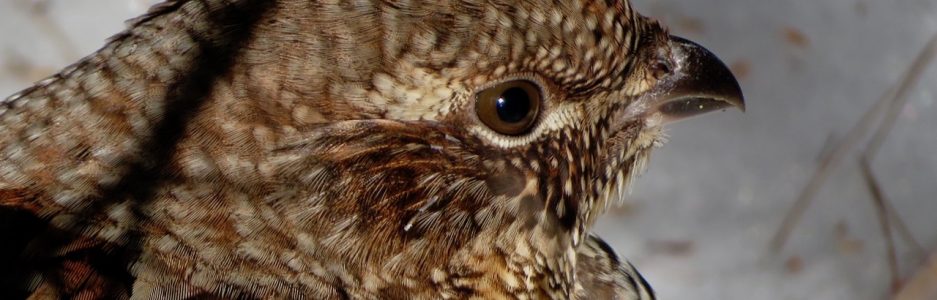

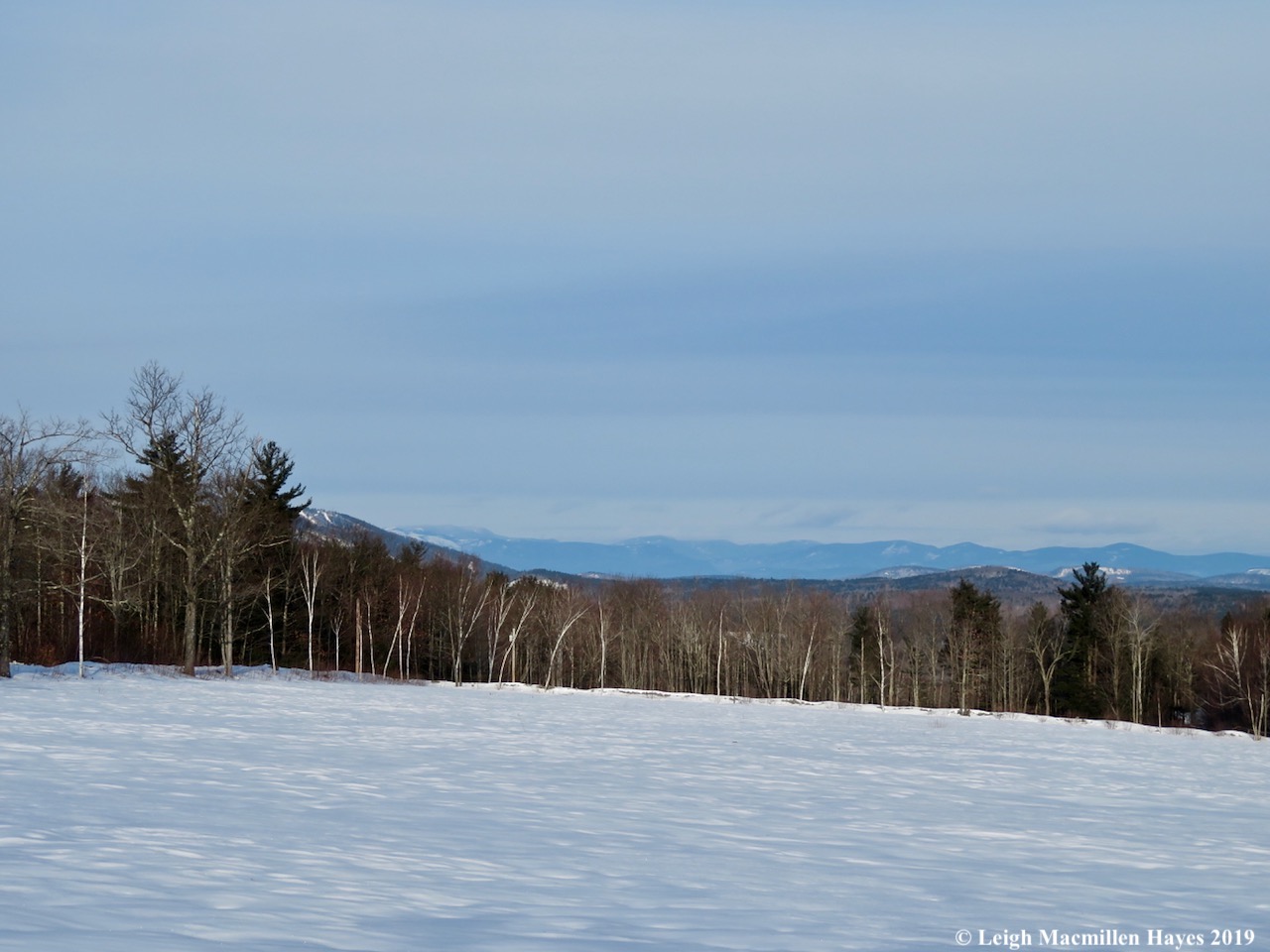


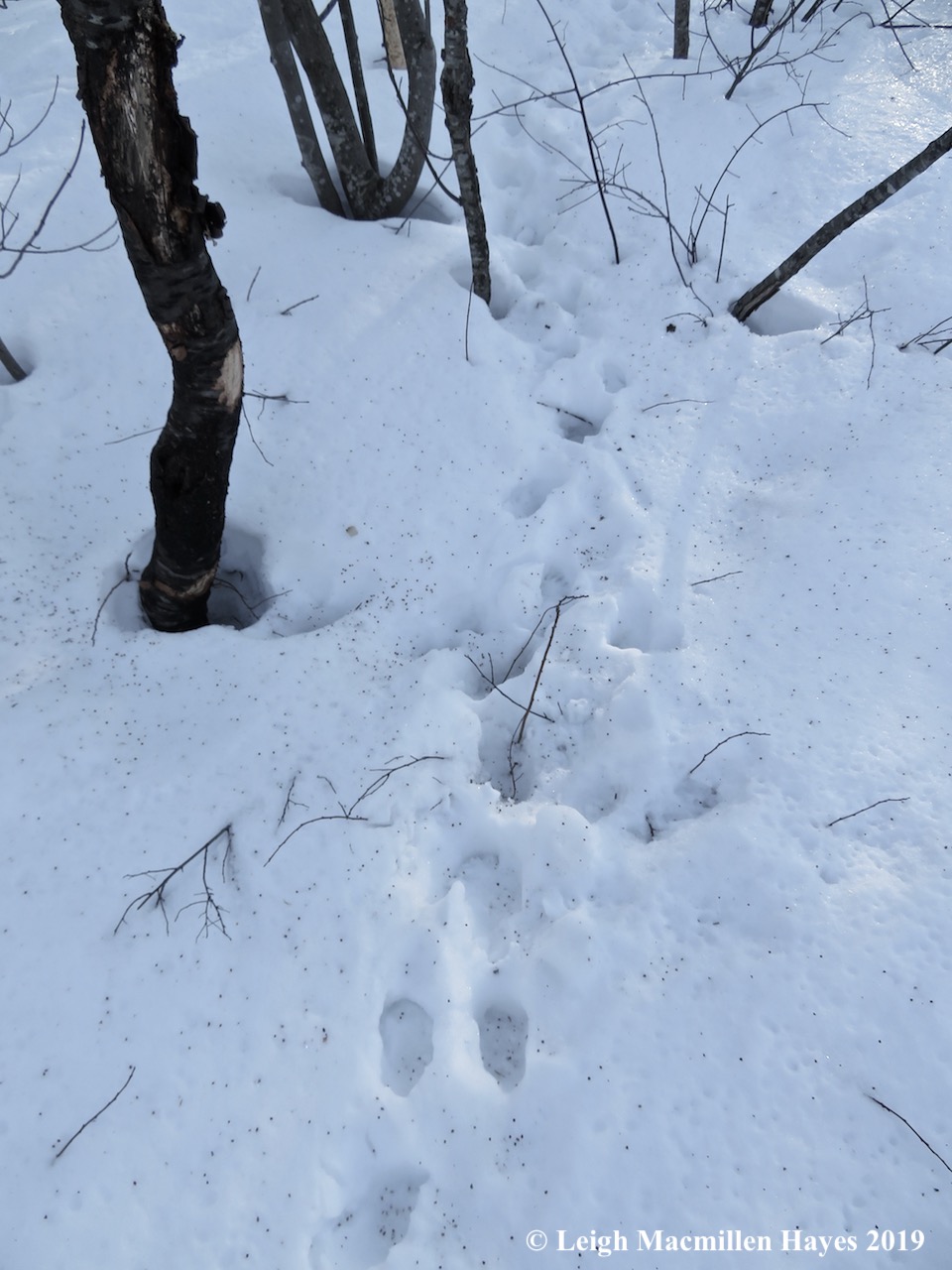


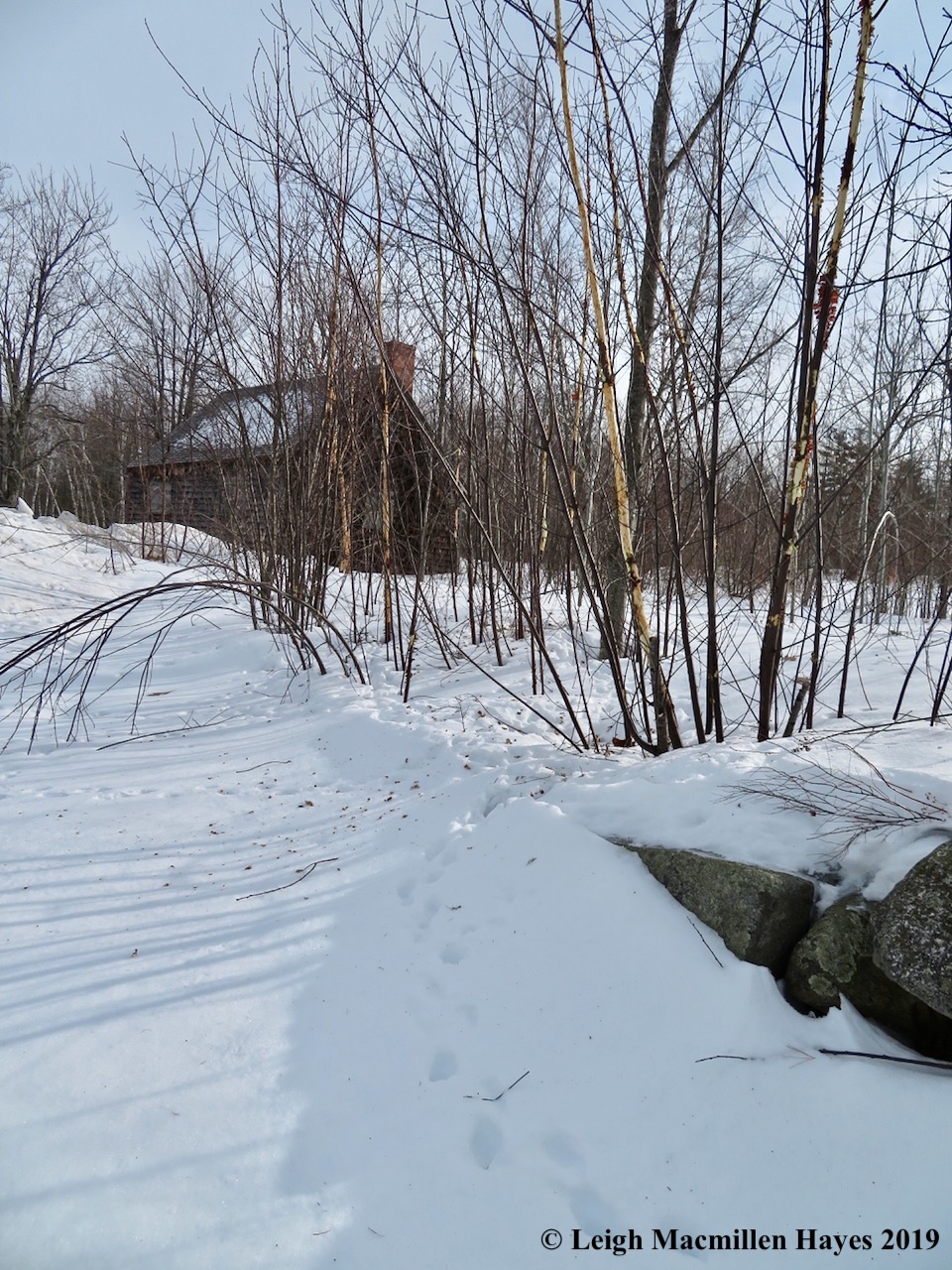
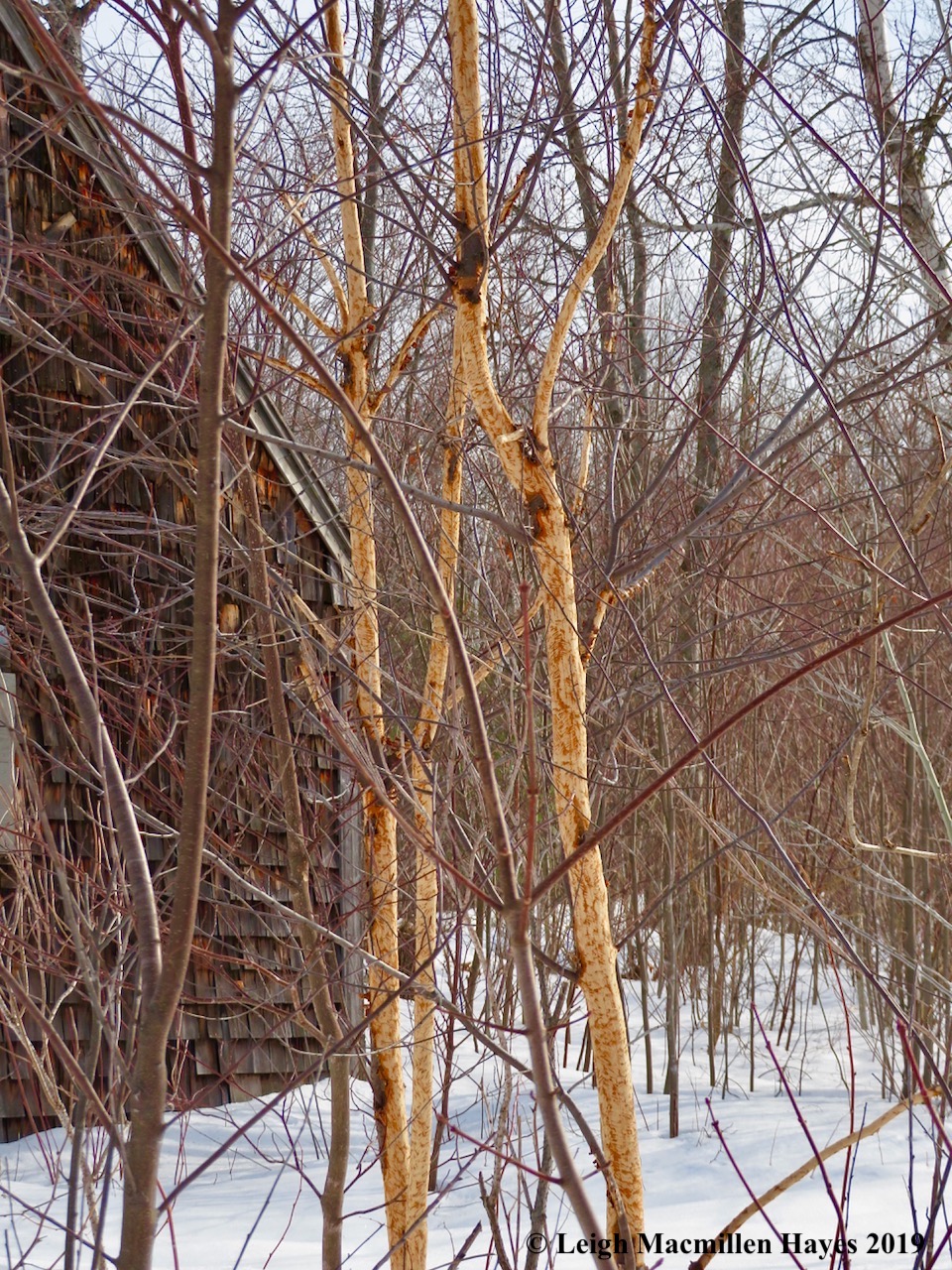
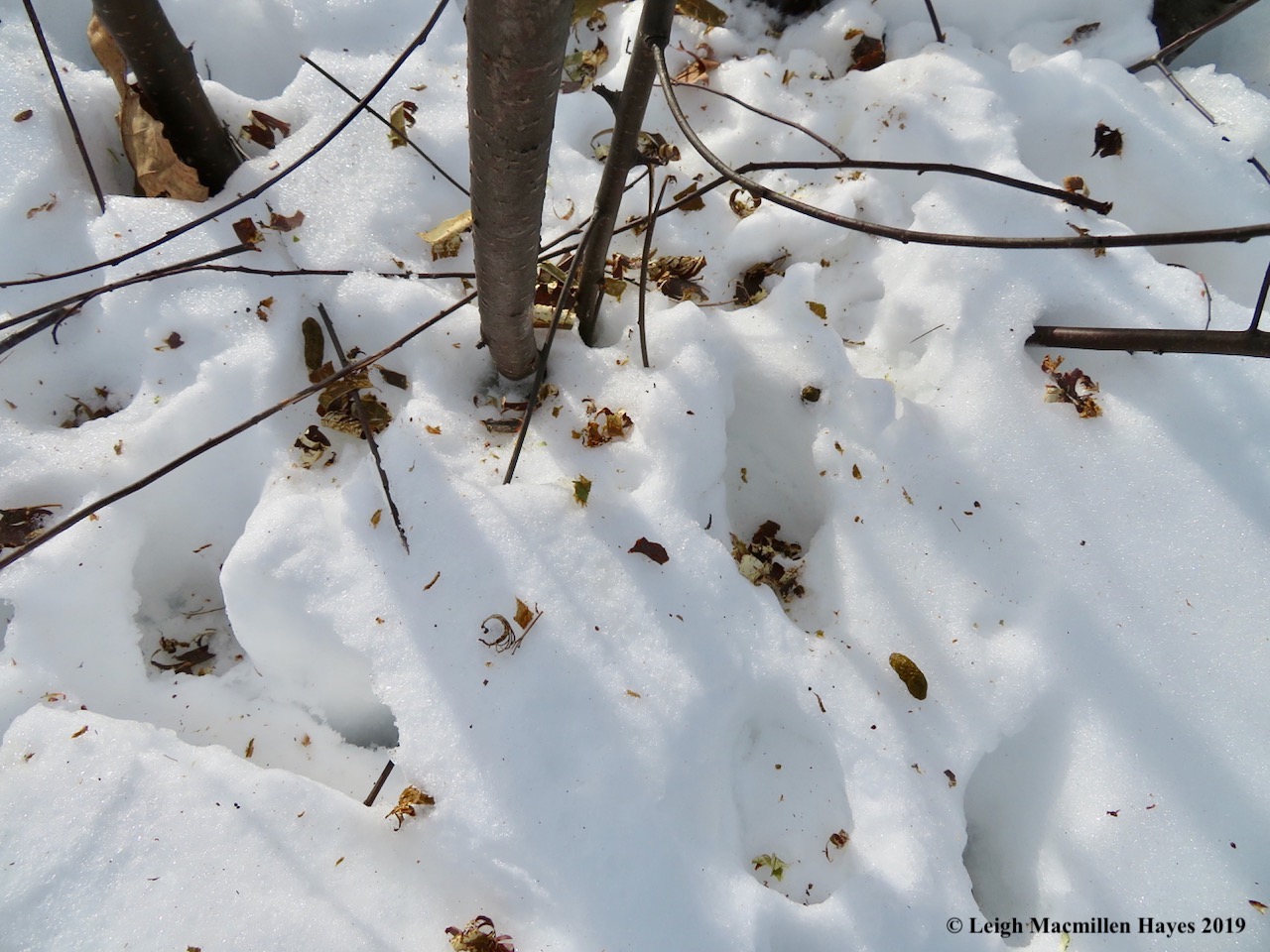

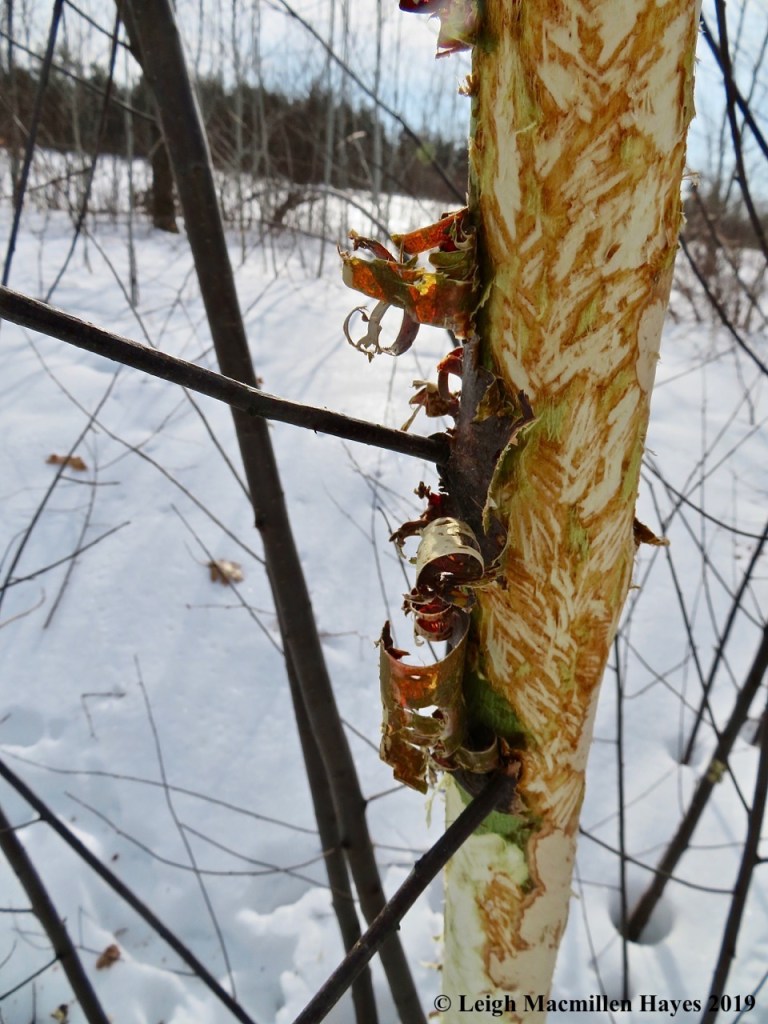


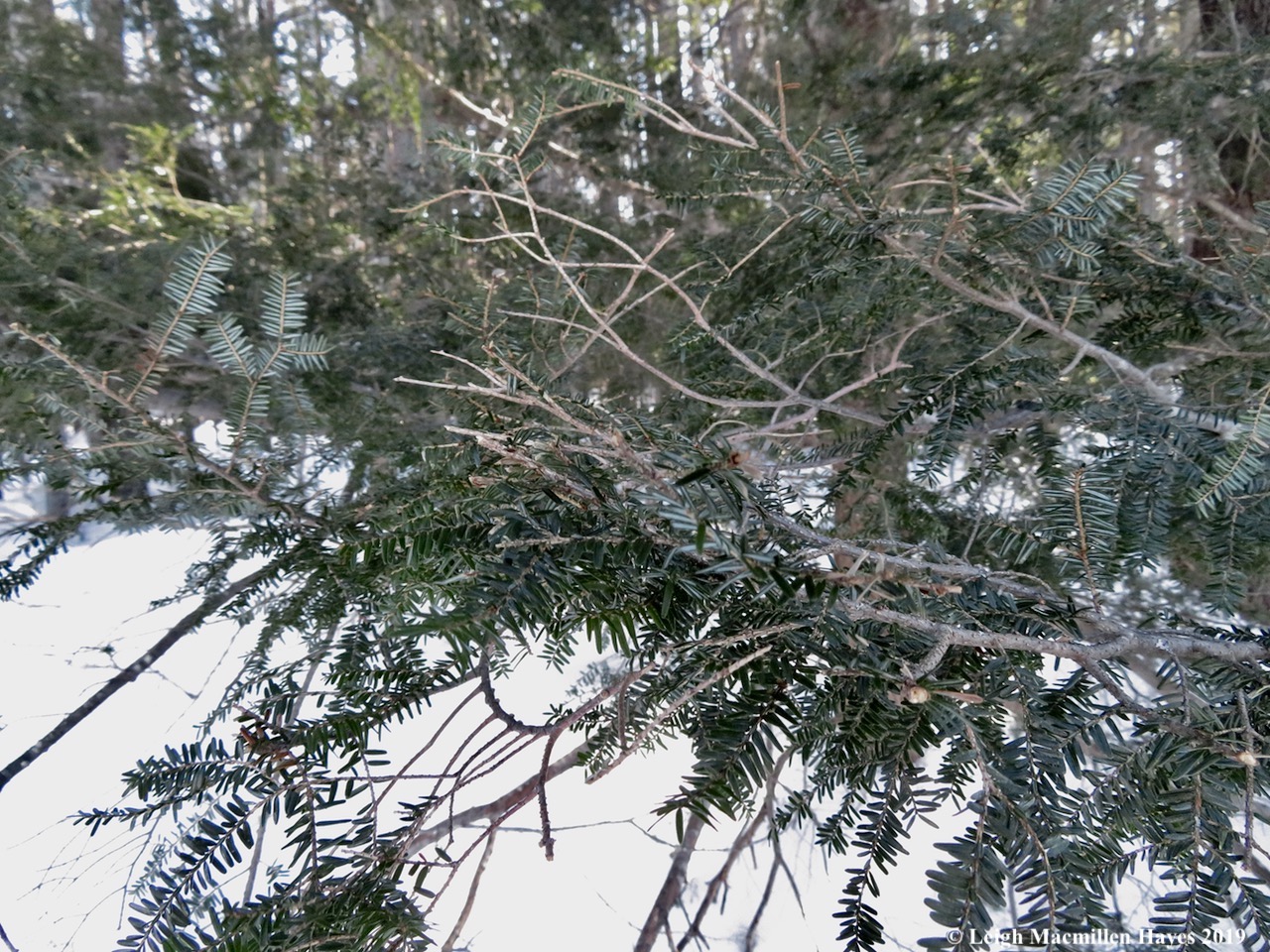
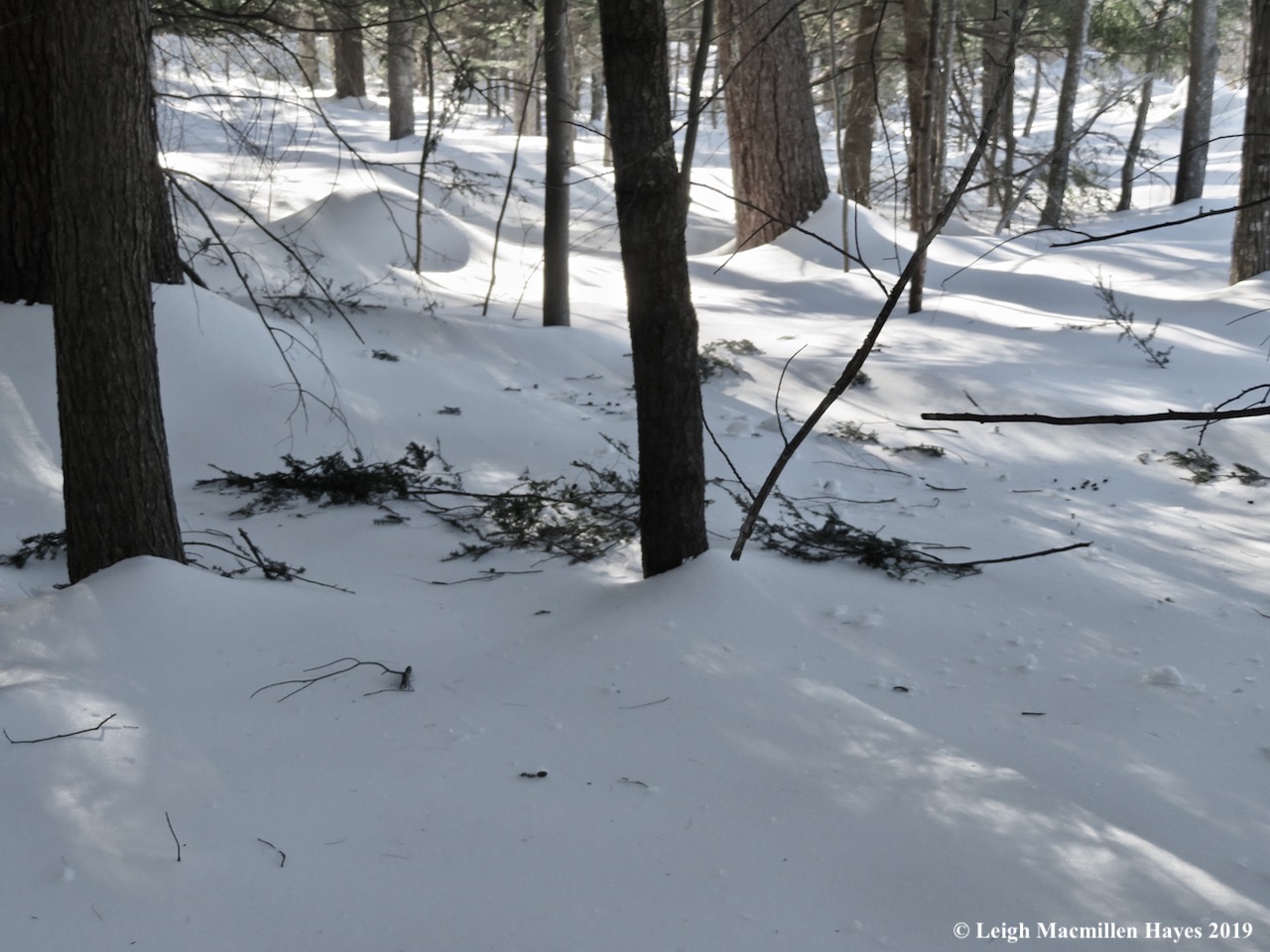

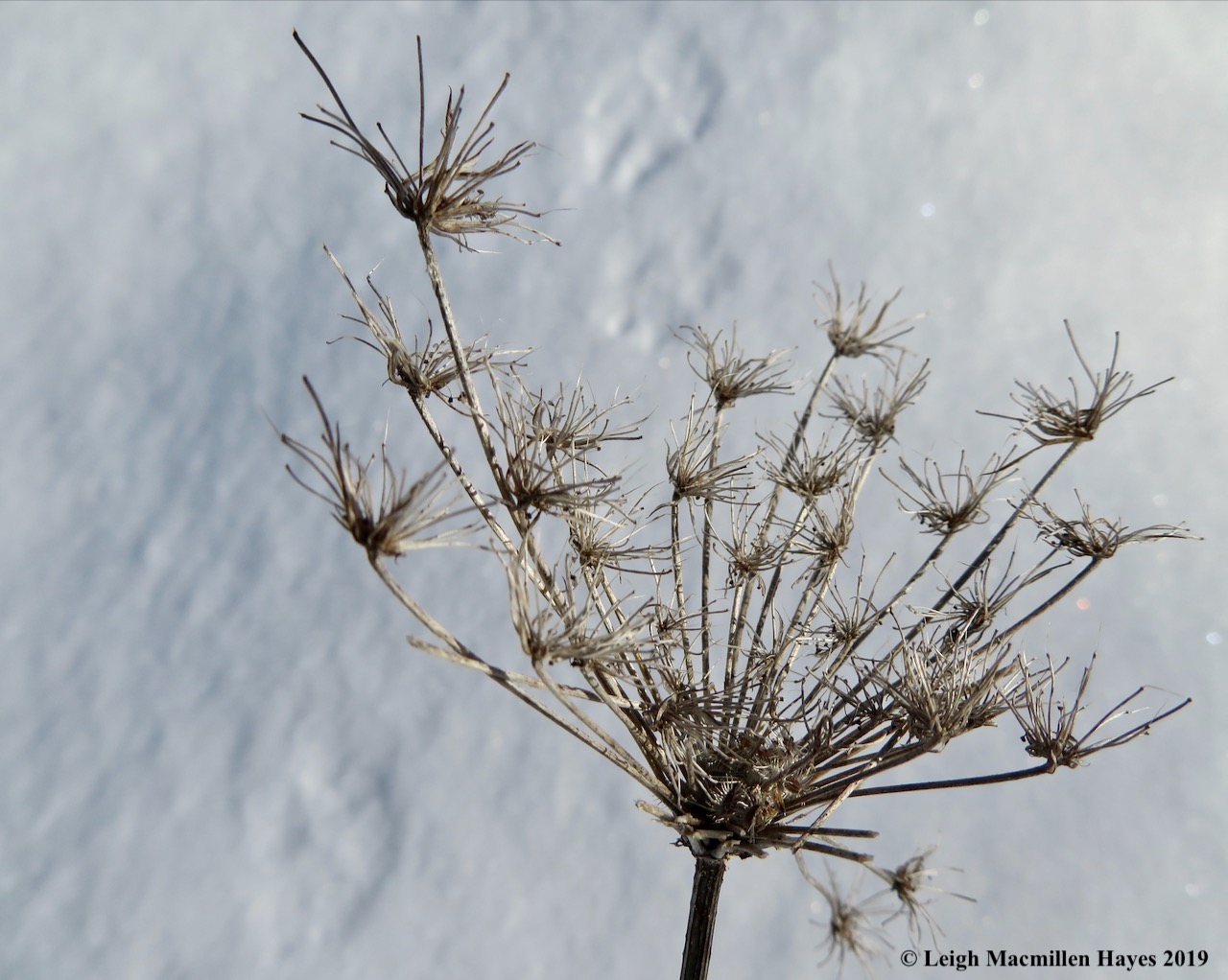

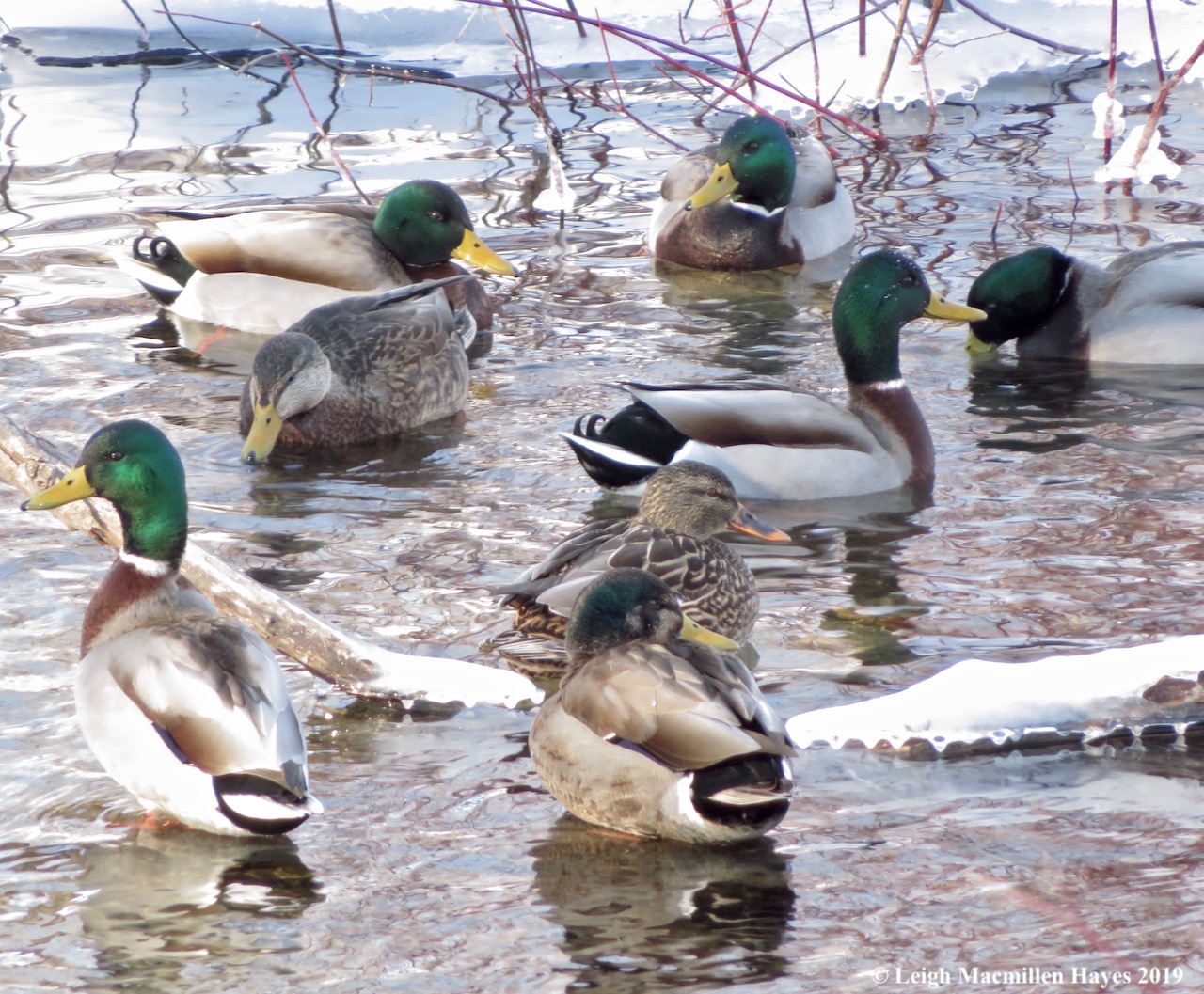
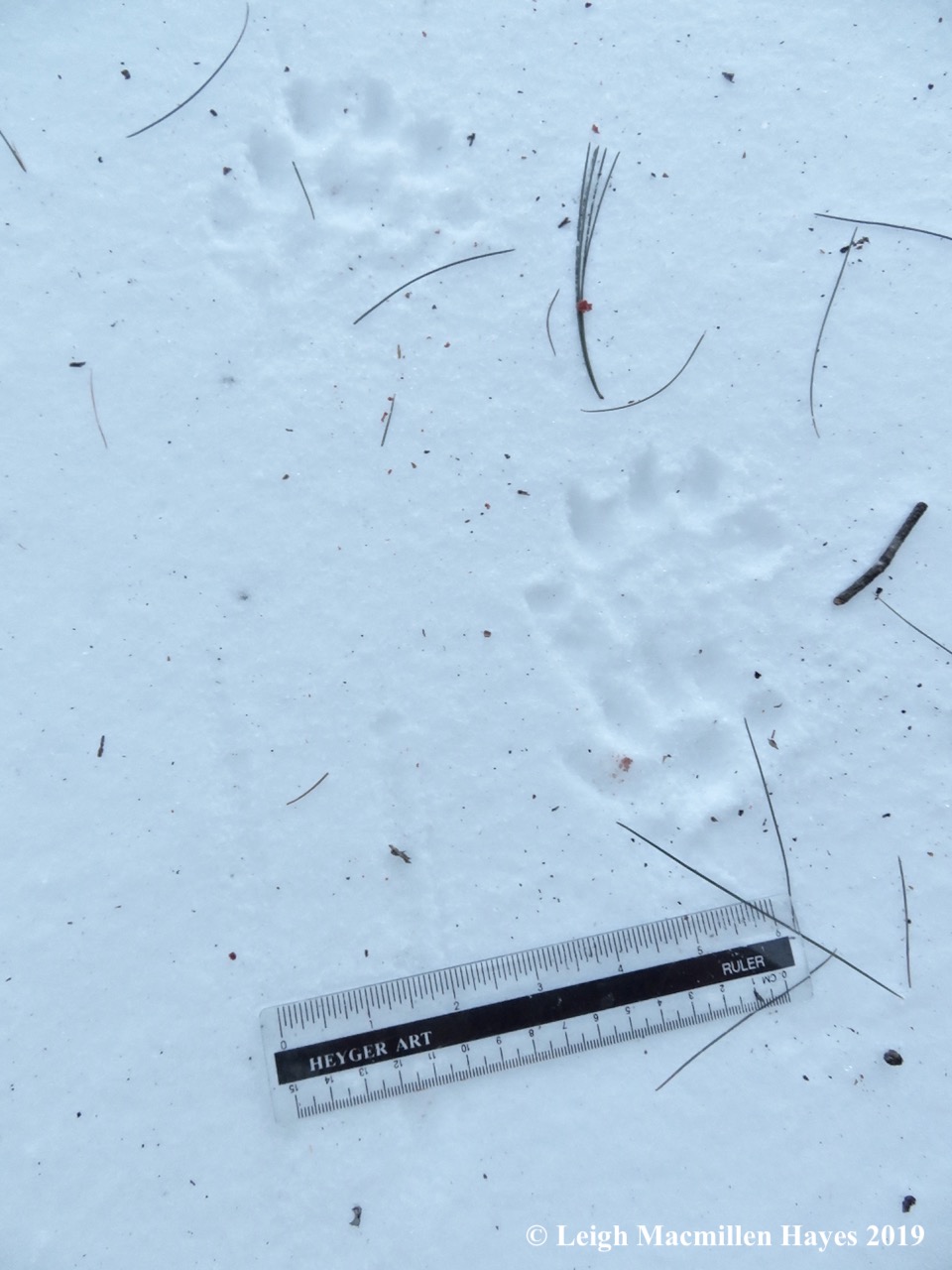
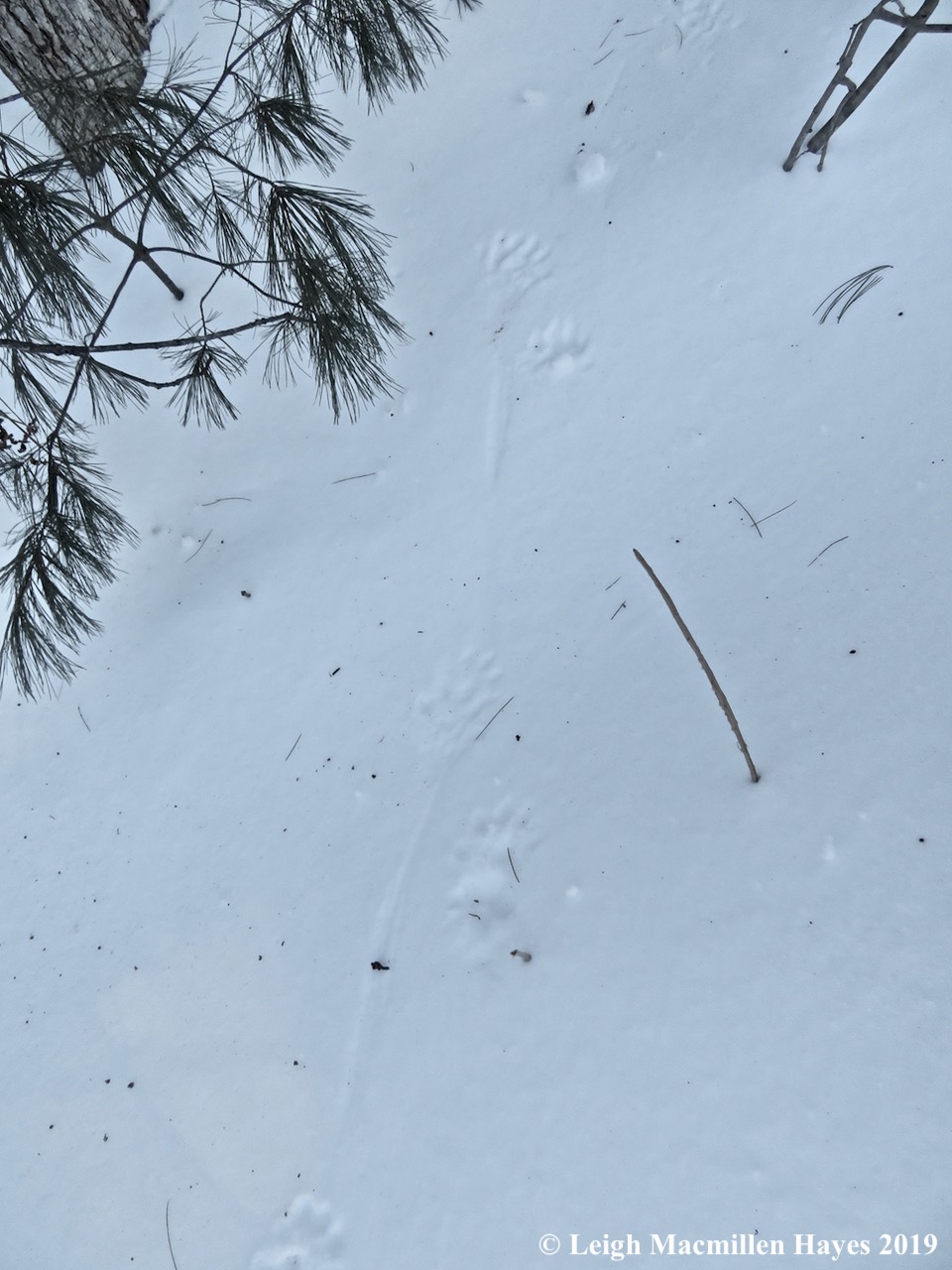
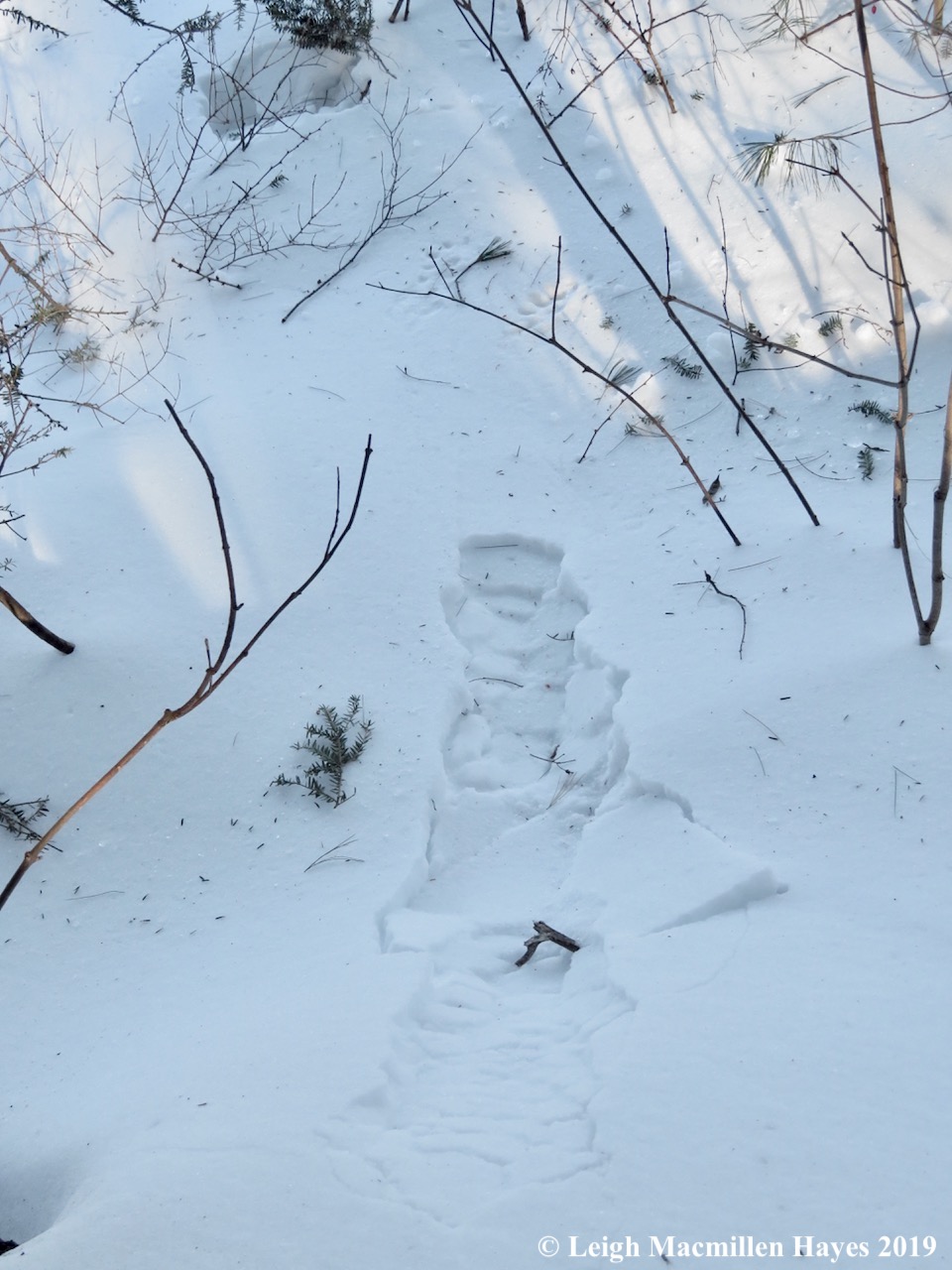

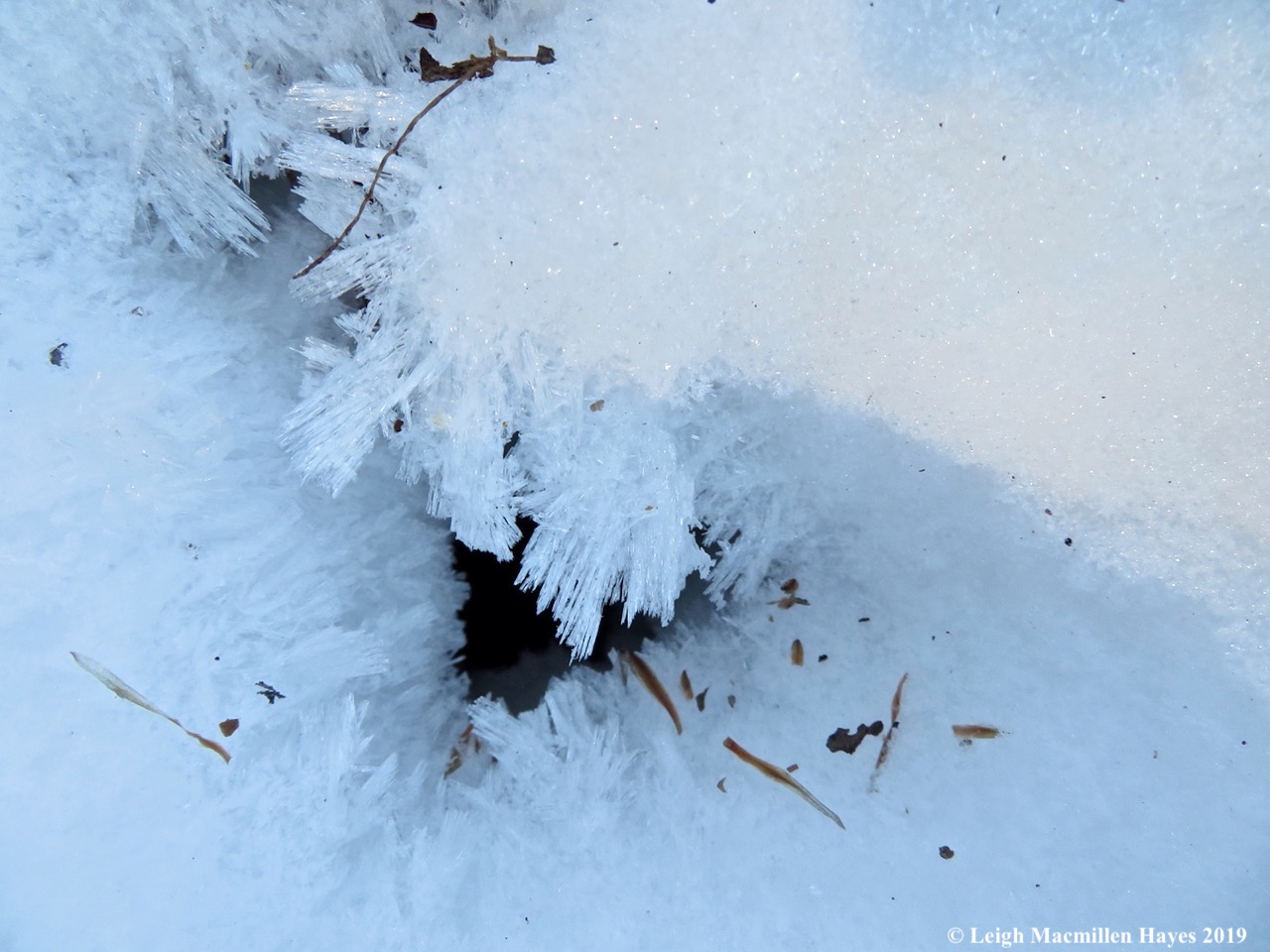


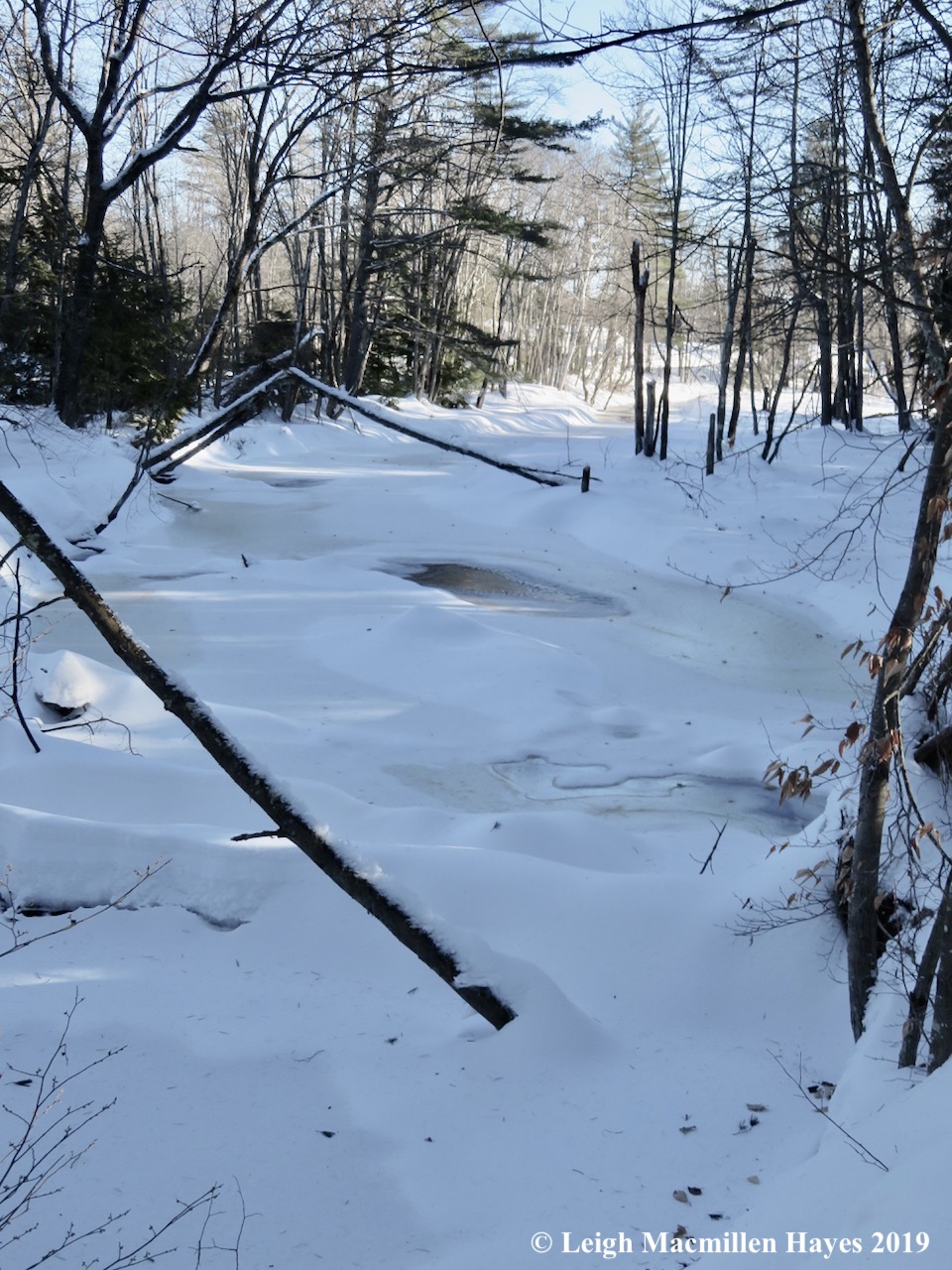


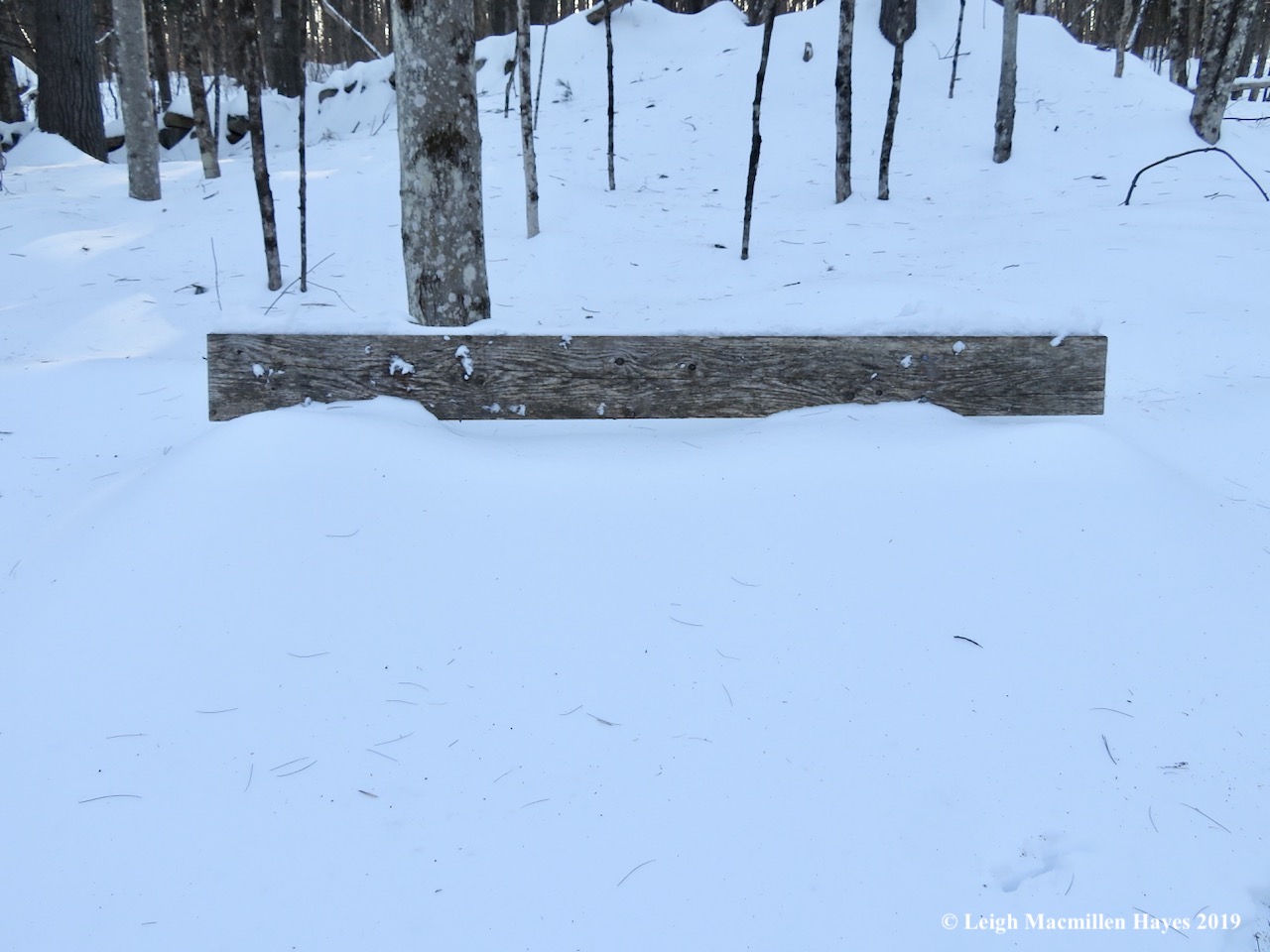

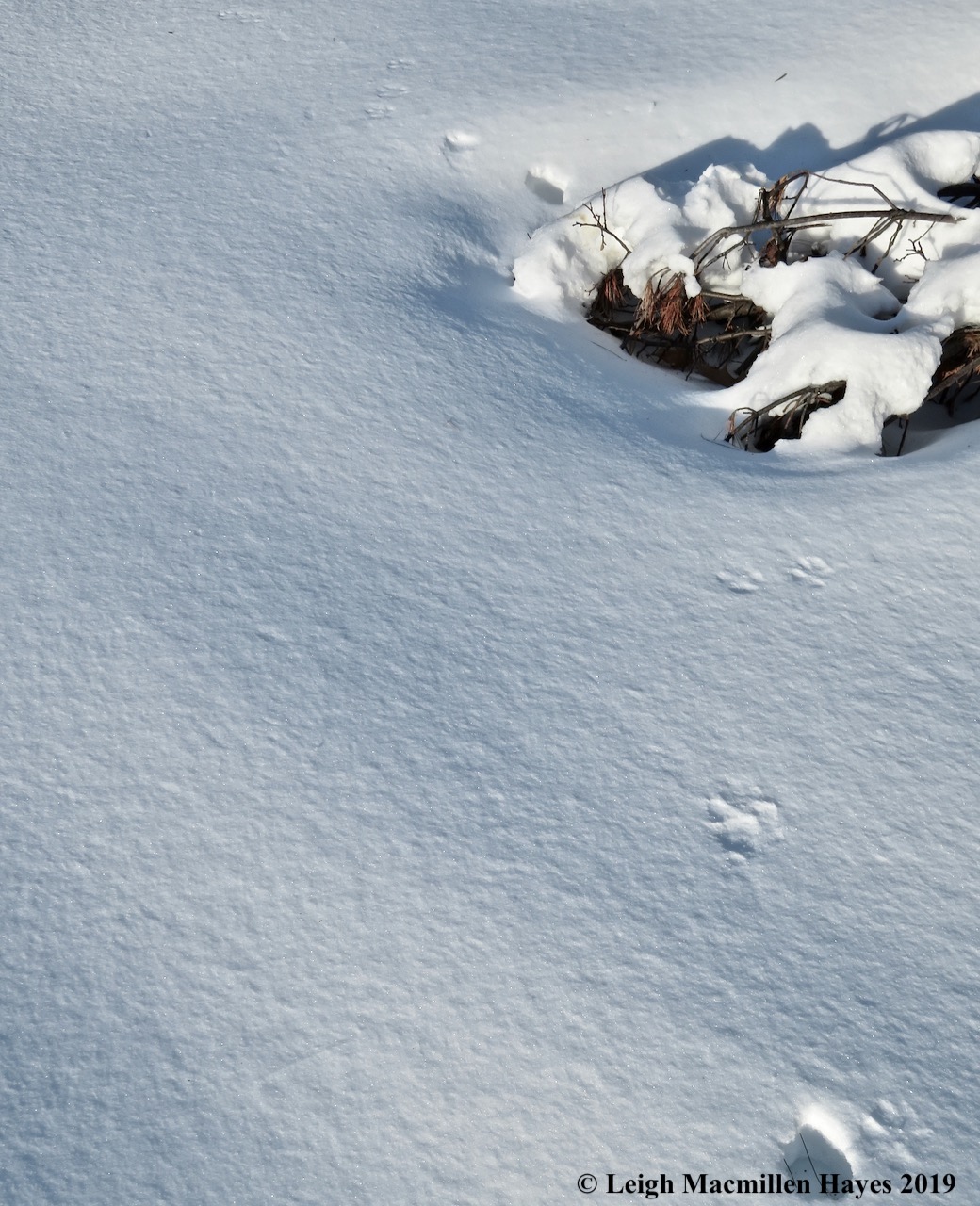

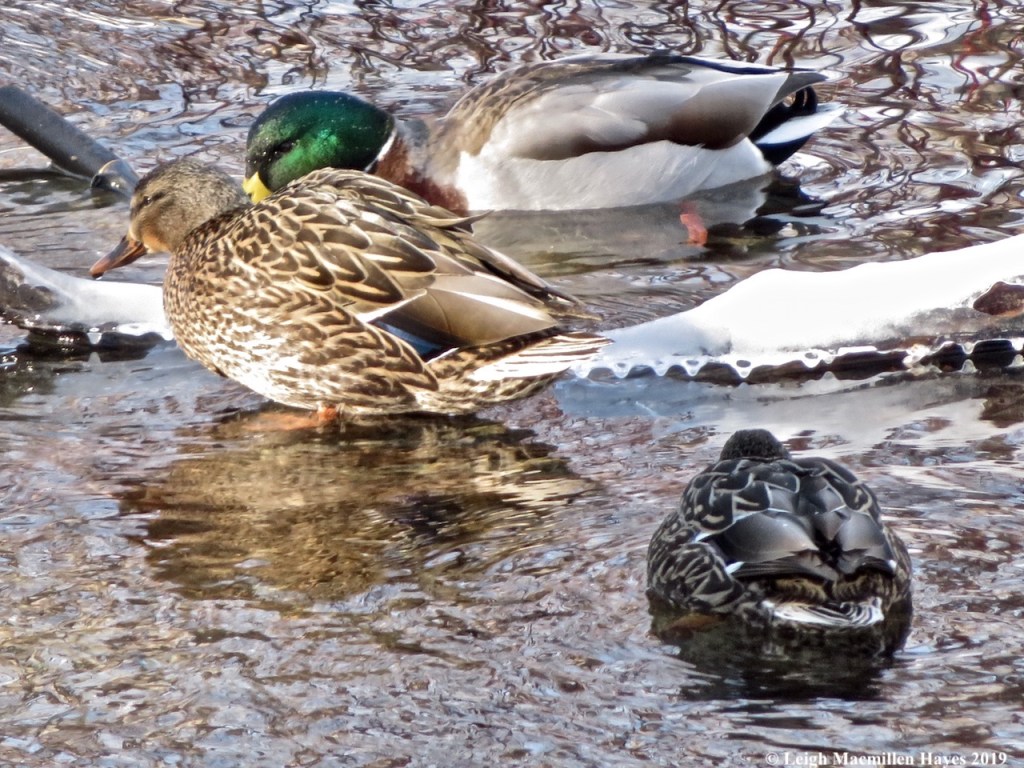

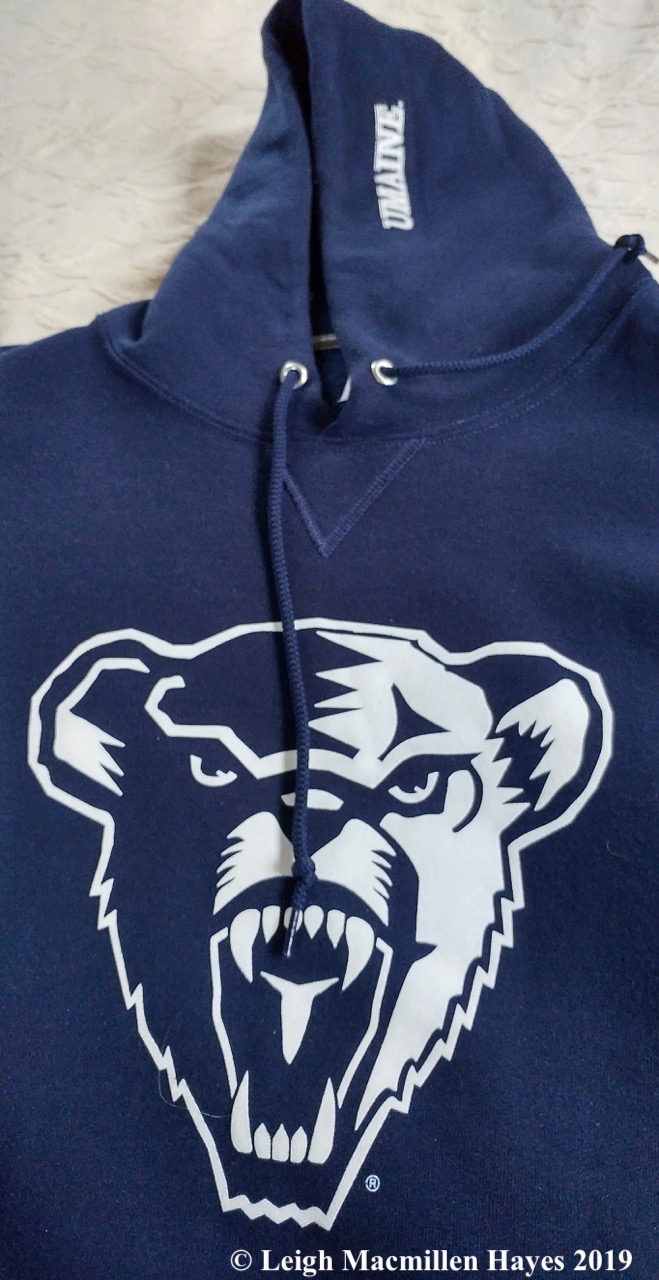


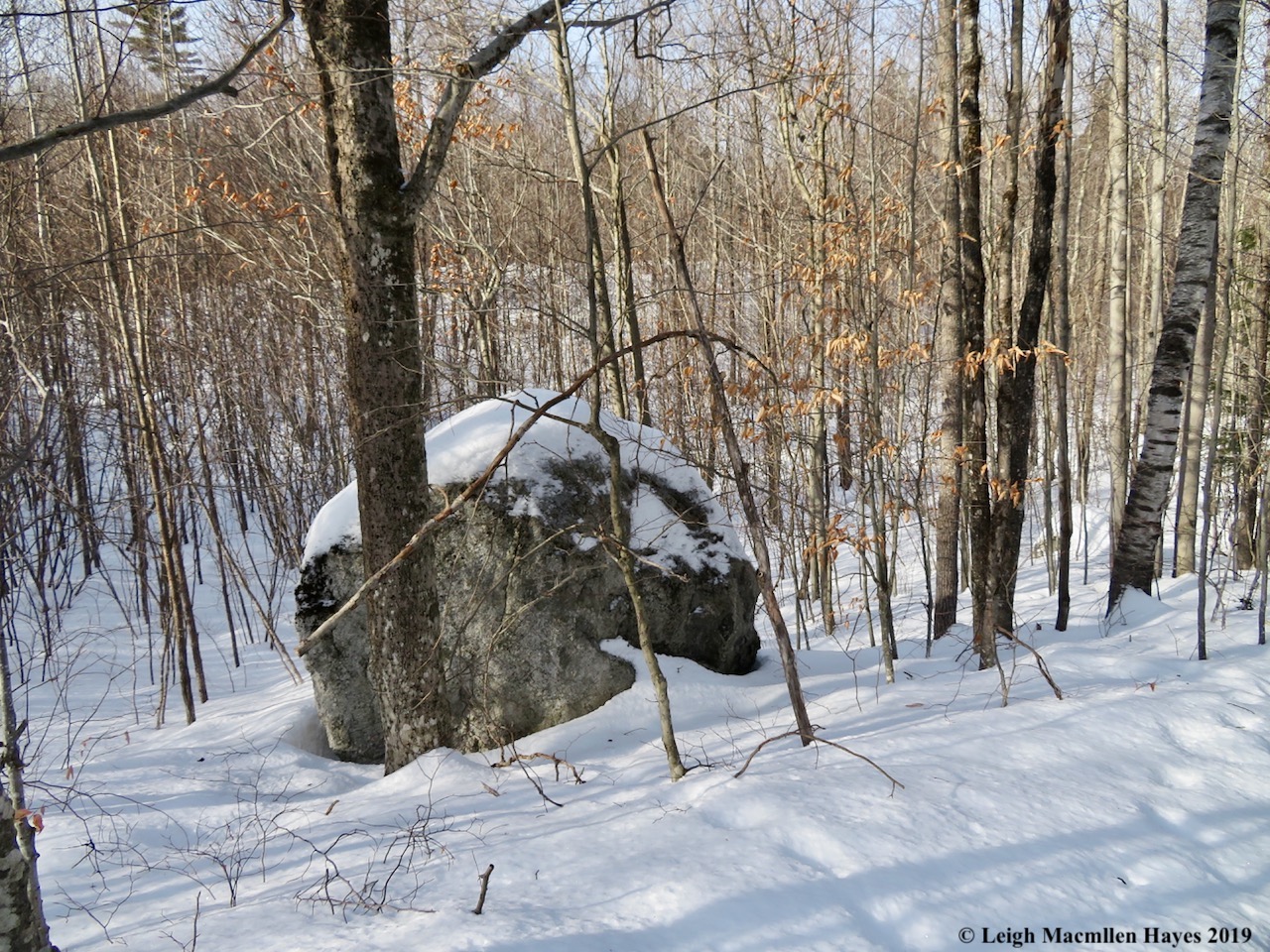
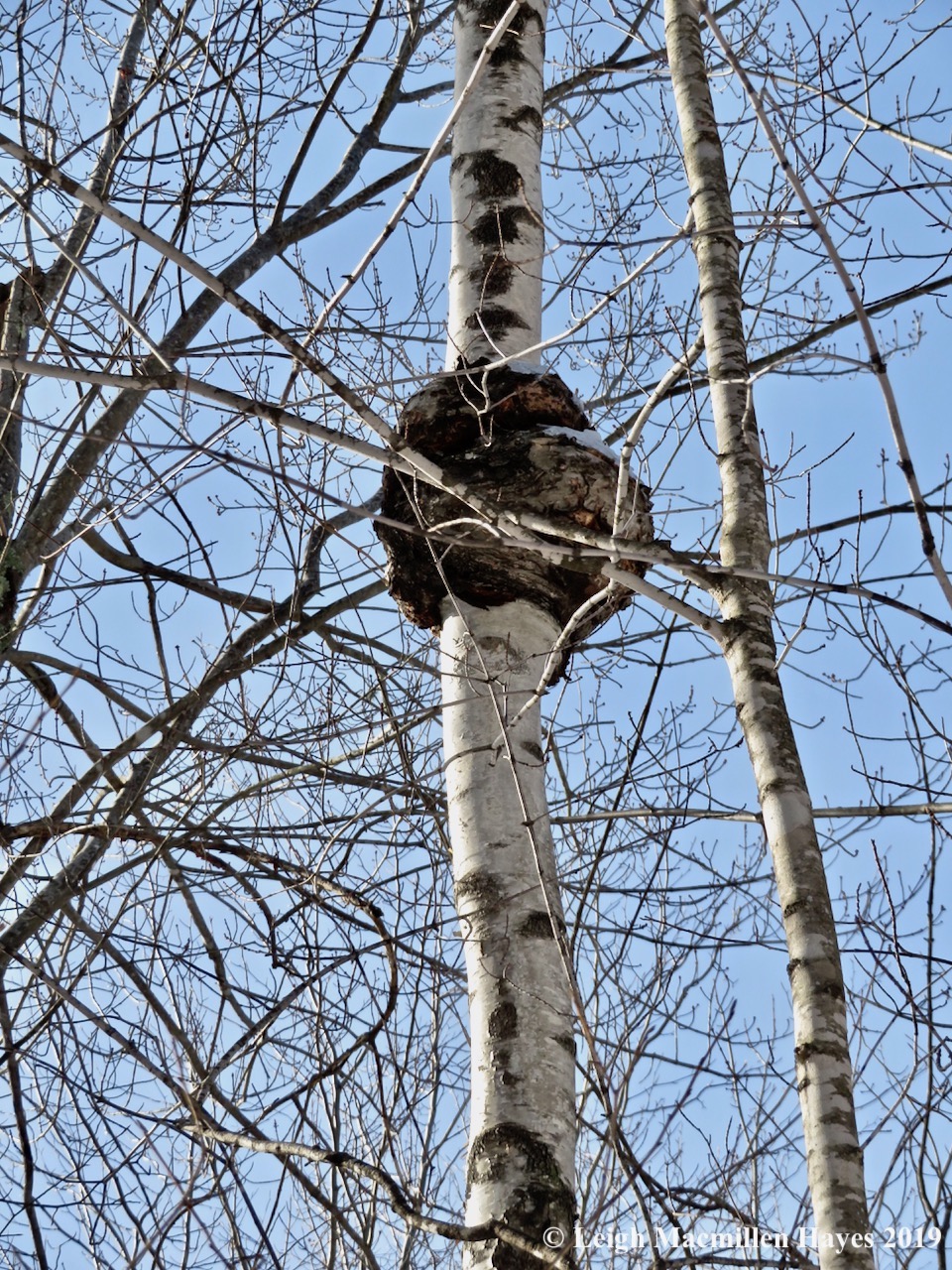


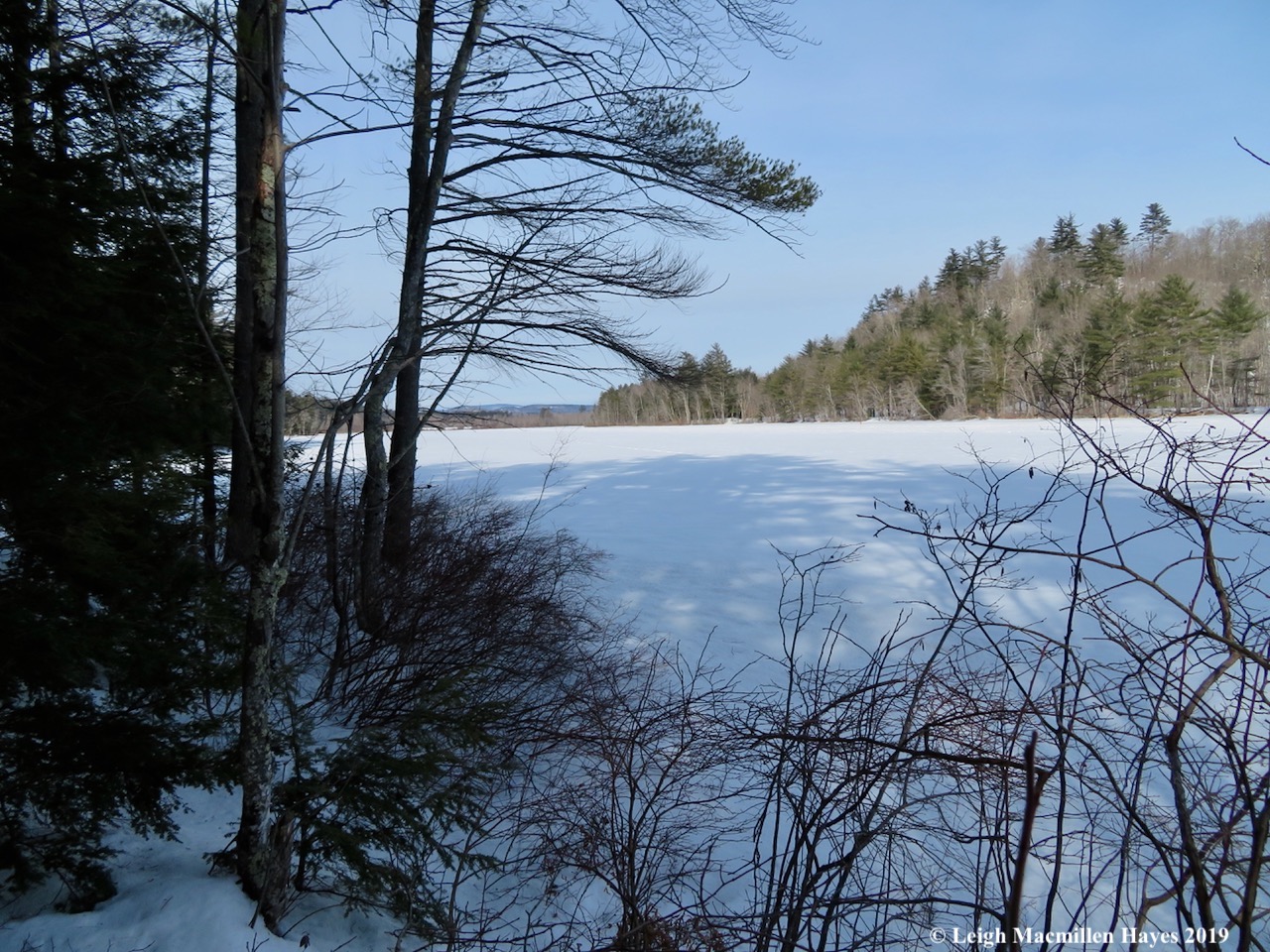
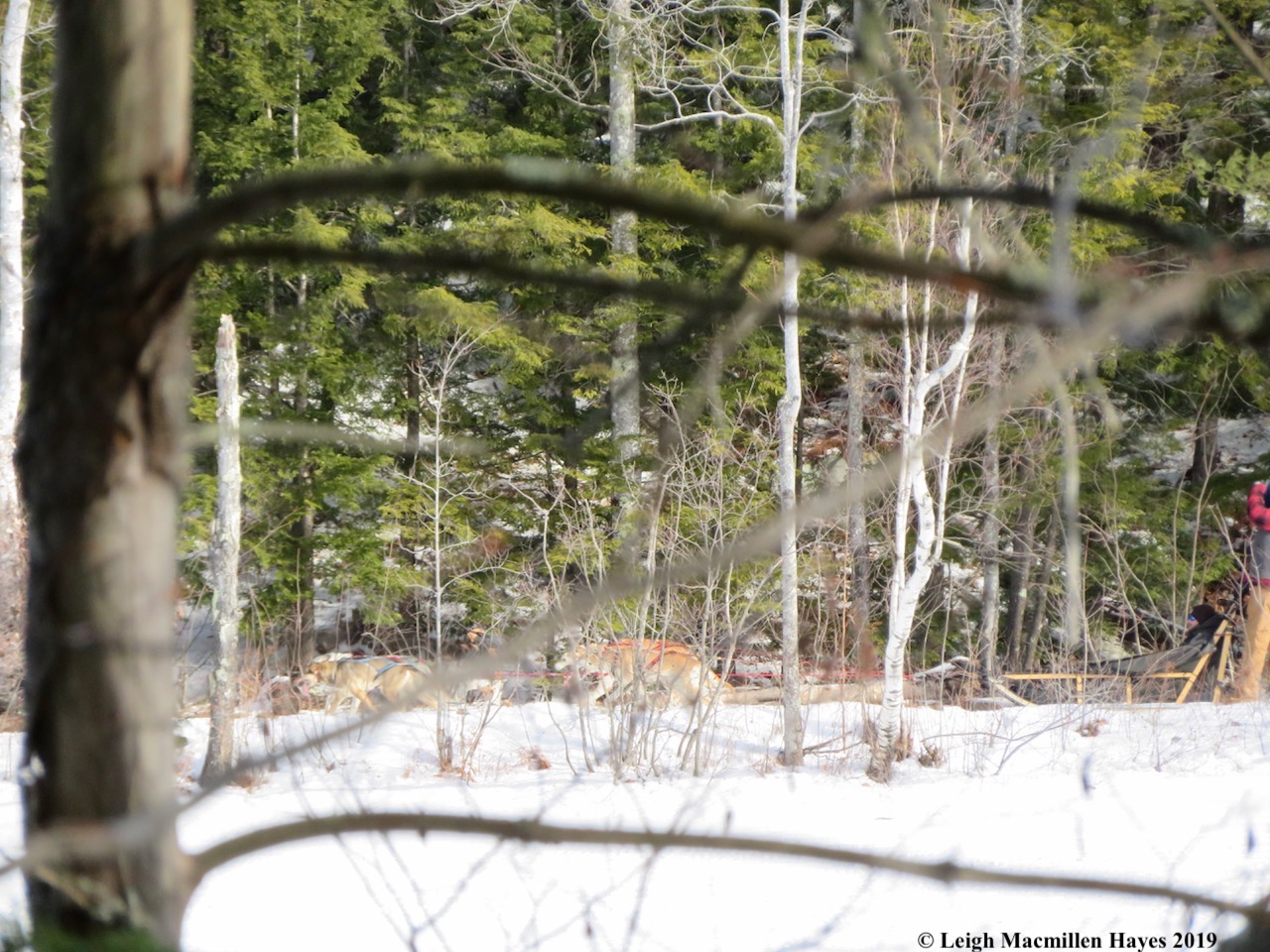

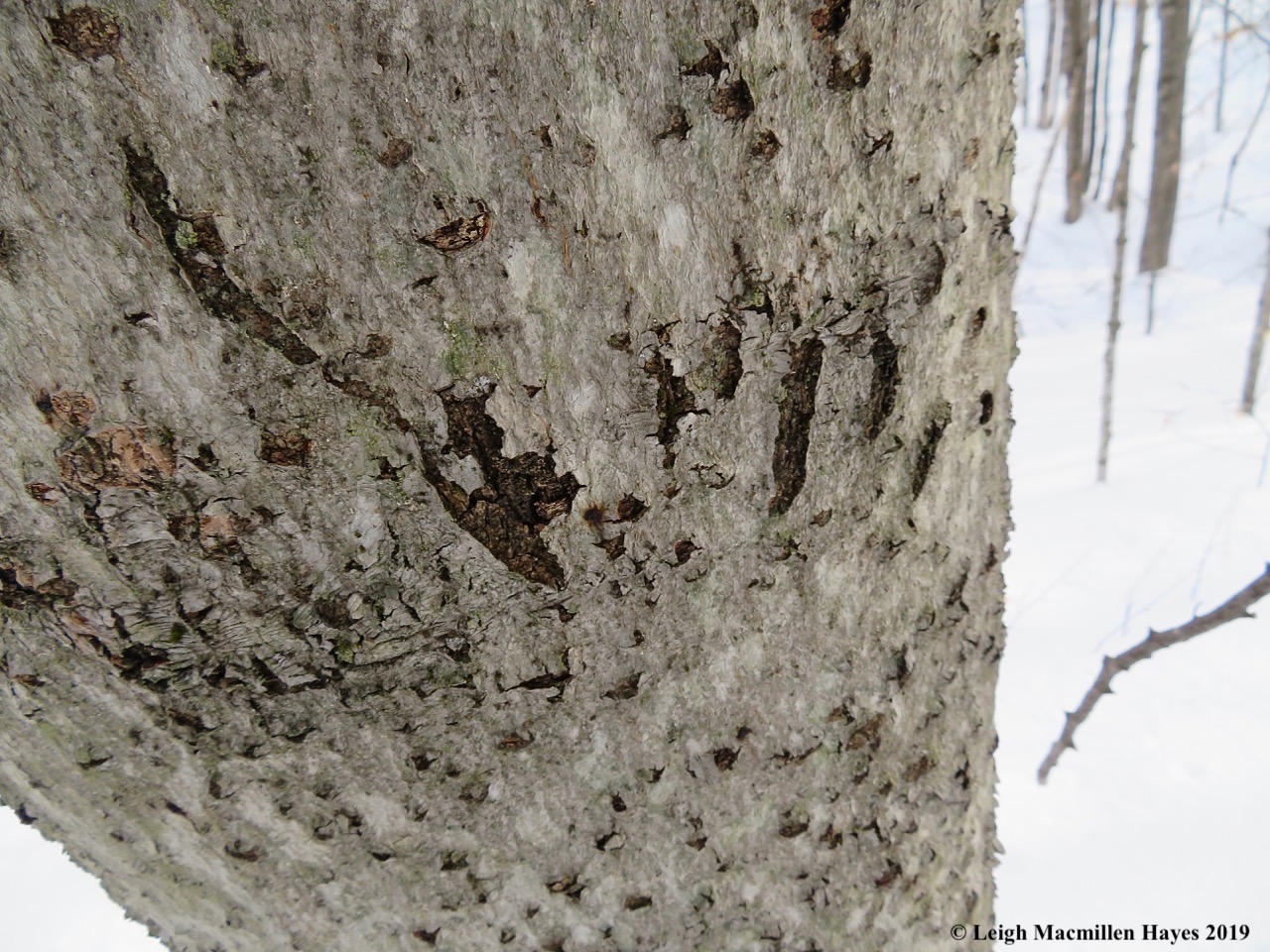
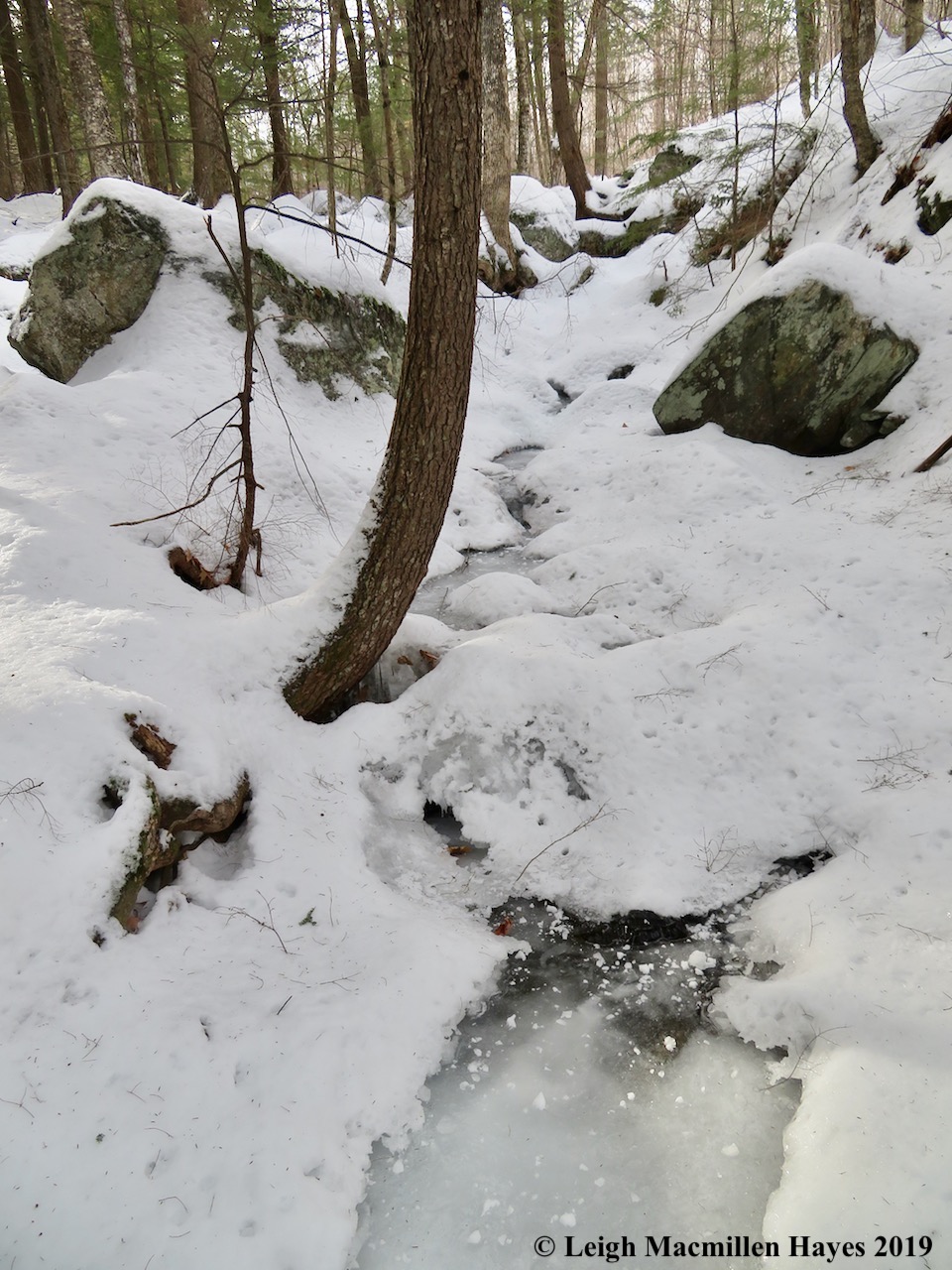


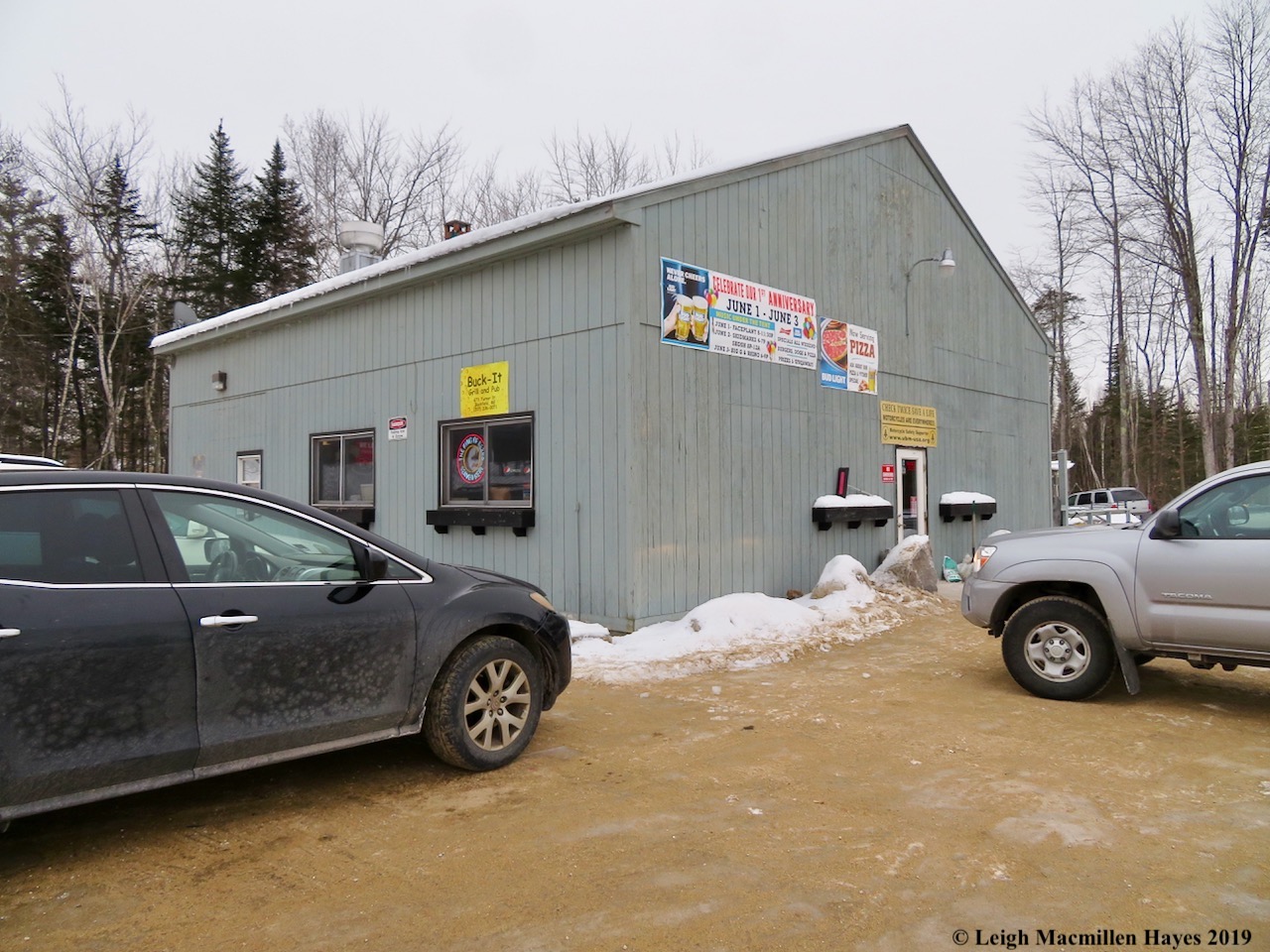


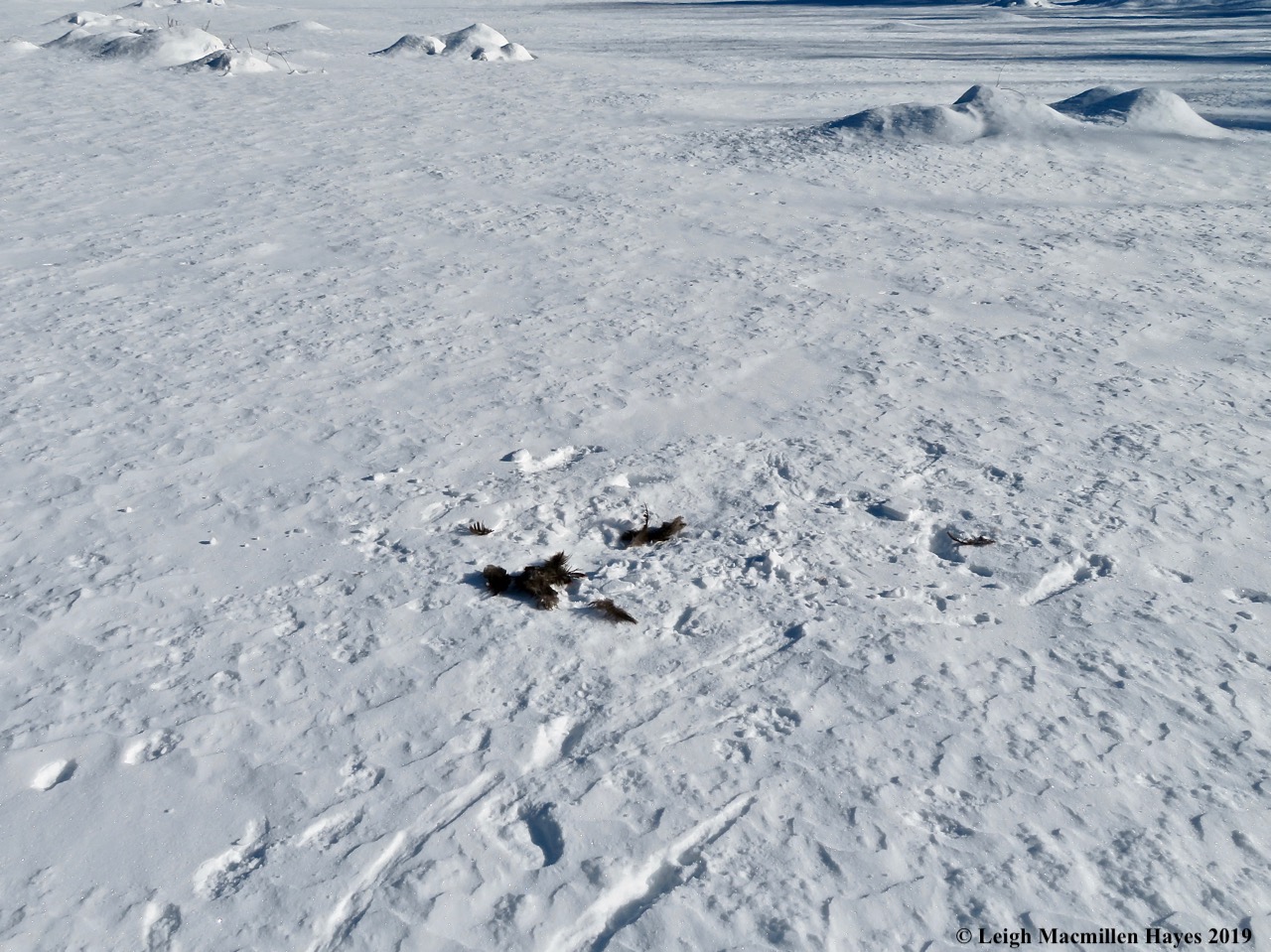

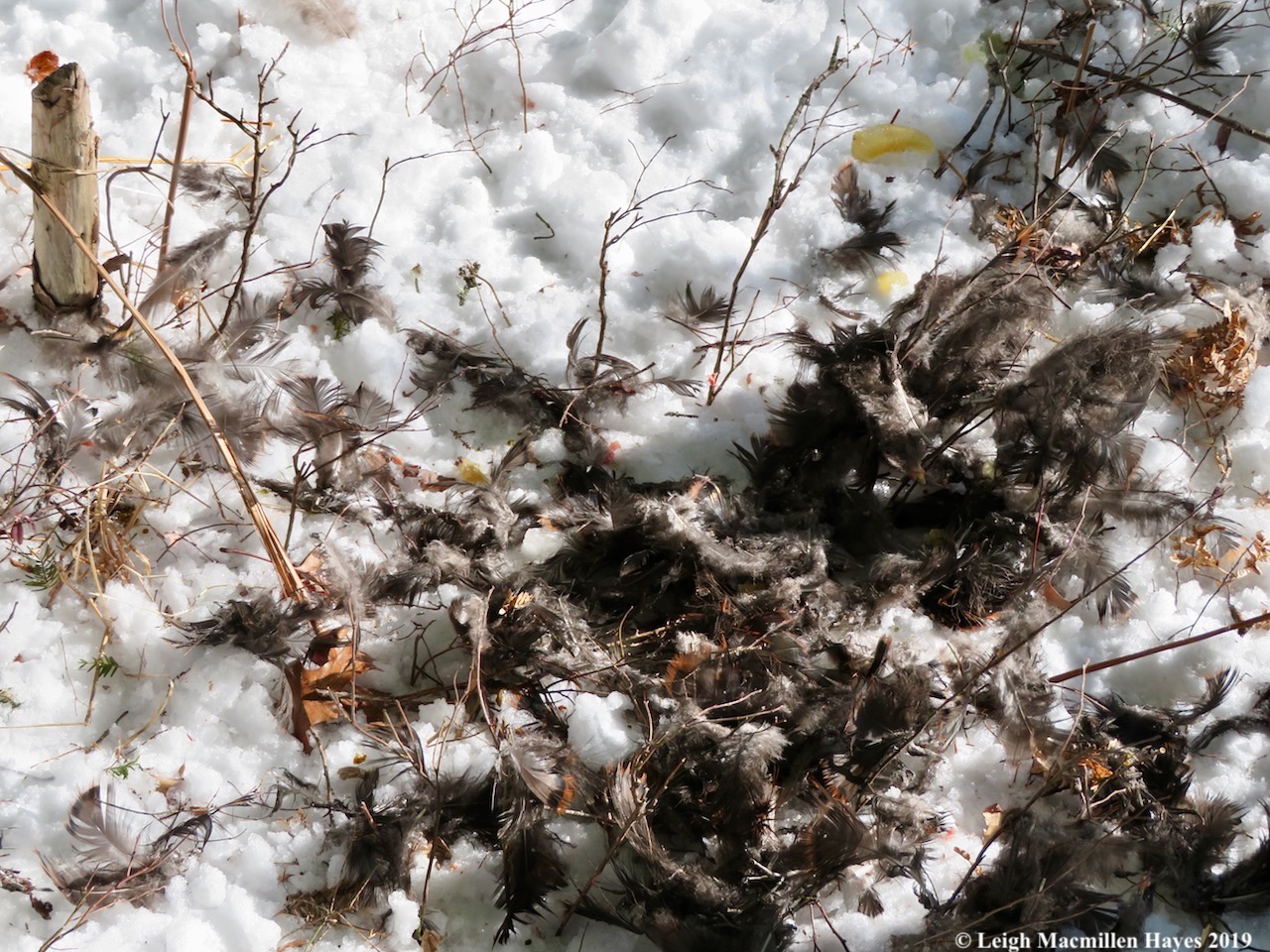
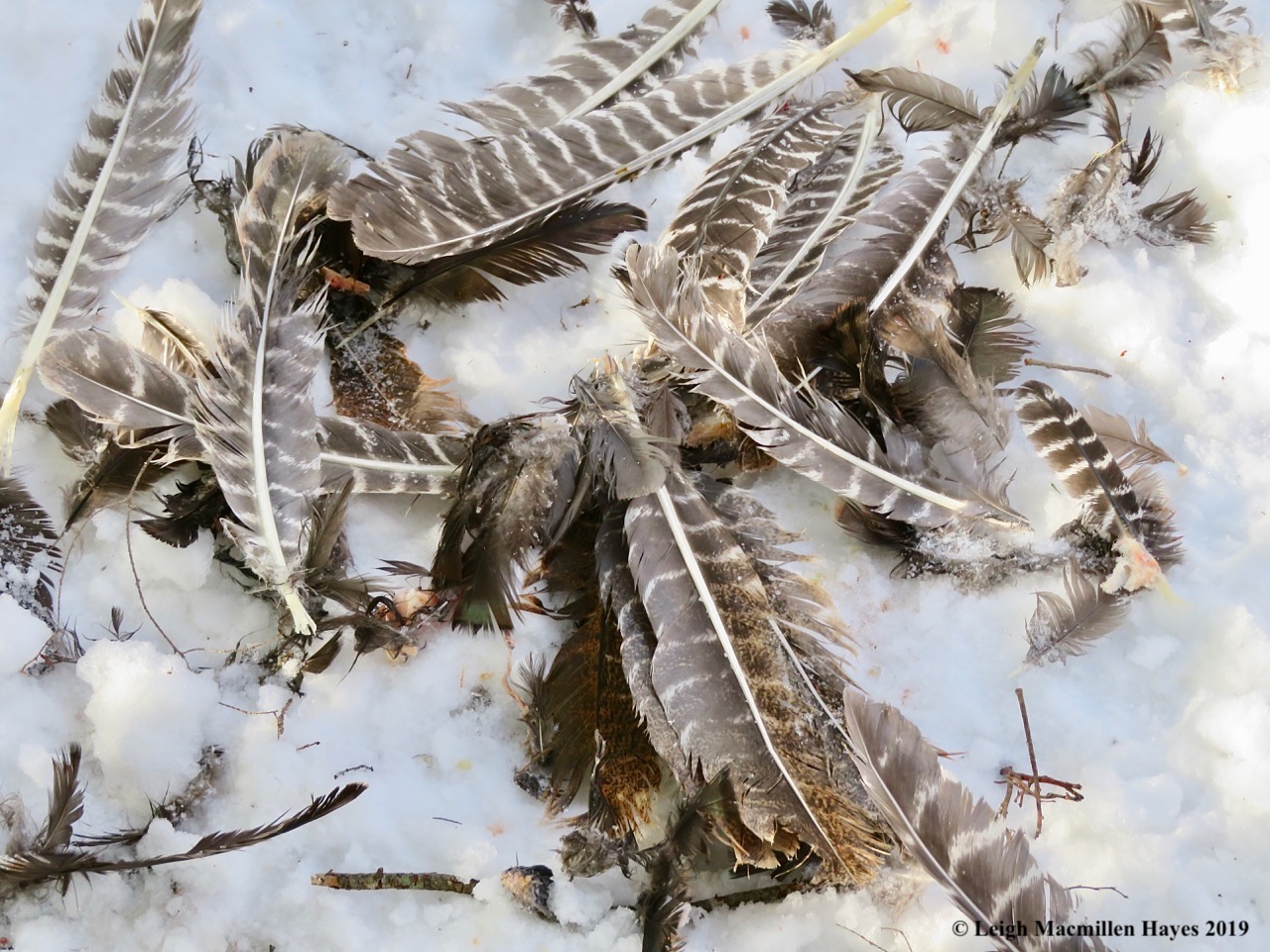


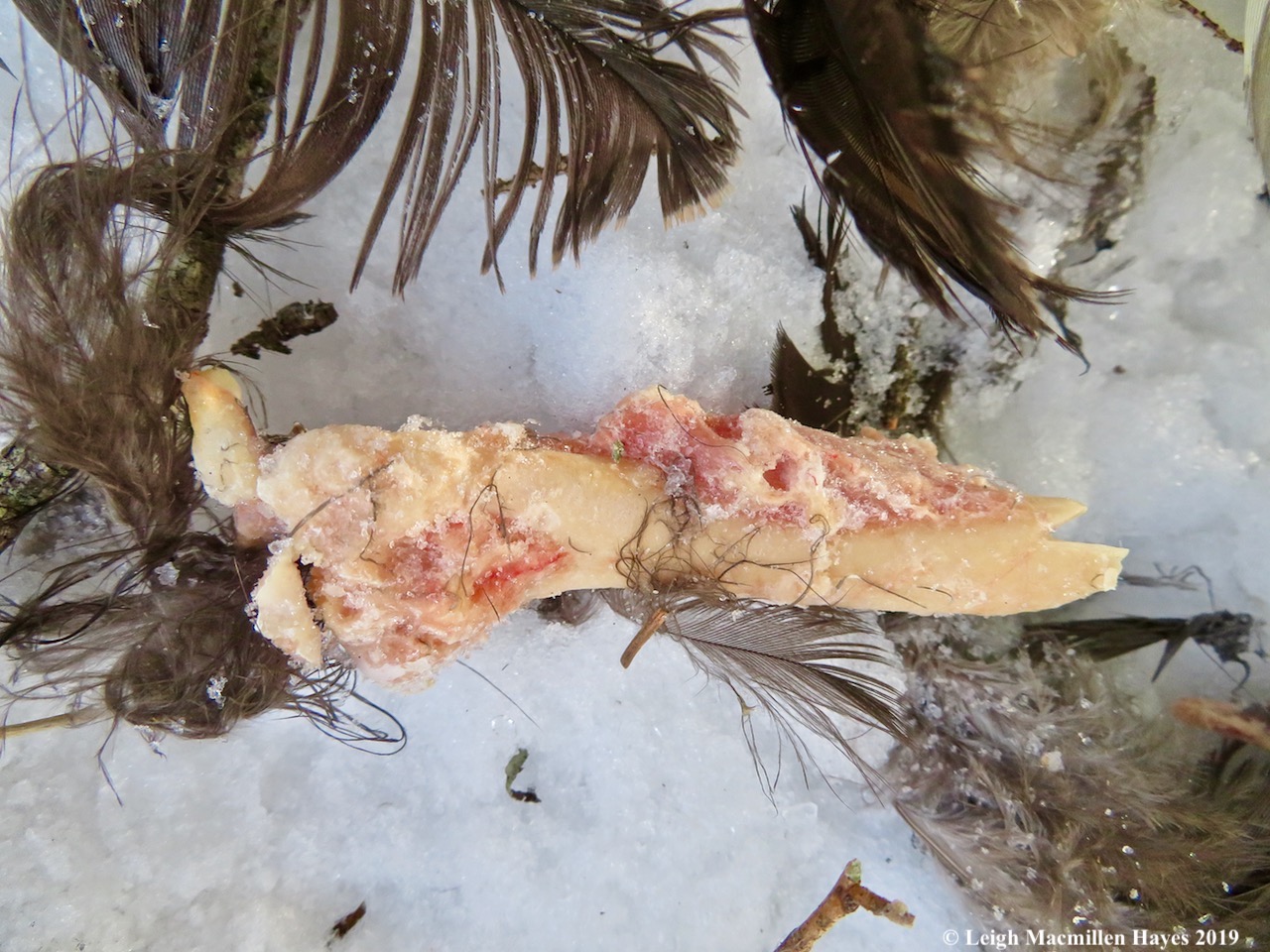


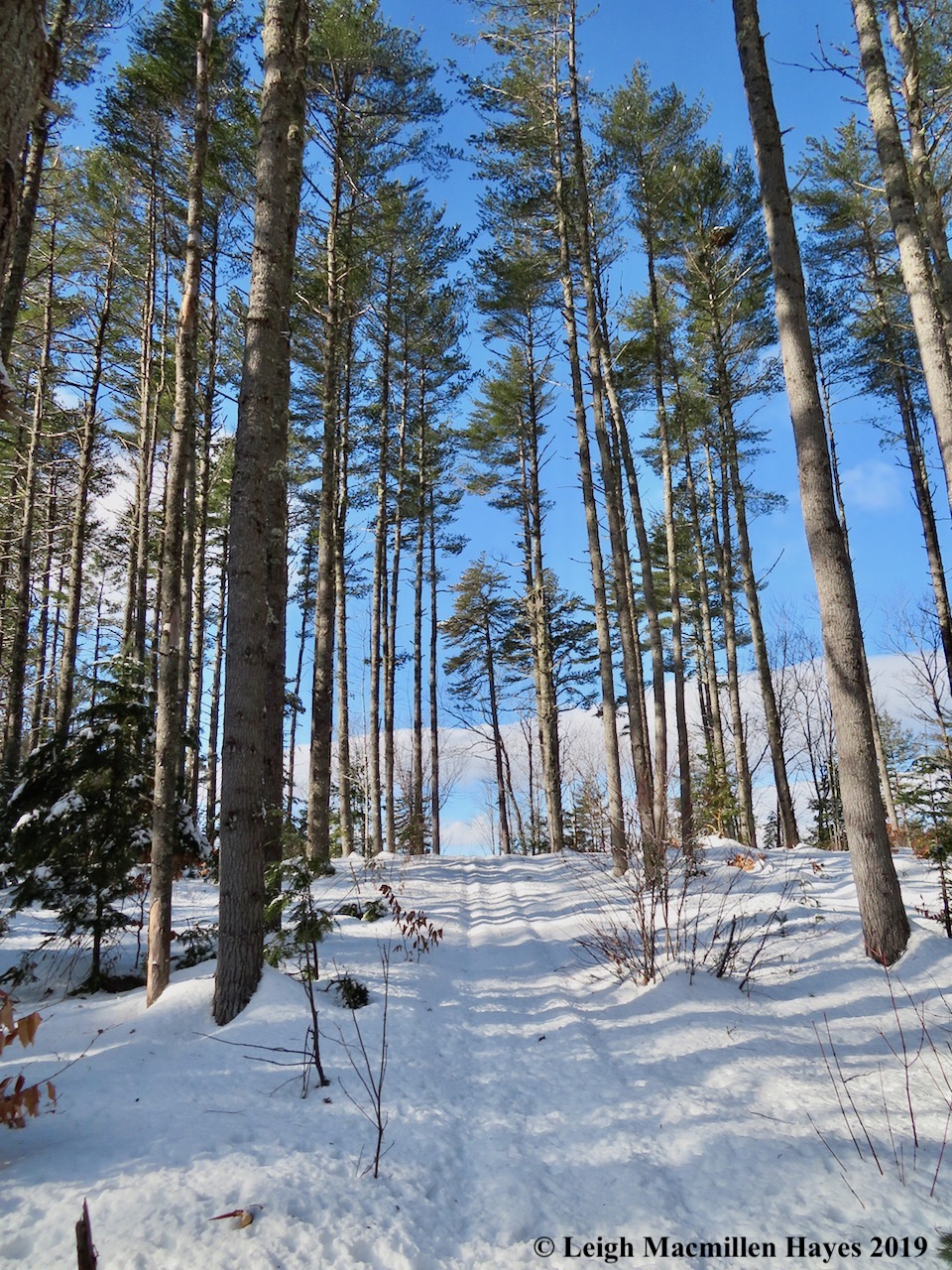

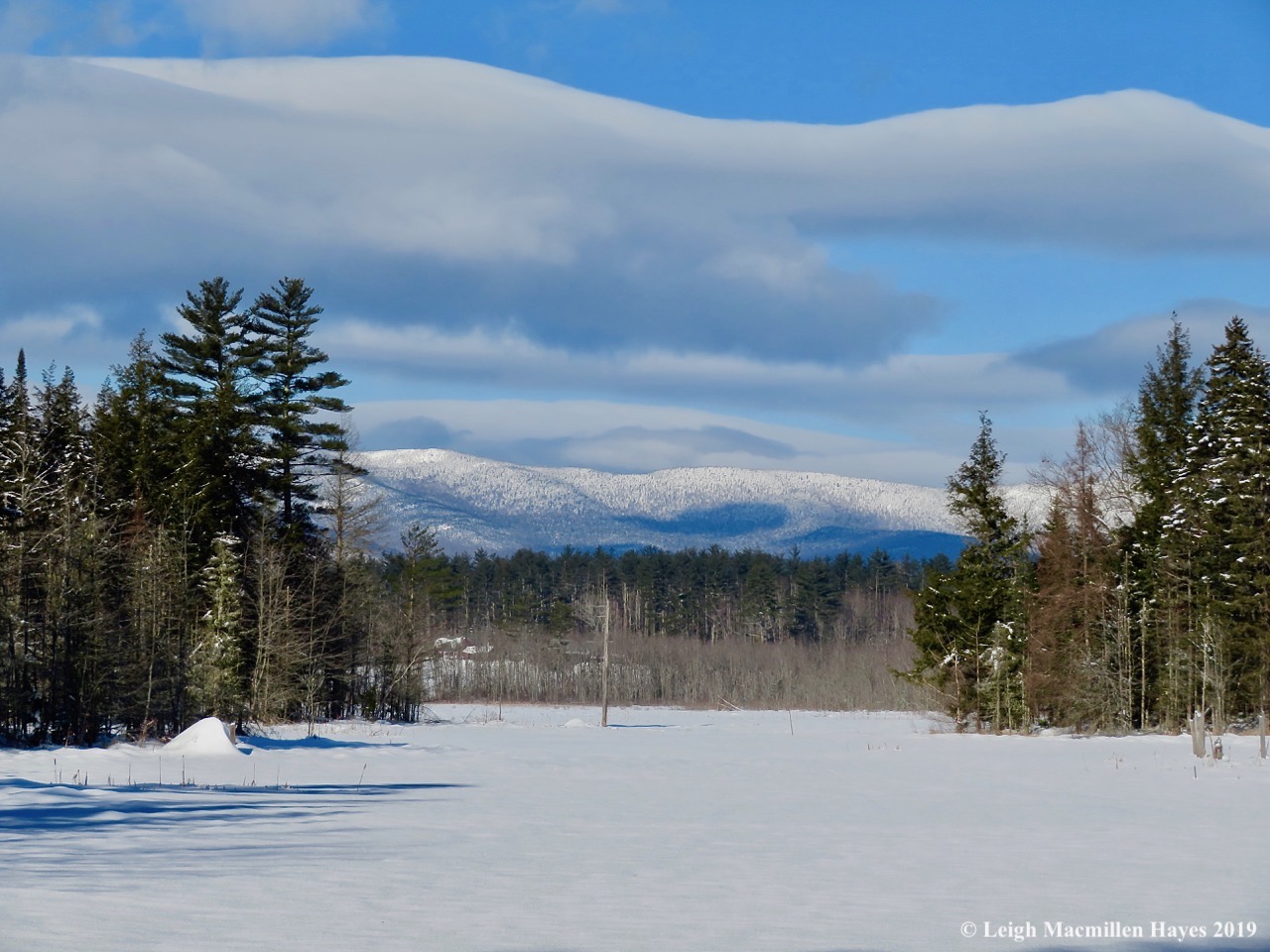
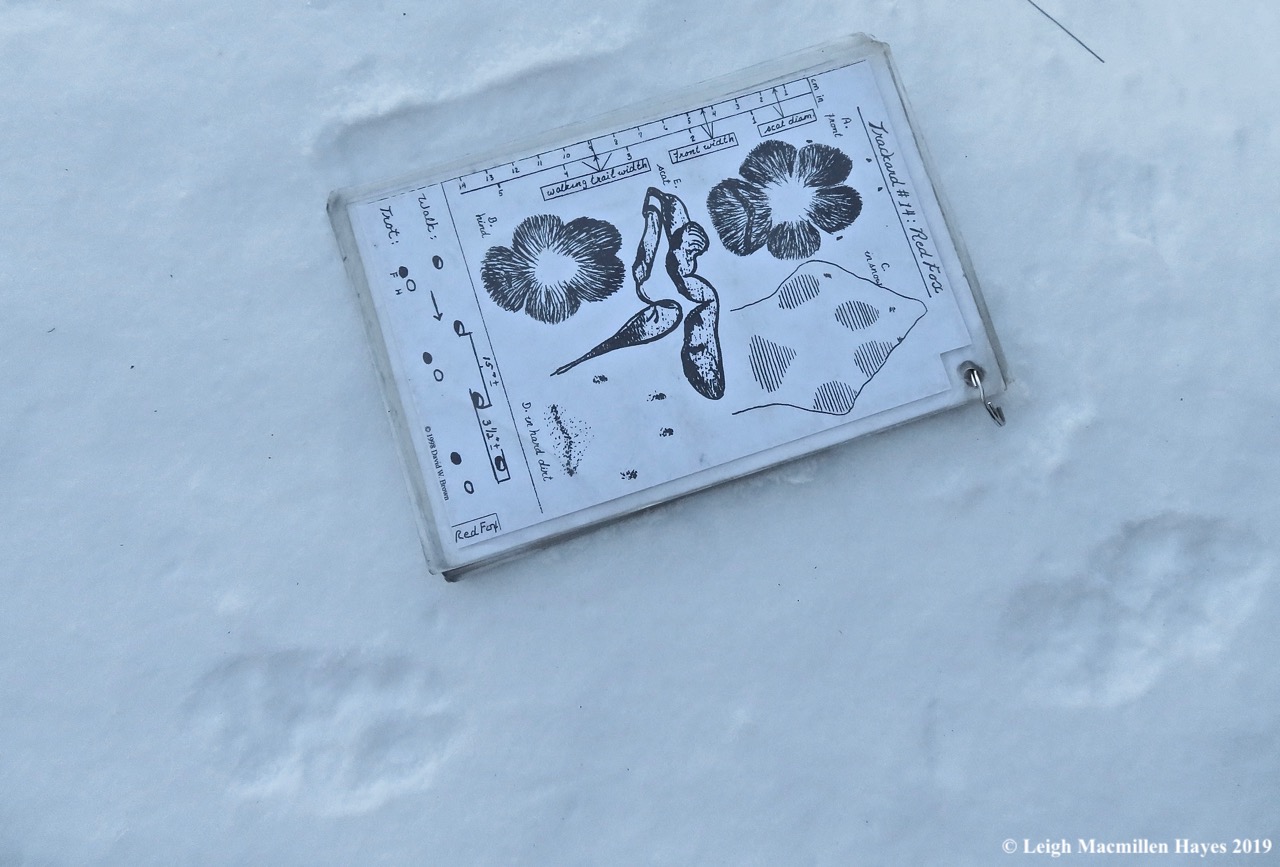


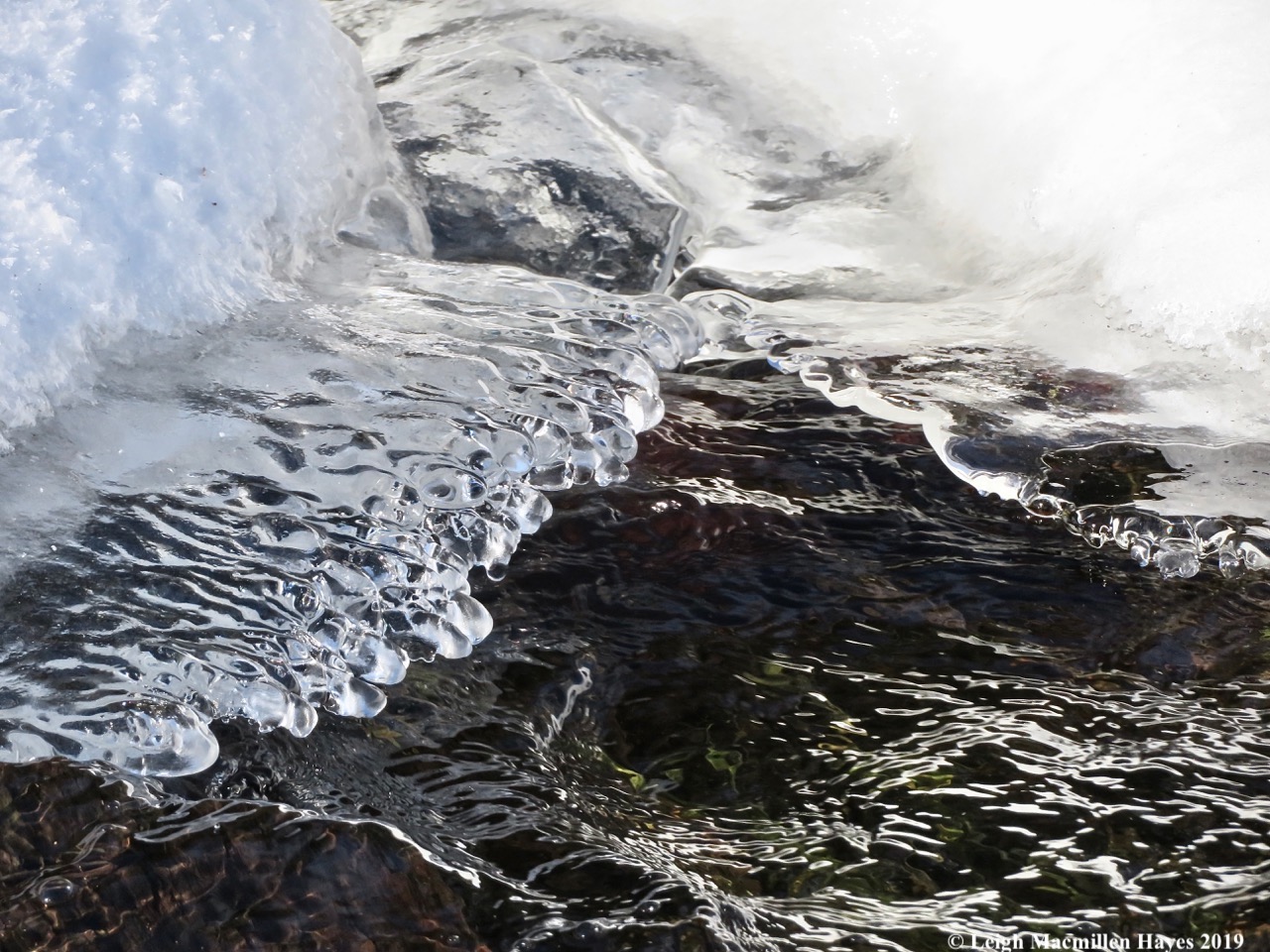


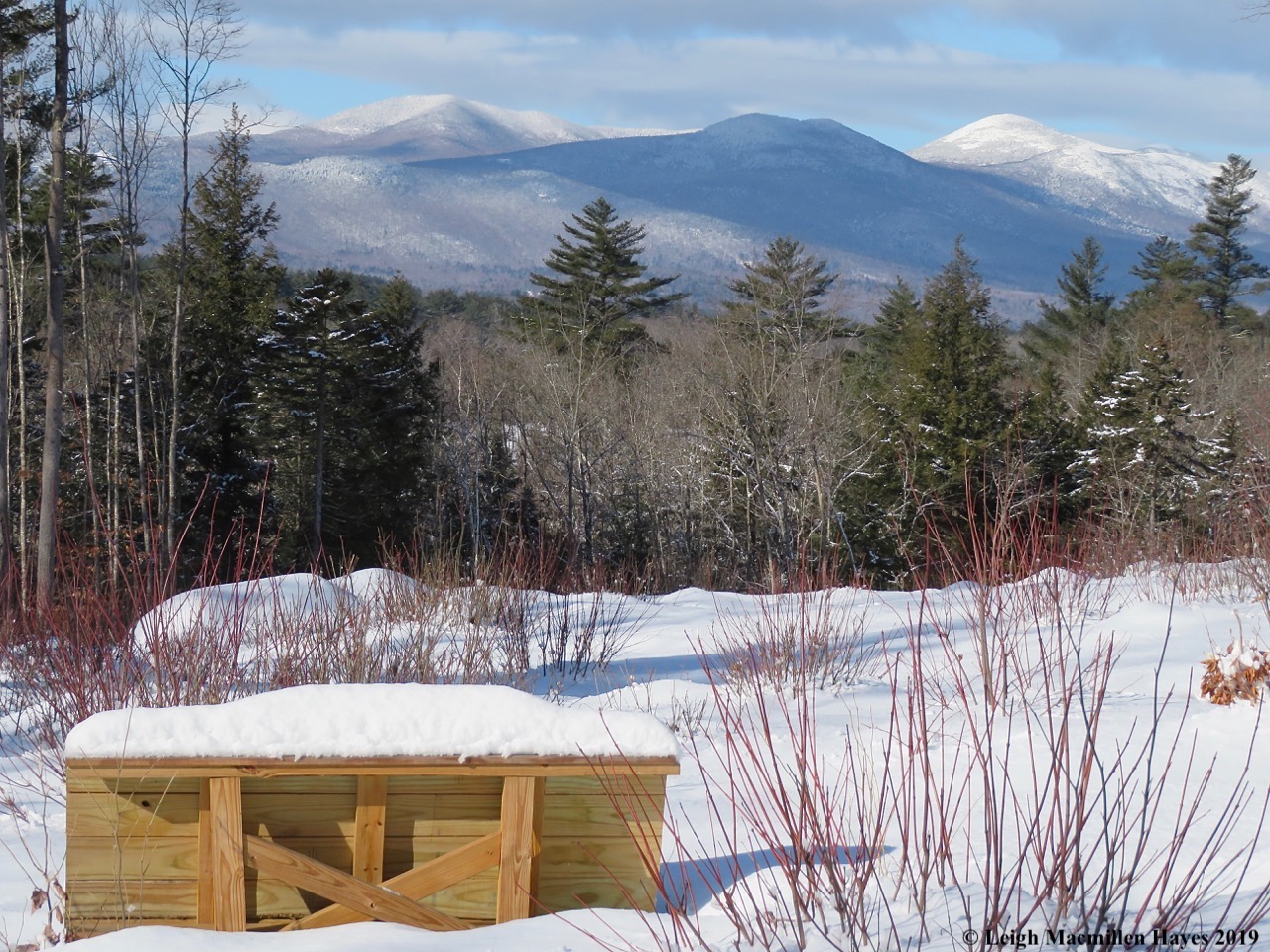


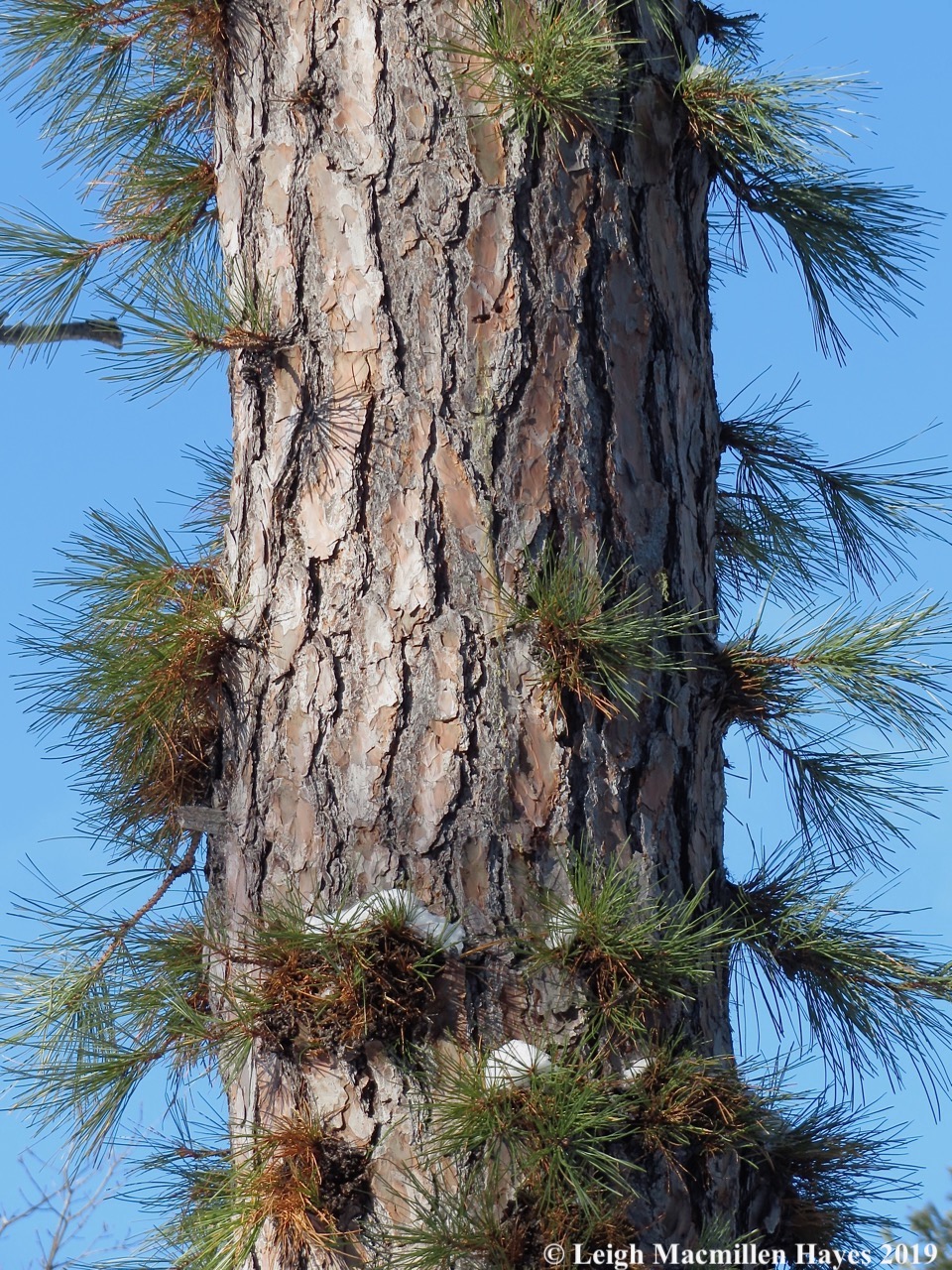
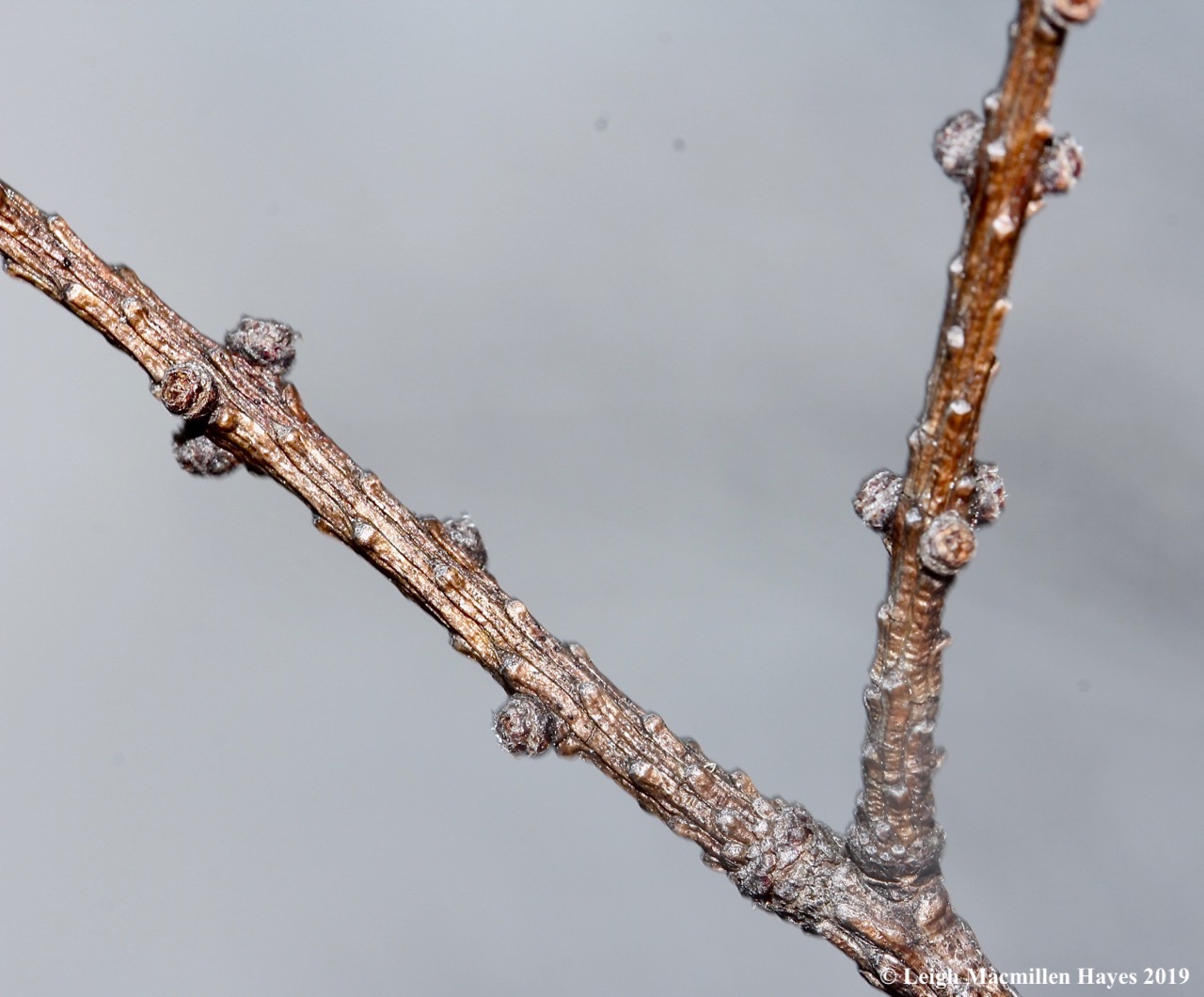
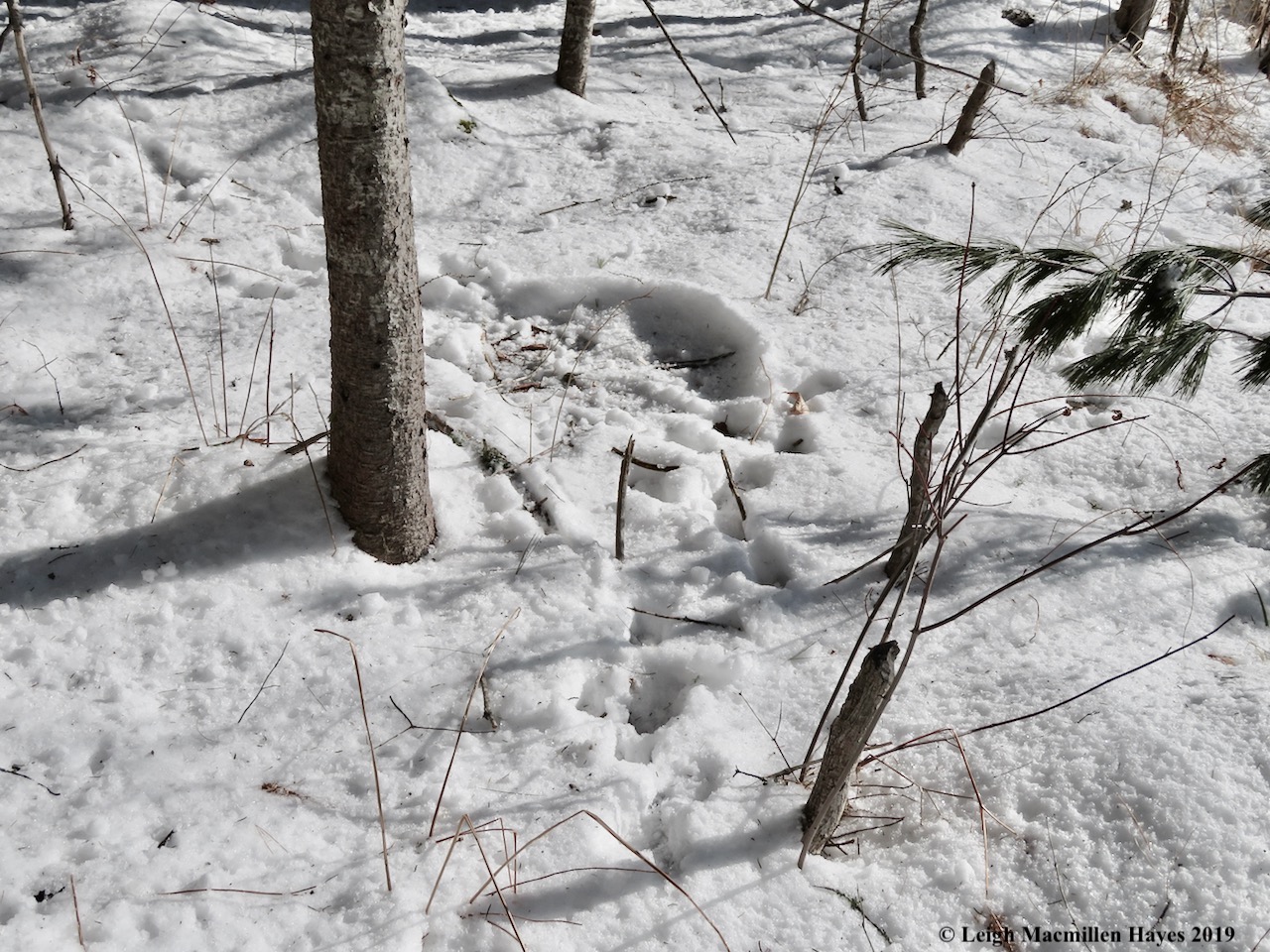
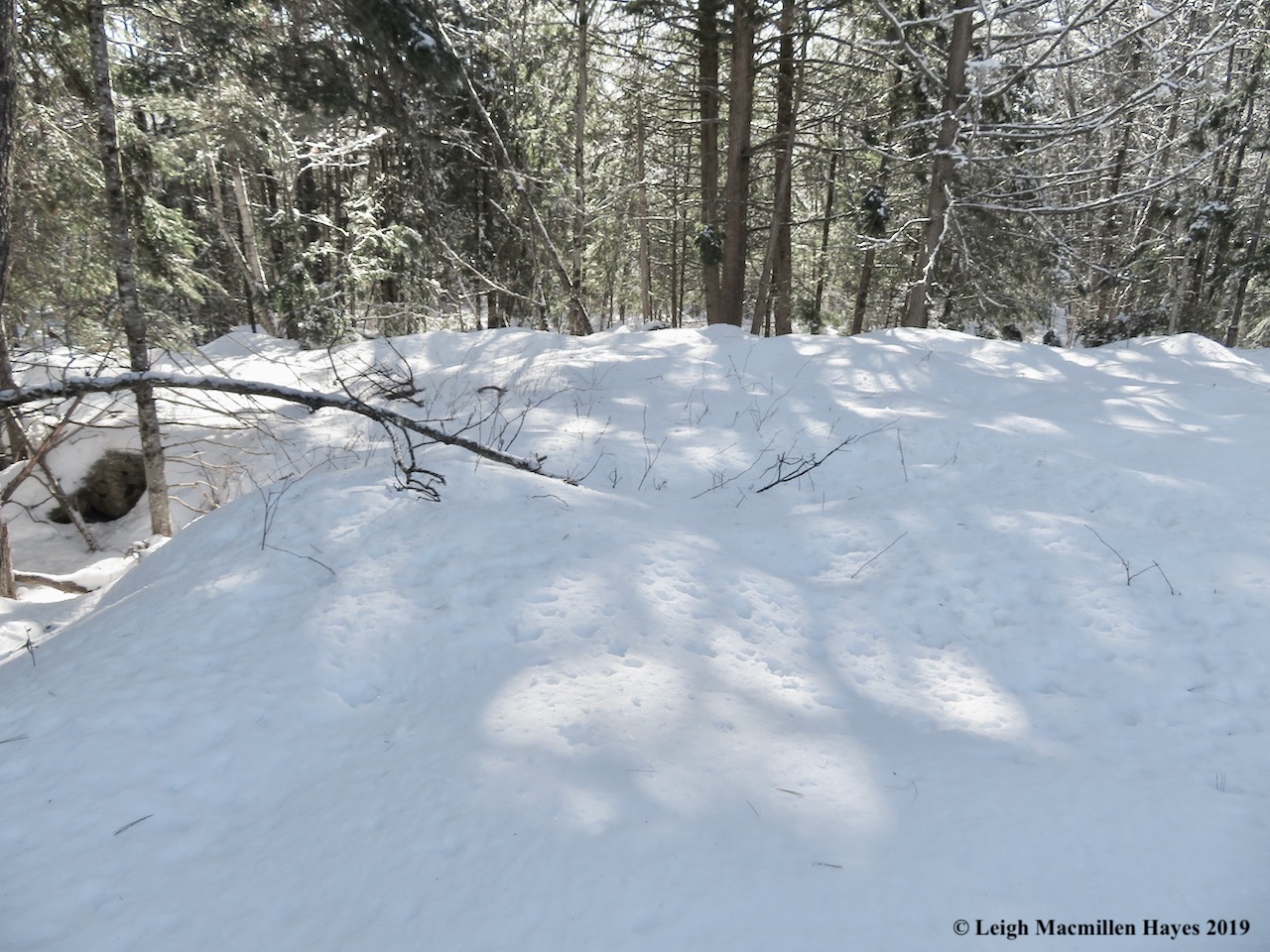
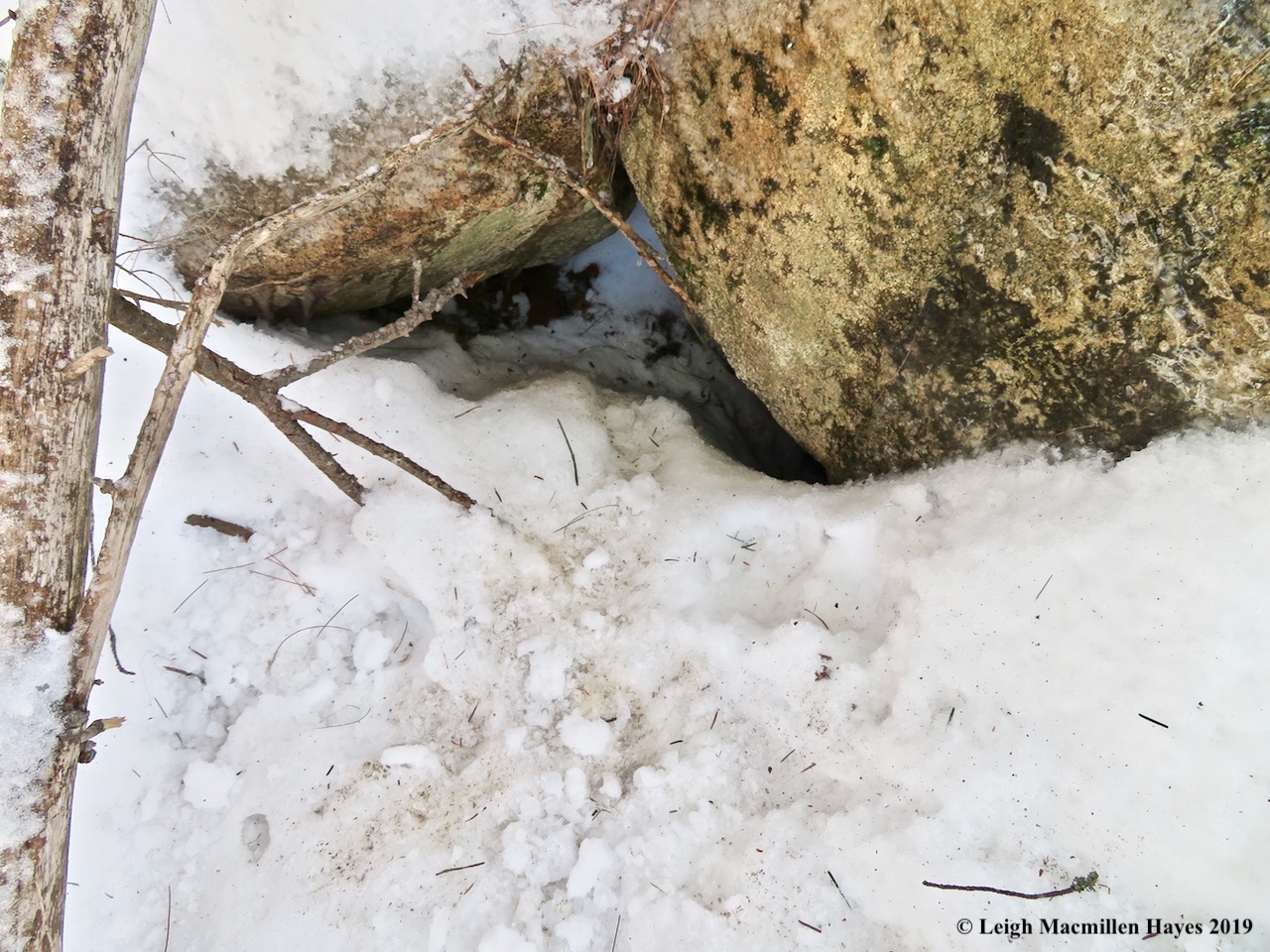

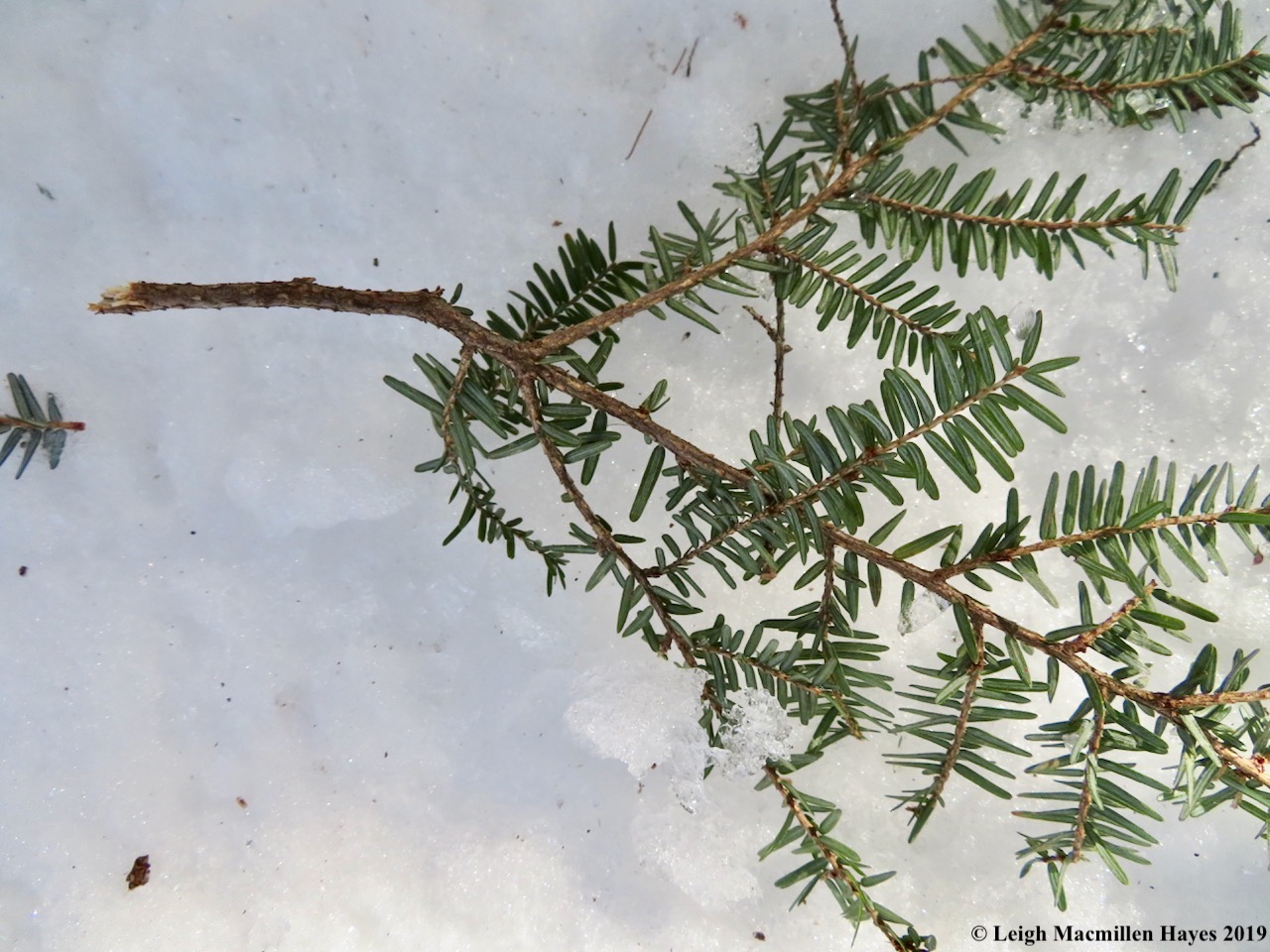

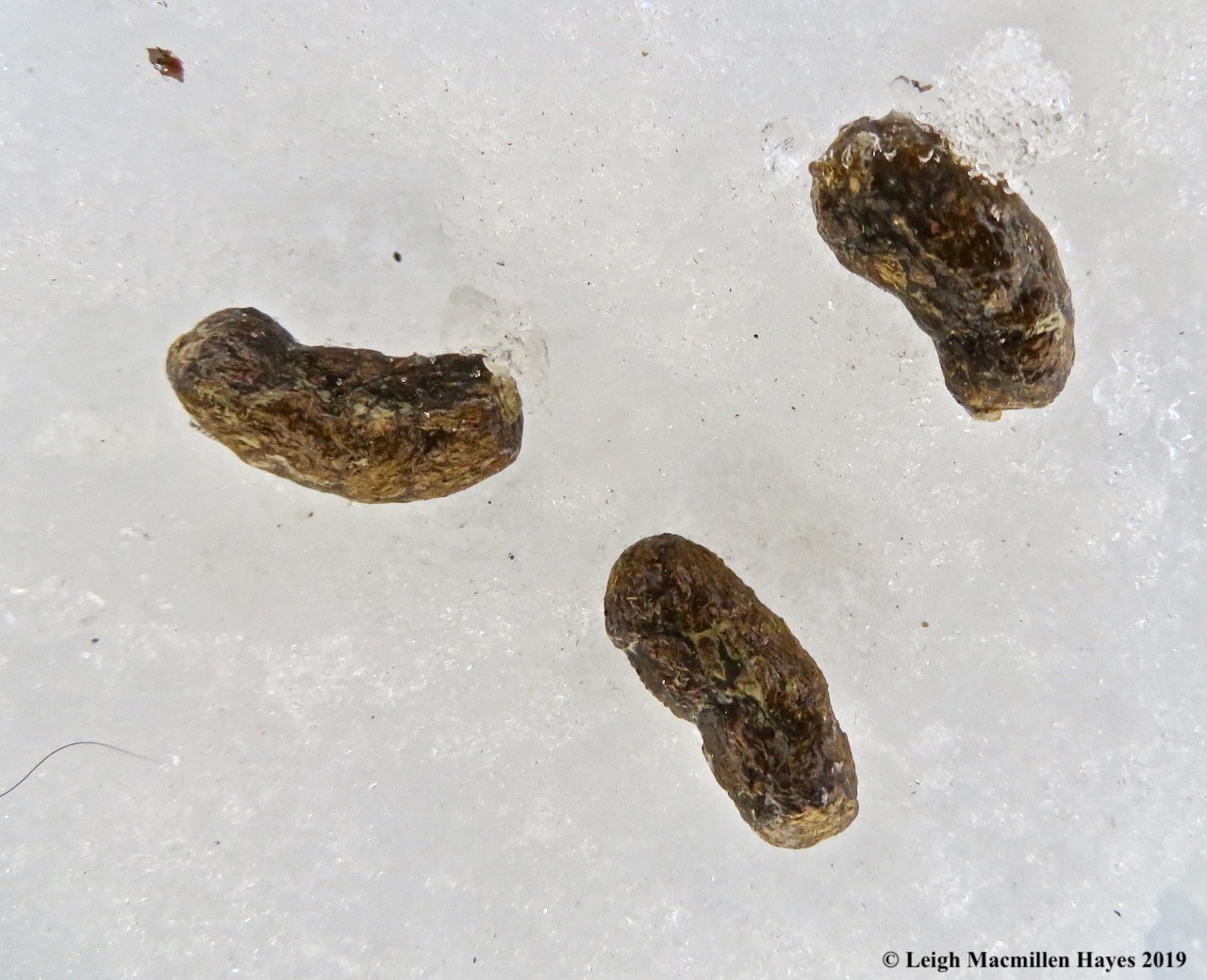
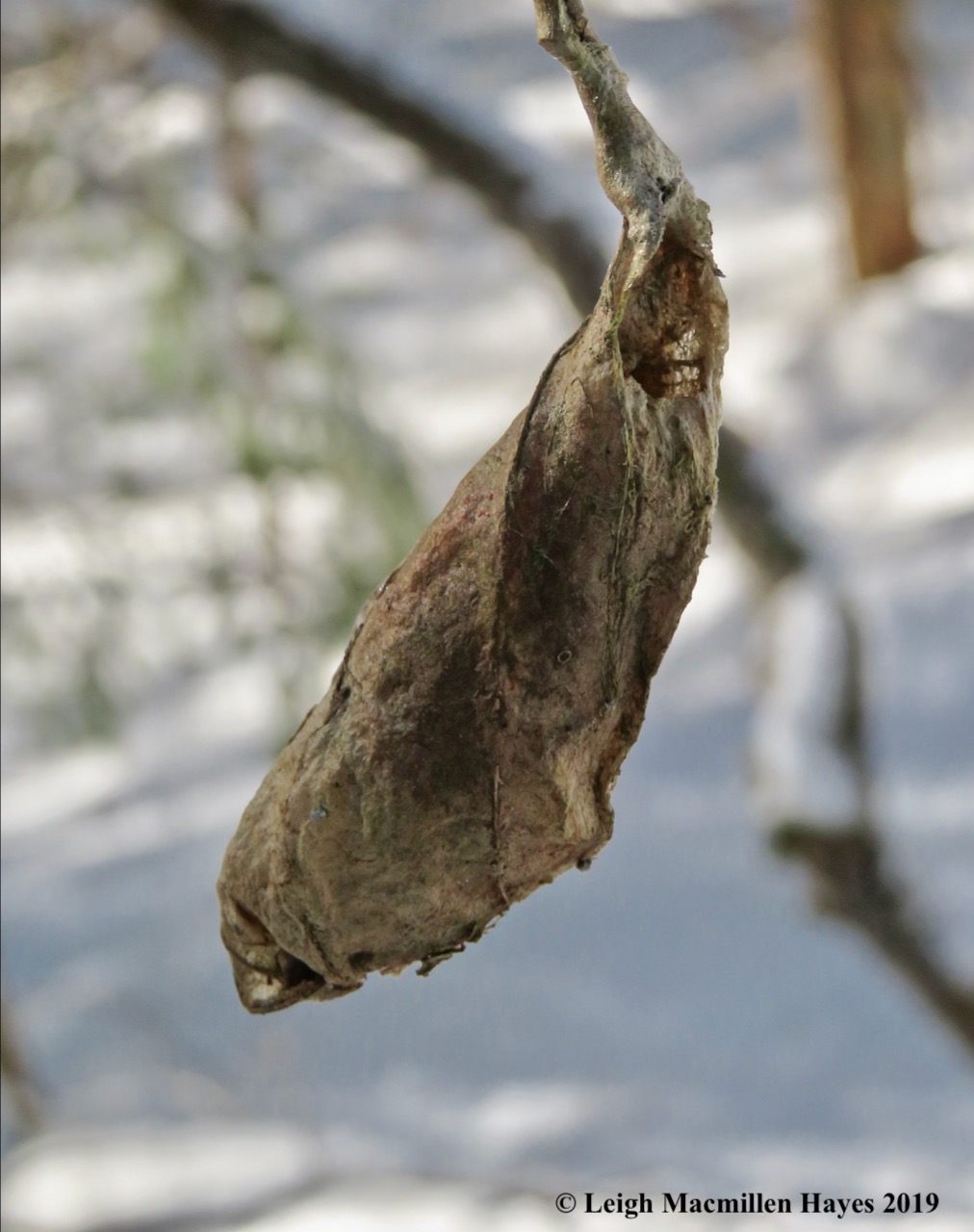
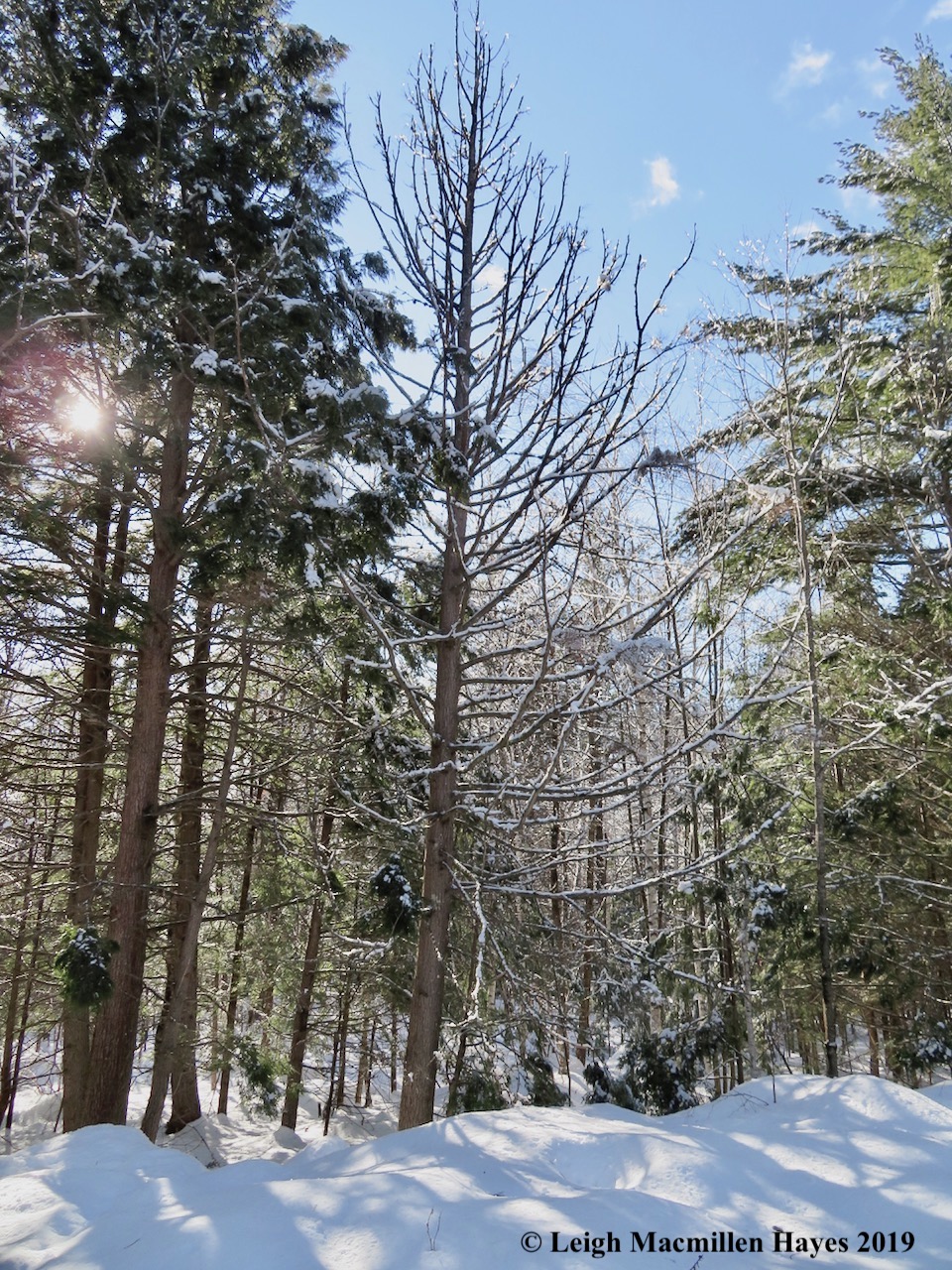

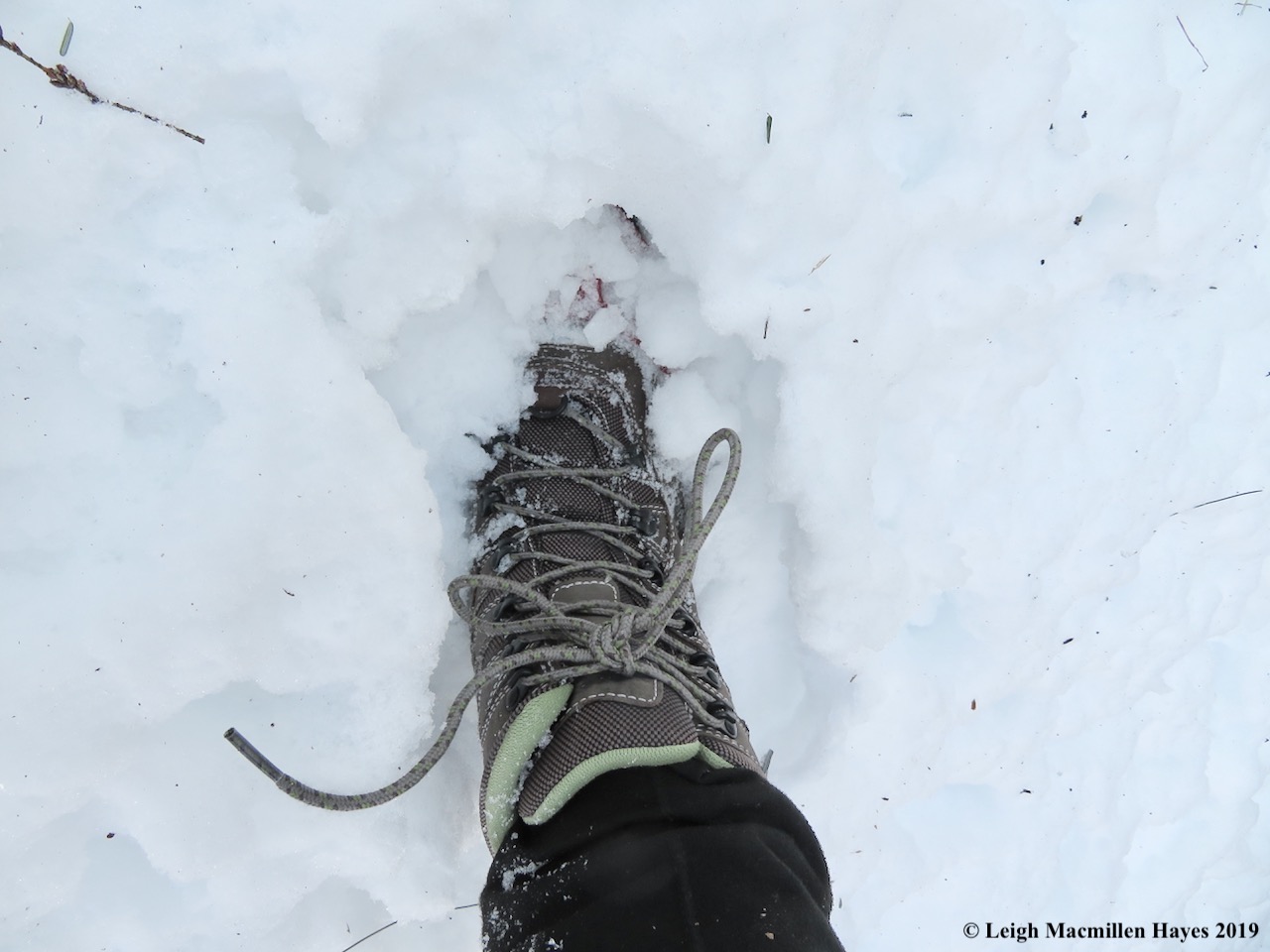


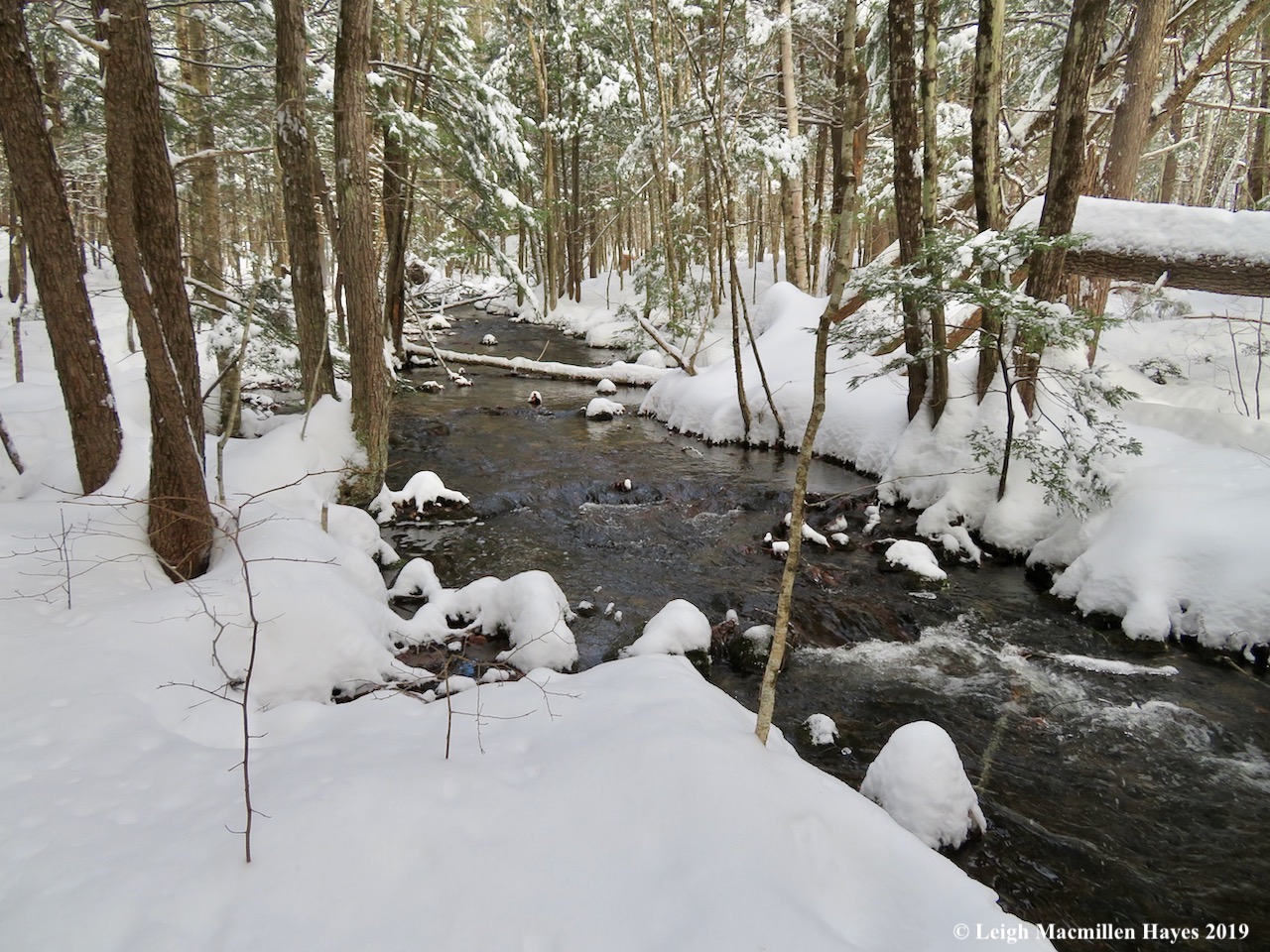

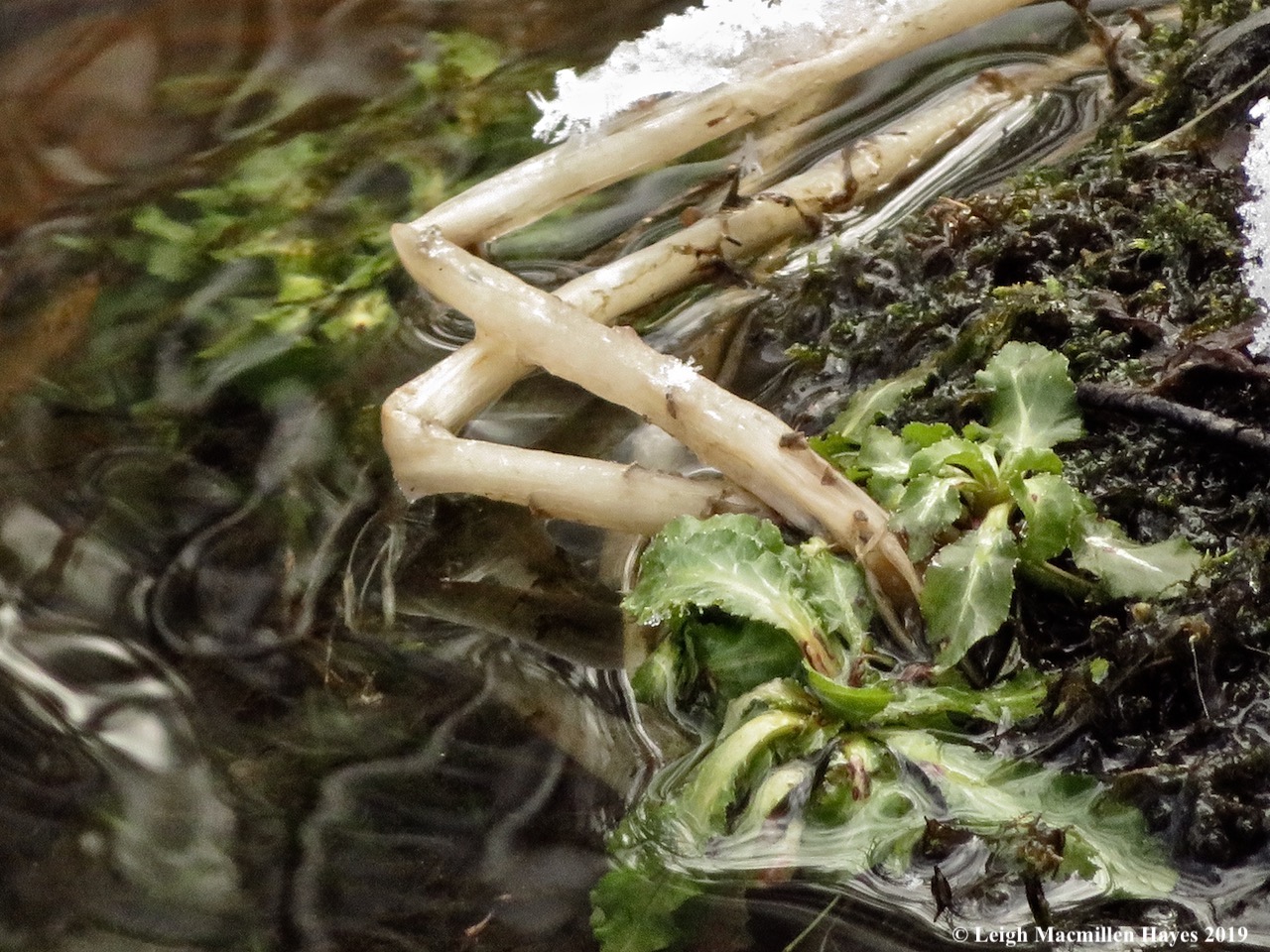





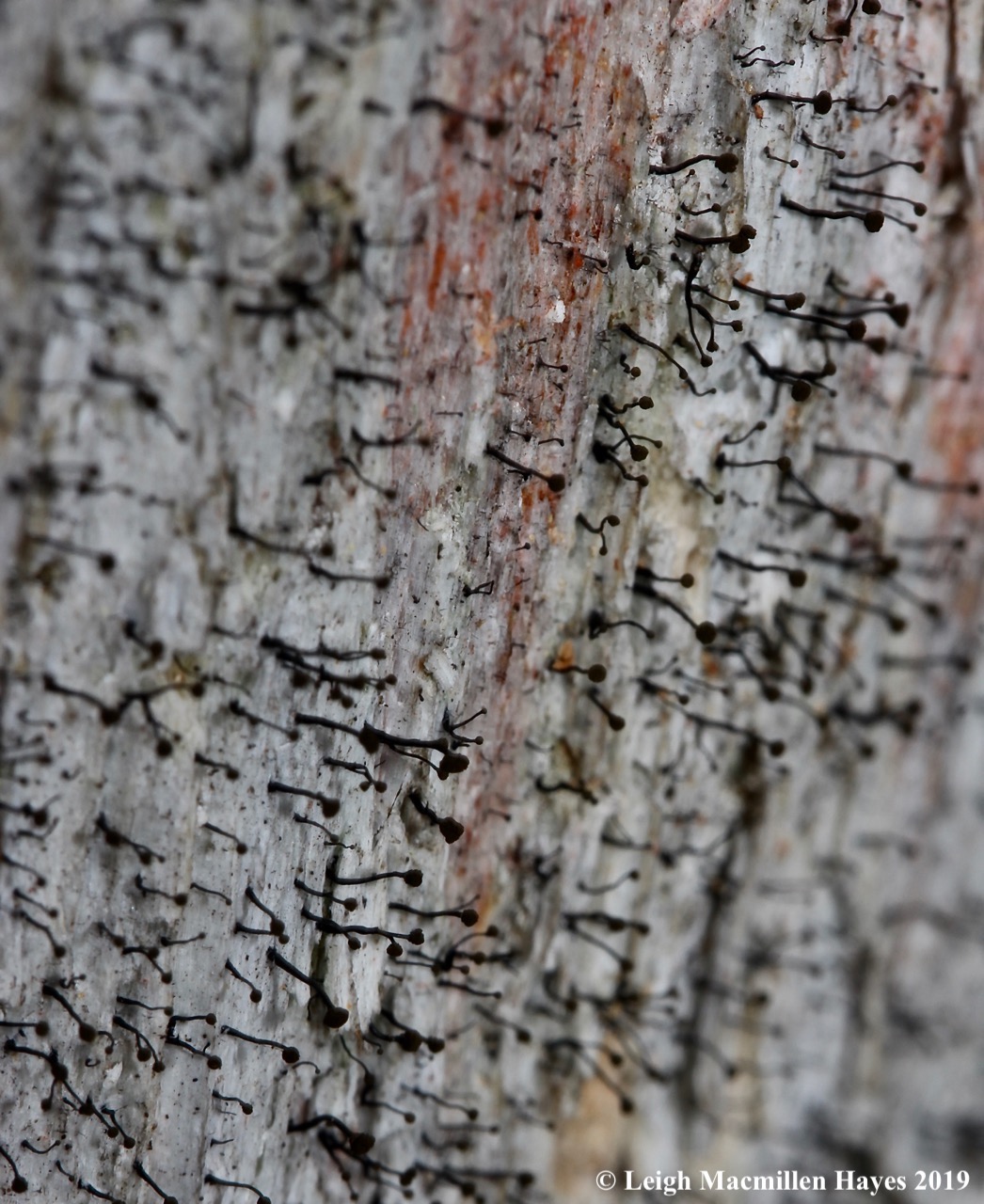


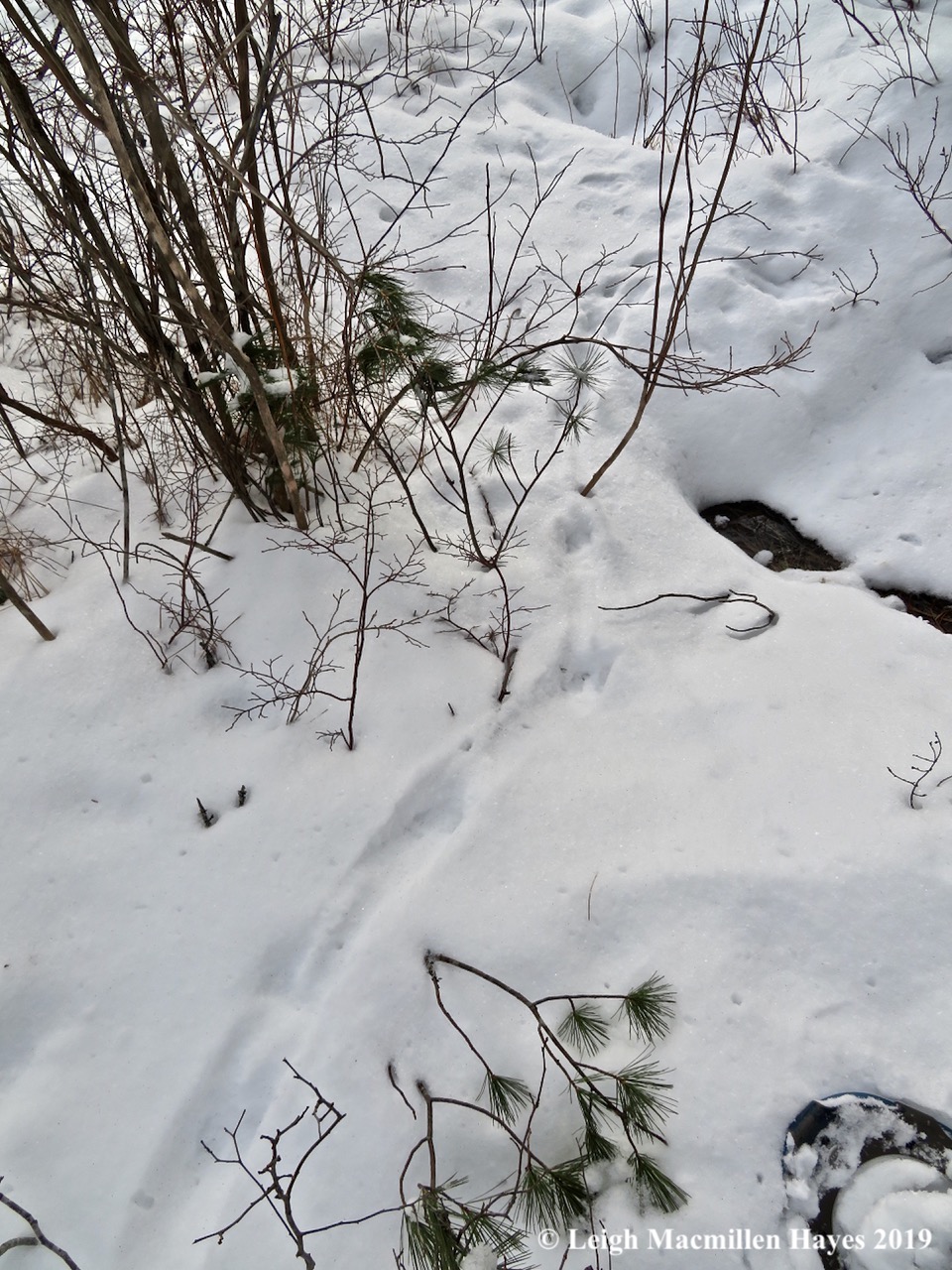


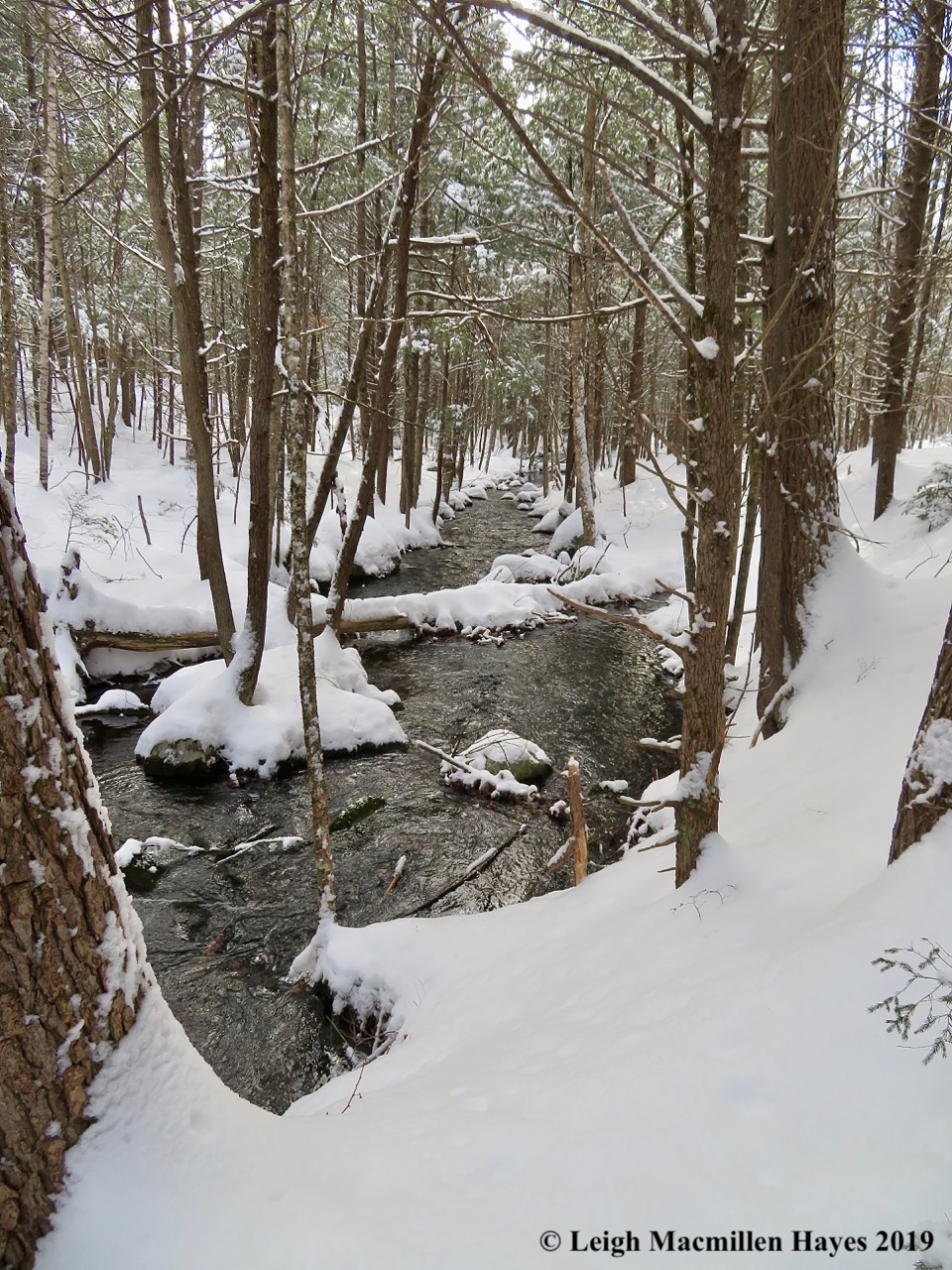


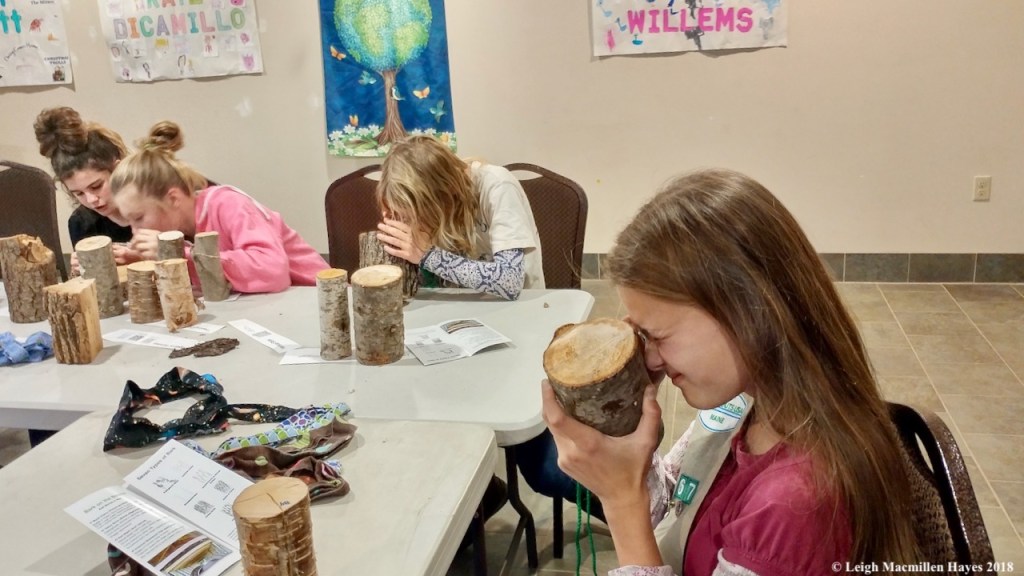
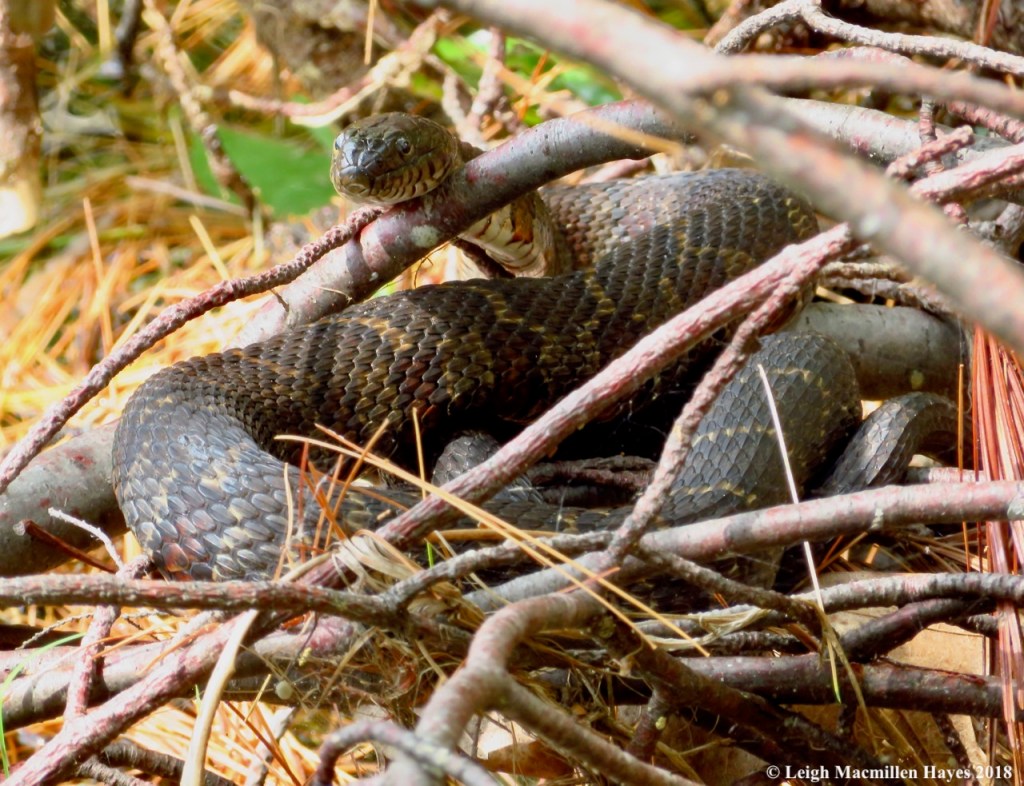
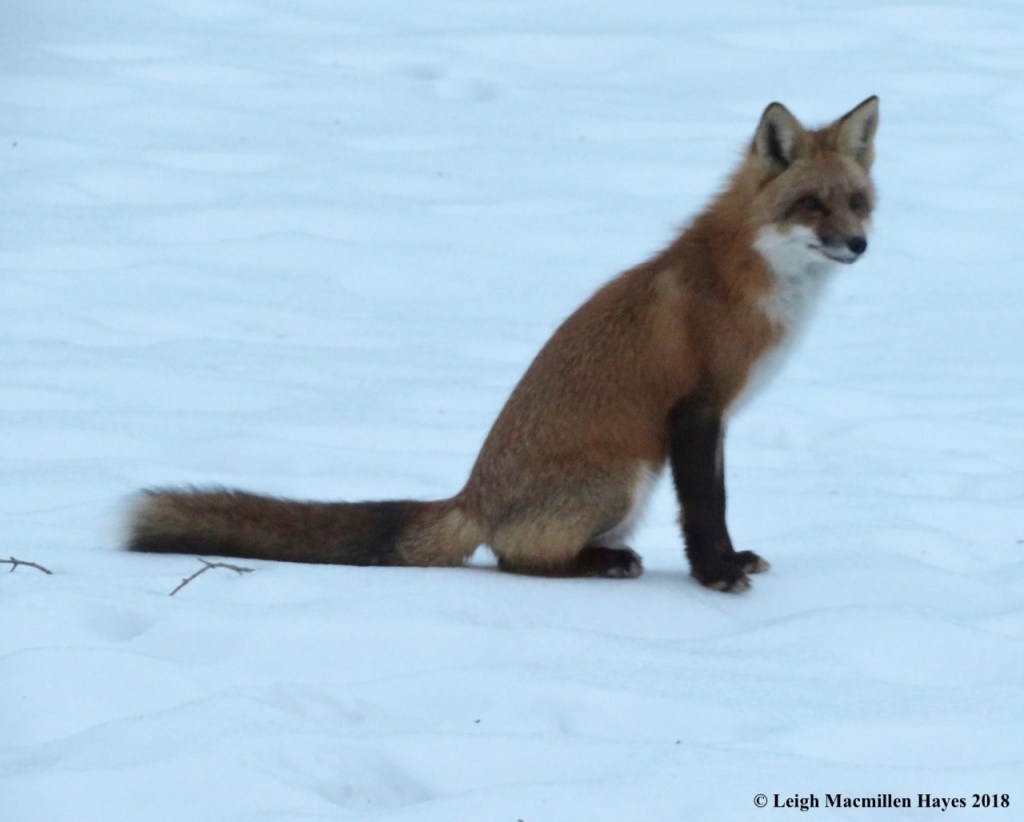


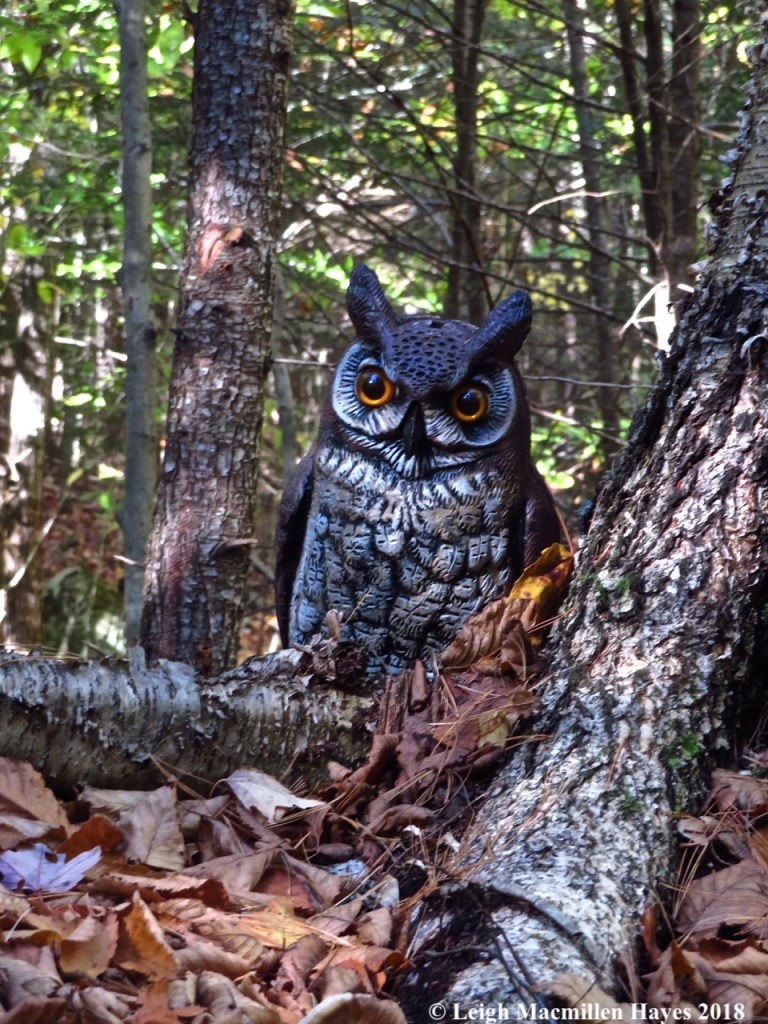


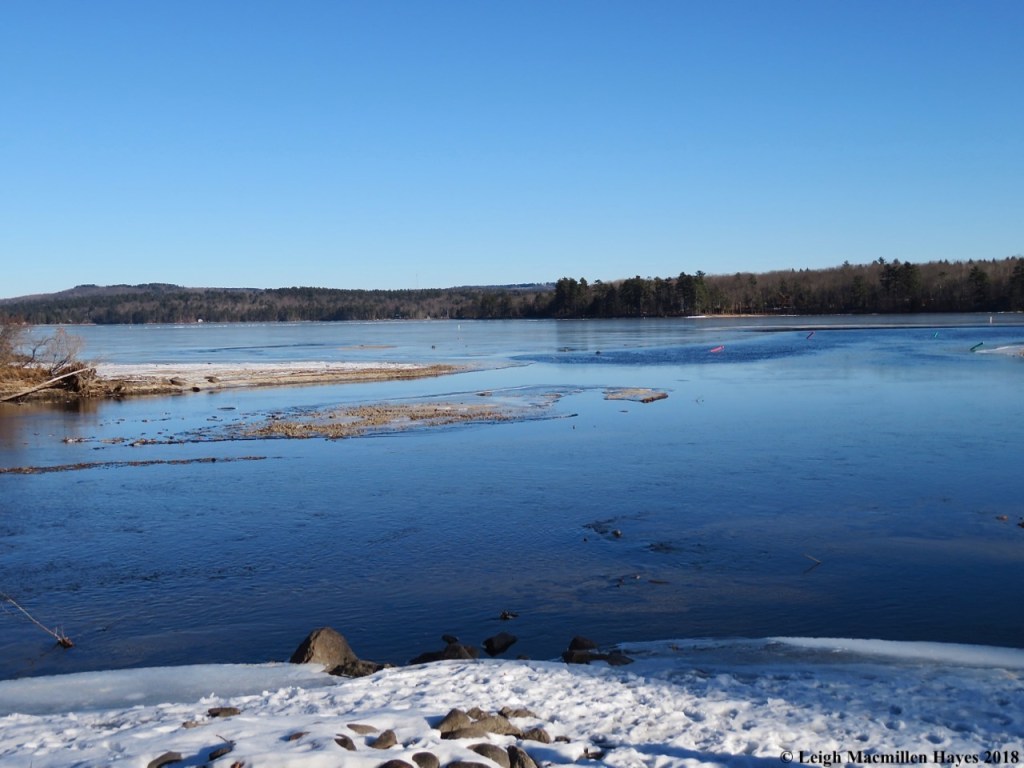

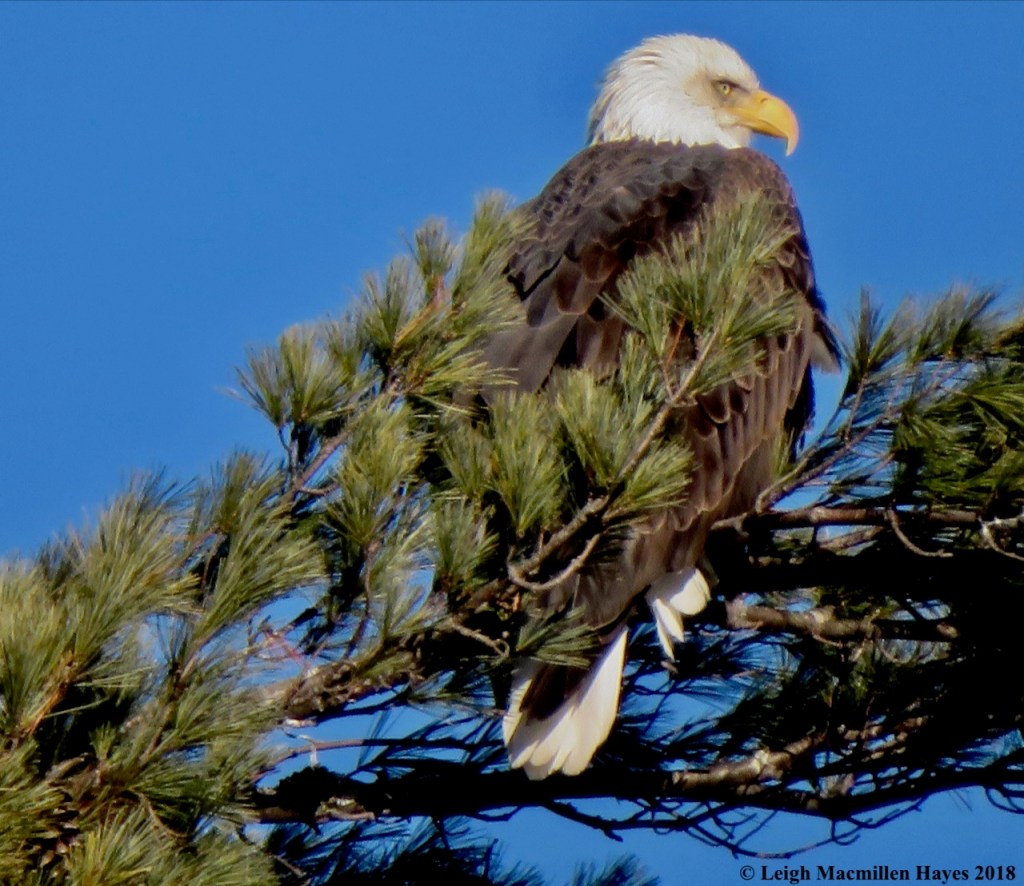


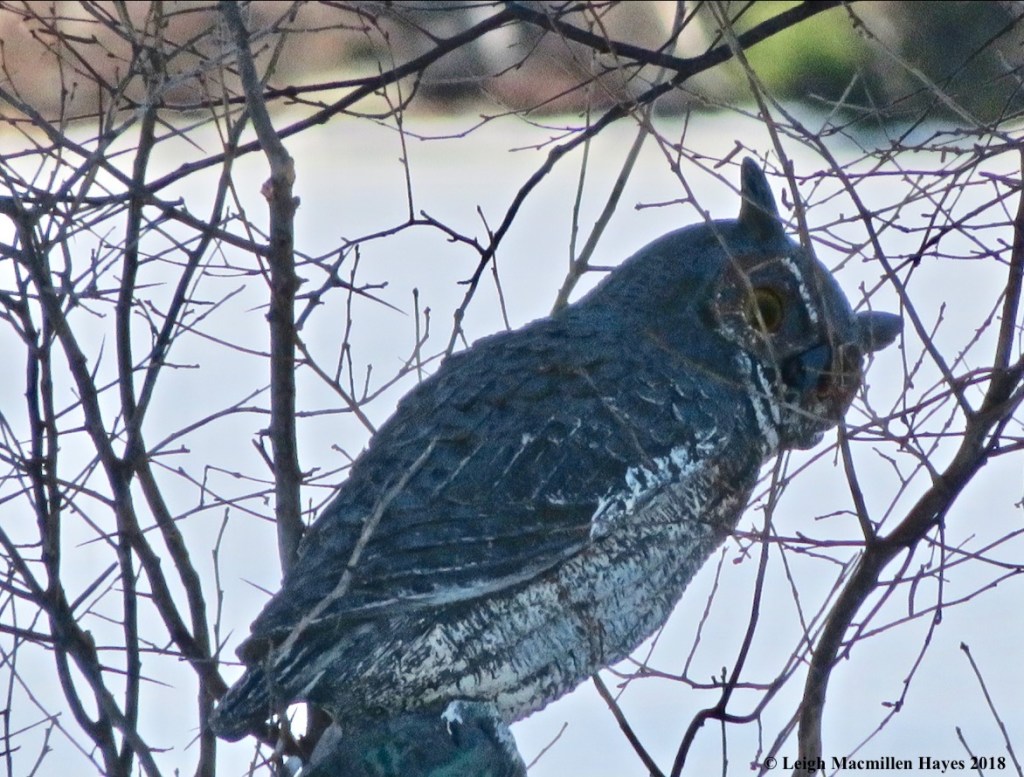
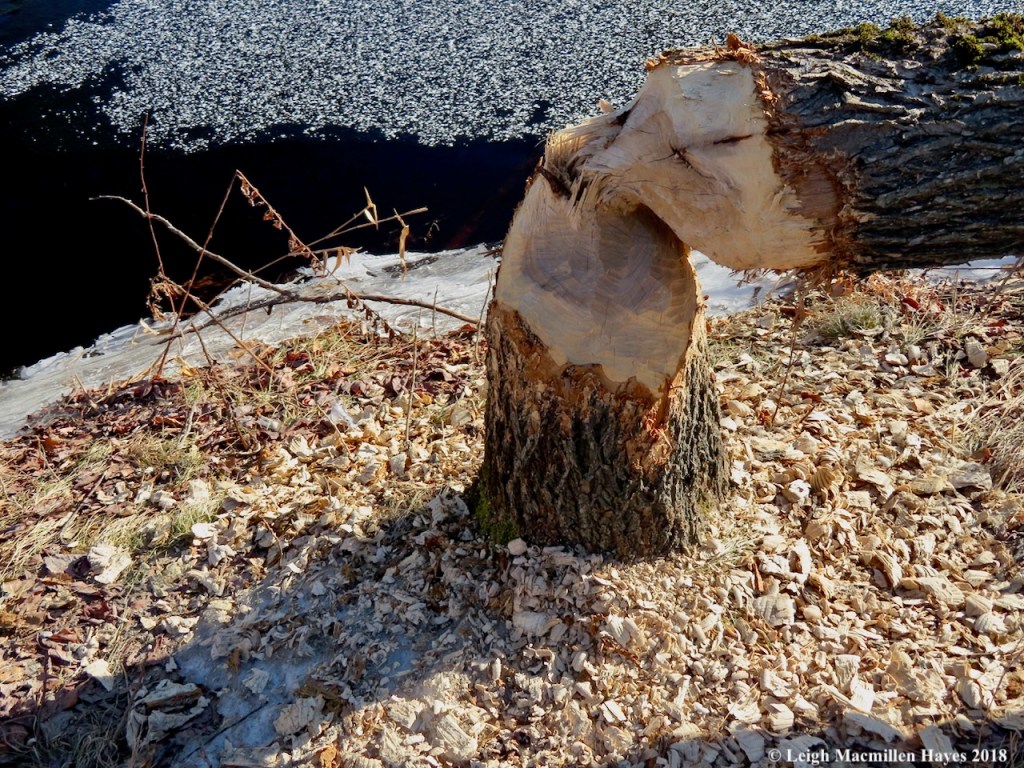
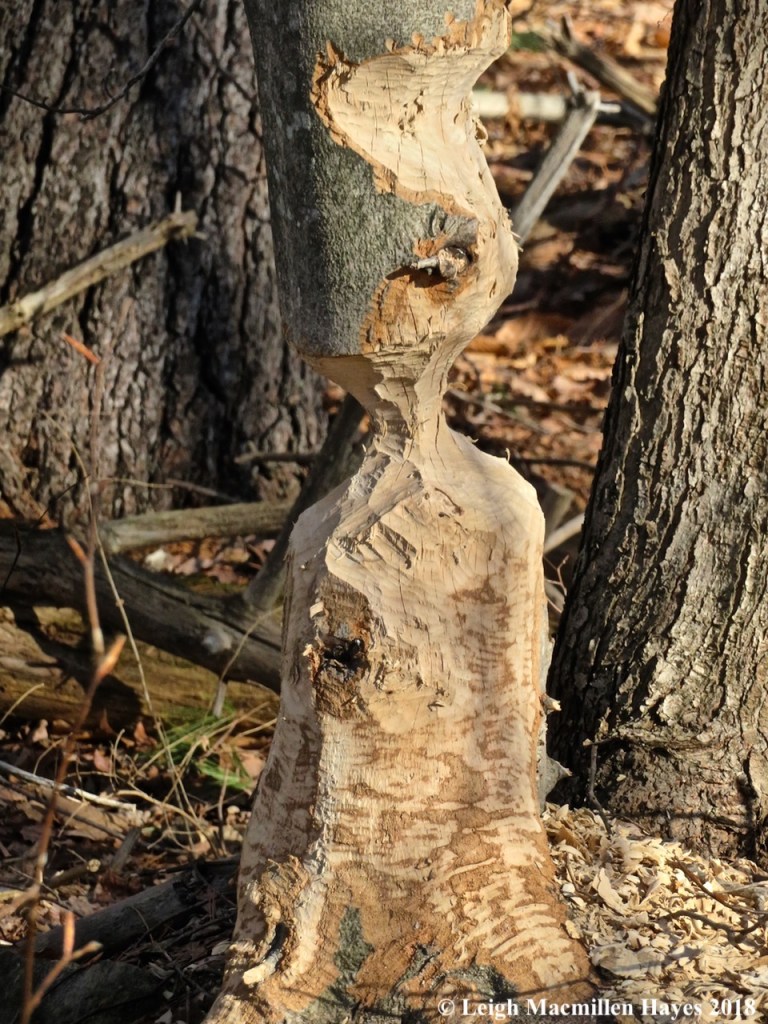
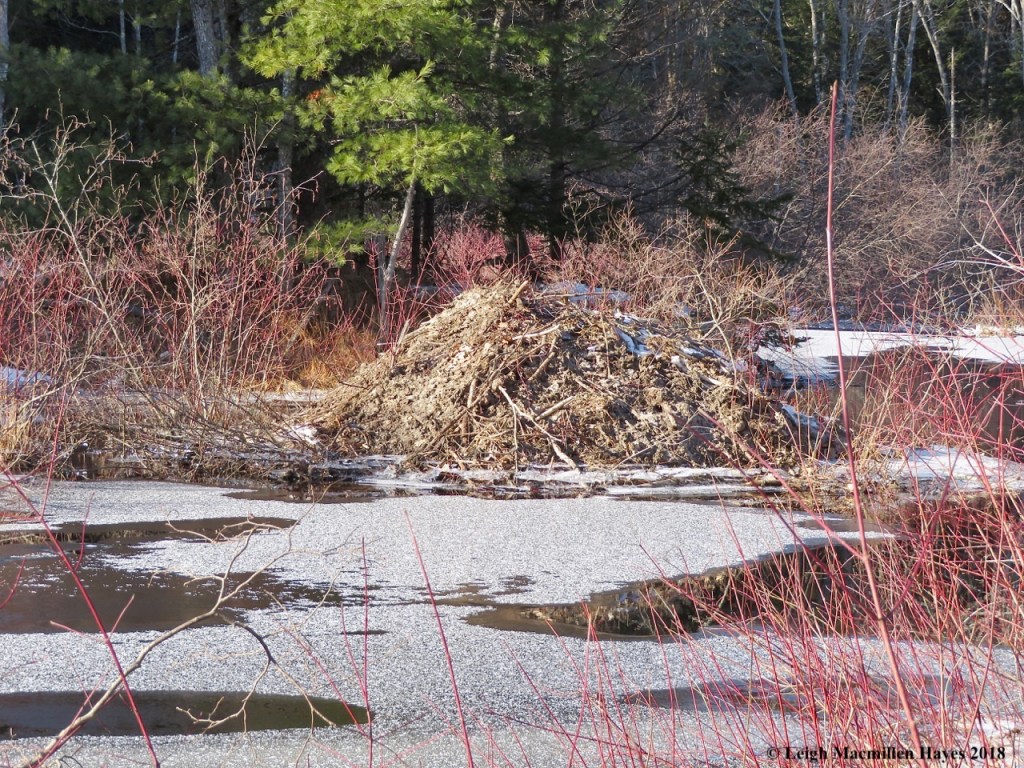

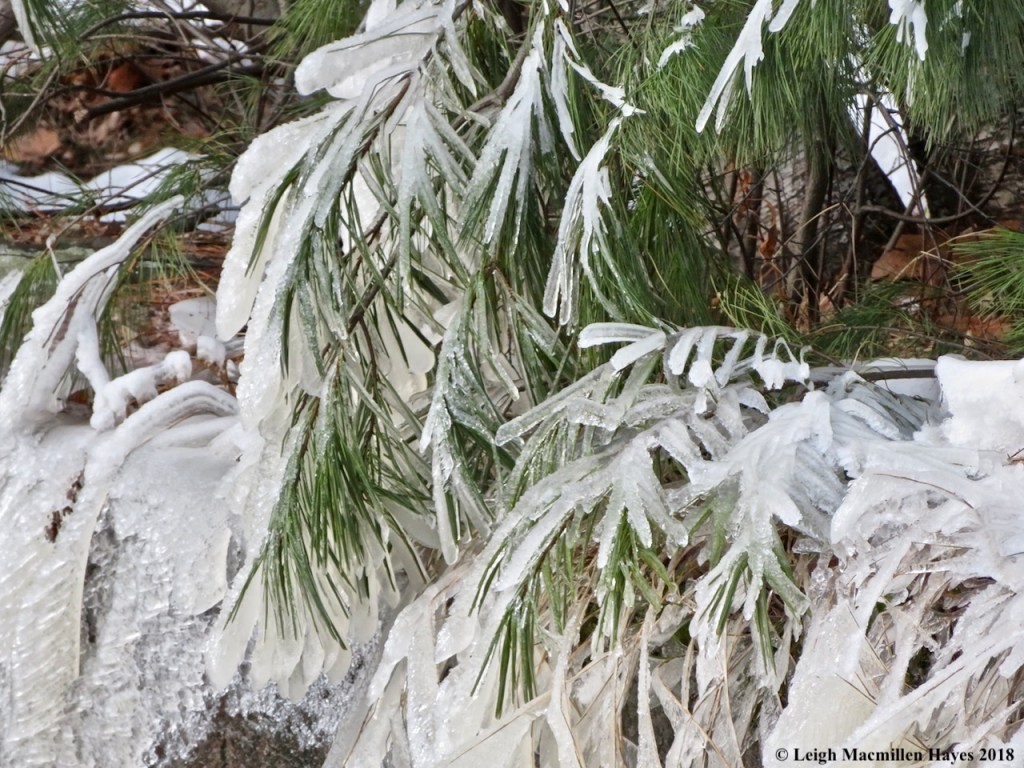


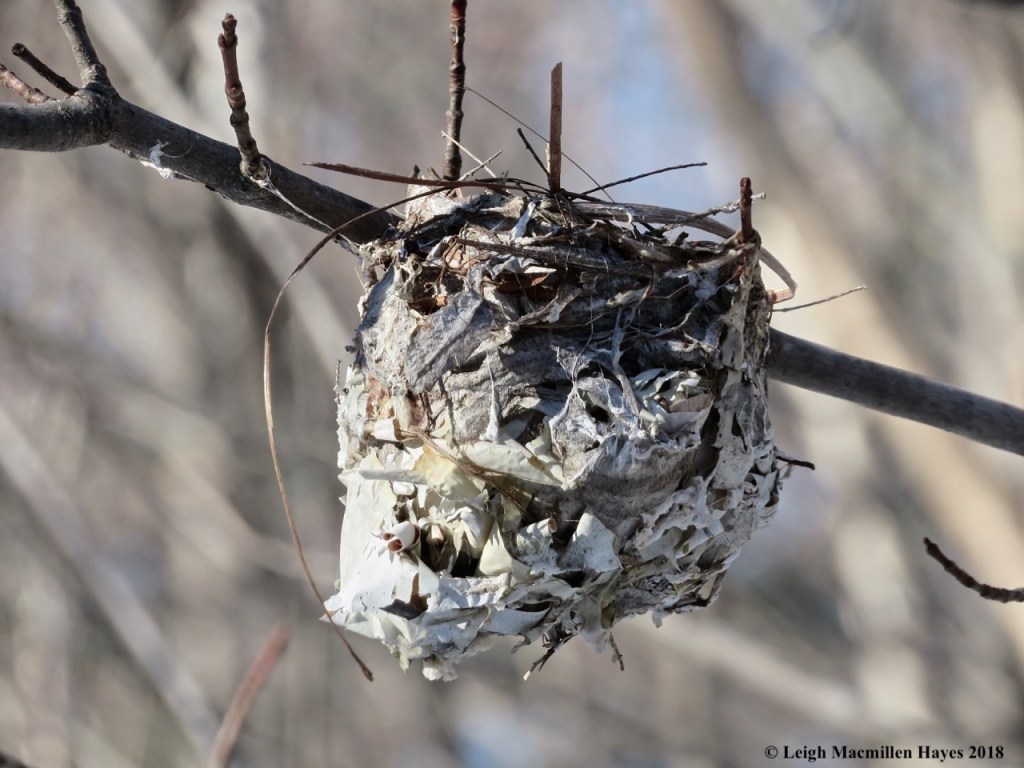
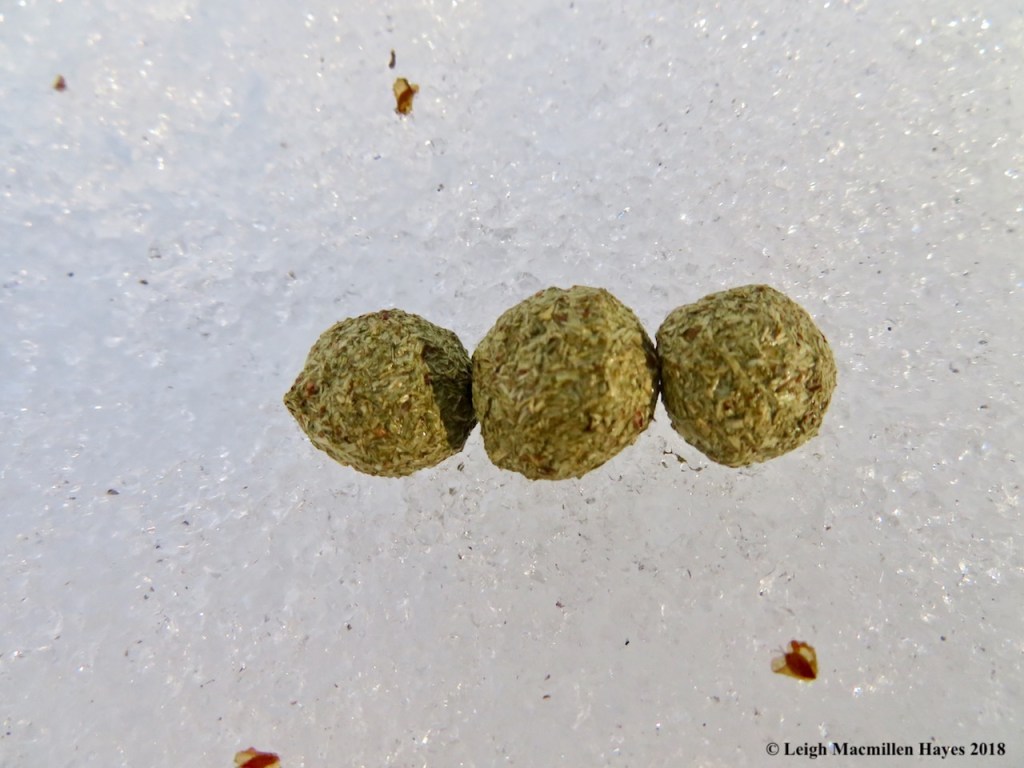


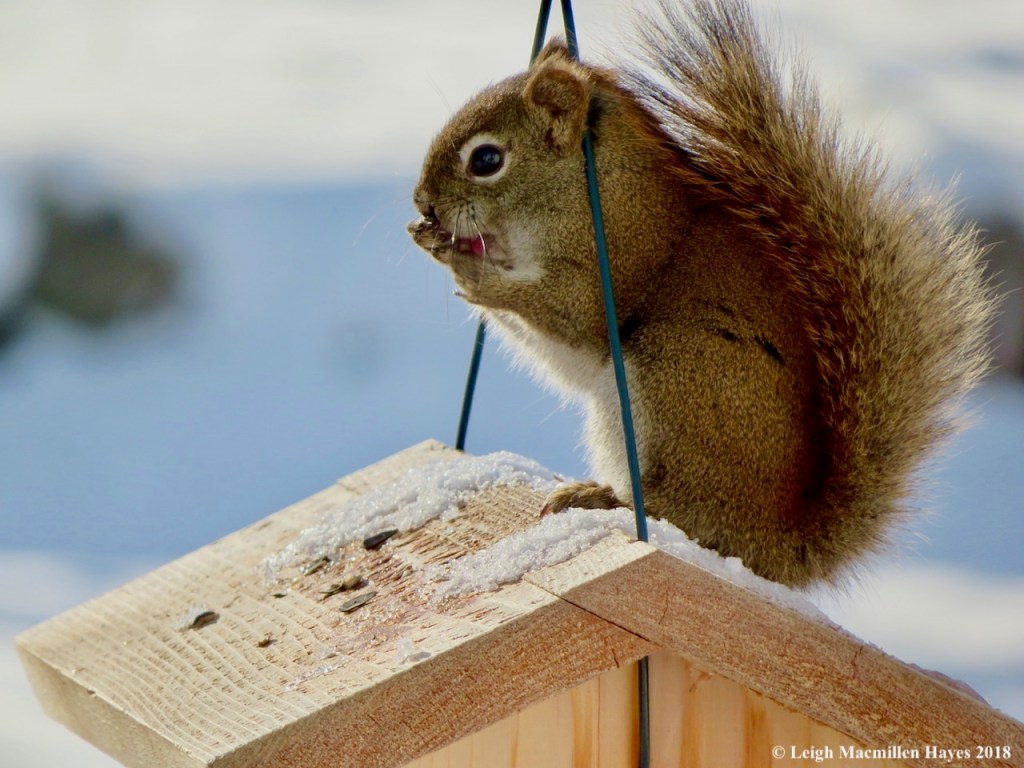

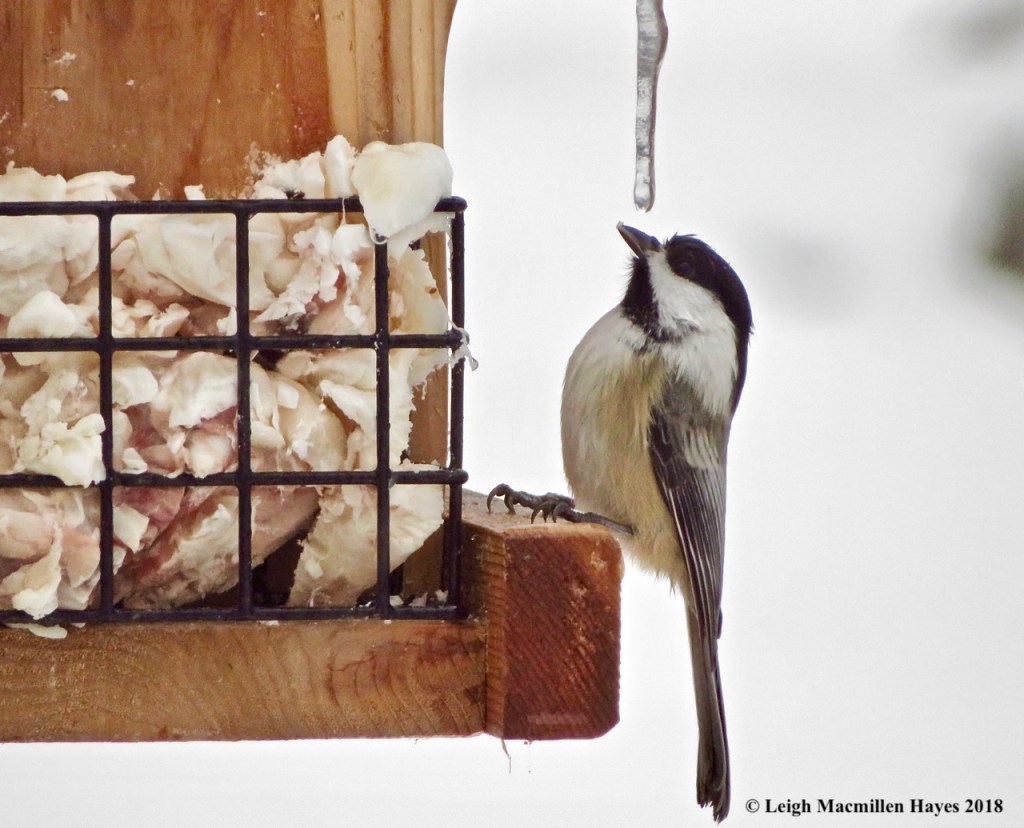


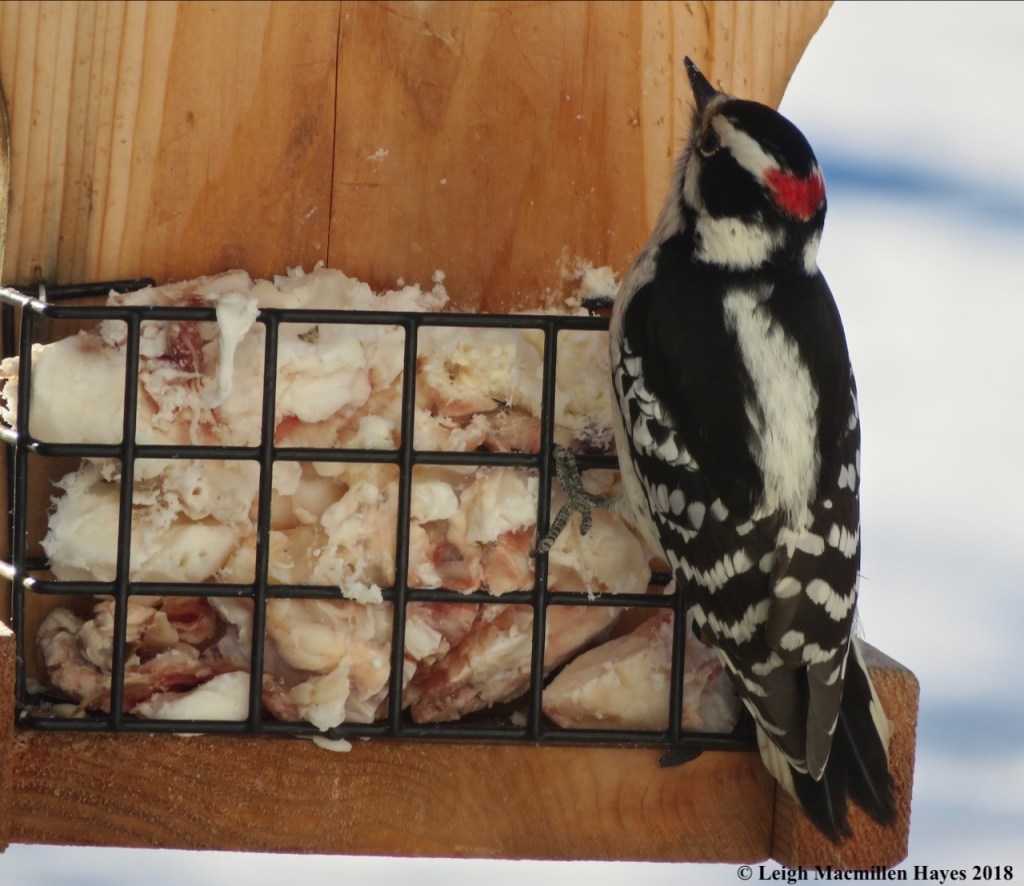
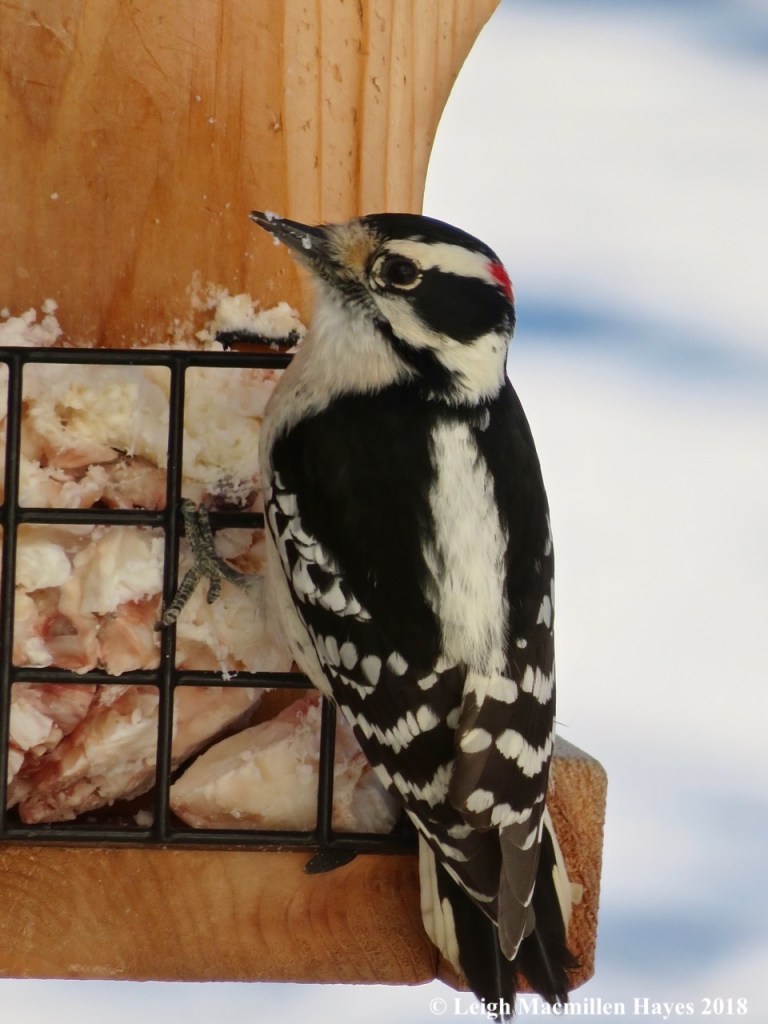


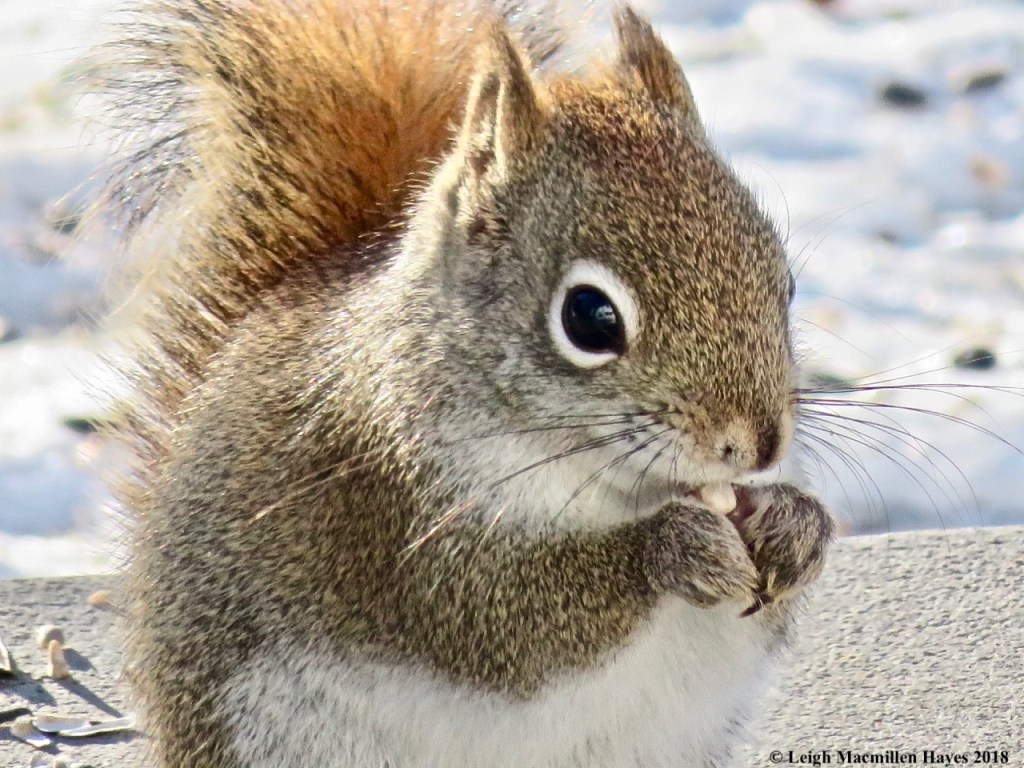
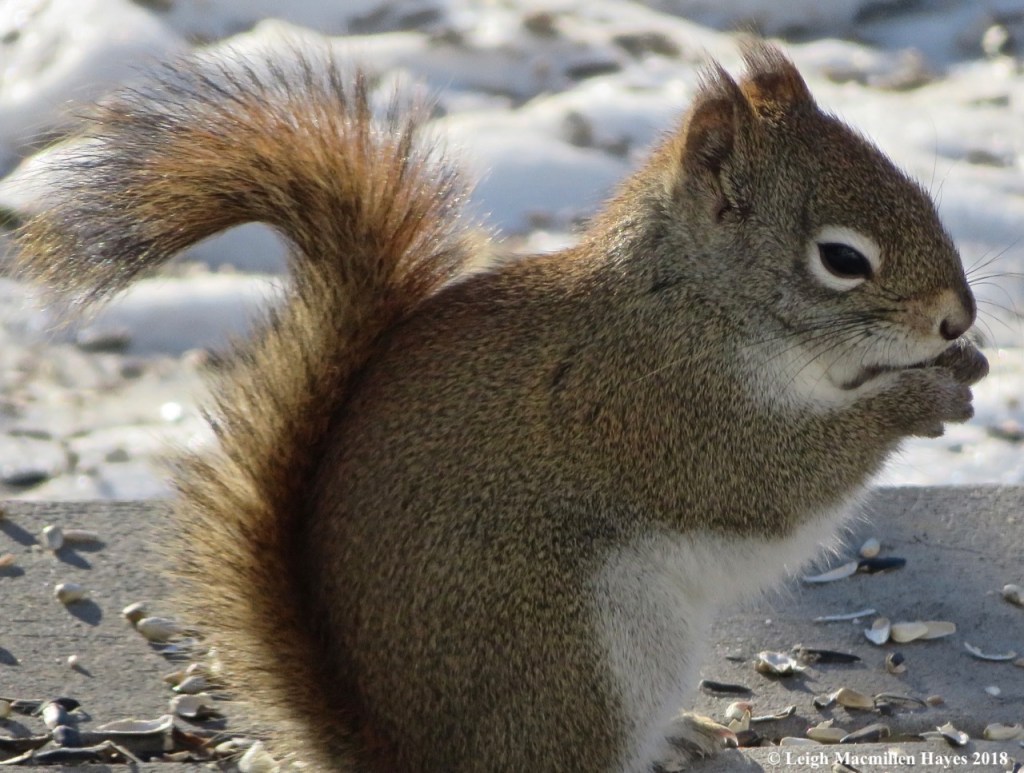


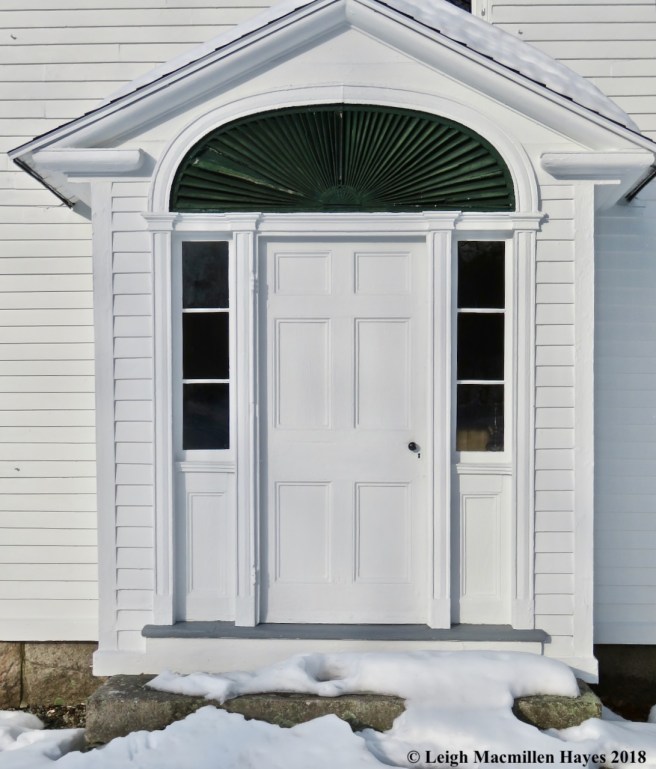

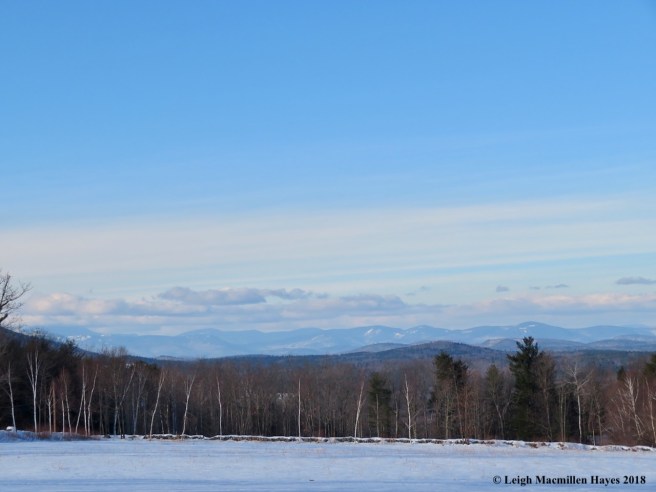
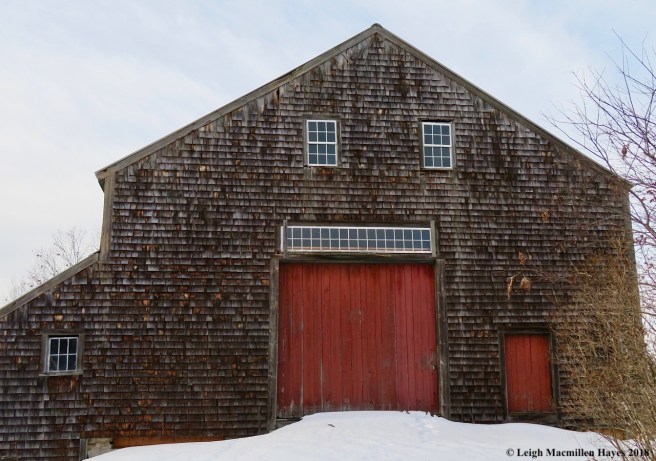

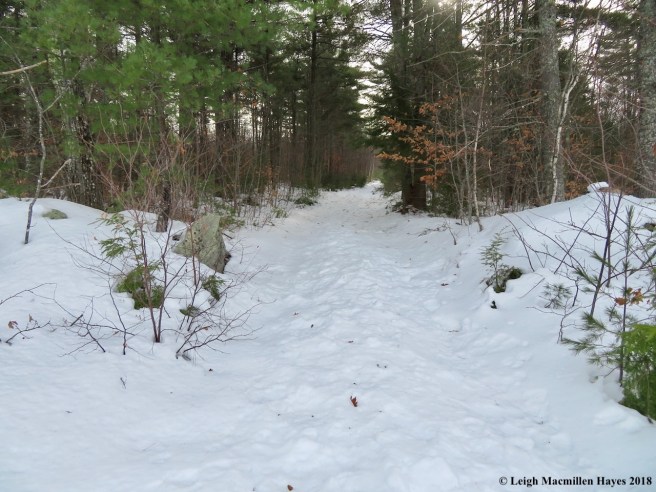
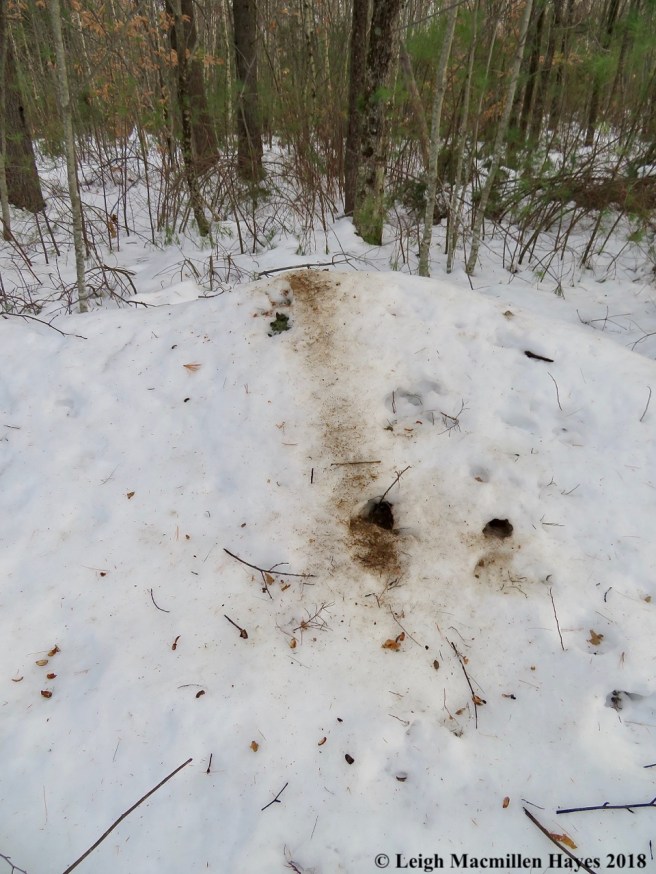
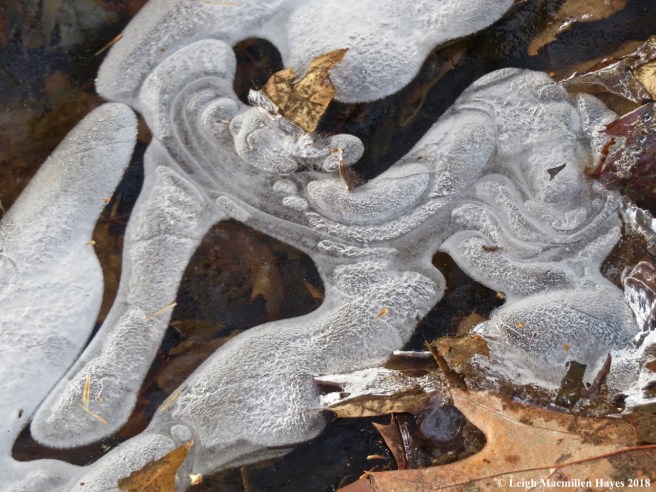


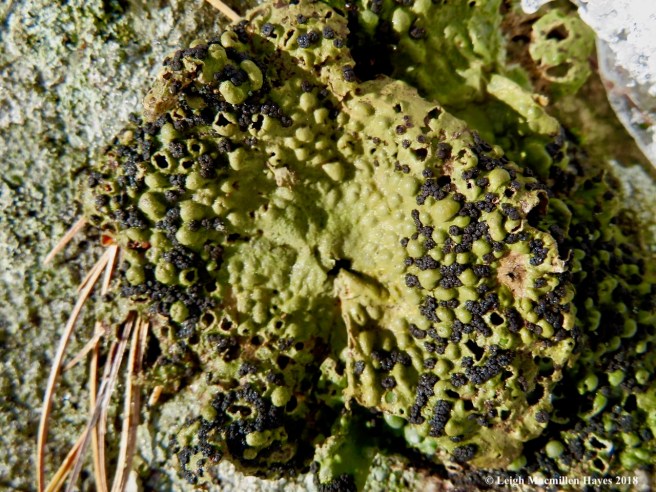


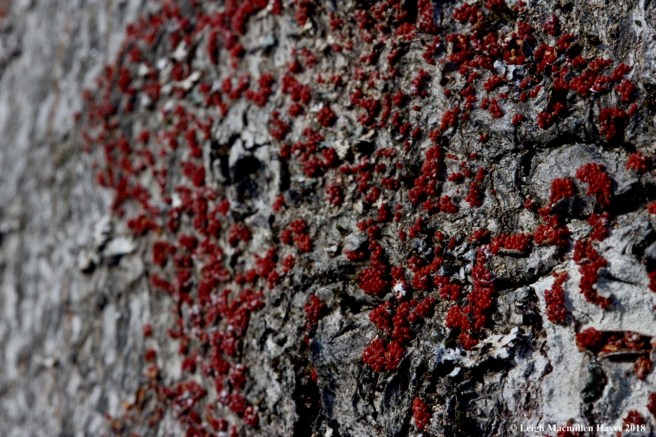
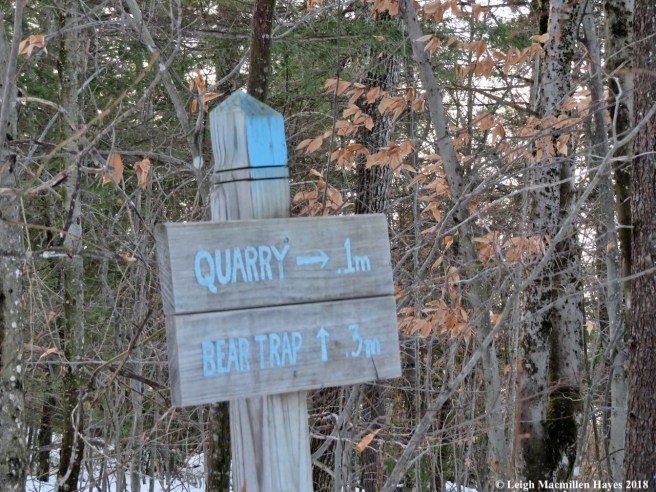


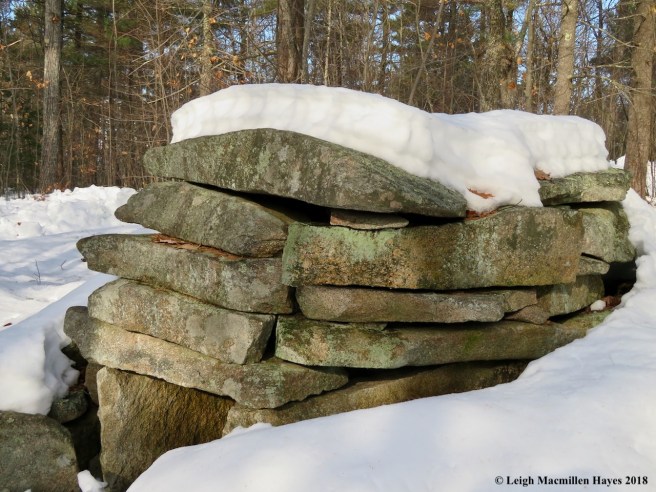
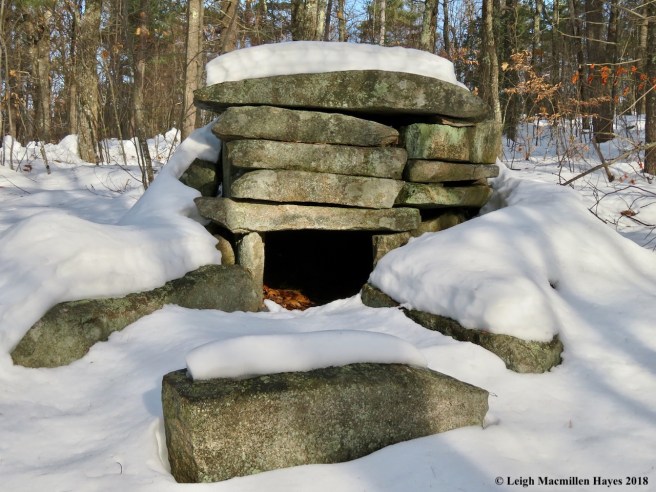
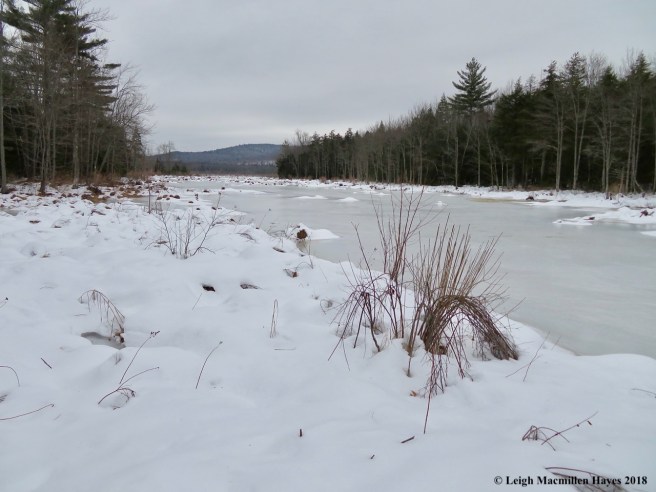
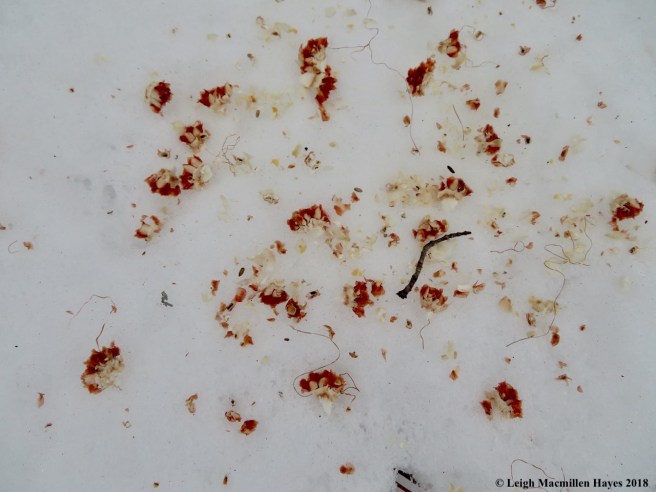
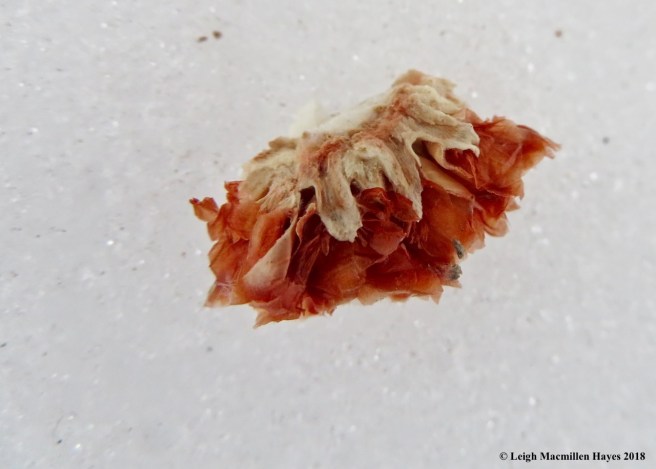
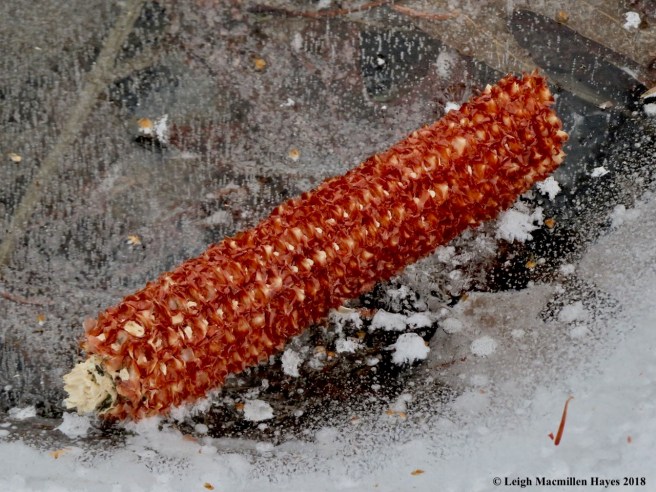
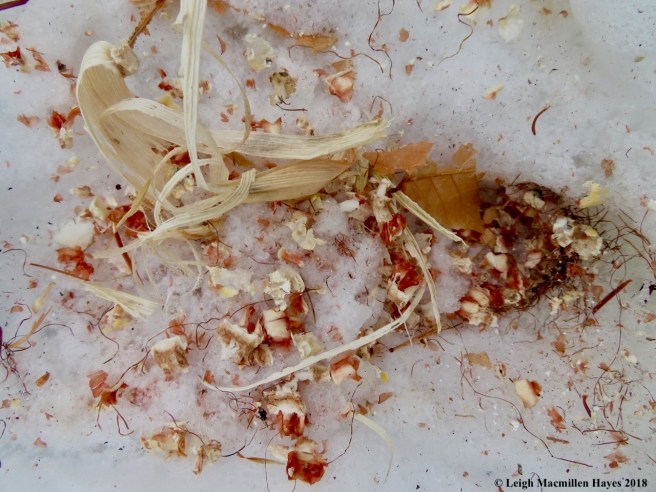

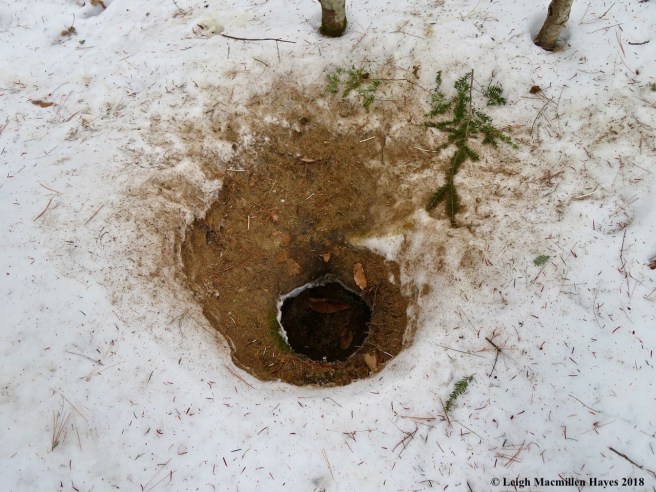

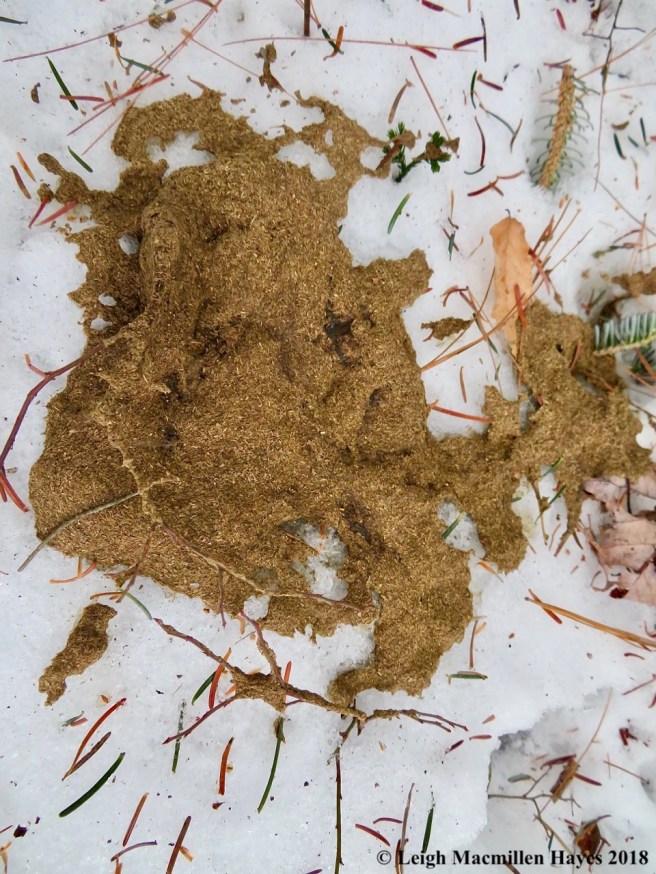


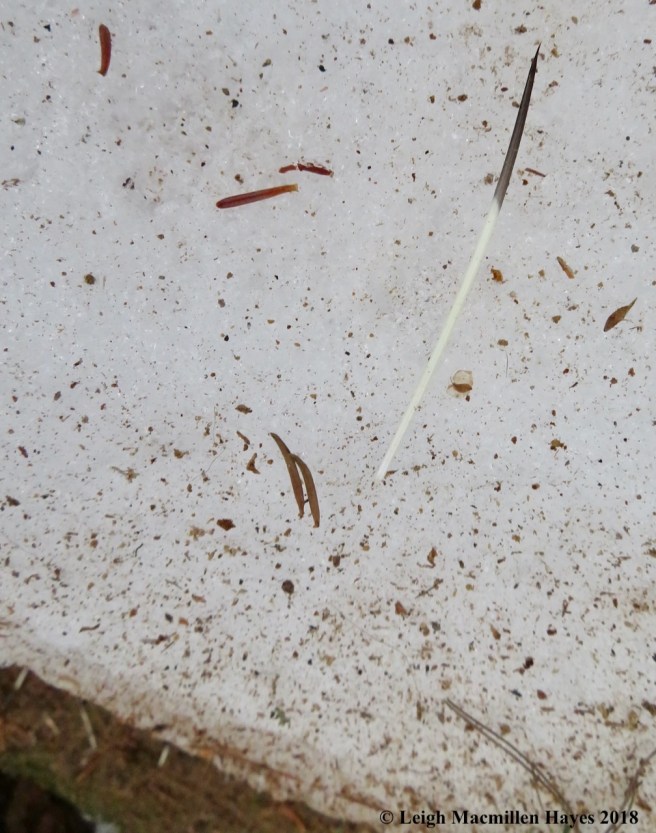

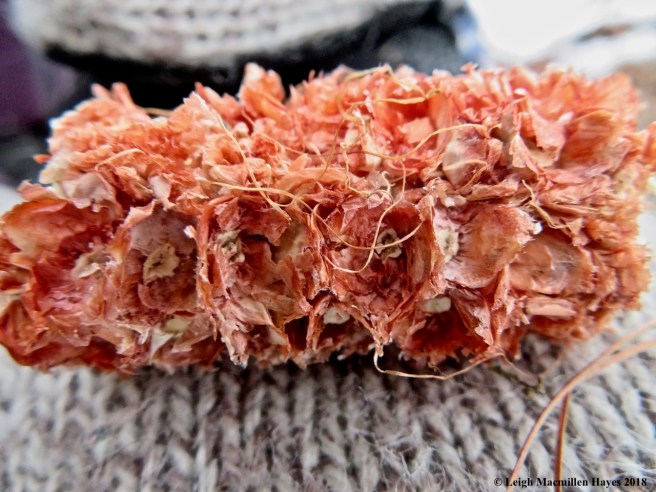


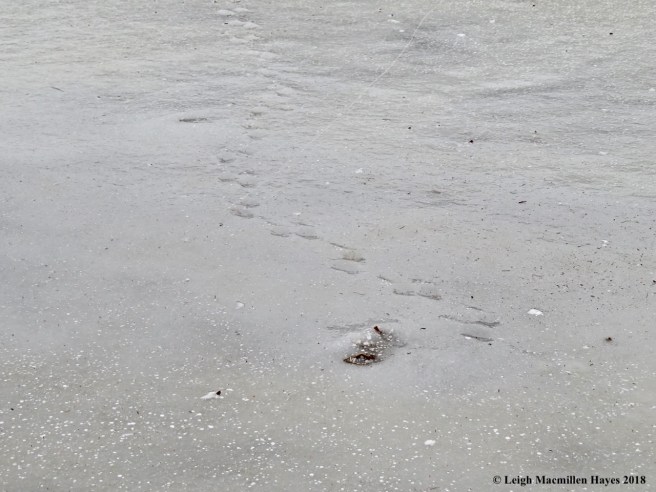

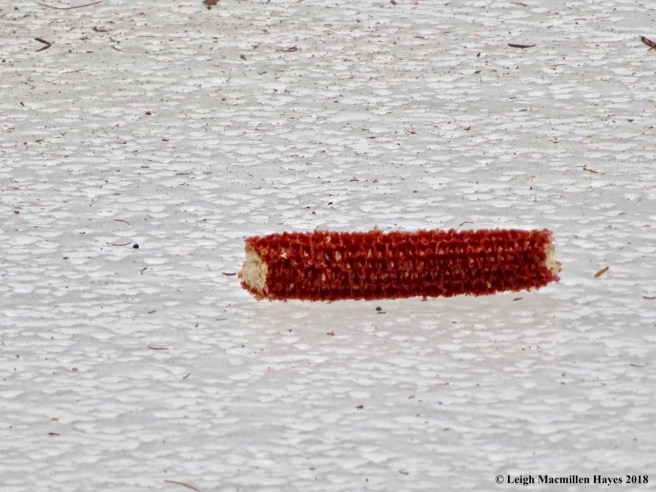
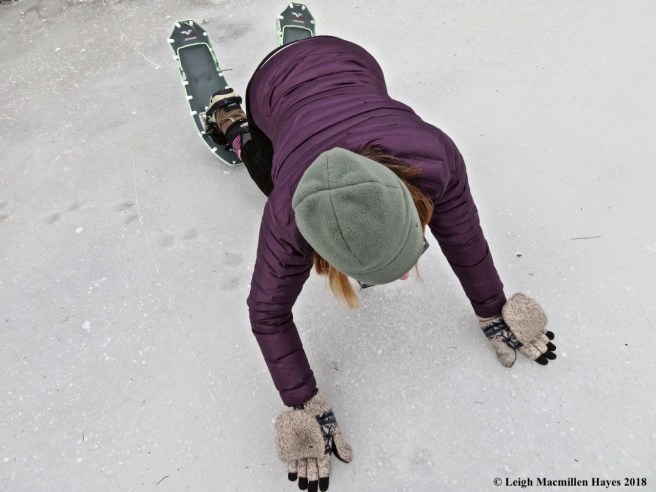
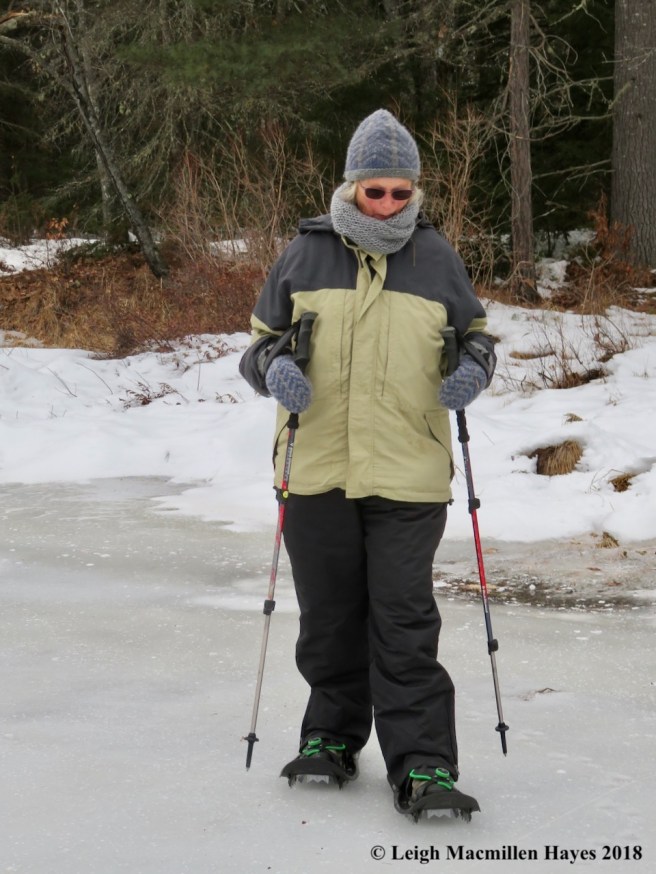


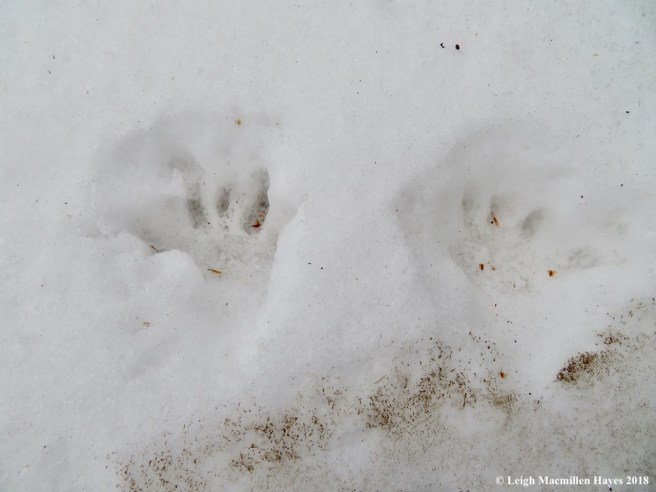
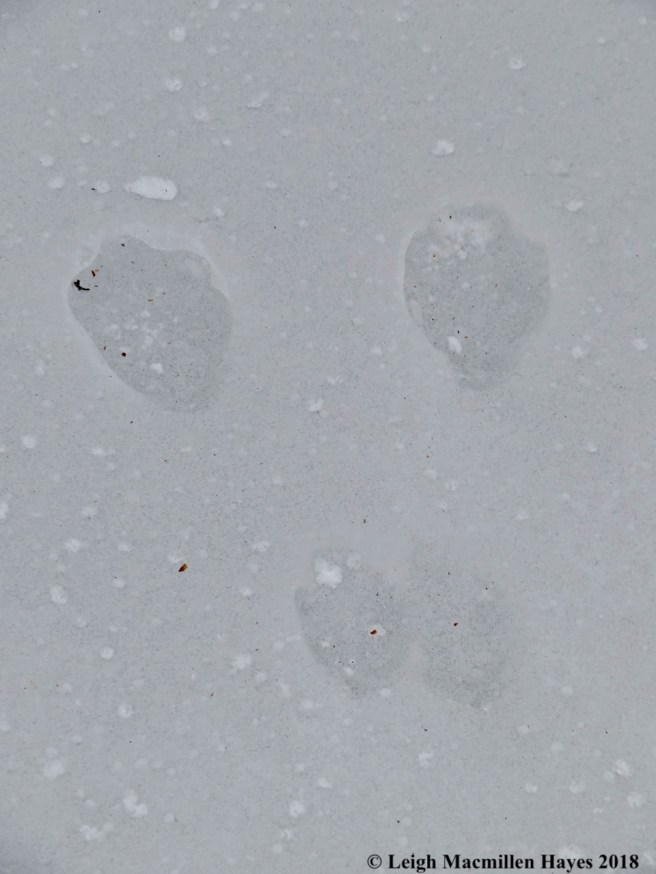
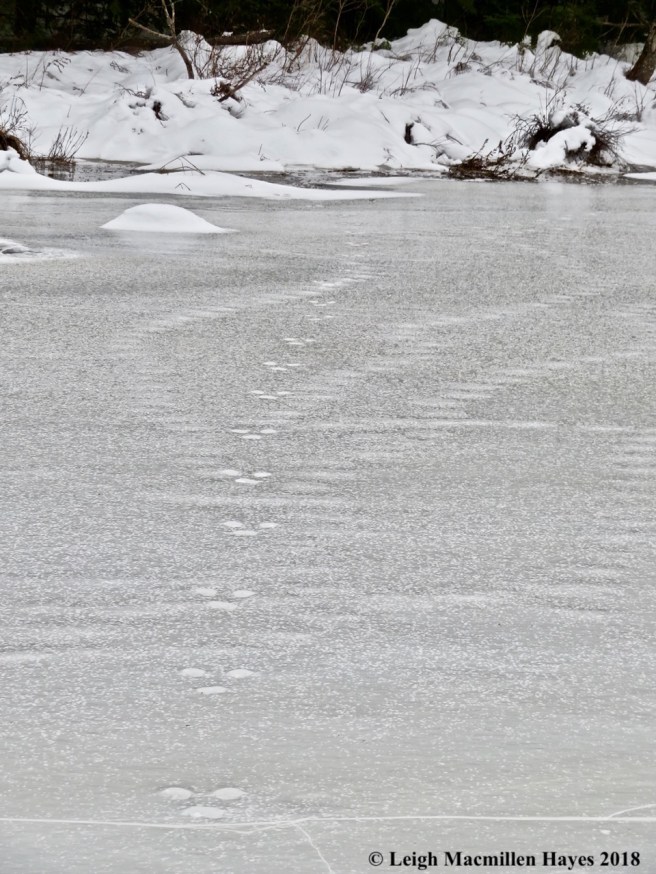
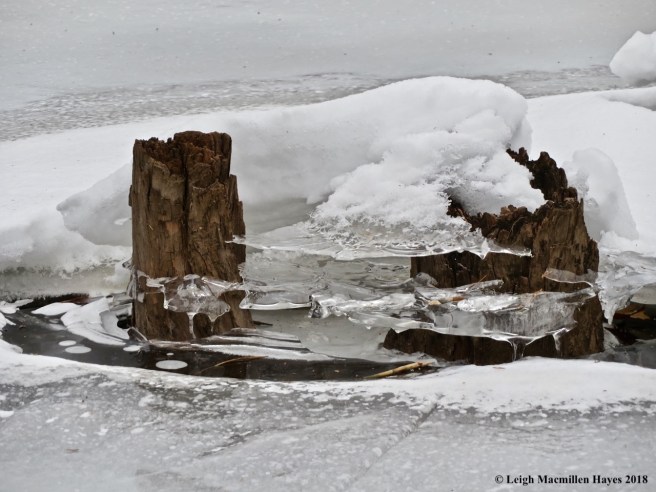
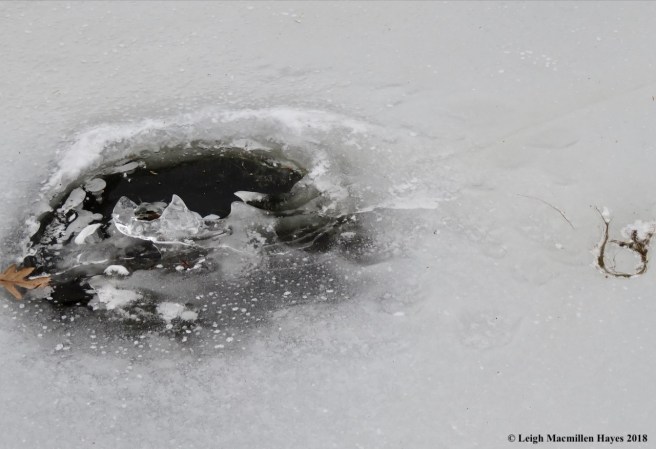


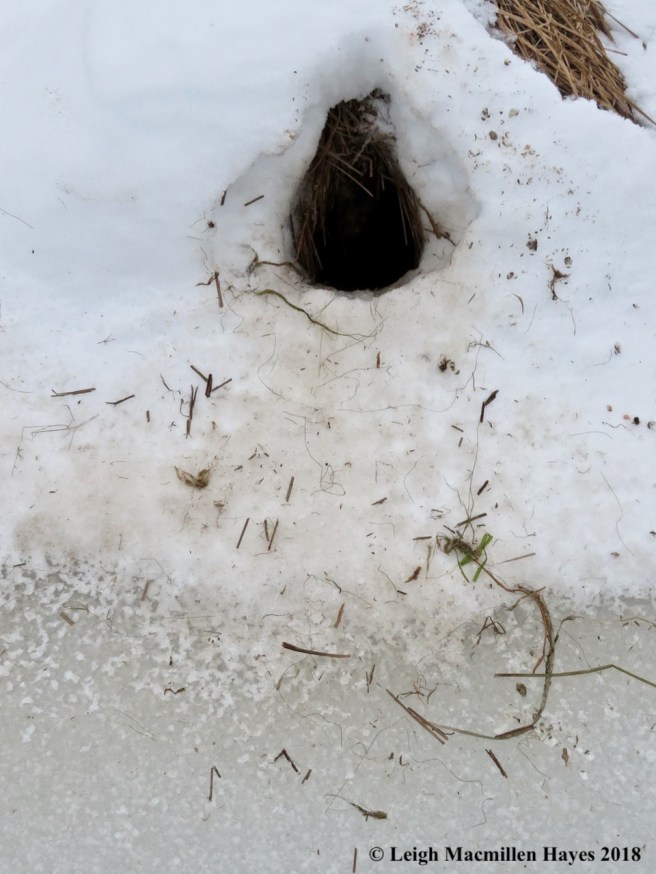


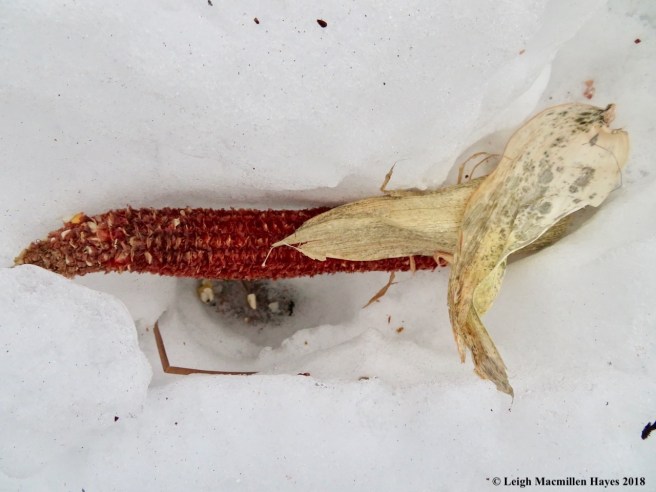
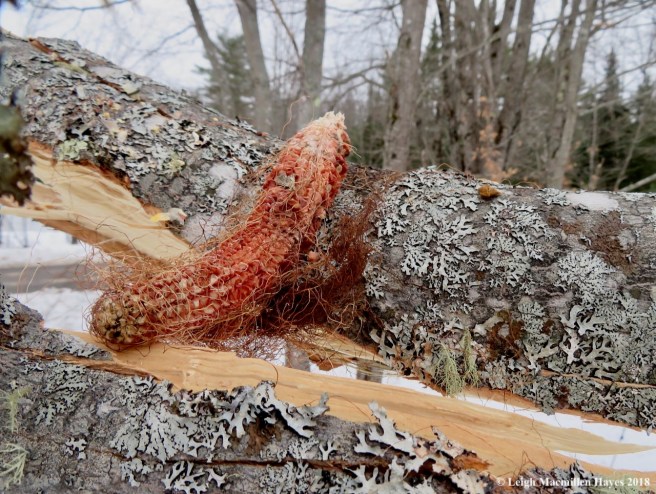


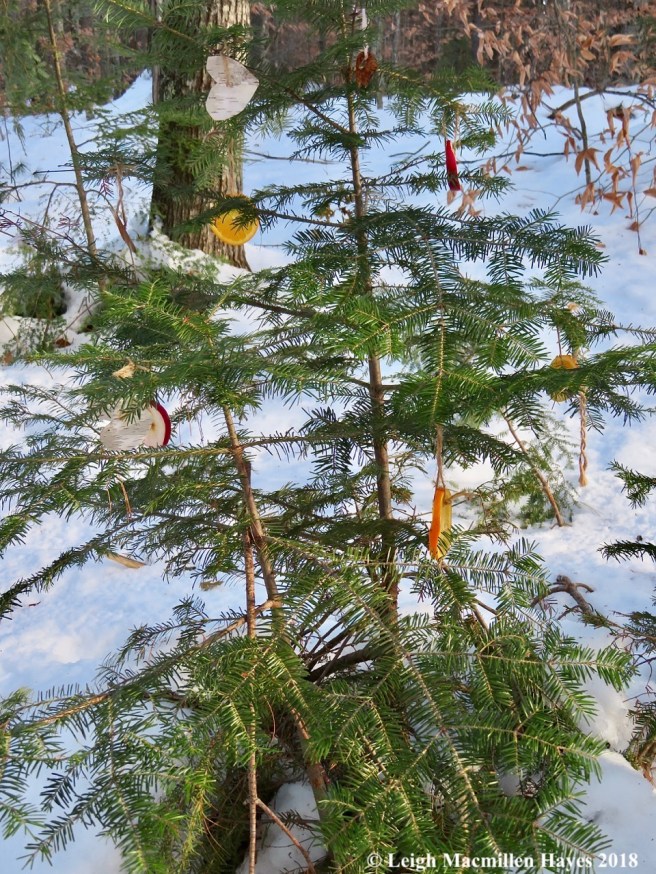
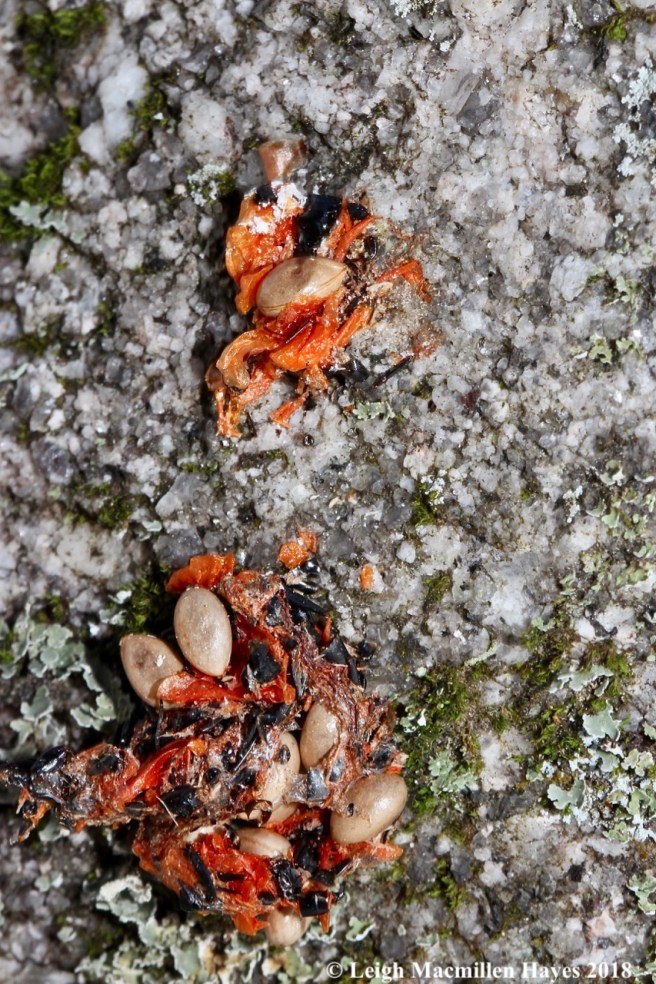


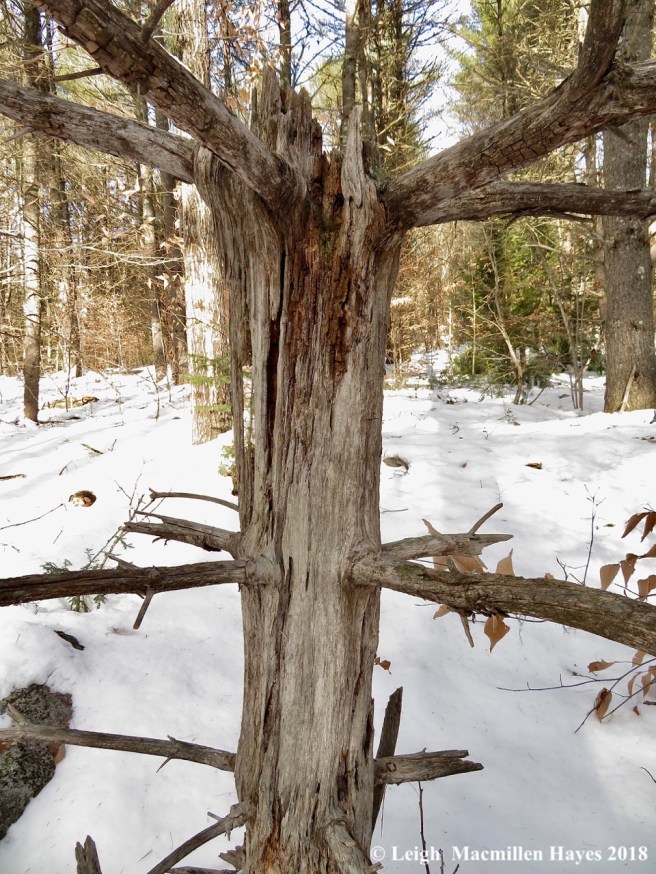


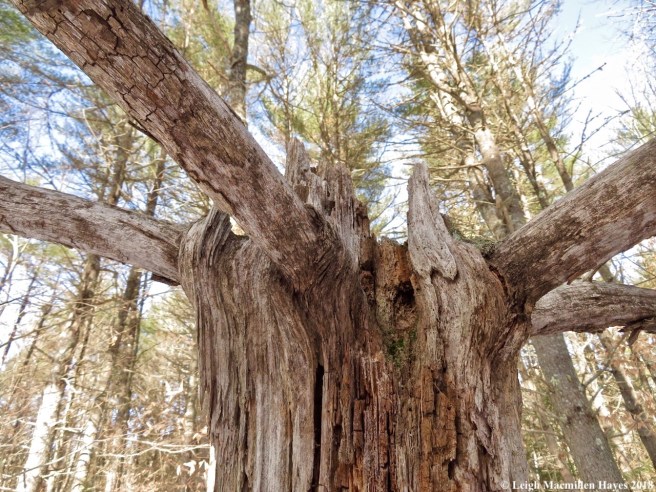
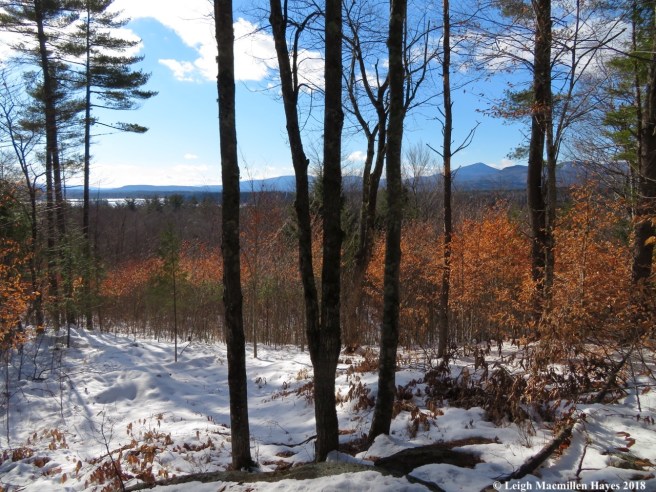
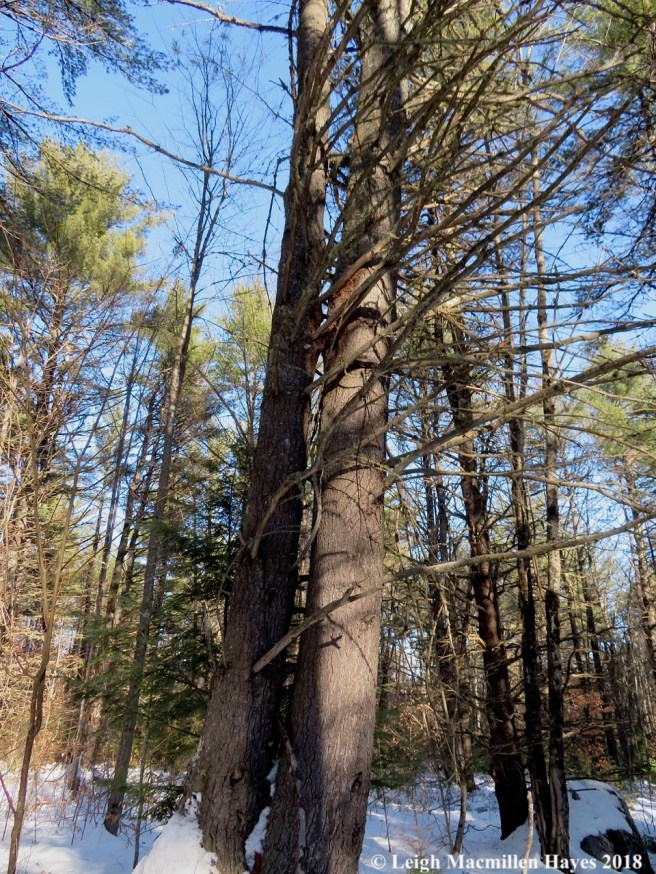


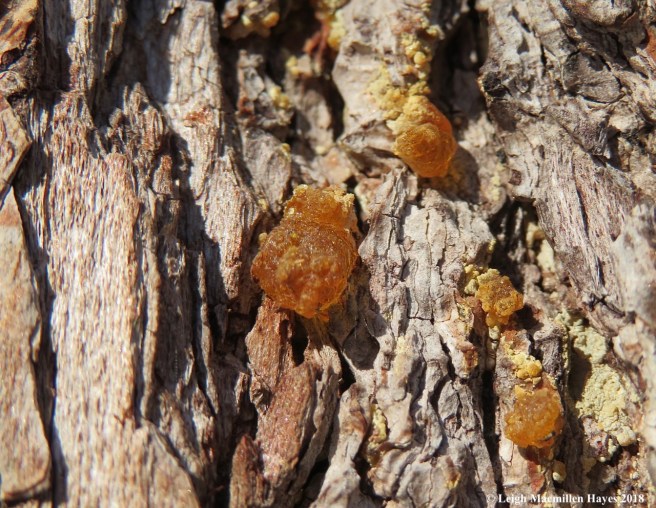

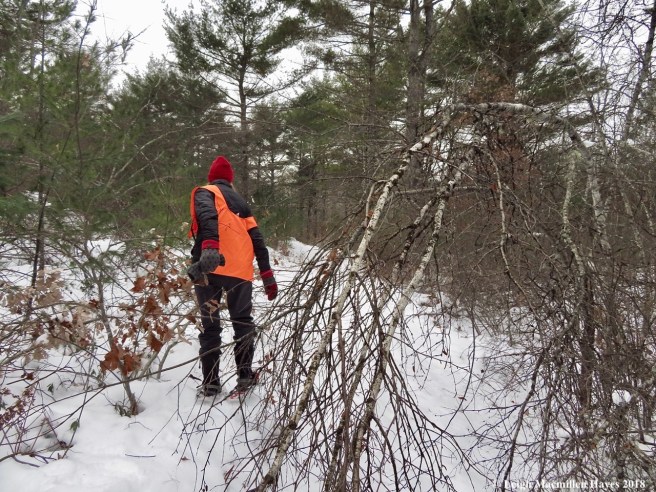
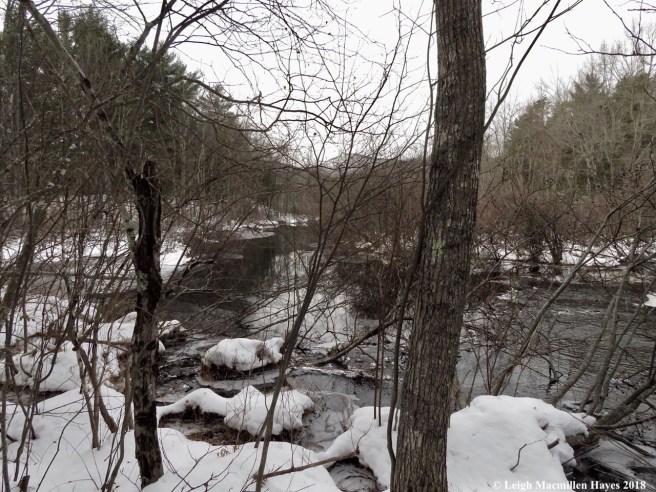


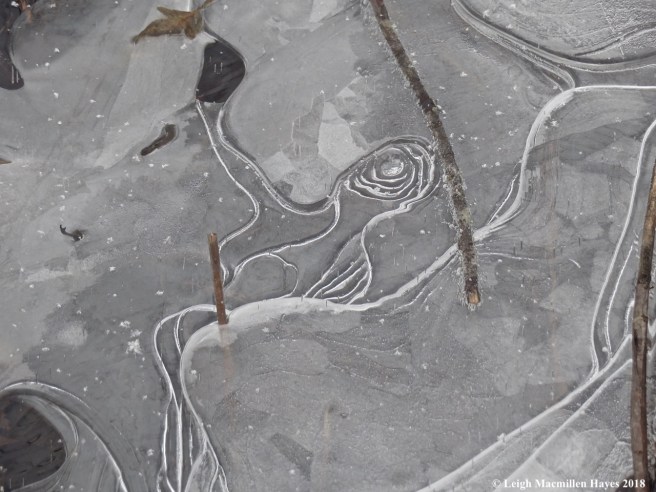


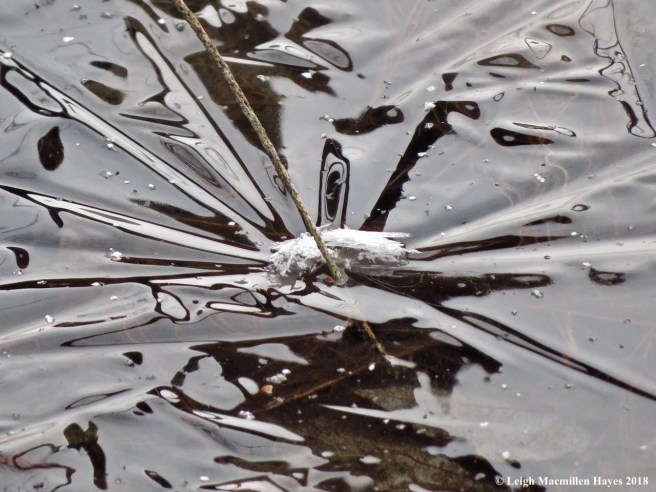


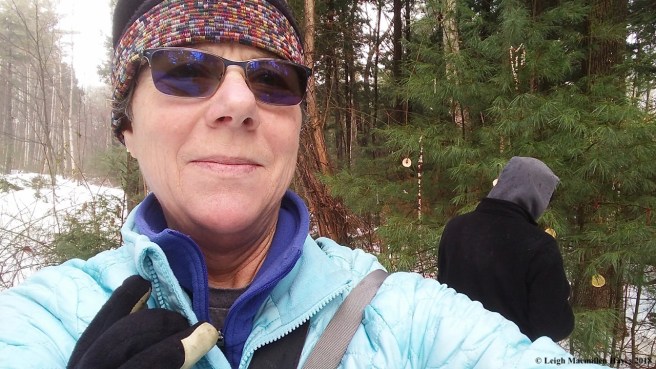


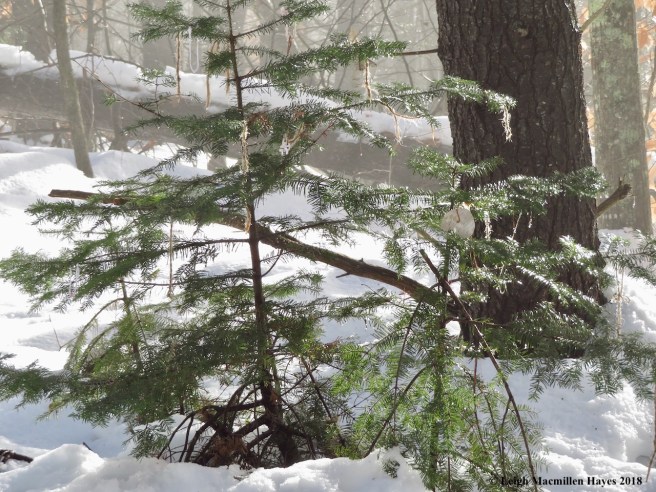


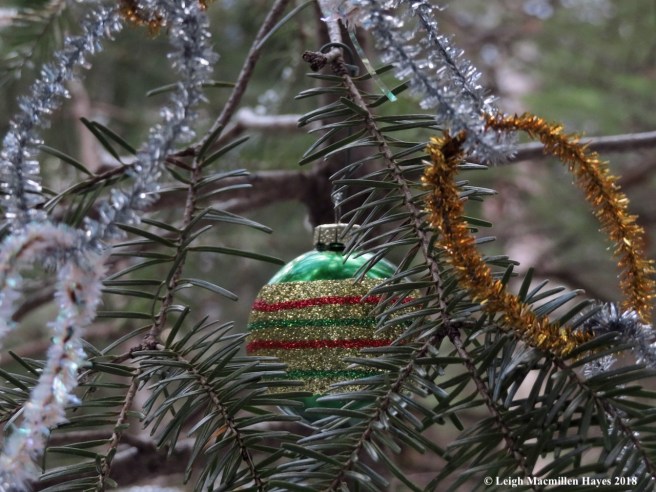
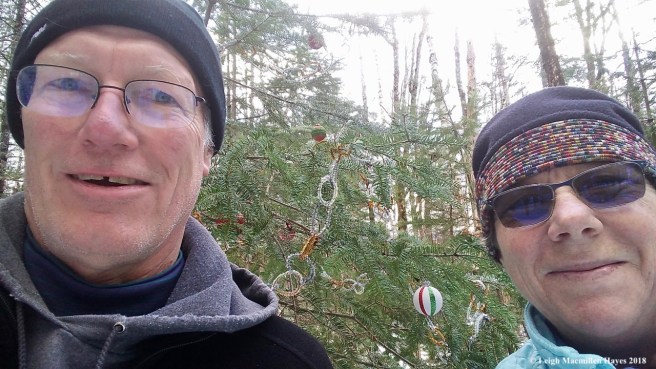

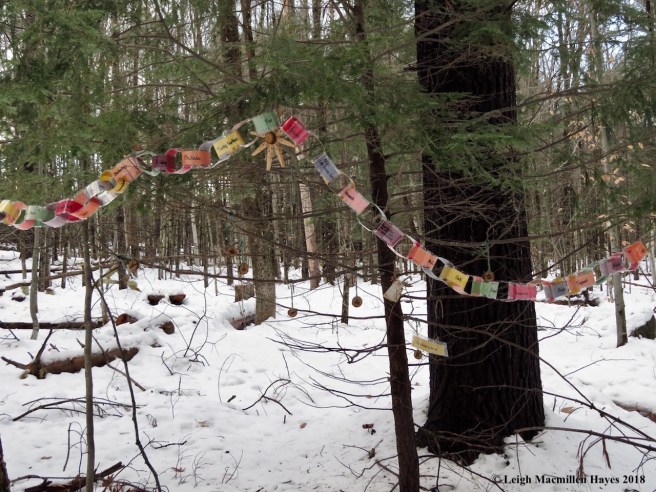


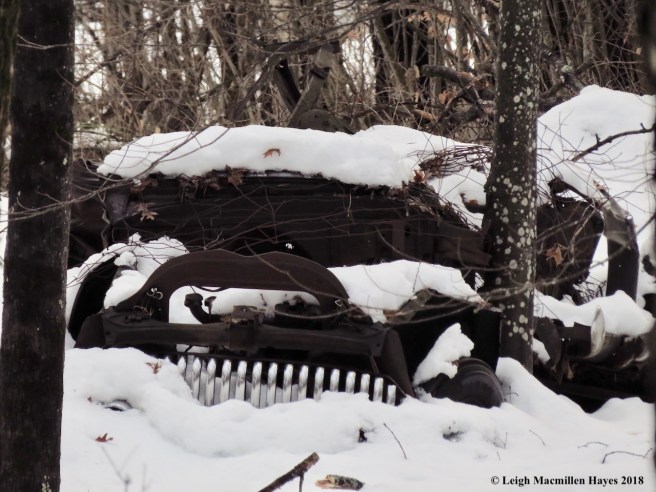
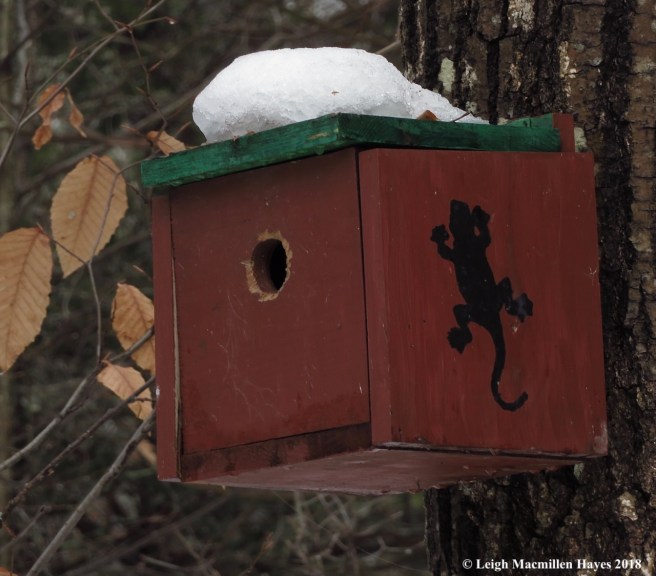


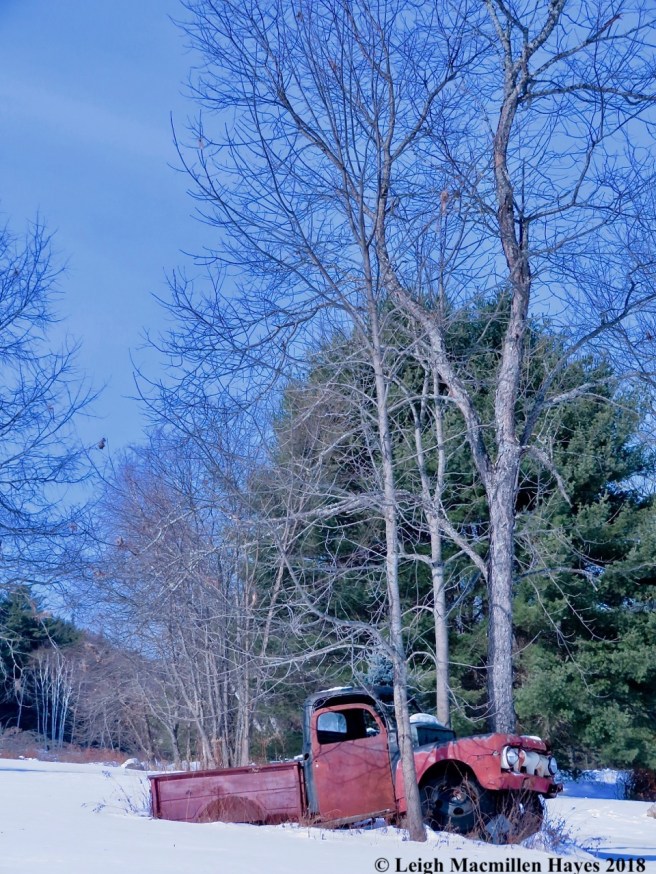


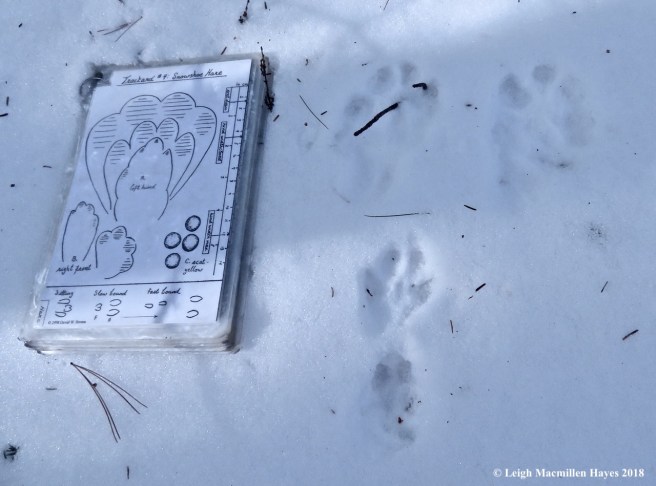
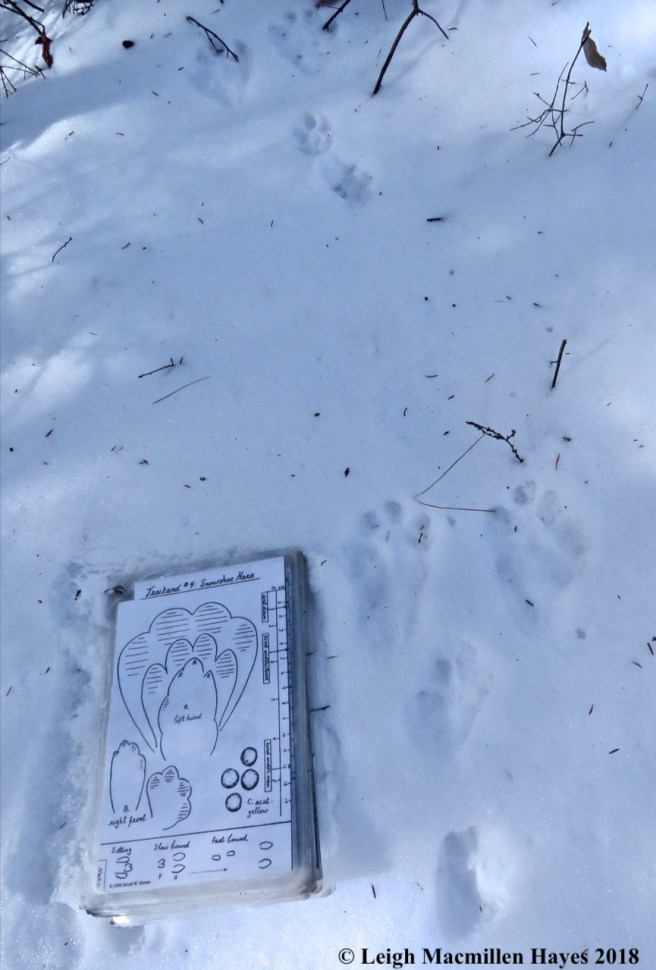
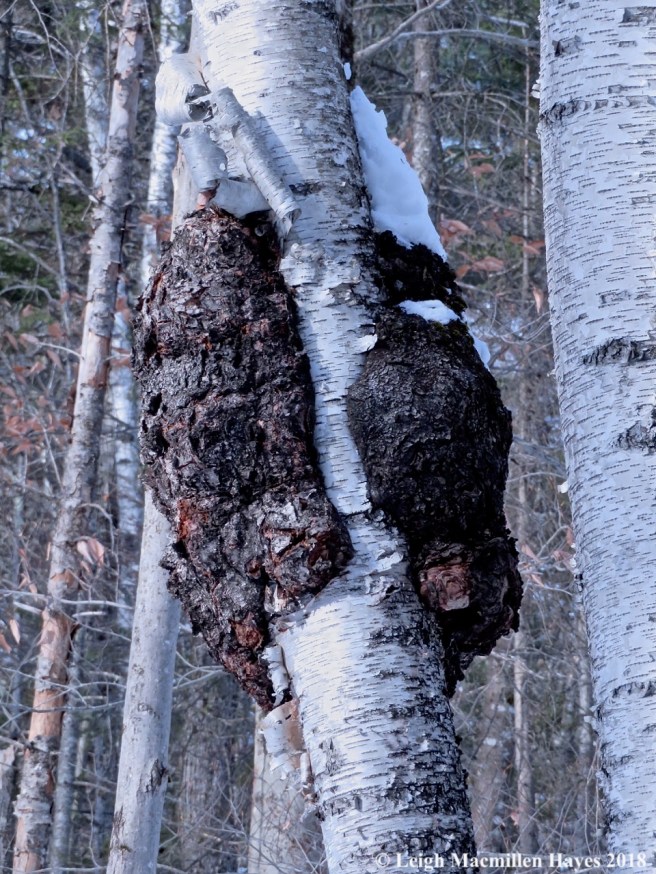


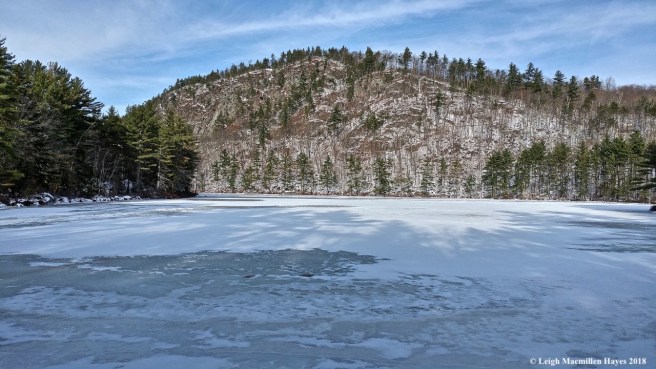


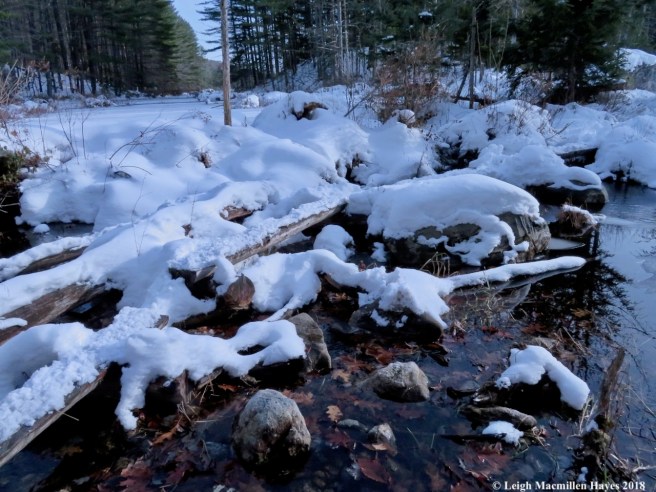


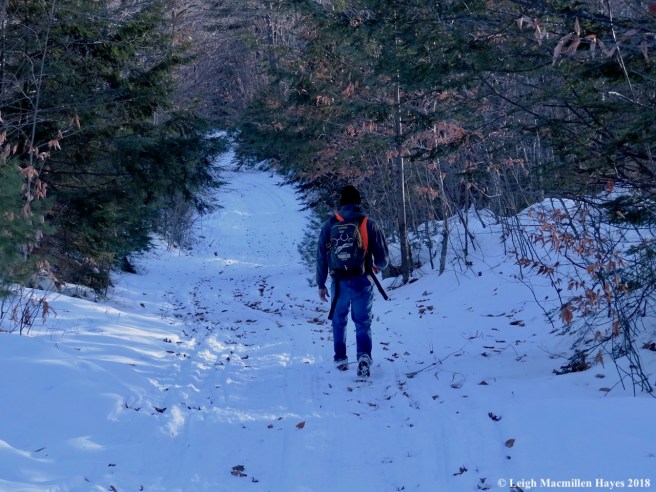
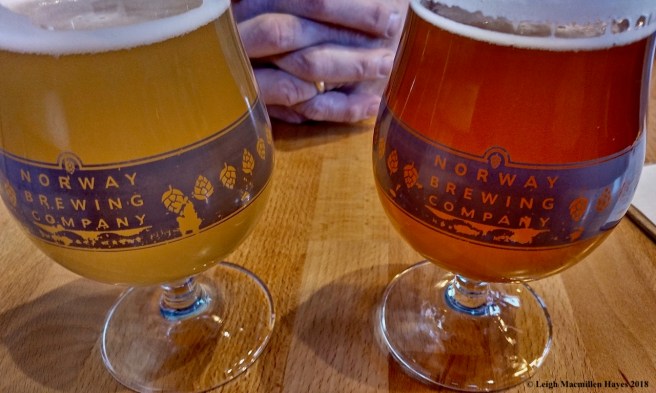


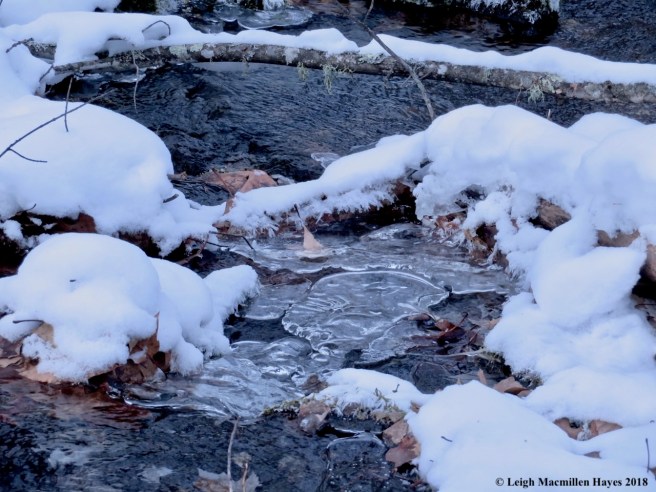
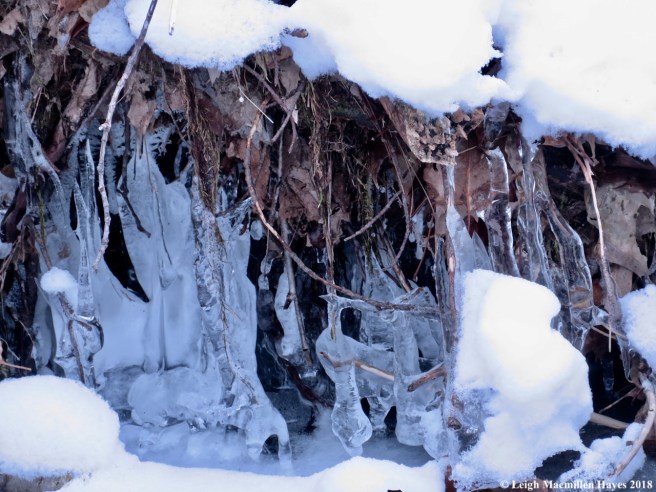

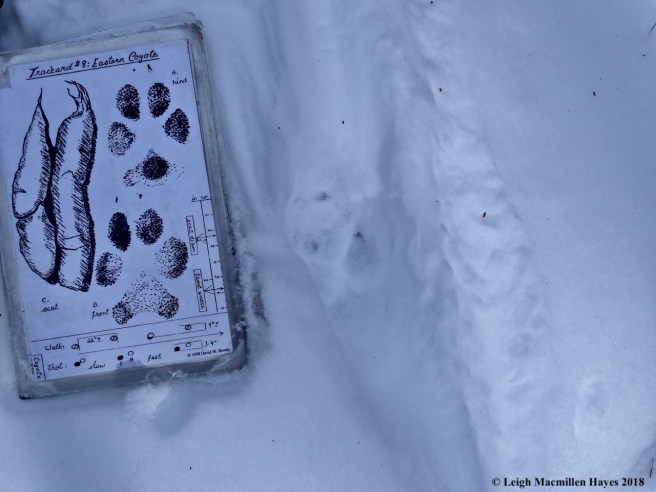
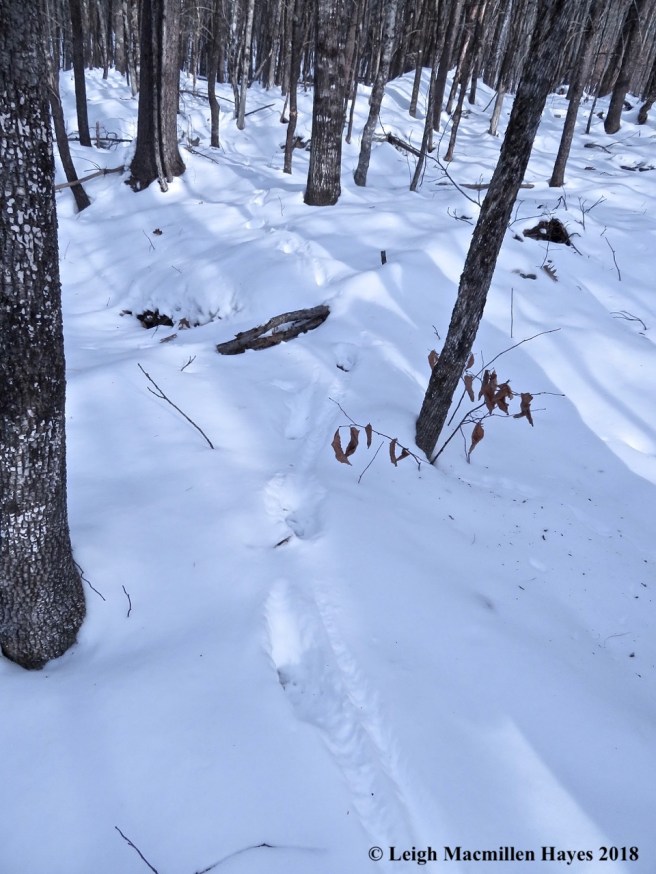


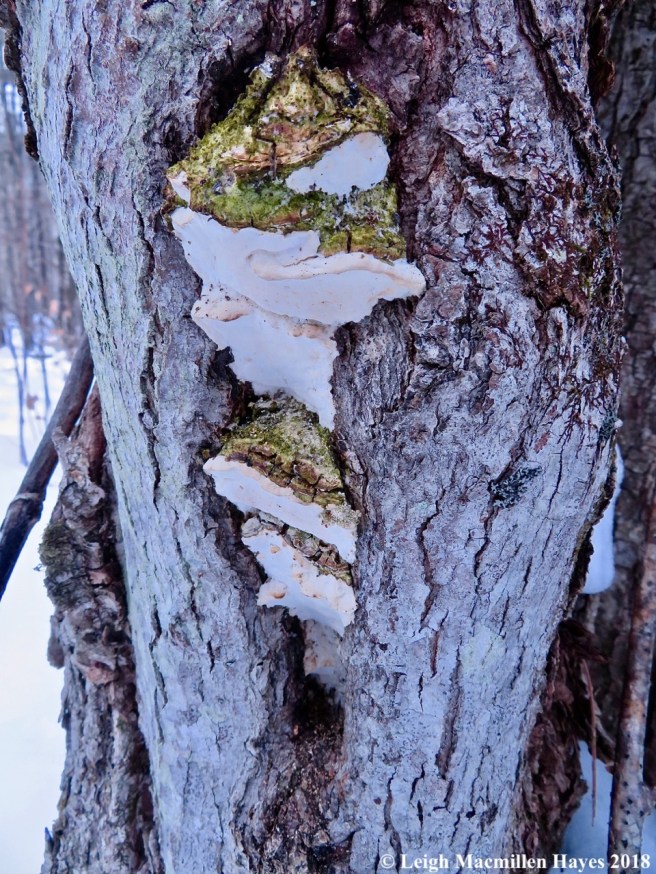


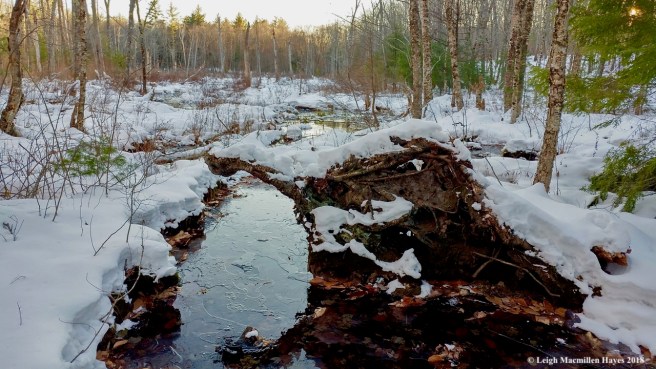
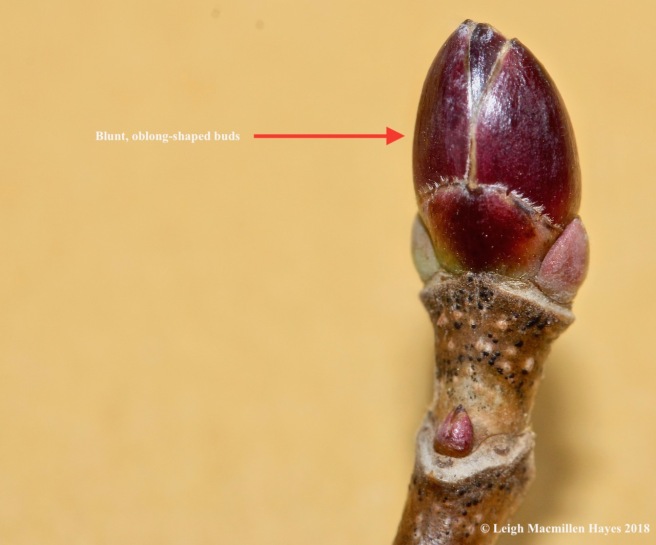
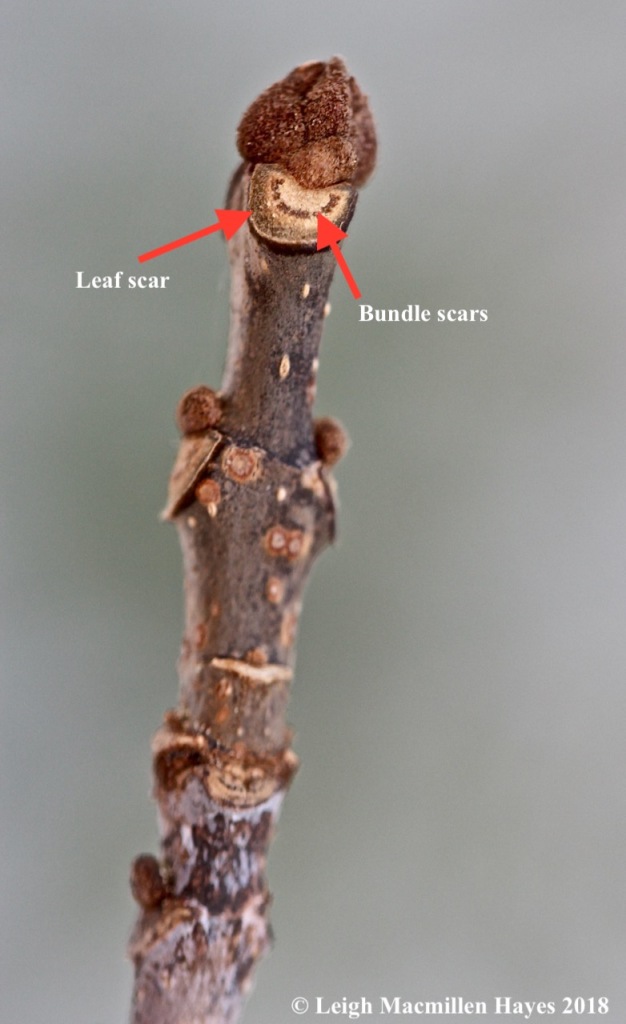
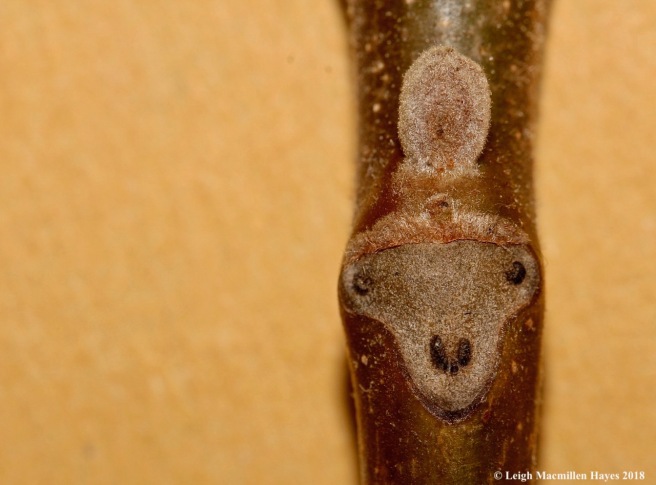
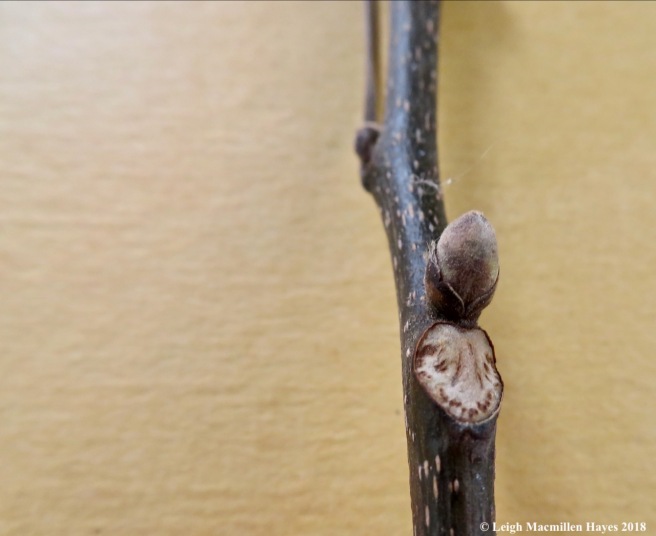

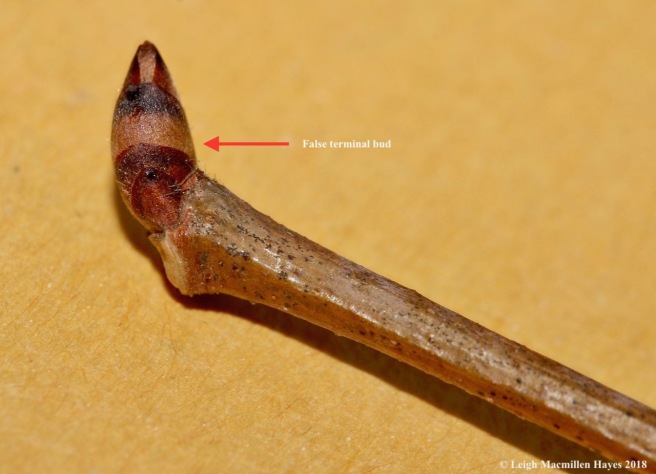
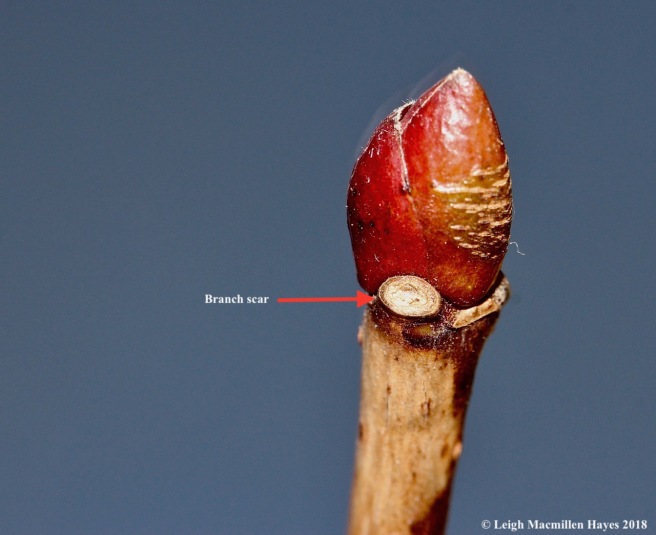
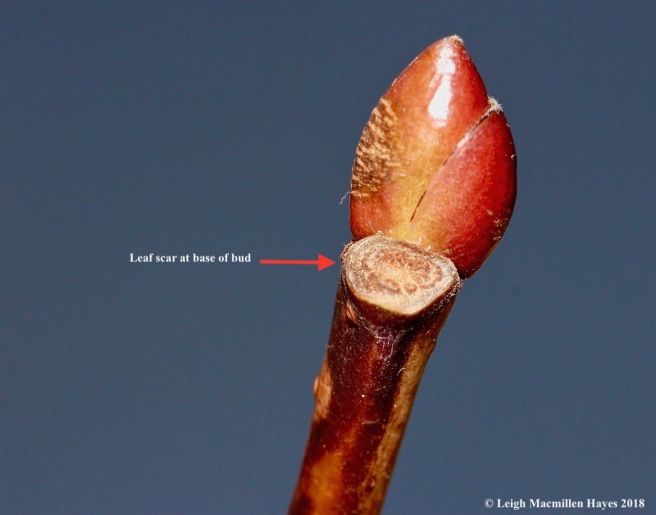

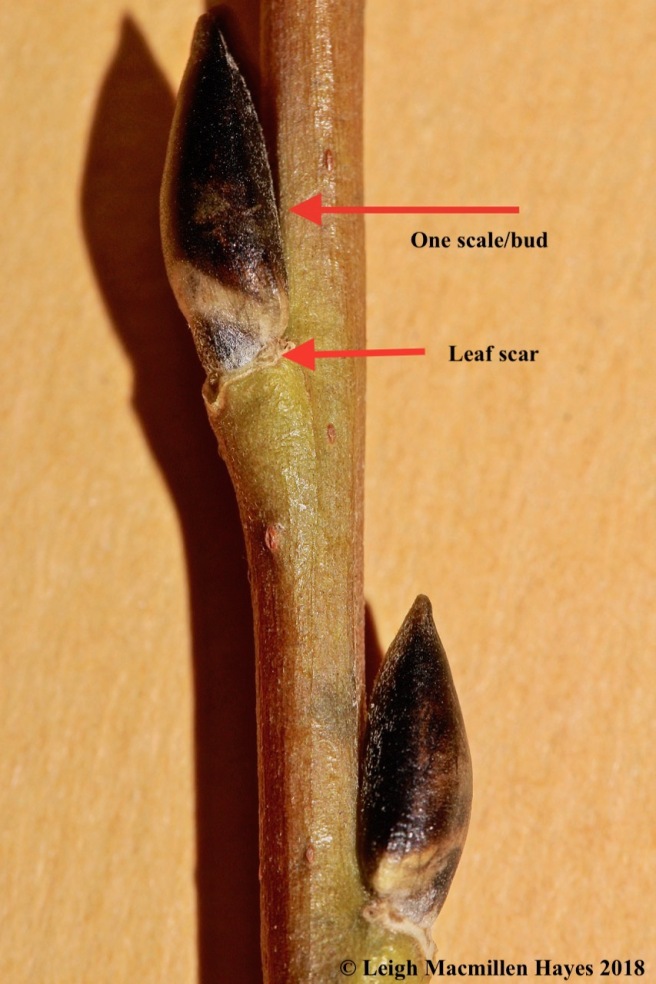

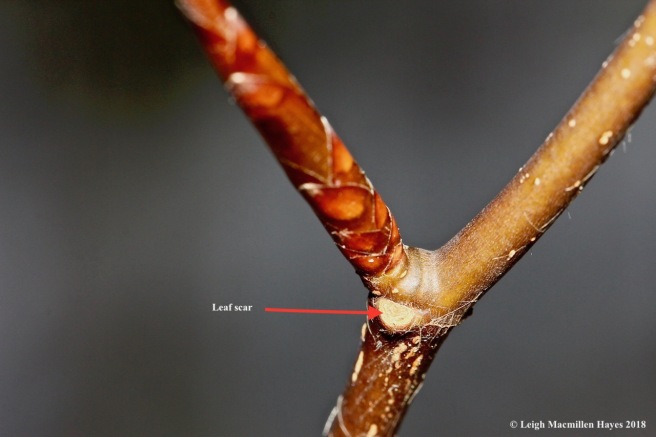
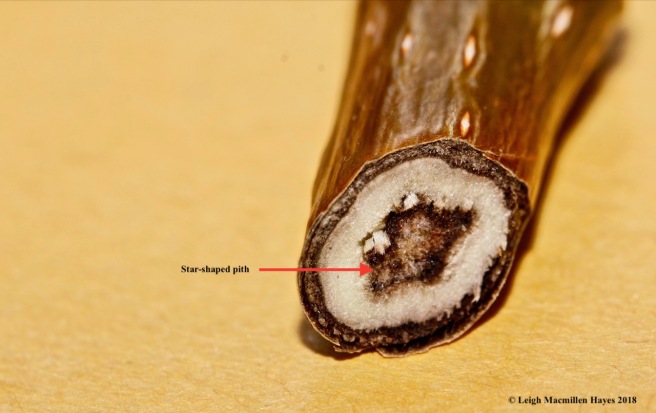
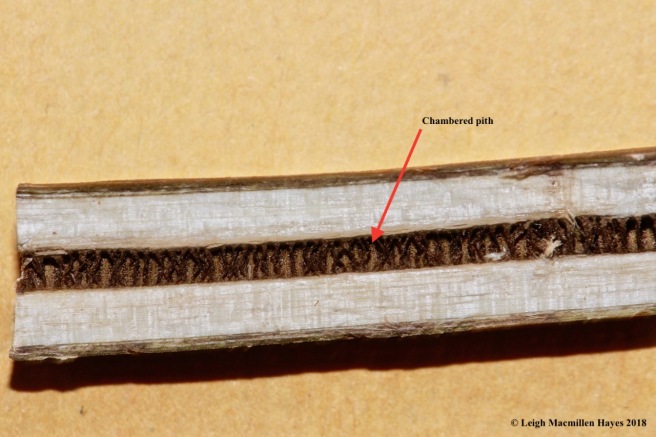
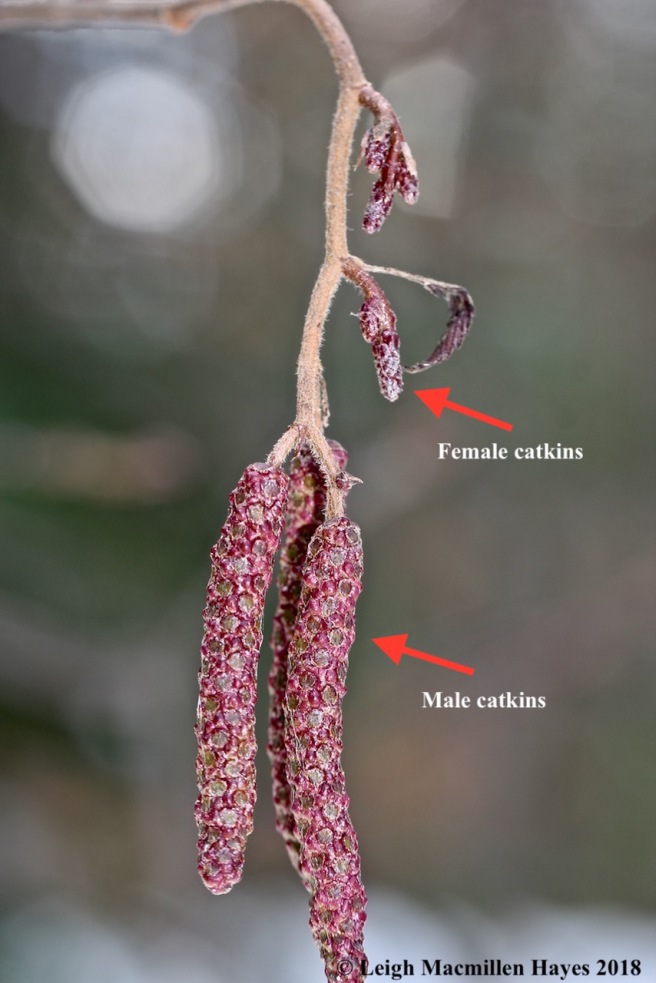

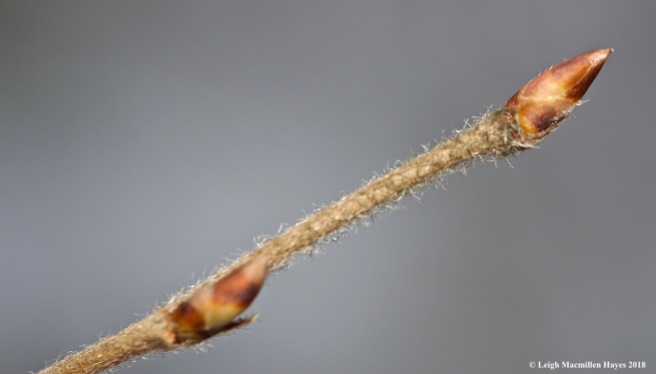
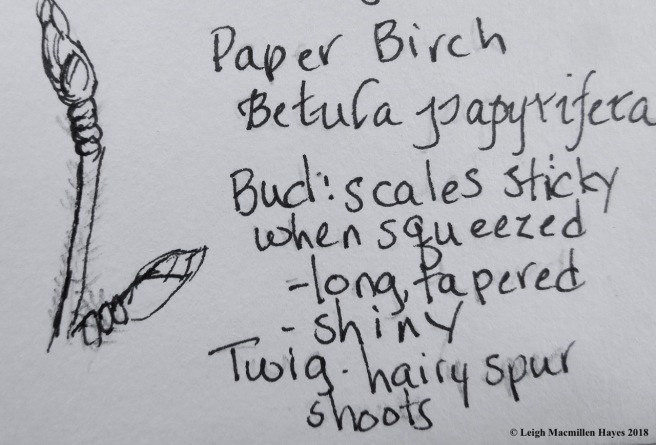
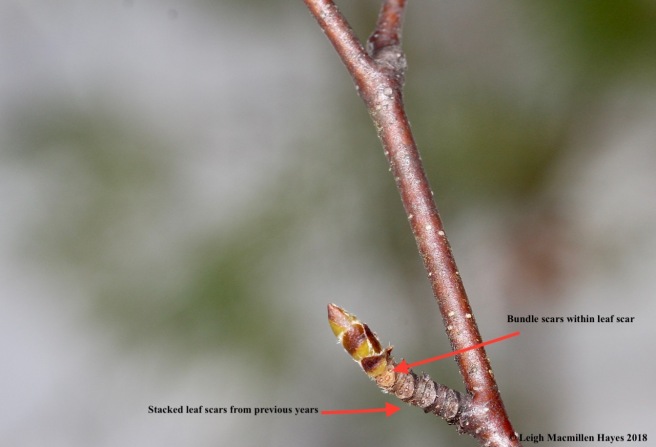

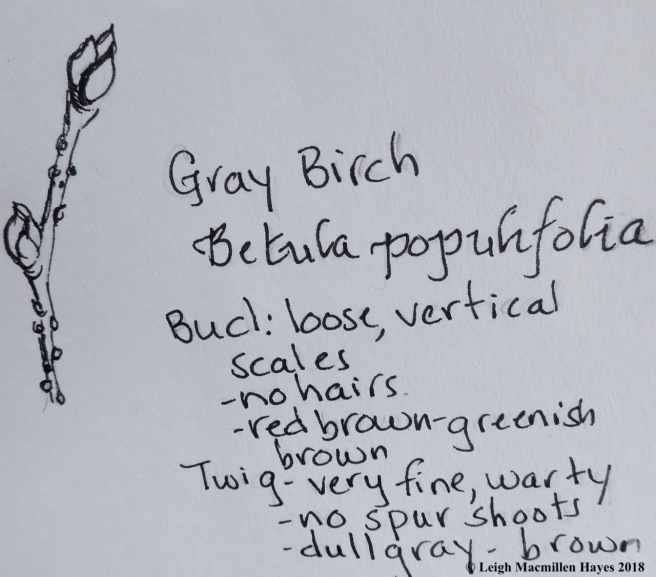
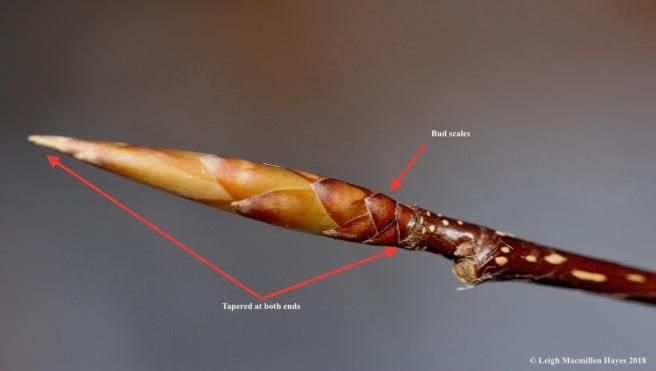

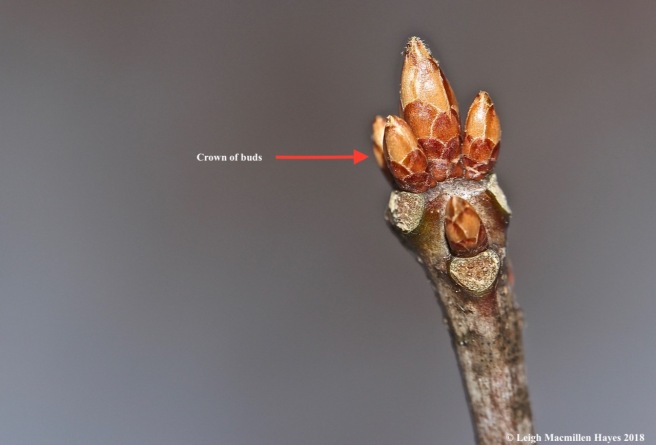
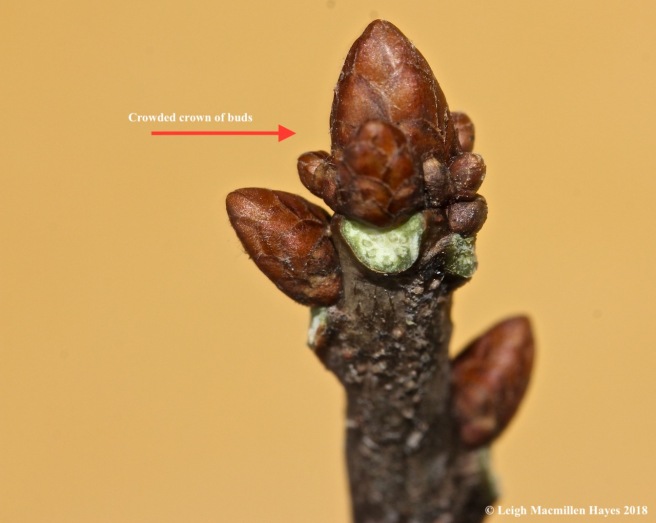
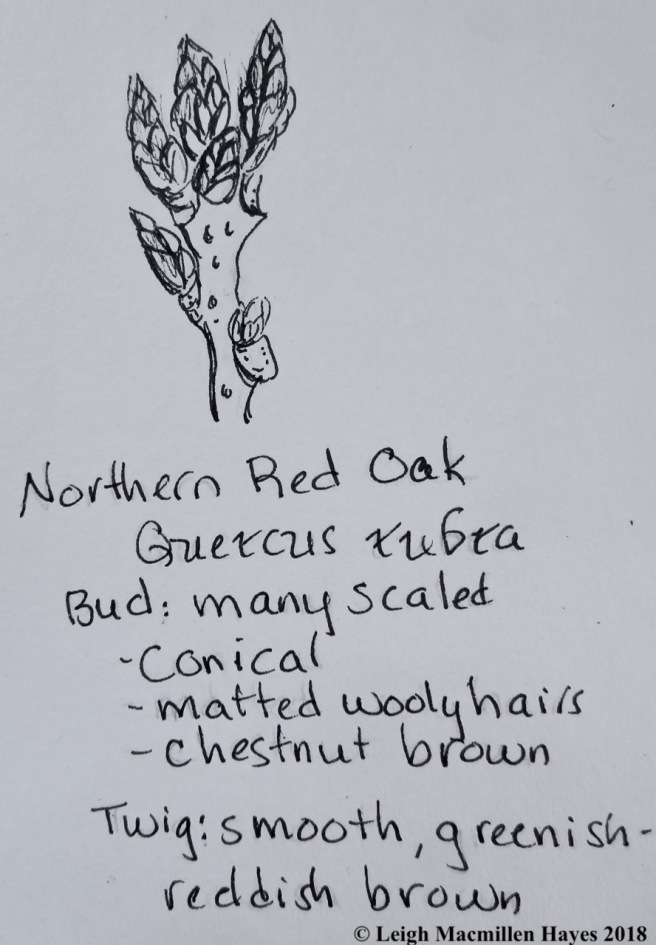

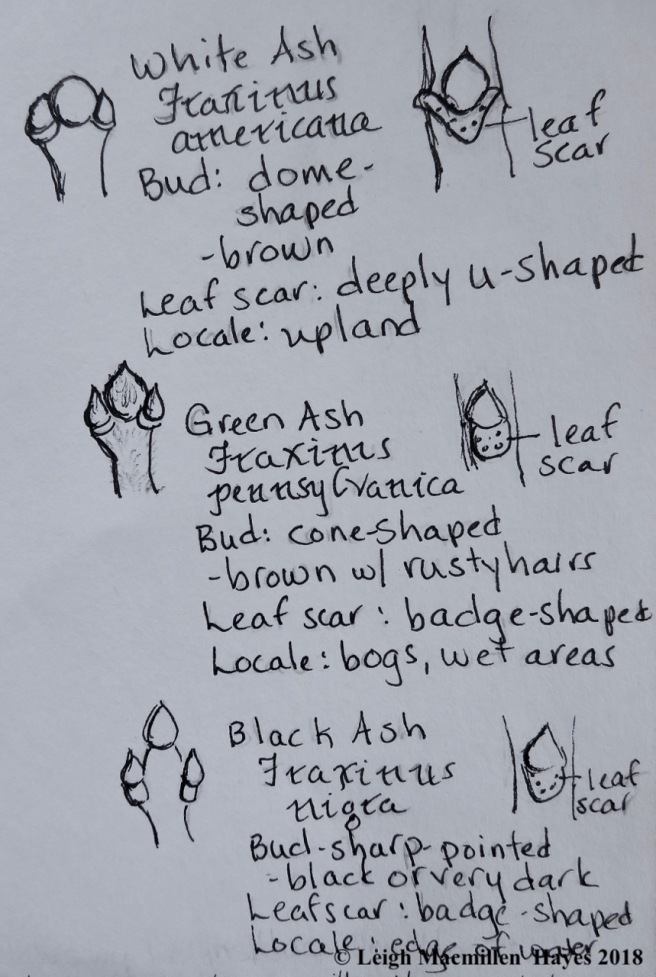
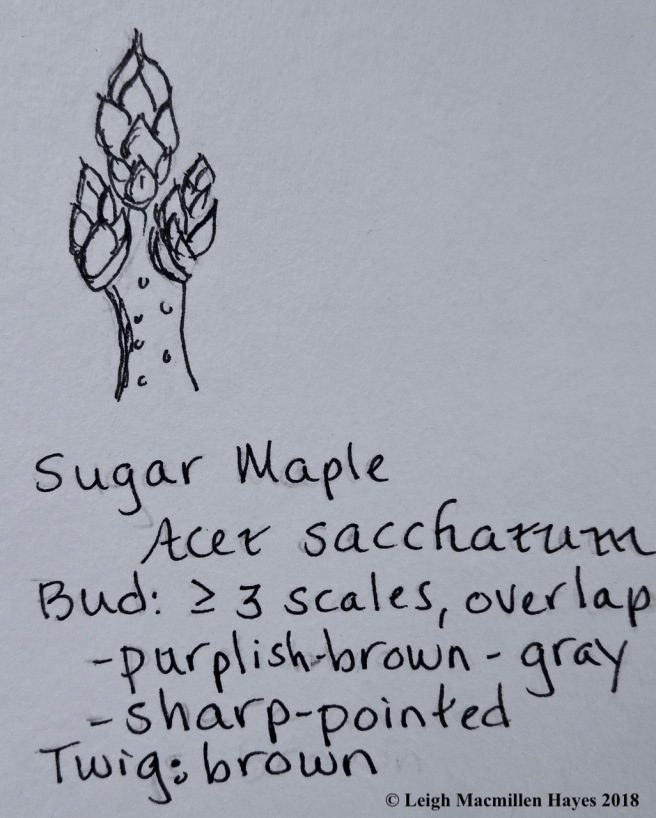
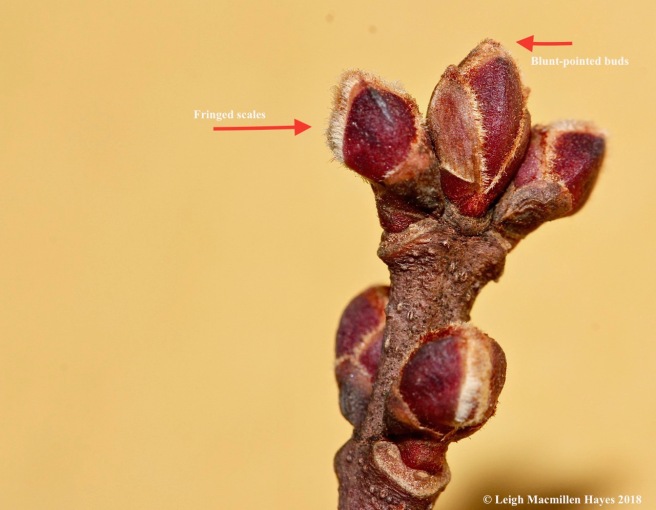
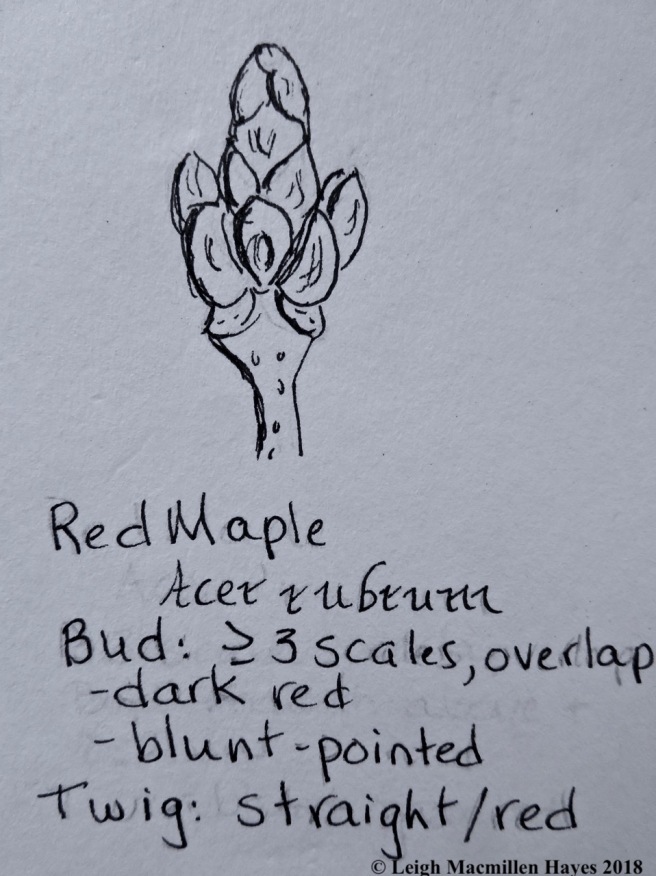


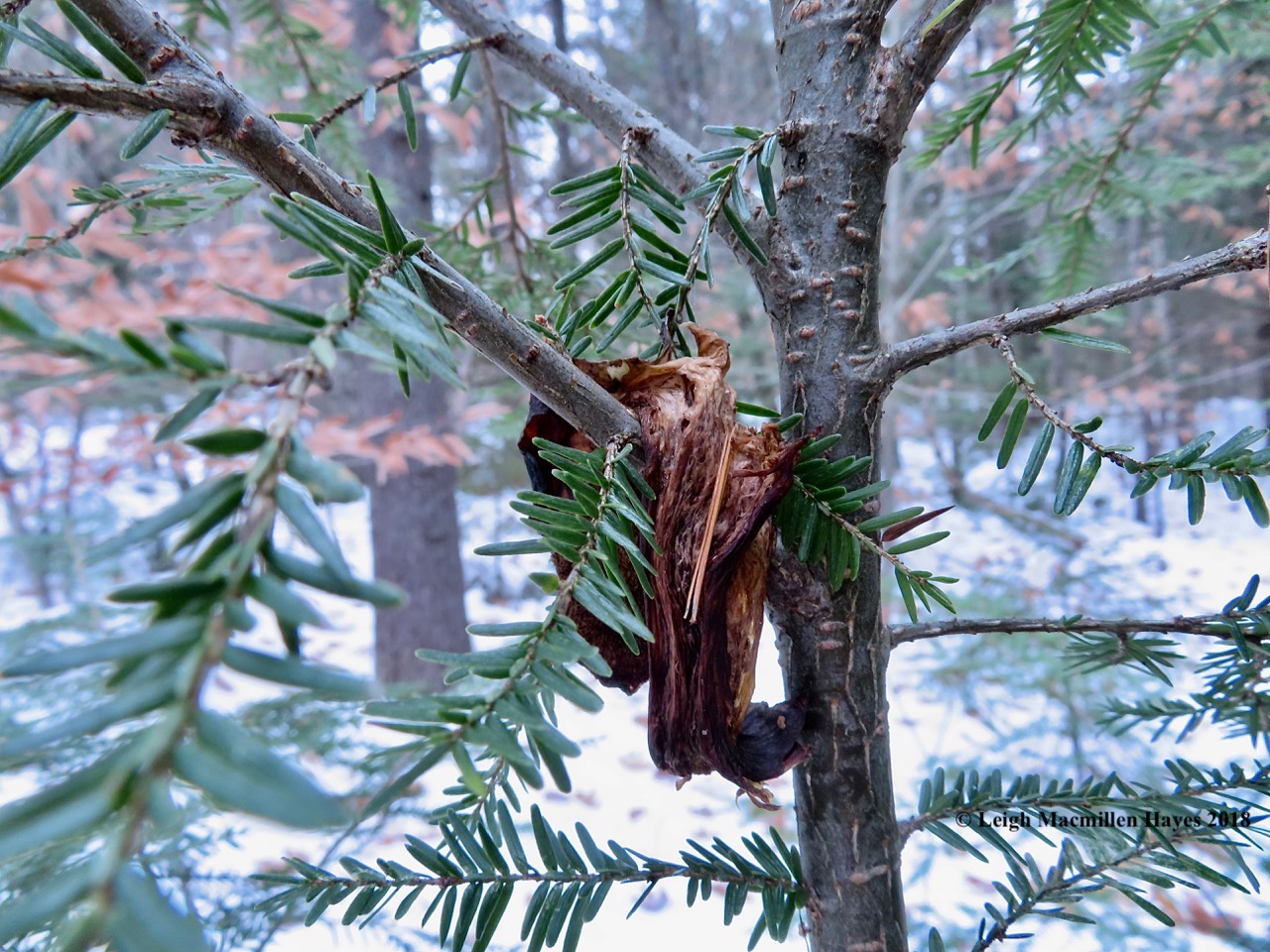
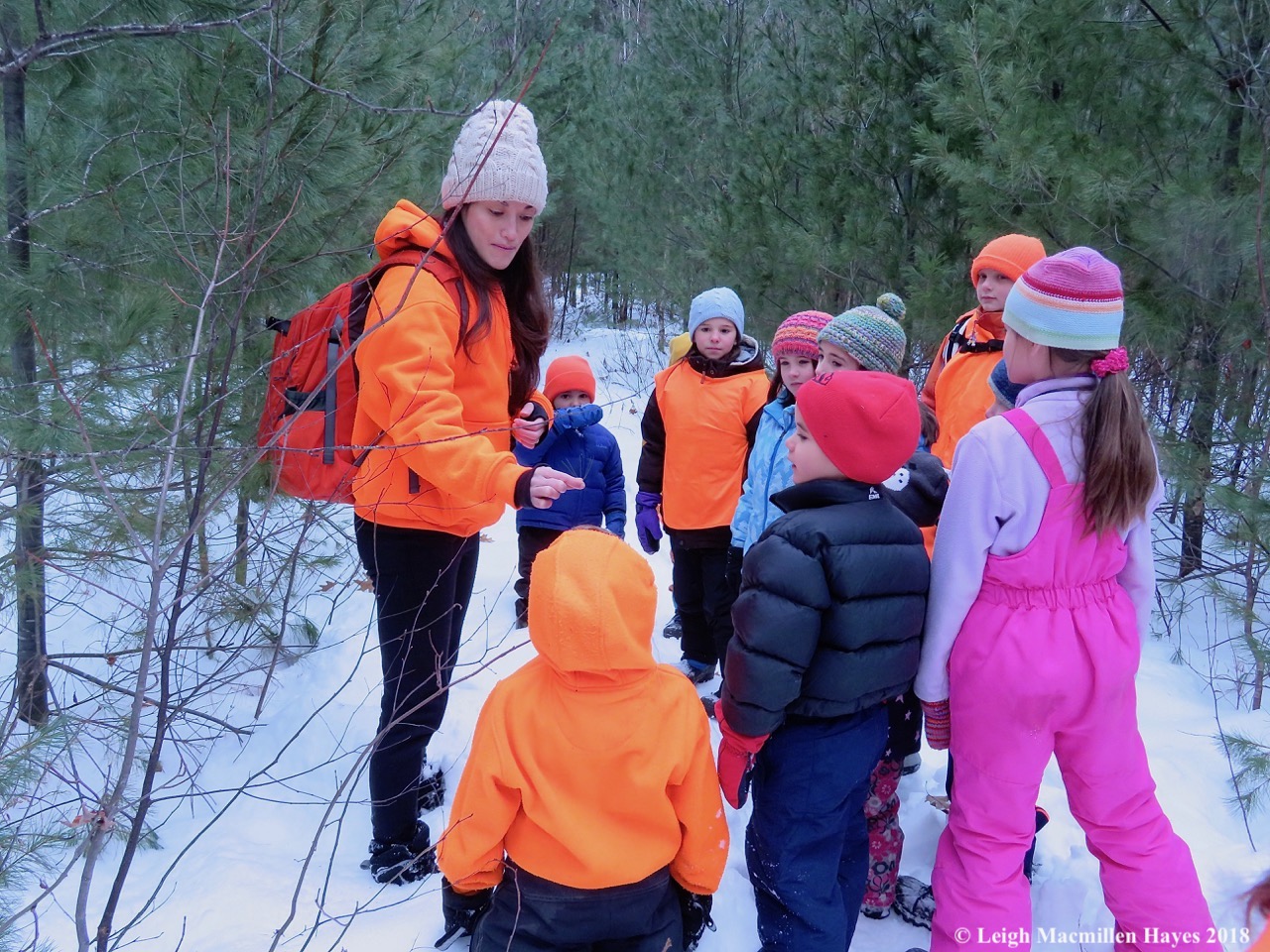
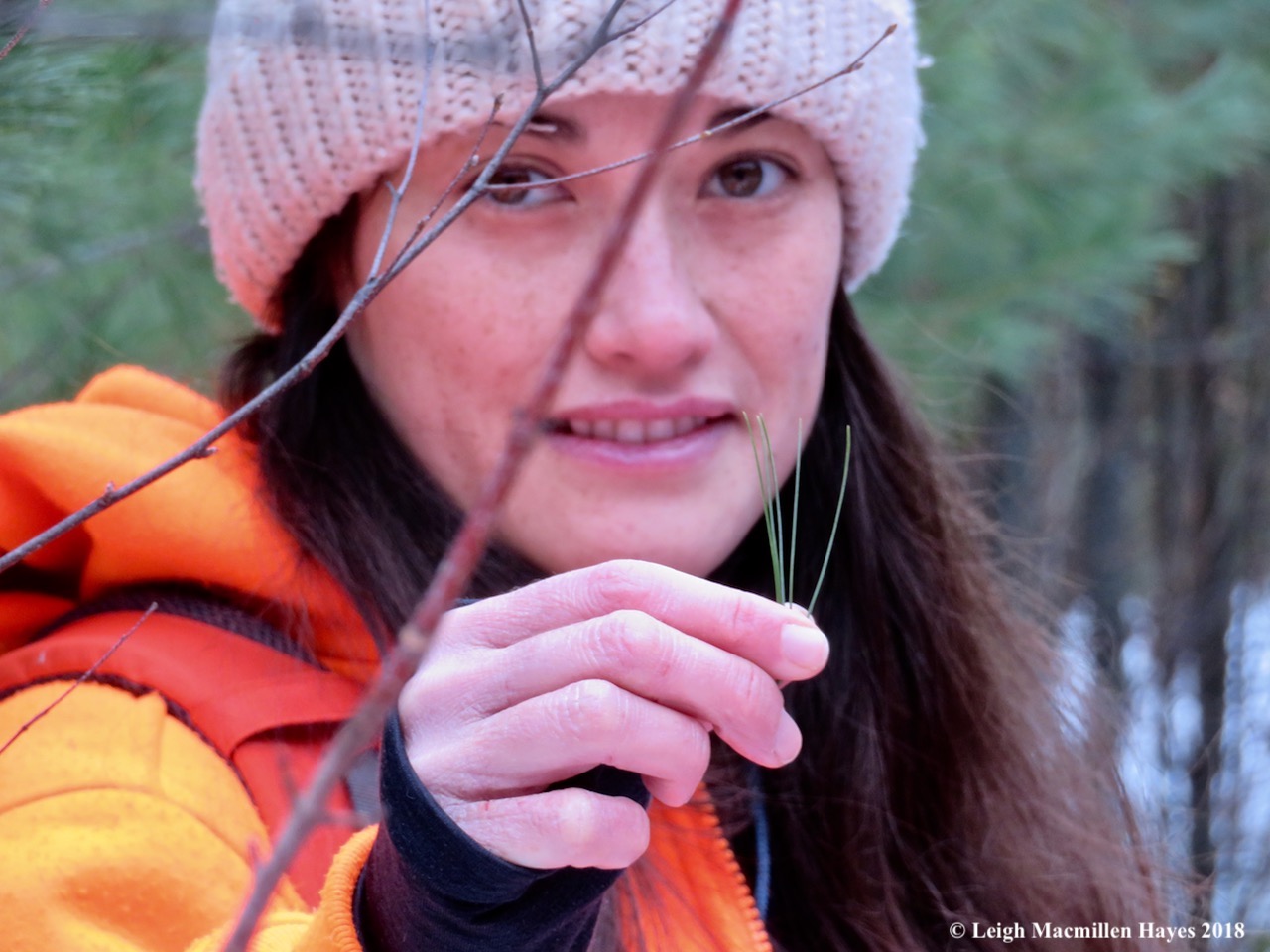


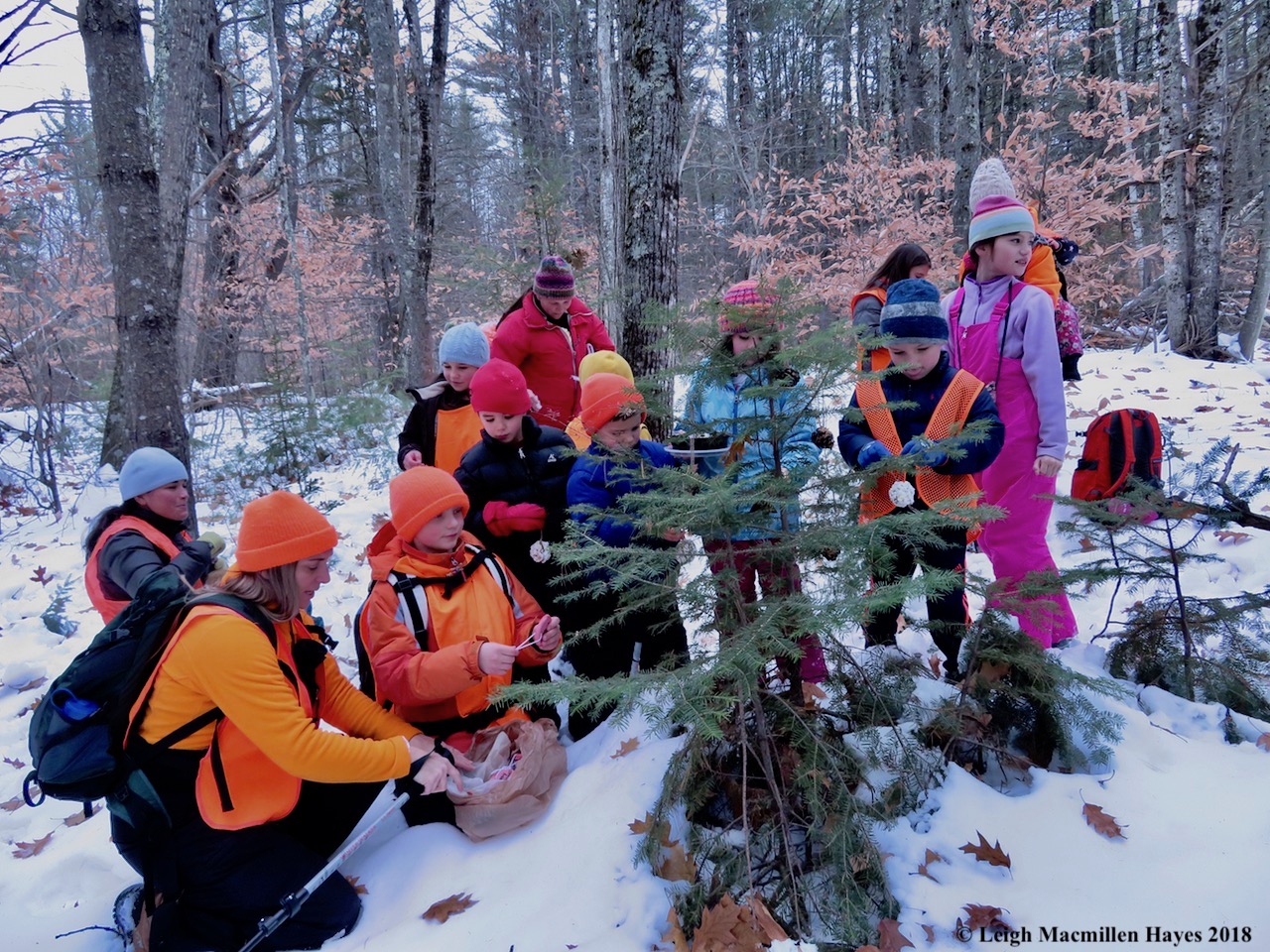

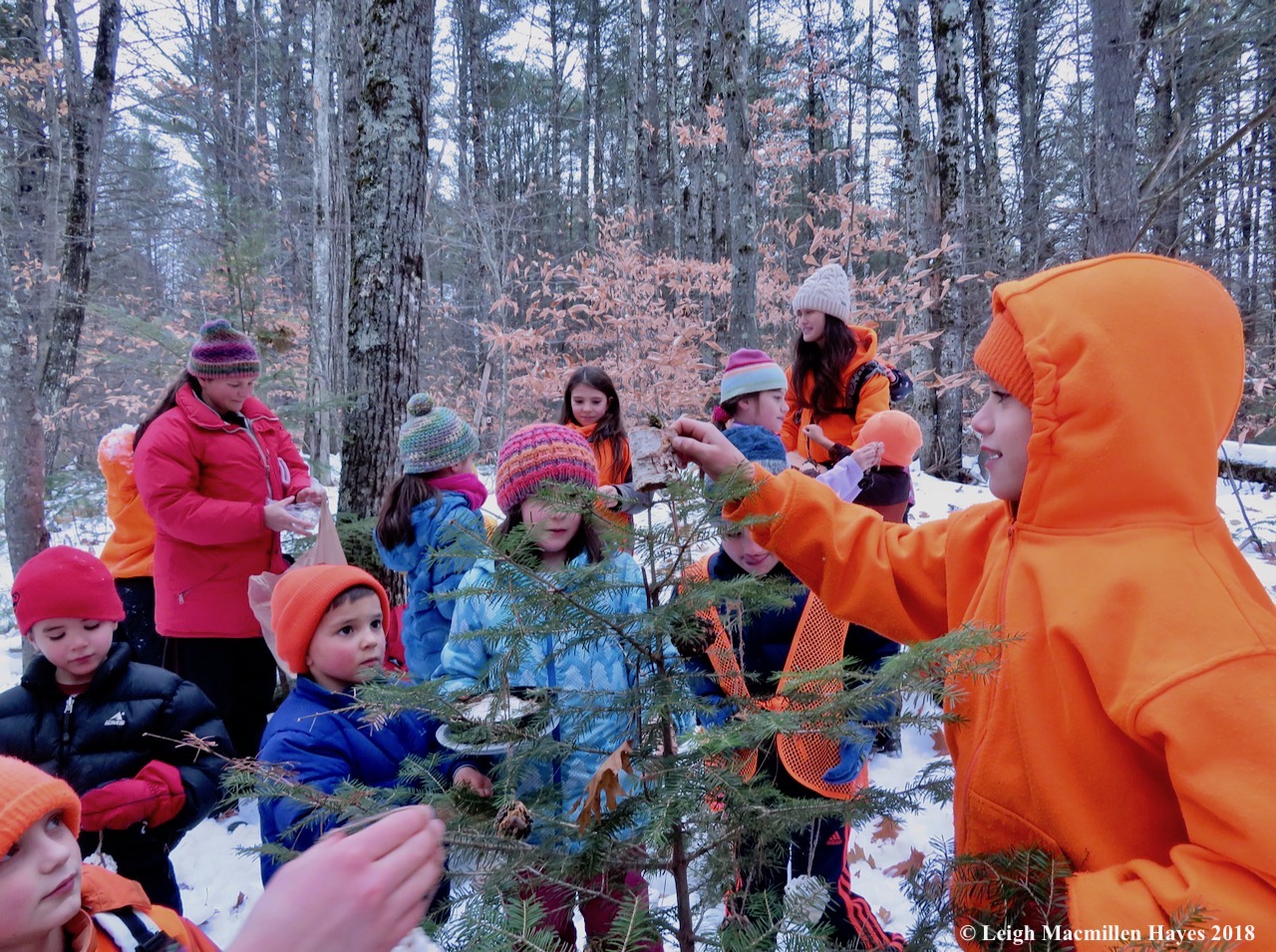

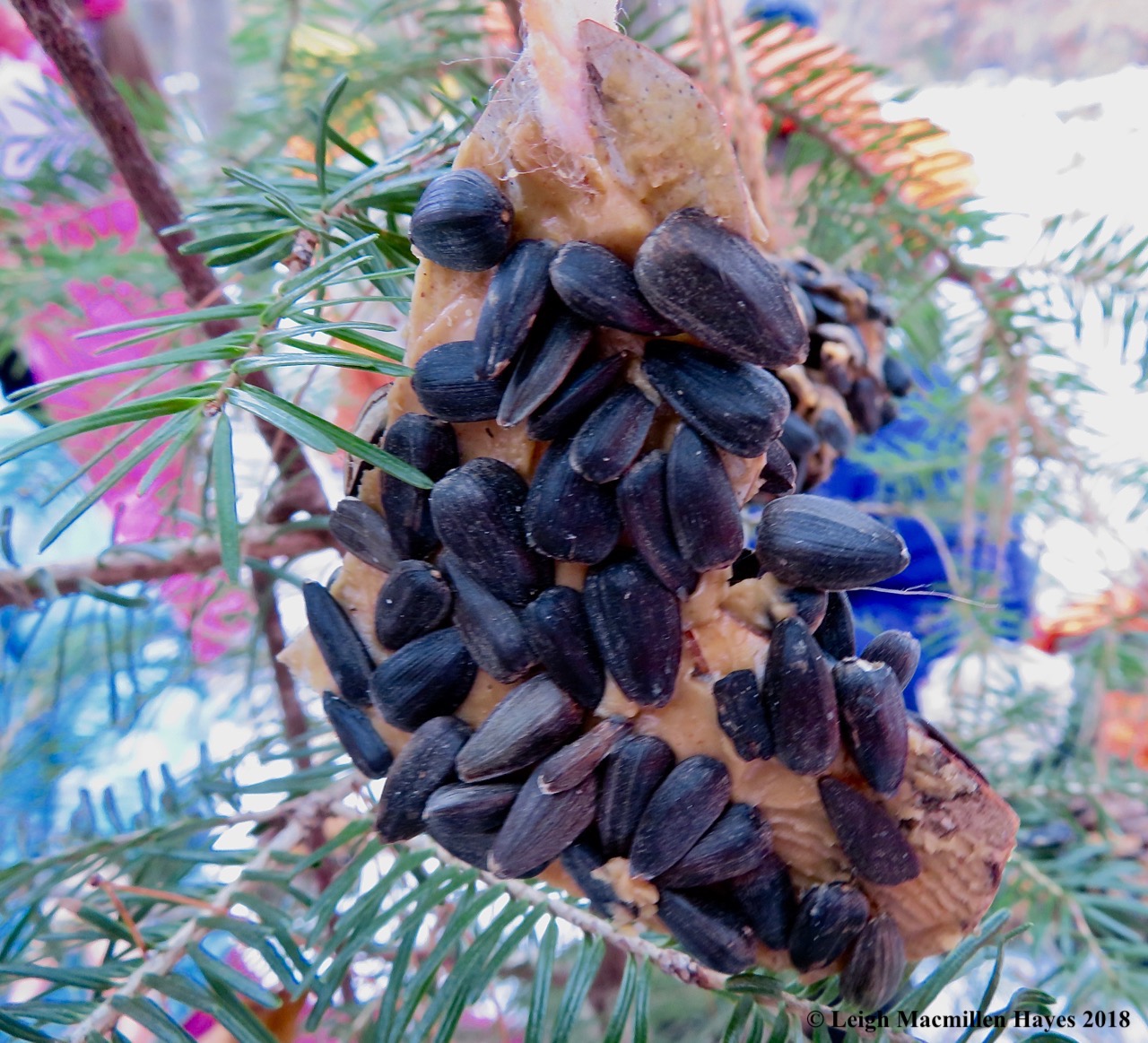

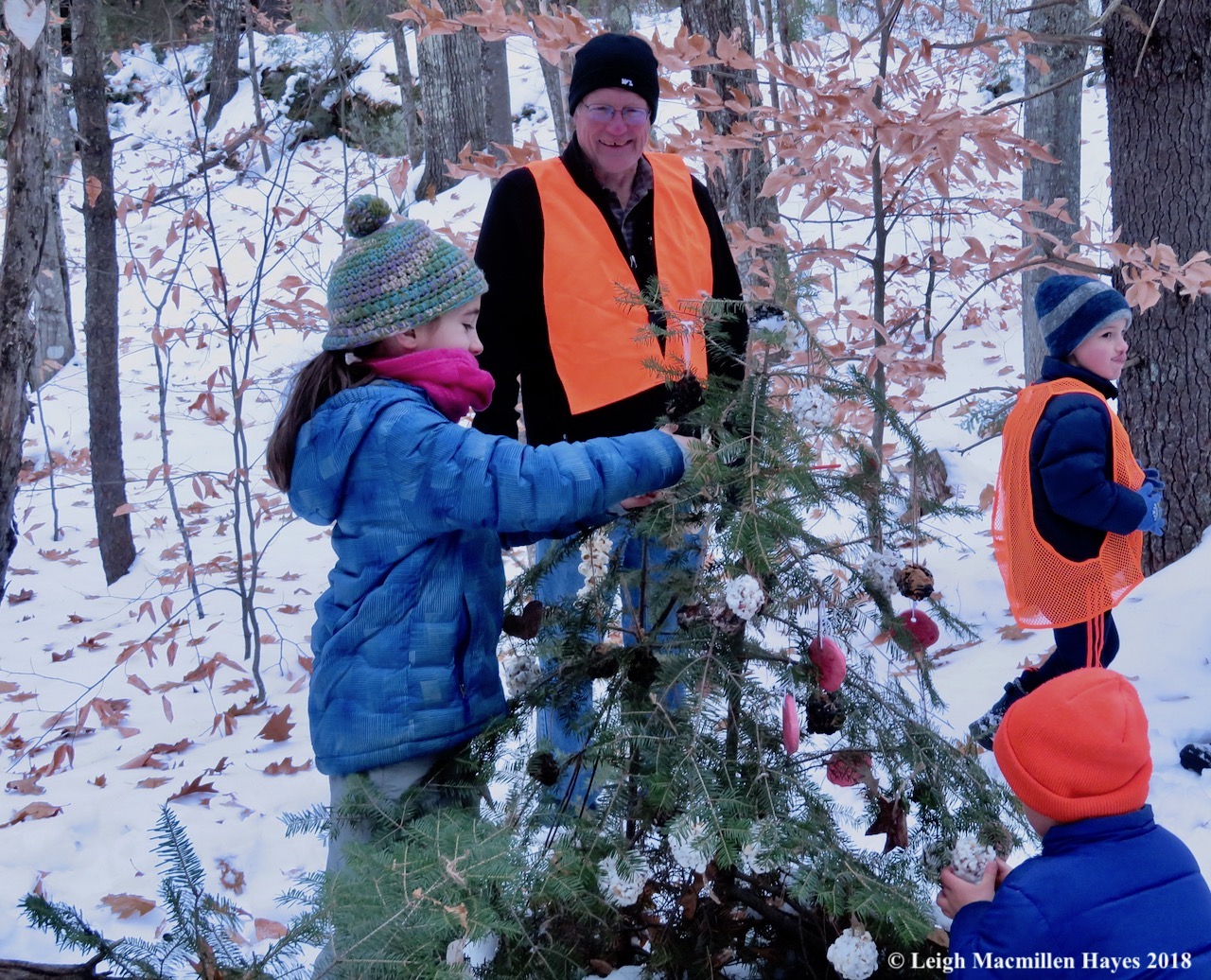


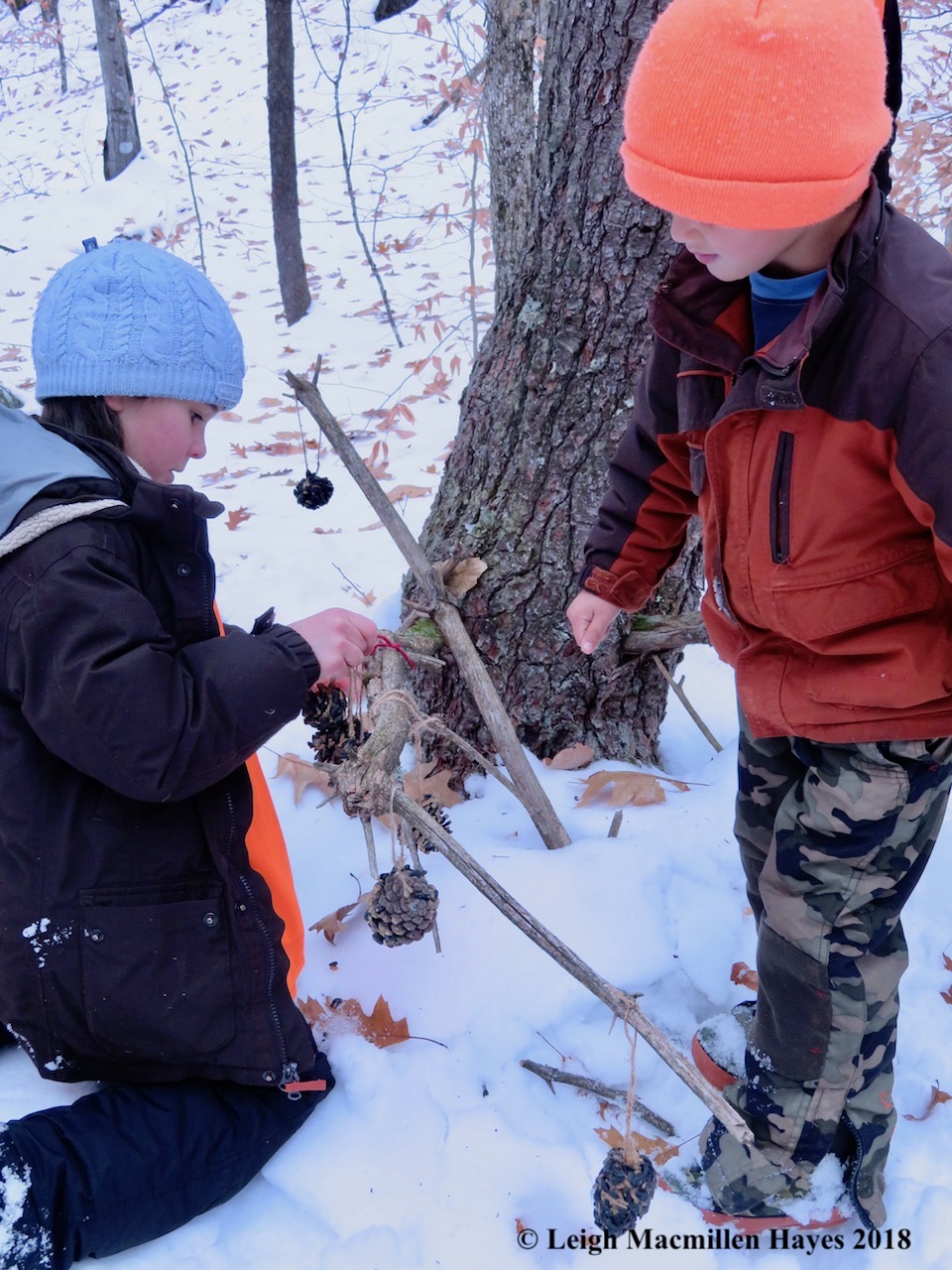
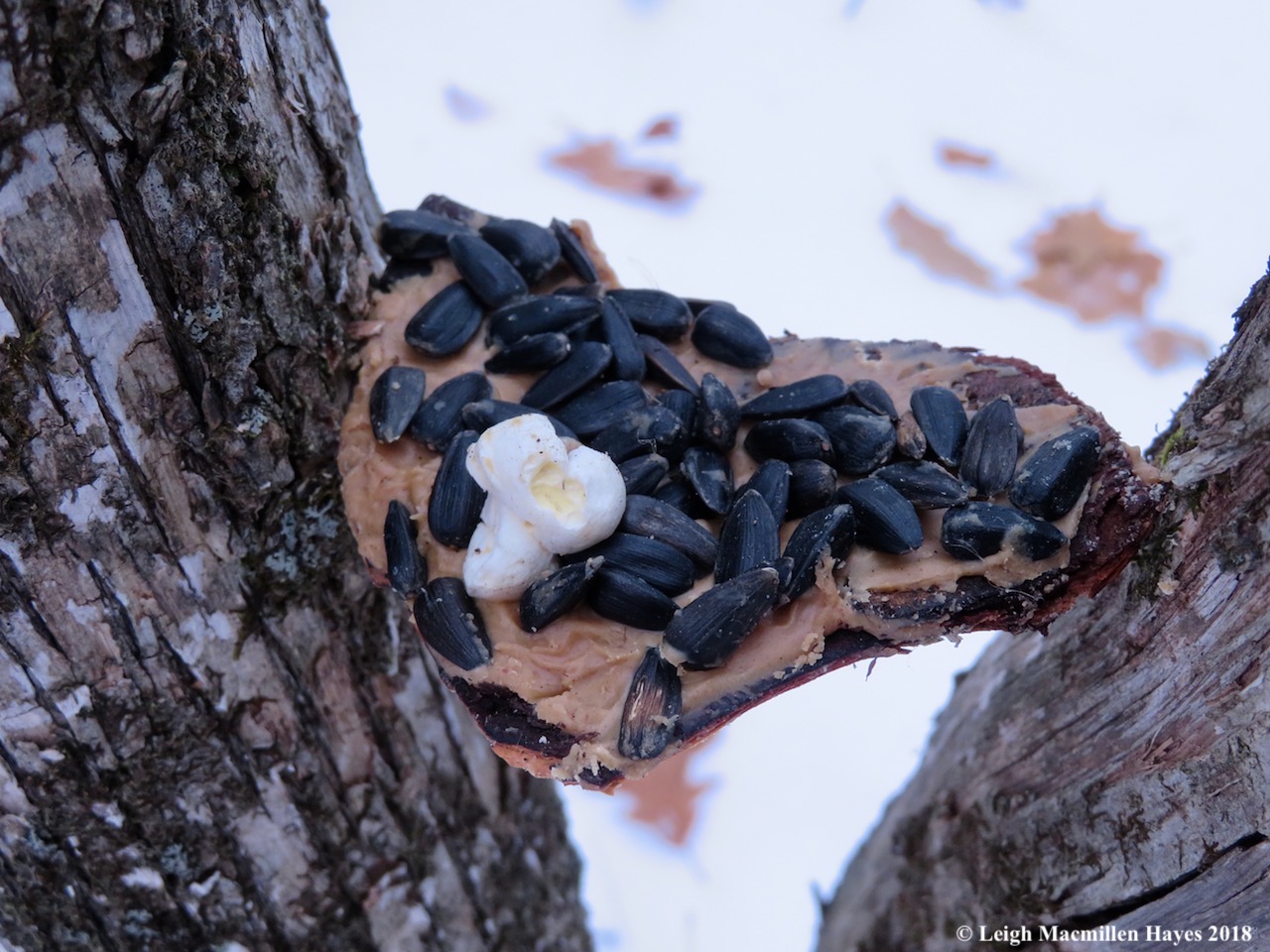
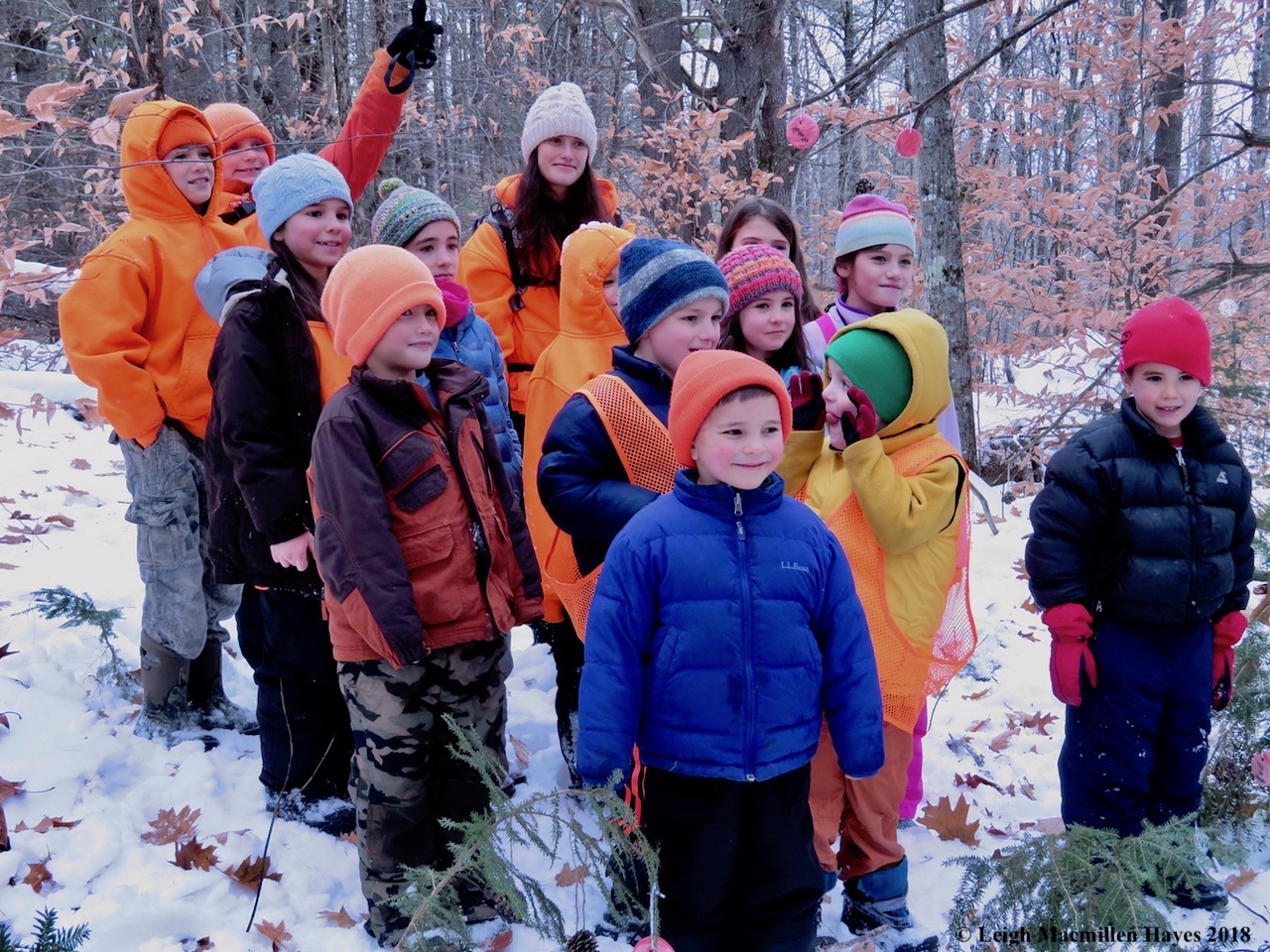
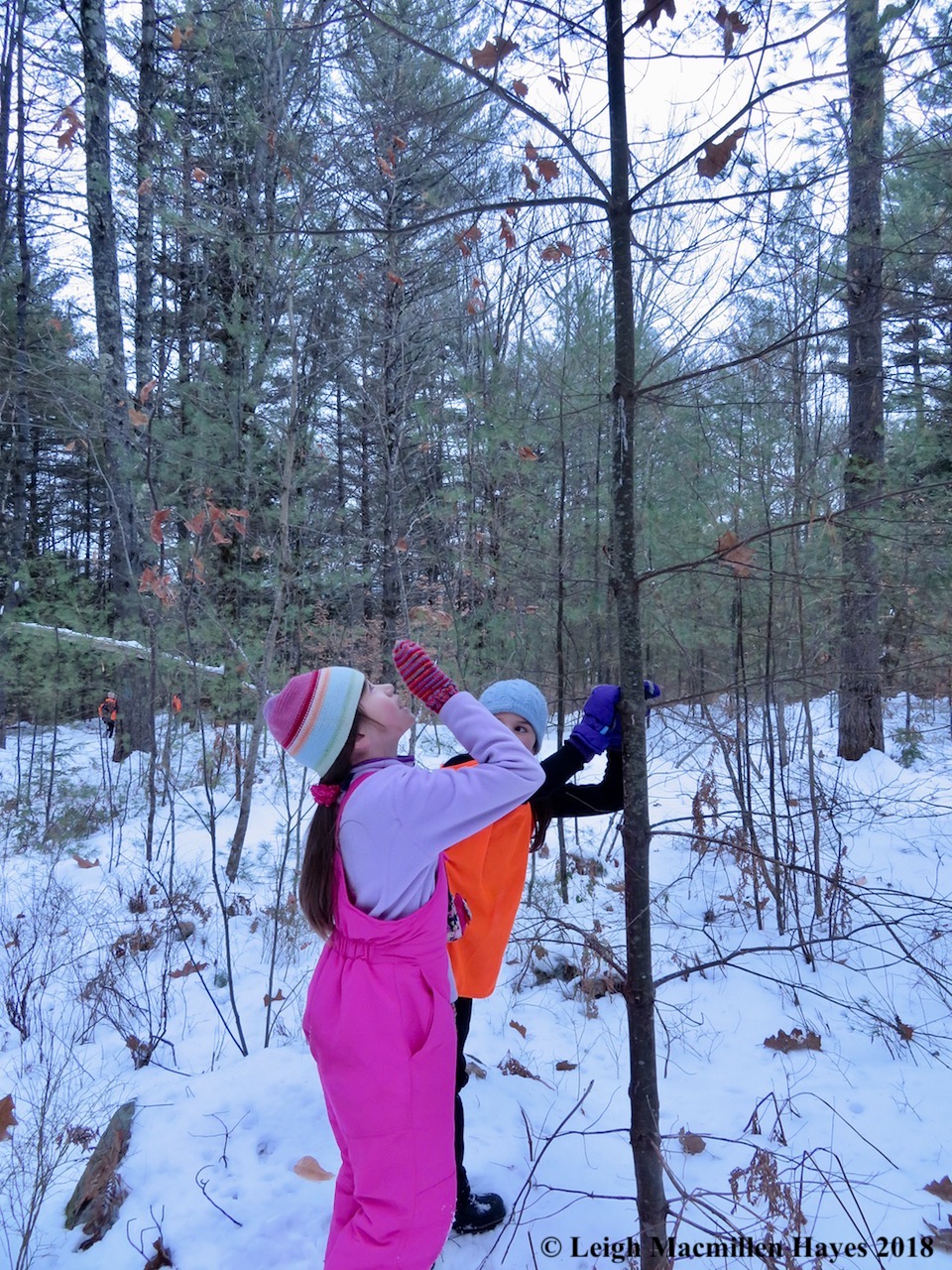
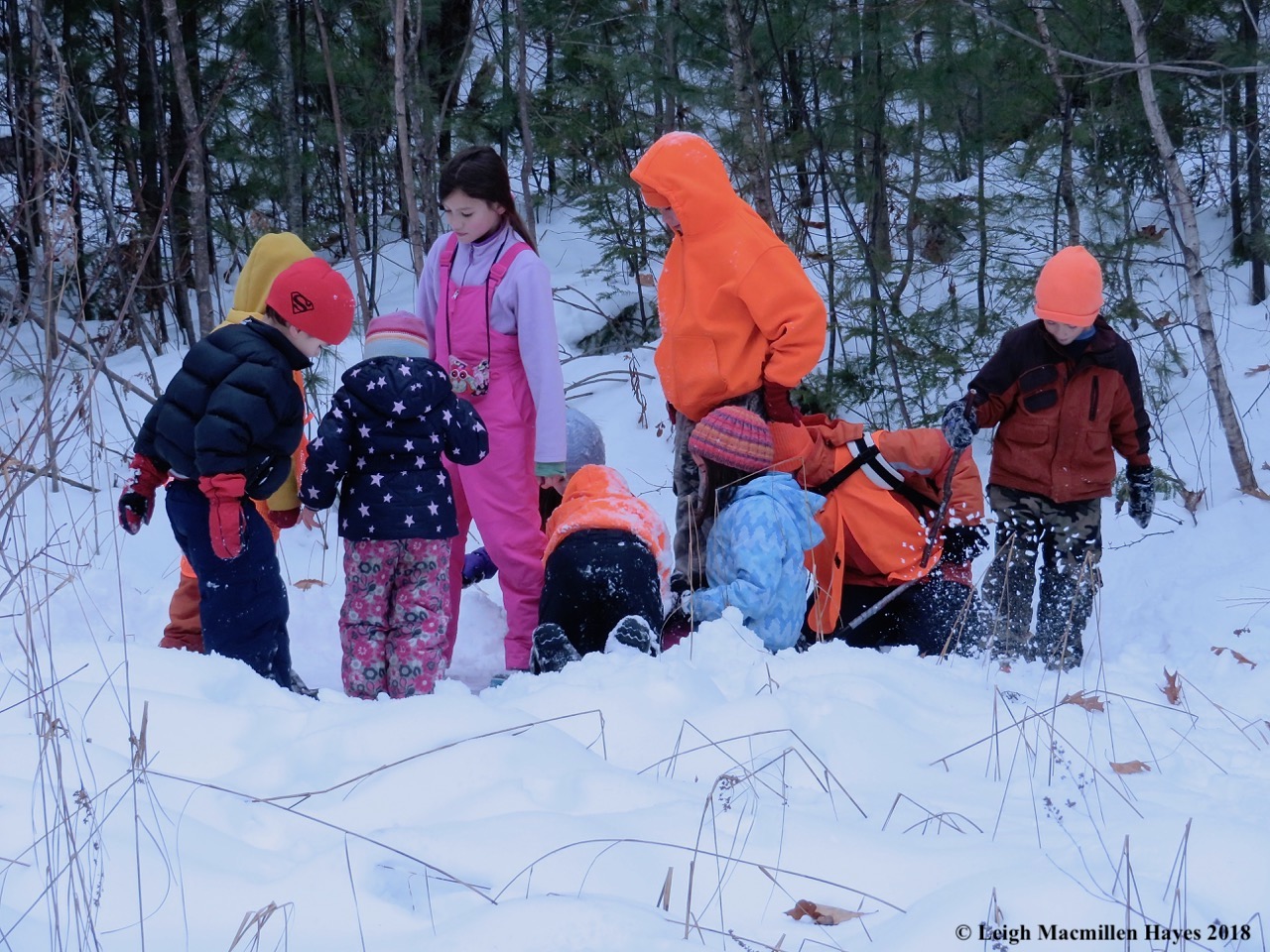
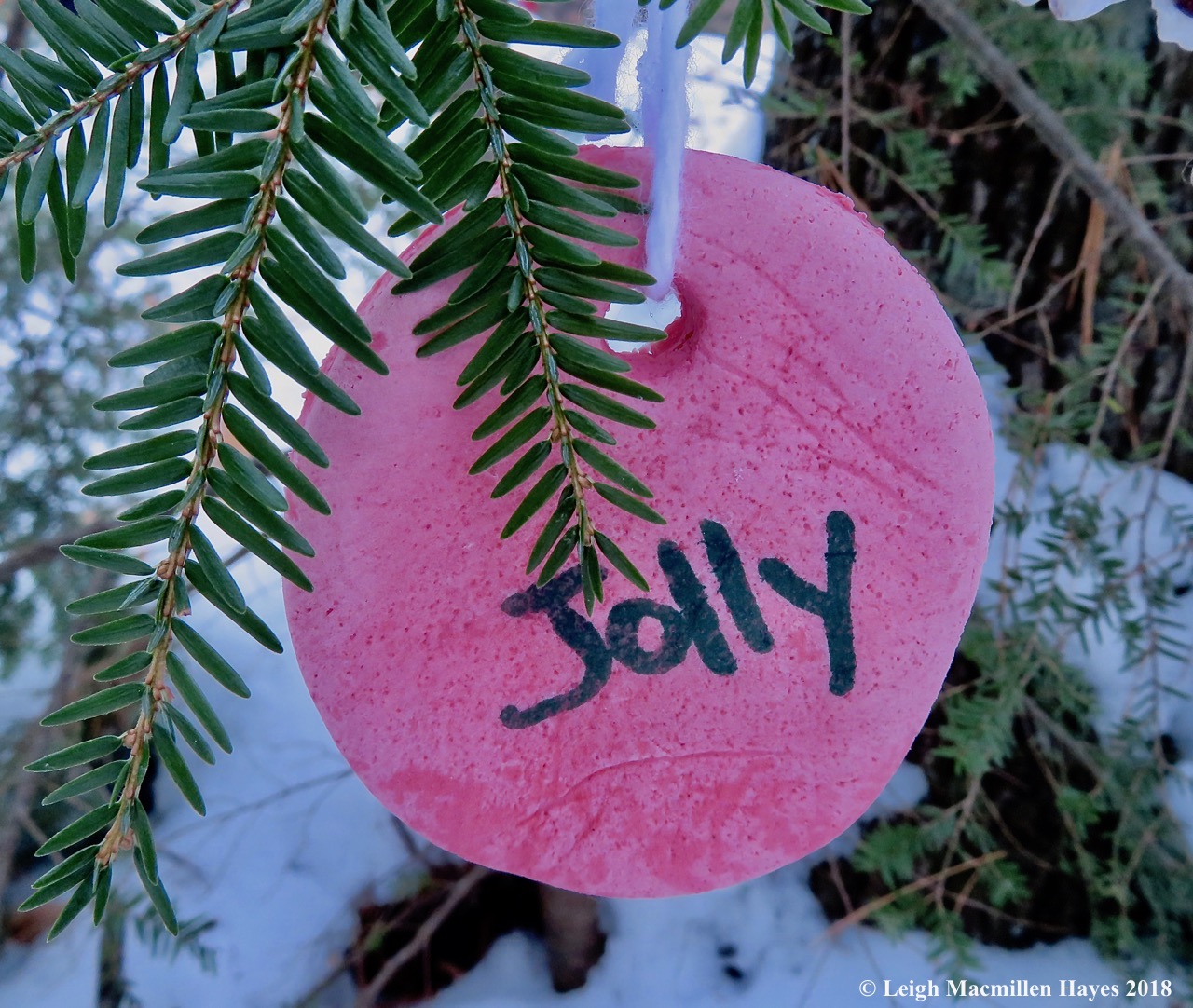
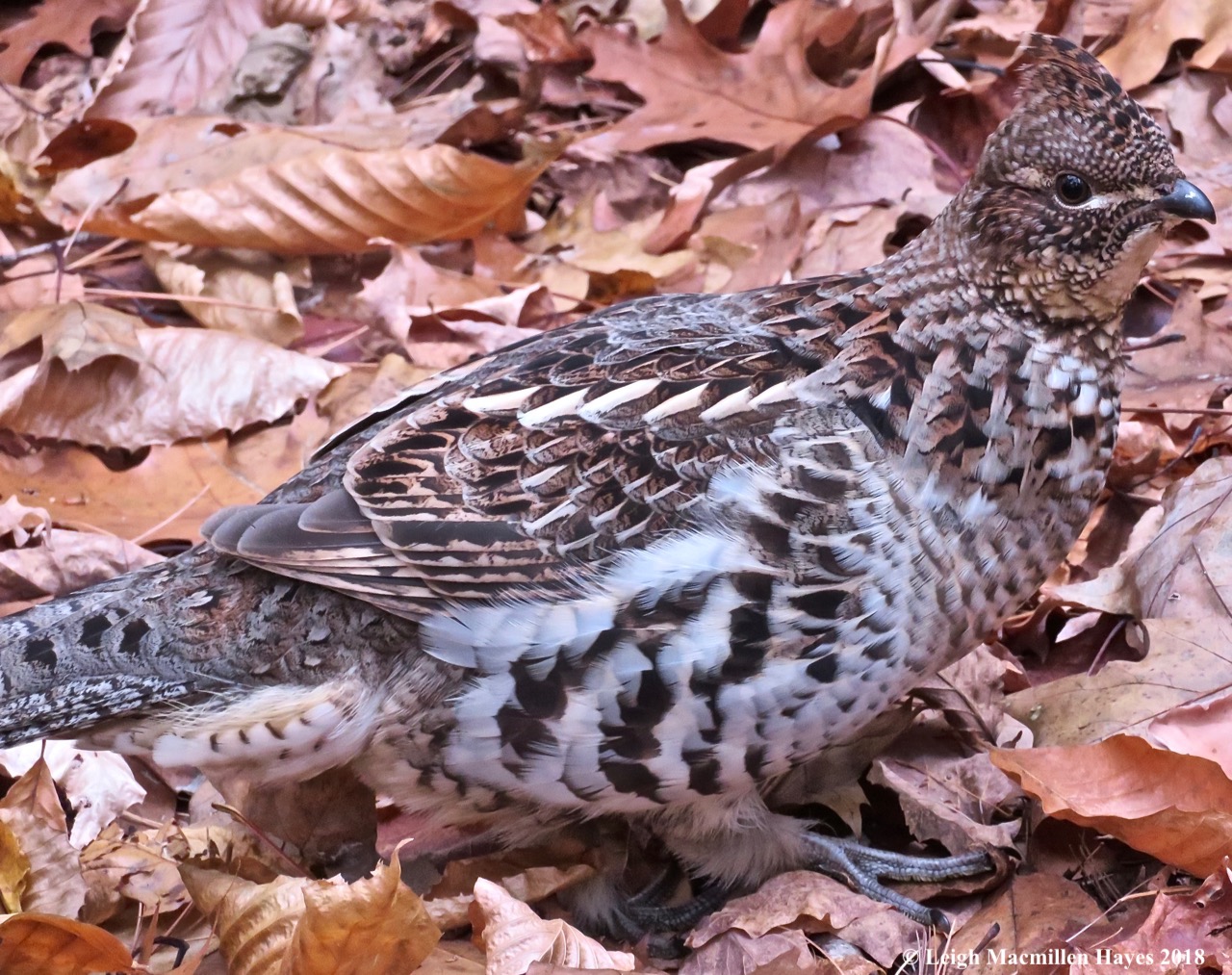
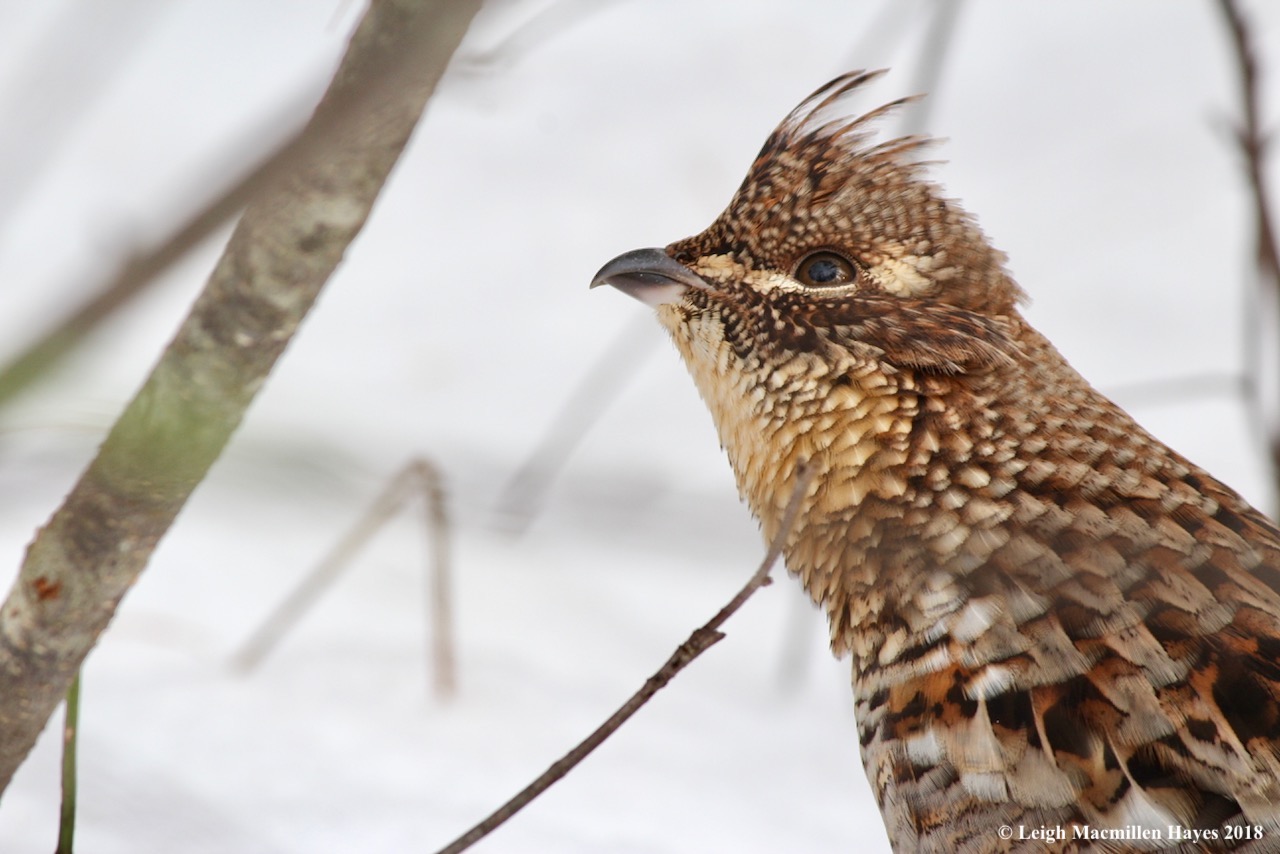


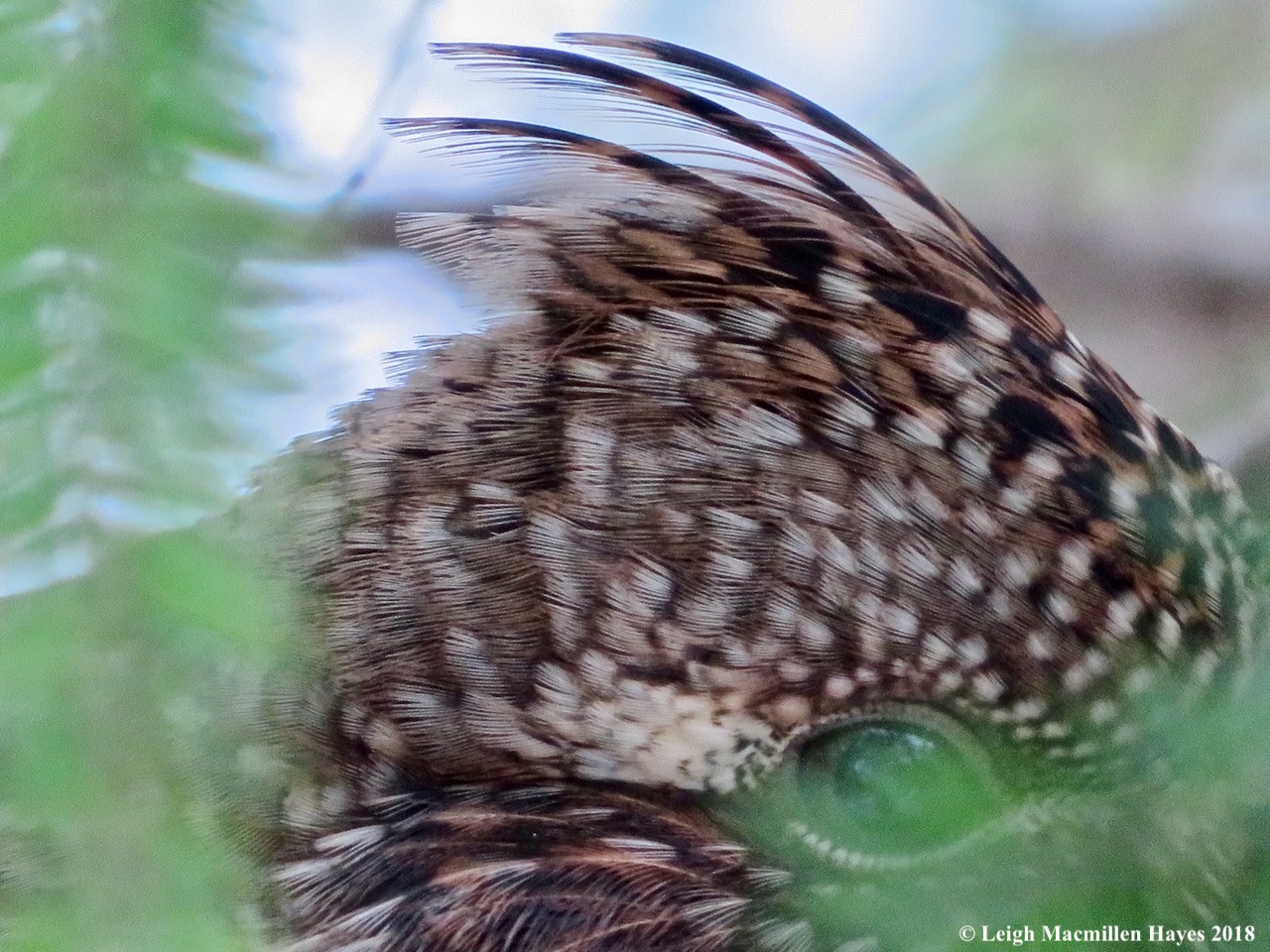


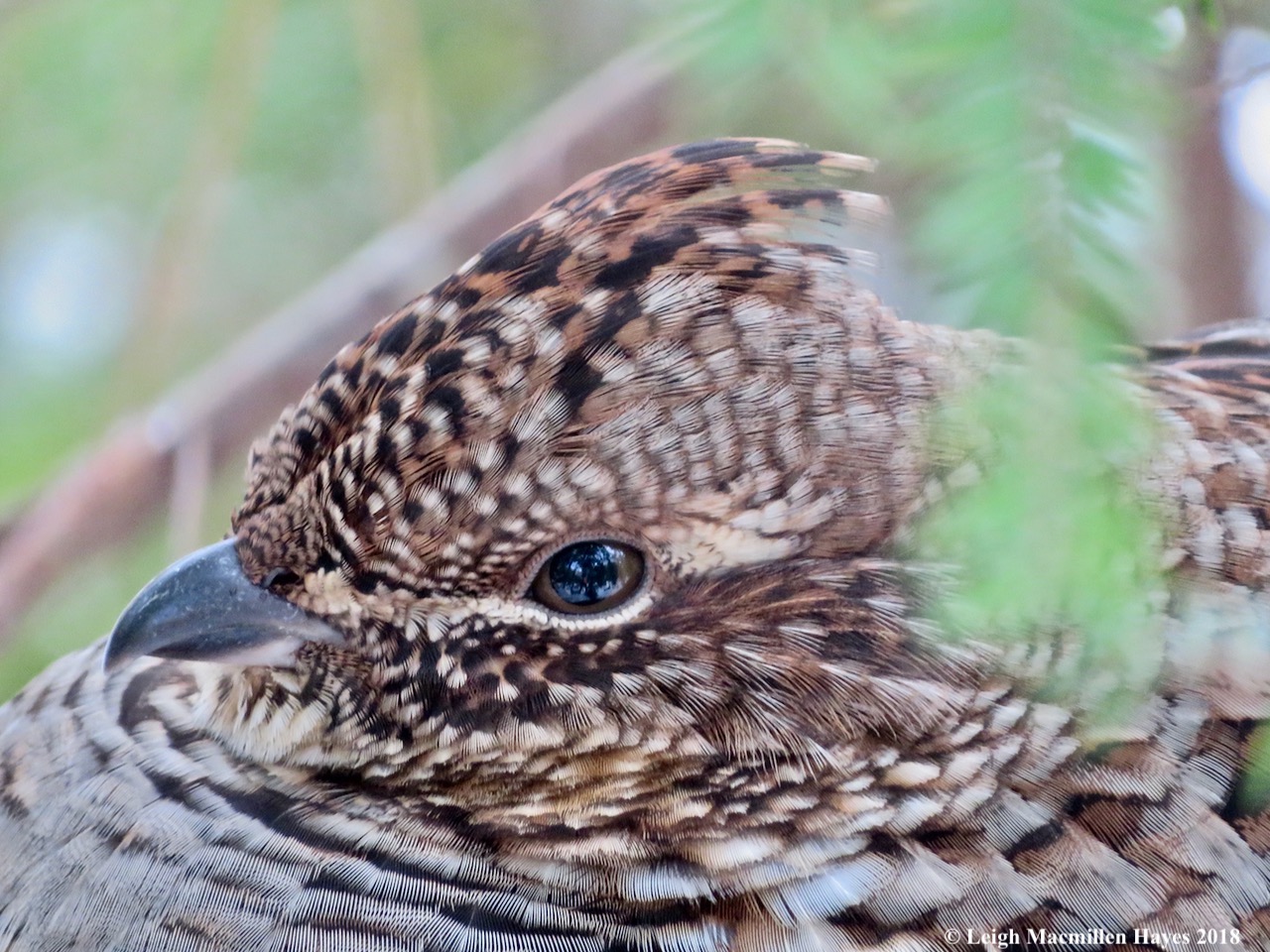
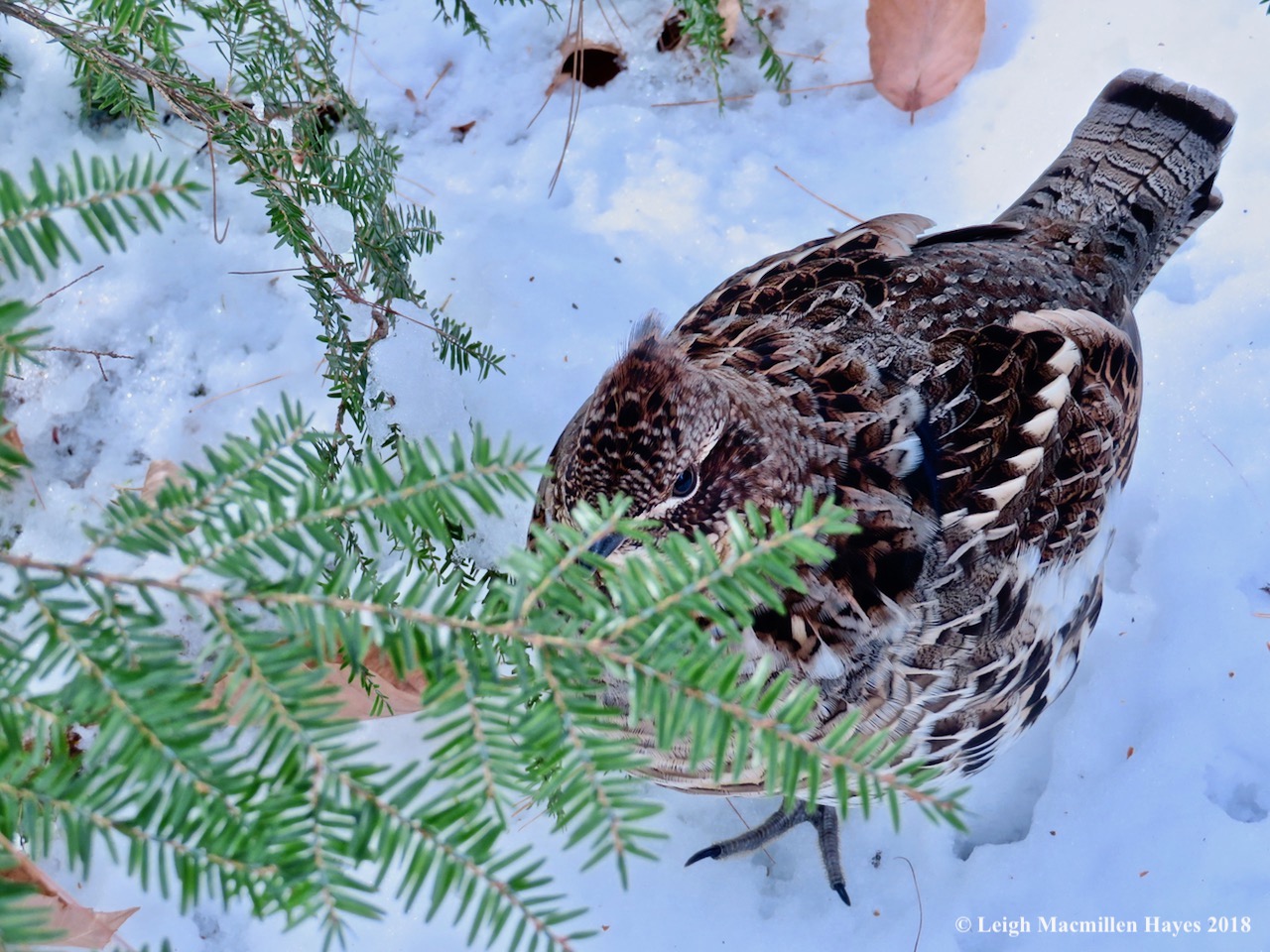


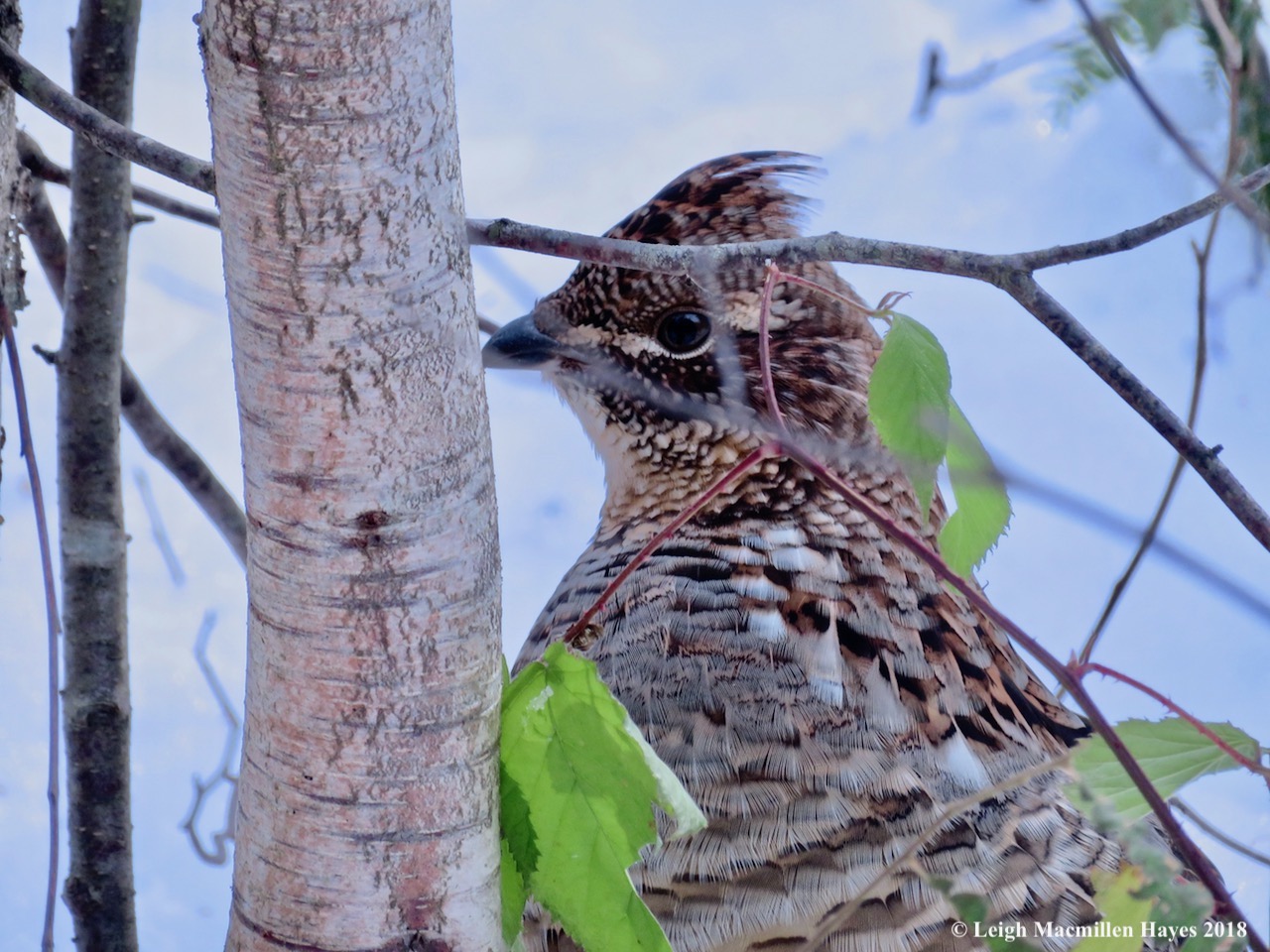


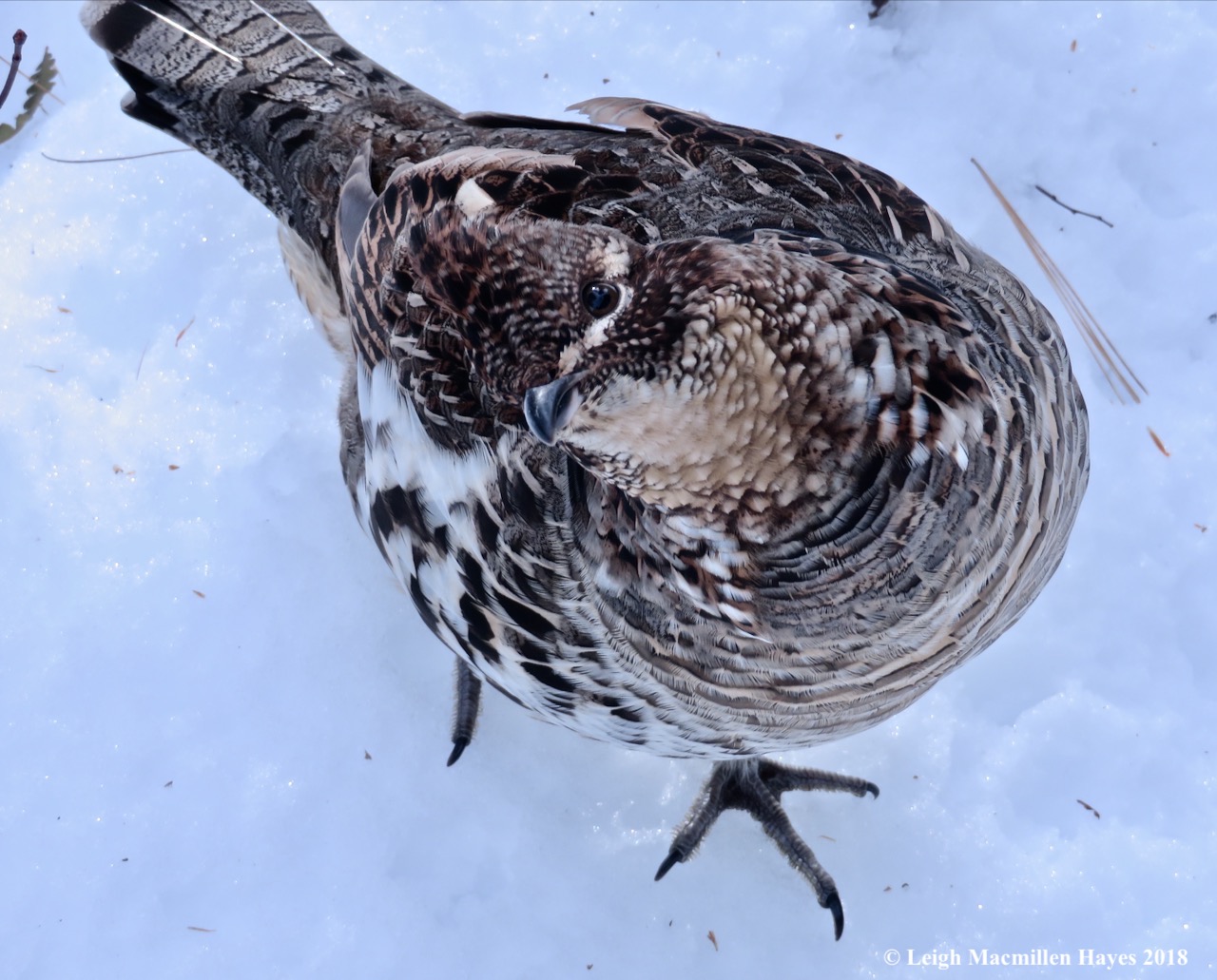
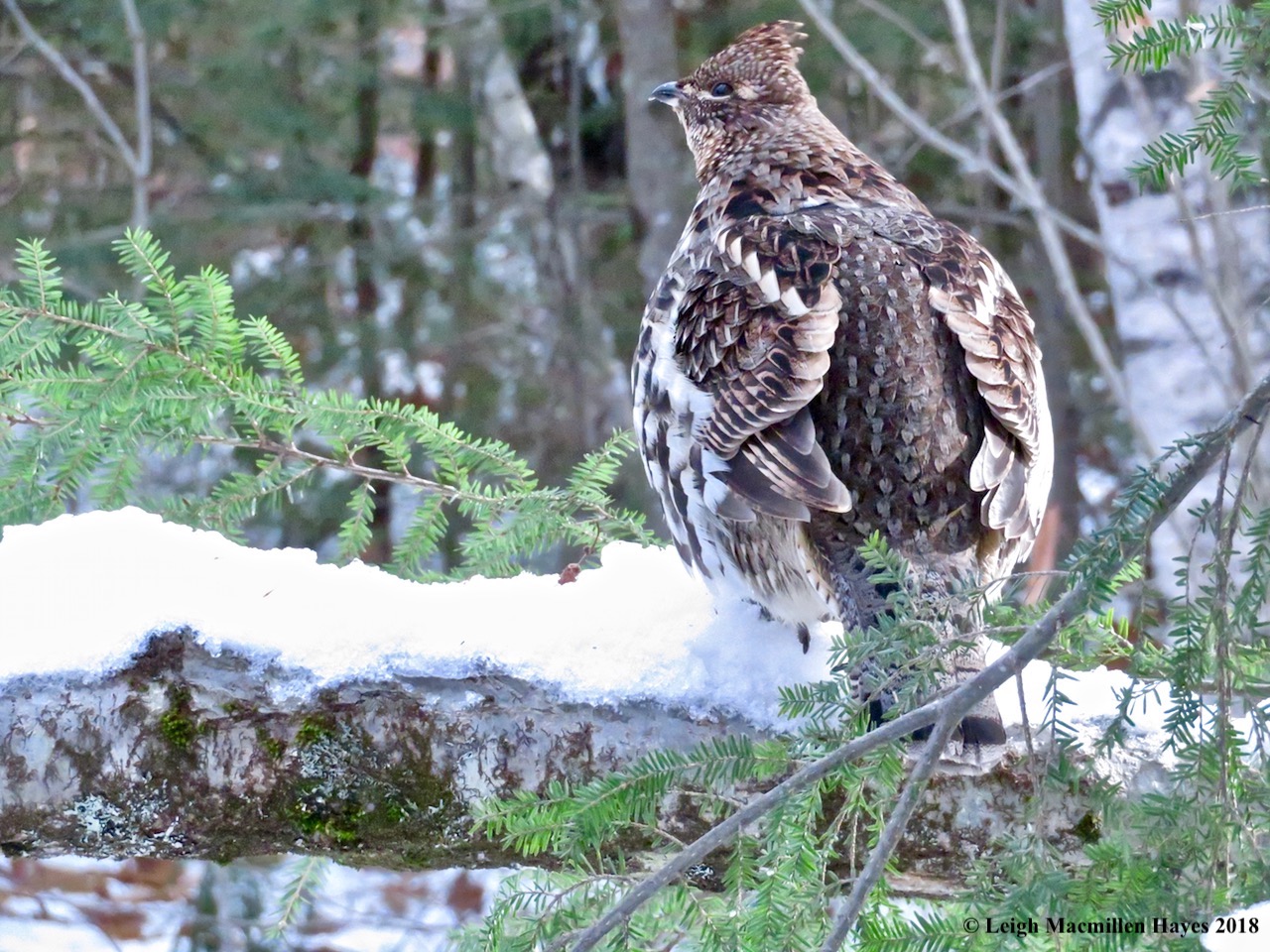

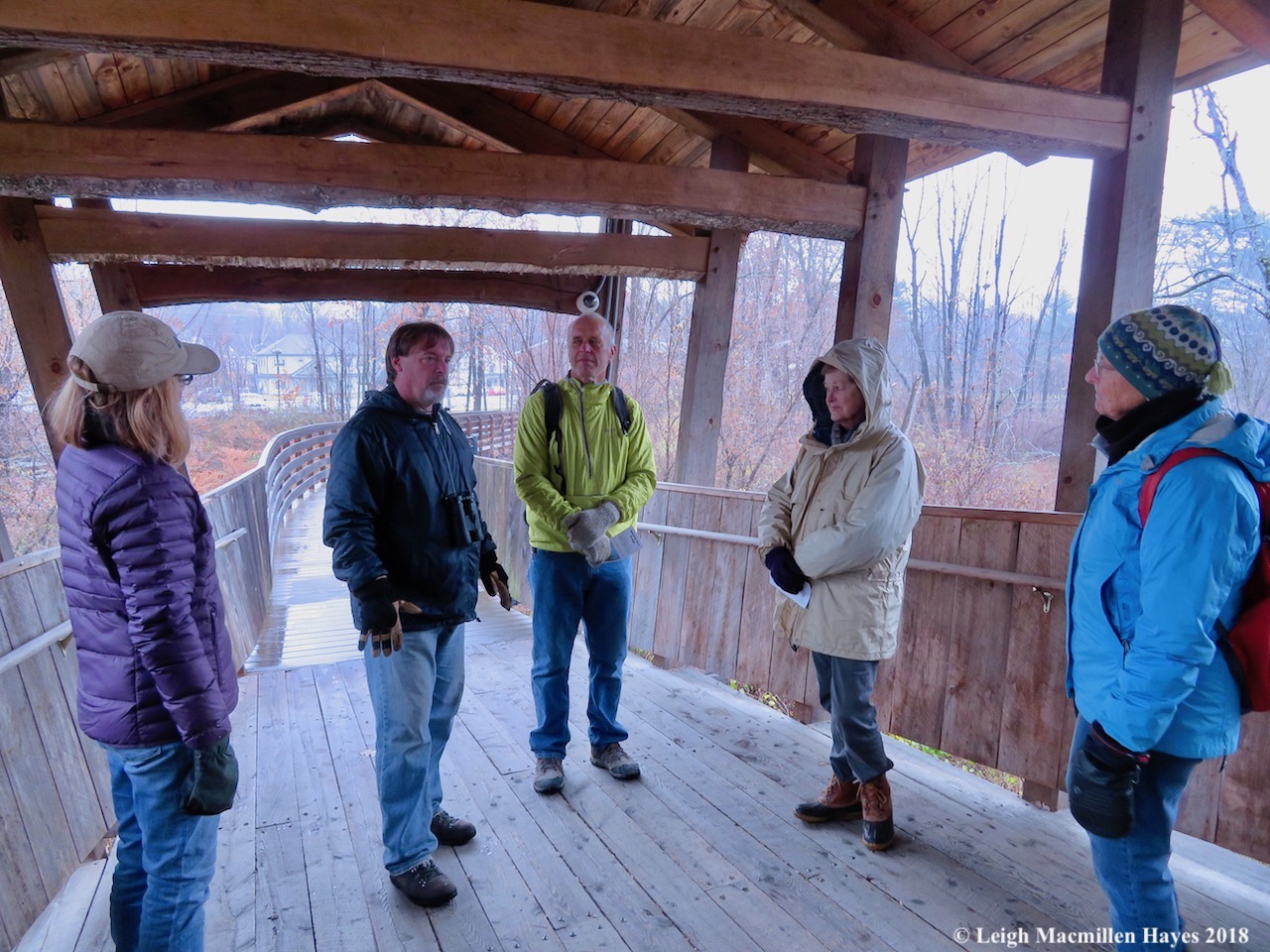
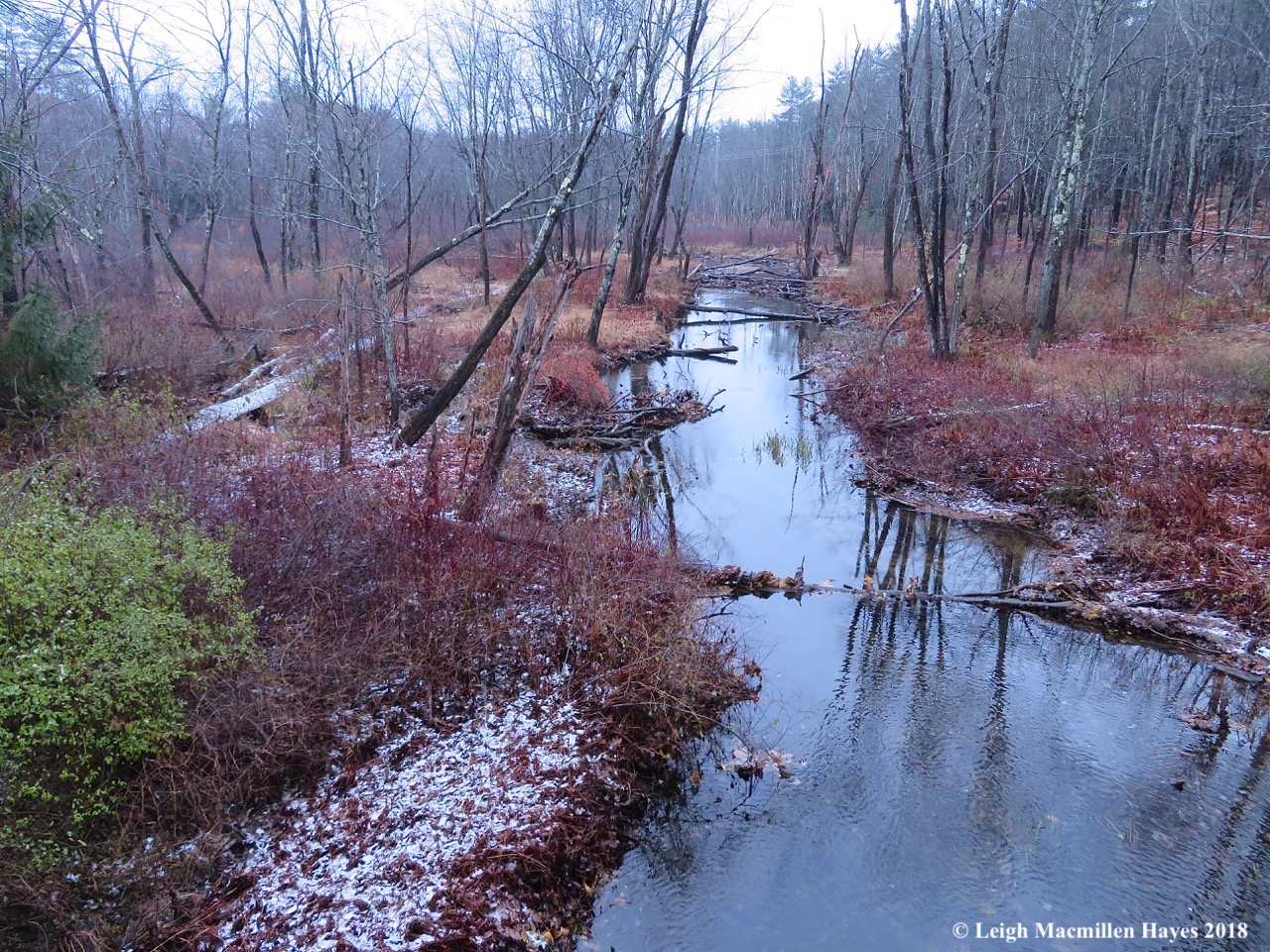
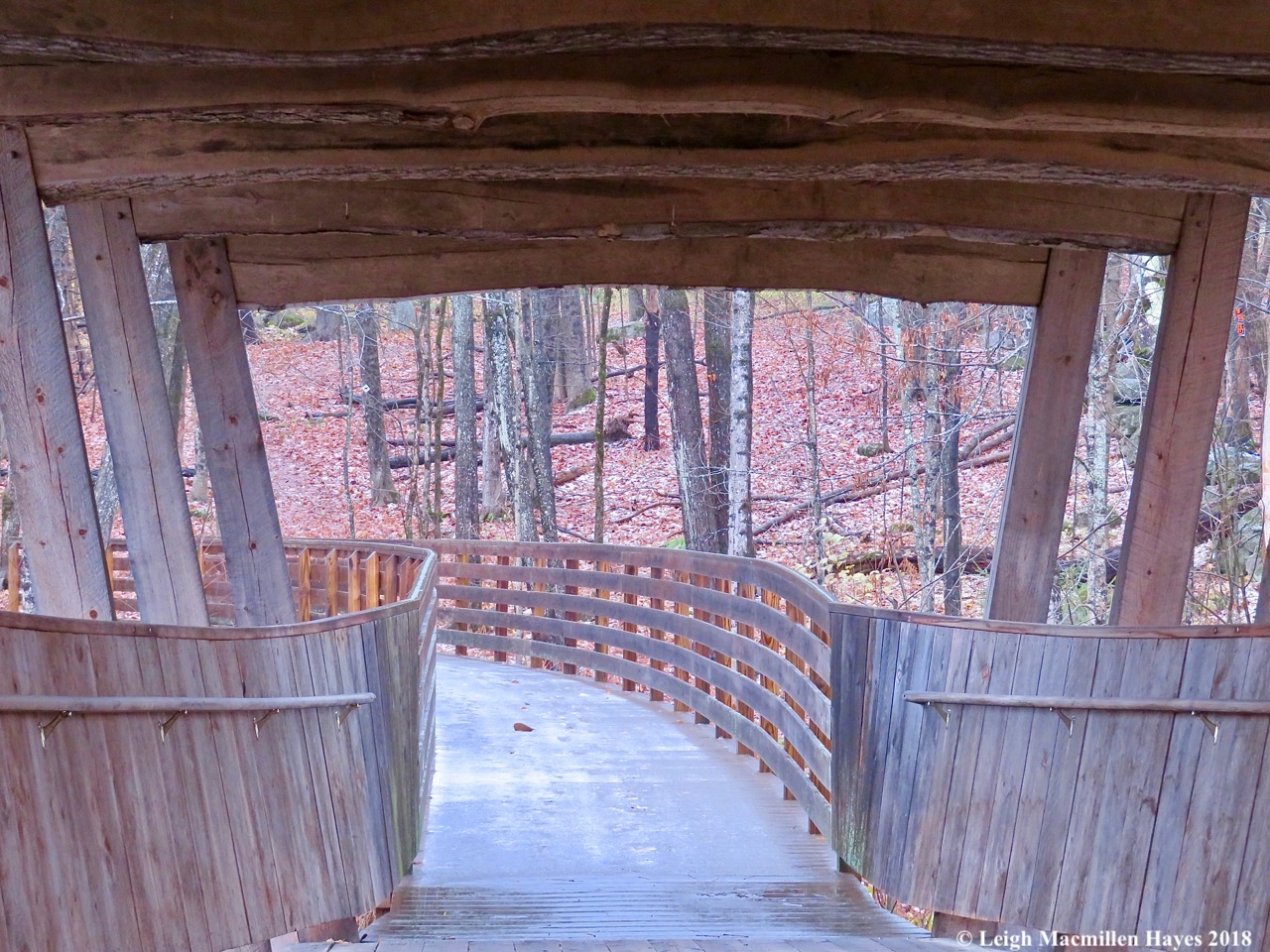
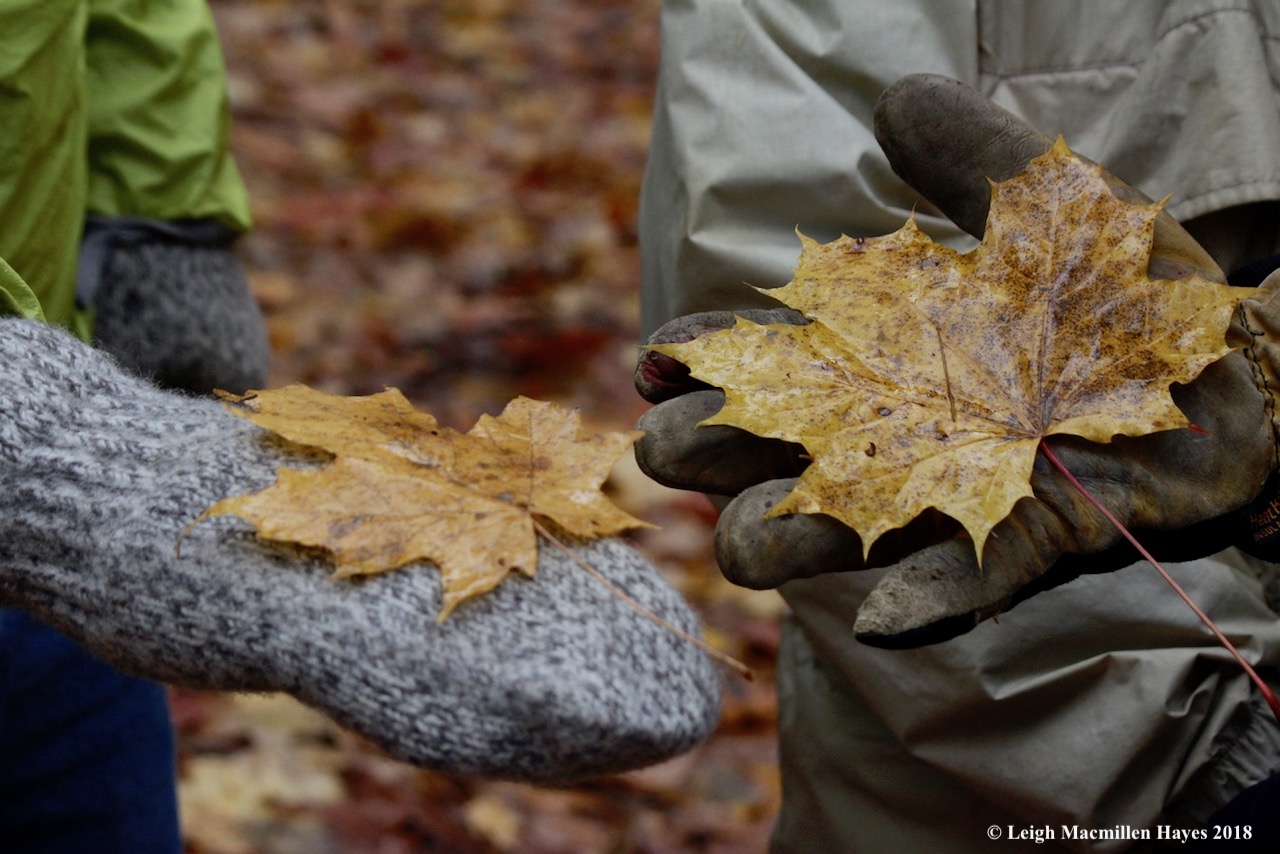


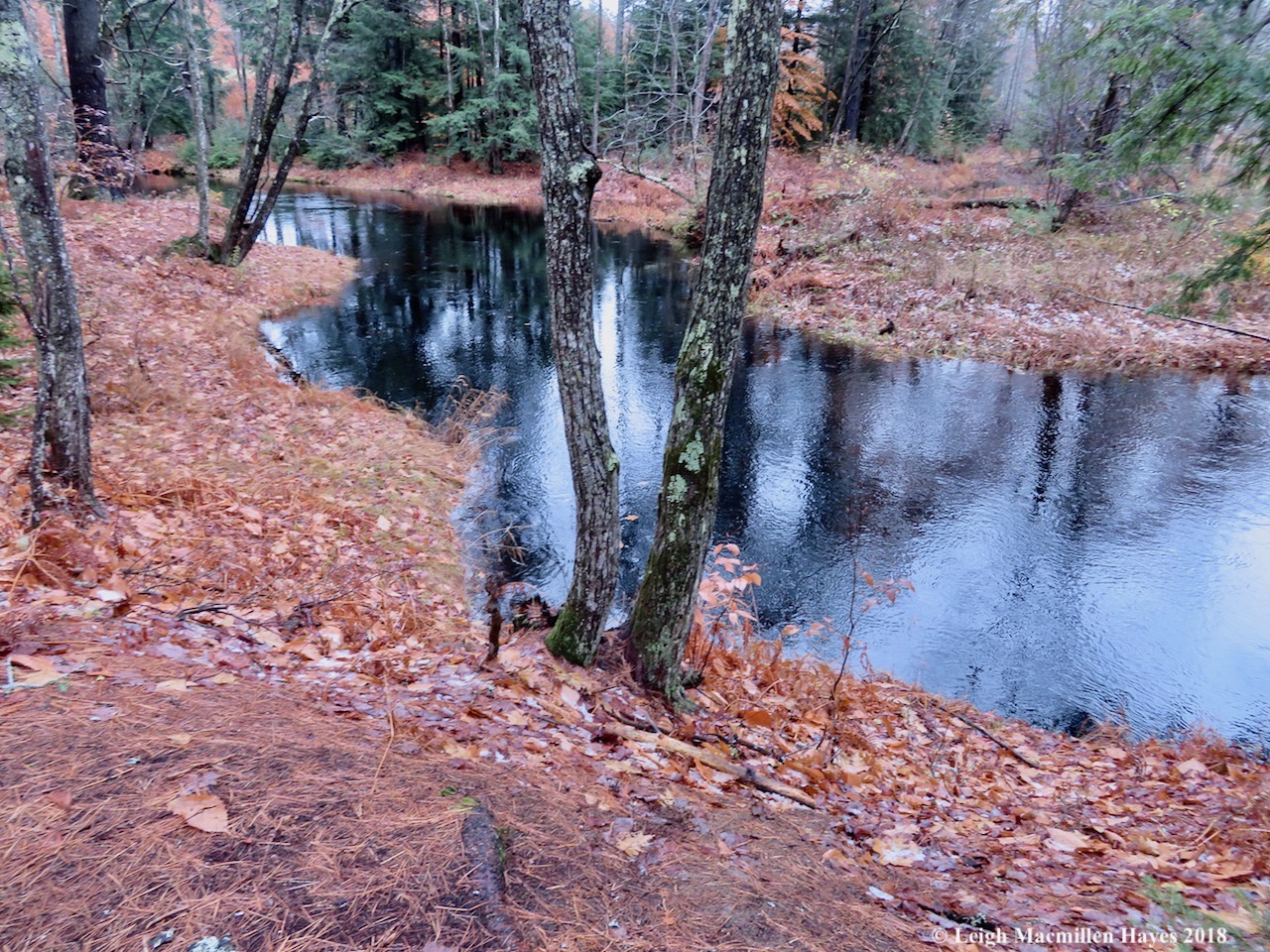
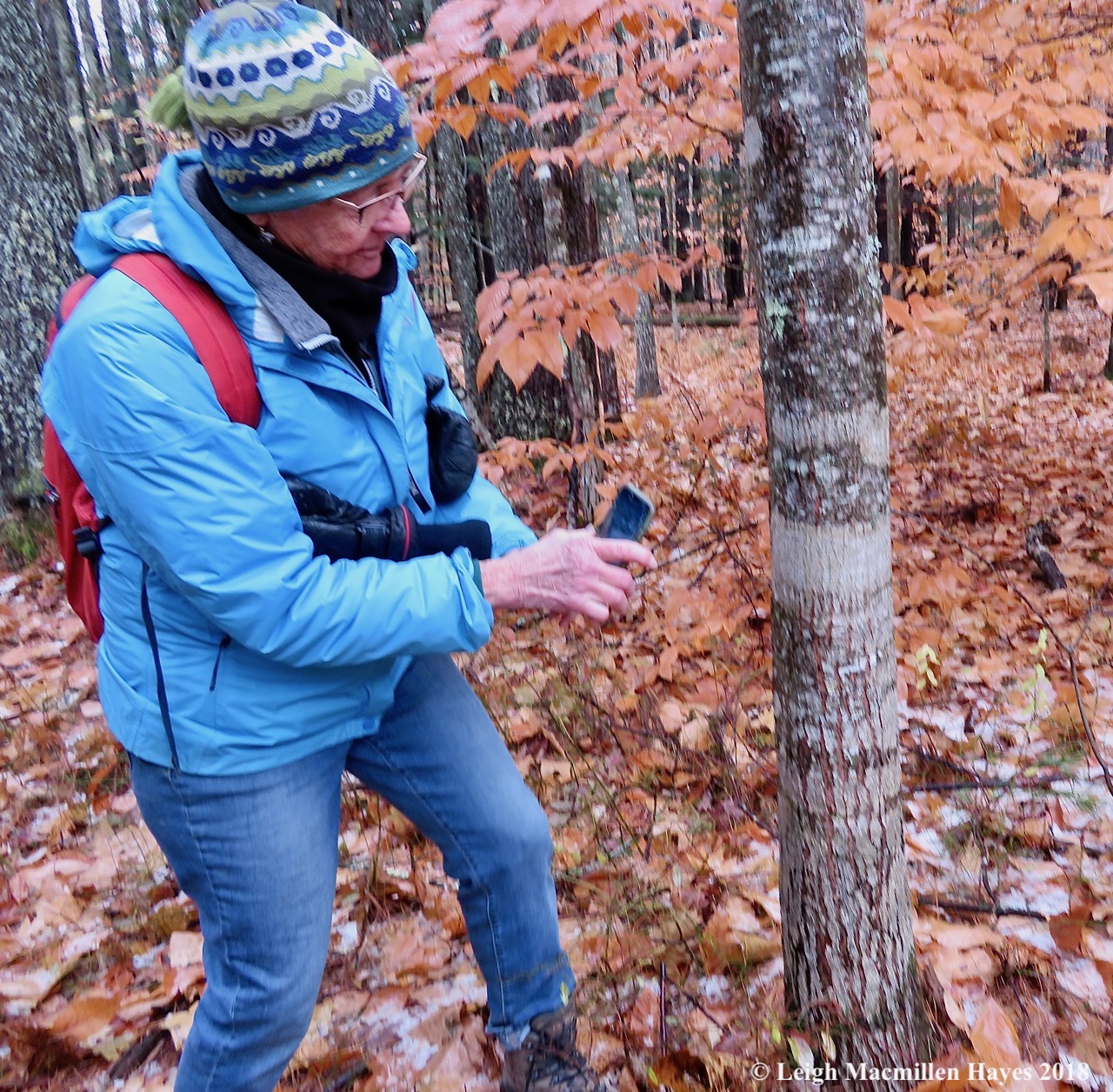


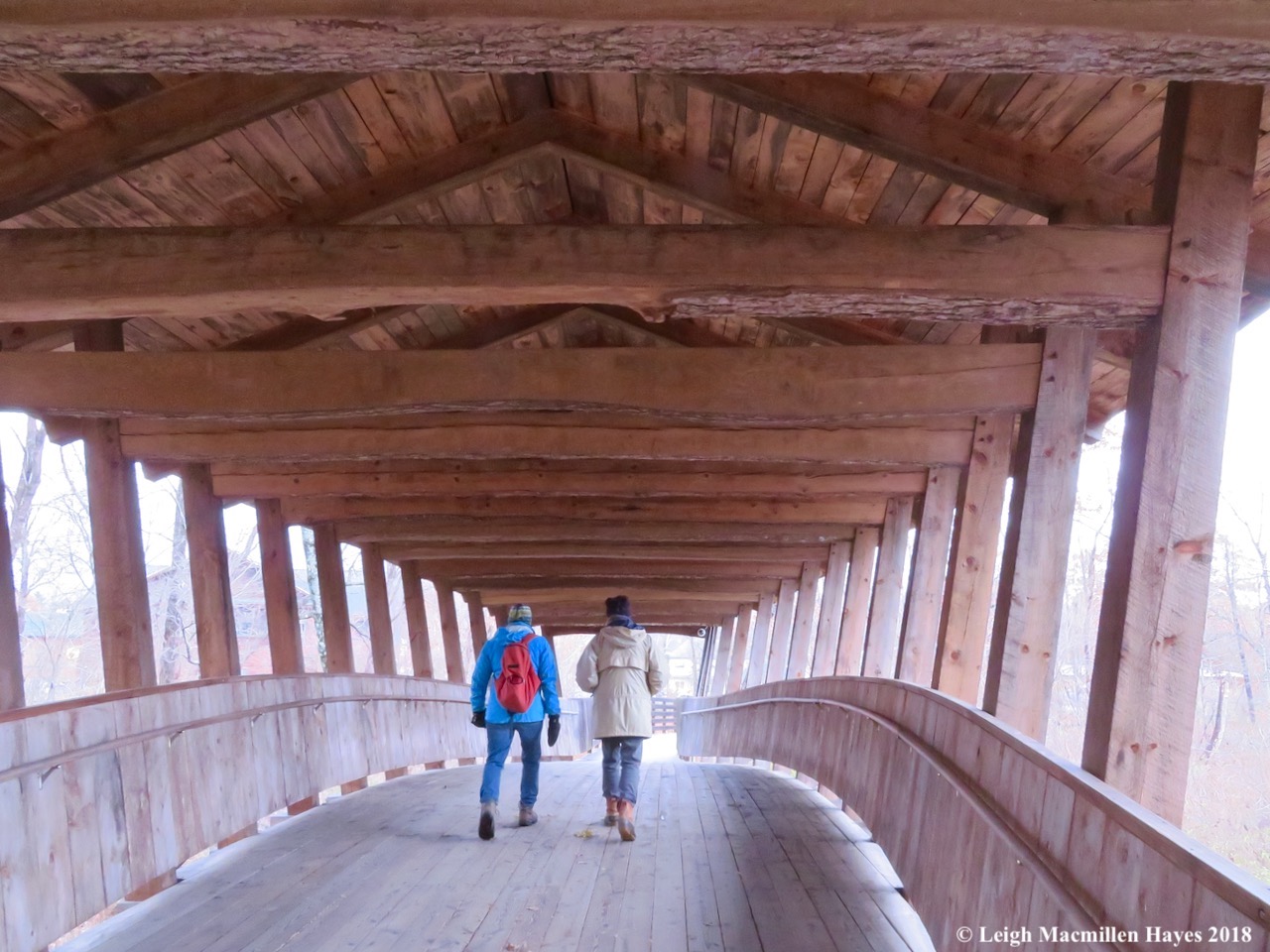


 wondermyway