Shout-out to the Universe

After he finished Yoga, and we both purchased veggies, eggs, flowers, jam, and goodies at our favorite farm market, aka Fly Away Farm, and picked up sandwiches at The Stow Corner Store, it was time to pull into a parking spot and head off on a journey, knowing full well that it would probably begin raining before we returned. That said, we left our rain gear in the truck. Wouldn’t you?

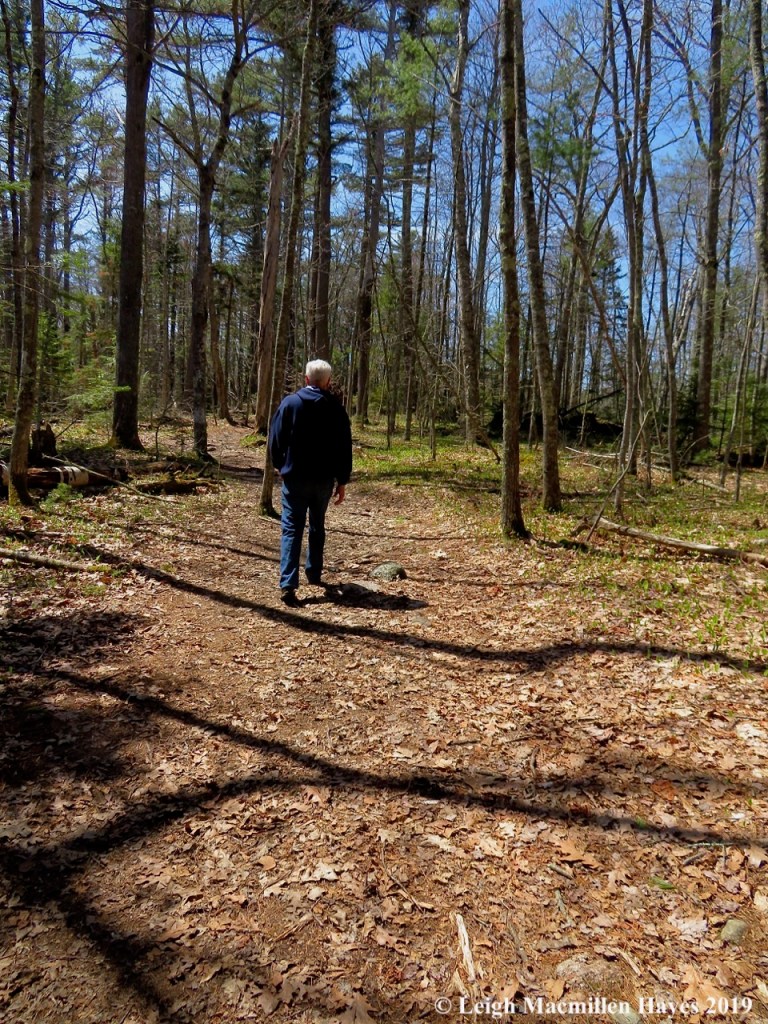
Our trail of choice this morning was actually a dirt road. One with a million names, but possibly most easily identified as Forest Road 9.

Because the gate is still locked, we had a two-mile walk ahead of us before we reached our lunch spot, but actually, that is my preferred way to travel this route. As I reminded My Guy, when we walk another road during the winter to a location very close by, we get to see bear hair on telephone poles. There were no poles along today’s road, but there could be other things worth noting.
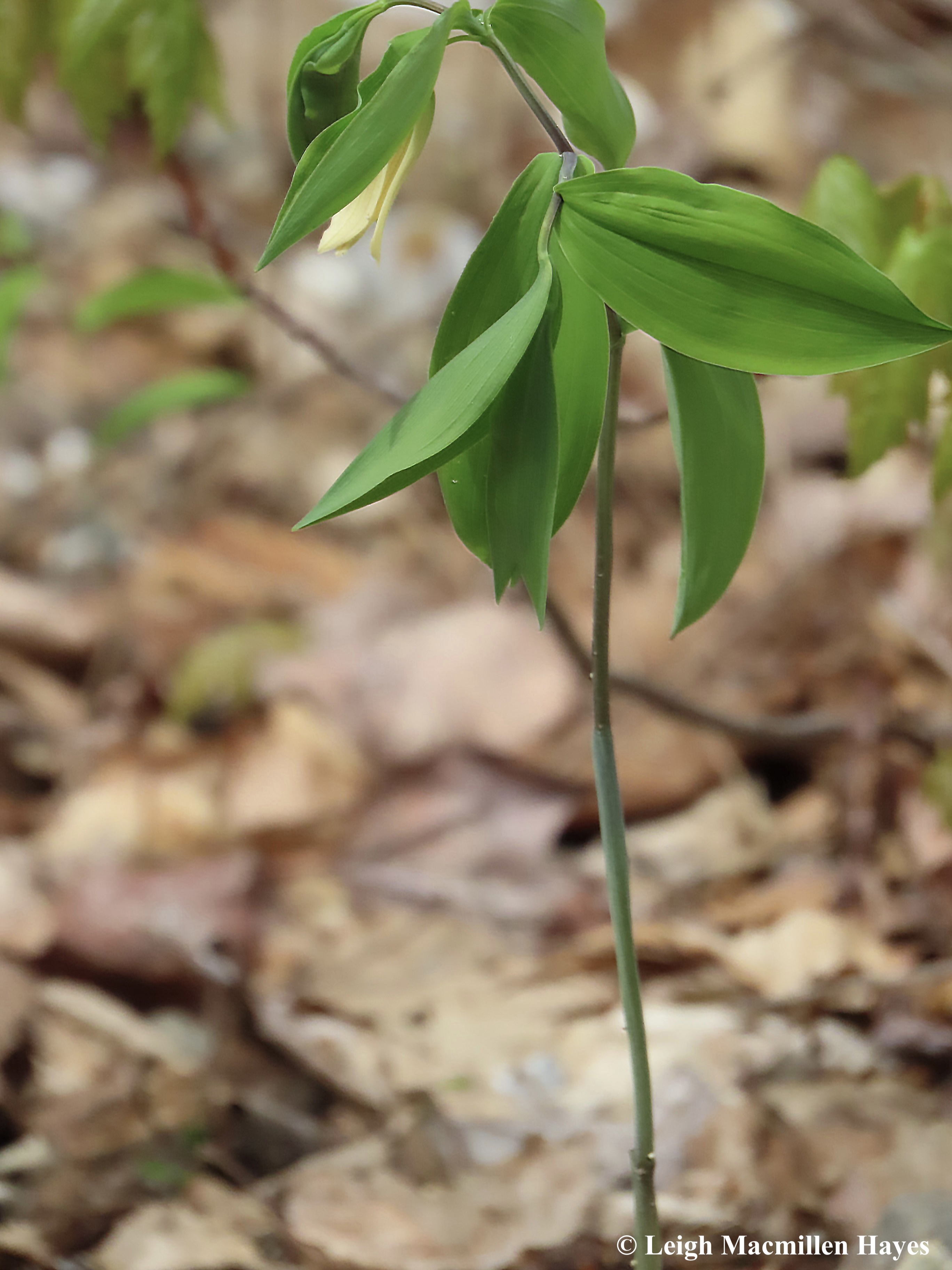
Like Sessile-leaved Bellwort, aka Wild Oat, showing off its drooping bell-like flower that almost blend into the roadside scenery and if you don’t know to look, you might miss it.
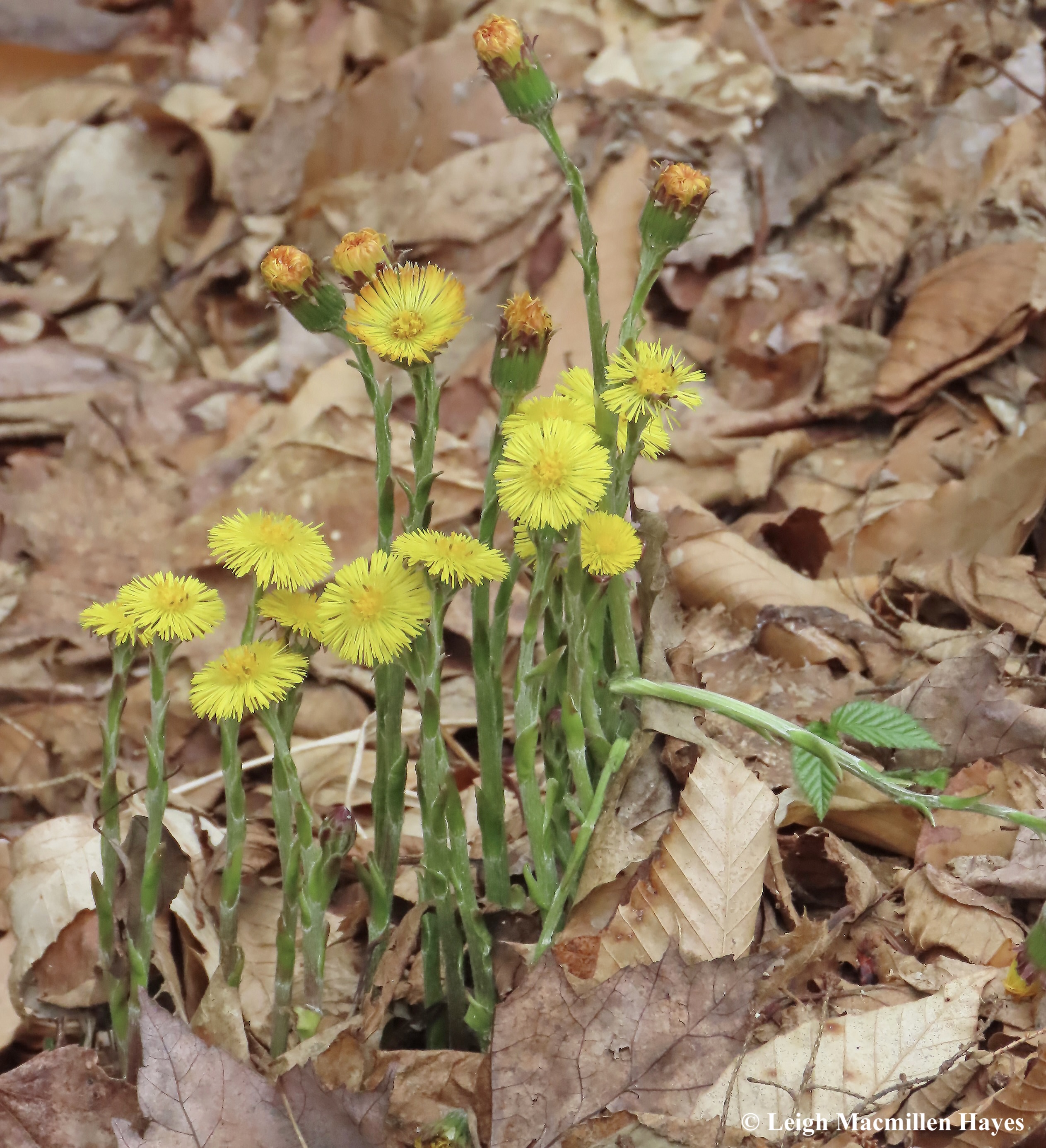
And Coltsfoot! What looks like a Dandelion, but isn’t a Dandelion? I LOVE this flower because like all spring ephemerals, it is so fleeting.

In the Aster family, the flowers can be distinguished from Dandelions by the presence of obvious disk florets and ray florets. The stems are unique in that they are covered in tiny bract-like, scaly leaves, and the actual leaves for which the plant received its common name, don’t grow out until after it has flowered.
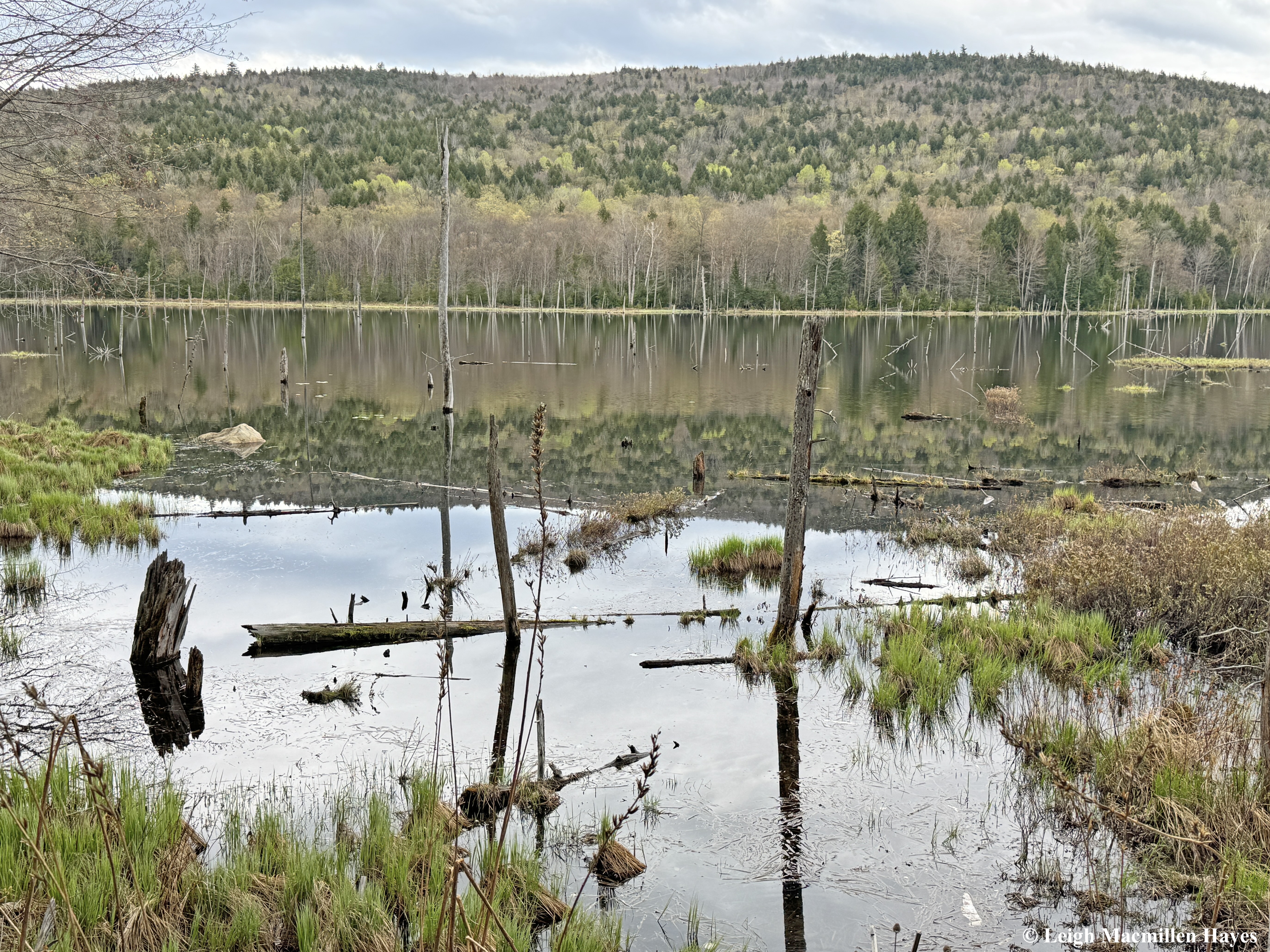
At last we reached our destination, after, of course, My Guy showed me where the snowmobile trail turns to the left and comes close to a trail around Shell Pond that we’ve viewed while circling that body of water.

Today’s water body: Deer Hill Bog. One of my favorite places to go, especially when the gate is closed and there is no traffic.

But, I’ve been thinking about that descriptor: Favorite. It’s rather like this one: Common. So many species are named Common This and Common That. And I find nothing common about them at all. I guess it’s true for favorite places. On any given day, no matter where I am, it is my favorite. Unless it isn’t, of course, but that doesn’t happen very often. Thankfully.

Beside the water, we heard a loud BUZZ, and there was a huge Bumblebee nectaring among the tiny bell-like flowers of Leatherleaf and I’d forgotten that they should be in bloom already.
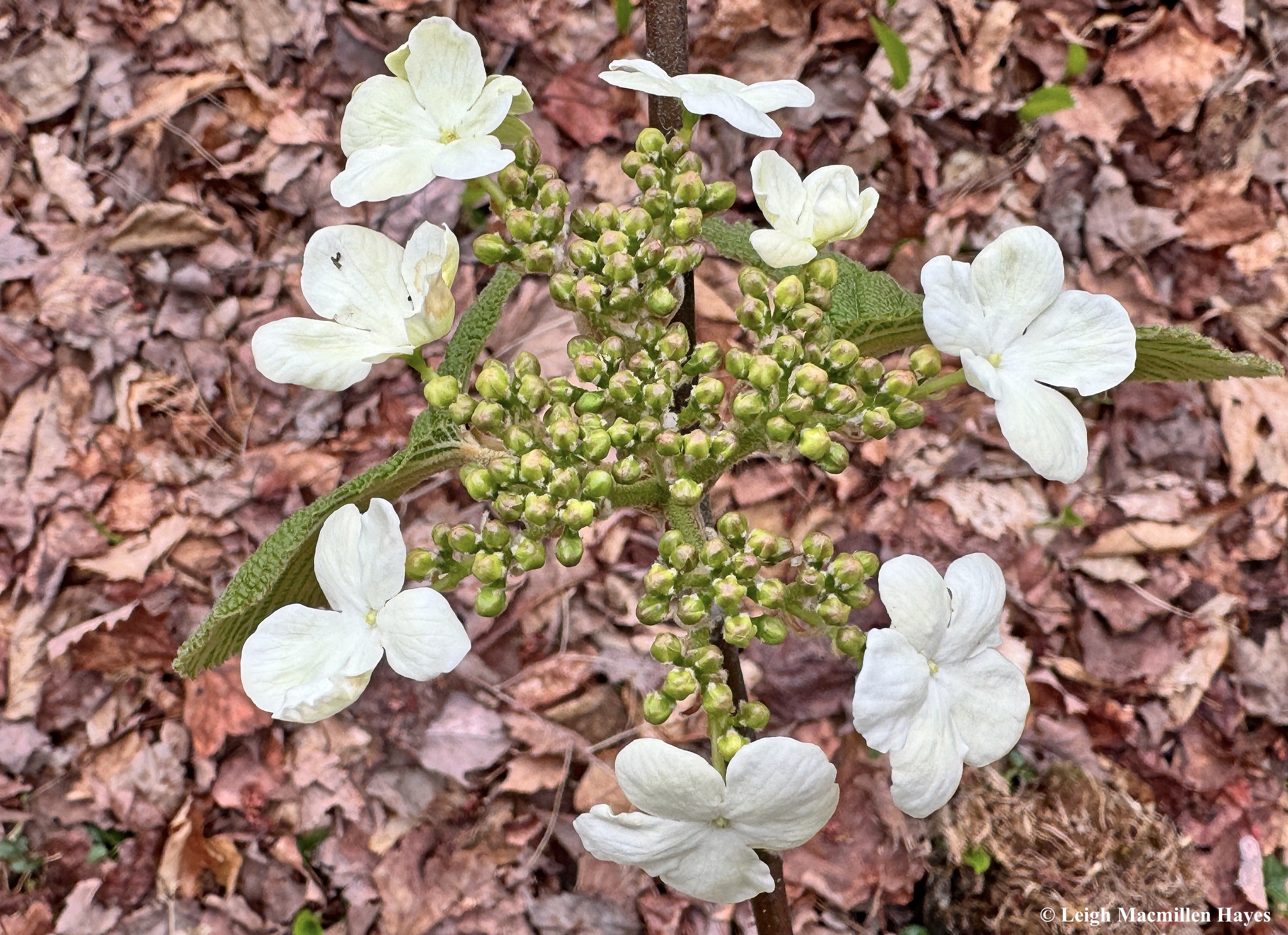
All along the road, and then right in front of the wildlife blind, was another fav that I can’t resist photographing: Hobblebush. I’ve yet to find one with the tiny fertile flowers open, to that means more photos to come.

While munching on my sandwich, I saw fast movement on the water surface as it appeared the critter was running. When I zoomed in with my camera lens, I realized it was a Fishing Spider, who has a hairy, water-repellent body that help it move across the water.

It was while looking down, that I heard a high-pitched whistle I recognized, but was surprised to look up and watch an Osprey land on a snag right in front of us. My, what intent looking eyes, most useful for detecting objects under the water, with fish being its main food source.

That said, the Osprey is a raptor, and I suddenly spied a Canada Goose on a nest atop an old Beaver lodge, and thought about the breeder’s camouflage and how well its wings blended in with the nesting materials making it not quite so noticeable from the air.

Really, though, I think I was the perceived threat since the Goose held its head low and pointed at me as it guarded what I assumed were eggs below its body. Thankfully, it didn’t hiss at me, and when I realized the situation, I moved on.

All the while though, I kept an eye on the Osprey who had flown across the bog and perched–looking in the opposite direction of the Goose. I didn’t want to find out if Goose eggs were on the menu along with a fish. Though it would have been great to have observed it catch a fish.
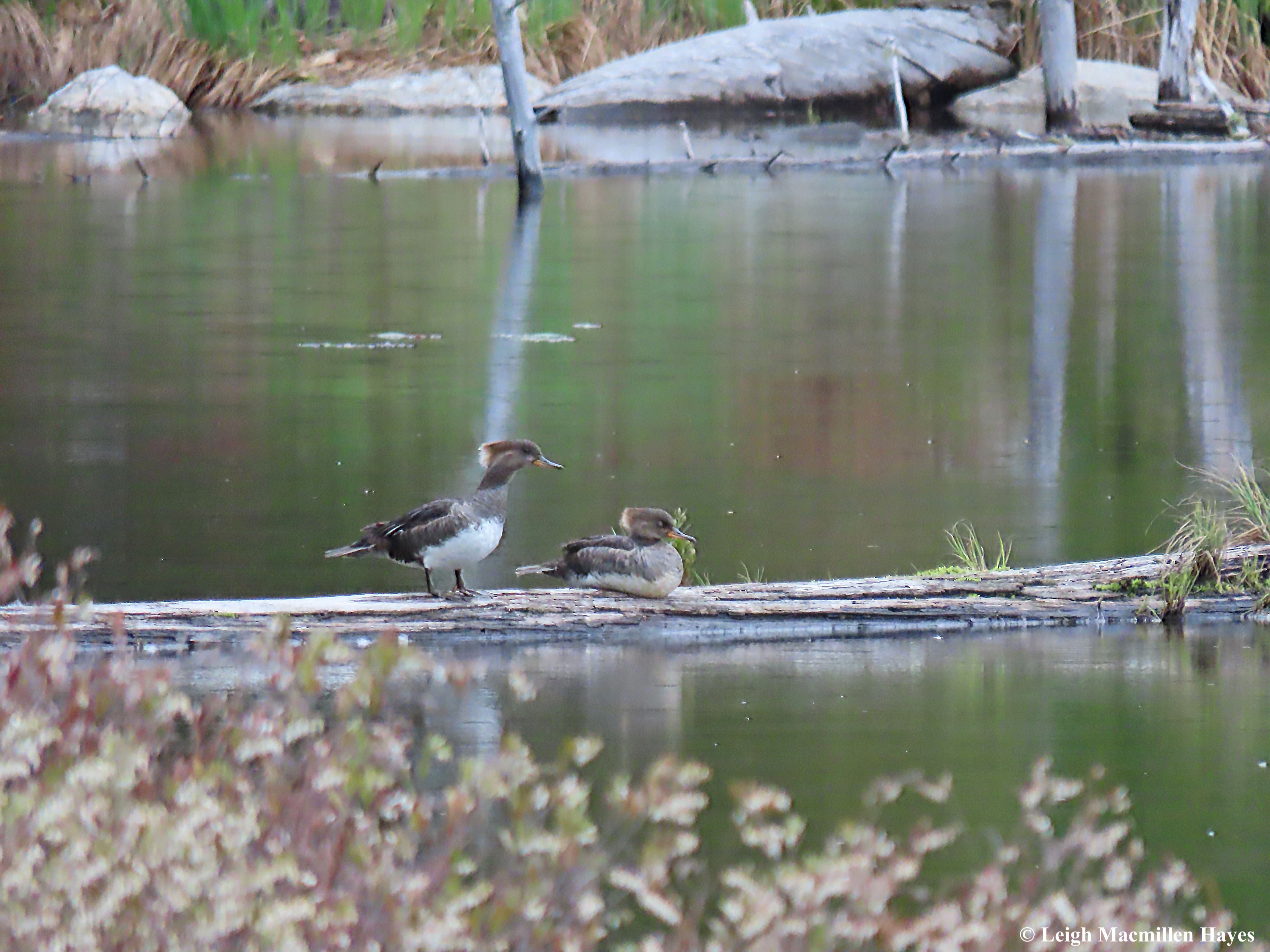
Mergansers were also out and about on the pond and these two vocalized, which drew my attention to their location upon a log where I fully expected to see Painted Turtles basking. But today wasn’t that day–basking day.

Instead, as had been predicted, it began to rain and we had two miles to walk out and unlike the ducks, could not oil our feathers and let the water roll off.

That said, it wasn’t a raw day and we really didn’t mind. I know I rather like rainy days. Besides, we both had extra clothes waiting for us in the truck.

As we walked out, I mentioned that I was surprised we hadn’t seen any Red Trilliums in bloom.

I kid you not, a minute later I spotted a Painted Trillium, the first of the season for me.

My Guy wasn’t surprised, but wanted to know if I could make a Moose appear.
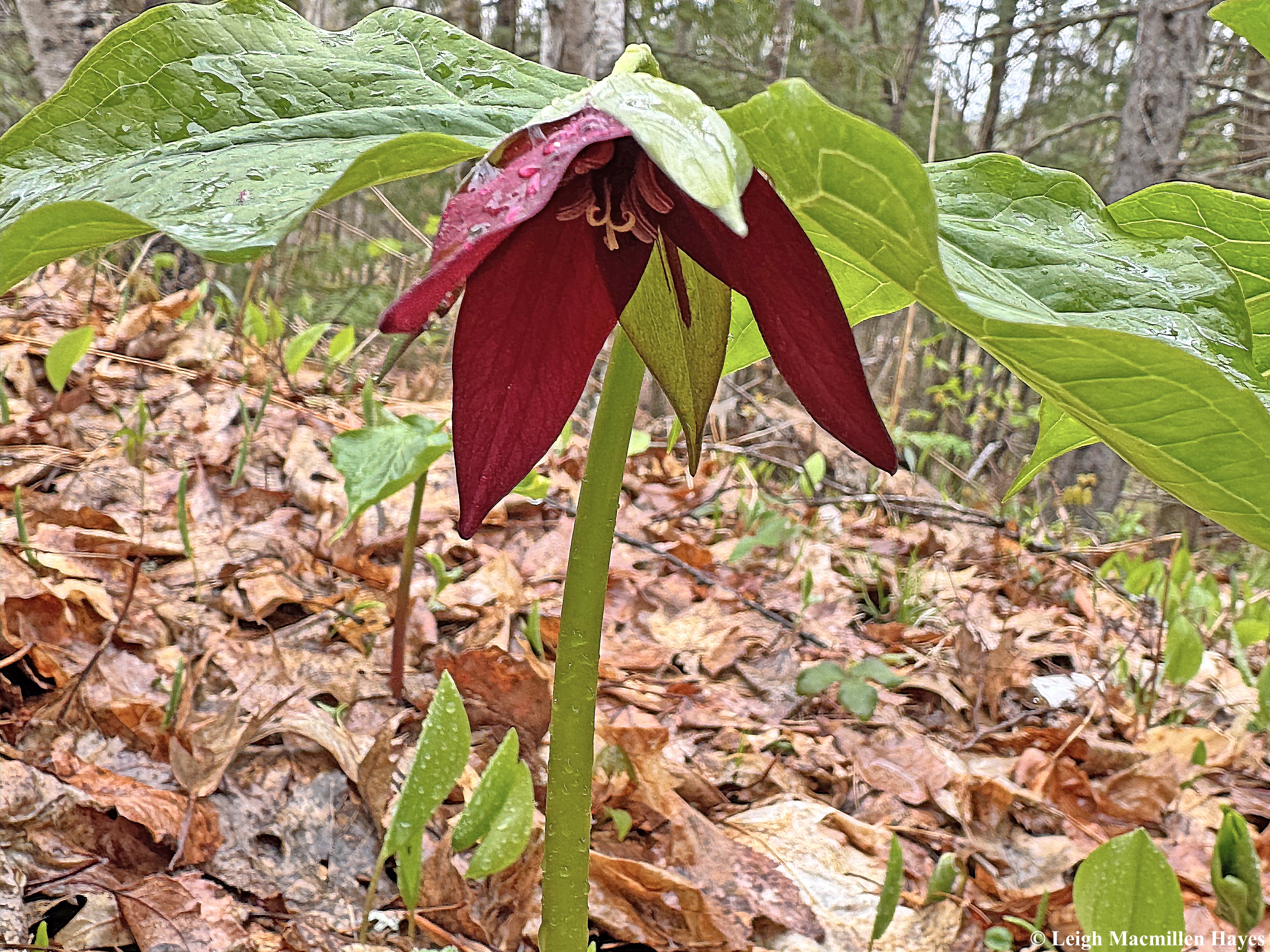
No, but about a mile later . . . a Red Trillium. We had missed both of these flowers on the way in, which is another reason why though loop trails are wonderful, I don’t mind retracing my steps because there’s always something different to see.

As for the Moose, no sightings today, but . . . I still want to give a Shout-out to the Universe for what we did spot both at the bog and along the road.

Eyes on the World About Us

Sometimes we hike with a purpose, My Guy and I. And on those days, he actually slows his pace down.

And opens his eyes wide, much like the Red Squirrel–ever on the alert.

Was it the Fringed Polygala, aka Gay Wings he sought? No, but I certainly did. Those petal-like wings are actually sepals. Two of the petals are fused into a tubular structure, thus giving this plant a “bird-of-paradise” form. The fringe at the end of a third petal or keel below invites all to enter.

Don’t they look like birds in flight? Being a spring ephemeral, these delicate blooms will only last a few more weeks and then I’ll confuse their leaves with those of Wintergreen, but My Guy was rather oblivious to all of this.

Was it the Dandelions he sought? No, he scuffs at those. But the Flower Fly and I–we were two of a kind for this incredible display. Notice how each ray is notched at the tip like teeth. Those five “teeth” represent a tube-shaped floret. Fully open, the bloom is a composite of numerous florets.

Was it the Wolf’s Milk Slime he sought? No, I’m not sure he even spotted them for though we were moving at a slower than normal pace, one of us was even slower than the other. I couldn’t help it. I cannot resist this slime mold.

It was apropos that I should spot it on this trail and by the end you’ll understand why.

And so I did what I always have to do when I spot Wolf’s Milk. Picked up a stick. And poked one of the fruiting bodies. I could actually feel my peeps’ presence in the moment because they would have been doing the same, and maybe even taking a video as the salmony-pink paste inside oozed out.

As the mold matures, the paste actually turns into the spores and when we poke it later in the season, a puff of gray exits the ball. No, they are not puffballs, but they are the next best thing.

Was it the Painted Trillium he sought? No, but for once he did actually count them. I’ll let you know the total at the end.

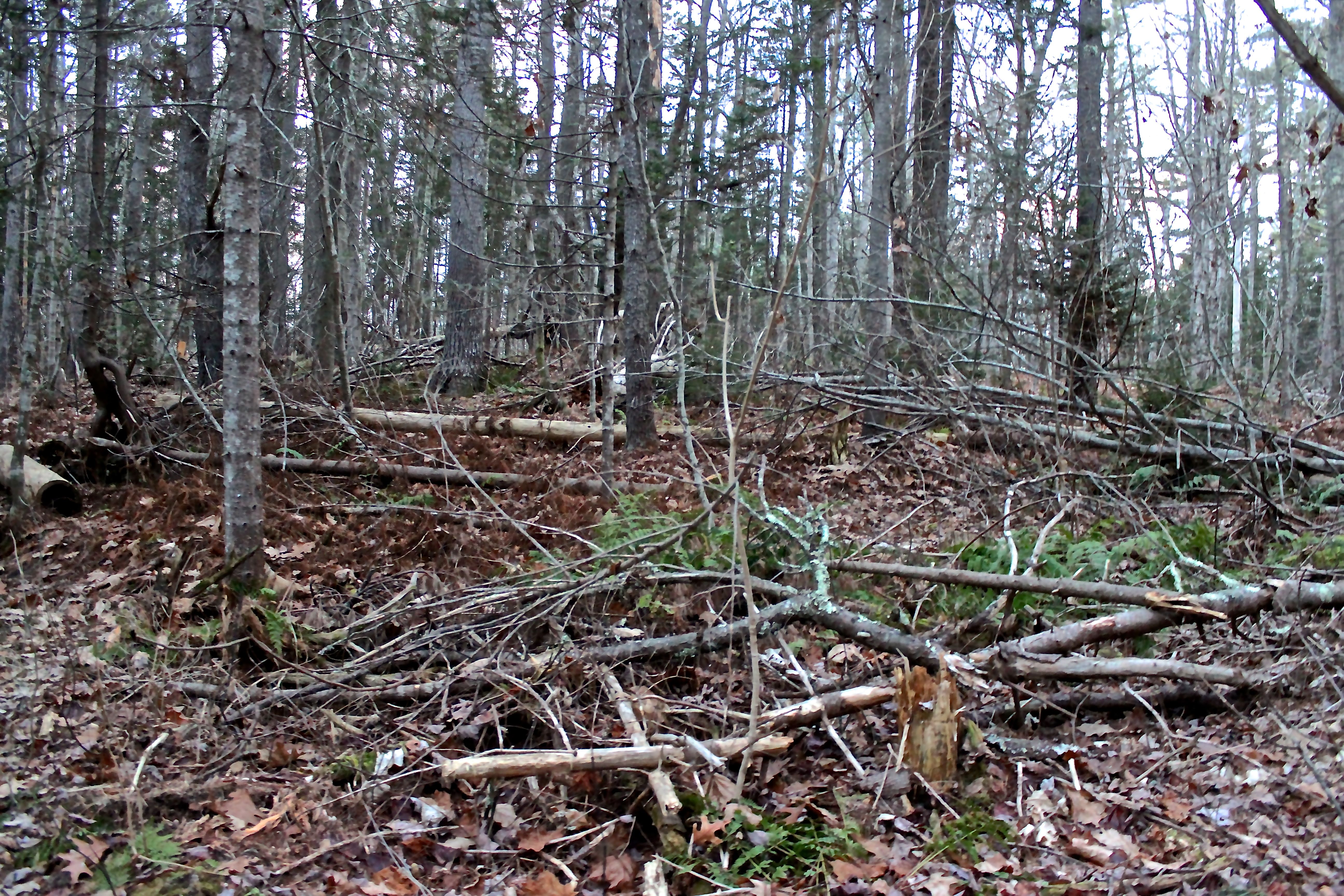
Was it the number of blowdowns, he sought? No, but those were incredibly abundant, many occurring over the course of the past eight months. And actually, they were a hinderance to what he did seek.

Was it the Pink Lady’s Slippers he sought? BINGO! I do not know why, but My Guy loves to count them and especially to find displays like this. And I love that he loves this.

White Lady’s Slippers are a variation of Pink, and so they were included in the count.

We honored the very last one before we headed back to the truck–this being #475.

Yes, 475 Lady’s Slippers.

At this same locale in 2023: 324.

And in 2022: 411.

The thing we did notice this year, we were a week earlier than usual, and many of the flowers hadn’t completely opened. Note to ourselves: don’t be so impatient next year because we really love seeing them in full color.

And we do know we missed some because of the blow-downs, but hey, we still did well.

Number of Painted Trillium: 2. My Guy usually refuses to count them, but we didn’t spot one until we were almost done, so he figured he could. And then the second one appeared.

I couldn’t help but smile.

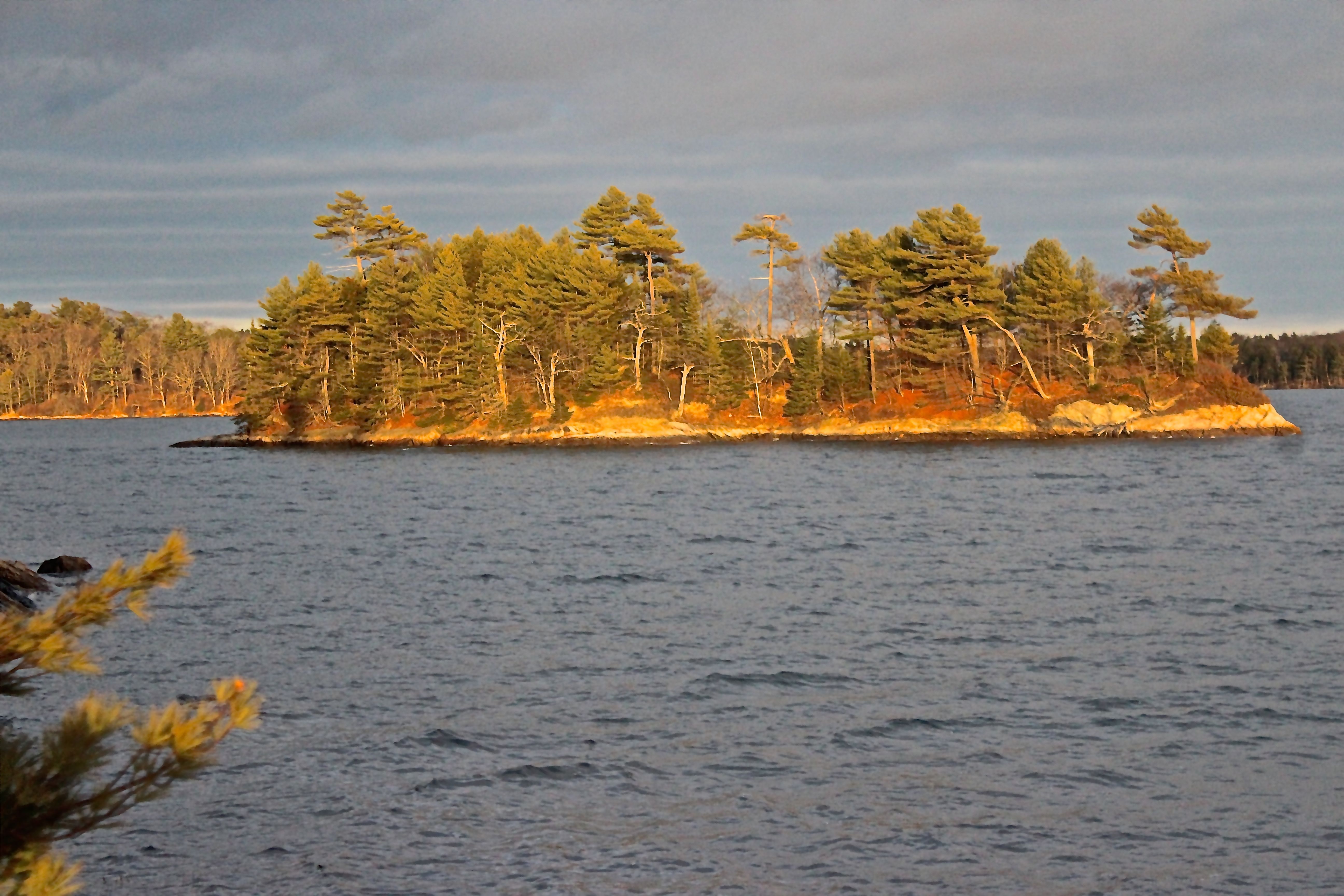
Where were we? By this photo some of you may now know our location. In front of us was Googins Island, as viewed from the rocky coast at Wolfe’s Neck Woods State Park in Freeport, Maine.

Now do you understand why I said the Wolf’s Milk Slime Mold was located in the right place?

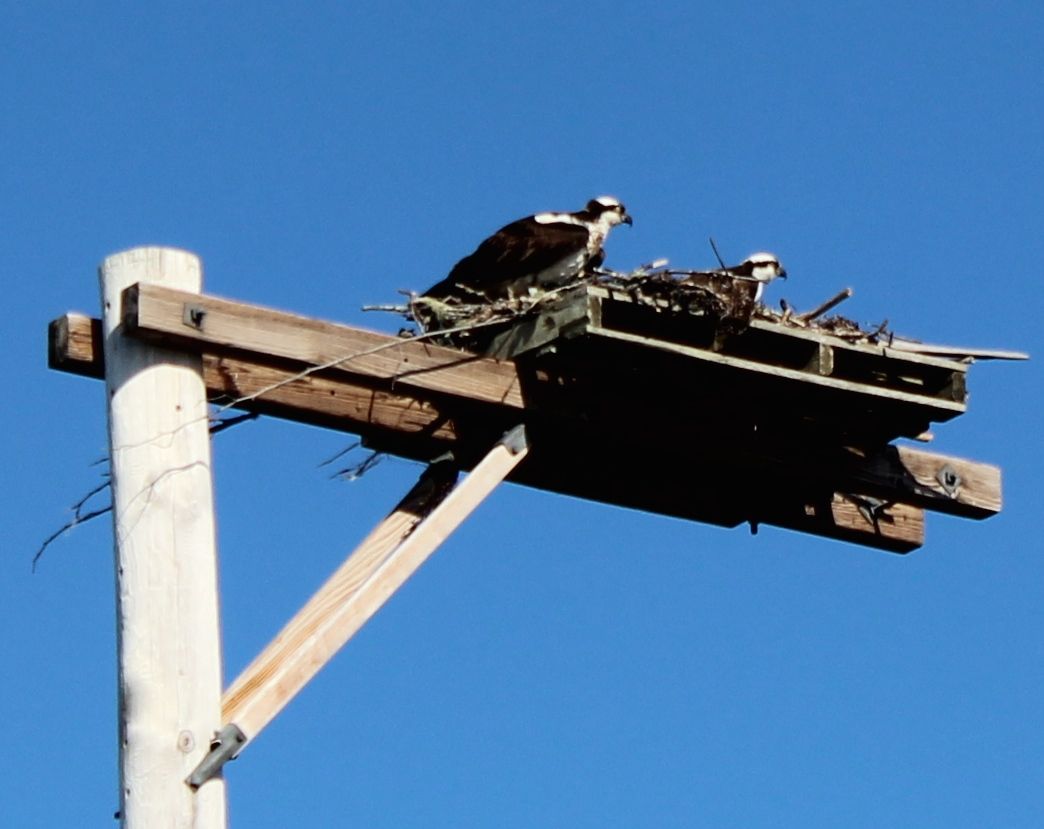
And Googins Island has long been home to this Osprey nest, where the expectant parents had their eyes on the world about them. Just as we had.

LOVE ME, love me: Wolfe’s Neck Woods State Park

It had been four years since we last visited Wolfe’s Neck Woods State Park and that venture took place at the end of November. We must have been Christmas shopping. Today, we were in search of a bug-repellant shirt for me (Spring shopping) and so our journey took us to Freeport. Not being a shopper, it was a quick in and out of the store and then onto Wolfe’s Neck Road.

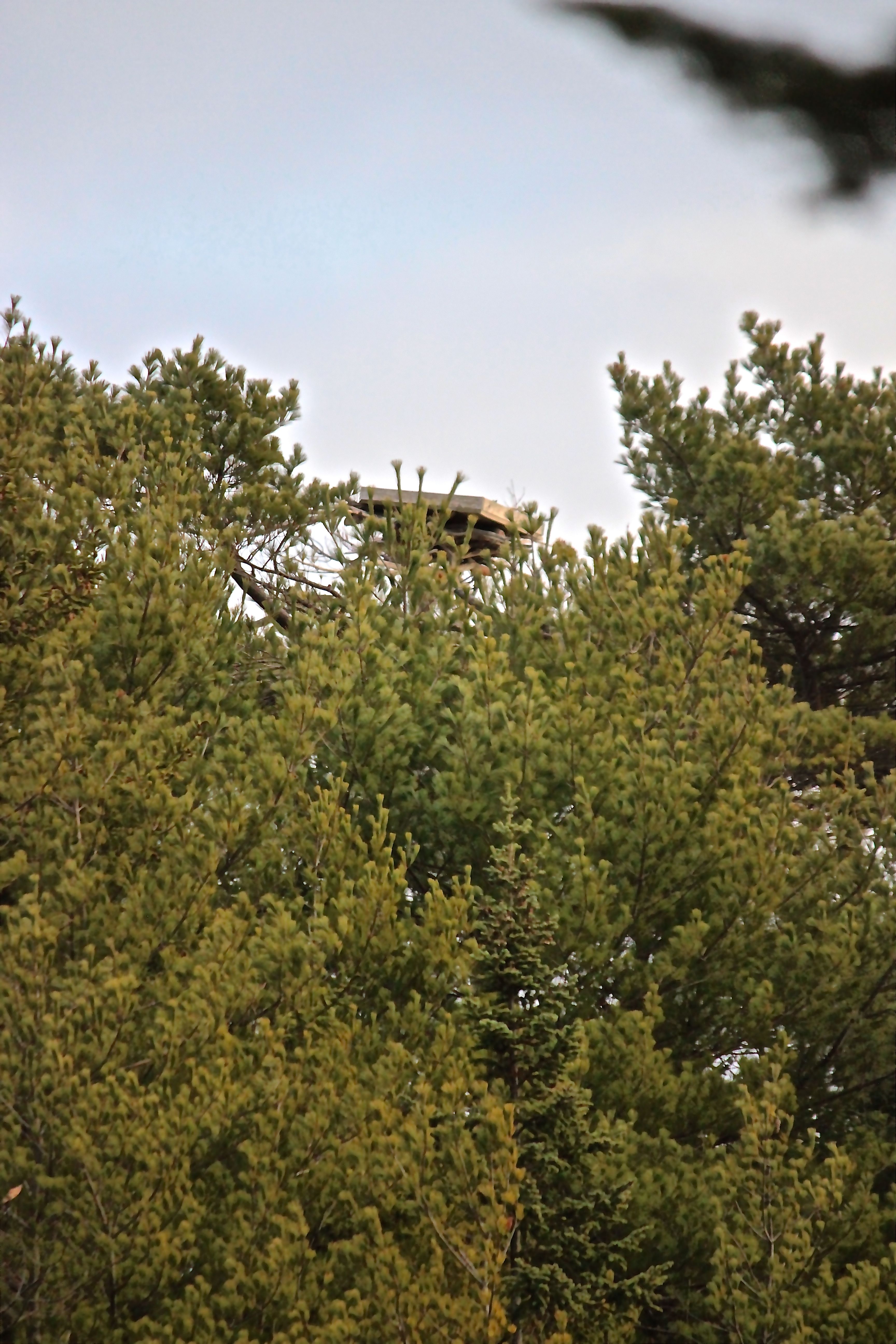
There’s a 4.4 mile network of trails in this 200-acre park gifted to the State in 1969 by Mr. and Mrs. Lawrence M.C. Smith of Freeport. One of the stand-out features is Googins Island where Osprey have been entertaining visitors for years as they raise their young on a huge platform nest they’ve built high up in a pine. Can you see it?

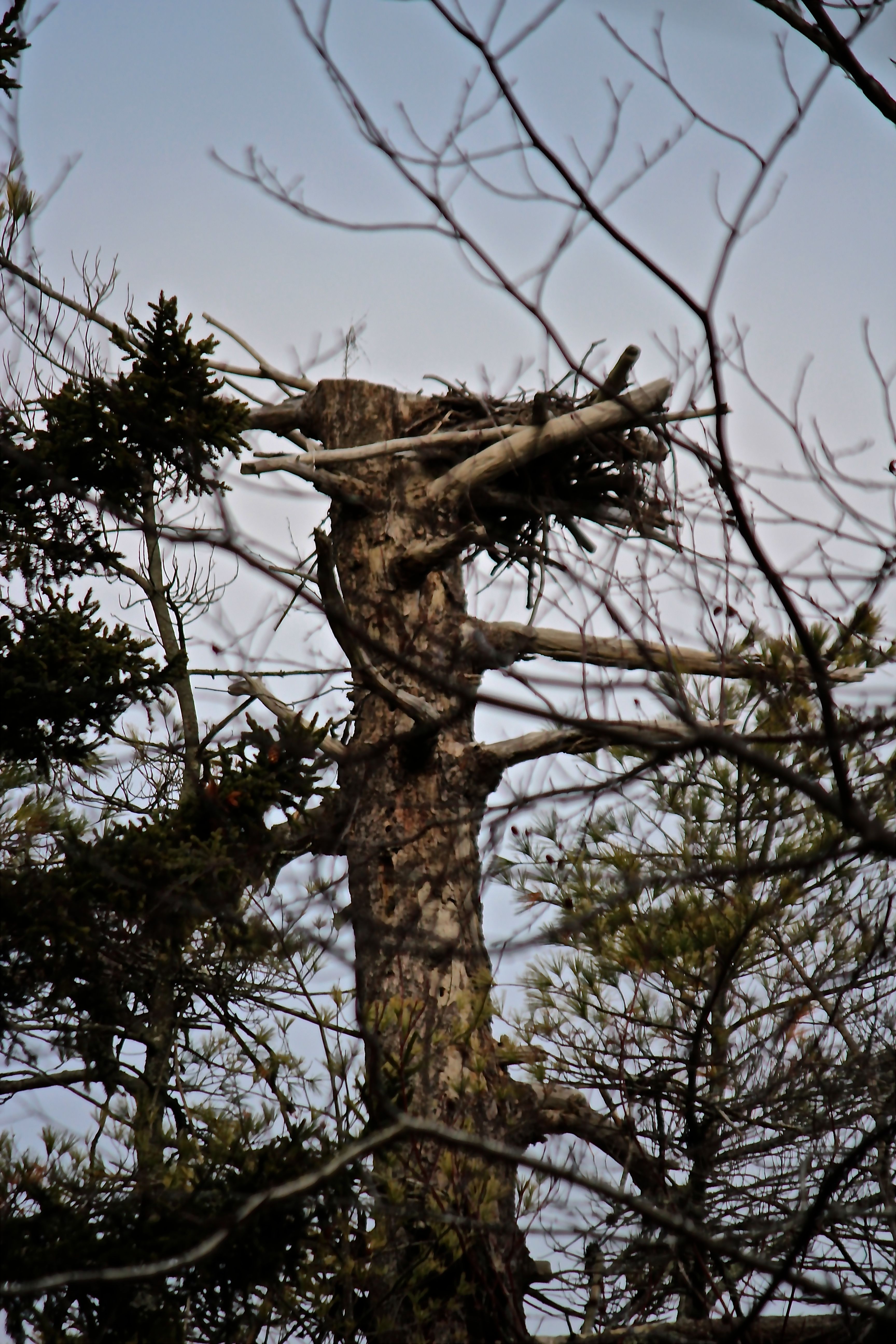
Here’s a closer view–and I assume (never assume) that Momma was the one sitting on eggs. The nest has been added to each year and though I have no idea of its actual size, Osprey nests can reach 10–13 feet in depth and 3–6 feet in diameter. The depth of this one appeared to be a few feet, but the diameter was substantial.

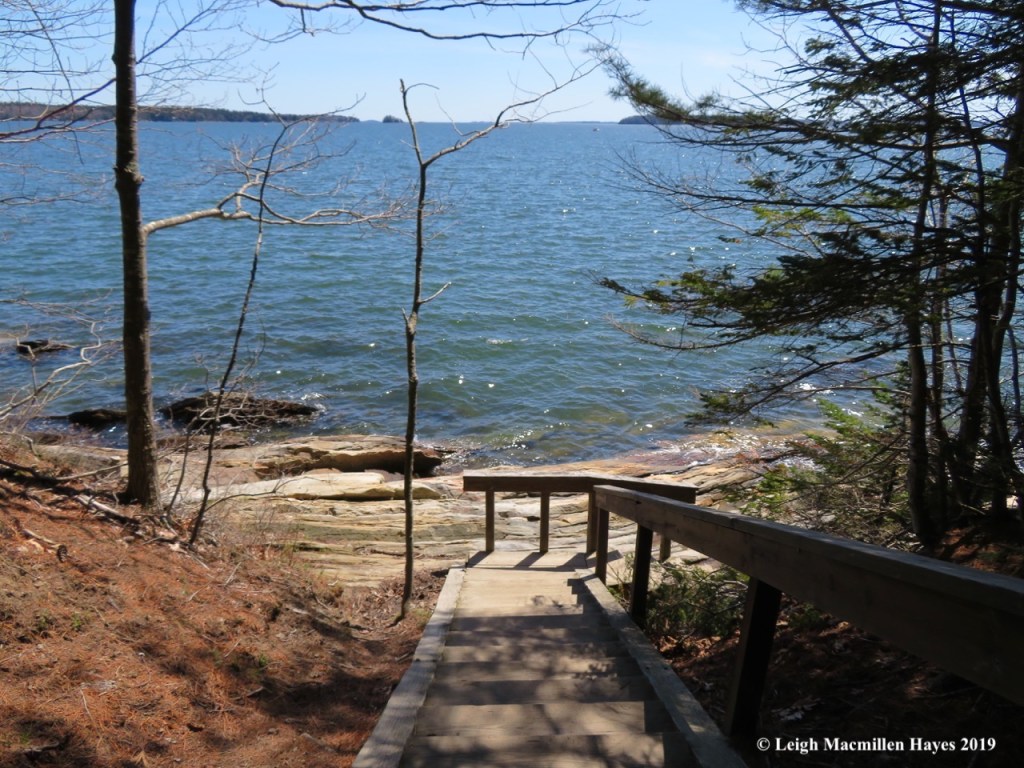
We followed the trails and enjoyed journeys to the water where we could take in the views of Casco Bay and its islands.

And before our feet, the mix of granite pegmatite and metamorphic rock. As much as my mom always loved to walk along a beach, she was equally enchanted by the rocky coast of Maine and whenever I encounter it, I feel her presence.

I know mom would have appreciated the artistic rendition of waves created by the water and mimicked by the rock.

Again and then again, the trail was interrupted by a set of wooden steps that led us back to the water’s edge.

It was there that we spied the Common Eiders as they floated and fished.

And . . . the first Dandelion blossom of the season–for us, at least. In my modest opinion, Dandelions are under-appreciated and that fact was driven home when my guy asked, “You’re photographing a dandelion?” Yep. Check out each golden ray of sunshine with its five “teeth” representing a petal that forms a single floret. Yes, each petal is a floret. Therefore, the bloom is a composite of numerous florets. And notice how each stigma splits in two and curls. What’s not to love. Oh yeah, and though we didn’t witness it today, the pollinators love them. (SO don’t pull up the dandelions in your yard!)

The thing about Dandelions is that they leaf out first and then flower, while their cousins, Coltsfoot, which we also found along the trail, flower first and leaf out later. The wonder of it all.

Our journey took us across stepping stones,

along park-like paths (because we were in a park, after all), over roots and rocks, with ups and downs, and even a couple of bog bridges.

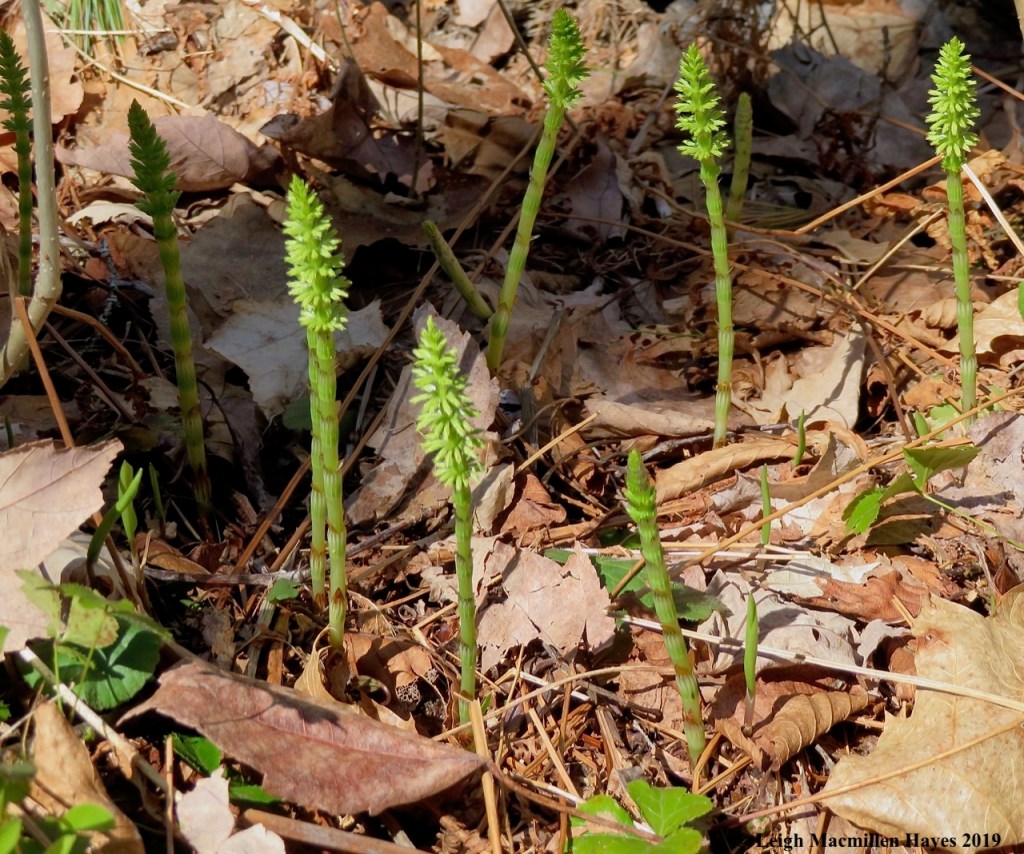
The sights along the way included patches of Equisetum, a living fossil. These vascular plants reproduce by spores rather than seeds and dominated the understory of late Paleozoic forests. Just imagine.

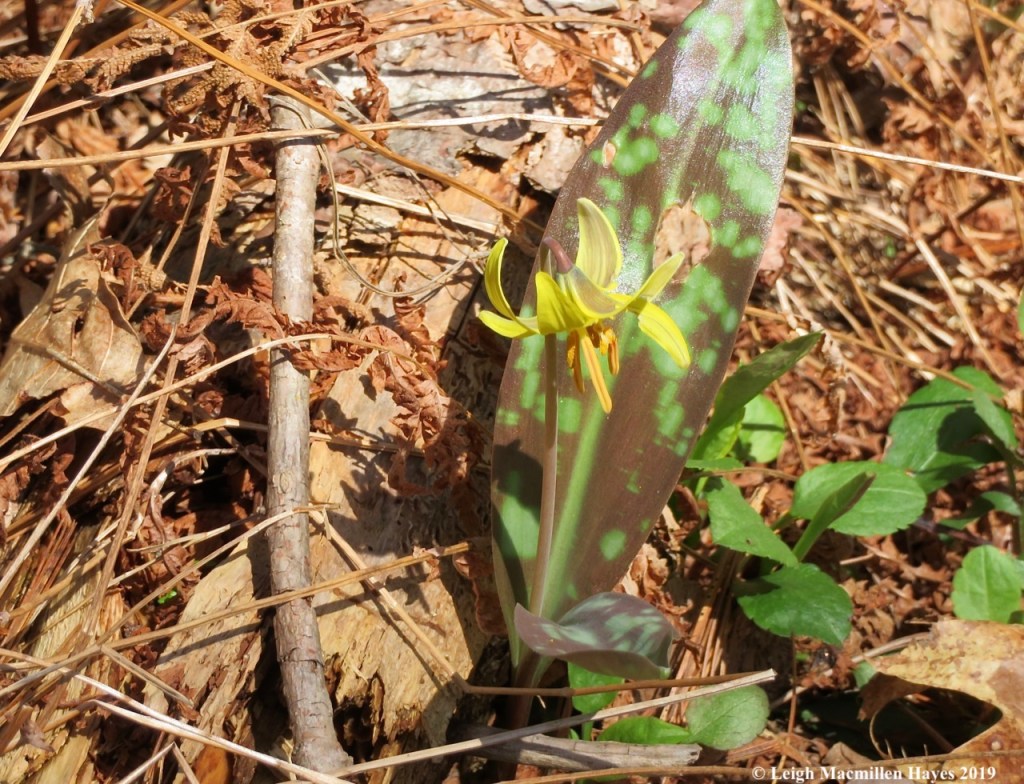
While that was a treat, one of my favorite surprises was the patch of Trout Lilies that decorated the forest floor. It’s one I don’t encounter often, but because of its maroon-mottled leaves that remind some of brown or brook trout, I’ve remembered it each time we’ve met.

The nodding flower that could have been a lantern in the forest with its petals and sepals bent backward, exposed six brown stamens hanging low.

And then, and then, one of my all-time favorites in any season, a Hobblebush, showed off its May glory in new leaves and flowers. Those in our western Maine woods aren’t as advanced yet, but trust that I am watching.

Our journey was quick for we had another commitment, but still . . . we made some wonderful discoveries and especially loved the opportunity to see the Osprey on its nest.

The second in our LOVE ME, love me series had come to an end. Wolfe’s Neck Woods State Park. ✓ Two down, 32 to go!

Mondate By the Bay

After lunch at Gritty McDuff’s in Freeport (haddock sandwiches and a brew–no PB & J today), my guy and I found our way to Wolfe’s Neck Woods State Park on Casco Bay. So, here’s the good, but scary part. We’ve been there before, but not in a long while–and neither of us had any recollection of it. That means today’s visit was like going there for the first time all over again. (Our dementia is setting in.)

map

Trails follow the coast and circle back to the Harraseeket River, passing through a variation of natural communities. We trekked over all but the North  Loop before we ran out of time. Actually, we finished up a wee bit after the park was officially closed for the night and were glad to find the gate still open.

red oak

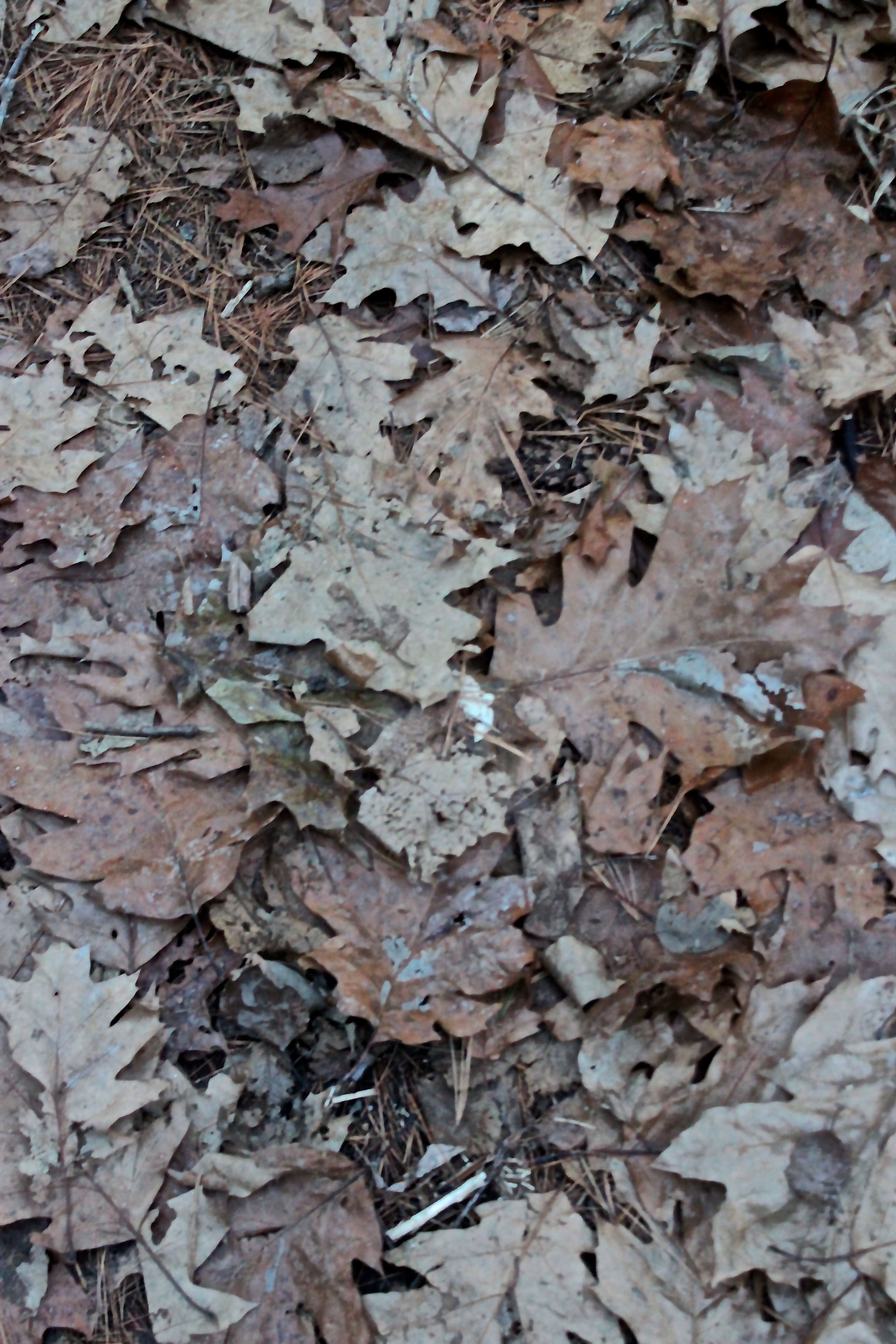
By the forest floor, it was easy to name the predominate hardwood trees in any given area from Northern Red Oak to

beech leaves

American Beech to

big tooth aspen leaves

Big-tooth Aspen. Spruce, hemlock, pine and fir also fill this more than 200-acre forest given to the State in 1969 by Mr. and Mrs. Lawrence M.C. Smith.

down the trail

Sometimes the path was packed dirt that made for easy walking.

stone pathway

In other places, a stone pathway had been carefully laid out before us.

roots

And no woodland trail is complete without an array of roots and rocks.

blow downs

One of the noticeable features of this location is the number of uprooted trees.

blow down dominoes

The wind enjoyed a serious game of tic, tac, toe, three in a row or dominoes with this event. Here’s hoping that no one planned a picnic that day.

blow down every which way

And in other spots, it looked like the gale force winds of both summer and winter beat upon the landscape.

curves

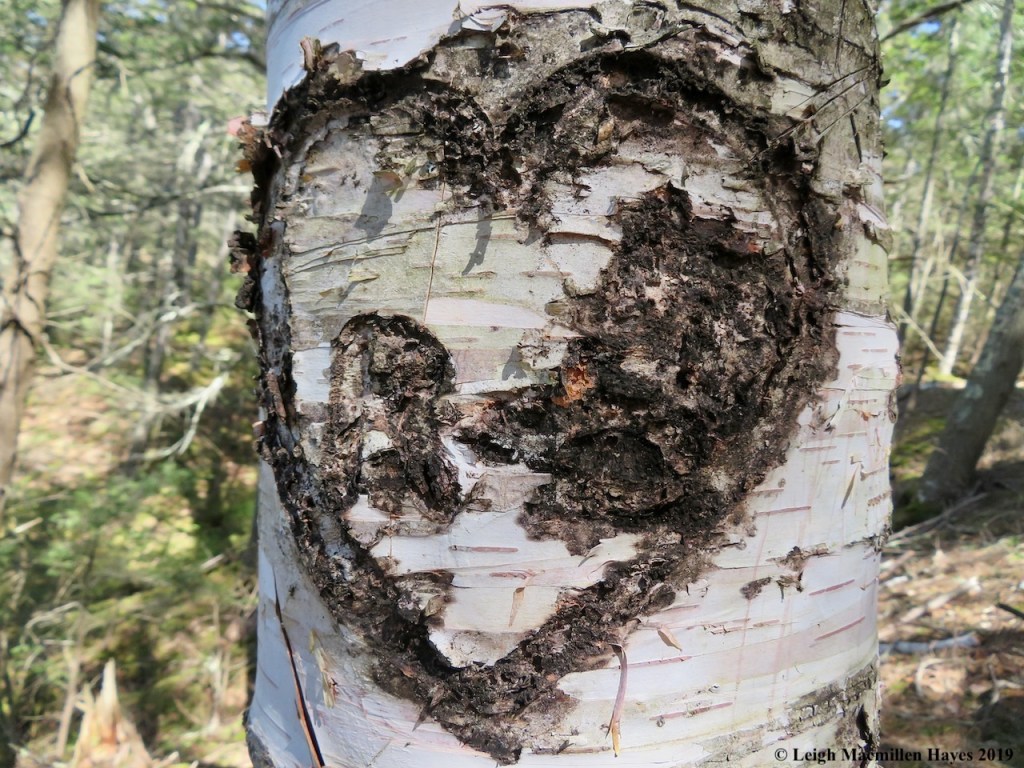
Always on the lookout for interesting sites, my eye was drawn to the wavy inner bark of this old birch. It could be locks of Rapunzel’s hair. Of course, I also see a mermaid swimming in the slightly darker wood. Isn’t that what a naturalist is supposed to see?

eye in the tree

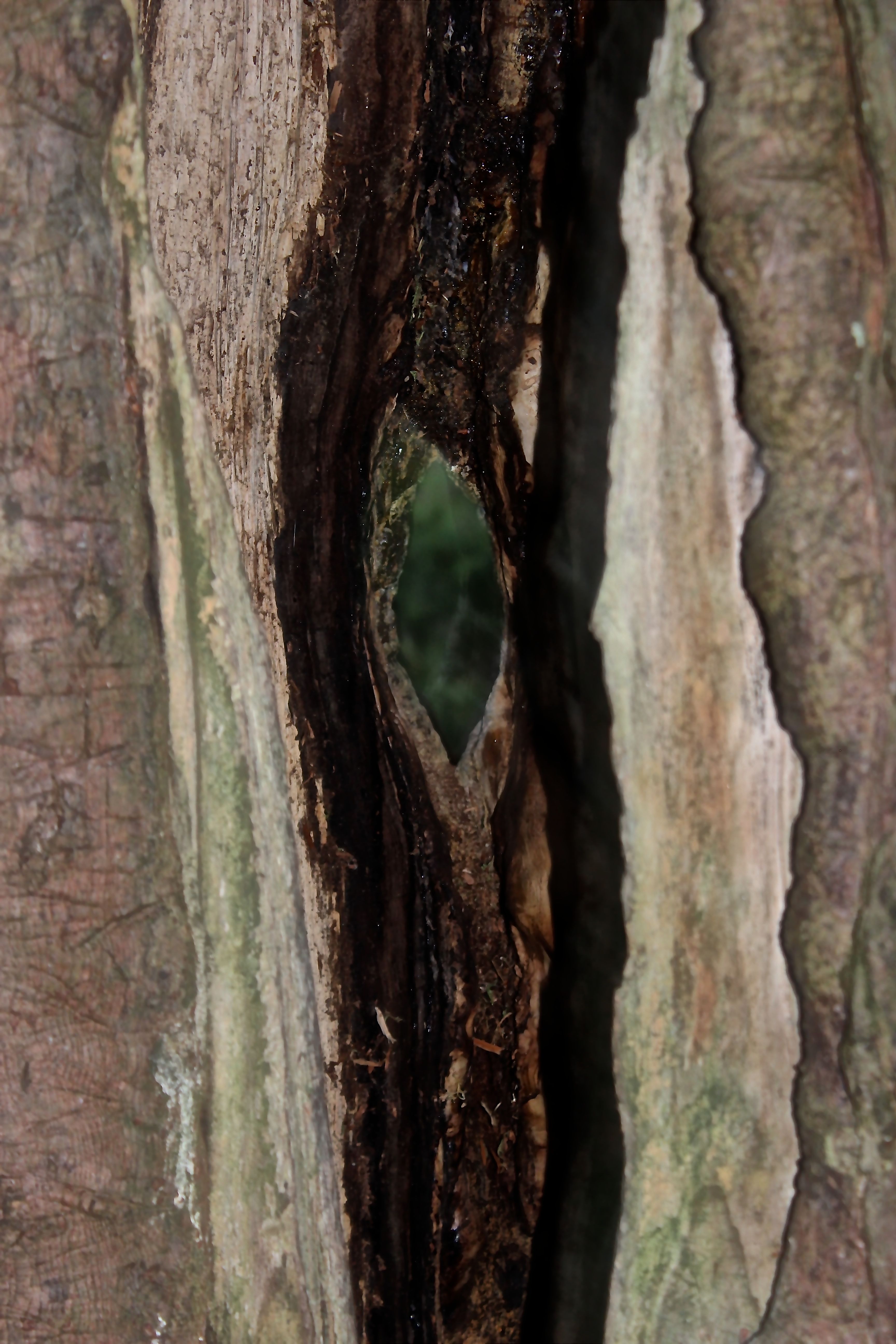
And then there was the hemlock-green sideways-turned eye–taking a different view of the world.

pine needles

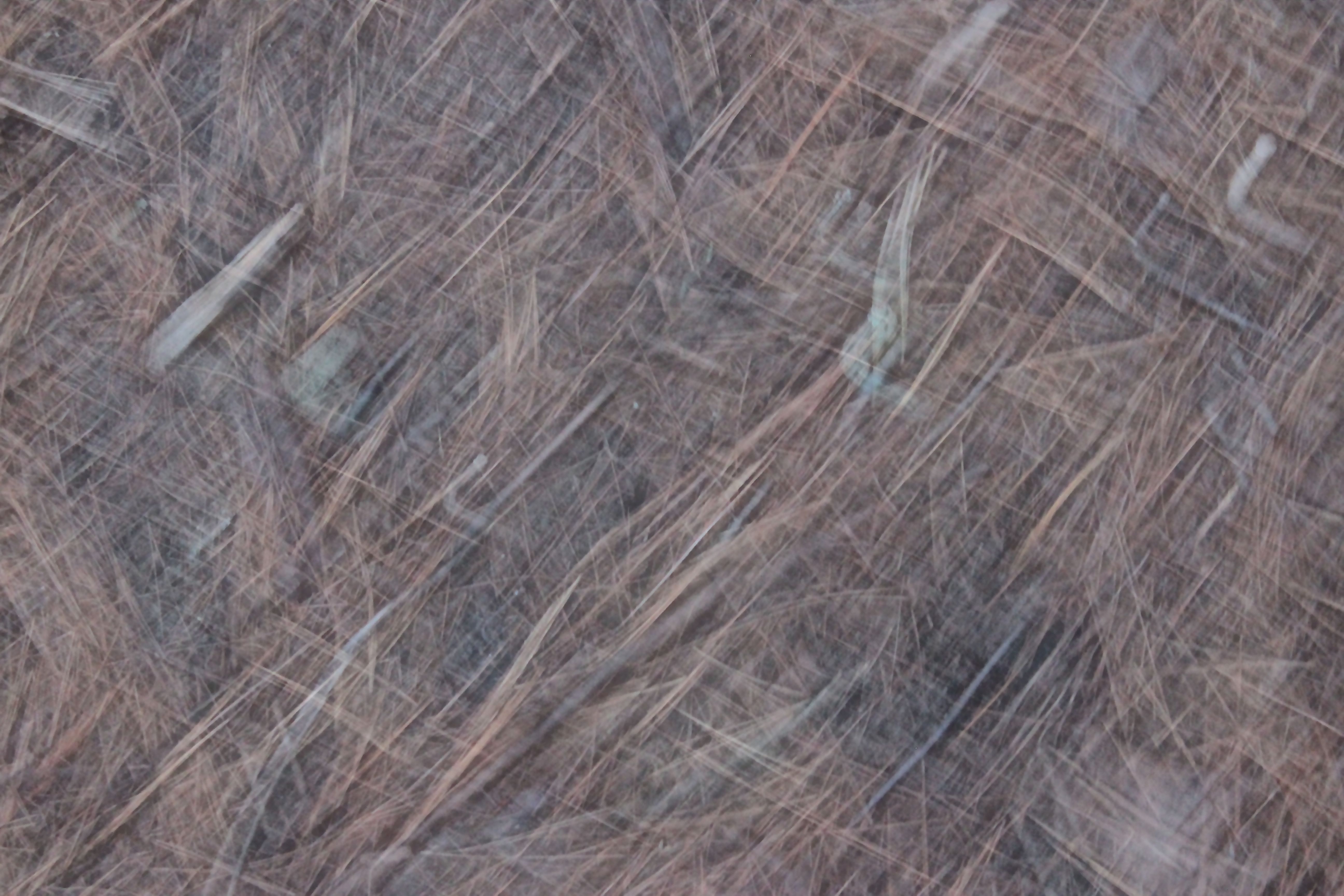
While I’m sharing some interesting shots, I thought I’d include this one–of pine needles. It was getting dark and I chose the wrong setting, but I like the artsy texture of it–tweed-like in appearance.

seeing red

And the most interesting of all. My guy–he could pass for the invisible man.

Casco Bay Islands

Of course, we were beside Casco Bay, so we spent time exploring the coast line as well.

islands floating in distance

My knowledge of the island names is less than limited, but it did appear that those in the distance were floating on water–a mirage.

Goggins Island

As part of the park, Goggins Island is an Osprey sanctuary. Though I respect that, I do have to wonder about the human impact on the bird’s mating season. We’ve seen Ospreys build nests atop telephone poles over highways and bike paths with successful births despite the continuous noise and disturbance. But . . . a sanctuary certainly provides an extra layer of protection.

osprey platform

We could only spot one cock-eyed nesting platform on the island–with no nest on it.

Osprey nest 1

We did spy a bird-made nest on the mainland, and rather close to the trail. Just saying.

Googins in sunlight

All nests are abandoned now as the birds flew to South America in September–with plans to return next year to this golden paradise where they’ll mate again. Ospreys are monogamous and repeatedly use the same nest site. That’s the amazing piece to me.

rocky coast

The rocky coast of Maine includes the lighter colored granite pegmatites and darker metamorphic rocks with their repetitive flattened layering.

islands--lines in the rock, sea and sky

I found it intriguing how each layer before us mimicked the next–from the rocks to the ocean waves to the islands to the clouds in the sky.

late afternoon light

And then it was time to bid adieu. The setting sun where the forest meets the bay–Casco Bay. On. A. Mondate.

A Baggywrinkle of a Mondate

We learned a new word on today’s Mondate–baggywrinkle. I love how saying it makes my mouth work. Say it five times fast and I guarantee it will put a smile on your face. Might cause a few baggy wrinkles to form, but it will be worth the fun.

What does baggywrinkle mean? Read on.

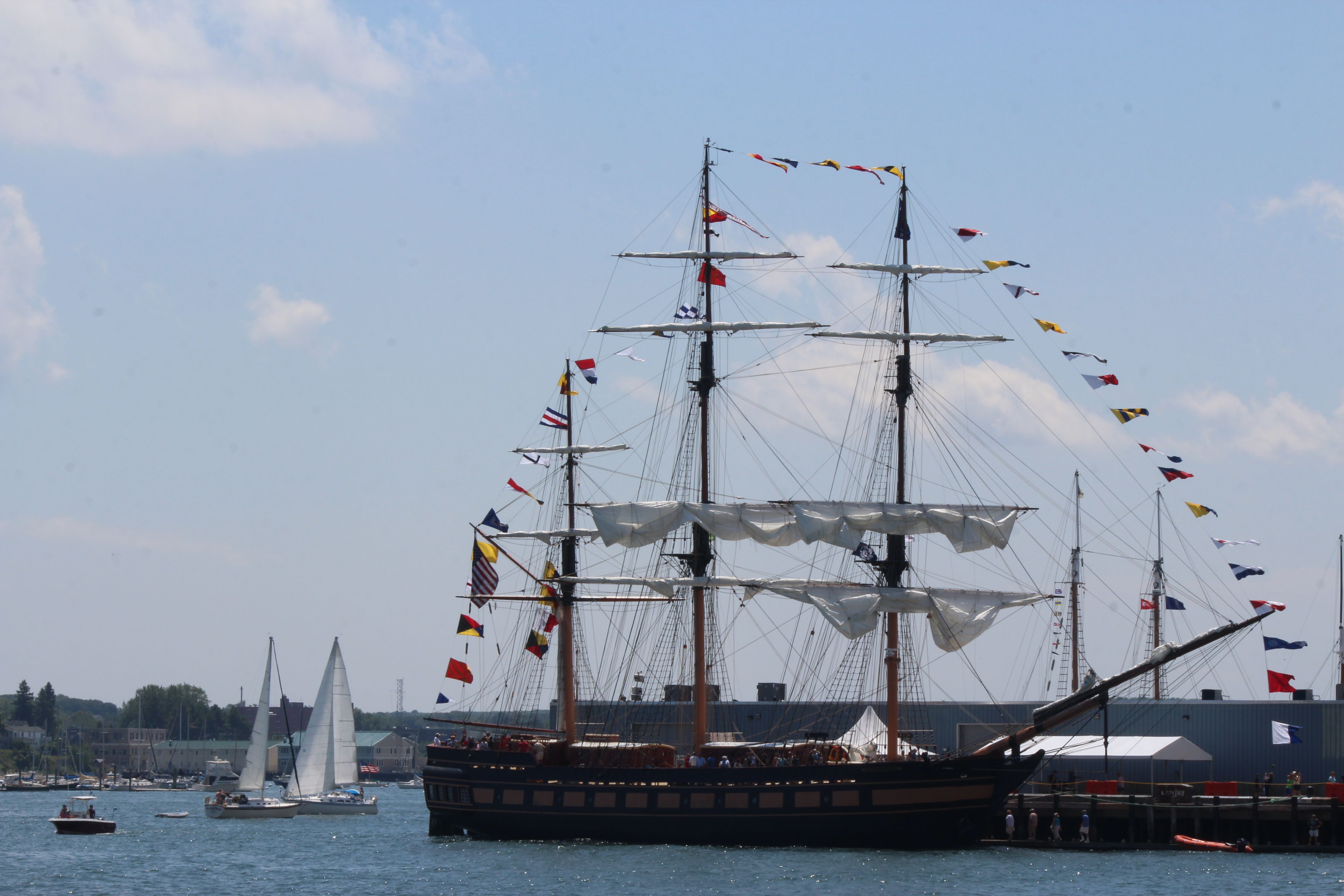
Our Mondate took a different tack today–you might say we were coming about in Portland Harbor.

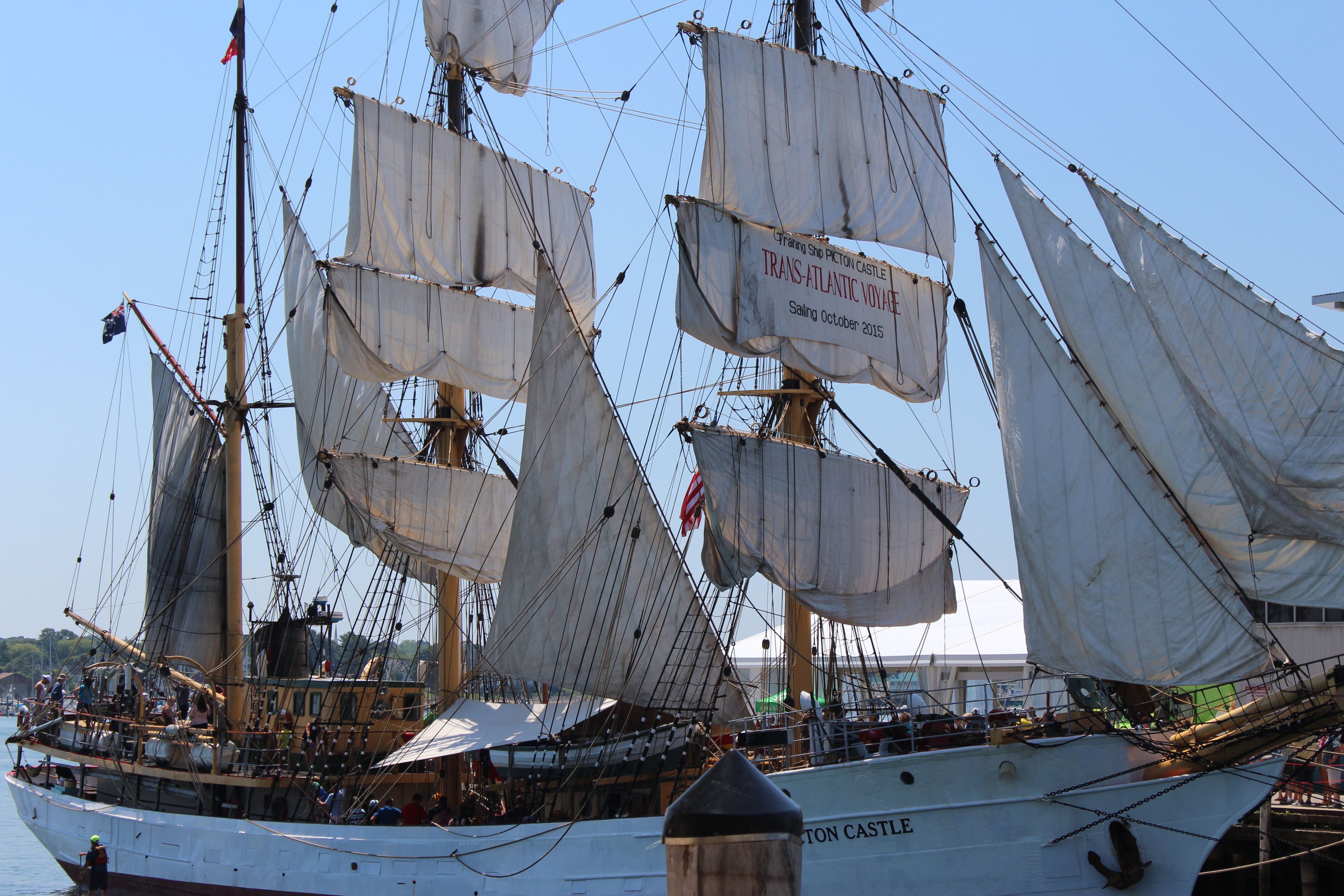
Picton castle

Tall Ships Portland 2015 is a celebration of the 150th anniversary of the completion of Fort Georges.

aqua bus

The fort is in the background, center right of the Downeast Duck.

OP bow

This year also marks the maiden voyage of the first square-rigged tall ship built in the U.S. in 110 years. Introducing the Oliver Hazard Perry–a self-contained experiential school. Am I too old to go back to school?

Oliver Perry

Another view of the OHP.

shipshape

We boarded some of the boats and were filled with admiration.

sheets

I have to say that I have enough of a problem holding onto one line when I sail, never mind a zillion.

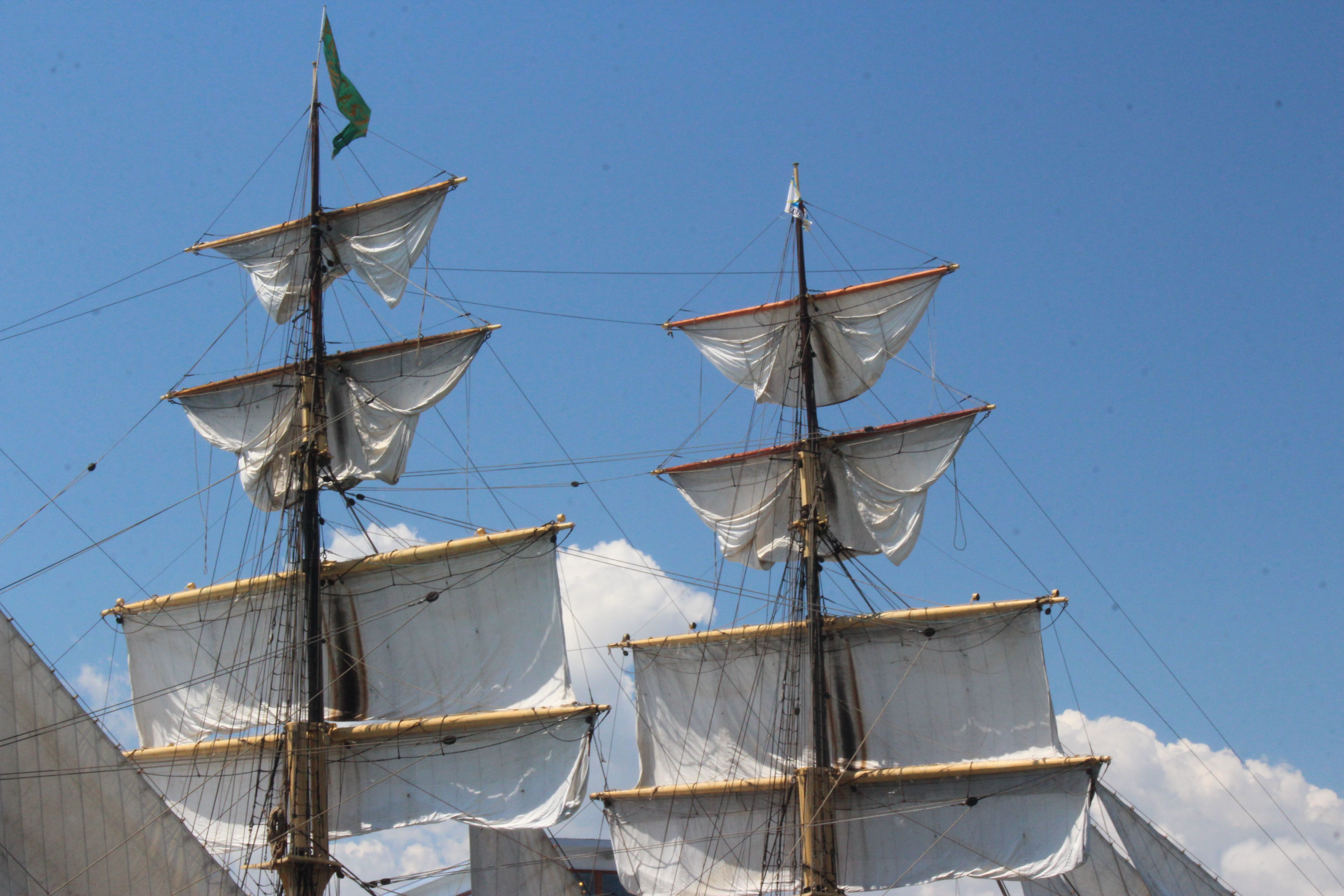
sails

Or hoisting acres of sailcloth.

Galeon

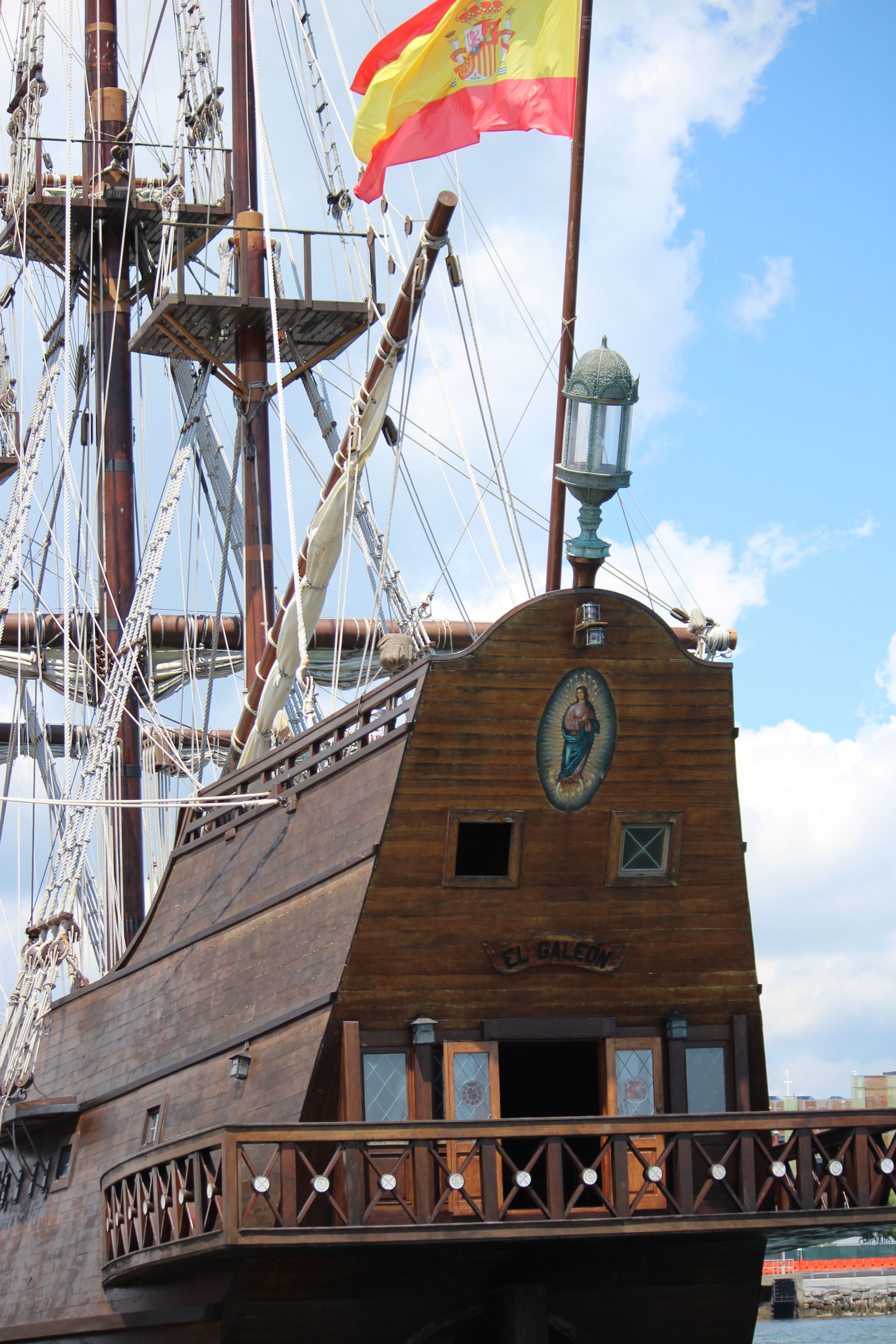
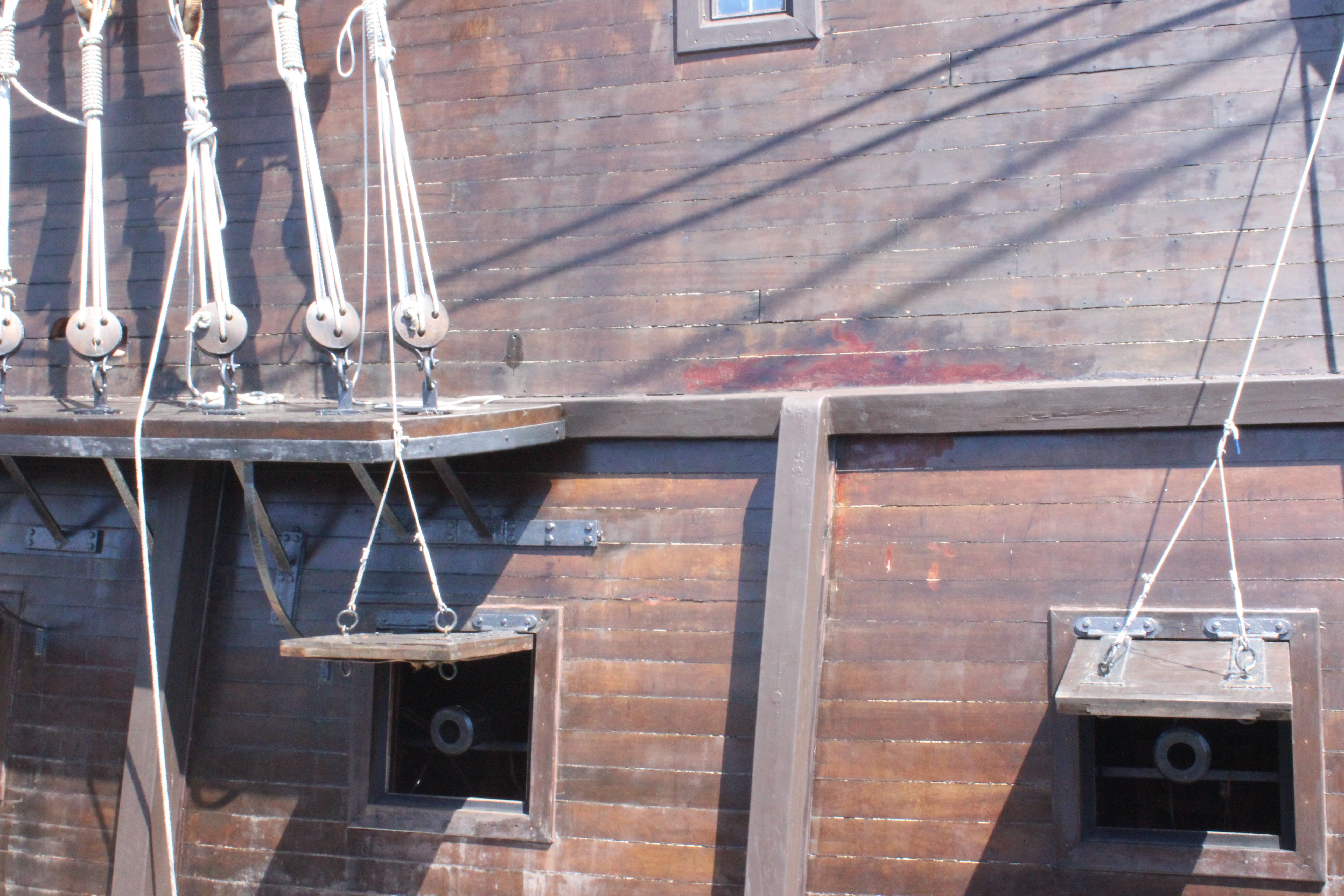
El Galeón Andalucía, a replica galeón class vessel is the only one in the world sailing these days. Her design dates back to the late 16th century when these fabled merchant vessels and war ships made up the early European navies.

galeon 2

A stern view.

galeon 3

Ready. Aim. Please don’t fire.

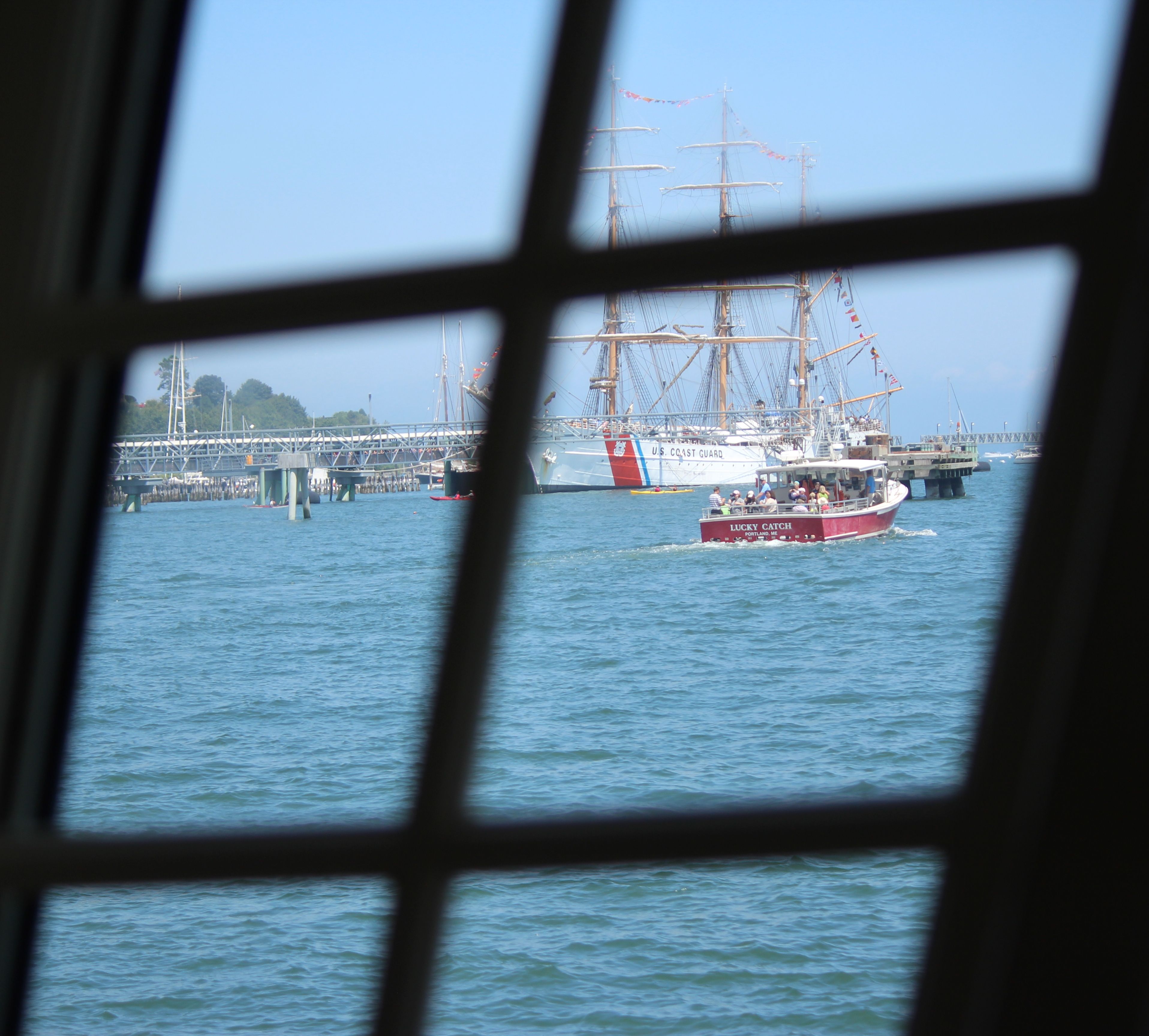
window view

The one I really wanted to see came into view from below deck on the Oliver Hazard Perry.

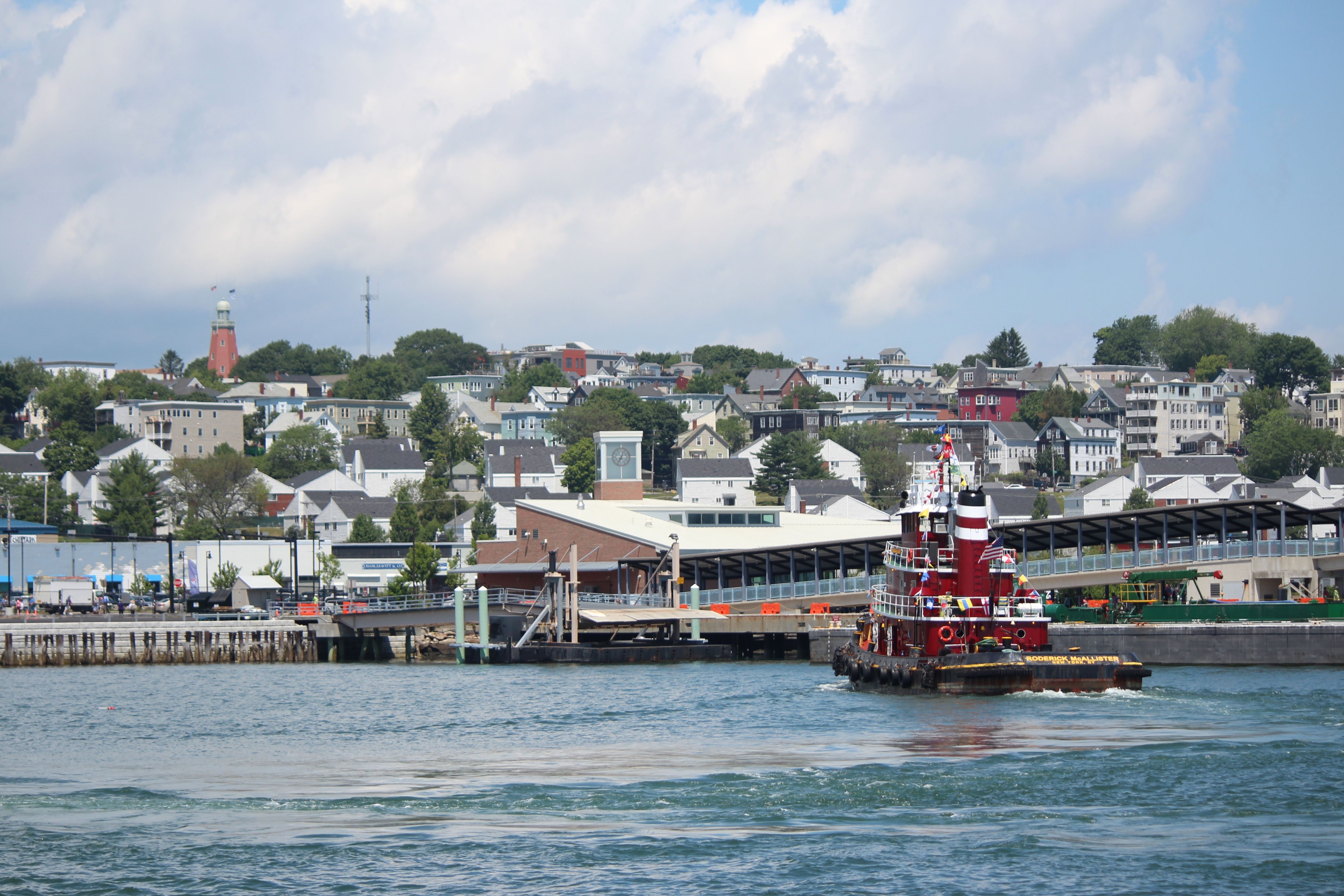
working harborfront

So we walked along the working waterfront.

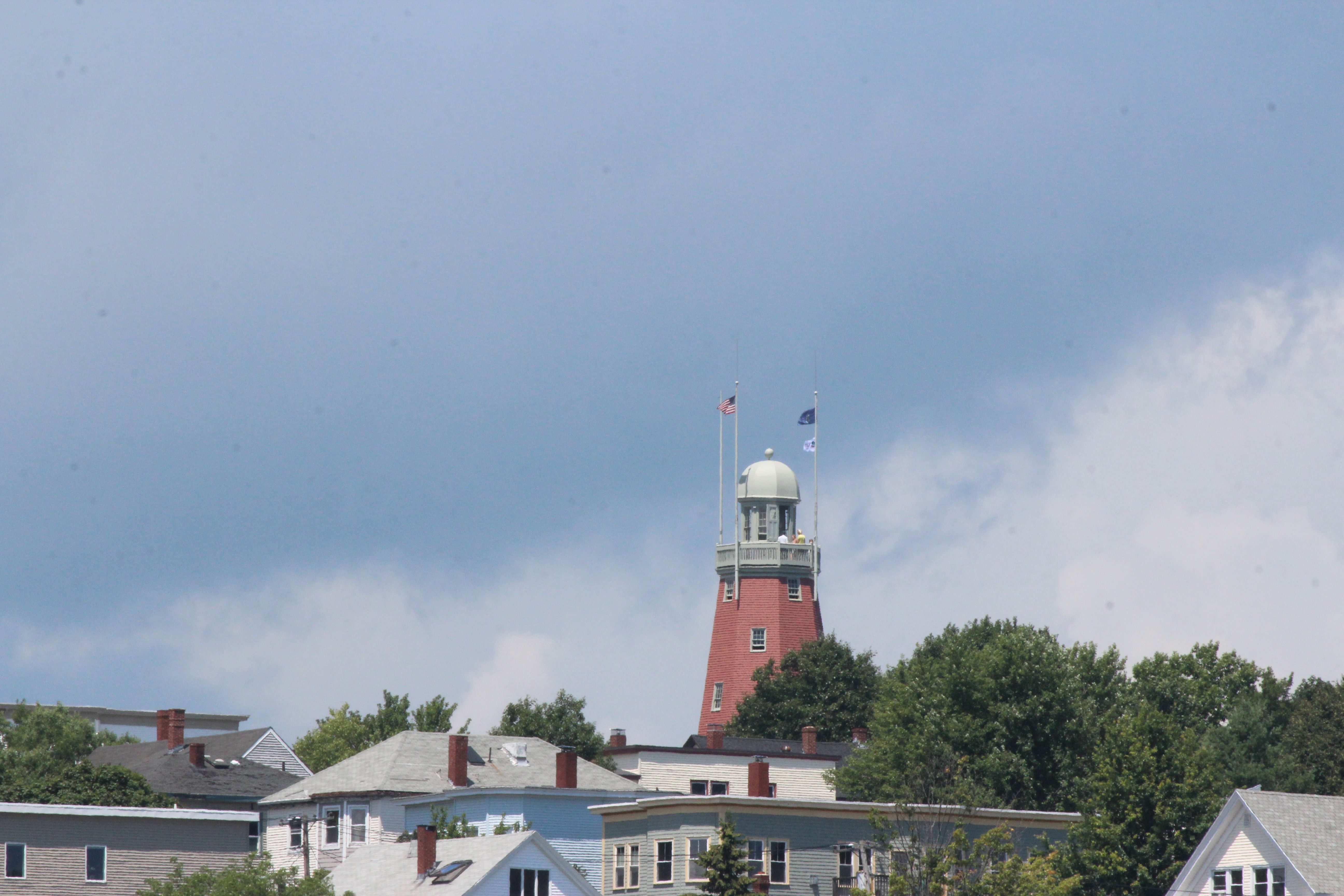
Portland Observatory

And observed the Portland Observatory from a distance.

harbor seal

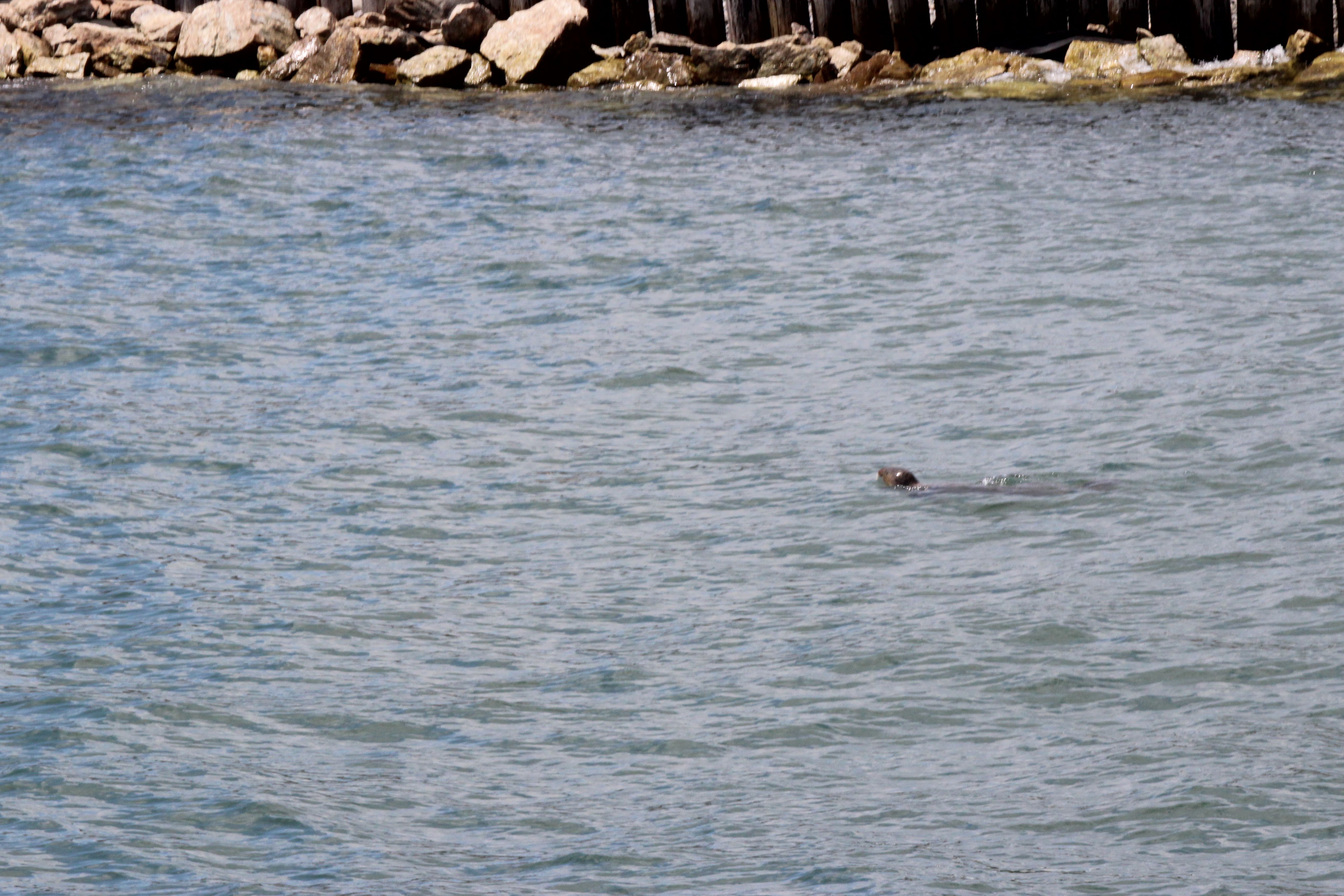
Standing in line for almost an hour was worth the wait–a harbor seal.

osprey

A young osprey on a nest.

golden eagle

And finally the gold(en) eagle. I’ve always wanted to see one–especially this one.

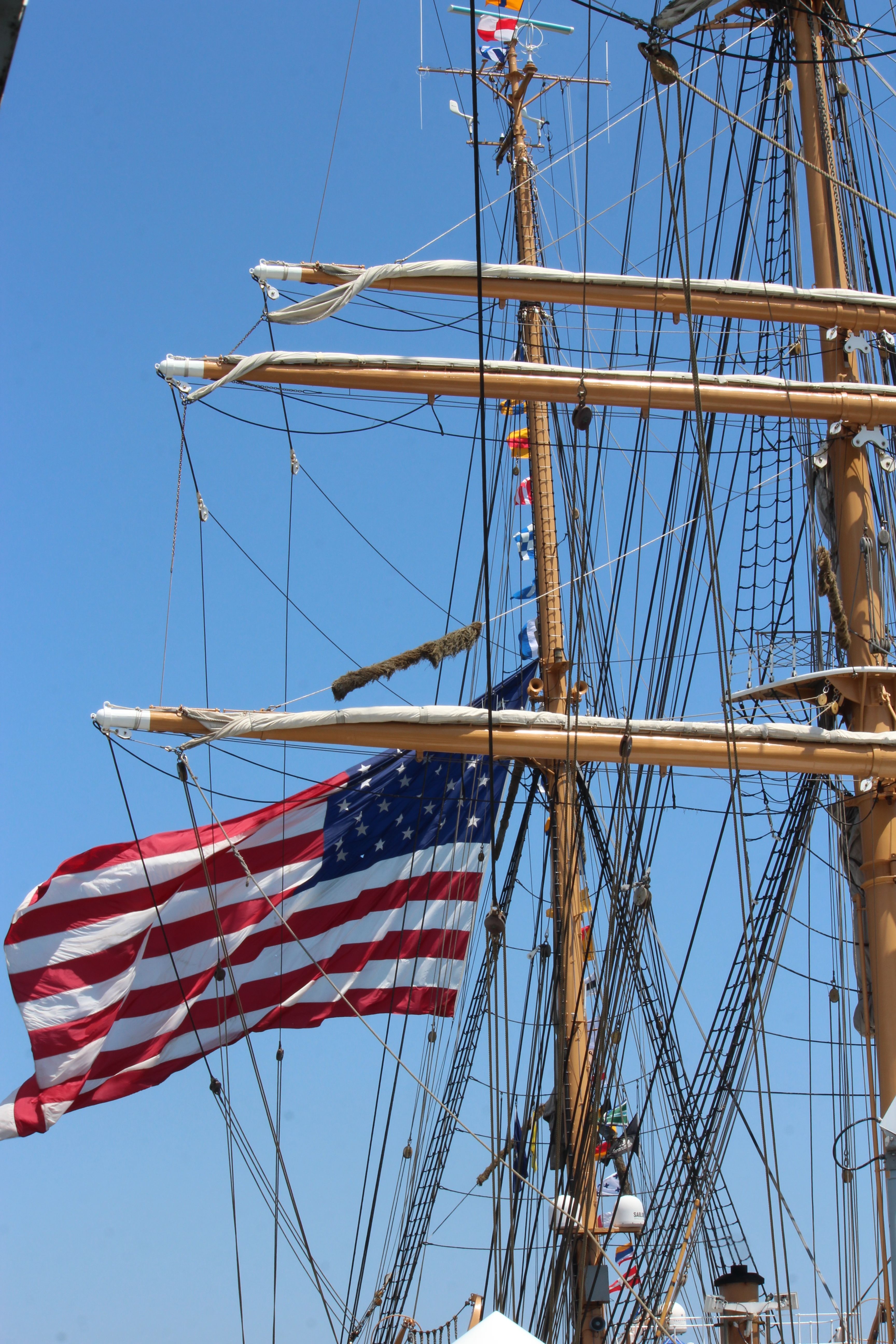
stars and stripes 2

Her stars and stripes pledged her allegiance in the ocean breeze.

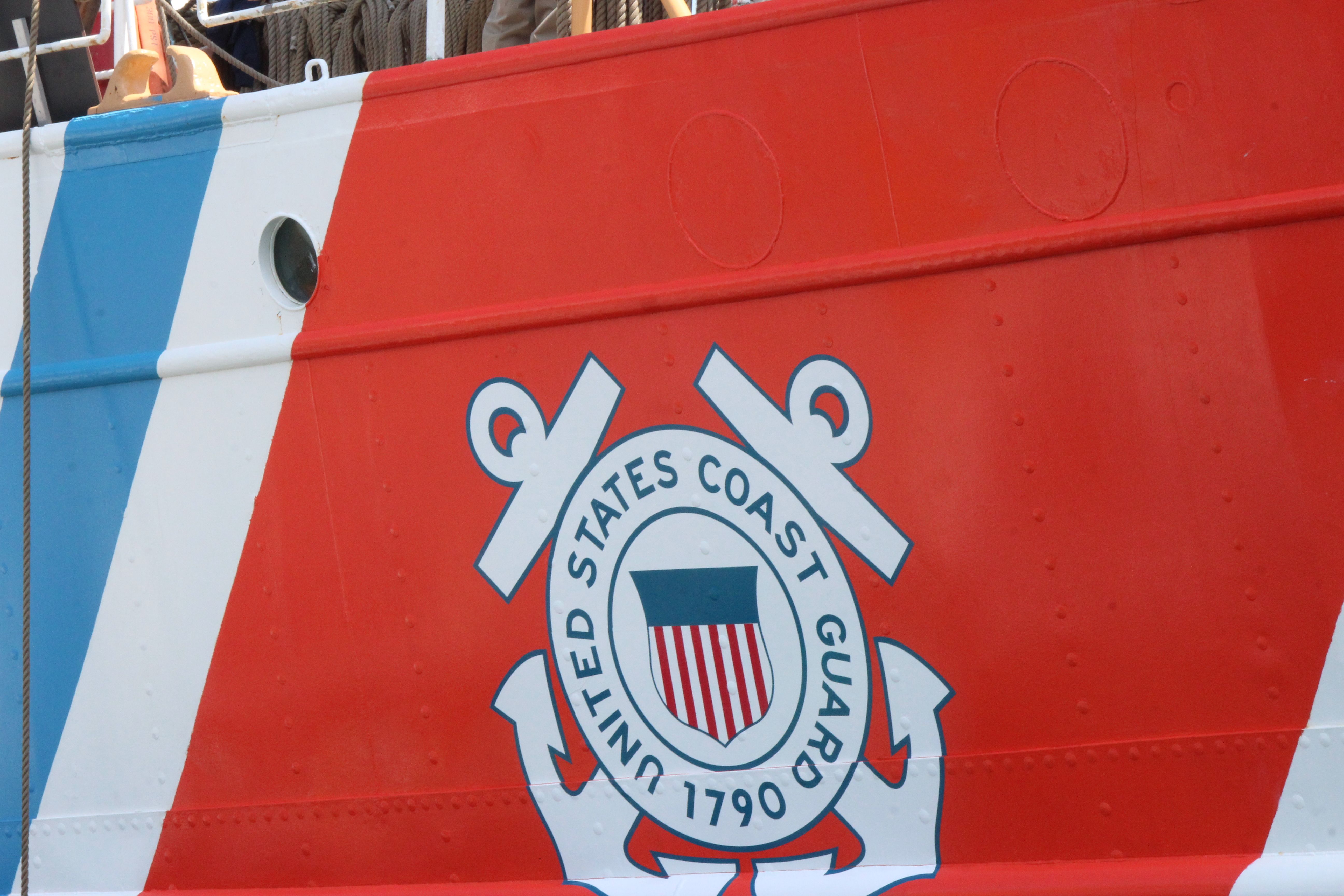
coast guard logo

Till today, I’d only seen her in the distance–sailing up Long Island Sound from New London, Connecticut.

eagle 2

But finally . . . up close and personal in Maine waters.

Eagle 1

Like the winds that propel her, she has her own fluid beauty.

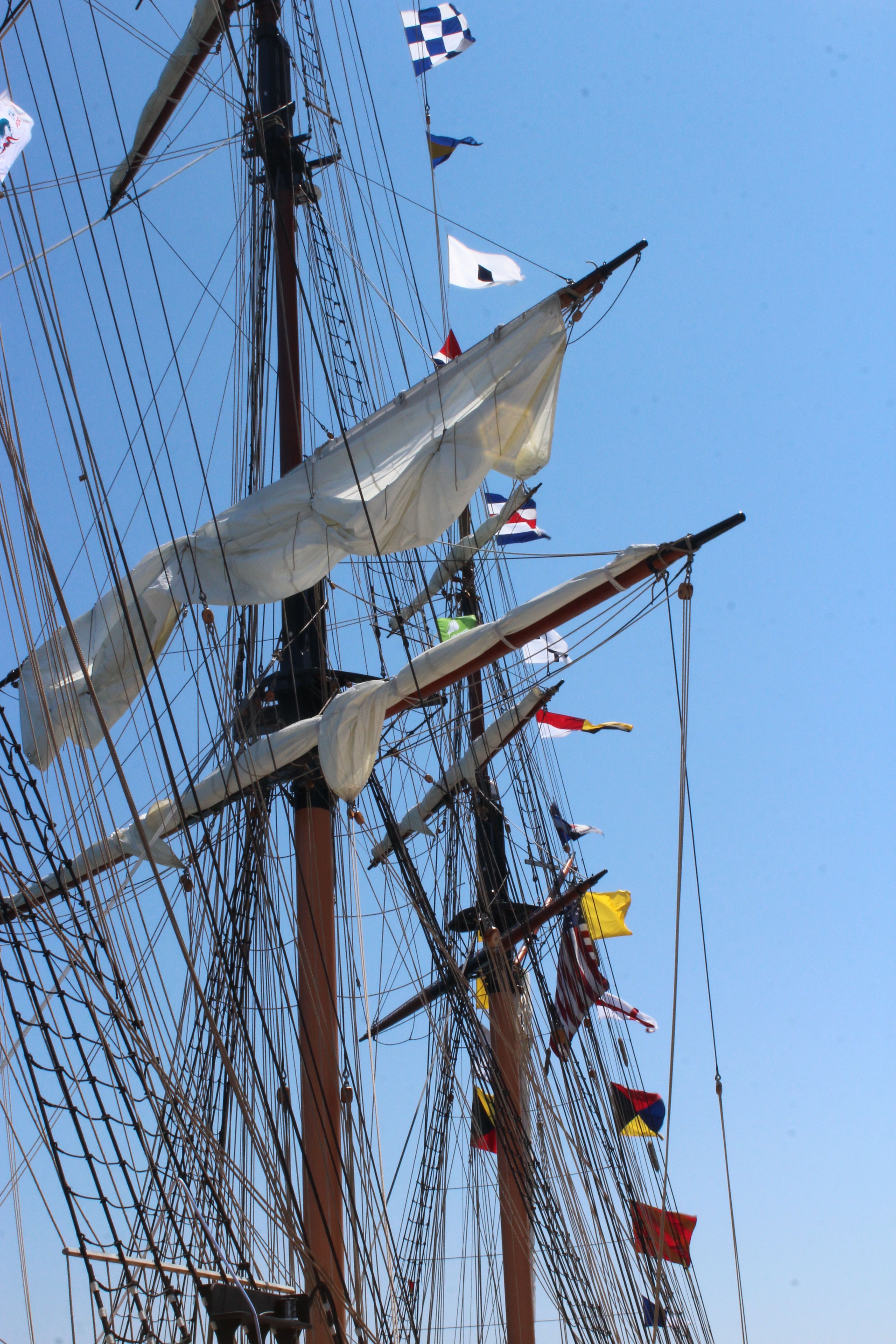
 flag messages

Flag messages speak her language.

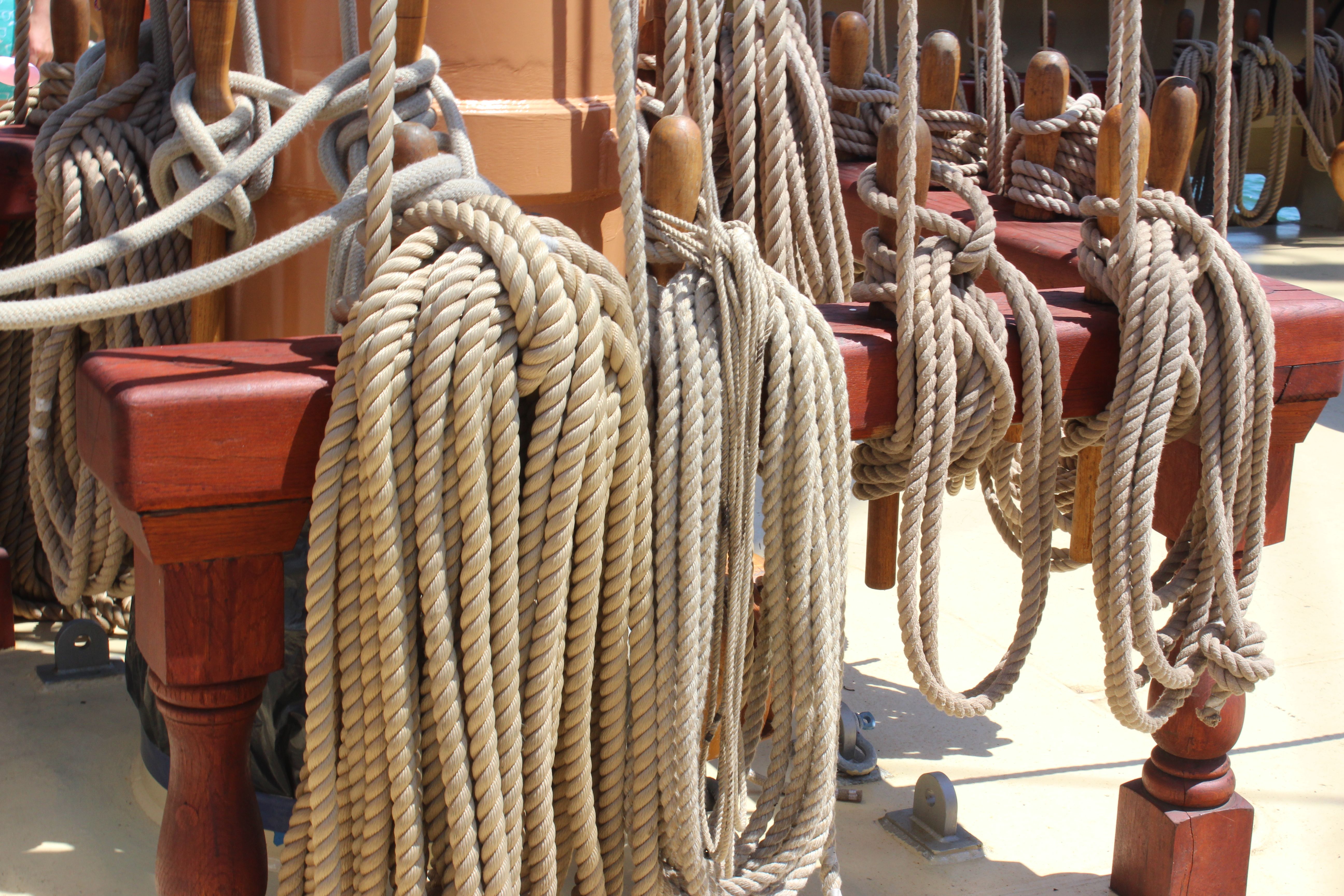
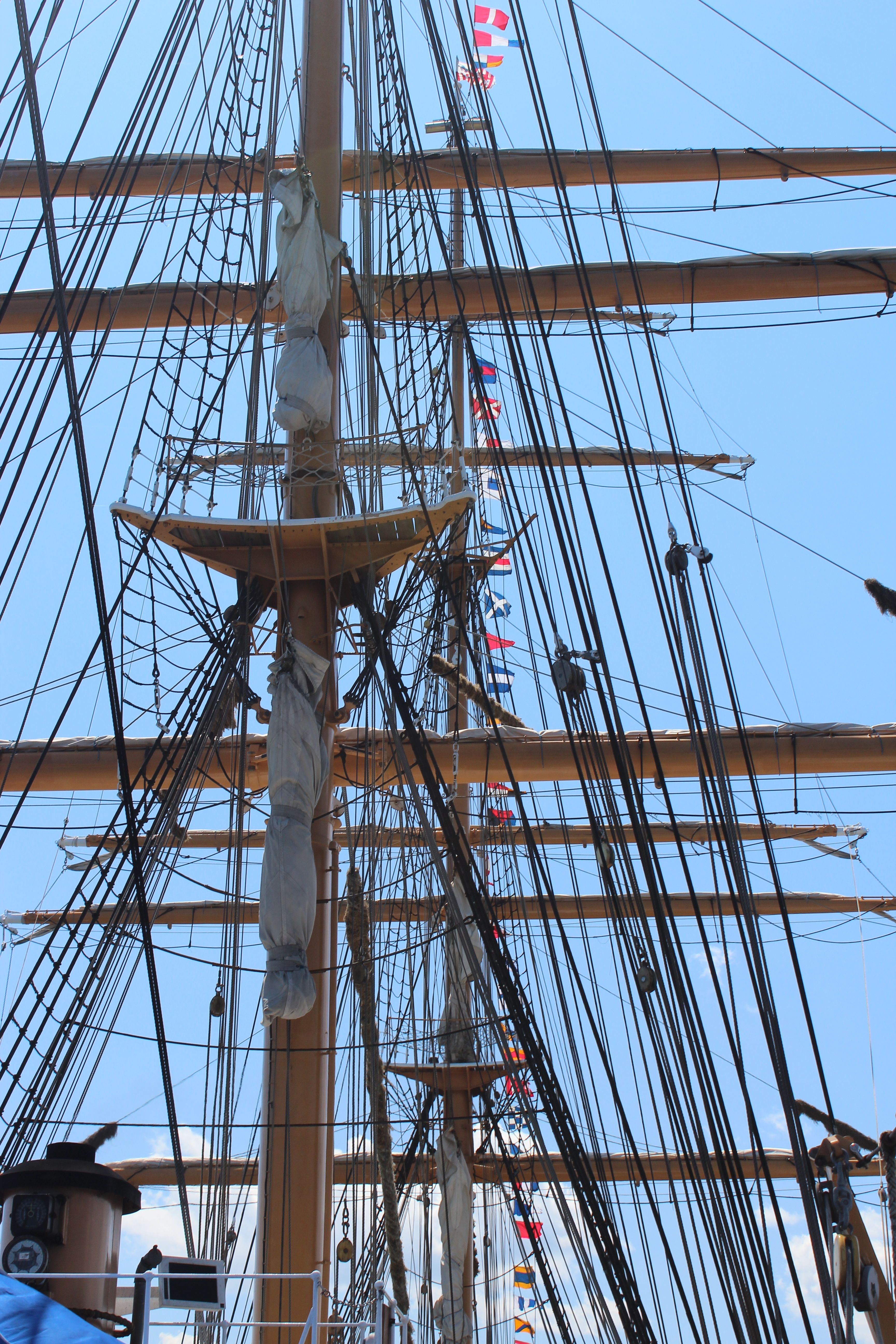
a million ropes

A million ropes and cables and masts–so much to learn. On the Coast Guard Academy Web site I found this information: Built at the Blohm + Voss Shipyard in Hamburg, Germany in 1936, and commissioned as Horst Wessel, Eagle is one of three sail-training ships operated by the pre-World War II German navy. At the close of the war, the ship was taken as a war reparation by the U.S., re-commissioned as the U.S. Coast Guard Cutter Eagle and sailed to New London, Connecticut, which has been its homeport ever since. Eagle has offered generations of Coast Guard Academy cadets, and more recently officer candidates, an unparalleled leadership experience at sea.

I didn’t know that. No wonder I feel a connection in so many ways–sailing, Connecticut and now I learn that the boat has a German origin. My maternal grandmother was born in Hamburg.

baggywrinkle 2

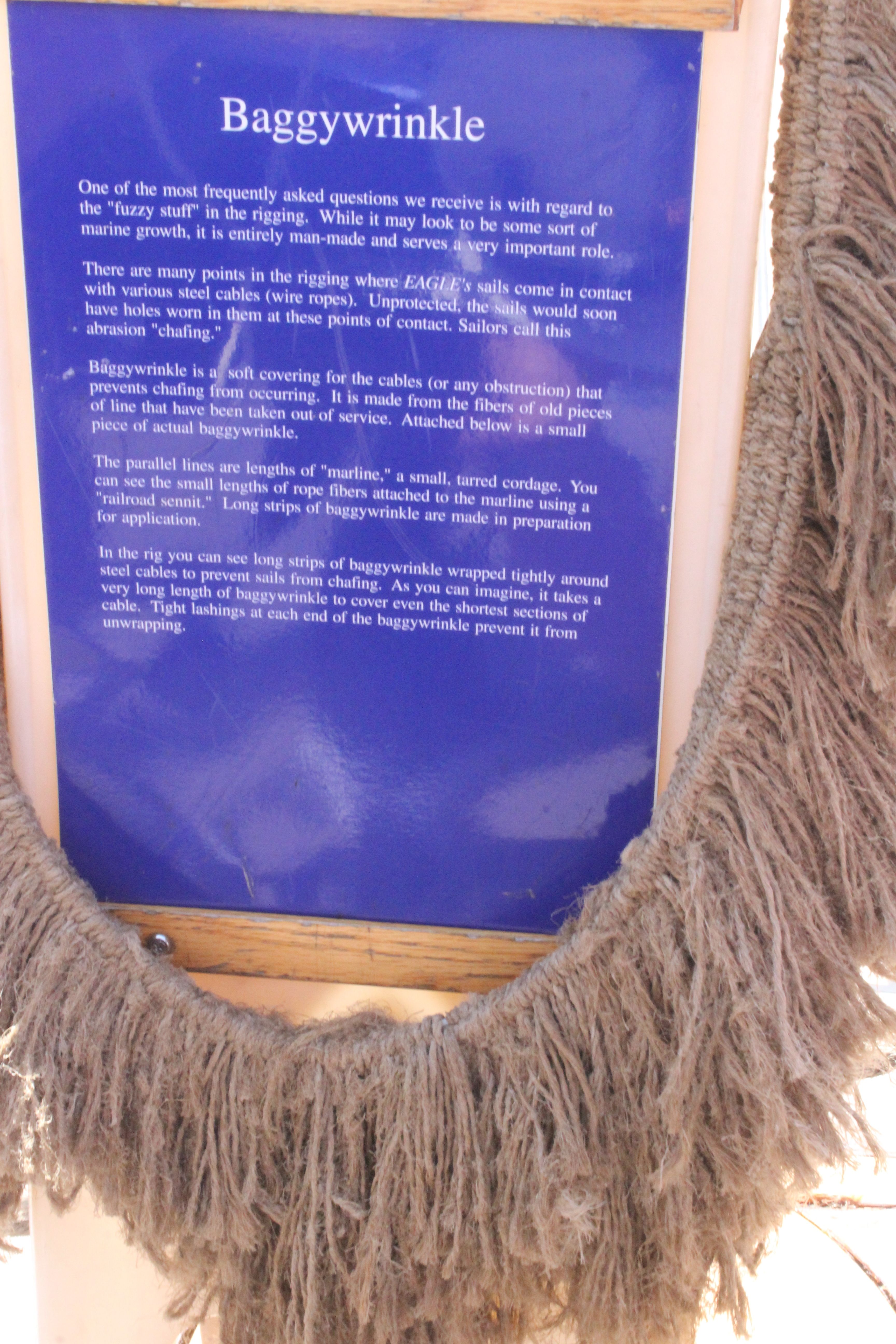
The question of the day and apparently the number one question always: What is that seaweedy looking stuff on the cables? How did it get there? Why is it there? Does it keep birds at bay?

baggywrinkle

That, my friends, is baggywrinkle. Think about the winds shifting suddenly during a tack. Sails slap against the rigging. In a big blow, they rip. Not so with baggywrinkle. Baggywrinkle is old rope that’s been unraveled, cut to length and then rewoven to cover the cables and protect the sails from chafing. Kind of like how we use vaseline.

Baggywrinkle. Baggywrinkle. Baggywrinkle. Baggywrinkle. Baggywrinkle. :-)

Extended Mondate

Sometimes Christmas gifts are delayed at our house, though not quite the way they were when I was growing up. Back then, months after the holiday, Mom would discover a forgotten gift she’d tucked away in the hallway closet for one of us. It was a fun surprise–for us and for her.

This weekend, my guy and I shared a present I’d given him last Christmas–a weekend away, with a search for roots tied in.

We began with my roots actually–and spent Friday night and Saturday morning with my sister and brother-in-law. That, in itself, is always a gift. Plus the conversation, laughter, a delicious breakfast and chocolate chip cookies for the road. (Many thanks to the MacBuds! You are the best.)

And then we were on the road again–headed to Onset Beach in Wareham, Mass. Until this weekend, Wareham had always been a place that we passed through on our way to or from the Cape. Oh, maybe we stopped for  saltwater taffy sometimes, but that was about it.

This weekend changed everything. We didn’t stay there, but we spent plenty of time there–including in the Ford dealership because the check battery light came on when we were about an hour away. The nice mechanic replaced the alternator and belt and in less than an hour and a half we were on the road again. And thankful.

Finally, Onset Beach.

onset 1

This is the view we think my guy’s great grandparents enjoyed daily. Back in the late 1800s/early 1900s, they owned the Onset Hotel. We weren’t exactly sure which building it was at first, but my guy isn’t shy (as some may think) and he talked to almost everyone in town. We were looking for one person in particular because we’d been told he might have information that would help us. I’m surprised the police didn’t come looking for us as we walked up and down streets, chatted with anyone we encountered and knocked on a few doors. We even visited the kind dispatcher at the local fire department. As I said, we talked to almost everyone.

onset 4

This person told us about that person, who suggested we visit yet another person. Finally, we had confirmation–the hotel became condominiums in the 1980s/90s. The photo above is of a page from a 1925 booklet that a woman who owns a property management business showed us. She also called several people in town trying to get more information, to no avail. But we were thrilled that we could look  from her business and see the building.  And walk by it and enjoy the view and smell the sea air, just as his great grandparents had done all those years ago. If they had time, that is, because apparently they also owned a bar in Boston.

onset 2

There’s a condo for sale. Maybe we should think about it. I don’t think so. We really aren’t beach people, even though we both grew up along the coast. We enjoy visiting the beach, but . . .

onset 3

We spent Saturday afternoon stalking the area and returned there this morning. Finally, we’d located the man we were looking for. He gave us two more names–of people who may have some information, but they weren’t home today. Never fear, this story isn’t over yet. We have phone numbers.

bike path 1

And so the present continued. We drove over the Bourne Bridge to Falmouth, where my guy had spent many summers before his parents purchased a hardware store in Maine back in 1965.
Our first Sunday morning adventure was along the bike path.

allen, bike path

While he headed down the trail for a run to Woods Hole and back, I moseyed along with camera in hand. You may want to stop reading now.
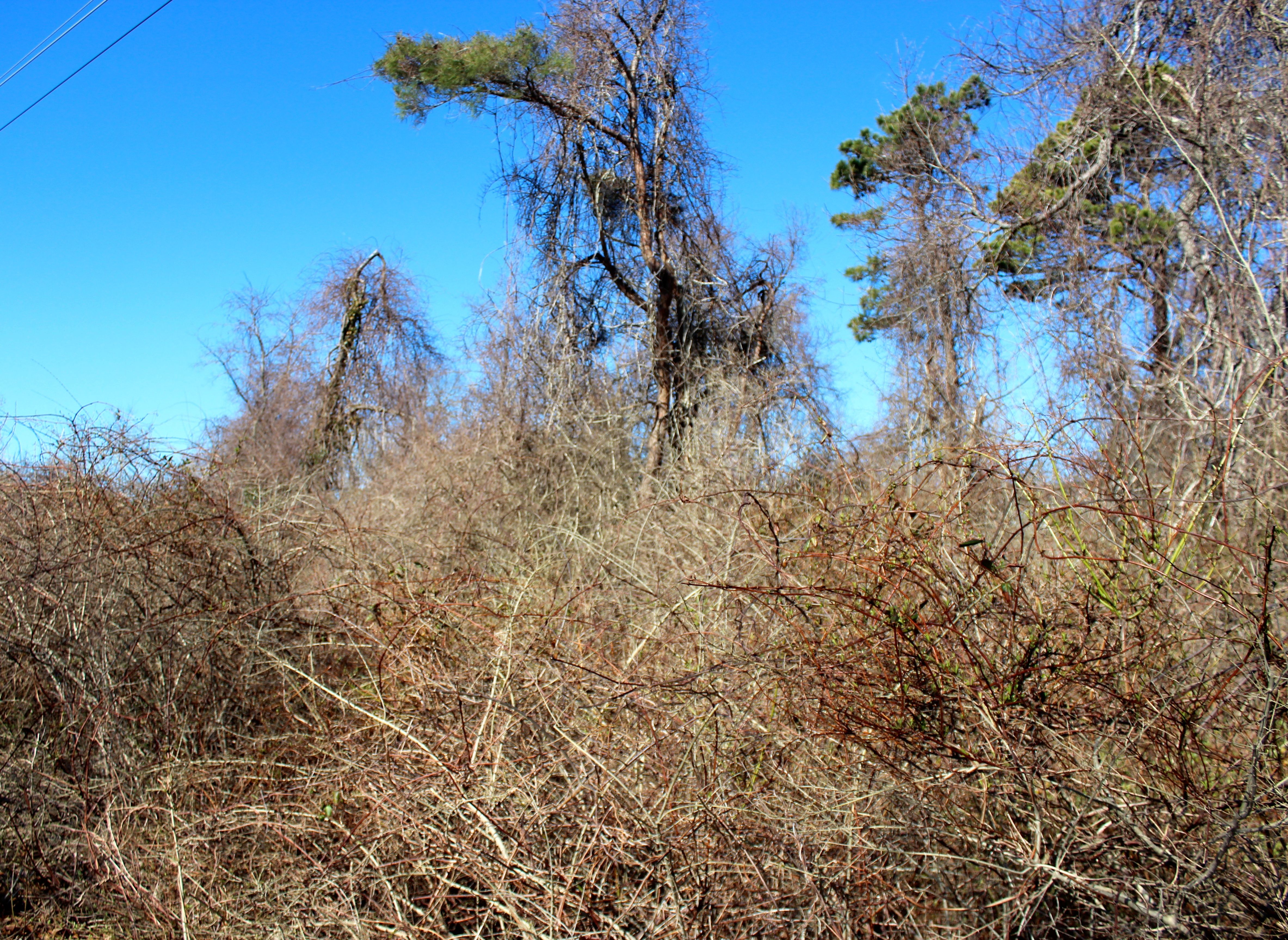
 invasives

I was surprised by the overwhelming amount of invasive species. It makes our neck of the woods look practically invasive-free.

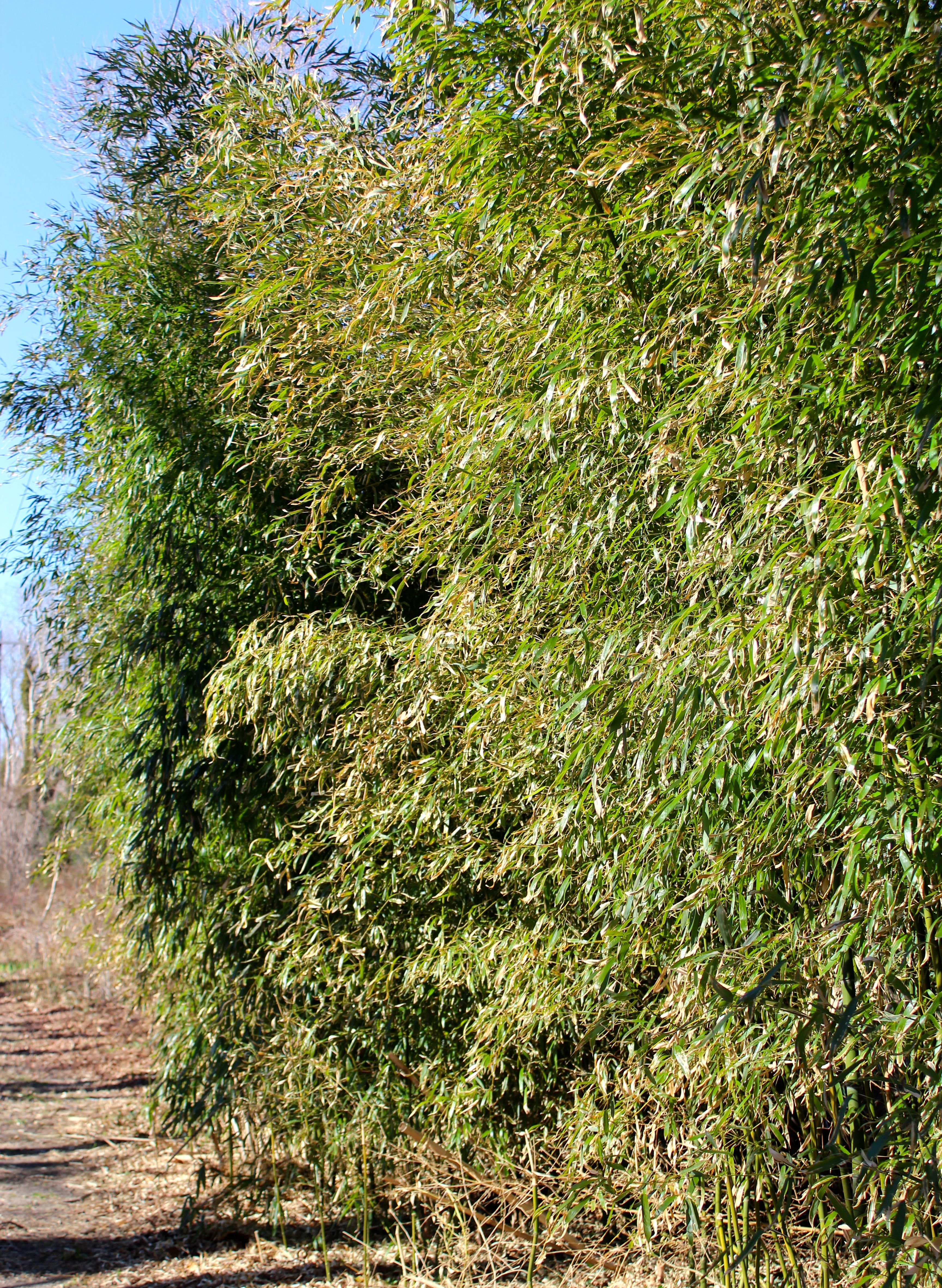
bamboo 2bamboo

I expected panda bears to come out of this swath of bamboo. Fortunately, it’s only in one spot–at the moment.

Invasive species do always give me pause. On this land, I too, am an invasive. Just like the plants and insects that are not native, nor were my ancestors or my guy’s ancestors. They say what makes an invasive such is that there isn’t anything native that will feed on it, thus it will take over and smother the native species. Hmmm . . .

salt pond

On to prettier sites, like this salt pond beside the path.

seagrass

And the ubiquitous common reed, an invasive which I’ve always admired. There’s beauty in commonness.

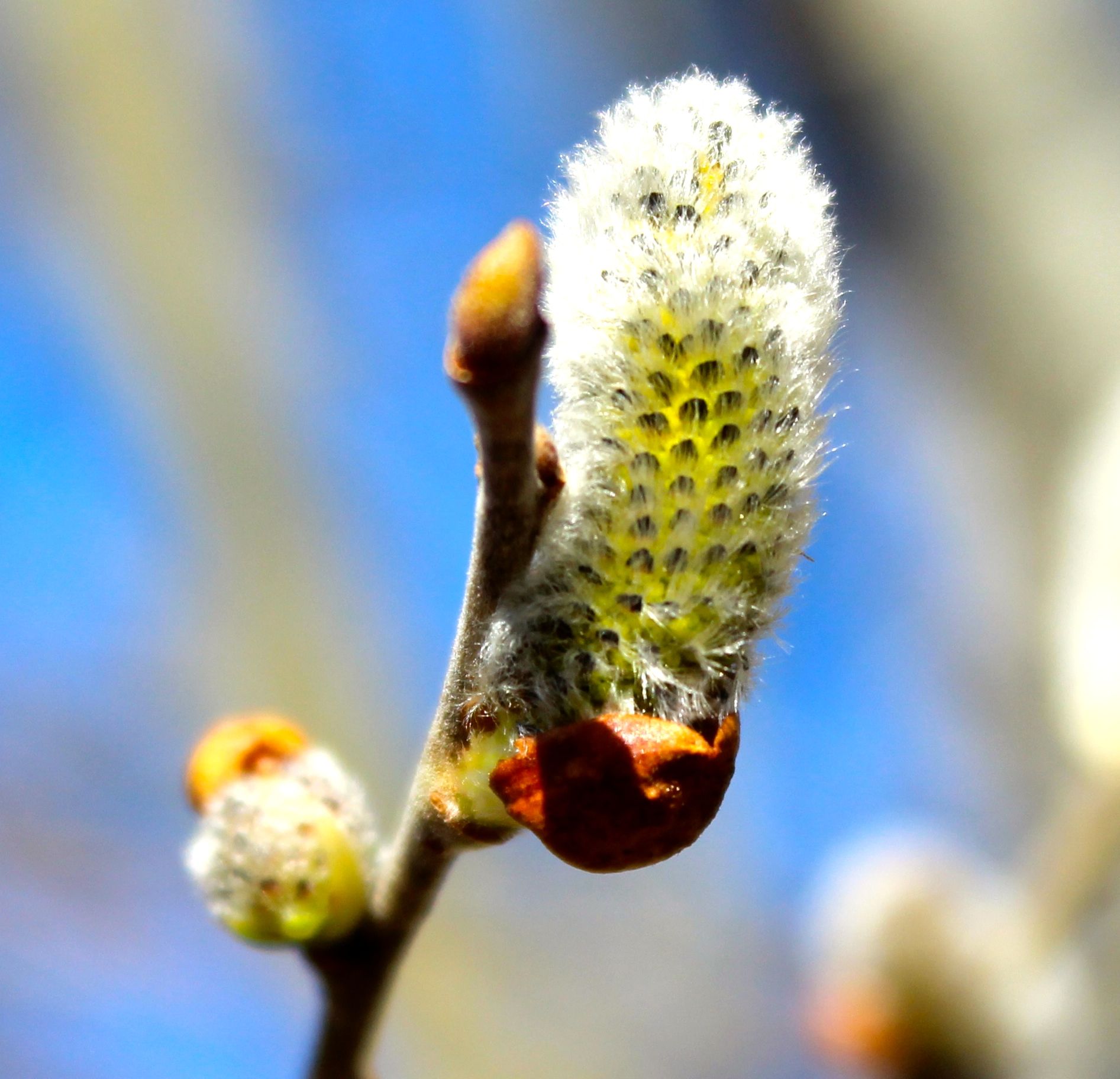
willow bud

Willow buds.

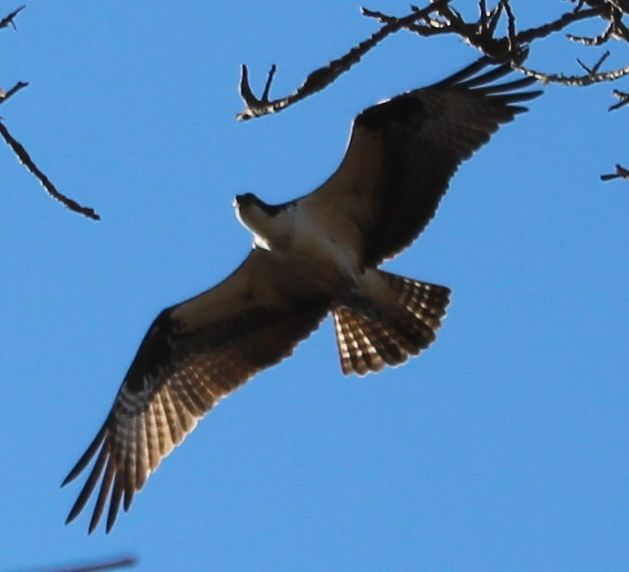
osprey

And soaring osprey.

osprey nesting

Nests on platforms or cross bars of power lines. So maybe man invaded, but he’s making amends by placing pallets on high.

beach by bike path

This beach was my turn-around point.

critter on bike path

If you do use the bike path, be forewarned. Panda bears may not be munching on bamboo, but you never know what you might see.

We went in search of the childhood cottage my guy’s dad had built. They sold the small house fifty years ago, and even though we’d last driven by about twenty years ago, it took us a bit to relocate it. Again, he approached a woman who was working in a neighboring yard. There were more houses on the road than he remembered, but it seemed to still be there–with a few changes. He didn’t knock on the door.

We did visit the beach where he and his siblings used to swim and cross the narrow channel to explore an island. On Google, I found the following: “A WW II Army amphibious Training base located in East Falmouth MA (Cape Cod). More exactly it was located on a peninsula now called Seacoast Shores in the village of Waquoit. The base was connected to a nearby island called Washburn Island by a bridge. We have circa 1950’s aerial photos showing the road and ramp to a bridge on the Washburn Island side but the bridge is missing. Aerial photos from 1942 to 1945 should show the bridge. Seacoast Shores is now a thriving waterside Community and Washburn has been returned to its natural state as a wilderness preserve in Waquoit Bay. ~Paul R. Flebotte, COL US Army Retired

looking toward island, seacoast shores

On the left hand side of the island is the site of the bridge Col Flebotte mentions.

skipping stones

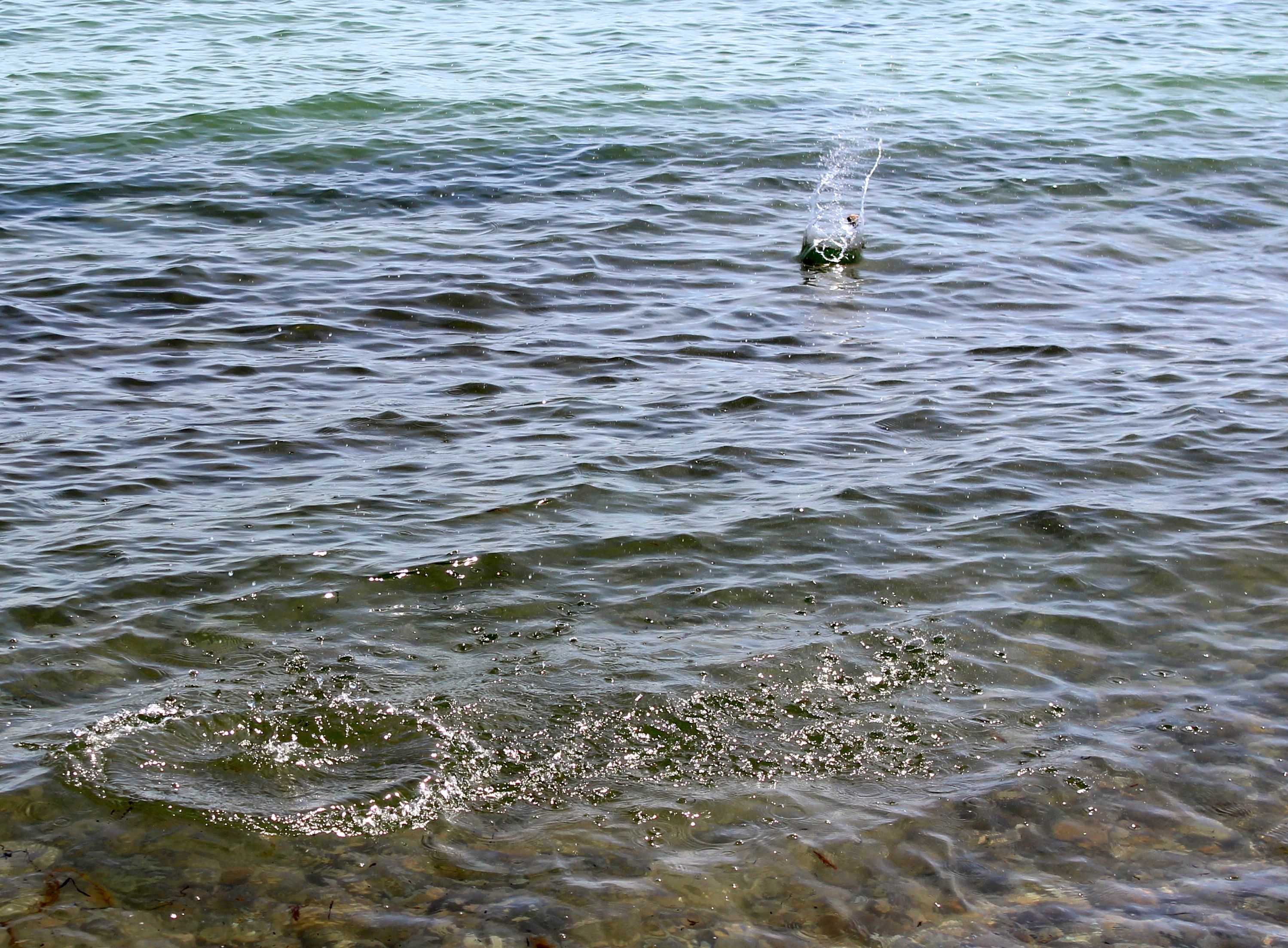
The afternoon found us skipping stones.

gull

Talking to herring gulls.

jingle shell

Admiring jingle shells (I don’t know their actual name, but as kids, we used to collect several in our hands and then shake them together to make them jingle).

nature art

And other works of art.

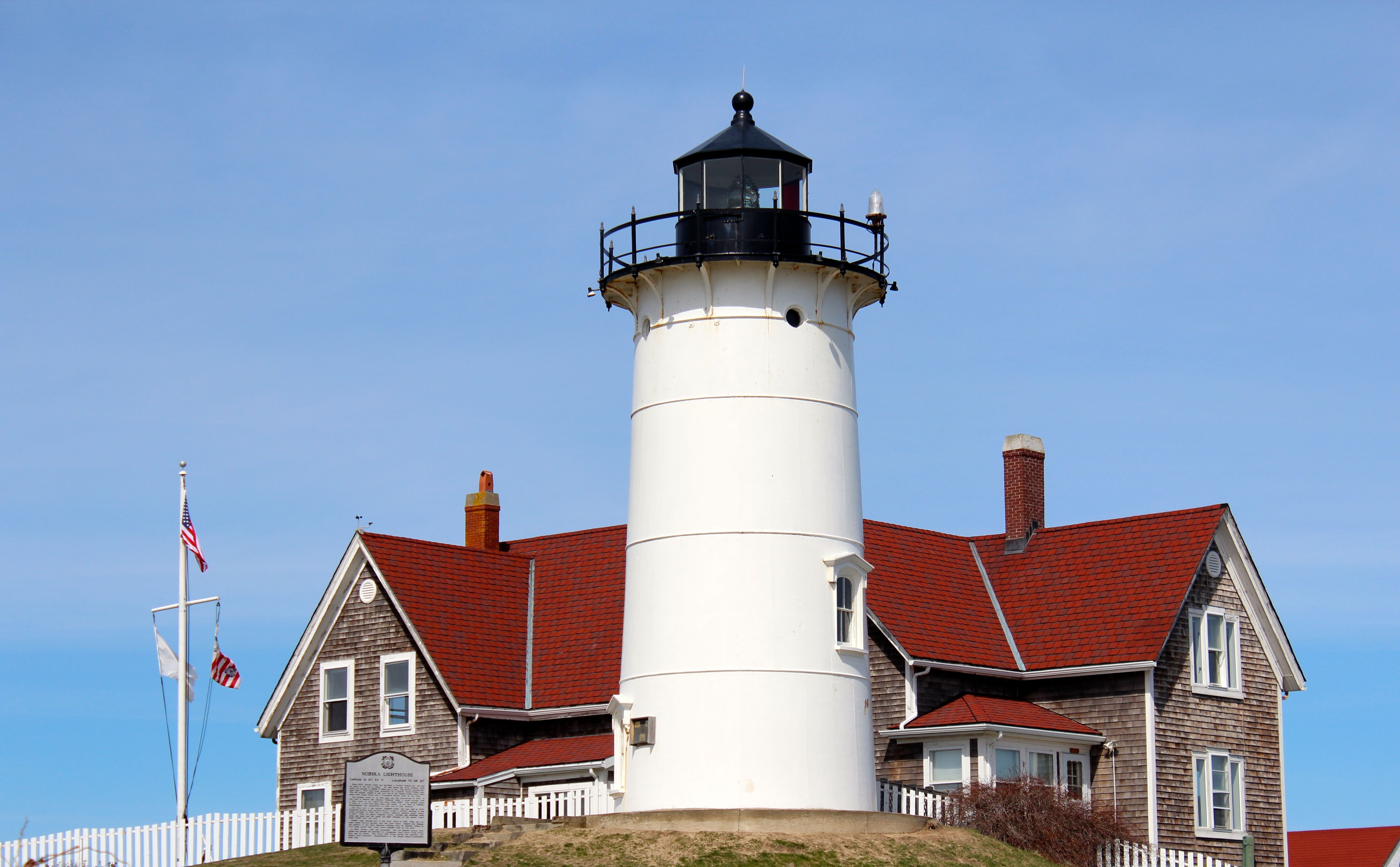
lighthouse

We paused at Nobska Lighthouse.

Woodshole

Explored Woods Hole.

woods hole pier

Reminisced about dinghies of our youth.

wooden boat

Which sometimes looked like this.

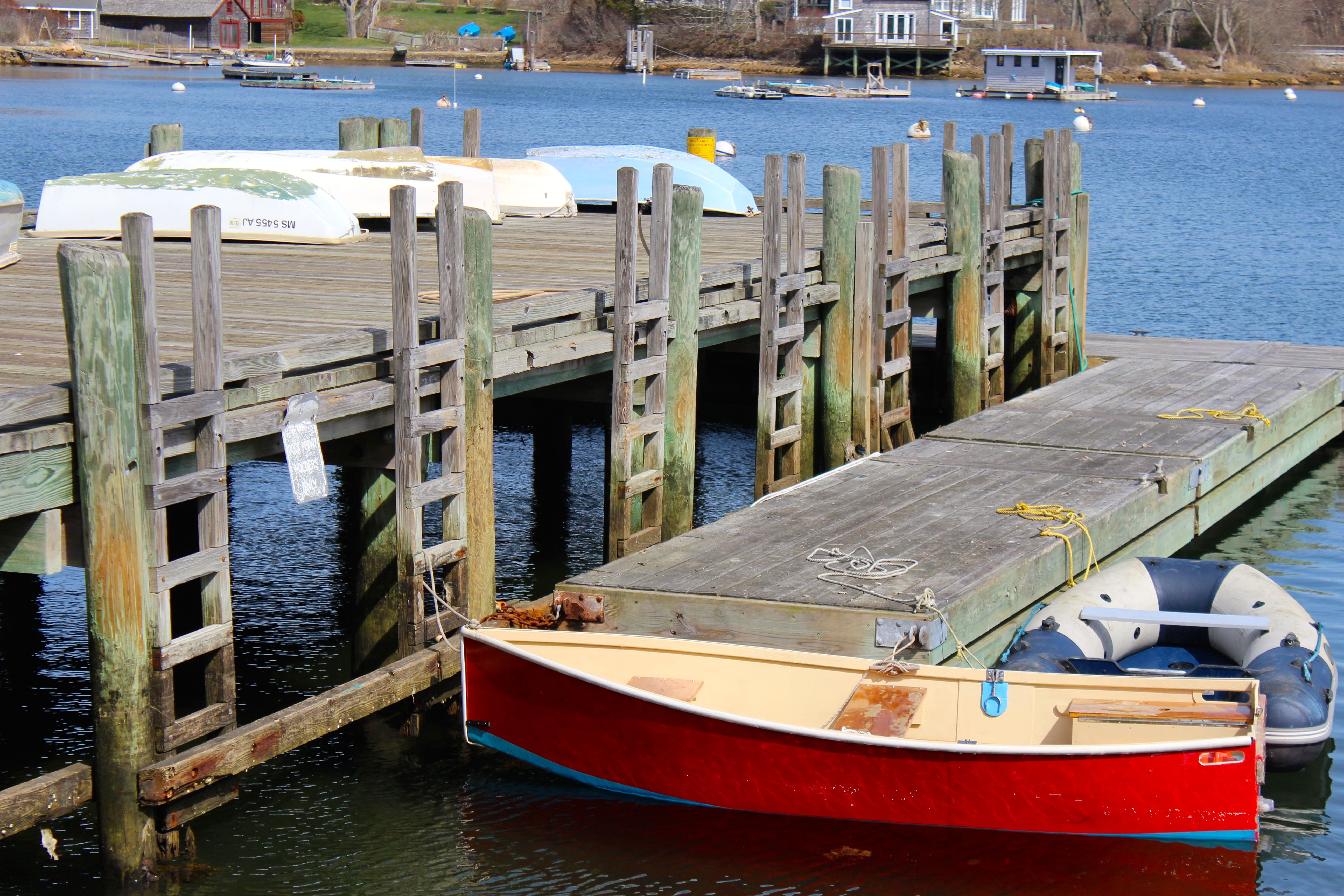
buoys

And realized that things are still on the quiet side.

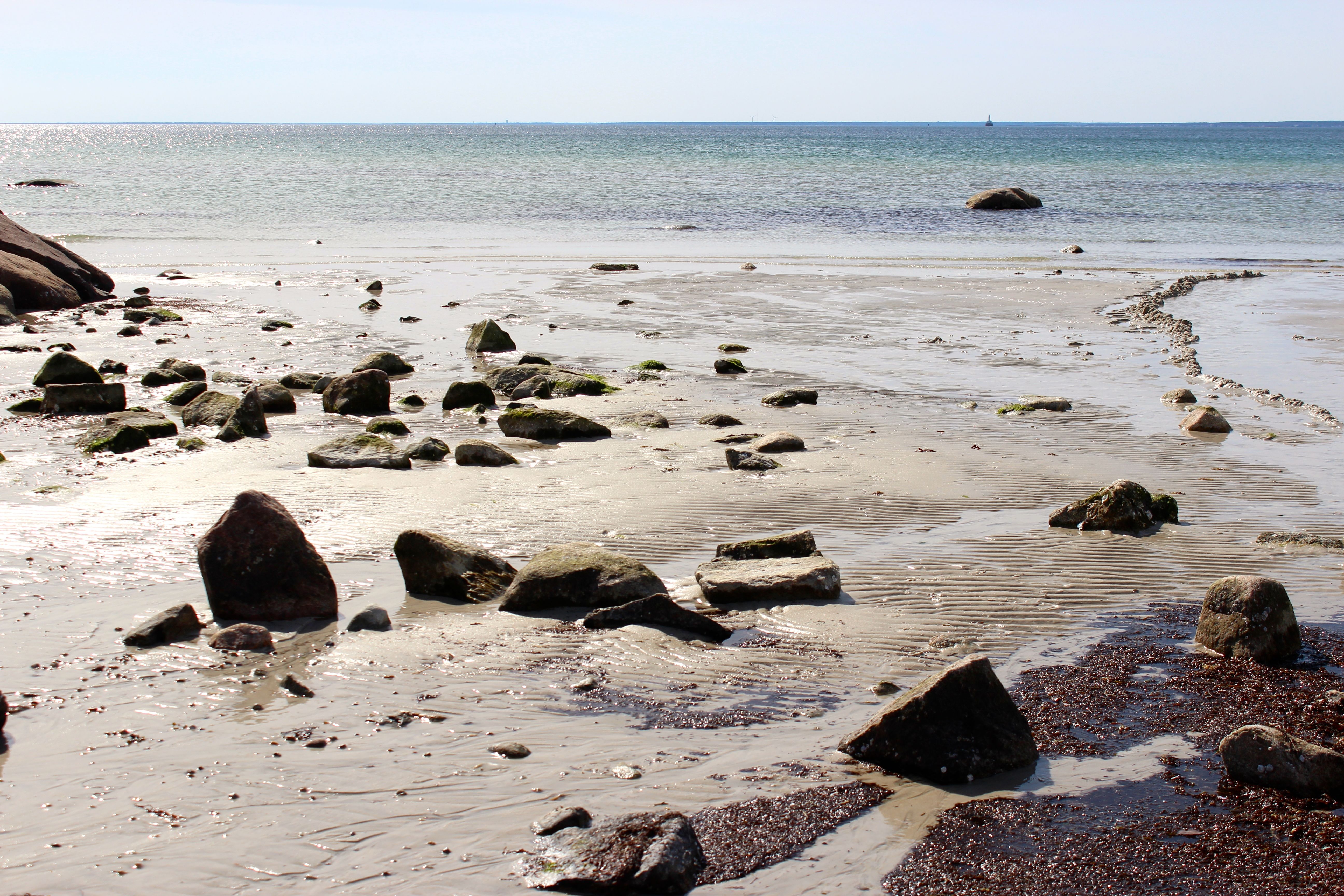
silver sands

Then we explored more beaches.

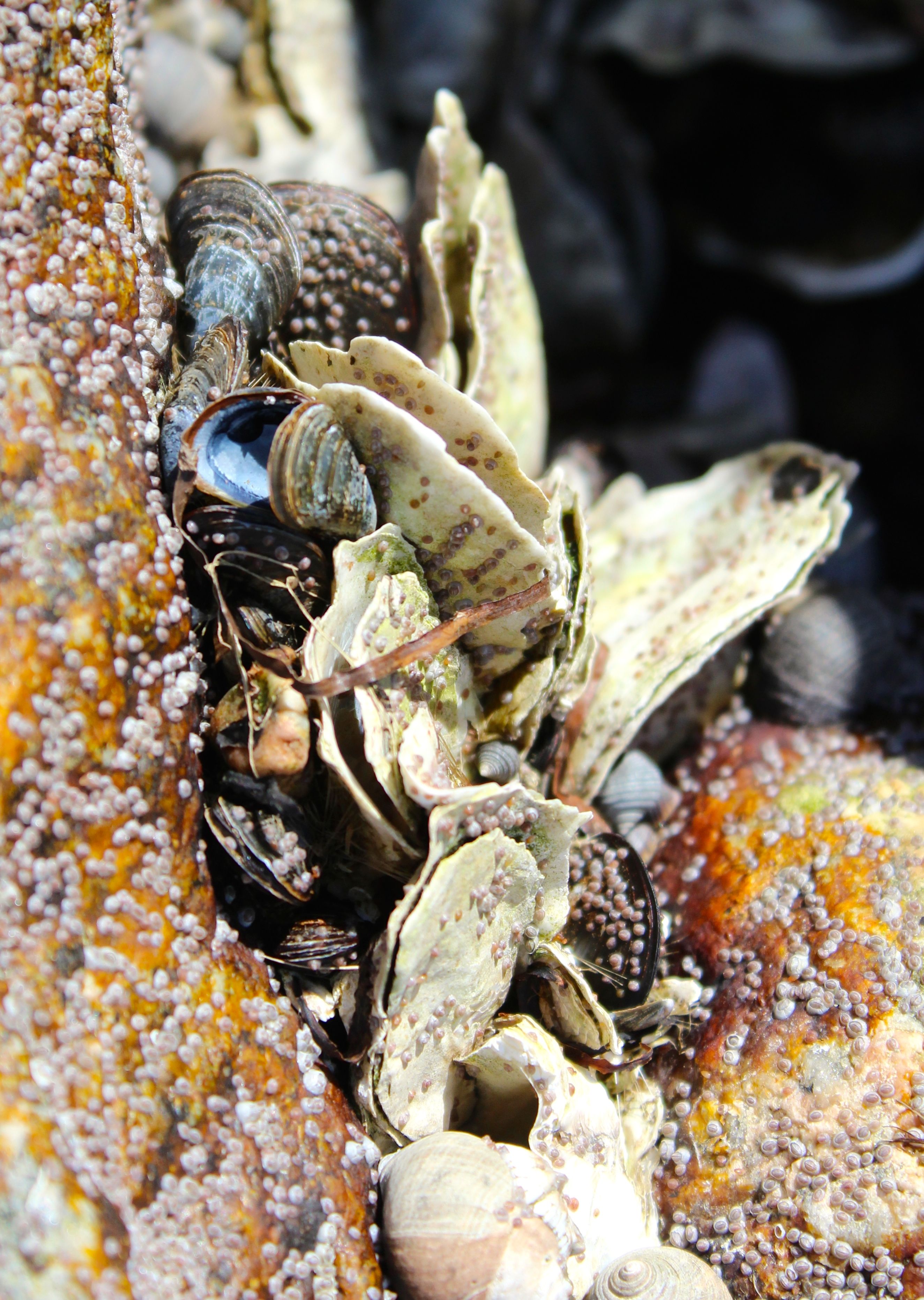
barnacles:seaweed

Discovered life on a rock–the same and yet different from what we find in the woods.

barnacles

And wondered about the crustaceous barnacles that are secured head-first. Talk about living in a small house. (My sister and I had been talking about living in small houses)

mussels:oysters

In the same fashion that lichens and mosses grow on the rocks around our western Maine home, providing a home base for others, so do the barnacles, mussels and oysters adhere in their habitat.

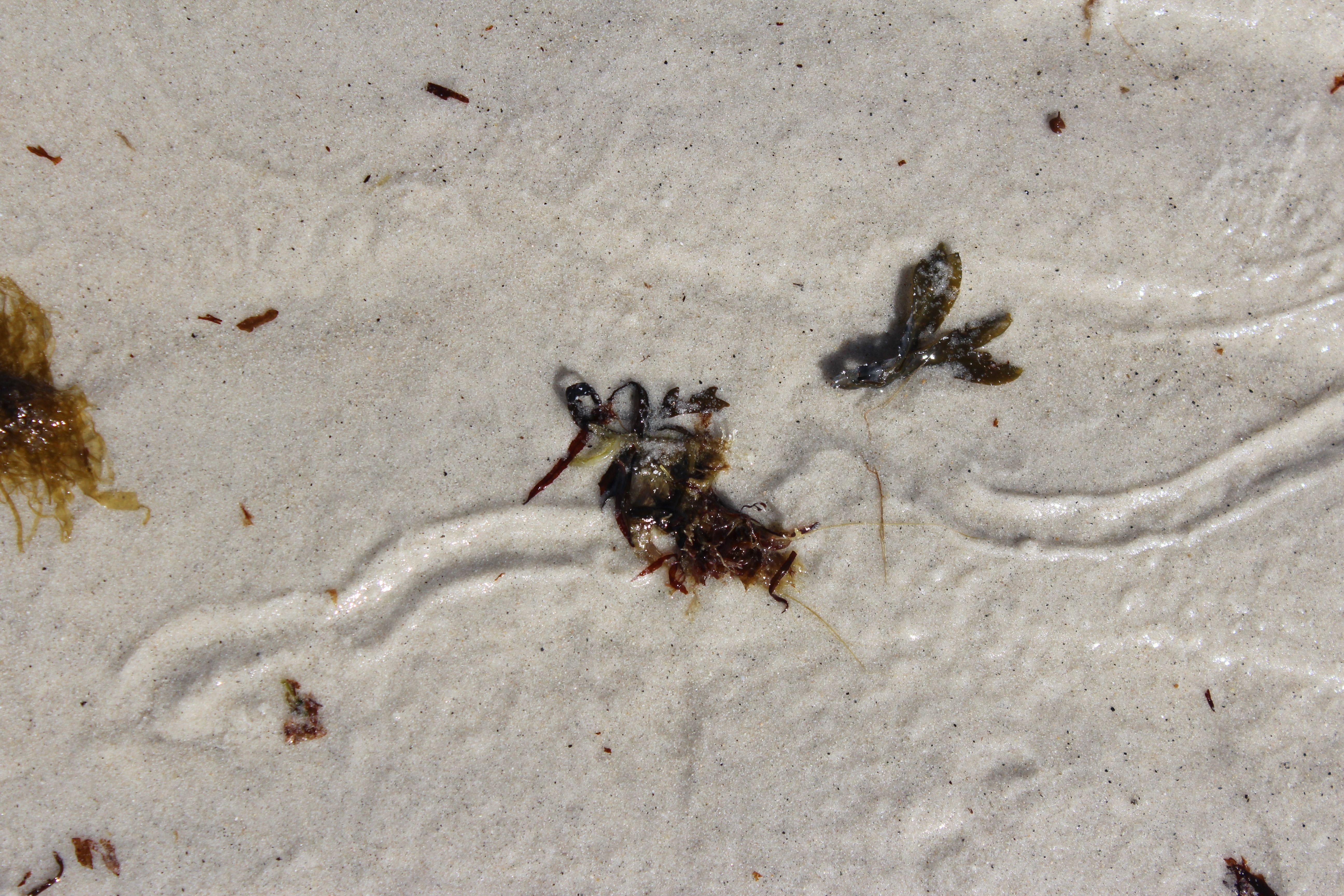
snail trails

Lest you think I wasn’t tracking–snail trails.

gnarly trees

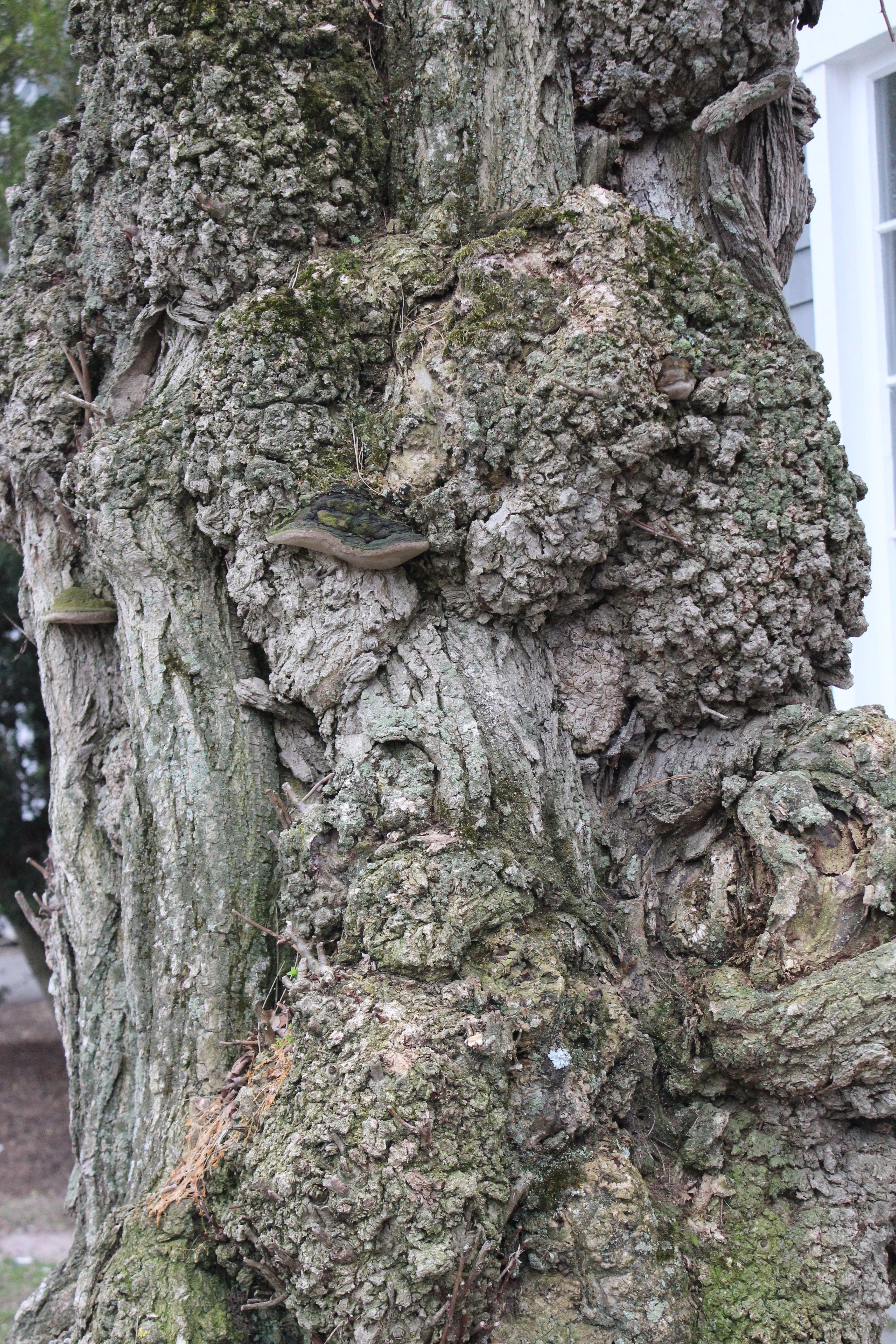
Then there were the trees. I knew I was out of my comfort zone when it came to identifying some of these–especially with the gnarly behavior. Despite that, just as my guy stalked the good people of Onset, I stalked the trees of Falmouth.

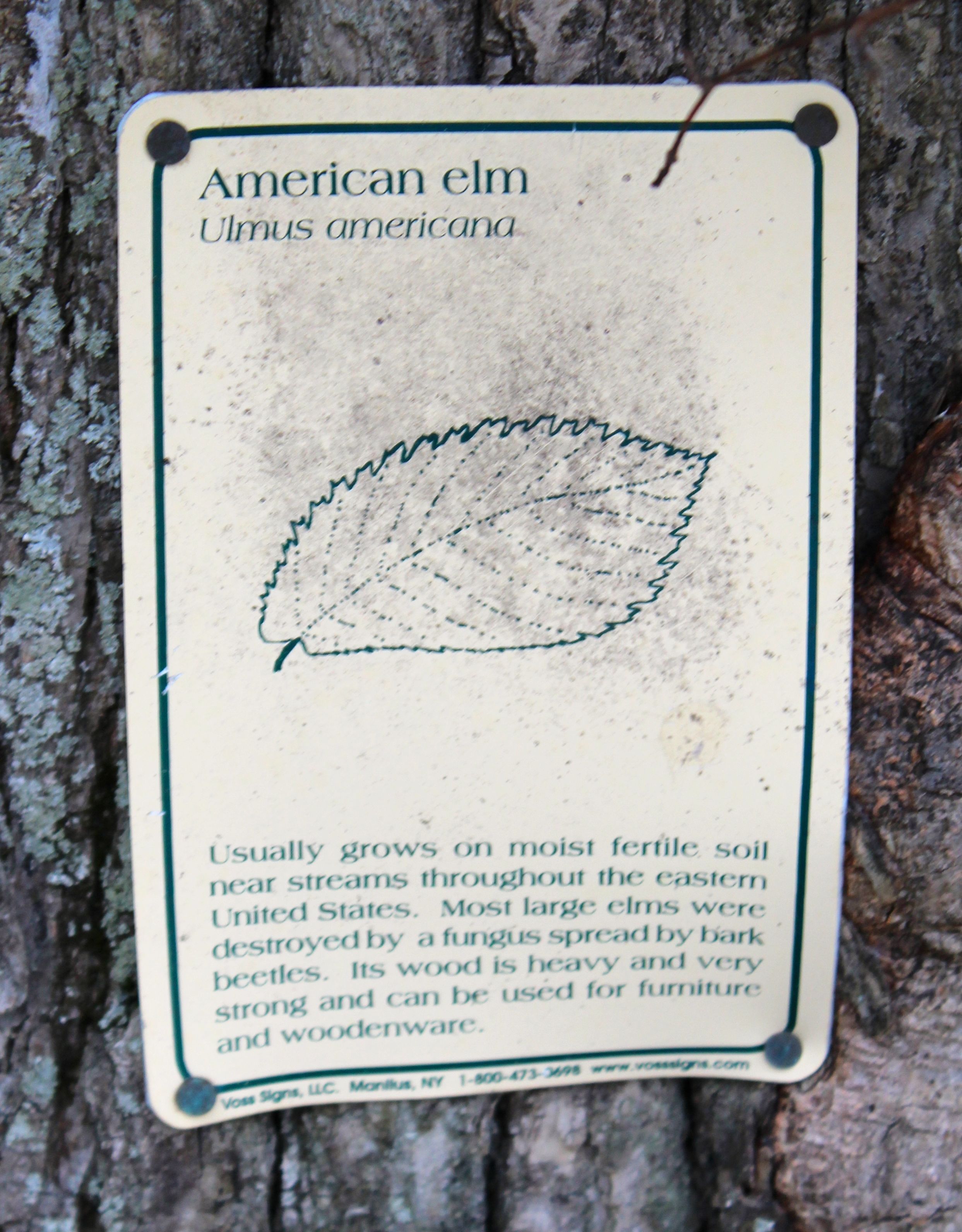
am elm sign

Thankfully, someone made it easy for me. Signs.

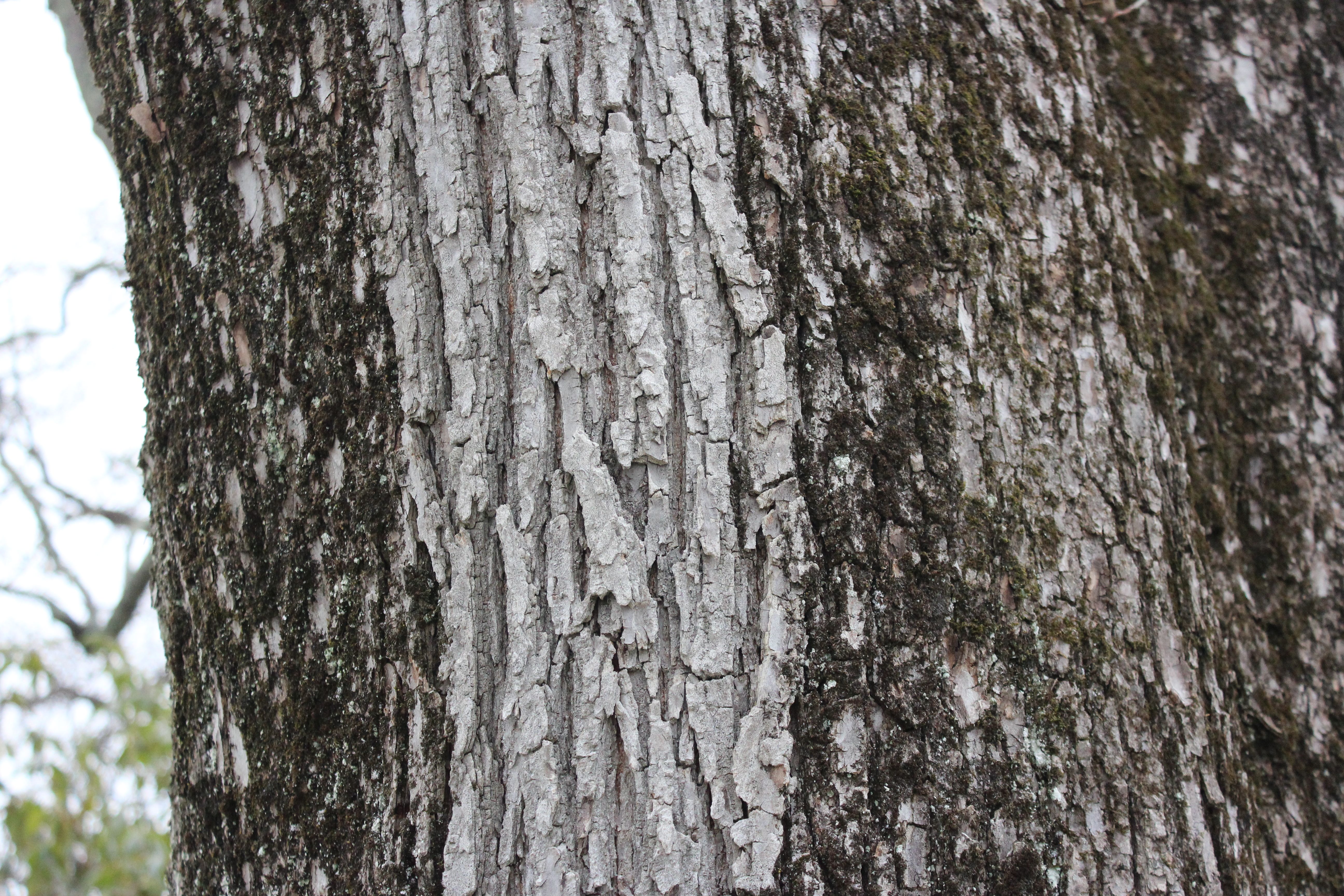
American elm

The  elm’s light gray bark has furrows with a V  or diamond shape, but they intersect at longer lengths than on an ash tree.

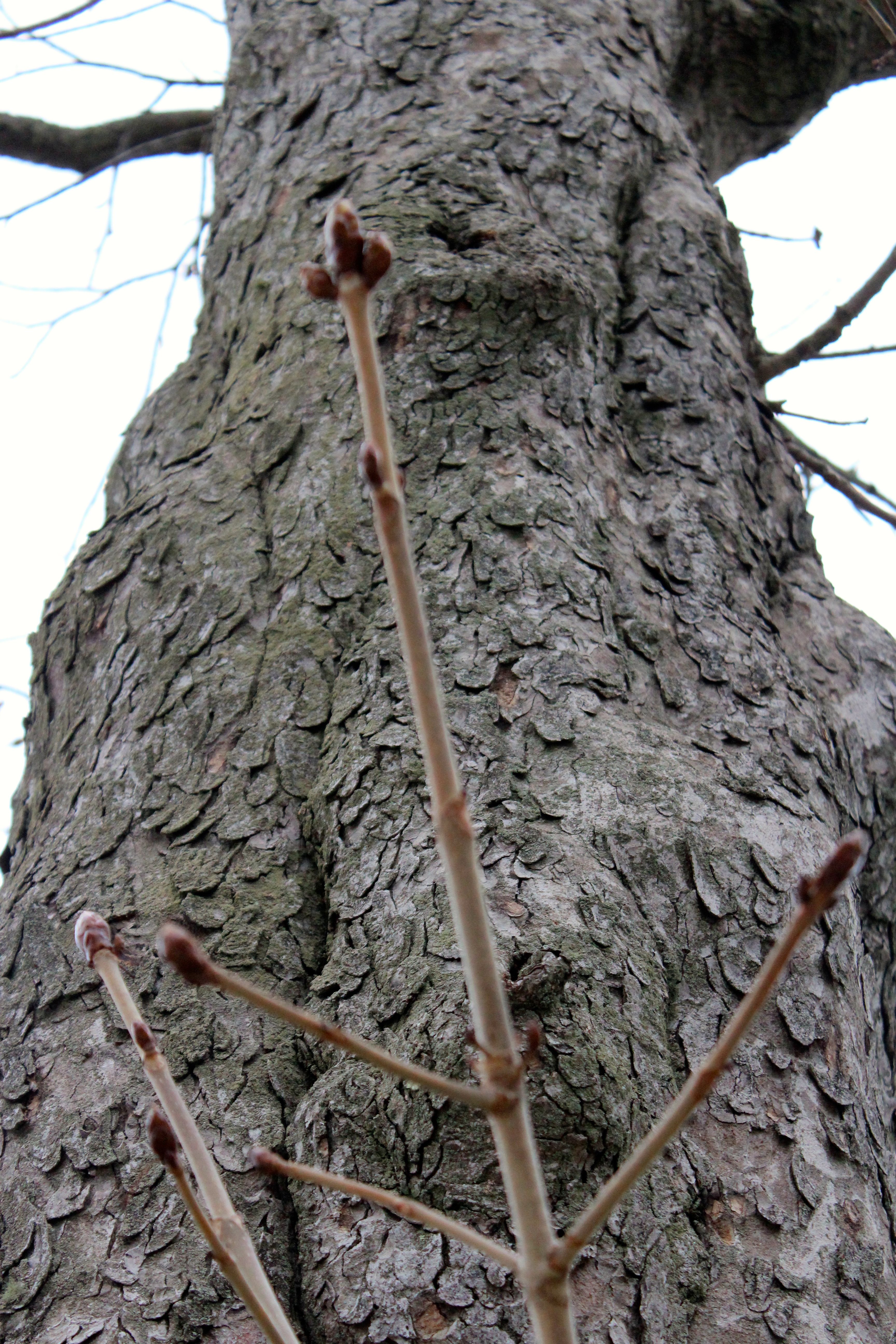
amelm buds

And the branches are wiry with alternate buds/branching.

syc

I loved the camouflage look of this bark and only just realized that it is a sycamore. It wasn’t wearing a sign.

syc 2

But it did have its signature calling cards–dangling brown fruits that some call button balls.

horse chestnut

Thankfully, the horse chestnut identified itself. :-)

hc buds

It also showed off its opposite bud pattern, making for an easy id.

Maple, Ash, Dogwood, Honeysuckle/Viburnum (aka Caprifoliaceae) and Horse Chestnut–trees with opposite buds. MADCap Horse is one way I was taught to remember that little tidbit.

home sign

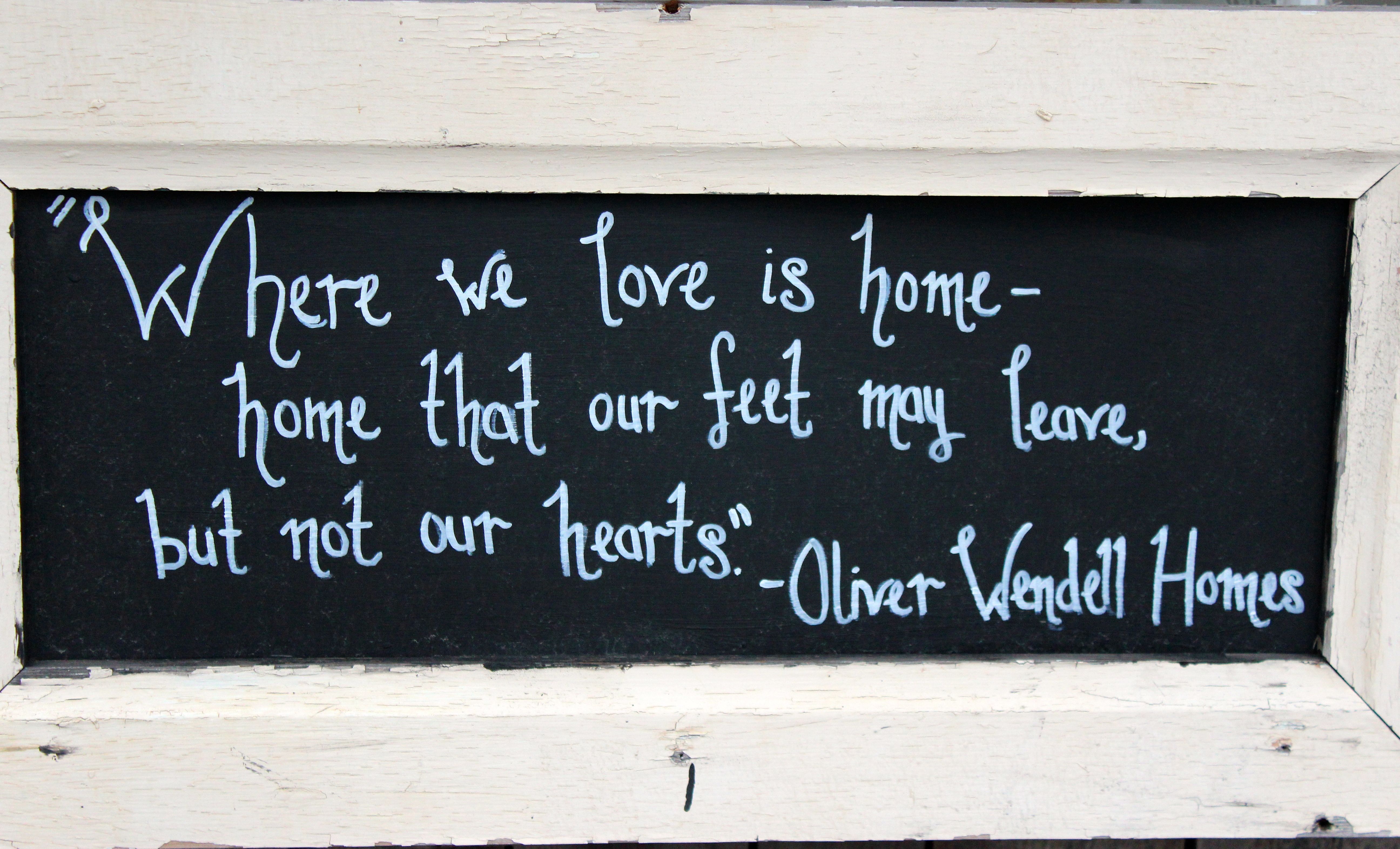
And then it was time to head for the hills. We had a delightful stay and will go again, I’m sure–especially since we have more to learn about the family roots, but this sign on a shop near the inn where we stayed says it all.

Our feet may have left our home for a few days on this extended Mondate, but our hearts were always back here, well rooted in the Maine woods.

Thanks for wondering along on this lengthy wander.