My paths were multiple this weekend as if I was on a quest.
On a bridge over a brook,
down a road through the forest,
beside a bog,
along a boardwalk,
and even following this guy down low and up high.
Together today, we circled another brook (if one can actually circle a brook, but we did),
enjoyed this view from lunch roots,
and dessert on the rocks where we could peek down on said roots.
Though I may have been alone for much of the weekend, I never really was for the bird song, including the conk-er-ies from this male Red-winged Blackbird, accompanied me where ever I hiked.
There were Eastern Chipmunks adding to the chorus as they chortled at me and I chortled back, though I did wonder if life hasn’t always been so easy for this one given the marks on its body and a very short tail.
I watched Painted Turtles bask, despite cooler temperatures, though the air was probably warmer than that of the water.
And I was chastised by this Red Squirrel, but really I had done nothing wrong–except to enter his territory without an invitation.
In the depths of the water today, tadpoles. HUGE tadpoles of the Bullfrog sort, which take two years to mature. I spotted tiny hind legs growing beside where the abdomen meets the tail. There were also lots of smaller tadpoles, too big to be Wood Frogs or Pickerel, but I suspected either one-year old Bullfrogs, or perhaps they were Green. Or both.
A few flying insects also brightened the days (and I have to say I’m not referring to Black Flies, which I hardly spotted–and actually caused me concern, for where have the little biters gone?), including this Anglewing butterfly. I can’t name it to species, for it is either a Comma or Question Mark, but never in the time I watched did it pose so that the underwings were visible. Okay, so My Guy and I spotted it today and when I explained to him the difference between the two, the C having a small white comma on its underwing and the QM, a small comma and a dot looking rather like the punctuation mark, he decided it must be an Exclamation Mark instead.
And in the same area, an American Lady added her color to the scene.
Leatherleaf’s bell shaped flowers reminded me of clothing hanging from an outdoor line.
And I’m really beginning to believe there are a trillion Painted Trillium, though I didn’t actually count. There’s something to admire about those olive green leaves and perhaps it’s that we don’t often see that color in nature.
I even spotted a few that chose a different paint palette. I could explain away the color of the leaves by thinking that perhaps they were showing off their anthocyanin, which gives fall leaves their red color and is seen in the spring as well, perhaps serving as a sunscreen for the plant. But the color of the petals was equally amazing, though who knows, maybe it’s common and I was just paying attention to it for the first time. That does happen. A lot.
And then there was the amazing blue hue of Forget-Me-Nots. I surely won’t. Forget you that is.
And Wood Anemone, its compound leaves notched, and flowers deeply veined, looking so tender and fragile.
Not looking tender, and hardly fragile, but still beautiful, was the carnivorous Pitcher Plant, of which I paused beside several. I’ve known this particular one for at least twenty years so when I encounter it, I always feel like I’m meeting an old friend. Because I am.
Hiding beneath its lime green leaves, American-Fly Honeysuckle’s delicate flowers did dangle in their manner of two. The shrub always surprises me, though it is a native, but I don’t get to greet it often enough.
All of these flowers bloom so early because they take advantage of sunlight before leaves emerge. That’s all changing now and in another week it will surely look more like summer around here. What I love about some leaves, especially American Beech, is that they are so hairy to start, and look like they’d make great fringed skirts for fairies. The other thing I became aware of this weekend, was the raindropy sound of their bud scales hitting the ground.
I love winter, but this season to follow is flying by, and already the Trailing Arbutus has reached its waning hour.
But there is hope in the form of others, like this Indian Cucumber Root, creating a second tier and a bud, and in a few weeks I’ll be seeking out its otherworldly flowers.
I’m savoring spring–before it moves on. I hope you are on the same quest.
Since November, newly minted Maine Master Naturalist Dawn Wood and I have co-led a program we call Wednesday Wanders for Loon Echo Land Trust in Bridgton, Maine. This past week, channel 8 WMTW reporter Jacob Murphy and his videographer Ethan joined us for a tramp into a vernal pool at LELT’s Tiger Hill Community Forest in Sebago.
Somehow we thought the rain wouldn’t fall upon our hike today, until it did. And so we sat in the truck for about 15-20 minutes, waiting for the drops to slow down, which they did.
The rain, however, enhanced everything. And as the sun came out, the water and warmth combined to create a Black Fly Festival, one which will last for several more weeks.
But, April/May showers do bring May flowers, and I sooo love the pastel colors that Hobblebush produces, its non-fertile showy flowers on the edge meant to entice insects to visit about a hundred tiny fertile flowers preparing to bloom in the center.
In wet seeps, Round-leaf Yellow Violets did show off their cheery faces, with violet-veined runways showing the way to the nectary, much like lights at an airfield that aid landings.
And fortunately My Guy didn’t question the fact that I was taking more photos of Red Trillium, for I’ve hardly reached the trillion I intend to take. Really though, in a few weeks our attention will turn toward his beloved Lady’s Slippers, and there are comparatively fewer trilliums than slippers in the forests through which we wander.
Because of the rain, Lungwort, a foliose lichen consisting of a fungus and a green algal partner living together in a symbiotic relationship with a cyanobacterium, showed off its greenliness since the alga had kicked into action to provide food for the fungal structure. It’s sensitive to air pollution and habitat loss, so spotting it is always a treat and reminds us of why we love living here in western Maine.
Below the summit, we paused to share lunch with the Black Flies and take in the view of the mountains, though many were obscured by the cloud cover.
On our descent, there were more hues of green to add to the art palette in the form of the larger Rock Tripe, an umbilicate foliose lichen, and Rock Tuft Moss scattered in its midst.
At a beaver pond, we noted several beaver lodges that looked abandoned and a long dam, but it was the reflection of the sky and clouds that also garnered our attention. The day had transformed as was visible both above and below.
Back at home, I wandered out to the vernal pool to check on the activity. A few days ago I realized that tadpoles were beginning to emerge from egg masses, and today’s warmer weather brought even more into the picture, which in this case included both what I could see under water, as well as the reflection of trees and sky upon the water.
It was when I stopped looking into the depths, however, and focused upon the scene before me, that I realized I was seeing something I’ve never noticed before.
As I had approached the pool, I saw that it had a coating of Birch and Maple pollen and thought with a smile of a fourth grader spotting such last year and looking confused as he asked me if it was ice. No Daniel, it’s not ice. But his initial reaction made sense.
What I noticed today was that the pollen added a rainbow to the water’s surface as the sun got lower in the sky. Yellow by the far shore, orange, red, purple, blue, and green.
So, what caused this rainbow to appear? I’m a huge fan of taking a stick to a Balsam Fir blister to gather some resin and then tossing it into a puddle or still water to watch the natural resins or essential oils appear. Was that happening here?
Maybe this was from decaying vegetation and the sun being at the right angle?
Maybe it had something to do with the pollen as well as the sun’s angle?
I don’t know, but certainly it was fun that this day which began with rain, and showed off a variety of vibrant colors during our five-mile hike, should end somewhere under the rainbow.
I love to venture off and explore other places but more and more I feel drawn to just head out the back door and see what this land of field and forest and vernal pools and puddles has to offer. And so I do. Almost daily.
It’s land where the Red Maples are in full flowering mode, this cluster being male, each with five to ten slender stamens.
As beautiful as the flowers are, one of the real reasons I head out so often right now is that the vernal pools are full of egg masses, both Wood Frog and Spotted Salamander. Somehow, this year, except during Big Night, I missed the Wood Frog activity in the pools I frequent, but by the amount of egg masses, I know they were there.
What cracks me up is that it isn’t just vernal pools that are used for the canoodling ritual. Sometimes, if there’s a rut on the way to the pool and he decides to start calling, and she responds, well, you know how it goes.
And so it must have, for this one mass is in the rut pictured above.
It reminded me of the two sets of Wood Frogs we had to gently move off the road during Big Night. They couldn’t even wait until they found a rut.
It’s only been about two or three weeks since the eggs were laid and fertilized, and already the embryos are taking on their tadpole shape.
In another location, I spotted a Spotted Salamander egg mass that was also deposited about two weeks ago, at a time when snow melt and rain were the norm. We’ve had some rain since then, but the tide is quickly going down in the pools. Wait. There is no tide in these. Being rain/snowmelt dependent, the water is quickly evaporating and this mass probably will become food for something rather than turn into 100 or so salamander tadpoles.
But in “My” vernal pool, where I put “My” in quotes because I don’t actually own the land upon which it is located, I just think I do, the salamander embryos are also taking form.
Of course, when one is stooped over and staring into the water, there’s more to see like this Water Strider. Water Striders are so cool as they skate along the surface thanks to some hairs at the ends of their legs that we can’t see. At least I can’t. Those hairs don’t get wet and instead attract water molecules. I placed an arrow on the photo because the shadow a strider creates with what appear to be larger than life feet speaks to this adaptation.
And in this case, the arrow points to a Water Boatman. I love how his tiger-like body design, though not intentionally, mimics the oak leaf above which he swam. Unlike the skating strider, a Water Boatman uses its hind legs as oars.
In one of the shallowest pools I know of outback, Mosquito and Caddisfly Larvae move about, the first suspended in the water column just below the surface, breathing air through tubes at the end of the abdomen. The Northern Case Maker Caddisflies took advantage of all the plant material, including a Red Maple flower to add a bit of class to its house.
When I wasn’t looking into water, I did notice a few other things like about five or six Greater Bee Flies frequenting one area. The cool thing about bee flies is that they do look like bees, but don’t sting. While they feed on nectar, they also parasitize the nests of solitary bees and I have to wonder if that was what their behavior was about.
Several Six-spotted Tiger Beetles with their metallic green coloring, dashed here and there, always on the move as they looked for other insects to devour. Here’s the thing about these beetles–not all have six white spots, or even any spots.
Speaking of spots, I love the violet-blue markings on a Mourning Cloak Butterfly. This species overwinters under tree bark and other protected places as adults, so they are one of the earliest for us to encounter in the spring, along with Question Mark and Comma Butterflies. And then we get to enjoy a second brood in the autumn that will hibernate as adults.
So it’s not all about insects, though I suspect if I look hard enough I will find one in this photo. But it was the first Bluet of the season that I needed to note. Sure, they’ll be commonplace soon, but this one is the harbinger. And it was enhanced by the contrasting red caps of some British Soldier lichens.
As I walked toward home this afternoon, this Turkey Vulture rode the thermals and I took its photo to honor my neighbor for she alerted me Monday to the fact that she’d spotted some vultures and a Bald Eagle in our ‘hood, and we met on Tuesday afternoon to search for a kill site in an orchard behind some other houses. We didn’t find anything, but I love that she was curious. And that occasionally we share natural occurrences with each other and sometimes walk the same stretches of land. Thank you, Karen.
Back home, I was surprised to find these two sharing a feeder, a female Purple Finch on the left and male Cardinal on the right. She would squawk at other finches, but not at the Cardinal. And so they fed simultaneously for a while. If only we could all take a lesson from them.
As a self-confessed home body, I love how the land that surrounds my house and beyond has been my classroom for so long now (30+years), and that it has taught me to celebrate the extraordinary found in everything ordinary.
It was a dark and dreary night. Repeat. It was a dark and dreary night. Repeat. It was a dark and dreary night.
While most folks would choose to stay inside curled up by the fire while drinking a hot toddy, a number of intrepid community scientists ranging in age from 3 to 70+, donned rain gear (even waders) and reflective vests, cleansed hands of soap and moisturizer, grabbed flashlights and headlamps, and met at 7:30pm in the pre-determined locations.
Their mission each night was the same: Help us help frogs and salamanders cross the road to avoid getting squished by vehicles.
The names and ages of participants changed each night, but the leadership remained the same. As Maine Master Naturalists, Dawn Wood (who took the lead on organizing these events and recording data–a daunting task in the rain and dark and with people spread out and shouting numbers and species at her), Hadley Couraud, and I led the way, all three of us providing information about the different critters and their behavior as the evening progressed. All of this was under the umbrella (pun intended–though no one actually had an umbrella) of Loon Echo Land Trust in Bridgton, Maine. Thank you to Maggie Lynn for creating the sign-up forms, advertising the events, and keeping us posted.
The technique was easy. Once we reached the location of the vernal pool, to which amphibians return each year from their upland habitat, we started scanning the road with our lights. It’s amazing how the mica, small rocks, sticks, and lichens can fool us.
It’s equally amazing how much tiny Spring Peepers resemble small rocks. And how stone cold they are when we lift them up. And how they’d rather stay in our hands than return to the cold earth.
We always noted the direction in which they were headed and that’s the side of the road we took them to, even if it didn’t make sense to us. They knew what they were up to and we were there only to try to keep them alive so they could canoodle for a few nights before heading out of the pools and back to the forest.
Meet a Spring Peeper up close and personal. Note those little toes, which are actually suction cups of a sort, the better to climb vegetation, especially at the edge of or in a wetland, and then to sing their high-pitched songs that announce the males intention of finding a date. Because of the toe pads, peepers were originally thought to be closely related to Tree Frogs but they have since been reassigned as chorus frogs in the genus Pseudacris, which comes from the Greek pseudes (false) and akris (locust) (think of our Dog Day Cicadas and their raspy love songs in the summer).
The species name, crucifer comes from the Latin cruces, meaning “cross,” so named for the dark X or cross on the frog’s back.
A really cool thing happened that first night. A teenager who lived in the neighborhood where we were scanning the road came out to ask what we were doing. And then he joined us, eager to learn as his family had recently moved here from out of state.
After a Spotted Salamander was saved, he ran home to get his camera and stayed until we finally departed. We had hoped he’d join us the next night at a different location, but wonder if he stayed home to help those on his road instead. Whether or not he did that, we loved his enthusiasm and desire to learn.
It soon became clear on the first night that we’d parked in the wrong spot, however right it may have seemed because we could get our vehicles off the road. As people started to leave, we all did a check underneath from all angles to make sure tires would not run over any critters by accident.
And sure enough . . . out crawled a Spotted Salamander. Of course, photo calls came first, and then help was offered to get to the other side.
Even teeny, tiny Spring Peepers had to be saved. And we all commented that we didn’t want to know if we did happen to drive over something. Added to that, we noted most of the vehicles only made it a few feet down the road, before the driver stopped and another amphibian was saved. That and the driving was rather erratic since everyone had gained a new understanding of how much action there is on a rainy night.
The second night found us in a different location that we actually walked about three quarters of a mile to reach, thus lowering our chances of hitting the critters right near the pool which is located directly beside the road, with a vast wetland on the other side of the street.
Wood Frogs, with their dark masks, typically headed toward the pool, where they’ll spend the next two weeks or so, singing for a mate, embracing her in a technique called amplexus, fertilizing her eggs, and trying again and again, until it’s time to hop out and head into the forest for the next 50 weeks.
Because it was dark, the Wood Frogs didn’t seem to mind our presence too much. Some still sang, or rather “wruck, wrucked” their love songs, and others floated in anticipation or chased each other in hopes of finding a female. We even noted a few egg masses clinging to branches, telling us this pool had been busy for a few days already.
Part of the fun in hosting such an event is sharing it with other people who might not typically head out the door after dark. And then seeing smiles on faces as they encountered the critters for the first time.
A cool find on this night was an Eastern Newt crawling across the road. Perhaps because the pool dries up each summer, this one had overwintered either in the wetland or even the upland before returning on this particular night. It felt like an unusual find on the road, though from what I’ve read, it’s not rare. I have seen many Red Efts, the juveniles of this species, their bodies squished by vehicle tires, on this very road in the fall.
Yet again, it was the Spring Peepers who garnered much of our attention.
And some Spotted Salamanders, though not as many as on the first night.
That said, we were thrilled with each find. And found an easy way to help them was to place the laminated ID card created by Maine Master Naturalist Michael Boardman under their bodies. Now don’t you think this guy is crawling onto the card in search of his ID?
As we prepared to walk back to our vehicles that night, Officer Hammond of the Bridgton Police Department happened along. No, he wasn’t going to arrest us for J-walking, though that’s essentially what we did. He was just stopping by because we’d ask Maggie to let the department know of our whereabouts in case anyone wondered what we were doing, but didn’t slow down to ask us. Traffic was high each of the nights. I’ve been doing this for about 22 years, and this year I felt like we had the most traffic. Most drivers were considerate when they saw the cones (courtesy of Hayes Ace Hardware) and vehicle flashers, plus our headlamps and flashlights. And we were all good at yelling “CAR” each time we saw approaching lights, but there were a few who were annoyed and one even had to lean on the horn after passing through the section of road we walked upon.
Night three was the warmest, with temps in the 50˚s and little to no rain. In fact, by the time we were heading home, the moon and stars were visible.
But still, the critters crossed and once again we showed new participants of all ages how to ID them and then help them cross the road.
On this final night, we had several teenagers along for the journey. Two of them had actually driven past us on the first night, slowed down, rolled down the window, and asked if we were okay. When we showed them a photo of a Spotted Salamander, they went home and signed up for a chance to help. Their enthusiasm was incredible.
We peered into the pool again and were amazed at the number of swelled Wood Frog egg masses in their communal cluster–as is the Wood Frog fashion. perhaps to take advantage of being warmer when crowded together, and thus evolve quicker. It’s the swelling that told us they’d been laid a few days before as initially their egg masses are maybe the size of a golf ball, but swell as they absorb water over the days to come.
The action was constant and I encourage you to see how many frogs you can find in this photo. It’s almost like the Hidden Picture of Highlights magazine, or Where’s Waldo?
And twice we spotted Spotted Salamanders swimming in the pool, though I really wanted to see a “congress” of salamanders conducting their mating dance. One of these nights.
As we walked out on the third night, about ten feet from each other we spotted two sets of Wood Frogs in amplexus! They couldn’t even wait to find a room, or pool, for that matter!
We quickly, if awkwardly, helped them off the road because we heard that familiar “CAR!”
One night, two nights, three nights . . . turned into one incredible and extended BIG NIGHT migration.
Our results:
April 10, 2024
21 Spotted Salamanders
40 Spring Peepers

April 11, 2024
7 Spotted Salamanders
102 Spring Peepers
75 Wood Frogs
3 Red-backed Salamanders
1 Eastern Newt

April 12, 2024
13 Spotted Salamanders
268 Spring Peepers
62 Wood Frogs
4 Red-backed Salamanders
2 Green Frogs
1 Eastern Newt

For a grand total of 599 critters helped to the other side of the road. We saw a number of squished ones and had to constantly remind ourselves that they will become food for others.

Thank you to the 39 people who joined us during these three nights--you were incredible and we loved hearing stories of how you want to share this with other members of your family and you are already planning to join us next year.
To go out on a rainy night and help amphibians cross the road is special–for the critters and for us. Thank you to Hadley, Dawn, and Maggie–for being the cool swamp critters that you are! And for letting me be part of the club.
For the fourth time in the last few years, Lake Region Television has featured wondermyway.com. Thanks to producer Evan Miller and station manager Chris Richard for working on this project with me. And to Evan for the original music that accompanies it.
Why not pour your favorite beverage, sit in a comfy chair and watch it here.
Click on the white arrow above to watch and listen.
Thank you so much for stopping by! I hope you enjoyed the show.
Kinda excited to have a post from wondermyway.com published in the spring issue of Maine Natural History Observatory’s Observer Field Journal. Thank you to Celeste Mittelhauser for making it happen again.
Thank you to all who read and comment and share wondermyway.com. Some of you have followed my blog posts since the beginning, February 21, 2015. A few have joined the journey as recently as yesterday. I’m grateful for the presence of all of you in my life.
To mark this occasion, I thought I’d reflect upon those moments when my wonder gave me a glimpse of the “Thin Places” that I’ve experienced either by myself or in the company of others.
To quote my friend, Ev Lennon, “A Thin Place is a spot of beauty, loveliness, space–an example of the wideness and grandeur of Creation.”
I think of them as places that you don’t plan a trip to visit, but rather . . . stumble upon.
I had
the track of
a bobcat to thank,
for it showed me the way
to a special friend.
It was without expectation
that we met
and spent at least
an hour together.
And then I realized
though its sight is not great,
it was aware of my presence
and I hightailed it home,
but I will always
celebrate time spent
with the Prickly Porcupine.
Something quite small
scurrying across the snow
captured my attention
and suddenly
there was a second
and a third
and then hundreds
of Winter Stoneflies.
All headed west from the brook
toward mature tree trunks
to beat their drum-like structures
against the bark
and announce their intentions to canoodle.
Though I could not hear
their percussion instruments,
I am grateful
to learn
with those who
march to the beat of a different drummer.
Standing beside quiet water,
I was honored
on more than one occasion
to have my boot and pant legs
considered the right substrate
upon which to transform
from aquatic predator
to teneral land prey
before becoming
a terrestrial flying predator.
It takes hours
for the dragonfly to emerge
and I can't think of a better way
to spend a spring day
than to stand witness
as the mystery unfolds
and I begin to
develop my dragonfly eyes
once again.
It took me a second
to realize that I was
staring into the eyes
of a moose,
and another second
to silently alert My Guy
while grabbing my camera.
She tip-toed off
as we relished our time
spent in her presence
and at the end of the day
had this Final Count
on a Moosed-up Mondate:
Painted Trillium  59
Red Trillium  3
Cow Moose   1
One was certainly enough!
Some of the best hours
I spend outdoors
include scanning
Great Blue Heron rookeries
to count adults and chicks
and get lost in the
sights and sounds
of rich and diverse wetlands.
Fluffy little balls
pop up occasionally
in the nests and the
let their presence be known
as they squawk
feverishly for food.
And in the mix of it all
Nature Distraction
causes a diversion of attention
when one swimming by
is first mistaken for a Beaver
but reveals its tail
and morphs into a Muskrat.
I give thanks to the Herons for these moments.
What began as a "Wruck, Wruck" love affair
continued
for longer than usual
and due to
a rainy spring and summer
I was treated to a surprise
in the form of developing frog legs.
In the midst of my visits
one day I heard
the insistent peeps
of Yellow-bellied Sapsucker chicks
demanding a meal on wings,
which their parents
repeatedly provided.
Walking home
from the pool
another day,
I was honored
to spend about ten minutes
with a fawn,
each of us curious
about the other
until it occurred to me
that its mother
was probably nearby
waiting for me to move on,
so reluctantly I did,
but first gave thanks
that something is always happening
right outside my backdoor.
While admiring shrubs
that love wet feet,
I counted over
one hundred branches
coated with white fluffy,
yet waxy ribbons.
Theirs is a communal yet complex life
as the Woolly Alder Aphids
suck sap from Speckled Alders.
Communal in that
so many clump together
in a great mass.
Complex because
one generation reproduces asexually
and the next sexually,
thus adding diversity
to the gene pool.
Along with the discovery
of coyote scat,
and Beech Aphid Poop Eater,
a fungus that consumes
the frass of the Aphids,
it was an omnivore, herbivore, insectivore kind of day.
Awakening early,
a certain glow
in the sky
pulled me from bed
and I raced downstairs
to open the door
and receive the quiet
that snowflakes create.
The snow eventually
turned to rain,
which equally mesmerized me
as I watched
droplets elongate
and quickly free fall,
landing on bark below
in such a manner
that caused them
to mix with sap salts and acids.
The result was
White Pines foaming
in the form of
Pine Soap
with its hexagonal shapes:
worth a natural engineering wonder
and I gave thanks for being present.
Occasionally,
it's the action
outside the backdoor window
that keeps me standing sill
for hours on end,
as a variety of birds fly
in and out
of the feeding station,
such as these Purple Finches,
the males exhibiting
bad hair days.
Bird seed is not
just for birds
as the squirrels prove daily.
And White-tailed Deer
often make that
statement at night.
But this day was different
and they came
in the morning
using their tongues
to vacuum the seeds all up.
At the end of the day,
my favorite visitors
were the Bluebirds
for it was such a treat
to see them.
But it was the mammals
who made me realize
not every bird has feathers.
These are samples
of the Thin Places
I've stumbled upon
this past year.

They are a
cause for celebration,
participation,
and possibility.
My mind slows down
and time seems infinite
as I become enveloped
in the mystery.

I give thanks
that each moment
is a gift
and I have witnessed
miracles unfolding
that did not
seek my attention,
but certainly captured it.

And I thank you again
for being
one of the many
to wander and wonder my way.
In any given year,
I've said good-bye
to you,
my dear vernal pool
in late May
or early June.
But this year
of Twenty-twenty-three
has been like no other
as you've retained water
beyond your ephemeral season.
When upon July 14
I peered into
your shallow depth,
I was greeted
with frog legs
growing upon tadpole bodies,
a sight not witnessed
in your waters
ever before.
In years past
miniature amphibians
had to mature quickly
or become scavenged tidbits
supplying energy
to insects and birds,
but this year,
the Wood Frogs
and Spotted Salamanders
who share birthrights
of your pool
took their time
to metamorph.
As I stood quietly
beside you,
you invited an American Robin
to land on the opposite shore
and I could not believe
my good fortune
to watch its behavior.
Much to my amazement,
and despite my presence,
for no matter how still
I tried to be
I still made noise,
the Robin
splished and splashed
in frantic birdbath form.
It paused
and looked about . . .
Then jumped in again
for a final rinse
from your warm waters
before taking time
to preen.
Finally cleansed,
the bird posed
upon a moss carpet
and then
we both took our leave
fully sated from your offerings
of that day.
When next I visited you
on August 9,
wonder accompanied
my approach
and I knew
sudden movements
and resulting ripples
meant I would not be
disappointed.
Below your surface,
I spied a live frog,
its hind legs formed
and front feet developing.
And there was another,
and another,
and more legs,
and sometimes even
the tiny suction-cuppy toes
and my heart was full again.
I last made my way
down the cow path
to the trail
leading to you
on August 18
and again
the amount of water
you held in your grip
far exceeded
my expectations,
but other than
Mosquitoes,
all was quiet.
And then today dawned,
 and after listening
to this morning's homily
about Celtic Thin Places
offered by Ev Lennon,
I felt compelled
to pay you a visit again.
On the way
I slowed my brain
by intentionally stepping
along the labyrinth path
I created a few years ago.
And then . . . and then . . .
as I approached you,
my dear pool,
a pile of Black Bear scat,
full of acorn and apple pieces
from a neighborhood forage,
sat smack dab
in the middle of the trail.
And so it was
that as I reached you,
surprise again overcame me,
for though you are shrinking
to your traditional
early June size,
you still exist
on this day, September 3.
Small Water Striders skated
across your surface,
sometimes approaching others
who quickly
escaped any chance
for an embrace.
As has been
my experience
for the last month
you offered no evidence
of Wood Frog or Spotted Salamanders
and I trust many
hopped or crawled out
as is their manner.
Green Frogs, however,
squealed to announce
their presence
before diving under
the leafy bottom you offer,
which makes a perfect hideout.
When one frog resurfaced,
we carried on a starring contest,
until my attention
was drawn away.
Ten feet from
where I stood
American Goldfinches
poked the ground,
foraging in the duff.
Then one took a bath,
and suddenly it
occurred to me
that this was
the third time this summer
I've had the honor
of watching birds
make use of the watery offering
your pool provides,
even as it is now
a not-so-vernal puddle.

Before I finally
pulled myself
away from you,
I offered great thanks
for all the lessons
of life and love and even loss
that you have
taught me all these years.

And thank you,
Ev,
for being today's inspiration
and for reawakening
my wonder,
which occasionally goes dormant,
as the pool will soon do as well.
As a community scientist for Maine’s Heron Observation Network these past 14 years, I have the distinct honor of keeping track of several rookeries each spring/summer to monitor the number of active nests, inactive nests, hatchlings, young, and fledglings, plus any obvious disturbances. It’s a task that only takes a few hours every other week and the time span in total is about six weeks. Those few hours are some of the best hours that I spend outdoors because rookeries in this neck of the woods are located in or abutting wetlands and offer a rich abundance of wildlife.
From the HERON website: “The Heron Observation Network of Maine (HERON) is a citizen science adopt-a-colony program started by Maine Department of Inland Fisheries and Wildlife (MDIFW) in 2009 to help investigate the status of Maine’s nesting population of great blue herons. Since 1983, the coastal breeding population of great blue herons has undergone an 82% decline; and it is unknown whether that decline is a statewide phenomenon or whether it is restricted to only the coastal colonies. This is where HERON volunteers come in: they collect invaluable data on colonies statewide that will help biologists assess the population trend over time.“
One of my rookeries has had no nests for the past two years since Bald Eagles wiped out the Great Blue Heron population three years ago.
But the beaver pond in the photo above is making a come-back after peaking with about 30 I think about ten years ago, then crashing to a single digit number. This year, we counted 12 nests, all of which proved to be active over the course of the six-week time span.
Observing means making ones way quietly to the edge of the wetland, listening as the youngsters squawk for an incoming meal, then finding a good spot to see the nests with binoculars while not disturbing the birds, and begin counting.
We avoid publicly sharing the locations of these sites for as it is stated on the HERON website: “If you are not the landowner or colony monitor, please refrain from visiting colonies during nesting season to minimize unnecessary disturbance.”
This third rookery we thought had crashed after discovering two nests two years ago and then none last year. But . . . we knew the birds had to be somewhere in the vicinity because, though several rookeries in the area were no longer active, there were still adult birds visiting local ponds and lakes and rivers.
It wasn’t until Maine State Waterbird Specialist Danielle D’Auria completed a flyover this spring and sent an email with the subject: “Your colony is THRIVING!” and two friends joined me and we explored the wetland from a different vantage point than in the past, that we knew just how big the colony was. In total, there are over 40 nests and over 30 of them were indeed active.
Counting so many can be a real challenge, and even with three pairs of eyes, we still needed to restart several times with this larger colony, but figured out a system to identify certain nests as a given # and then restart from there and move from left to right, though sometimes we had to dip down and then look up again to find the next nest.
What added to the counting confusion was that my peeps and I suffer happily from Nature Distraction Syndrome (I used to call it Disorder, but really, it’s such a good thing that it deserves a new name), aka NDS rather than NDD.
And so this is a Dot-tailed Whiteface Skimmer, its name reflecting its features.
Looking up again, we’d spot hatchlings, those fluffy little balls that we could barely make out unless they popped up . . . definitely one of the many joys of those special mornings.
Sometimes the youngsters were difficult to spy based on how well they blended in with the snags upon which the nests were built.
And then it was a matter of deciding: is that a bird or part of the tree? And is there another lump in there? Do you see three or four young, plus the two adults?
Often, several adults stood sentry, keeping an eye on the entire rookery, rather than heading off to fish and feed the youngsters. This one stood on one leg, which I’ve read is a way for birds to reduce the amount of heat loss on their unfeathered limbs.
One of the things I always found amazing is that by week #3, the youngsters seemed to know that their parent was approaching with a feast to share, while those in the condo below waited patiently and quietly for their meal on wings to fly into the nest.
Meals were regurgitated, with those prehistoric croak-like squawks perhaps encouraging the parent to pass the food to its youngsters.
And then it was time for the kids to fight over who got the best and biggest bite, while momma or poppa stepped aside to let them assert their birthright. The question remains, did the first born always get the worm? Or in this case fish or amphibian or whatever the meal might be?
And how could we not admire the Green Frogs that “Ga-dunked” their banjo strings as they surrounded us and kept moving in closer making us think we might become a meal while we stood there and counted?
Feeding time continued to be the birds’ favorite time and as they grew bigger, they certainly became more assertive.
Vying for position continued to stymie us for we didn’t understand which mouths received first dibs. But of equal importance, how did all of those birds remain in their treetop nests without falling over during such squabbles? And how did the nests and birds withstand the rain and wind that marked our spring and summer here in western Maine?
Motion below the nests caught our attention once again, and what we first thought was a Beaver because it explored a beaver lodge, morphed quickly into a Muskrat when we spied its rat-like tail.
It went about its business as we watched, probably in search of food, maybe to feed its own youngsters.
And then there was the ever lovely Four-spotted Skimmer Dragonfly.
By week #6, most of the kids were tweens, and those in the left-hand duplex watched intently for their lunch box to arrive just as their neighbors to the right were about to eat.
We labeled this double-nest “The Squawkers” because anticipation of the lunch box contents in both places was extra loud.
Once the right-hand duplex had finished eating, they turned their attention next door, though nary a beg did they offer and nary a tidbit did they receive.
Still they looked on.
And so did we . . . at this female Eastern Pondhawk Skimmer dragonfly with her bright green thorax and pair of white cerci (terminal appendages).
During week #6 the moment arrived, when encouraged by others a teen got up the gumption . . .
to step out on a limb . . .
and then turn back to say, “Hey, look at me. I did it.”
And then, in an instant, first flight!
So where did the herons go once they no longer needed to remain at their breeding grounds? Well, I took off in my kayak to see if I could answer that question. And a Slaty Blue Skimmer posed on my boat much like a figurehead, this one in obelisk form with its abdomen raised toward the sun to offer some relief from the heat.
I also found the Eastern Pondhawk’s mate. Look at that green face, and powder blue abdomen, or the hints of color on its wings.
I was equally excited when I spied him again, this time with a frontal views. I hope your “Ohs” and “Ahs” match mine.
Another “Oh” moment: A Water Snake peering out from under its lilypad-shaped sun umbrella.
And a couple of Painted Turtles basking upon a rather shaded rock.
Plus a pair of juvenile Mallards in preening mode.
And among my favorites, okay, really, they are all my favorites, but I was quite surprised to spend a few minutes with this Beaver while searching for herons one recent day.
Tada. The search has ended and going forward I’ll probably spot them more and more frequently for I know how successful at least two local rookeries have been this year.
I give great thanks to this Great Blue Heron and all of the others because they offered a chance to not only contribute to research, but also to spend some delight-filled hours standing still and observing. Your breeding and food-gathering habitats are my favorites too.
It’s been a rainy week. It’s been a sunny week. And sometimes it’s been both simultaneously.
Despite the weather, I’ve spent many hours tramping through the woods as is my custom, sometimes with others, including a large middle school class, and sometimes alone. Most of the tramps found me near or beside water–after all, this is the Lakes Region of Maine.
On one such, almost a week ago, this fly and its brothers and sisters landed repeatedly on our outerwear. Turns out there is a reason for this. It’s known as the Friendly Fly for its habit of landing on people no matter how often it is brushed away. It won’t bite, but if your skin is exposed, it may try to sip at salts and tickle a bit.
Here’s the best news about the Friendly Fly. While it doesn’t bite us, it is known to parasitize Tent Caterpillars such as this one found in the same neighborhood. Going forward, I will honor each Friendly Fly I meet. Now if only we could find something that would do the same to Brown Tail and Spongy Moth larvae.
In the same neck of the woods, what appeared to be a flower, turned into a hundred or more spiderlings of the Cross Orb-weaver family. Notice all their guide lines. Such a clever construction.
When disturbed by accident, they didn’t leave the cluster, but did scamper on those guidelines for a minute or two before reassembling. I’ve read that they stay together much like so many others–there’s protection in numbers. During this stage of their lives, they feed on their egg yolks. I’ll take mine sunny-side-up.
And finally, in that same place, we spent a few moments with an immature male Belted Whiteface Skimmer dragonfly so identified by its yellow thorax and the yellow base to the black abdomen. As it matures, the abdomen will turn brown and then red.
And just look at that white face. Can you even get a sense of some of the 30,000 lenses of the compound eye in the light spot? Dragonflies have incredible eyesight–they can see up and down and all around with almost 360˚ vision.
I have to say I think it was because of the damp, cold weather that this particular one decided to crawl upon my extended finger and allowed me to pass it on to another. We provided a wee bit of warmth.
Another white faced skimmer encountered in a different place was what’s known as a Dot-tailed Whiteface. At just over an inch in length, it’s a small dragonfly, but that dot is the giveaway, which makes it easy to ID in the field.
There seemed to be a theme–that of the white face variety. This one is known as a Crimson-ringed Whiteface.
One of my favorite skimmers is the Chalk-fronted Corporal, who earned its name for the corporal stripes on its thorax. And maybe it’s the old teacher in my blood that appreciates good old chalk. The fun thing about this species is that it’s usually found in groups, and you might not see them until you take a step and then they fly three steps forward, repeating this behavior throughout your entire journey in their neighborhood. They are also great posers.
Immature Chalk-fronted Corporals such as this one are also abundant and seem to be circulating in every trailhead parking lot. They blend in well with their surroundings, so once again, I don’t spot them until they fly.
The next skimmer is a personal favorite. But the question is, can you find it? I have to say that I knew I’d taken its photo, but when I was reviewing the shots, I wondered why I’d taken this one of some vegetation and missed the female Eastern Pondhawk for so camouflaged is she.
In another space I encountered a Racket-tailed Emerald. Look at that club-shaped abdomen. And fancy mirror-imaged yellow spots ringing the third abdominal segment.
Though I have no problem with dragonflies garnering so much of my attention during flying season, damsels also like to be noticed like this female Ebony Jewelwing. Her lighter colored black wings and white stigma at the tip give away her gender. But it’s the iridescent blue and green eyes and body that always make my heart skip a beat.
Another teenager also asked to be noticed–in the form of a sub-imago Mayfly with cloudy wings indicating its age. Had my friend stood there for the rest of the day and into the night, she might have seen it molt from this form to its final as an imago or adult.
In the midst of all these finds, and because of the rain, I returned to the vernal pool behind our house and found that the water was quite high. Usually, by June 9th the pool has dried up. But not this year. It is teeming with Wood Frog tadpoles and I suspect Spotted Salamanders for so many were the egg masses. Things are a-changing within those bodies, and I think this will be the year so many finally hop or crawl away. I’ve had my eye on this pool for thirty years, and this is a first.
Finally, I have to share with you another I recently met and first reported in Stars Among Us. As a friend and I watched this afternoon, it dined on vegetation, stuffing its cheeks, while flies dined between its ears.
They didn’t seem to bother it as much as the mosquitoes bugged us, but still it clasped its little hands together.
Maybe it recognized the glimmer in our eyes as we watched it with joy, just as we recognized the glimmer in the eyes of all we met from the Friendly Fly to the dragonflies to the damselfly, Mayfly, Wood Frogs, and yes, the Black Chipmunk itself.
More rain and sun are in the forecast for this coming week. I wonder what we’ll see next.
We are between rain storms and last night’s was a whopper and I’m willing to take the blame because like I wish for snow, so was I wishing for rain. After all, there are vernal pools to tend to and since the mamas and papas have all either hopped or crawled out and headed back to their upland habitat, someone has to watch over the young’uns.
I’ve accepted the responsibility, knowing full well that there will be heartbreak in a month or two, but with the hope that a few days of rain might fill the pools for now to give frog and salamander embryos a chance to grow and emerge and feed and grow some more.
And so as the sun shone in the midst of major flooding, I stood sentry and took note of my various wards.
My peeps include the larval and pupal forms of mosquitoes because they do, after all, play an important part in the food web, especially in the ephemeral pool where my kids need food. And later, my other young’uns who emerge as dragonflies and damselflies will also benefit from dining on such biting insects. Birds, too, will find nourishment with these tiny morsels. And so, when I go pond dipping with others, I always encourage them to return the mosquito-ridden water back to the pool rather than following their instinct to pour them onto the ground and let them dry out and die in an attempt to keep the population down.
With focused attention today, I watched as the bubble-butts also drew attention, for Predacious Diving Beetles, who head to the surface to trap oxygen-filled air between their wings and body, prolonging their time under water. and thus can stay under for long periods of time, were chasing after each other, thus extending their need to stay below for some canoodling efforts.
At last I reached my babes, some of them still forming within their bubble-shaped egg sacs. Wood Frogs will these become. In time.
Older siblings hung out on the leaves that form the pool’s lining, their diminutive tadpole size contrasted by the background of a Northern Red Oak leaf.
As was to be expected, my Spotted Salamander tykes have yet to emerge as they grow stronger within their gelatinous matrix. It always strikes me as being impenetrable, but is it?
Right now, however, the most prolific members of the pool appear to be the half-inch Midges, who swim on the water’s surface, and skitter and fly about on leaves and any other vegetation.
Click on the arrow and watch these crazy little, non-biting flies. One of my favorite posts from last year was Midges I Have Known. And I’ve known a few. In case you are wondering, she still shares a room with us.
As I stood silently guarding my little friends of many, a surprising event occurred. The local Yellow-bellied Sapsucker makes its presence known each time I am out there. But today, today was bath day.
And I had the good fortune to be standing on a rock across the way, hidden by branches that create the blurry effect, serving as a bit of a bird blind, while the woodpecker splashed about.
I could not believe my good fortune to spend time with this male making himself more handsome by the moment.
His splashes, mixed with today’s breeze, created ripples that sometimes distorted my view of Wood Frog egg masses, but at the same time created a work of art I can only imagine my friend Jessie painting.
It is my job to keep an eye on the nursery and it’s a job I am honored to hold.
Most people think there are four seasons in the northern hemisphere: spring, summer, autumn, winter. In Maine, many would argue that there’s a fifth: mud. And maybe even a sixth: road construction season.
I beg to differ on all accounts. In my wee world view we just came out of tracking season, which began at the beginning of December and lasted through the end of March.
And now, we have entered The Other Season. While tracking season doesn’t involve much color, it does offer an insider’s look at the animals with whom we share this space, and the habitat in which they live.
But now . . .
one’s eye needs to focus on what is different. The anomaly. Really focus. For there is a special snake making an appearance upon an old stump by the water’s edge. It looks rather like the saplings that have made this nurse log their home, but if you look closely, you might spy three light yellow stripes that contrast against a dark background and a bit of a curved tail.
Zooming in even closer, look at the snake’s head and the light colored spot in front of its eye. This is a key ID feature for an Eastern Ribbonsnake, an uncommon species in Maine, and one of special concern, which according to the maine.gov website means ” particularly vulnerable, and could easily become an endangered, threatened, or extirpated species due to restricted distribution, low or declining numbers, specialized habitat needs or limits, or other factors.”
Then there’s the Backswimmer who spends its life rowing about, belly up. Each set of legs is used for a different function – the front pair for catching prey because they are voracious predators, the middle pair for holding the prey tight, and the flattened, hairy third pair acts as oars, much like those used with a rowing shell.
As piercer-predators. they kill and suck the bodily fluids out of any prey they can subdue – invertebrate and vertebrate alike – including tiny tadpoles and fish fry. They remind me of terrestrial assassin bugs. But, Backswimmers also become fish food.
In this same habitat, one of the first butterflies to grace our airwaves is the Mourning Cloak because it overwinters as an adult. It’s an easy one to ID, perhaps the easiest for its rich brown wings are accented by vibrant blue dots and a bright yellow border along the trailing edge. Seeing mourning cloaks flutter out of the leaf litter is a sure sign of the other season.
In the same space, moving swiftly from one body of water across a cobbly road to another wetland was a Snapping Turtle. Though Snapping Turtles appear to pose a threat to humans, they are not as aggressive as we think. Instead of swimming, these turtles spend most of their time crawling along the bottom of shallow water.
On land, however, Snappers often act like the nastiest characters that you ever want to encounter. Have you ever tried to help one cross the road? With its long neck, that is almost as long as its shell, it’ll swing its head and lunge with open jaws.
I have read that even though they hiss and strike out with their formidable jaws, they will usually not bite. Supposedly, they’ll close their jaws just before they reach your hand. I don’t intend to verify this. Their act is enough to keep me at a safe distance. It’s best to leave a Snapping Turtle alone andtreat it with respect.
Because I was beside water, upon floating leaves, an insect flew in that could easily have been mistaken for a wasp, such as is its tendency to mimic such. The Masquerading Syrphid Fly, aka a hover fly, has longitudinal stripes on its thorax that resemble those on the back of a Paper Wasp, but a wasp it is not. For one thing, it has only one pair of wings, where bees and wasps have two pairs.
Away from the water but within the nearby leaf litter, and easy to find if you roll a log or move some downed tree bark, you might discover the high population density of Red-backed Salamanders who often maintain small territories that they guard and in which they exclusively forage.
The forest floor is a sophisticated, perennial cycling system of leaf litter, fungus, minerals and soil extending from tree trunks down into the earth. Scores of critters travel in between, eating, moving, and transforming the layers as they go, like Red-backed Salamanders who feed on a wide variety of invertebrates and to whom we give great thanks.
Among their meals, Red-backed Salamanders feed on of invertebrates including ants, but have you ever seen anything like this: an ant convention? And not one focused on a sweet treat you accidentally dropped?
According to Donald Stokes 1983 A Guide to Observing Insect Lives, “The other situation is where hundreds of ants seem to be crawling all over each other . . . These masses are probably involved in an aggressive encounter, possibly over the position of nest sites. They could be termed ‘territorial battles’ or even ‘wars.’ In contrast to our wars, they are conducted entirely by females. lf you look closely at the ants, you will see individual battles — ants using their pincers to dismember the bodies of other ants. On the battlefield may be cutoff legs or heads.”
We may be in a new season as witnessed by all the finds commented upon, but where there’s mud or wet sand, there will be tracks and so there’s some carry-over. Do you see the baby hand prints? At least two Raccoons had passed the way of some of the other critters in this post.
But the time has come to emerge from the depths of winter and shed a few weeds and head into the other season: Standing Beside the Water Season.
If you are looking for me in the next six months — I’ll be holding true to this next season.
Though not the extravagance of Fifth Avenue, this Easter Parade is much more to our liking. Simple, yet eloquent in nature.
The white carpet was rolled out making us feel most welcome and we easily strolled upon it.
There were several occasions when the parade route appeared to be smooth as glass, but each step had a rippling effect.
It was such fun to watch cheerleaders along the sidelines perform their routines with pompoms created by flowering Silver Maples.
Competition for the best Easter Bonnet included tassels of Speckled Alder, and . . .
Pussy Willow plumes.
Ring-necked Ducks peaked their heads as they watched the marchers progress.
And Wood Ducks performed their “oo-eek, oo-eek” while swishing into the air for a flyover.
Accompanying them was a Hairy Woodpecker on percussion and . . .
Red-winged Blackbird offering a “conk-la-ree” trill.
A couple of fluttery marchers donned their mourning cloaks before flying off to another viewing spot.
We thought the butterflies were enough to make us happy about attending this parade, but then we heard a certain ephemeral wruck and knew that like antique cars, which always slow the show down, we’d have to wait a few minutes for the Wood Frogs to turn the corner. (Look carefully and you might spy two canoodlers under a leaf.)
There was so much to see including a lodge-like float that passed by us and included an advertisement for mud insulation.
Oh, and those geese and crows, how much they must have practiced to get their marching routine synchronized.
As it should, this Easter Parade finally drew to a close at the mighty oak, but left hope and awe and wonder hovering in the air.
Smack dab in the midst of a hectic work schedule, we pulled off another issue of the mag. And I have to say, I really loved working on this one. As did Laurie LaMountain.
It’s full of history, both local as I had the fortune to visit with Louisa Attenborough at the Garcelon mansion on Kezar Lake in Lovell, and across the pond (read the intros to the recipes in “One Potato, Two Potato”).
Here’s an exclusive look at a bathroom window at Garcelon, flanked by mirrors that reflect the lights in the room and in the bedroom beyond.
And a side view not included in the article. The servants’ quarters, circa 1908, were in the upper-left hand corner.
Another of my articles is about the big reveal at our local ski area, which was purchased last year by Boyne Resorts. According to general manager Ralph Lewis, lots of updates have been made since the ski area closed in the spring, but the biggest one is the name change, which excites many of us. You can read all about it in “Welcome Back Pleasant Mountain.”
My third, and probably favorite article is entitled “Life Beneath the Ice,” which features the work of fellow Maine Master Naturalist Edwin Barkdoll and his discoveries as he worked on a capstone project, and Dr. Ben Peierls of Lakes Environmental Association.
“A calm winter day. Freezing temps. Thickening ice. A lid is placed on the ecosystem below. And all aquatic life goes dormant. Or does it?” You’ll have to read the article to find out.
So here’s a look at the cover, and a view of a Whirligig Bug walking under the ice that Edwin captured during his studies.
Within, you’ll also find articles by Laurie, including “Chasing Arrows,” about what happens to those items we so carefully recycle; “Fast and Affordable,” about the need for high-speed internet in our rural communities and what a collective group of towns is trying to do for affordable broadband, and “Creative Housing Solutions,” about what a group in Norway, Maine, is trying to do to bring equitable housing to the community. Plus the recipes (and history) in “One Potato, Two Potato.”
And always back by popular demand are the book reviews from the staff at Bridgton Books. Plus ads, ads, ads, for local businesses. Please take a look at them, and then visit the businesses and let them know you saw the ad in the mag.
If you’d like to read the magazine, you can find it by clicking here: Lake Living magazine
My Guy and I were climbing Mount Tom in Fryeburg, Maine, this afternoon when it began to rain. Being under the canopy, it didn’t bother us. Until it did. That moment occurred when the thunder began and continued as the storm seemed to circle nearby Pleasant Mountain. Even though we were close to the summit and had planned a round trip hike, we quickly turned about and backtracked as the heavens opened and even the canopy could no longer protect us. And then back at the trailhead, the sun came out. This is Maine after all.
And so I drove down the road to another spot where the actual “hike” is about 50 feet long, but the view and sounds spectacular.
The first friend we did meet was a Dot-tailed Whiteface Skimmer Dragonfly, so named for that spot on its abdomen and the fact that its face is white. Sometimes common names make complete sense and other times they are a source of confusion, but to learn the scientific names boggles my brain most of the time. Or maybe I’m too lazy.
Dragonflies are often territorial, unless they are Chalk-fronted Corporal Skimmers as are two resting here on Sensitive Fern. The Corporals often share a space and I’ve frequently spotted bunches resting on rocks or the ground.
But there’s another dragonfly in this scene. Can you find it? And it got me thinking about how some different species do share a space within the same habitat. That is, until one decides to eat the other.
In the mix, Familiar Bluet Damselflies also flew … and rested. This one upon an equisetum.
And another upon a Sensitive Fern. The damselfly wasn’t all that senstive for if you look at the last few segments of its abdomen, you’ll spot little red dots, the bodies of water mites.
Some species of water mites are parasites on insects like damselflies. The mite larvae attach to a damselfly nymph in its underwater stage. When the nymph emerges from the water and enters adulthood, the mite larvae stay with it and also mature as they feed on the body fluids of the damselfly. While the damselfly will probably survive the mite parasitism, it may be weakened by the tiny critters.
In the water itself, tadpoles. Tadpoles galore.
Above the water, a Frosted Whiteface Skimmer, a rather minute species in the whole scheme of things.
That’s not all. Four-spotted Skimmers also flew and paused, flew and paused. The Four-spotted is an aggressive hunter of other insects, sometimes even capturing smaller dragonflies, um, like the Frosted Whiteface. Fortunately, no such action happened on our clock. (Though it would have been cool to witness.)
Oh, and then a Viceroy Butterfly flew in. Be still my heart. While one might think Monarch Butterfly based on the coloration, the Viceroy is much smaller and features that black line that crosses the hind wing, Monarchs don’t have a line across their hind wings.
Perhaps, though, my favorite spot of the hour was the Racket-tailed Emerald, so named for the tennis racket shape of its abdomen–use your imagination. Even more important to notice: those shiny green eyes. This was the dragonfly that shared the space with the Chalk-fronted Corporals.
So the reality was that My Guy spent a few minutes with me and was impressed by the tadpoles, but then he returned to the truck and took a nap.
The Dot-spotted Whiteface looked at me as if to say, “Hey lady, haven’t you had enough yet? Maybe it’s time for you to return to the truck as well. And skedaddle. ”
I supposed I should, but really, based on all the sounds and sights and the fact that there was so much more going on that I didn’t capture, I could still be standing there.
Take a gander yourself. I welcome you to observe friends on the edge of Abraham Krasker Bog Pond on Bog Road in Fryeburg.
Sigh. And sigh again. Happy sighs are these. Because . . . the dragonflies are transforming from their aquatic form to flyers. In either lifestyle, they are predators, but it’s the latter flyer that we appreciate the most. Especially during years like this when the Black Fly and Mosquito populations are prolific. We give thanks, of course, for such prevalence, because these little stinging fliers become odonata and amphibian and bird food, or so we like to pretend that we give thanks. Really, we’re grateful for the insistent buzzing and biting, but even more grateful for those who predate upon them.
The exciting thing about this week is that several of us had the great opportunity to spy some dragonflies eclosing, the act of emerging from their larval forms. So here’s the deal: fully developed aquatic larvae, aka nymphs, crawl out of the water onto emergent grasses, sedges, shrubs, and rocks, split the back of their skin and emerge as winged adults like the one in view here.
Newly eclosed dragonflies lack pigment so identifying them isn’t always easy. Of even more importance, they are extremely vulnerable to predation as they clutch their old skin while pumping air into their bodies and liquid into their expanding wings. One way to note an emergent adult is by the cloudiness of the wings as they set their internal systems in motion. The tough part is that they must wait in this position, unable to escape predators, until wings dry and they can fly. The process can take several hours.
And so it was with great glee that we noticed wee, yet mature Hudsonian Whiteface dragonflies, members of the Skimmer family, flying and posing, flying and posing.
The yellow spot on segment seven (dragonfly abdomens consist of ten segments) is triangular in shape, aiding in the identification as I get my dragonfly eyes back on.
In no time, it seemed, there were dragonflies everywhere. Well, not everywhere for I traveled several trails and realized that those who were emerging tended to be near stiller waters. The Common Baskettail, as this species is known, is a member of the family Corduliidae (the Emeralds). Unlike other Emerald family members, baskettails lack the green eyes, though as they age the color does change. But they make up for it by being super hairy. As a naiad, the hair apparently traps tiny pieces of debris, thus hiding it from predators in the muck. In its adult form, the hair serves as a spring jacket, holding in heat.
All that is fine and well and there will be many more odonata references during the next six months as I wonder my way. but today I happened upon one who added to my knowledge bank and I’ll forever celebrate this opportunity to learn more. Do you see the neon green appearing to drip off the wings?
Look closely at the left behind aquatic structure, aka exuvia or cast skin, and you can see the length of the former nymph that helps define this species to family based on its shape: Darner.
Though I first thought this specimen was dead, suddenly it walked along the underside of an old stump beside the water. Try as I could to separate its wings, I was unsuccessful. For some reason they were stuck together. And one was even folded still as it would have been upon first emerging, thus there was green at its tip, though it appeared at first glance to be in the middle of the wing.
Based on the fact that its thorax stripes were already taking on its adult colors, I knew this darner had been trying to reach flight stage for hours. What had gone wrong? What was the neon green? Something must have gone astray as this dragonfly tried to pump hemolymph (Insect fluid like blood) through to its wings to stiffen them for flight.
Hemolymph is made up of water and other characteristics like carbohydrates and amino acids, and also pigments, though the latter are typically clear but may be tinged with yellow or green. In the case of this darner, it seems that green is the color of choice. Had it been able to expand its wings, the fluid would have drained out of the wings and back into the body. Usually, it takes about an hour or more for the wings to reach full length and they have a cloudy appearance as the fluid is pumped into them. They are held together over the back, much like a damselfly, but once the fluid drains out of them, the dragonfly is able to extend the wings and there’s a shiny glint to them until they fully dry and stiffen. And then, in a split second, when one such as me is watching, flight happens.
For some reason, this darner will not know flight, but I gave thanks for the opportunity to see its blood and slow my brain down to think about the process.
To fly or not to fly?: it’s a complicated question.
If you follow me either virtually or in reality, you know that during April and May I spend a lot of time beside vernal pools. And this year is no different. Thankfully, I also get to take others along on the journey, from school children to their parents, and members of the public, plus colleague naturalists in the form of Greater Lovell Land Trust’s volunteer docents.
And so it’s been that this particular pool on a land trust property has received tons of attention this year. We’ve always known it to be special because it’s home to Fairy Shrimp, which just the occurrence of one makes it significant by State of Maine standards.
Vernal pools provide essential breeding habitat for certain species of wildlife, including salamanders and some frogs species. At the same time, juvenile and adult amphibians associated with such a pool provide an important food source for small carnivores as well as large game species. Many of these amphibians are pool specific in that they must return to their natal vernal pool to breed, thus making them and the surrounding habitat important and the loss of such would lead to loss of local amphibians, a decrease in biodiversity, and a decline in food available to others who inhabit the surrounding natural community.
Upon visiting this past week, the pool had taken on a new sheen, appearing at first glance to resemble ice. But it was much too warm for that to be the case.
Floating upon the pool’s surface were male Red Maple flowers, the oval items at the ends of slender, threadlike stalks the pollen producing anthers dangling on their filaments and the release of said pollen the cause of the ice-like presentation.
So the exciting thing about this particular pool is that though It has long been a breeding ground for Fairy Shrimp (and mosquito larvae), this year we spotted more of the former than ever swimming along on their backs as they filtered the water and sought a mate.
Though the pollen on the pool may give it a look of being polluted, the presence of Fairy Shrimp actually serve as an indicator of good water quality.
Where a month ago we were scooping up hundreds of these tiny crustaceans, this past week we found only a few, which served as one sign that this is a pool in transition. Their life cycle isn’t long, but if you checked in recently with the post entitled Peering Into the Pool, you’ll have learned a cool fact or two about their existence.
Back to now. Wood Frog tadpoles had suddenly emerged and their egg masses began to disintegrate, though still adding a source of food in the symbiotic relationship with an algal form.
Mosquito larvae and pupae, though still present, were not as prevalent, given that their flying, biting form had begun to hatch.
And then there was another change to note. And it’s a major change in my book of these habitats. Large Bullfrogs had taken up residence.
The wee bit smaller but similar Green Frogs had as well.
How does one decipher between a Bullfrog and Green Frog? First, as you approach a pool and you hear a squeal as a frog jumps from the edge into the water, you know that Green Frogs are in the midst.
And if you finally get to spy one, look for the line behind the eye. If it follows along both edges of the frog’s back, called dorsal lateral folds, it’s a Green Frog.
If, however, the line extends from the back of the eye and wraps around the round disk, or tympanum membrane (think ear), it’s a Bullfrog.
Also, Bullfrogs don’t leap away quite a suddenly as Green Frogs. In fact, they can stay quite still for hours on end.
Once human eyes adjust to the surroundings, shadows may pretend to be frogs, but they aren’t. The real deal, however, lurks at the surface, often only its eyes making its presence known.
Hemlock needles and maple flowers decorate it, and much to my surprise don’t frustrate it. Though some frogs may seem super sensitive to us, they also exhibit a patience not to be matched as they sit and wait.
Oh, did I mention that they were everywhere? Literally.
The thing is. these two frog species weren’t in the pool to breed like the Wood Frogs had been. They, after all, need a permanent water source because their tadpoles take two years at a minimum to morph into adults and a vernal pool that dries up each year would not be suitable. This tadpole was spied at a nearby pond, indicating that perhaps the Bullfrog came from that source to the vernal pool.
So what were the Bullfrogs and Green Frogs doing at the pool? Predating all that live within. Remember what I said earlier, that vernal pools provide food for small and large predators. These would be on the smaller size, though not the smallest.
Perhaps that’s why we weren’t seeing as many Fairy Shrimp this past week. And given the prevalence of these two frogs, who knows what will hop or crawl out of the pool, but we suspect some Wood Frogs and Spotted Salamanders will make it to adulthood so that they can carry on the tradition of returning to their natal pools to breed.
The thing about visiting a pool such as this with the younger set is that they are bound to make exciting finds. And so one did, locating a Spring Peeper swimming about.
And in the surrounding uplands, another found a Pickerel Frog. We could hear their snoring chorus, so this discovery wasn’t unexpected. But still it was special.
How to tell a Pickerel Frog from a Leopard Frog (the latter a species I’ve only seen a few times): by the spots on its back. The Pickerel’s spots are more symmetrical than the randomness of a Leopard’s and the Pickerel’s spots are outlined while a Leopard’s are not.
And then there was this teeny, tiny American Toad covered with warts and suddenly the ground was hopping with these wee creatures and Spring Peepers and one had to be careful where one stepped.
The final find of the week, an adult Wood Frog with its robber mask making for a sure ID. This one was a poser.
As the vernal pool turns, so do its inhabitants and I give great thanks for the opportunity to learn from it and share it with so many others who add to the lessons.
Dedication: This one is for Nancy Hogan Posey cuze I was going to write about something completely different today and your question turned the page to this one. Thank you.
If you’ve been following wondermyway for a few years, you know that each spring I make a bee-line for vernal pools, those shallow, short-lived ponds that fill with snowmelt or spring rain for at least several weeks most years, have no major inlet or outlet, and most importantly, no fish. Without fish, reproductive success is more likely for some amphibians, crustaceans, and insects who depend upon these ephemeral water bodies for breeding.
There are four indicator species in Maine that define a vernal pool as significant. Since 2007, significant vernal pool habitat has been protected by law under Maine’s Natural Resources Protection Act (NRPA): “Significant Vernal Pool (SVP) habitat consists of a vernal pool depression and a portion of the critical terrestrial habitat within a 250-foot radius of the spring or fall high water mark of the depression. Any activity in, on, or over the SVP or the 250-foot critical terrestrial habitat zone must avoid unreasonable impacts to the significant vernal pool habitat and obtain approval from the Maine Department of Environmental Protection, either through Permit by Rule (a streamlined permitting process) or full individual NRPA permit.”
Those four indicator species that define such significance: Wood Frogs, Spotted Salamanders, Blue Spotted Salamanders, and Fairy Shrimp. The pool must contain 40 Wood Frog egg masses, or 20 Spotted Salamander Egg masses, or 10 Blue Spotted Salamander egg masses, or one Fairy Shrimp. I’ve yet to see a Blue Spotted Salamander or its eggs.
Some may see these ponds as oversized puddles, but let your eyes focus and suddenly you’ll realize that they are places teeming with life.
As you do, it might surprise you to spot lots of flying activity just above the pool’s surface. It’s actually Midges on the move, trying to get a date so that there will be even more Midges on the move. They look rather like mosquitoes, but don’t bite, so not to worry.
Male Midges have a longer, more slender body that the females, and they like to posture in attempts to interest one of the opposite gender. They’re actually fun to watch.
Of course, equally, ahem, fun to watch are the larval forms of Mosquitoes as they wriggle and wraggle through the water column, some even forming dense clusters.
If you do some container dipping at a vernal pool near you in order to take a closer look, I trust you won’t dump these onto the leaf litter rather than back into the water. As much as the females annoy us once they morph into that annoying flying insect that needs to suck mammal blood to gain proteins and nutrients for their eggs, they play an important part in the food web.
Especially for warblers such as this Yellow-rumped that was part of a flock that arrived in western Maine this week–just as it should have, being the end of April. It was spotted quite near one of the pools, so I suspect Mosquito Mash will soon be on the menu.
Back to those four indicator species for a significant vernal pool . . . it was this week that while looking close up at some Wood Frog eggs, I realized we had babies in the form of tadpoles.
I saw “we” because mom and dad Wood Frog do not hang around. Once they’ve canoodled and eggs have been fertilized and deposited, they exit the pool and return to their upland habitat, where they spend the next fifty weeks, so it’s up to us to watch over their young ones. Their metamorphosis, or change to adult form, will be completed by late June or earlier should temperatures rise and the pool begin to dry out.
I encourage you , dear readers, to do what I do and stare intently into the leaf litter to see if you can spot some tadpoles. And who knows what else you might discover.
While looking into another section of the pool, you might notice another type of egg mass, this one coated with a gelatinous mass that encompasses all of the eggs. Spotted Salamanders made their Big Night return to the pools about a week or so later than the Wood Frogs, so the embryos are still developing.
I find it fascinating to see the little forms take shape. It’s like looking into a mother’s womb without medical devices.
Okay, it’s time for you to peer into the pool again. This time you are looking for Fairy Shrimp, those tiny crustaceans that are about a half inch long, swim on their backs, and move eleven pairs of legs like a crew team in a rowing shell. Remember, I said one Fairy Shrimp makes a pool significant according to the State of Maine. How many do you see in this photo?
Those in the first Fairy Shrimp photo are males, but females are present as well. The way to identify a female is to look for her two brood sacs that are positioned just under her legs or appendages.
So here’s the thing. Fairy Shrimp have a short life span, but . . . their eggs must dry out and freeze before they can respond to environmental cues such as reflooding to hatch. One of the pools I’ve been frequenting lately I’d only discovered last year and it had no Fairy Shrimp. The other day when I approached with some volunteer docents from Greater Lovell Land Trust, one exclaimed within seconds of our arrival, “Fairy Shrimp.”
That got me thinking: how is it that we didn’t spot any last year, and this year we started seeing them everywhere. Also, in another pool where we’ve often spied a few, we’ve noticed they are in abundance. Previous to this week, I knew that the eggs, known as cysts, can remain dormant for years, but assumed that if the pool flooded each year, they all hatched. It didn’t make sense though that one pool suddenly has shrimp and the other has so many more than normal. It was time to do a little research, and what I learned from the Vermont Center for Ecostudies , is that only a small portion of cysts hatch each year, thus leaving plenty more for the future. And temperature plays a key role in hatching. So I thought about winter 2021 and how we didn’t have a lot of snow and the temperature was on the mild side. This past winter was much snowier (though not enough still in my book) and much chillier. My unscientific conclusion, based only on limited knowledge and observation, is that conditions weren’t conducive in 2021 at that one pool and so no shrimp hatched. I’m already looking forward to next year.
For your enjoyment I’ve included a video of a Fairy Shrimp moving through a pool this past week. Fairy Shrimp indicate unpolluted water, so finding one is significant. Finding so many . . . bliss.
When you are peering into the water for such a long time, other life forms make themselves known, such as Predacious Diving Beetle larvae, aka Water Tiger. Just like the adult this insect will morph into, it eats everything including tadpoles and insects, and even its siblings sometimes.
It wasn’t just the docents and I who had fun at the pools, but also a group of middle school students I have the immense honor to work with each Friday and yesterday they enjoyed documenting life at the pool that suddenly had Fairy Shrimp this year. Quiz yourself on ID of the species one student scooped up in this bug box. And rest assured that these critters were released back into the pool after being studied for a few minutes.
As I said, I’ve done a lot of scanning this week, including on a couple of solo trips, and it was on one of these that I made one of my favorite discoveries: a Caddisfly larvae. In larval form, Caddisflies are resourceful architects who repurpose their surroundings to create their homes. Sometimes I find them constructed of hemlock needles topped with a maple flowers, and a friend sent a photo today of one she found who had built its house of grains of sand. My find . . . in the pool that suddenly had Fairy Shrimp this year: a mobile home built of leaves. It was so well camouflaged that only the movement made me realize what was before my eyes.
Larval Caddisflies eat various types of detritus, including bits of leaves, algae, and miscellaneous organic matter so they, too, are important as they break down what is in the pool.
If it wasn’t that I need to eventually find my way home and make dinner, I’d probably still be out there. But yikes, it’s 7:00pm, and I haven’t even started dinner, and my guy will be home from work soon, so I’d better get going.
If you are looking for me in the next few weeks, however, I’ll be the one with hands on bent knees as I hunch over the pool. Join me and we can peer in together.



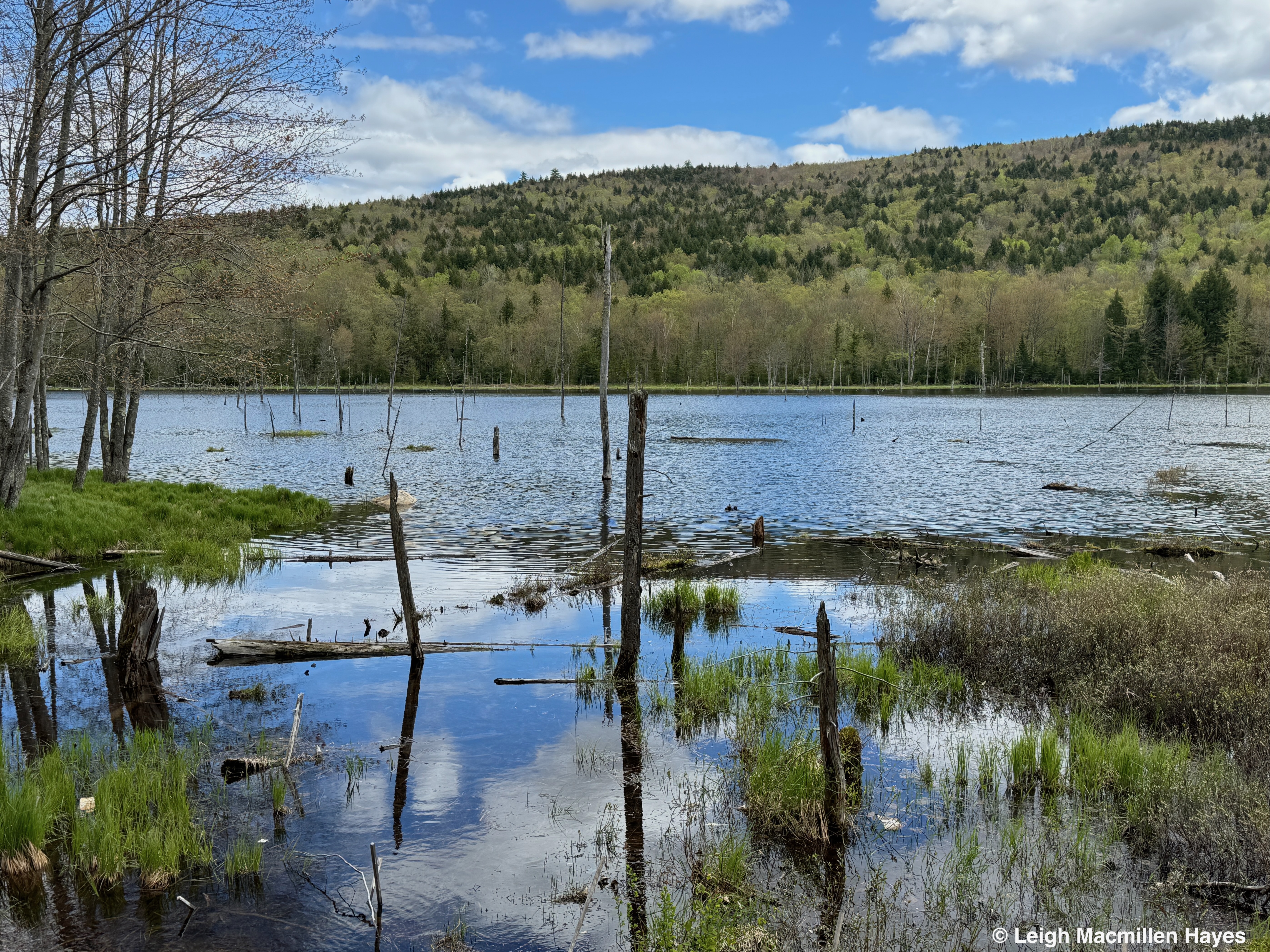


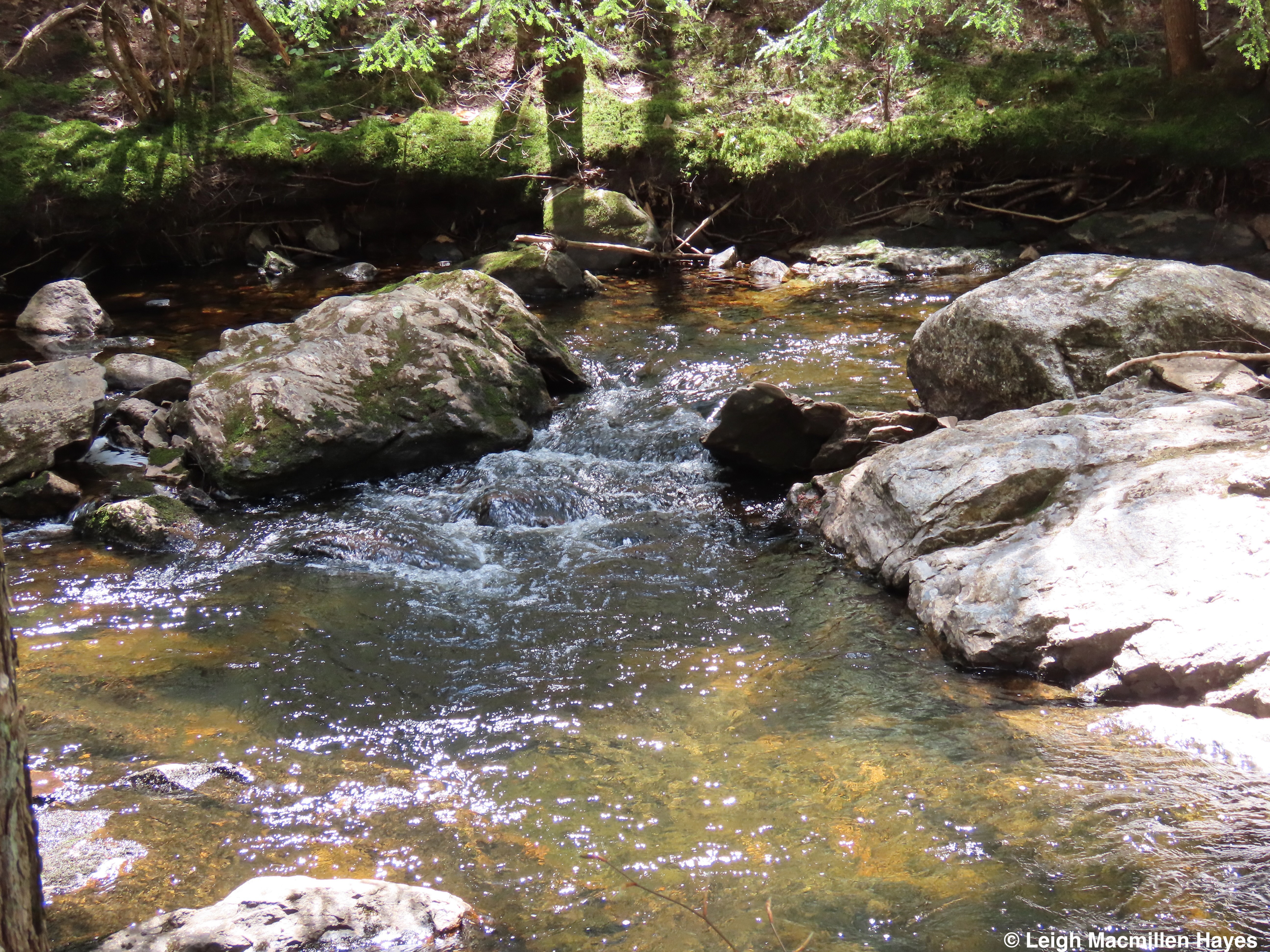


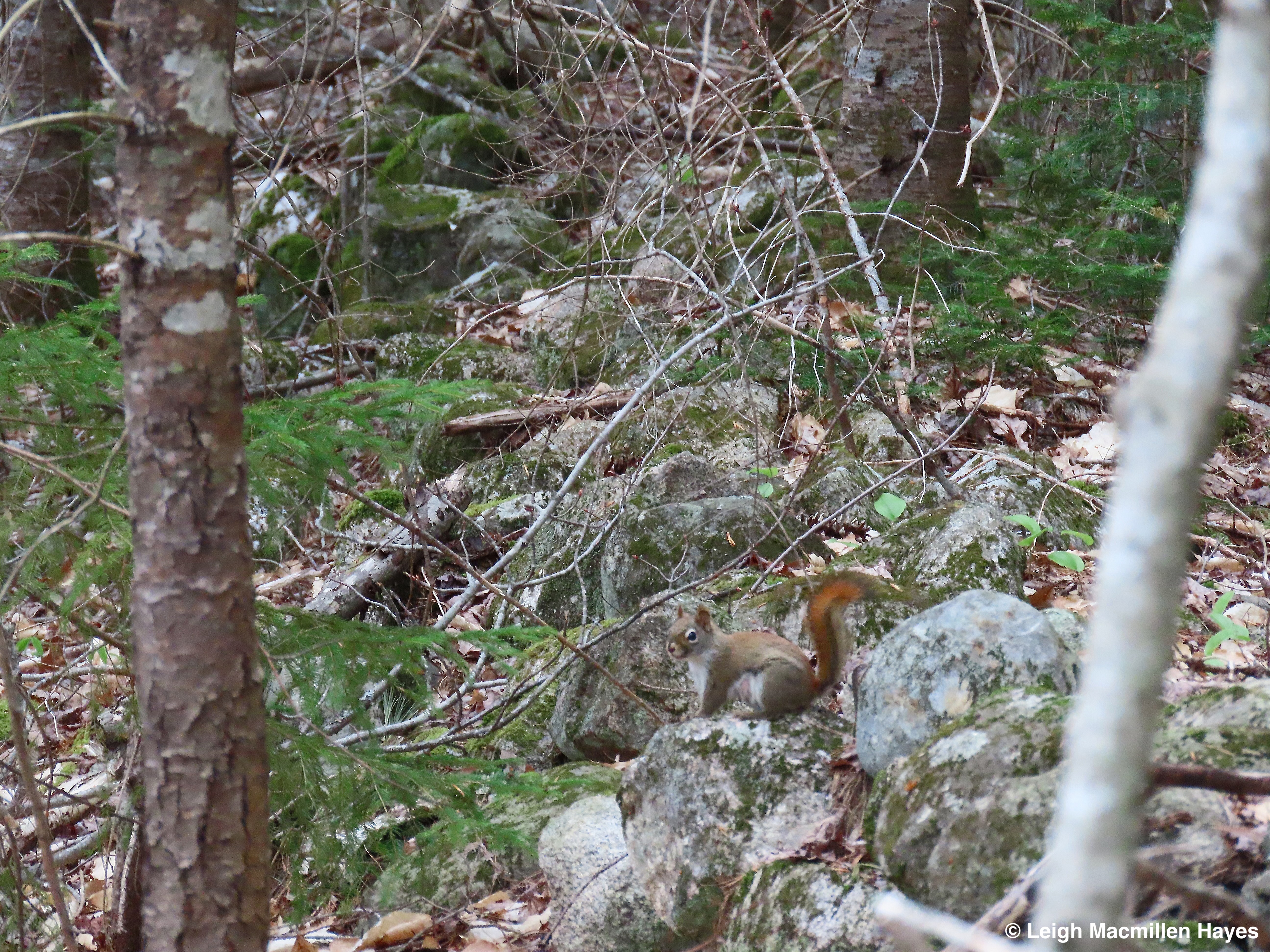
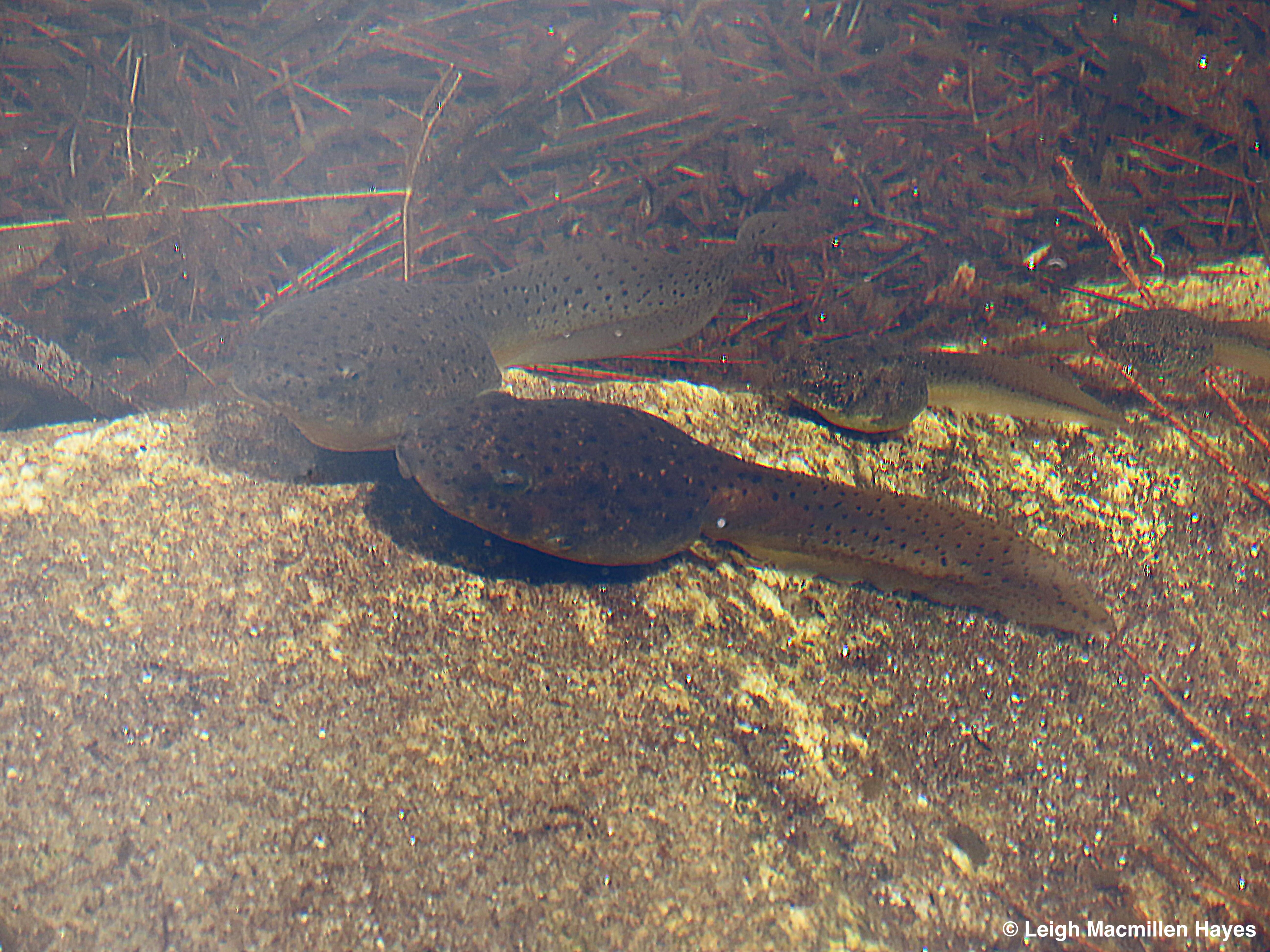


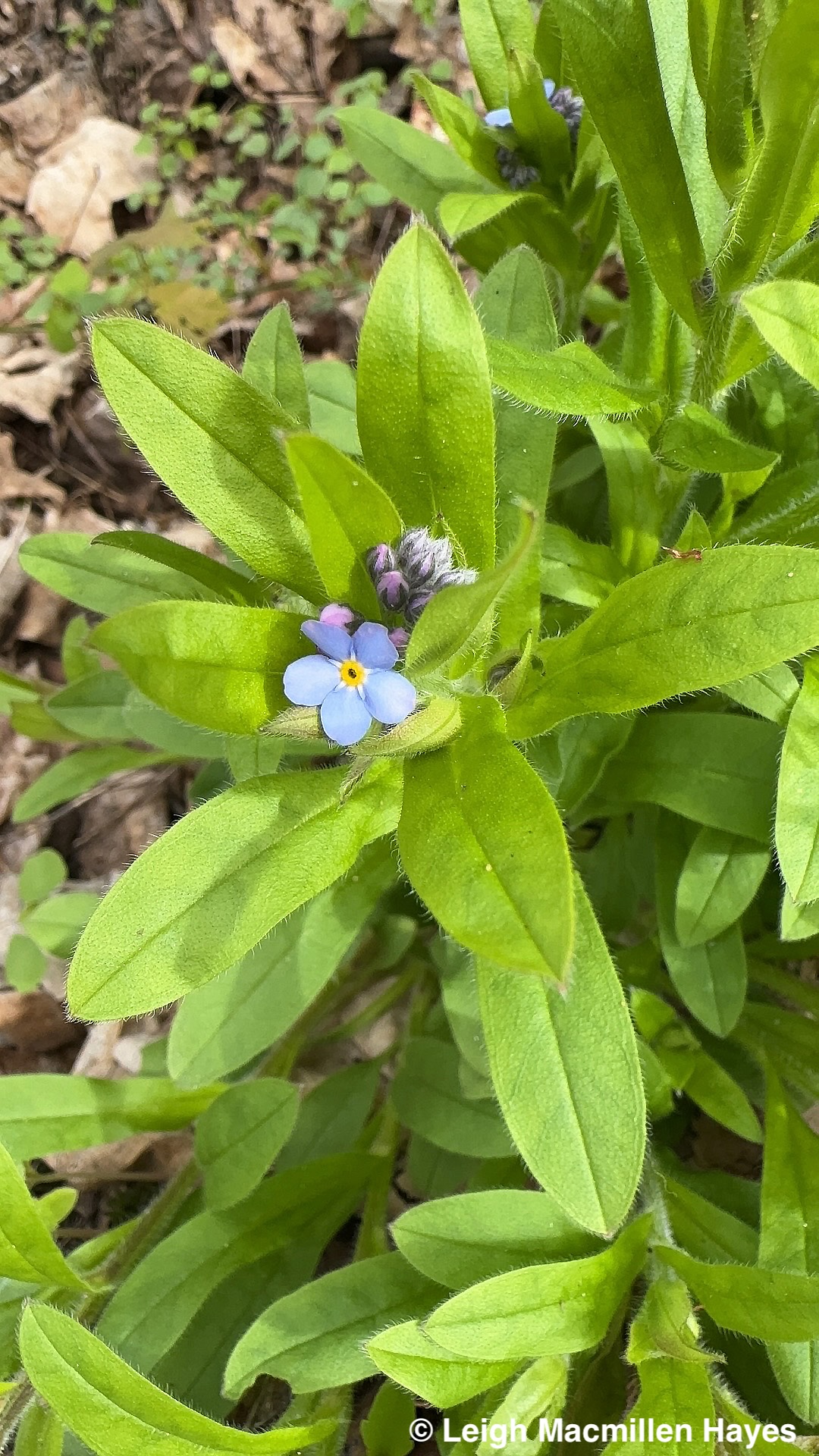
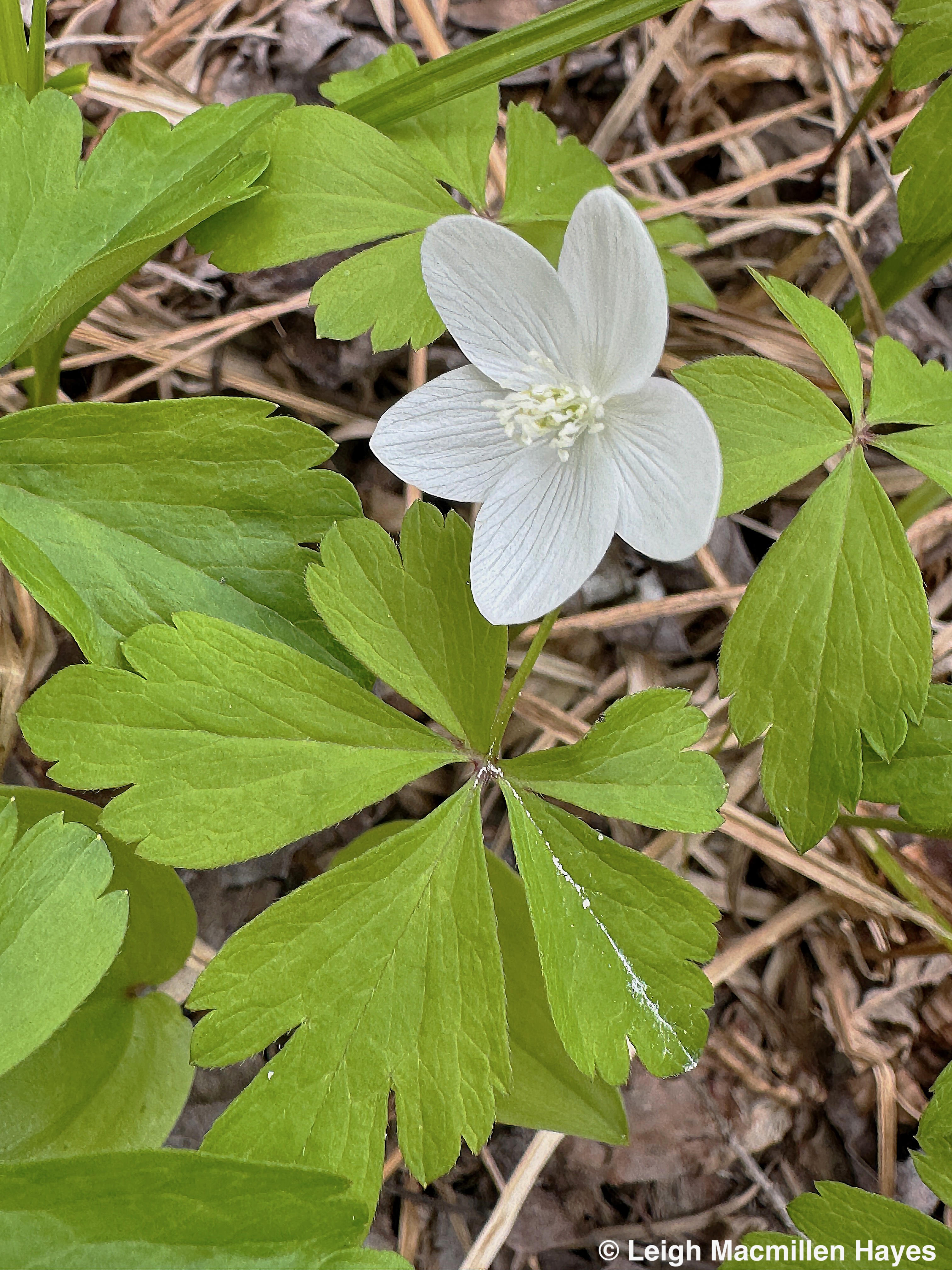


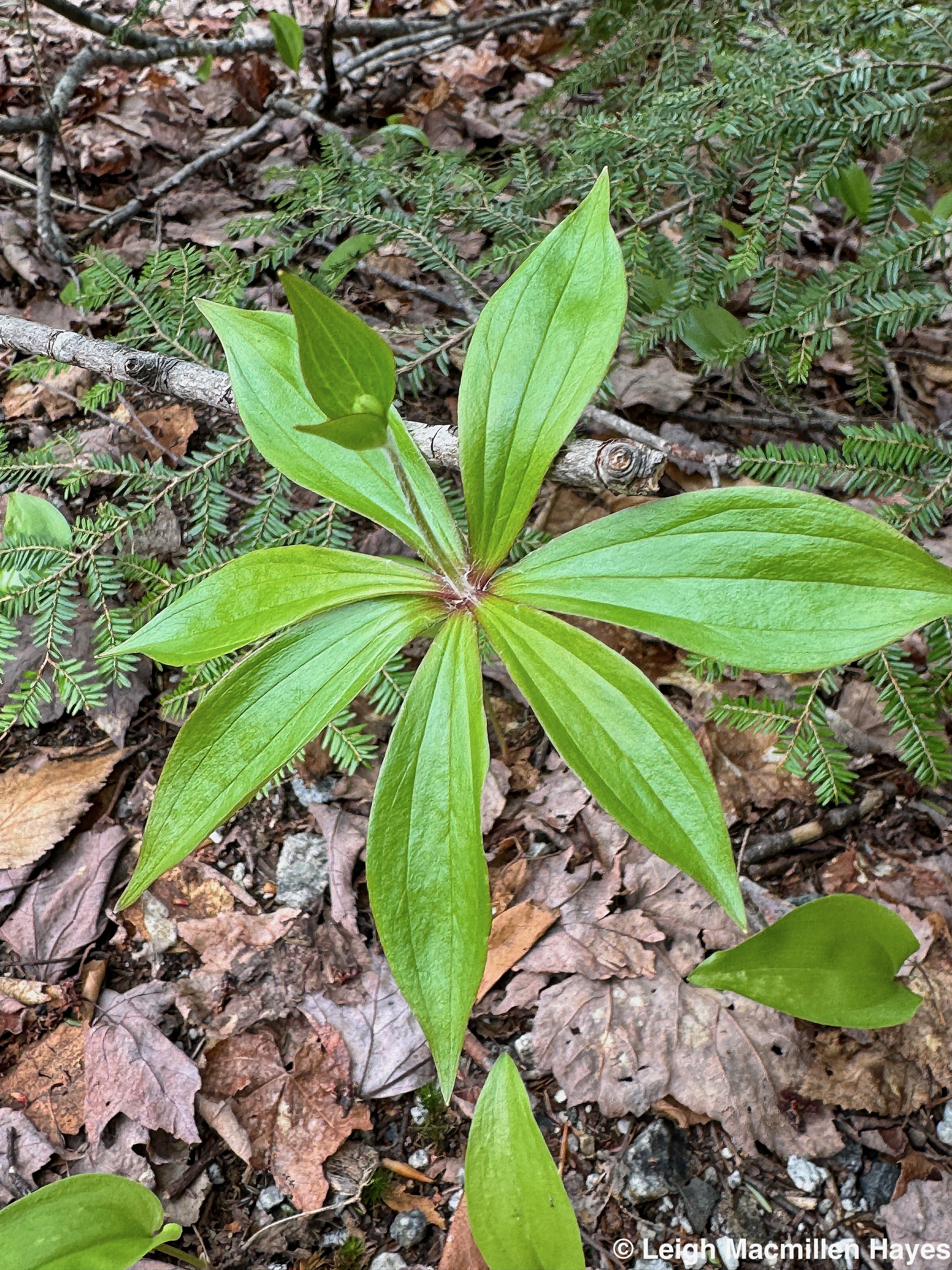
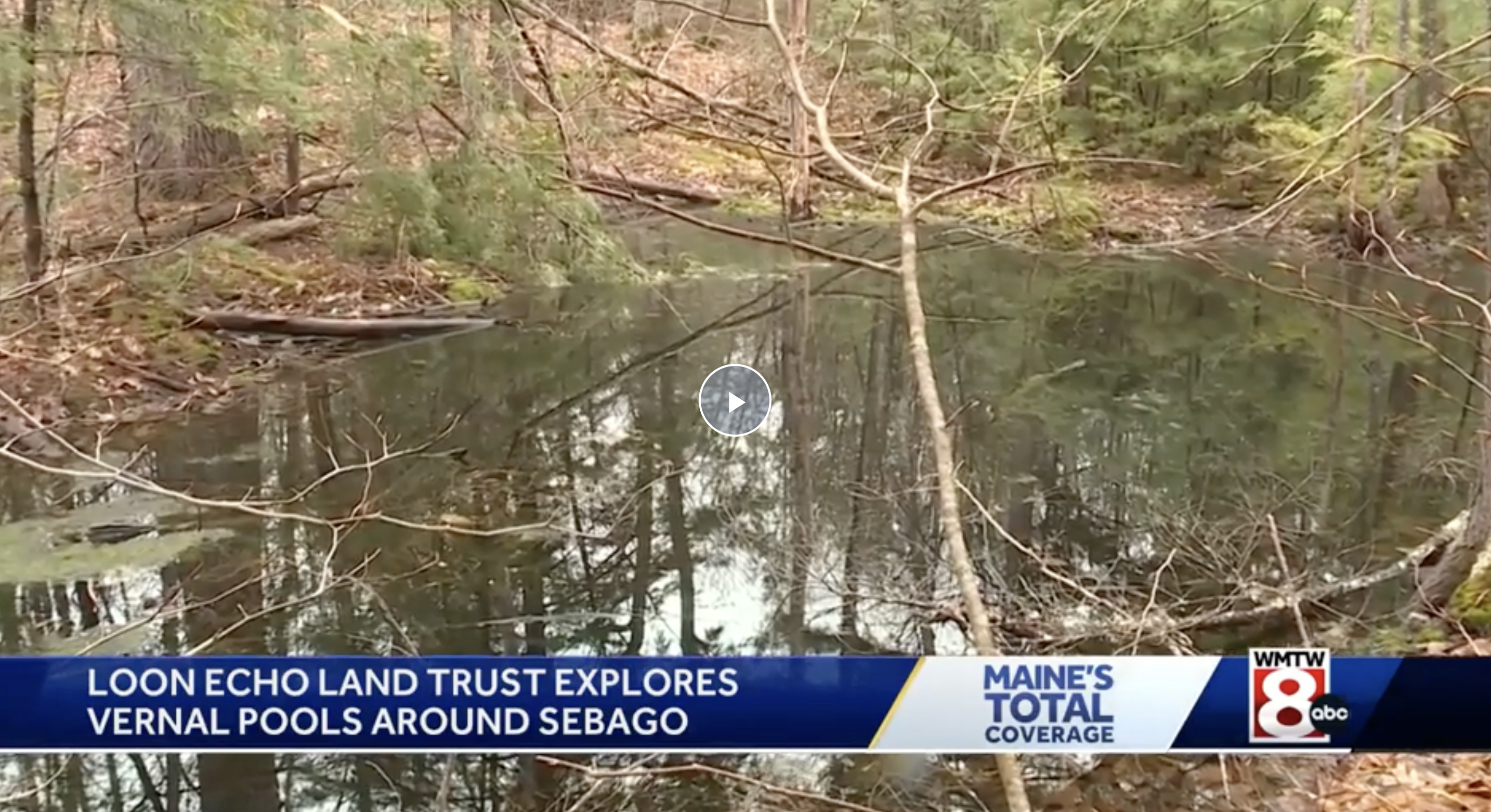

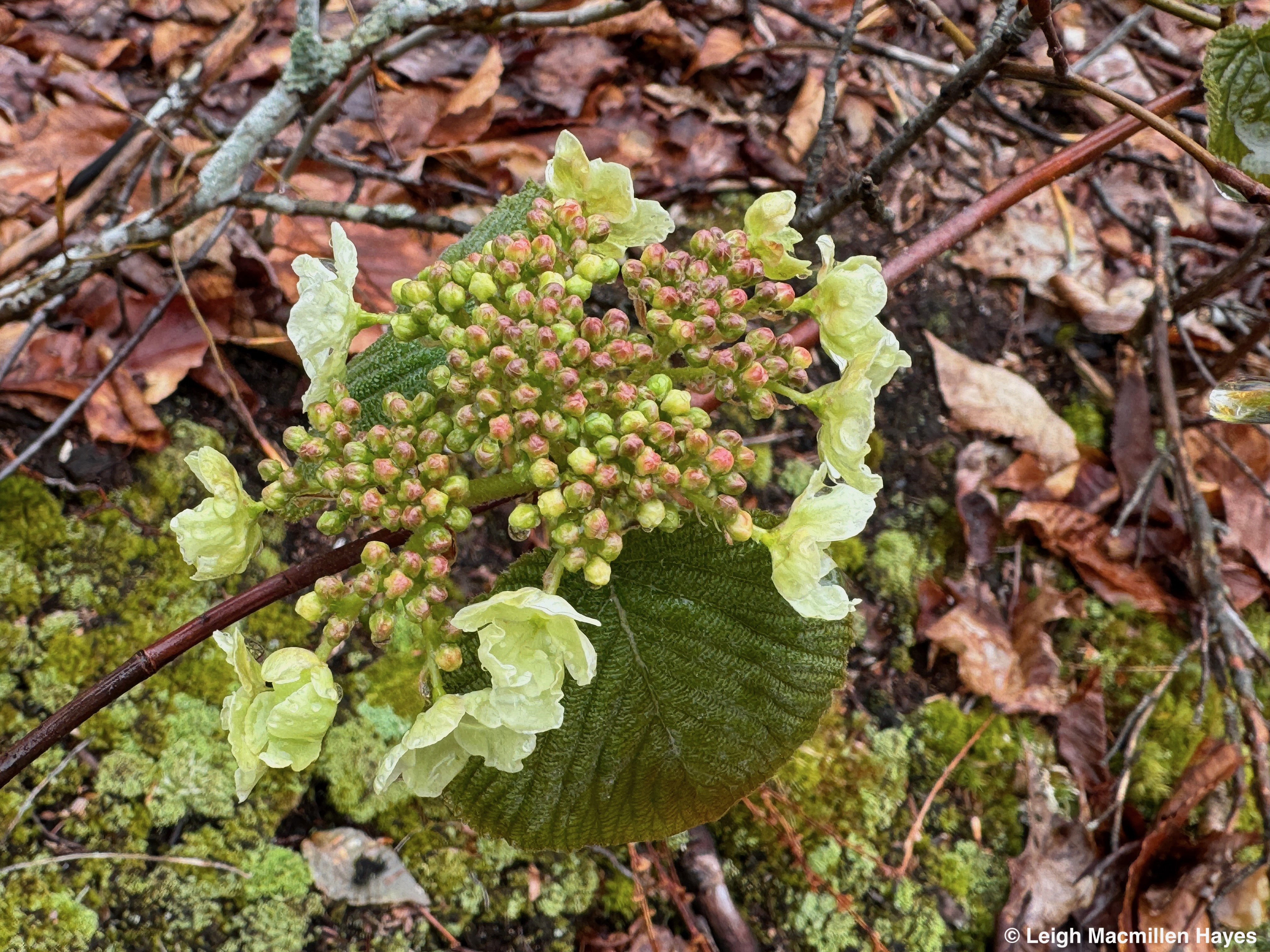

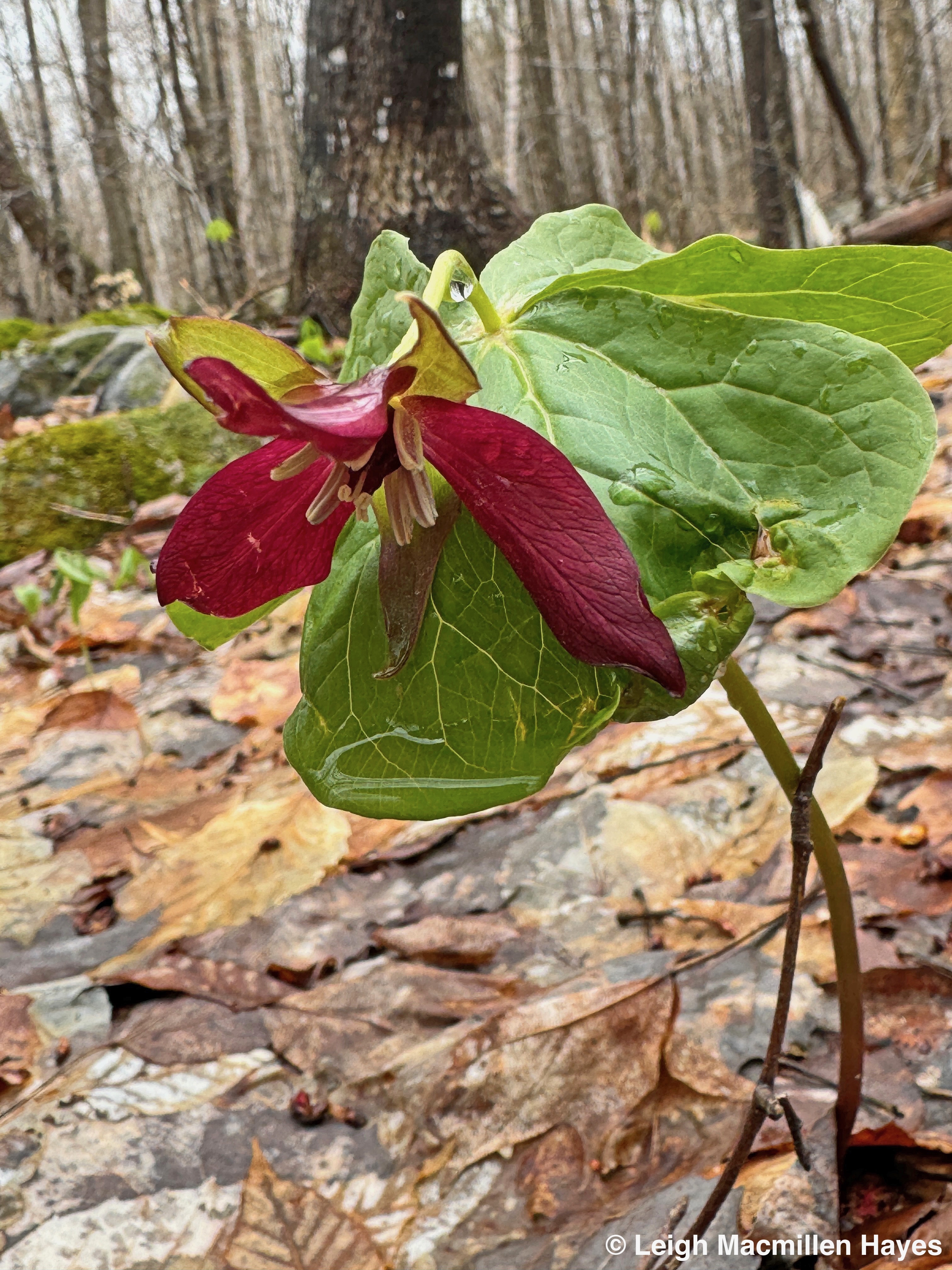
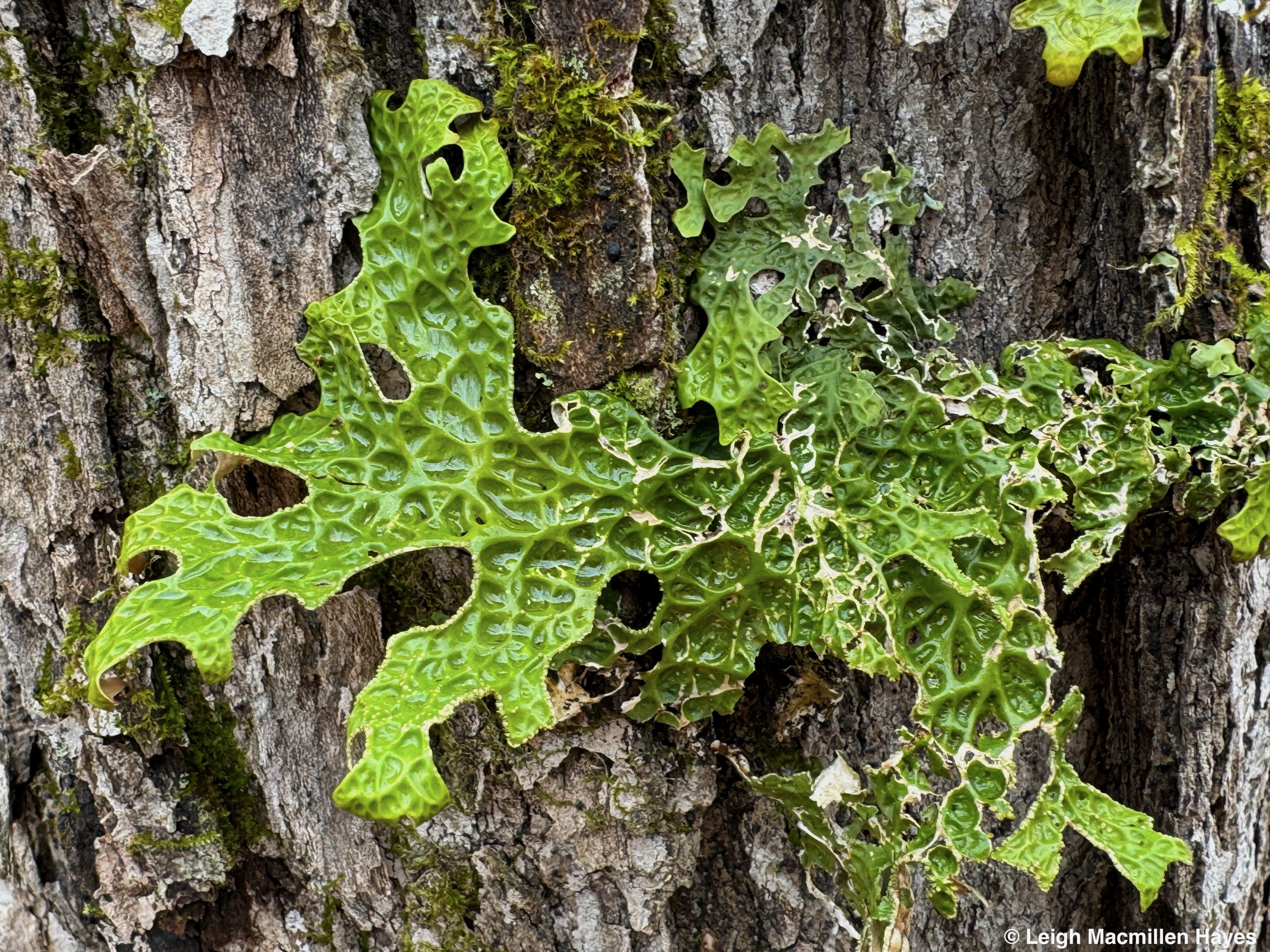
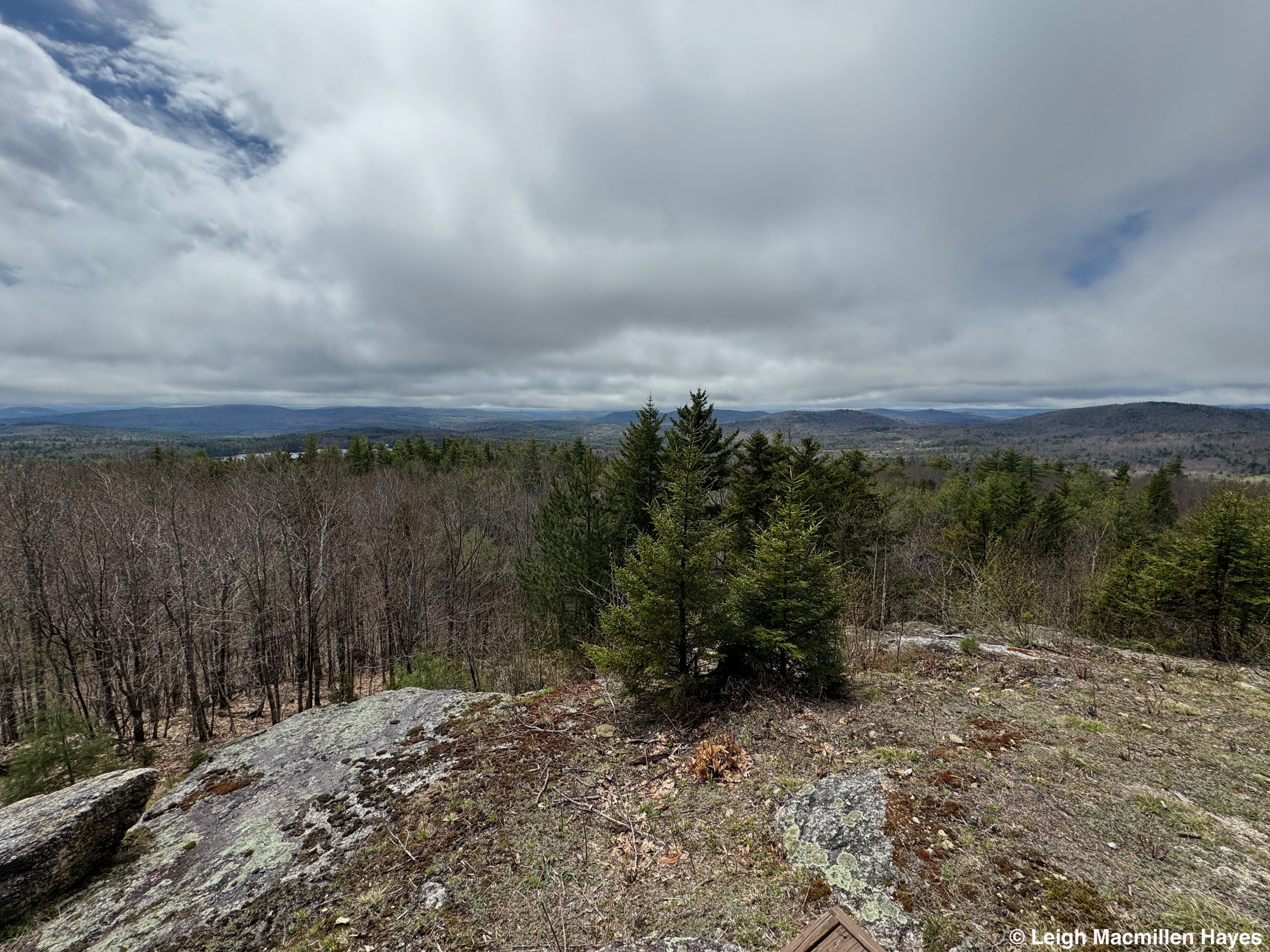
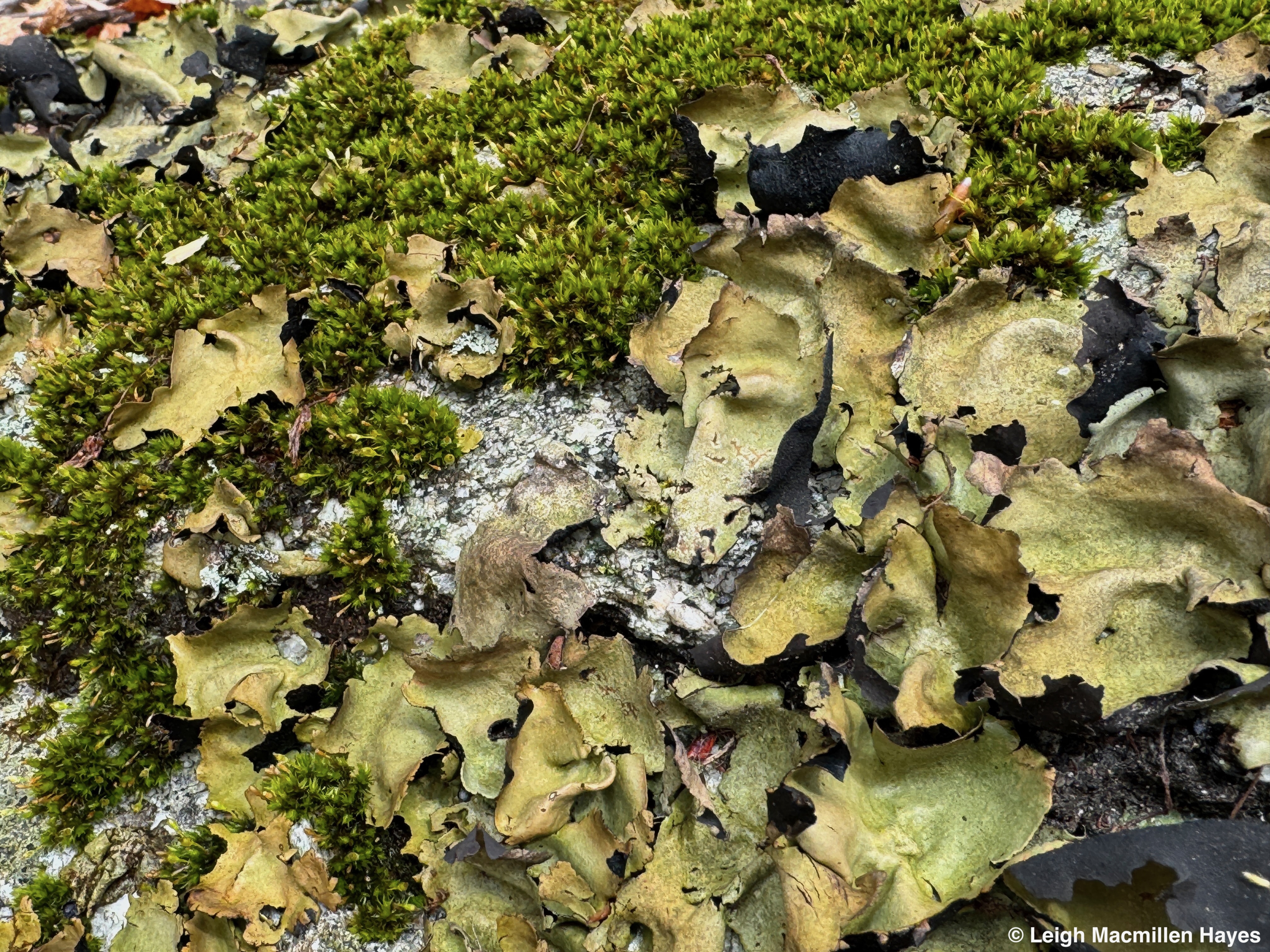
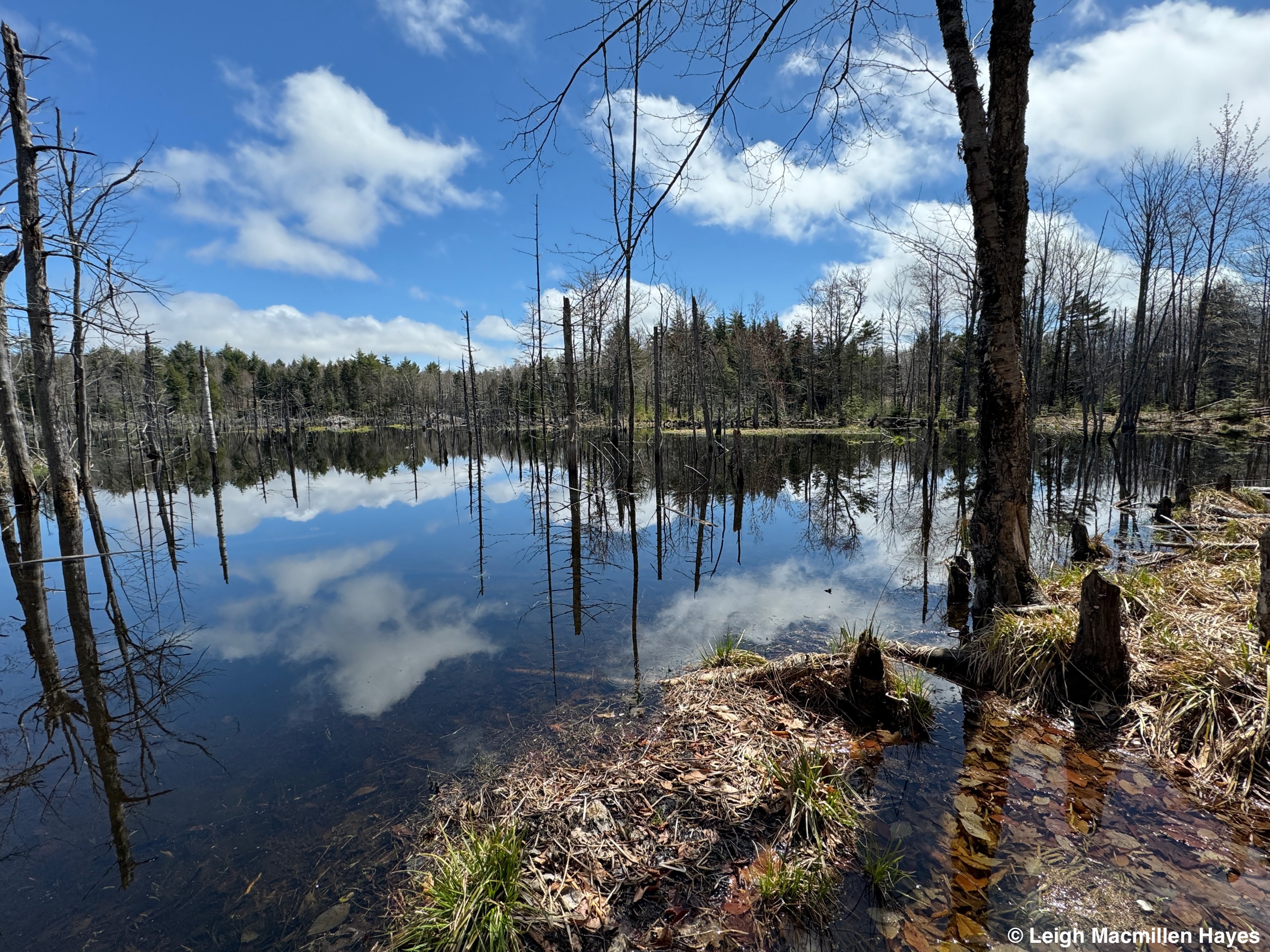

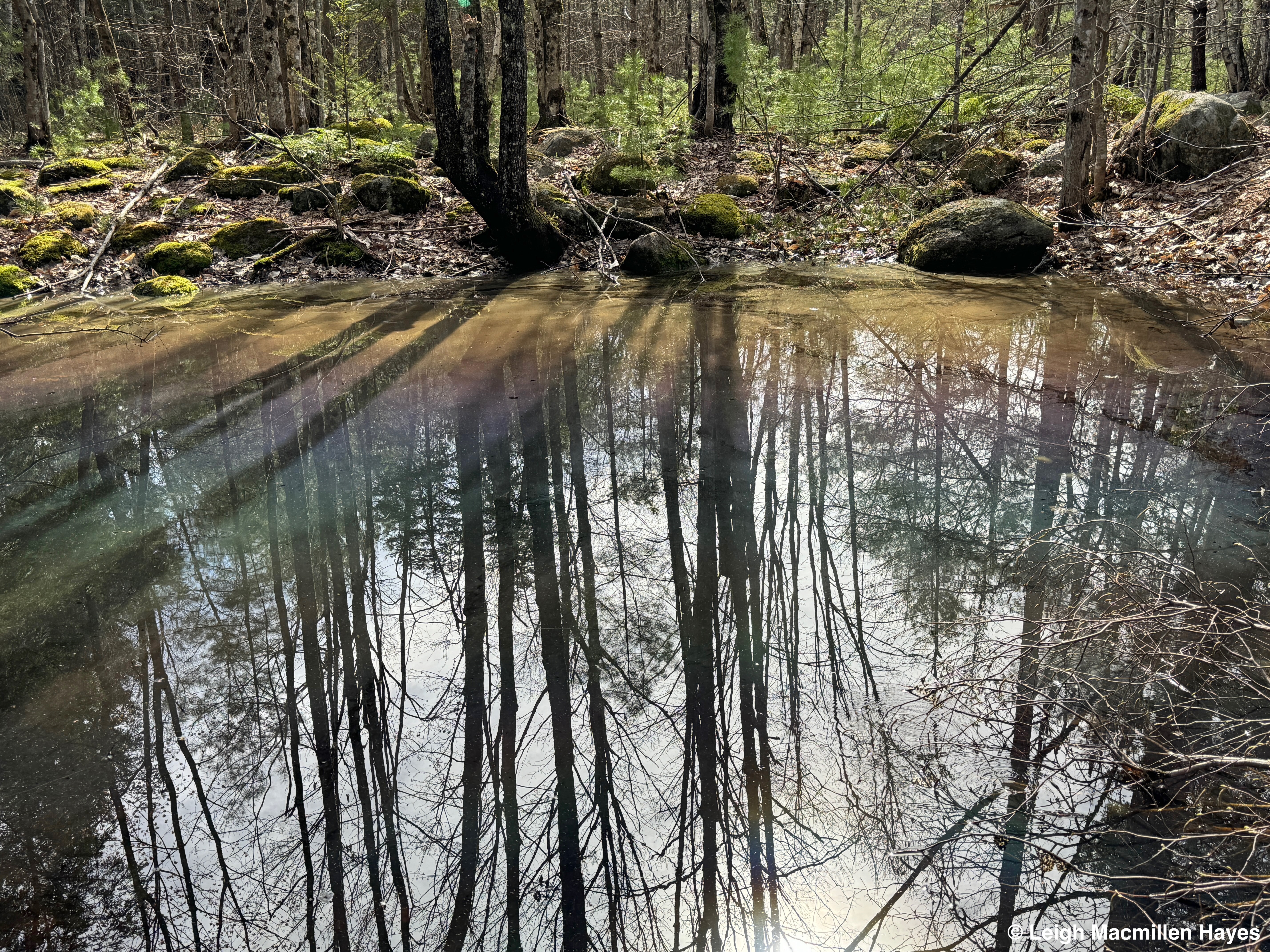

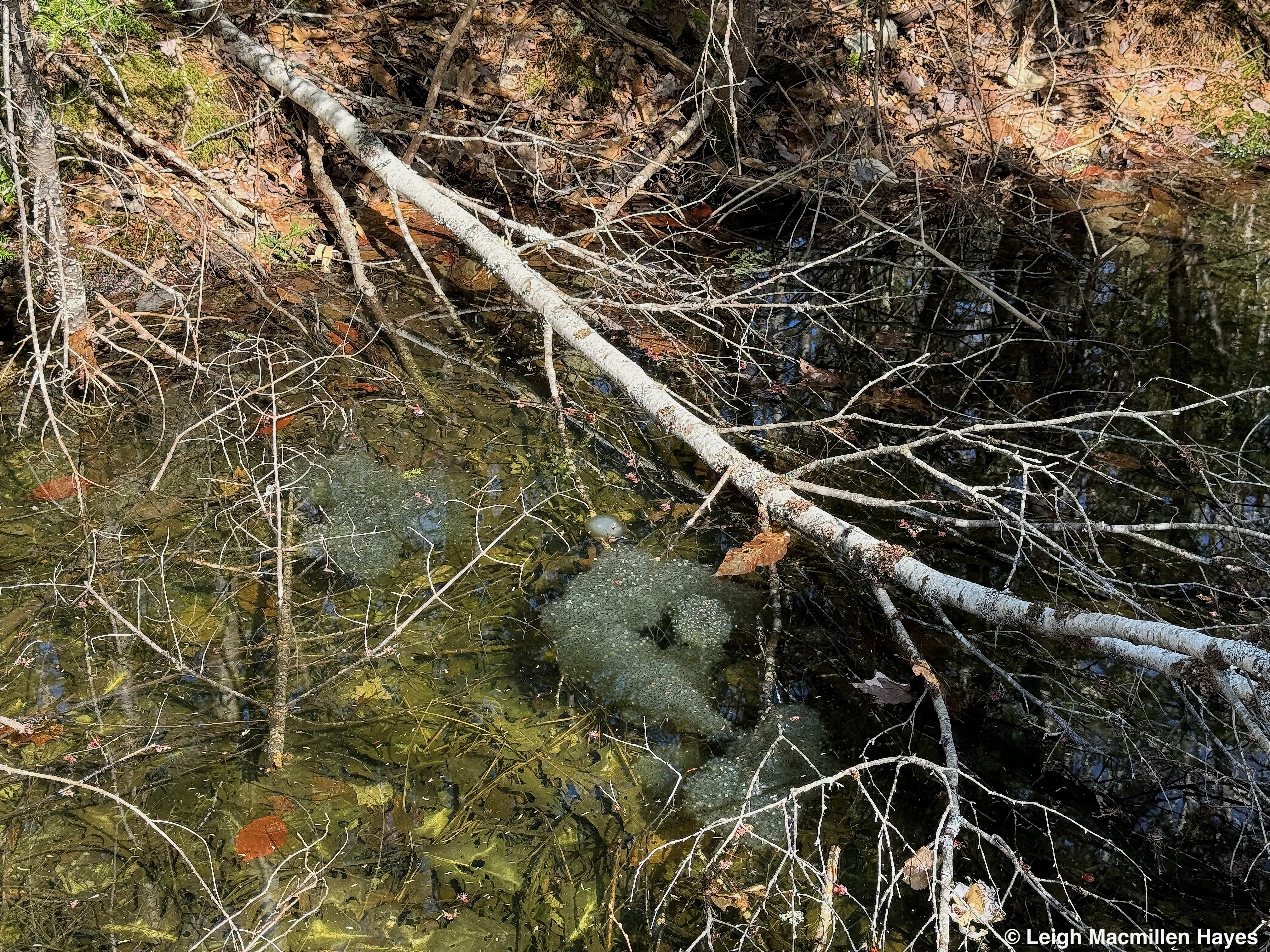

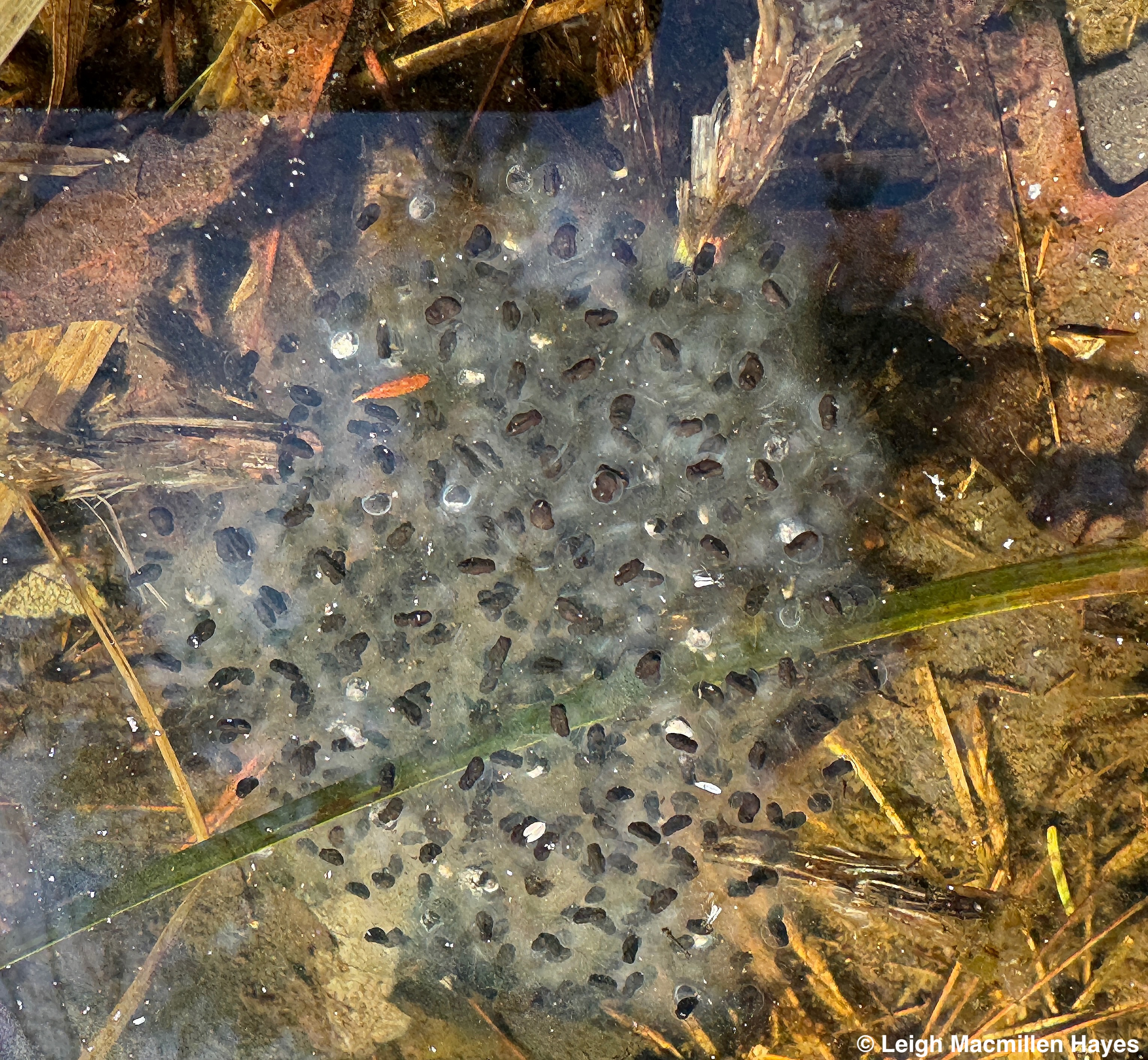
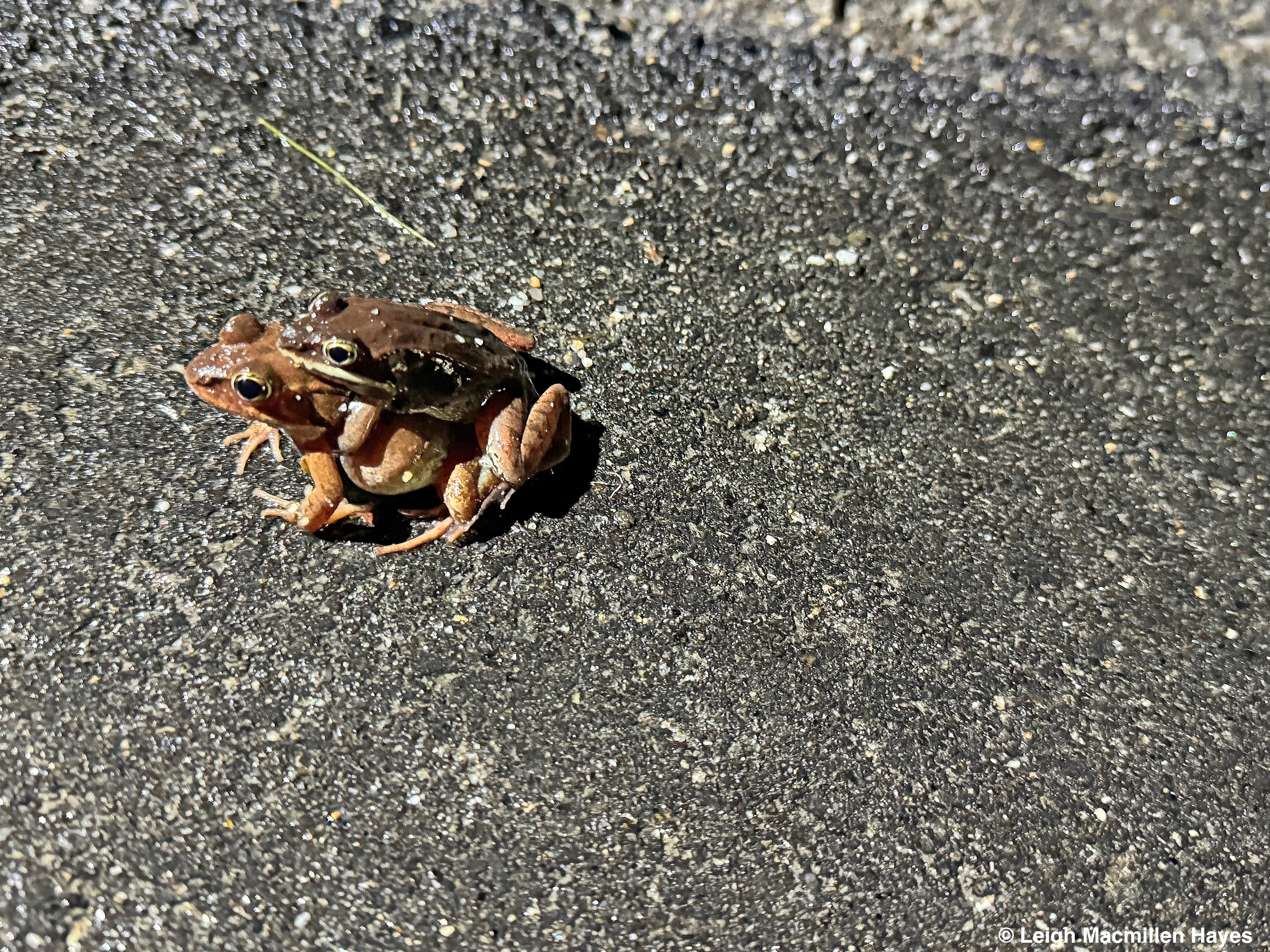
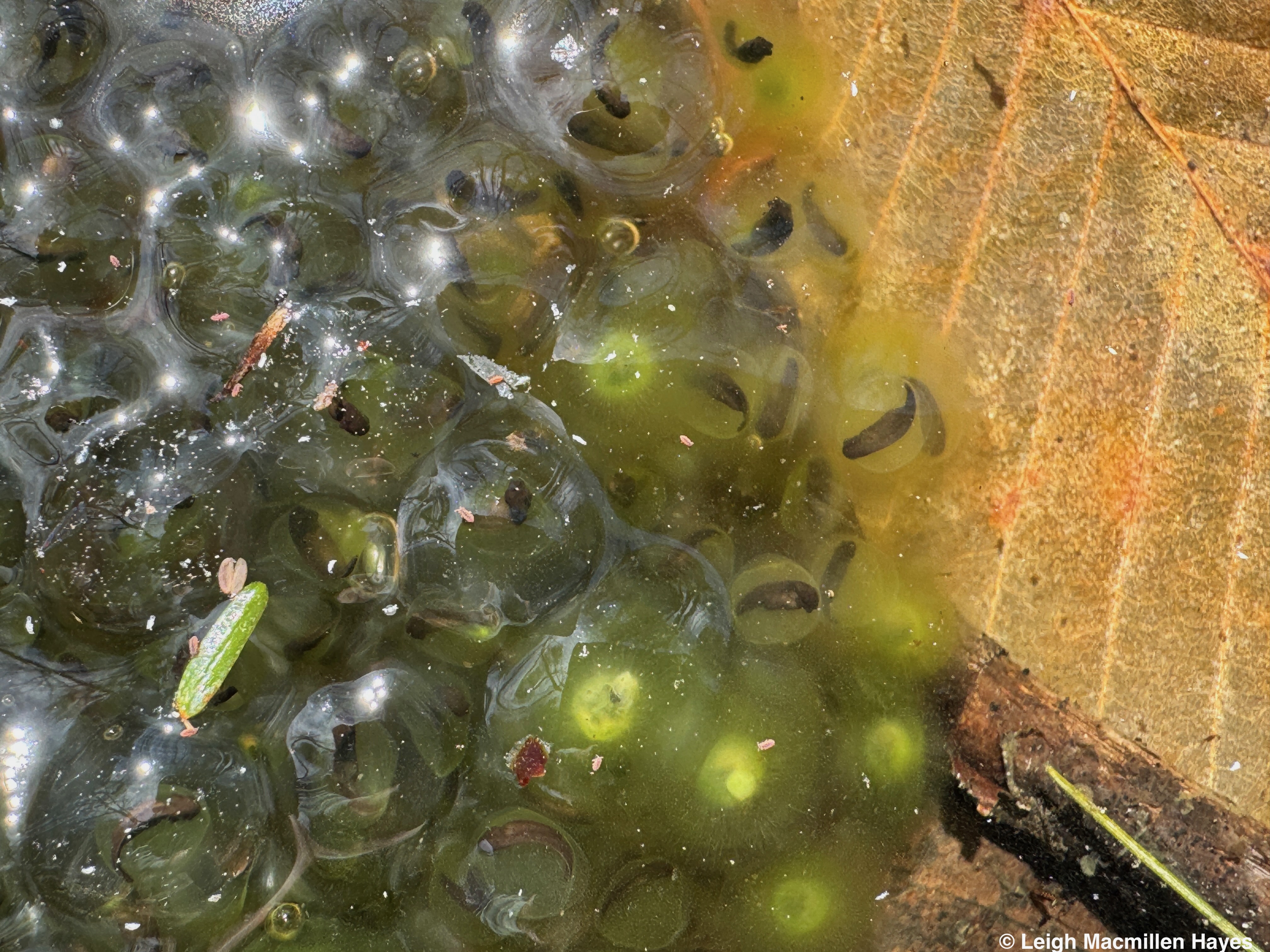
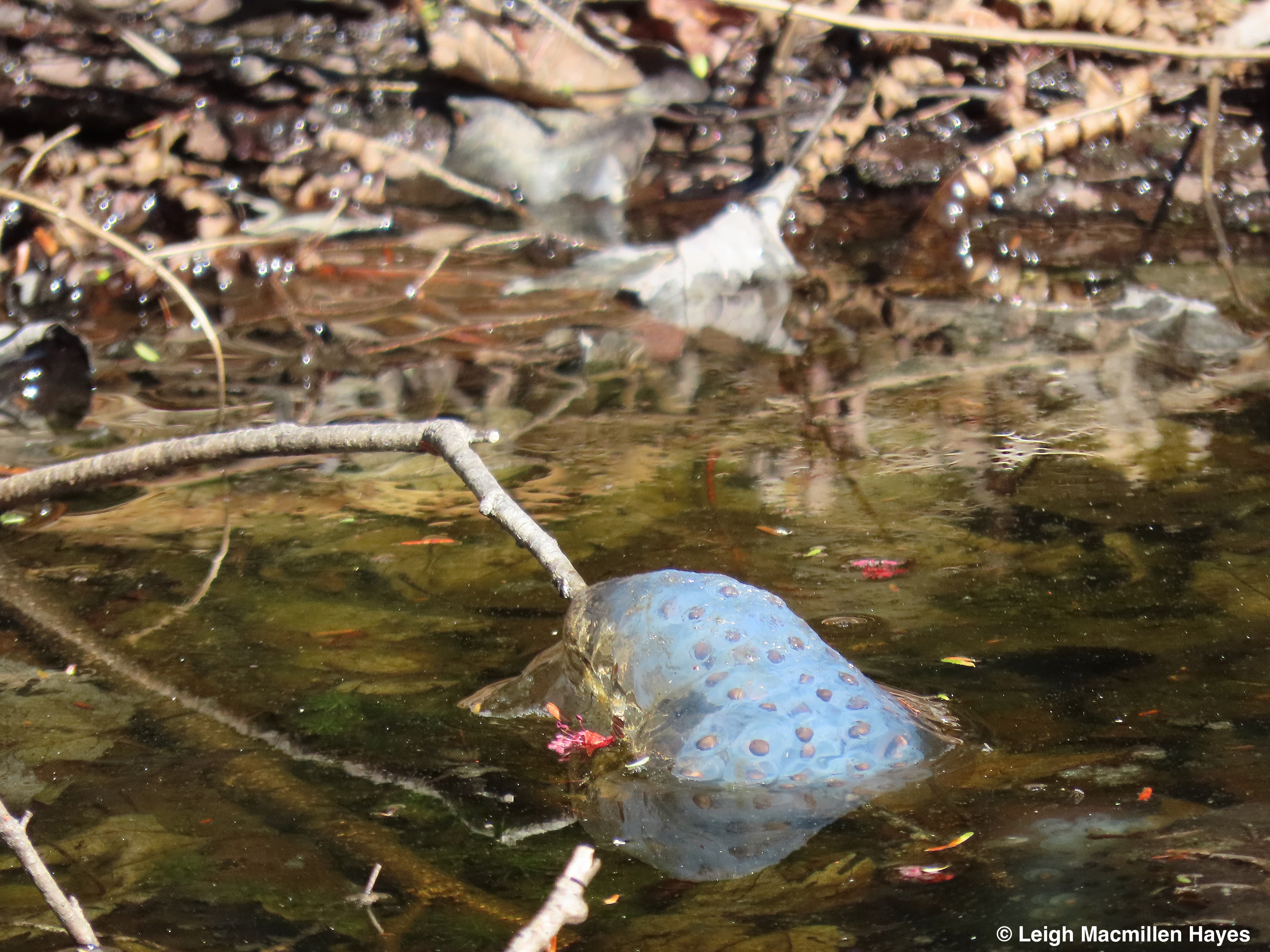


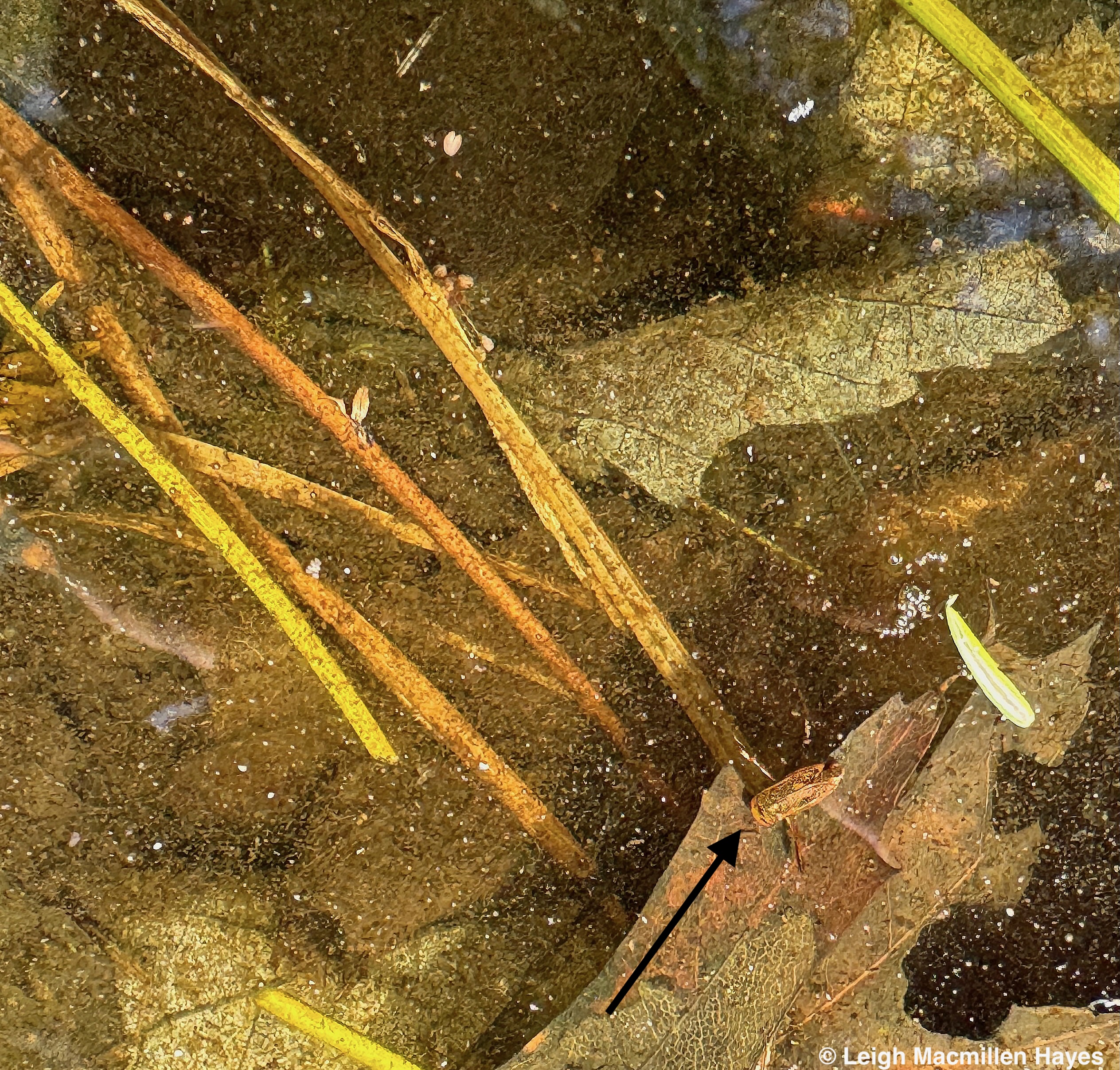

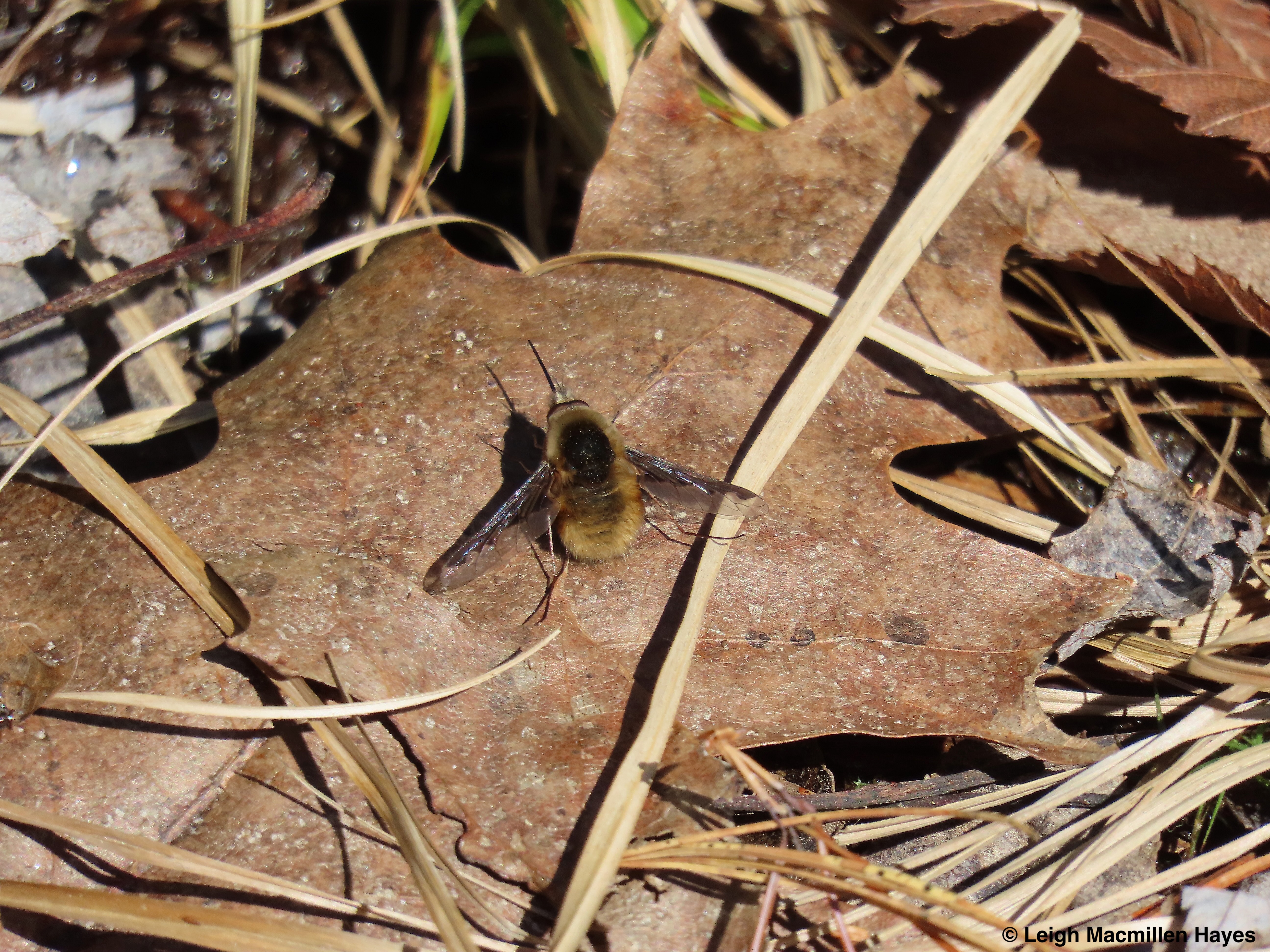


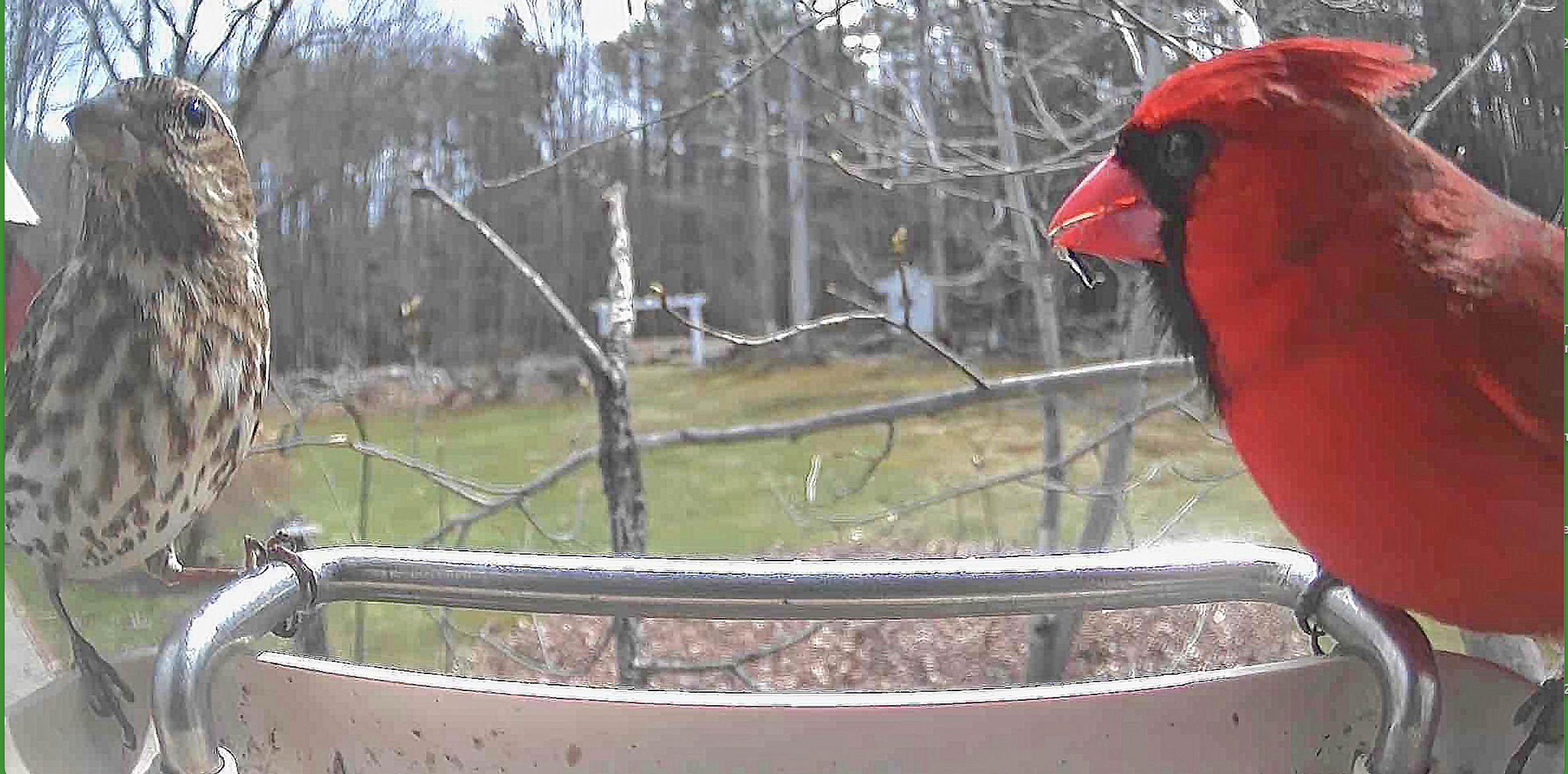


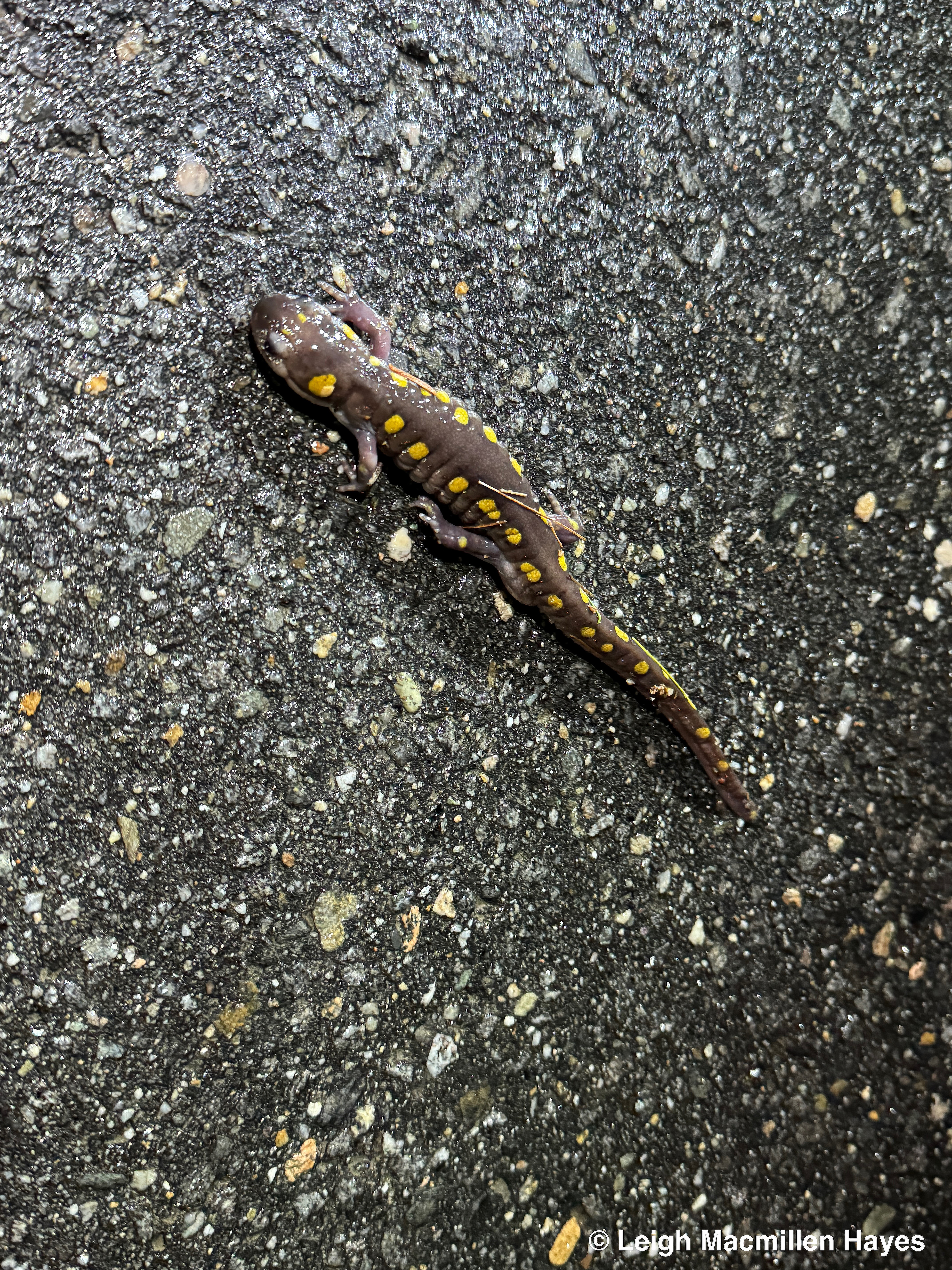
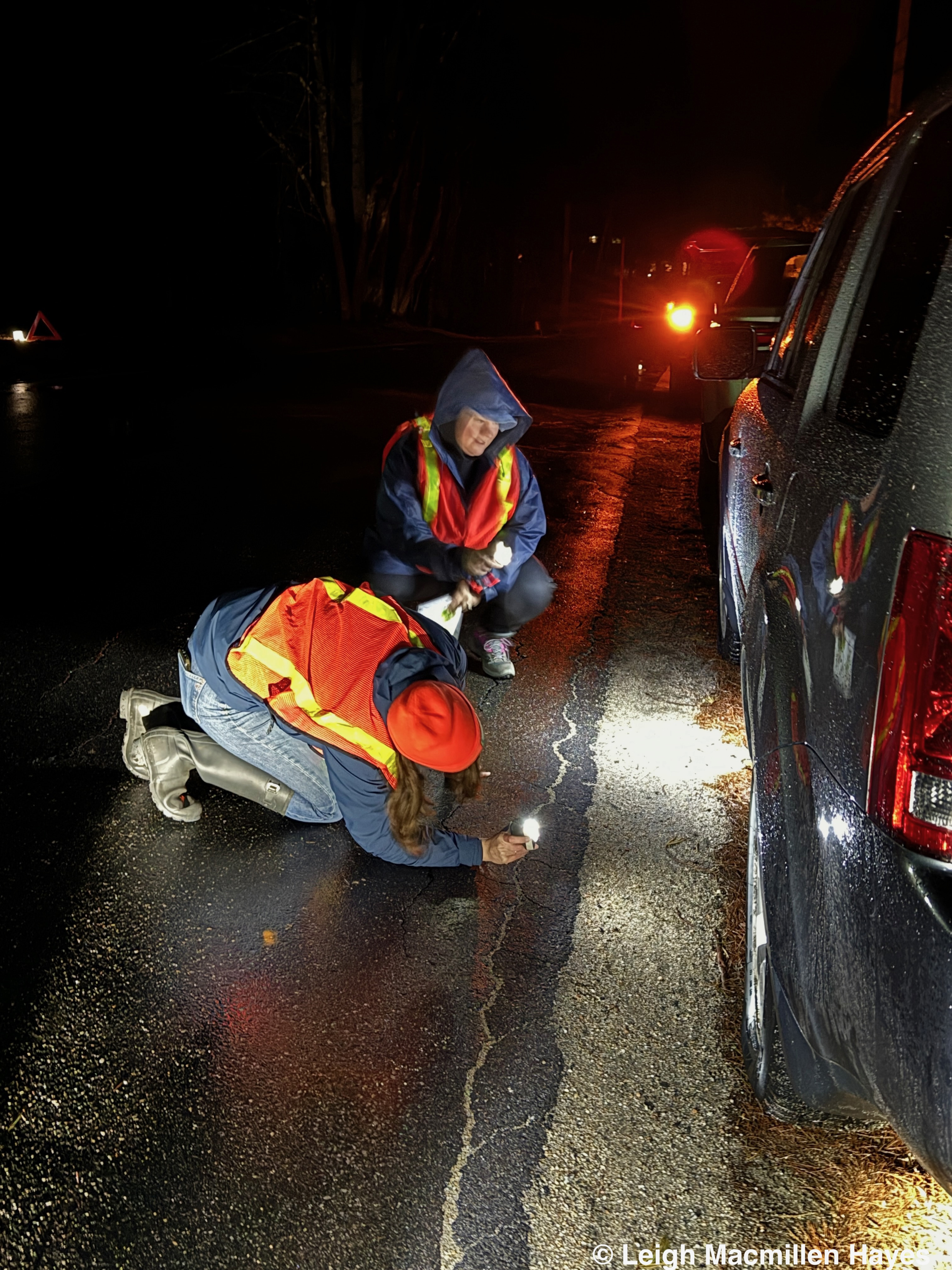

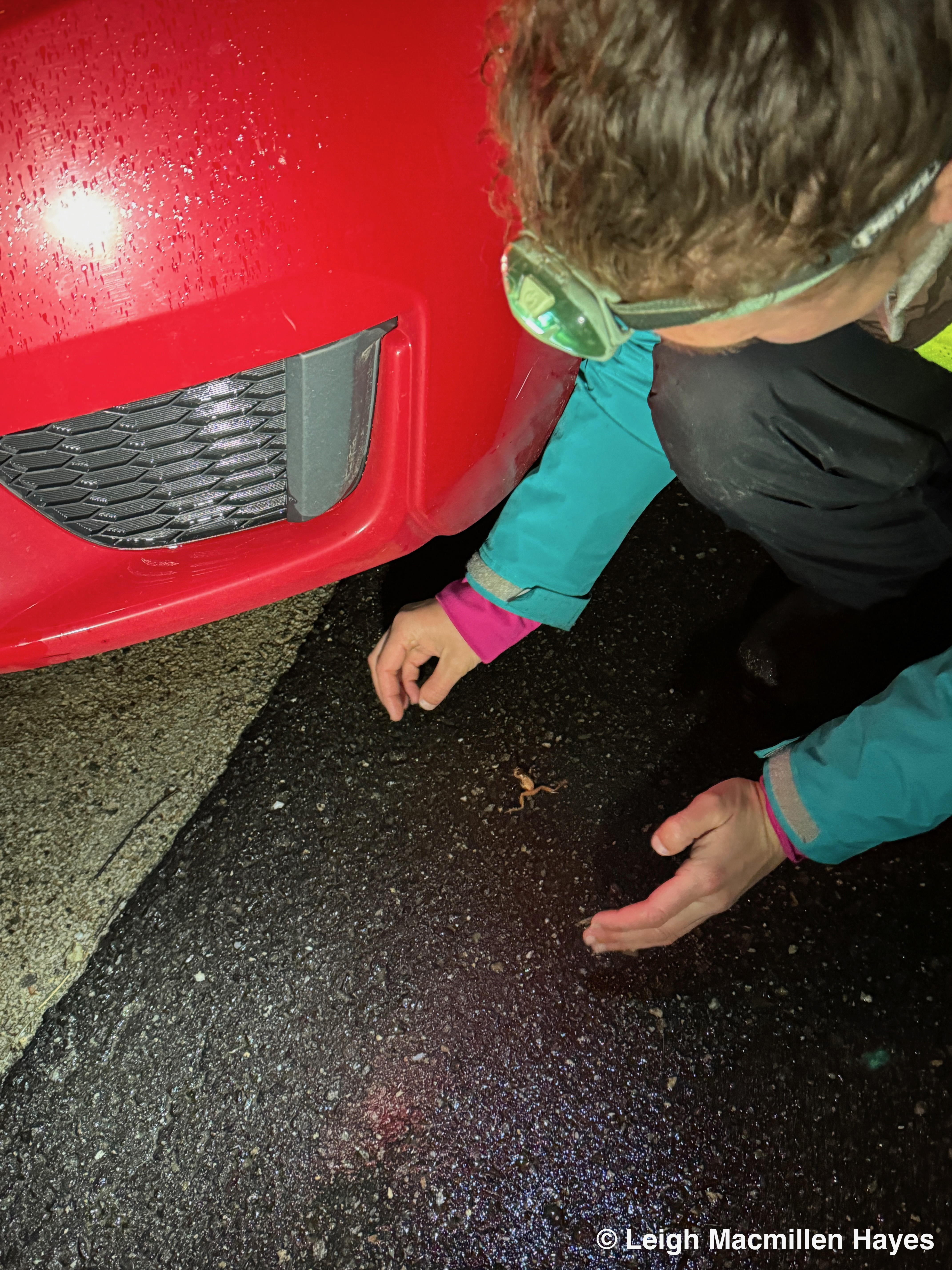



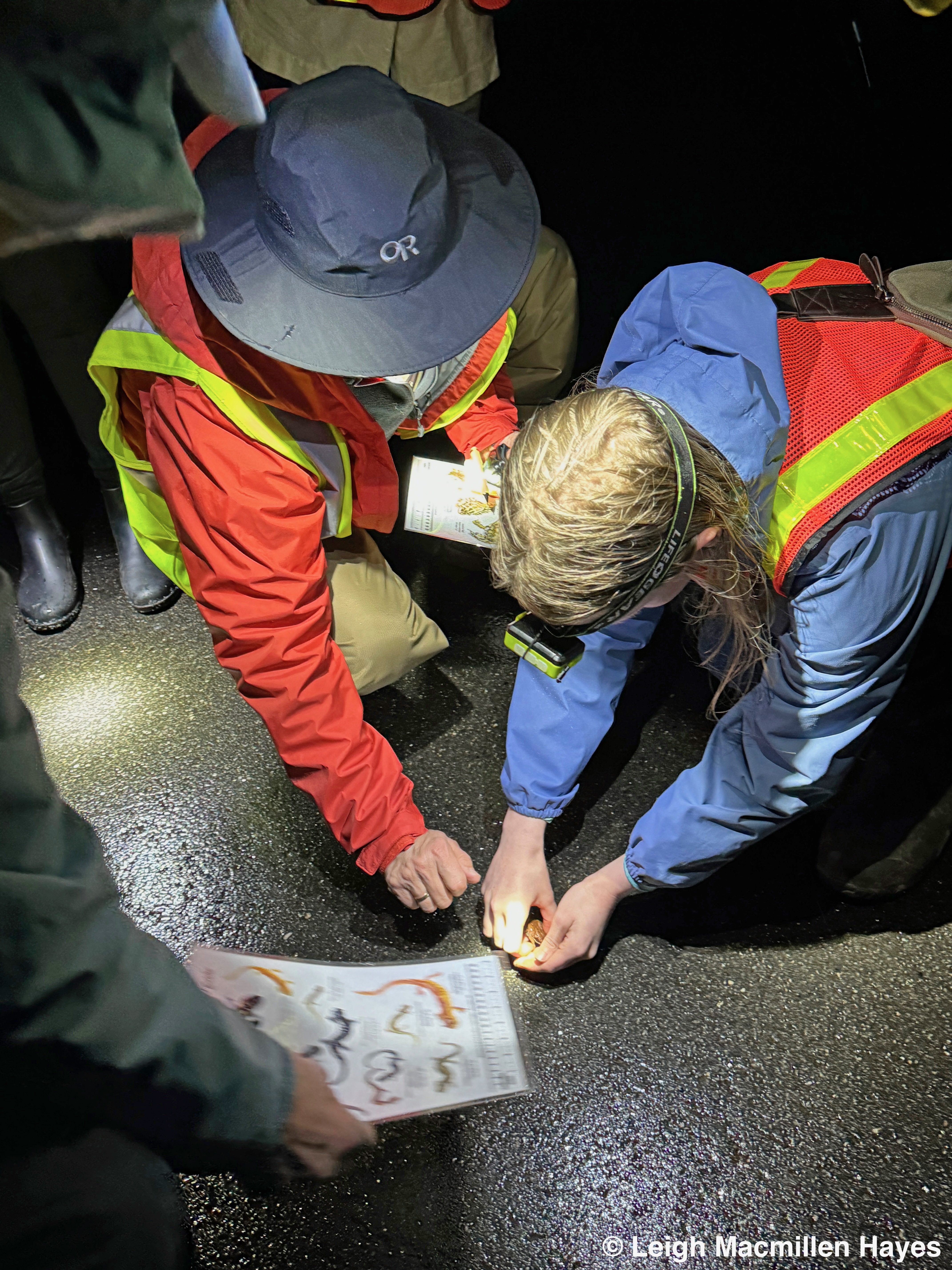

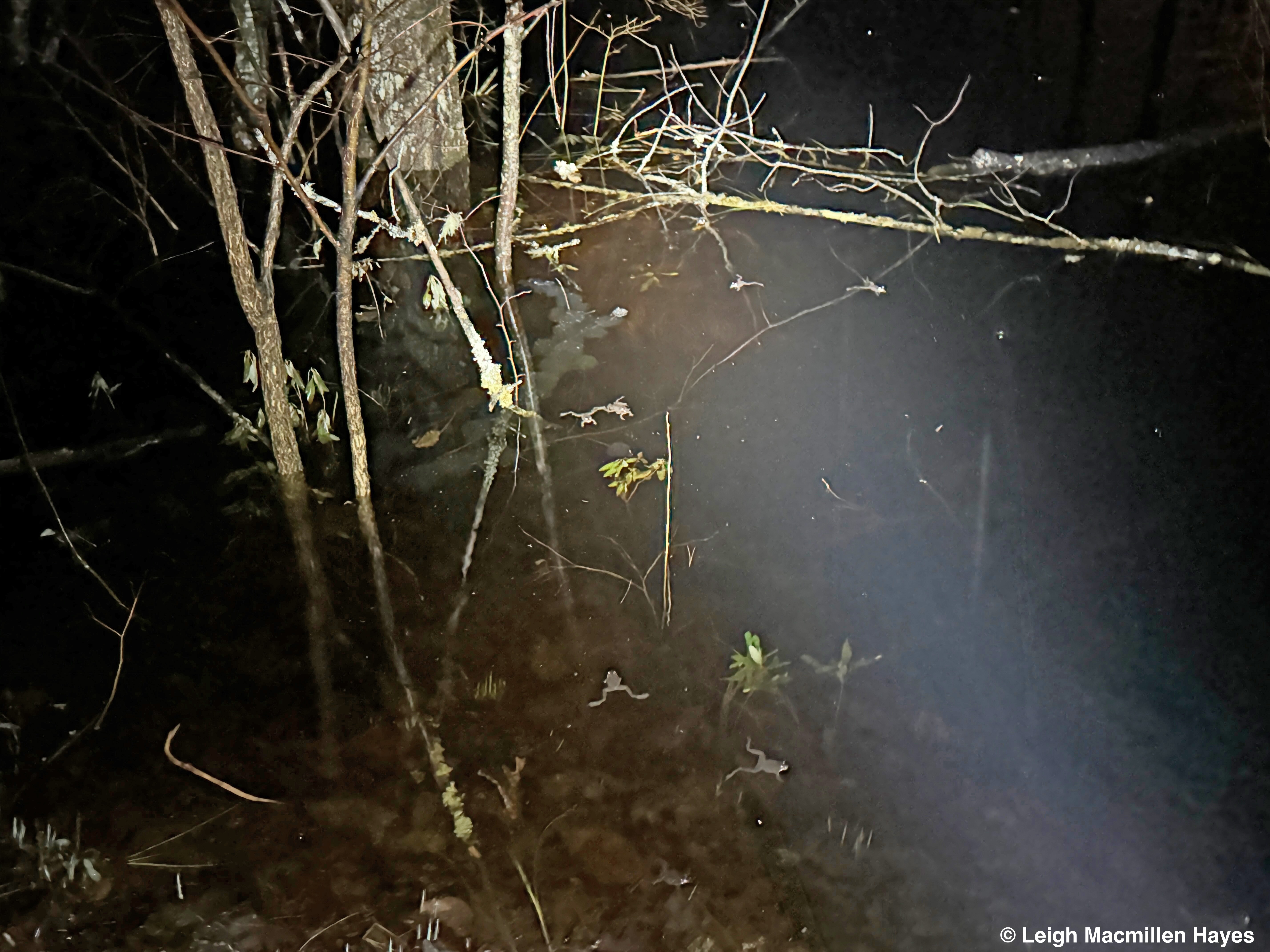


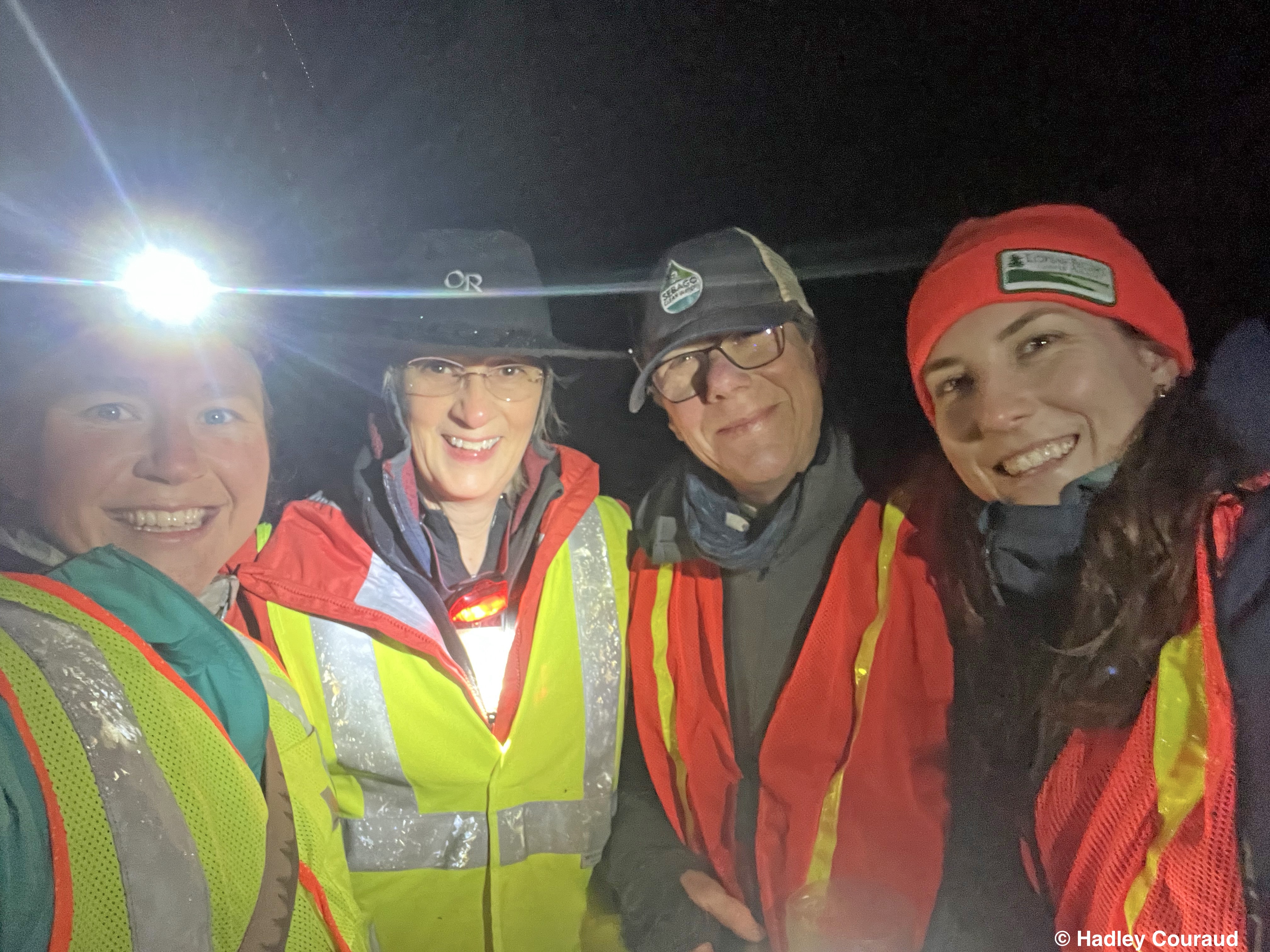
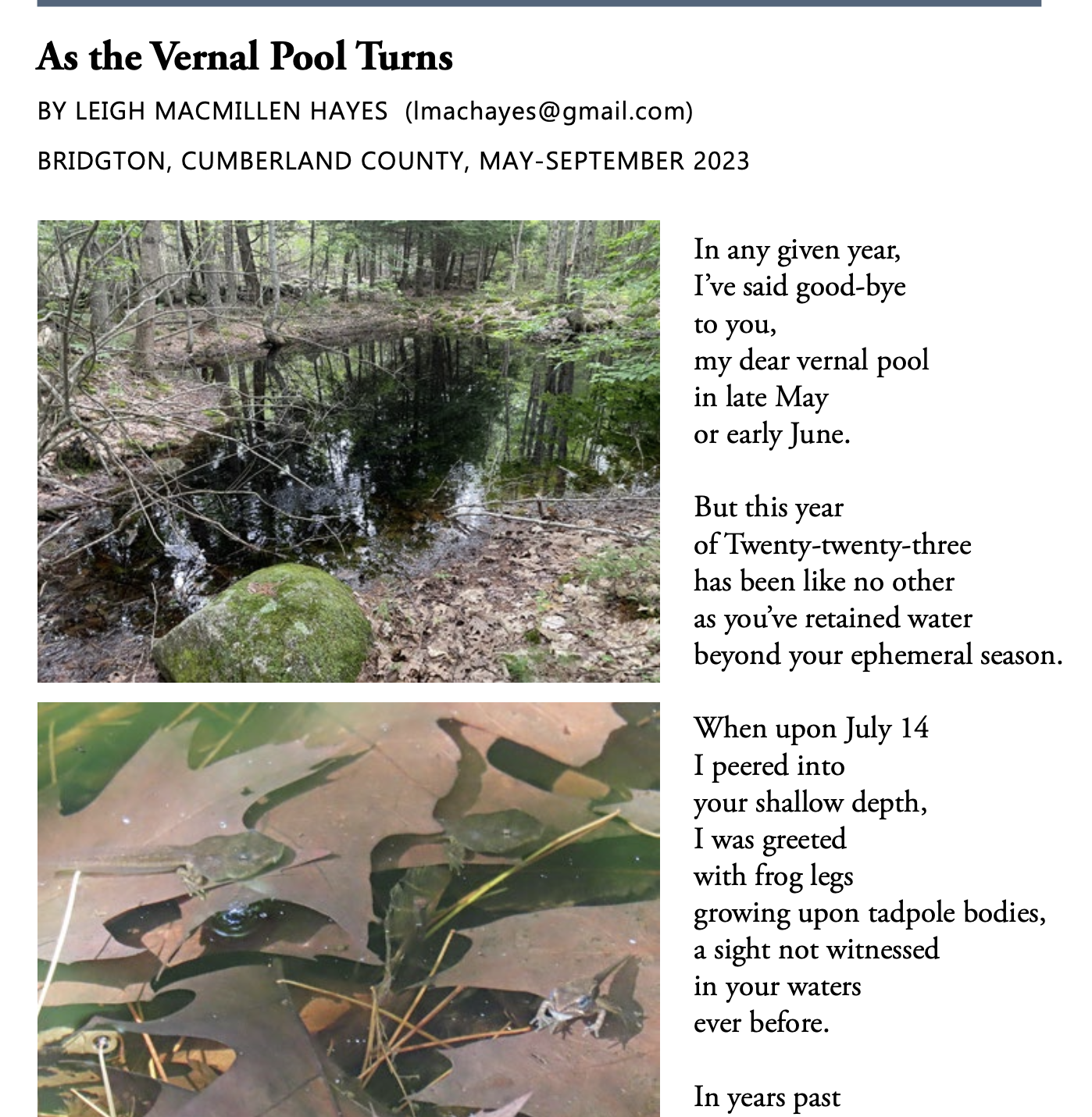

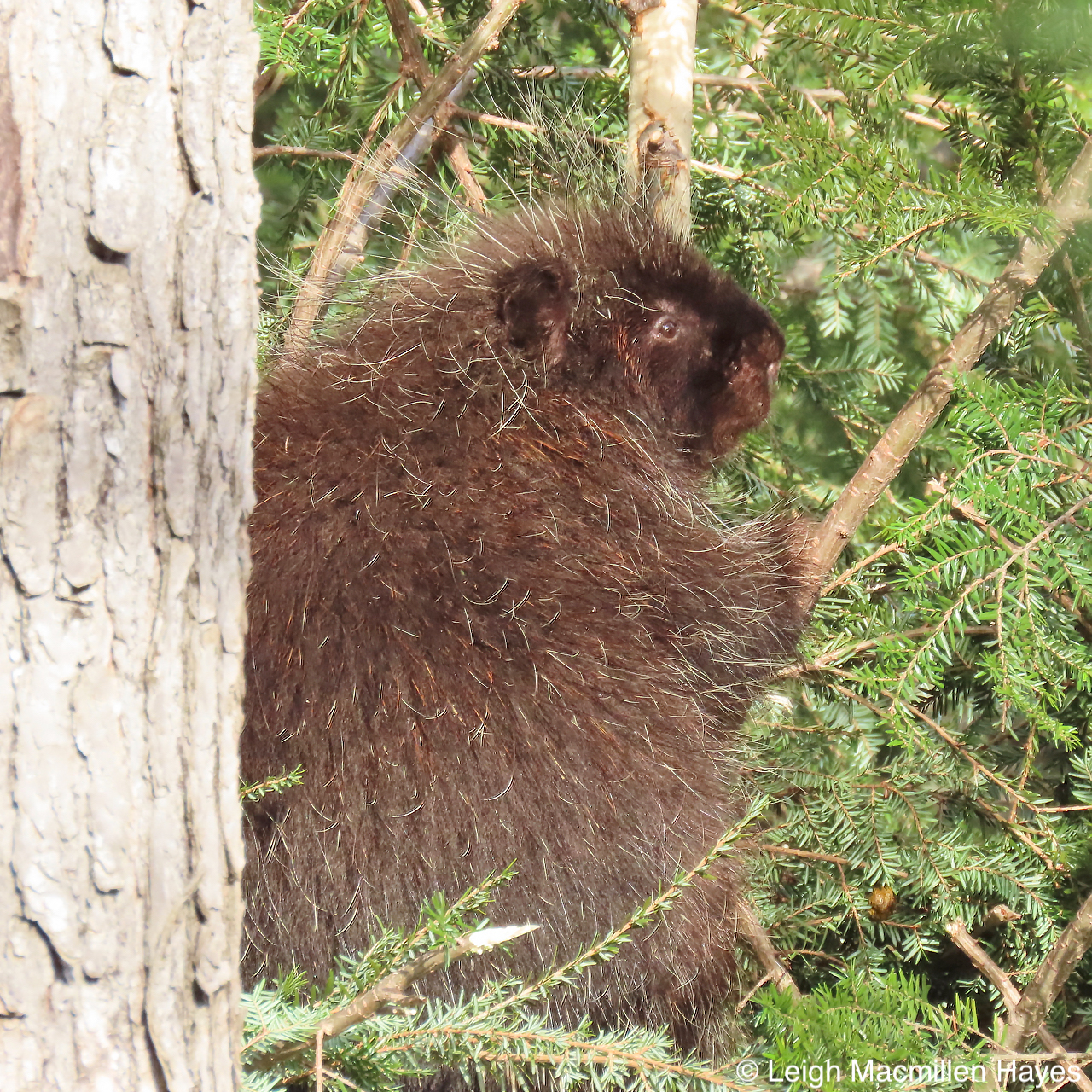
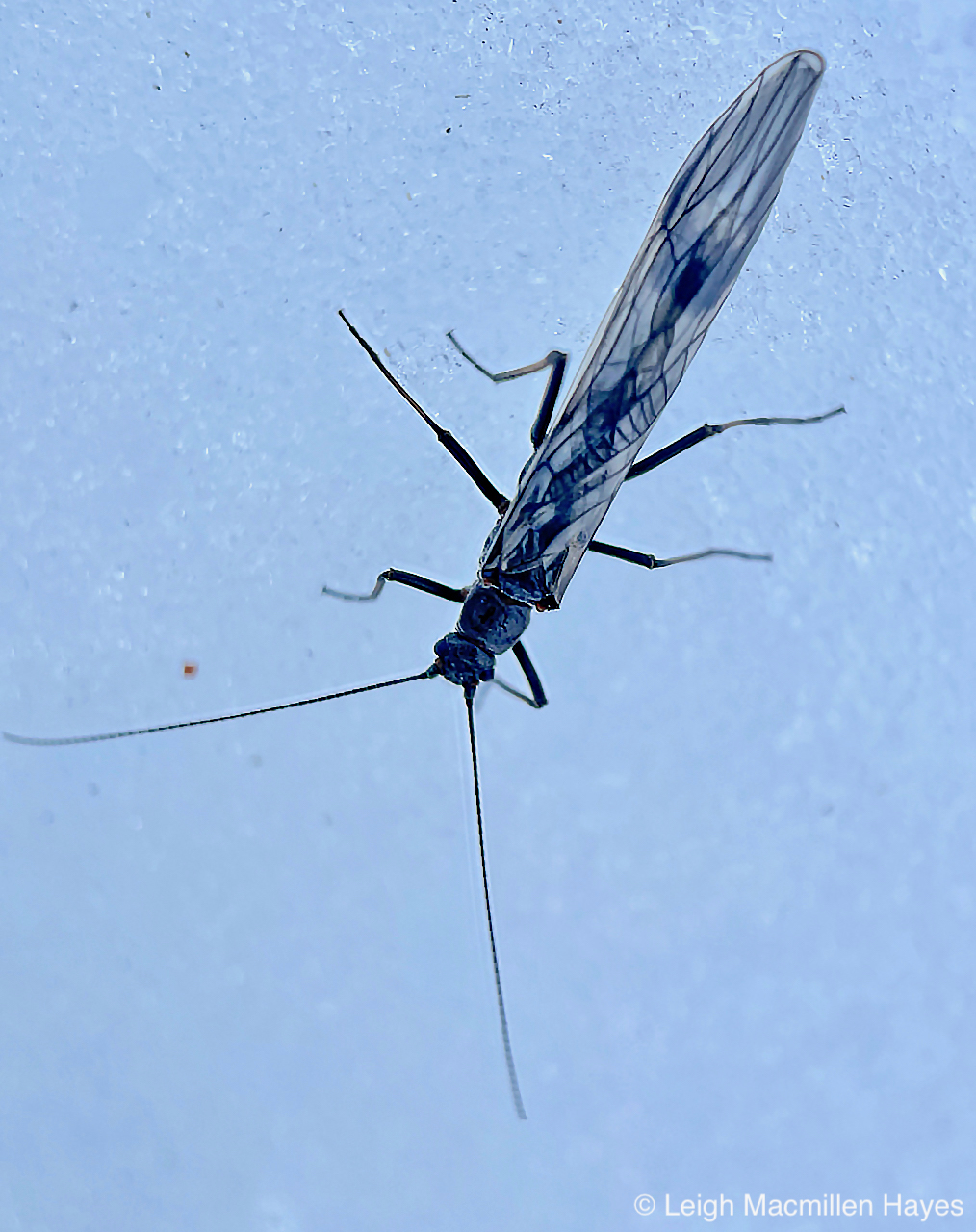

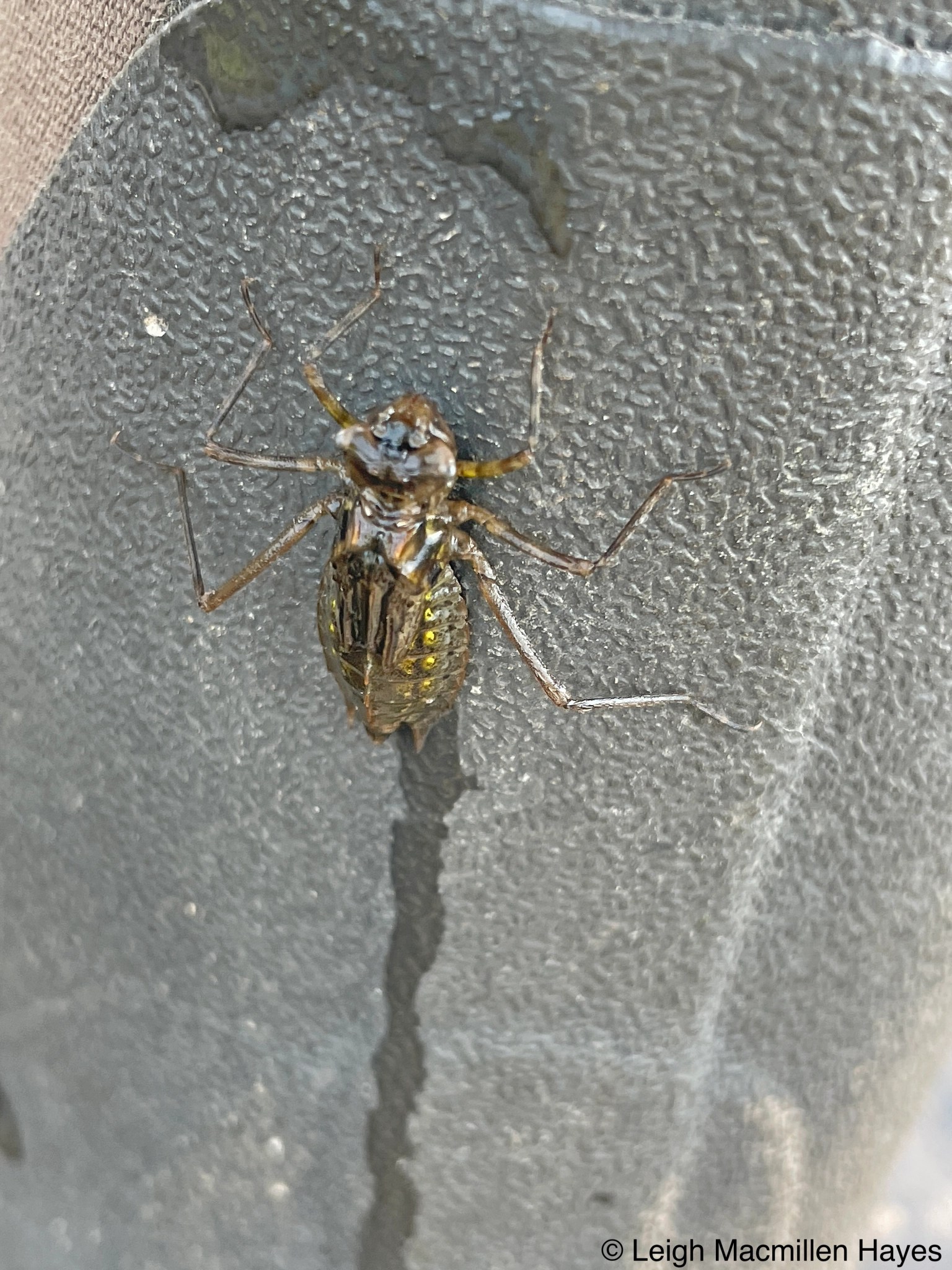


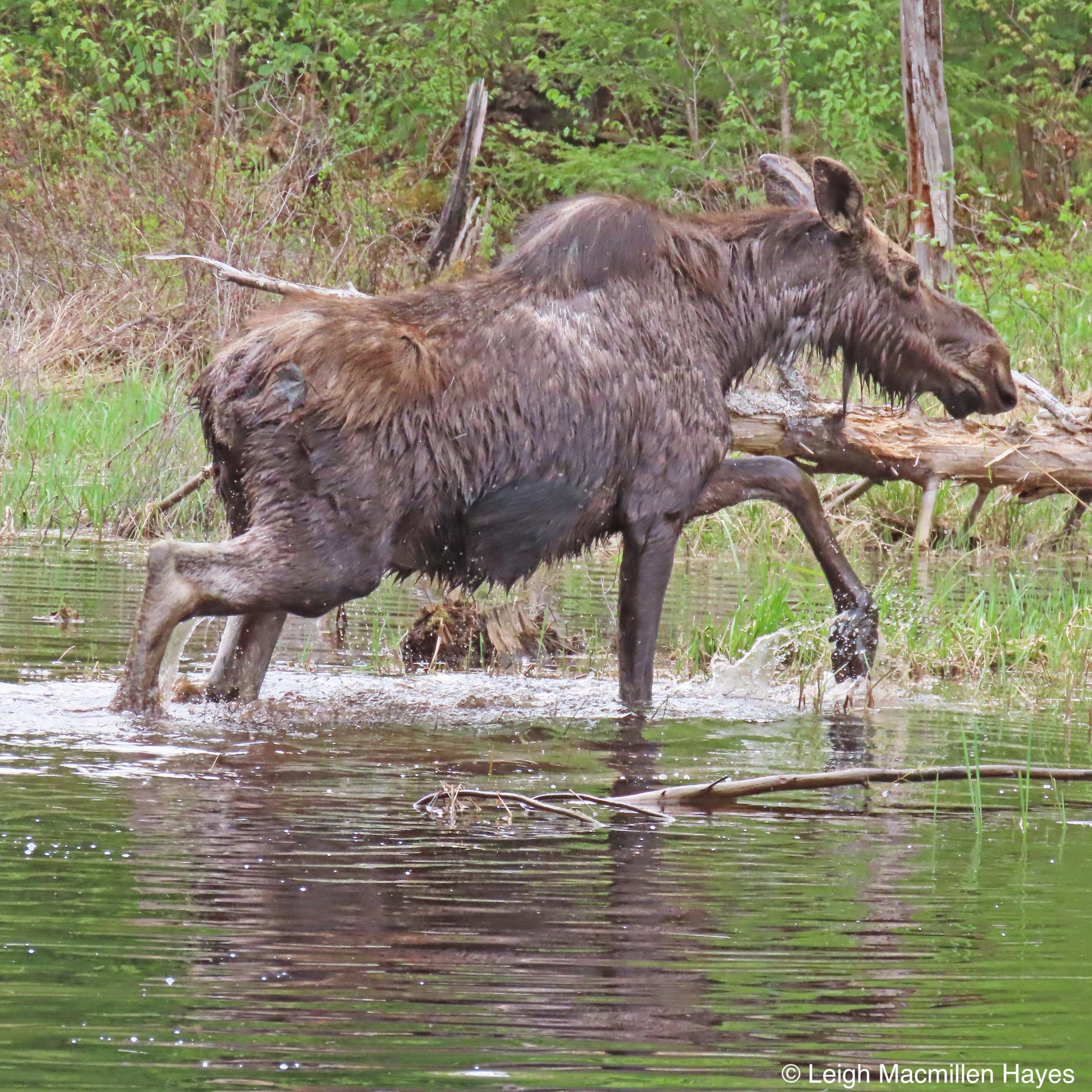


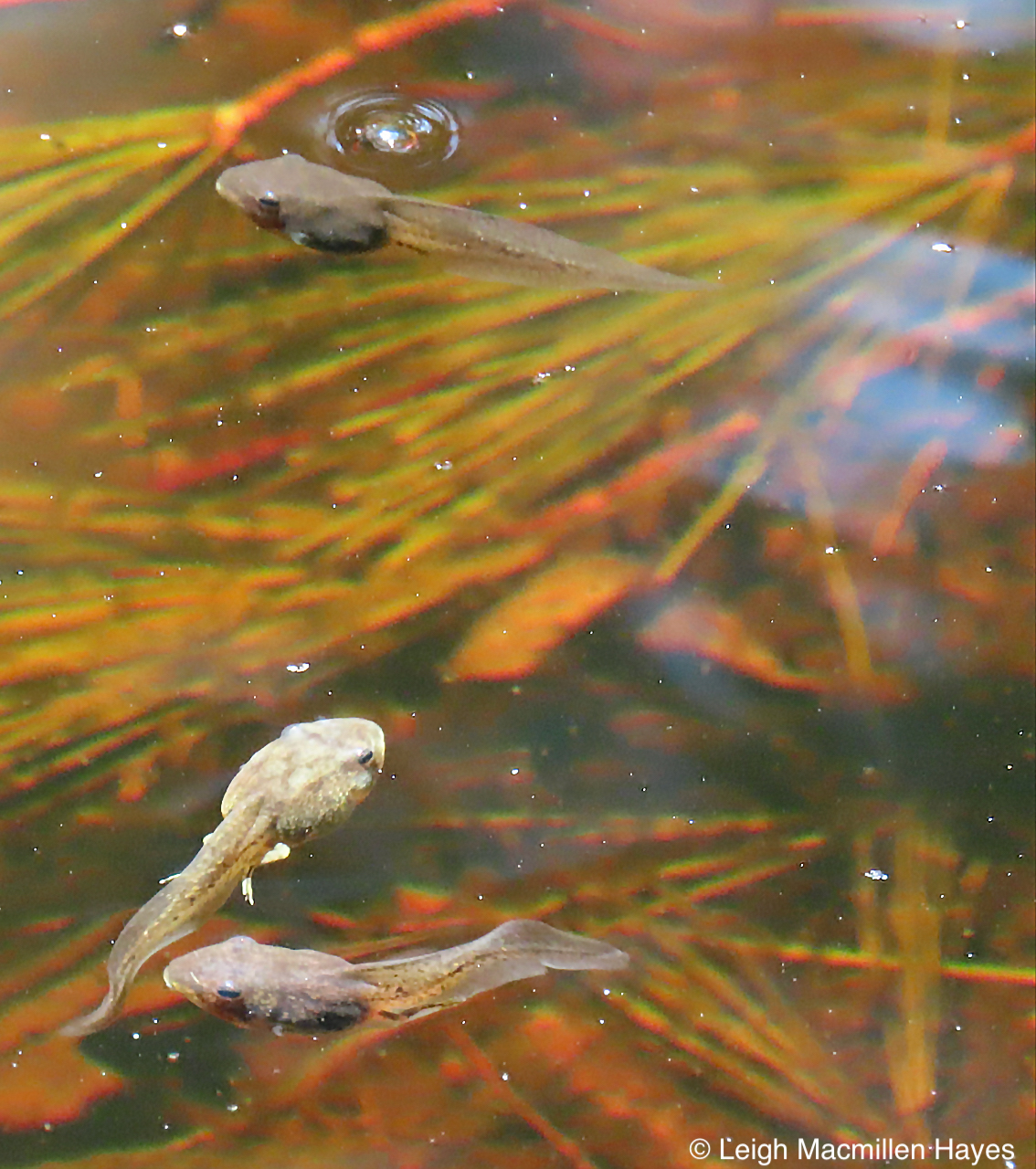
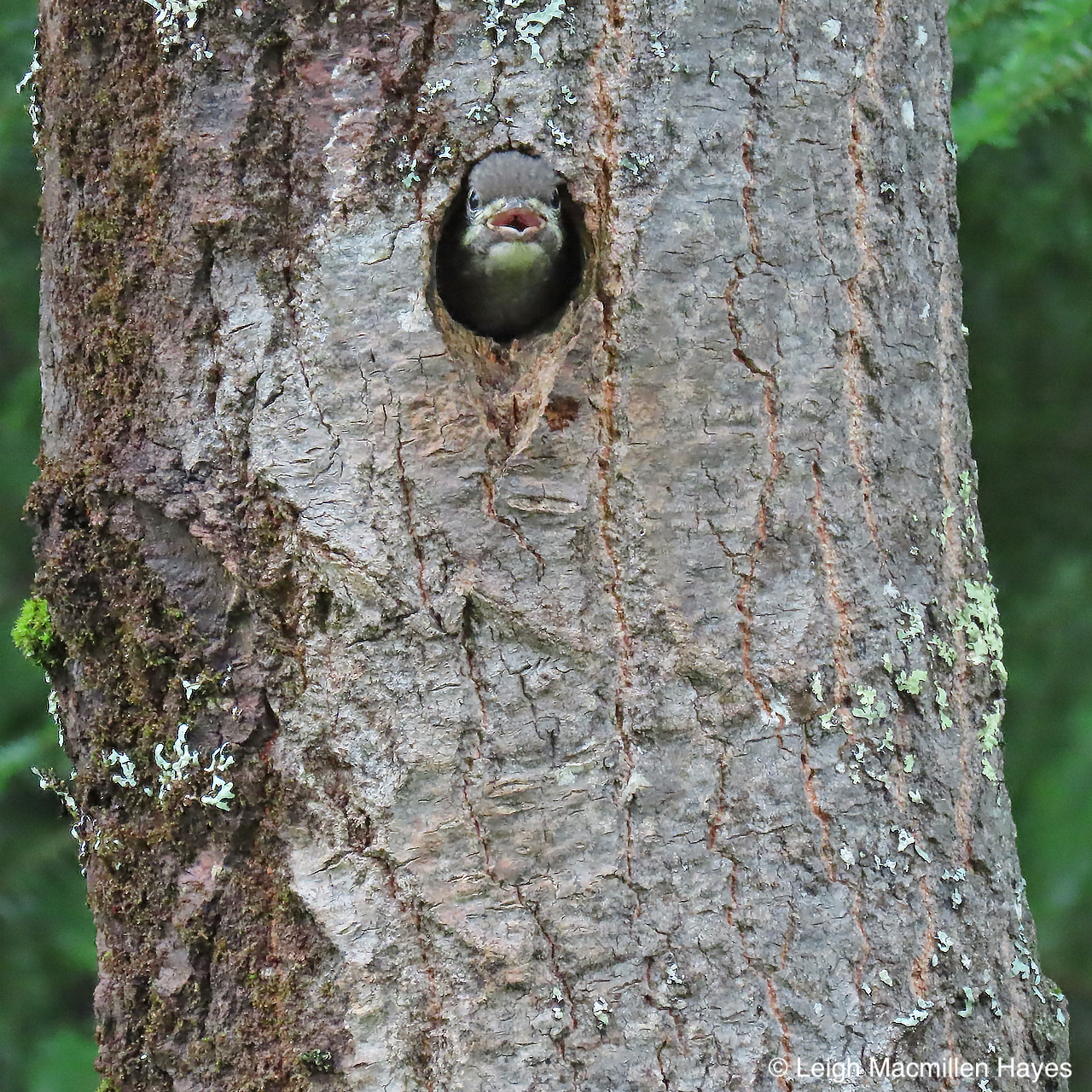

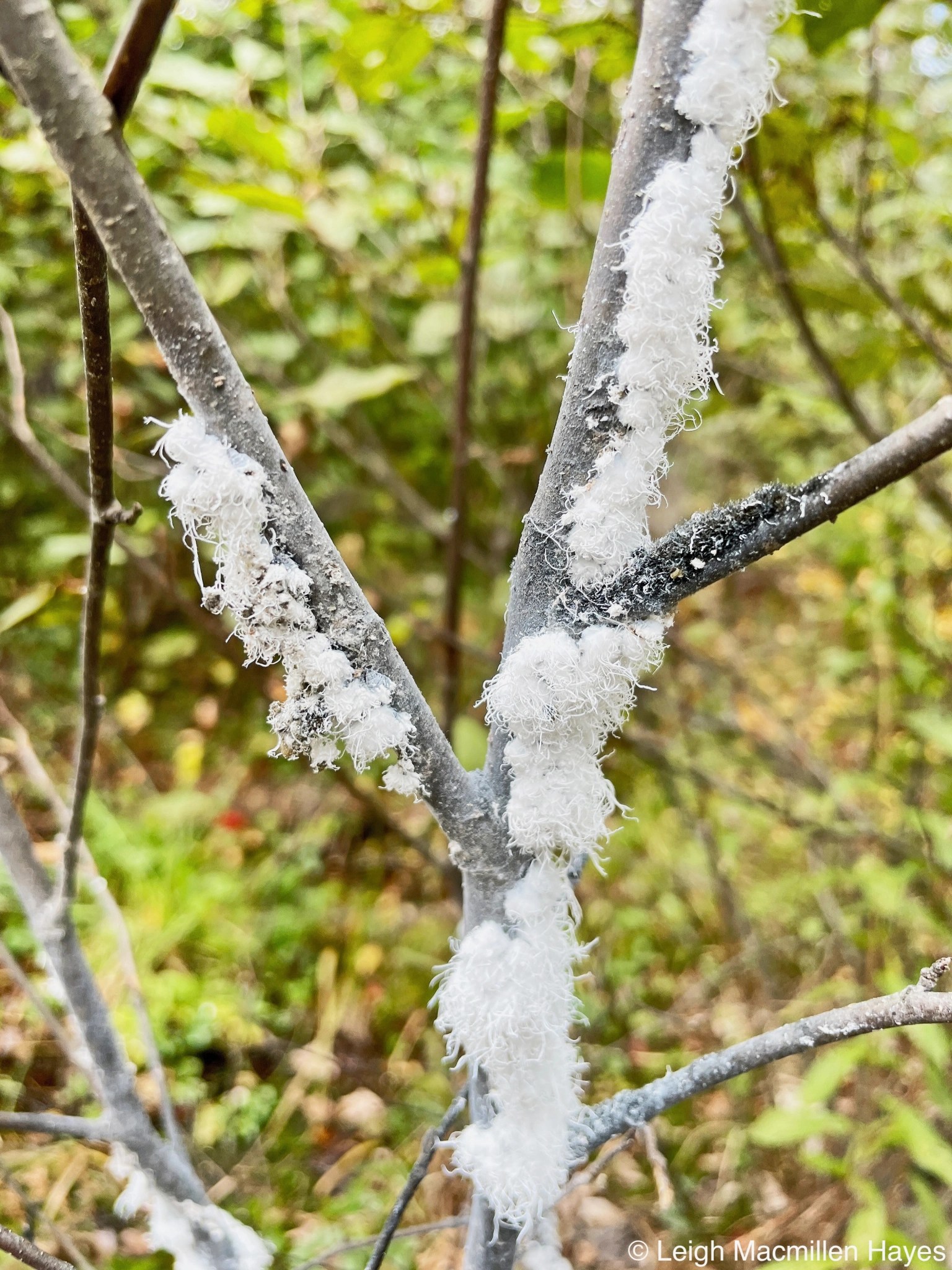
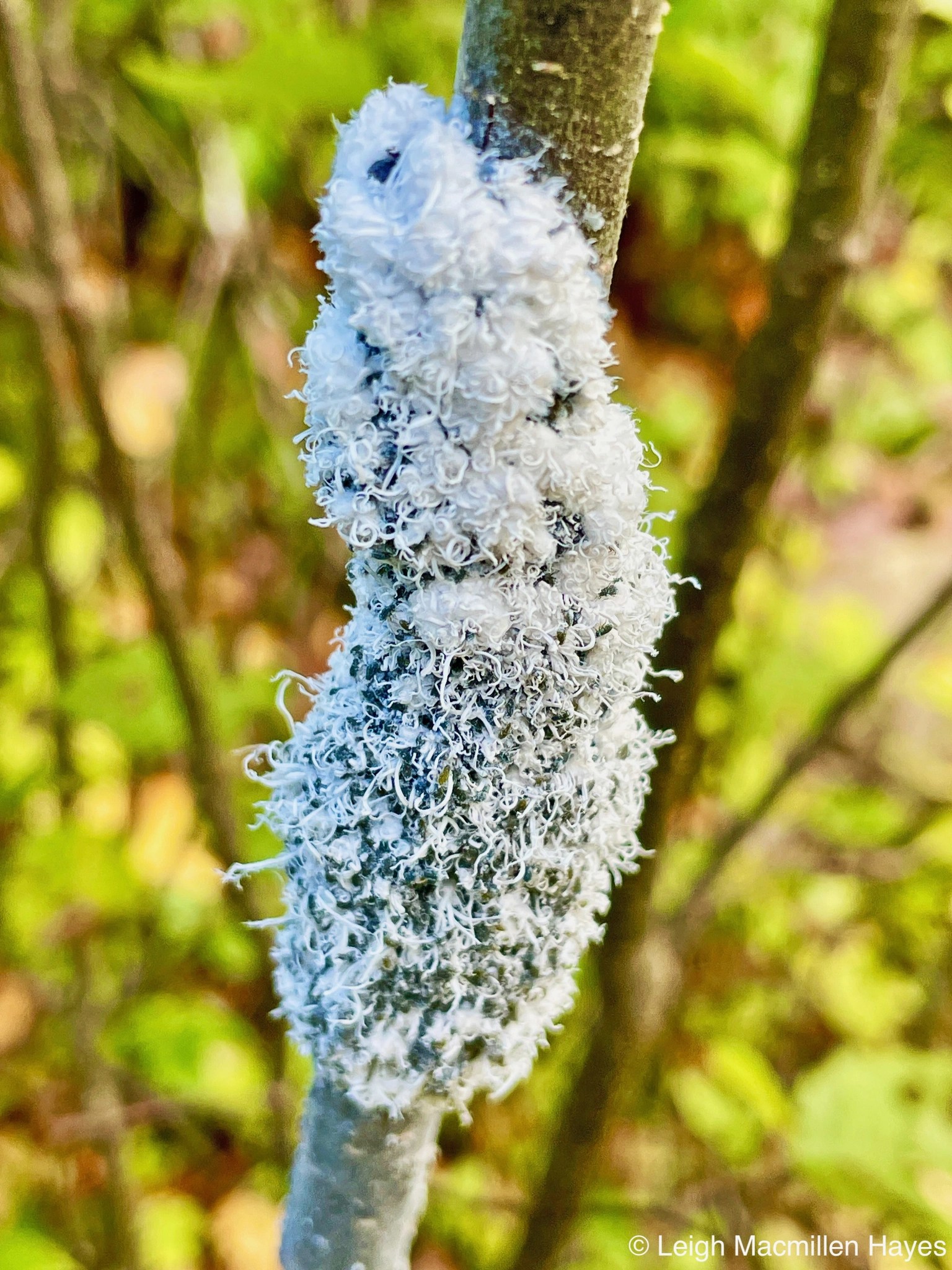
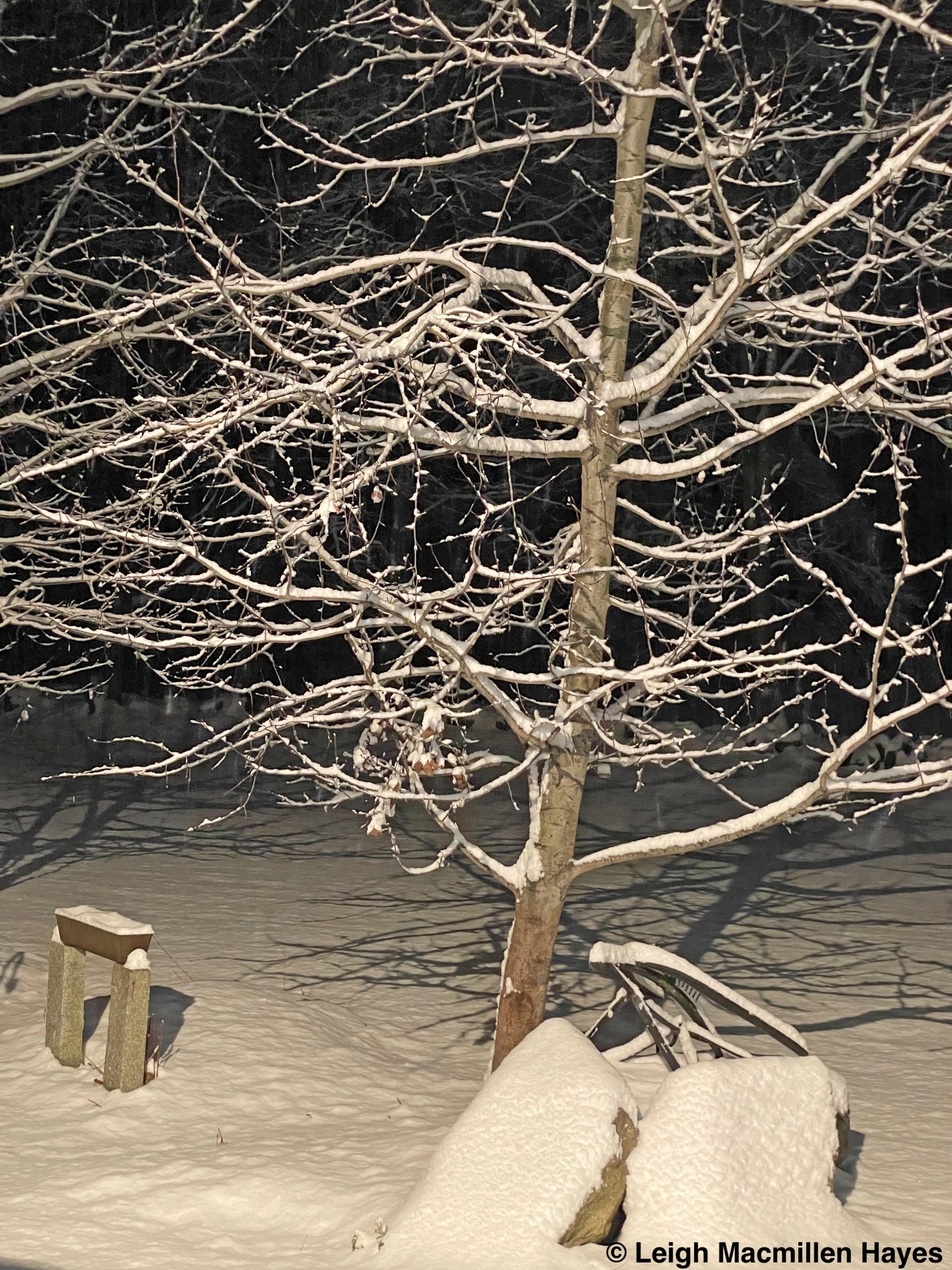
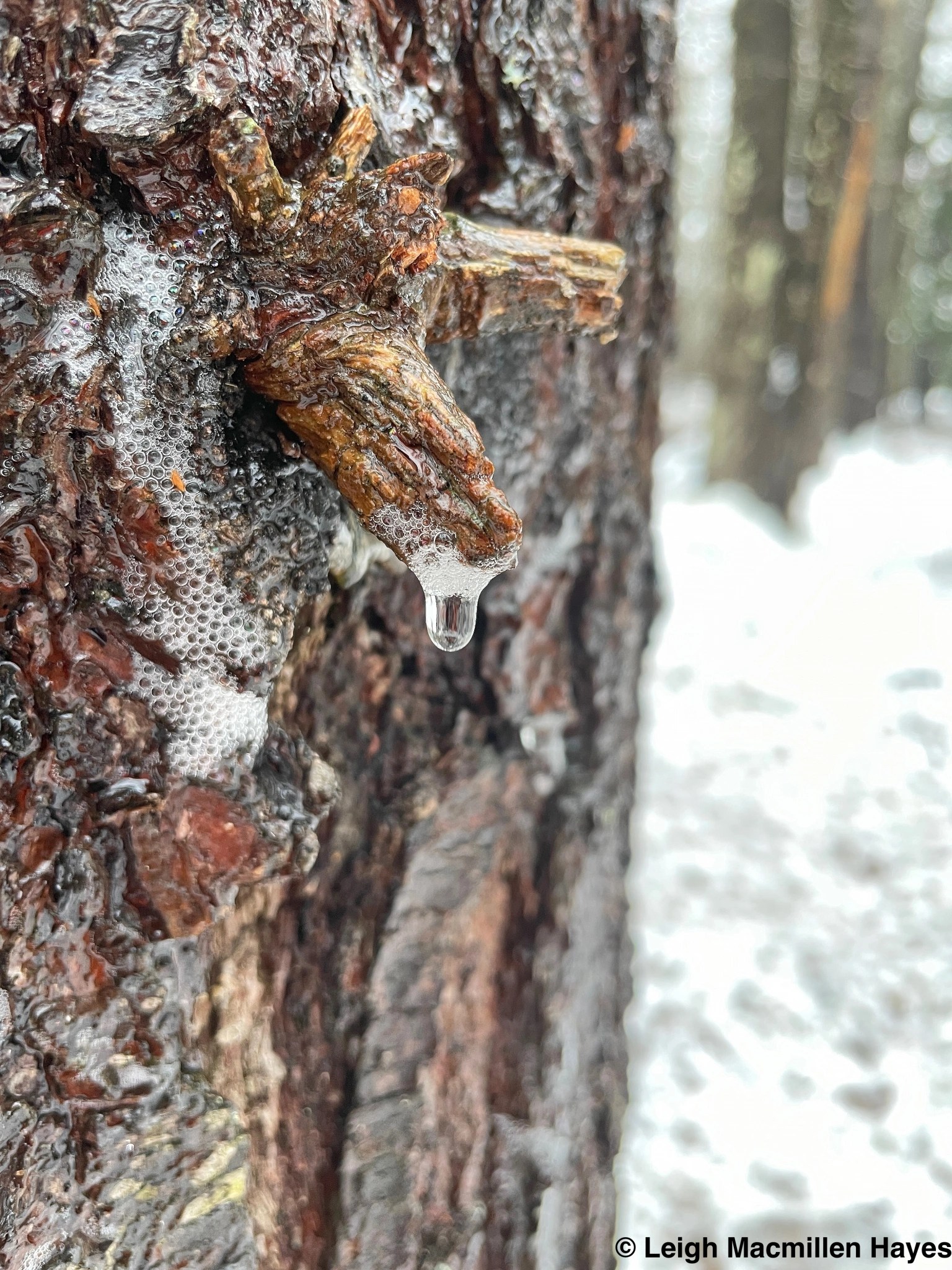

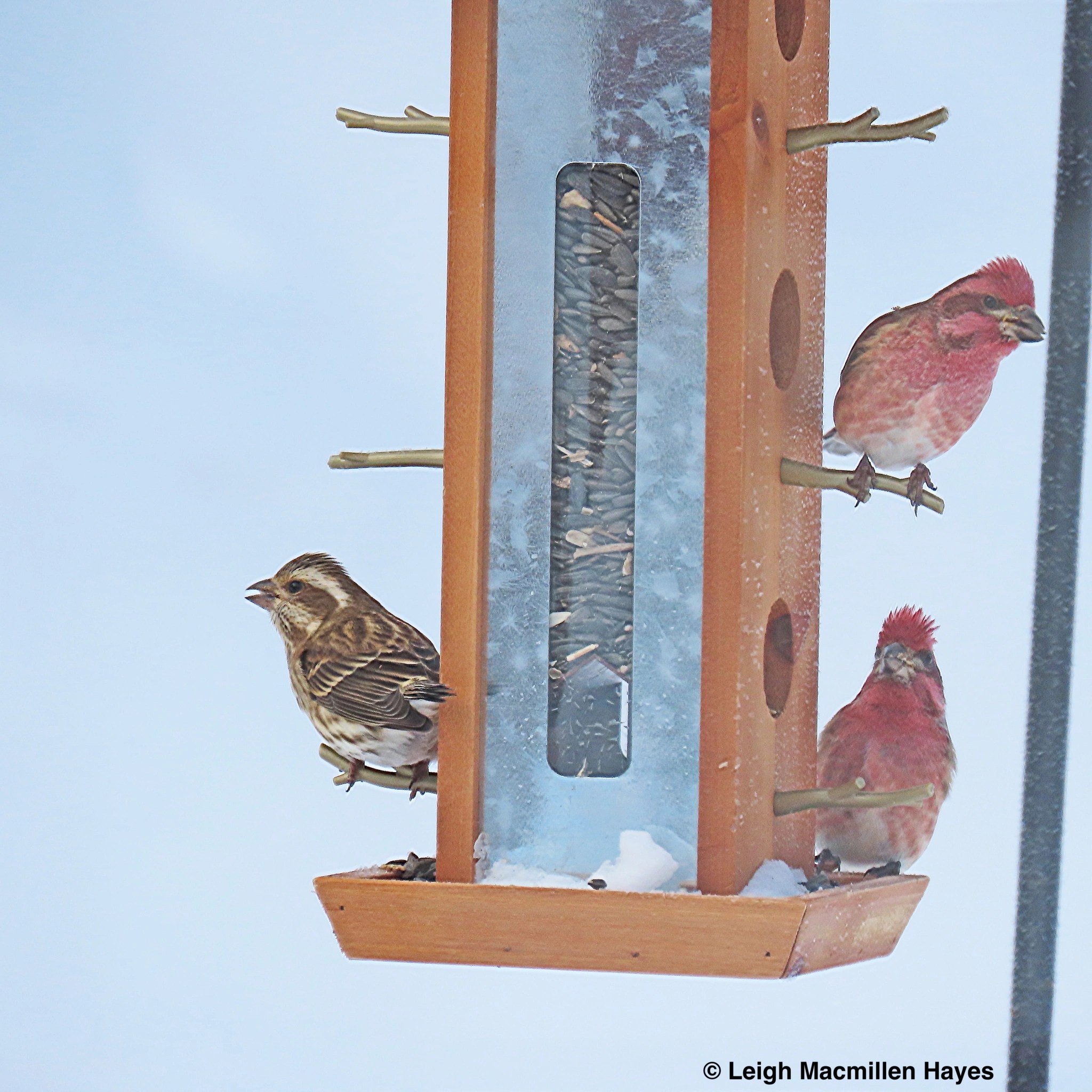
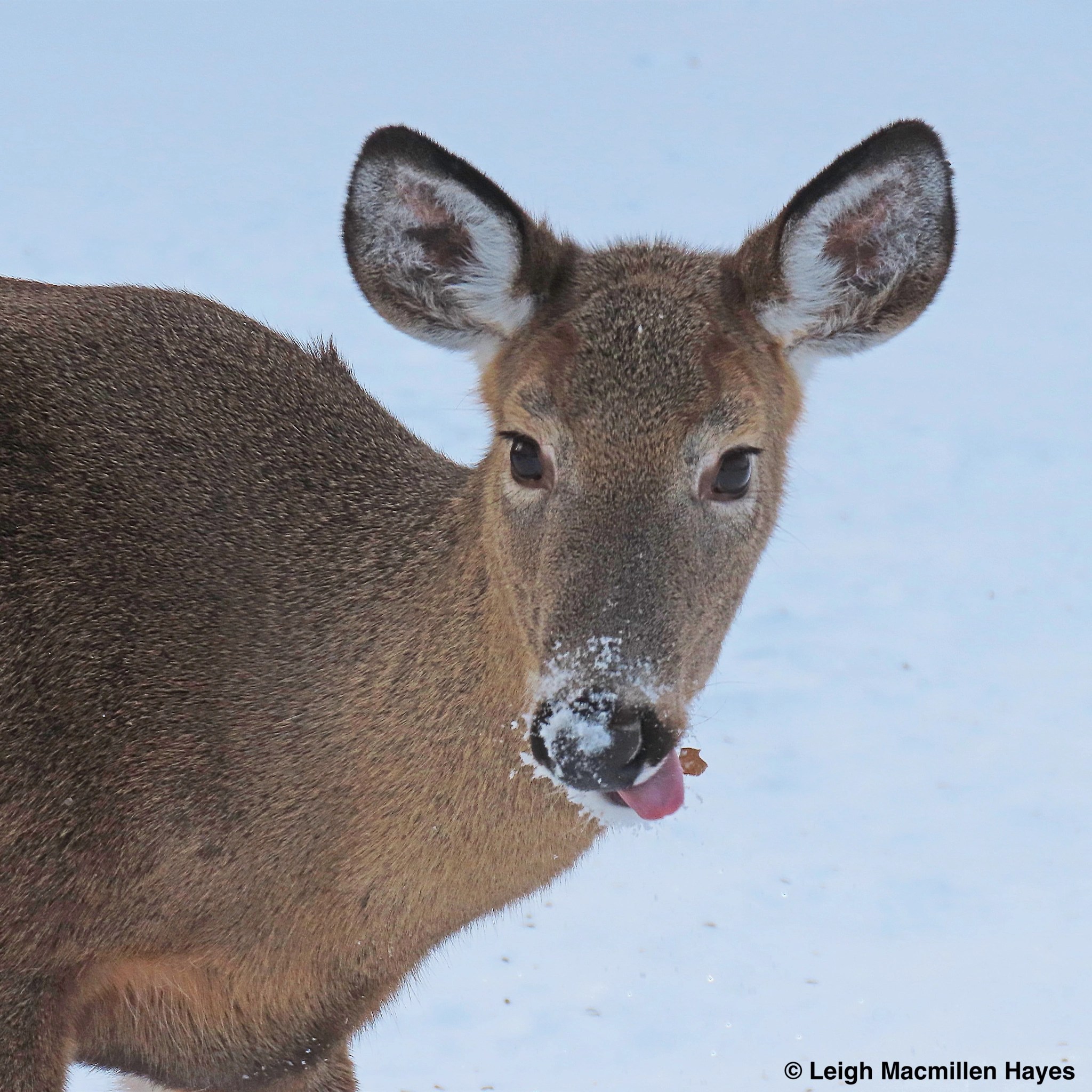

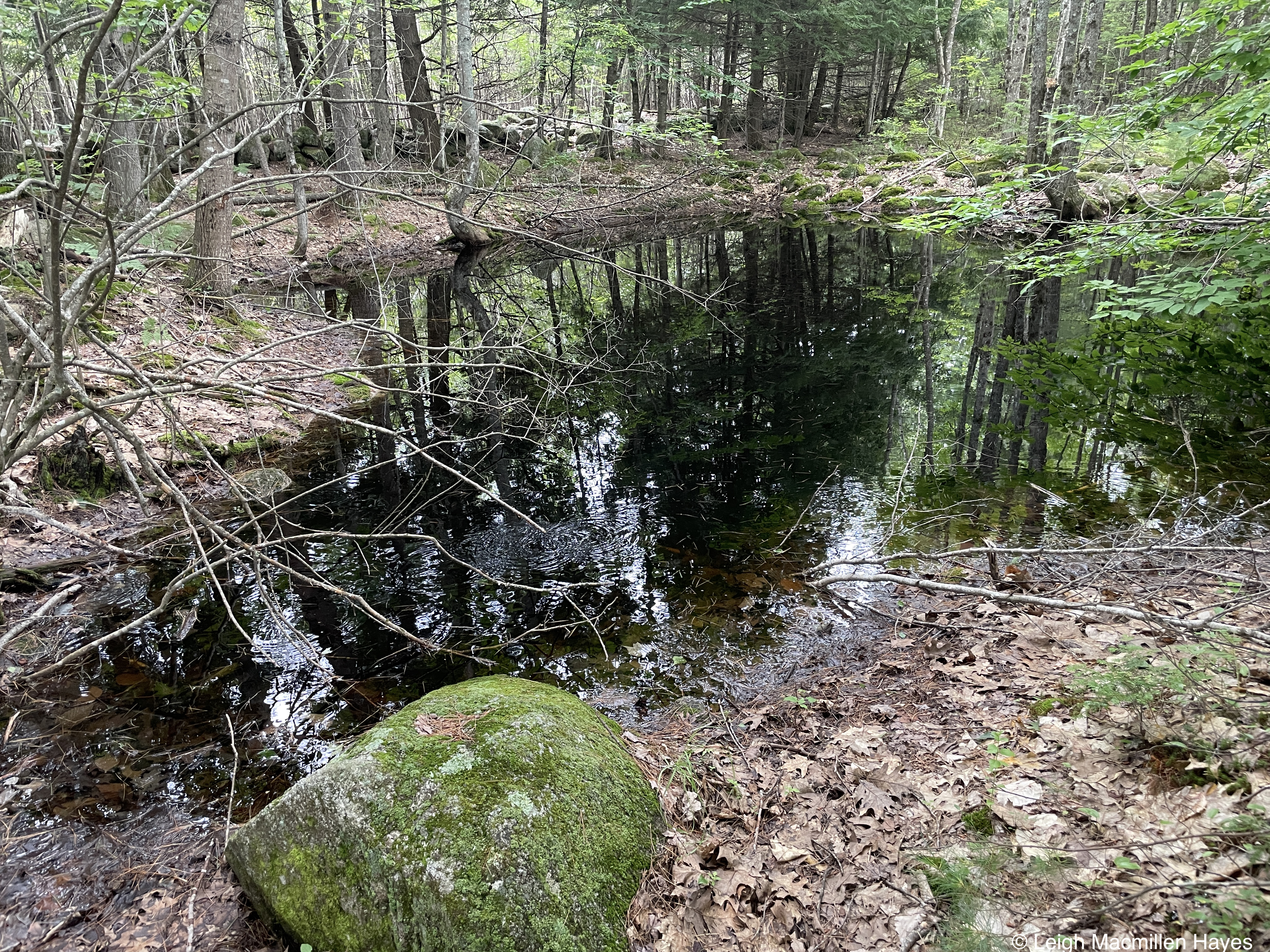

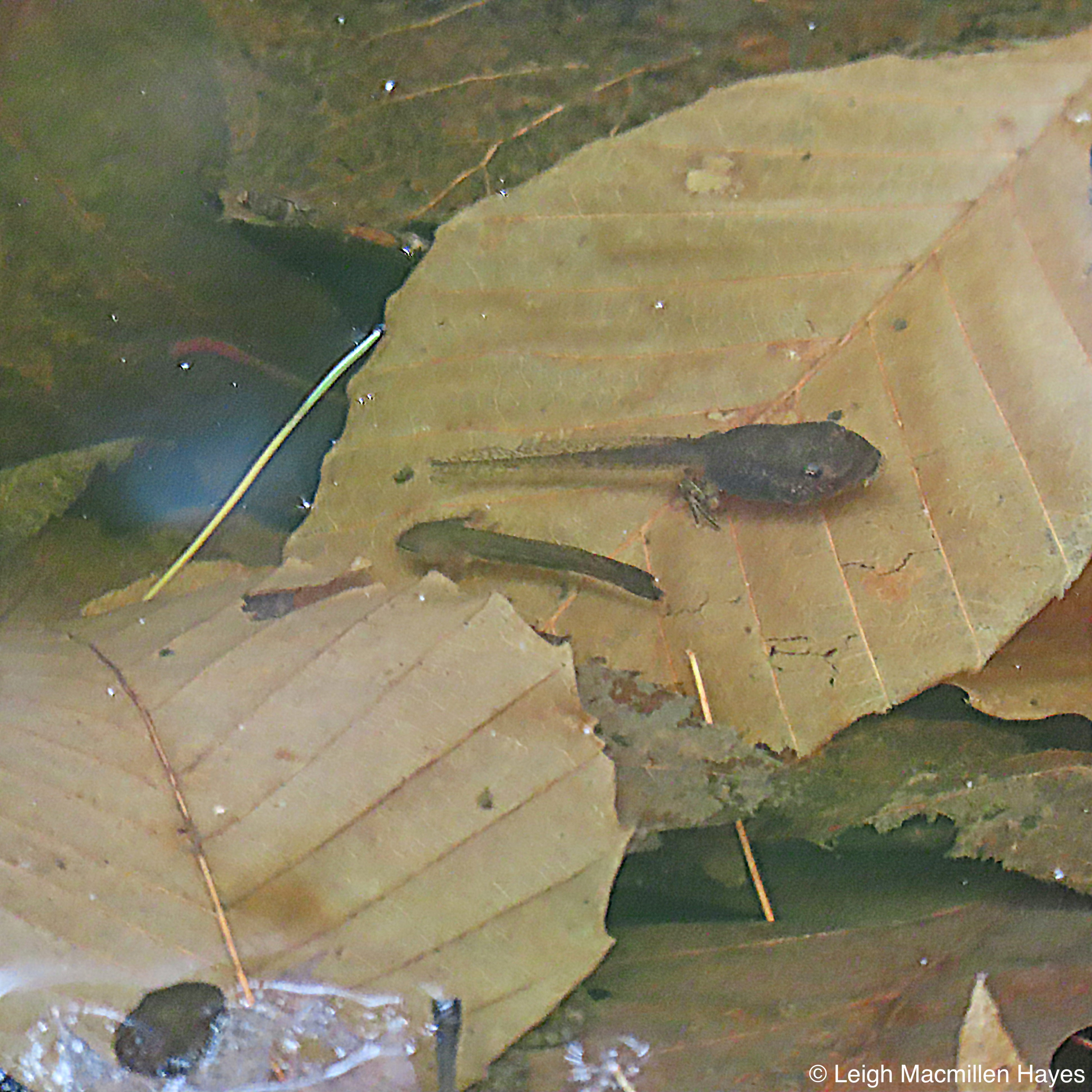
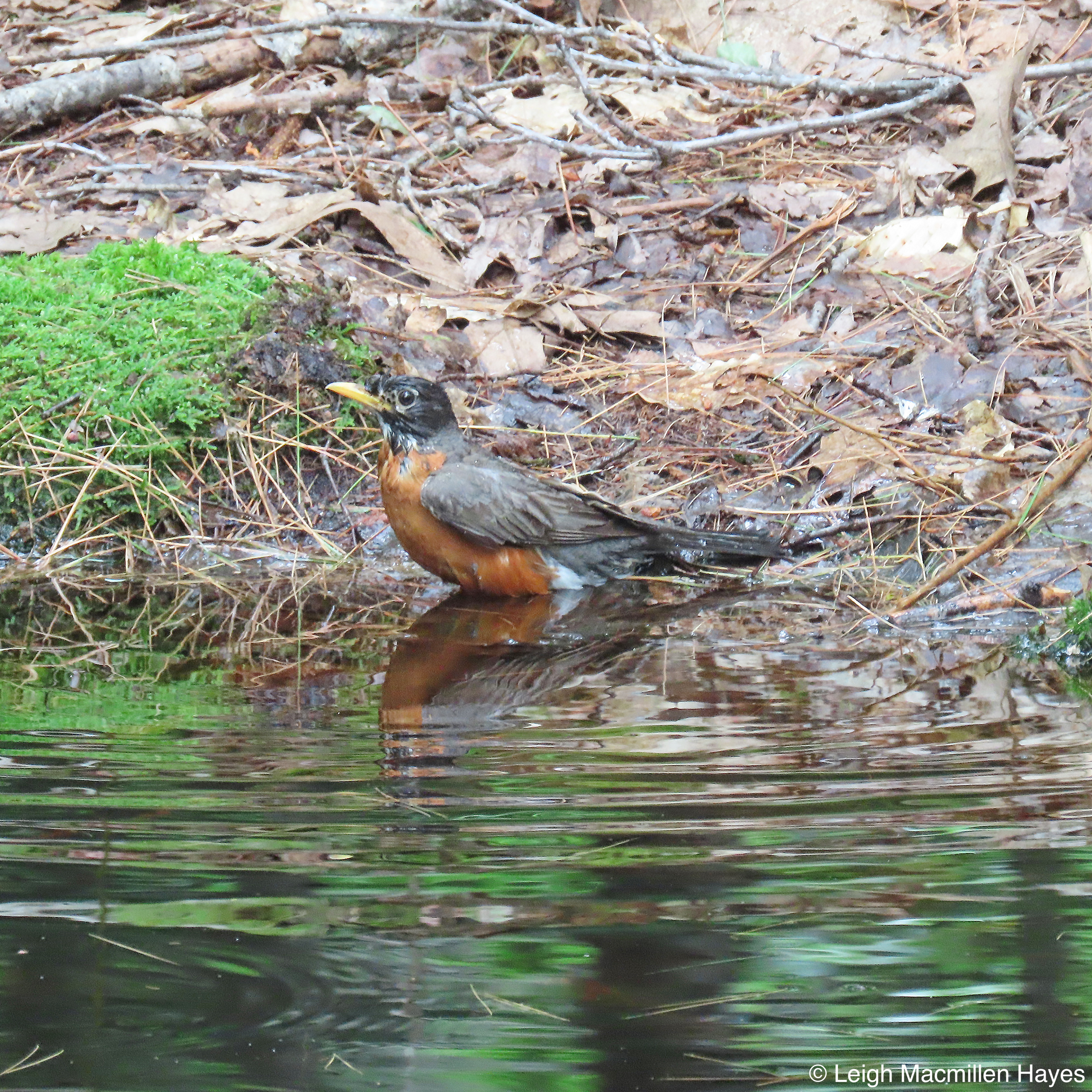


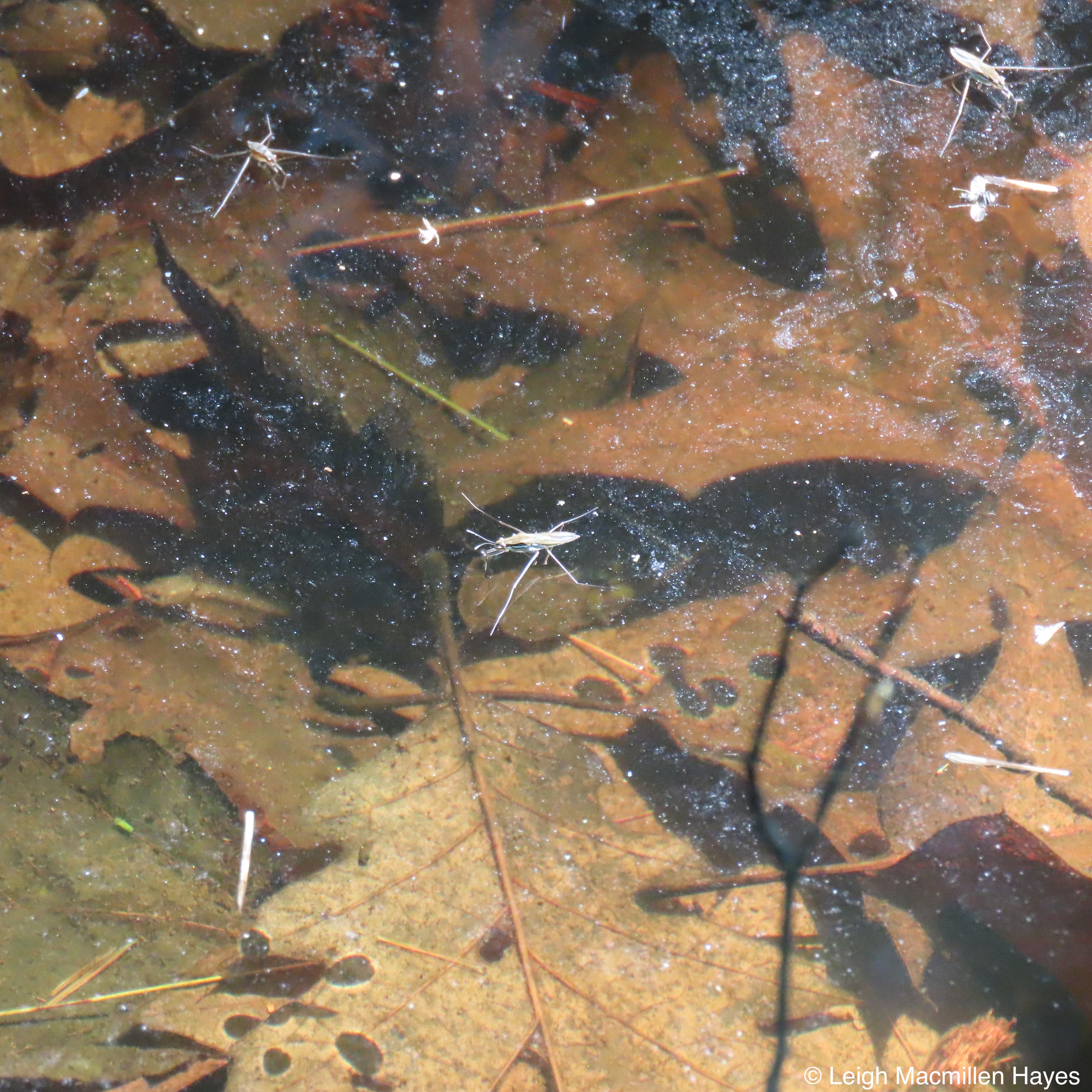


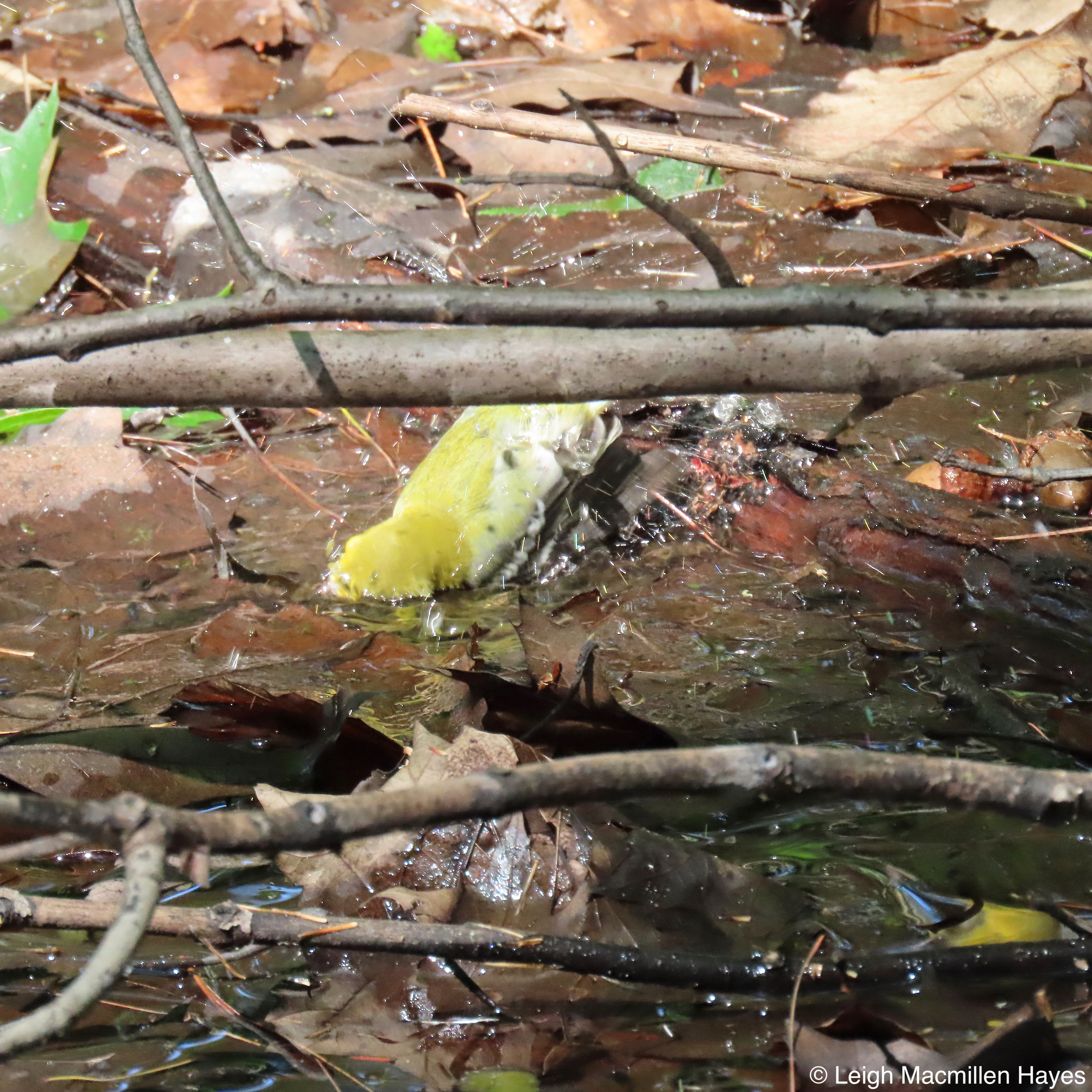

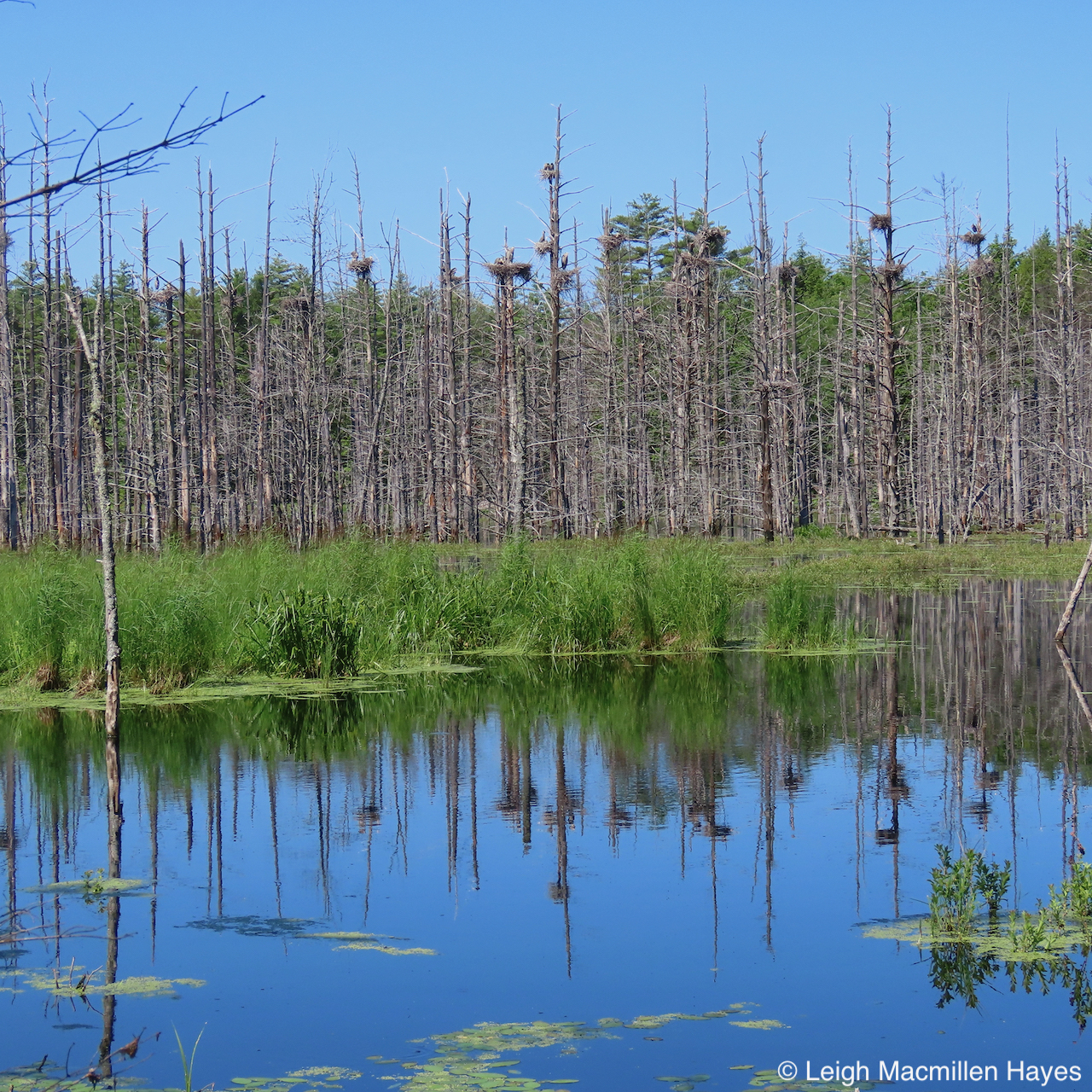
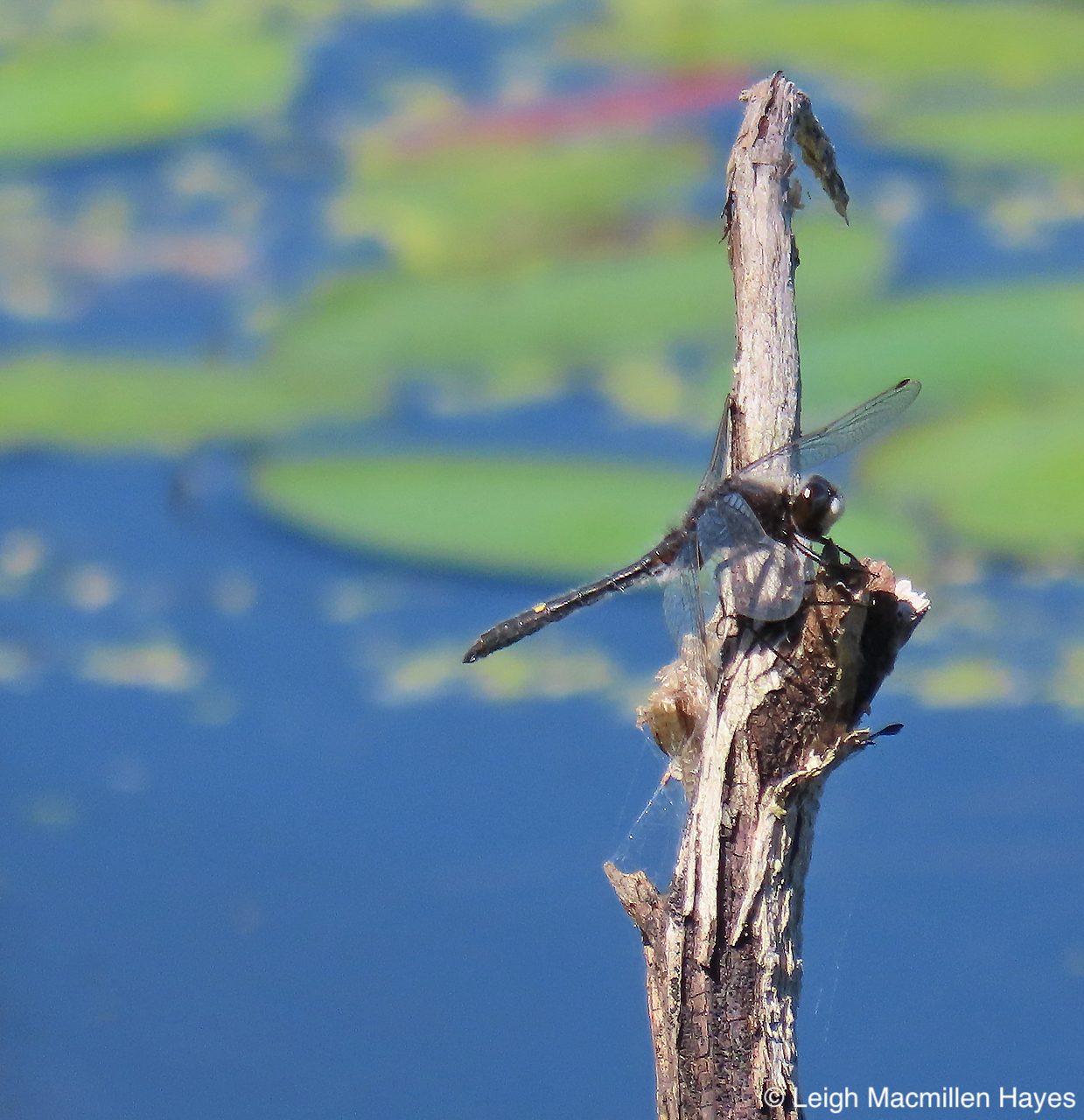


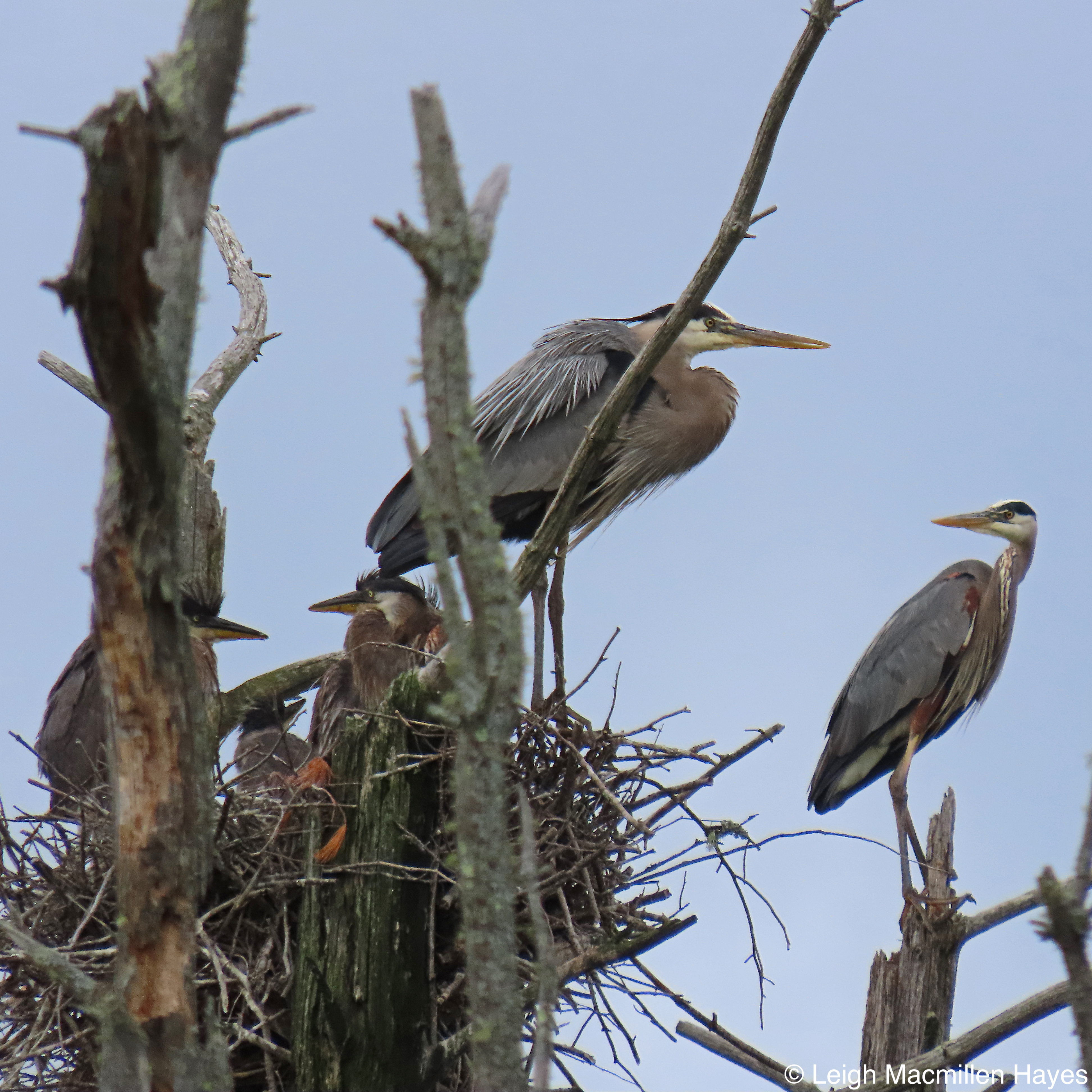


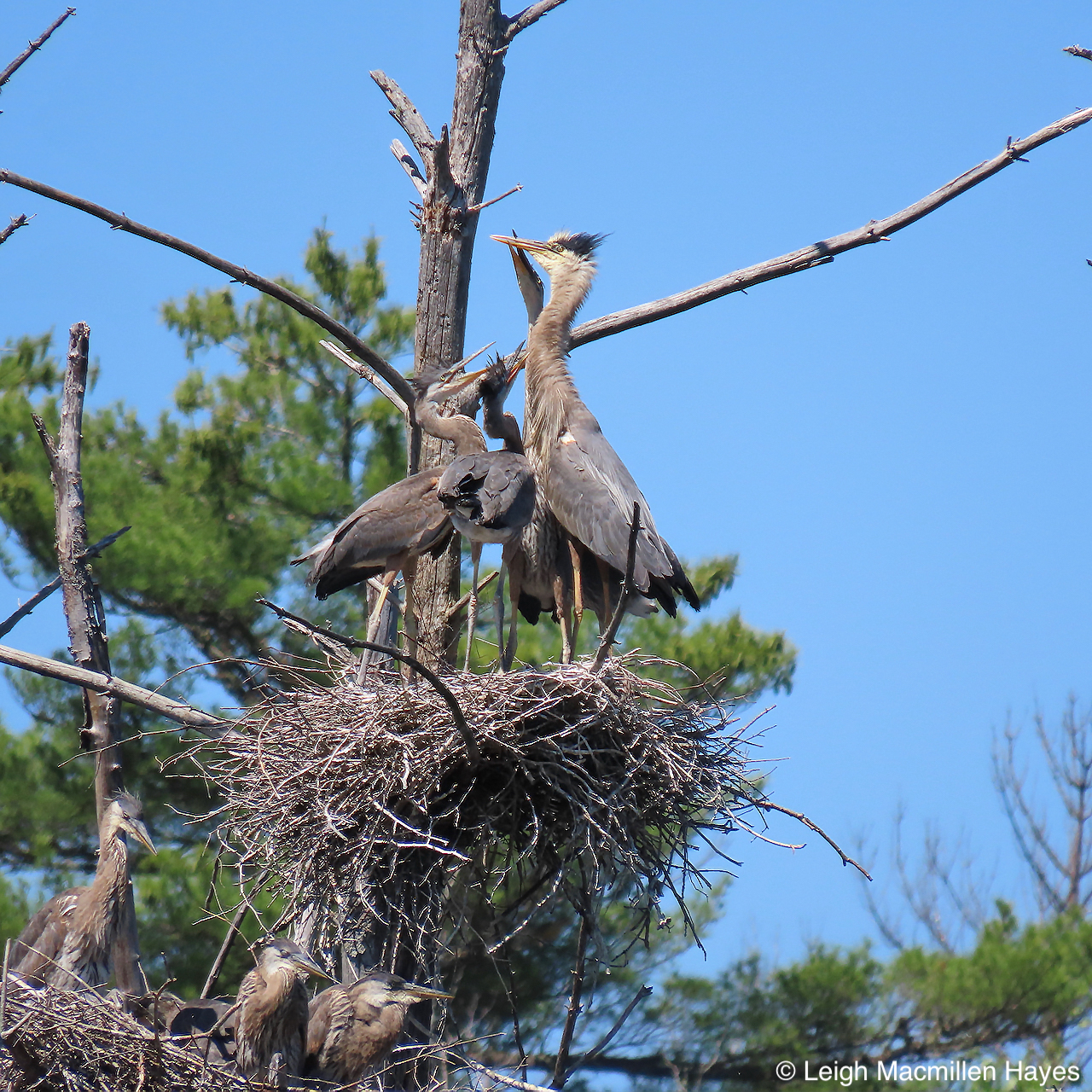

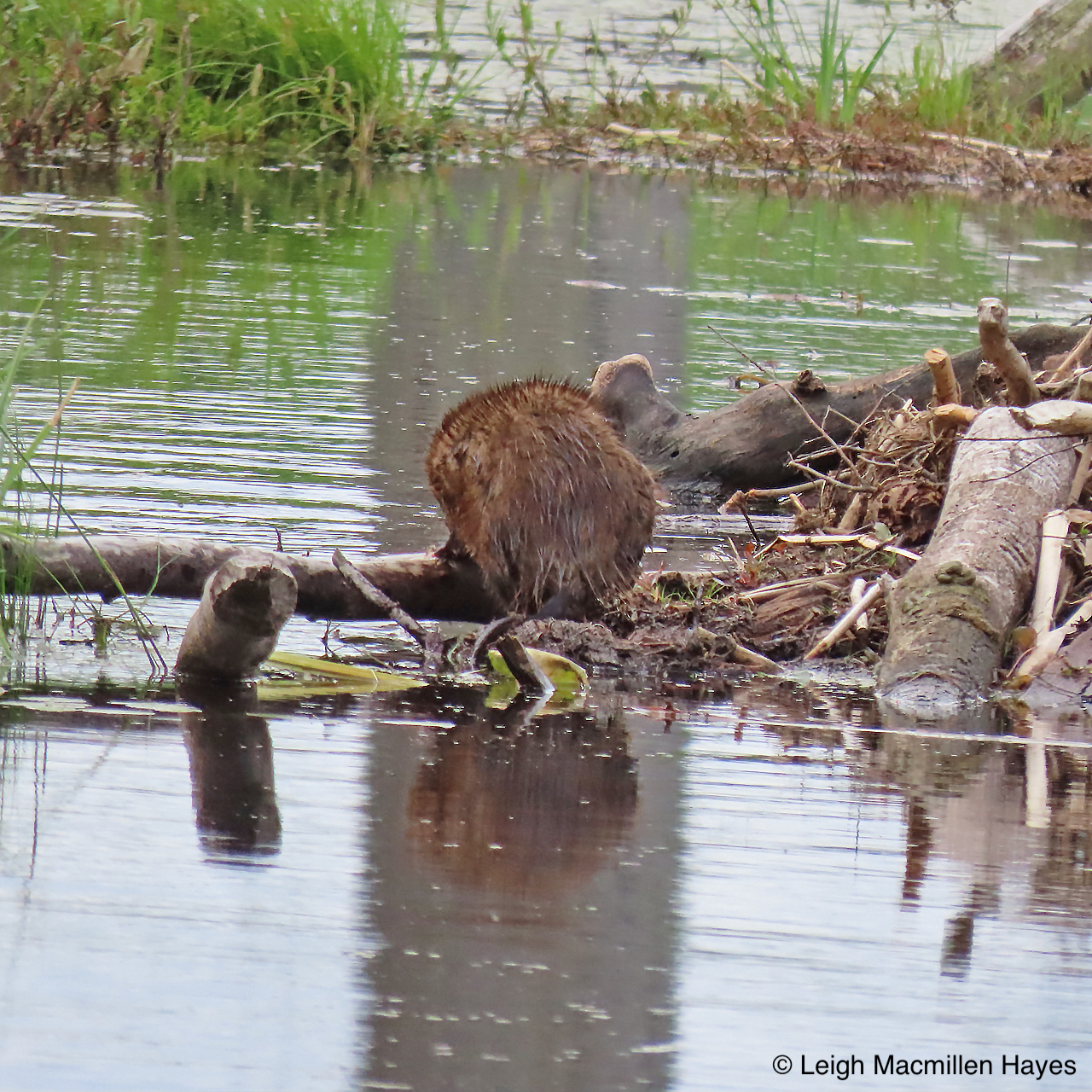
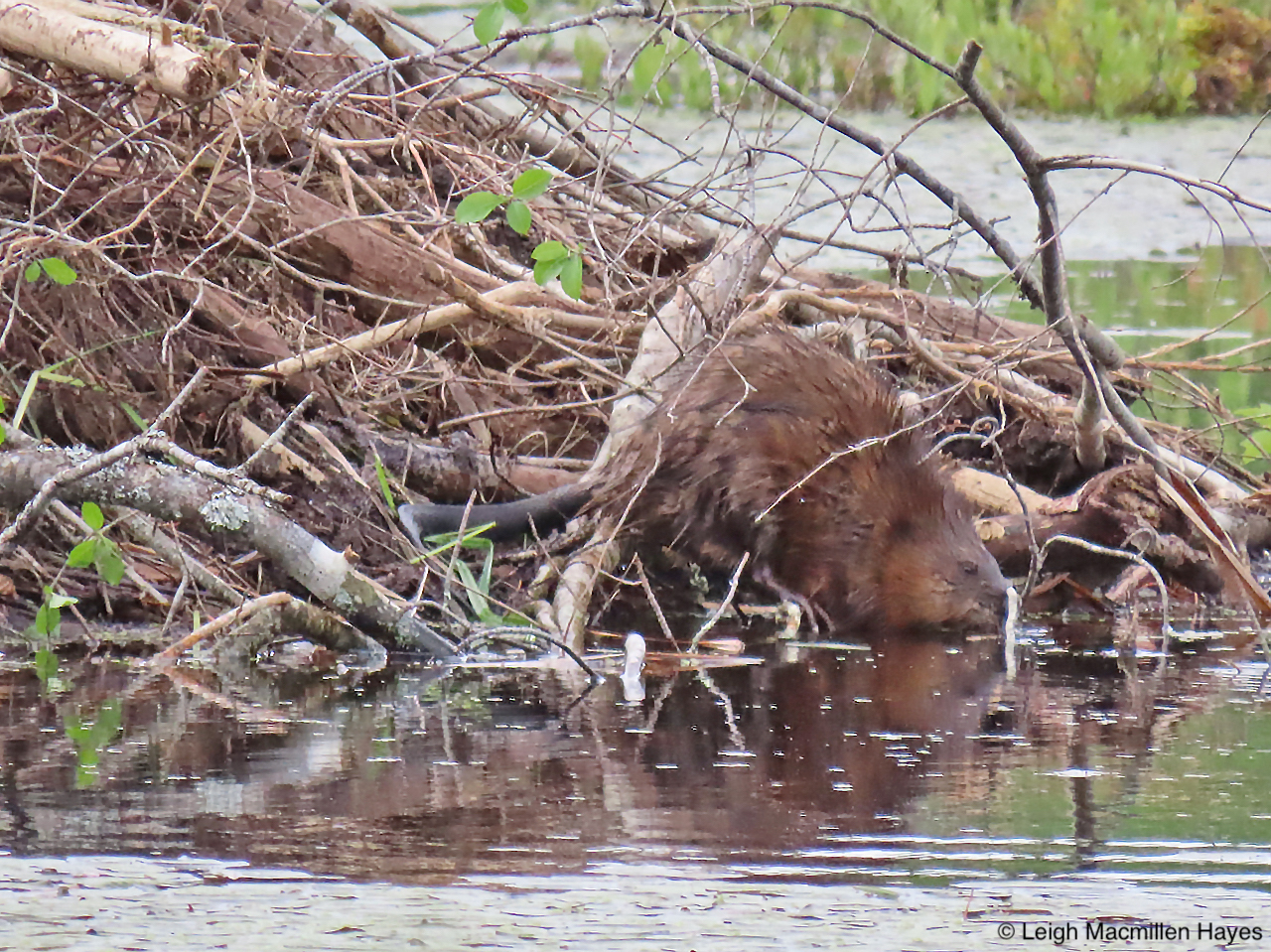
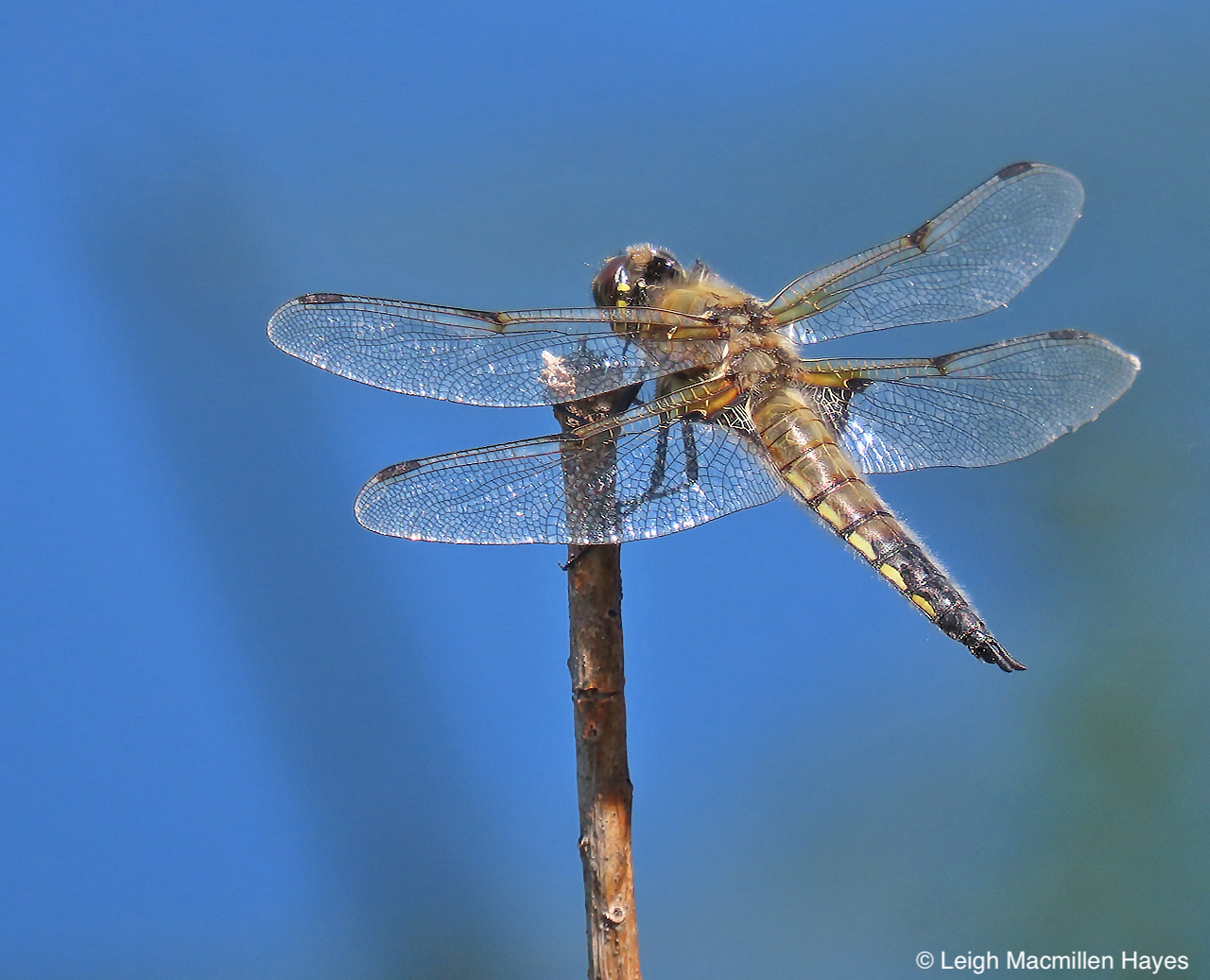

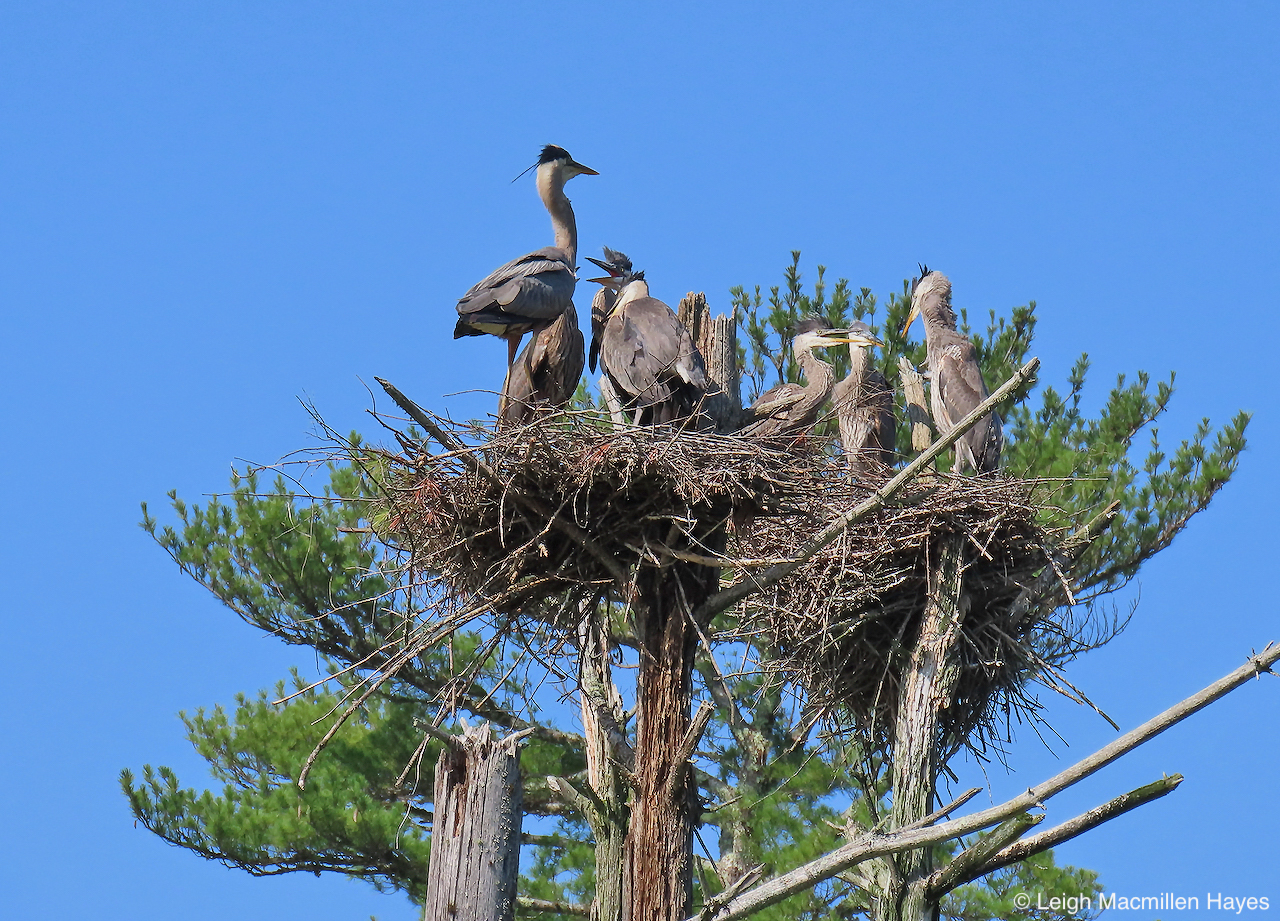

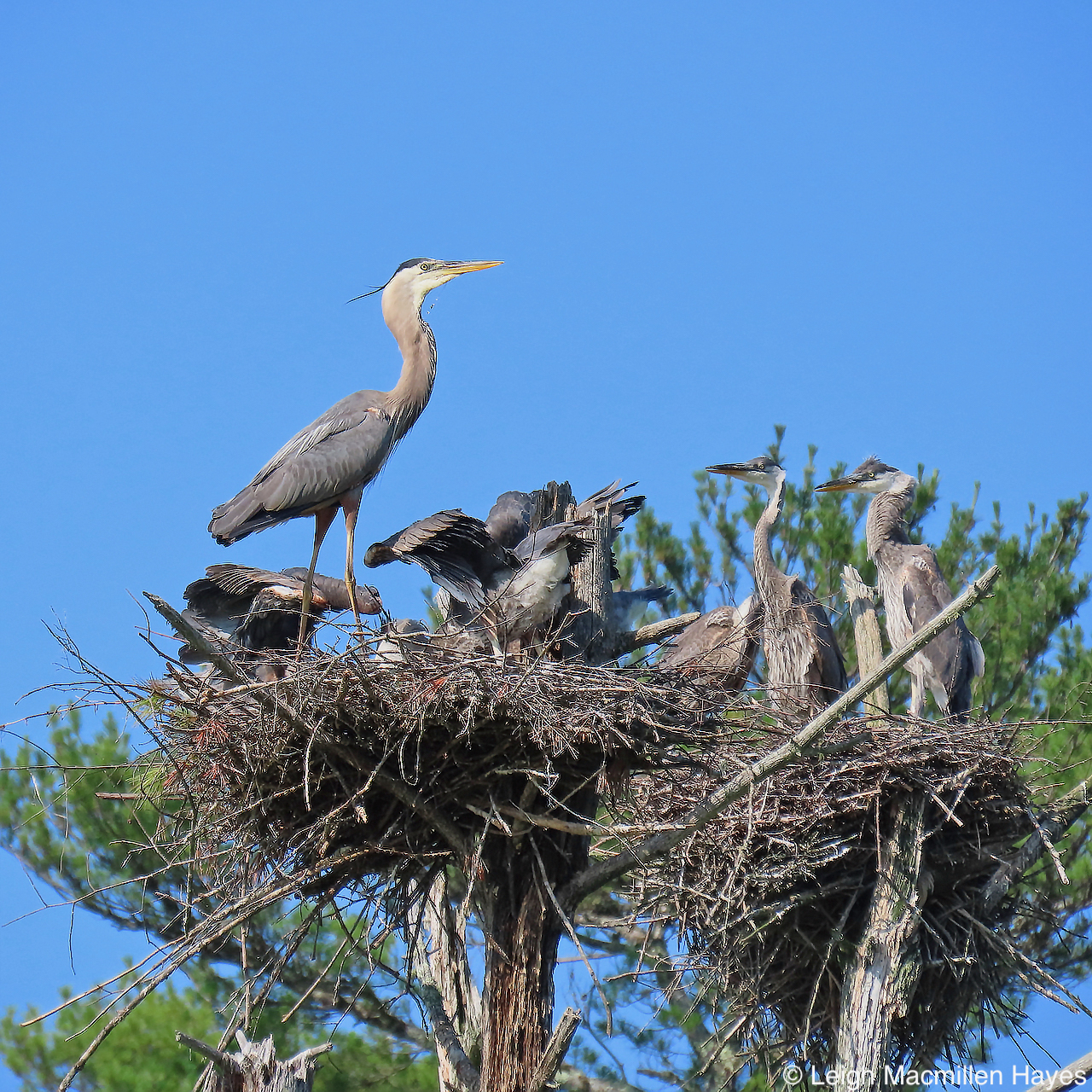
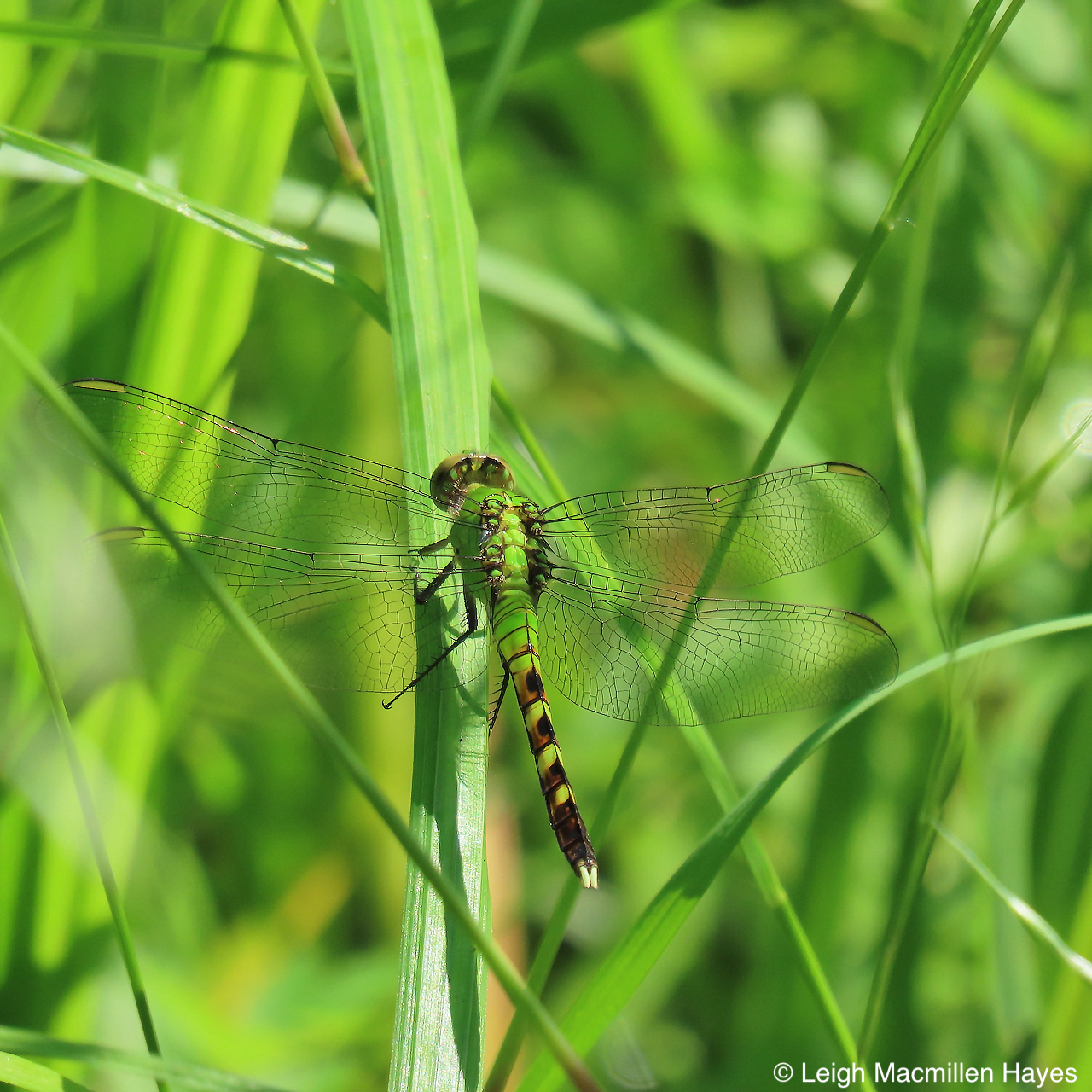
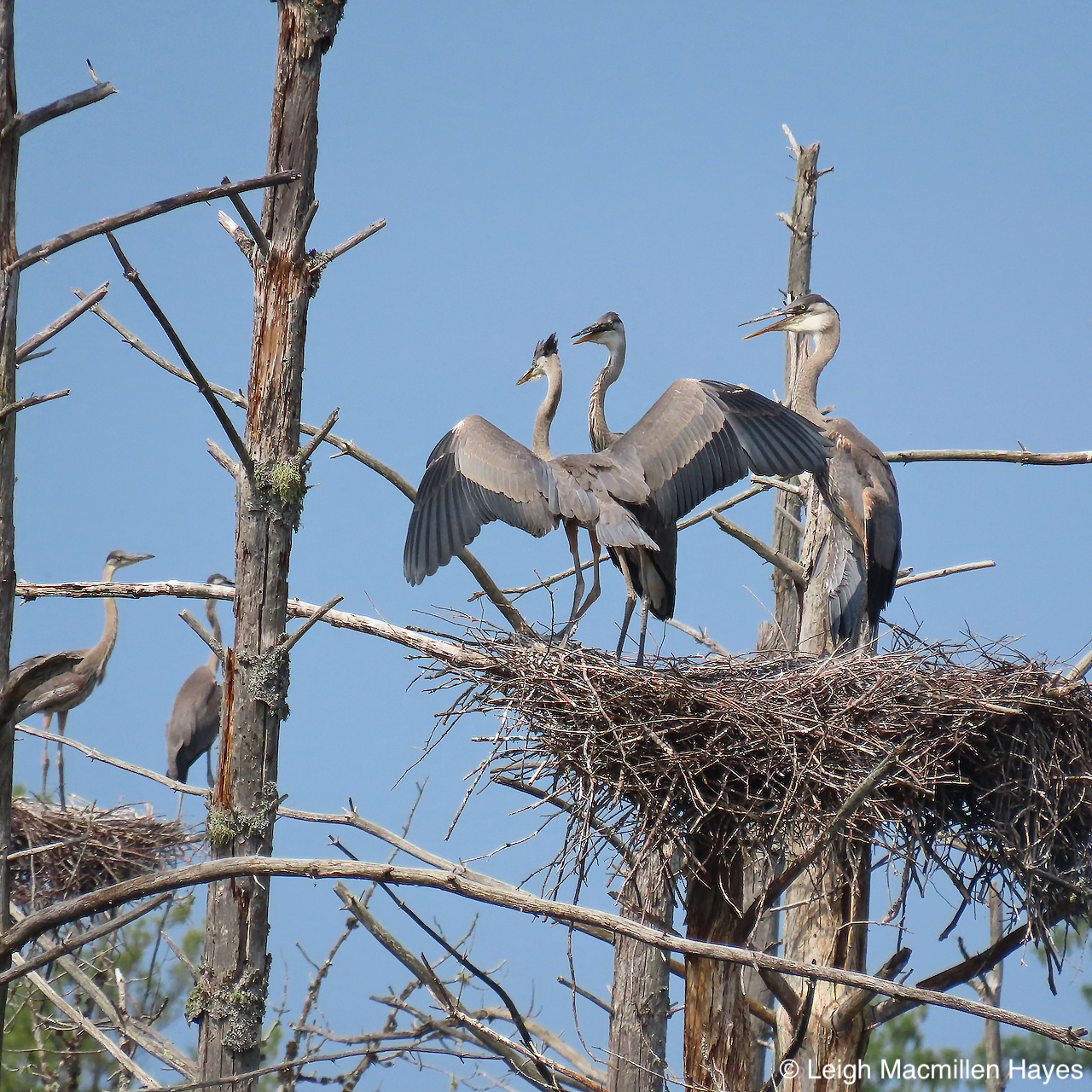
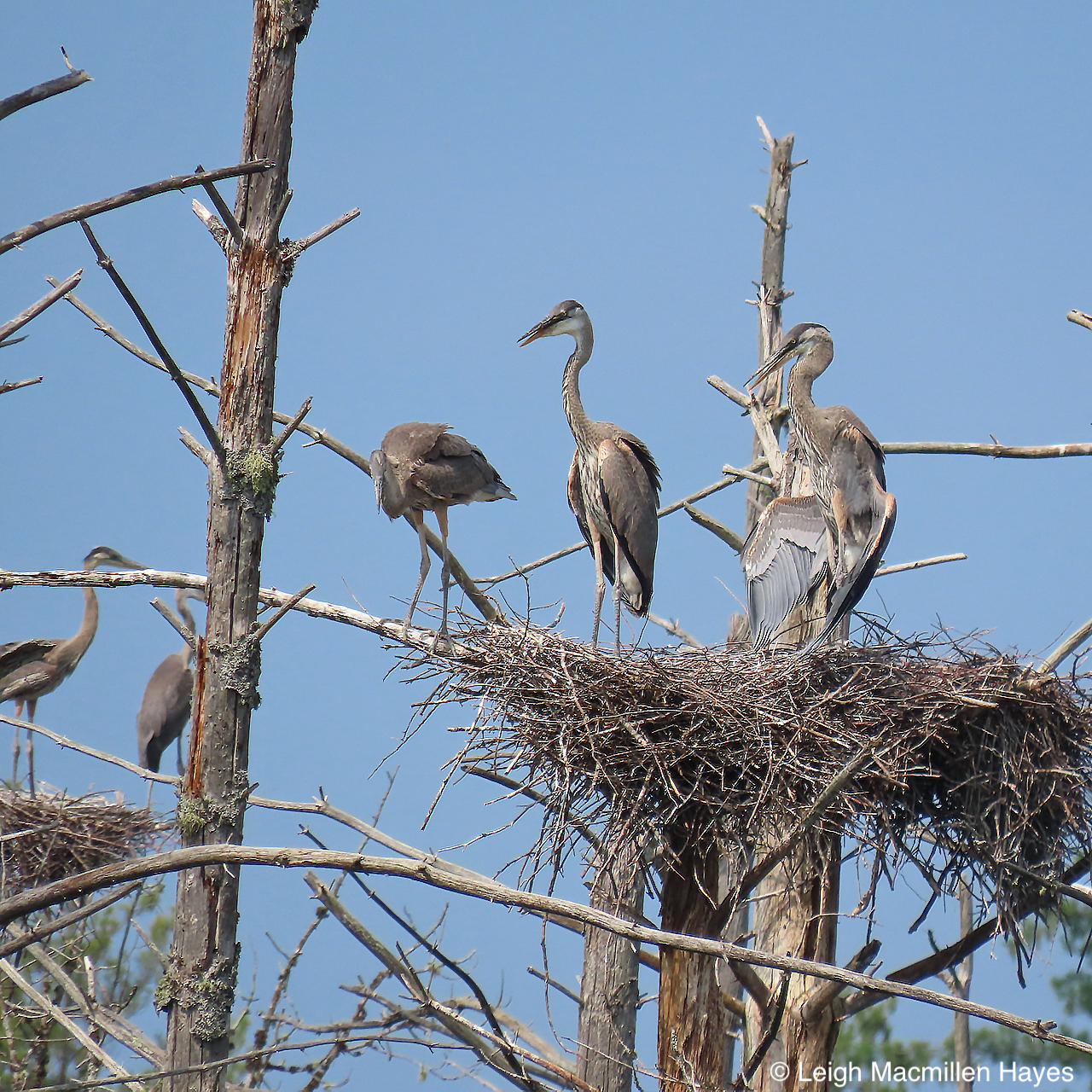
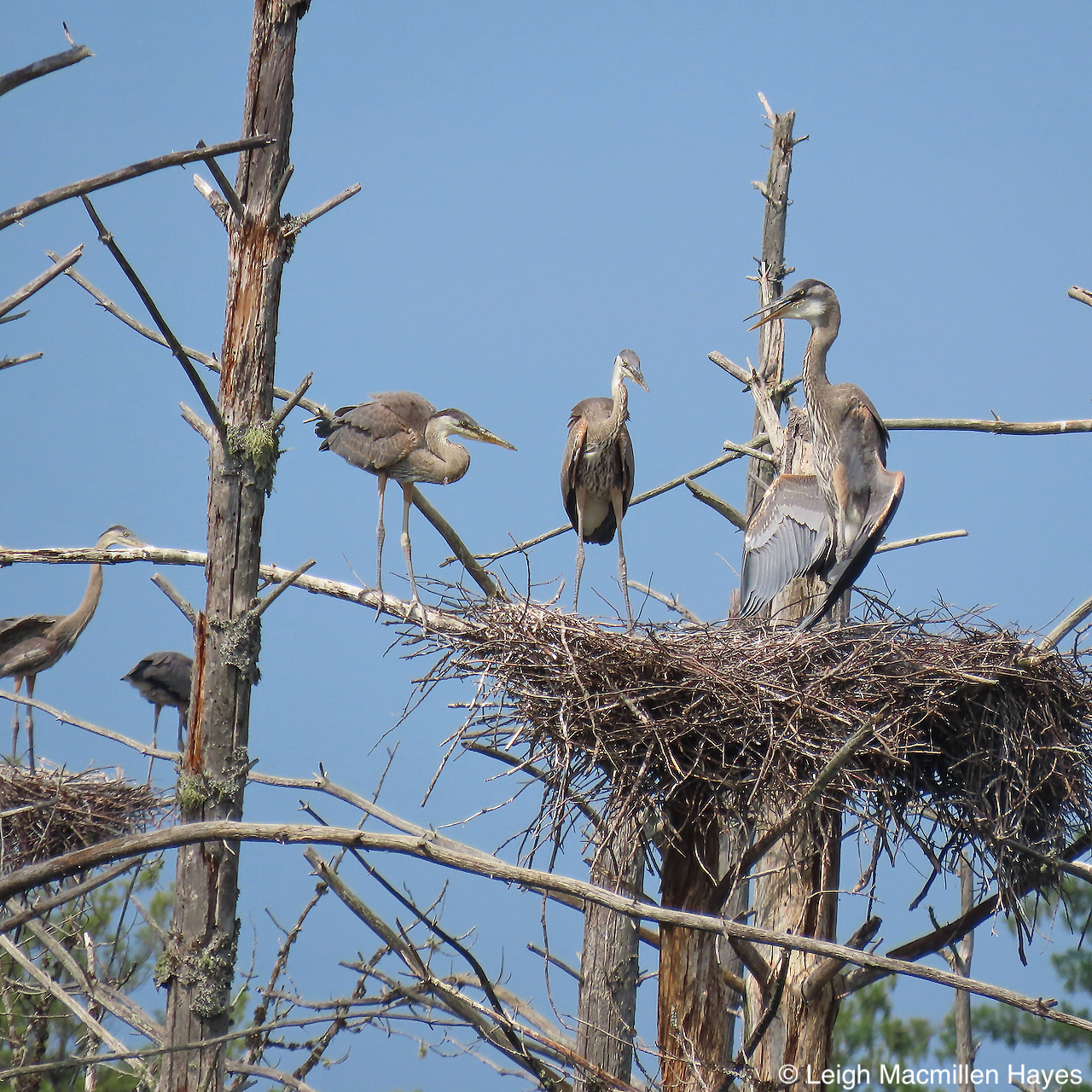
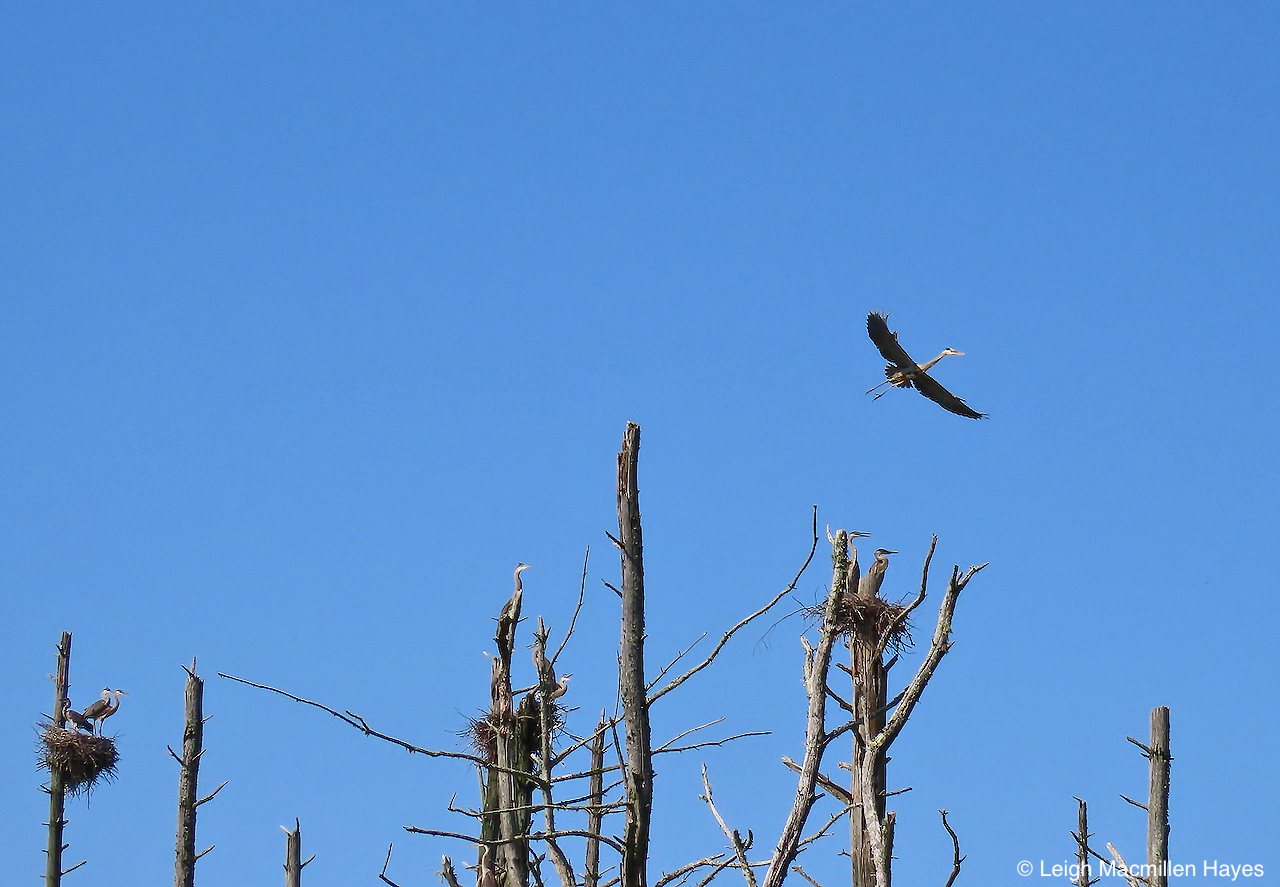


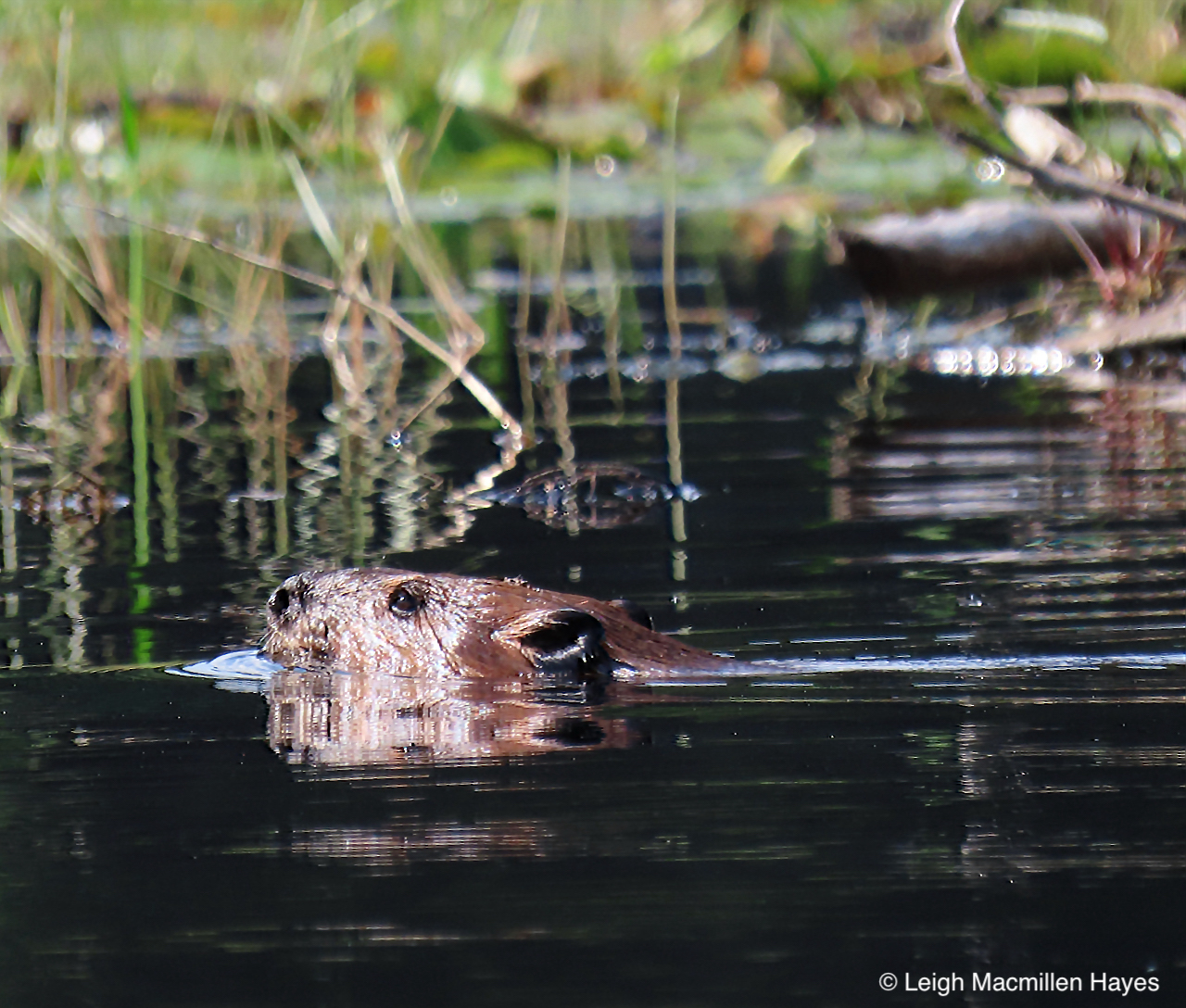


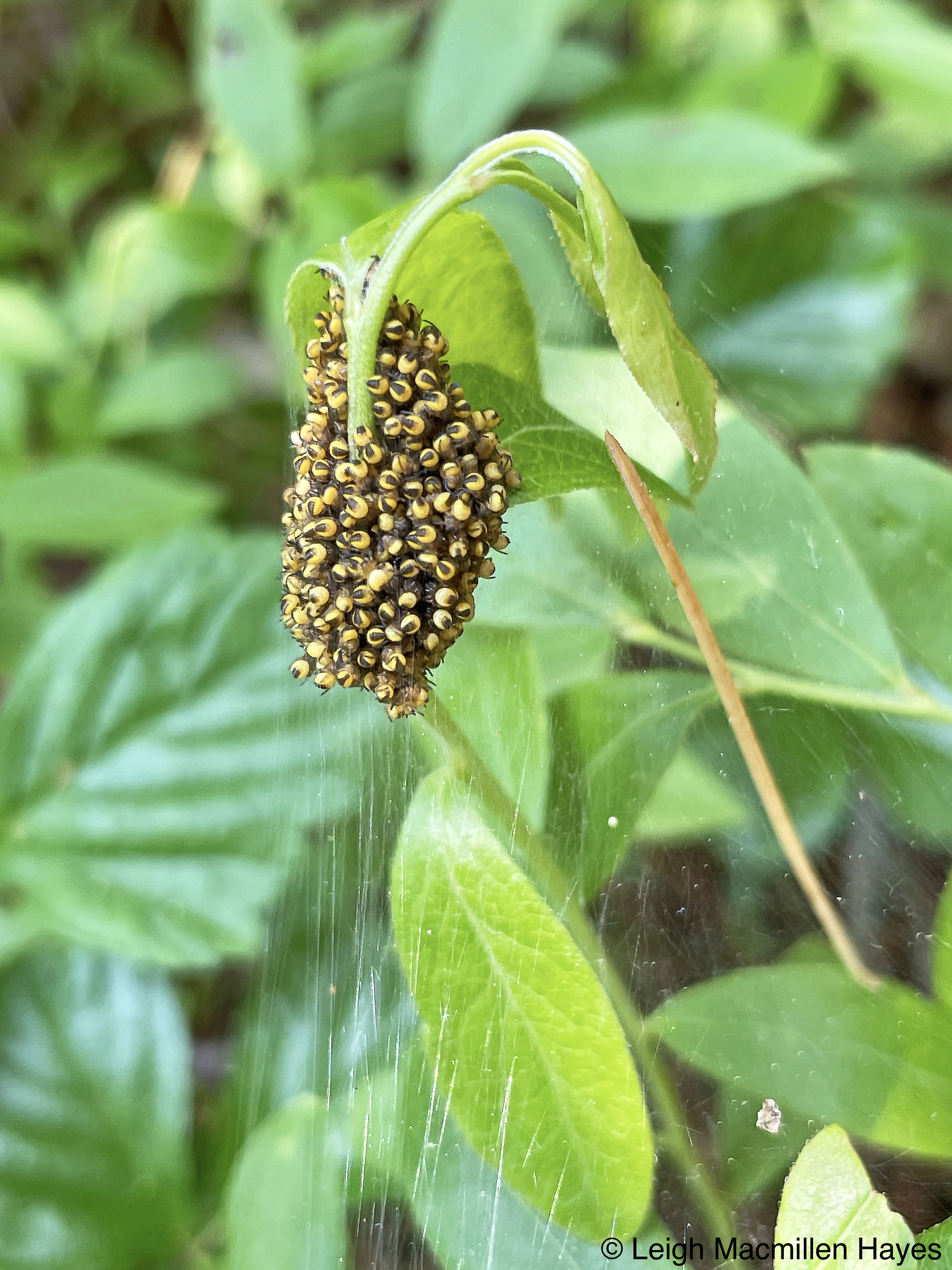


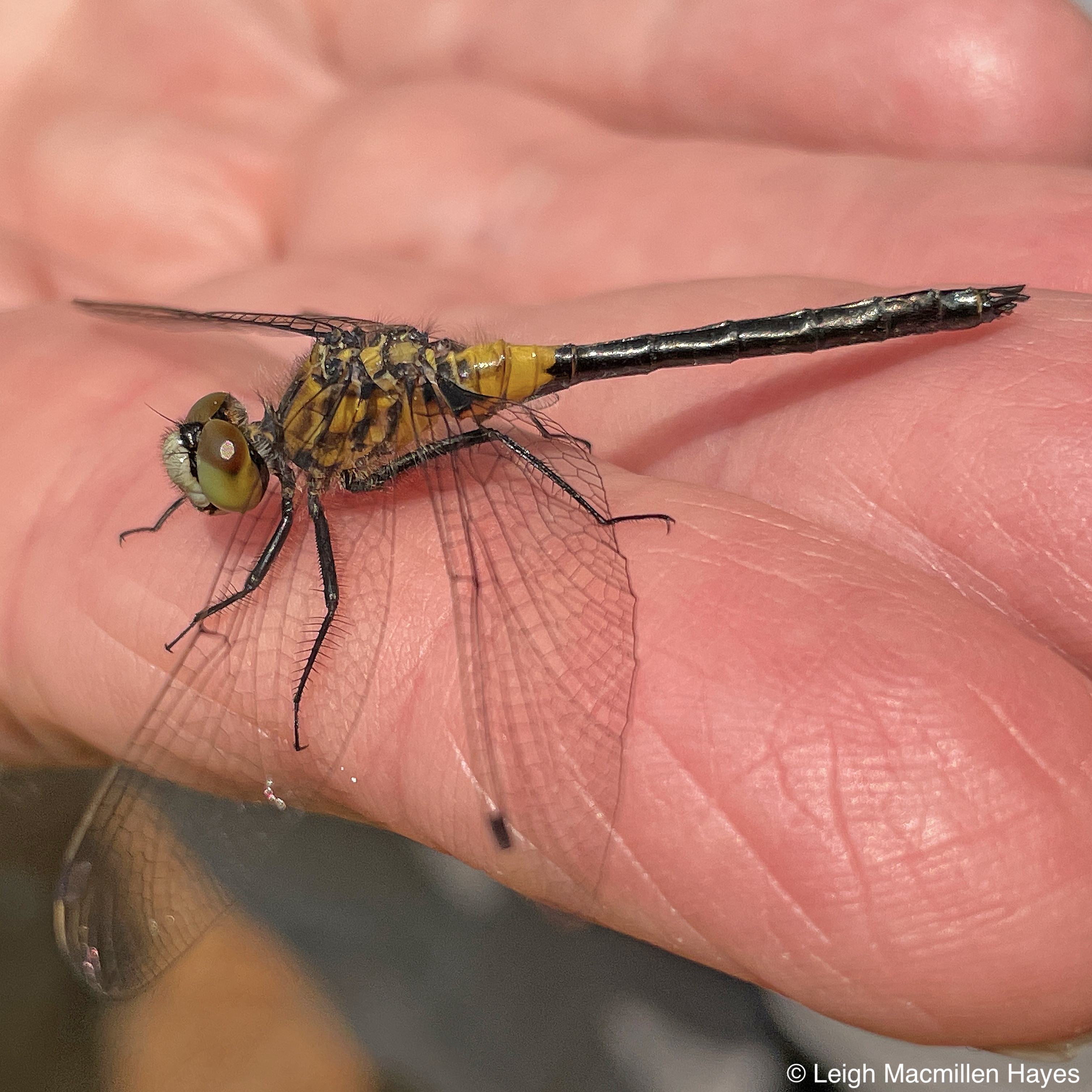


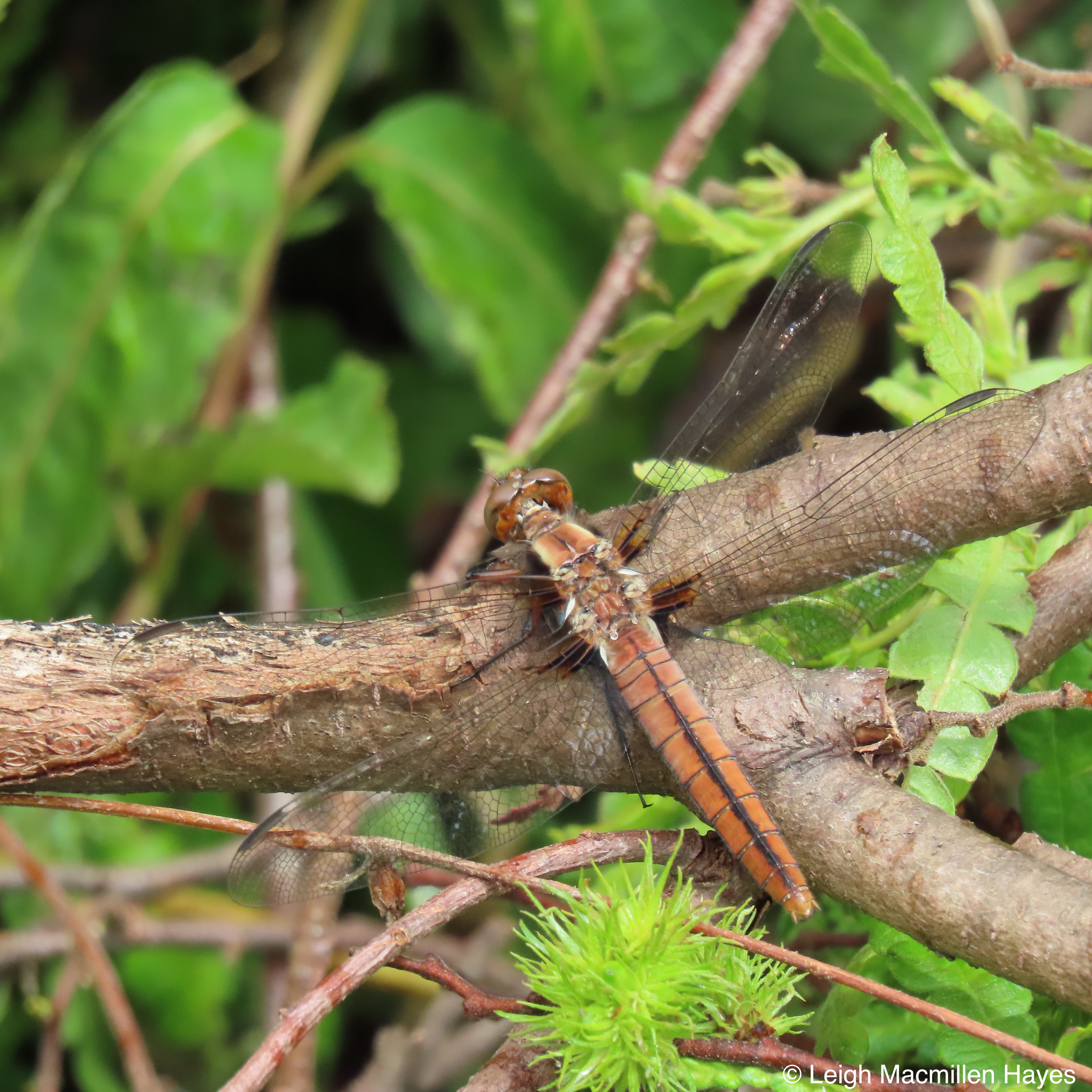

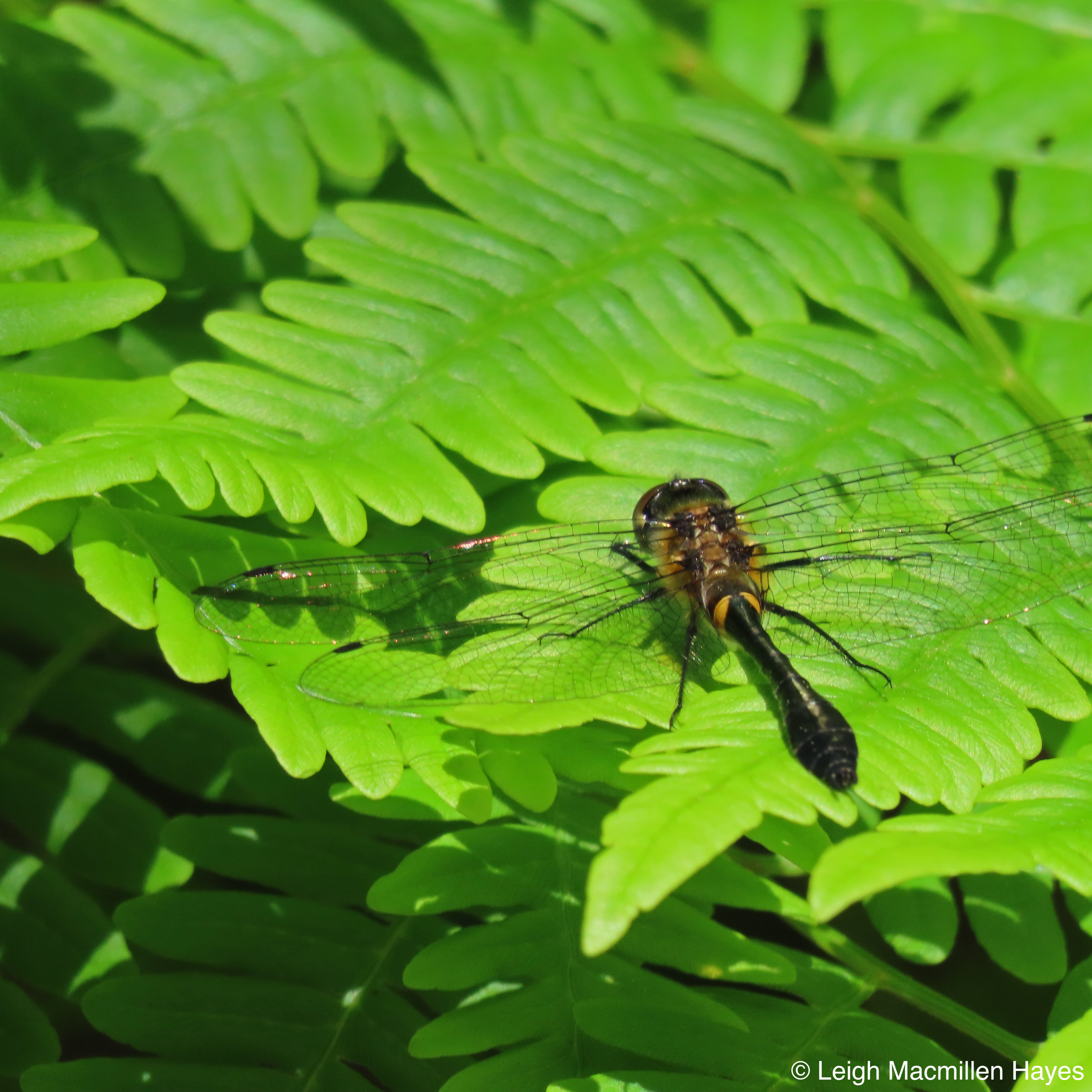

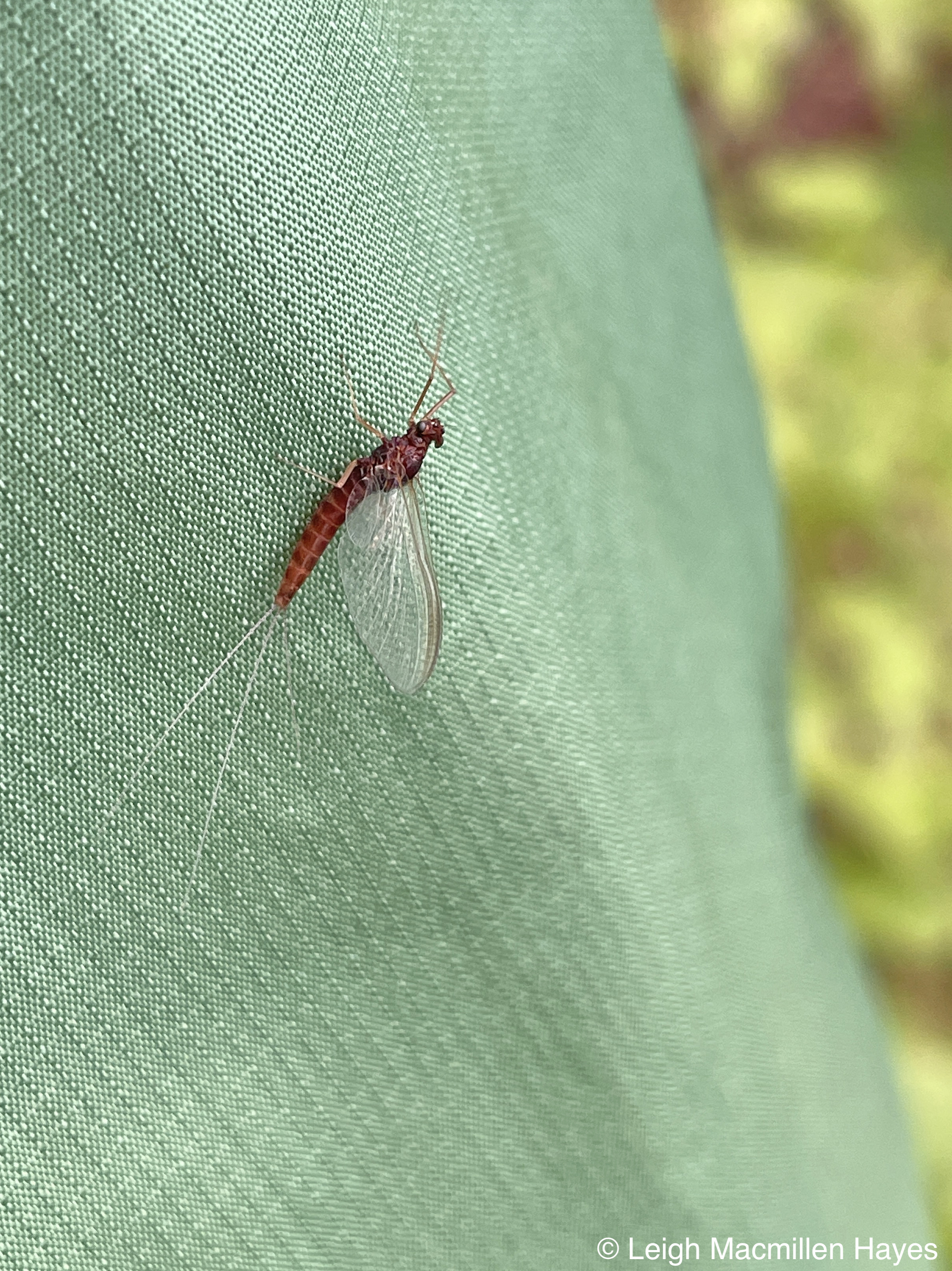

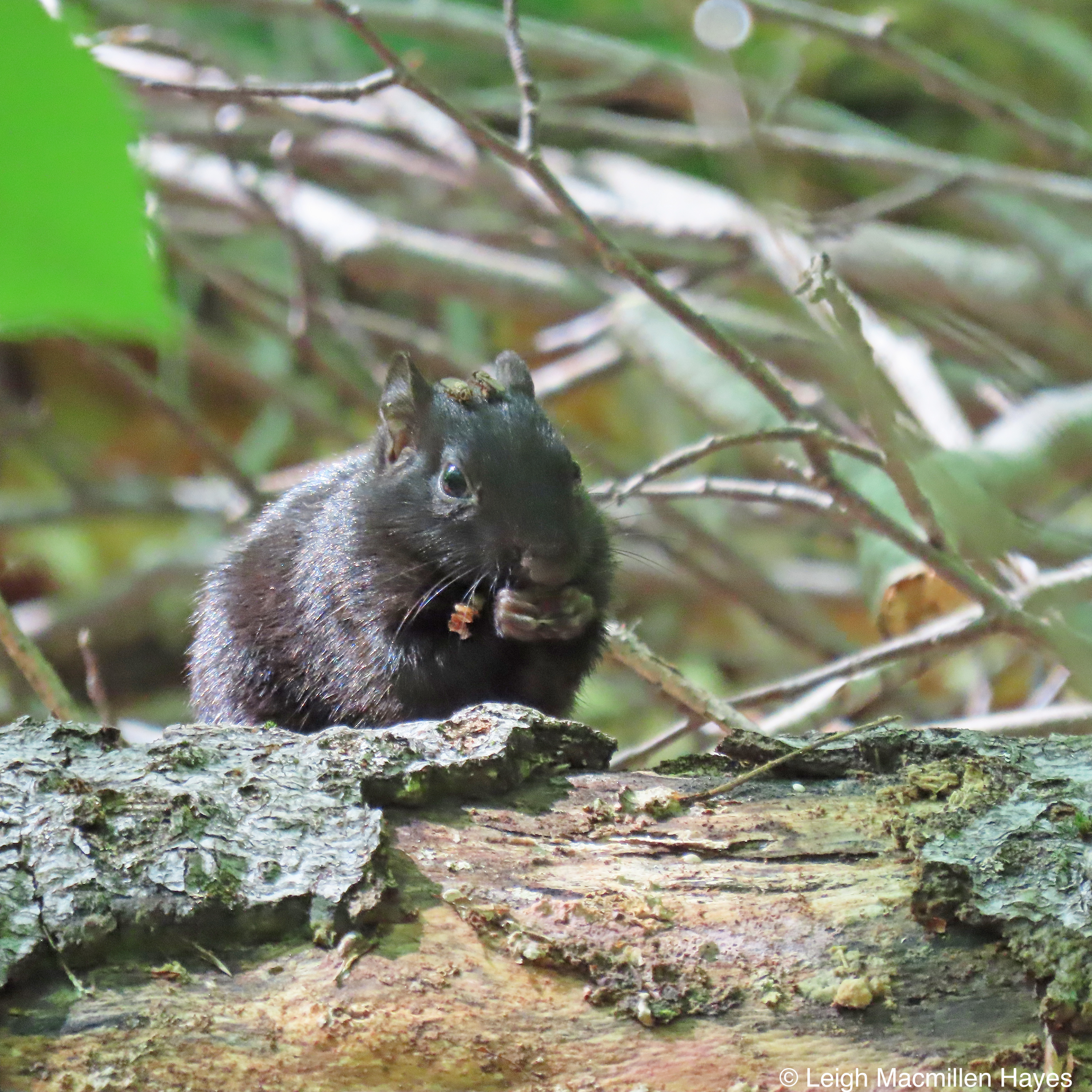


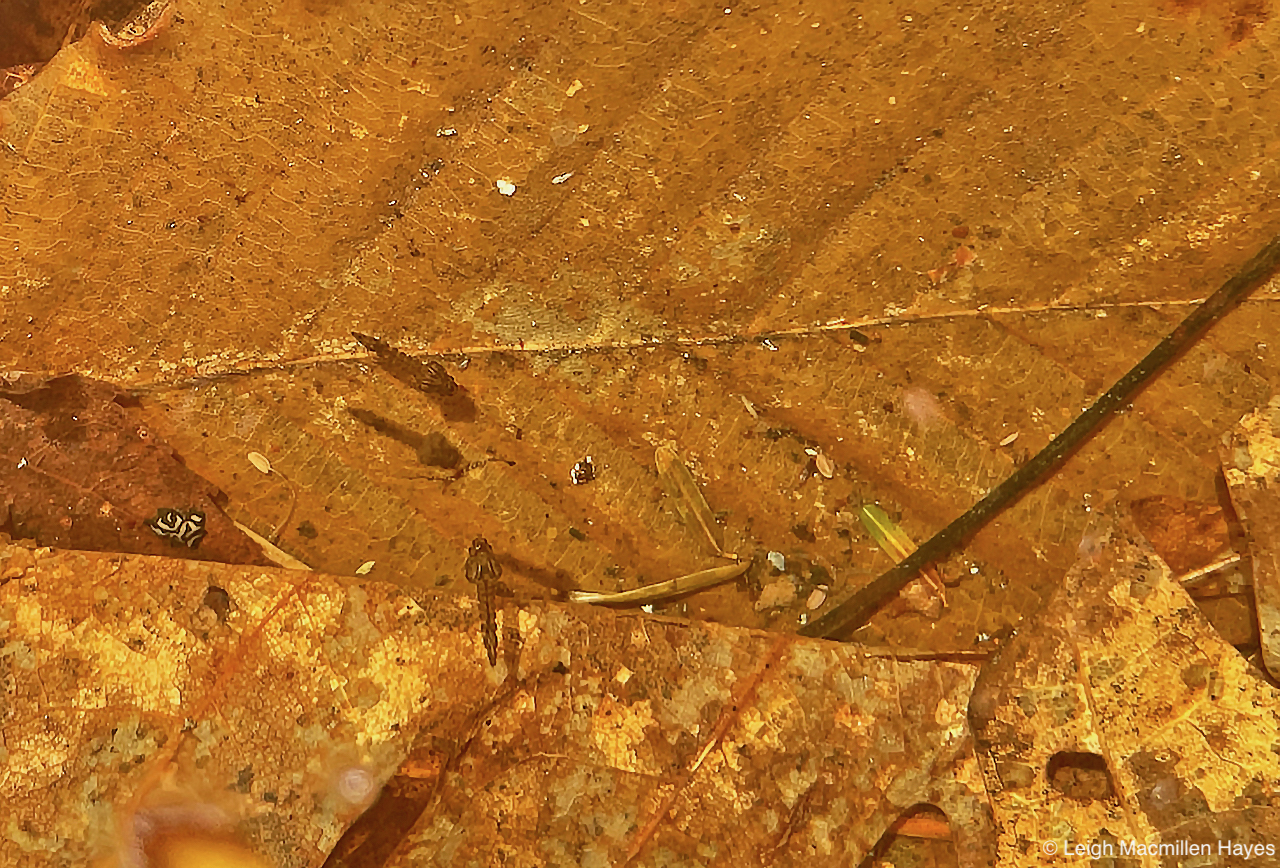
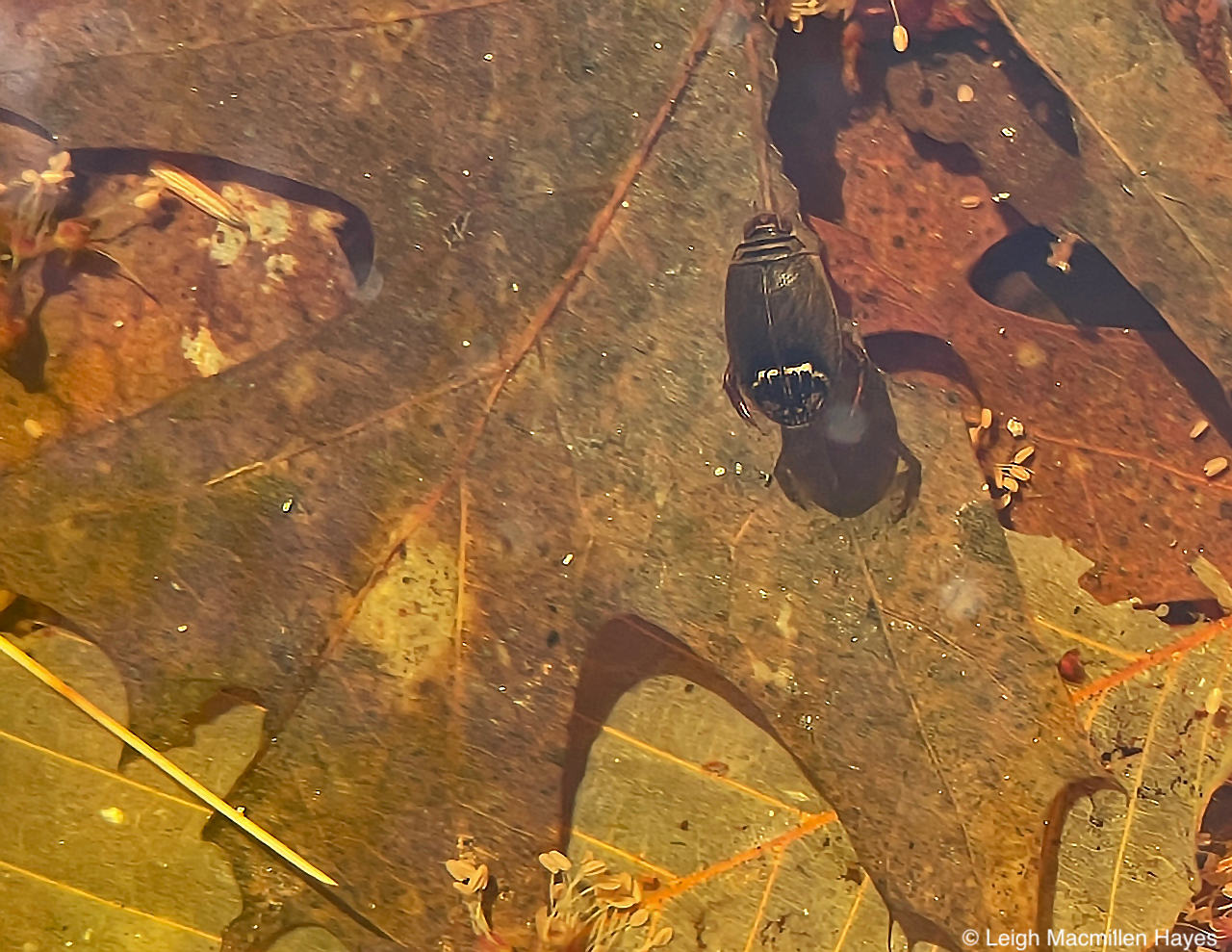
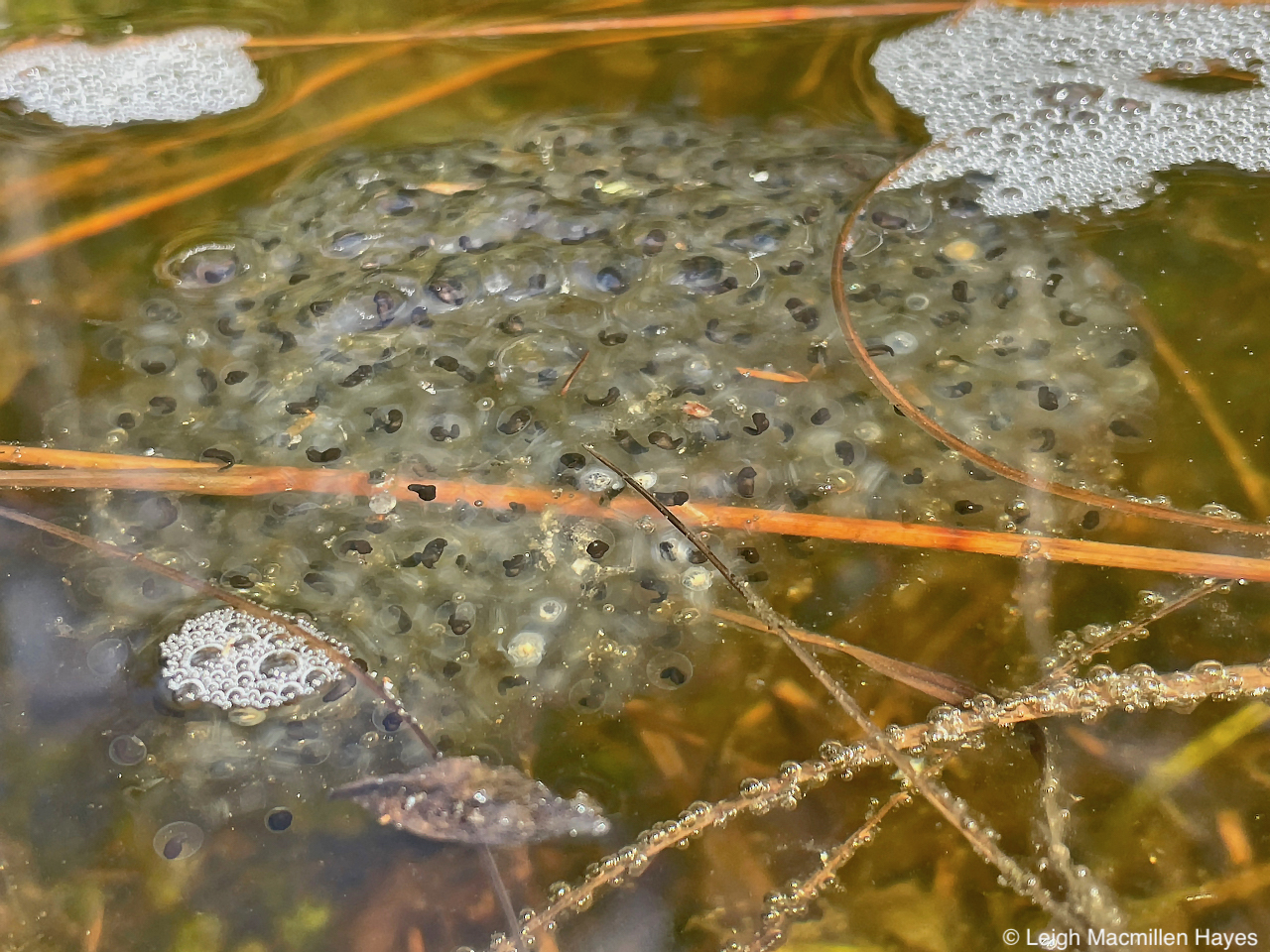
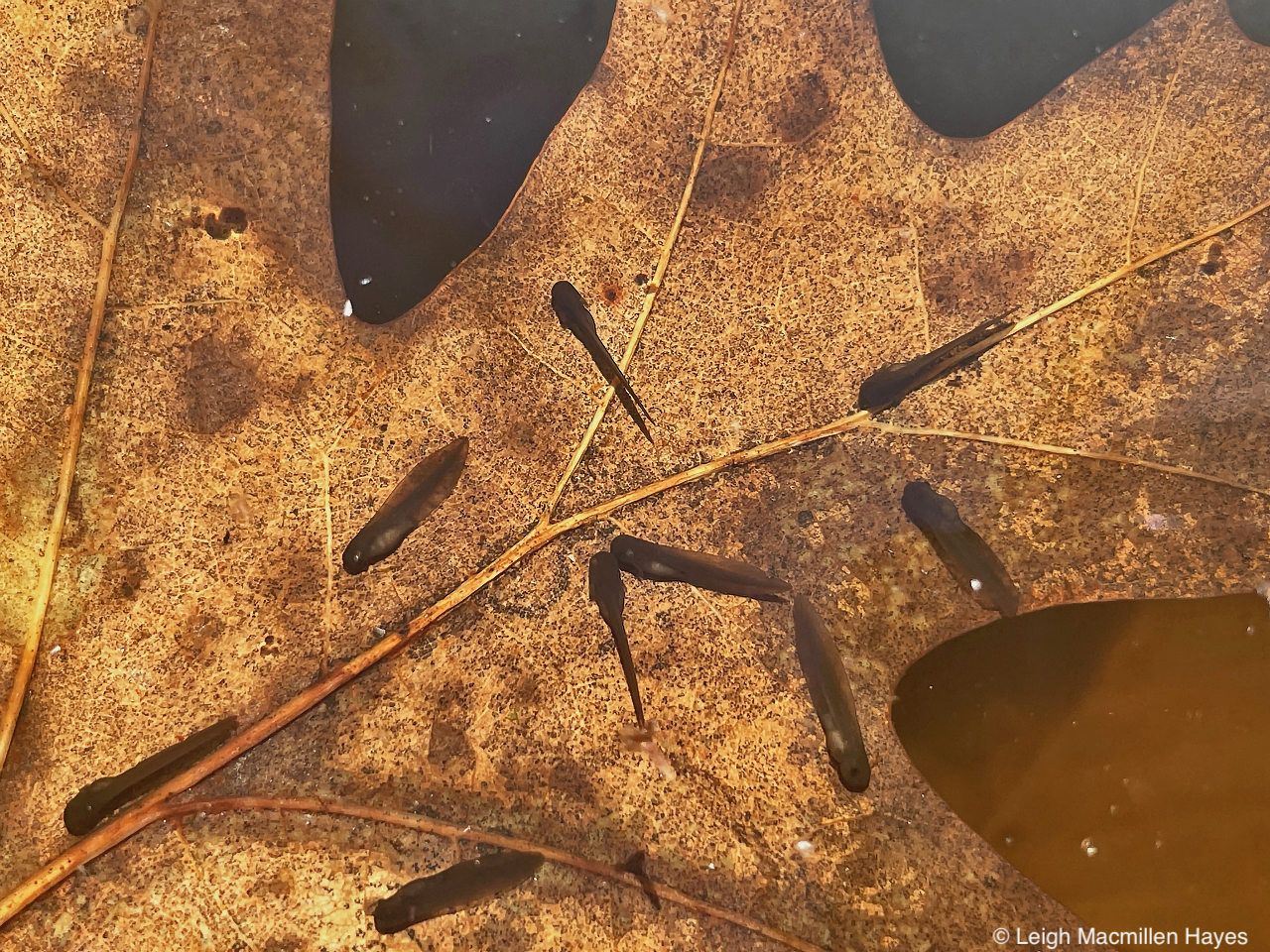
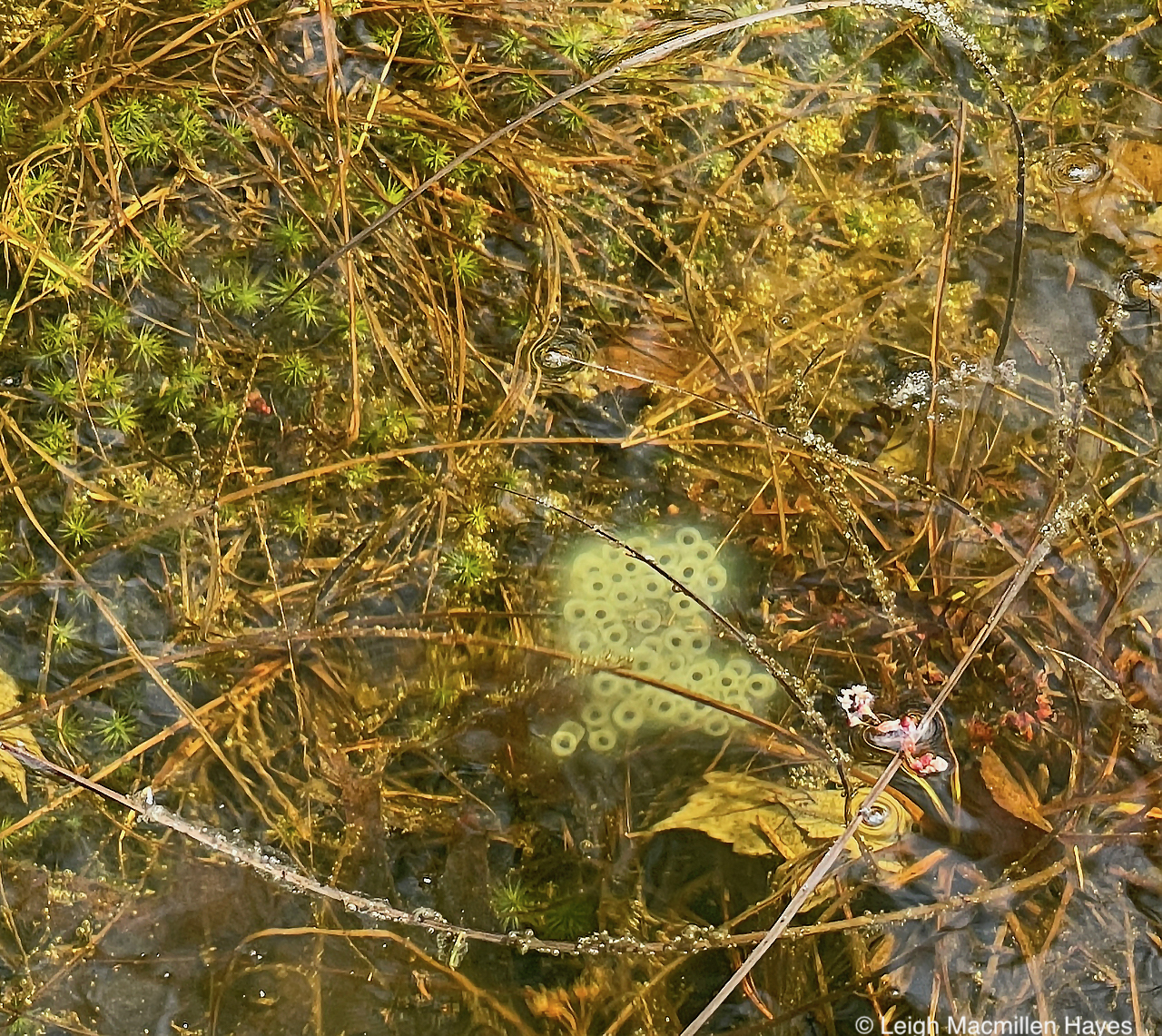


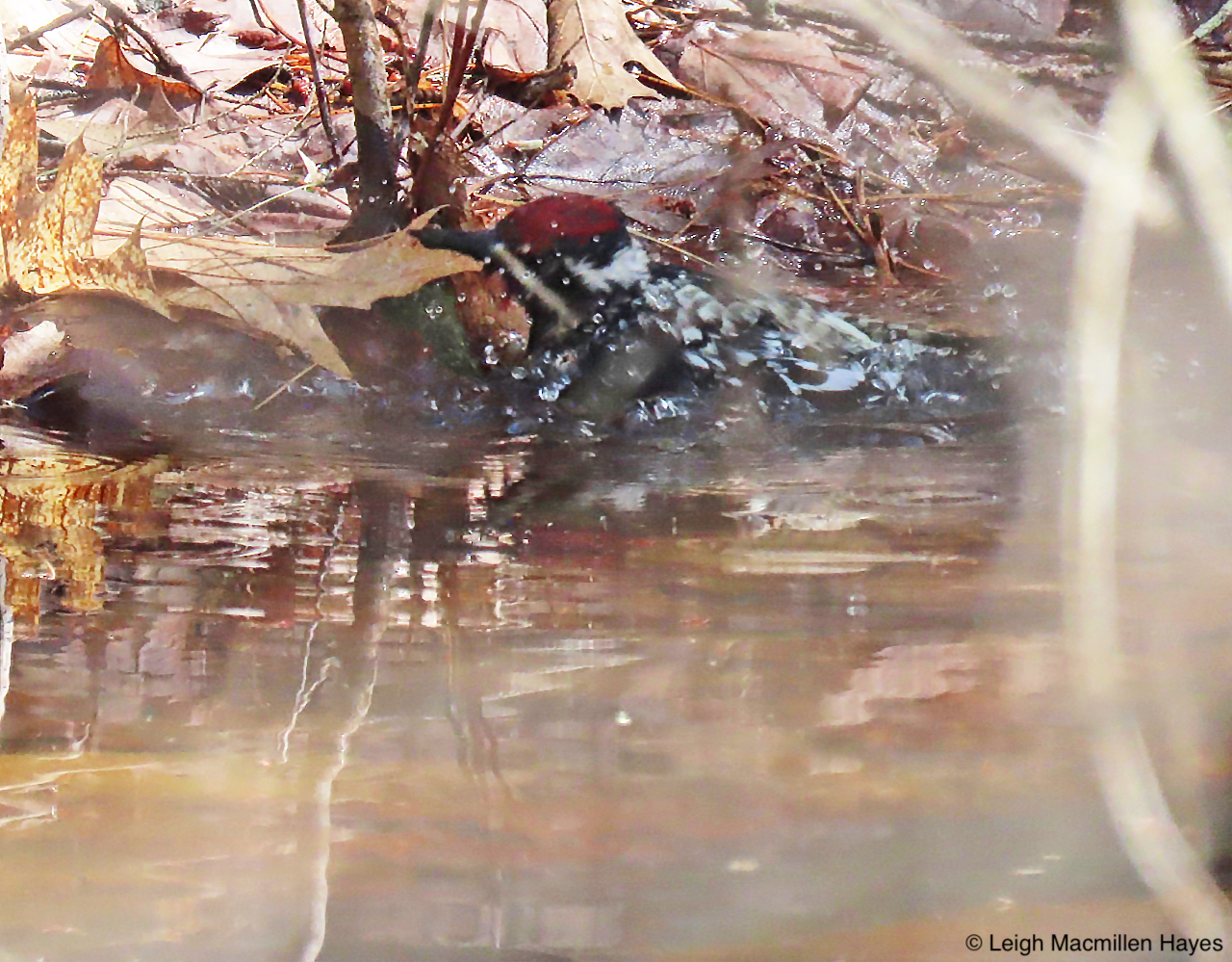


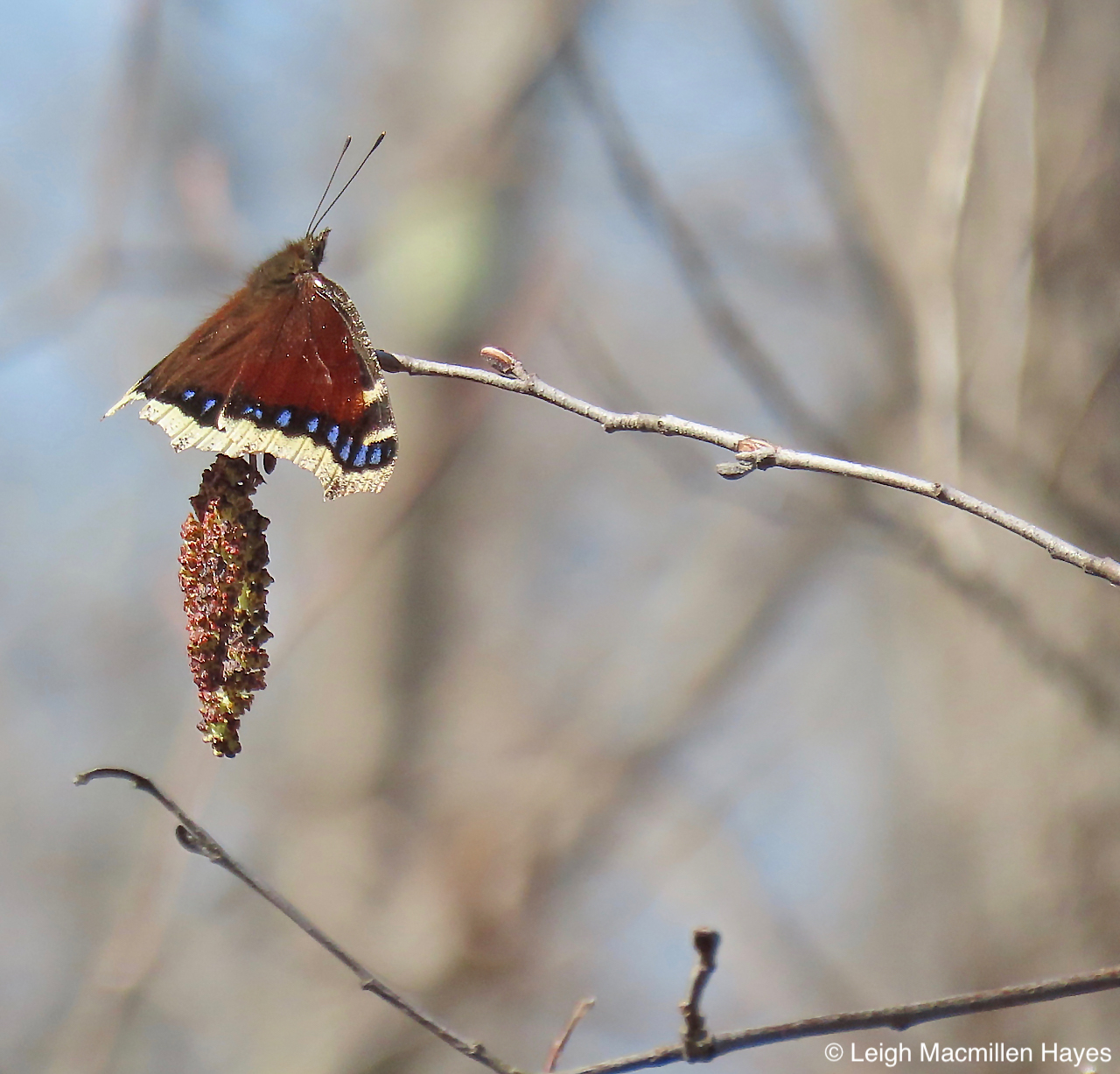

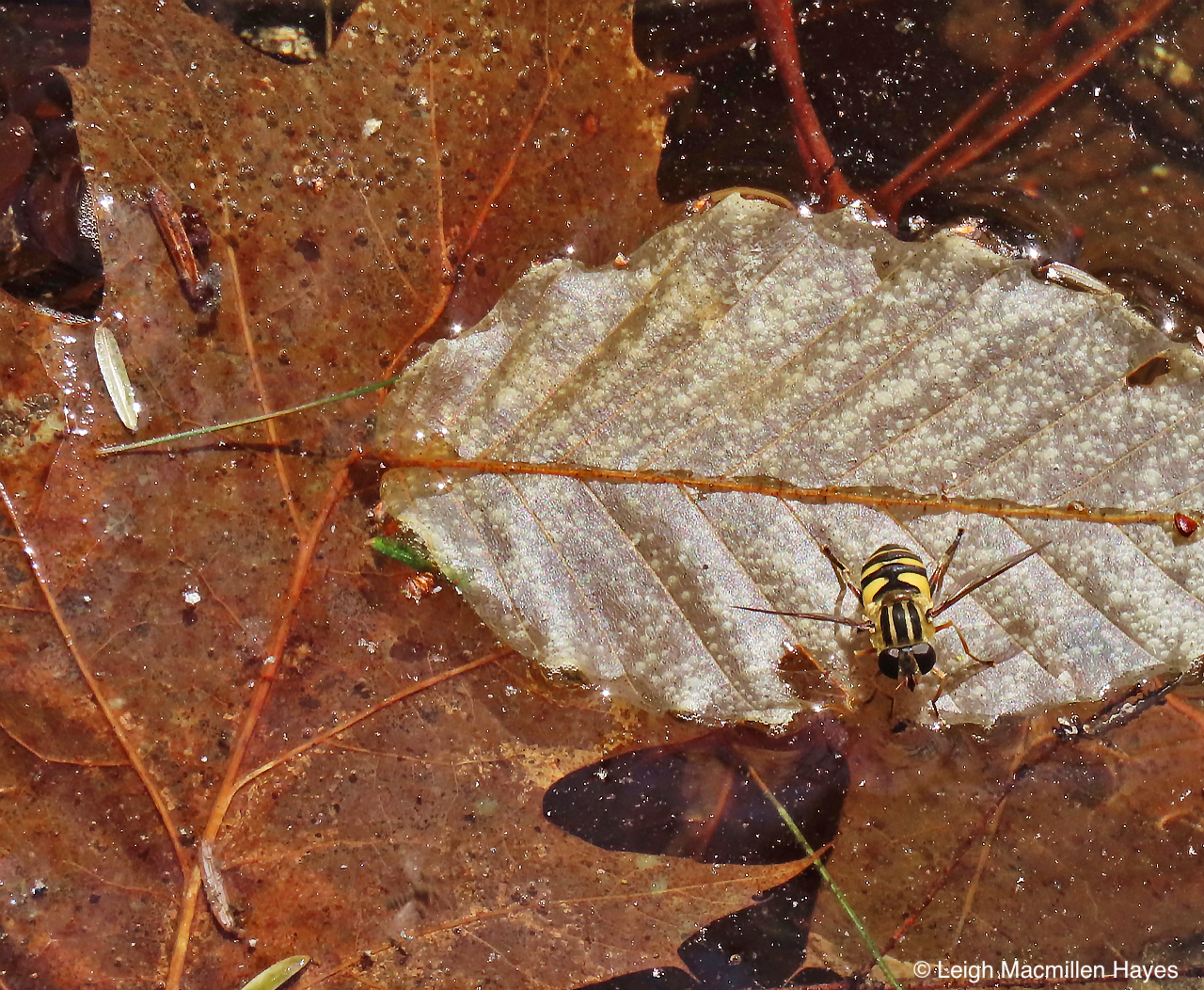

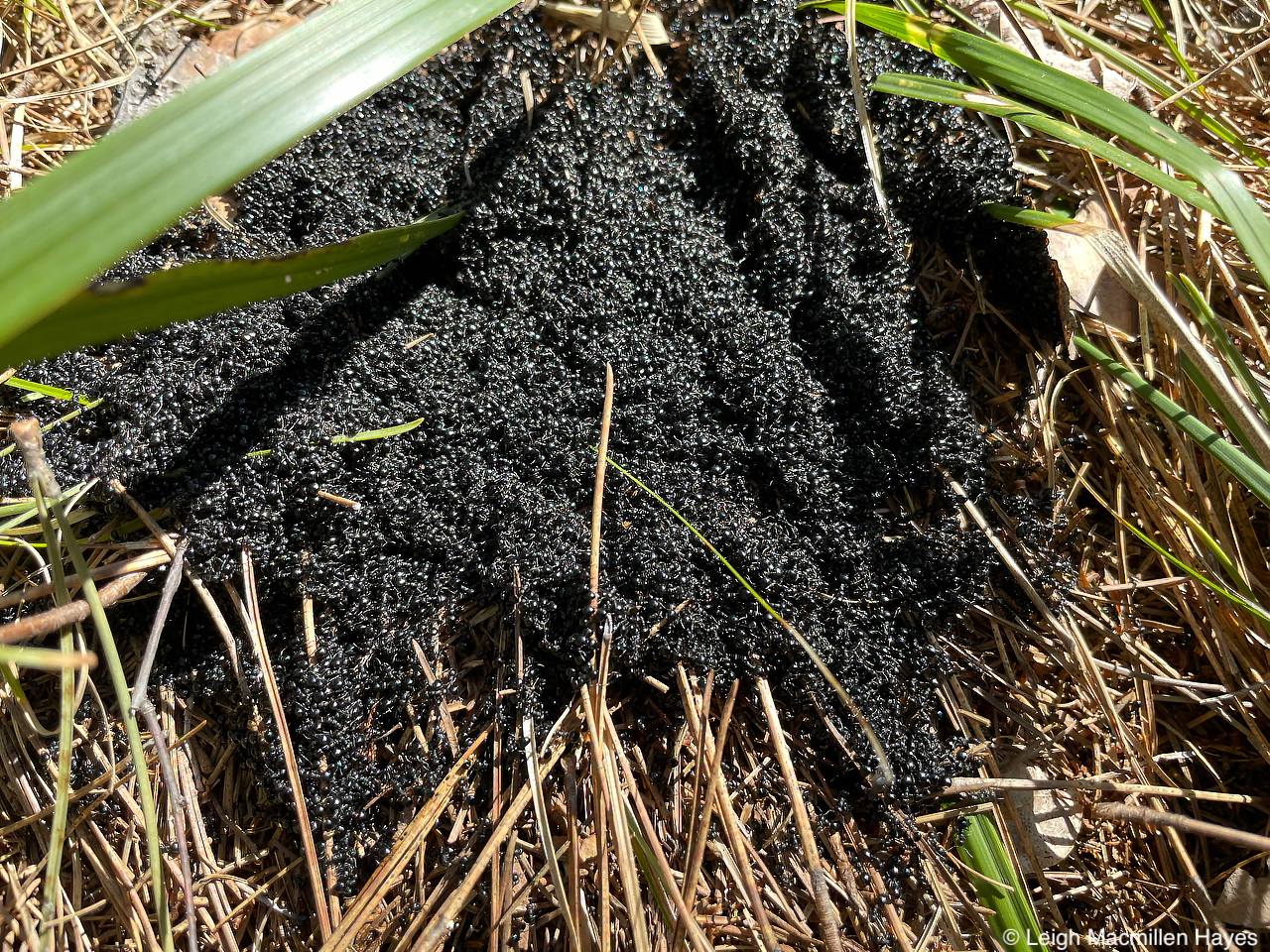

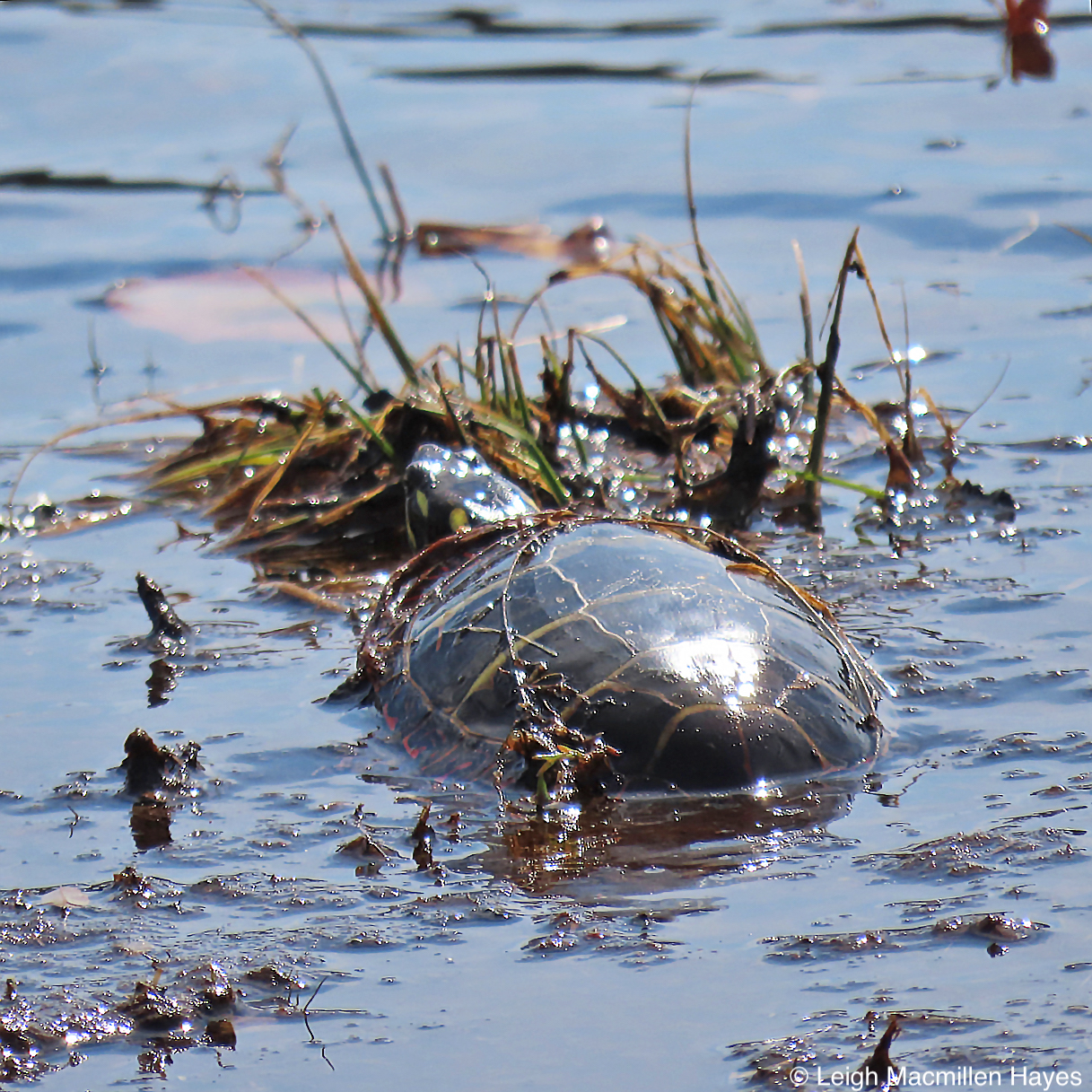
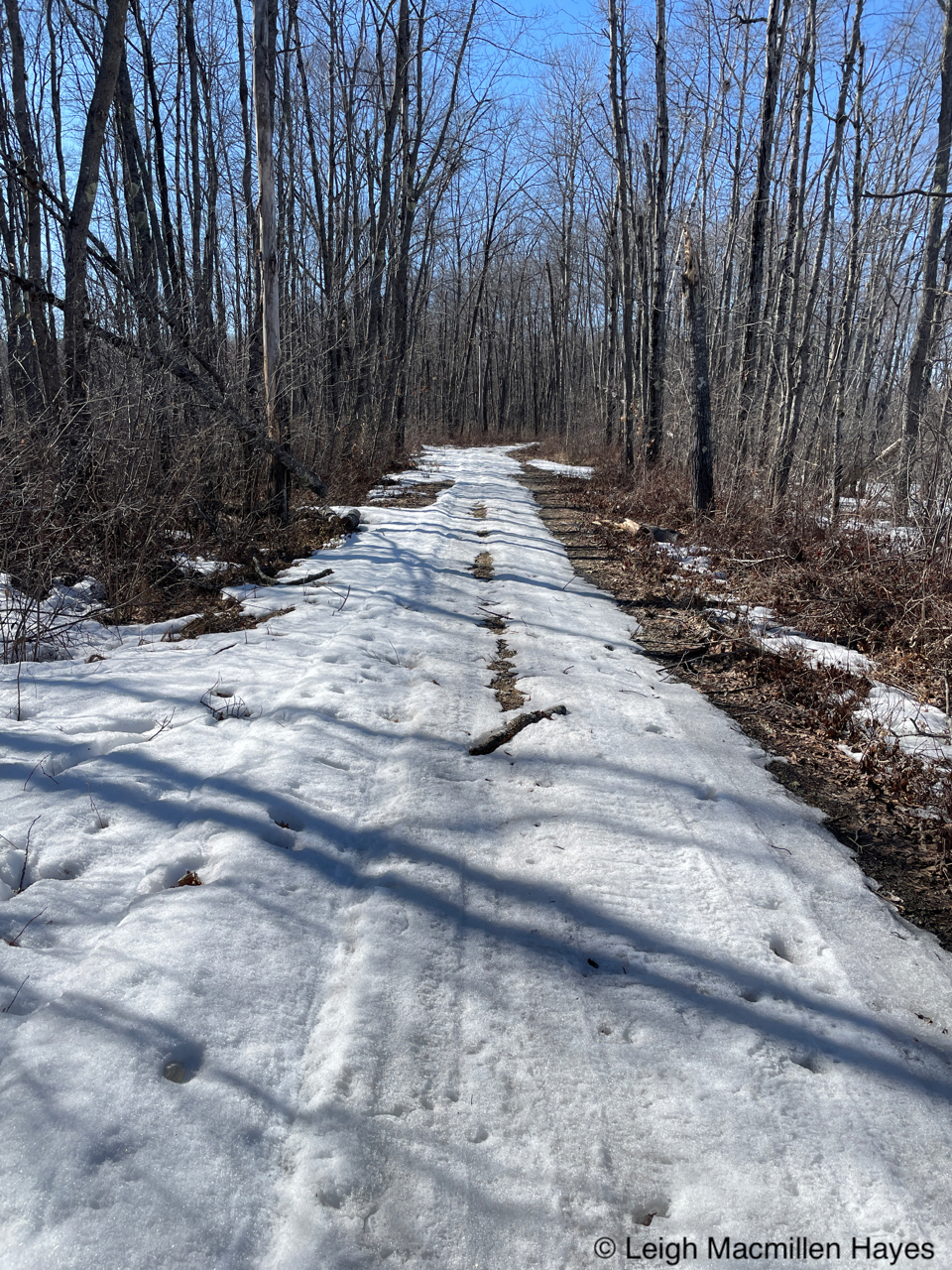
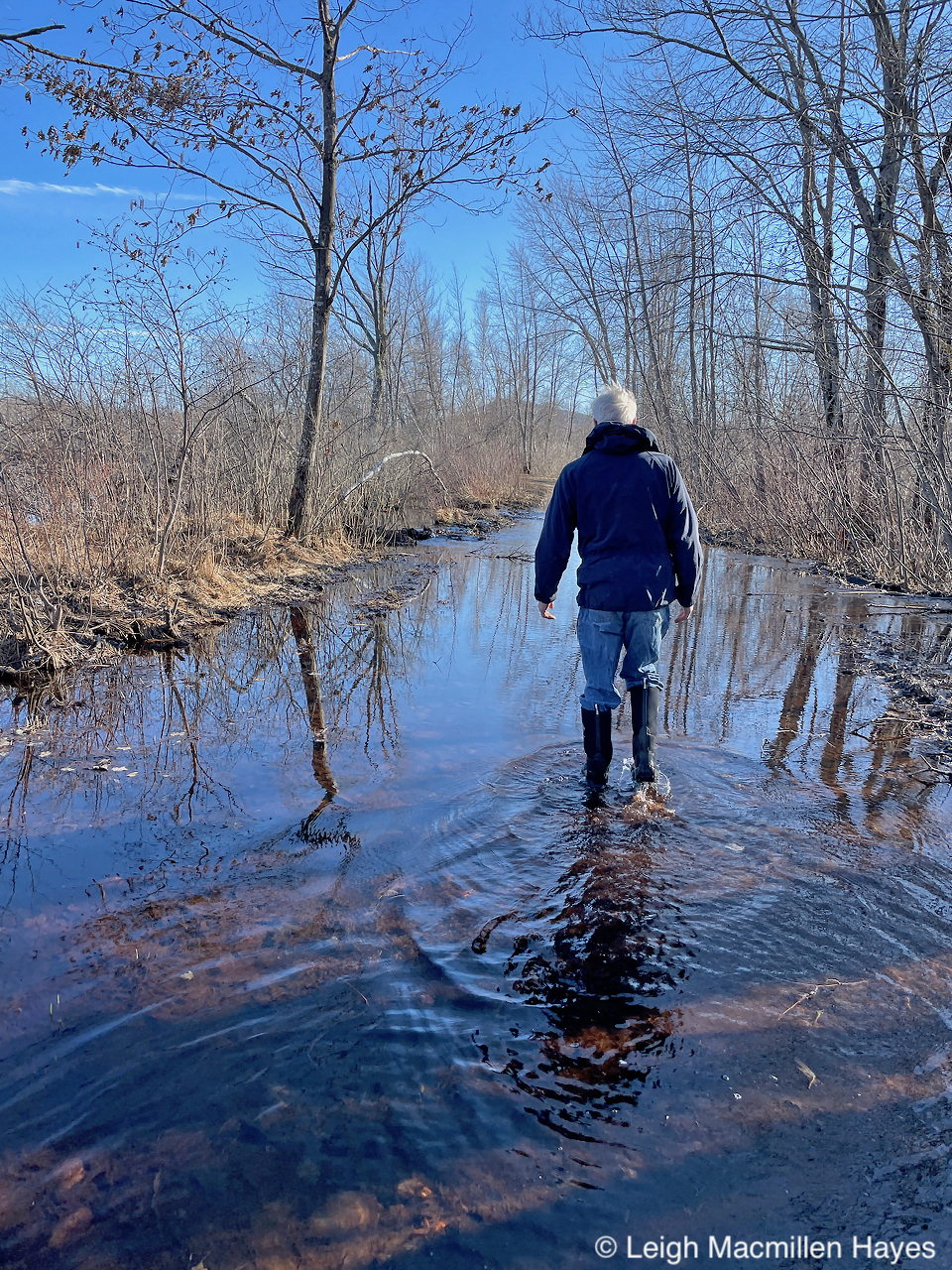


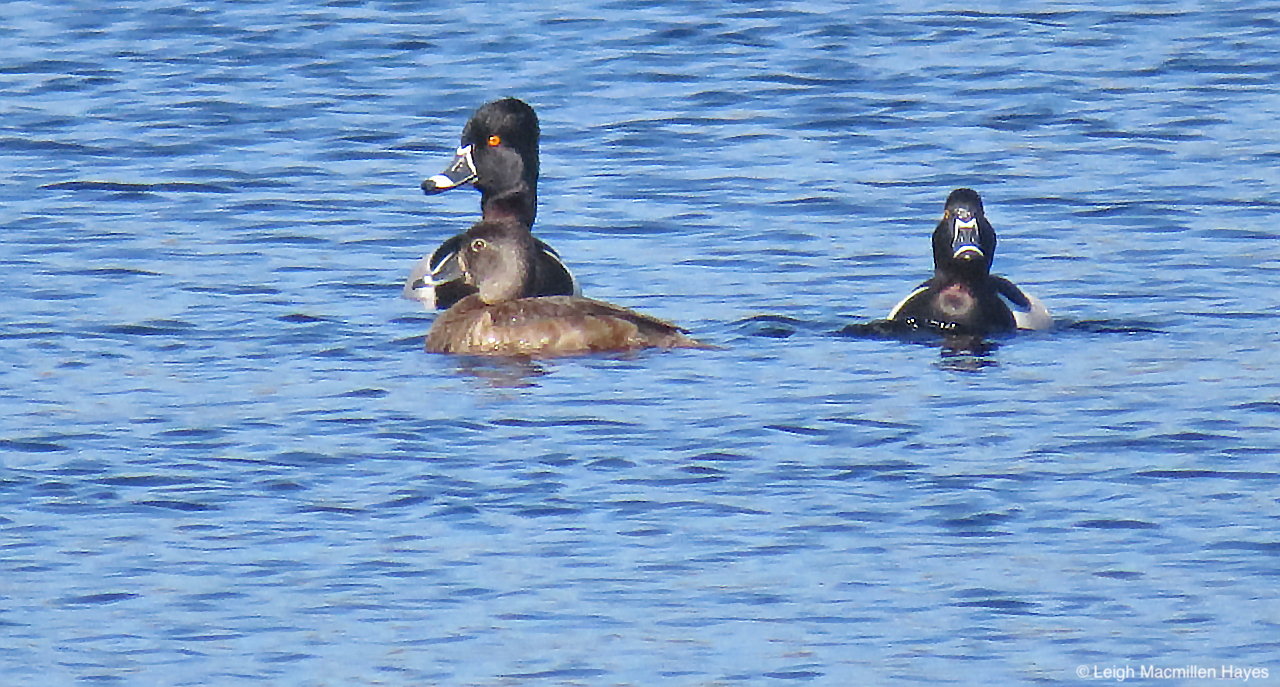
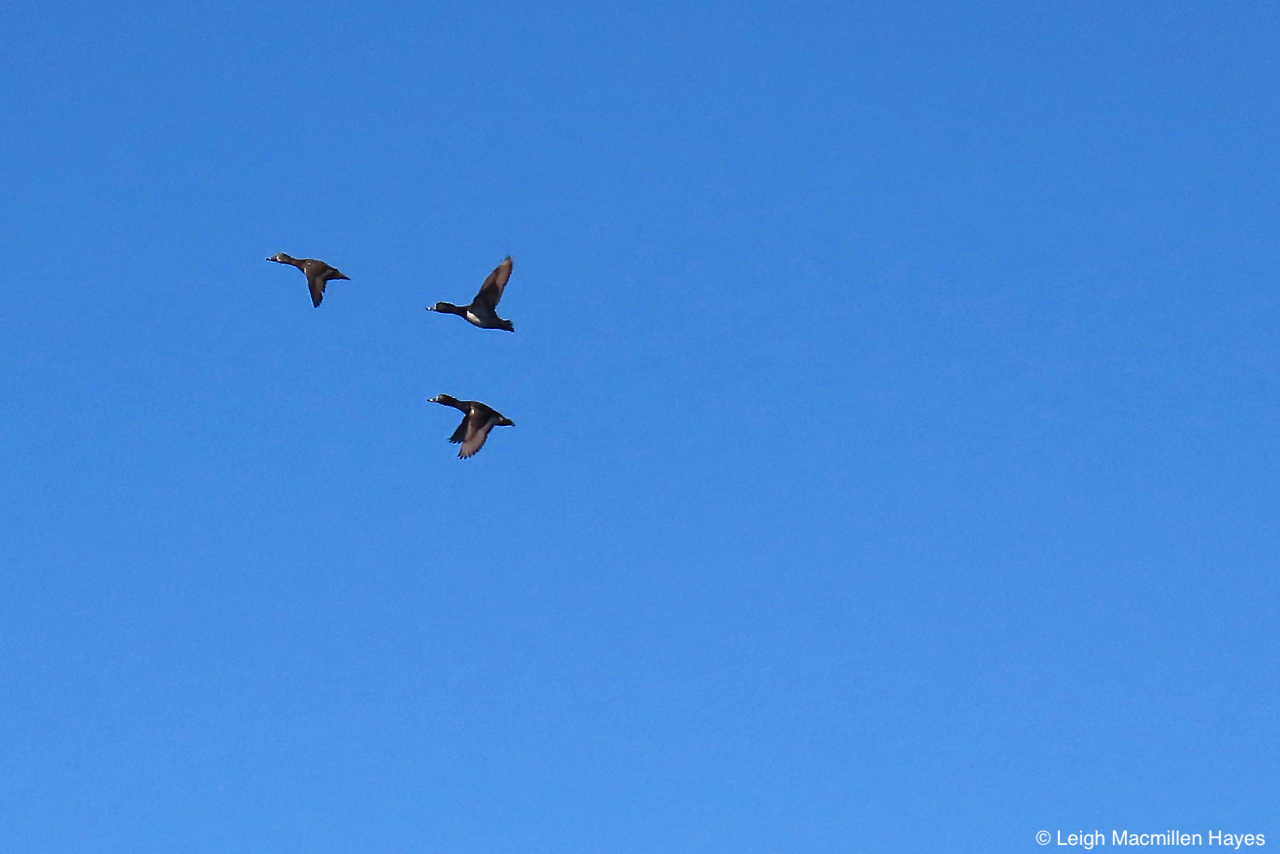

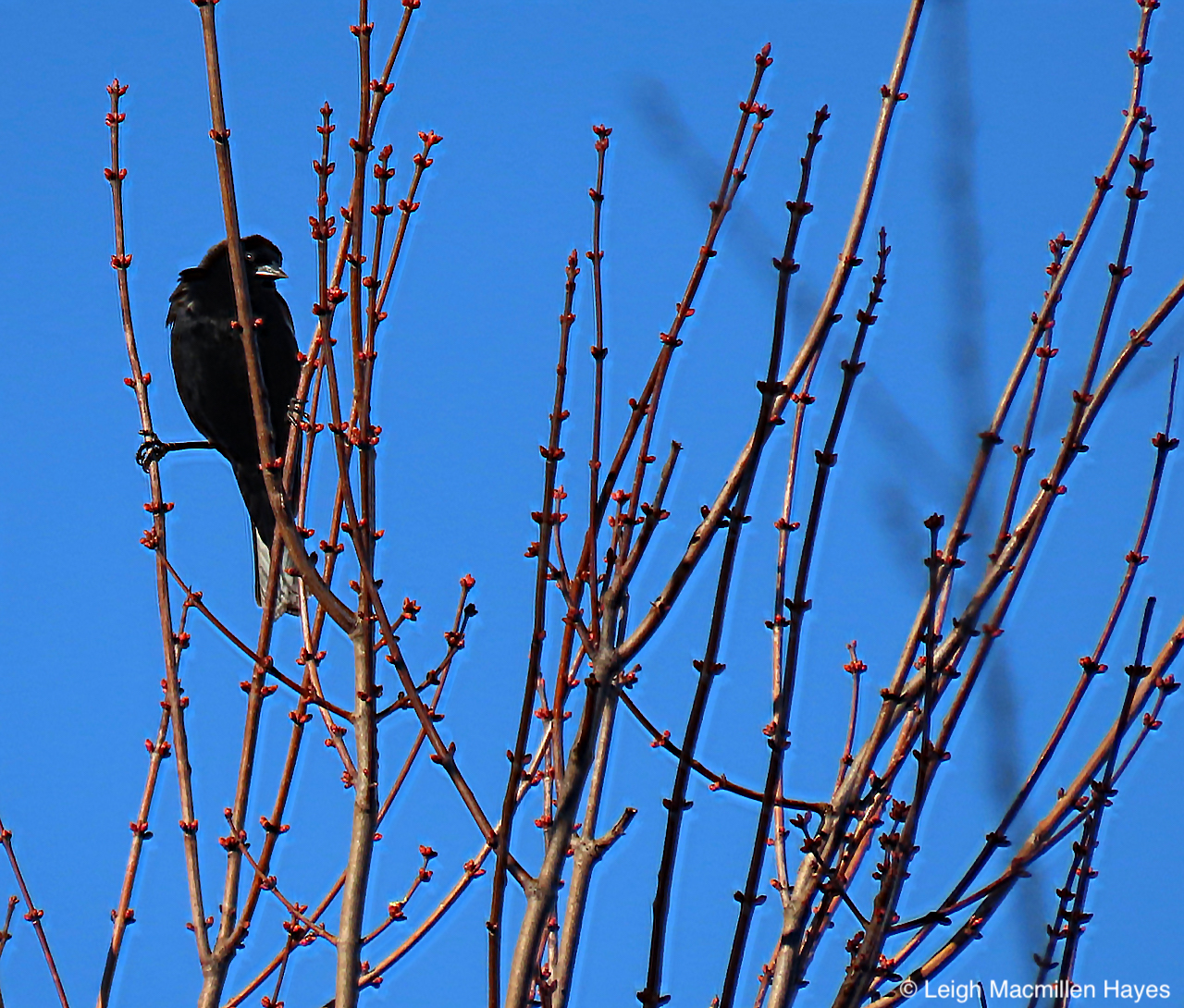


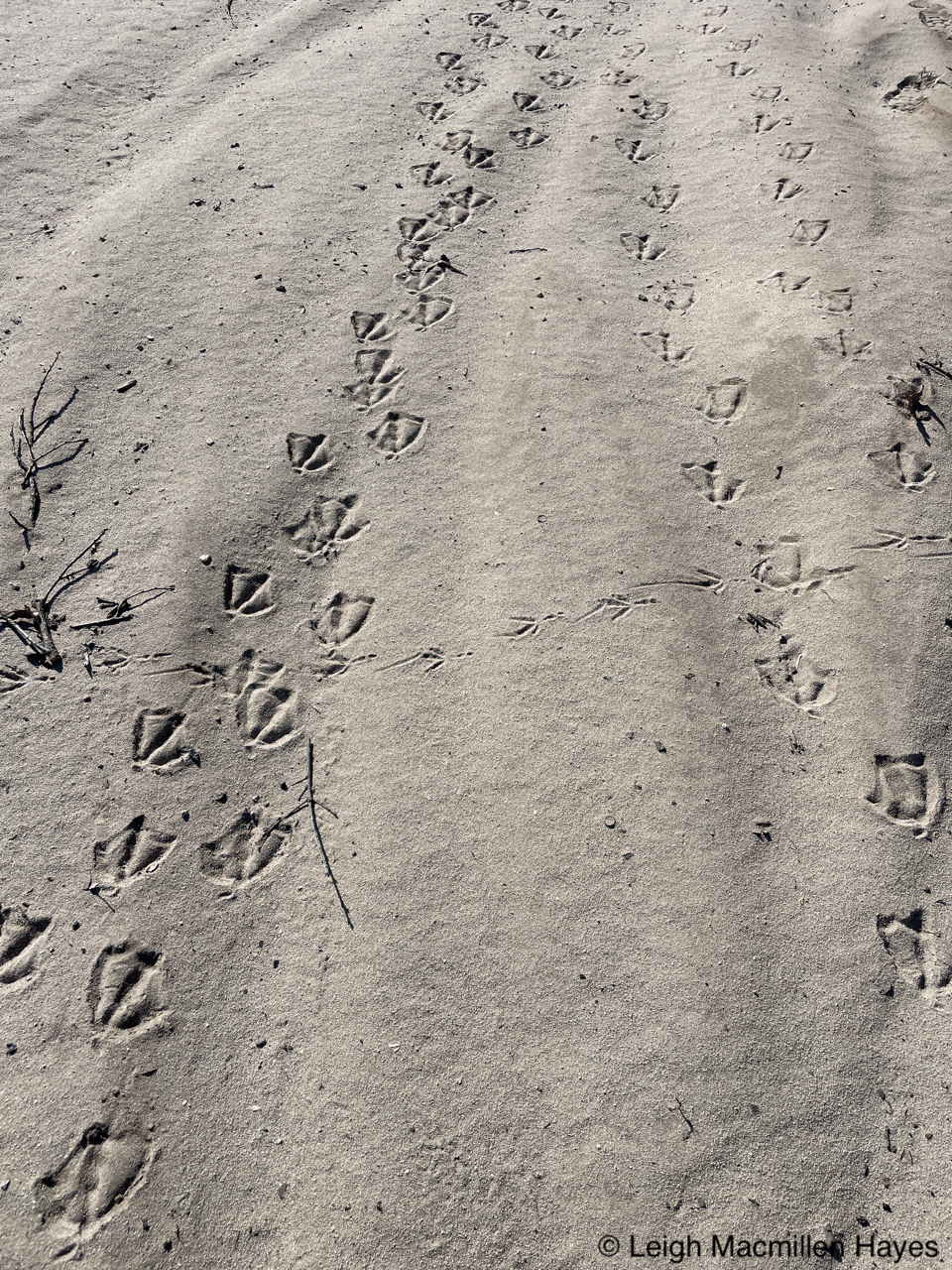
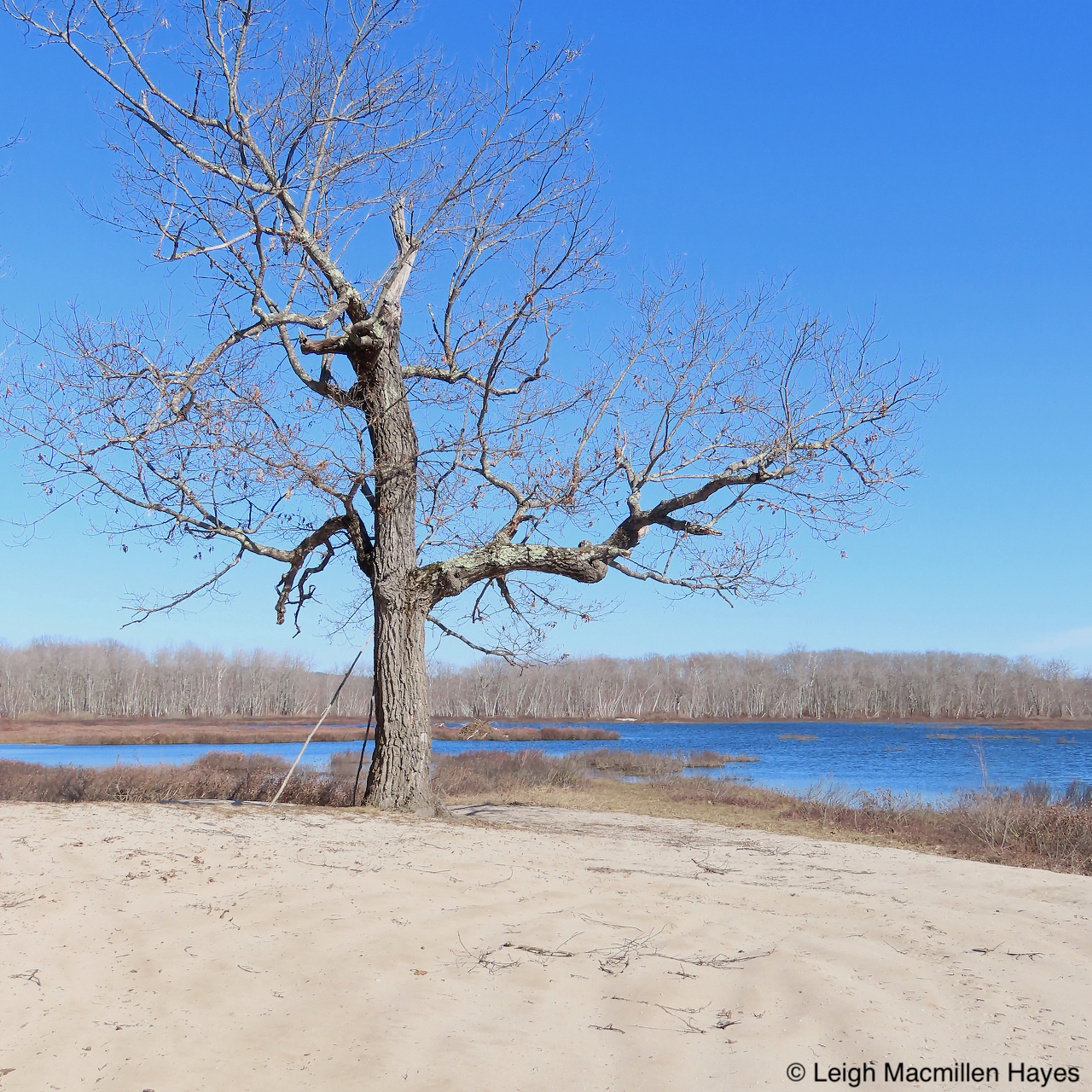
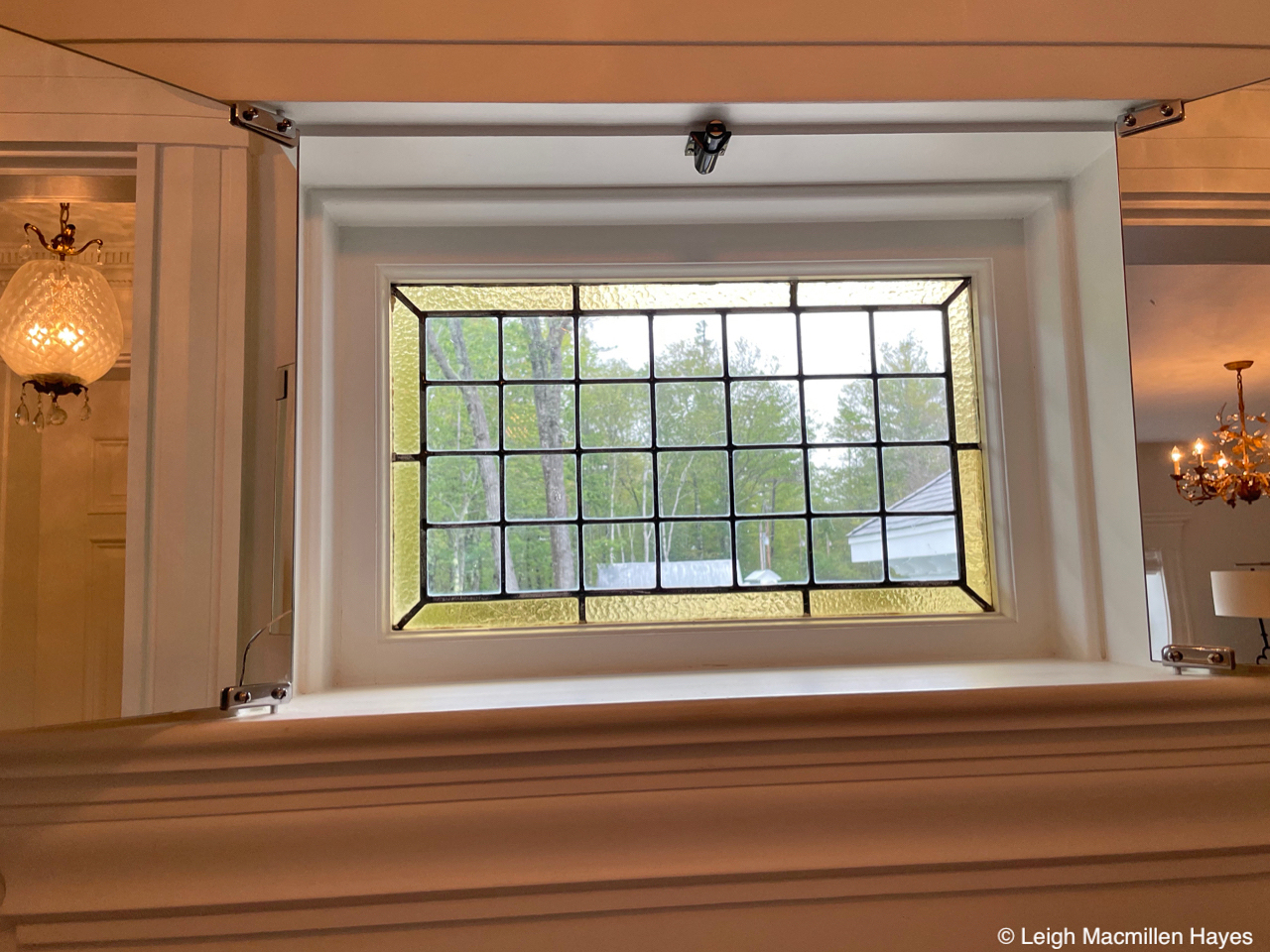
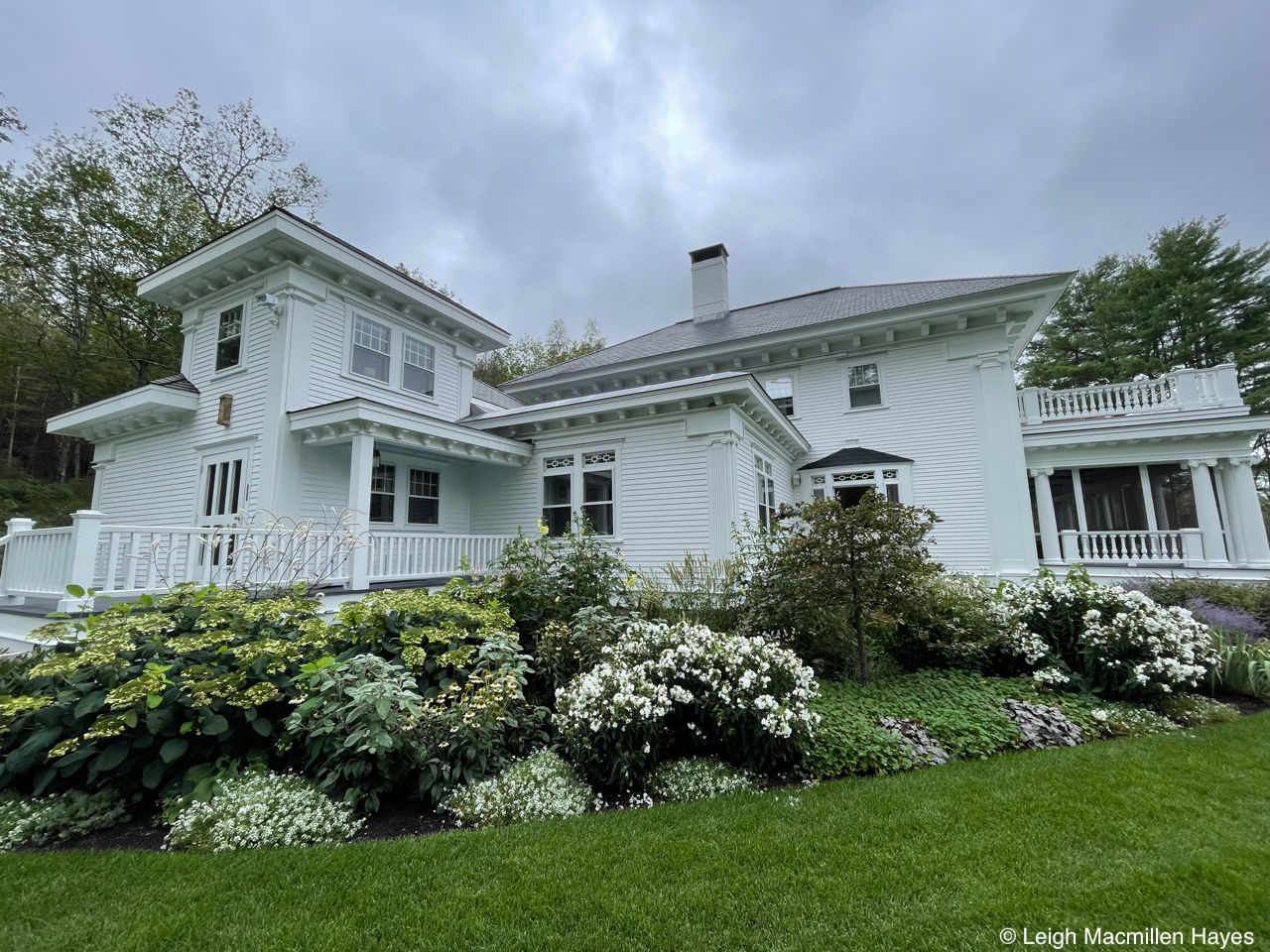




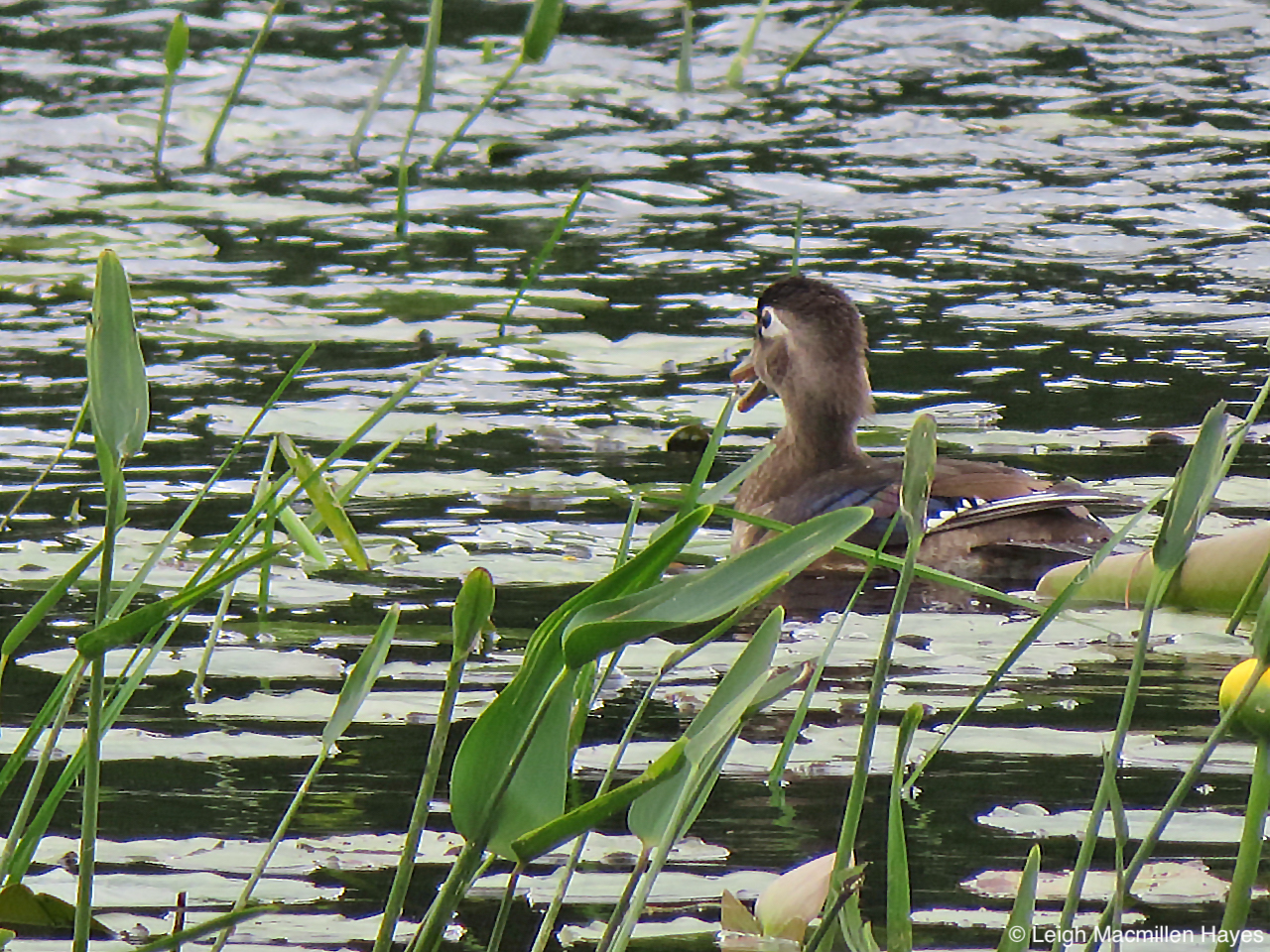


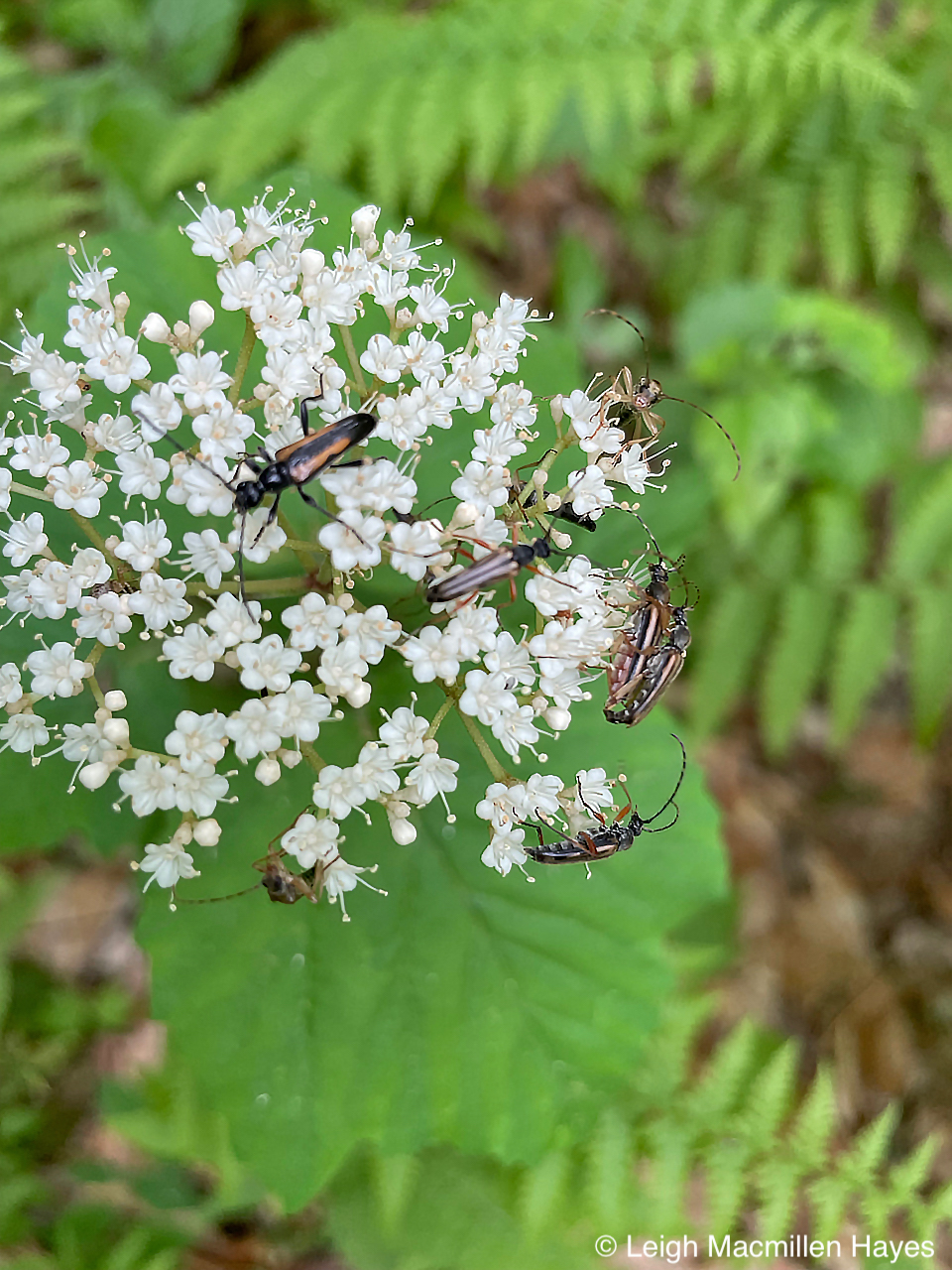

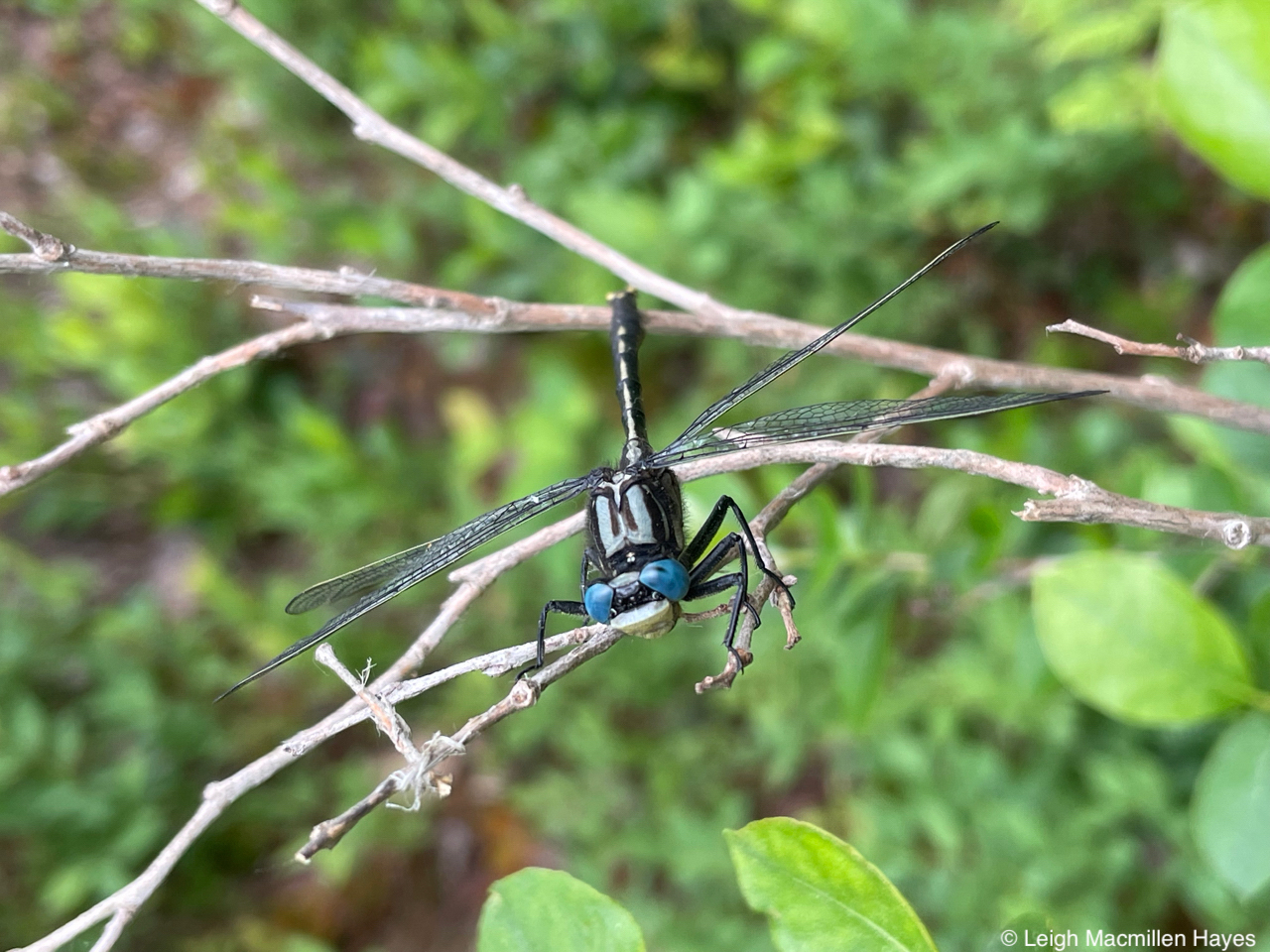
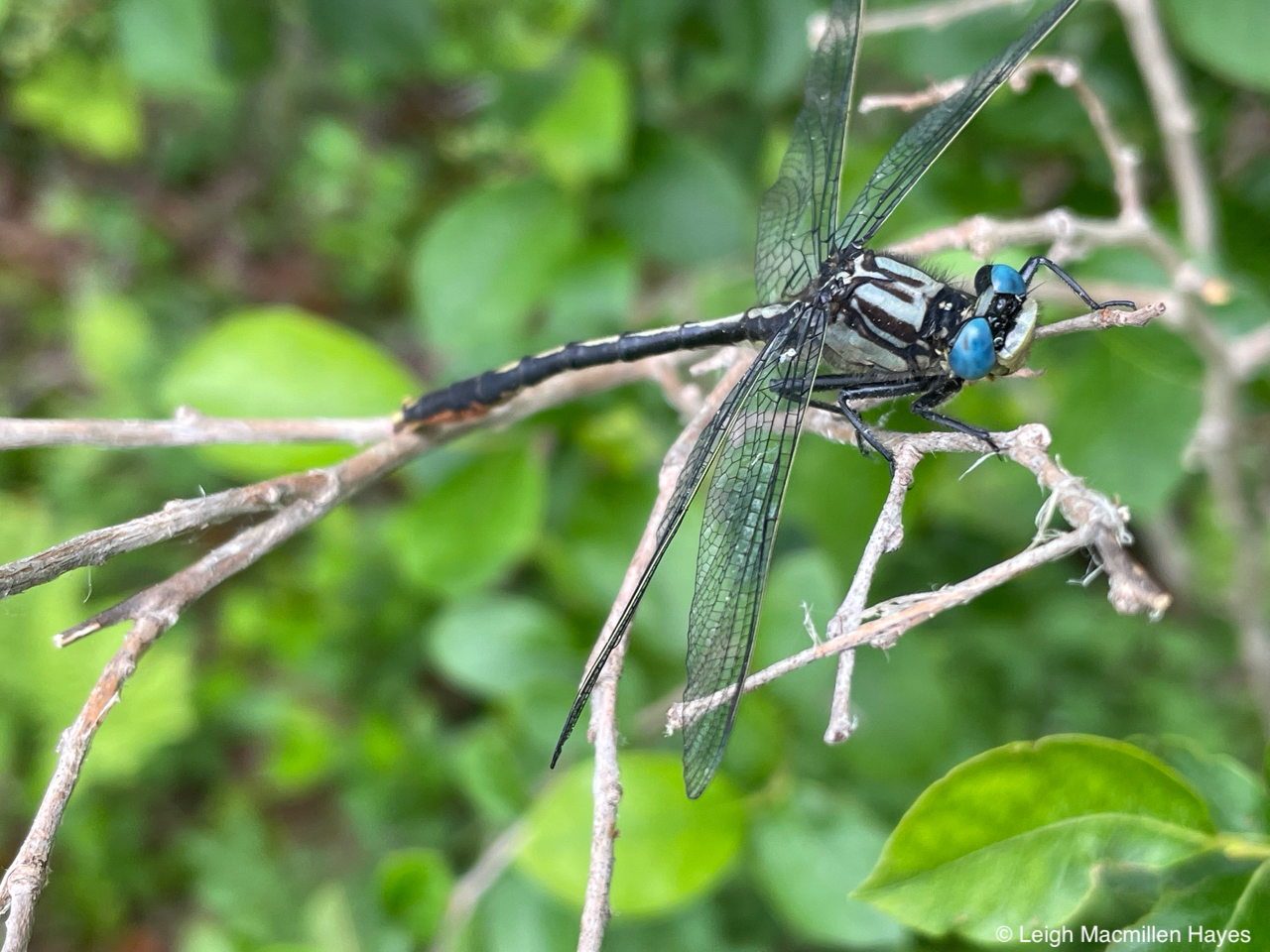


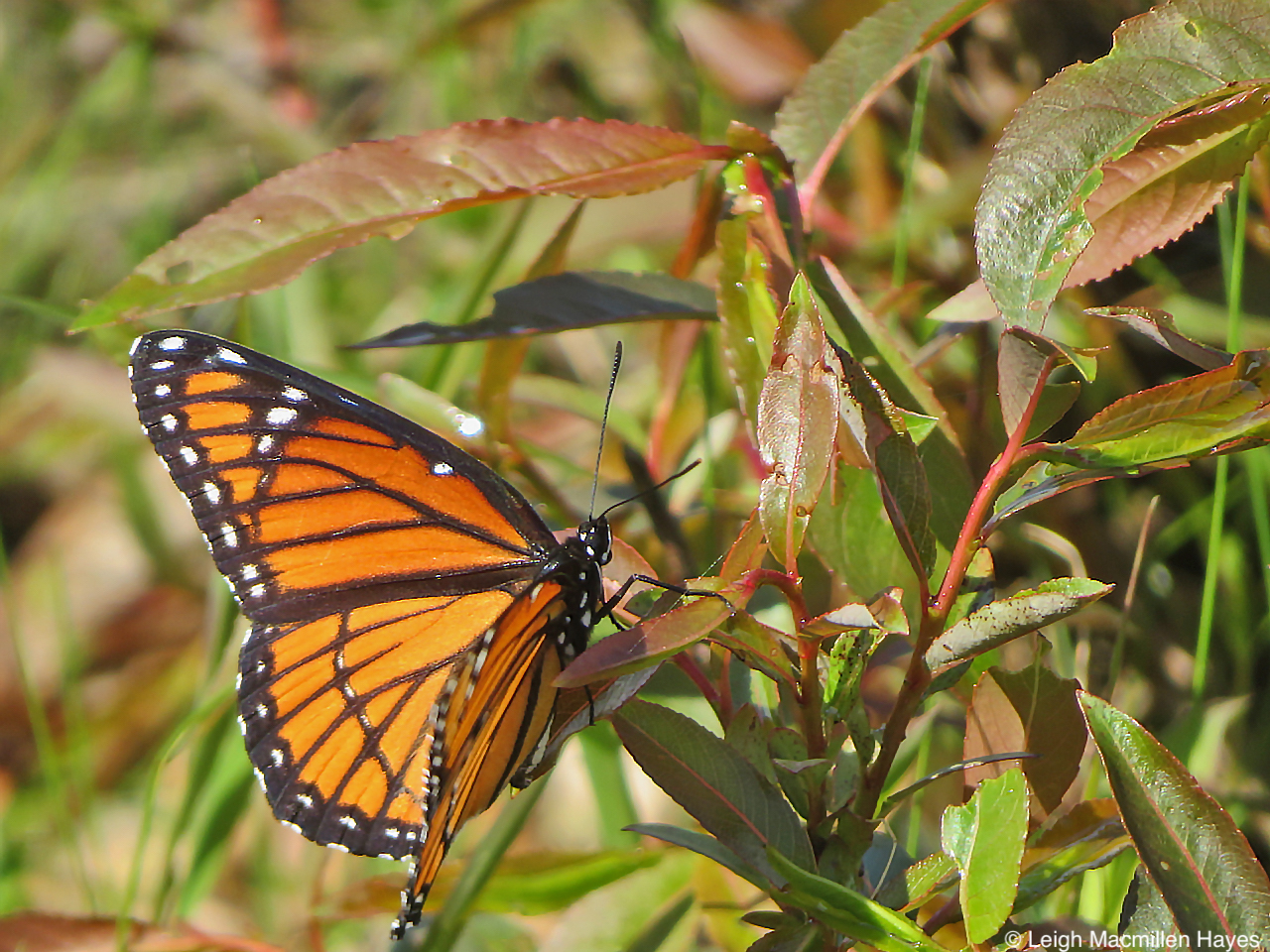
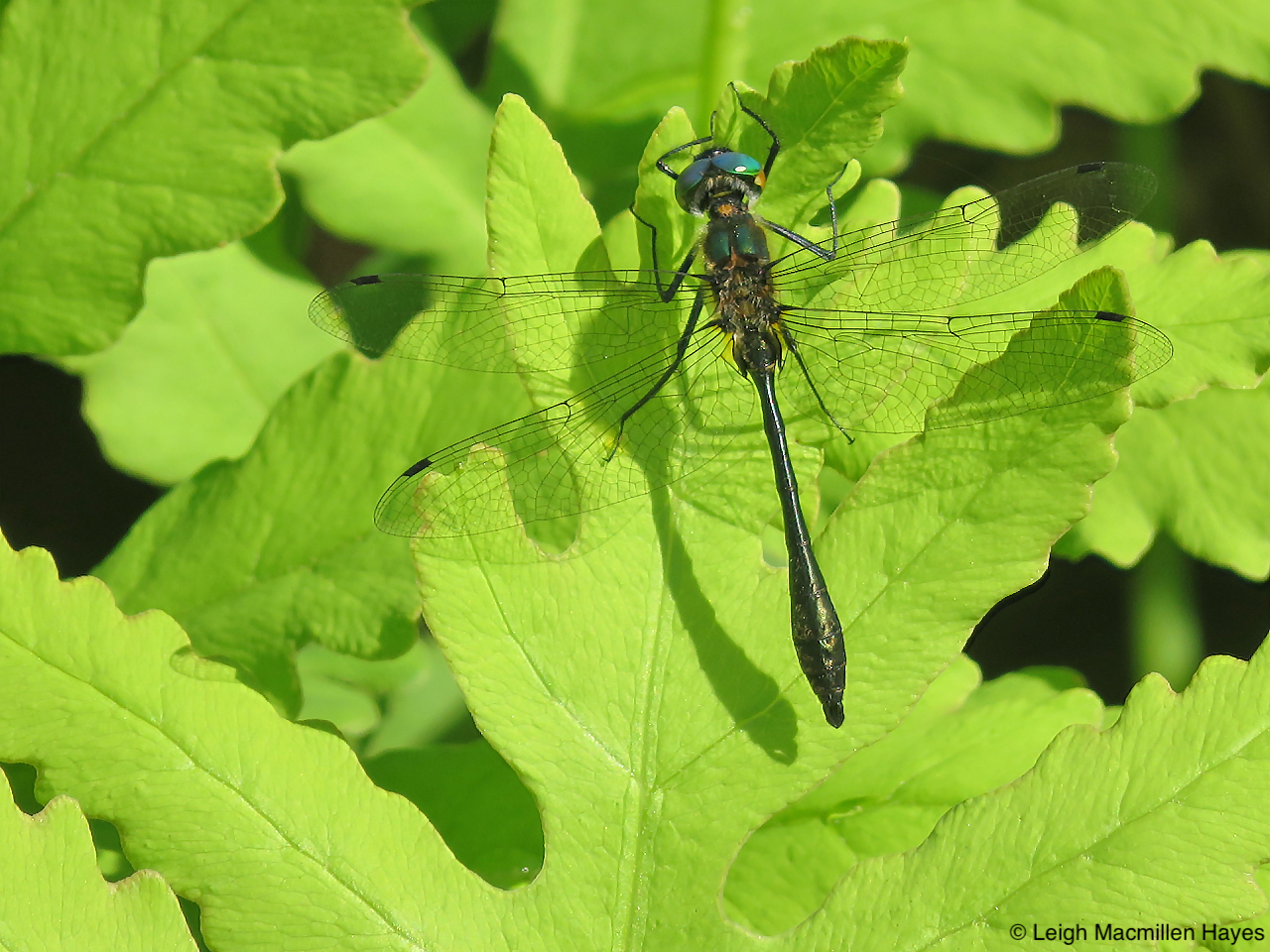
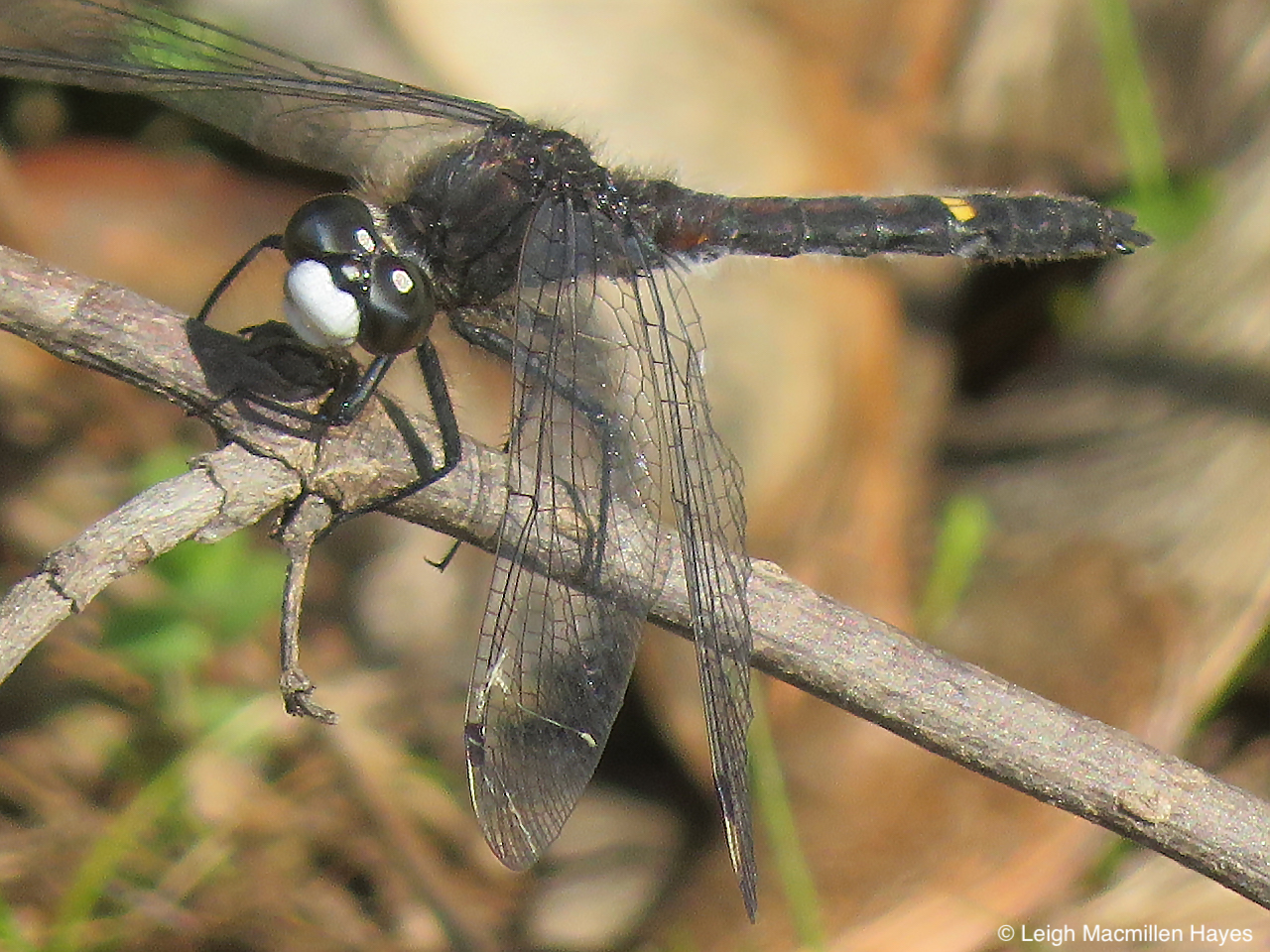


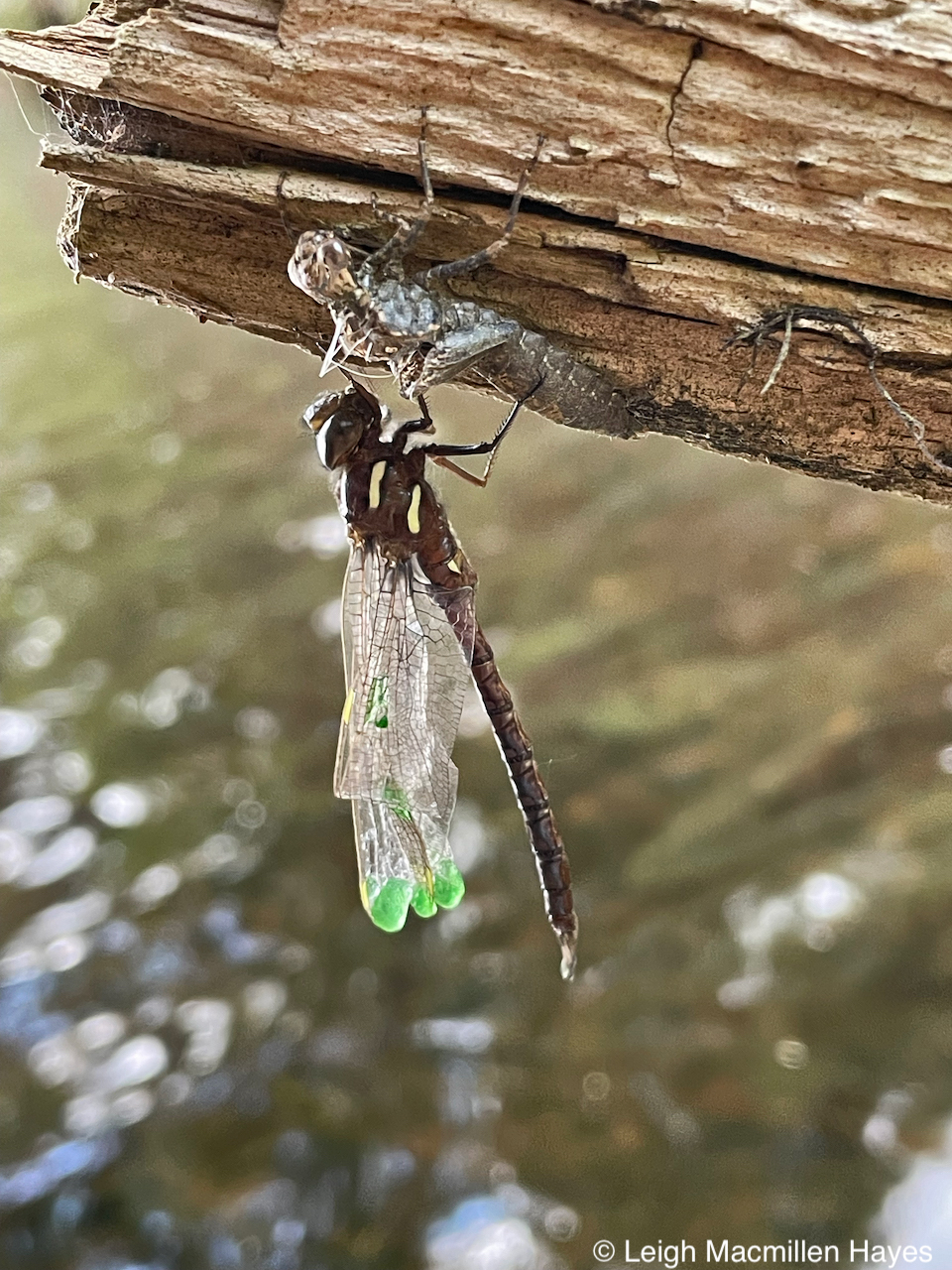

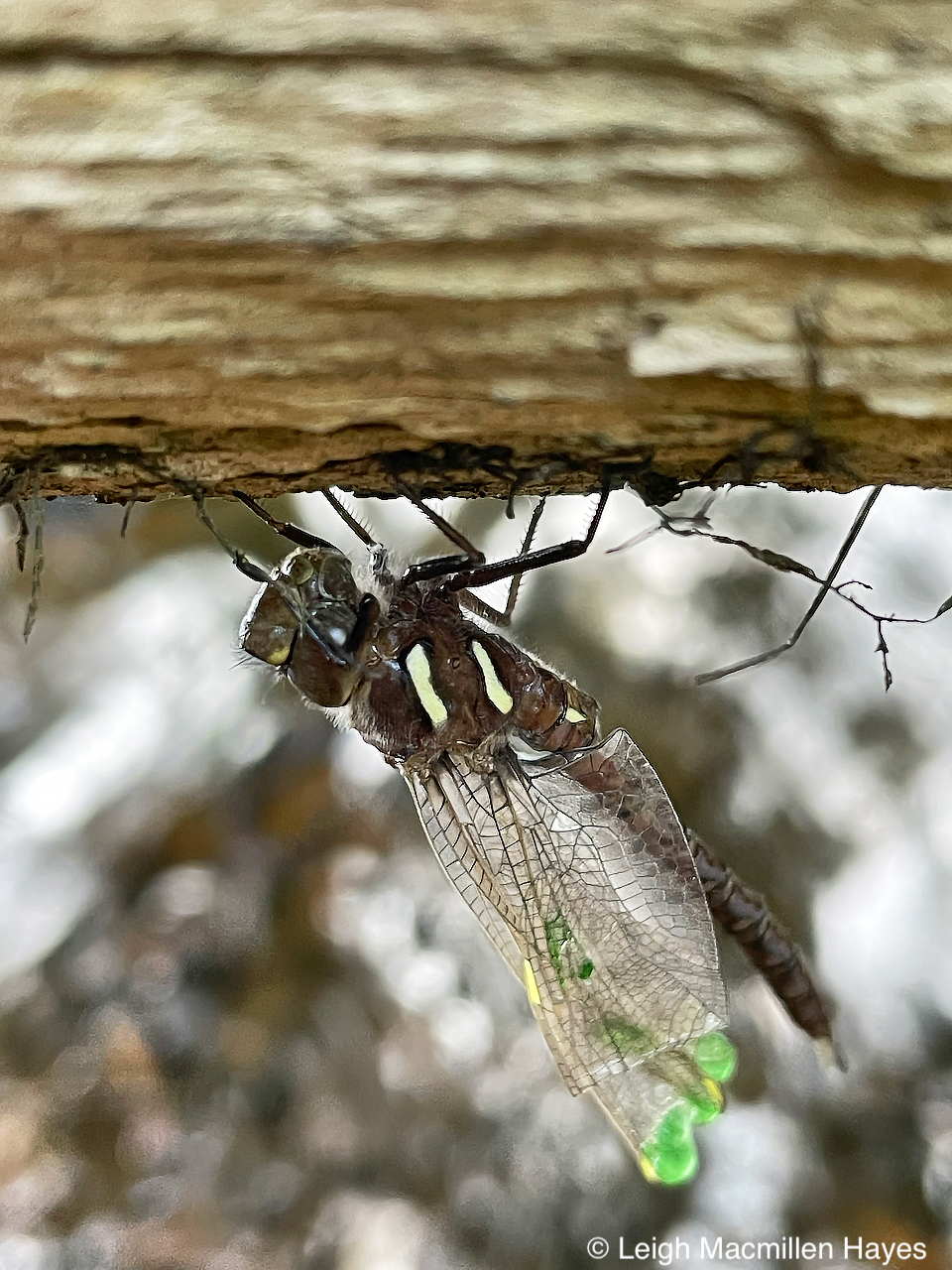
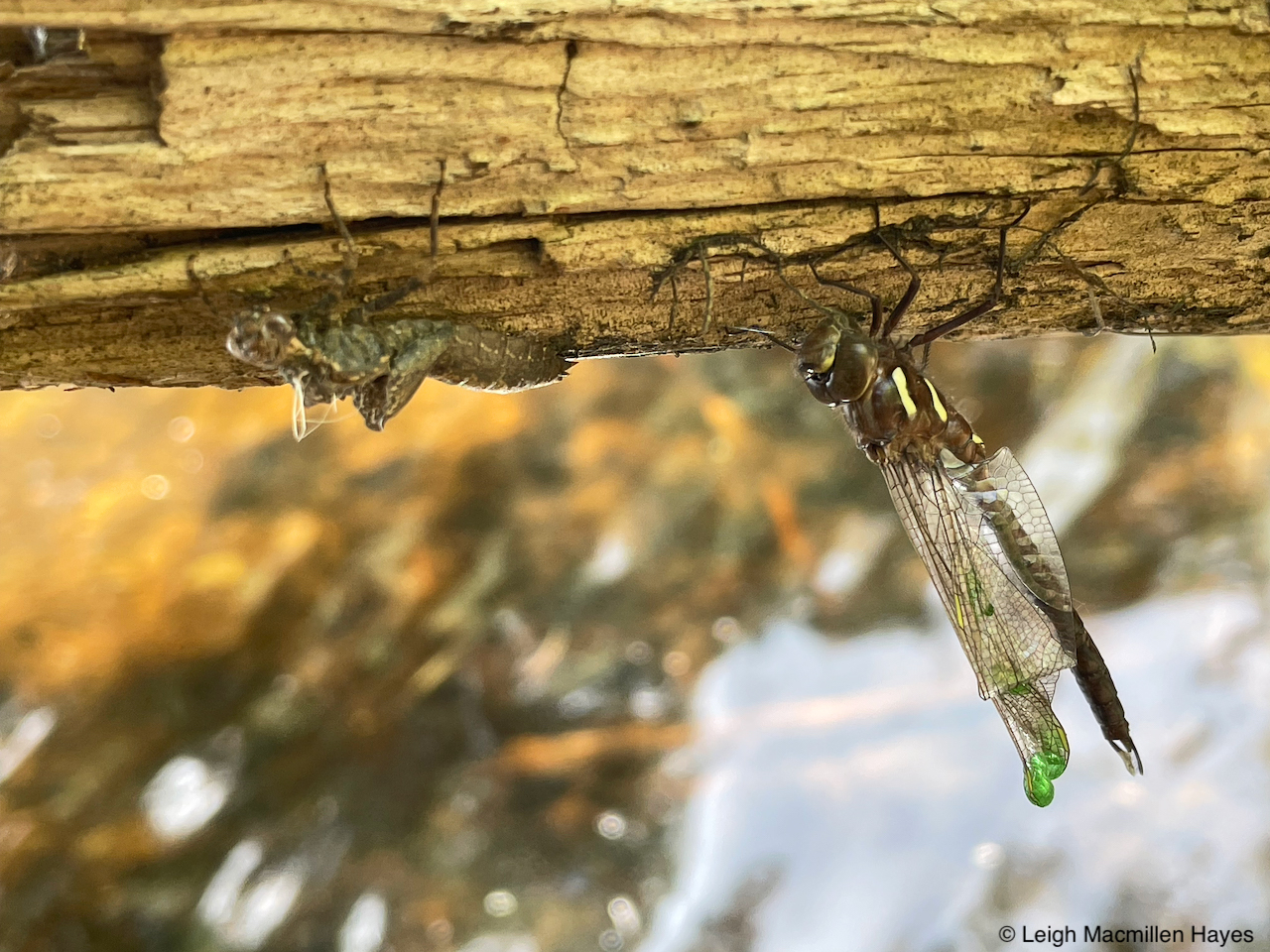
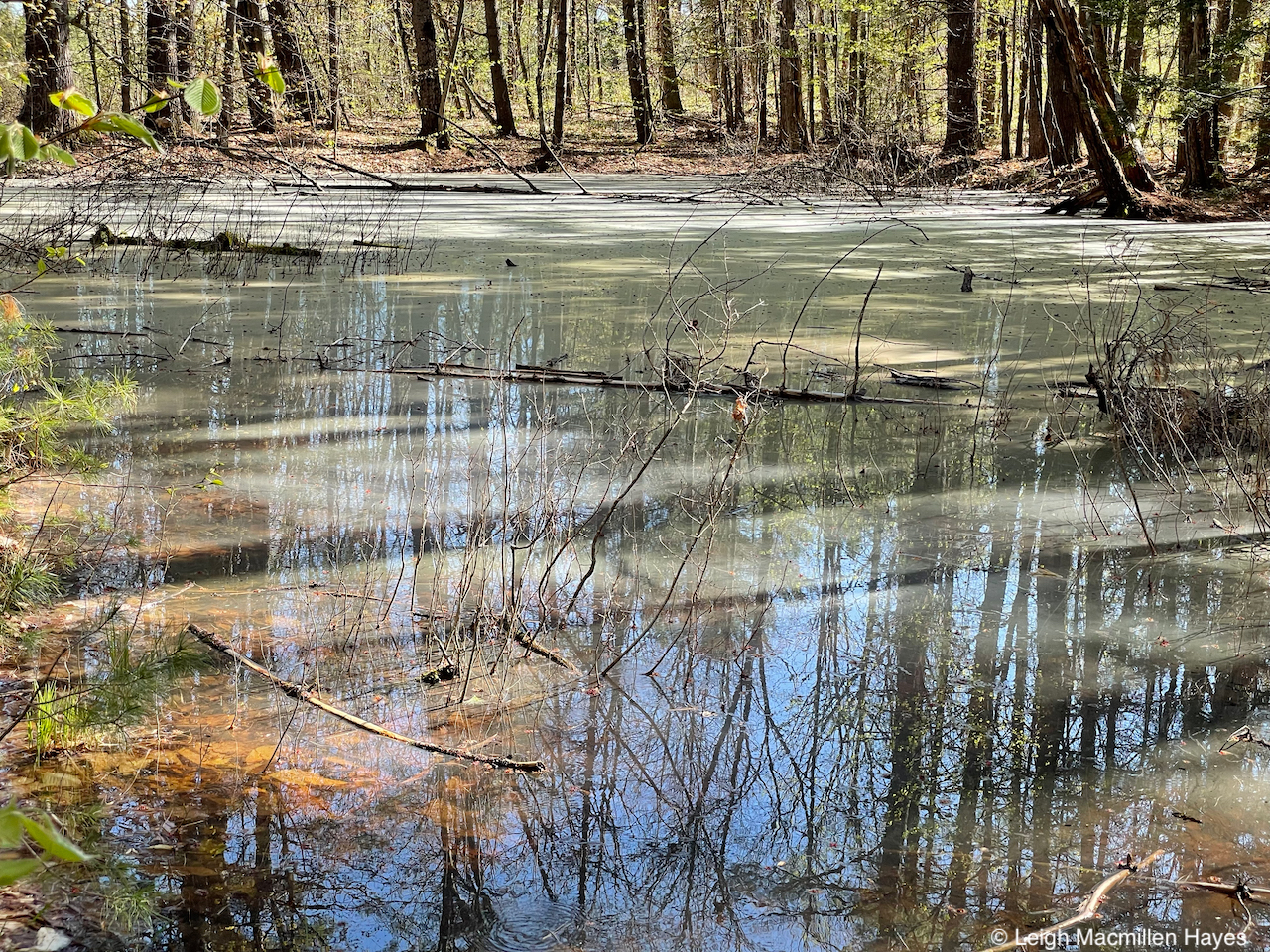


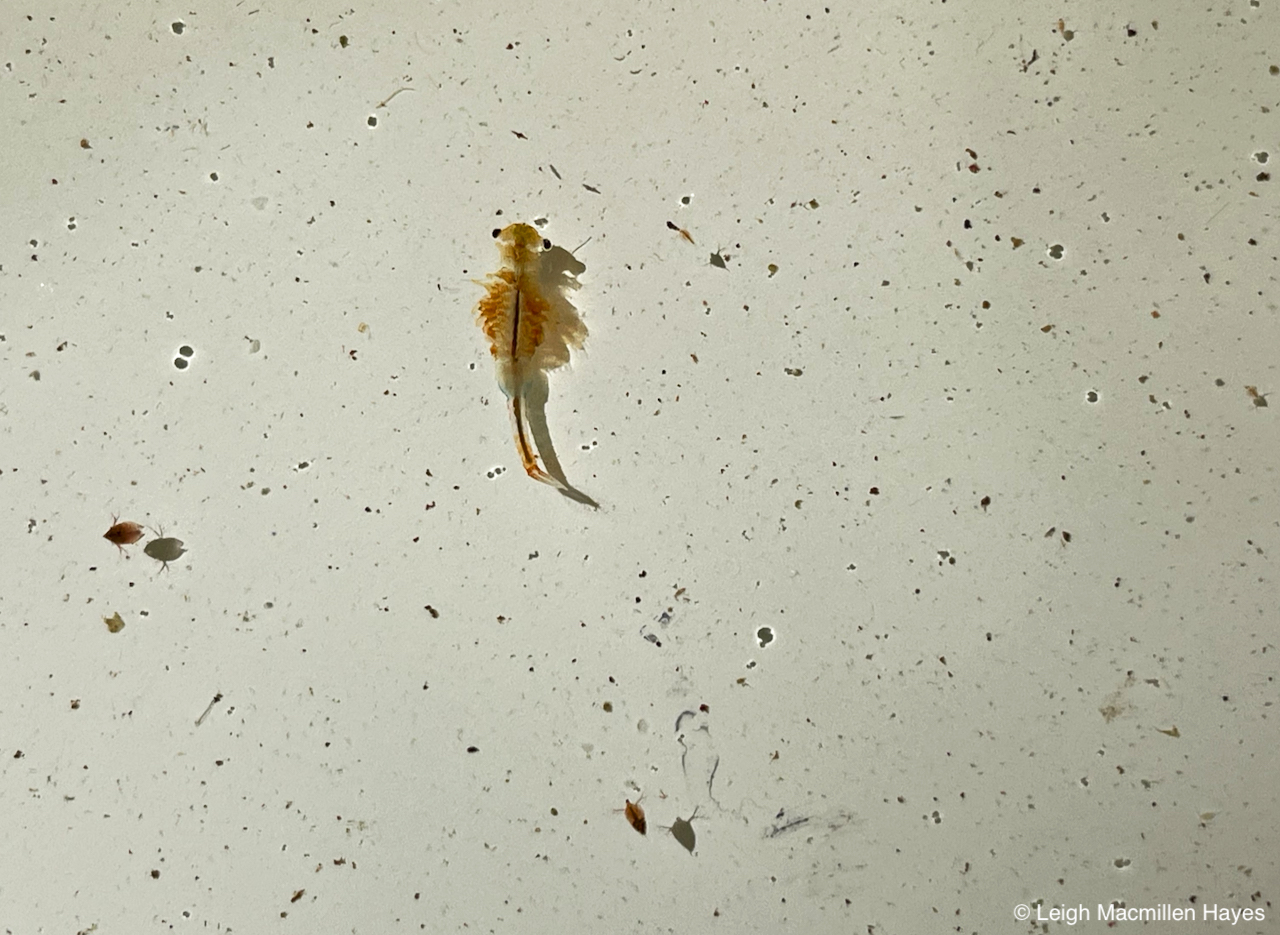
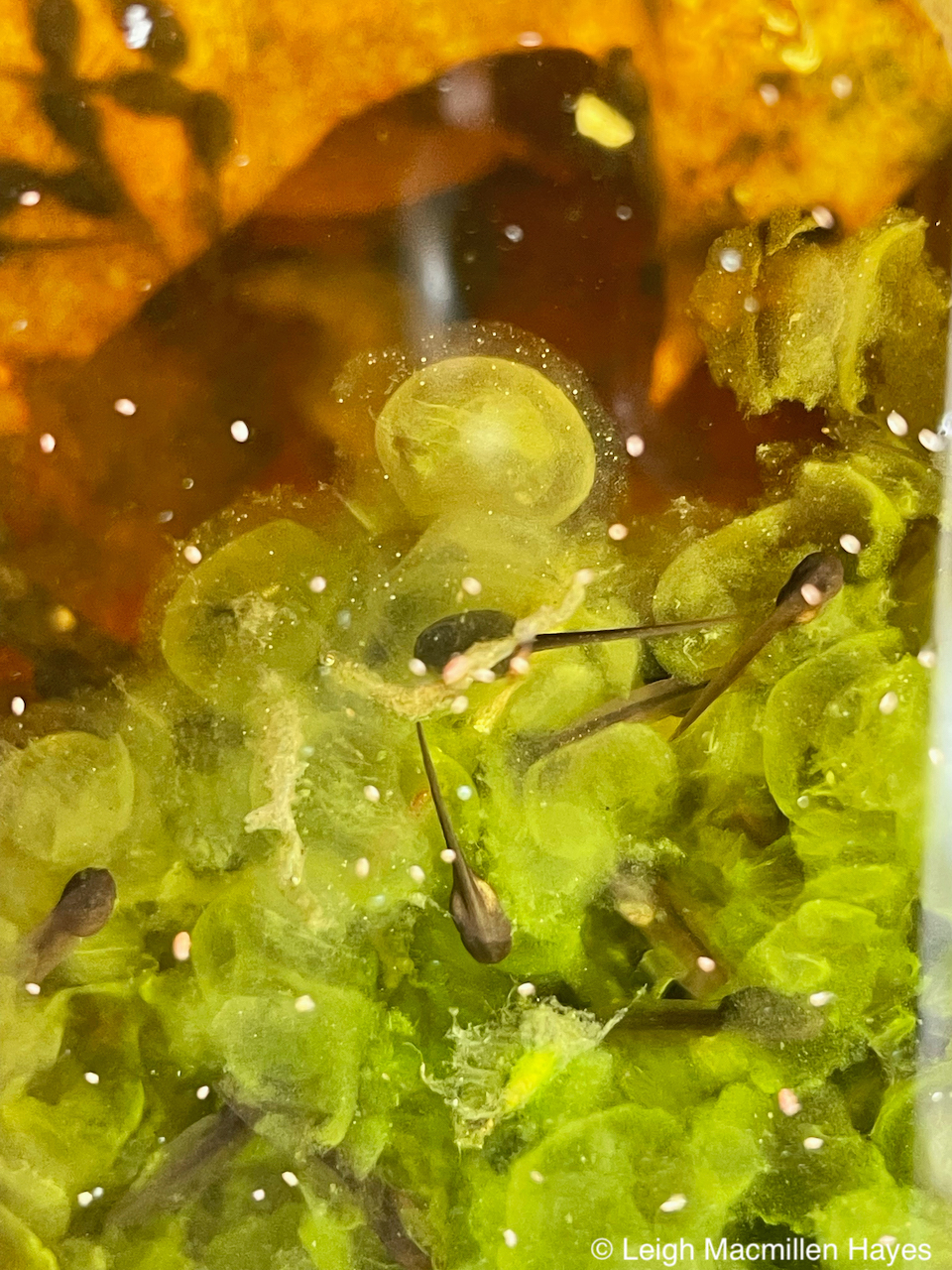
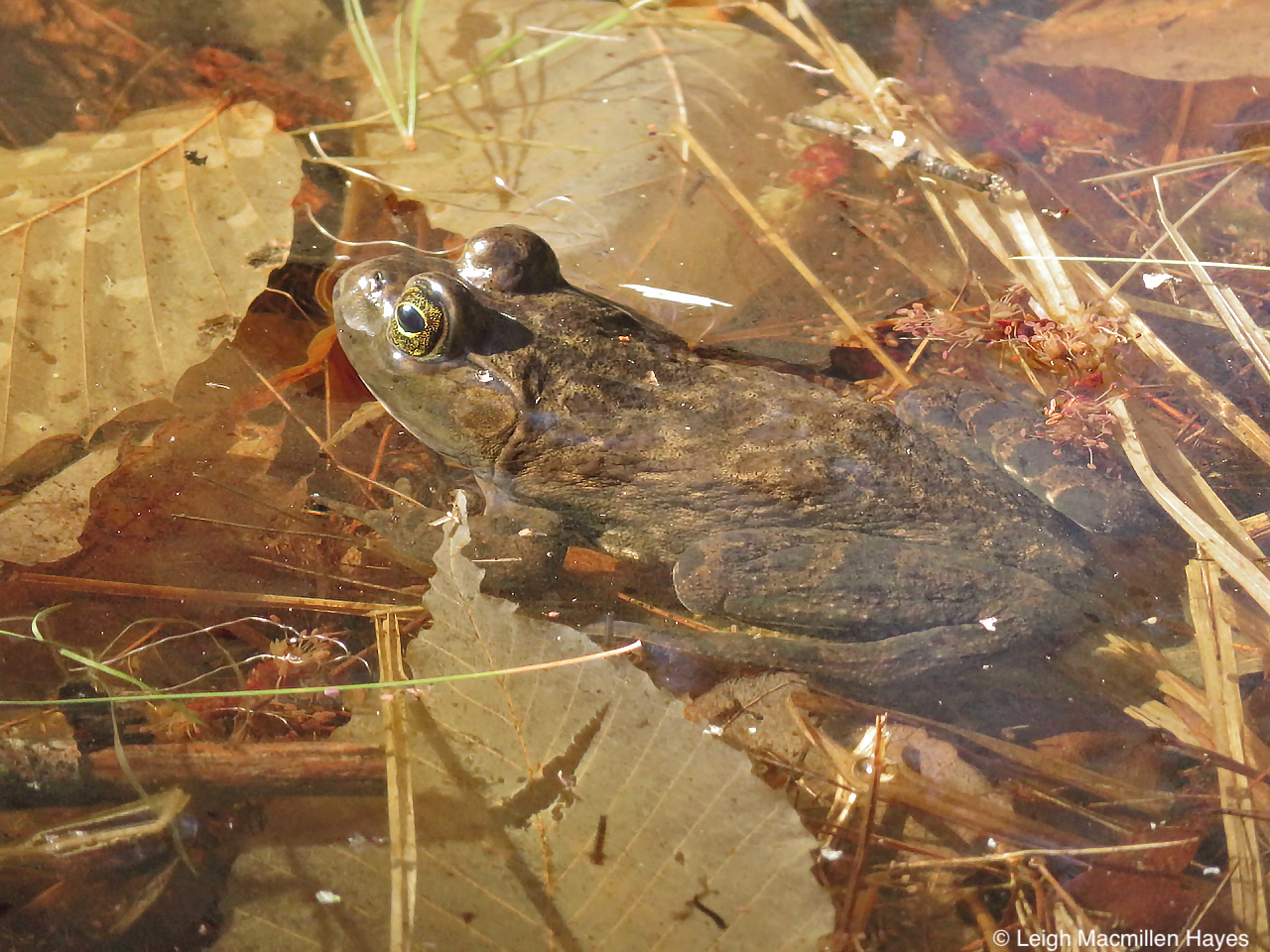
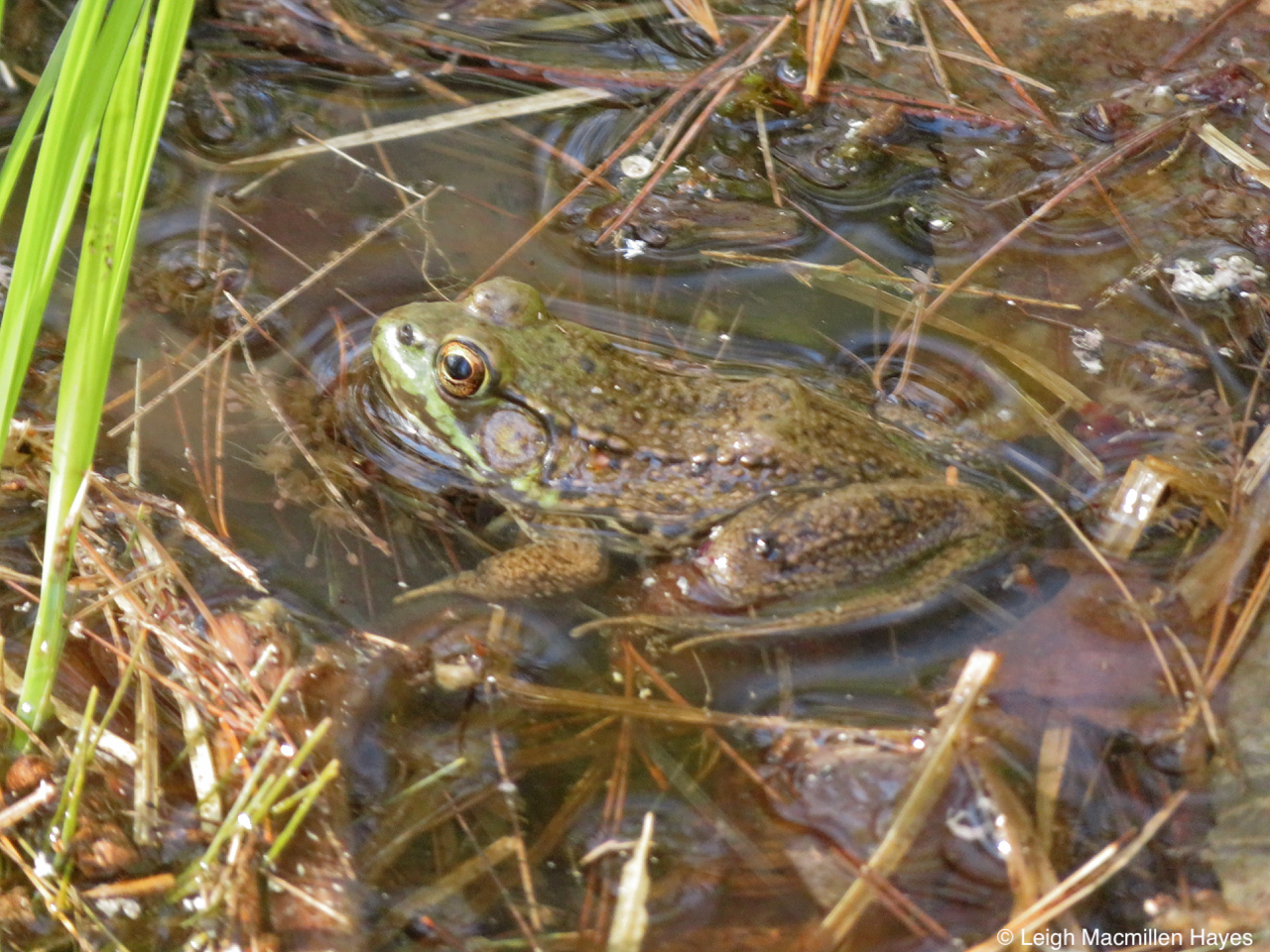

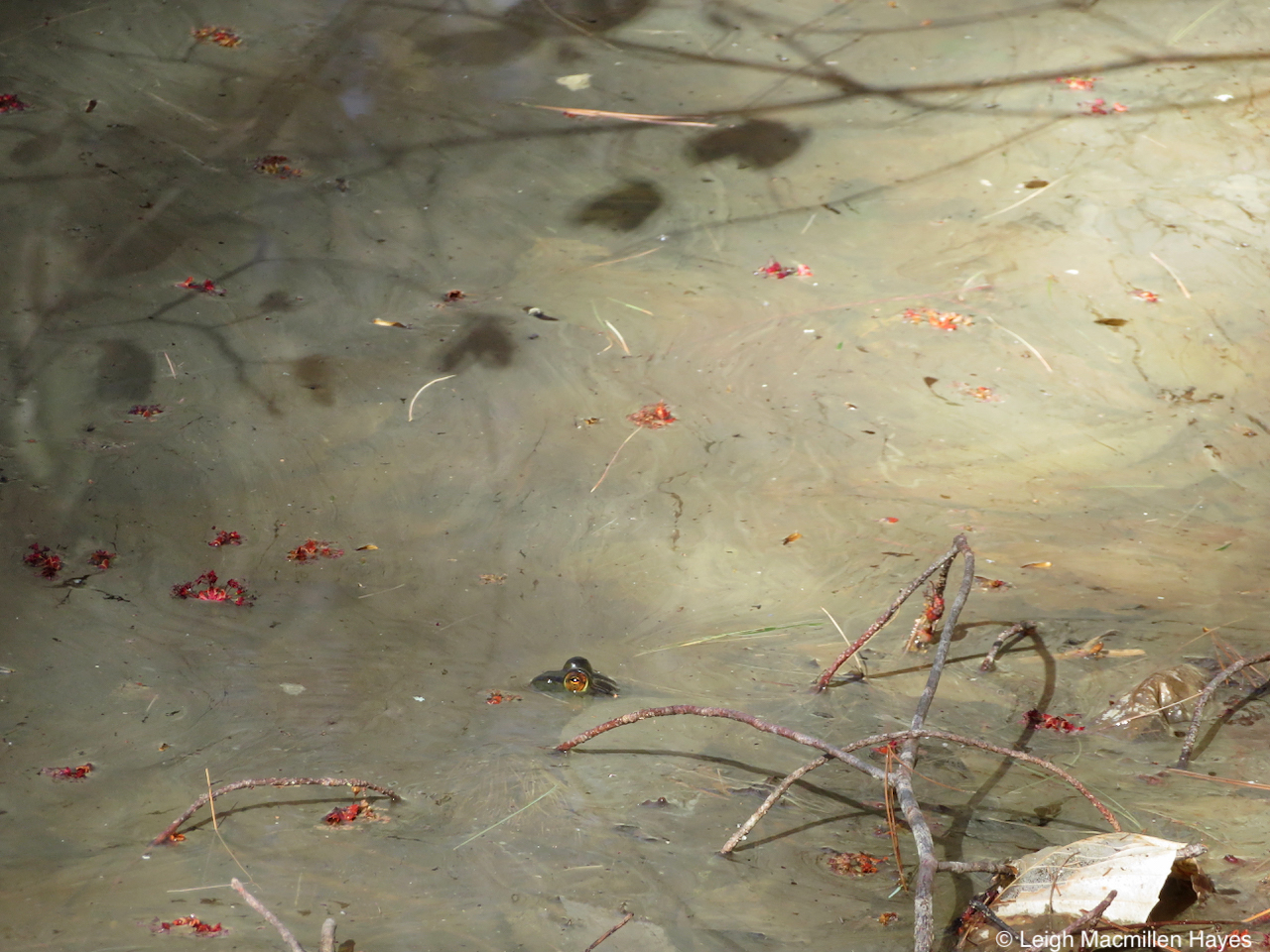

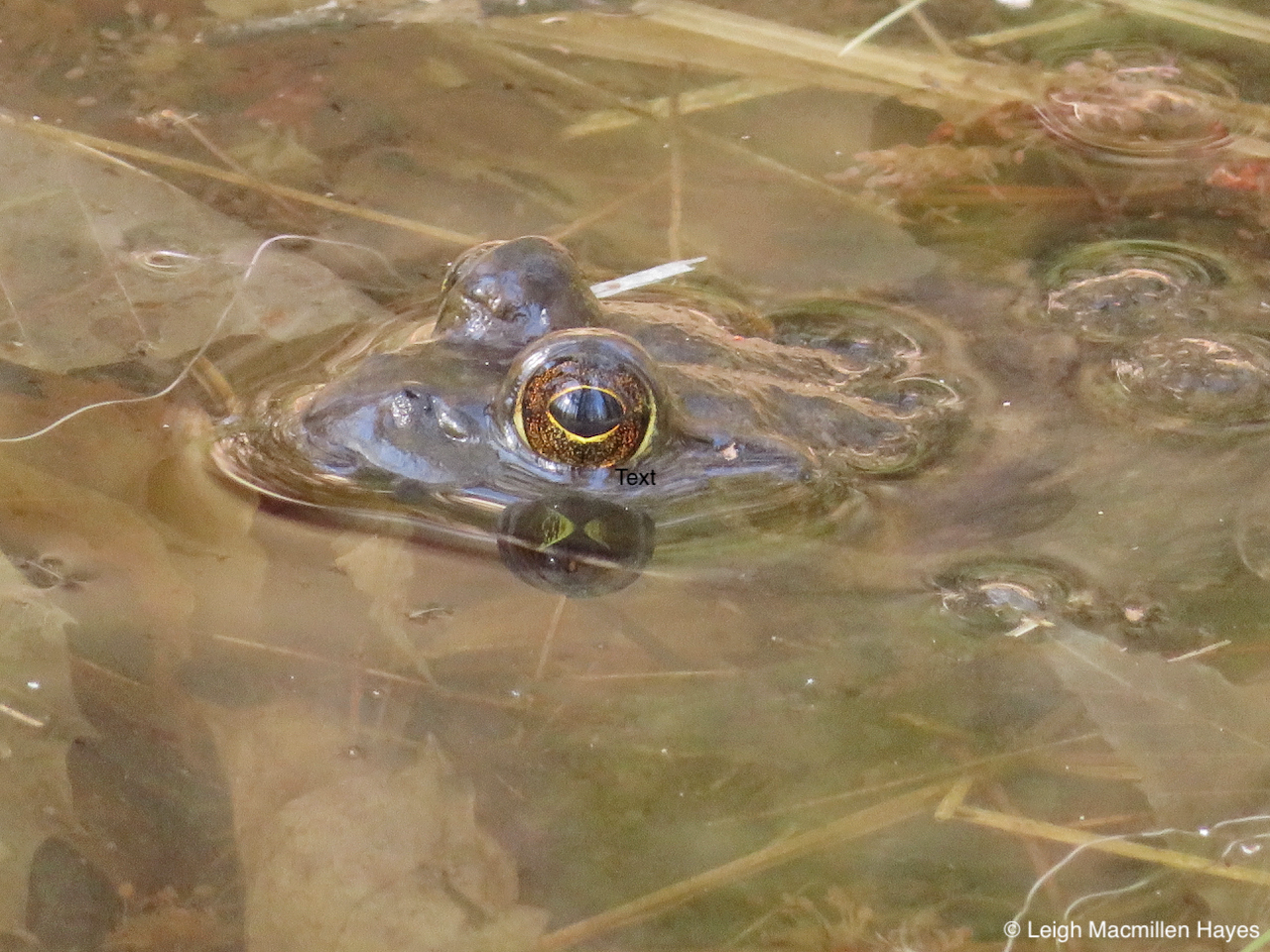
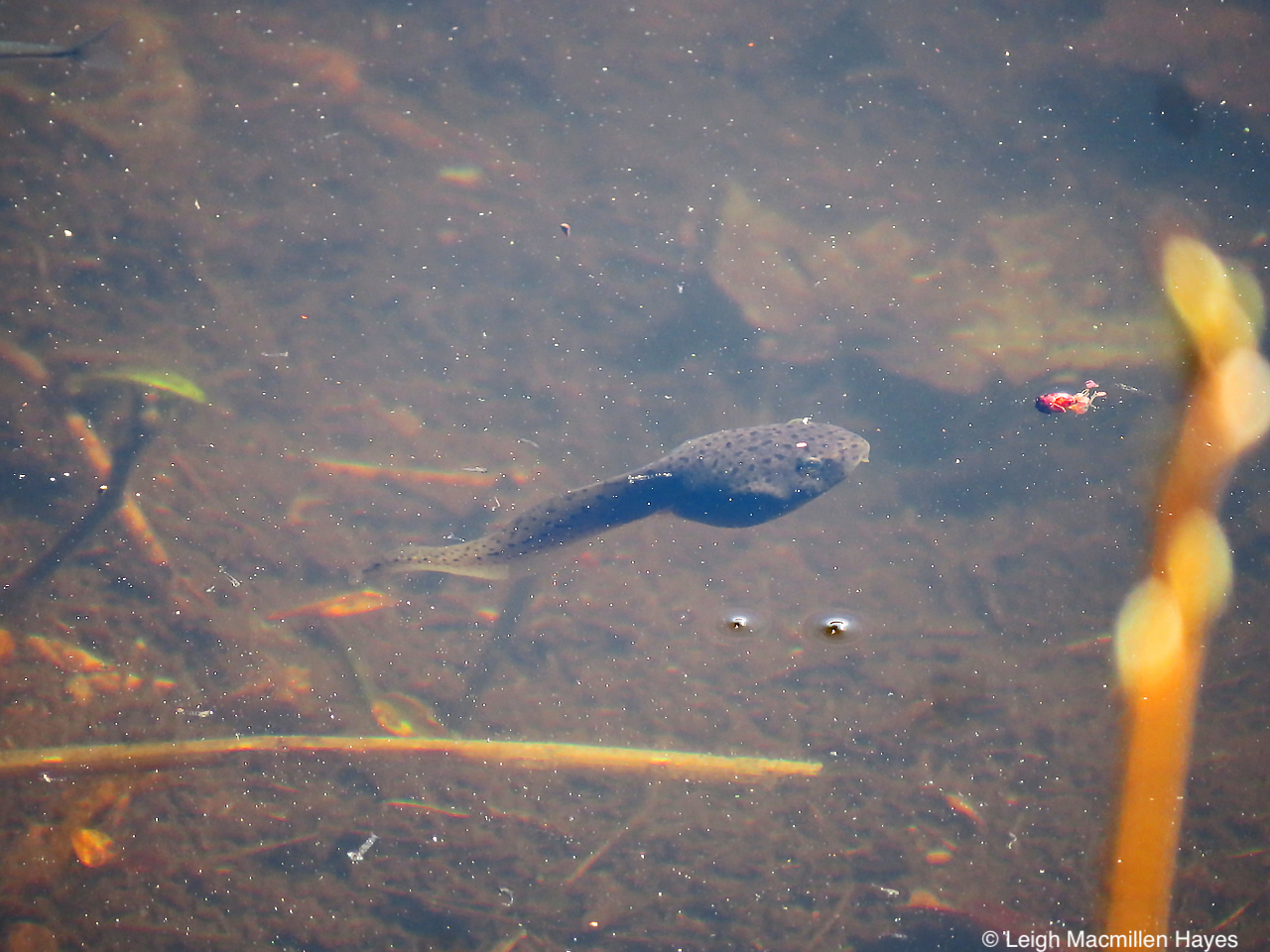


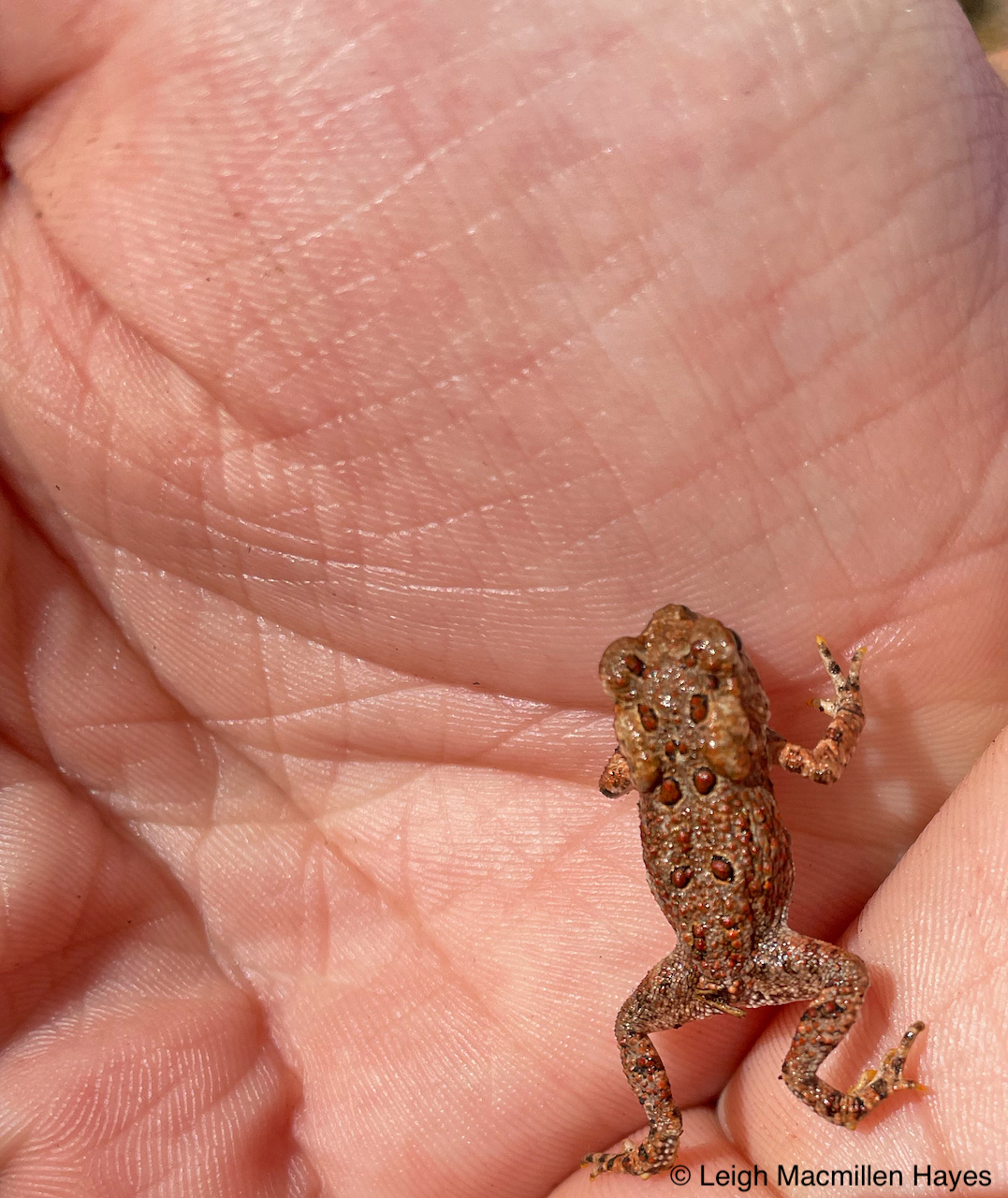
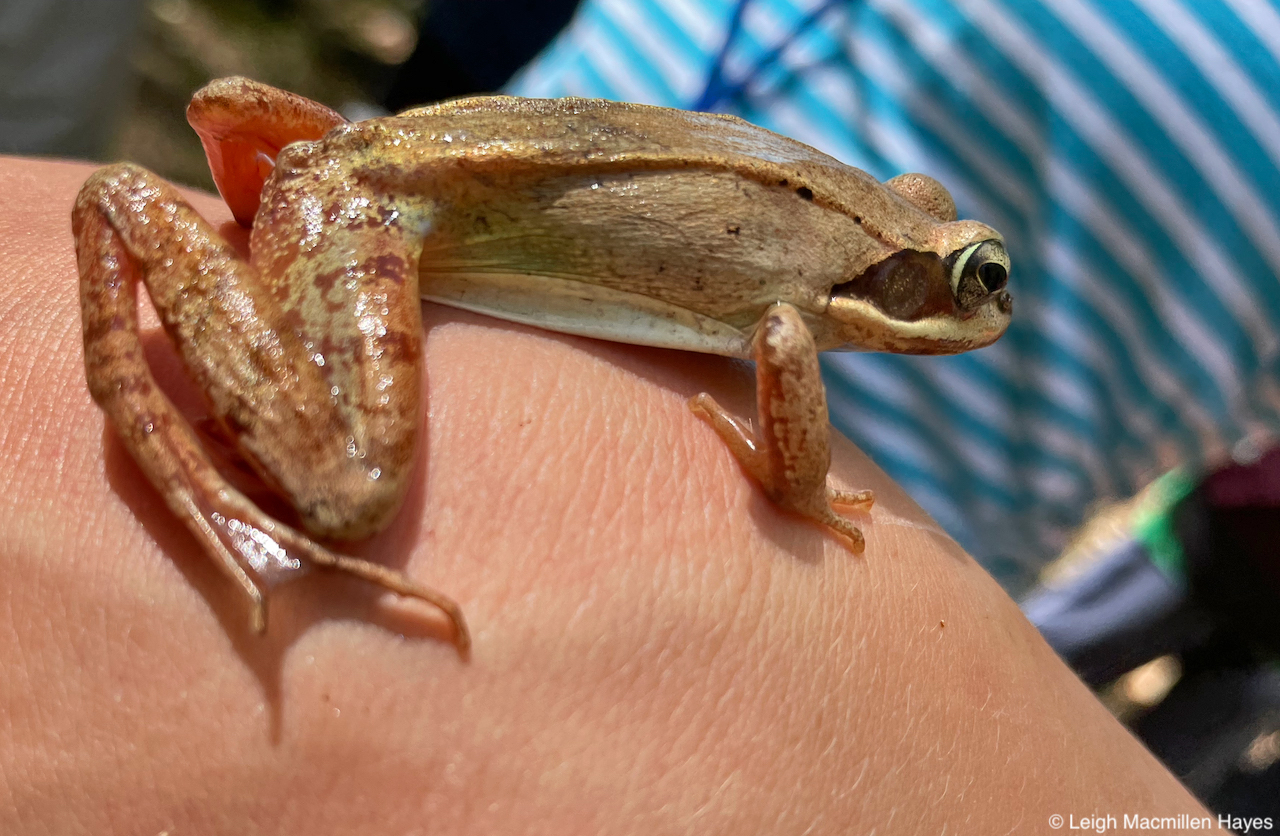


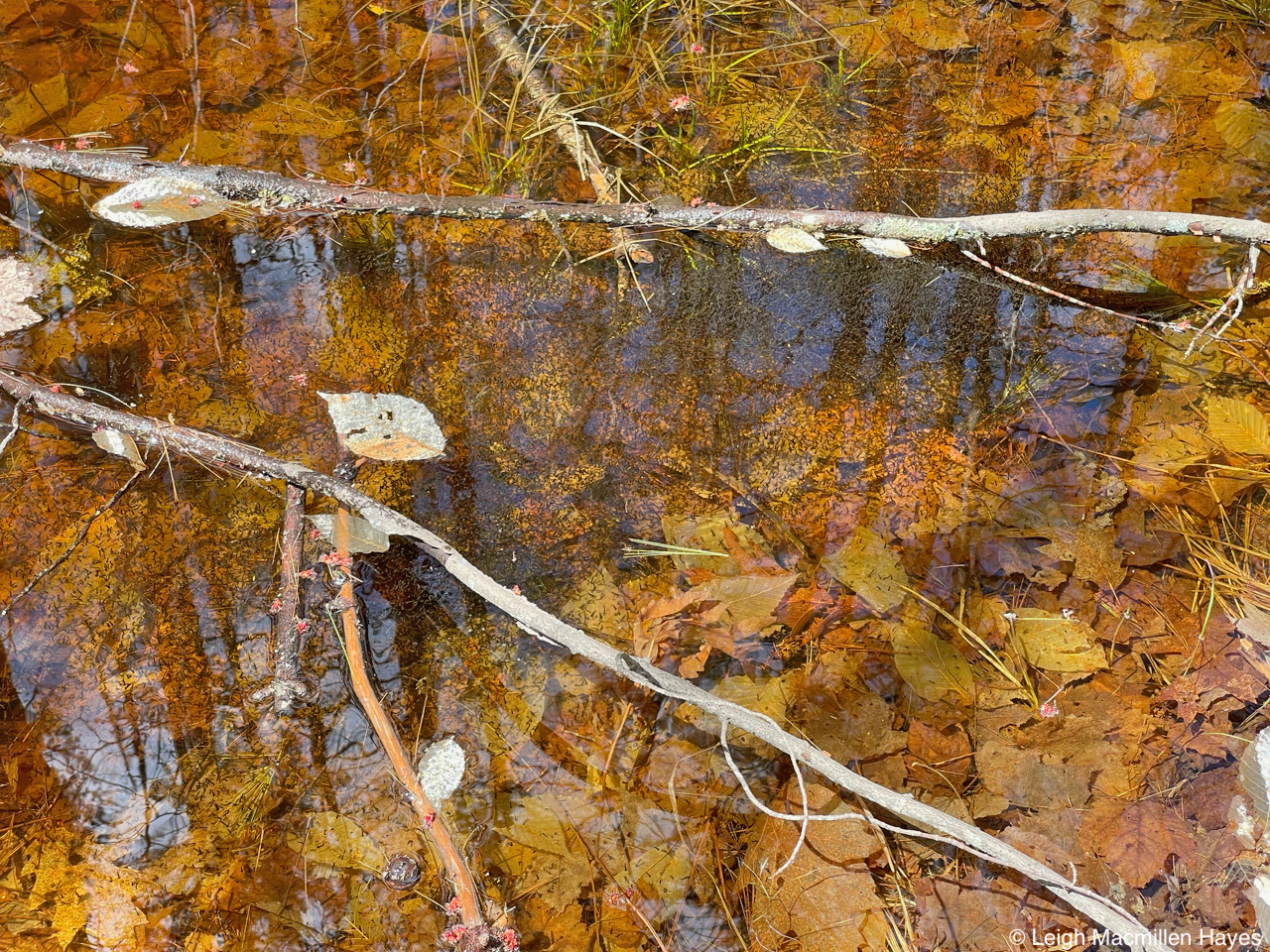


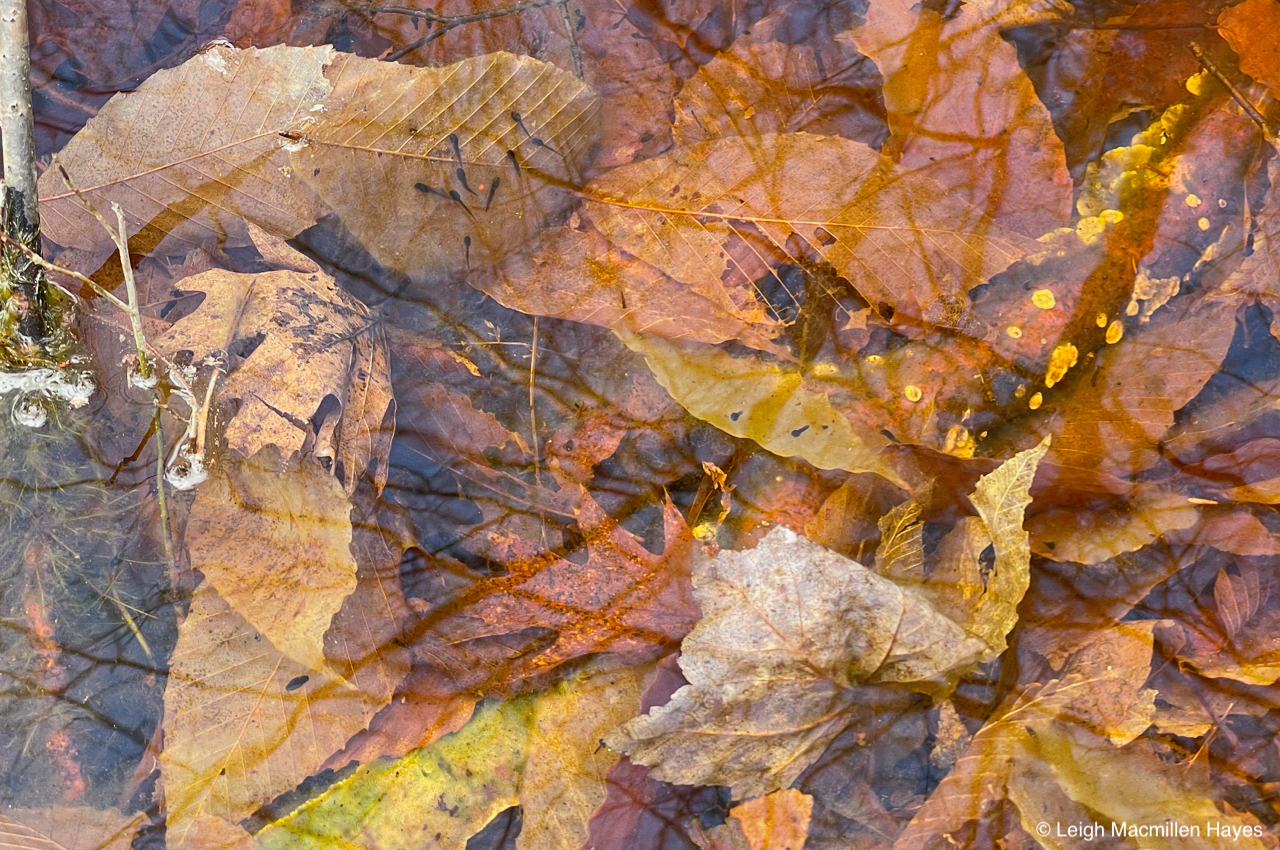
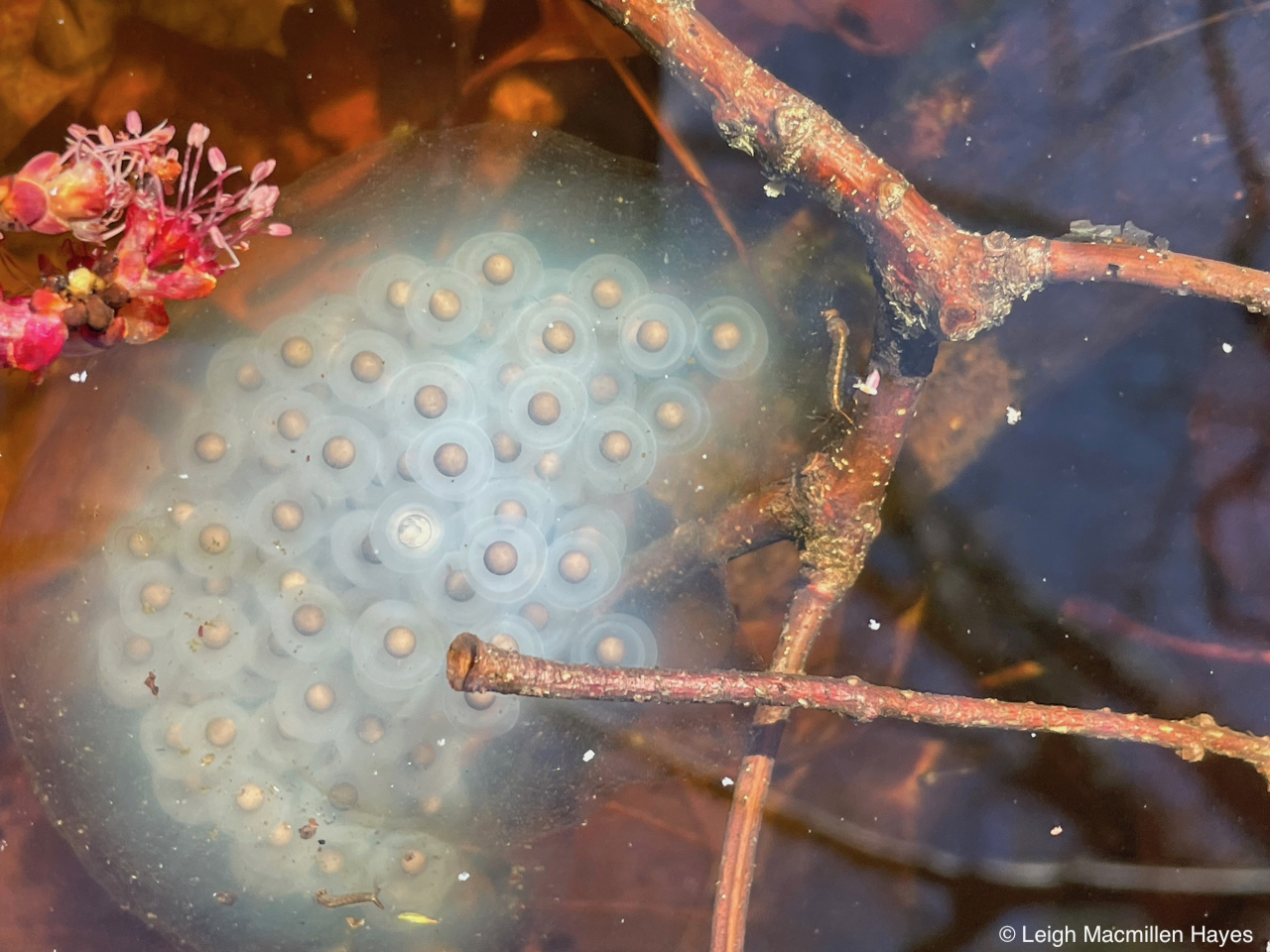


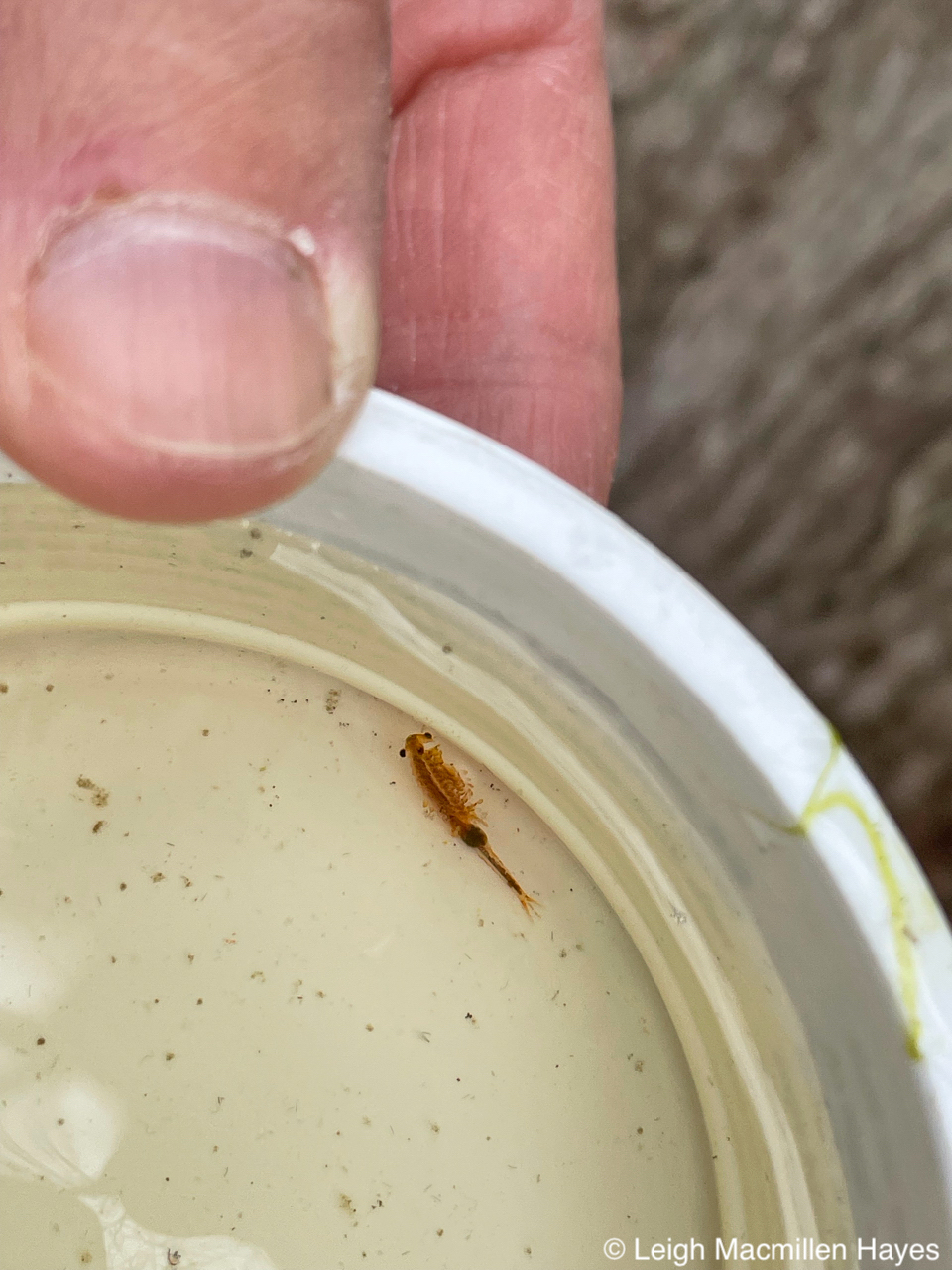


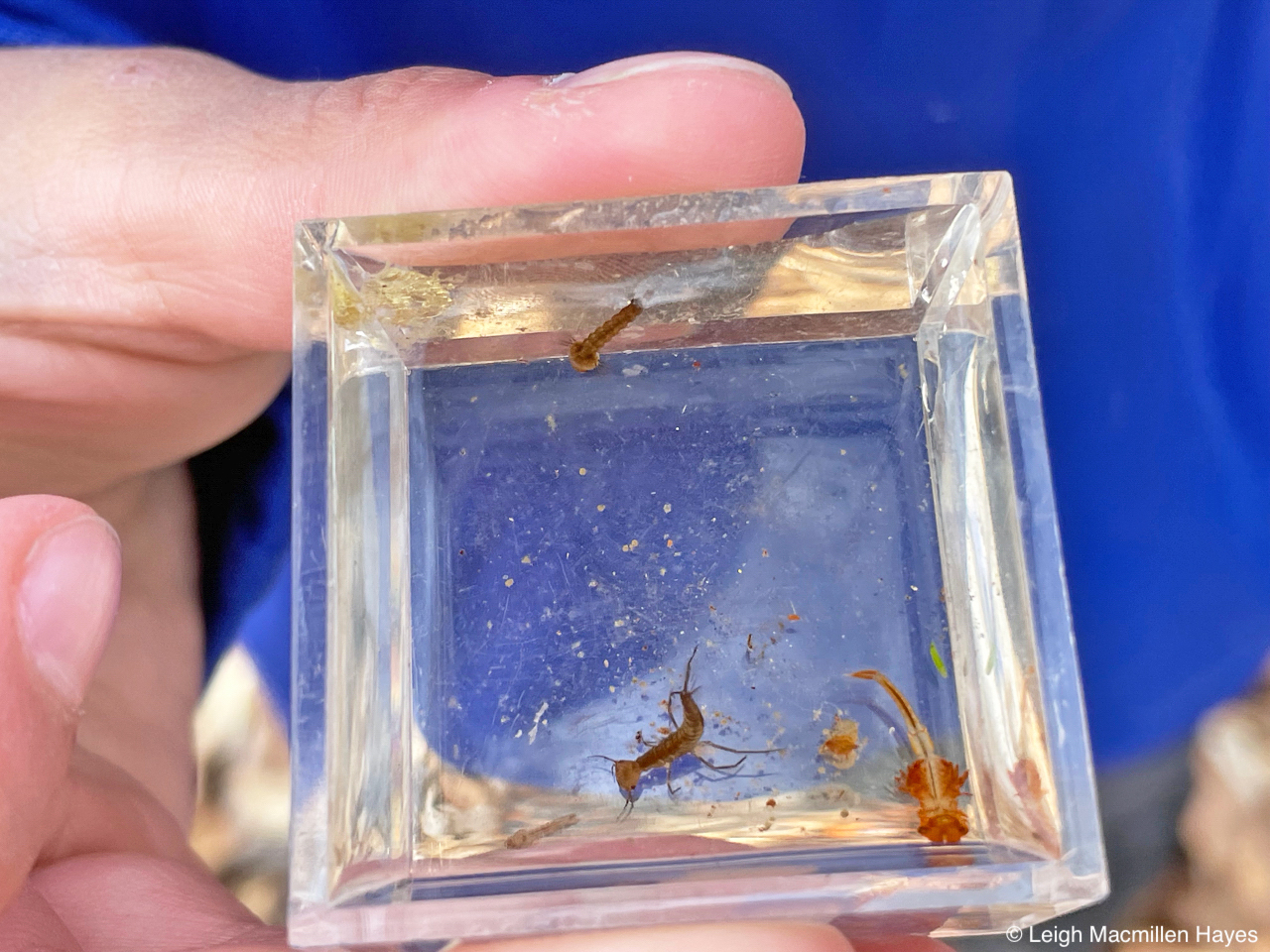
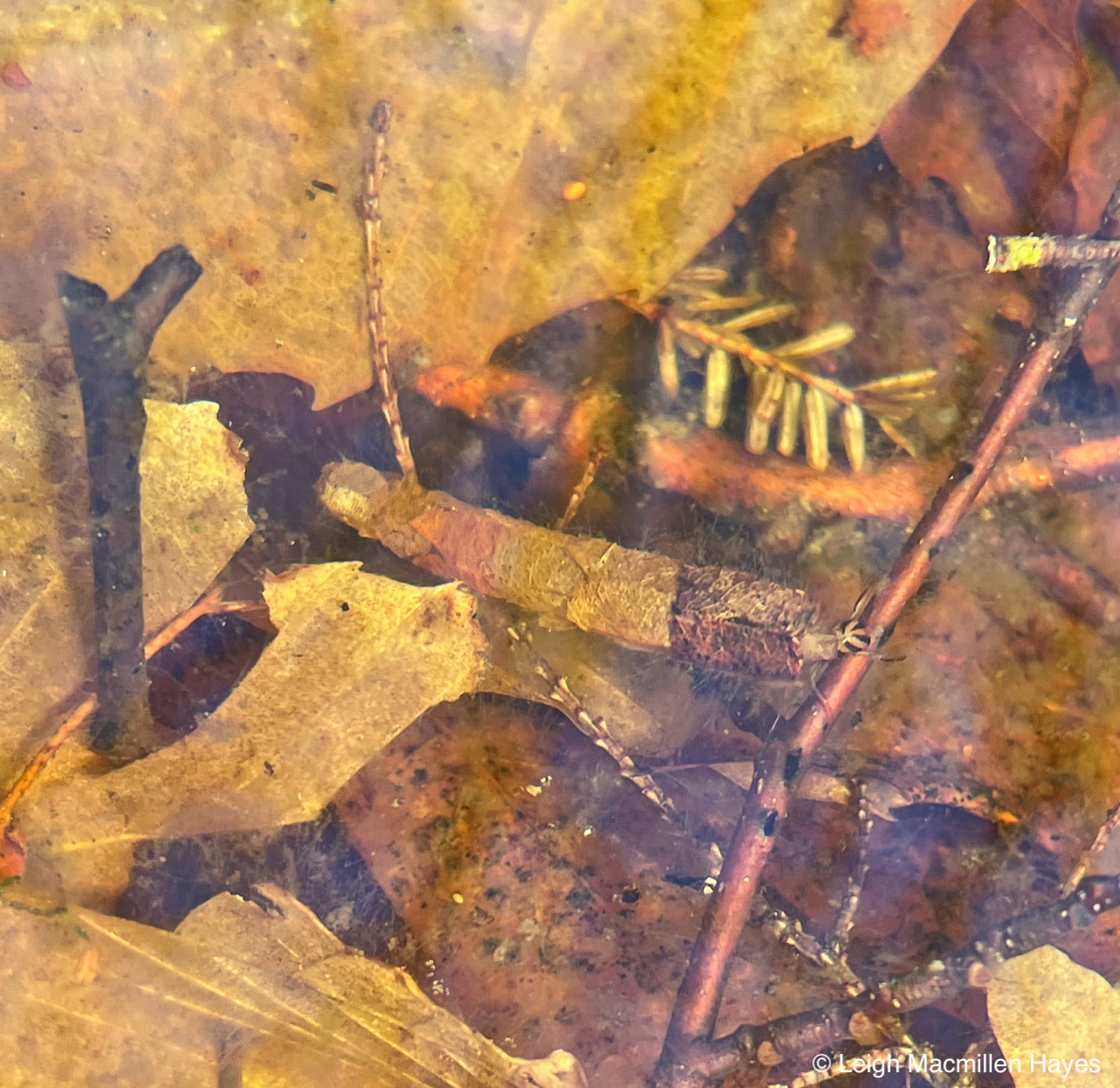

 wondermyway