Saying goodbye is so hard to do, yet at some point we all must. These last few days I’ve been trying to wrap my brain around how best to do that and not feel melancholy.
But then again, maybe the future isn’t all that far off. Wait a minute. Blueberries in flower? Yes! Sadly so. Over the past week or so friends, relatives, and I have noticed various species flowering due to warmer than normal autumn temperatures. These of the low-bush variety are along the path that my neighbor mowed through the field where I’ve spent many a glorious hour observing.
It’s in the same field where I delight in spotting bowl and doily spider webs and this one, a funnel web with the funnel weaver sitting inside waiting for a meal to arrive.
Orb weavers have also been mighty abundant this year and at first I assumed this was Ye Olde Black and Yellow Garden Spider that I love to watch at work–usually wrapping its prey as this one was doing.
Before I say more, take a look at the silk coming out of its spinnerets. I like this explanation by Naturalist R.J. Adams about spider silk: “Within each spider’s abdomen are a variety of silk glands which can vary in number depending on the species. Some of the oldest lineages, including relatives of California’s tarantulas and trapdoor spiders, have only a single type of silk gland, while some orb weavers can have up to eight different kinds. Each gland produces a protein-rich liquid which connects to numerous minute spigots at the tip of the spider’s spinnerets. When silk is needed, tiny valves behind each spigot control its release, and as the fluid is compressed through the spigot’s openings, tension orients the molecules into a solid, thread-like structure.”
Liquid. Spigots. Thread. What an amazing invention!
As I watched the spider move away from its packaged meal, walking so confidently on those guide lines, I realized its coloration was a wee bit different than that of the Black and Yellow Garden Spider.
Not only was the design/coloration different, but also the fact that there was no Zig-zaggy stabilimentum, an ultraviolet runway of multiple threads which perhaps provides stability or attracts prey or tells others to stay away, a trademark of the Black and Yellow.
That’s because this was a Banded Orb Weaver with a different pattern. And now I can’t wait to look for these again next year.
Until a couple of days ago, I was still seeing Black and Yellows, but not as frequently as I had all summer long. It seemed like this gal had stocked her pantry, perhaps knowing her days were coming to an end.
The good news is this sac, soft on the inside and parchment-like on the outside, was created by a Black and Yellow, and within her eggs will survive the winter months. Where there is one sac, I suspect there are dozens more.
Do you see them? The egg sacs I mean? No, I don’t either. Camouflage is the name of the game as the goldenrods and asters go to seed.
Despite or because most of the flowers have gone to seed, those that still thrive are the subject of heavy pollination activity. Frenzied in fact. From Honey Bees to . . .
an American Lady, to . . .
Female Pearl Crescents (gender ID based on orange color of antennal clubs versus dark colors for males) and their counterparts who all greet me each day, to . . .
Yellow-collared Scape Moths, to . . .
Locust Borers, to . . .
long-bodied Sweetfern Underwing Moths, to . . .
Paper Wasps, to . . .
Bumblebees, this one special because it showed me that its proboscis is orangey-reddish, to . . .
Flower Flies with big eyes.
The plants literally tremble with all the activity so it’s easy to figure out where the insects are located.
The best part of greeting so many is that occasionally a tiny new visitor enters the scene and I have to watch for a few minutes to get a good read on who it might be as it flits and flutters and finally lands.
It wasn’t the diminutive size that made my heart skip a few beats, but rather the color when the Eastern Tailed-Blue Butterfly opened its wings–a mixture of blue and pink that made me think of skyblue-pink we often see at sunset.
And then another sighting stopped me in my boots. It’s camo is incredible and it could simply be another goldenrod leaf.
But rather, it is a Katydid, only the second I’ve spotted this year. Katydids always make me happy because they remind me of my forever-since-birth friend and at about the same time that I spotted this insect she just happened to comment on a photo I’d taken during a hike this past week–of a mountain stream–because it reminded her of our “fishing” adventures as children, sticks being our poles and leaves our fish. Katydid. Of course she did.
But of all my finds, my heart was the stillest for this magnificent creature, also a gossamer-winged butterfly. I noted it first on August 3, 2024, and again on August 26. But to see one on October 4, 2024 . . .
Incredible. And RARE! I contacted Dr. Ron Butler once again as he’s one of the co-authors of Butterflies of Maine and the Canadian Maritime Provinces.
Different Bat Time, but same Bat Place for this sighting.
Ron’s reply, “Lucky you. I’ve only seen them in more southern states. I’ll add this to the database.”
Lucky me indeed. According to the book, White M Hairstreaks have only been spotted in our region four times (prior to the three I’ve now noted) and they were seen from late July to late August. So, um, that can now be updated to early October.
BUT . . . what does that mean? Ron has only seen them in more southern states. Blueberries are flowering in October. My nephew shared a photo with me this past week of a Lilac blooming in New Hampshire.
Climate change.
All that said, saying goodbye to all that the field has offered this summer and early fall is not easy. I’m going to miss the spiders and butterflies I had the honor of greeting each day. Oh, I know there’s so much more to come as the days grow shorter and temperatures drop and my favorite season arrives. I live where I do because of the change of seasons.
Still, it’s a long farewell as we transition from one season to the next and for that I’m grateful.
My Guy and I took in an old fav from a different perspective today. That’s because I always thought that the Micah Trail at Loon Echo Land Trust’s Bald Pate Mountain Preserve was for Camp Micah only. This morning I learned that anyone can begin the ascent via this sweet trail and so we made it our mission to do so this afternoon.
There is room for about four vehicles to park at the trailhead on the left-hand side of Moose Pond Cove Road off Route 107 in South Bridgton, Maine. Maps are available at the kiosk located a few steps in from the parking area.
Afew more steps and we met new bog bridging, always a welcome sight and so we crossed and then continued on up the trail, pausing frequently to search for bear claw trees among the American Beeches.
No such luck in the bear claw department, but we were serenaded by a flock of Chickadees singing their rather wispy fall songs, if they are songs indeed.
And a Hairy Woodpecker or two did what woodpeckers do . . . it pecked. This is a male as you can see by the hint of red at the back of its head. And he’s all puffed up, in reference to the brisk temperature of the day. Trapping air between his feathers helps him to warm up. Wearing several layers helps us do the same.
Once we reached the South Face Loop Trail, it was a quick ascent to the summit. Just before the summit, we paused to honor the bonsai tree–which is really a Pitch Pine. The summit of the pate is home to a Pitch Pine Forest. Though these trees can stand straight and tall, on mountain tops they take on a contorted structure.
The “pitch” in its name refers to its high resin content, thus making it rot resistant.
The needles are bundled in packets of three–making it easy to remember its name: Pitch–three strikes you’re out!
Another easy way to identify Pitch Pine is to look for needles growing right out of the bark–both on the trunk and branches.
Pitch Pine cones take two years to mature and upon the tip of each scale is a pointed and curved prickle.
They open gradually but depend upon fire for their seeds cannot be released until they are heated to an extremely high temperature.
That being said, this is the only native pine that will re-sprout when damaged.
I was told this morning that there had been some view openings and we were thrilled to discover a couple of them, includng this one overlook Peabody Pond with Sebago Lake in the distance.
And no visit to the summit is complete without paying homage to our friends Faith and Ben by taking a photo of their beloved Hancock Pond.
You may note the difference in the sky view from one pond to the next–snow showers are in the forecast for tonight so as we looked to the west, we could see the front moving in. No accumulation is expected, but any day now it will be most welcomed by us.
Though most of our foliage has dropped to the ground, another view at the summit included the scarlet colored blueberry leaves turning any day into a cheery one.
A quick loop we made next around the Bob Chase Trail, noting that we could almost see Mount Washington located in the saddle of our other beloved: Pleasant Mountain. On a clear day, this view is spectacular.
At last it was time for us to return to the South Face Trail and continue to follow the loop down. This section of trail we don’t often use so we did have to backtrack once and locate the orange blazes again.
You might think that upon our descent it would be the ice needles that gave us a difficult time. The six-sided slender ice constructions form in moist soil and can take on a variety of presentations from straight to arching curves. And yet, they grow perpendicular to the ground’s surface.
But, they were no bother and only crunched under our feet if we stepped on such in the trail.
The leaves, however, offered a different story. We had to make sure we weren’t fooled by the fact that many American Beech leaves still have some greens and bronze hues.
And others, though dried up, will wither on the trees until spring as they are marcescent (mar-CESS-ent). Some trees, such as the beech, especially those that are younger, choose to hang on to their leaves until spring.
Most deciduous trees drop their leaves in autumn, when cells between the twig and the leaf’s petiole create an abscission layer, thus causing the leaf to fall off. Not so in the case of marcescence, and I know that many will rattle and initially startle me all winter long. But, they also provide another hue in the winter landscape.
Northern Red Oaks also do the same, though in my observations, many are loosing their leaves with November winds, but some will remain throughout the winter.
Today, three seemed to play Tic-Tac-Toe on the trail before me.
So, young beech may retain their leaves, but look toward the sky and you’ll notice bare branches and look at your feet and you’ll see where they have all landed. A word of warning if you are hiking in New England right now–these leaves make for a very slippery slope, especially upon your descent. Hike with caution. Even My Guy has learned to do this.
As our hike came to a close, I noticed two trees close to the trailhead that I’d missed on the way in. An Eastern White Pine and a Paper Birch. Do you see what I see?
They had found a way to grow in the same space and actually fused together. Wind must have caused frequent branch movement. It probably took many years for the surfaces to gradually abrade, with the cambium of the trees touching and forming an adhesion, necessary for a graft union, and the trees fused.
It always strikes me when trees do this, especially those of different species. My Guy and I had been on a slippery slope on this Mondate, but the world seems to be on an even slipperier slope these days.
Maybe we all need to be like the trees and figure out a way to live together without so much conflict.
It’s been two years since we’ve spent time together, and to be honest, I kind of doubt this is my friend from 2021, but perhaps an offspring. Anyway, what I do know is that last year was not a mast year in my woods and so there wasn’t much food available–the type my friend prefers to survive the winter months. But this year–pine cones and acorns abound.
As I headed down the cowpath that marks one of the boundaries of our property here in western Maine, I knew instantly by the chortling that greeted my ears that things had changed for the better.
You see, my friend is a Red Squirrel. And he spotted me before I spotted him. And then he let me know in no uncertain terms that I was not welcome. What kind of friend is that?
As I looked at the rocks along the inside path of the cowpath, I began to notice garbage piles Red had created, or middens as we prefer to call them, full of cone scales and the inner core or cob.
They were located in high places where Red could sit and eat in peace . . . that is until someone like me comes along, or worse . . . a neighboring squirrel, or even worse, . . . a predator. Given that a cone on this rock was only partially eaten indicated he’d been interrupted mid meal.
Maybe that’s why he continued to chastise me as he climbed higher up the tree.
It takes at least two years for an Eastern White Pine cone to mature. And once they do, Red has a habit of squirreling his way out to the tips of twigs, gnawing the cone stem and letting it fall to the ground. If you spot a pine cone with closed scales such as this, count the number of scales and then multiply that number by 2. That’s the number of pine nuts the cone offers.
And trust that all are still tucked inside.
Pine cones are in a way like Common Polypody ferns and Rhododendrons in that they predict the weather. If it’s dry, the scales on cones will open. If rain and humidity are in the air, the former being today’s weather, the scales will close tightly, overlapping and sealing the seeds from the outside world.
While wet weather dampens seed dispersal, dry windy days are best and that allows the seeds to be carried away from the mother tree.
In the photo above, you can see where the two seeds had been tucked in, close to the the cob, while the lighter shade of brown indicates where the wings or samaras that help carry the seeds were attached to the outer scale.
And I can attest that the sap on the scales is still sticky even though this cone no longer had any seeds stored inside. The sap coats the cones because its the tree’s reaction of placing a bandaid on a wound when its been injured or in this case had a fruit gnawed free.
One would think that Red’s face and whiskers would be covered in sap, and that does happen, but just as it stuck to my fingers initially, eventually it wore off. And Red is much better at grooming than I’ll ever be.
To get to the seeds, Red begins by holding the cone with both front paws, and turns it in a spiral, tearing off one scale at a time. Quickly! And gnawing each tiny seed packet open. The seeds may be small, but they are highly nutritious.
He continued to watch, vocalizing constantly, as I explored his territory below.
Upon every high spot, including tree stumps, there was at least a midden, but also a few cones for possible future consumption, though I did have to wonder if some went uneaten because he realized they were open and thus not viable.
More of the same I found upon some of the cut pine stacks we created long ago that serve as shelter and . . .
Storage! I’ve been looking for a cache for the past few weeks, a squirrel’s food pantry, and today I located a few small ones that I know will grow in the coming weeks. Cool. moist locations like among the logs, but also in the stone wall, offer the best places to keep the cones from drying out.
As he backed up but still chattered at me, one thing I noticed about Red, which will help me to locate him in the future, is that he not only has a reddish gray coat, but between his back and white belly there is a black stripe. Maybe he’s disguising himself so he can go trick-or-treating this week and his neighbors won’t recognize him.
So here’s the thing. Red is an omnivore. And though we associate him with pine cones, especially in the winter, he also eats flowers and insects and fungi and even smaller mammals if given the chance. And acorns. And this year is also a mast year for acorns in our neck of the woods.
He’d peeled the outer woody structure away and had started to dine, but again, something or someone, and possibly I was the culprit, had interrupted his feeding frenzy.
That said, I was delighted to find the acorn shell fragments because already in my collection I had samples from a Gray Squirrel and a Porcupine. Now I have all three and you can see by the tape measure how they compare in size, as well as the manner of stripping. As you can see, Red’s fragments are about a quarter inch in size, while Gray’s a half inch or so, and Porky’s are about three quarters of an inch. And the latter are much more ragged in shape.
Red. My Squirrel Friend. He just doesn’t know it. Maybe by the end of the winter he will because I intend to call upon him frequently to see what else he might teach me.
It rained. And rained again. And rained some more. All spring. Seemingly all summer. And then we had a wee bit of a break as summer turned to fall. But . . . as important as rain is to trees, they didn’t necessarily appreciate so much of it. At least, that’s been the case for some species, in particular Sugar Maples.
Typically, the leaves on this Sugar Maple in our front yard don an orangey-yellow hue and add a glow to our front rooms in mid-October. Not this year. I took this photo on October 1, and as you can see, many of the leaves had dried up and fallen off prematurely.
The reason. The rain. Well, not the rain but related to the rain. Between all that water saturating the roots, high humidity, and warmer than normal temperatures, fungal spores attacked the leaves, causing them to turn brown and dry up since their photosynthesis had been slowed and they no longer had the energy to carry on into foliage season.
Probably adding to this particular tree’s stress was the fact that it had produced prolific fruits. It did look rather odd to see so many samaras dangling and nary a leaf. But, the silver lining, the fruits speak to future generations and next year’s buds are present and ready to overwinter for emergence in the spring.
That said, the front yard doesn’t look all that pretty with a pile of dried up leaves, but the chipmunk hole tells me that some local residents are thrilled–they’ve had leaves available for longer than is the norm to fill their nursery/bedding chambers and now that the seeds are finally dropping, they have an abundance of food as well.
With that in mind, my mind has formed a negative take on this year’s foliage. Oh, it’s been pretty in little pockets, but nothing to rave about and I was getting frustrated with Peak Foliage Reports telling leaf peepers how beautiful it is.
And so I wondered as we headed across a boardwalk to Long Mountain this afternoon, what we might encounter for color on our climb.
During much of the hike, Mill Brook babbled insistently . . .
flowed intensely . . .
and even roared immensely.
So much water, mimicking spring run-off, was the result of several more inches of rain that fell this past weekend.
Accompanied by the sound of the rushing water, and perhaps calmed by it as well, I began to notice the colors that surrounded us.
And when I looked down, there were jewels to be admired, like this Red Maple. Notice the V I added to the gap between the leaf’s pointed lobes? Red Maples offer a V-shape in the gap because they are VERY abundant in the Maine woods.
Fortunately, the Sugar Maples in this forest faired better than the ones on our road, which made me happy. So . . . how to tell the difference between the Red and the Sugar. The U-shaped gap can be thought of as a scoop. Get it? A scoop of sugar?!
Maple-leaf Viburnum, a shrub in the understory, had its own hues to offer. Usually I see these leaves in their mulberry shade, but either we were too late today, or this one decided to be much more pastel in hue. It doesn’t really matter because it was still beautiful, had fruits left for wildlife, and bright red buds preparing for the future.
It is a bit early for Northern Red Oaks, but some in the understory had given up their need to continue to produce energy and change is in the air, or at least along the veins.
A Quaking Aspen with its flat petiole (stem), was the greenest of the species we encountered today.
I think one of my favorites was the Quaking’s cousin, a Big-tooth Aspen, which also features a flat petiole. Oh, and what big teeth along the leaf’s margin.
I was reminded as I looked at this leaf that yesterday we learned of a man who when in kindergarten many decades ago, was allowed to use only one color of crayon. I suppose the same teacher also told him to stay within the lines.
As the Big-tooth Aspen can attest, nature is a much better teacher in that and so many other regards.
Okay, so I called the Big-tooth my favorite, but then I spotted an Elm. It didn’t feel quite like an American Elm to me lacking as it was that gritty sandpaper feeling, but being with My Guy, I didn’t have time to look around for more leaves or locate the tree. One day I will. The other choice is a Slippery Elm, but this isn’t actually their habitat. But then again, another lesson or two from nature–she doesn’t always read the books and there are no absolutes.
The cool thing, besides the tie-dyed coloration of this leaf’s edge, is the asymmetrical base, one side dipping longer down the petiole than the other.
And then there was the Indian Cucumber Root. I think what caught my eye as much as the red on the leaves and the fruits waiting for a critter to dine, was the negative space between the upper tier of leaves, creating a five-pointed star. Maybe they always look like that and I’ve just never noticed before.
Today’s hike began to give me a change of heart about the foliage. Whether at our feet . . .
or flying above us . . .
or forming a tapestry before us . . .
it was beautiful in its own way . . .
and I’m grateful that this turned into a Not Dissing Fall Foliage Mondate.
We’ve traipsed through these woods before, My Guy and I, but always, there’s the old to see and the new to appreciate. And so today we visited both.
By the shape of the forest road we walked, I could have driven another mile before parking. But . . . I like to walk. And besides, you can’t appreciate all the beauty that surrounds you on a wet autumn day if you fly in at 60 miles per hour. Or even at 20!
And because we walked, we found an off-shoot trail that led us to a sweet spot we’d not visited before along Great Brook, where we stood for a few moments watching and listening and smelling as the water cascaded over the rocks.
Once we got to the trailhead after passing around a gate, we followed another old road for a ways, up and down over a few little hills, and then, because memory was on our side, as the road curved to the right and the stonewall began on the left, we knew it was time to turn and begin a bushwhack up a road that hasn’t seen much use in decades. It was there that we spied the first witness. A tree standing over a marker. By the way the tree is growing around the sign, it’s obvious that it’s been keeping watch for decades.
So if that was the witness post, where was the survey marker? Atop a rock at the base of the witness tree. And 1965 would be the year that the sighting was first made.
Eventually we reached the first of the foundations because even when we are what seems to be deep in the woods, we’re in the middle of a place that was once somewhere — someone’s neighborhood. In this case, according to the 1858 map, we were visiting the Durgins.
My friend, Jinnie Mae (RIP), was an historian and tech guru and years ago she overlaid part of the bushwhack we did today on an 1858 map. You can see the name E. Durgin on that.
One of my favorite things about the Durgin cellar hole is the cold storage. In the cold to come, it will still serve as storage, so witnessed by the findings within today.
For the back corner has long provided protection from the elements for a porcupine, given the scat pile.
Because we were there, we decided to check on the Durgins who hang out a ways in the woods behind their former home and followed a stonewall to their locale.
Three of them were still there. Sarah, daughter of Anna and Ephraim (E. Durgin on the map), died in 1858 at age 22.
Beside her stood Mary, wife of Sumner Dergin, who died before Sarah in 1856, also at age 22.
Our best guess is that Sarah and Sumner were siblings.
Ephraim, father of Sarah and Sumner, and husband of Anna, died in 1873 at age 81. Did you notice the difference in stone from the 1850s to 1870s? Slate to cement. And the name change–Dergin vs. Durgin. We’ve learned through geneology research that spellings often differ. I found the following a few years back on RootsWeb.
8. ANNA3 FURLONG (PATRICK2, JOHN1) was born 1791 in Limerick, Maine, and died 1873 in Stoneham, Maine. She married EPHRAIM DURGIN June 18, 1817 in Limerick, Maine14. He was born April 13, 1790 in Limerick, Maine, and died in Stoneham.
Children of ANNA FURLONG and EPHRAIM DURGIN are: i.OLIVE4 DURGIN, b. 1811, Stoneham, Maine; m. DUNCAN M. ROSS, April 11, 1860, Portland, Maine. ii.SALOMA DURGIN, b. 1813. iii.ELIZABETH DURGIN, b. 1815. iv.SALLY DURGIN, b. 1817. v.SUMNER F. DURGIN, b. 1819, Of Stoneham, Massachusettes; m. MARY ANN DURGAN, July 11, 1853, York County, Maine; b. Of Parsonsfield, Maine. vi.CASANDIA DURGIN, b. 1821. vii.EPHRAIM DURGIN, b. 1823. viii.FANNY DURGIN, b. 1825.
Sarah isn’t listed above. But . . . Sally and Sarah were often interchangeable.
We ate lunch with the family as we looked out at the view they enjoy every day–possibly once called Durgin Hill, and then maybe Sugar Hill.
After lunch, our journey continued a wee bit further until another witness stopped me in my hiking boots. It took me three bear hugs with arms fully outstretched to completely circle this ancient Sugar Maple. Can you imagine the tales stored inside this great, great, great grandfather?
And at his feet, a wee one to appreciate –a Many-fruited Pelt Lichen, the many fruits being the brown fruiting bodies or apothecia.
A few steps away, we reached the Willard family foundation. Two large granite slabs are visible in the back and I had to wonder if they originally formed the roof of another cold storage.
Again, I referred to Jinnie Mae’s research. By 1880, the Willards house was occupied by the McKeens. And the Durgins were no longer living there, which makes sense given that Anna and Ephraim both died in 1873. The Rowlands had moved in to their home.
A newer member of the neighborhood, a Striped Maple, may not have known any of these occupants, but despite the full canopy of evergreens and maples and birches, it sure knew how to produce large leaves to increase its chances of survival.
Eventually, we turned west and followed an old road way bordered by stonewalls on either side. I remember when few trees grew there, but now one has to move through like a ball in a pinball machine, ricocheting off this tree and that rock along the way.
It’s well worth the effort because it leads directly to Willard Brook, which flows southward toward Great Brook , where we first began our journey.
Though I know the first part of the trip well, I sometimes get a bit mixed up with the second part and such was the case today. That said, as we scrambled up and down the sometimes steep hillside beside the brook, we came upon these wheels and bingo. We knew them as old friends we’d met on a previous trip.
There is so much history tucked away in these woods, and I gave thanks for two more witnesses, who despite their differences, stood together and supported each other.
We live in unceded Wabanaki land and I’ve come to some understanding of the Native American presence that once existed here in this place between Great Brook and Willard Brook. And I’m sure still does.
After witnessing the past, we walked back down the road as raindrops fell. A perfect hush to end the journey.
It takes us several months to toss ideas around, set up and conduct interviews, and then let the writing process play out. The latter is among my favorite activities because it takes work to figure out how to present the topic and because people are passionate about their subject and share a lot more in an interview than we need, as writers we have to get to the gist of it and then hone, and hone, and hone some more. Even the final published piece is not really the final draft because always, at least when I read what I’ve written, there are things I would change or other words I wished I’d used or examples I wish I’d given. But . . .
With all that said, I present to you the Fall/Winter issue of Lake Living magazine, which is in its 26th year of publication (and I give great thanks that I’ve been privileged to write for and work on the magazine staff since 2006).
And the table of contents:
The cover photo and lead article were written by Marguerite Wiser, a young woman of many talents. Marguerite has written several articles for Lake Living in the last few years and it’s great to have her voice in the mix.
Tear Cap, as you’ll discover upon reading the article, is about a collaborative effort that celebrates community in an old mill in Hiram, Maine.
Editor and publisher Laurie LaMountain has written about Ian Factor’s studio in Bridgton in a previous issue, but now Ian has taken his work a step further and you can read all about what he’s bringing to Fryeburg Academy students in Fryeburg, Maine.
Laurie wrote several other articles as you can see from the table of contents, one about the Magic Lantern and their STEM programs, and another about an interesting painter who captured her whimsy with his own sense of whimsy. When we chatted on the phone after she’d interviewed Dwight Mills, I could tell she most jazzed about the man.
A new contributor to this issue was Mollie Elizabeth Wood. When I heard about her topic, my gut reaction was, “Really? For Lake Living?” But, you’ve got to read this article. It’s incredibly well written and brings death to the forefront, because, after all, it’s on the horizon for all of us.
One of my articles is about a new building currently under construction at the Rufus Porter Museum in Bridgton, Maine. If you are a long time follower of wondermyway.com, you may recall the day the community walked the Church Building at the museum down Main Street. If you are new to wmw.com or have a memory like mine, here’s the link: Walking with Rufus Porter. Now, the campus is growing and it’s an exciting addition to town.
Pre-pandemic, when advertisers were more abundant, and publishing costs were lower, we published Lake Living four times/year and in the fall and spring issues you could find book reviews from the owners and staff of Bridgton Books, an independent book store. Above are Justin Ward’s picks from the bookshelf.
Now, we only publish two issues, so in each one you can see what they recommended each time you pick up a copy of the magazine. These are Perri’s Preferences.
This last article resonated with me because it’s about two people from different sides of the table who sat down to chat and realized they have a lot in common and figured out a way to work together. Rex Rolfe of Rolfe Corporation in Bridgton, owns an aggregate /excavation business, and Erika Rowland is the former Executive Director at Greater Lovell Land Trust, where I also work.
This past summer, a small group of us stood in one of Rex’s pits that abuts land trust property, and the two shared their story. It’s what got me thinking that we need to educate others about this topic.
Oh, and that pile of sand behind Rex–it’ll help keep you from sliding on local roads when the snow finally flies this winter as town trucks have been going in and out recently to fill their storage facilities.
When we came up with the editorial list for this issue I thought, “Well, this one doesn’t seem to have a theme,” but as Laurie wrote in her editor’s notes on page 4, “Community, connection, collaboraton, creativity–these are the concepts that thread through this issue of Lake Living . . . they are the hallmarks of where we live . . . ”
And on October 10, Laurie received this message from a reader:
I leave you all with an image of Rex Rolfe’s toy collection and hope that you’ll take the time to brew a cup of tea and sit down with the magazine and enjoy all that is within its covers . . . and then support the advertisers so we can continue to bring this to you for free!
Whether wandering along the board walks at Holt Pond for six hours with a friend, or . . .
hiking up the new Patterson Hill Trail with My Guy, there’s always something to look at.
One of the most beautiful, and also most difficult to spot, is the Phantom Crane Fly, so named for its black and white markings. As it floats through the air, for I swear it looks like a little box adrift rather than an insect that is flying, its presence is so subtle that it is easy to miss because it blends in with both light and shadows. Shady edges of wetlands are its preferred habitat and that’s exactly where this specimen and a bunch more were spotted . . . at least in the moment. Finding them to photograph is not easy.
While the black and white coloration seems to help the crane fly disappear into its landscape, the White Admiral Butterfly, who utilizes those same colors, but with a different pattern, plus a few other hues in the mix, is hardly inconspicuous. And by the tattered wings, it seems this insect has escaped becoming a meal on more than one occasion. That, in itself, is reason to celebrate.
Of course, if you are a follower of this blog, you are hardly surprised to spy a dragonfly. It’s Meadowhawk Season, for those who thought the season is actually autumn. And take my word for it because you can’t see it, this is a Cherry-faced Meadowhawk, one of the most common species, along with White-faced Autumn, and Ruby Meadowhawks.
If you near water, be on the lookout for a bunch of pairs in tandem flight as he continues to grasp her behind her head while she dips her abdomen on the surface of water in the act of ovipositing eggs. Sometimes, many tandem pairs will oviposit simultaneously, for there is safety in numbers.
In addition to the Phantom Crane Flies, I’ve been looking for this species, a Pale Green Assassin Bug for months, and tada, a nymph makes an appearance. While its name sounds intimidating, this is actually an insect to admire for it eats flies, wasps, aphids and other small insects that you might consider pesky things.
This was another for whom I’ve been searching, stalking actually, as I pace around gardens. And then, the other day a colleague invited me to join her behind our land trust office, and there Charlotte was, writing a message in her orb-shaped web. Now to find Wilbur. But he’s probably busy getting ready for the Fryeburg Fair.
And today, it was this big Bumblebee that surprised me for though it moved its antennae and abdomen, it seemed to remain in one spot on the Gooseneck Loosestrife.
In fact, it stayed so still, that I was able to get into its face, without worry of being stung. Did an Ambush Bug have hold with its claws? Or was a Crab Spider somehow involved? I walked away several times and returned to find it in the same spot, unlike all its other cousins who were busy as . . . bees! But, on a final visit, it had disappeared. I looked under the plant and on the ground below, thinking it might just be a skeleton if a predator had sucked its guts, but found nothing, so can only assume that it finally flew.
The next two photos are of flowers and not insects. Actually, there are fewer and fewer flowers in bloom right now as we enter the early phase of autumn, but Witch Hazel has started to show off its ribbony display and that made me happy to think that all is right with the world.
Until, that is, I arrived home a few days ago and found a Day Lily blossoming in mid-September, which is quite late, especially considering all of its brethren had had their day in the spotlight back in early July. Houston, we have a problem. (And maybe sending more aircrafts into space isn’t the wisest decision.)
That said, dear readers, I leave you with something that I hope will bring a smile to your face as it did to mine. My Guy returned from a business trip toward the end of last week and said he had a gift for me. He opened his backpack and pulled out this box of Jelly Slugs! For those who know me, you’ll know that he knows me as well!
It’s been a week of wonders indeed, and though these are only a few samples, I’m grateful for every little thing that captures my attention.
I didn’t realize sixth months had passed since I’d last shared a Mondate adventure until I went back and checked. Never fear, my guy and I have continued to hike or paddle almost every Monday, but most of the trails I’ve written about before and really, I didn’t feel like I had a story to tell on each of them. But . . . put them all together and tada. So hang in here with me. I won’t write much, but do have a bunch of photos to share and hope you enjoy the journey.
Sometimes it was the root way to heaven that we’ve followed upon an ascent.
Other times a brook crossing that added a little tension to the adventure.
And in the mix there were a few granite scrambles to conquer.
We stepped out onto ledges,
rediscovered the rocky coast of Maine,
walked beside water racing around boulders,
stepped from the trail out onto the summit of a ski area,
paused beside a teepee that has withstood man and nature,
strolled across an airstrip,
followed more ledges,
took in the view from a spot where a fire tower once stood,
spotted the ridgeline of our hometown mountain on the cloudy horizon,
danced with hang clouds,
looked back at a summit we’d conquered a half hour before,
considered taking a chilly bath,
and always found lunch rock with a view.
Our journeys found us hiking in to mountain ponds,
and paddling upon a pond by a mountain.
During fleeting moments we enjoyed fall foliage.
On each hike/paddle we saw so much including this Northern Pygmy Dragonfly,
a Field Sparrow,
a Silver-spotted Skimmer Butterfly,
and a spider wrapping a dragonfly feast,
And did I mention Lady’s Slippers?
Over the course of three hikes in one week, we counted 963 of these beautiful orchids.
And then there was the Blinded Sphinx Moth,
a Giant Leopard Moth,
and a Green Lacewing pretending to be a leaf.
Our hearts ticked a little faster with the spot of bear claw marks upon a bog bridge.
And occasionally we were honored to spend some time with one of nature’s great engineers.
There was work to be done as the Beaver’s dam also serves as part of the path to a summit and people kept ruining it for the rodent.
Often, we’d spy a stick that suddenly slithered because it wasn’t really a stick at all but a Garter Snake.
One day we even had the pleasure to go on a Puffin Watch and spotted over a hundred of these colorful seabirds.
Today, we actually spotted a Doe who posed for about five minutes before giving us a huff and dashing off.
And a post from me wouldn’t be complete without a photo of scat–this being classic Red Fox–tapered at the ends, twisted, and located upon a rock in the middle of a trail.
We had the pleasure of hiking with our youngest (though we missed his girl),
and relaxing after another hike with our oldest and his gal, plus their pup.
My guy posed as a lobster,
and a picker of blueberries beside the water’s edge,
and across a mountain ridge.
Recently, I was talking with a friend about wondermyway.com and how it serves as a diary of our adventures as well as all the cool stuff I learn about almost daily in the world out the door.
And she replied, “Your blog is a love story.”
She’s right for it is a love story on so many levels like this one. He’ll forever be a Maine Black Bear and if you are looking for me, I’ll forever be following him into the next adventure wherever our Mondates lead us.
For several months

I’ve watched you,

always with awe,

emerging from your aquatic form

and miraculously transforming

into a flying insect

that eats nothing

but other insects

while combing

woodland gaps.
Reaching maturity,

you find your way

back to the water’s edge

and hunt for a mate.

Some say you aren’t territorial

but I know otherwise

for I spend hours observing

as you land

upon a leaf or twig

and then , , ,

in a split second

chase a sibling

or cousin off

before returning

to your original perch

or at least another

close by.
It’s in those spots

that I get to

know you better,

noticing your tan-colored legs,

which set you apart

from other

Skimmer family members.
With a face

of burgundy red

providing a contrast to

that ruby red abdomen.

and your stigma,

those elongated spots

at the tip of your wings,

offering two-toned hues

of the same theme,

you gleam like a jewel

in the sunlight.
At long last,

you find yourself

In the canoodle wheel,

a dragonfly’s lovemaking form.
You grasp your betrothed

behind her head

while she places

the tip of her abdomen

under yours

in a manner that allows

your sperm to fertilize

her eggs.
You, like your relatives,

stay with her

in tandem

making sure

it is the eggs

you fertilized

that she lays

upon the mosses

and other vegetation

at the water’s edge.
Sometimes its

a group activity

with safety found

in numbers I suppose.

Eating and mating,

your life

as a mature being

isn’t long.

But still

you live longer than

most and don’t let

a few frosty nights

end your flight.
Sometimes, though,

a wrong turn

on the wing

and you end up

on the water’s surface

struggling to fly free.

I watch for a few moments

until I realize

what your

frenzied behavior means.

It is then

I grasp a stick

and offer it to you.
You follow suit

and grasp from the other end

as I lift you out

and find a sunny place

for your wings

to dry

before night sets in.
When I visit again

I cannot find you

but can only hope

that the tiny red dragonfly

that poses like a brooch

on my blaze orange vest . . .
and then adorns my finger

is you . . . or at least another

saying thank you

for the rescue.
On this

fourth day of November,

 I celebrate you,

‘Autumn Meadowhawk (Sympetrum vicinum)

for you are indeed

a gem-like wonder.
Smack dab in the midst of a hectic work schedule, we pulled off another issue of the mag. And I have to say, I really loved working on this one. As did Laurie LaMountain.
It’s full of history, both local as I had the fortune to visit with Louisa Attenborough at the Garcelon mansion on Kezar Lake in Lovell, and across the pond (read the intros to the recipes in “One Potato, Two Potato”).
Here’s an exclusive look at a bathroom window at Garcelon, flanked by mirrors that reflect the lights in the room and in the bedroom beyond.
And a side view not included in the article. The servants’ quarters, circa 1908, were in the upper-left hand corner.
Another of my articles is about the big reveal at our local ski area, which was purchased last year by Boyne Resorts. According to general manager Ralph Lewis, lots of updates have been made since the ski area closed in the spring, but the biggest one is the name change, which excites many of us. You can read all about it in “Welcome Back Pleasant Mountain.”
My third, and probably favorite article is entitled “Life Beneath the Ice,” which features the work of fellow Maine Master Naturalist Edwin Barkdoll and his discoveries as he worked on a capstone project, and Dr. Ben Peierls of Lakes Environmental Association.
“A calm winter day. Freezing temps. Thickening ice. A lid is placed on the ecosystem below. And all aquatic life goes dormant. Or does it?” You’ll have to read the article to find out.
So here’s a look at the cover, and a view of a Whirligig Bug walking under the ice that Edwin captured during his studies.
Within, you’ll also find articles by Laurie, including “Chasing Arrows,” about what happens to those items we so carefully recycle; “Fast and Affordable,” about the need for high-speed internet in our rural communities and what a collective group of towns is trying to do for affordable broadband, and “Creative Housing Solutions,” about what a group in Norway, Maine, is trying to do to bring equitable housing to the community. Plus the recipes (and history) in “One Potato, Two Potato.”
And always back by popular demand are the book reviews from the staff at Bridgton Books. Plus ads, ads, ads, for local businesses. Please take a look at them, and then visit the businesses and let them know you saw the ad in the mag.
If you’d like to read the magazine, you can find it by clicking here: Lake Living magazine
Walking in silence
along a trail so familiar
my eyes were drawn
to bubbles at my feet.
Tiny bubbles, tinier bubbles, tiniest bubbles
formed random patterns
as they gave new life
to dying grasses.
Nearby, salmon-colored disks
sprouted upon
the mint-green crustose form
of candy lichen's granular base.
Meanwhile, crimson caps of British Soldiers
shouted for recognition
as they showed off
their branching structures.
Upon a rotting tree
and backlit by the sun
glowed the irregularly lobed fruits
of Orange Jelly Spot.
In another sunny spot, a Little Copper sought nectar
from a goldenrod still in bloom
while a Spotted Cucumber Beetle
photobombed the shot.
I have to admit that I struggled with ID:
Ruby, Cherry-faced, and Saffron-winged
since this dragonfly showed characteristics
of each in the meadowhawk clan.
Being present on this October afternoon
reminded me of another day
when I paced before a couple of shrubs
and watched the insect action.
I am honored and humbled to announce that that blog post was recently published
in The Observer,  a publication produced by the Maine Natural History Observatory.
My friend and fellow master naturalist, Cheryl Ring, also has an article in this issue.

The most humbling thing for me was an email I received from a reader who is also an avid naturalist. She commented that my ID of a butterfly at the end of the article, which I called Painted Lady, is actually American Lady. I now realize I need a new field guide because mine refers to it as American Painted Lady and I inadvertently dropped "American," while hers dropped "Painted" in the name. It's another lesson in why I need to wrap my brain around scientific names since common can cause confusion. I do appreciate that she took the time to read the article and write to me.

That said, the best lesson of any day is to take time to be present and observe in nature. Even if it's only for a few minutes.
Our time for a road trip was long overdue. But where to go? We knew we’d begin the week by driving to Lubec, Maine, where we’d enjoyed two days last year, but left knowing there was so much more to explore. And so we booked a room for the first four nights of vacation. After that? The question loomed. The answer eventually presented itself, but first, here’s to Lubec.
We’d barely landed in town after a five hour drive, when a walk down the road found my guy posing before entering Lubec Hardware. Curiously, because the owner had been to Stone Mountain Arts Center in Brownfield, Maine, not far from our hometown, he knew of my guy’s store and they enjoyed a chat. From there we sipped a beer at Lubec Brewery before heading off for our first adventure of the week, along a beach trail within reach from town.
After skipping some stones, we turned around and headed back toward our room, enjoying the cast of our shadows upon sand . . .
and cobbled beaches.
Back in the harbor of Johnson Bay, the setting sun upon moored boats captured our fancy.
And we got our bearings with a view of Mulholland Light on Canada’s Campobello Island located exactly across the Lubec Narrows from our room.
Morning and evening, whenever we were by the Narrows, we watched as the Cormorants preened and flew and swam against the current and preened some more.
On the windiest day, we took to the woods rather than the coast, knowing it would be calmer. And quieter. We weren’t disappointed.
Especially since we found a display of bear scat, this being only one chunk. Berry seeds pass through a bear’s digestive system and exit intact and viable, making bears an important part of nature’s seed distribution system.
We also spotted the largest burl either of us could remember seeing, this at the base of an old Yellow Birch turned silver in age like the rest of us.
We circled through a beaver’s territory, hoping that if we couldn’t catch sight of the bear, we might at least see the beaver, but both alluded us. Fred, the Red Squirrel, however, scolded us at every opportunity.
The next day dawned brisk and chilly, as most did, and found us first finding our way to Reversing Falls, where the incoming tide hit some rocks that splashed the water “backwards.”
Click on the link to catch a brief glimpse of the action.
Over the course of the day, we explored a few trails of Cobscook Shores, including enjoying lunch on a bluff overlooking sandbars at low tide.
Boot Head Preserve along the coast offered a variety of terrains and natural communities, including upland forests, bogs, coastal wetlands, and steep rocky shoreline.
My mom would have loved this–the rocky coast of Maine spoke to her.
We also appreciated all the bog bridging and benches placed to take in the vistas and gave thanks to those who had hustled to create such infrastructure, including my colleague Rhyan, a former intern at Maine Coastal Heritage Trust. The chicken wire along the bridges sang as we trudged, boot tread hitting wire, wire strumming against wood, and song echoing with each step as the wire bounded back off the wood. There was that to be thankful for, as well as the facts that it kept us from slipping, and from stepping upon the fragile environment at our feet.
Despite the daily chill, flower flies such as this bee mimic continued to pollinate asters in a manner hectic as the days grow shorter and temps lower.
Behind the asters we saw plenty of juicy Rose Hips and I thought of my dad who loved to eat these on our beach walks in Connecticut.
Because we followed a smattering of trails, the berry choices changed from Cranberries to . . .
Withe-rod or Wild Raisin,
and Mountain Ash in the shape of a heart.
Those berries fit right in with our daily cobbled beach quest for hearts and we found many, a few which followed us home. But this one, not exactly perfect, as no heart really is, my guy gave a pulse. A pulse with a smile. And then he left it behind.
Our favorite heart selection we did not disturb because it appeared in the midst of a fairy ring created by the tide.
Our adventures found us exploring different areas of the Bold Coast than we’d visited a year ago, but it seemed imperative that we make a quick stop at West Quoddy Head Lighthouse at the end of one day. It’s the easternmost point in the United States, thus bragging rights.
The cool news is that as of our first day of vaca, the border between the USA and Canada opened for travel without pandemic protocol and so we drove across the road bridge located about two minutes from our room, showed our passports, and within two minutes entered one of our favorite countries, this time to a place we’d never been before: Campobello Island. Once there, we drove east to the companion light of West Quoddy–and then climbed up and down two steep sets of stairs and across this wooden bridge, with lots of slippery seaweed in the mix to reach . . .
East Head Quoddy Lighthouse.
Driving back toward trails we wanted to hike, we paused to take in the scene of Head Harbour Public Wharf where lobster boats were docked in the moment.
It struck us as a safe harbor for the effects of the business.
Our next destination was Friar’s Head, where according to interpretive signs, “While occupying Eastport, the British navy was said to have used the stone pillar for target practice, altering its outline to that of a hooded monk or Friar in deep contemplation.
Native American Passamaquoddy legend referred to this rock as the Stone Maiden. “The legend speaks of a young brave leaving on a long journey, telling his lover to sit and wait for his return. Many months passed and the brave did not return. The young maiden was terribly upset and sat on the beach below the head and waited. When the brave finally returned to the village, he found his young maiden turned to stone, forever to wait and watch.”
Finally, it was time for a tour of the cottage of Franklin Delano and Eleanor Roosevelt. It has 34 rooms of which 18 are bedrooms and six bathrooms. Until he was afflicted with polio in 1921, Franklin spent every summer on the island, his parents having owned a property next door. As a belated wedding present, FDR’s mother, Sara, gave the young couple this summer home, which they filled with five children, servants, and guests.
One of my favorite rooms was the site of Eleanor’s desk, where she wrote at least 500 words/day five days a week.
In the backyard stands a reminder that the 2,800-acre Roosevelt Campobello International Park is a US Government Agency and a Canadian Government Corporation, established in 1964.
Next door is the Hubbard Cottage, where the rusticators were known to party–men smoking their cigars as they played pool and women gathering around the grand piano, but . . . it’s the oval window that offers a breathtaking frame on the world beyond, ever changing as the seasons.. Mr. Hubbard was a very successful real estate developer from Chicago and his cottage was the envy of many. The oval window in the main room apparently was imported from France.
Not ready to be done with our Canadian journey, we visited Eagle Hill Bog and then from Raccoon Beach we hiked along a loop path through bogs and fields and forest and along the coast, where we spotted a natural sculpture of faces and wondered if they represented people lost at sea or those looking for loved ones or perhaps those who came to wonder and wander like we did.
At Ragged Point, we followed a short spur to SunSweep, one of three sculptures carved from a slab of Canadian black granite and located strategically at this location in New Brunswick, a second in Minnesota, and a third in Washington. All are aligned to follow the sun’s path from daybreak to nightfall. We were there as evening approached and still had some hiking to do, so onward we journeyed.
But first, we made a quick stop at Sugar Loaf Rock, which reminded me of an iguana, and from this site had the good fortune to watch Minke whales feeding in the distance.
Before leaving Canada, we had one final stop to make–a visit to Mulholland Lighthouse, the oldest lighthouse in the country. It’s a wooden octagonal structure that was erected in 1883 and decommissioned in 1963. During its heyday, it guided ships through the Lubec Narrows, where even FDR, who served as Assistant Secretary of the Navy from 1913 to 1920, once made an inspection trip along the Maine coast aboard the U.S.S. Flusser. On a plaque it states: Taking the helm, the future President captained the vessel through the narrow channel between Lubec and Campobello Island, earning the respect of an initially concerned Lieutenant (later Admiral) William F. “Bull” Halsey. Admiral Halsey later wrote, “As Mr. Roosevelt made his first turn, I saw him look aft and check the swing of our stern. My worries were over; he knew his business.”
Our fascination with the lighthouse was that from our room at Cohill’s Inn we looked straight across to the lighthouse–the room being the double window just above the white door as we took in the opposite view.
But even more fun was spotting Harbor Seals who came snuffuluffing along with the incoming tide. It was a great way to end our Campobello/Lubec leg of the journey.
A few hours drive the next day and we began an exploration of Millinocket. I think in the back of both our minds we expected to end up there, but the plan didn’t fall into place until almost midweek. Thankfully, we found a place to stay and headed off on a trail soon after we pulled into town.
Whereas the colors along the coast were a bit muted, it was peak fall foliage in this neck of the woods, where Mount Katahdin dominates the landscape.
One hike found us making our way to Rainbow Lake, home of Eastern Brook Trout and Blueback Char. Though we didn’t see any fish actually jump there, we saw lots of activity while eating lunch beside Clifford Pond–ask us how high the fish jumped and you’ll get a different answer. Mine is maybe six inches, but according to my guy: two feet. That’s a fish tale if I ever heard one.
At the urging of an article by Carey Kish in the Portland Press Herald published on Oct 2 entitled Hiking in Maine: A hidden gem in the midst of Baxter State Park, we decided to check out the River Pond Nature Trail–and we’re glad we did. If you go from the Golden Road, we suggest following the trail counterclockwise. There are lots of blow downs that are easy to maneuver around or over or under if you begin from the opposite direction, but those might have dissuaded us at the start.
Instead, we enjoyed beautiful vistas before encountering the blowdowns. And always looked forward to the interpretive signs along the way.
I’m pretty sure that just as the moon follows us when we drive at night, so does the mountain when you hike this trail.
We were dazzled by the kaleidoscope of colors no matter where we looked.
It was pure magic enhanced by reflections along the way.
Of course, there were other things to see, like Stairstep Moss, one of my favorites known for producing a new level of growth each year. (And one that will always remind me of my dear friend, Jinnie Mae, RIP, for we discovered this species on a rock on her land.)
We added to our red berry collection when we spotted several Bunchberrys in fruit form.
A Jack Pine was also a welcome surprise, known for its bundles of two short needles: think Jack and Jill.
And then we headed into the land of the Bad Hair Day Giants, for so the Polypody fern covered erratics did seem.
Our destination–ice caves in the Debsconeag Lakes Wilderness Area! The cool environment in a deep hole under a jumble of boulders can retain ice sometimes as late as August (though I doubt that happened this year given how hot it was over the course of the summer). While we didn’t need nature’s air conditioning on this day, it was still a cool opportunity to explore.
One more stop on this day was a visit to The Crib along Penobscot River’s West Branch, where we recalled memories of dining above during a rafting expedition about 35 years ago and then how I ducked into the boat when we later passed this spot. Really though, when we rafted, they’d opened the dam above and there was much more water, but still . . . it was fast and furious. Oh, and do you see that mountain in the background? The Mighty K once again.
Our wildlife sightings on this part of the journey included a couple of startled Ruffed Grouse, a Fred the Red Squirrel who followed us, I swear, for we endured his scolding on every trail in both locations (and we hiked over 70 miles all told) and this Garter Snake. But then, the creme de la creme presented itself across from River Pond where we’d first stopped on the Golden Road to photograph Mount K and actually spotted its tracks in the morning.
Yep. We got us a moose! A male yearling I think.
On the way home a day later, we decided we hadn’t bumped across the Golden Road enough, and so headed west on it toward Greenville. Approaching Greenville, we spotted a sign for the B52 Memorial and made a sudden decision to follow the seven-mile road to the site.
The story is a somber one of a United States Air Force Boeing B-52 Stratofortress on a low level navigation training mission during the Cold War that went awry. After the aircraft encountered turbulence on an extremely cold and windy January 24, 1963, a vertical stabilizer came off and the plane went into a nose dive on Elephant Mountain.
Only the pilot and a navigator survived. Signage explains the experience: “The pilot landed in a tree 30 feet (9.1 m) above the ground. He survived the night, with temperatures reaching almost −30 °F (−34 °C), in his survival-kit sleeping bag atop his life raft. The navigator’s parachute did not deploy upon ejection. He impacted the snow-covered ground before separating from his ejection seat about 2,000 feet (610 m) from the wreckage with an impact estimated at 16 times the force of gravity. He suffered a fractured skull and three broken ribs. The force bent his ejection seat and he could not get his survival kit out. He survived the night by wrapping himself in his parachute.”
Fortunately an operator on a road grater saw the plane turn and the black smoke that followed the crash. Rescuers looked in the wrong area that day. The next day, after plowing ten miles of fifteen foot snowdrifts and snowshoeing the final mile, they reached the site.
Today, pathways lead to the strewn pieces and viewers are asked to remain silent out of reverence. Visiting the site gave us pause and we offered thanks for those who protect us and those who complete rescue missions.
We’re glad we stopped there, just as we’re glad we revisited the two locales we enjoyed last year. Except for this one spot and West Quoddy Lighthouse, it was an entirely different adventure. Oh, and we celebrated my guy’s birthday, while also celebrating our beautiful Maine and Canada.
Along a paved trail seemingly flat that follows a track to a vanishing point did I walk today.
It’s a place some see as desolate, but nature always has something to present and today it was signs of the season to come that drew my attention.
Hints of autumn’s hues . . .
contrasted sharply with summer’s chlorophyll-induced greens.
Redder than red winterberries bespoke the presence of a nearby male–since as a dioecious species, female flowers and male flowers grow on separate shrubs. They also signaled bird food and seasonal decorations–depending on who arrives first: Avian species or human.
Disturbed though the land is, Asters such as this Calico, invited visitors like the Paper Wasp to stop by for a sip of nectar.
Goldenrods also sent out messages and Bumble Bees RSVPed . . .
for they had baskets to fill one pollen grain at a time.
In the mix along this route of disturbed soil and gravel, there were those whose seedheads, while reminiscent of a dandelion, proved more beautiful than the Pilewort’s actual nondescript flower.
Less obvious, but no less beautiful, Wood Sorrel quietly softened the edges of the rocks upon which it grew.
Jewelweed, also known as Touch-Me-Not for its seed’s habit of springing forward when touched, had a visitor all its own whose name I wasn’t allowed to catch.
Similar in color to the Jewelweed, a Monarch butterfly filled up . . .
perhaps a last series of sips before the long journey south.
All of this color and action was observed by a Chippy, who was busy adding to his collection of goods, while his kin added their clucks to the chamber music orchestrated by grasshoppers and crickets.
The Mountain Division Trail in Fryeburg, Maine (home to the Fryeburg Fair), is hardly flat and not at all desolate–it just needs people with eyes to see and ears to hear and minds to wonder as they wander. Okay, so maybe it was desolate in terms of being deserted of people, but I kinda like it that way. As for being dismal and bleakly empty–I beg to differ.
Seven years ago today I gave birth–rather a record at my age. It was February 21, 2015, when I welcomed wondermyway into the world. It’s been quite an adventure that we’ve shared together and one of my favorite things to do each year to celebrate is to take a look back.
As I reviewed this past year, the reality hit home. I’ve written less than half the number of posts of any other year. That all boils down to one thing. Time. There’s never enough. Oh, I’ve taken the photos, and had the adventures, but I haven’t made the time to write about all of them. Sometimes, they sit off to the side in my brain and I think I’ll use some of them together in a cumulative post, and there they sit.
That all said, I’ve had more views and visitors this past year than any other. Views = 24,955; Visitors = 16,994. Followers = 701. And over the course of wondermyway’s lifespan, the blog has received 121,765 hits.
An enormous heart-felt thanks to all who have joined me for any or all of these journeys. I get excited to share with you and love hearing from you.
In case you are wondering, my guy and I did have a Mondate this afternoon–along Bemis River and then up to Arethusa Falls in Crawford Notch, New Hampshire.
It was here at the falls that we celebrated wondermyway.com with a couple of those Bavarian Haus chocolates we purchased last Monday.
And now for a look at a few excerpts from posts I made during the past year, beginning with March 2021. To read or re-read the entire post, click on the link below each photo.
It took me by surprise, this change of seasons. Somehow I was fooled into thinking winter would hold its grasp for a wee bit longer because I don’t like to let it go.
Even Winter Dark Fireflies, who don’t carry lanterns like their summer cousins, and aren’t even flies as their name suggests (they are beetles), knew what was happening before I did for in their adult form they’d been tucked under bark in recent months, but in a flash are now visible on many a tree trunk as they prepare to mate in a few weeks.
But . . . this spring will be different.
How so? And what invitation still stands? Click on the link under the beetle’s photo to find the answers.
“The way to be heard isn’t to shout,” said the Reverend Dr. Sam Wells of St. Martins in the Fields, London. “It’s to whisper.” But who are the whisperers?
Listen for the slightest murmur of Trailing Arbutus’s delicate blossoms beneath its leathery leaves.
Hear also the soft words of a rattlesnake-plantain explaining that its striking veins may suggest “checkered,” but it actually goes by “downy” in common speak.
You’ll have to click on the link under the photo of the Trailing Arbutus flowers to hear what other species had to say.
For the past two weeks at Greater Lovell Land Trust we’ve had the good fortune to conduct a wildlife survey in the waters that surround the newly acquired Charles Pond Reserve in Stow, Maine.
MDIFW maintains a comprehensive database on the distribution of Maine’s amphibians and reptiles, as well as terrestrial and freshwater invertebrates and the data we’ve collected will add to the bigger picture. What we discovered was just as important as what we didn’t find.
The survey began with a day of setting and baiting fifteen traps in the pond and associated rivers. What’s not to love about spending time in this beautiful locale, where on several occasions lenticular clouds that looked like spaceships about to descend greeted us.
Our favorite bird sighting was this bald eagle, who found a silver maple snag at the outlet of Cold River into Charles Pond. I was a wee bit nervous as that was Change The Trap Bait Day, and I had a bag of stinky old sardine cans in my lap as I paddled a kayak.
He was intent, however, on something else and barely gave us a glance.
This story of the survey would not be complete, however, without the absolute best sighting that occurred on the last day. Our mammal observations on almost every trip included a muskrat, plus occasional squirrels, and once a beaver. From our game camera set up at various locations, and from tracks and scat, we also know that coyotes, raccoons, otters, a bobcat and a black bear share this space.
But . . . you’ll have to click on the link under the Bald Eagle photo to figure out what our best sighting was.
Warning: Some may find parts of this post disturbing. But it is, after all, about the circle of life.
A climbing thermometer in March signaled one thing amidst many others: the time had arrived to check the vernal pool.
Completely covered with ice at the start of my explorations, I noted puddling on top and knew it was only a matter of days.
Not wanting to rush the season, though truly I did, I rejoiced when the edges melted because life within would soon be revealed.
And then one day, as if by magic, the ice had completely gone out as we say ‘round these parts. It was early this year–in late March rather than April. That same night I heard the wruck, wrucks of Wood Frogs, always the first to enter the pool.
The next day he had attracted his she, grasping her in amplexus as is his species’ manner.
Ah, but how does the story end? Click on the link under the photo to find out.
I walked into a cemetery, that place of last rites and rest, looking for life. It should have been a short visit, for finding life in such a location hardly seems possible, but . . . for two hours yesterday I stalked the gravestones and today I returned to the same spot where I once again roamed, and then continued up the road to another that surprised me even more.
Upon the granite wall that surrounded the Hutchins plot, two small, but actually rather large in the insect world, nymphs crawled and paused, crawled and paused. And my heart sang as it does when I realize I’m in the right place at the right time.
Click on the link under the photo to see the story of the Cicadas unfold.
Out of curiosity, and because it’s something I do periodically, I’ve spent the last four days stalking our gardens. Mind you, I do not have a green thumb and just about any volunteer is welcome to bloom, especially if it will attract pollinators.
There were millions of other insects, well, maybe not millions, but hundreds at least, flying and sipping and buzzing and hovering and crawling and even canoodling, the latter being mainly Ambush Bugs with the darker and smaller male atop the female.
But why the title, “Not Just An Insect”? Ahhh, you know what you’ll need to do to find the answer.
Every Mondate is different, which goes without saying, and the adventure always begins with a question, “What are we going to do today?”
The answer is frequently this, “I don’t know, you pick.”
The instantaneous reply, “I asked first. You need to figure it out.”
We did figure it out. Over and over again. This collection happens to include places that make us happy and many of our family members and just looking back puts a smile on my face. Oh, and the selfie–taken at the same place where we went today–only in September 2021.
Before today’s deluge began, I slipped into Pondicherry Park in Bridgton, Maine, to fill the innermost recesses of my lungs with November air, and at the same time my brain with memories of so many people who have traveled these trails with me from Ned Allen, former executive director of Bridgton Historical Society, to Loon Echo’s Jon Evans, and Lakes Environmental Association’s Alanna Yanelli and Mary Jewett, and friends and friends and friends, including the late JoAnne Diller, Sue Black, and Jinny Mae. But today’s journey also included memories of one I took two years ago with Becky Cook, who shared her remembrances of growing up along South High Street and romping through these trails as they were part of her backyard. If anyone ever had a sense of this place, it is Becky.
This post is full of information of an historic and natural nature. Go ahead, click on the link above to learn more.
Upon an aimless journey into our neck of the woods a pattern soon emerged, though I didn’t realize it at the time. Sometimes, it’s best that way. To be present is the key.
Click on the link to find out more about the pattern.
The temperature dipped overnight and wind picked up out of the WNW but given the destination we had chosen, we knew if we dressed appropriately we’d be fine because we’d be in the woods most of the time, unlike last week’s walk where we were completely exposed to the elements on Popham Beach. That said, it was cold today.
But what could good hair possibly have to do with this Mondate? You’ll have to read it to find out.
Dear Readers, This post may not be for the faint of heart, but it’s something those of us who track find incredibly exciting as we try to interpret the gory story. Yes, you read that correctly. Blood and guts are to follow. You are now forewarned, and if you decide not to read on, I totally understand.
So how is this stuffed beaver connected to a gory story?
Upon an aimless journey into our neck of the woods a pattern soon emerged, though I didn’t realize it at the time. Sometimes, it’s best that way. To be present is the key.
And so I began by walking slowly and breathing deeply as I followed the labyrinth in and out.
Eventually I met an old friend who shouted with glee that I had stopped by.
Behind said friend, her age lines were revealed and it was obvious that from time to time she’d hosted a variety of others who ate at her inner core in such a manner that her death provided a means for their life.
Similarly, her sibling showed off his own marks of healing and growing.
And then I moved into a different neighborhood, this one a conifer stand, where an obvious meal had been interrupted and I wondered why.
Upon another rock, another midden indicated an earlier meal consumed, perhaps in a safer place as maybe the barbed wire added some safety.
And then I saw them. Prints that is. Impressions in the snow. Created by not one, but two coyotes. Why did they change direction?
By the hair-filled scat one of them had left not long ago on another rock along the wall it was obvious they’d been here before.
A few steps more and I knew why. I’d discovered the crossroads–that intersection of life where red squirrel headed left, snowshoe hare in the same direction as my boots, and the coyotes circled about.
The red squirrel survived. This I know because it left fresh prints that led to a hemlock stand where, though I couldn’t see it, it scolded me from high above. Or perhaps it was telling me a tale of its heroic adventures to outwit the coyotes.
The coyotes’ trail indicated they’d moved north. The snowshoe hare? I’m not sure where it went.
As for me? I returned home to enjoy this gift I received from dear friends that now graces our kitchen wall. It was fun naming all the ornaments they’d bestowed upon the wreath from Northern White Cedar leaves to Evening Primrose, lichens, sensitive fern spores, an acorn, a hemlock cone, and Queen Anne’s lace in its winter form.
Taken all together, today’s adventure followed the circle of life and the circle of friends from trees to woodland critters to givers of the wreath. I am grateful for all.
Perhaps we’re getting smarter in our old age. Or maybe luck just happened to be on our side today. The thing is . . . we remembered to pack our micro-spikes–a first for this season.
Our intended hike: Kearsarge North off Hurricane Mountain Road just beyond North Conway, New Hampshire. The Fire Tower was our destination at 3.1 miles and while the conditions looked clear yet wet from the trailhead, we suspected we’d discover otherwise after about two miles.
It’s a steep hike with roots and rocks for those first two miles and then the trail transitions to granite ledge. So no matter what, if one wants to look up, one needs to pause. Otherwise, at least for us, we developed hiker’s neck, the exact opposite of spring’s warbler neck.
But . . . when one looks down, one sees some fun stuff like this frothy collection, an interaction of water friction and air. Tiny bubbles . . . make me happy, make me feel fine.
The bright yellow of a slime mold also captured my attention until I realized it was actually trailblazefungusamongus.
A look up and I knew exactly from whence it sprouted.
Another sweet find was a small patch of Pipsissewa, their leaves evergreen, and buds already formed for next summer. Scientifically known as Chimaphila umbellata, it’s a native wildflower of the Pyrola family that blooms in July.
As we continued to climb, we encountered one hiker on his way down and asked him about the conditions for the rest of the way. He informed us that there was snow but not so much ice, which we’ve encountered on this steep trail in the past.
And then we met it! Another first for this season. SNOW!!!!
It just got prettier and prettier the higher we climbed. That said, conditions were slippery underfoot than the first hiker stated and we encountered another hiker descending in sneakers who struggled to stay upright.
Yet another first, for where there is snow, there are tracks–those of our fellow hikers, but also of the wild mammals with whom we shared the space and I couldn’t help but smile at these left behind by a Red Squirrel. Let the tracking season begin.
As the conditions underfoot got a tad bit rougher, I chose to put on my spikes for the final quarter mile, which happens to be the longest quarter mile in the world.
I didn’t realize until we got home that I never took any photos of the trail once conditions worsened until we reached the summit, and the same on the way down because I was so focused on placing one foot in the right spot before choosing where to put the other foot.
But . . . none of that mattered when we reached the summit. This was once the sight of an inn that was destroyed by storms. In the early 1900s the fire tower was erected, rebuilt in the 1950s and manned until the late ’60s. Today, hikers can get out of the wind and take in the 360˚ views.
Do you see my guy on the stairs?
From the deck surrounding the tower, one can look toward Upper Kimball Pond in Chatham, NH, and on to the ridge line of our Pleasant Mountain in western Maine.
Or below to North Conway.
Or beyond to the White Mountains.
But the best part is stepping inside to sign the guest book, eat a late lunch, and enjoy the views without the wind.
We didn’t stay long because it was late and we could see precipitation in the offing. And both donned our spikes once we got to the base of the tower.
Lowering by the moment, the sun occasionally glowed upon the trail as we descended. Eventually, it disappeared completely and felt like someone had turned off the light as it gets dark early in the mountains. About halfway down it began to sleet.
All that said, two things came to mind. As much as I fret while climbing up because I dread what the hike down will be like (if only I could just hike upward and meet either an elevator or helicopter at the top–in a perfect world), that descent is always much easier, even when it’s as technical as today’s difficult hike, than my brain imagined. Of course, the spikes and a hiking pole were huge aids.
And as my guy said when we started to see snow on the trail and trees, “This is what’s to come.” Indeed.
When we reached home I saw an email from a friend that included this line: “Your favorite season is coming.” Yes, Karen Herold, it is!
Before today’s deluge began, I slipped into Pondicherry Park in Bridgton, Maine, to fill the innermost recesses of my lungs with November air, and at the same time my brain with memories of so many people who have traveled these trails with me from Ned Allen, former executive director of Bridgton Historical Society, to Loon Echo’s Jon Evans, and Lakes Environmental Association’s Alanna Yanelli and Mary Jewett, and friends and friends and friends, including the late JoAnne Diller, Sue Black, and Jinny Mae. But today’s journey also included memories of one I took two years ago with Becky Cook, who shared her remembrances of growing up along South High Street and romping through these trails as they were part of her backyard. If anyone ever had a sense of this place, it is Becky.
My journey began at the Bob Dunning Memorial Bridge, the main entryway into the park if you approach from the town parking lot on Depot Street behind Reny’s Department Store.
Bob Dunning, who died suddenly in November 2007, was a builder, an artist, and among other things, a teacher–sharing his craft with students young and old. To honor Bob, who treasured traditional building techniques, his friends and fellow craftspeople designed and built this bridge in a true barn-raising fashion. To learn more about the bridge, check out this previous wondermyway post: Barking Up A Bridge.
The bridge spans Stevens Brook, the source of power when Bridgton was first founded and for many years thereafter.
But today’s tale is about the the land beyond the bridge.
And the three properties I tried to circle on this 1871 map.
They are the same properties circled above to give a sense of place. Well, I may be off a wee bit in my drawing techniques, but it provides an idea of the land that was first owned by Thomas Cleaves, Dr. Nathaniel Pease, and Osborn Foster.
According to the 1870 census, Mr. Cleaves had 20 acres of improved land. His farm was worth $2,500 and equipment $75. For animals, he had 2 horses, 3 cows, 2 oxen, and 1 swine. His crops included wheat, corn and oats.
Dr. Pease had 20 acres of improved land and 50 acres of unimproved land. The value of his farm was $2,000, while his equipment was worth $75. Likewise he had 2 horses, but only 1 cow, plus 2 oxen, and 1 swine. Corn and oats were his crops.
Mr, Foster owned 40 acres of improved land, and his farm’s value was also $2,000, with the equipment at the going rate of $75. He had 1 horse, 2 oxen, and 1 swine. He also produced corn and oats. (One might note that there was a corn canning shop on the eastern side of Stevens Brook)
As time went on, Henry Moxcey acquired the Cleaves house. His occupation was farming and traveling according to the 1930 census. He lived in the house valued at $10,000 with his wife, Hattie, and daughter Hazel.
Next door, Charles Kneeland had taken ownership of the Pease property in 1881. In 1919, it became the property of his daughter Florence, wife of Alfred Keene. They lived there with their young children, Adria and Maurice. I couldn’t read the value of their home on the census, but Alfred owned a radio set. The 1930 census reflected the emerging values of early twentieth-century America, in particular the growing influence of consumerism and mass culture, thus it included a question about radio sets.
I’m not sure of the exact year, but Osborn Foster’s house was sold to Edward Carman. Charles Hermann Cook then purchased the home valued at $5,000. Herman was overseer in the finishing room at Pondicherry Mill (wondermyway: Milling About Stevens Brook). He lived with his wife Lula, son Enoch, and Edith Foster, who was their housekeeper (she was 43 and widowed).
Looking a the open field in the park, the houses/field to the west are the subject of the journey. While the homes remain private, the land that became the park was purchased in a collaborative fashion by Loon Echo Land Trust and Lakes Environmental Association through the generosity of many donors, as well as grant monies. After placing it under conservation easement with LELT, constructing entry points and trails, it was gifted to the town of Bridgton in 2012. The park consists of 66 acres of quiet woodland and 3,200 feet of stream shore in the heart of downtown Bridgton, making it one special place.
If you’ve stayed with me, this is the point where Becky’s story will enhance the tale. She is the daughter of the late Enoch and Hazel Cook, and granddaughter of C. Hermann Cook. My guy had the privilege, like so many others, of being taught by Mrs. Cook and still loves to talk about her. She passed away a few years ago, or maybe it was a few years before that, but he last visited her on her 102nd birthday and listened as she shared stories of her classroom and students as if she had only stepped out of school yesterday.
One of the first stops Becky and I made two years ago was at Kneeland Spring, pictured above. The water bubbles through the sandy bottom and so the spring never freezes. Even in July, Becky said, she remembered the water being ice cold. Notice the moss-covered split granite–I didn’t take a photo of it today, but just above there are several rock samples that may have been the source as they feature drill holes a farmer would have created to split the stone. Pin and feathering was a technique that required a person to drill holes along the grain of the stone, fill each hole with two semi-cylindrical pieces of iron, and drive a steel wedge between them.
To Becky, standing by the spring and looking west (uphill toward South High Street) brought back memories of running through fields as a kid. Below the spring she recalled there being woods and a boggy area.
She told me that Mr. Kneeland had livery stables beside his house for his horses and cows. The Keenes, who inherited the land, didn’t have any horses or cows. But Bob Dineen, who lived across South High Street, used the pastures for his work horses and cows. “You could ride them,” said Becky. “And I wasn’t particular. I could ride a cow just as easily as a horse.”
For many years I thought it was local lore that Hannaford Brothers purchased water from the spring, but Ned Allen shared this document with me. Apparently, this was coveted water.
Throughout the park one might spot numbered Roosters. By using either the Bridgton Historical Society’s free app, or picking up a brochure at the kiosk, you can key in on descriptions of historic locations in the park. I’d spent a few years feeling that the info for #4 wasn’t accurate, but Becky set me right.
You see, according to the description, #4 states this: Barway, This gap was left in the stonewall to provide an opening to pass through. A log would be placed across the gap so it could be closed up again and continue to keep the livestock contained.
In my brain, the stones had been moved to create the gap so the park trail could pass through it.
According to Becky, this was the wall that formed the boundary between the Keene/Kneeland property and the Cook property. She remembered a much smaller gap, but still there was one.
Off trail there used to be an old rail on the ground that referenced the Narrow Gauge Train that ran beside what is now the park. After the train stopped running in 1941, either Becky’s father or grandfather or both took advantage of the old rails and used them when necessary, such as for the ties of bridges, this one having been located along what was a rough road from the Cooks’ home on South High Street down to their camp on Willet Brook, which meets Stevens Brook in the park.
Before going to the site of the camp, I traveled along a spur trail, which I often do because I love the reflection it offers . . .
in any season.
When I traveled the trails with Becky, I was so grateful because she opened my mind to some of what had come before, including the family camp, this photo from the Bridgton Historical Society’s collection.
In its day, it was a single family camp at 1360 Willet Brook Shore owned by C. Hermann Cook and his family. Becky recalled it having a couple of bedrooms on the western side, which you see here, a kitchen, and a long living room spanning the front. French doors opened from the living room onto the porch. And she remembered evenings when her parents would wind up the Victrola and people danced out one door, across the porch, and back into the living room through another porch.
All that’s left of the camp, sadly, is the chimney and a foundation wall. In 1968, some kids began to make a habit of partying in the camp. According to Becky, they figured if they created a fire in the fireplace someone might spot the smoke rising from the chimney. Instead, they created a campfire in the middle of the living room floor. Several time, apparently, this happened. Their frivolity ended, however, when they accidentally burned the camp to the ground on what became the final party.
Becky was sad to lose this beautiful place. She did recall with humor, however, the adventures she and her brother, Tim, shared as it was their responsibility to clean snow off the roof. With Tim at the helm, and Becky holding on for dear life, they’d zoom through the fields and woods on a snowmobile to reach the camp.
Standing with my back to the chimney, I tried to imagine another scene Becky painted for me: this once was a cove filled with water. Her grandfather Hermann kept a boat here and often fished.
It began to make sense because at that time the mills were in use and they would have dammed the water in various locations in order to have power to run turbines.
Looking west from the chimeny, one gets a sense of the camp road. Though it looks rather level now, roots were often an issue. Becky told me that the vehicles of yore were high-wheeled and high-bottomed so it wasn’t really a bother.
Continuing up the “road,” a visit to the park doesn’t feel complete with stopping by to say hello to the Yellow Birch growing on a pine nurse stump where life is richer than we can imagine. It turned out that Becky was also a frequent stopper at this statue. Some tree species, especially those with small seeds, cannot germinate on leaf litter and need high-porosity seedbeds. Yellow Birch is such a species that requires mineral soil or deadwood to germinate. Hemlock is the same.
A bit farther along, the stonewalls begin to state their presence. They are powerful reminders that land that is now forested was once cleared and cultivated. Somer are single walls, such as this, built with large stones, where the land below is much lower than the land above, suggesting that the “short” side was plowed regularly and much more frequently than the tall side. Plowing tends to push soil against a wall. I don’t know when these walls were constructed, but some intense wall building occurred between 1775 and 1850. The majority of New England walls were dry built, meaning the stones were kept in place by skillful arrangement and balance.
A short distance above is a different type of wall. It’s a double-wide wall with larger stones on the outside and smaller filling in between. These were indicative of a garden wall. They weren’t high so as to keep livestock in or out. Instead, they became the place to toss all the stones that pushed to the field’s surface with the annual freezing and thawing. The smaller stones would likely have been the spring “crop” over the course of many years that were removed from the field by women and children. Remember, these farmers were growing their own grains. From Becky I learned that her grandfather had a commercial strawberry field. Usually such fields were between 2 – 4 acres, thus being the optimal size for moving stones from the center to the edges.
What grows best here now is the invasive Norway Maple. It’s not native to Maine and is aggressive in nature. This type of maple was planted along roadsides as a shade tree after the demise of elm trees. The leaf is similar to a Sugar Maple, but much more rectangular (boxier) in shape. And . . . while the Sugar Maples have lost their leaves by now, the Norway Maples hold on to them for a much longer time period.
Because it had started raining in earnest and I could barely see through my glasses, I knew it was time to draw today’s journey to a close. But, there was one last place to pause–in a pasture with a small opening in the boundary. The Kneeland/Keene homestead can be seen through the opening. If I turned around, which I didn’t, I knew that I could follow another old “road” down to Kneeland Spring. And to my left as I looked up at the house, would have been the Cooks’ property (eventually they moved across the street), and to my right the Cram/Cleaves/Moxcey property now owned by the Russos, which actually serves as a farm today, albeit on a much smaller scale. (All have passed through one or two or more hands of ownership.)
One final note (or maybe two): It has been said that Pondicherry was the name of Bridgton before Moody Bridges surveyed the land for the proprietors. The source of the name has been questioned–was it so called for a union territory in India or for the cherry trees that grew by the ponds?
Perhaps there’s another choice to ponder–was it named by indigenous people before people of European descent thought the land was theirs to occupy and own? That’s another story that needs to be researched.
As for today, I’m so glad the rain didn’t keep me home and I once again made time to ponder the past in Pondicherry Park.
One might think a rainy day is the perfect kind of day to sit inside, curl up in a chair with a good book, sip some tea, and maybe take a nap in the process. Of course, it is. But it’s an even better day to head out the door and into the woods. And so I did.
I learned an interesting thing in the process as I walked along our cow path searching the bark of one tree after another to see what I might see.
The back sides of the trees were fairly dry as indicated by the lighter gray color. That didn’t make sense until I realized that was the southwestern side and today’s storm is a good ole New England Nor’easter. I suspect as the wind increases tonight, all of the bark will get wet.
With that understanding, I continued my search and finally was rewarded with a sighting upon a Red Maple that had long ago suffered a wound. Yes, that slug was the object of my attention.
When not consuming a garden, I find slugs to be fascinating critters. Classified as gastropod mollusks, they are in the same category as snails. The main distinguishing factor is that a slug lacks the external hard shell of a snail. Mostly nocturnal, they tend to feed at night and have a preference for dark, cold, and moist hiding areas during the day so that their skins do not dry out. But on a rainy day–ahhh.
Watching one move requires patience. Being diverse feeders, their diet differs depending on their types. In general, some tend to feed on plant matter or fungi, while others are predators feeding on different small organisms. I suspected this one was finding small organisms to dine upon as it glided ever so slowly on its slimy ‘foot,’ a long sheath of muscle on the underside of its body. The muscular ‘foot’ constantly oozes a slippery mucus to aid movement, which is why slugs leave a slimy trail in their wake.
Finding one slug was certainly not enough, so I rolled a few logs. Did you know this? Slugs are hermaphrodites, meaning they are born with both sets of sex organs and are able to lay eggs after mating.
In optimal conditions, slugs may lay clear, jelly-like eggs every warmish month, which hatch into baby slugs after around two weeks.
I also checked many, many more trees as the raindrops increased in intensity.
Unlike watching a slug’s movement, which can take such a long time, try capturing the travel route of a rain droplet. If you look closely, you might spy one about two inches down and two inches in on the upper left hand side of the tree.
Don’t blink or you might miss the action as the droplet falls. And just as quickly a new droplet forms.
Where exactly did the drop land? Upon a pile of foam. Here’s how it works. As the rainwater flows down the trunk, it dissolves chemicals from the bark. In the process, it changes the surface tension of the water so that as the droplets drip toward the base of the tree, air is introduced due to the turbulence and foam forms because the surface tension is altered.
Before today, I knew that the foam formed on Eastern White Pines and it’s one of those things that drives me out the door on a rainy day, but I had also seen it on Northern Red Oaks. Today, however, my understanding increased. One of the take-aways was seeing the variety of shapes that form, such as this collective blob, .
I found it on pine and oak, but also near the base of Eastern Hemlock and Red Maple. And of those various forms, my favorites were a much looser structure that reflected rainbow colors in an almost hexagonal prism.
This rainy day . . . of slugs (for I did find a second one so I can use the plural form, and my first had moved all of two inches when I returned to it an hour later) . . .
turned out to be also a day of suds, and for both I gave thanks.
I always get excited when an issue of Lake Living hits the shelves and the fall/winter one is now being distributed. If you are able to pick up a copy, please do so. And if you aren’t local, you can find a link to it here and below.
The first article, written by Laurie LaMountain, is “Finding Center” about an artist who purchased a building that began its life as a Roman Catholic Church, whose congregation outgrew it, and then for decades as Craftworks, a highly successful retail clothing and homewares store until it closed in March 2020. And now it is transforming into Factor Fine Art Center for the Arts and the story is as much about the building as it is about the man who is behind this repurposing project.
As always, in the fall issue, there is an article about a house renovation, this one entitled “Big Pine Farm,” also written by Laurie. The color scheme reminds me so much of our own kitchen renovation.
Next inside the cover is an article I wrote about a large barn that isn’t undergoing a renovation, but rather is being rescued from listing to the west and possibly toppling over, thus I titled it “Rescue Mission.” I had the great pleasure of meeting and interviewing a young man who is overseeing the project. Keeno Legare grew up looking at (and sometimes exploring) the barn and has a strong desire to continue to preserve the structure.
One of my favorite parts of the building is the silo—located inside rather than out. The article includes some of the history of the barn and the passion its owner, David McGrath, has for it.
“The Home Sauna: Active Relaxation” is Laurie’s third article. This is about one man’s COVID project that resulted in a small building where he can reap health benefits while letting the world wash away.
Laurie’s final article is entitled “Light Breaking.” This is about Laurie Downey, a woman who transformed her artistic direction after working as the set designer for her daughter’s school drama club. “Taking her cue from nature, she initially created a dozen lyos lightscreen patterns from drawings and photographs, or a combination of the two, that mimic rippling water, sun dappled foliage, forsythia in bloom, stands of saplings, and bare branches.” As you can see in the title photograph, ice also informs her art.
My second article is about Forest Therapy in the winter. Maine Master Naturalist and Forest Therapy Guide Jeanne Christie shared with me information about how a forest therapy session works, the values of participating in such a walk, and ways to make sure you stay warm while doing this in the cold season. I’ve participated in a few of Jeanne’s forest therapy walks and highly recommend that if you learn of one of these in your area, you strap on your snowshoes and head into the woods with a guide.
“Night Show” is my final article. The essence of this article is about light pollution from artificial light. “The International Dark Sky Association (IDA) defines light pollution as ‘inappropriate or excessive use of artificial light,’ and goes on to stay that ‘it can have serious environmental consequences for humans, wildlife, and our environment.’” Since writing this article, my guy and I had the opportunity to visit Katahdin Woods and Waters National Monument, designated an International Dark Sky Place. It’s the first place on the eastern seaboard to receive this designation and only places as remote as Antartica have darker skies.
The article includes information about light trespass and ways we can improve our own indoor/outdoor lighting for the benefit of all. Just imagine—if we all jumped on the bandwagon and turned off or down our lights, the stars would surely amaze us.
The magazine concludes with everyone’s favorite: the bookshelf with book reviews from the owners and staff of Bridgton Books.
That’s a summary. I do hope you’ll either pick up a copy and read the articles and let the advertisers know that you saw their ads . . . cuze the magazine is free to you. And if you can’t pick up a copy, please click on the link here: lake living fall/winter 2021
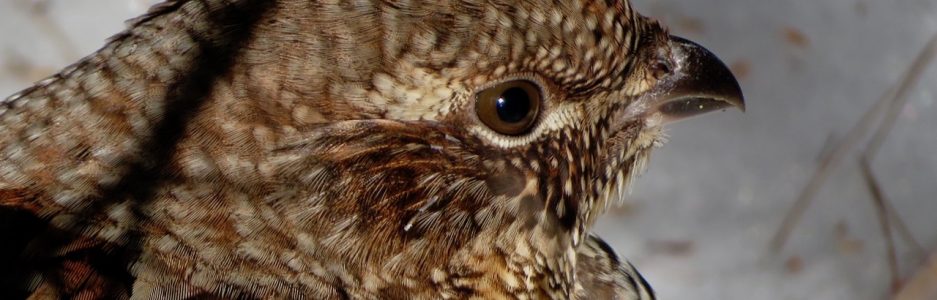


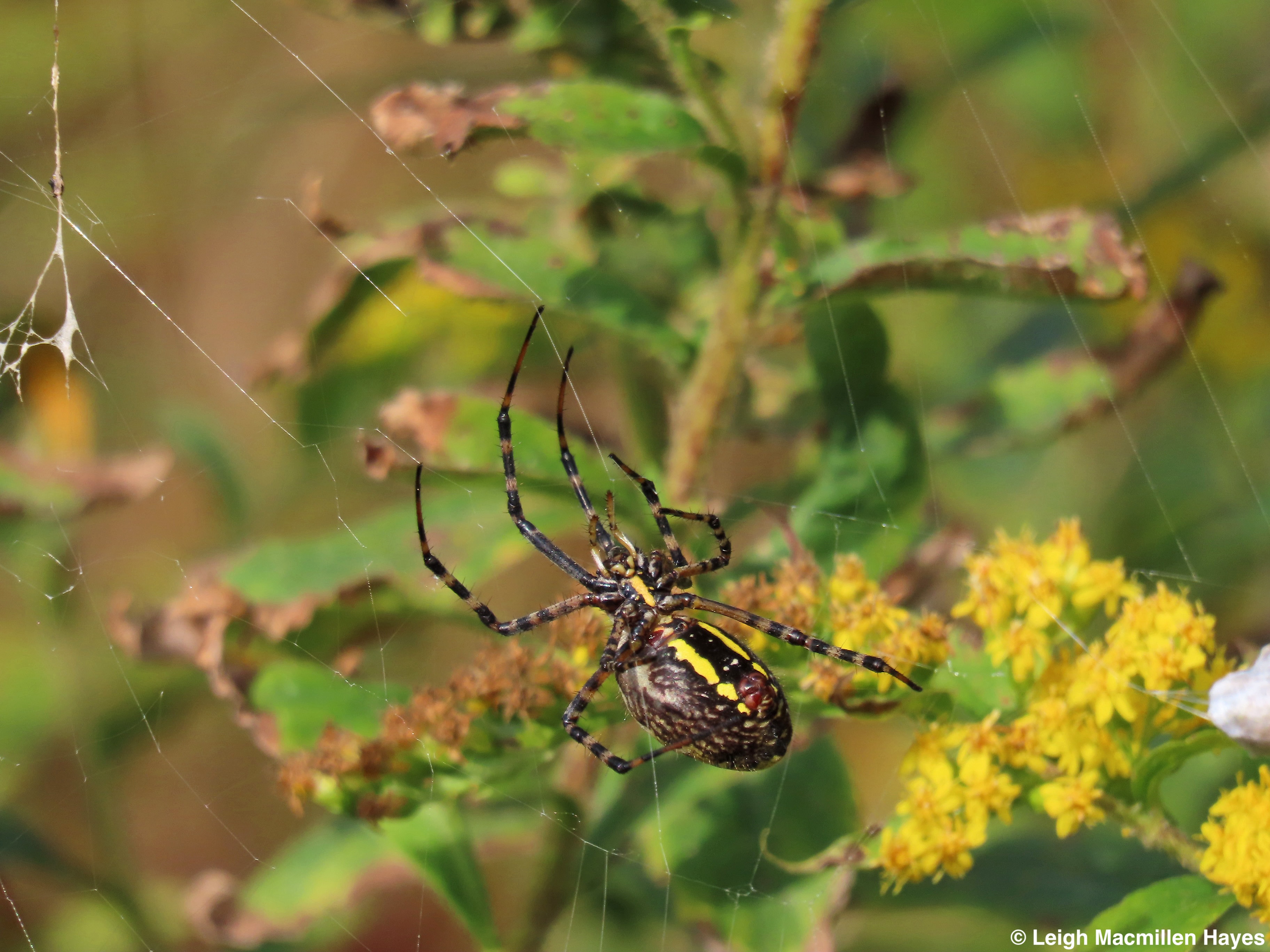
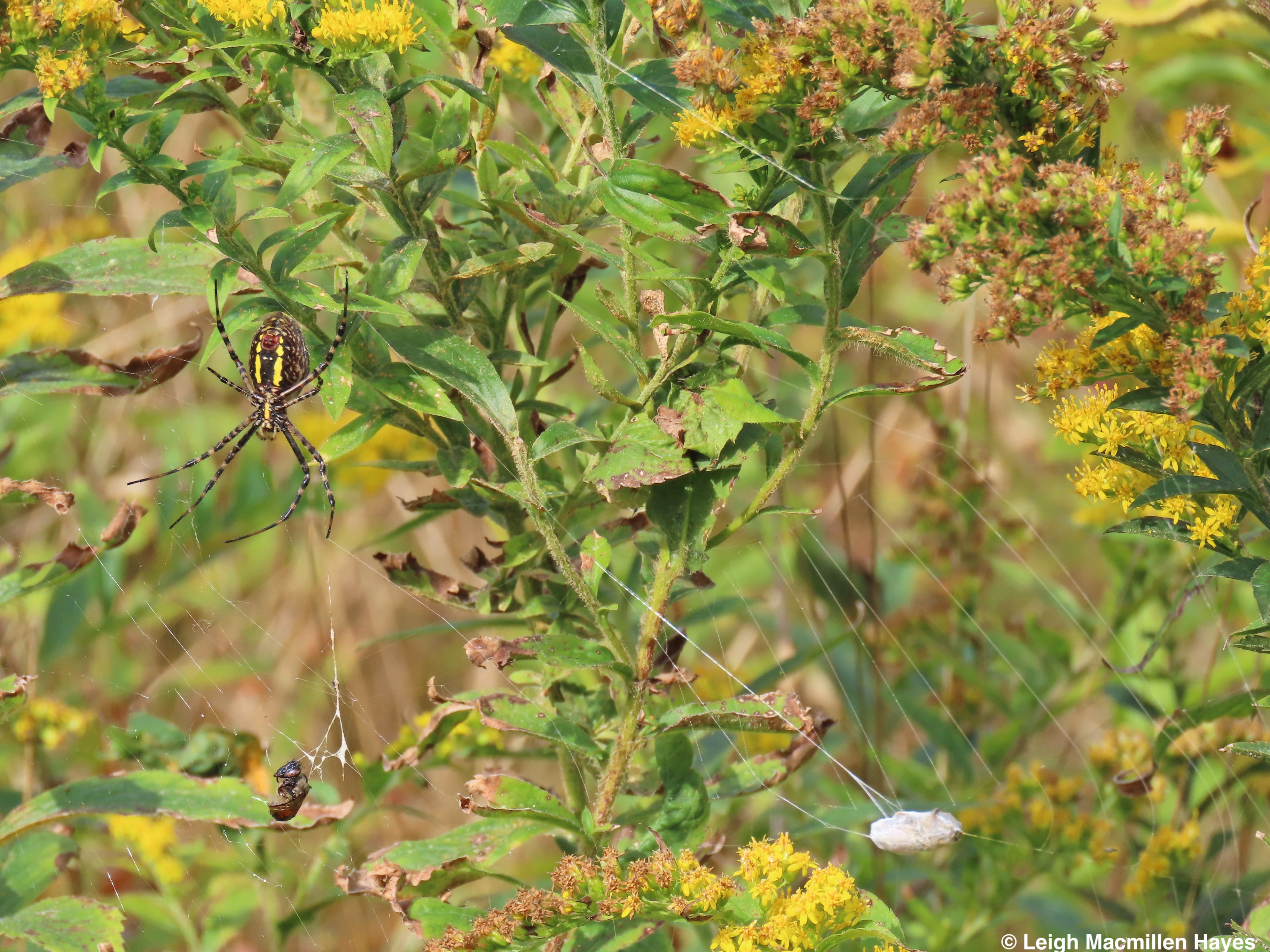

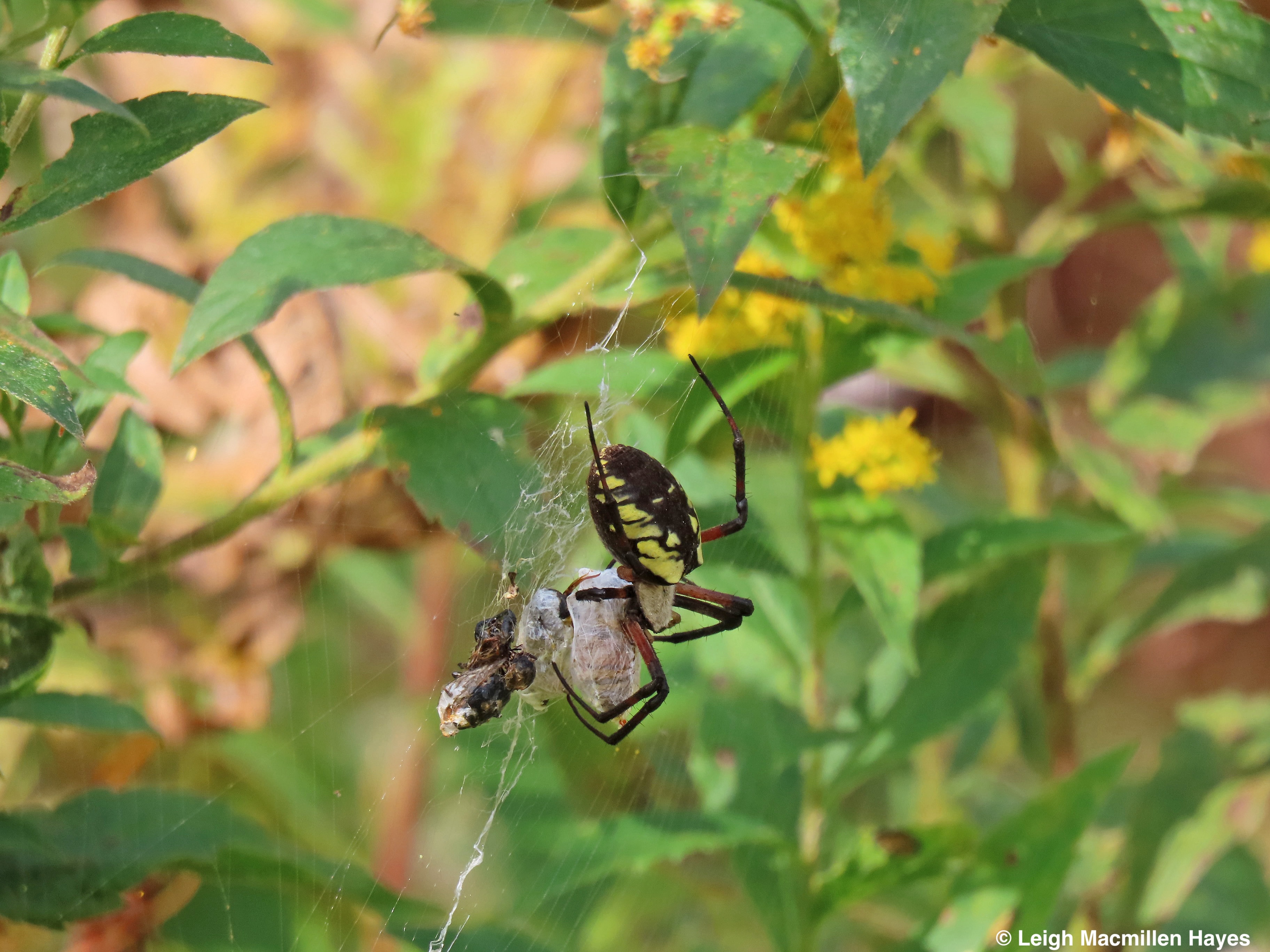
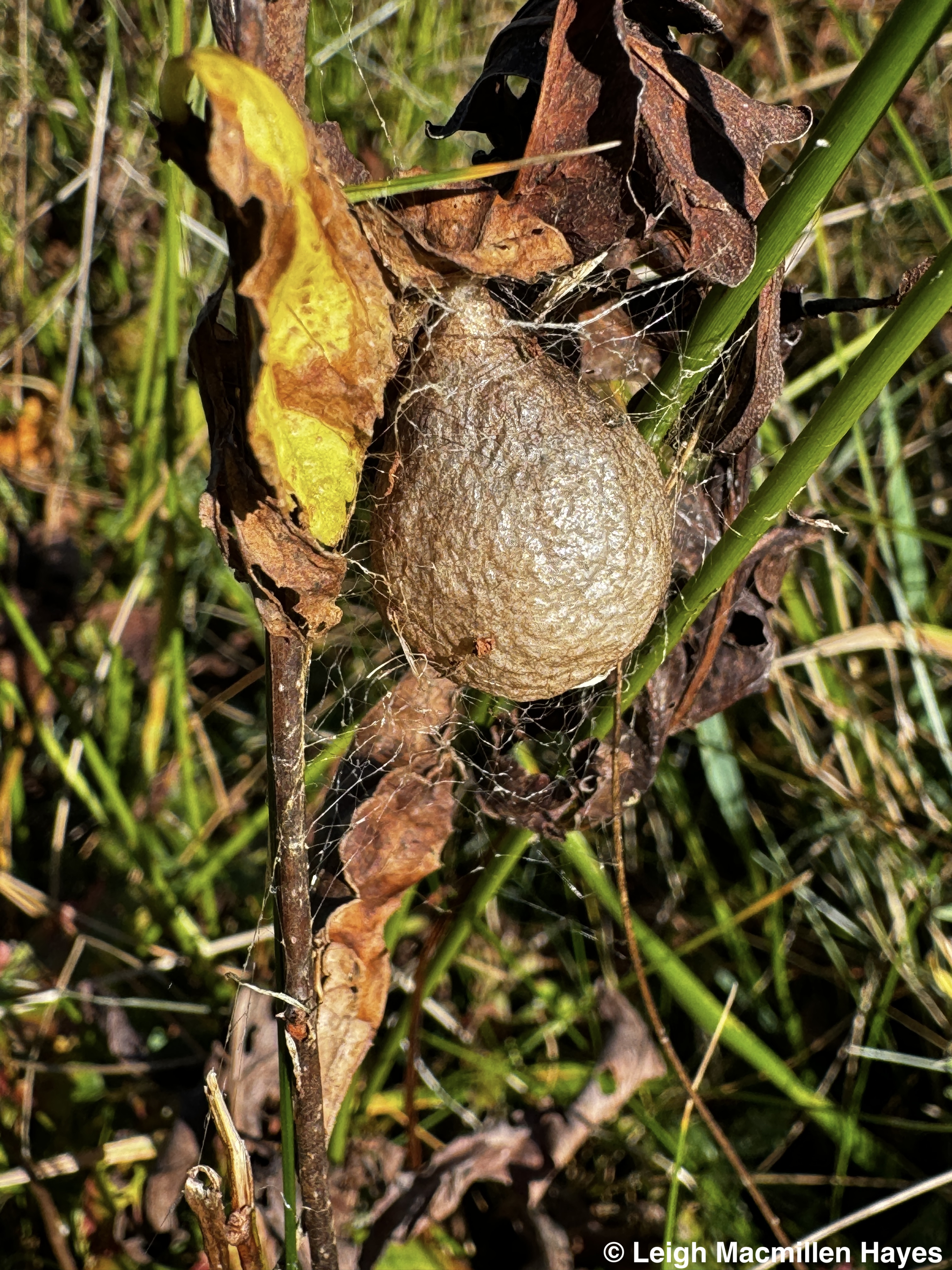

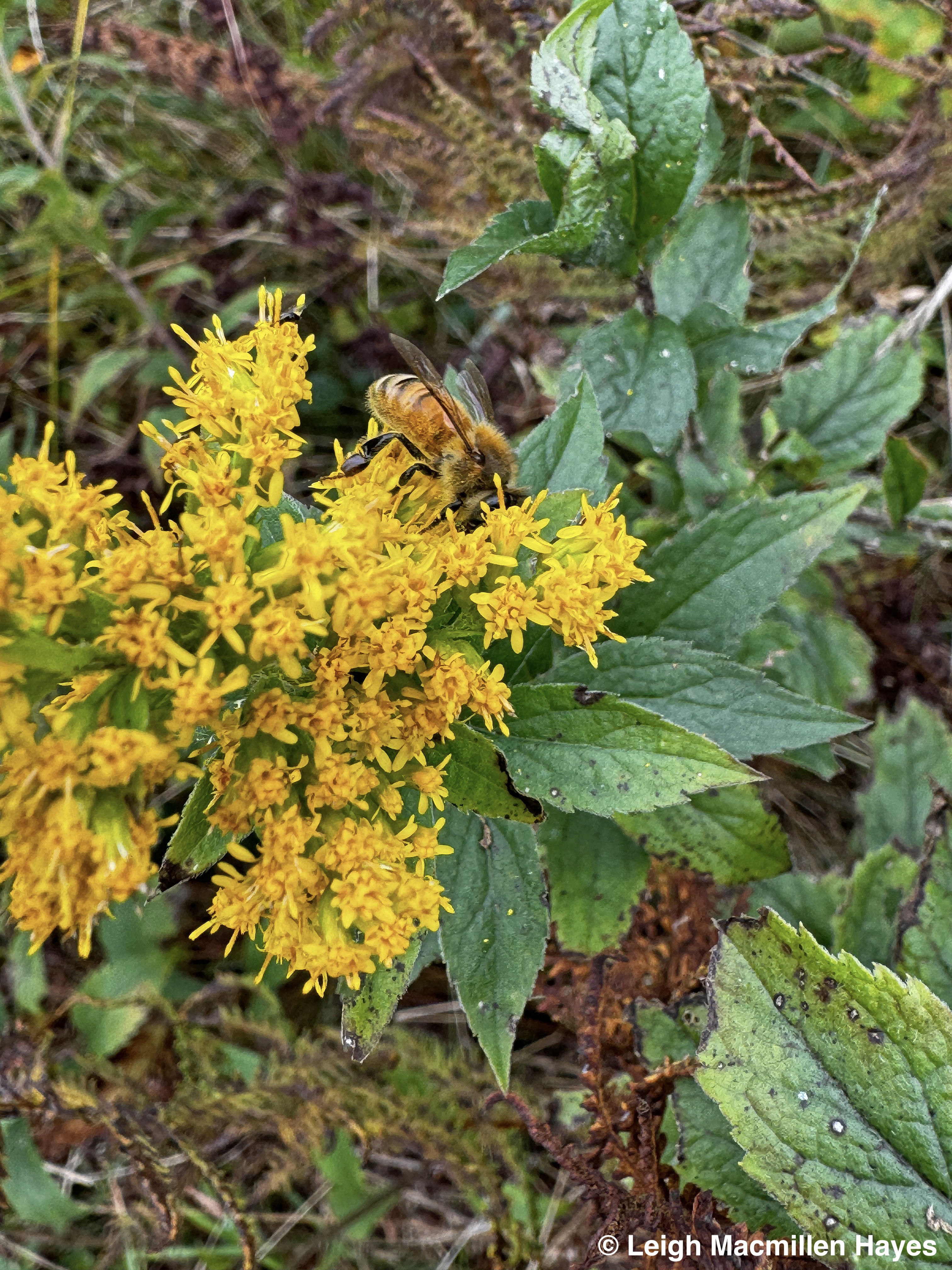
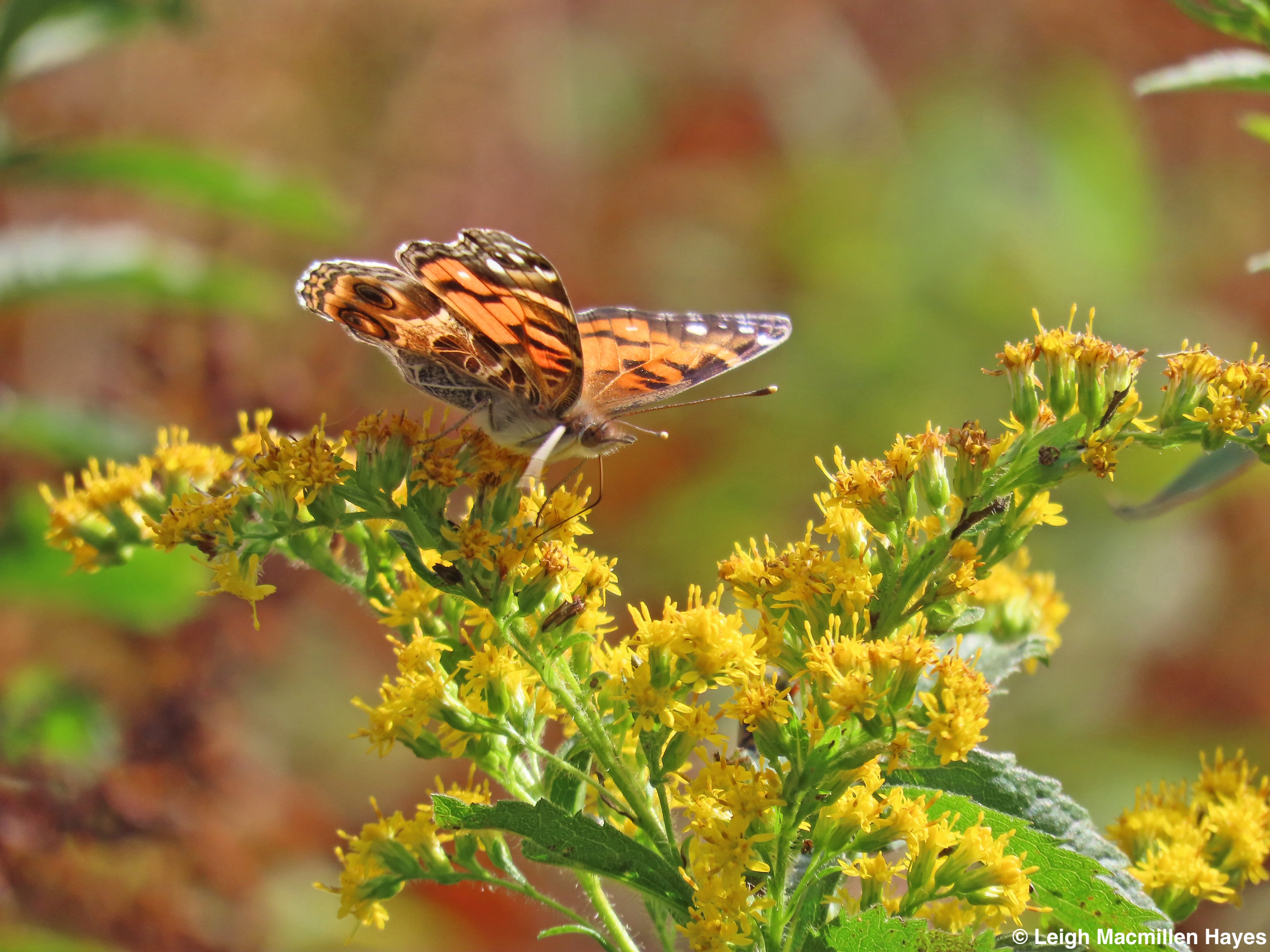

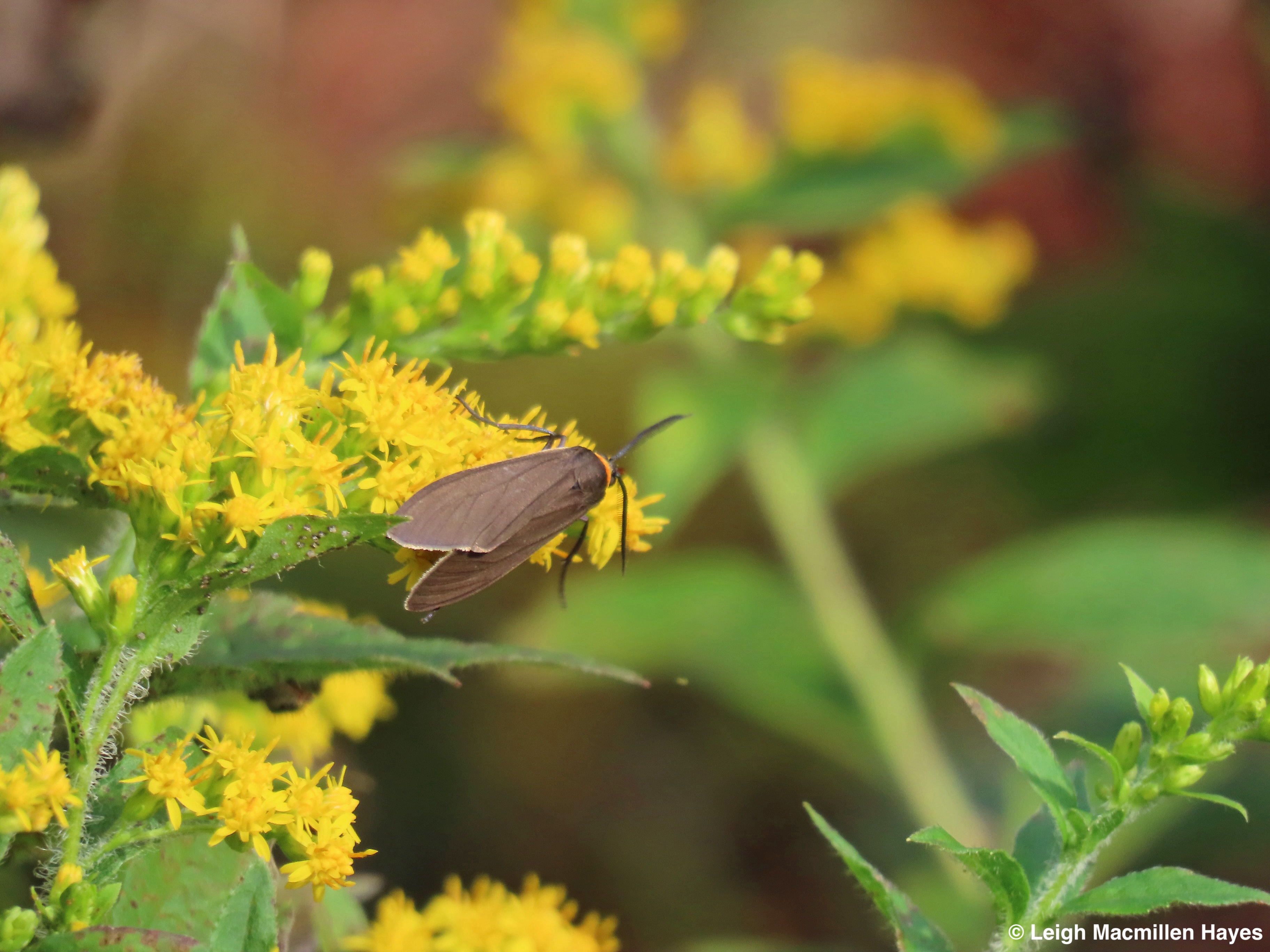


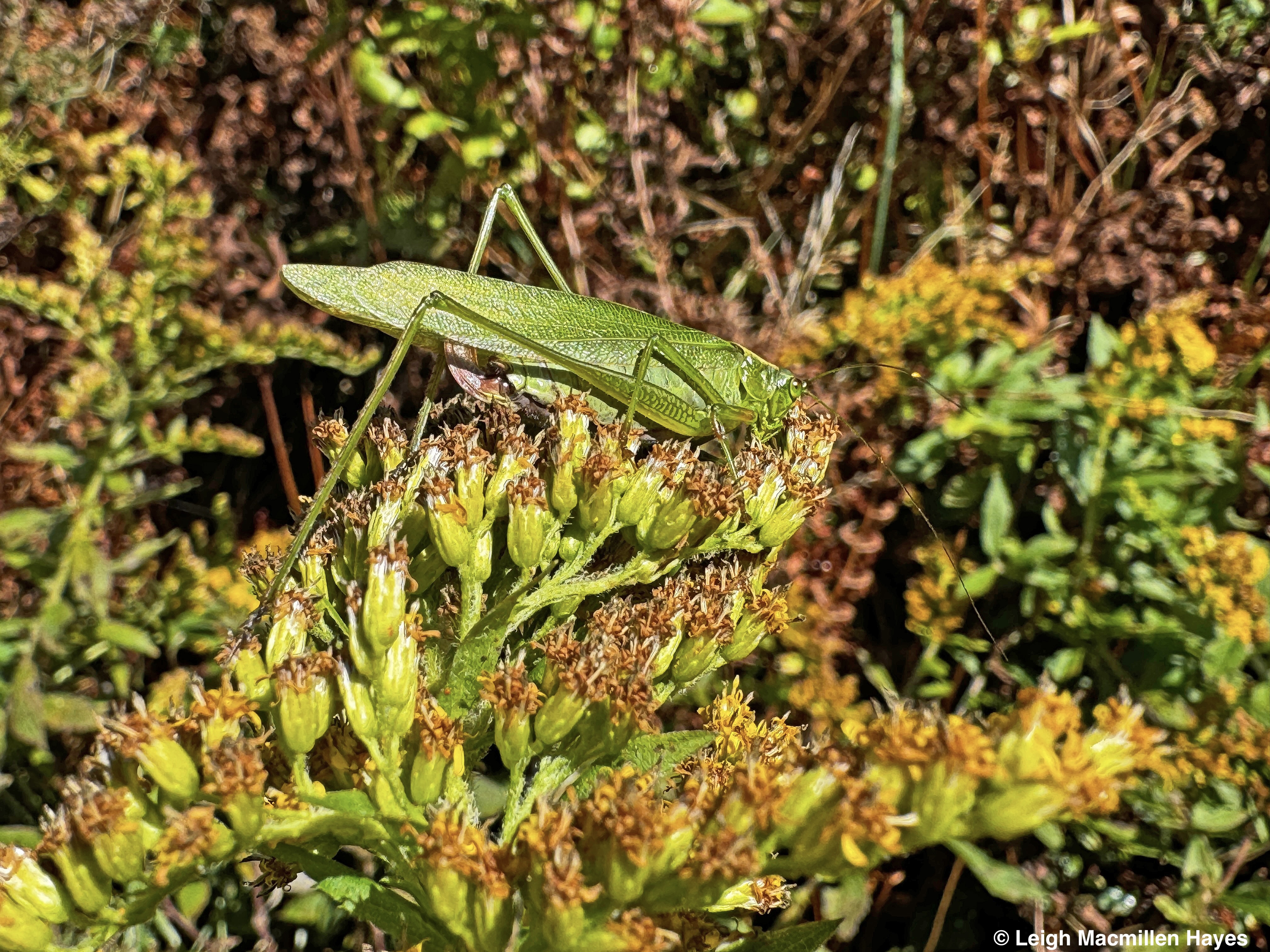


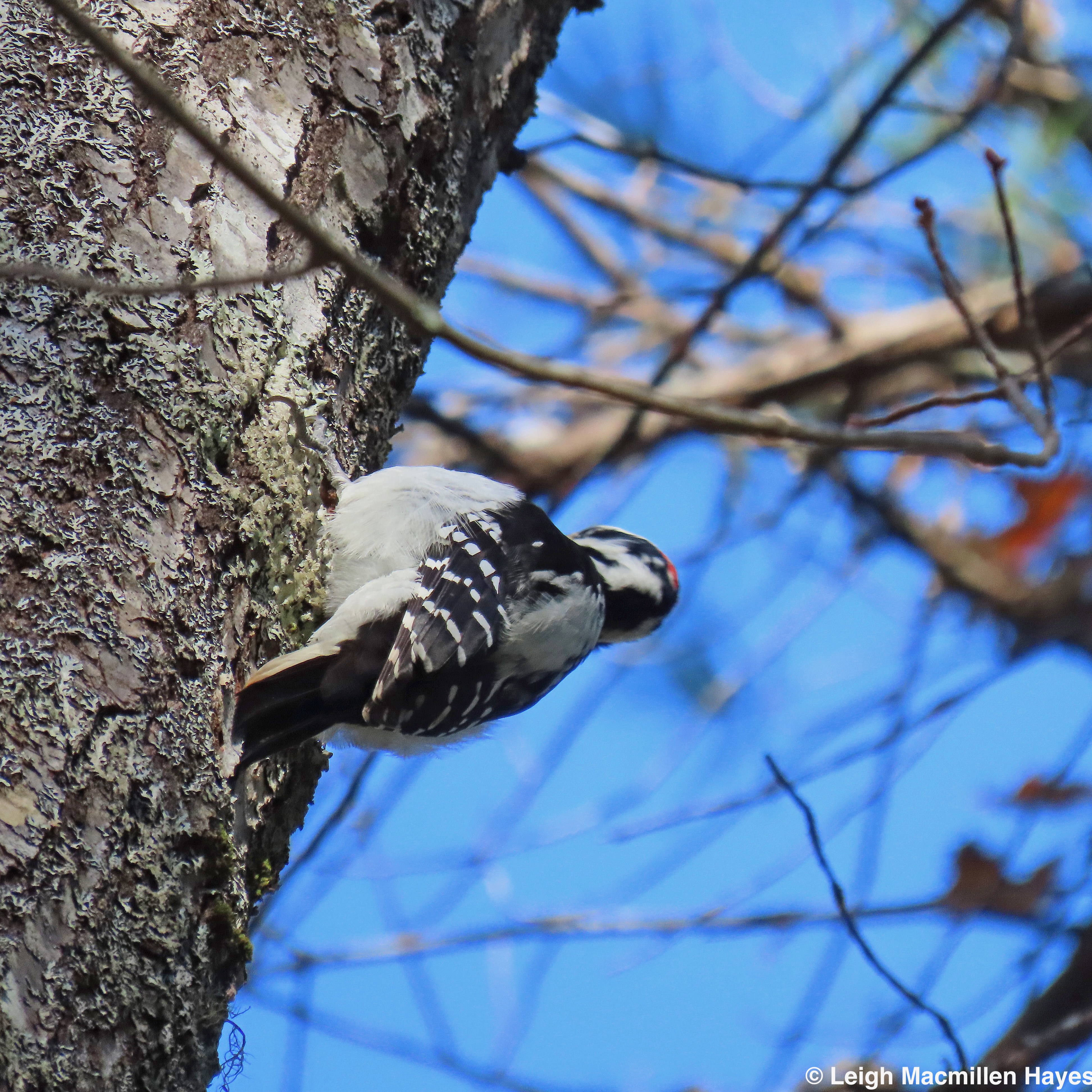


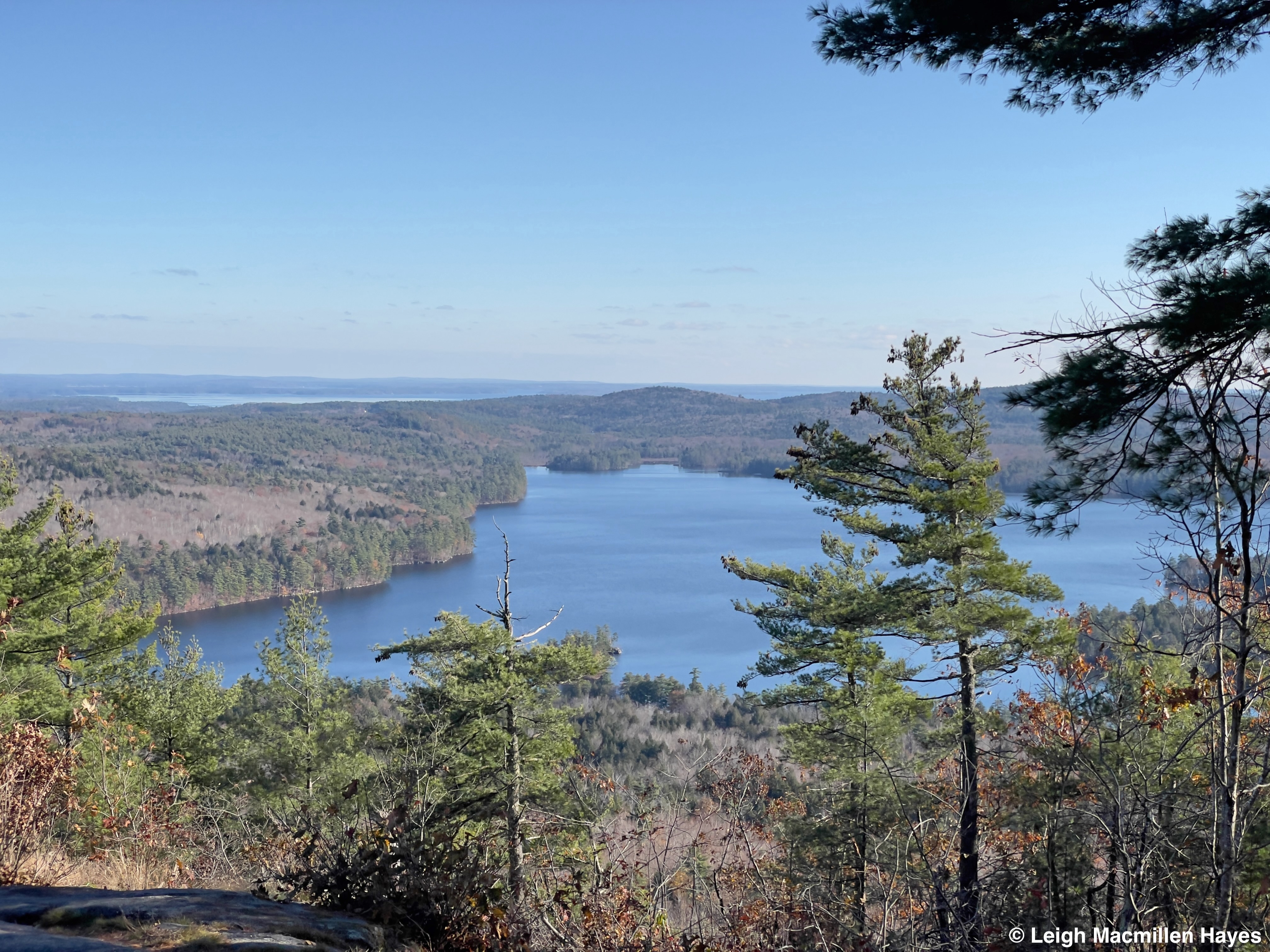


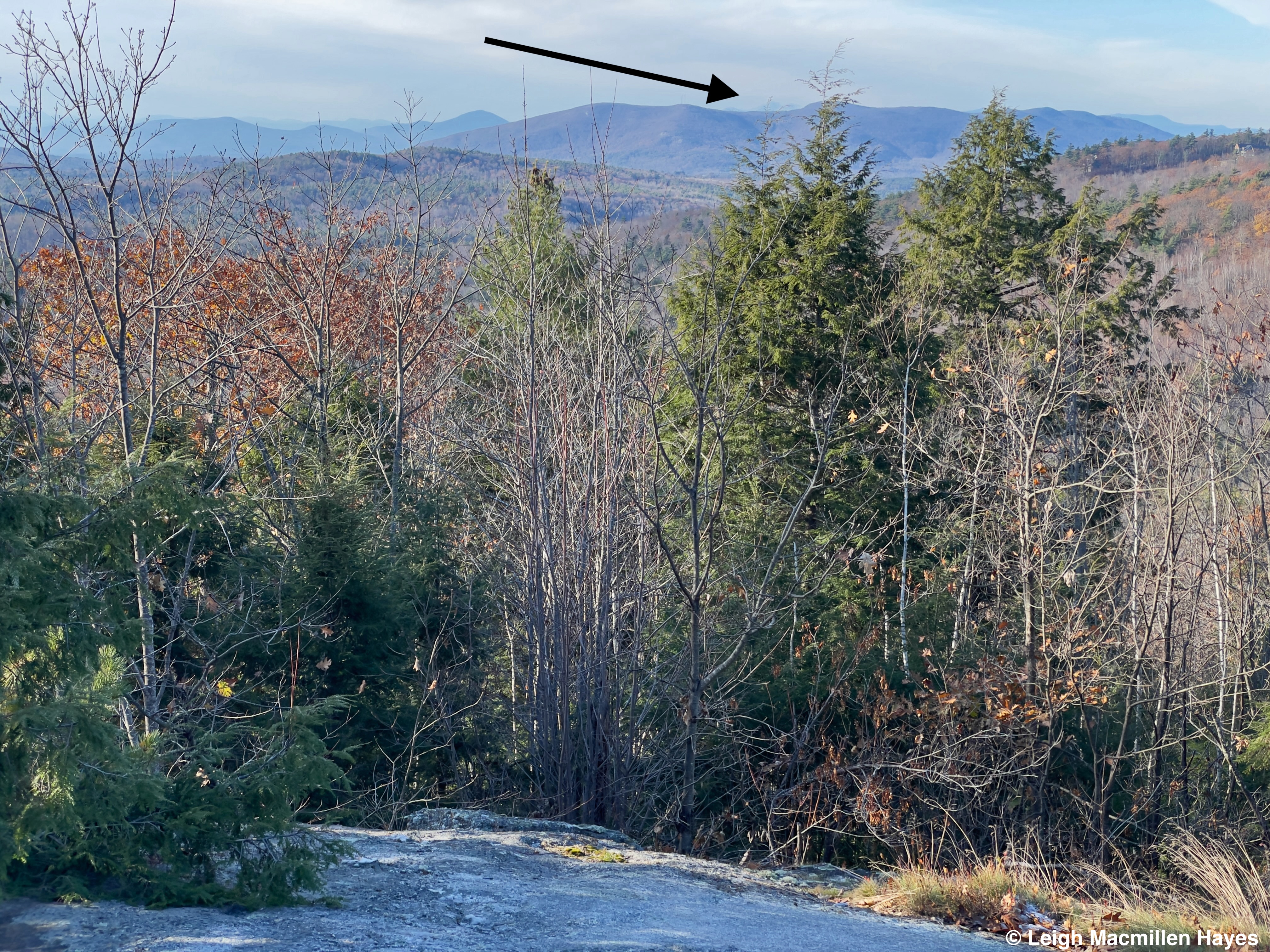
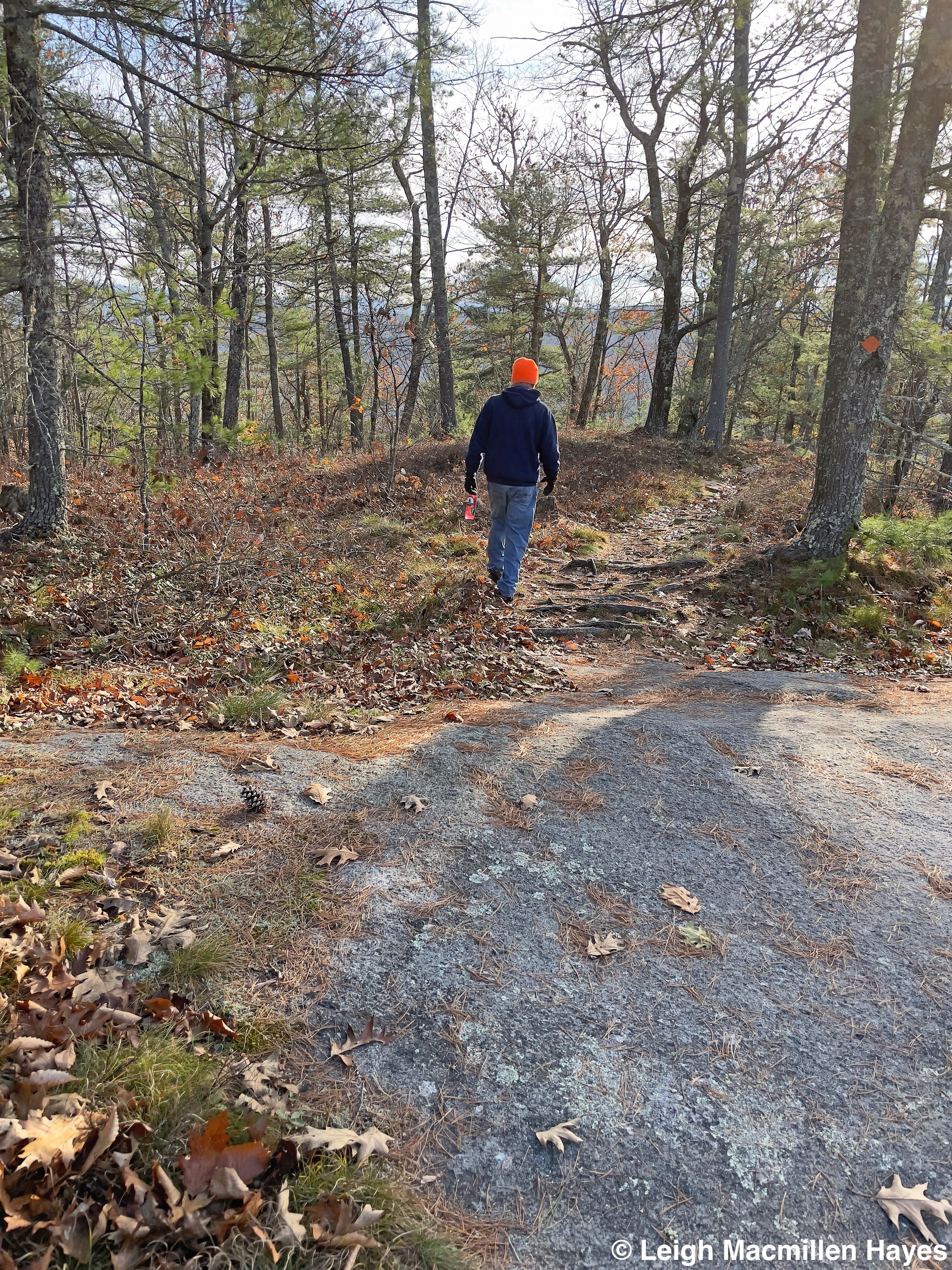
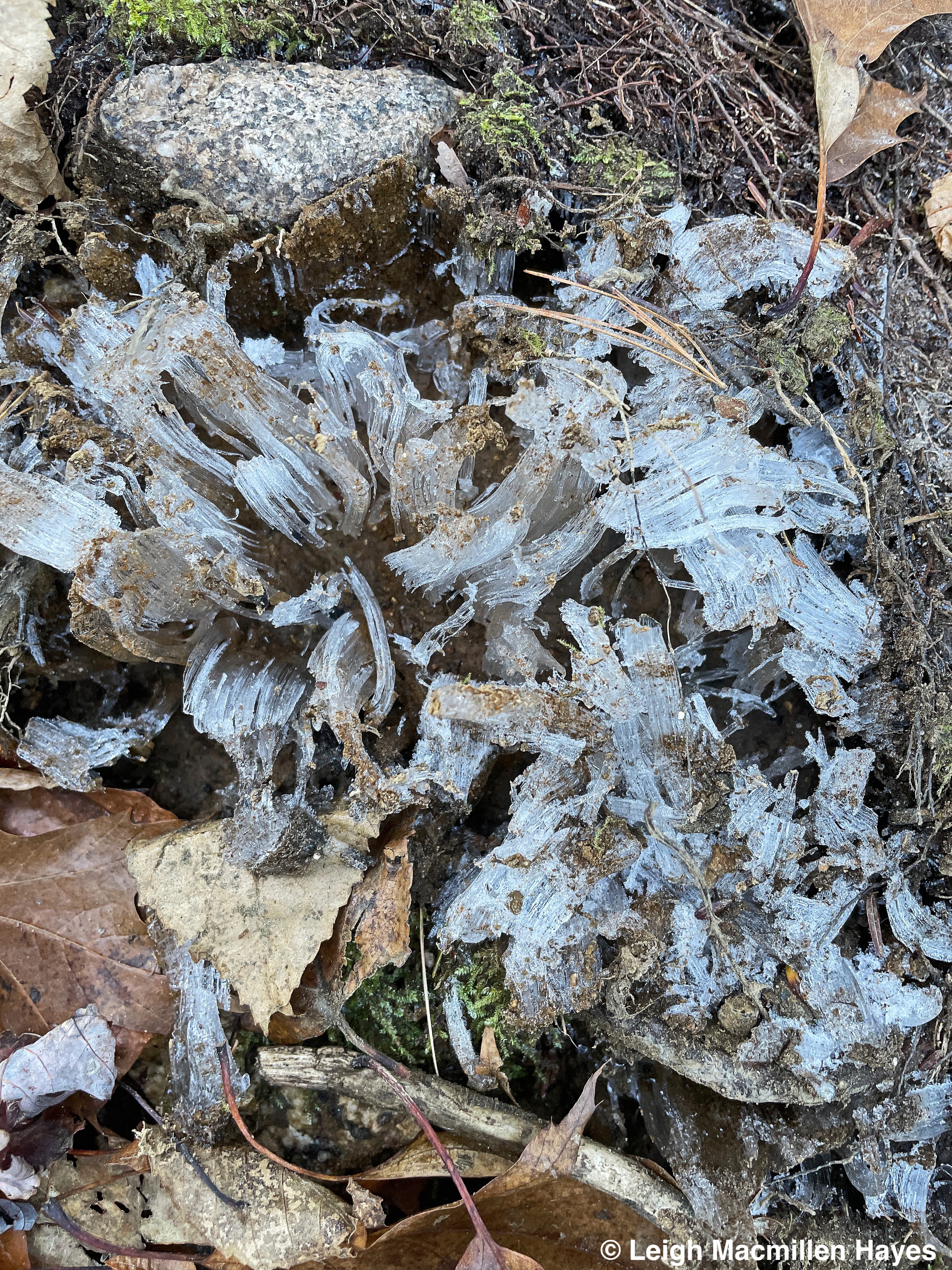
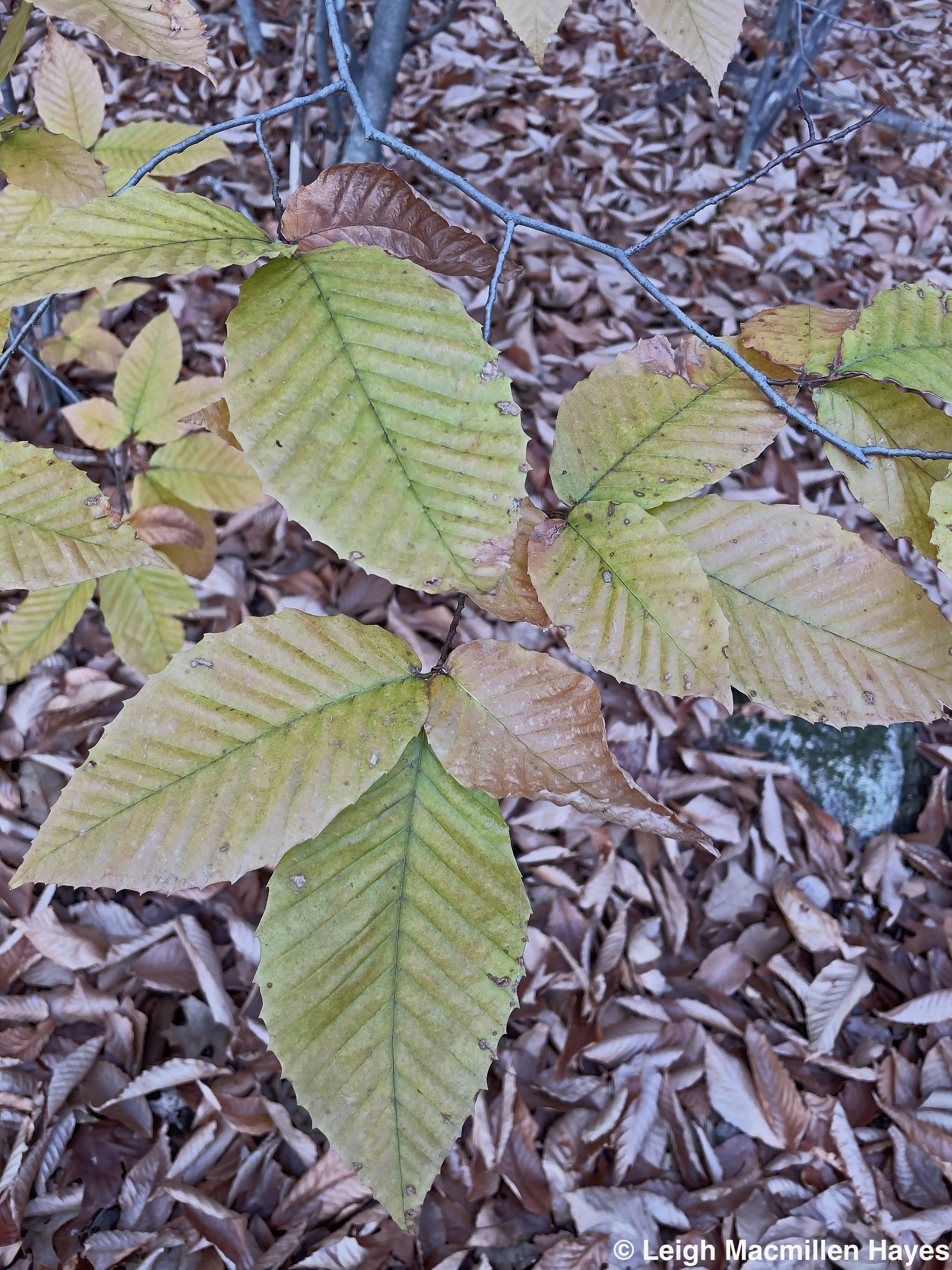

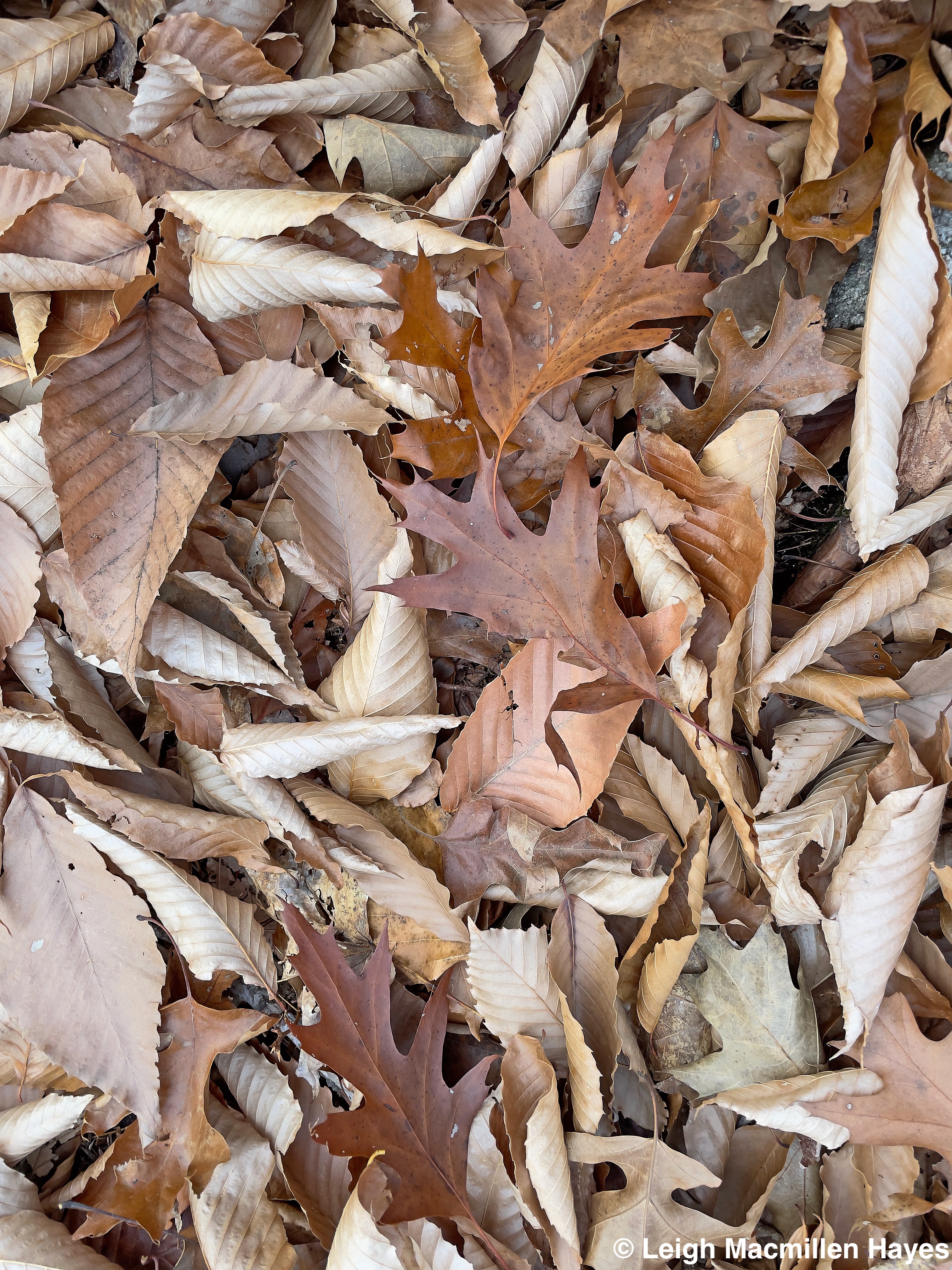
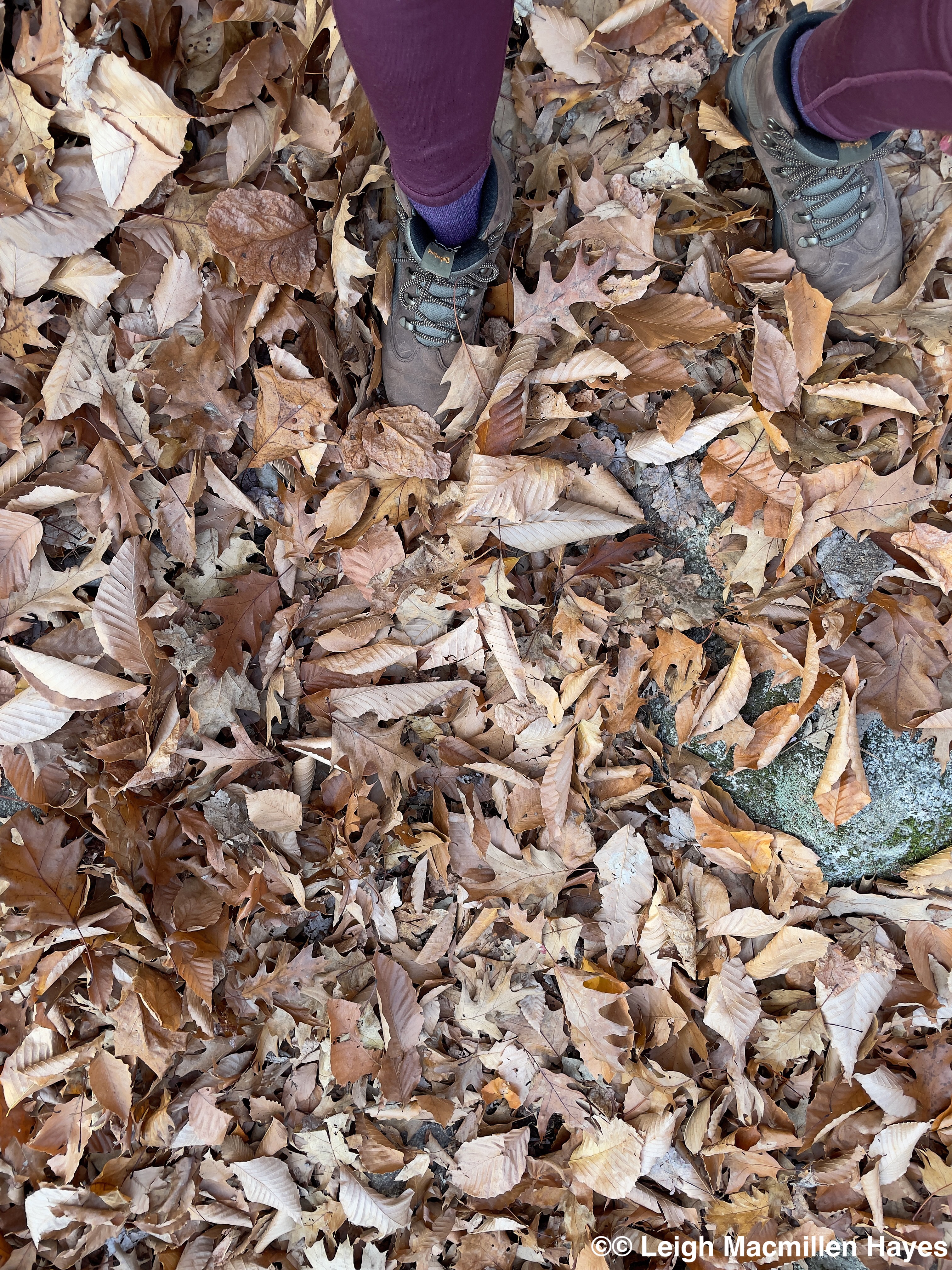
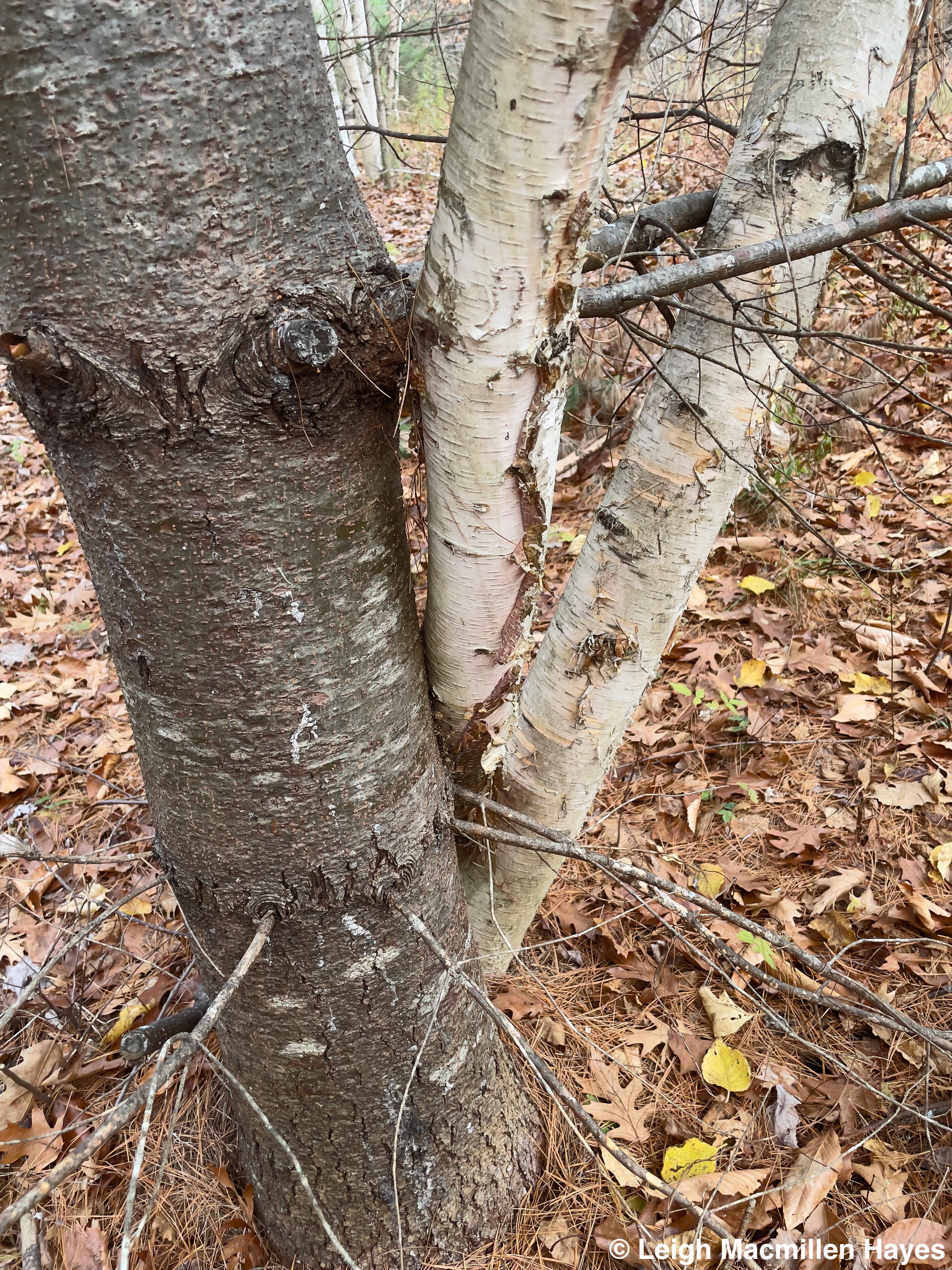
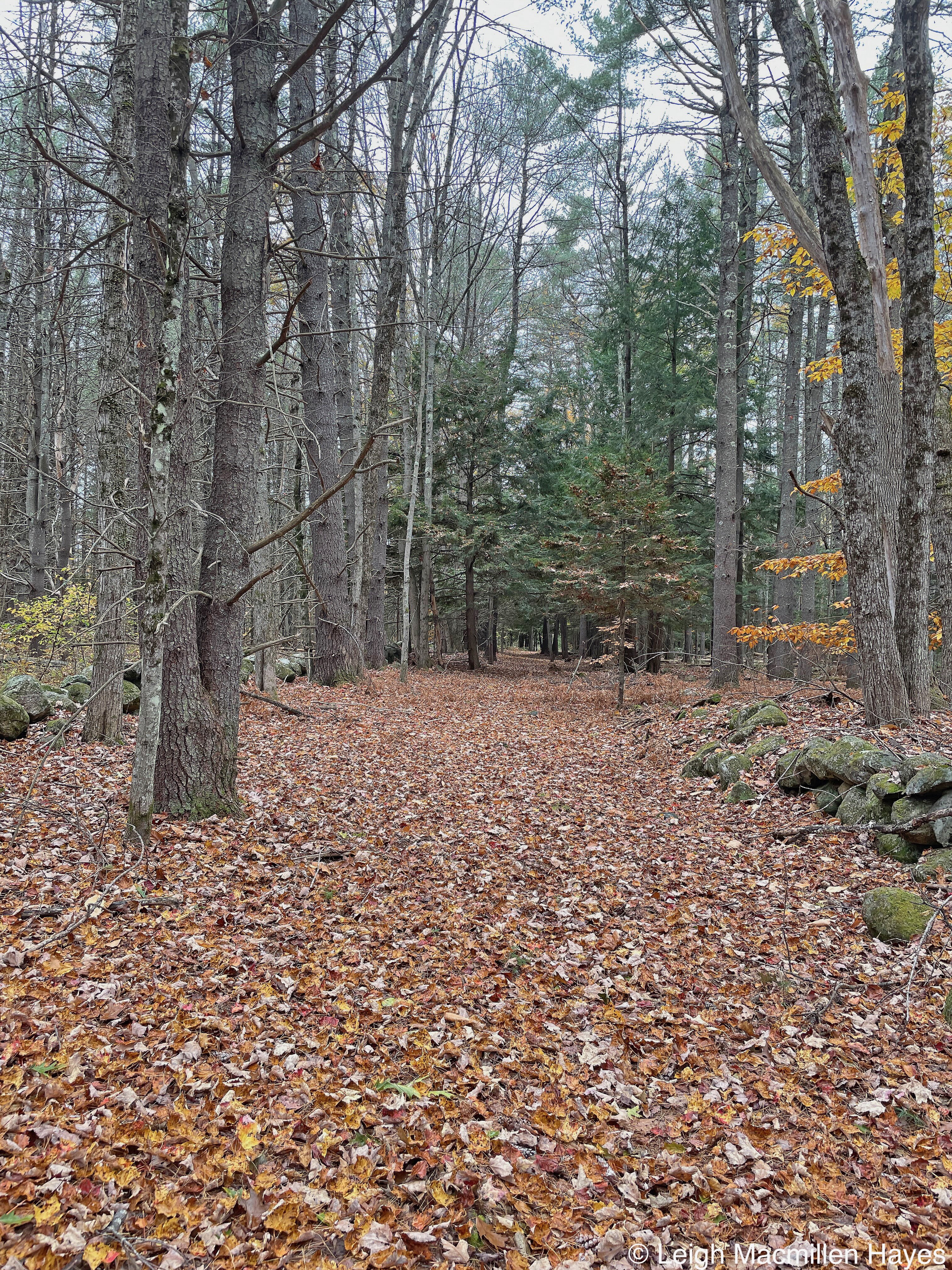
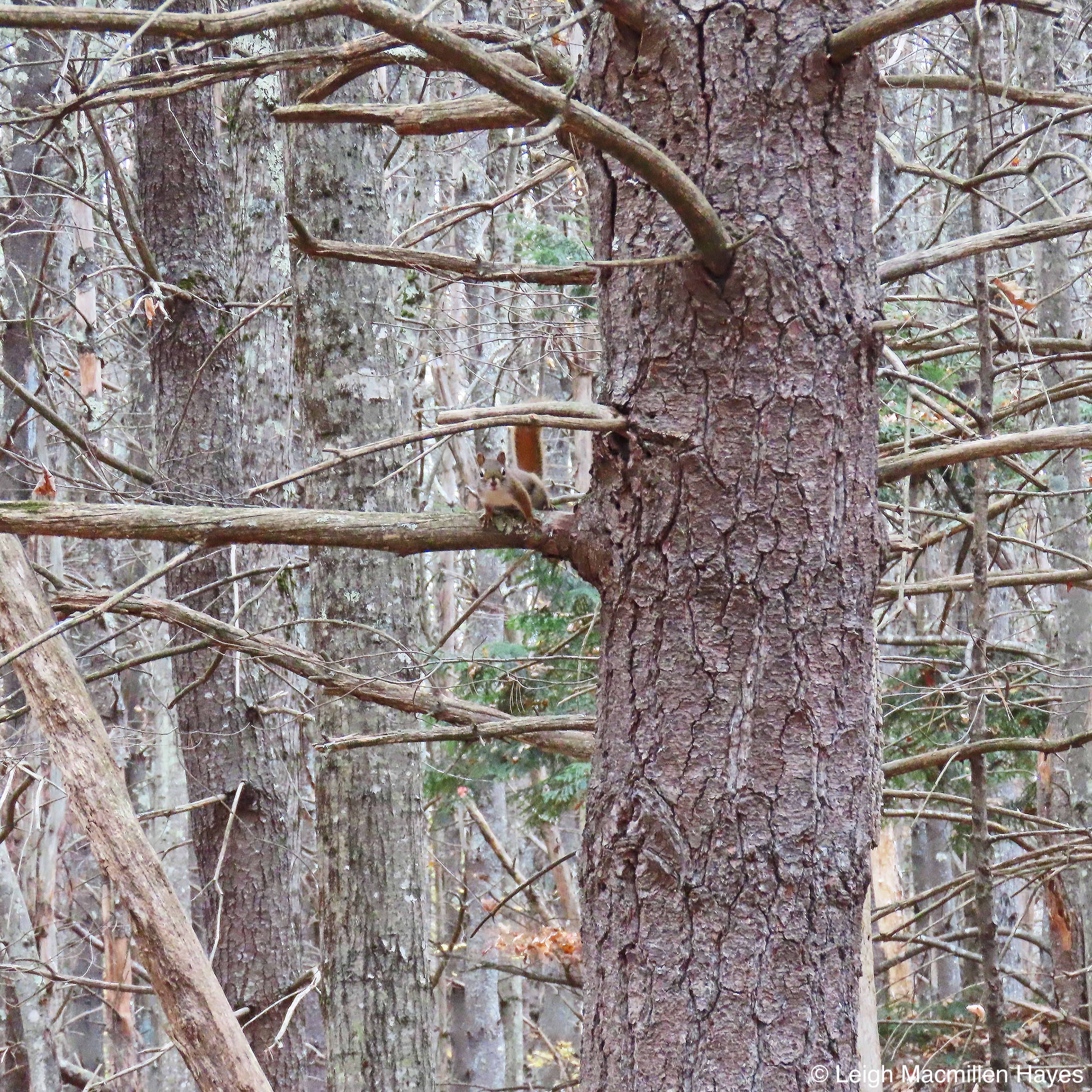


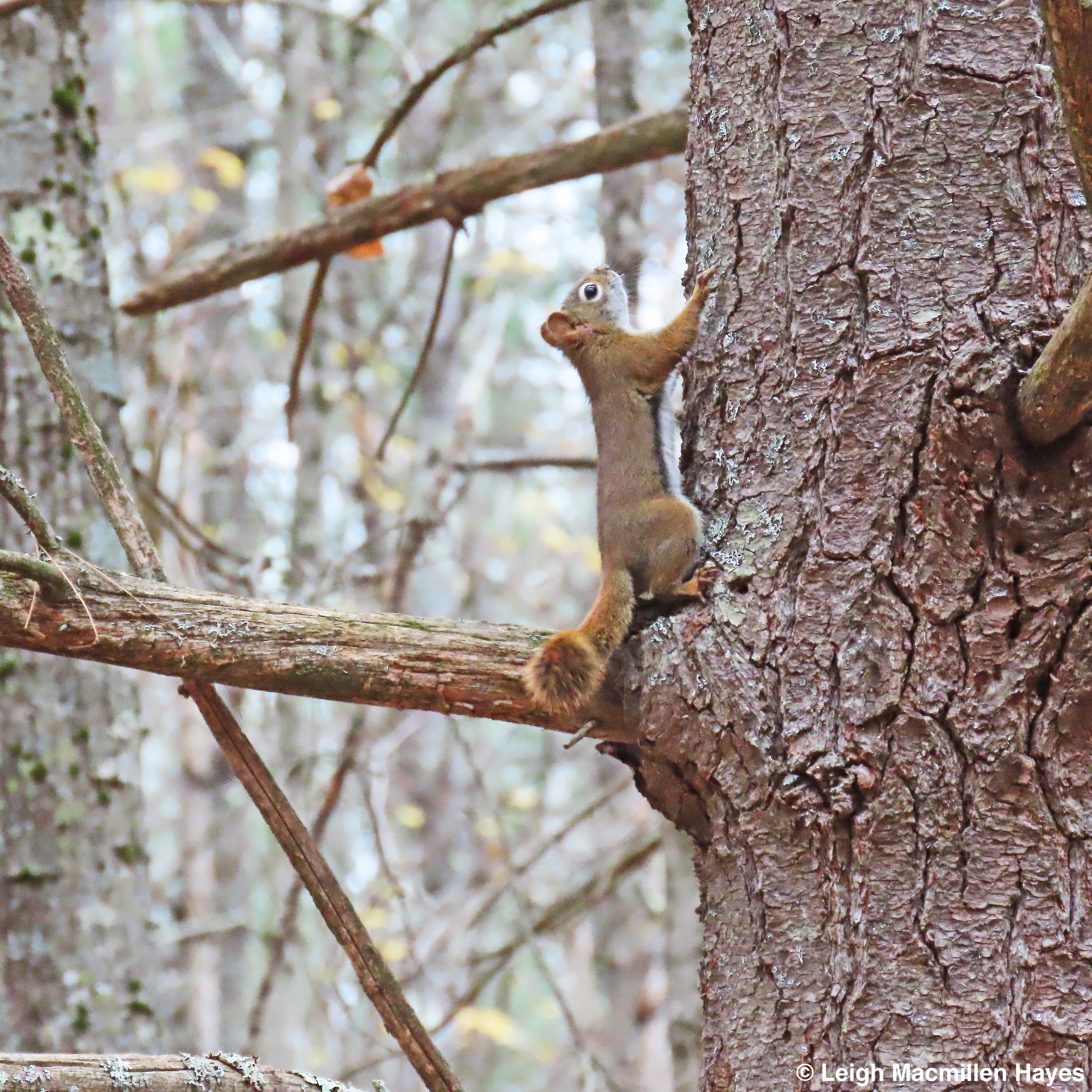


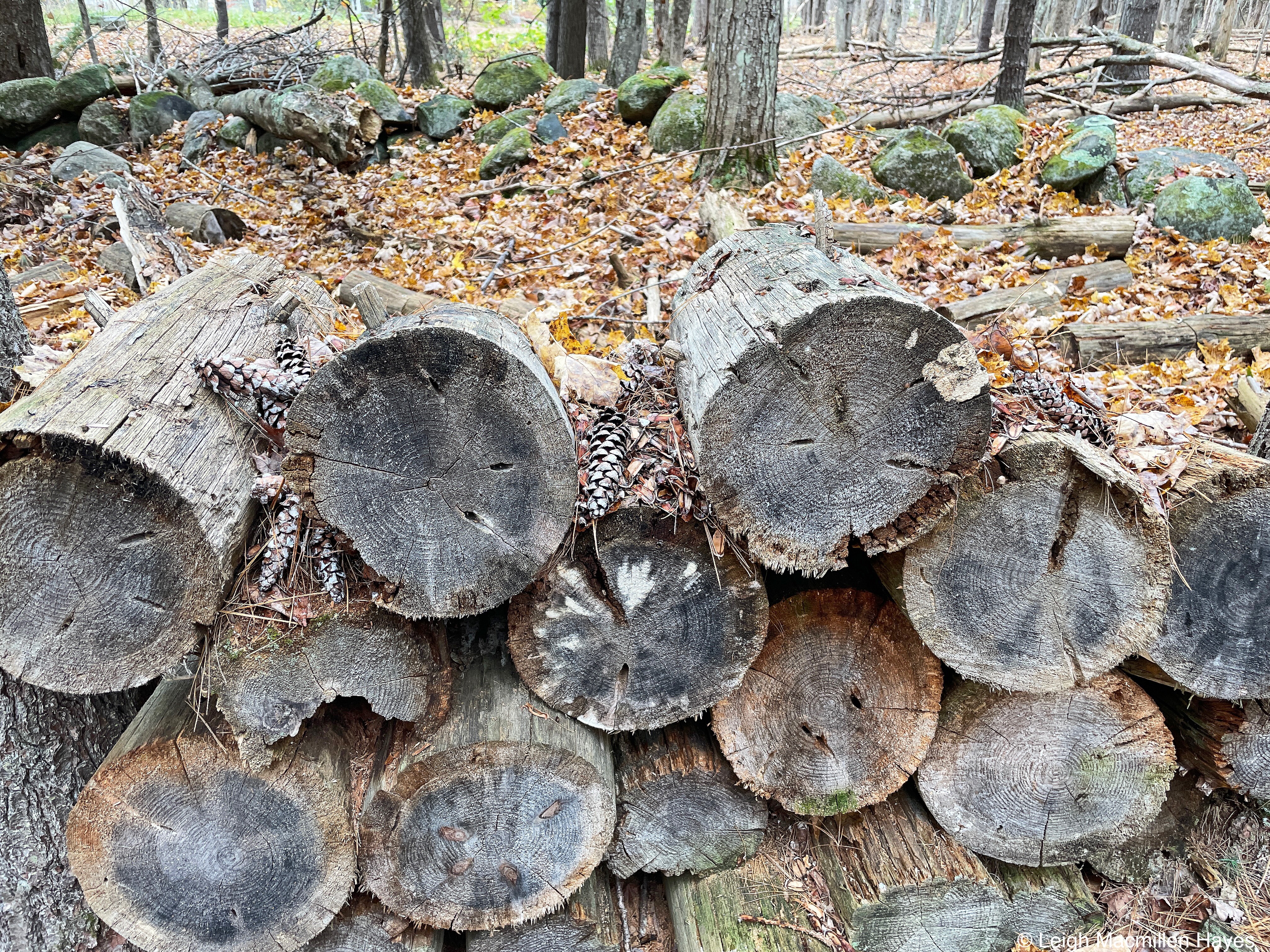


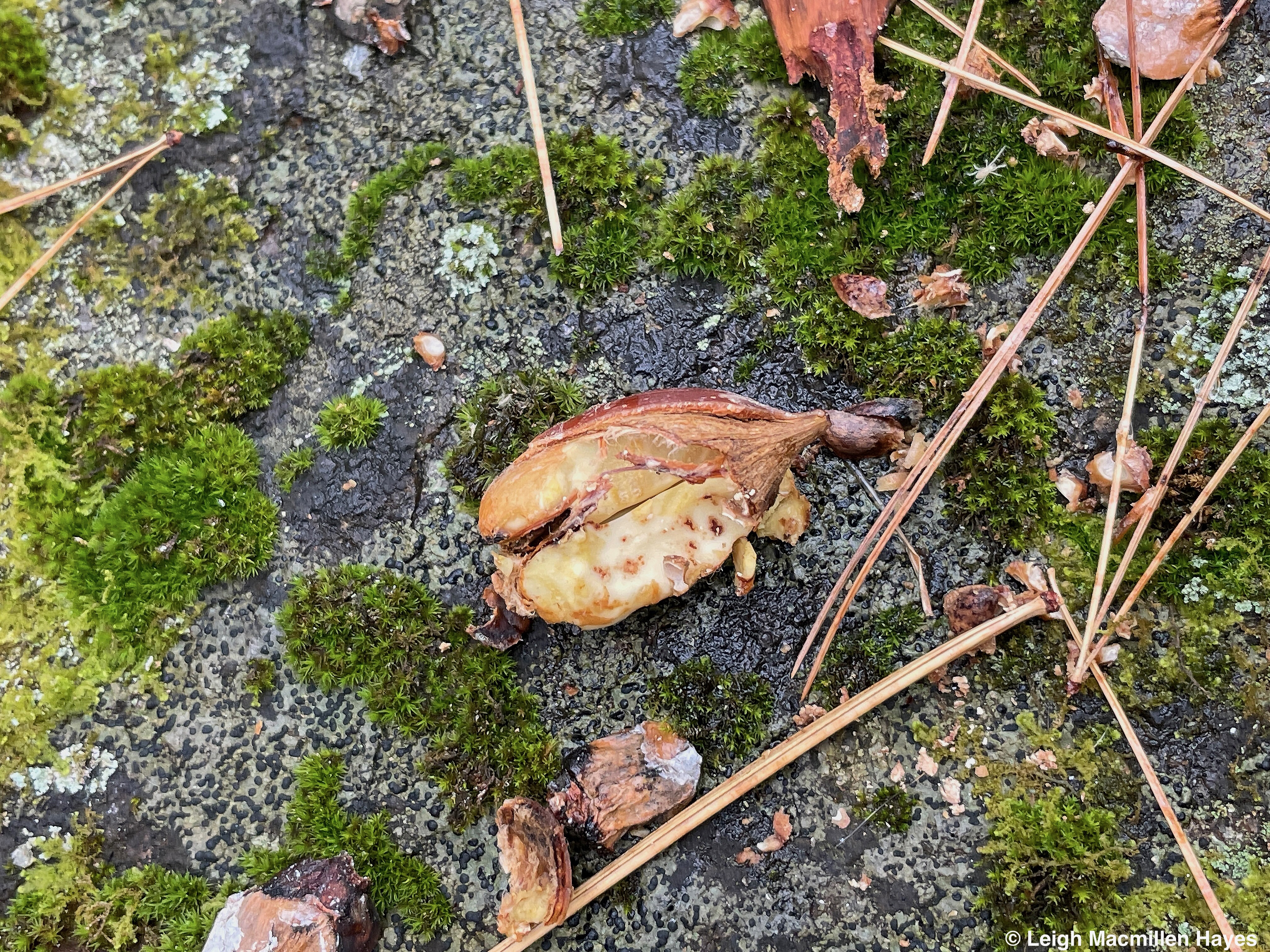
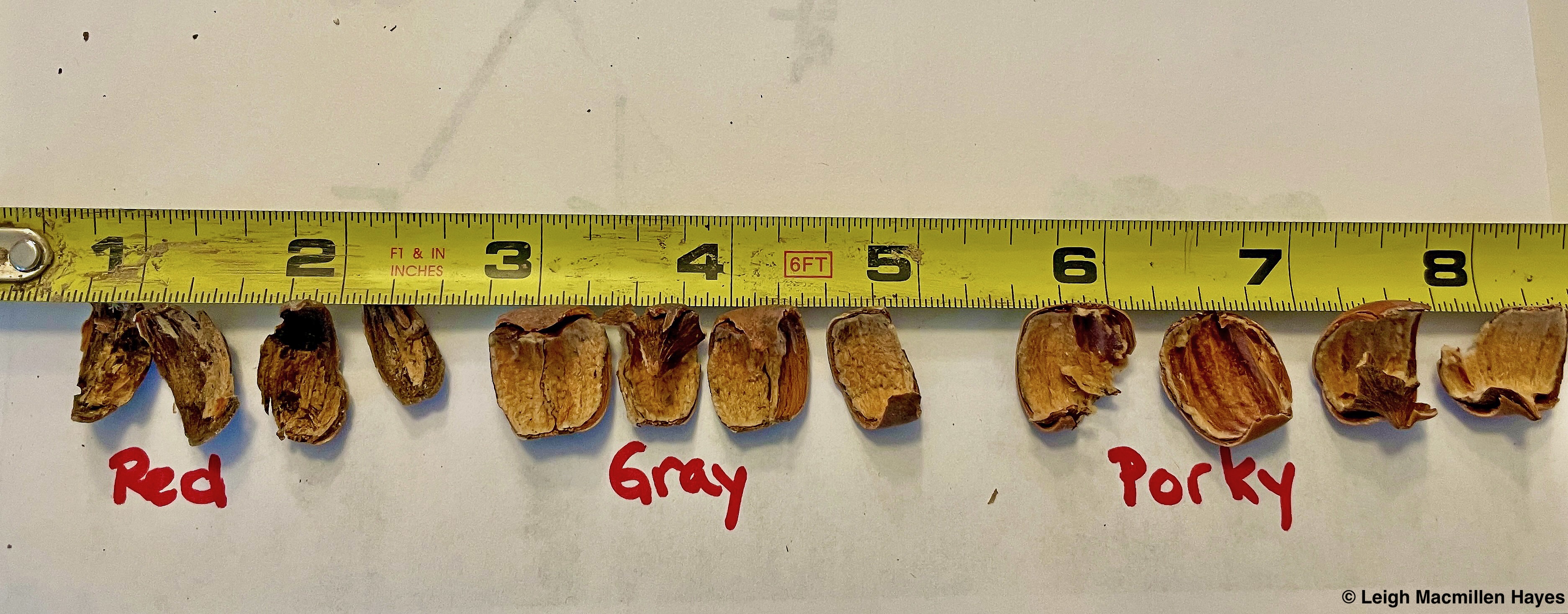


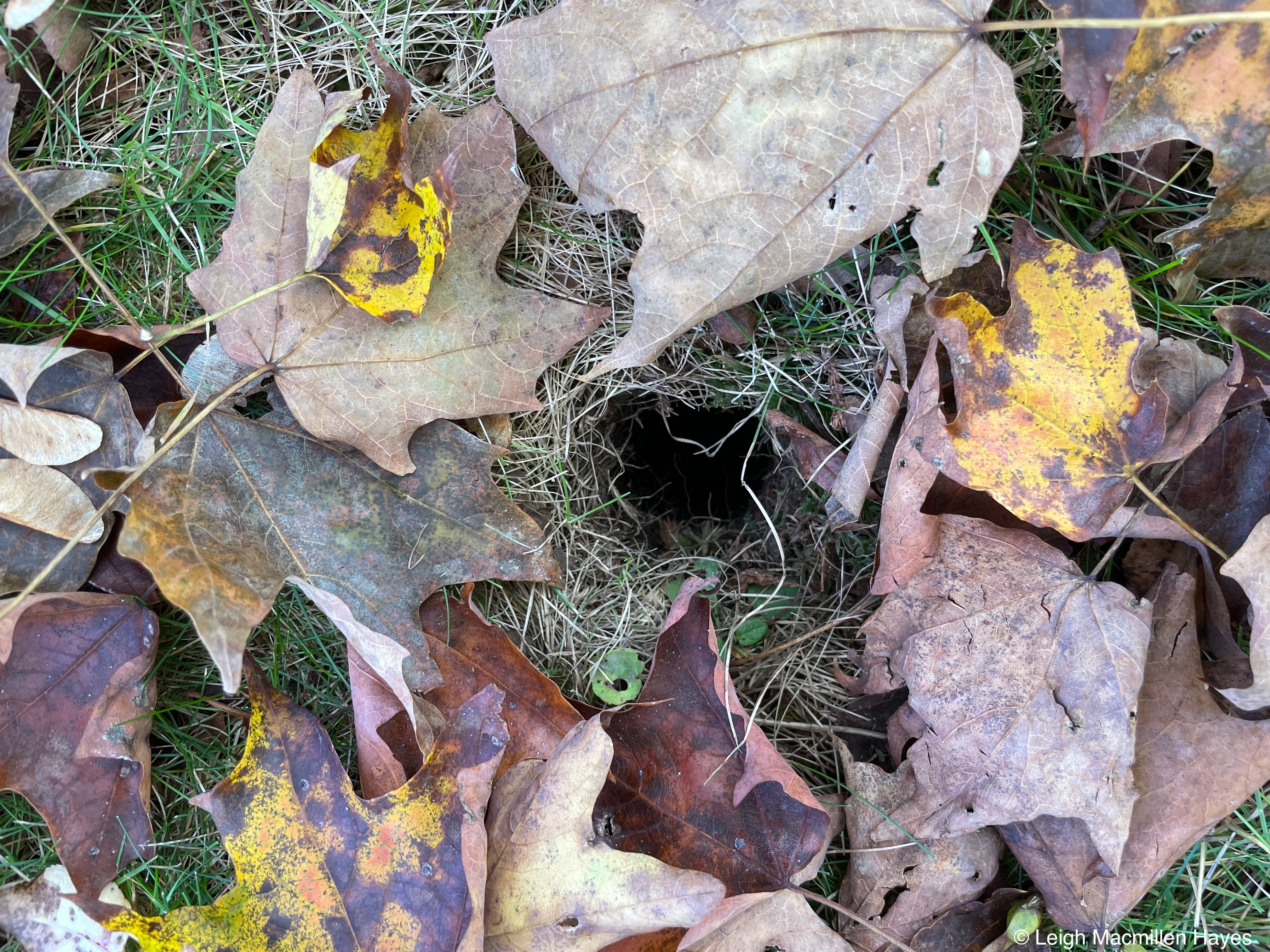

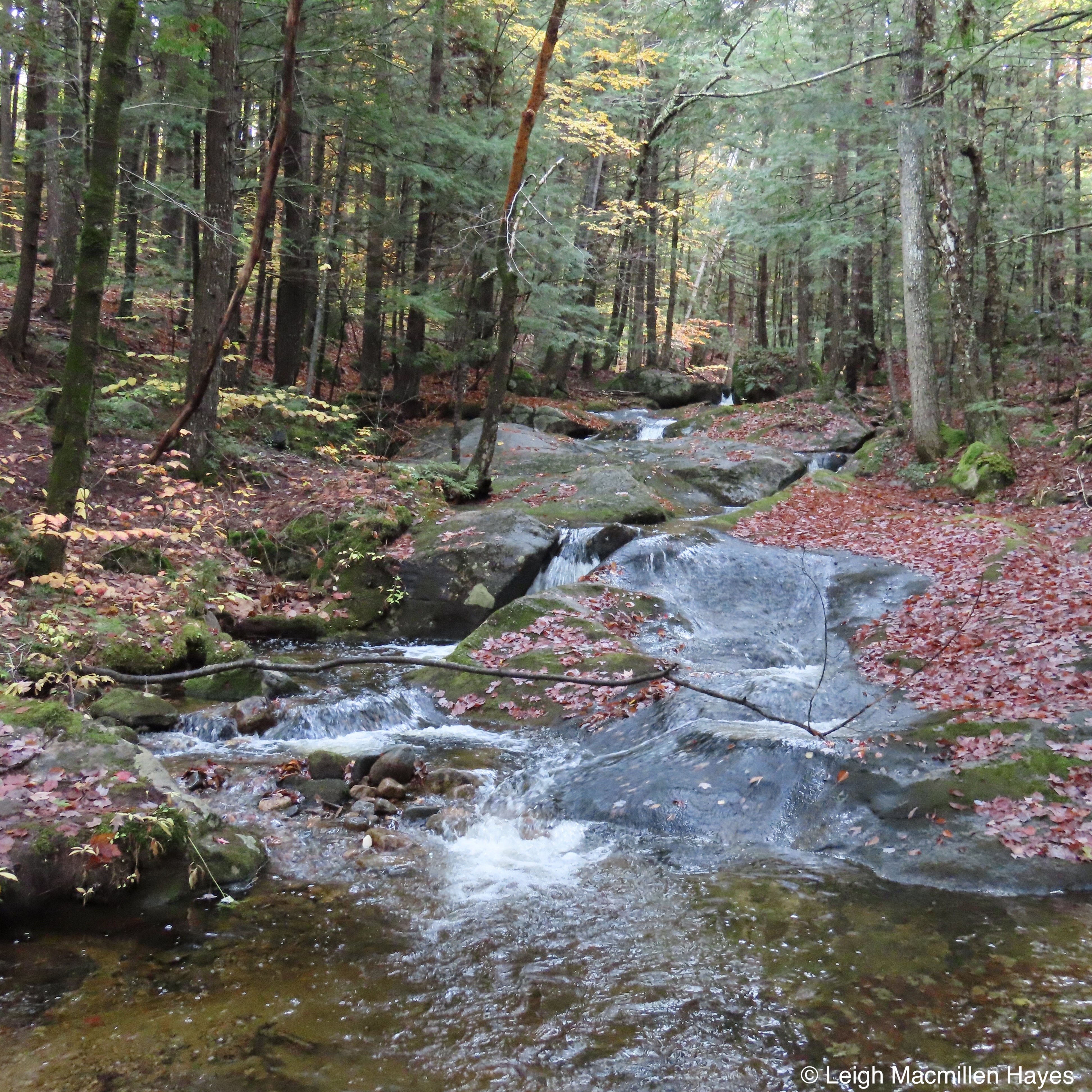


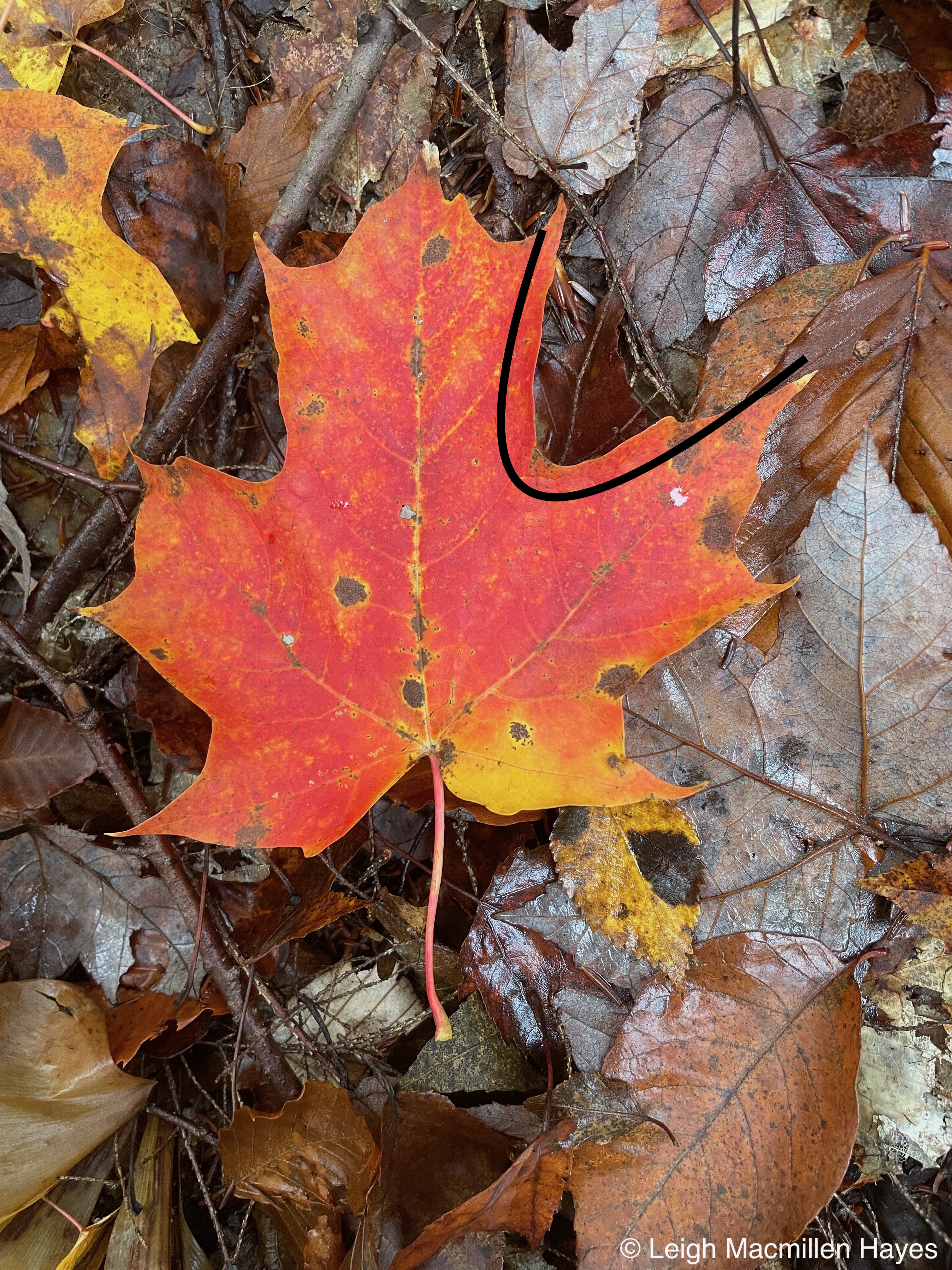
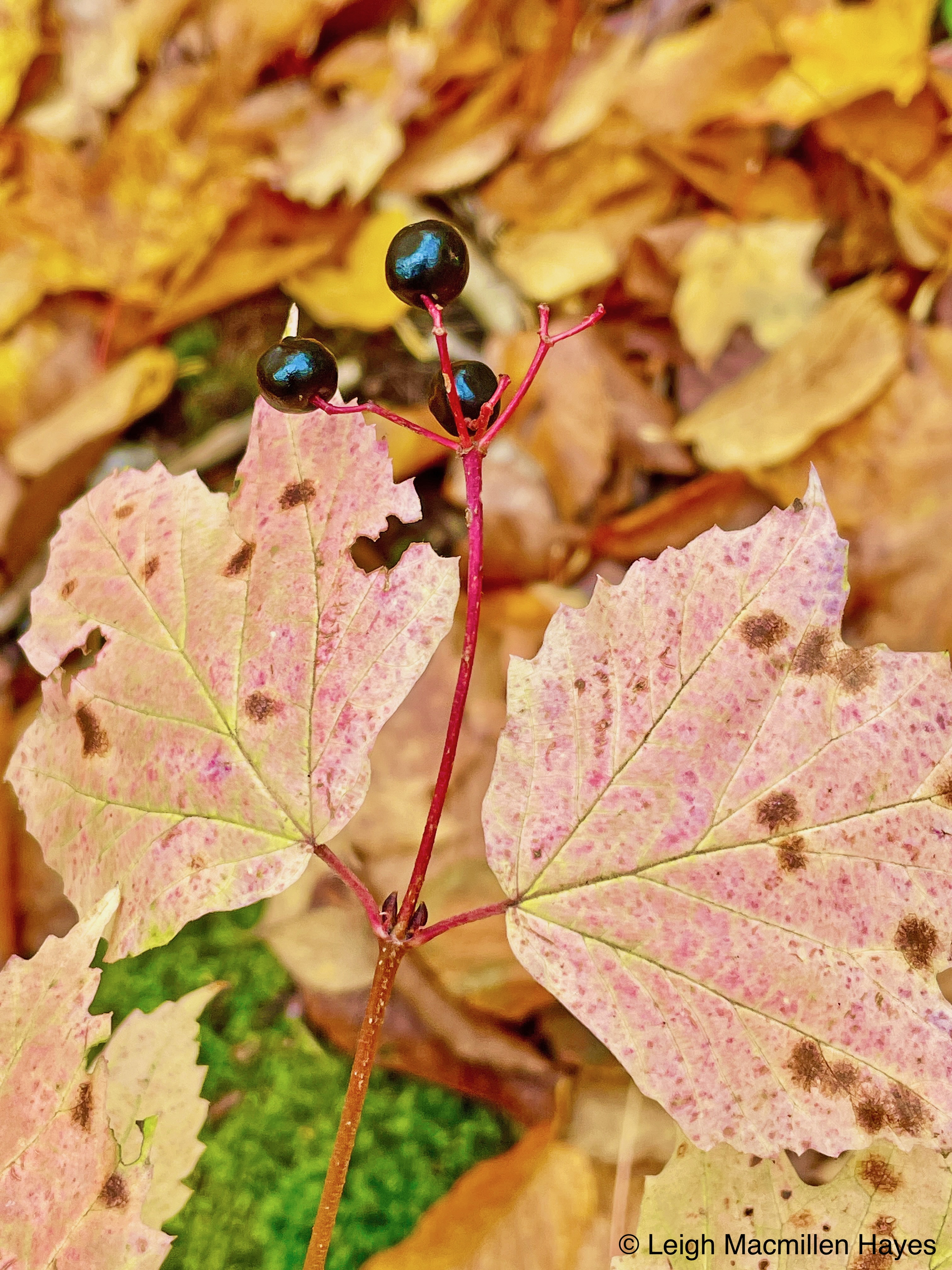

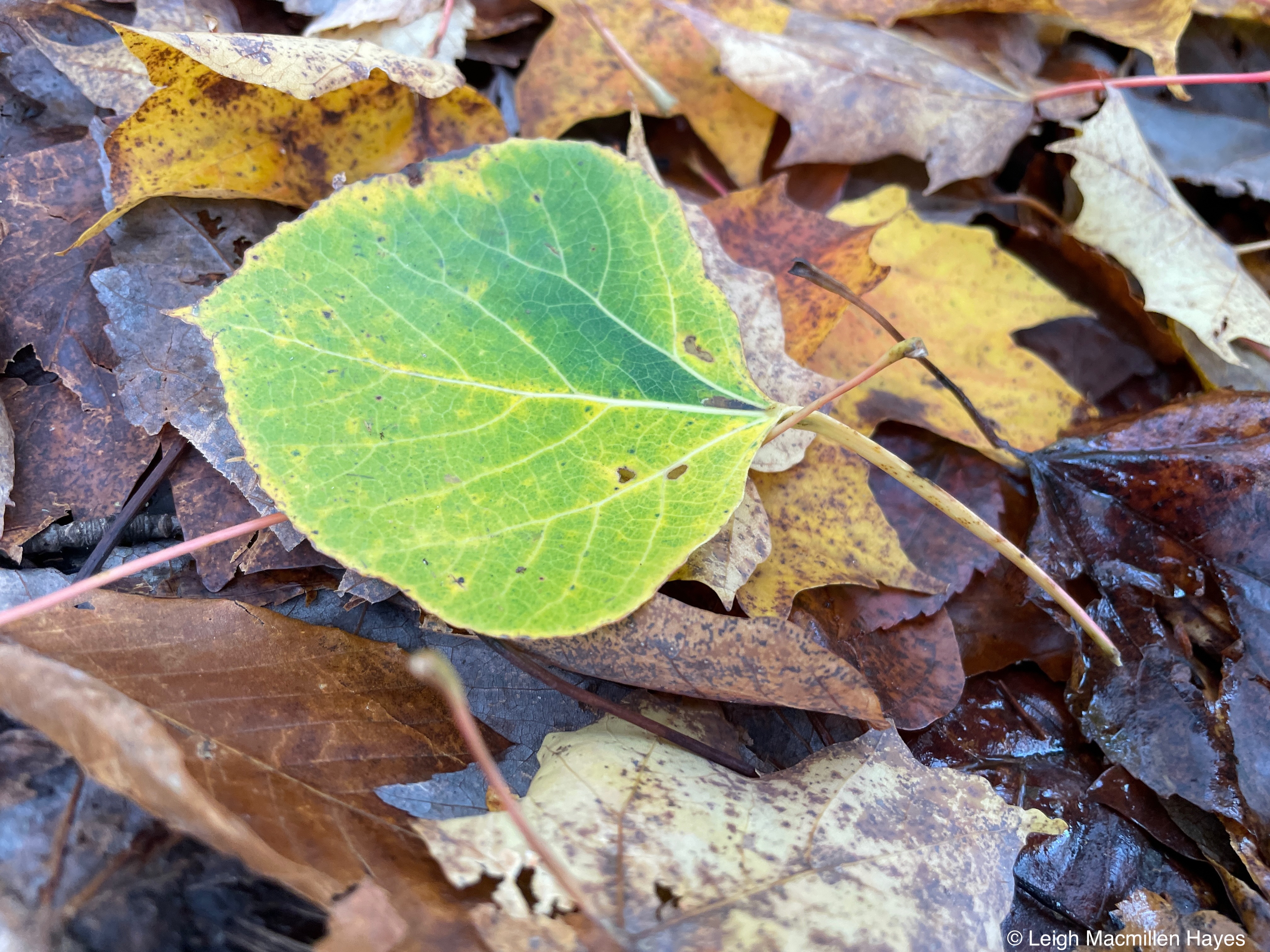


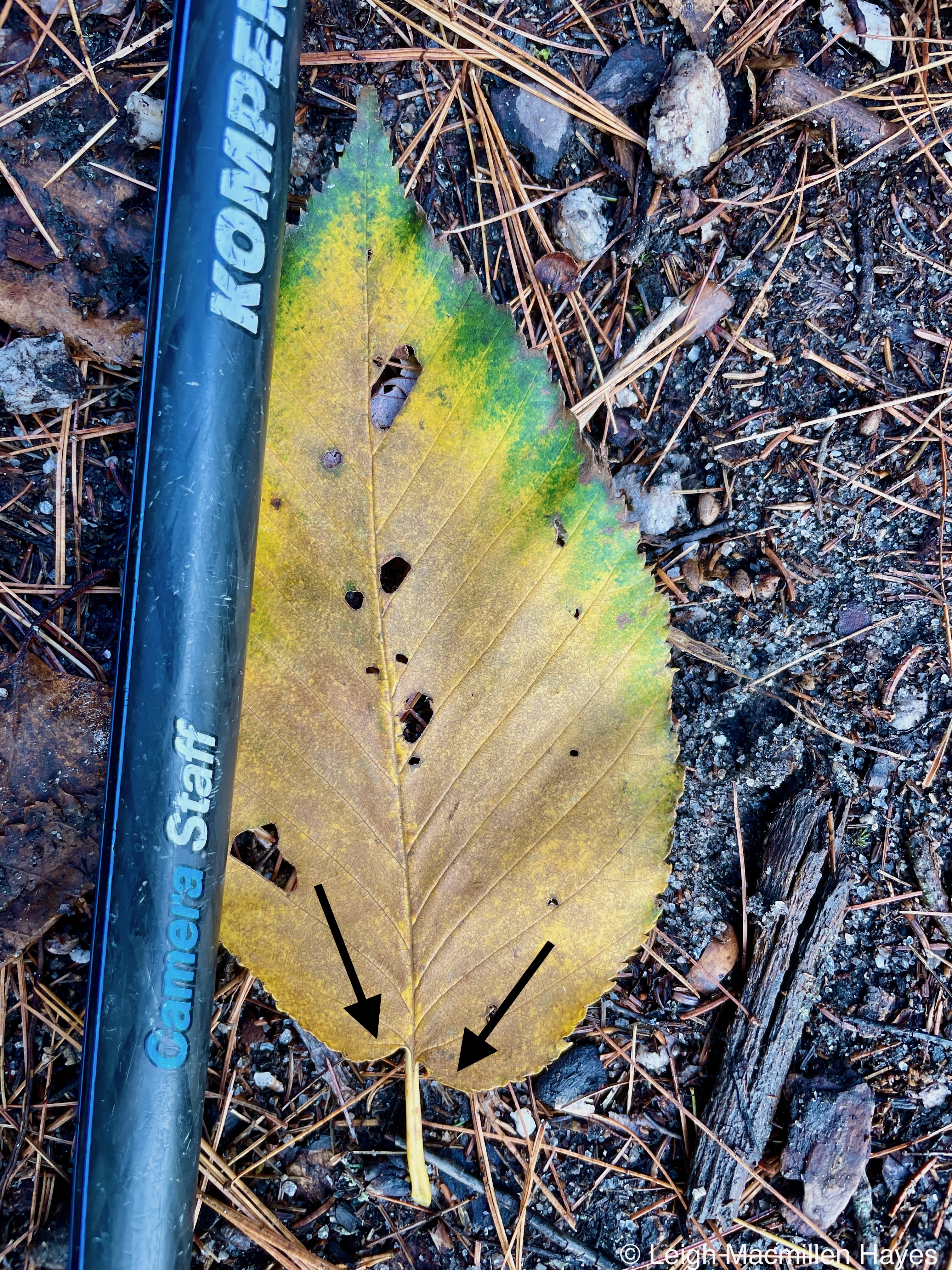

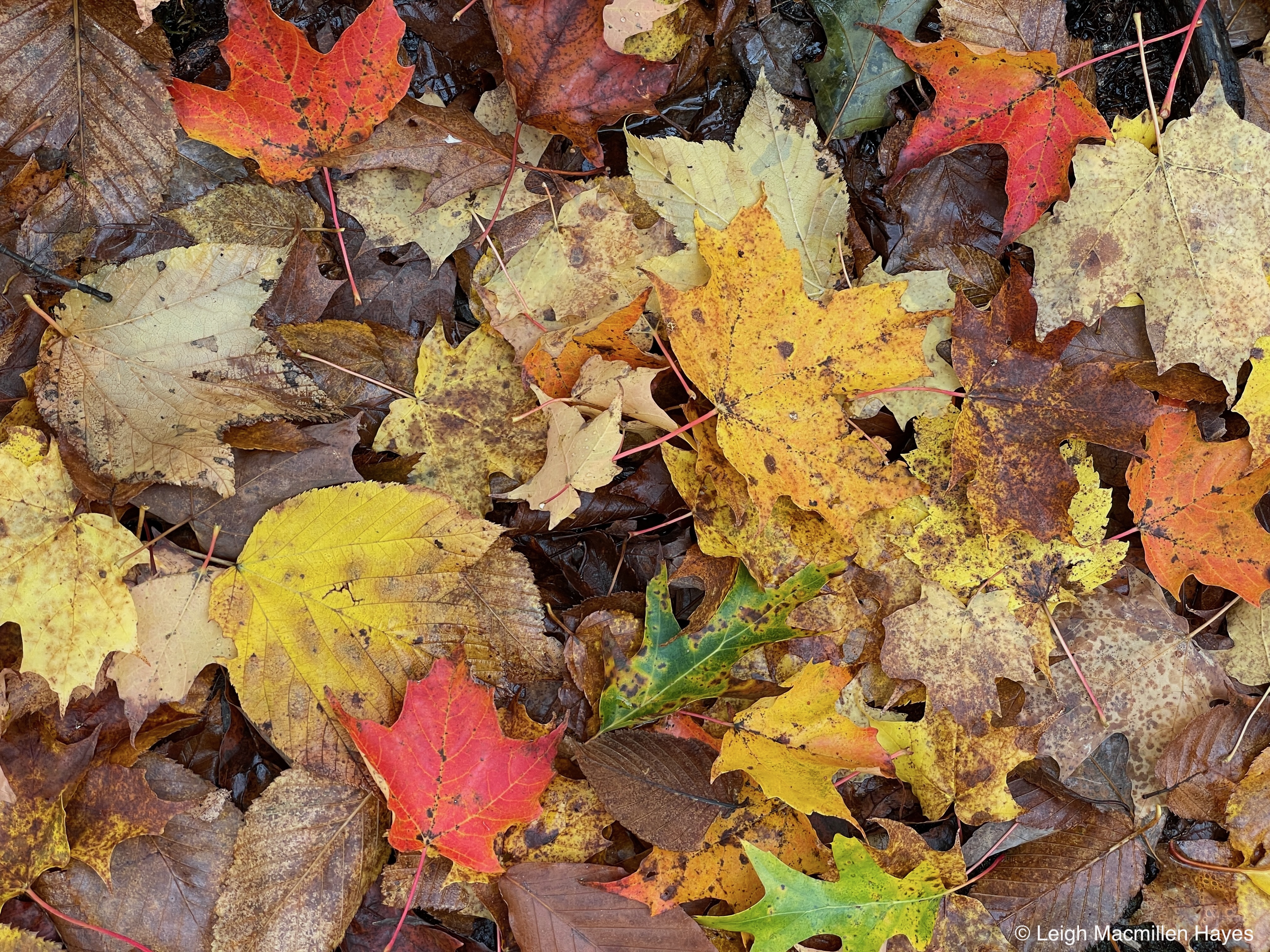
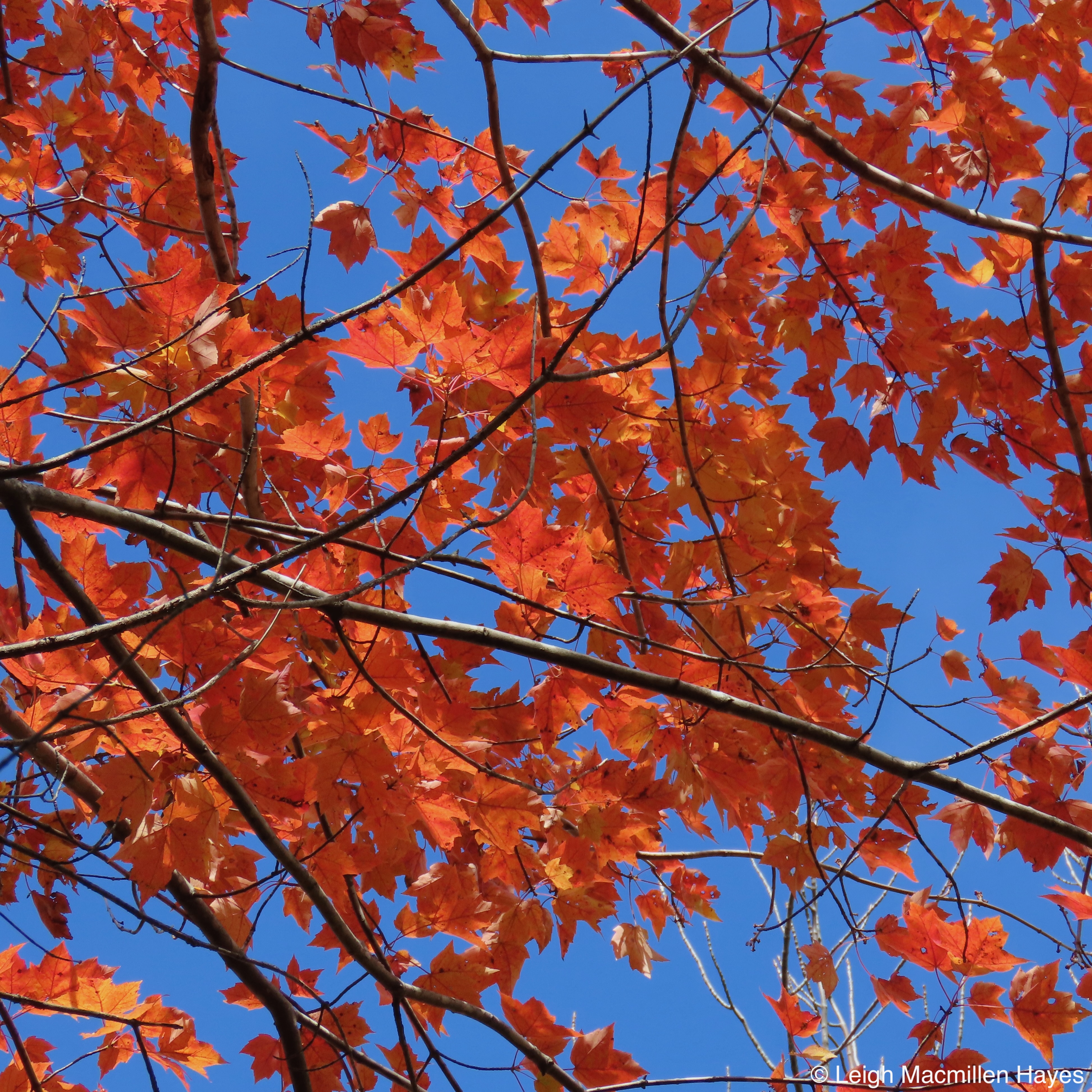

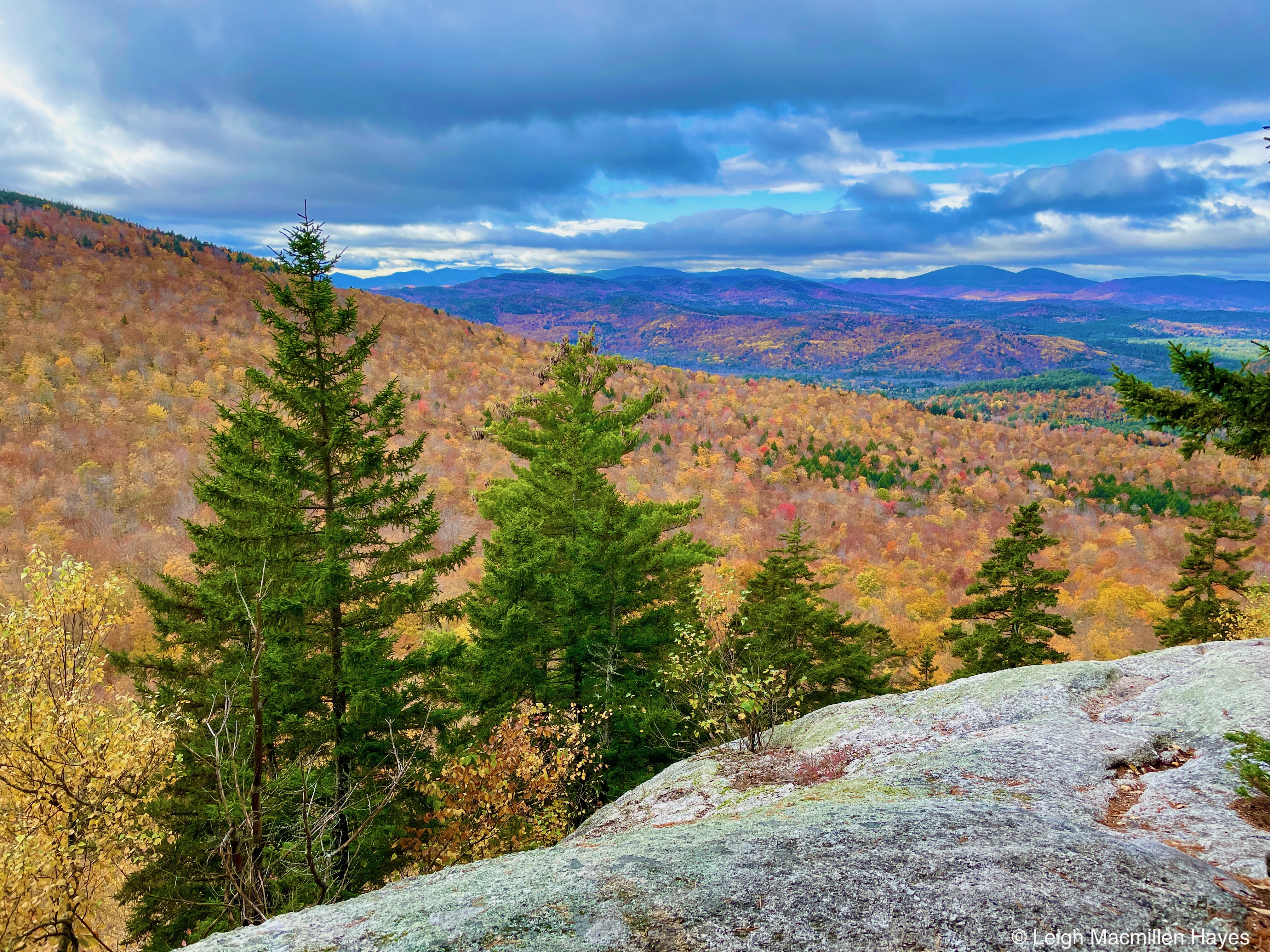

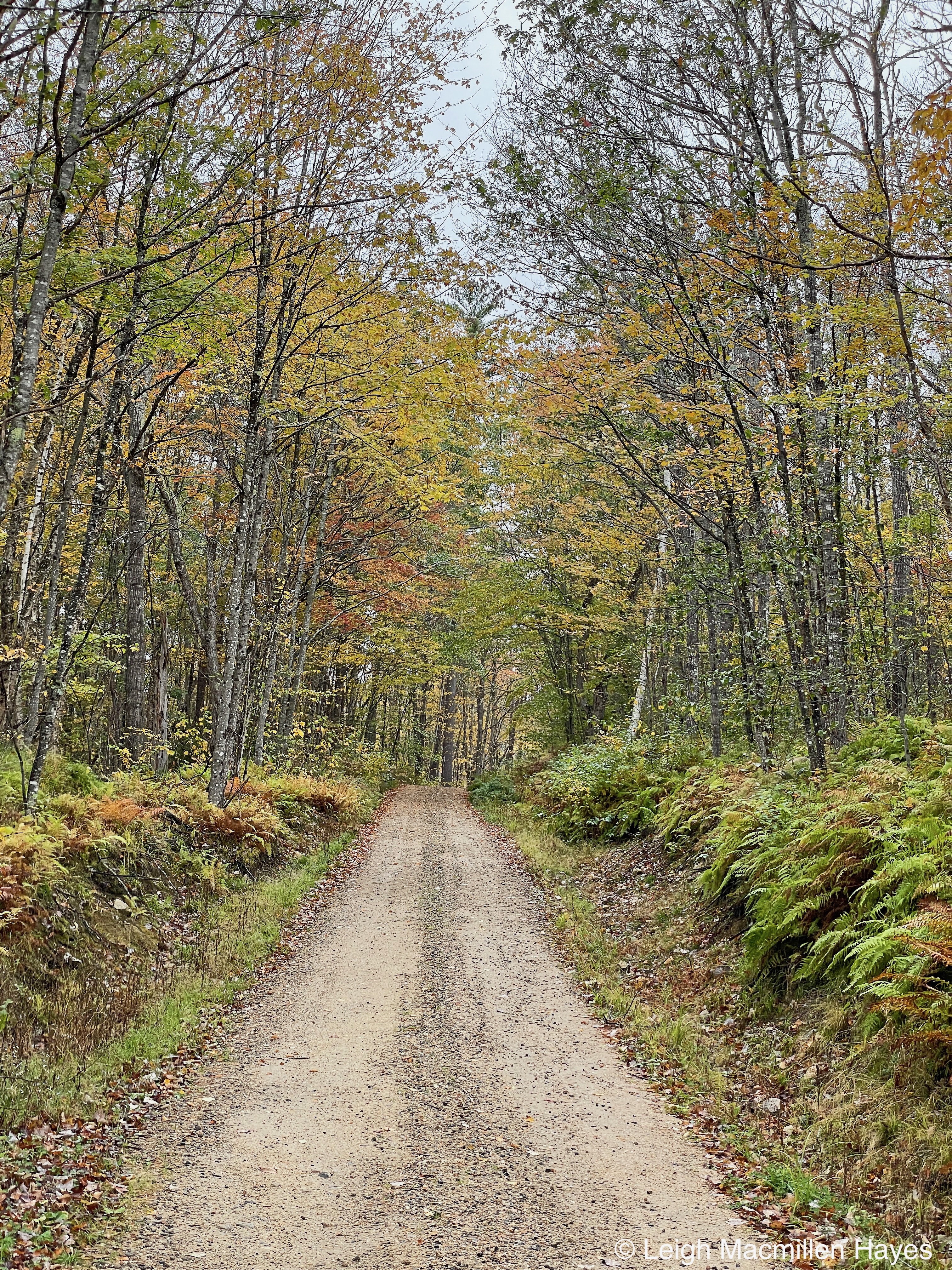
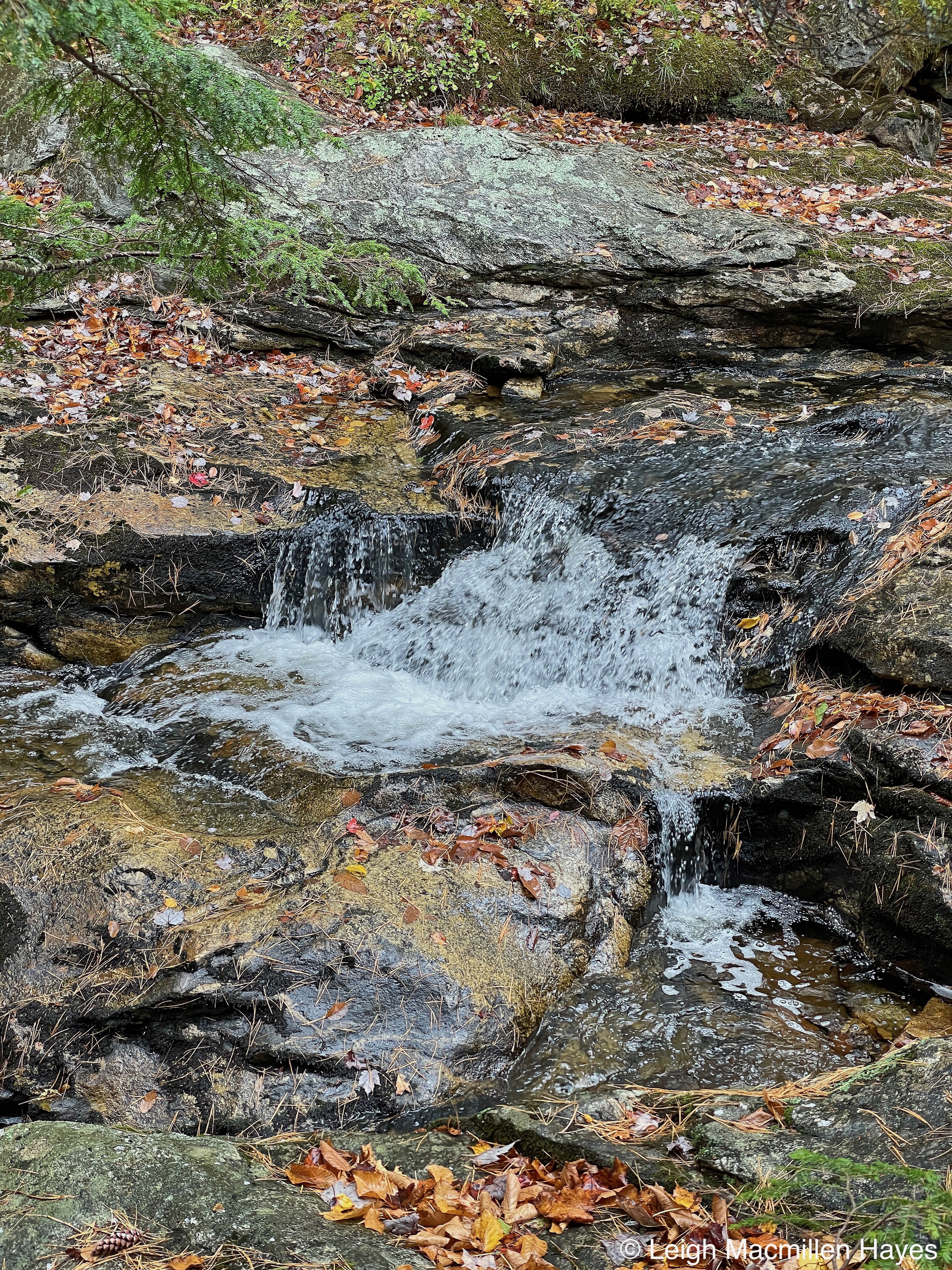


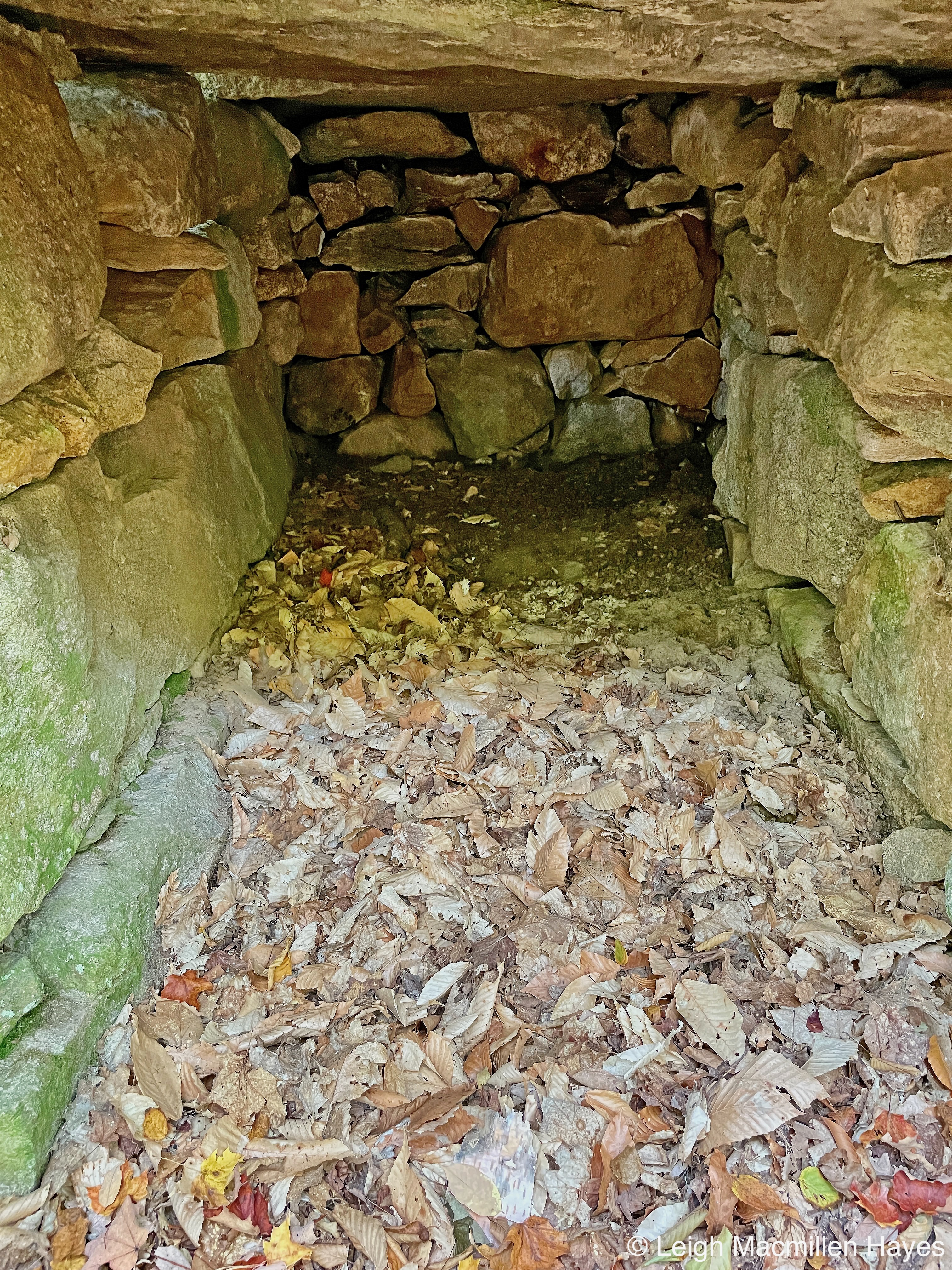


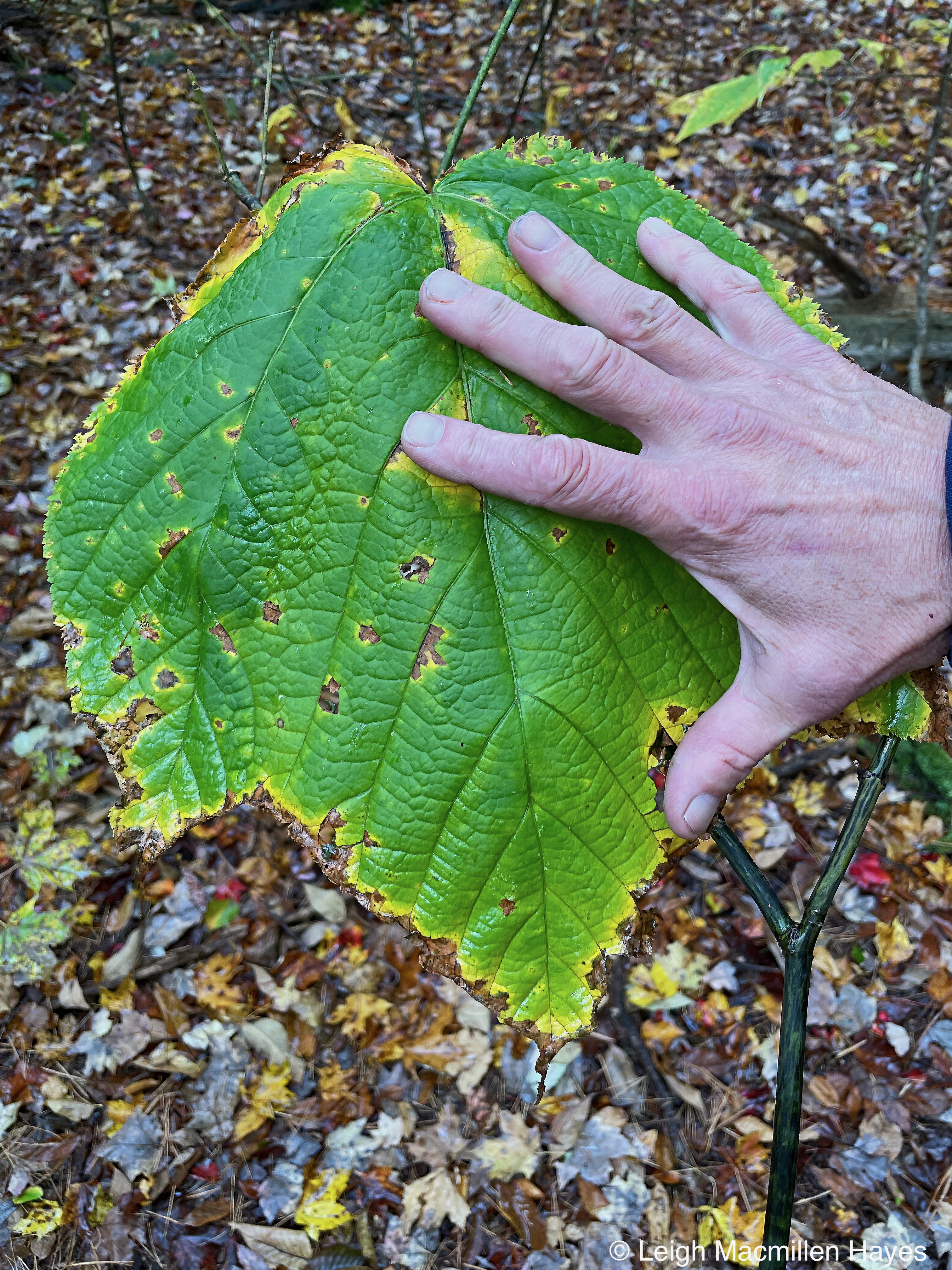

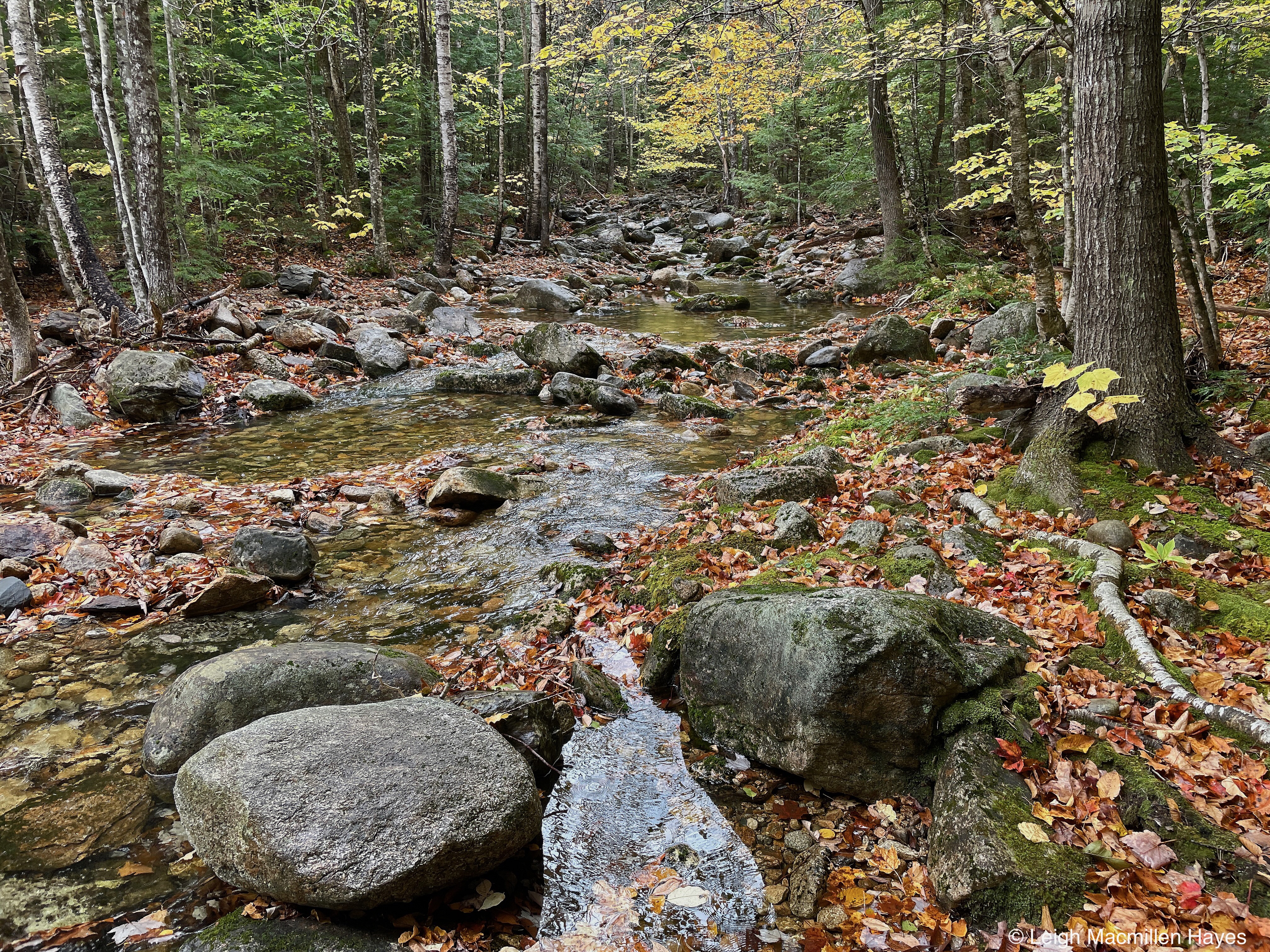

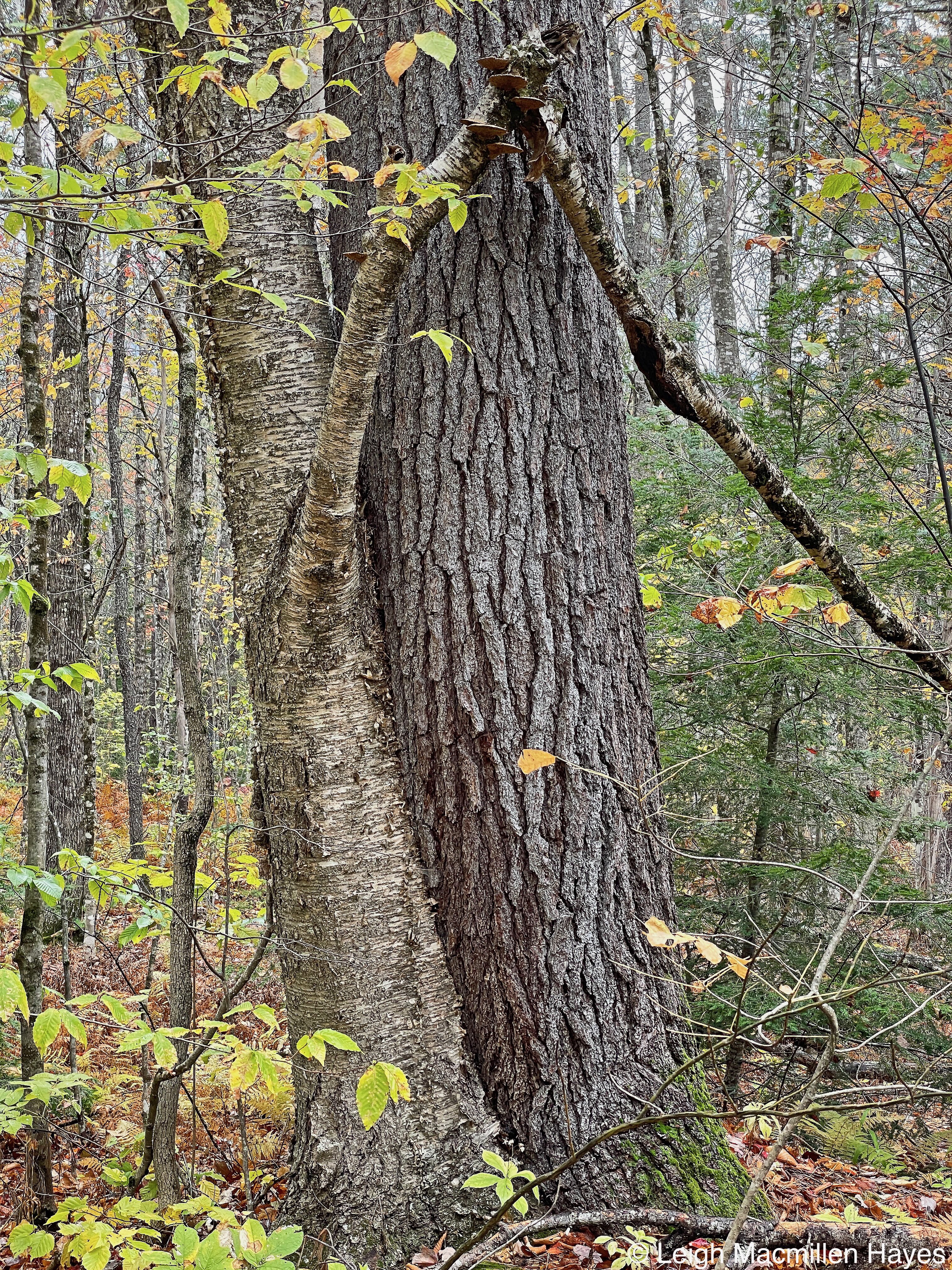


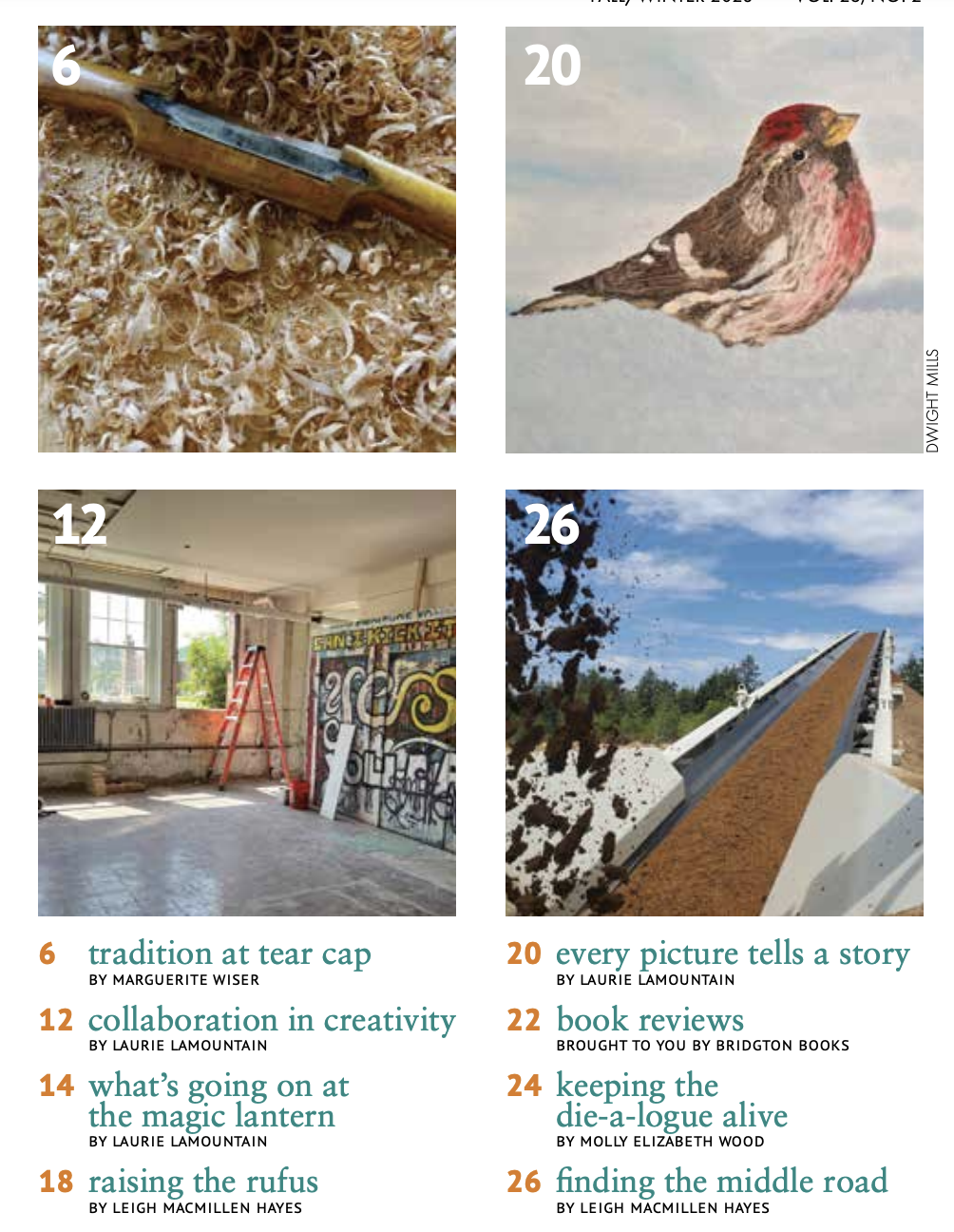




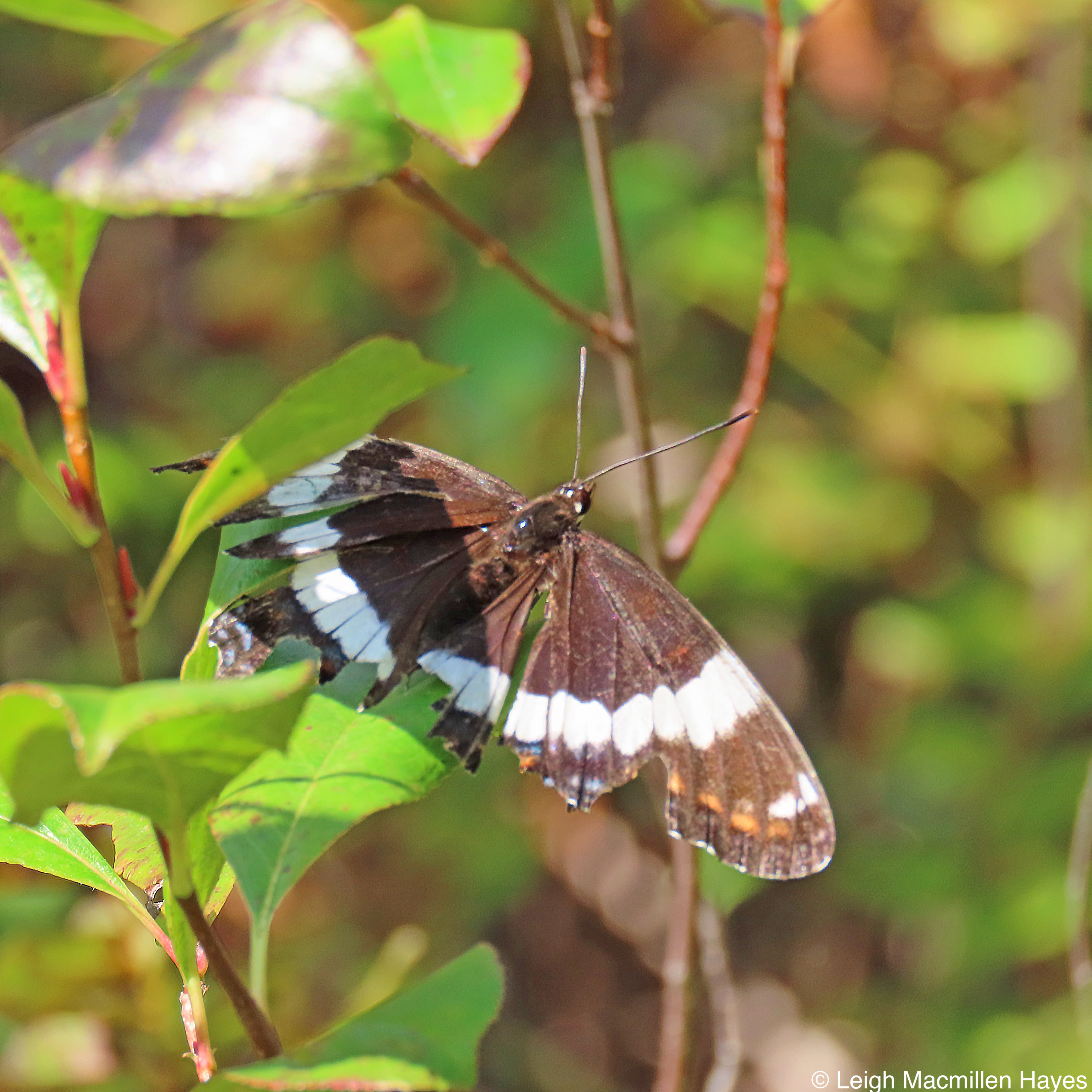


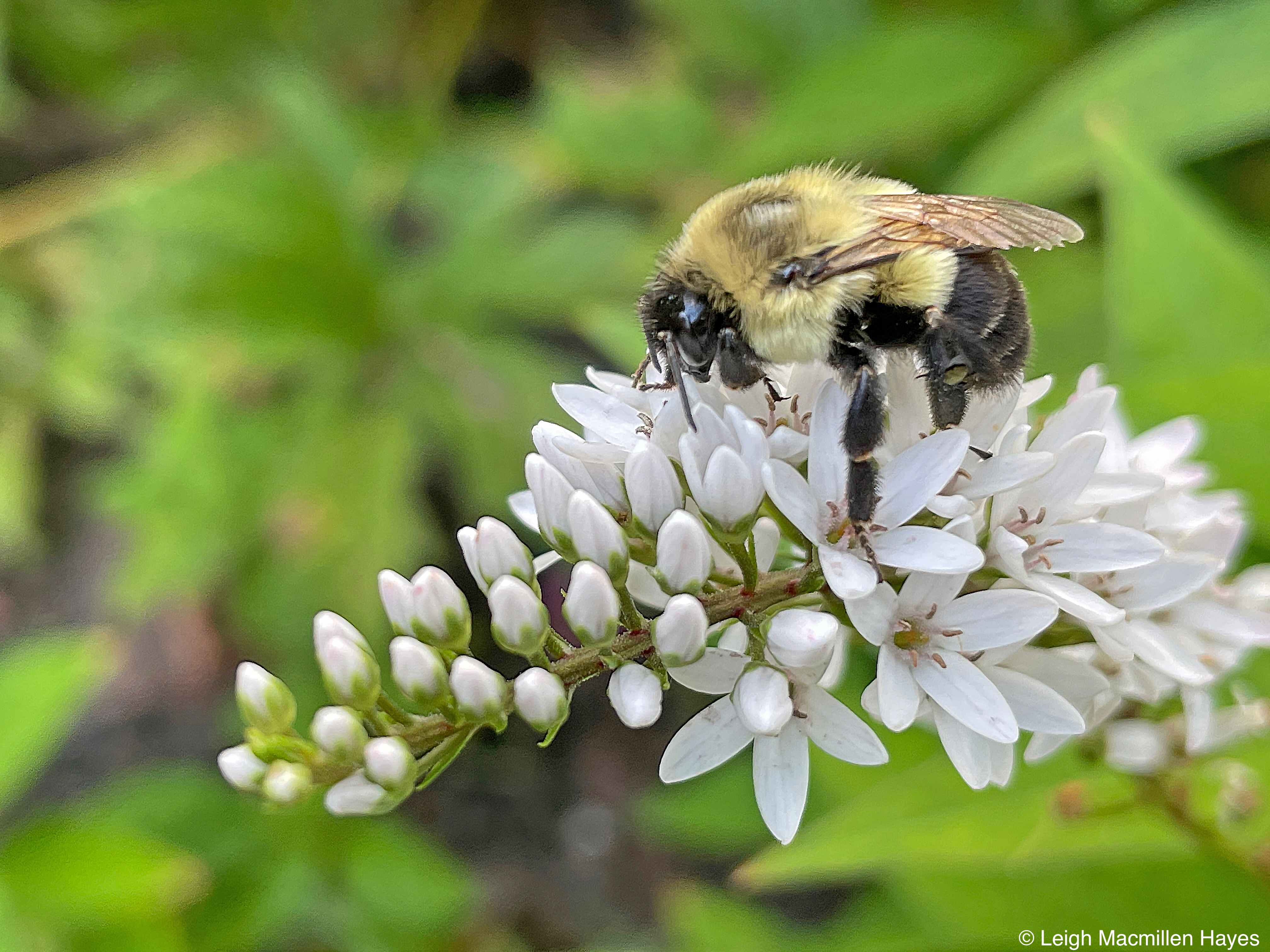

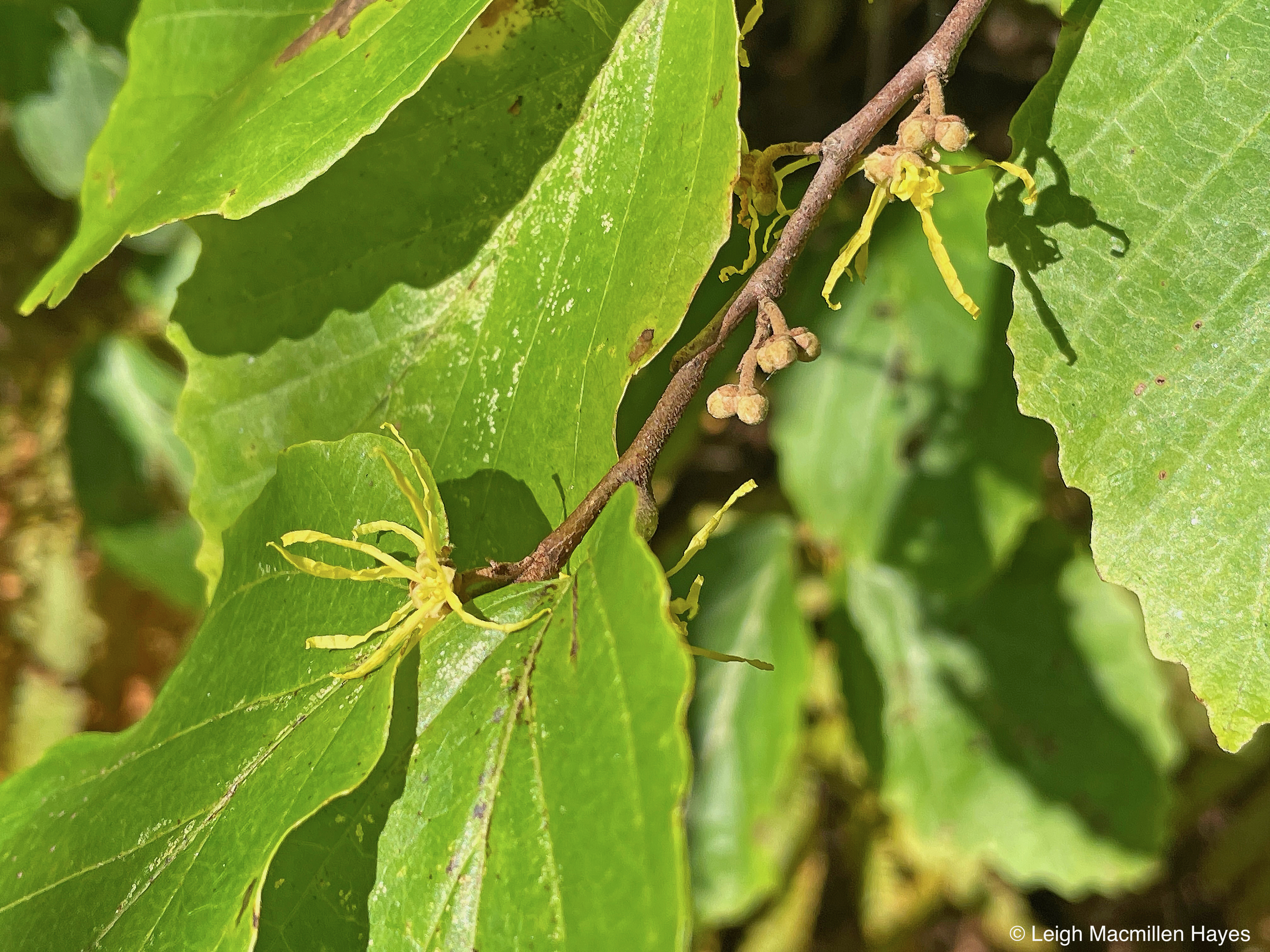
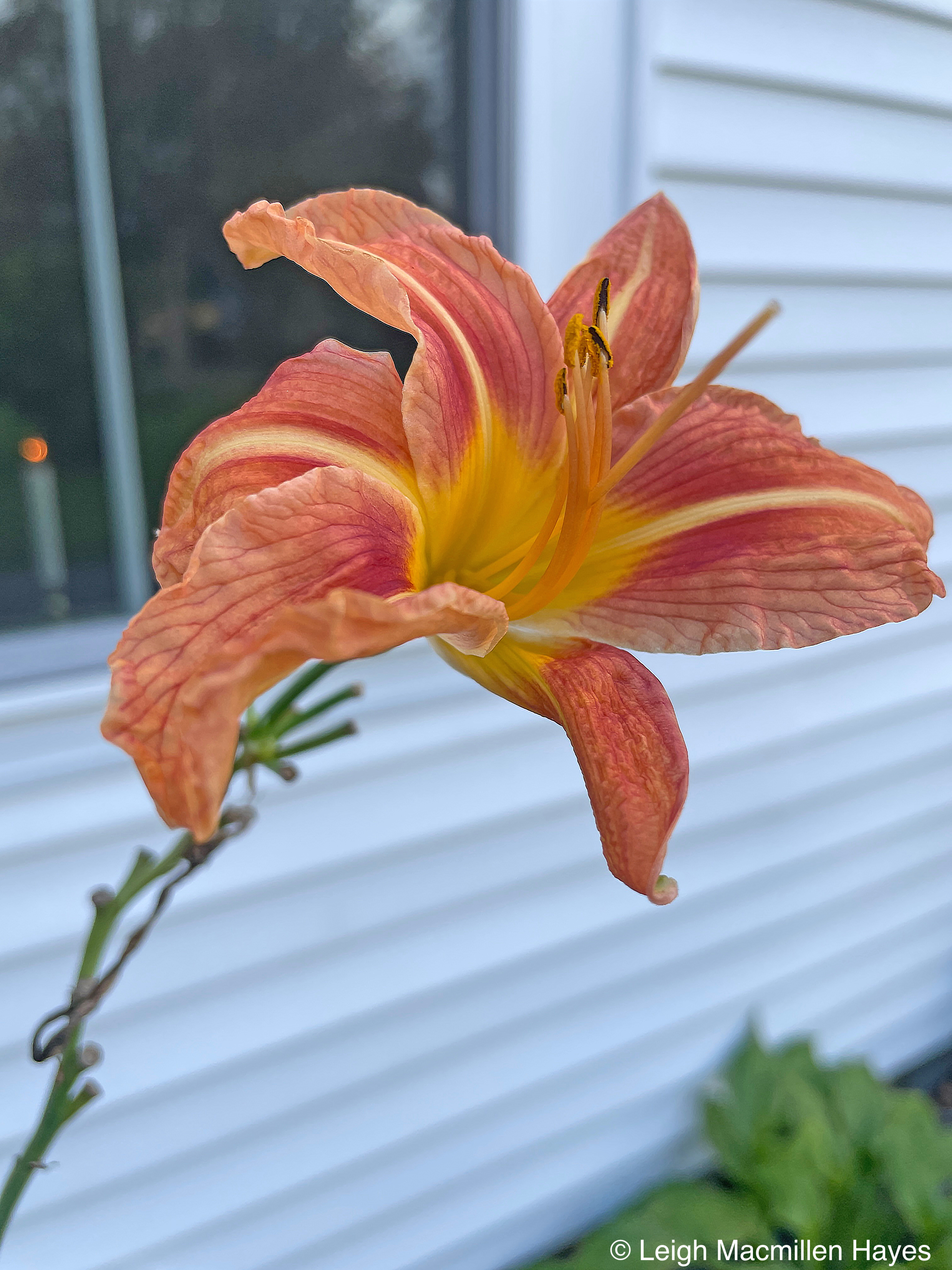


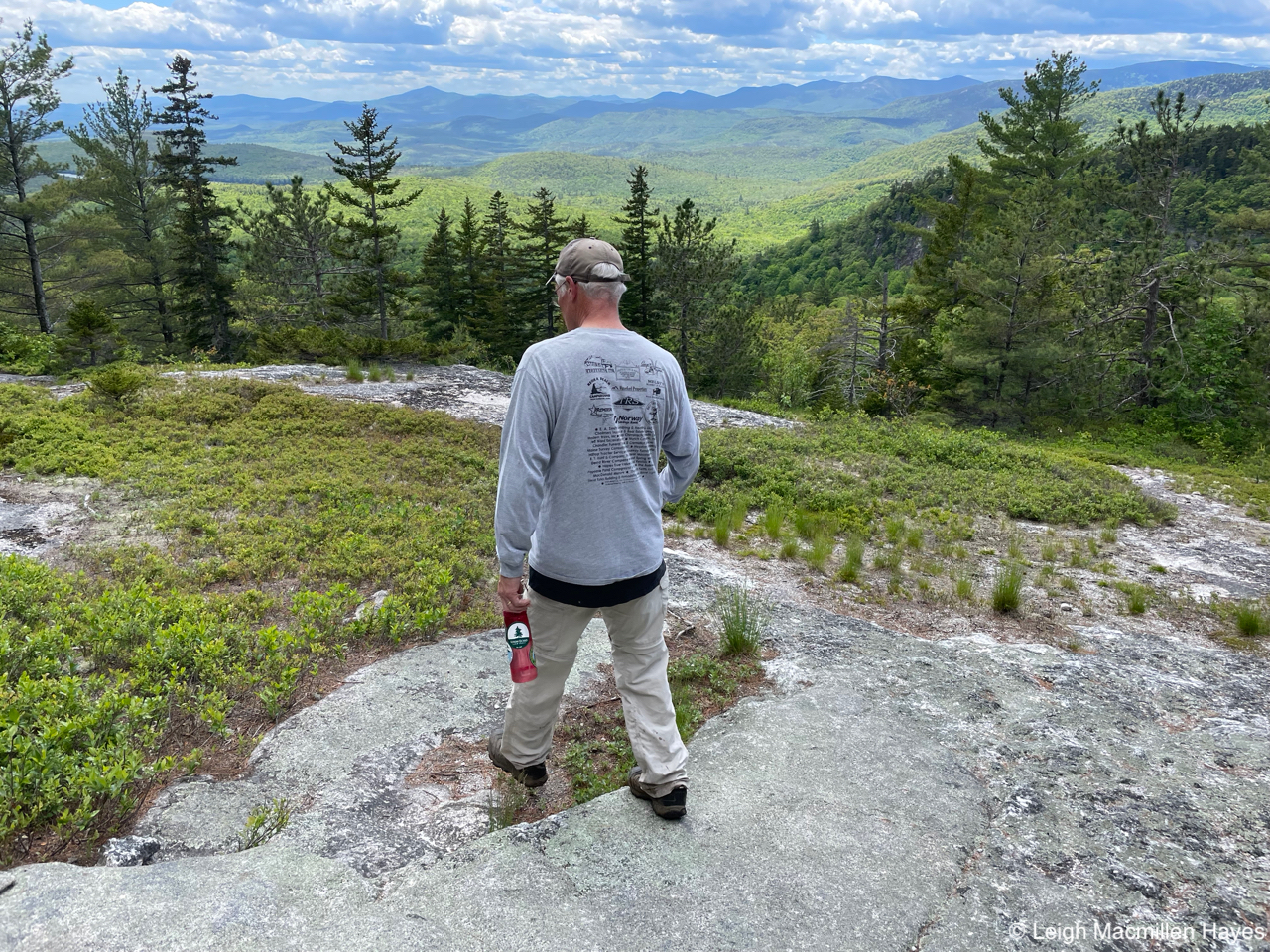

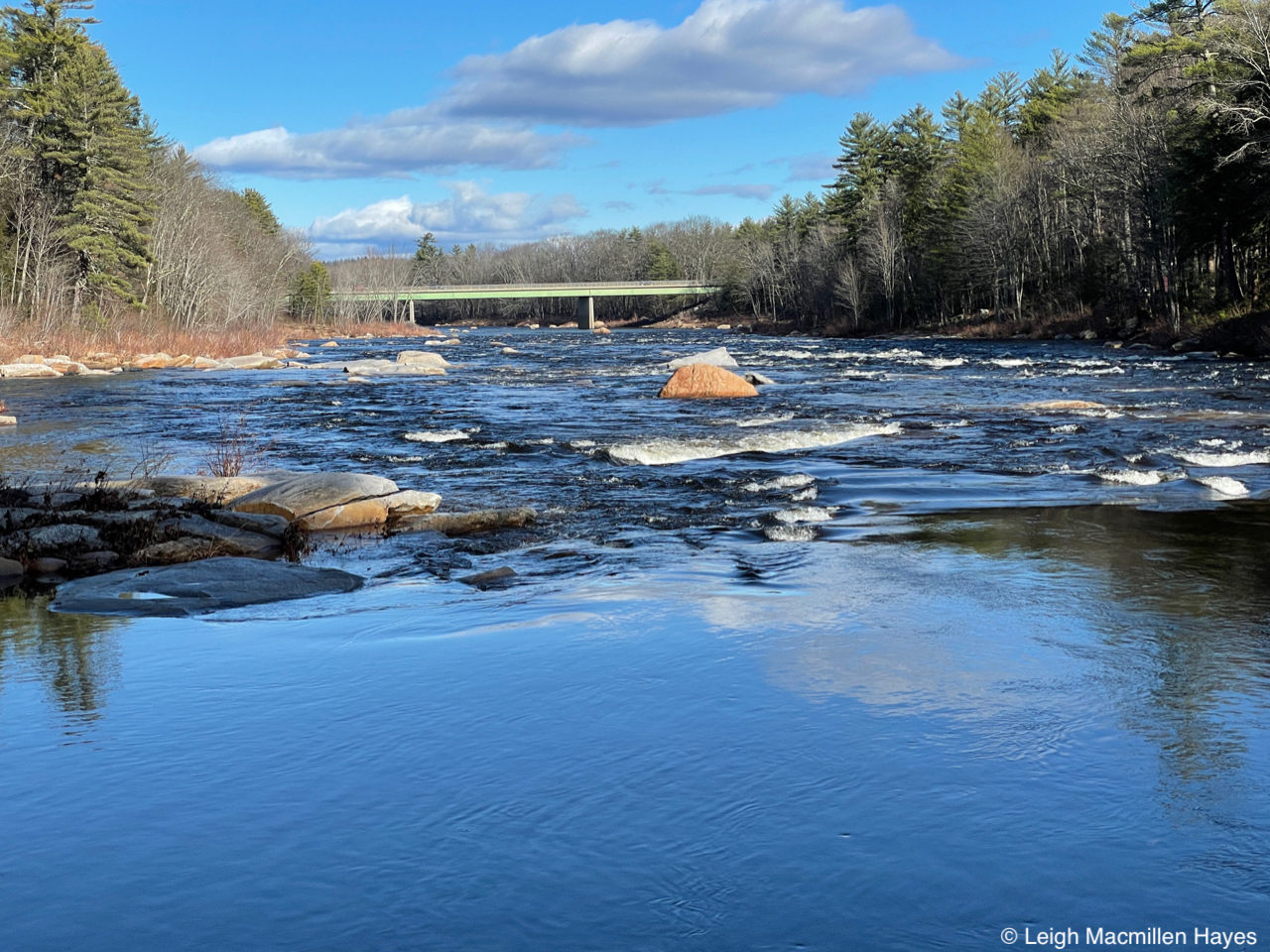


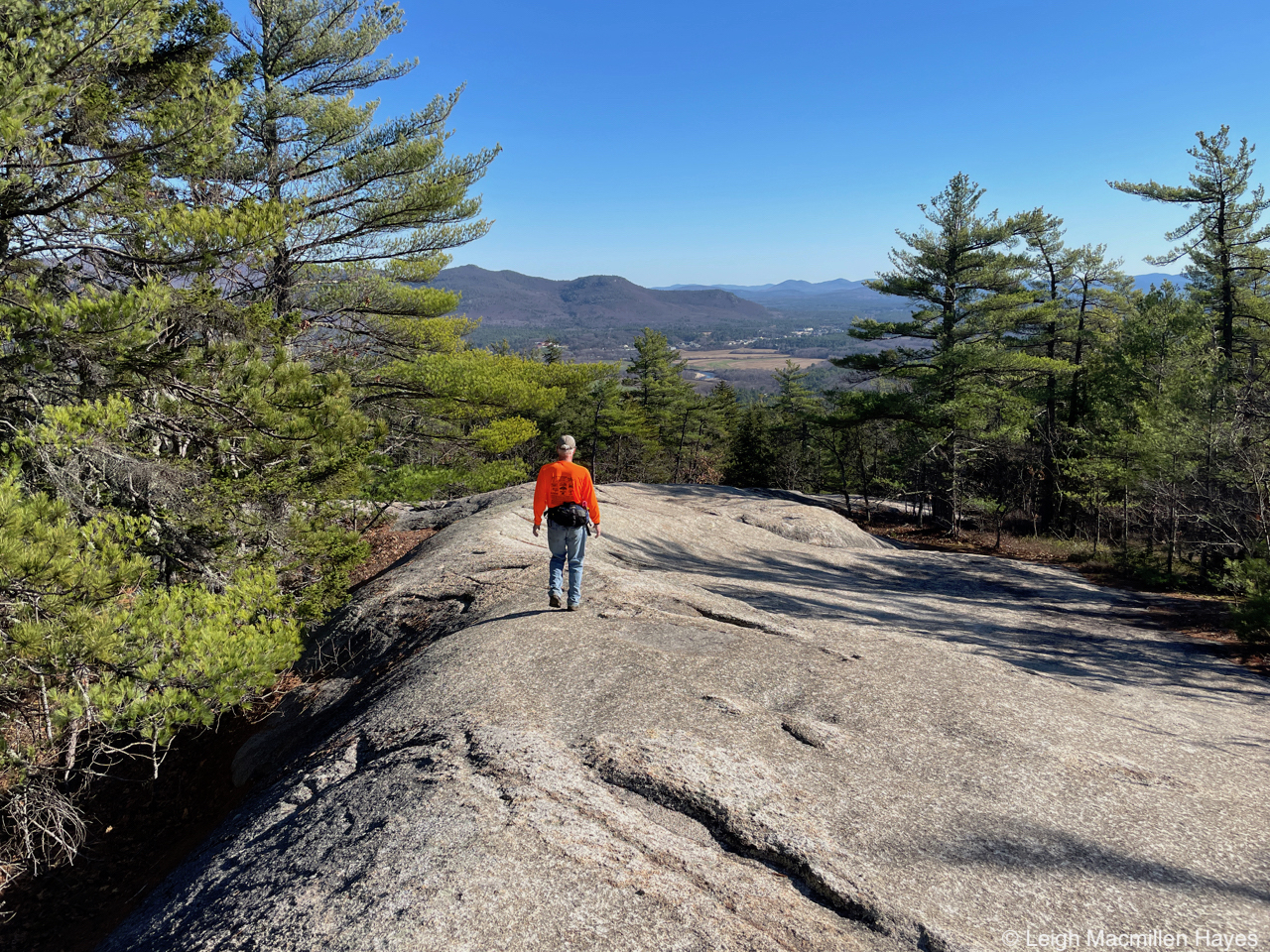
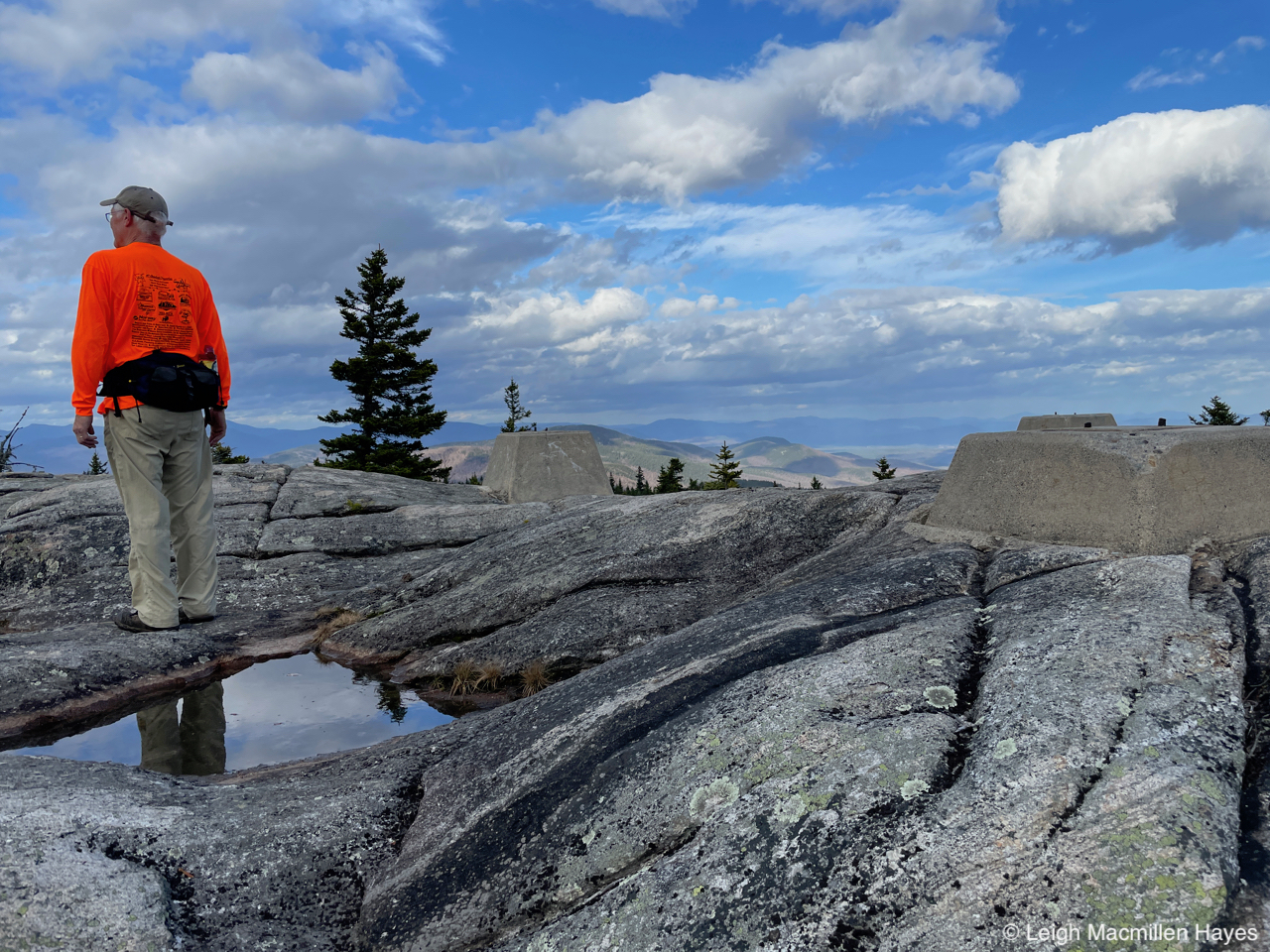


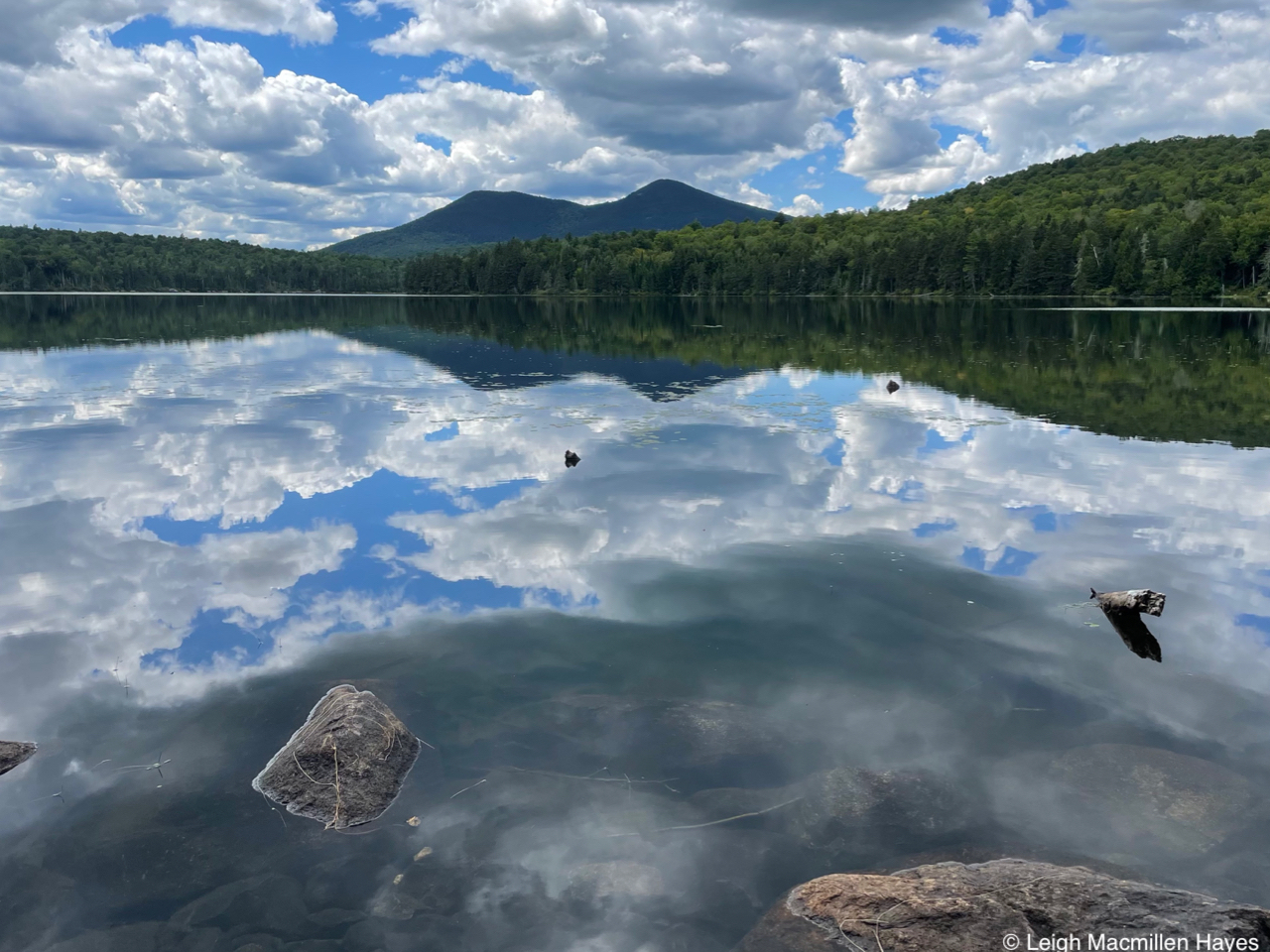
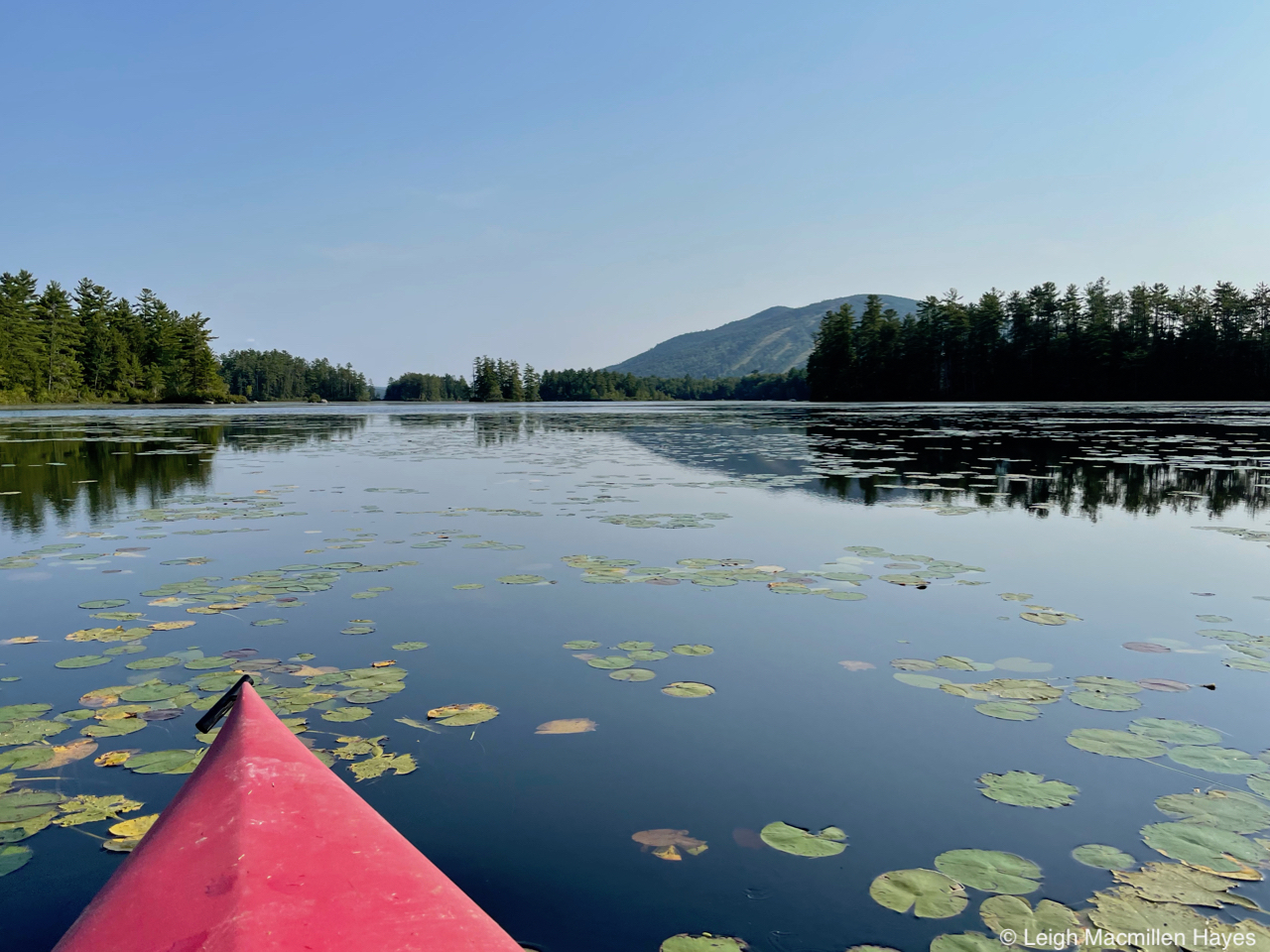
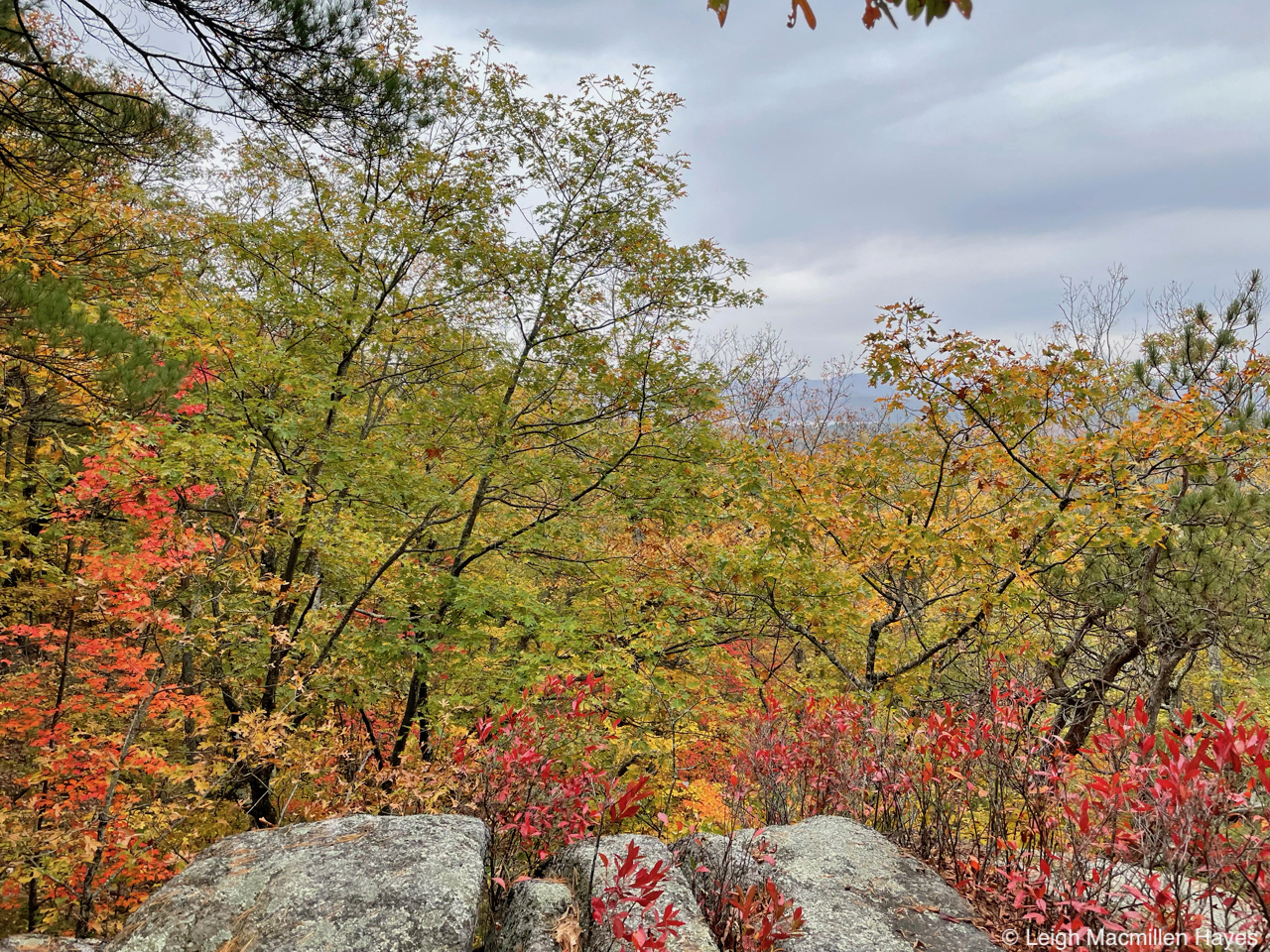

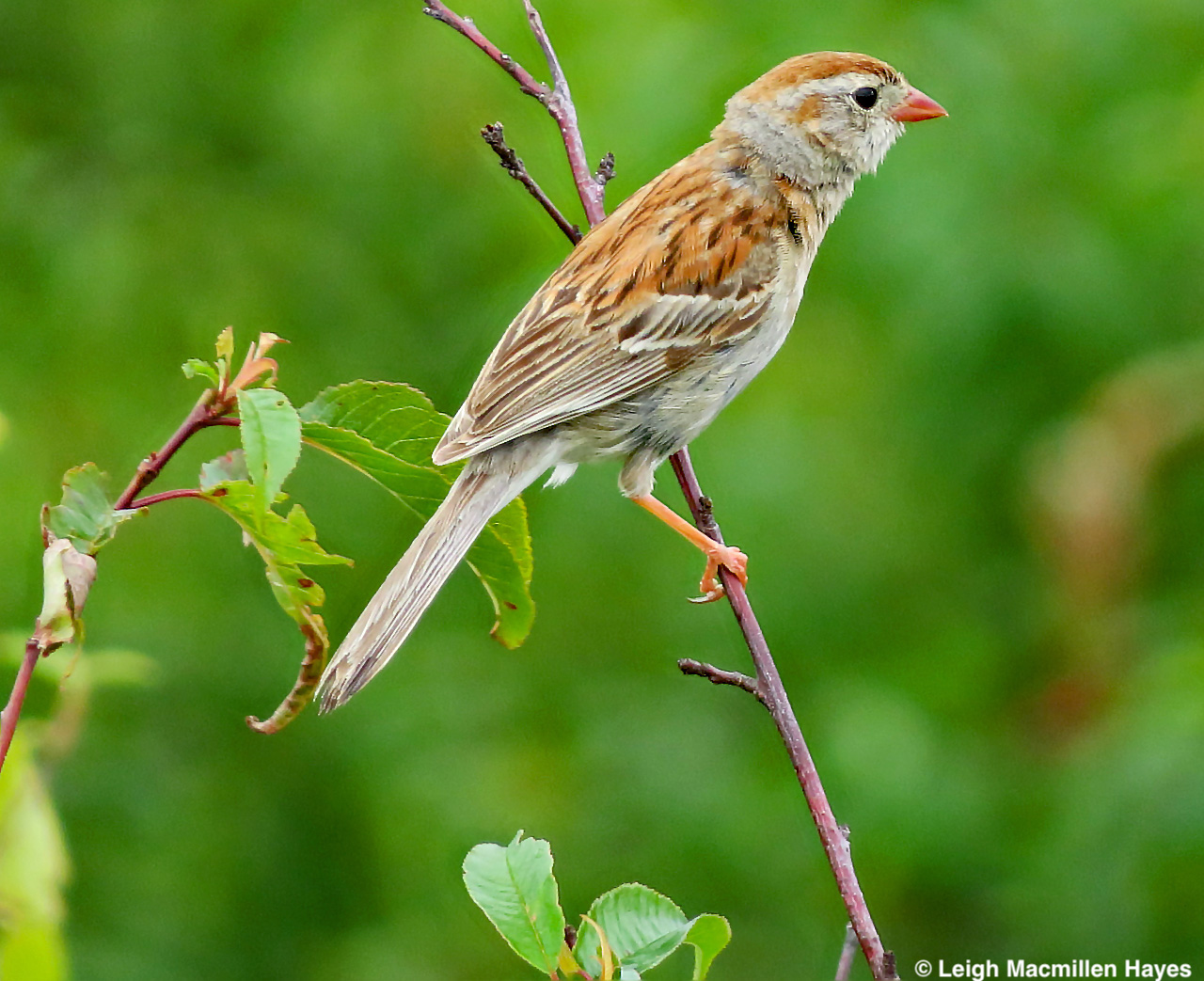
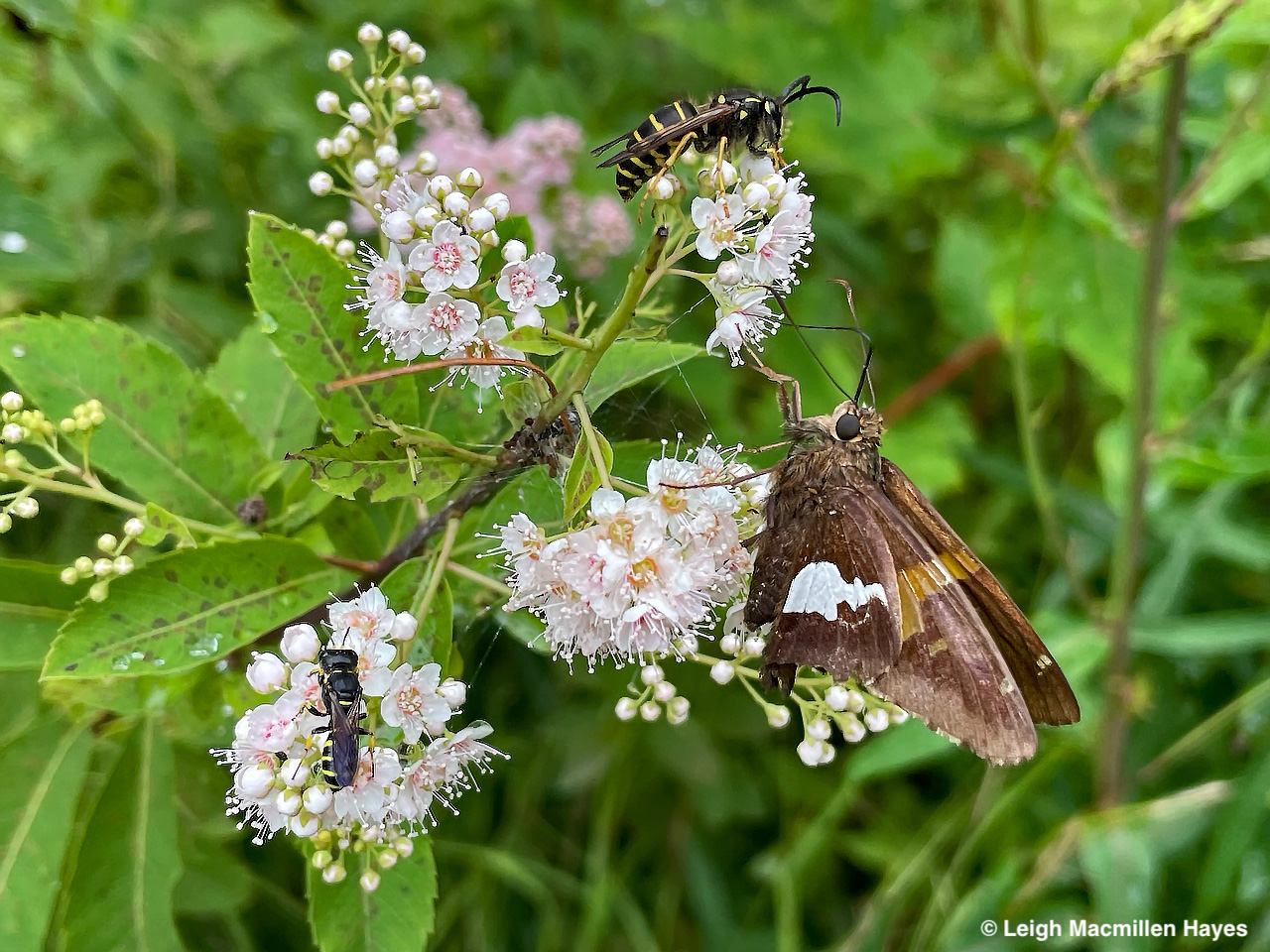
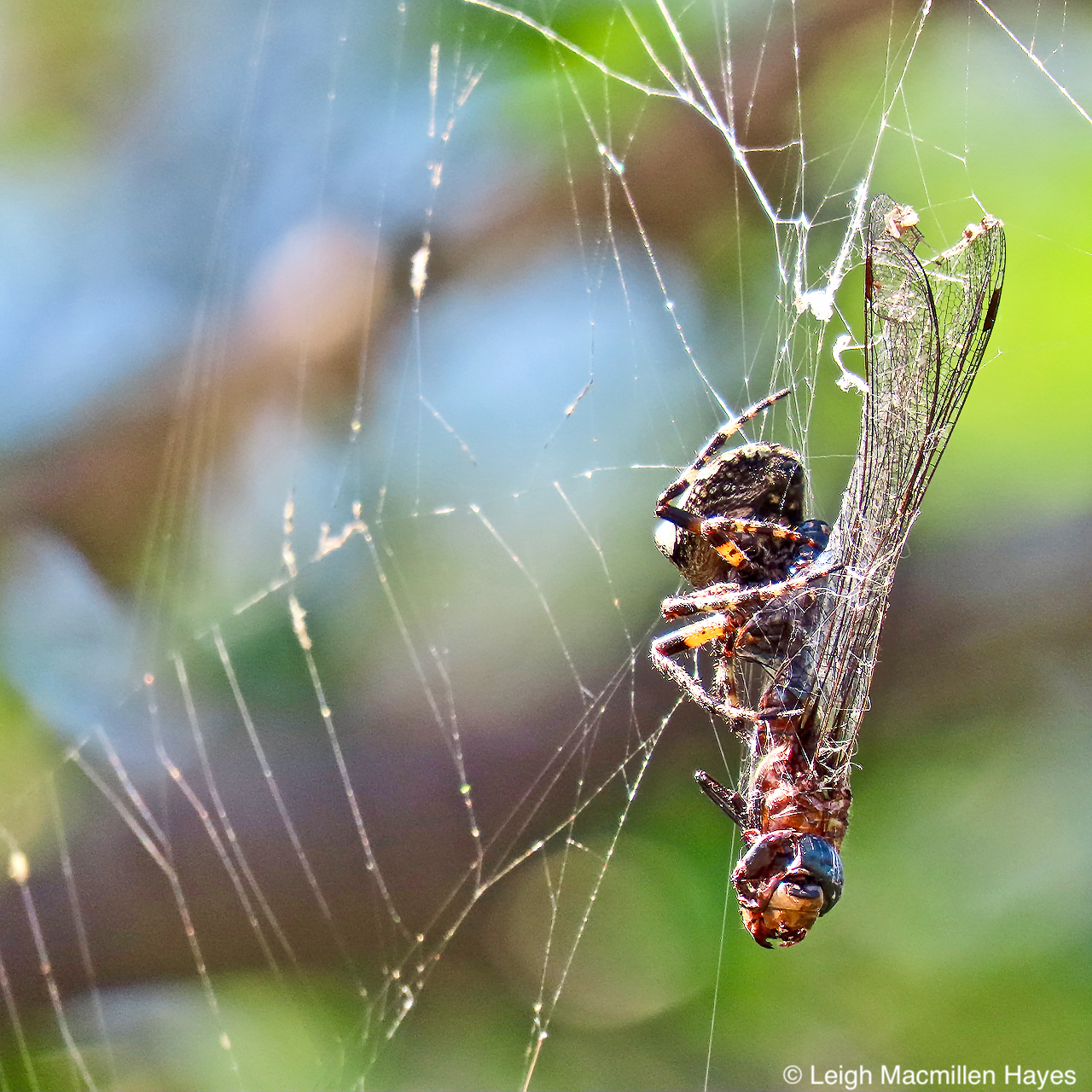
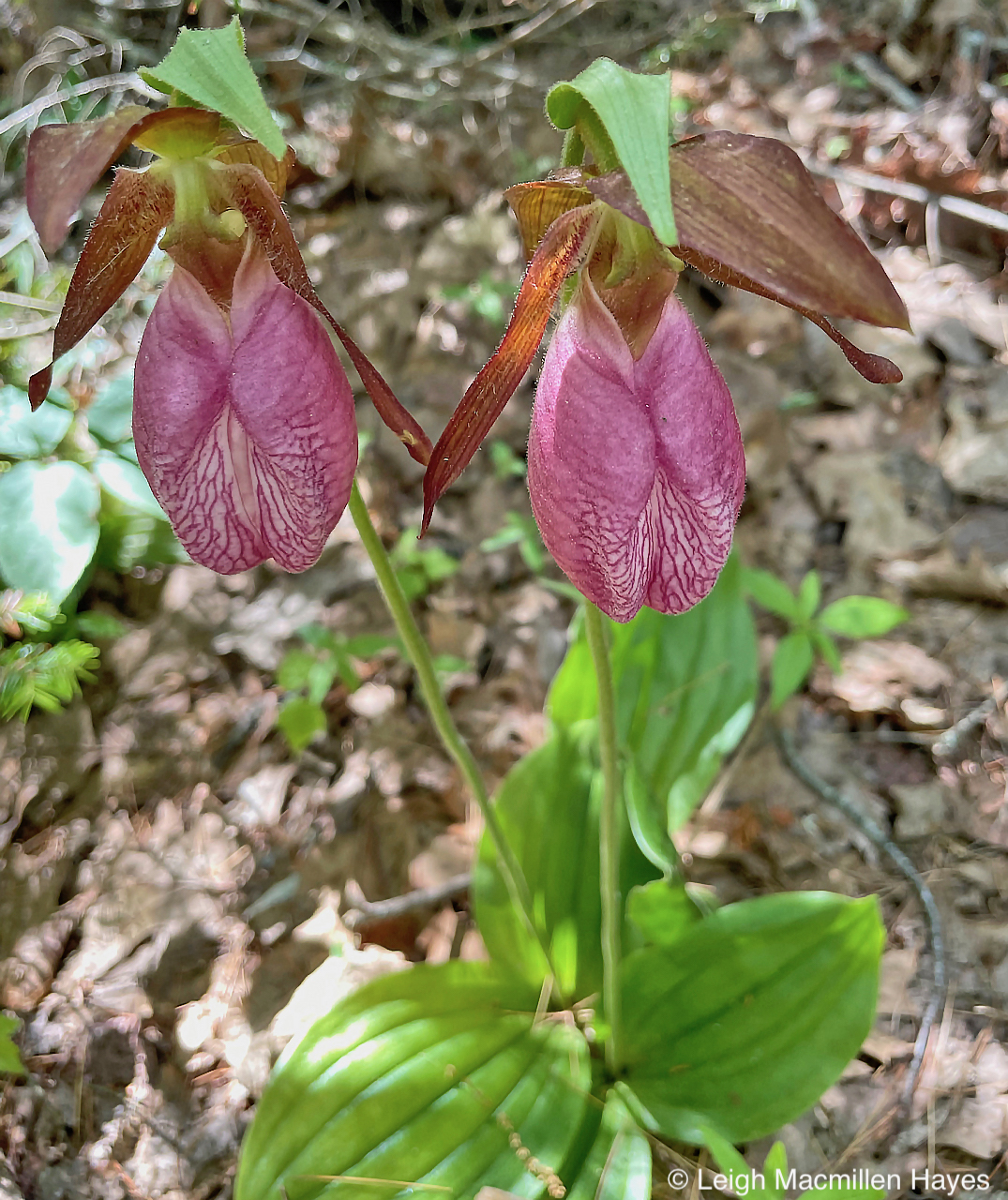
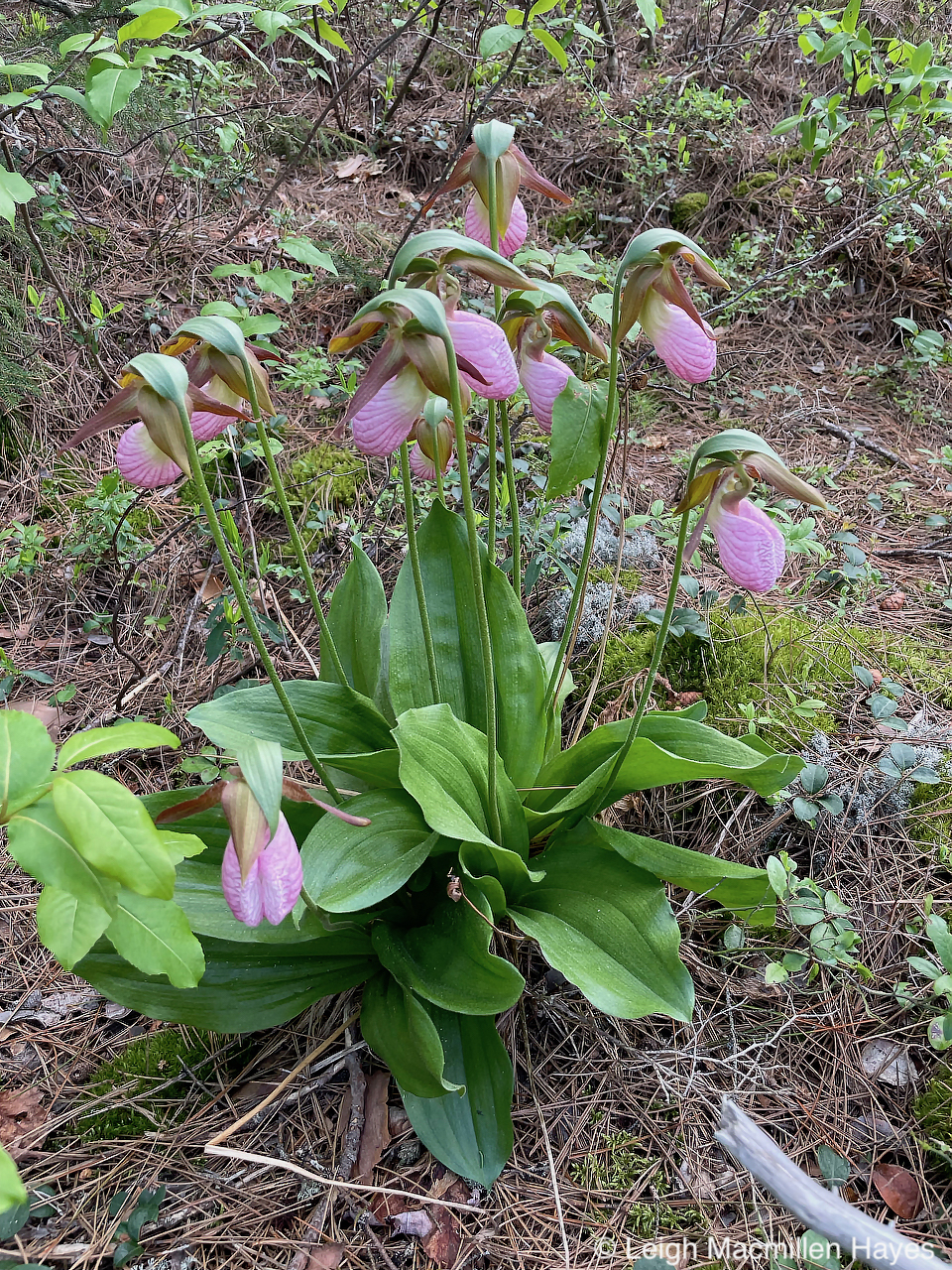
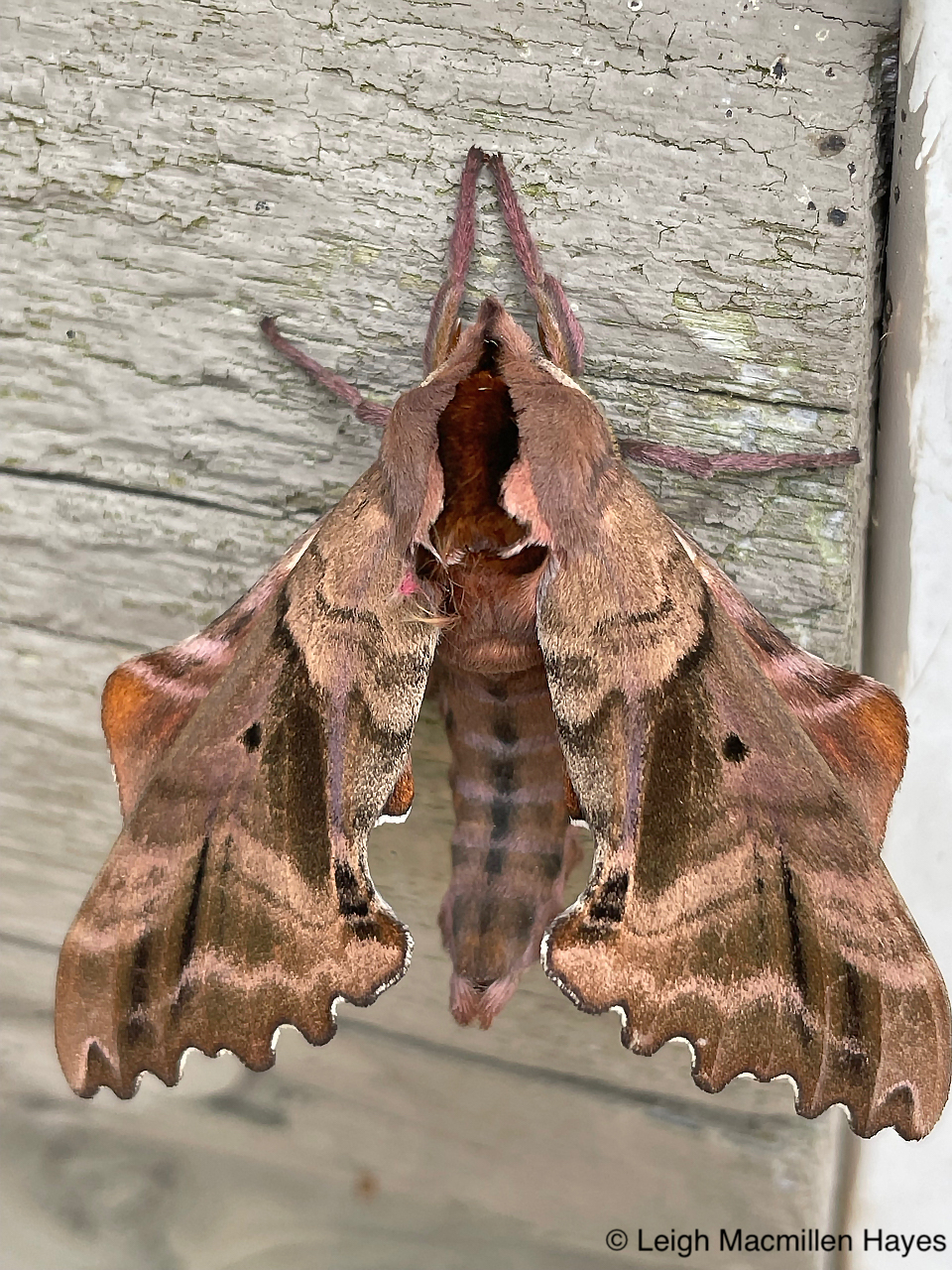
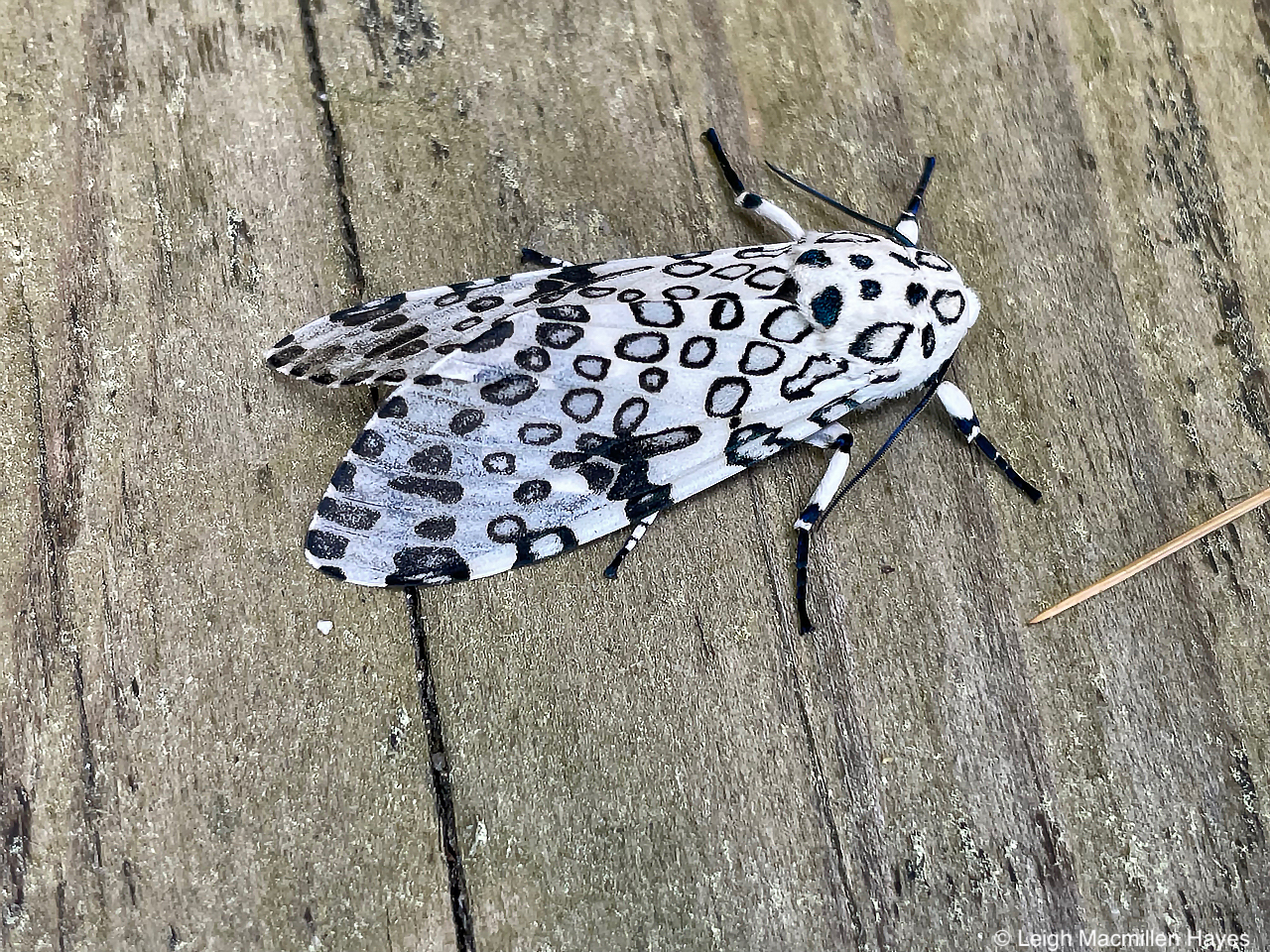

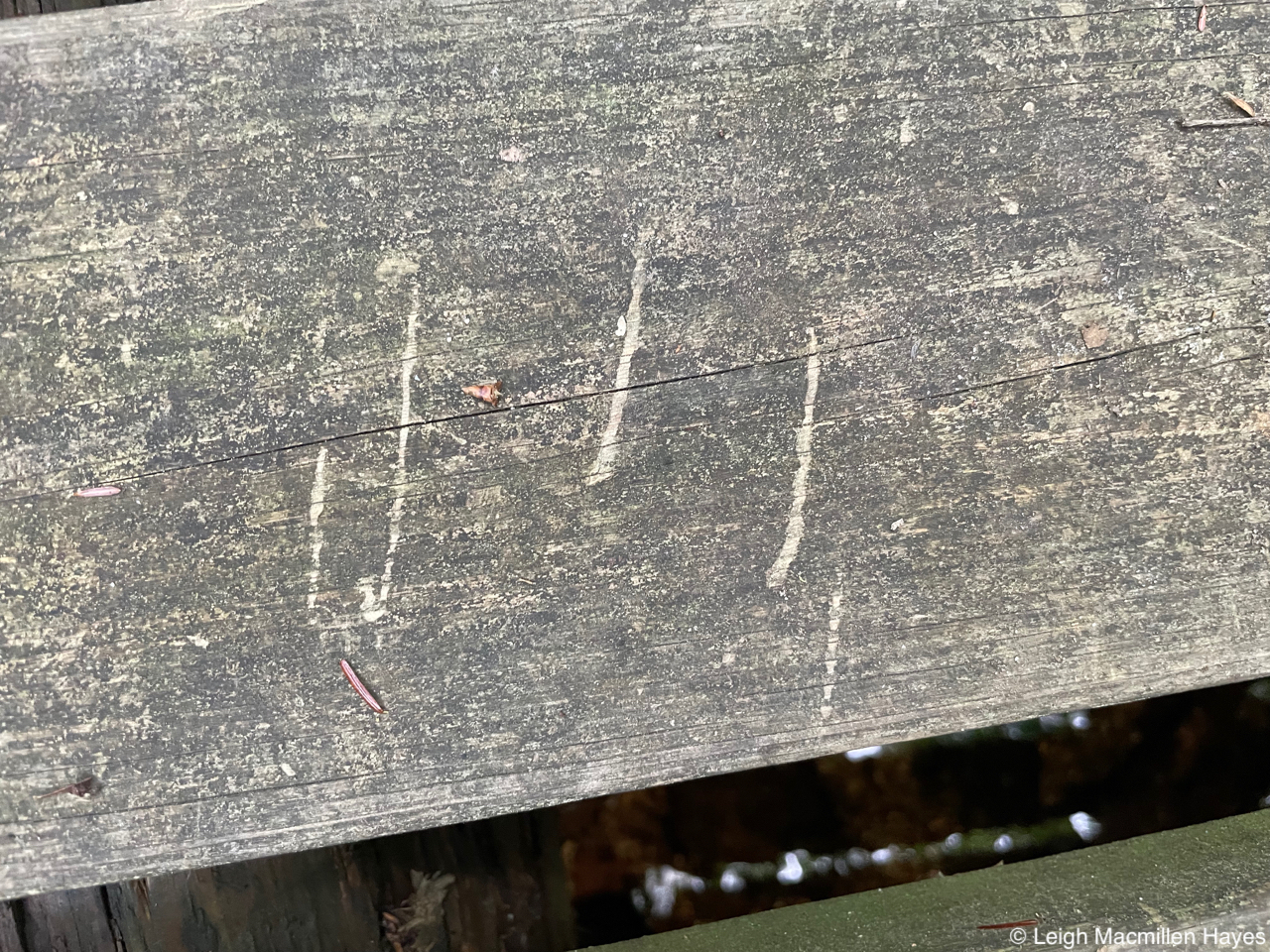


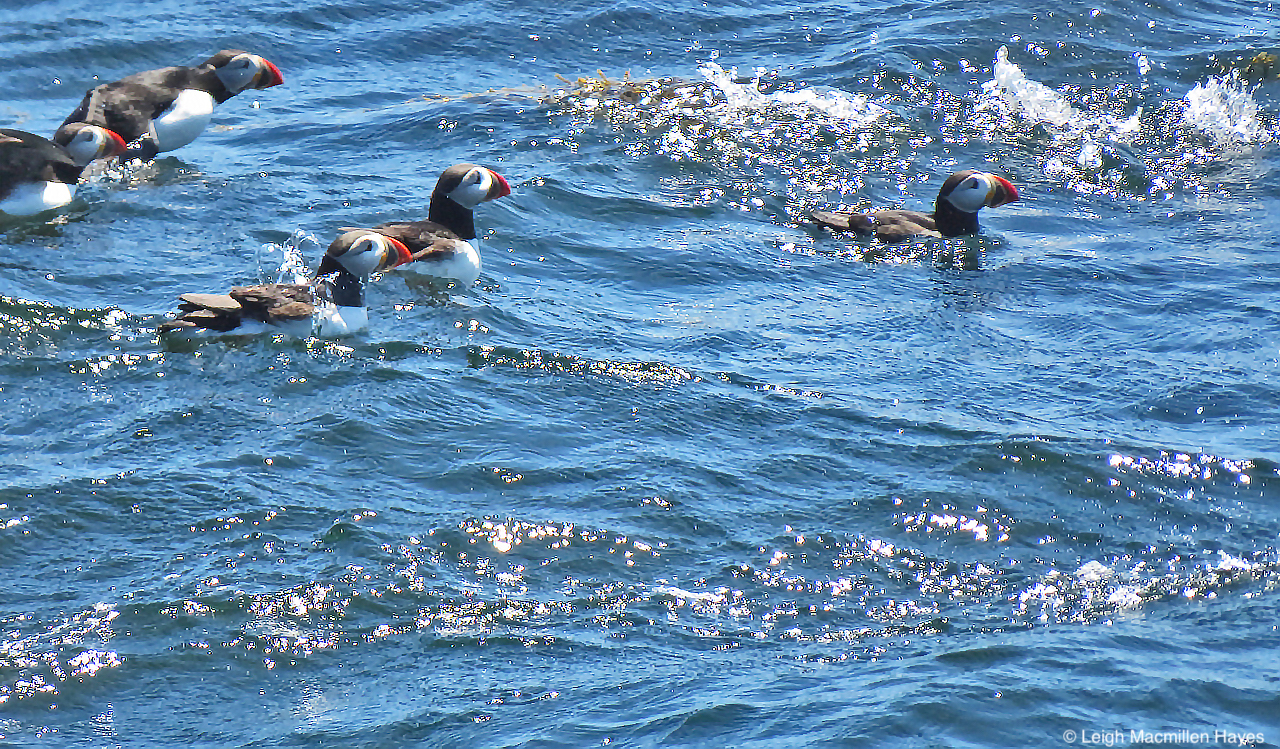


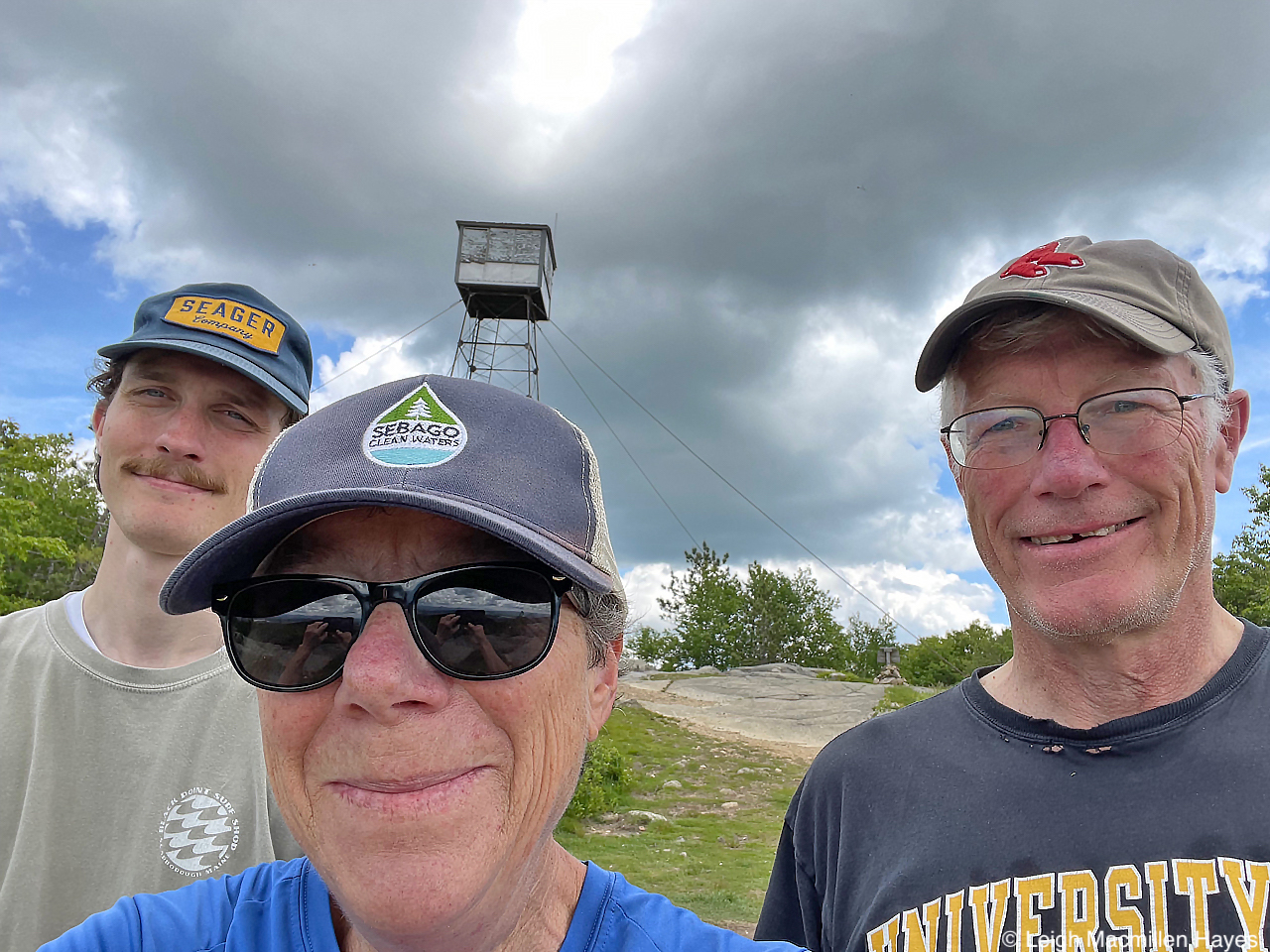


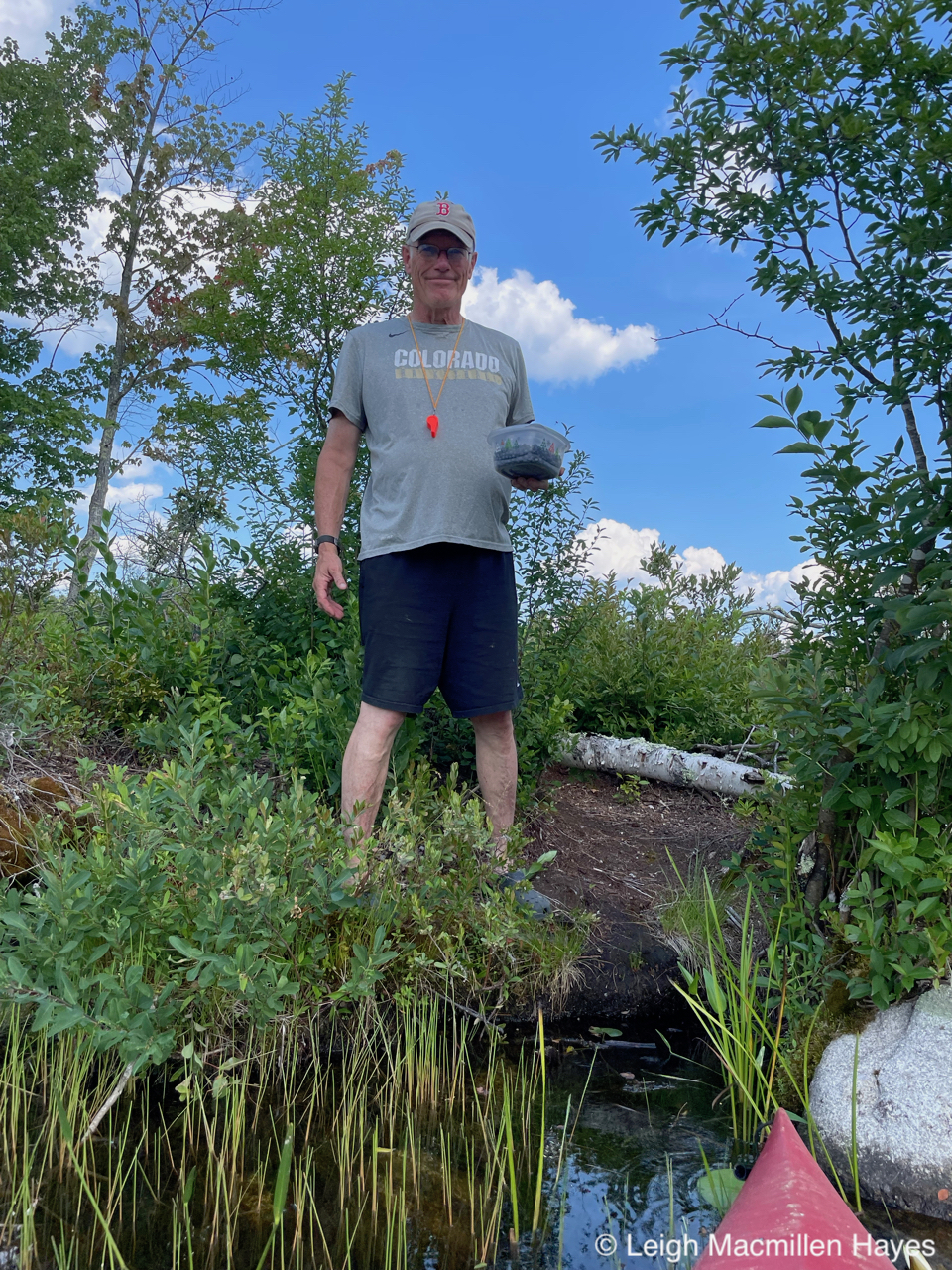


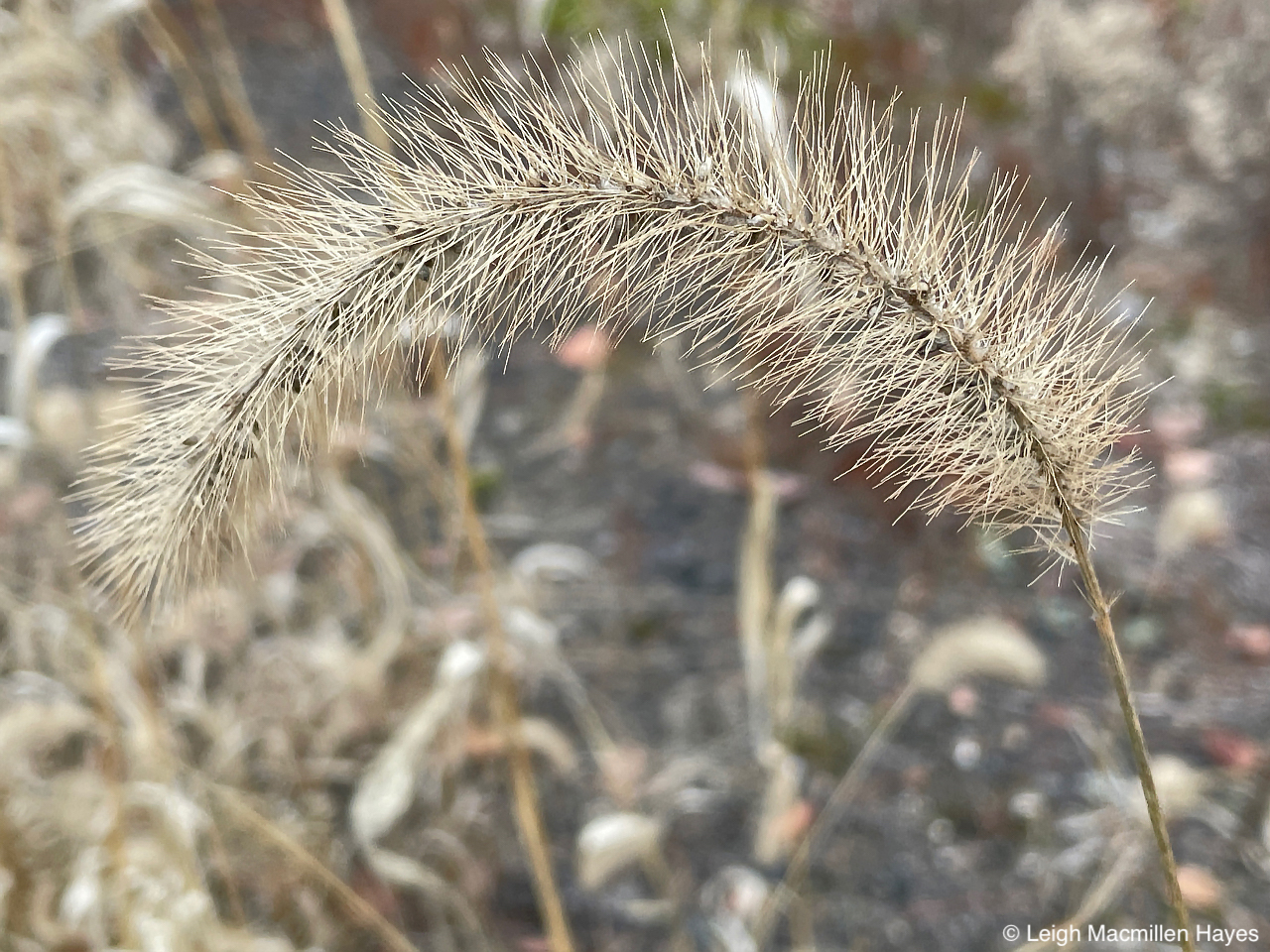


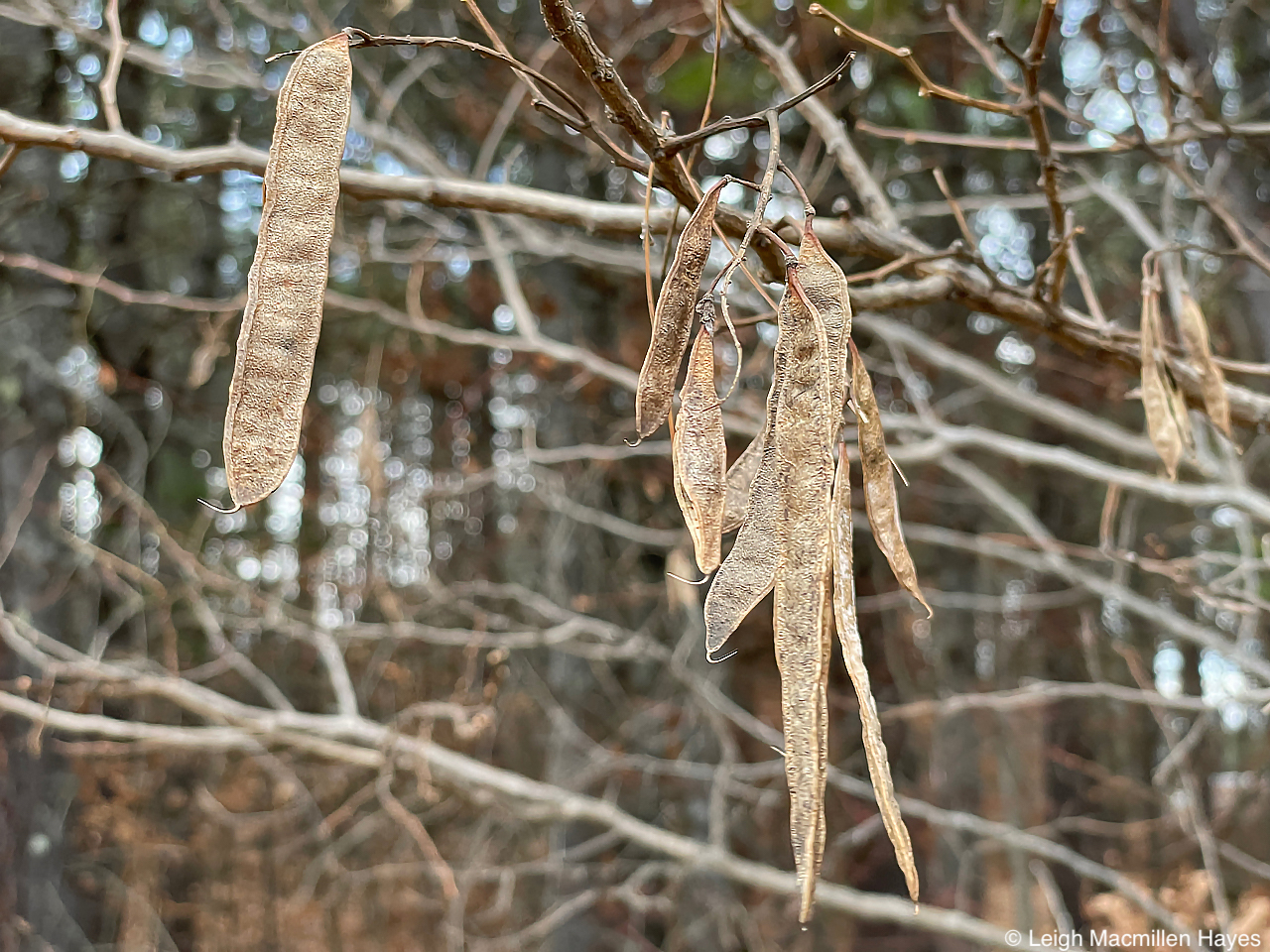
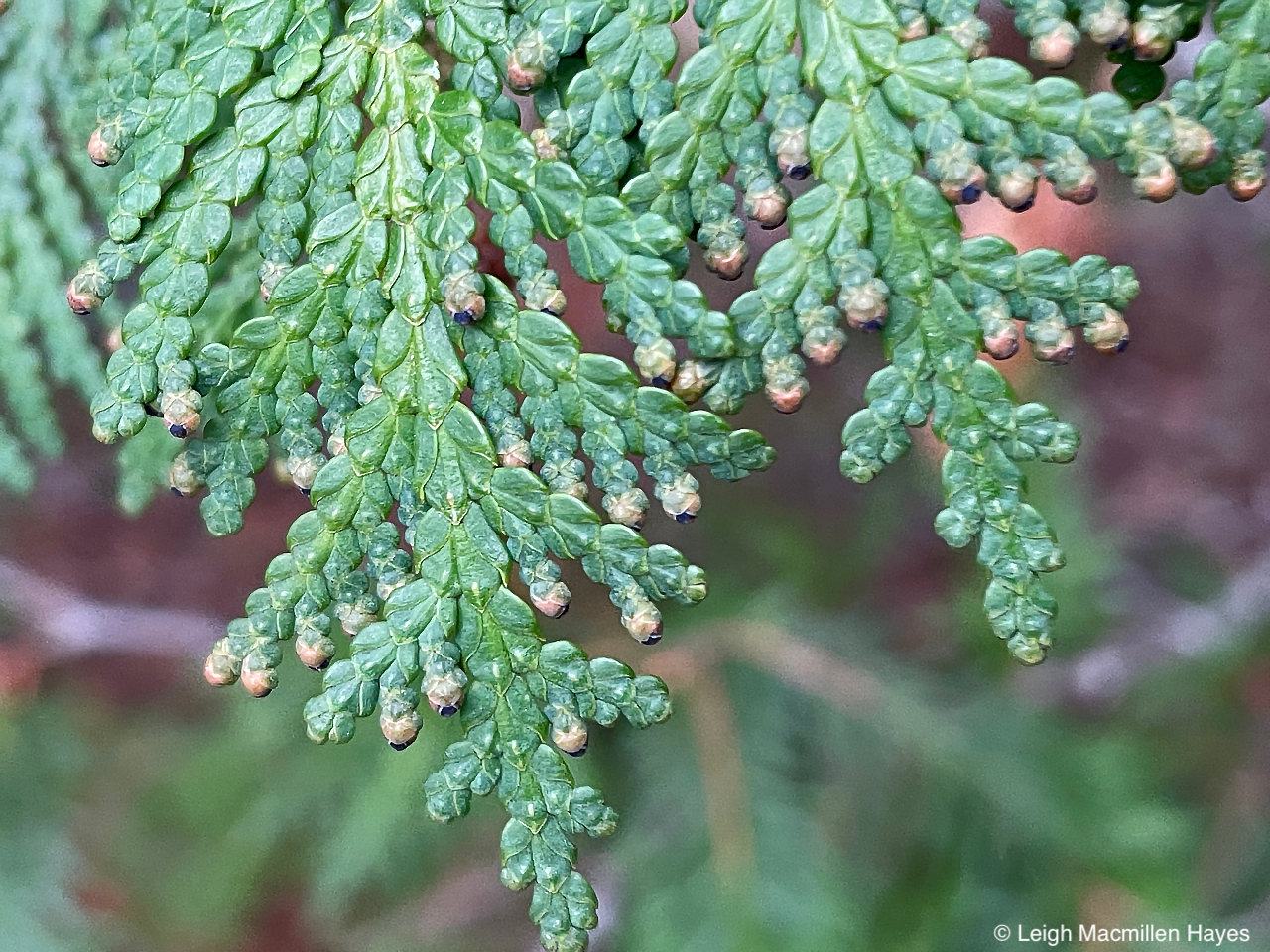


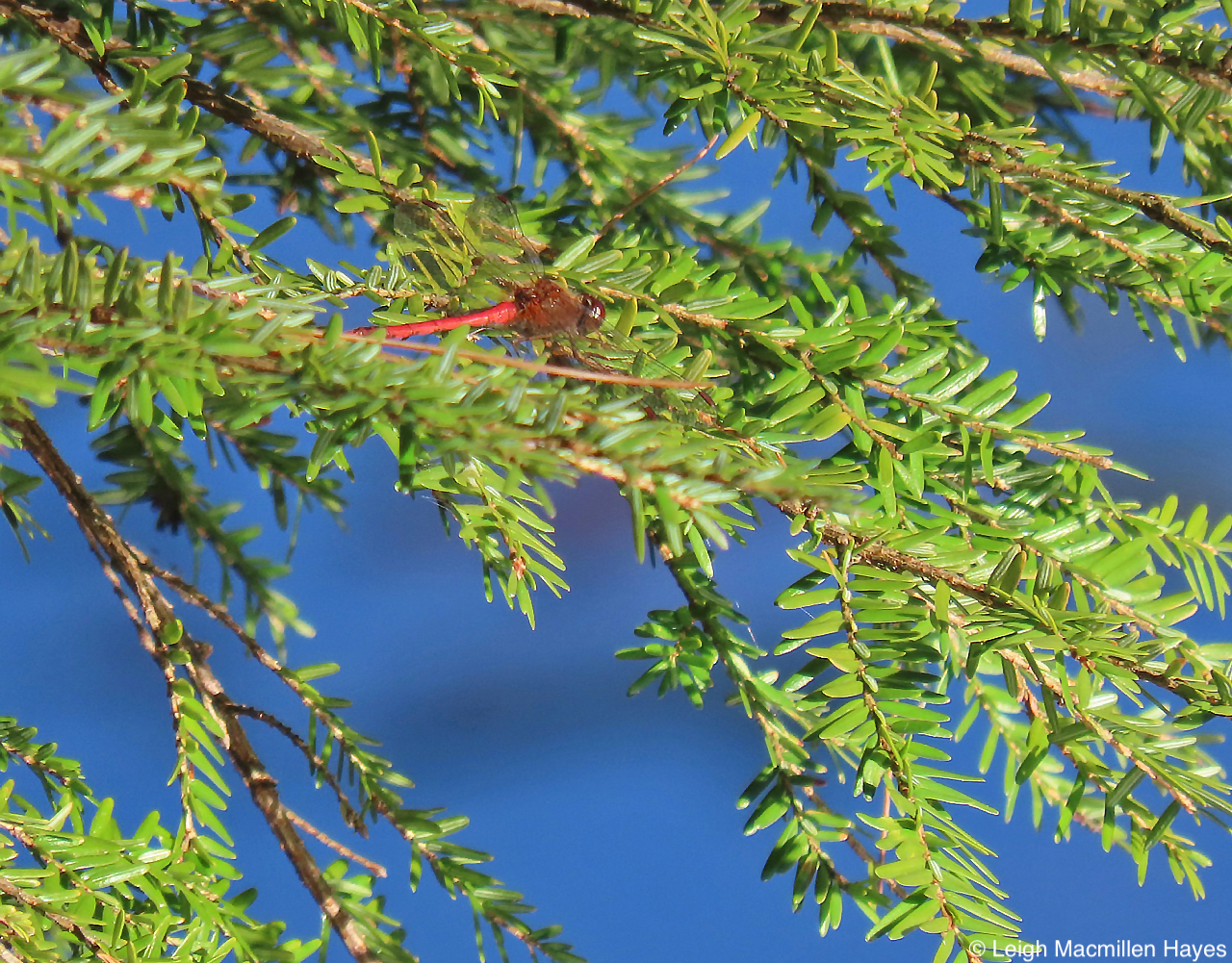


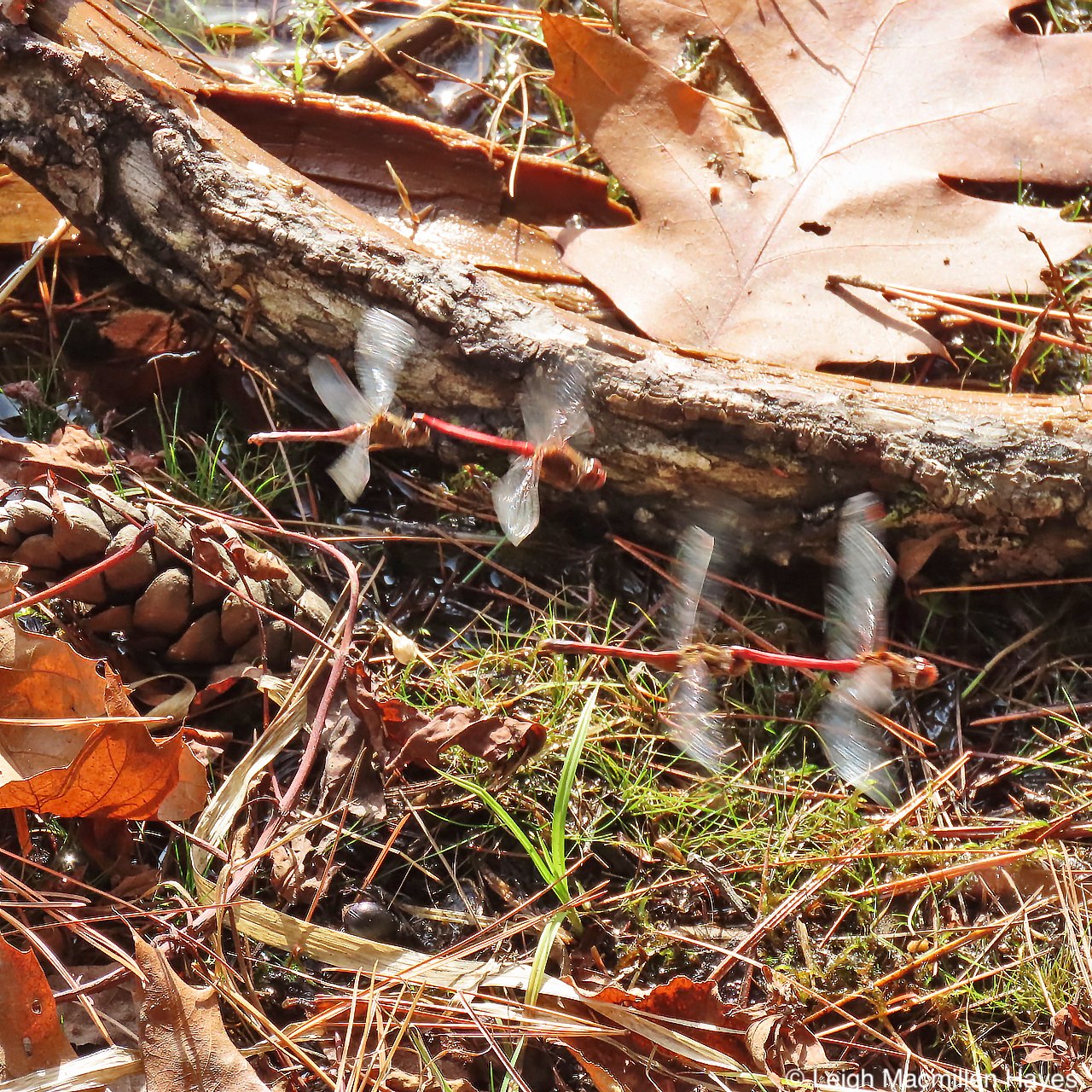
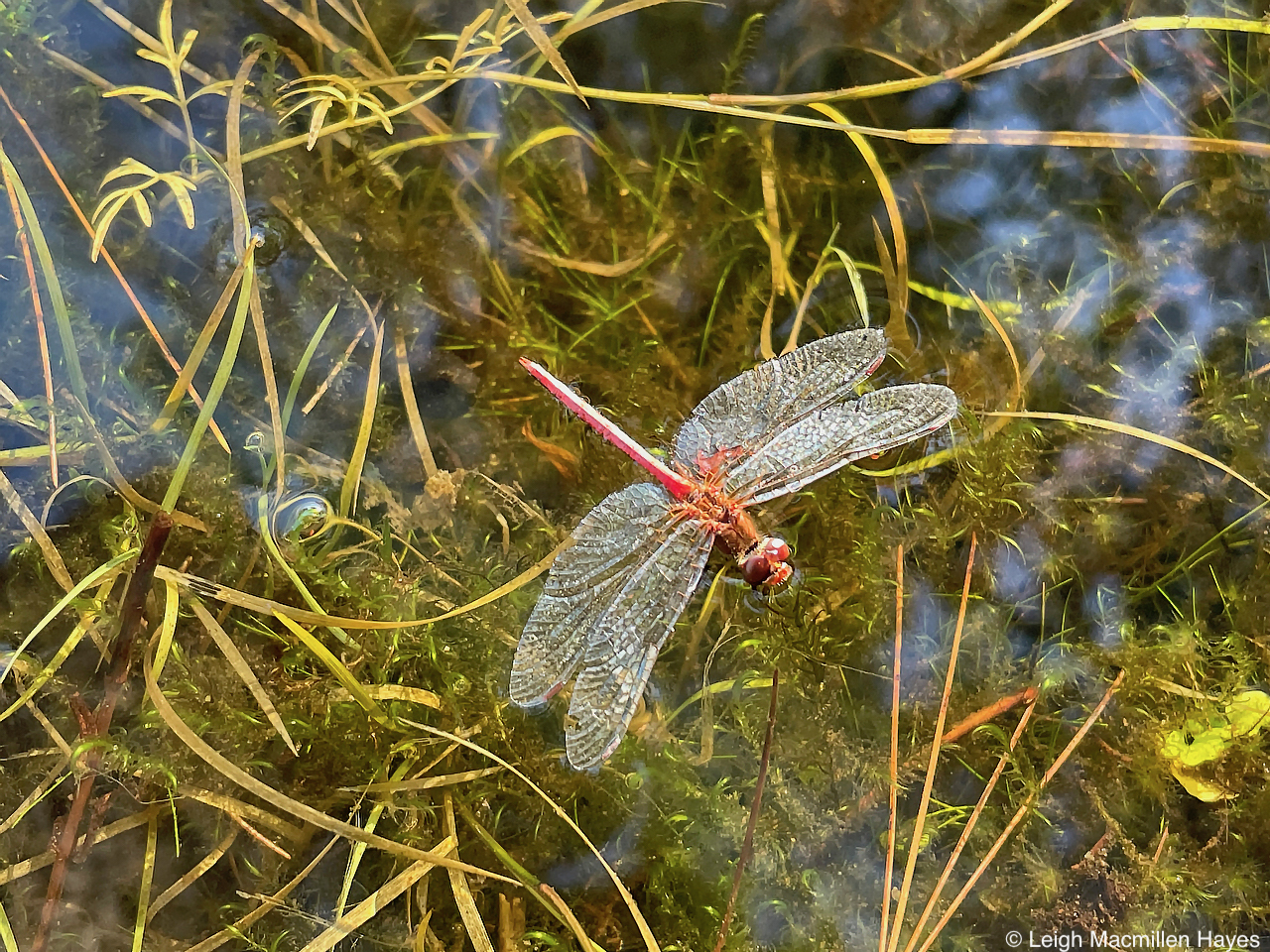

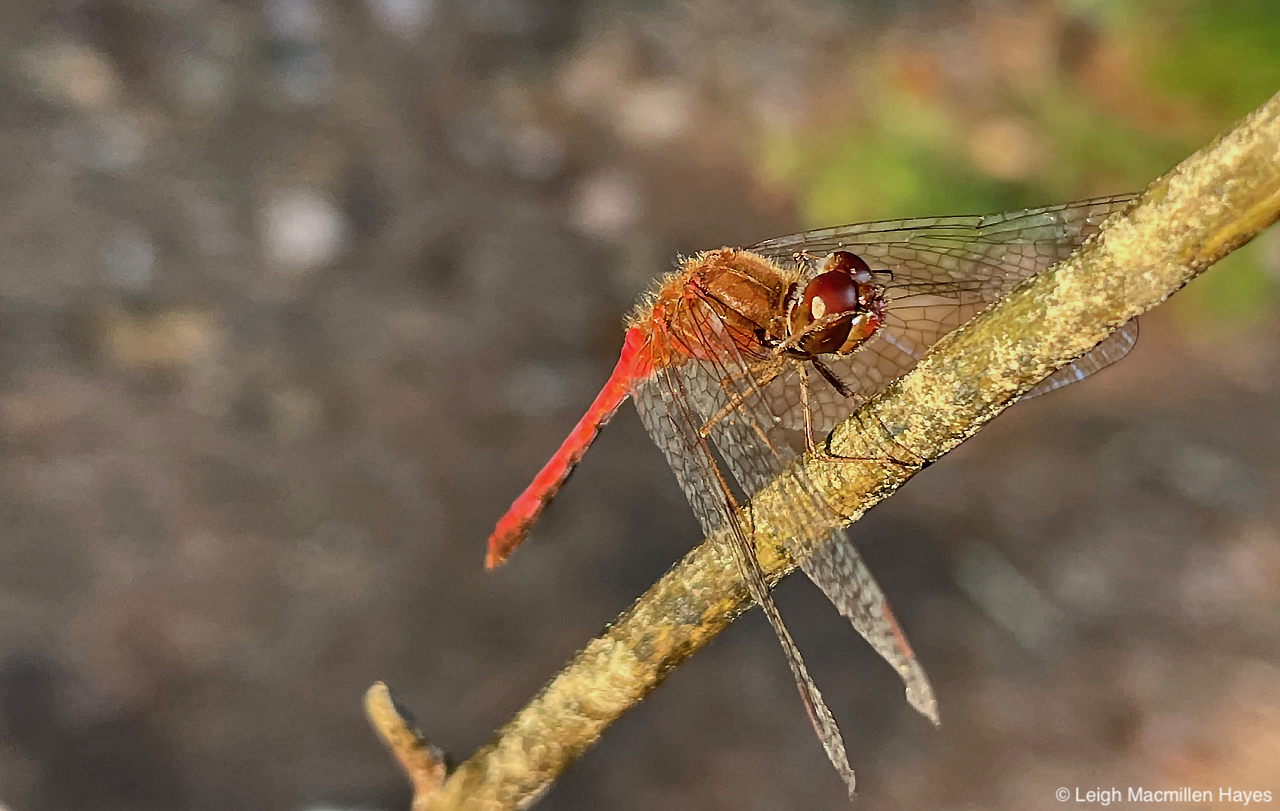


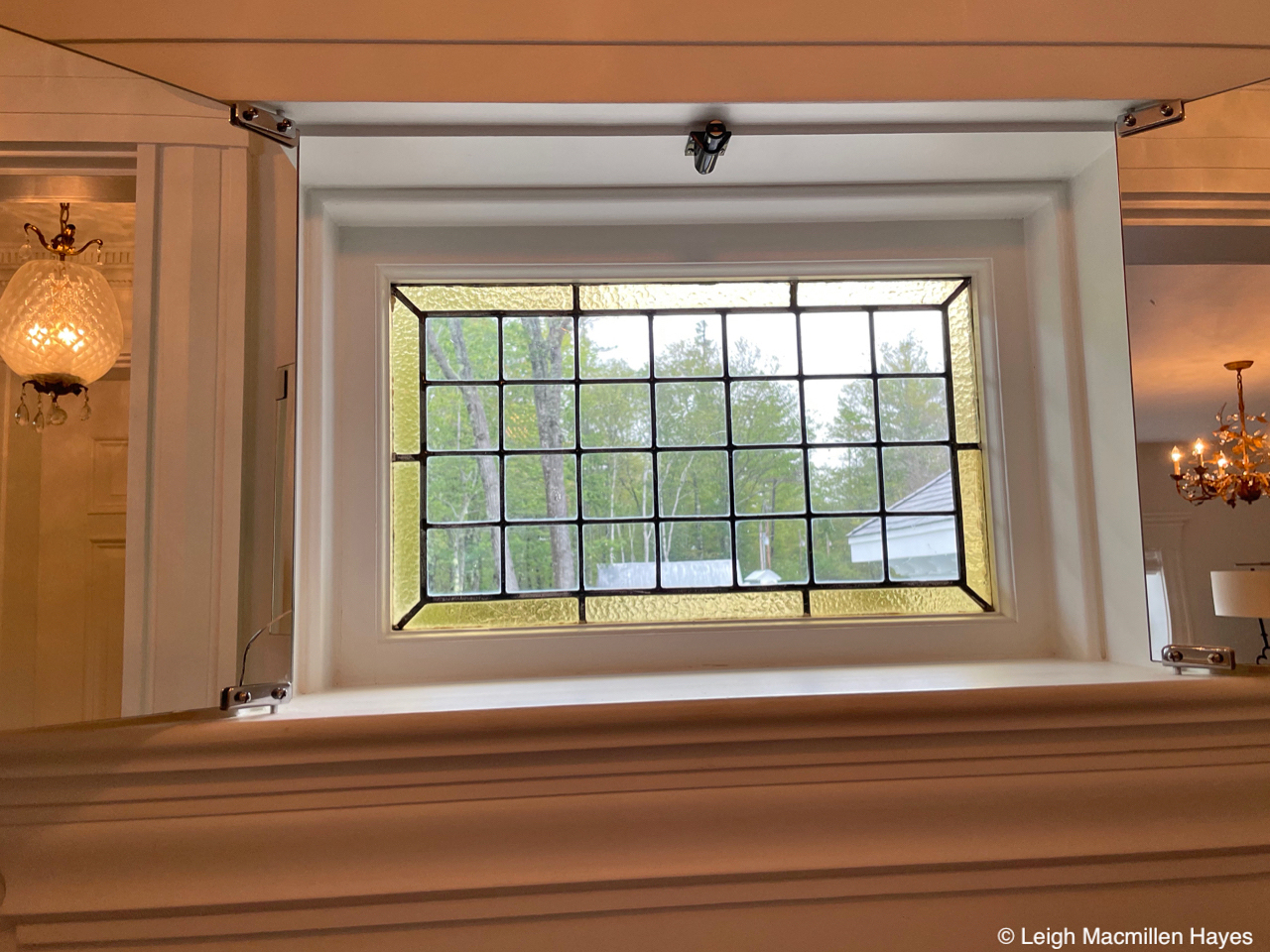
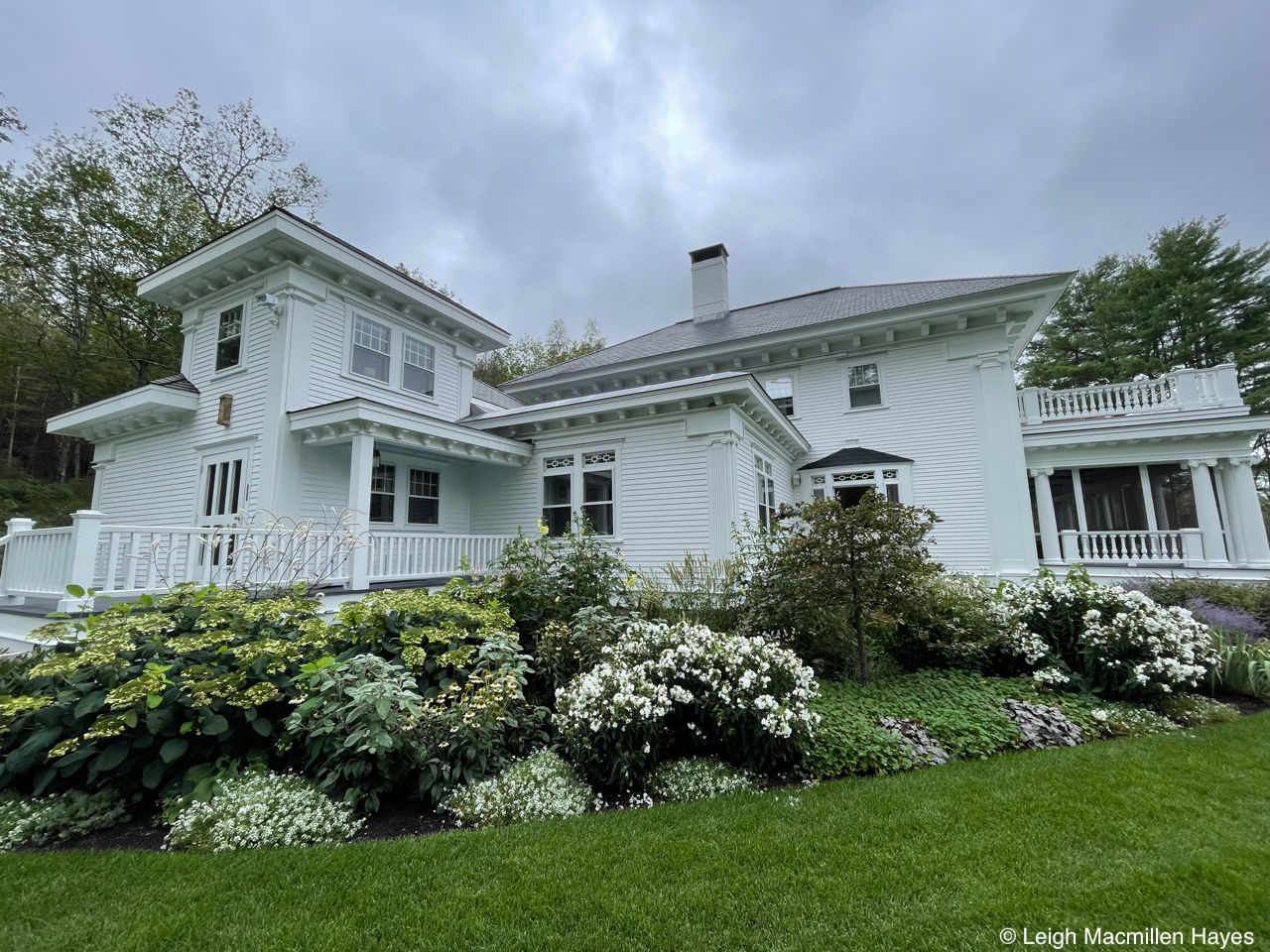

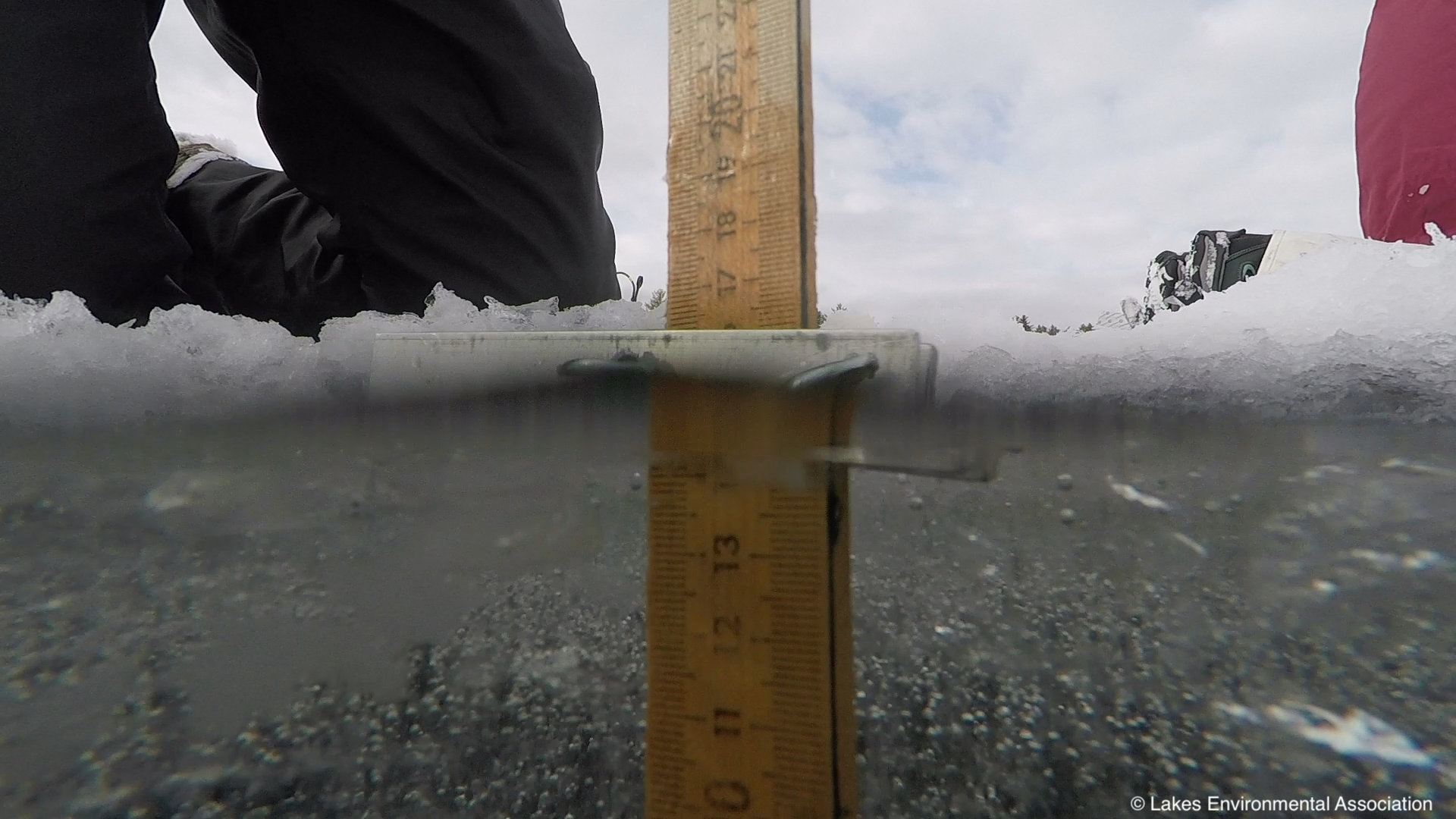


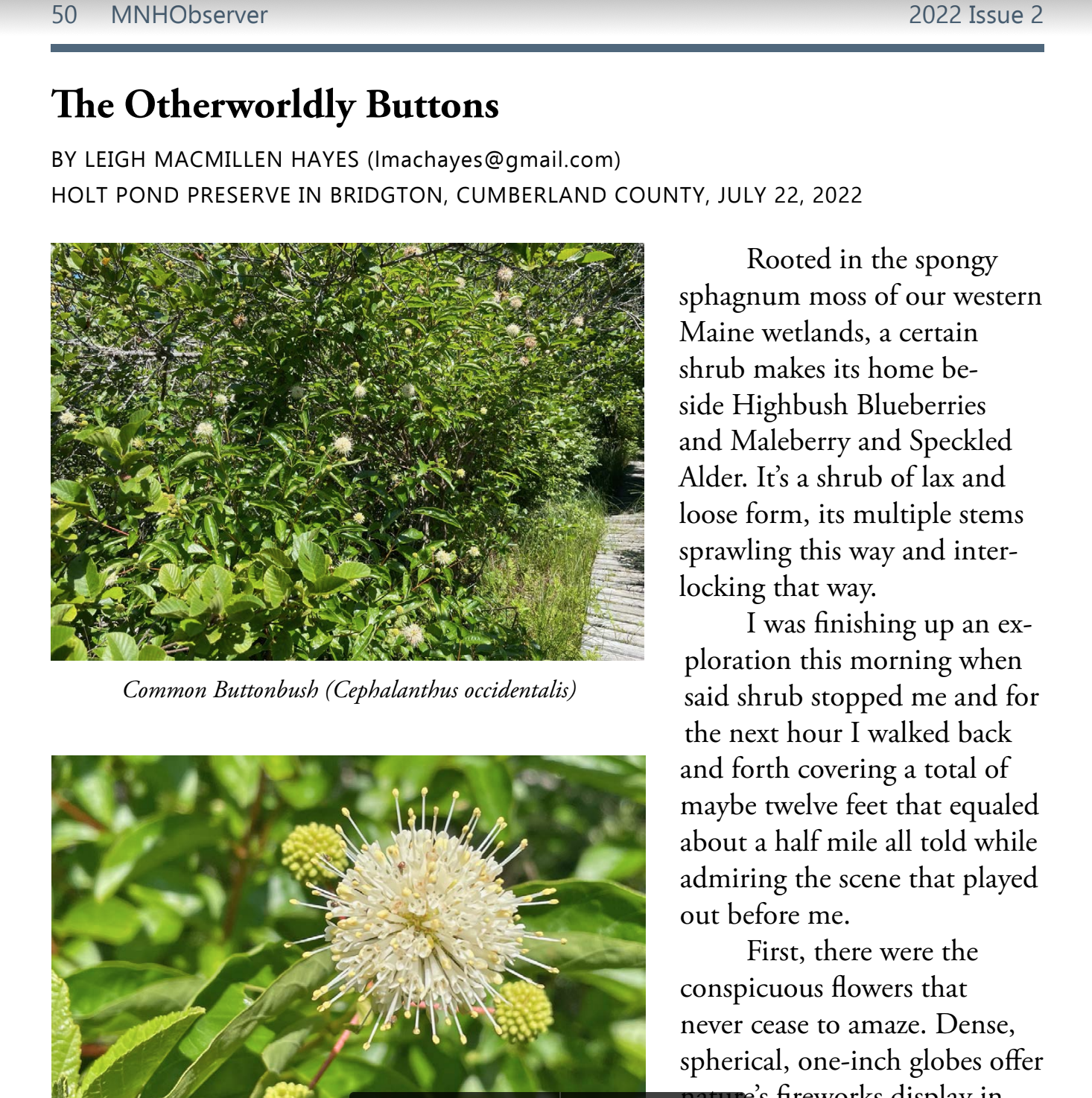

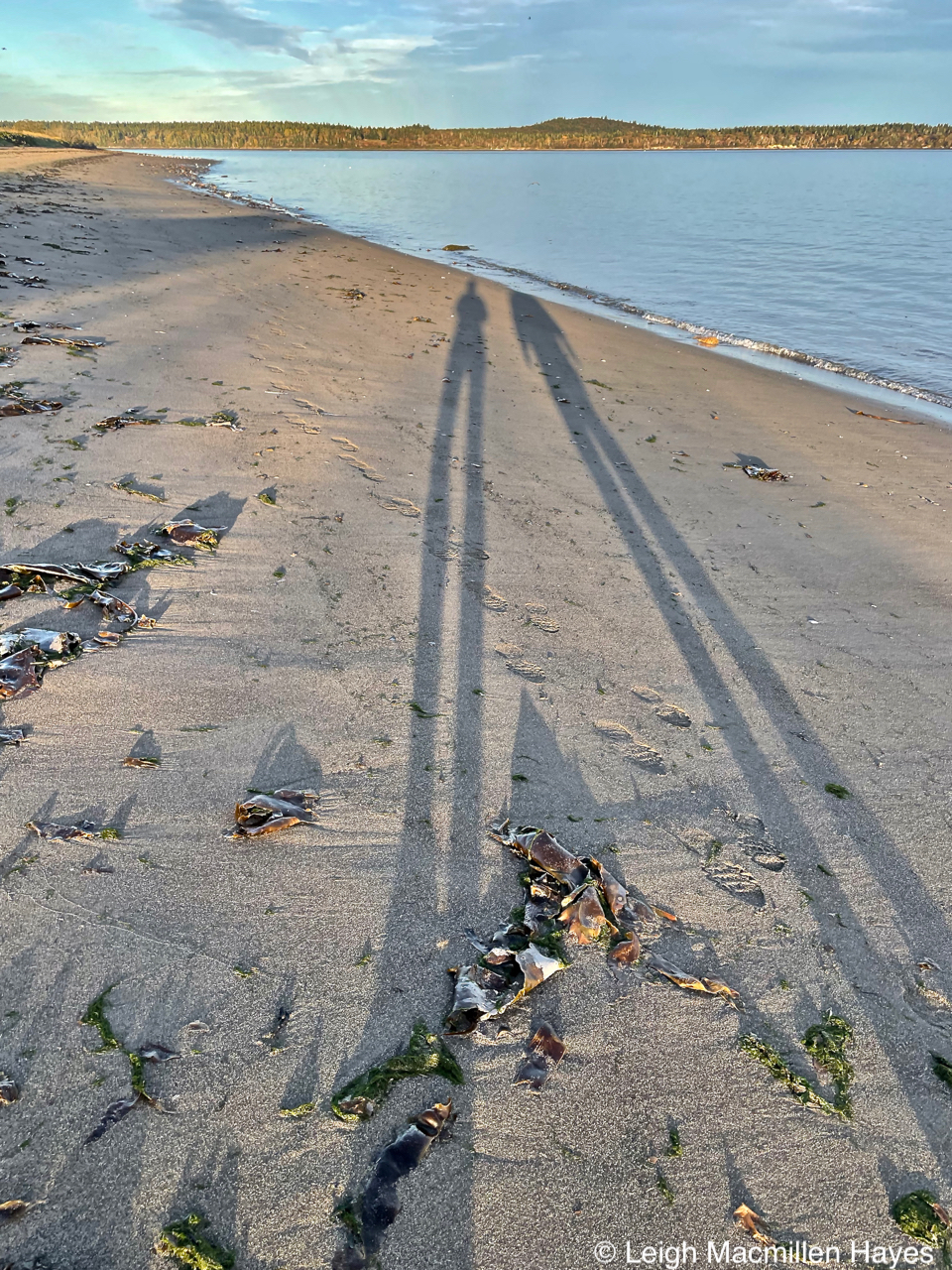

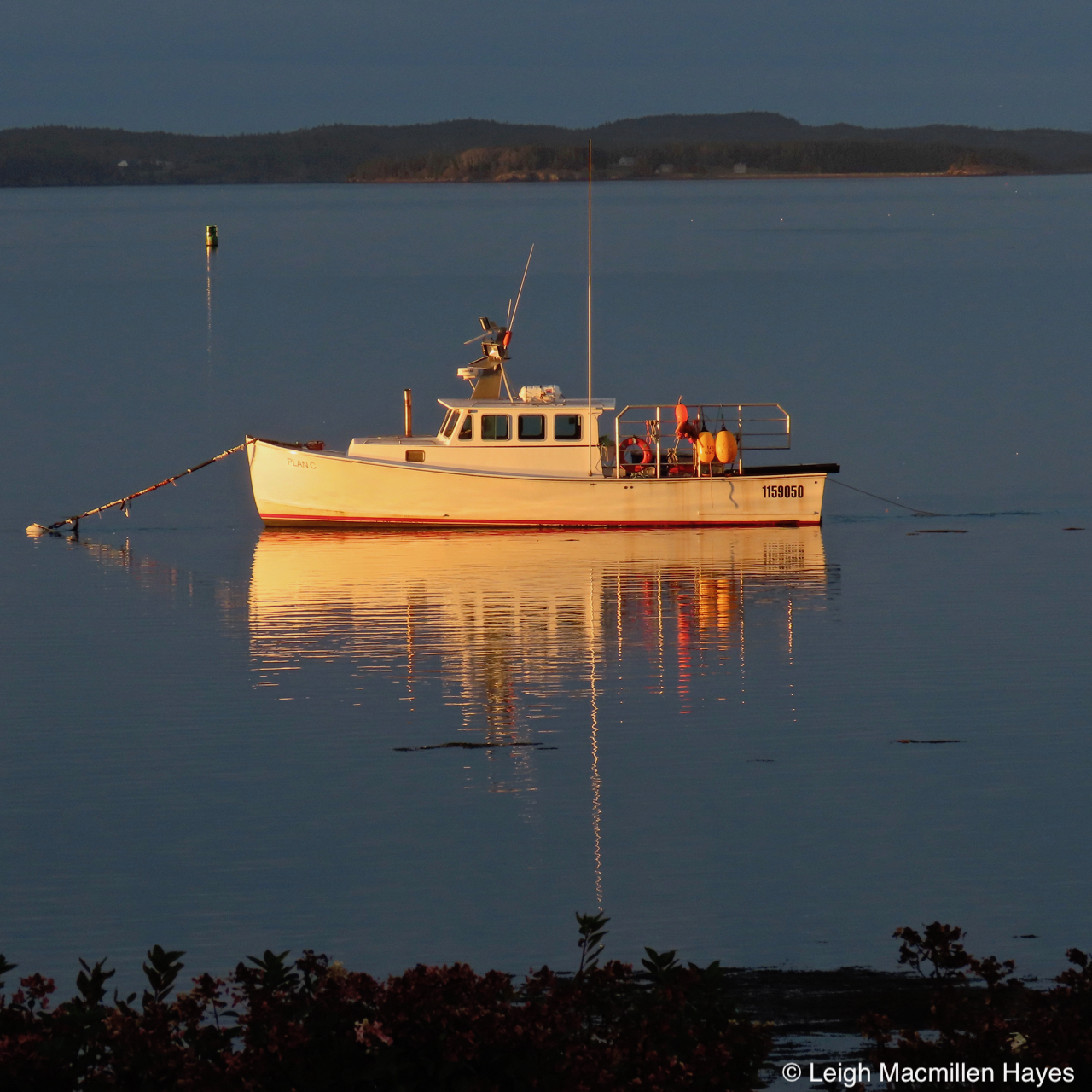


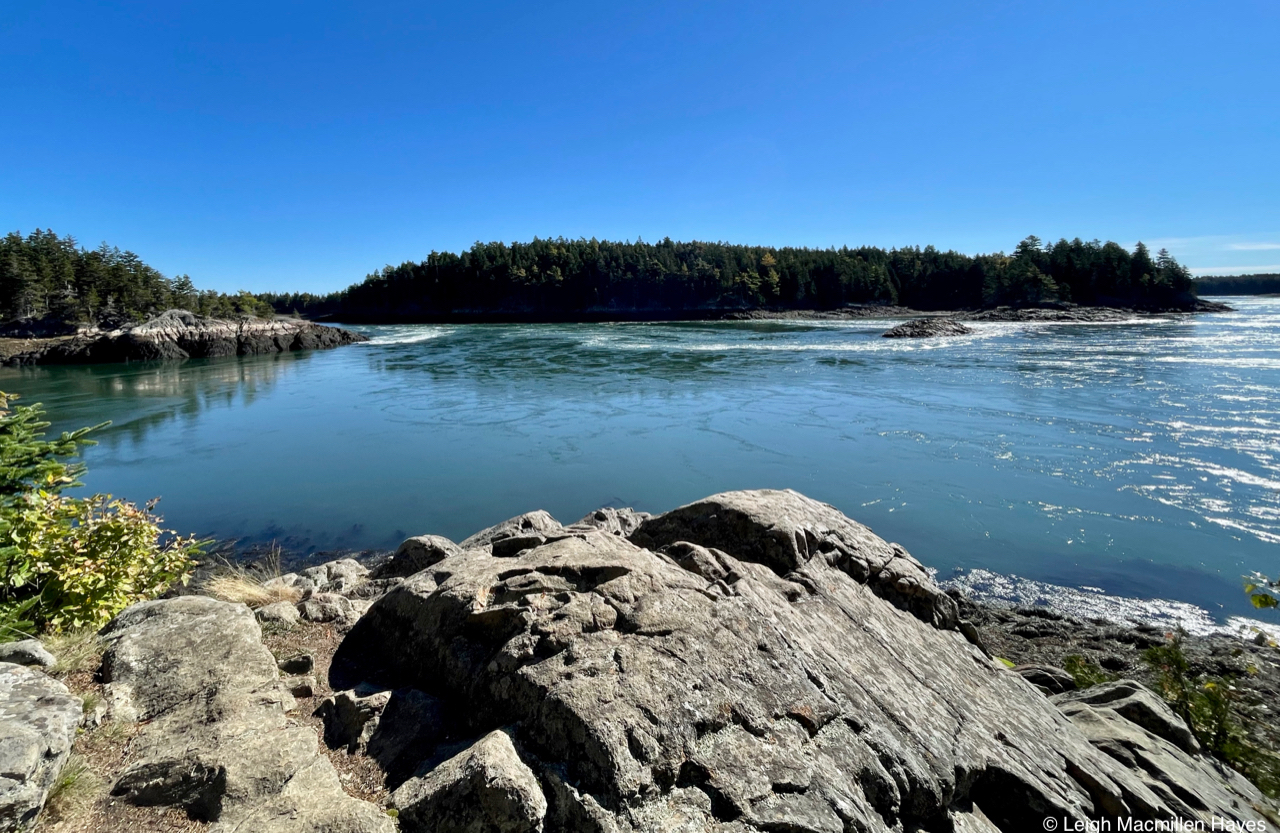

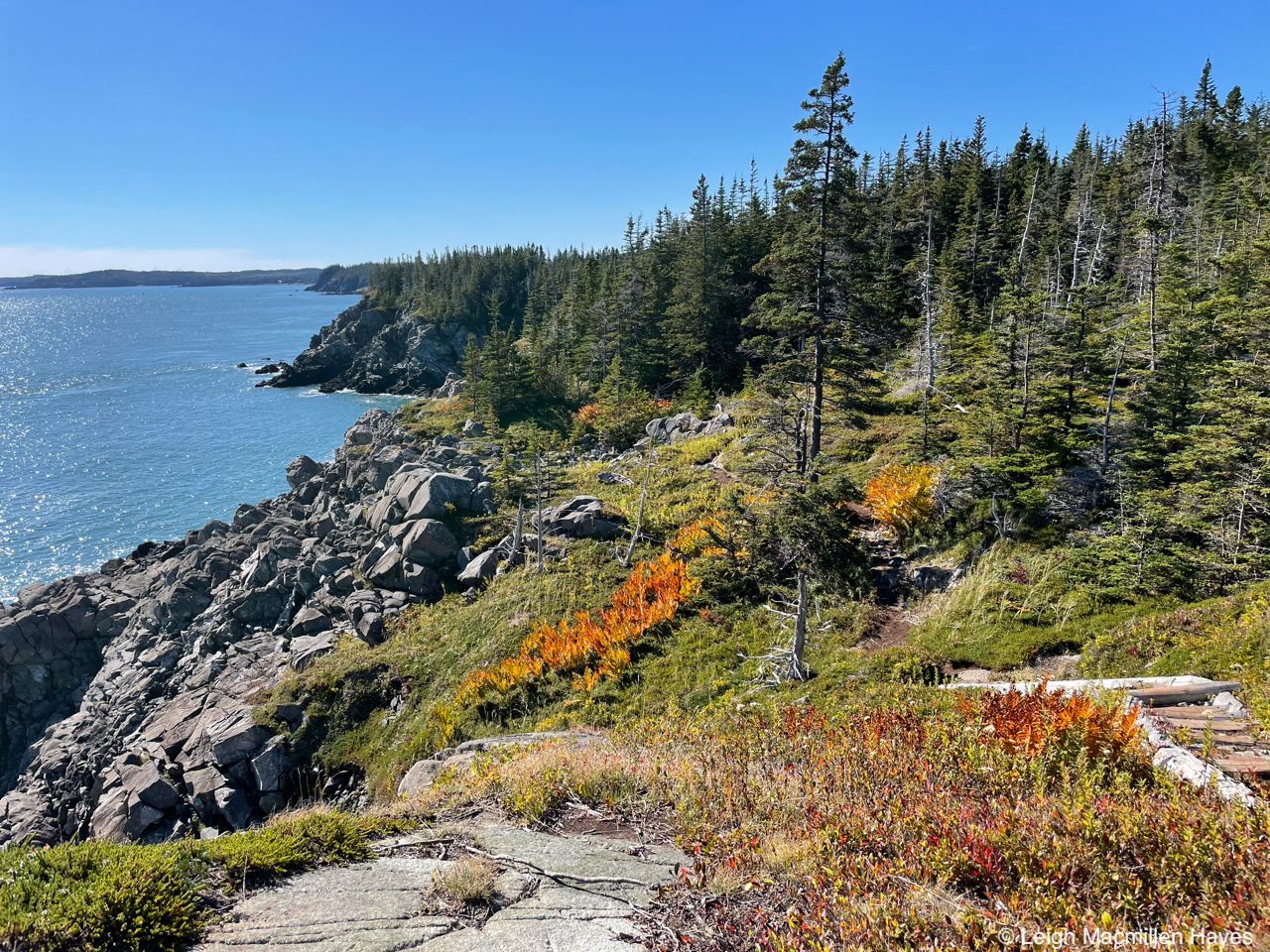


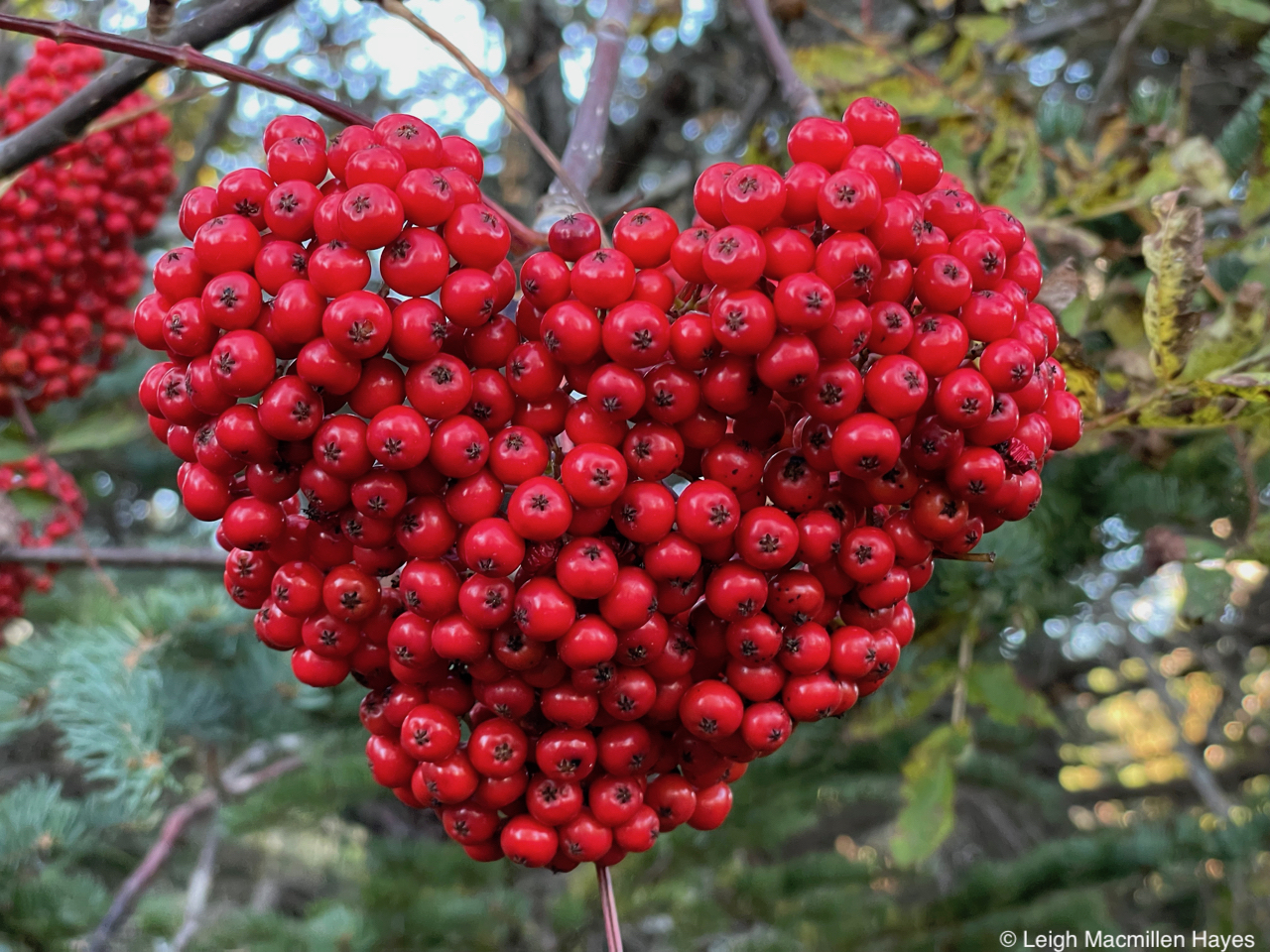
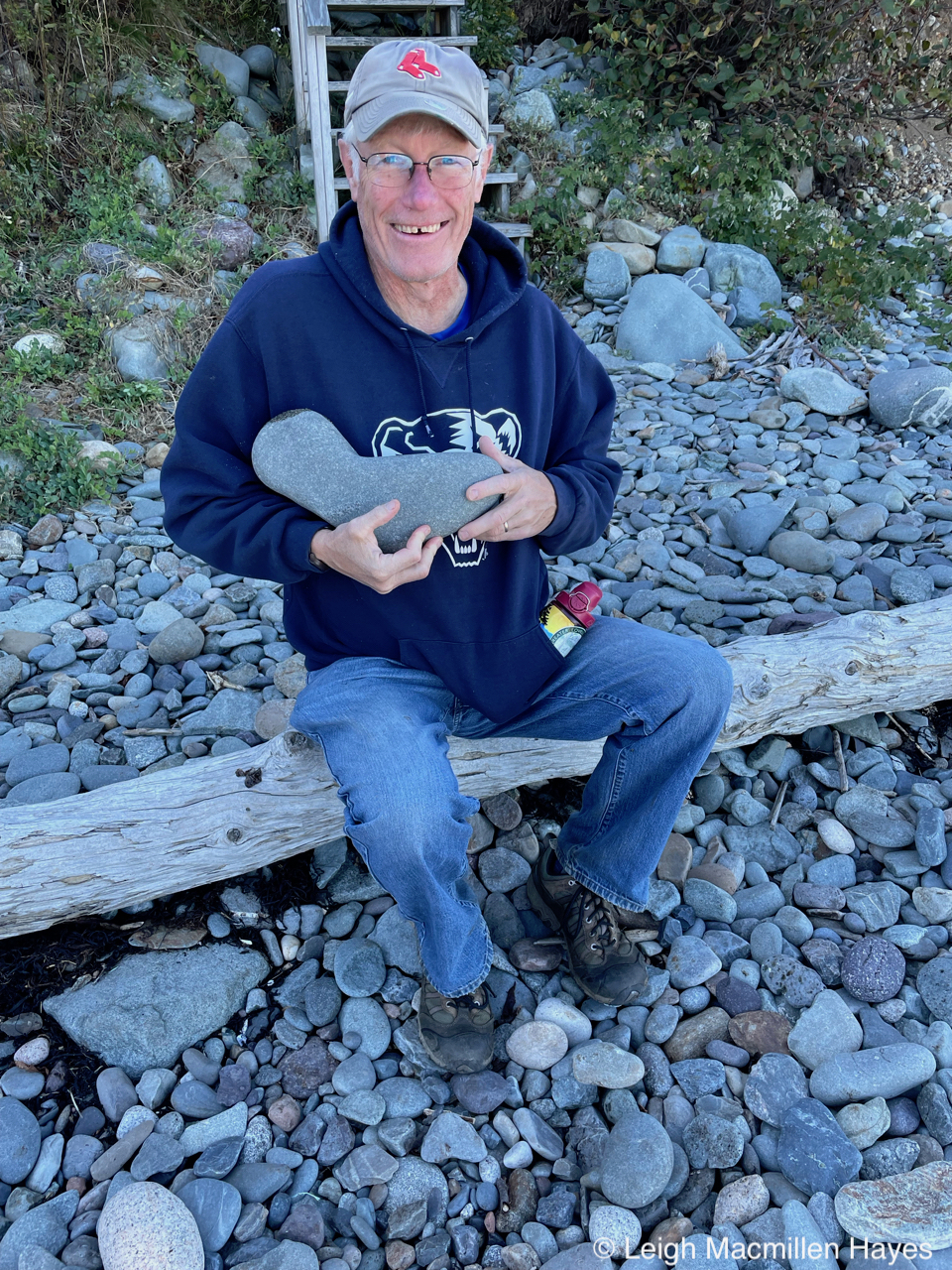


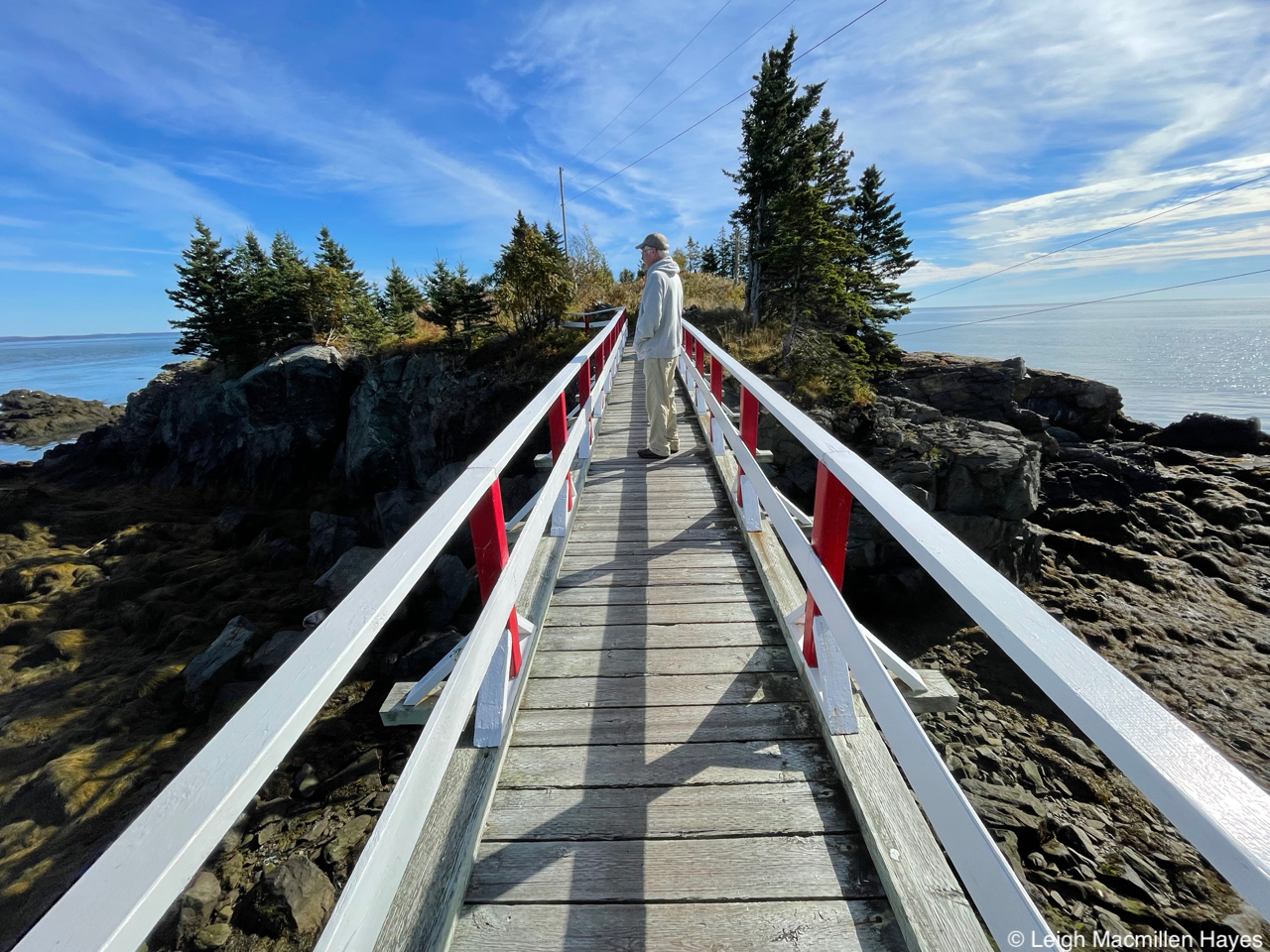


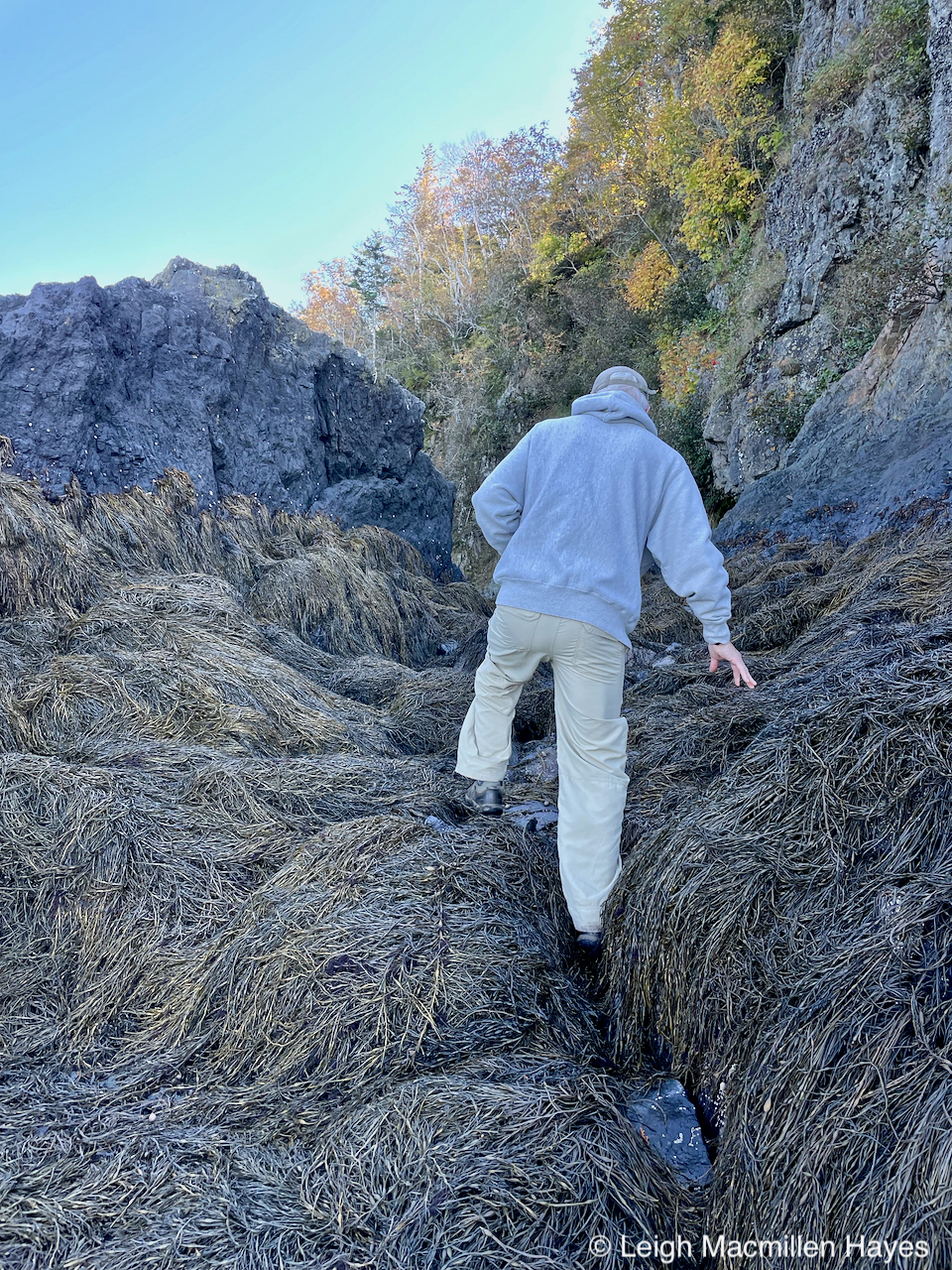


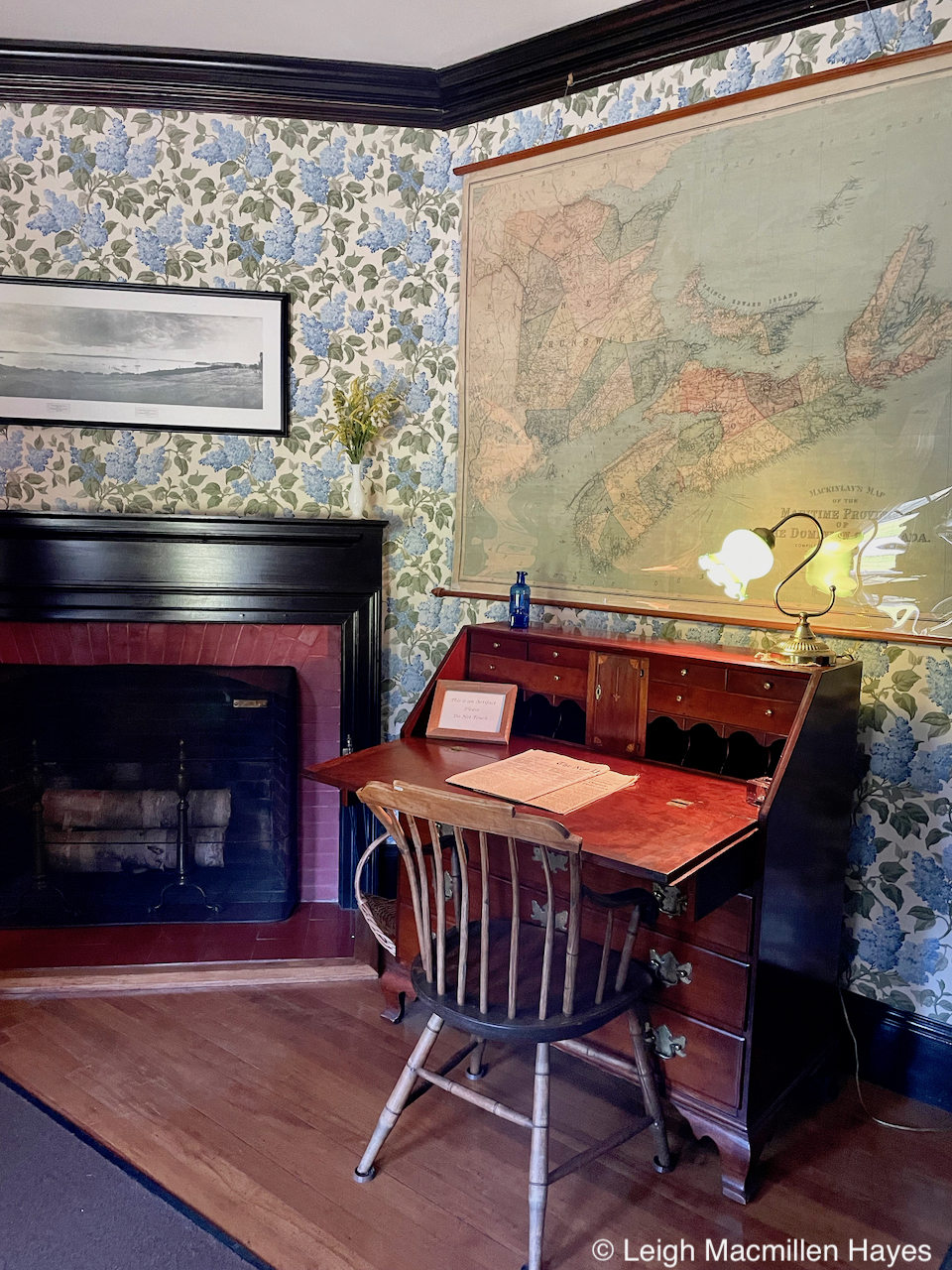
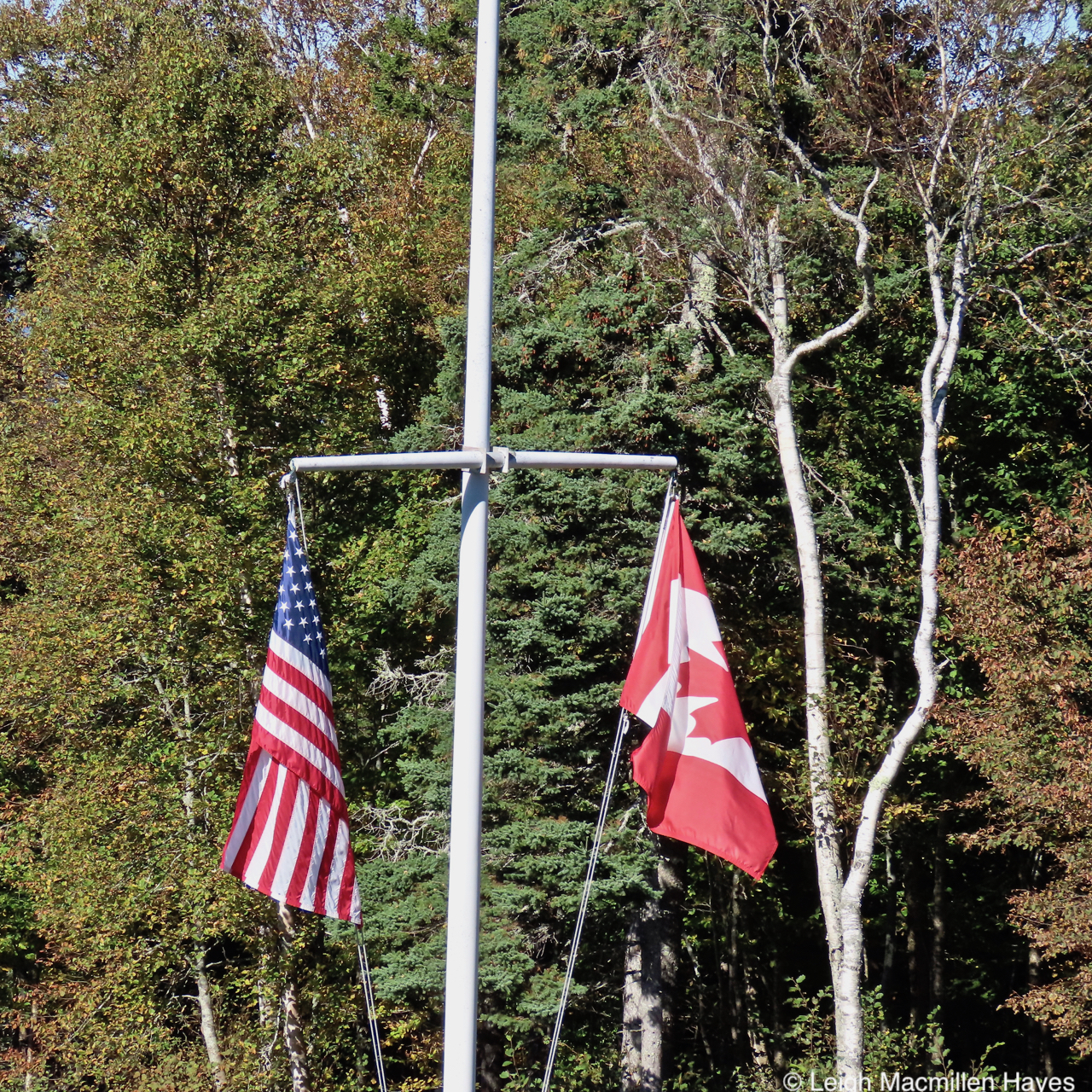

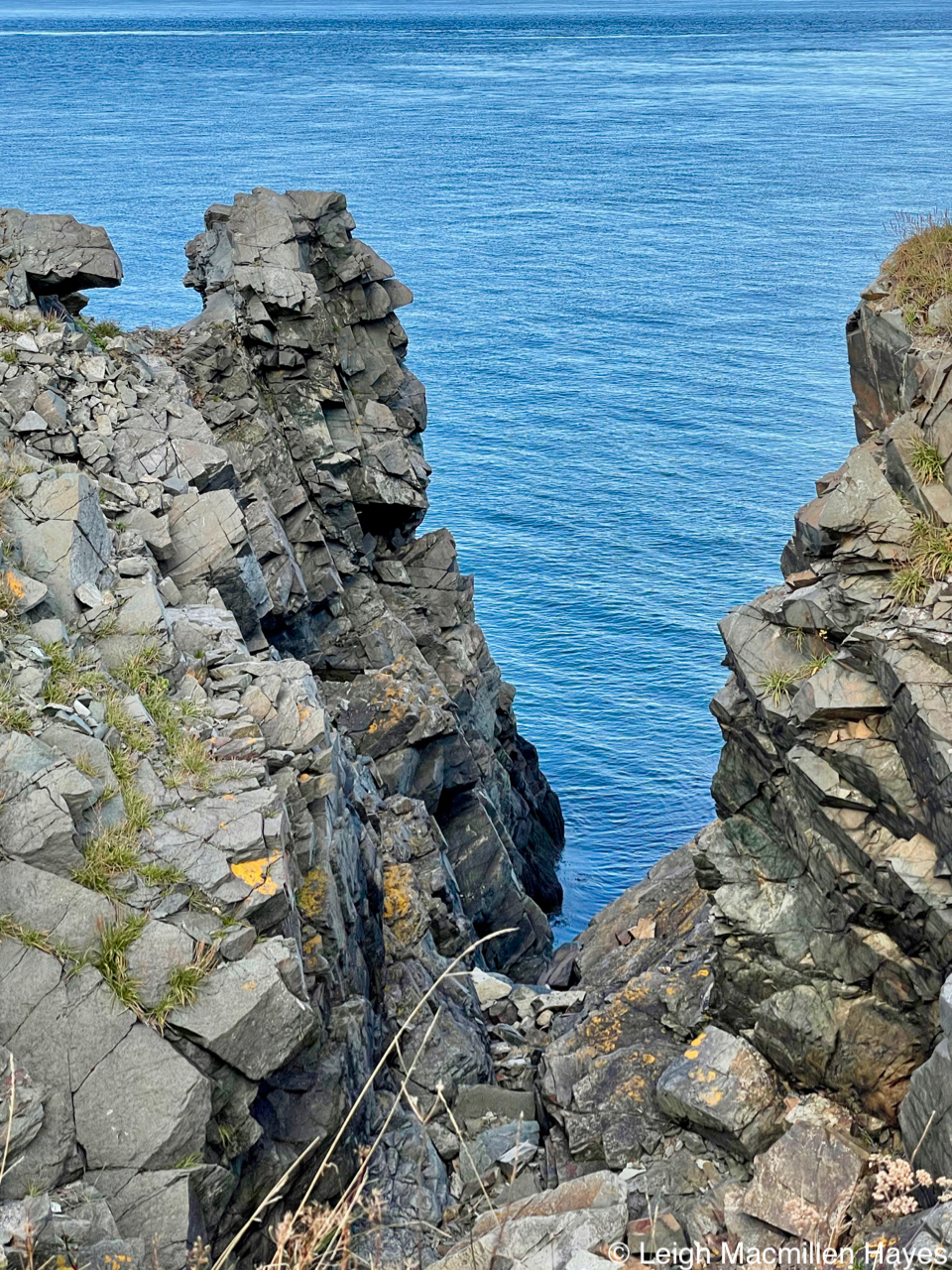

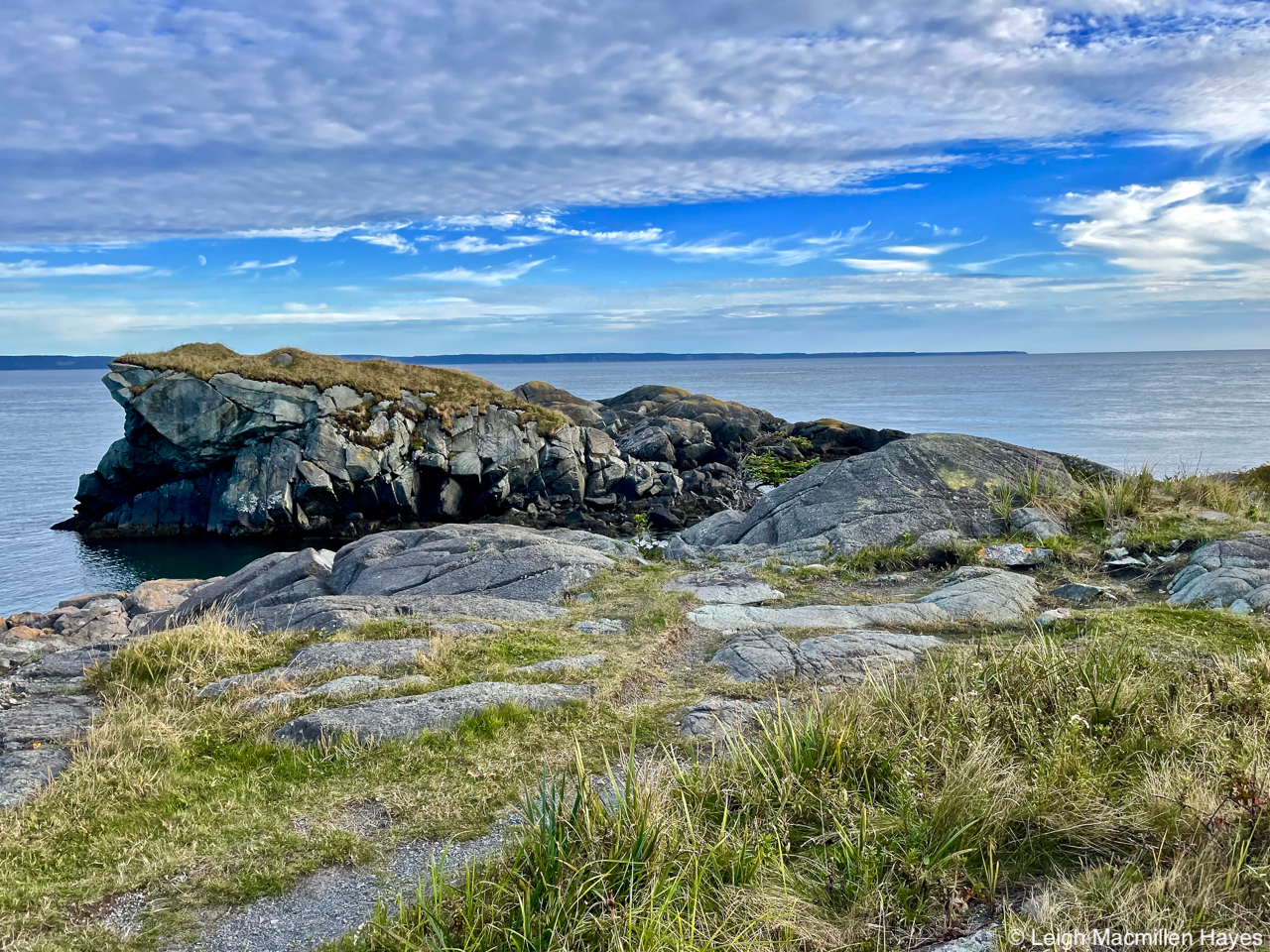
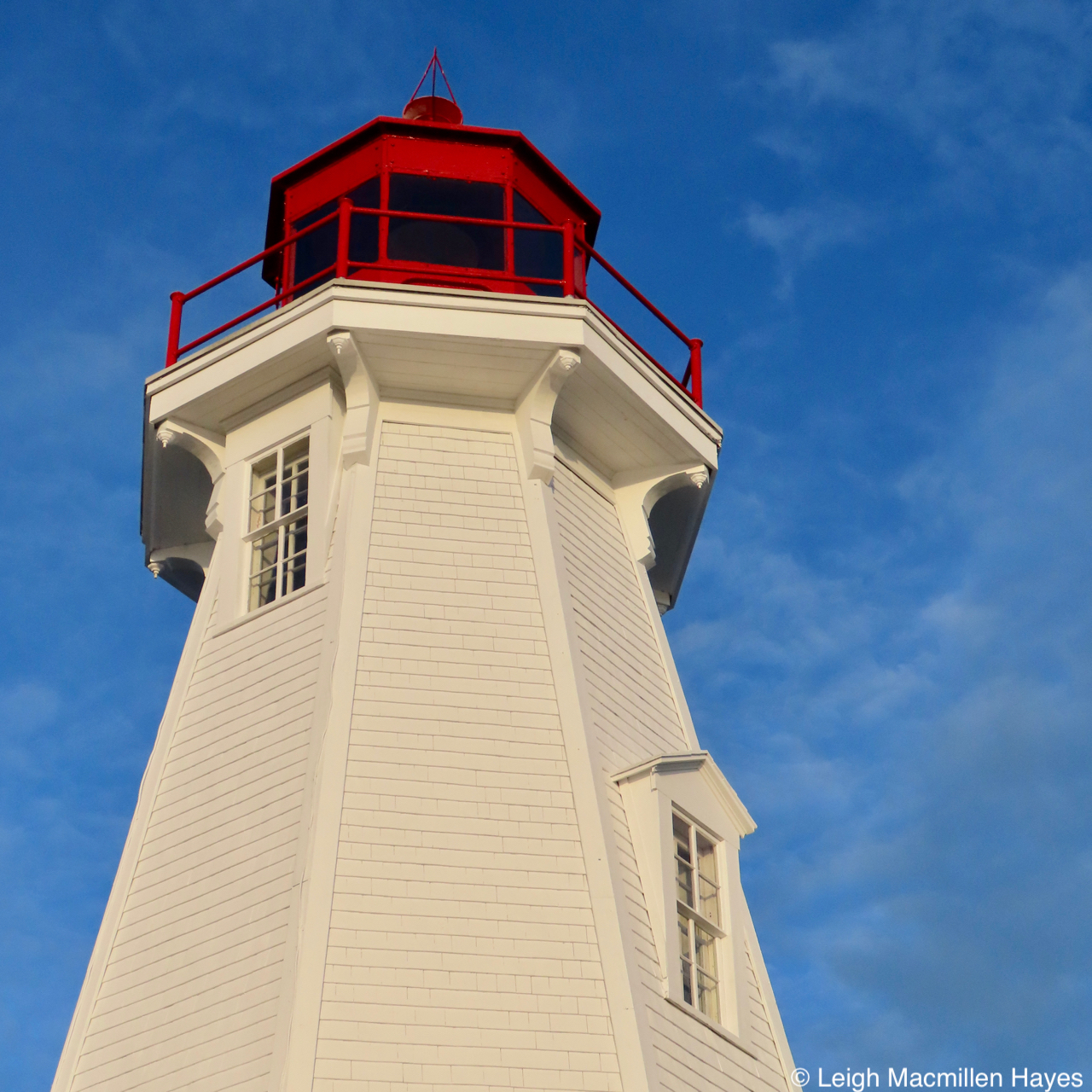
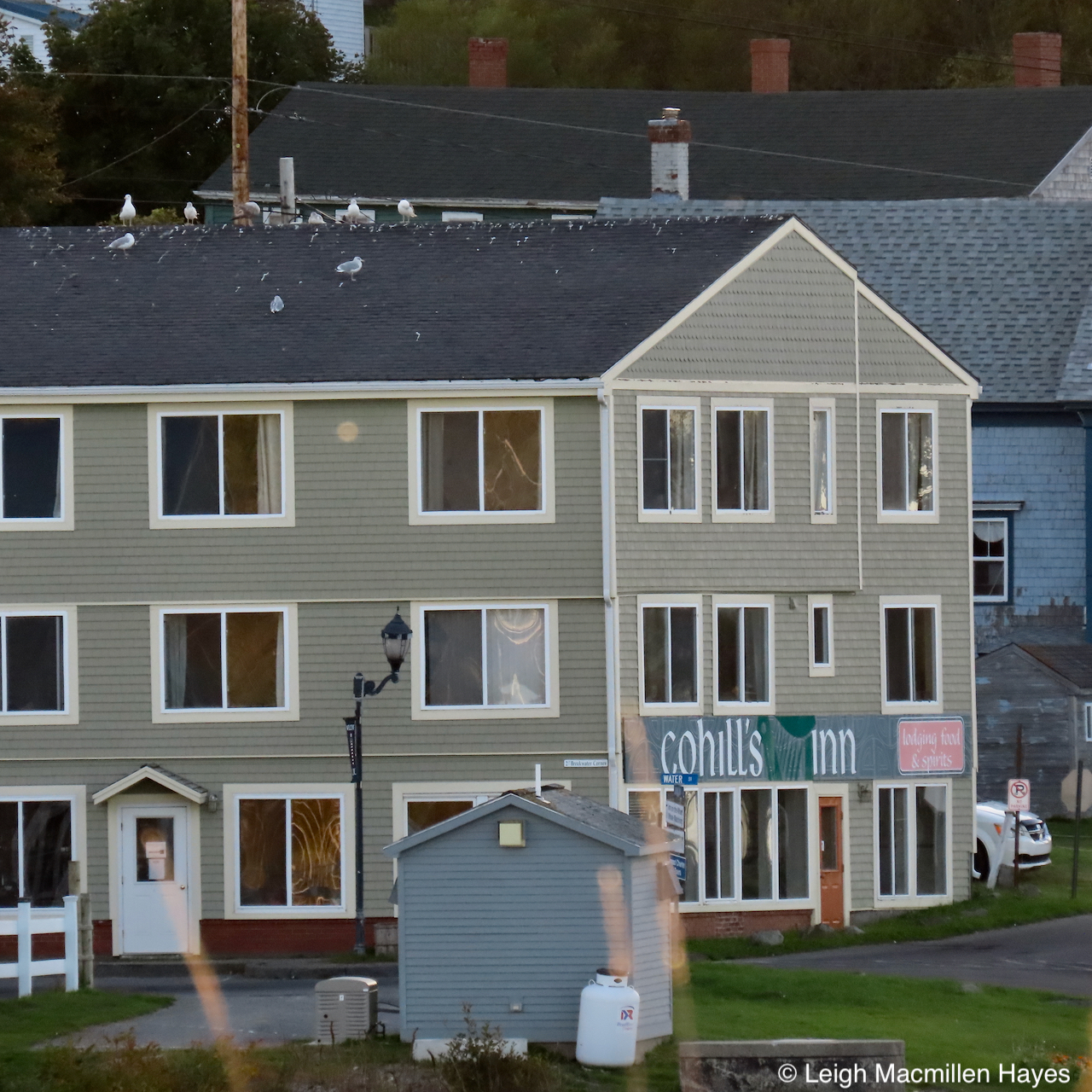
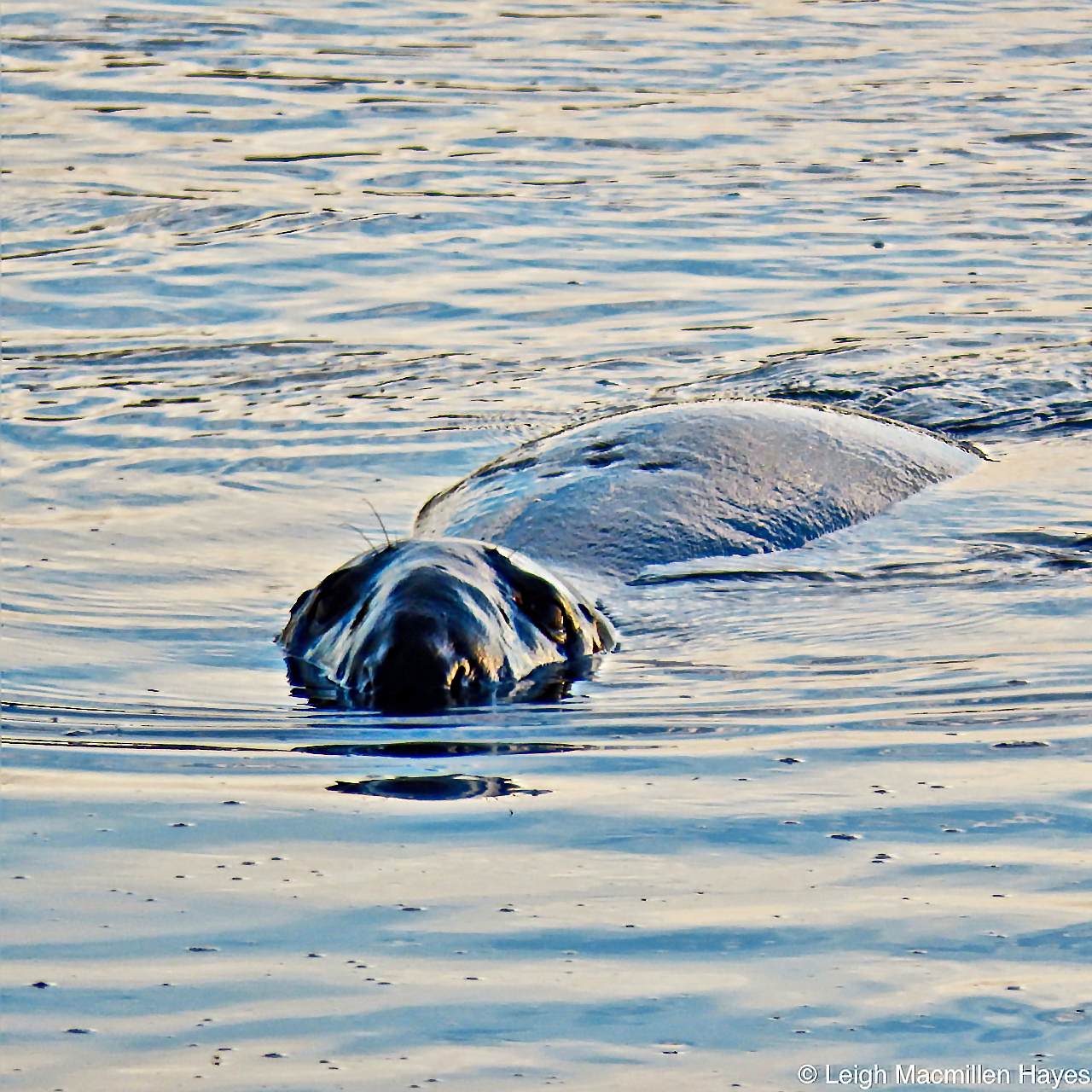


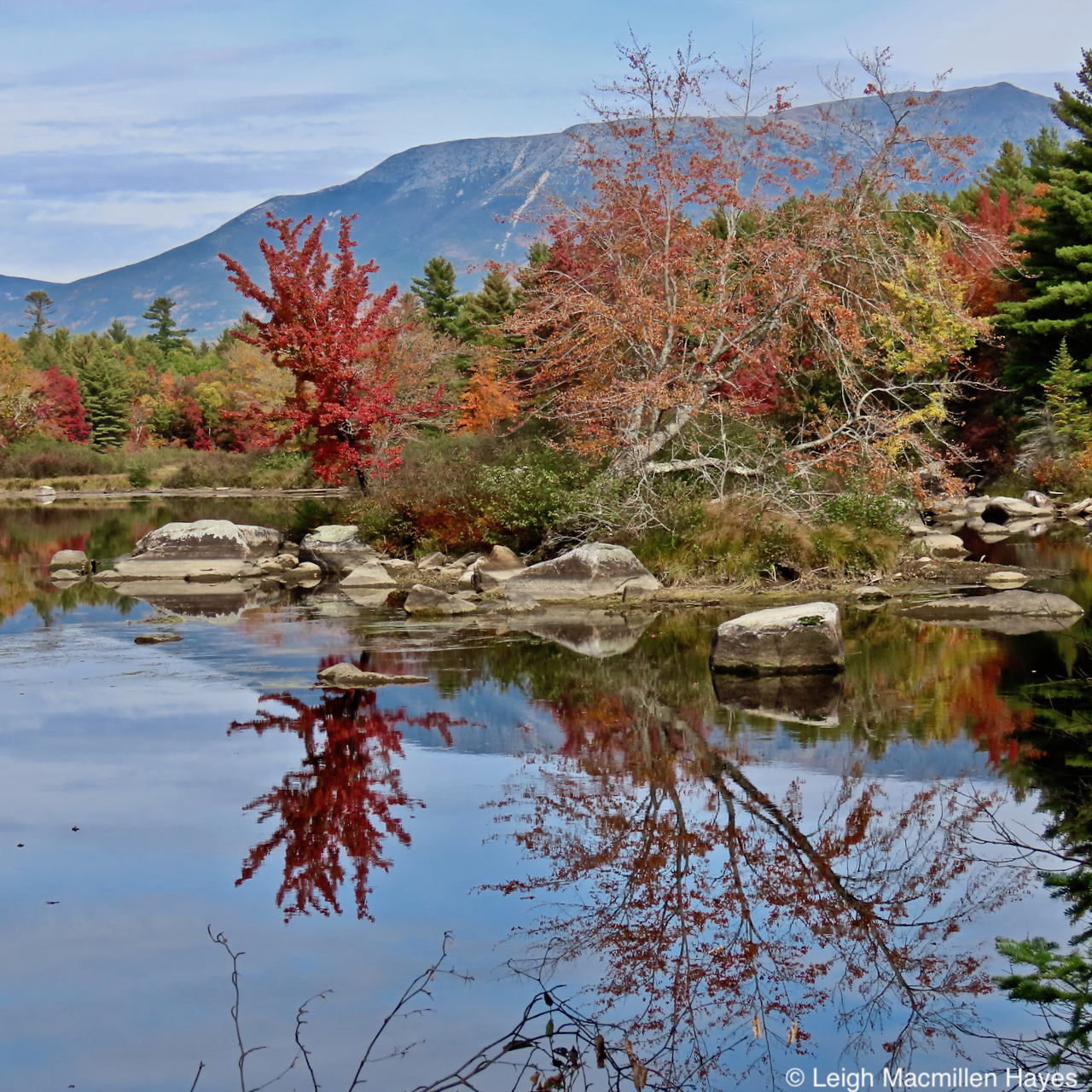
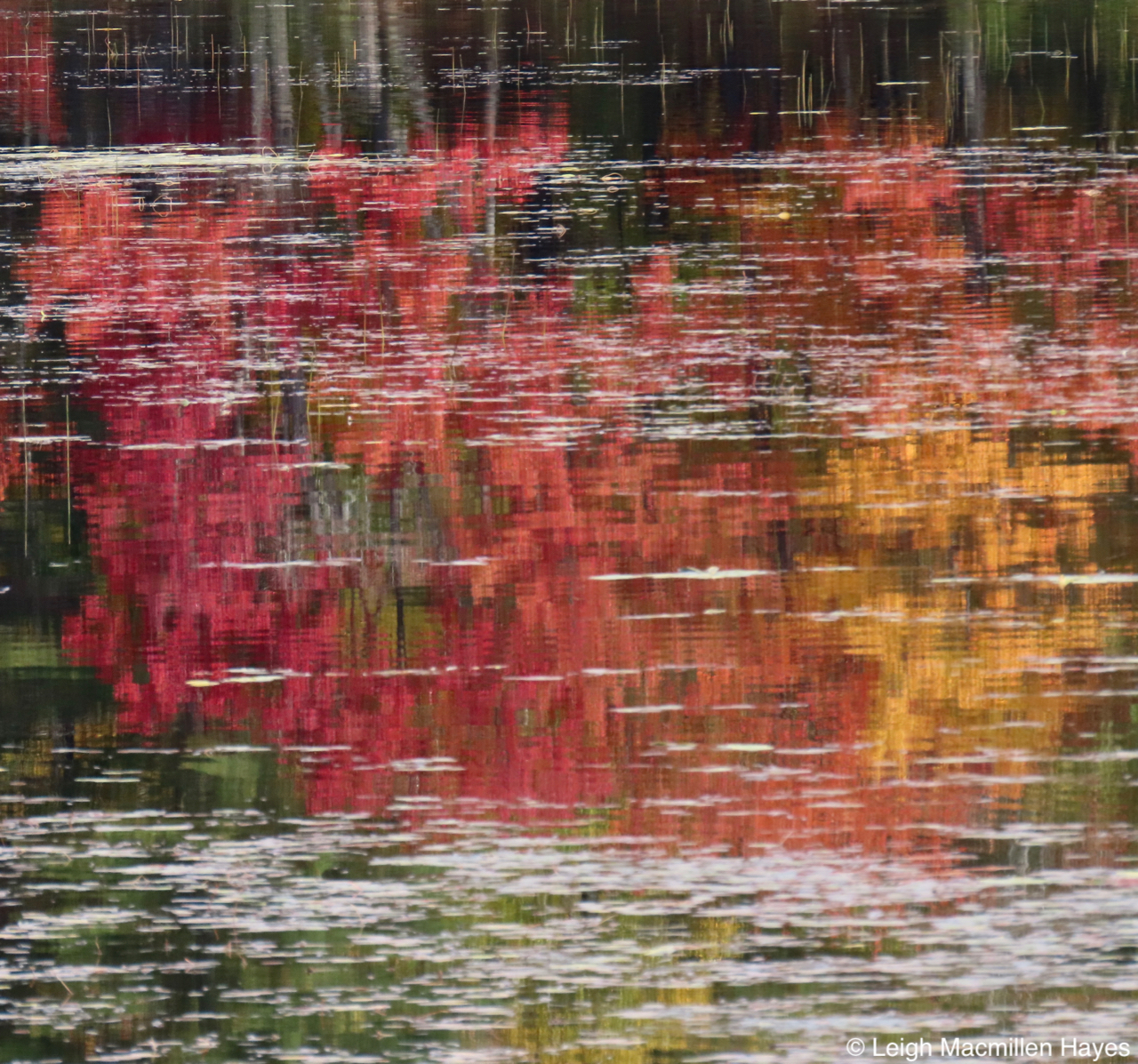
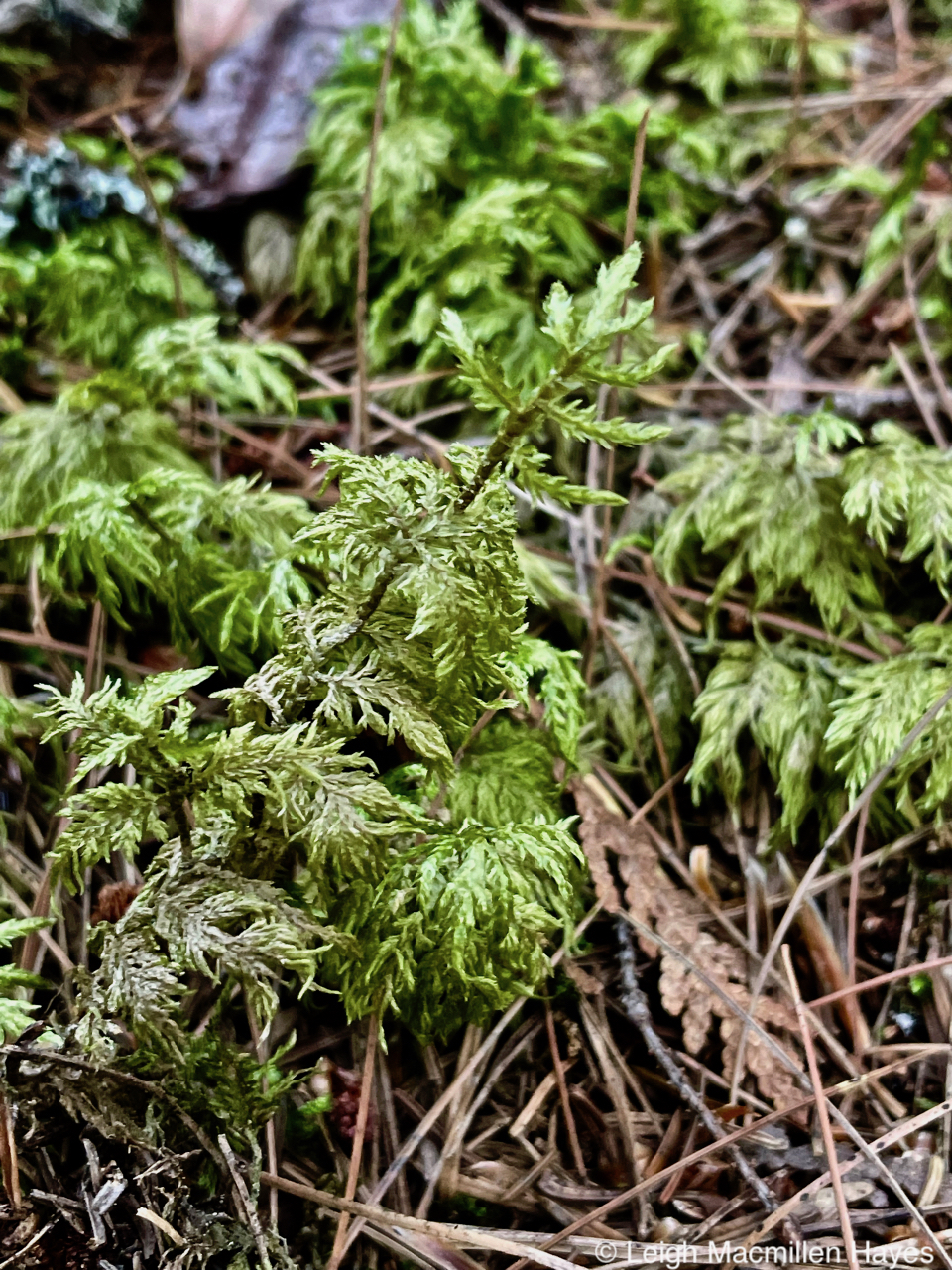


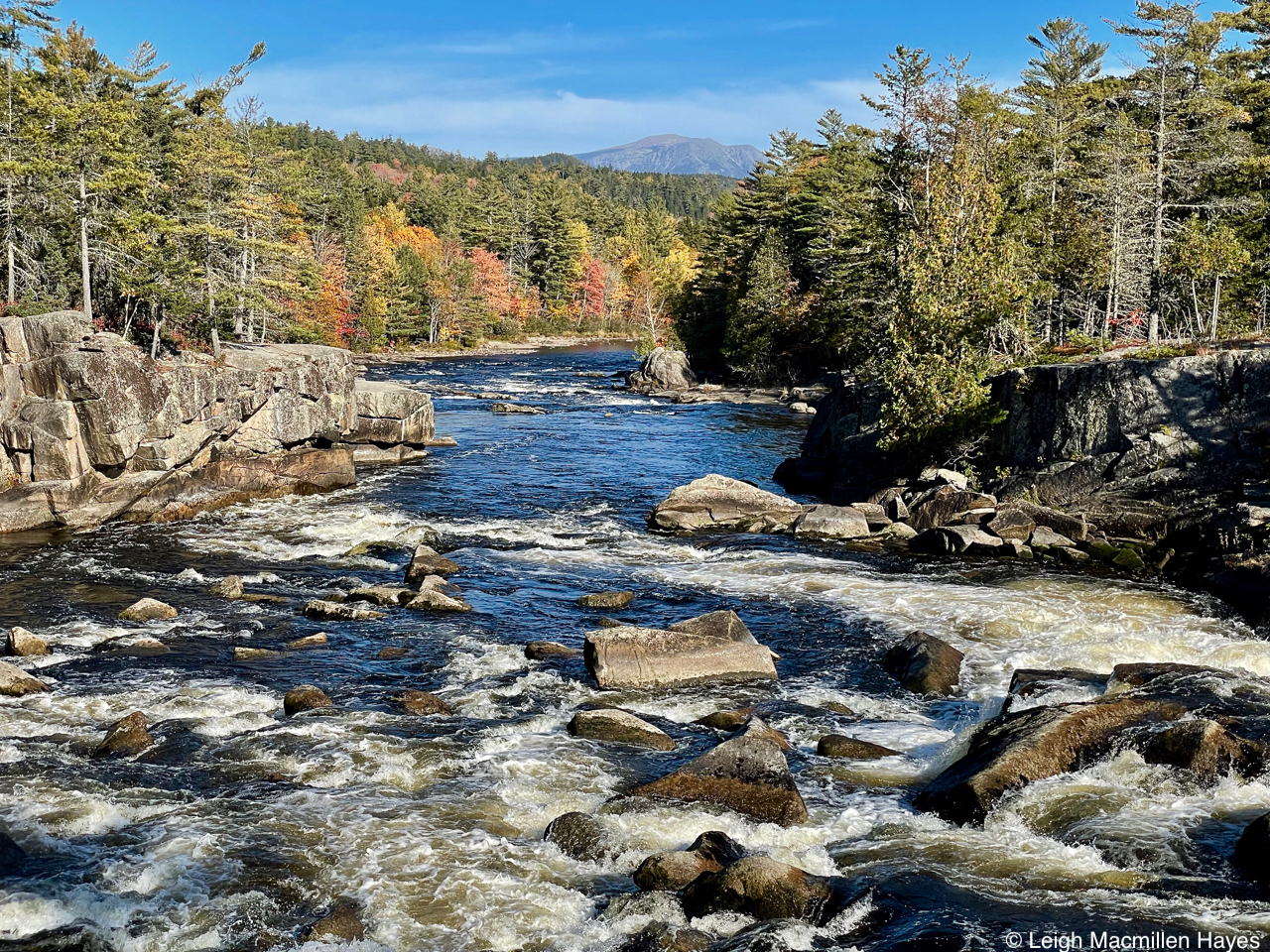

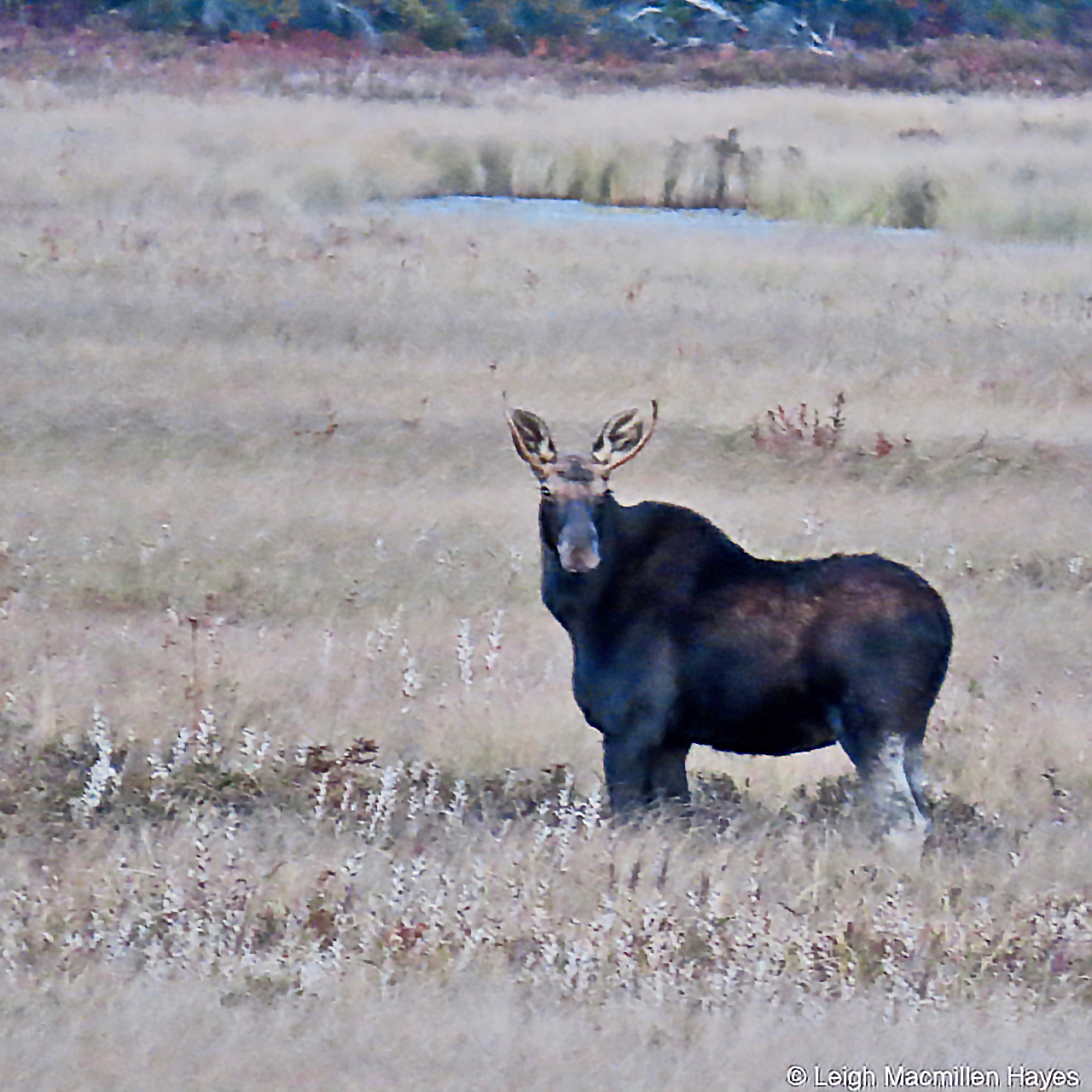
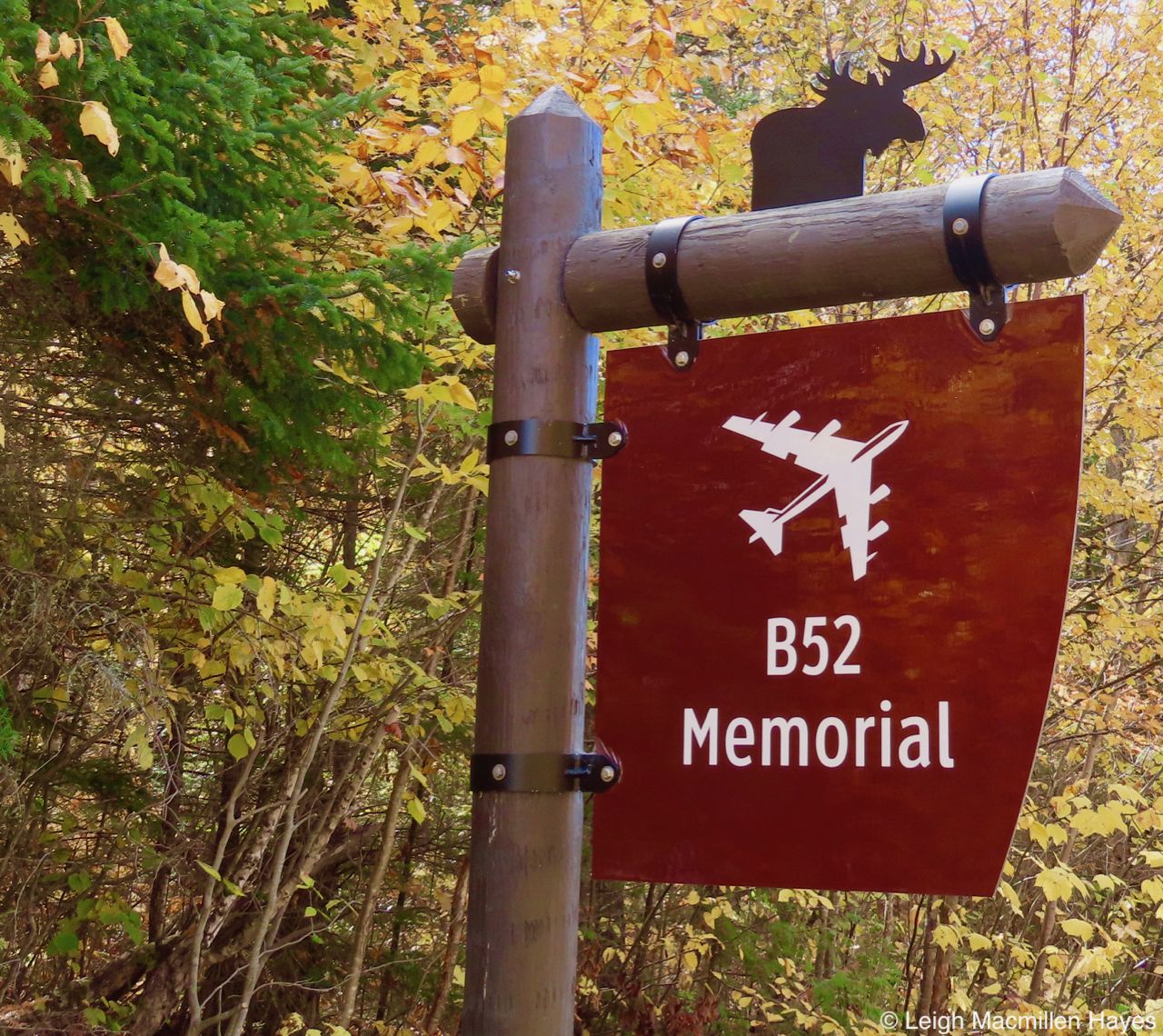


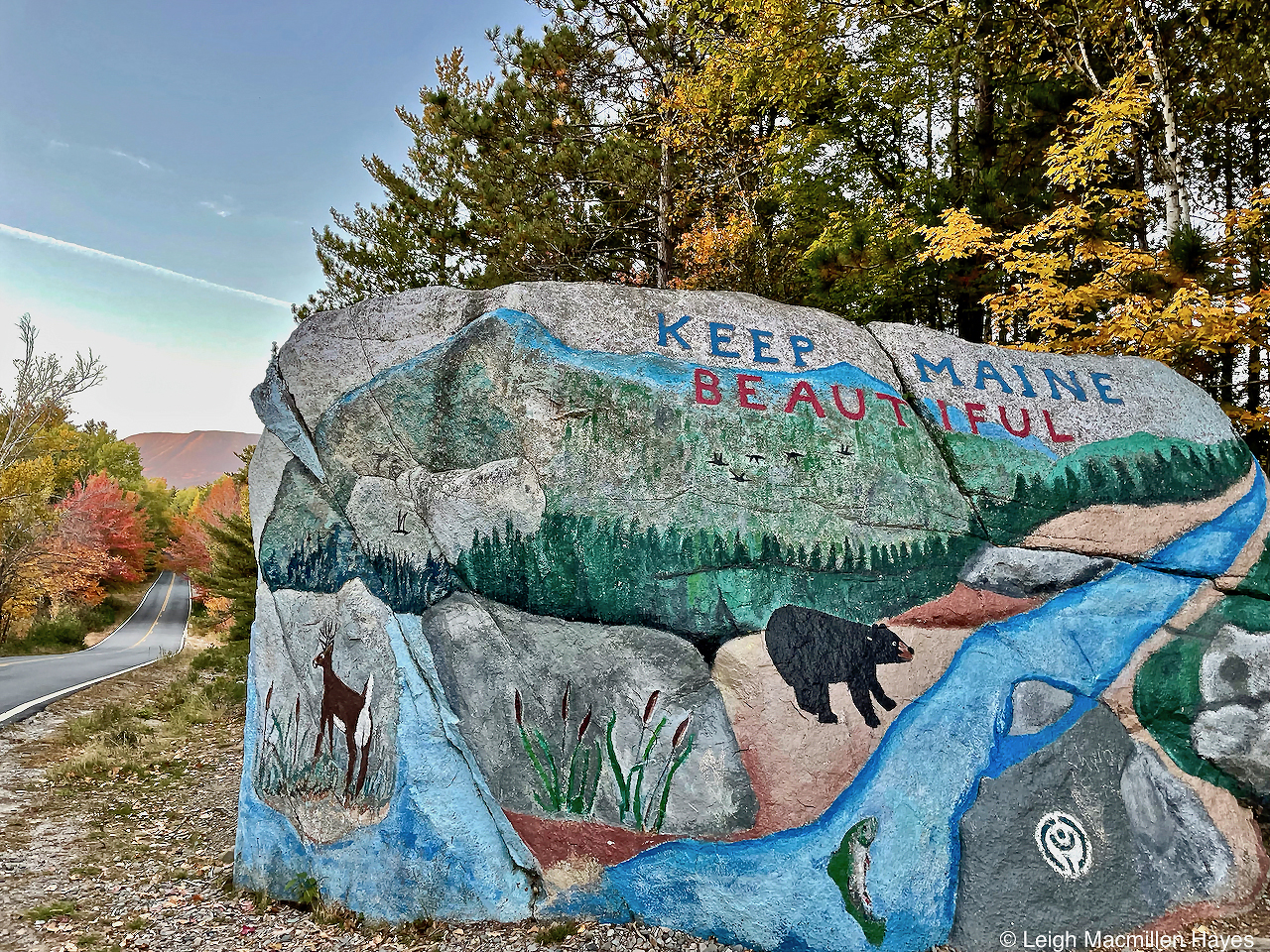


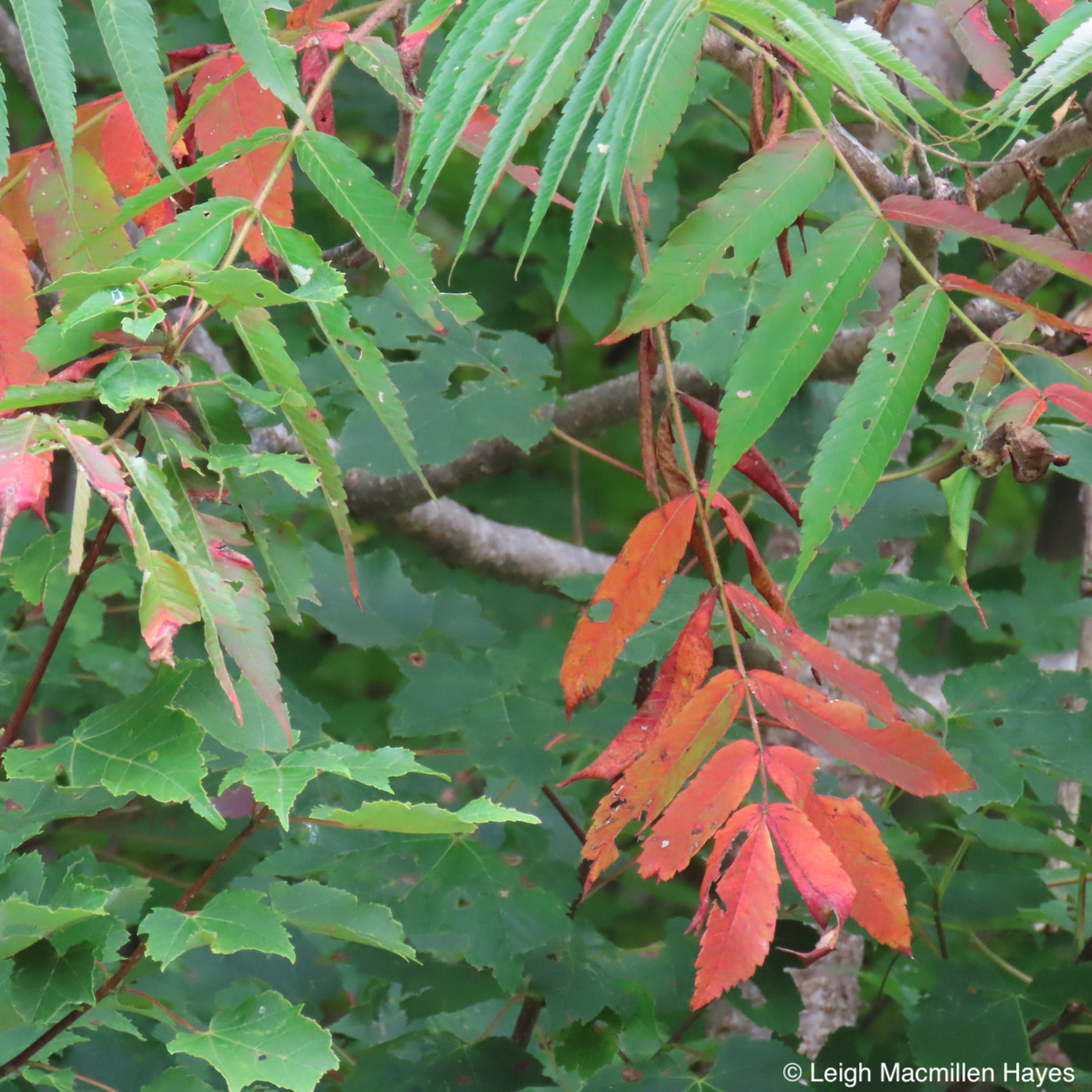


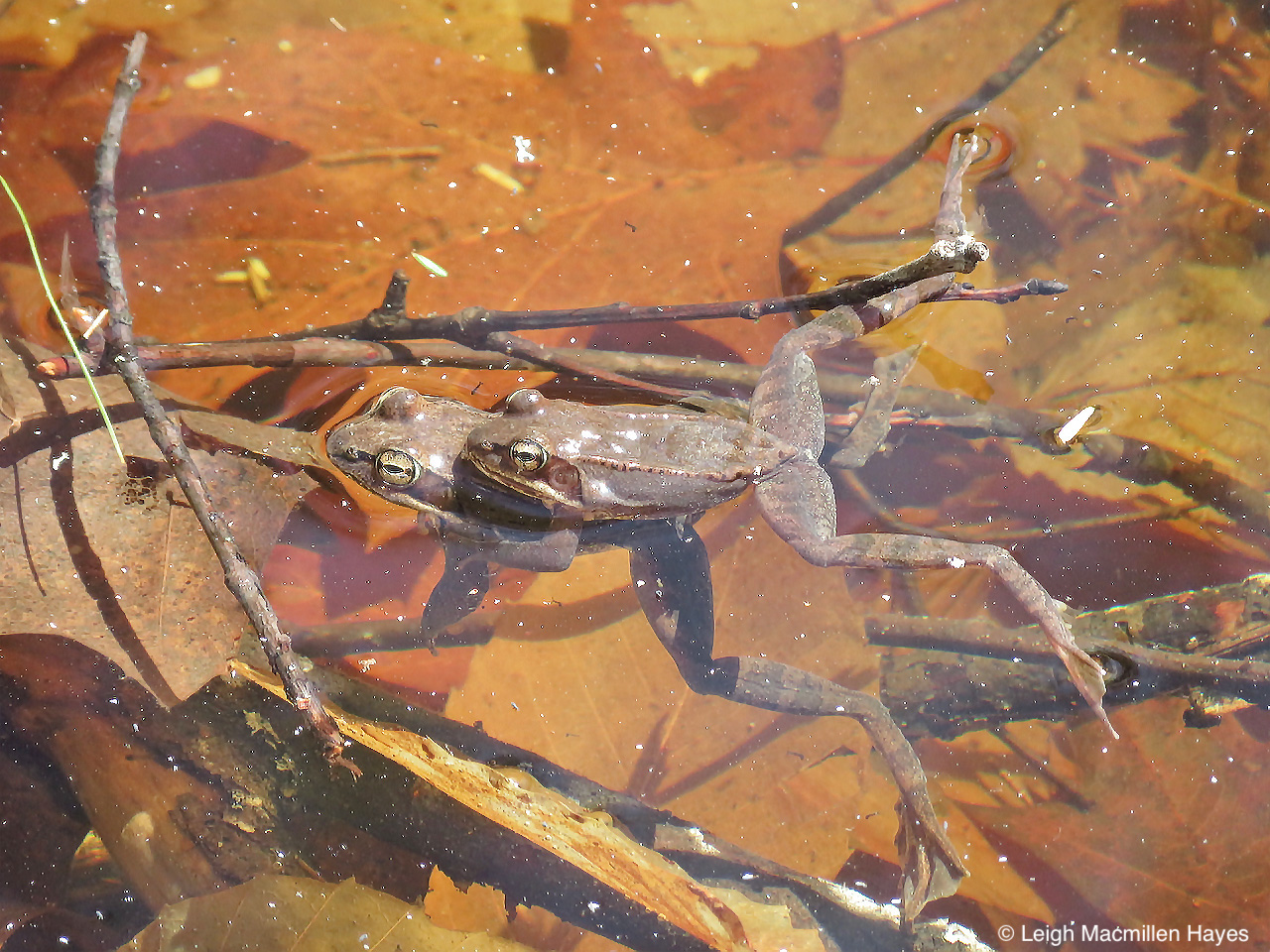


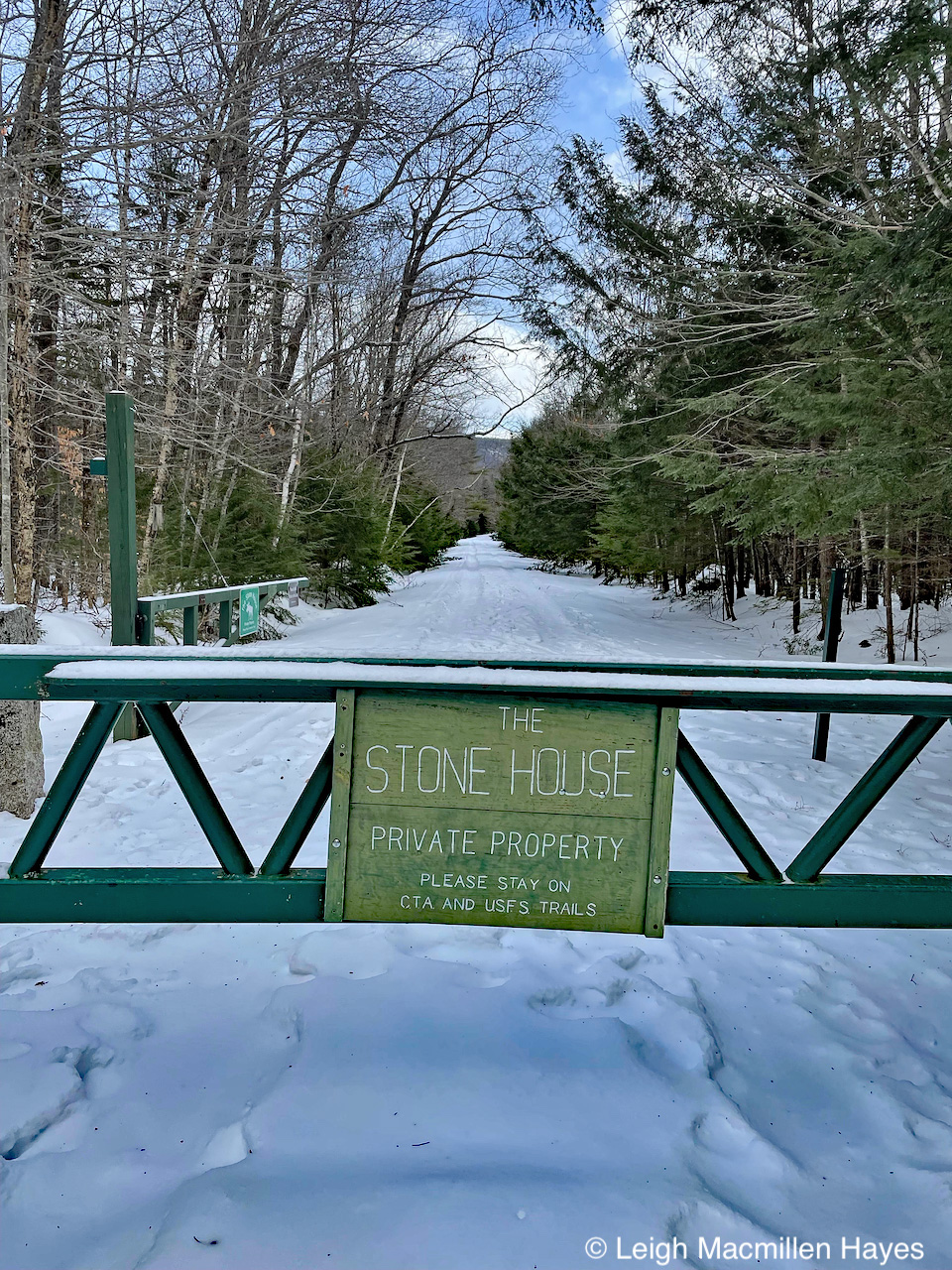

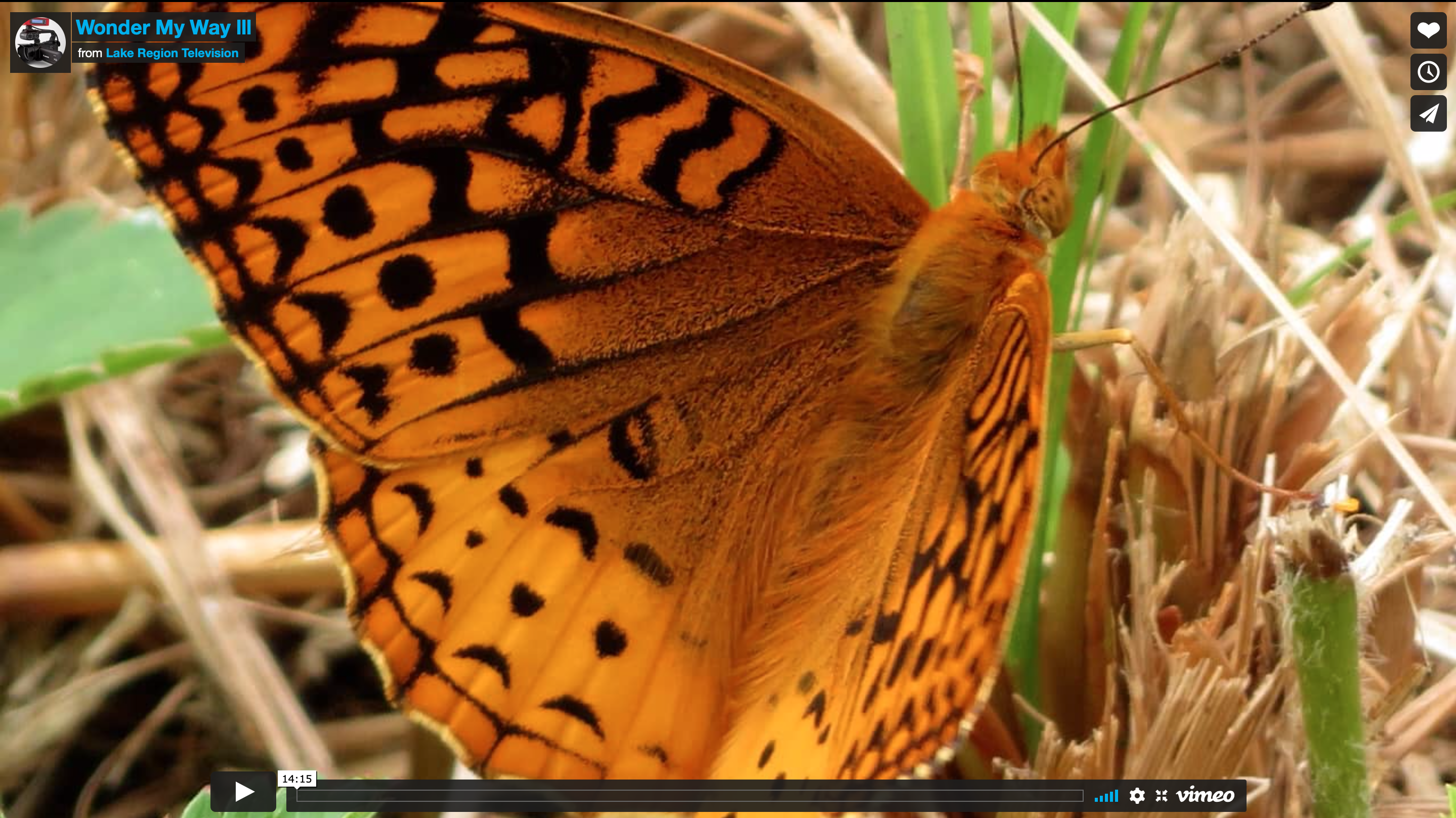
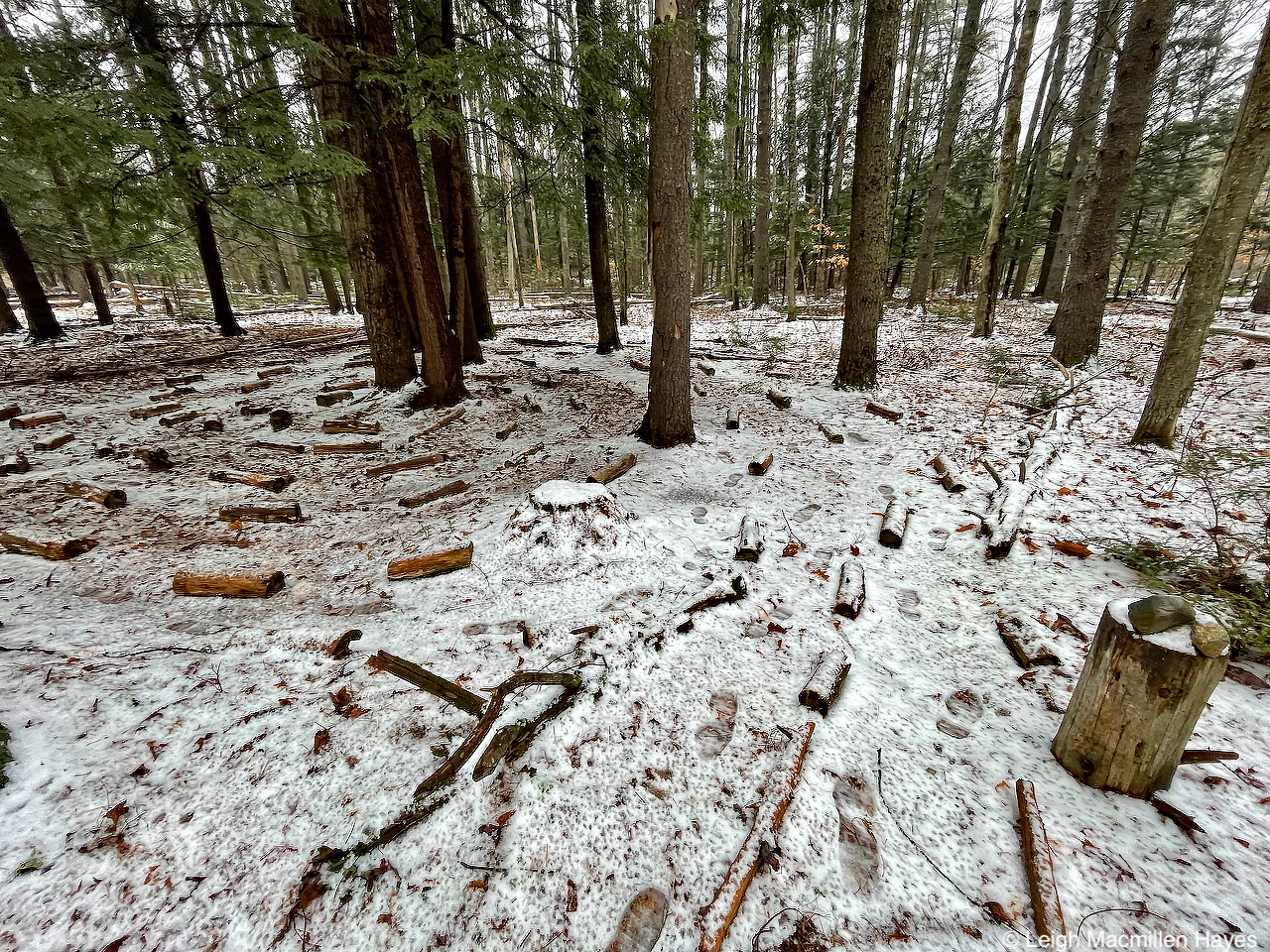
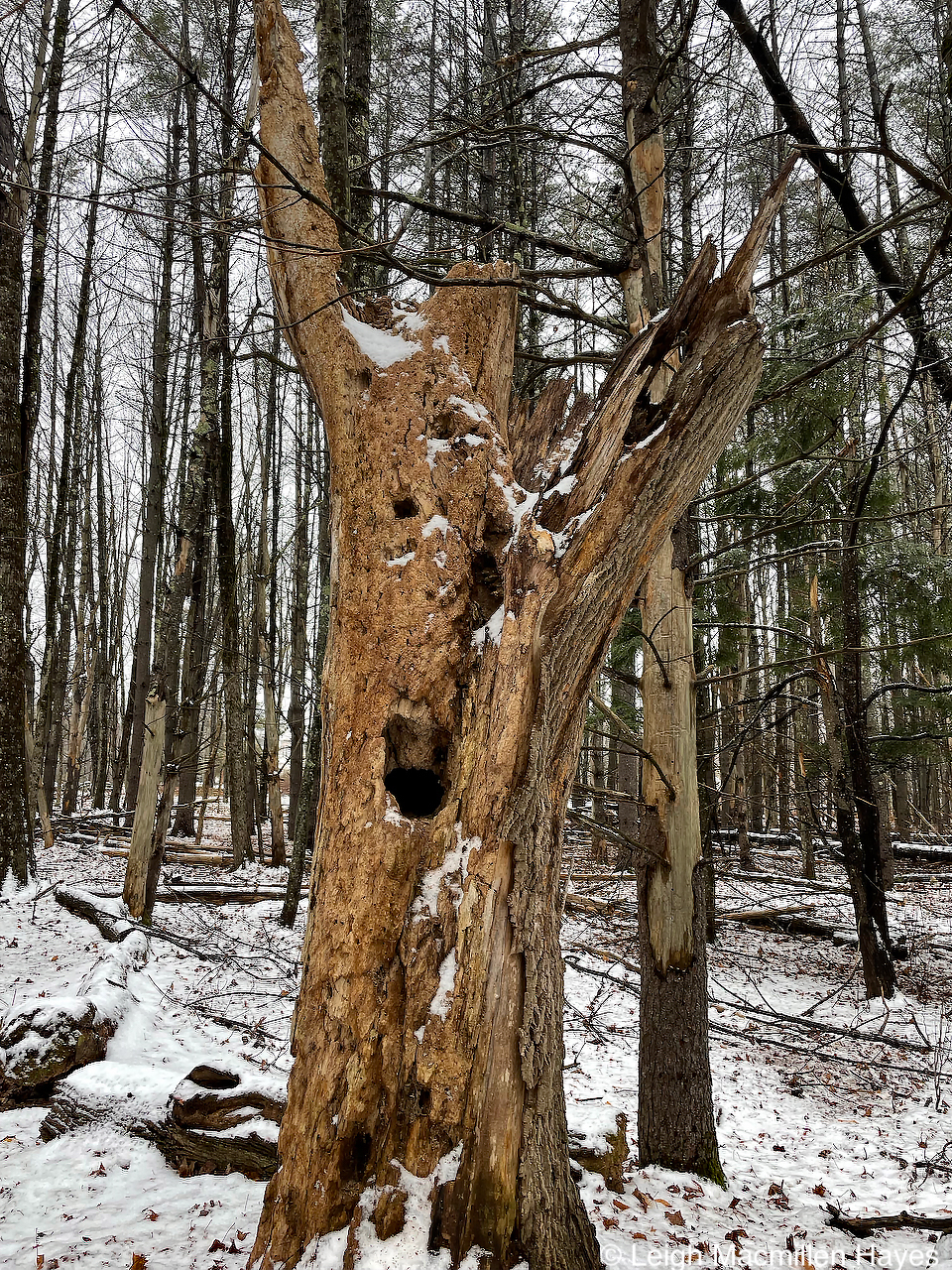

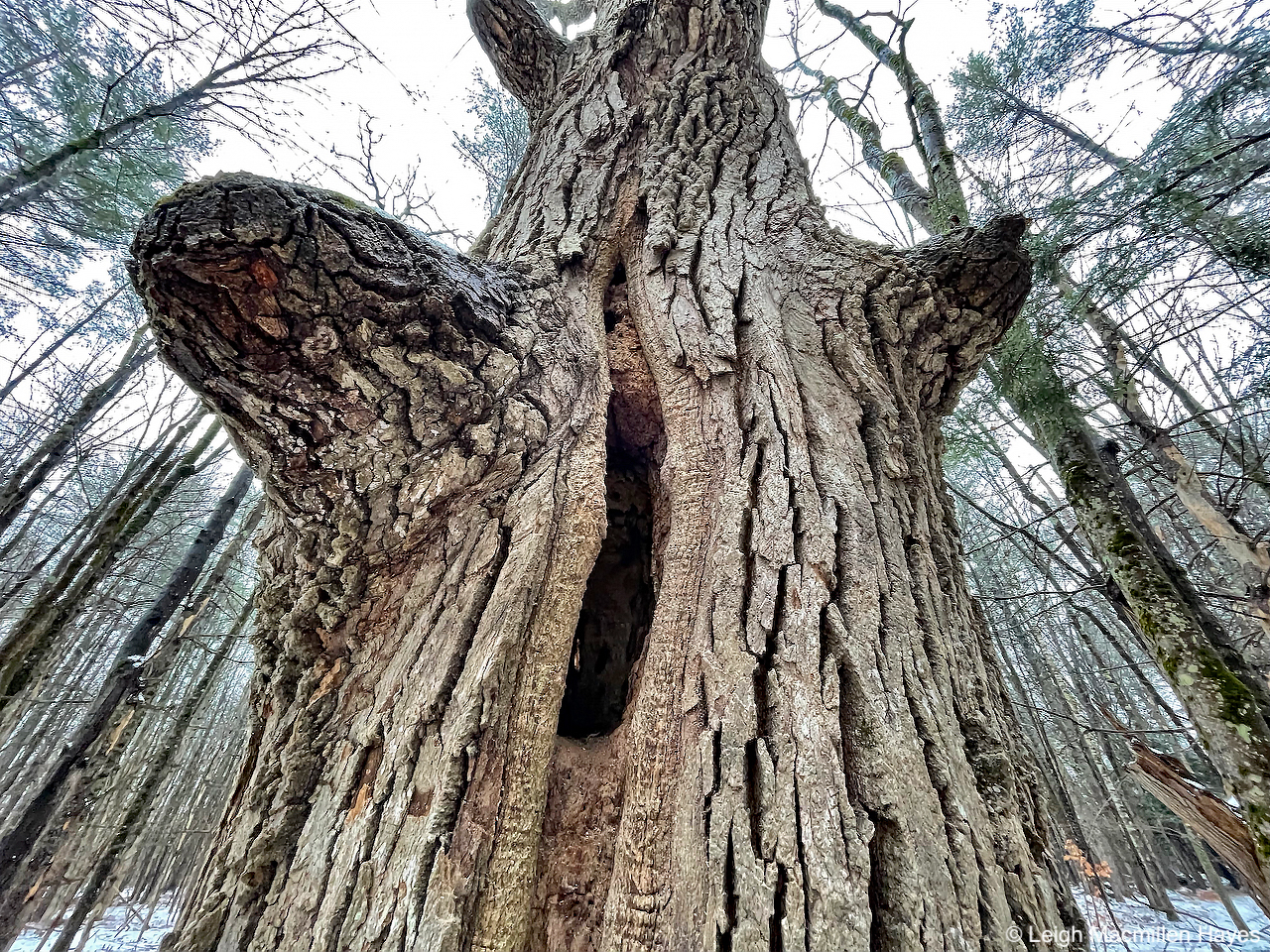


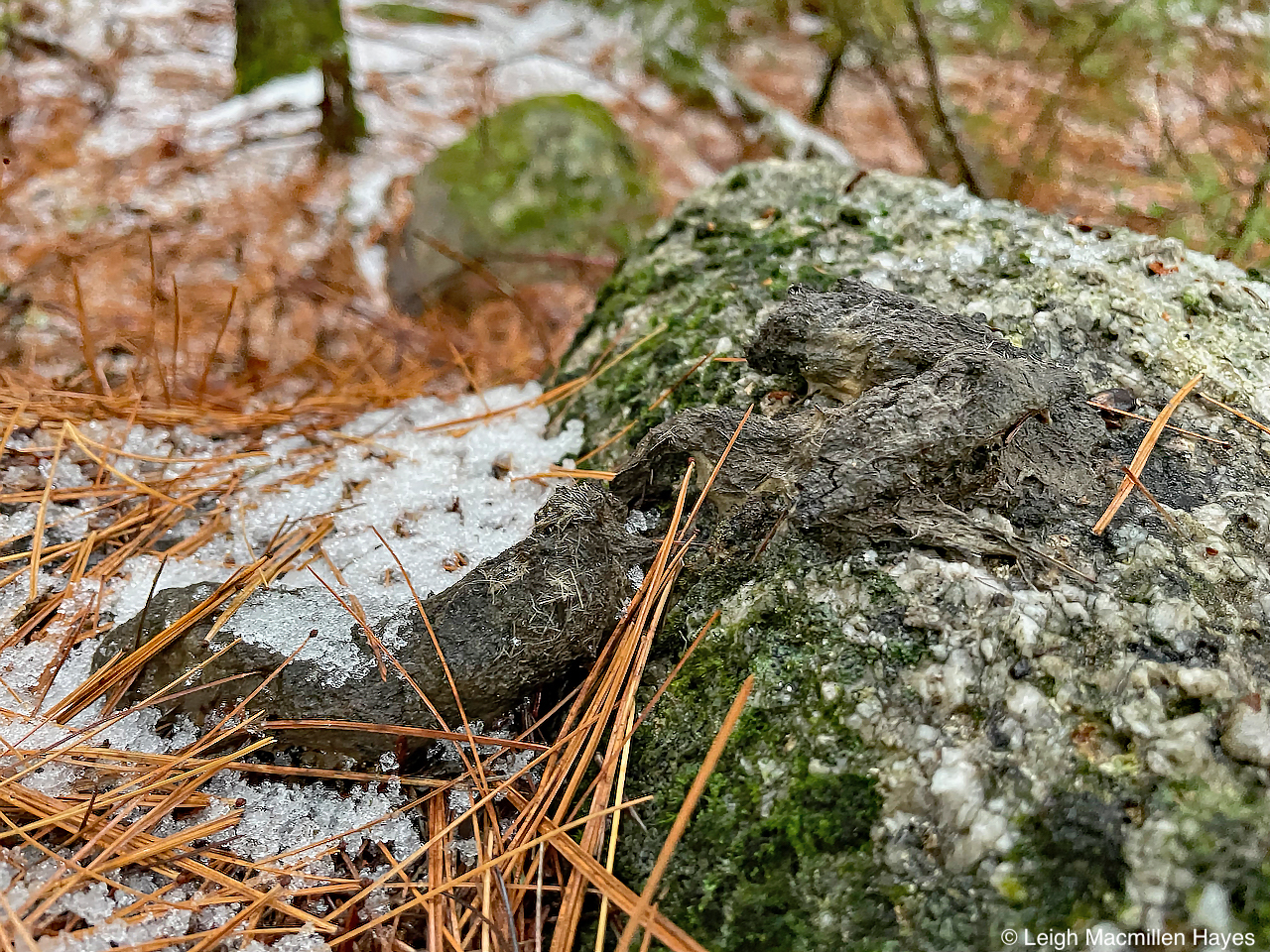


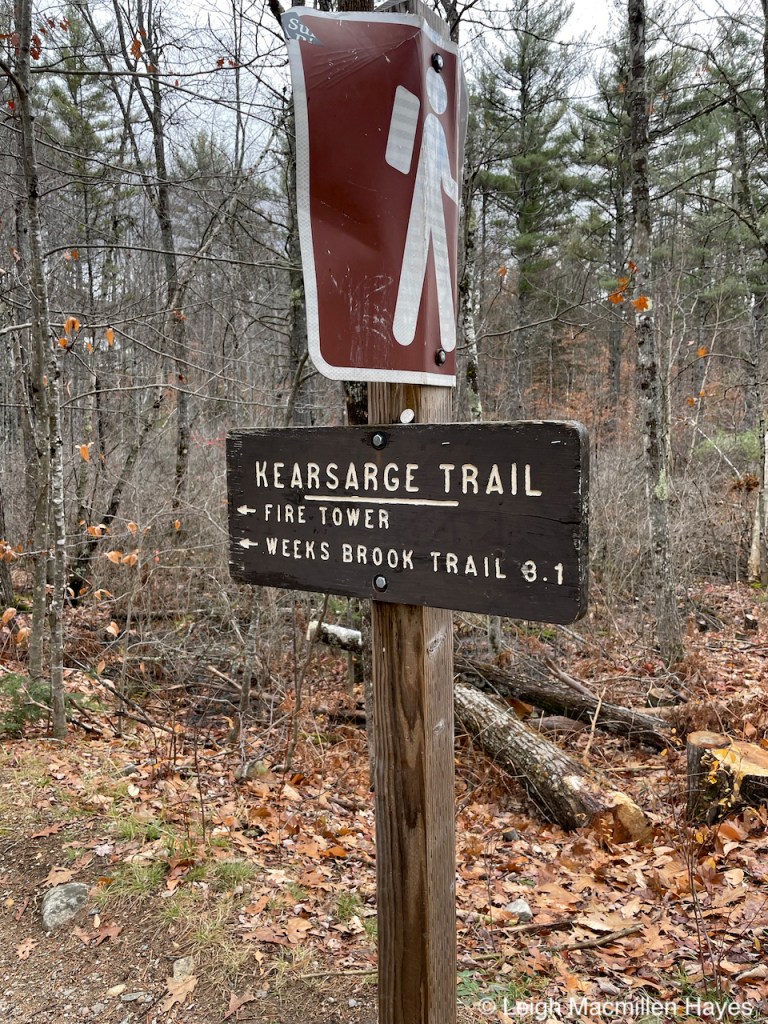
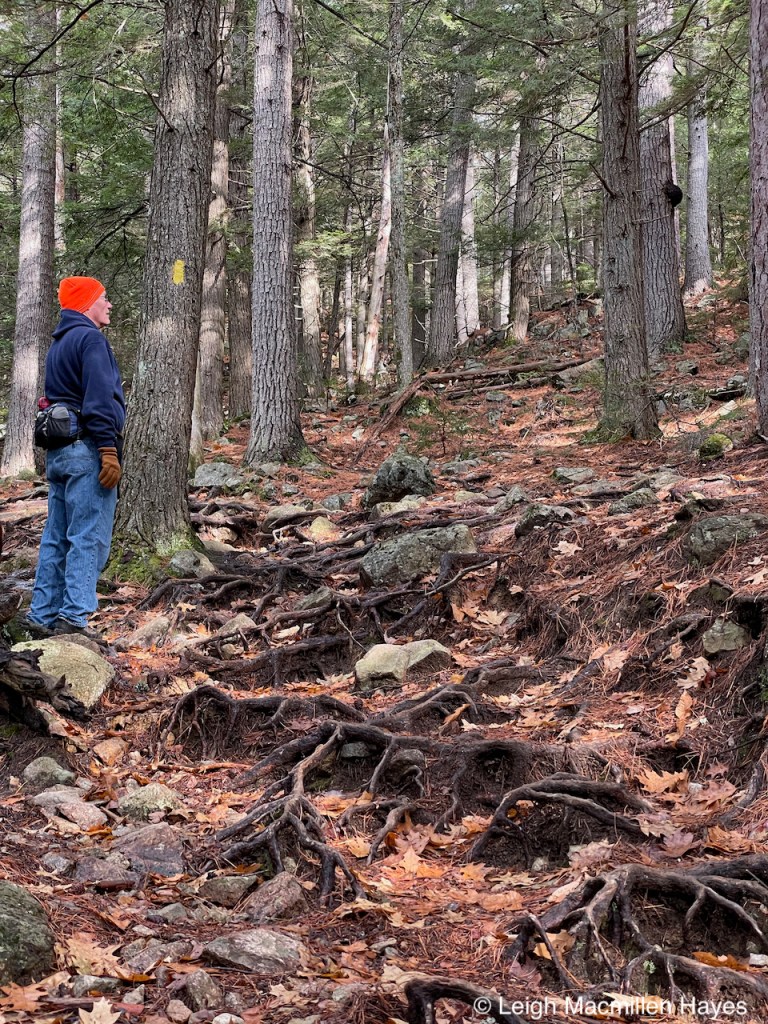


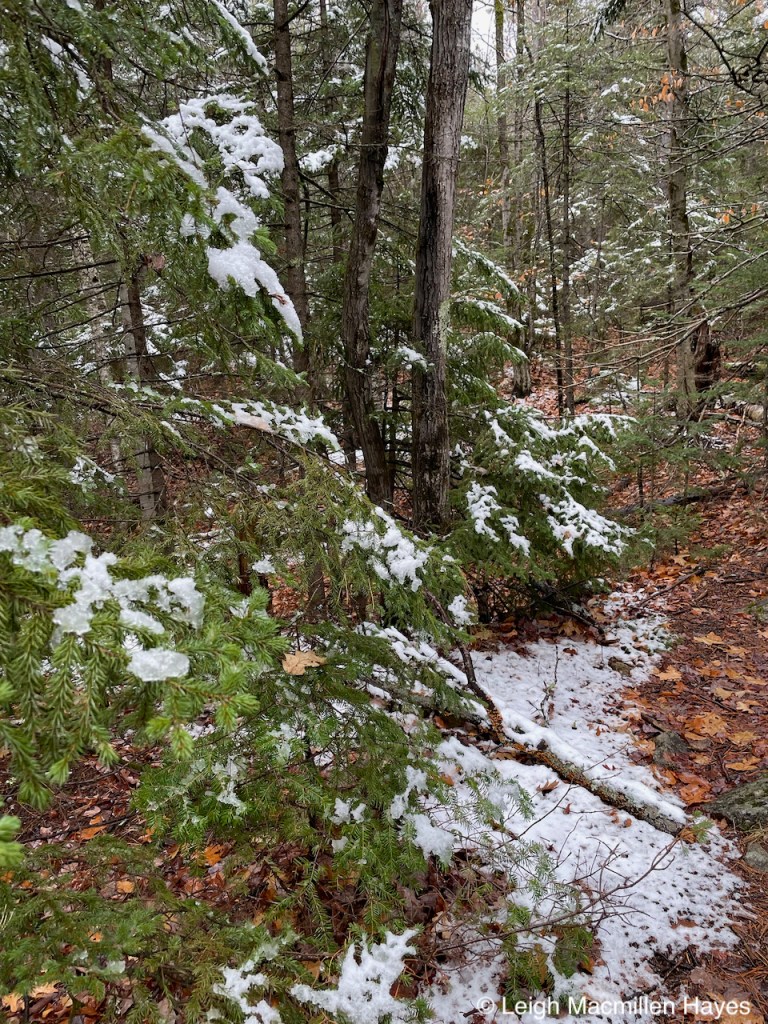


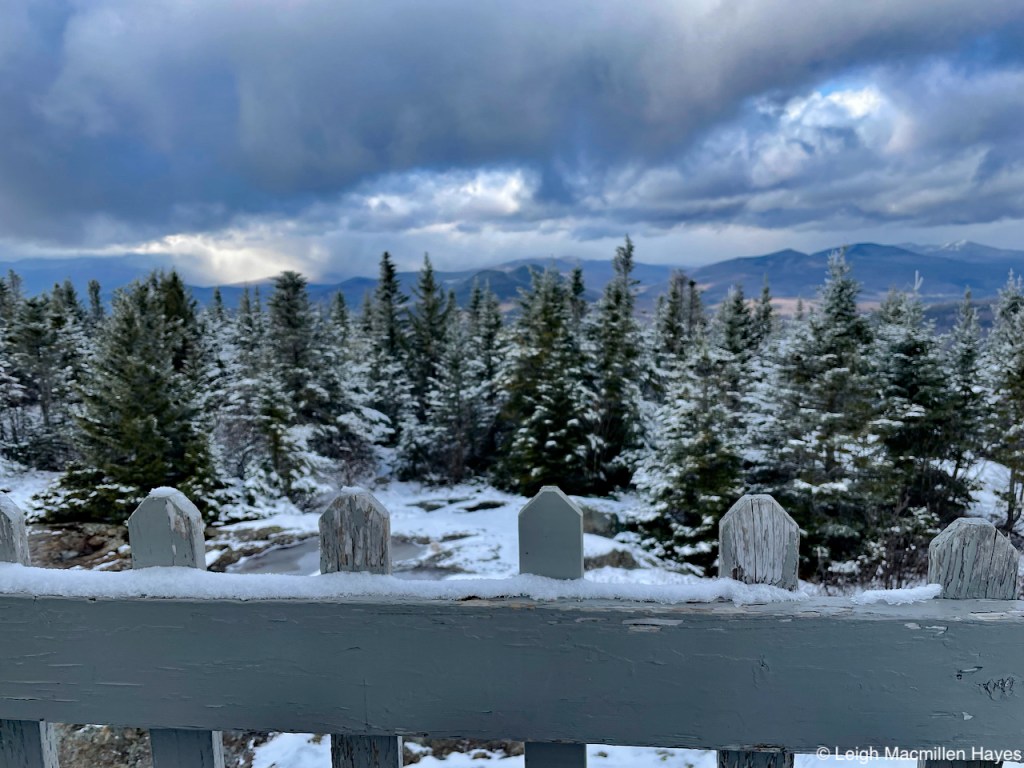
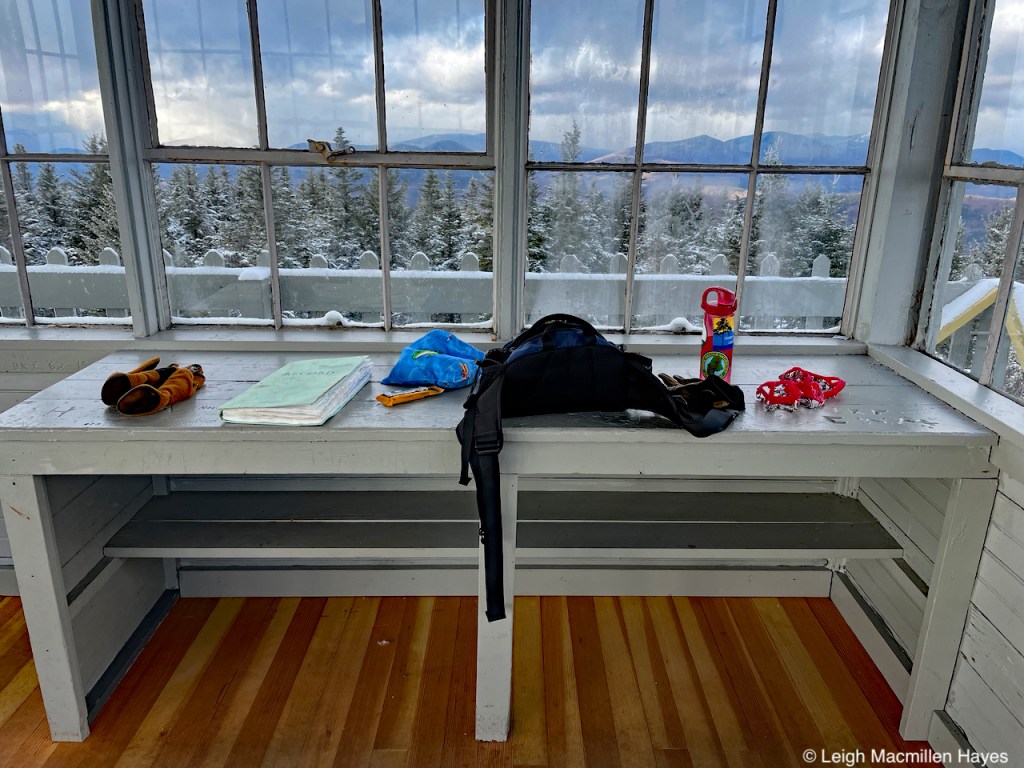


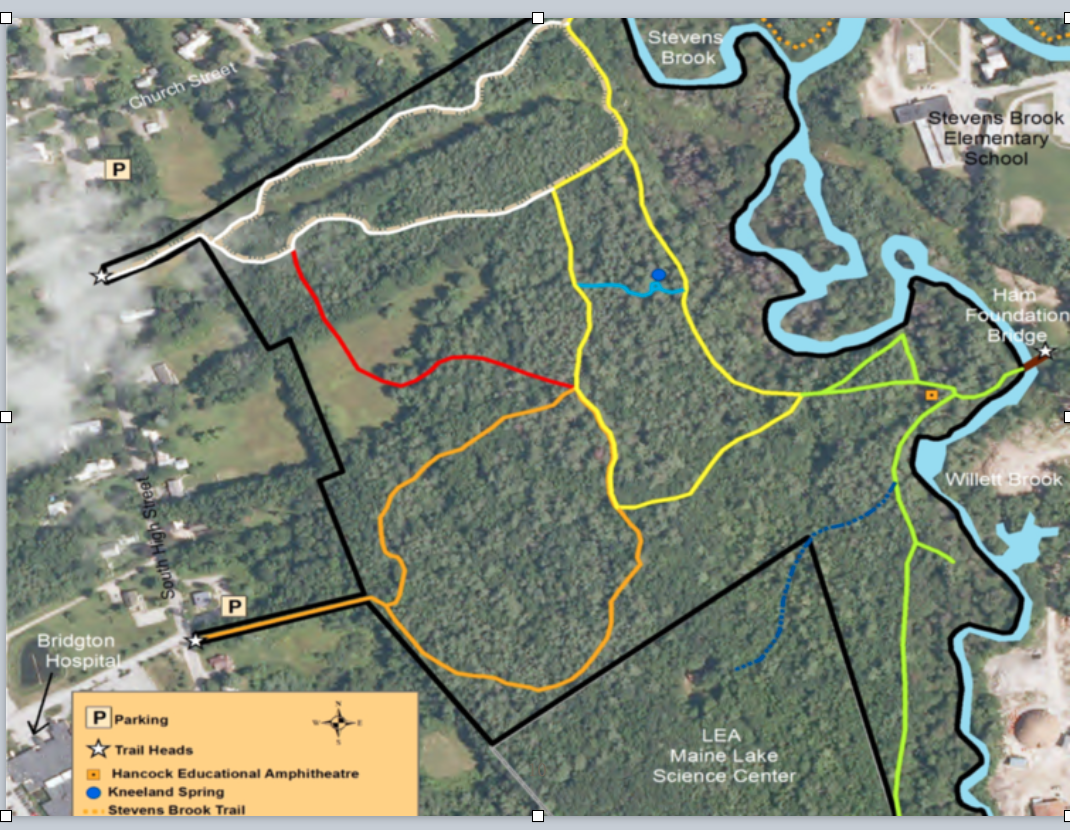
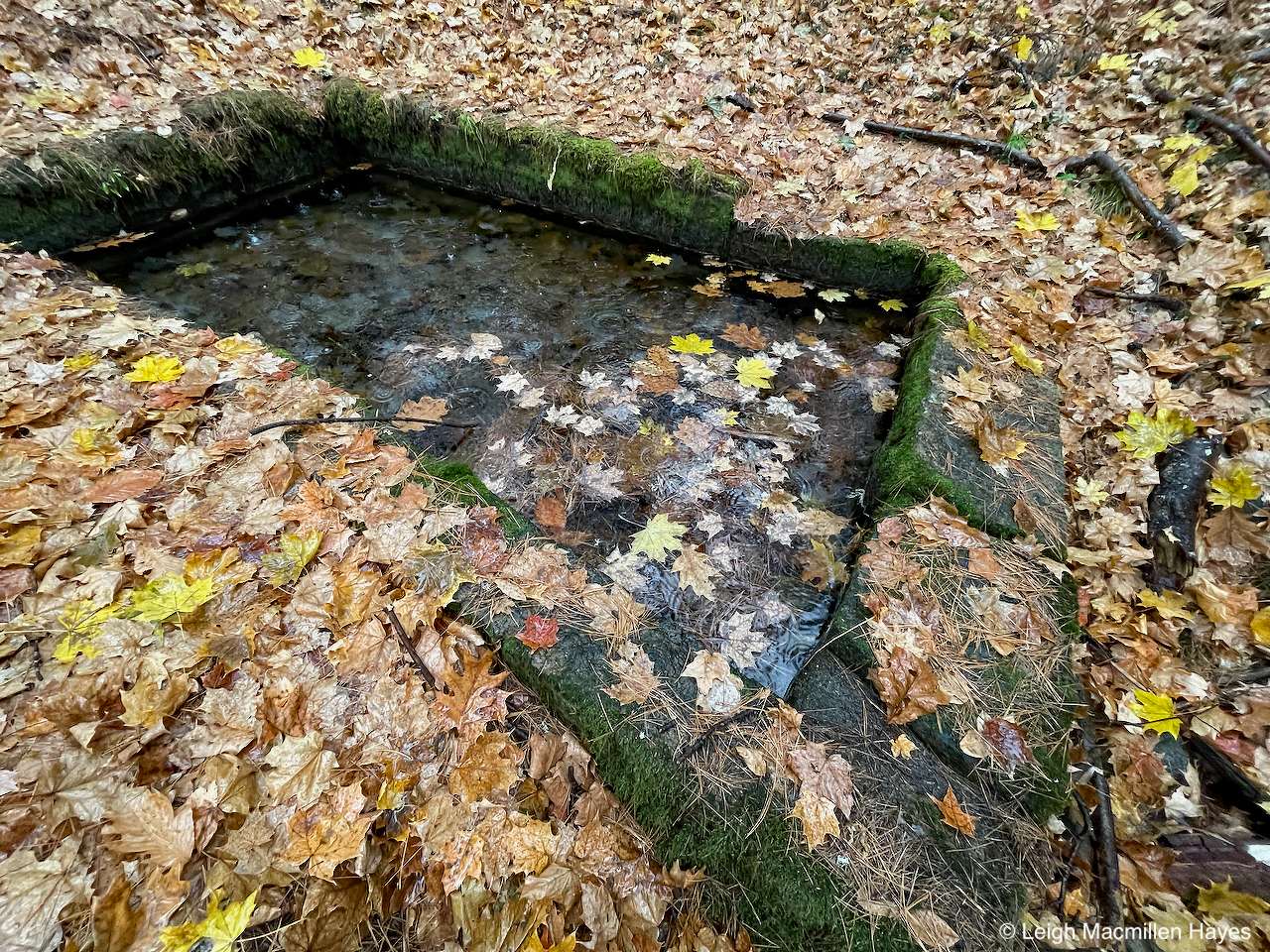


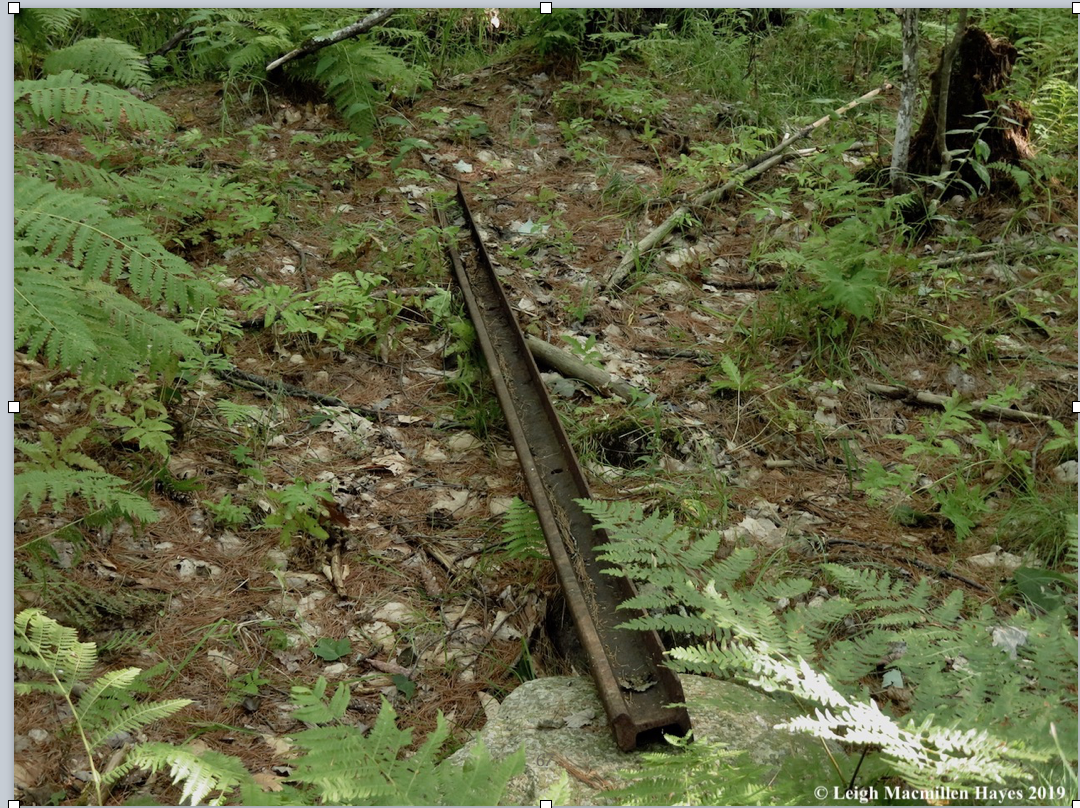





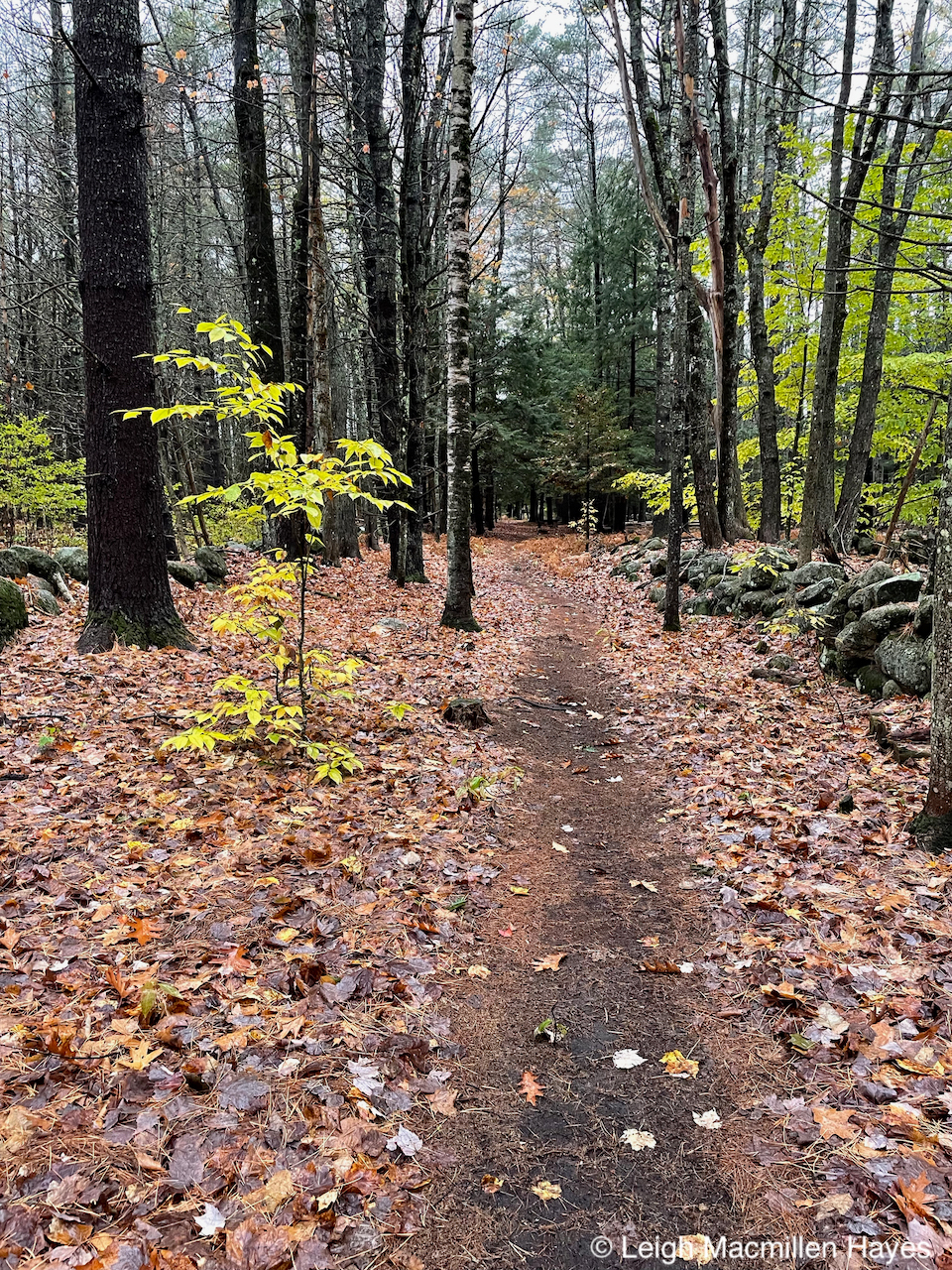
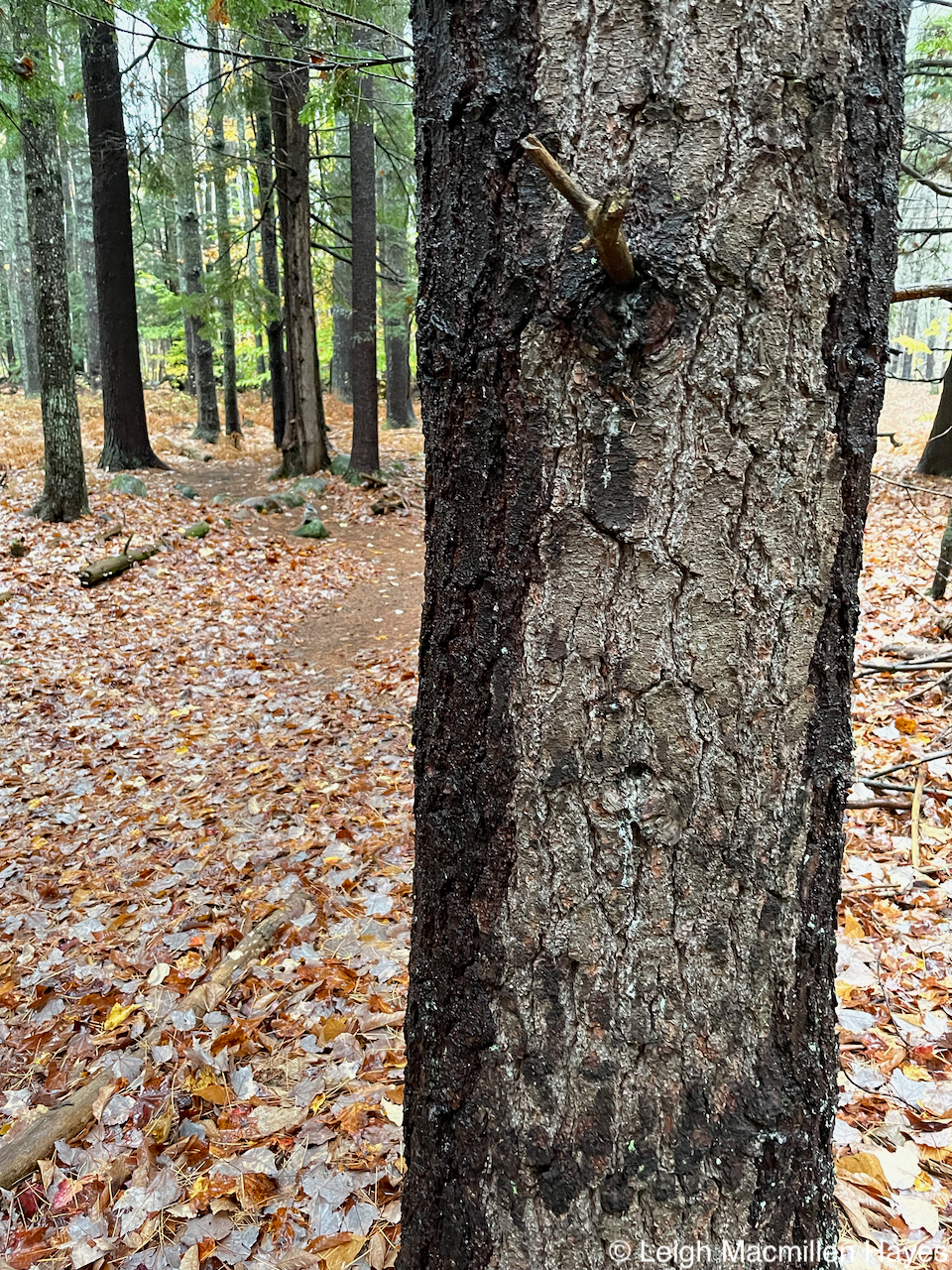
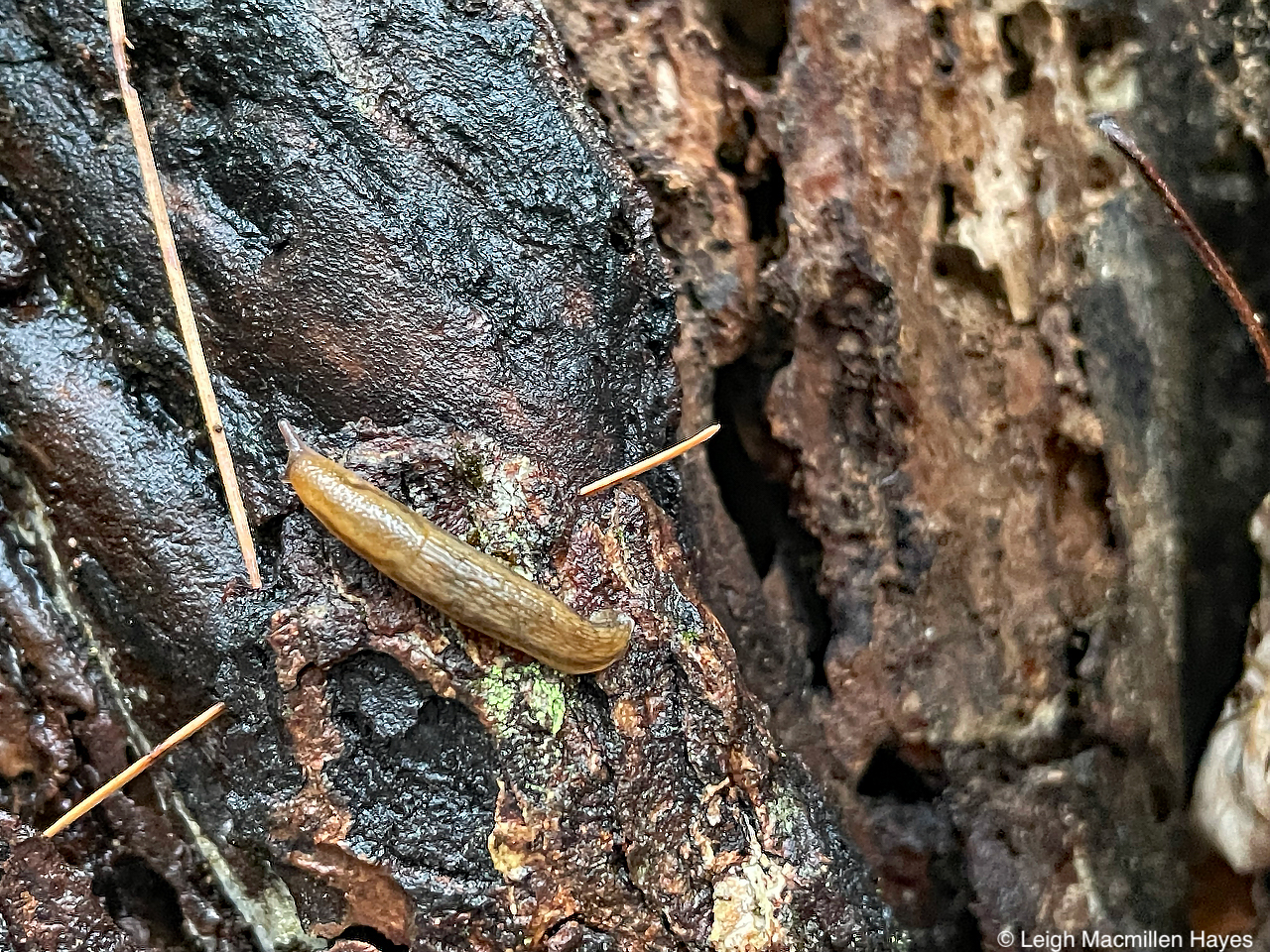
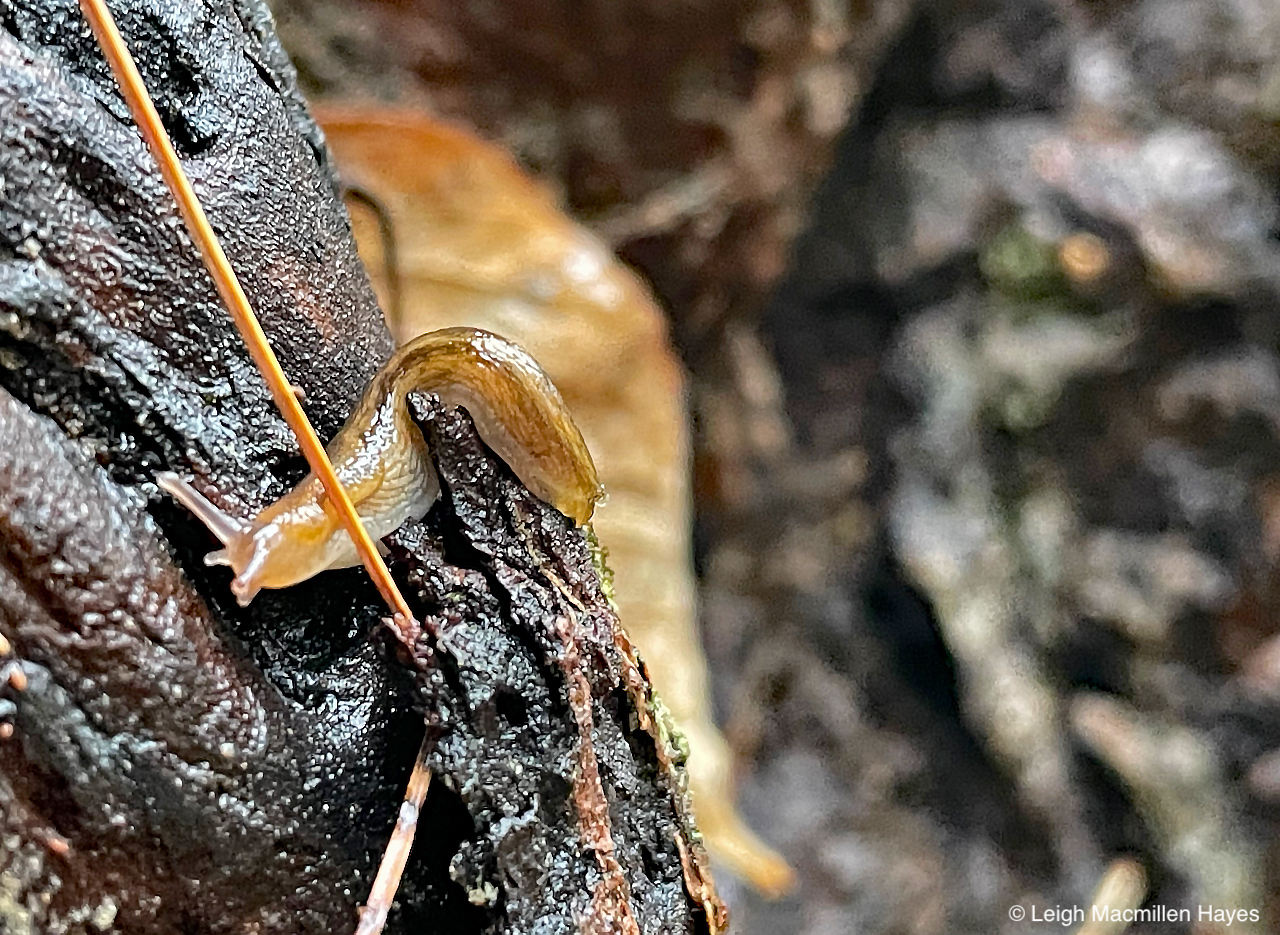
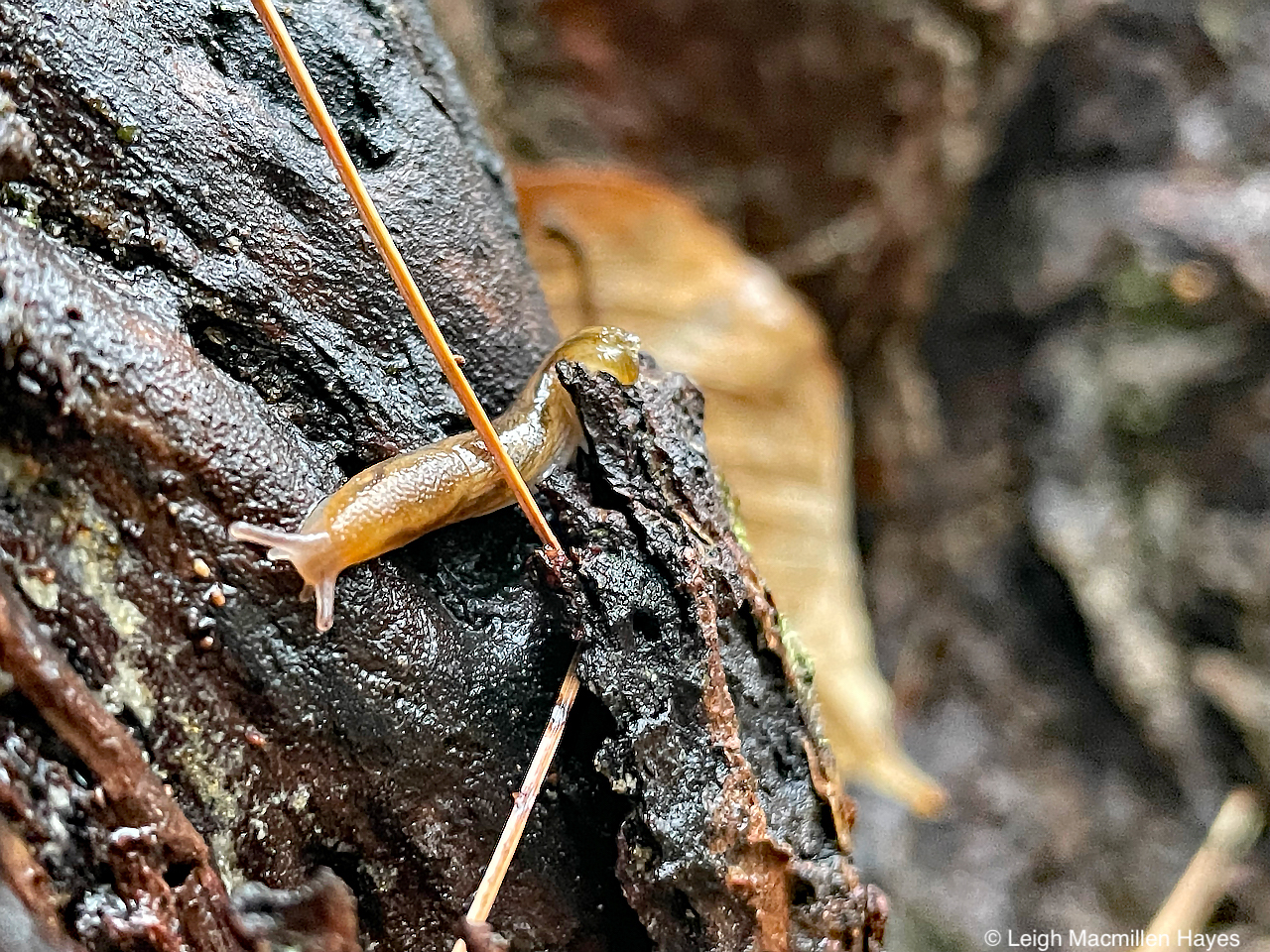



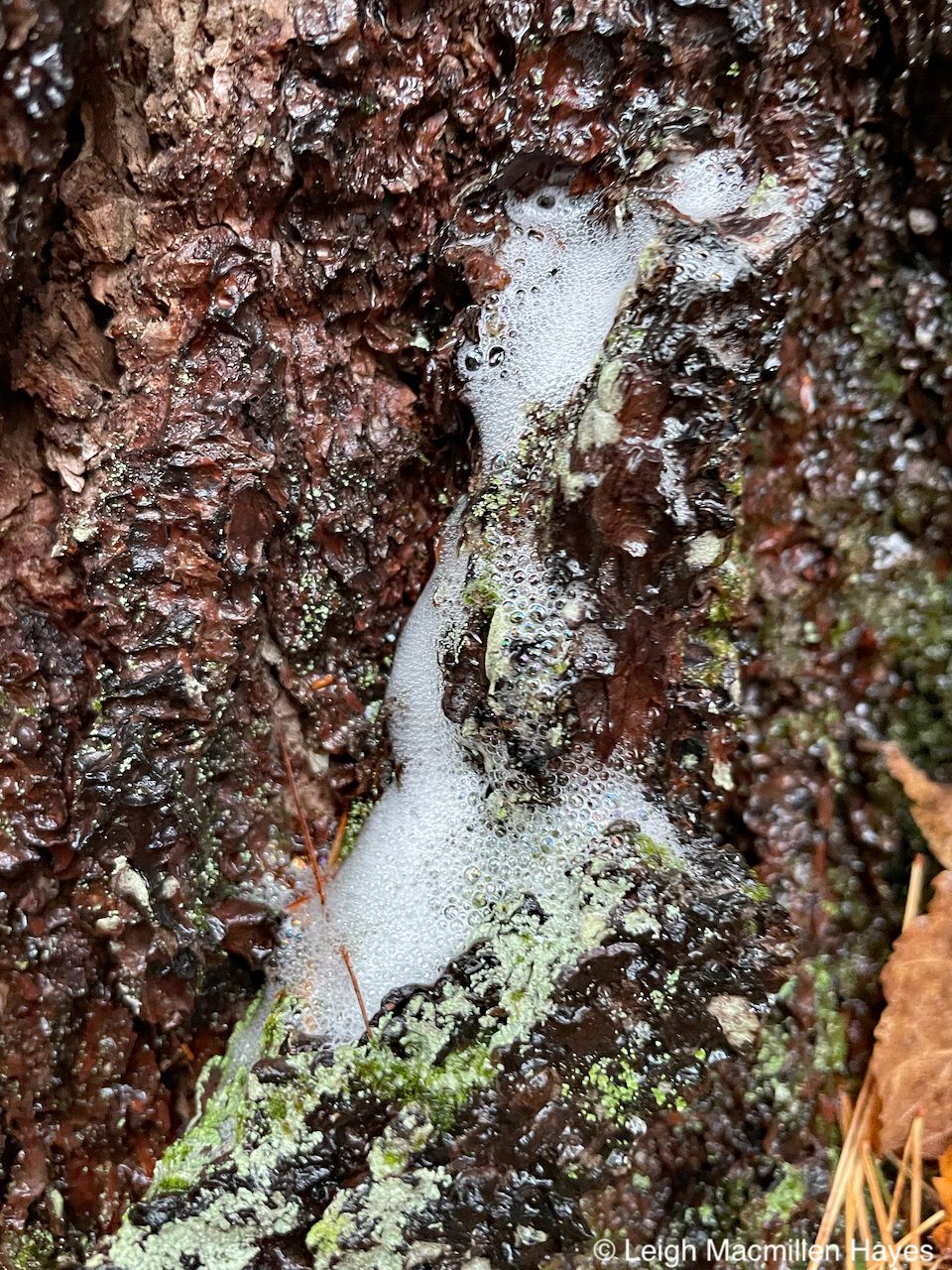

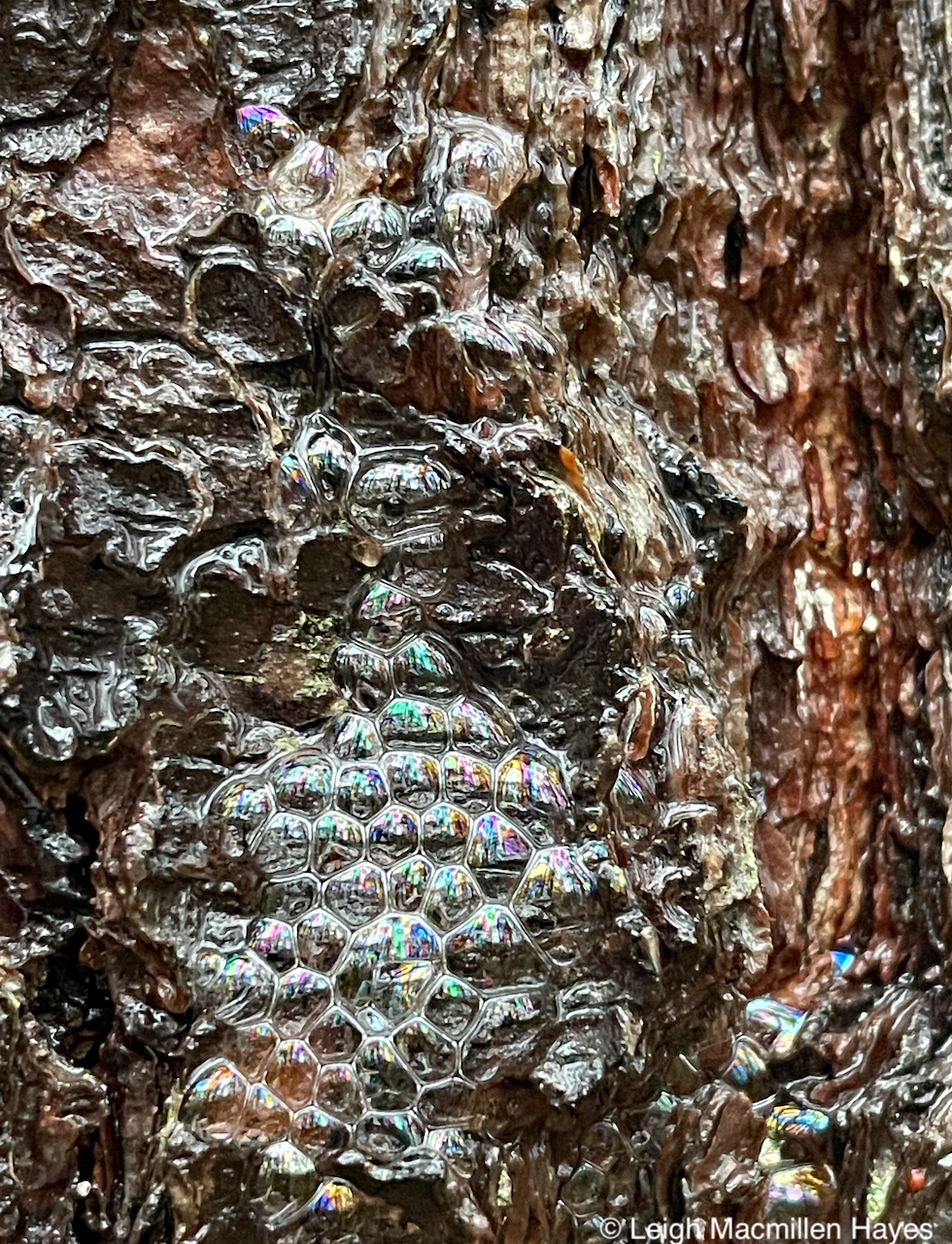
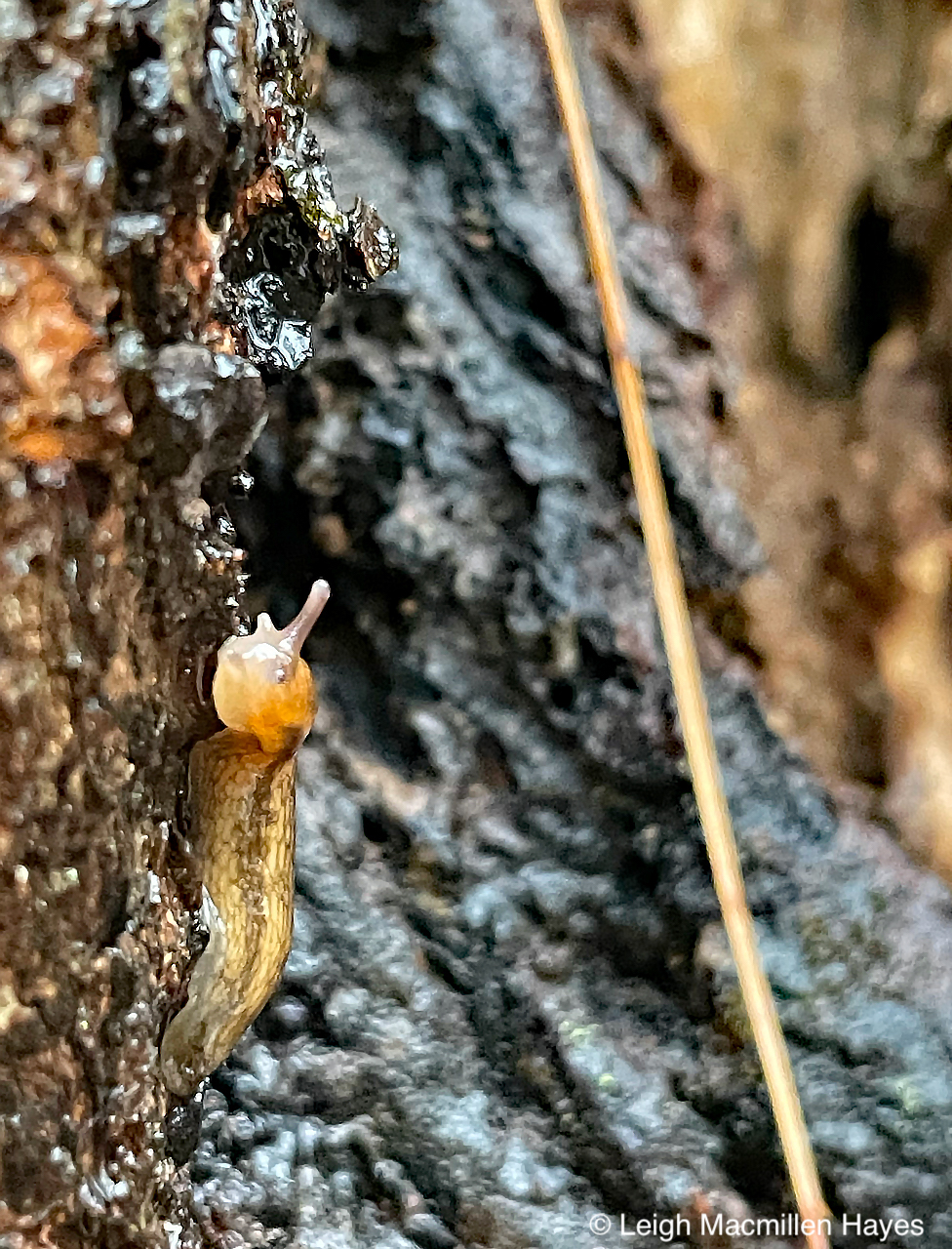




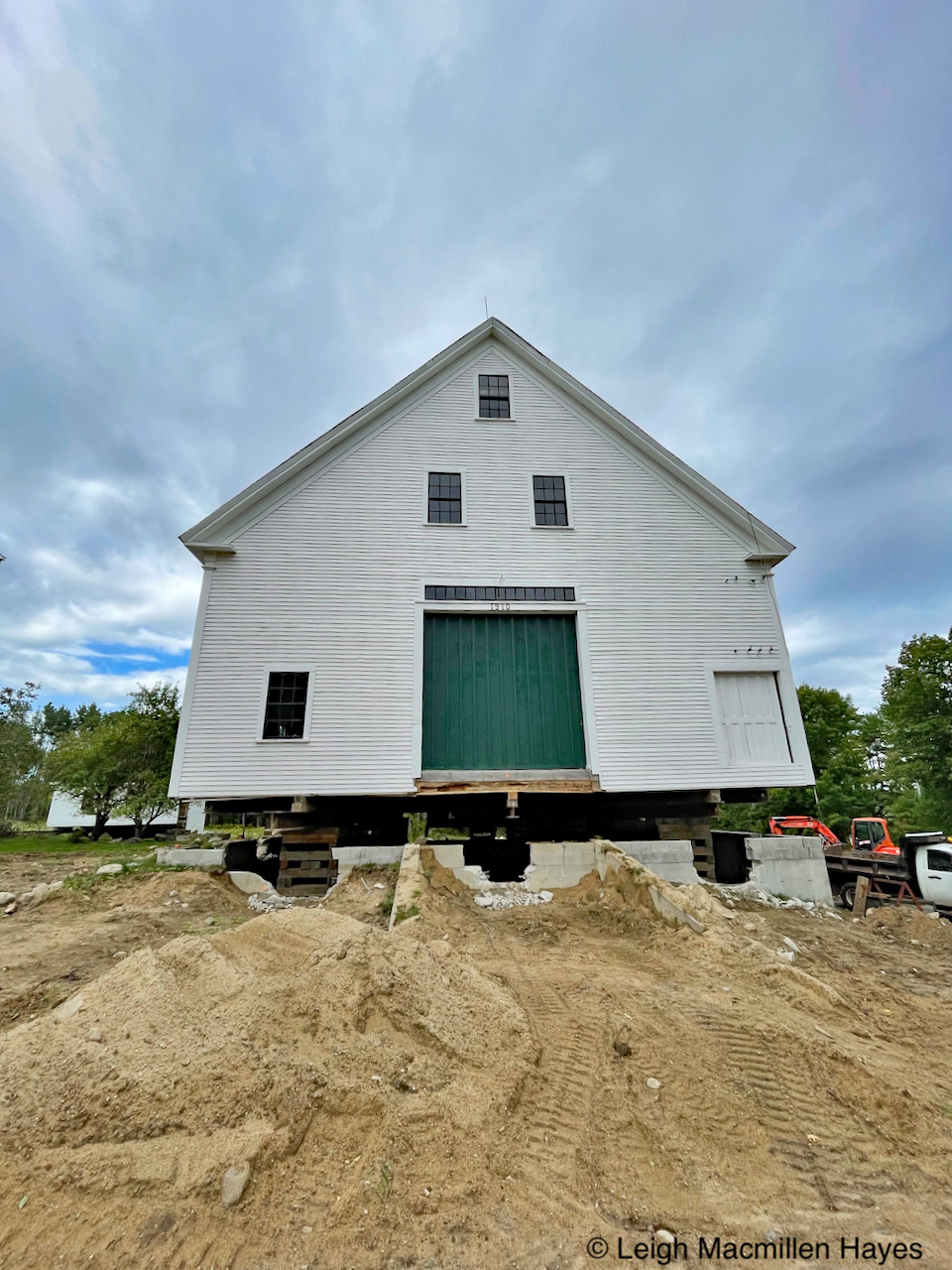
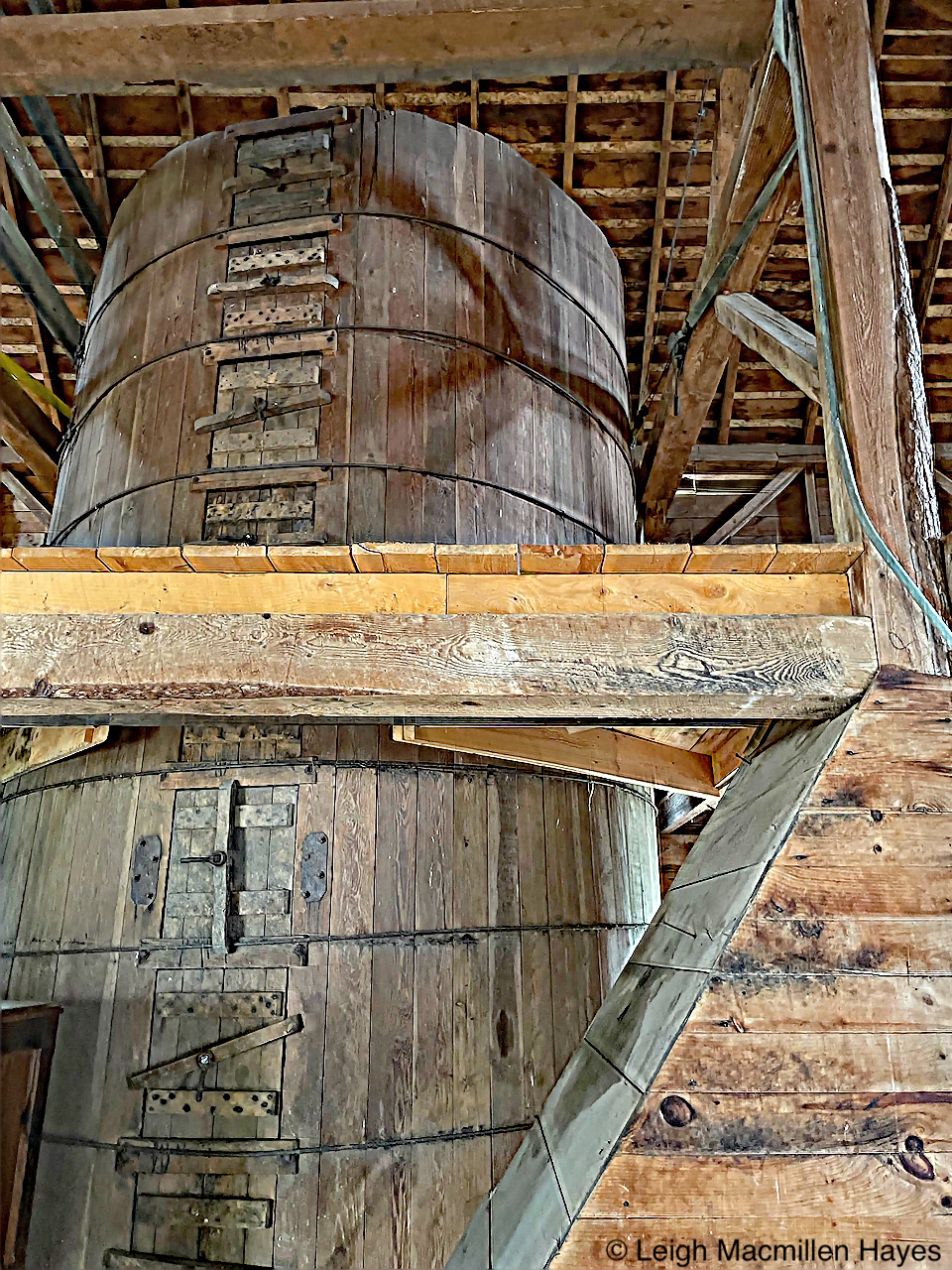
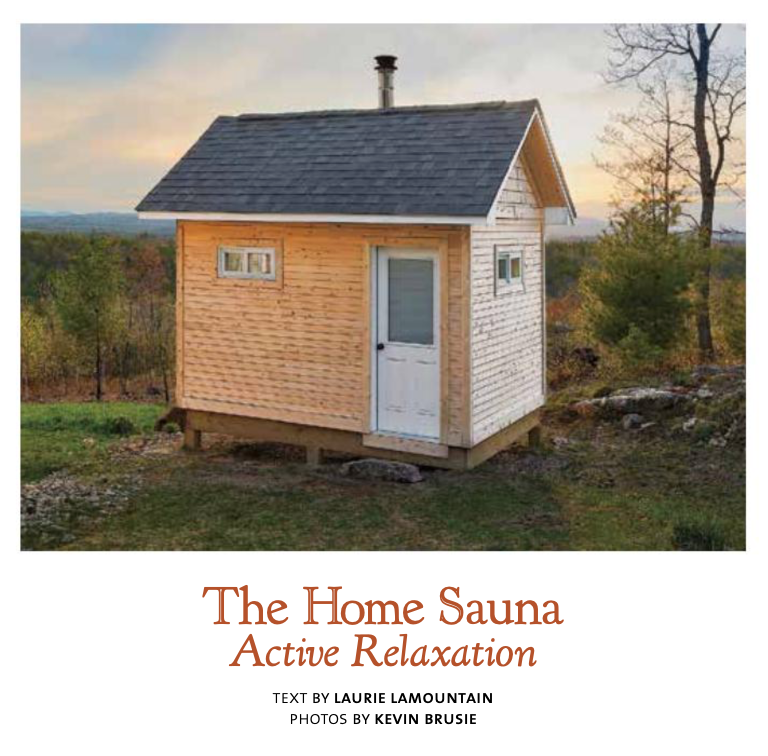

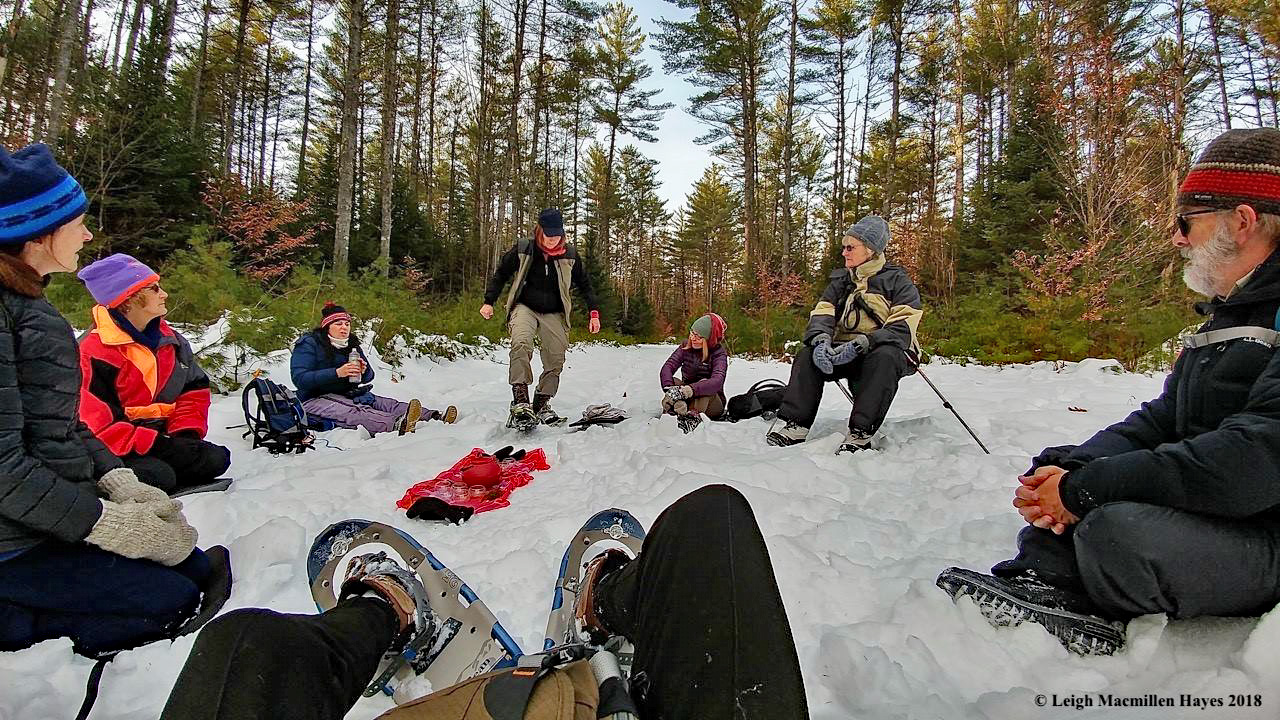



 wondermyway