Not one to ever be bored,
I follow my brain
in a million different directions
every day.
Sometimes the thoughts are broad-winged,
and even if I try to hide them,
they catch up
and stare me down.
Other times they are quick
and race through my head
in such a manner
that I can hardly capture them.
And then there are those
that are as small as a Spittlebug
but still worth considering
because everything counts.
Some moments I get to share with others
and together we wonder
how long the Heron
will wait before taking the next step.
In that same space named for Otters
we spy basking Painted Turtles
who remind us we don't always need to
slip into the water and disappear from the scene.
And then the Woody Woodpeckers
of the North Woods
Rat-a-tat messages
best interpreted by their mates and I can only listen.
They may get a wee bit ruffled
in their Pileated fashion,
but I soon realize
that's because his she was nearby. And then they flew.
Next, upon a fern so Sensitive,
one with Spiny Legs doth land,
a Northern Crescent in its mouth
meant to provide nourishment.
Meanwhile, strung between other ferns
of the Sensitive sort,
a large Black and Yellow Garden Spider
packages a meal as a smaller one looks on.
And I realize I've never seen
such a small female
and wonder why she hangs
onto the web of her bigger sister.
Across the path
another Black and Yellow has several packaged meals
that may be a betrothal gift
for her Guy dangles above her, he being much smaller and drabber.
And the Black-shouldered Spinyleg
finds me again
and practically smiles,
if dragonflies can do such a thing.
Water also flows into the scene
as it should
for it is life giving
even if its merely a trickle.
But the delightfully curious thing
is that upstream
the mosses imitate
the water's action even where it is practically non-existent.
Upon the ground just above,
the Big-toothed leaf that most recently
gathered energy from on high
chose to shut down and show off its colors before giving back to the earth.
It's in this same place
that My Guy and I notice a Bear Claw Tree,
the marks located just below a trail blaze
and we wonder if the blazer was aware of the bear sign.
Back to a garden planted for Pollinators
I wander alone
and listen as a million bees buzz
and watch the clear wings of the Hummingbird Moth remain almost stationary.
It's in this same place,
just above a sign bearing the name of its adult form
that I spot a caterpillar
so many of us revere.
While spotting Monarchs
has been a bit of a challenge these days,
I rejoice that occasionally
I have the thrill of being in their presence.
All of this
and oh, so much more,
as the hawk shouts that being ec-lec-tic
means deriving a taste from a broad and diverse range of sources.
I'm so grateful
to enjoy an eclectic view of the world
on so many fronts,
and to share with you just a smattering of what matters.
OK, I admit it. I’m a collector. Of things. But they are all special things. And many of them handcrafted. And most of them with a story to tell.
So, yes, I collect birds. No, not dead or dying birds. And certainly not living birds. Just . . . birds. My collection is actually quite small, and until today I hadn’t given it much thought, but it began a hundred years ago when I was a senior in college and my roommate and I hosted a student from Great Britain in our dorm room for a week.
I honestly cannot remember her name or too much about her. But I do remember that at the end of her stay she gave us each a bird.
And I remember she told us they were of the Tit species, which didn’t mean a whole lot at the time, but now that I see and hear Titmice on a regular basis, I have a better appreciation. This little bird has graced my desk for decades and the young woman’s name keeps flitting in and out of my mind, so maybe I’ll recall it by the time I finish writing. I now realize I haven’t thought about her in years, despite my fondness for the gift she bestowed upon me.
Another gift was the carving of a Chickadee, and I received this one about 35 years ago from a sweet little man named Carl and I only wish he’d lived long enough to know how much I still appreciate it.
Likewise with this Loon, crafted for us by my Godfather Russell because he knew My Guy and I love our encounters with these birds who symbolize Maine. And he loved to paint, among many other talents.
I also cherish these two ornaments that never made it to a Christmas tree because they pose instead from a vase of twigs in my study. The one on the left was created by Dr. Fred, a founder of the Maine Master Naturalist Program, and the Hummingbird was gifted to me by my friend Marita after she spent some time bicycling around Cuba last year.
And then there is the Token Owl. Token, because if one is leading an Owl Prowl and there is no guarantee of spotting an Owl, it always pays to pull such a stuffie out of one’s pack so that everyone can leave saying, “I saw an Owl.” Sometimes you just need to make things happen.
All of this leads me to what I realized today is becoming quite a collection: my paintings of birds.
Pileated Woodpecker in our back forty, which is actually only five more acres beyond the house. One of his favorite trees, however, is at the edge of our yard before the woods, where we’ve left several super tall dead snags and he uses them to mark his territory early in the morning, and later in the day as he taps away. Every day.
Tom Turkey strutting his stuff across the yard in hopes of wooing a hen. I can only assume he did though I never caught them in the act, but so large is the Turkey population round these parts.
A Common Loon in front of the dock at camp. I admit that like dragonflies, I can never take too many photographs of loons.
Great Blue Heron scoring a wee fish for a snack.
And another searching for another meal.
And still seeking more, its eyes always intent as it stalks its prey.
A Barred Owl near the vernal pool, thankfully when there was still ice on it about a month ago, but he’s in the area, so anything can happen.
Ah, but how I love to meet these critters, who unless they are calling, remain incredibly still and blend in with the scenery and I’m sure I pass by more than I actually spot.
Mr. Cardinal, and I’ve been waiting for him to pass sunflower seeds on to his Mrs. because I’ve seen him do it in the past and it’s such a lovely gesture.
The Mrs. waiting for a gift from her betrothed. To my knowledge, she’s still waiting. One of these days he’ll surprise both of us.
Mr. Bluebird, who also visits daily, as does his Mrs., and from the direction of their travel, I believe they are setting up housekeeping in a house my neighbor erected just for them.
One of the zillion Juncos my friend Kate sent up from Connecticut. They arrived the day she told me they were on their way. That was a few weeks ago. In a snowstorm the other day, we had quite a large flock, but I think most are continuing their journey north as now I only see a few at a time.
My first attempt at painting a Robin following instructions in a book.
And then trying to tweak the painting and turn it into an American Robin. I fooled SEEK, a free app developed by iNaturalist. It came right up with A. R.
SEEK also knew this to be a male Red-Winged Blackbird. What it didn’t know is that it was one I saw calling a few weeks ago when there didn’t seem to be any females around.
And finally, my new friend, who has actually been in the neighborhood for a long time, but we only recently spent a few minutes together the other morning: Sharp-shinned Hawk.
As I look out the window right now, besides this Goldfinch, the Bluebirds are both here, plus Robins, Juncos, Chickadees, Tree Sparrows, White-Breasted Nuthatches, and Mourning Doves. And actually, there are more Juncos than I expected.
That is the extent of my bird collection–at least for the moment. Thanks for stopping by to take a look.
The student from Britain: Jillian. It just came to me.
When asked the other day if I am enjoying spring, I responded, “I’m still loving winter.”
So is My Guy.
And so today, we took to a beloved mountain trail and reveled in the sights and sounds.
Beside a brook, our journey began, where as the water flowed, nature’s artistic hand created a magnificent display of ice sculptures.
On the way up the loop trail, and again on the way down the other side, the golden carpet was set before us, for into the warn pathway do leaves settle after a wind event.
Because we were hiking in a deciduous forest to begin, our eyes kept scanning the tree trunks, and tada, we were rewarded. Well rewarded.
It seemed like everywhere we looked, we spotted American Beech trees with bear claw marks indicating multiple visits to feast upon the beech nuts.
We suspected some of these trees we were meeting again as if for the first time, but though we lost track of how many we spied, we knew it was more than we’d seen in the past and gave thanks to the trail conditions that allowed us to move without caution, and the fact that it is still winter and there were no leaves to hinder such views.
While studying almost every tree for a while, I kept noting the trunks of another species, this the two-toned aspen that looks like an oak toward its base, but morphs into a birch toward the top.
There was no question whether Quaking or Big-Toothed for leaves upon the snow told the species name: My, what big ____ you have!
As we continued to climb, the neighborhood changed and so did the forest floor–of course, still upon firm snow, for suddenly, we walked upon a green carpet.
It was in this section of forest that I began to spot Common Polypody ferns predicting the temperature, for they were still a tad bit curled indicating it wasn’t exactly warm, but not completely curled telling us it wasn’t freezing cold either. It was just right!
Well, almost just right, for because of recent rain and warmer temps last week, the melt down has begun and ice flows along the trail were frequent in the coniferous forest.
That same flow continued down a crevasse that we admired from the path, but didn’t need to descend. Thankfully.
A short distance later, we reached Lunch Ledge, aka North Ledge, and took in the view toward Mount Washington.
As we ate, we looked at all the Beech trees below (and other species, of course) and wondered how many more Bear Trees there are in these woods since we saw so many just from the trail. And we wondered if there might be a den nearby.
Following lunch, we continued our trek, and then found a spot where another had dined.
By the number of fresh holes in the tree, we knew the Pileated Woodpecker had visited this spot on more than one occasion, rather like the Bears and the Beech trees.
I must confess, I cannot pass up the opportunity to look for scat and so I heeded the invitation to hunt for the treasure. And again was well rewarded.
At this time of year, Pileated Woodpecker scat includes bits of indigestible Carpenter Ant exoskeletons and some wood fiber. The whitewash is uric acid since birds evacuate the acid and feces simultaneously–from an opening just under their tail called the cloaca or vent.
Some of the trees along this part of the trail are Balsam Fir and we kept spotting their cones on the ground.
And then middens or garbage piles of Balsam Fir cone scales started to appear and we knew that a Red Squirrel had been dining. We saw some tracks, but never actually heard a squirrel, red or gray, though a Chipmunk dash across the snow and hid from us.
In one area, there were multiple middens, the one in front being about eight inches high. And that brought us to a discussion about the fact that until about 25 years ago, I had no idea what a midden was. Or a cache.
Nor scat. But oh my. A midden and scat on the same rock!
Which came first? My thought is that a Red Fox deposited its twisted and hairy scat–in typical manner upon a high place by a trail, and that the Red Squirrel came along at a later date to dine upon the same rock. I don’t think the Fox’s meal was this particular squirrel. In fact, by the color of it, I don’t think it was a Red Squirrel at all.
But this brought up an additional comment from My Guy about the fact that I can’t stand to see someone spit (think baseball games), but get all excited over scat. (And kill sites.)
I blame it all on Bridie McGreavey for teaching me about such, and once again rejoiced when I spotted Ruffed Grouse scat in a pile that told me the bird had roosted in this spot along the trail one night this winter.
My Guy claimed that he was going to contact Bridie and tell her that she took a mild-mannered English teacher and turned her into . . . me! (There was a reference to Lois Lane in there;-) )
I might have to mention that I never imagined him practicing Yoga!
At last we reached Dessert Ledge, aka South Ledge, again with Mount Washington in the offing, and the northern slope of Round Mountain in front of us.
From there we began our descent, pausing again to admire the ice and water that were part of the display and the blue hues exhibited.
This one crossing I have to admit I was dreading for I thought it might be under ice, but the rocks, which you can’t see because I was standing on them, were bare, and I felt comfortable pausing to take in the view.
We knew by what we spotted, such as these four slabs of ice somehow caught and wedged by a tree, that the force of the water had been quite strong in the past week, given the weather conditions.
We even spotted an ice berg upon the opposite bank.
Water always soothes my soul, so I thought I’d offer this short video for you to enjoy.
The planet offered us some amazing sites and sounds today, but our favorites were probably the Bear Claw trees.
Yes, we’re still enjoying winter as we did today while we celebrated Creation along the mountain: Long Mountain.
And gave thanks as we always do to Larry and Mary who share this trail and others with so many of us, and Bruce, their trail creator, who does an amazing job.
While most critters in the woods make their presence known only by signs left behind, there is at least one who is bold and loud and ever present in my neck of the woods. It often begins the day with a salute of drumming on a hollow snag to mark its territory just after the sun rises, and then I hear it or see it fly about our yard and woods and across the field beyond the stonewall throughout the day.
Every once in a while it honors me with a chance for a closer look. And so this afternoon, as I headed off into the woods to snip some twigs for an upcoming class that I’m teaching, I noticed some evidence that my friend had been present in the recent past.
It was the wood chips on the snow that served as his calling card. Well, his first card that is. By these, I knew he’d been chiseling the tree above, but always, when I spot this behavior I look for a second sign. And came up empty-handed. No scat.
While I was looking, however, I began to realize I could hear a familiar tap, tap, tapping from another tree.
And so I looked around, expecting to find one of his cousins, for the taps, though consistent, were not as loud as the drumming he uses to advertise his territory or announce his availability to a potential mate, but rather featured a softer rhythm.
Much to my delight, there he was, high up in a White Pine.
I was sure we wouldn’t get to spend too much time together, and so I wanted to focus on him as best I could. And that’s when I noticed the bark had been sloughed off the tree. My friend was hunting for bark beetles.
I decided to take my chances and move a few steps in order to get a clear picture, and still he stayed, though I thought our time might be over when he looked away from the tree.
Thankfully it wasn’t. Do you see all of the tunnels the beetles had carved where the bark had once been?
Oh, and how do I know it was a male? By the red mustache on his cheek. His lady does not have such a marking.
He turned back toward his work and I loved how it was obvious that his tail feathers formed the third leg of a tripod to provide support against the tree. When you have a head-banging job such as his, and only two legs, that third is important.
Eventually I pulled myself away and continued on my quest to locate certain tree species and snip just enough twig samples for each pair of students. Along the way, however, there were other things to notice like this recently deposited Bobcat scat offering a classic look at its hair-filled contents and sectioned presentation.
There are a million tracks in the woods right now since everything has been on the move following the last snowstorm, and the Foxes and Coyotes and Bobcats have been in dating mode, so it was no surprise to find Bobcat prints on top of other prints left behind.
Besides all the mammal tracks, I found lots of evidence of Ruffed Grouse walking about as well. They always remind me of my friend ArGee, whom I met in 2018, and wrote about several times, including this post Nothing to Grouse About. I may never get to have the experience of spending some quality time with a Grouse again, but seeing the tracks of one so clearly defined always makes me smile.
Another who has become a constant companion this winter is the Winter Crane Fly. Like all Crane Flies, he’s not a mosquito, though he looks like an oversized one. Crane Flies have no mouth parts, therefore, they can’t seek your blood. It’s only job is to find a mate and breed.
They are called Crane Flies because of their long legs and beaks that long ago were thought to resemble a Sandhill or Whooping Crane.
So why fly in winter? Perhaps because your predators are few. And your chances of mating without being eaten better.
Snow Flies have six legs, but if you look carefully, you’ll notice this one only had five. As for that missing leg, Snow Flies self-amputate so that ice doesn’t enter body. It’s a fighting chance to survive the frigid winter and this photo was taking on a very cold day. An incredible adaptation.
Fast forward to today, which felt almost like summer (in the 30˚s), and I spotted another, this one with all six legs still intact.
And those two yellowish bumps on its thorax? Halteres, or small club-shaped organs, that help provide information for wing-steering muscles of True Flies (Diptera). From The Snow Fly Project, I’ve learned that “Snow flies are distinctive in their appearance, with long, spindly legs. They lack wings but do possess halteres. It has been suggested that their lack of wings might have evolved due to exposure to cold temperatures and wind (Hackman, 1964; Byers, 1983; Novak et al., 2007).”
Eventually it was time to return to our woods where I noticed more works by my friend.
Below this tree, there was even more debris and by the number of holes, it was obvious that this was a much more bountiful tree than the first one that stopped me in my tracks. That is, if you are seeking insects.
And so, I had to bend down and take a closer look. It’s like a treasure hunt at the base of a tree and let’s me know if the bird was successful in dining or not.
And I was well rewarded. All kinds of scat packages sat upon the wood chips and I knew that while the woodpecker found plenty of Carpenter Ants in the tree trunk, it had also recently dined on Bittersweet berries. As for the berries, well, um, Bittersweet does grow locally.
There was even some scat dripping off the tree! My heart be still.
As for Mr. Pileated, he’d moved on for the moment, but just before we’d parted ways earlier, he offered me a quick opportunity to spot his tongue between the upper and lower beak. Pileated Woodpeckers have sticky tongues, which they probe into the tunnels the delicious (to a woodpecker, that is) ants and other insects have created.
On this day, like so many others, I want to express my appreciation for the Pileated Woodpecker’s part in this world, for creating nesting sites that others, such as small songbirds, may use, and how he helps the trees in the forest by contributing to their decomposition, for as much as some think that these woodpeckers and their kin are killing the trees, the trees are already dying due to insect infestations, and the birds’ work will eventually help the trees fall to the ground, add nutrients to replace what they had used, and provide a nursery upon which other trees may grown.
Thank you, Pileated Woodpecker, and Bobcat, and Winter Crane Fly and Snow Fly. So many to honor.
We live on the edge. The edge of a small town in western Maine. The edge of a neighbor’s field. The edge of a vast forest.
Our property only encompasses six acres, but it’s six acres that I love to explore and it’s been my outdoor classroom for a long time.
And so today, I invite you along to take a look; if you are a regular, you may have already met the friends I’m about to introduce, but their actions keep me on my toes, much like the deer who crisscross our yard on a regular basis.
Though the acorn crop was abundant in our area, the deer make several trips day and night to consume sunflower seeds and corn and they’ve worn a path (deer run) making it easier to travel. They don’t always follow it, as you can see, but do so enough that it’s much like my snowshoe trails.
The yard is full of tracks, for besides the deer, there are gray and red squirrels who also frequent the feeders, an occasional red fox that I’ve yet to see this winter, and our neighbors’ dogs and cats. Everyone has a place at this table.
Of course, the deer run does lead to another species they love to munch on, the needles of a Balsam Fir. They frequently pause here before climbing over the stone wall into our wood lot.
And so I paused too. And discovered yet another cache and midden created by one of our local Red Squirrels. I’m in awe because until yesterday, I wasn’t aware of this one and I can see it from the desk where I’m writing right now. And to top it off, yesterday was the first day since I filled the feeders at the beginning of December that I saw a Red Squirrel chasing the Gray Squirrels away.
I, too, climbed over the wall and look who I met. Always on alert and often either skittering along the ground or a stone wall, or chastising me from its branch of choice, Red doesn’t realize that I’m a fan.
Next, I ventured over to the old cow path, bordered as it is by two walls, and checked on the cache and midden situation that’s become so familiar to me.
The cache or storage pantry of pine cones is located under the mound of snow the black arrow points toward. At last measurement as recordered in The Forever Student, Naturally, the pile was a foot high. As you can see if you look closely at the tops of the stones behind the snow-covered pile, you’ll spy several middens. So my question is this and I’ll have to wait until the snow melts to answer it: Are all of the cones the squirrel is consuming (well, seeds actually, for the midden is the pile of discarded scales that protect the seeds, plus the cob or core left at the end) coming from under the rocks, where I’m sure there was more storage space, or the bottom of the pile, because Red Squirrels do tunnel? I can’t wait to realize the answer in another month or so.
The pine tree beside the cache also provides a grand dining spot.
About an inch of snow fell overnight, so when I went into the woods this morning, I found fresh Red Squirrel prints, with the straddle or track width being the typical three inches. It was a bit nippy with the wind chill, so I didn’t get the card placed exactly as it should have been, but you get the idea. Its big feet in front are actually this hopper/leaper’s hind feet.
Okay, so I did risk the freeze for a minute because I spotted the set of four prints behind the first set I’d photographed and realized not only how close together the four were, but also the length of the leap from one spot to the next: My mitten and wrist holder are 19.5 inches in length and they didn’t cover the length of this motion–perhaps an attempt to quickly reach safety in the other wall or up a tree.
That action was on the eastern end of the path, but there’s more to see as I head west.
A few days ago, and probably because the night temperatures were more moderate, a family of rascals crossed from the other side of the wall and onto the path. By the baby fingers of the front foot, I know they were Raccoons.
As waddlers, Raccoons have their own pattern that is easy to recognize once you get it into your head. They don’t travel this way all the time, but most often I find their prints, with a front foot (baby hand) of one side and hind foot (a bit longer print) of the other side juxtaposed on opposite diagonals. If you look at the black lines I placed before each set of two prints I hope you’ll see what I mean. And notice the keys. It’s all I had in my pocket that day and I wanted something for perspective. I really didn’t expect to find the raccoon tracks.
I went back home and grabbed a tracking card to set on the ground. If you’ll look closely, you’ll note that it’s more than one animal, but all the same family. I followed them across the wood lot, over another stone wall, and into the field where they split up into four individuals before heading off in to the neighbor’s woods on the far side.
Back to the cow path I did return and this time it was a scene just off the path that drew my attention. Our Pileated Woodpecker has been active as evidenced by all the wood chips on the ground. That means one thing to me. Time to look for scat.
And I wasn’t disappointed. Check out that cornucopia stuffed chock full with insect body parts that the bird couldn’t digest.
Finding this is always like opening a Christmas present. The thrill never ends. But, curious spot here. Seeds. Staghorn Sumac seeds.
And on the pine tree and at its base, I found more of the Staghorn Sumac in bird droppings, a completely different form from the Carpenter Ant droppings.
Both followed me home! The Carpenter Ant scat is very fragile.
The sumac, being fleshier, held together better. Under the microscope I noted that there were some ant body parts mixed in with the sumac.
Here’s a closer look at one of the legs of a Carpenter Ant–notice the long “thorny” thing, which is the tibial spur located at the base of the tibia.
And an exoskeleton plus another leg. With lots of wood fiber in the mix. Lots of nutrients and fibers mean scat findings for me.
A power line bisects our property and I have a love/hate relationship with it. I do love that it looks like we could walk north to Mount Washington. But my destination was to the trees on the western (left-hand side), where we own at least one more acre enclosed by stone walls.
About half of that acreage is a combo of hemlocks and firs fighting for sun. In the end, the hemlocks will rule the world, but the firs are trying to compete.
It is here that I discovered Snowshoe Hare tracks and my heart smiled again. There’s not much on this portion of our land for the hares to dine upon, such is the landscape when the trees block undergrowth. But on either side of the walls, there’s plenty available to them in areas that have seen timber cuts within the last twenty years.
Here’s the thing about hare prints–as hoppers, the smaller front feet land first and often, but not always, on a diagonal. The much larger hind feet swing past where the front feet had been as the mammal moves forward, and thus appear to land in front when you look at the overall pattern. And my favorite part of this set of four footprints: the overall shape, which to me looks like a snow lobster with the front feet forming the tail and hind feet the claws. Do you see it?
This neighborhood on the other side of the power line also supports a Red Squirrel who in true squirrel tradition travels this way and that.
And like its relative on the other side, it took time to cache a bunch of cones and now feasts upon its supply.
And leaves its garbage for nature to recycle. Notice how the middens are often located on high spots such as the rocks along the wall–the better to be in a spot where you can see who or what might be approaching. Even those on the ground below trees mean that the squirrel probably did most of its dining from a branch above, and then let the trash fall.
What could a squirrel possibly fear in these woods? Besides coyotes and foxes and bobcats, oh my, think Fisher such as the one that left these tracks in the squirrel’s territory. As far as I could tell, the Fisher (and it’s not a cat, it’s a member of the weasel family) was only passing through, probably on its way to hunt down the hare. Though a squirrel would make a fine meal, as well.
Heading back across the power line, cases stood out on the White Pine saplings at the start of the cow path. The cases consisted of clusters of needles bound together. This is the work of the larval form of a Pine Tube Moth, Argyrotaenia pinatubana. What typically happens is that the caterpillar uses between ten and twenty needles to form a tube or hollow tunnel.
The caterpillars move up and down their silk-lined tunnels to feed on needles at the tip until they are ready to overwinter.
The moth will emerge in April, when I’ll need to pay attention again. Two generations occur each year and those that overwinter are the second generation.
Walking home via a different path in our woods, I spot deer beds. At least a half dozen spread out under the pines and hemlocks, the spot where the evergreens keep heavy amounts of snow from reaching the forest floor, thus making it easier for the animals to move.
Finally back home, there’s one more member of our family to mention–a porcupine. This may be my friend Bandit, but I haven’t actually seen him in a while so I can’t be certain.
The porcupine did check out a tiny hole under the barn, but we don’t think it actually stayed there. Will it return. Probably, as the barn has long hosted this species; along with other small critters.
That’s a lot for now and at last I’m done counting the stock for our winter inventory. There’s more out there, but this is certainly enough to make me realize that they don’t live in our woods, but rather, we humbly reside in theirs.
Pileated Woodpeckers often take the rap unfairly for killing trees. In fact, even though they drill holes into the bark and excavate wood in order to reach the galleries of Carpenter Ants, the trees are both dead and alive. Huh?
Take for instance this Eastern White Pine along the cowpath in our woods. While the Pileated Woodpeckers have riddled it with holes, its still standing and still producing needles and cones, because there’s enough bark left to protect the cambium and sapwood.
There was a time years ago when hearing or spotting a Pileated was a rare occurence, but now it seems that every day I either find evidence of habitat, hear their drumming and Woody Woodpecker calls, or actually spot one such as this that I spent some time with by the cowpath today.
And it’s not just holes that they drill. Quite often, I’ll see a tree that appears to have been chisled and shredded. This to is also Pileated Woodpecker sign.
Some trees receive only one visit, but others must be a huge source of food for multiple squarish to rectangular holes are drilled.
I love to peer into the holes because sometimes I’m rewarded with sightings such as this . . . a long-horned beetle that got stuck in the sap and is now frozen in situ.
Though we can’t see it, Pileated Woodpeckers have sticky tongues, which they probe into the tunnels the delicious (to a woodpecker, that is) ants have created. Their bodies don’t process all of the ant, and so their scat is another sign I love to find. It’s like a treasure hunt at the base of a tree and let’s me know if the bird was successful in dining or not.
Their scat is made up of the Carpenter Ant exoskeletons, and some wood fiber, and white uric acid.
If you haven’t looked for this, I highly encourage you to do so. Any scat is fun to encounter because it helps us determine who passed this way, but there’s something extra special about seeing those body parts and knowing better the critter’s diet.
Pileated Woodpeckers excavate from any spot on a tree, including at the base, so if you see large woodpecker holes there, you’ll know the creator. The cool thing is that they use their long tail feathers as the third leg on a tripod in order to stay steady while smacking their beaks into a tree.
Don’t worry, their brains don’t get rattled. While it was long believed that they had a shock absorber to protect their heads, new research states this: “Their heads and beaks essentially act like a stiff hammer, striking and stopping in unison.” You can read more here: New Study Shakes Up Long-held Belief on Woodpecker Hammering.
So I stated earlier that not all trees are dead, until they are like this one, even though the Carpenter Ants have set up their own woodworking shop. The heartwood, at the center of the tree is deadwood and its pipelines that served as the xylem and phloem, servicing the tree with water, minerals, (xy rhymes with high pulling these up from the roots), and sugars (phlo rhymes with low, pulling sugars down from the leaves), become clogged with resins and that’s where the ants take up residence. A storm knocked this particular tree over on Burnt Meadow Mountain where My Guy and I hiked about a month ago. It was so overcome with the ants that the core could no longer support the tree.
If you look closely, you can see the galleries or tunnels the ants had created. That’s a lot of ants and a lot of work.
My woodpecker seems to be hanging out in a small part of its territory these days. A Pileated Woodpecker’s territory can reach up to 200 acres, and there’s certainly more than that available to him here (the red mustache indicates this is a male), but he appears to have found his pantry closer to our home.
I don’t mind because it means I get to witness him on a more intimate basis.
Winter finally arrived in western Maine this past week in the form of three snowstorms, the last ending with a coating of ice. Between storms, I’ve been teaching others the art of tracking mammals and birds through my work at Greater Lovell Land Trust, as well as a two-day class I taught for a local Senior College, and a day-long class for Maine Master Naturalists.
I love, love, love watching others experience joy as they begin to notice the nuances of print and patterns and scat and sign.
This being the work of a White-tail Deer who scraped its lower incisors up the bark of a tree to get at the cambium layer where the sugars and starches flow. The tags at the top of the scrape are a tell-tale sign because ungulates like deer and moose do not have upper incisors or canines, but rather a hard palate, and yank at the wood as they press their lower incisors against the palate to pull the bark off a tree–mostly Eastern Hemlock or Red Maple.
It wasn’t long after the Senior College outing on Wednesday that snowflakes announcing the third storm began to fly and one of our resident Red Squirrels stopped by to check out the offerings at the bird feeders.
This hearty sole is Ed and as you can see, he’s lost an eye–probably in a disagreement with a sibling, but that doesn’t stop him. He’s perfectly capable of finding food, seeking cover when necessary, and fighting off his brothers.
Ed wasn’t the only one out in the snow, for a male Downy Woodpecker made frequent trips to the suet feeder.
And then, just before twilight the Deer began to appear. The first walked to a Squirrel feeder I was gifted recently, with some peanut butter added to the corn as an enticement. She didn’t seem impressed. I thought that was weird because if you’ve ever made a bird feeder out of pinecones smothered with peanut butter and sunflower seeds, you might notice that the Deer lick everything off within hours of hanging the cones from a branch.
Following the arrival of the first Deer, a sibling came in with mom, but they too, were not impressed.
So the thing about watching the Deer, was that they provided a photographic lesson–beginning with the two cloven toes that form the heart-shape of the impression they leave in the snow–with the pointed end of the heart always indicating the direction of travel. And further up the foot are the dew claws, which sometimes show in a print. If you look at the two hind legs, you can see the dew claws just above the snow. I’ve been told that if the dew claws appear, then it is a buck. I’m not 100% convinced of that. I think it has more to do with snow conditions.
And sunflower seed is not their only form of nutrition, for one of the Hemlocks by the stonewall between our yard and woodlot offered some delectable needles full of vitamin C. Do the Deer know that?
Following the storm, a coat of ice covered the tree branches and even the corn, but that didn’t stop Ed’s brother, Fred, from grabbing a kernel. Actually, the corn had originally been placed about two feet off the ground in an area we’d shoveled, but the snow had piled up again, making the meal easy to reach.
I spent yesterday shoveling what felt like cement. The first two storms offered a much fluffier take on snow consistency. Periodically, like Ted, another brother of Ed, I’d duck into the house. His home is a network of tunnels near the feeders, and so far it has provided good protection.
This morning dawned brighter, and a bit frosty to start. While Fred, Ted, and Ed, ate birdseed and chased each other round and round, a Gray Squirrel stopped by to get a handle on things.
The perfect meal was garnered.
As it turned out, today was a super busy day at the feeders, which Black-cap Chickadees and Nuthatches making frequent visits.
And the puffed up feathers of a male Downy bespoke the temp in the teens. Birds fluff up in the cold to trap as much air in their feathers as possible. The more trapped air, the warmer the bird.
A couple of American Goldfinches were early morning visitors as well, and I love that unlike the Chickadees, Finches are much calmer and stay in one spot for a bit.
Probably my favorite visitor was a surprise for as I was watching the Hairy Woodpeckers, in flew a Red-bellied who worked at a chunk of suet and finally flew off with it.
When I finally headed outside this afternoon, donning my snowshoes to stay atop the 2.5+ feet of snow, I couldn’t believe that for the most part I could stay on top of it, for such was the crusty coating from yesterday’s rain finale. And with each step I took, I heard the crunch below–sounding much like breaking glass.
Much to my surprise, I found the track of a Ruffed Grouse, who did break through the snow.
Of course, it was no surprise to find the figure eight of a deer print, with the foot impression about two feet down. This is a difficult time of travel for them. And I suspect mine will be back by the feeders during the night looking for an easy meal.
And then I discovered a disturbance that I had to investigate. A deep hole had been excavated.
A look at the size and X between the toe and metacarpal pads and I knew who had done the job: an Eastern Coyote.
What it consumed I could not say, but there were some drops and I wonder if they were blood that had darkened a bit as they aged. It’s funny, because I was so sure that I’d come upon a Ruffed Grouse’s snow cave and totally expected to see the bird’s scat in the hole. That was not the case at all, but I don’t know who the victim was that provided the Coyote with a meal. Or at least a snack.
Back in our woods, I met an old friend who has graced these woods for years–or at least members of his family have done so.
He, too, was looking for food. And so intent upon his job was he, that I stood only about fifteen feet away while he worked.
I didn’t step under to check the scat because I didn’t want to scare him off, so I’m not sure if the Pileated Woodpecker’s needs were fulfilled, but given that he had worked on the tree for a while and some of the holes were quite deep, I suspect he had dined on his favorite meal of Carpenter Ants.
Finding food is the name of the game, though it’s hardly a game at all–especially when it’s cold, the snow is deep, and there’s a crust of ice atop it. And that’s just for the critters. Never mind people who have to deal with the elements on a daily and nightly basis.
I’ve been meaning to thank you for serving as our morning rooster all these years. In a couple of months, as the days dawn earlier than on the cusp of this vernal equinox, I know my guy will curse your call, but I admire your tenacity to return morning after morning and practice your drum roll on a snag by the stone wall closest to our bedroom.
Your sounding board of choice resonates with each strike of your beak and I’m sure the volley of taps, sounding like someone is rapping on the back door, can be heard at least a half mile away.
What is amazing to me is that you have the ability to tap at all. But I’ve learned that your tongue actually wraps around your skull, thus dissipating and directing the energy around the brain. Plus, you have a sponge-like bone positioned in the fore and back of your skull to absorb much of the force from the repeated impact of constantly hammering against wood.
After several rounds of repetition, you take a break and stretch your neck away from the snag . . .
and sway your head . . .
in a 45˚ arc, a movement known as a bill wave. It seems to serve two purposes: as an announcement of your territory to another of your kind; or a message to the one you are trying to woo with hopes she’ll accept a date.
Of course, in the mix of all this action, you also make time to preen. After all, should a mistress fly in, you need to look handsome–an easy task on your part.
I’ve read that your territory ranges from 150 – 200 acres and give thanks that we live in an area that satisfies your needs and those of your kin.
In winter, your feeding trees are easy to spot, either by the oblong holes chiseled into the tree trunks . . .
or piles of wood chips at the base of a tree, providing a contrast with the snow.
I love it when you even rework a hole you’d started when the tree was standing. So many don’t realize that it’s not unlike you to use your tail as a third leg like a stool and stand on the ground to seek the goodness within.
When the opportunity to watch you work presents itself, I take it and stand silently below while you chip away.
What I can’t see is your method of feeding, as you pursue the tunnels of carpenter ants and snag them with your long, barbed tongue covered as it is with a sticky solution that works rather like tacky glue.
BUT, one of my great joys, as some know, is searching among the chips you’ve excavated to discover if your feeding efforts were successful. Yes, Mr. Pileated, I actually feel well rewarded when I discover packets of scat you defecated. While we humans get rid of waste nitrogen as urea in our urine, which is diluted with water, I have come to realize that you cannot fly with a full bladder and therefore must dispose of uric acid, plus the indigestible parts of your meals in combination via the cloaca or vent located under your tail. Knowing this helps me locate your scat because I first look for the white coating, which is the uric acid, and then I spy the exoskeletons of the ants that you feed upon in winter located inside the cylinder.
Sometimes, your scat doesn’t make it all the way to the ground, but rather lands on a branch below your foraging site.
Of course, it’s great fun when others are present, to whip out my scat shovel and scoop some up so they may take a closer look.
I did that just yesterday with a group of students, some of whom fully embraced the experience, which also gladdened my heart.
Another thing I love to spot as a result of your foraging efforts, sir, is the winter coloration of sap that flows from Eastern White Pine trees you’ve excavated. In warmer weather, the sap is amber in color, but there must be some winter chemistry that I do not understand, which turns it shades of violet and blue.
Oh so many shades of blue. And once blue, it doesn’t seem to regain the amber hue, at least from what I’ve seen. But then again, somewhere in this world, there’s one that does. Or many more than one.
Noticing the droplets of fresh sap yesterday, I decided to take a closer look, and spied not only spring tails stuck to its sticky surface, but also a small winter crane fly that will be forever suspended . . . unless something comes along for a snack.
When I checked this morning, it was still stuck in place.
As I complete this letter to you, Mr. Pileated, I once again want to express my appreciation for your part in this world, for creating nesting sites that others, such as small songbirds, may use, and how you help the trees in the forest by contributing to their decomposition, for as much as some think that you and your kin are killing the trees, the trees are already dying due to insect infestations, and your work will eventually help them fall to the ground, add nutrients to replace what they had used, and provide a nursery upon which other trees may grown.
And I want my readers to know that your bill waving has paid off for this morning as I watched and listened to you, in a quick turn you flew off giving your Woody Woodpecker call as you sailed away and in flew your date. She landed on the same snag you always use, gave a few taps of her own, preened for a moment or two, and then she also turned and headed in the direction you had taken, and I can only hope that the two of you have been foraging together ever since.
Oh, and that if there are any offspring from this relationship, you’ll name your first born for me.
Sincerely yours,
wondermyway.com
P.S. BP, this post is dedicated to you. Hugs from your non-hugging friend.
It was actually still winter when I joined Lakes Environmental Association’s Education Director Alanna Doughty and LEA member Betty for a “Welcome Spring” snowshoe hike at Holt Pond Preserve this afternoon–but really, for western Maine, it was a delightful spring day.
Our hearts smiled as our journey began beside a clump of pussy willow shrubs, so named for their resemblance to tiny cats’ paws. Actually, the white nubs are flowers pre-bloom. Their soft, silvery coating of hairs provides insulation thus protecting these early bloomers from cold temperatures.
That being said, they aren’t protected from everything and if you look, you may see pineapples growing on some. Those pinecone-like structures were created with leaves by a reaction to a chemical released by the larva that allows a gall gnat midge to overwinter on the willows. It’s a crazy world and everything seems to have its place.
Hanging out with the pussy willows were speckled alders, some with protrusions extending from last year’s cones. It was almost like they had tried to flower. In reality, they were alder tongue galls–resulting from a fungus rather than an insect infecting the female catkins. Apparently, the tongue-like growths are green to begin, but transform to orange, red and finally brown. I’ve yet to see it in its early form but time will tell.
We passed a spider walking across the snow and then came upon another member of the lilliputian world–a winter stonefly on the move. How they and the spiders survive the cold and snow is dependent upon special compounds including glycerol, proteins, and sugars that act like antifreeze. By its presence, we knew we were approaching a fast-moving stream.
More evidence of the stream’s presence became immediately apparent when we moved from the field to woods and immediately spied a sign of beaver works.
Stepping down beside the Muddy River, we began to see beaver tree after beaver tree. Each a most recent work.
Alanna stood upon an old dam, but though it was obvious they’d crossed over it by the well traveled trail of tracks, repair work was not yet part of the scheme for the water flowed forth.
We stood there for a few minutes and tried to understand what they had in mind, when one in our group spied the beaver chews in the water–their snack of choice.
We wondered if they were active downstream or up, and decided to follow the trail north.
A few minutes later, we came upon another trail well-traveled and knew that they’d been working in the vicinity.
In the brook, covered with spring ice, which features a different texture than the frozen structures of winter, was a small tree.
And then our eyes followed the beavers’ tracks back and we saw from whence it had been sawn.
And dragged through the snow. In our minds’ eyes we appreciated their efforts.
Still, we didn’t know what the beavers were up to, so we moved on in hopes of learning more about their activities. All the while, there were other things to notice, like the orange brain fungus growing on the inside of a stump. We weren’t the only ones to appreciate it for snowfleas, aka spring tails, also searched the surface.
Since we were beside the river, it might have made sense that we checked out the beaver works via canoe, but . . . the snow is slowly melting and it will be a while before we need to bring our own paddles, personal flotation devices and duct tape (just in case the canoe springs a leak).
From the boat launch we followed the secret trail and made our way out to the red maple swamp.
In a sunny spot we spied a swab of earth–a taste of what is to come. And the ever delightful wintergreen offering the first shade of spring green with a dash of spring pink.
Slowly we made our way back out to the Muddy River, where we stood and looked across at two beaver lodges on the other side. We didn’t dare cross, but from where we stood, it appeared that the lodges may be active given that we could see the vents at the top. It also appeared that they’d been visited, though we weren’t sure if the tracks were created by predators. Was this where the beavers who had been so active downstream were living? Or were these the homes of their parents? Were the new beaver works those of the two year olds who had recently been sent out into the world to make their own way? Our brains wondered and wondered?
We weren’t sure, but with questions in our mind, we moved on toward Holt Pond.
There were other things to see as we walked across the wetland, including the woody structures of maleberry capsules and their bright red buds.
Rhodora, that delightful pink beauty showed us that she’s waiting in wings.
As we made our way back, more wood chips on the ground indicated that a carver of another type had been at work–of the bird type rather than rodent.
To identify it, we looked not only at the shape of the chiseled structure, but also the scat we found among the chips.
Because it was filled with the body parts of carpenter ants and we knew its creator’s name–pileated woodpecker.
And then we found an insect of another type. Why was a hickory tussock caterpillar frozen to a twig? Was it shed skin from last fall? How did the structure last throughout the winter? We left with questions, but gave thanks for the opportunity Alanna provided to share the afternoon wandering and exploring and thinking and looking forward–to spring.
In the midst of our wandering, we did discover a fairy house and suspect that tonight some wild dance moves are on display under the Super Equinox Worm Moon.
“Every spring is the only spring, a perpetual astonishment.”
British Author Edith Mary Pargeter, also known by her nom de plume, Ellis Peters (1913-1995)
I heard it before I saw it as I reached the summit of the Greater Lovell Land Trust’s Flat Hill this afternoon. The rhythmic tapping sounded as if a structure was being built and so I looked upward expecting to see a treehouse under construction. Scanning all the trees in the mixed forest, I saw only their crowns.
And then I smartened up and looked at the snow. Bingo! Fresh debris atop this week’s layers of snow from two storms and I had a better idea of the construction worker’s location.
Sure enough, high up in a deteriorating yet live red oak stood the one with a crown all his own–brilliant red as it was in the afternoon sun. By the red mustache on its cheeks, I knew the pileated woodpecker was a he. Call him either PILL-ee-ated or PIE-lee-ated; the word means “crested.”
Sometimes, when these birds are intent on their work, I find I’m able to quietly move in a wee bit closer. Mind you, he was up quite high (at least 25 feet above me) and there were other trees between us. I hoped if he was aware of me that he knew I meant no harm. I just wanted to observe.
And so I did for a good while. Check out that chisel-like bill.
In a seemingly effortless manner, he pounded away. Did you know that a pileated can peck up to 12,000 times a day? Not all on the same tree, of course.
Thank goodness for extra-dense neck muscles and a compressible skull bone. Between hammering, this guy paused periodically. To admire his work? To check on the food supply? Or just to take a break?
Can you see one of his four-toed talons grip the edge of the excavation site?
One cool thing about woodpeckers is how they use their tail feathers for support–as if the third leg on a three-legged stool.
As I watched, I noted that Woody Woodpecker, a name I give all pileateds because their rattling call reminds me of the television cartoon I grew up with, kept digging a bit deeper.
And deeper still.
Then he’d take a break and turn his head away from the tree and I finally realized that the tree was at such an angle that to remove debris he needed to drop it below.
Eventually, he flew off and so I checked on the woodchips in hopes of finding scat filled with insect body parts. There was none. For all of his work gouging the oak, he didn’t seem to have found any carpenter ants or wood-boring beetles. Maybe that’s why he moved on. And so I did as well.
About halfway down the trail, I came upon a sight that might have delighted the woodpecker. I know I was thrilled.
Within a few feet I spotted a second one. They were snow scorpionflies. Much like the fact that Flat Hill isn’t actually flat, nor can the snow scorpionflies fly!
On his website “Bug of the Week,” entomologist Dr. Michael J. Raupp explains, “They belong to a small order of insects known as Mecoptera. The “scorpion” moniker derives from the fact that males in this group have unusually large and upward curving genitalia that resemble the stinger of a scorpion. The “fly” part of the name comes from the fact many species of Mecoptera have wings and can, well, fly.”
To fly and not to fly. Predator and prey. Despite their extreme differences, both finds today certainly struck me as being prehistoric creatures of western Maine.
Though we were headed to a place we frequent, we thought we’d change up our trek by hiking in the direction that is opposite our norm along the trail system.
And so for us, 12 o’clock was at the point where the trail was closest to Grist Mill Road. As we stepped on to it, I wore micro-spikes and my guy just his hiking boots. Within about fifty feet, I’d already banged snow off my spikes twice and decided they’d serve me better by being in my backpack.
It meant being aware of the boardwalks, most of which were covered with ice and snow, and post holing occasionally, but even if we’d worn snowshoes, we’d have ended up taking them off for the temp was in the 40˚s and snow not too deep.
One of the things I love about visiting a place often is that each time it has something different to offer. As we made our way to one and two o’clock on the map and passed through a hemlock grove, we discovered a bear den. Bears don’t always hibernate in caves and this one chose an old tree stump to spend the winter.
I was with my guy, so it was no surprise that within no time we were at 3 o’clock, where we had to shuffle across the ice covered boardwalk in the quaking bog.
On the way back to the main trail, I mentioned that I’d be a bit slower, for there were reasons to take notice, like the bog rosemary leaves . . .
and dried pods of a pitcher plant.
Moving on toward 3:15 on the map, we began to notice snow lobsters everywhere. This particular hare, whose pattern reminded me of our marine crustaceans, had come from the quaking bog and passed into the red maple swamp. Do you see the pattern I’m referring to? The snowshoe hare had hopped toward the point where I stood, its front feet landing on a diagonal first, while its larger back feet swung around and landed in front. Consequently, the front feet served as the lobster’s tail, and the hind feet its claws.
Through the red maple swamp we journeyed to 3:30 with my guy obliterating more snowshoe hare prints as he went. Notice how his tracks were rather sloppy–he was again trying to keep from slipping off the icy boardwalk.
At about 4:00 by following the map, we stepped precariously onto the boardwalk that led to the Muddy River. Where once stood one beaver lodge, there were two–and both looked active.
In the opposite direction, we looked out to Holt Pond, from which the frozen river formed.
The canoe launch, further along the river, is located at 4:30. The only ones using it recently were some red squirrels who had created a midden beneath. But should you choose to venture out, bring your own pfd and paddle.
As we moved on toward 5:00, we began to encounter beaver dams–at least three of them, for so active had been this community of large rodents.
And at 5:30, as we followed the river out to Chaplins Mill Road, we started to encounter tracks on a diagonal that spoke of their creator–a mink. Notice how one print in each pair is just ahead of the second. That’s a typical characteristic for all members of the mustelid or weasel family.
Lunch stump was at 6:00, where the trail veered back off Chaplins Mill Road and returned to the pond. As we ate, we realized we weren’t the only ones who chose to dine in this spot, such were the pinecone caches under every white pine and hemlock.
Continuing on toward 7:00, we spied more mink tracks. I didn’t have my usual tracking gear with me, but the AARP card measured about three inches, the trail width or straddle of a bounding mink.
For straddle, we typically measure the distance from the outside of one foot to the outside of the other within a set of prints. Stride, or the distance from one set of prints to the next, varies greatly with bounders like a mink, so that’s not important. But that diagonal orientation–rather consistent.
As we made our way toward 8:00, a hemlock tree gave me pause–for the intersection of lines and color upon its bark–the vertical white snow enhanced the horizontal green ribbon lichen.
By 8:45, we had reached the northern end of the pond, which was to our right. It was there that we realized another traveler had joined the dance–as evidenced by its larger prints. A fisher.
And then we kept encountering a red fox from 9:00 on. Well, not the fox exactly, but its own telltale prints.
All along, we wondered what we’d encounter at our 10:00 point, the trail intersection closest to Fosterville Road. We could hear the water before we saw it. And then my guy met it up close and personal, breaking through ice and coming up with wet feet. I, too, had one wet foot for one of my Sorel boots had a blowout and the upper split from the sole–a major disappointment for though the boots are old, they have plenty of traction left.
Anyway, we contemplated the underwater boardwalk and knew we had an escape route behind us, for we could have walked up to the road. But . . . we didn’t. The water was about four inches deep and we went for it, figuring we were already wet and we only had about a half mile left to cover in the five mile journey.
On the map, we were at 10:15 when my guy noted fresh pileated woodpecker works.
I had to look. And wasn’t disappointed. Several scats were visible, filled with seeds and insect body parts.
We moved on to 11:00 and passed through another red maple swamp . . .
where the color of winterberries had changed from bright red to wine,
frozen tracks spoke of an earlier journey by a mink,
and a yellow warbler nest remained attached in the crouch of a shrub.
Our last look at the pond was through the shrub level and though we couldn’t actually see it, we knew it was there, outlined to the south by the evergreens.
At last I followed my guy out. We’d reached 12:00, the beginning and ending point of our clockwise circumnavigation around Holt Pond.
After a few weeks of extreme cold, January did what it always seems to do–cranked up the thermometer. That might have been okay except that with the warm temps (40˚s and above) came the rain. And with the rain came the fog. And with both disappeared the snow.
And so our deck was clear, except for the bird seed, of course. And a rather bedraggled bluejay. I’d noted in the past few days that all of the birds are much skinnier than I remembered, given that they didn’t need to puff out their feathers and insulate themselves from the cold.
The gray squirrels also came by, their mouths like vacuums as they scoffed much of the sunflower seed supply.
They, too, offered a rather bedraggled appearance, but the rain didn’t stop them from getting their fill.
And then, the rain ended, clouds moved swiftly southward, arctic wind gained strength, temperature dropped dramatically, and sun shone brilliantly. Abruptly, the thaw ended. That was fine with me for I was afraid we’d lose all of our snow cover. As it was, we lost well over a foot in the past two days. And what’s left was riddled with natural debris.
I decided to check on the vernal pool, curious about its condition. As expected, it was still frozen, but with that yellowish brown ice of warmer days.
Fallen leaves remained entrapped in the thin, mosaic layer.
Nearby, I found open water in many places; some of it with thin ice designs decorating the edges.
Ice forms in various ways . . .
and these three offerings were a few feet of each other.
I discovered the ice as I followed red squirrel tracks created when the snow was a wee bit softer. By the time I moved across it had started to freeze again and though my snowshoes made a lot of noise and got a wee bit wet and frosty, I was thankful for them as they made my tramp easier.
The beauty of the squirrel prints was that their toes and toe nails showed. It’s a rare occasion when conditions are just right for good prints.
My next destination was to check on the creator of the tracks. And I felt as if a sun spirit was doing the same. Meanwhile, the squirrel chatted at us from a nearby tree.
The top of its pile had been exposed, but I suspected the cones hadn’t been touched. Instead, the snow had melted off of them. I think he’s saving this pile for another rainy day.
In the meantime, he has been busy as demonstrated by a midden slowly growing near another of his stashes.
I decide to let him feast in peace, and instead followed some turkey tracks to another location.
Along the way, it was the witches butter on an old pine stump that gave me pause. It’s also called orange jelly fungus and some say it looks like a brain. I wish I’d seen this small patch more recently, because I wondered if it had grown under the snow or if the melted snow and rain had affected it. Either way, it’s always a fun find and especially now as it adds a dash of color to our somewhat monochromatic landscape.
My next great find was a pileated tree. I last saw it a few weeks ago, but it seemed to me that even more chiseling had taken place.
At first, when I saw the gray wood above, I thought it might have been older work.
And that the newer work was much lighter in color. Do you see the chisel mark? Just imagine the head banging that went into this masterpiece.
Like the squirrel, a growing pile below added to the story. For me, it was the realization that the gray wood was excavated at the same time as the lighter wood. My new theory, the gray wood had been caused by a fungus or rot of some sort and then the insects followed and finally the woodpecker. If you know otherwise, please enlighten me for I want to understand. Of course, I looked for scat, but came up empty handed. Drats.
At last I reached a second vernal pool, though the going was a wee bit difficult given the conditions. This one was more open than the first.
And on this winter day that began with the tail end of a heat wave, but had chilled significantly, a watery reflection was a fun treat.
On my way home, I made one more stop at the first vernal pool while the sun began to set behind it. I trust it will freeze up again, probably tonight.
What surprised me was how much had melted in the last two days. And from the looks of photos I’ve seen posted by others today, my neck of the woods shows only a wee bit of the January thaw.
We’ve had a melt down. Now it’s time for a freeze up. Back into winter we shall go–thankfully.
Time. I never seem to have enough of it. Time with my guy. Time with our sons. Time with family. Time with friends. Time to explore. Time to reflect. Time to write. Time to sketch. Time to be . . . in tune with the world around me and my own soul.
And so today, when I heard a pileated woodpecker as it worked on a dead ash tree by one of the stonewalls, I decided to take a break from my own work and give it the attention it so loudly demanded.
Its a repeat visitor to that tree; along with crows and hawks and smaller birds as well. The tree can no longer create its own source of food, but it continues to provide for others, be they bird, insect or mushroom. And I suspect that it secretly shares its knowledge of the world with the younger ash it towers over–to the right. As for the pileated, his time at that tree came to an end . . . for the moment. He’ll be back–probably soon.
Because I stood below and no longer need to look up, I turned my gaze downward. And then had to pause. What had happened? Who had visited? And scraped the ground right down to the roots? And left a pile of leaves and sticks and other debris at the edge? A mushroom foray? An acorn frenzy? I looked for hair and found none. Turkey? Squirrel? Porcupine?
And at the base of the next old ash, similar behavior.
Returning to the first tree, I discovered that what looked like dirt was actually little pellets of scat . . . tiny scat. Tons of scat. A latrine. Did perhaps a meadow vole live somewhere nearby and a predator went after it? I did also suspect that there may have been a bunch of mushrooms that were harvested and in the process the vole’s latrine was exposed. I’m not sure if I’ll ever really know, but since I had stopped to look, I noticed something else.
Tucked near the base of the tree and relatively untouched by whatever had spent some time clearing the area, was a pigskin poison puffball, so named for its outer skin that feels like a football. (In his book, Fascinating Fungi of New England, Lawrence Millman writes: “historical note: footballs used to be made of pigs’ bladders, not pigskin.”) The dark spore mass within seemed to reflect the ashen color of the tree beside which it grew.
I should have returned to work then, but the puffball discovery and my wonders about the latrine made me want to poke about some more. Since I’d missed the puffball, what else hadn’t I noticed. A few steps to the left upon another tree root–a pelt lichen with many fruits, aka many-fruited pelt. I first discovered this lichen upon Bald Pate Mountain a few years ago, but didn’t know that it grew here–right under my nose.
Its smooth brown lobes shone brightly due to all the recent moisture, but it was the reddish-brown apothecia or fruiting forms that I found so intriguing. They’re described as saddles, and I suppose if you look at one from the right angle, yes, you can see the saddle-like structure.
On the next tree, another pelt known as dog lichen–apparently named because its fruits reminded someone of dog ears.
The algal component of a lichen goes into food production during rain, and so I continued to peer around. But first, a clump of Indian pipes caught my attention and upon them I noticed springtails doing their thing–springing about in search of food. Their diet consists of fungi, pollen, algae and decaying organic matter. Springtails are among the most abundant of insects, but because they are so small, they often go undetected unless you see them on snow in the winter.
And then back to the lichens it was. I found mealy pixie cups in great number growing on a stonewall.
And one large patch looked like it was going to produce another, for so prolific were its fruits of tiny round balls.
Also among my great finds, were the lichens decorating branches that had fallen to the ground in our recent wind storm. I loved the picture they painted with variations on a theme of color . . .
and form.
My favorite of all reminded me of so many things–a rose in bloom, waves echoing forth with ripples, and even a topographical map.
Alas, I was short on time and needed to head in, but my finds–were the greatest. Even a wee bit of time spent wondering is time well spent.
My guy and I–we drove to Portland this morning for a two-hour meeting and then enjoyed lunch with one of his sisters at the Miss Portland Diner before moving on to South Portland to run an errand and finally returning home.
Too much food and sitting time. And so the woods beckoned.
Right out the back door, male turkeys took advantage of our offerings. The snow is crusty and while acorns were plentiful, foraging for them has become a more difficult task. But birdseed is free feed and once discovered means often frequented.
That’s OK for now because it gives me a chance to get to know these guys. We live in an 1870s house on former farmland (I often refer to the cowpath), all of which played a part in the reduction of forest land, one of the factors that led to the extirpation of native wild turkeys in Maine. Slowly, the land has reverted to forest, which helped in reestablishing turkeys to their former range. At the same time, our neighbors, thankfully, continued to mow the adjacent field that we look upon, which provides for prime turkey nesting habitat.
Tom and his brother Tom and his other brother Tom are handsome devils in their own unique ways. Their featherless heads of blue and pink and red raised bumps called caruncles change colors with their moods.
And on their chests, bristle-like feathers that don’t look at all like feathers are referred to as beards (by us humans–I’m not sure what turkeys call them). Though some hens sport beards, theirs are not as robust or long as those of the Toms.
“You looking at me?” asked Tom.
“Yes, I am. I’m admiring your iridescent feathers layered like slates on a roof and those spurs on your legs used for defense and dominance. Do you object?”
“Well, I guess I am rather handsome.”
“I didn’t say that.”
Yeah, the turkeys and I, we talk. We’ve long had a relationship and I truly don’t think you should eat them. Maybe next Thanksgiving I’ll tell you my turkey story. I know they can leave a mess in the yard and become aggressive, but . . .
I encourage you to follow their tracks into the woods. You never know where they might lead.
Following them today led to the vernal pool. Note the pen, my form of perspective in relationship to size because it’s what I had in my pocket. The pen measures 5.5 inches. Turkey prints are large.
The pool wasn’t teeming with amphibian life yet, but for the first time all winter, it was obvious that visitors had stopped by.
Their timing wasn’t the same, but the turkeys strutted across, while deer slid and skidded on the ice. Life happened over and over again.
It appeared to be more than one deer–perhaps a mother and a skipper or two wanted to skate, much as our sons used to do at this very same spot.
And among the prints, those of a predator, though its journey appeared to be earlier than the deer. Gray squirrel tracks circled the perimeter and maybe that was the intended prey, though really, any of these critters would have made a desirable meal–the forest being what it is, groceries gleaned when needed.
Continuing the journey, plenty more turkey tracks and then the white tails of deer flashing in the distance. Beside the trail another item on the grocery shelf–fresh hemlock bark scraped.
One final item in a different aisle–fresh pileated woodpecker holes. They wake us each morning with their drumming and the sound continues throughout the day. Wrapped around the tree, a vine that added to this bird’s food.
Its scat told of the source–not only a few carpenter ants, but also bittersweet fruits. Yes, this is how the seeds of this invasive species spread.
And so it was today that I traveled the woodland trail alone after a morning and afternoon spent with my guy. And . . . the Toms shared their story and those of others. It was indeed a Mondate–spent with others.
(Did you think I was going to mention Tom Brady? Congrats to the Pats on their Super Bowl victory.)
I remember a time when a Pileated Woodpecker sighting was rare. And now, it’s a daily event, but one which I still feel blessed to experience.
Stepping out the door this afternoon, I immediately heard one hammering and realized another was drumming in a nearby tree. Within minutes, a third flew in and birds #2 & 3 sang their eerie tune as they approached #1. He chased the couple and they flew off, their flight strong, and marked with slow, irregular woodpeckery flaps.
After watching #1 for a bit, I went in search of woodpecker happenings scattered throughout our woodlot. Though they’ll eat lots of wood-boring insects and occasionally berries, seeds and suet, carpenter ants are their mainstay. Better in a woodpecker’s stomach than our home. Sometimes the holes they create are about six inches across and almost as deep.
And those holes became homes for other critters occasionally, so when friends and I see trees such as these, we think of them as condominiums providing living quarters perhaps for small birds and little brown things (mice). Included in these condo units are some smaller round holes, created by the Hairy and Downy Woodpeckers that also live in our neighborhood.
Occasionally I come across trees such as this one that hadn’t been so much excavated as chiseled. Woodpeckers are just that–peckers of wood. They don’t eat the wood. But to get at their preferred food, they must hammer, chisel and chip the bark.
At the base, always a scattering of wood chips. I, of course, cannot pass up any opportunity to search through the chips in hopes of locating scat. I was not rewarded with such a find today.
Leaving dead snags encourages woodpecker activity. They become prime locations to forage, roost and maybe even nest, though I hardly think this snag was large enough to serve as the latter.
While I was out there, I did stop to admire a few other sights including the now woody structure of pinesap;
winterberries contrasted against the wee bit of snow that still graces patches of ground;
deer tracks indicating we’d had visitors during the night;
and a tree skirt of violet-toothed polypores. They are rather like the Lays Potato Chips of the natural world. You can never have just one. (Note: I’m not talking about eating them, but rather how they grow.)
It’s been said that Pileated Woodpeckers are skittish. That’s not always the case. I’ve stood beneath one for over twenty minutes, the bird intent on its work and seemingly oblivious to my presence.
The next time you are in the woods and hear the ho-ho-ho ho ho, ho-ho-ho ho hoing that reminds you of that cartoon character, Woody Woodpecker, take a look around. You, too, might be blessed. And don’t forget to check for scat. ;-)
You remember the nursery rhyme, “Rain, rain, go away, come again some other day, we want to go outside and play”? Well, it finally rained yesterday and today, and many of us have greeted it with open arms. And we certainly didn’t let it stop us from going out to play.
This morning, I joined a group from the Upper Saco Valley Land Trust for a hike in South Eaton, New Hampshire. Had I not been racing for time, I would have stopped every twenty feet to snap a photo, but I did pause beside Crystal Lake.
After getting lost for a few minutes because I didn’t pay attention to the directions, I found the property. Eleven of us headed down Paul Hill Road, led by Jesse Wright of USVLT, and Nancy Ritger, senior naturalist with the AMC.
We paused to examine a variety of offerings, including the flat stems of the quaking aspens. It was the raindrops on the big tooth aspen, however, that drew my focus. One of the things Nancy spoke about as she had everyone feel a flat aspen stem, is how that very stem aids in photosynthesis.
The leaves tremble or quake, giving each more time in the sunshine–individual leaves, no matter where they are attached to the tree, share in unshaded glory for split seconds as those above them flutter. And, in the case of aspens, both sides of the leaf work to make sugar and release oxygen.
We spent a long time beside a beaver pond and pondered various aspects of it. We could see the lodge and beaver sticks in the water–that made sense.
But why a significant wall on at least two sides?
And a split stone by the water’s edge? What else had happened here? Jesse told us that there are numerous foundations that we didn’t have time to locate today, so we knew that though it seemed as if we’d traveled to the middle of nowhere, this place was once somewhere.
And to the local moose, it still is as evidenced by the prints we found in mud.
Our attention also turned upward as we admired raindrops dangling from fruticose lichen (think fruit-like branching).
Suddenly, the rain increased so Jesse asked if anyone wanted to turn around and received an overwhelming vote to continue on.
One of my favorite discoveries was a couple of larch trees. Larch or tamarack is our only deciduous conifer. Huh?
Like deciduous trees, the larch needles turn yellow each autumn and fall to the ground. Another cool fact: needles grow on stout pegs that look like wooden barrels.
We paused beside ash trees and tree stumps, and enjoyed the view of this pileated woodpecker excavation of carpenter ant tunnels–their favorite prey.
In the log landing that did become our turn-around point, we noted the early succession growth of Eastern white pines and sweet fern (not a fern). But again, we looked to our feet for the best views.
Candy lichen is a crustose (think–flattish or crust-like) lichen with green to bluish-green coloration.
Its fruiting bodies, however, are candy-pinkish disks atop stalks, even reflected in the raindrops.
Our journey back to parked vehicles passed quickly, indicating we’d not traveled all that far in two and a half hours. That’s normal when you take time to notice. Before departing, Jesse showed me a cemetery on the abutting property.
Small, unmarked stones made me think of a Civil War-era cemetery in Sweden, Maine–perhaps a sudden illness of young children called for quick burials.
One section was portioned off by split granite.
The Currier plot. A side road we’d passed by was named for the family.
Most impressive was the age of Nancy Leavitt, her stone located just outside the Currier plot. Nancy died at age 90.
As we walked out, Jesse spied a cup-shaped vireo nest built in the fork of a beaked hazelnut. Life continued to circle in these woods.
And the autumn color undulated, mimicking the land. The sun tried to peak out for a few minutes when we arrived at our vehicles, but we were all appreciative of the rainy day wonders we’d found along the way.
And back in Eaton, a quaint New England village located beside Madison and Conway, New Hampshire, and the Maine border–beauty cloaked by the mist.
Thanks to Jesse, Nancy and the Upper Saco Valley Land Trust for a fine morning spent wandering and wondering.
I’m not the only one to cross boundary lines. You can see a deer run passing between the trees.
Acres and acres of land behind us are maintained under the Maine Tree Growth Tax Law that was enacted in 1972. This law allows landowners to create a productive woodland, while supporting the wood products industry. They must develop a management plan, which includes periodic harvests. For the last two years, a lone logger has been harvesting trees on much of the land which is owned by one person. While I complain about some timber projects, this one seems to be well executed. And the deer love the opportunity to find lots of browse as a result.
Red Maples that have been cut will stump sprout, thus providing lots of munching opportunities.
They don’t all get consumed in one day, fortunately. These Red Maple buds are beginning to swell. If the deer don’t eat them, it will be fun to watch the transition over the next two or three months.
While poking about looking at this, that, and the other thing, I found more evidence that this land once had an agricultural use before reverting back to forest. Barbed wire served as a boundary beginning in the late 1800s.
In parts of the woodland, the evergreens are now the most abundant trees. The needles on the balsam firs caught my eye today. Normally, they lay rather flat, but suddenly I noticed that some were standing upright, showing off the two white lines or stomata on their undersides.
Typically, balsam fir has dark green needles that are blunt-ended and about an inch long. Some of the ends feature a small divot or notch. The silvery whitish lines on the lower surface are the stomata (pores). In today’s sunlight, the needles had a bluish hue as they stood up. What’s up? Why are they standing on end?
Spruce, on the other hand, have shorter needles with pointed ends. They feel prickly to the touch. Everything seemed normal with them.
And then there’s the ever dainty hemlock with its half-inch long needles. Guess what? It also has two lines of stomata on its underside. So . . . don’t let that be the defining factor when you are trying to figure out what tree you’re looking at. Notice how the needles are attached, their length, their feel and the overall look (GISS) of the tree. Oh, there’s more, but save it for another day.
I was excited to find this Sugar Maple. The bark on a Sugar Maple tends to twist as you look up the tree. At least to my eyes.
And when I walked around, I found evidence of the sugar maple borer–the line that is left looks like a frowning mouth. I know I’d certainly frown if something named a borer attacked me.
Whenever I see a fresh pile of wood chips created by a pileated woodpecker. I have to investigate.
And I wasn’t disappointed. Pileated woodpecker scat! :-) It’s filled with insect exoskeletons, since that’s why the woodpecker excavates the tree. A few weeks ago I spent some time at Holt Pond Preserve in South Bridgton with a fourth grader who was working on a school project. We found some of this scat. She wasn’t particularly impressed but took it to school anyway. I hope she wowed her teacher and classmates. This morning, I met with a GLLT docent and the first thing I did was pull out my scat collection. After she guessed at each one, which I keep in separate petri dishes, she looked at me, grinned and said, “I don’t think anyone has ever shown me their scat collection before.” What can I say. My social skills are . . .
I’ll end with this photo. Life happened here. A deer bedded down under a hemlock tree. And sometime later, a red squirrel climbed the tree while holding an Eastern White Pine cone, which it proceeded to strip in order to eat the two little pine nuts at the base of each scale on the cone. And you thought I was showing you more scat, I bet.
Thanks for joining me today on this wonderful wander.
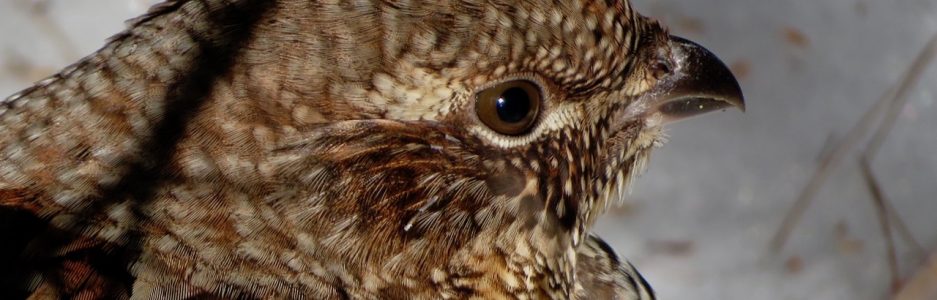


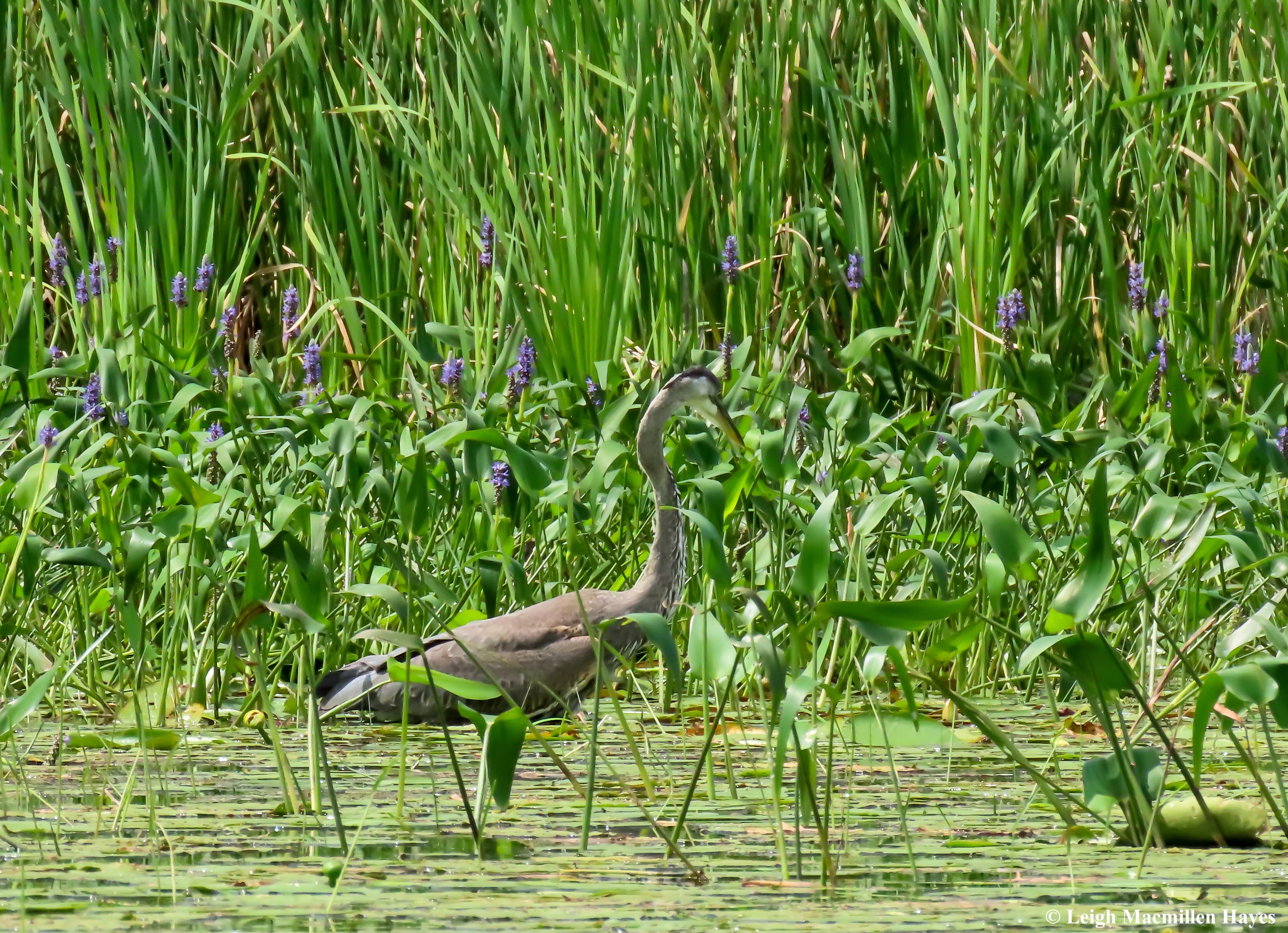
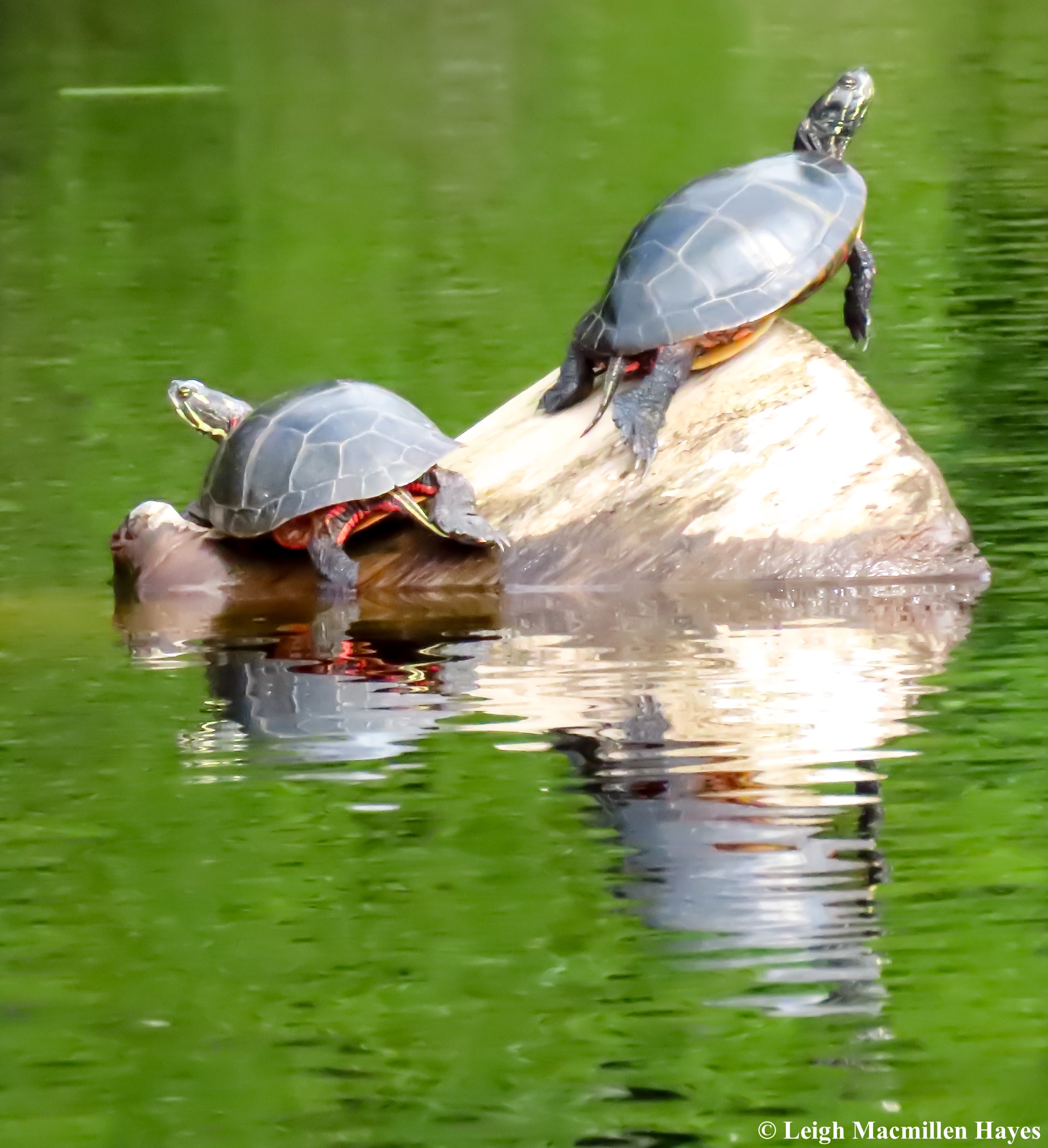
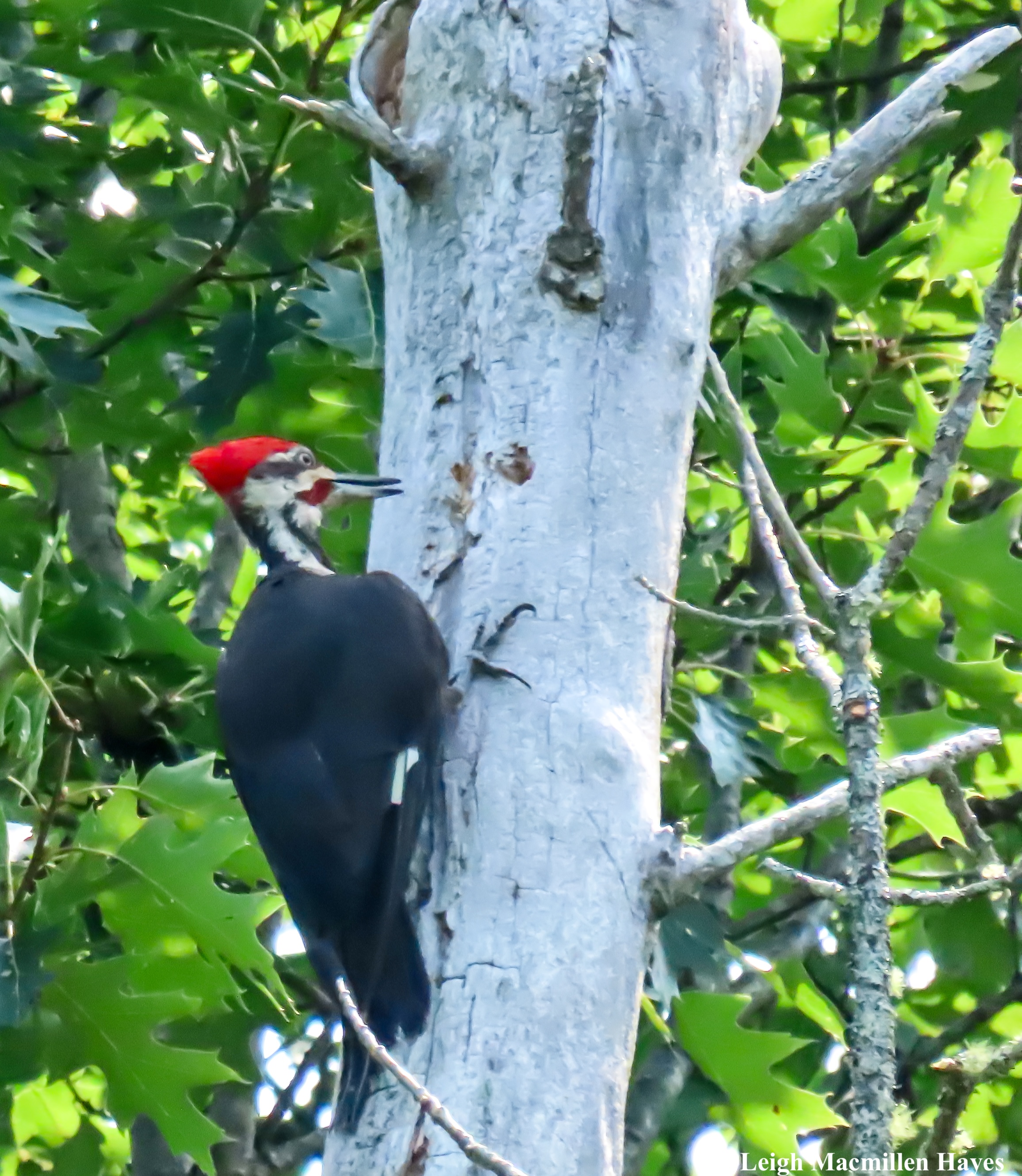

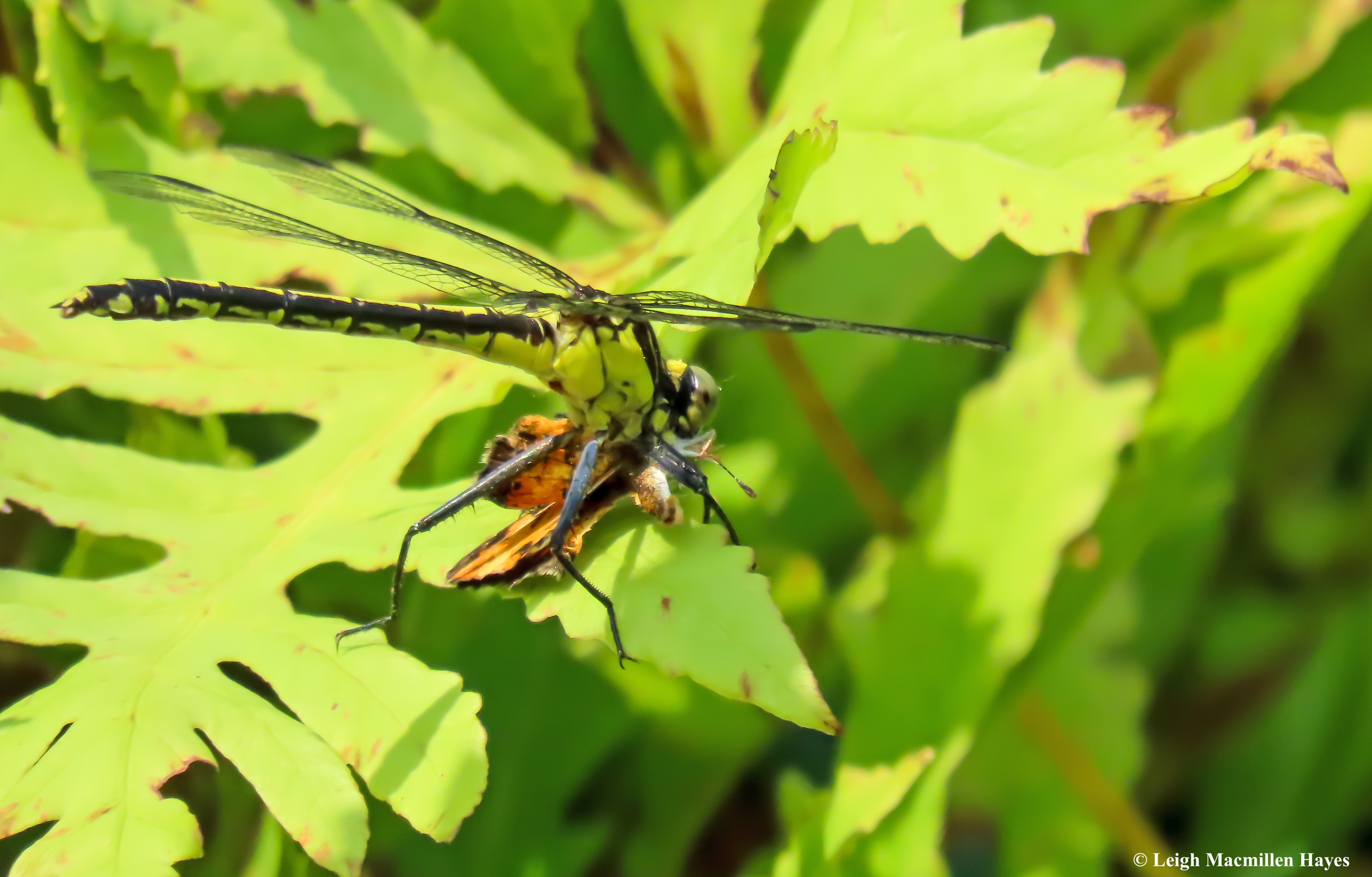
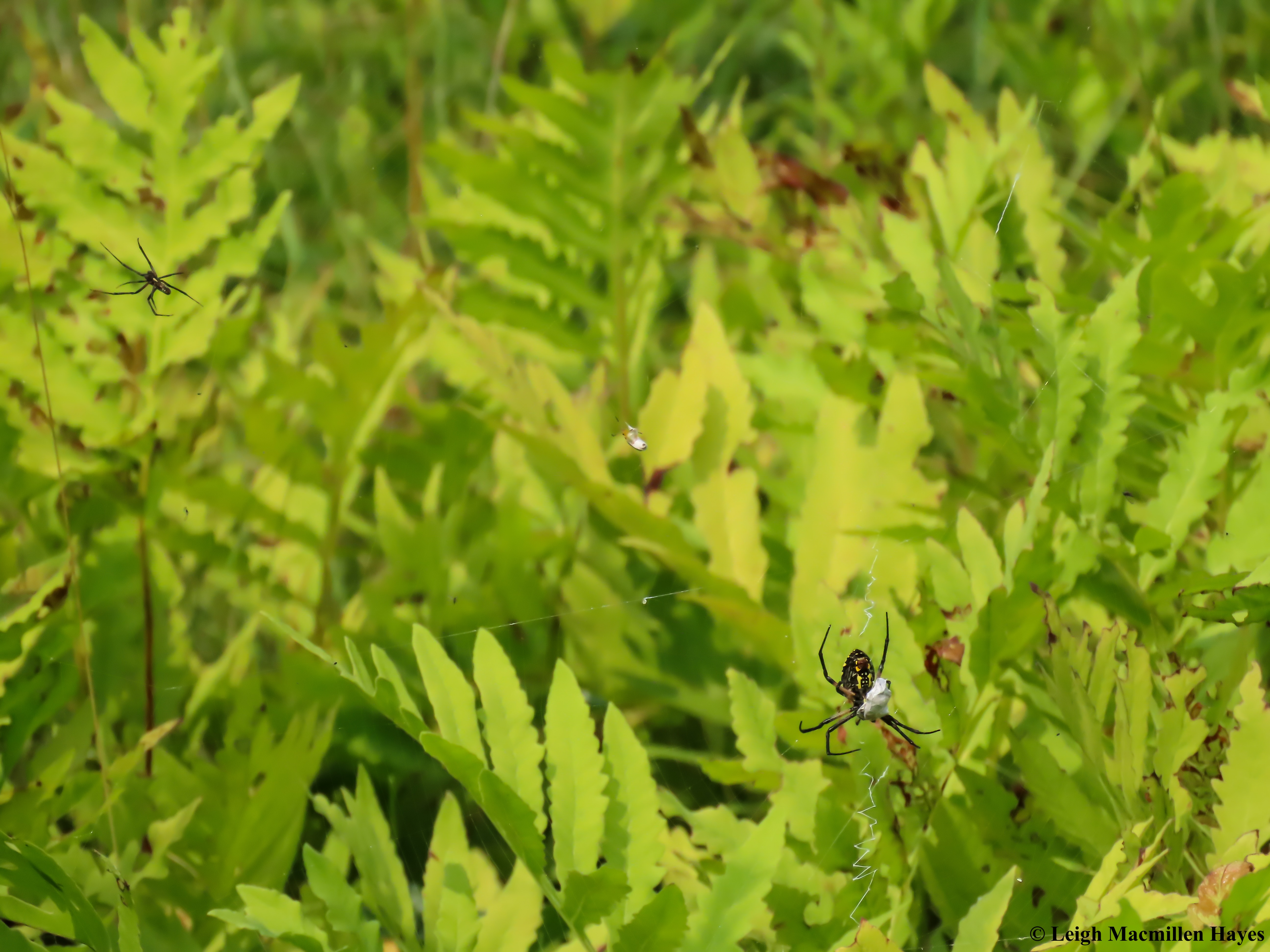
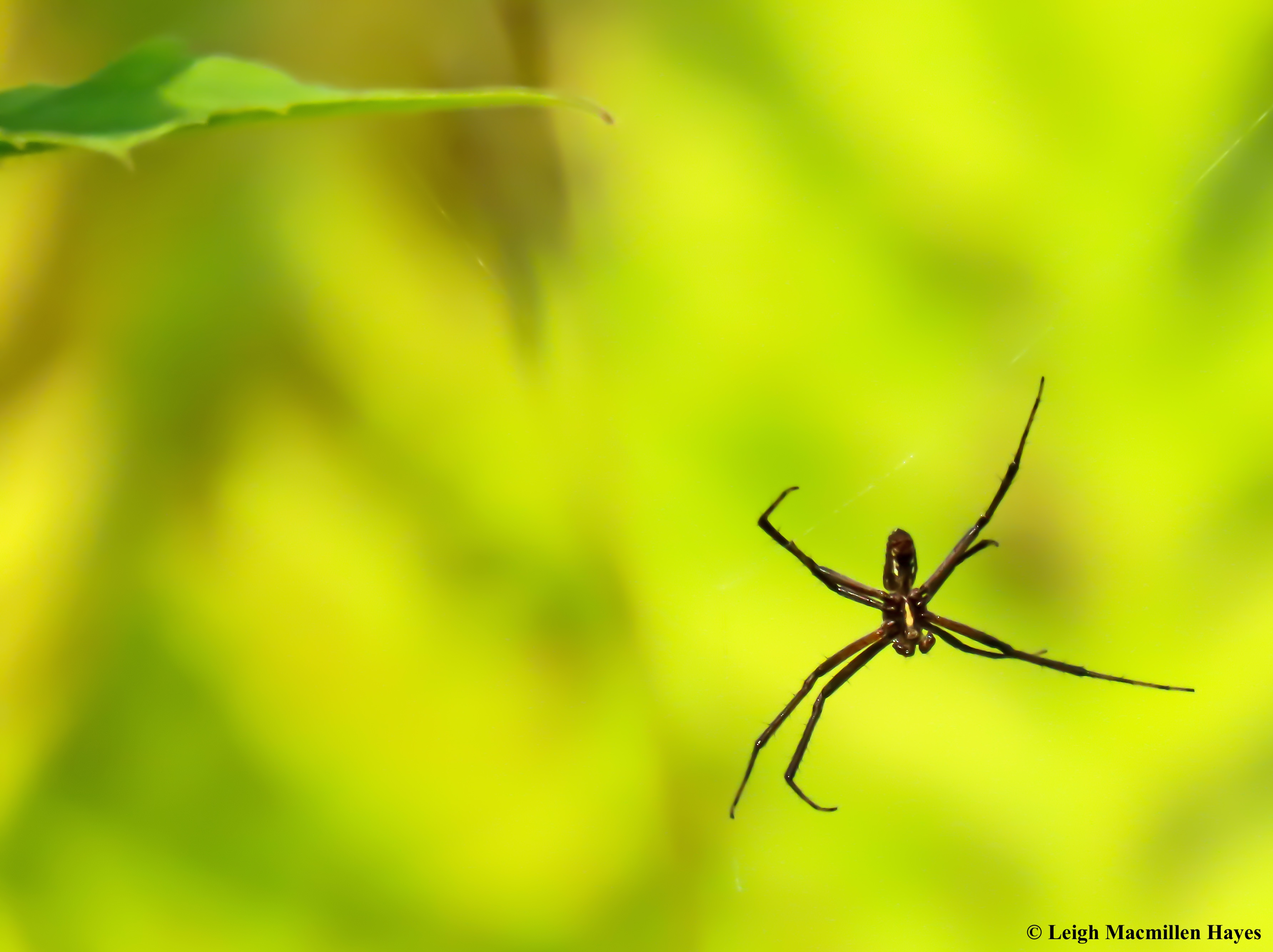

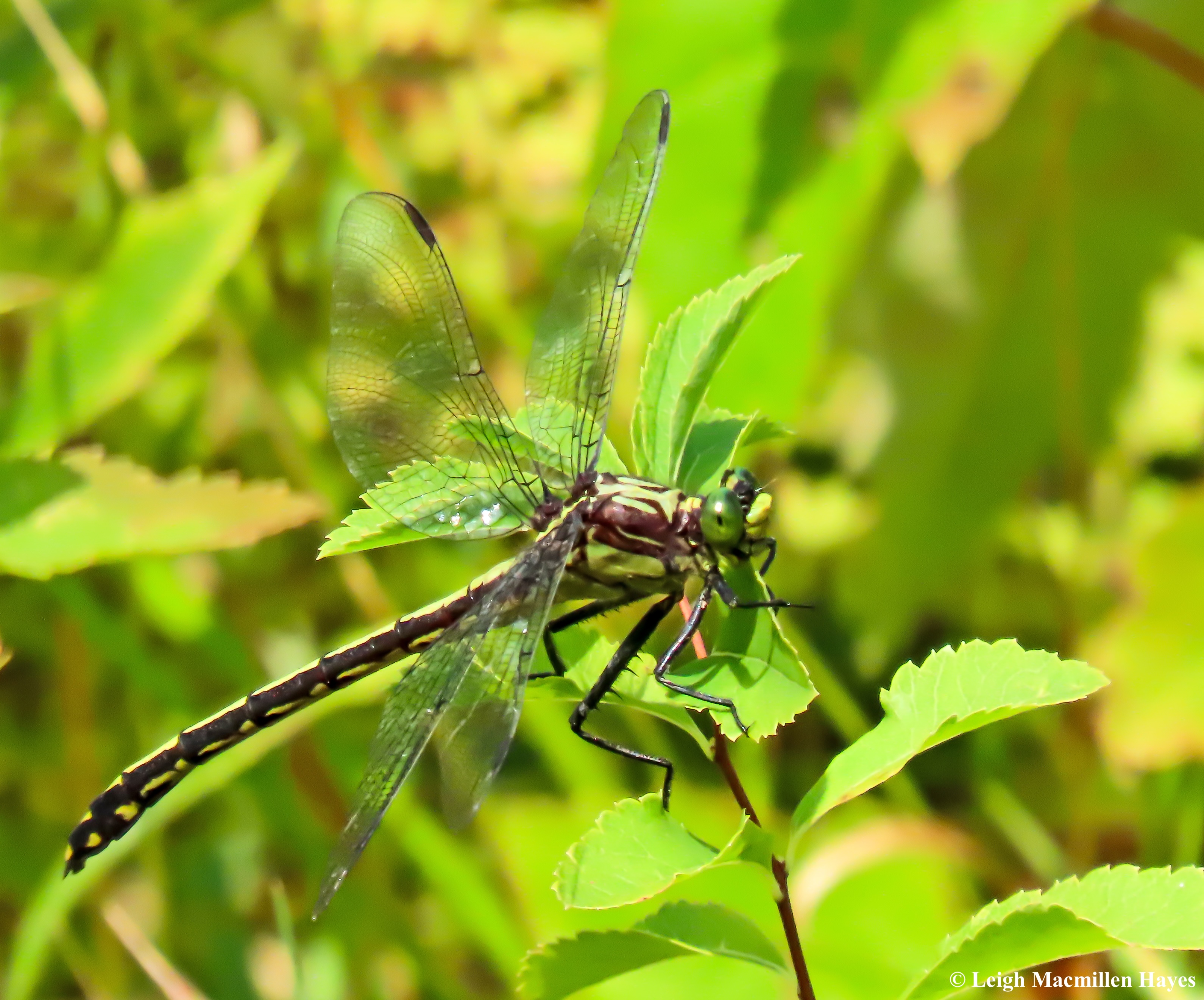
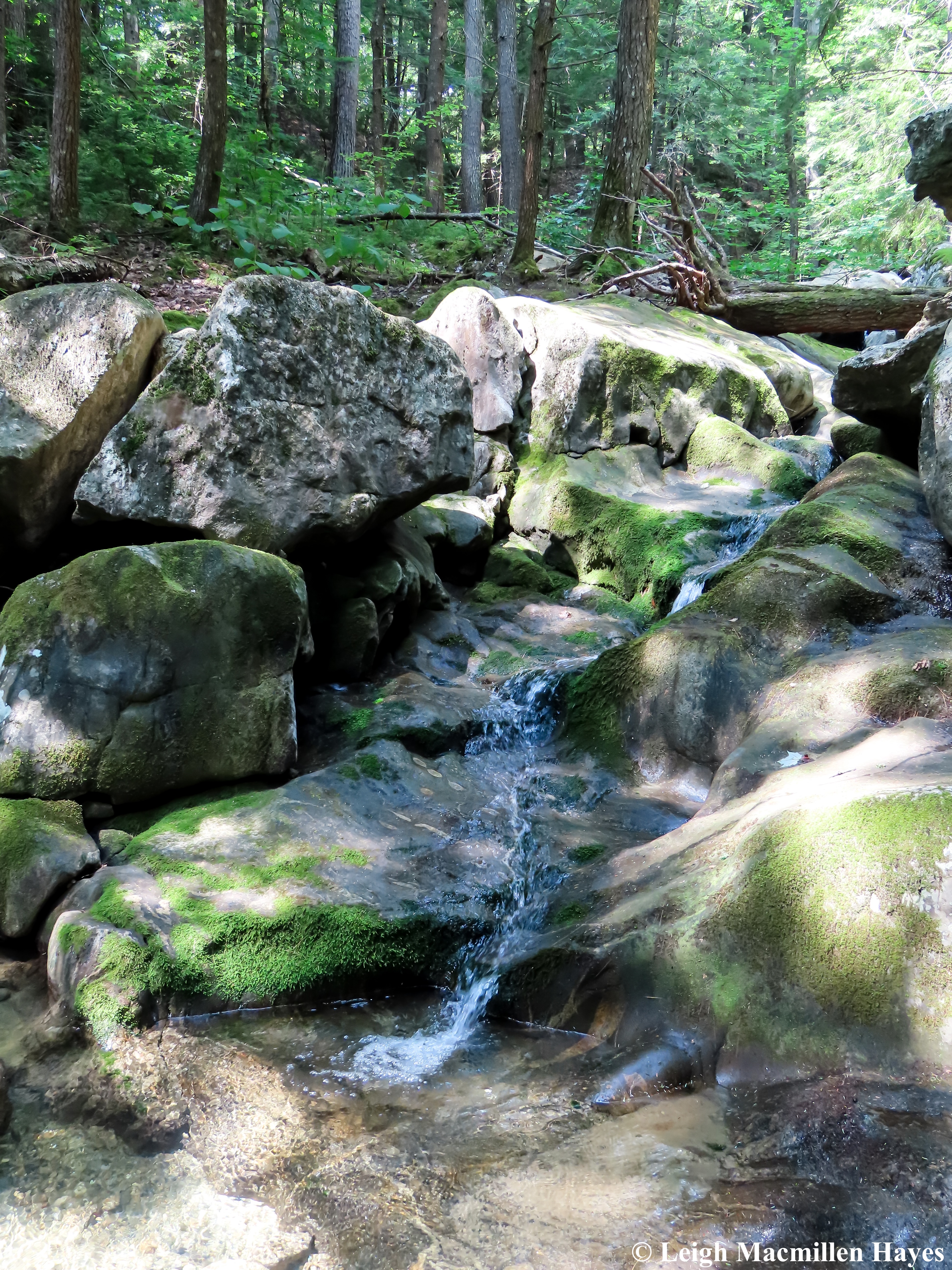


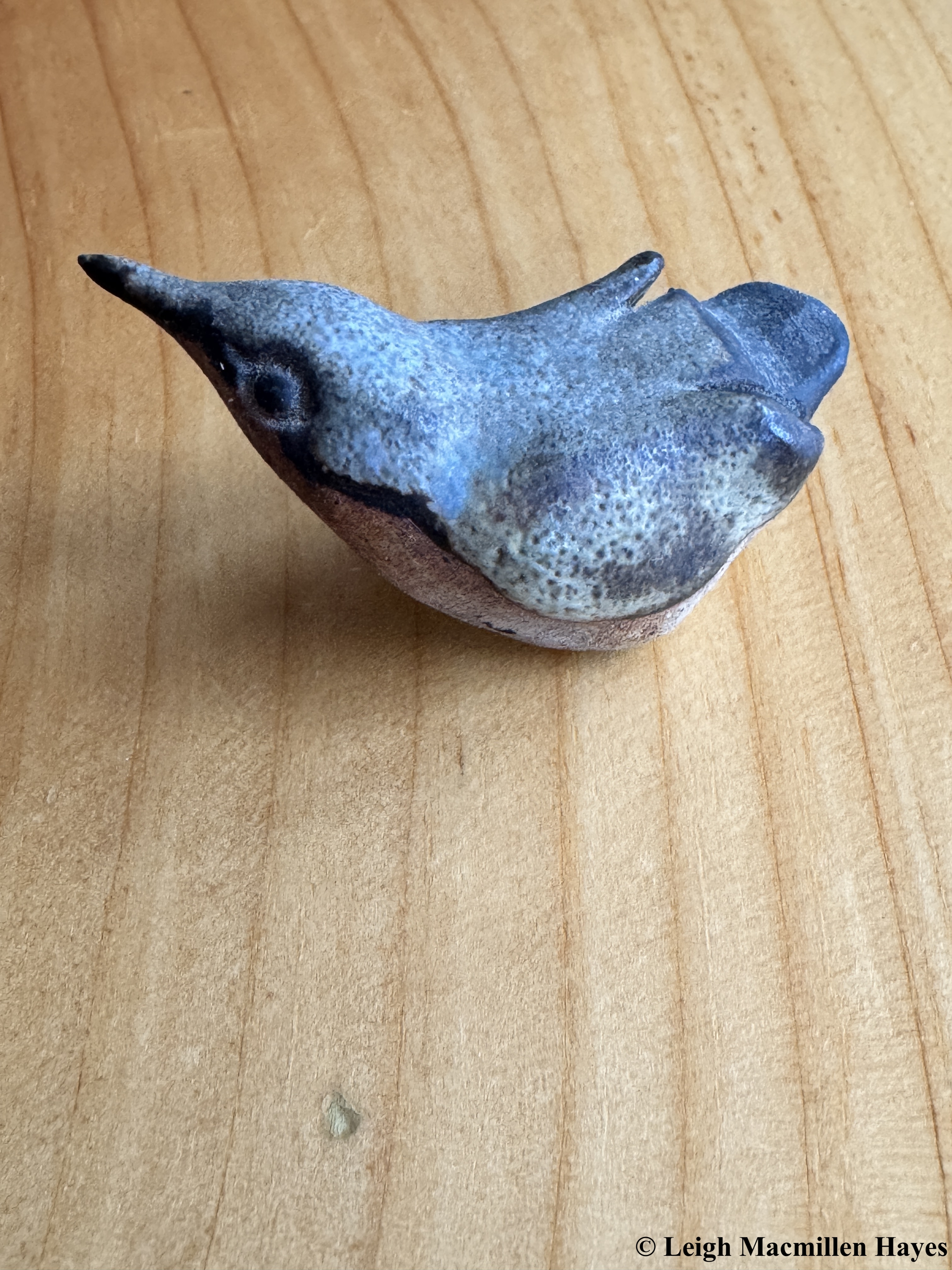


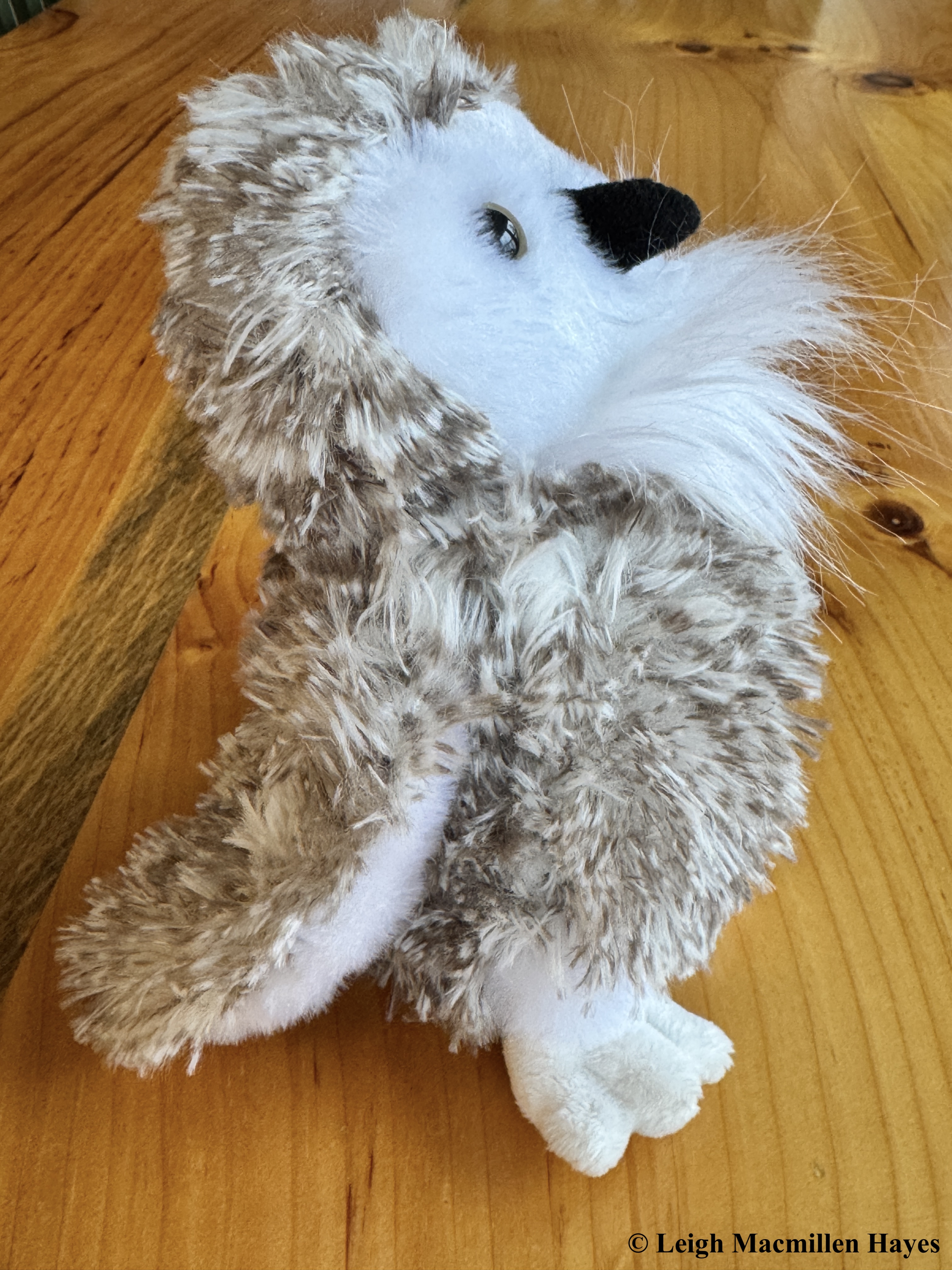

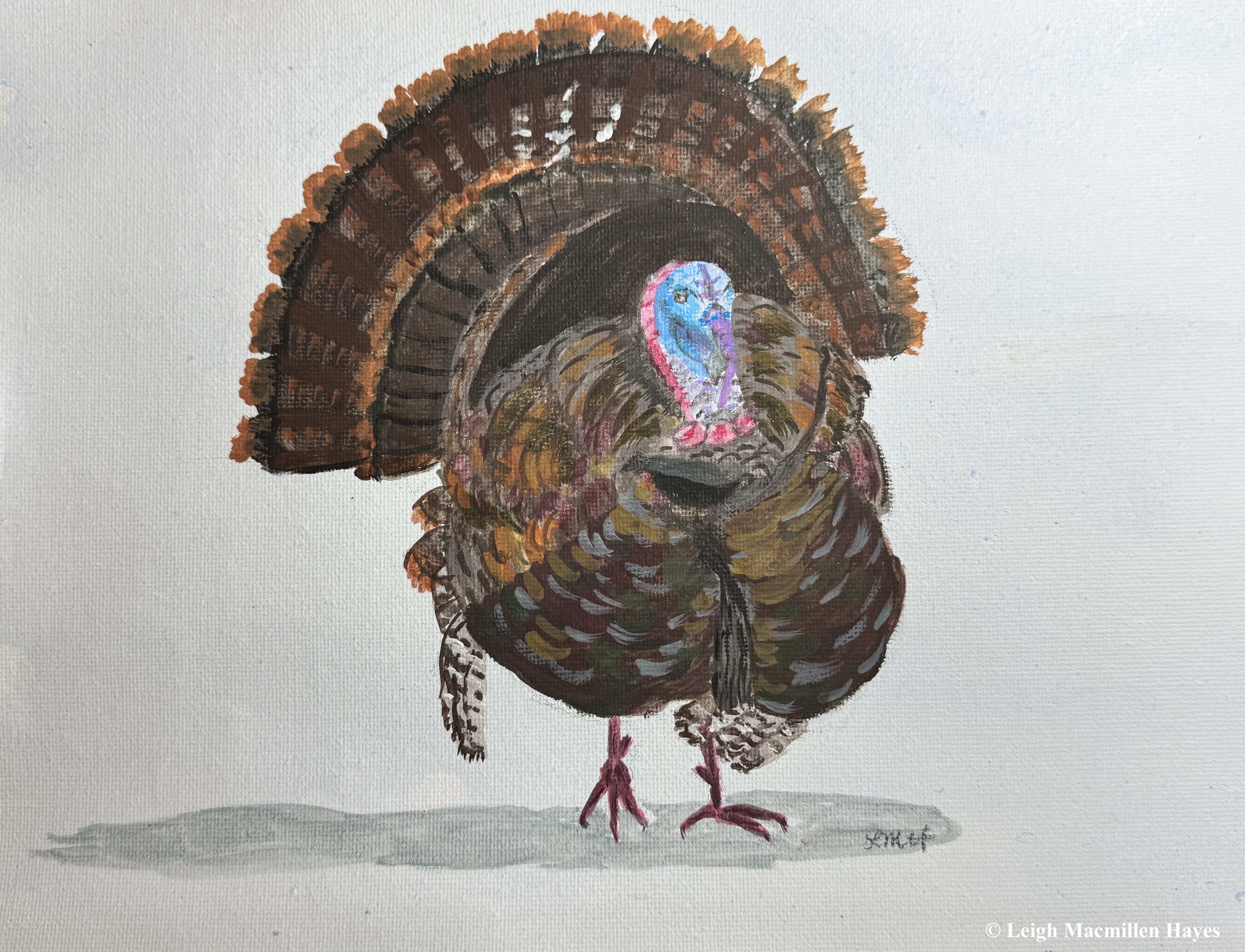
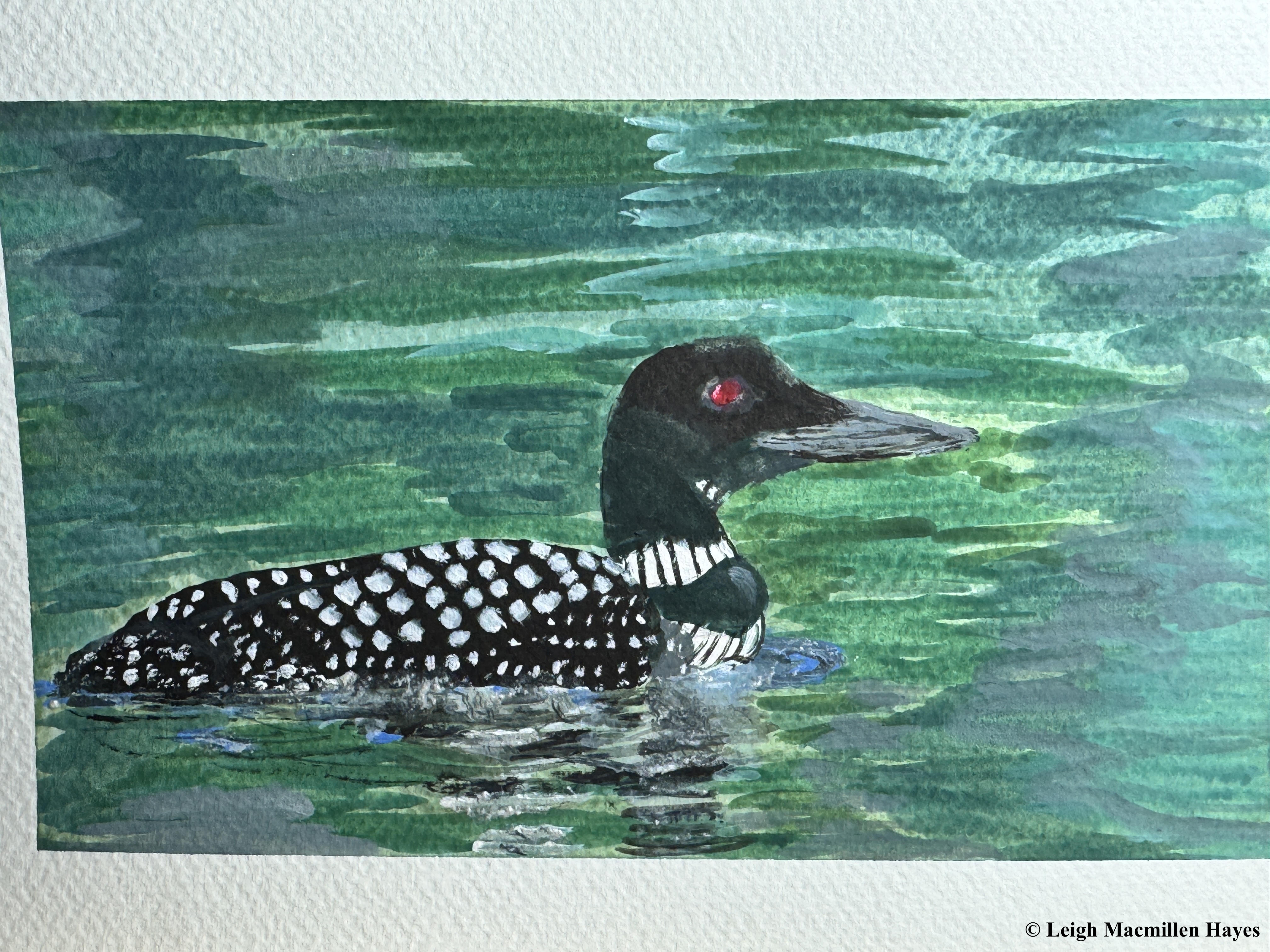

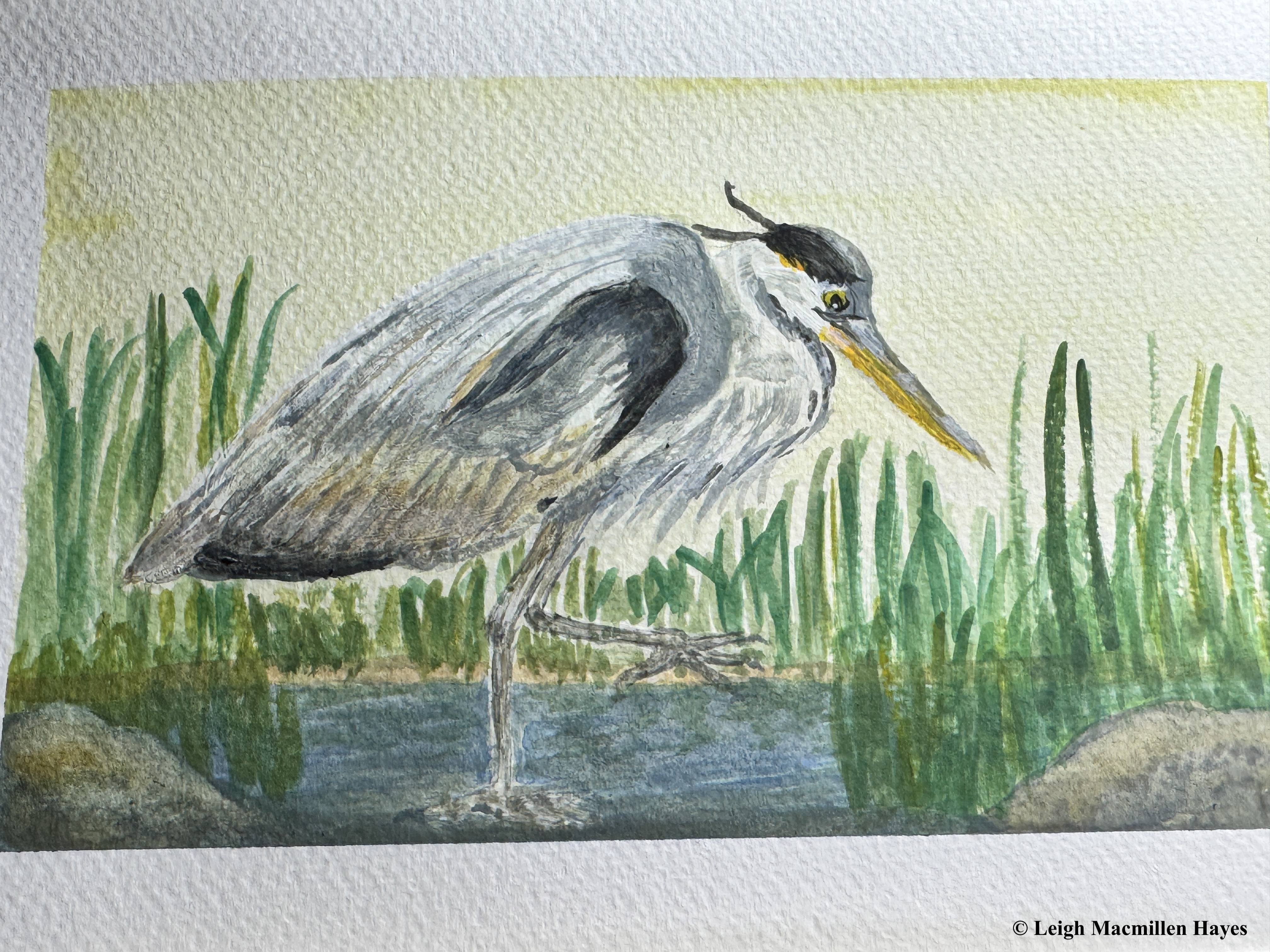
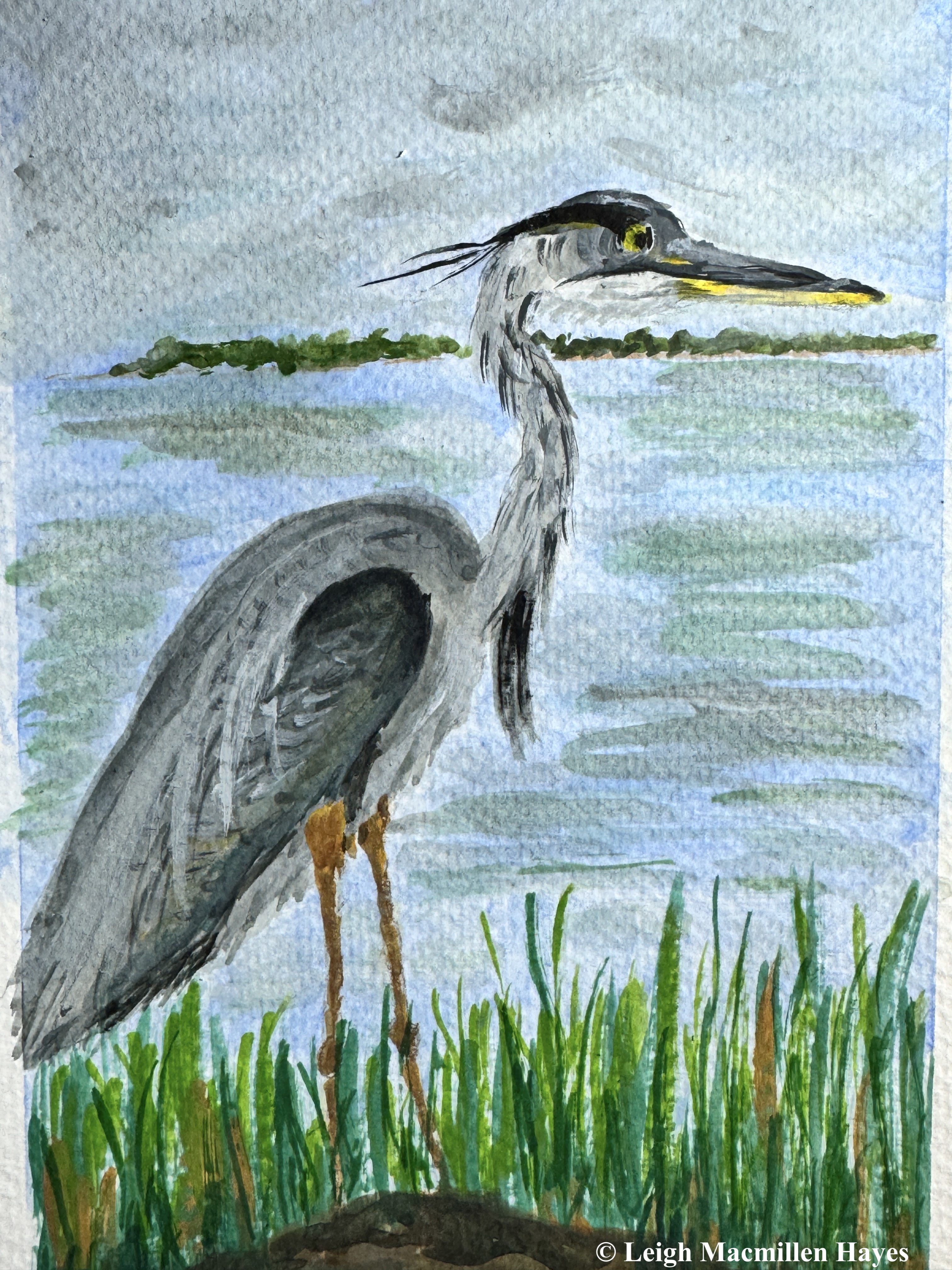
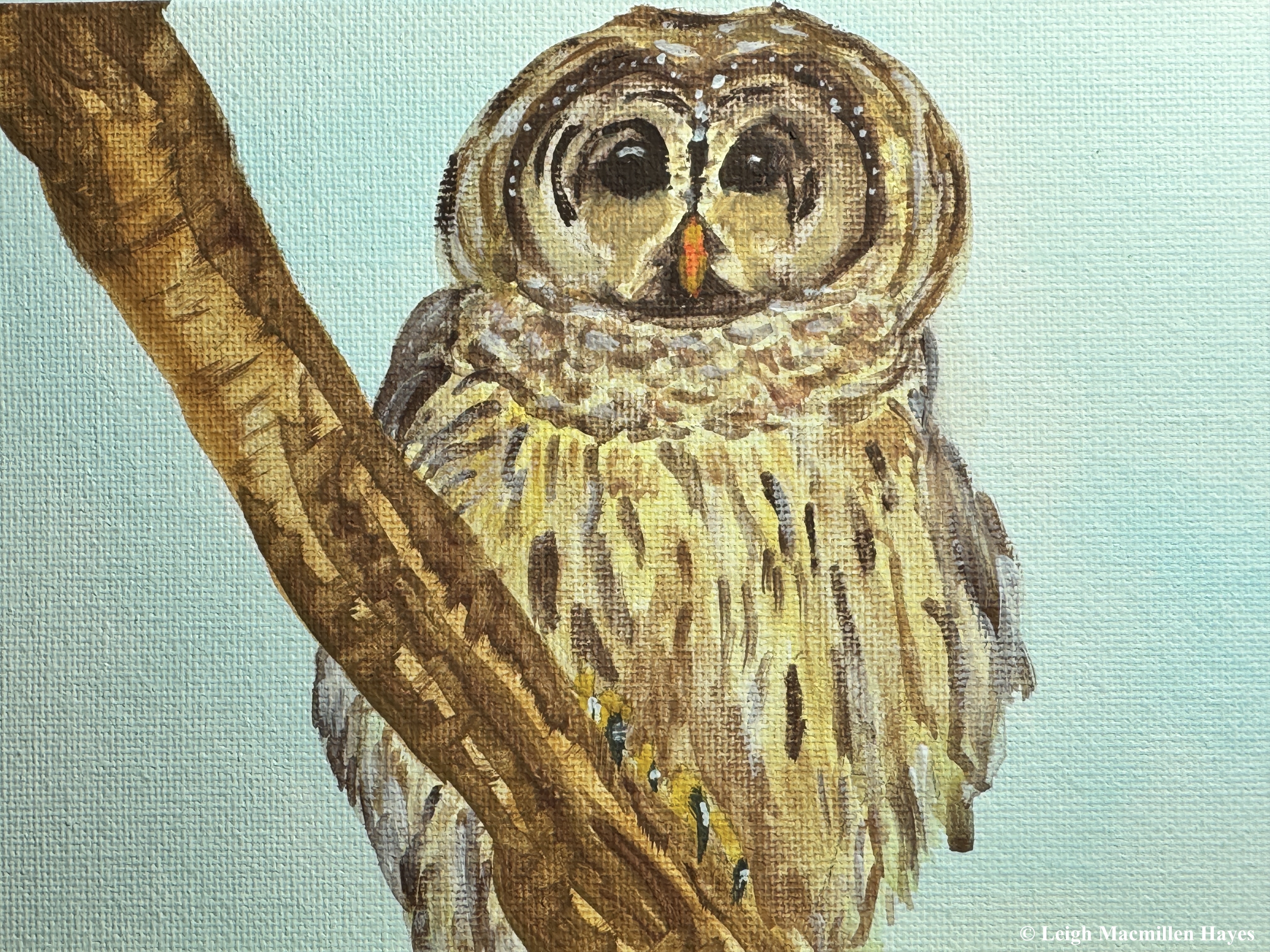
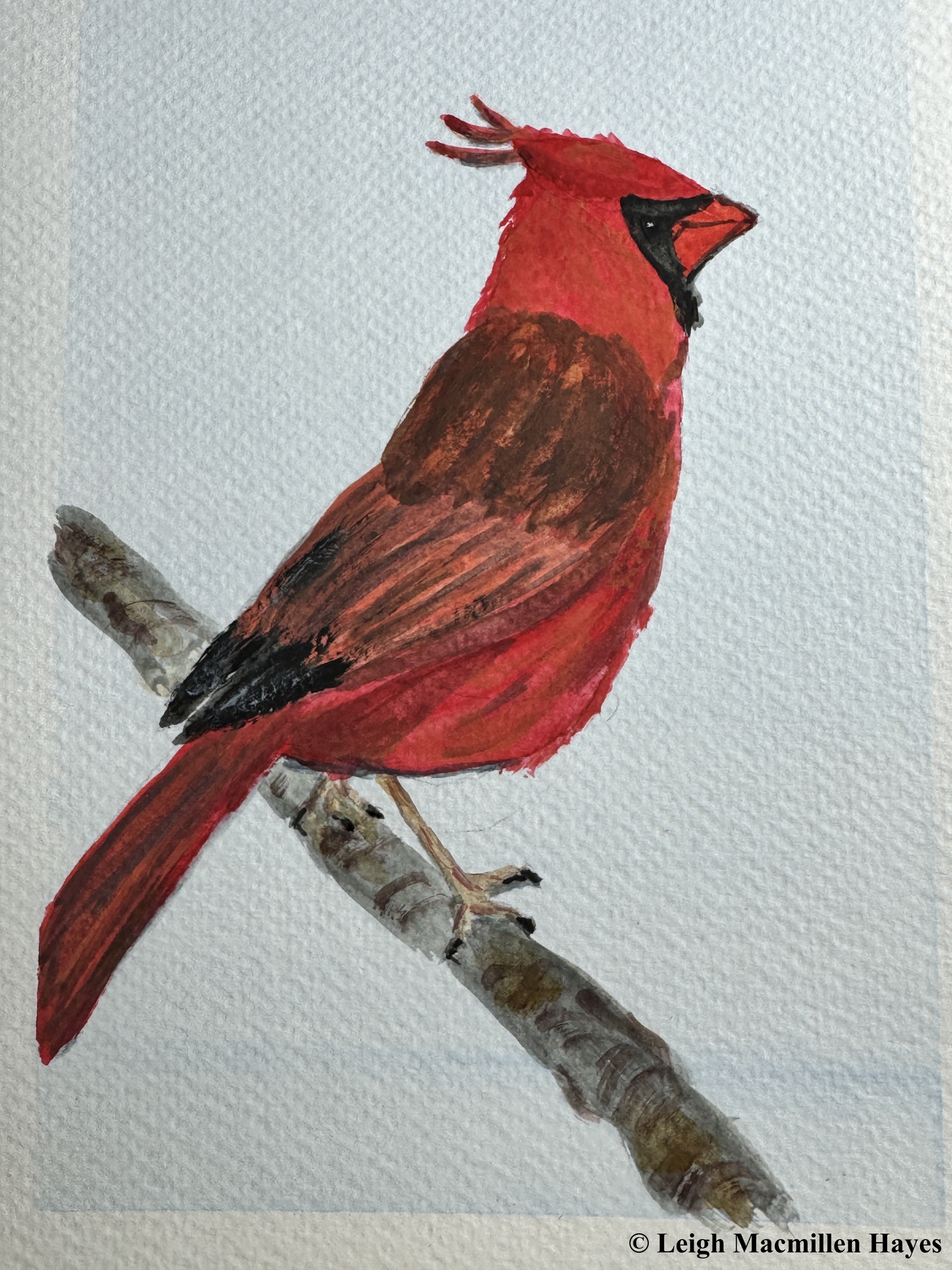
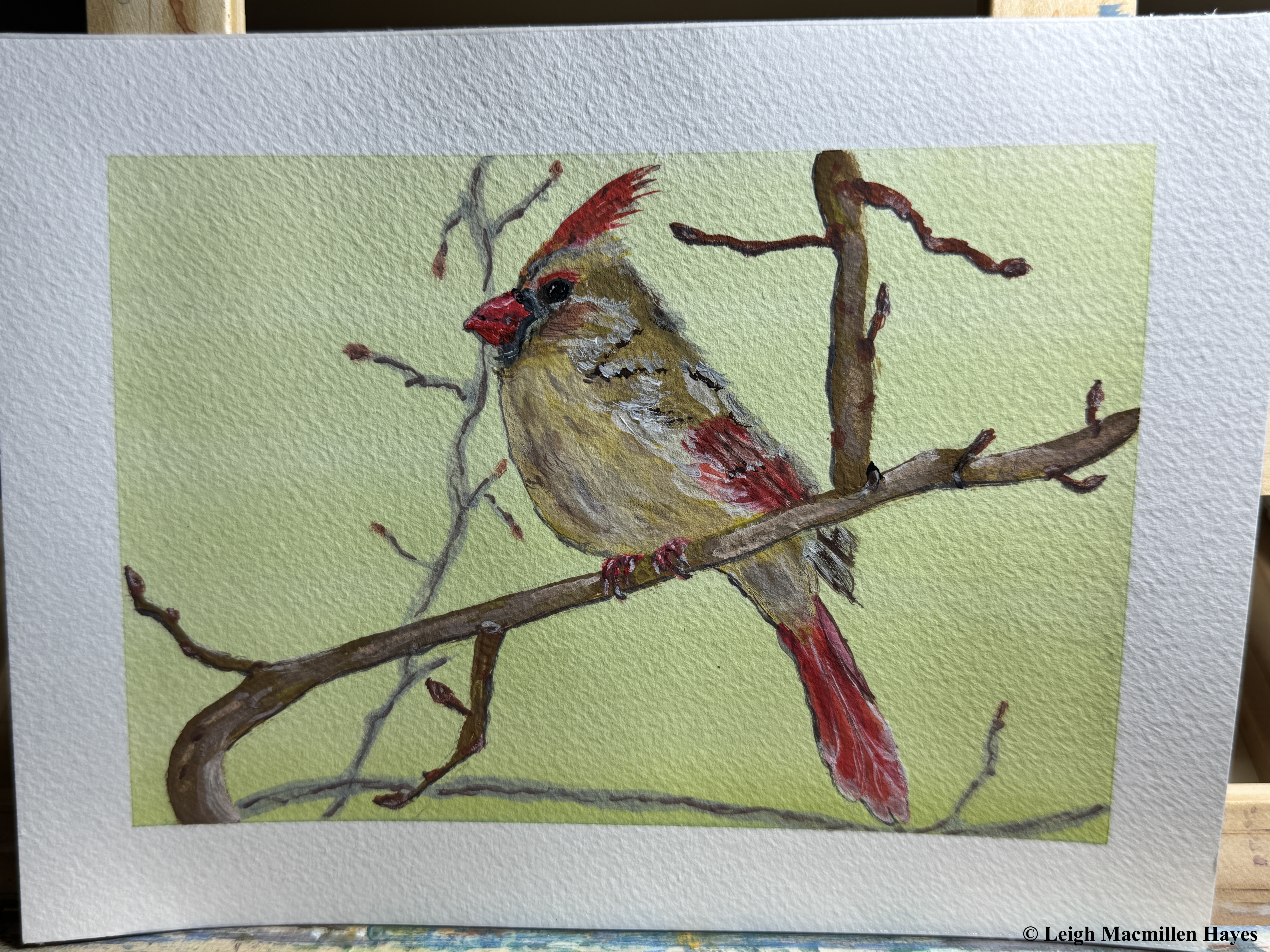


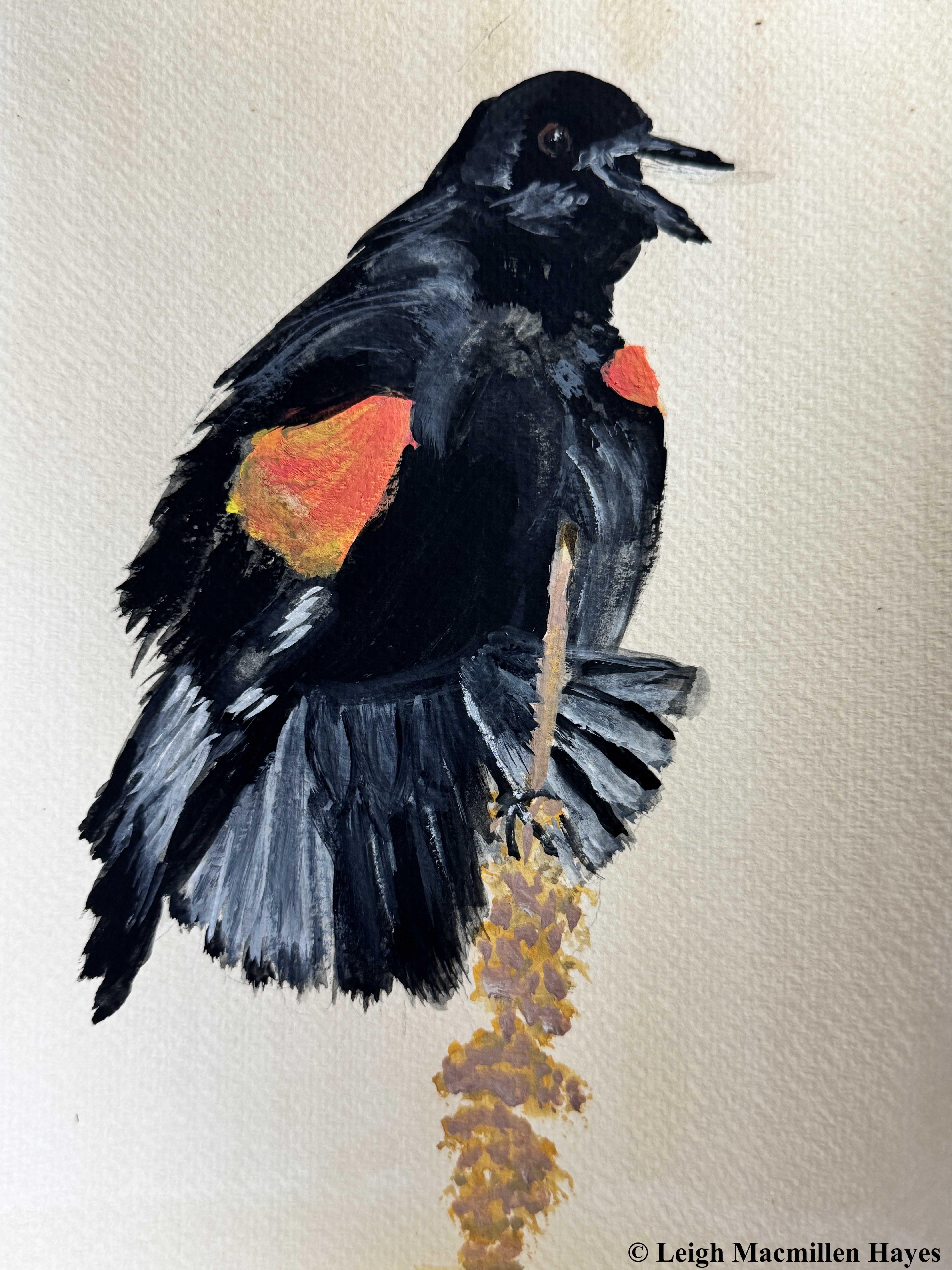

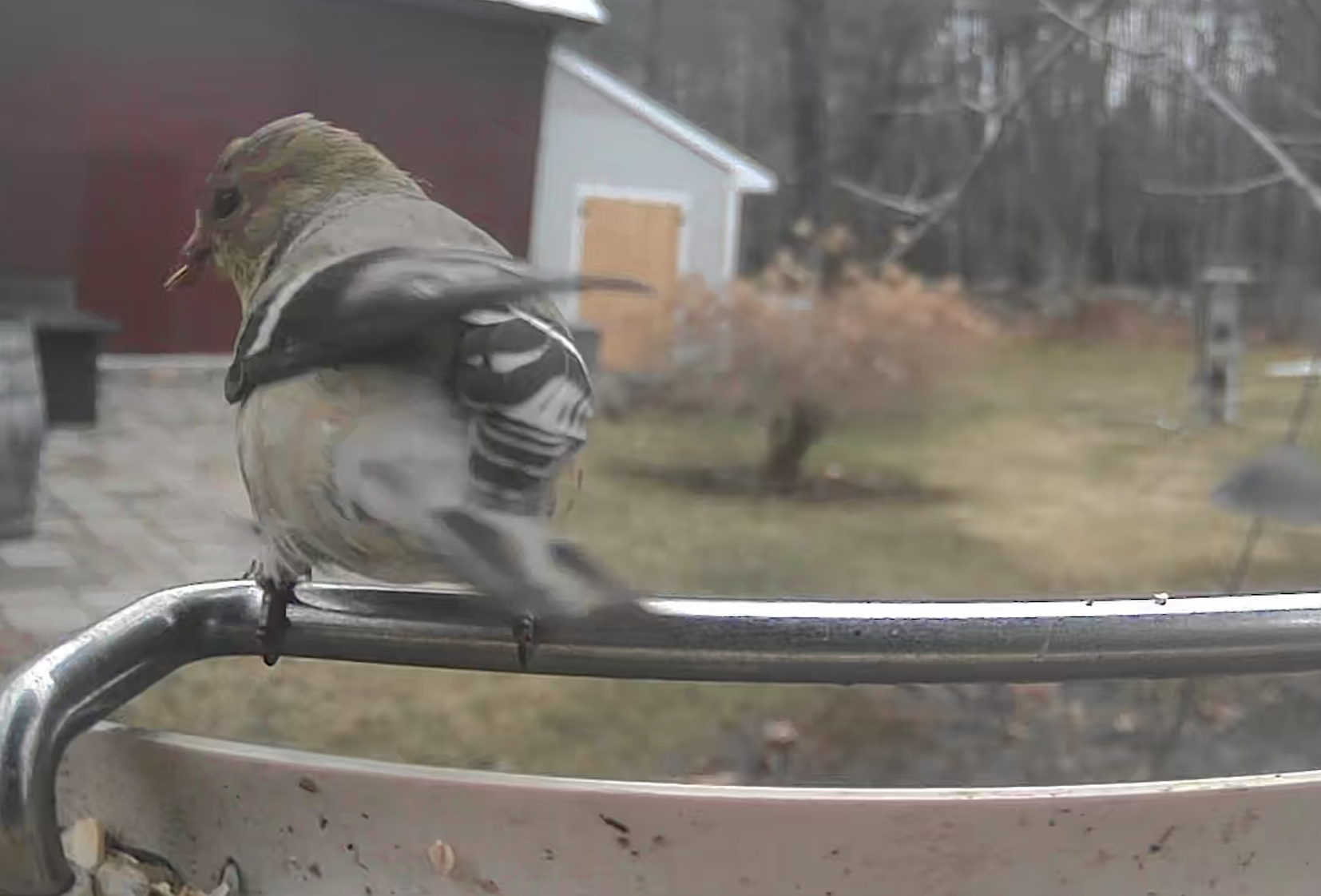


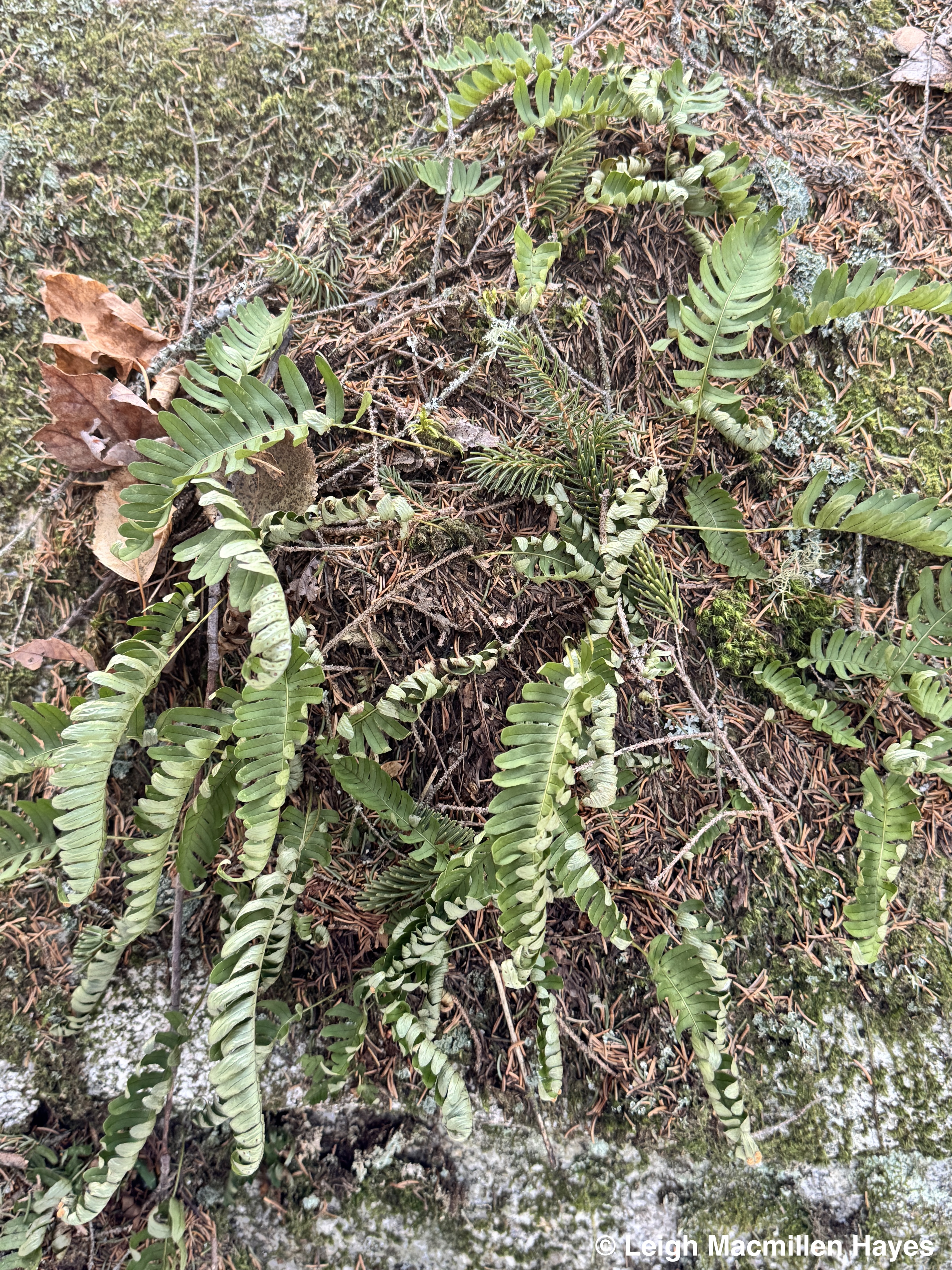


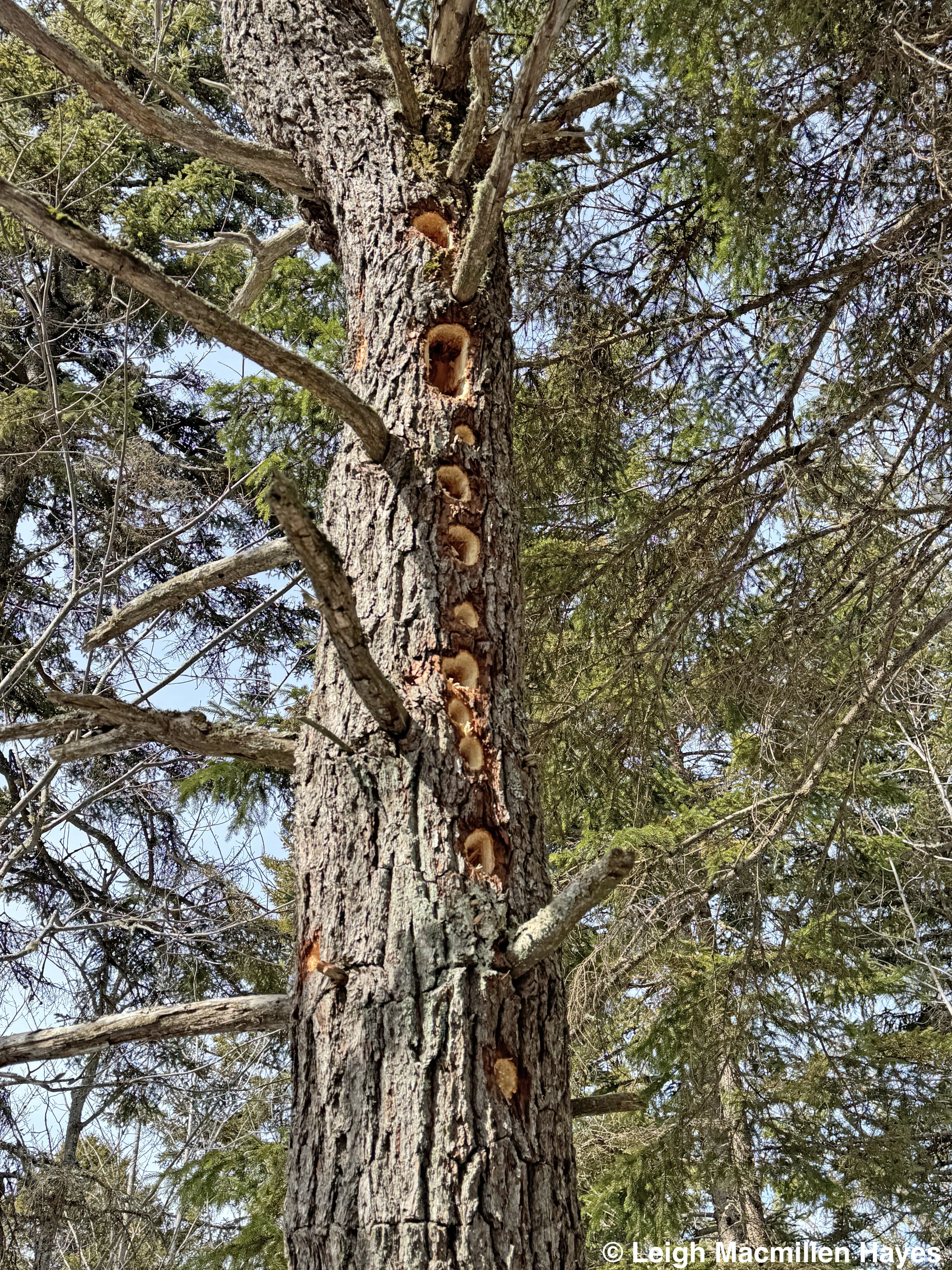
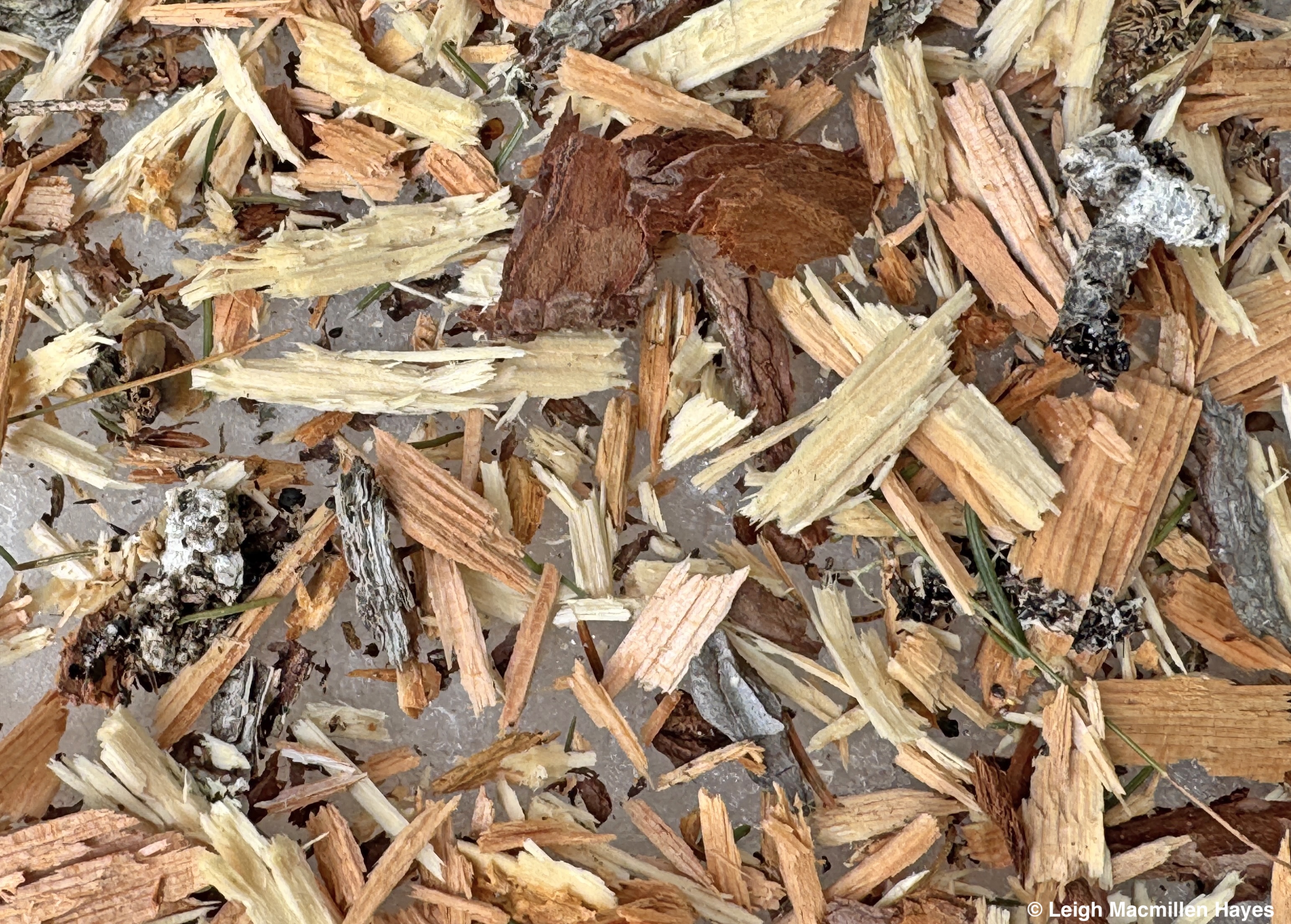


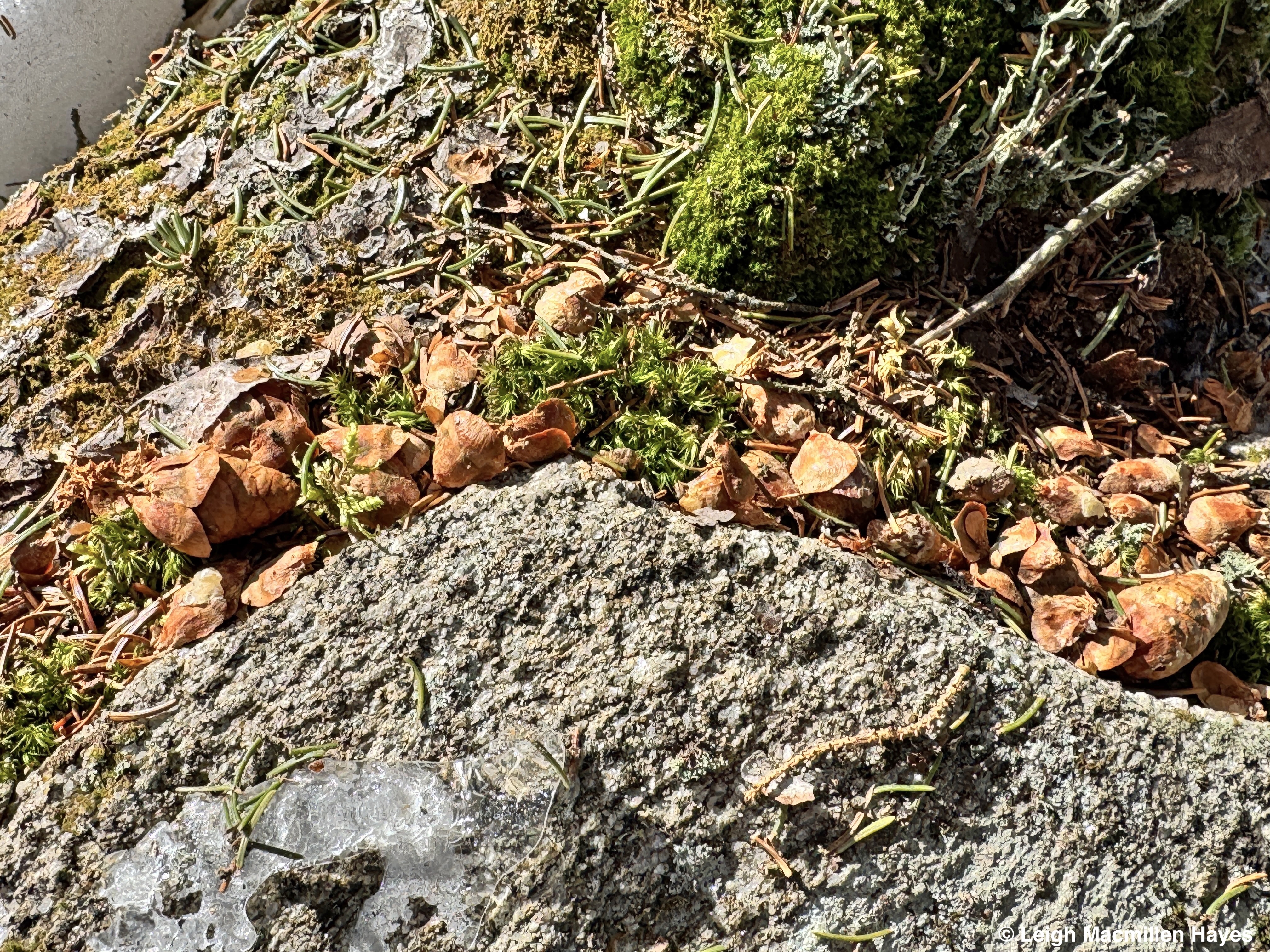


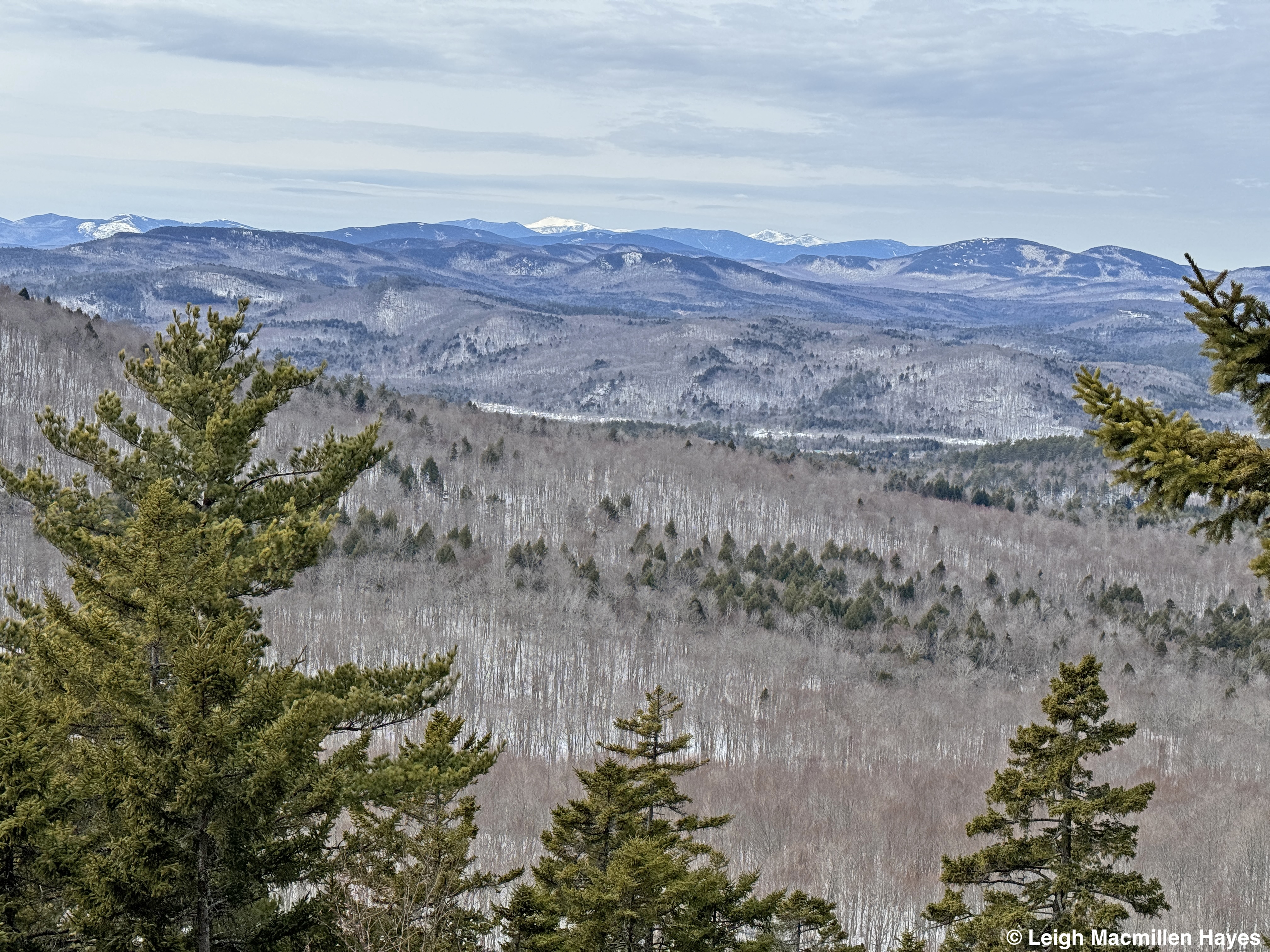
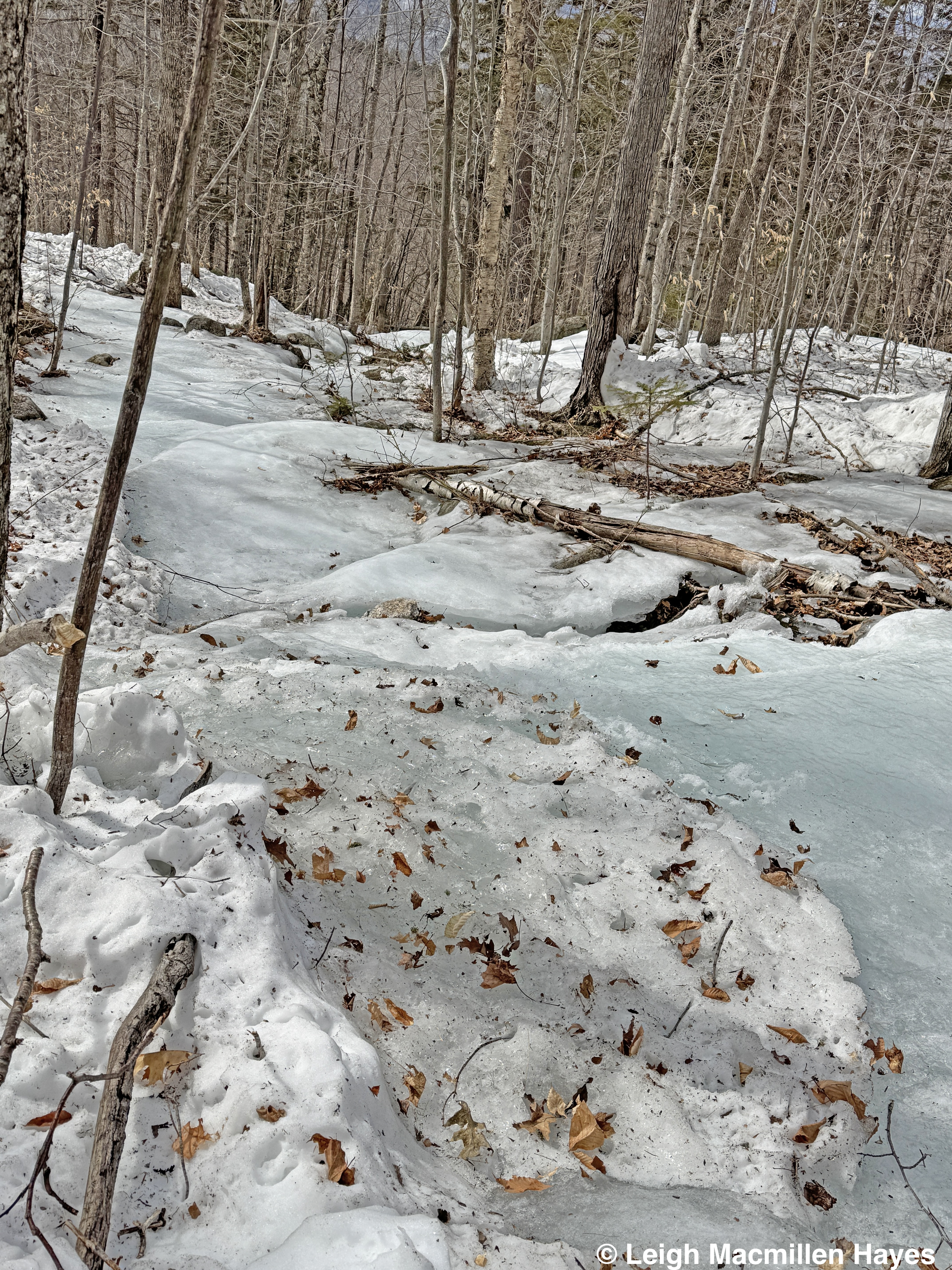
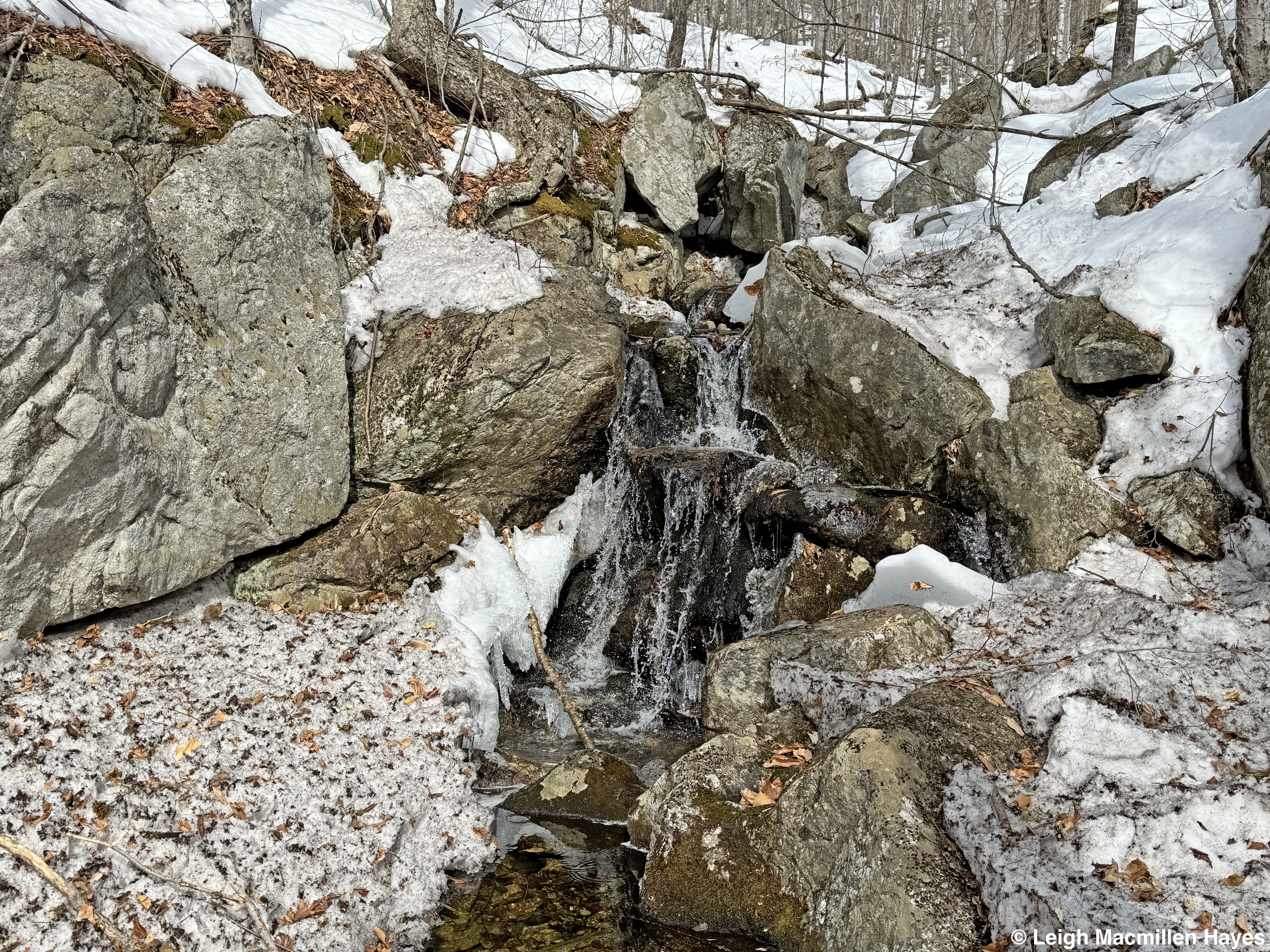
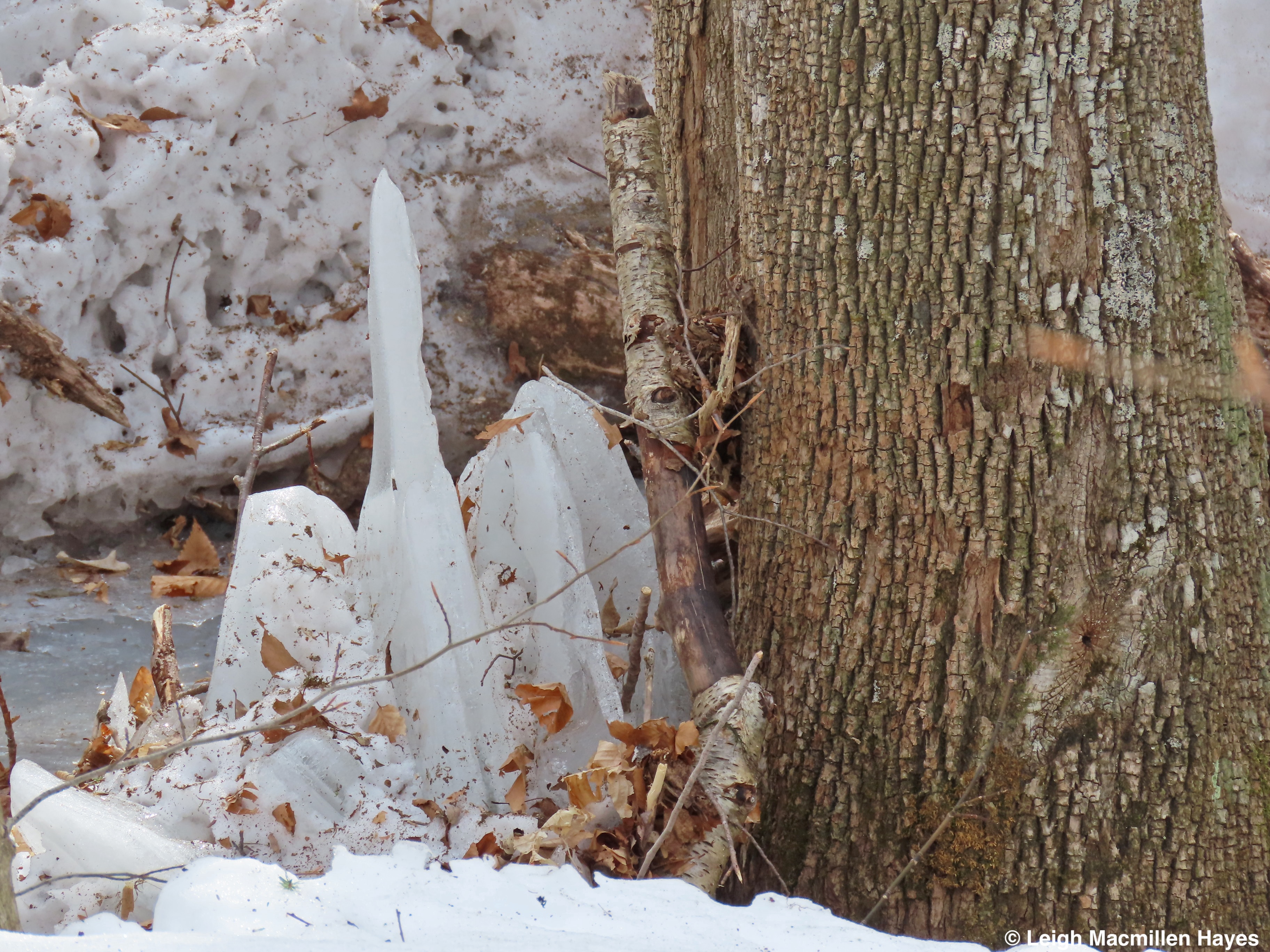


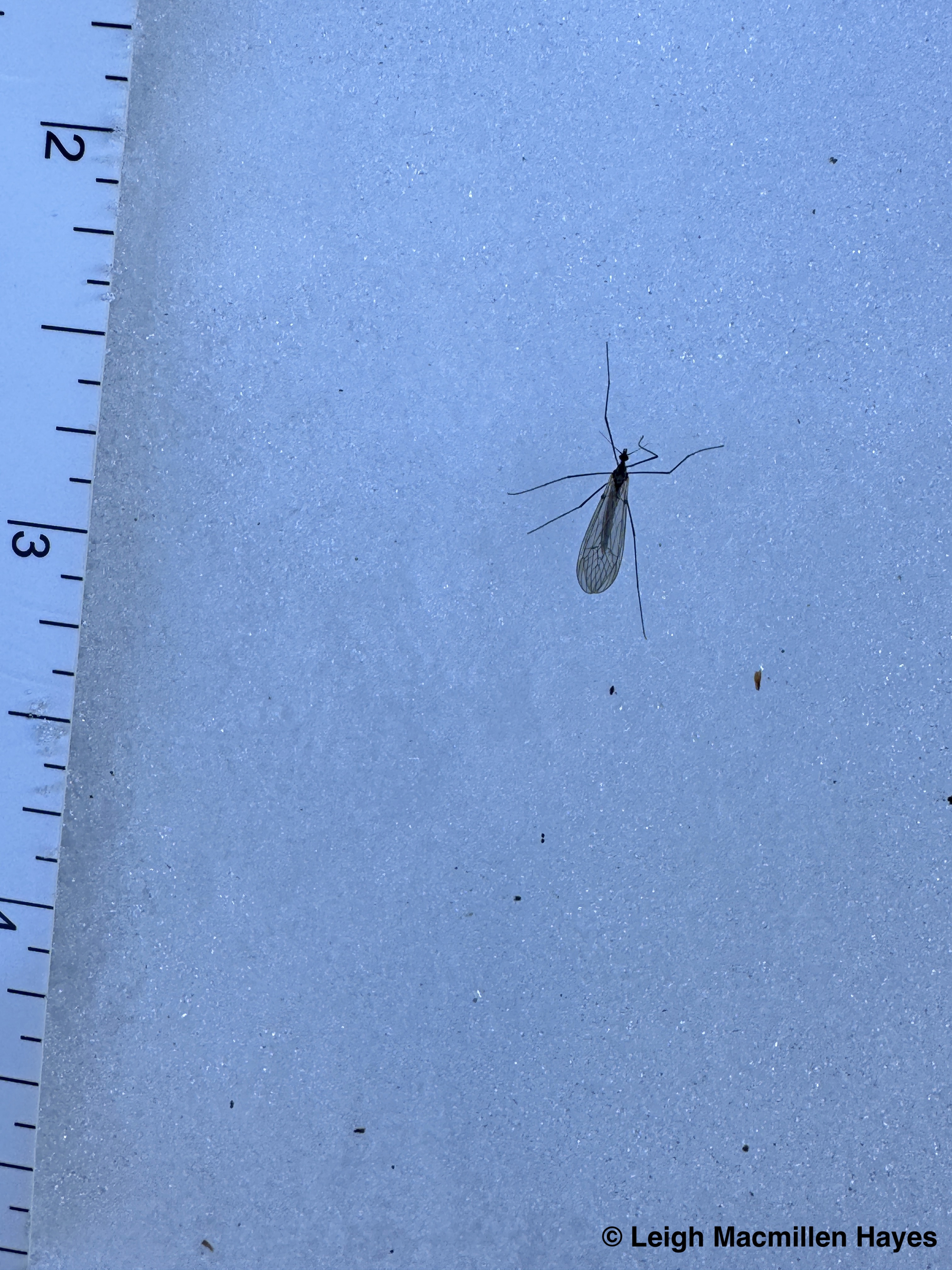
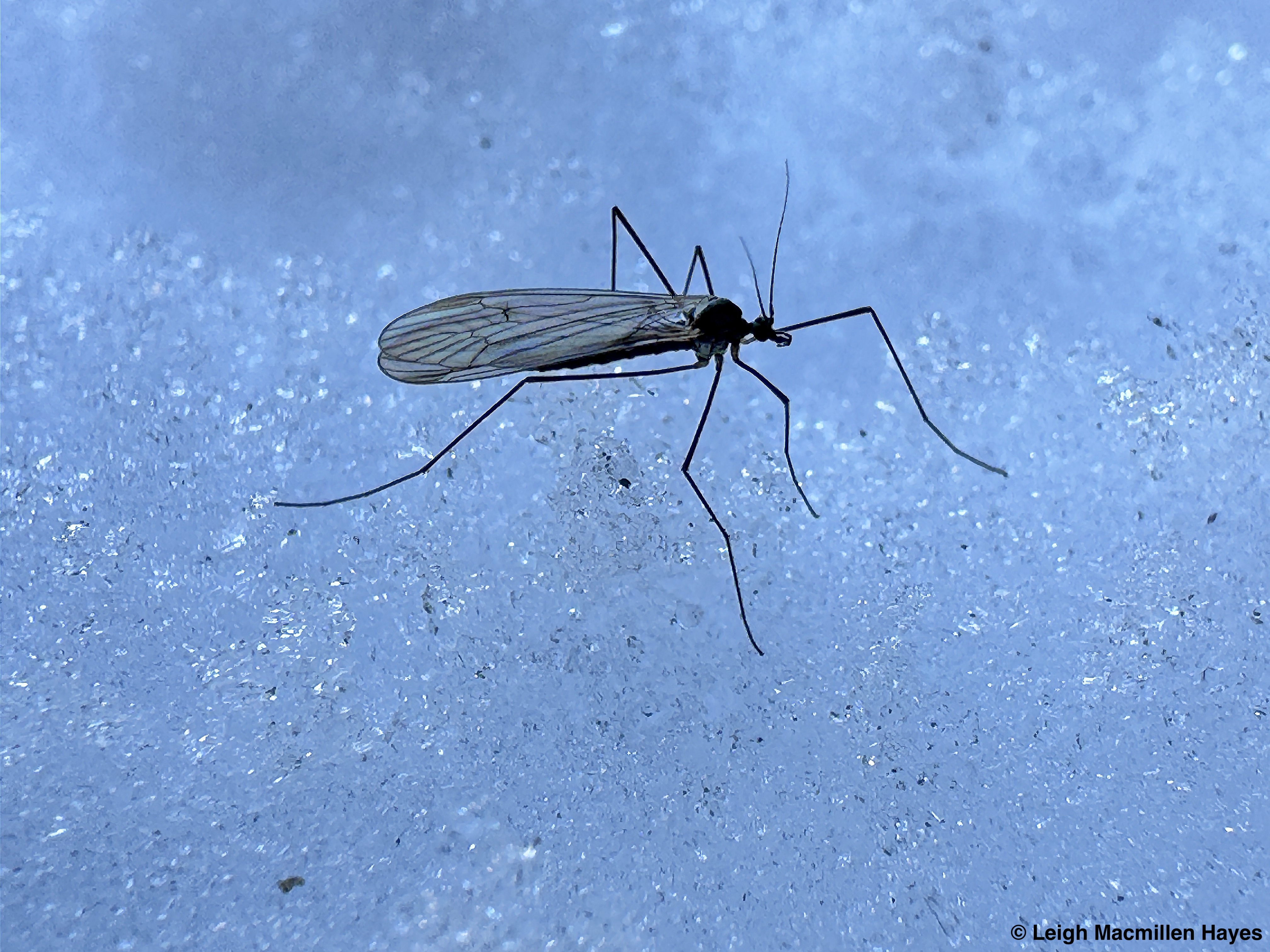
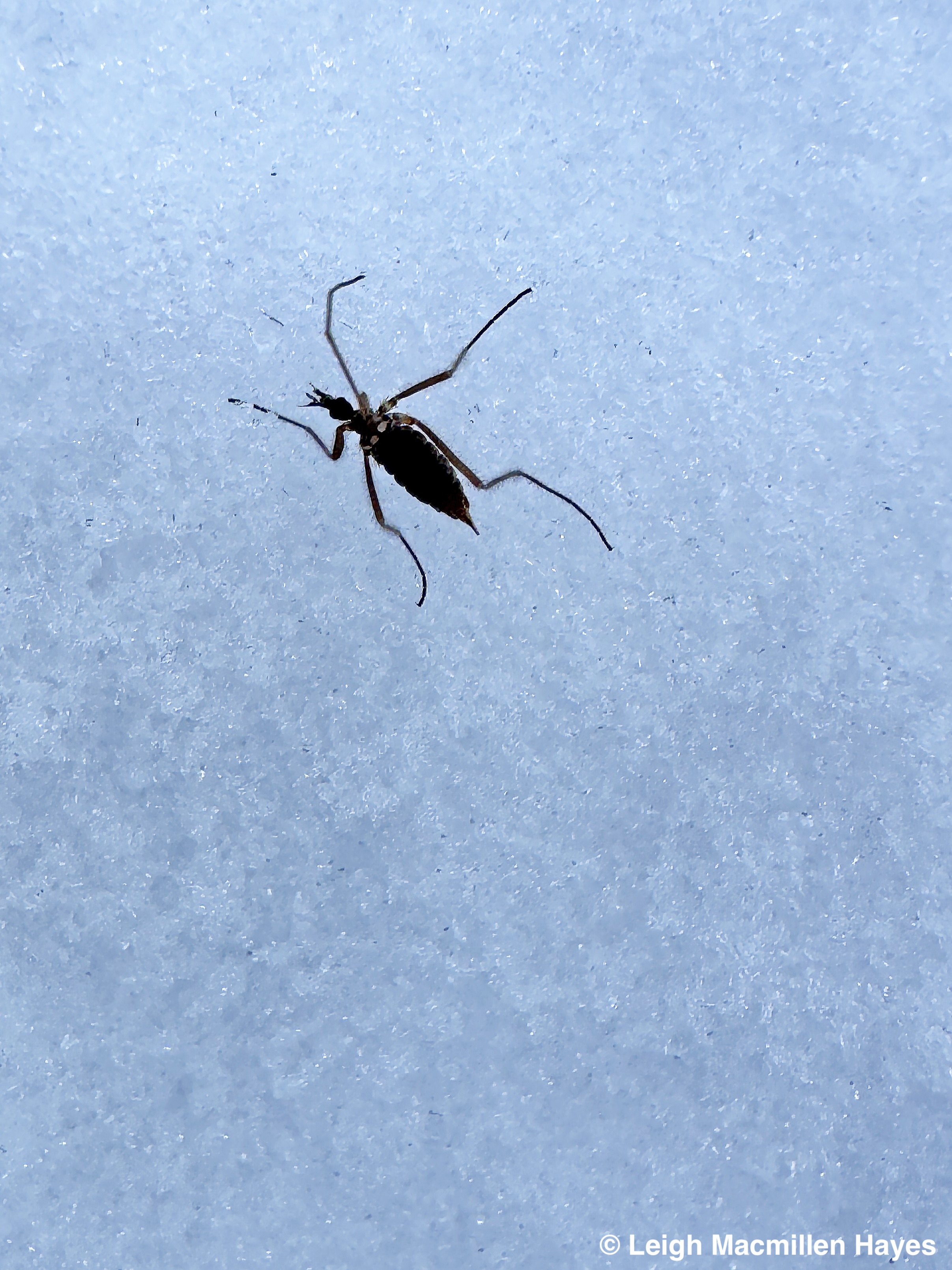


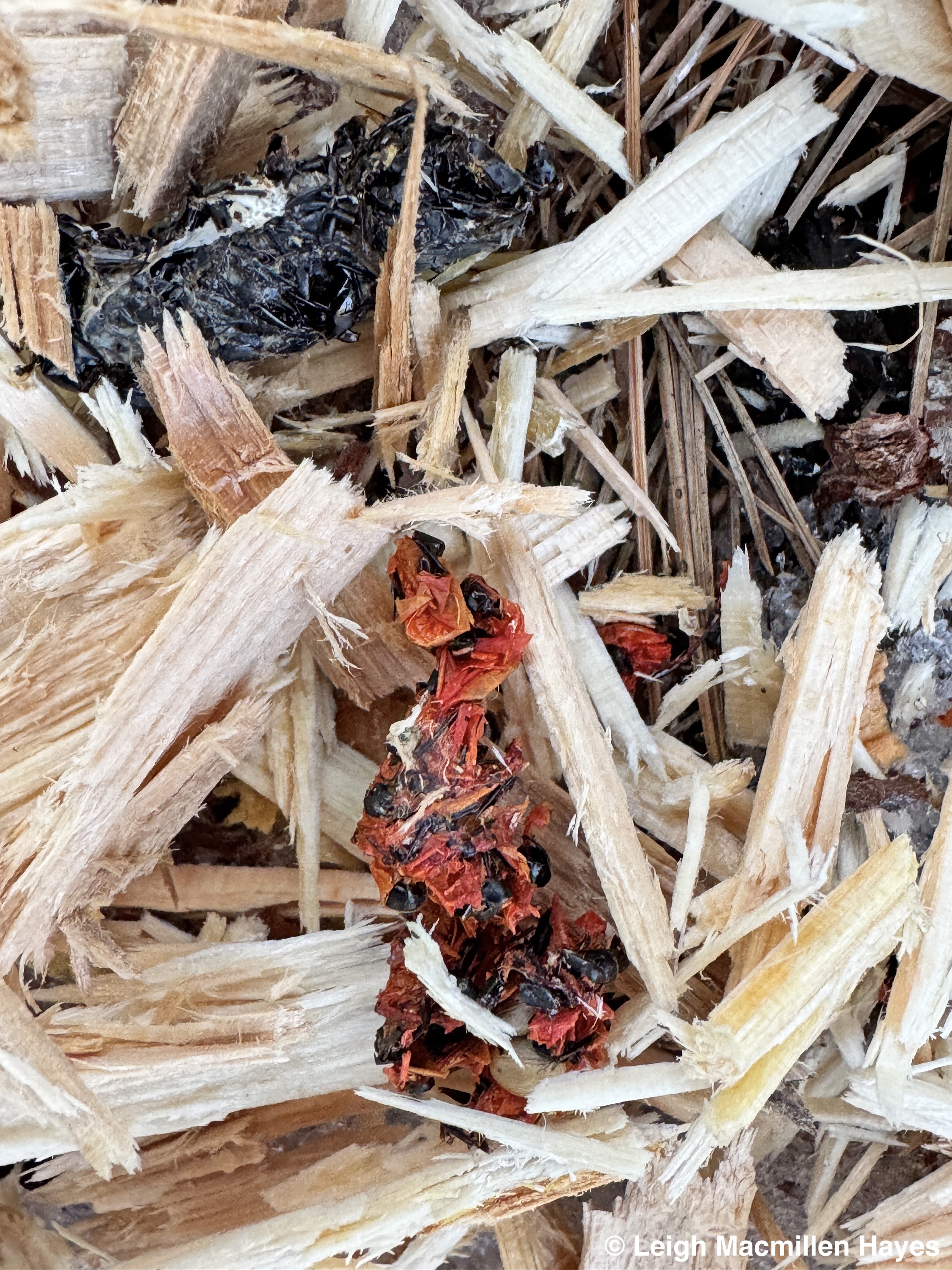


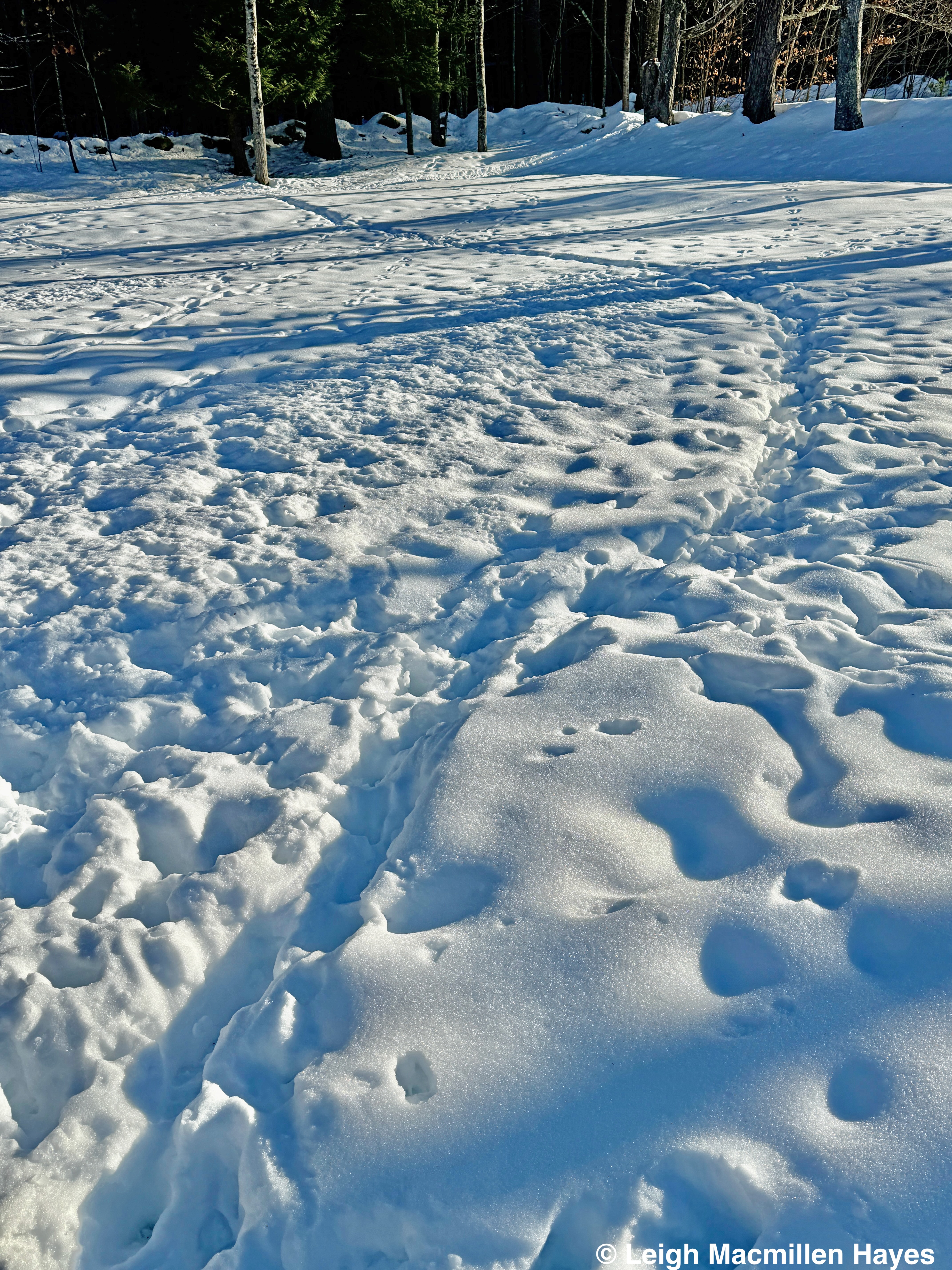


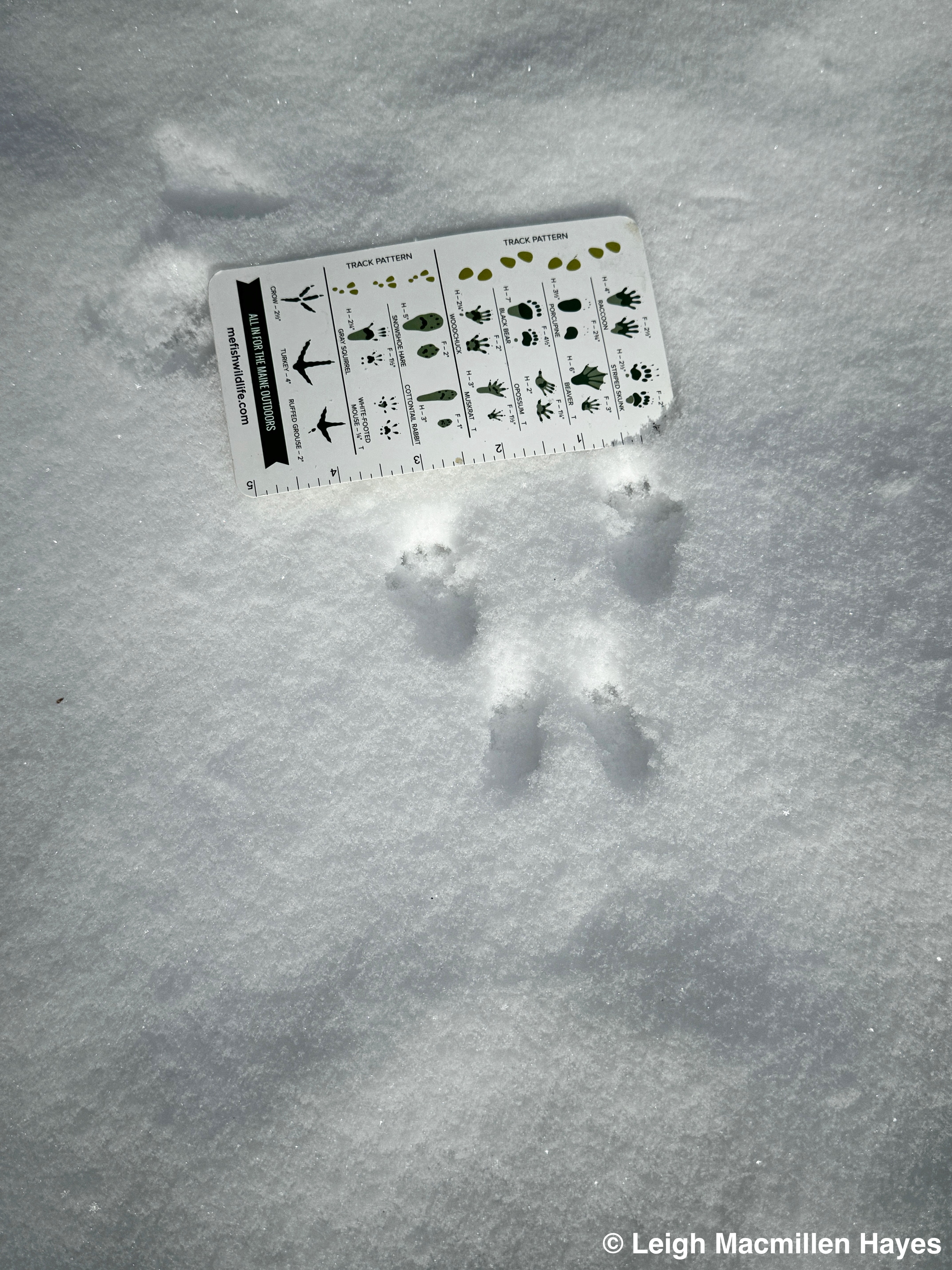


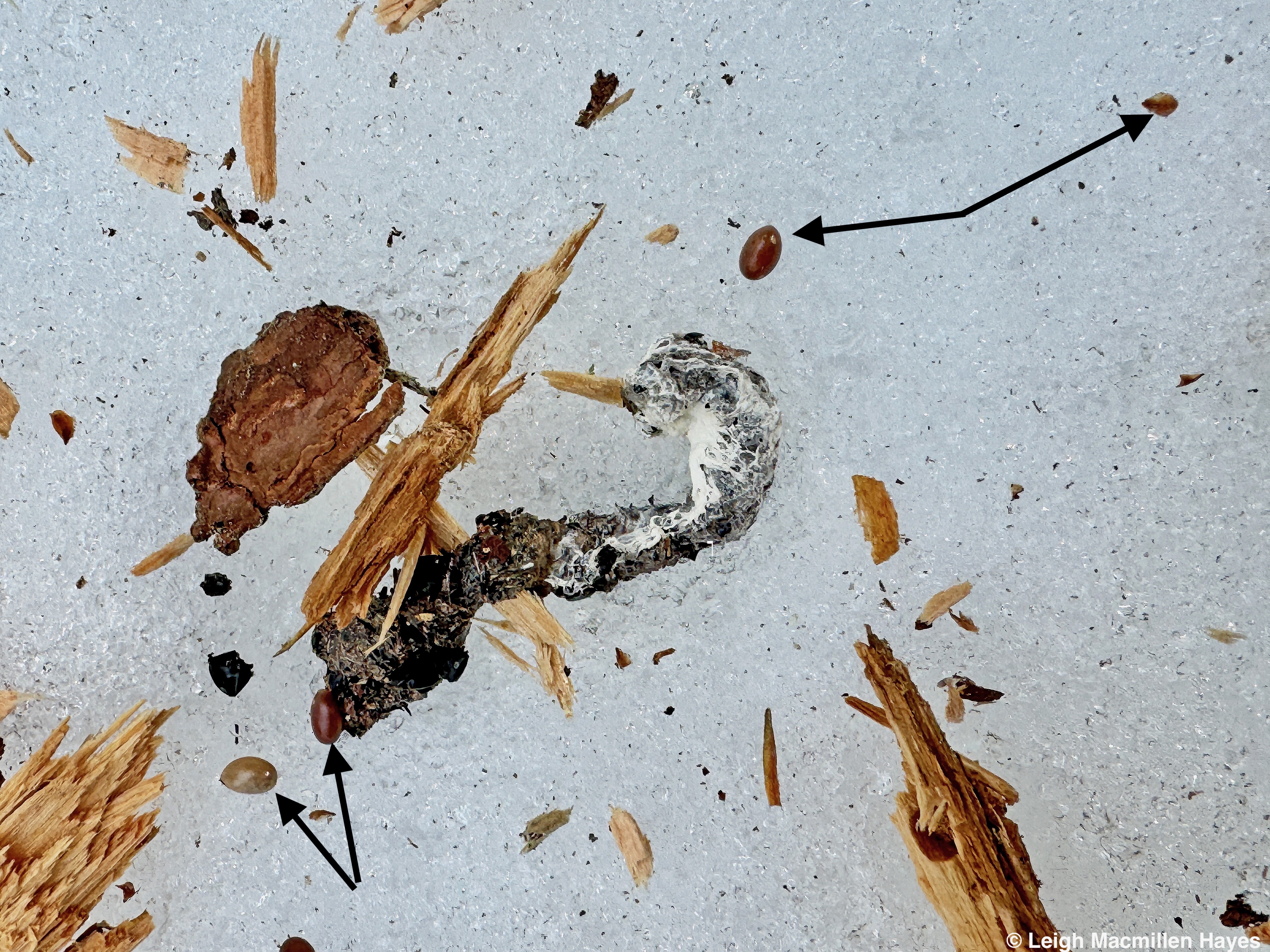


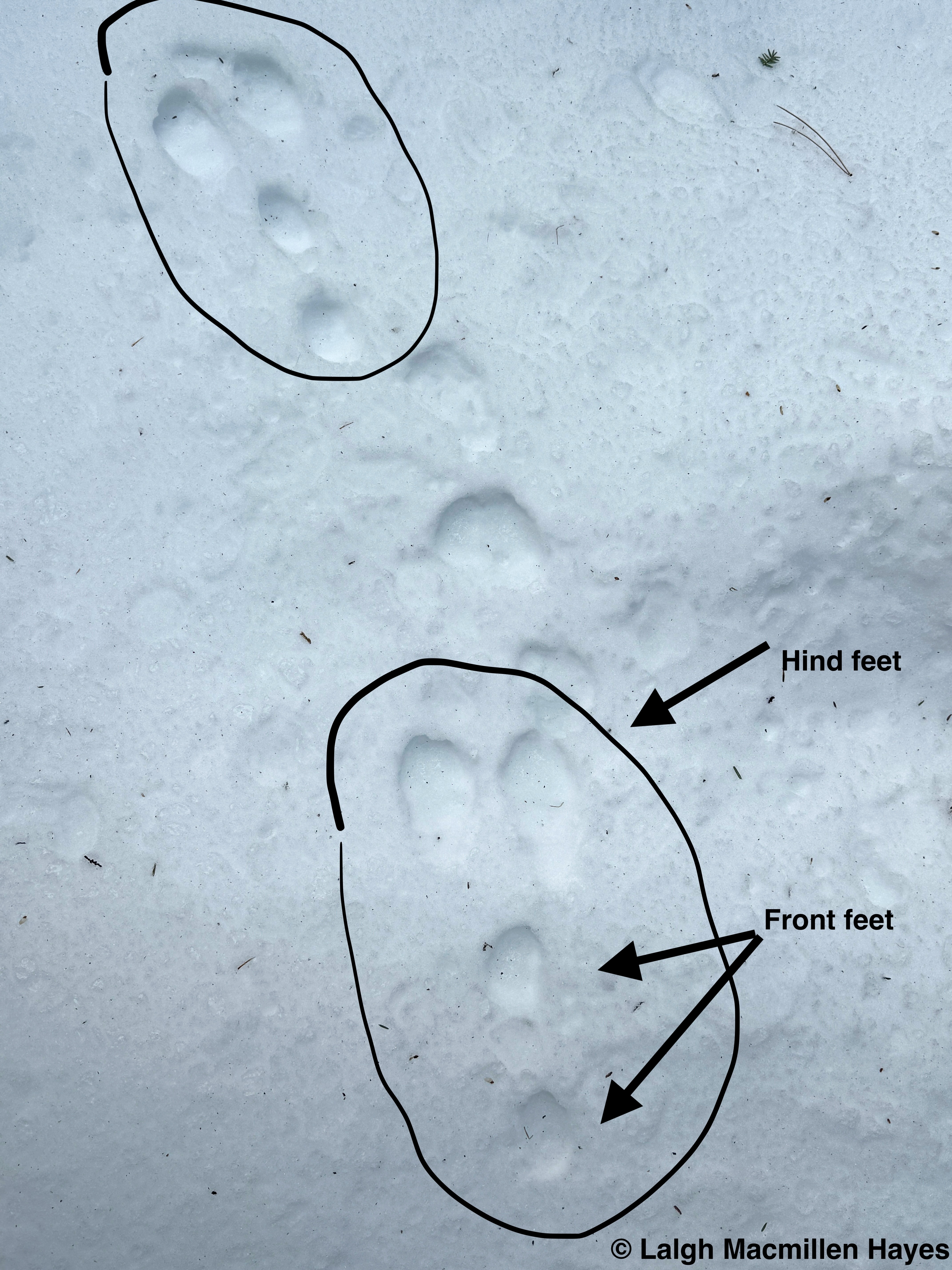
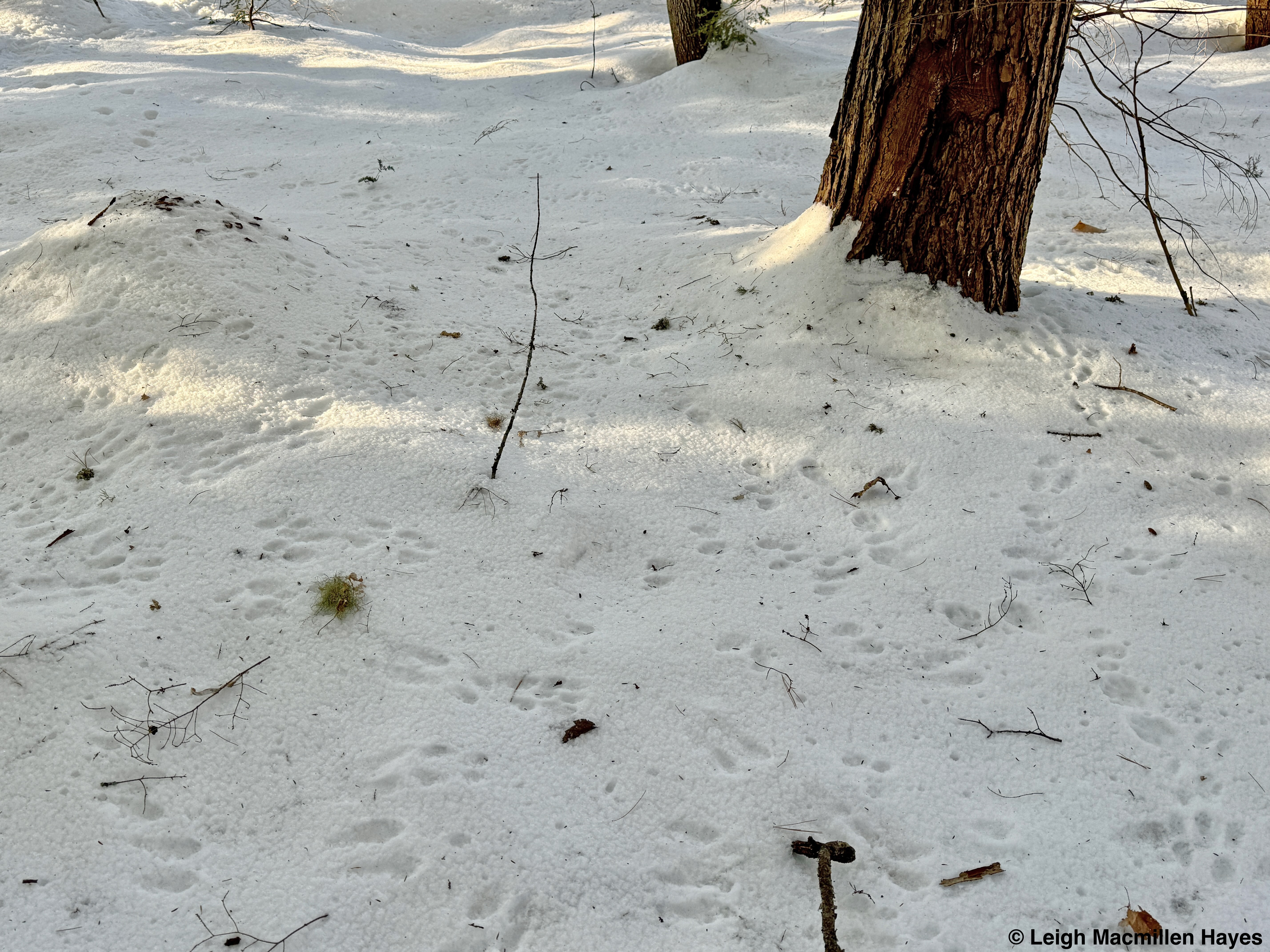
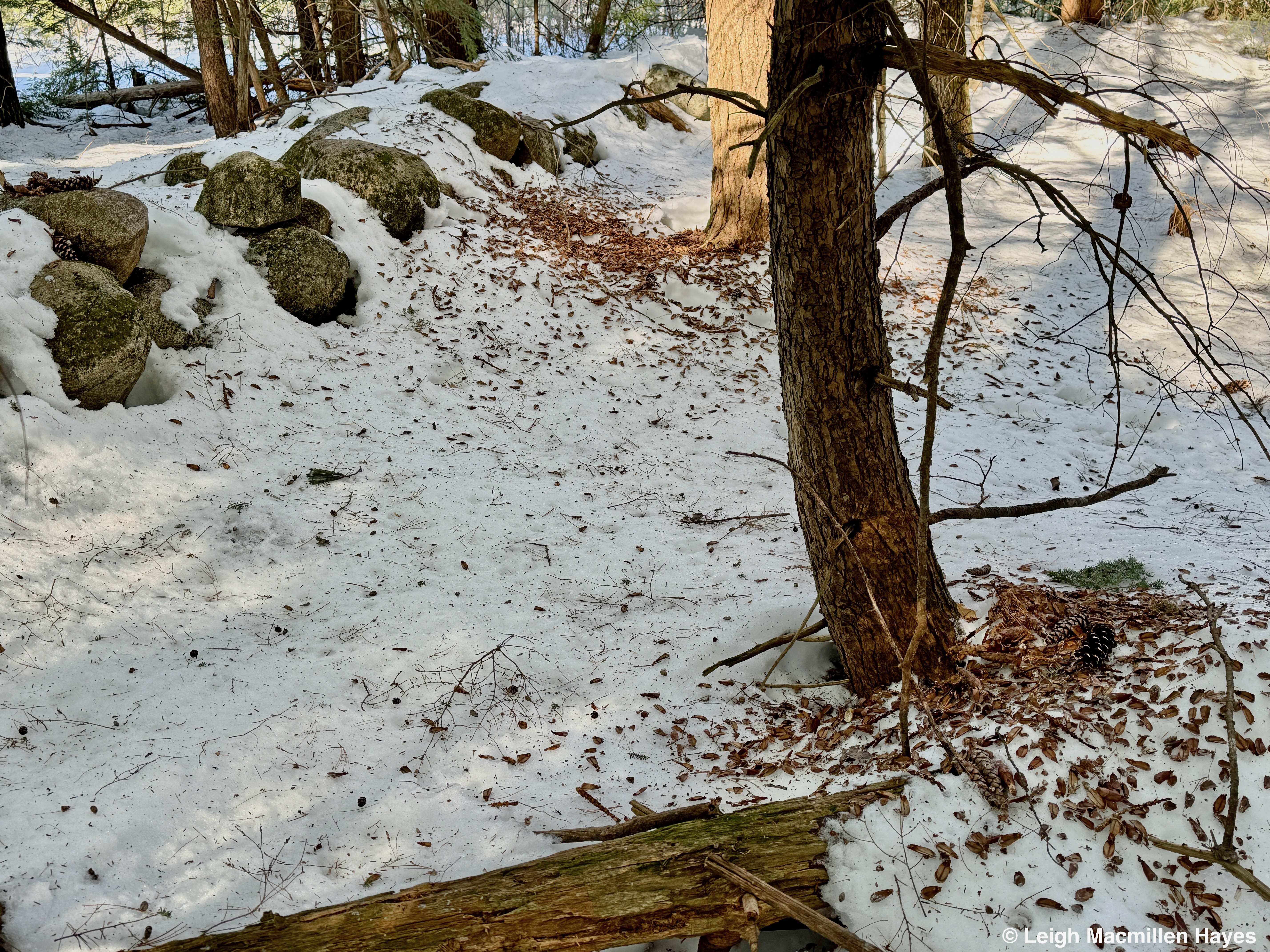
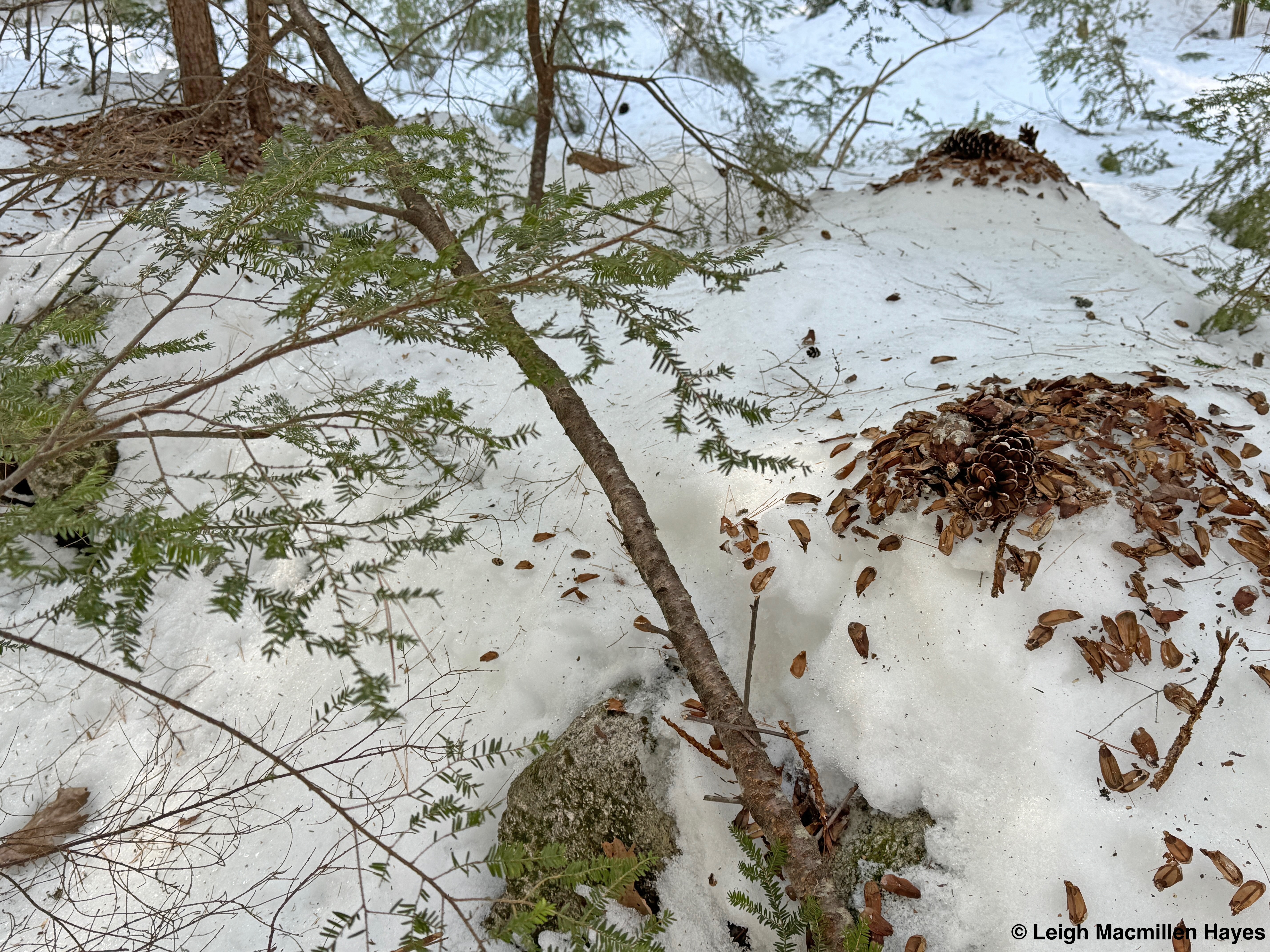
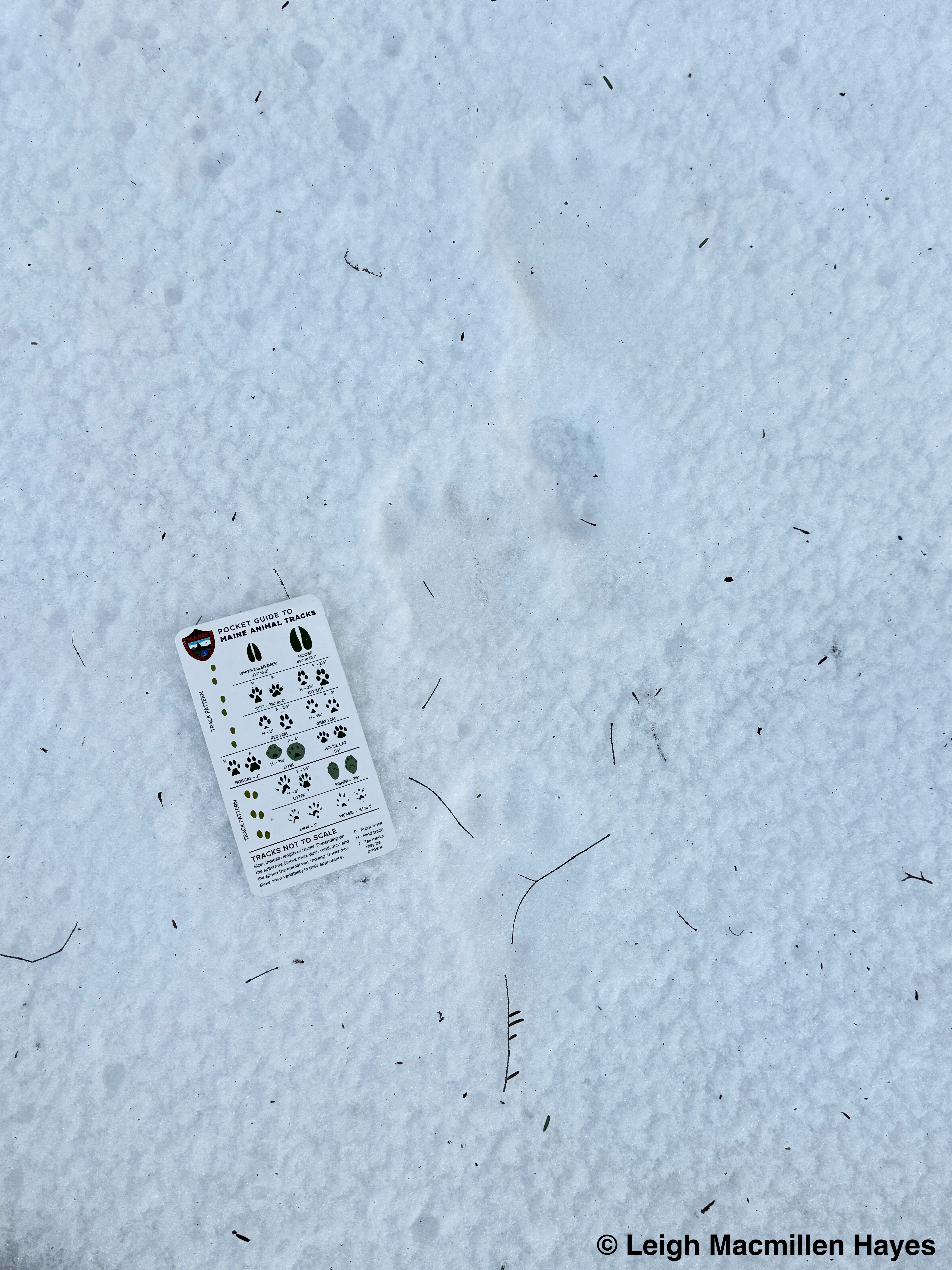

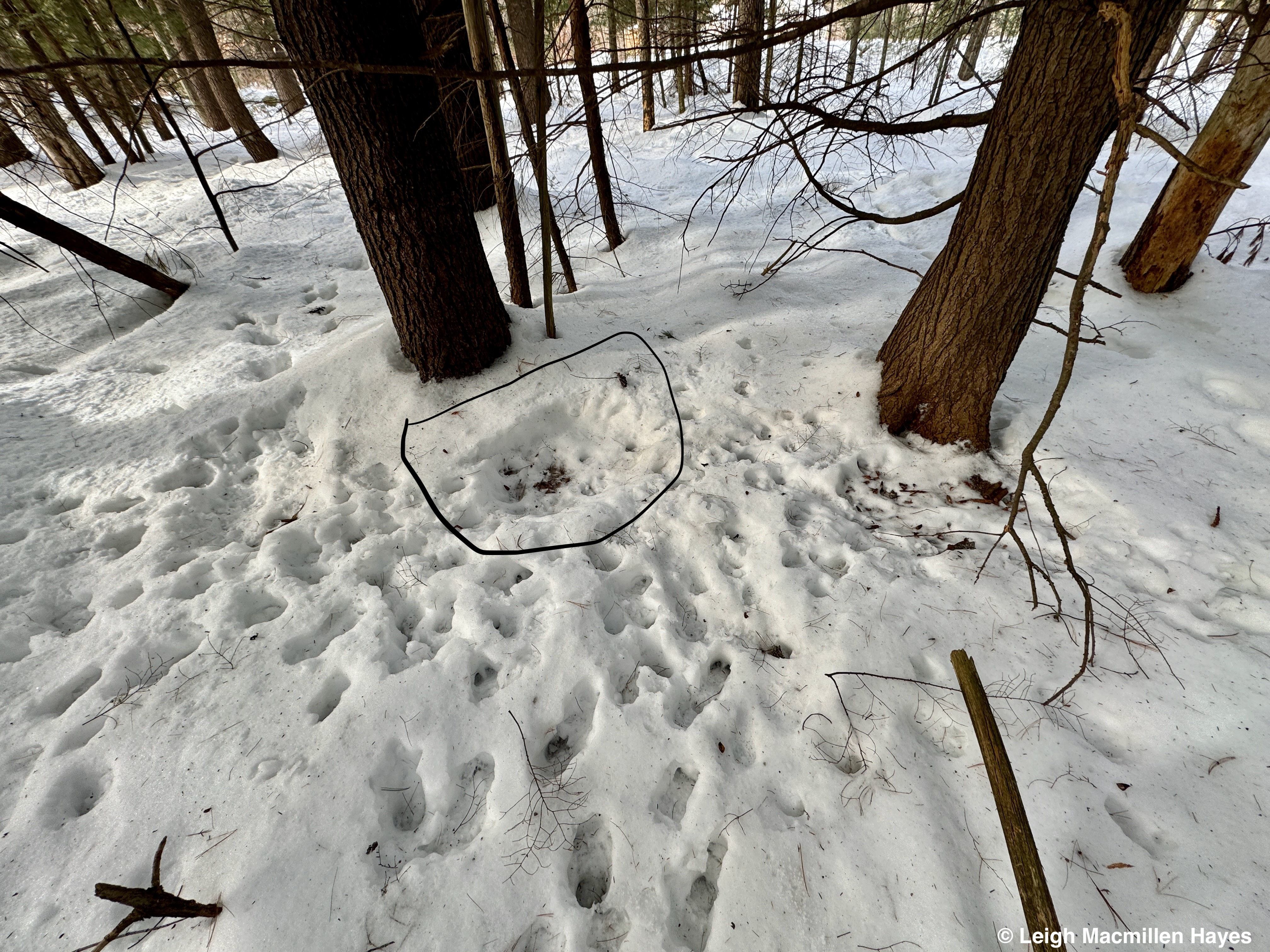

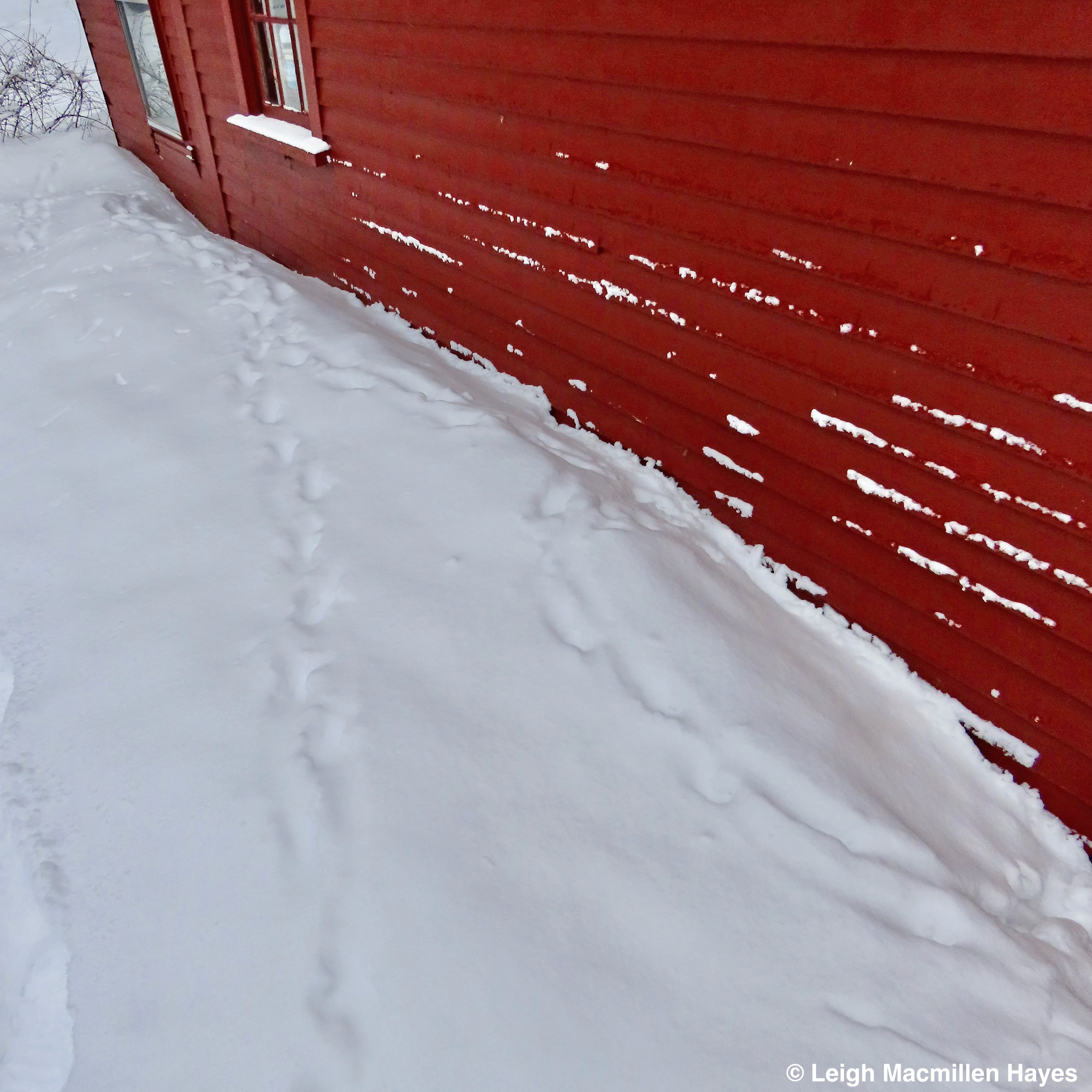


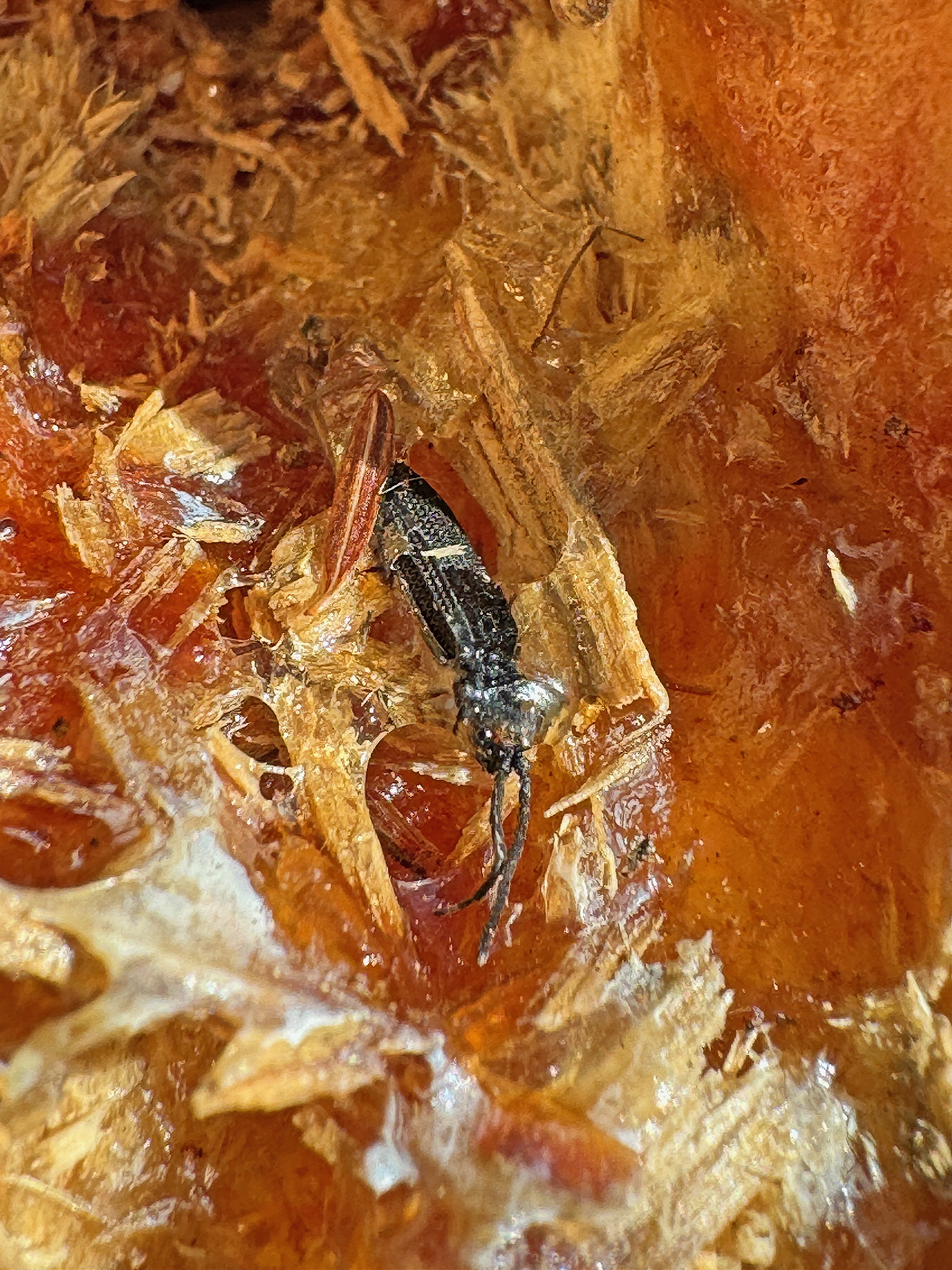
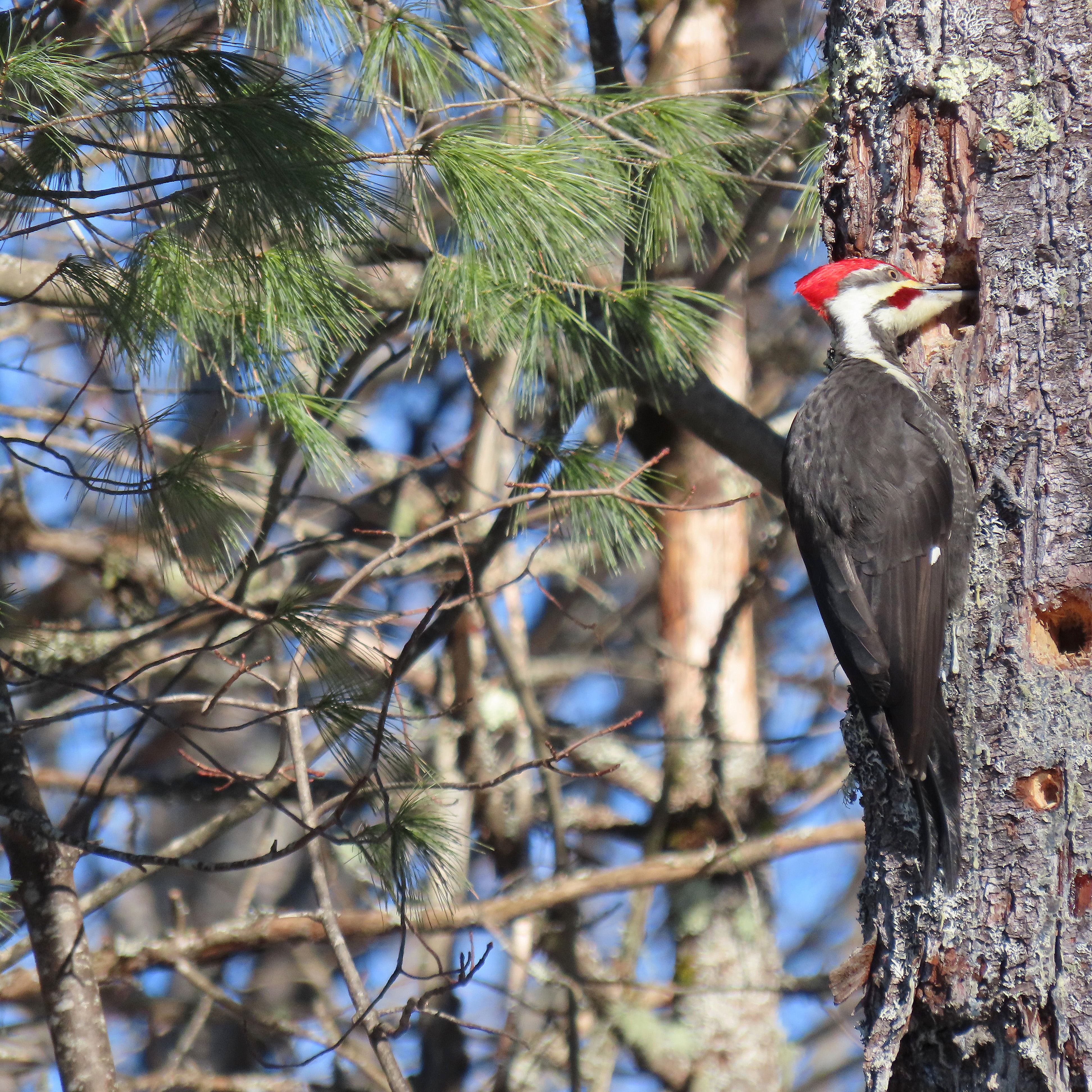


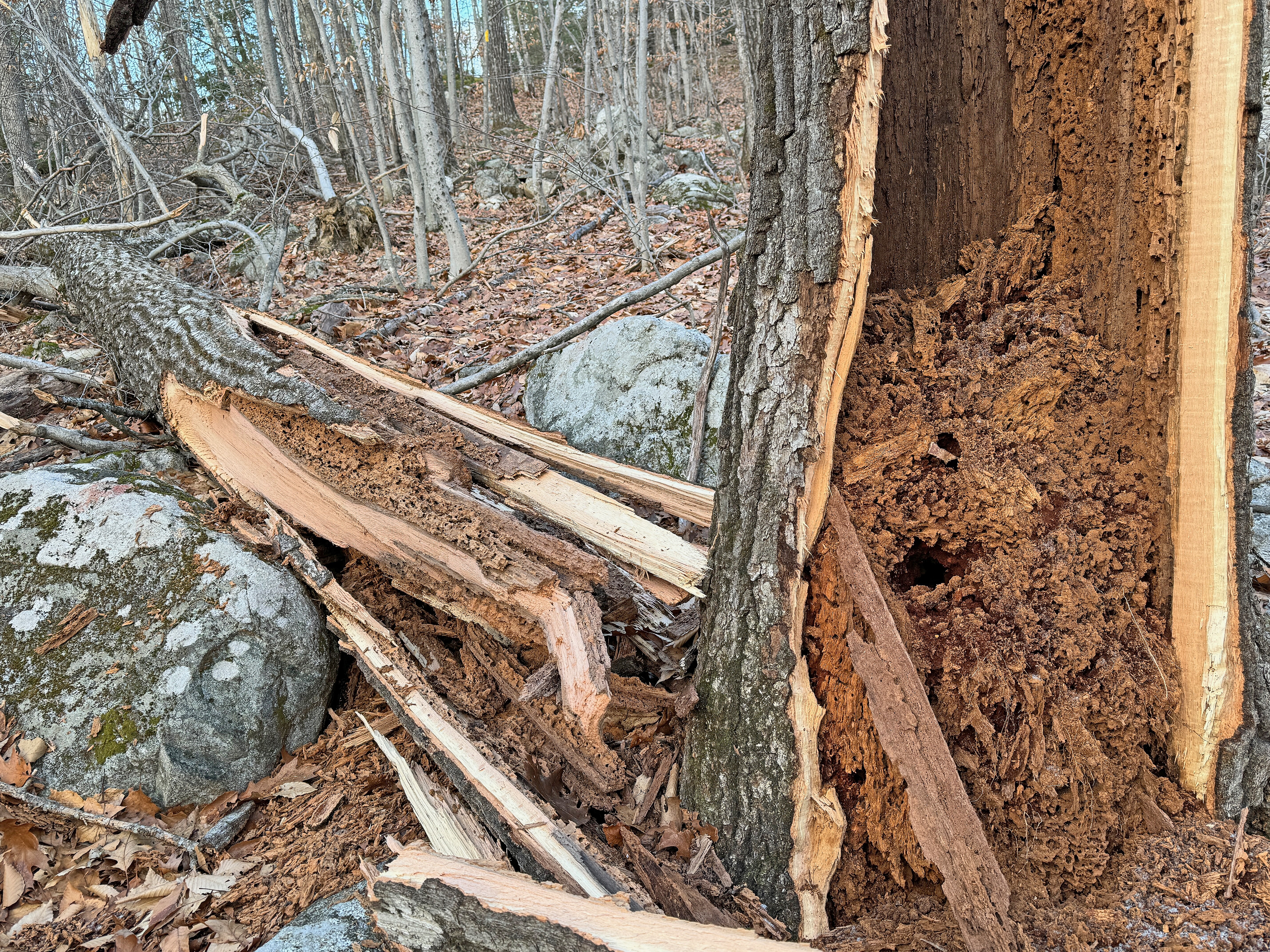
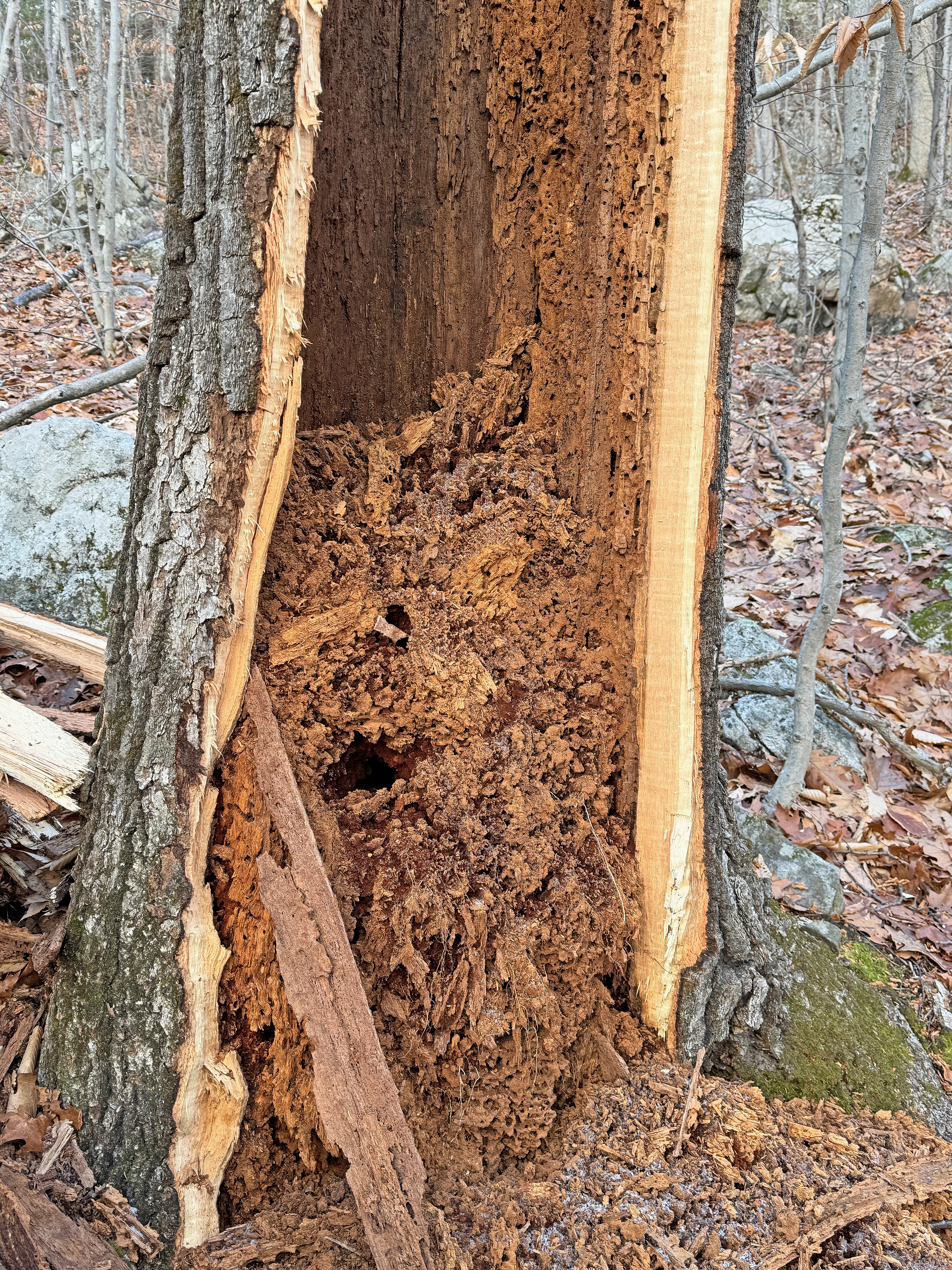

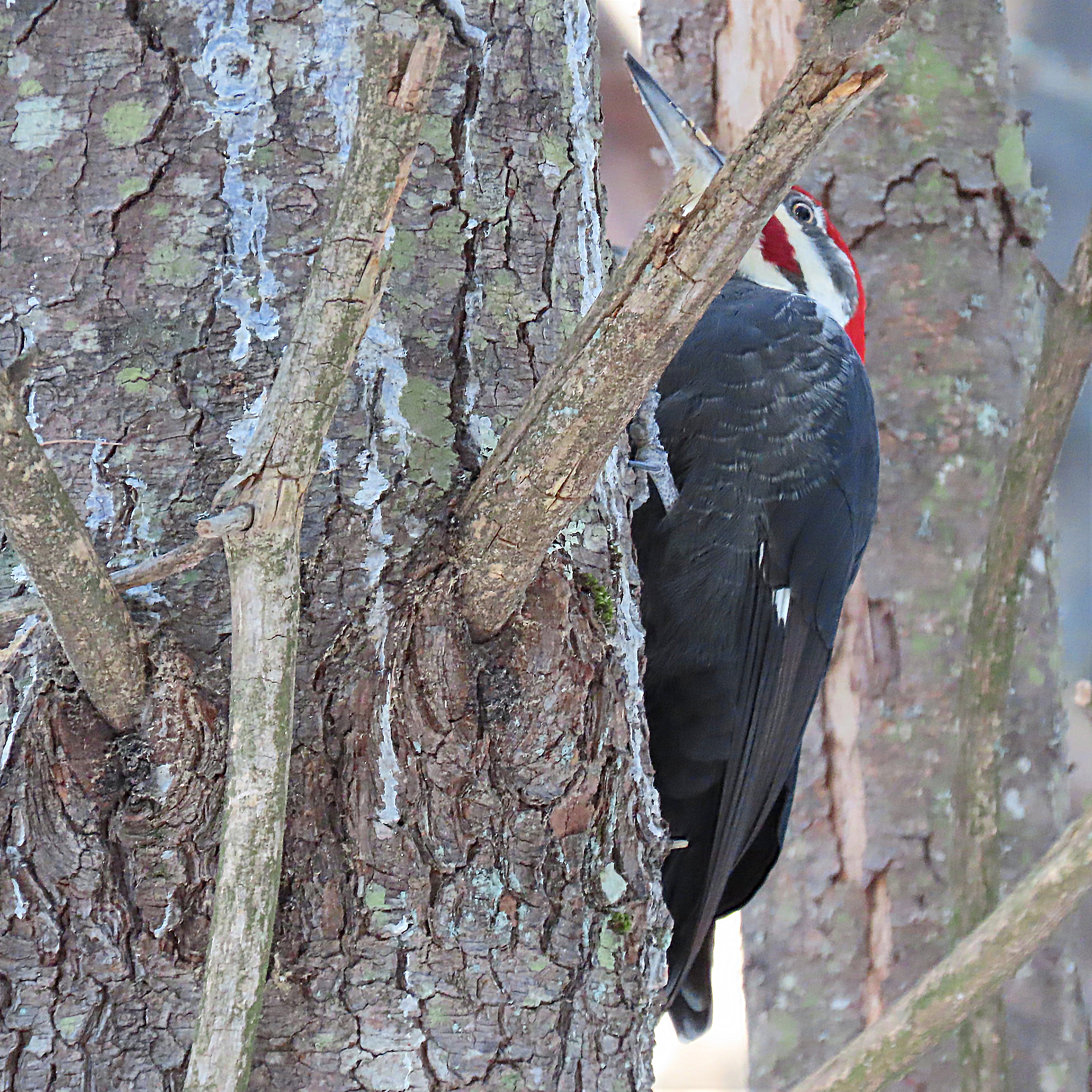
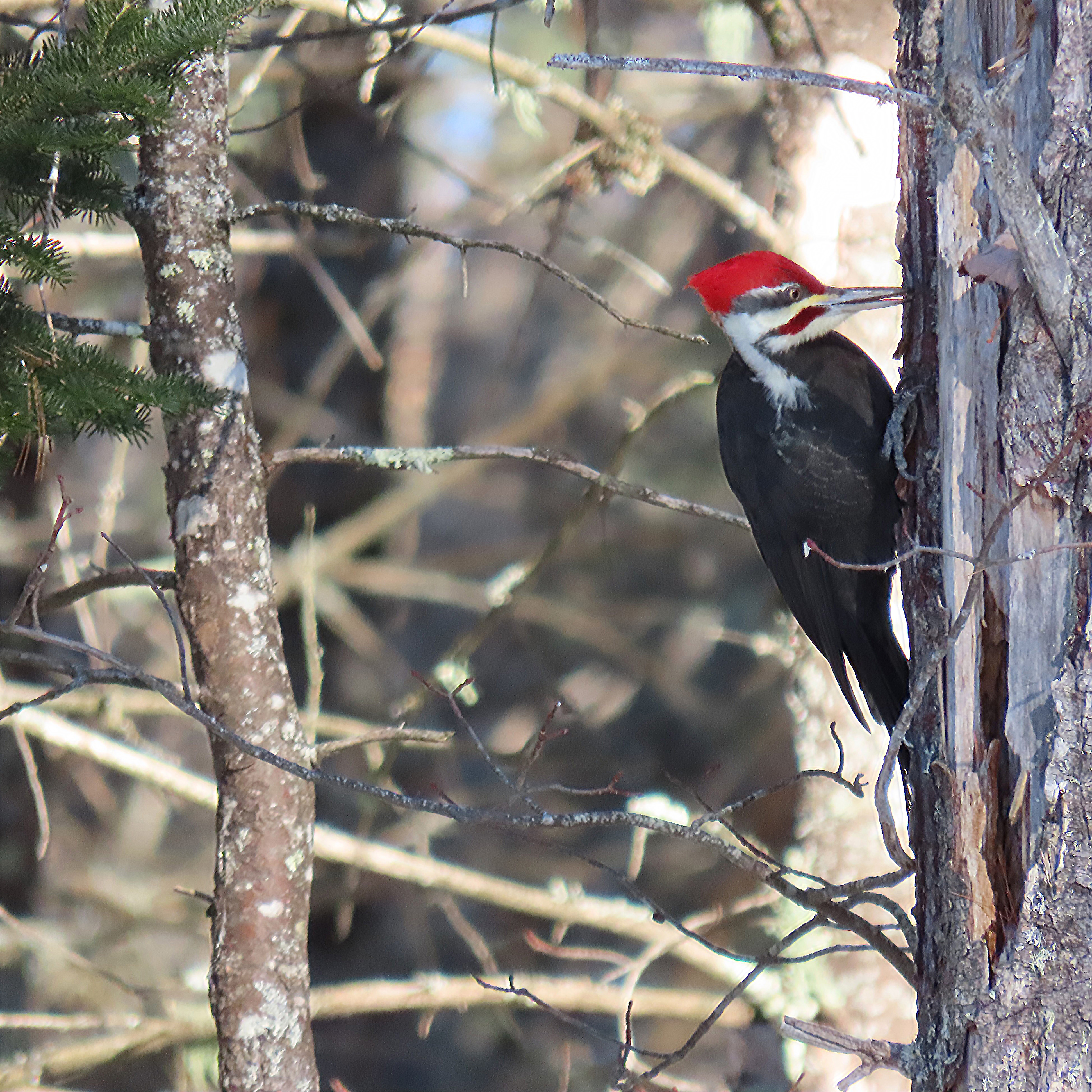
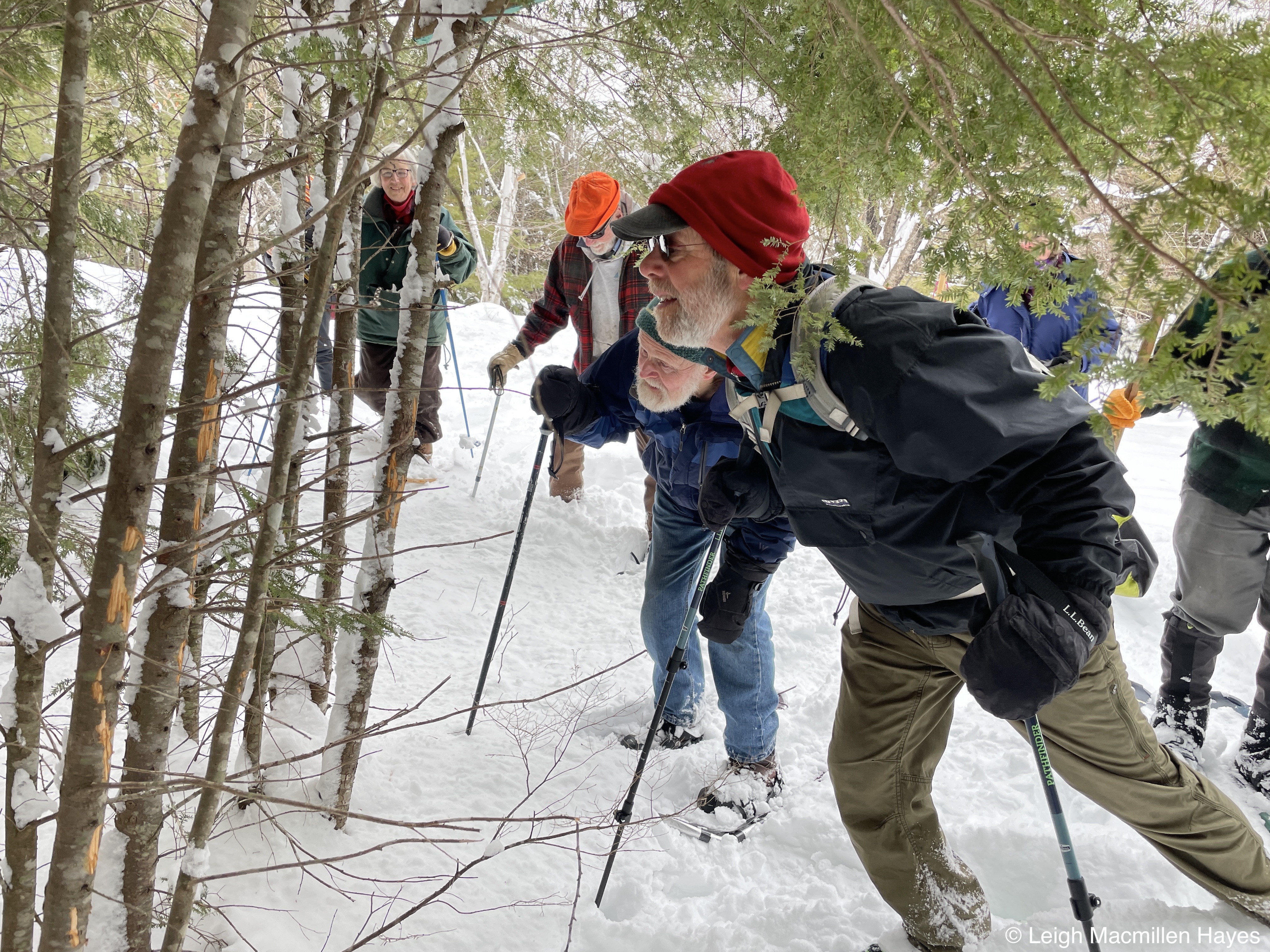
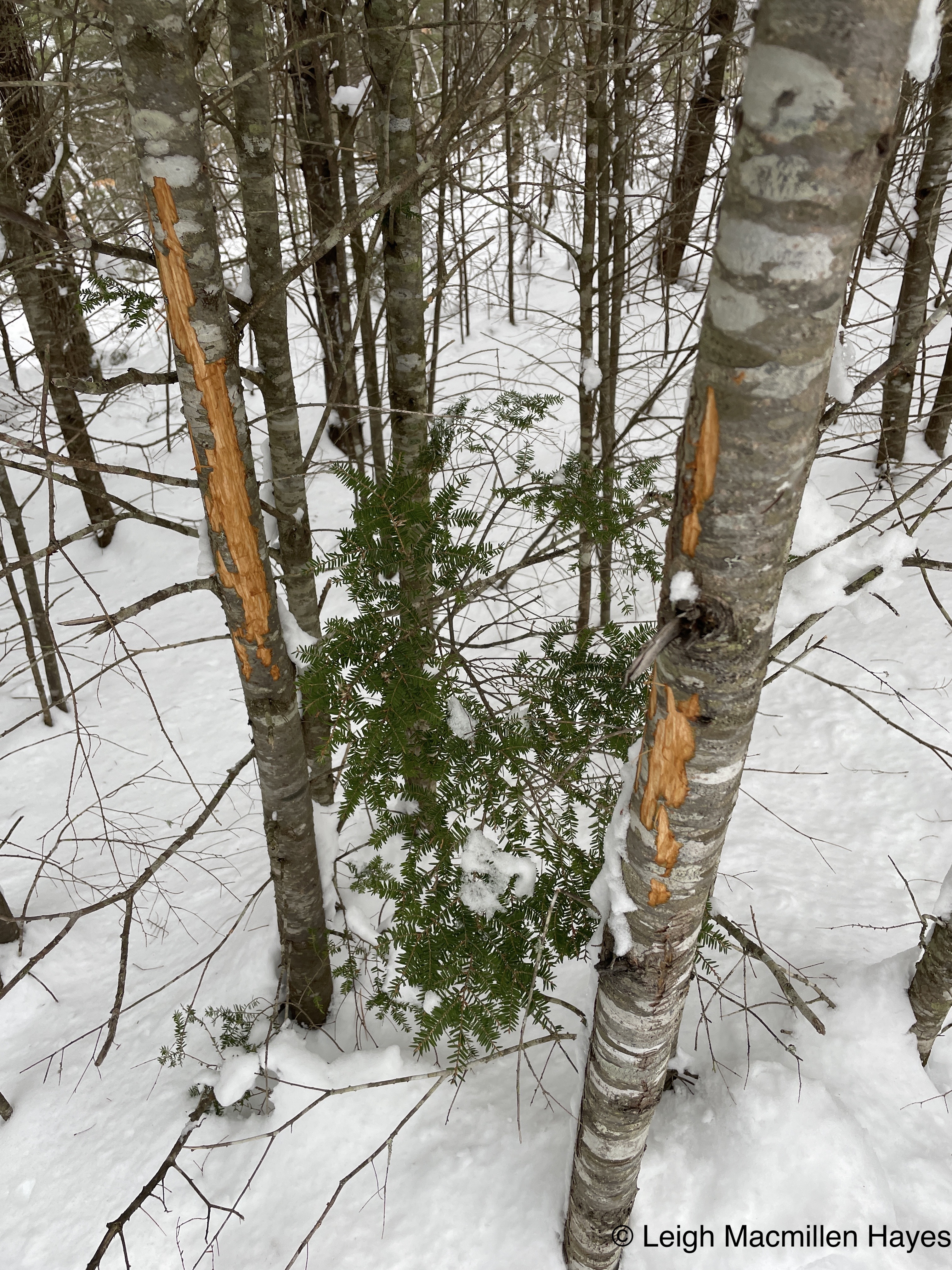


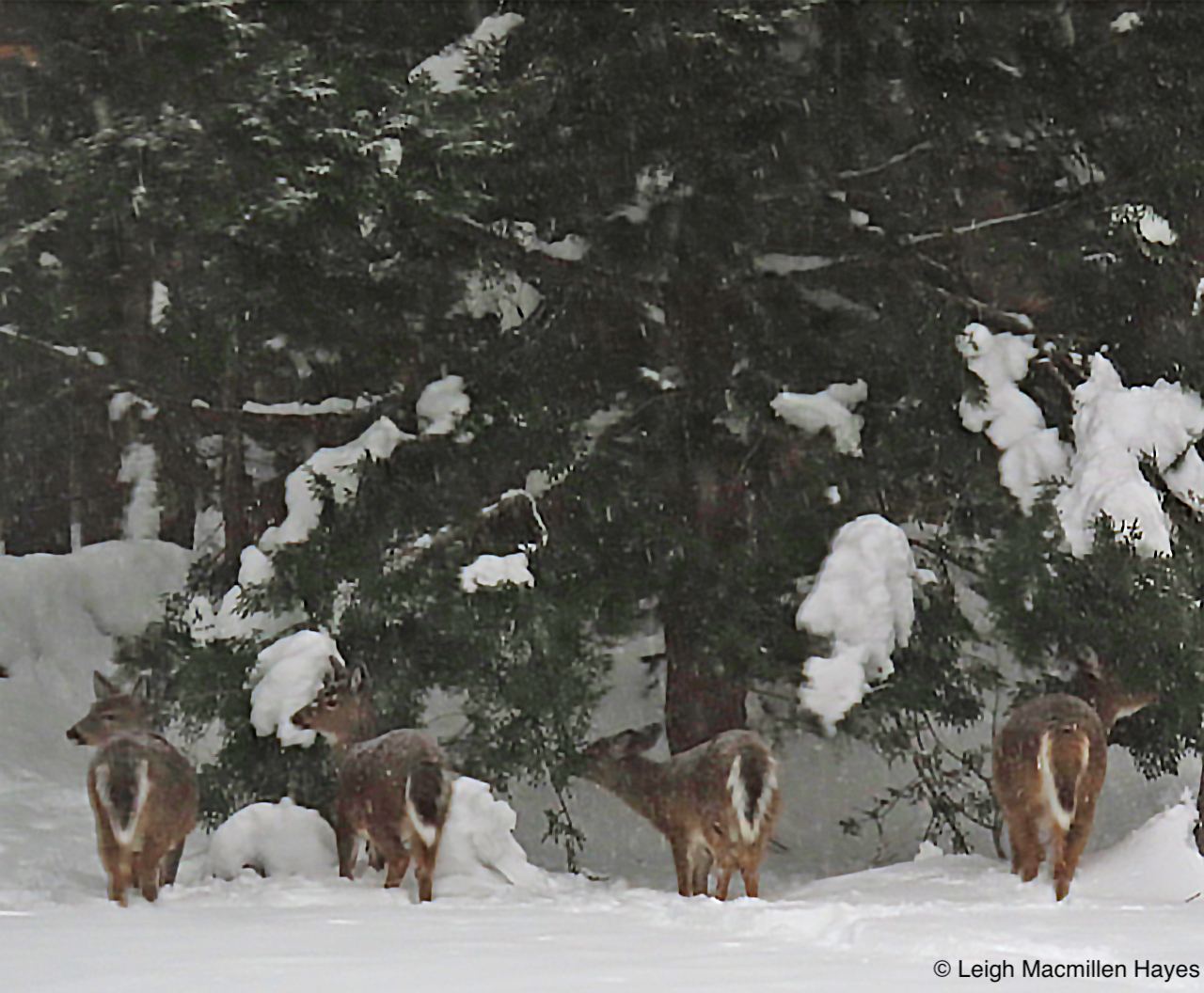
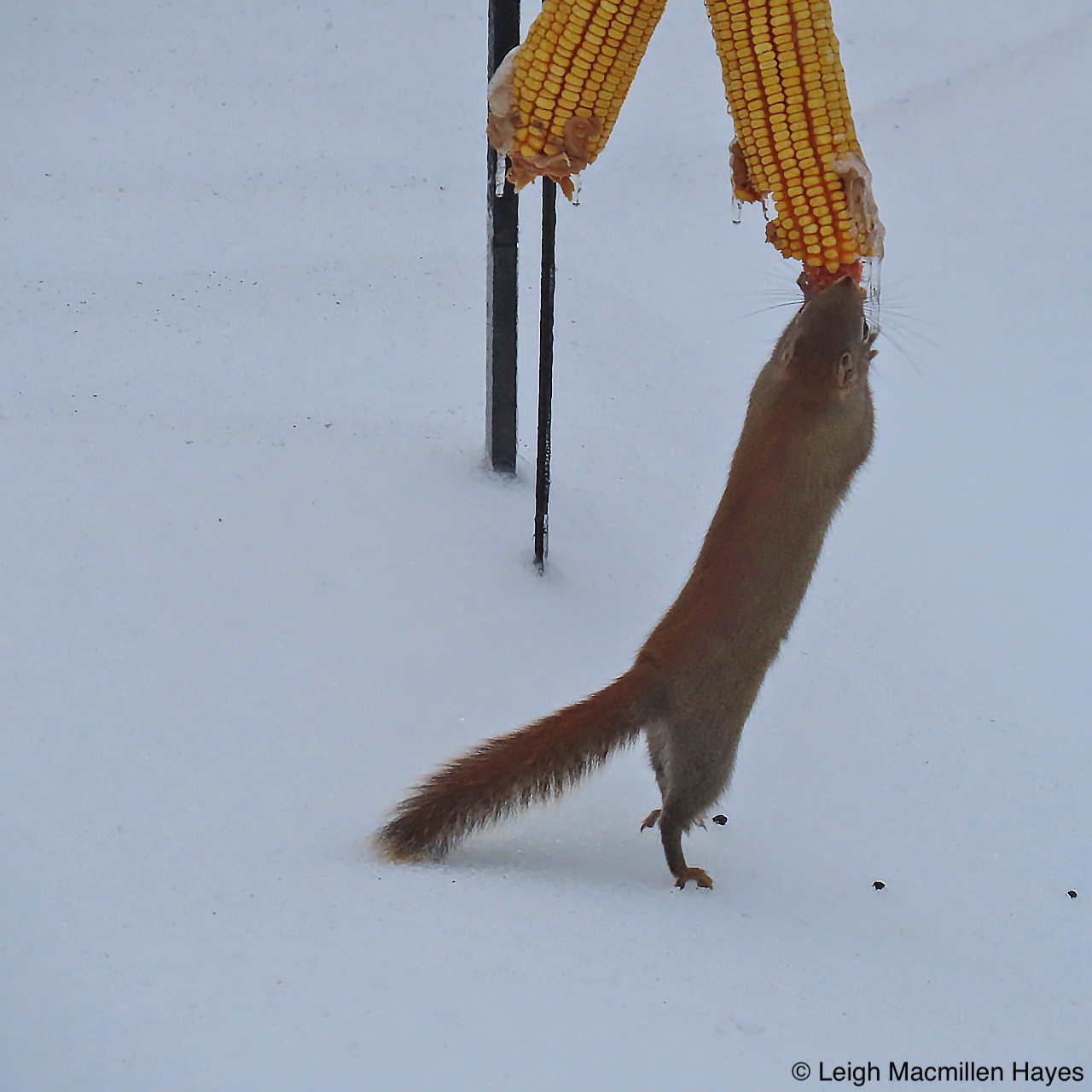

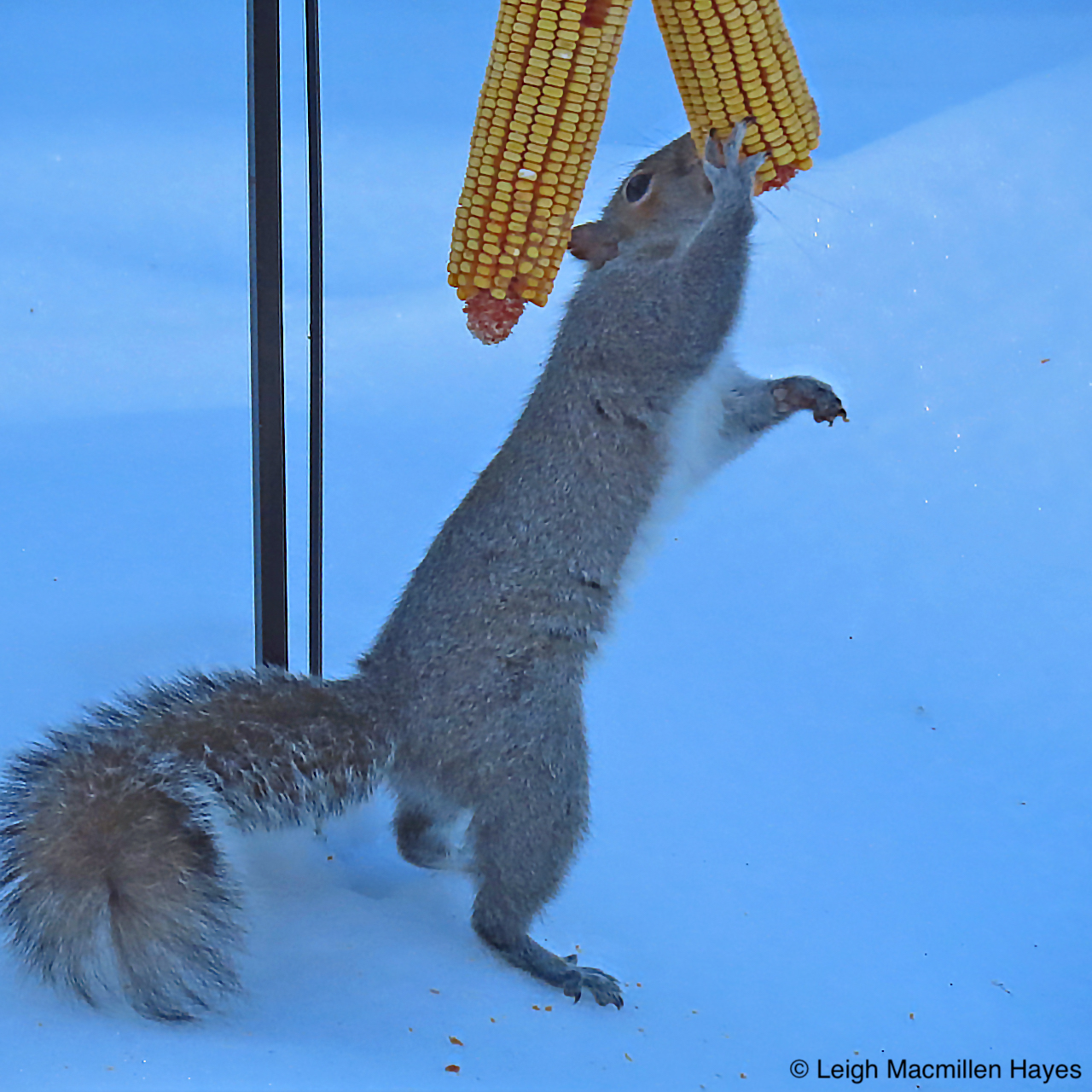
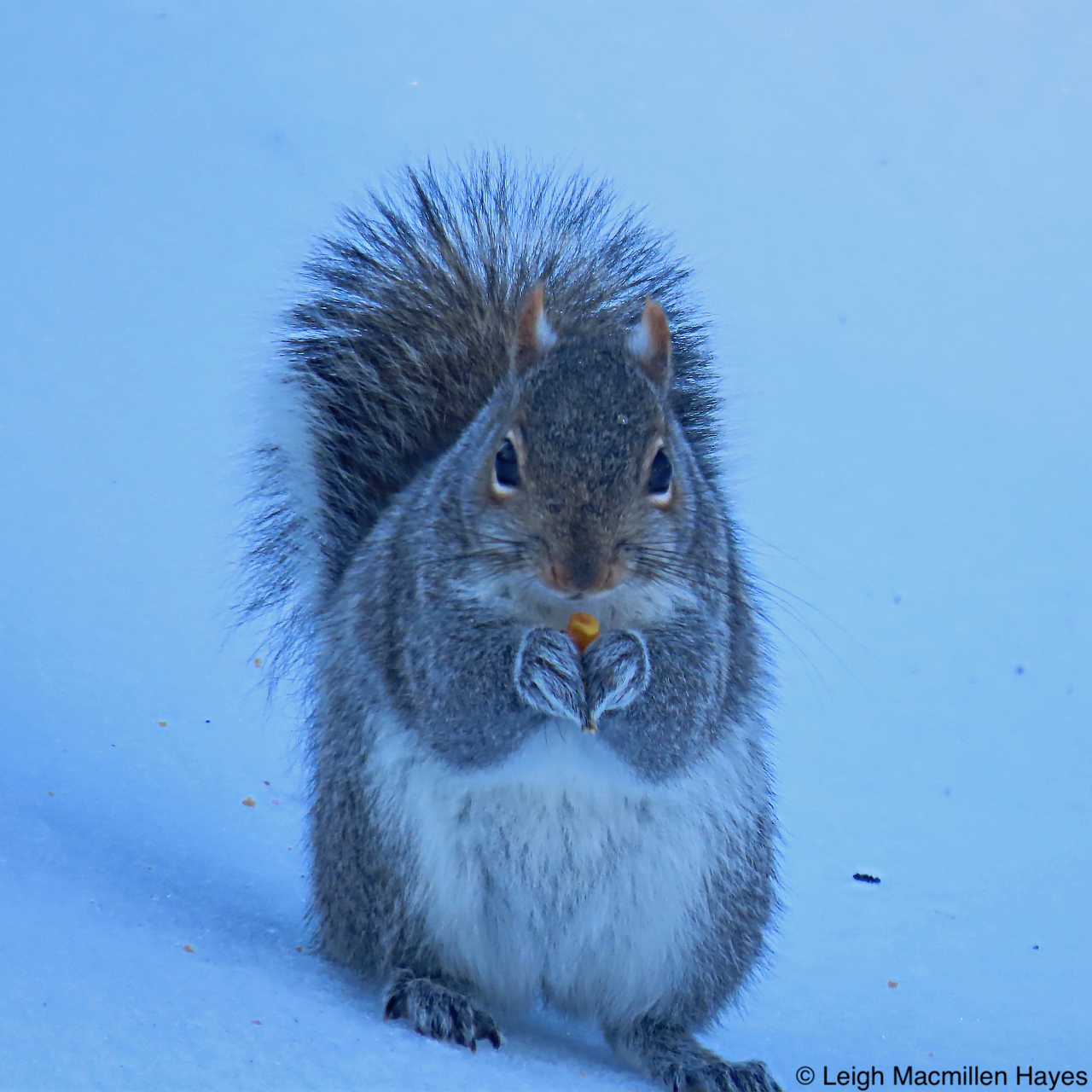

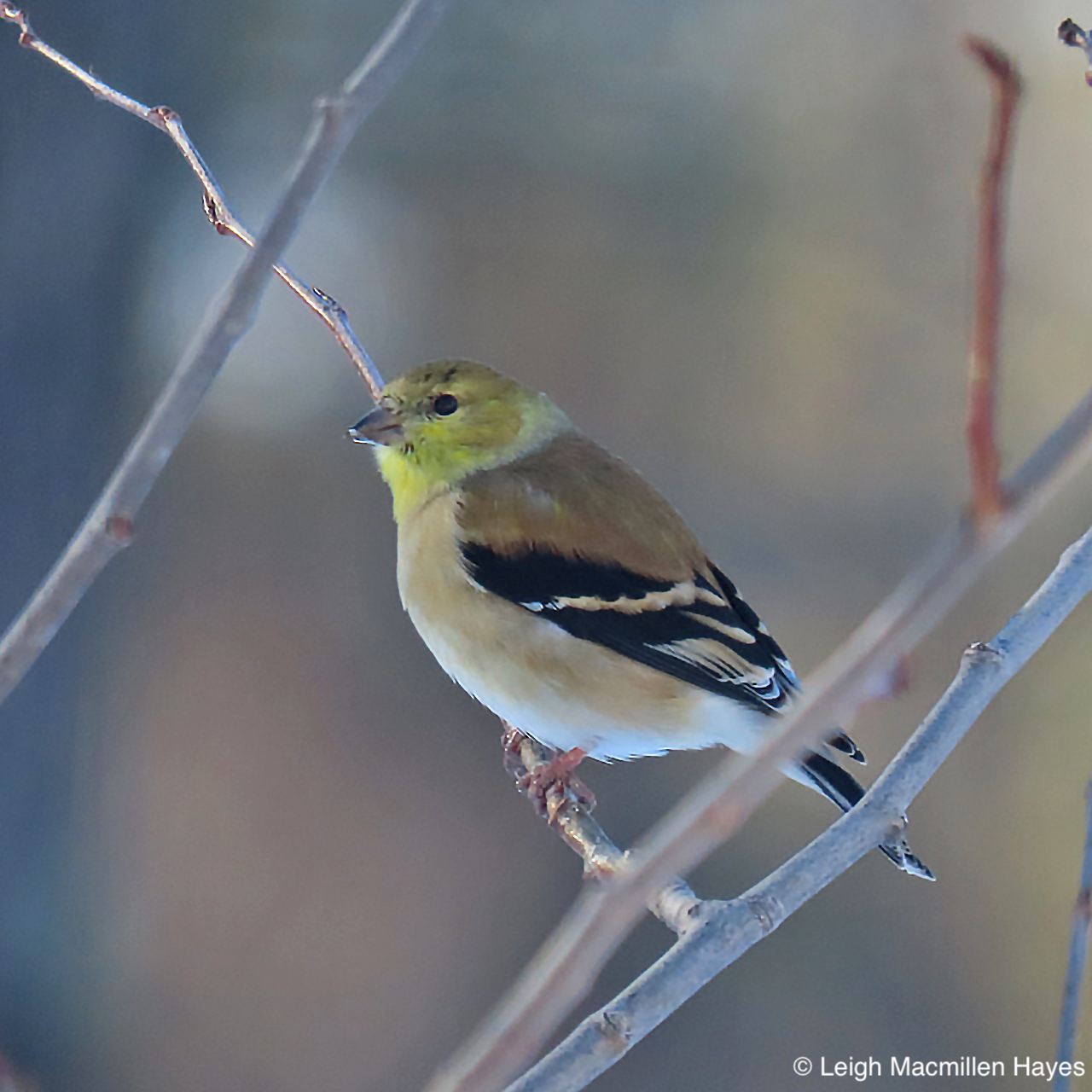


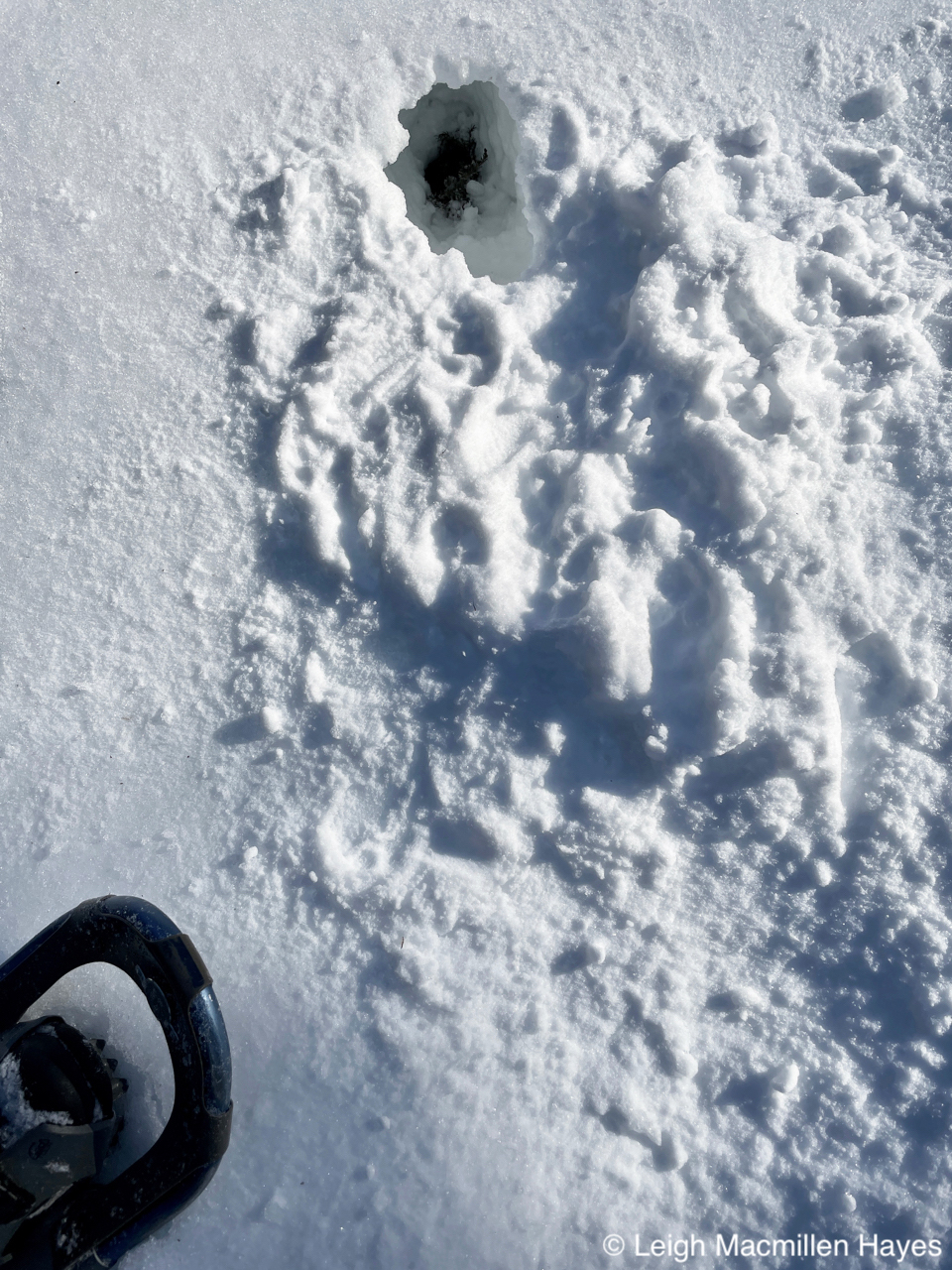

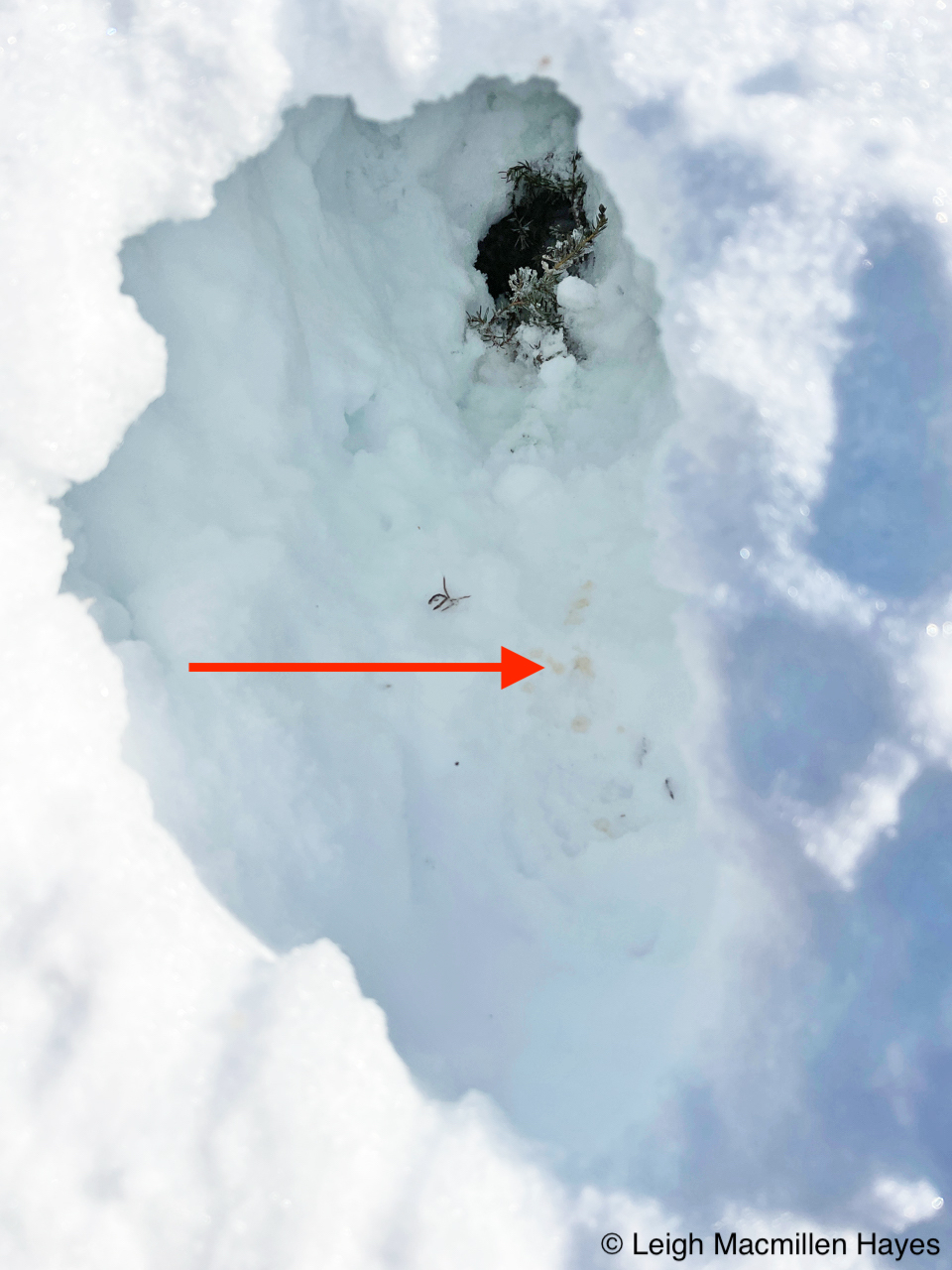


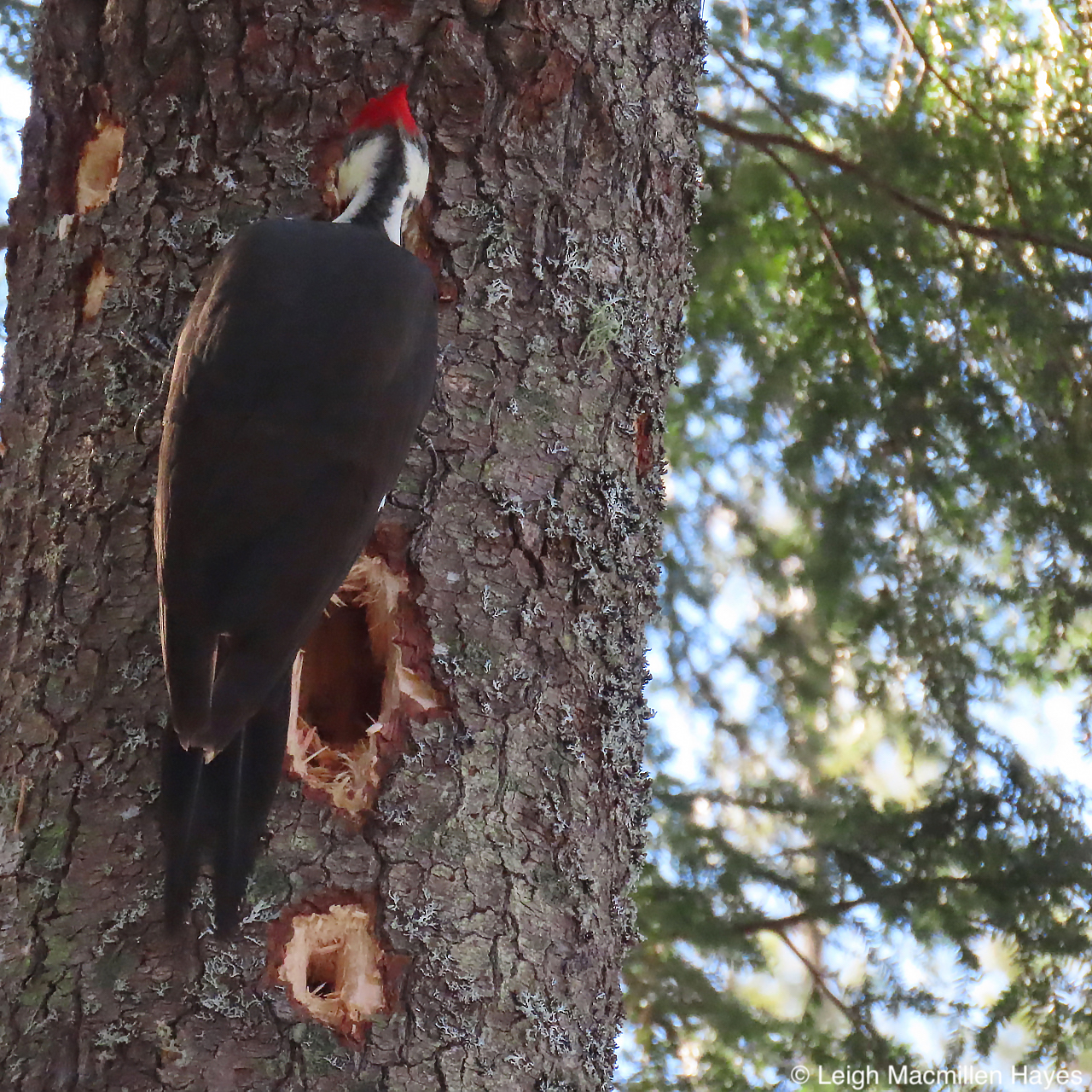
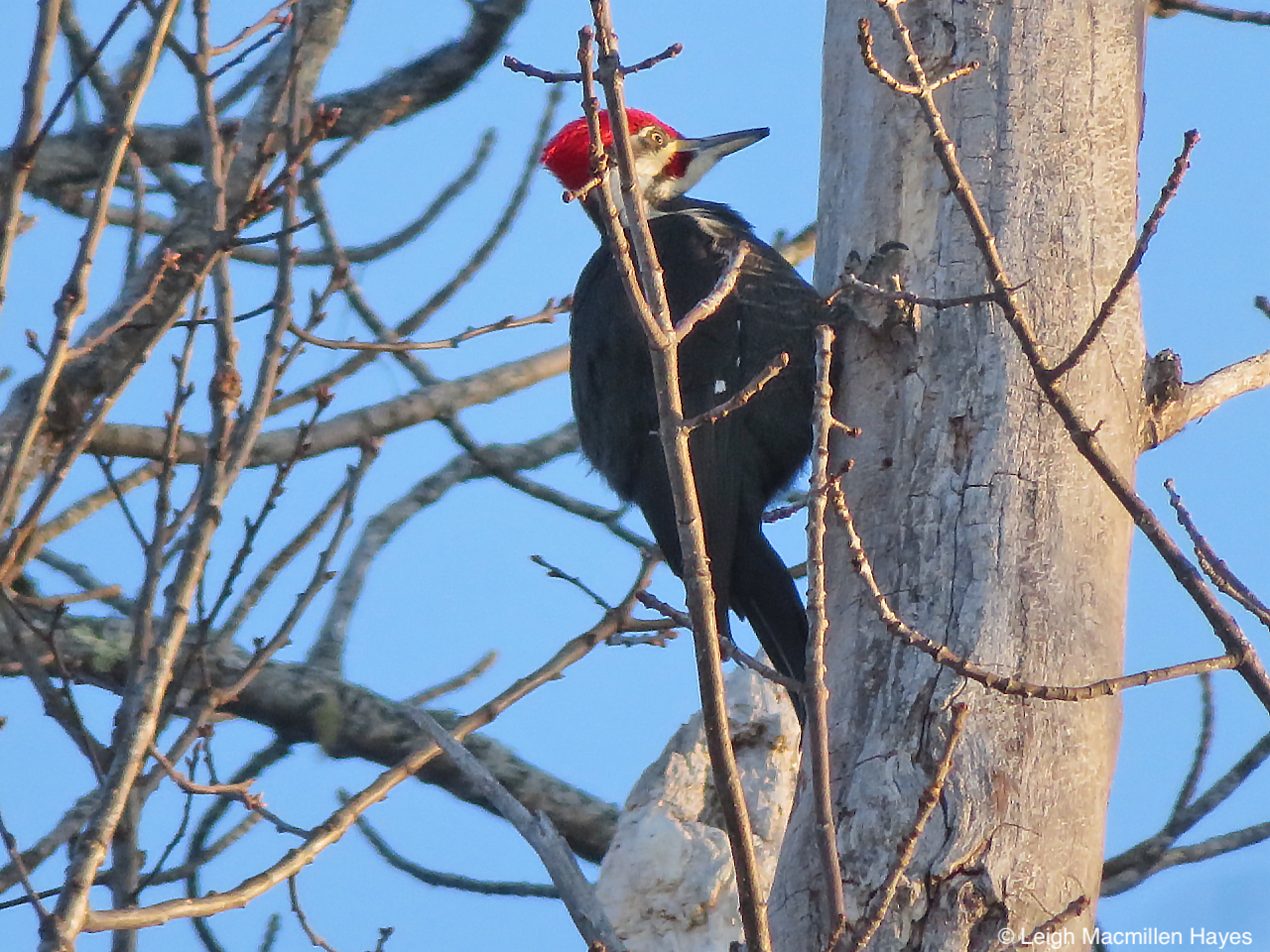

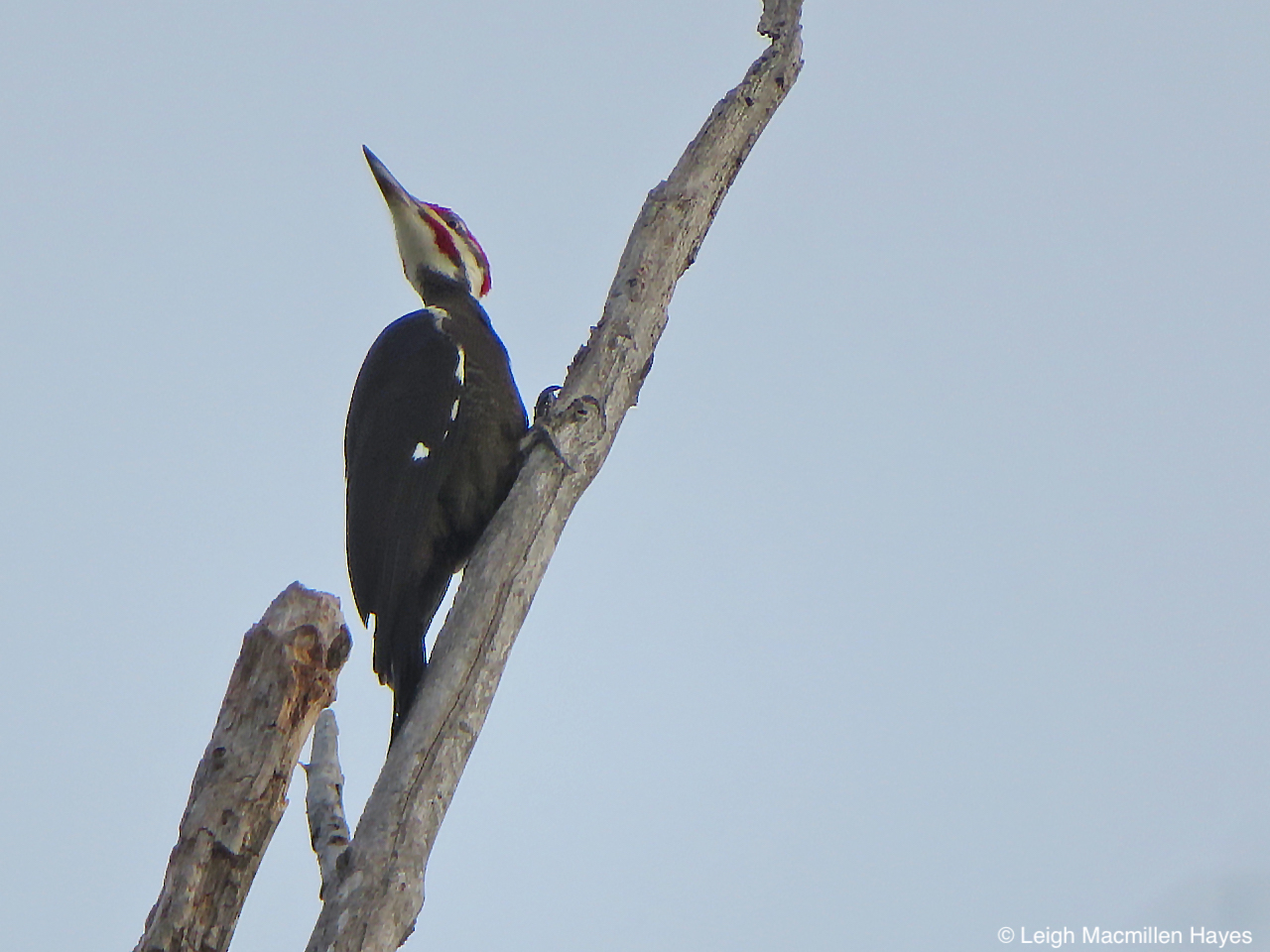

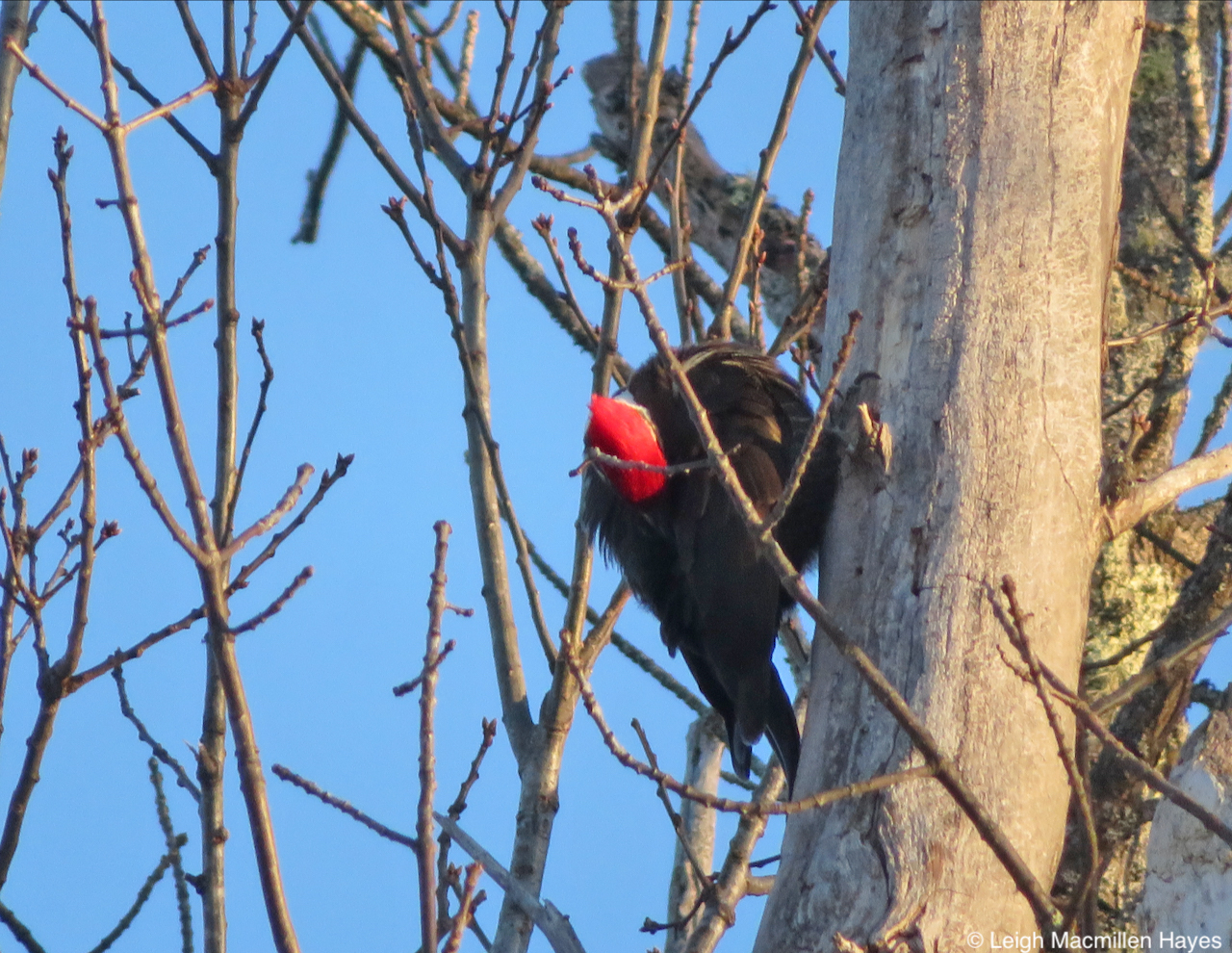
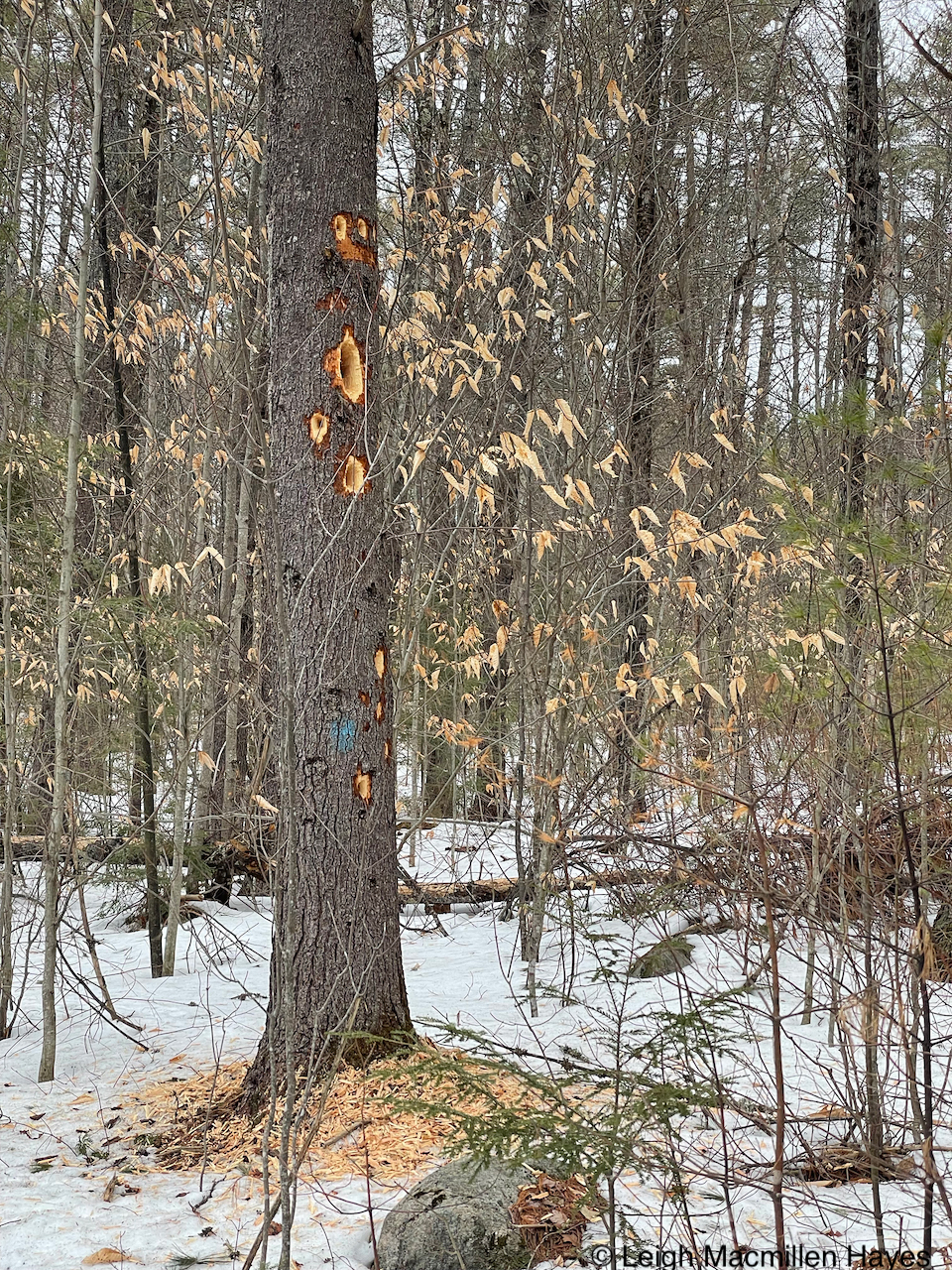
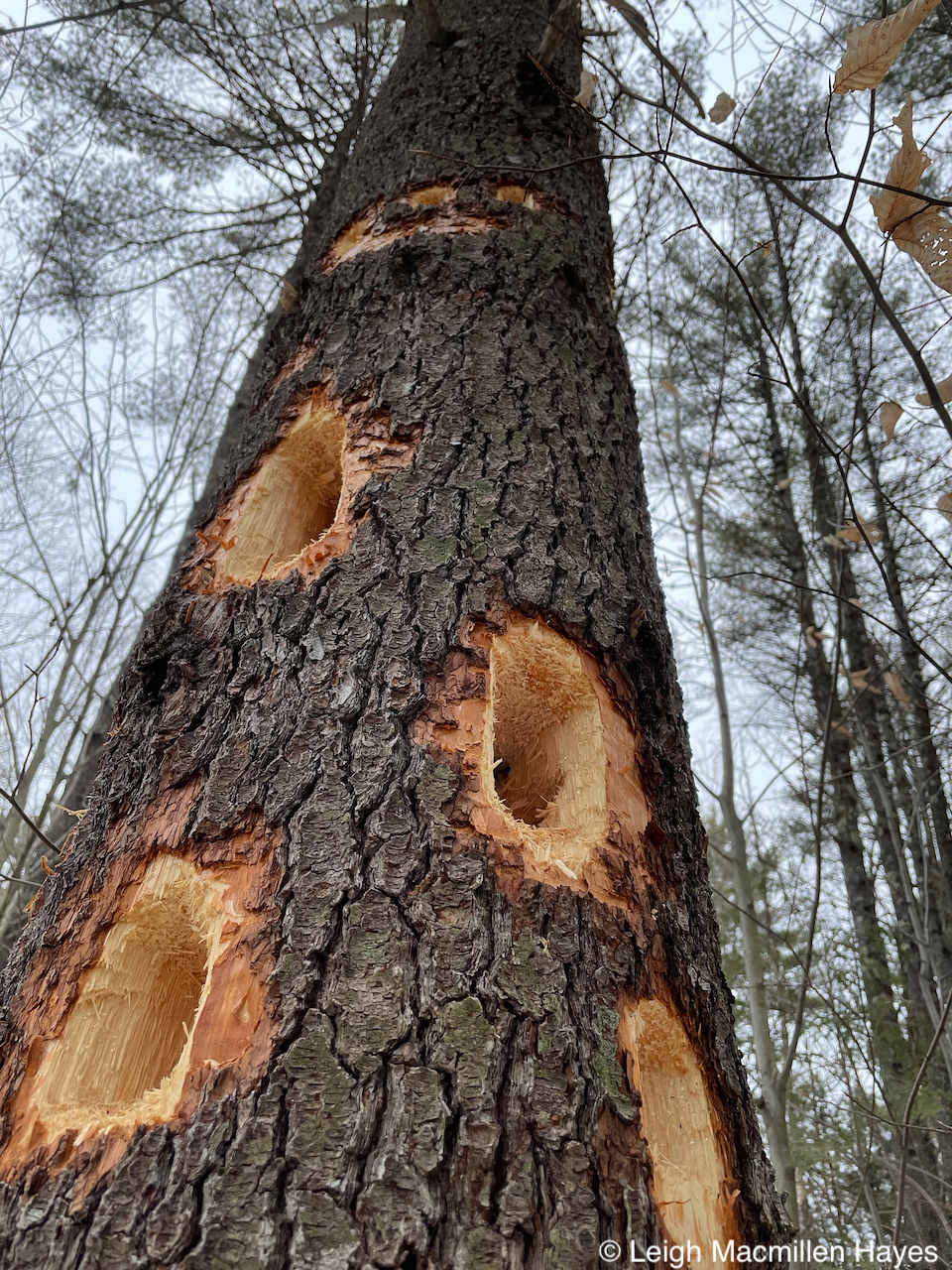

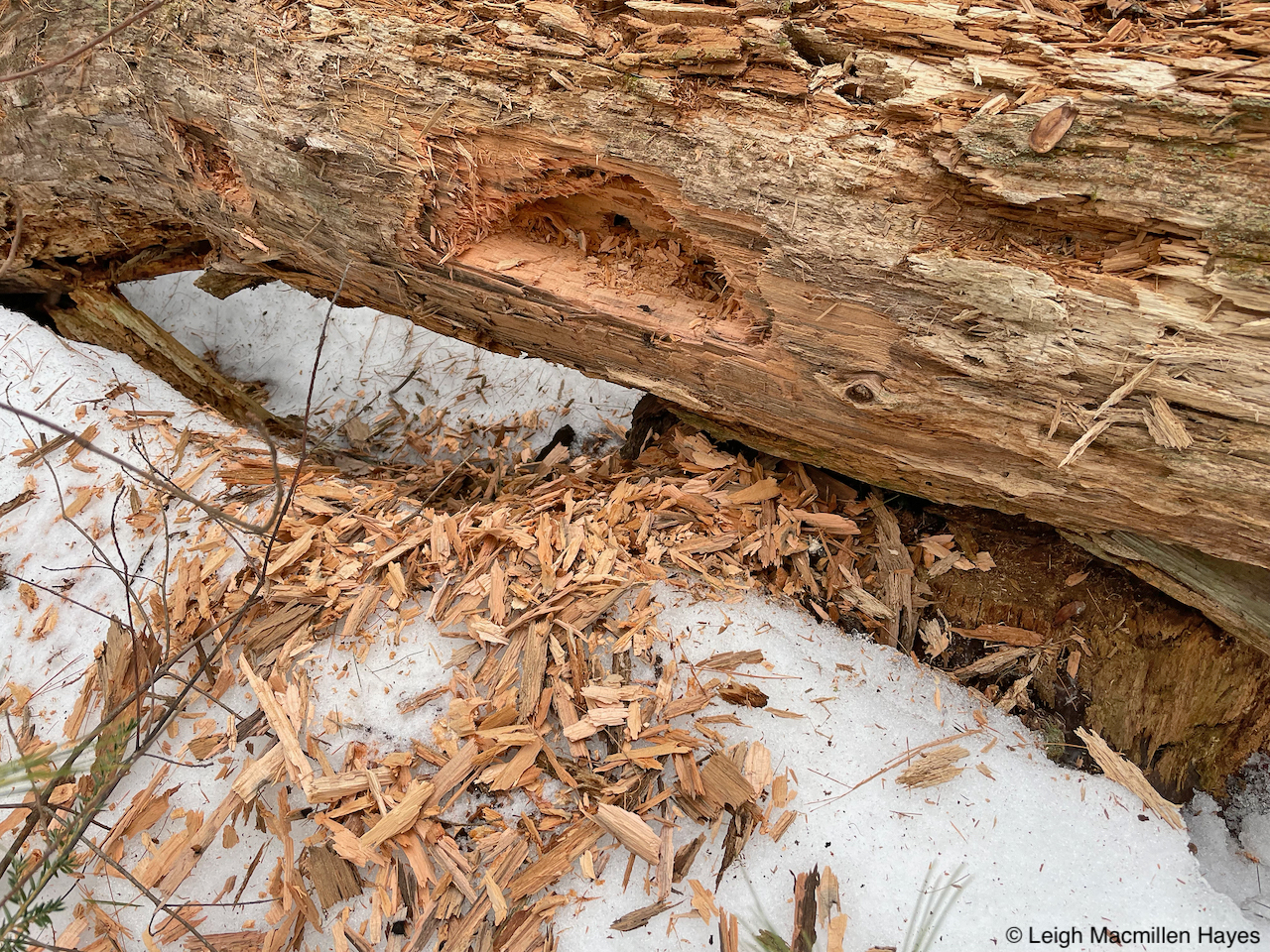
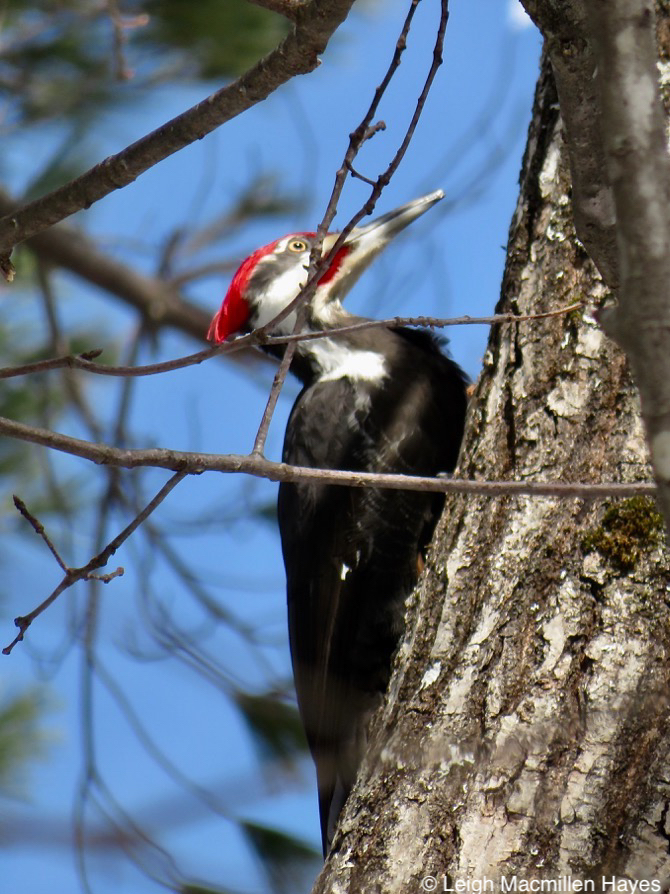
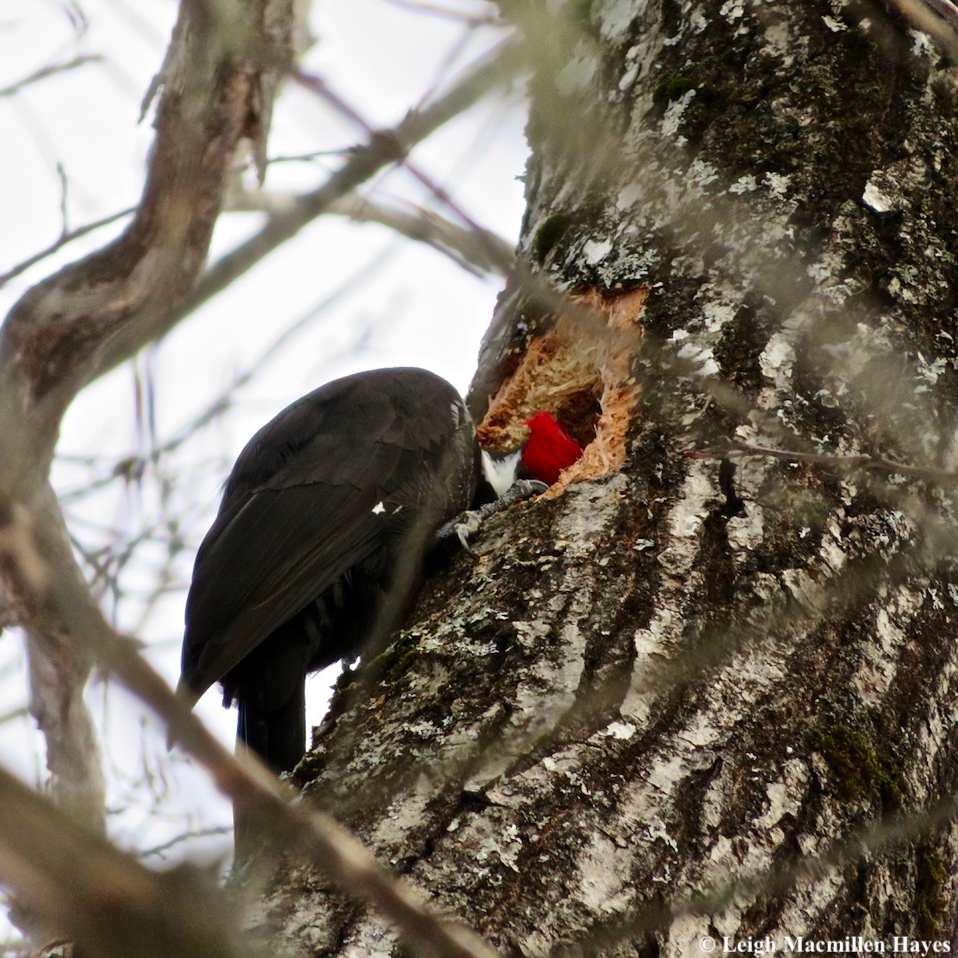
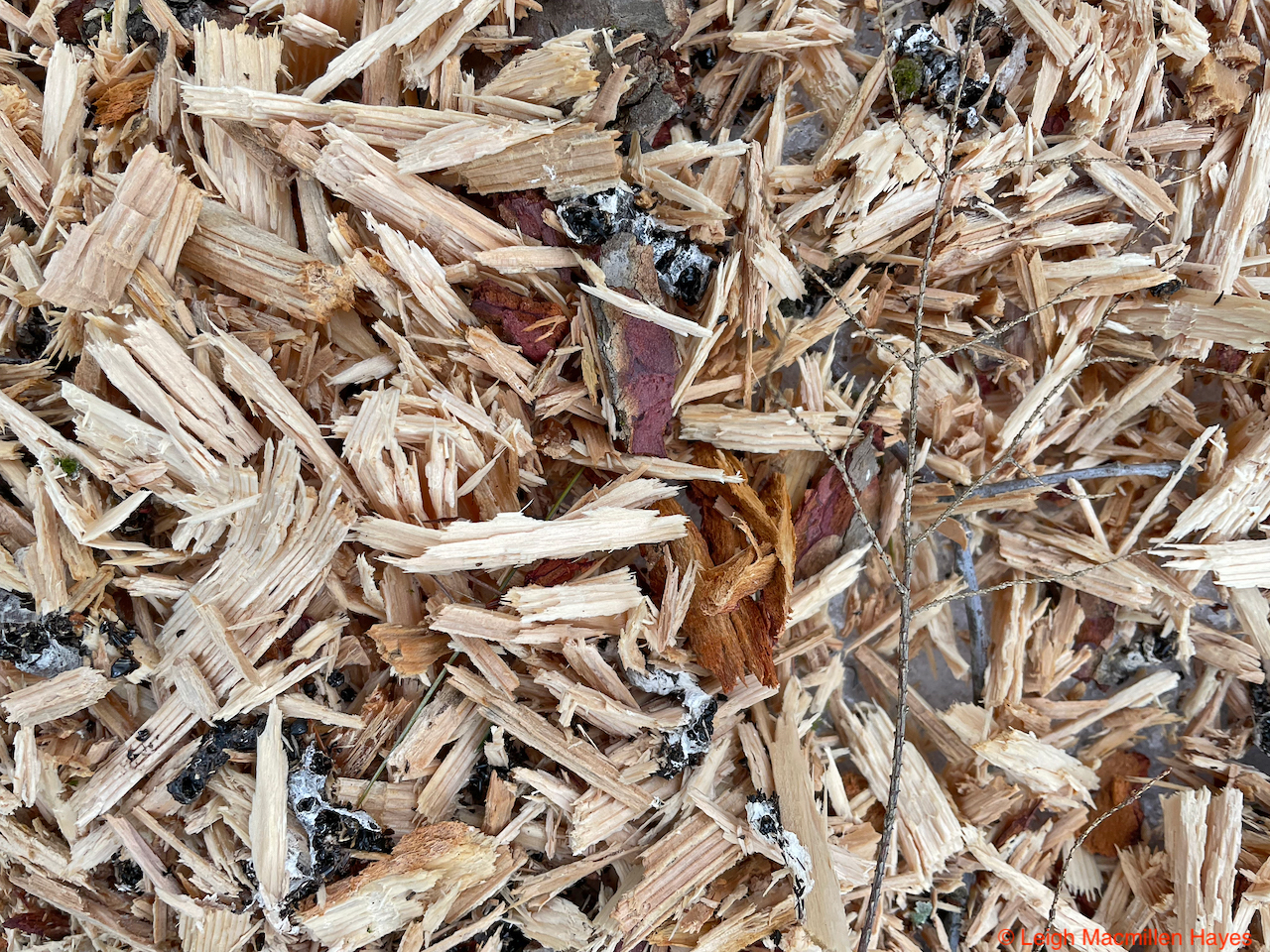
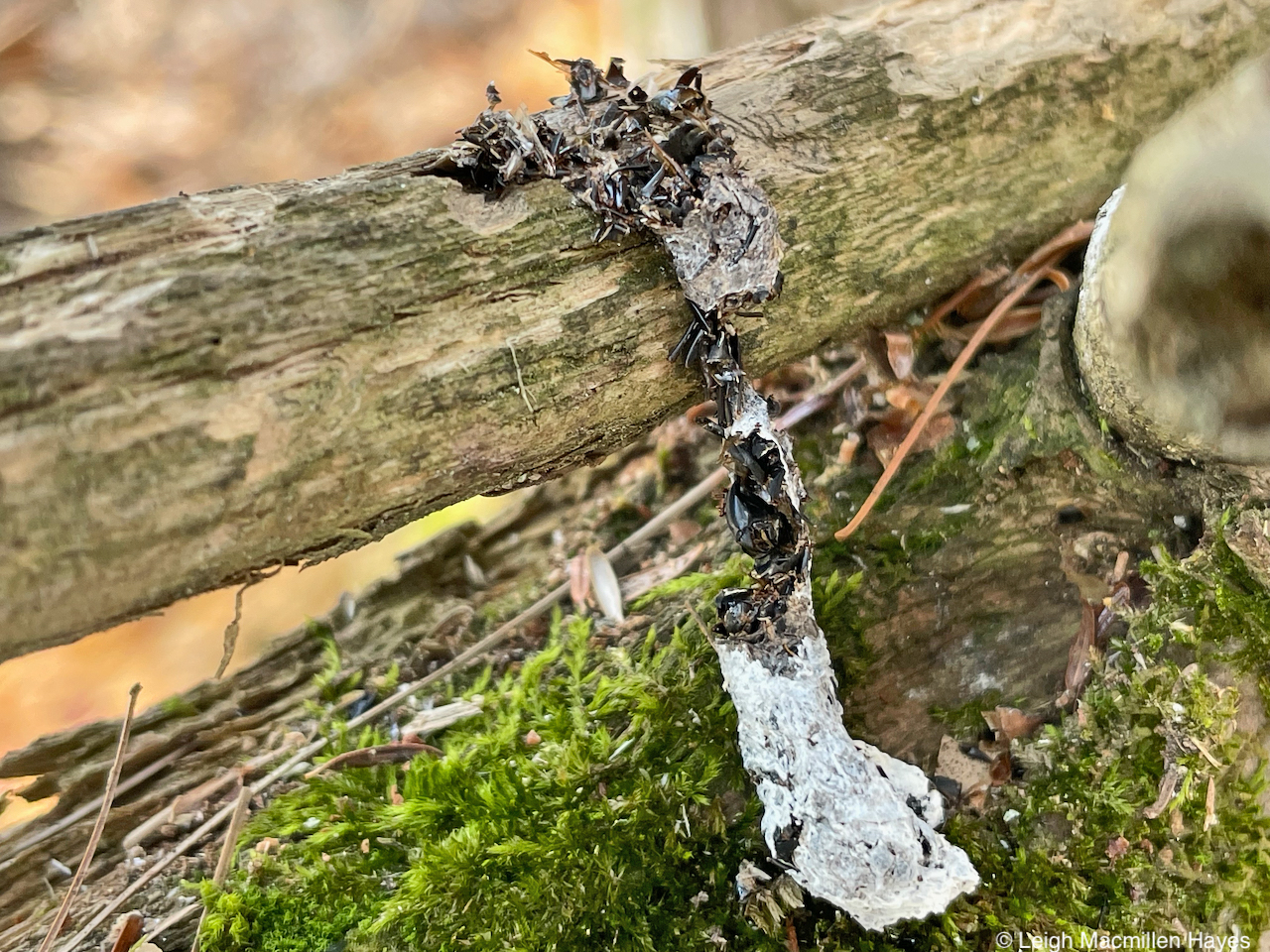
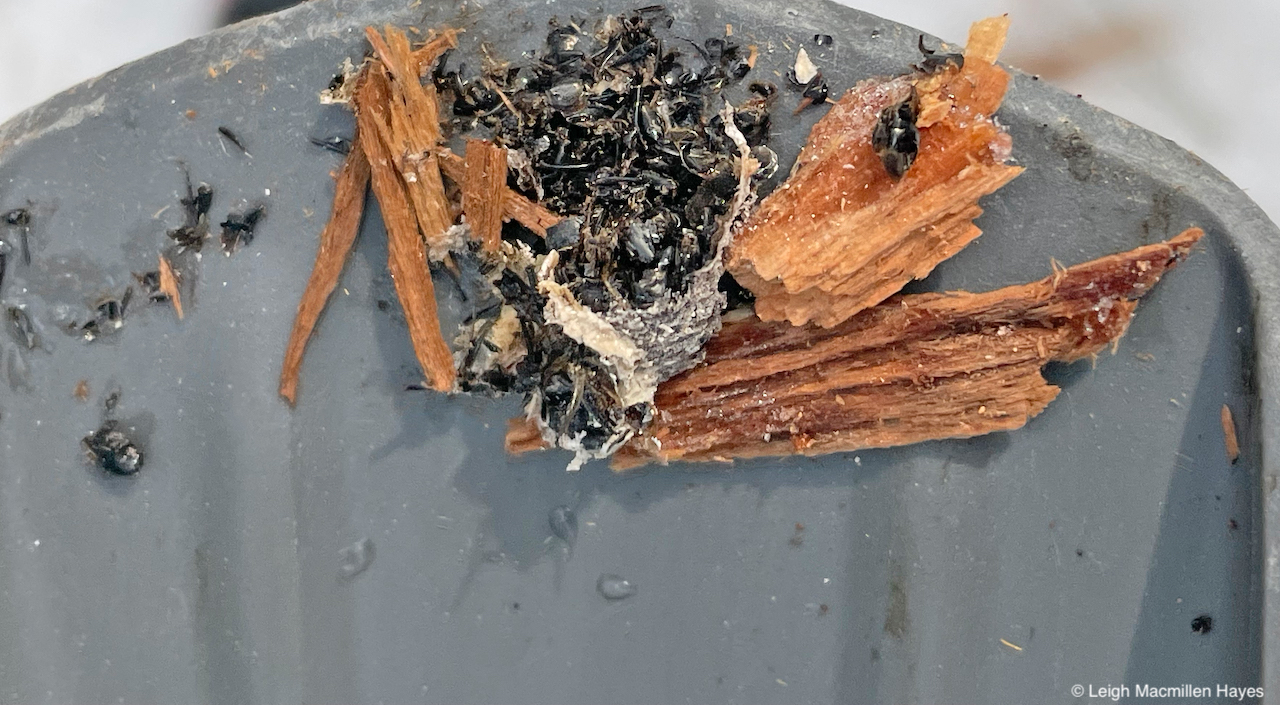


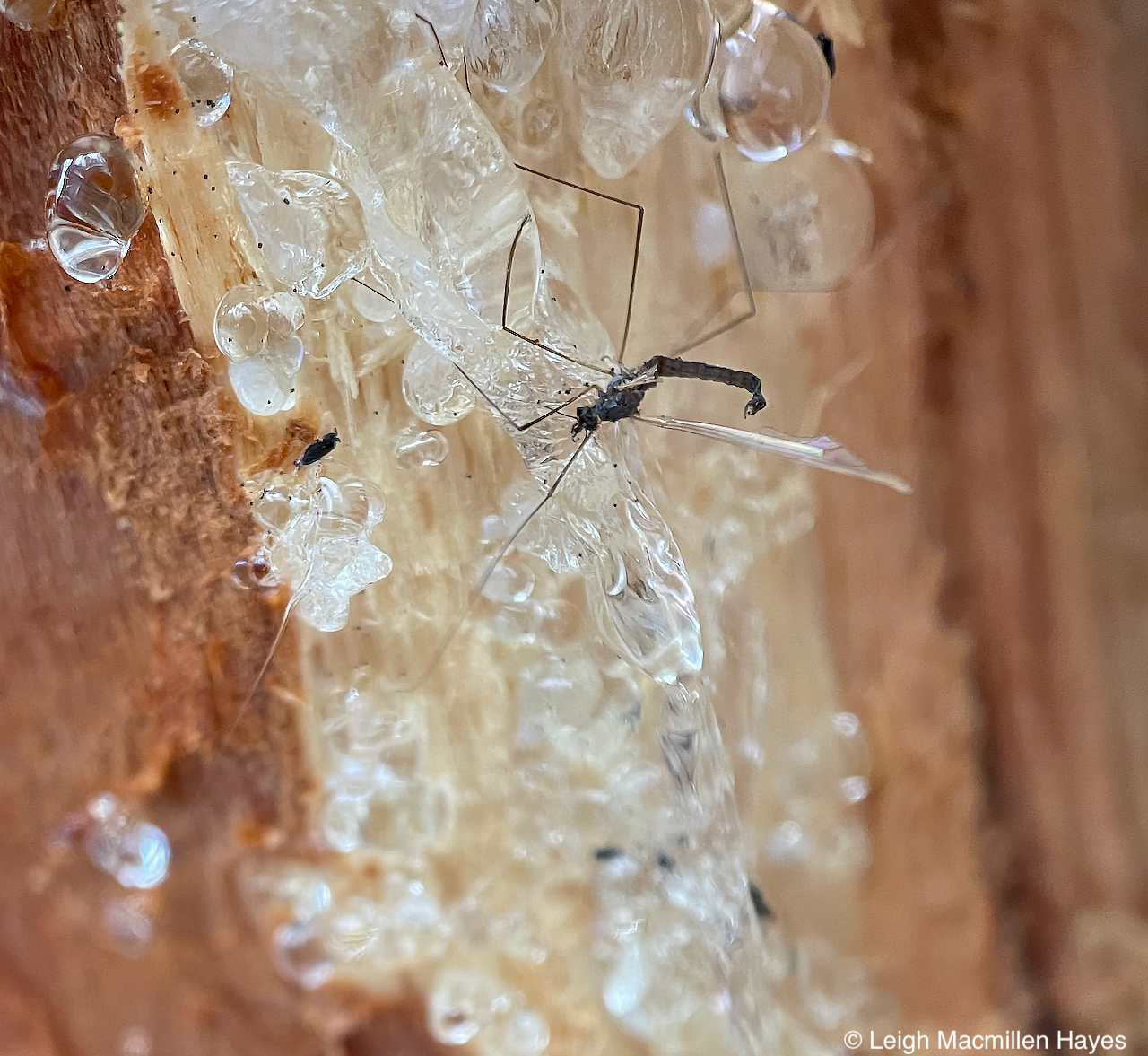


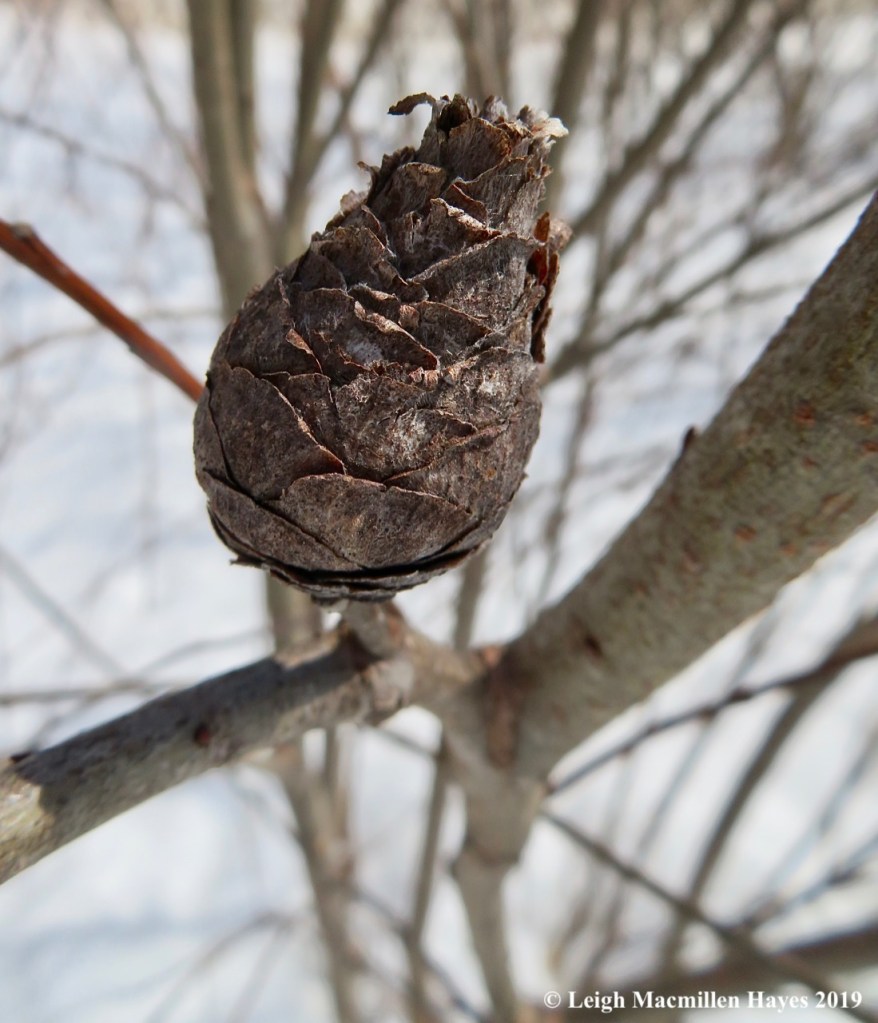


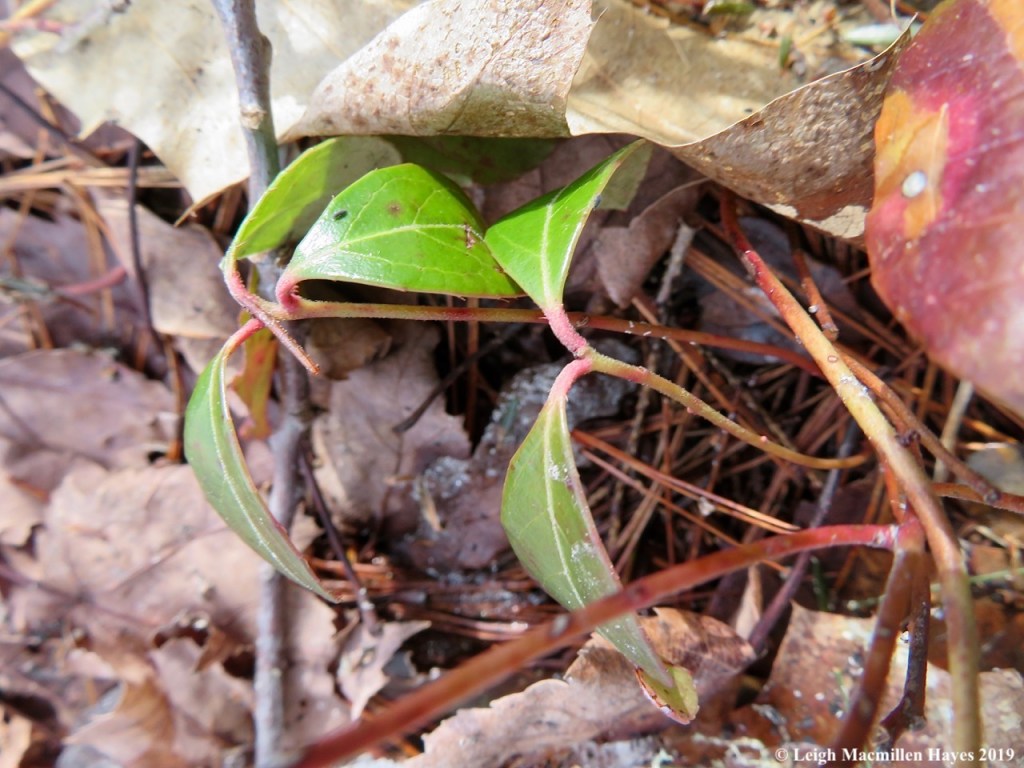


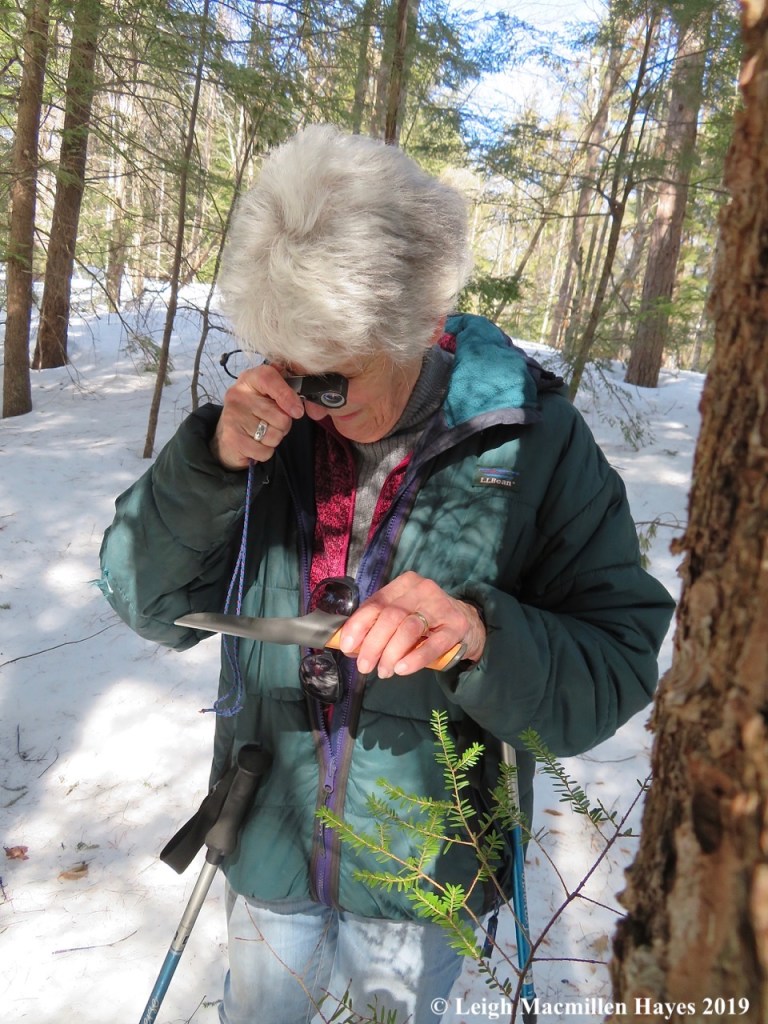


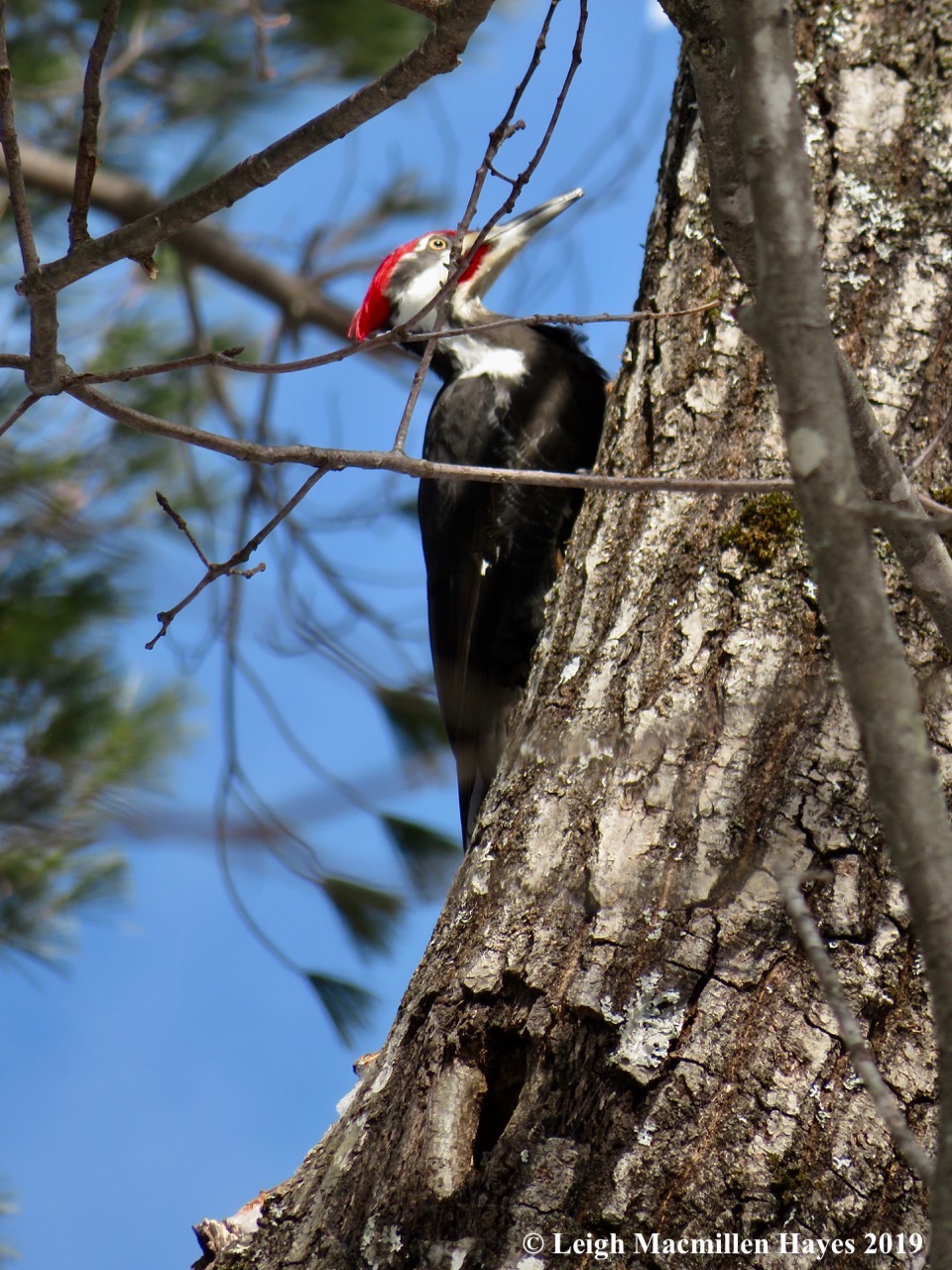

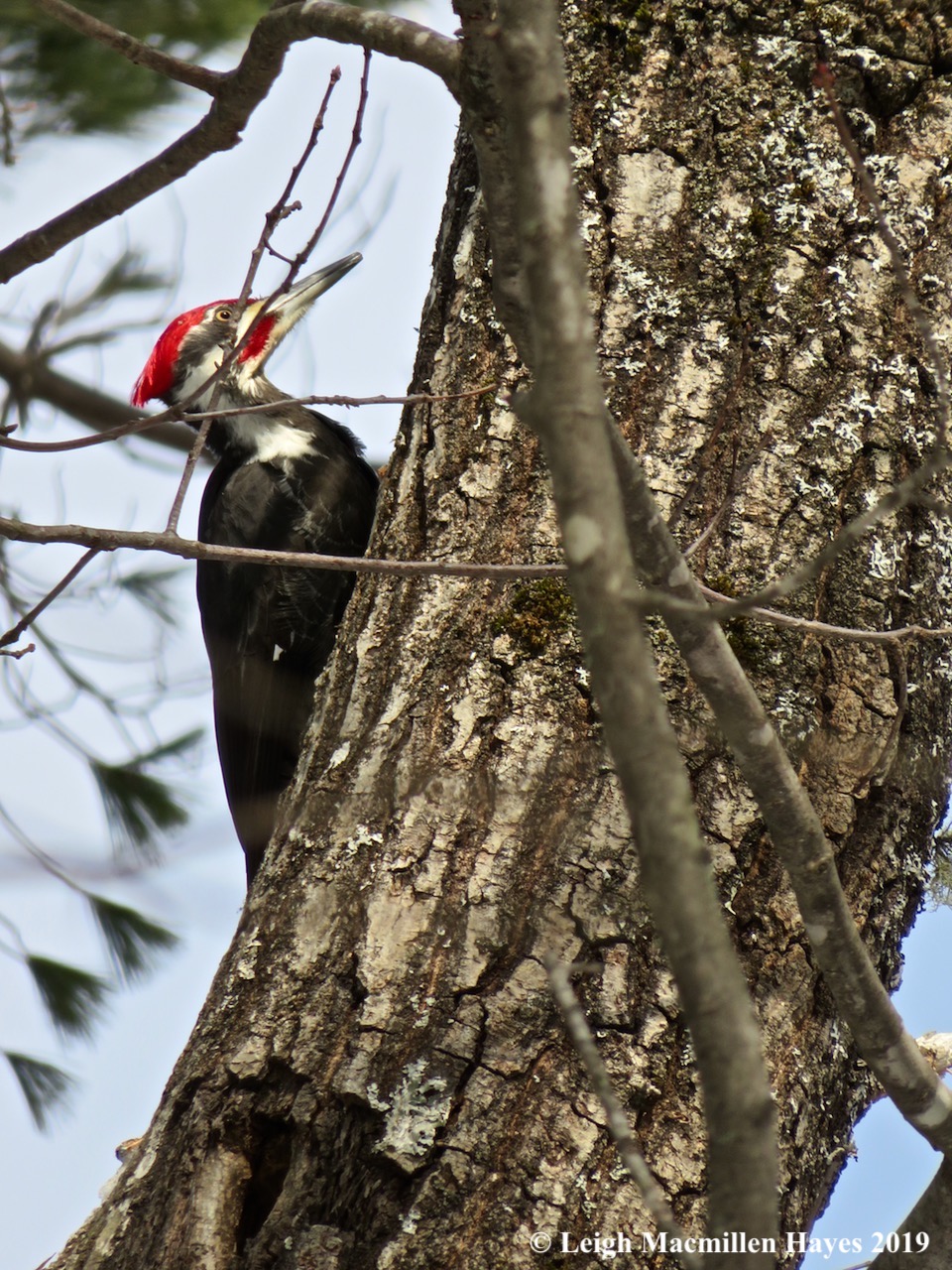
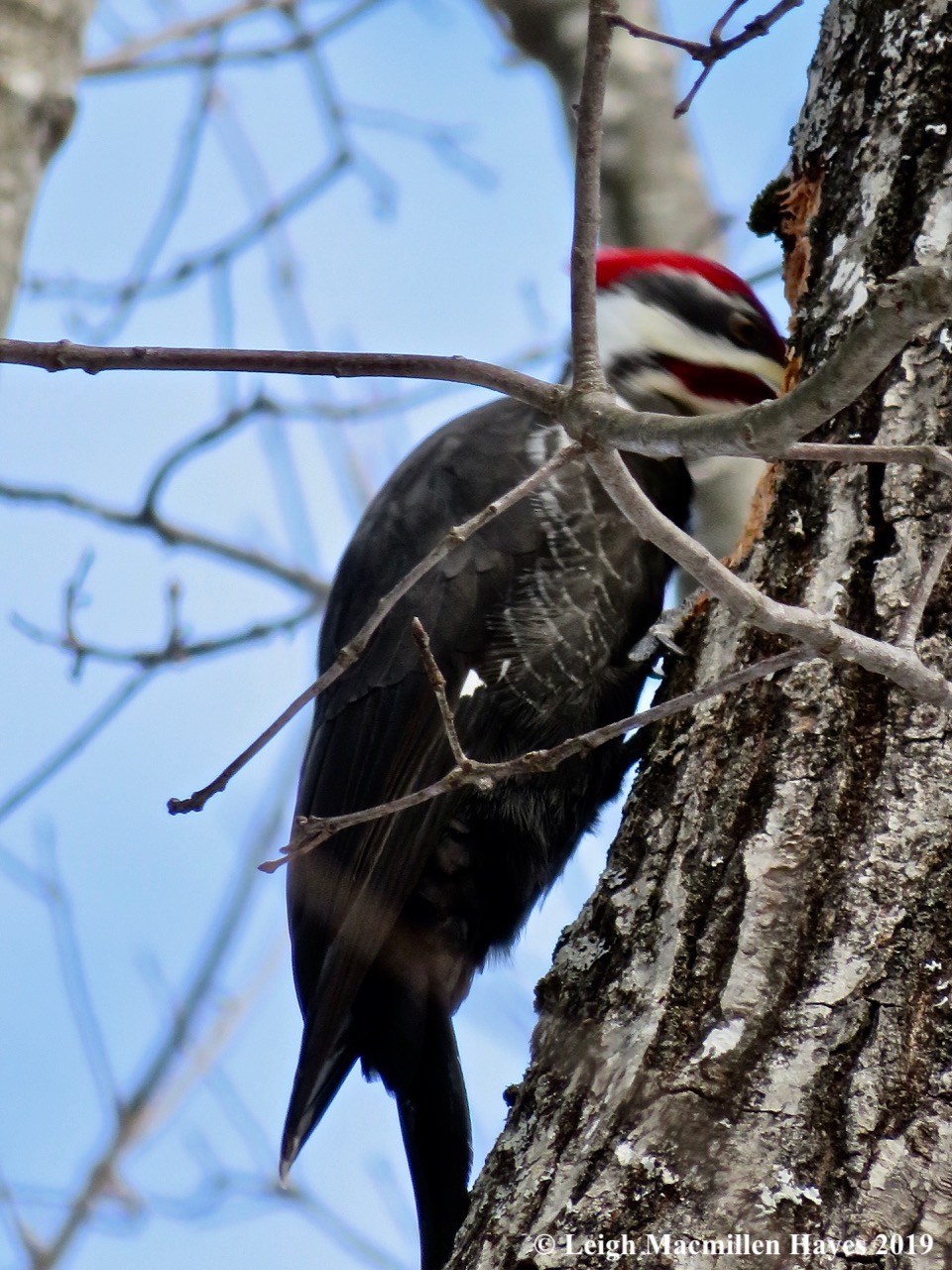
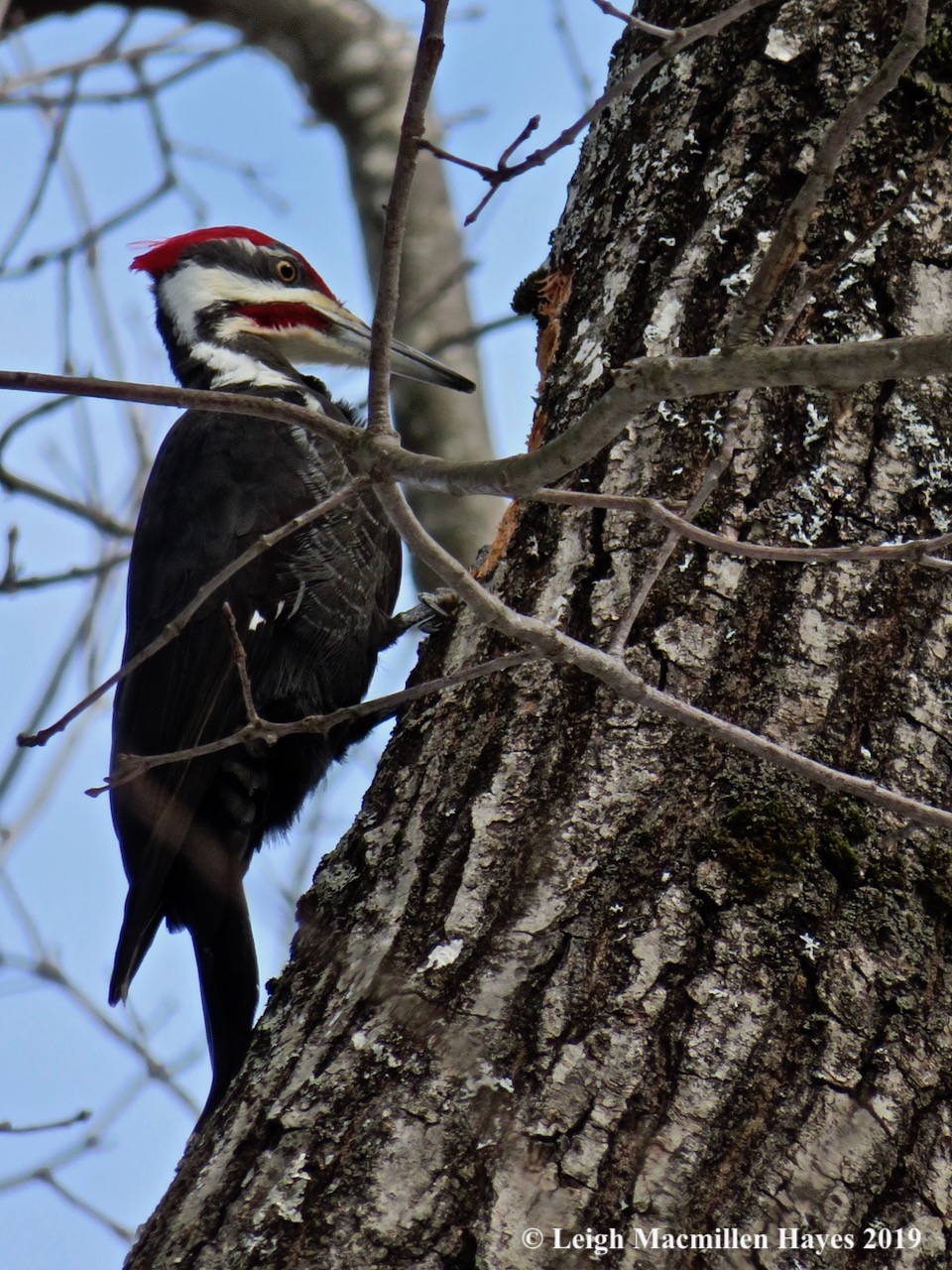


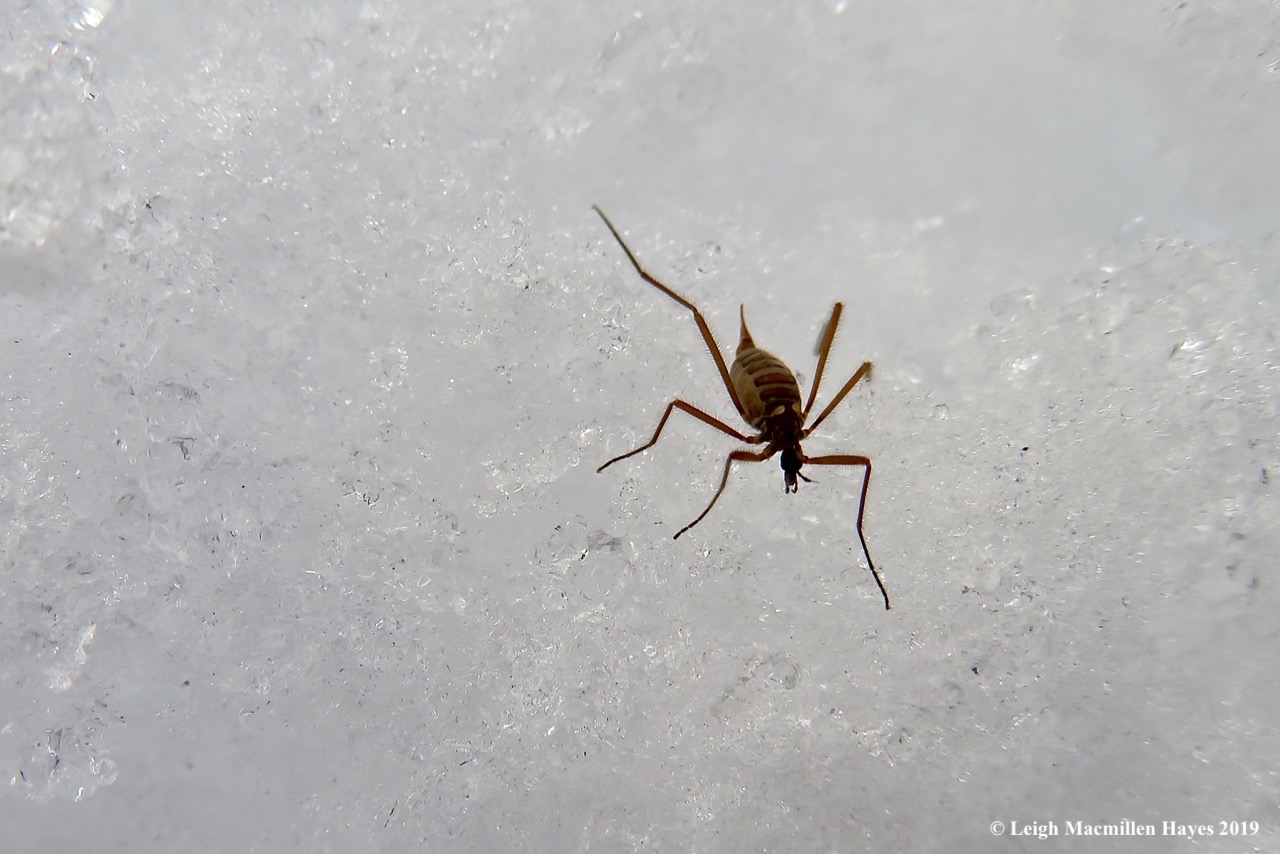

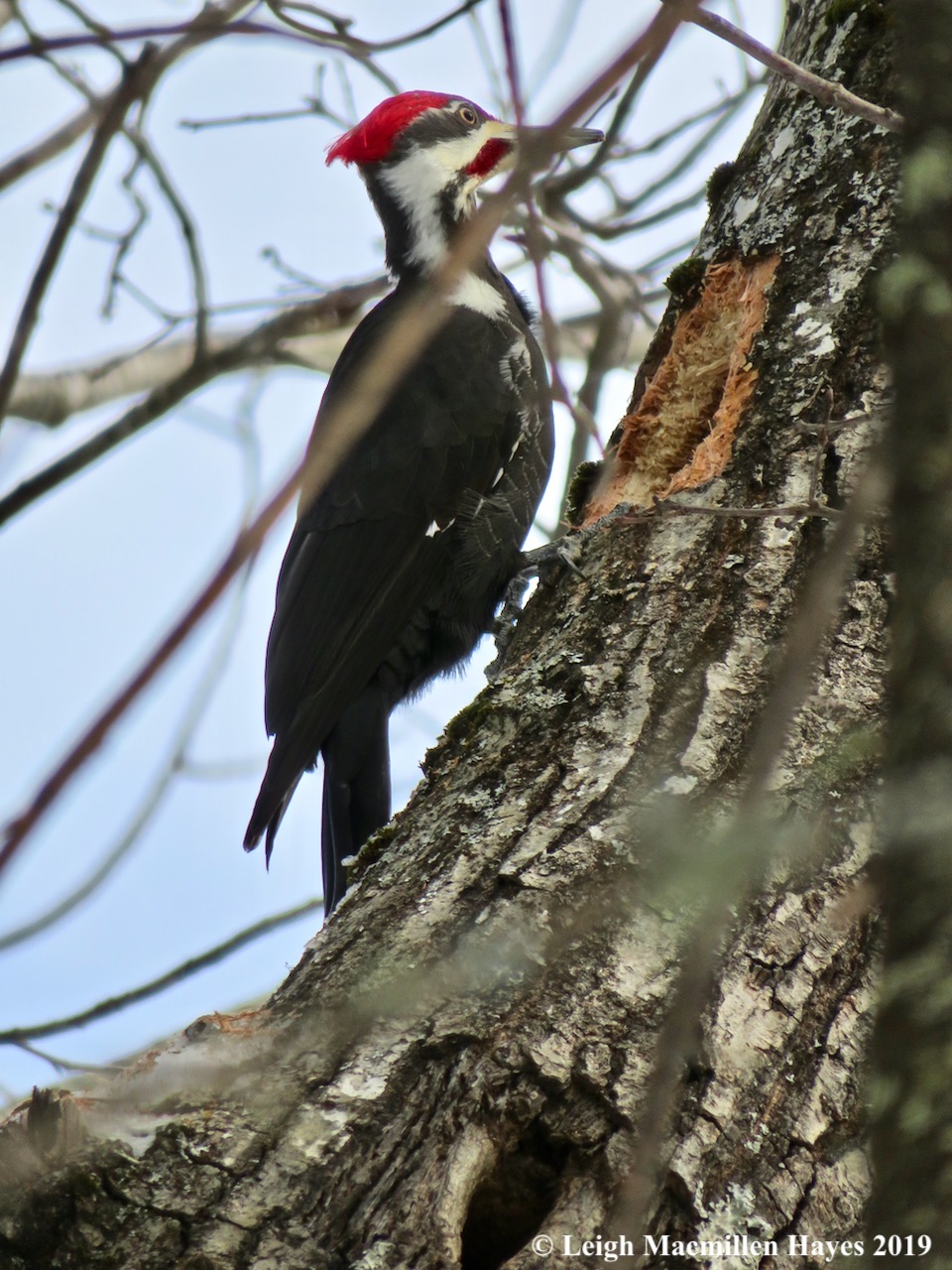

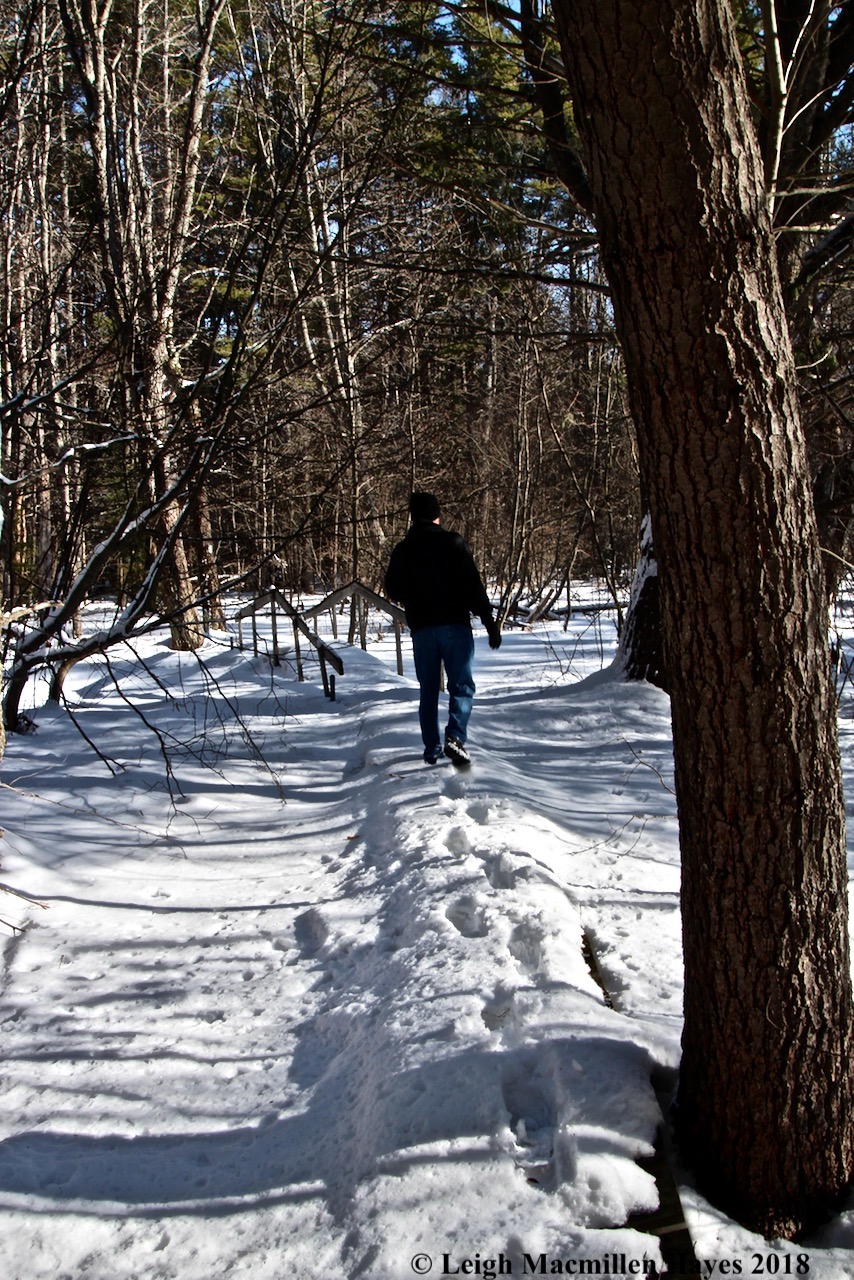

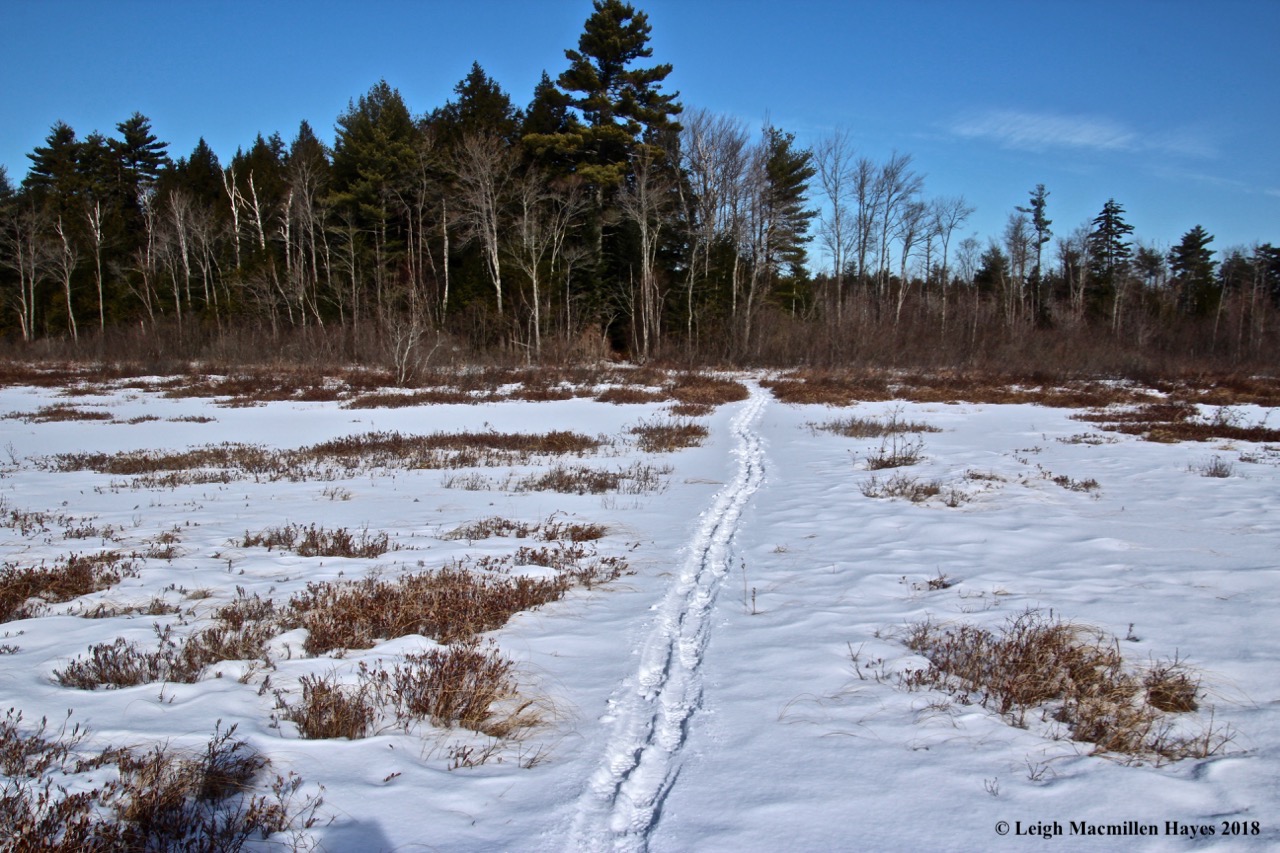
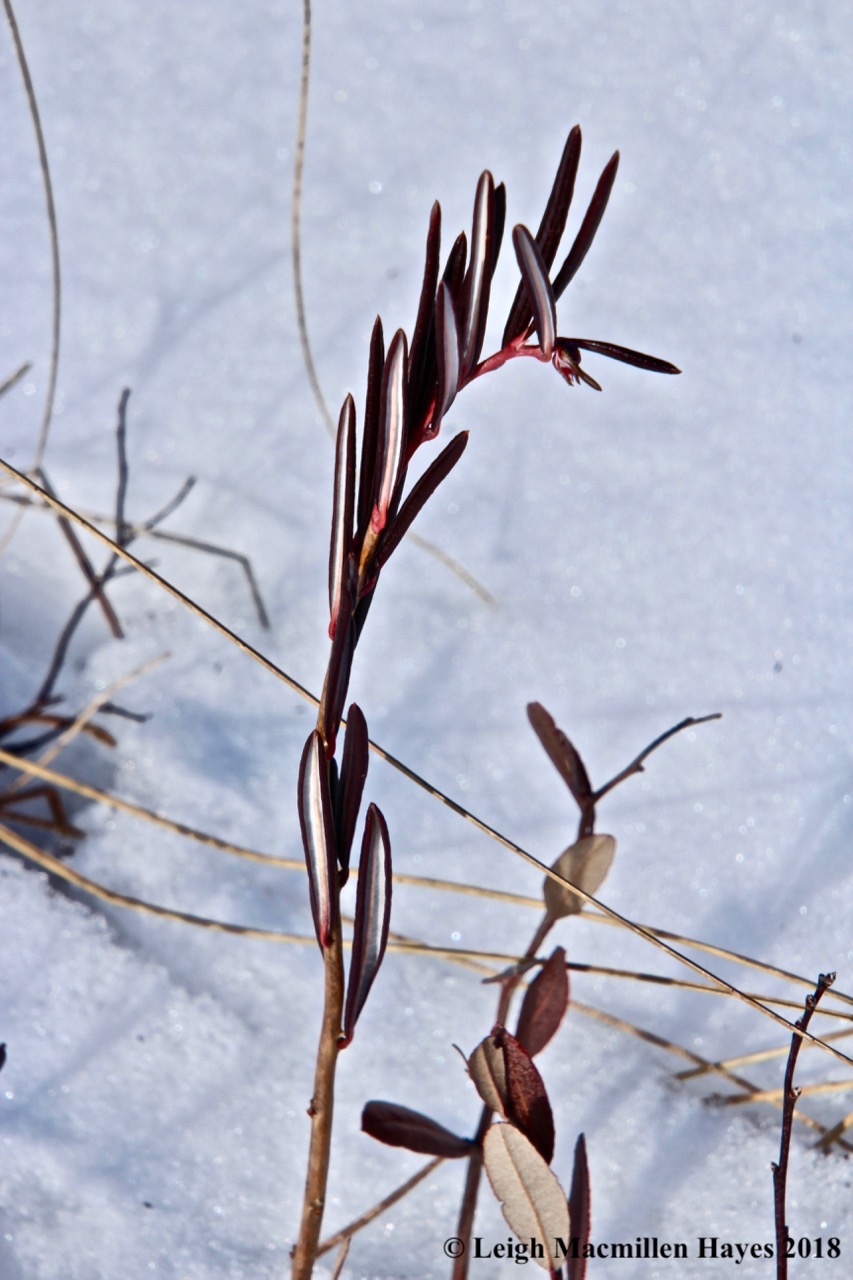


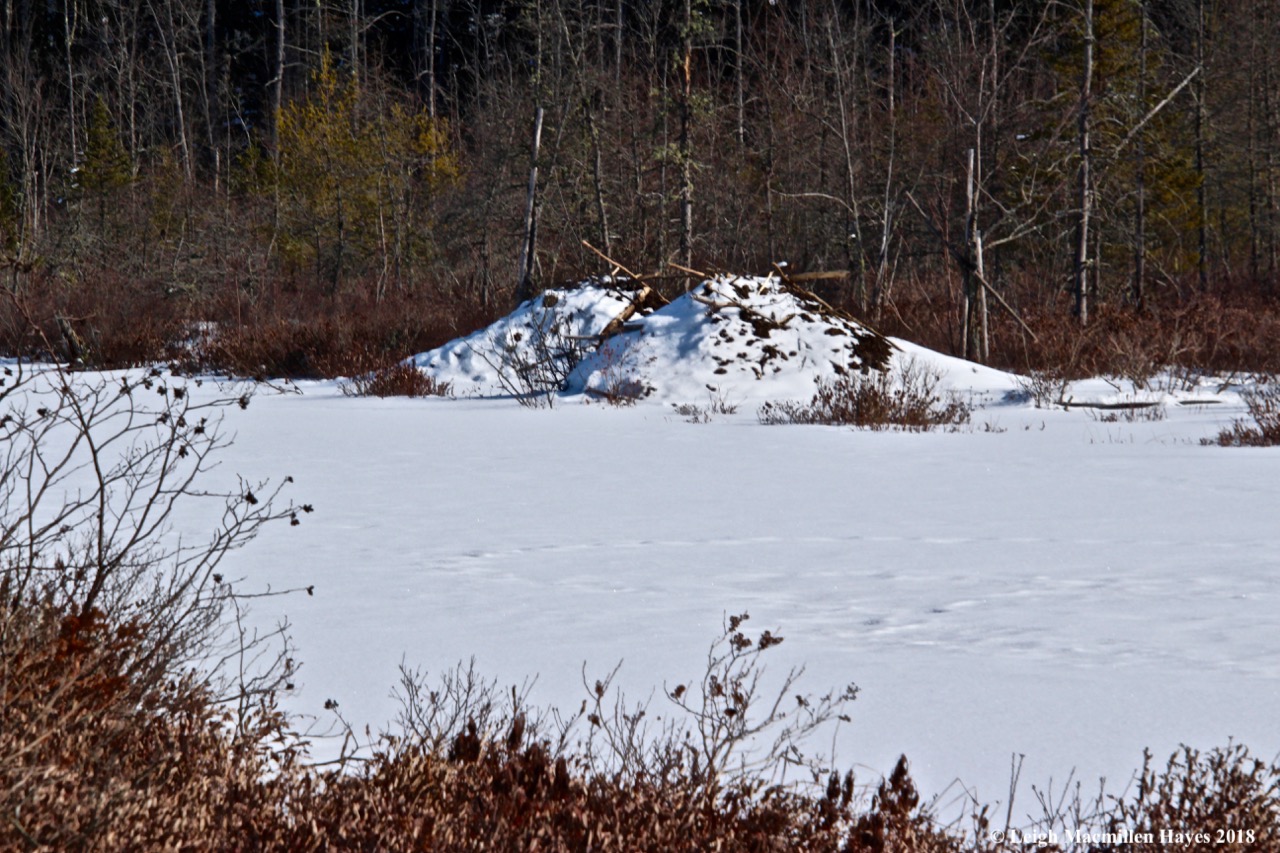

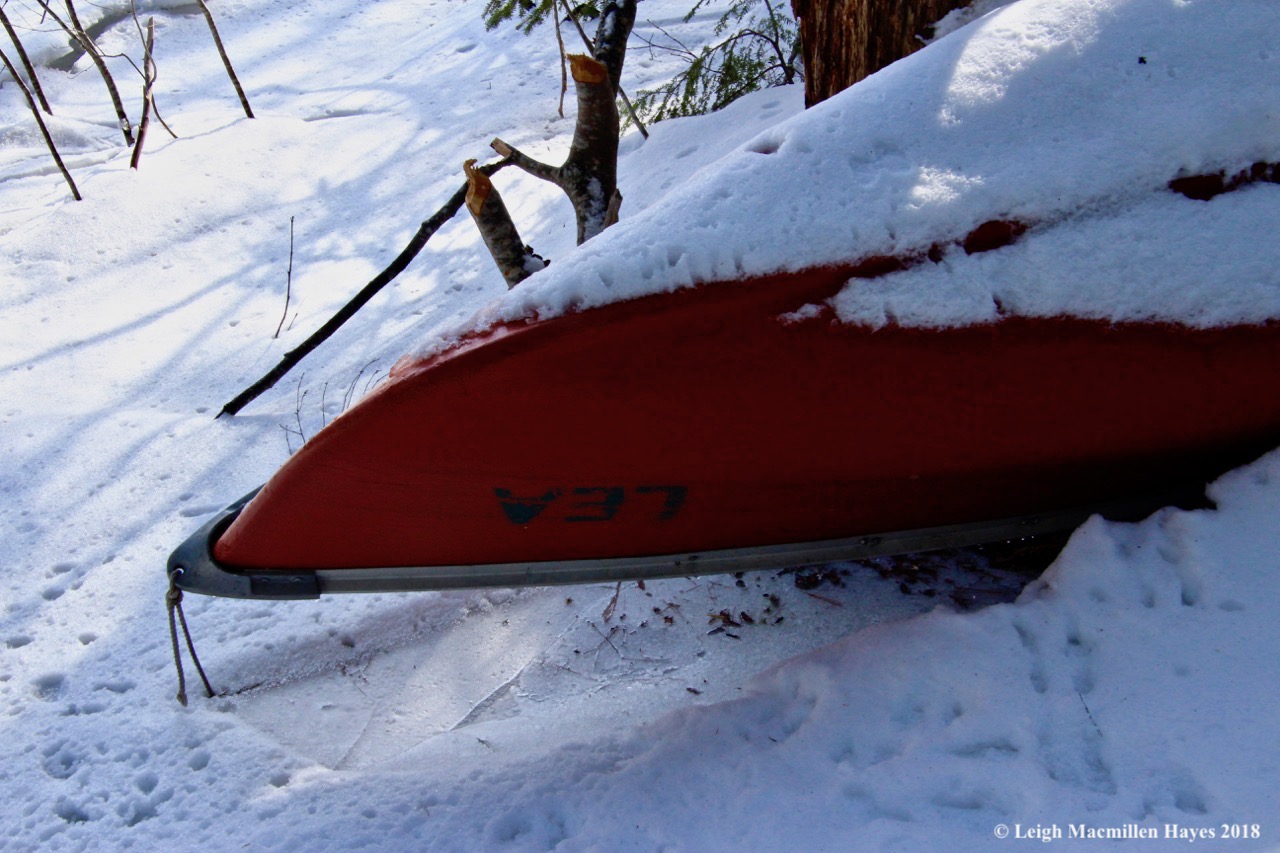
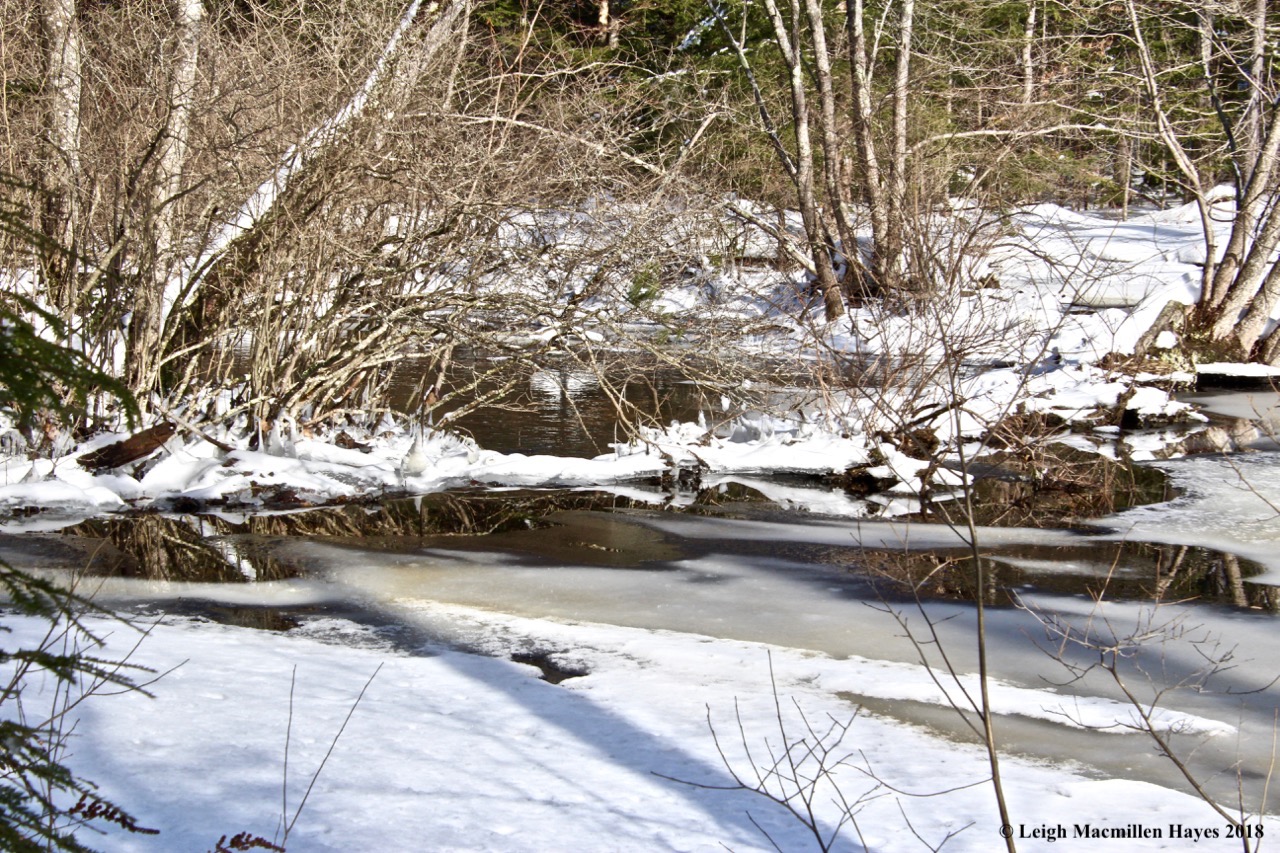


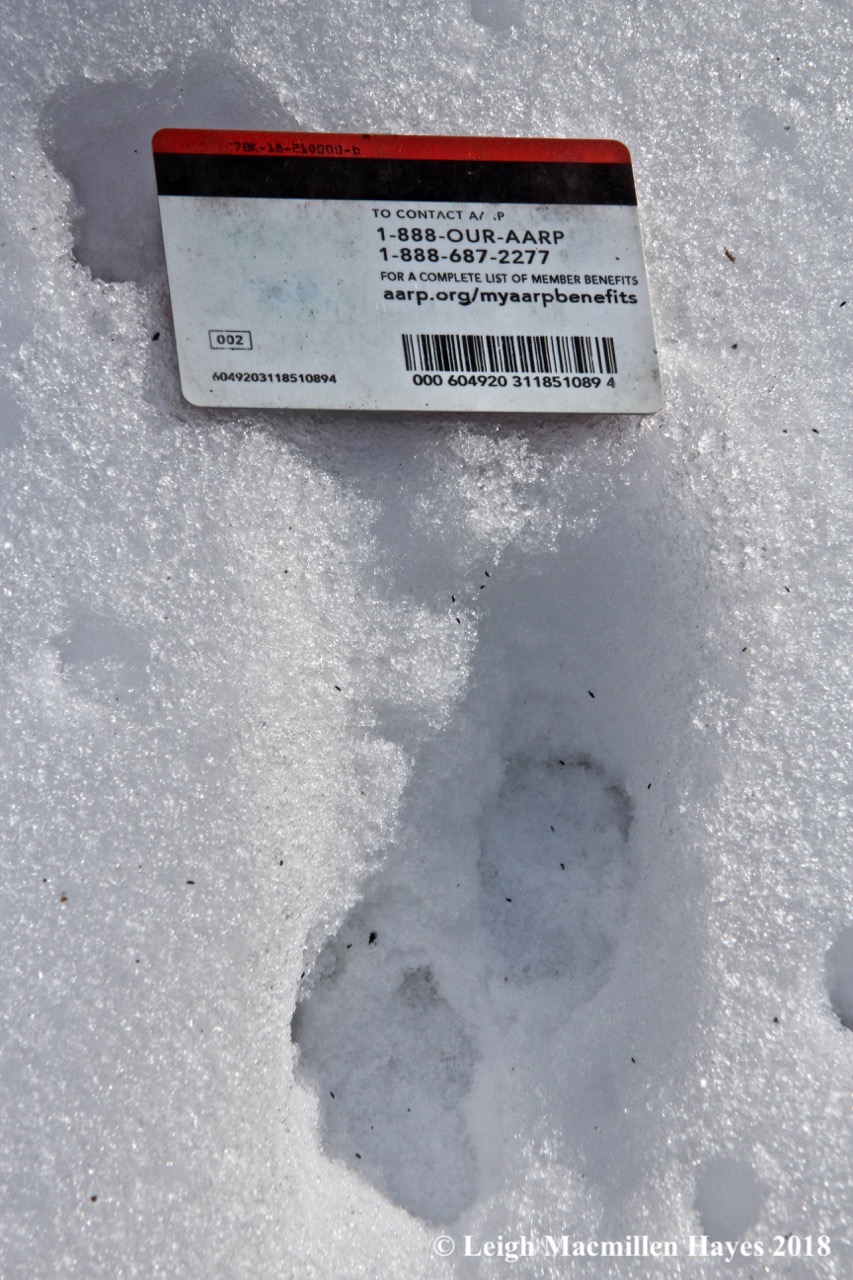
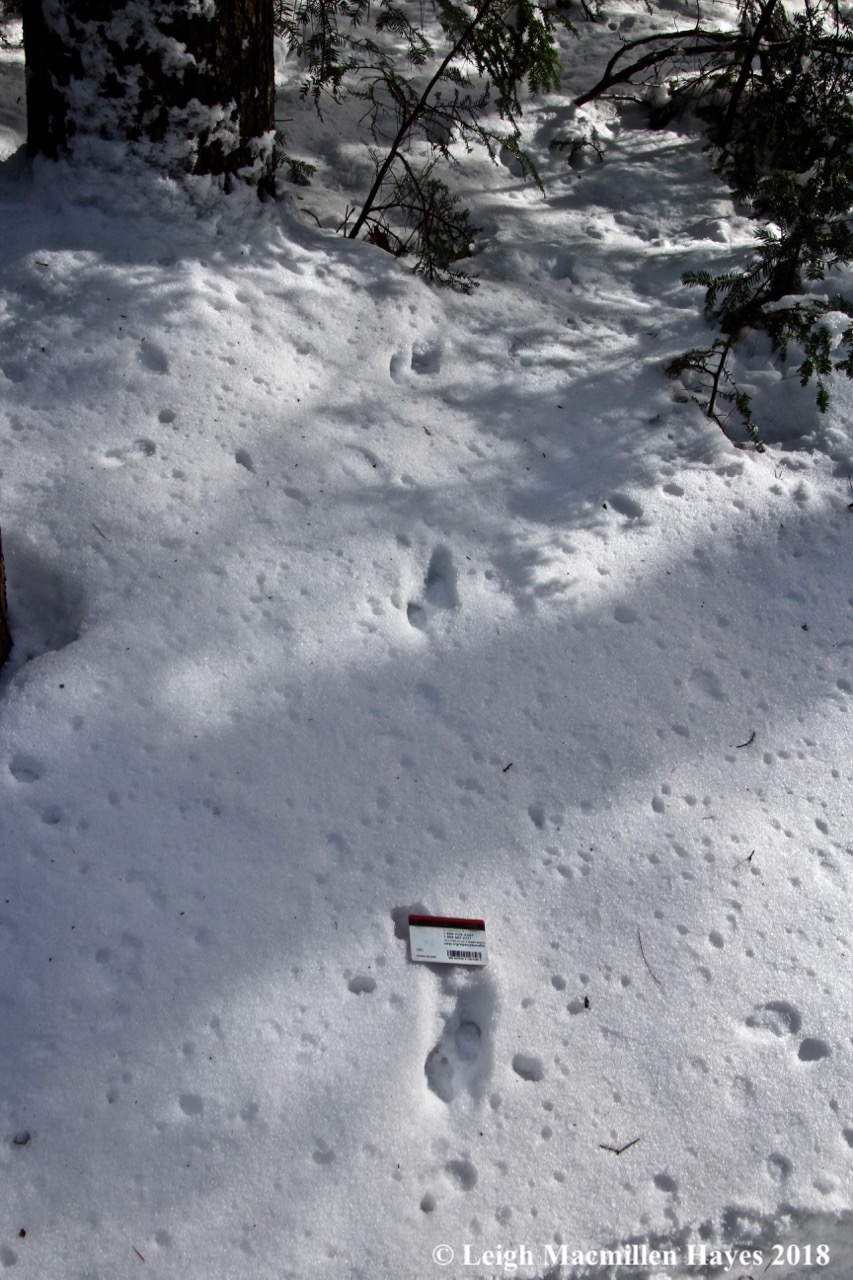
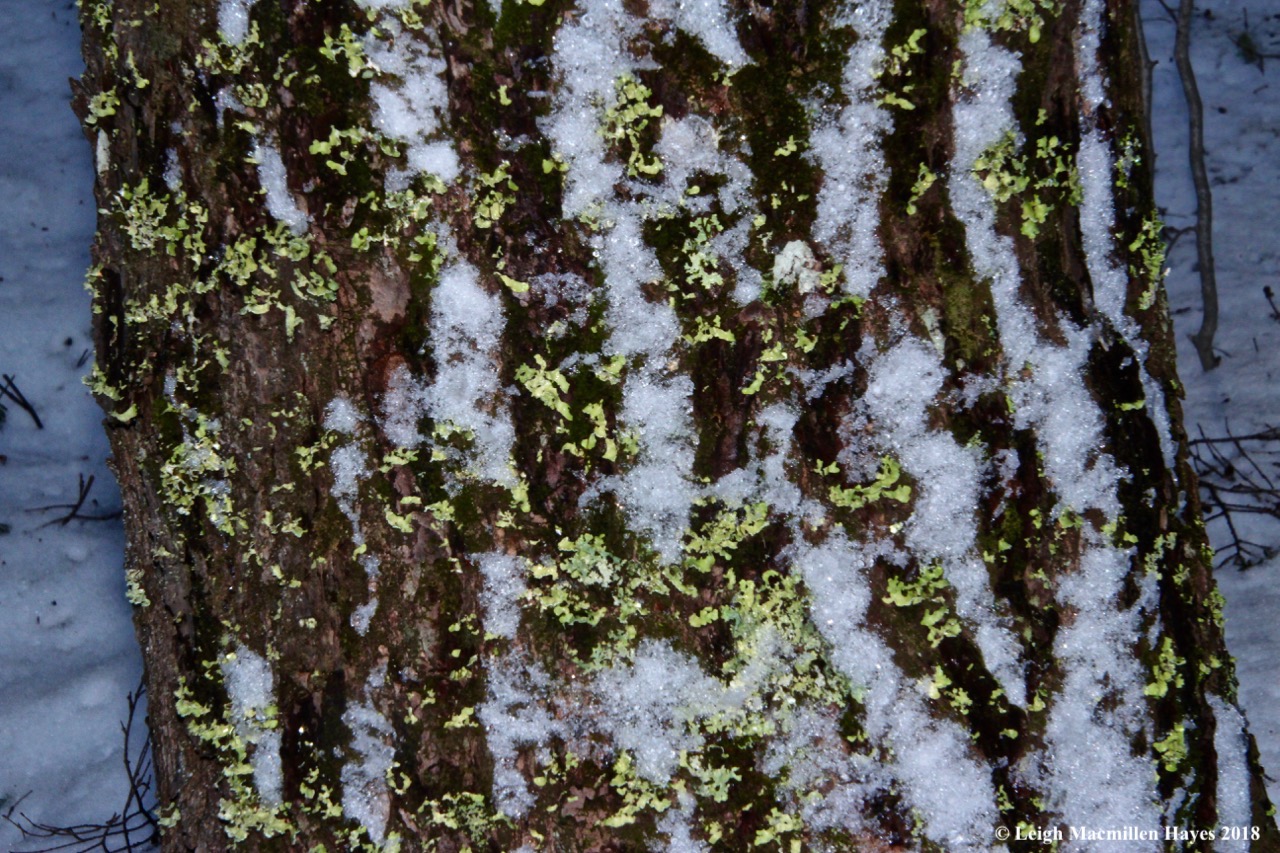


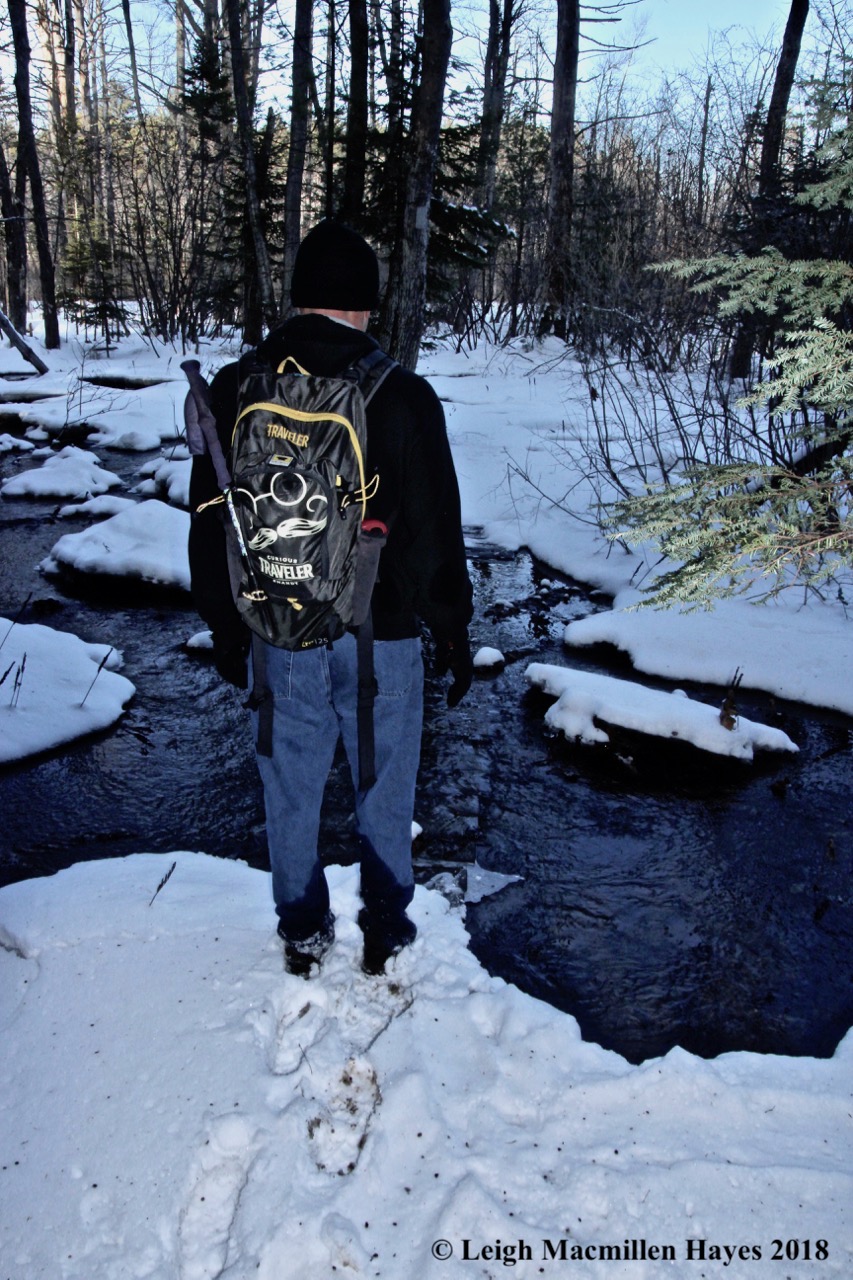
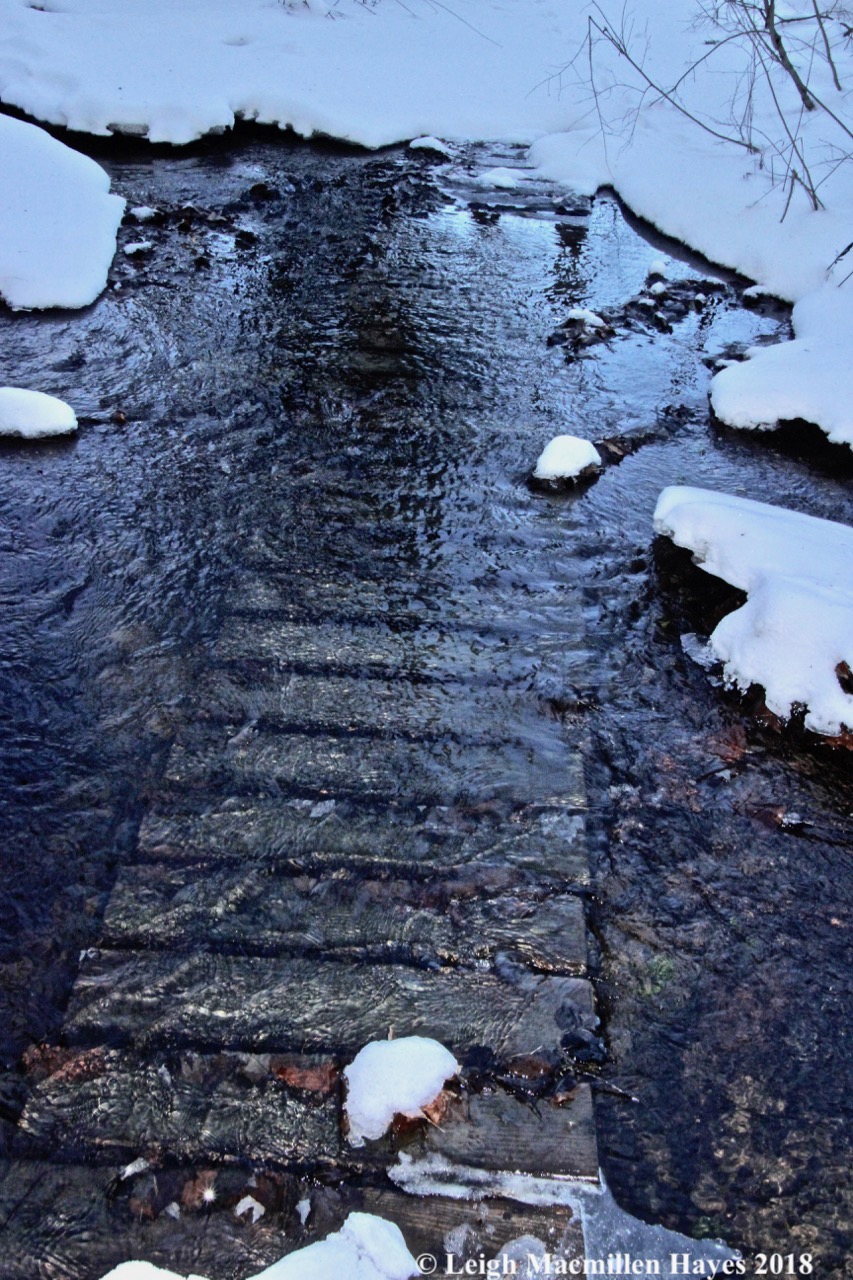
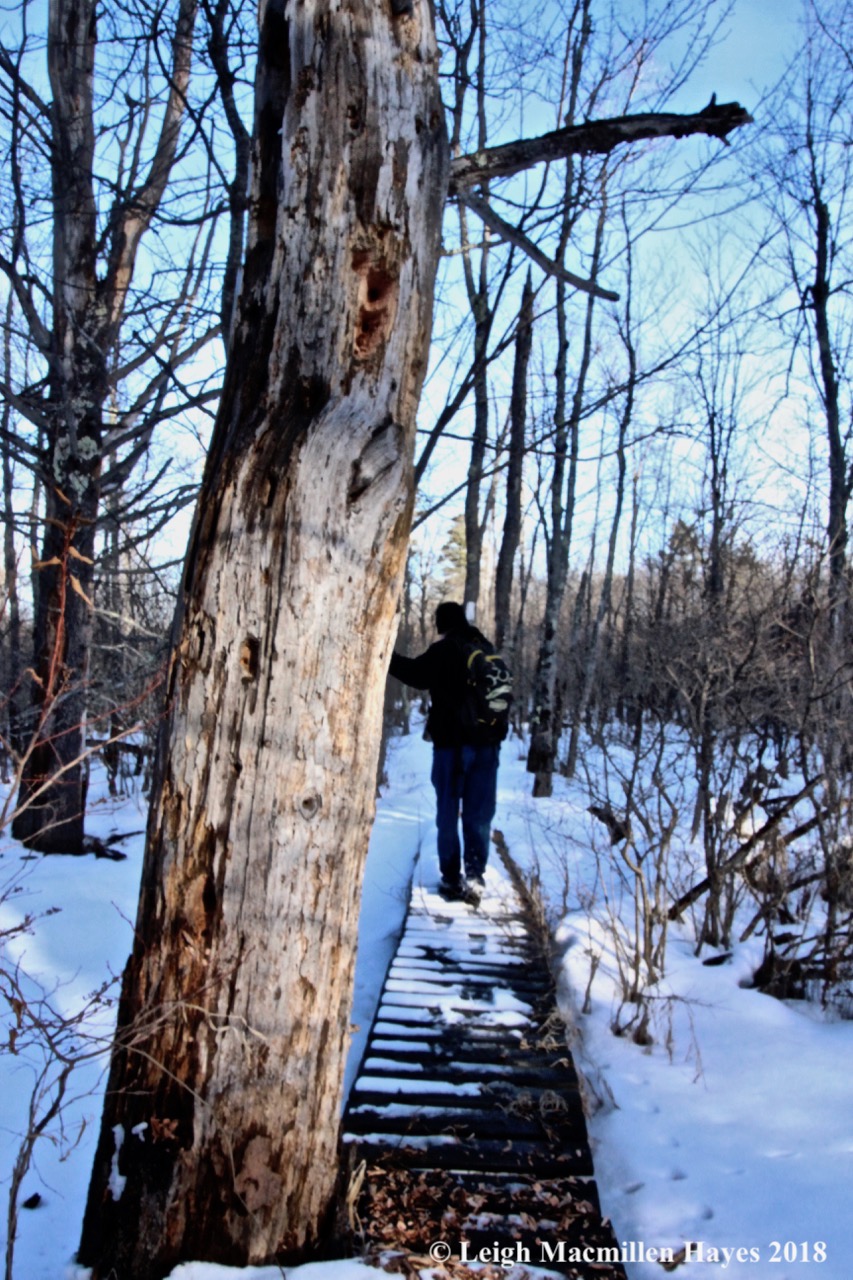
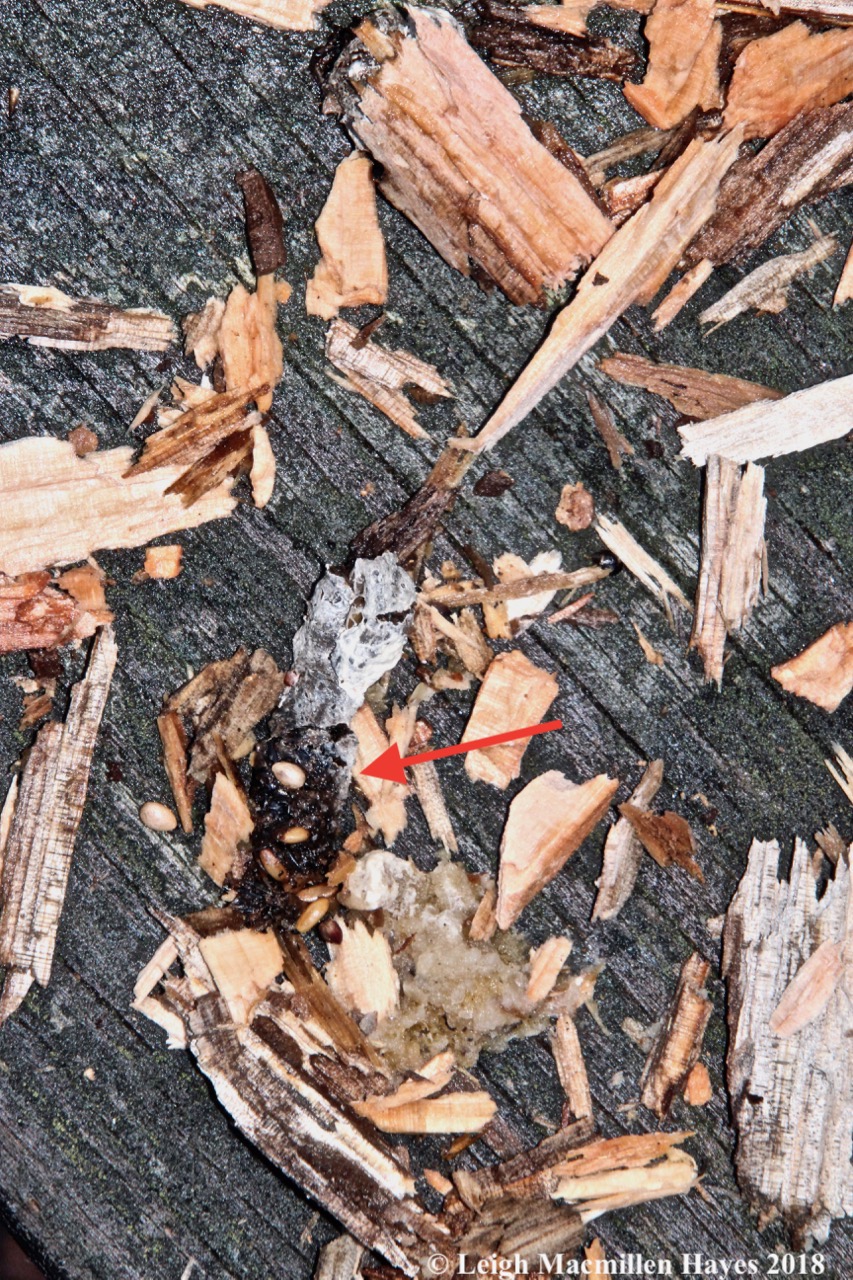


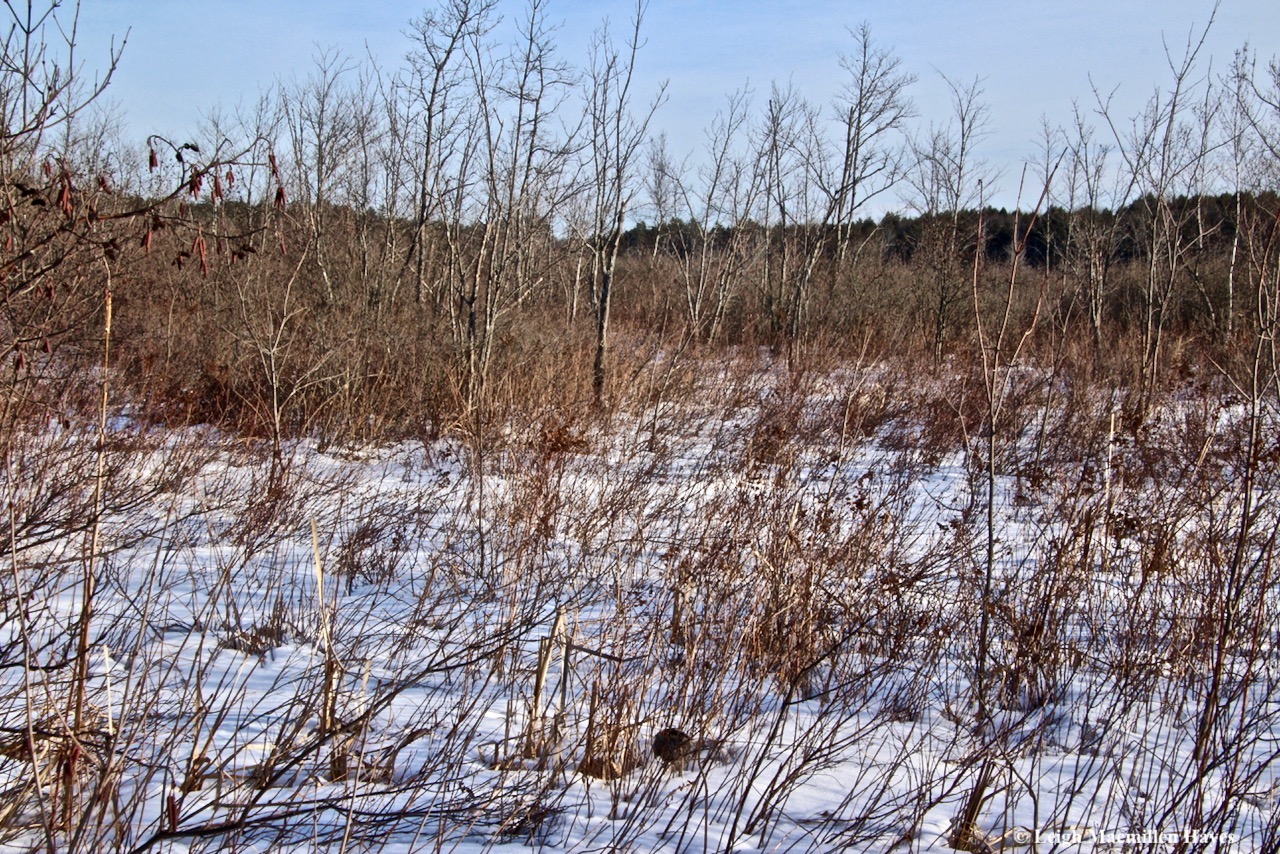
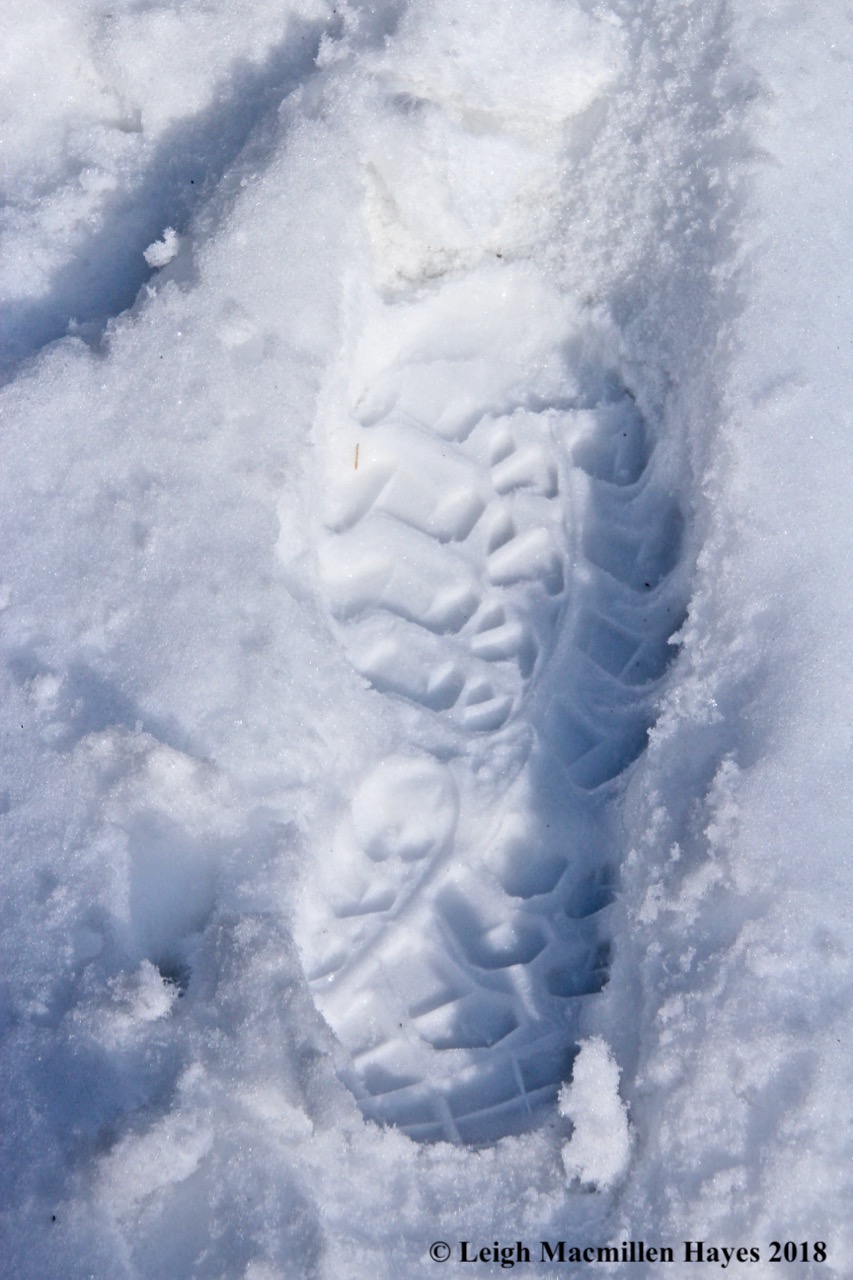

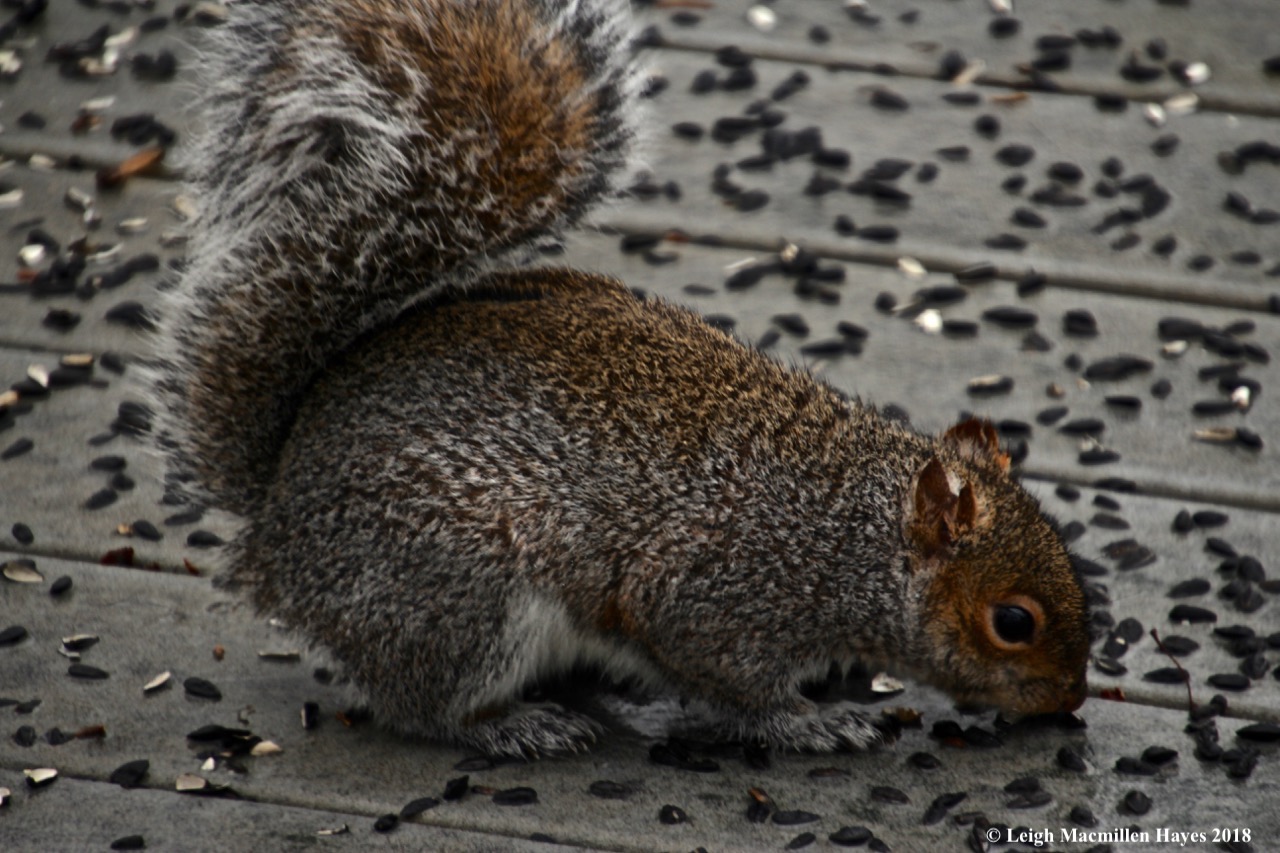
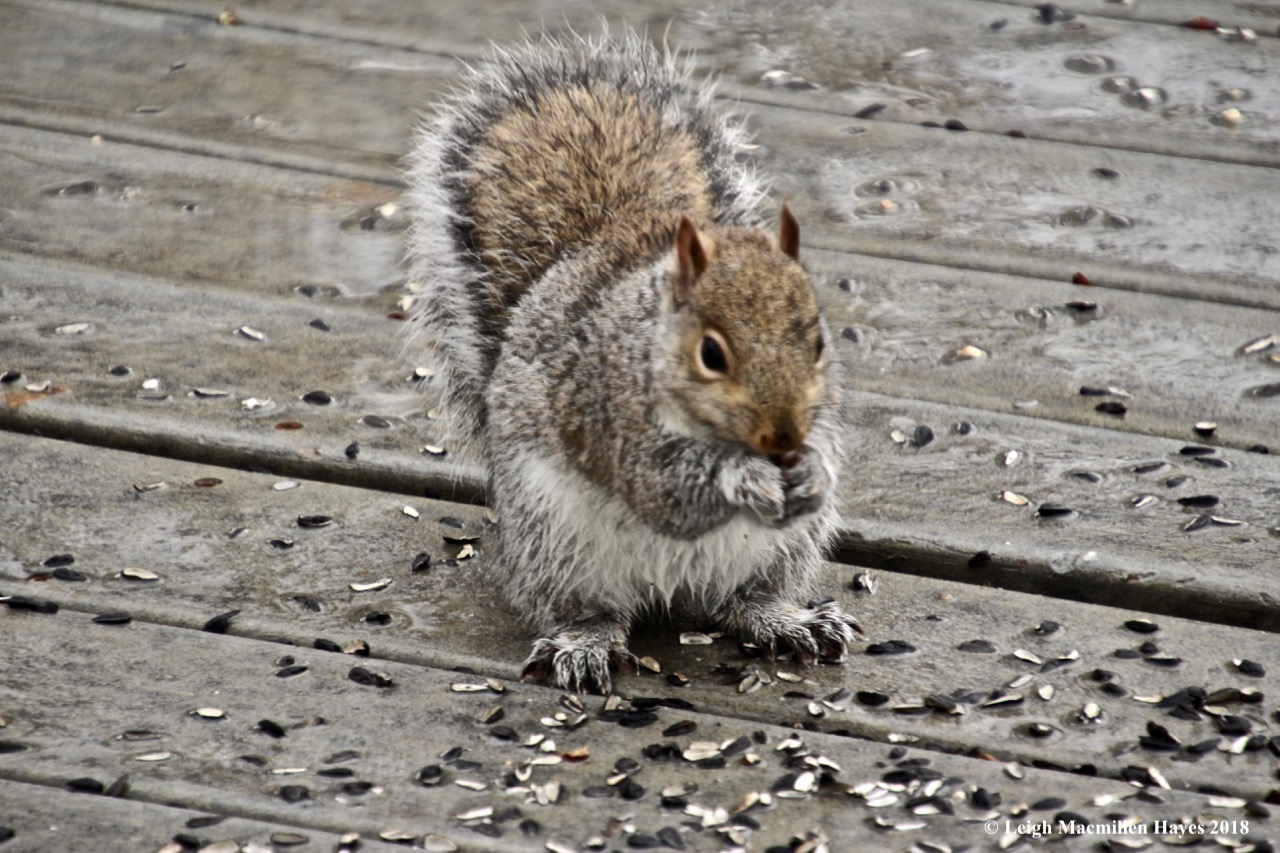
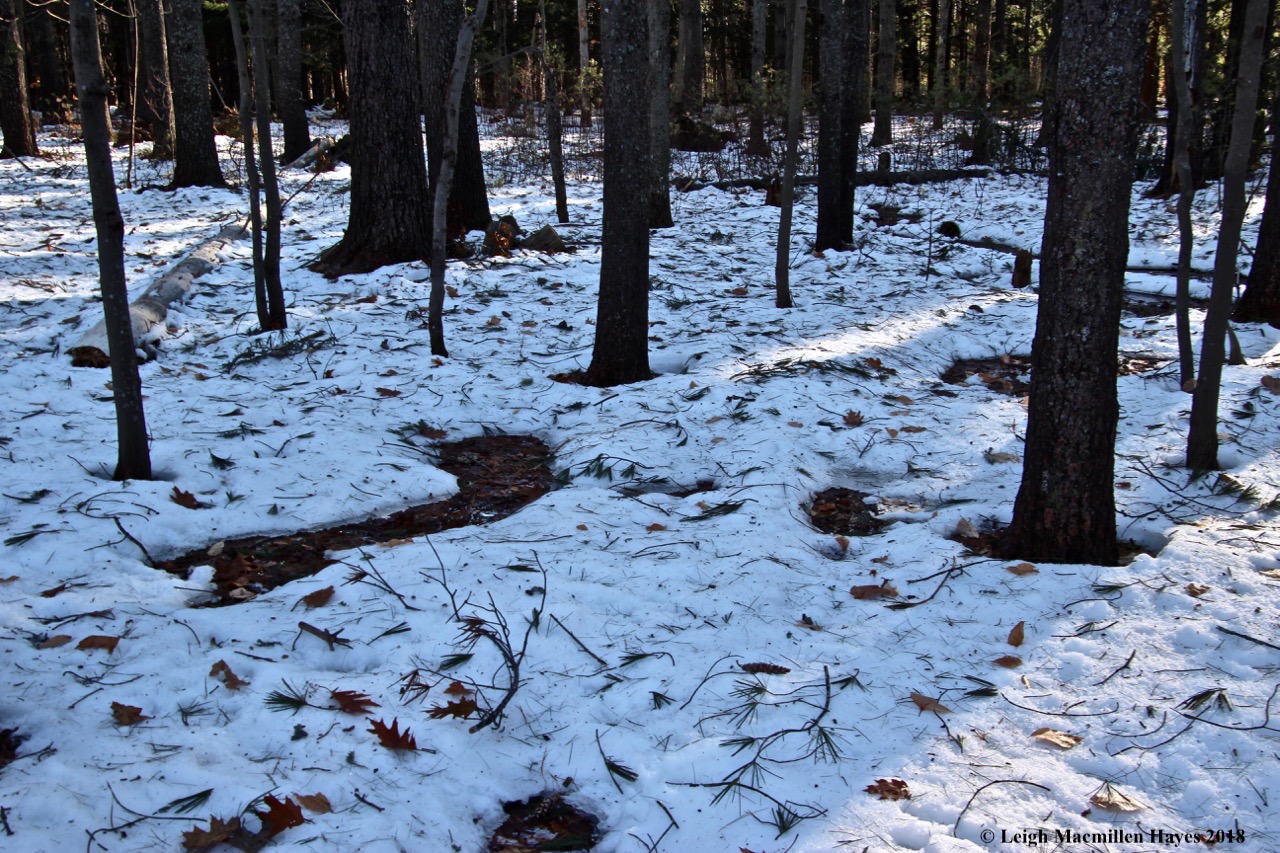


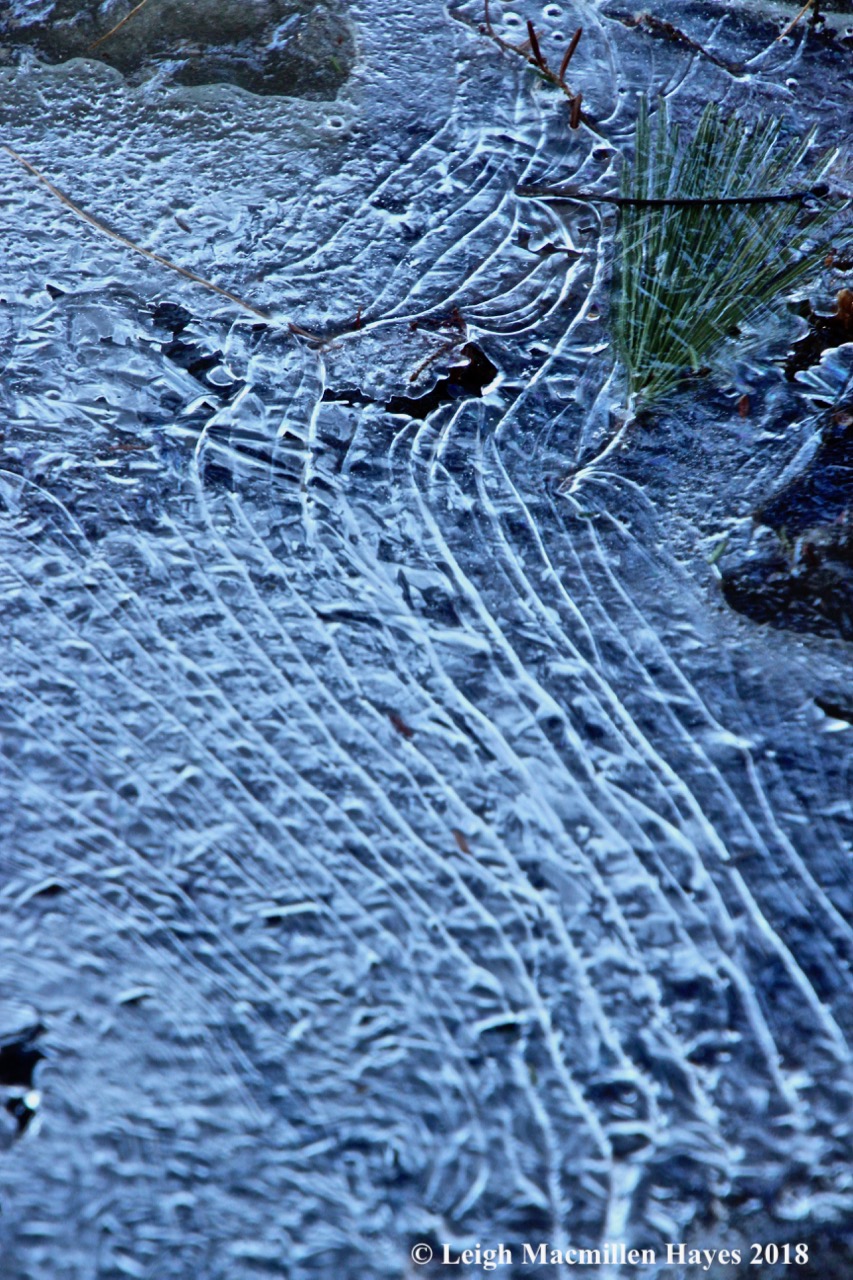
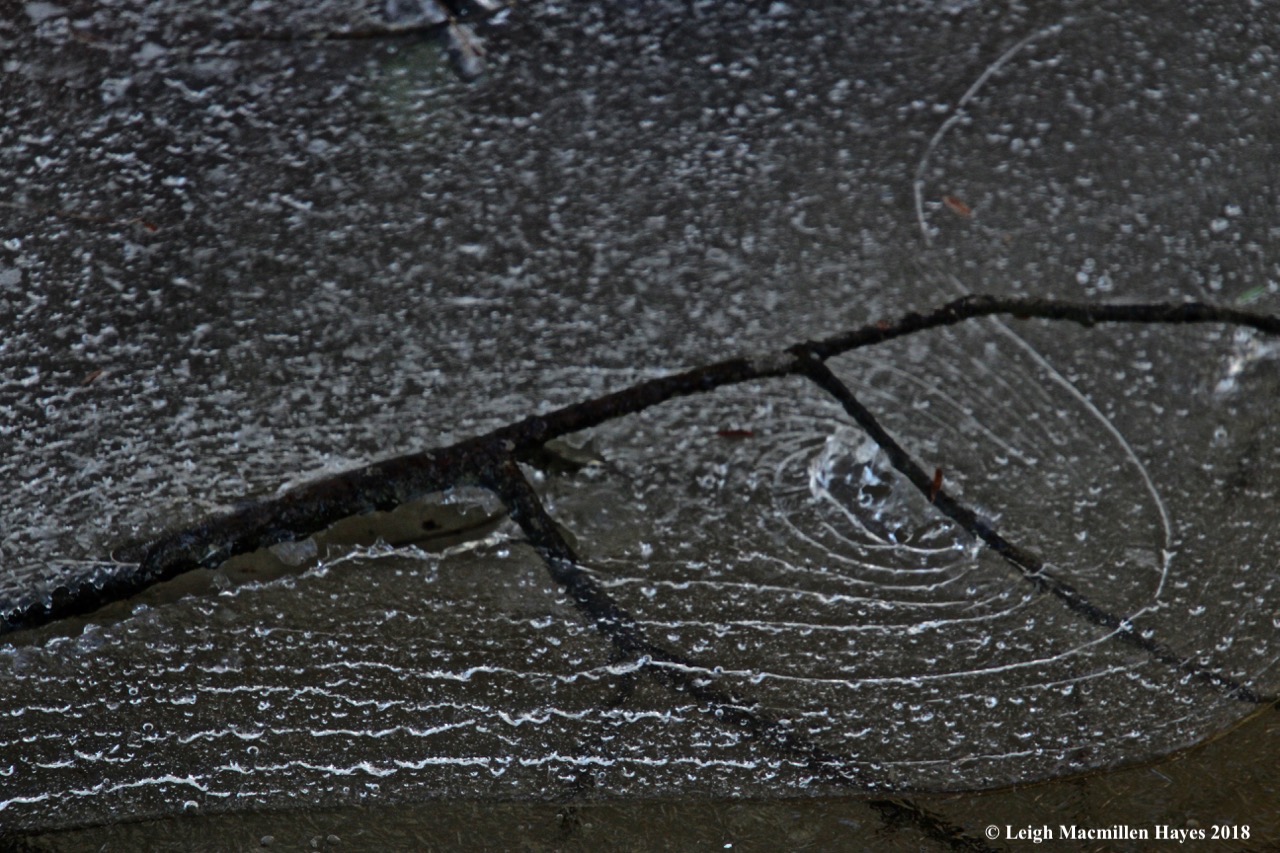
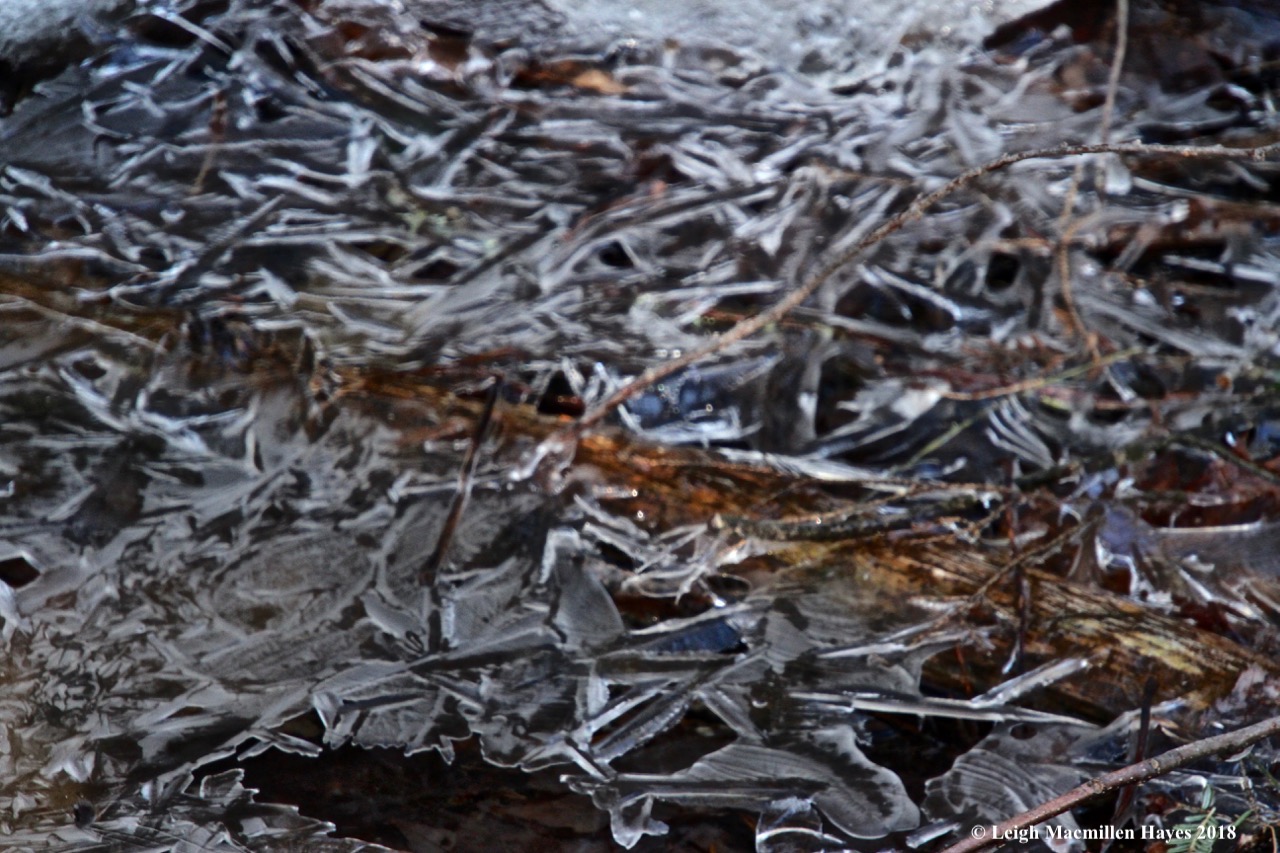
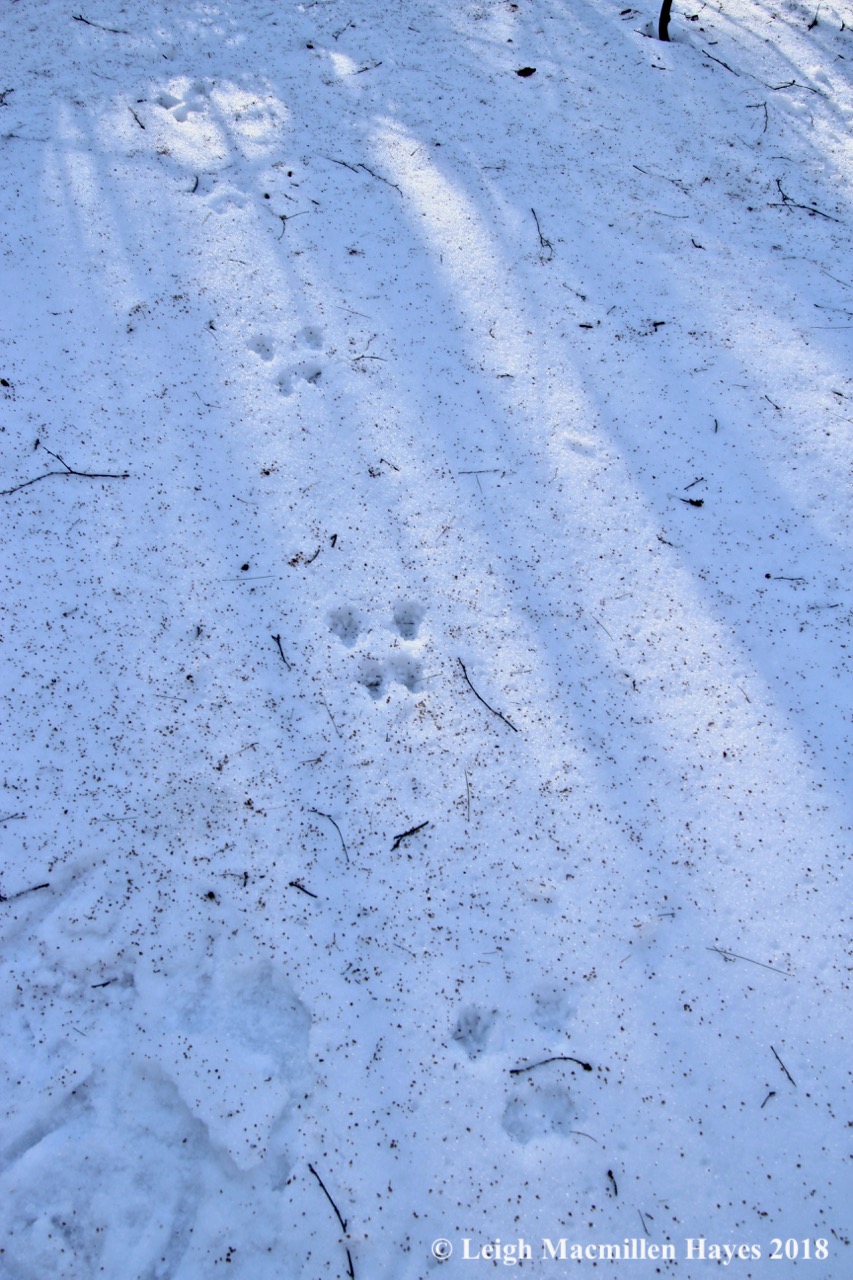

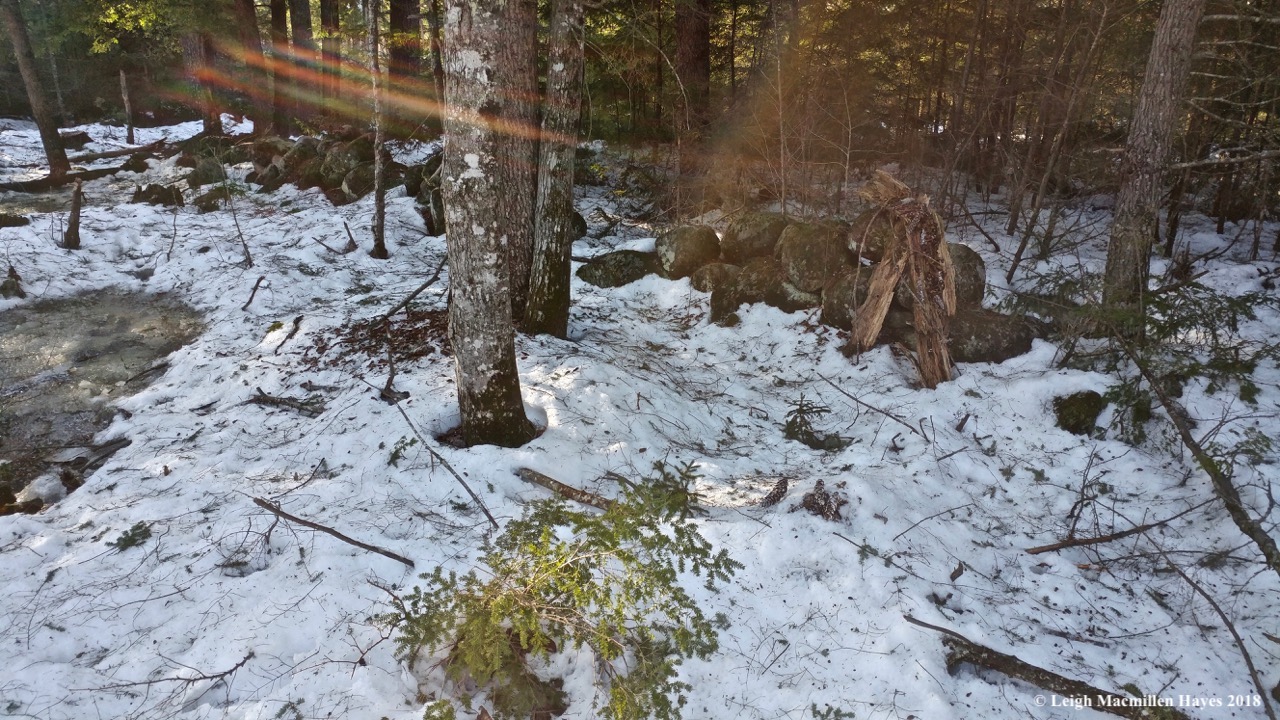
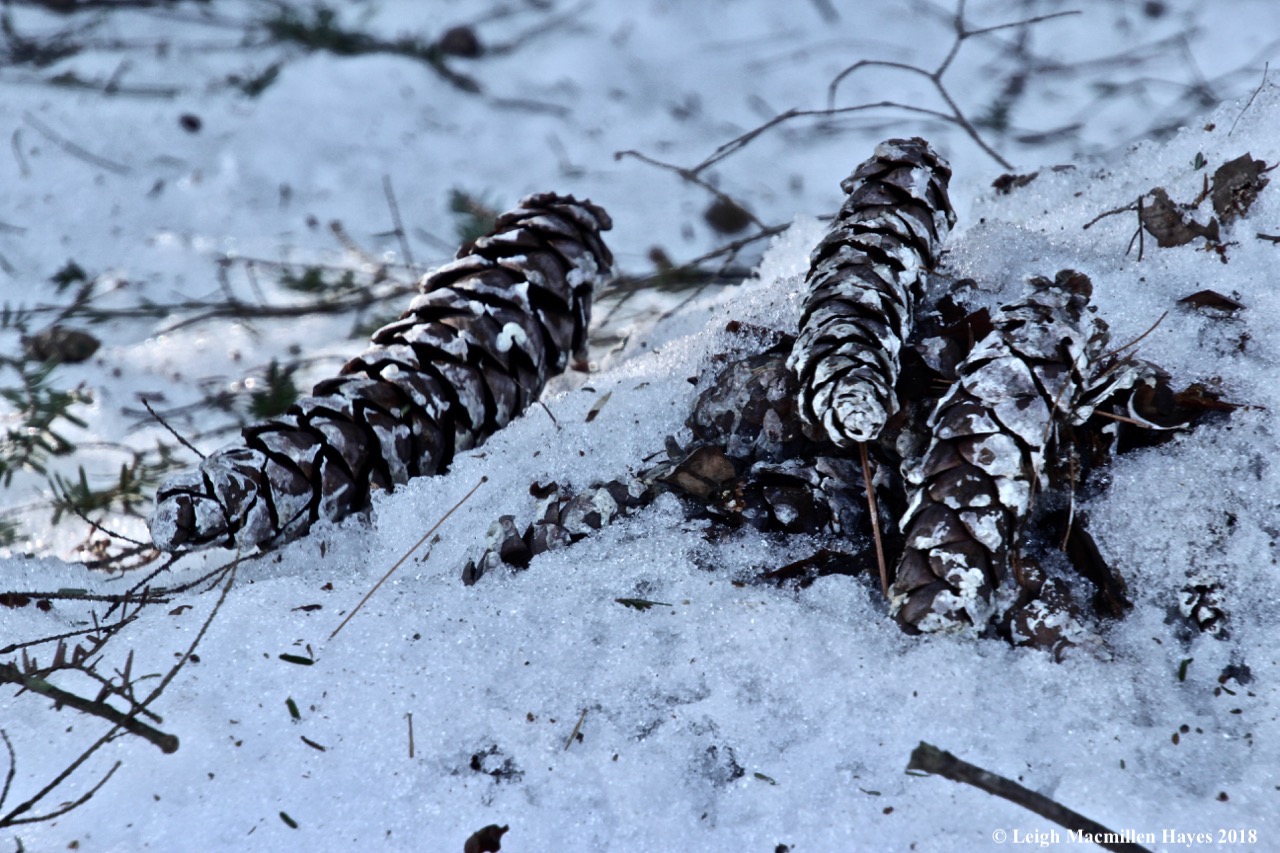
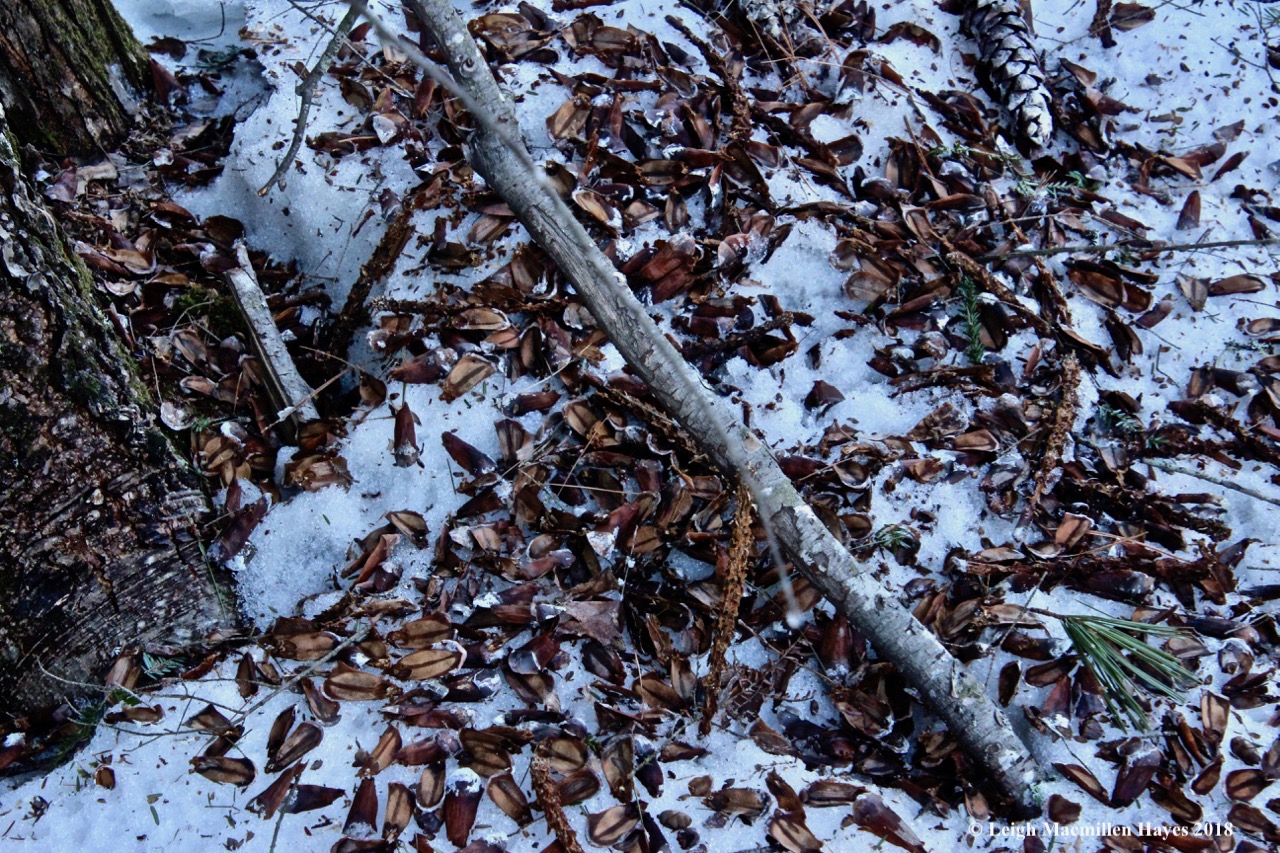
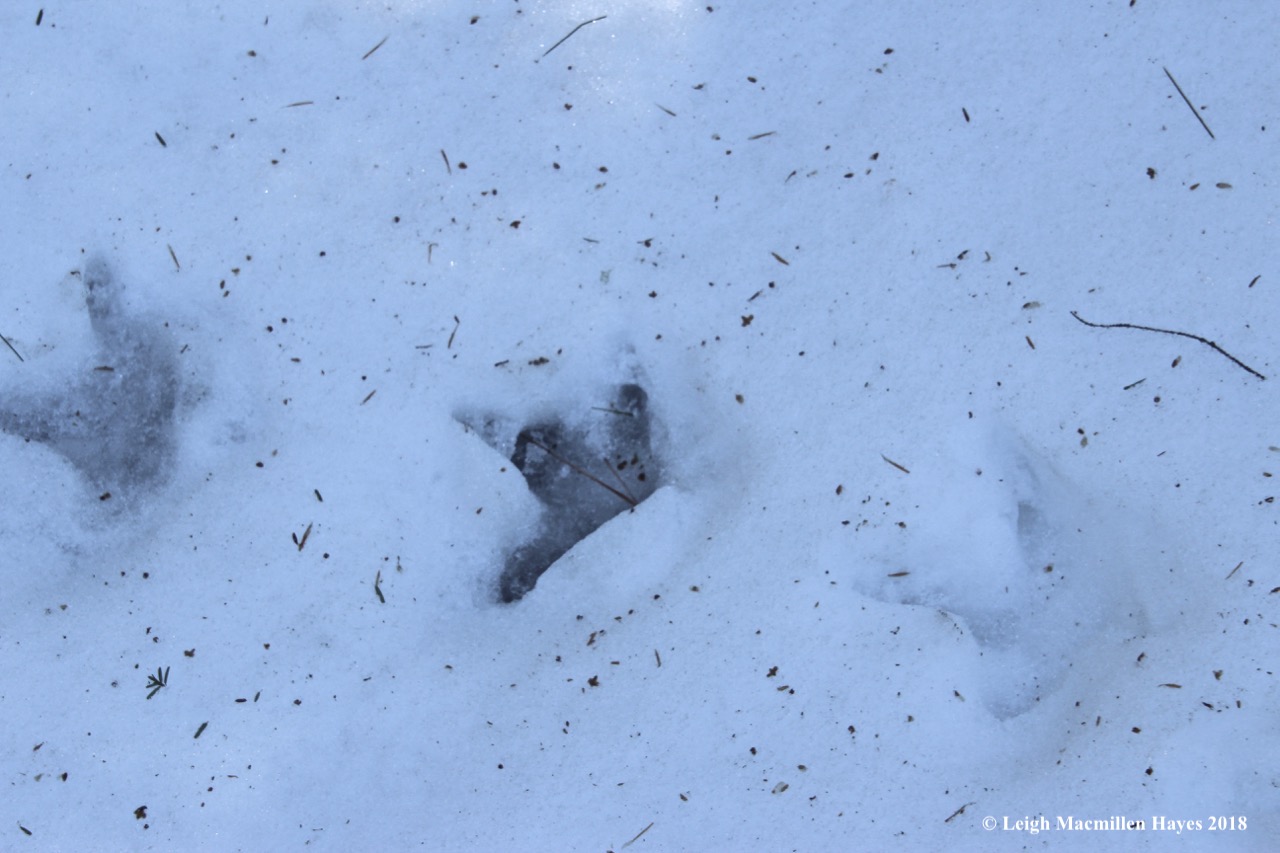
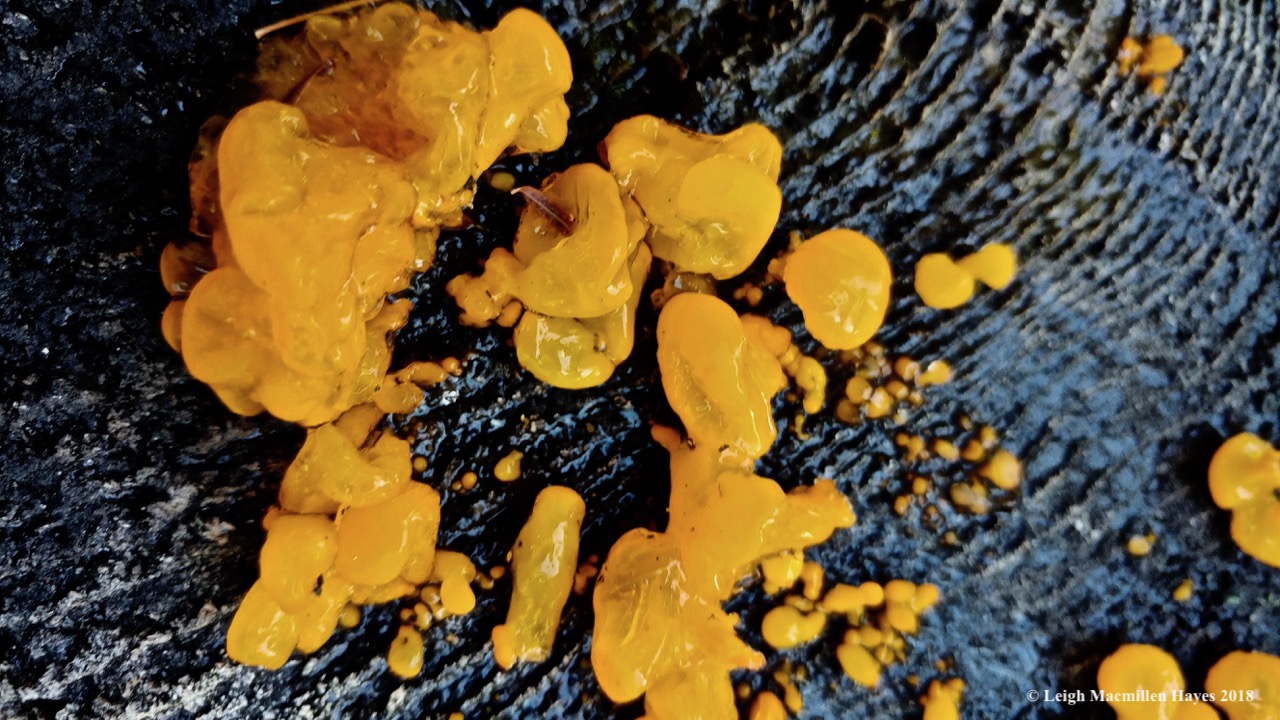
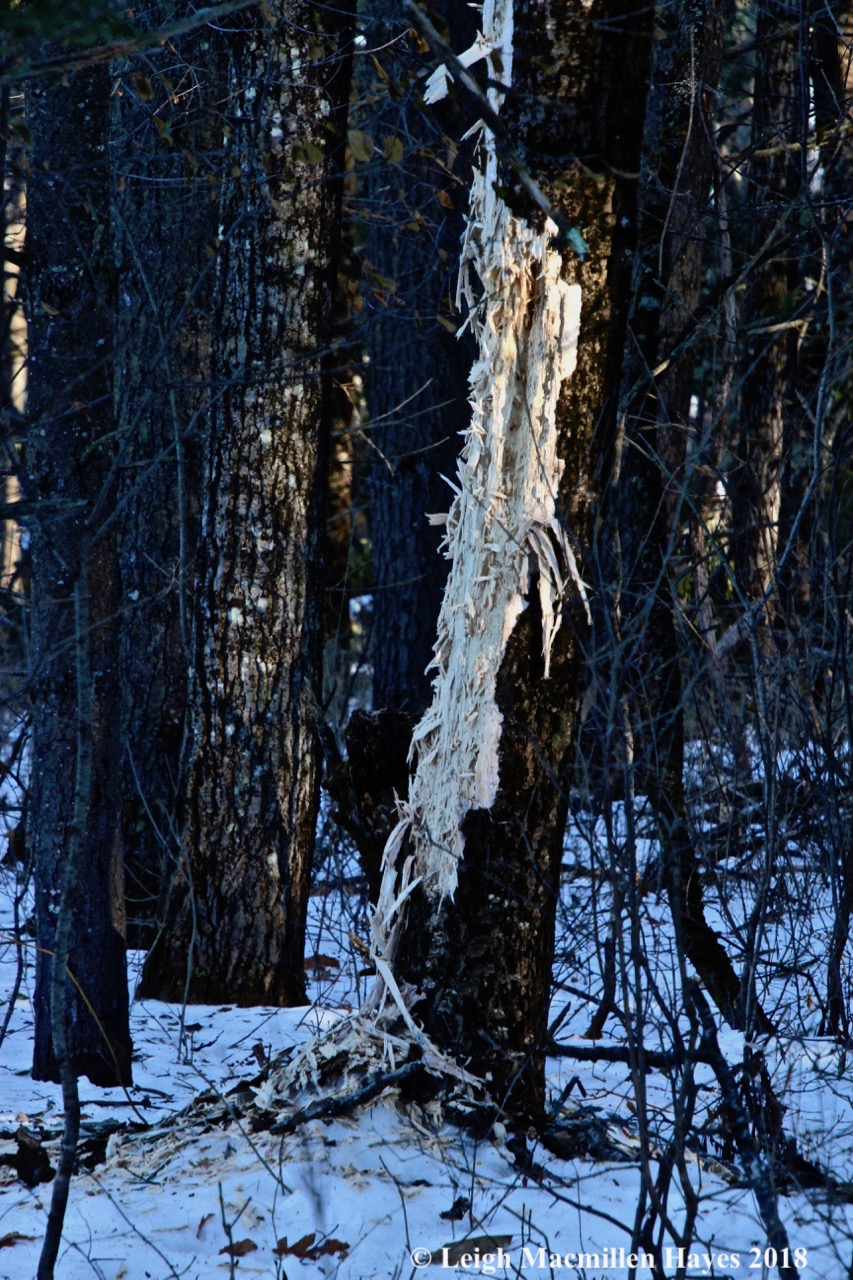
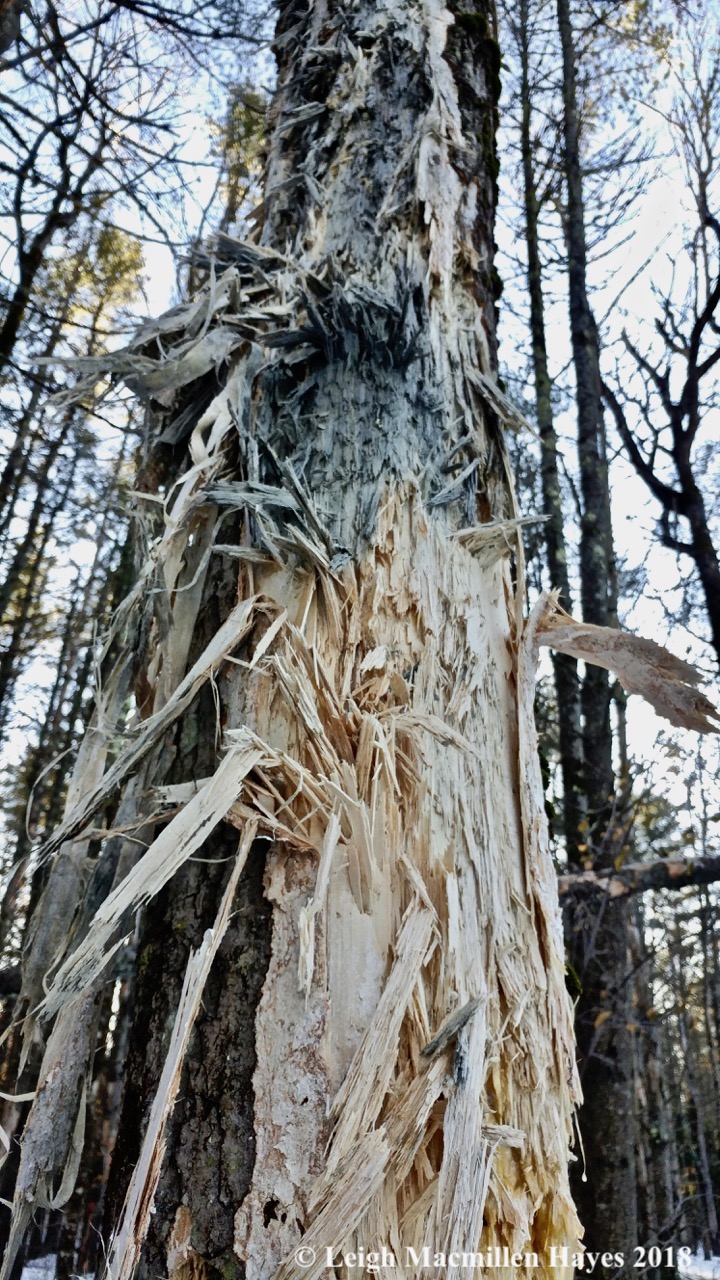
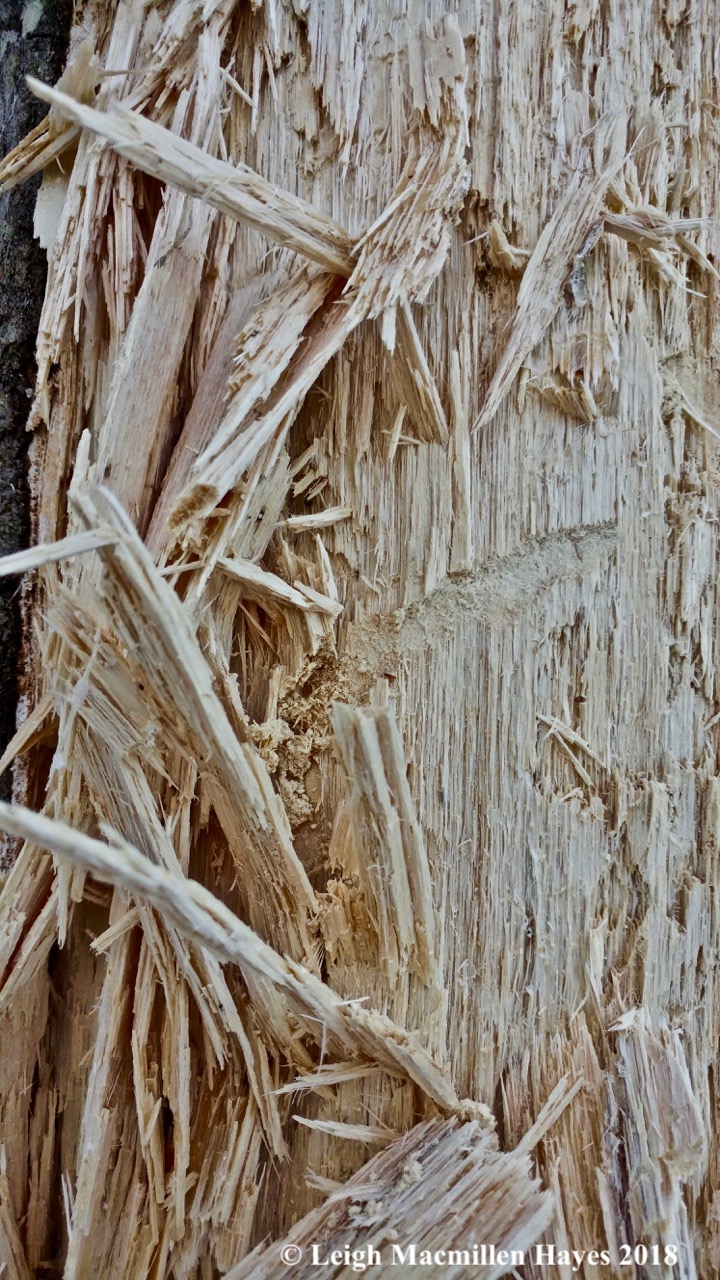


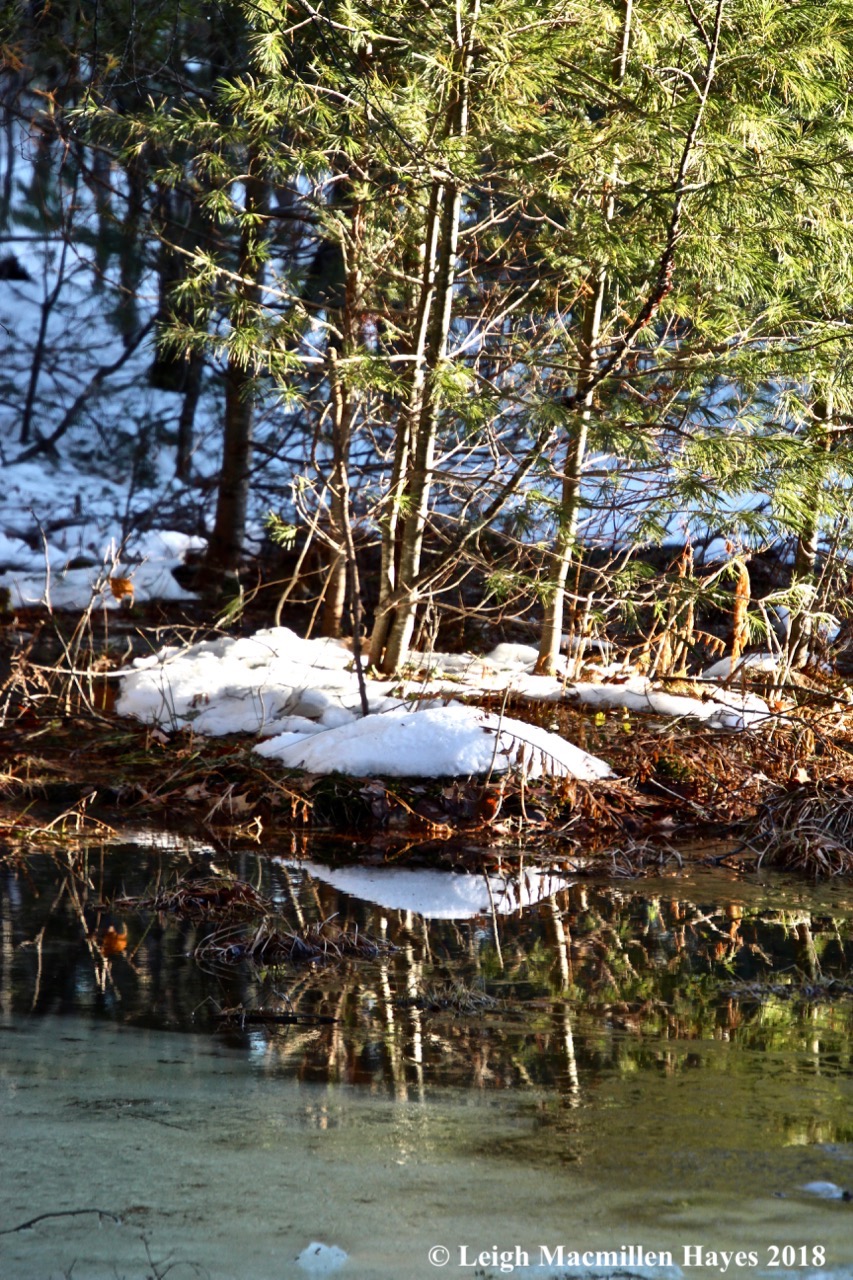

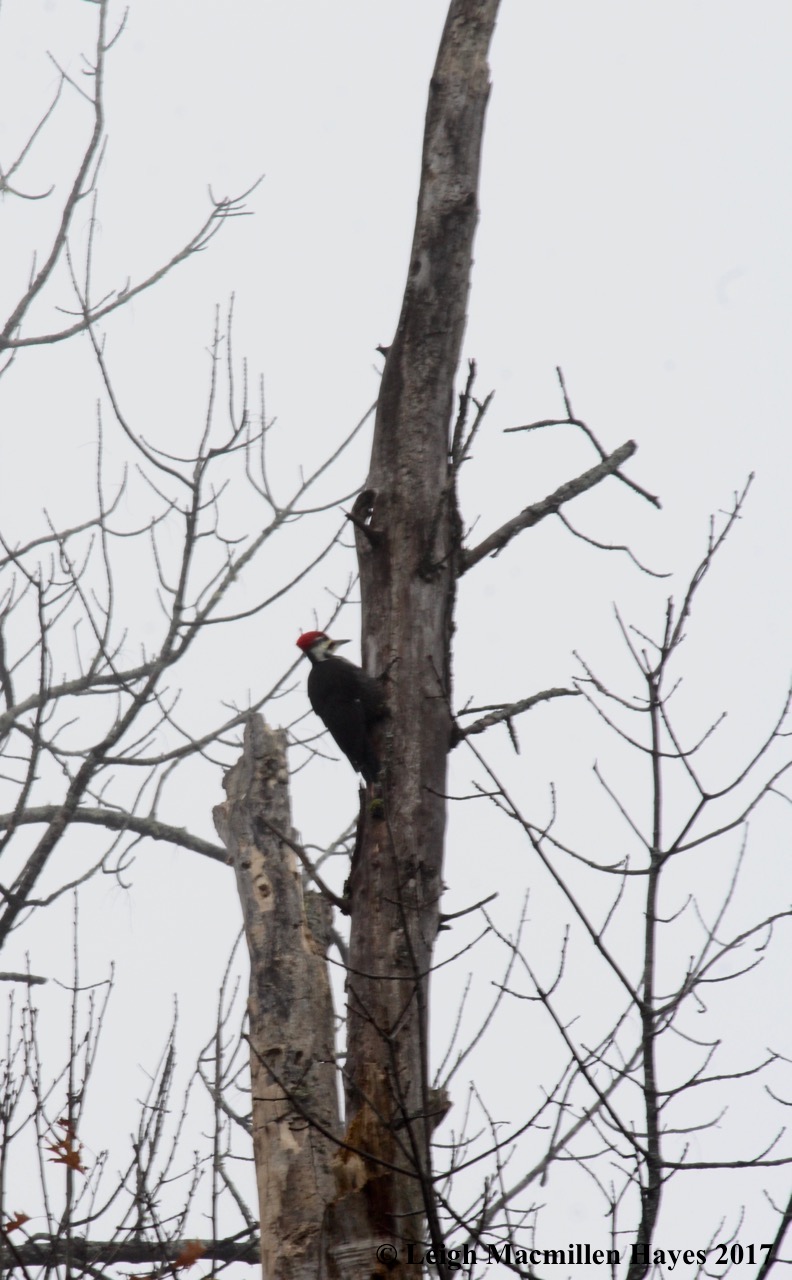

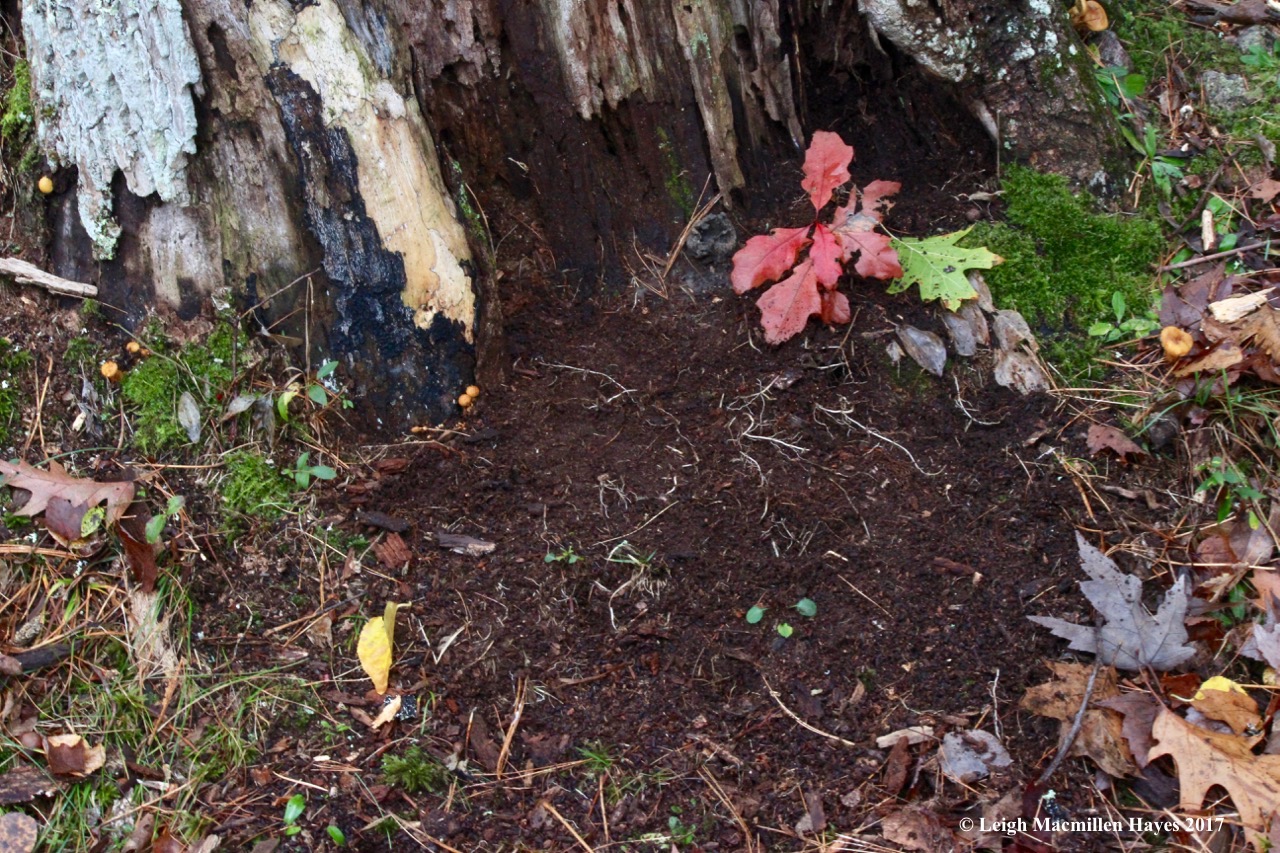
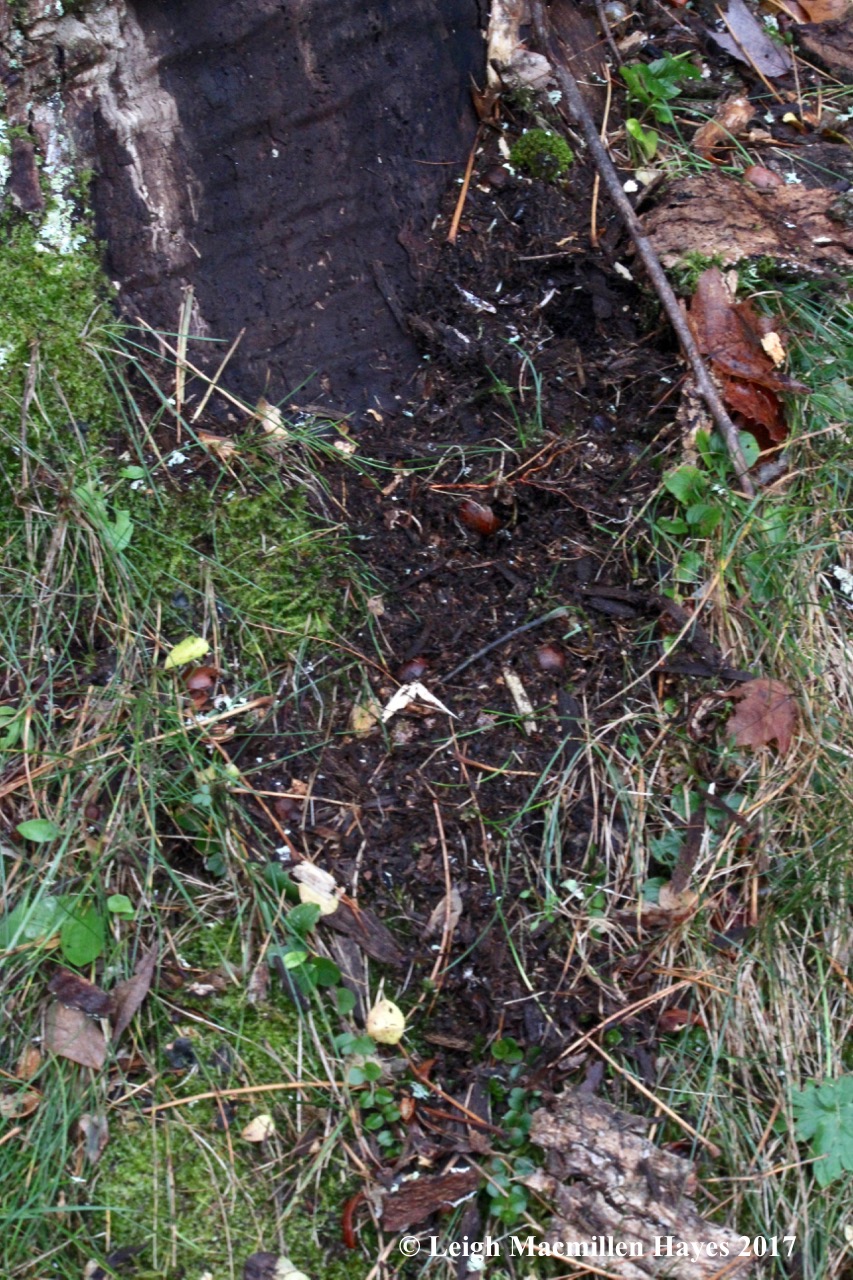

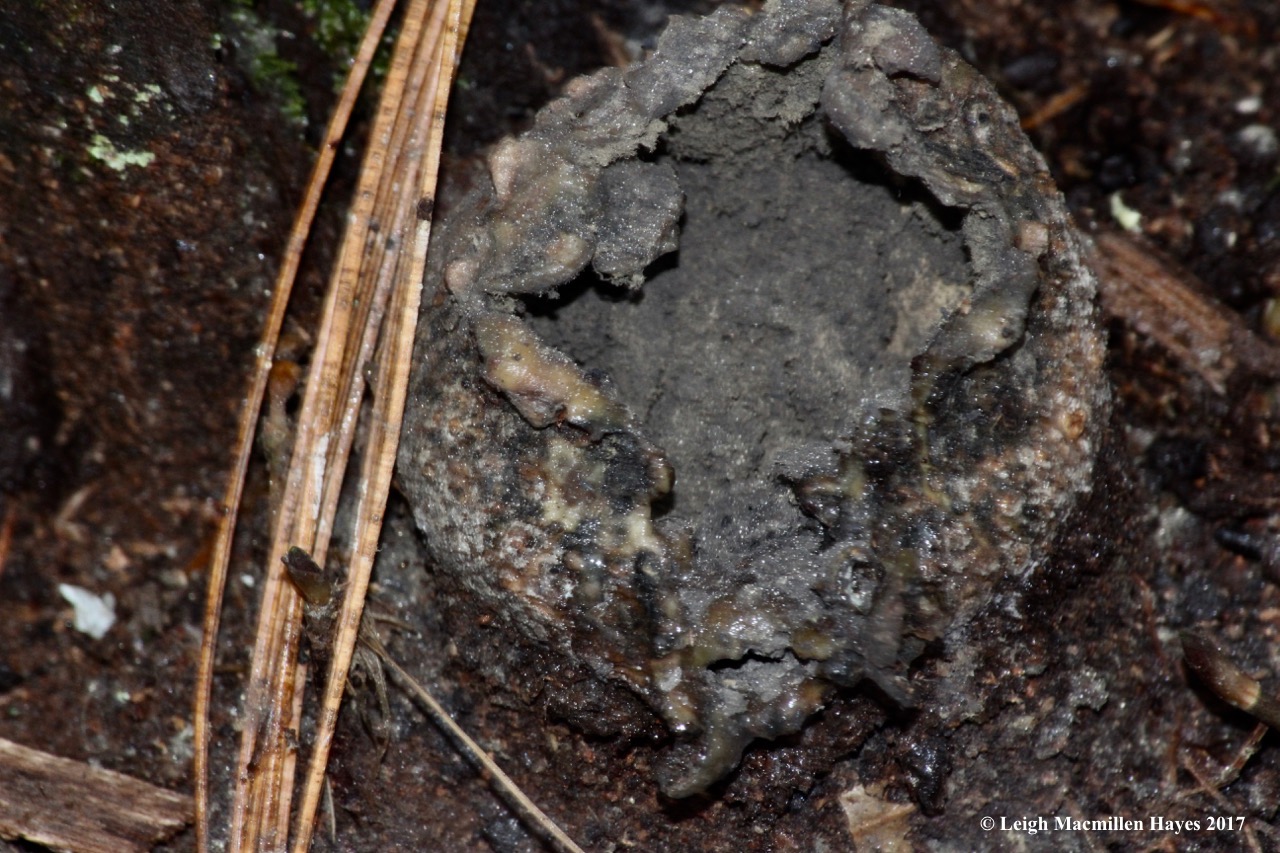

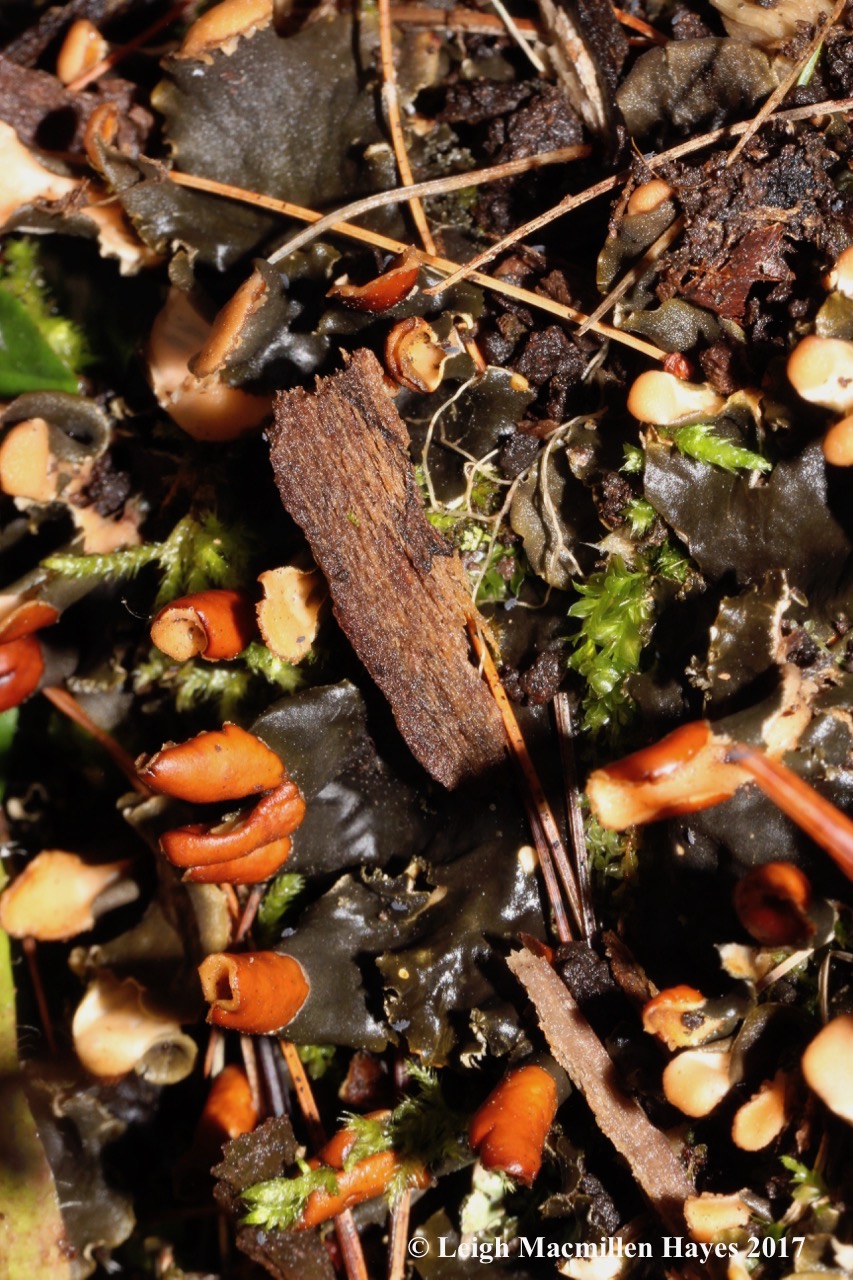

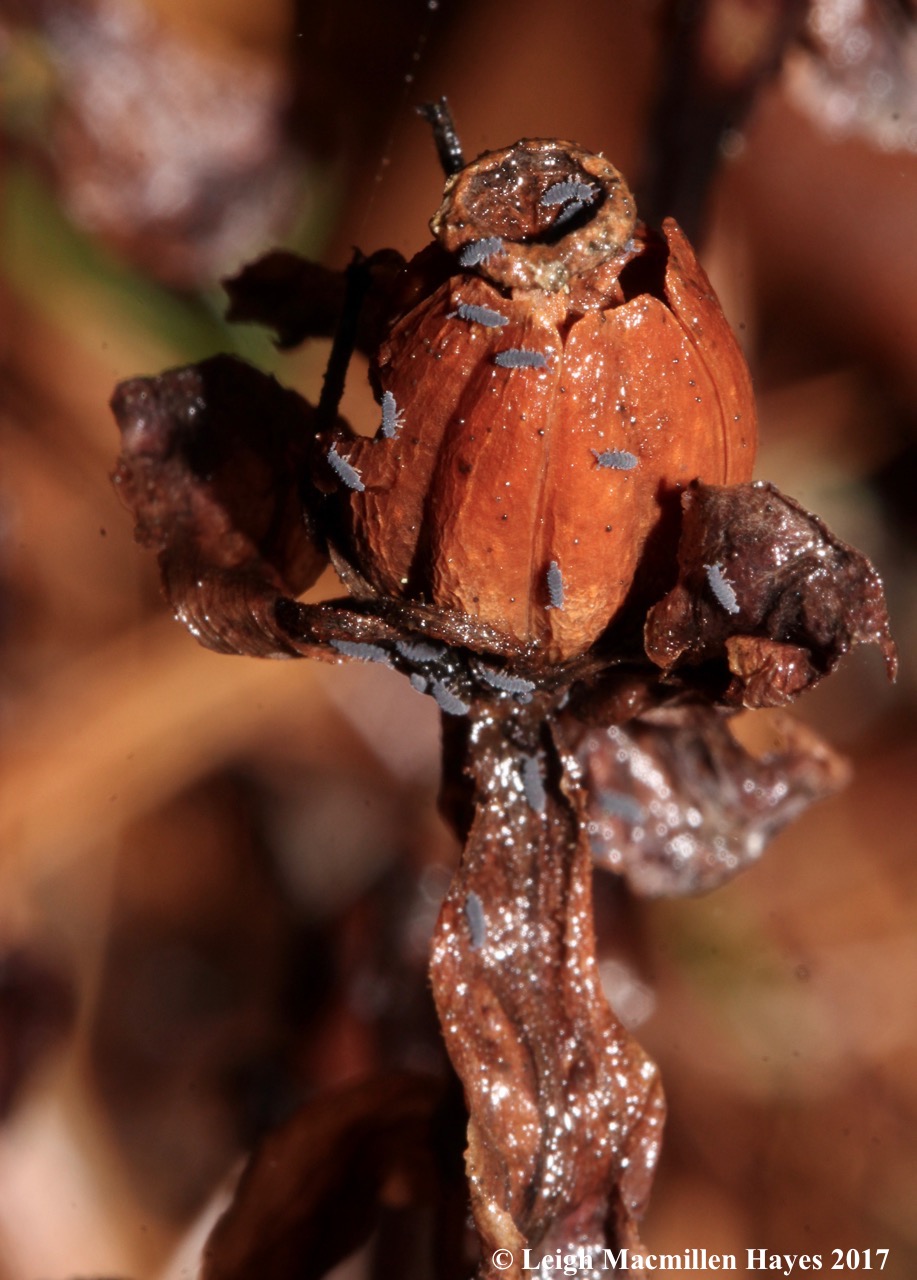


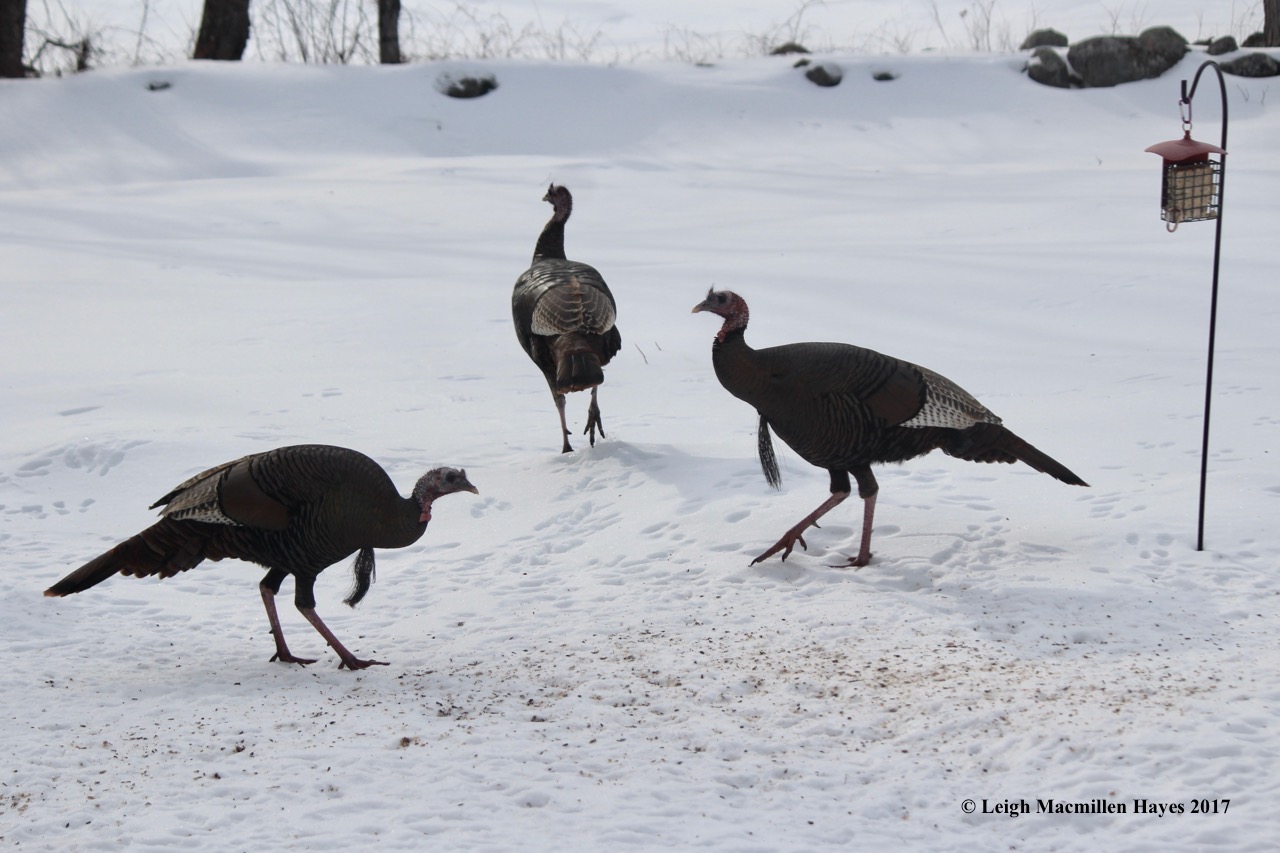
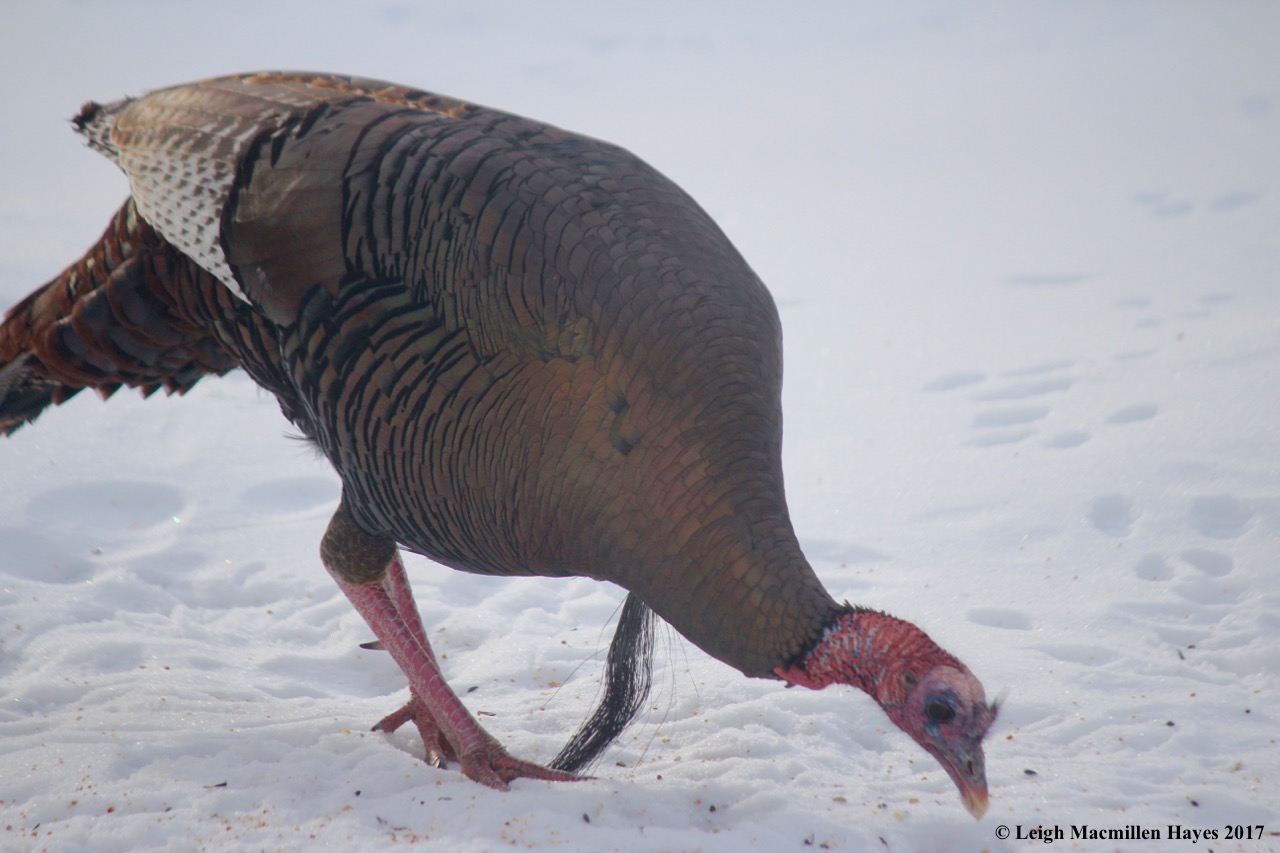

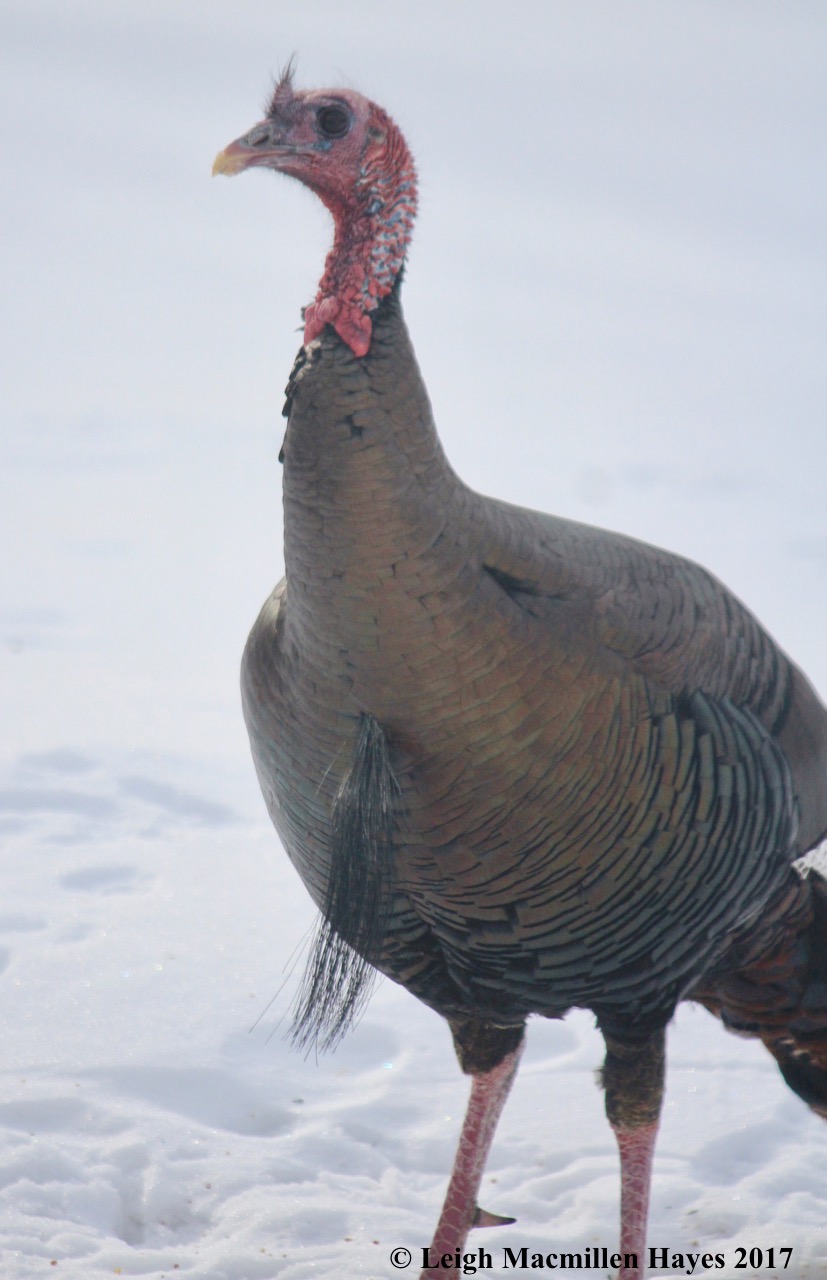


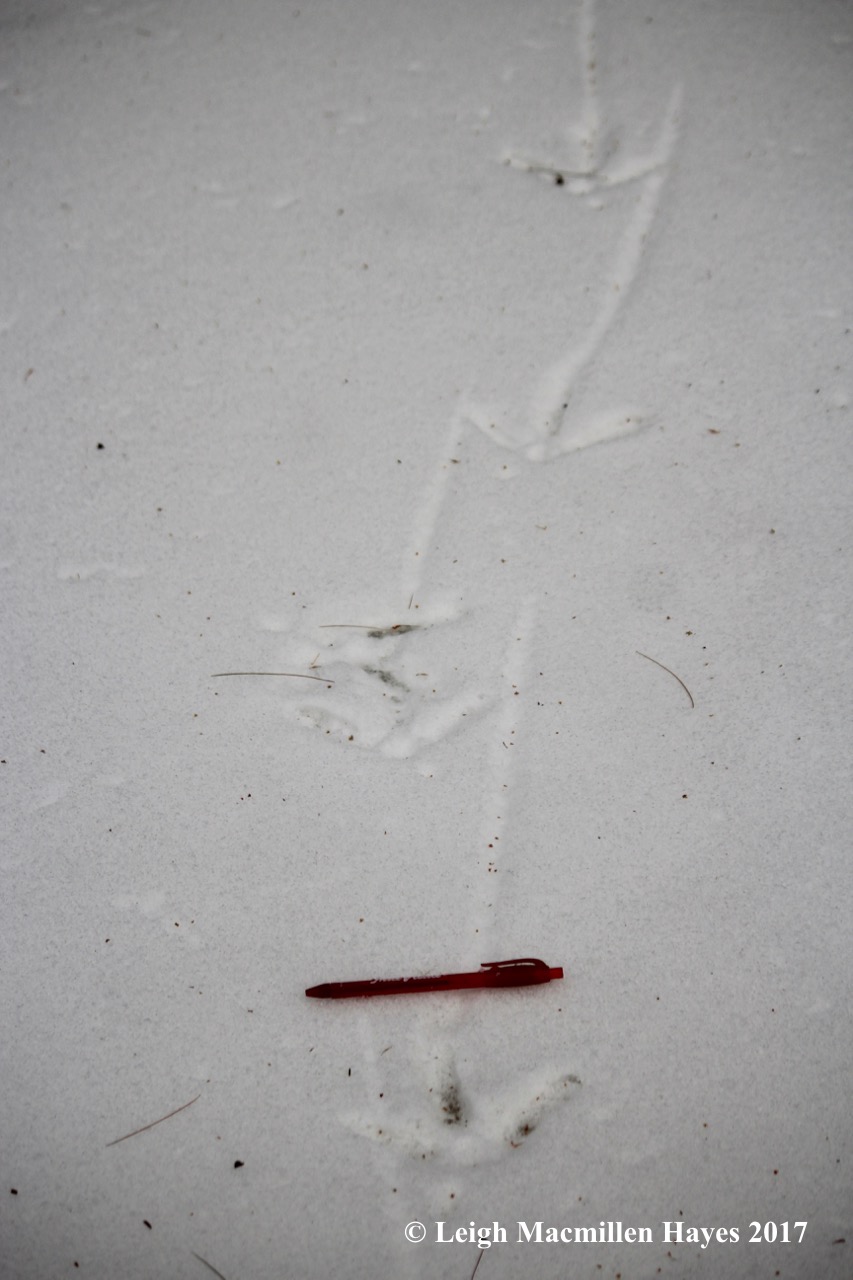


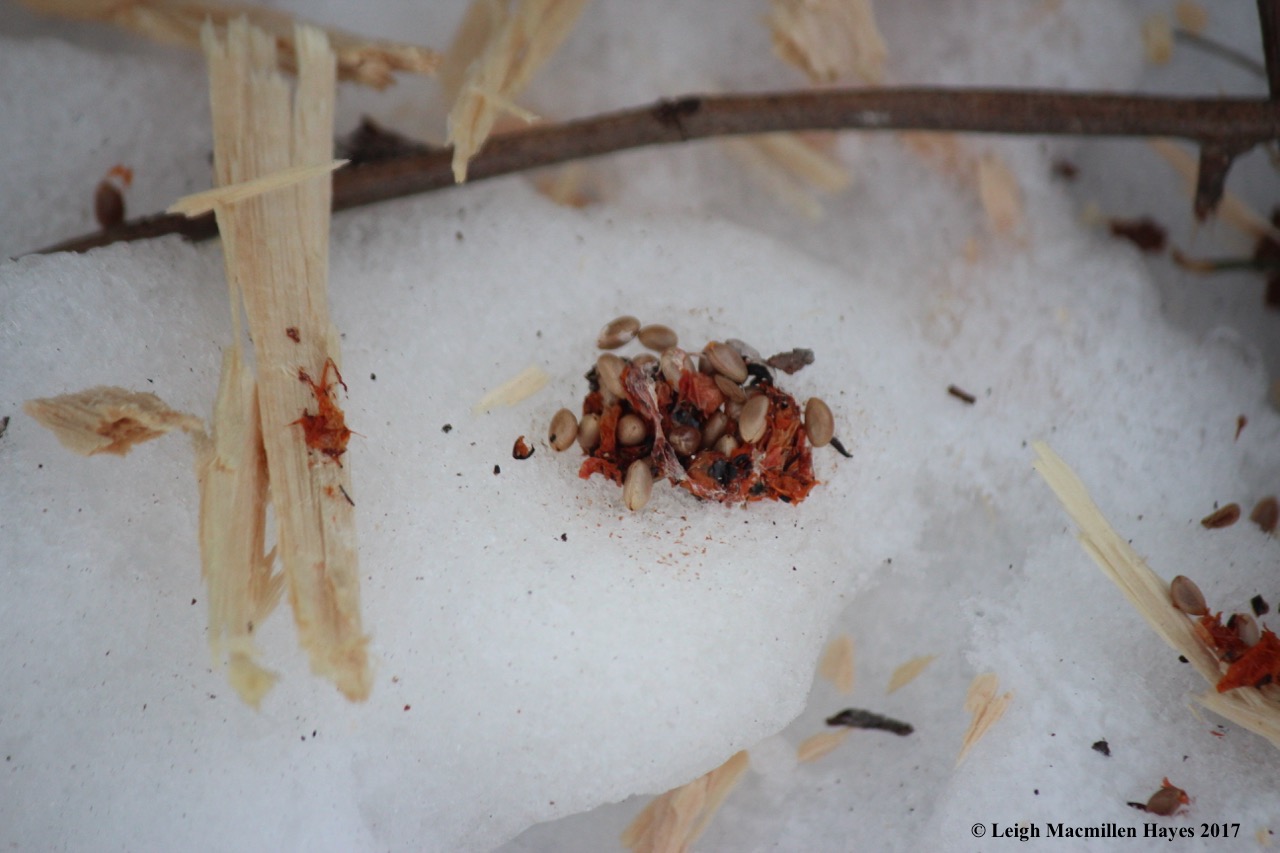

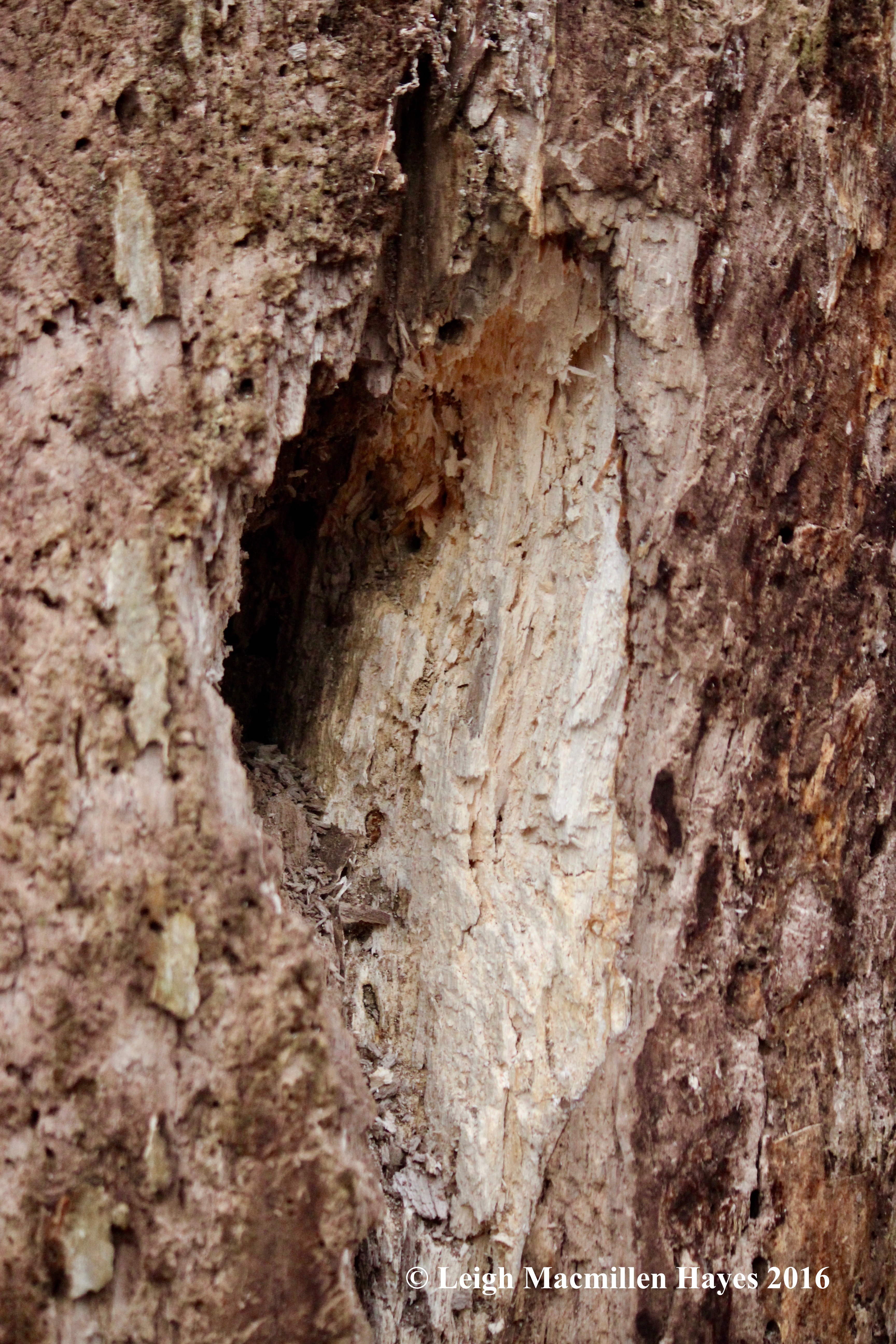
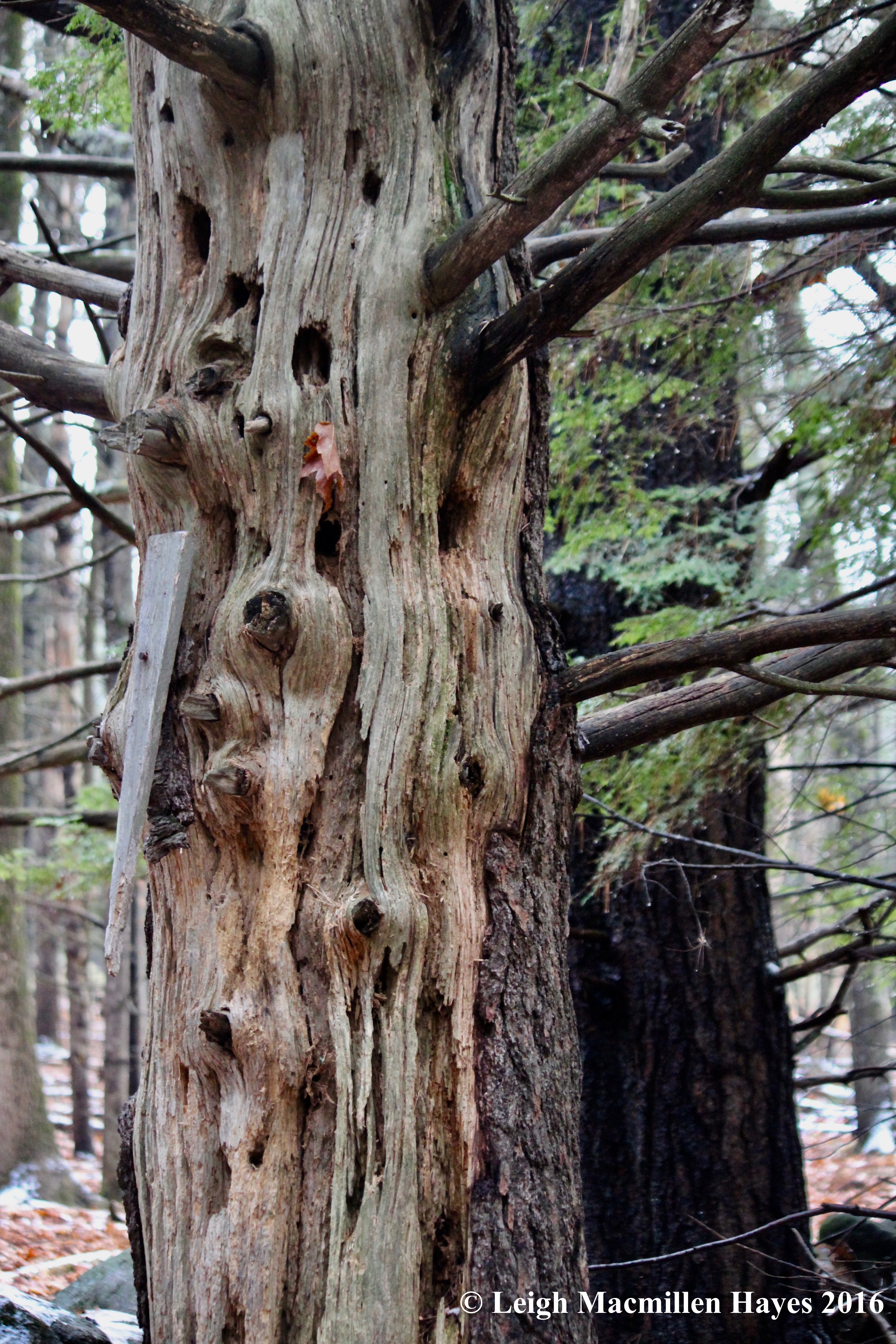
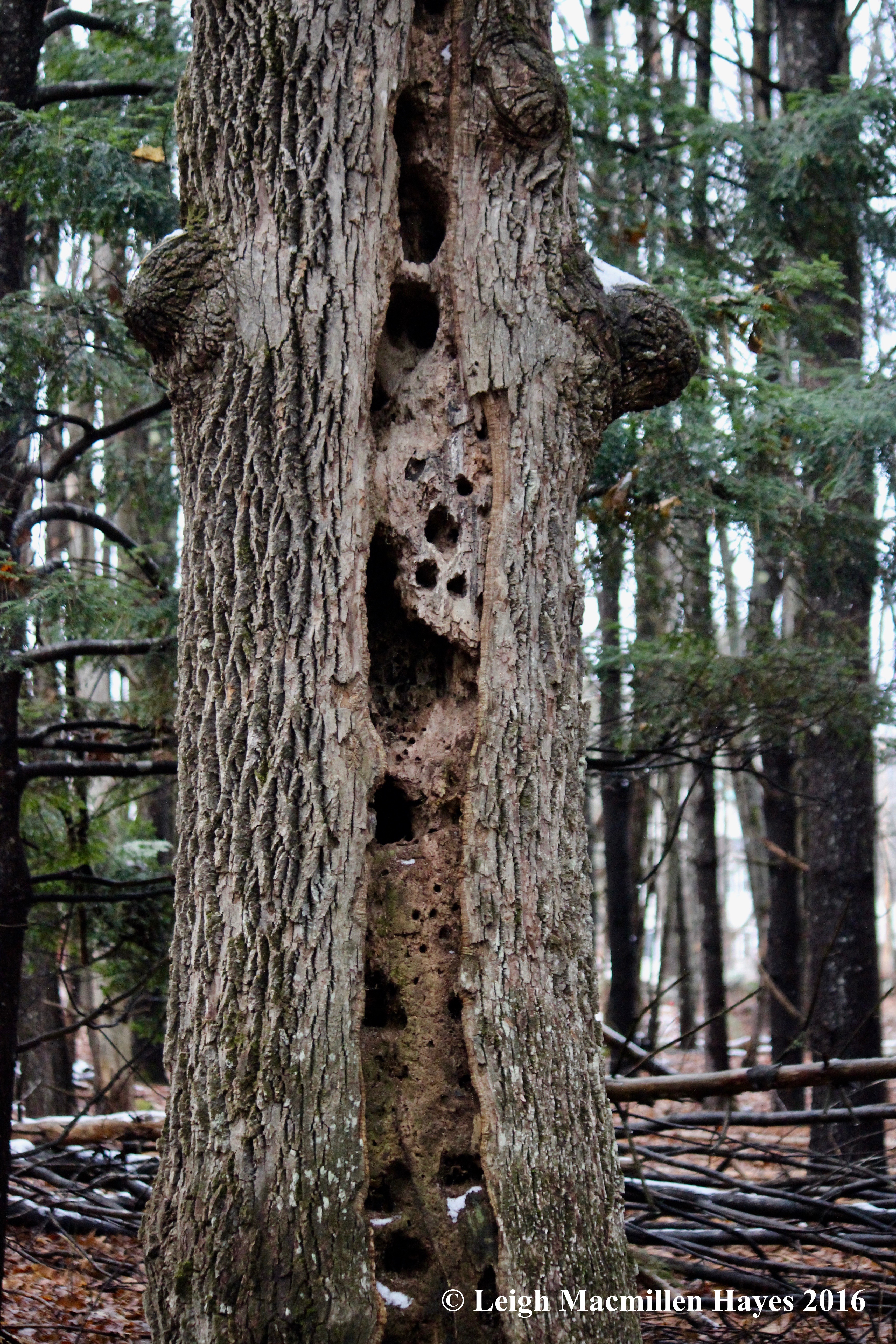

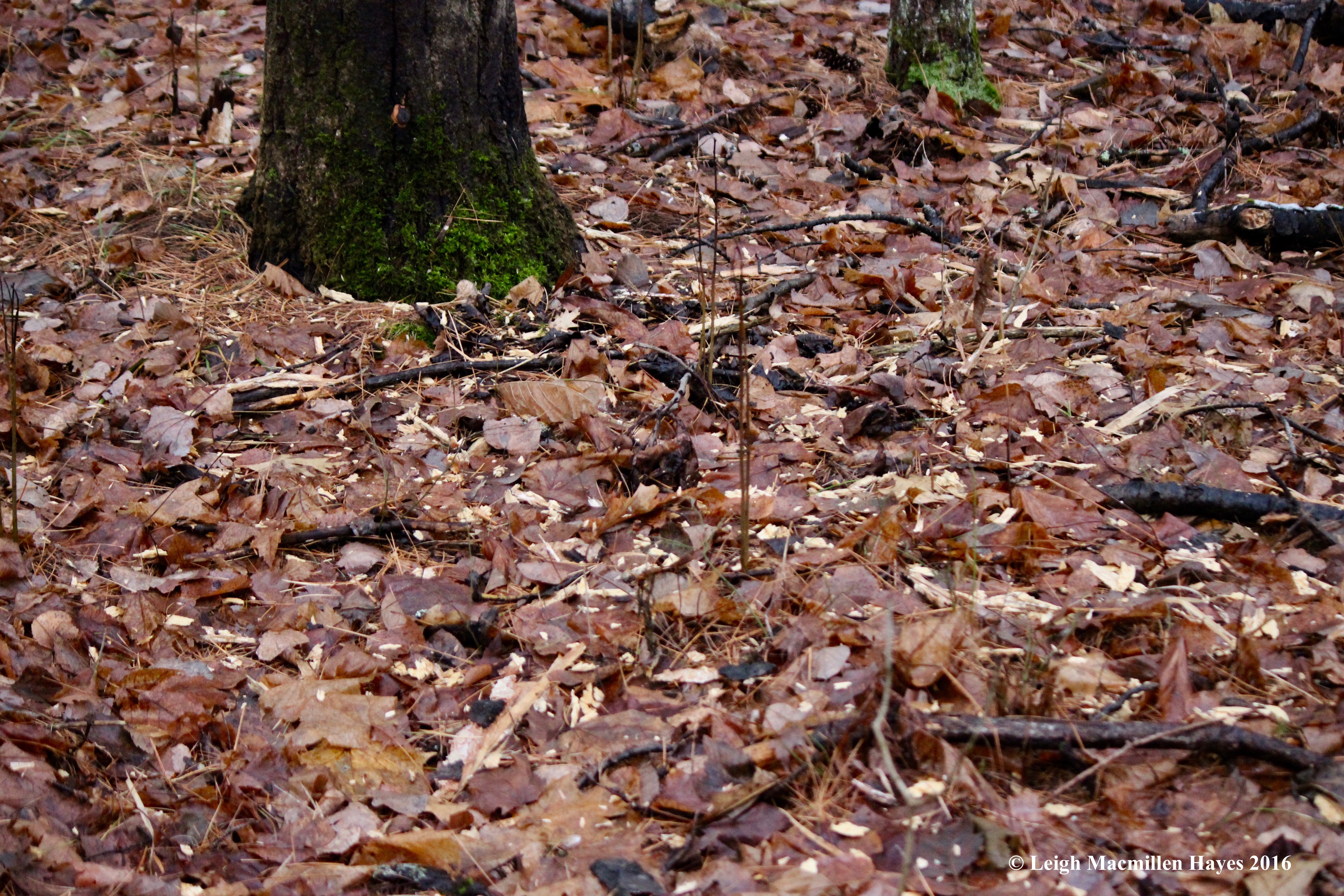


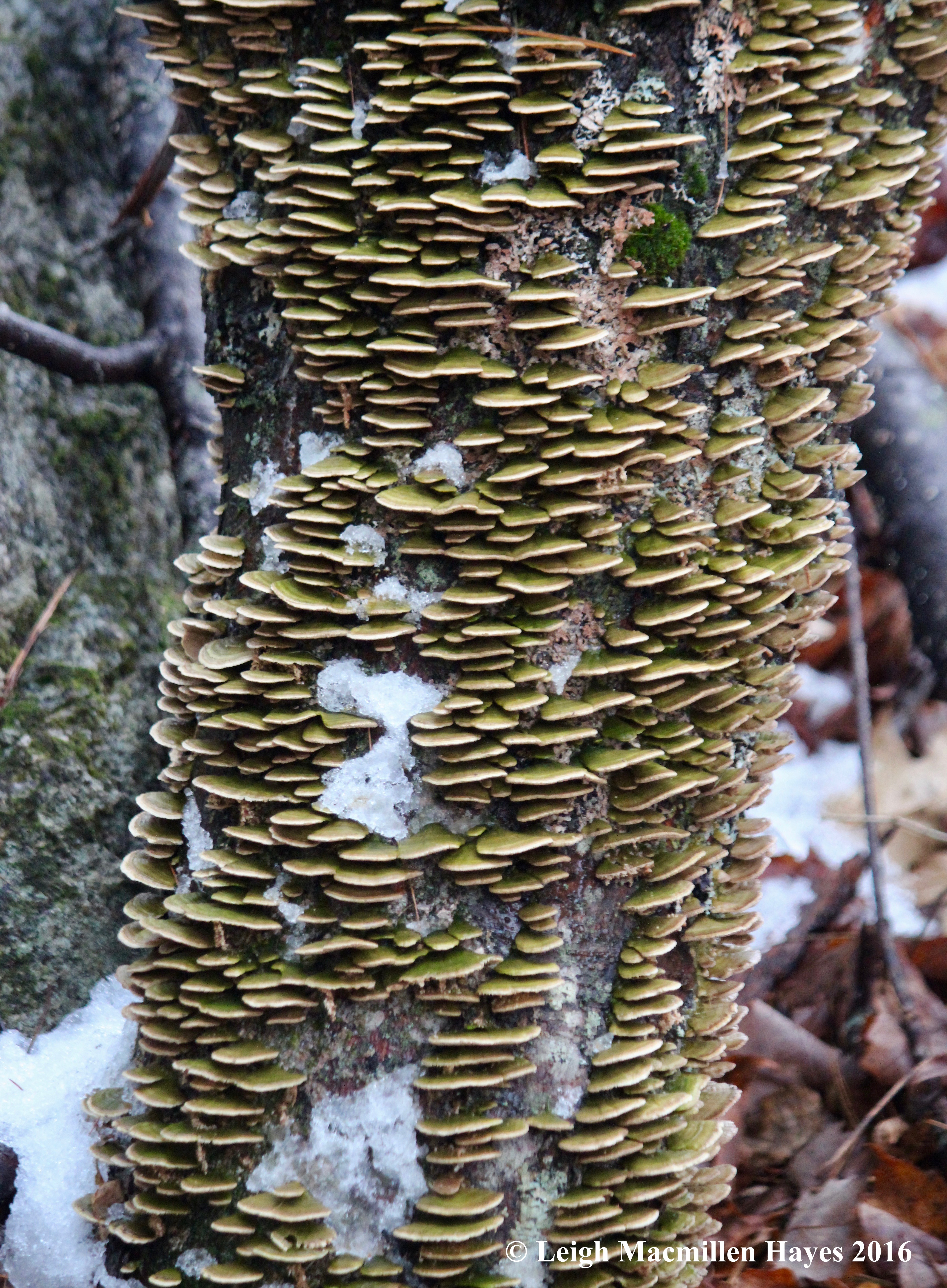
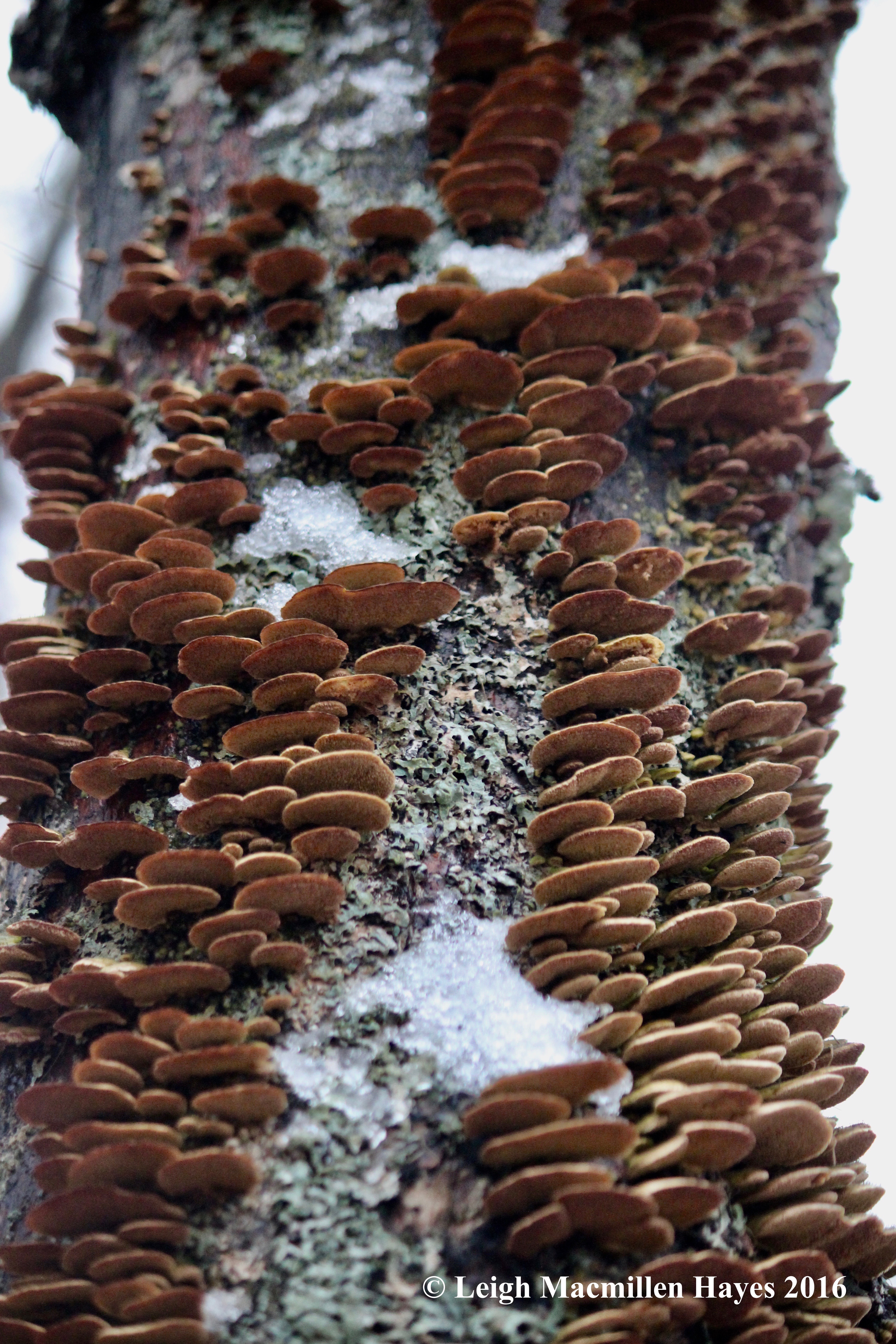

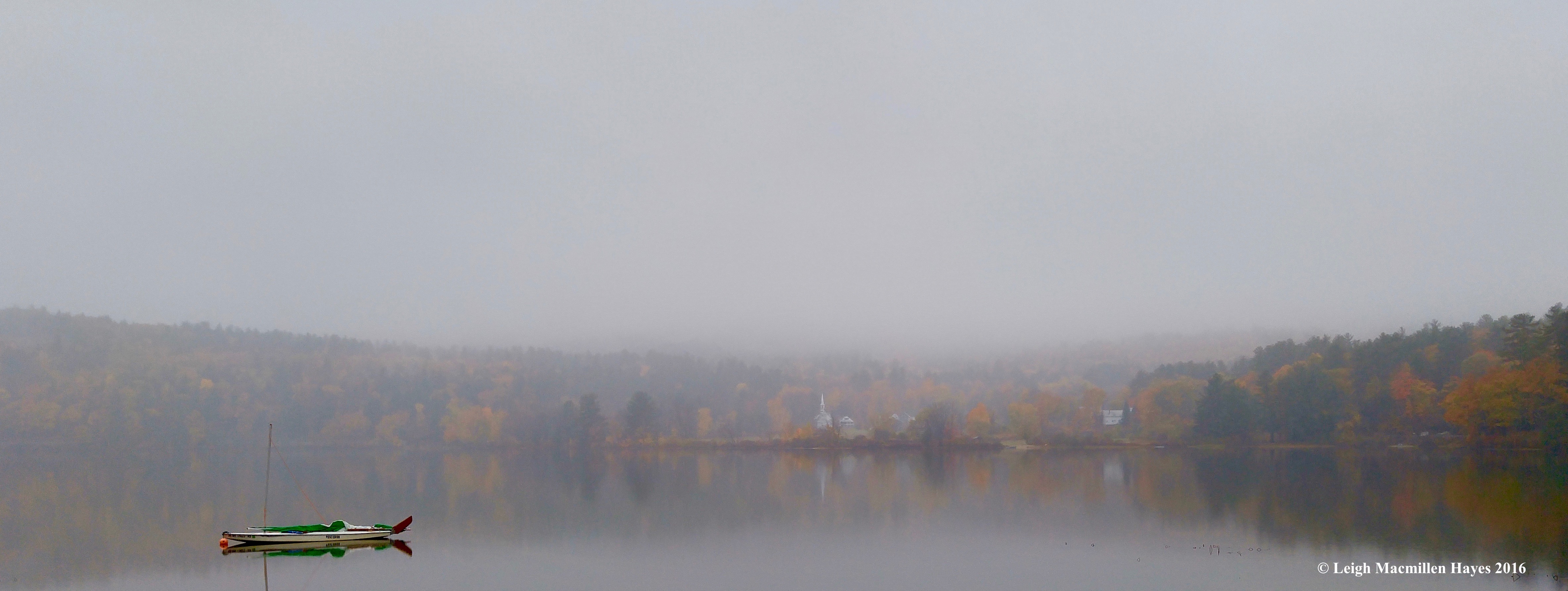
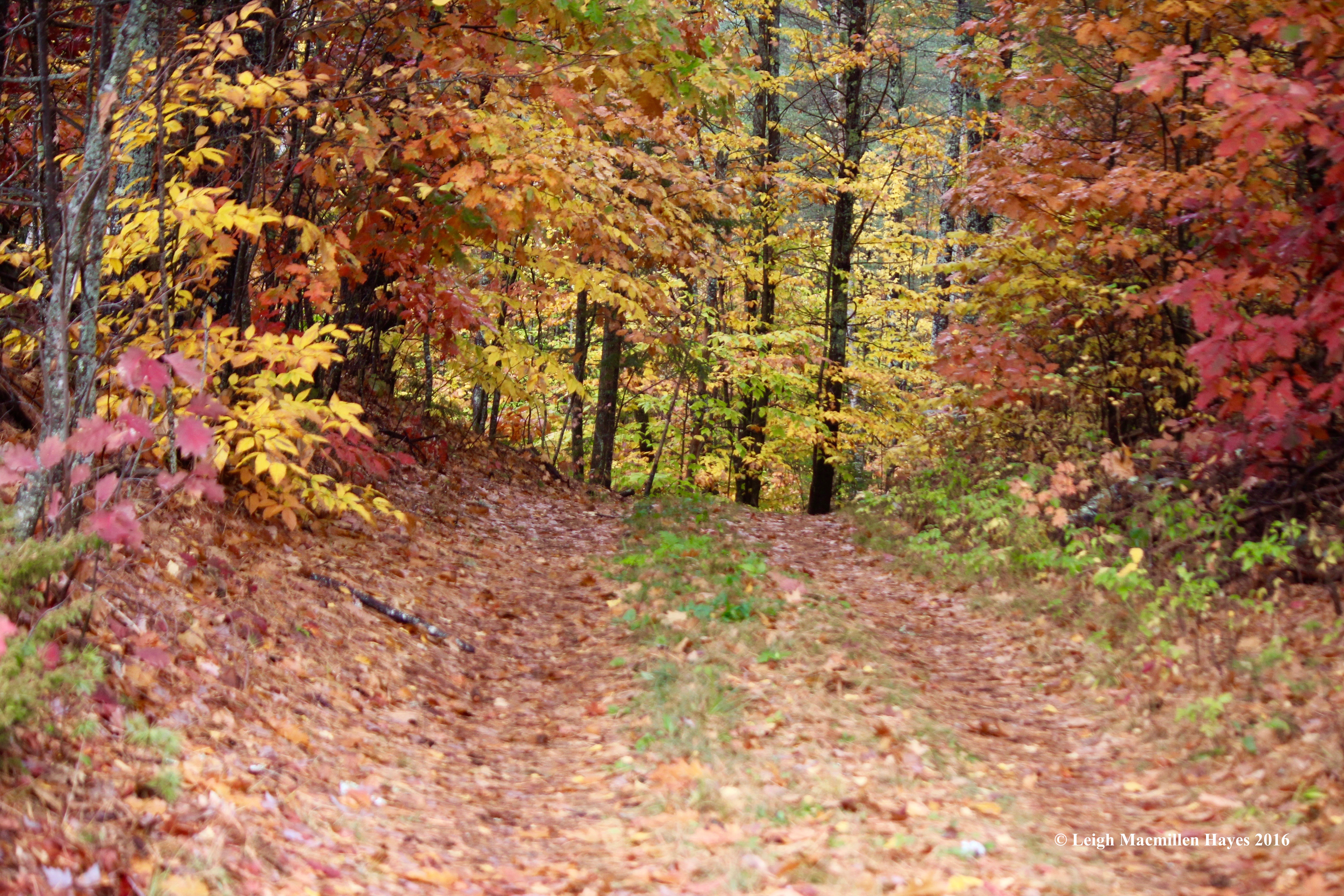


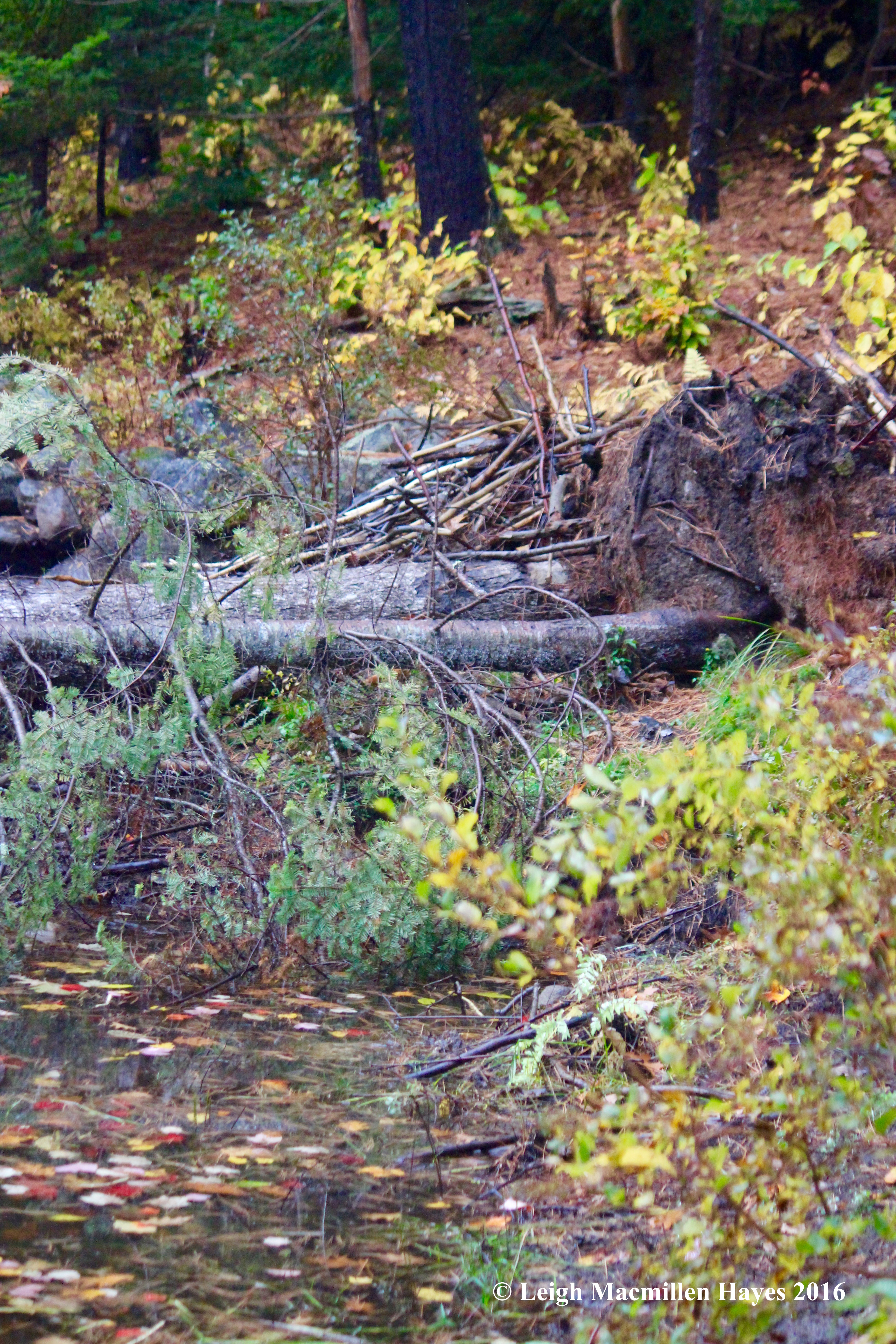
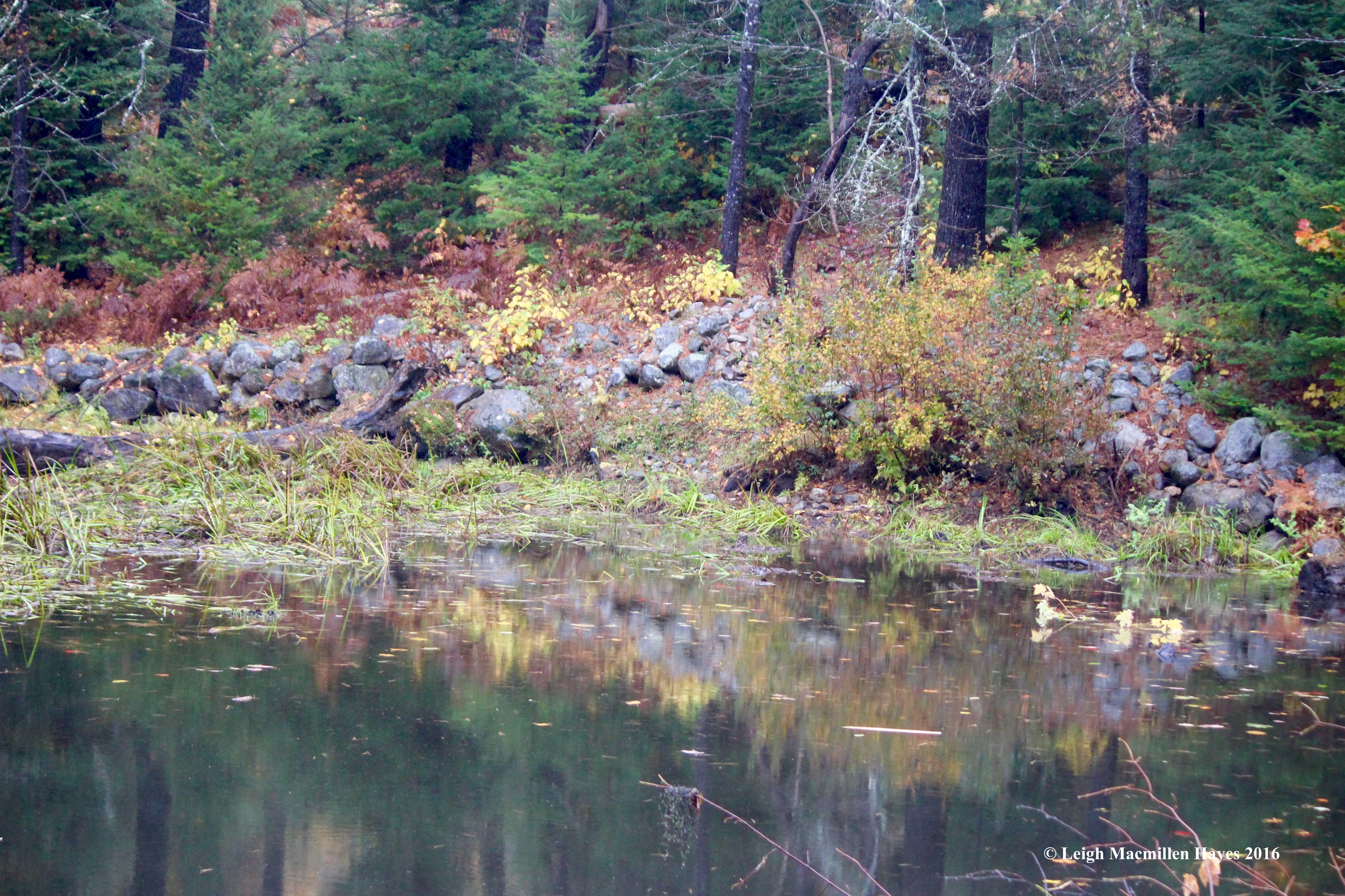

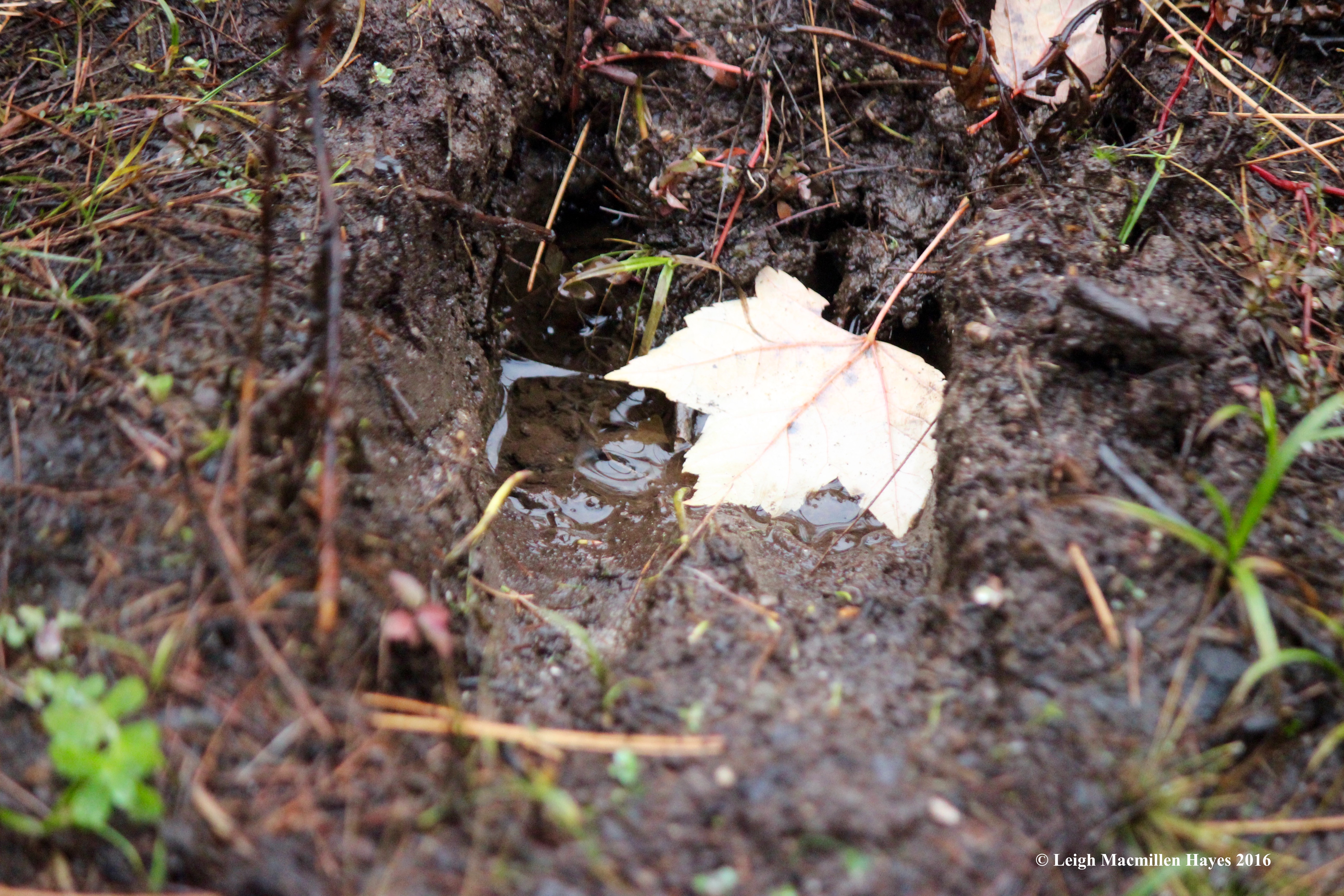


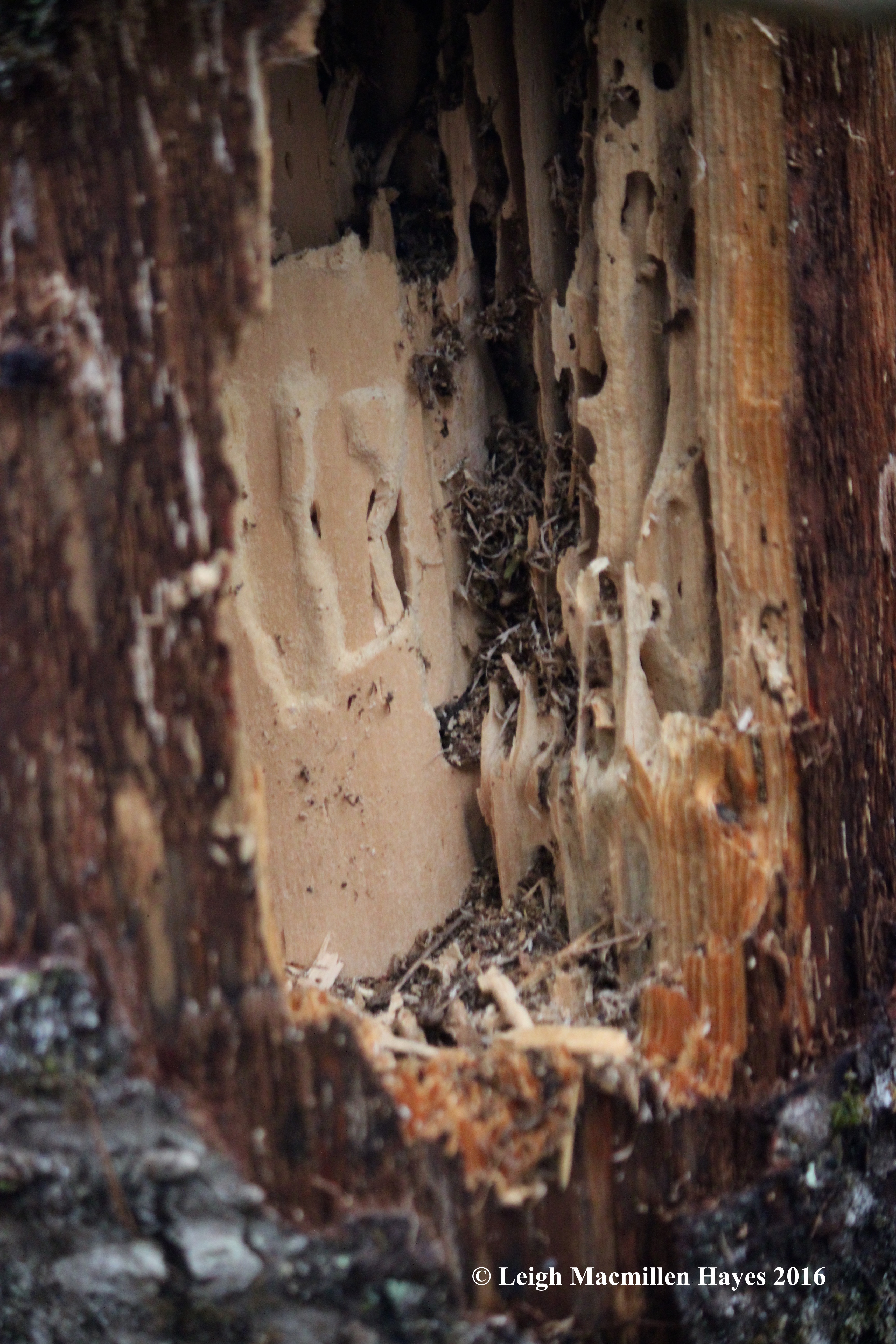


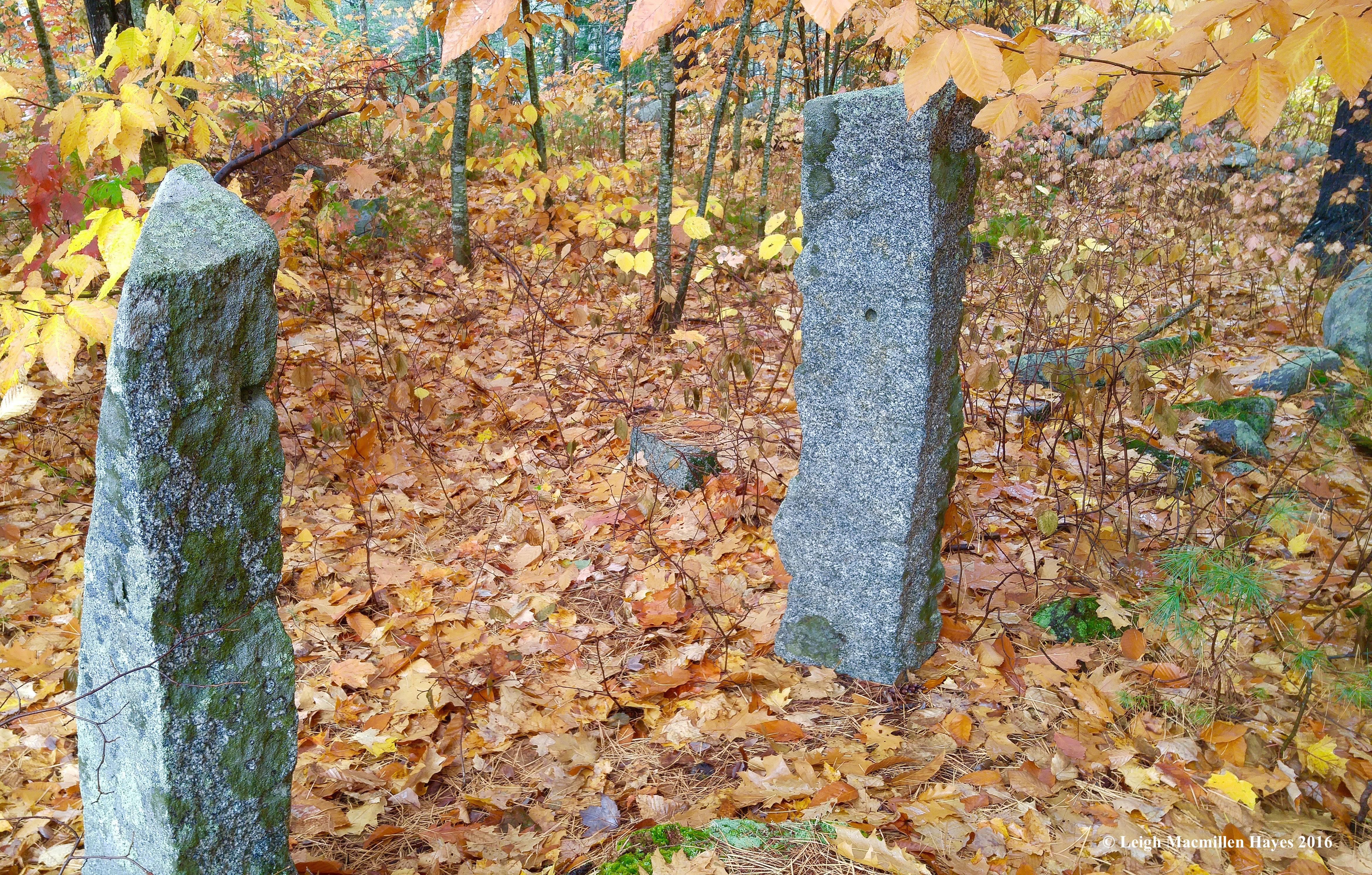


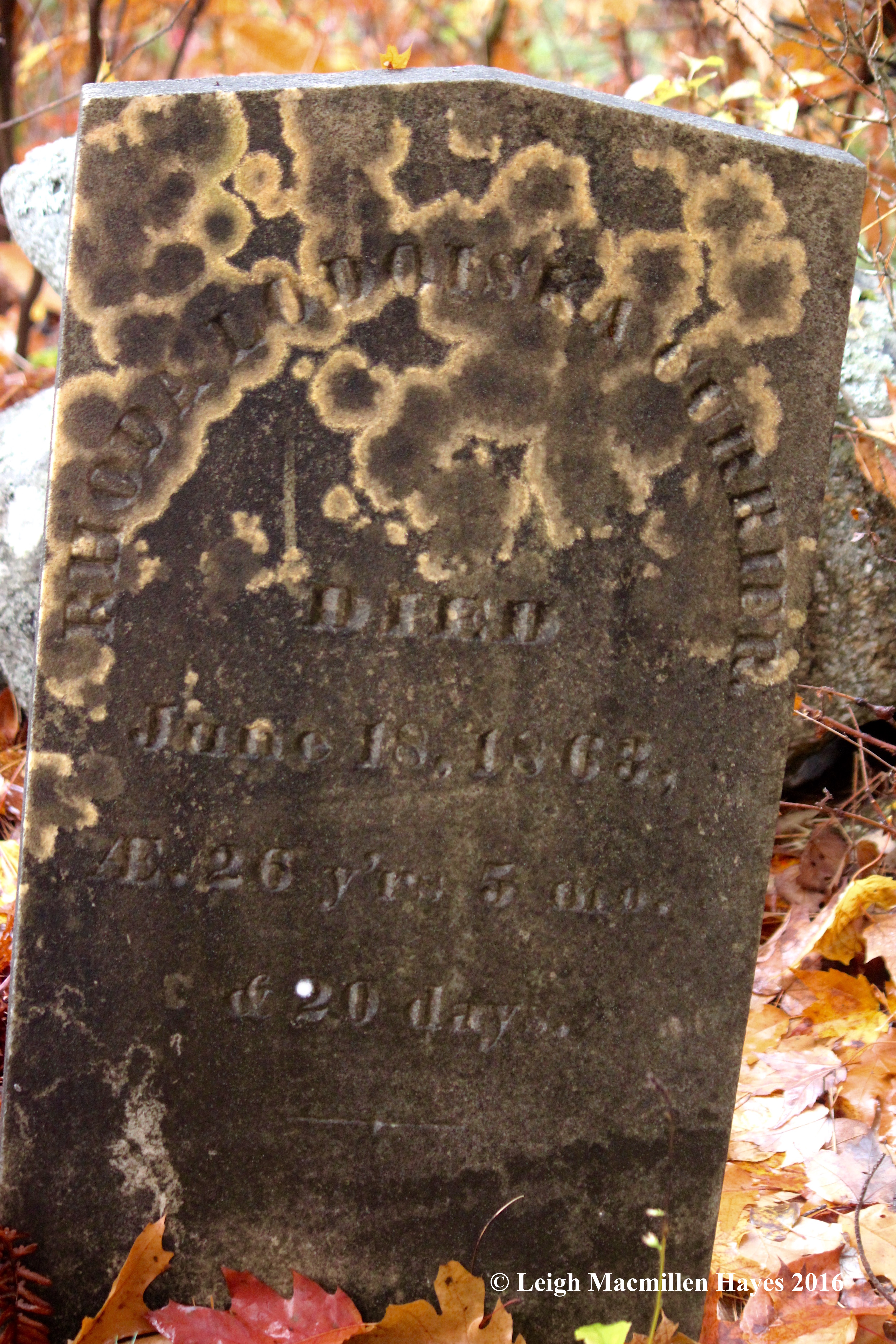
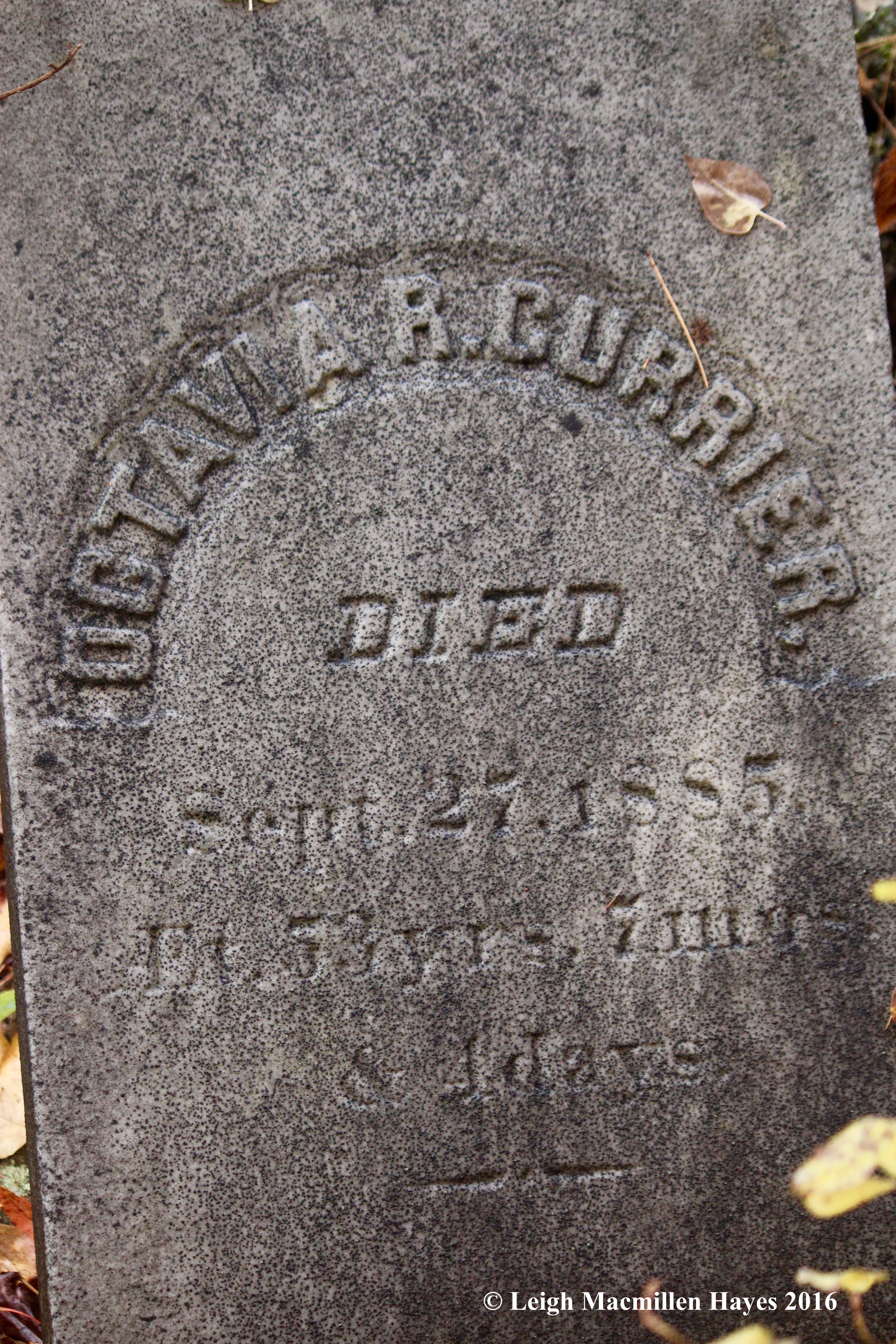

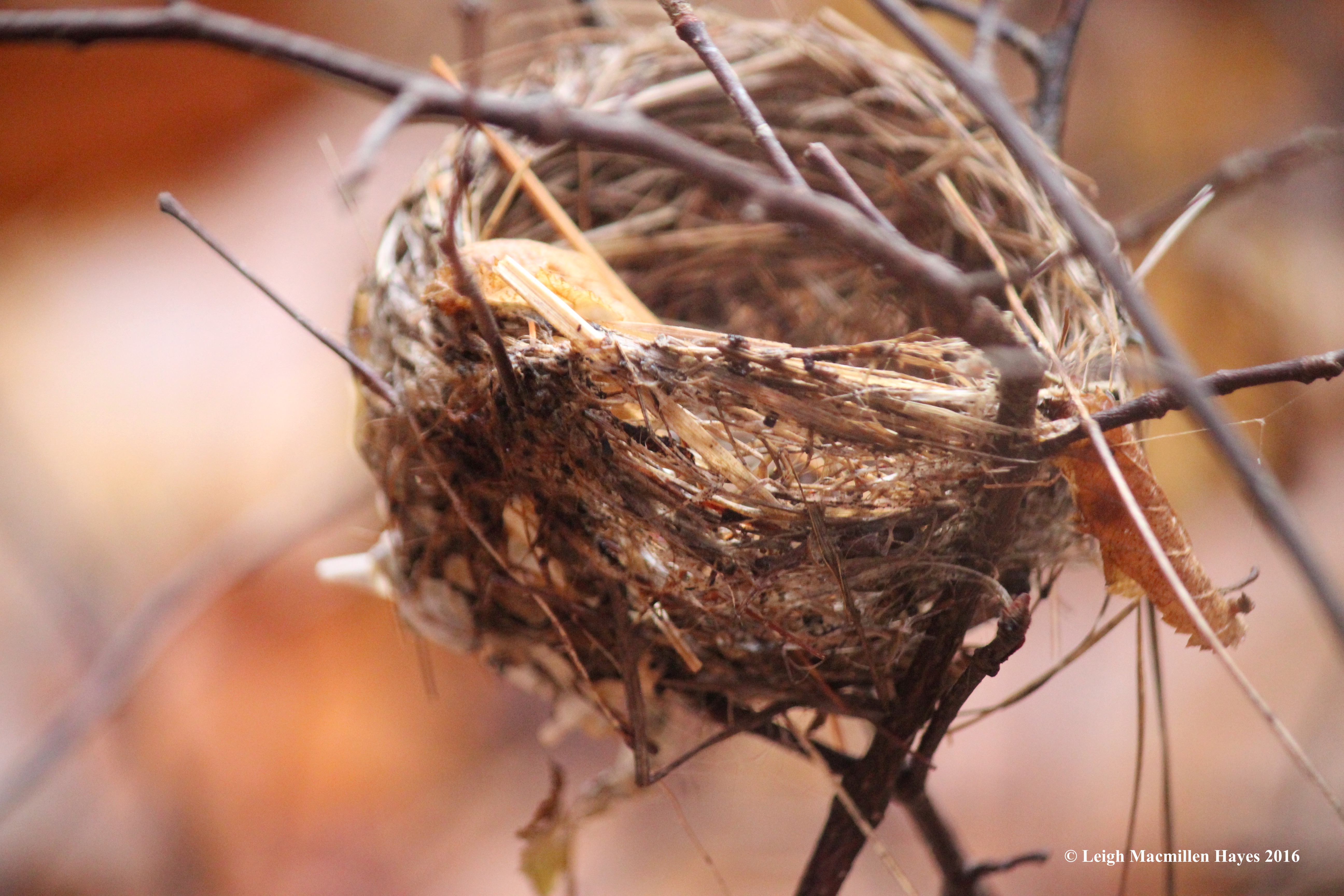
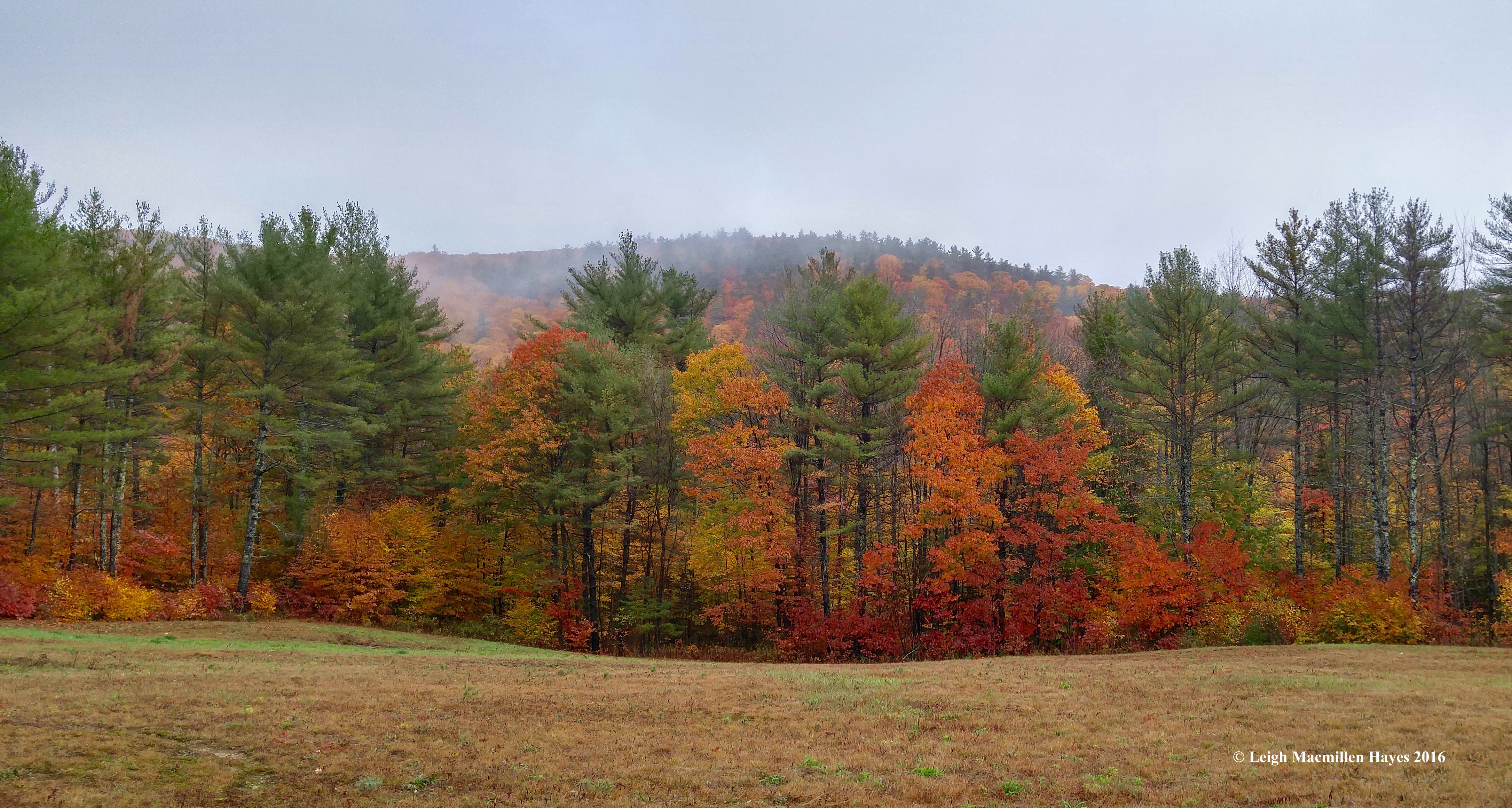


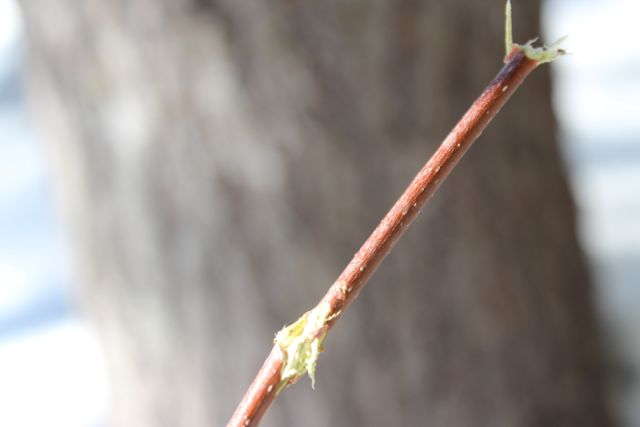

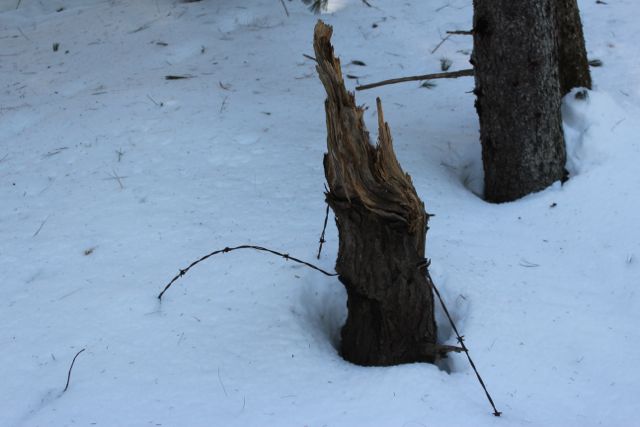

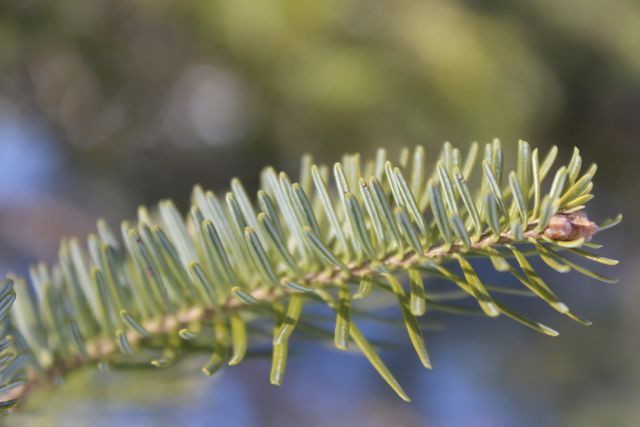


 wondermyway