Snow Be It

The action at the bird feeders was crazy busy this morning–as if a snow storm might be on the horizon.

goldfinch 2

goldfinches, mid air squawk

Some goldfinches managed to dine together in peace, while others displayed a midair squawk over perch choice.

male hairy woodpecker

The hairy woodpecker often had the suet to himself, until, that is, the nuthatches, titmice and chickadees flew in.

female cardinal

And somehow the female cardinal managed to pose upon a perch across from a chickadee. She never looks quite comfortable up high.

male cardinal

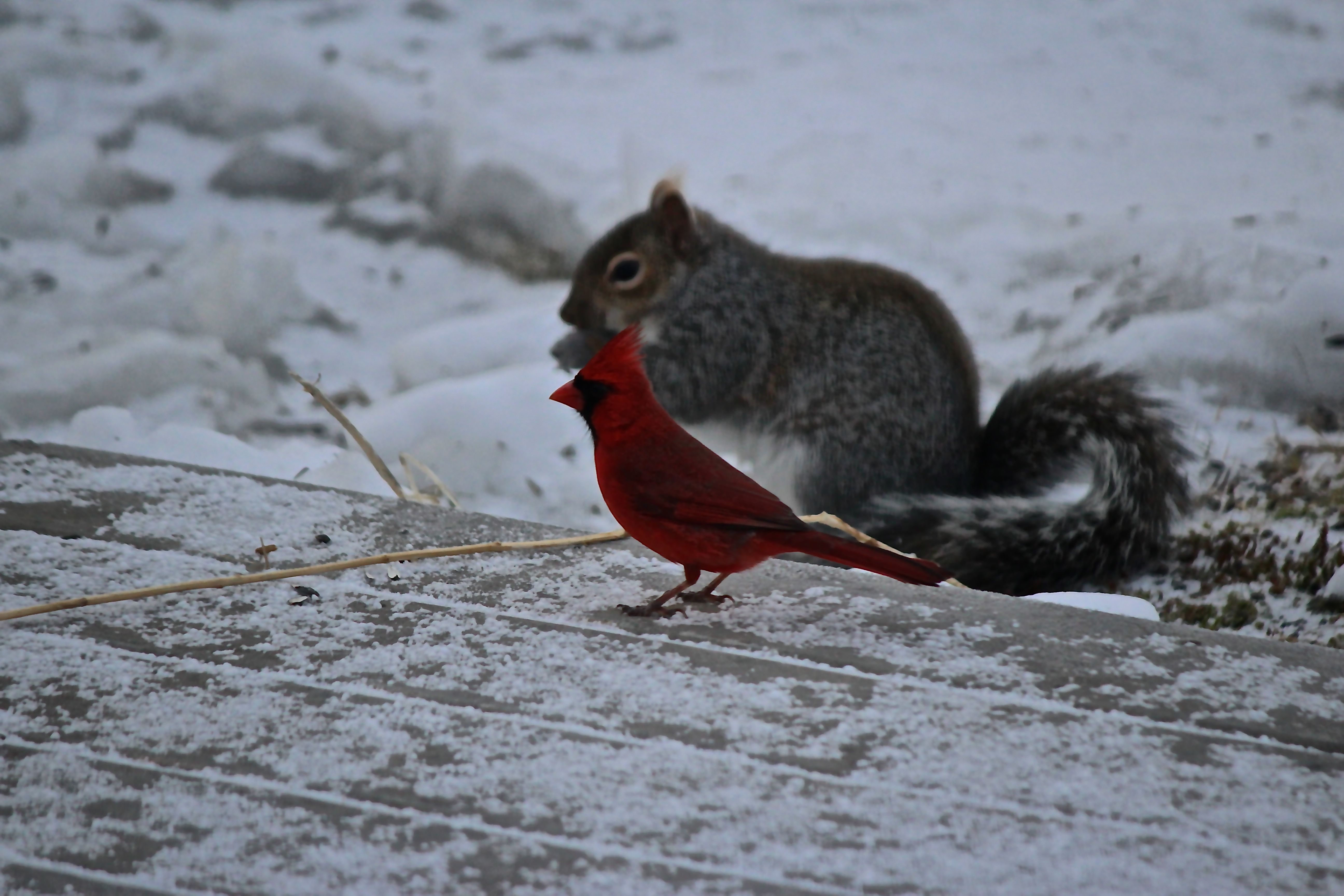
cardinal and squirrel

Her guy always checks out the local scene before foraging for seeds on the ground. He’s not the only forager in the neighborhood.
ice rink 2

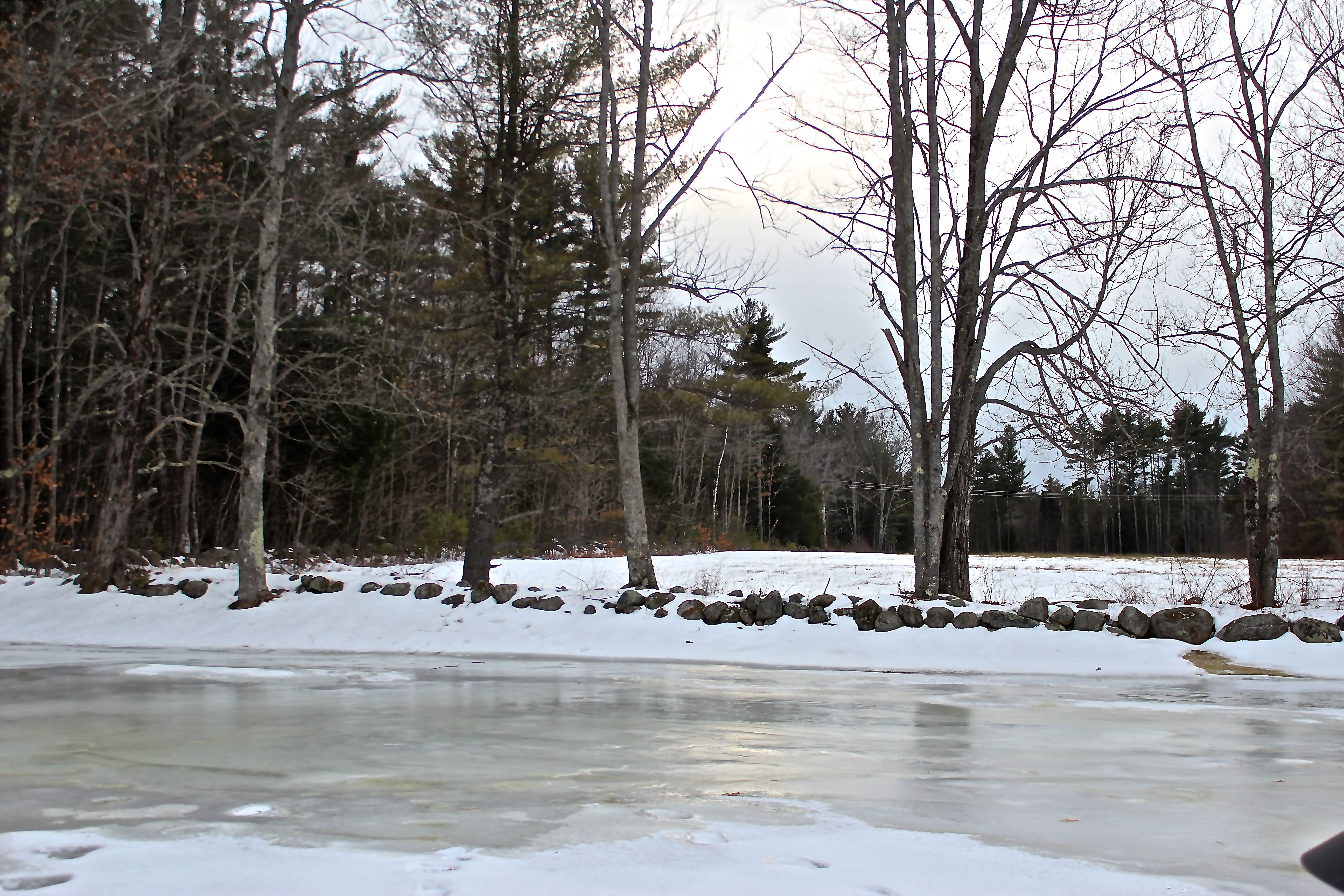
And beyond the feeders, the ice rink is open. Of course, if you want to use it  you need to bring your own shovel. My days of being the human zamboni ended a few years ago.

raccoon prints

I’d intended to join friends in Falmouth for a tramp today, but with the impending storm, I decided to stick closer to home. And so this afternoon found me exploring familiar grounds, wondering what I might see. What could possibly be different?

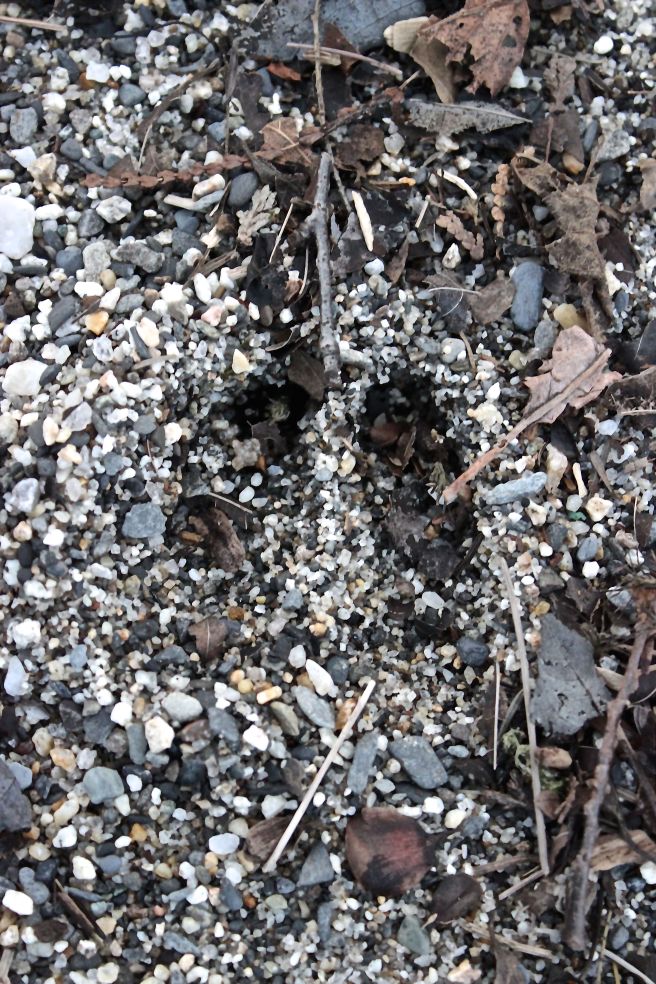
Ah, the intrepid raccoon had passed this way. I love the pattern it leaves behind, with each set of prints on the opposite diagonal.

vernal pool 1

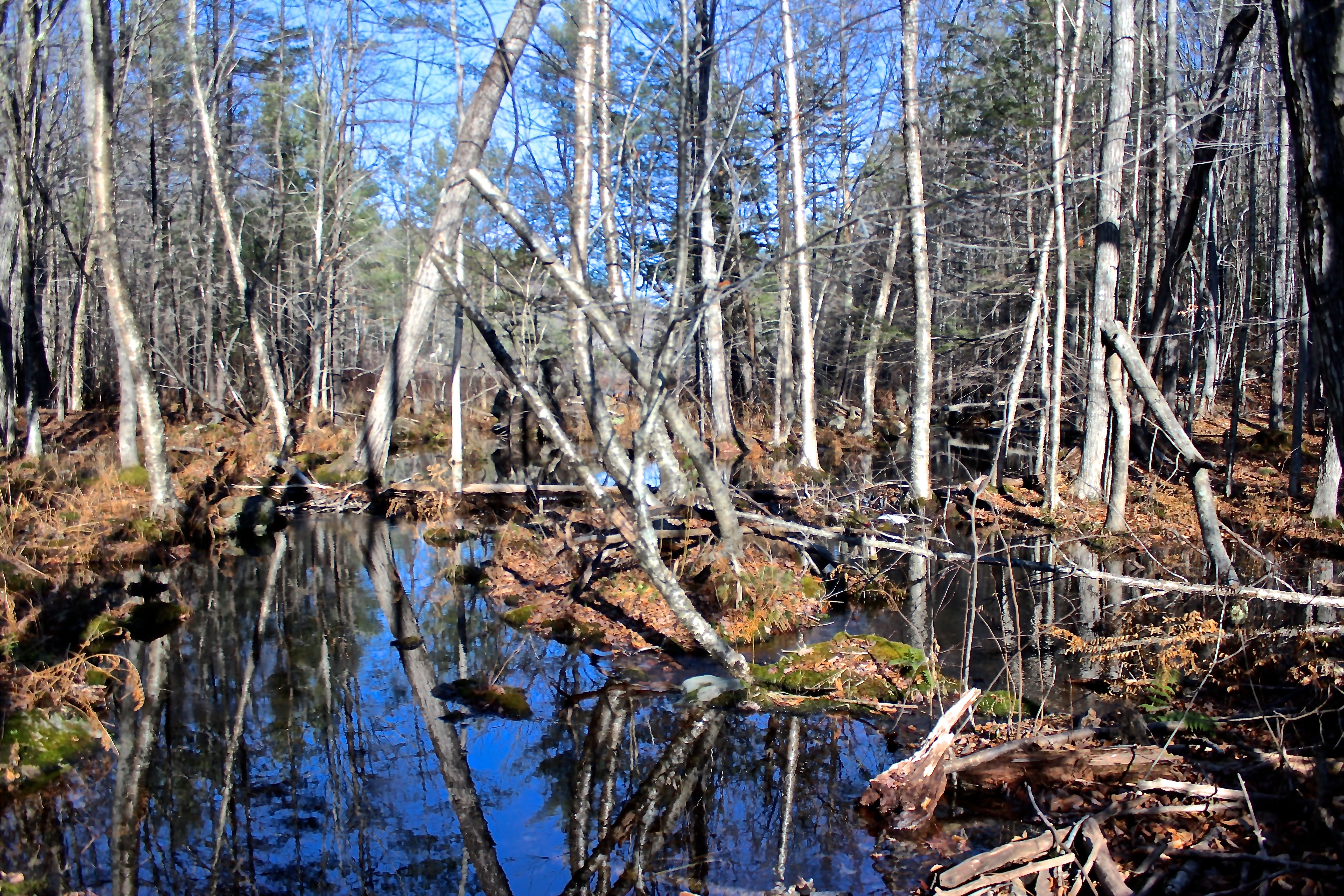
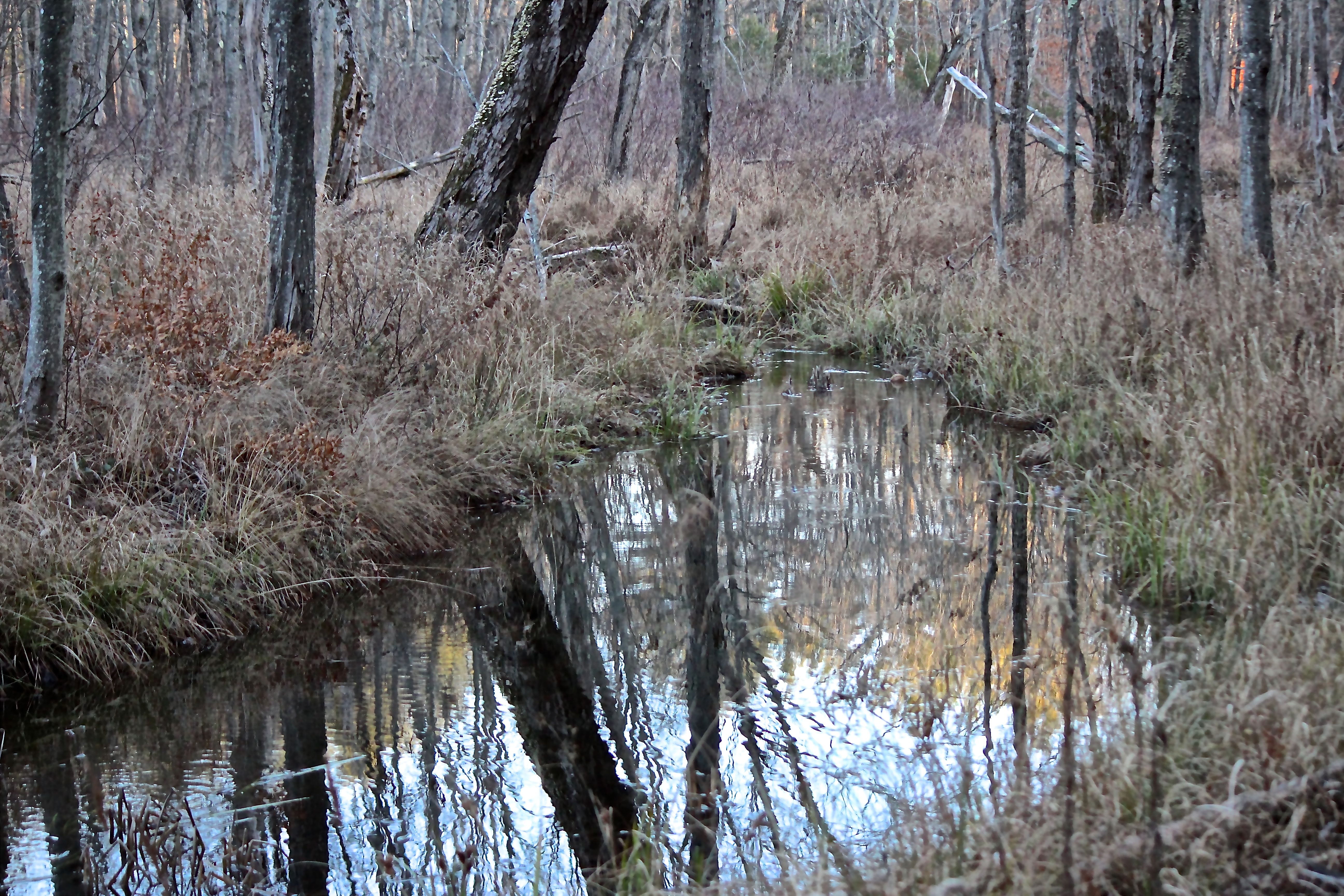
And then there’s the vernal pool. Nothing new about that, but at the same time, it’s ever changing.

Queen Anne's Lace 1

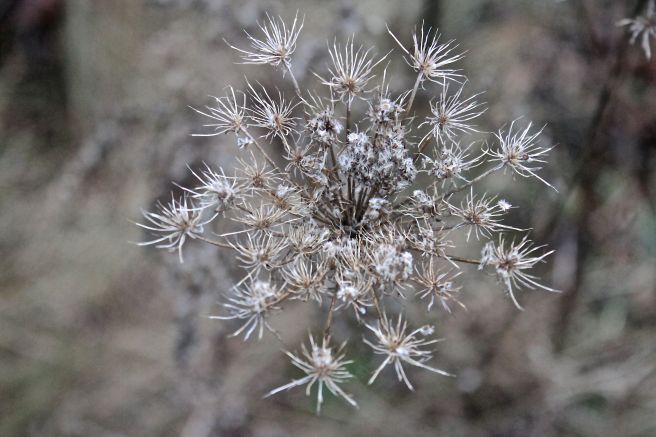
The fact that dainty Queen Anne’s Lace is filled with spiky seeds seems almost an oxymoron. A beautiful one.

The snow was just starting to fall when I happened upon the QAL. And so I continued on, crossing the road and disappearing into a familiar place–Pondicherry Park.

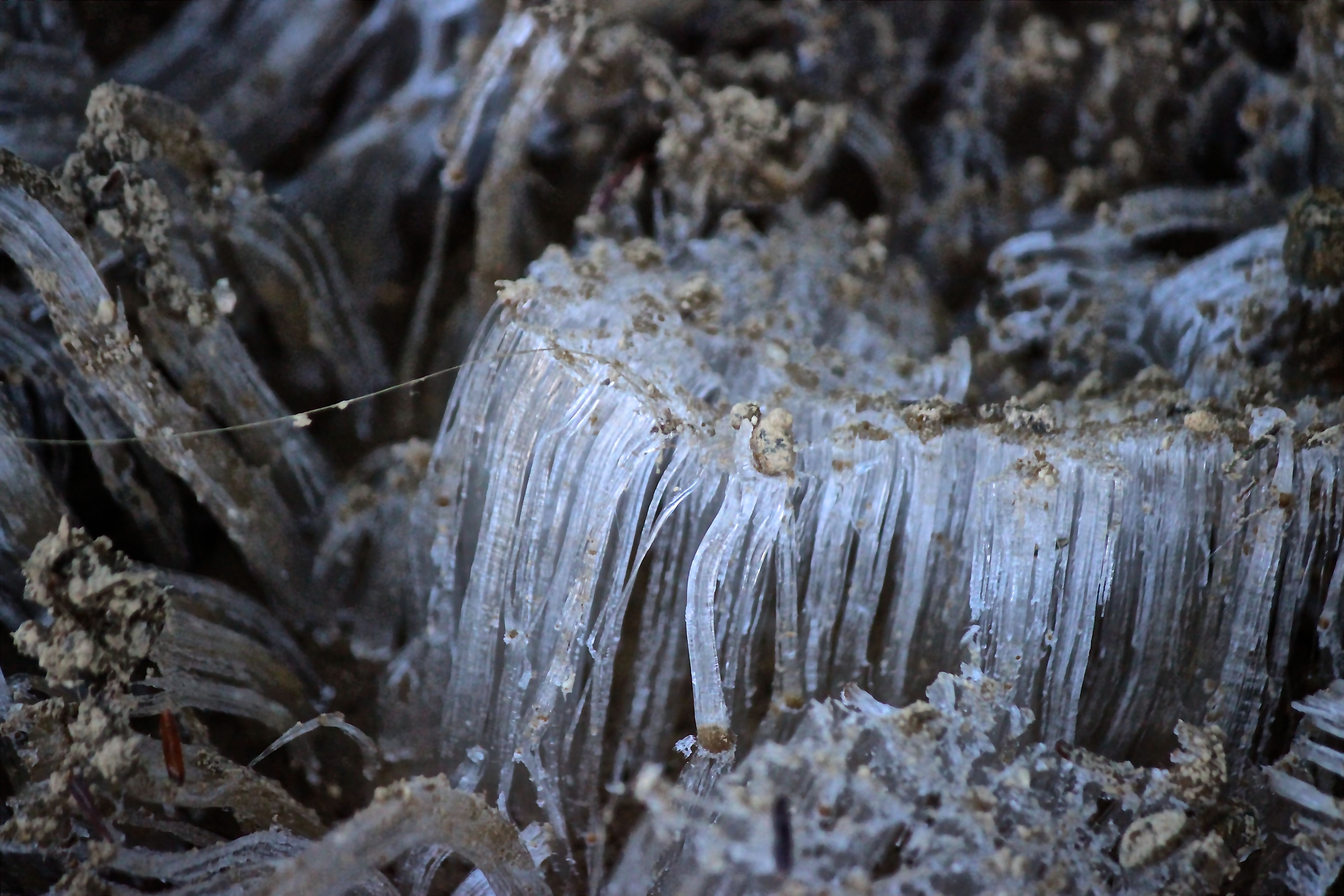
ice form 2ice form 3ice formation 1ice rays

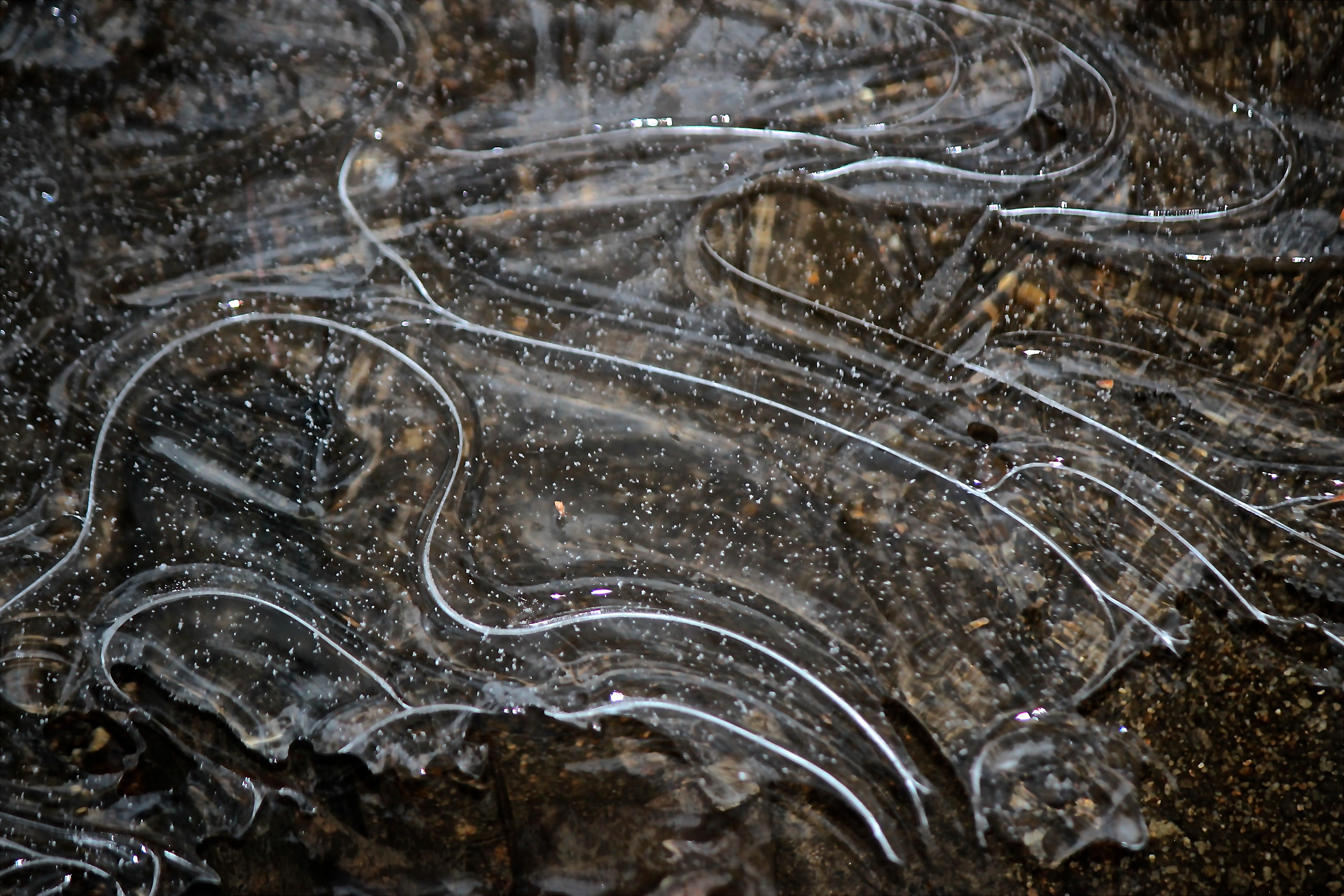
With every step, I needed to be mindful of where I placed my foot to avoid slipping. Though I’m weary of ice, I never tire of the formations it manifests.

ash 1 Ash 2ash seeds 3

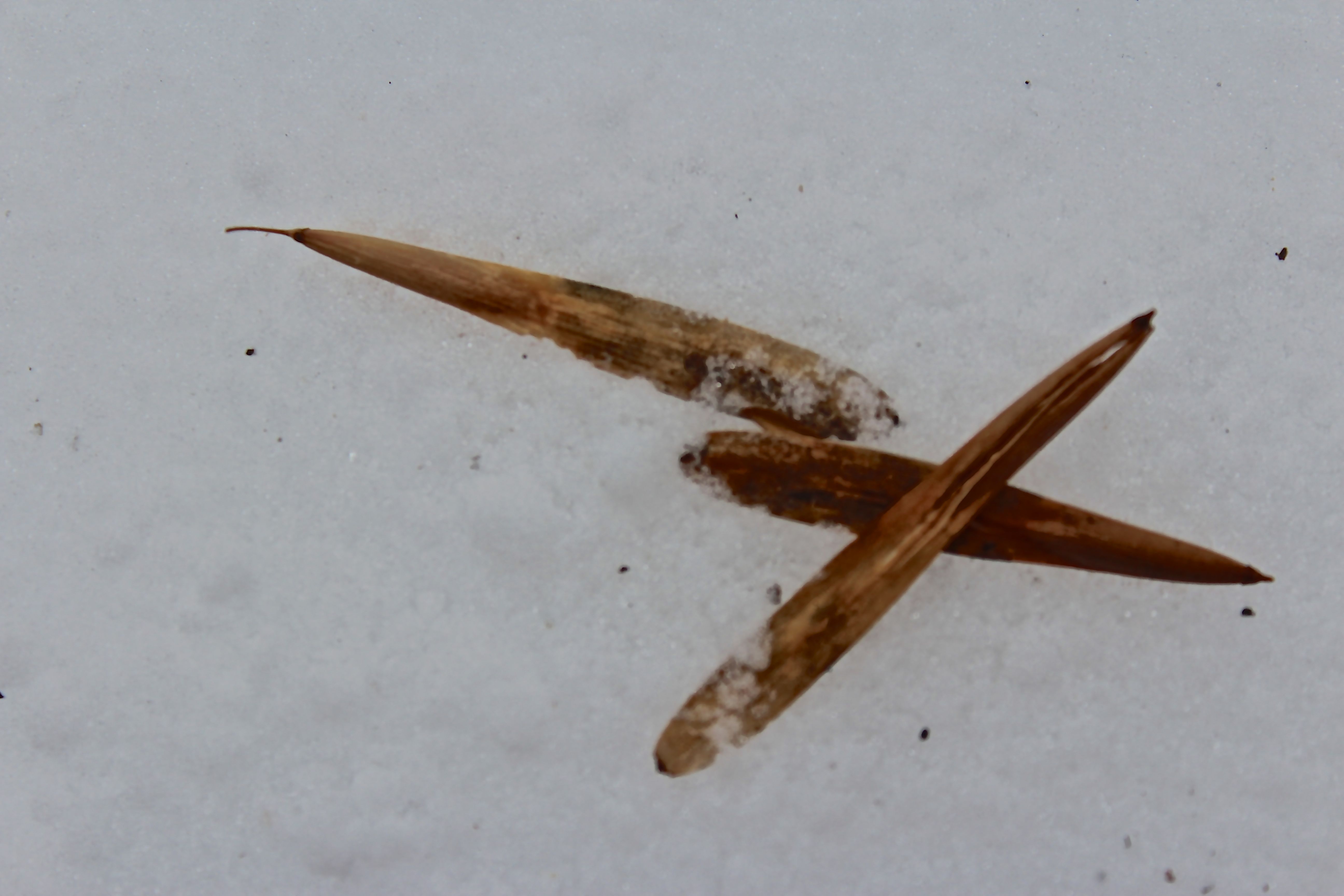
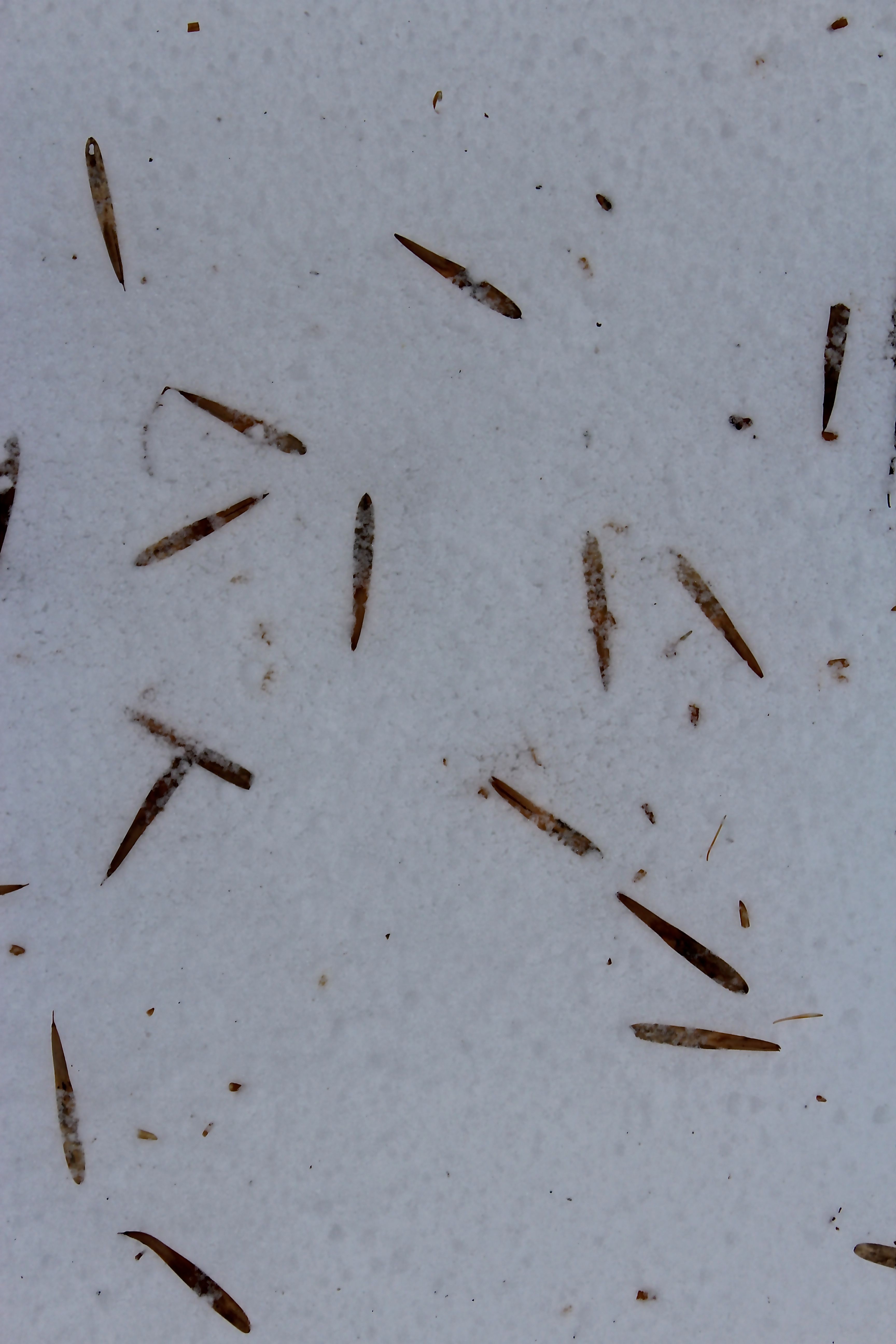
I’m going out on a limb here, but believe based on the structure of the single winged samara that these are green ash seeds that litter the ground. As the wing surrounding the seed tapers toward the tip, it is straight versus the slight curve seen in a white ash. In addition, the white ash samara is wider than a green ash.

ash leaves 1

And then there is the ash leaf mystery. Leaves still on trees? Ash leaflets are not marcescent so why have these leaves withered and stayed attached to the twigs? Ah, but when some trail management was conducted this past summer, the cut branches that crowded the path were tossed aside. The leaves died then and there, thus not being “cut” off by the tree and falling in a normal manner.
 witch hazel color contrast

contrast beech leaves

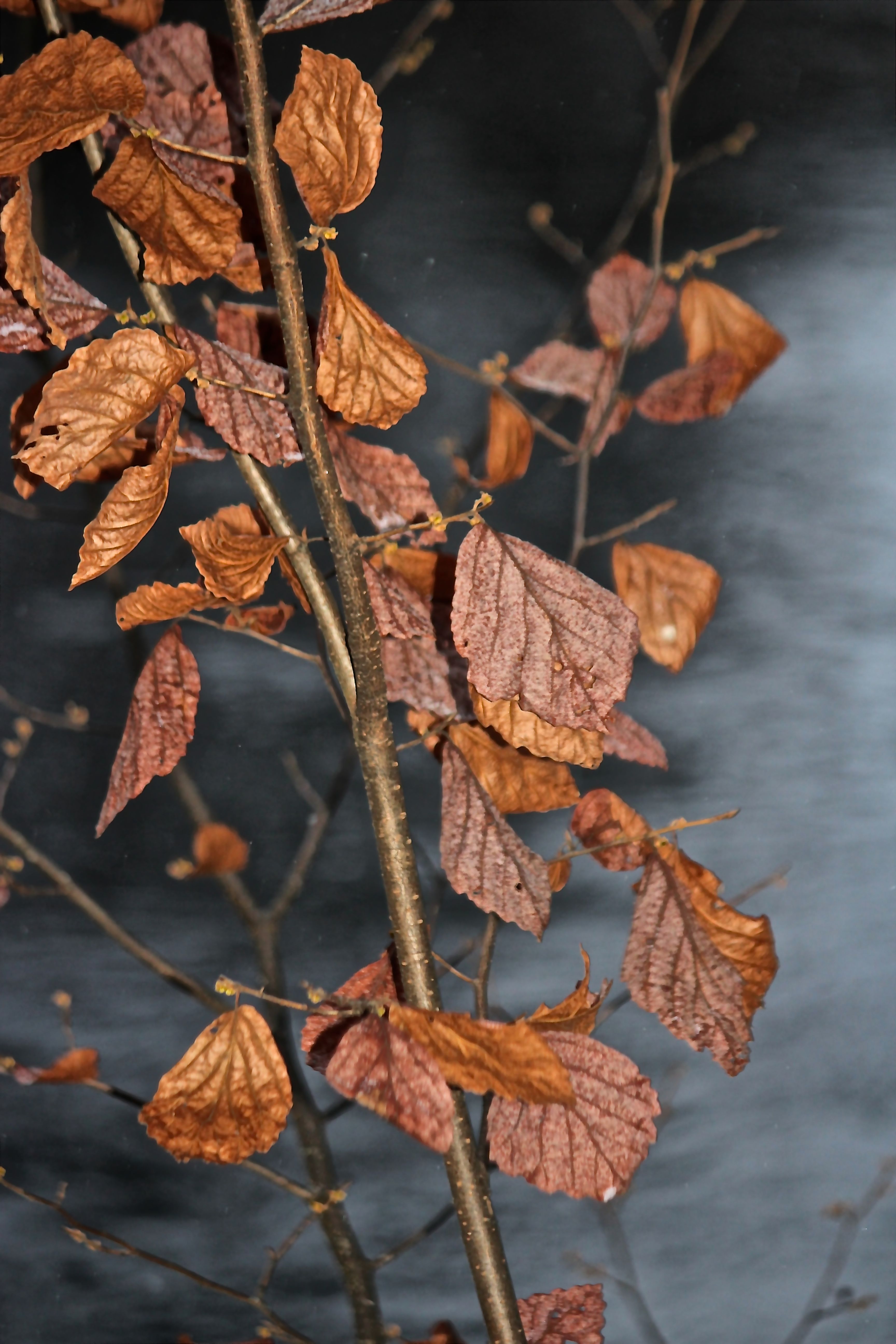
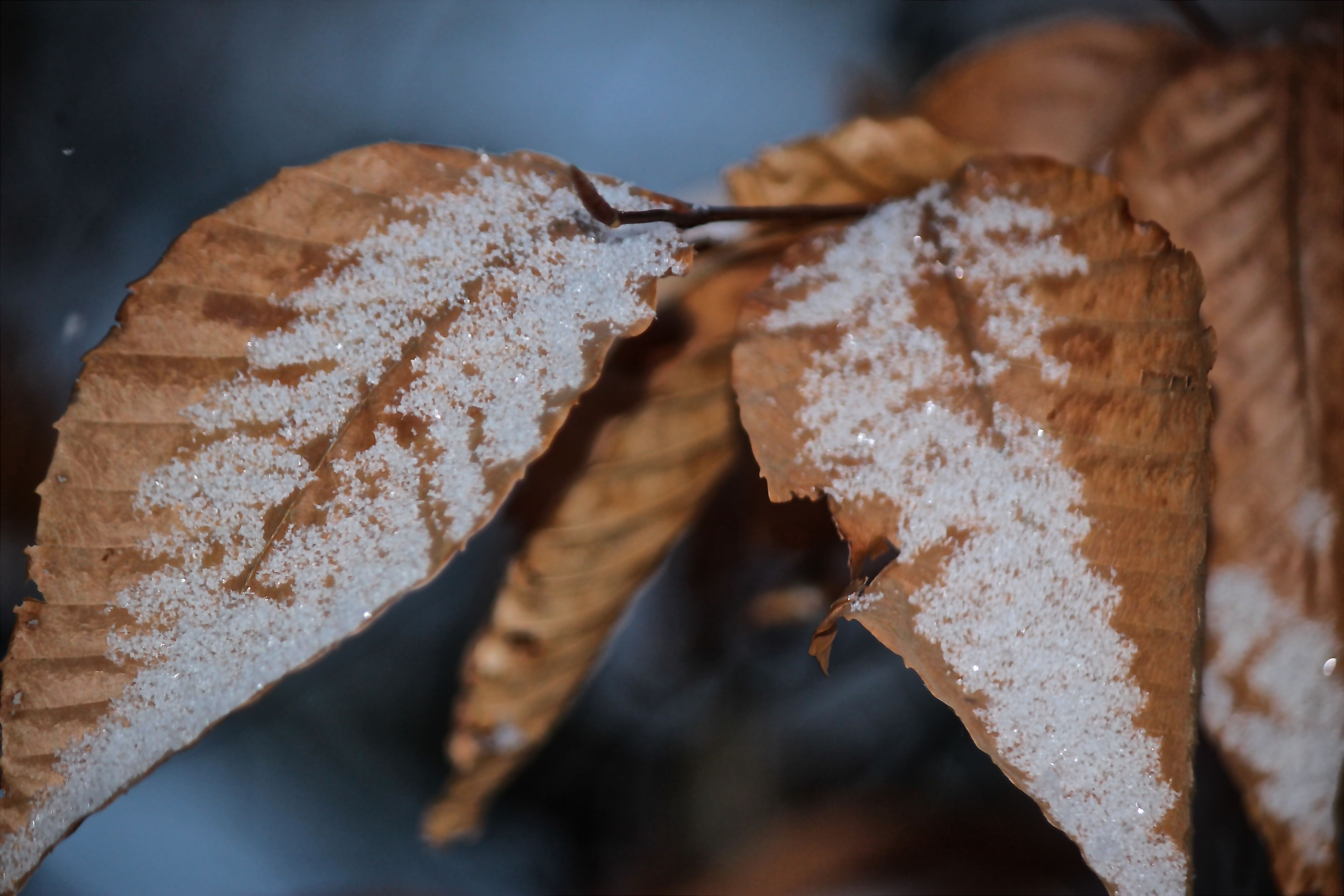
Of course, the marcescent leaves of witch hazel and American beech against the blue of Willet Brook provided a display worthy of attention as the snow began to collect.
witch's butter on red pine

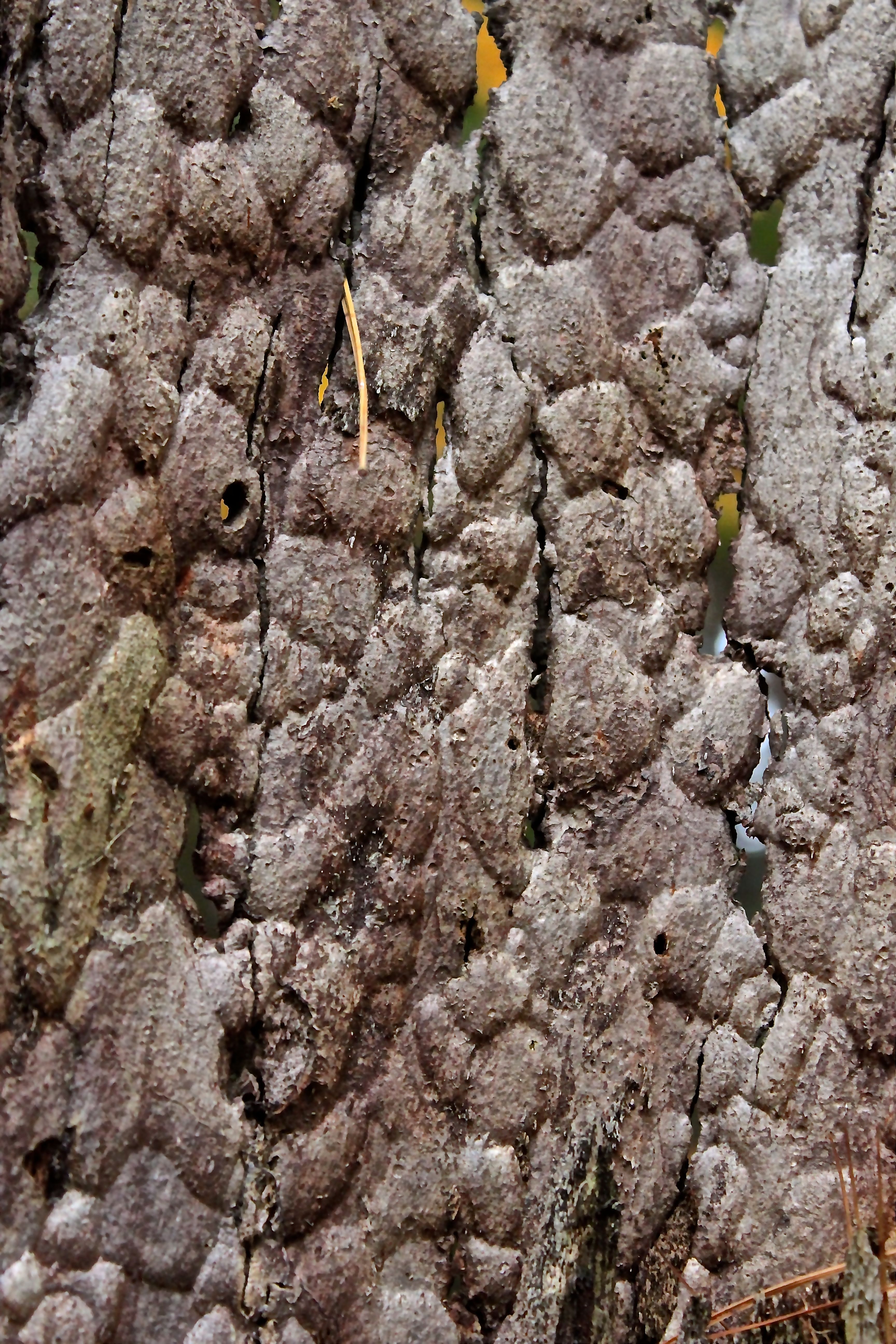
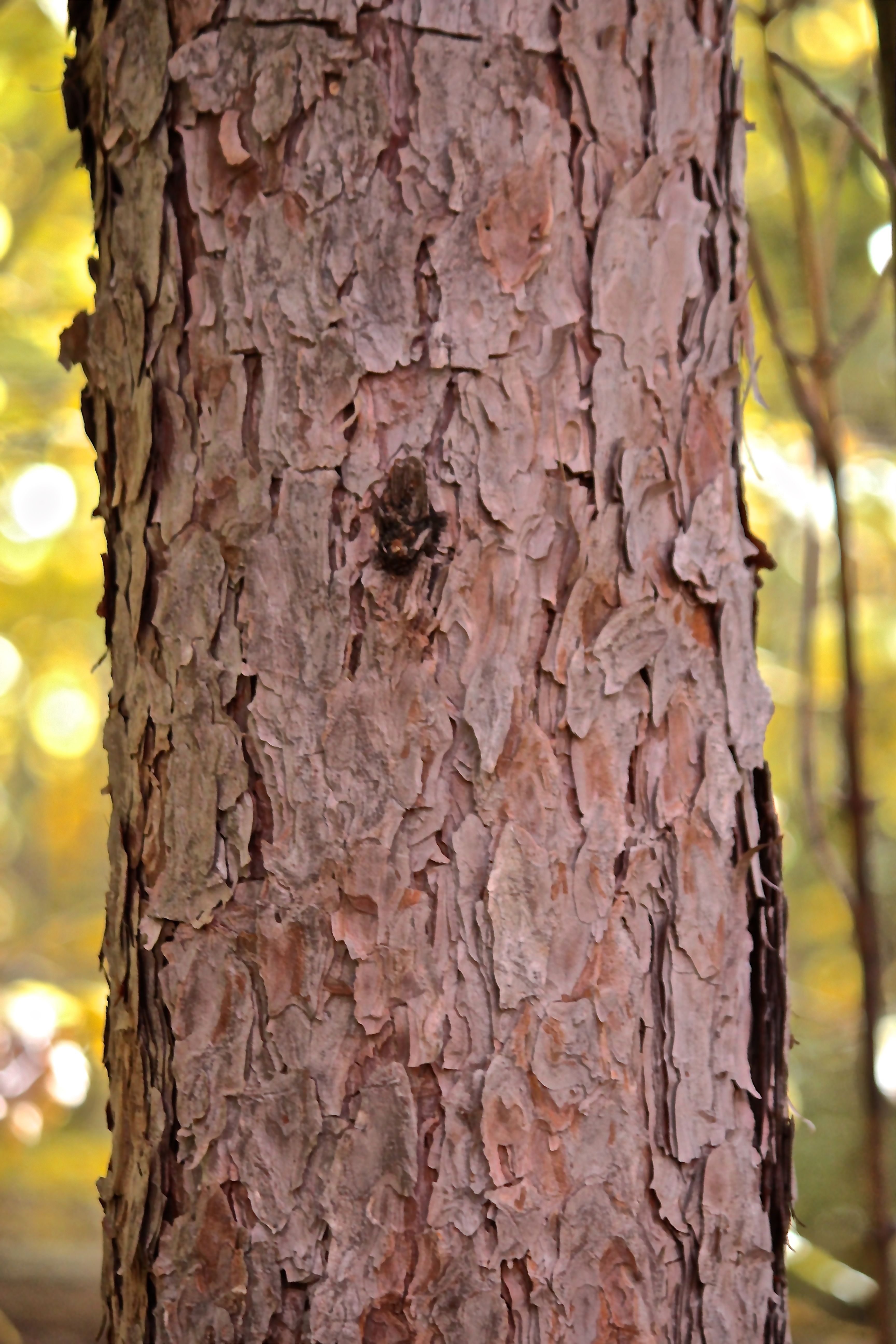
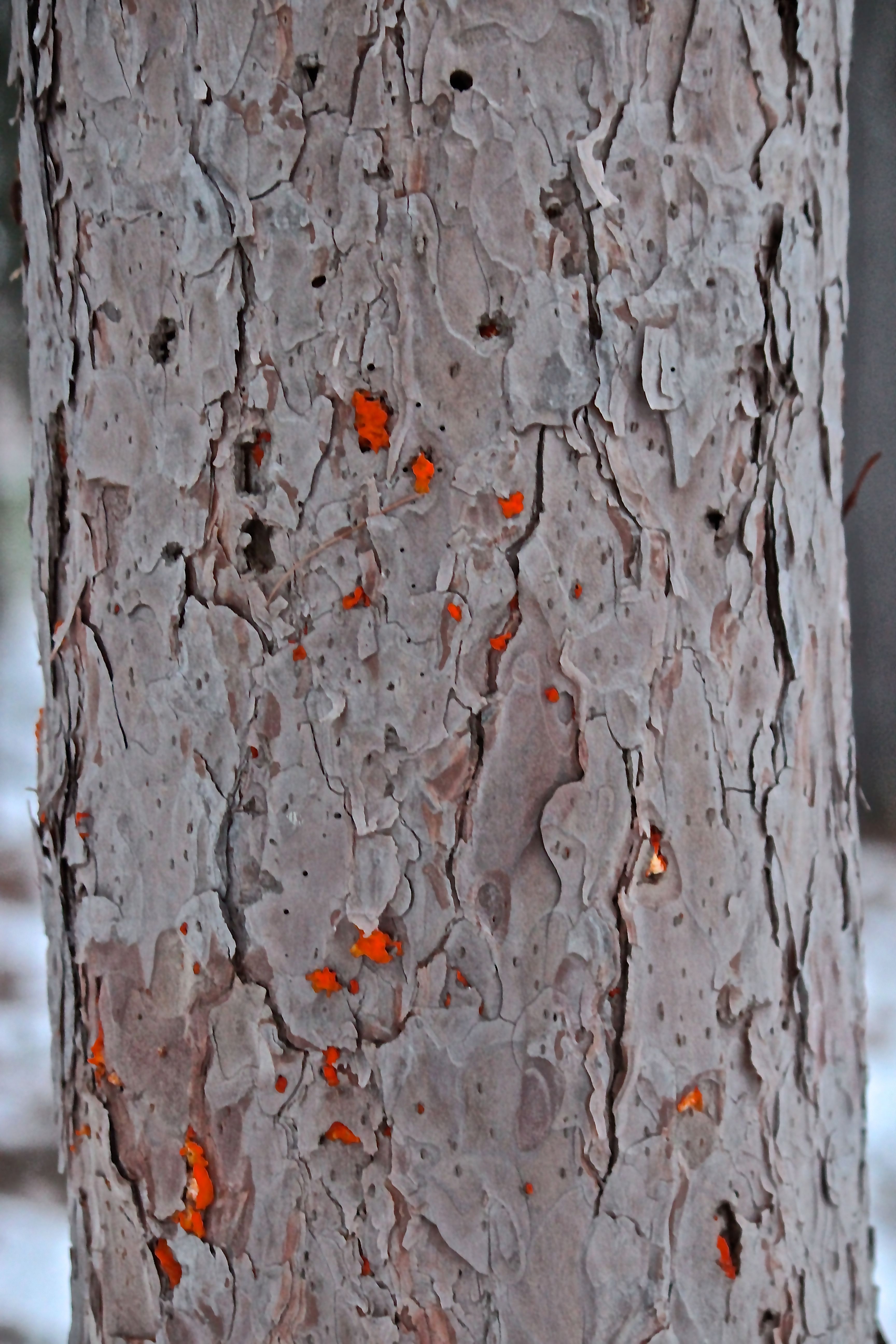
Witch hazel isn’t the only witch in the park. Witch’s butter decorates a red pine trunk.

jelly ear fungi

Likewise, witch’s butter isn’t the only fungi. Jelly ears decorate a fallen oak branch.

snag sap

There’s always plenty to wonder about. In this case, a very, very dead snag–leaking sap. How can that be so?

Willet Brook

The ice lining the banks of Willet Brook crinkled and crackled with the flow of the water, adding an eerie sound to the landscape.

mallards

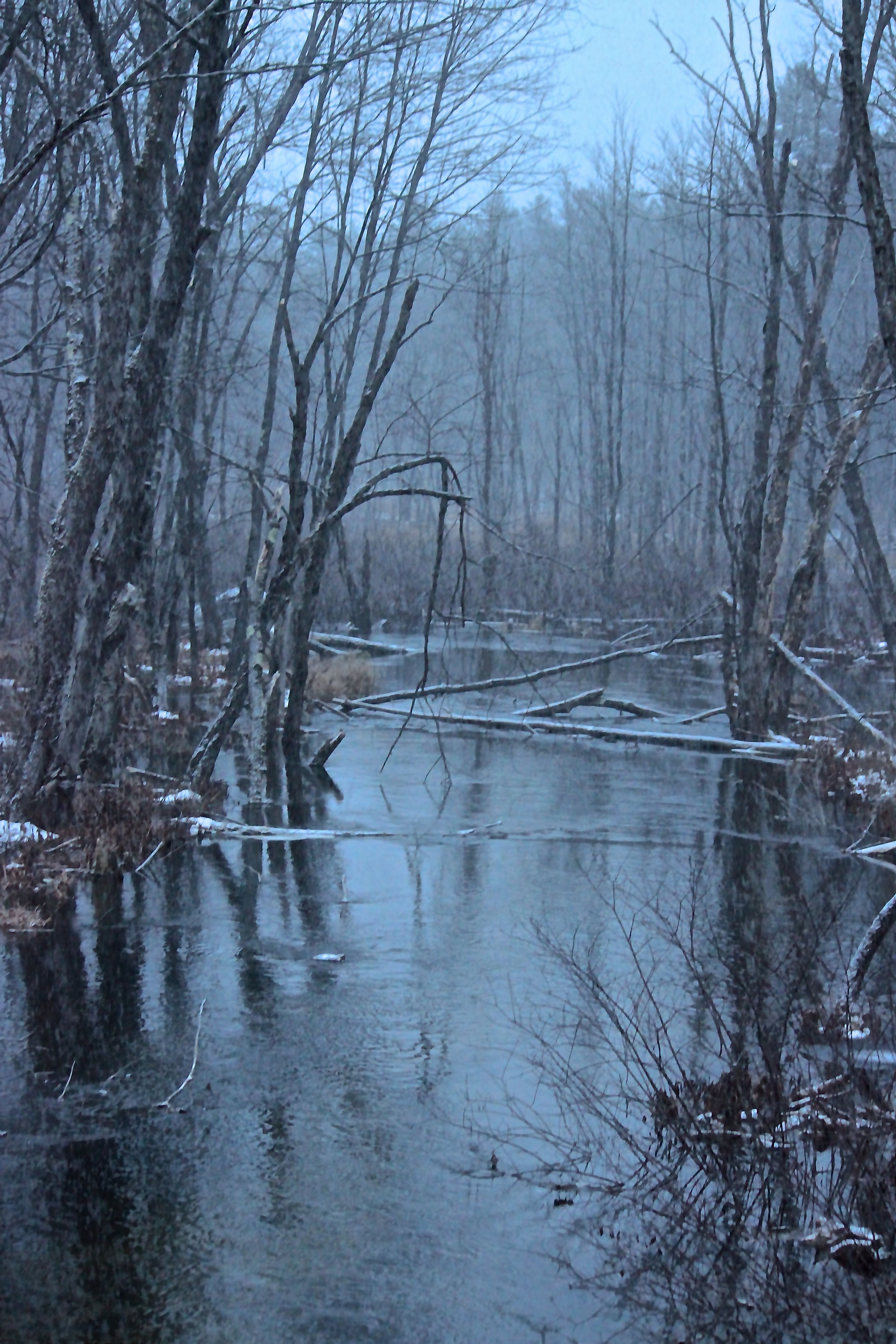
Meanwhile, in Stevens Brook, several pairs of mallards quacked constantly, announcing their presence.
Stevens Brook

The snow increased as I crossed the Bob Dunning Memorial Bridge and

dam

walked past the Stevens Brook dam.

still Christmas 1

At home, it’s still Christmas. Snow be it.

Making a list

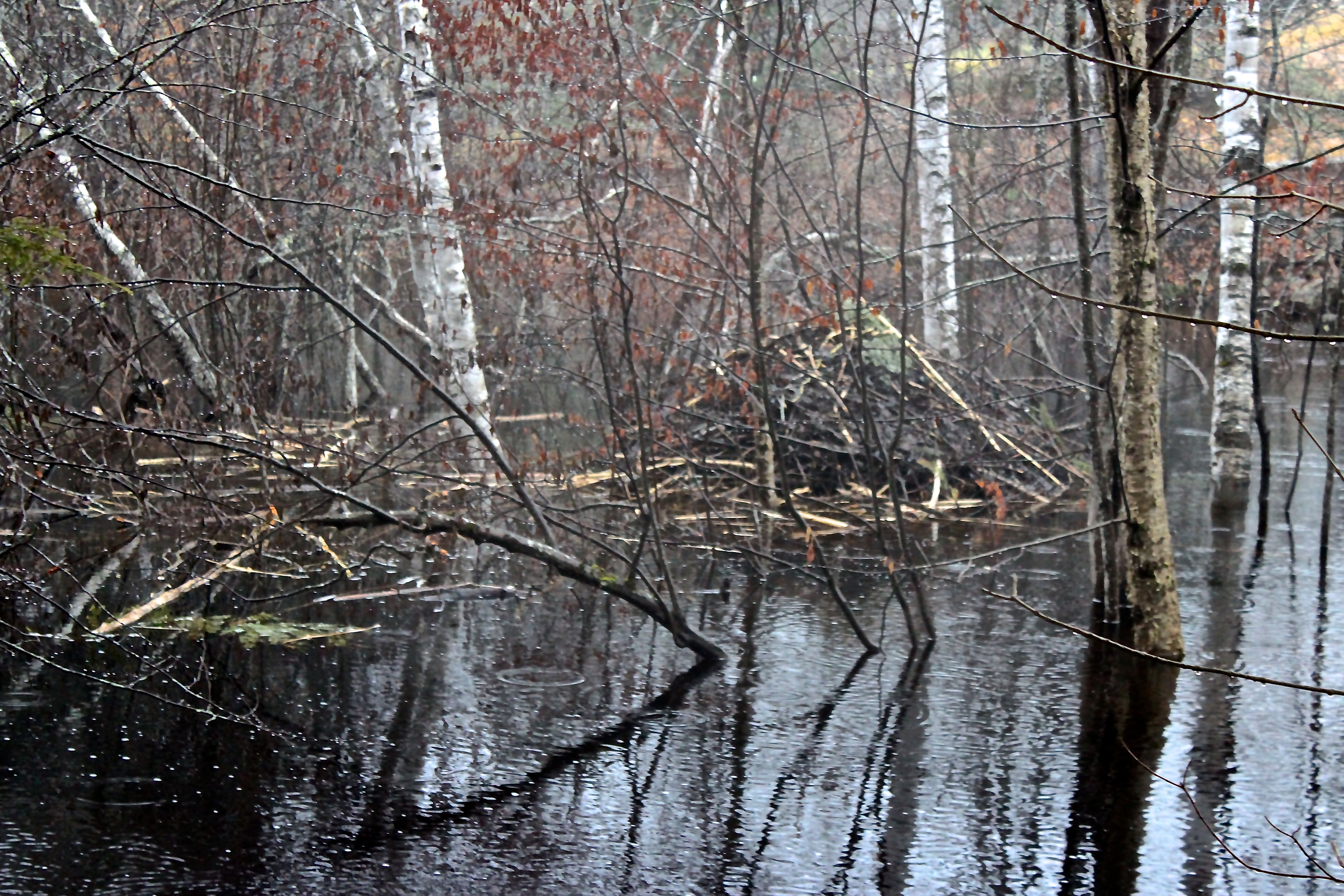
and checking it twice. That’s what the busy beavers on a friend’s property appear to be doing right now as they ready for winter.

When JoAnne asked if I wanted to see the recent beaver works, I jumped at the opportunity.

beaver pond 1

Today’s rain didn’t stop us from heading out to explore. She first discovered this new pond when she walked down a sloping field and noticed through the trees what looked like water–where it wasn’t supposed to be.
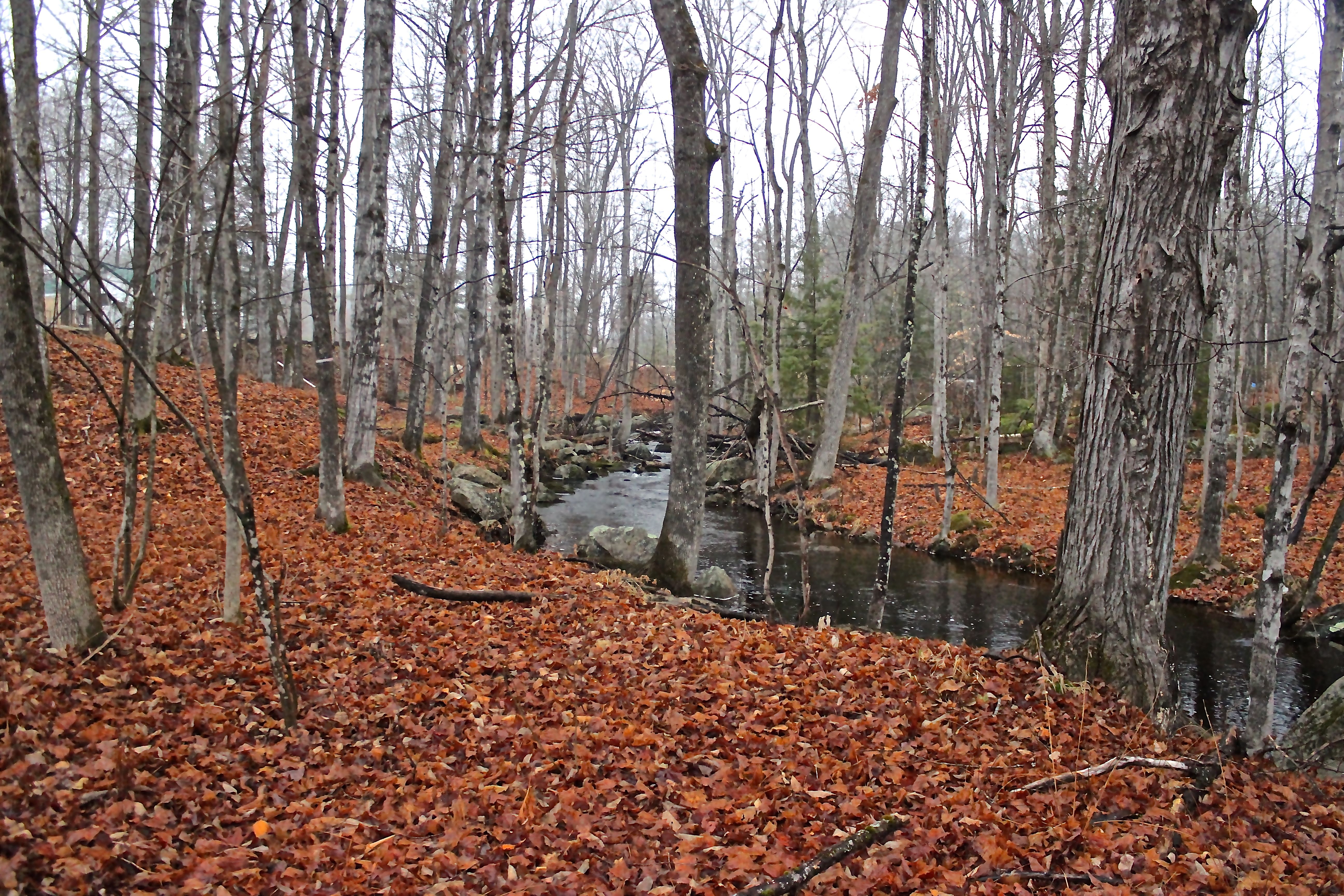
beaver creek 2

A creek flows through her neighbor’s property and once supported several mill sites.

beaver stream width

It continues, or should I say continued, across her property, coming in from the right. That is, until things changed.

beaver ribbons

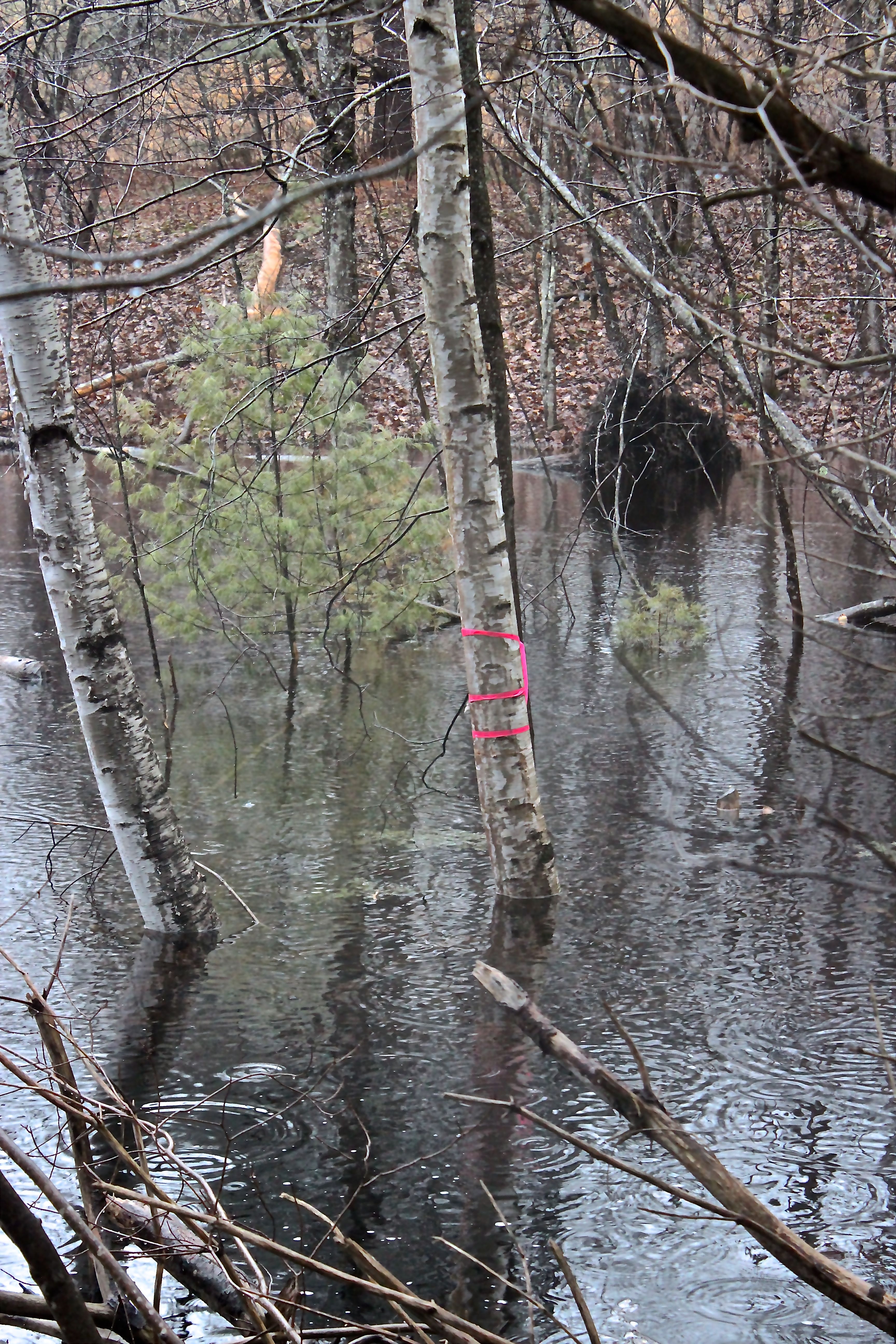
This past summer, in the middle of what is now the pond, JoAnne stood beside the then creek and marked a property boundary with pink tape.

beaver ribbon 1a

The ribboned tree was on the far side of the creek before her new neighbors  came knocking.

At a former dam site, they took it upon themselves to do their own construction. It needs work as we could see some holes, but I’ve no doubt that they’ll be on that in no time.

  beaver works 6beaver works 4beaver works 2

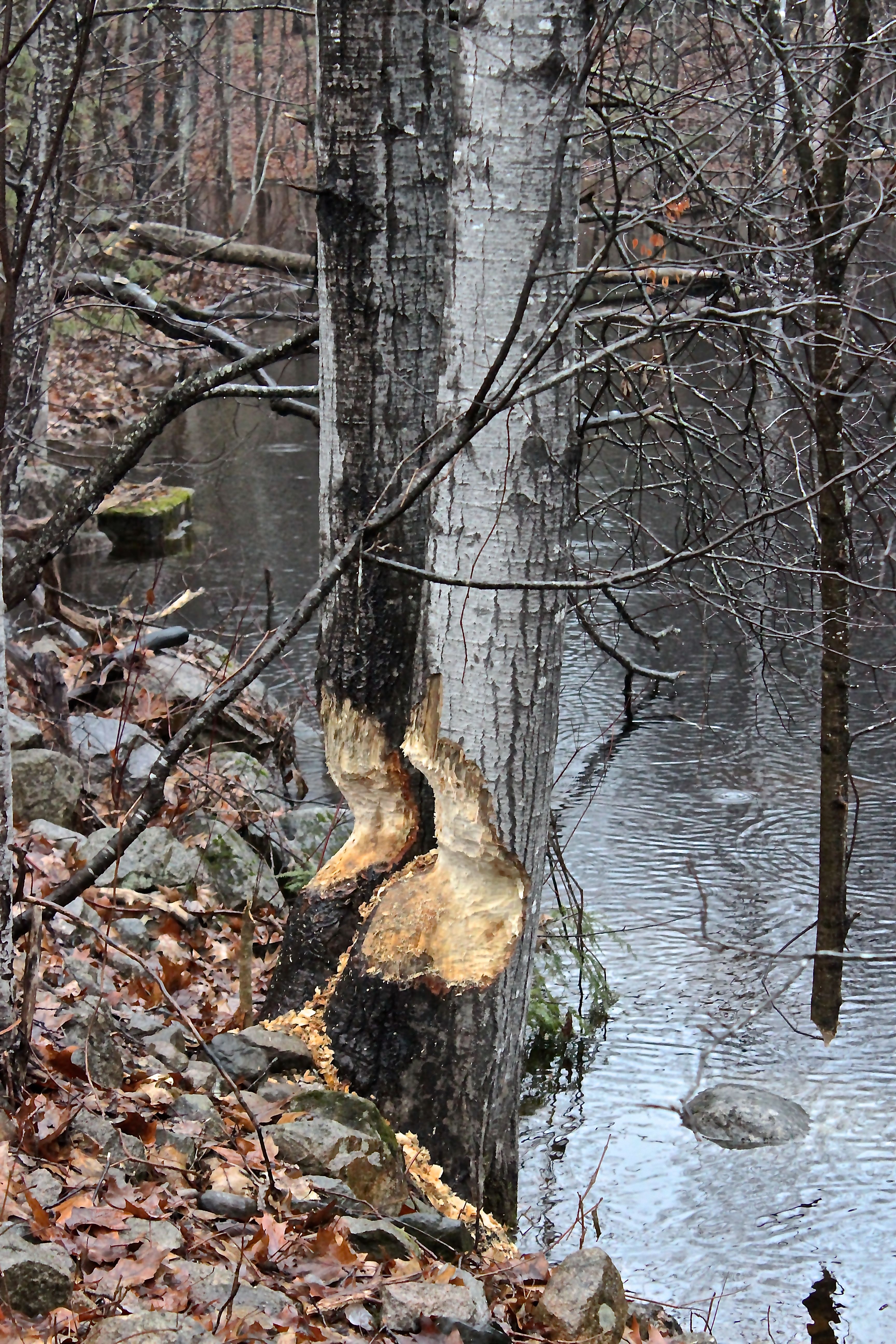
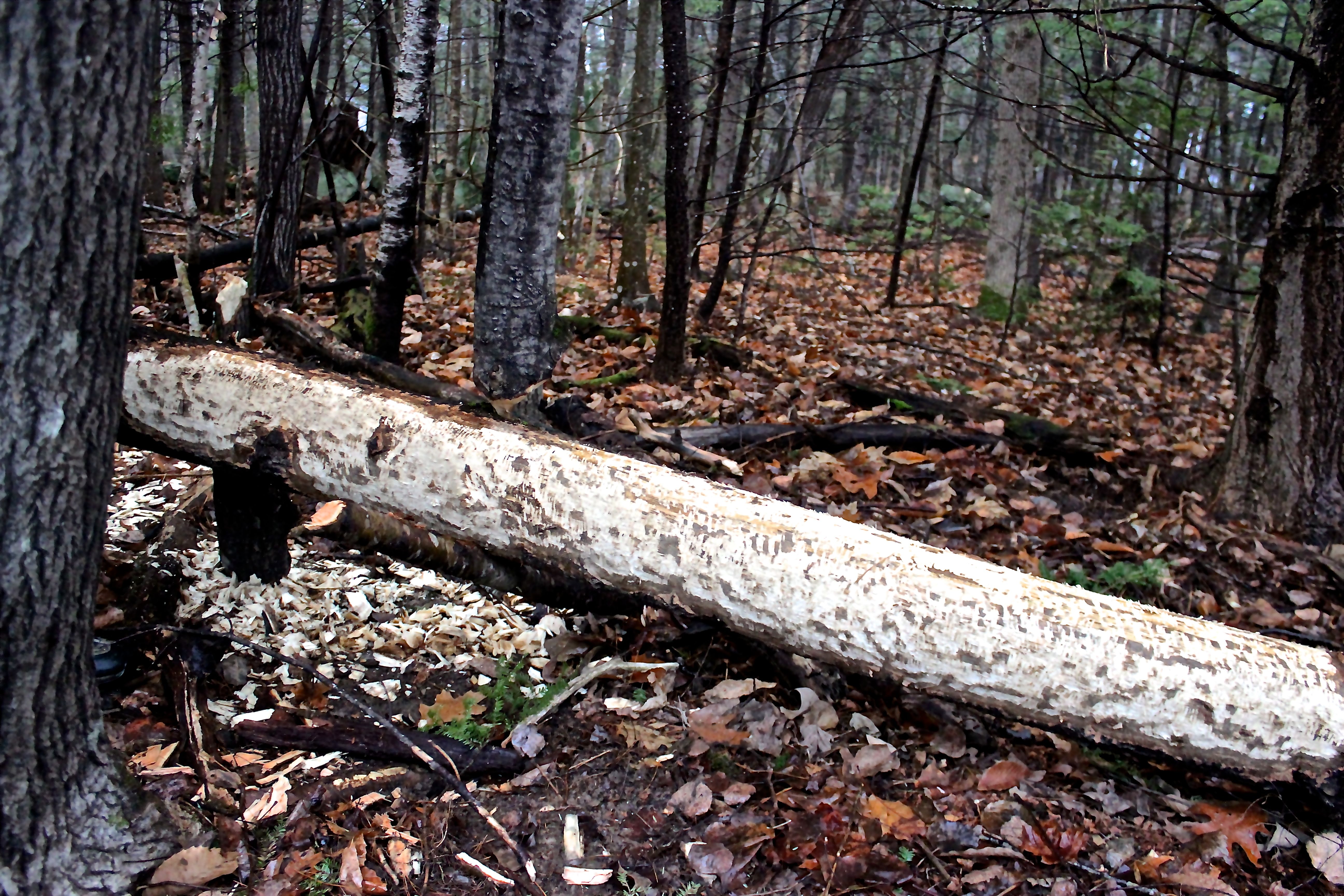
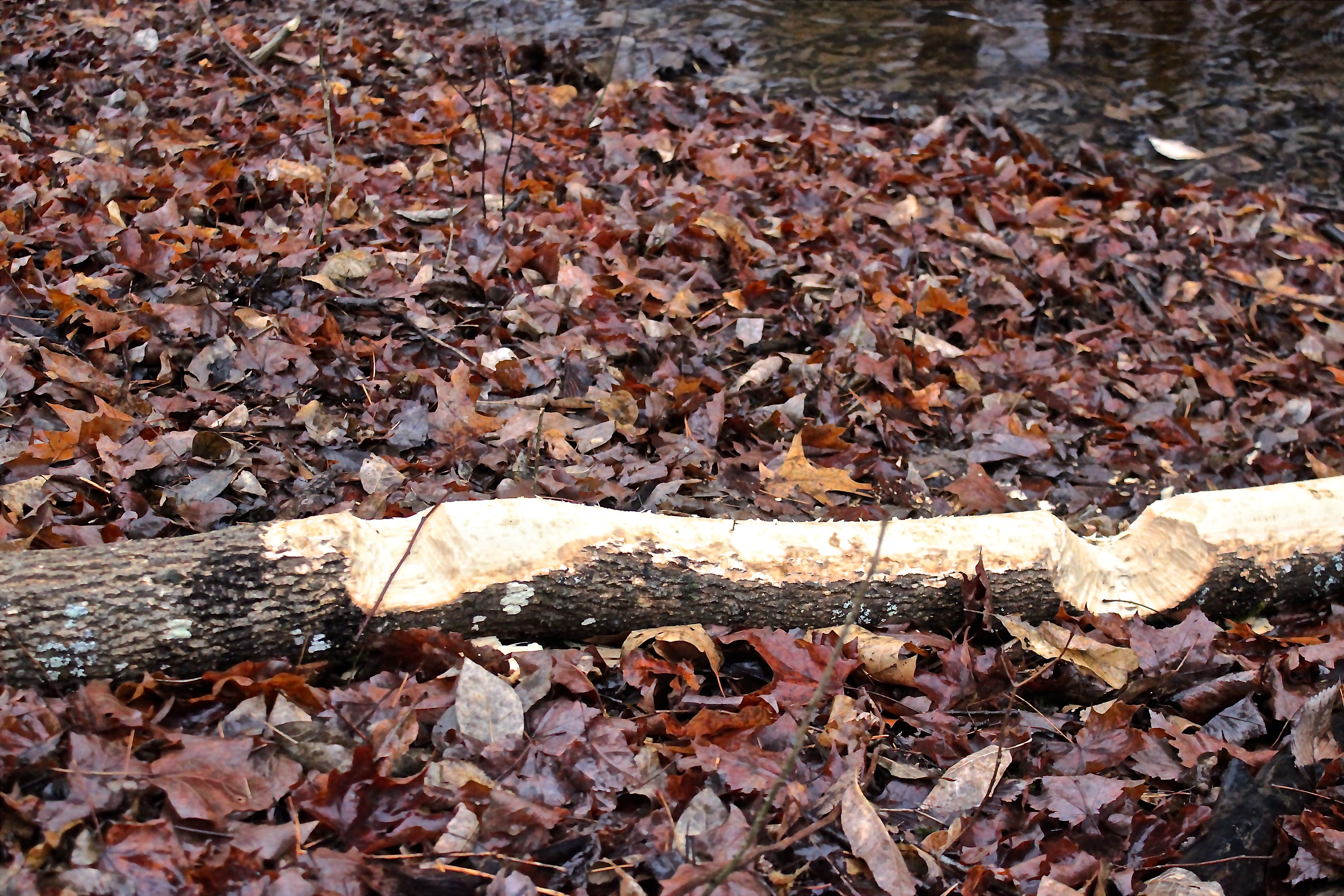
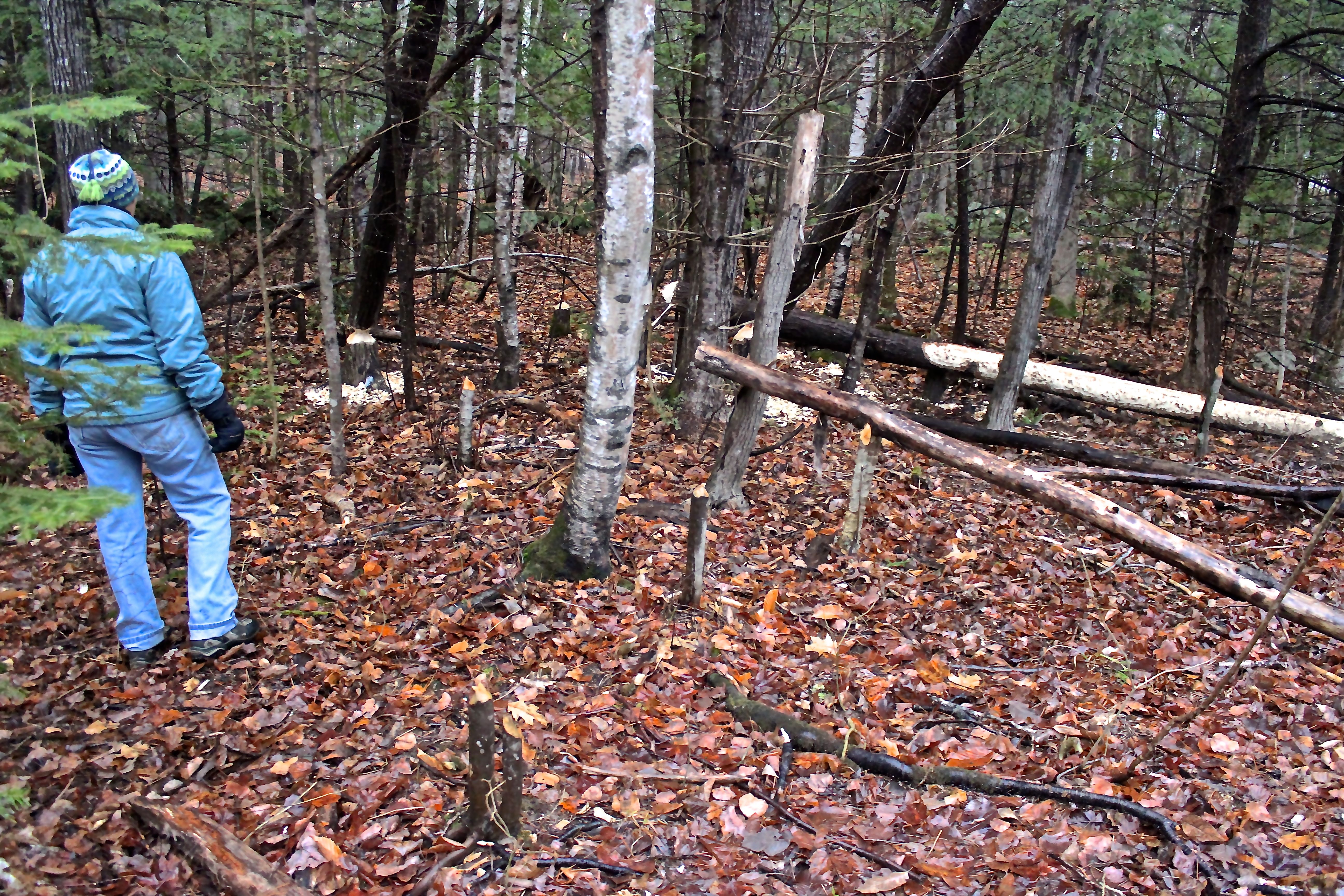
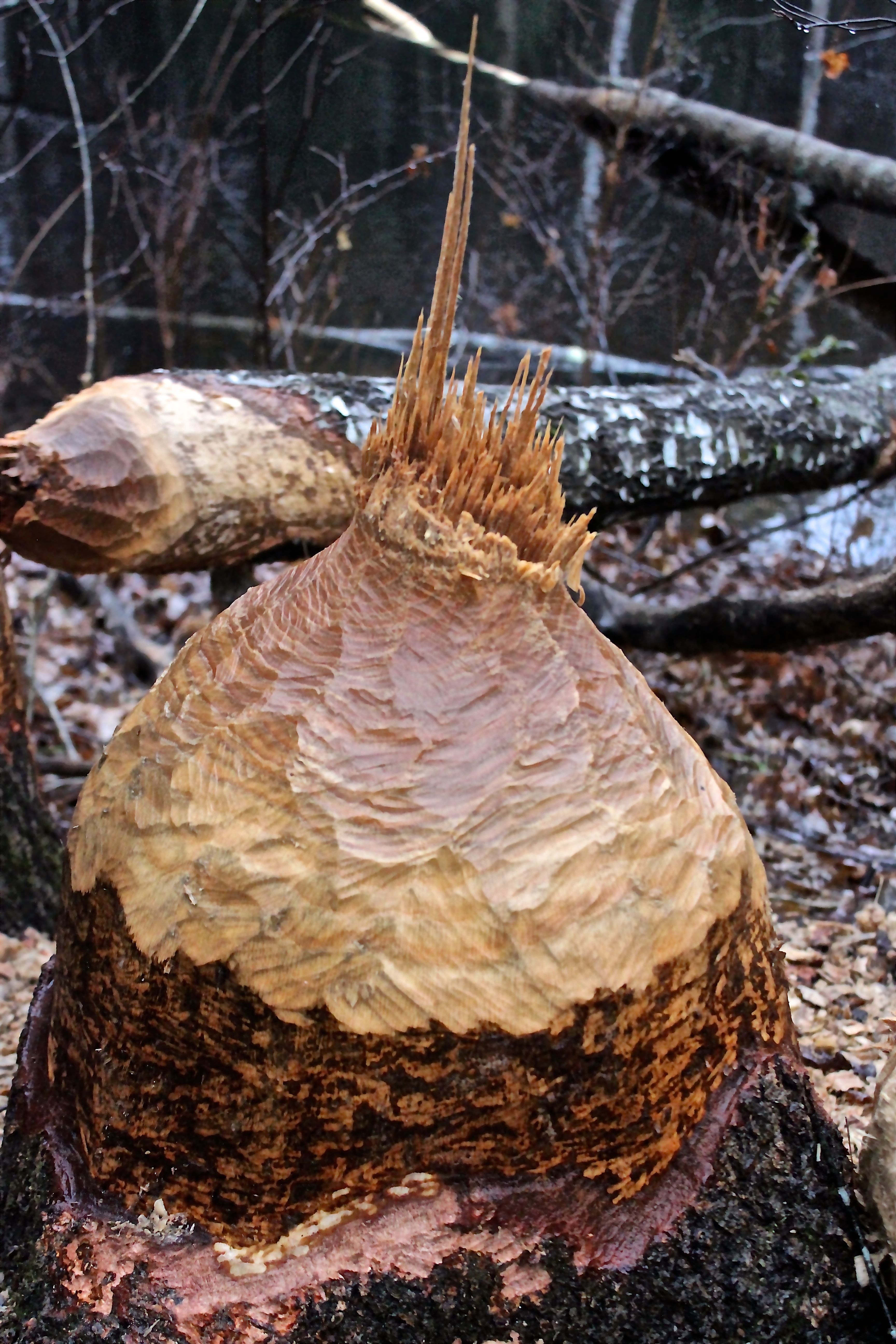
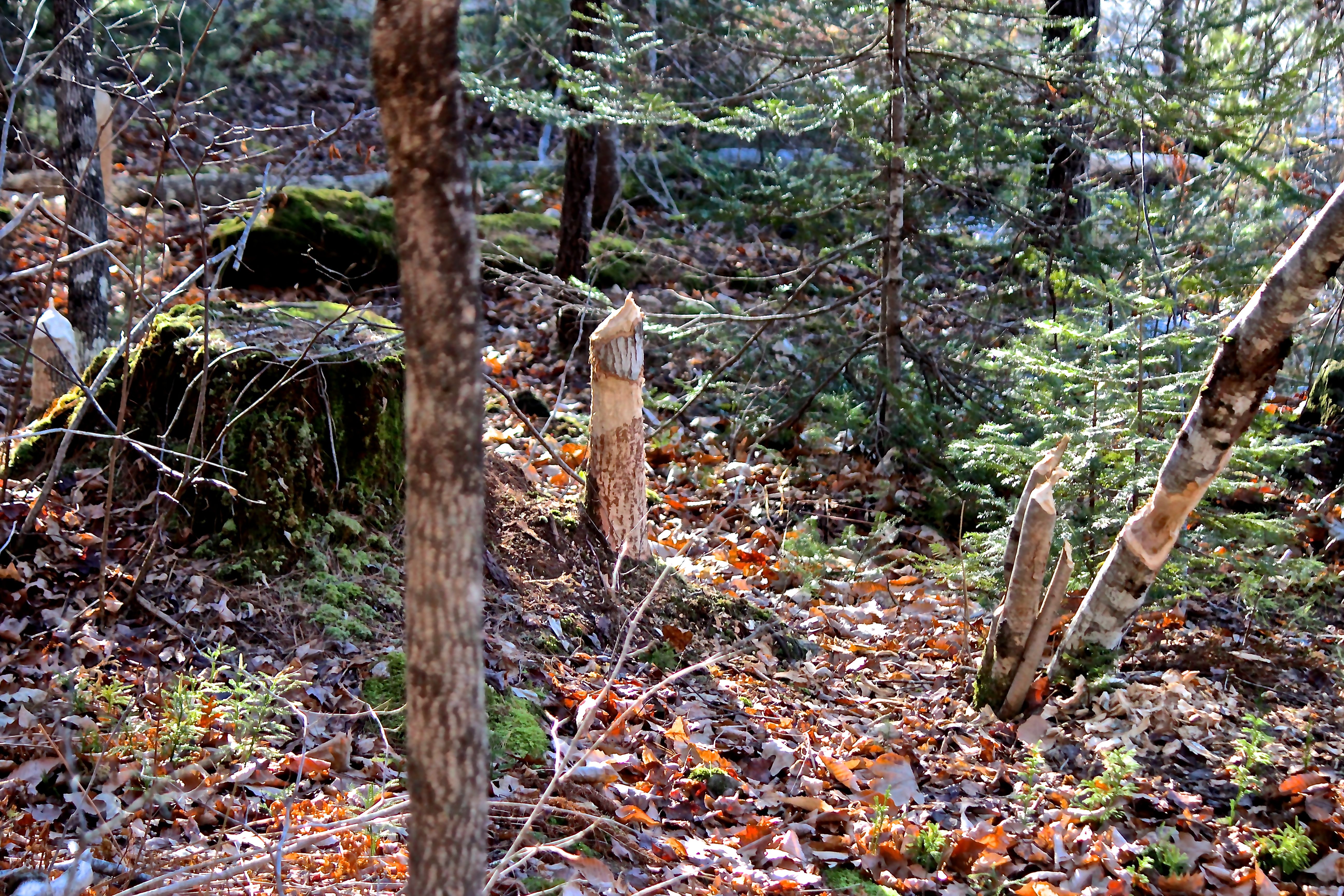
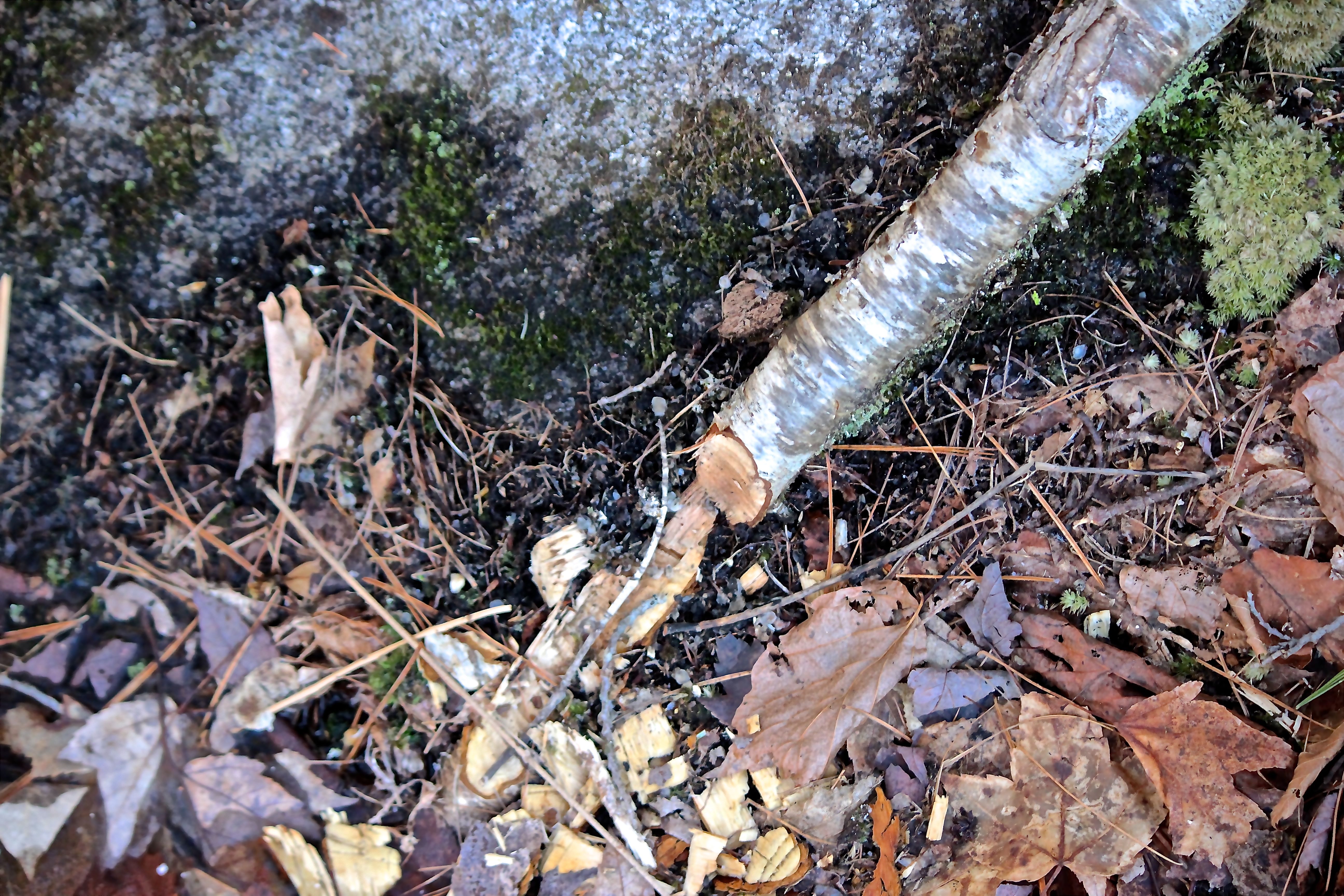
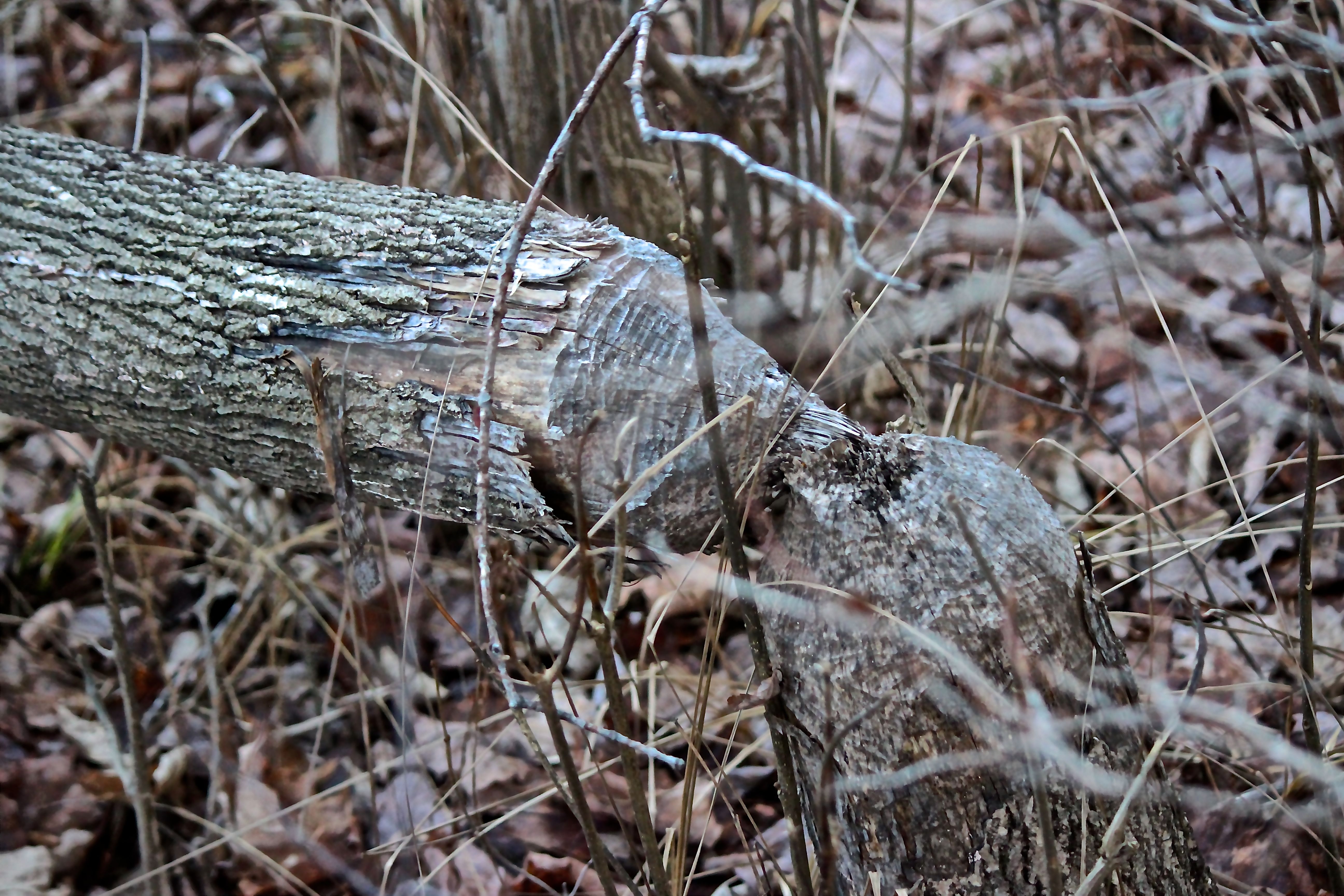
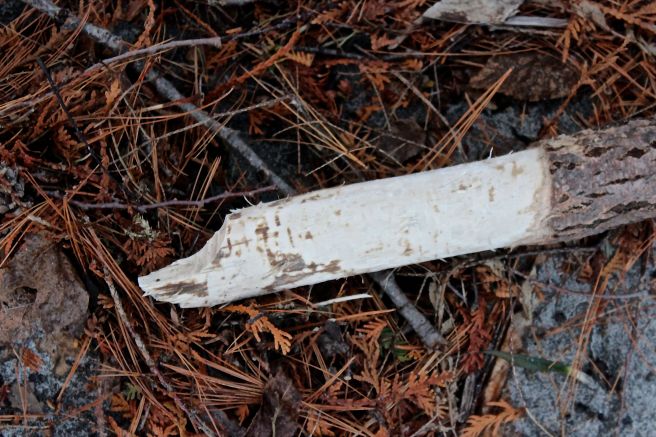
Their industrious nature was evident everywhere we looked. No tree species was spared. Once felled, they trimmed the branches and carried or dragged them to the water.

beaver debark

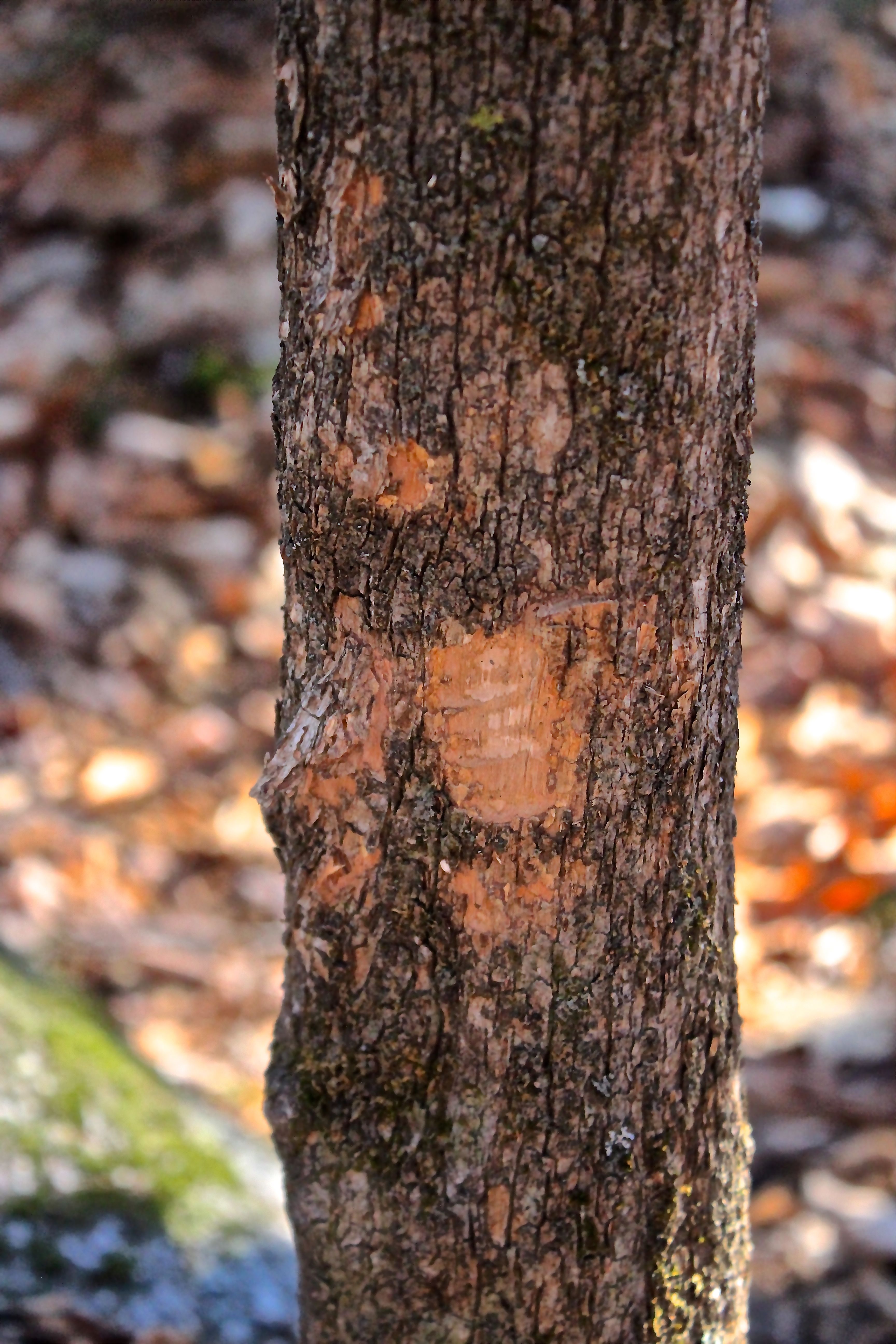
With their large front teeth, beavers bite chips off trunks. Their rodent teeth never stop growing so gnawing wood helps keep them in check. Because their lips are located behind their teeth, they can keep their mouths closed while they work. No need to hum a logging tune.

beaver chews

Some trees are particularly tasty and it seems that they like more than just the bark and cambian layer, the softwood just beneath the bark. Or perhaps they are cutting them into log-size pieces to make for easier carrying and maneuvering in the water.

beaver shed

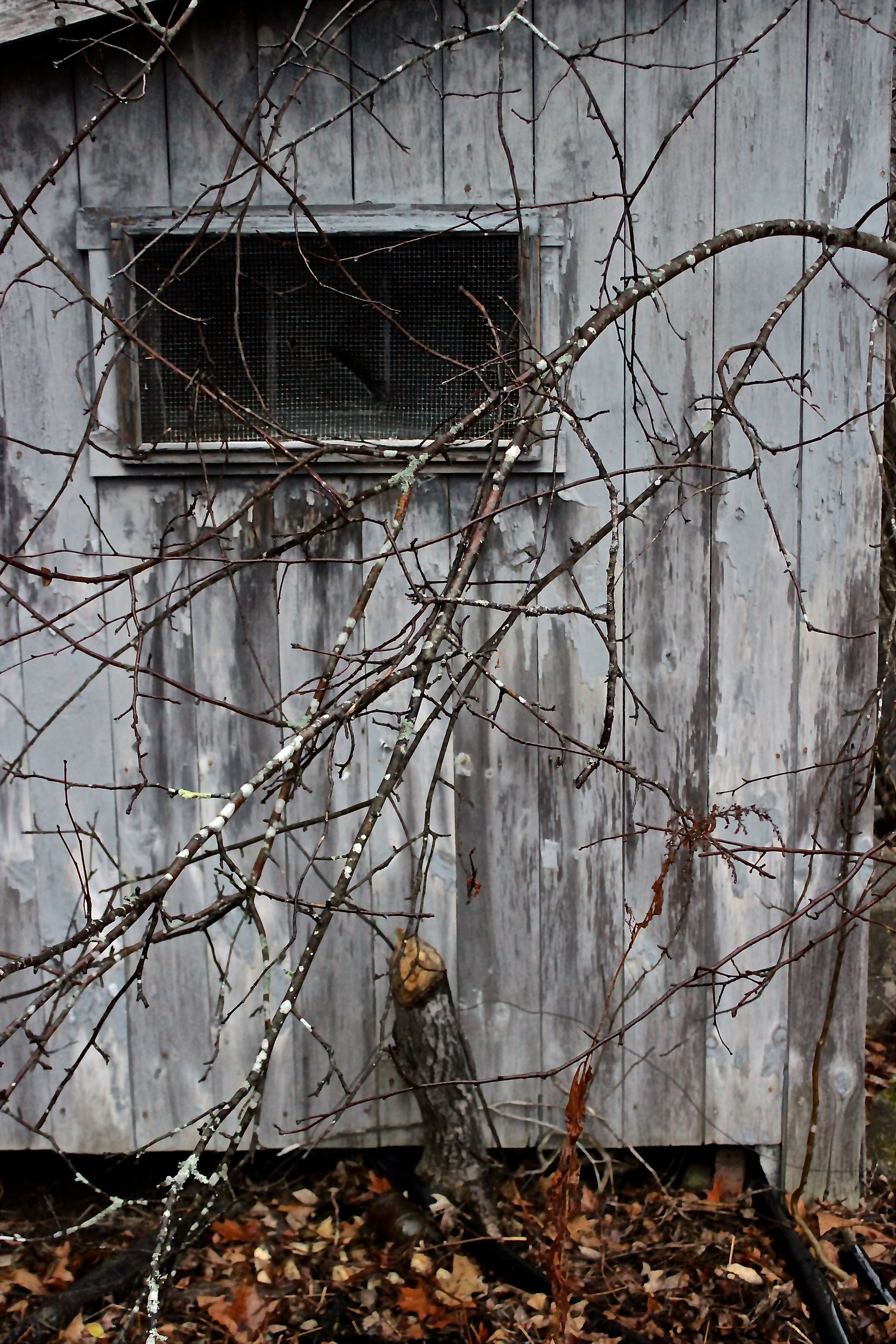
Nothing was safe, including the sapling that had grown beside the shed.

beaver industry

beaver works 3

Sometimes things don’t work out quite the way they intend.

beaver caught

The upper part catches on other trees. All that effort . . . for naught.

beaver works 5

We stood in awe and wondered about how nature plays tricks on them occasionally.

beaver height

We marveled at the thought of them standing on their hind feet to work.

beaver trail 2

And we noticed their oft-traveled roadways throughout the area.

beaver admiration

One of the truly curious things–most of the trees have fallen toward the water. Chance? Instinct? Engineering skills? They’ve learned how to fell a tree in that direction, thus creating the quickest route back to safety?

beaver lodge 2

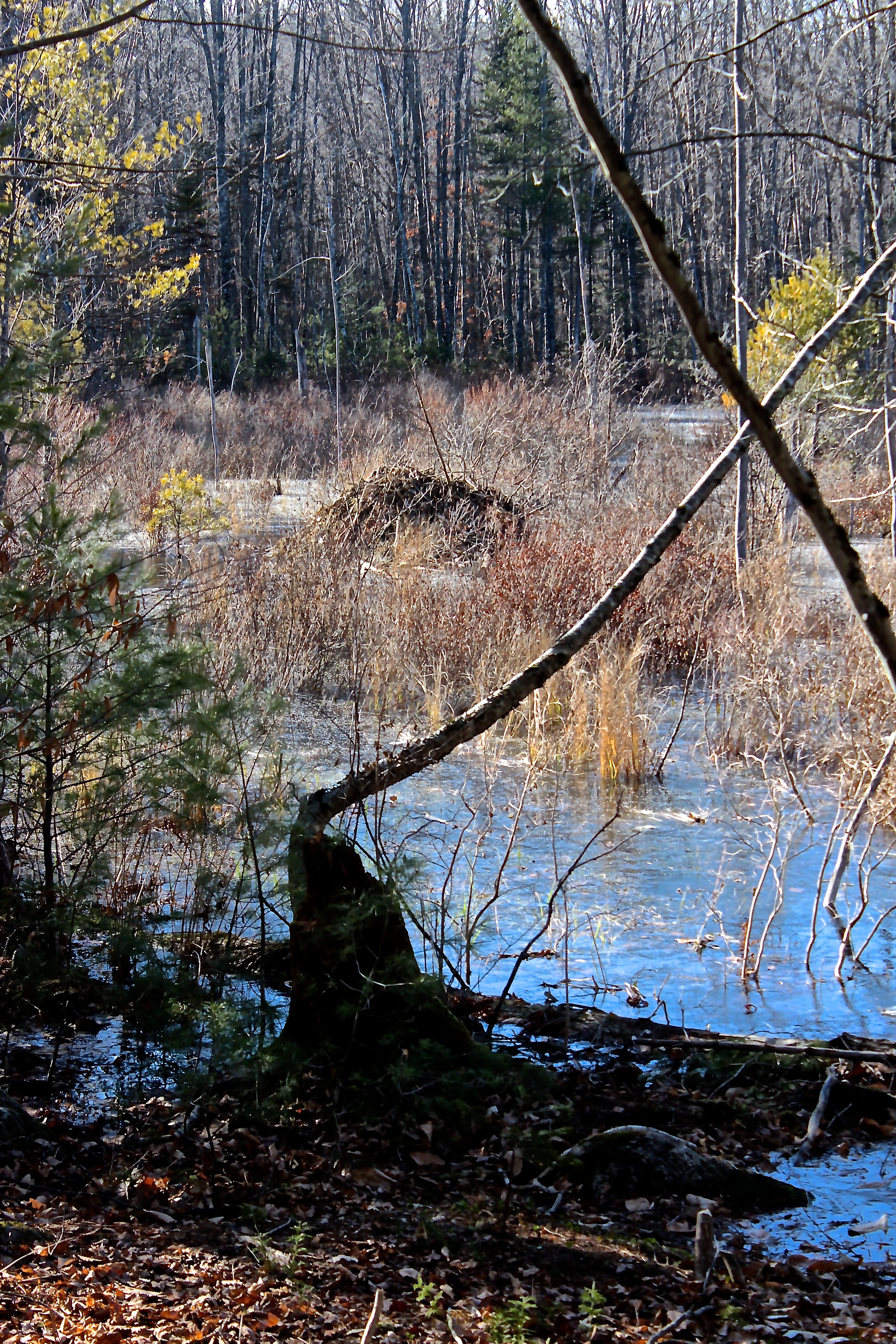
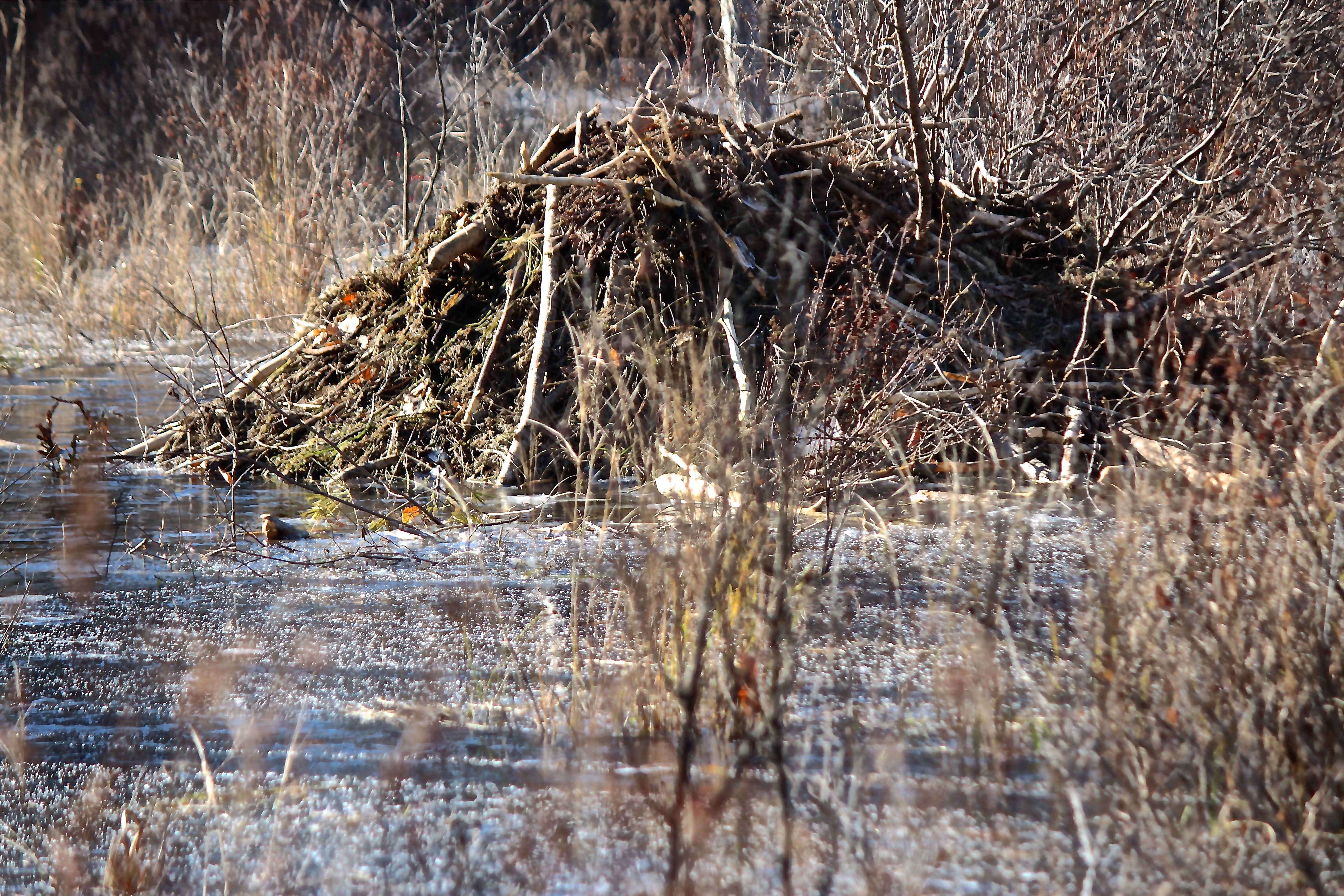
The lodge is large. Accessible only via underwater entrances, the beaver family has protection from some predators. Outside, we could see part of their winter feed pile. We suspect there are more sticks below the water that will be available once the ice finally forms.

beaver statue 2

When all is said and done, statues like this will remain to remind JoAnne and others of these natural engineers and how they altered the land to create the water world they need for survival, which will ultimately benefit other wildlife.

As for their checklist:

*dam secure?

*lodge in good repair?

*food cut, moved and stored?

How about you? Have you made your list and checked it twice?

Welcoming Embrace

It was a wee bit foggy when I arrived at the trailhead for Bald Pate Mountain today. I was on a return reconnaissance mission in preparation for an upcoming hike for Loon Echo Land Trust.

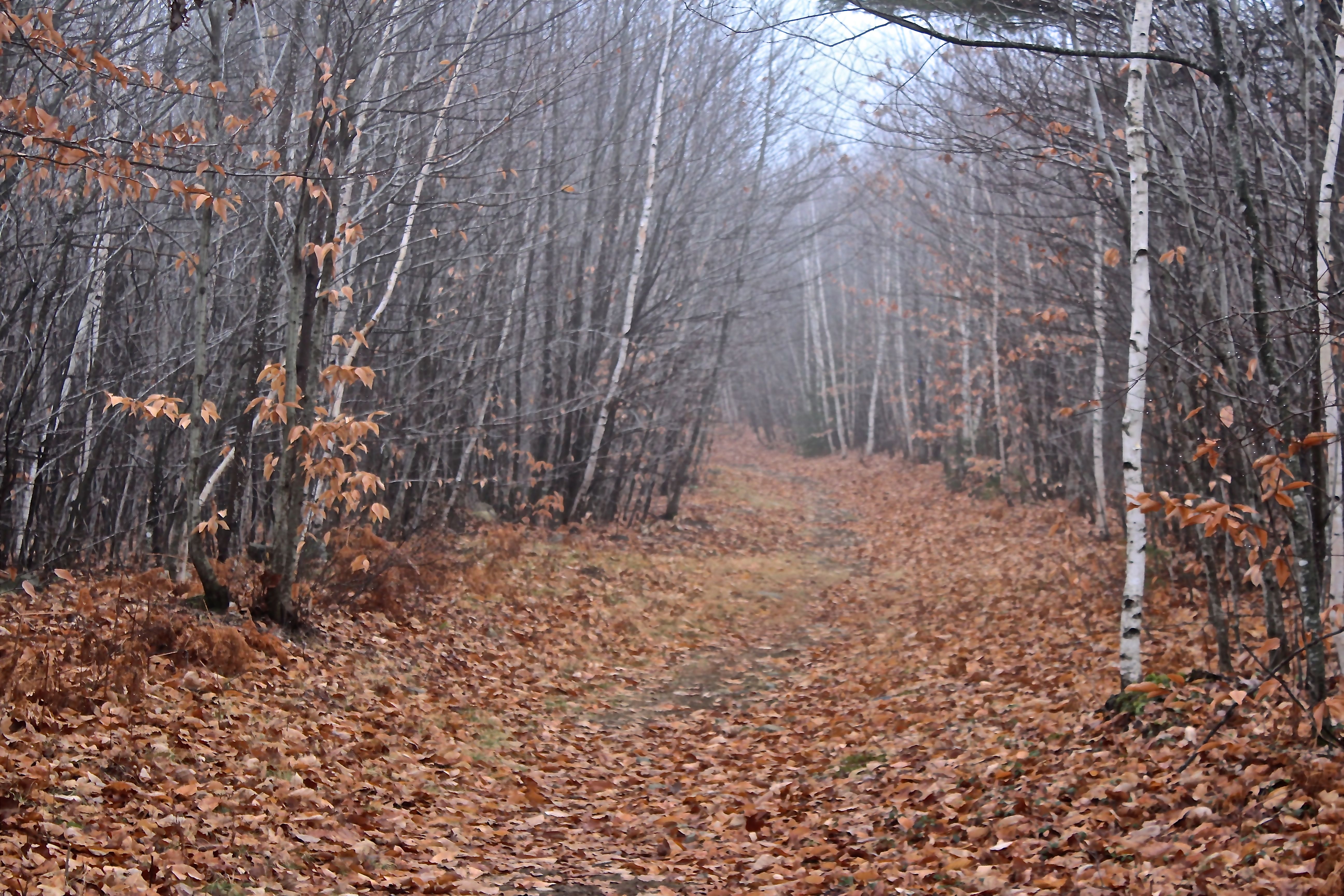
As I walked along, I felt the welcoming embrace of the fog–soft in its touch as it enveloped me.

foggy trail

My intention was to hike to the Foster Pond Outlook first because it was getting dark earlier in the week when I’d visited. I was on my eternal search for bear claw marks. Instead, there were other discoveries to be made.

foggy pines

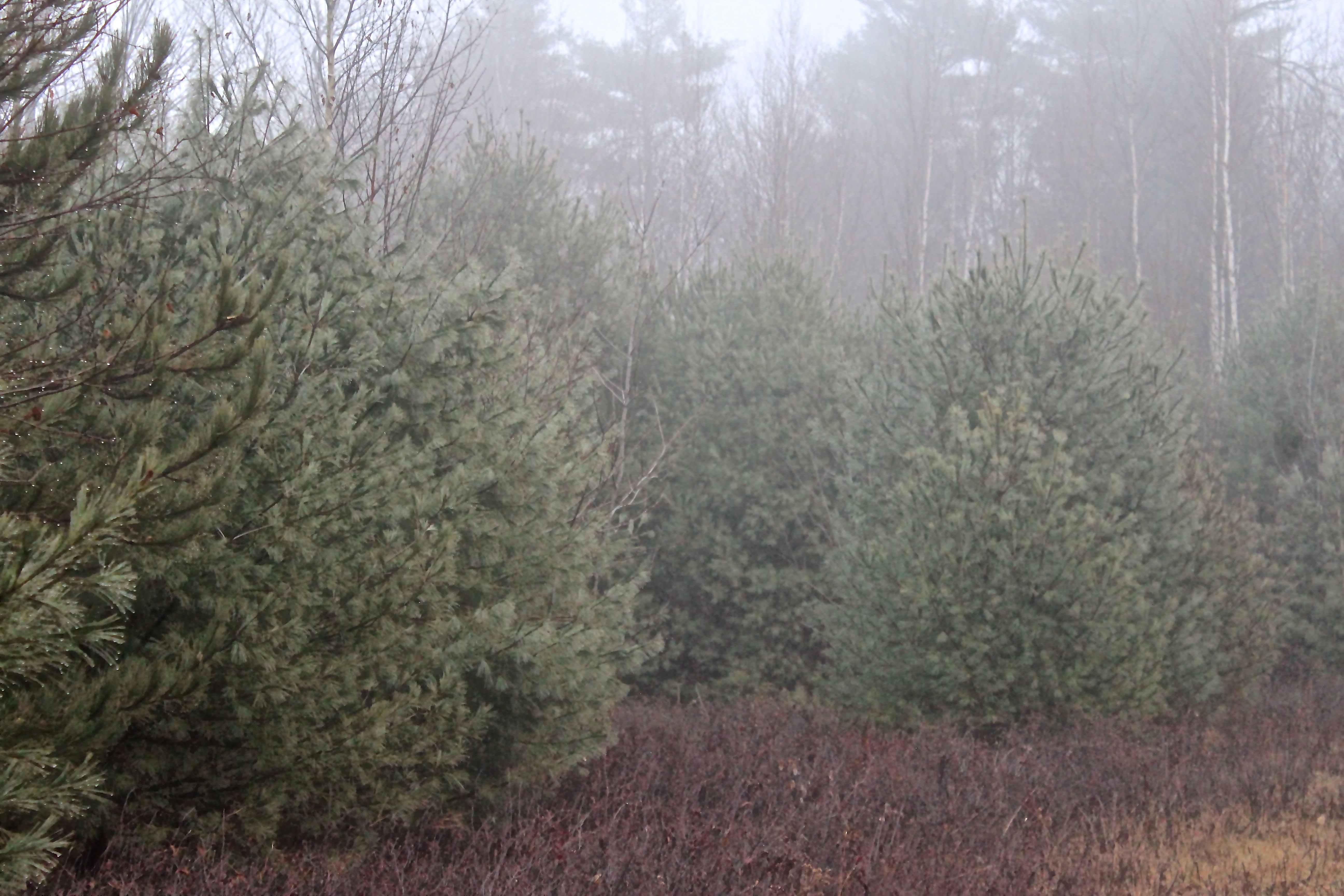
Like me, the pines were wrapped in the fog’s grace.

Foster Pond lookout

And the pond invisible, yet I trusted it was still there. 

beech leaveswitch hazel leaves

I discovered the light of the season . . . in leaves lingering still,.

birch bark

in bark appearing snowy,

young paper birch bark

in beauty revealing inward,

Brit 1

in miniatures branching upward,

droplets 1

in droplets anticipating release,

mountains floating

and mountains floating beyond.

This is the season of expectation. I expected to find bear claw marks, but didn’t. Instead, I found warmth and light. And some other cool things to share with others.

I welcomed the fog and its revelations. I reveled in its embrace. Happy am I for opening my eyes and heart and mind.


Thinking Big

A return trek to the old neighborhood off Hut Road in Stoneham left me thinking big.

J.M joined me for this exploration and it’s a wonder we got any further than our parking place beside Great Brook.

Great Brook

It was a sensational, albeit too warm for this time of year, December day. We could have spent all our time taking in the sounds and smells and sights as the water coursed over the rocks.

road

But we pulled ourselves away and went in search of a time gone by. Single and double-wide stone walls line the old road and mark pastures and gardens. Miles of walls.

rock pile

And dotting the landscape–piles of rocks picked from the ground. This was farm country before the forest took over.

fdn 1root cellar

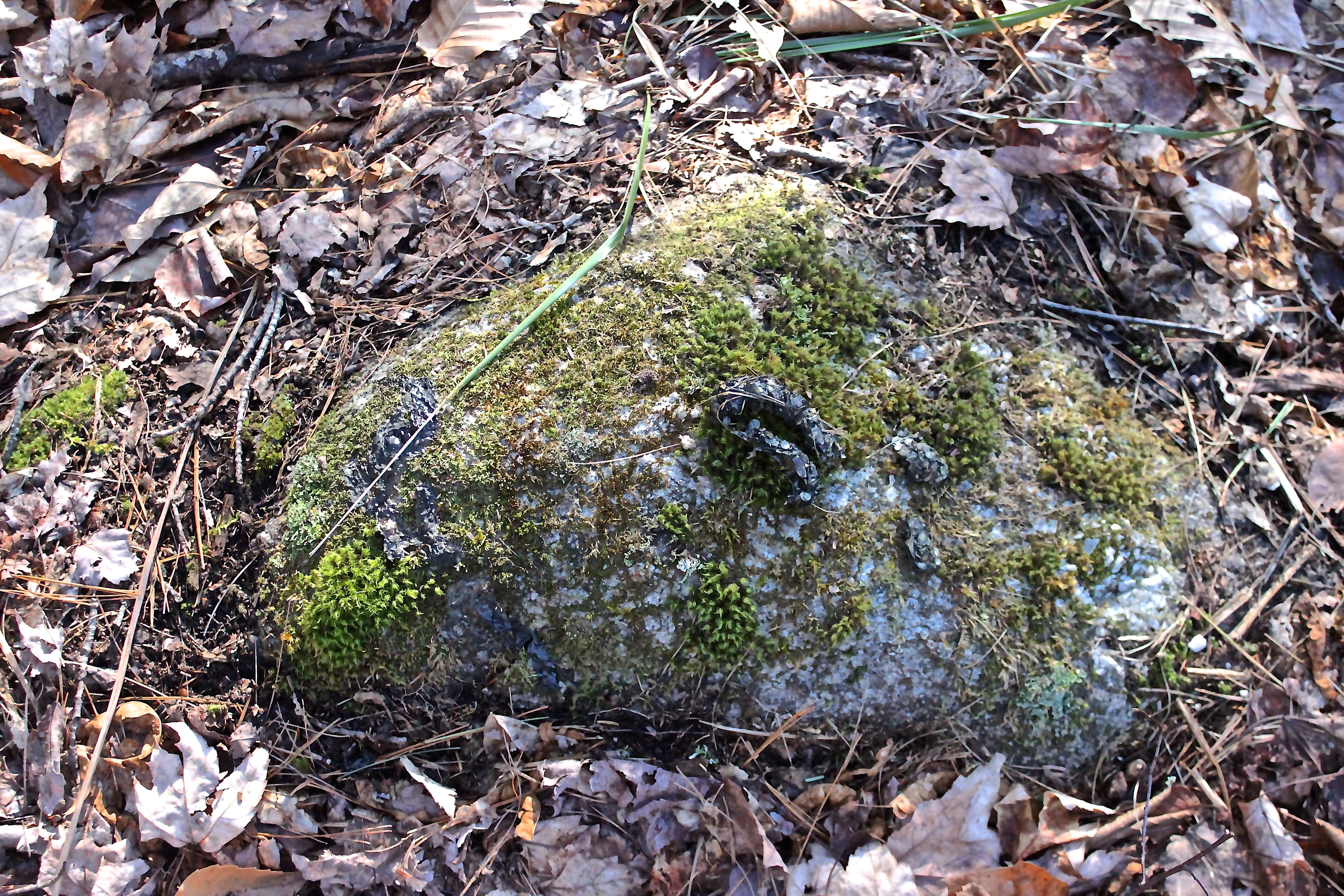
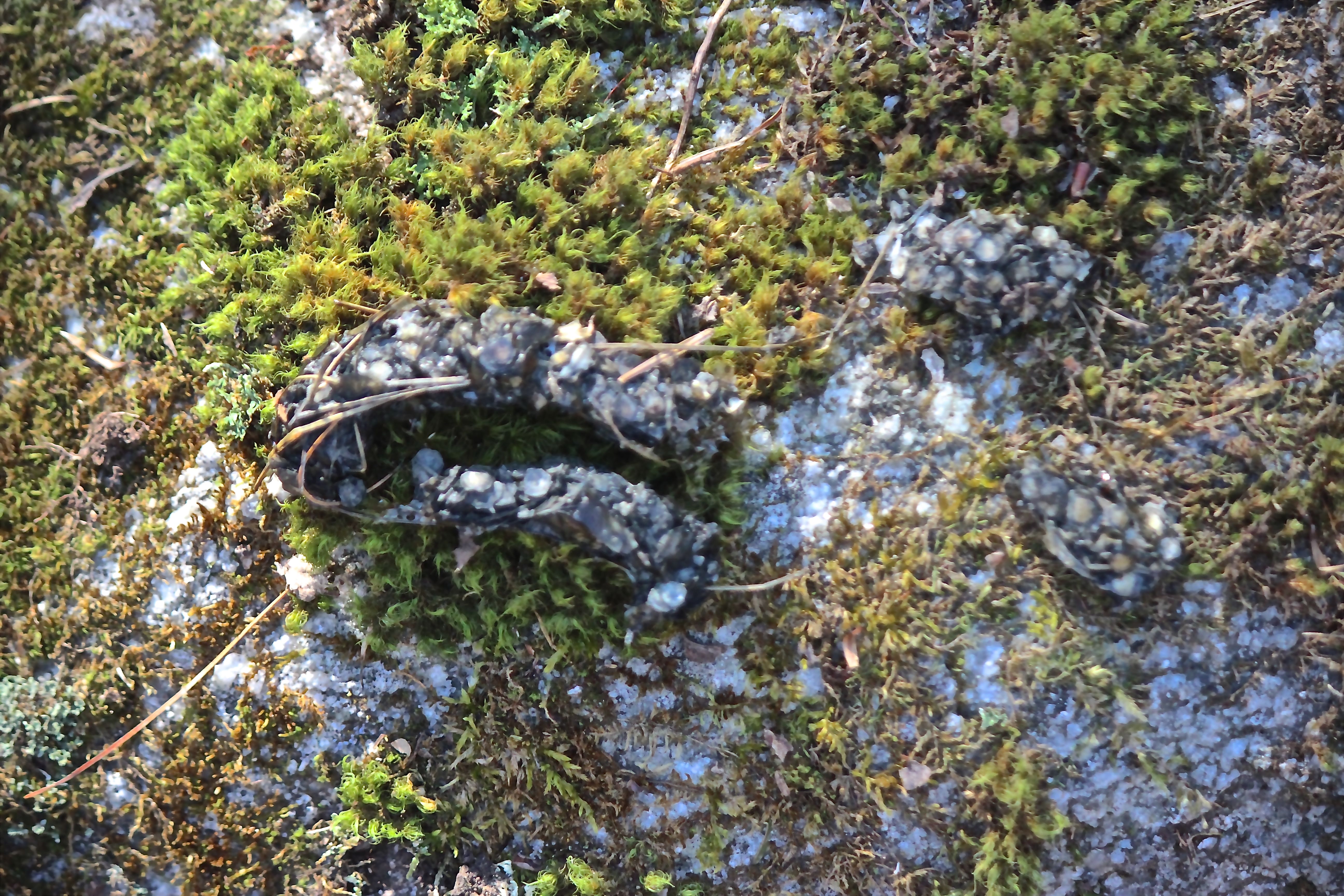
We called on the neighbors and were glad they didn’t mind us examining their root cellar. The only contents–old porcupine scat in the back corner.

tree

The foundation is big and must have supported a large family. Today, it’s home to a large family tree.

well

It always excites us to find other signs of life–including a stone-lined well; it’s a deep subject.

fdn 2

The neighbors lived up the street in an equally large home. Were they related? We’re still trying to figure that out.

Red Rock Brook

We paused beside Willard Brook before turning back.

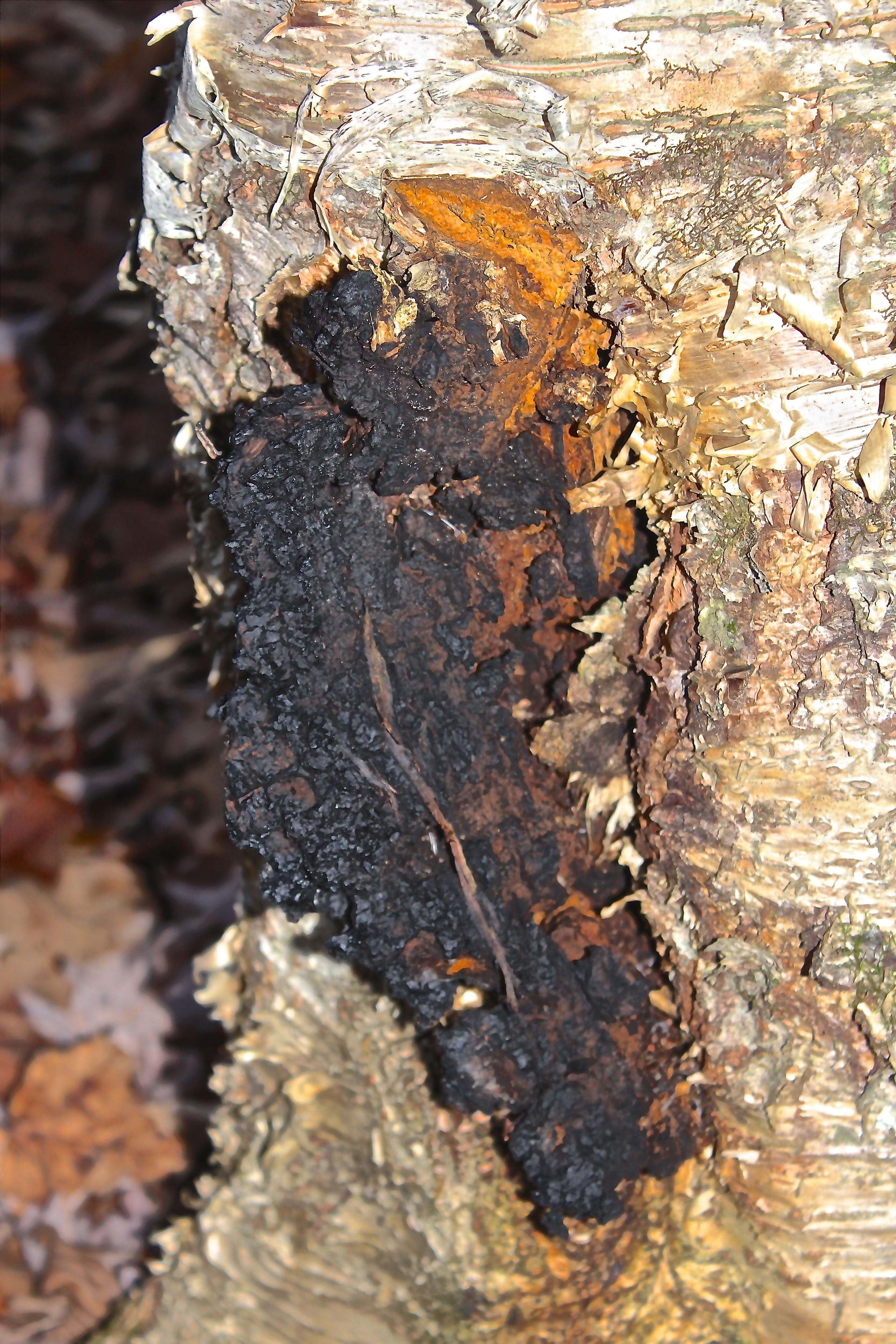
polypores chaga

Passing through rich woods, we found ourselves in the land where giant polypores and chaga thrive.

moose scat

That’s not all that thrives here. Moose browse on striped maple and piles of scat were abundant.

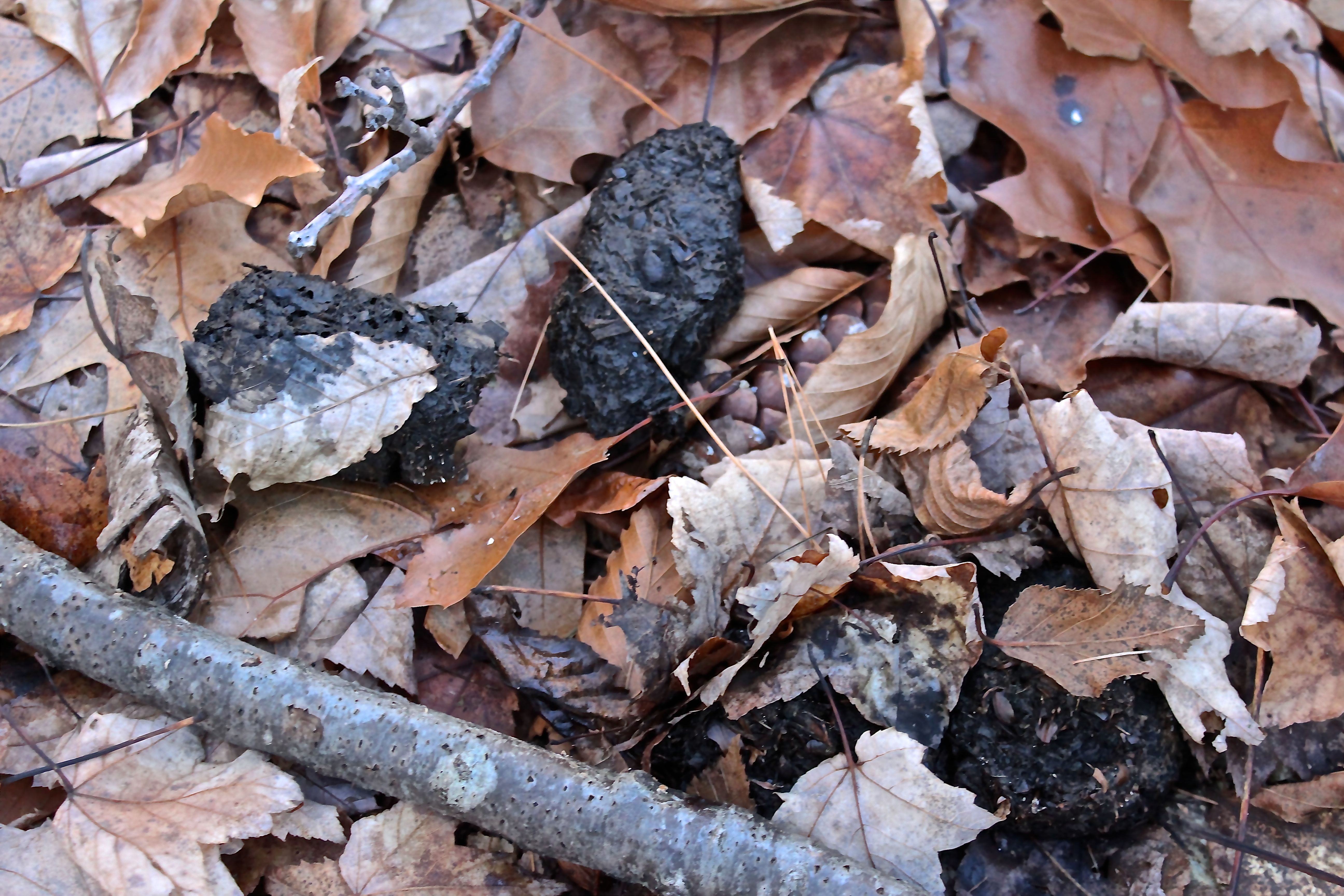
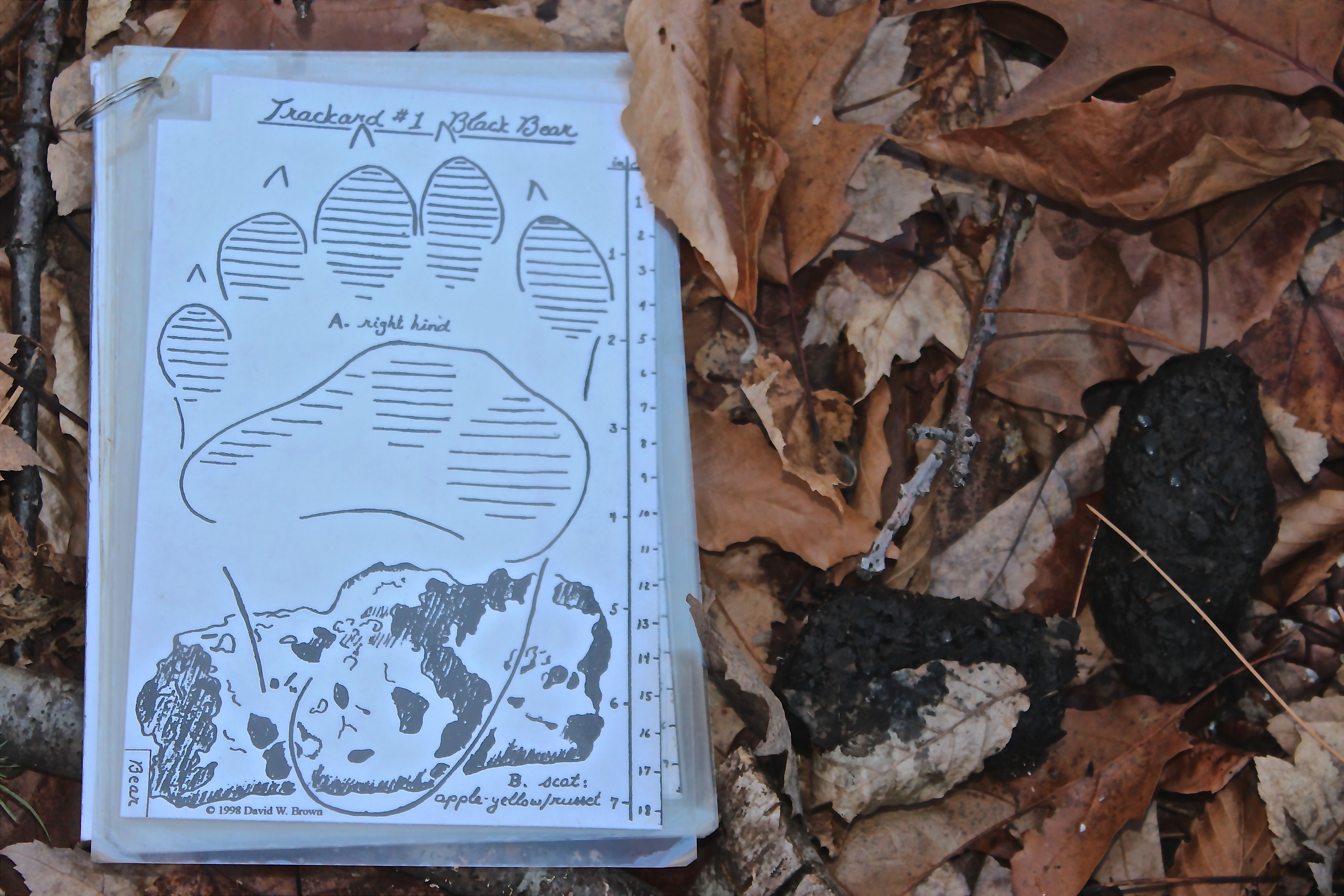
bearblack bear scat

We practically tripped over the biggest scat of all. Well, J.M. tripped. And that’s how it caught our attention. Classic. Love it.
sugar maple

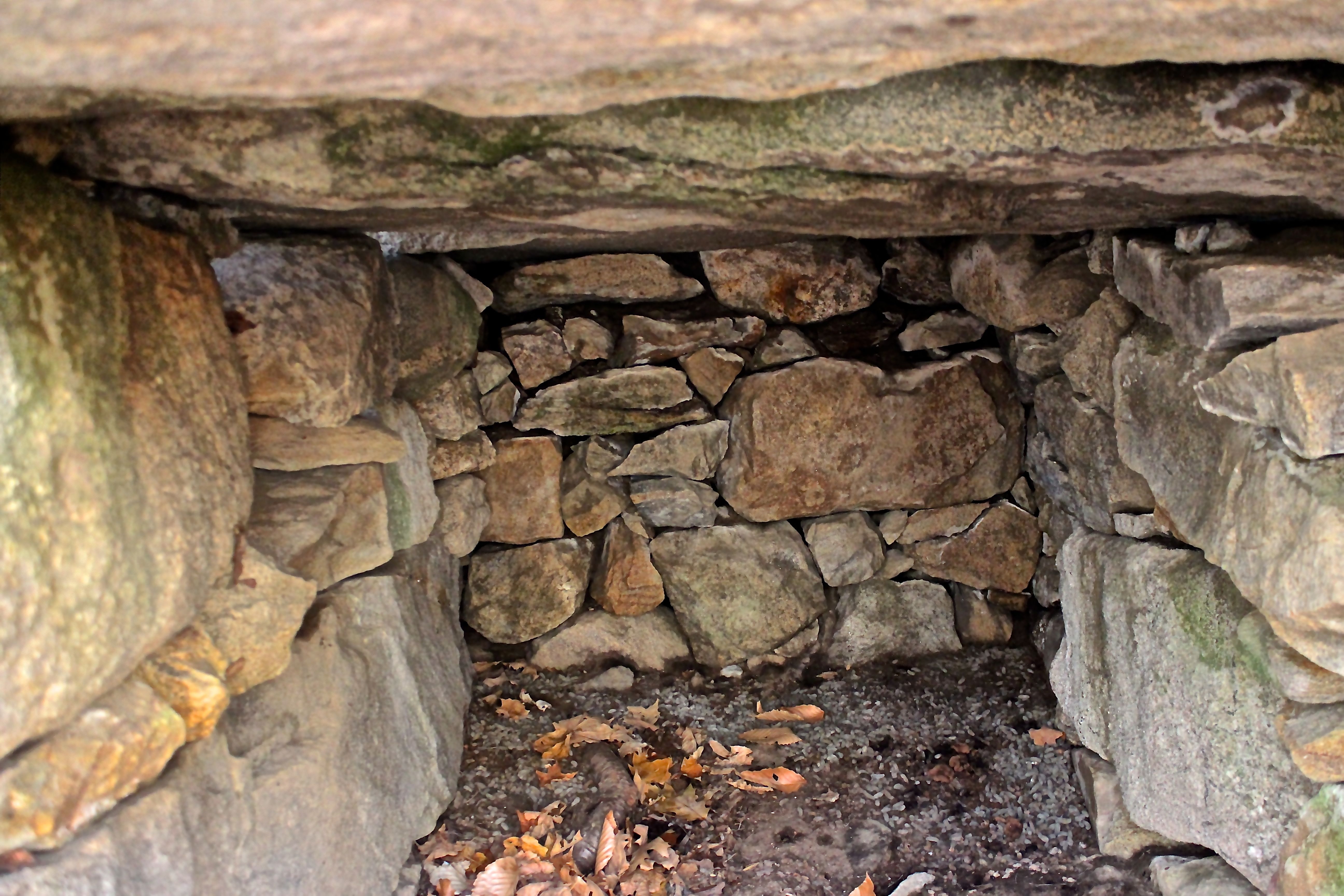
Equally impressive in size and perseverance. And age. The sugar maples.

leaves

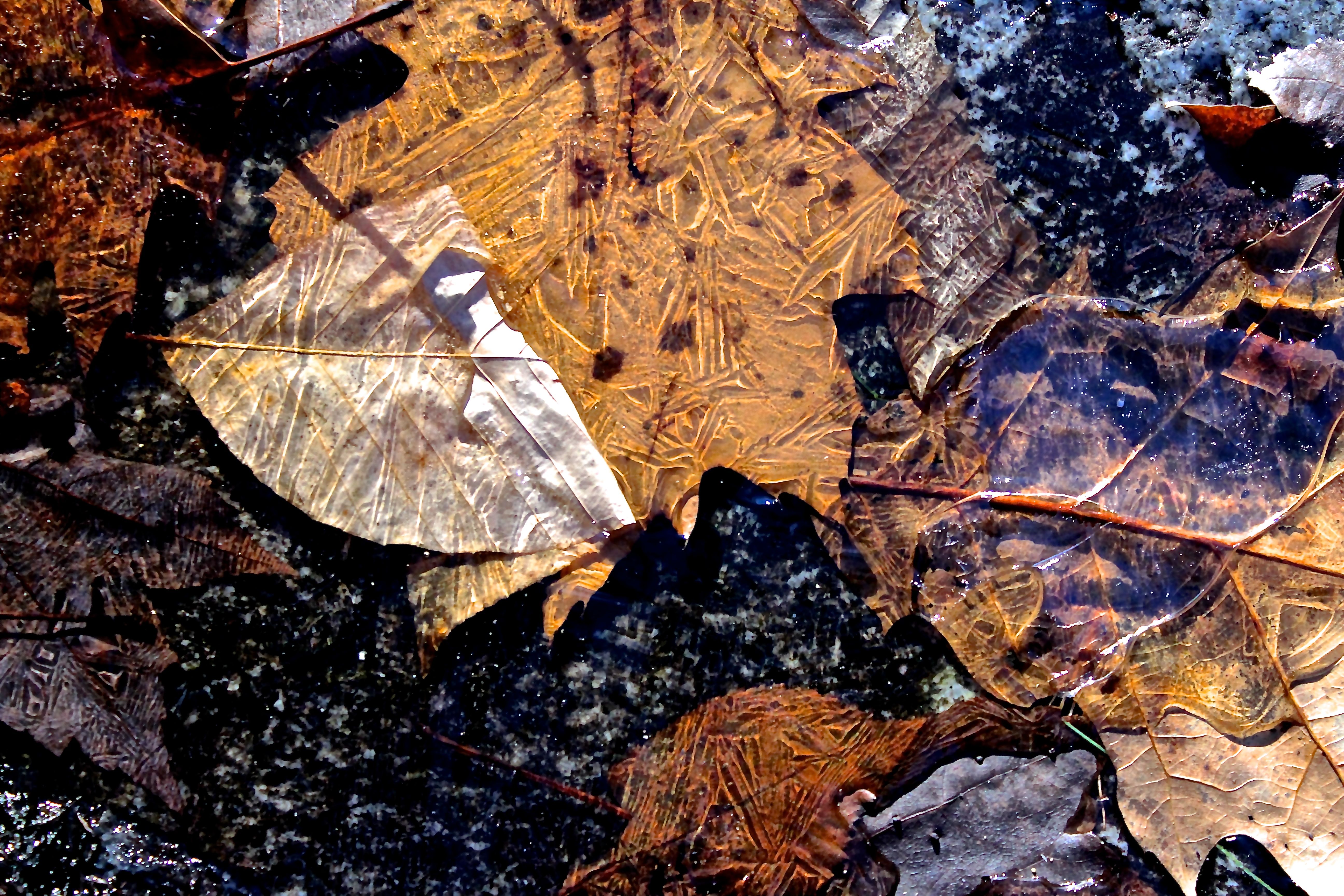
And because J.M. was with me, we saw things I may have passed by like the ice patterns on leaves. We celebrated hiking together knowing that the small things in life are the biggest.

Mondate By the Bay

After lunch at Gritty McDuff’s in Freeport (haddock sandwiches and a brew–no PB & J today), my guy and I found our way to Wolfe’s Neck Woods State Park on Casco Bay. So, here’s the good, but scary part. We’ve been there before, but not in a long while–and neither of us had any recollection of it. That means today’s visit was like going there for the first time all over again. (Our dementia is setting in.)

map

Trails follow the coast and circle back to the Harraseeket River, passing through a variation of natural communities. We trekked over all but the North  Loop before we ran out of time. Actually, we finished up a wee bit after the park was officially closed for the night and were glad to find the gate still open.

red oak

By the forest floor, it was easy to name the predominate hardwood trees in any given area from Northern Red Oak to

beech leaves

American Beech to

big tooth aspen leaves

Big-tooth Aspen. Spruce, hemlock, pine and fir also fill this more than 200-acre forest given to the State in 1969 by Mr. and Mrs. Lawrence M.C. Smith.

down the trail

Sometimes the path was packed dirt that made for easy walking.

stone pathway

In other places, a stone pathway had been carefully laid out before us.

roots

And no woodland trail is complete without an array of roots and rocks.

blow downs

One of the noticeable features of this location is the number of uprooted trees.

blow down dominoes

The wind enjoyed a serious game of tic, tac, toe, three in a row or dominoes with this event. Here’s hoping that no one planned a picnic that day.

blow down every which way

And in other spots, it looked like the gale force winds of both summer and winter beat upon the landscape.

curves

Always on the lookout for interesting sites, my eye was drawn to the wavy inner bark of this old birch. It could be locks of Rapunzel’s hair. Of course, I also see a mermaid swimming in the slightly darker wood. Isn’t that what a naturalist is supposed to see?

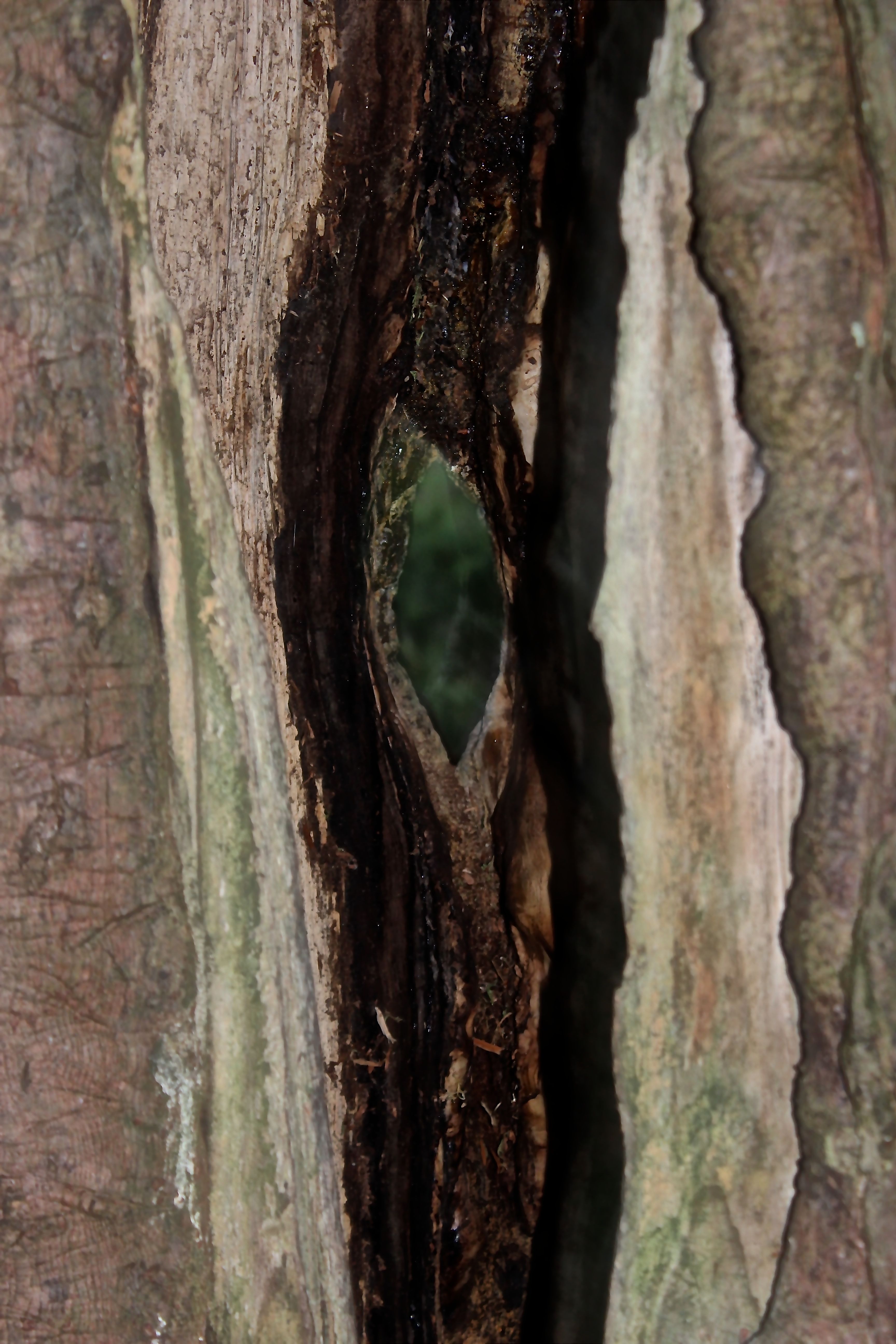
eye in the tree

And then there was the hemlock-green sideways-turned eye–taking a different view of the world.

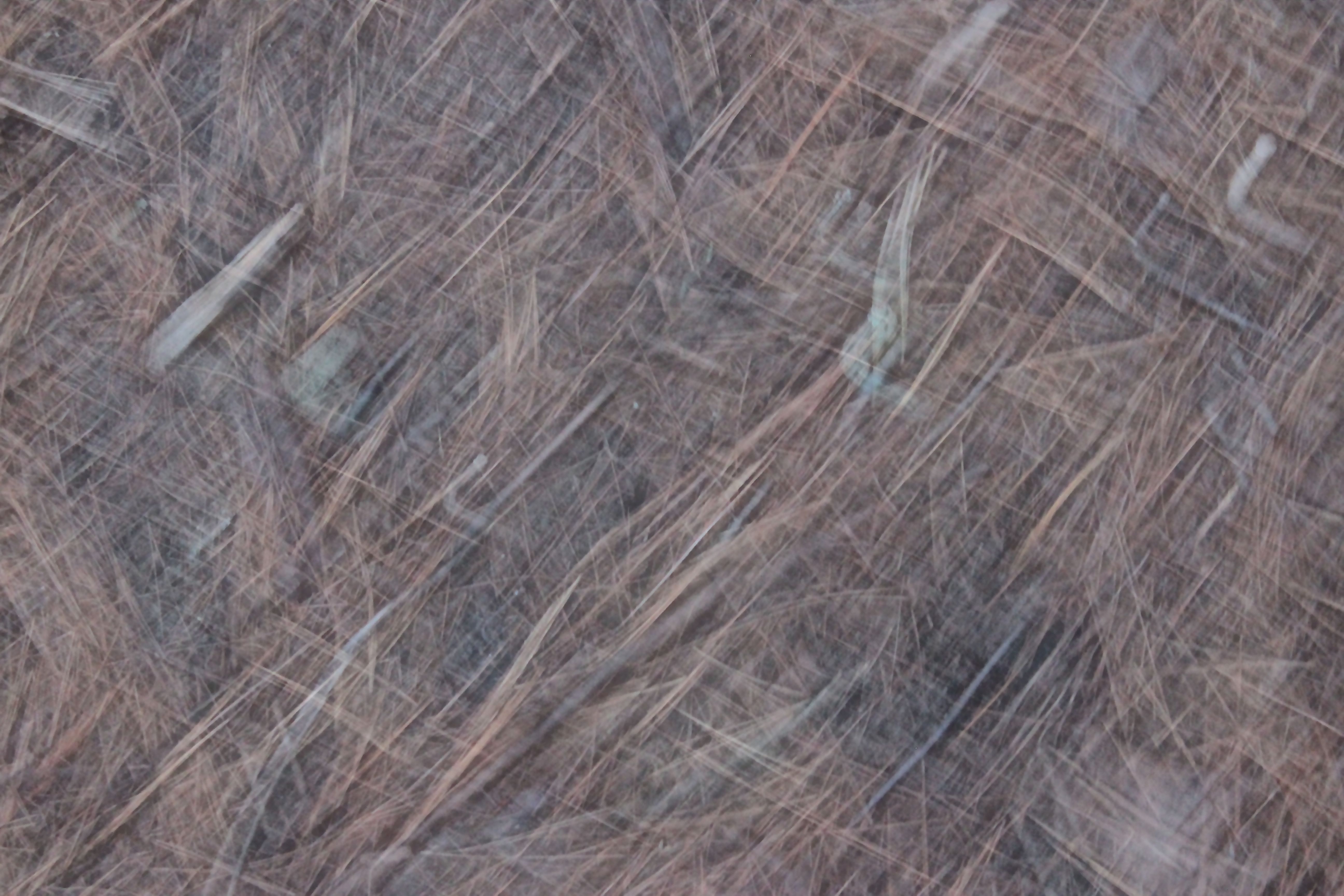
pine needles

While I’m sharing some interesting shots, I thought I’d include this one–of pine needles. It was getting dark and I chose the wrong setting, but I like the artsy texture of it–tweed-like in appearance.

seeing red

And the most interesting of all. My guy–he could pass for the invisible man.

Casco Bay Islands

Of course, we were beside Casco Bay, so we spent time exploring the coast line as well.

islands floating in distance

My knowledge of the island names is less than limited, but it did appear that those in the distance were floating on water–a mirage.

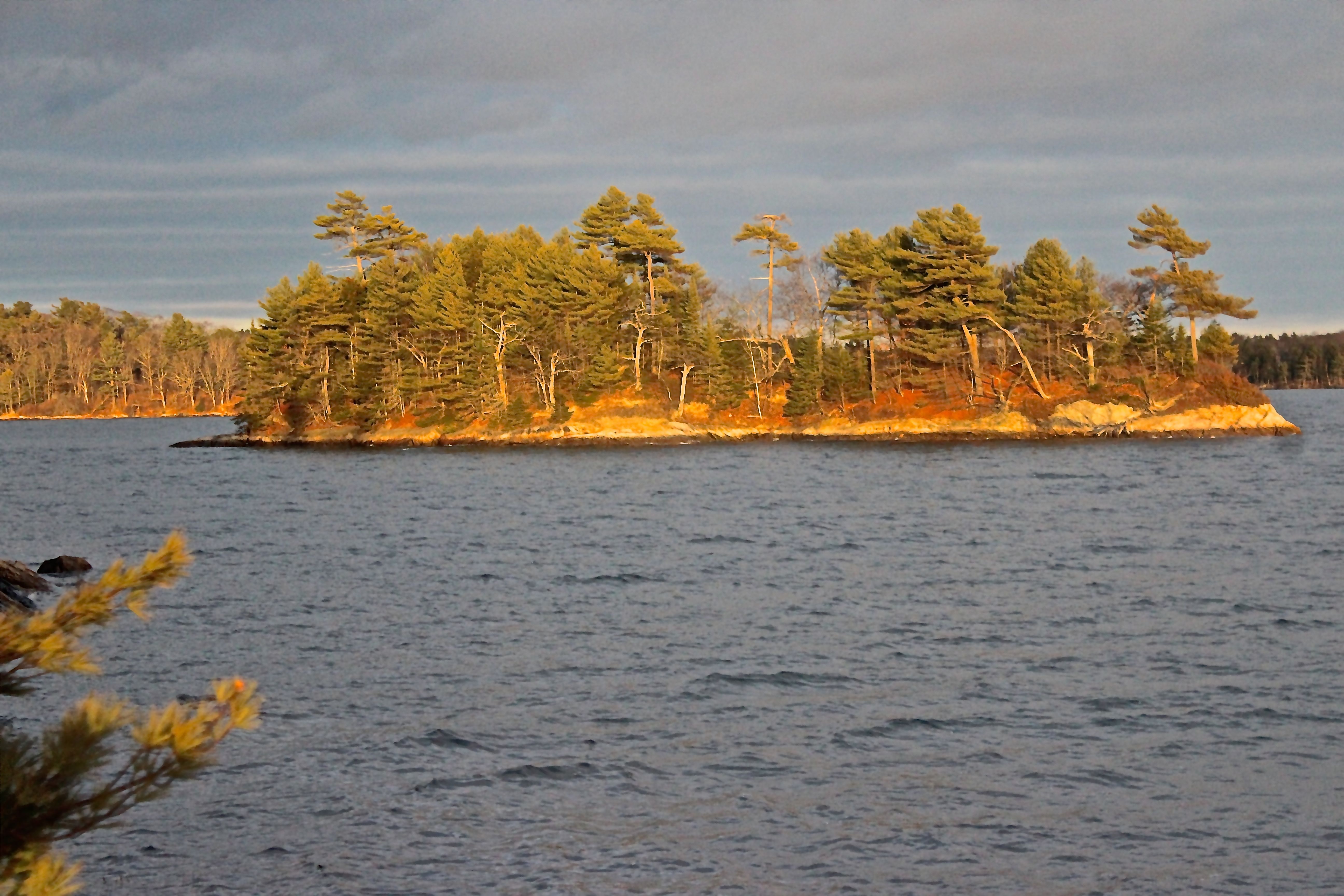
Goggins Island

As part of the park, Goggins Island is an Osprey sanctuary. Though I respect that, I do have to wonder about the human impact on the bird’s mating season. We’ve seen Ospreys build nests atop telephone poles over highways and bike paths with successful births despite the continuous noise and disturbance. But . . . a sanctuary certainly provides an extra layer of protection.

osprey platform

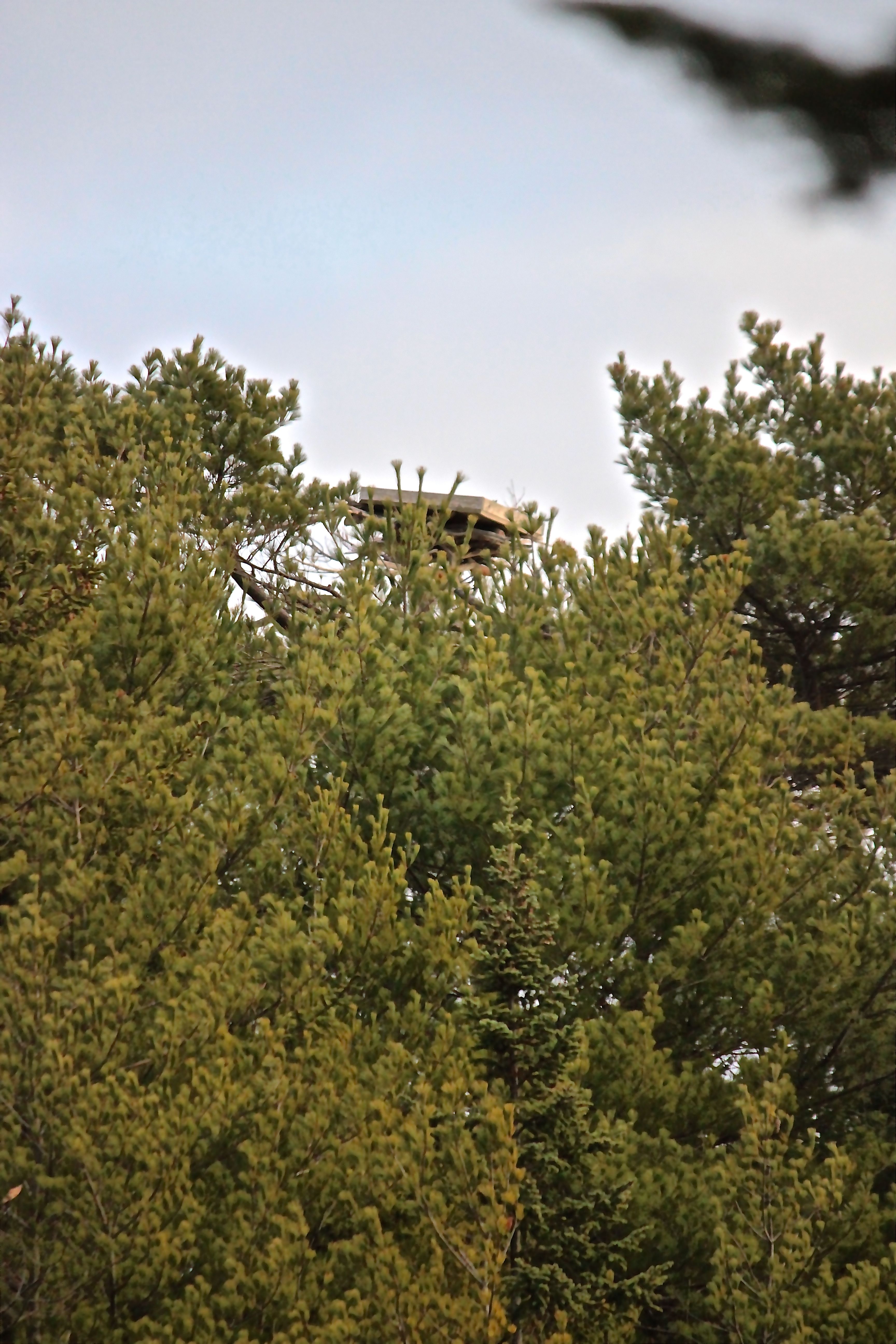
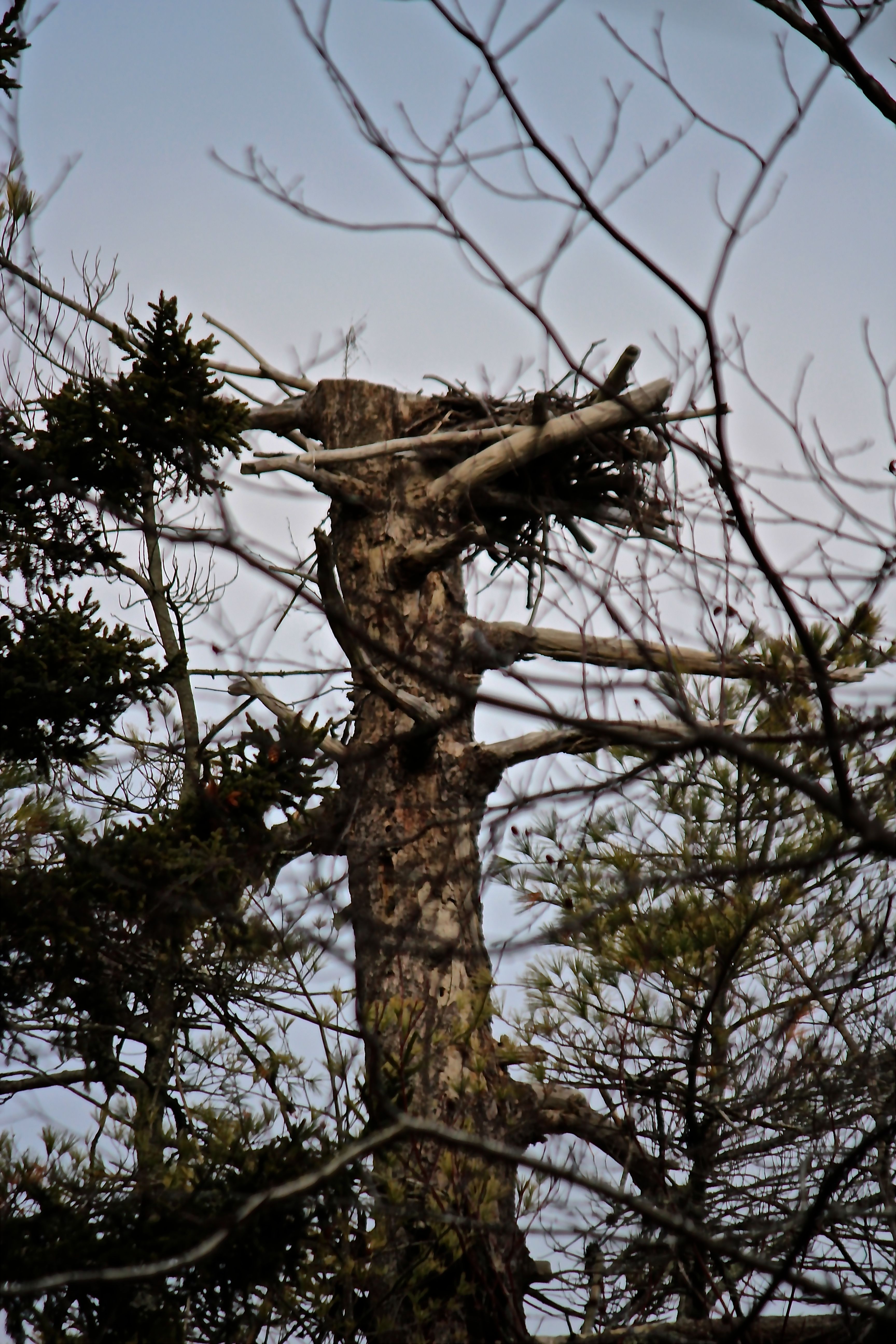
We could only spot one cock-eyed nesting platform on the island–with no nest on it.

Osprey nest 1

We did spy a bird-made nest on the mainland, and rather close to the trail. Just saying.

Googins in sunlight

All nests are abandoned now as the birds flew to South America in September–with plans to return next year to this golden paradise where they’ll mate again. Ospreys are monogamous and repeatedly use the same nest site. That’s the amazing piece to me.

rocky coast

The rocky coast of Maine includes the lighter colored granite pegmatites and darker metamorphic rocks with their repetitive flattened layering.

islands--lines in the rock, sea and sky

I found it intriguing how each layer before us mimicked the next–from the rocks to the ocean waves to the islands to the clouds in the sky.

late afternoon light

And then it was time to bid adieu. The setting sun where the forest meets the bay–Casco Bay. On. A. Mondate.

Nature’s Never Static

Mid-morning found me slipping into my smiling place where I decided to follow a route I usually save for snowshoe season.

slipping into the woods

I know it will come eventually, but the realization that we can’t predict when the first snowstorm will arrive or how much snow we’ll get over the course of the year reminded me that nature is never static.

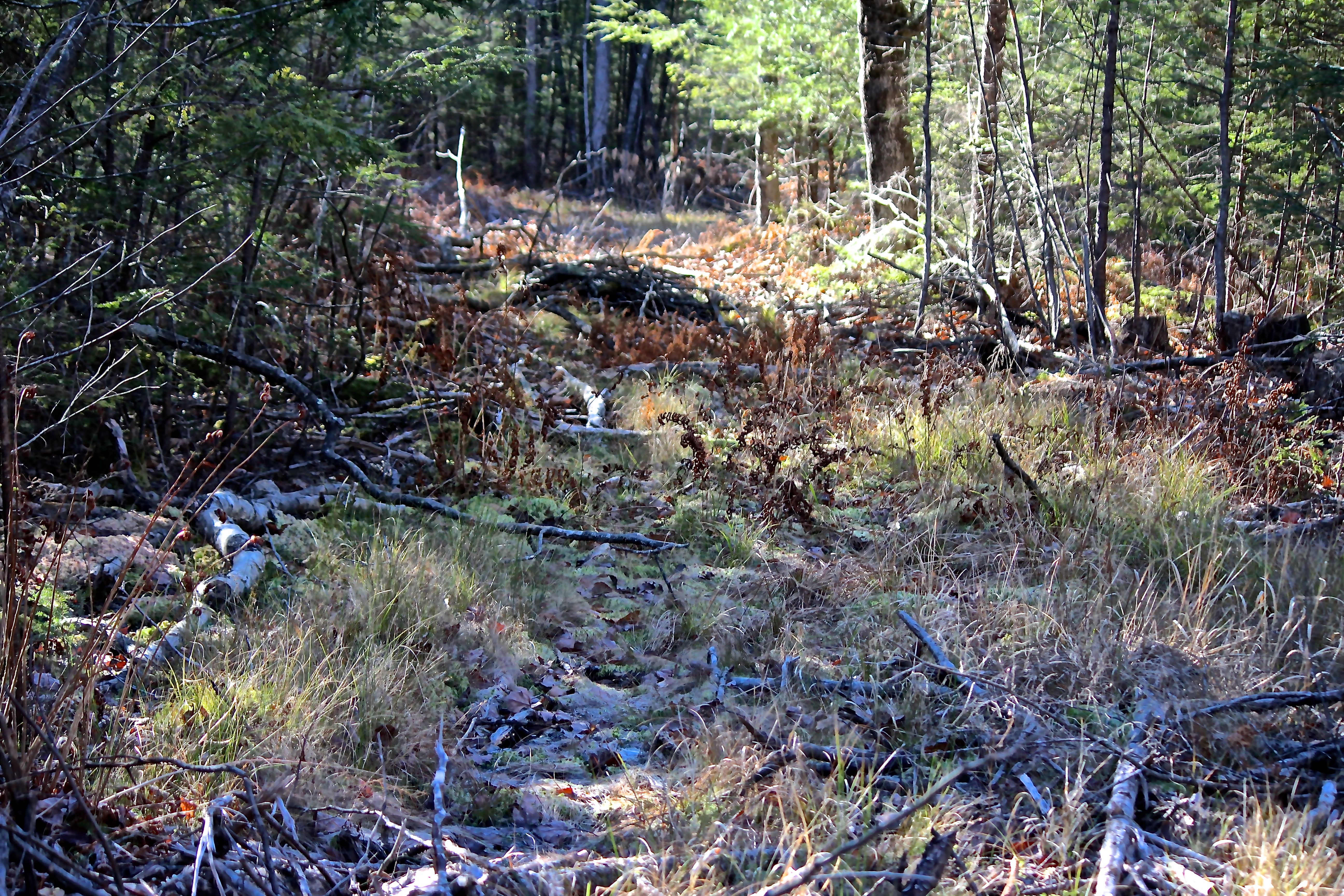
trail boggy

I, for one, am looking forward to snow and hoping for lots of it because it will be so much easier to make my way through this boggy area.

creeping snowberry

In the meantime, I focused my attention on the ground–checking each step as I went. It’s easy to get caught on the slash the logger left behind. And when I looked down, I noticed things I don’t get to see once the white stuff falls, like the creeping snowberry that grows abundantly here.

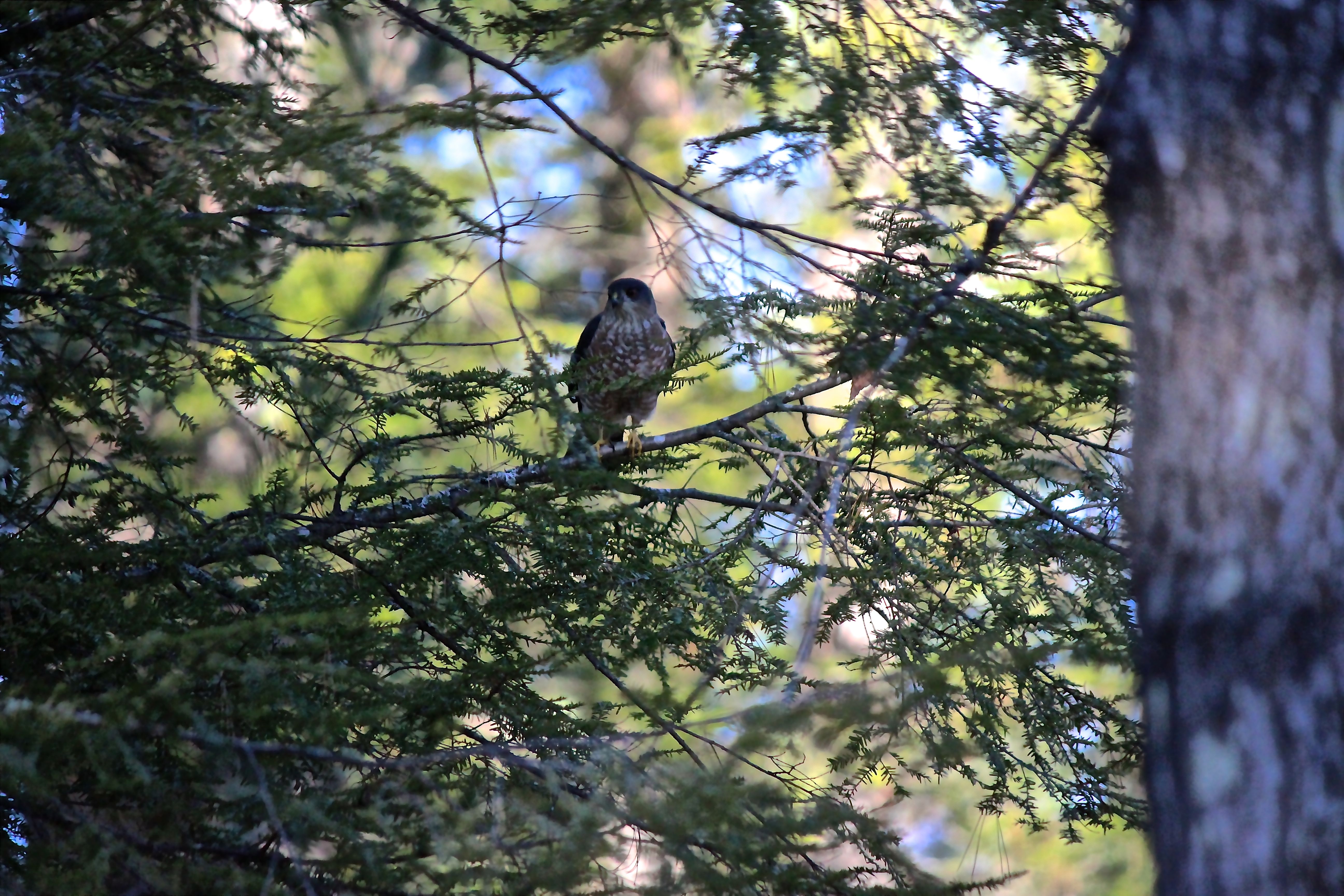
hawk 1

Pausing frequently to look around, I suddenly noticed I had company.

hawk 2

The curious thing–this sharp-shinned hawk slowly made its way east, while further down the trail

bird flock 2

a flock of birds chitted and chatted as they moved among the tree tops.

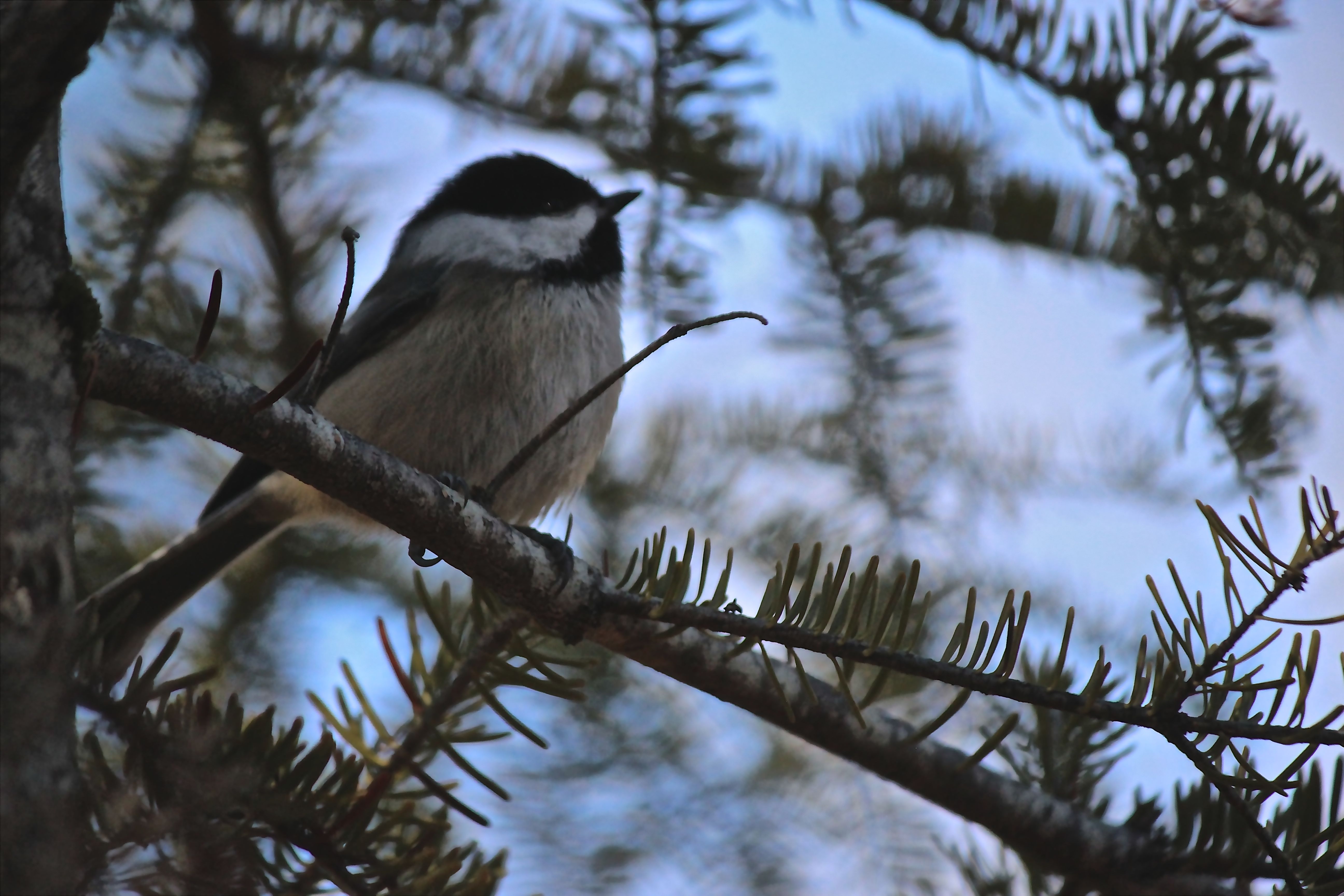
chickadee

An ever curious chickadee landed nearby to check me out. And visa versa.

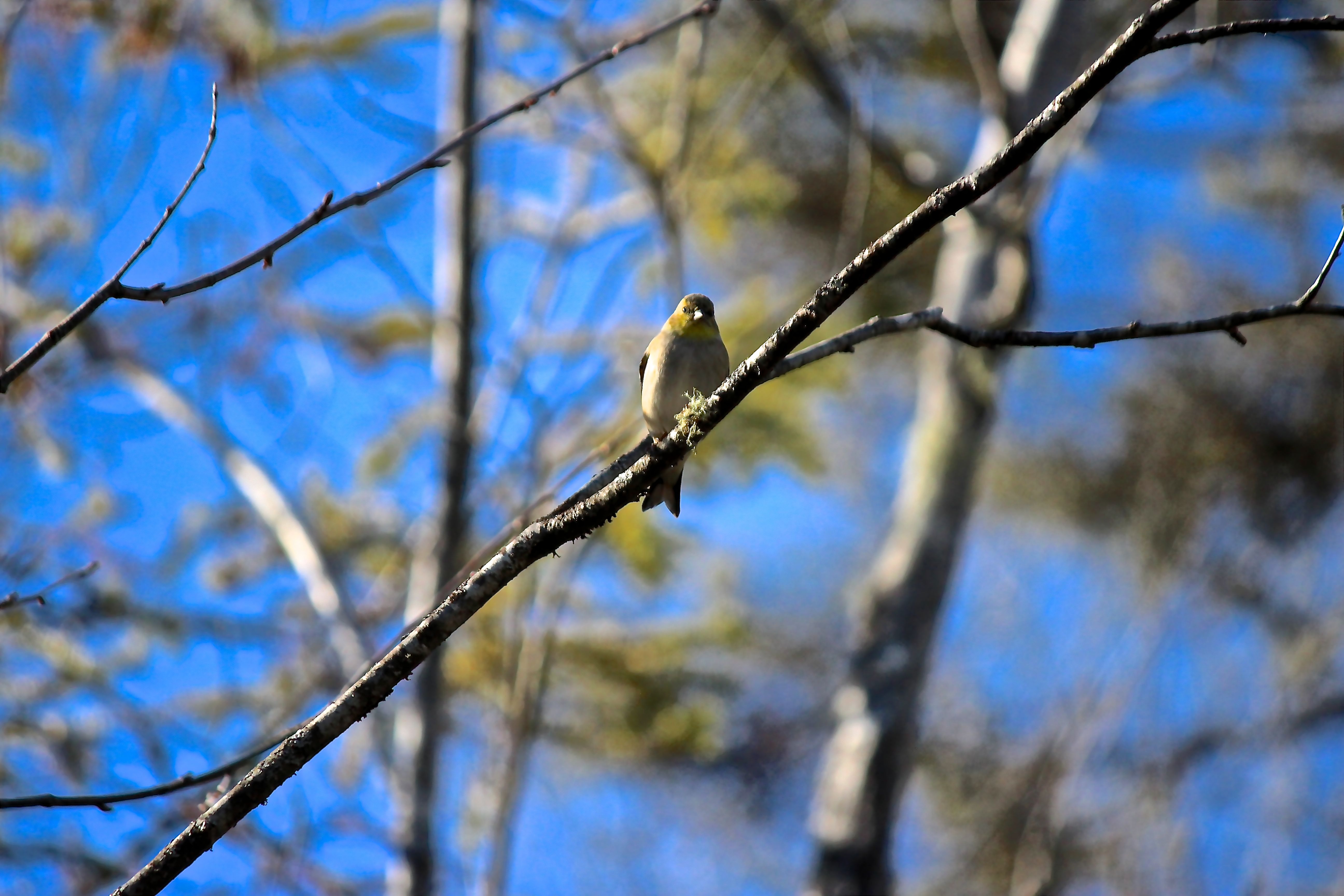
goldfinch

A goldfinch sporting its winter coloration also paused to peek. Lucky for all of them, the hawk was headed away rather than closer. Maybe it had already feasted.

mud

Eventually I found mud. I LOVE mud. With each step it squelches and squerches as it sucks my boots in and I pull them out. (And takes me back to Clinton Harbor at low tide, where my father always insisted that people paid millions of dollars to sink their feet in mud.)

my tracks

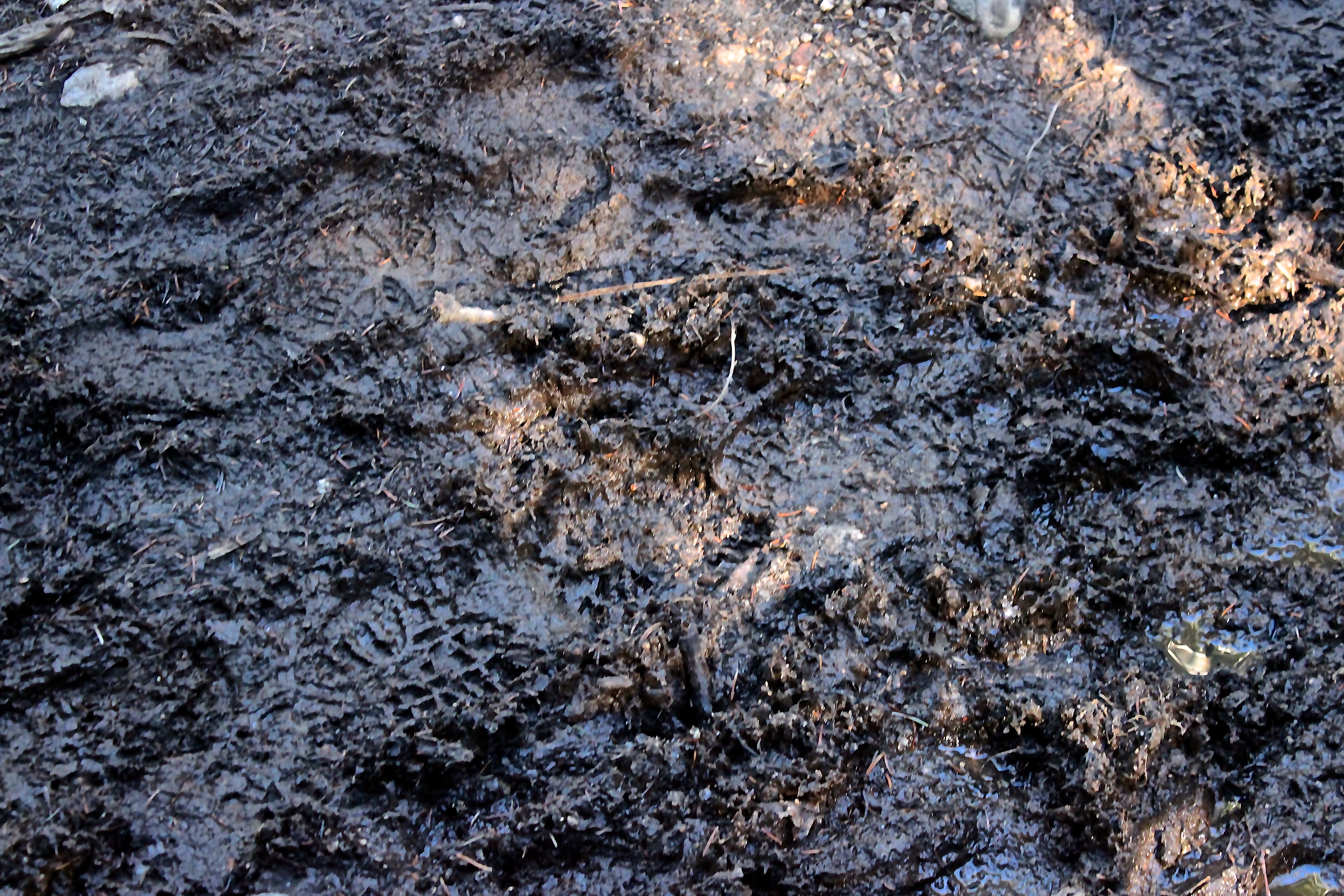
The beauty of mud here in western Maine is that prints are well defined and easily identified–homo sapien, female, average height and weight, just over middle age, blue eyes–wait a second. I wish I could read that much information in the prints I find, but I’m satisfied to be able to identify the animal to species.

coyote 2

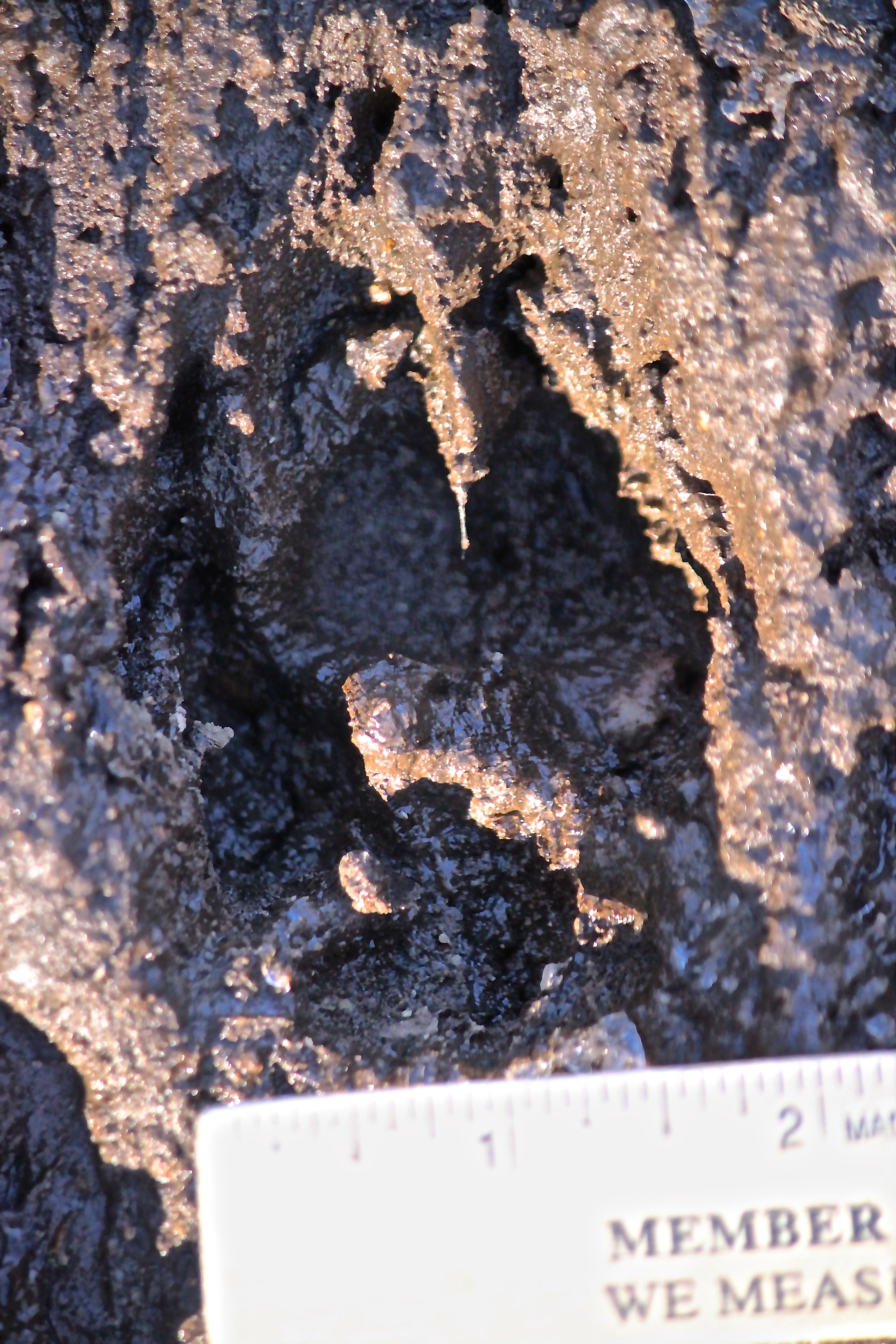
Reaching into my pocket, I discovered I had my trusty six-inch ruler–left there since early spring. It helps to give perspective of a print–in this case a coyote. Middle toes parallel, nails leaning inward, 2 inches across, x-shaped ridge between toes and heel pad.

coyote and bobcat

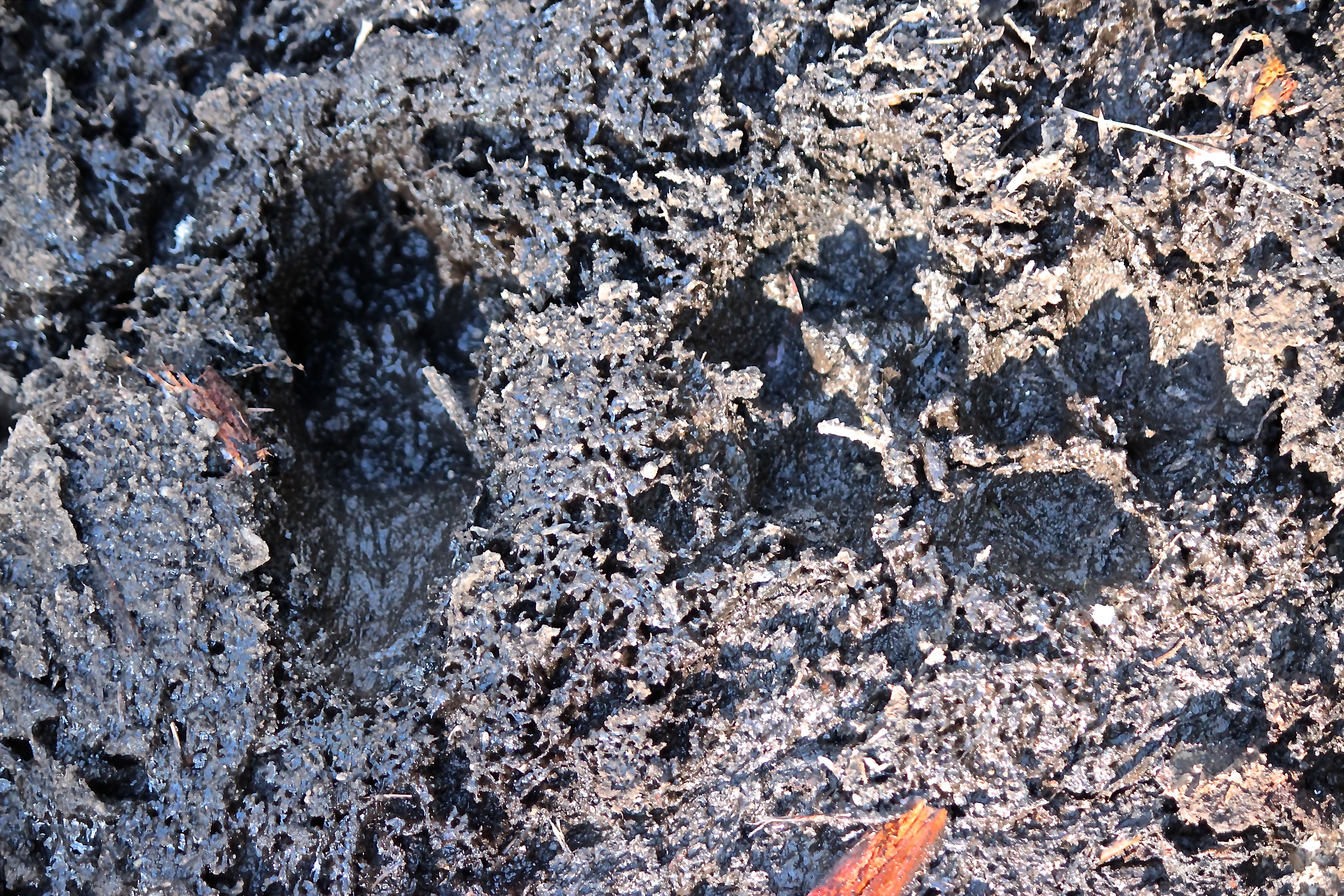
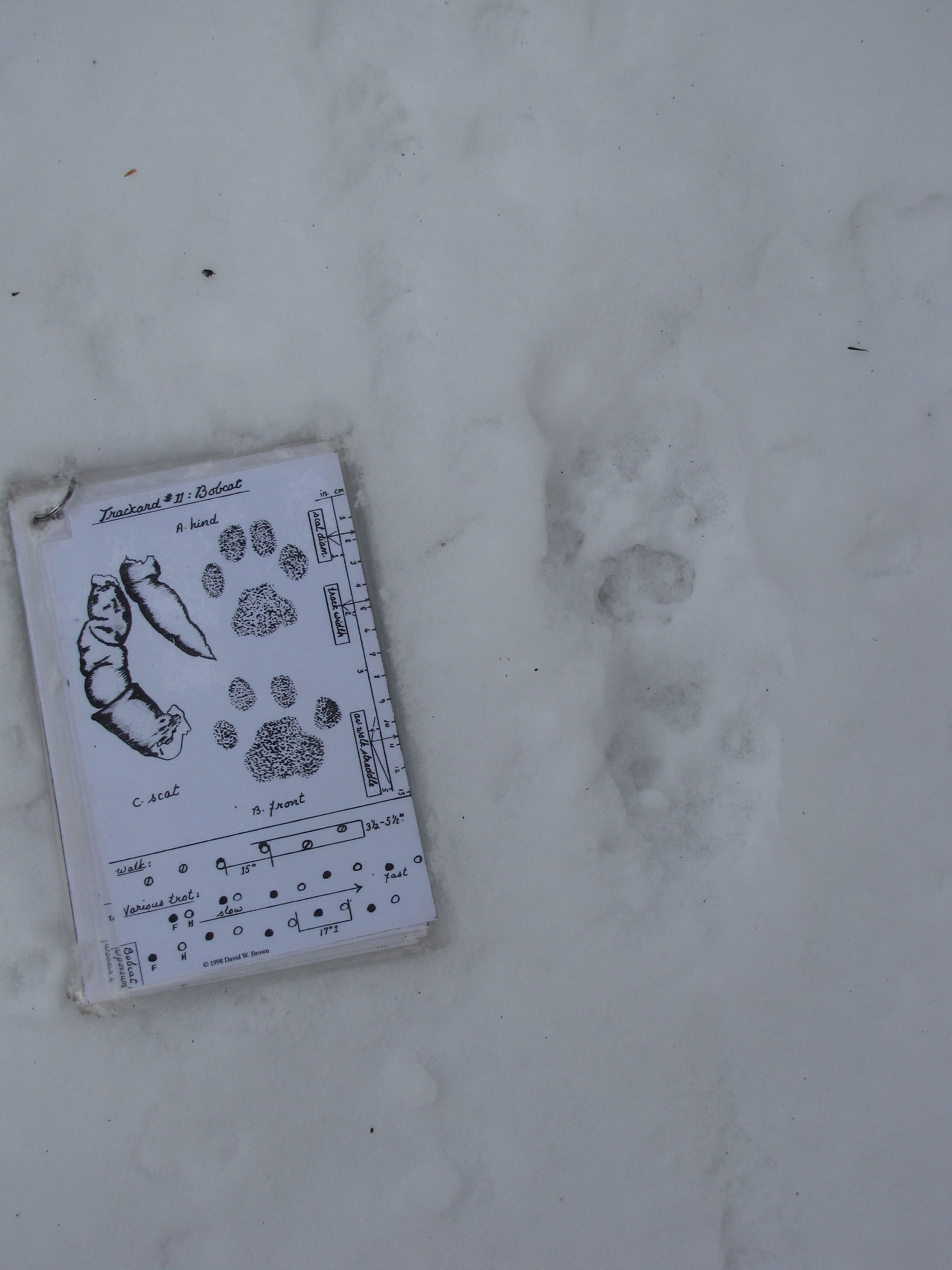
I love it when nature happens side-by-side. Coyote on the left and bobcat on the right. The coyote had passed this way more recently, when the ground was softer and moved through quickly as evidenced by the slide into position. The classic C of the bobcat’s ridge between toes and pad is clearly visible.

 moose 2 directions

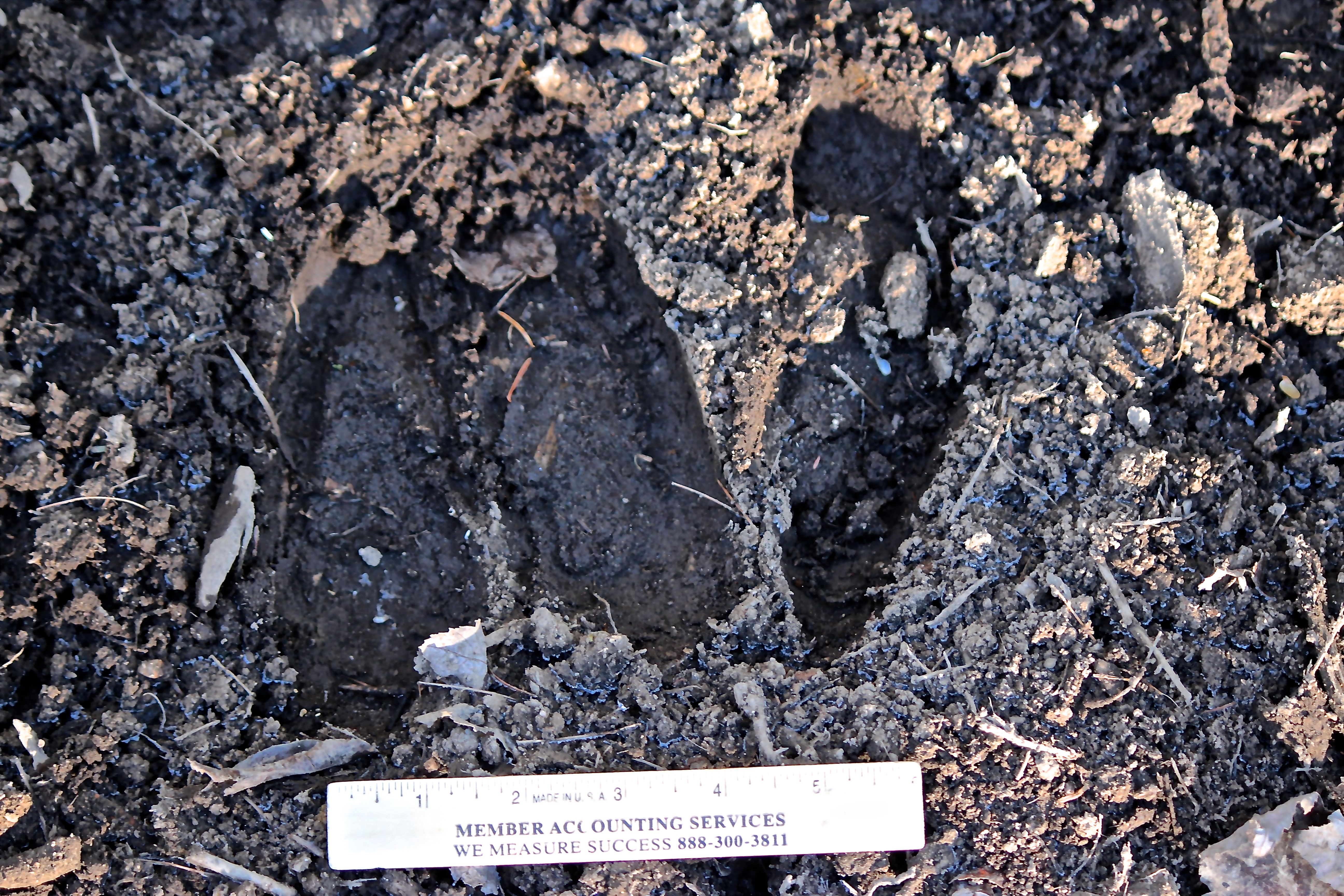
Moose frequent the area and I’m not sure if this is the same one passing to and fro or two different moose. It’s obvious that the first print was made as the animal moved in the direction of the ruler and the second shows the moose moving away.

deer, direction change 1

And then there was the deer that decided to change directions. Did it hear the mighty hunter coming along? Or another predator? Maybe me, though I suspect these prints were fresh last night and not this morning.

ice-mud

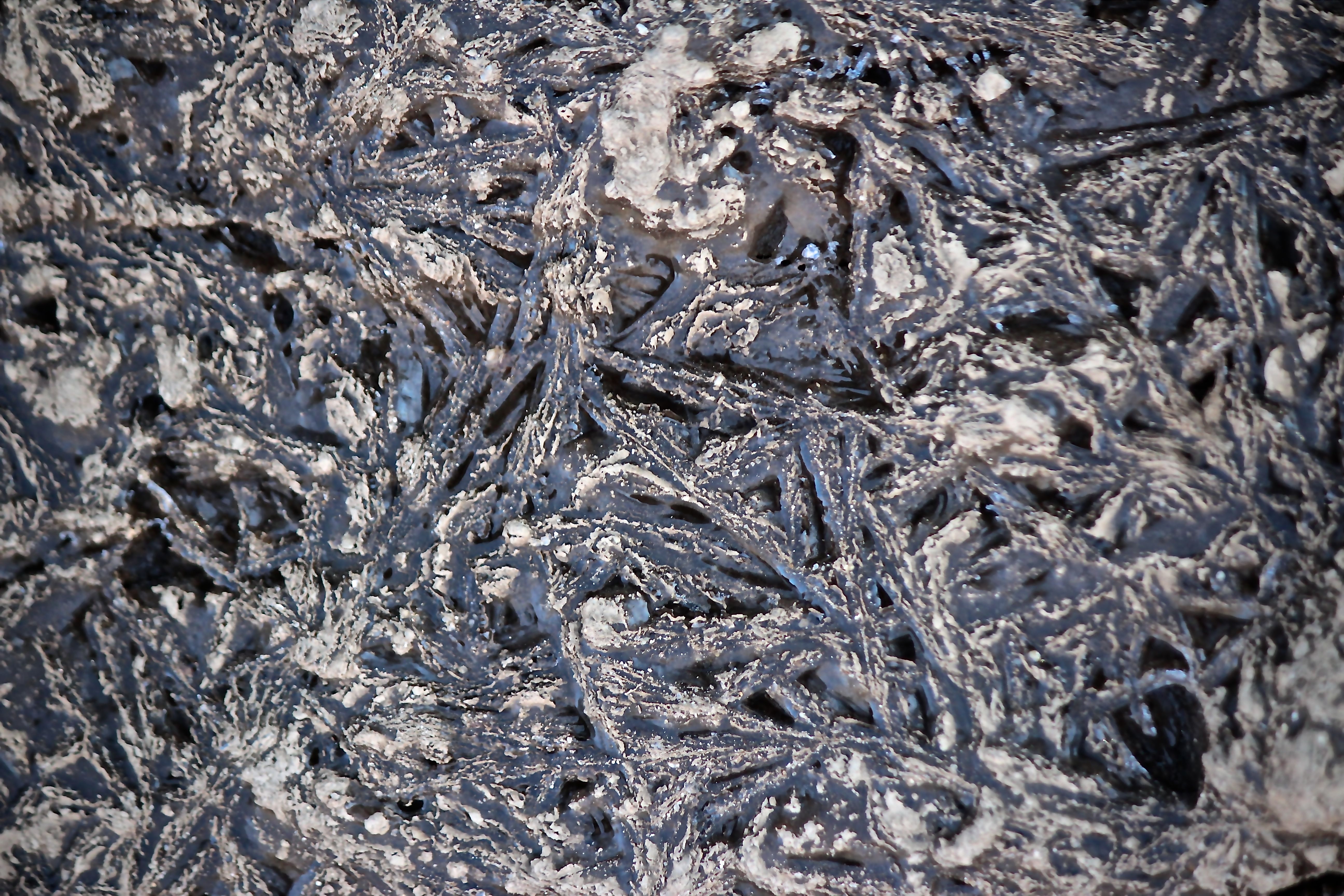
The other thing about mud–combined with ice it becomes nature’s artwork.

ice ground 2

Sometimes it sits upon icy pedestals begging to be noticed.

ice puddle abstract art

And ice itself is ever forming, ever changing. That’s the thing about nature. It isn’t static. Nor am I. Growing. Evolving. Seeking. And thankful for the opportunity.


Black Friday My Way

Shopping on Black Friday is the perfect tonic following a Thanksgiving feast. And so I was excited that my friend, J.M., agreed to join me for the venture–and even happier that she offered to drive.

Our destination–the MDT store in Fryeburg. Everything we needed under one sky roof.

The first department we visited was decked out in shades of red.

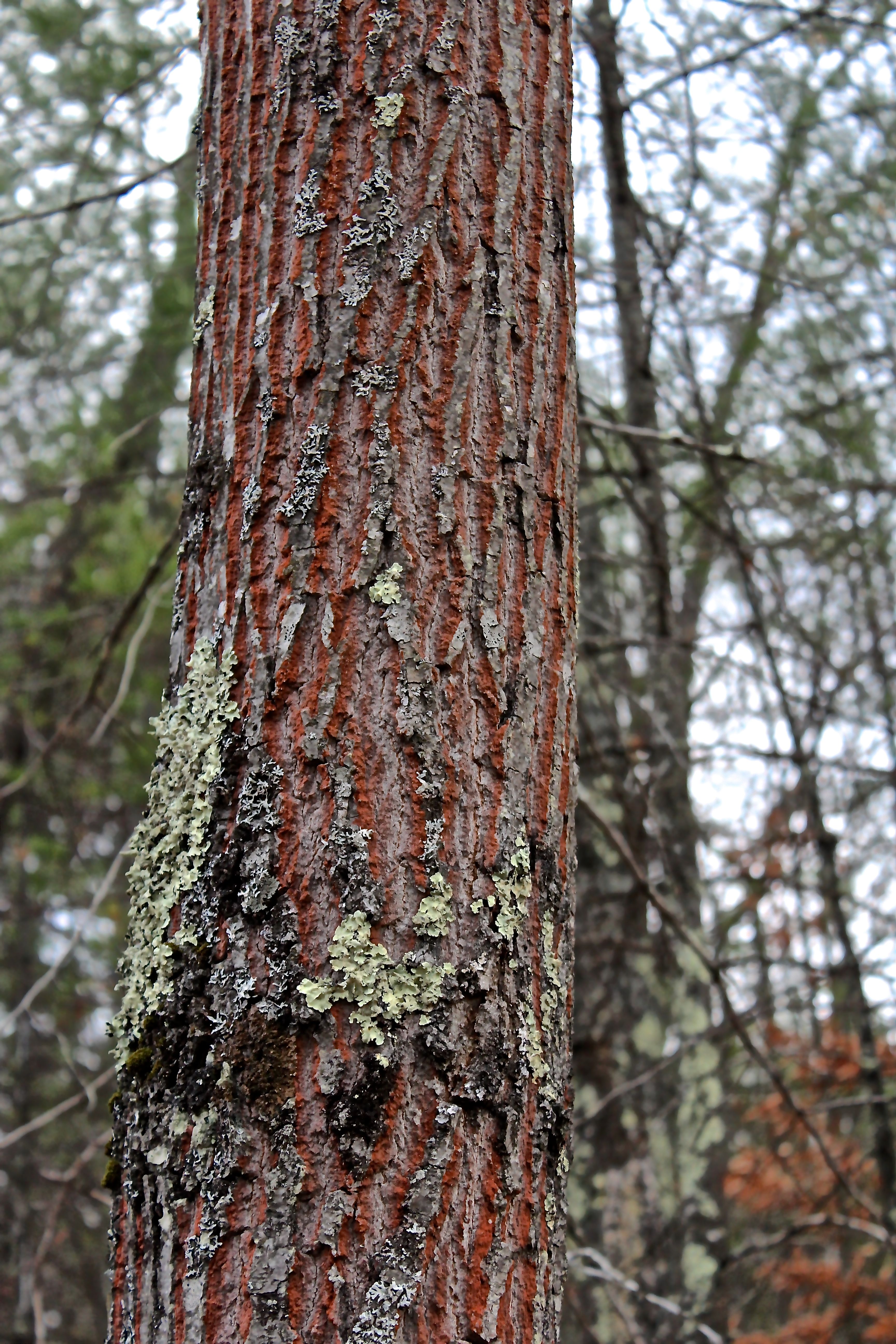
red oak bark

The rusty inner bark of this Northern Red Oak practically jumped out at us. How could we resist such temptation? Add it to the cart.

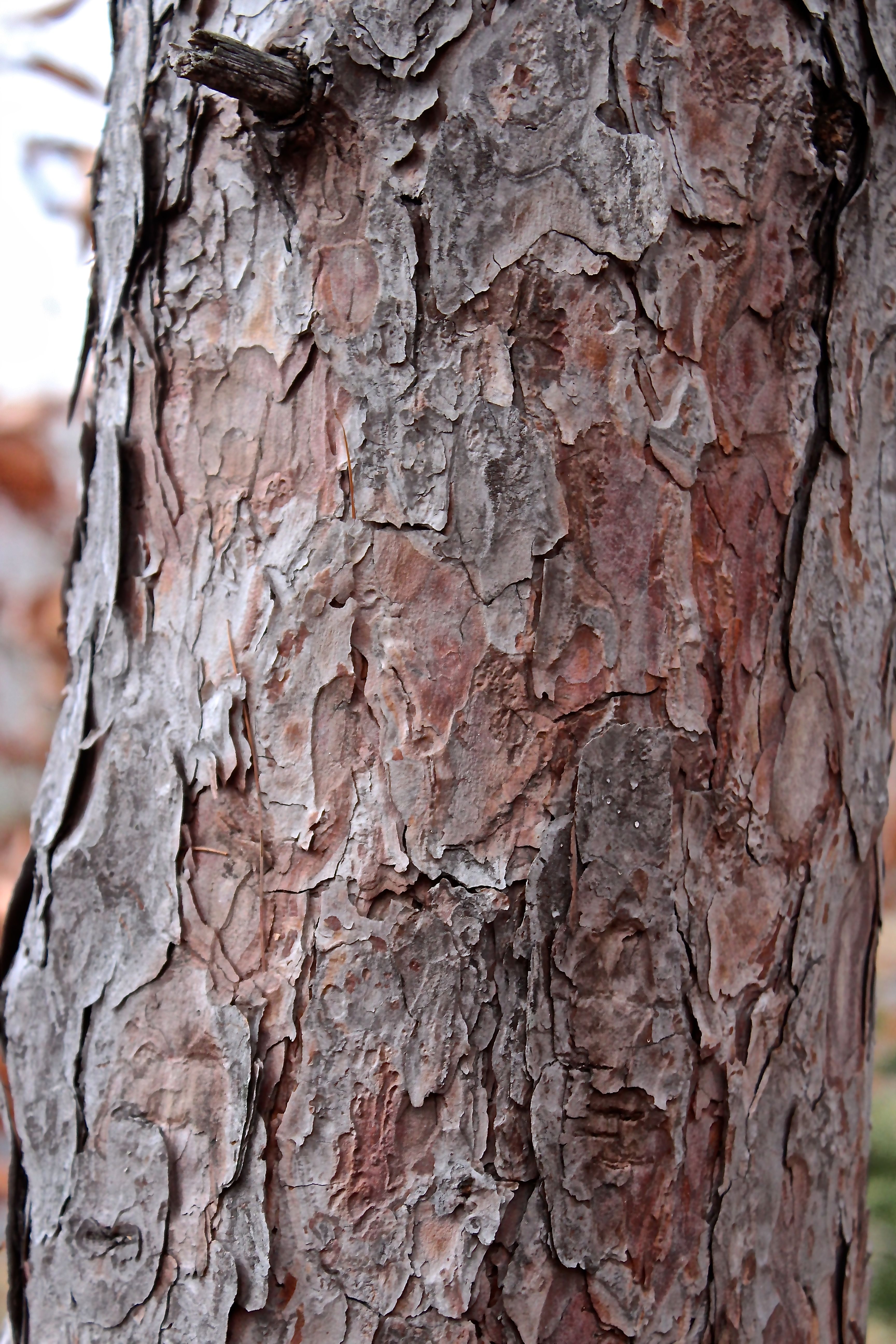
pitch pine bark

Sometimes the display made us stop and wonder.

pitch pine and needles

We hunted about to make sure our identification was correct before we settled on Pitch Pine rather than Red Pine. Both share similar bark, but the former has three long needles, while the latter sports two. The correct coupon in hand, we continued on our way.

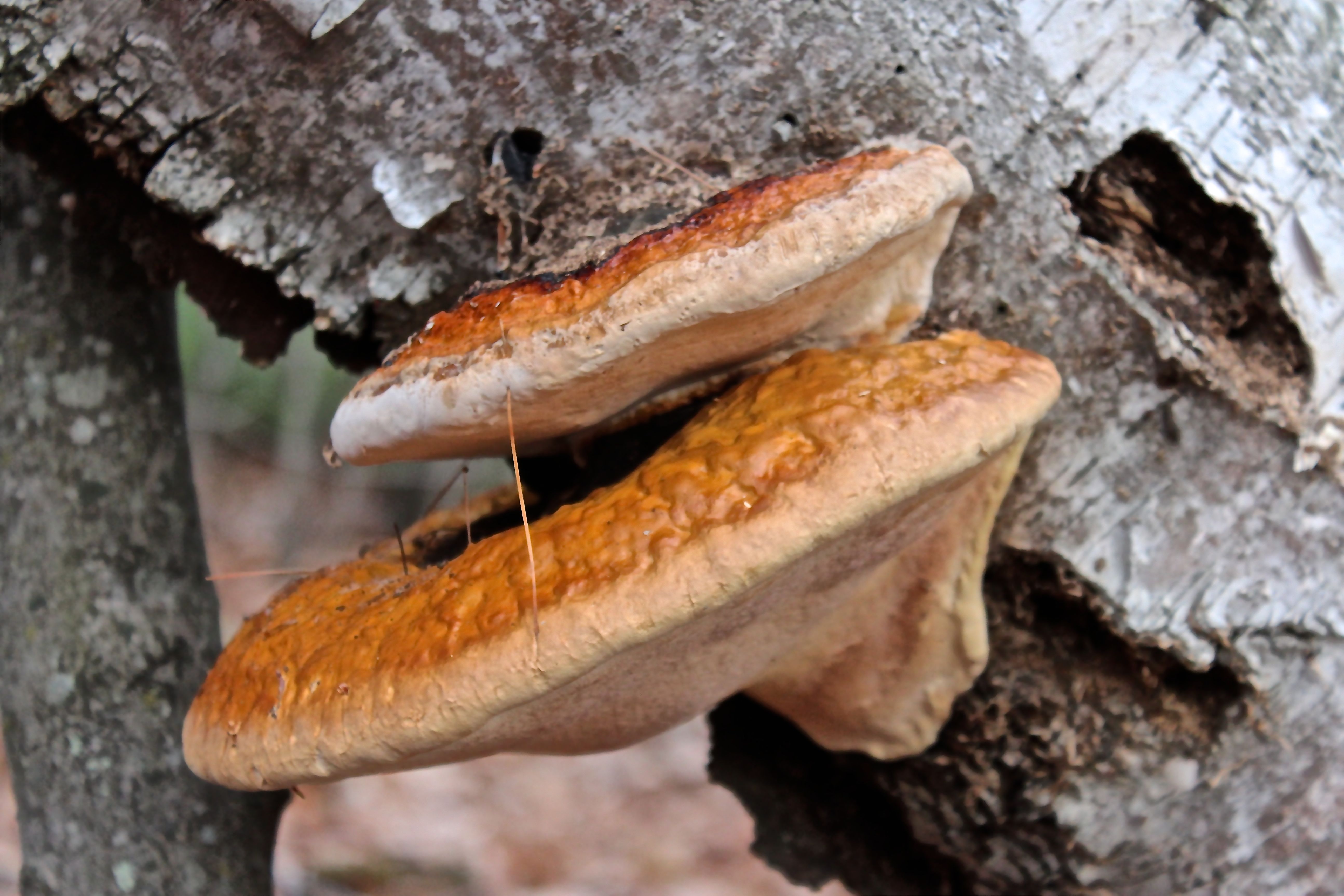
Red-belted Polypore

Red-belted Polypores pulled us from the main aisle to admire their construction. Talk about an exclusive offer–woohoo!

Staghorn

And we couldn’t resist the raspberry red pyramid of the Staghorn Sumac. A taste of Sumac Lemonade danced in our heads while we continued shopping.

oak salmon 2

About a year ago, I’d told J.M. about a salmony hue in the winterscape. As we came upon this item, she understood what I meant about the color. And I was thrilled to discover that they had plenty in stock–I had no idea that White Oak grows in Fryeburg. I’m slowly adding towns to my list–where it grows and where it doesn’t grow.

oak leaves 2

The free-form structure spoke of a dance performance. And then we realized that we were in a wind tunnel. Even though it wasn’t windy at the moment, the marcescent leaves have retained their fluid shape.

bush clover 1

We also found variations of red in Bush-Clover, which is a typical species of this place, though we didn’t realize that at the time.

bush clover 2

From the Bush-Clover, it was an easy transition into the texture department where more bargains awaited.

staghorn sumac stalk

The velvety feel of the Staghorn Sumac warranted a caress. Having grown up with Poison Sumac, it always strikes me as odd to be so enamored with a member of this family. But I am.

cattail 3cat tail 1Cattail 5

We stepped into the next aisle and found these corn-dogs on a stick. Cattails get their common name from their end-of-season fluffy spikes or tails. Need insulation or mattress stuffing? Check out aisle 6. From food to shaving cream to antifreeze, this is a bargain you don’t want to dismiss.

cattail 2

There’s even a two-for-one sale.

locusts thorns and pods

In contrast, though graceful in appearance when leafed out, the formidable thorns of a locust tree seem to serve as a warning sign–hands off the seed pods. Not exactly what I’d call a sweet deal.

Evening primrose 2

Impulse items drew our attention as well–those things we didn’t need but couldn’t resist. The spiraling of the Evening Primrose seed heads and

sweet-fern

the curling leaves of the Sweet-Fern’s leaves begged to be noticed.

The light was starting to wan as we made our final purchases before heading home.

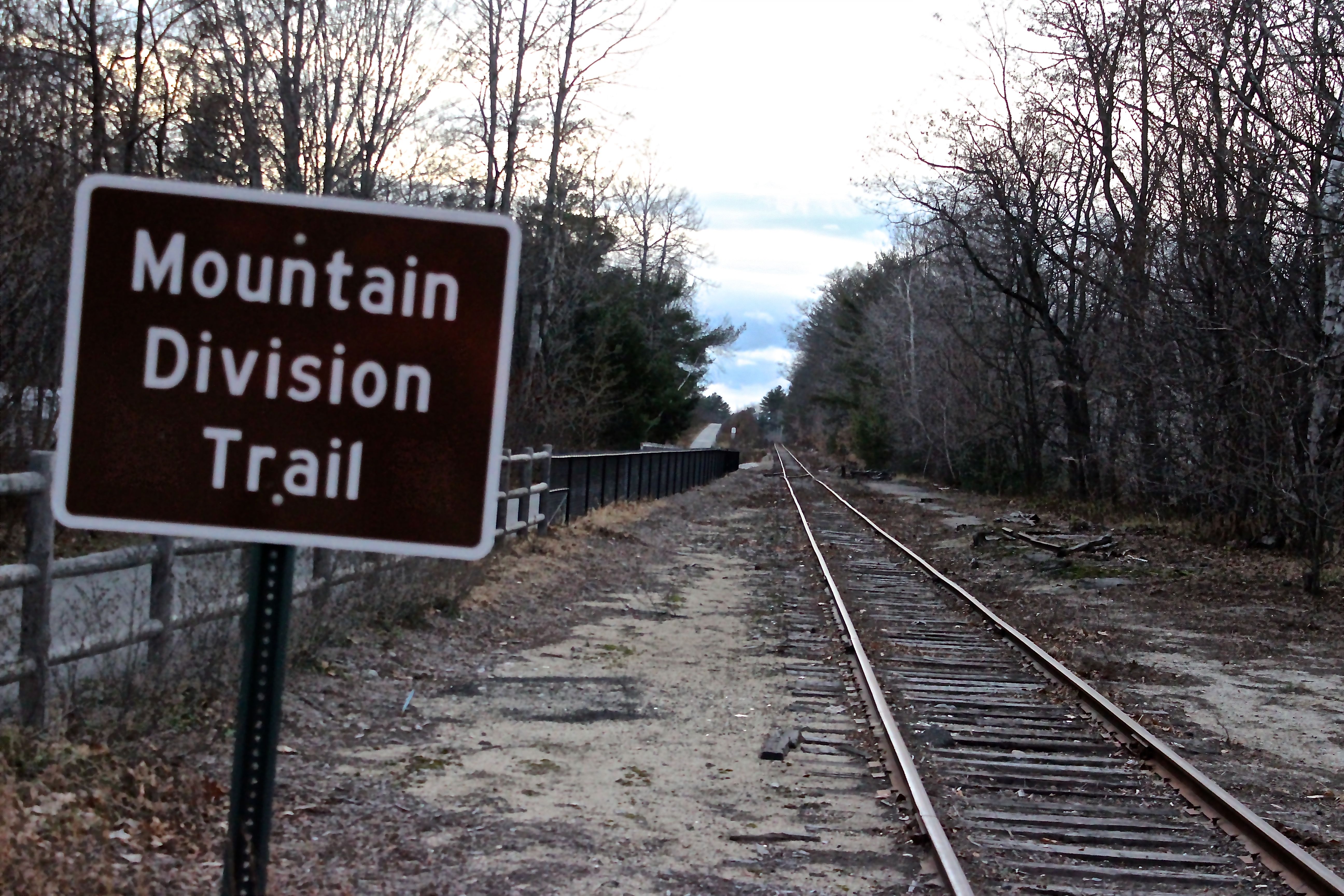
MTD tracks and trail

Our shopping trip along the Mountain Division Trail, a 4-mile long section of the rail trail in Fryeburg, had come to an end. But we were guaranteed free shipping for those purchases we couldn’t cart home.

J.M. and I bagged some exclusive specials as we hand picked the near endless stream of deals and discounts on this Black Friday. We knew we’d come to the right place . . . to practice our shopping expertise.

Giving Thanks

I’ve so many reasons to give thanks and making time to wander, wonder and ask why is high on the list.

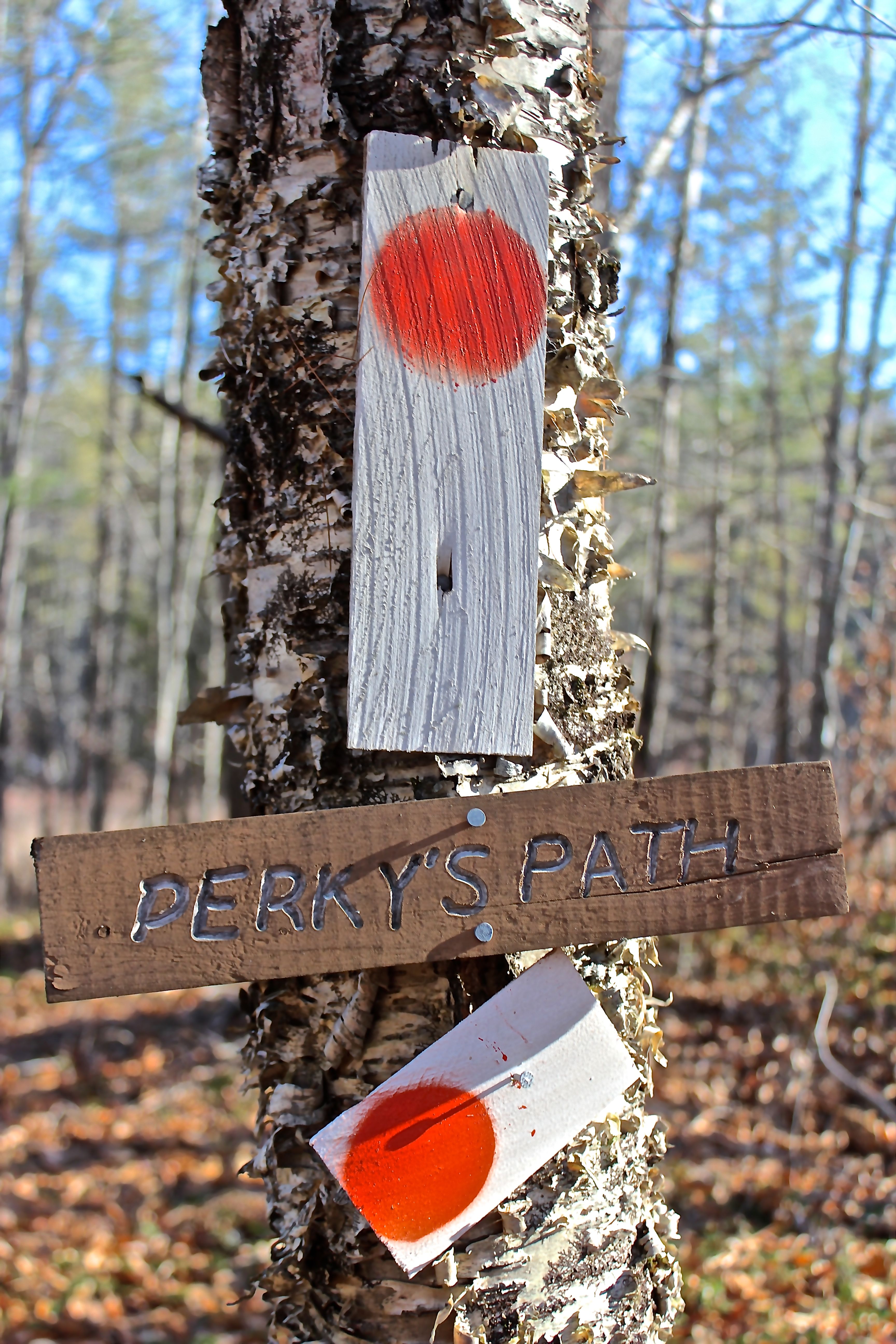
With that in mind, I headed to Perky’s Path in Lovell this morning.

perkys path

I love wandering along paths I’ve traveled many times before and making new discoveries.

dam 1

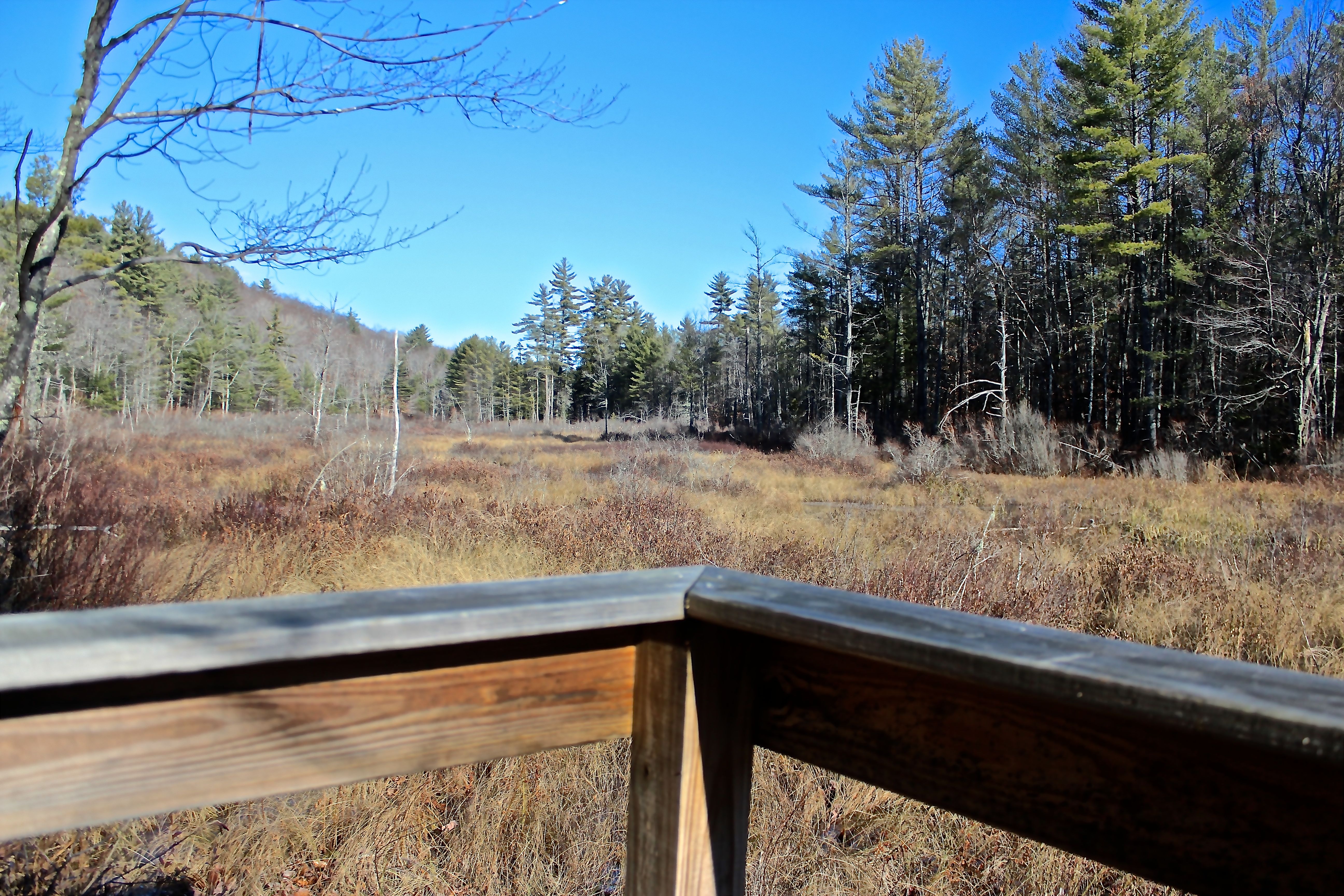
The path has two stream crossings, the first leading into a marsh. As I stood on the trail and looked toward the marsh, my eyes were drawn to a wall of sorts.

dam 2 infinity

I bushwhacked to get a closer look and was in awe. The wall is an old beaver dam that I’d never noticed before. Water trickles over it, but in the world of real estate, it has created an infinity pool. Wow–properties with such pools sell for a high price. Fortunately, this property is protected by the Greater Lovell Land Trust. 

fresh 4

That discovery, however, led to more bushwhacking. Beaver works galore. All along the perimeter of the marsh they’d completed some selective cuts.

fresh beaver root

Even tree roots, like this yellow birch that hugged a slice of granite, were at the mercy of this industrious critter.

fresh beaver works 1

Big or small, it didn’t matter. If it could be felled, it was. Of course, some disappeared–to be added to the lodge, I presumed. I couldn’t see where they’d been taken. Larger trees were left where they’d fallen, but their branches became snacks.

fresh beaver, ironwood

This beaver wasn’t fussy–Red Maple, Beech, Ash, Yellow Birch and Striped Maple all became part of the inventory. But . . . one tree proved its nickname–Hop Hornbeam, aka Ironwood. After an unsuccessful attempt at this hardest of hardwoods, it was left standing. Lucky for the hornbeam.

platform viewplatform 2

Moving along, I paused at the viewing platform to take in the view to the north and south.
sparkles 3The morning sun glistened on newly formed ice creating its own art statement.

ice sparkles 1

Amazing.

selfie

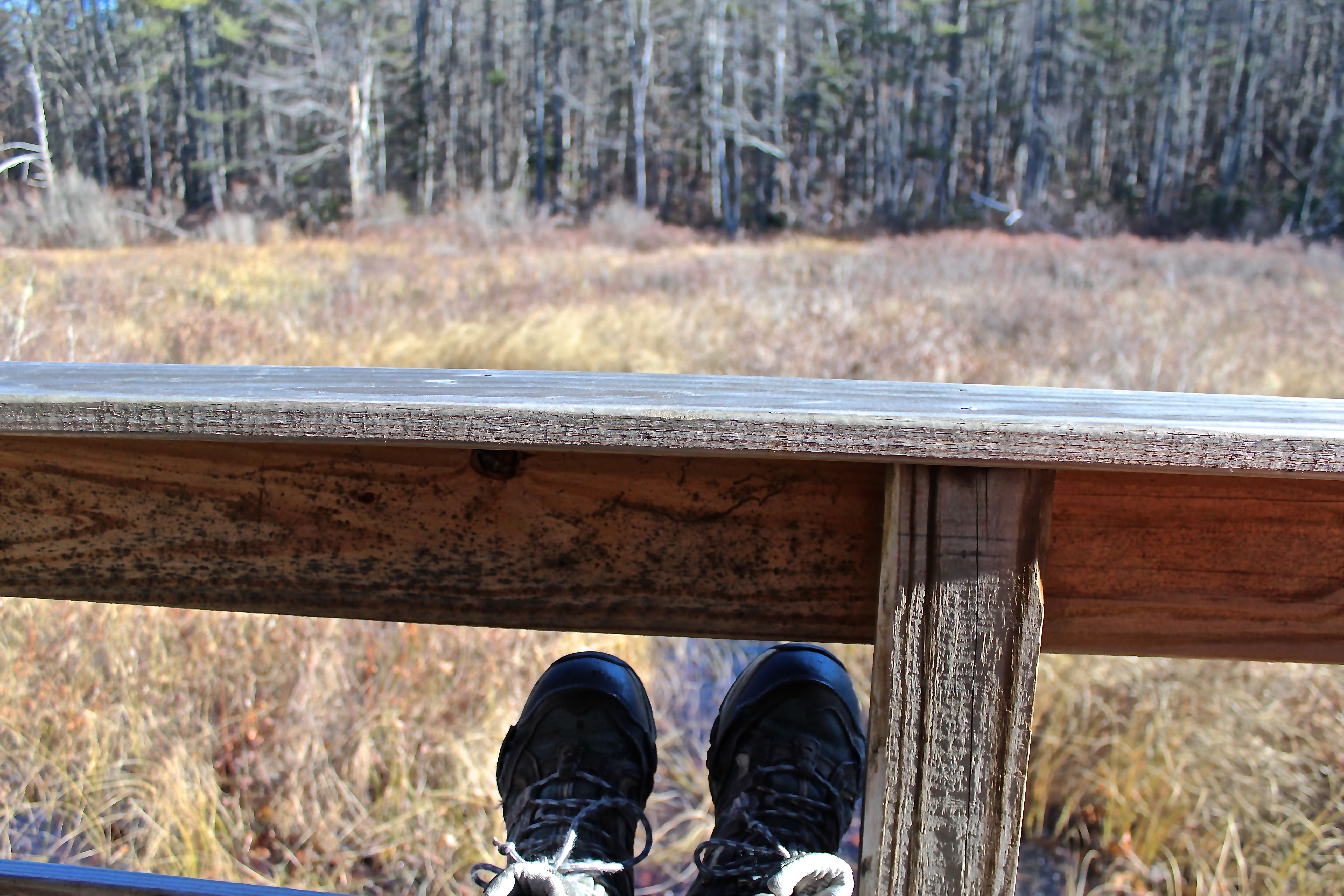
As I sat on the bench and soaked in the sun’s warmth, I wondered about the mysteries before me, the mysteries behind me and the mysteries to my sides. And I gave thanks for the opportunity.

perkys

There was more to see, so I moved on. At the second stream crossing, I looked around for more beaver evidence. Last year there was some, but none this year.

perkys 2

The water was high, however, and so I again began exploring the perimeter of the marsh.

woodpecker

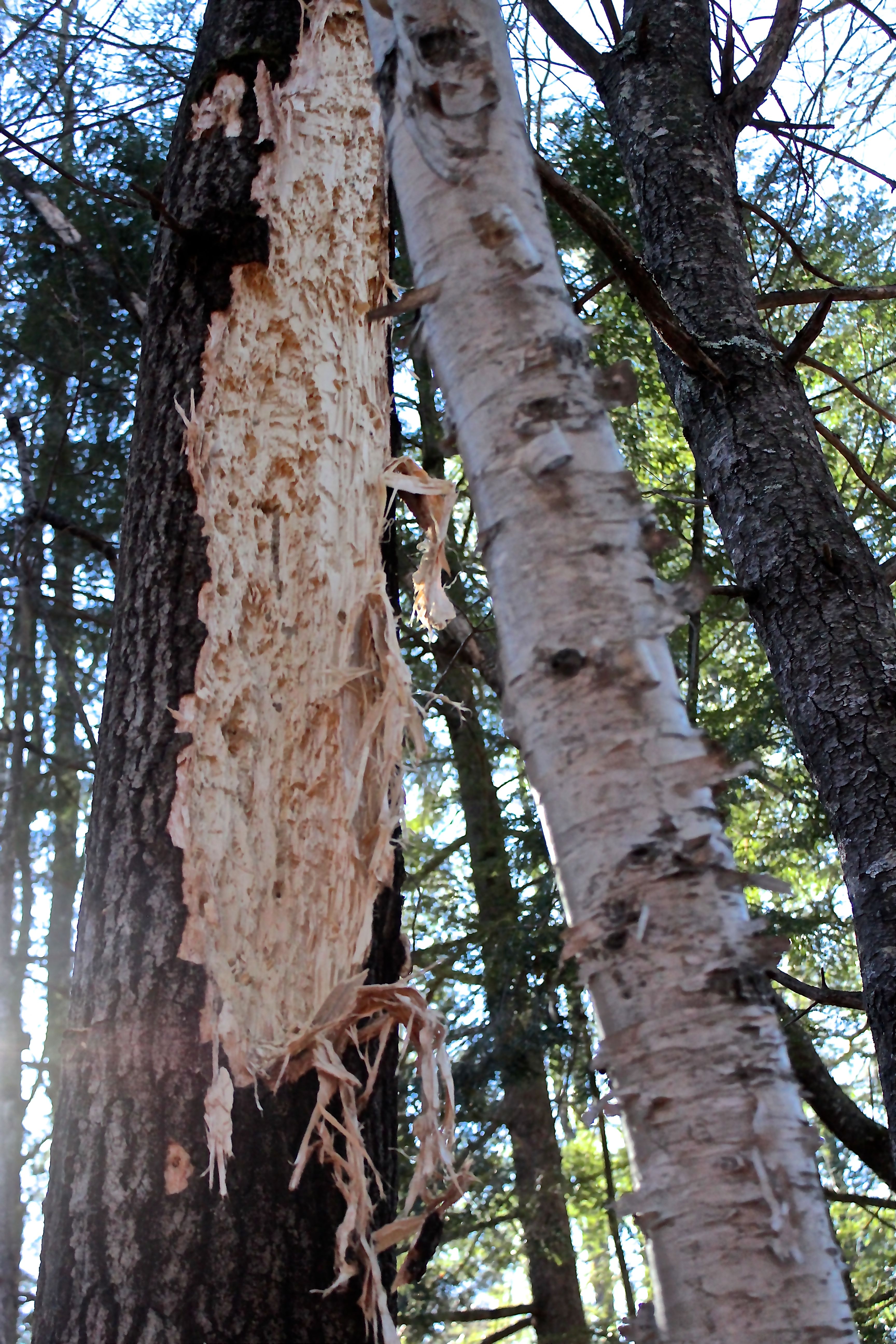
A pileated woodpecker left its sign and lots of chipped wood below, but no scat. Drats.

wintergreen wintergreen berry

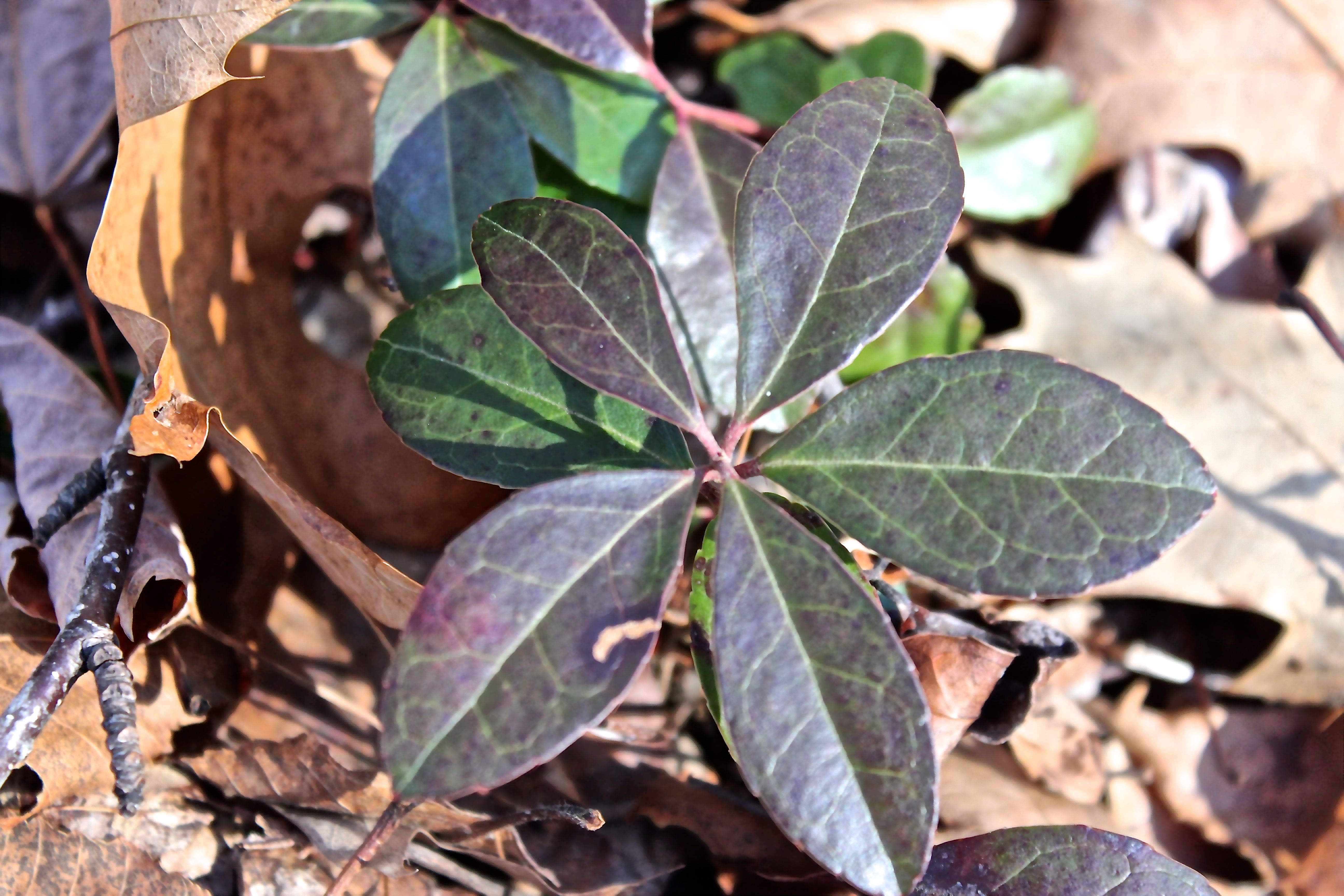
Wintergreen grows abundantly in this forest, and so I foraged a few berries. Remember Teaberry gum–this is the source. Both the leaves and berries are the source of the flavor (before it was created artificially). Try one. You’ll like it.
bristies

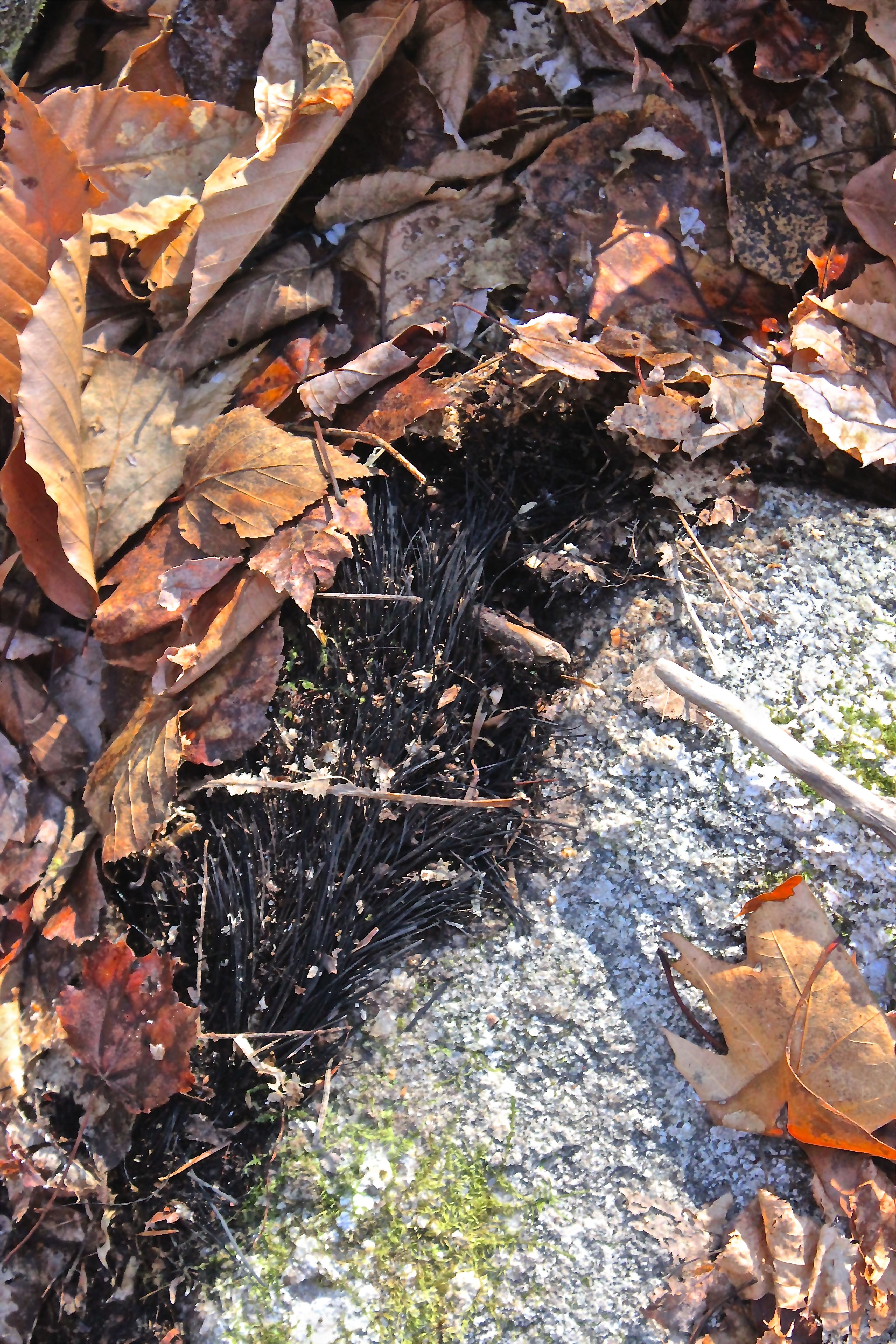
bristles

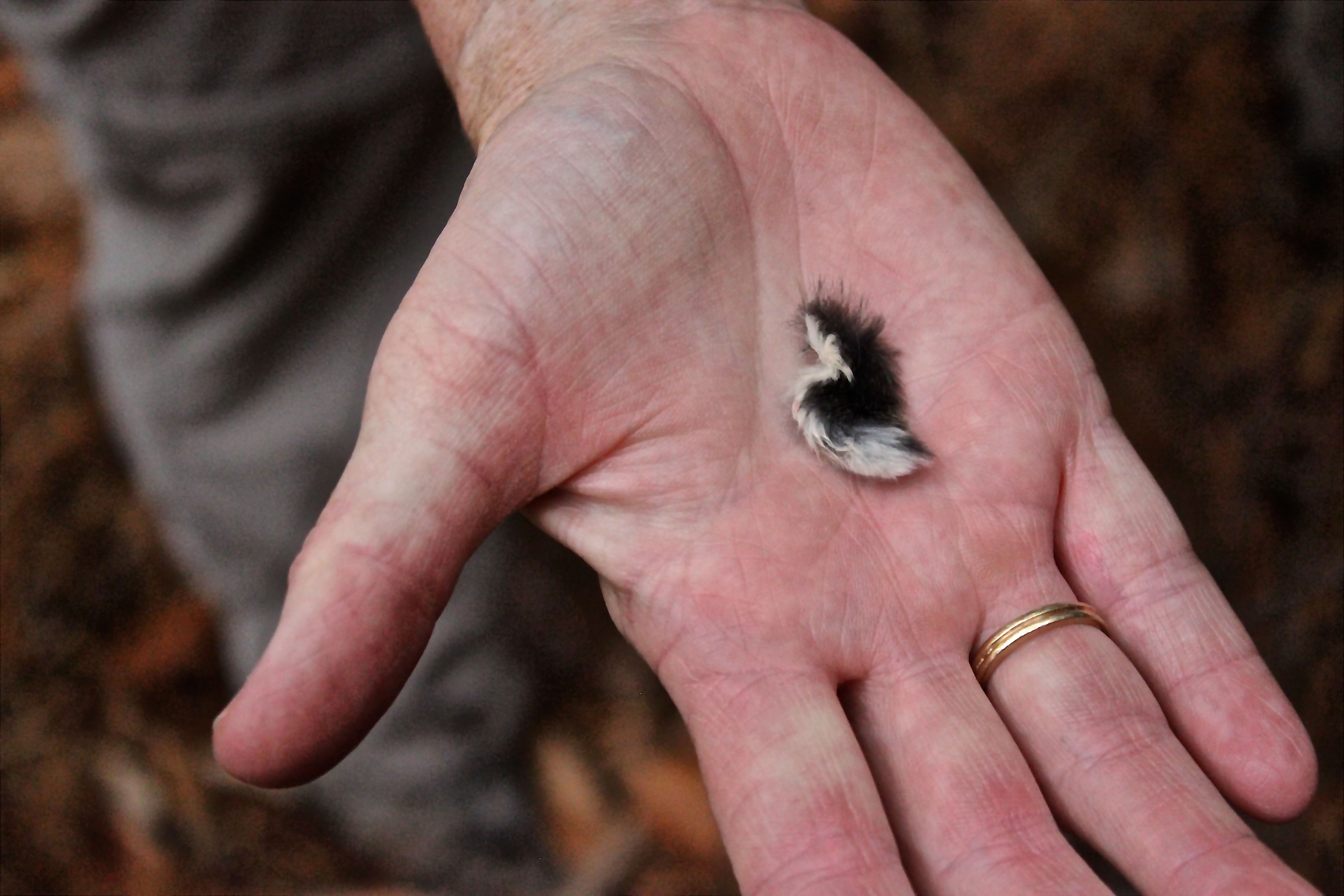
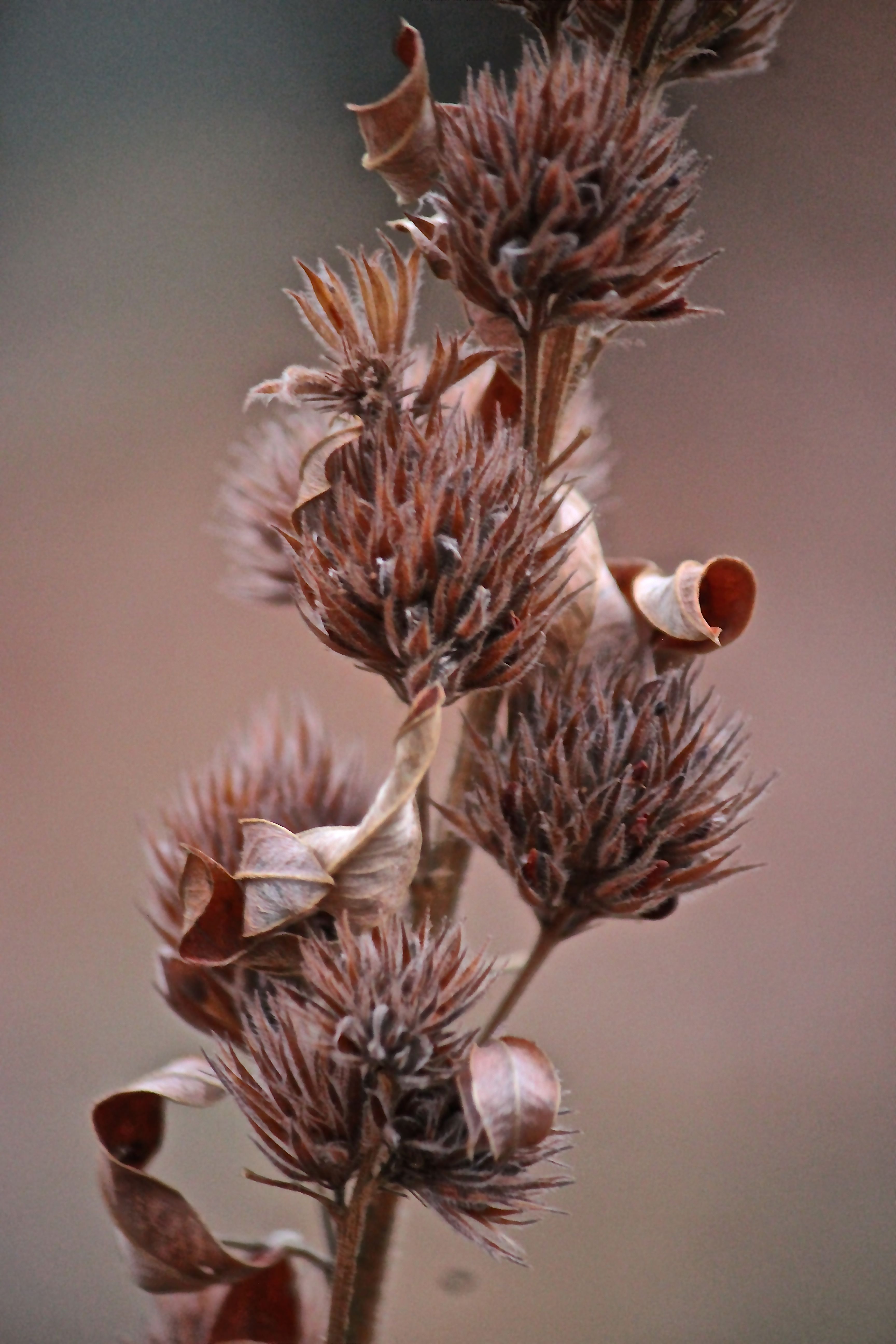
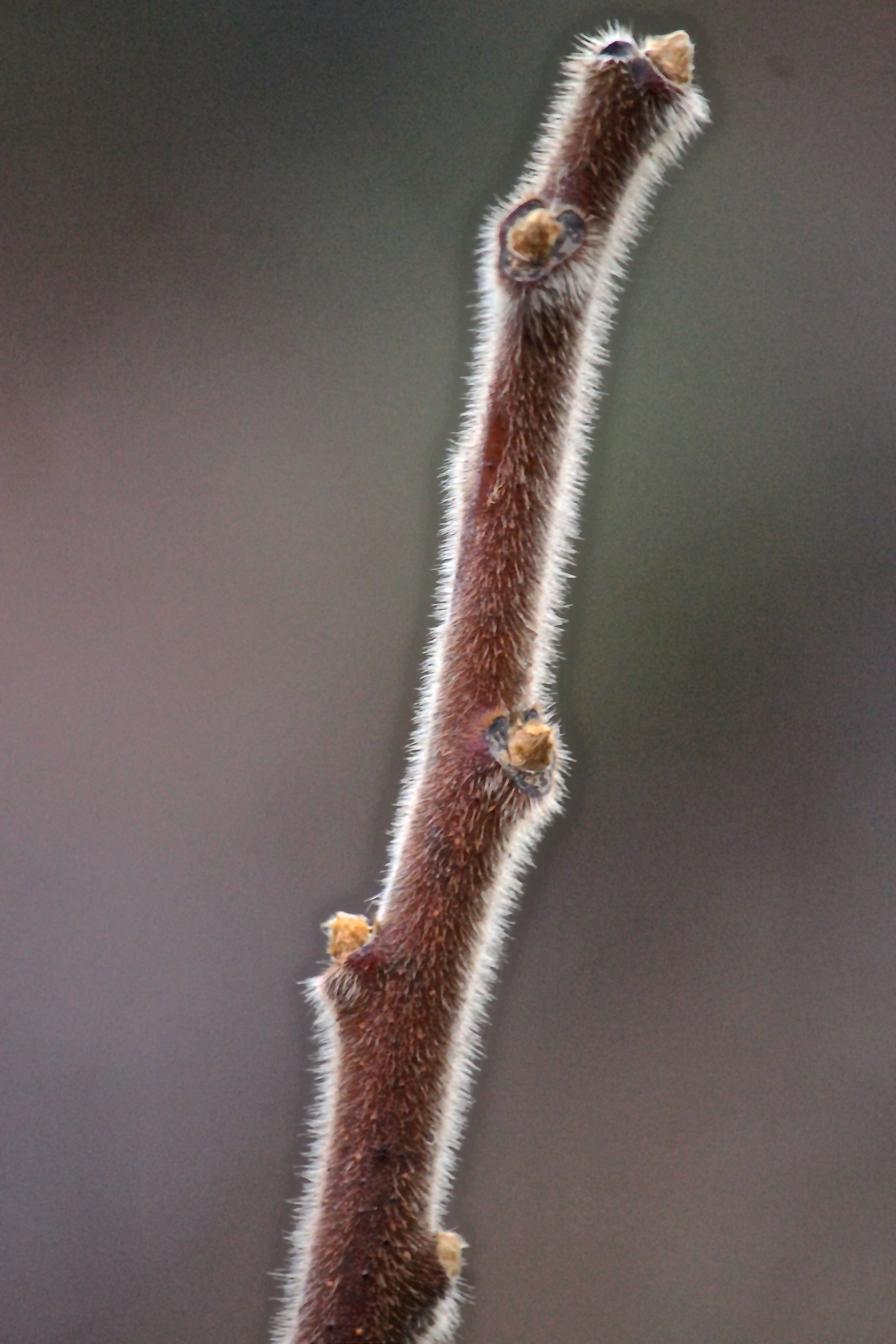
And then I came upon a mystery and feel like I should know this, but don’t. At first, I thought it was a mammal’s tail, left behind. But . . . it’s almost woody and quite bristly. (I found some at another property later in the day. ARGH!)

lodge 2

And finally, after wandering along the marsh, I found the lodge.

lodge, Perky's

It’s been recently mudded–well, before the ice formed, that is. A raft of chew sticks appears to the right front–ever-ready snacks.

broken ice

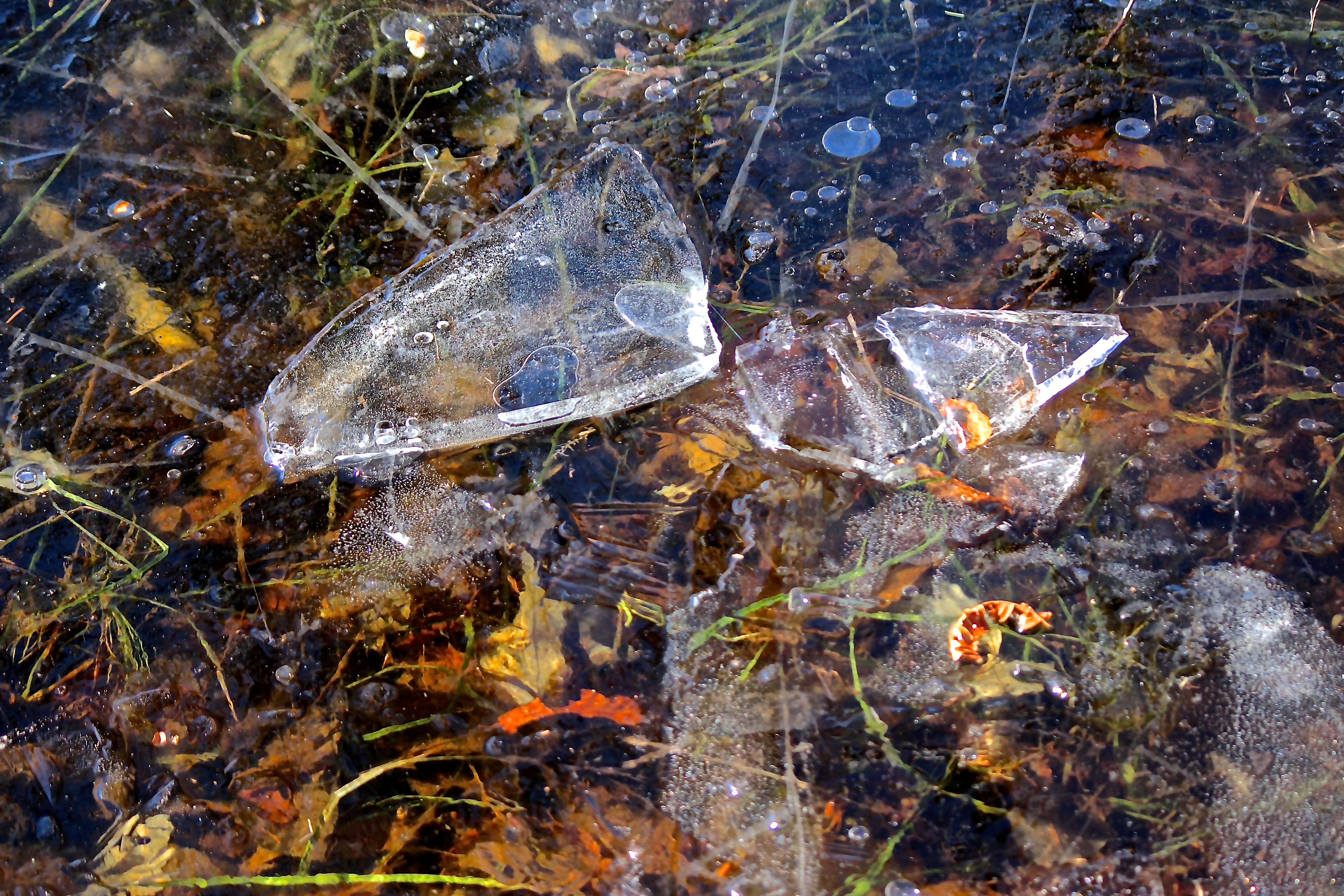
Something caught me eye–chunks of ice on top of the ice near the water’s edge. What happened here?

otter 2

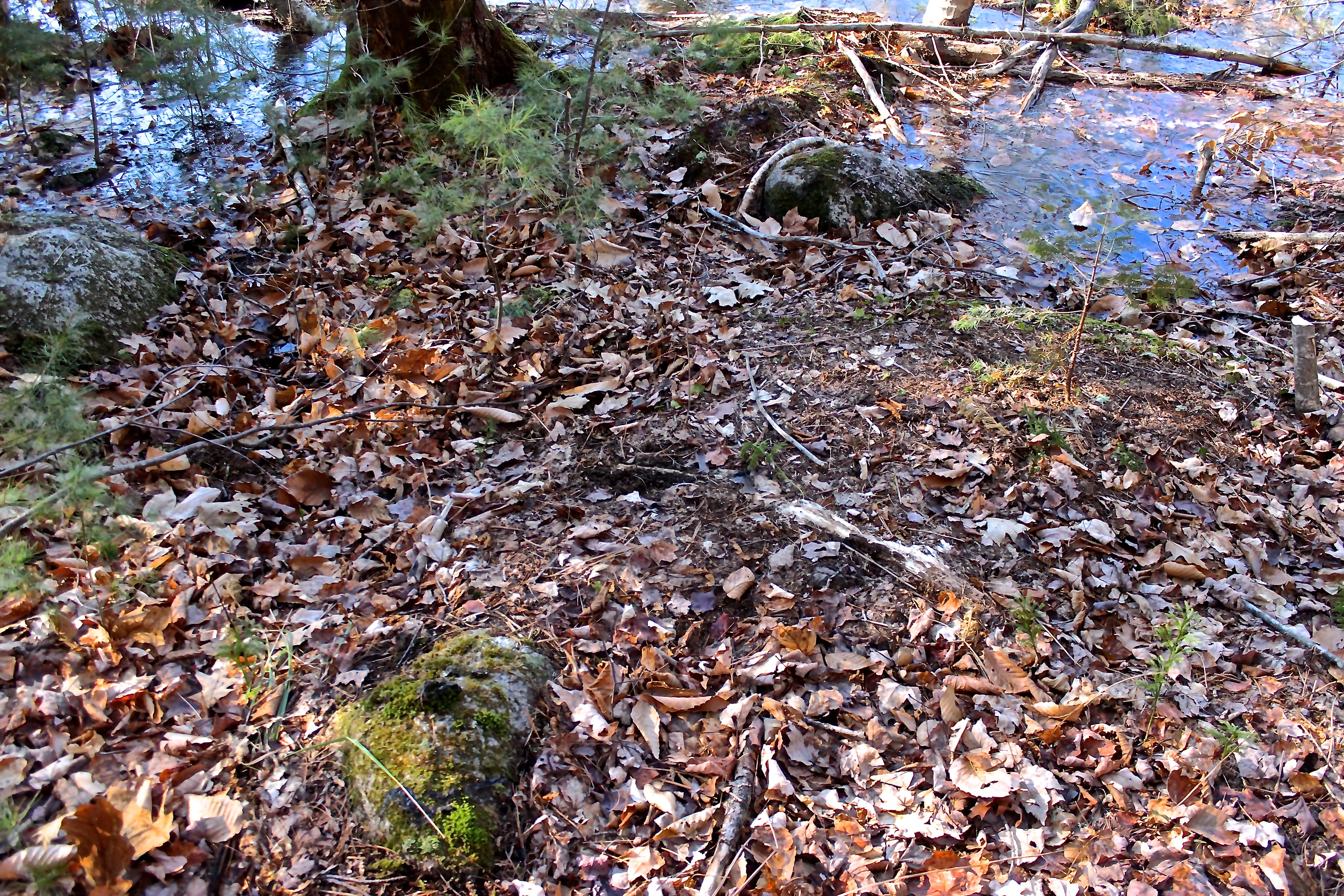
The area leading to the ice was a bit disturbed.

scat 2otter scat 1

Then I realized I was in the presence of not one, but two aquatic mammals. Yes, the beavers may have made a hole in the ice, thus leaving the chunks on top, but someone else has also spent some time here and could be responsible for the disturbed area as well. A river otter. I knew this by the scat deposited on a rock–filled with fish scales. The thing is–otters prey on beavers. So . . . now I have to wonder.

old beaver 2

I left Perky’s Path with questions on my mind. Later in the afternoon, I walked to Pondicherry Park in search of answers but found only more questions. Old beaver works are still evident. Some were made last year at this time when several beavers inhabited this space. As of today, I have not seen any beaver activity here. Why? Where did they go? Did they move away of their own doing, or were they helped? Did a predator get to them–man or mammal?

old parchment

0ld crowded2

As I bushwhacked along the brook, I came across this Red Maple. I can’t remember when it fell, but crowded parchment has since taken up residence. One thing always leads to another.

mallards

Mallards swam about while the vegetation cast late afternoon shadows.

royal fern

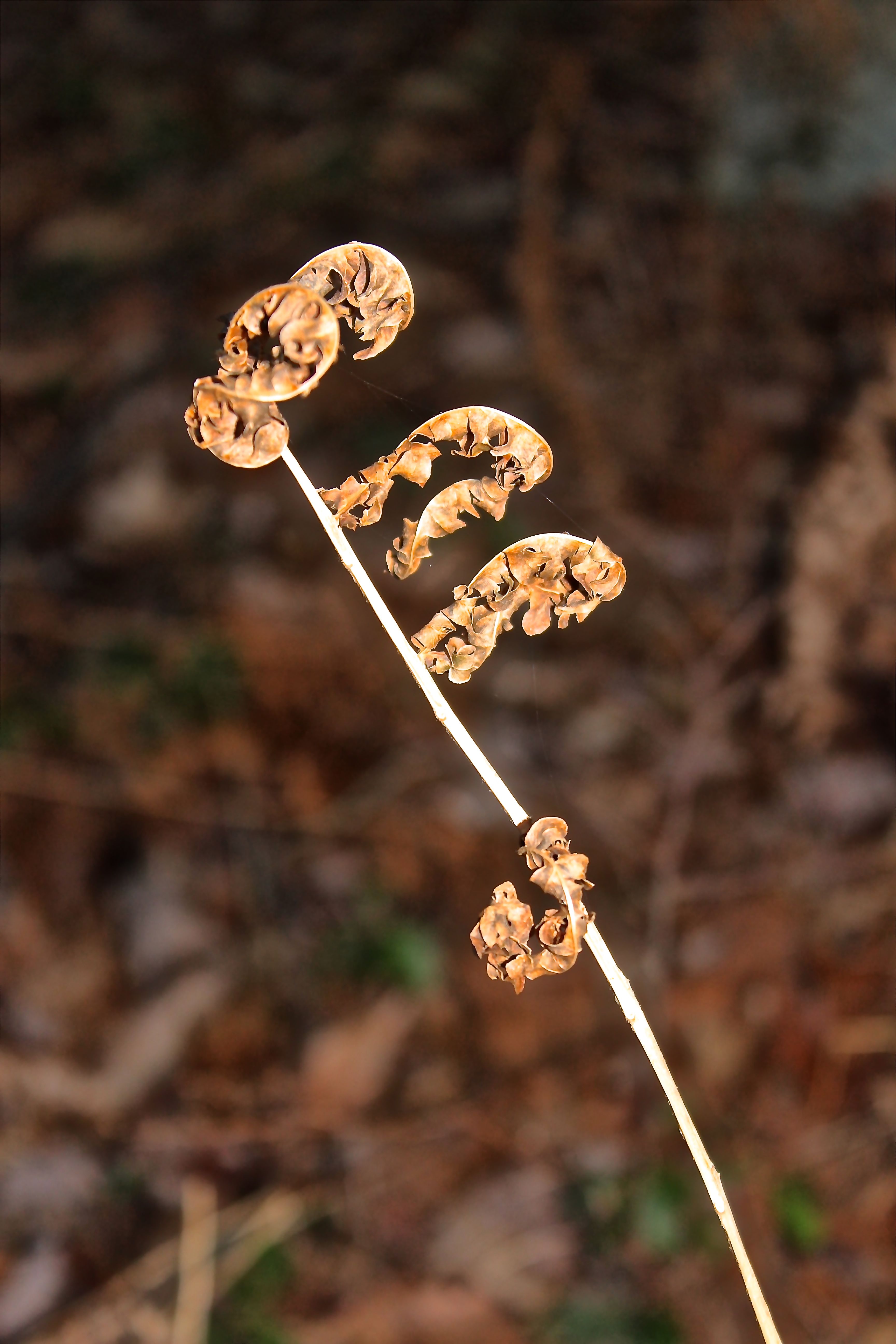
Beside the water, a few Royal Ferns still sported their crowns of sporangia, albeit withered.

winterberry

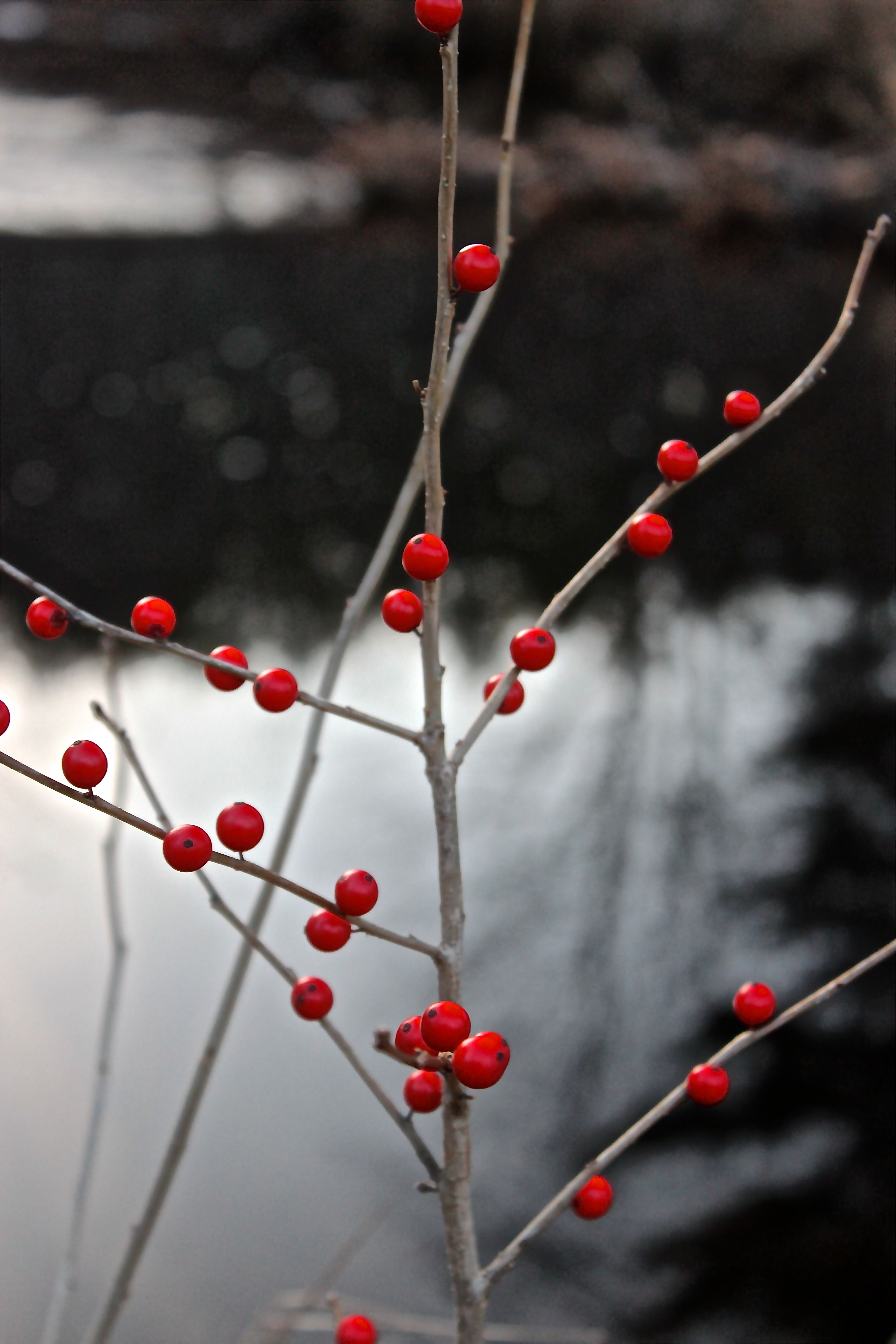
As is its custom, Winterberry has lost its leaves, making the bright red berries all the more showy in the landscape.

crosier

And Cinnamon Ferns are curling into themselves–appearing almost like the crosier form with which they begin life.

changing light, PP

The sun was setting as I headed home, thankful for the time I’d had to wander and wonder.

And thankful for my parents who always encouraged me to ask questions and continue to sit on my shoulder and nudge me today. I’m also thankful that they gave me life all those years ago.

cake

And I’m thankful for my guys, who helped me celebrate when I got home.

Ladies’ Weekend 2015

While it was Ladies’ Day Out here in western Maine, I drove west to Vermont, to celebrate with friends in a different manner.

Brownington, Vermont, was the destination–as three of us drove north and west to converge at a friend’s farmhouse. And then the Talk Fest began.

Yes, instead of a Shop Fest, we enjoyed a Talk Fest. Of course, unless you want to buy eggs, there’s not much shopping to be done in Brownington. That’s the beauty of it. Plus, we aren’t shoppers.
What we did do, which is also a little unusual for a ladies’ weekend, was go on a quest for my ancestral roots. (Thanks B.M.D., P.S. and B.C. for humoring me)

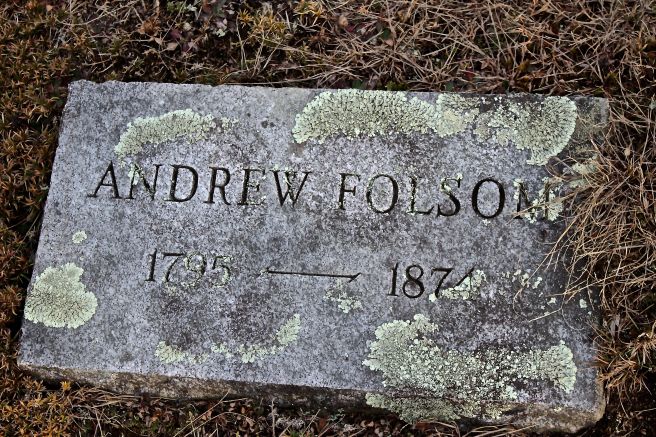
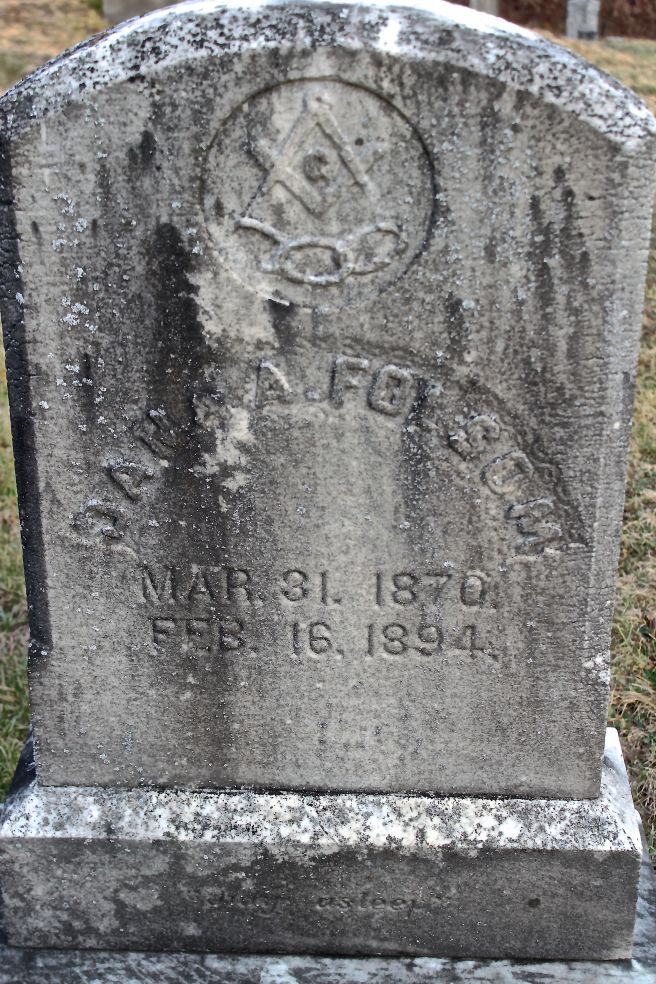
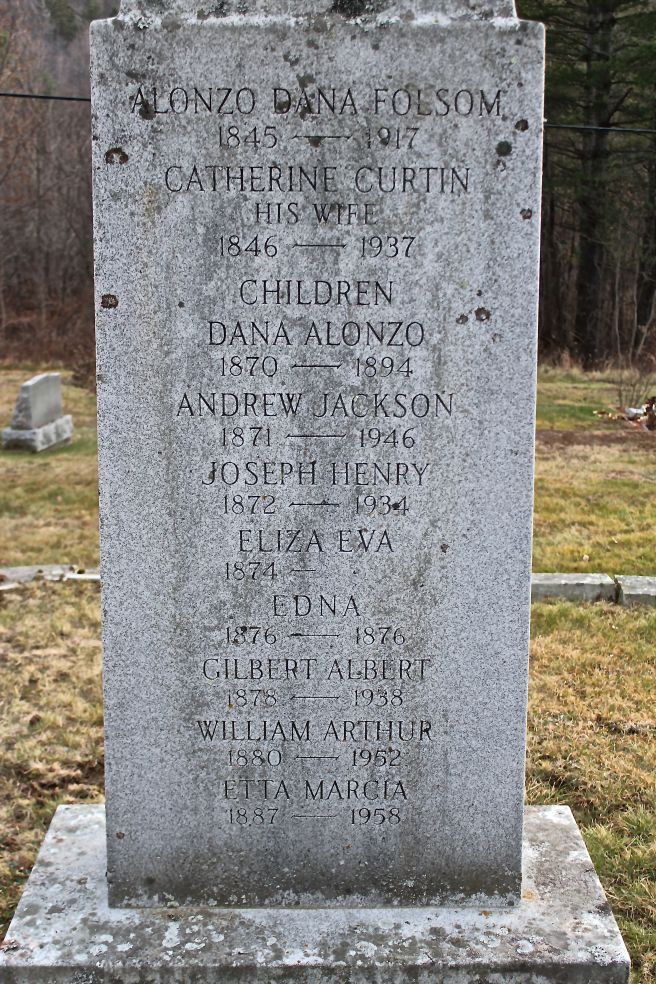
And at the South Cemetery in South Barton, we found what I was seeking.

Folsom 2

My greatX3 grandparents and other ancestors are buried here in a small valley below Crystal Lake (once known as Belle Pond). According to various census reports, they were farmers and I have to wonder if one of the small homes in the area belonged to them, or if there is a foundation somewhere nearby. A future hunt?

QA 10

Wildflowers growing on the hill between the cemetery and road feature an abundance of Queen Anne’s Lace. Like a spray of fireworks, the fruiting structure extends in various directions.

andrew f

Dana A F

Alonzo Dana

Finding physical evidence of those who came before made my heart sing. They were here. They worked this land. They breathed this air. They were born, grew up and carved out a living here. They were farmers who sowed their own seeds. And some of them died here.

QA 2

Queen Anne’s Lace is prolific in spreading its seeds by the wind.

Dana Folsom

They served their country and some didn’t return, like my great-great grandfather. And while my great grandmother was born here, she and my great grandfather moved to Massachusetts and then New Hampshire–I have to wonder why.

QA 8

Some seeds land nearby; others float away in the wind. I must have inherited some of g.g.’s genes.

Willoughby Cemetery

We’d spent enough time reading the headstones and appreciating the lives they represented.

WL, Haystack, Pisgah, Hor

It was time to continue our Talk Fest and take a peek at the peak’s our hostess knows so well. Haystack, Pisgah and Hor create the backdrop of Willoughby Lake.

deer print

We stumbled upon deer prints and . . .

beaver chew

beaver works. The latter forced us to look further, but we couldn’t find any evidence of a lodge or dam, just more beaver chews along the beach–perhaps they floated in from another locale.

Prospect Hill Observatory

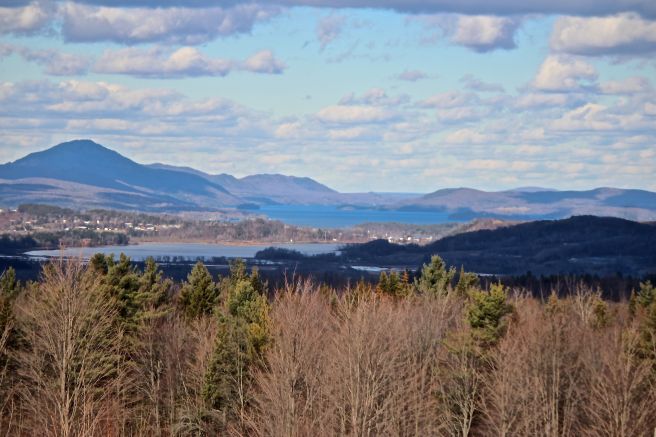
We climbed the Prospect Hill Observatory and took in the 360˚ views. Rolling hills, farms, villages, mountains and . . .

Oh Canada

Canada. My great grandfather came from Canada–perhaps right over there. I’m not sure–I’m still trying to figure out his lineage.

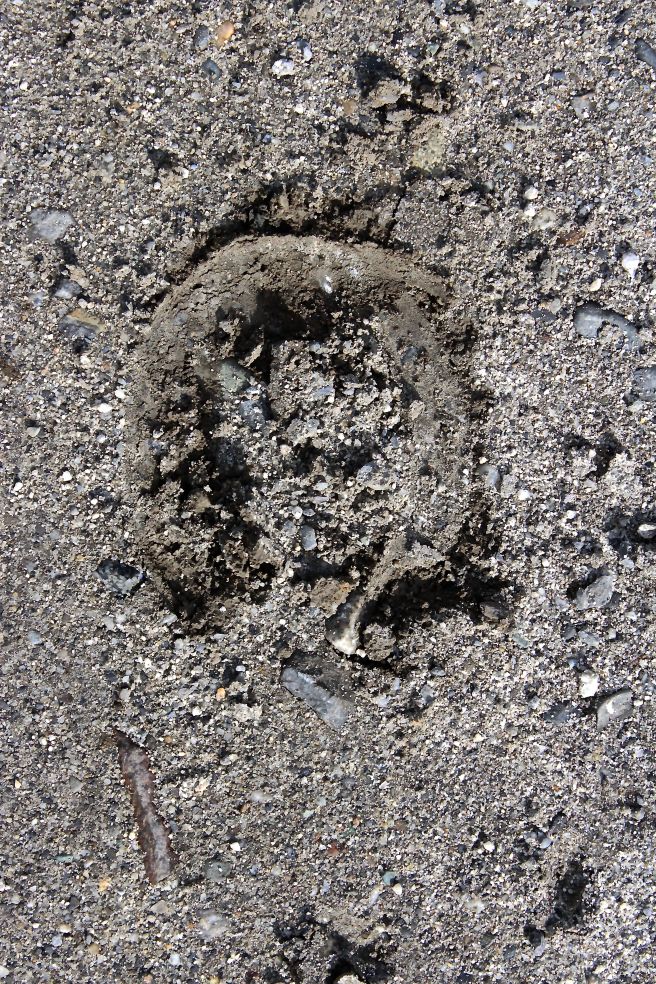
horseshoe print

This print is one in a series of tracks that lead up and around the observatory. A couple of Amish families have moved into the neighborhood in the past year–a horseshoe print.

Sisters & Brenna

We left our own prints at the geographic survey mark when we posed for a selfie–photobombed by another lady–Brenna.

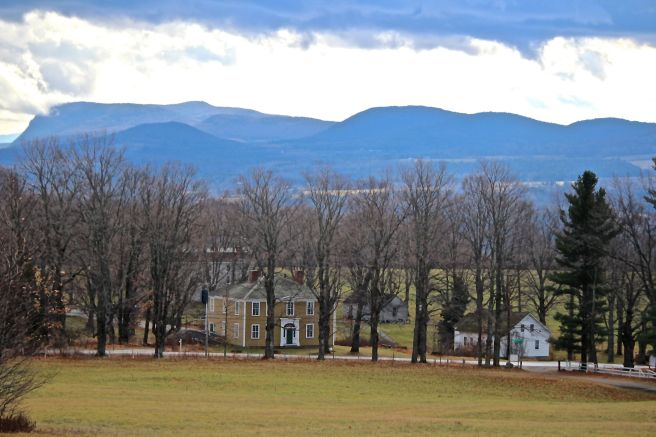
Brownington

The Orleans Historical Society has protected this land and the buildings you see here. Brownington is a picturesque village located along the former stage coach route that led from Canada to Boston.

stone house 2

Thirty-five years ago, when our hostess moved here for a teaching job, she earned her keep by keeping an eye on this building. Stone House sign

Local lore has it that Twilight quarried the granite blocks and erected the building on his own. He used a single ox–on a treadmill on staging–to raise the blocks and when the last stone was placed, he couldn’t figure out how to lower the beast, so he roasted it.
QA 12

It was time to go. We embraced each other and gave thanks to our hostess and host, and for our lasting friendship–as we looked ahead to next year’s gathering. Ancestors below Belle Pond, Queen Anne’s Lace, Brenna and us–a perfect combination for a Ladies’ Weekend.


Trending Blaze Orange

Donning our blaze orange, eight of the Greater Lovell Land Trust‘s docents joined me today for an exploration along the trail to Otter Rock at the Heald and Bradley Ponds Reserve.

Our destination was the Otter Rock spur, not very far, but it’s amazing how long it can take us and we were impressed that we actually reached our goal.

grape fern 1.jpg

Along the way we stopped to admire the blunt-lobe grape ferns and their separate fertile stalks, some still intact.

4 birches.jpg

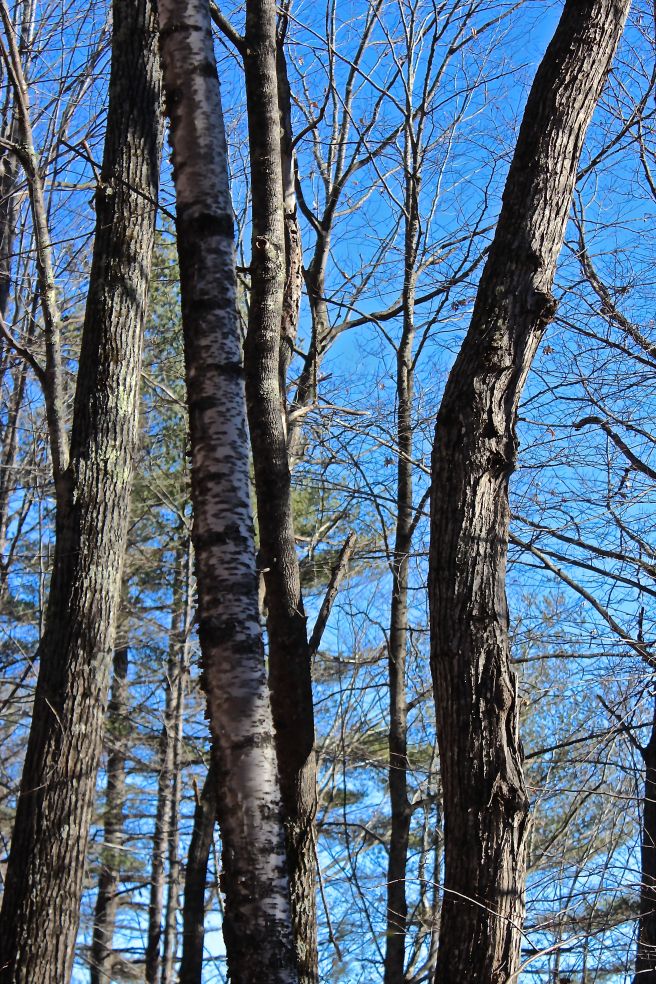
And then we looked up. We’d been talking about tree bark, and right before our very eyes were four members of the birch family.

paper birch

Paper Birch (Betula papyrifera) features chalky white bark that often peels away in large sheets. The peeled bark reveals pink or orange tints, only partially visible here, but evident on other trees in the neighborhood.

yellow birch

To the left of the Paper Birch stands a Yellow Birch (Betula alleghaniensis), with its curly ribbon-like strips of bronze or yellowish-gray bark giving it a shaggy appearance.

black birch

And to its left the one that excited us most, Black Birch (Betula lenta), sporting gray bark with long, horizontal lenticels. All trees have lenticels, but they are more obvious on some than others. These slits allow for the exchange of gas so the tree may breath.


gray birch

Last in the family line-up, a Gray Birch (Betula populifolia) showing off its almost dirty appearance and chevrons below the former branch sites.

dragonfly nymph 1

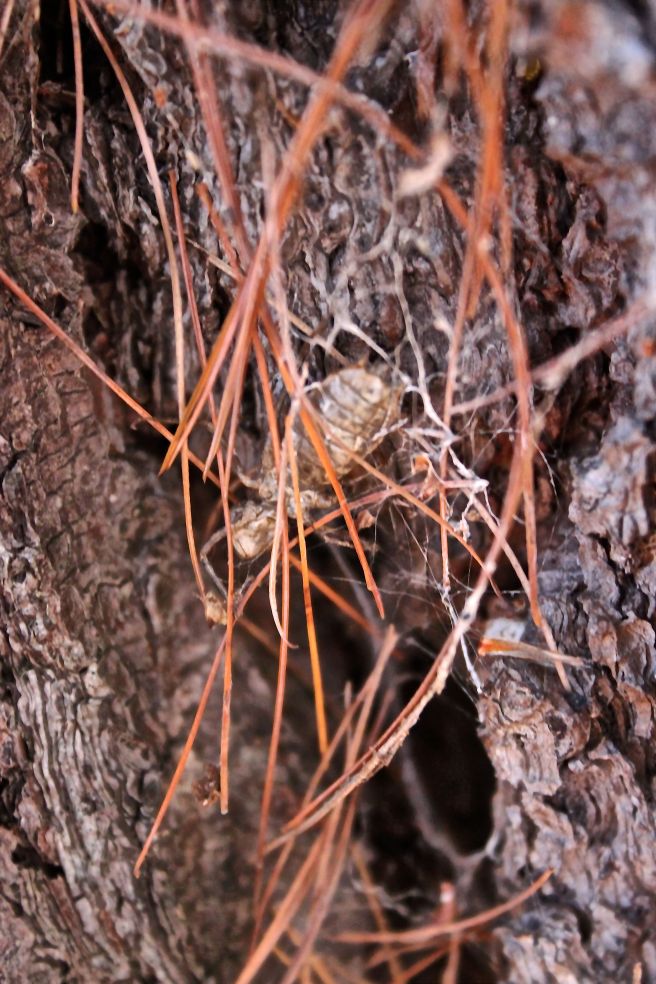
At Otter Rock, we found dragonfly nymph exoskeletons still clinging to tree bark

df 2

and rocks.

shell remnants

Our discovery of shells made us wonder and smile about others who have passed this way.

wh b

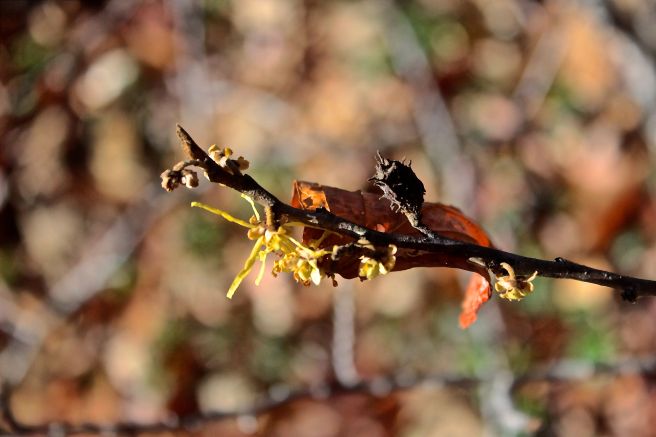
Now that the leaves are gone, we delighted in the knowledge that there is so much more to see, including Witch Hazel.

witch hazel gall

We examined one of the few remaining ribbony flowers, the scalpel-shaped buds, fruiting bodies, asymmetrical leaves and a spiny gall all on one branch.

witch hazel Bob.jpg

Our very own Witch Hazel Expert, Docent Bob, demonstrated the way the seeds pop–referencing Henry David Thoreau’s discovery of this phenomenon.

docents 1.jpg

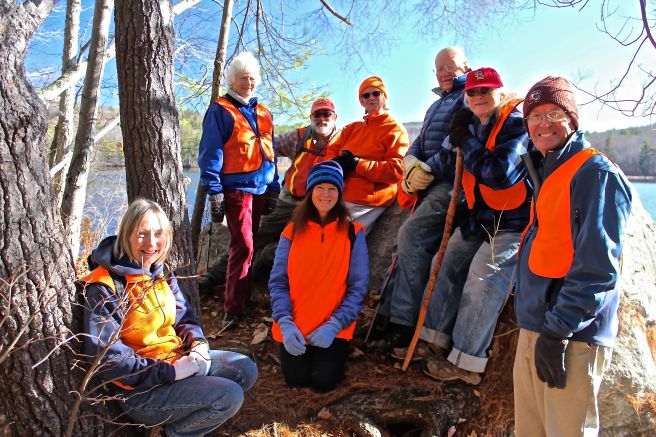
Before we headed back to the main trail, the group posed for a photo call. They all look so sporty in their blaze orange.

wild raisins

A few more finds as we walked back to the parking lot: remnants of a wild raisin (Viburnum cassinoides), so named because the shriveled fruits that remain look like raisins;

black cherry bark.jpg

Black Cherry bark (Prunus serotina), easily identified by the small scales that curl outward like burnt cornflakes or potato chips;

red oak leaves

and Northern Red Oak leaves displaying holiday colors.

Mill Stream

Though most of us parted company just beyond the mill stream, a couple of us continued on to the John A. Segur Wildlife Refuge off New Road.

Heal All

We focused our attention on winter weeds, a topic for our January 9th walk. On this old logging road, some of the Selfheal or Heal-all (Prunella vulgaris) stands at least a foot and a half tall. As pretty as it is in the summer, it’s still a sight to behold in its winter structure.

evening primrose

Another to look forward to is the Evening Primrose (Oenothera biennia). Its fruits are four-parted capsules arranged in a spike at the tip of the stem, looking rather like flowers themselves.

There’s more to see, but I don’t want to give it all away.

CS view 1

My last stop for the day was a loop around the Chip Stockford Reserve. I wasn’t the only one trending blaze orange. The glow of the late afternoon sun cast an orange hue across the beech leaves.

November in western Maine. We’re happy to don our blaze orange and get out on the trails.


Under-Appreciated Beauty

There’s an under-appreciated beauty in our midst right now. It’s one that’s easy to dismiss, but taking the time to look brings great rewards.

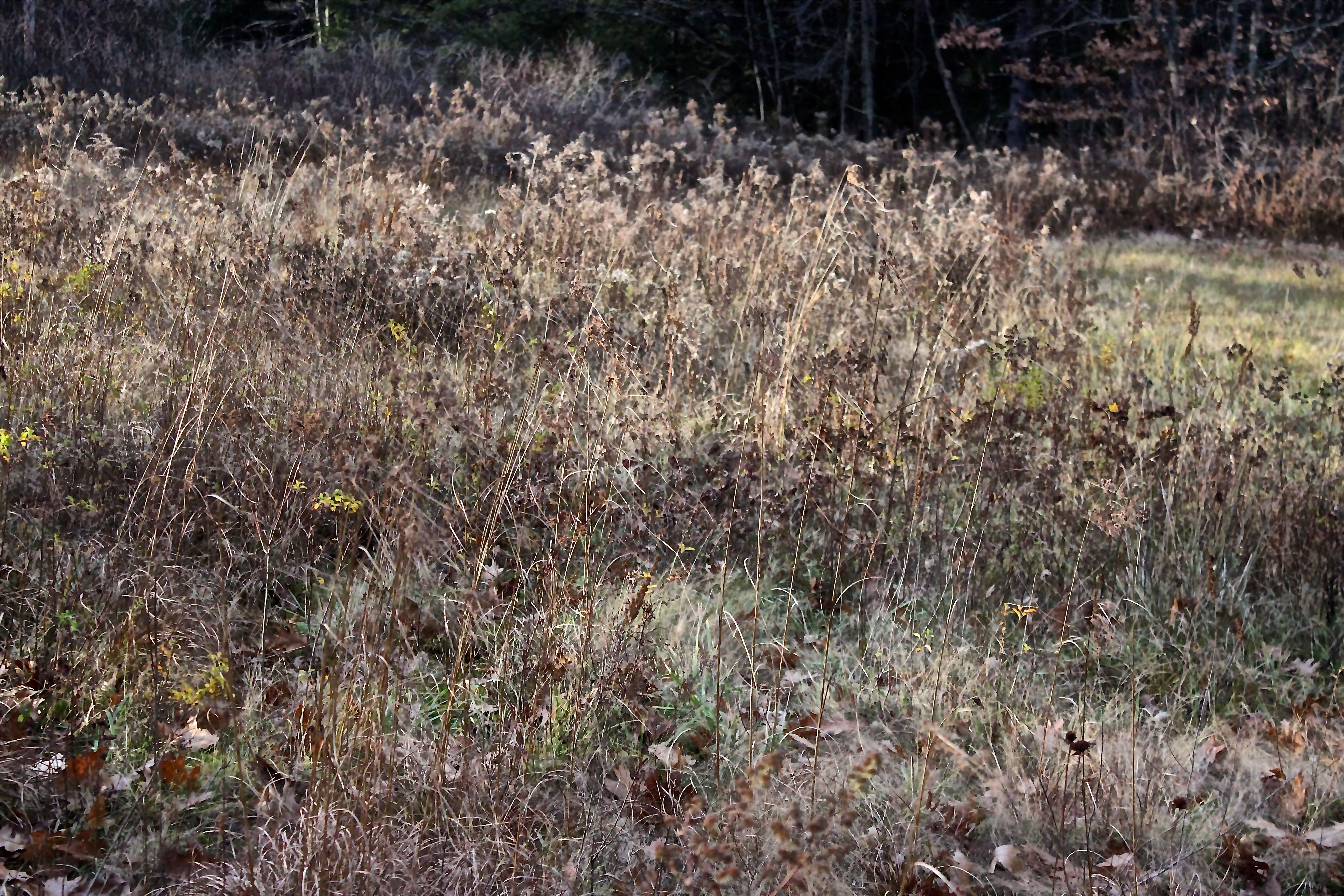
wildflowers

What may look like a field of weeds to you, is actually a perfect place to sit and wonder. To admire the structure and form of each wild flower. To watch and listen for wildlife that finds nourishment and cover here.

Hardhack

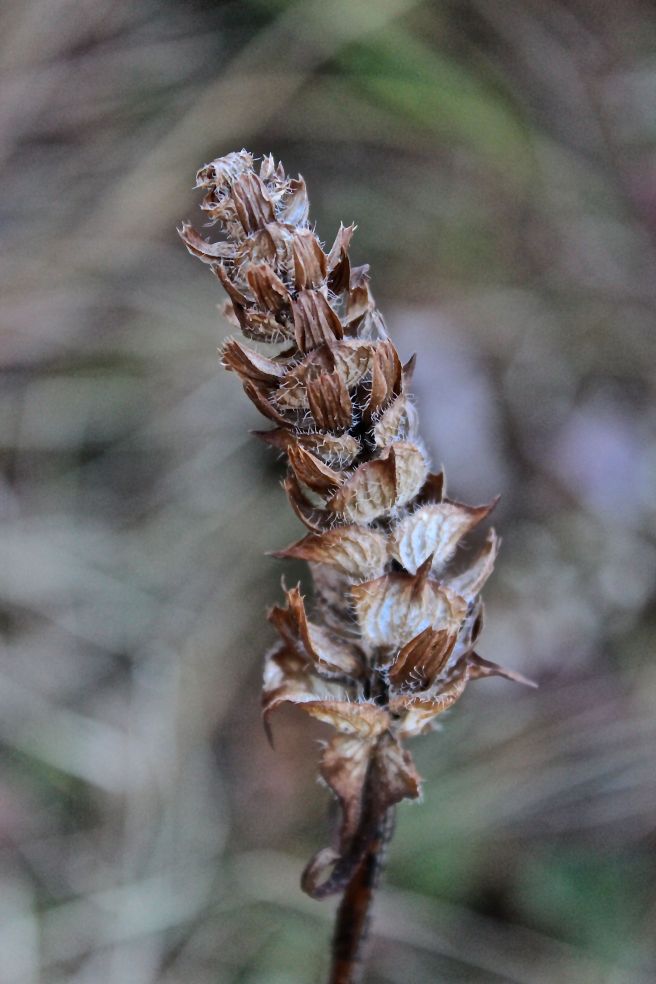
This particular plant has earned two common names: Hardhack because its woody stem makes it hard to hack down; and Steeplebush because its summertime rosey-pink flowers grow in a steeple-like structure.

Hardhack 2

hardhack 3

Come fall, it turns a golden brown. Hardhack (Spiraea tomentosa) grows to about two-four feet tall and features short, closely-spaced branches. I should note that we call it a wildflower, but it’s actually a shrub.

hardhack sketch

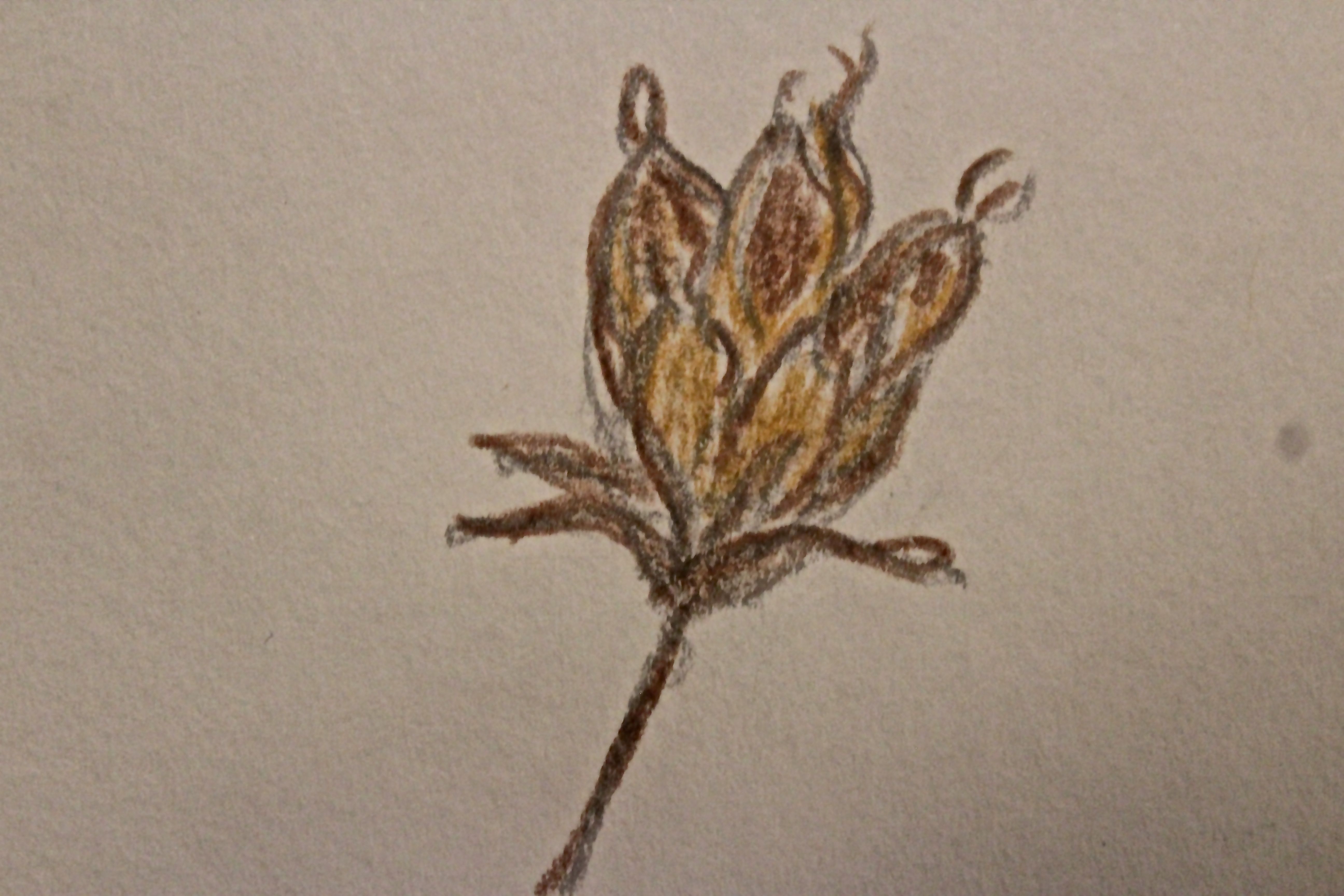
Thoreau described Hardhack as one of the “other strong-stemmed plants, those unexhausted granaries which entertain the earliest birds . . . ” And here is a bird’s eye view of the fruit–a tiny pod consisting of five parts, reminiscent of the rose family.

Meadowsweet

A relative of Hardback is Meadowsweet (Spiraea latifolia).

Meadowsweet 2

Meadowsweet sketch 2

Growing equally as tall, Meadowsweet’s stems are reddish or purply brown. It differs from Hardback in that the flowers tend to have a more pyramid-like structure at the ends of branches, forming a broader top.

Meadowsweet sketch

But the family resemblance is visible in the five-part fruit.

Indian Tobacco, by cow path opening

While the Spiraea family grows in close association with each other, children not wandering far from their parents, a loner in the field is Indian Tobacco (Lobelia inflate). The papery two-parted capsules are round and hollow–some still held a couple of seeds.

bulrush

One of the most stunning displays mixed among the wildflowers is the Bulrush, a grass. These were blowing in the breeze today, their downy seeds ready for dispersal.

Black-eyed Susan

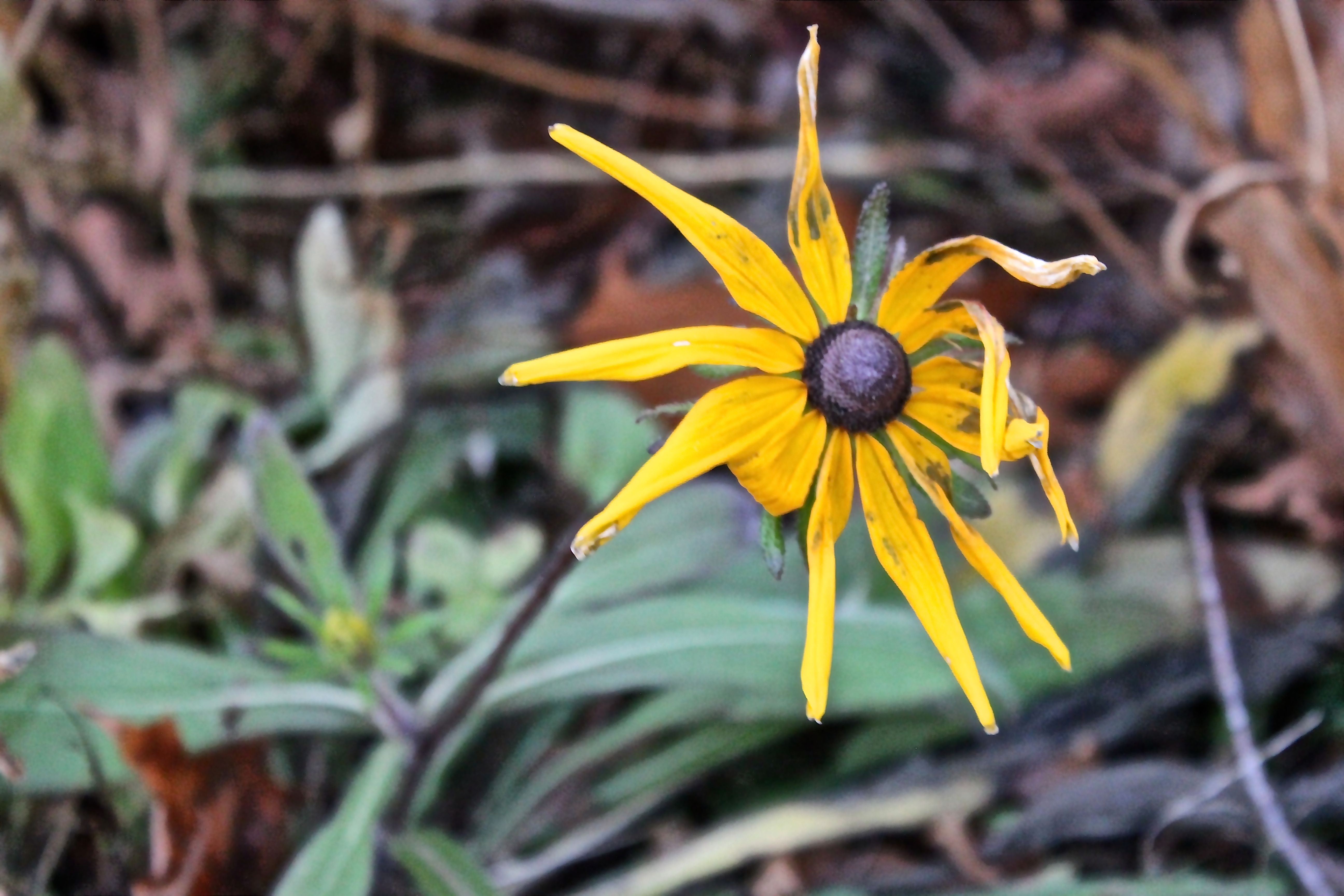
And not quite ready to give in to the seasonal change, a Black-eyed Susan.

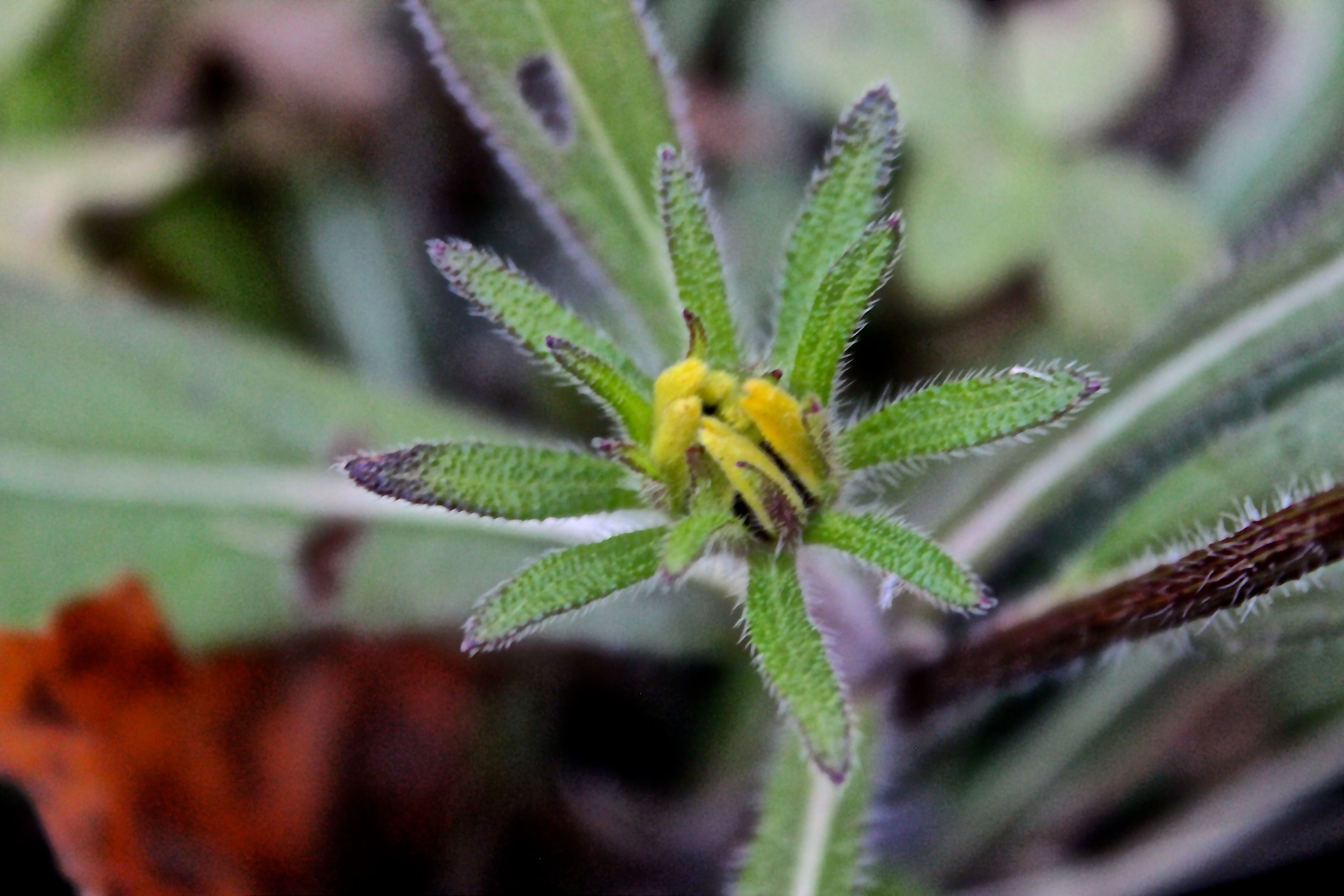
B-E S bud

Its species name is Rudbeckia hirta. Apparently it was named by Linnaeus for his botany professor, Olaf Rudbeck. Hirta refers to the hairs that cover the leaves and stem.

My question is, will this one make it to the fruiting stage? Will its gumdrop seed head have a chance to stand tall in the winter landscape? I’ll have to keep an eye on it.

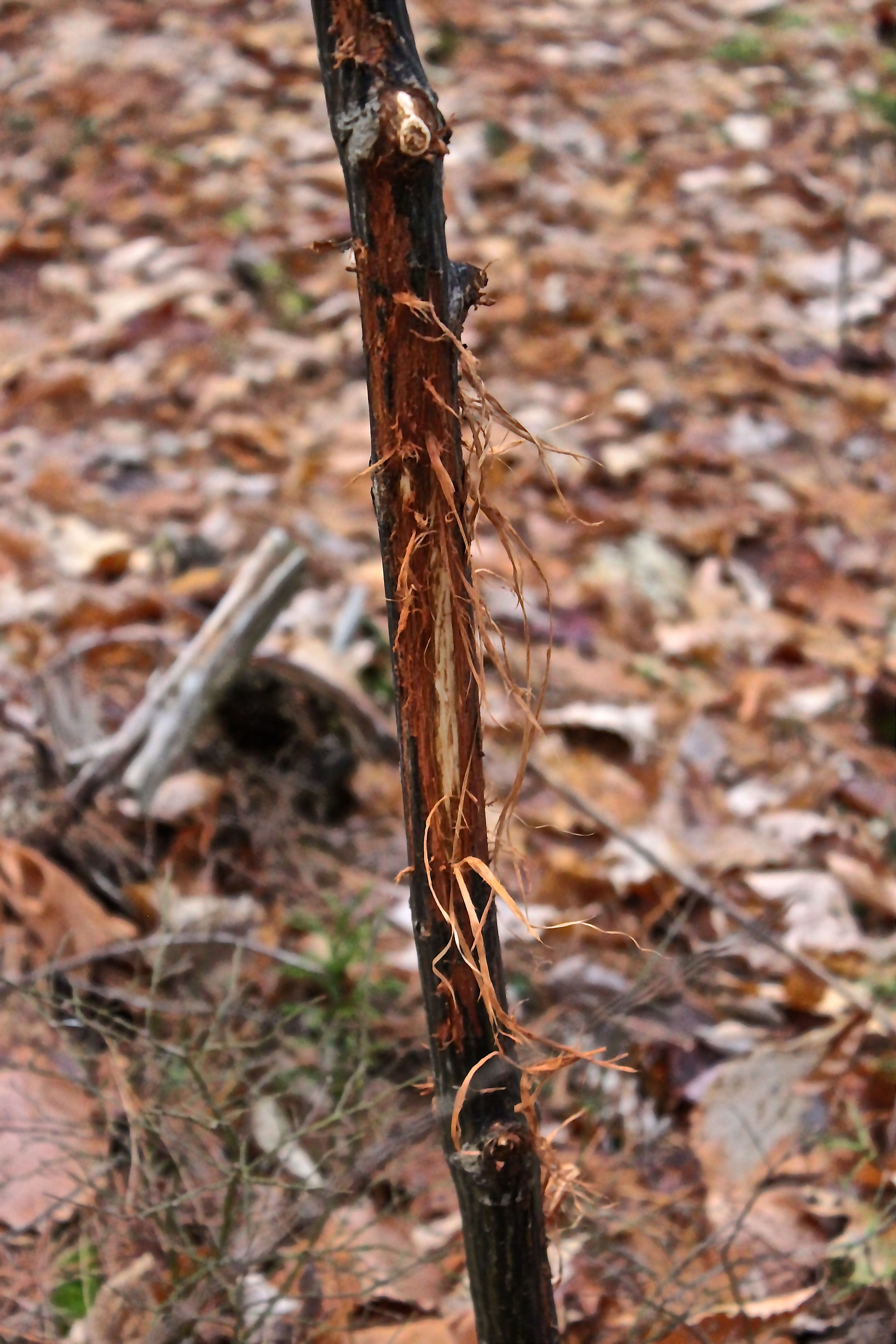
deer rub 1deer rub 2

There’s so much more to notice in the world of winter weeds, but it was time to head in. On the way, a fresh rub. Some dear sole was in a shedding mood. Though this Striped Maple will probably survive, it took a beating as a rubbing post.

All about, there’s under-appreciated beauty. It’s up to us to pay attention and wonder. I, for one, accept that mission and hope you’ll join me as often as you can.

Top Notch Mondate

Every Monday spent with my guy is top notch, but this one will stand out above others.

Mt Willard

Our destination–Mount Willard in Crawford Notch. Yup, scaling up that sheer rock face was in our future. We were headed to the top of the Notch.

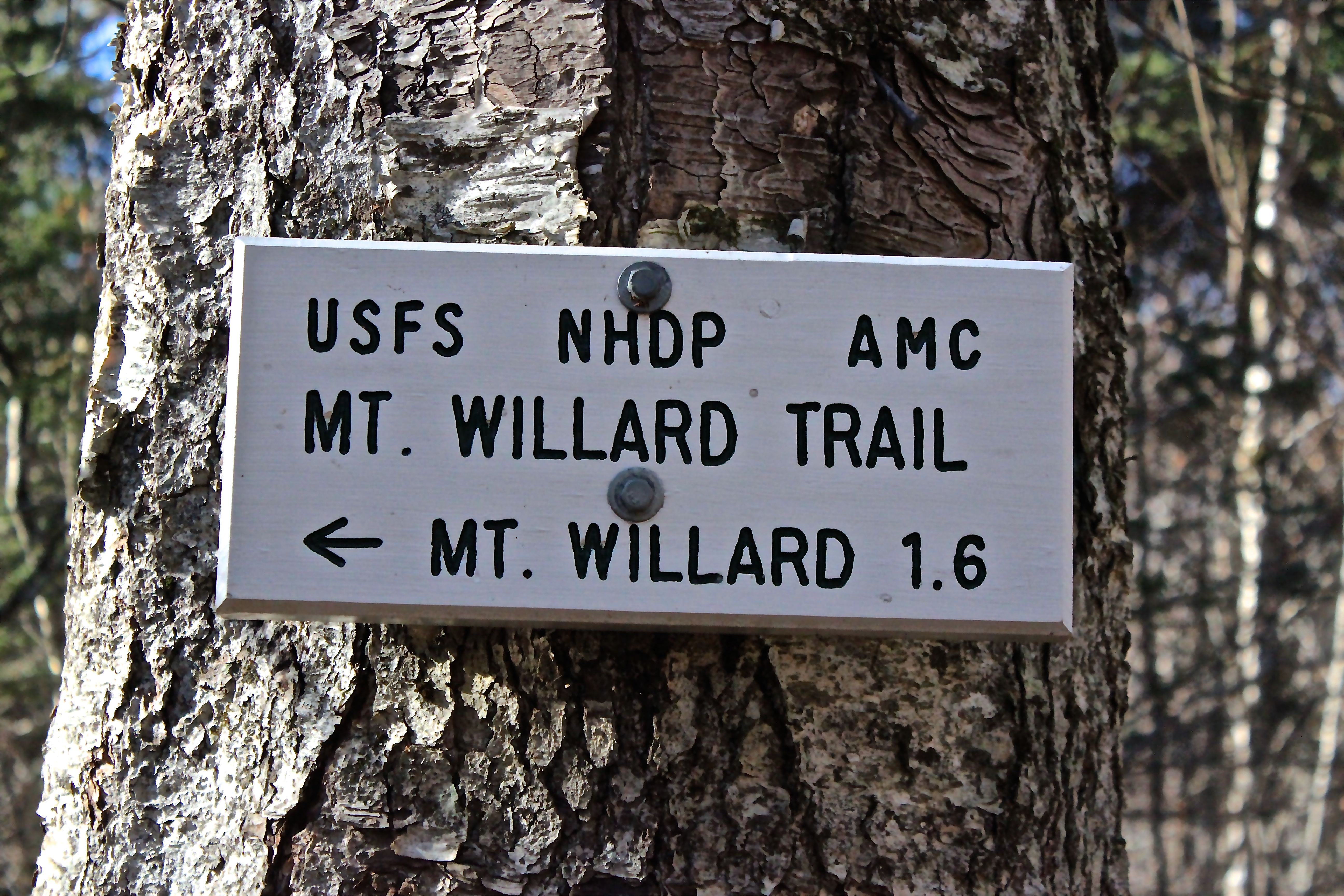
trail sign

We chose this trail because it is rather easy and quick, yet offers a fabulous view.

Pool

Somehow before reaching Centennial Pool, I did a face plant. (Don’t tell my sister). This time it was a rock that dislodged under my foot. Yeegads, it’s been a rough couple of days, but all is well.

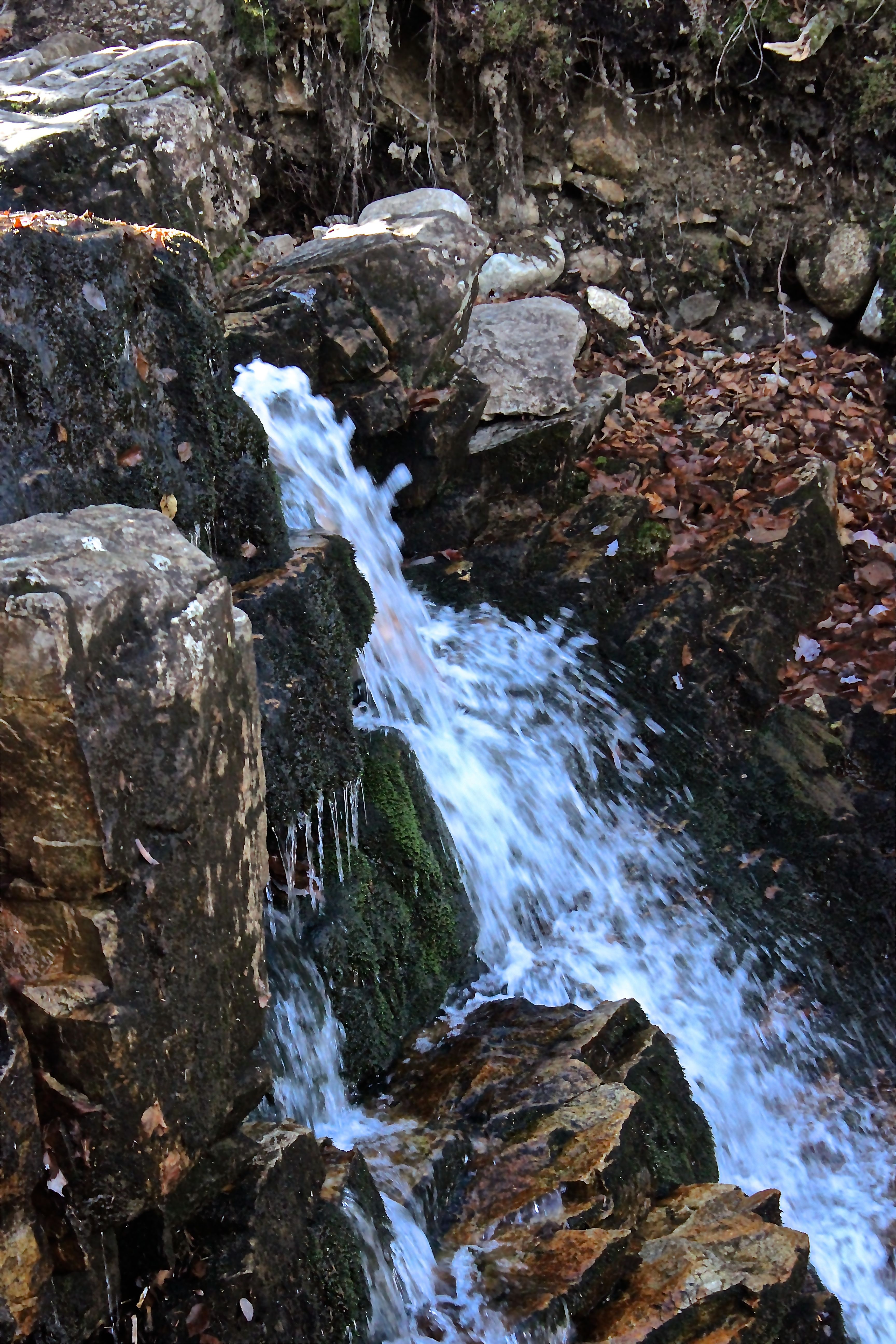
pool falls

Watching water fall is like watching flames leap in a campfire–mesmerizing.

pool 2

And refreshing–as in downright chilly.

snow

Here and there, we found patches of snow. While one woman we met on the trail wasn’t thrilled about it, we rejoiced.

well-trodden path

The path up Mount Willard is well trodden. In fact, it’s an old horse-drawn logging road.

rocky path

Though muddy in spots, for the most part, it’s rocky–requiring an attentive perspective.

in the groove

Like the moss growing in this cut log, we’ve developed a groove over the years that allows us to walk and talk or just walk. I love that we allow each other that space and time to think as we take it all in. To be in our own big worlds.

light at the end of the tunnel

At the start, the trail passes through a hardwood forest mix of beech, birch and oak. And then the community switches to the softwood neighborhood–hemlock and spruce–it takes on that Christmas fragrance.

reaching summit 2

The prize awaits at the end of the tunnel,

prayersprayer 2

where prayers reach far and wide as they blow in the wind.

summit 2

A picture perfect view of Crawford Notch–who can ask for anything more? Route 302 directly below (hard to believe that this very road passes by our home) and the railroad tracks carved into the side of Mount Willey on our right.

lunch rock

It was quite warm as we sat on lunch rock and enjoyed the usual–PB&J (with butter for me!)

Mount Webster ridge

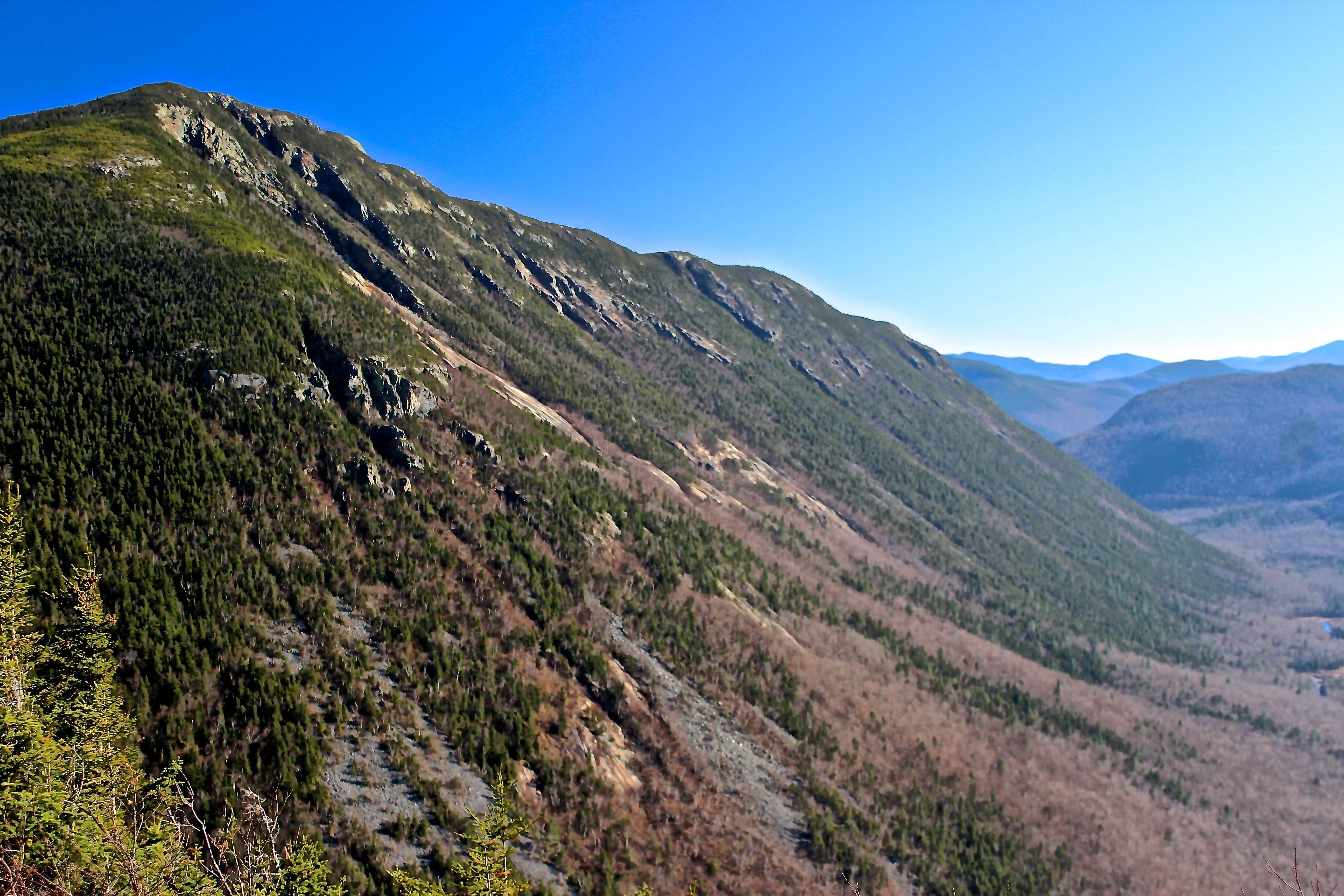
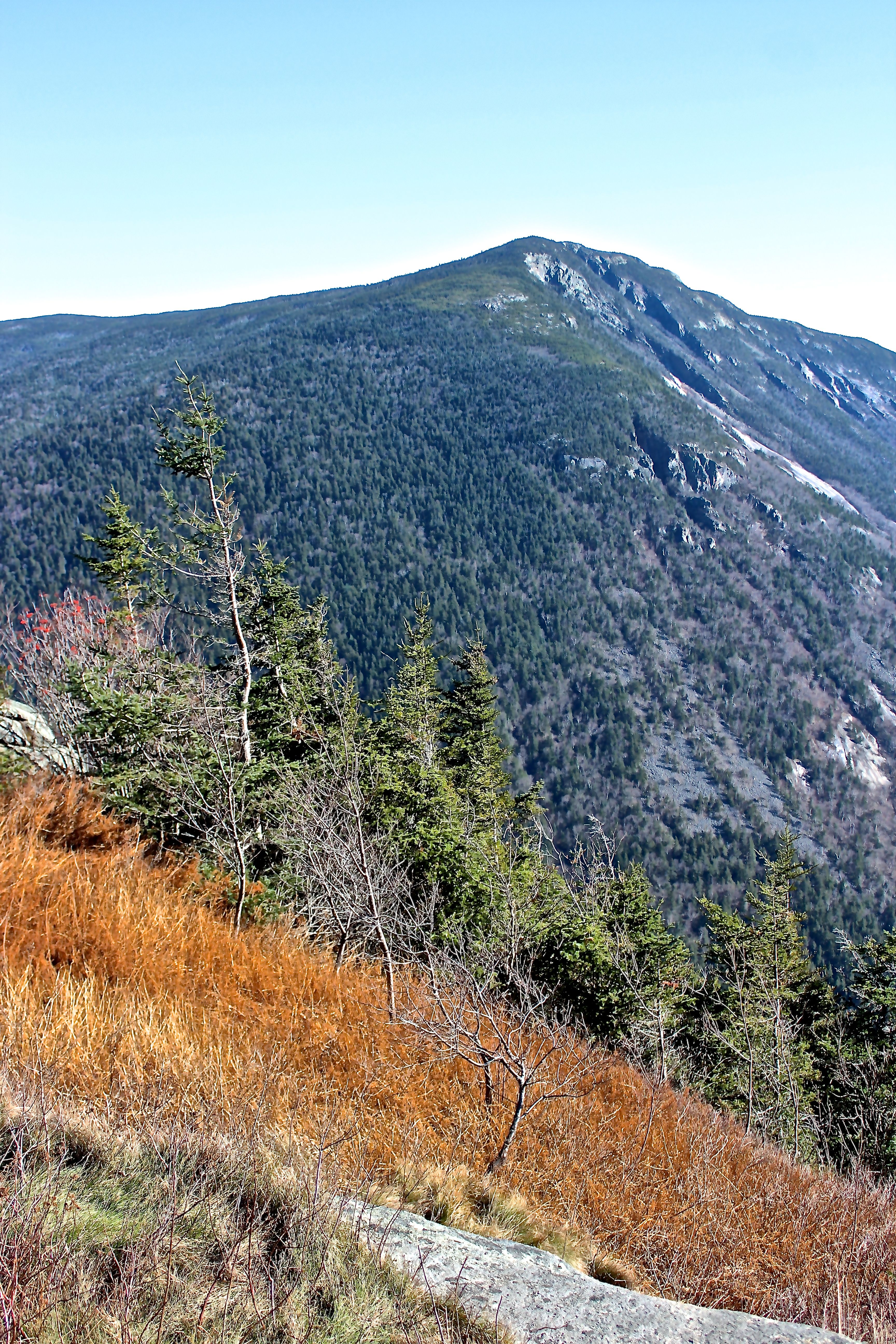
Below us stretched the U-shaped glacial valley, formed to the left by Mount Webster. I’m forever in awe of such settings, where one can only imagine the forces that have shaped this landscape.

erosion

falling rock

And continue to shape it, as evidenced by the mountainside erosion and landslides.

spruce on edge

Though the spruce and firs do their best to hold all in check, nature happens.

MW 4

A few steps to our left and a look over our shoulders–Mount Washington.

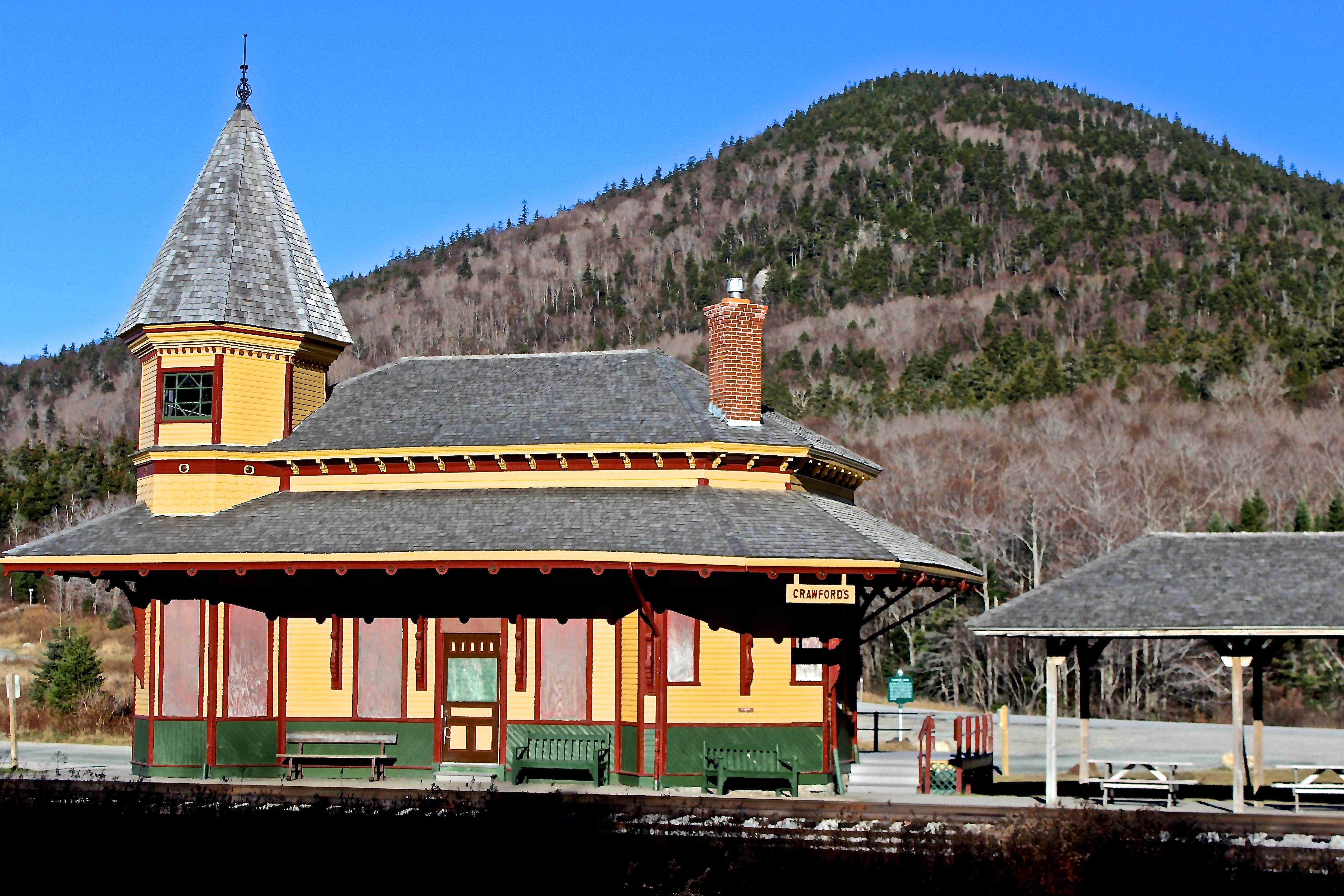
RR station

Somehow the descent passed quickly and we reached the Crawford Notch Depot in record time. But . . . we missed the train–by a month or so. Good thing our truck was still in the parking lot.

Mt W and R

Since we were so close, we drove up to Bretton Woods for a rear view (as in backside, not rare) of the Great Mountain. Two clear days in a row–a treat.

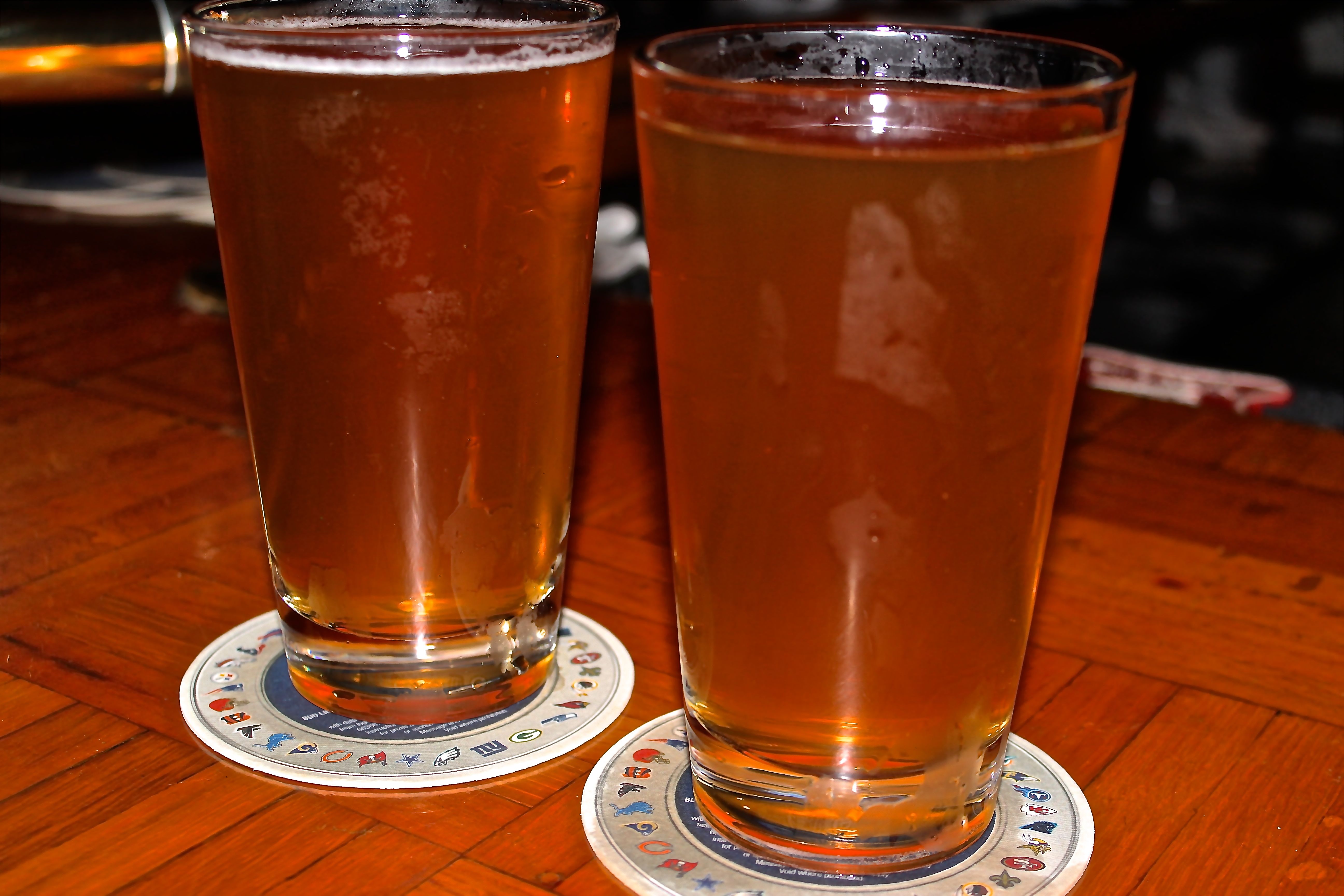
Tuckerman's Pale Ale

To celebrate, we treated ourselves to a glass of Tuckerman’s Pale Ale.

BE 1 BE 2BE 3BE 4BE 5

And in return, we were treated to this view as we drove across the Moose Pond Causeway on Route 302.

Most definitely a Top Notch Mondate.

Mountain Moments

I took to The Mountain today, as we fondly refer to Pleasant Mountain ’round these parts, in search of what it might teach me.

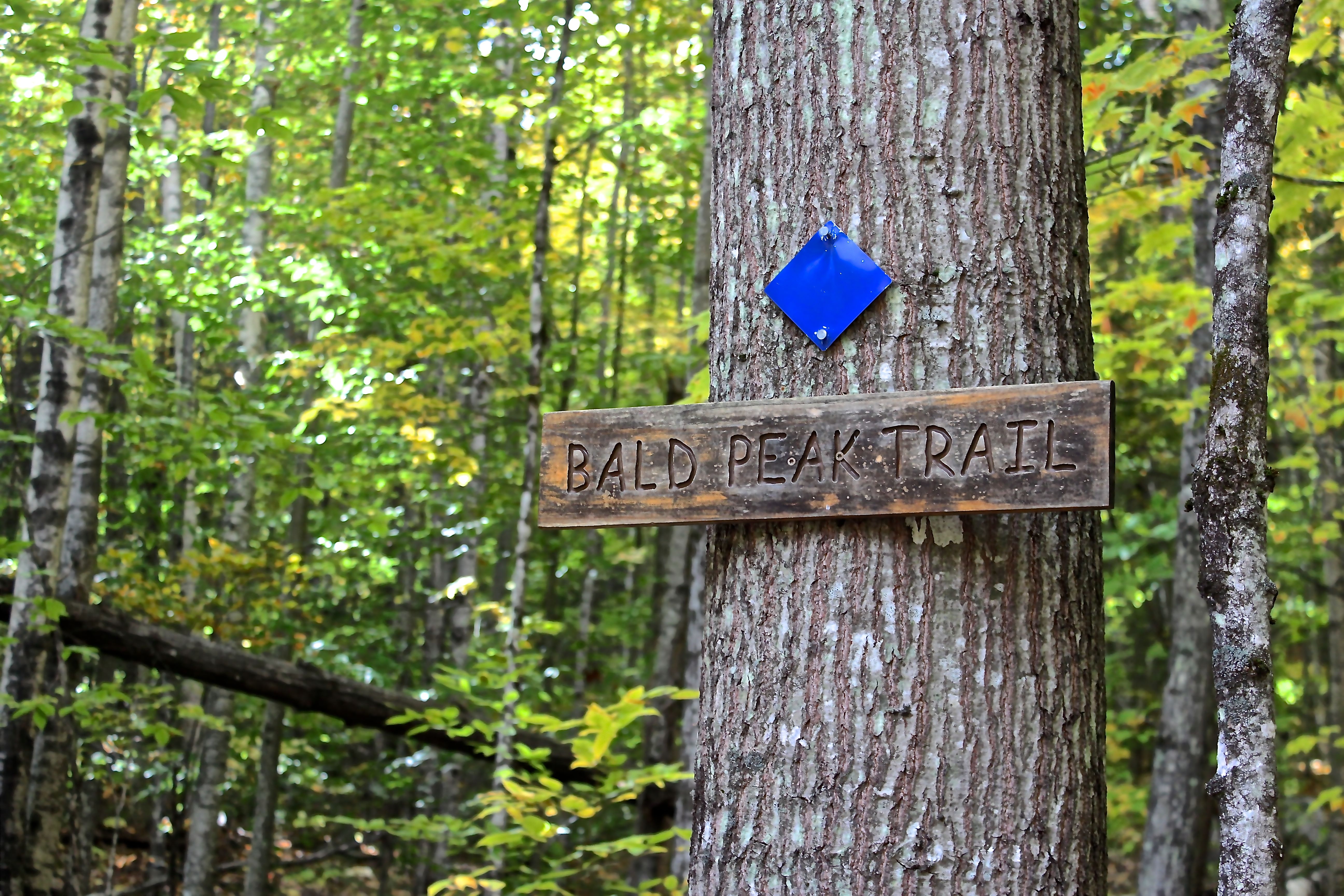
It was chilly as I started up the Bald Peak Trail. Beside the stream, I thought about its life-giving capacity.

mountain stream

 tear-shaped droplet

It wasn’t only the stream that was wet. The leaves were covered in droplets that acted as a hand lens–offering a closer look at the structure.

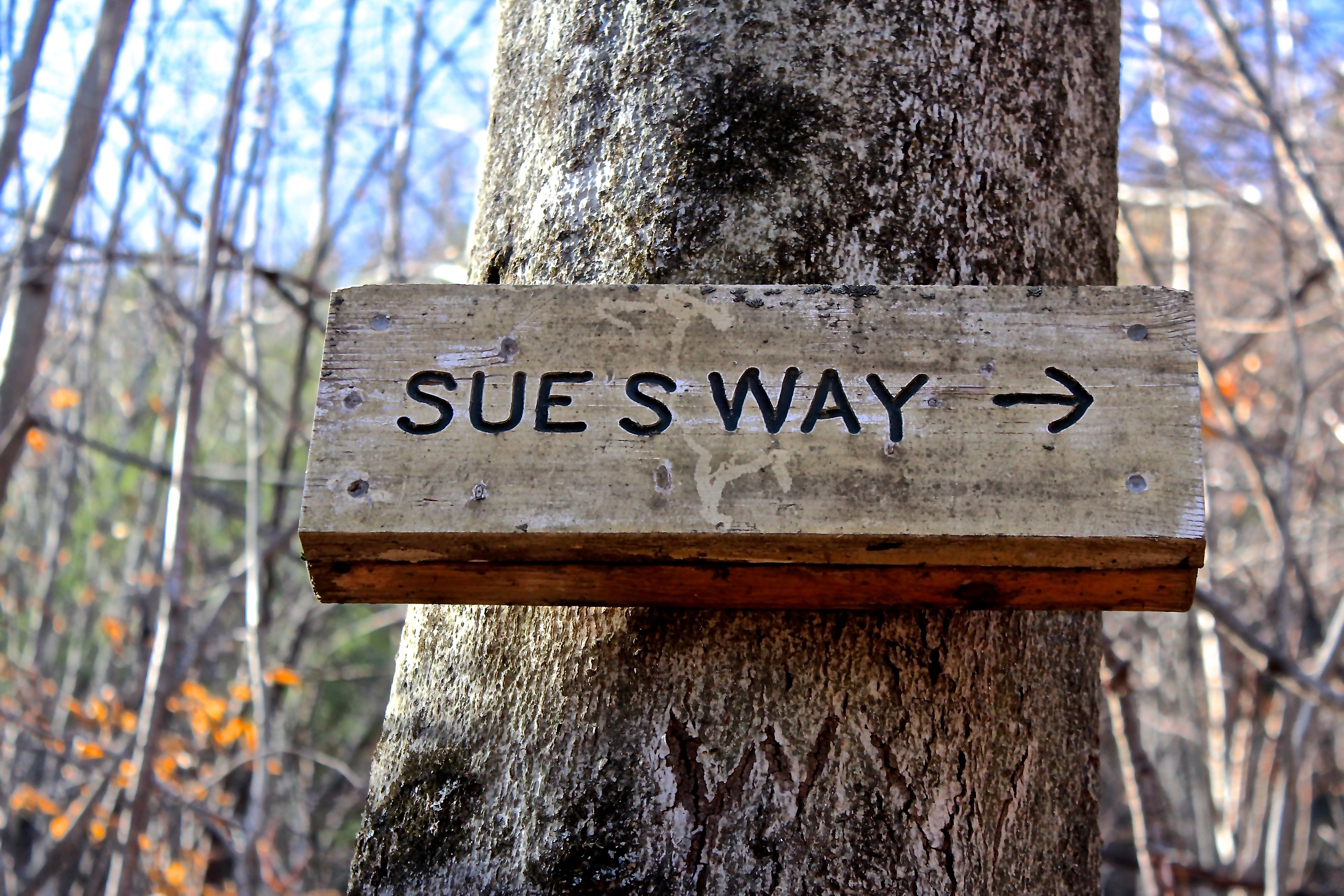
Sue's sign

Sue’s Way is about .7 up Bald Peak. For all my treks up The Mountain, I’ve never tried her way. I don’t know Sue and had no idea what to expect.

Sue's Way 1

It begins in a beech grove. As I continued, the beech and oak leaves were so thick that I couldn’t identify the trail, and sometimes had to pause and search for the next orange blaze. It slowed me down and made me pay attention.

Beech on Sue's 1

Especially to things like this old beech. I knelt beside it, praying the wind wouldn’t decide this was the moment to shout timber, and realized the tree was hollow in the center. Somehow, with a minimum bit of sapwood under what’s left of the outer bark, this fella made enough food to leaf out. To keep on giving even when  times are tough.

beech on Sue's 2

Its leaves looked a bit worse for wear, but they exist. This beech is. So am I.

Sue's Way 2

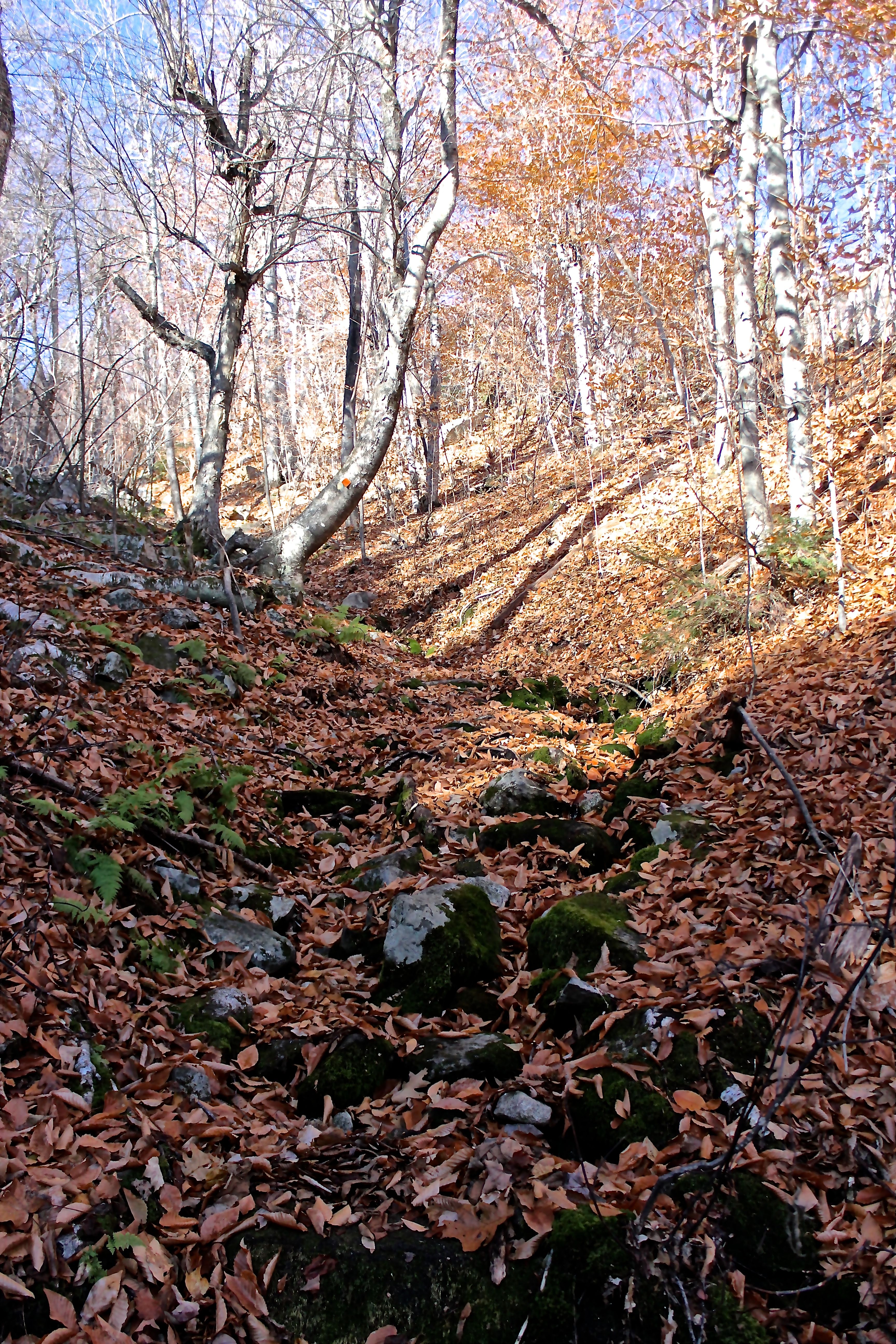
The community soon changed and I followed a stream bed where water flowed below the rocks.

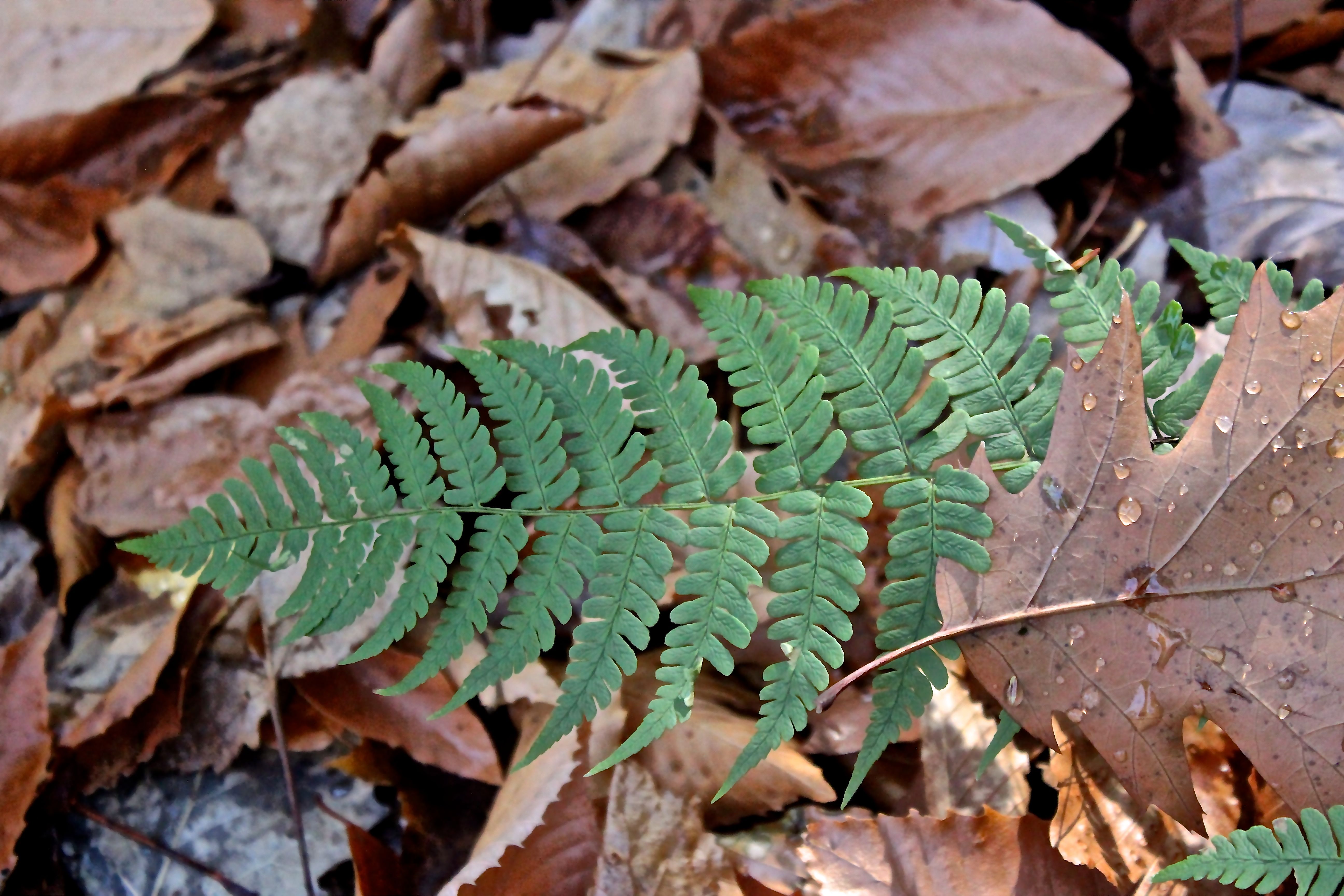
evergreen wood fern

An enchanted valley–I was in the land of the evergreen ferns. Evergreen Wood Fern (Dryopteris intermedia)–first downward pointing pinnule on the lowest pinna is shorter than the pinnule next to it. Huh? In fern terms: a fern frond consists of the blade and stipe or stalk;  a blade is the leafy part of one frond; each blade is divided into separate leaflets or pinna; and the pinna may be divided into smaller leaflets called pinnules.

Evergreen wood fern 2

I didn’t mention the rachis–that’s the stalk within the blade. So take a look at the rachis and the first set of pinnae. The one on the right is a big ragged, but on the left, you should see that the first downward-pointing pinnule is shorter than the second.

marginal wood fern

Marginal Wood Fern (Dryopteris marginalis) also flourishes here. Its margins are smooth, where as the Evergreen’s are toothed and have bristle tips.

marginal wood fern 2

I found some that were fertile, with their round sori located near the margin–thus the common name.

evergreen & marginal

In some spots, they grow so close to each other, that they seem to be the same plant. Not so–Evergreen Wood on the left and Marginal Wood on the right. Teachable moment.

polypody

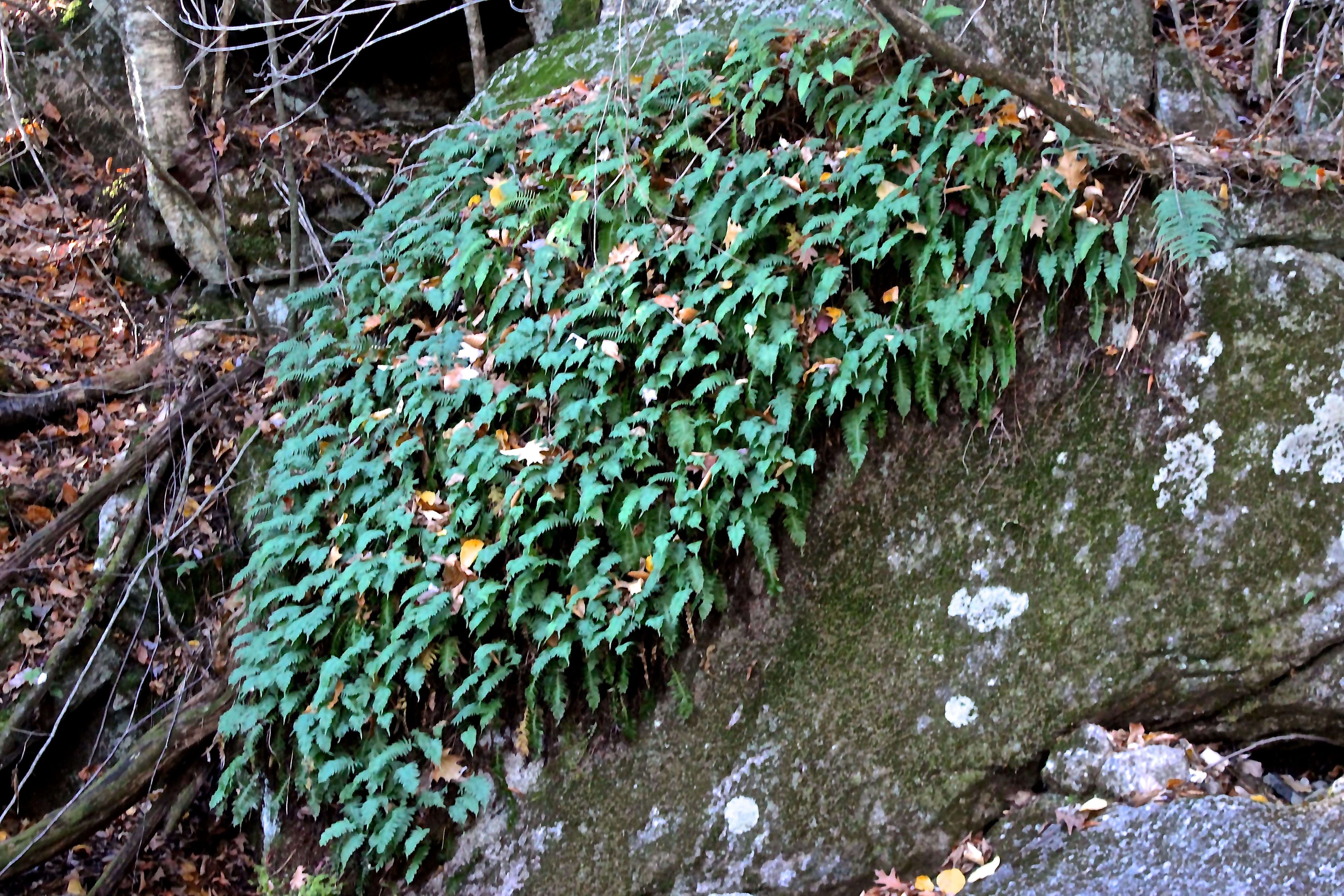
Polypody also grows abundantly, giving the rocks a green head of tussled hair.

 Ski Slope sign

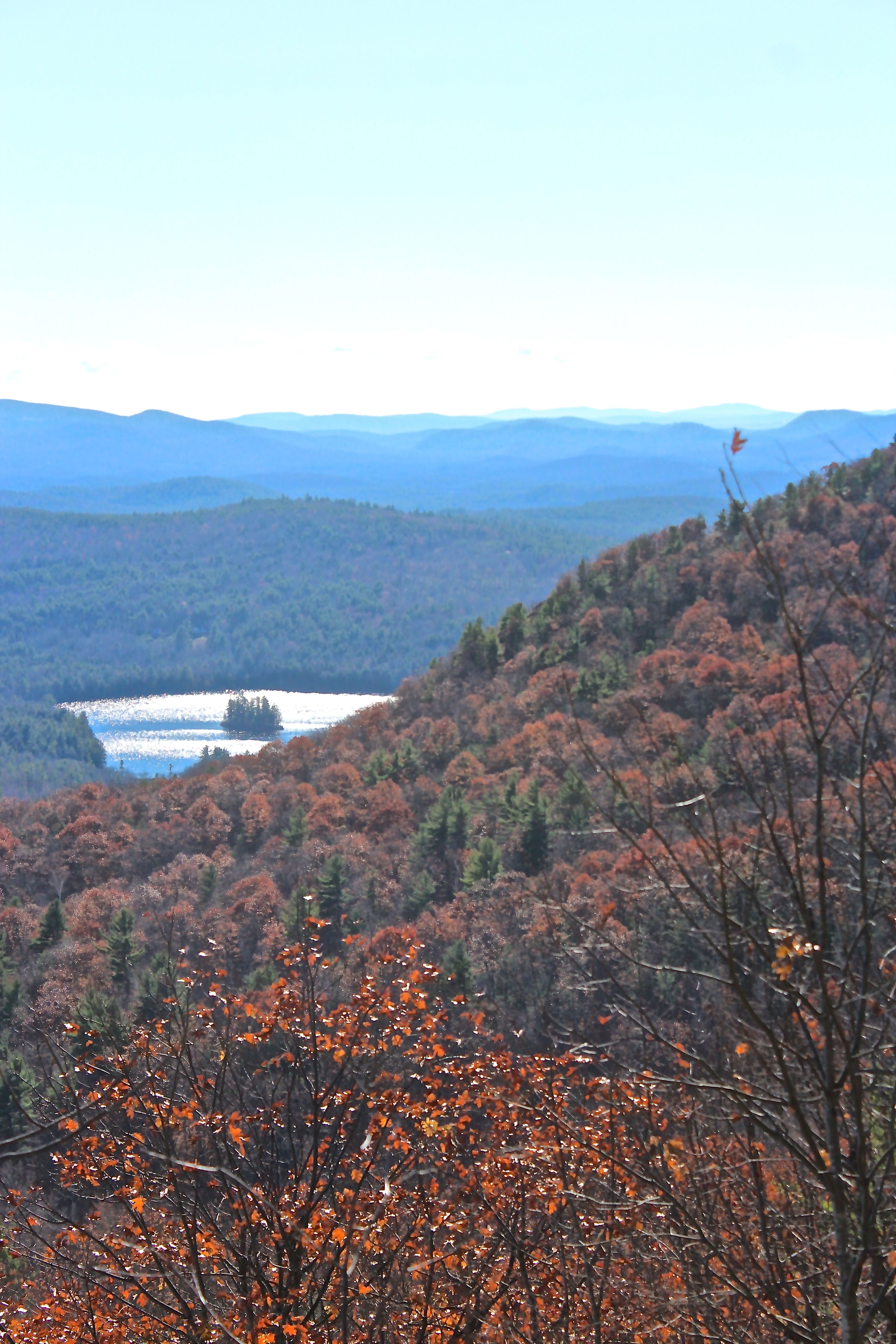
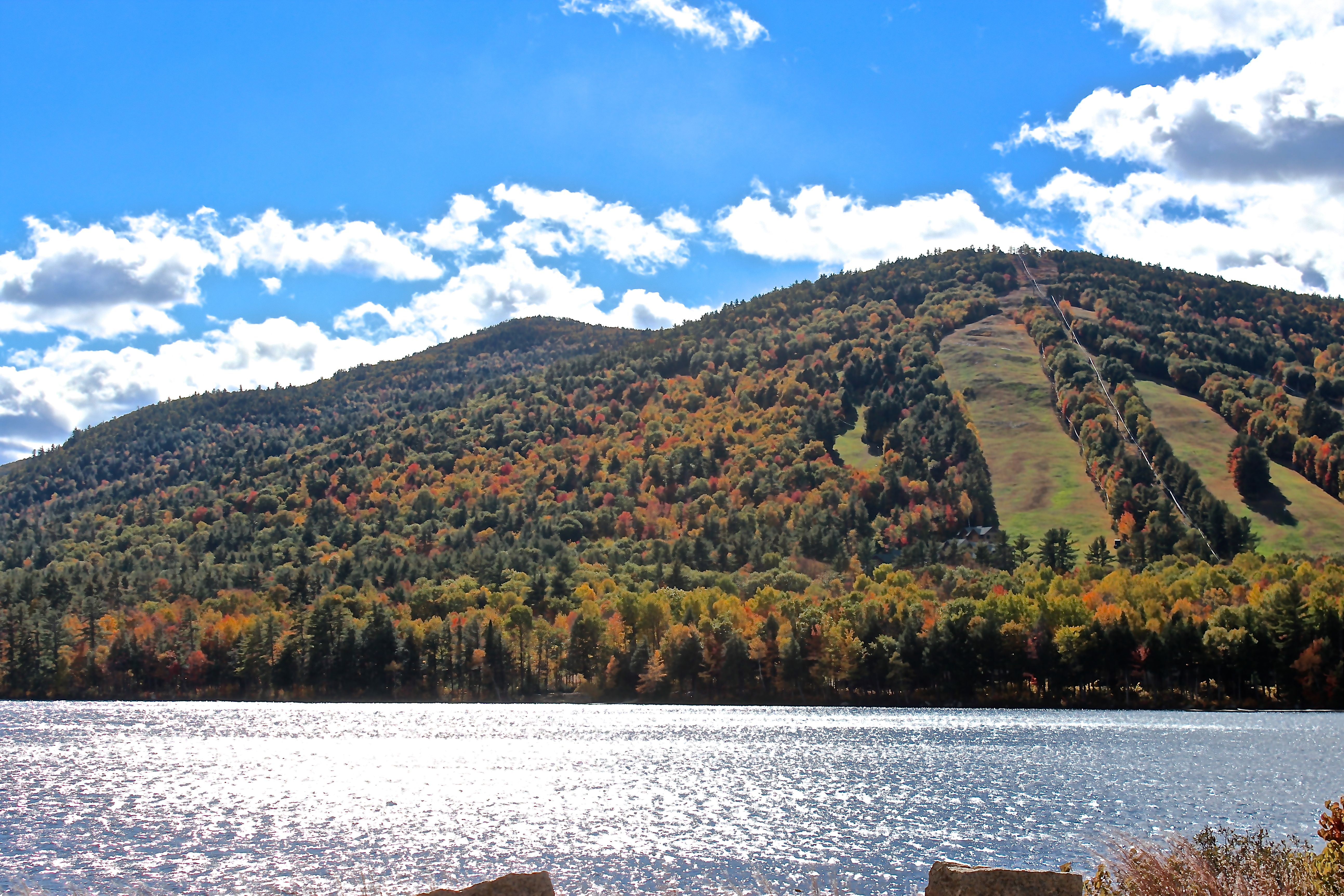
At last I reached the next intersection and took a quick trip out to the Shawnee Peak ski slopes.

lifts 3

It won’t be long. I thought about my guy who raced yesterday in the Moose Pond Half Marathon, a fundraiser that benefits the Shawnee Peak Adaptive Ski Program. I’m so proud of him for finishing the race in 1:56:44, four minutes faster than his time last year, and for placing first in his age group (last year he was second). Not only that, but he raised $550 for the cause.

ice on leaves

Back on the trail, heading along the North Ridge, I realized that the leaves made a louder crackling sound–ice. Winter will come again.

north ridge pines

The North Ridge, with its white and red pines towering above and blueberries and sheep laurel below, has always been one of my favorite spots.

speckled alder

gray birch

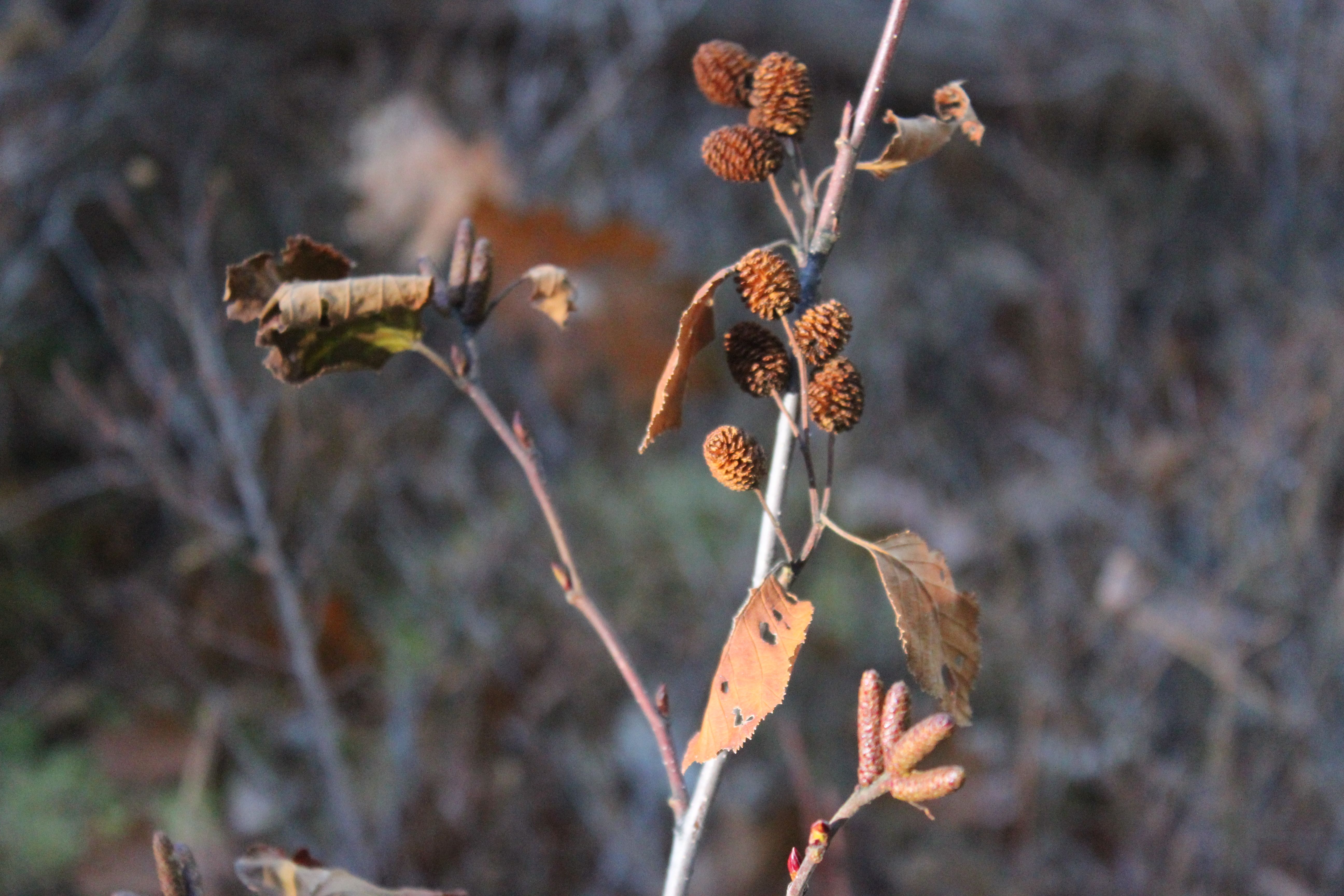
What I didn’t realize is that speckled alders and gray birches also manage to live in this neighborhood.

ridge 2

I was no longer following Sue’s Way, but trust she looped around the North Ridge often. My journey took me in the opposite direction than is my norm at this point, so it was fun to view the mountain ridge and see the fire tower halfway across–my destination.

snow snow 2

Look what I found when I moved onto the Bald Peak Trail to follow the ridge line: SNOW!

looking for a home

And a parachute that flew in on the breeze. Perhaps this will grow into a healthy milkweed and the monarchs will find it. Hope is eternal.

 Mt W 2

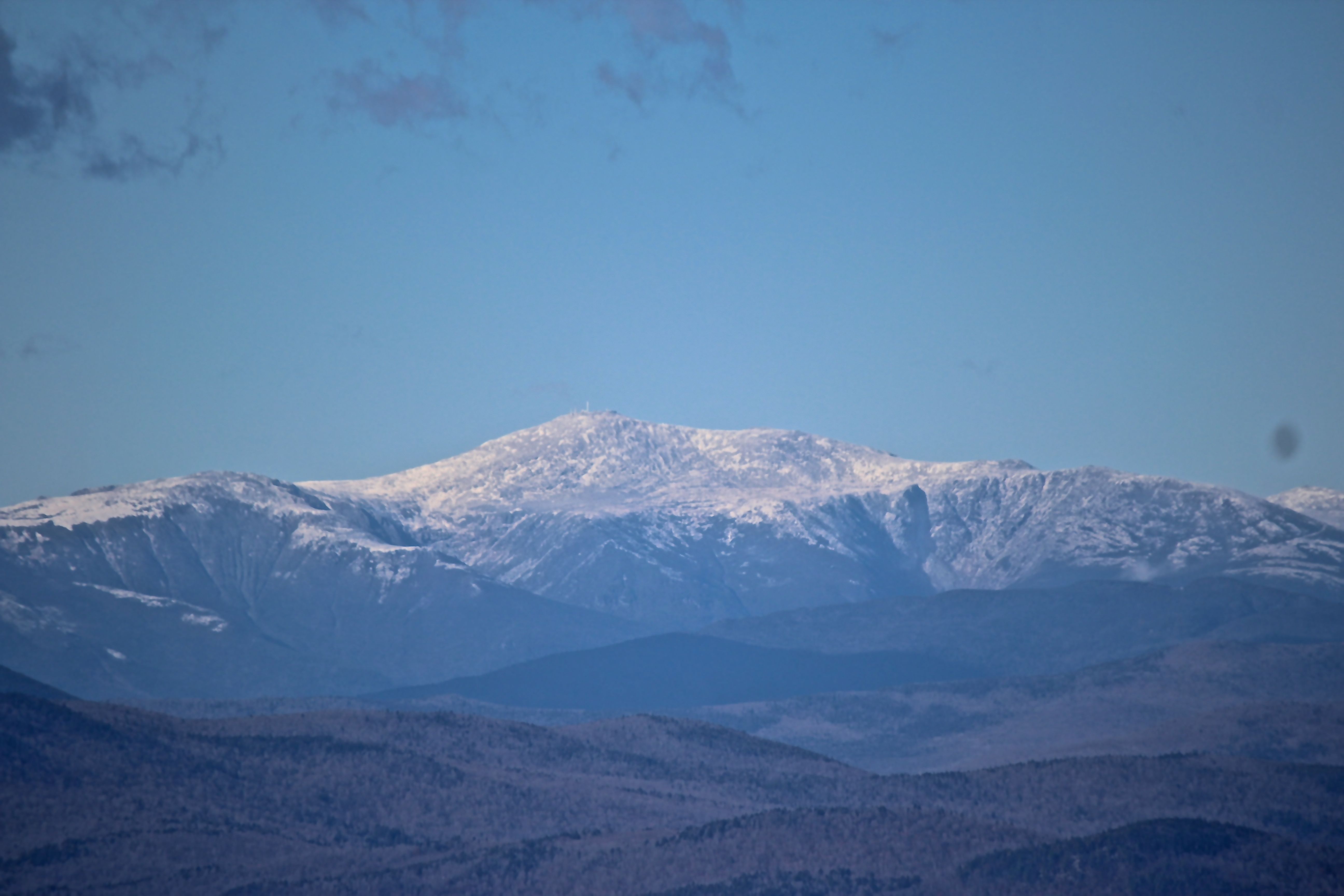
At the summit, I couldn’t have asked for a crisper view of Mount Washington.

Mt. W 2

Like our mountain, Mount Washington always gives us a sense of location. But it provides more than that. Beauty and splendor. Awe and wonder.

beetle bark tunnels

man tunnels

Hiking down the Ledges Trail, I noticed the hieroglyphic work of bark beetles on one tree, and human beetles on another. I prefer the former, but this goes to show that natural and human forces constantly change what is before us.

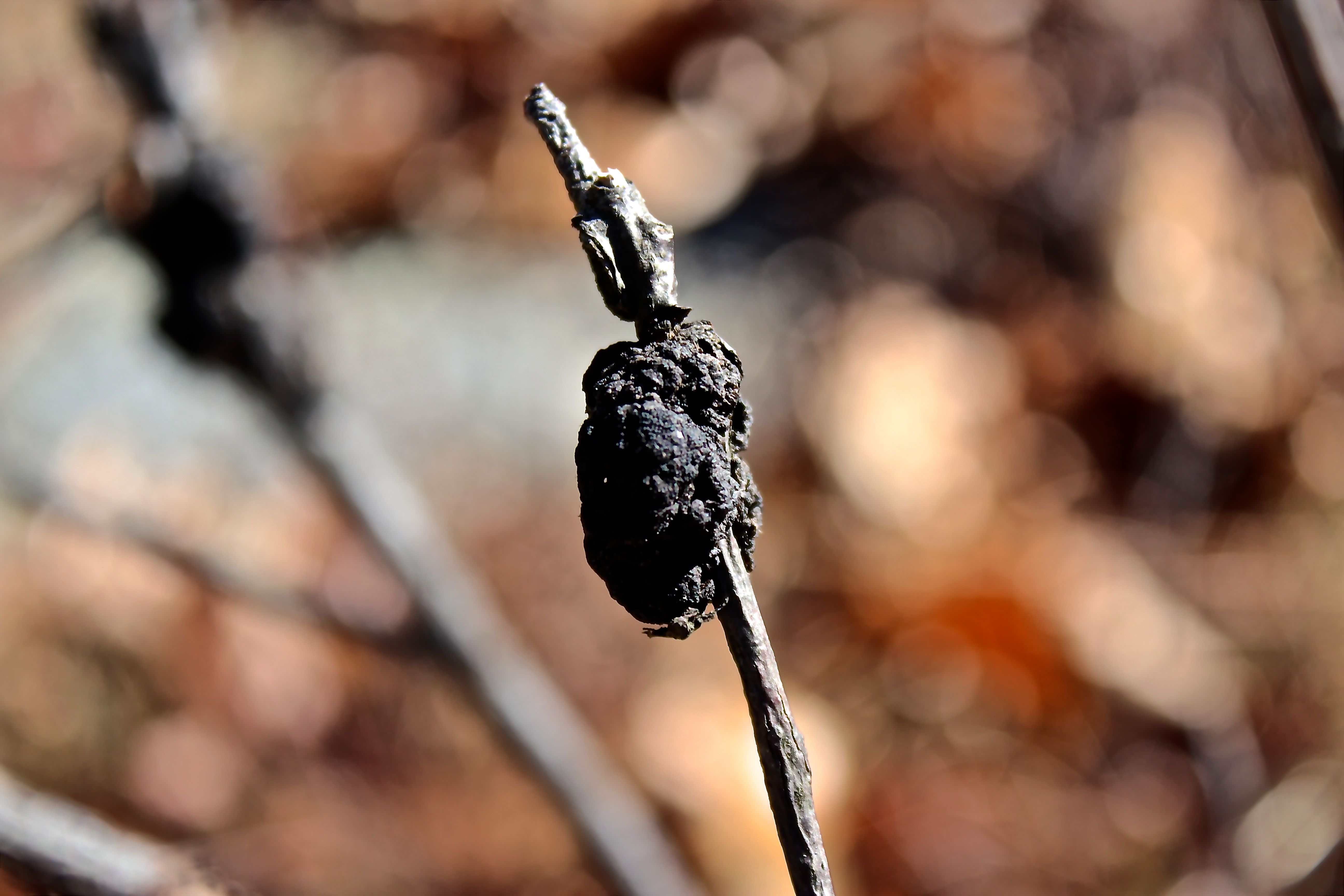
black knot

And then I came to black knot fungus on a cherry tree. In a previous post, I identified a growth on a cherry tree as black knot and a friend corrected me. I wasn’t sure he was right, but turns out he was. What I saw previously was the casing of tent caterpillars–not black knot. Thanks to Alan S. for pointing that out. I still have a lot to learn. Thank goodness.

beaver pond:

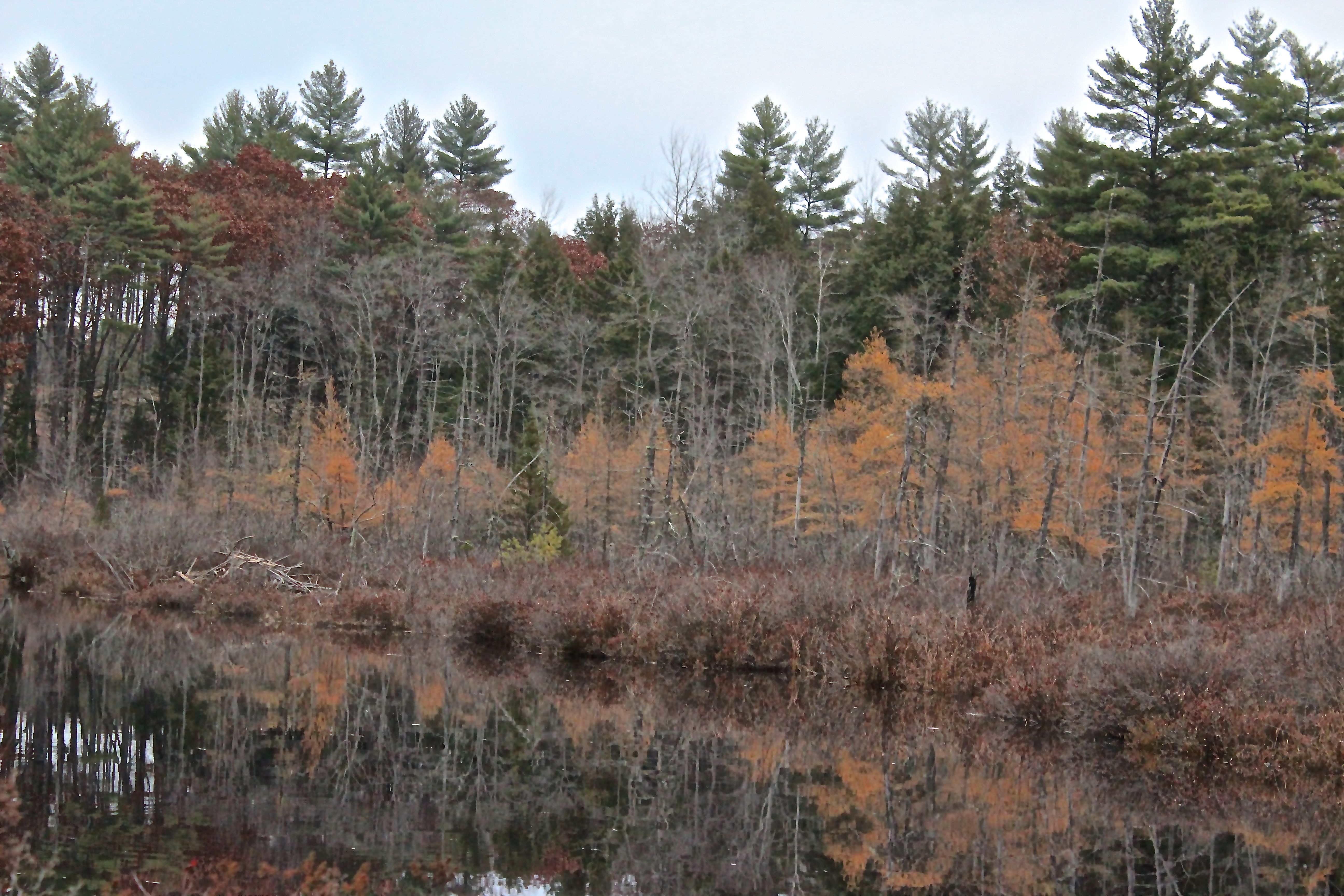
A glistening Beaver Pond in Denmark offered a brilliant reflection of this cool, crisp day.

As I continued to descend, I was ever mindful of the leaves beneath my feet. They weren’t so wet on this trail, but still slippery. I was wallowing in my good luck as I neared the road, when the earth reached up to grab me. A rock actually. Maybe two rocks. I landed with a thud. A young couple didn’t see me go down, but they heard me. I stood up and shook it off, though I can tell you right now exactly where my body made contact. Humbling for sure. It’s not my first fall. And I hope it won’t be my last. Not that I want to fall again, but I don’t want a fall to prevent me from hiking.

Five point two miles later I was back on Mountain Road and still had a mile and a half to walk before reaching my truck, which I’d left at the other trailhead.

No matter how often I climb The Mountain, I come away a better person for time spent enjoying moments in its presence.

Wer-if-est-er-i-a-ing A-long

12074842_10153632630537731_2769008110586363497_n

Thank you to my friend, Judy Lynne, who shared this word with me today. I know I do it, but I didn’t know there was a word for it. And I love that it’s an Old English word–takes me back to college days and my History of the English Language Class where we learned to read in Old and Middle English.

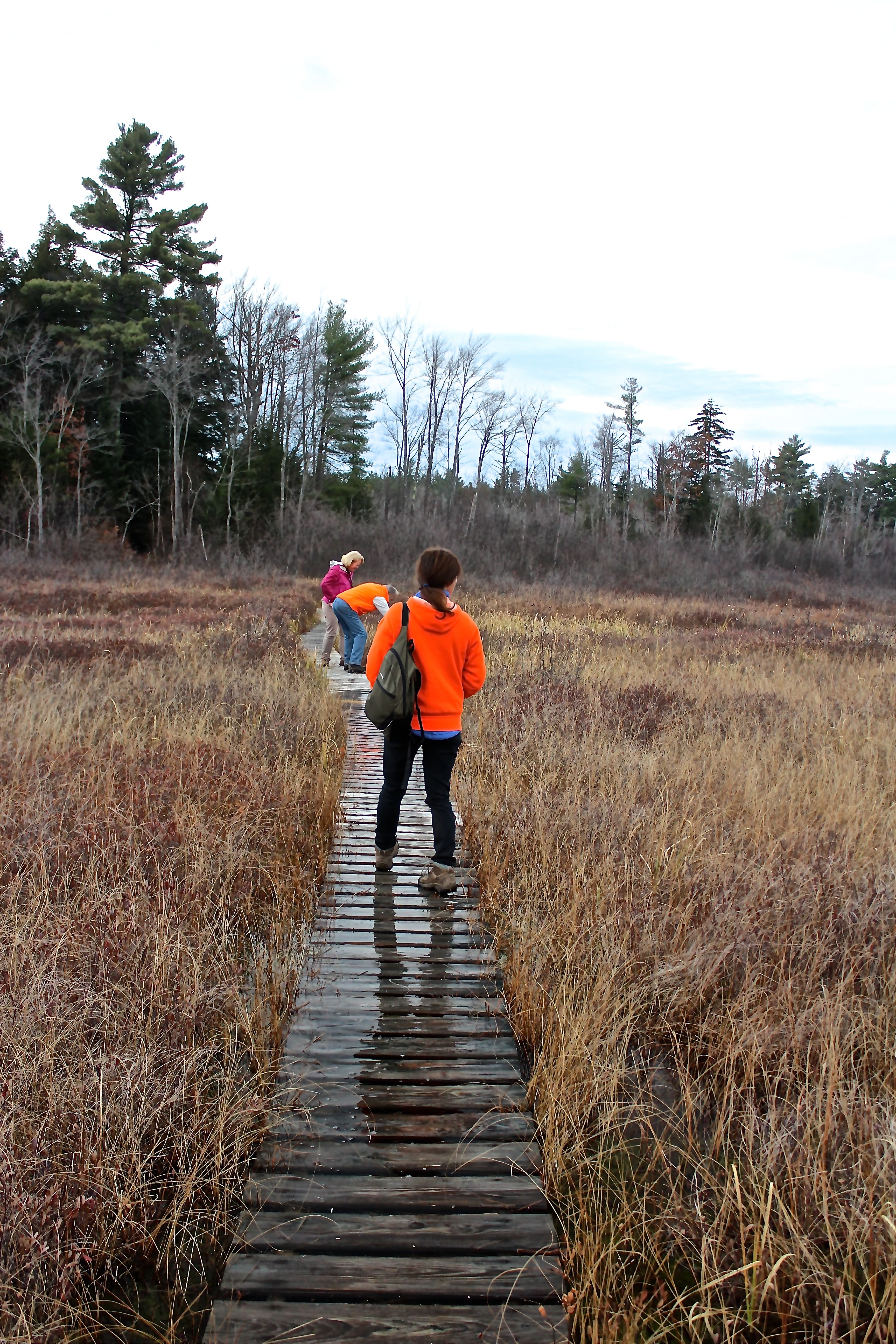
And so it was that today I wandered longingly through the forest in search of mystery with five other naturalists–all MMNP grads who will bring the Master Naturalist course to Bridgton in the spring of 2016.

After a tour of Lake Environmental Association’s Maine Lakes Science Center, we took care of some housekeeping items (coursework) before heading out the door. I made them practically run through Pondicherry Park–well, maybe run is an overstatement, but we moved quickly for us–not much time for werifesteriaing.

It was our afternoon tramp at Holt Pond when we allowed ourselves more time to pause and wonder.

HP snake

As we started down the trail, Beth saw this snake hidden among the leaf litter. It’s the third garter snake I’ve seen this week. The day was overcast and we weren’t sure if he was coiled up because he was cold or if something had attacked him.

HP Muddy River

We stepped onto the boardwalk to view the Muddy River and it almost sank beneath our weight. The water is quite high and I suspect I know why.

HP beaver works

Off to the side, we saw fresh evidence of beaver works.

HP beaver lodge, Muddy River

And in the river, a lodge topped with new sticks. I think the dam down the river has probably been rebuilt.

Looking from this vantage point, the layers of communities are pronounced, with the wetland plants like leatherleaf, sheep laurel and sweet gale growing low by the river, topped by alders and small red maple trees, topped by tamaracks, topped by white pines, hemlocks and Northern red oaks.

HP layers from Muddy River

Similar layers surrounded us with the bright red winterberries forming the creme between two wafers.

HP pitcher 1

As happens each time I pass this way, I am forced to photograph the pitcher plants.

HP pitcher 2, picture

Have you ever noticed the pictures on the hairy inner lip? Do you see what I see? A woodland landscape–trees with extended branches, a layer of colorful foliage and a grassy edge leading to the lake (water in the cup)? I know the hairs and design are important for the attraction of insects, but I never really paid attention to the actual design before.

HP Wooly aphid

We also found more woolly alder aphids, which Joan and Ann held in their hands so everyone could get an unclose look at the squiggly insects. Rather disgusting, yet fascinating.

Holt PondHP north 2

Even a single moment at Holt Pond translates into tranquility. (And I had to channel this moment for Judy Lynne.)

HP bog boardwalk, water

Gordon, Beth and Joan tried to keep their feet dry as we examined the plant life along the quaking bog boardwalk.

HP cranberries

Karen spotted one cranberry and then another, and another, so everyone could sample the tart flavor. Pucker up.

HP owl pellet

Our next fun find–a raptor pellet comprised of hair and bones galore. For the naturalist course, this will come into play.

HP raining leaves 3

Every once in a while, I’d ask if it was raining. It was–beech and oak leaves.

HP old hemlock varnish conk

While we stopped to admire several older hemlock varnish conks, something else caught our attention.

HP mystery bark

Do you know what it is?

HP fur

And then Ann spotted this little tidbit–leftover from someone’s dinner. We still don’t know who ate whom. Or if it was related to our earlier find of the pellet.

What we do know is that we spent a delightful day werifesteriaing along.

HP fun mystery

As for the mystery photo–the inside of hemlock bark. This is the bark that I think of when trying to remember how trees decay–hardwoods rot from the inside out, softwoods rot from the outside in, but hemlock bark often remains. In the 19th century, hemlock bark was used in the tanning process because the tannins found in the bark preserved a hide and prevented natural decay while giving it a brown hue. At the same time, the tannin left the leather flexible and durable.

Here’s hoping you’ll have the opportunity to wander longingly in search of mystery.

Work We Must Mondate

Today was a day made for some writing/editing work and yard work, but . . . my guy and I managed to squeeze in a hike–yesterday.

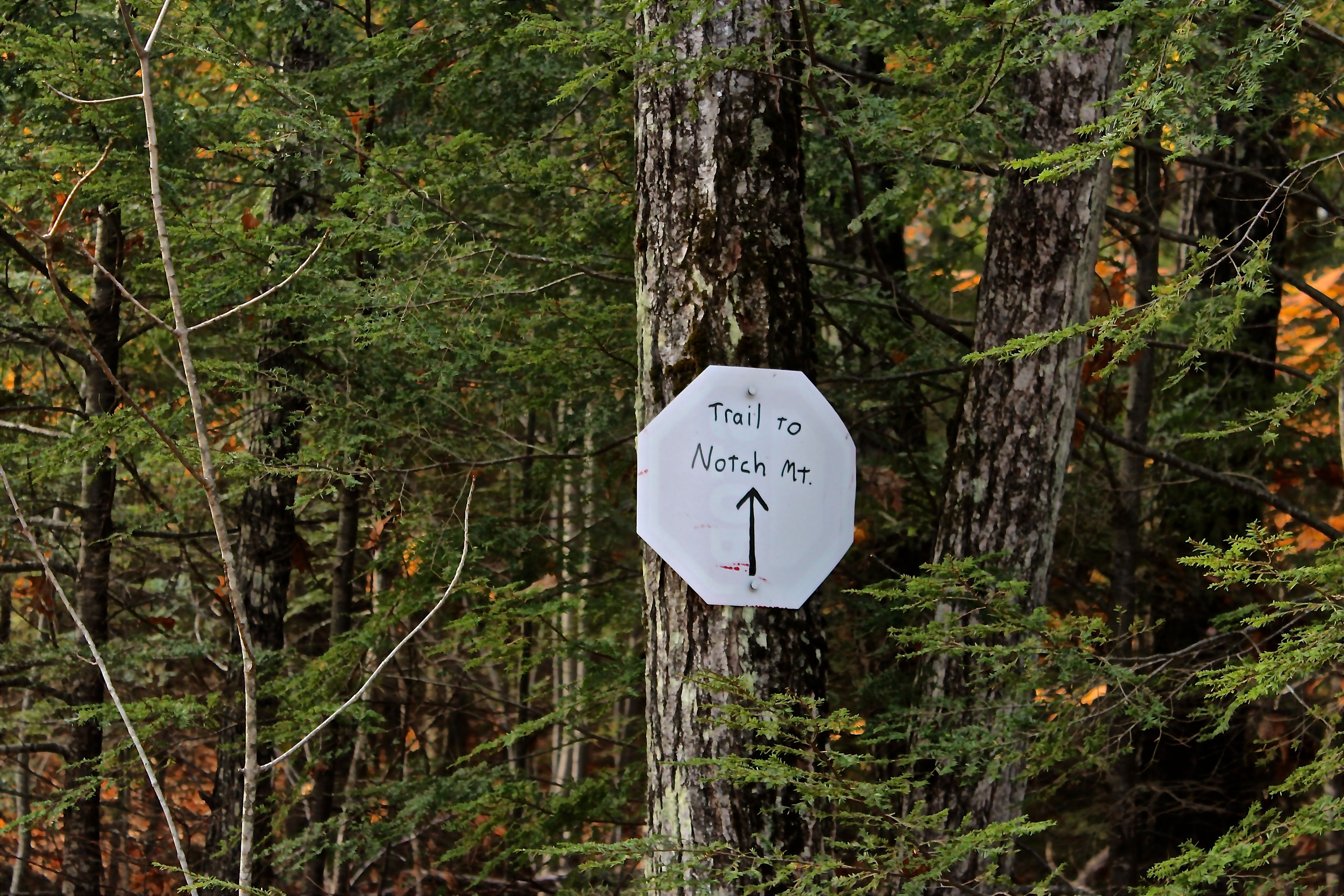
Last week, our friend, Dick B., excitedly shared with us a hiking location we’d never explored–Notch Mountain in Porter. He had recently walked the trail with the Denmark Mountain Hikers, a local group that ventures off each Friday.

So it was, we followed Dick’s directions and drove to Porter in search of the trailhead. An easy miss, but we spied the wood kiln he spoke of as we drove past it and turned around at the Hiram town line, knowing we’d gone too far. Backtracking, the trailhead was across from Clemons Point Road and the kiln.

.Notch sign

The sign–about twenty feet in from the road. Unassuming to say the least.

Notch trail wet

As we played dodge the water and looked at the slayed trees, we turned to each other and grimaced. What was Dick thinking?

Notch foundation 1

But we journeyed on and the muckiness abated. Then, this foundation practically jumped out at us.

Notch foundation 2

We weren’t sure exactly what we were looking at, but felt that this was a large house and there was either an attached barn or large shed, or the other structure was located quite close to the house.

Notch fdn bricks

Buried beneath the leaves, bricks indicated a chimney on an outside wall.

Notch tool shed?

We discovered what may have been a tool shed–a separate, three-sided room.

Notch farm remnantNotch plow 2

Indeed, we even found a few tools, including a plow, which became significant as we continued to explore along the trail.

Notch fdn feather:wedge

In the barn foundation, I like how one stone is wedged between the other two. It offers a reflection of how these rocks came to be in this place. The minerals, like quartz and feldspar, that are an essential part of granite’s make-up, interlock like pieces of a jigsaw puzzle. The end result: granite is one of the strongest and most durable rocks.

Using the plug and feather method practiced in the 19th century, small holes were hand drilled every six or seven inches across the stone. Two shims, called feathers, were placed in the hole and a wedge or plug was hammered between them. The farmer probably built this house in the winter when his farming duties weren’t as plentiful. And by drilling then, ice formed in the holes and helped to complete the work of splitting the granite. He and his family would have used a stone boat or sledge pulled by oxen to move the stones into place.

Notch mound of stones

A little further along, we came upon a massive wall of medium-size stones. This farmer must have cleared many, many acres, thus producing an incredible stone potato crop. And then moved them all so he could plow. My fingers twinge and my back hurts just thinking about all the work involved–makes our yard work look so easy.

Notch trail

On either side of the trail were stone walls, indicating this was more than a logging road at one point in time.

Notch big rocks

Throughout the woods, we found more piles of rocks, some with small stones and others, like this with medium-size stones. Rather than quilting bees, this family must have enjoyed stone bees–an exercise to remove as many stones from the ground as possible.

Notch wall:gnarly old maple

The stone wall frenzy is evidenced all along the trail. Sometimes double-wide garden walls, and other times single walls, also called farmer or pasture walls that were built as boundaries, and to keep animals from destroying crops.

Notch cemetery

Dick had mentioned the Wormwood cemetery, but we were still surprised when we happened upon it.

Notch grave 2

Charles B. Fly

b. Jun. 20, 1828; d. Oct. 27, 1860

Notch grave 1

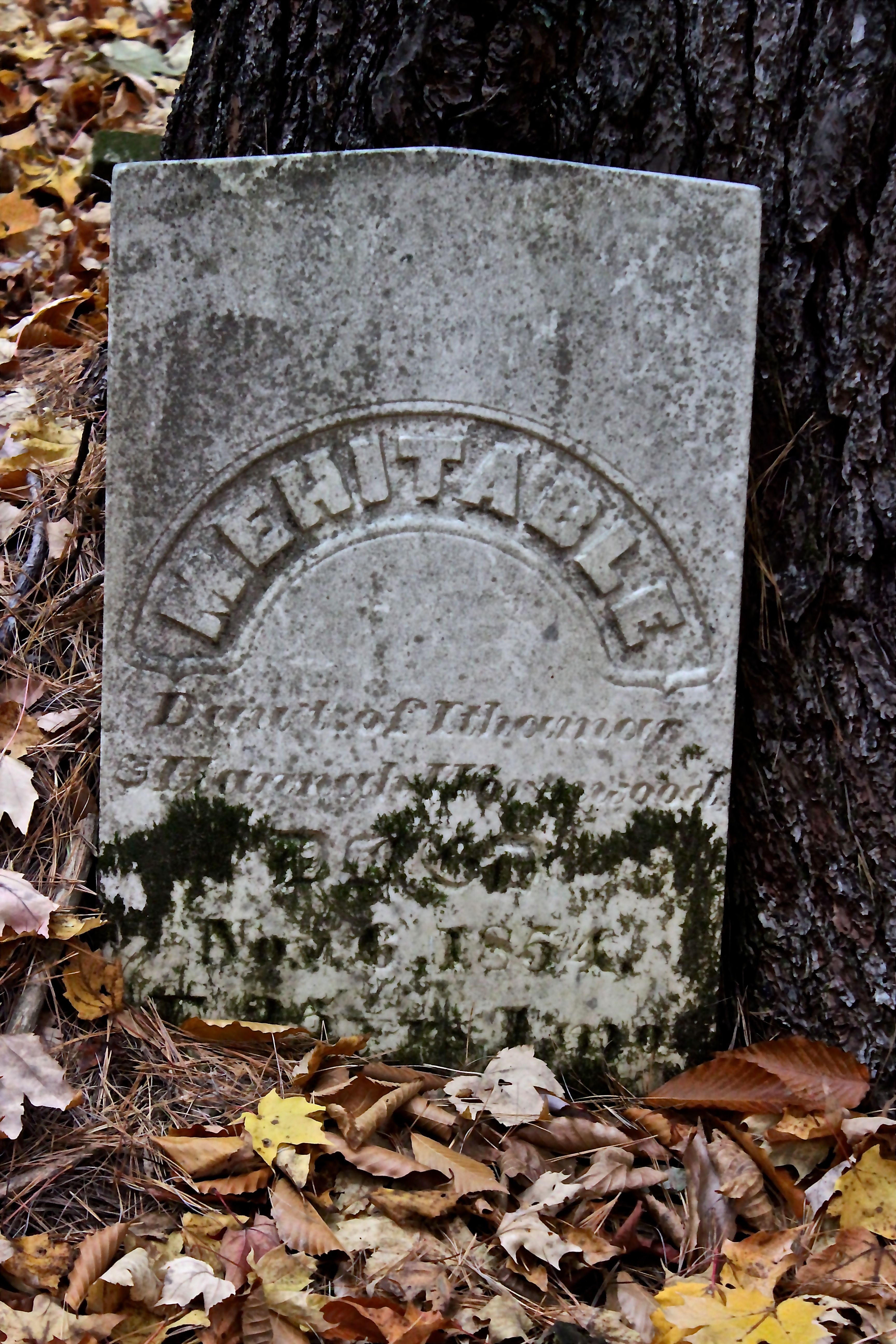
Mehitable Wormwood

b. Oct. 16, 1825; d. Nov. 27, 1851

Notch, stone 4

Lydia Jane Osgood Wormwood

b. 1826; d. Dec. 27, 1851

Notch, stone 3

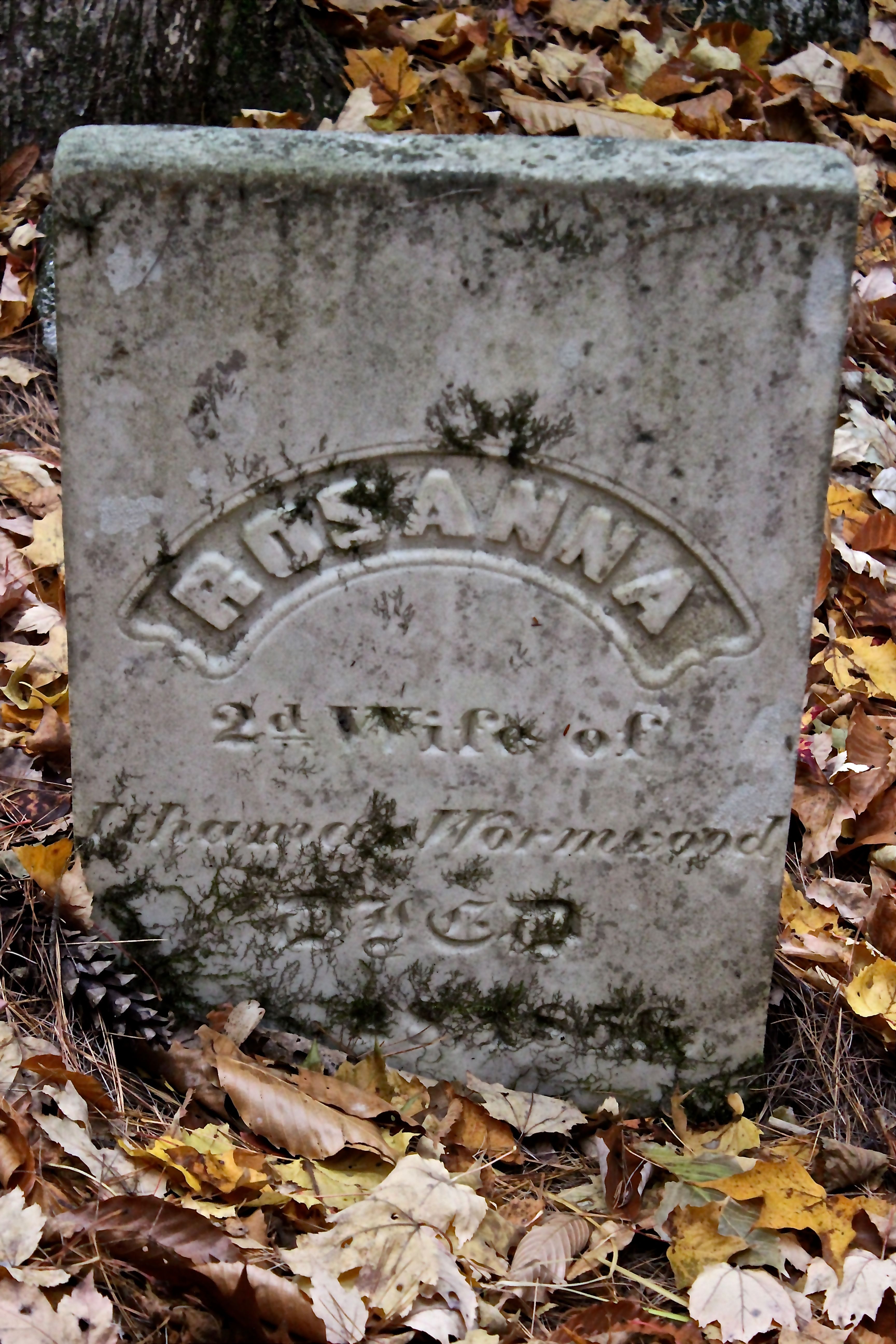
Rosanna Warren Wormwood, 2nd wife of Ithamar Wormwood

b. Oct., 1791; d. Feb. 28, 1856

Notch, 2 stones

Hannah and Ithamar Wormwood (b. May 29, 1791; d. Jul. 16, 1865). Two-year-old Jason Fly was also buried here.

Apparently the Flys were related to the Wormwoods, which makes sense. I suspect that there are other foundations to be discovered, but I was with my guy–Mr. Destinationitis, and so we continued toward the summit.

Notch glacier

As we climbed, we noticed glacial striations on rocks (aka snowmobile etchings),

Notch, beech contortionist

beech trees that think they are contortionists,

Notch oaks

and a mix of white and Northern red oak leaves.

Notch summit 1

Then the summit came into view.

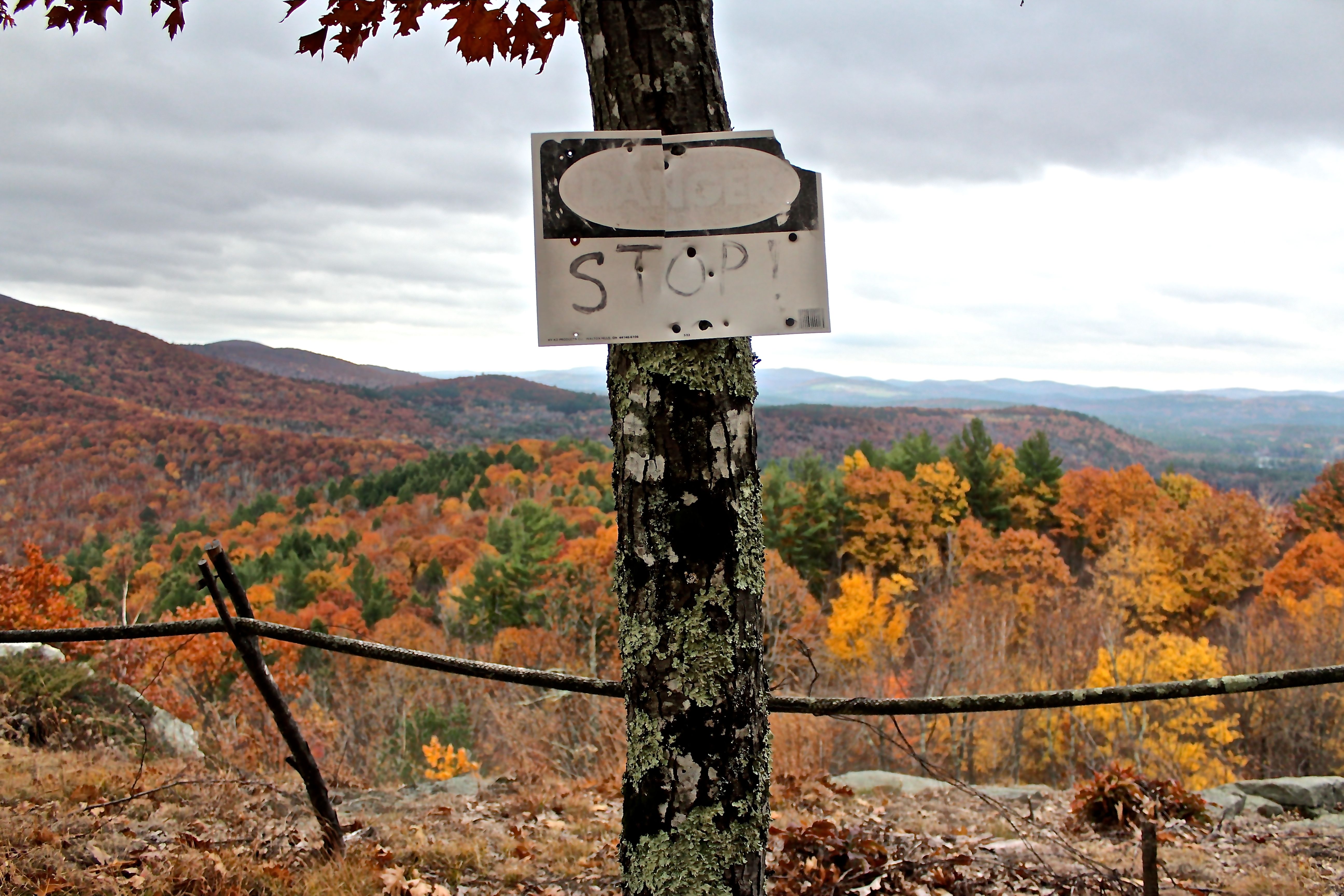
Notch stop sign

Thank goodness for the faded stop sign

Notch summit fairy

and the fairy who watches over all who step too close to the edge.

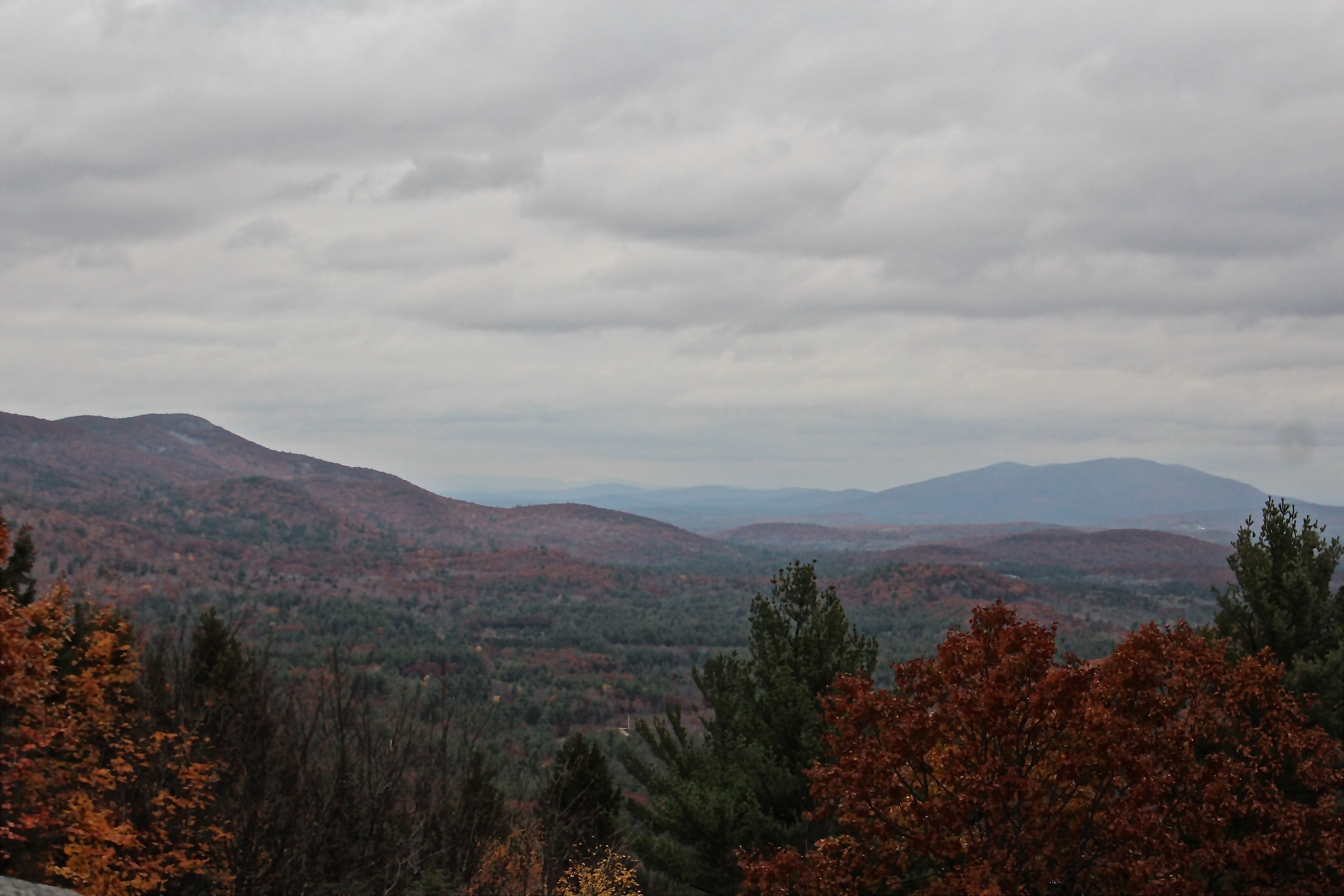
Notch view

As the rain clouds gathered, we ate our PB&J sandwiches, this time topped off with Halloween candy and views of Clemons and Little Clemons ponds.

Notch, burnt meadow and pleasant

Burnt Meadow Mountain and Pleasant Mountain formed the backdrop.

We hiked down among rain drops, but the sun shone once we arrived home.

mansion, hunter and hunted

I was restless and didn’t want to deal with yard work, so I went for a walk and came upon evidence of the hunter and the hunted.

Today, while our work continued, I had the opportunity to escape to Pondicherry Park for a stewardship committee meeting–now that’s my idea of a great meeting place.

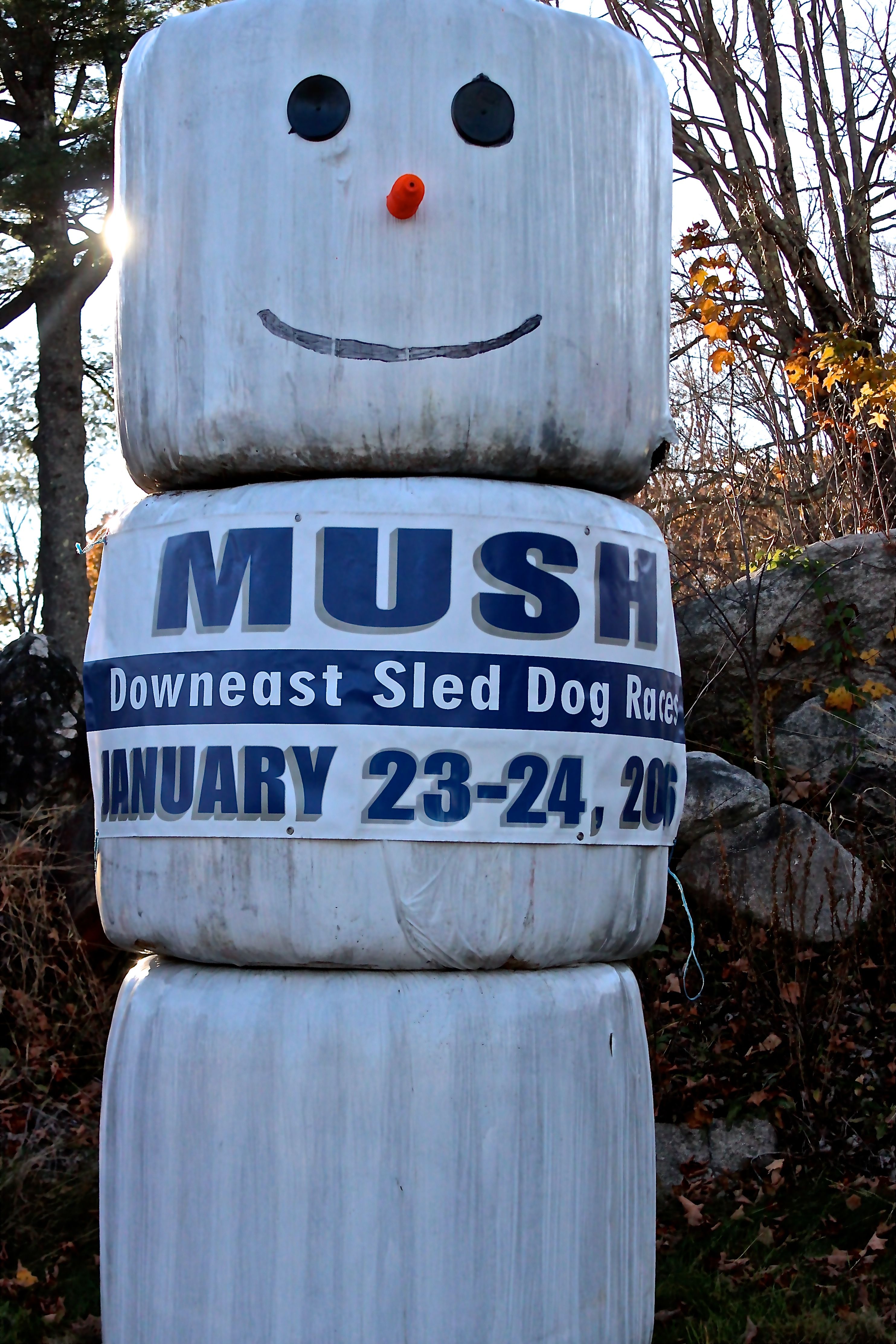
snowman

On my way, this guy reminded me that the next season is right around the corner (literally).

Pondicherry Reflection

And in the park–still plenty of color to reflect upon.

We know we have to work, whether to earn a living or maintain a home, but we do love our opportunities to explore new and old places. Thanks for sharing this one with us, Dick. It warrants further exploration to wander and wonder.

Three-Season Mondate at Back Pond Reserve

OK, so it wasn’t three seasons all packed into one Monday date, but walking up the   Mountain Trail at GLLT’s Back Pond Reserve in Stoneham today brought back memories of previous visits by my guy and me.

yellow

The woods are awash in golden-green yellows right now, especially where the trees include beech, big-tooth aspen and striped maple.

a dose of red

Climbing higher, variations of red join the carpet display.

summit 3 of 5 Kezars

We were surprised by how quickly we reached the summit, which is what got us recalling previous visits.  Today, the water of three of the Five Kezars sparkled while Pleasant Mountain stood watch in the background.

summit, summersummit, winter

As I looked through my photo files, I realized we have never hiked this trail in the spring. In the summer there are wildflowers to make us pause, and winter finds us exploring mammal activity–thus our treks are slower.

summit, Mt Washington

Today’s view included snow on Mount Washington, the grayish-white mountain located between the pines.

Ganong chocolates

As we enjoyed the view, we topped off our PB&J sandwiches with the last couple of truffles we had purchased at Ganong Chocolatier in St. Stephen, New Brunswick, earlier this month.

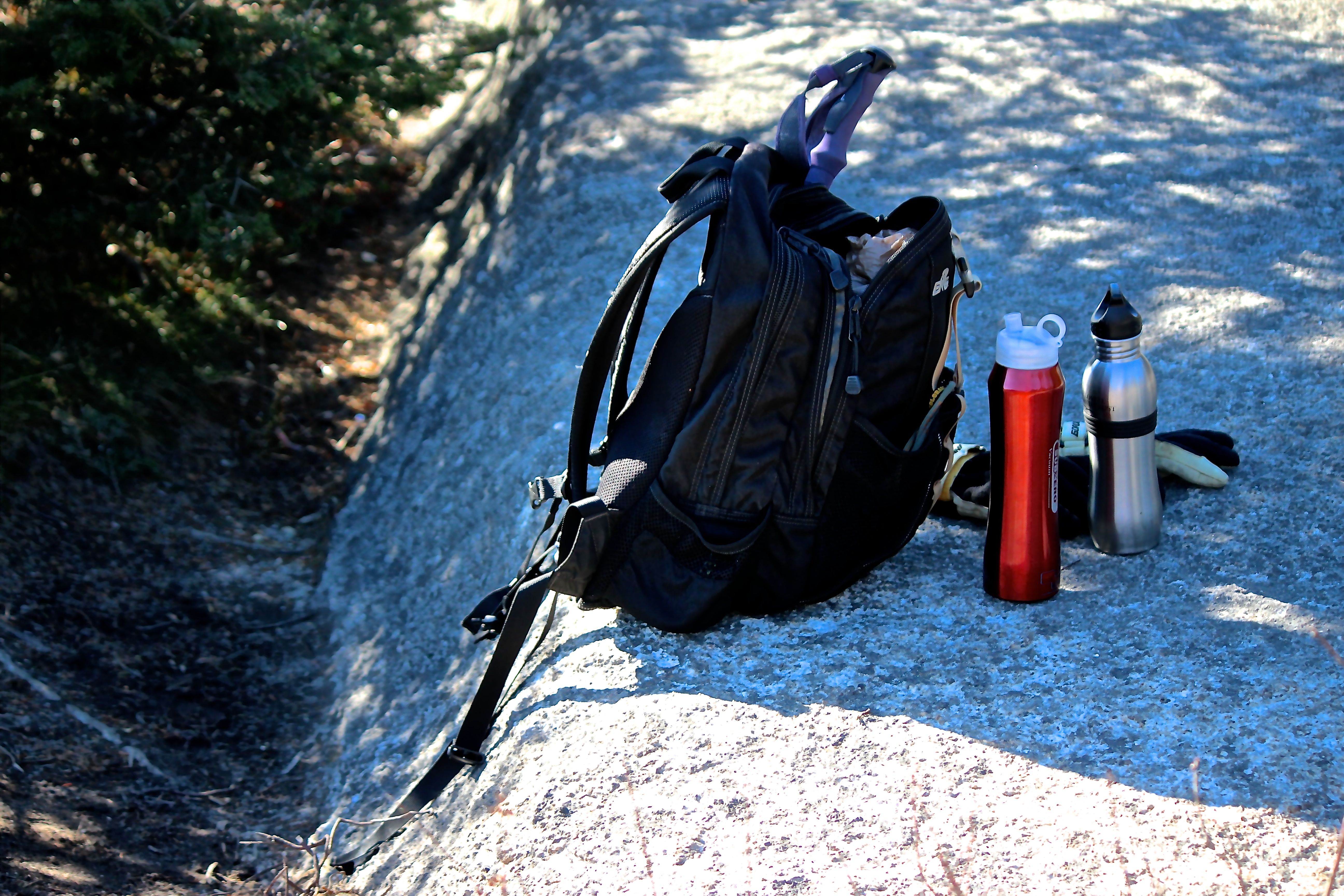
water bottle 2

And water, of course.

which way do we go?

Instead of letting the arrows confuse us, we turned 180˚ and followed the connector trail between the Mountain and Ron’s Loop. It’s not on the map yet and still needs some work, but it’s full of surprises–only a few of which I’ll share right now.

winter, connecting trail

We’ve always enjoyed this trail and today realized that though it’s much easier to follow than it was a few years ago, many trees have blown down along the way.

numerous trees 2

They’re easy enough to climb over. If you go, do know that there are two or three mucky spots along this trail as well, but again, easy to get around.

lone red pine, connecting trailred pine, winter

This lone red pine always makes us wonder. Perhaps it found its way here via a seed on a skidder?

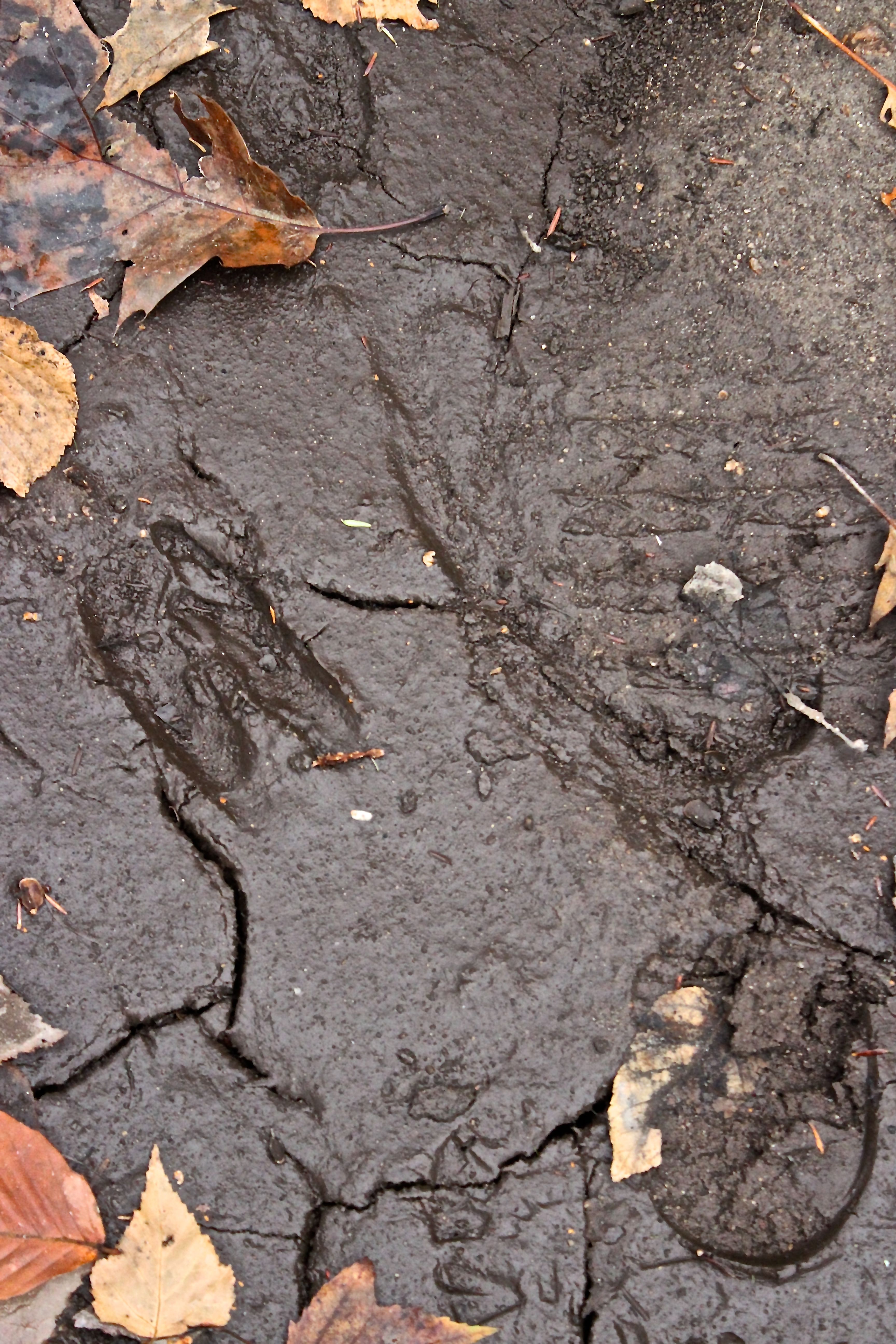
winter bobcat prints

Today we found moose tracks, plus red fox and coyote scat. If there was bobcat scat, it was obscured by the leaf litter, but we know they frequent this area.

winter, snowshoe hare

We also know the bobcat’s favorite meal lives here–we saw this guy in early March and of course, always see his prints on winter treks.

artist's conkcrowded parchment, connecting trail

Lion's Mane past peak

A couple of fun finds along the way–artist’s conk, crowded parchment and an old lion’s mane.

the bridge on Ron's Loop

winter, the bridge at Ron's Loop

The bridge on Ron’s Loop is all decked out with autumn colors–a contrast to its winter coat.

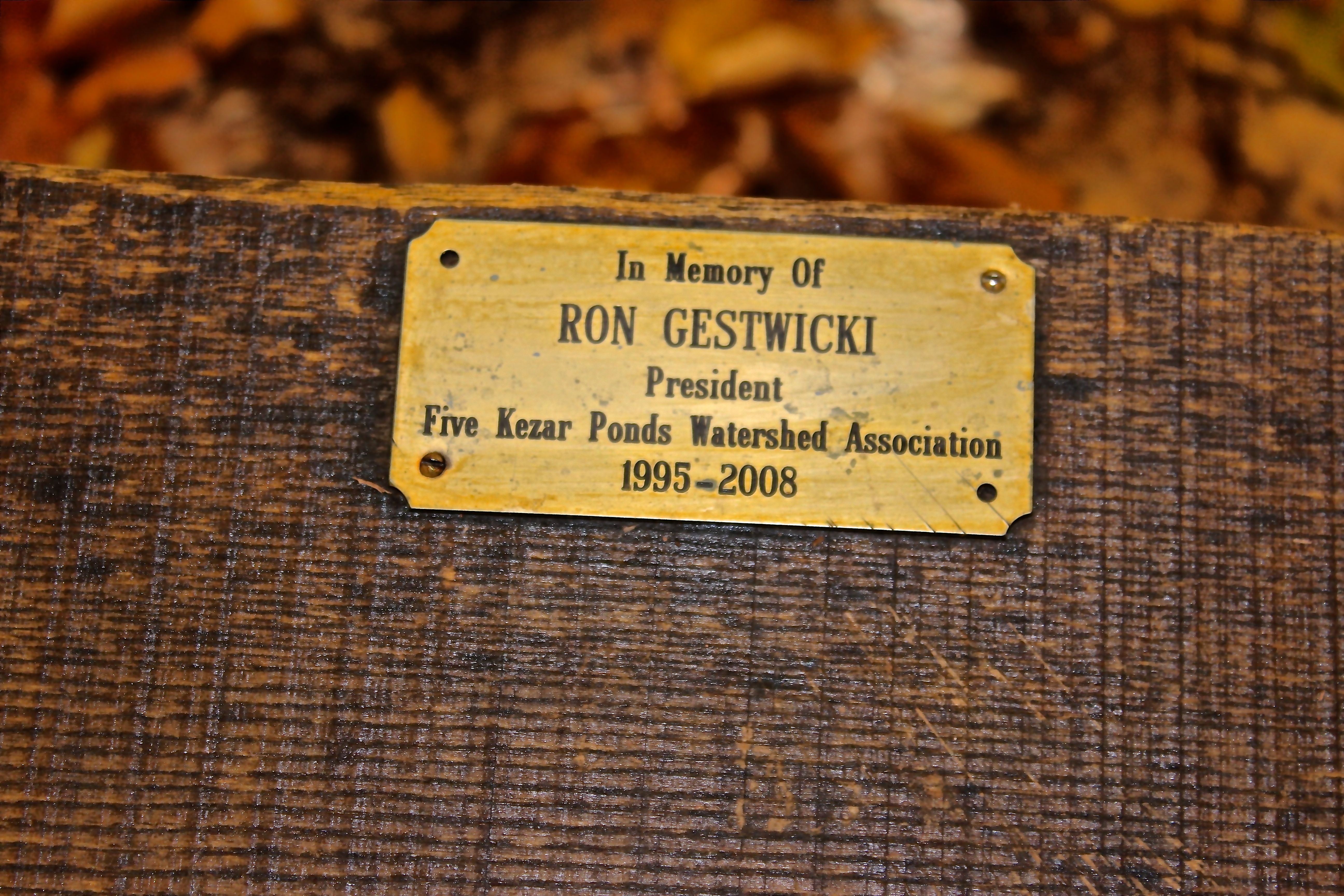
honoring Ron

We’re forever thankful to Ron for his leadership and foresight,

bench on Ron's Loop

even when we can’t see the plaque that honors him.

Kendra and Jewell

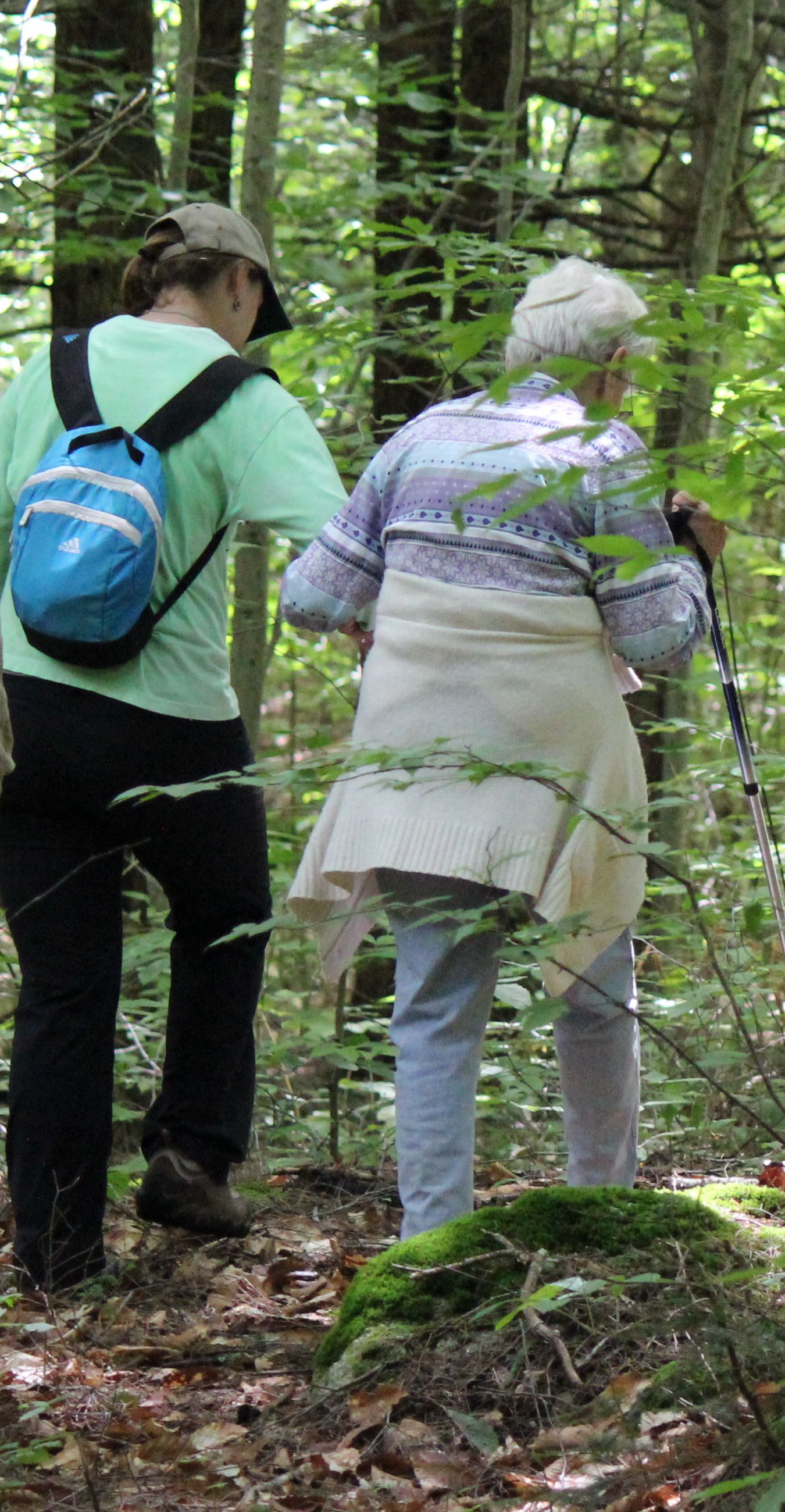
We met no other people on the trail today, but one of my fondest memories dates back two years when one of GLLT’s interns, Kendra, offered her arm to Jewell for a safe journey. Once upon a time, Jewell was Kendra’s Sunday School teacher and on this summer day, Kendra was Jewell’s guide.

water bottle by Ron's Loop

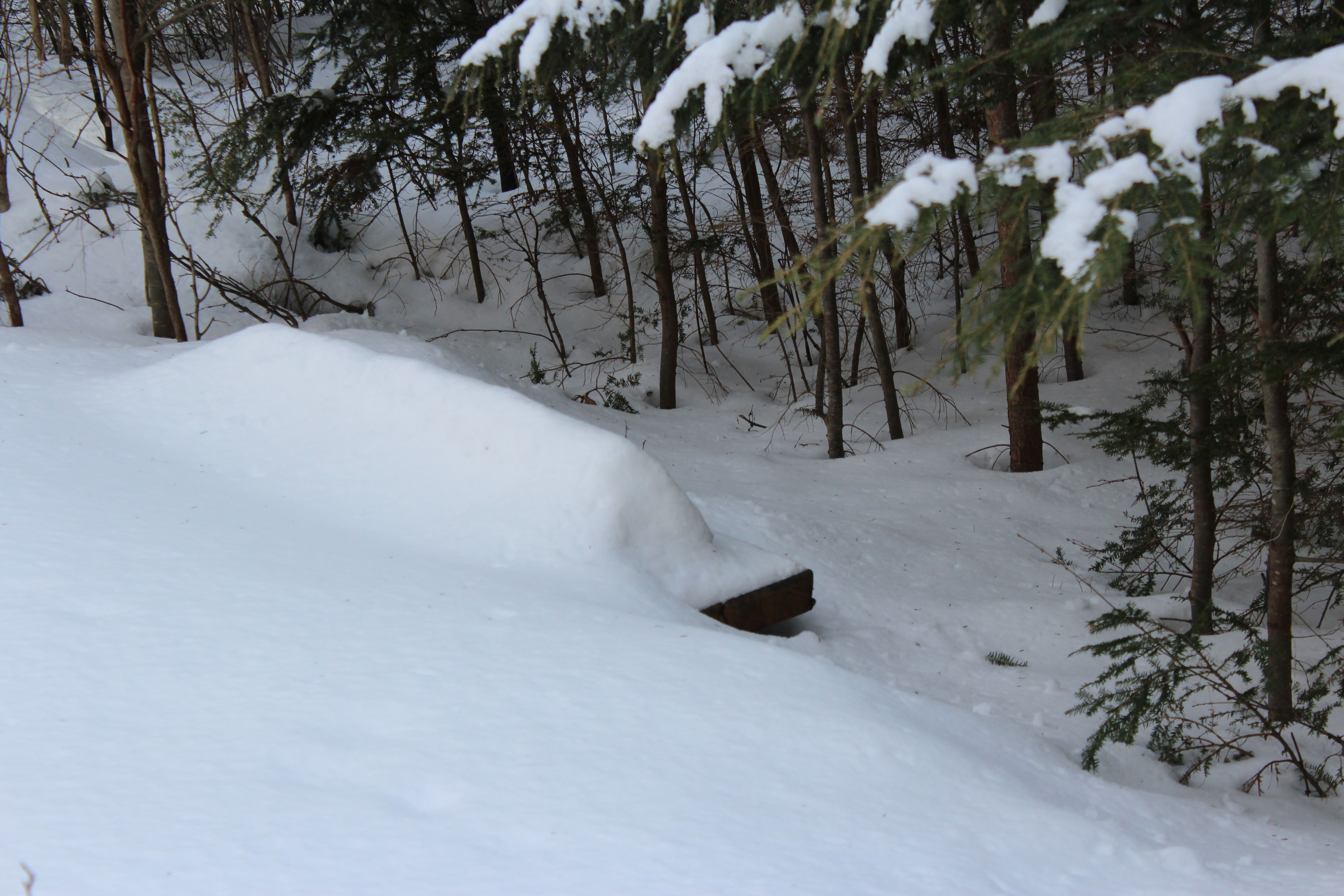
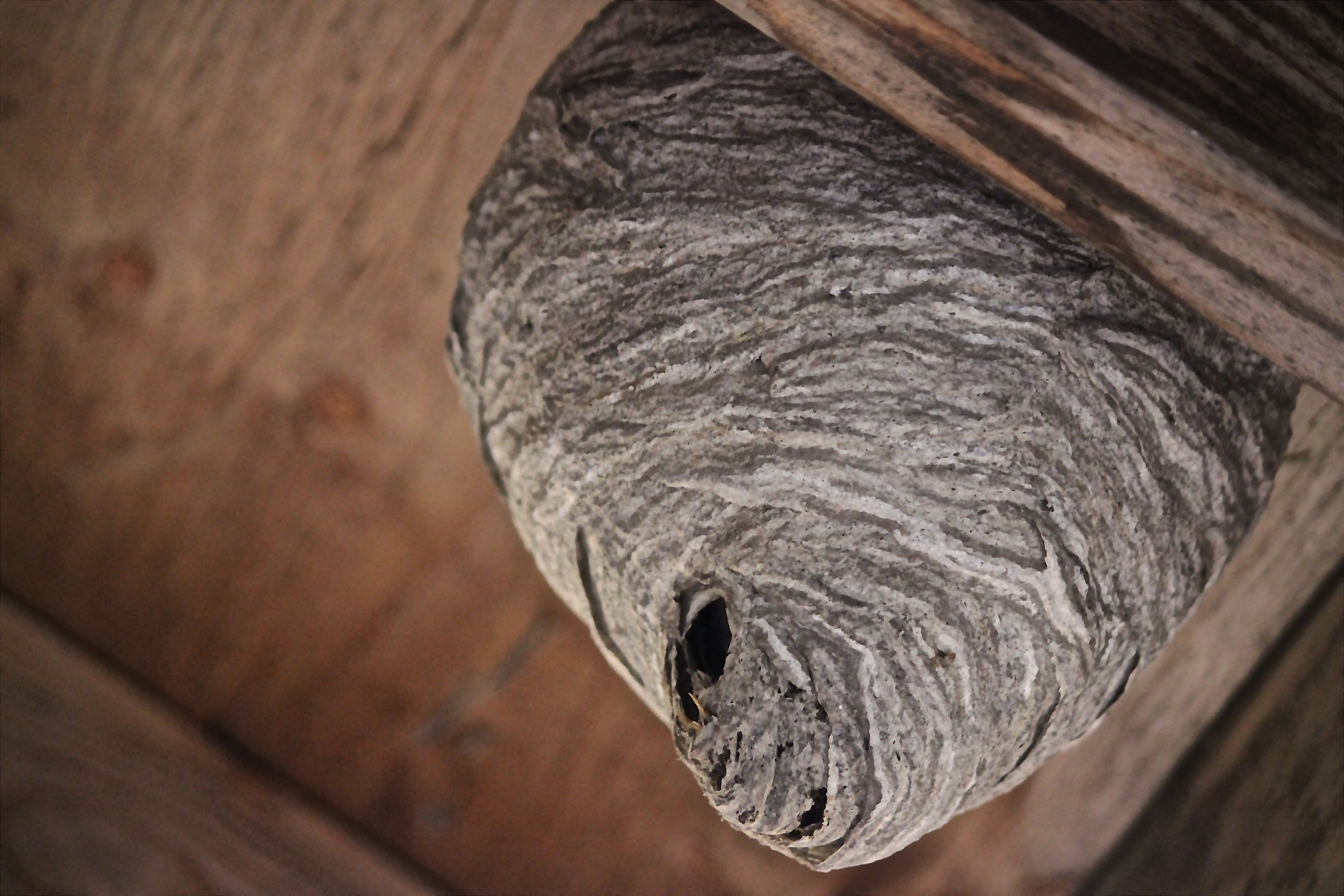
As we walked into the parking area of Ron’s Loop, we noticed that someone had left behind a water bottle. If it’s yours, it’s still there.   wasp nest Ron's Loop

Each time we visit, we take a moment to check out the wasp nest at the kiosk.

Ron's Loop kiosk, Jan 2015

We can’t remember when we first noticed it, but it’s been there for a while.

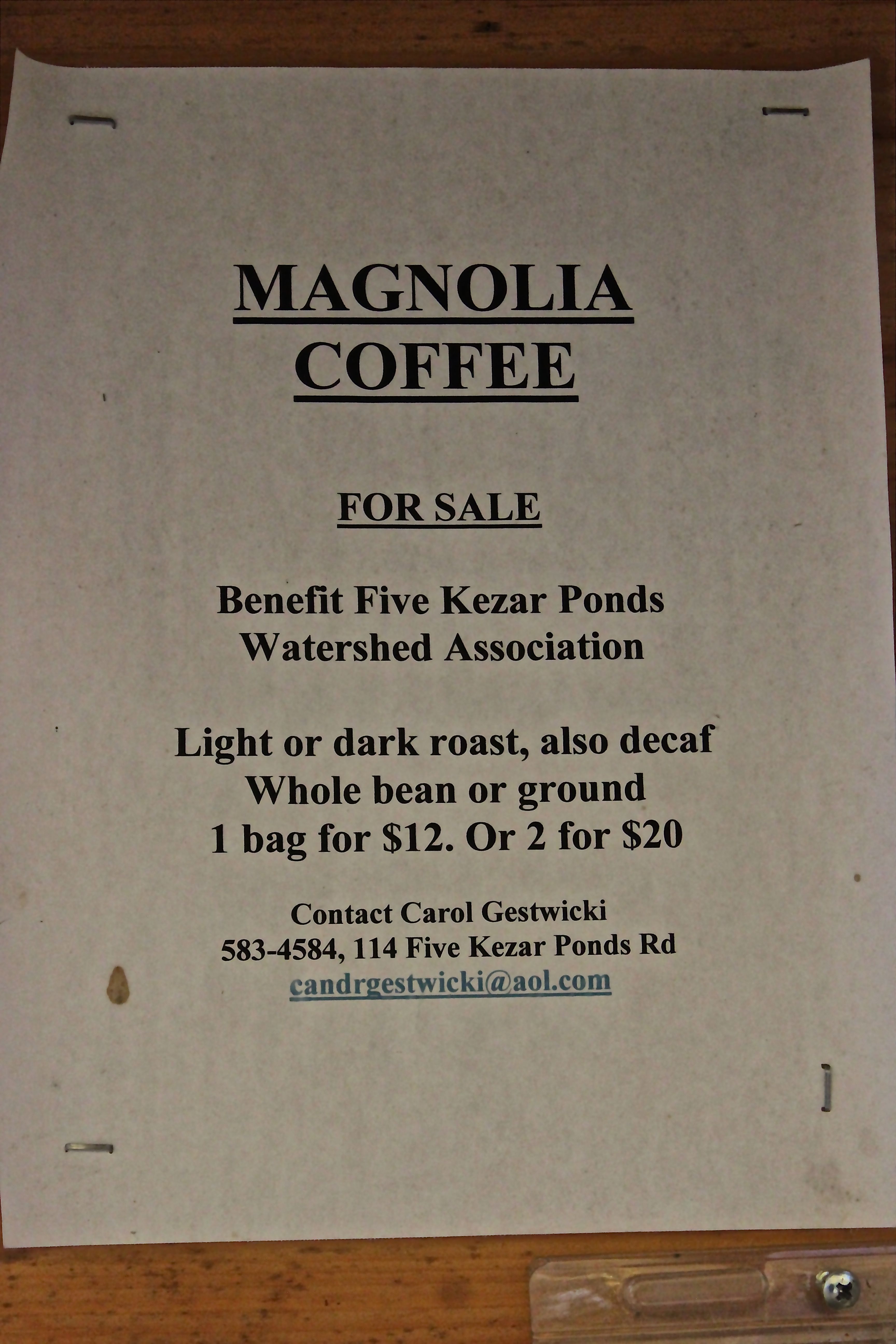
coffee sign

One last thing to note before we walked back to the Mountain trailhead where our truck was parked–Magnolia coffee. Wish I’d ordered more than one this past year. Dark roast.

One Mondate–three seasons. And now the quest is to turn it into a four-season destination. Stay tuned.

What’s Next?

I chose to walk intentionally today, pausing every few moments to look and wonder. I didn’t want to rush, always seeking the next best thing.

And so I began with a stop to admire the great lobelia that continues to bloom  despite the frost we’ve had this past week.

Great lobelia

But it was at a former log landing we can see from the kitchen window, that “what’s next” kicked into gear.

log landing 10+ years ago

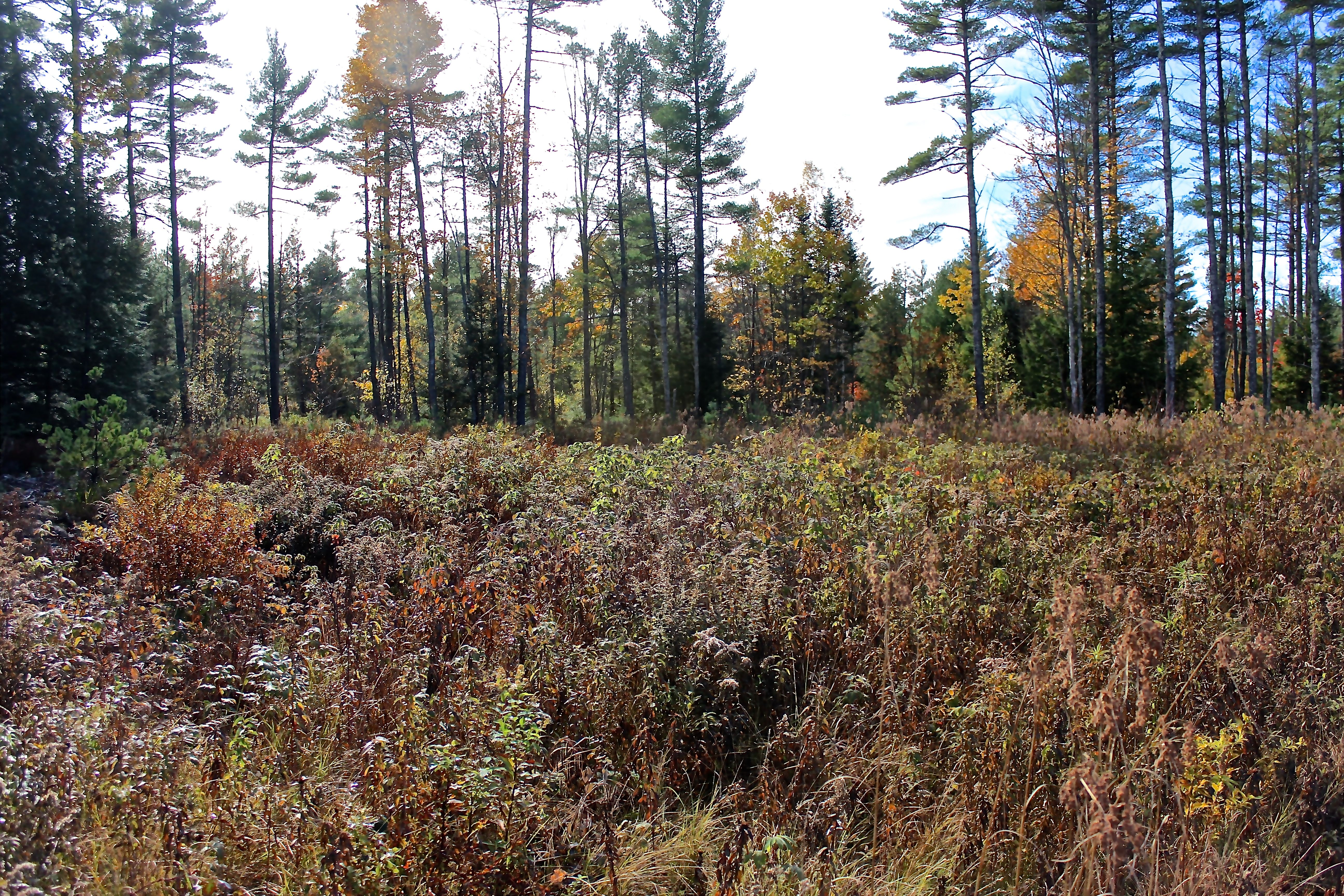
While the field beyond our stone wall is mowed once a year, this area has been allowed to follow the order of succession for cleared land. Goldenrod, asters, meadowsweet, grasses and raspberries have filled this space. What will follow?

deer print

Further along, the deer and

moose prints

the antelope, I mean, moose play. No fresh bobcat or coyote prints after this morning’s rain, but I saw some scat from both. And I had to remind myself not to have expectations. That’s the thing. It’s so easy to get caught up in looking for the next best thing and forgetting to focus on the moment, the beauty and the complexity that surrounds us.

water droplets on big-tooth aspen

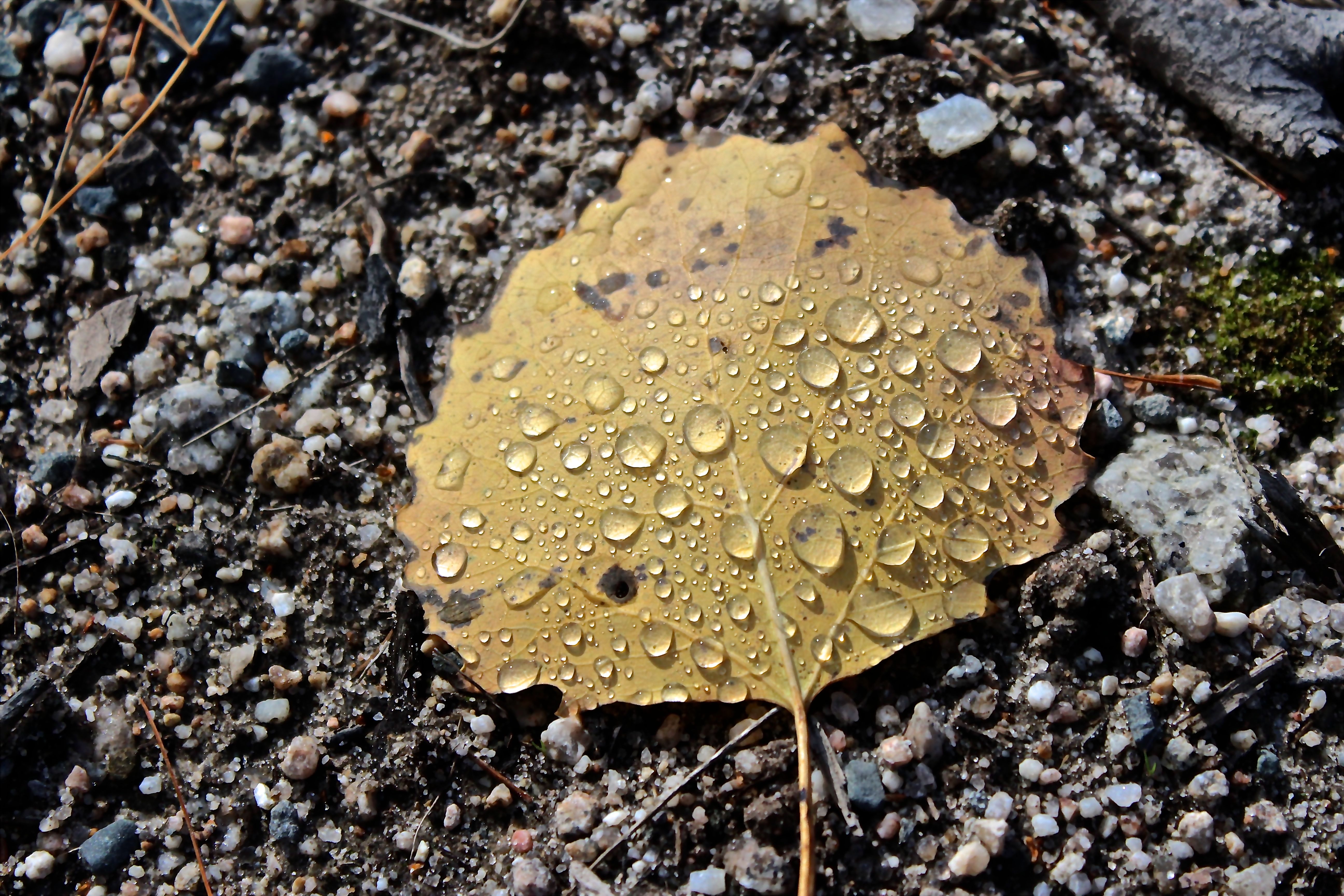
So I did–focus that is. On the big tooth aspen leaf decorated with rain droplets,

asters gone to seed

aster seeds waiting for their moment of dispersal,

barbed wire

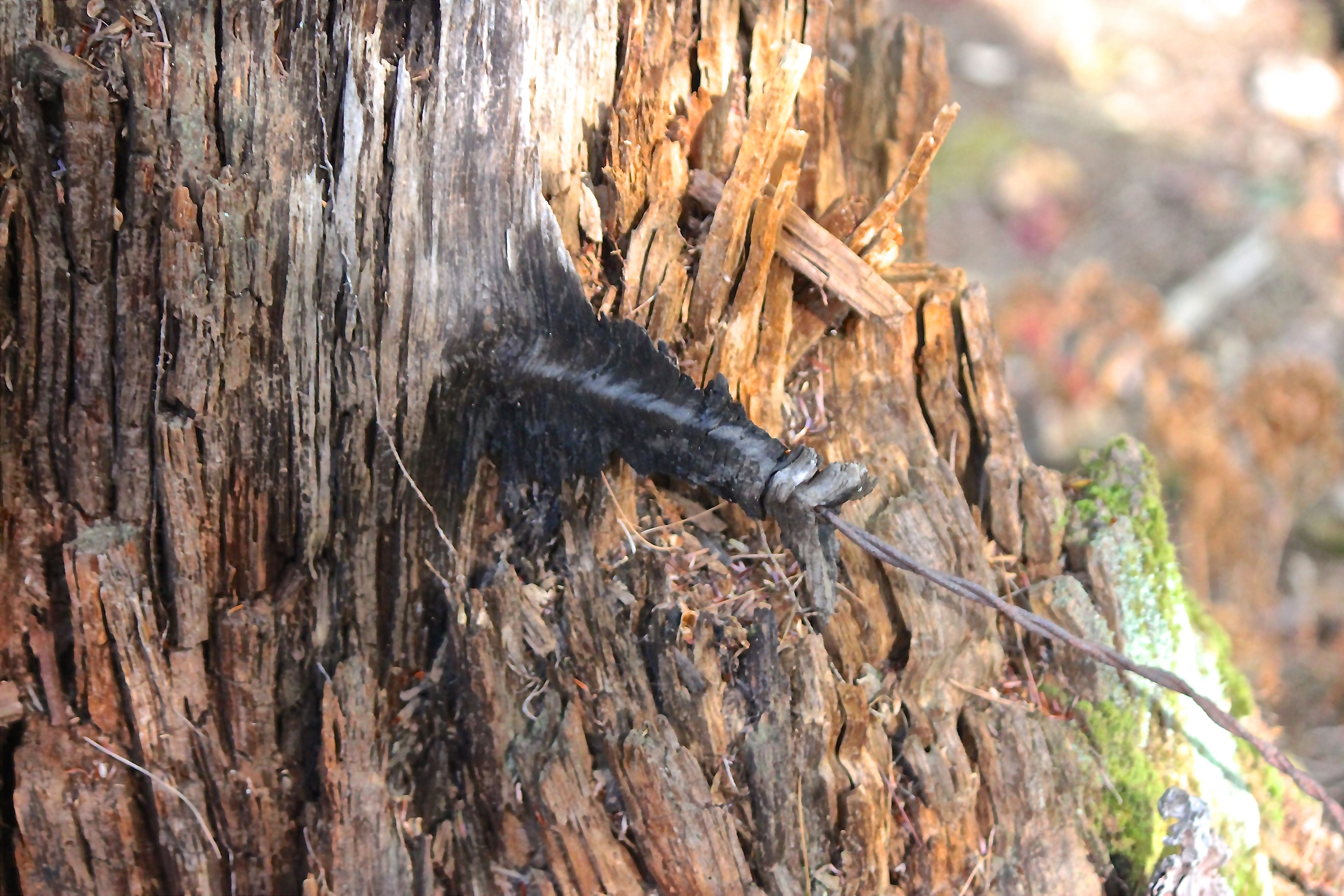
a hemlock that long ago knew this forest as farmland,

autumn meadowhawk

 an autumn meadow hawk soaking up the late afternoon sun,

life on a stump

the variety of life growing on a stump,

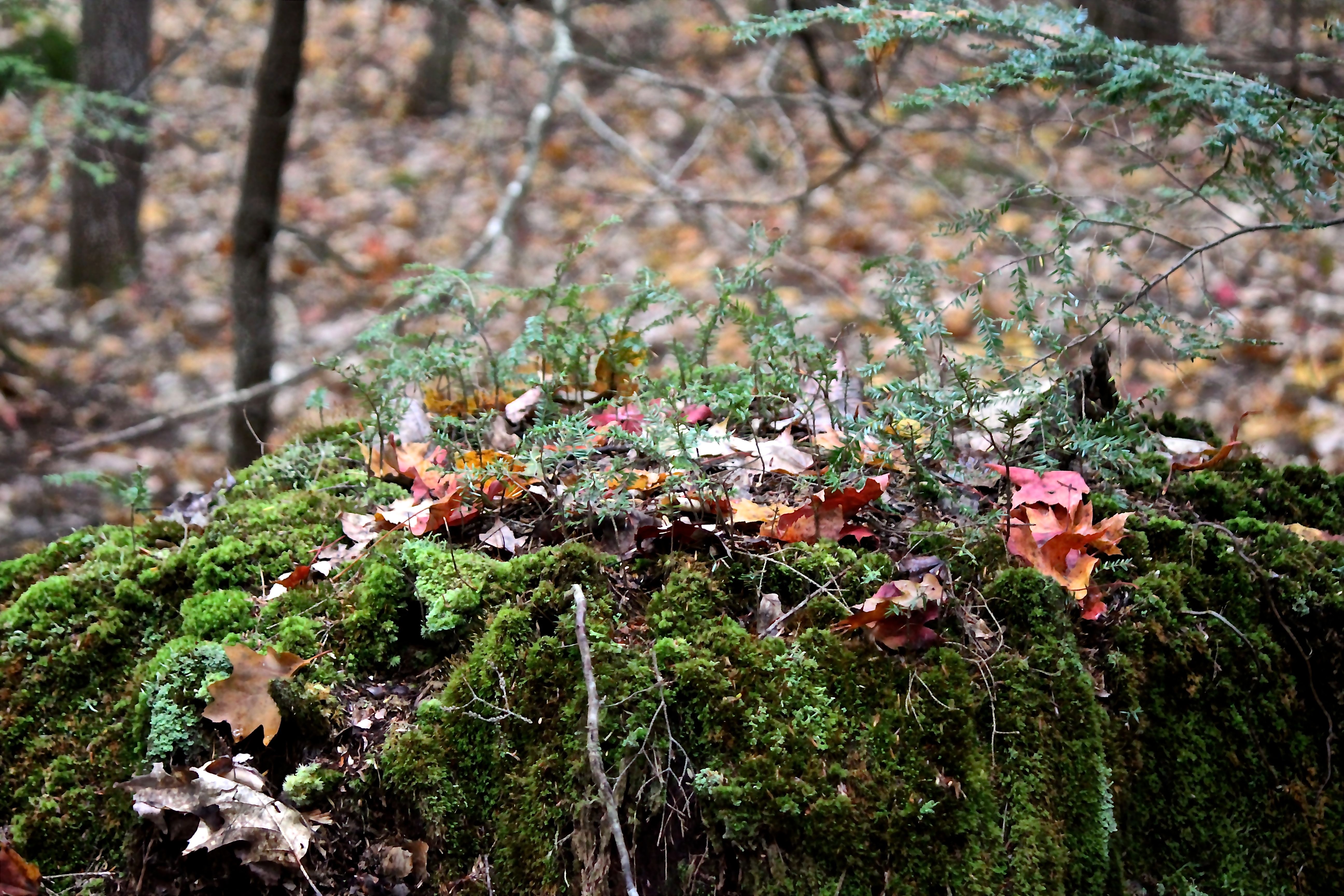
hemlock saplings on stump

and hemlock saplings taking root.life on a tree 2

life on a tree 3

life on tree 5life on tree 7

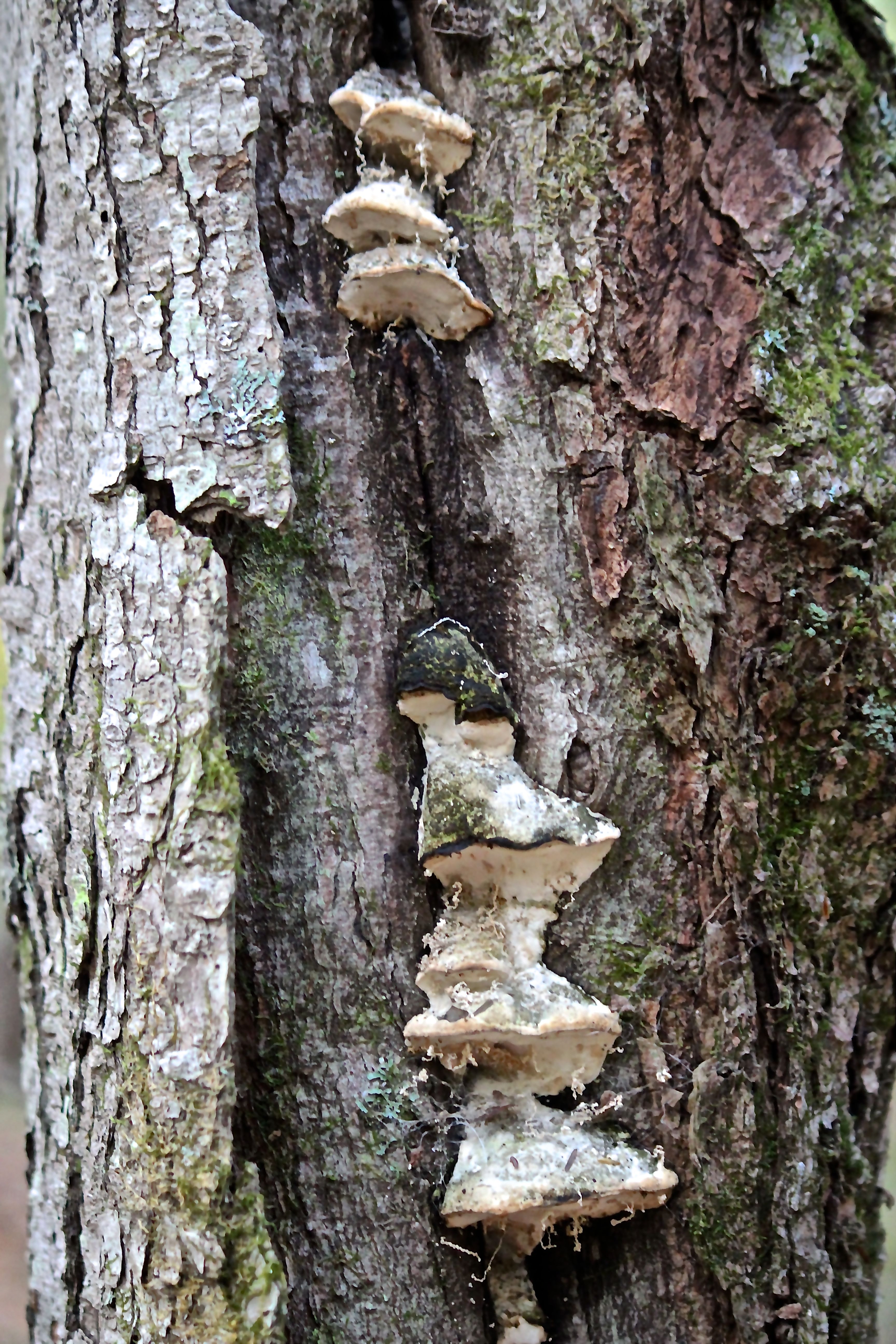
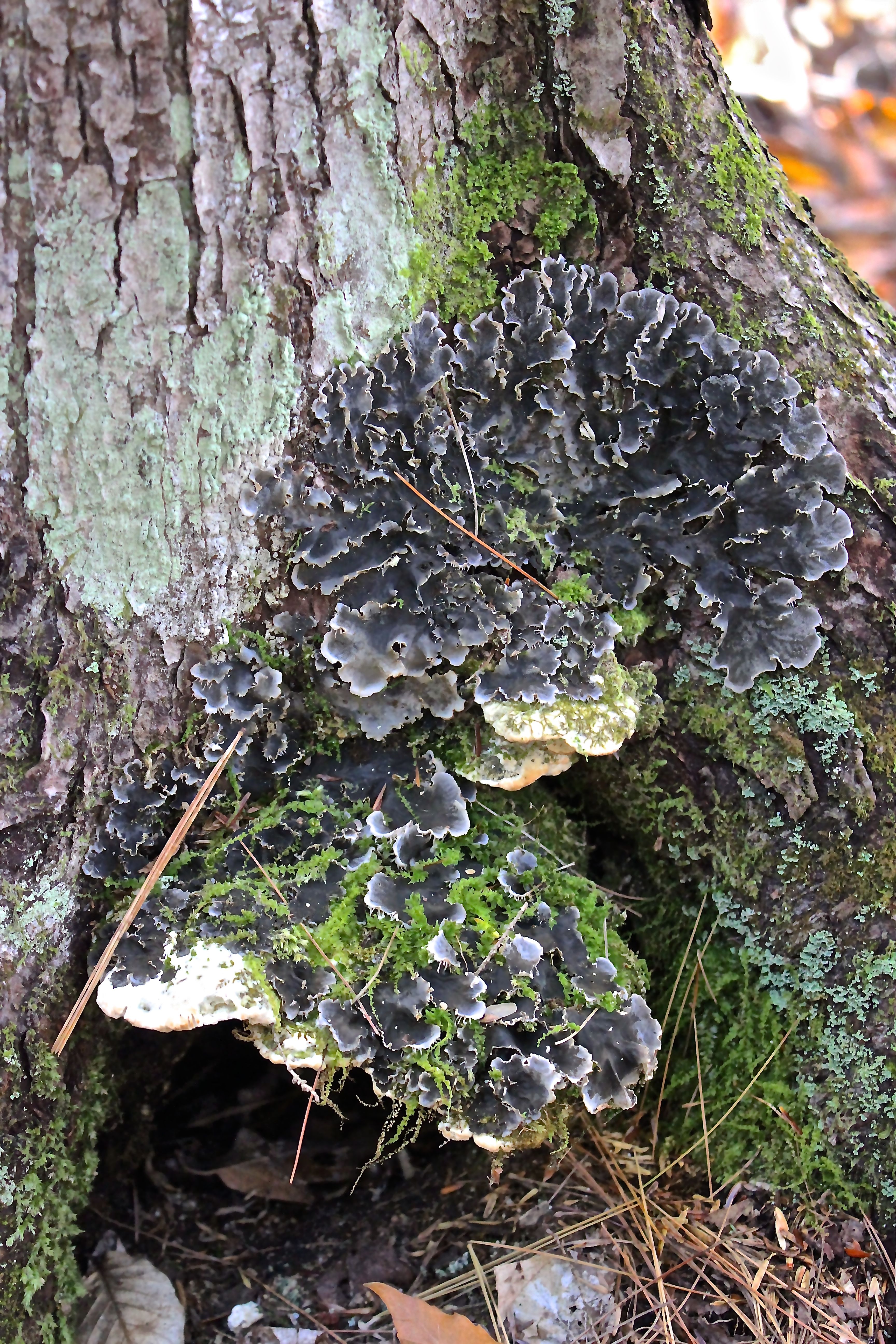
My eyes were drawn to all manner of life growing on trees that are past their prime, from woodpeckers and sapsuckers to mosses and fungi, including violet-toothed, birch and tinder polypores, plus Jack O-Lanterns that glow in the night.

old tinder conk

I found an older tinder conk springing forth with life as it gleans sustenance from its host,

chaga

chaga, that hardened mass of hyphae that is proclaimed to be life-giving,

mossy maple

mossy maple polypores growing in a wound, as is their preference,

mossy maple mushroom:field dog lichen

and more mossy maple, this time covered with the brownish-gray lobes of field dog lichen, which typically grows on the ground. Huh?  Creation at work. Soil forming on top of the moss covered fungi–certainly a fertile ground.

quartz

I found quartz where I expected to find only granite,

royal fern

a small royal fern holding court on its own,

sensitive fern

and the bead-like fruiting stalk of the sensitive fern.

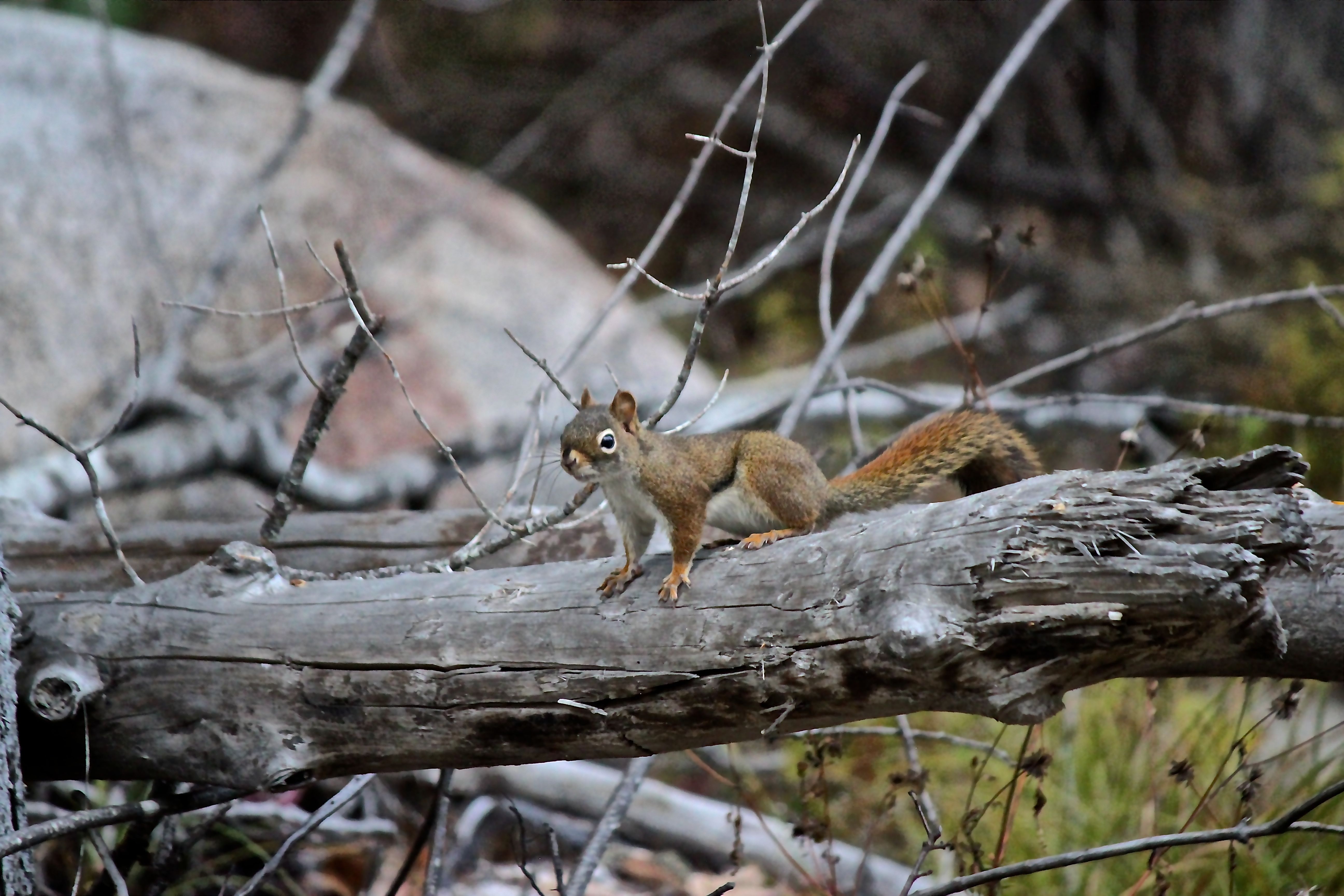
 red squirrel

I saw plenty of birds, including a few ruffed grouse that I startled as they startled me. This and other red squirrels chatted insistently whenever I was near.

beech tree captures late afternoon rays

And I saw the sun’s rays reflected by the beech leaves.

trail 1

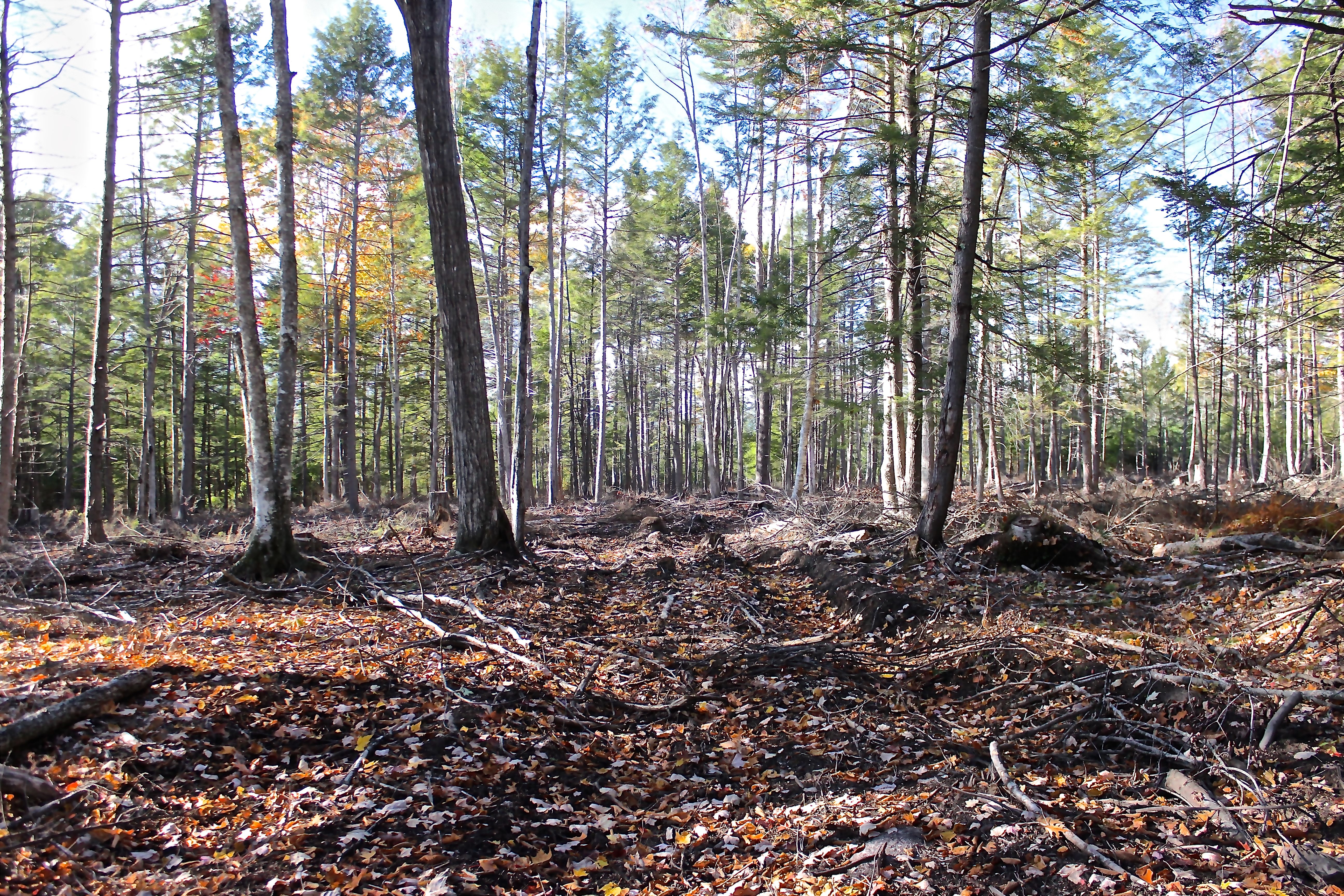
Sometimes following trails, other times bushwhacking, I wondered what will become of this forest.

tree opening

Open spaces invite pioneers to settle down.

Pleasant Mtn

In other places, those that long ago gained a foothold continue to enjoy the view–of Pleasant Mountain.

4 birches

Making my way homeward, I found myself in the presence of the birch clan–paper, yellow, black and gray–how sweet it is.

fleeting moments of fall foliage

As the foliage enjoys its final fleeting moments, I intentionally move from wondering what’s next to enjoying what’s now.

Oaks On Parade

I know some towns and cities create “parades” of objects, such as the painted snowmen in North Conway, New Hampshire, or the painted bears that lined the streets of Belfast, Maine, a few years ago.

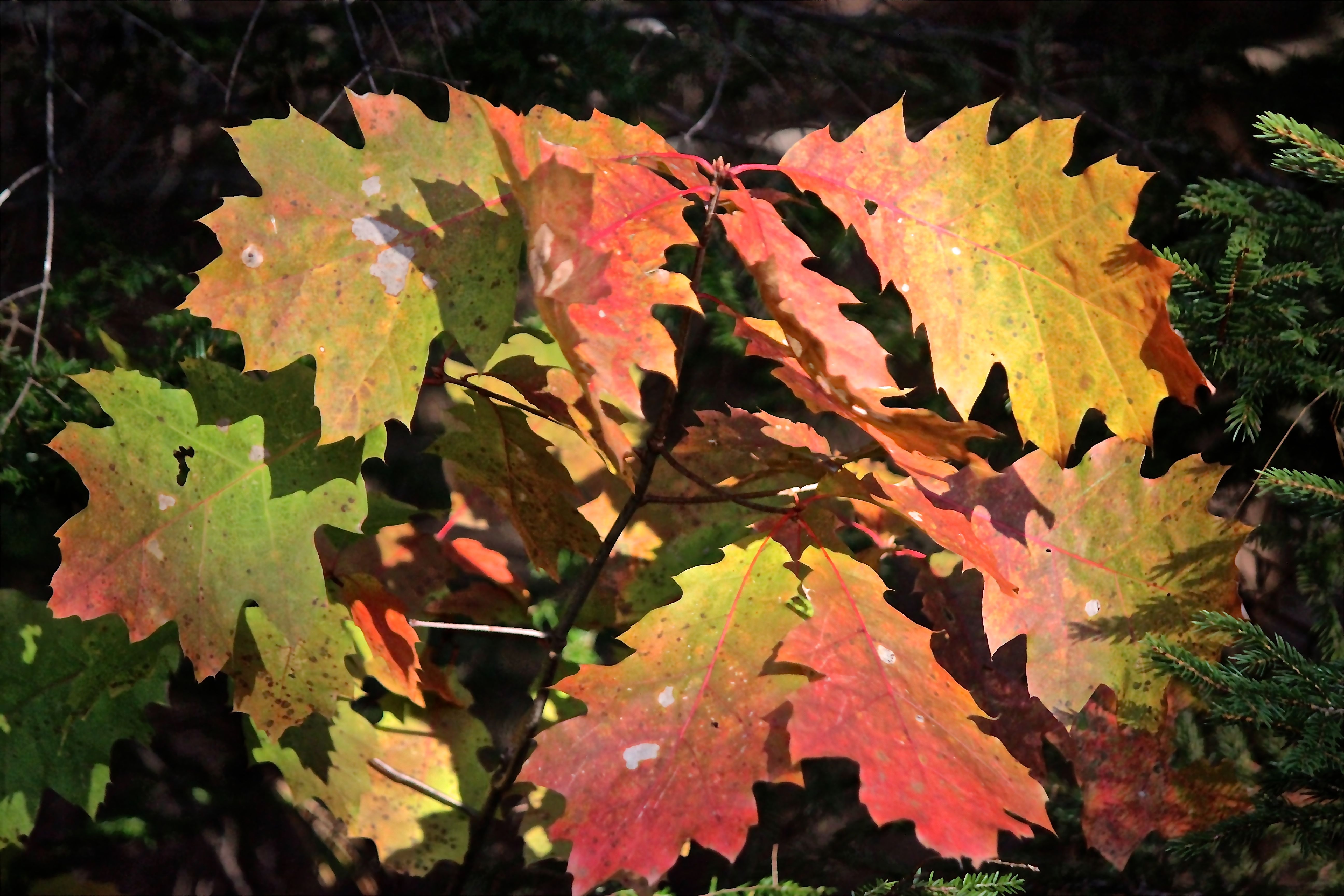
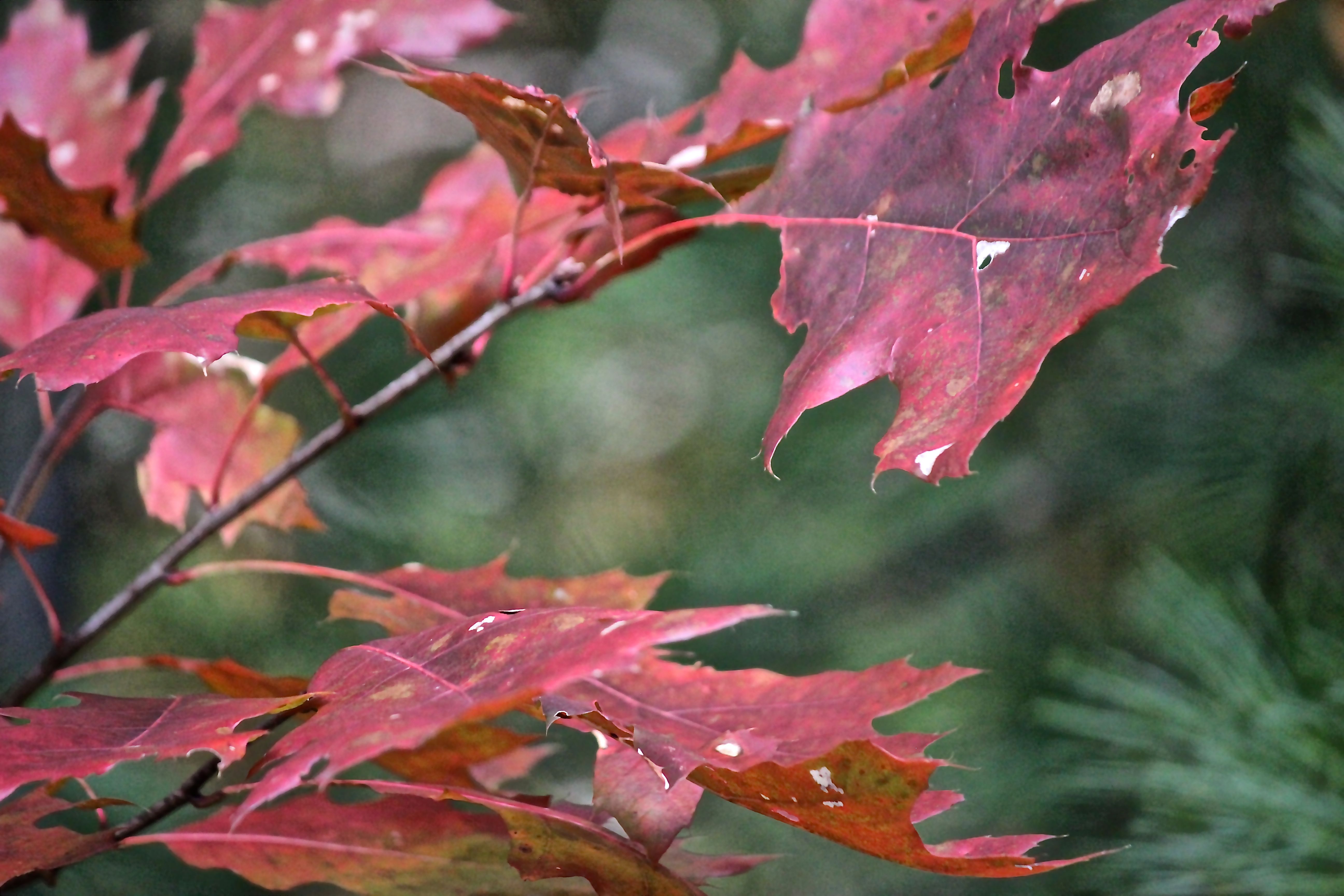
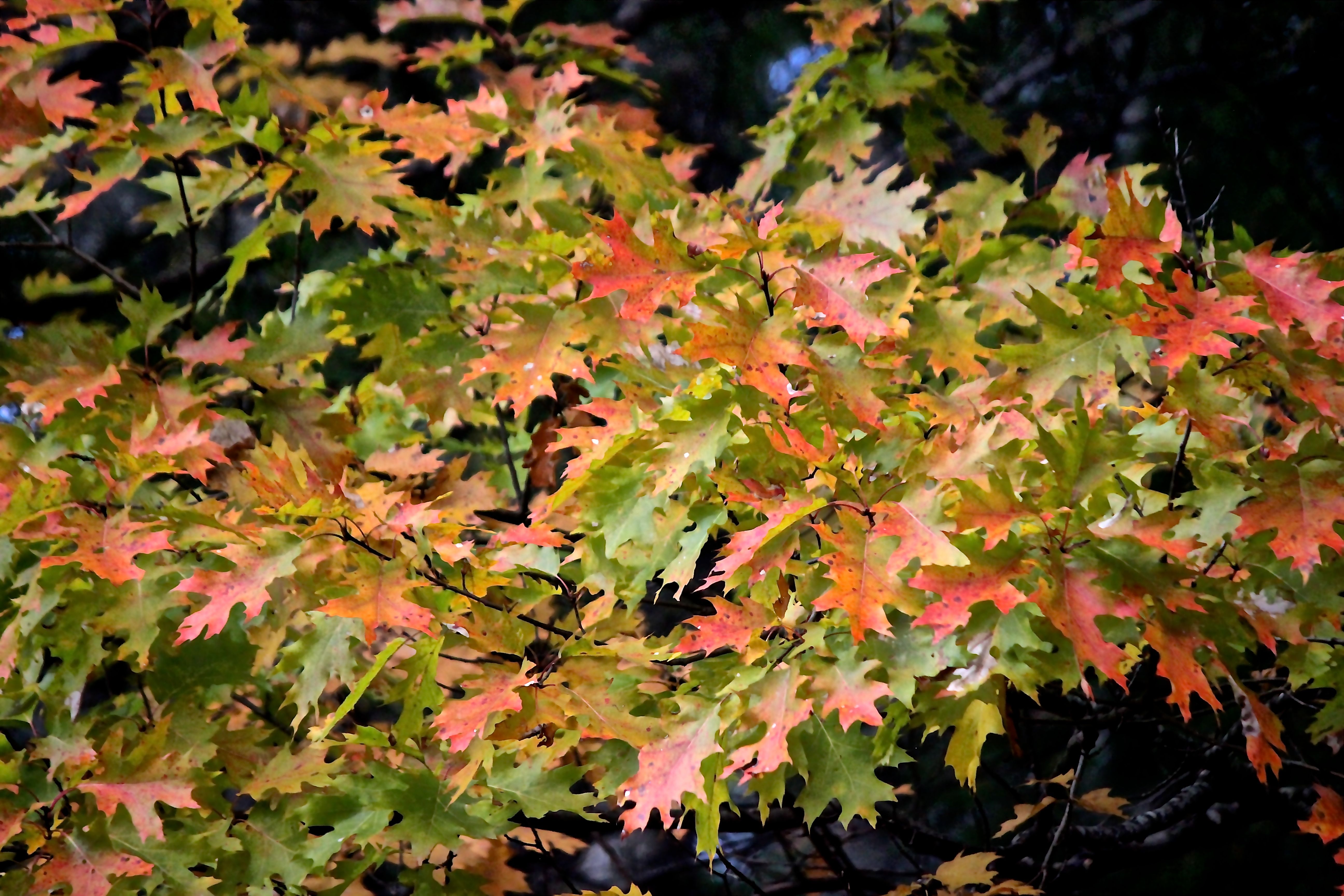
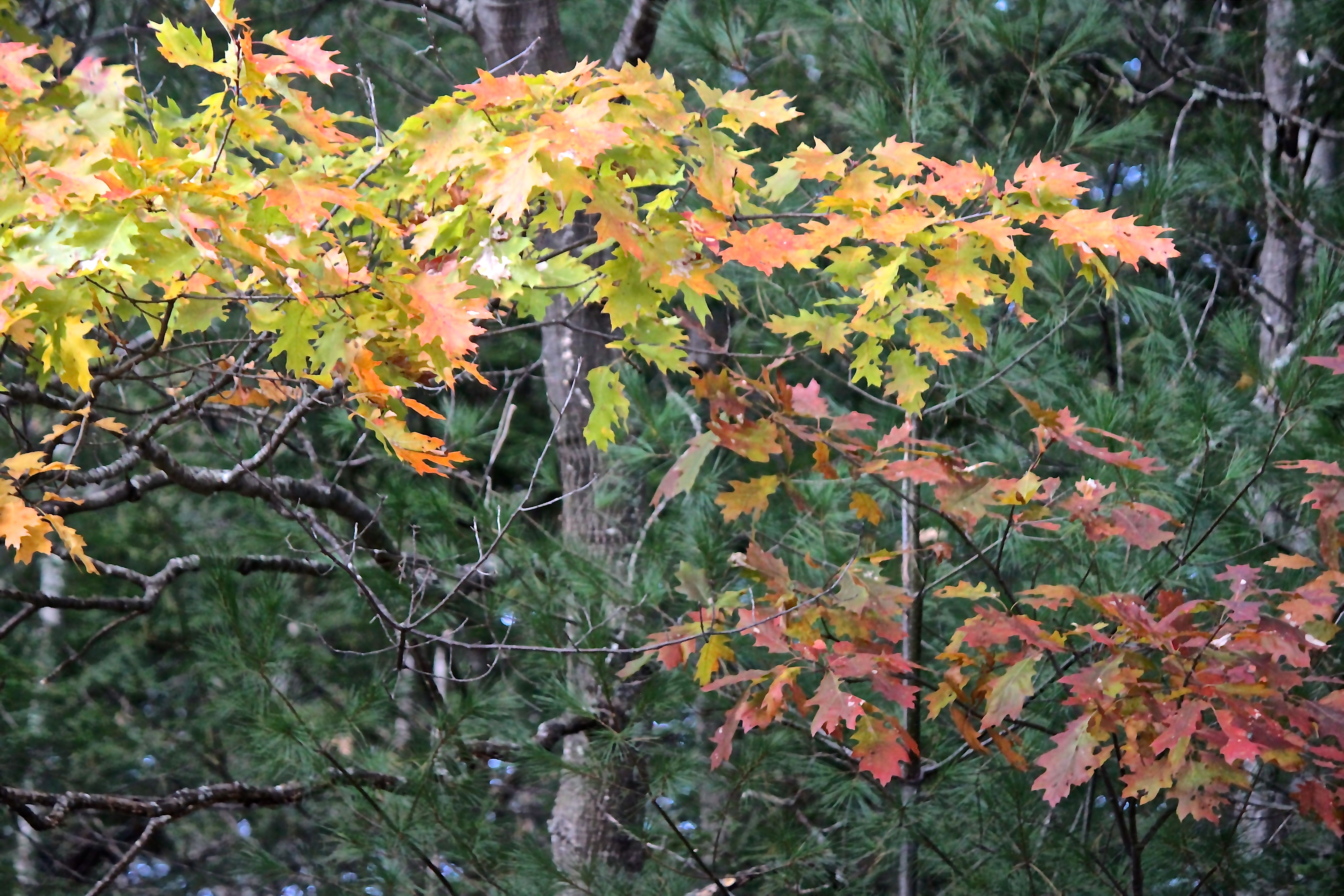
But this year, the northern red oaks are creating a parade of their own–all natural.

I have to assume that they’ve held the parade on an annual basis, but this is the first time I’ve stood along the route and paid attention.

Up until now, I’ve always thought of oak leaves as being green all summer long–which they are :-)

green leaves on tree

And then, in my mind’s eye, they turned yellow-brown

dried leaves on tree

before falling to the ground, where they sported a completely brown coat.

brown leaf on ground

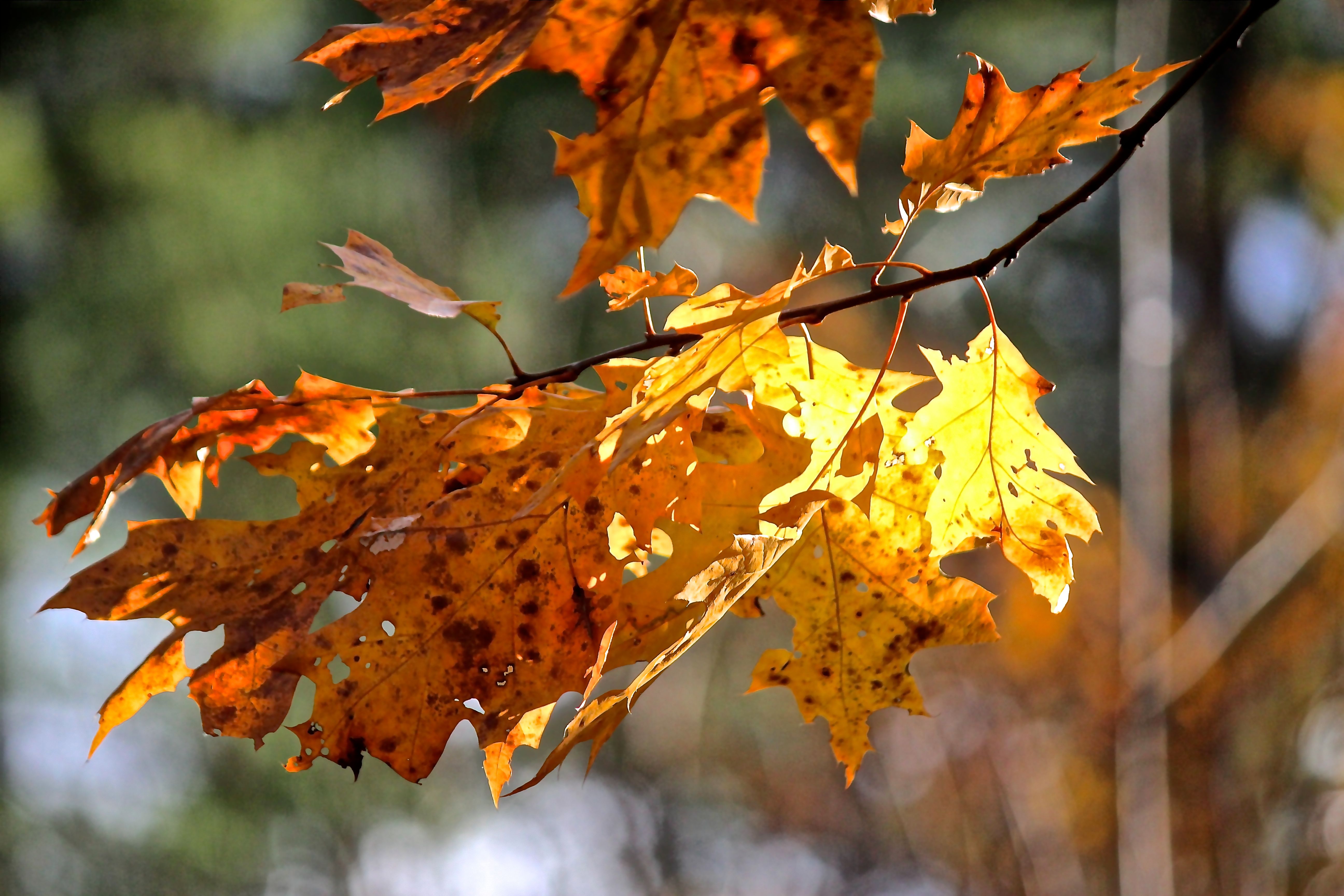
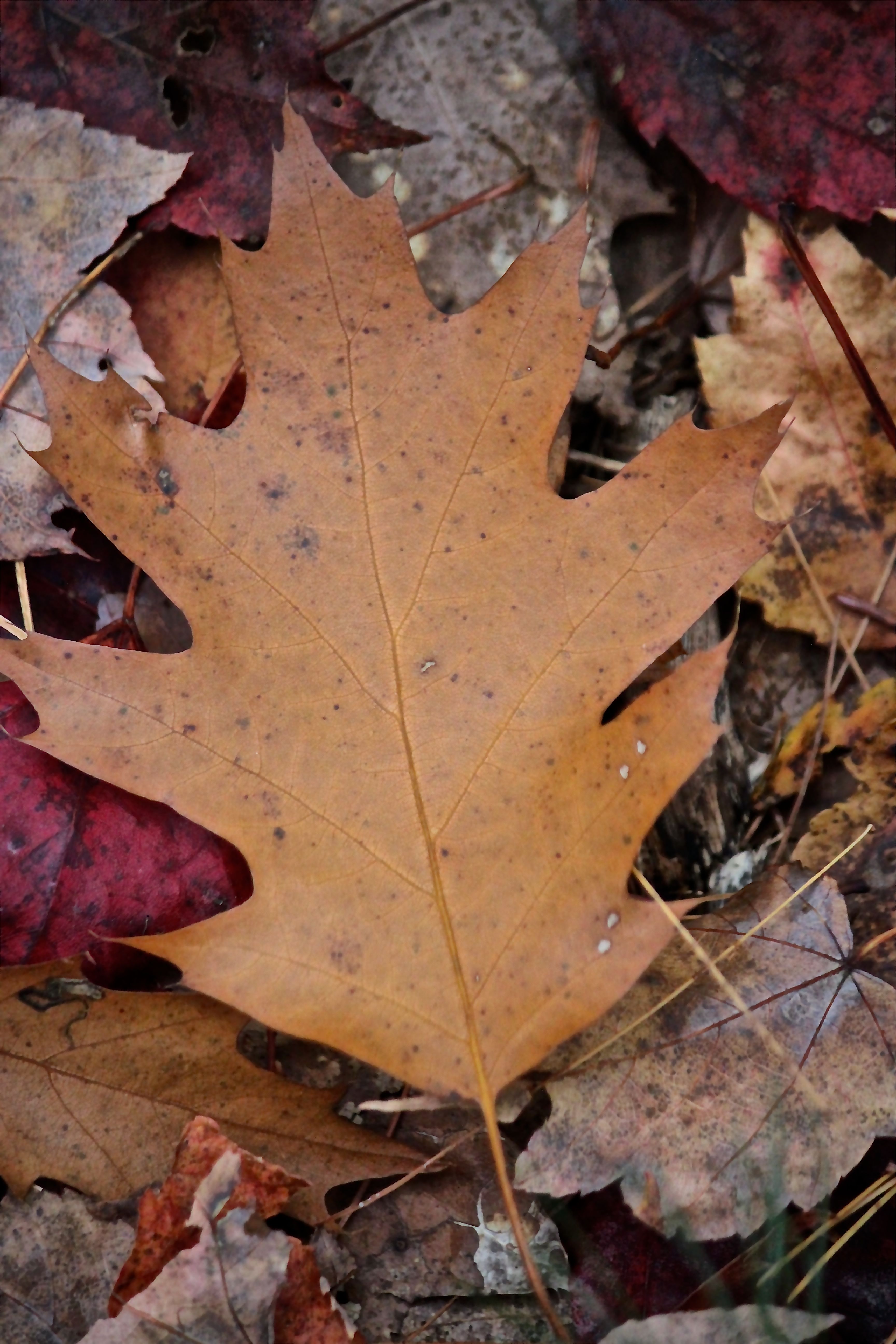
There seemed to be no redeeming value in these leathery leaves. And then I noticed that the tips of each lobe is bristly. And learned that they are marcescent, meaning some leaves, especially at lower levels, remain on trees throughout the winter. For most broad-leaf trees, the abscission layer that separates the leaf and its twig forms in the fall. Consequently, the leaf is shut off from its nutritious supplies and it drops to the ground. This layer doesn’t form fully in marcescent leaves. Why? Who knows, but it’s worth a wonder.

Here’s the other thing worth wondering about–their autumn display.

oak & beech in landscape

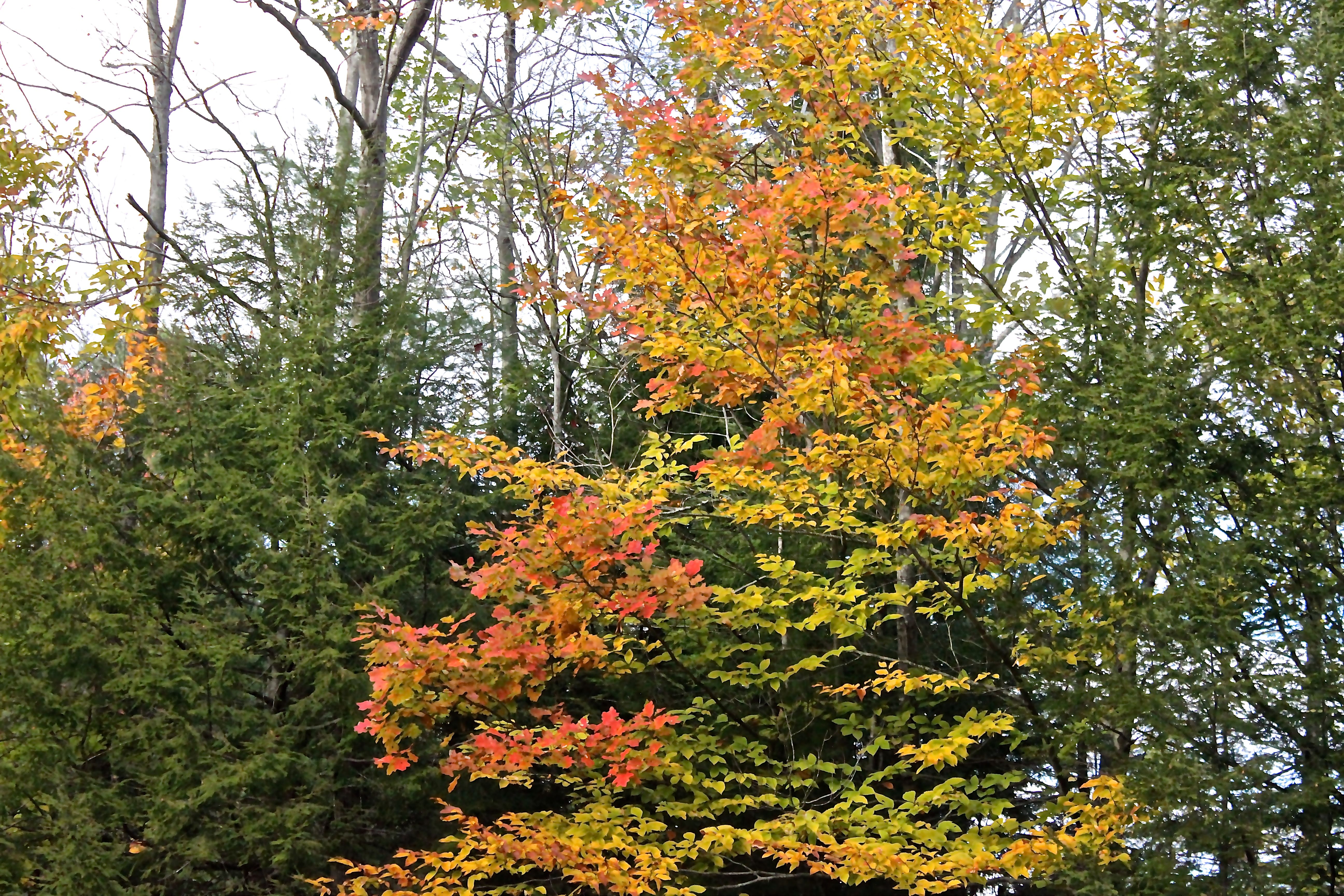
If I didn’t know better, I’d swear these were maple trees, rather than a red oak beside a beech.

oak leaf color 2

oak leaf color 3

oak leaf color 6

oak leaf color 8

oak leaf color 9

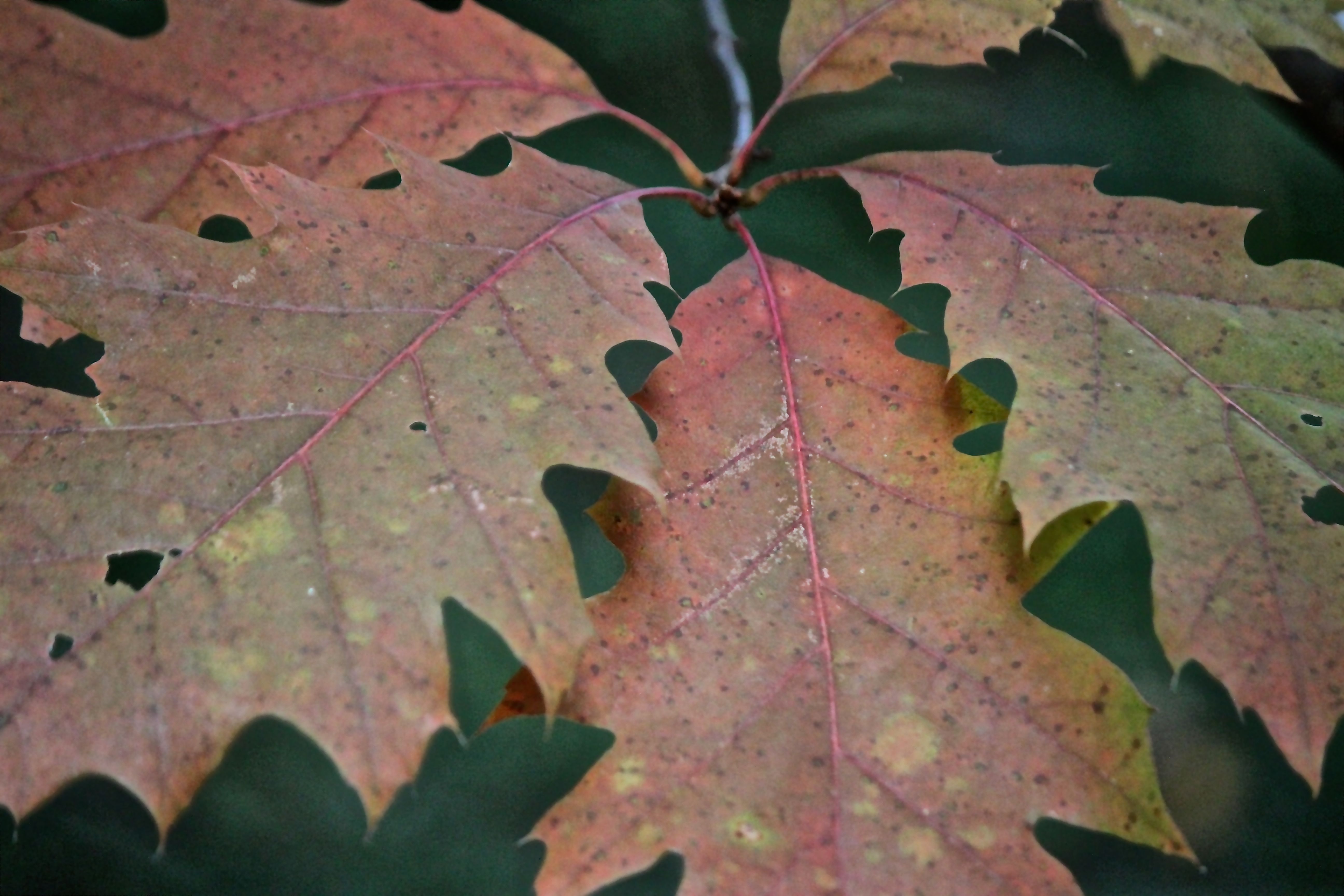
Is it just this year, or have they always been decked out in such vivid colors?

side by side color variation

Side by side, there is variation.

full head of color

against the sky 2

They light up the sky

green, tan and brown make their own statements

and make their own statement in the array on the ground.

puddle leaf, splotches of color

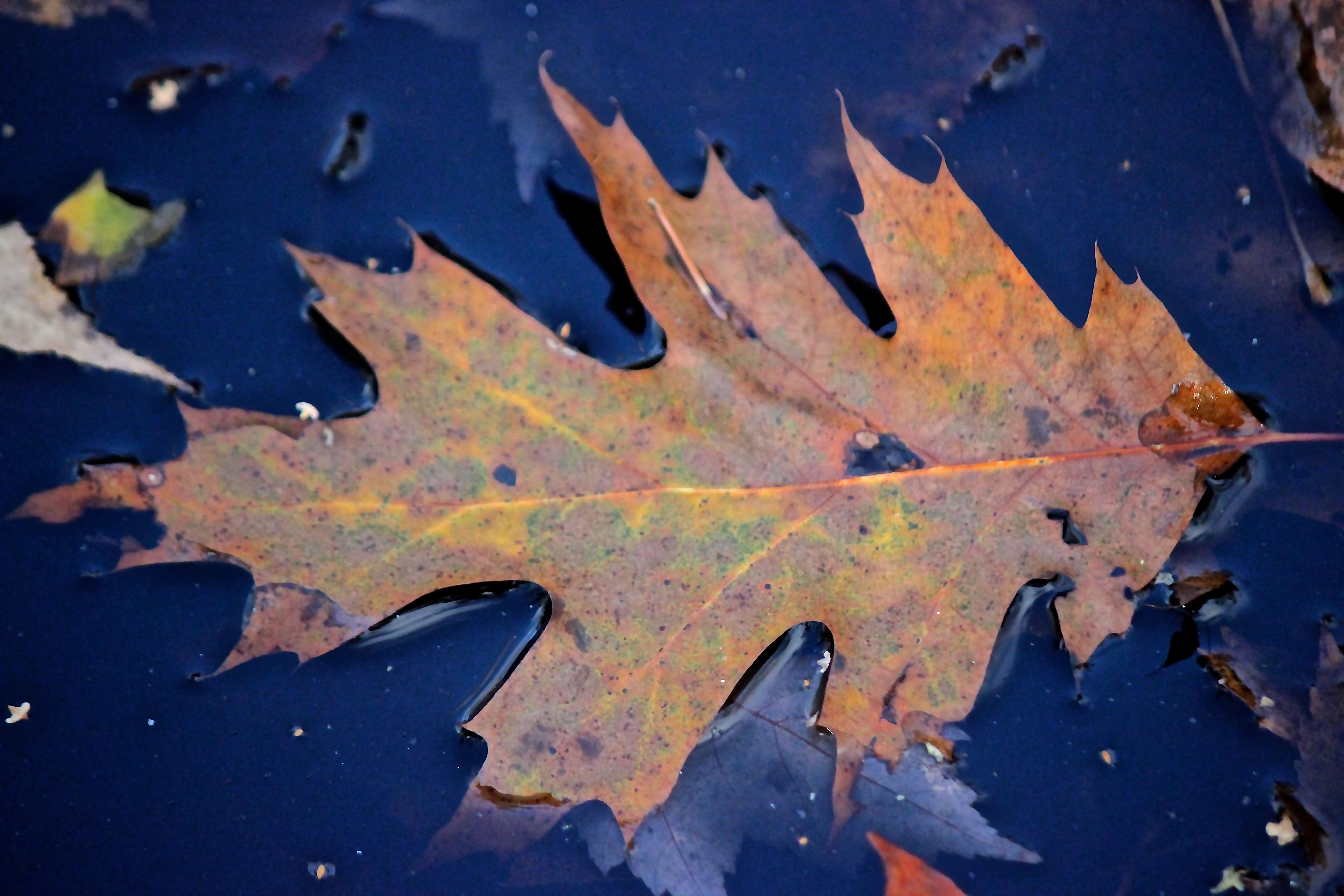
Even in puddles, their glory shows forth.

moon rise

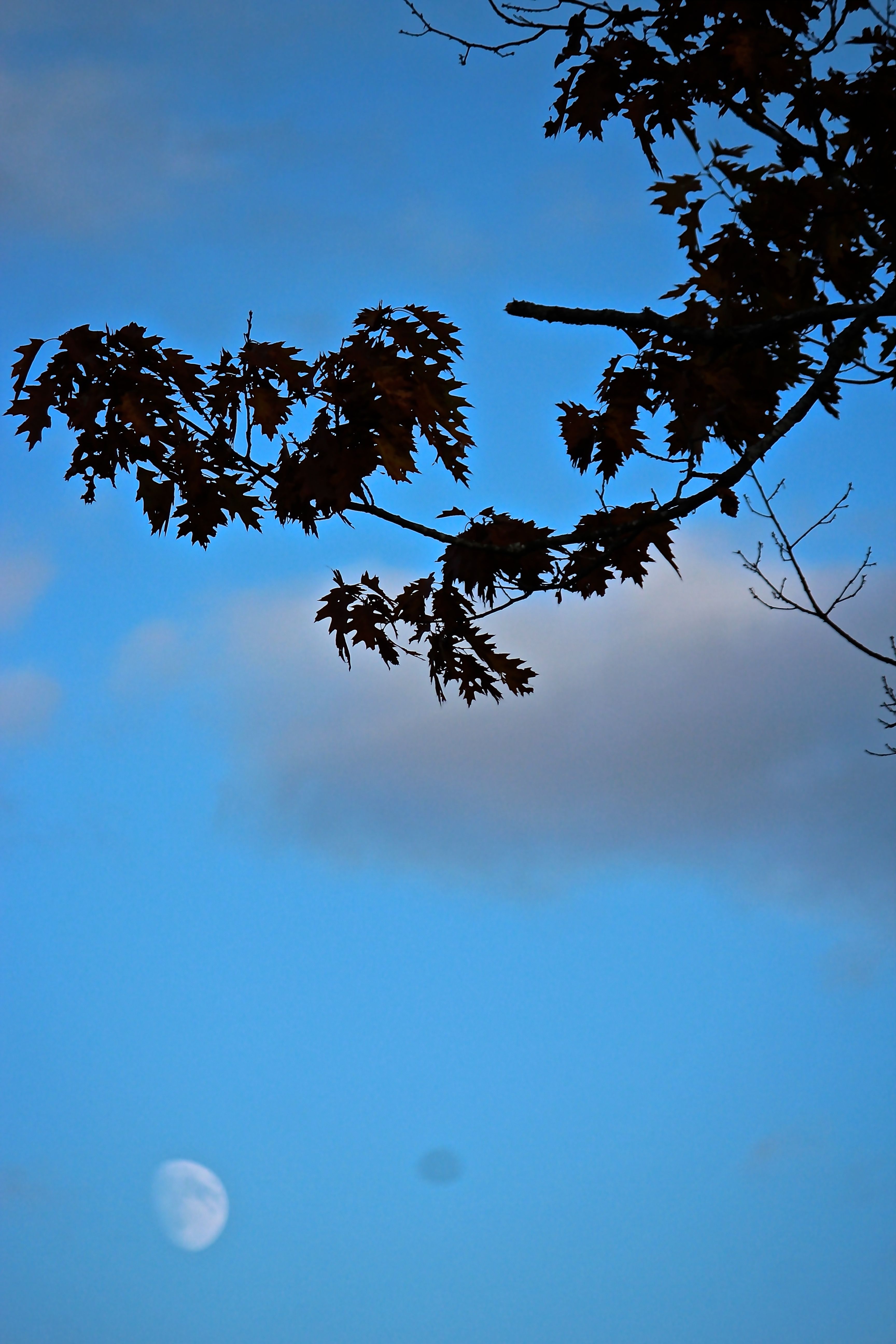
As the moon rises, they dance in the breeze. Day is done, but the parade isn’t over yet.

Oak leaves–worth a wonder.

Work-date Mondate

Sometimes we just have to settle down and work. Thus was the case today, when my guy and I drove to camp to winterize it and put some boats away.

camp

I helped. Honest, I did. I hauled some of the plexi-glass for the porch up from the basement. And held the plexi-glass in place. And handed him bunches of screws and washers. And lifted the back end of the kayaks. And rolled up the hammock.

PM 2

But mostly, I played with my camera.

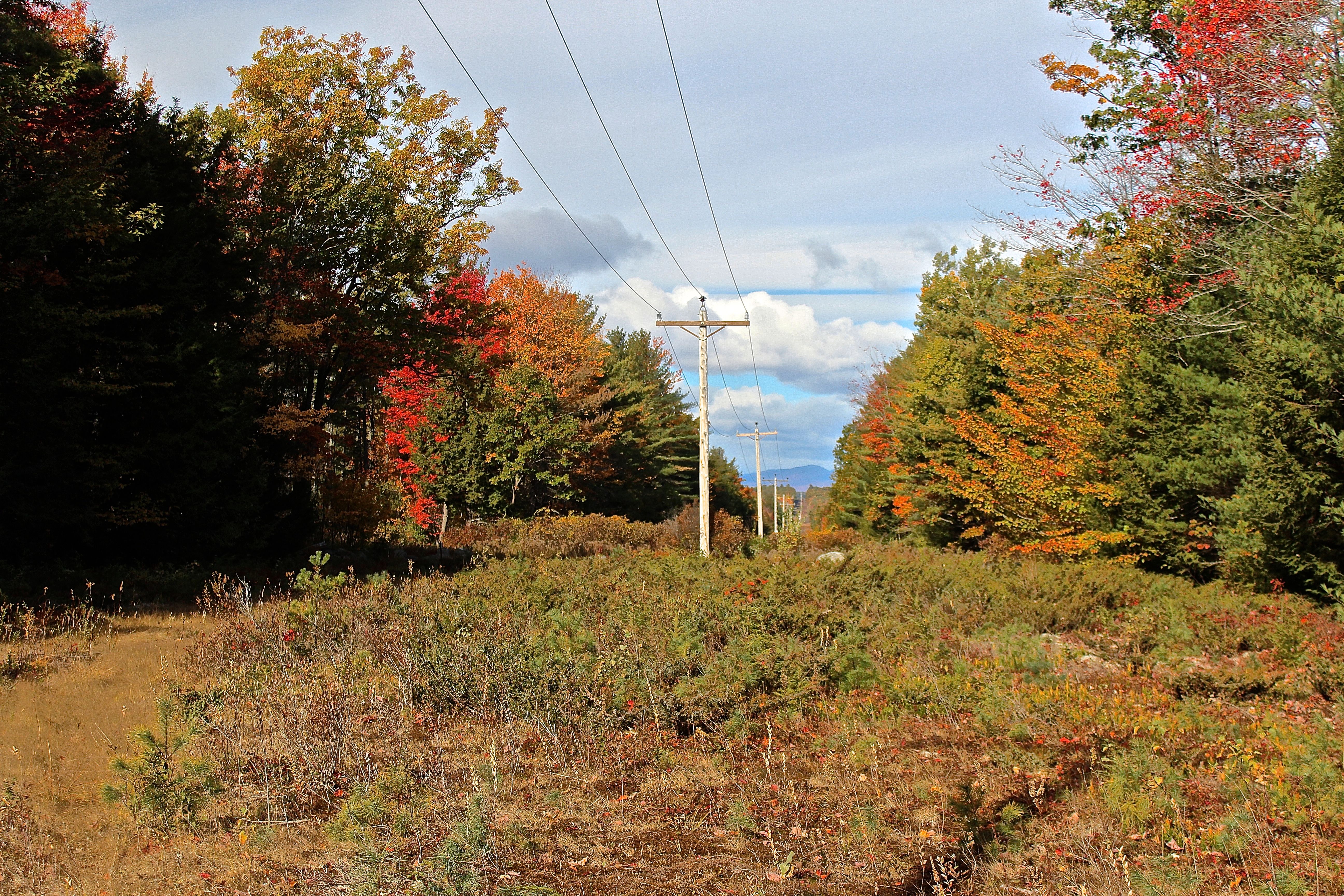
fall at camp

Recording the season is also important work.

PM 1

And I figured out how to get my telephoto lens to work again.

 no. red oak 2

I was thrilled to focus on the scenes before me, including these Northern red oak leaves

huckleberry leaves

and those of the huckleberries.

island 1

My lens caught the island views,

leaves on water

leaf tapestry,

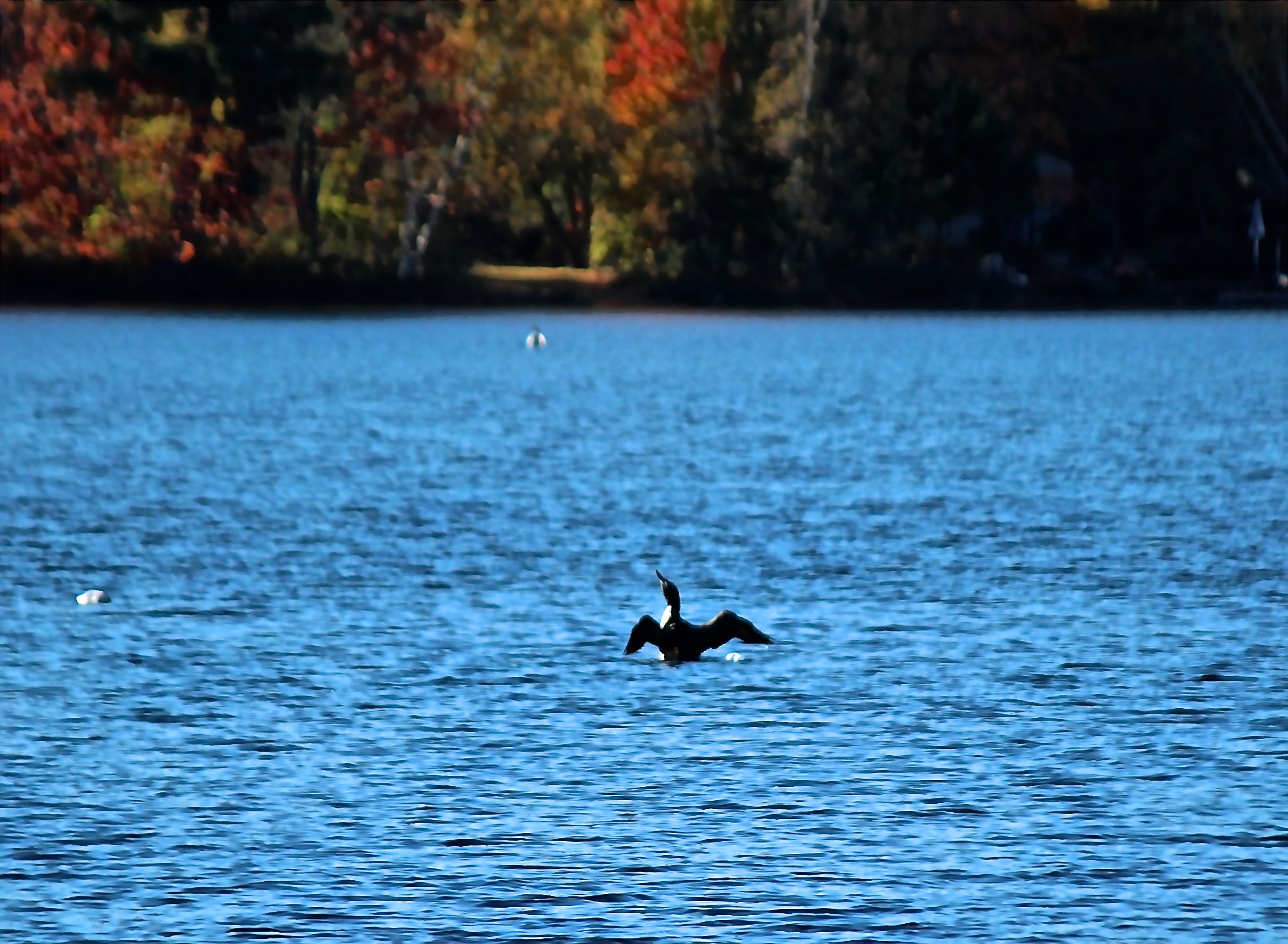
loon 2

and loons in action.

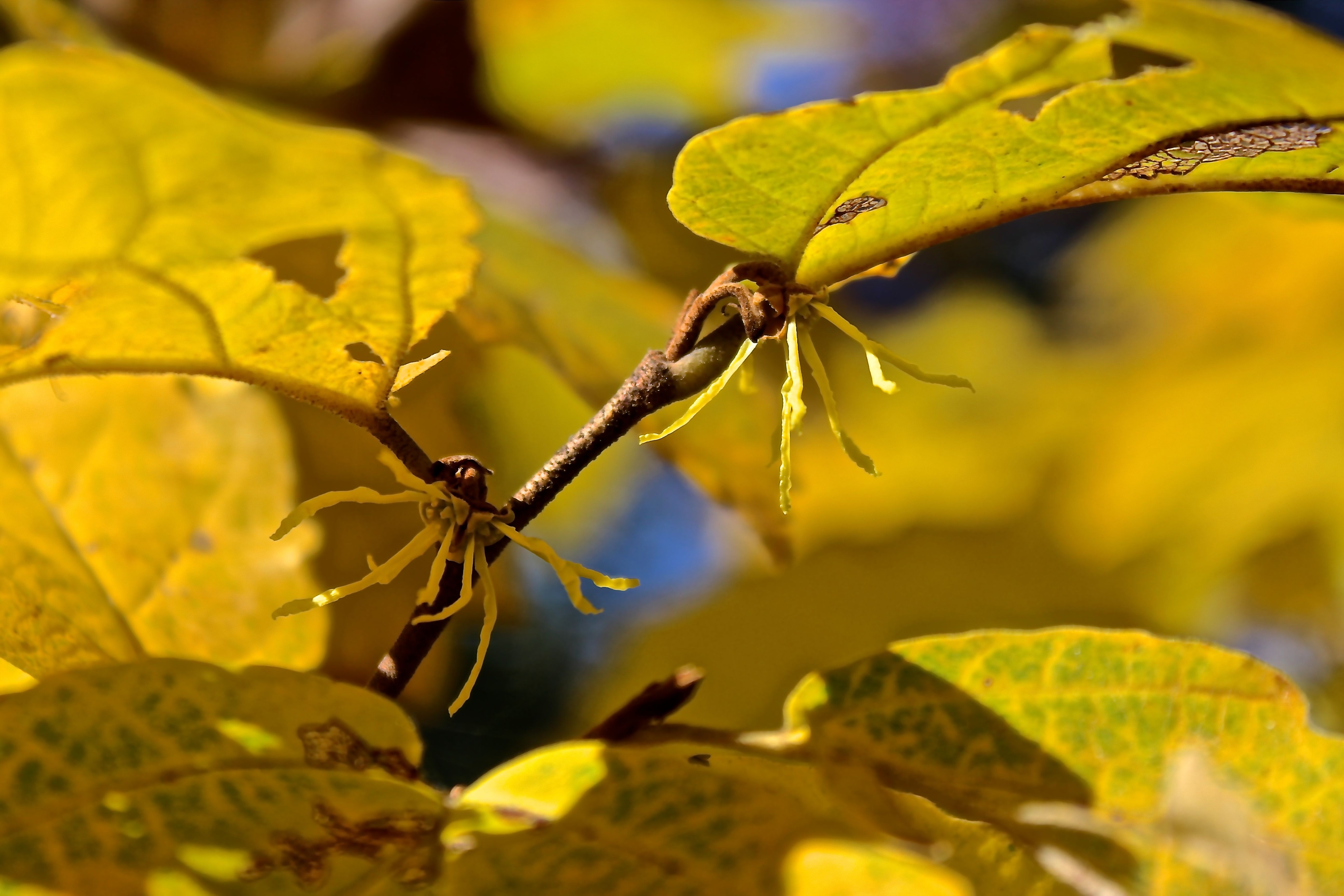
witch hazel 1witch hazel nuts

And I couldn’t pass up the flowering witch hazel with its fruits forming. This is a shrub that knows all about work–whether as a divining rod to locate underground water or an extract with healing powers.

So you see, my guy and I both worked on this Mondate.

Down Low, Up High

I needed some time for quiet contemplation mid-morning, so I was thankful my guy was working for a few hours.

Sunday morning

I knew exactly where to go to sort out my thoughts.

orange peel on logging road

Along the way, I made discoveries like this–orange peel fungi (Aleuria aurantia), which prefers disturbed areas. Hmmm . . . and disturbed brains?

oak leaf iced in

I found a Northern red oak leaf frozen in ice. But it won’t remain that way forever. Eventually, the ice will melt and the leaf will gradually break down, adding nutrients to the soil. It takes time. I need to remember that.

flowering witch hazel

The witch hazels are in full bloom and they made me smile. Life is good after all.

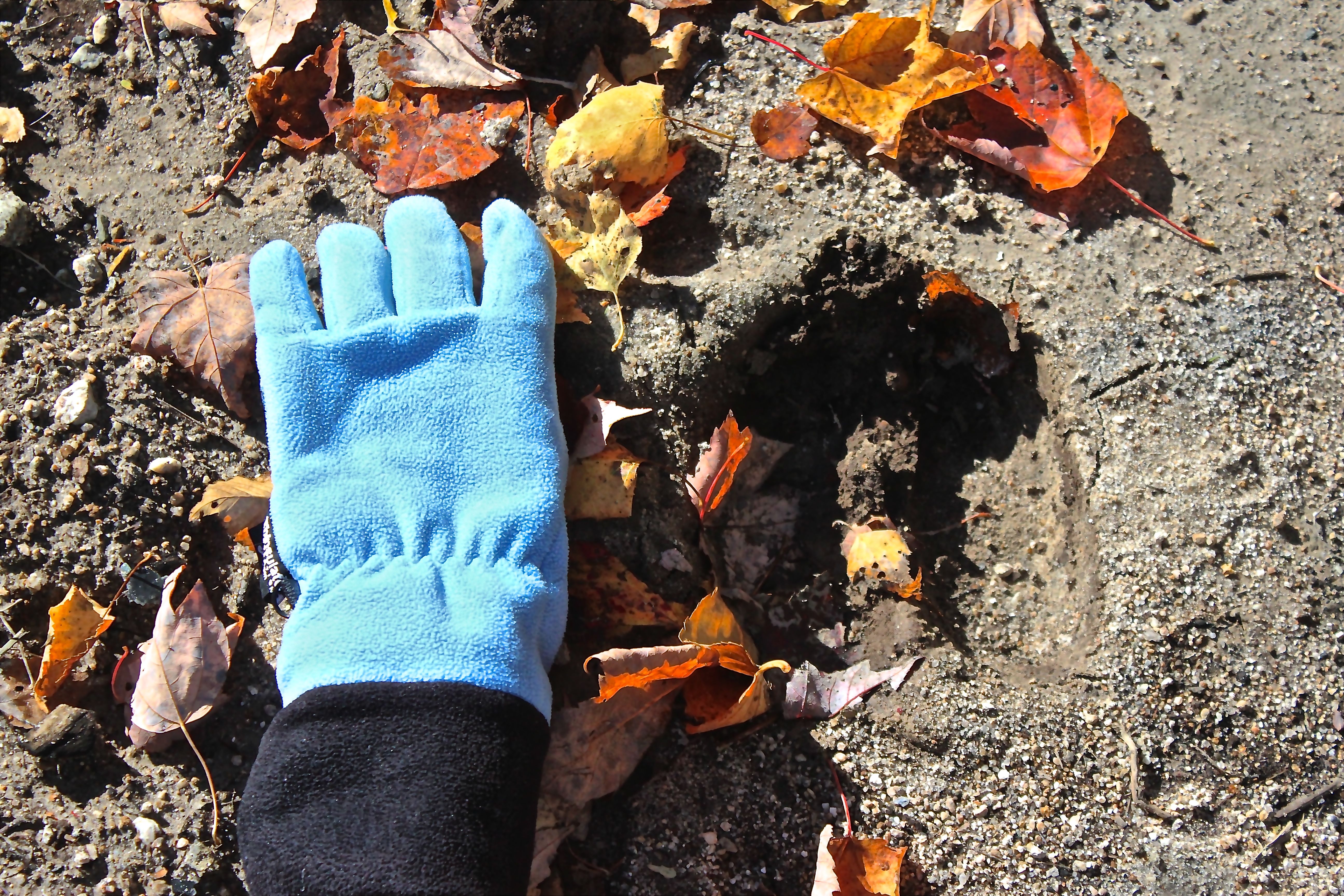
moose track 1

Another reason to smile–moose tracks. Not the ice cream, but the real thing. Though the ice cream is mighty delicious. Our sons tease me because I mine a gallon for the big chunks of chocolate.

home sweet home

Home sweet home at last. My brain was cleared and I knew the path to take.

Prehike view

After lunch, my guy and I also chose a path. Our destination–the one and only Pleasant Mountain. We planned to leave one truck at the bottom of the Ledges Trail and the other at the Bald Peak trail head. Lots of other people also took advantage of the crisp air–a day meant for hiking.

new BP trailhead

The sign has been moved to the back of the new parking lot

new trailhead

where steps lead the way to the new trailhead. Thanks to Loon Echo Land Trust for all the work they and their volunteers and the AMC did to recreate this trail. My guy hadn’t been on it this year and he joined me in singing its praises.

Bald Peak trail stream

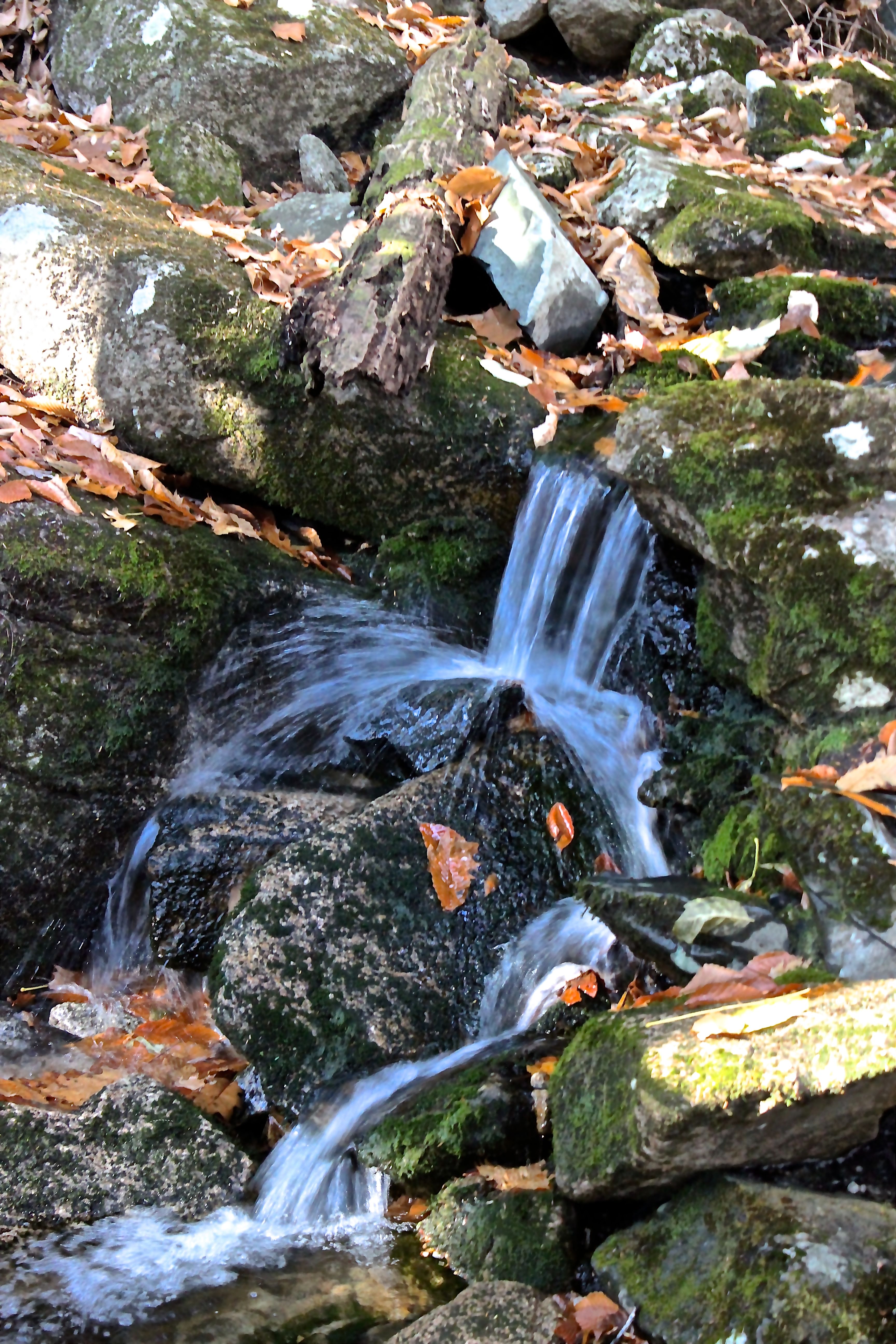
Below Needle’s Eye, water cascades over the rocks.

follow the yellow leaved bedrock

Sometimes we followed the yellow brick road, I mean, yellow leafed bedrock

thrift shop

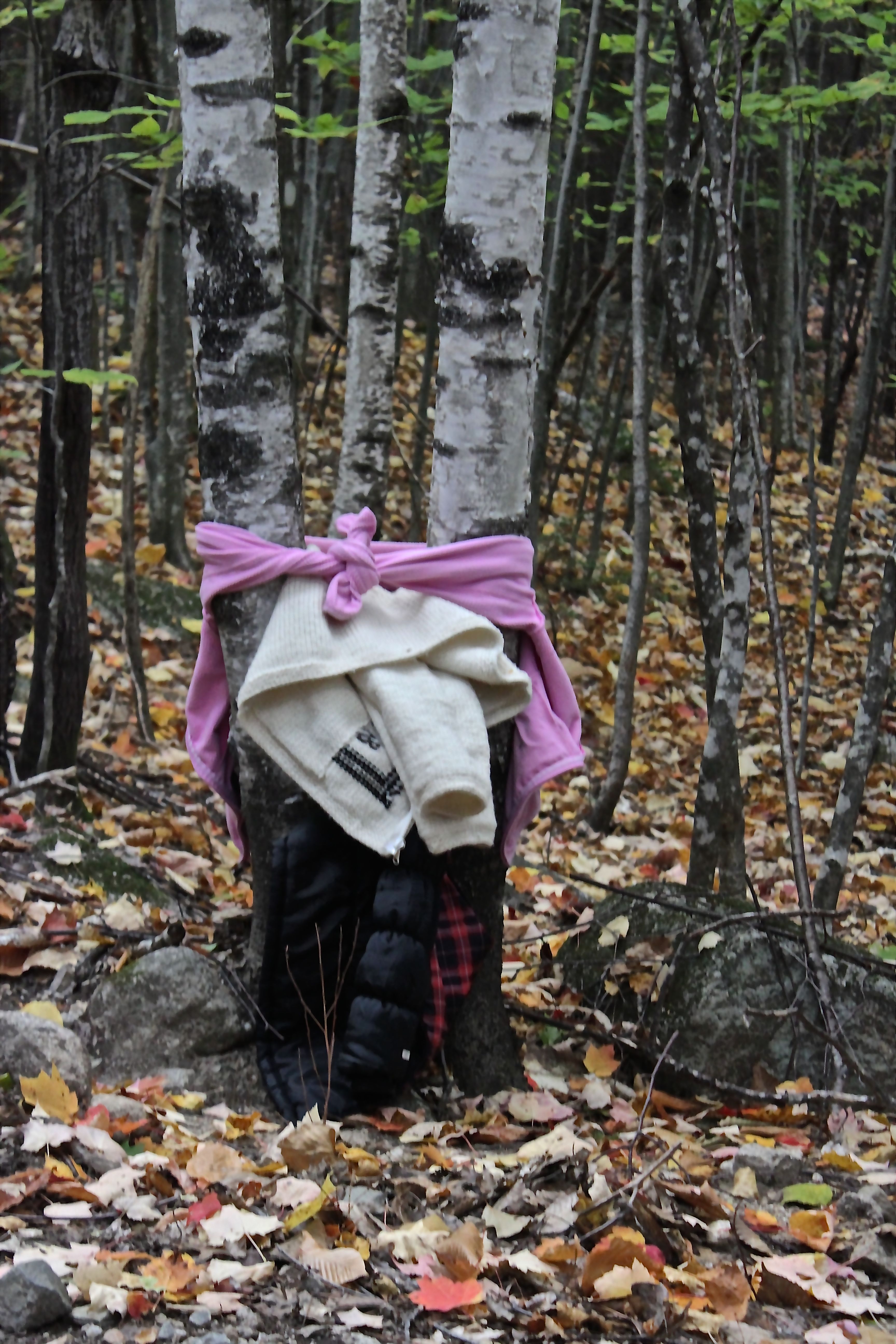
and found a thrift shop along the way. I only hope the owners of these jackets didn’t regret that they’d left them on the lower portion of the trail. The climb up is sweat inducing, but the wind at the summit–brrr.

causeway 2

I love this peek back at the causeway by Sabattus Island, where I had taken the photo of the mountain about an hour previously.

North Ridge summit view

At the North Ridge intersection, mountain views opened.

ridge 2

The fall foliage is beginning to wan, but ever so slightly and the blueberry plants provide a colorful contrast.

Moose Pond from ridge

One moment Moose Pond was clearly visible

waves of flurries

and the next it was clouded by waves of flurries. Snow flurries :-)

The People's Marathon

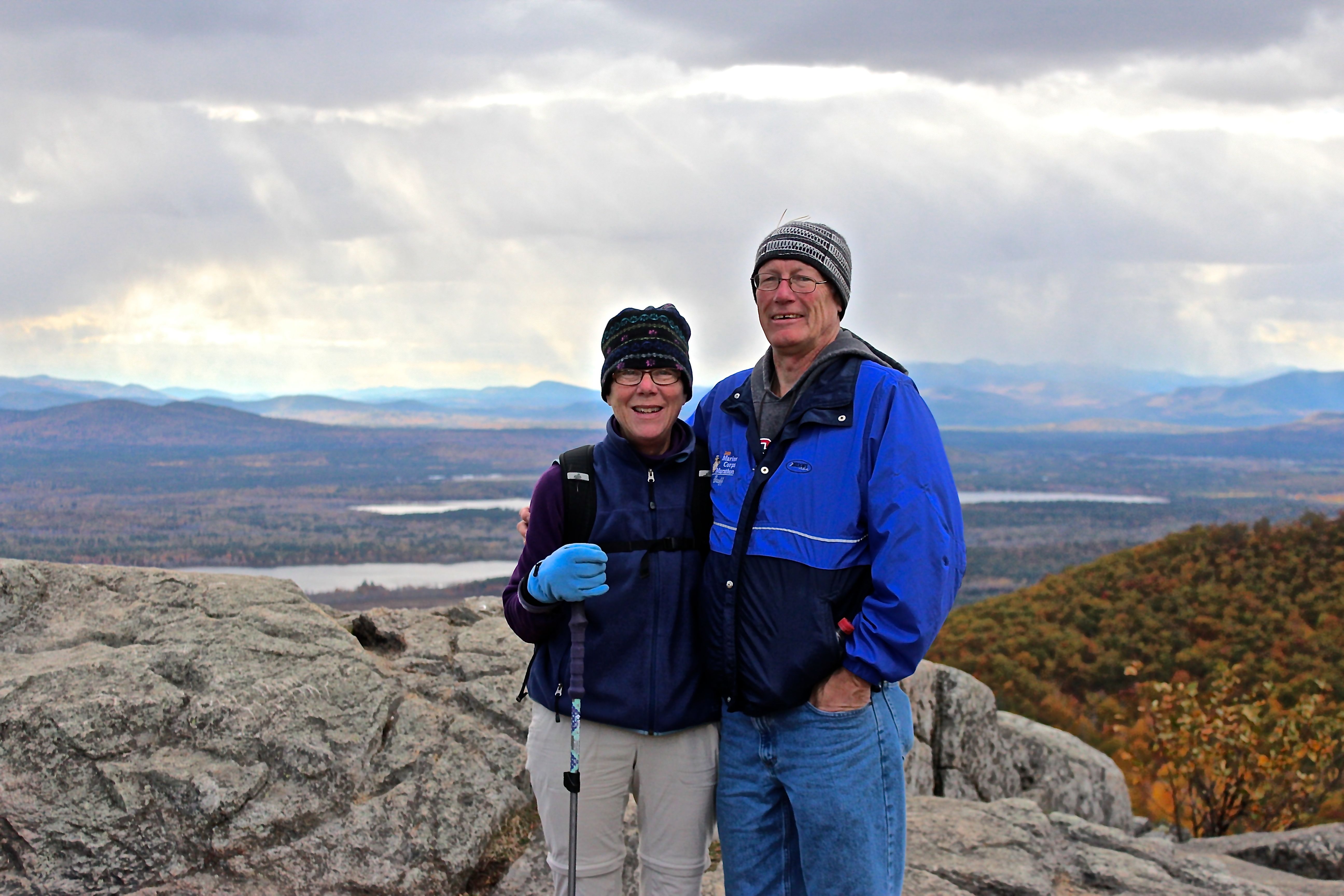
Step for step, I followed my guy who sported his Marine Corps Marathon jacket. It’s been a while since he’s run a marathon, but only a year since he last ran a half marathon. He’s in training again–the Moose Pond Half Marathon is in two weeks. He ran the course yesterday–13.1 miles around the pond. I’m mighty proud of this guy–he’s raising money for the marathon’s cause–the adaptive ski program at Shawnee Peak. If you are so inclined and want to support him, please stop by his store. This is only one of the numerous things he quietly does for others.

fire tower 2

At last we reached the fire tower at the summit.

windy summit 1

It was a wee bit windy as the flag indicates.

summit, us

That didn’t stop us from pausing

summit view 4

summit view 2

summit view, Kezar Pond:snow

to take in the view. Yes, that is snow falling from those clouds. But only flurries.

ledges view 3

On our way down the Ledges Trail, Moose Pond again came into sight.

I was thankful for yet another opportunity to enjoy a mountain high with my guy–and overcome the low points of the day.

This may be a Sunday Mondate. Not sure what tomorrow will bring us. That’s the thing about life and nature–we never completely know everything. I like that. Lows and highs–it keeps us wondering and wandering.

This post is dedicated to my guy who will run in the Moose Pond Half Marathon on November 7 and to Major Kimberly Olmsted Jennings, USAF, who will run in the Marine Corps Marathon, The People’s Marathon, next Sunday. So proud of both of you.