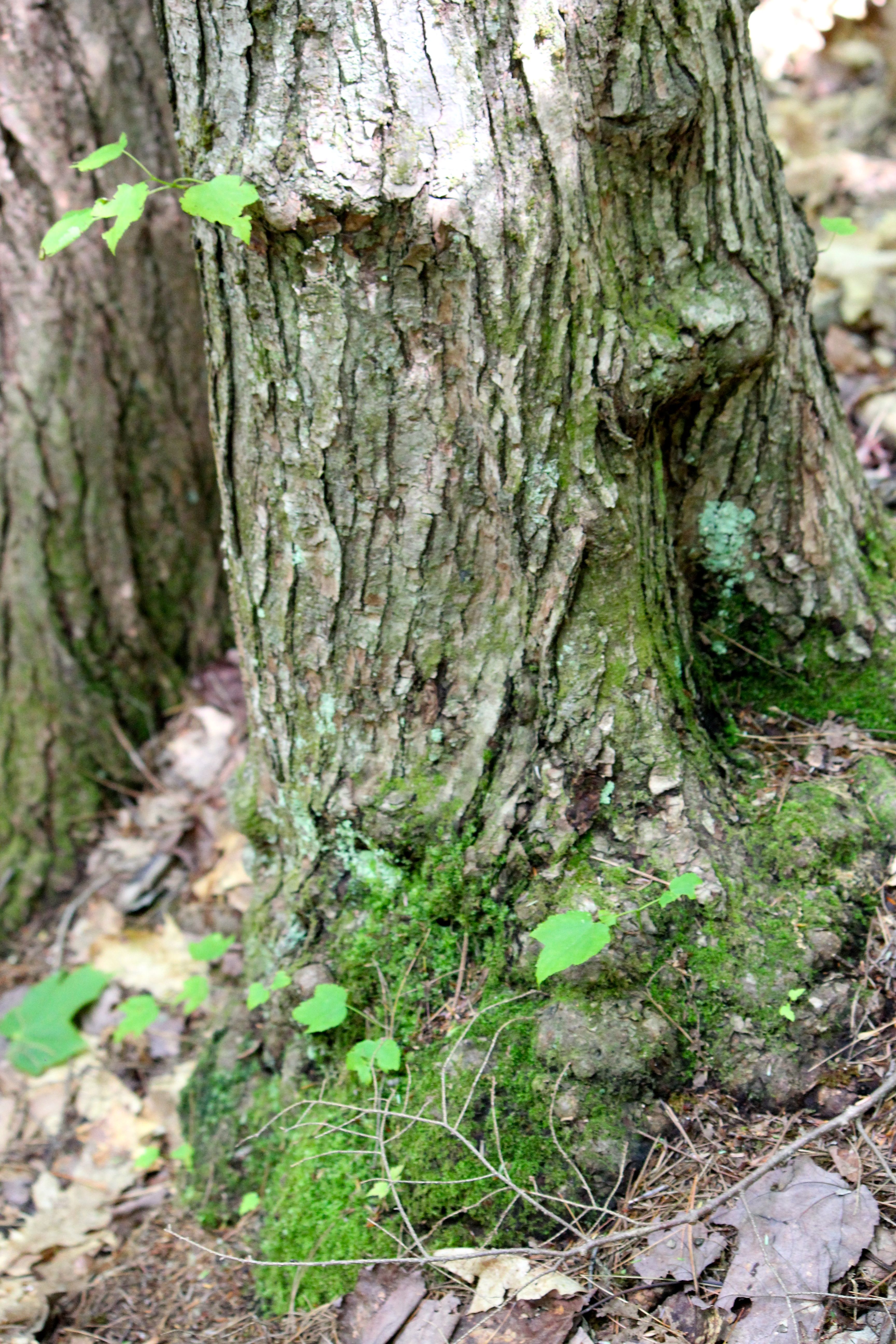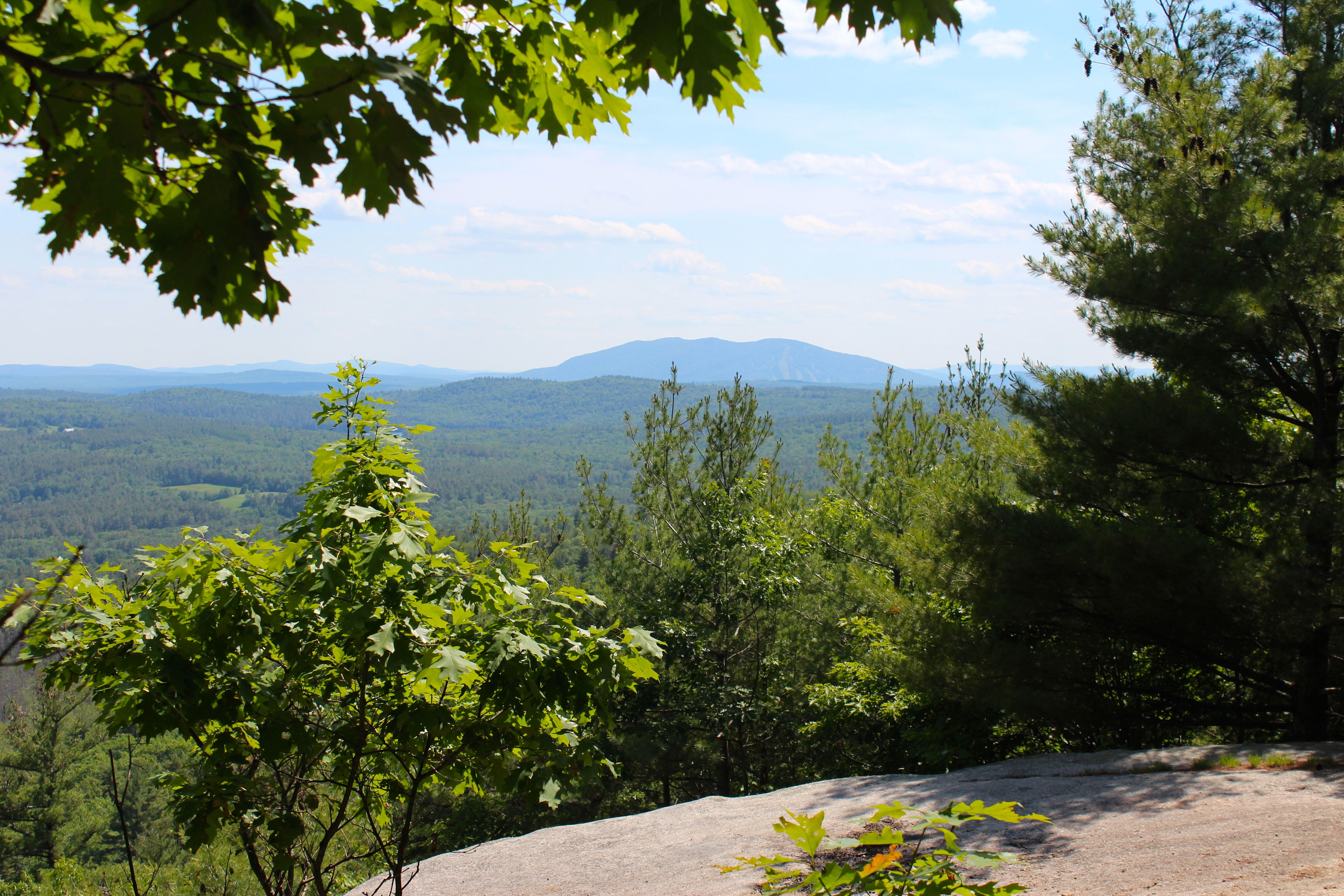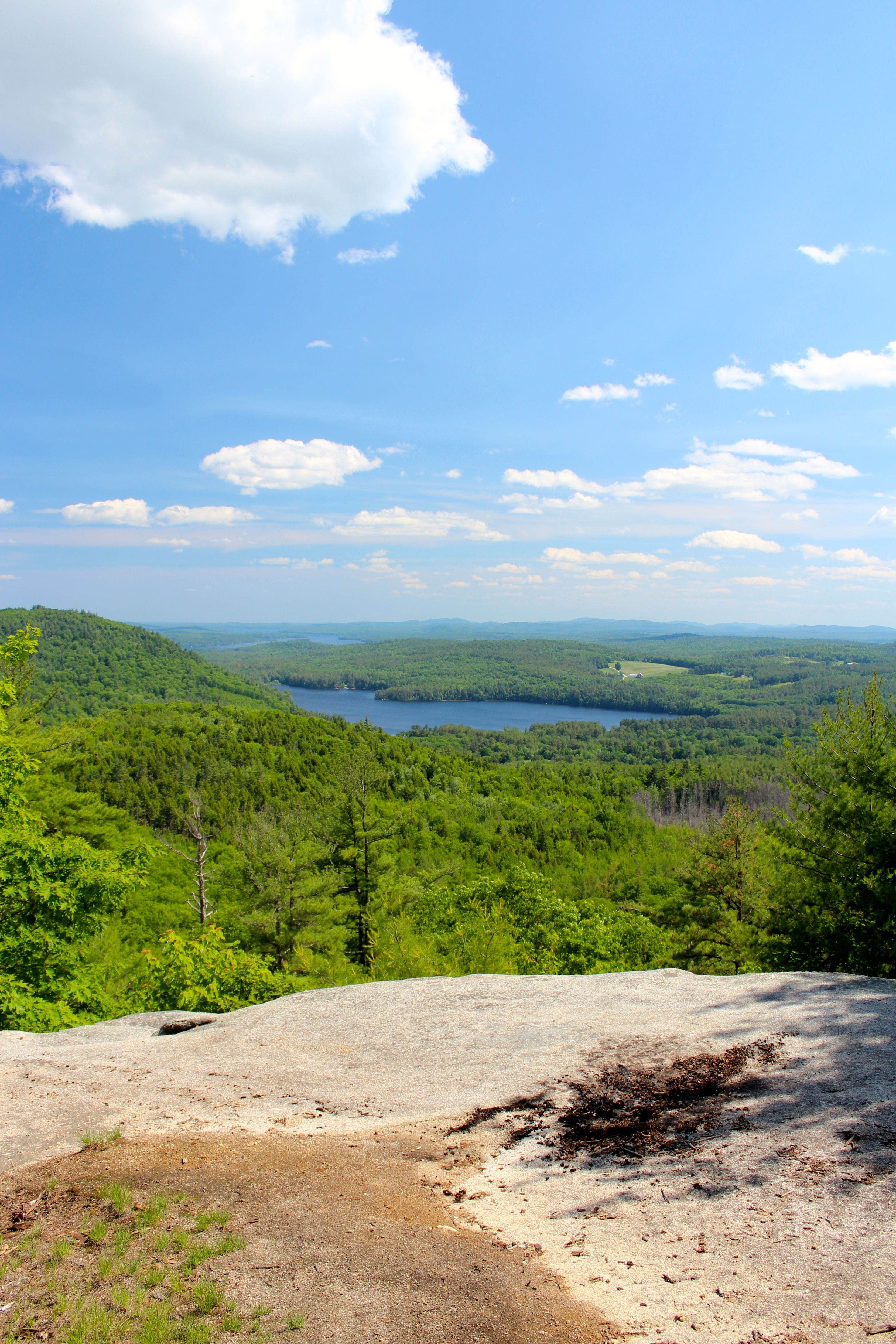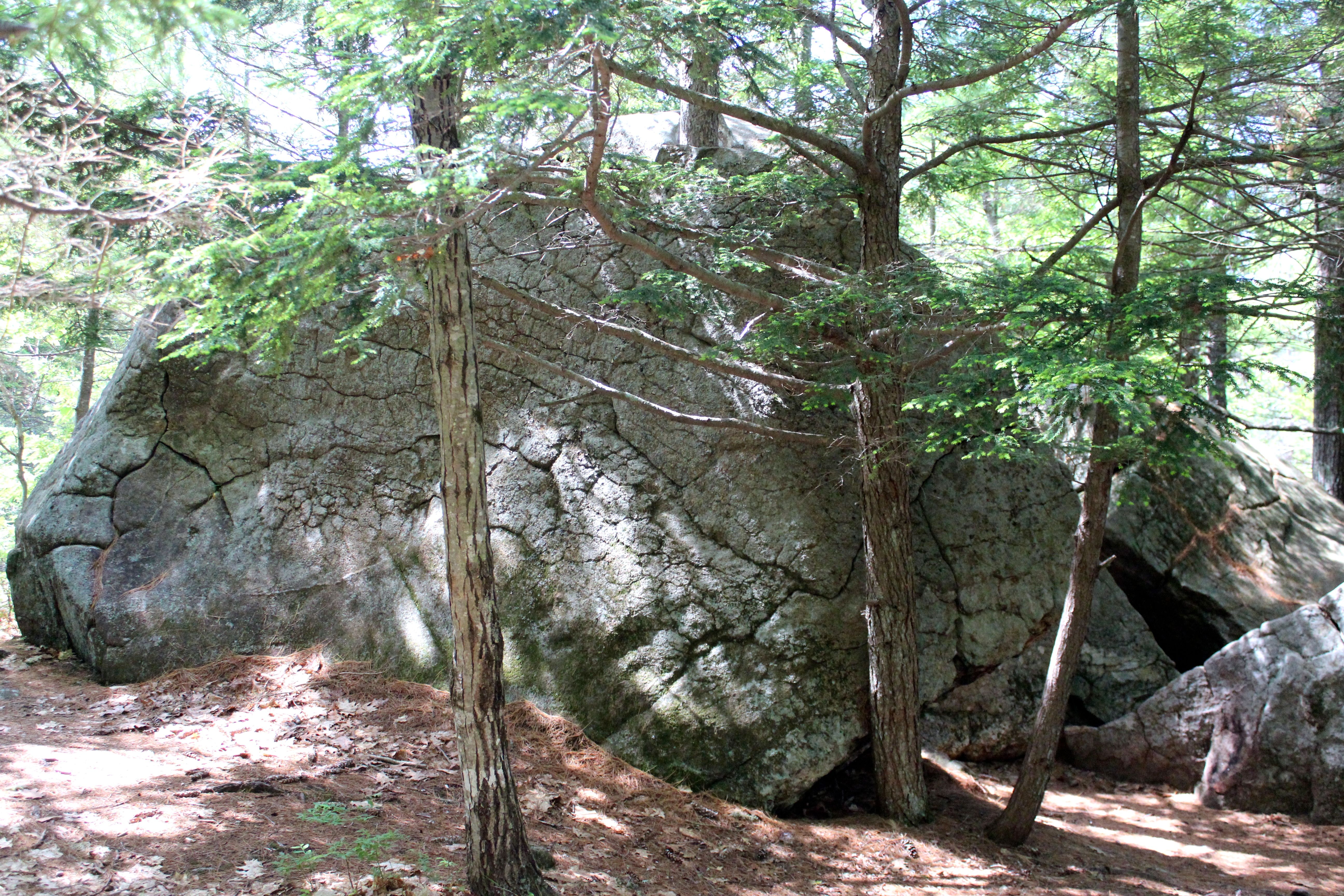
A Day of Contrasts

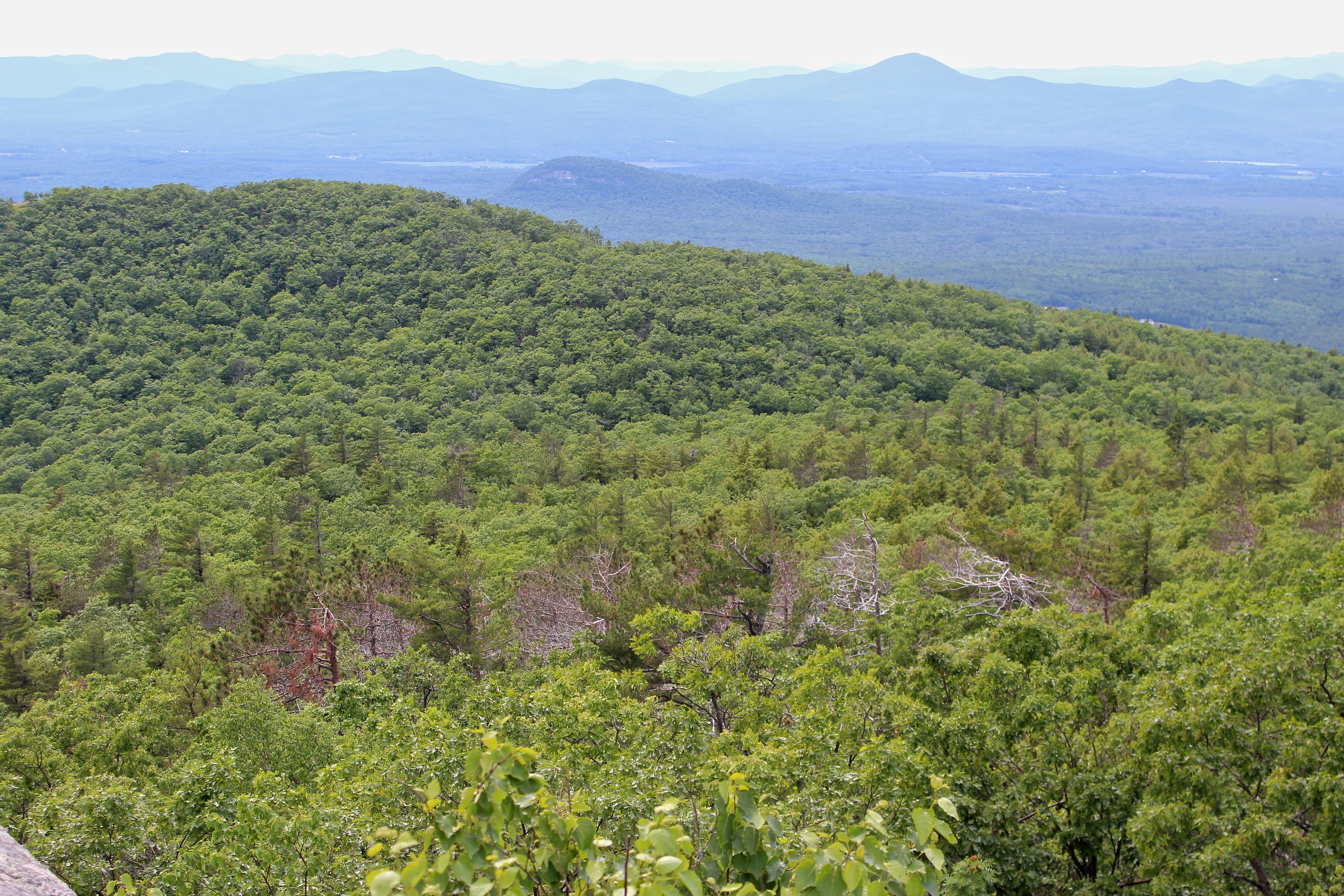
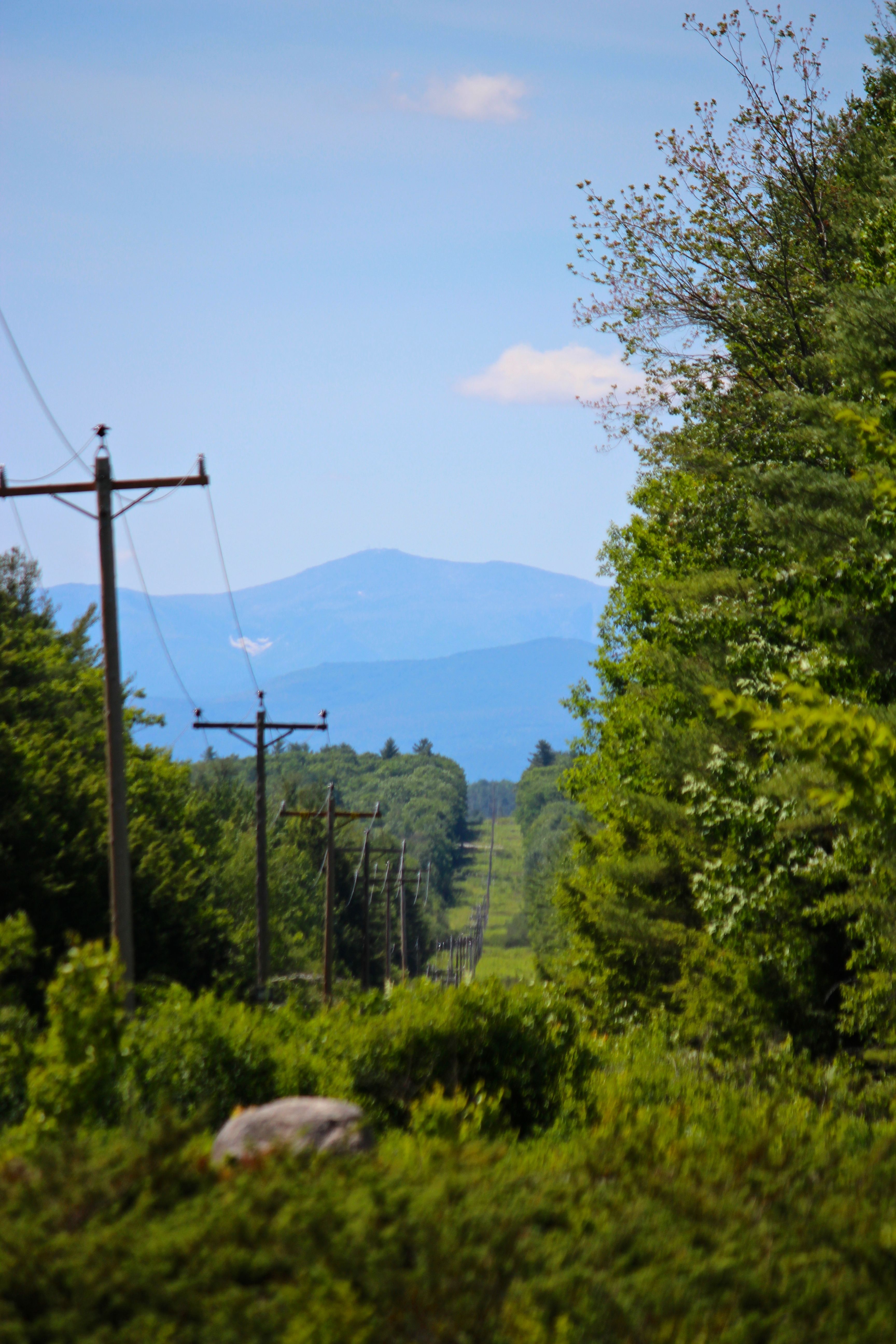
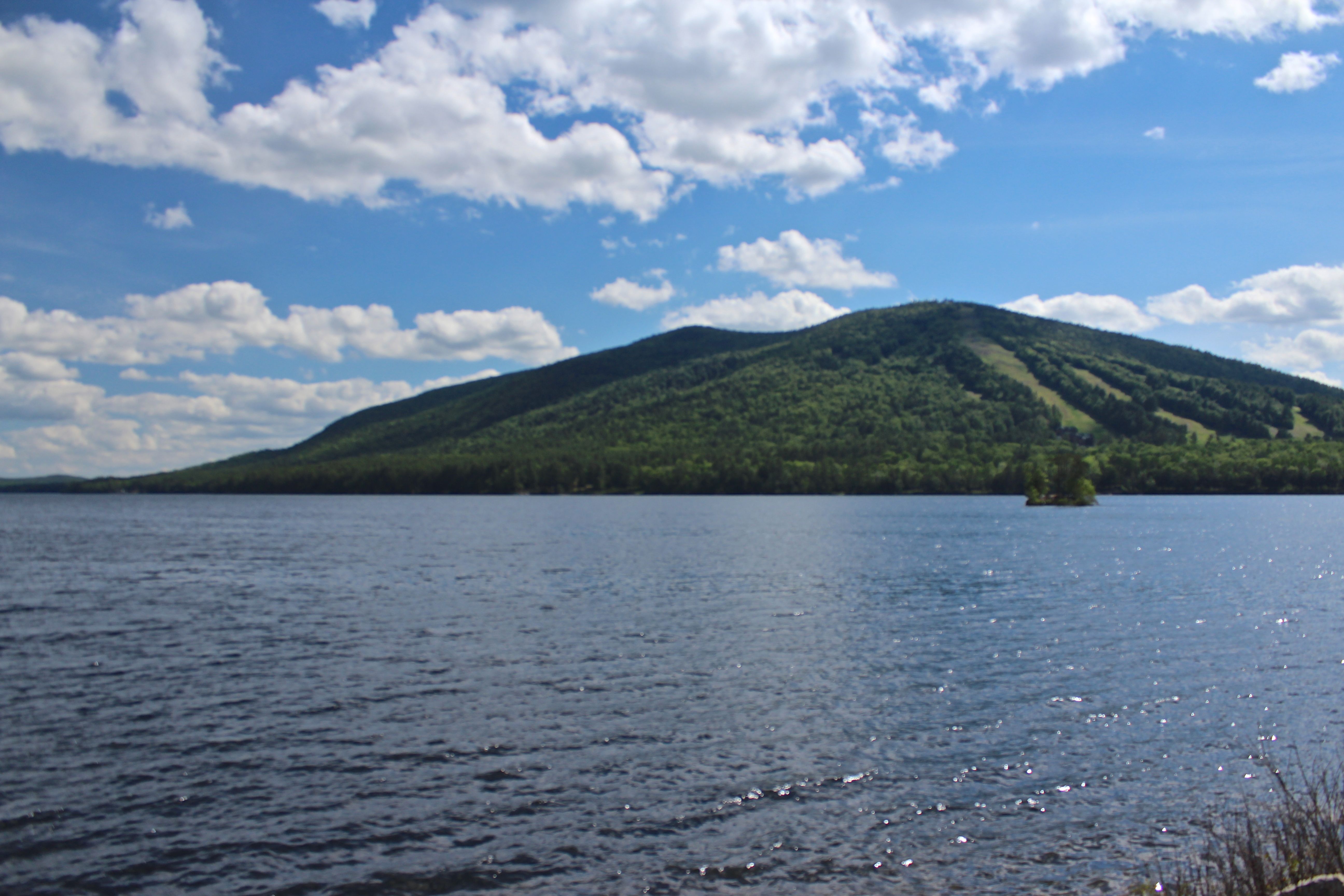
Each time we climb Pleasant Mountain, the view differs–and so it was this morning. Haze sugar coated the summits beyond.

hazy 2

Green, blue, white, purple and gray melted into each other.

haze 3

That’s what made a bright orange wood lily beside the trail stand out.

wood lily

Certainly a shock of color.

wood lily 2

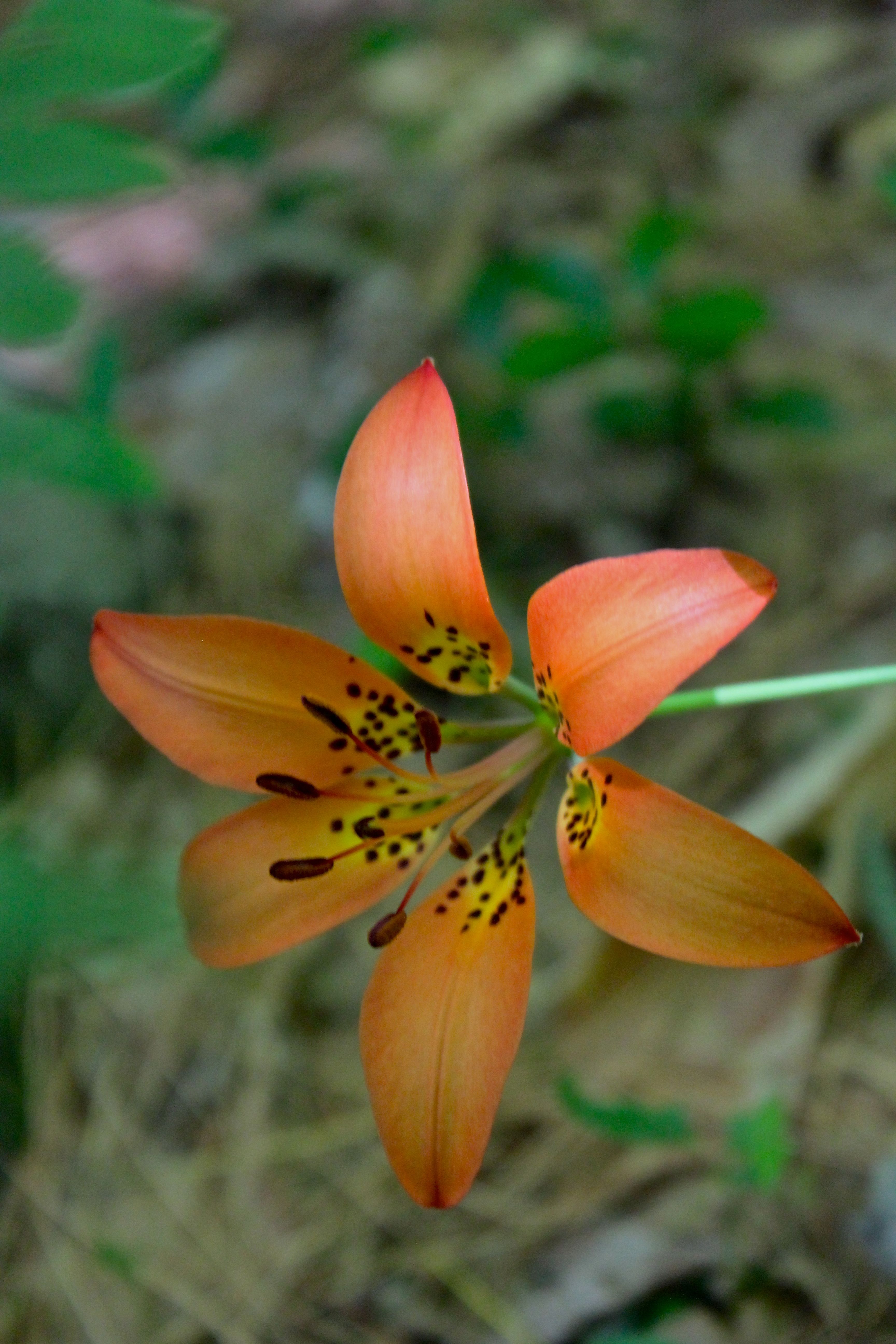
Step in with me for a closer look. Three sepals and three petals, but their design is similar. Each is jazzed with dark purple to black spots–the better to draw in those butterflies and skippers. And white-tailed deer.
wood lily, whiting

The other thing to notice is how the sepals and petals taper at the base. I actually took this photo on Whiting Hill in Lovell about two weeks ago. But, I’m curious about its reproduction–one on Whiting, one on Pleasant. Am I missing something? Have the deer consumed others? I frequent both of these locations and have only seen the solo plants.

porcy 1

I  can’t sit still when I get home. Especially when I know I have work to do. So, I wandered around the backyard. Right off the deck, a quaking aspen grows on the edge of a flower garden. Daylilies surround a wooden barrel we turned into a water feature. Alas. They’ve been knocked down.
porky claws

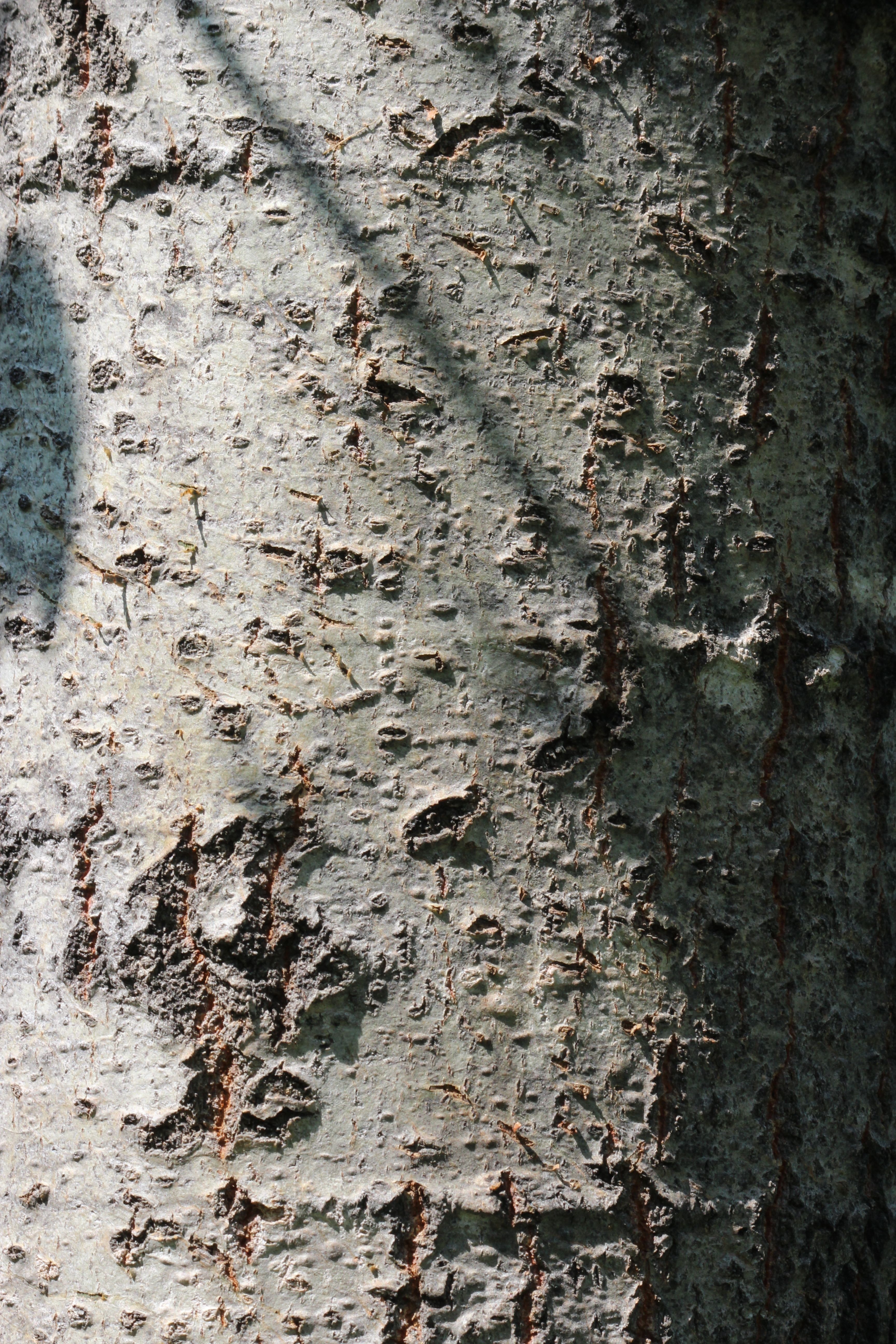
The resident porcupine has been visiting on a regular basis. Quaking aspen bark features horizontal and vertical lines, but the porcupine left its own mark–look for the fainter diagonal lines created by its toe nails.

porky leaves

The leaves must be delish.

blueberries

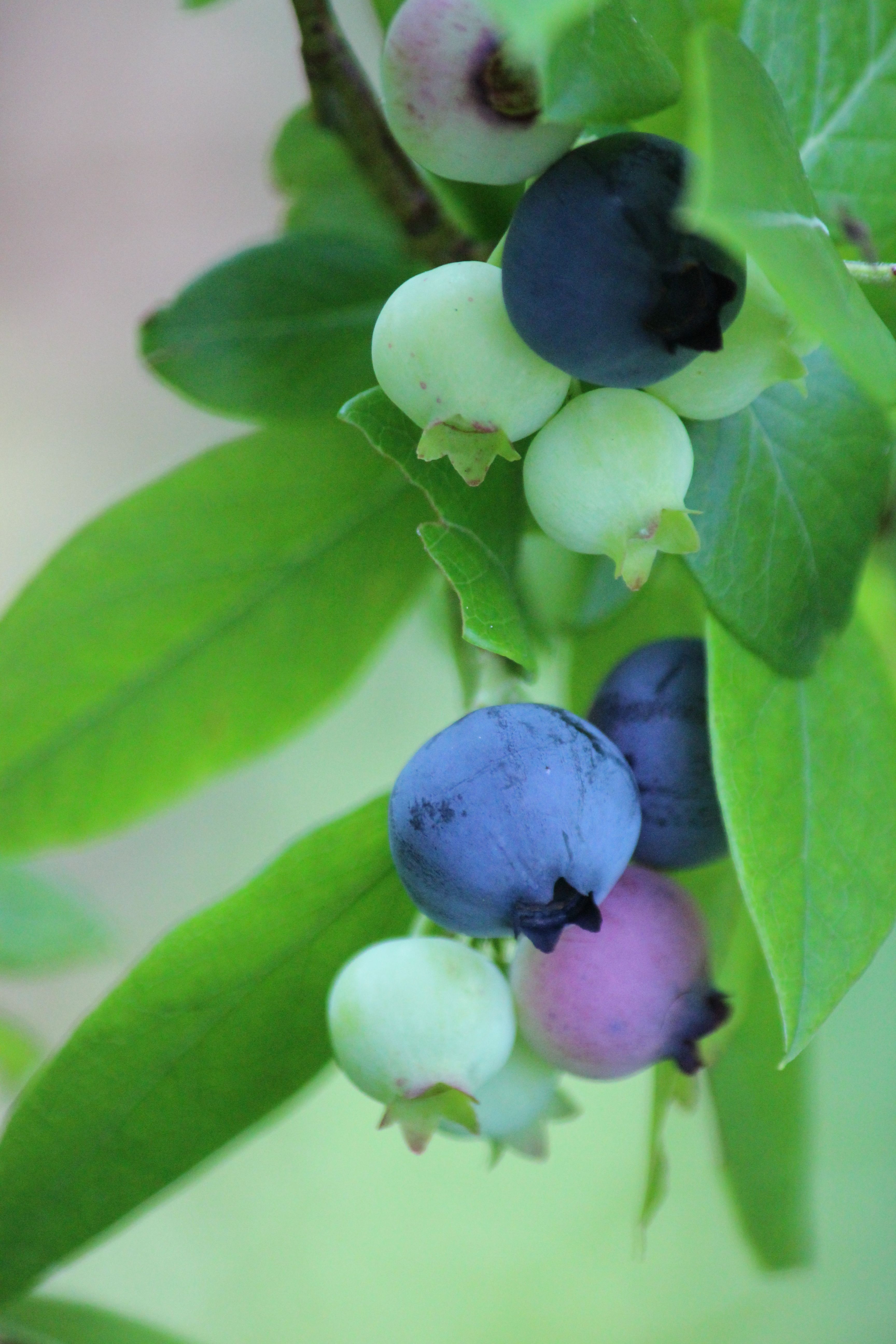
I wandered some more. Certainly delish–blueberries. They need a wee bit more time.
Bittersweet Nightshade

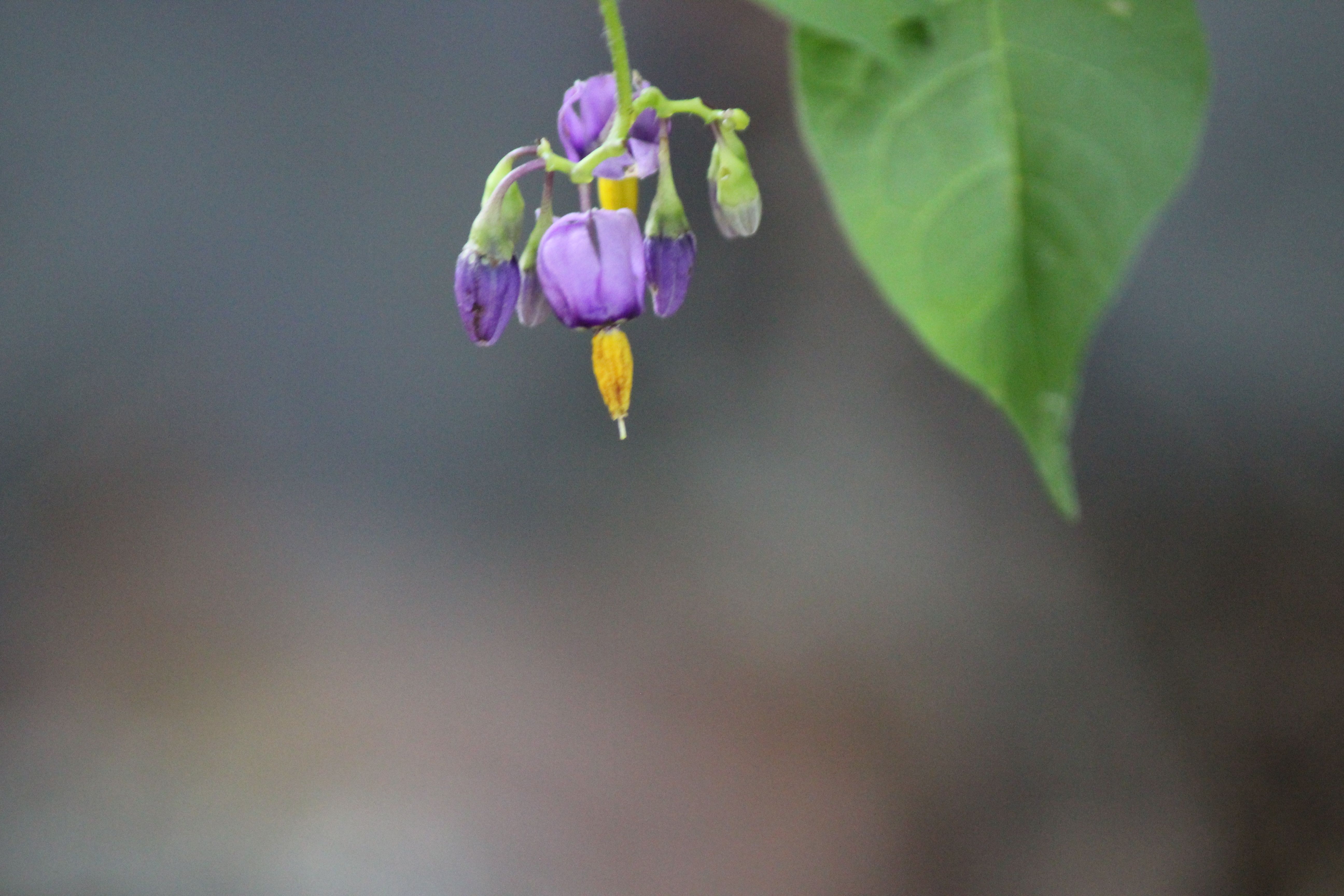
Not delish, but dramatic in shape and color is the bittersweet nightshade. I remember my mother calling it deadly nightshade. Its berries are poisonous, but unless eaten in large quantities, it isn’t fatal. OK, the point is–admire the flower; don’t eat the berries.

grasshopper

Not as dramatic because it wants to blend in is a grasshopper. Do you see it?
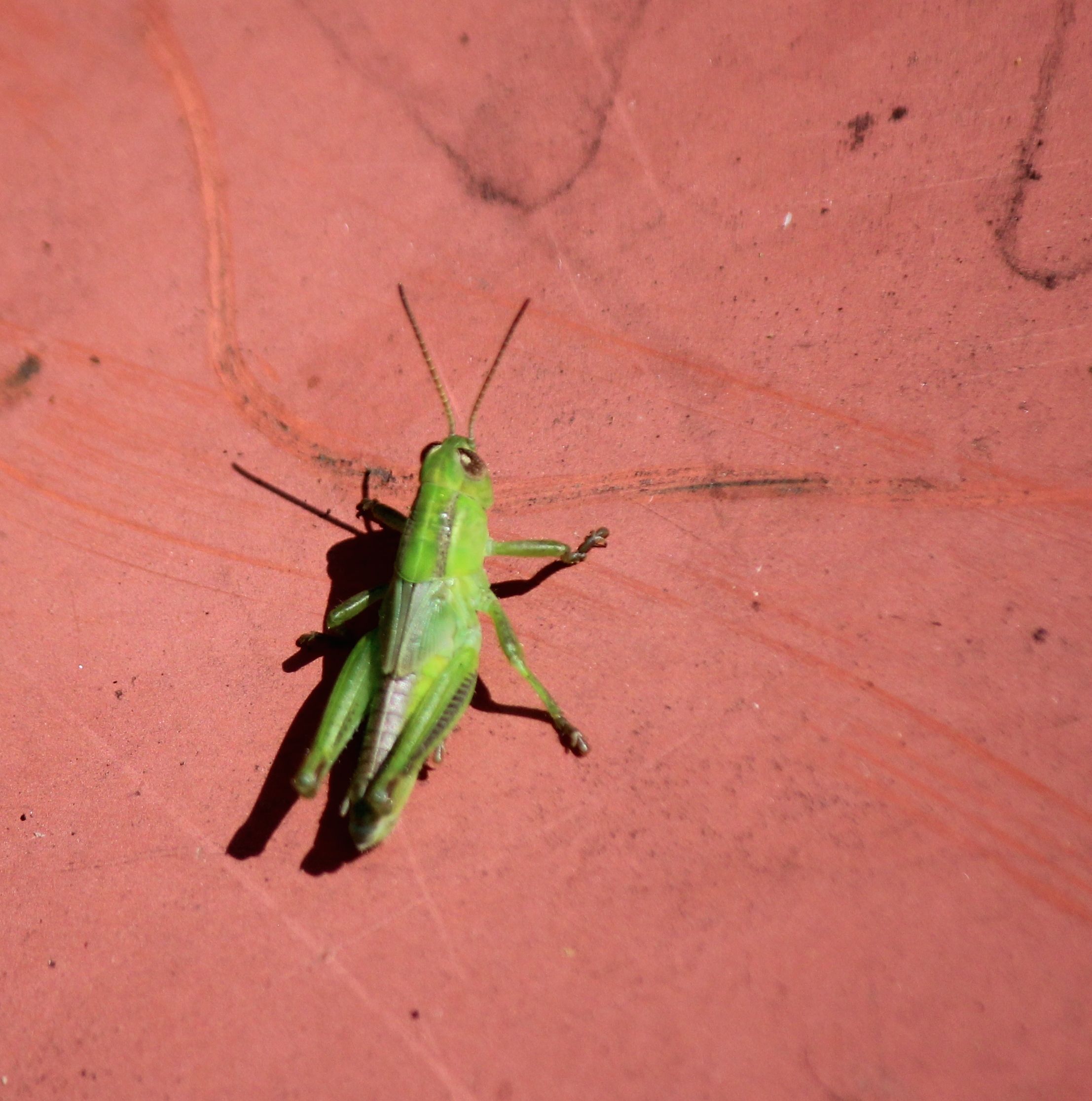
grasshopper 2

A sibling was hardly invisible on the cellar door.
yellow lily 2

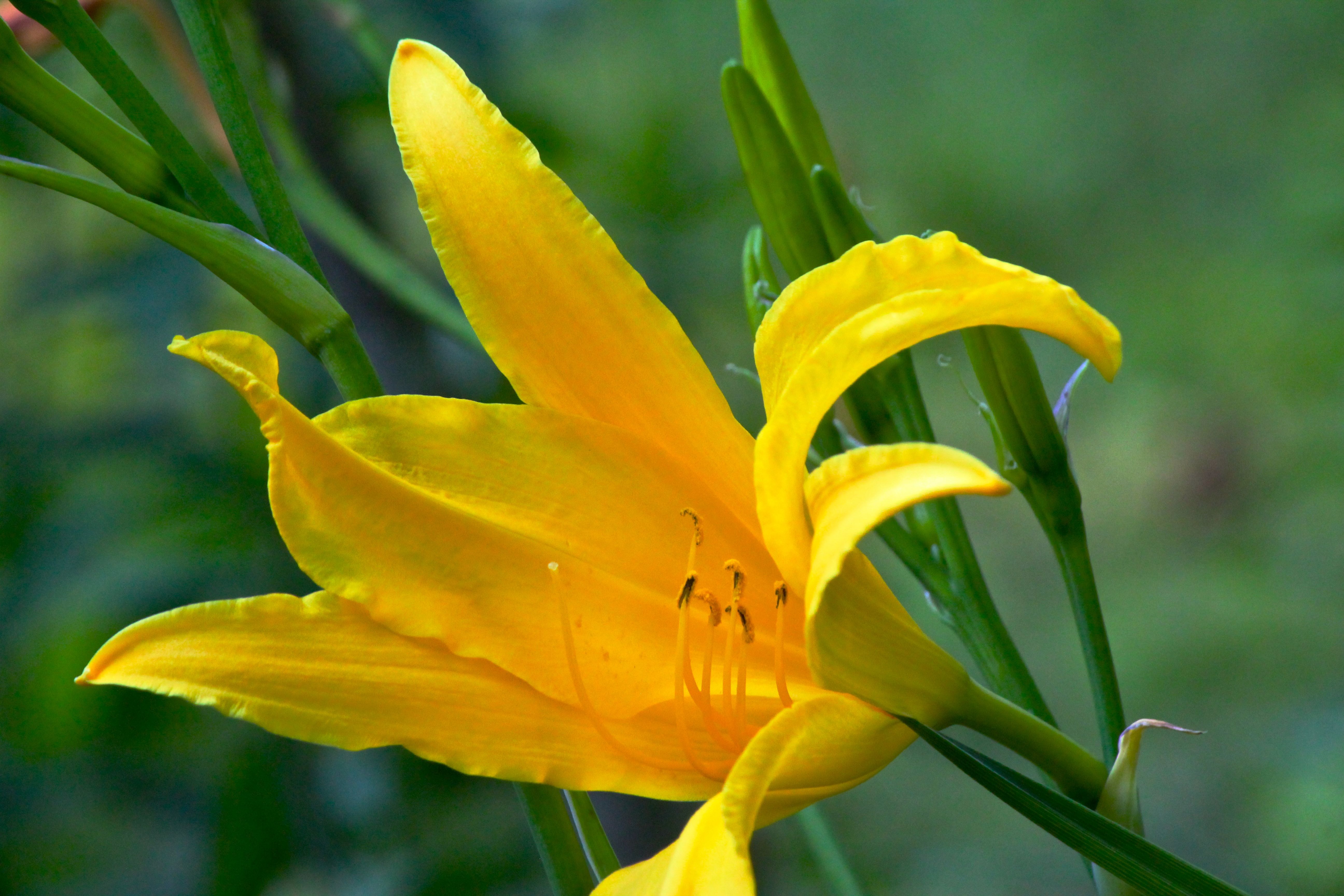
Before heading inside, I stepped into our neighbor’s yard because her yellow lilies are blooming. Ours will probably show forth their sunshiny faces tomorrow. I’ve a feeling that these are cultivated, but don’t know for sure. I’m hoping Bev Hendricks of DeerWood Farm and Gardens will  enlighten me on this species.

From a hazy summit view to brilliant natural hues, today was a day of contrasts.

Goodbye Spring, Hello Summer

Sometimes the words slide out with little effort and other times, they seem to hide in the wings, waiting backstage. So it is on this last day of spring.

Whoa. Maybe I’m not sure what to write because I’m not ready for spring to end. I’m not sure spring is ready either–it was 44 degrees at 6 a.m. and even now, sitting in the shade, I’ve got goosebumps from the breeze..

But say goodbye to spring I must. I’ve spent the past two days savoring its final moments and mosaic colors. Along the way, I’ve seen some cool things.

waspwasp 2

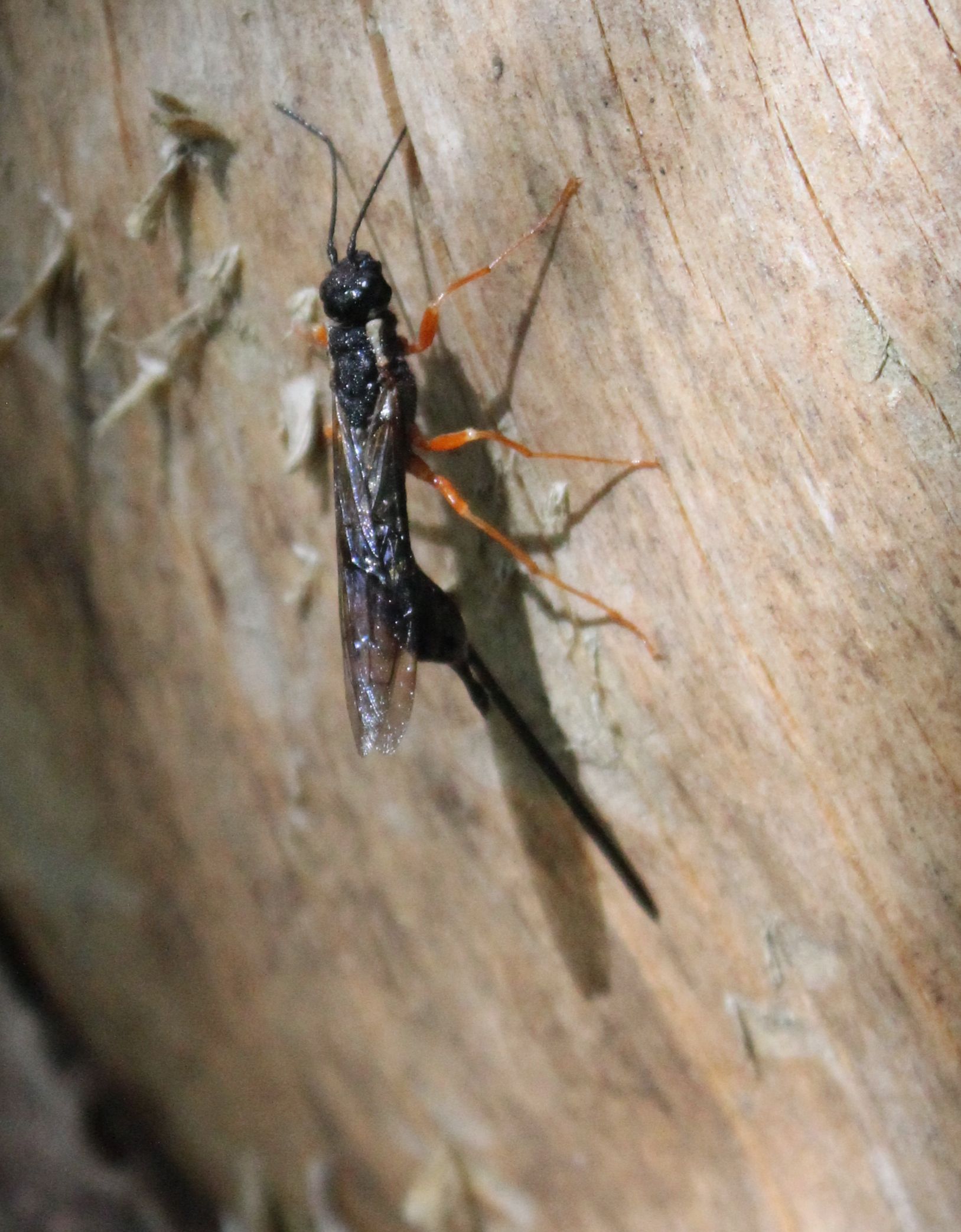
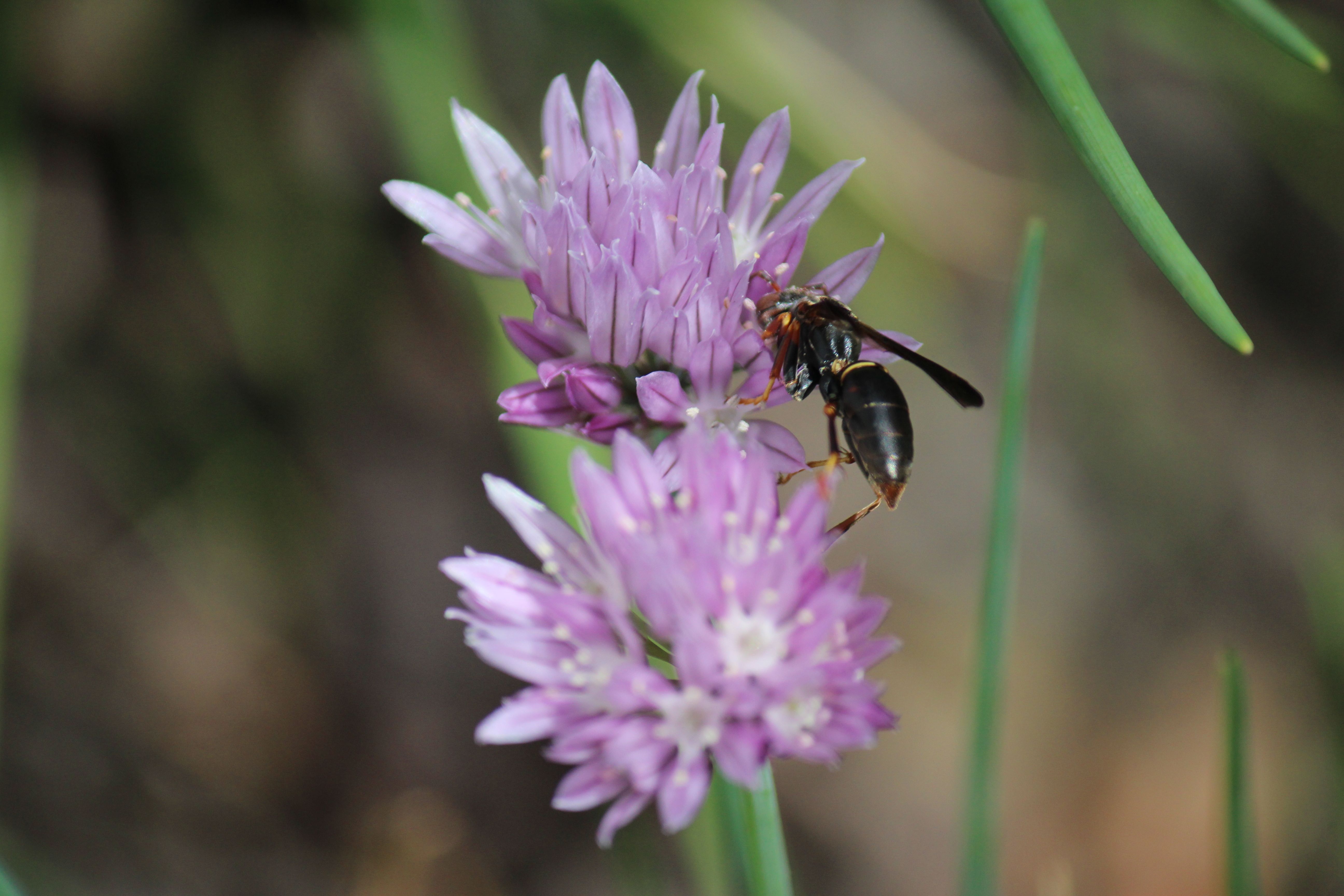
I came across this ichneumon wasp on the base of a hemlock girdled by a beaver. Because of the long, needle-like ovipositor (that looks like a nasty stinger, but usually isn’t–though she is a wasp), I think this is a female. She’s possibly searching for a place to inject her eggs, which will then feed on other insect larvae.

 beaked leaf

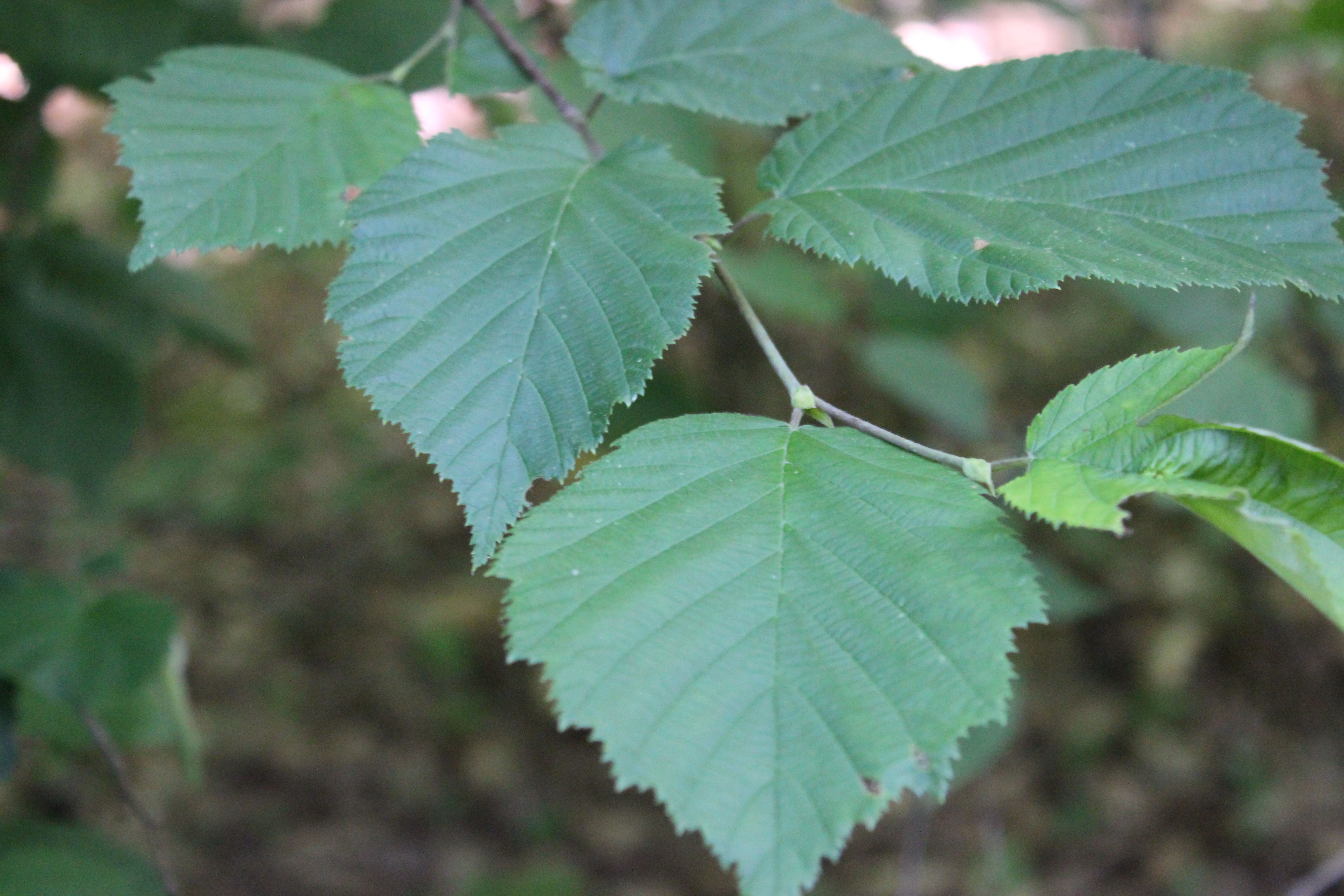
As the season unfolded, I’ve been training my eyes to focus on leaf characteristics. This one is easy to pass off as a beech. But, its saw-blade teeth tell me to check below the leaves.

beaked hazelnut

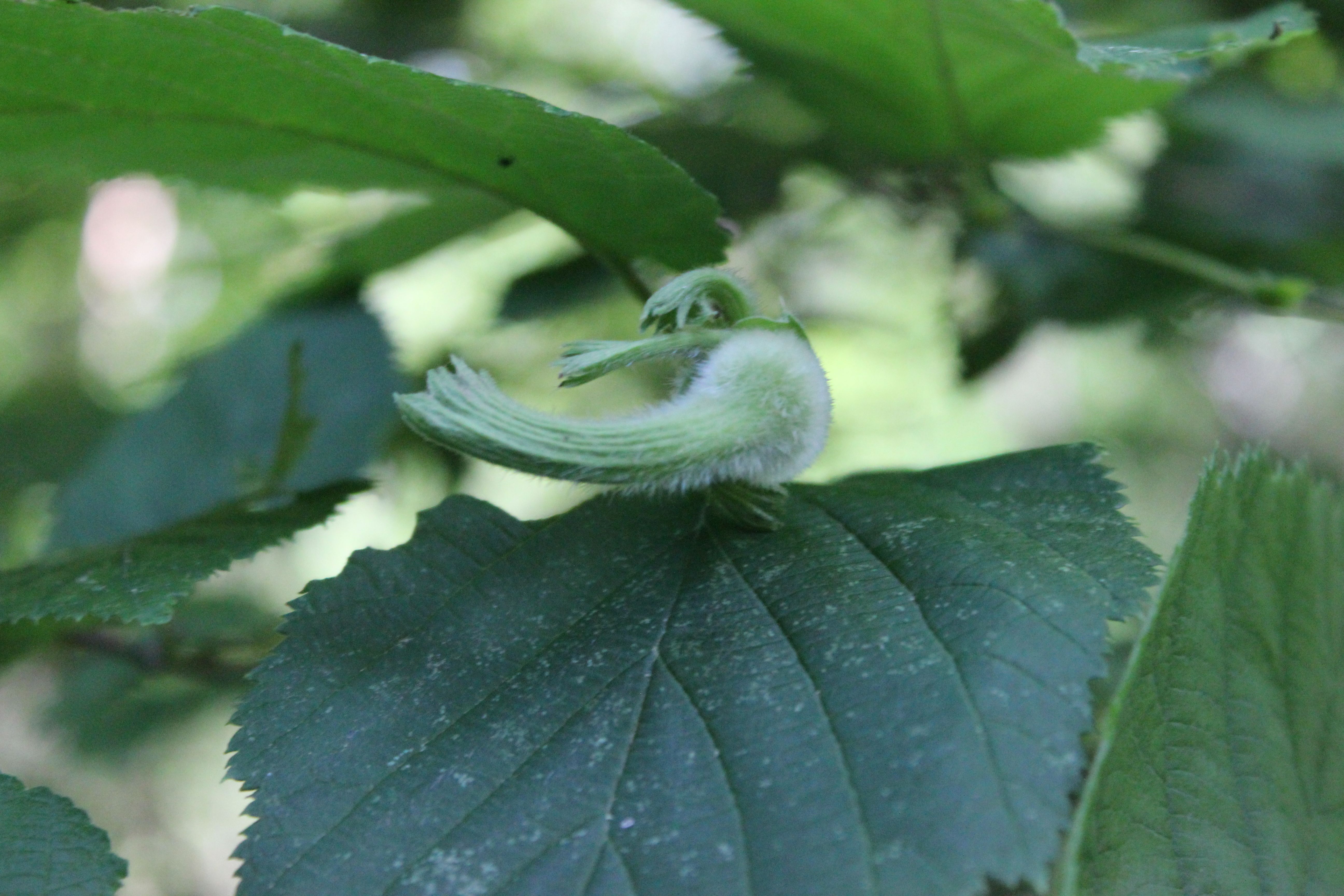
Beaked Hazelnut, a shrub that produces hairy husks containing the nut (think filbert) .

beaked hazelnut 4

Double beaked. They grow singly or in groups up to ten or so.

beaked five

Dangling like baubles, the fuzzy balls will entice squirrels, chipmunks, birds and yes, humans.

red pines

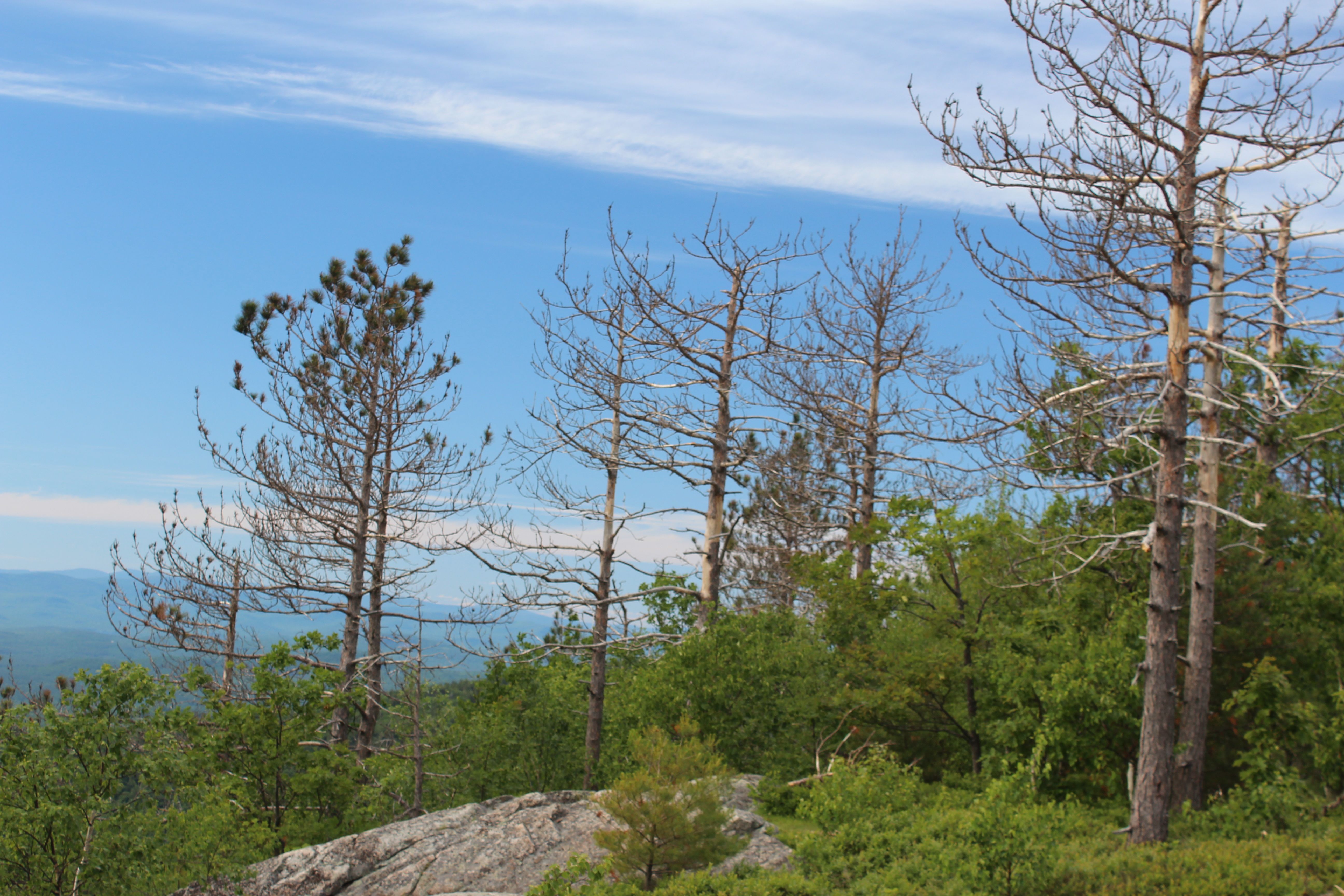
Sadly, not every part of the picture is pretty. The red pines at the summit of Pleasant Mountain are dying off. I spoke with a forester from the White Mountain National Forest about this today and his thought was that it might be red pine scale insects. Yeegads.

red pine 2

My first thought had been weather, but the trees below the summit have also been affected. It’s time for me to contact the state forester and ask his opinion.

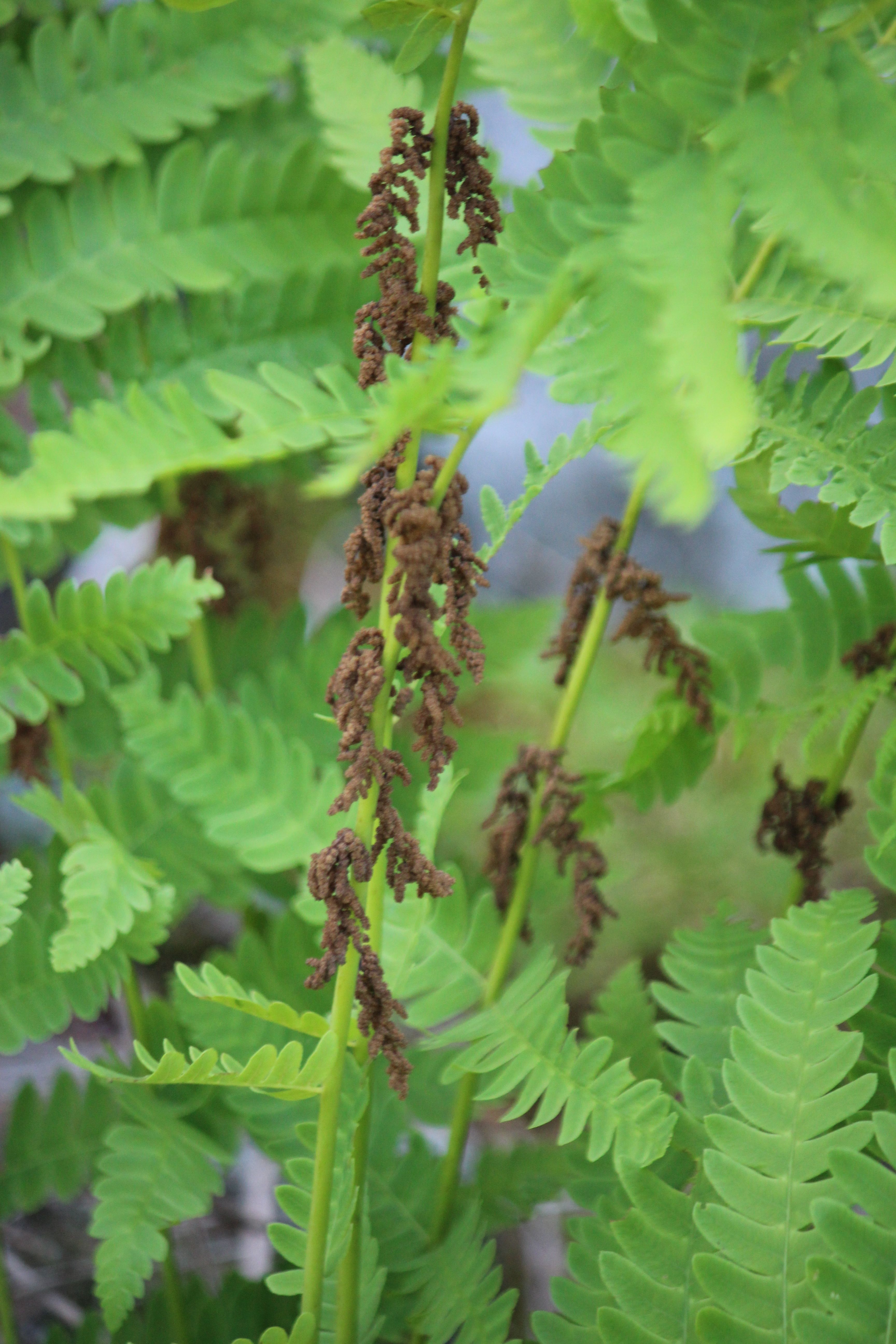
cinn fern

The fertile fronds of the cinnamon fern have spread their spores and are now withering. Soon, I’ll have to search to find any evidence that they ever existed.

inter fern

The same holds true of the interrupted fern, though the gap that will be left once the fertile middle pinnae fall off will be rather obvious.

running club moss

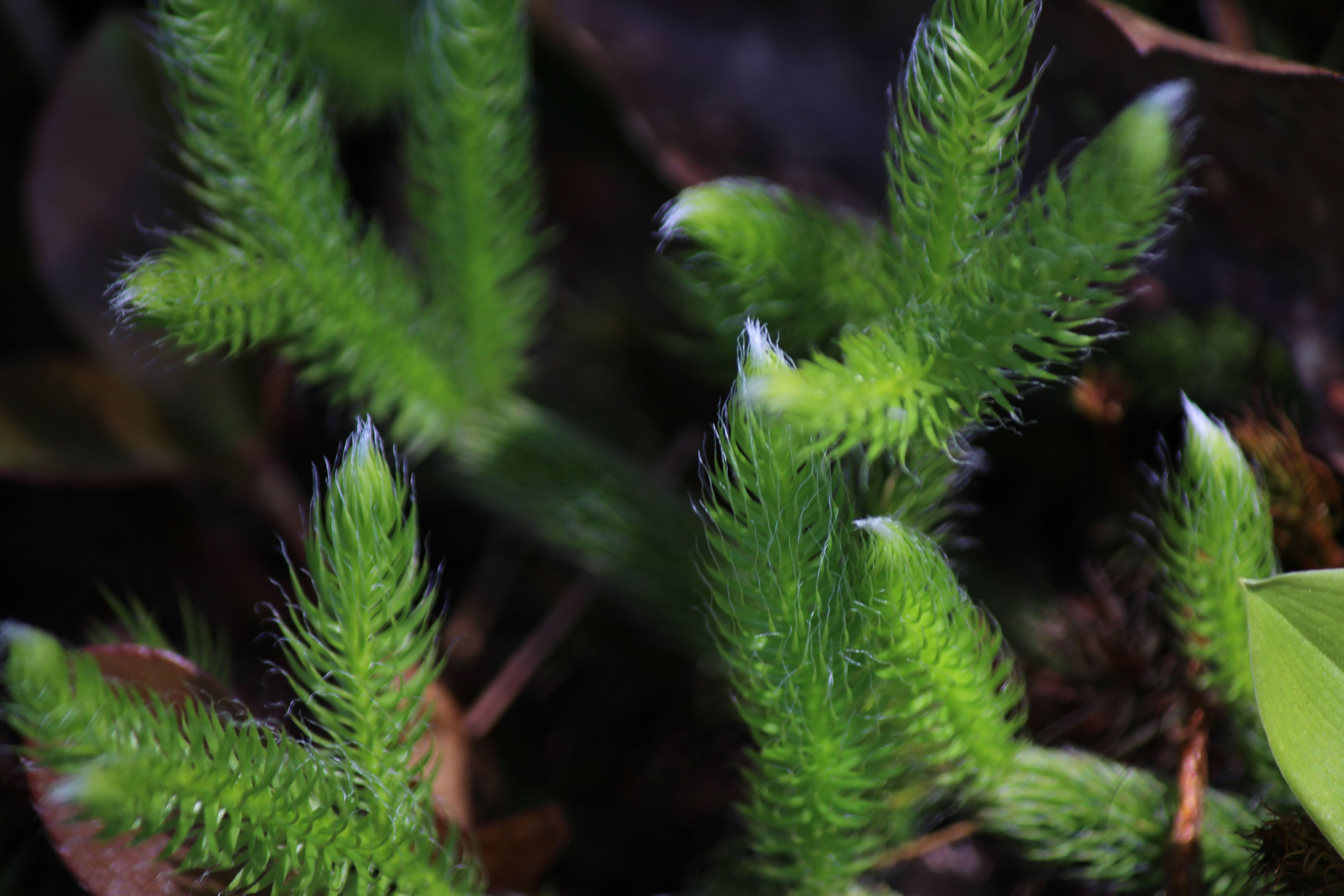
Long white hairs top the tip of running clubmoss.

running 2

Candlelabras are forming, preparing to release numerous spores. Like the ferns above, it’s difficult for me to comprehend that this life form that creeps along the ground was once the size of trees. Mind boggling for this brain.

lady bug

On to simpler things. A ladybird beetle.

hawk 2

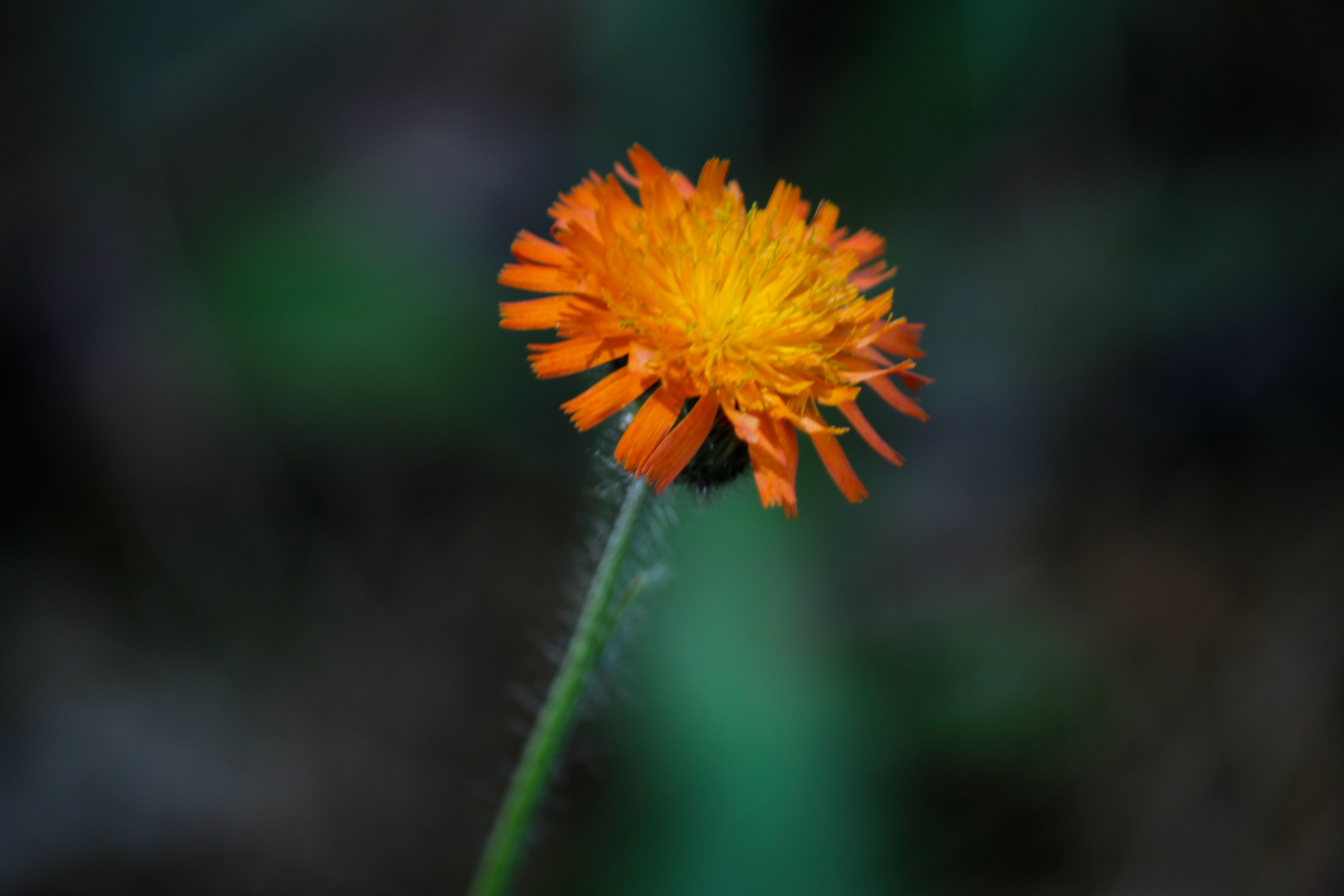
Orange Hawkweed, aka Devil’s Paintbrush.

dragon 1

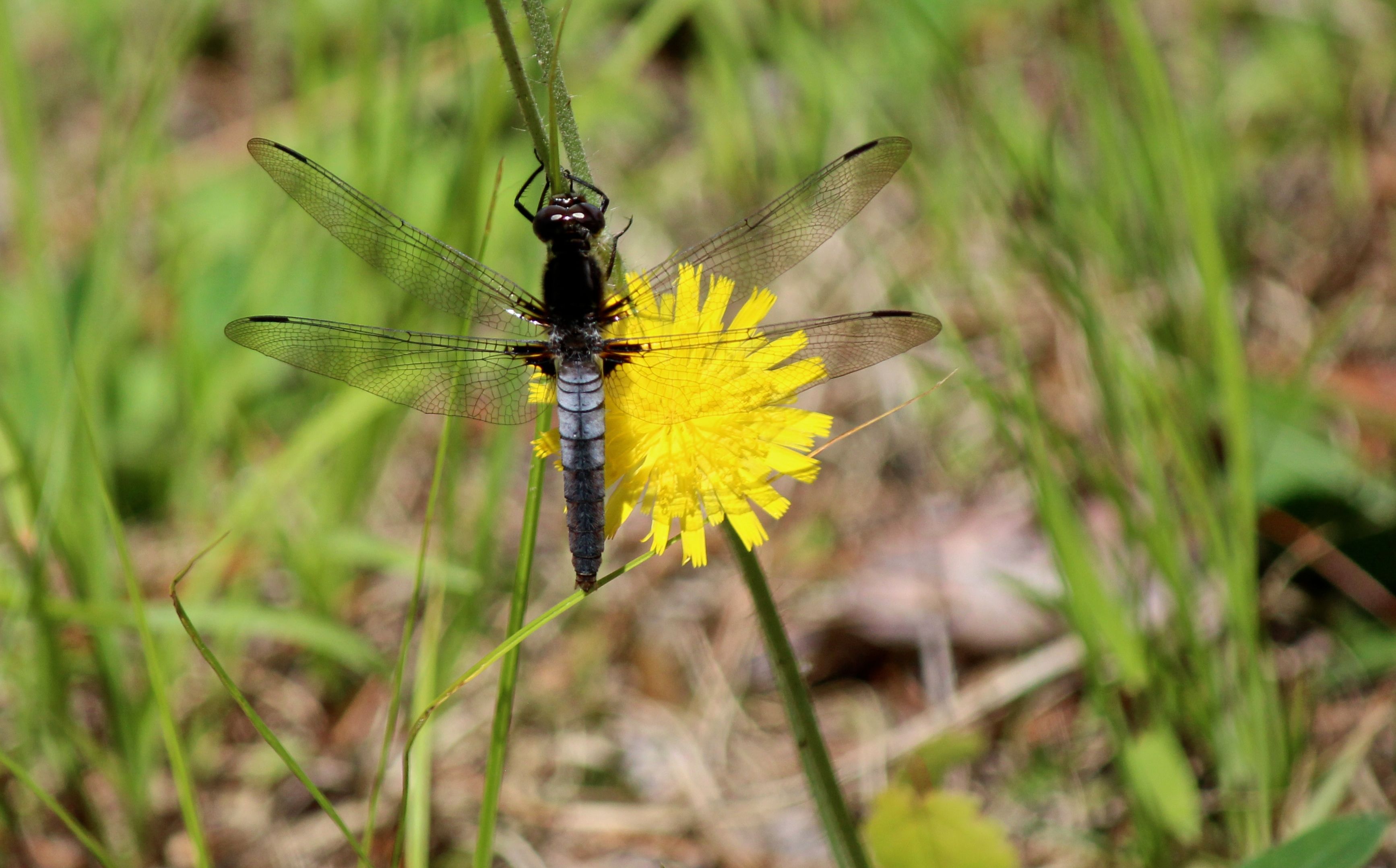
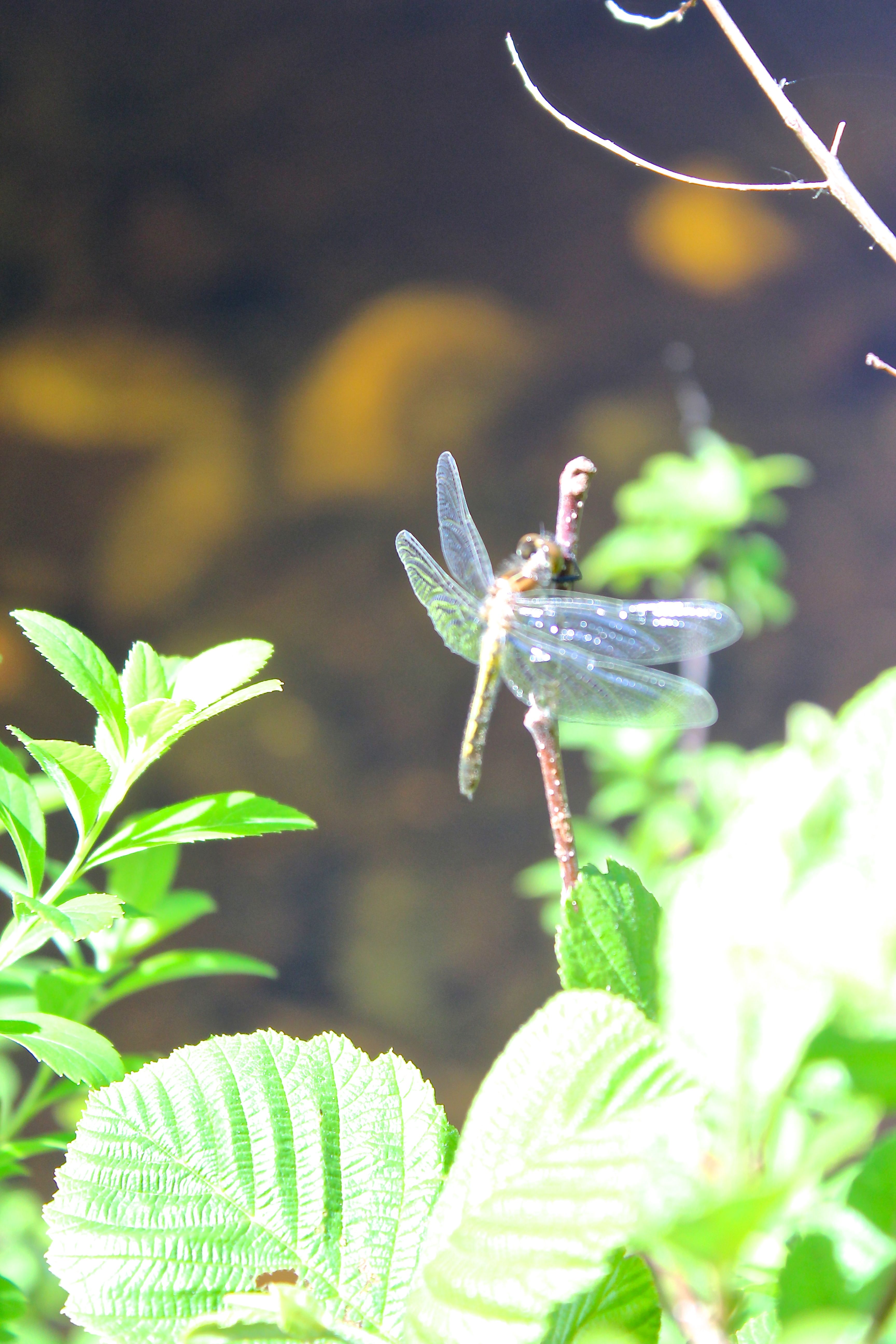
I think this is an Eastern pondhawk dragonfly, but if you know better, please tell me. My other thought–blue dasher. Either way, like all dragonflies, there’s beauty in its venation and color. Plus, those dragonfly eyes.

blue flag iris reflection

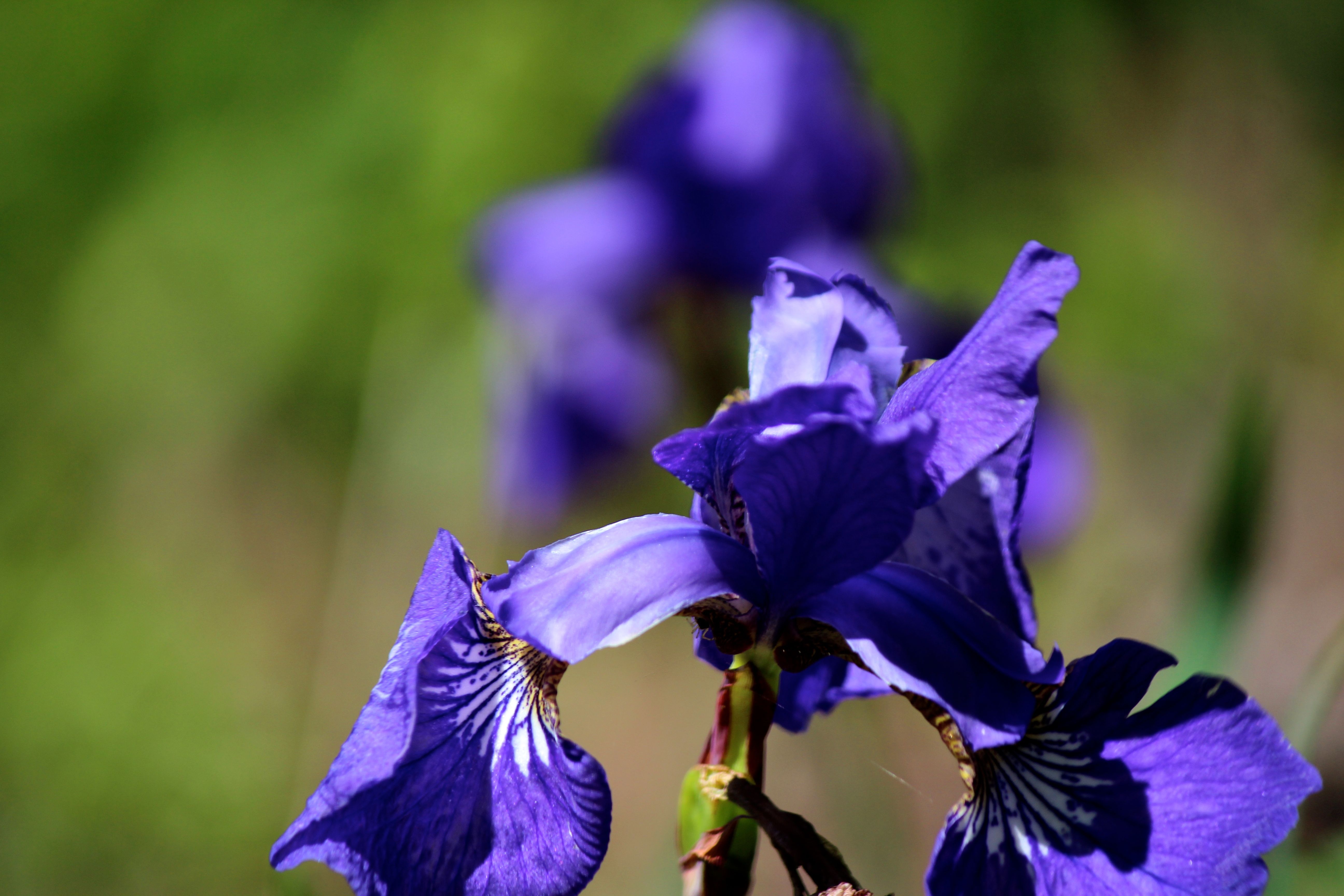
The Blue Flag Irises

bf iris

are making a final statement,

heron

while a great blue heron forages for fish near an abandoned beaver lodge.

daisy 1

Daisies speak to the season to come.

another season

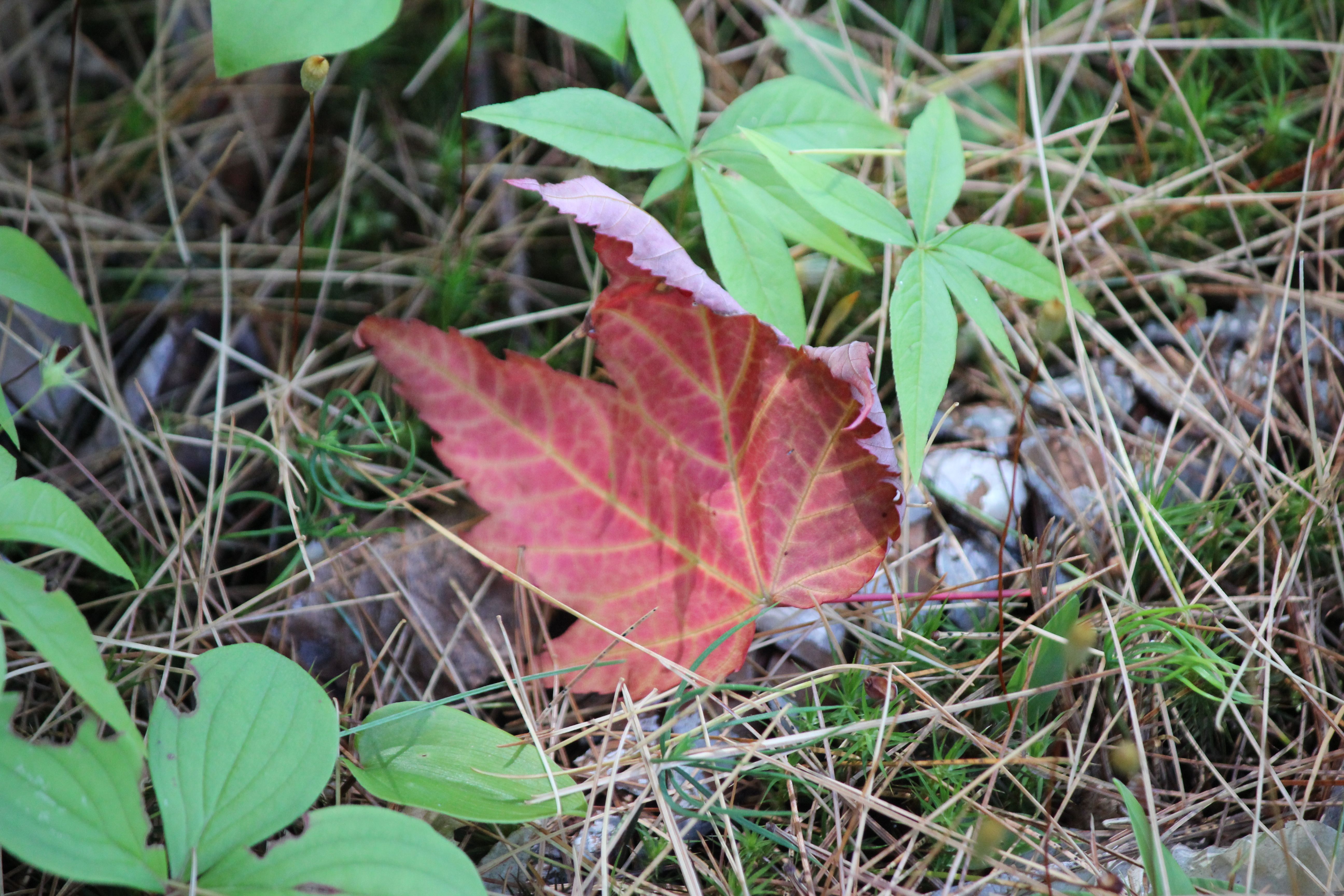
It’s only a day away . . . oops. A red leaf found today. What’s with that? Maybe the pine needle cast has all of nature confused.

mt washington

Thanks for joining me on this last peak at spring. I’m looking north now as the summer solstice is on the horizon.

Slugs, Bears and Caterpillar Clubs, Oh My!

I was on a quest today as I wandered with friends at the Greater Lovell Land Trust’s Bishop Cardinal Reserve. I wanted to return to the bear trees and show them that there are so many more in the area. Thank goodness they are all good sports and don’t mind getting fake lost.

But first, I licked a slug again. And convinced a friend (J.L.) to do the same, without twisting her arm.

slug

This was my terrestrial gastropod mollusc of choice.

slug 2

And proof. Rather attractive photo–Not–but the slug did numb my tongue a bit.

bear 1

We eventually found some of the beech trees with bear claw marks, but there are more–for another day.

bear 2

Satisfied with our findings, we decided to continue off trail, keeping our eyes and minds open.

hemlock varnish shelf

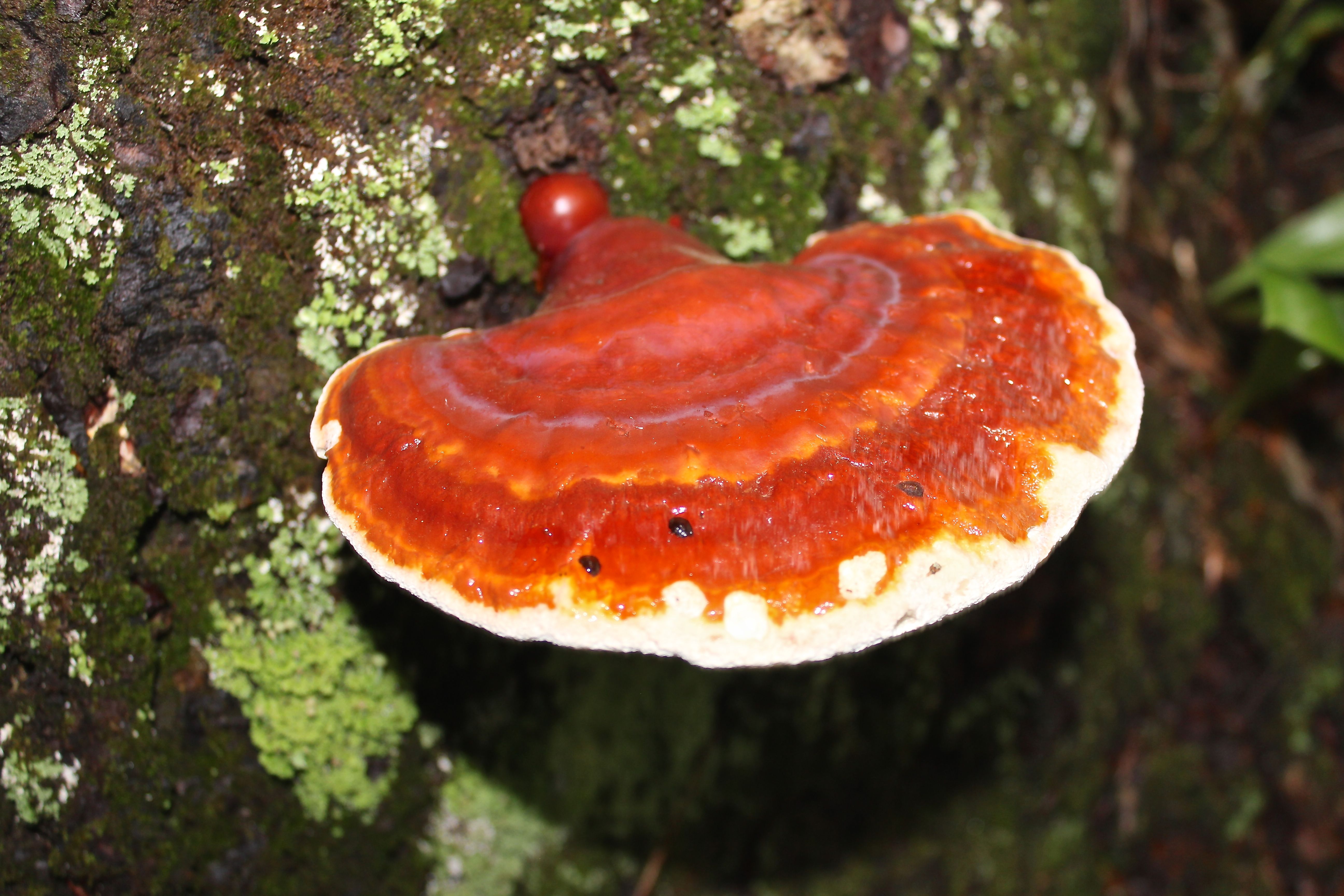
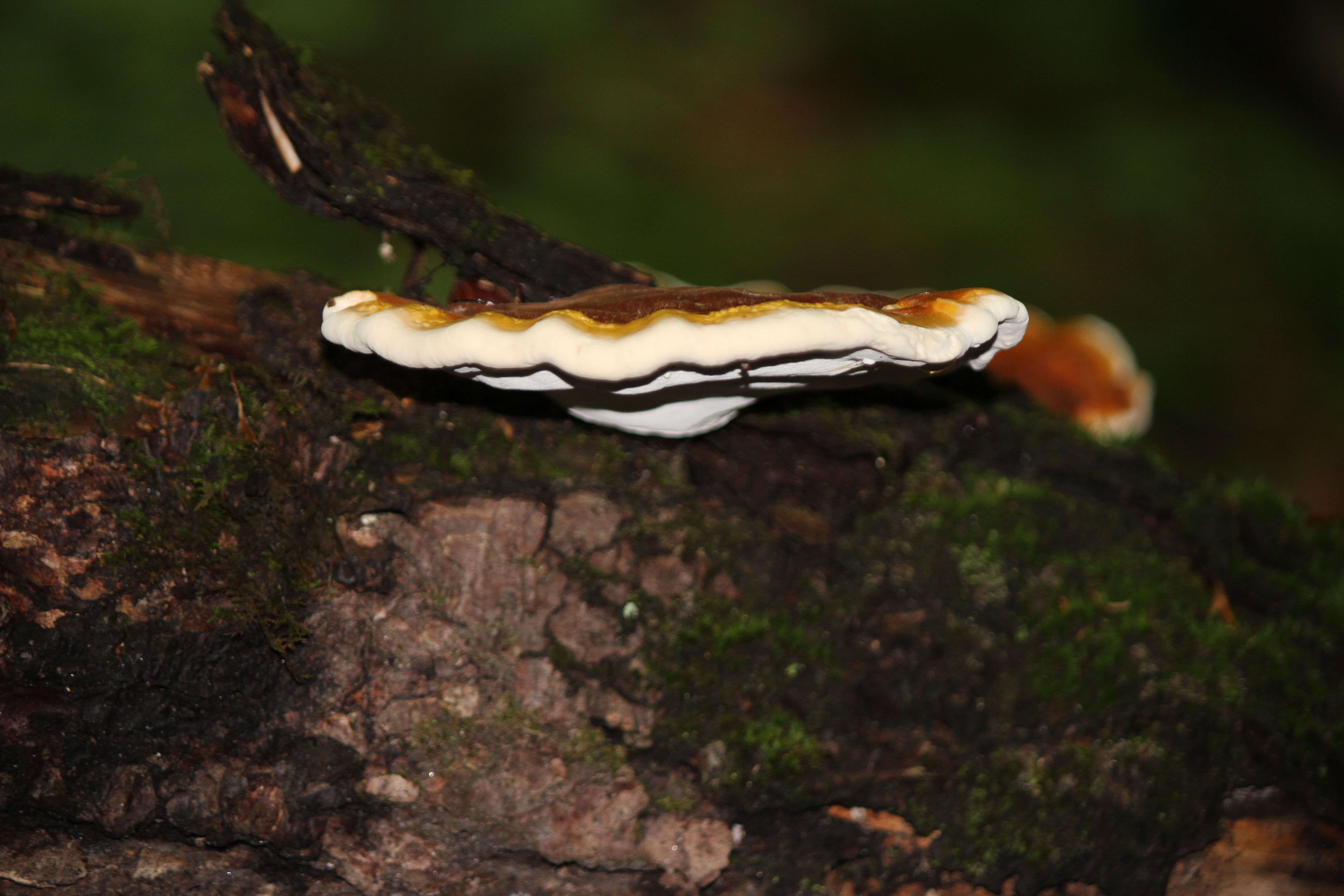
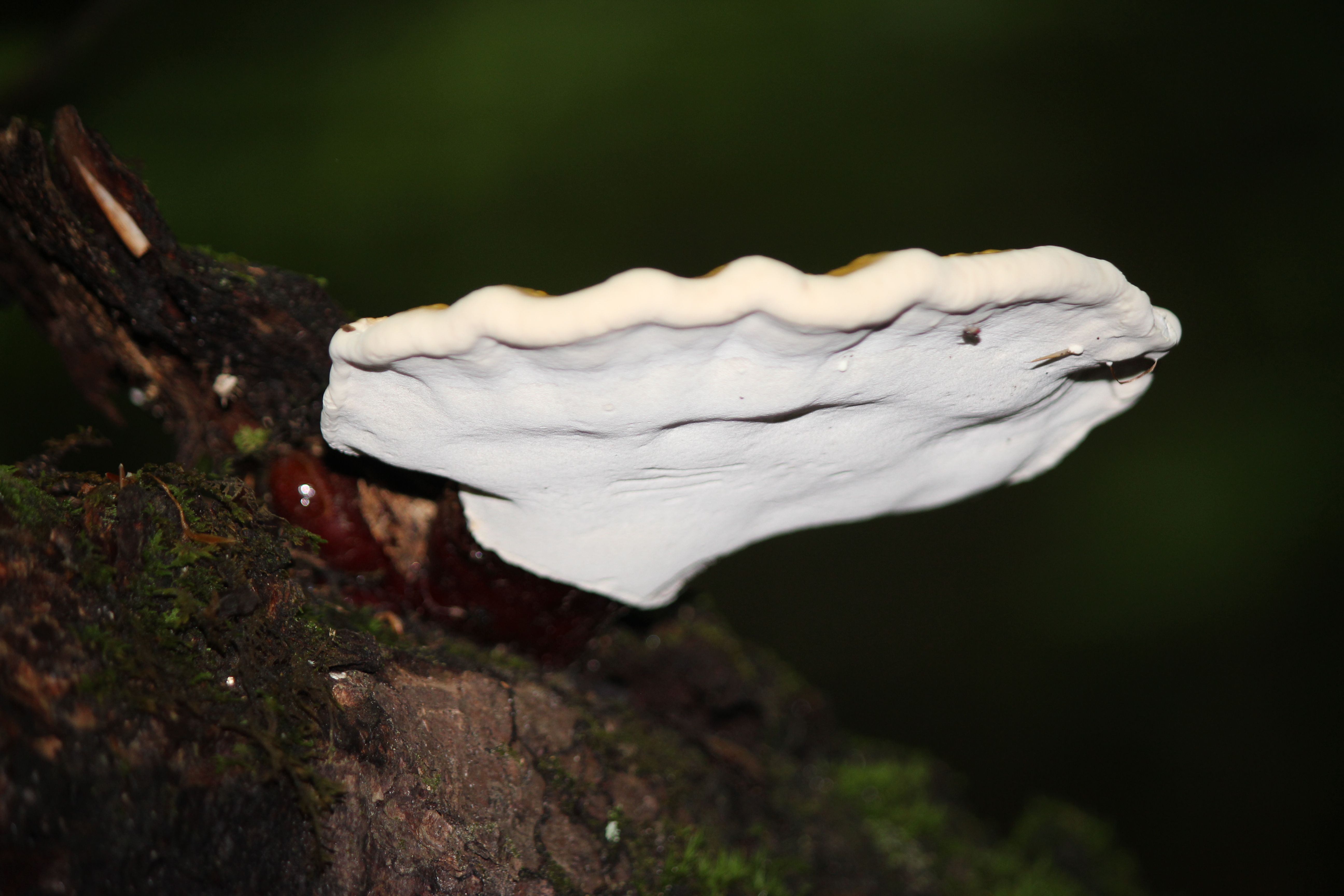
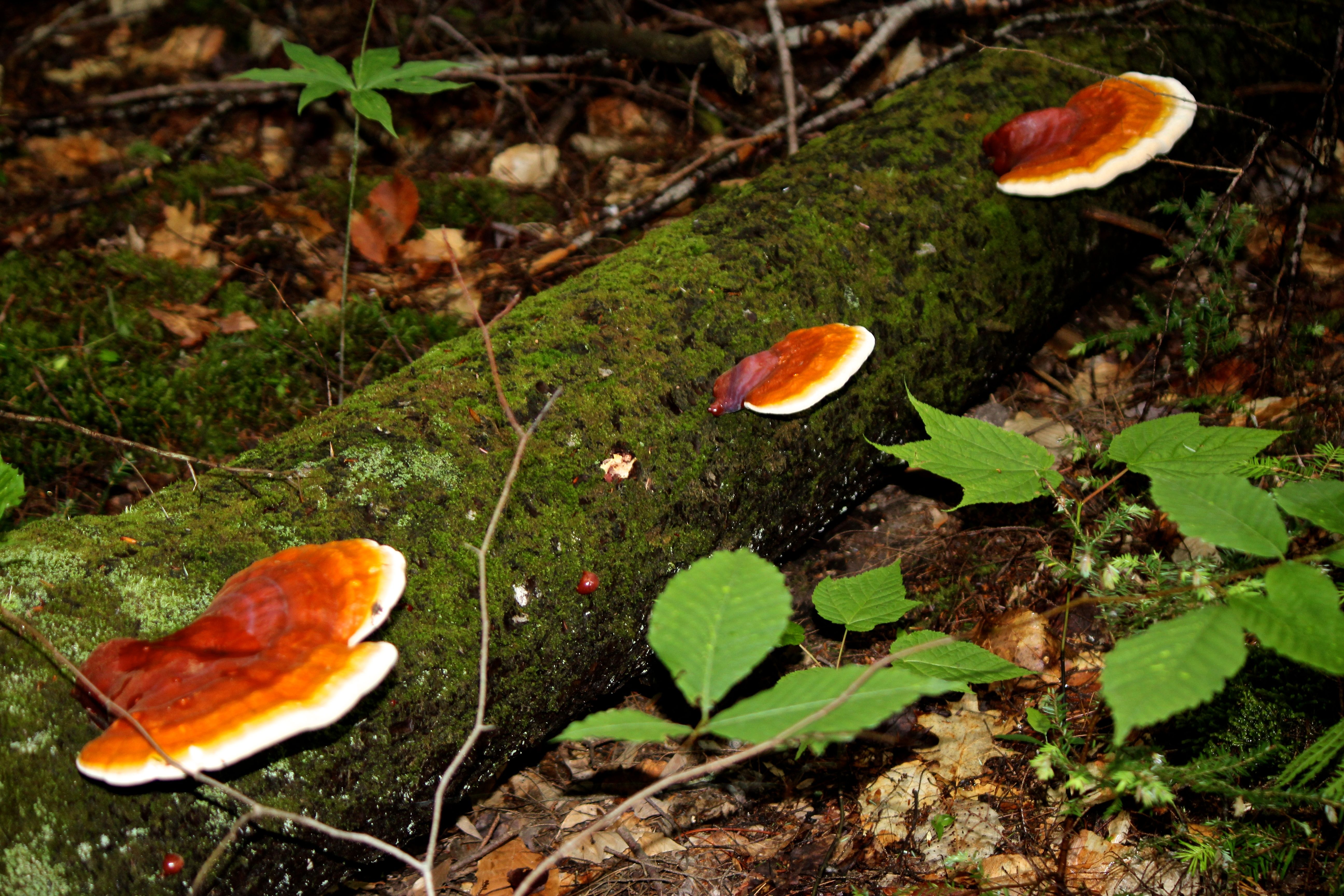
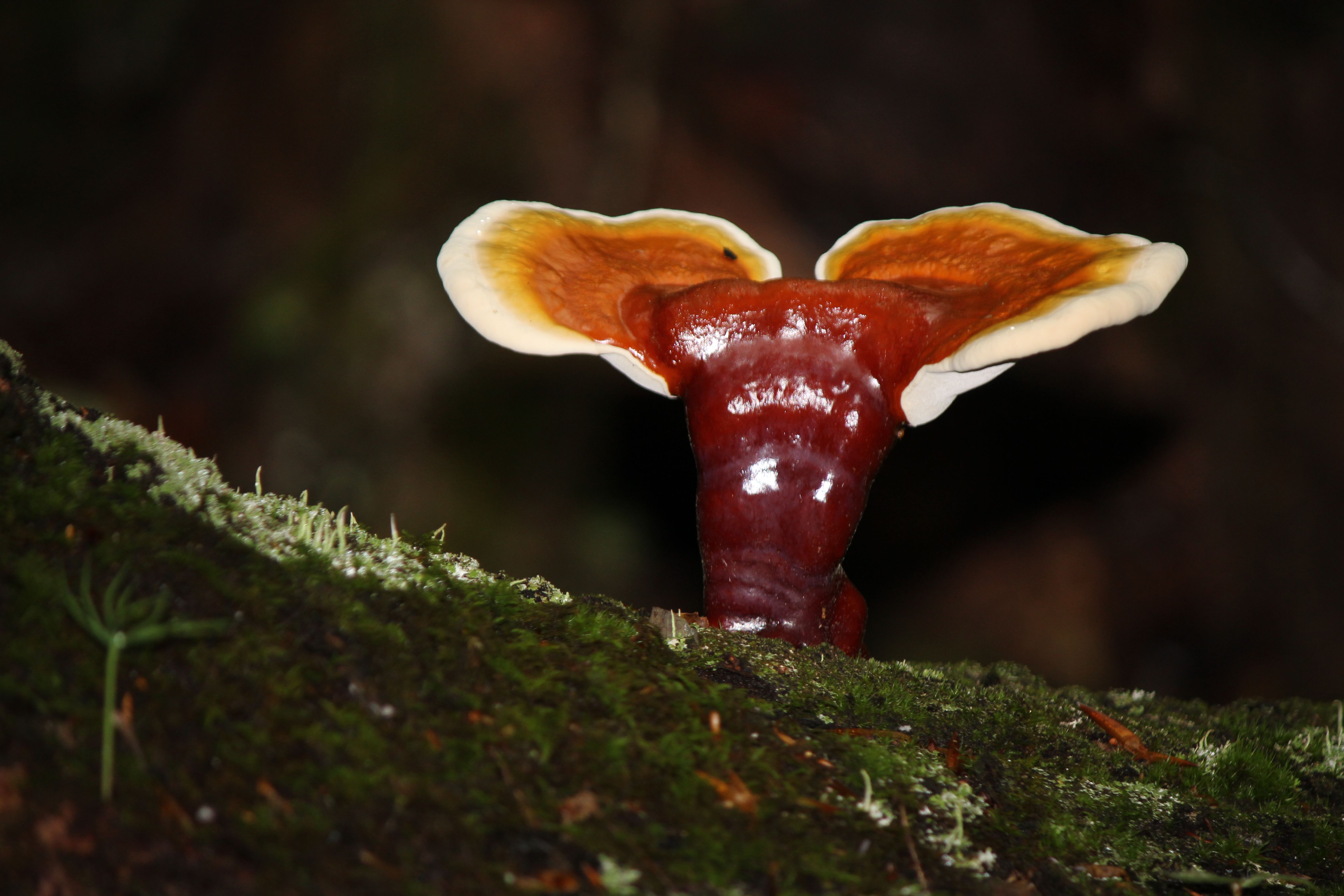
From start to finish, we saw plenty of Hemlock Varnish Shelf (Ganoderma tsugae) fungi.

Hemlock Varnish

Each one presented itself in a different manner.

Hemlock varn 3

While its shiny, colorful surface and habit of growing on hemlocks and other conifers speak to its name, the  oyster-shell rim and non-gilled pore surface are equally attractive.

hemlock 3 in a row

Three in a row.

hv4

And two fer one.

hemlock varnish ripe

Most were not as ripe as this.

I was thankful this day to be among people who have a shared wealth of knowledge about the natural world. They also have eagle eyes. Or in this case fungi eyes (P.V.).

stream 3

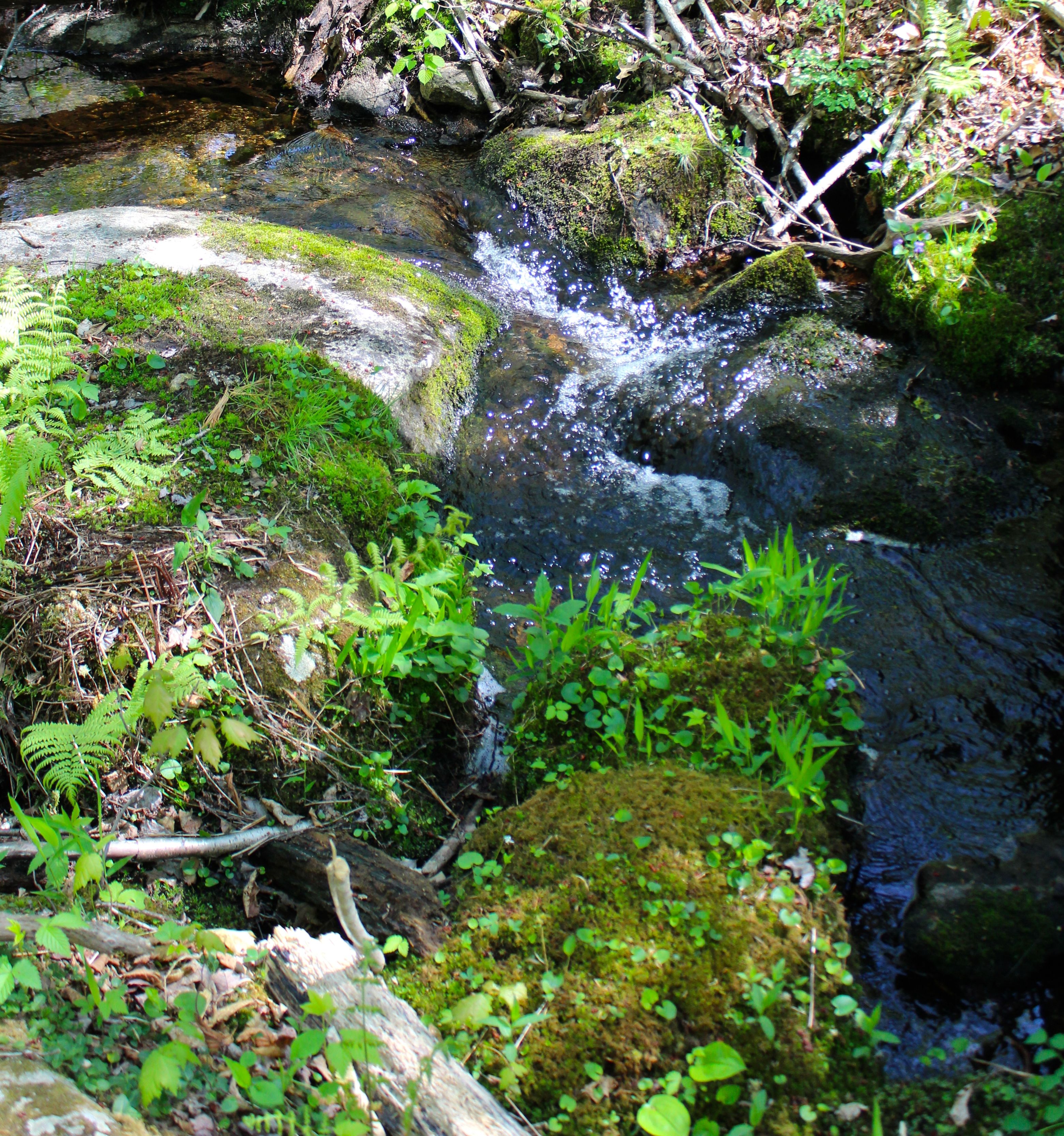
The mossy stream became our focus as we searched for wild orchids and more fungi.

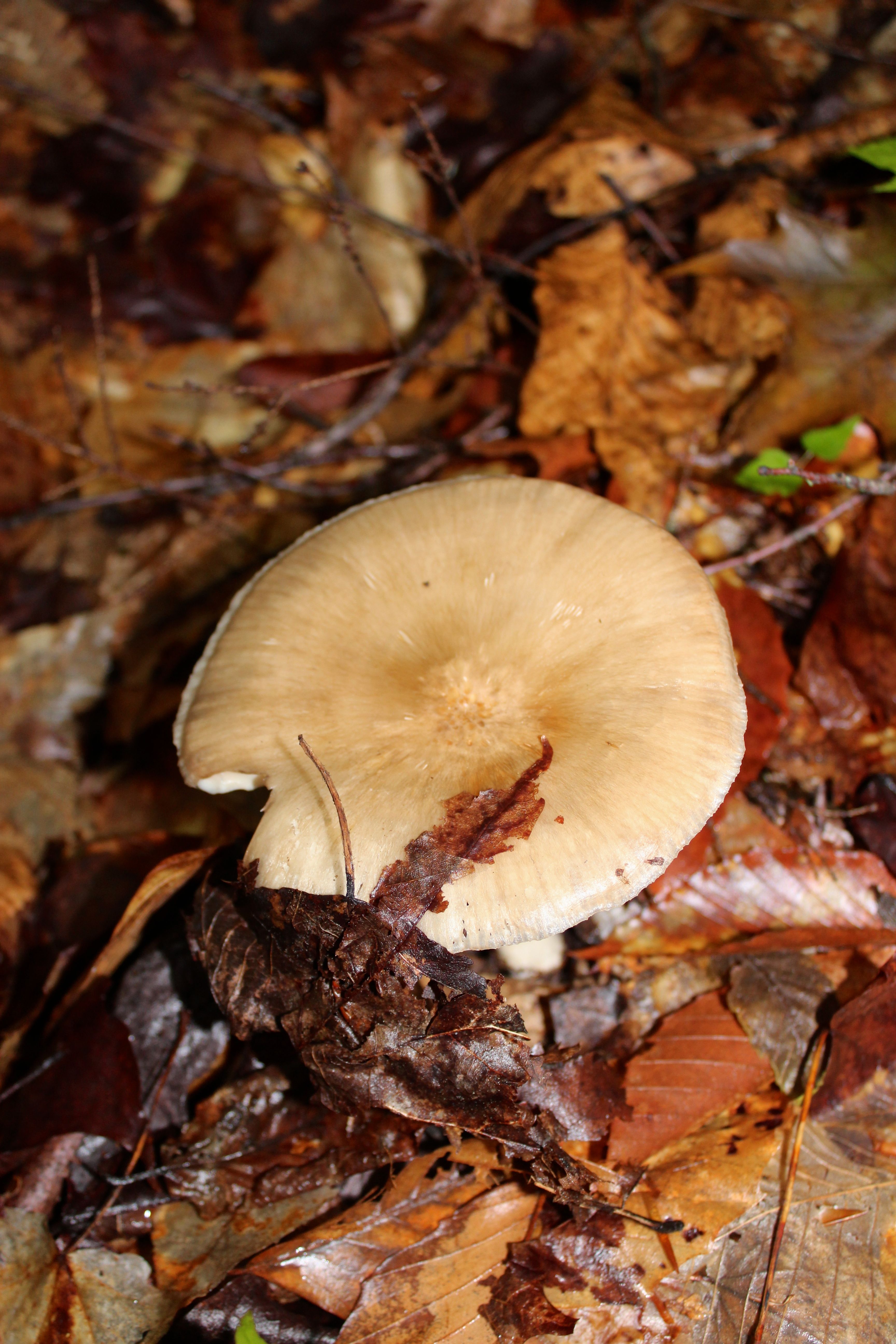
Platterful Mushroom

Some orchids have passed, others aren’t open yet and still others had been eaten. But the wet habitat provided plenty for us to wonder about, including this Platterful Mushroom, the common name for Tricholomopsis platyphylla, aka Broad Gill. Despite that first common name, it’s mildly toxic and not meant to be served as a platter full.

Swamp beacon

Glowing up at us from a wet depression was a colony of Swamp Beacons (Mitrula elegant). I include the Latin with the fungi because P.V. uses it almost exclusively when he enlightens us. I wish I’d learned the Latin first, but alas, I’m a common kinda gal.

northern oak fern

Mixing it up and almost messing us up was the Northern Oak Fern. It reminded us of miniature bracken fern, with a softer texture.

basswood bark

We were in a rich, upland habitat, verified by several species, including this one, which D.S. paused by to quiz us. We got it right–American Basswood (Tilia americana).

bass 2

Its flattened, square-like ridges intersect like a woven basket every 6-12 inches. Not only does it look like a basket from the outside, but the inner bark is fibrous and has been used for rope and fish nets and . . . woven baskets.

Cordyceps militaris - Scarlet Caterpillarclub

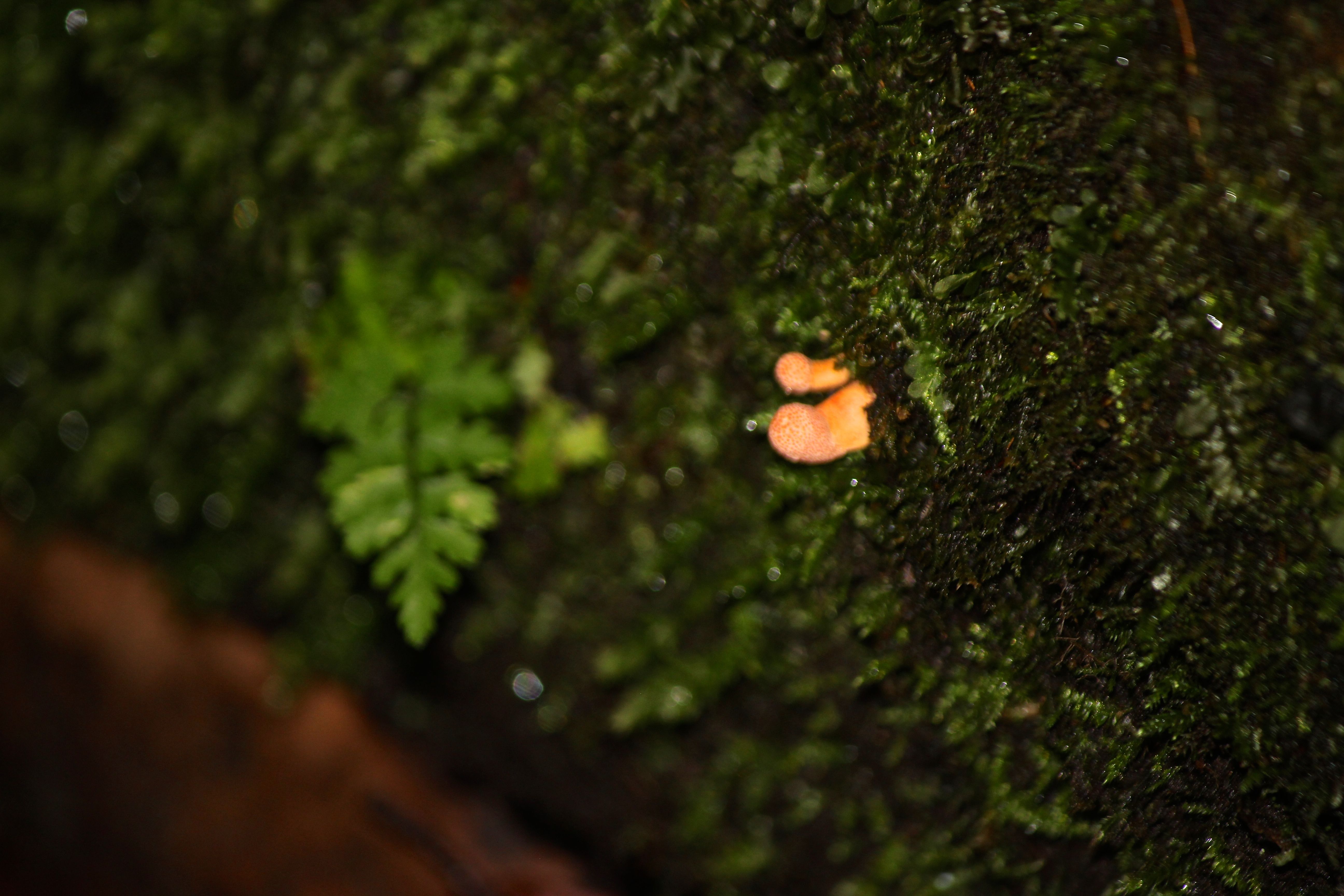
Those fungi eyes continued to search high and low. And waited for us to locate this rather small sample sticking out of a moss-covered rock in the stream.

cord larve

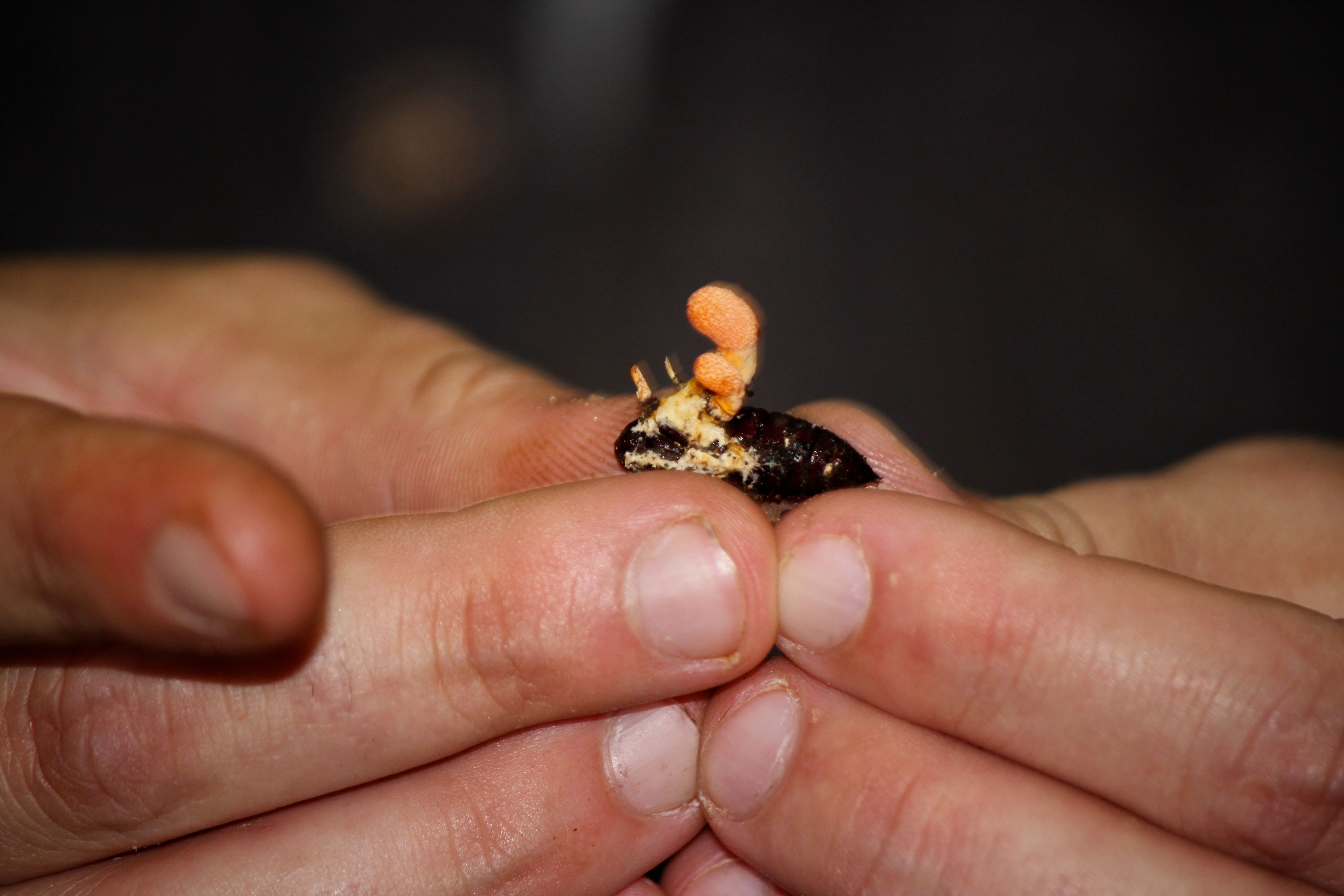
Scarlet Caterpillarclub (Cordyceps militais) feeds off of insect larvae as you can see here. The host provides the most and turns to mush as the fungi grows.

Though we never plan it that way, our journey lasted three hours. Suddenly, we emerged from the wet woodland onto Horseshoe Pond Road–all the richer for having spent time in the land of the slugs, bears and caterpillar clubs. Oh my!

Taking In The Views

The Pequawket Indians of Fryeburg, knew the 1,100-foot mountain in Waterford as the mountain that would “tire um out” because climbing its steep side wasn’t easy. Fortunately, a much gentler trail that is only a bit steep at the start, has led to the summit of Mount Tire’m for many moons. And that was my trail of choice this afternoon.

While my guys (and a girlfriend) toiled at the family business, I snuck off to the mountain to enjoy the views.

green

It’s located up the street from the quintessential New England village known around these parts as Waterford Flats. Think white clapboard houses, all of which are listed on the National Register of Historic Places. And a triangular green. To the right of the sign is the former Lake House, which for many  years was a high-end restaurant and inn. It’s for sale now. And comes with an interesting history–in 1847, it was known as Shattuck’s Hygienic Institution, or “Maine Hygienic Institute for Ladies” and offered a water cure.

Another house on the  green was home to Artemus Ward, pen name of Charles Farrar Browne, a favorite author of Abraham Lincoln and Mark Twain’s mentor.

Then there’s the  Waterford Library designed by John Calvin Stevens and his son, John Howard Stevens. And the former town office and meeting hall–ladies sat on one side of the room facing their menfolk during town meetings and were not allowed to vote or even speak. Can you imagine?

church

The Waterford Congregational Church was one of Stevens’ designs.

trail head

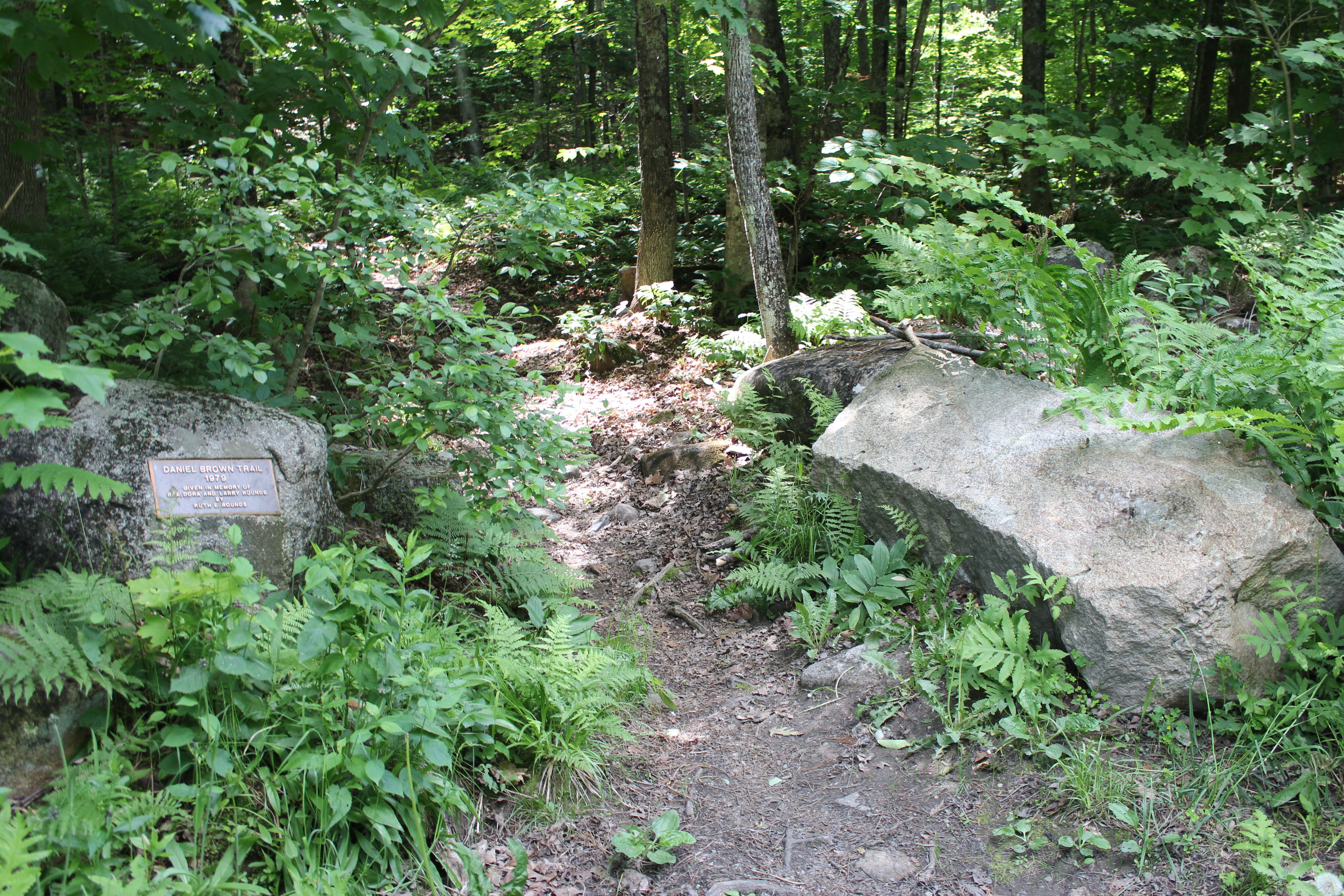
It’s easy to miss the nondescript trailhead located up the road from the church.

trail sign

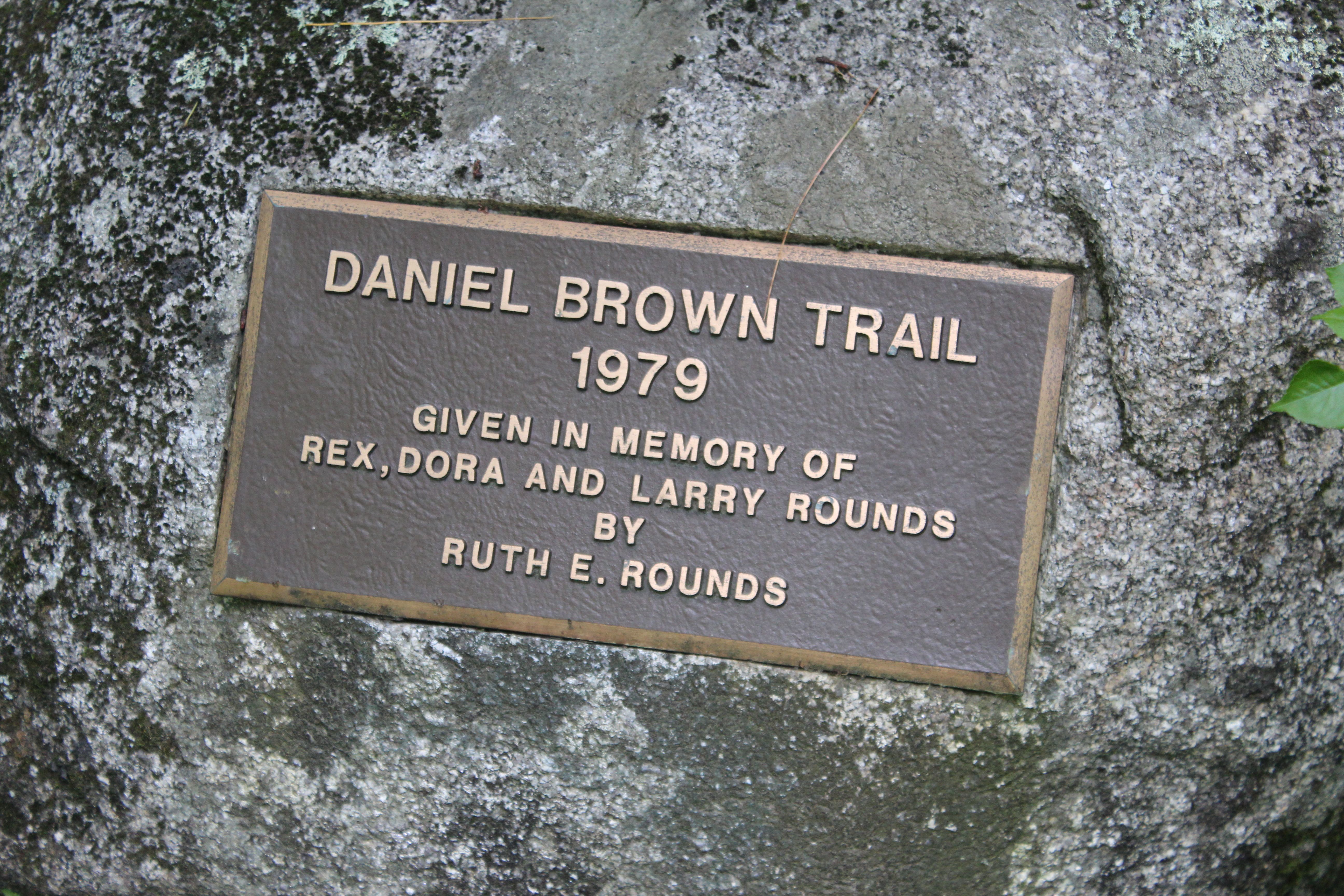
The public path that has traversed the mountain for many years was apparently known as the Old Squire Brown Trail. From what I gather, Daniel Brown owned a large house and farm near Bear Pond–perhaps the Lake House? He was involved in town politics and went on to serve in both houses of state legislature, becoming known as Squire Daniel Brown.

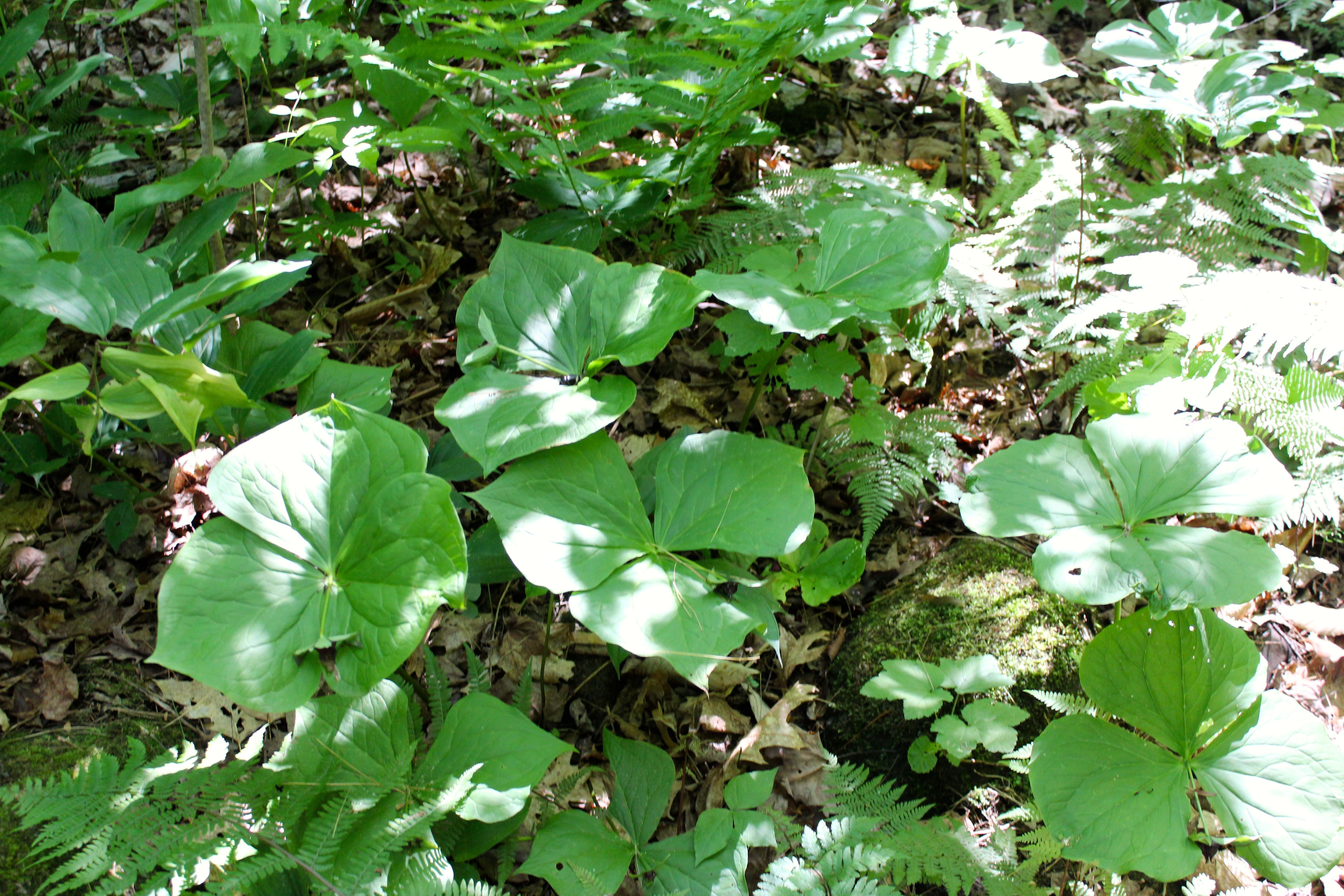
Red trillium

Though the flower is long past, the leaves of Red Trillium reminded me that I need to hike this trail earlier in the spring.

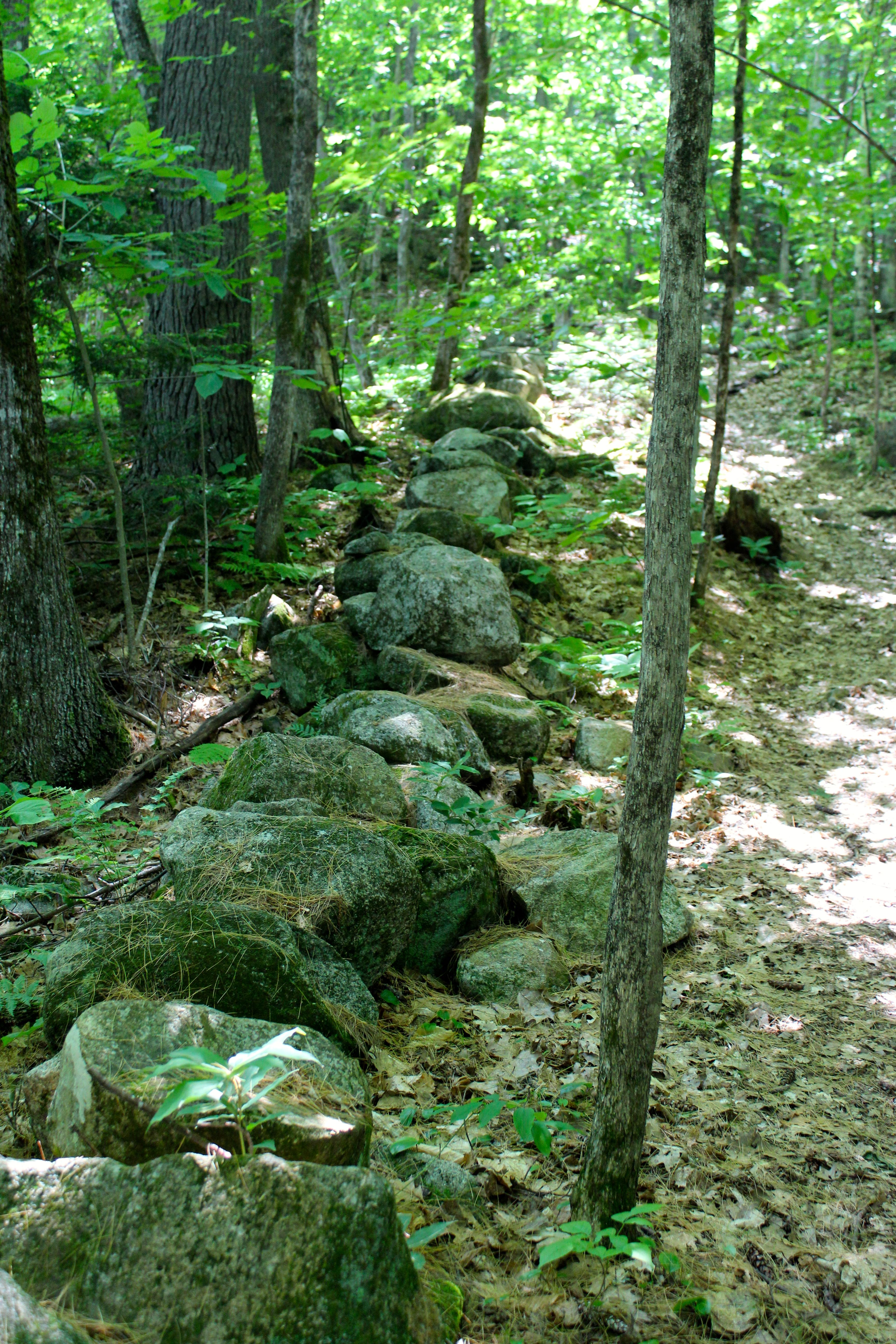
 stonewall

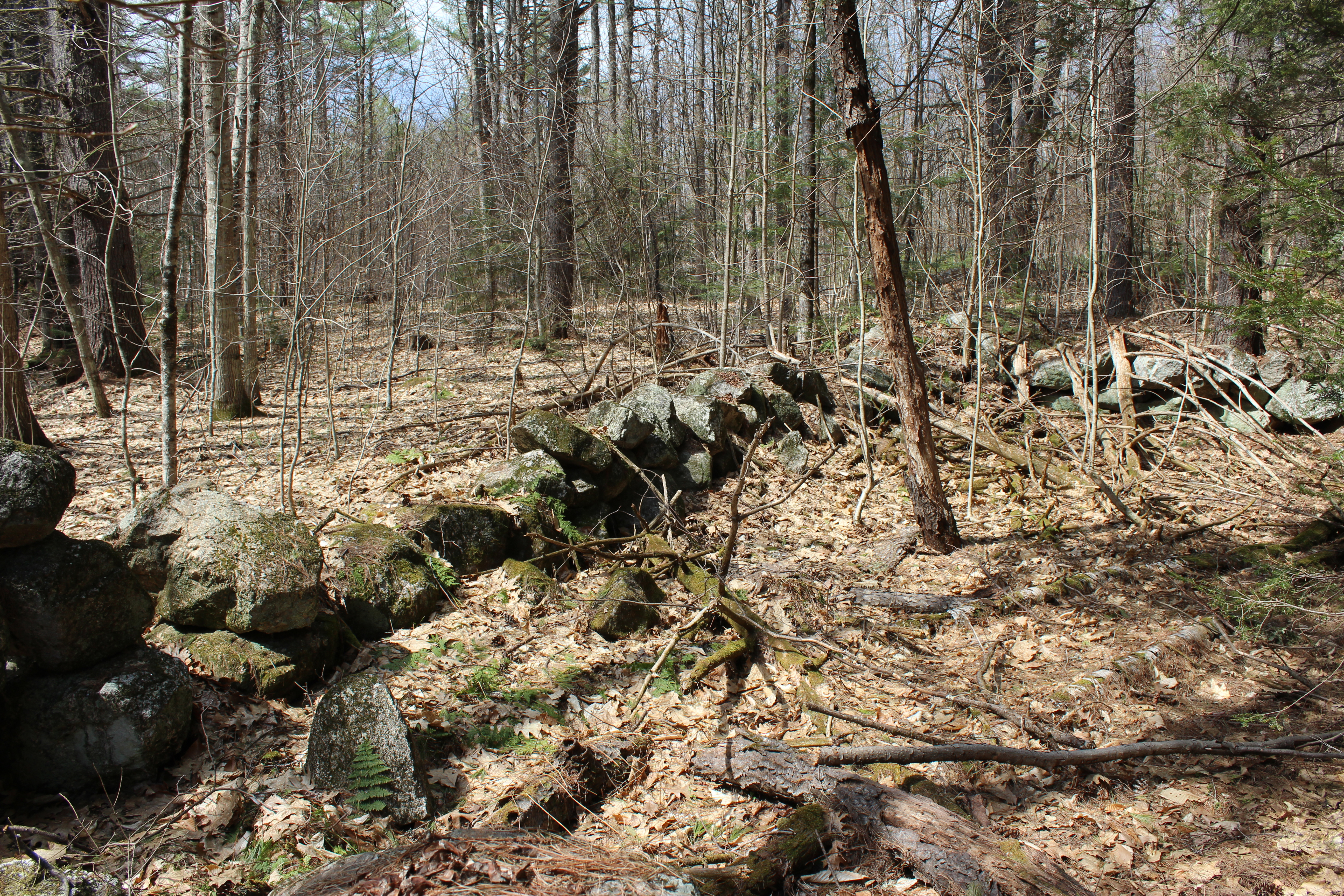
Stonewalls announce that this land was once upon a time used for agriculture.

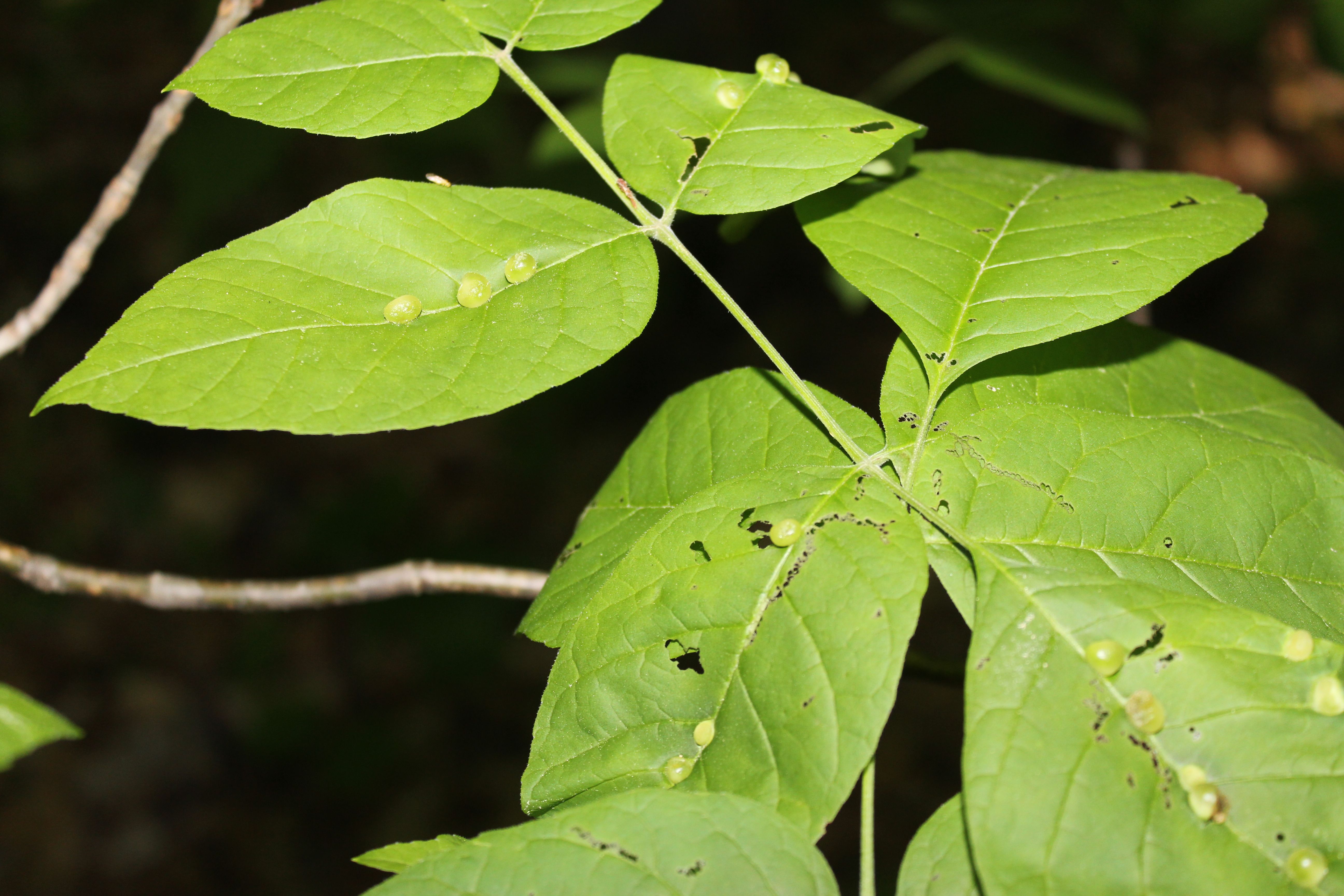
ash leaves 2

The odd leaf formation of this young ash tree made me stop. It has become host to either a fungus or insects who  are using the leaves as protection while they complete their lifecycle.

ash 2

Another ash has been invaded by mites that cause the raised galls.

challenges along the path

Like most trails, this one provides the rocks and roots that draw my eyes downward, so I pause frequently to look around. It’s just as well that I was alone, because not only was I taking my time, but my mind was so filled with chatter that I doubt I would have heard anyone else speak.

pine needles

On the drive to Waterford, I’d noticed that so many of the white pines are once again suffering from the needle drop fungus. The same was true on the trail. In the newspaper, an article about climate change referred to the needle drop as occurring for only the past several years. Methinks more like ten years. The fungus infests trees during a wet spring, such as we had last year and the resulting defoliation is seen the following year. So–I’m thinking out loud here–though we haven’t seen much rain lately, the needles are dropping because of last year’s infestation. While they look so pitiful right now, within a few weeks, they’ll finish dropping. But . . . do the trees have the energy to survive? And what about next year? Will it be a good year for white pines? And then I think about all the pinecones the trees produced last year–it was certainly a mast year, so maybe it doesn’t affect them to such an extreme. Yeah, this was the sort of chatter I was experiencing.

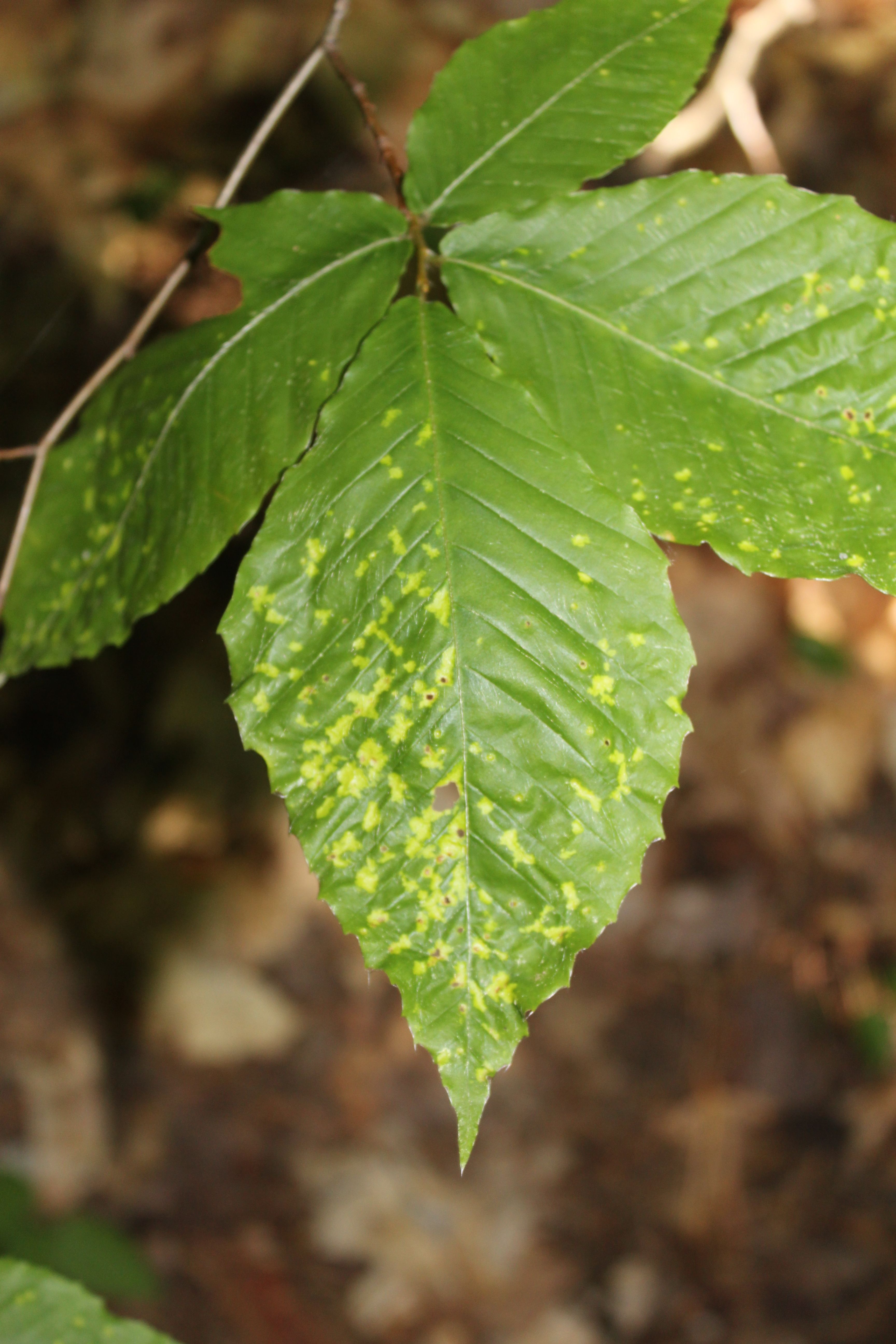
beech spots

Some beech leaves are displaying their own relationship with a fungus. Where only weeks ago, they were the site of beauty as they opened and their hairiness kept insects and others at bay, they can’t fight off everything. Nor can we.

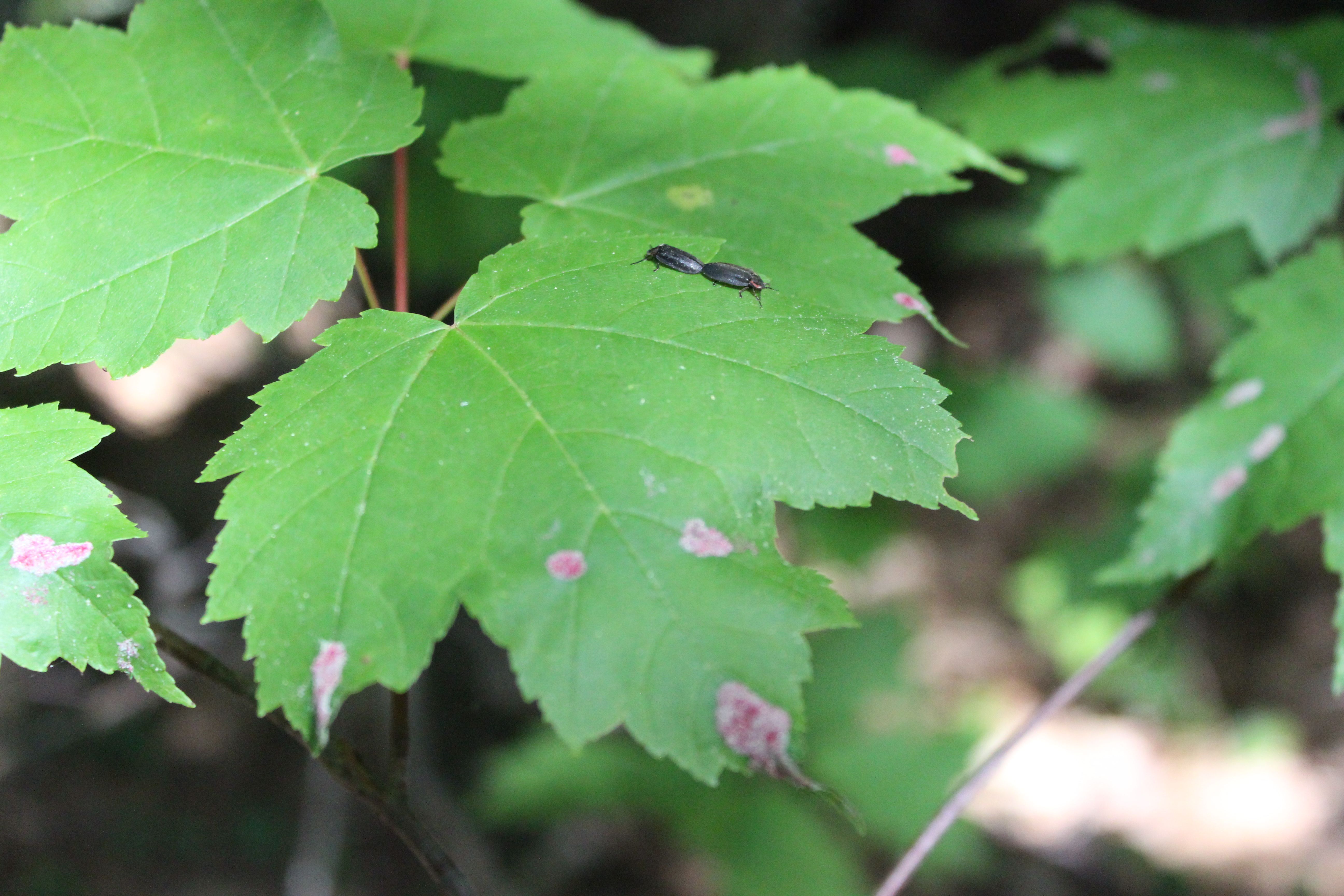
candy pink insects

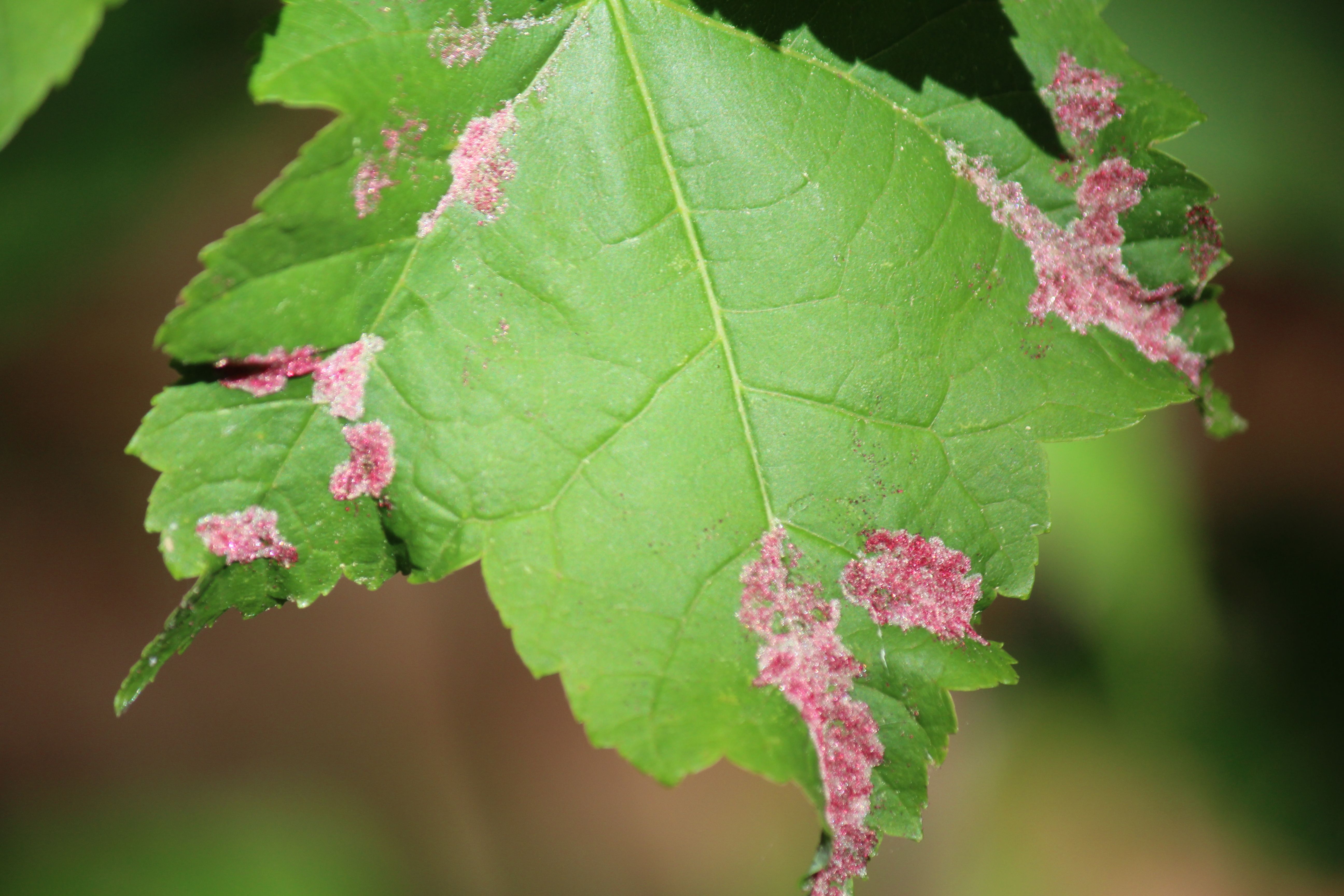
Through my hand lens, the bright pink on the Red Maple leaves has a crystal-like formation. It’s actually quite beautiful.

candy pinkcp2

I had no idea what caused this until I looked it up. These are maple velvet erineum galls, also caused by mites. Apparently they won’t harm the tree, so they aren’t considered parasitic. It’s all a wonder to me. If you do find this, take a close look.

spittle on hemlock

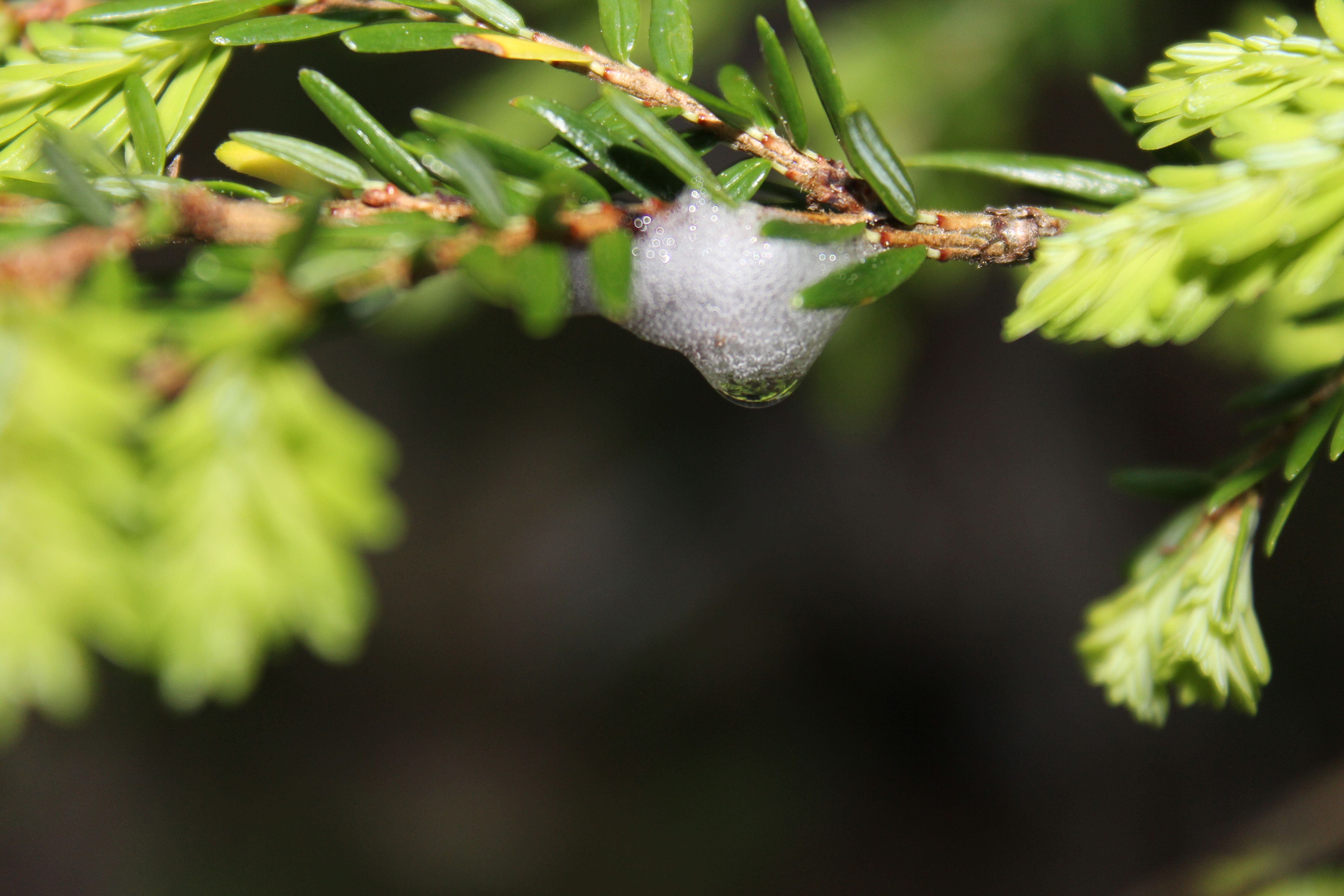
Growing up, whenever we saw spit on wildflowers and grasses, we assumed it was from snakes. A rather scientific observation. Do snakes even spit? And a foot off the ground? I’ve since learned that the foamy substance is the work of Spittlebugs. As the nymphs feed in the spring, they excrete undigested sap and pump air into it.

spittle 2

But I didn’t expect to see this on a hemlock. Turns out–there’s a pine Spittlebug that attacks evergreens. More reasons to keep my eyes open.

Keoka Lake and Oxford Hills

Enough about hosts and fungi. It was time to take in the views. About halfway up, Keoka Lake and the Oxford Hills are visible through a cut in the trees.

gnome home

Gnome homes are everywhere.

view

And finally, the summit with Pleasant Mountain in the background.

BP from summit

And Bear Pond and Long Lake below.

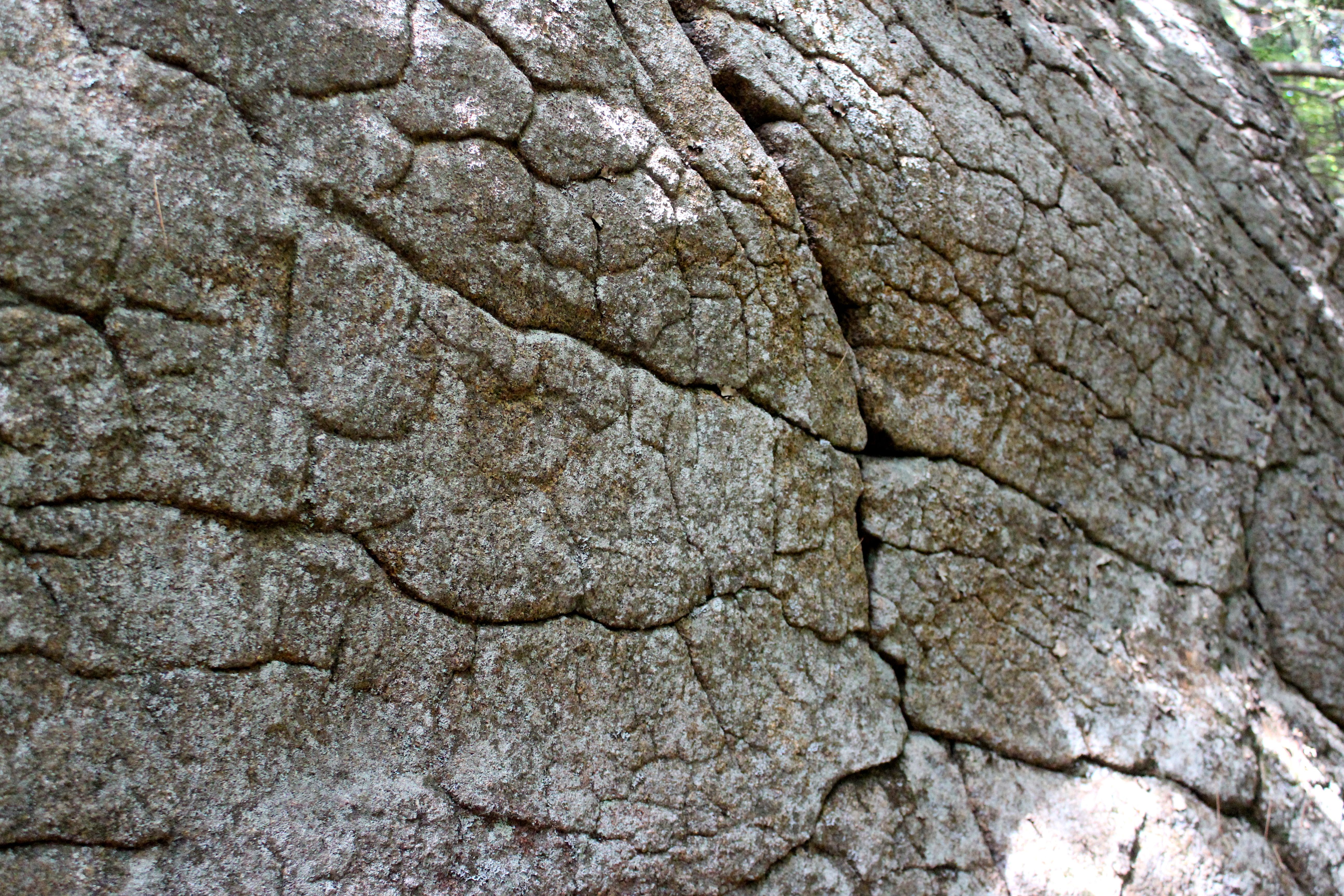
the rocks

No visit is complete without a stop at the glacial erratics.

the rocks split

Maybe I shouldn’t use the plural form as it’s obvious this was all one rock

the rocks 2

that split apart.

tr 5

Perhaps there’s more to come.

As the saying goes, “so much to see, so little time.” Thanks for joining me to take in the views.

Not All Who Wander Are Lost :-)

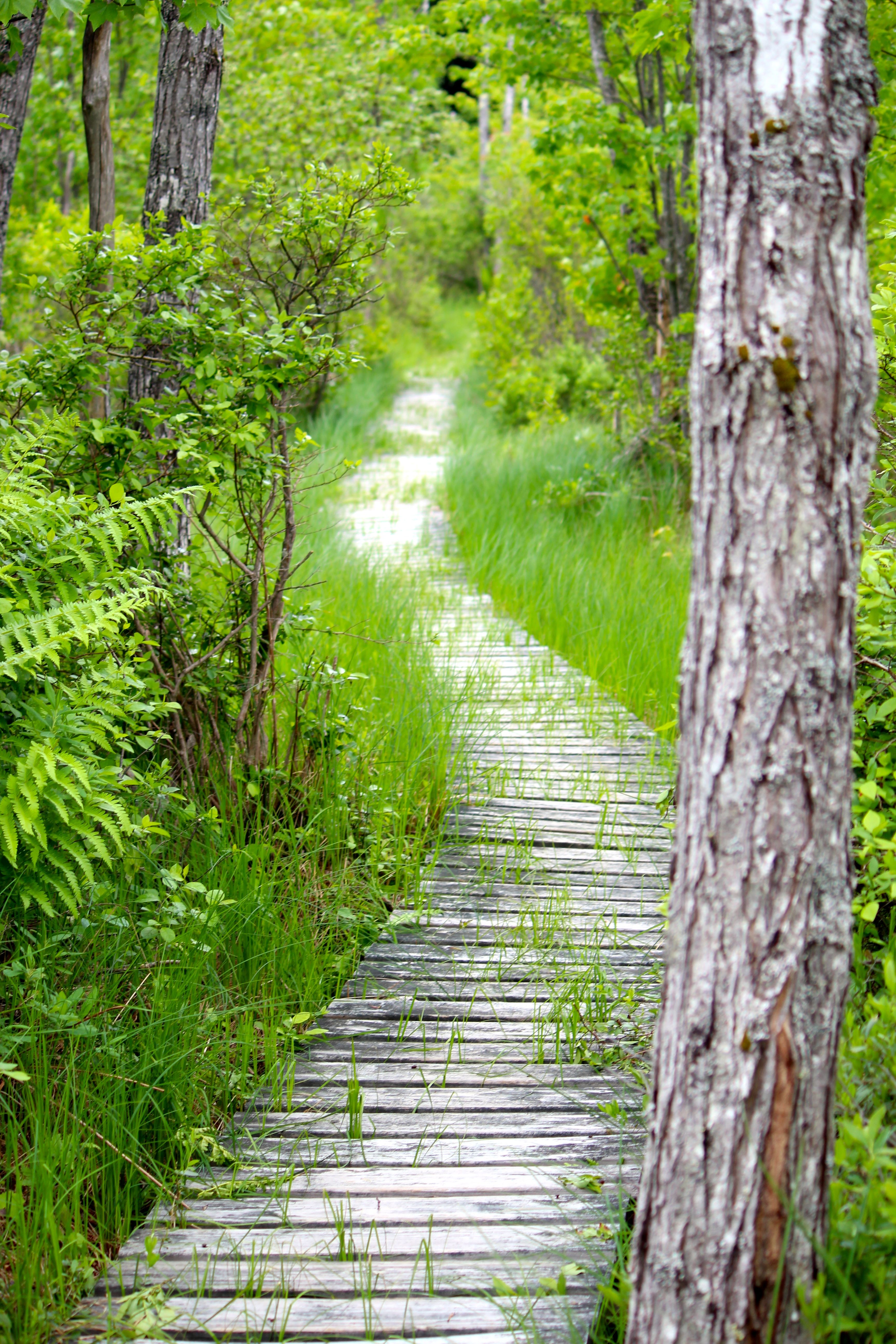
path 2

Today, I wandered along the boardwalks at  Holt Pond Preserve in South Bridgton with Adam Perron, education director of Lakes Environmental Association, and Amy Kireta, a PhD student from UMaine. Amy plans to help Adam develop climate change curriculum for LEA. Exciting stuff.

We chatted as we walked, but frequently stopped to look and listen. Check out our finds.

blue flag iris

Blue Flag Iris is beardless (no hairs on its petals), unlike the irises that grow in my garden.

sheep laurel

The Sheep Laurel beginning to bloom. This is an interesting and beautiful plant, with its flowers blooming below the new leaves. I love how the leaves droop.

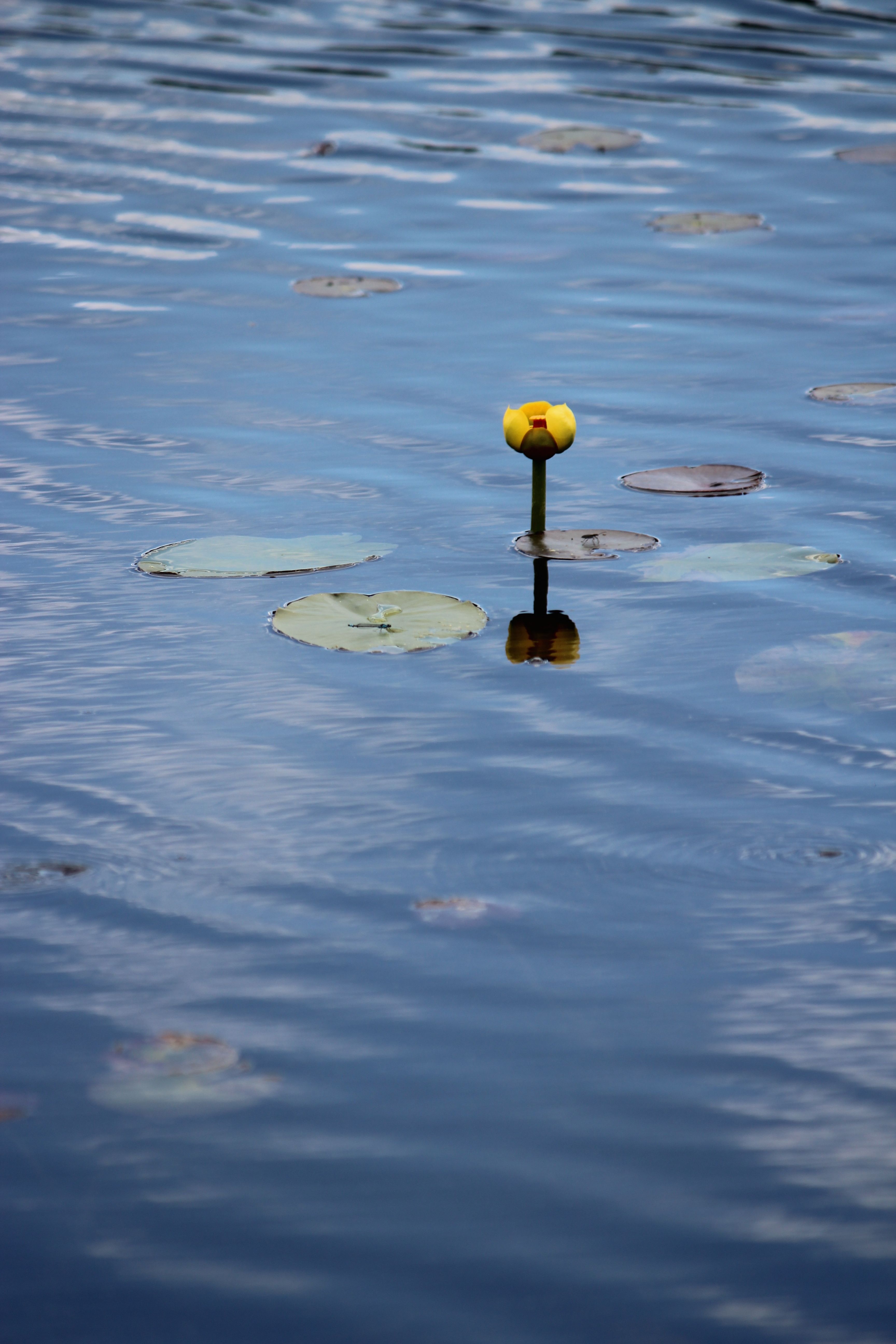
water lily

Another new bloom–the ball-shaped flower of Spatterdock.

blatterwort

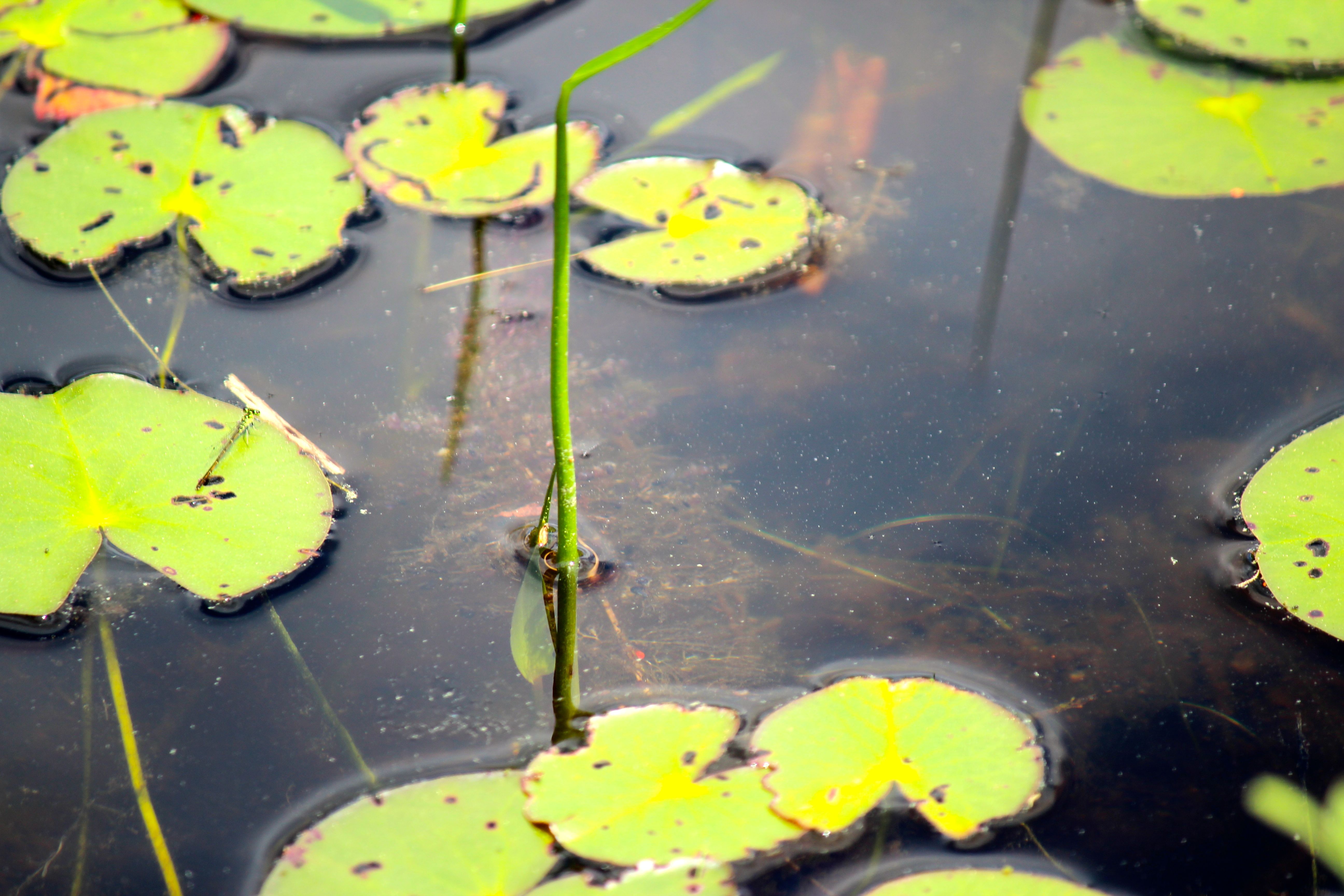
Though our eyes were immediately drawn to the leaves of Fragrant Water Lilies with their pie-shaped notch, we could see a submerged blatterwort–one of the carnivorous plants of the preserve. They feature small blatters that act as vacuums and suck up tiny aquatic animals in order to take advantage of their nutrients.

pitcher plant

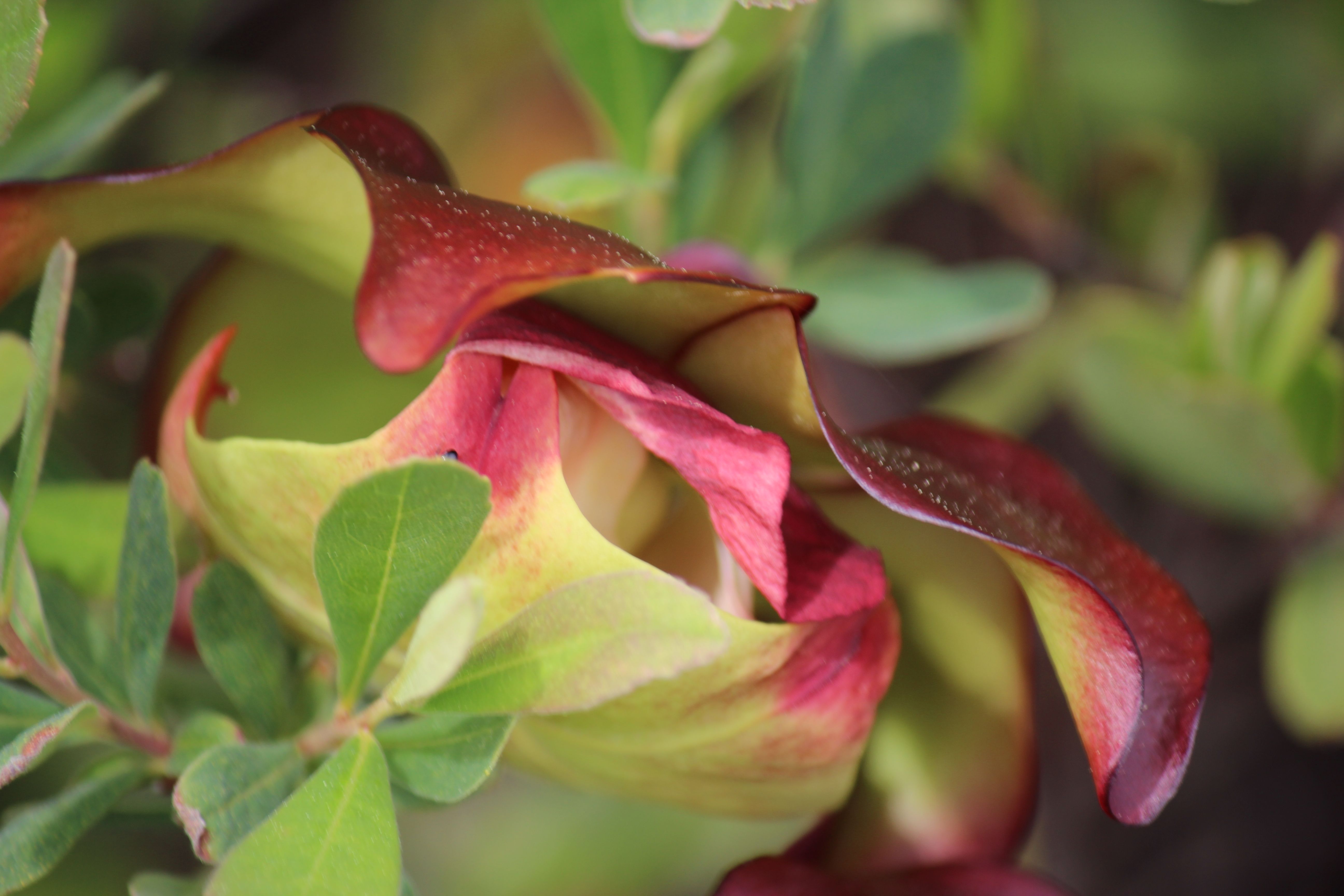
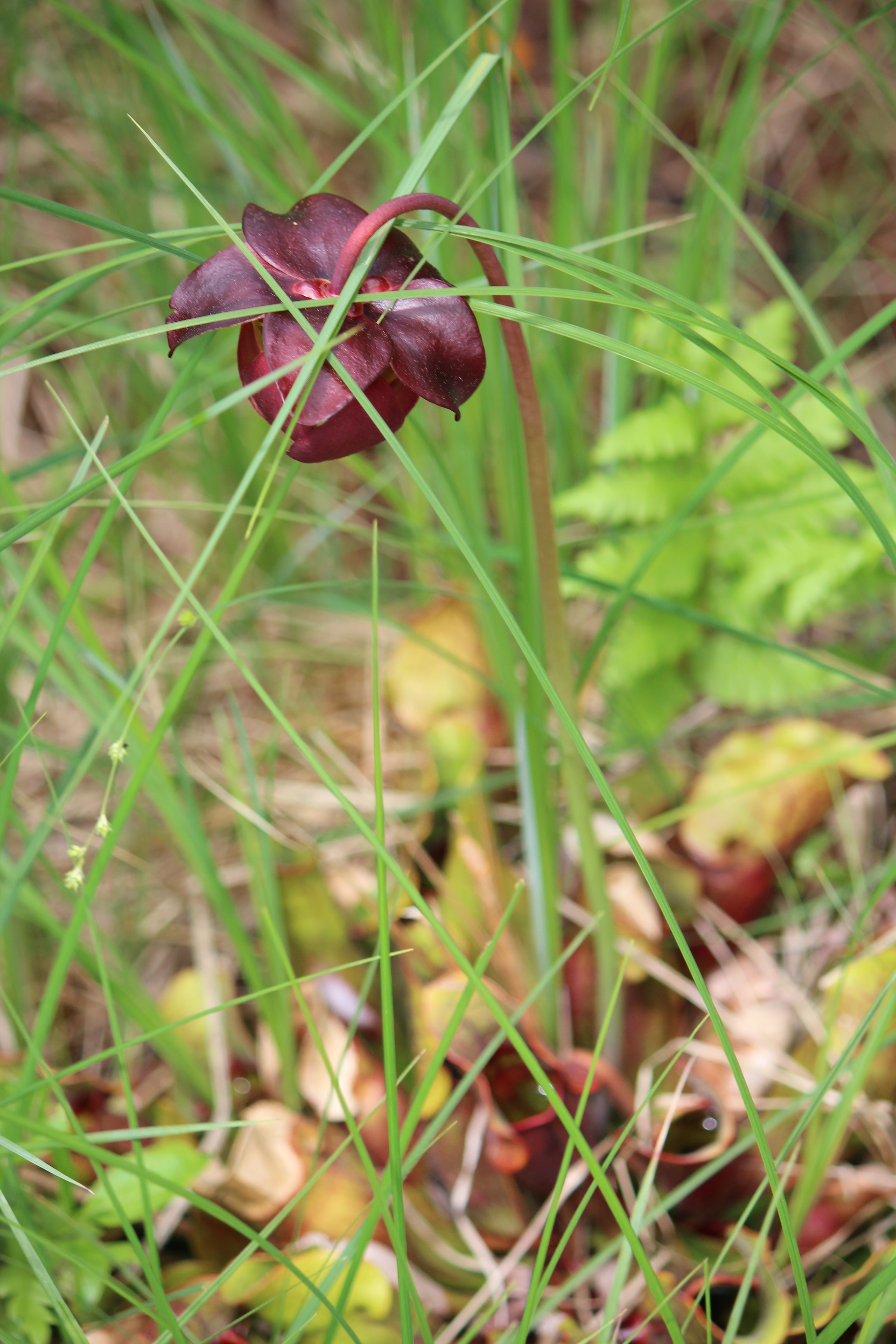
Speaking of carnivorous plants . . . the Pitcher Plants are flowering.

pitcher plant flowering

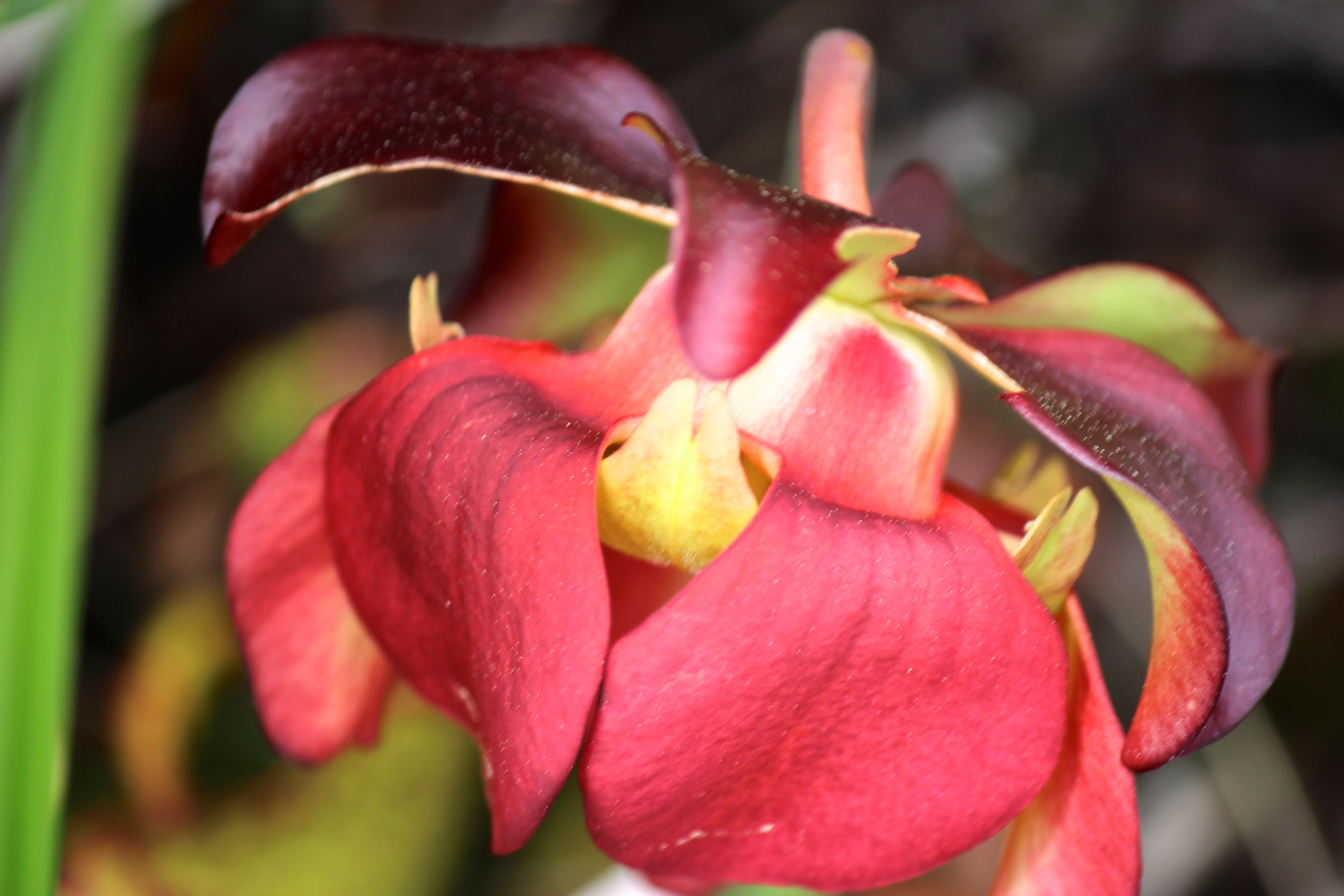
The colors are enough to suck me in.

ppf

 ppflower

While the Pitcher Plants make themselves known in any season, another carnivorous plant barely announces its presence on the quaking bog.

sundew

The Round-leaf Sundew. Preferring the acidity of the spaghnum moss, the hairlike tentacles  on each leaf are tipped with glistening droplets that shout a welcome message to passing insects. Those droplets are actually quite sticky and when the tendrils of hair detect that a prey has stopped by, they curl inward and wrap around the insect–then digest its nutrients.

There aren’t many nutrients in a spaghnum bog, so these plants have figured out how to meet their own needs–another reason to be in awe.

It’s stuff like this that makes me think J.R.R. Tolkien could have found inspiration right here.

Though we didn’t stray off the beaten path today, that is one of my favorite things to do. But I’m glad we backtracked rather than taking Amy back to the parking area via a different route because . . . we encountered another hiker who stopped to ask us some questions. As she talked, some things she said made me wonder if she was someone who recently commented on one of my blog posts. A friend in Connecticut has said since high school that I can be blunt (that’s you, C.W.N.) and I probably was today when I blurted out this woman’s name. I’m so glad I did. I was right–it was her. And I hope we can make a connection to wander together some time because it sounds like we have walked in each other’s tracks more than once.
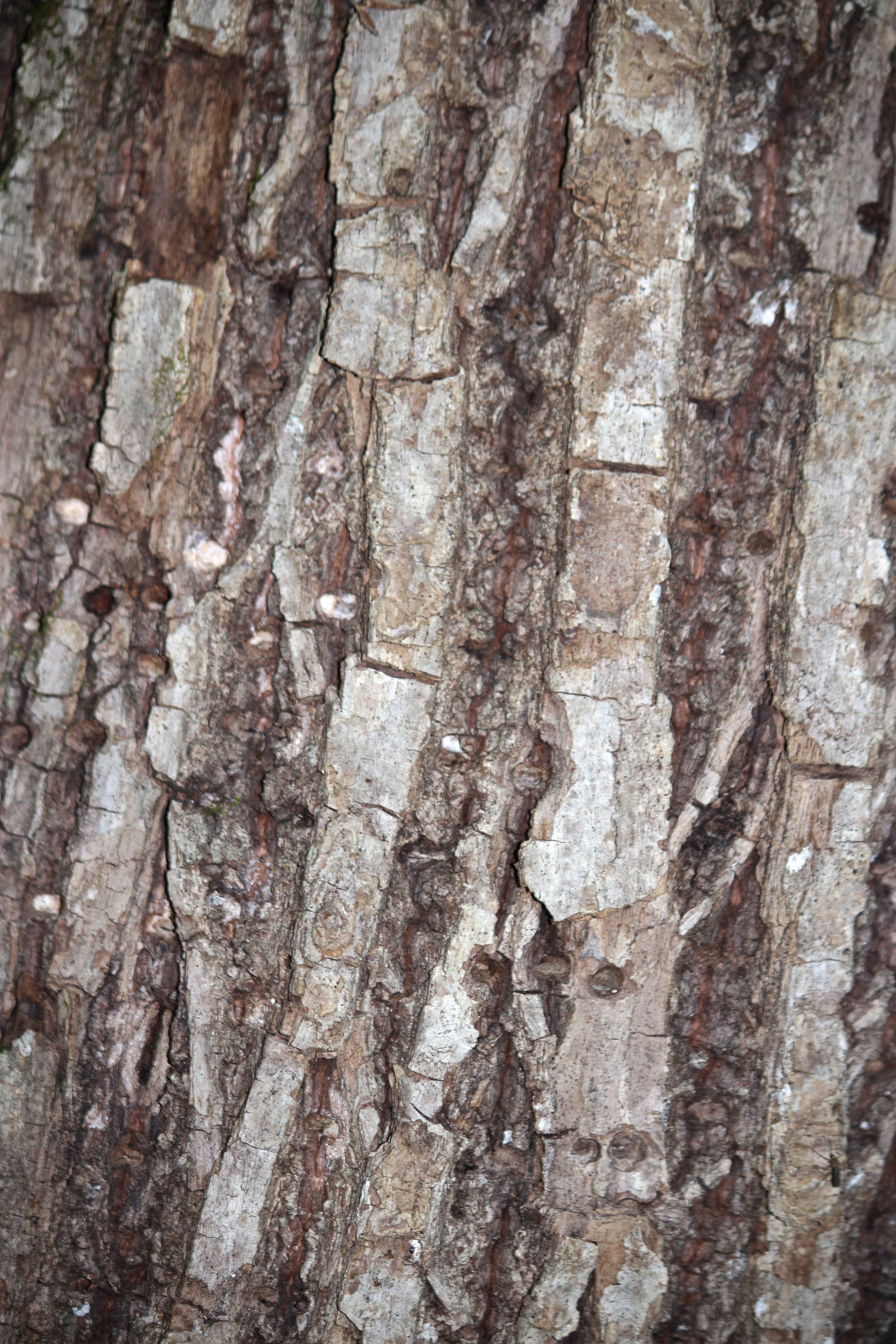
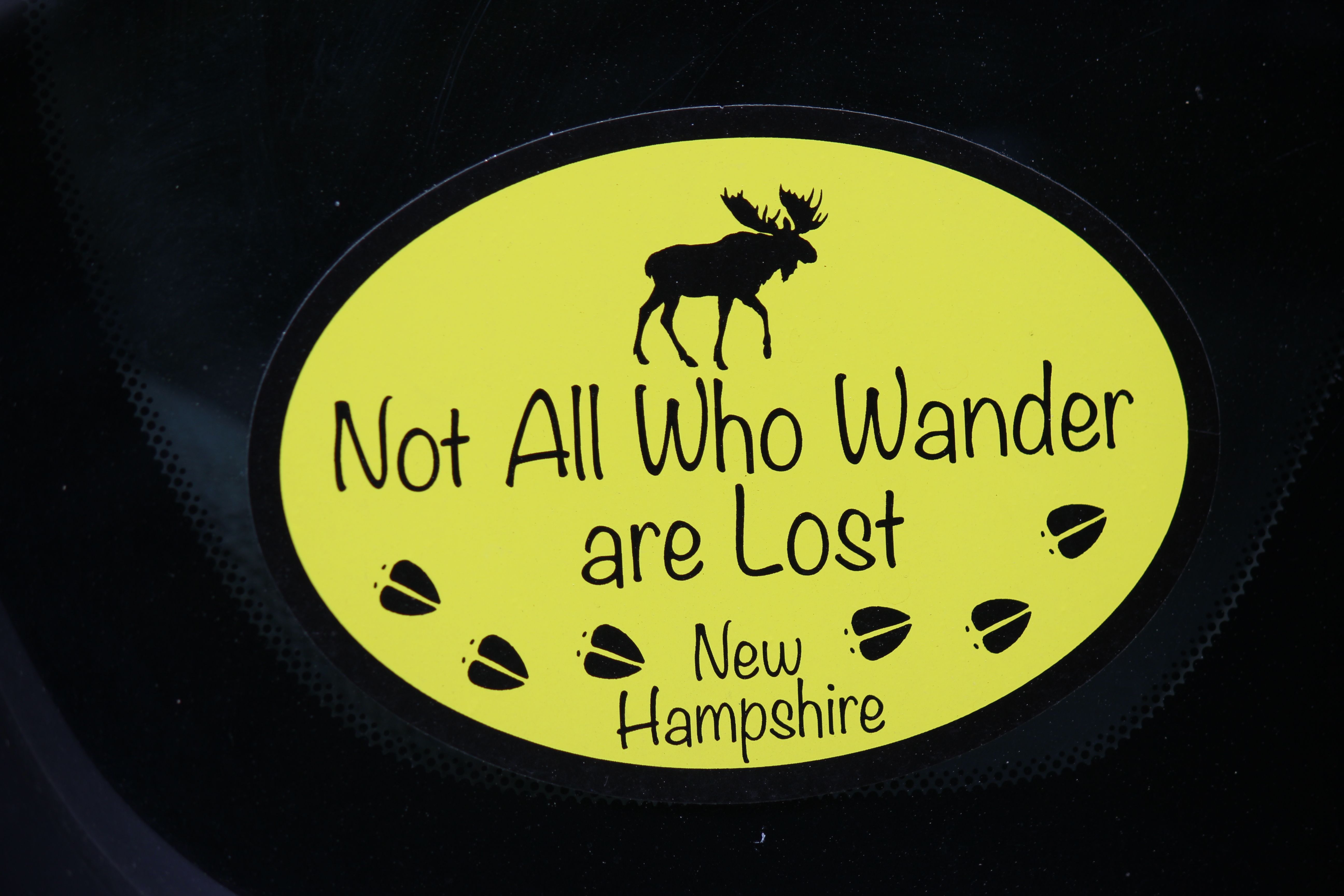
Not all who wander are lost

I knew your car when I saw this, E.

IMG_4177

Years ago, I paraphrased it. Wander and wonder. You never know what or who you might stumble upon.

Ambling Among the Ancients

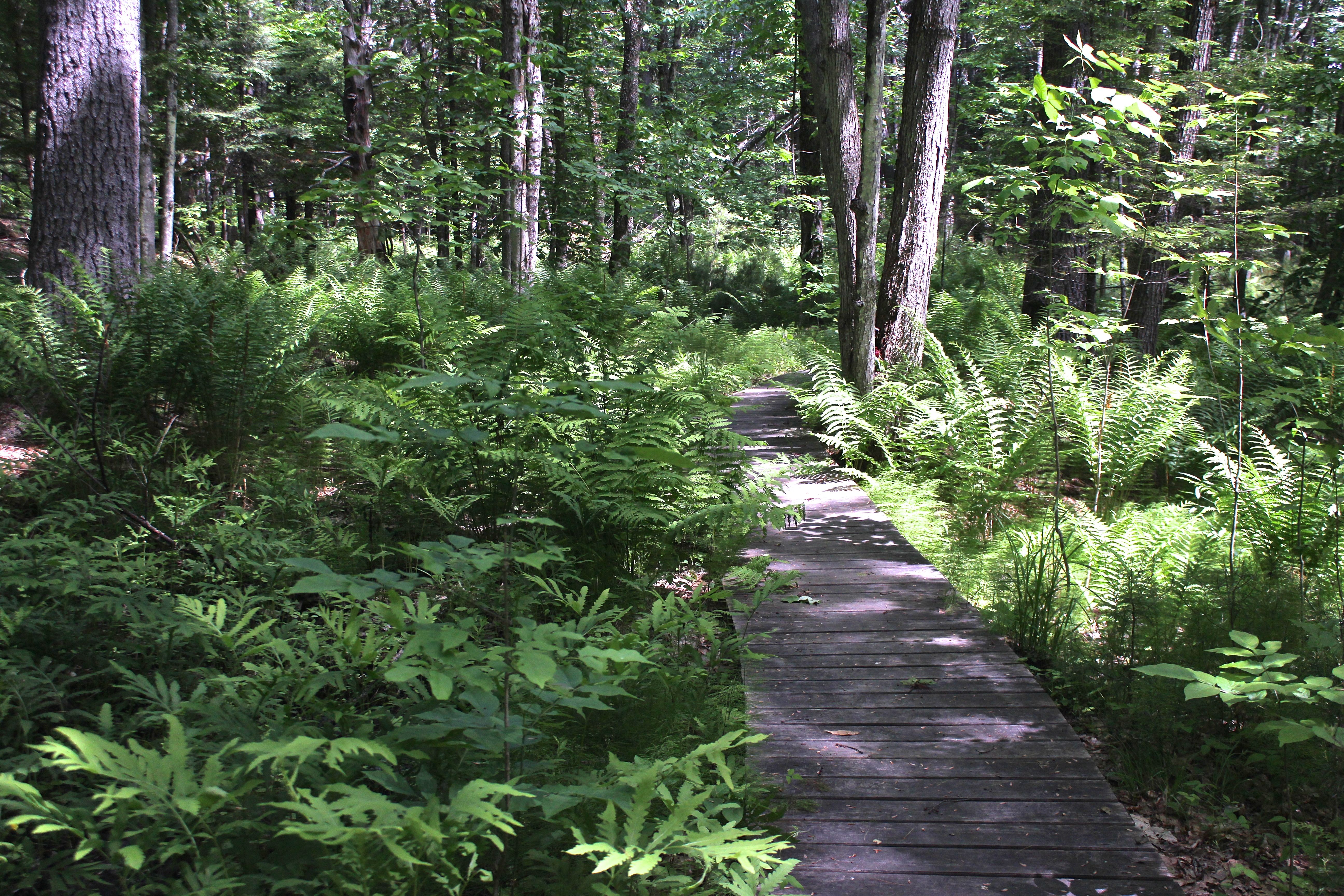
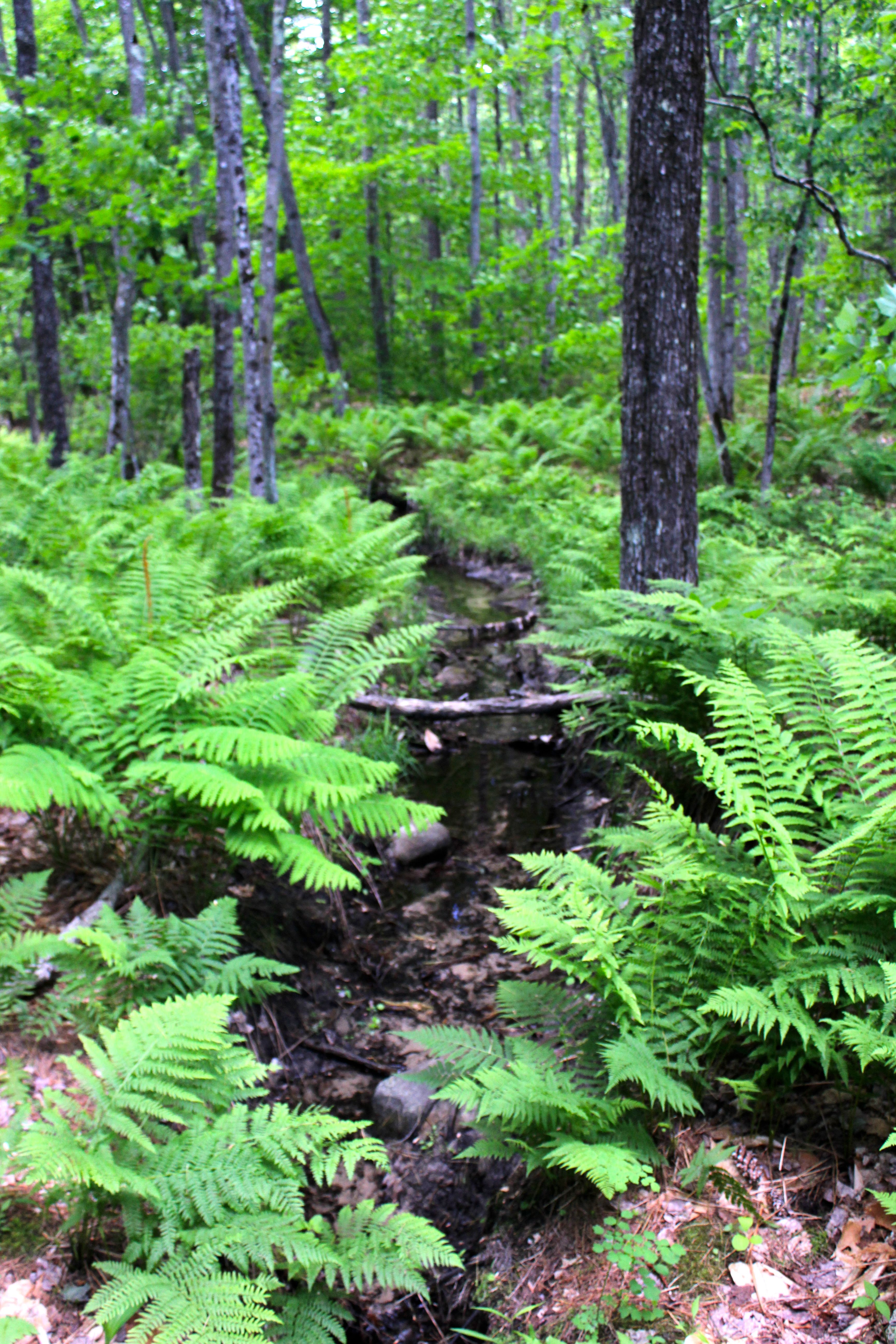
ferns along path 2

For most of my life, I didn’t pay attention to ferns. If anything, I waged a battle against them, trying like heck to yank their hairy or scaly rhizomes out of the ground.

That was then. This is now.

cinnamon fern

Fossil records show that ferns pre-date wildflowers. Our present-day species are relatives of those ancient plants, which may have been as tall as trees.

cinnamon ferns

Their stunning beauty stands out in the landscape. With a little practice, I begin to recognize their nuances. The royal fern family, Osmundaceae, features large sporangia making them easy to identify. And they prefer moist to wet growing conditions.

cinn 5

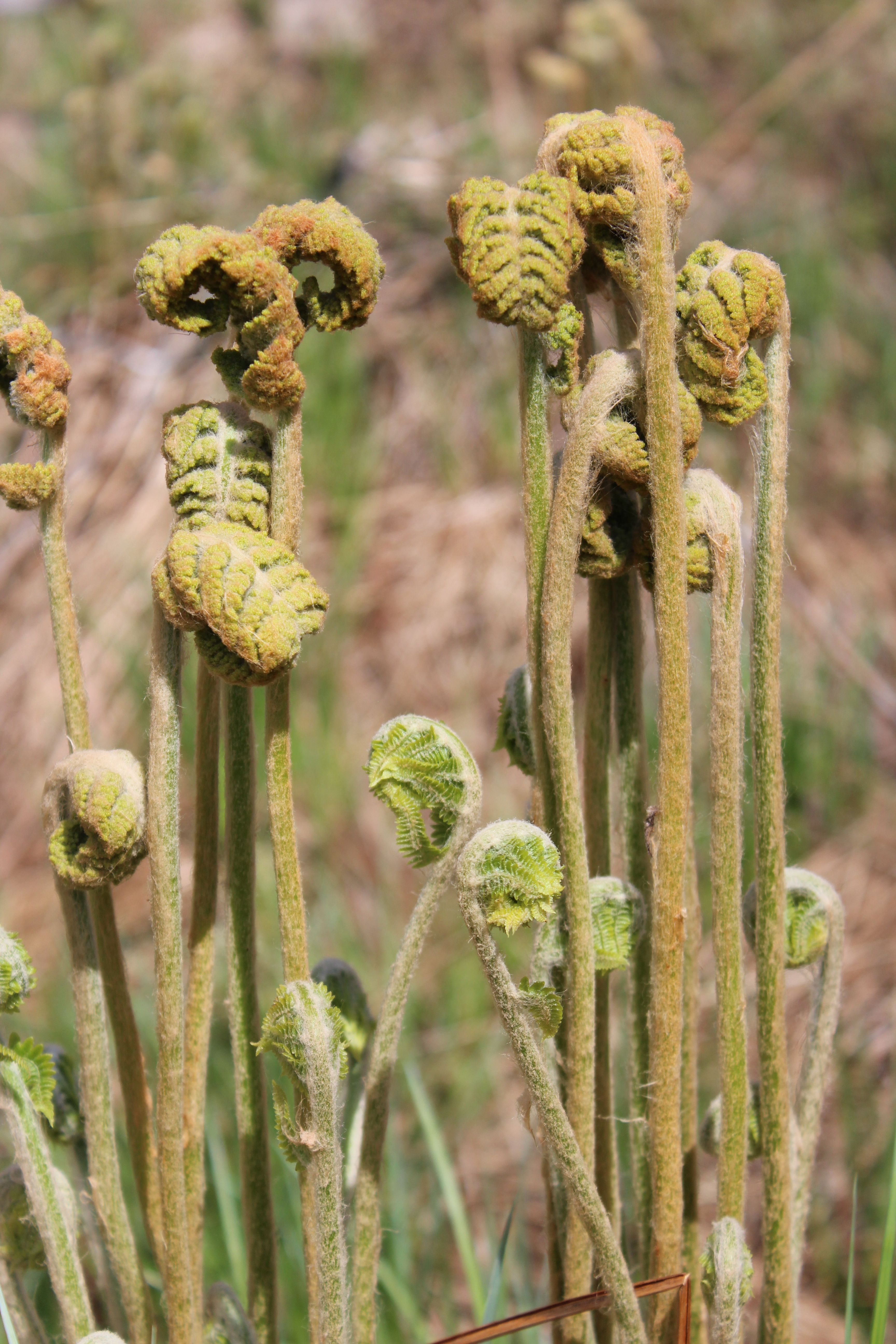
The Cinnamon Fern (Osmunda cinnamomea) that was in crosier form a few weeks ago, has fully developed.

cf hair

Those whitish hairs have turned a bit rusty colored along the stipe or stalk of each frond.

cf frond

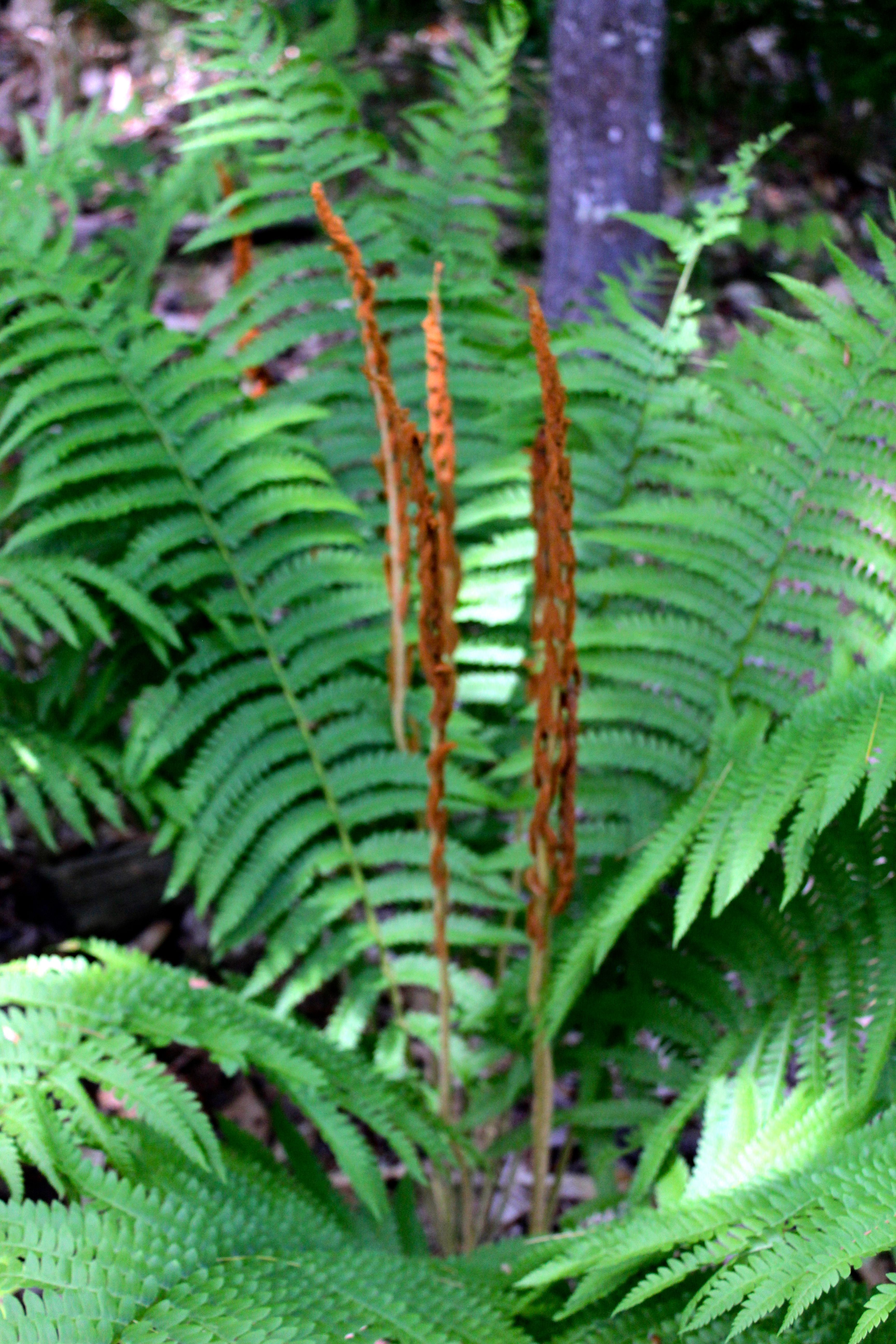
Life is complex. (If my sons were to read this, they’d remind me that once again, I’m stating the obvious.) In the case of the ferns, the complexity comes from their life cycle. Unlike wildflowers, they don’t have blossoms and pollen for reproduction. Instead, they must release spores into the air. On some ferns, the sorus (a bunch of spore cases), occur on the underside of the leaves or fronds. Others, such as Cinnamon Ferns, produce separate leafless spore-bearing stalks, aka fertile fronds. Right now is the time to see them.

cinnamon young

Fresh fertile Cinnamon Fern fronds (try to say that five times fast) begin with a greenish-blue tinge.

cinnamon

With maturity comes the cinnamon color for which they are named. Once a spore lands on suitable ground, it will germinate, and develop into a teeny, tiny, heart-shaped prothallus, which will carry out the sexual phase of the life cycle. Eventually, if all goes according to plan, the plant will emerge from the prothallus and the crosiers will develop into fronds.

cinnamon

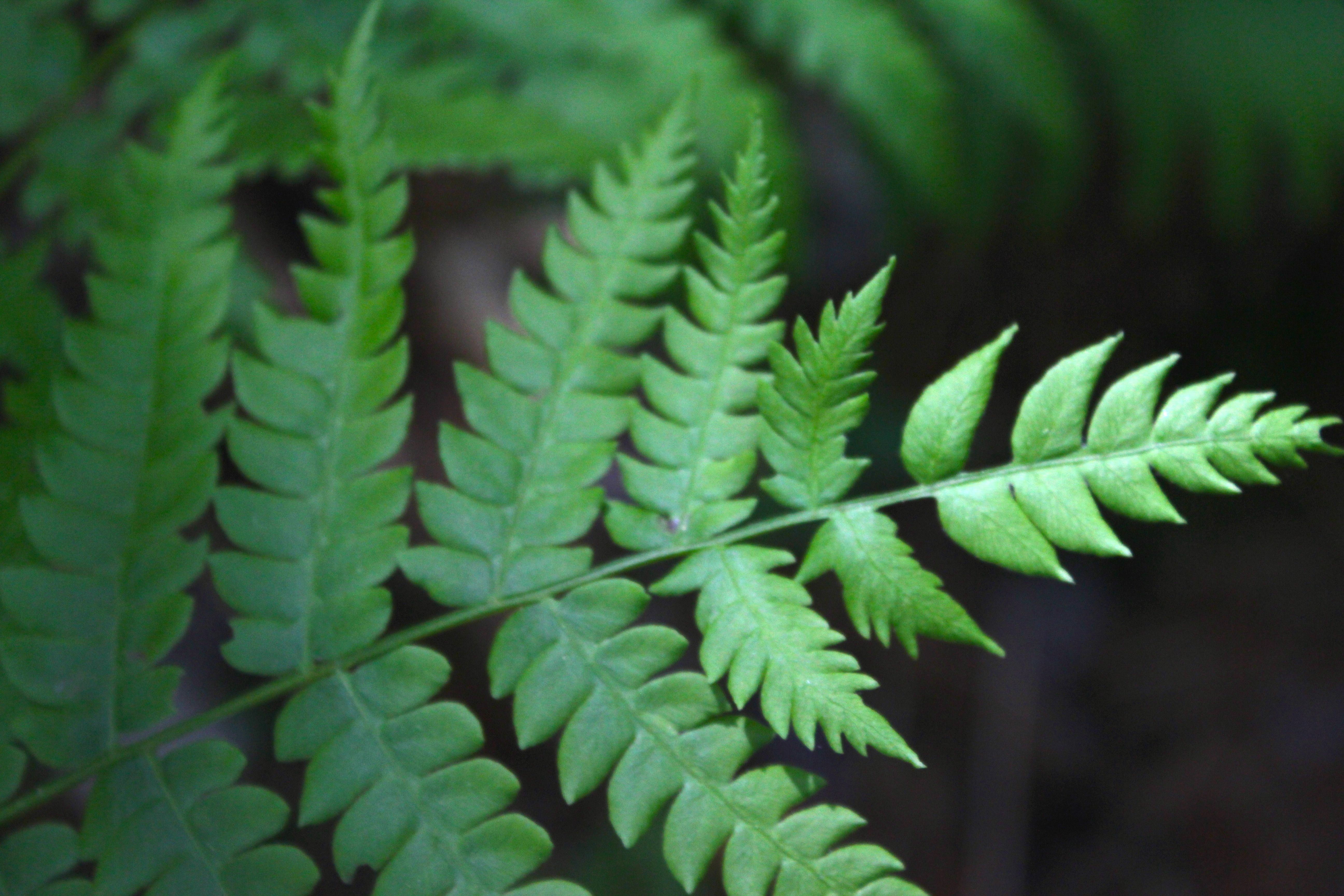
Just as tree leaves are different, so are fronds. In the case of the Cinnamon Fern, the ends taper to a point.

 if frond

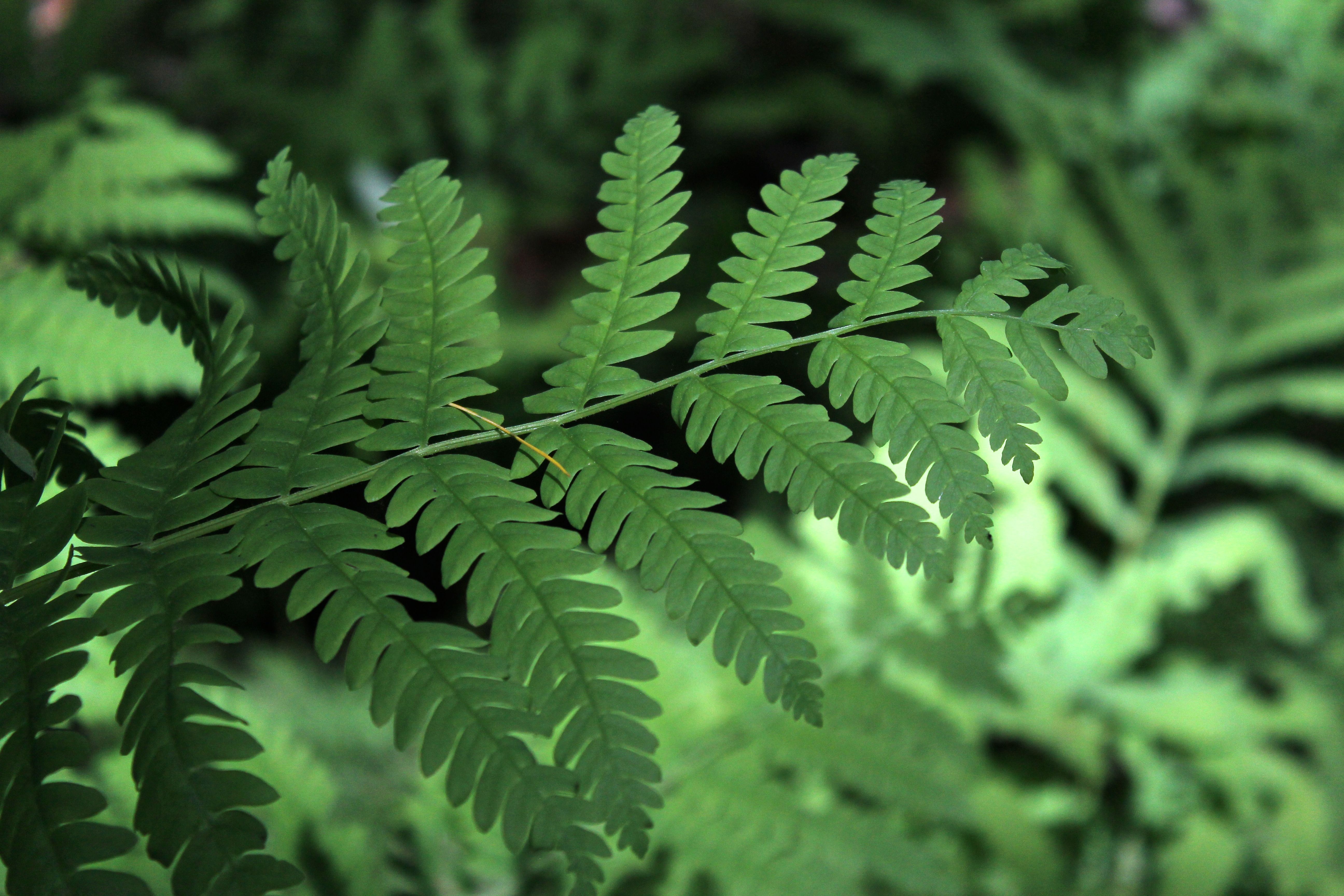
A look alike of the Cinnamon Fern is the Interrupted Ferns (Osmunda claytoniana).  Well . . . almost. They have blunter ends.

interrupted

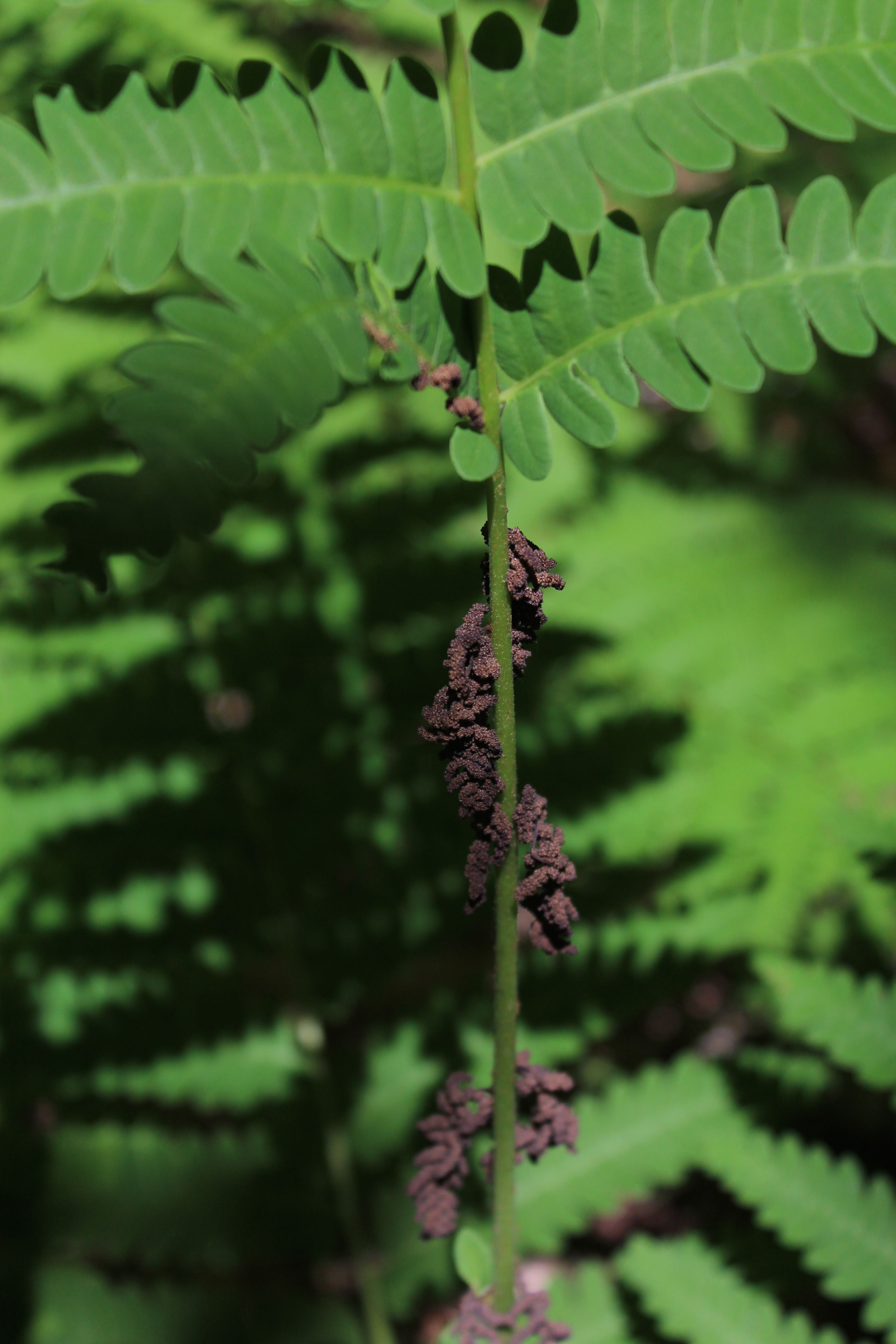
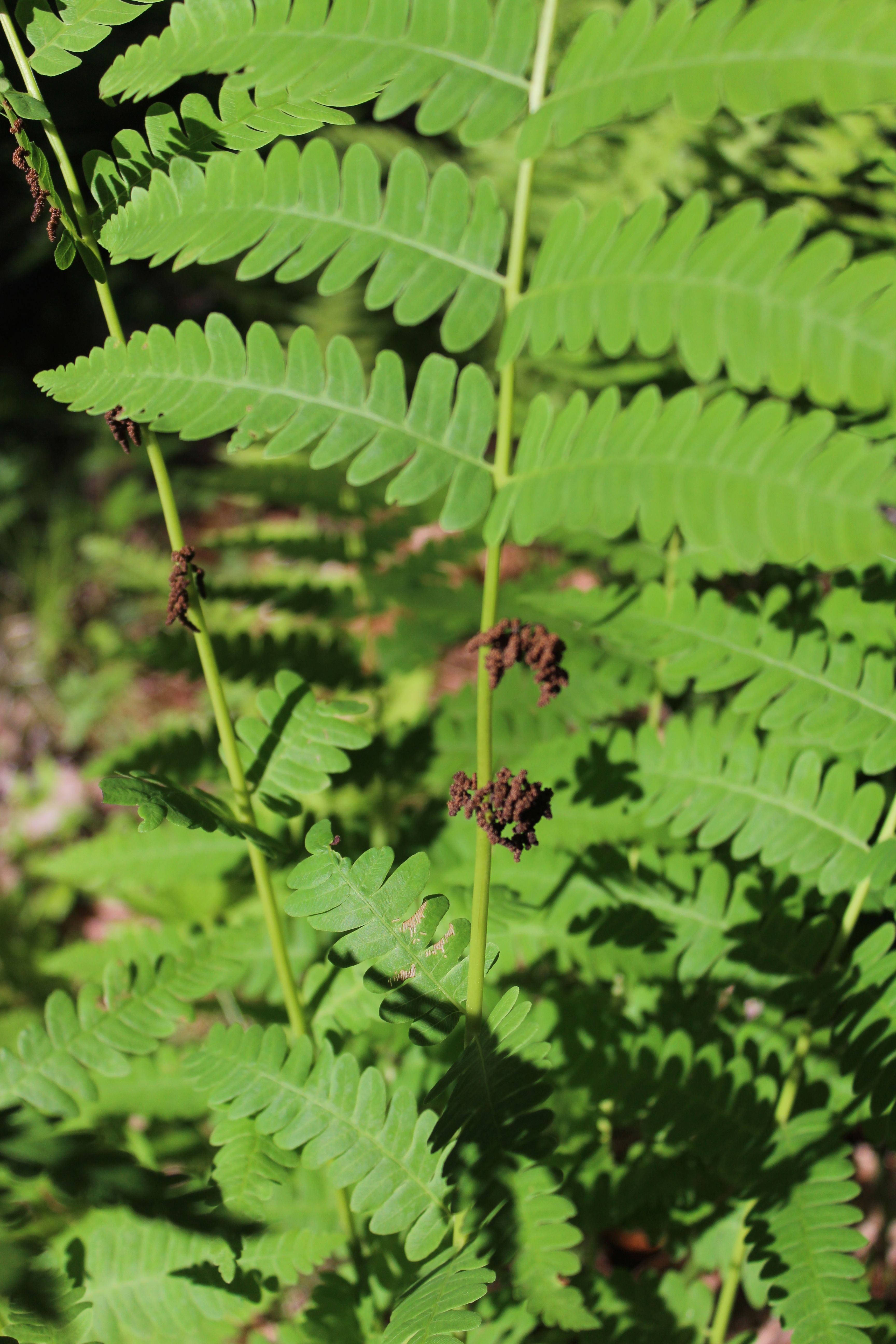
And on fertile fronds of the Interrupted Fern, the small brown pinnae or leaflets that contain the sporangia, interrupt the growth of the other pinnae along the stem.

if3

If the plant produces fertile fronds, they occur toward its center, while sterile fronds form an outer ring.

royal ferns

The third member of the family is the Royal Fern (Osmunda regalia). The leaves of the Royal Fern are distinct and look like those on a locust tree.

Royal fertile

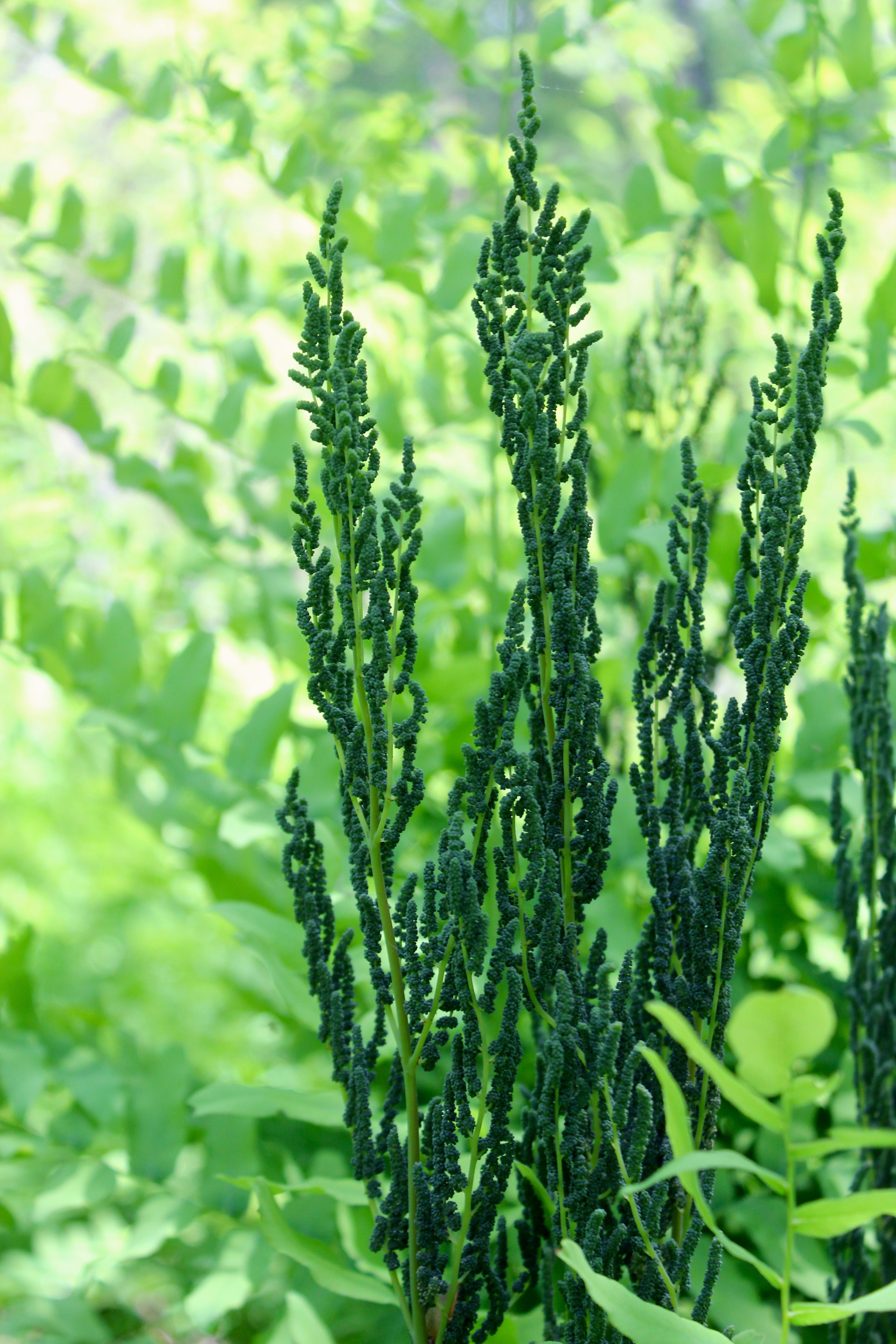
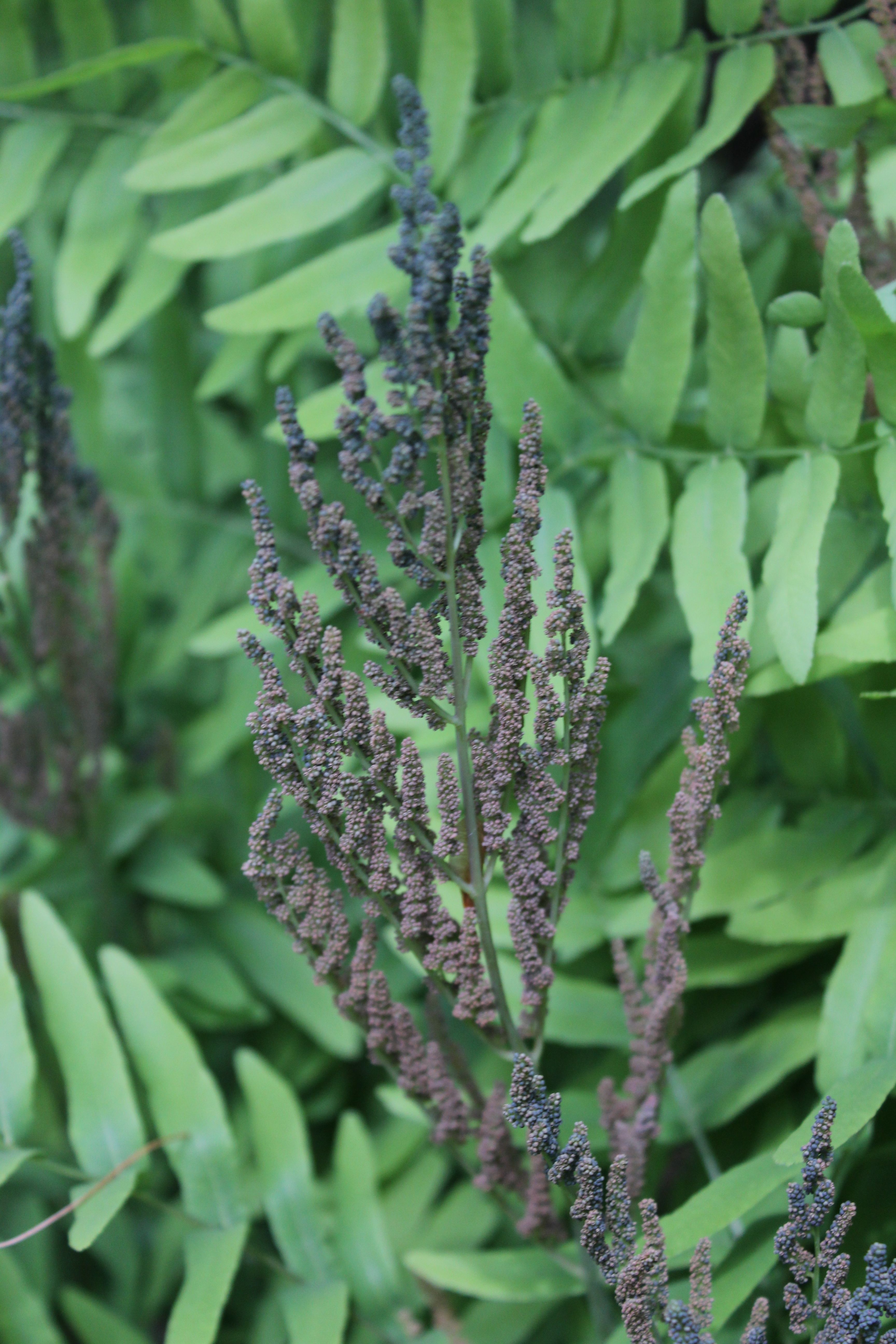
As with all of these ferns, it’s important that they produce masses of sporangia, because only a few will actually survive. After the spores are released, they’ll turn from teal to light brown.

rf

One way to remember the name, Royal Fern, is that the fertile part occurs at the tip, resembling a crown on a king or queen.

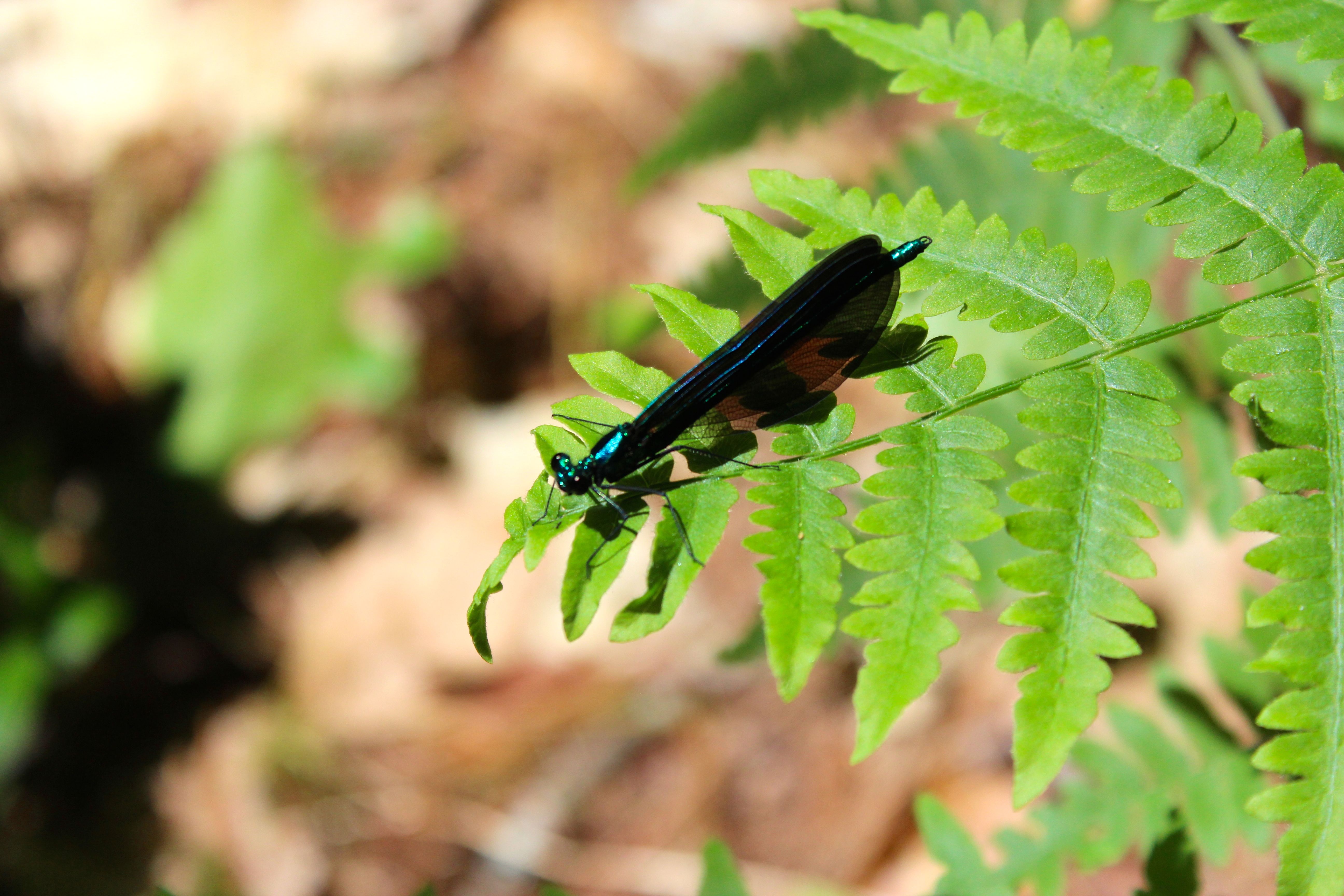
Ebony Jewelwing

The day was topped off with a view of an Ebony Jewelwing.

ferns by stream

I’m thankful for moments spent ambling among the crown jewels of these ancient plants.
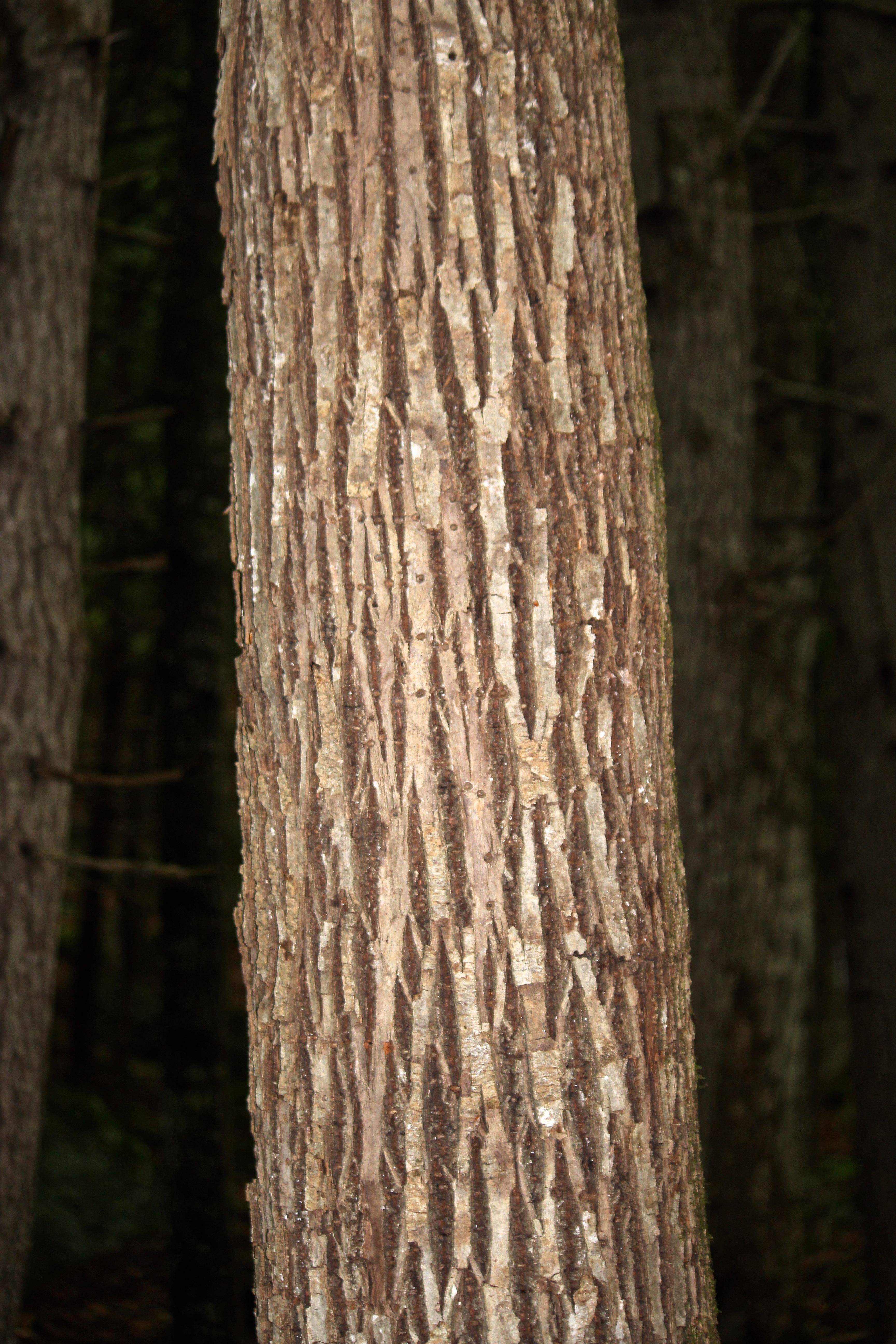
What Would Jinny Mae See?

My friend, Jinny Mae, was recently blindsided by a dreaded diagnosis. It has slowed her down significantly, but today she was with me in spirit as I walked along the Homestead Trail/Gallie Trail at Heald and Bradley Pond Reserve in Lovell, and then headed to the summit of Amos Mountain.
What would Jinny Mae see? That became my mantra along the way. I love to explore with her because she makes me slow down and take a closer look. She asks questions. She is incredibly knowledgable about the natural world. And even more so about the historical context of our area.

So . . . this one is for you, Jinny Mae.

HT 1

It was a beautiful afternoon and the mosquitoes were almost non-existent. I felt Jinny’s presence in the breeze that kept the biting insects at bay.

Interrupted Fern

And I knew the Interrupted Fern would draw her in for a closer inspection.

dragonfly and cinnamon fern

As would the fertile frond of a Cinnamon Fern–and a dragonfly.

bracken fern 1bf2

She’d love the juxtaposition of a young Bracken Fern beside an older one.

mullein

Then there was the wooly texture of the Common Mullein leaves begging to be caressed.

Foundation and stuff

Jinny Mae and I have explored these foundations before, so I needed to stop by again.

Hemlock foundation

And I knew that she’d marvel at how this hemlock tree has grown among the rocks and bricks.

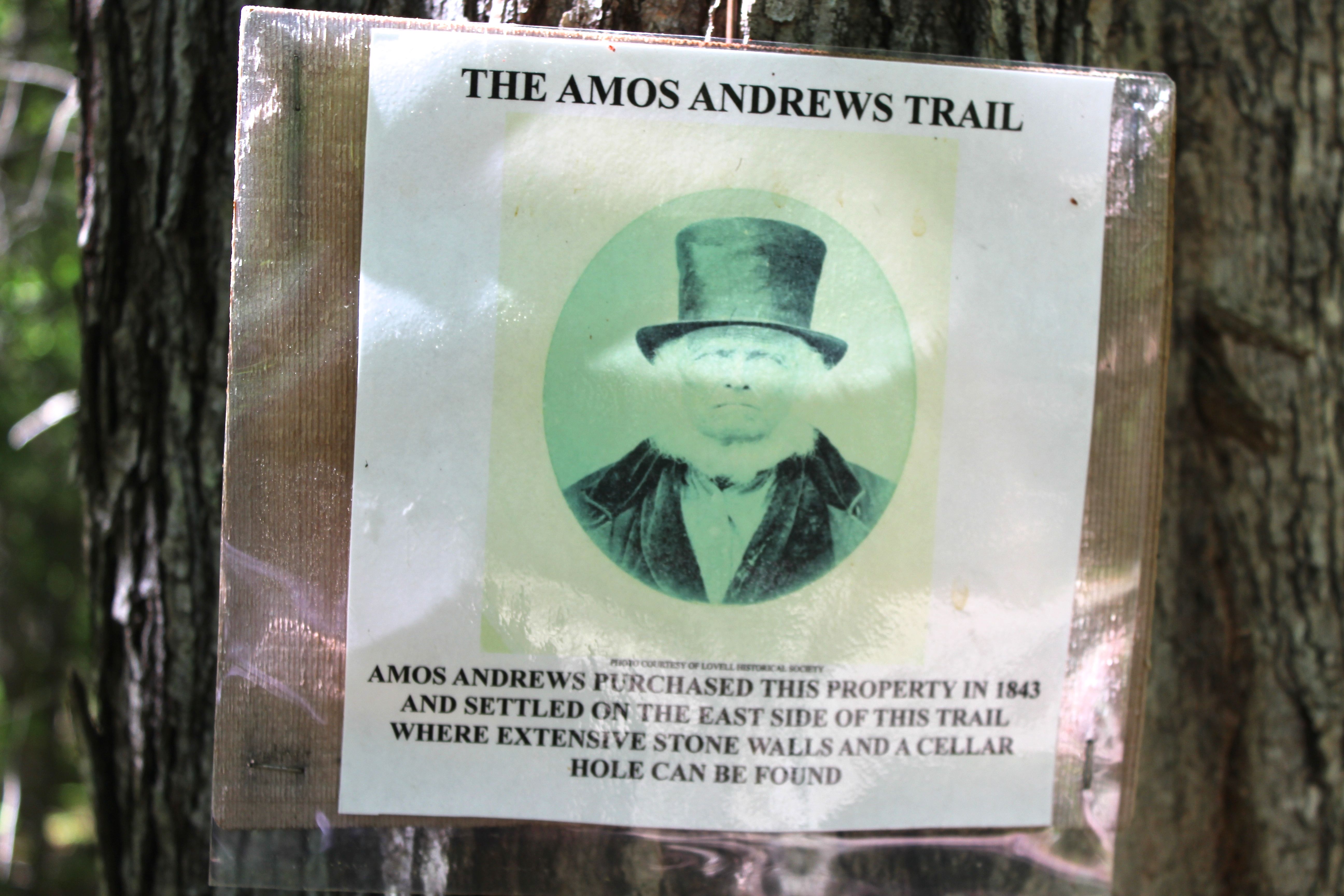
Amos Andrews Trail

The Homestead Trail comes to an end at the handicap-accessible picnic area. And here the Amos Andrews Trail begins.

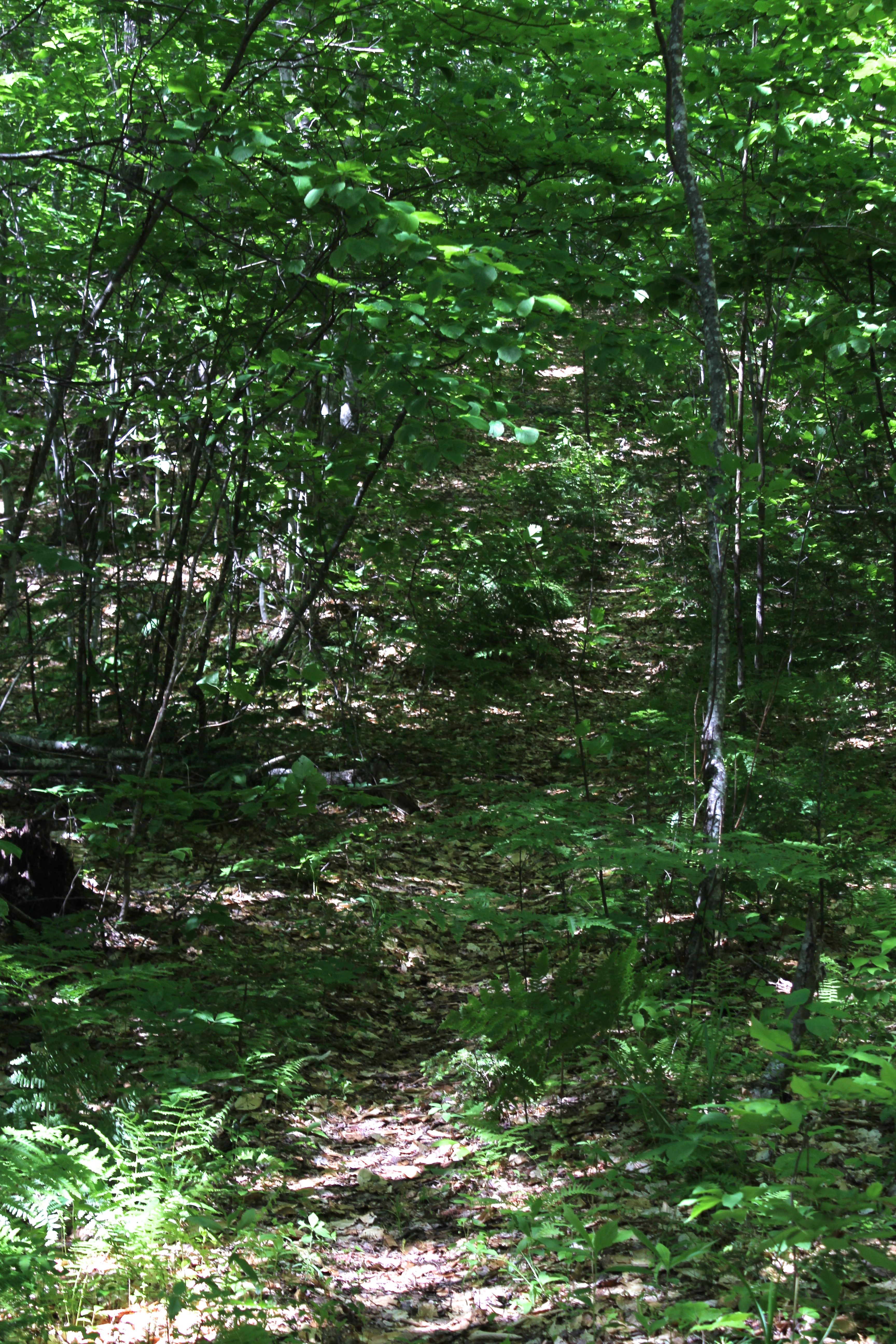
uphill

It’s a bit of an uphill climb, though not steep. For Jinny Mae, I’m thinking positive thoughts that her experience will be uphill all the way. Chin up, girl. You can do this. You’ve already amazed me with your attitude. May I strive to be half the person you are.

Maple Leaf Viburnum

There’s more to see like this Maple Leaf Viburnum,

wild oats

the three-angled seed pod of Wild Oats,

Indian Cucumber Root

flowering Indian Cucumber Root,

stone walls

terraced stonewalls,

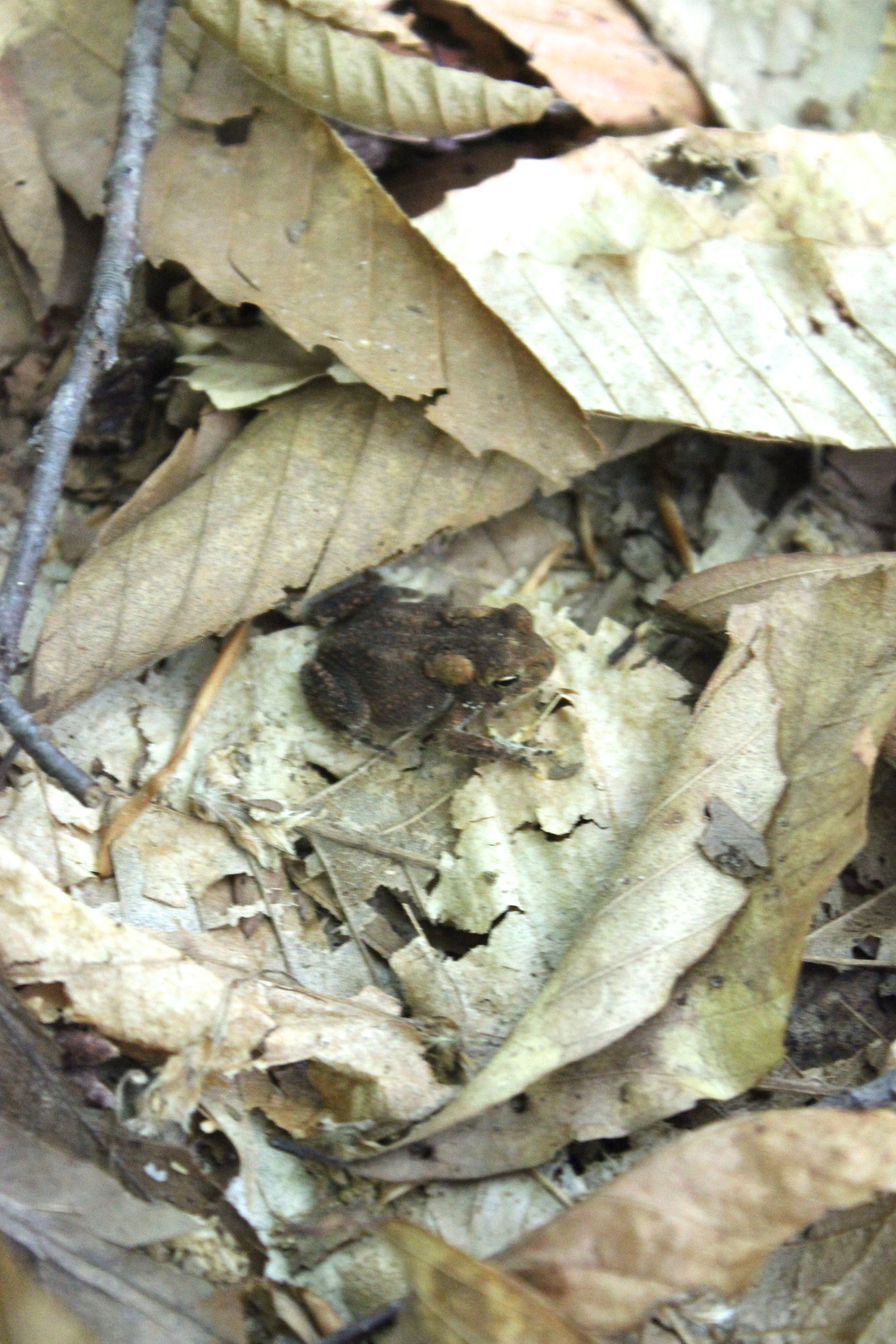
young American toad

and a young American toad.

summit

At last I reached the summit.

stick bug

Again, I looked around and wondered what Jinny Mae might see. Despite its camouflage, I knew she’d find this walkingstick insect. The woman has eagle eyes.

dragonfly 2dragonfly 3

Maybe a more apt description is dragonfly eyes–with 30,000 lenses, they can see all the way around.

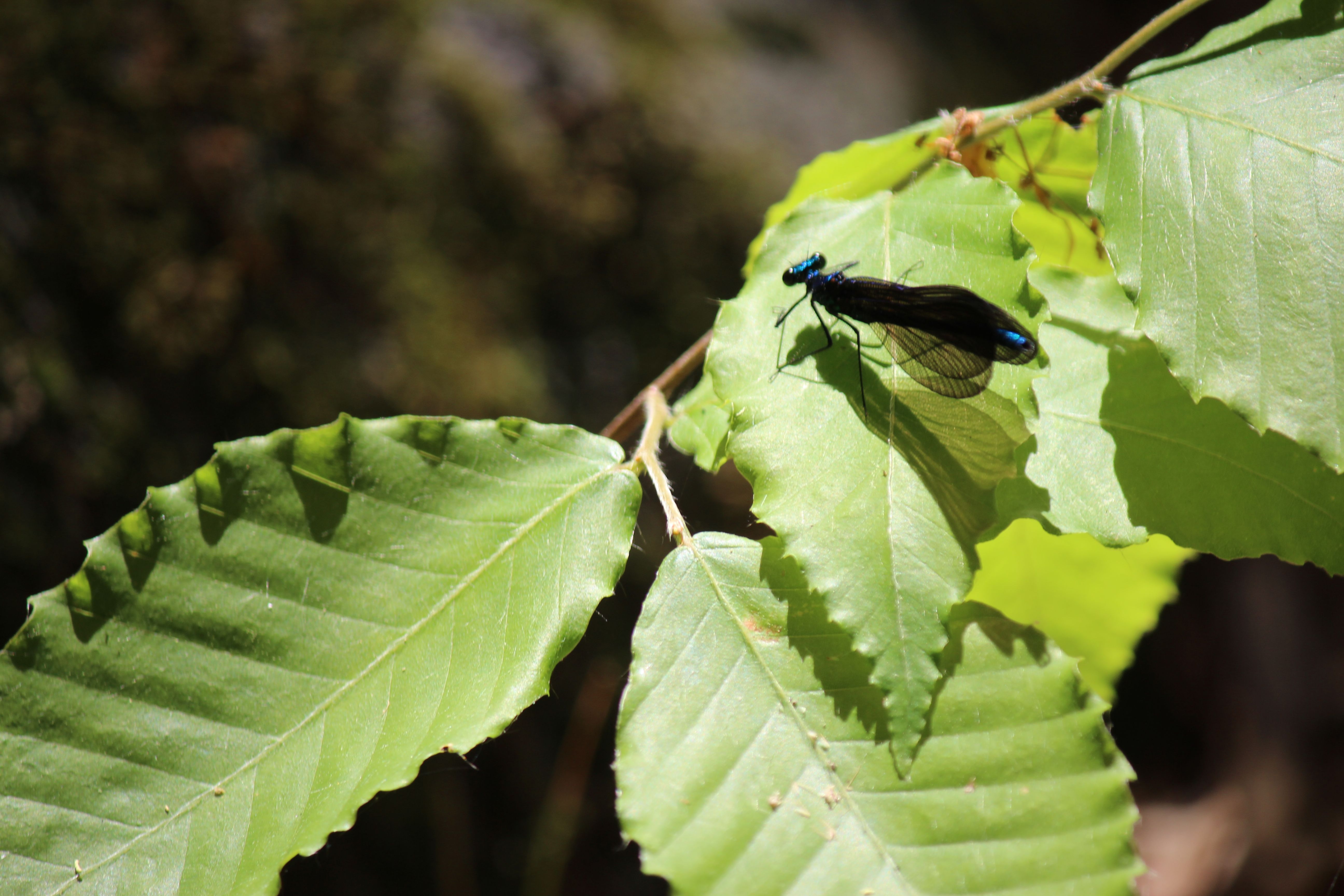
damsel fly

Not to be overlooked, a damsel fly.

strawberry

Wandering about, I found Wild Strawberries

raspberry

and Raspberries in bloom.

IMG_3915

But I saved the best for last. Wild Red Columbine. I can hear Jinny’s happy sigh. I was going to pick it. Kidding.

She’ll be happy to know that I arrived back at my truck three hours later. Another three hour tour–somehow that always happens when we explore together, so I knew for sure that she was channeling this hike.

Here’s to you, Jinny Mae. I know you would have seen even more than I found along the way, so I can’t wait to hit the trail with you again.

Buzzin’ ‘Bout

 Air traffic control to Flight 233. Over.

Flight 233 approaching runway. Over.

Runway lights are on, Flight 233. Have a safe landing. Over.

OK, so I have no idea what a conversation between air traffic control and a pilot really is, but I do know that some plants have runways to guide pollinators. And by the way–233 on a phone=BEE.

IMG_3446

Have you ever seen a more beautiful runway than the one on an iris?

lupine 2

With their banner, wings and keels, the pea-like structure of the lupine is different, but . . .

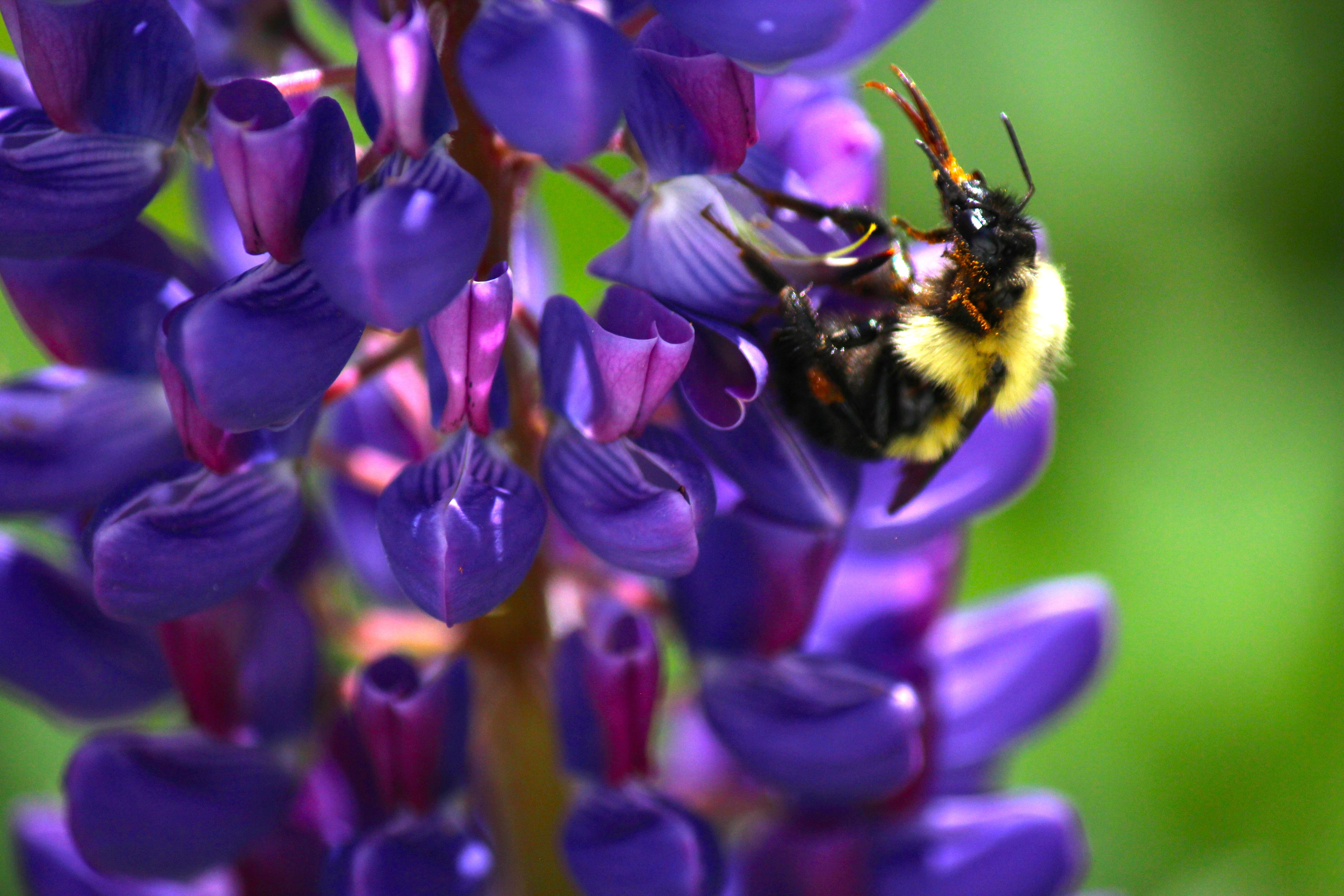
lupine, bee

it’s a favorite for a variety of pollinators.

bee 2

A nip of nectar

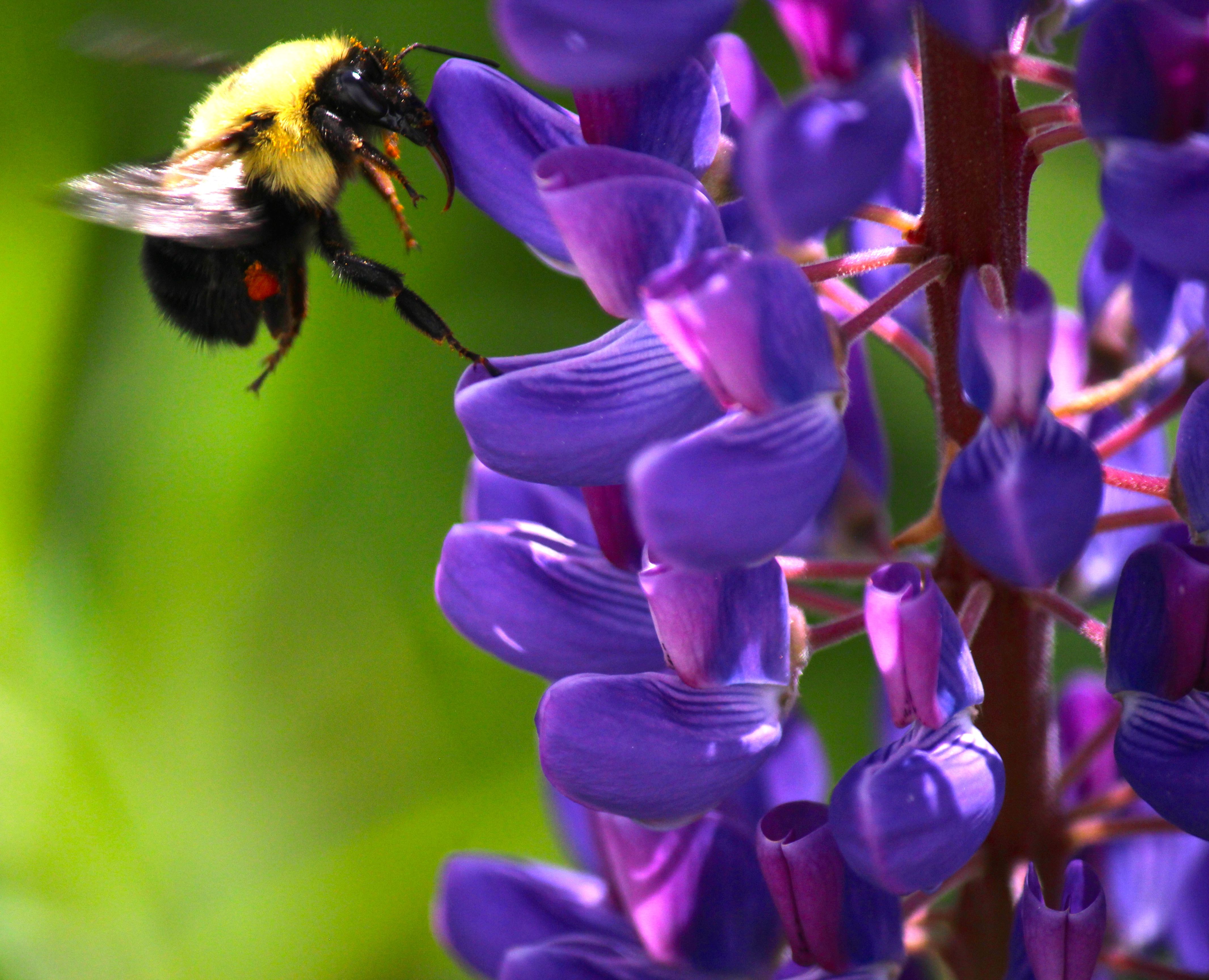
bee 3

and a dash of pollen

bee 4

makes for a happy bumblebee and a happy flower. The bee’s orange pollen basket is almost full.

butterfly

Some wildflowers don’t need pollination to produce viable seeds, but when a visitor drops by for a sip, some pollen will attach to its fuzzy body and be transported to the next plant.

hawkweed

Notice the hairiness below the flower of the orange hawkweed–I’ve read that that’s an attempt to keep slow moving insects, like ants, from coming in for a treat–they prefer flying insects. Rather picky.

chives 2

Though chive blossoms consist of numerous flowers that are perfect, in that they each have both male and female parts, they can’t self-pollinate because the stamen sheds pollen before the pistil is ready.

chives 1

Thus, they depend on flying pollinators to deal with the timing issue.

daisy 1

Like the hobblebush I mentioned in earlier posts, the daisy consists of a ray of white sterile flowers surrounding a disk of yellow fertile flowers.

daisy 2

It had just opened today, but already is attracting attention.

So many different guiding lights. Thanks for buzzin’ ’bout with me on this nectar flight.

life IS good, but we NEED rain

Logger PHil 2

“Einstein said ‘The difference between stupidity and genius,” quoted Maine logger Phil Dow, “is that genius has its limits.'” Whether or not Einstein actually made that statement doesn’t matter. What’s matter is that on a beautiful day in May, Mr. Dow stood beside the reading tree at China Schools Forest in China, Maine, and in his soft-spoken way he informed the students sitting on picnic tables in front of him about Maine’s history and the logging industry. They were mesmerized. So was I. Life IS good. And check out his beard and that reading tree platform. Wow!

China Schools Forest

A friend and I had journeyed to China this morning to observe Forest Days in the 50-acre forest abutting the China Primary and Middle Schools. Six hundred, yes, you read that correctly, 600 kids participated in the program. With their teachers and parent volunteers, they moved from station to station, learning about forest management, pond critters, soil composition, tree id, flower dissection, and so much more from over 30 presenters. They were engaged, happy, polite . . .  and not in school. 600 kids roaming about. We loved hearing their voices wafting through the woodland.

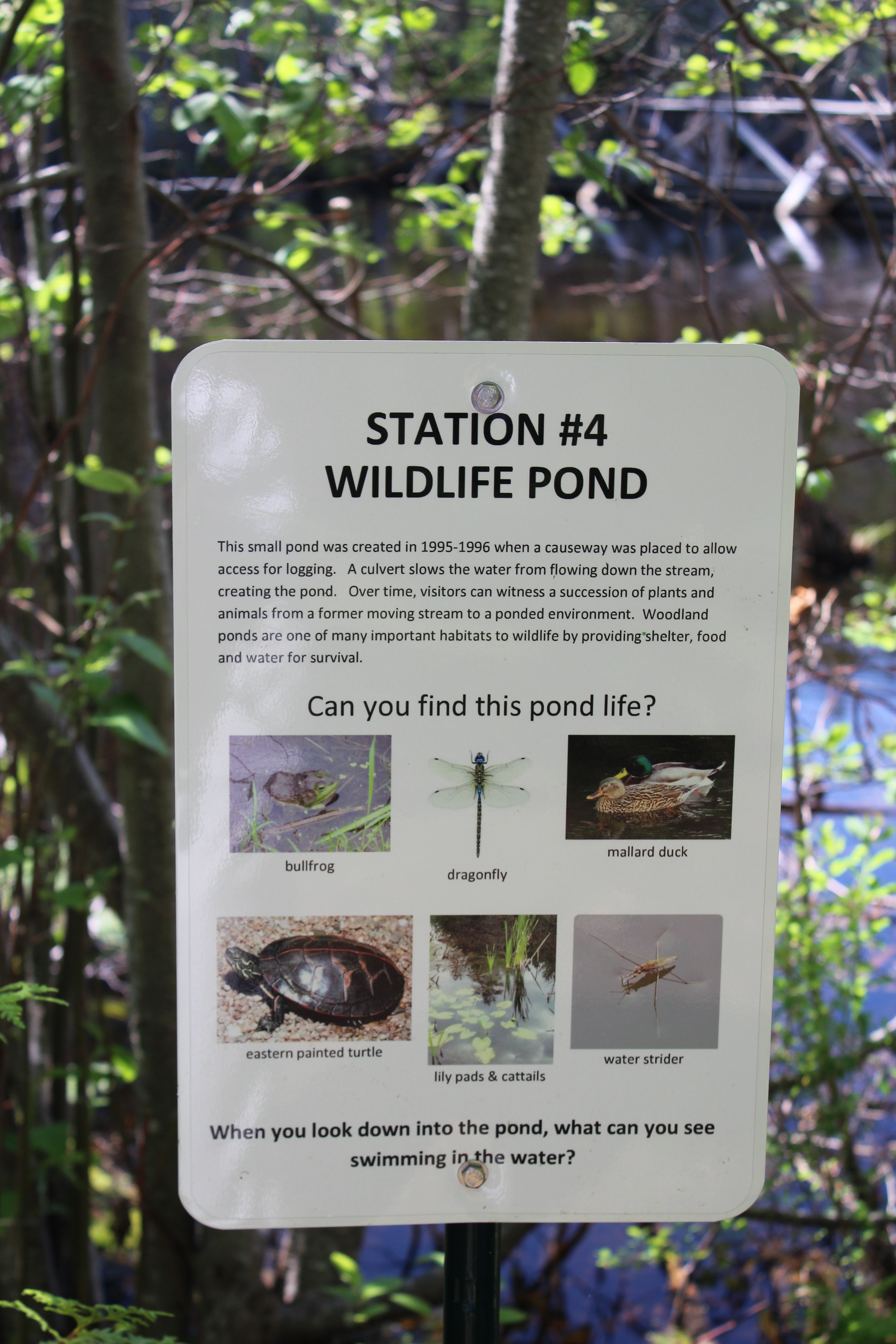
station 4, wildlife pond

We not only wanted to see how the program worked, but also to take a look at the outside classrooms. Created in the 1990s, this demonstration forest is an on-going project. To date, there are seventeen classrooms. At each, an interpretive sign explains what you should notice. (Disclaimer: the signs were created by Anita Smith, a former teacher at the schools and a Maine Master Naturalist graduate, who served as our most gracious guide today. Anita and a colleague have spent the last year developing today’s program. They offer Forest Day every other year, but the outdoor classrooms are always available.)

kids on bridge

There’s a silviculture classroom, a red pine plantation, a tracking pit, den tree and more. And across the man-made pond, is a bridge that expands at the center, creating plenty of room for an entire class of students. Today, they used nets to explore pond life from the bridge.

leach

My friend and I explored pond life as well. Check out this leach.

dragonfly

And a dragonfly. Dragonfly sitings–always worthy of a celebration.

measuring-wood-300x200

Though I didn’t see them work with this today, at the Forest Measurement classroom, they learn how to measure a cord of wood and board feet. And about the clinometer, a hand-held instrument used to measure ground slope, road grade and tree height, plus a biltmore or woodland stick used to estimate tree height and diameter. When we paused today, a local forester had middle school students simulate best forest management practices.

white lady's slipper

As we walked along part of the 1.4-mile path, we also noticed the flora–a White Lady’s Slipper. In Newcomb’s Wildflower Guide, this is listed as very rare.

pink

Pink Lady’s Slippers grow abundantly in these woods.

False Solomon's Seal

We also saw False Solomon’s Seal or Wild Spikenard.

job-started-300x200

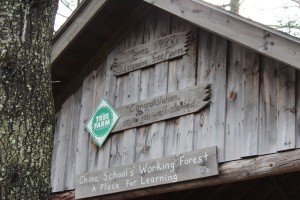
I have a lot of favorite things about this place, but the two that top my list are the reading tree where Logger Phil spoke and the signs above the pavilion–especially this one: “Congratulations on a job well started.” Indeed.

The driving was a cinch because we chatted non-stop and two hours later, I was home again, home again, jiggity jig.

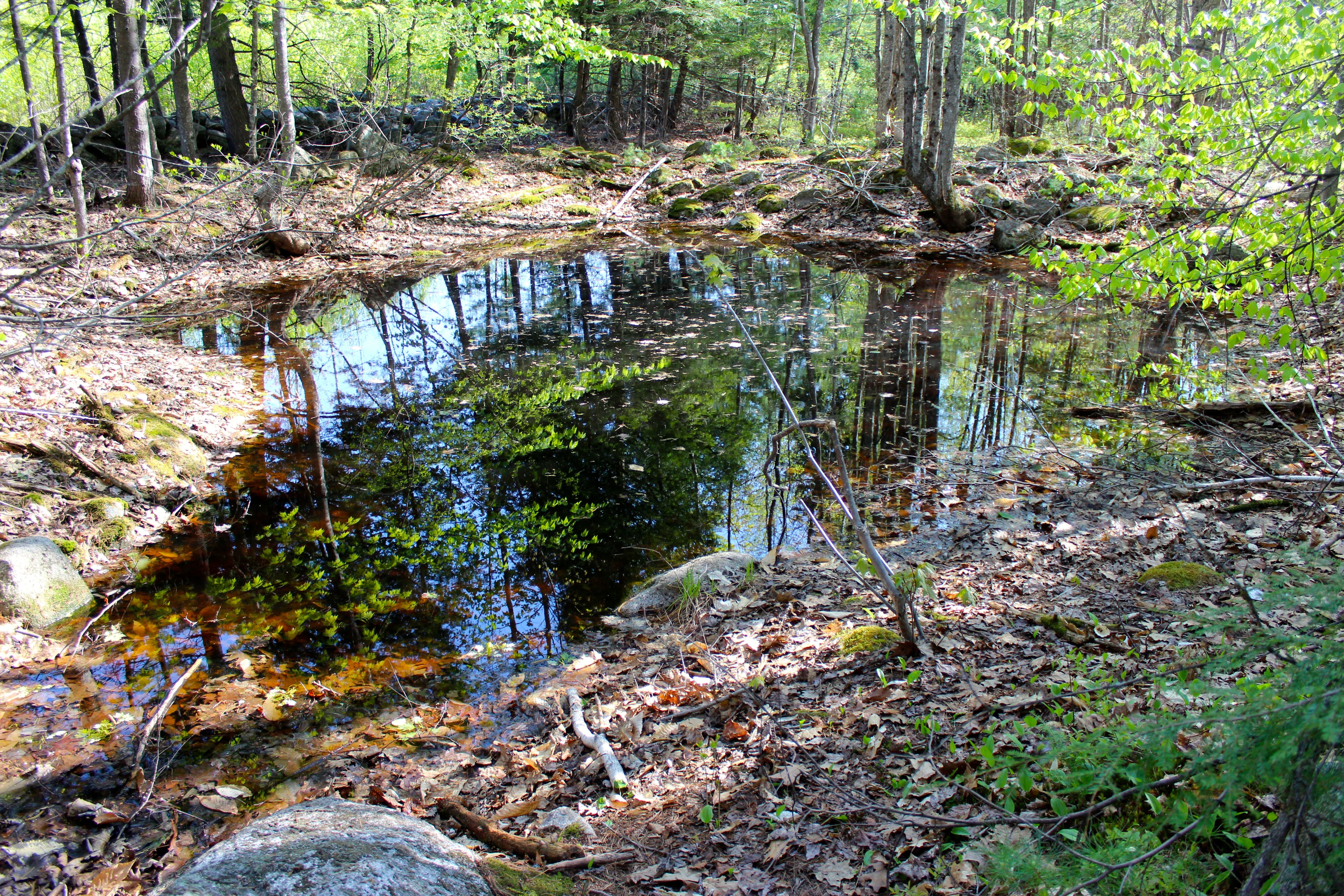
If you read my post yesterday about the vernal pool, you won’t necessarily want to read any further. The life cycle is complete. Less than 24 hours after my visit yesterday afternoon, the pool has dried up.

VP 1

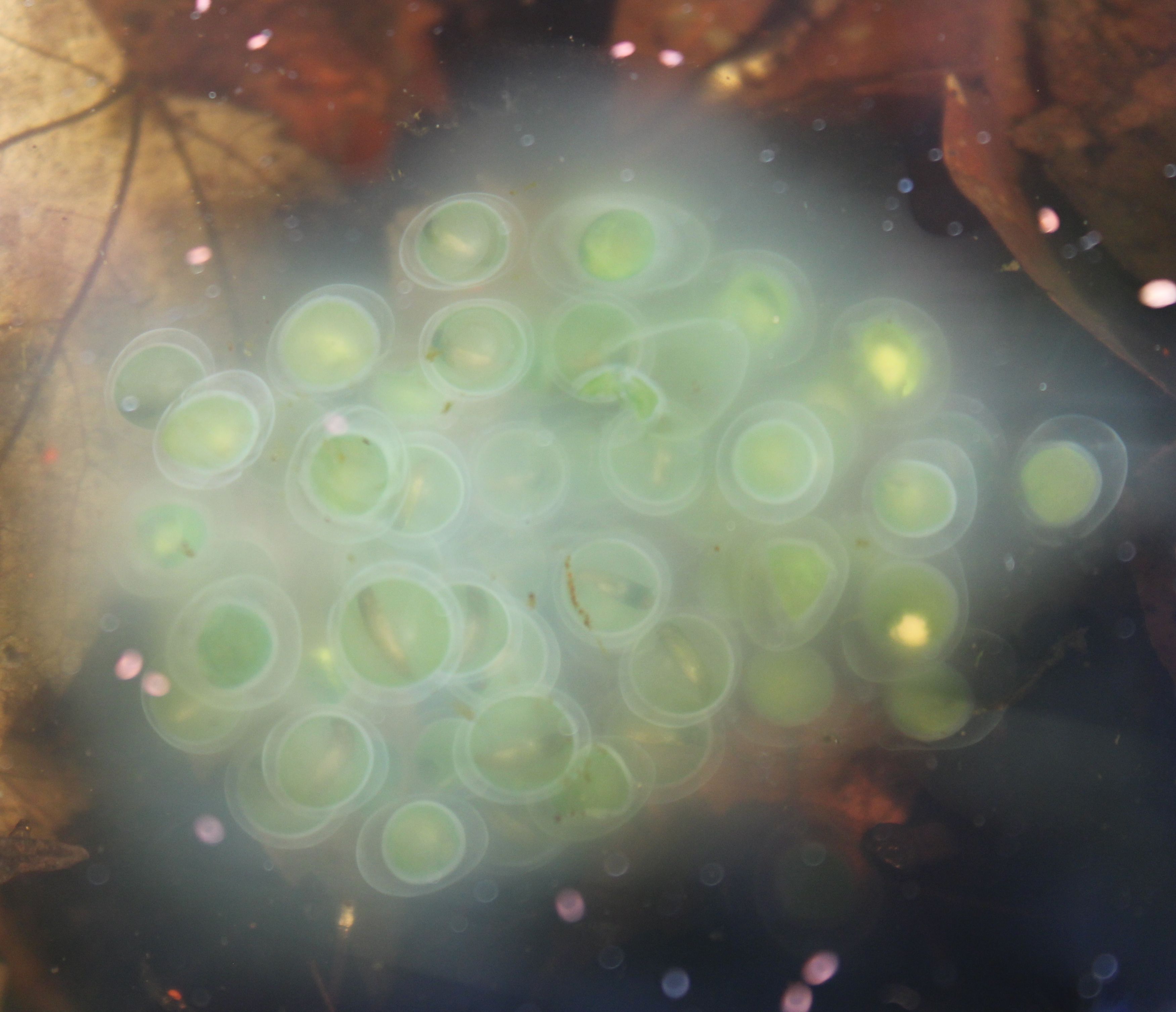
And, I’m afraid the tadpoles have succumbed.

dead tadpoles

To the earth they shall return in one form or another.

flies galore

The place was buzzing with flies.

Moose Pond

So on a brighter note, I visited my third “pond” of the day–Moose Pond. It was the perfect setting for a late afternoon interview.

life IS good, but we do NEED rain.

OBX: Living the Dream

Thanks to my beautiful niece who married her true love on Friday night in Corolla, (Cor-RAH-la, not Cor-OLL-a), North Carolina, we spent most of the week living the dream on the Outer Banks.

over the dune

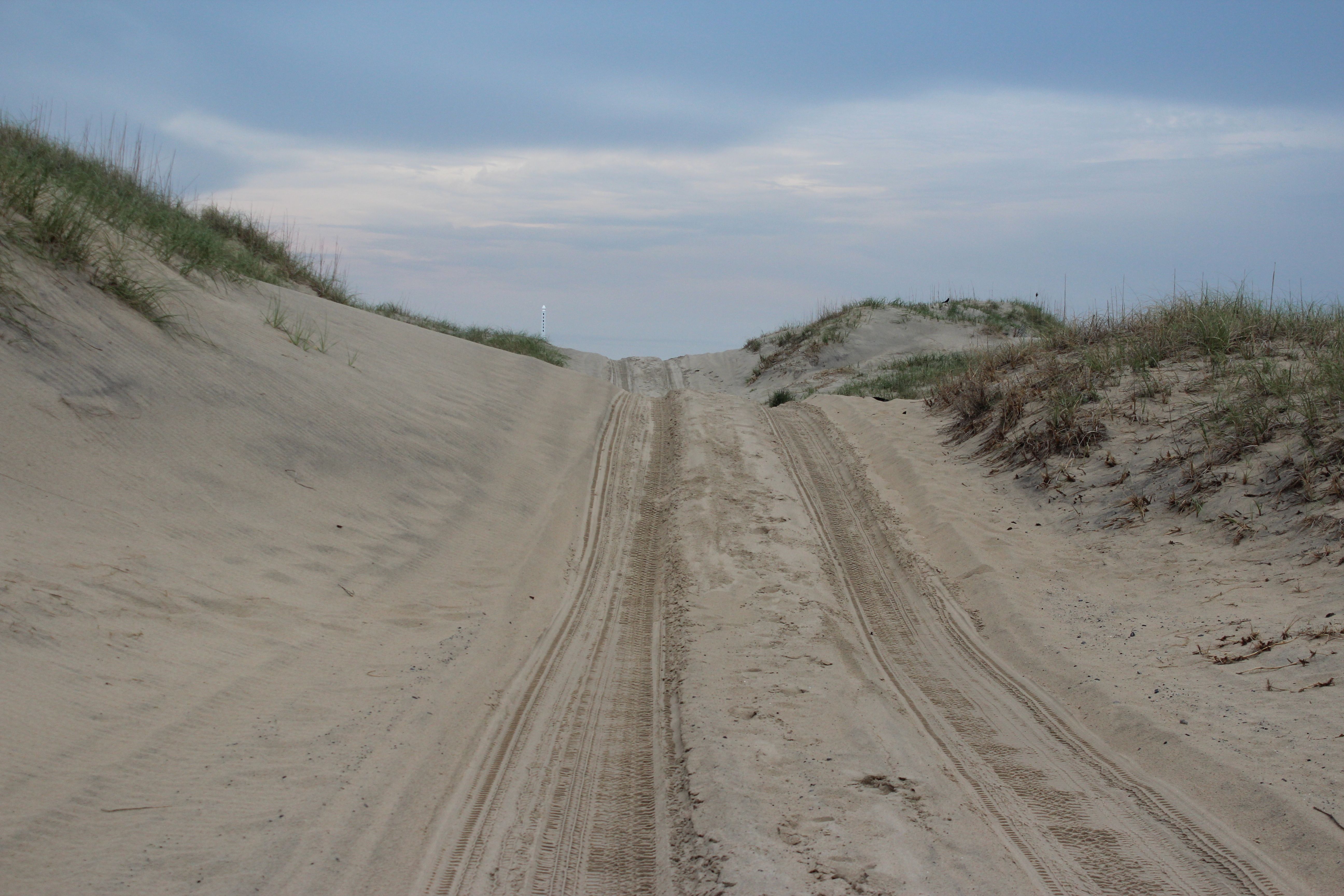
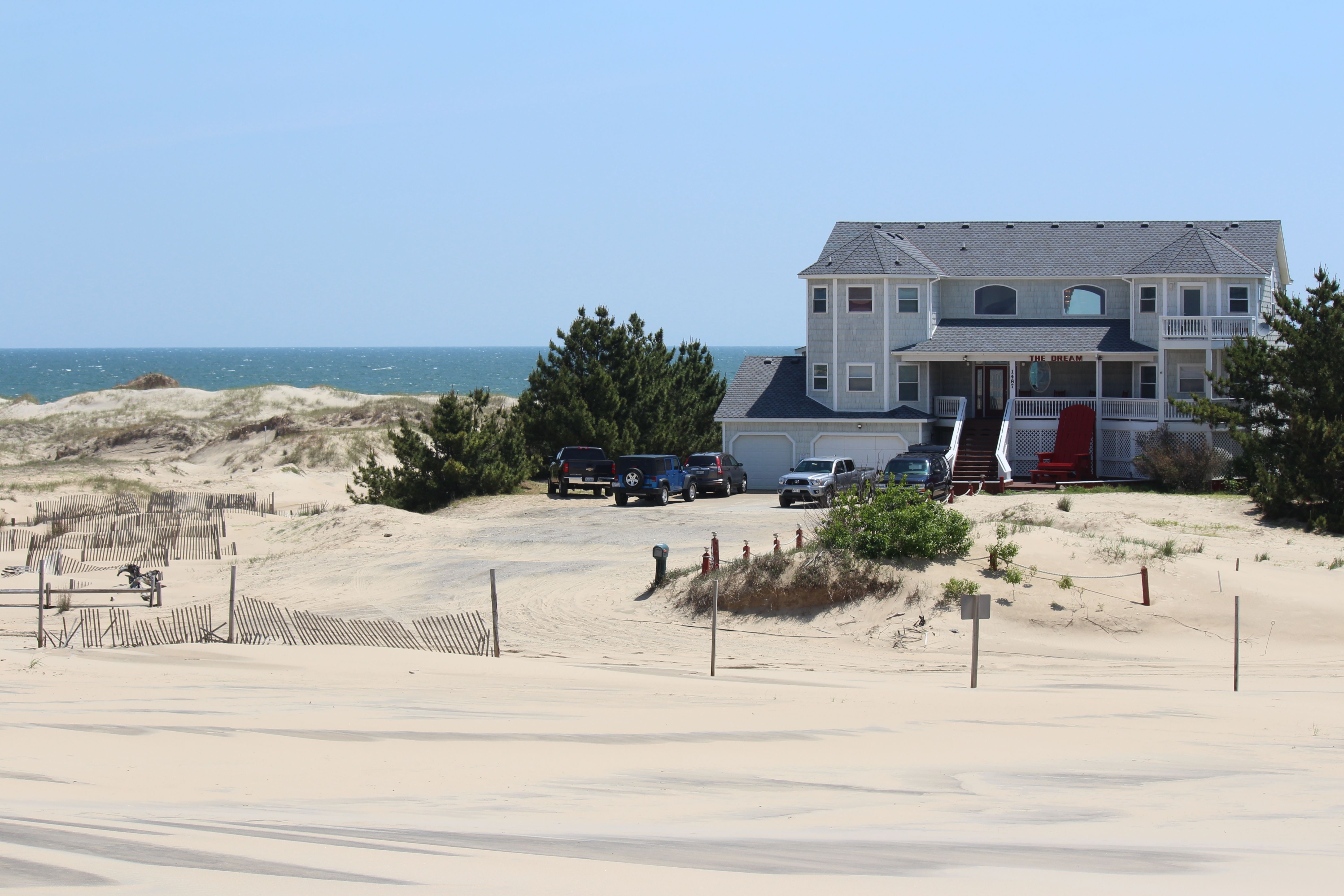
A running start was necessary to get up and over two dunes before reaching our hideaway destination.

the dream

We stayed at The Dream, literally, an 18-bedroom beach house only accessible via 4×4.

sunburst

Frequently, we hiked over the dune to explore the shoreline, where we were greeted by . . .

shellshell 2

vibrant colors,

 mosaic

mosaic bubbles,

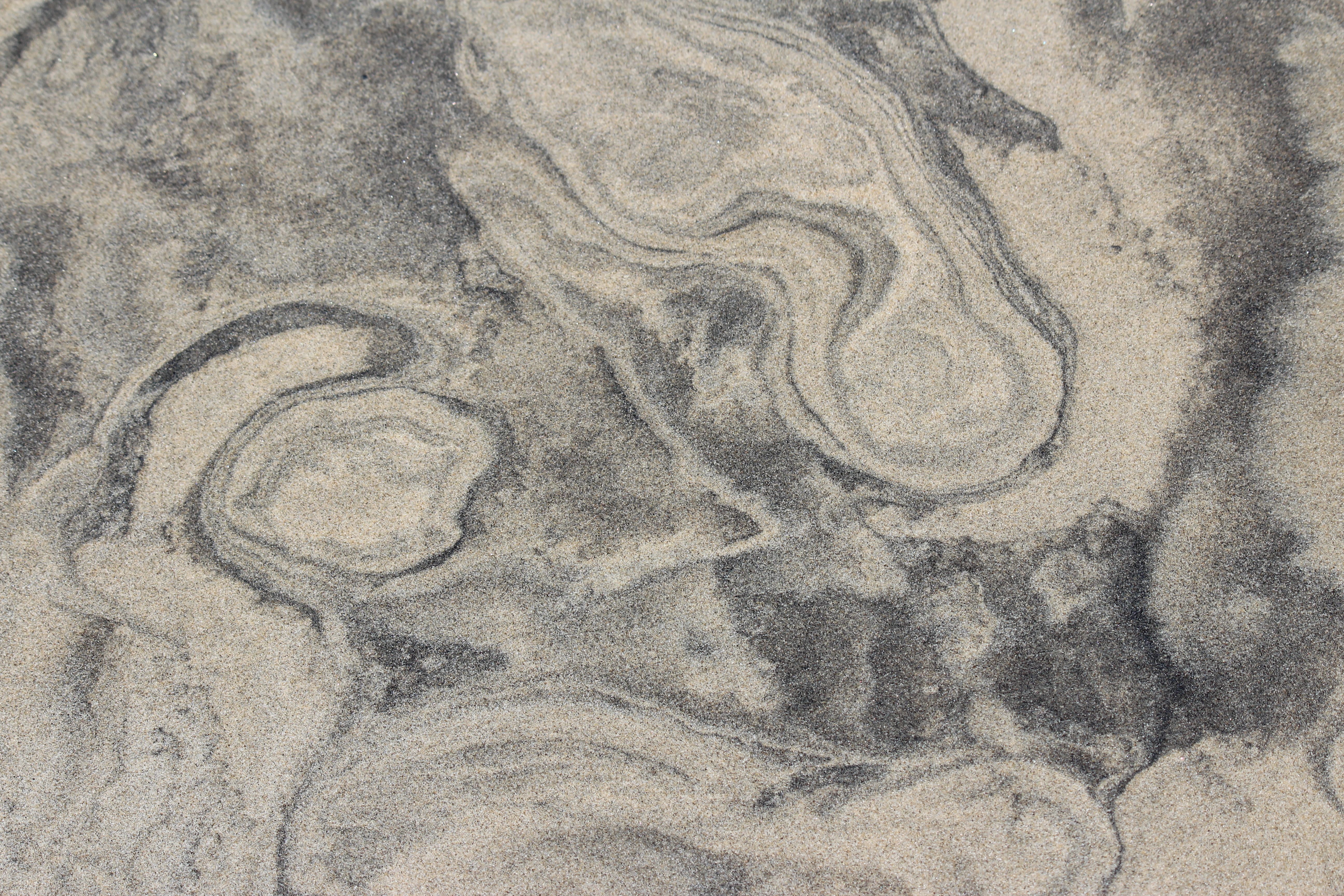
sand swirls

and sandy swirls.

The wildlife was abundant, both in sign and actual sitings.

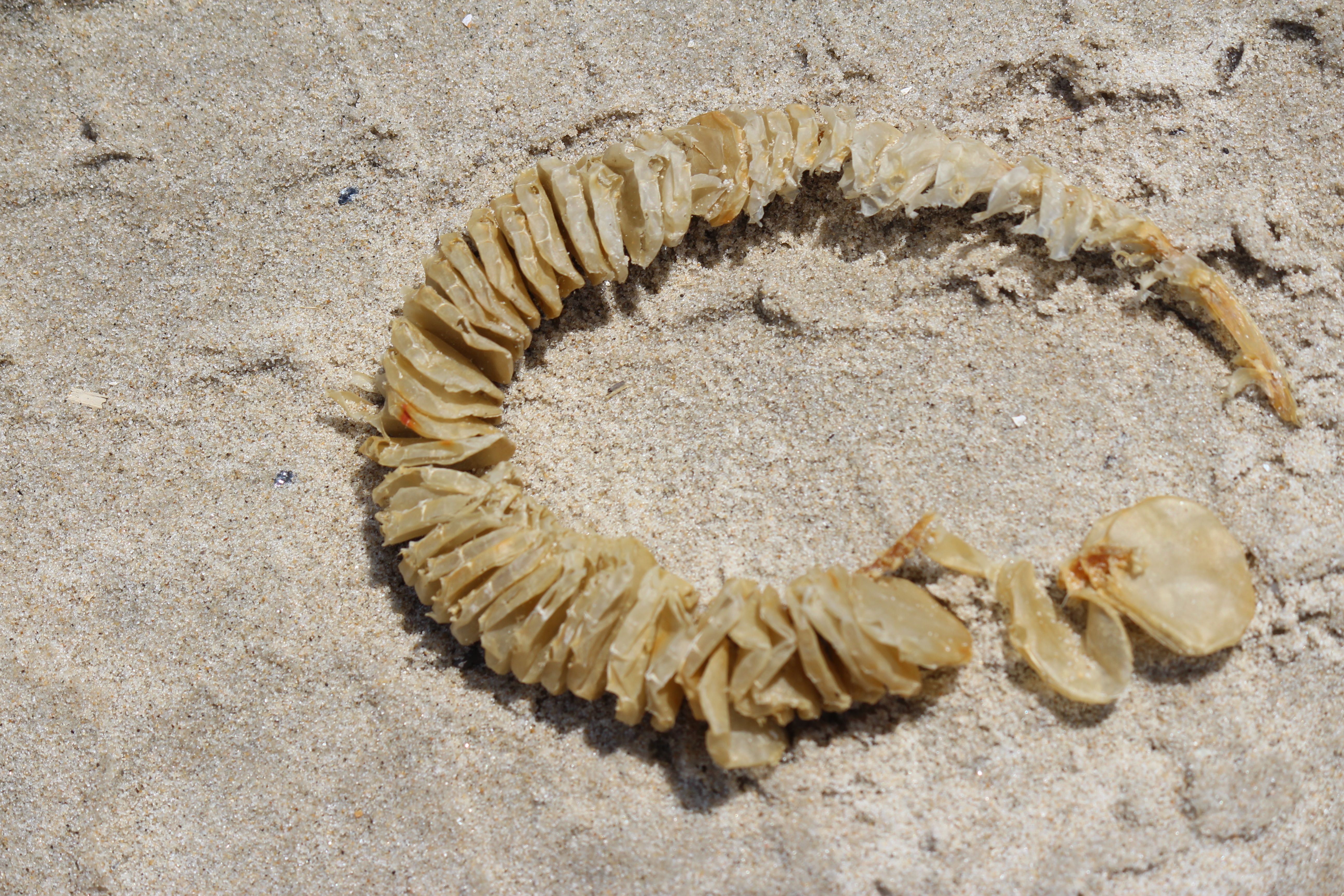
whelkskate eggs 2

 Whelk egg and skate egg cases (aka, the little mermaid’s purse). This one is split open, so I suspect the young skate has emerged.

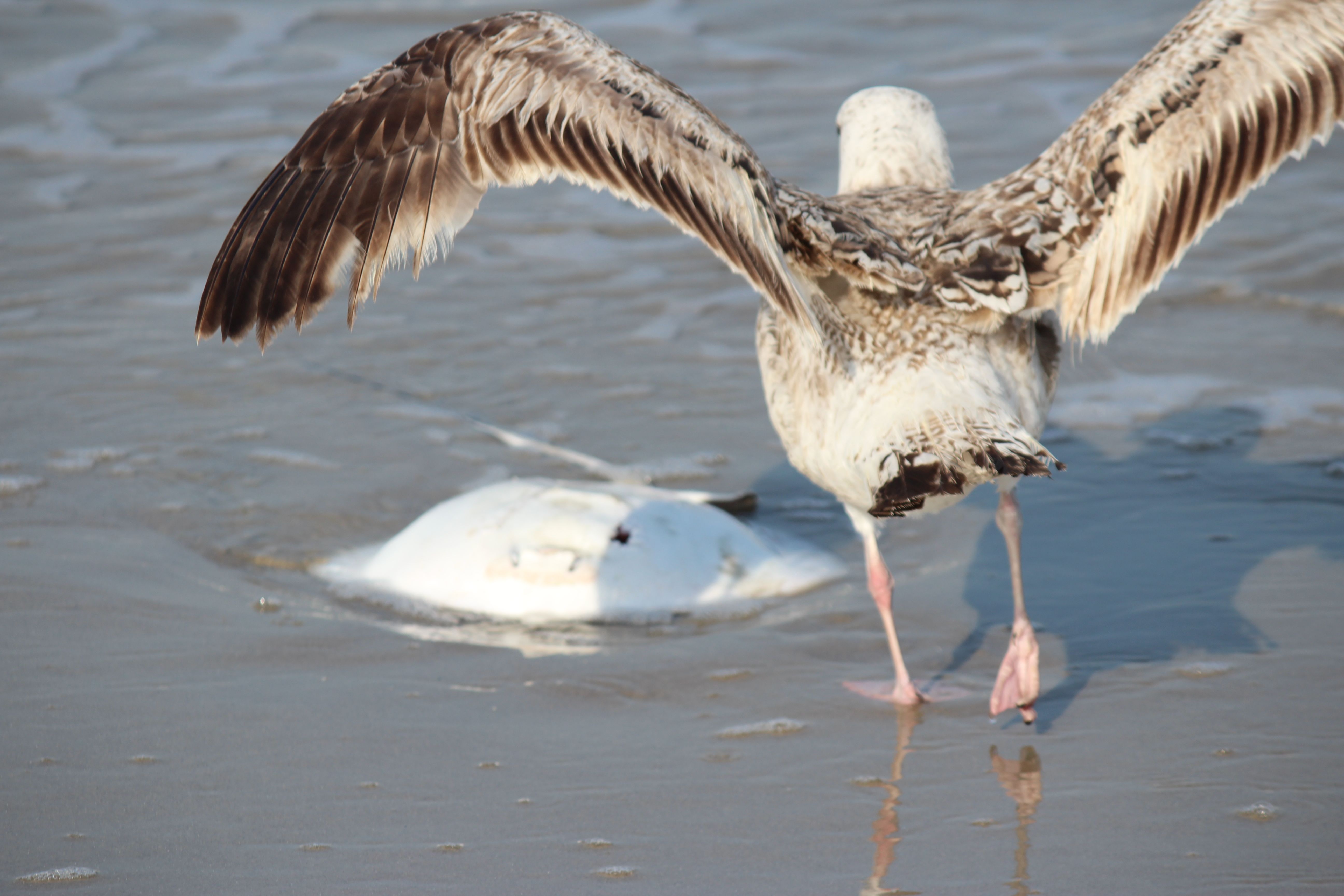
skate

This skate, however,  became . . .

skate:birdskate meal

dinner.

fiery searcher

Near the water’s edge I found a few beetles, like this one. It appears to be a Fiery Searcher, which is a caterpillar hunter. But . . . the habitat seems wrong, so if you know otherwise, please enlighten me.

fs 3

Further down the beach, I found one on its back. Check out those iridescent colors and patterns.

gullgrackleterns 2

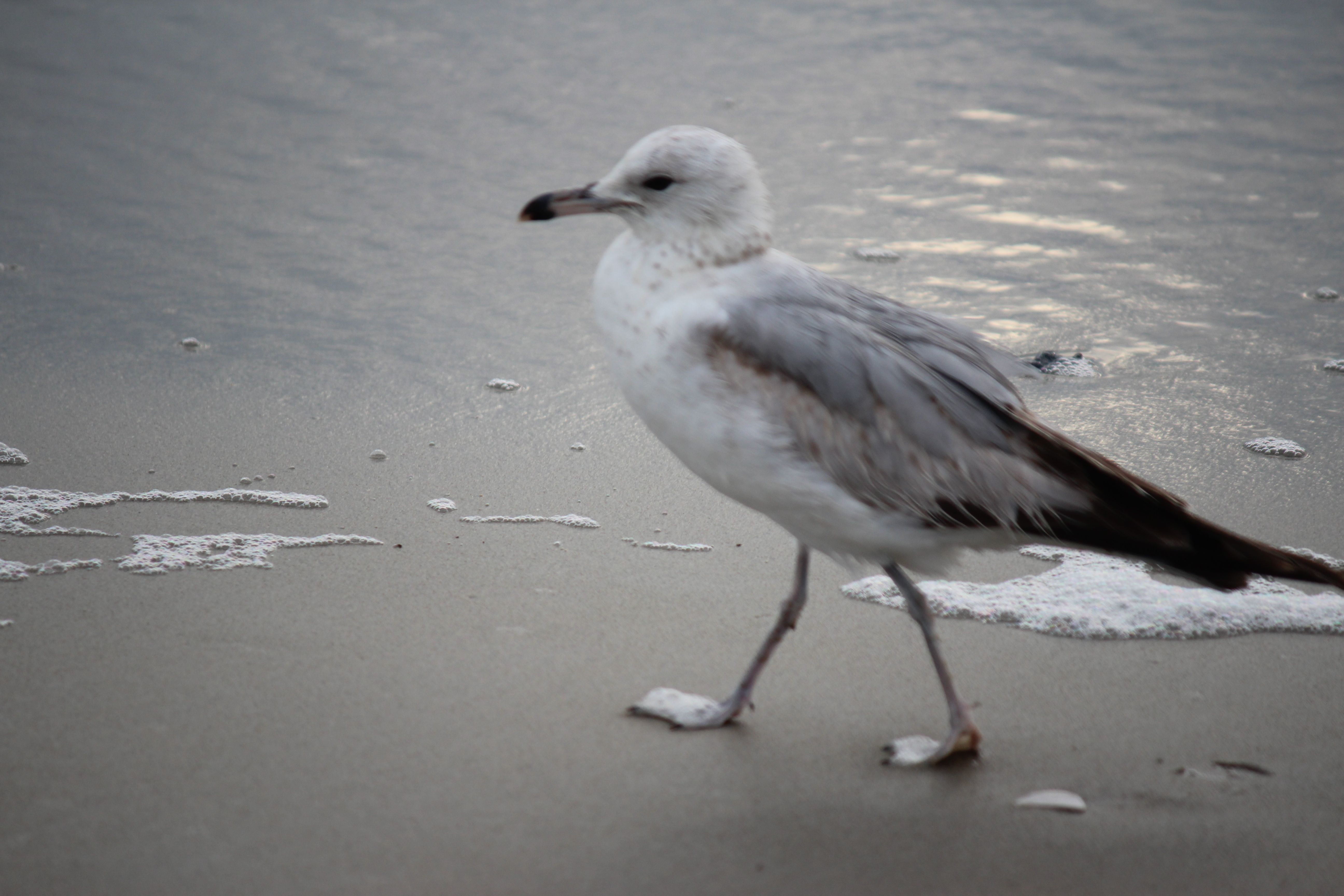
Gulls, grackles and terns marched along the water’s edge, sometimes not caring that I was nearby and other times scattering quickly as I approached.

pelicans 1

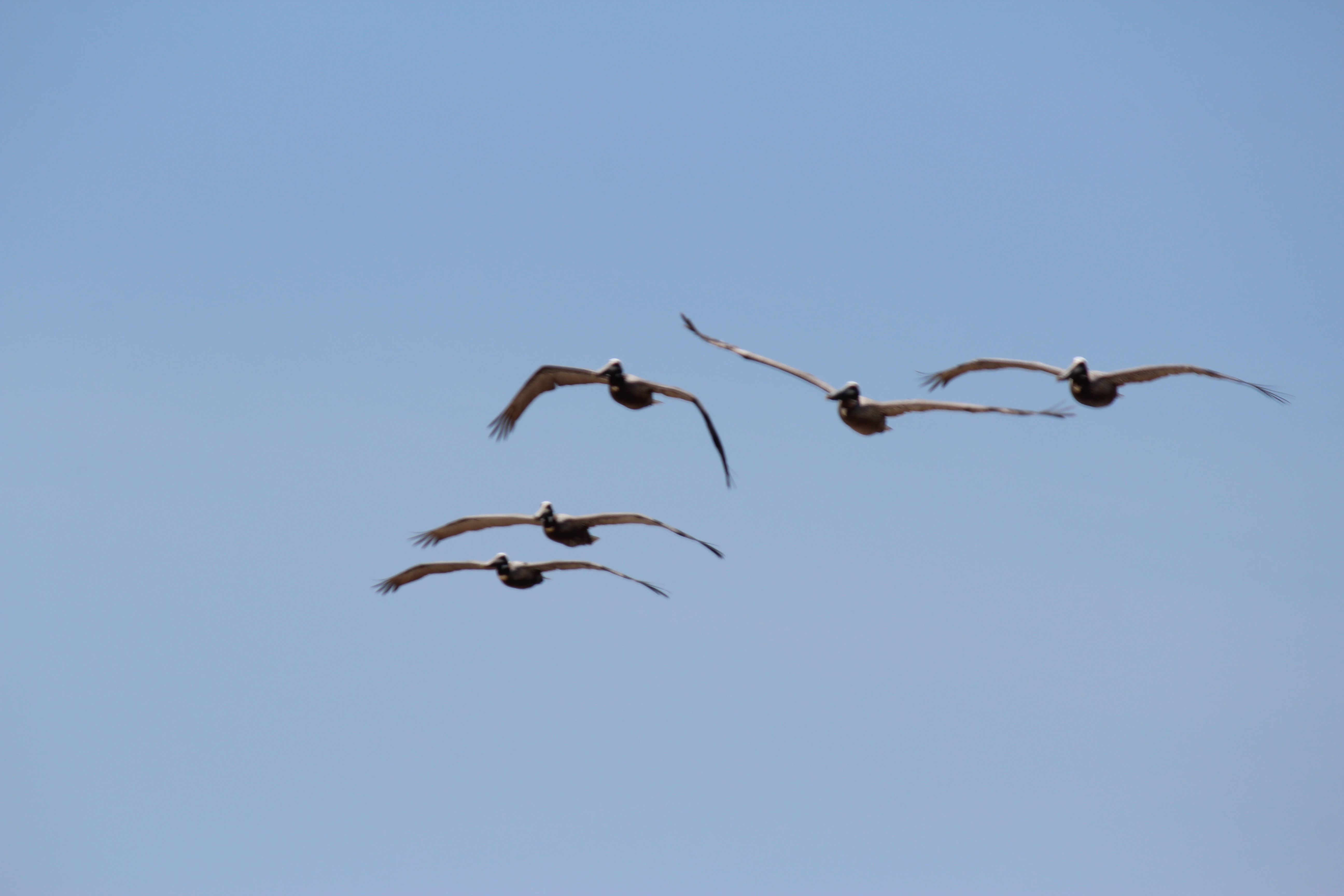
Groups of pelicans often flew low over the water.

pelican dive 2

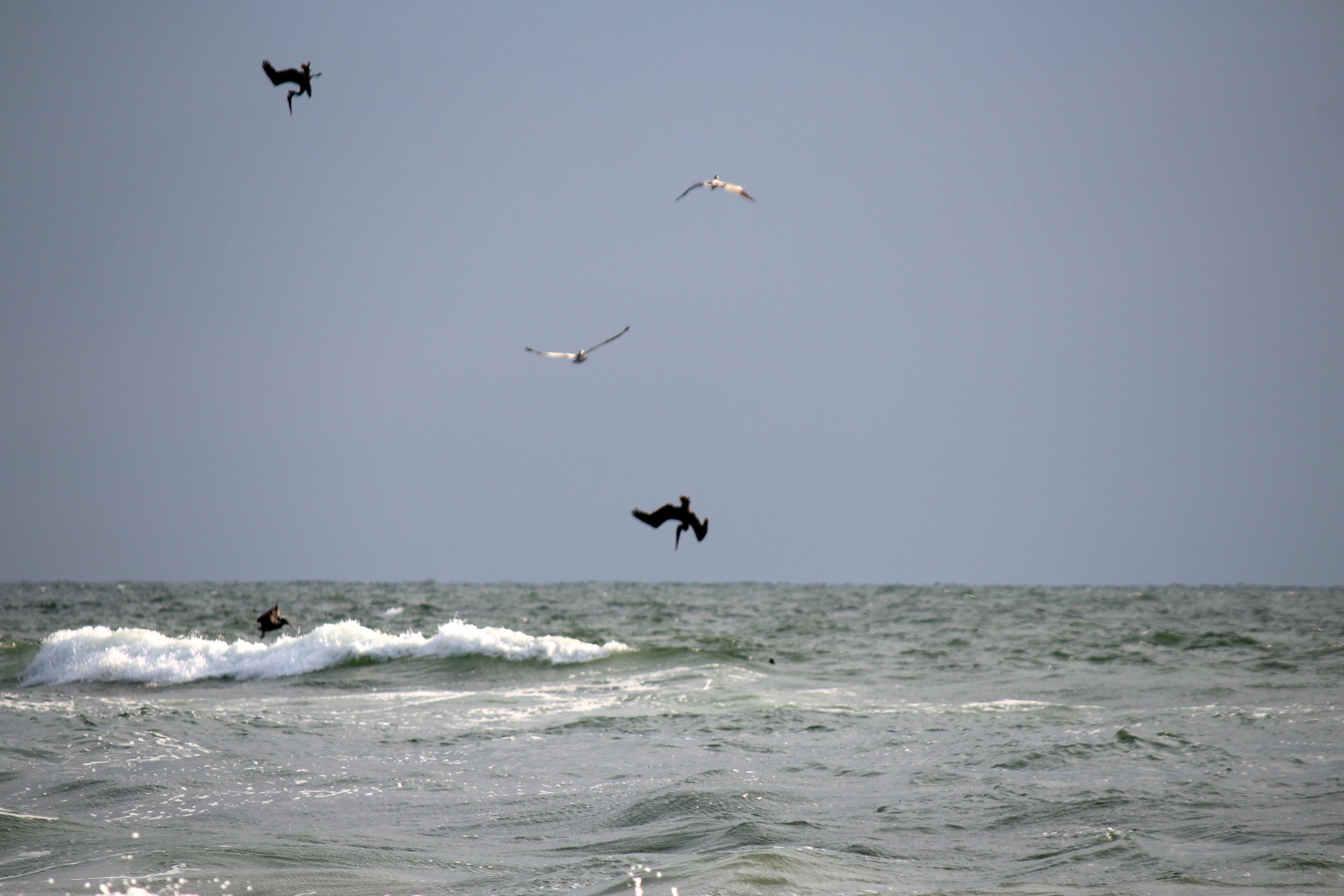
And then suddenly, they’d dive bomb. I was always too far away to see what they caught.

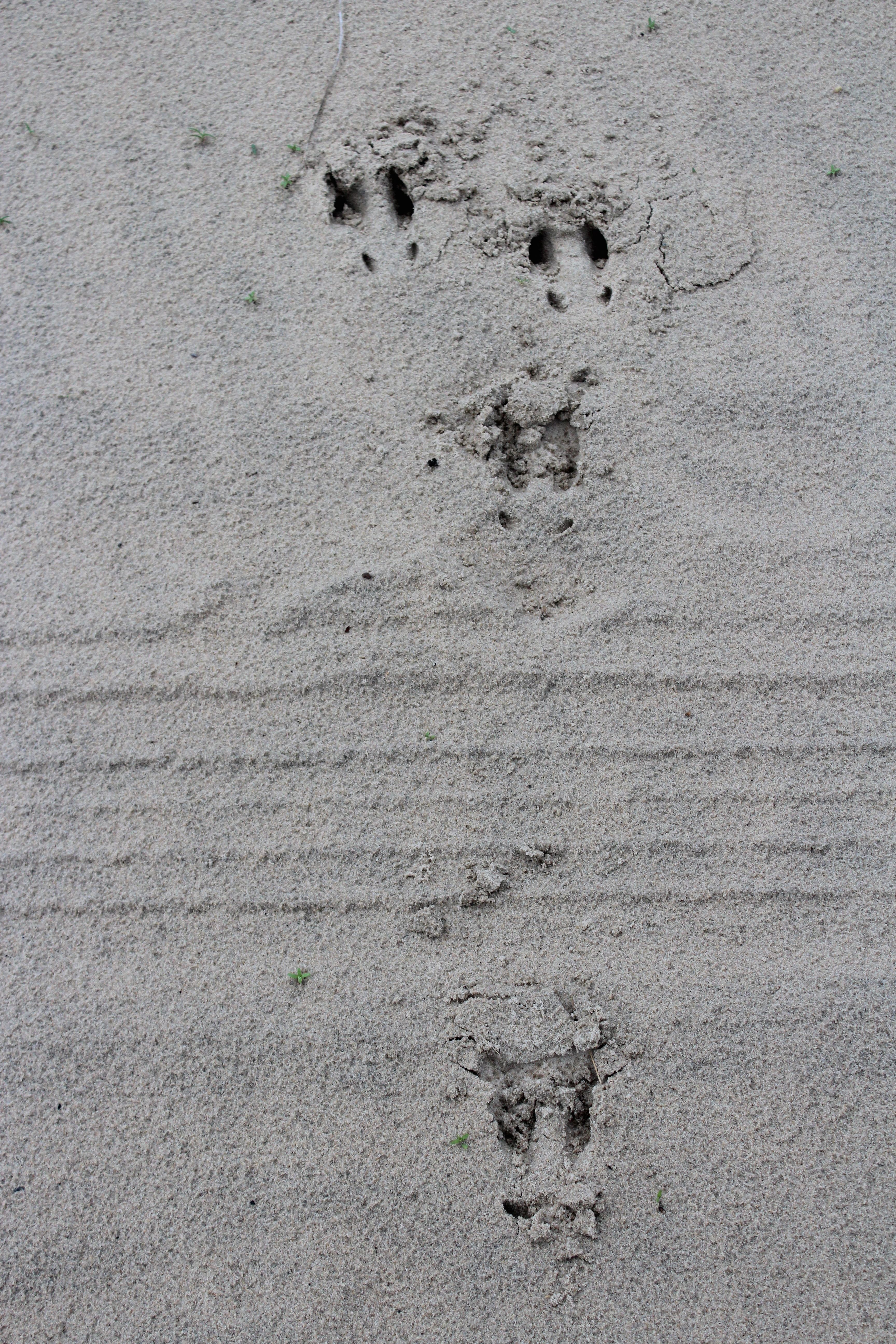
deer tracks

My camera wasn’t handy when I saw this deer cross the dunes by the house, but by his tracks I knew him.

red fox

We had several repeat visitors, including the red fox that passed by each night.

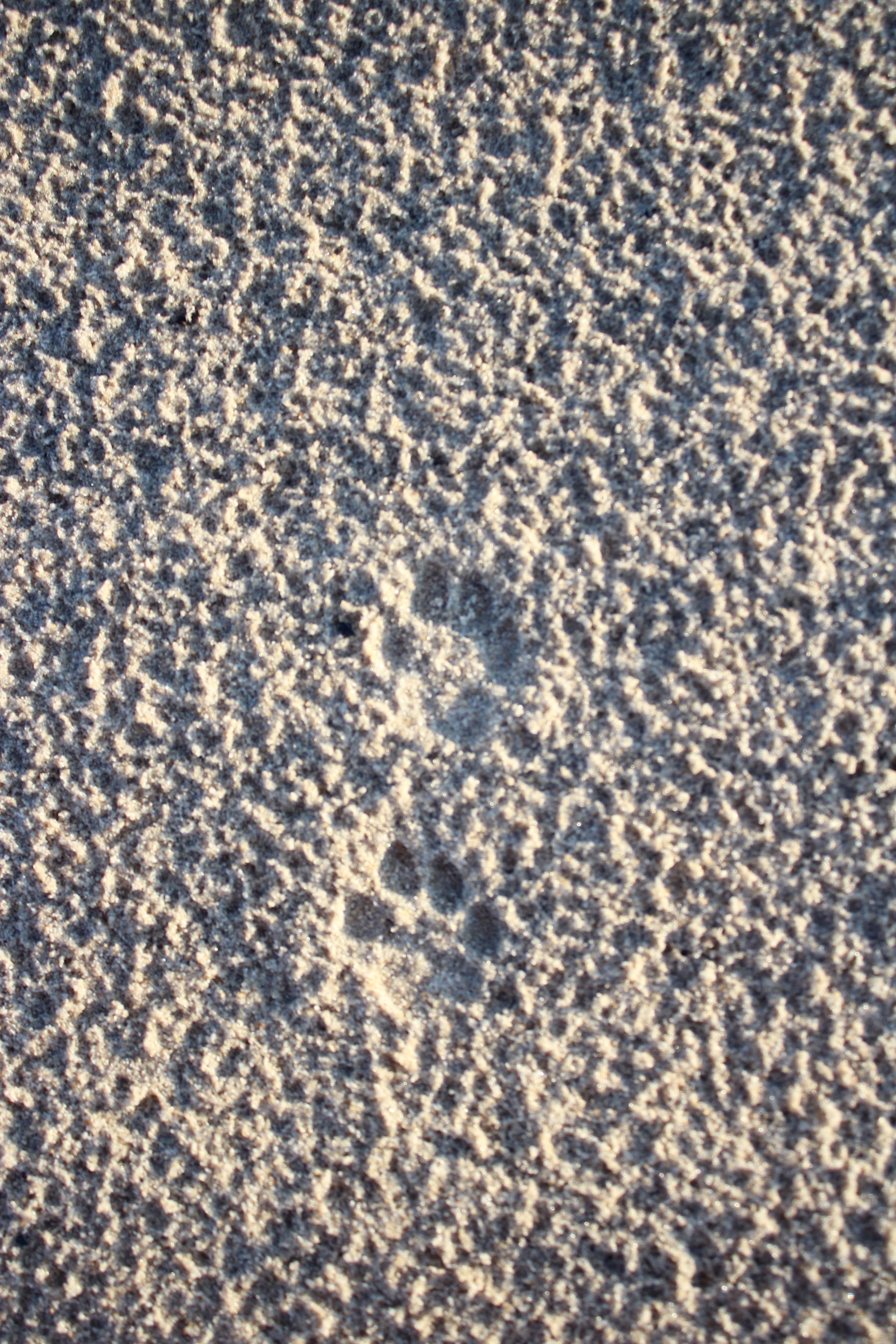
horse prints

And everyone’s favorite . . .

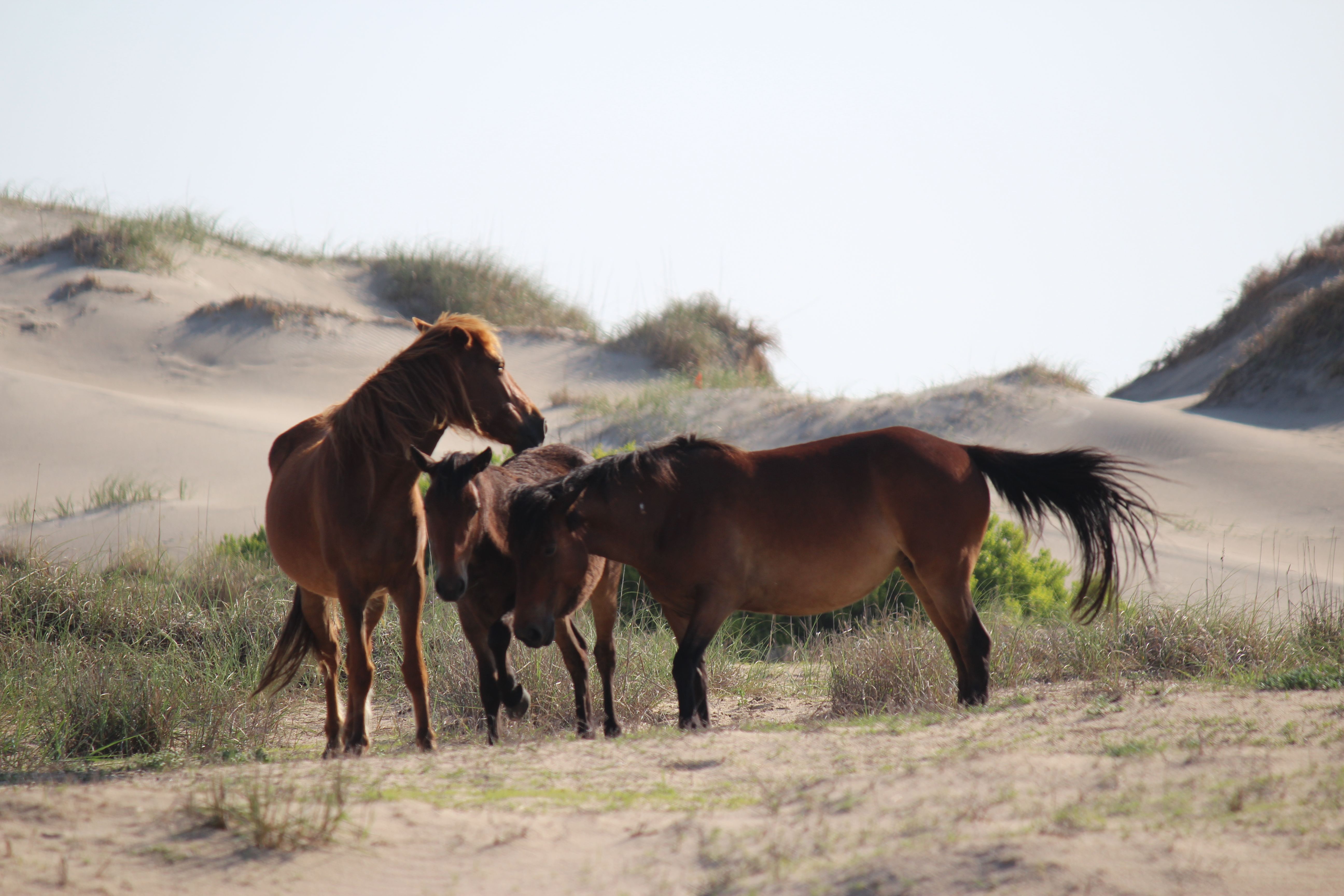
horses 2wild horses

the wild horses. They appear when you least expect it. Though their origin is not clear, it’s believed that they may have been inhabiting the Northern Outer Banks for the past 500 years.

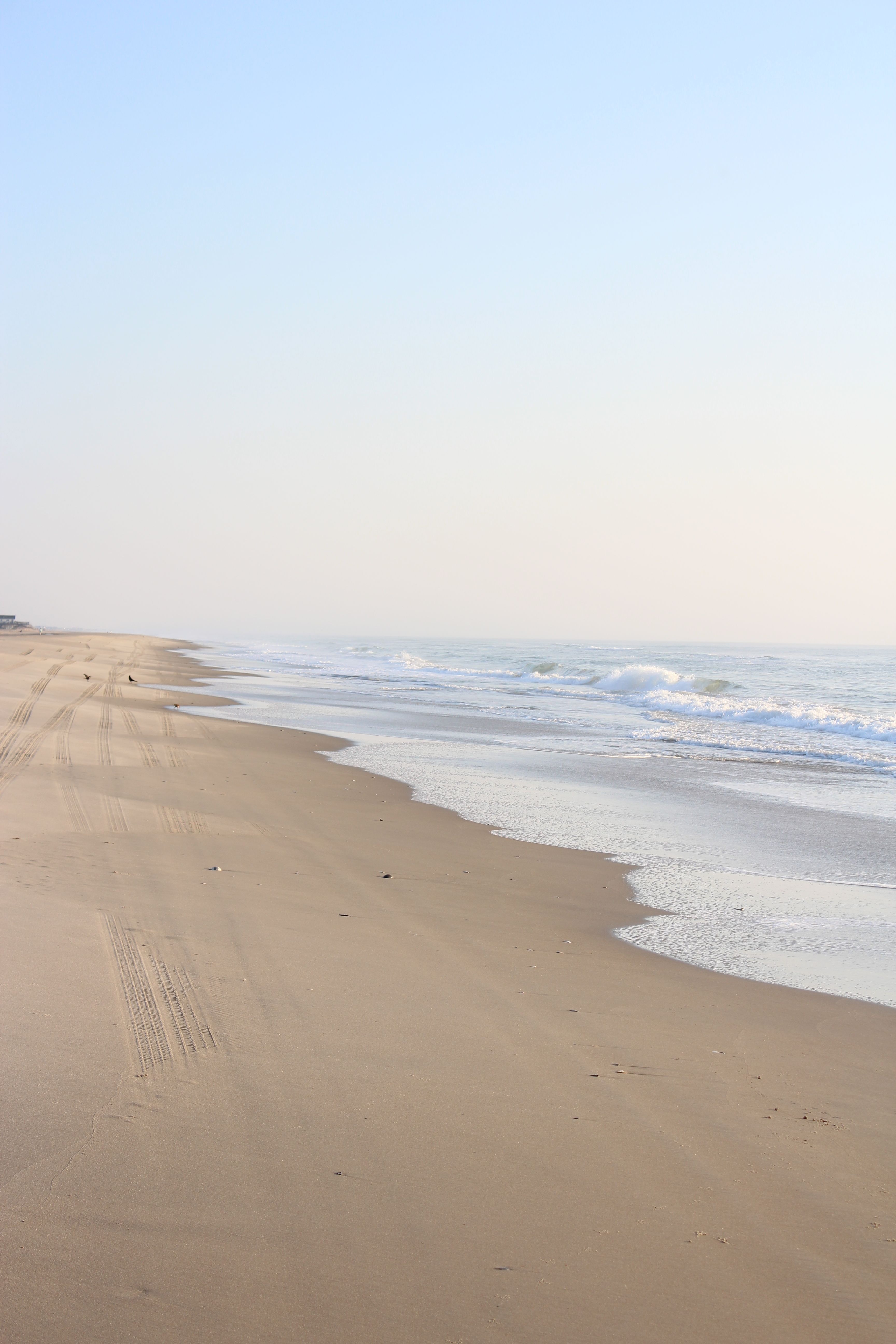
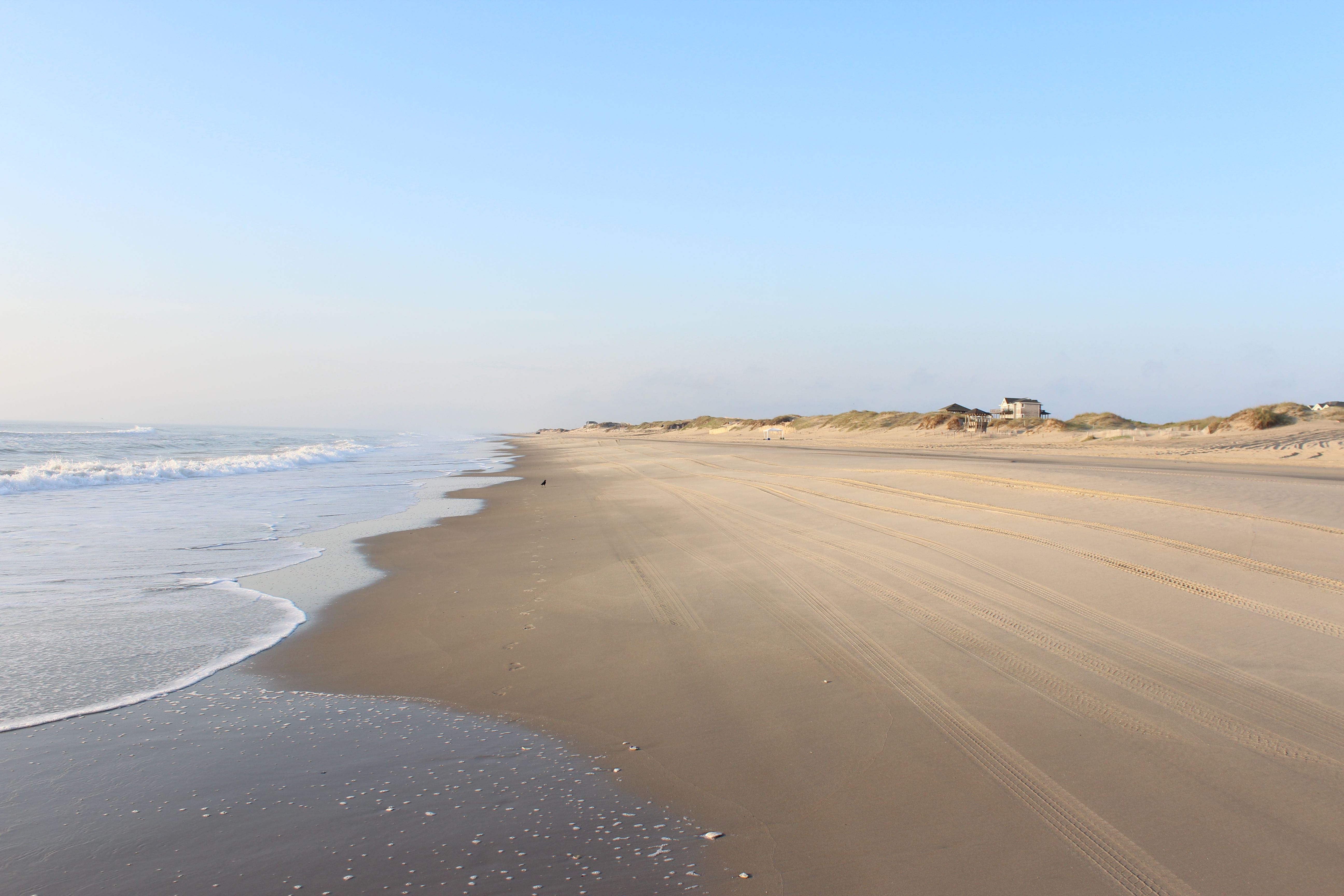
looking northlooking south

looking east  looking west

Compass points: Looking north and south from the beach. Then east and west from Penny’s Hill, the second largest dune that happened to be located behind our house and was the site of the wedding.

desert

An early morning shot of Penny’s Hill.

Penny's Hill sign

Signs lead the way.

wedding site

Elegant in its simplicity

tying the knot

for this young couple who tied the knot on May 22, 2015 at 5:30pm.

J & K

To Jaime and Kevin, “You’re beautiful and pretty and happy with love and pretty in the heart . . .”

Thank you both for letting us all wander and wonder and be a part of your dream. May your marriage be a happy, long and adventurous journey into the sunset.

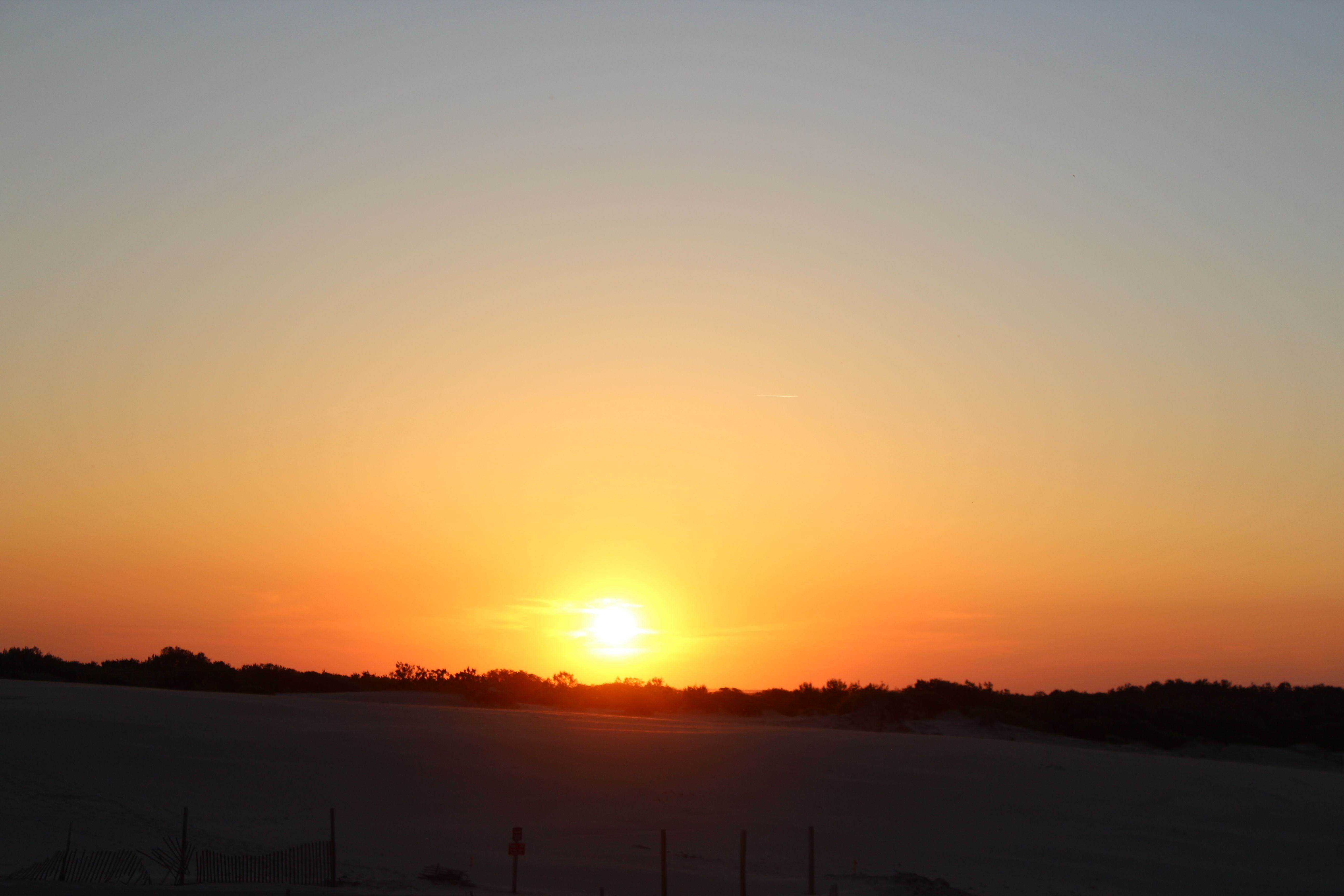
sunset

Bookends

An absolutely gorgeous day in Maine began with a trek around Perky’s Path in Lovell and ended with a visit to the vernal pool behind our house. In between, I had numerous other things to accomplish, but it was the time spent exploring and wondering that added natural bookends to my day.

spring trail

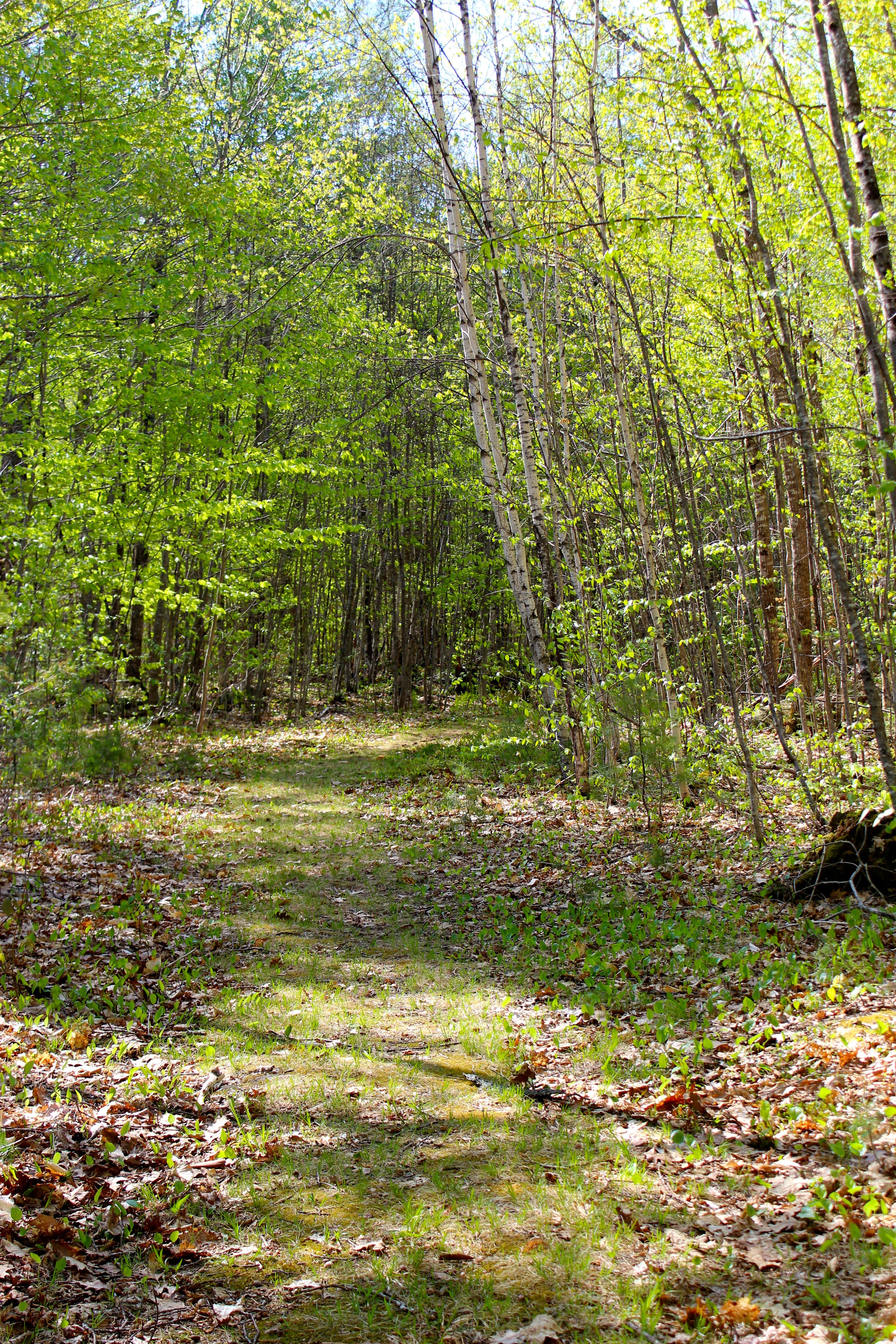
Only a week ago, I was watching flowers and leaves emerge on trees. They still are, but what a difference a week makes. The trail suddenly seems illuminated.

striped maple

Among the shining stars–Striped Maple, known by some as goose foot because of its shape. (It’s also known as nature’s toilet paper.)

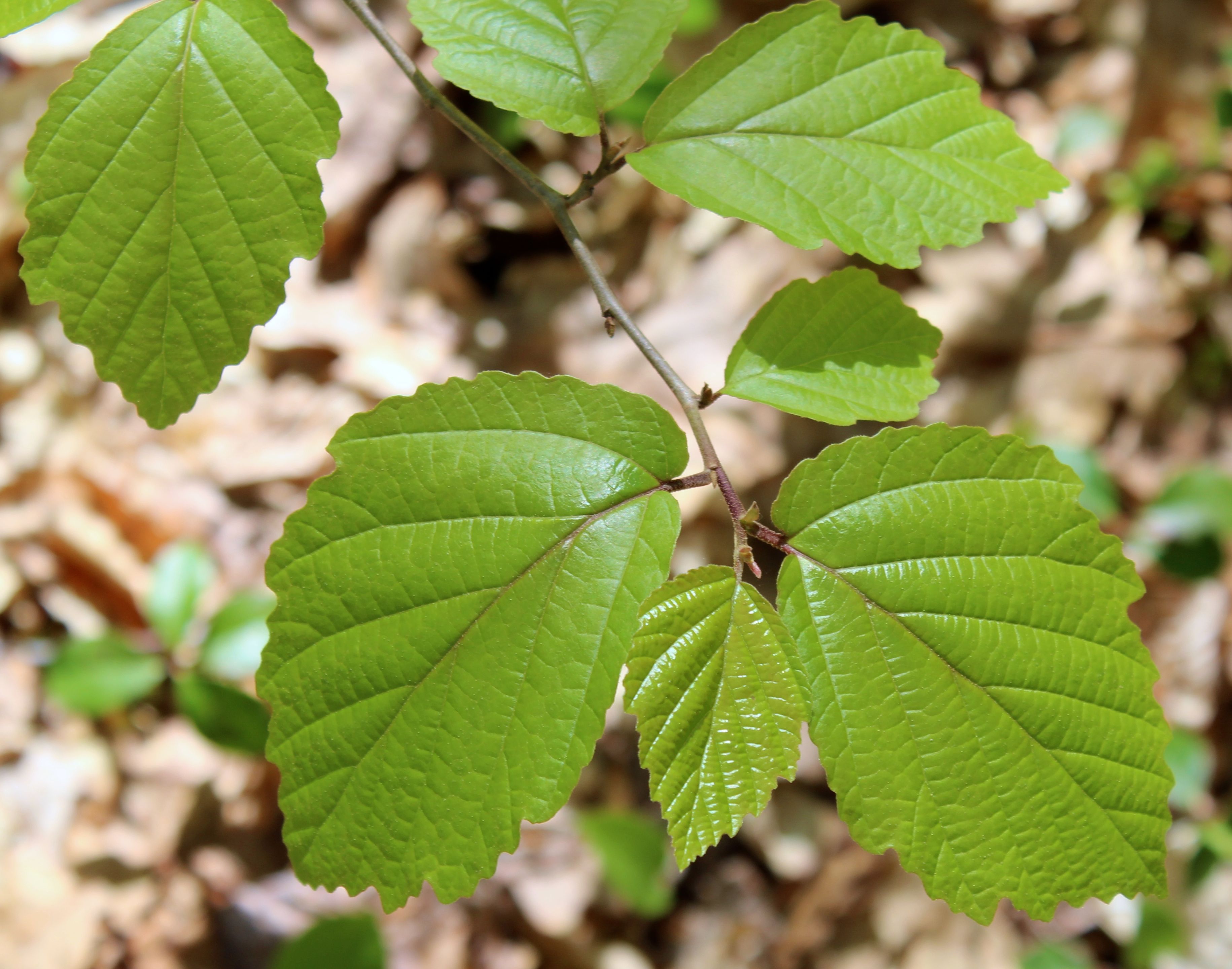
witch hazel

And Witch Hazel, which is easy to identify by its asymmetrical base and scalloped edges.

Red 2

And then there are the spring ephemerals, like this Red Trillium, that must flower before the tree leaves block the sunlight.

pt 2

Painted Trillium was also plentiful. Notice the reason for “tri” in the name? When I taught school, I forced my students to learn word cells–breaking the word down to understand the meaning. Tri=three, llium=referring to liliaceous or the lily family. (They had to learn tri, but llium wasn’t on their list.) I don’t know most of the Latin names, but even a few clues are always helpful.

fs3

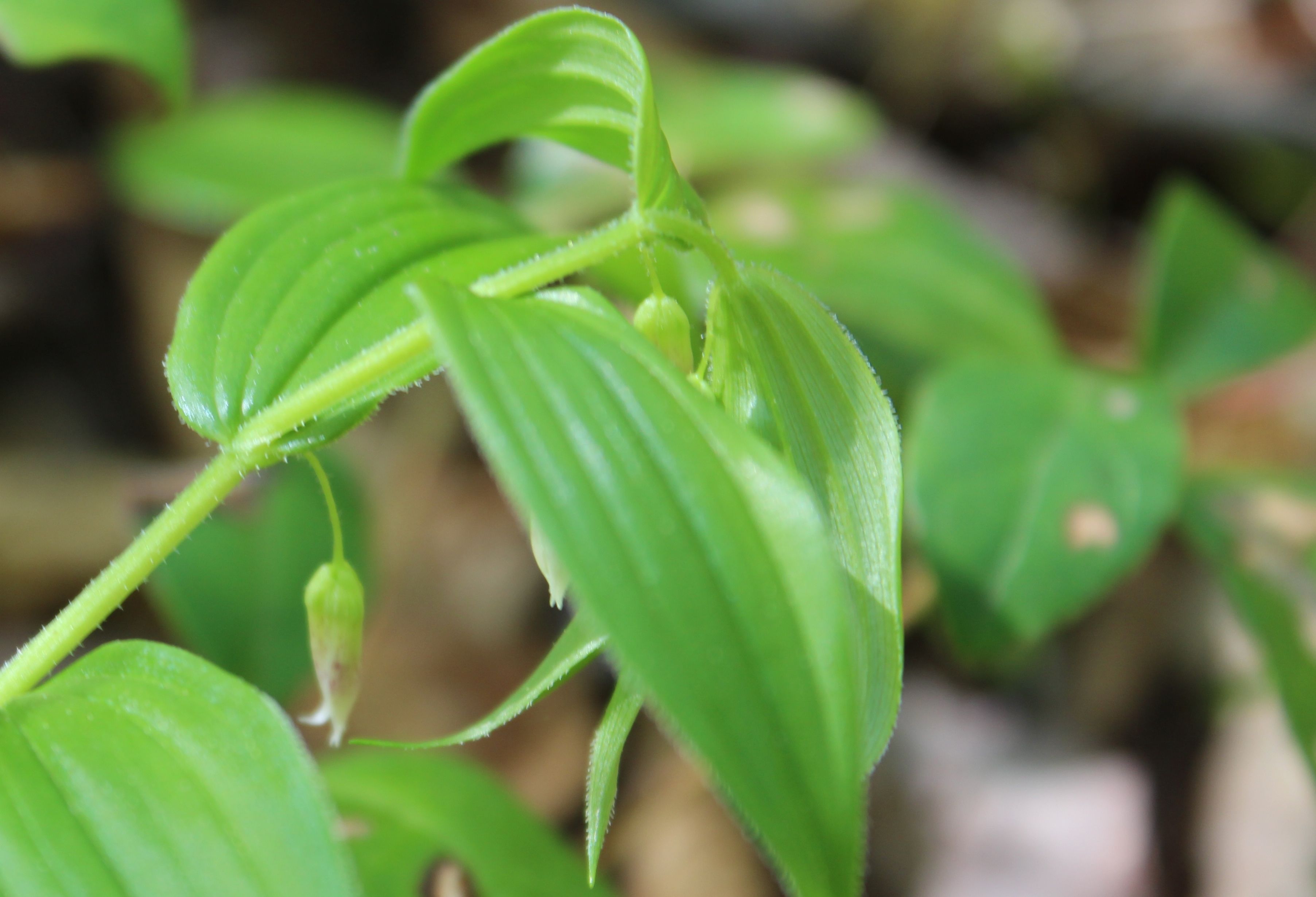
Another member of the lily family–Hairy Solomon’s Seal. One characteristic of the lily kin–the parallel leaf veins.

goldthread

One of my favorite spring flowers is Goldthread. It personifies daintiness. While the scalloped, three-lobed leaves remind me of cilantro, Native Americans apparently used it to make tea. So why the common name? The root resembles a golden thread. Simplicity and beauty in a small package.

bunch

And yet to come, Bunchberries.

wild sars flowers

And the greenish white flowers of Wild Sarsaparilla, that grow under the umbrella-like leaves.

hb2

I would be remiss if I didn’t include Hobblebush.

stream

In the winter, friends and I usually find otter tracks and slides by this stream. Today, a variety of life spills forth.

brook

A brook flows from Heald Pond to Bradley Pond, and several years ago the Greater Lovell Land Trust constructed a bench to take in the sights and sounds of this place.

brook2

The view is ever changing.

bridge

Just down the path, a bridge also invites quiet contemplation. (When the black flies aren’t trying to sneak into your eyes, ears and mouth, that is. Protein consumption today? Check)

bridge 2 rock garden

And a rock garden.

swamp

One last look before heading out. Morning has ended.

rhodora

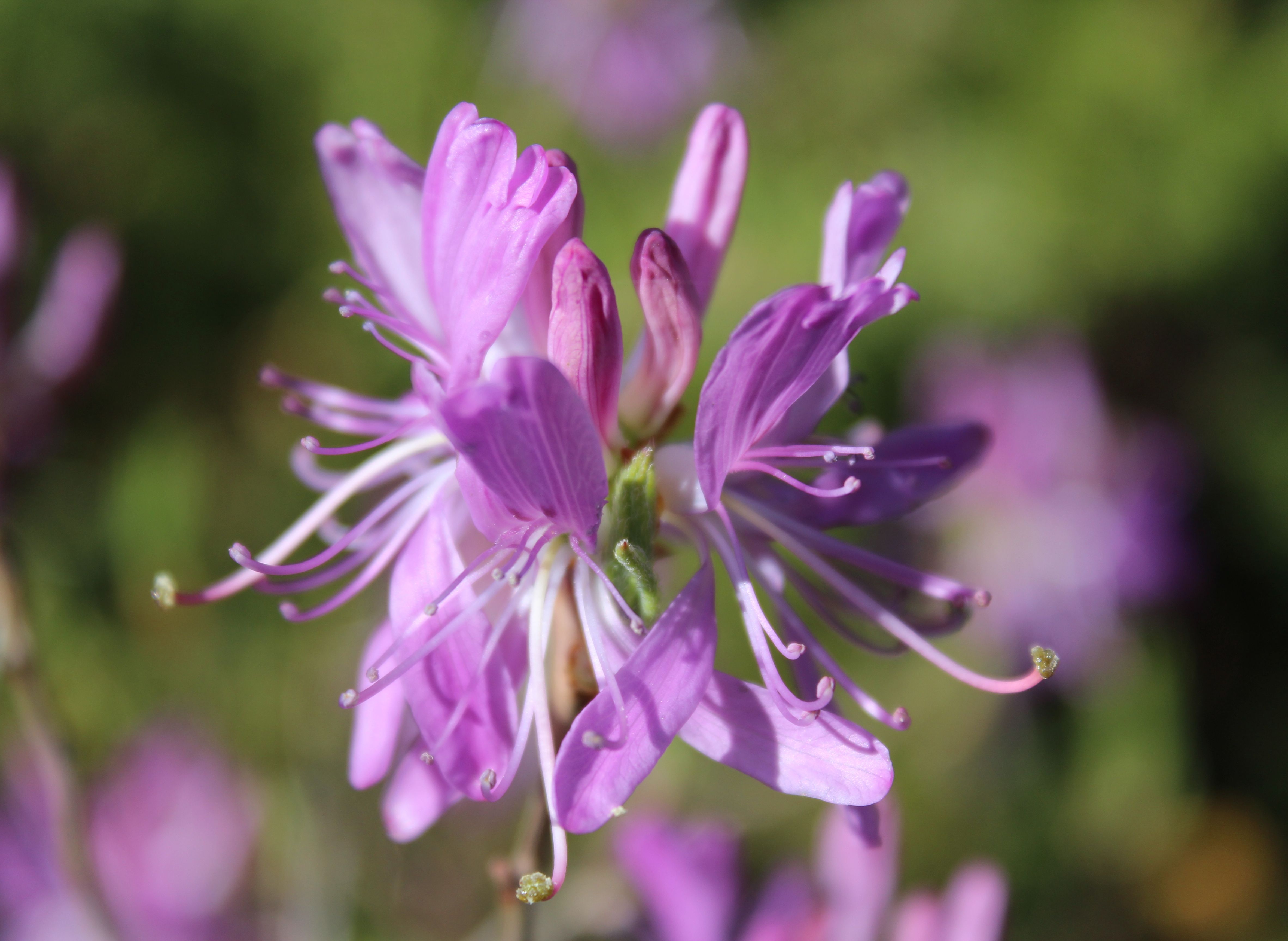
At the other end of my workday, I’m off to the vernal pool. Among a sea of junipers, an explosion of lavender erupts from one Rhodora plant.

bobcat

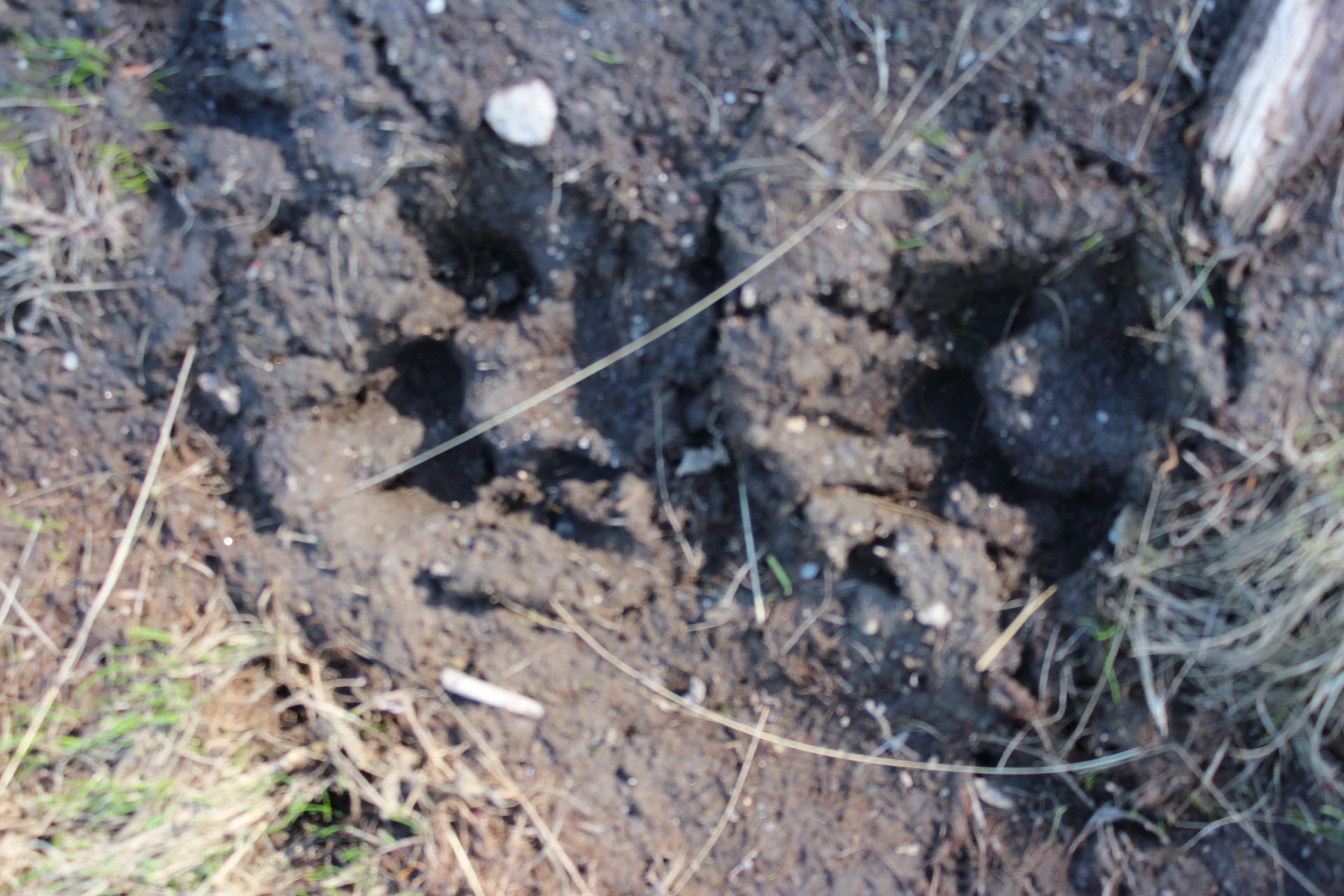
I’m so glad that the Rhodora attracted my attention, because as I turn from it toward the pool, I realize that a bobcat has walked in the direction of our cowpath.

vp

We’ve had little rain in the last few weeks, so while the snowmobile trail still has some muddy spots, the pool is drying up.

sally eggs

Will there be enough water for the spotted salamanders to survive?

water strider

And what will happen to the water striders?

twins

I’ll be curious to see how the tadpoles do. These two appear as bookends for me, holding everything in between in check.

Every day, it’s something new. I feel like I have to start all over again learning the features of this season and I’ll just begin to get it by the time summer rolls around, and then . . . so much more to learn. Though I have plenty of books to guide me, it’s the actual events that are happening right before my eyes that provide the most accurate information.

I’m thankful for any opportunity to wonder and wander, especially at both ends of the day.

This Lady’s Delight

There’s something about the Chip Stockford Reserve on Ladies Delight Road in Lovell that keeps pulling me back. I think it’s the history associated with this property that fascinates me. And the questions it raises.

From the start, there is a cellar hole and barn foundation. foundtion 1

About seven years ago, during a visit to the Lovell Historical Society, I learned that  Eldridge Gerry Kimball had purchased 200 acres on January 31, 1880 from Abraham E. Gray.

Various journals from that time period include entries about driving cattle over to the Ladies Delight pasture, picking cranberries over by The Pond, as they called Kezar Lake, picking apples, driving sheep to pasture, picking pears, mowing oats and trimming pines.

large pines

Today, it’s the huge pasture pines, stonewalls and a couple of foundations that tell part of the story. I’ve also heard that this area was used as a cattle infirmary. According to local lore, diseased cattle were brought to Ladies Delight to roam and die, thus preventing disease from spreading to healthy cattle.

pileated condo

The big old pines provide investigation for others.

p scat

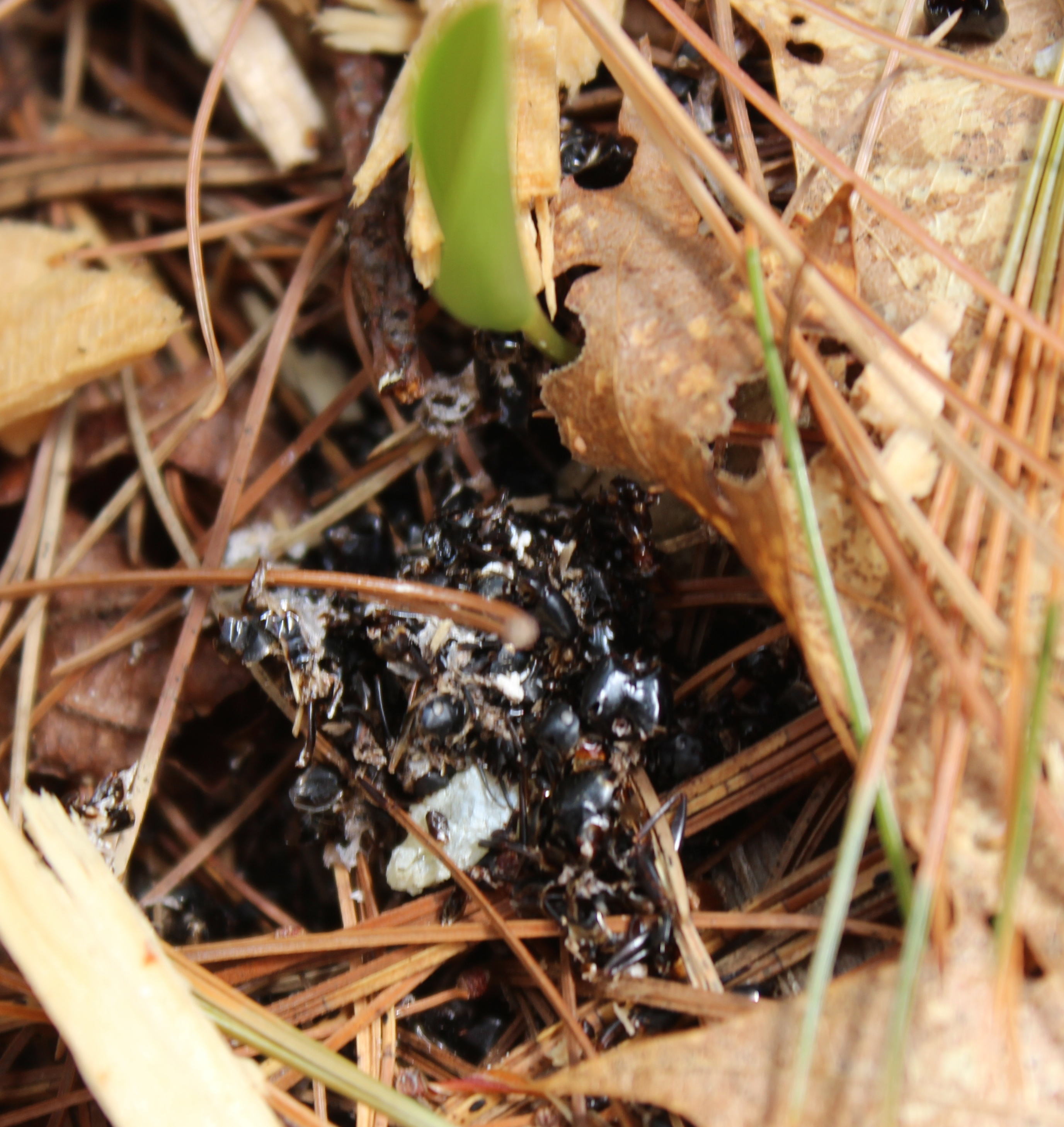
Who sometimes leave presents. Can you see the ant bodies?

cs

Yup, that’s snow. I took this photo in December because I was impressed with the stock pile of cones a red squirrel had made.

midden

It took me a few minutes to locate the tree today. I wanted to see what the midden looked like and wasn’t disappointed.  In trying to find the tree, however, I developed an appreciation for the red and gray squirrels who cache their food and then return to it. Of course, if a gray squirrel doesn’t remember where it stored an acorn, then a turkey or deer may find a treat, or a tree may grow. No matter how you look at it, it’s all good. As for me, I need to learn how to use our GPS.

Another story about Ladies Delight hill is that this is the place where people would come to picnic in the 1800s. Did the women get dressed up to enjoy a day out, a break from their farming duties? I have visions of them wearing long dresses and bonnets and carrying picnic baskets. But could they really afford a day away from their chores?

red spur

The blue trail loops around the 155-acre reserve, and a spur trail (red) leads to the vantage point–a view of Lower Bay on Kezar Lake and the White Mountains.

chip stockford

A bench at the outlook was placed in memory of Chapman “Chip” Stockford, a founding officer of the GLLT who lived in the neighborhood.

view

Spring color–more subtle than fall foliage.

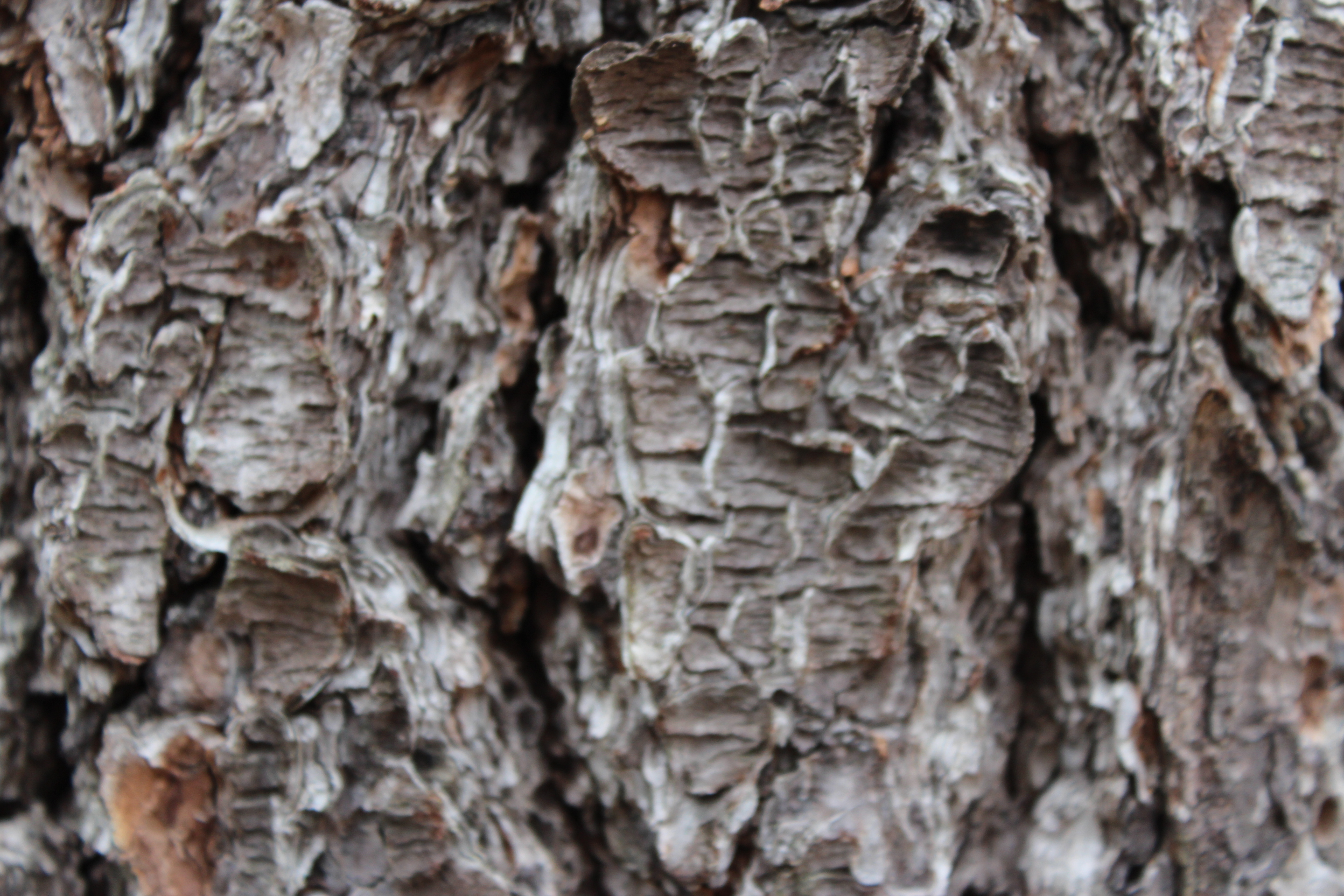
white pine

On the short spur between the red arrow and the outlook, the variety of trees offers a study in bark. Eastern White Pine–with horizontal lines on the scales.

hemlock

Flaky, cinnamony-gray (is that a word?) scales of Eastern Hemlock.

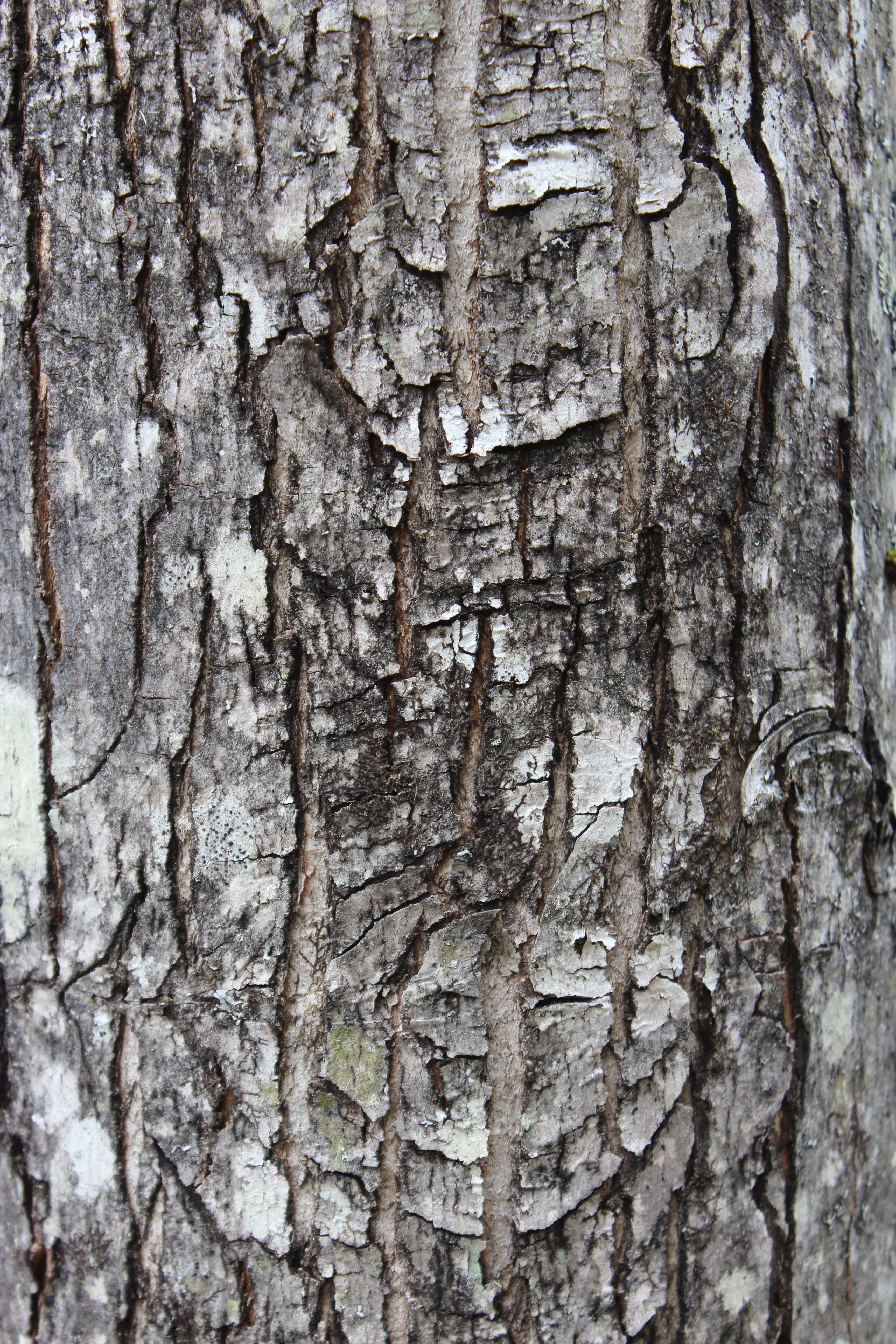
ash

Ash’s diamond-shaped furrows.

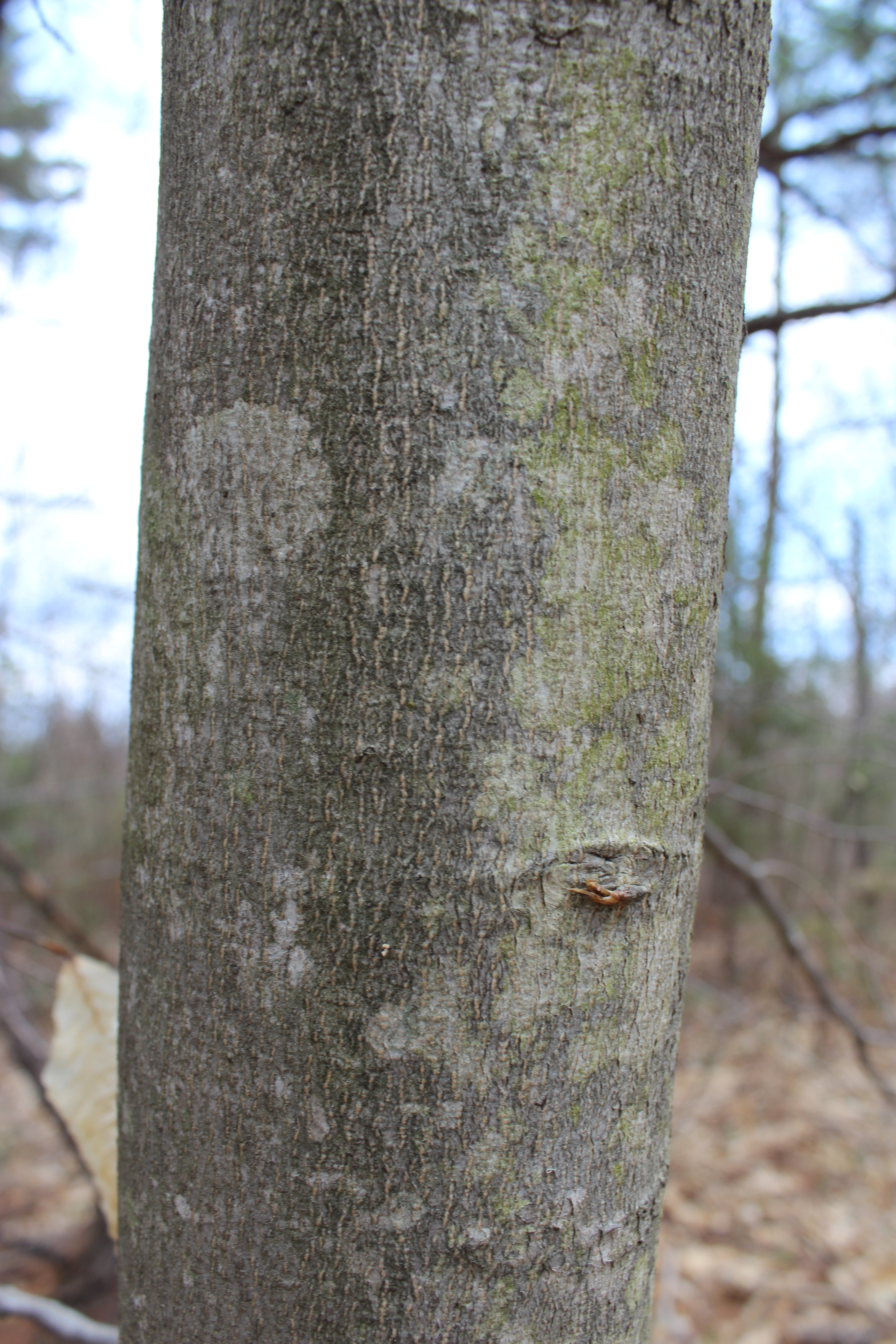
beech

And the smooth, silvery-gray American Beech–with some blotches of lichen adding a dash of green and white.

hop hornbeam

Hop Hornbeam’s shaggy strips.

red maple

And the bull’s eye target on Red Maple.

red oak

Finally, the flattened ridges of ski tracks that run down a Northern Red Oak.

pine age

Back on the blue trail, the sun poked through the clouds, shining on pines that represent a variety of ages.

found 2

I’m not sure who lived in the house above this cellar hole, but it’s always fun to visit and wonder.

In her book, Blueberries and Pusley Weed: The Story of Lovell, Maine, Pauline W. Moore wrote that Ladies Delight, “was not named for the view. Nor because it made a delightful walk for ladies to take on a Sunday afternoon or because it was covered with wonderful blueberries . . . (It was) named in sarcasm because women who tried to live in two houses built there could not endure the loneliness and isolation.”

Was this one of the houses?

found 3

It’s been a long time since any vegetables were stored in this cellar.

As I was told at the historical society,  the bridge across The Narrows wasn’t yet built when the ladies lived there, so the only way to get to the other side was walking across the ice.

the rock

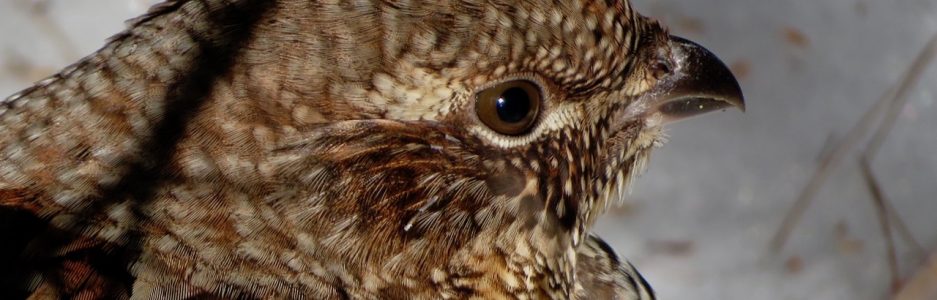
No visit to Chip Stockford is complete without a visit to The Rock. Today, I startled two grouse that flew up from behind it.

grouse dust

Dust bath? Nest site?

sweet fern

A few more things to see as I headed out. Sweet fern, which is really a shrub.

baubles

Baubles on pine saplings.

paper birch bark

Young Paper Birch bark.

striped maple

Swollen Striped Maple buds.

phoebe nest

And a phoebe nest under construction.

This lady was delighted to have time to wonder and wander. Thanks for taking a look.

May Day Celebration

And just like that, it’s May. May Day. Memories of our sons quietly delivering flowers to neighbors and friends flashed through my mind this morning. I’ve a feeling they choose not to remember, but at the time they loved sneaking up to doors, depositing small baskets of flowers and then dashing away.

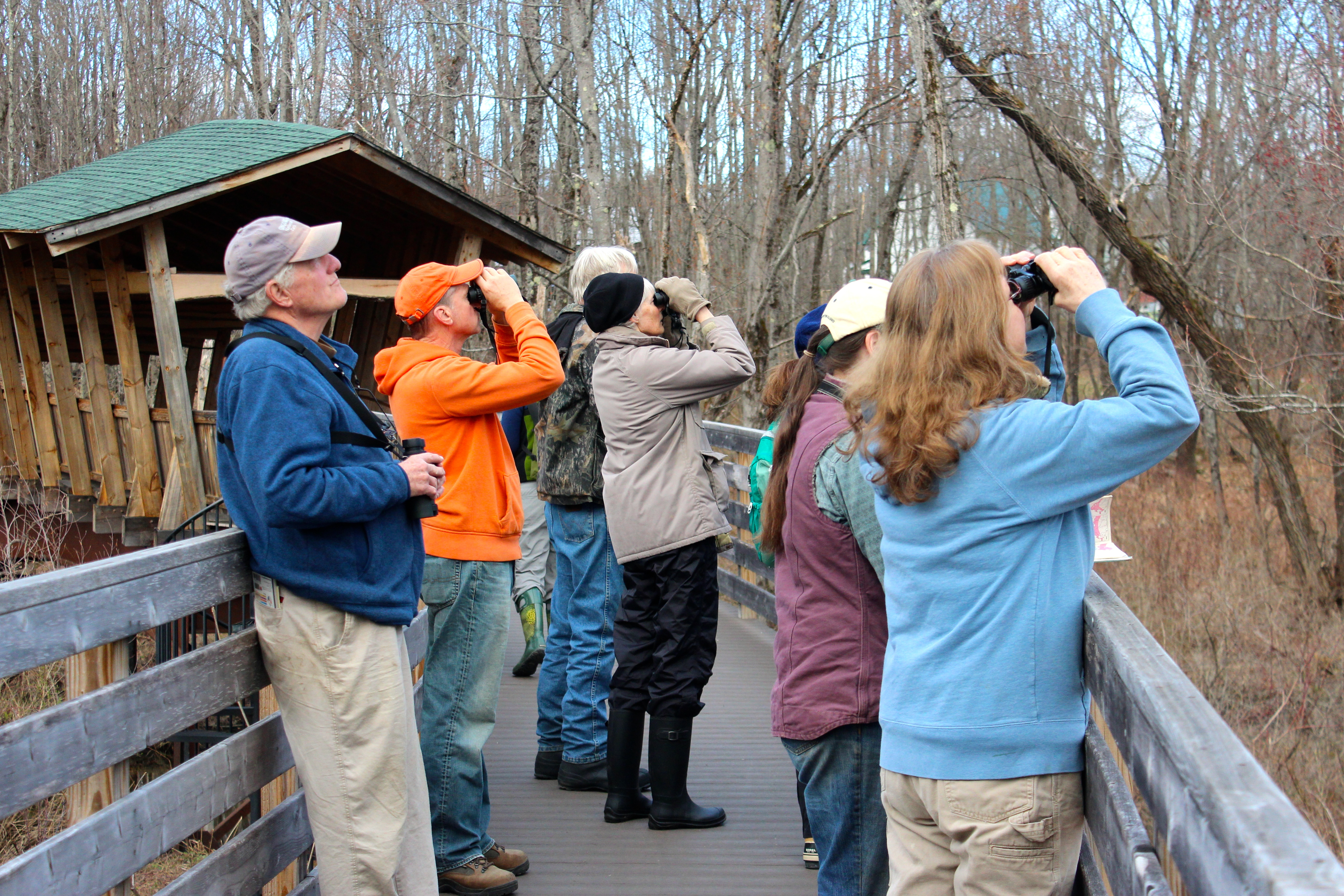
Birders

For me, the fun began this morning when I joined a small group intent on birding at the Bob Dunning Memorial Bridge. Chickadees, Red-winged Blackbirds, Pine Siskins, Waterthrush, Mallards, Yellow-rumped Warblers, Goldfinches and a few others were singing and flitting about.

bridge

The bridge, itself, is worth viewing from any vantage point.

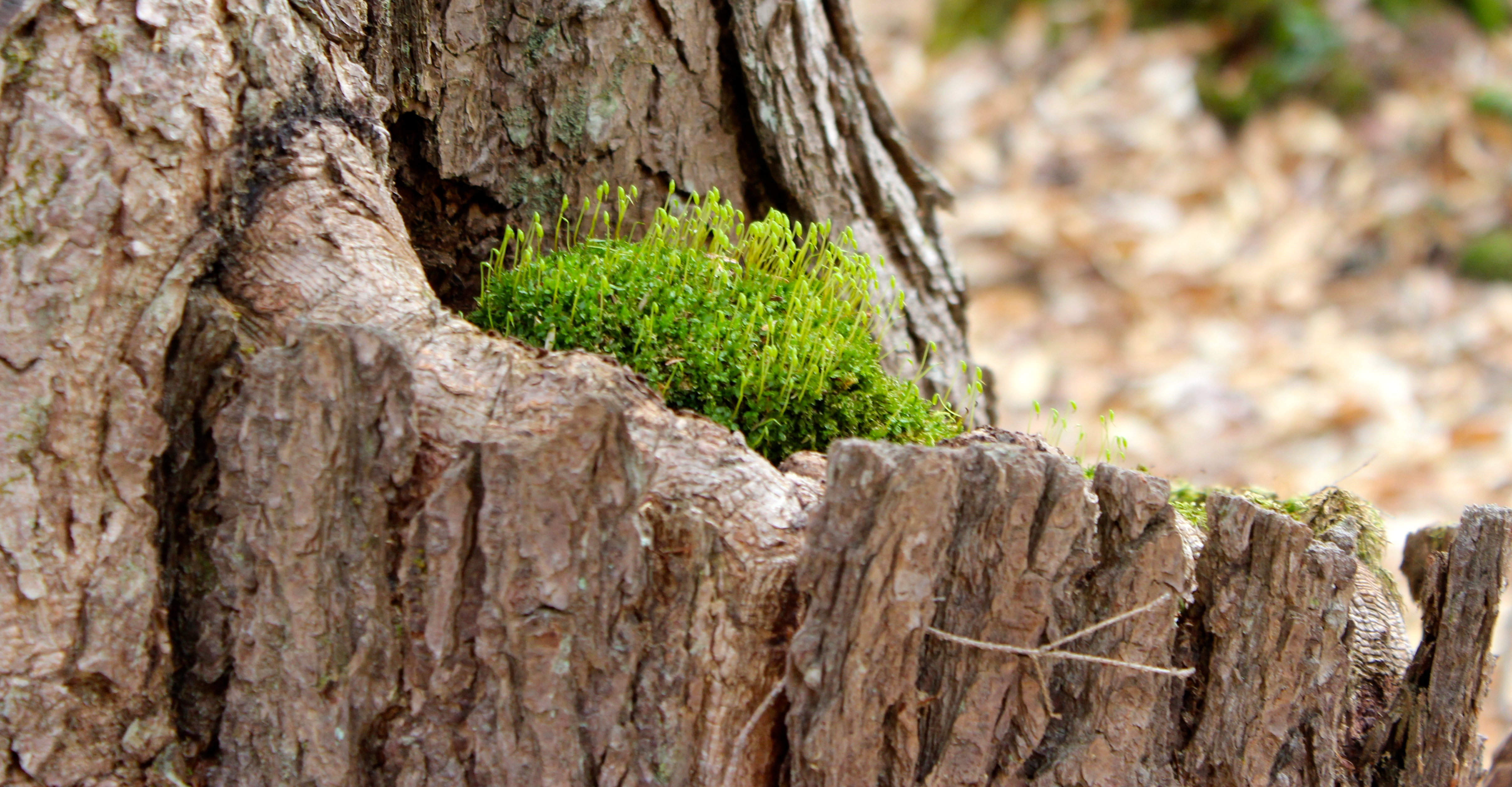
moss

And then I drove to Sweden (Sweden, Maine, that is) to join a couple of friends on a tramp through the woods.

moss 2

Along the way, this May Day basket presented itself.

1000 shades of green

Moss covered rocks and stumps bring to mind my father and his Scottish heritage. The faeries or fair folk, as they prefer to be known, quietly present themselves in areas like this. Some day, I may share the fairy tale I wrote a few years ago.

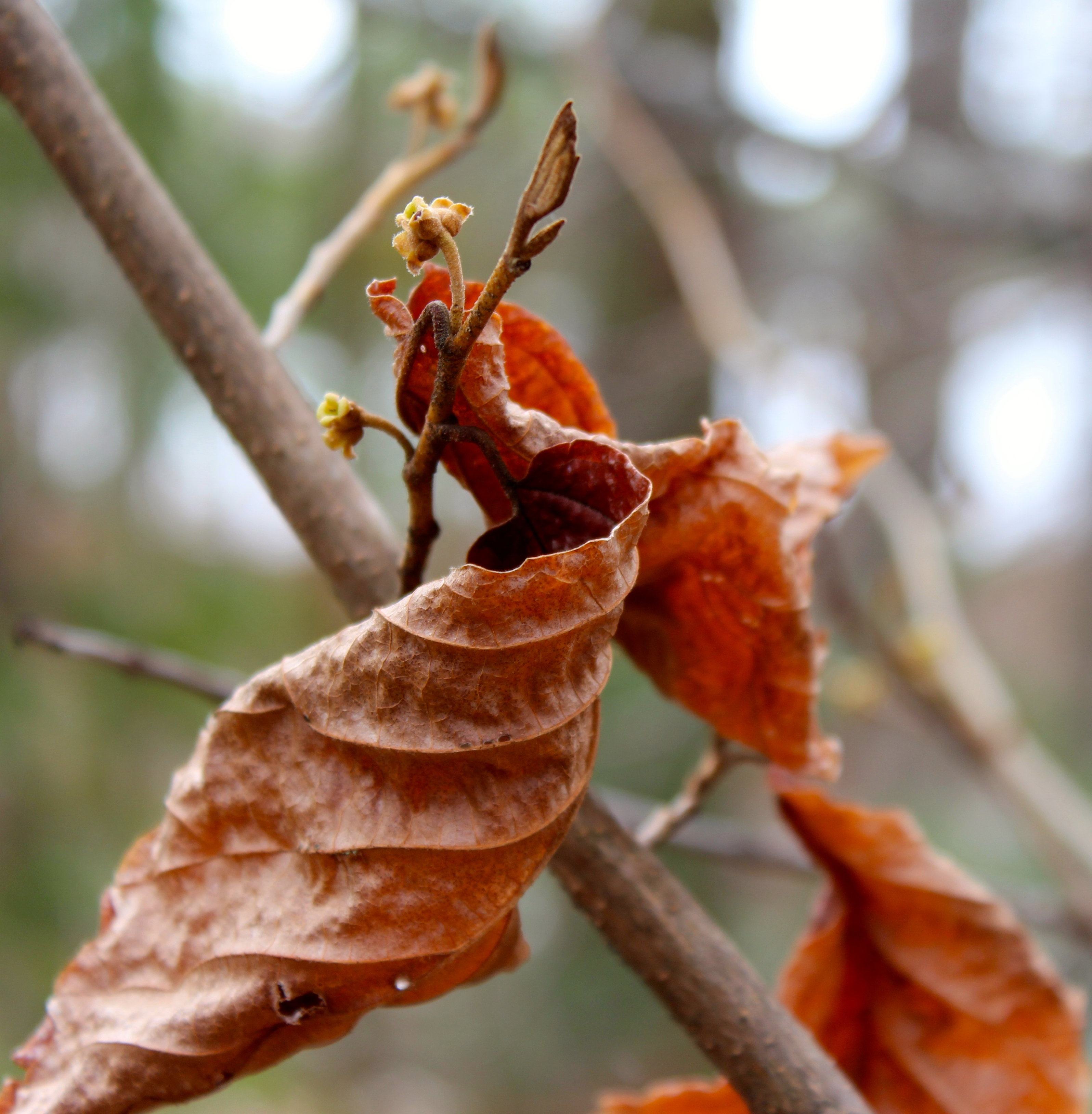
witch hazel

The Witch Hazel still holds its leaves.

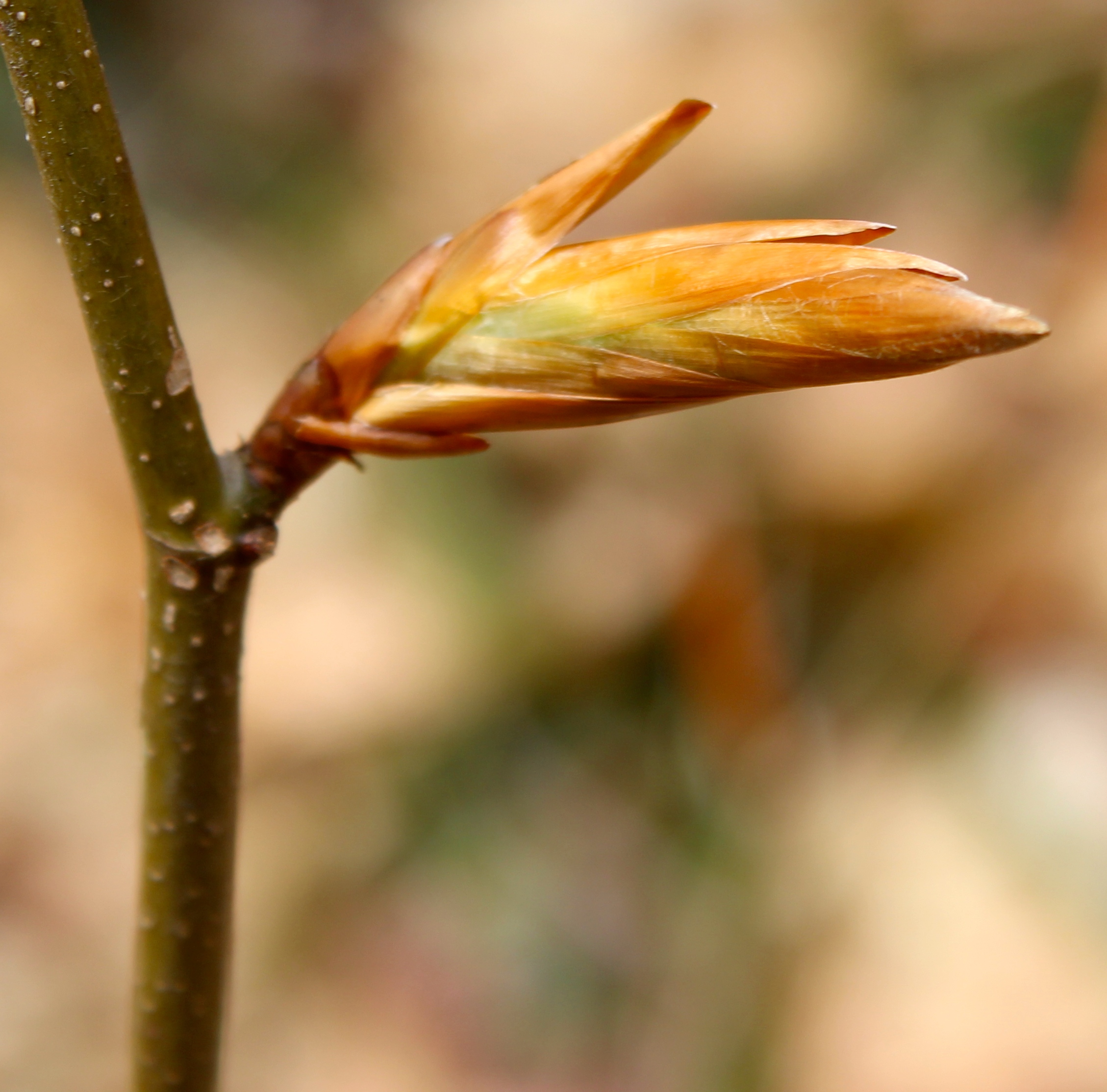
beech leaf

As do most American beech trees, but this one is beginning to leaf out.

pileated

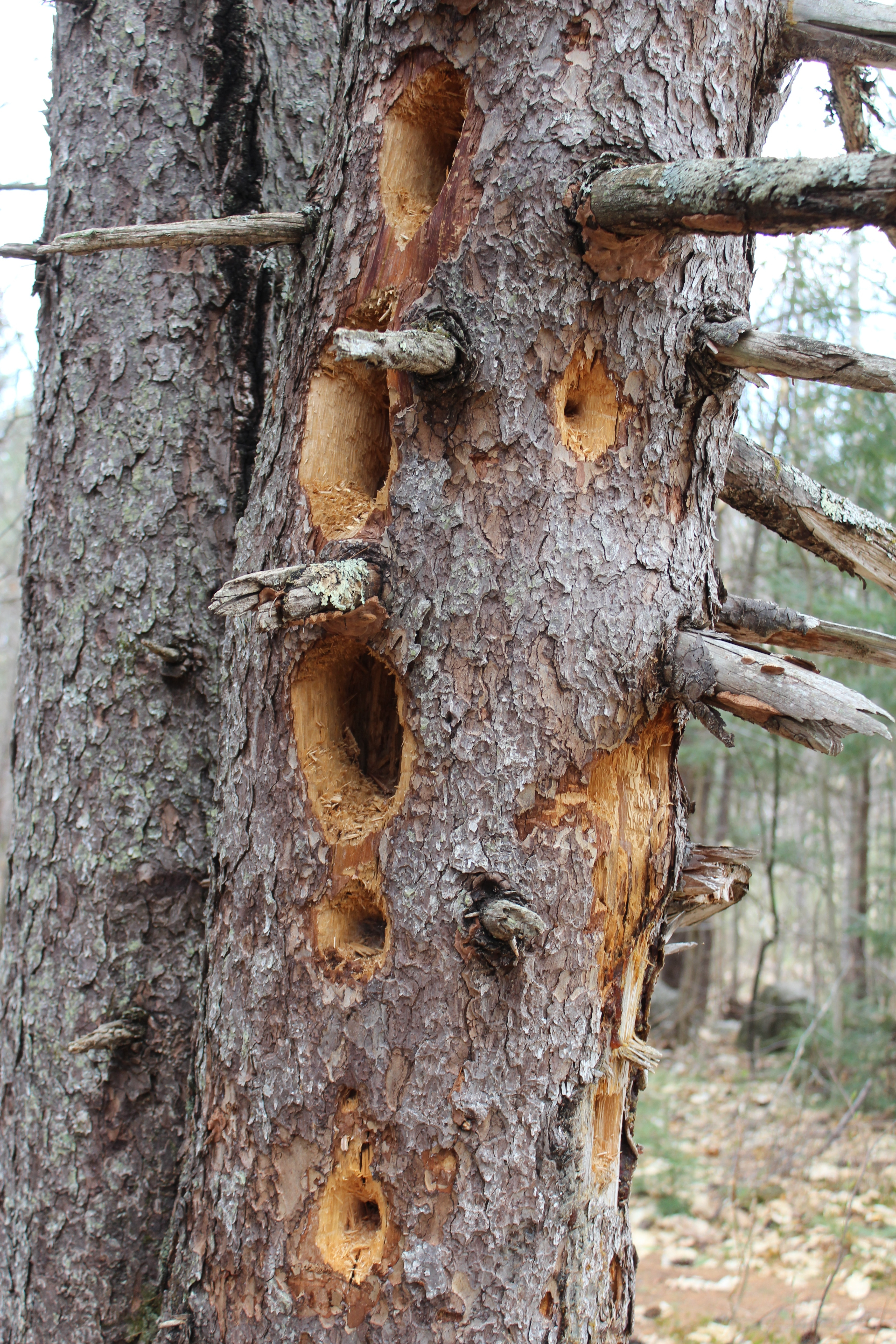
The insects don’t stand a chance against the methodic hammering of the pileated woodpecker who created these holes.

carpenter ant

At the base of the tree, the reason for the pileated’s work was revealed; sawdust created by carpenter ants. This tree must hum before it drums.

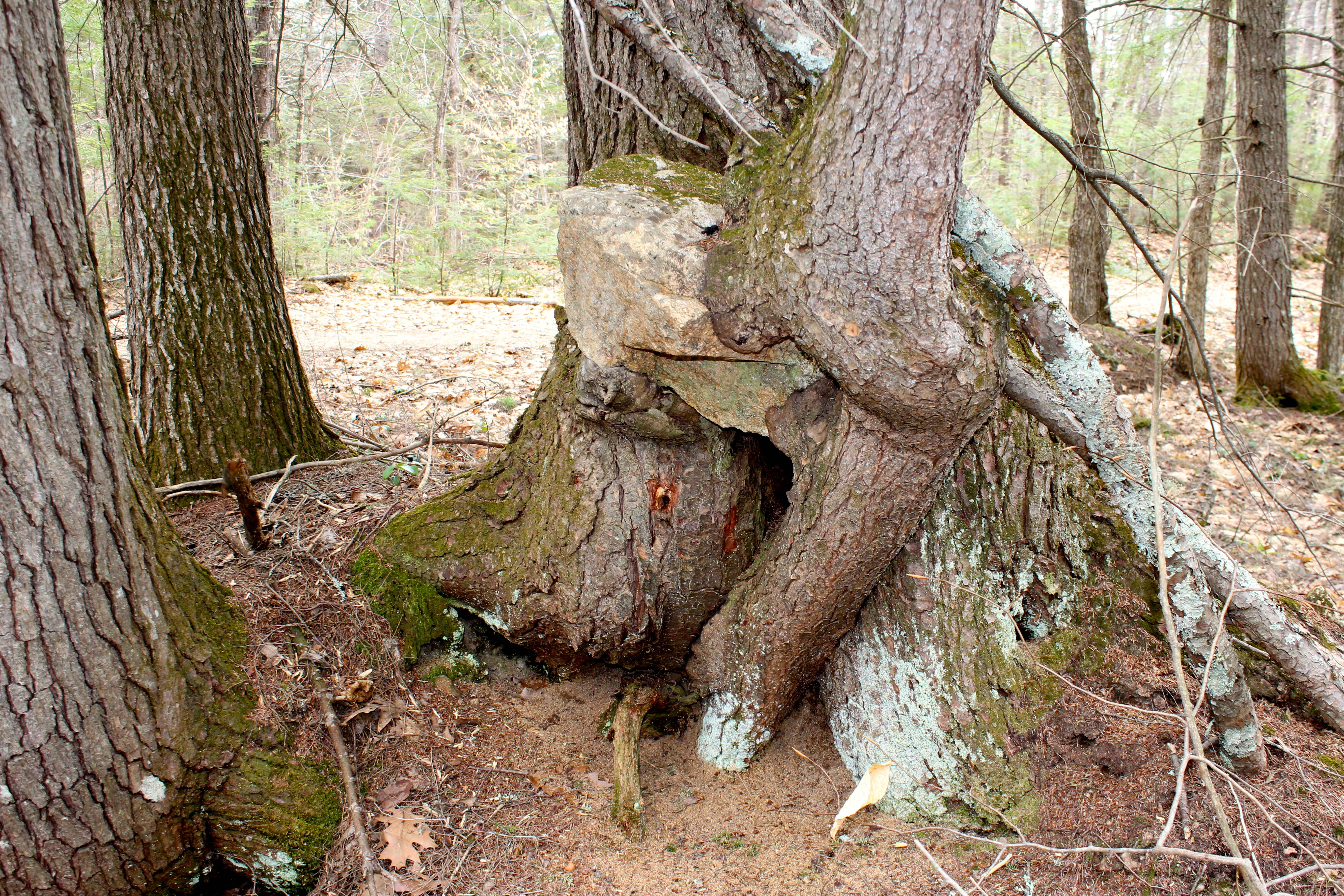
rock tree

I actually stopped talking, ever so briefly, when I saw this.

rock tree 2

How in the world?

rock tree 3

We think we know, but what are your thoughts?

tree:rock

Meanwhile–a tree grows around a rock.

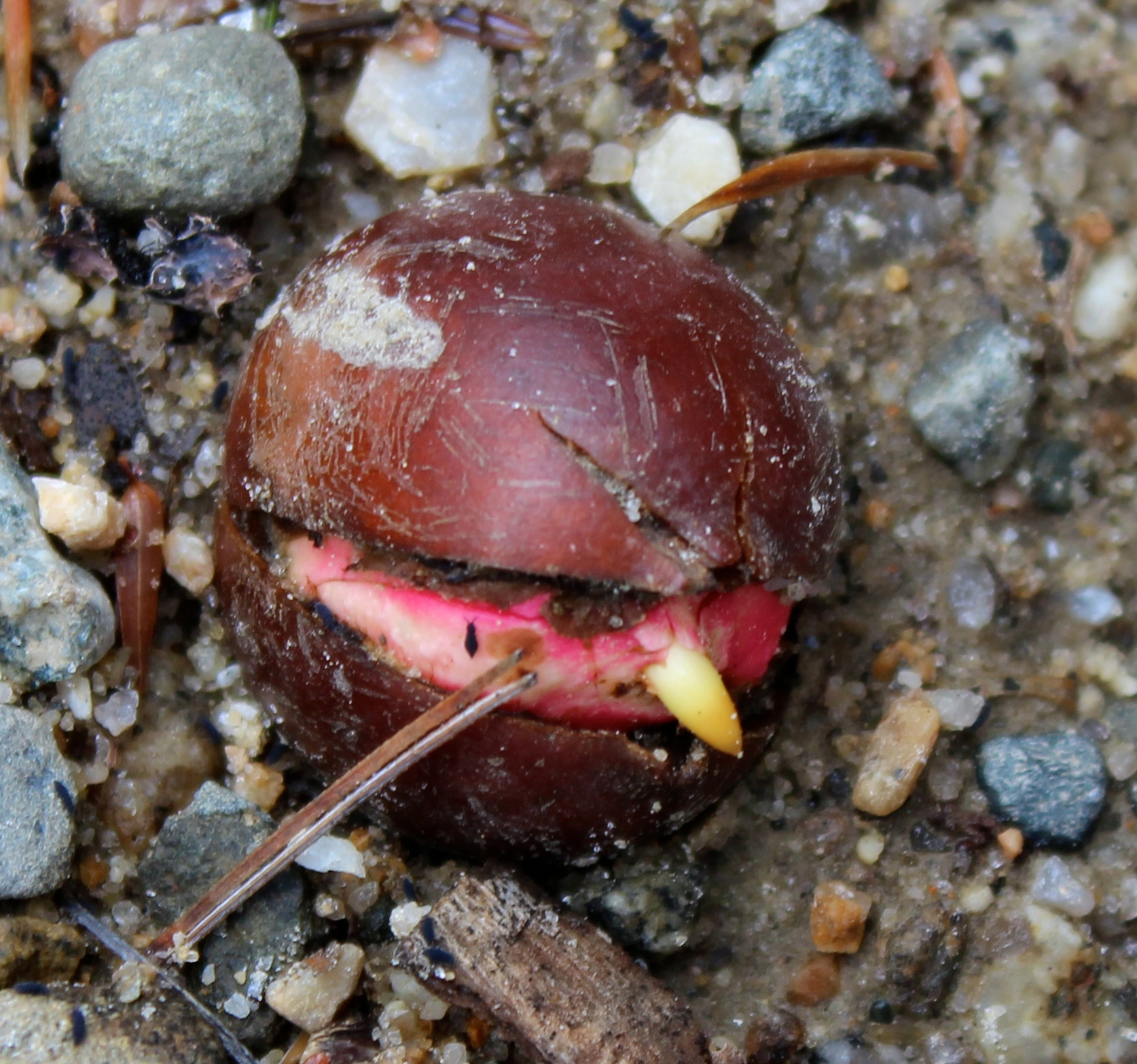
oak acrorn germinating

One of my favorite wonders of today. A red oak acorn germinating on the gravelly road–not exactly a quality site to begin life.

skunk cabbage

False Hellibore shines brightly,

skunk 2

slowly unfurling its smooth-edged, pleated leaves,

brookside

beside Powers Brook as it meanders by on its way to Stearns Pond.

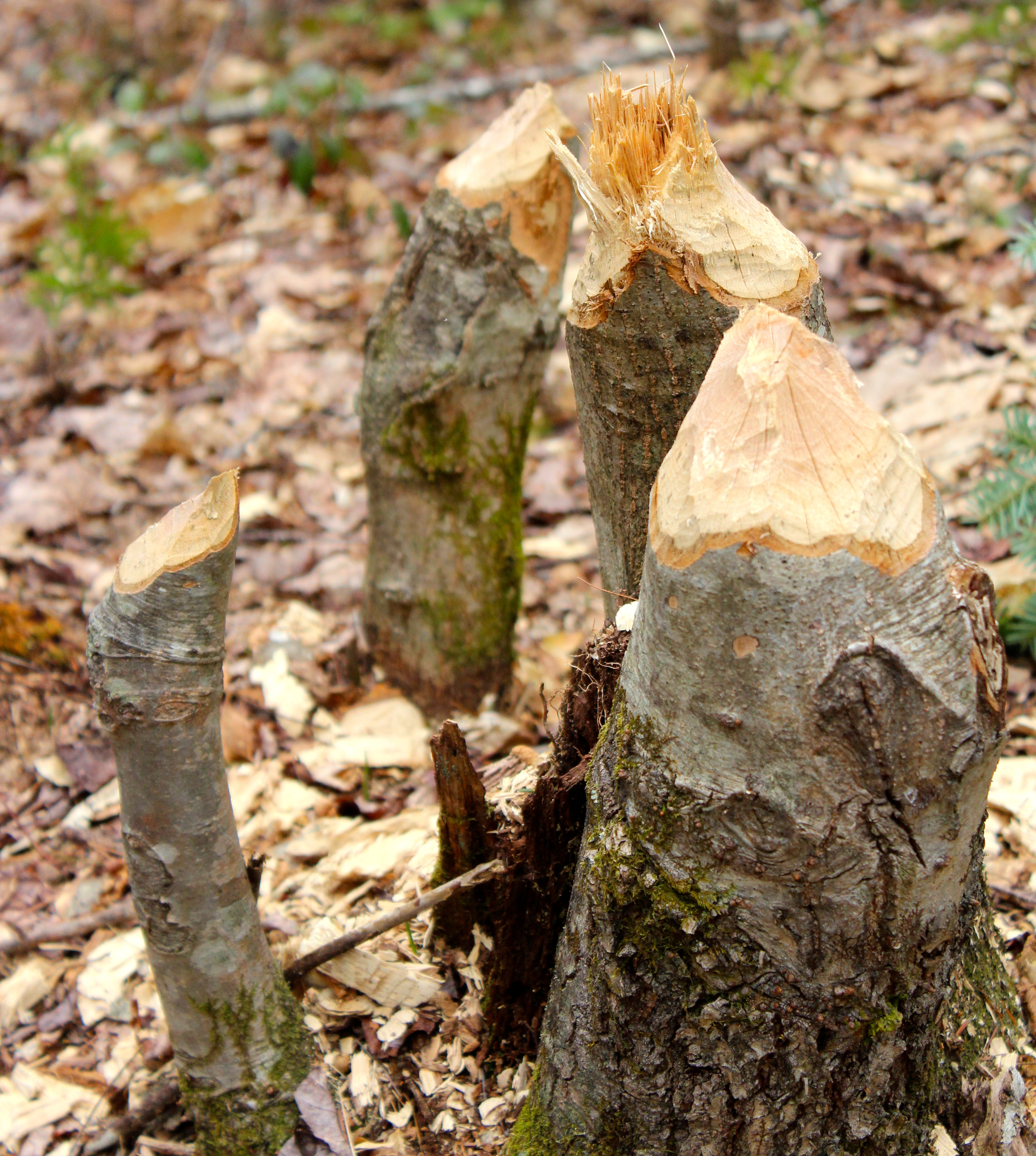
beaver 1

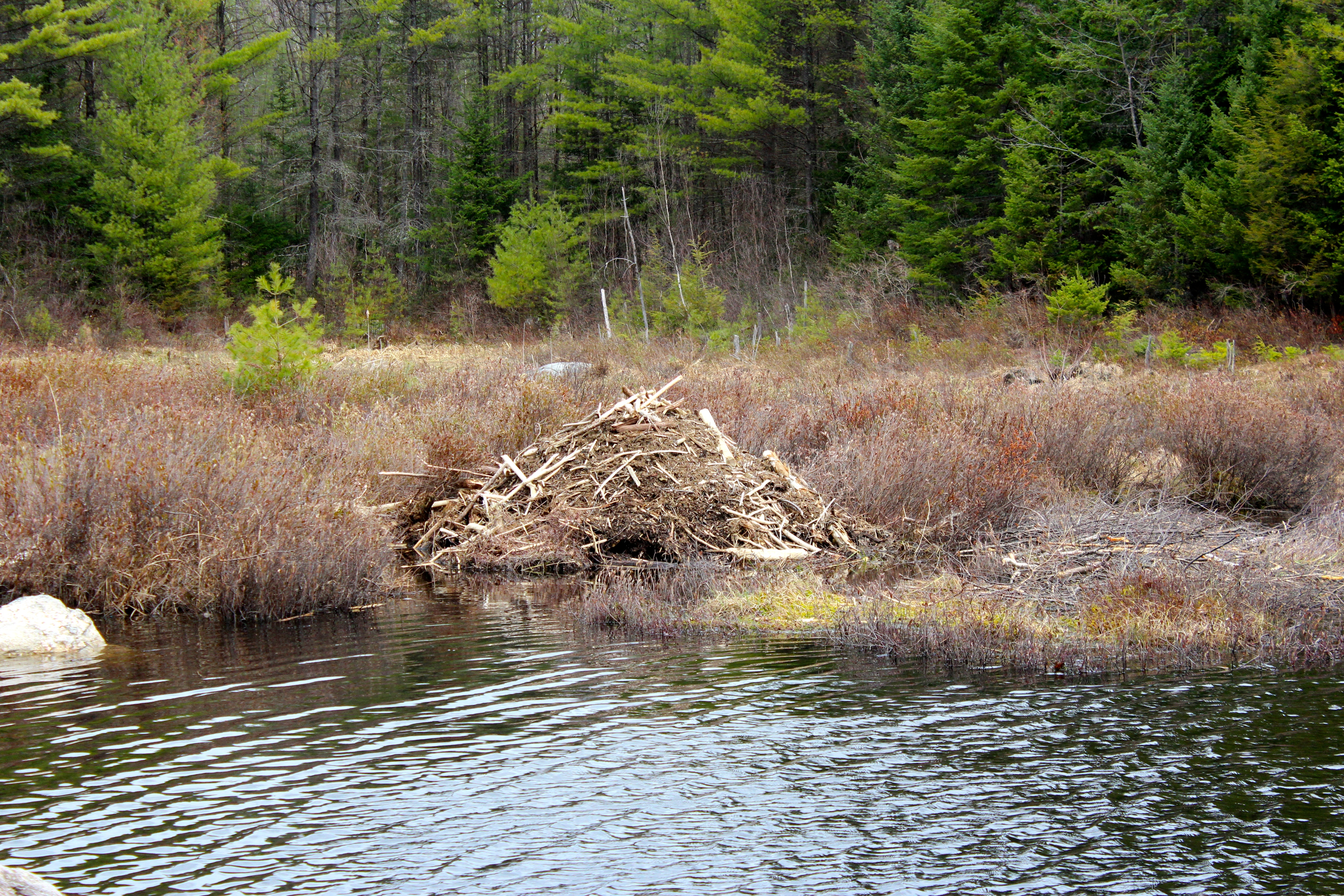
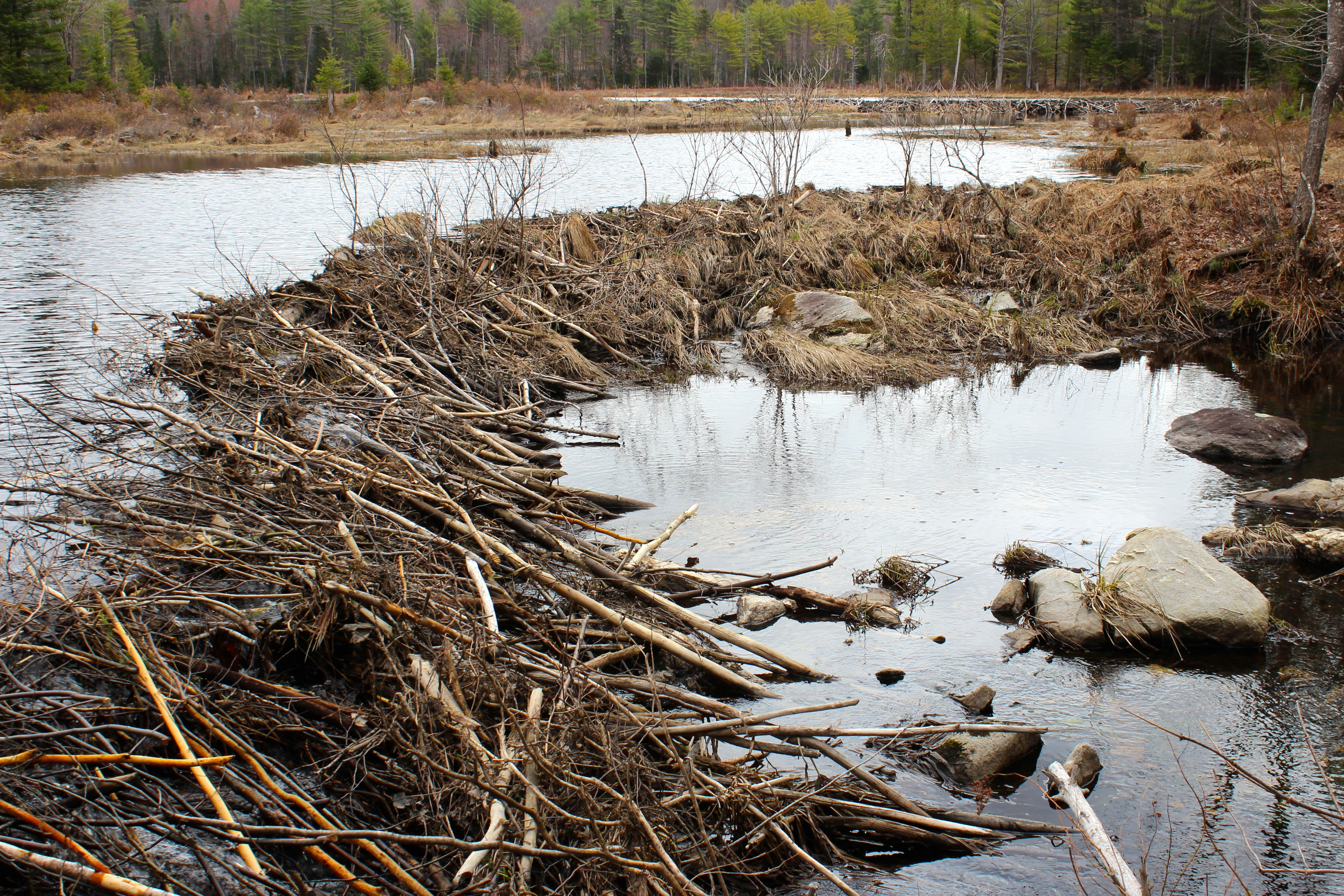
It was a day of this and that, including beaver works.

lodge

The lodge.

dam

And two large dams, the second being in the background to the center right.

 canada mayflower

It’s May Day and we noticed that Canada Mayflower is beginning to leaf out.

ta

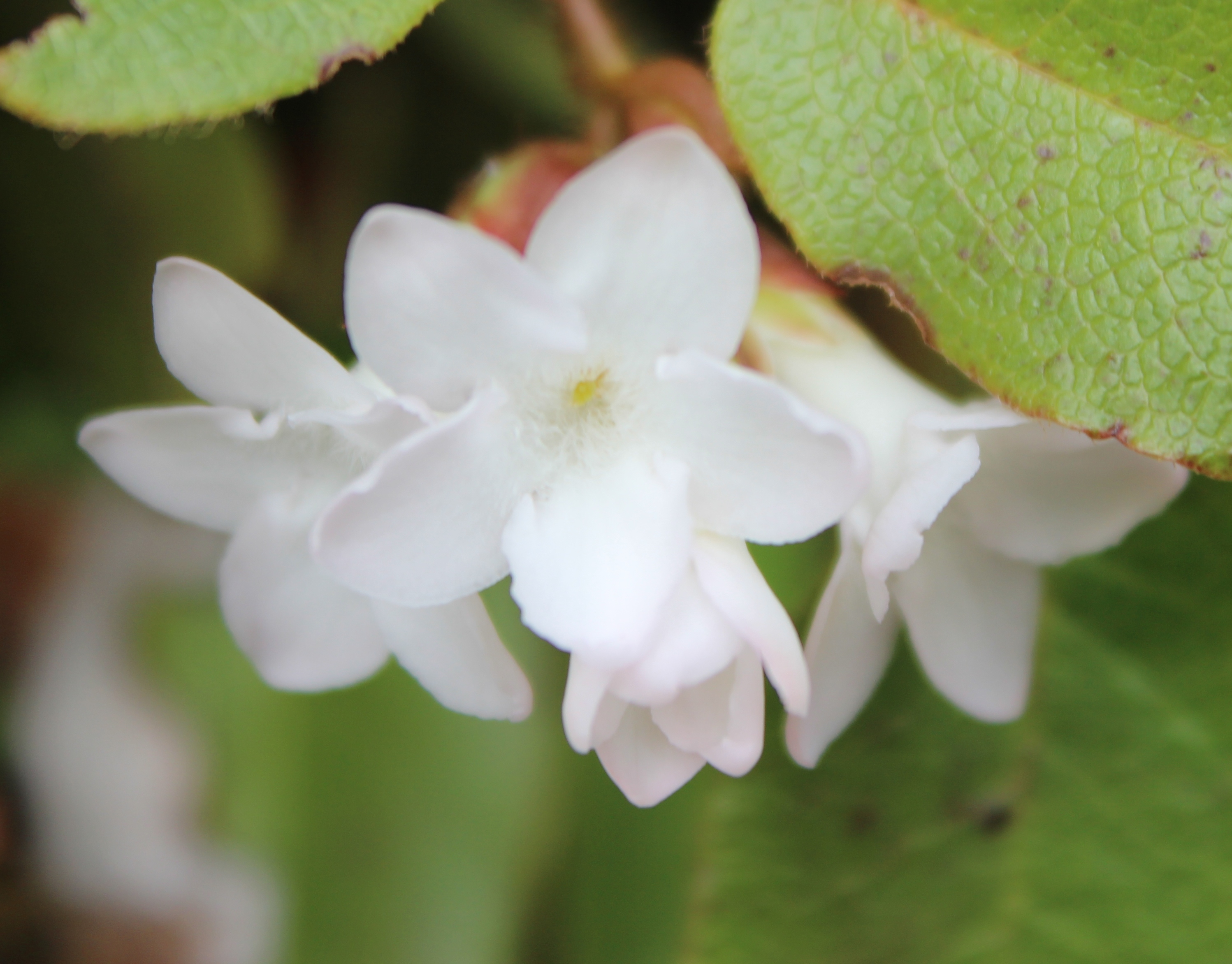
 But . . . we’ve been paying attention to Trailing Arbutus, aka Mayflower, whenever we tramp, and today–blossoms

Mayflowers

accompanied by that delicate sweet scent.

A reason to celebrate. Happy May Day.

Seeking Hope

My heart is heavy with thoughts of recent events both here in the US and abroad, especially in Baltimore and Nepal. It all makes me feel so insignificant as I head outside. And it makes me all the more thankful for the opportunity to head outside and wander freely along the path and through the woods.

red maple 1

My hope is that you’ll never pass by a Red Maple tree again and dismiss it as just another tree.

striped maple

The same is true for a Striped Maple.

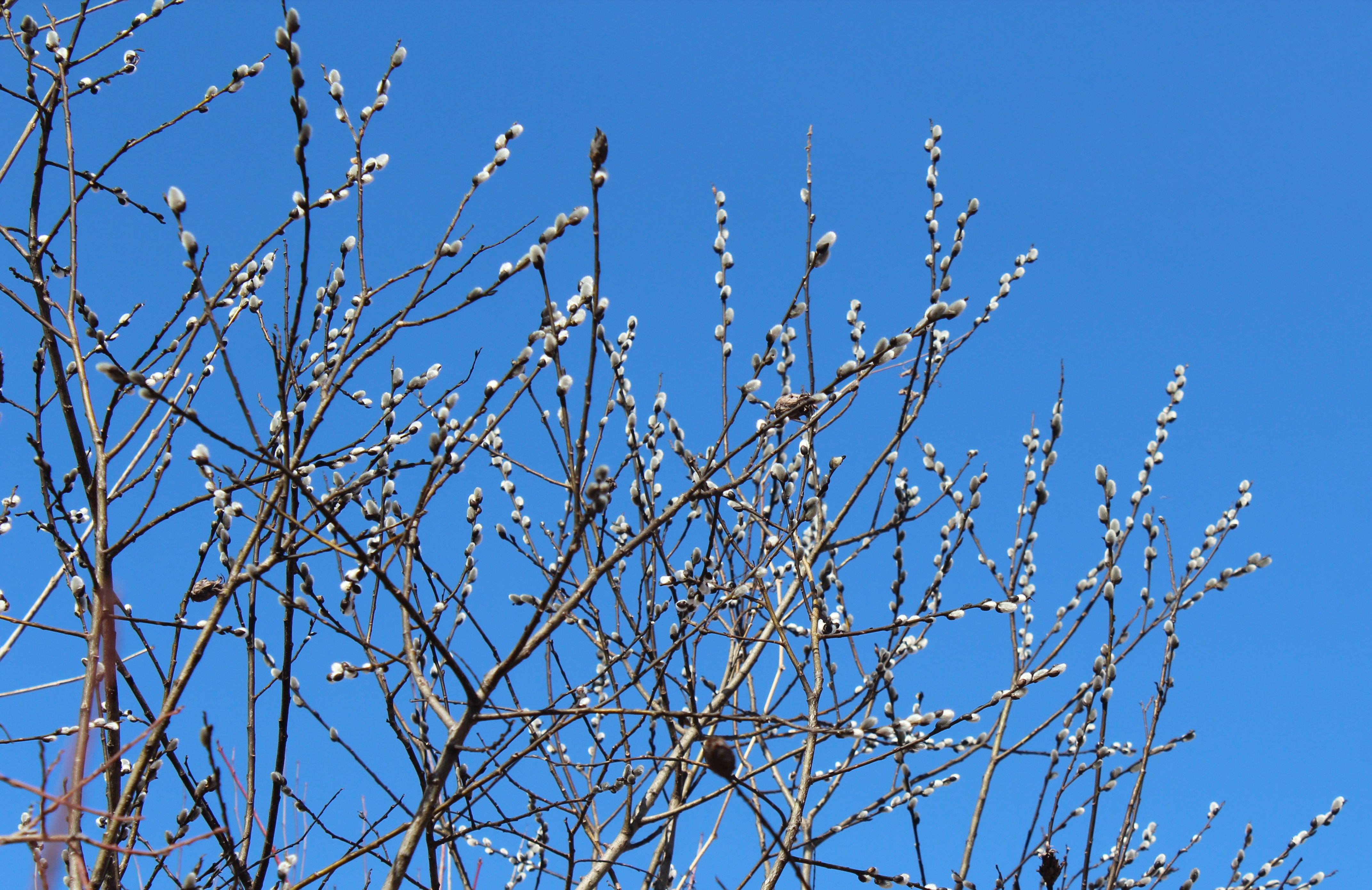
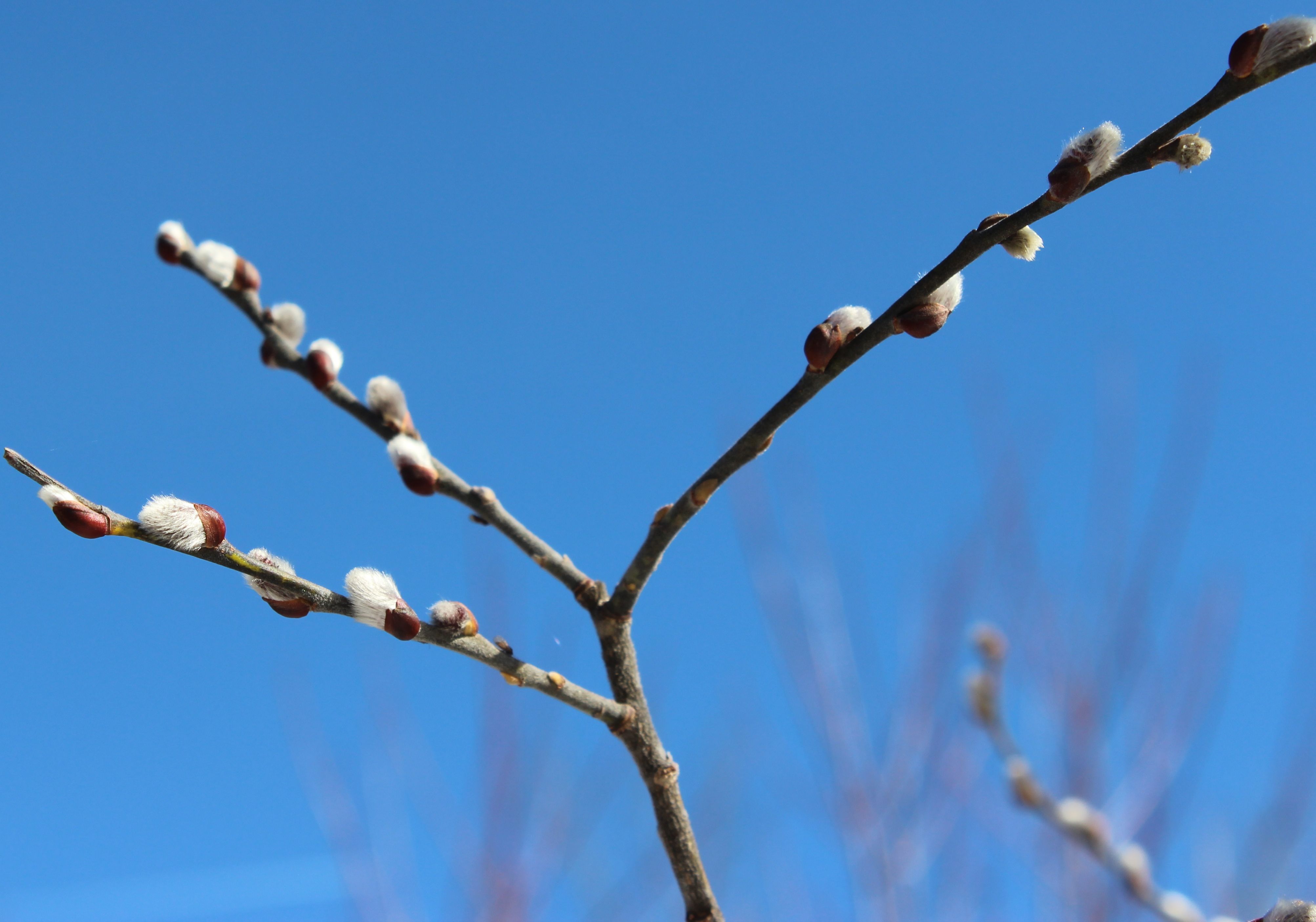
pussy willows

and willow.

vp1

My hope is you’ll relish the life of a vernal pool

vp eggs

as it supports a variety of species for such a short time,

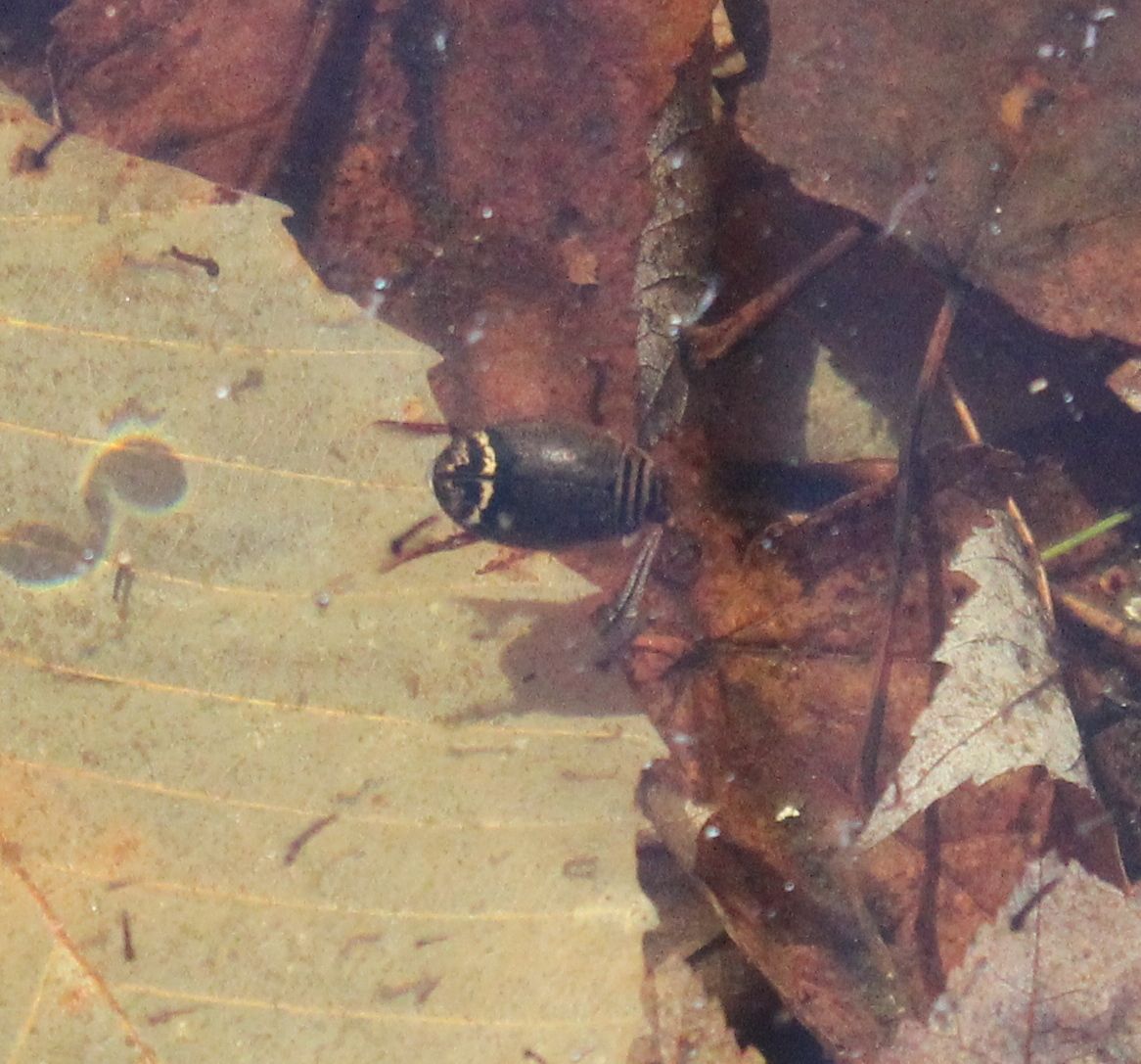
wb 2

including this predaceous diving beetle and wiggly mosquito larva.

vp 2

Visit soon, because they are already drying up.

porc tree

My hope is you’ll look around and notice the subtle signs

porc damage

of mammal activity.

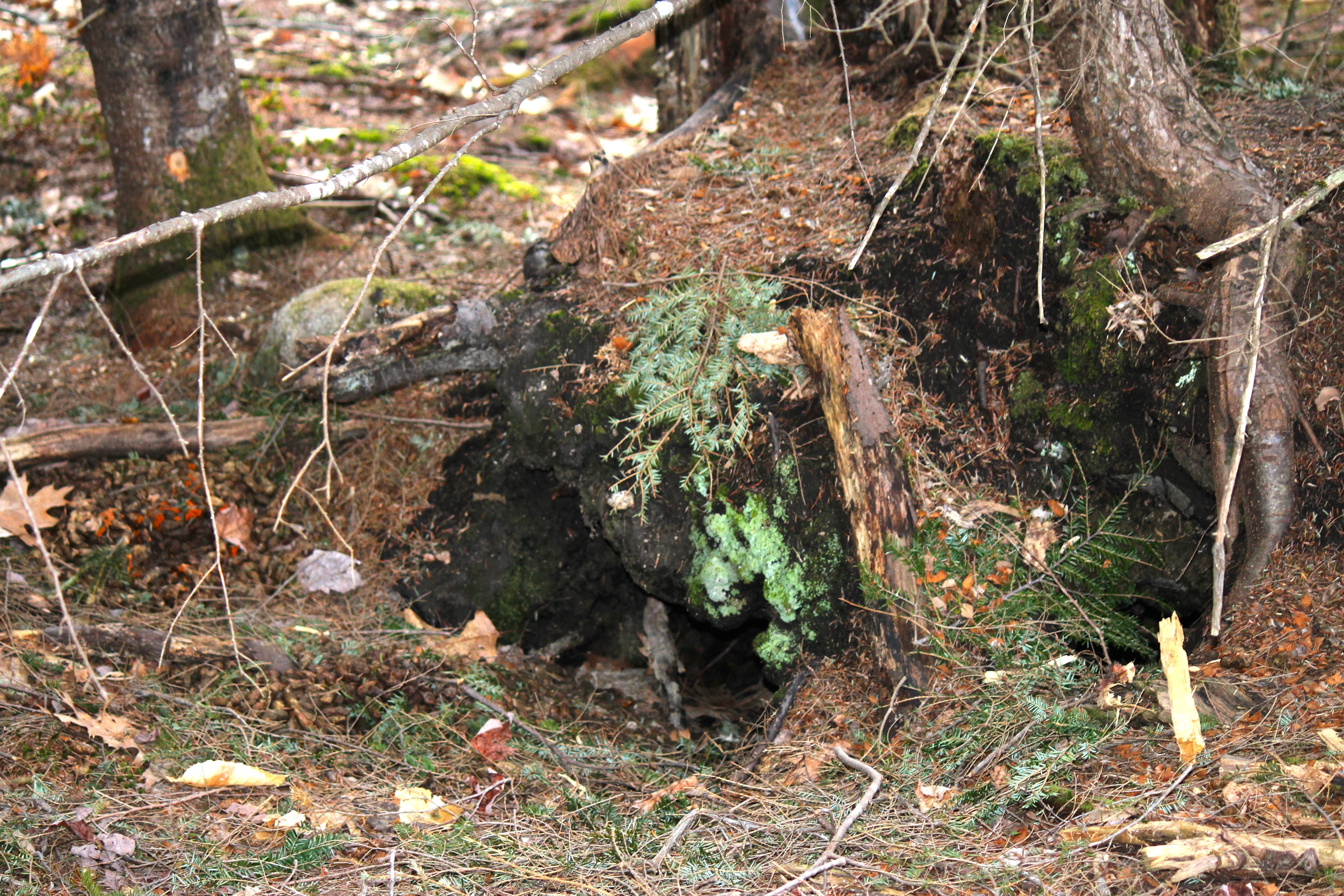
porc den

And have the good fortune to see a den and scat up close.

stone wall

My hope is you’ll come upon stone walls

trash 3

and objects in the woods that will make you wonder about those who came before.

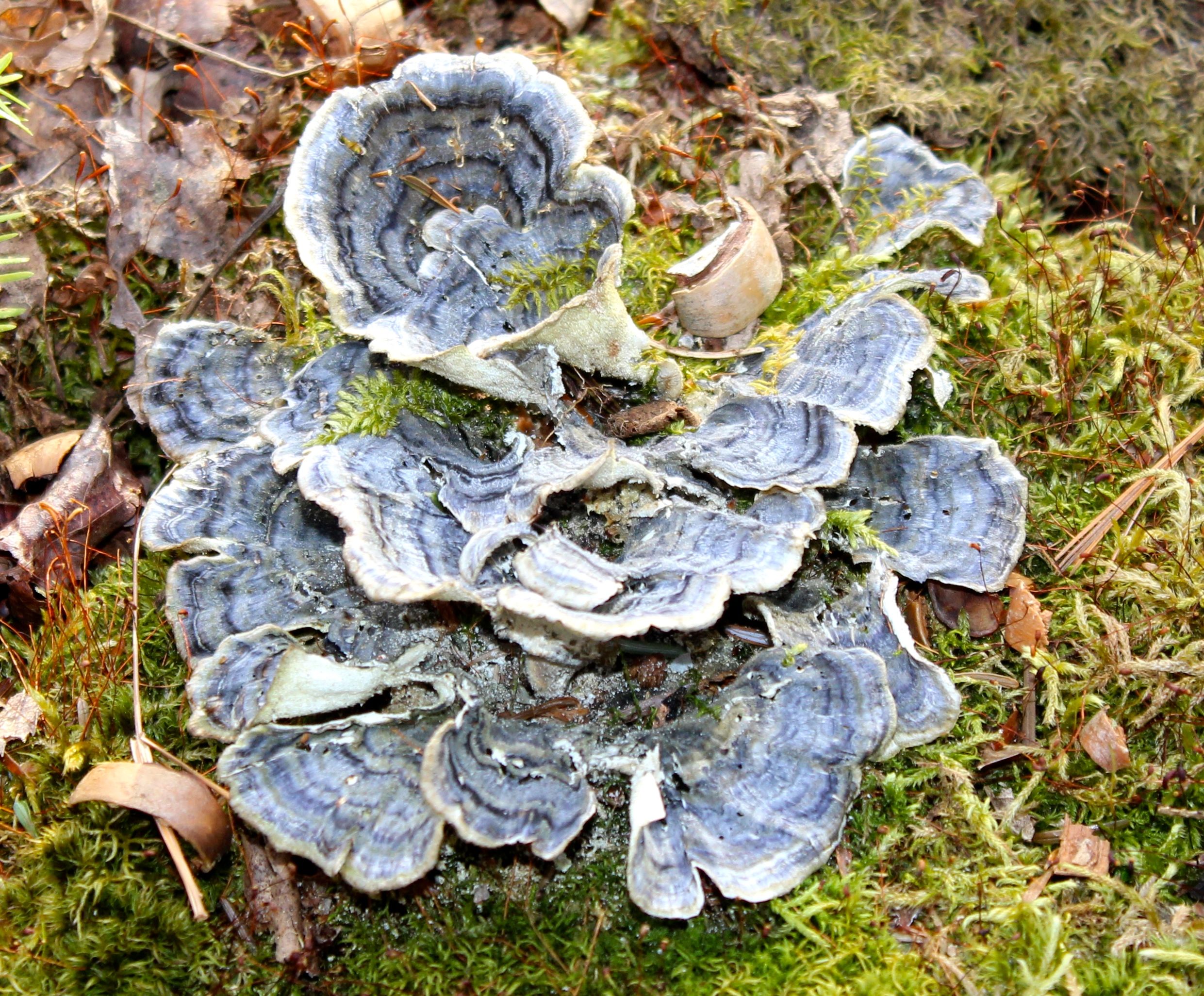
turkey tail

My hope is you’ll notice the abalone colors of turkey tails

stump

and see castles in tree stumps.

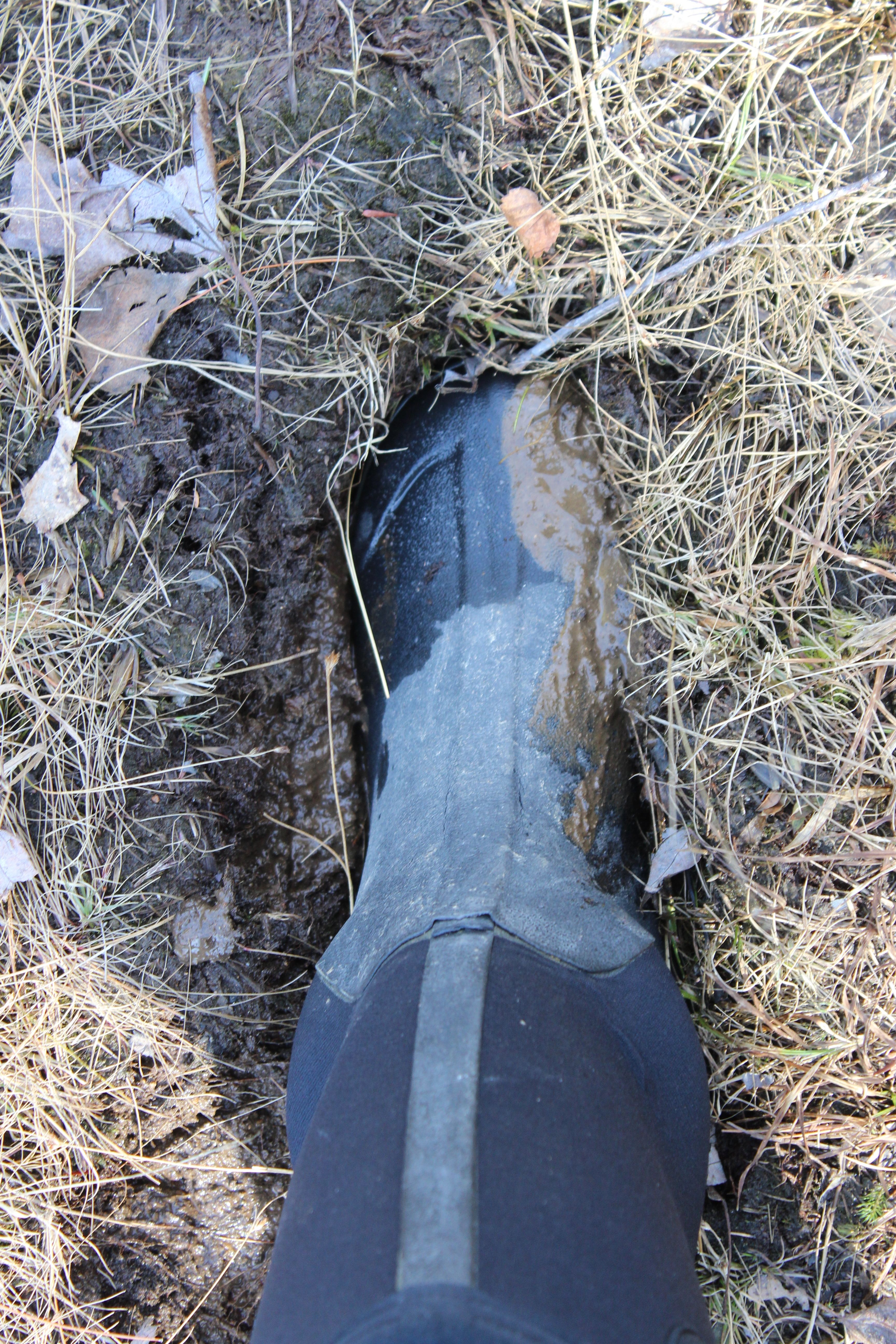
sinking feeling

My hope is you’ll sink in the mud

trail

as you travel along the trail.

May those who suffer find hope and wonder.

Pool Side

Today was a day meant to be spent outside. Temp in the 60s, brilliant sunshine, not a cloud in the sky. It was almost too hot. Certainly a day to sit pool side.

I spent the late morning/early afternoon hours enjoying lunch at a picnic table outside The Good Life Market in Raymond, and interviewing a friend for an article. (Thanks JVP :-))  The Supreme Aubergine was delish even if I couldn’t pronounce its name. And she had the Grilled Chicken Cobb Salad.

But that wasn’t enough time outdoors, so I packed up my camera, drawing supplies and stool, then headed out the back door later in the day.

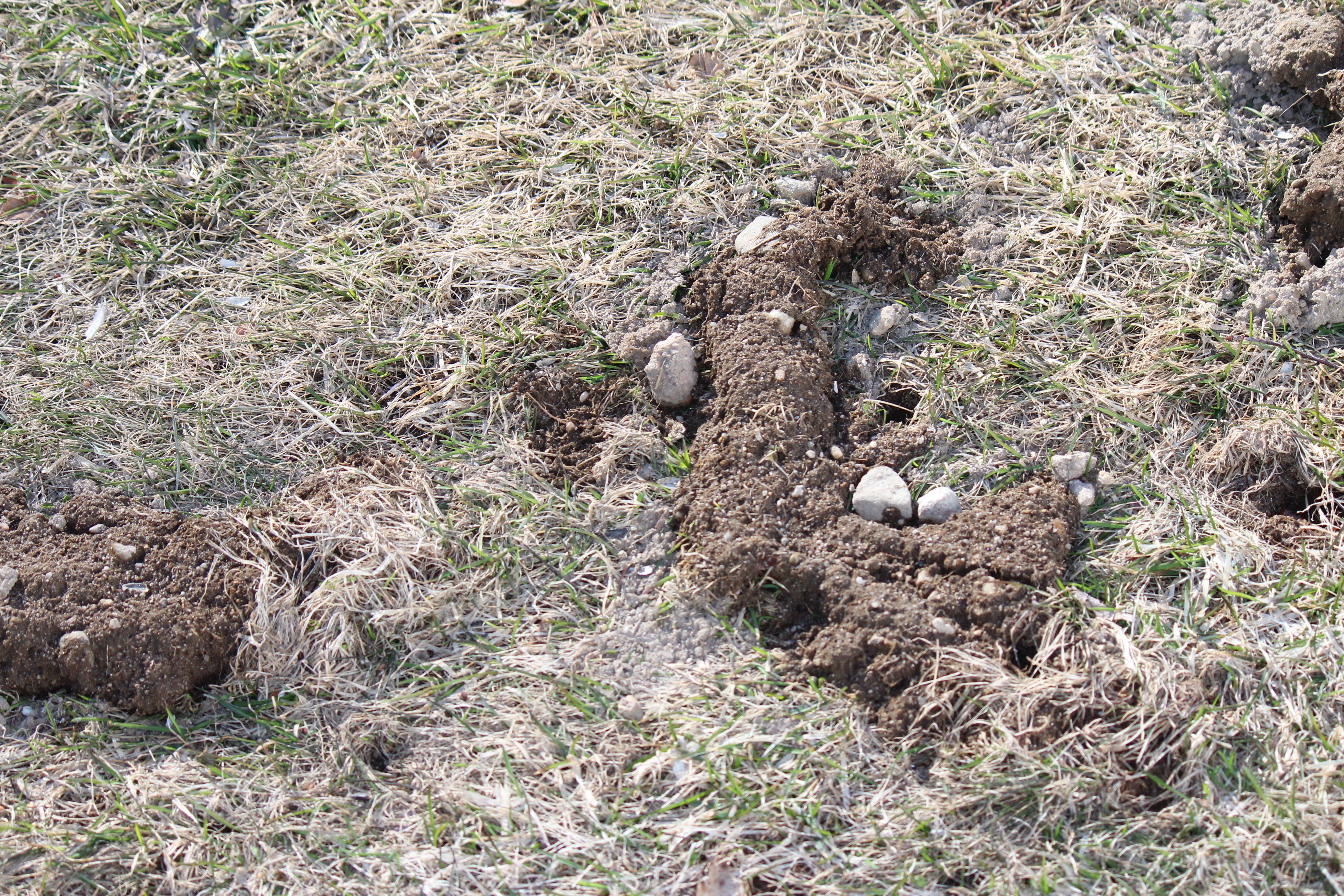
mole work

Where the snow has melted in the yard, there is evidence of mole work. Though they eat some vegetation, moles are insectivores and they aerate the lawn. Let them eat grubs, I say.

Vole tunnel

Behind the barn, a vole tunnel melting in the snow. These little field mice are more destructive as they are herbivores, but there’s a cat who likes to hang out in our yard. Here kitty, kitty.

pussy willows 1

My destination was the vernal pools, but along the way I had to stop and smell, I mean touch, the pussy willows.

pw2

Spring’s certain harbinger.

gall1

Sadly, some teeny tiny midges attacked one of the willow trees last year.

gall2

The result, this pineapple-shaped gall. It has its own certain beauty and when you think about the number of papery scales and size of the insect that created it, it is amazing.

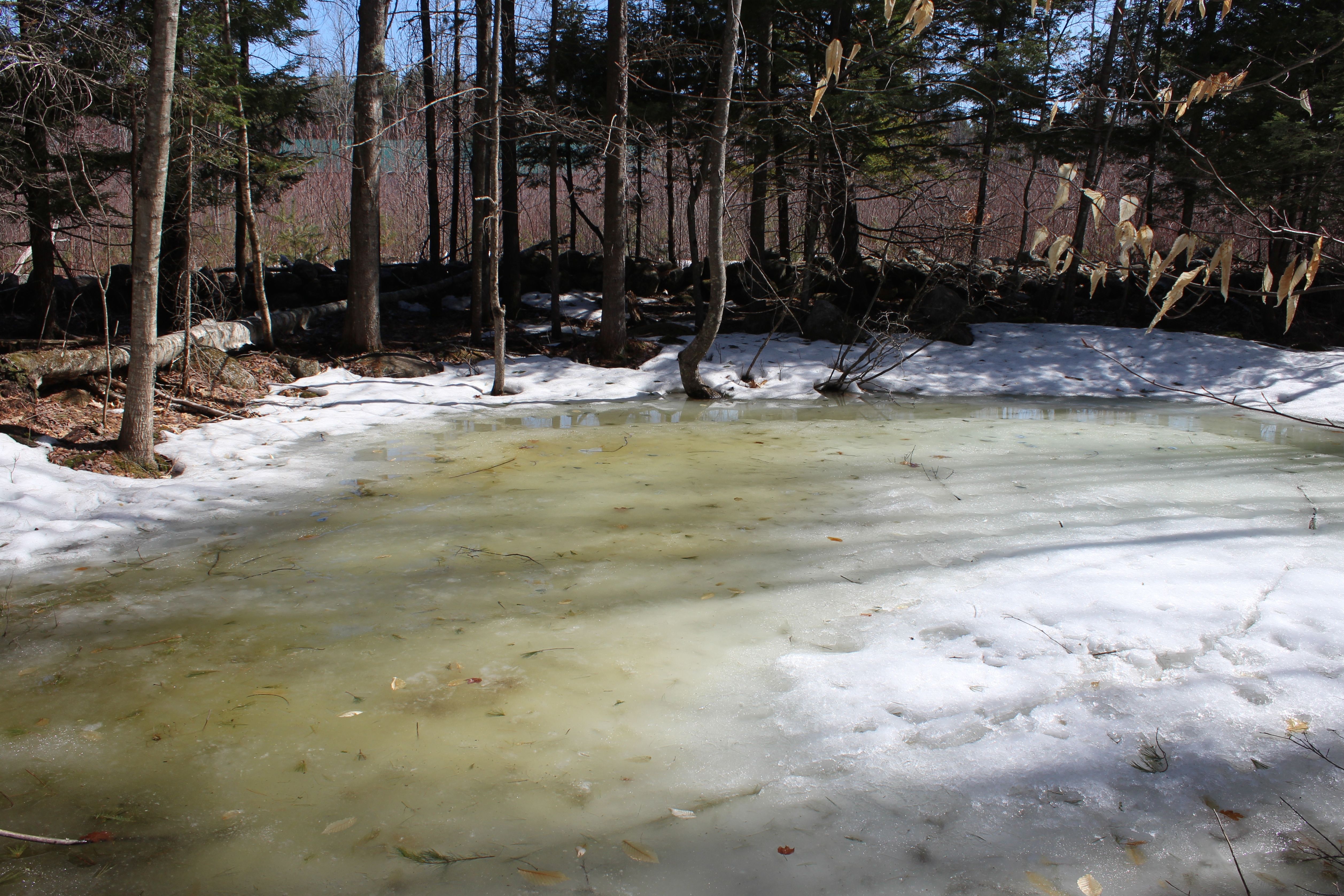
vp2

VP2–the vernal pool furthest from home. I stood there for a while, watching and listening.

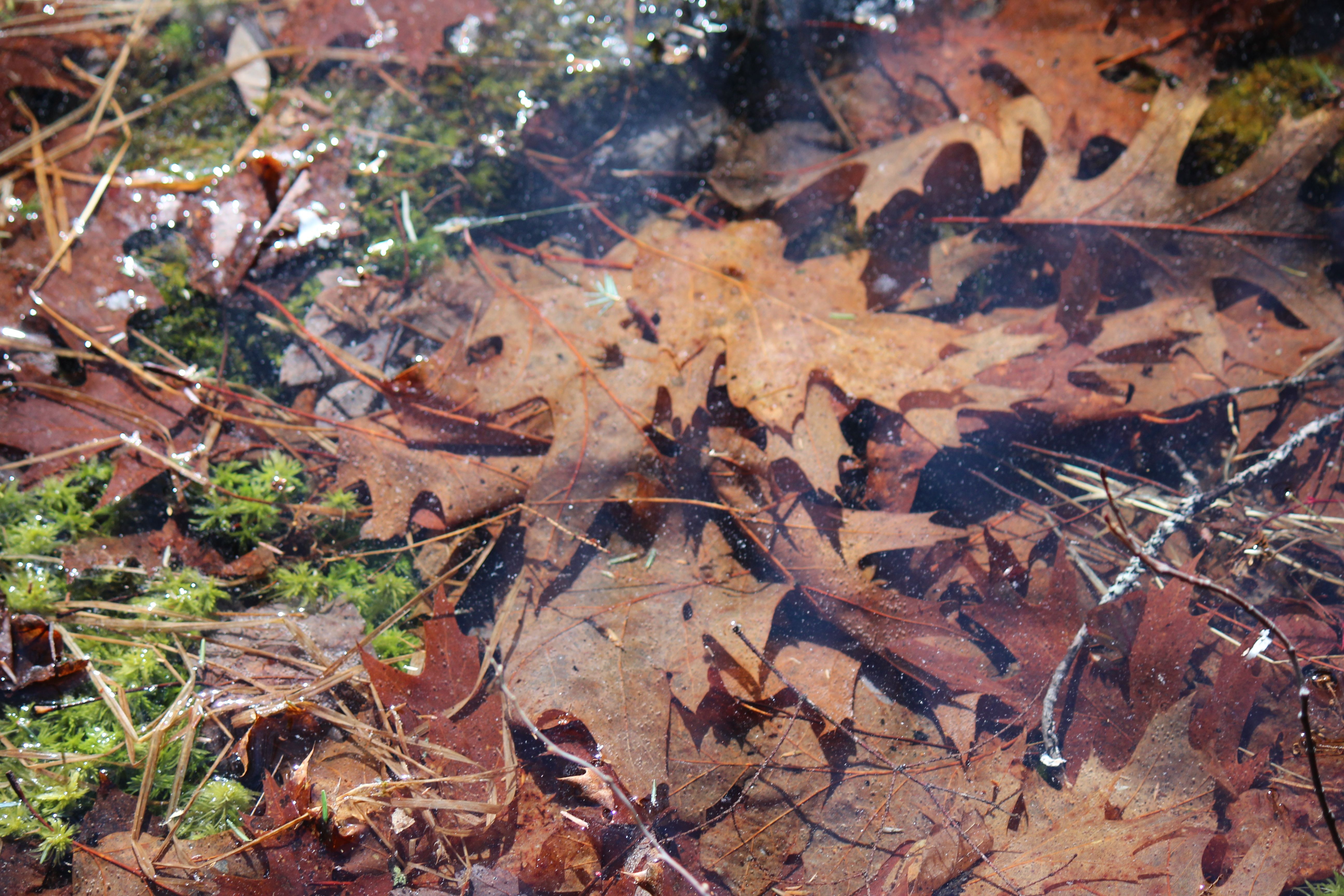
leaves

And admiring the leaves below the water. They’ll soon provide the perfect hiding place for the wood frogs, who will disappear underneath when I approach.

pine candelabras

On my way back to VP1, the pool in the neighboring woodlot, the candelabras on the white pines again made their presence known.

leaves waiting to be released

It’s getting easier to walk along the rocks that form the perimeter of this pool and take it in from all sides. Here, the leaves wait to become part of the organic matter on the pool’s bottom.

leaves hanging on

While just above, others still cling to the mother tree.

water on vp

In the southwestern corner–water atop the ice.

vp1

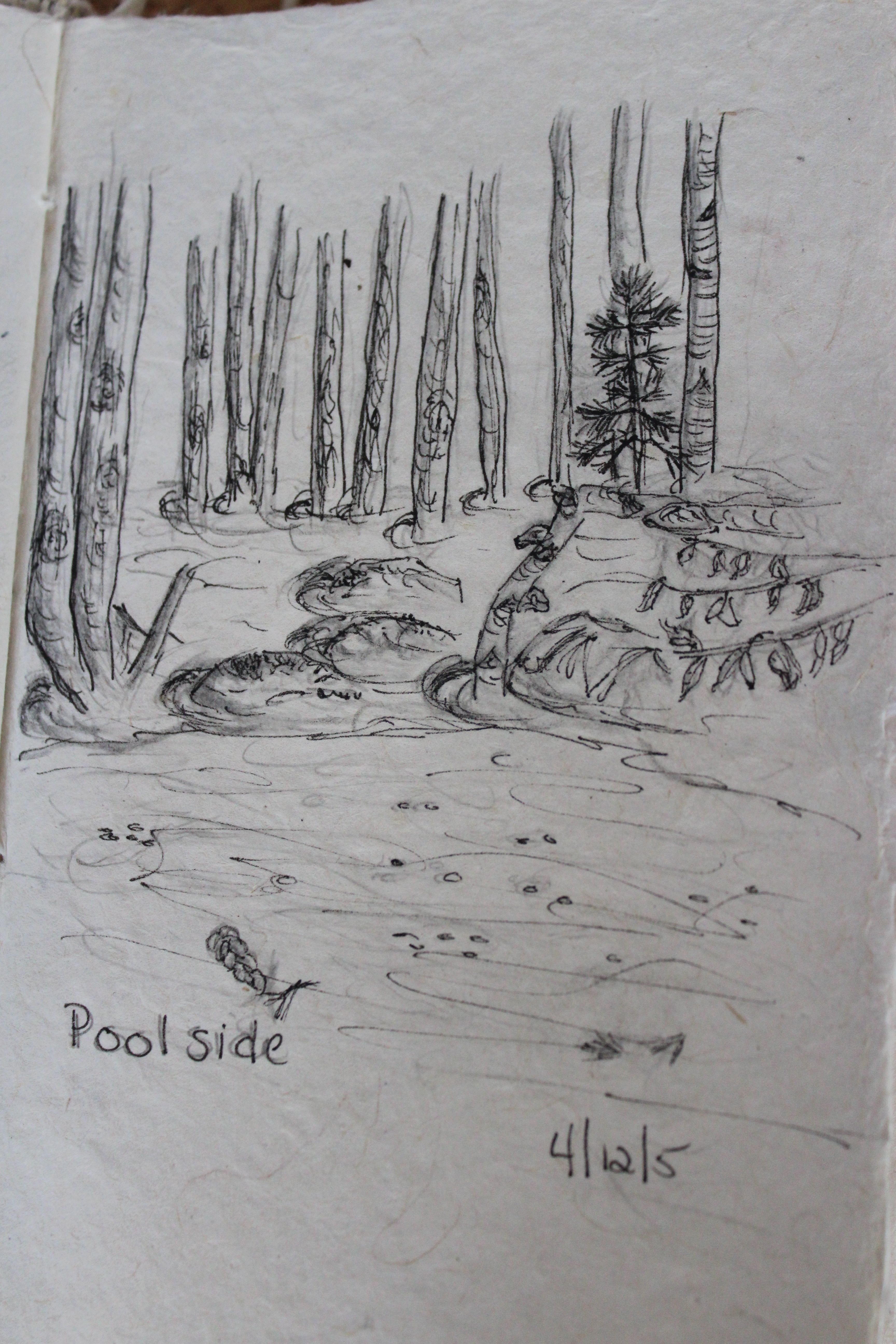
Overall, a rather slushy topping. I set up my stool and sat to sketch it.

poolside

When I look at this now, it looks like the bubbles are frogs or something. Not so. Oh well. I was happy to be pool side . . . until I fell backward as the soft snow gave way. A reason to chuckle and head home.

Thanks for joining me to wonder as I wander.

Wetland Wonders

wetland 1

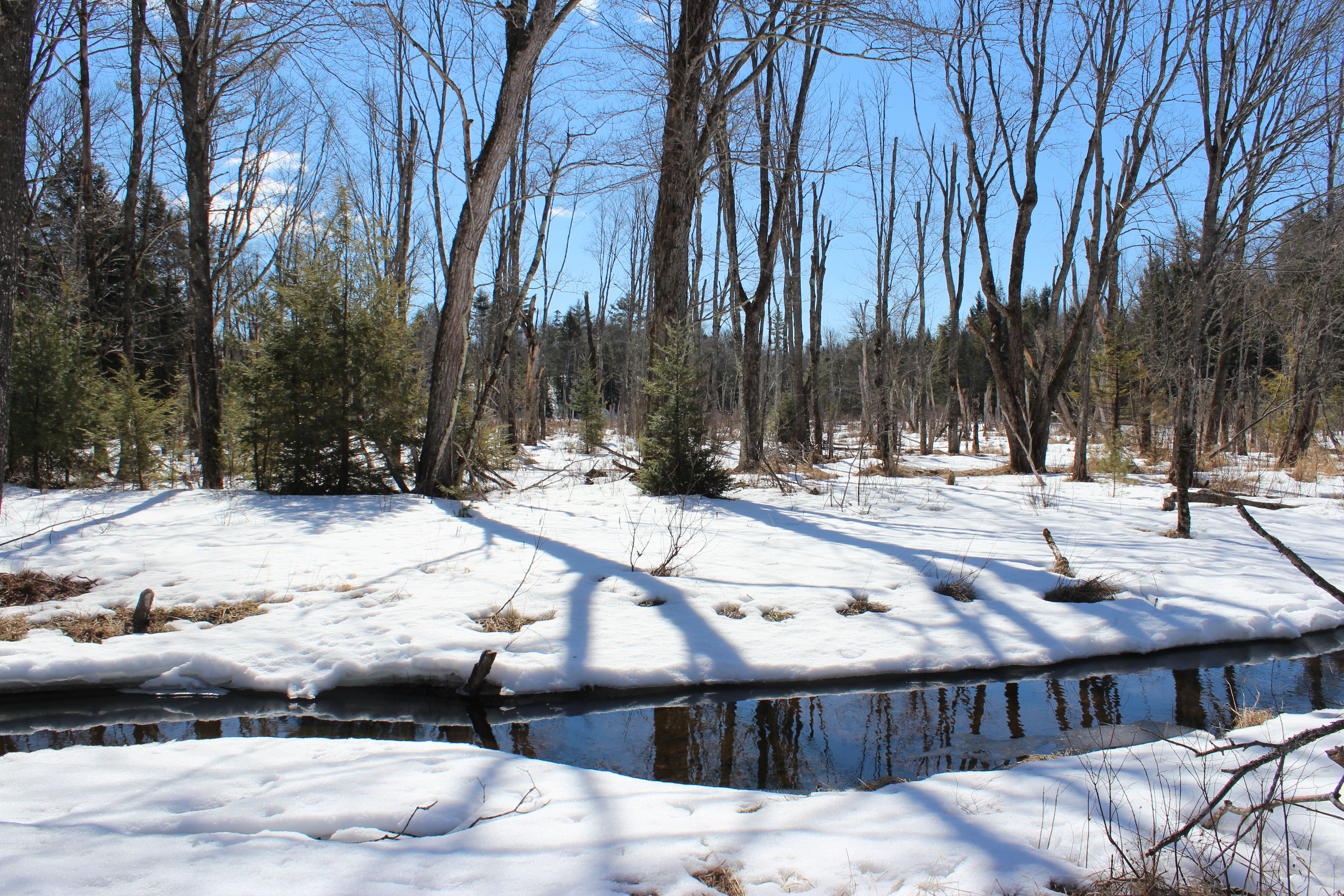
The Greater Lovell Land Trust’s Tuesday Tracking group returned to the wetland at the John A. Segur Wildlife Refuge today. It’s one of those places that I could spend hours upon hours exploring and still only see a smidgeon of what is there. I’m overwhelmed when I walk into a store filled with stuff, but completely at home in a place like this where life and death happen and the “merchandise” changes daily.

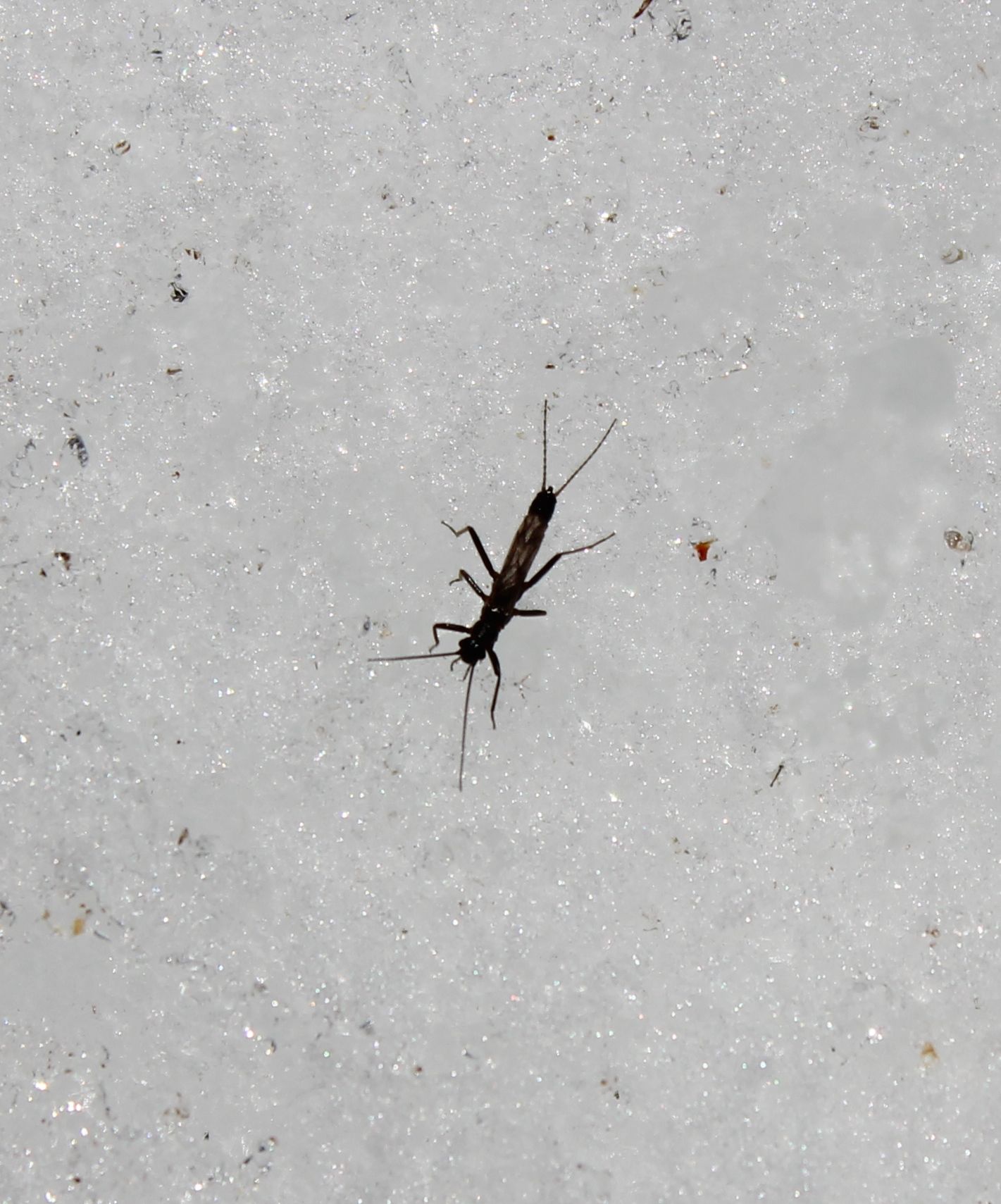
insect

Walking across the snow was this small insect. So . . . we were in a wetland. Tomorrow will be April 1–no kidding. The insect is about an inch long. It has long antennae and a pair of cerci or appendages at the posterior end of its abdomen. I’d say we found a common stonefly nymph. Please correct me if I’m wrong.

artists 1

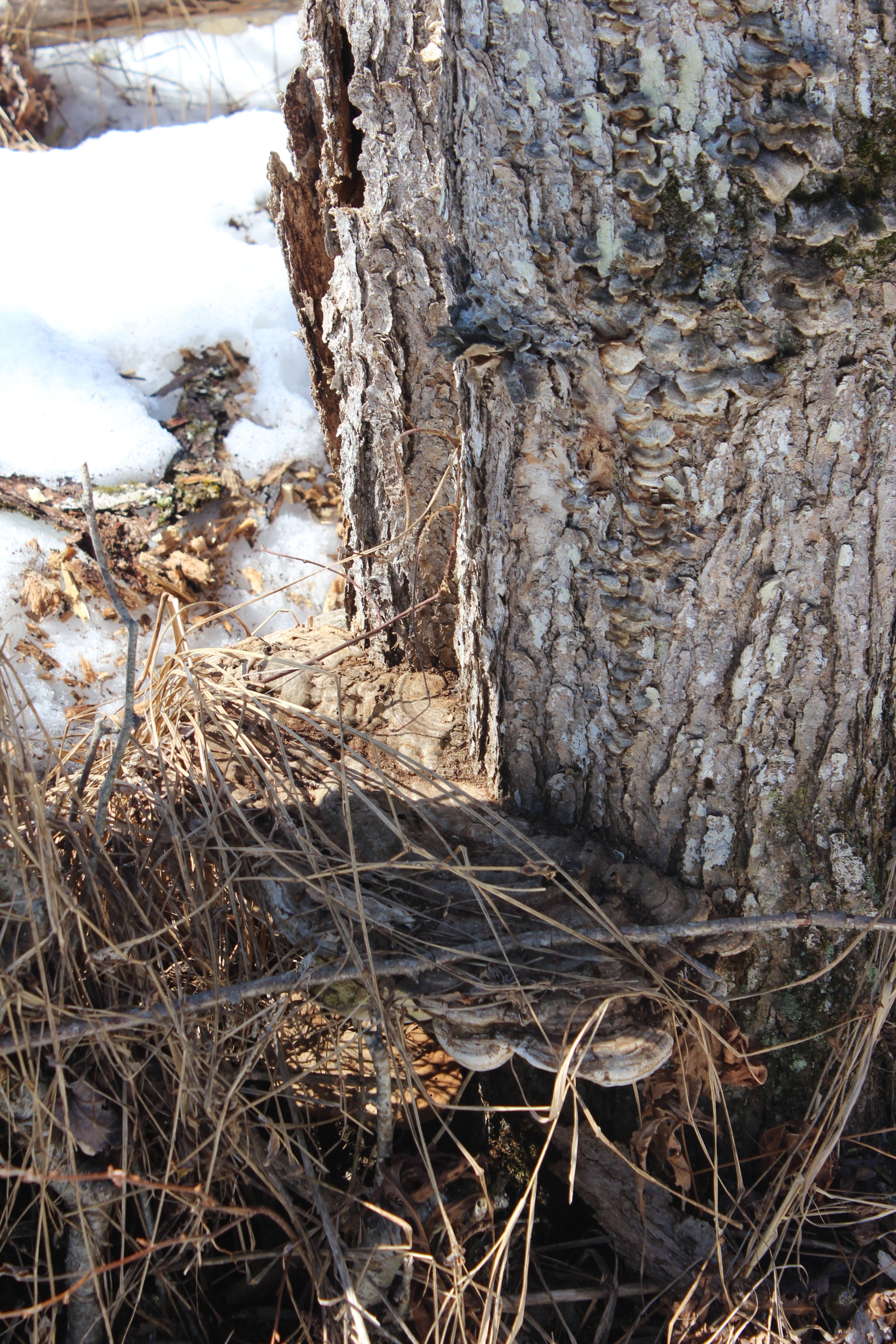
On first glimpse, this may look like a pile of dried grasses and twigs.

artists's conk?

But stepping in for a closer look reveals what I believe is an artist’s conk. An old artist’s conk. We didn’t cut it off, but apparently you can age one by cutting it and counting the layers–much the same way you can age a tree by counting the number of rings.

old beaver lodge

There’s evidence of beaver work throughout the sanctuary, but none of it is recent. So . . . my friend decided to play Queen of the Lodge.

dam crossing

We crossed Boulder Brook via an old beaver dam–one-by-one in the name of caution.

lobster lichenlobster 3

 Color draws us in for closer inspection. I’m betting on Cinnabar-red Polypore (Pycnoporus cinnabarinus) as this one’s ID. If I learn otherwise, I’ll let you know.

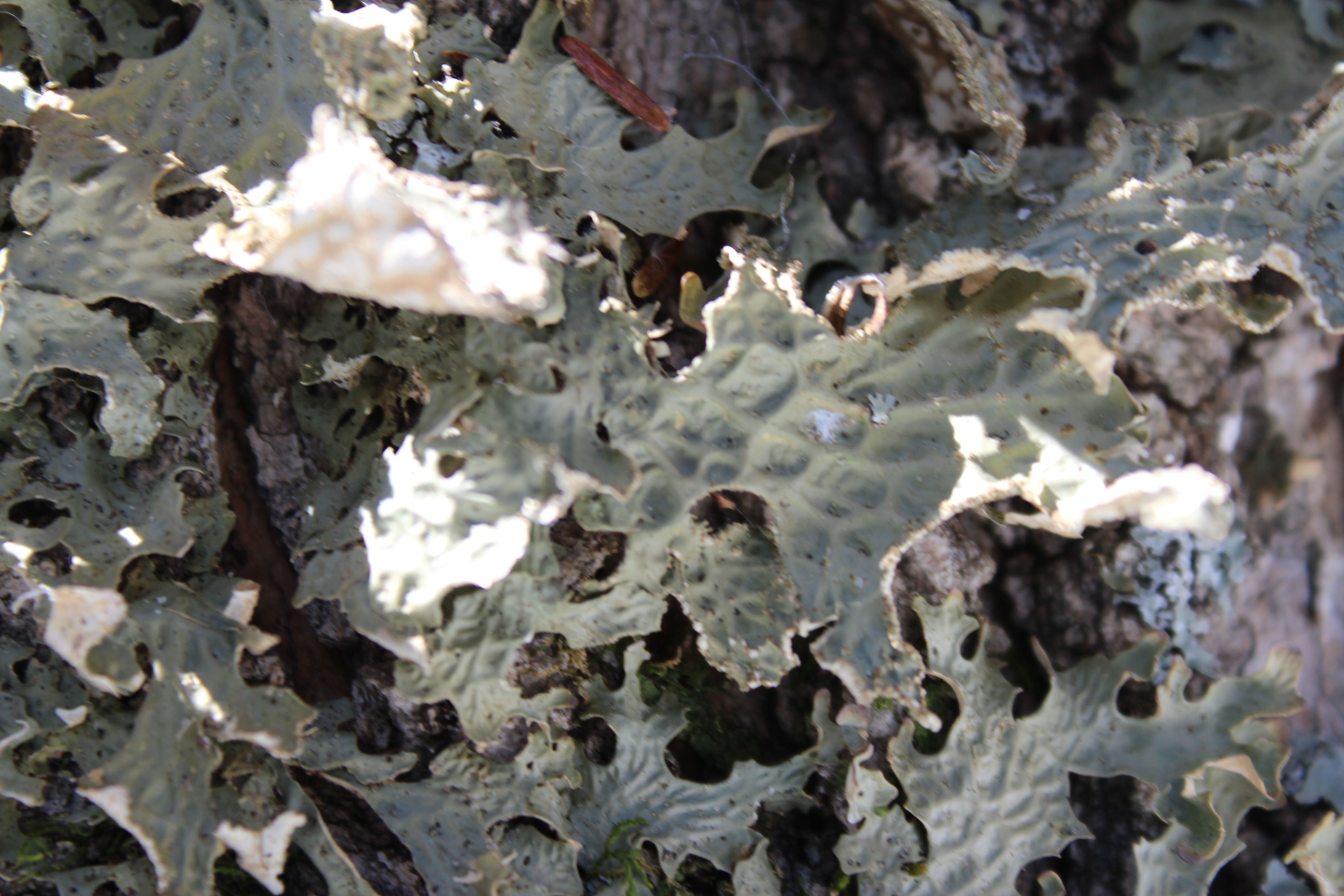
lungwort

Remember this lungwort I shared last week in my Island Hopping blog?

Lungwort

Same species. Same tree. Nature–worth wondering about.

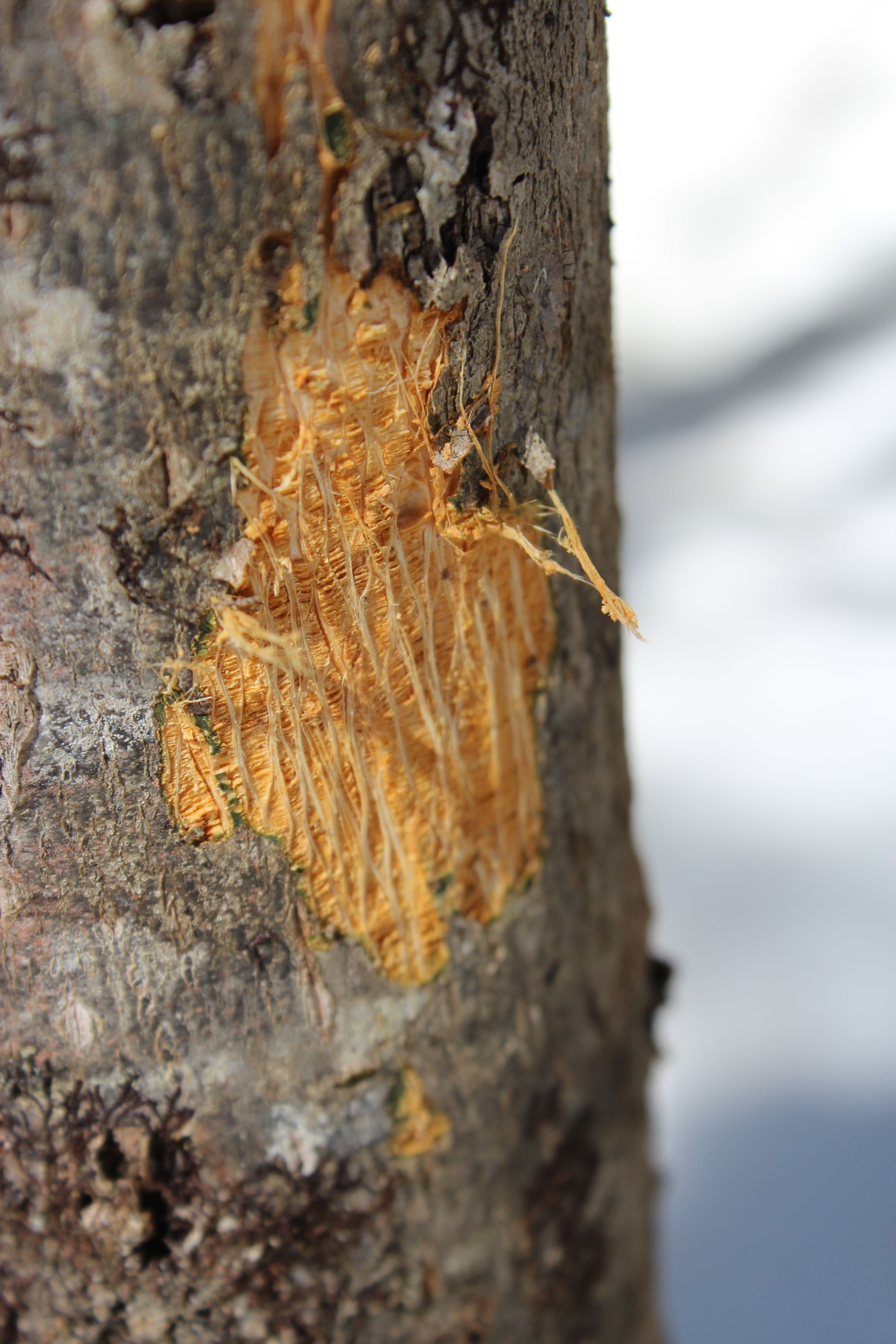
myatery 1

Then there was the mysterious event.

mystery 3

Very fine tags dangle from the upper edge of the scraped bark. Not the work of a deer, beaver or porcupine. Not a hare or little brown thing. Maybe a bird? No holes, just the fine layer of outer bark delicately scraped off.

deer scrape

Here’s a deer scrape as a contrast.

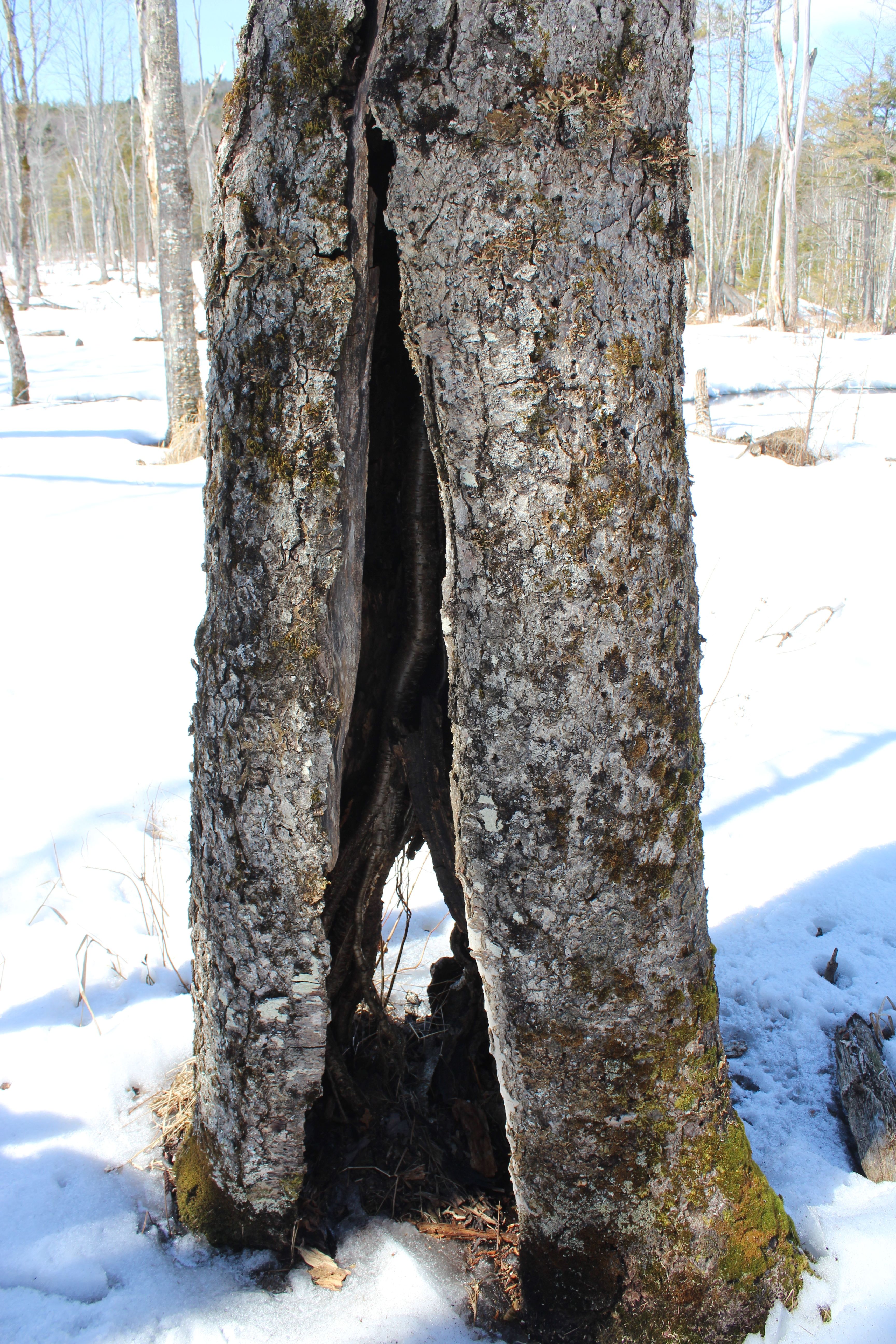
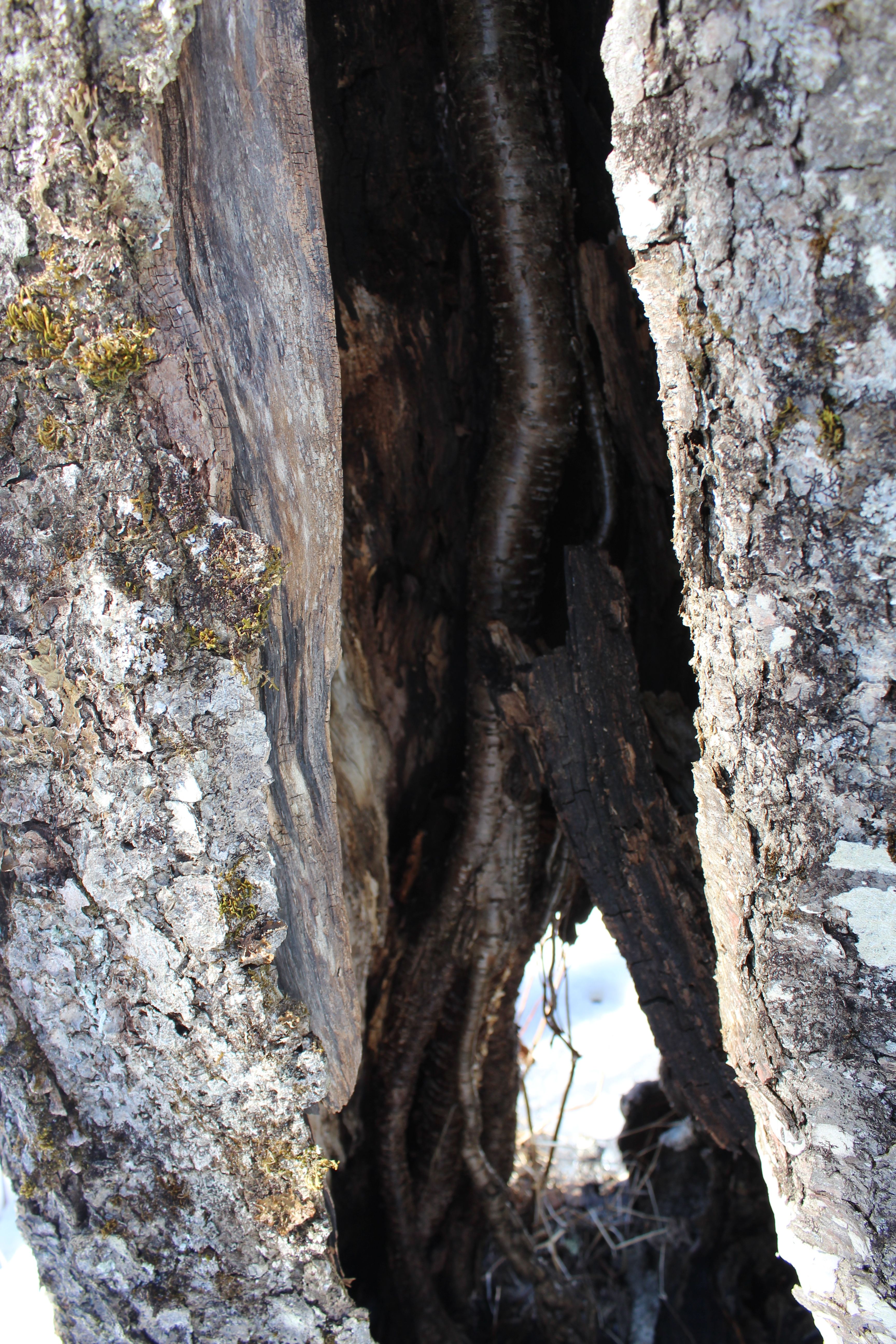
tree within tree

For this next wonder, you’ll have to look closely inside the hollow yellow birch. Peer to the left of the hole toward the rear. Think vertical.

tree 2

Do you see it? It’s in the center of this photo.

tree 3

And here it is further up in the hollowed out tree. A tree within a tree. Another yellow birch or birch root growing up through the center of this dead snag. Life and death. Together. One within the other.

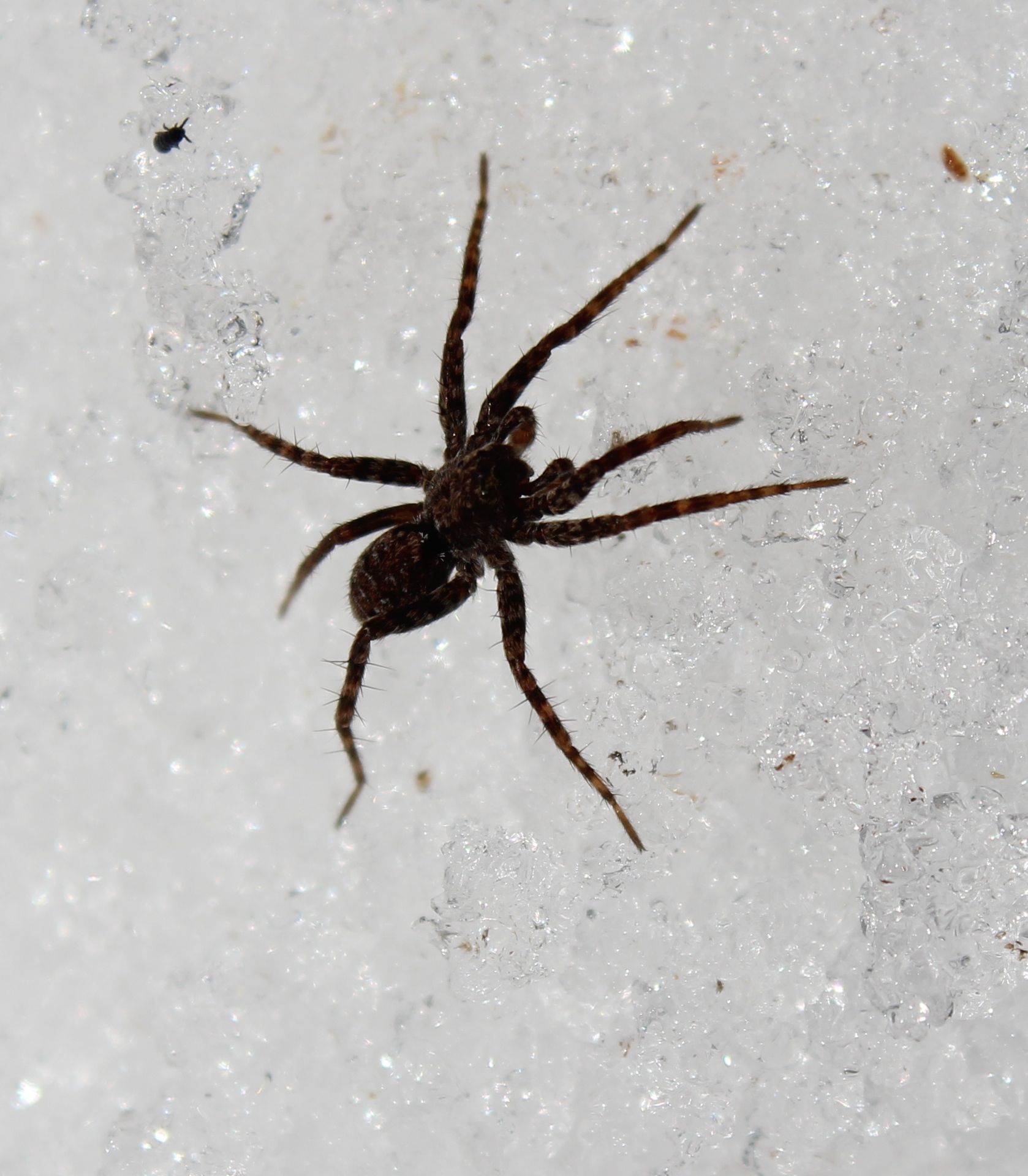
spider

This guy was dashing across the snow, but had the decency to pose for a photo op. Given that he wasn’t wearing boots, I don’t blame him for running along.

crossing dam again

And suddenly, we realized we’d spent over three hours exploring and it was time to head back over the beaver dam.

white pine

On the trail again, we paused to admire spring growth on a small white pine–a mini candelabra.

Thanks for wandering along and wondering my way.

Ordinary Graces

My friend and former flatmate, Marfé, sent me the following Lenten reflection shared by Reverend John Branson of Christ Church in Alexandria, Virginia.

March 18, 2015 

Ordinary Graces, Christian Teachings on the Interior Life by Lorraine Kisly includes this summary from a D.H. Lawrence essay: 

When the wonder has gone out of the man he is dead. When all comes to all, the most precious element in life is wonder. Love is a great emotion and power is power but both love and power are based on wonder. Plant consciousness, insect consciousness, fish consciousness, animal consciousness, all are related by one permanent element, which many called the religious element in all life, even in a flea: the sense of wonder. That is our sixth sense. And it is the natural religious sense.

ice and water

And so I begin today’s wander. Wondering about water and ice. It’s such an ordinary occurrence. Or is it?

deer, mushroom

A forester friend and I visited the Wilson Wing Moose Pond Bog Reserve this morning. Deer tracks led us to one of our first finds. The breakfast of champions  appears to have been polypores. We always talk about deer eating mushrooms, but here was actual evidence.

leaf

I’d just been to this property on Friday, but today–different things made themselves known. There were deer, mink, snowshoe hare and maybe otter or raccoon tracks. The latter two were a bit difficult to determine given the snow conditions. Crusty snow. 15 degrees. Wind. Blustery wind.

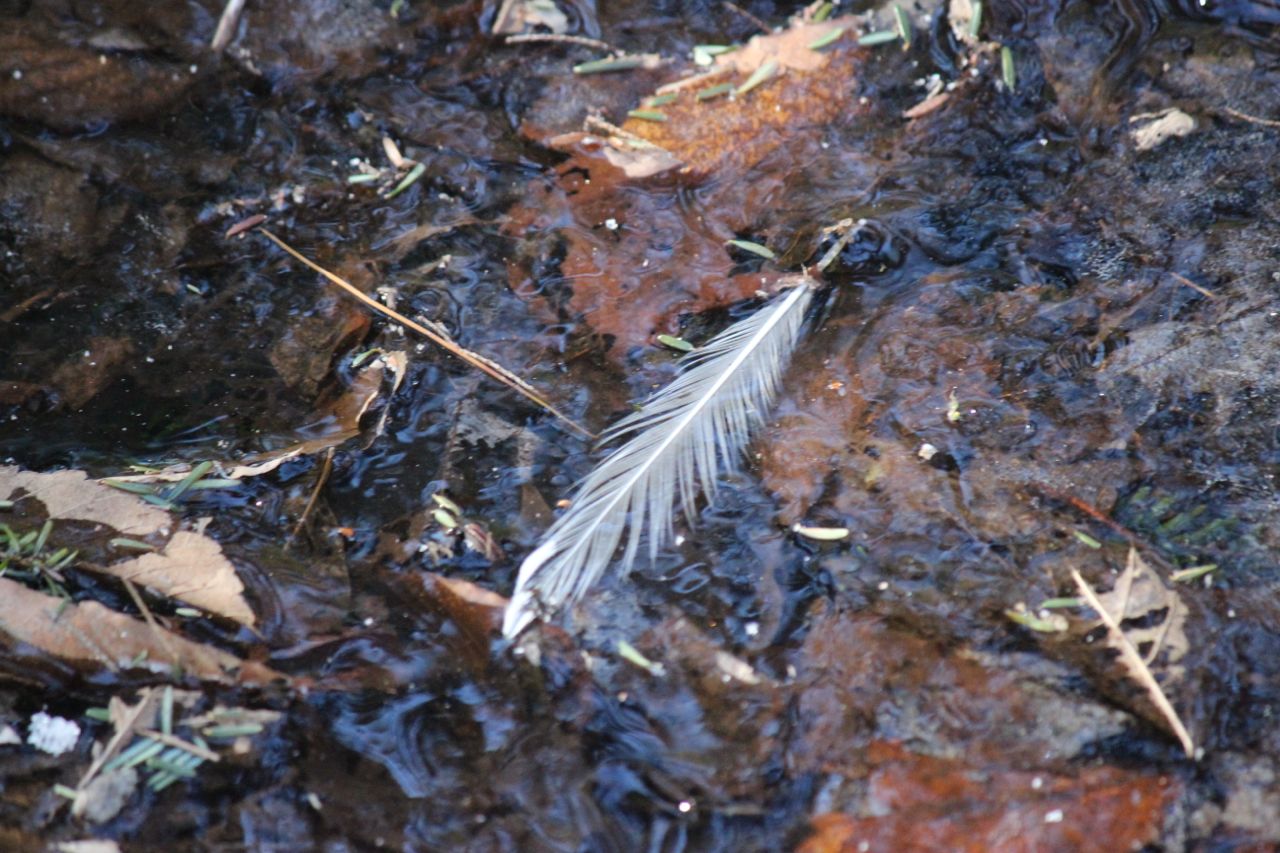
Following the brook and mink tracks, we came to an area where either the otter or raccoon had also traveled. And then we saw the feathers in the water and on the ice. Not many. But enough to make us wonder what had happened. Did a hawk or owl get another bird? It certainly didn’t seem like a four-legged animal attack.

wasp

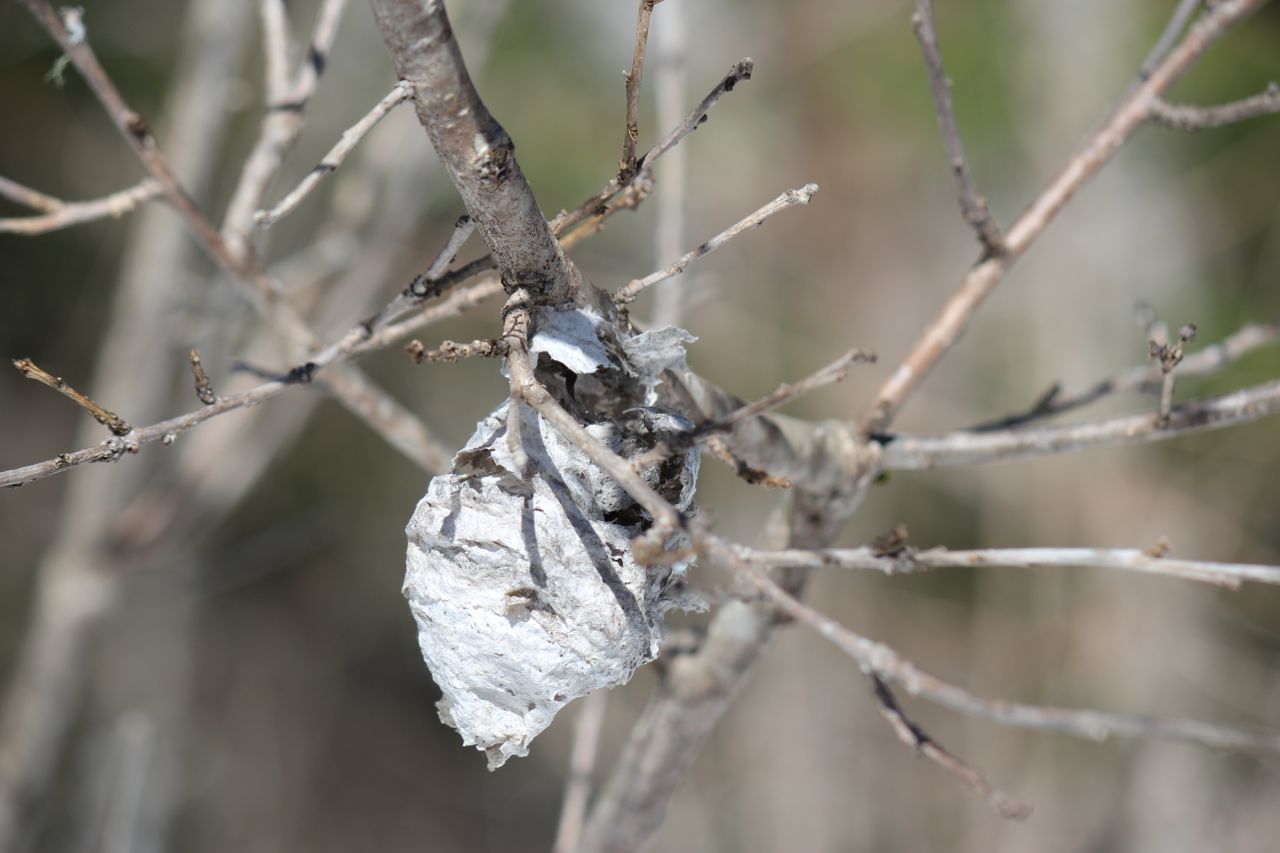
Along the edge of the bog we found this small nest flapping in the wind. Paper wasps, hornets and yellow jackets are all masters of papermaking. That being said, they locate their nests in different places. For the paper wasp, prime real estate is in trees and dense shrubbery, but quite often you’ll find their nests suspended from eaves and window casings. Trees and shrubs are a hornet’s site of choice. Yellow jackets set up housekeeping underground. My thinking is that this may have been the start of a hornet nest. Last spring, the queen who had overwintered in rock cracks, under bark or in an underground hangout, would have emerged and begun building by gathering wood fibers and turning them into papery pulp. But it appears that she abandoned it. Why? What went wrong on the home front?

beaver hemlock

Here’s something else to wonder about. The trail doesn’t go past this because it’s in a wet area beside the brook, but during the winter we can wander to places we can’t reach in other seasons. This hemlock was girdled by a beaver a while ago. I’m not sure why they do this as hemlocks are not their tree of choice for food. One theory is that the tree will die and other more favorable trees–from the beaver’s viewpoint–will grow here.

hemlock squigglesquiggly hemlock

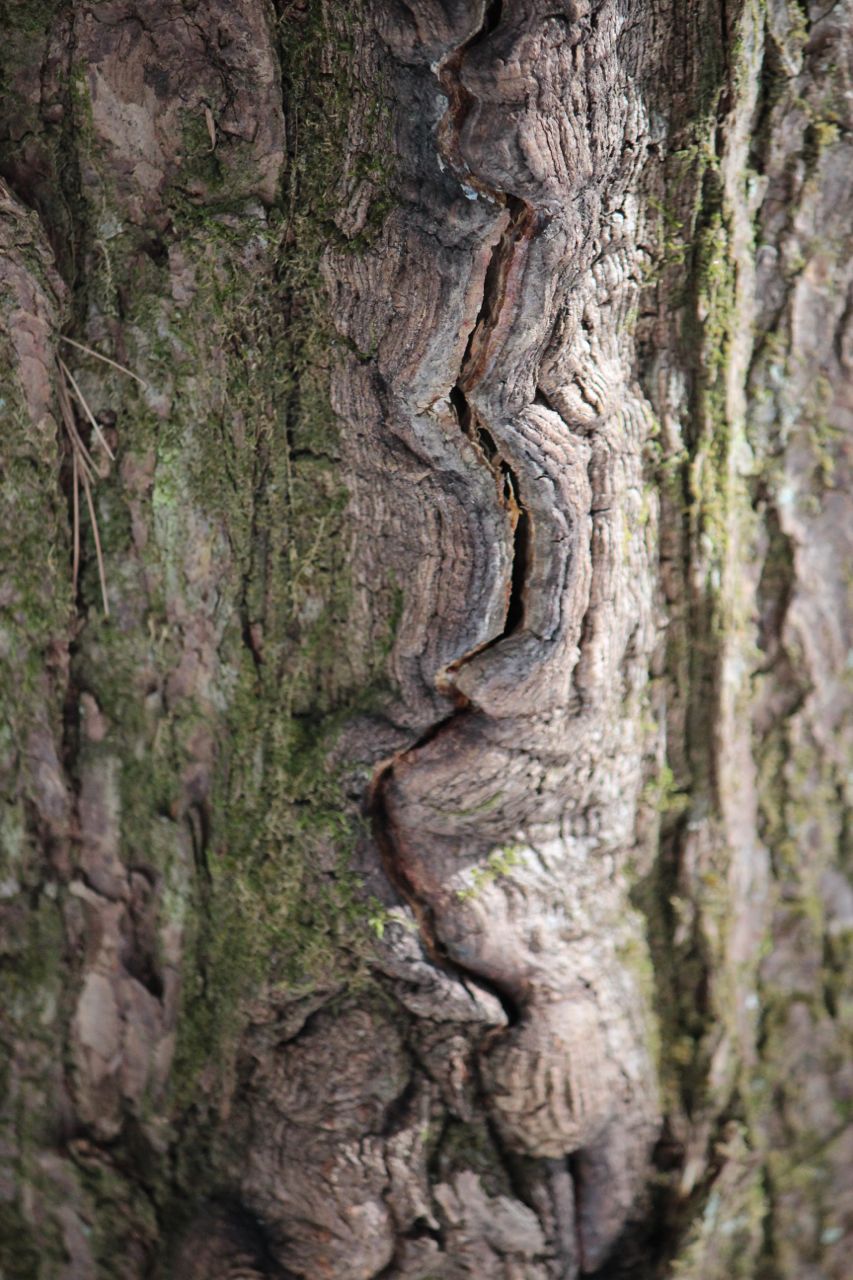
I’m always amazed how once my eyes are opened to something, it suddenly appears everywhere I look. Well, not everywhere but . . . Such was the case with the squiggly wound of another hemlock tree. So I asked my friend about this. His theory–a frost crack and this is how the tree tried to heal the wound. Maybe so. I know that  I appreciate the sun’s warmth being absorbed by my black snow pants. The dark bark of the trees also absorbs sunlight during the day, but they don’t have a heated home to return to at night when the sun sets and temperature plunges. The constant thawing/freezing cycle creates cracks in the bark–but if this is such, I still don’t understand why the hemlock portrays the squiggly line, while frost cracks on other trees tend to be much straighter. Then again, all tree species have their own patterns and idiosyncrasies. Maybe I just have to accept that this is the way it is. And move on.

John A. Segur

So we moved on to the John A. Segur Wildlife Refuge on New Road, another GLLT property. I’ve said it before and I’ll say it again . . . and again. I’m thankful to this land trust and others for the work being done to protect the ecosystem for the benefit of nature and humans.

And I’m thankful for another beautiful day in Maine and the opportunity to wonder about the ordinary.