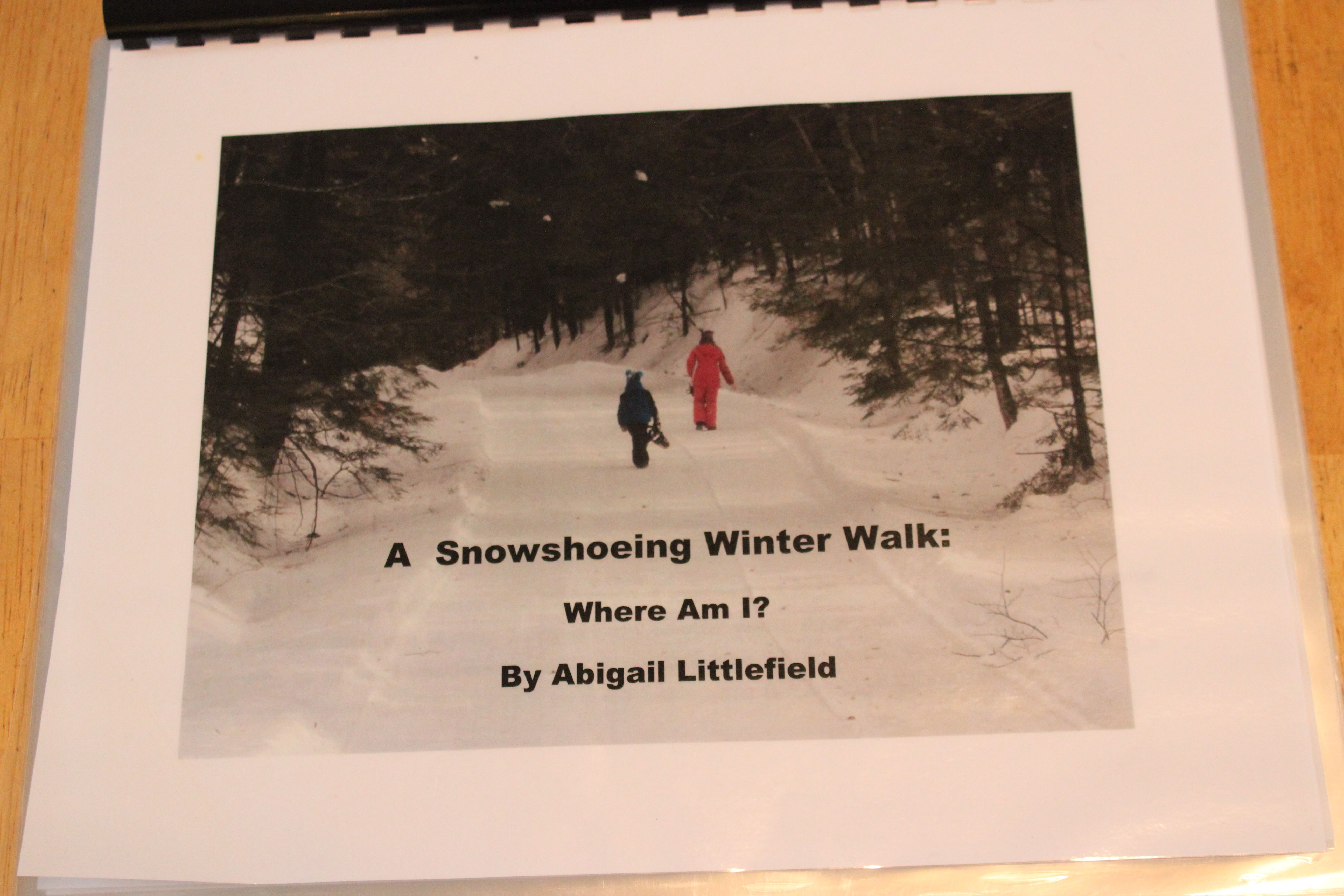
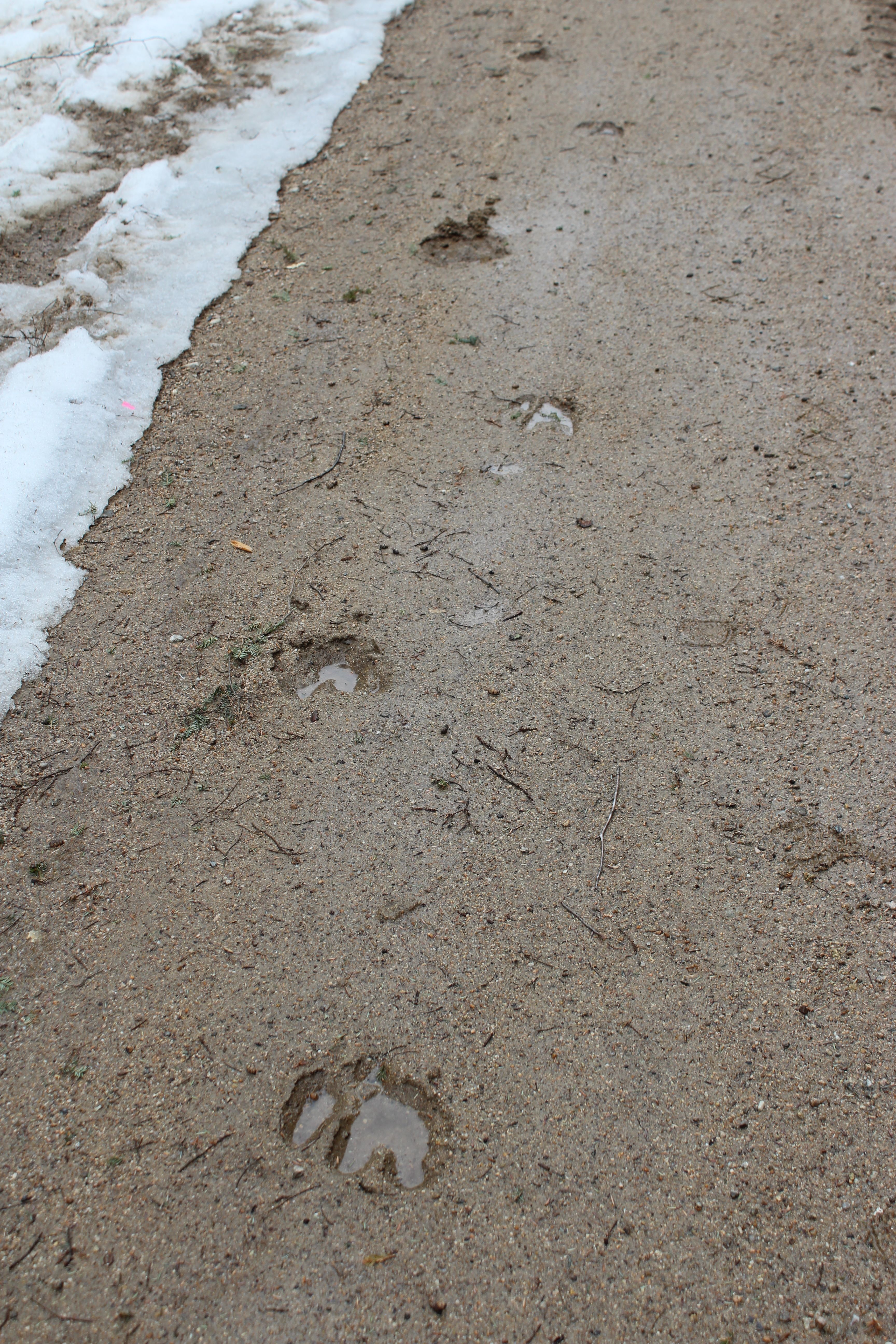
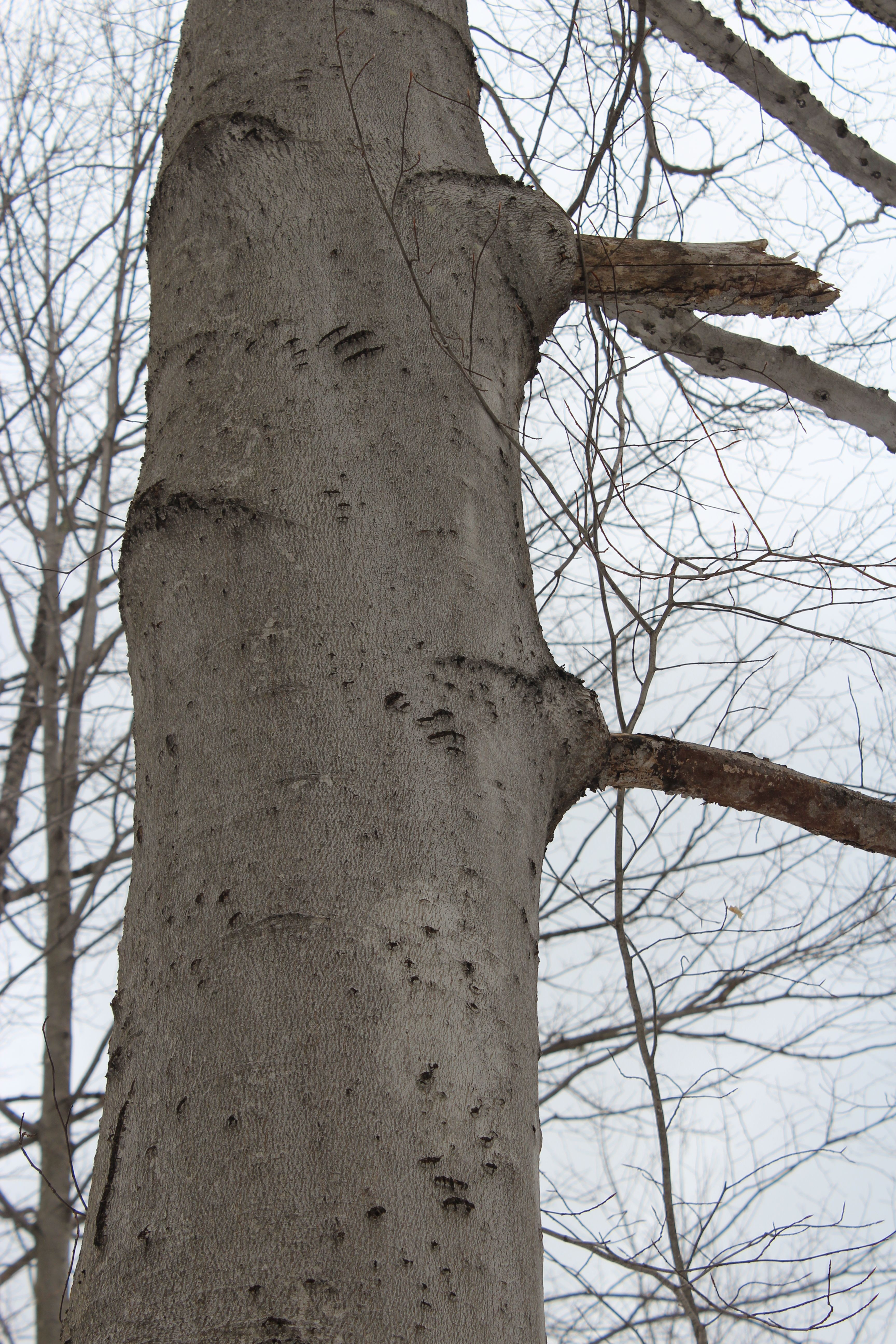
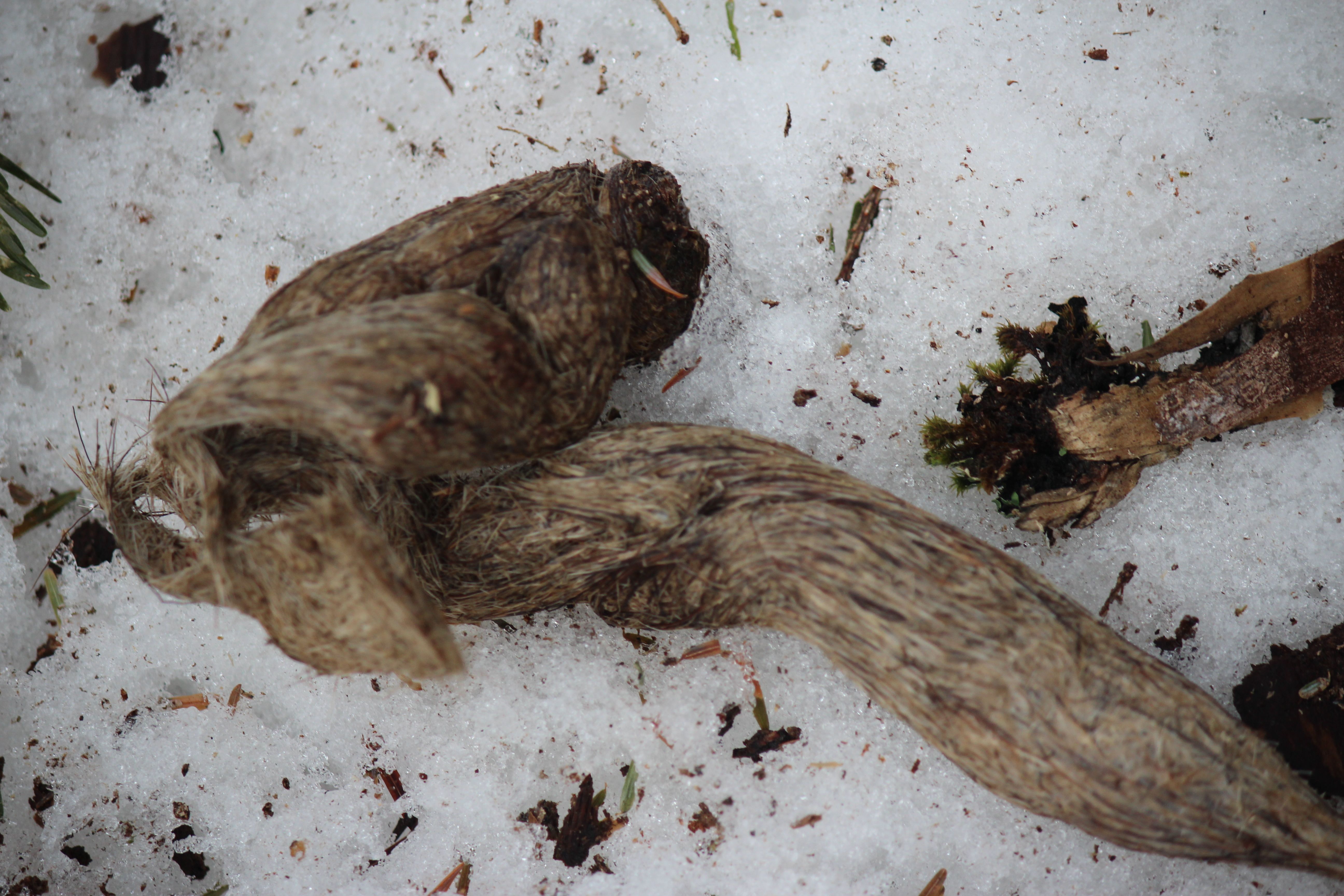
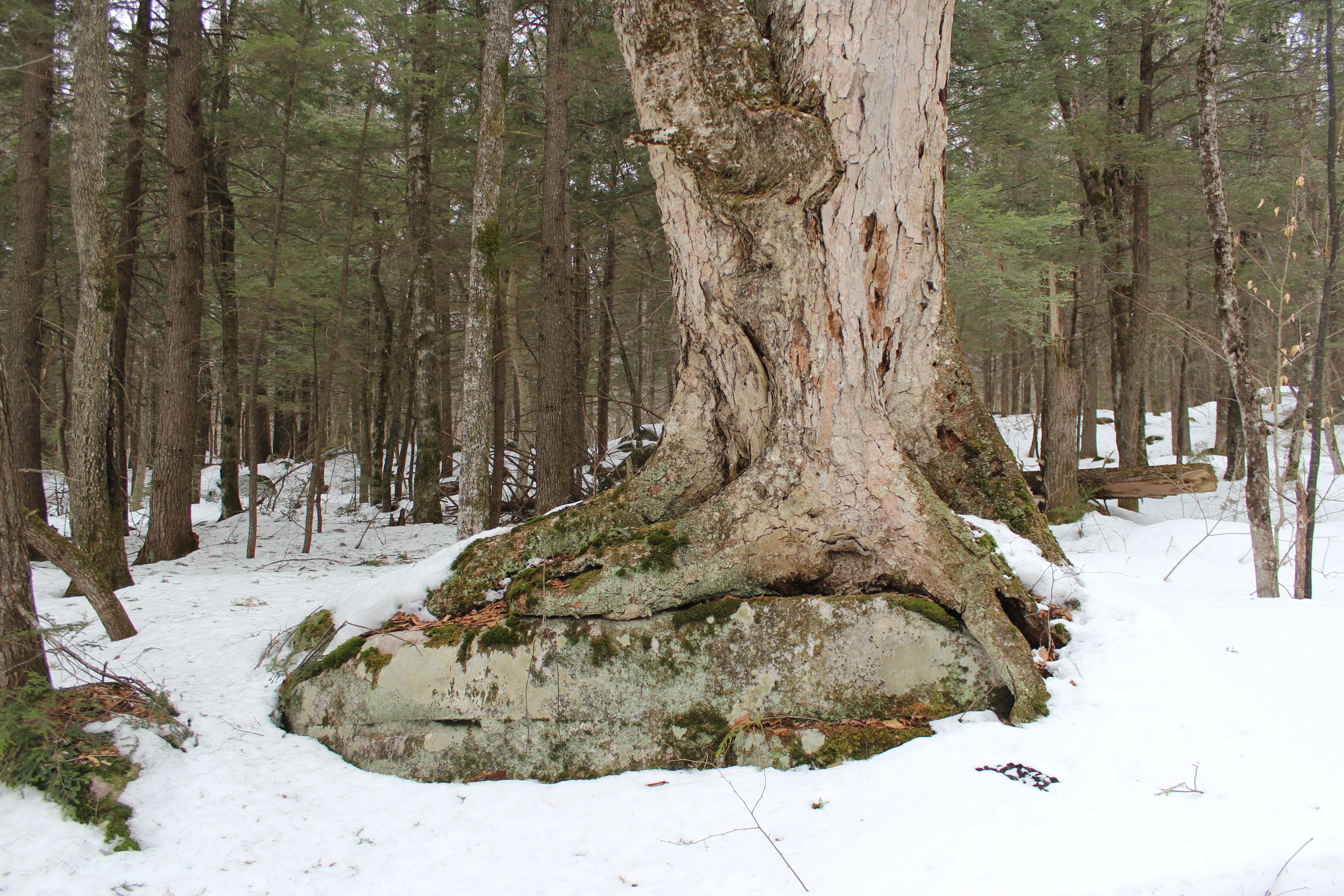
Book of July: A Snowshoeing Winter Walk–Where Am I?

cover

Book of July

Summer may be in full swing, but I just received a copy of a special book created by a young friend and I wanted to feature it this month. The photos will cool you down on a steamy day.

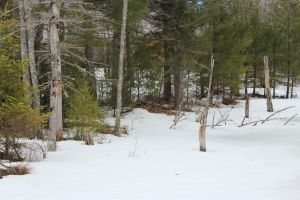
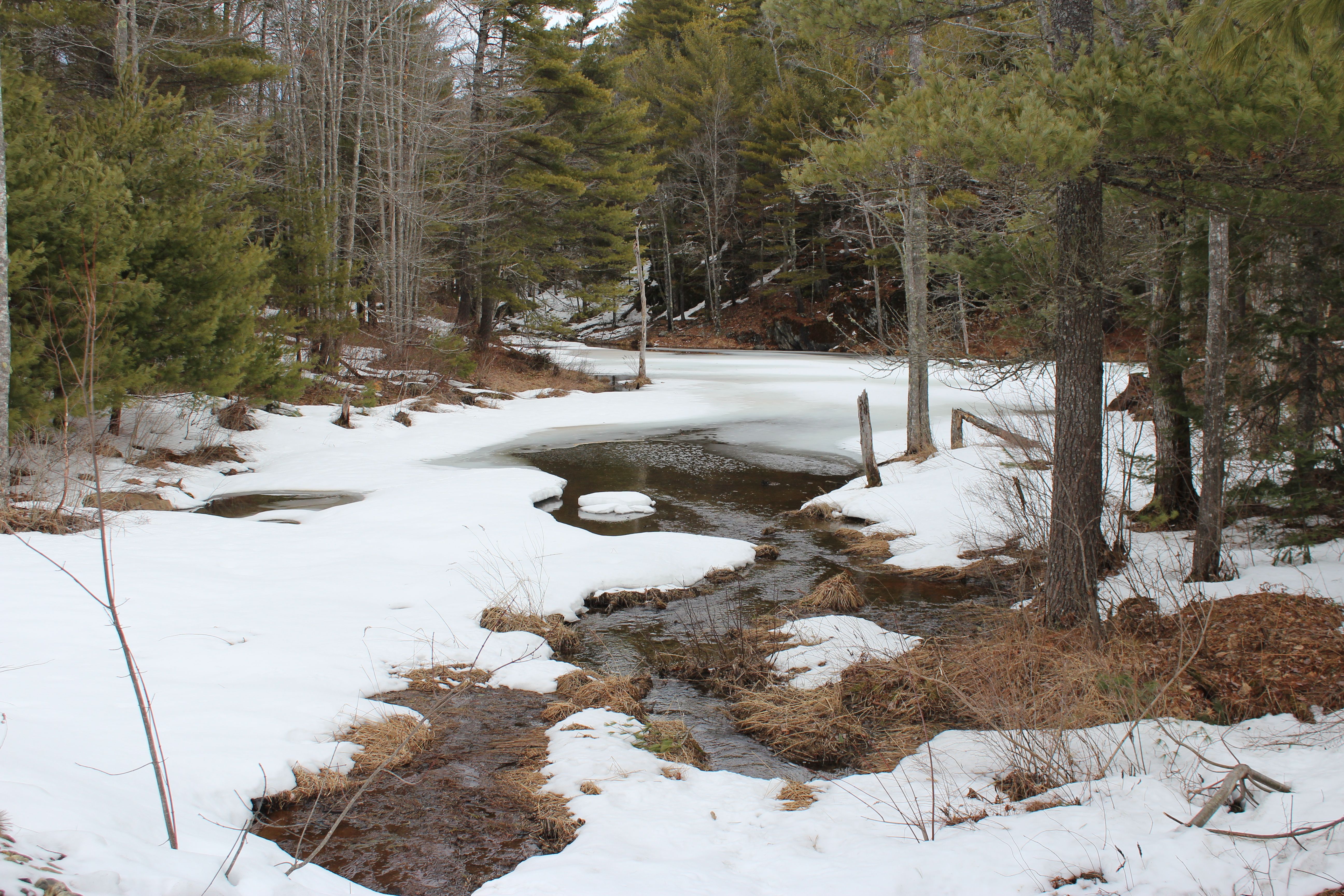
This past February, Abby Littlefield, her younger brother and their mom, invited me to snowshoe with them at Holt Pond Preserve in South Bridgton. Abby was in fourth grade and needed to complete a project based on an ecosystem. She chose wetlands and wanted to learn more about the flora and fauna of the preserve.

I was thrilled to receive a copy of the book Abby made about our journey and delighted to discover how much she remembered from our trek. She and her family were real troopers that day–the temp was quite low, snowshoeing was a new experience for them and we spent about three hours on the trails. She reminded me of myself as she jotted down notes and we examined everything closely.

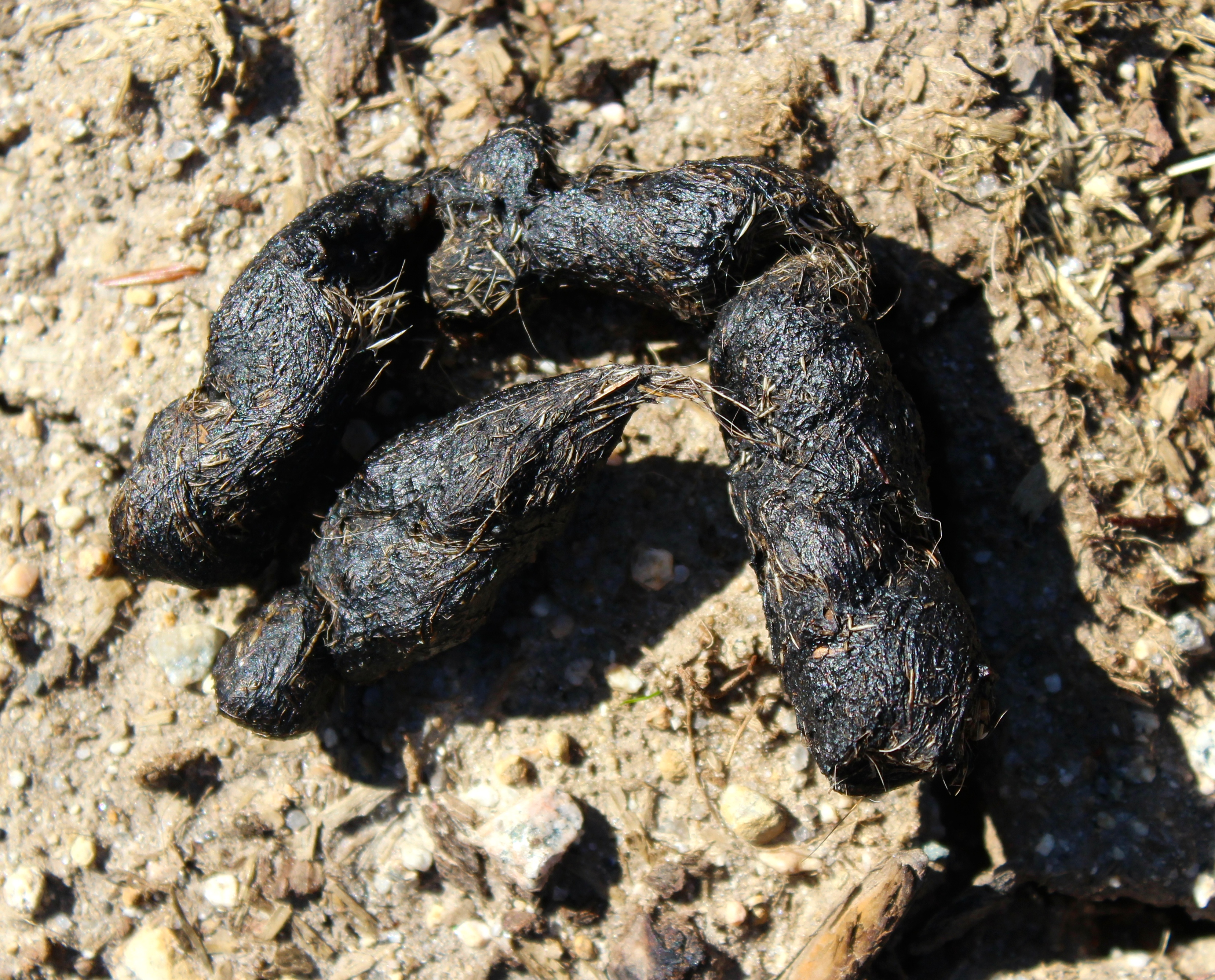
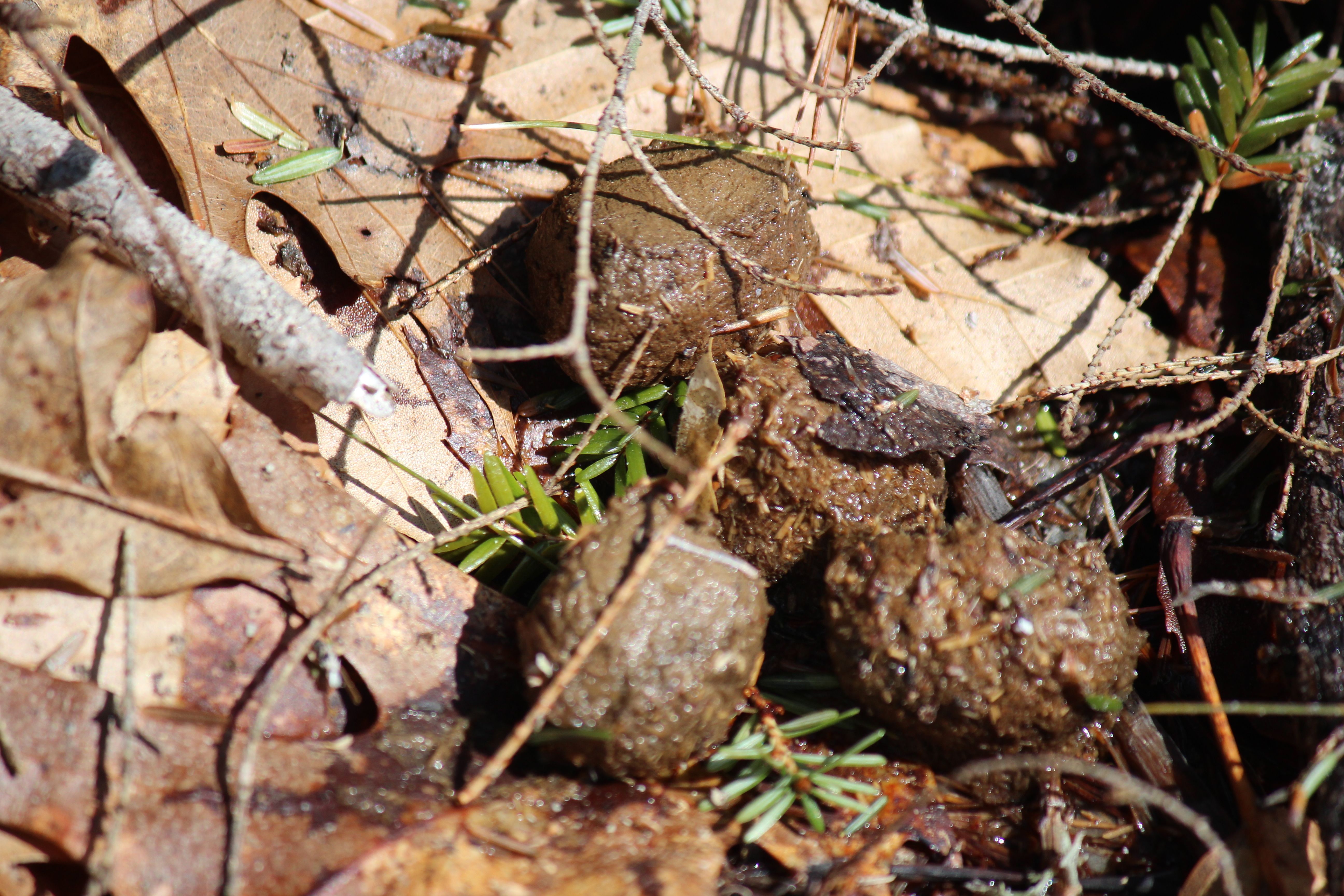
I did notice that her story doesn’t include the pileated woodpecker scat–not her favorite find. (Her brother thought it was rather special. :-))

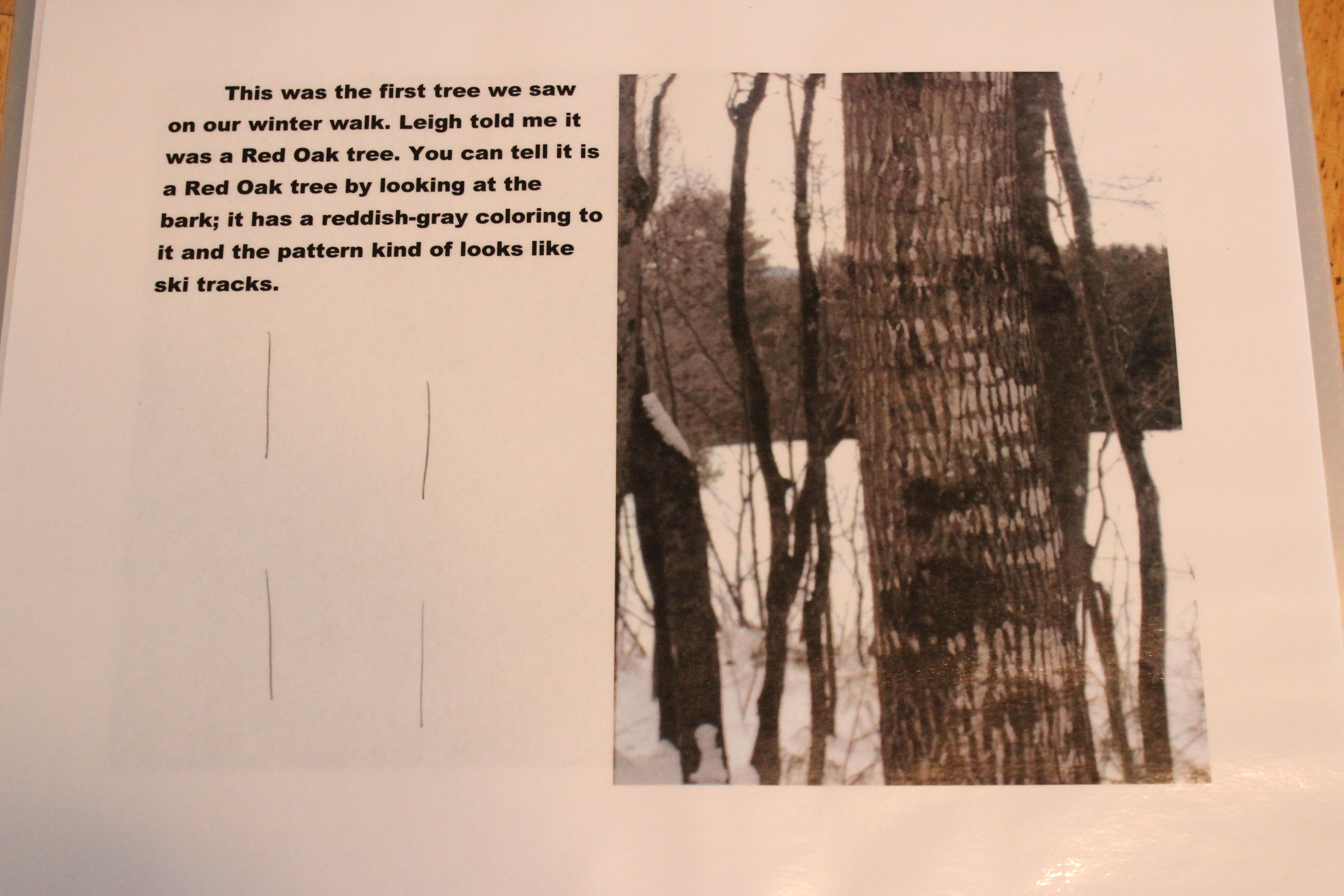
Here are some pages from Abby’s book:

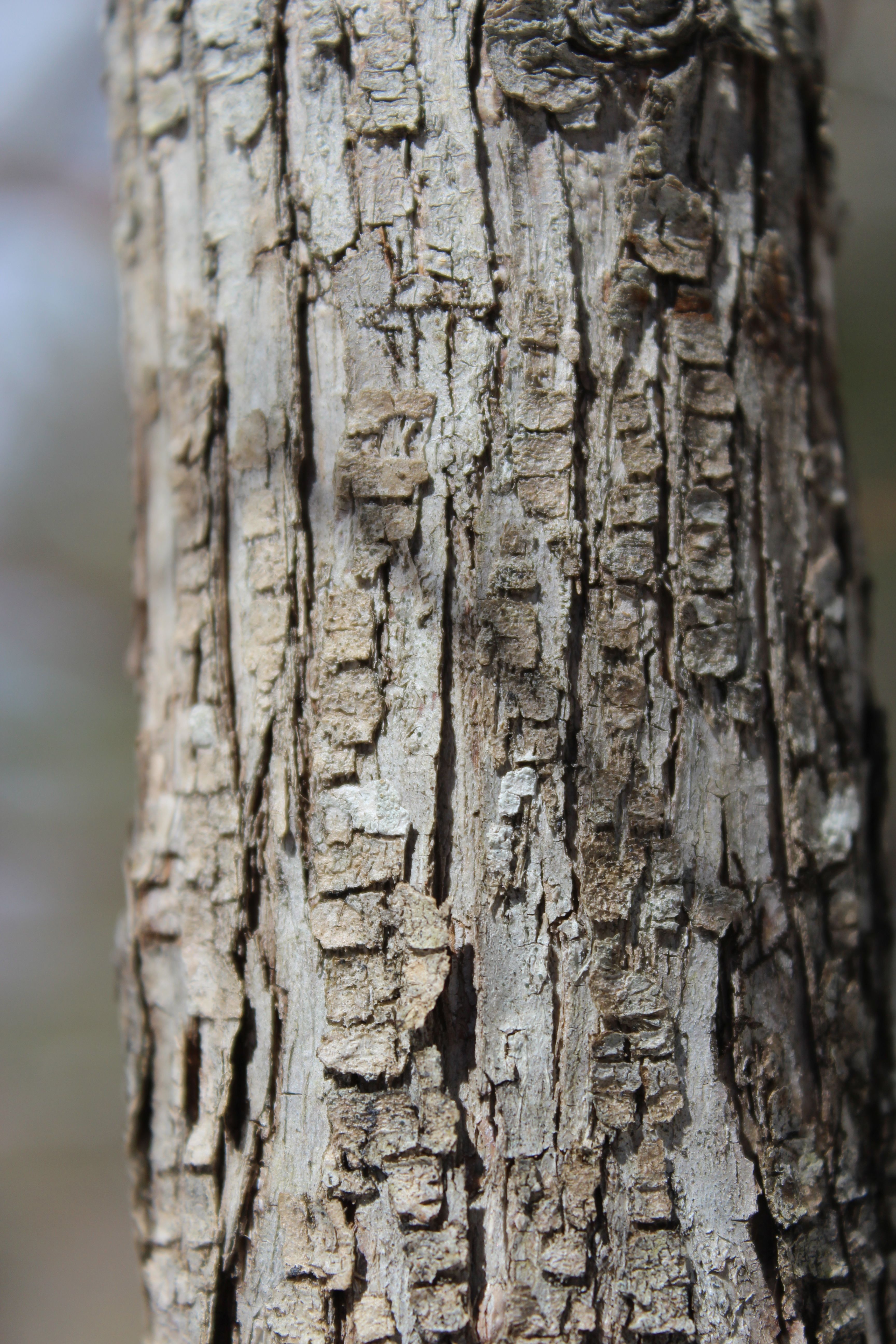
red oak

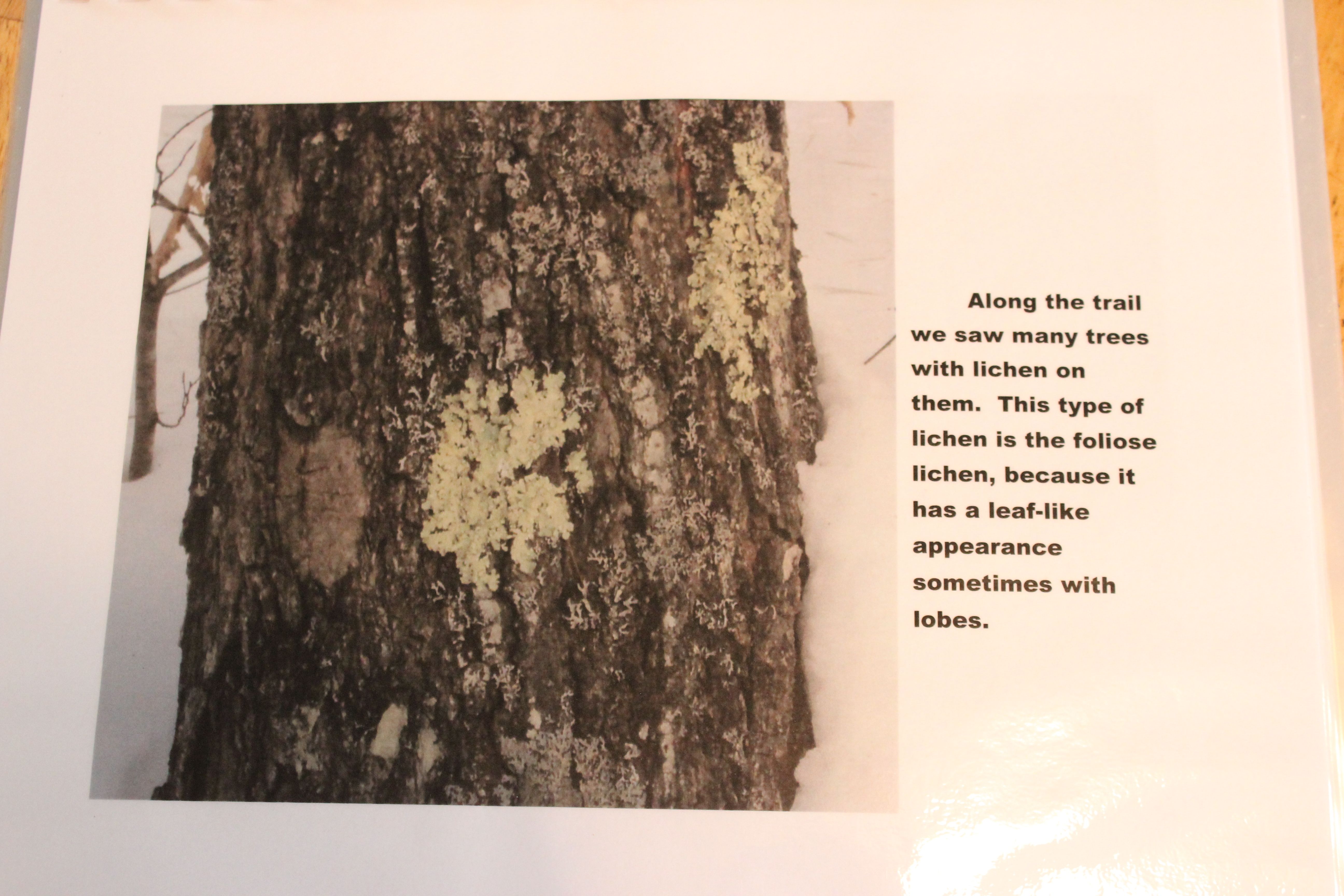
lichen

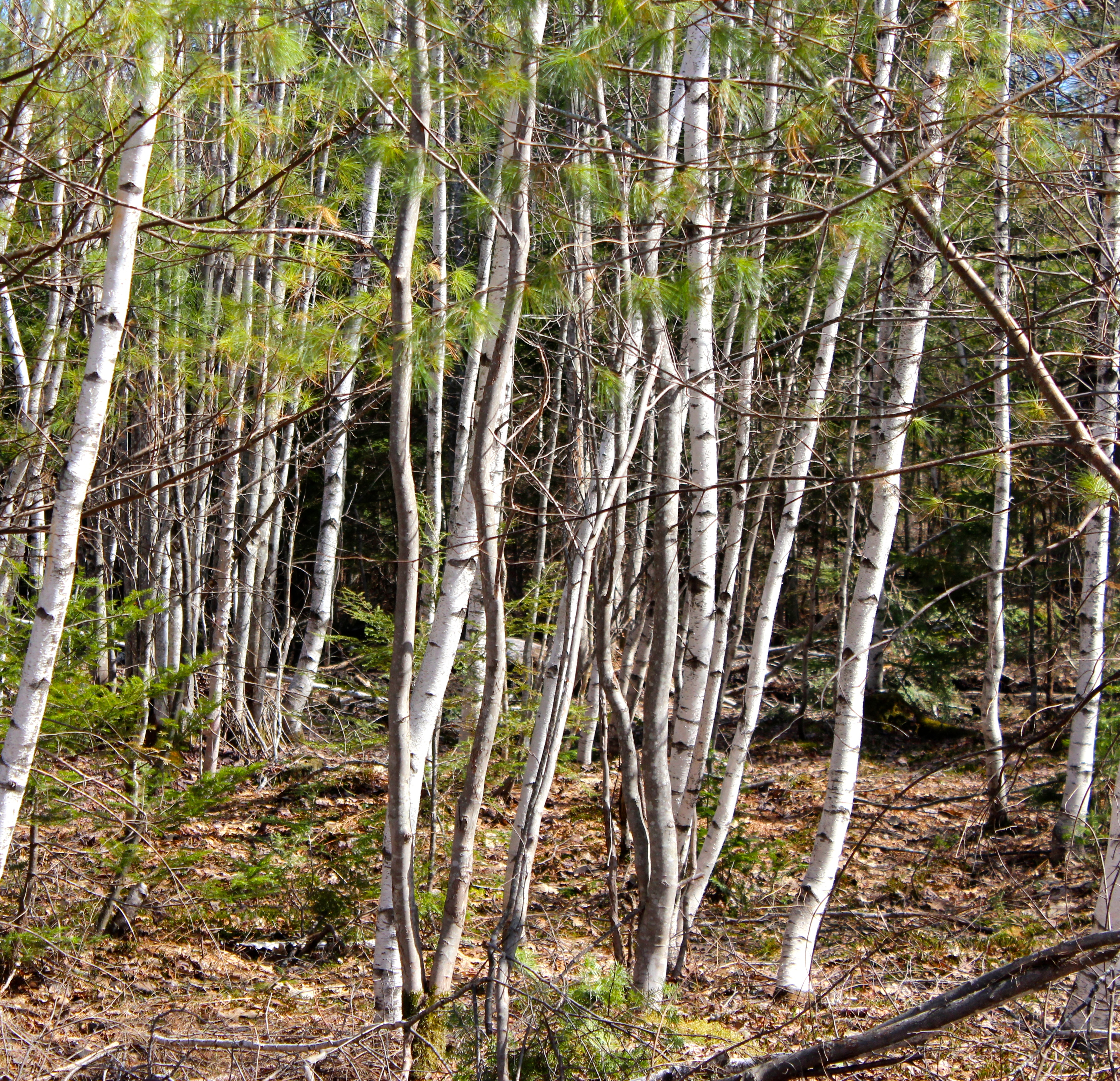
paper birch

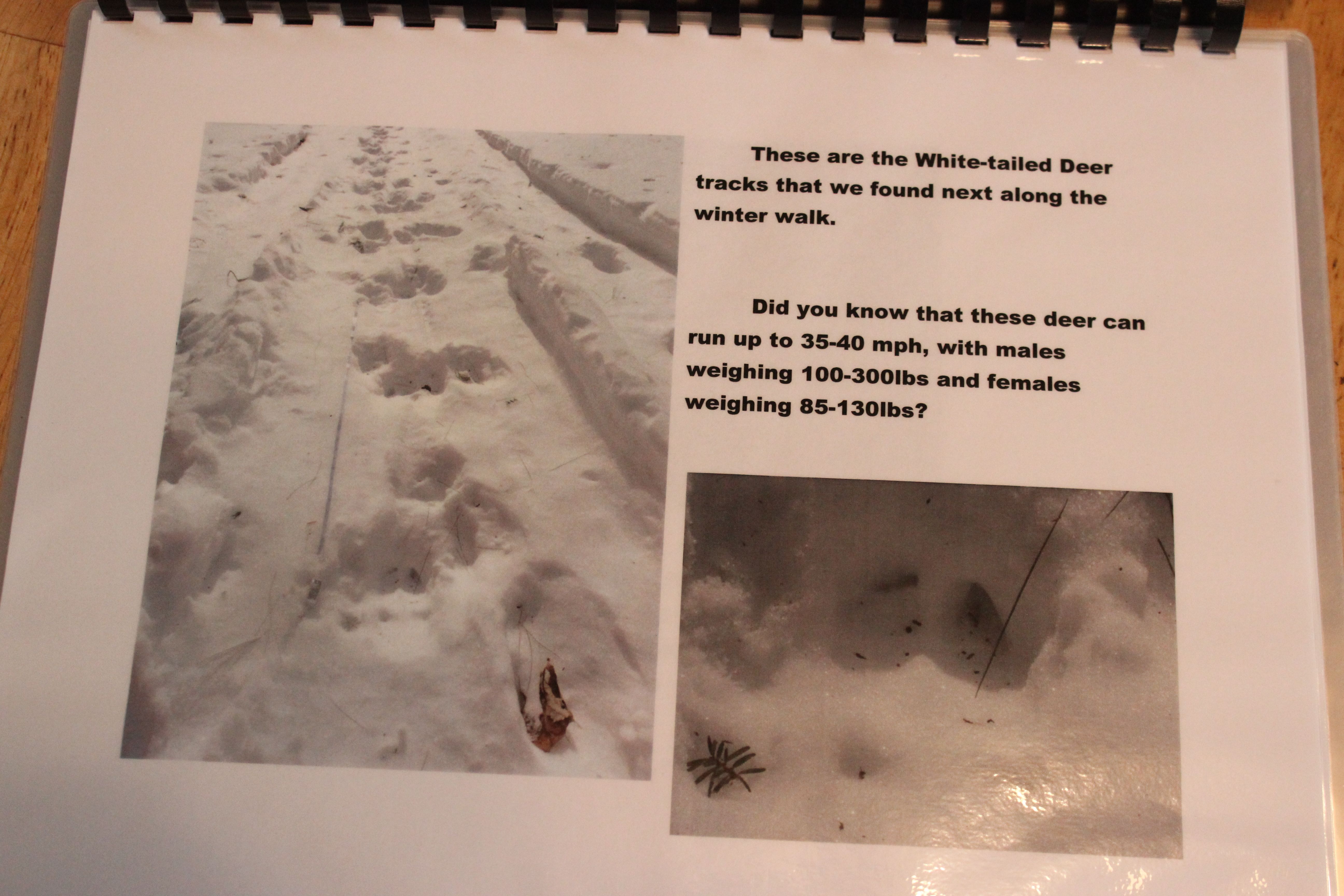
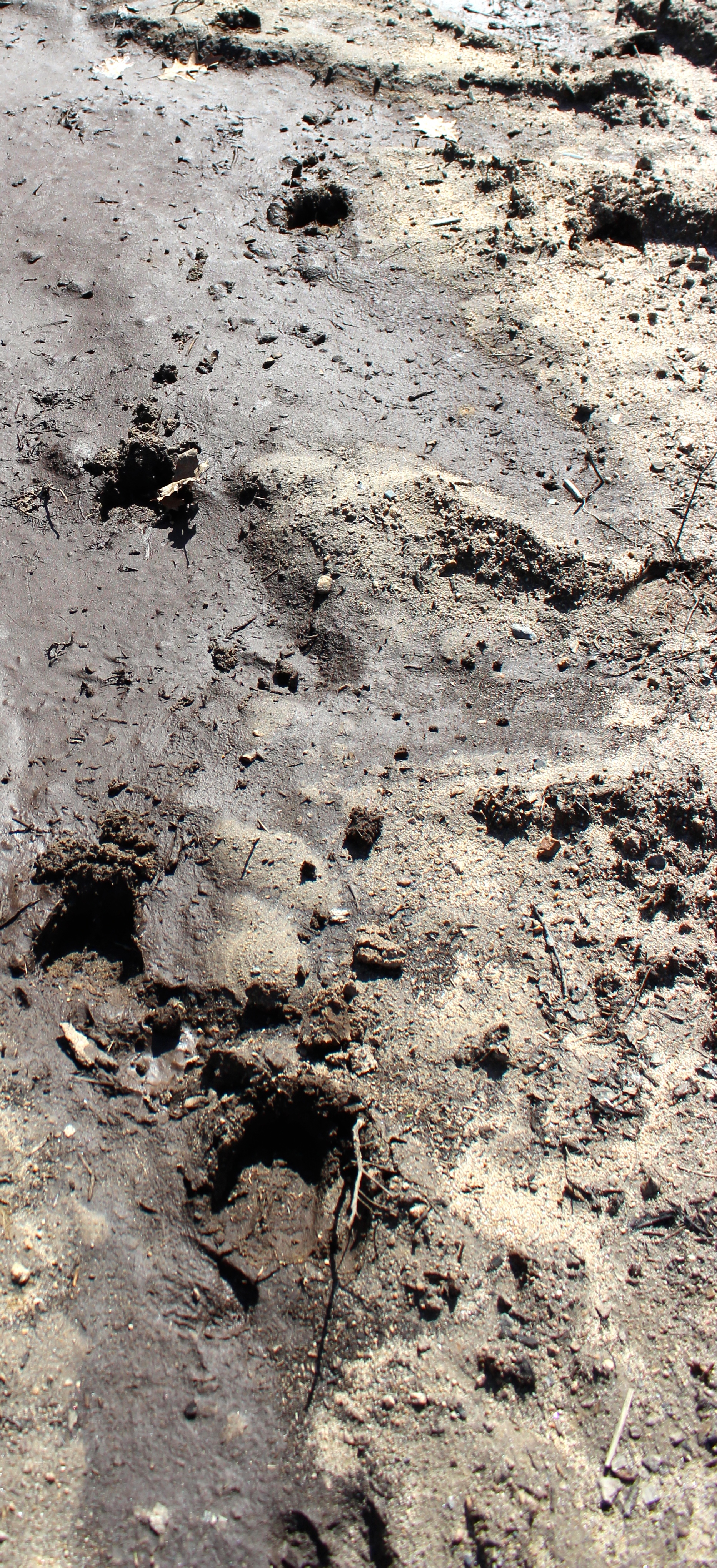
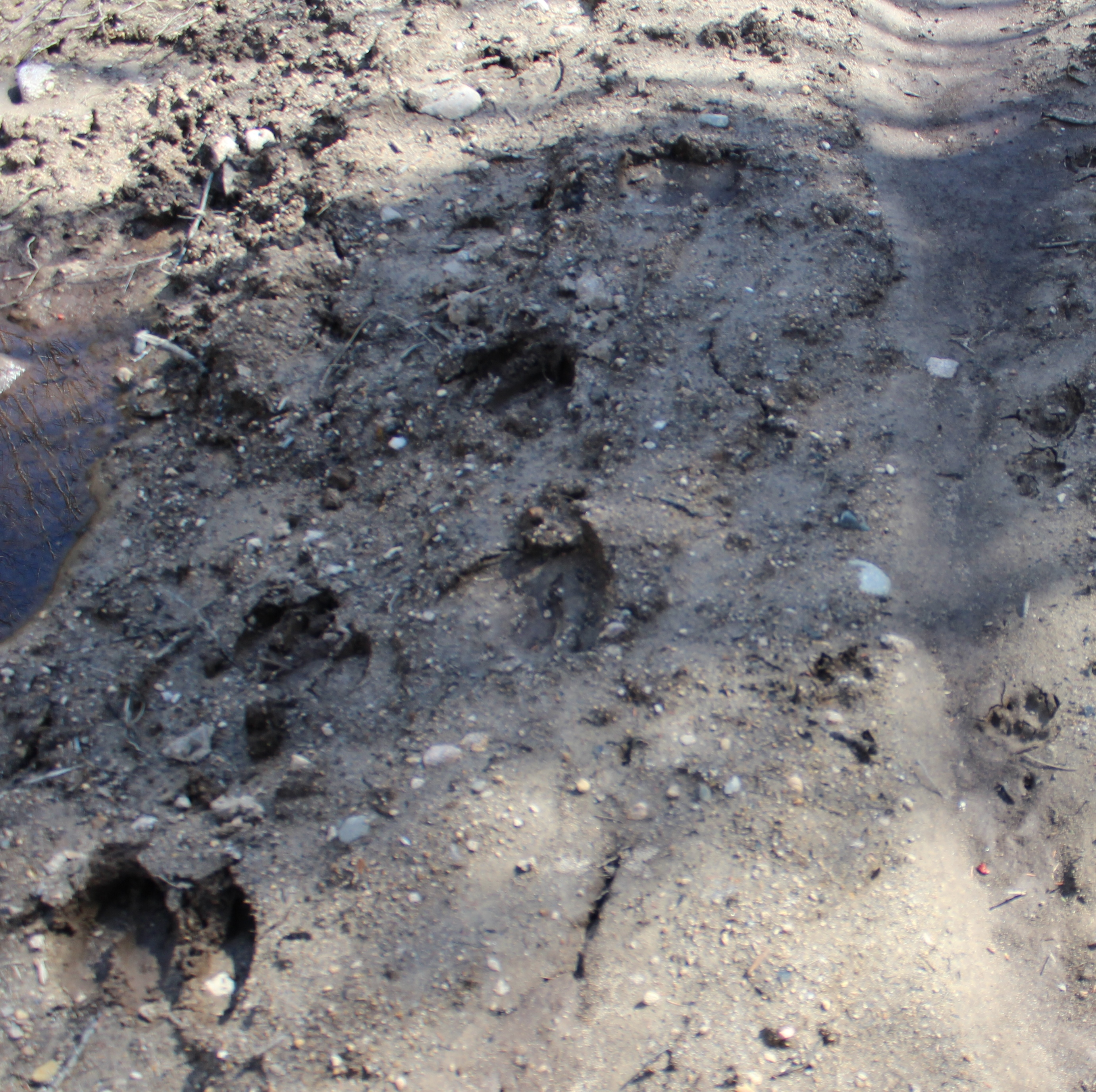
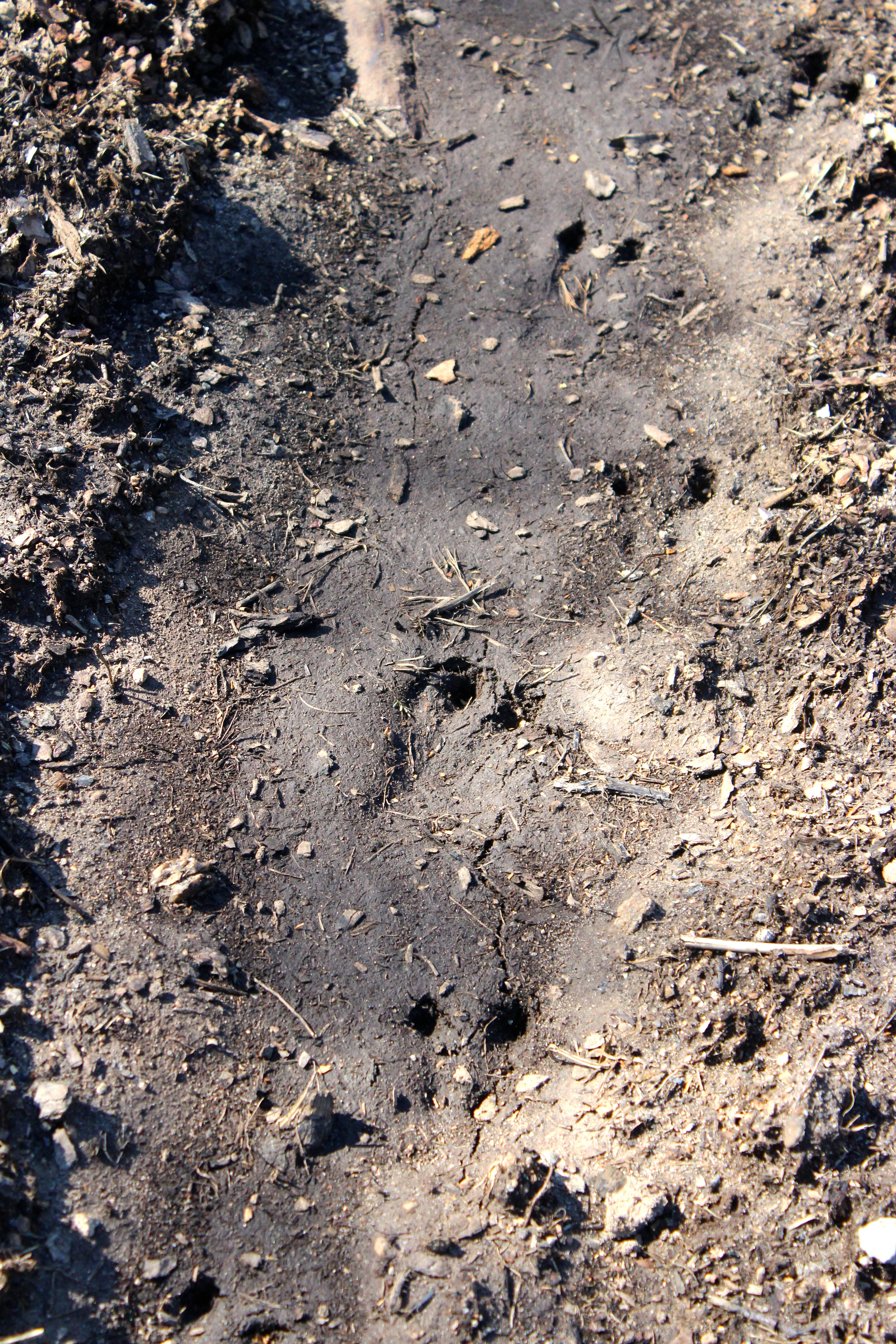
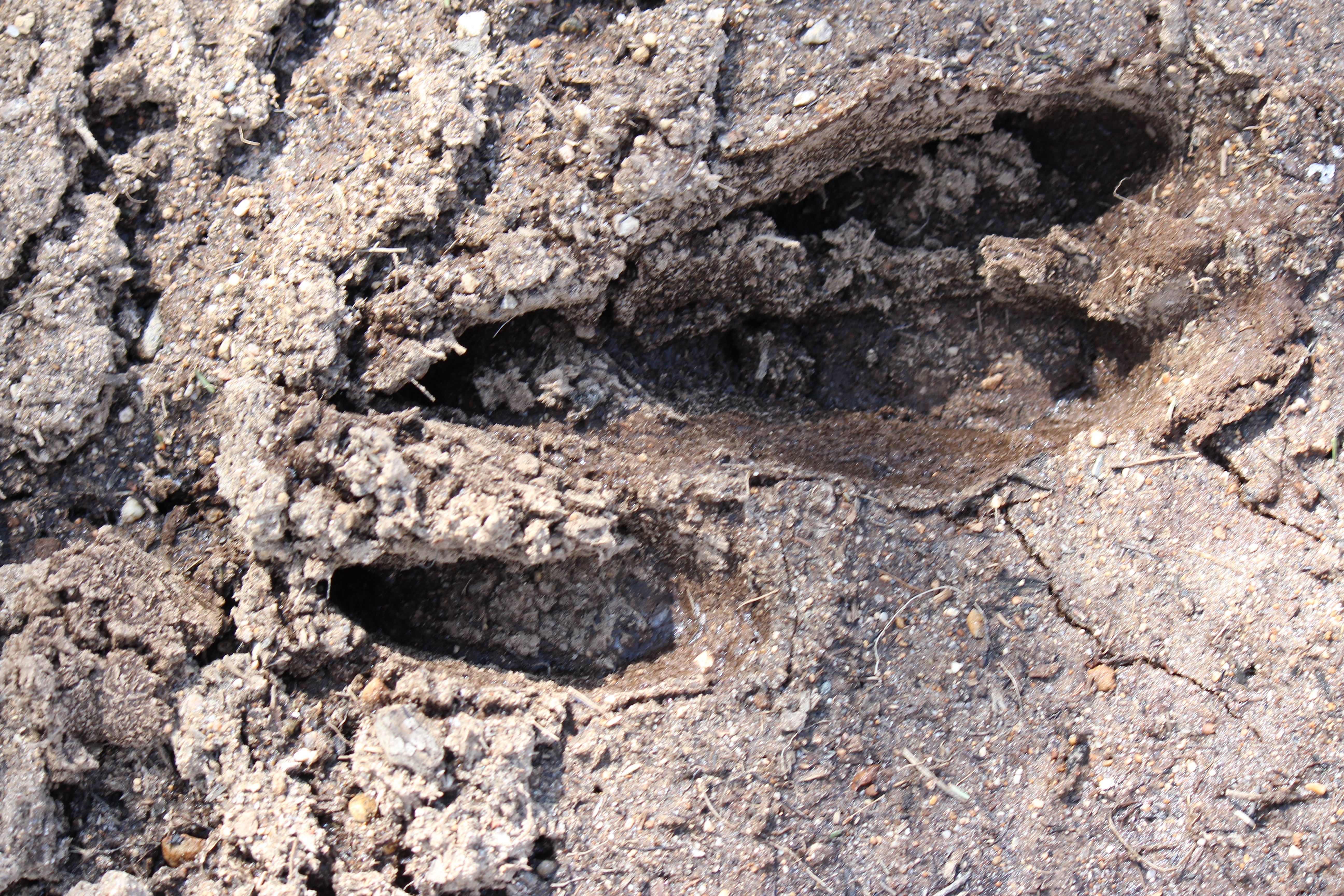
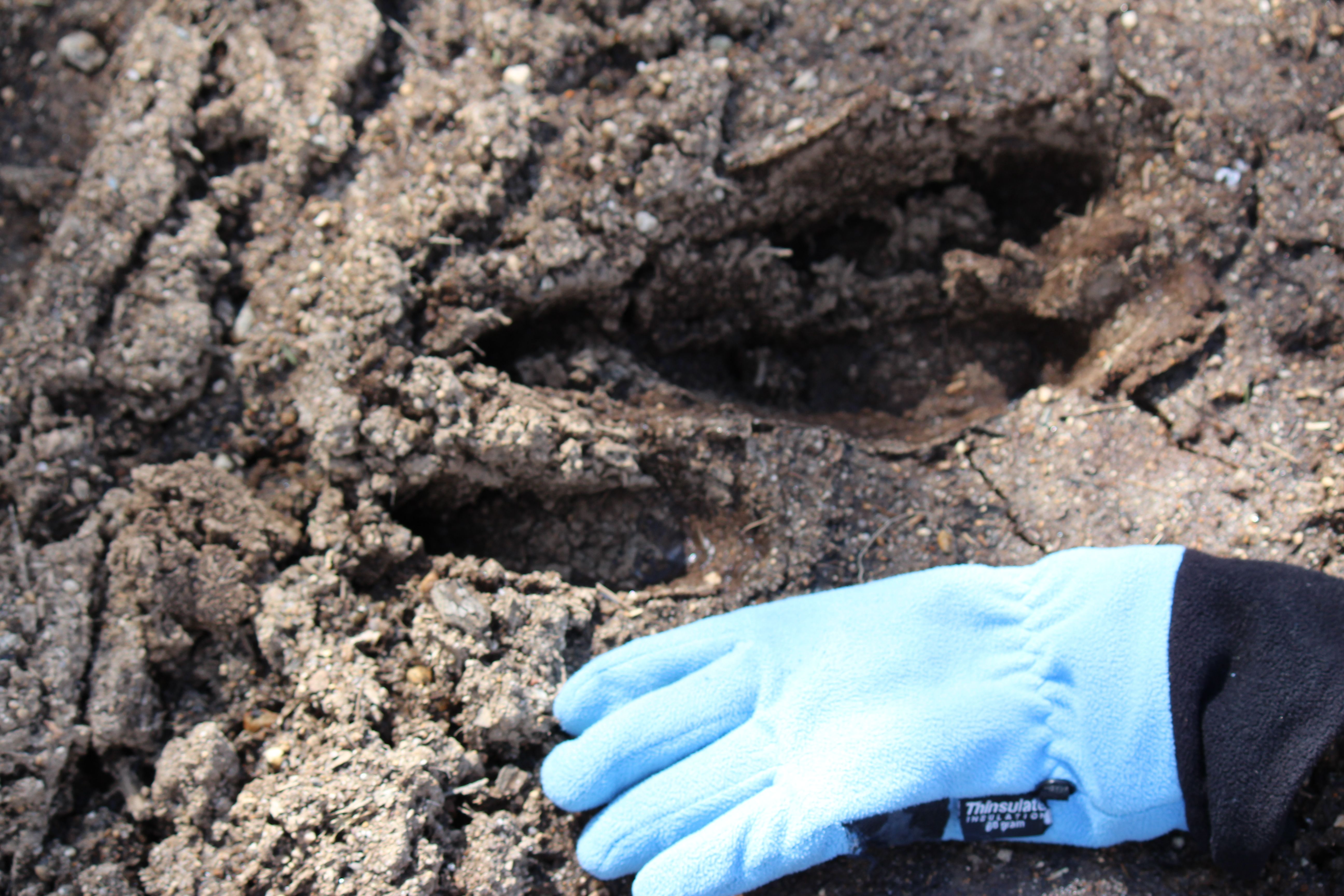
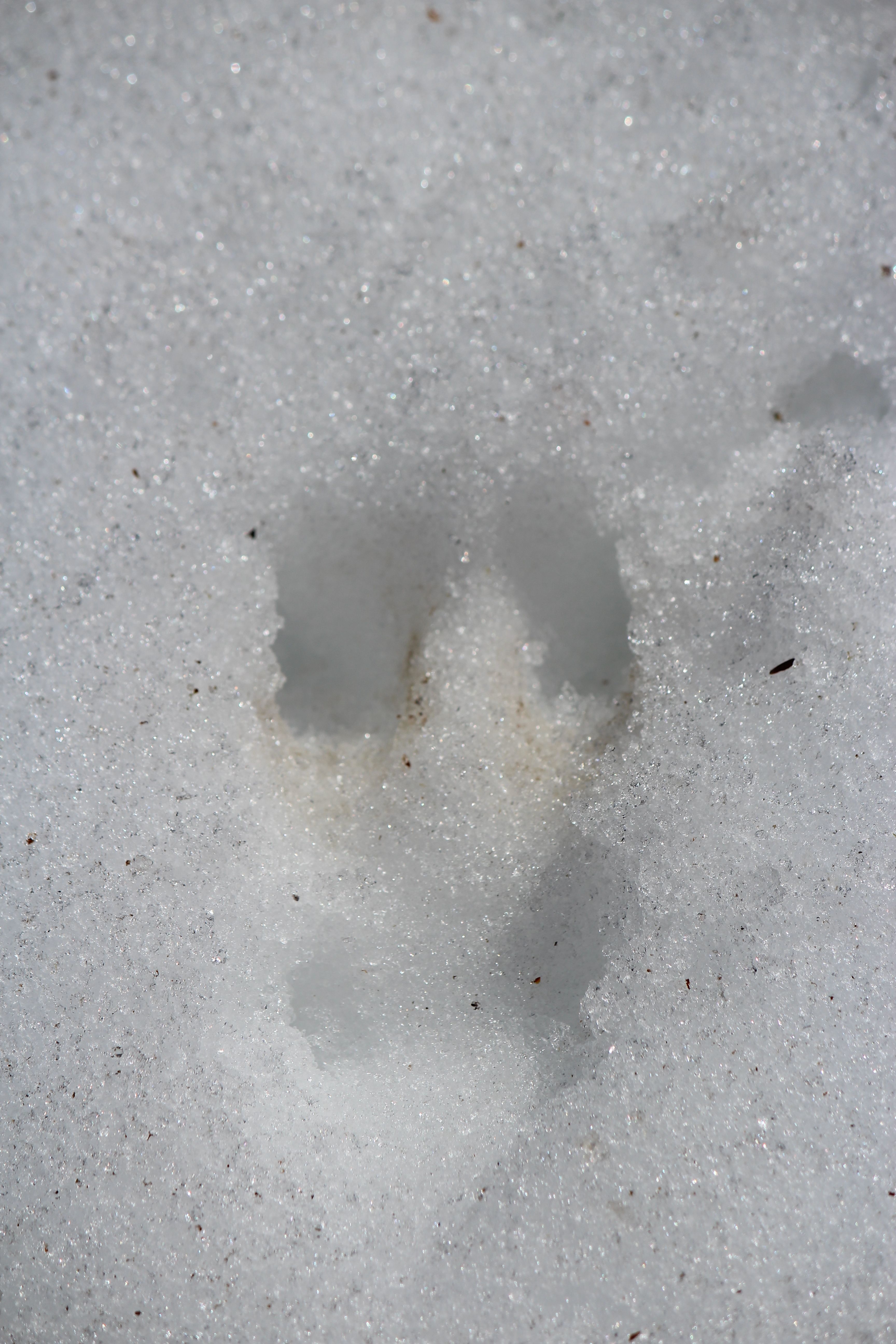
deer tracks

where are you?

fun facts

bibliography

Mighty impressive for a fourth grader. Congratulations, Abby, on a job well done. And thank you for letting me wander along with you and your family. It was a pleasure and I look forward to future expeditions.

Slugs, Bears and Caterpillar Clubs, Oh My!

I was on a quest today as I wandered with friends at the Greater Lovell Land Trust’s Bishop Cardinal Reserve. I wanted to return to the bear trees and show them that there are so many more in the area. Thank goodness they are all good sports and don’t mind getting fake lost.

But first, I licked a slug again. And convinced a friend (J.L.) to do the same, without twisting her arm.

slug

This was my terrestrial gastropod mollusc of choice.

slug 2

And proof. Rather attractive photo–Not–but the slug did numb my tongue a bit.

bear 1

We eventually found some of the beech trees with bear claw marks, but there are more–for another day.

bear 2

Satisfied with our findings, we decided to continue off trail, keeping our eyes and minds open.

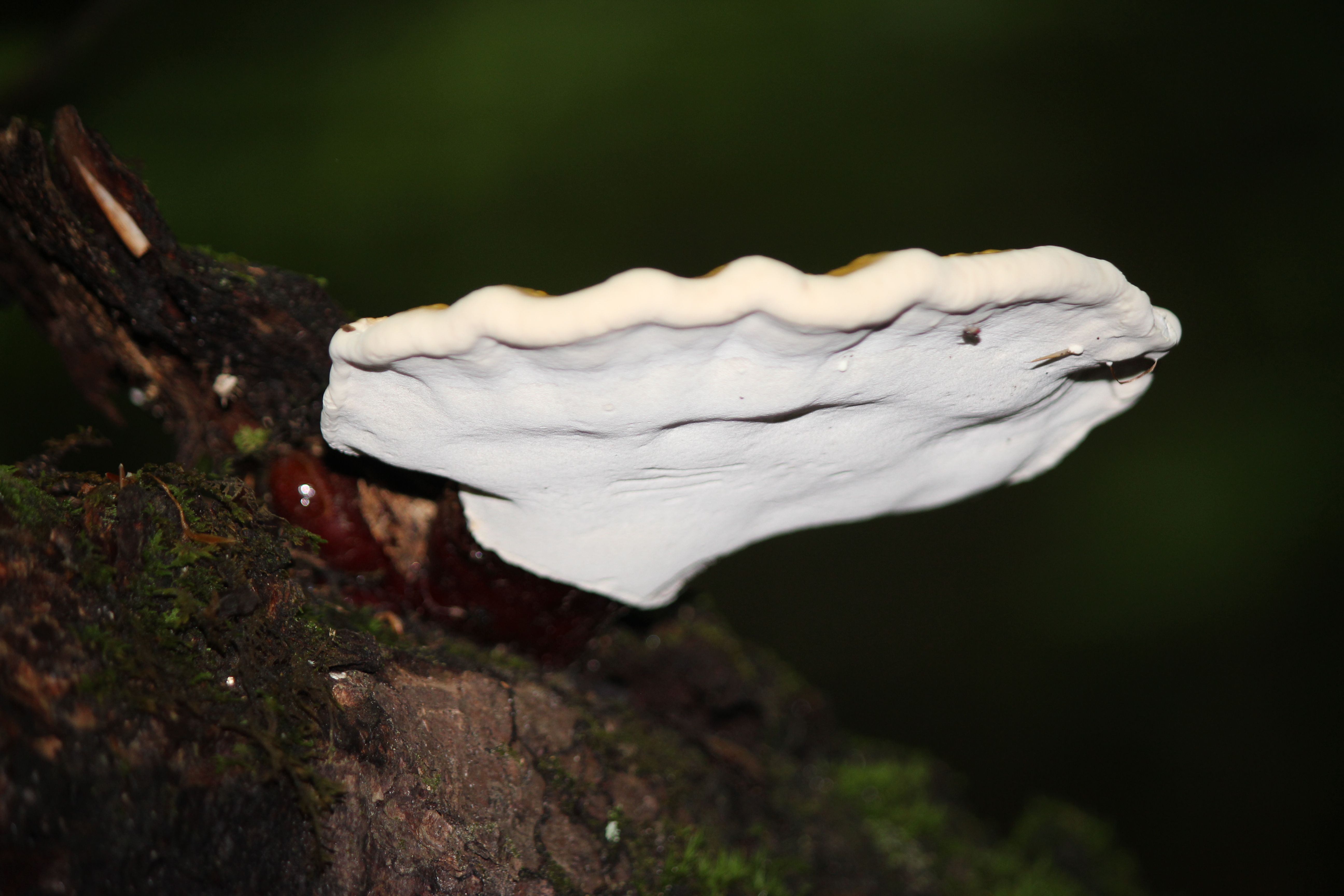
hemlock varnish shelf

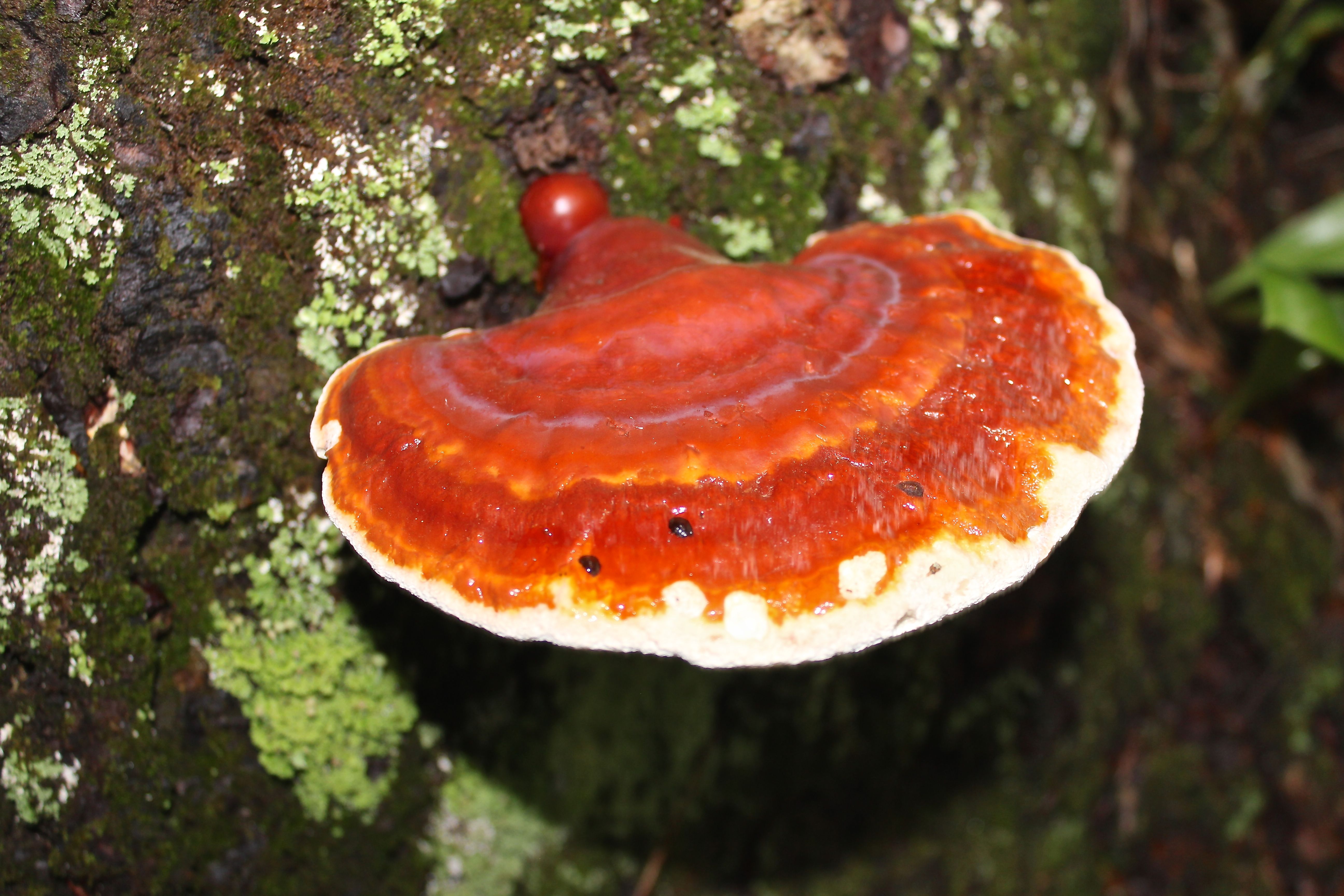
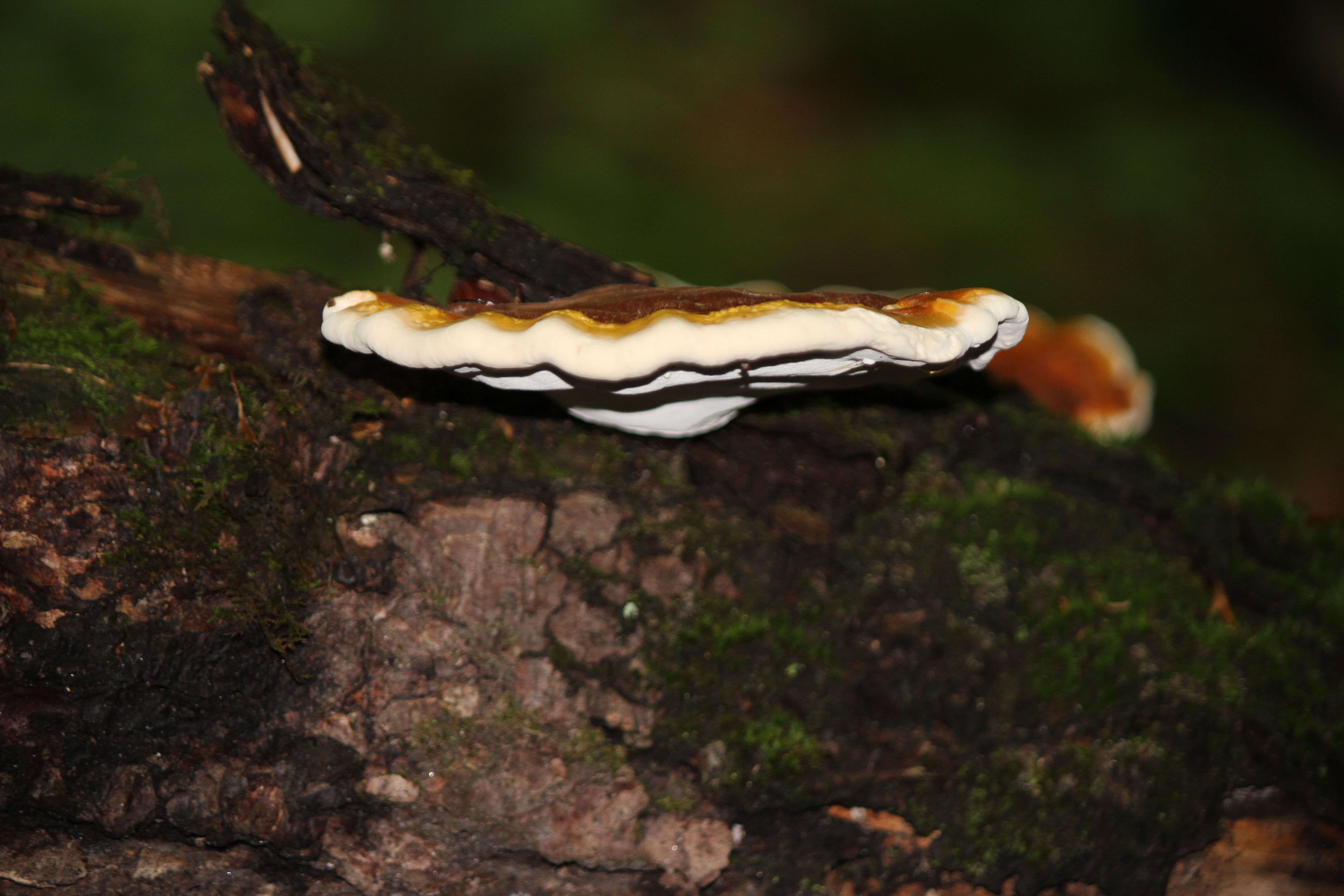
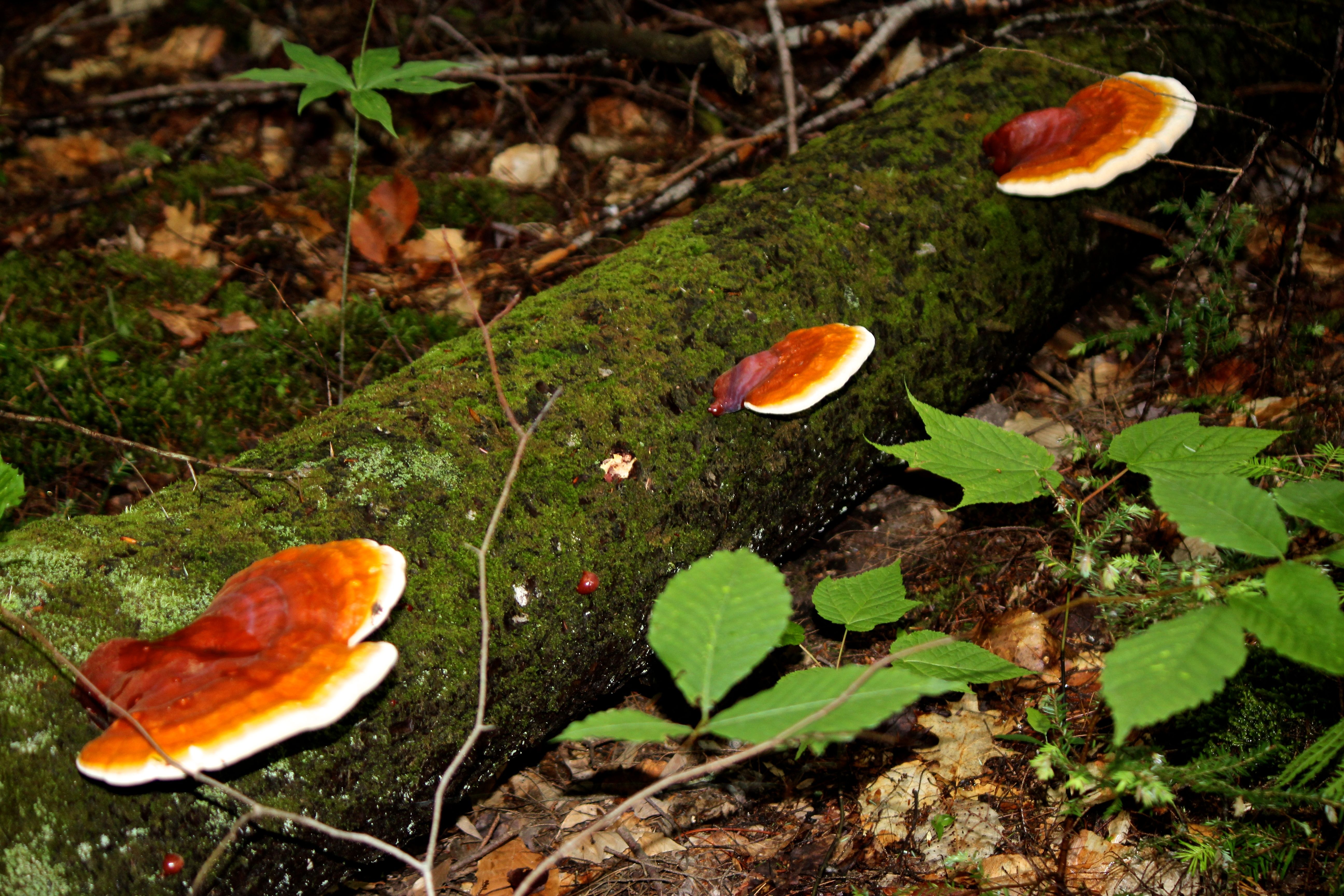
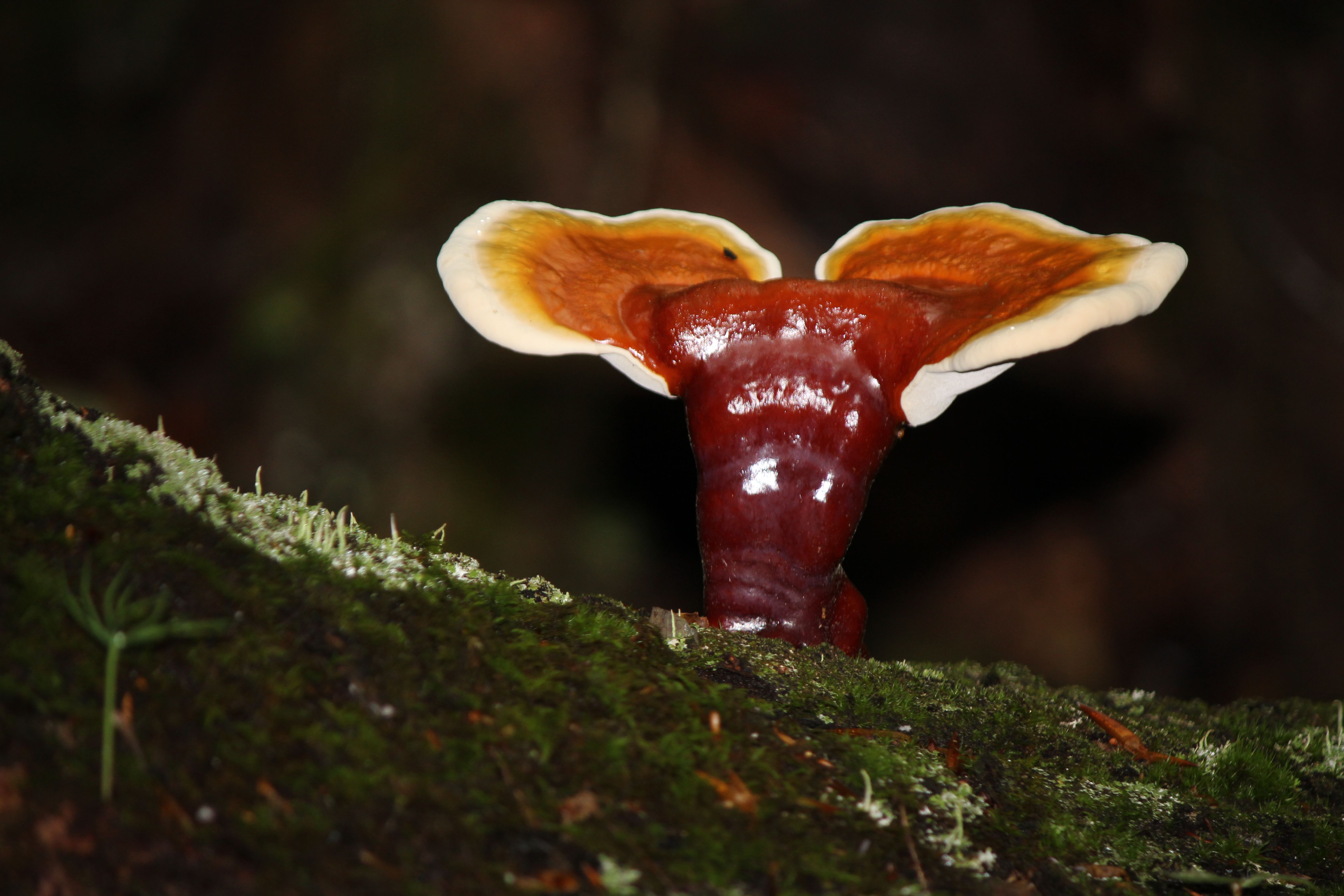
From start to finish, we saw plenty of Hemlock Varnish Shelf (Ganoderma tsugae) fungi.

Hemlock Varnish

Each one presented itself in a different manner.

Hemlock varn 3

While its shiny, colorful surface and habit of growing on hemlocks and other conifers speak to its name, the  oyster-shell rim and non-gilled pore surface are equally attractive.

hemlock 3 in a row

Three in a row.

hv4

And two fer one.

hemlock varnish ripe

Most were not as ripe as this.

I was thankful this day to be among people who have a shared wealth of knowledge about the natural world. They also have eagle eyes. Or in this case fungi eyes (P.V.).

stream 3

The mossy stream became our focus as we searched for wild orchids and more fungi.

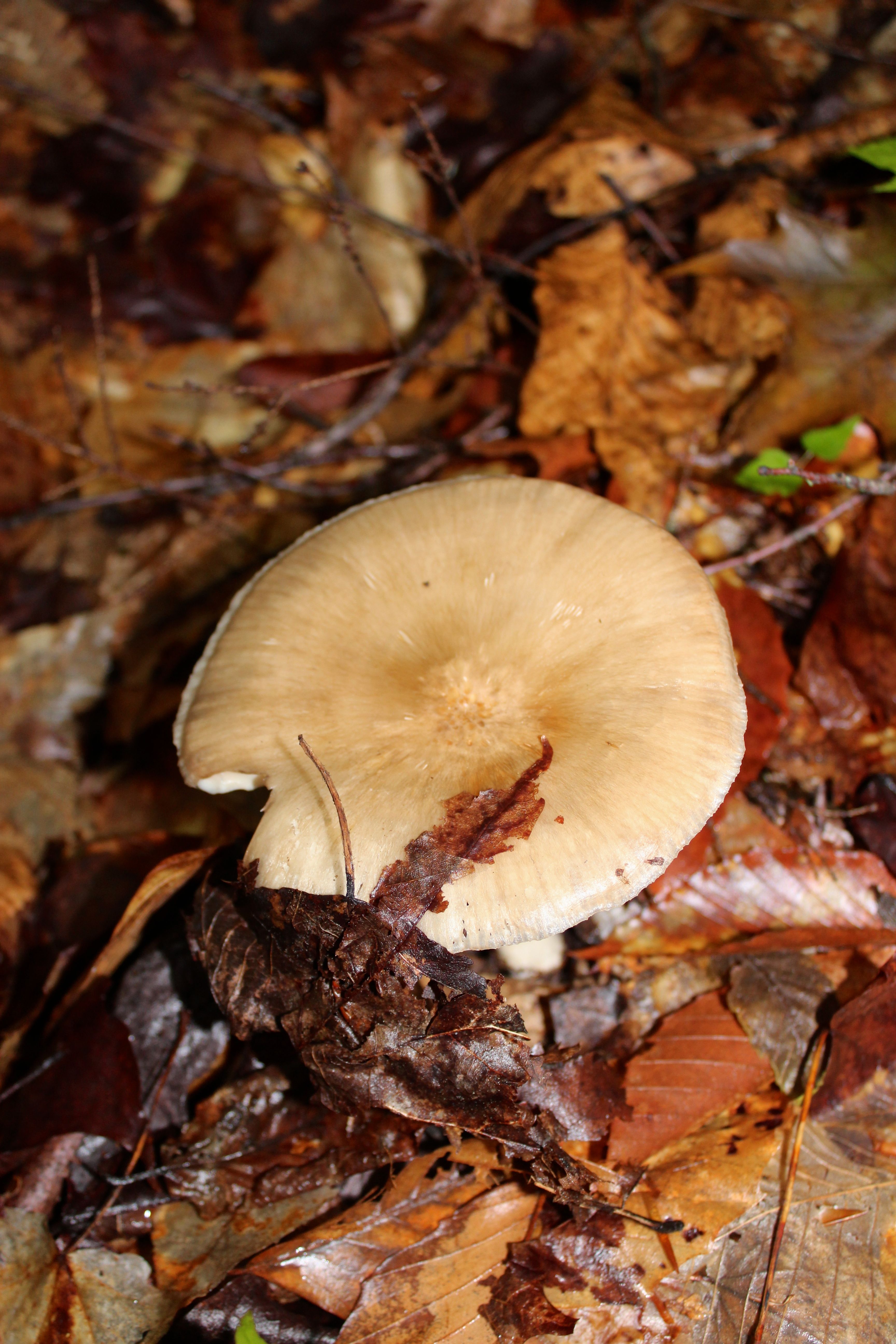
Platterful Mushroom

Some orchids have passed, others aren’t open yet and still others had been eaten. But the wet habitat provided plenty for us to wonder about, including this Platterful Mushroom, the common name for Tricholomopsis platyphylla, aka Broad Gill. Despite that first common name, it’s mildly toxic and not meant to be served as a platter full.

Swamp beacon

Glowing up at us from a wet depression was a colony of Swamp Beacons (Mitrula elegant). I include the Latin with the fungi because P.V. uses it almost exclusively when he enlightens us. I wish I’d learned the Latin first, but alas, I’m a common kinda gal.

northern oak fern

Mixing it up and almost messing us up was the Northern Oak Fern. It reminded us of miniature bracken fern, with a softer texture.

basswood bark

We were in a rich, upland habitat, verified by several species, including this one, which D.S. paused by to quiz us. We got it right–American Basswood (Tilia americana).

bass 2

Its flattened, square-like ridges intersect like a woven basket every 6-12 inches. Not only does it look like a basket from the outside, but the inner bark is fibrous and has been used for rope and fish nets and . . . woven baskets.

Cordyceps militaris - Scarlet Caterpillarclub

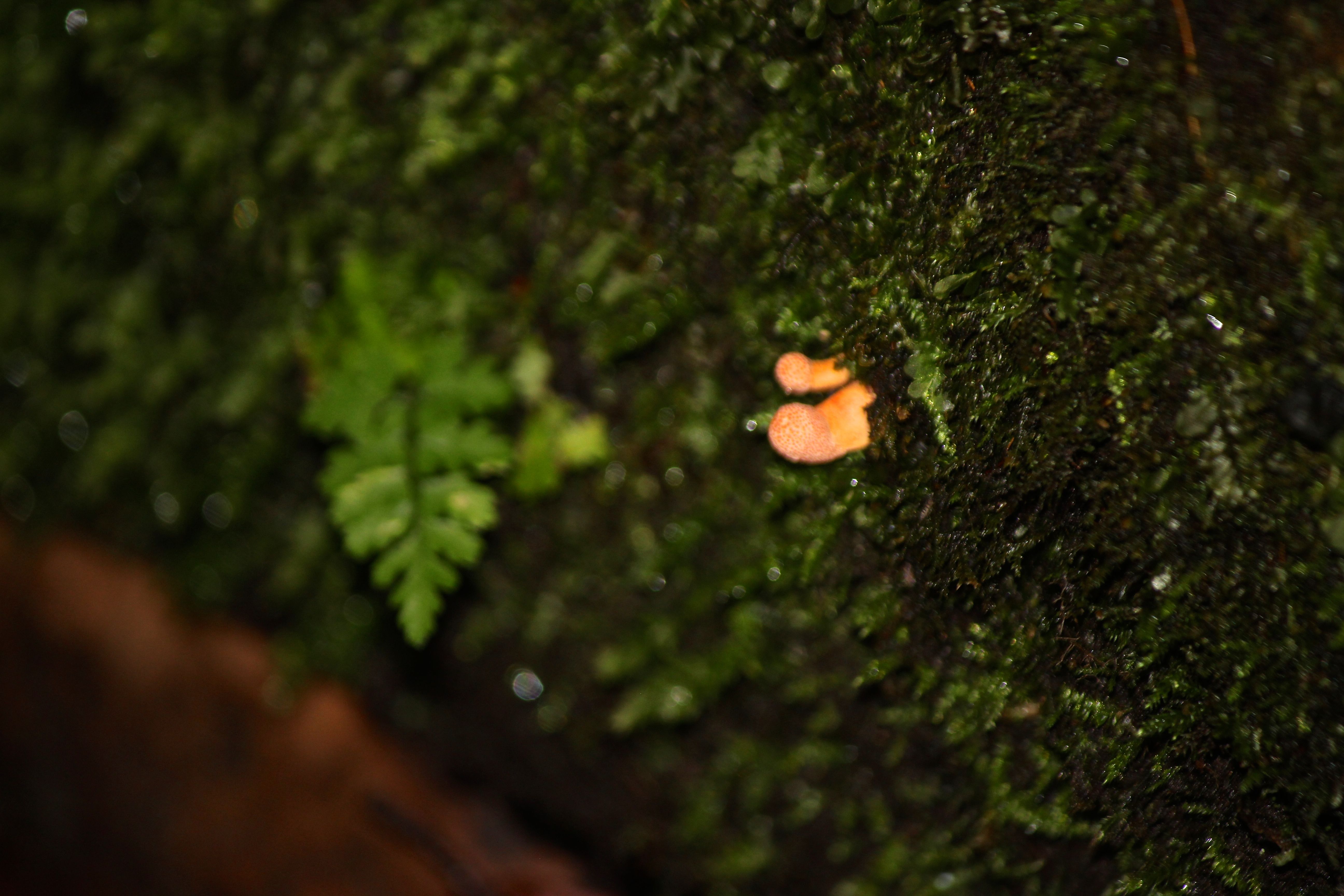
Those fungi eyes continued to search high and low. And waited for us to locate this rather small sample sticking out of a moss-covered rock in the stream.

cord larve

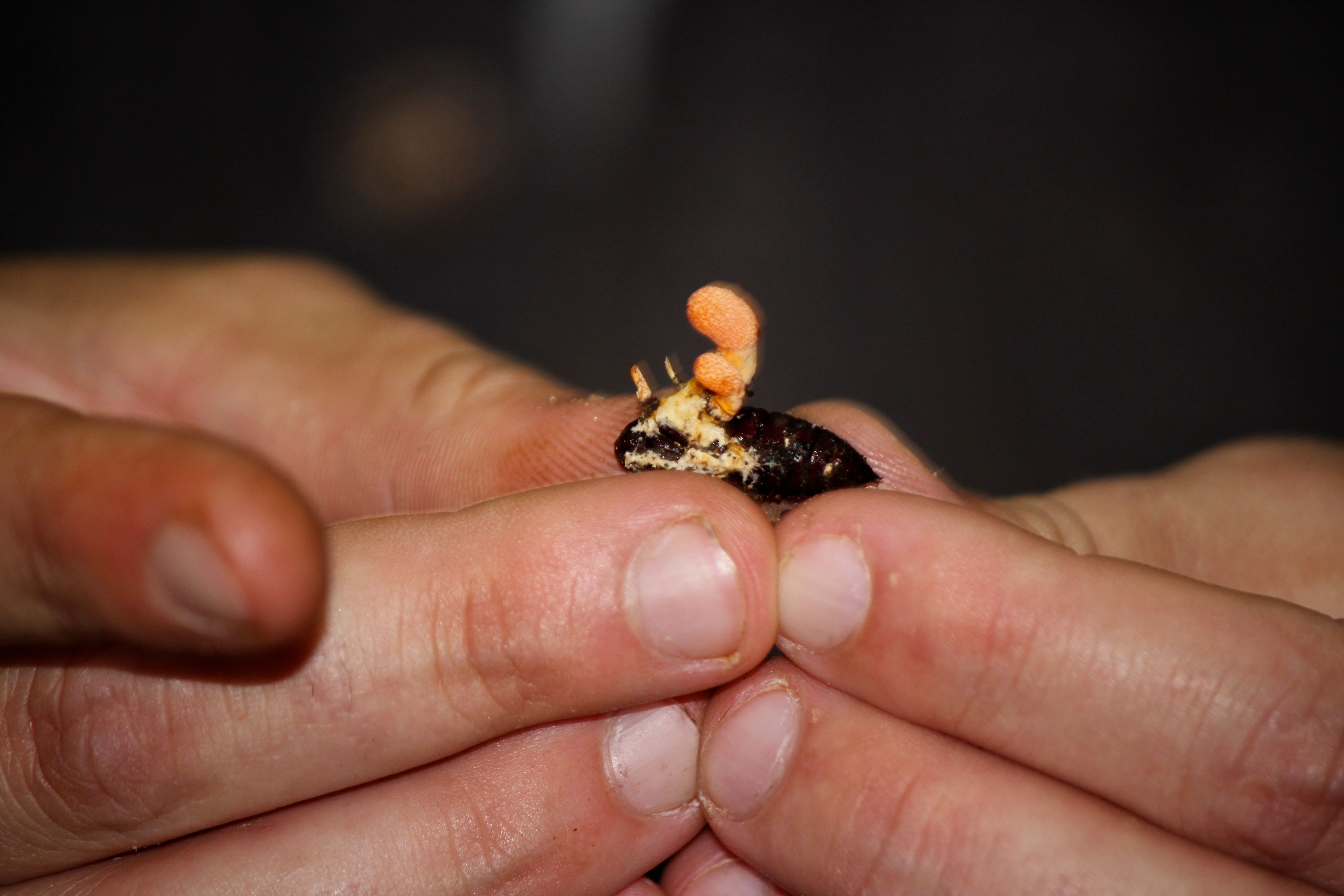
Scarlet Caterpillarclub (Cordyceps militais) feeds off of insect larvae as you can see here. The host provides the most and turns to mush as the fungi grows.

Though we never plan it that way, our journey lasted three hours. Suddenly, we emerged from the wet woodland onto Horseshoe Pond Road–all the richer for having spent time in the land of the slugs, bears and caterpillar clubs. Oh my!

OBX: Living the Dream

Thanks to my beautiful niece who married her true love on Friday night in Corolla, (Cor-RAH-la, not Cor-OLL-a), North Carolina, we spent most of the week living the dream on the Outer Banks.

over the dune

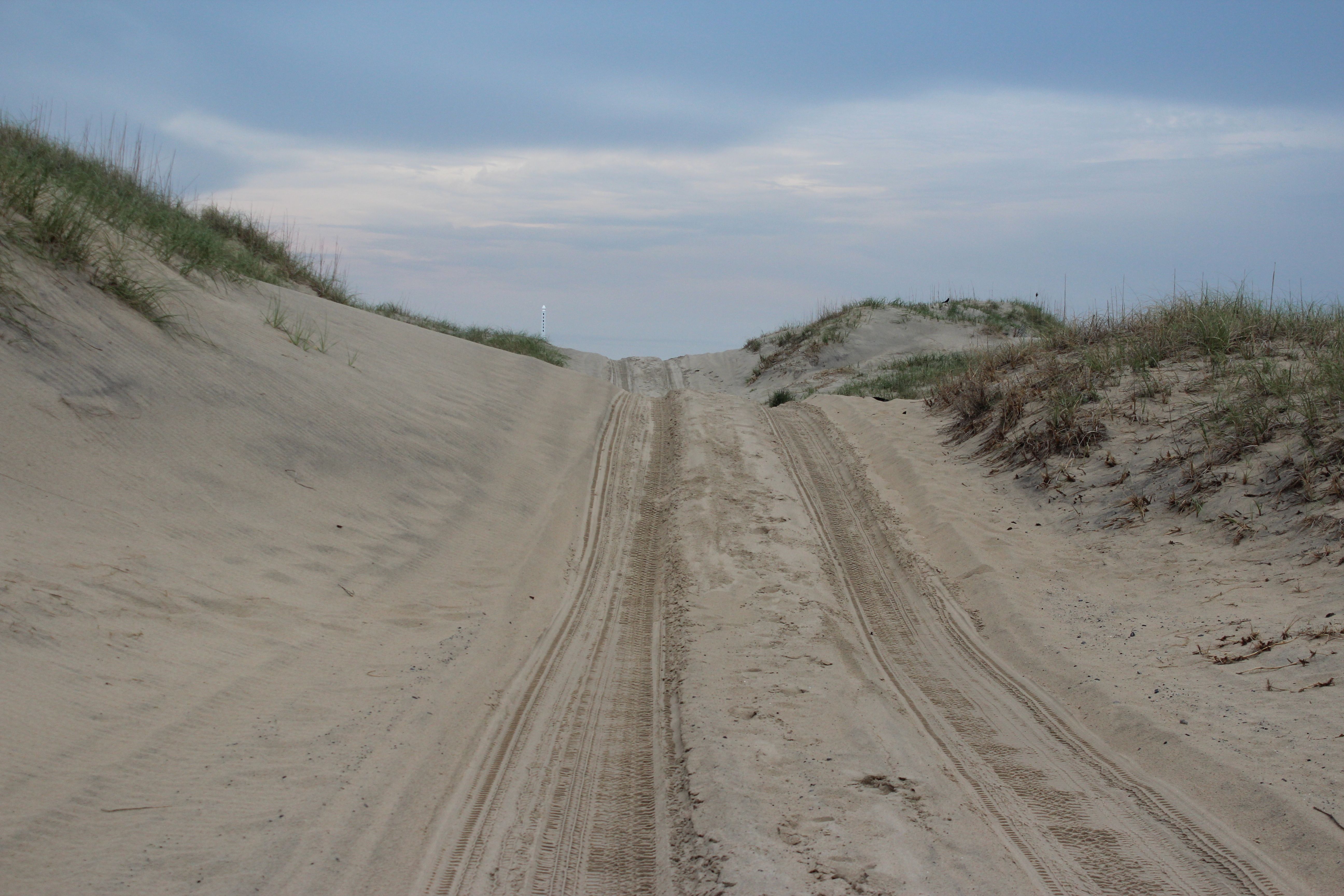
A running start was necessary to get up and over two dunes before reaching our hideaway destination.

the dream

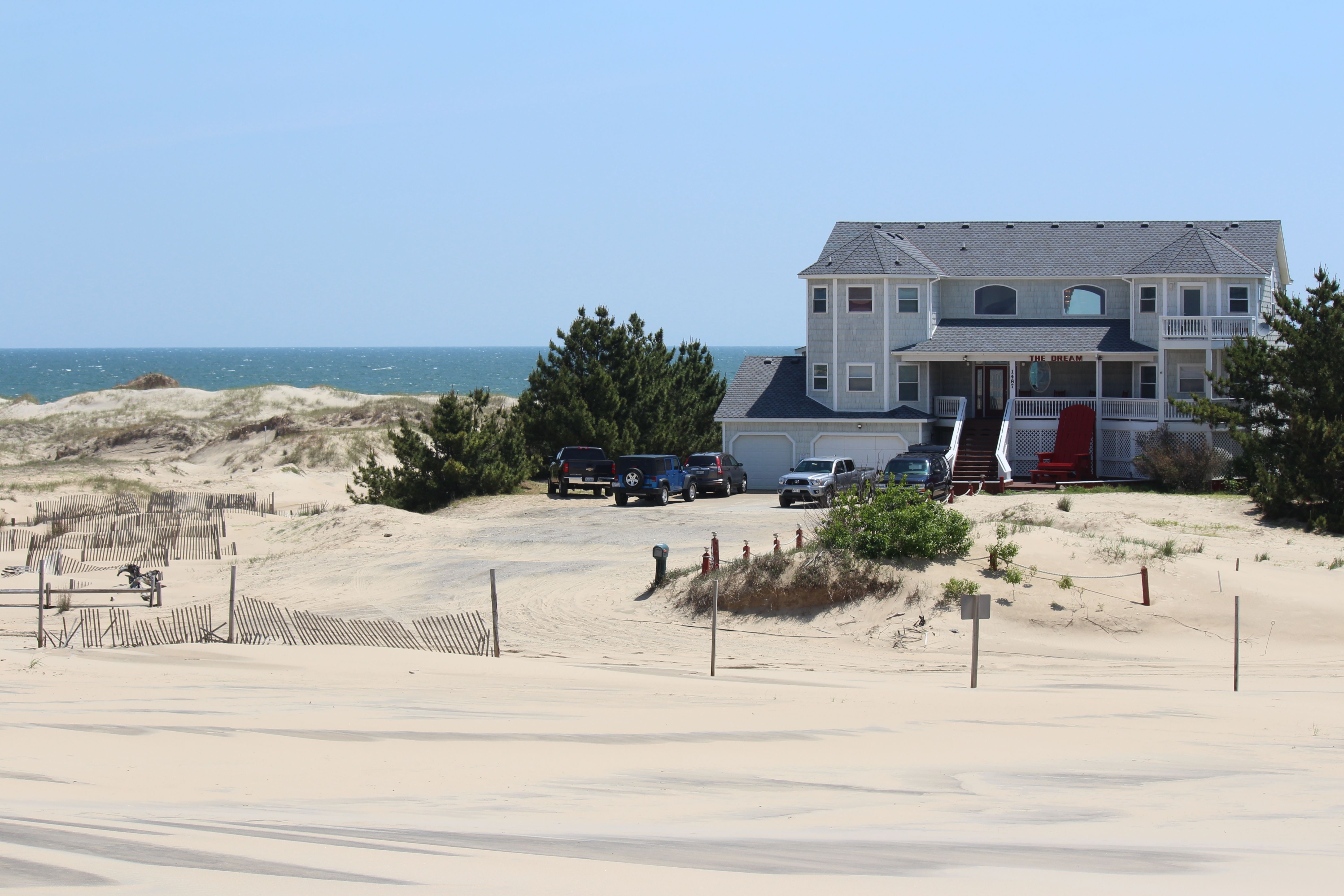
We stayed at The Dream, literally, an 18-bedroom beach house only accessible via 4×4.

sunburst

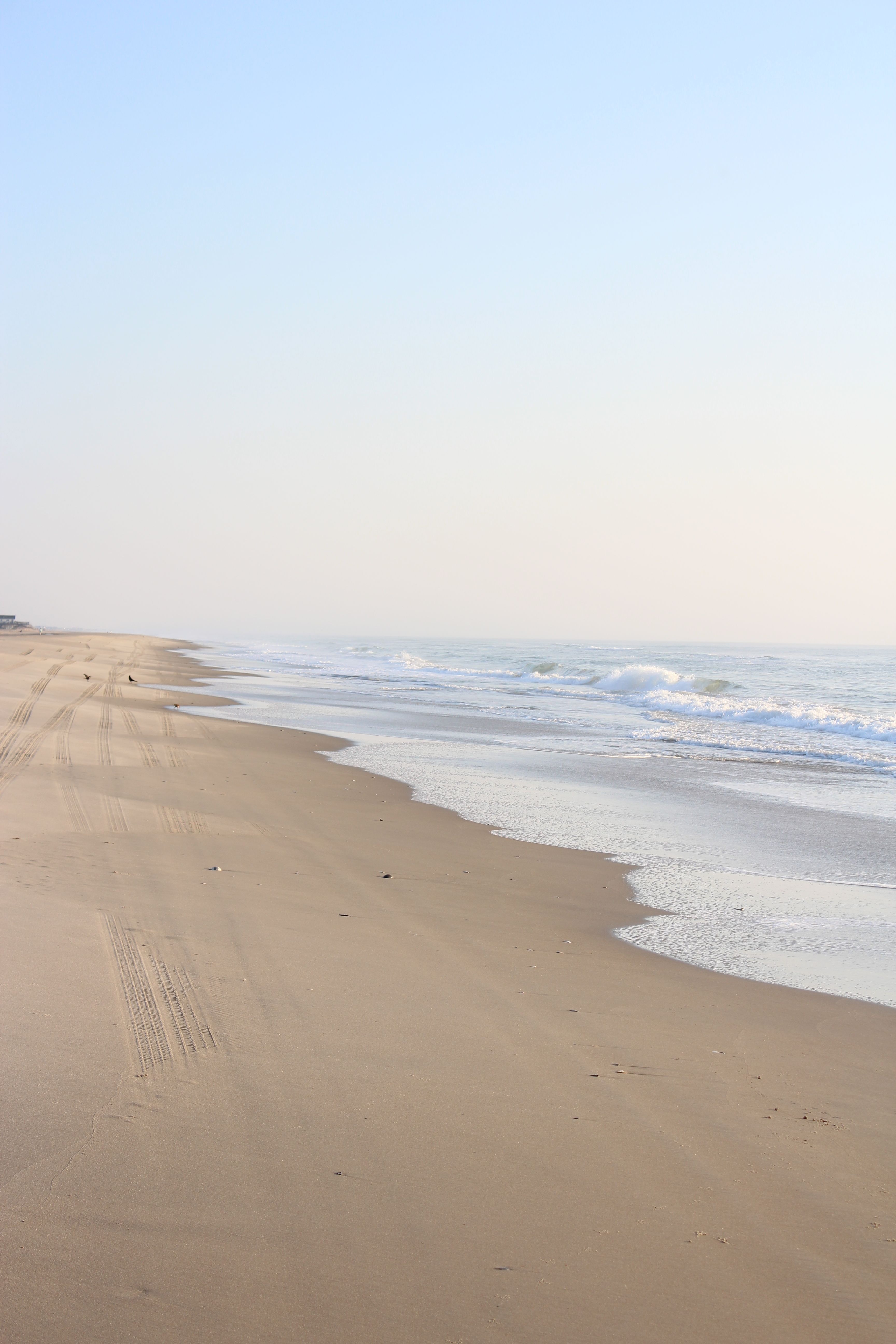
Frequently, we hiked over the dune to explore the shoreline, where we were greeted by . . .

shellshell 2

vibrant colors,

 mosaic

mosaic bubbles,

sand swirls

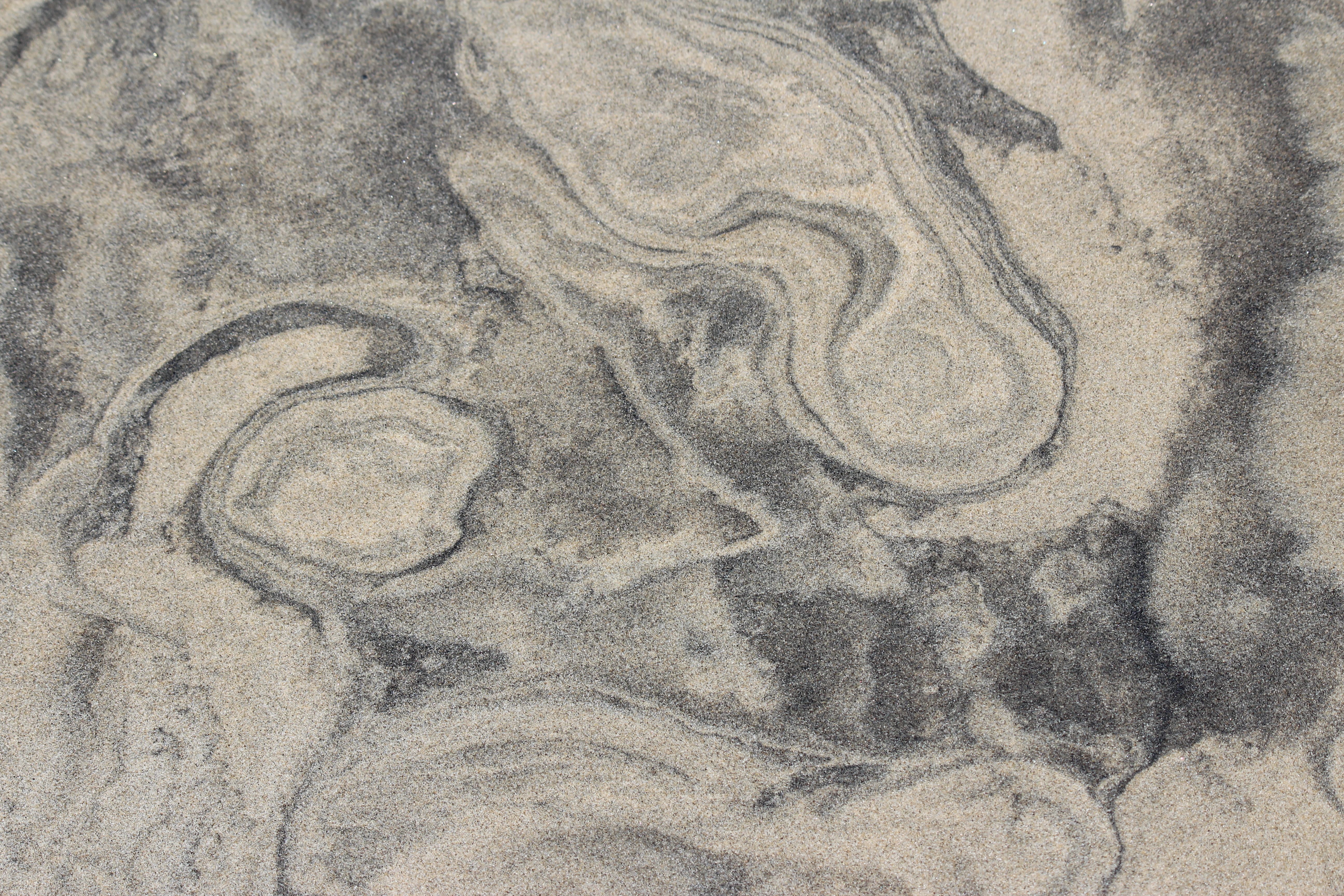
and sandy swirls.

The wildlife was abundant, both in sign and actual sitings.

whelkskate eggs 2

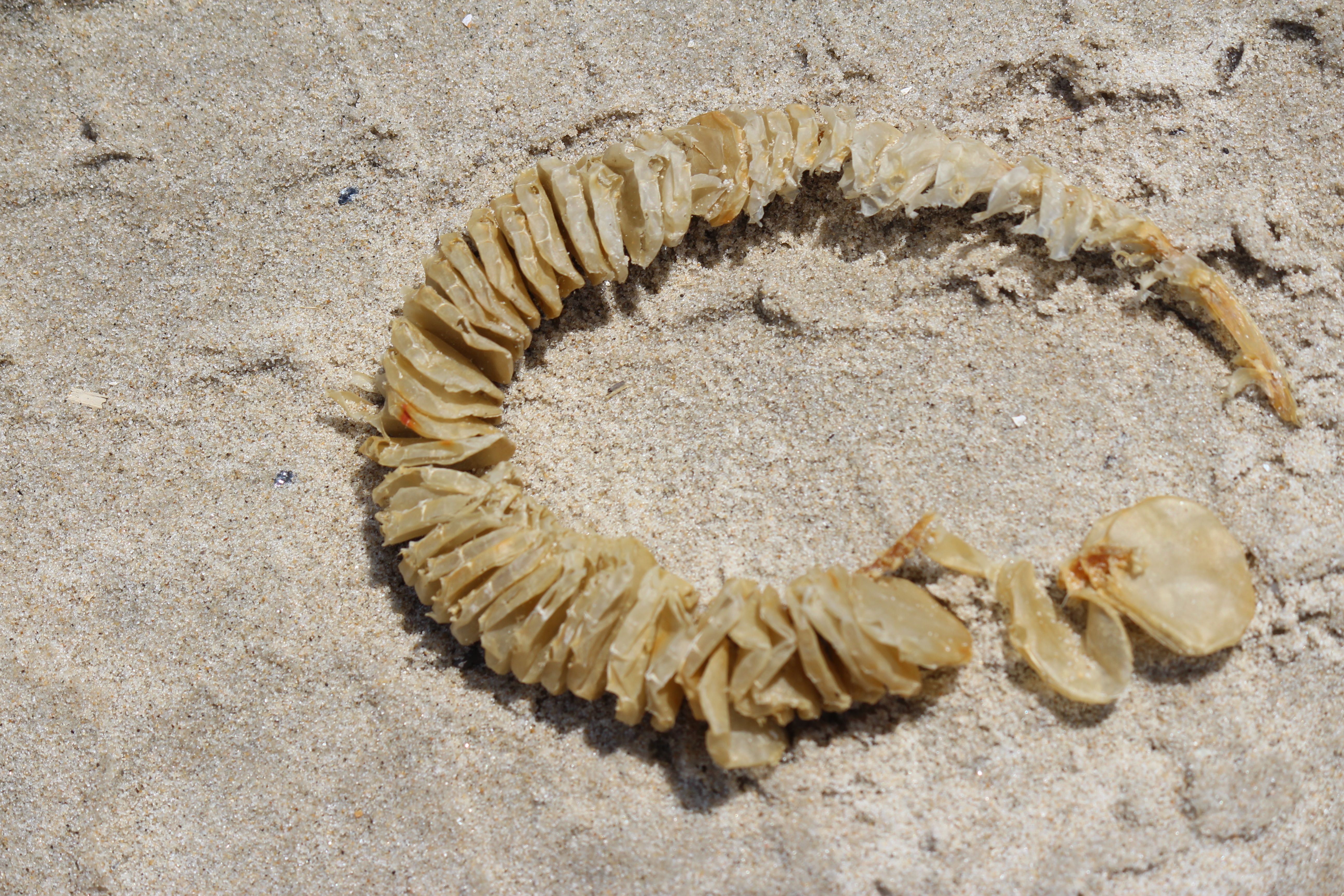
 Whelk egg and skate egg cases (aka, the little mermaid’s purse). This one is split open, so I suspect the young skate has emerged.

skate

This skate, however,  became . . .

skate:birdskate meal

dinner.

fiery searcher

Near the water’s edge I found a few beetles, like this one. It appears to be a Fiery Searcher, which is a caterpillar hunter. But . . . the habitat seems wrong, so if you know otherwise, please enlighten me.

fs 3

Further down the beach, I found one on its back. Check out those iridescent colors and patterns.

gullgrackleterns 2

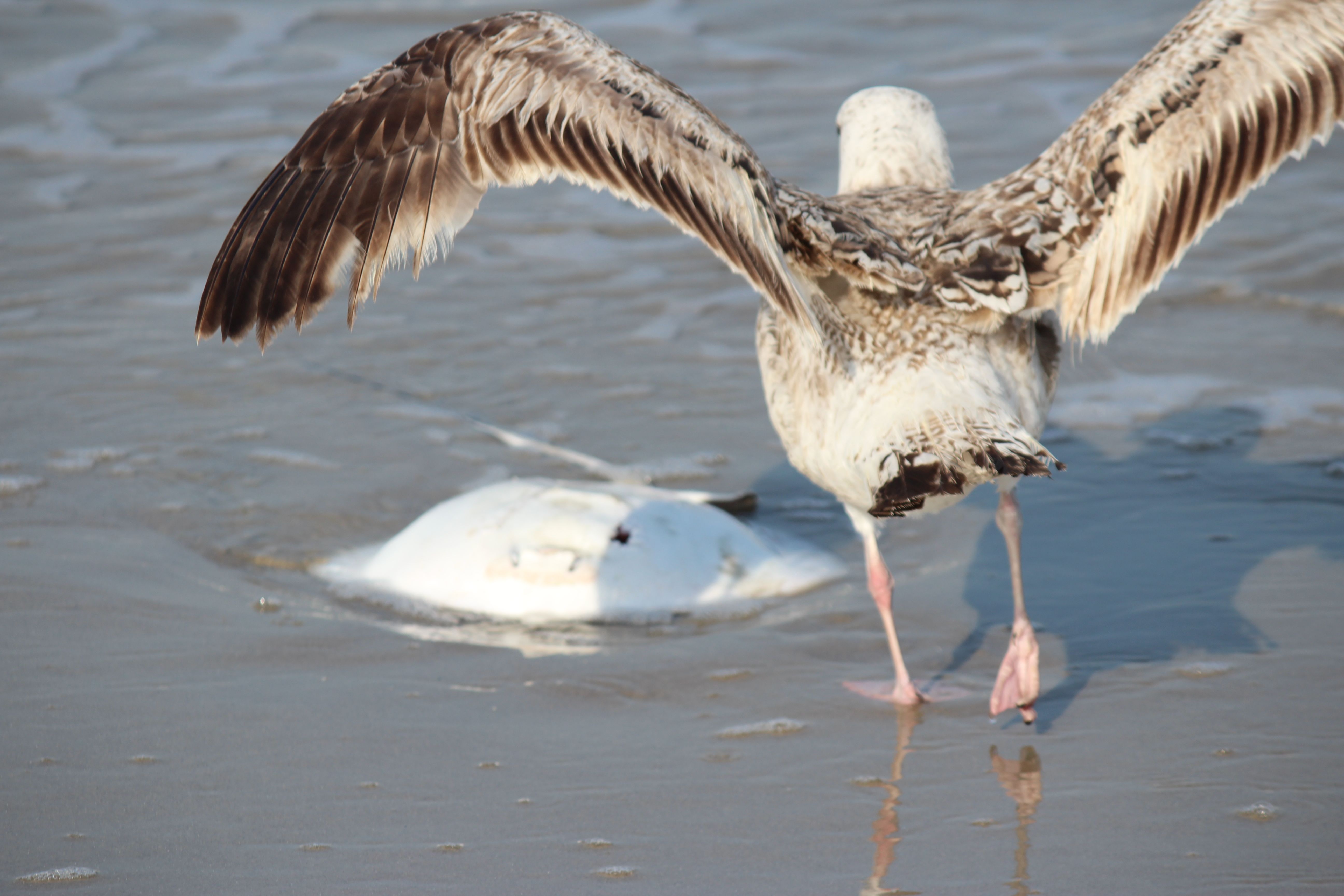
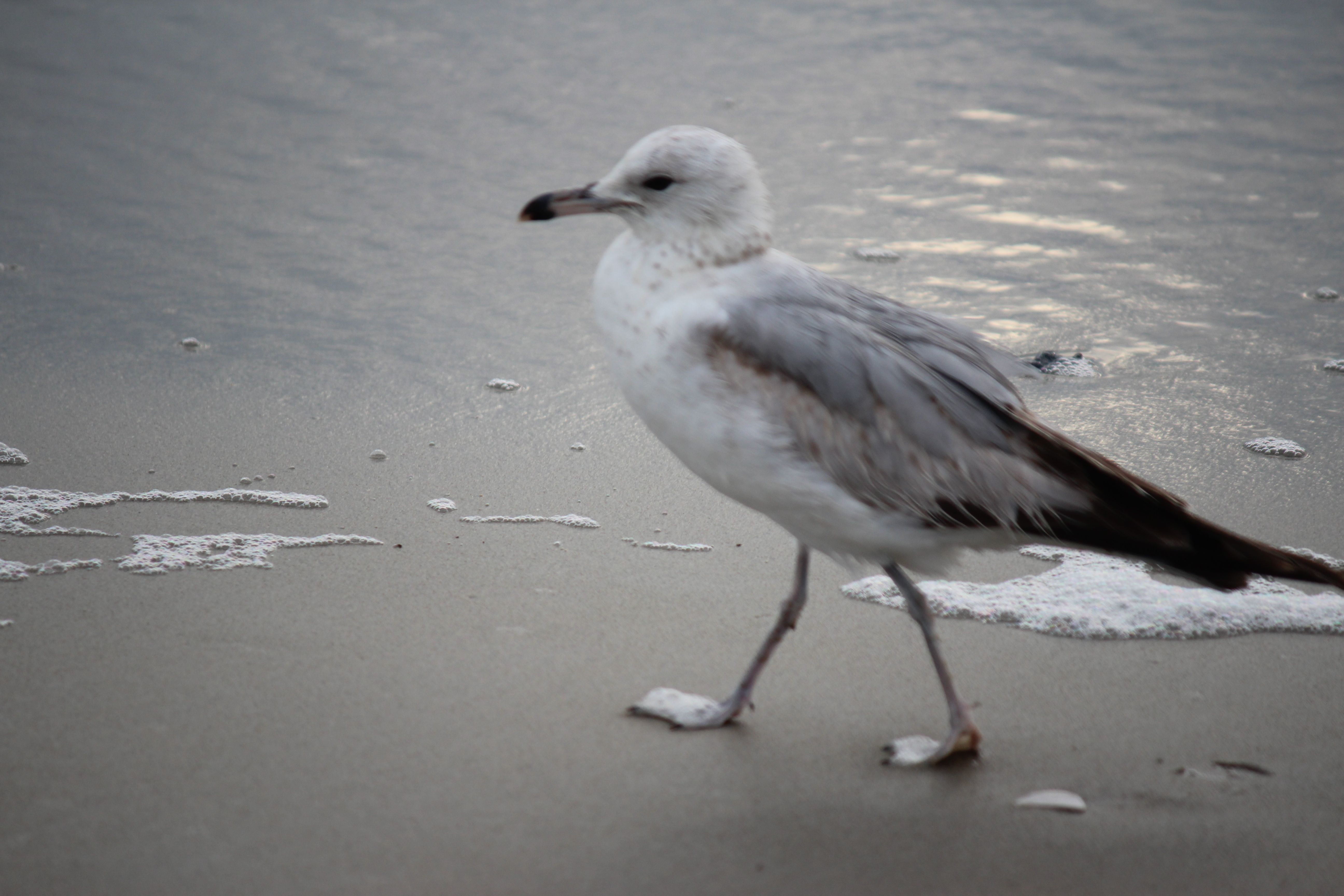
Gulls, grackles and terns marched along the water’s edge, sometimes not caring that I was nearby and other times scattering quickly as I approached.

pelicans 1

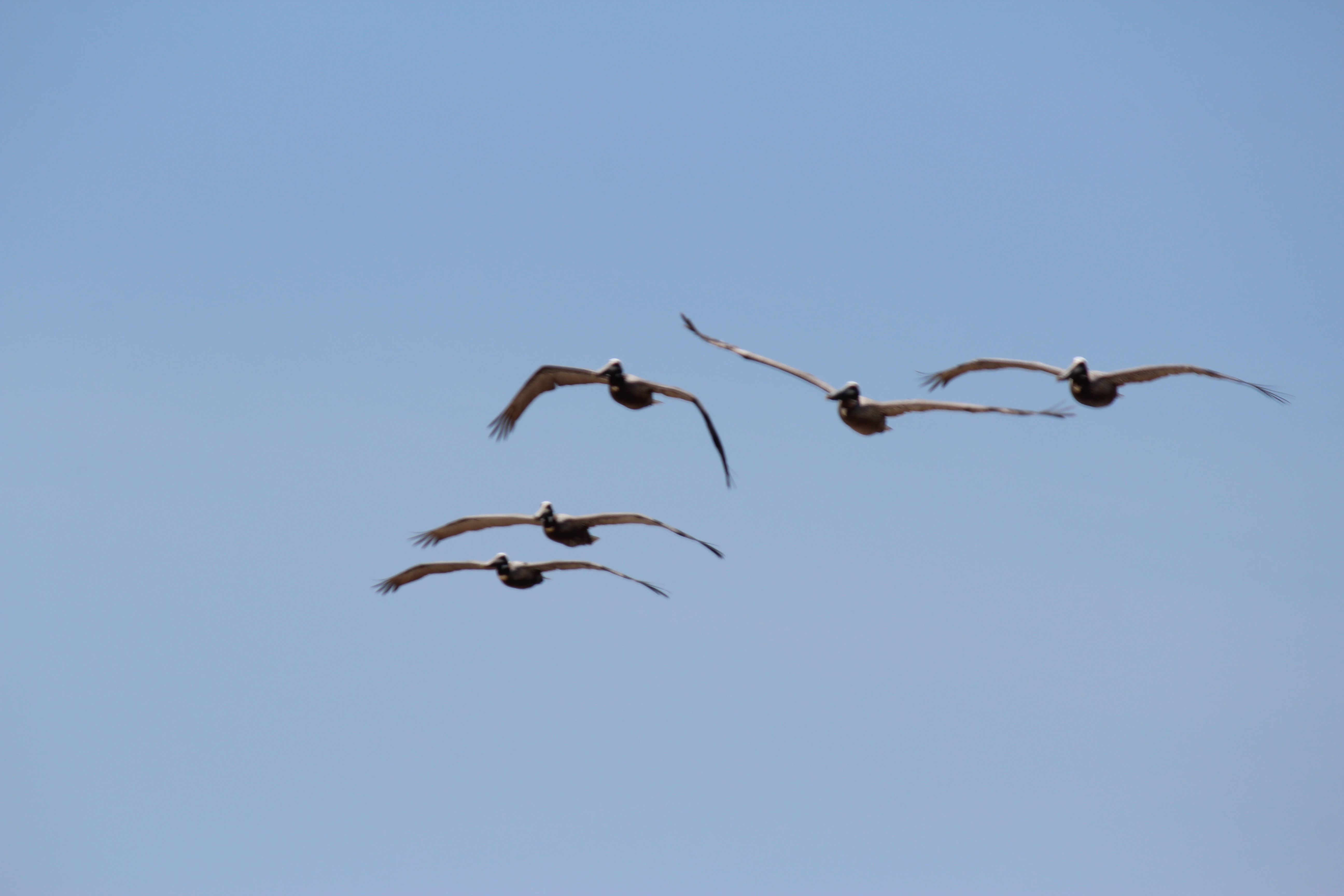
Groups of pelicans often flew low over the water.

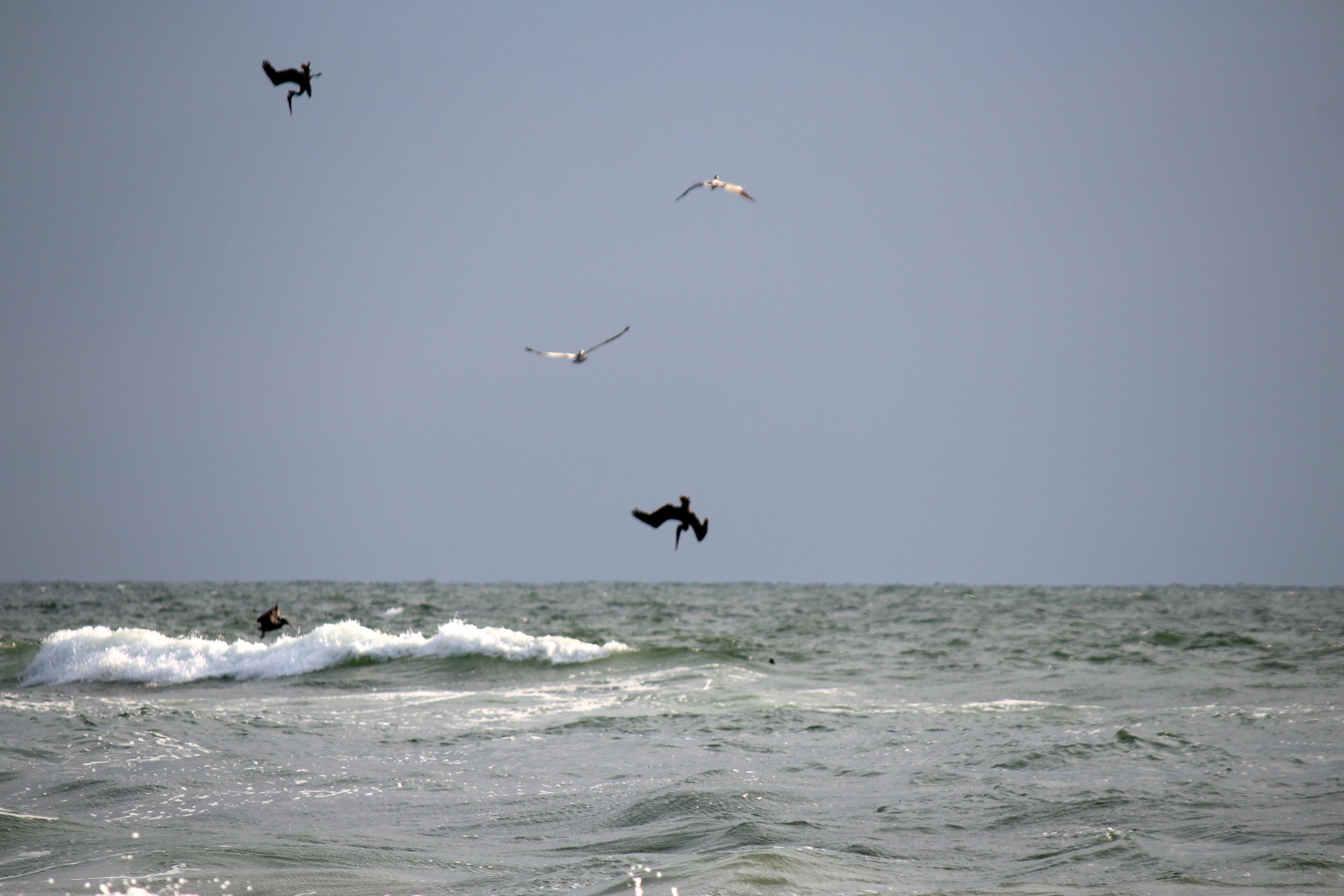
pelican dive 2

And then suddenly, they’d dive bomb. I was always too far away to see what they caught.

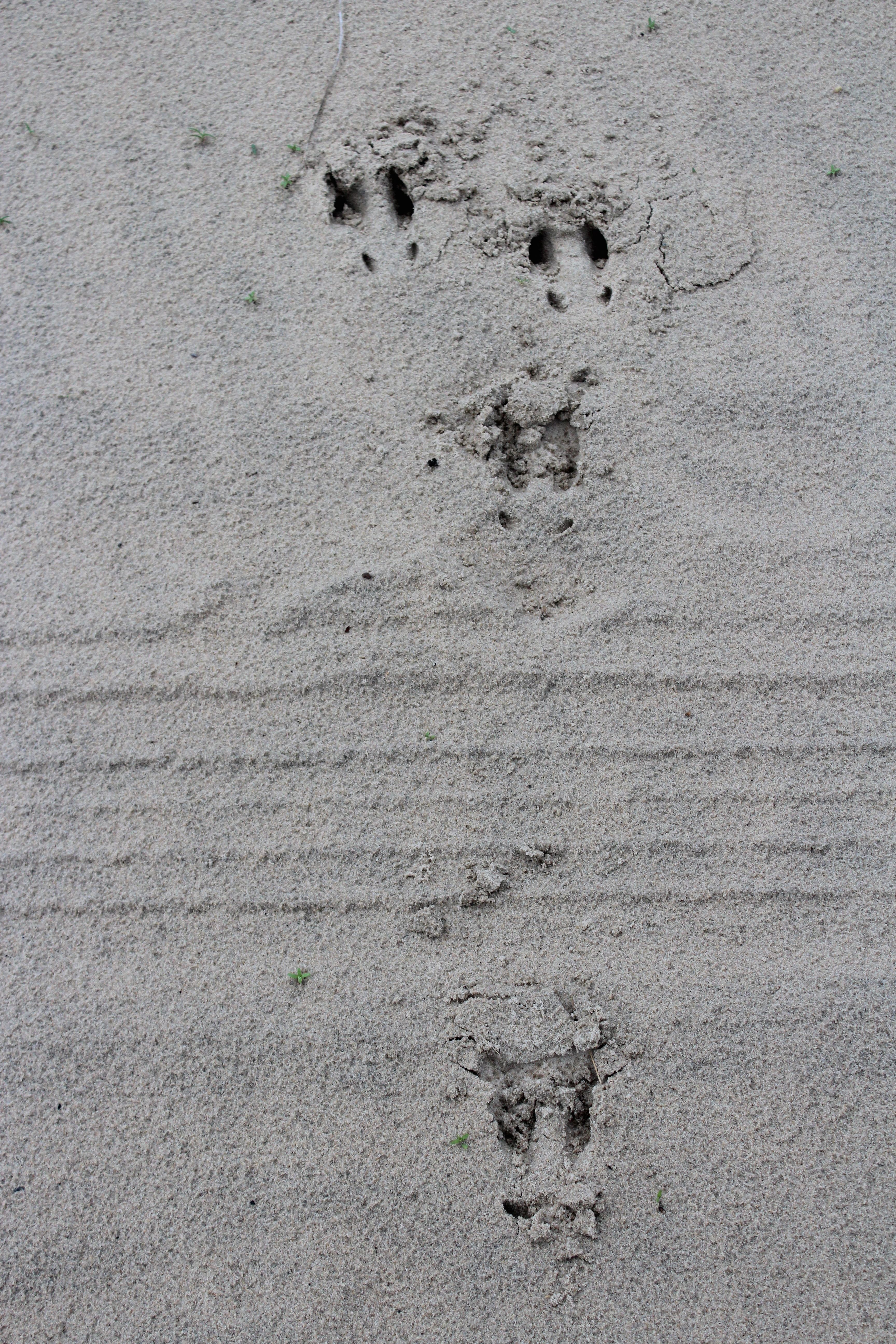
deer tracks

My camera wasn’t handy when I saw this deer cross the dunes by the house, but by his tracks I knew him.

red fox

We had several repeat visitors, including the red fox that passed by each night.

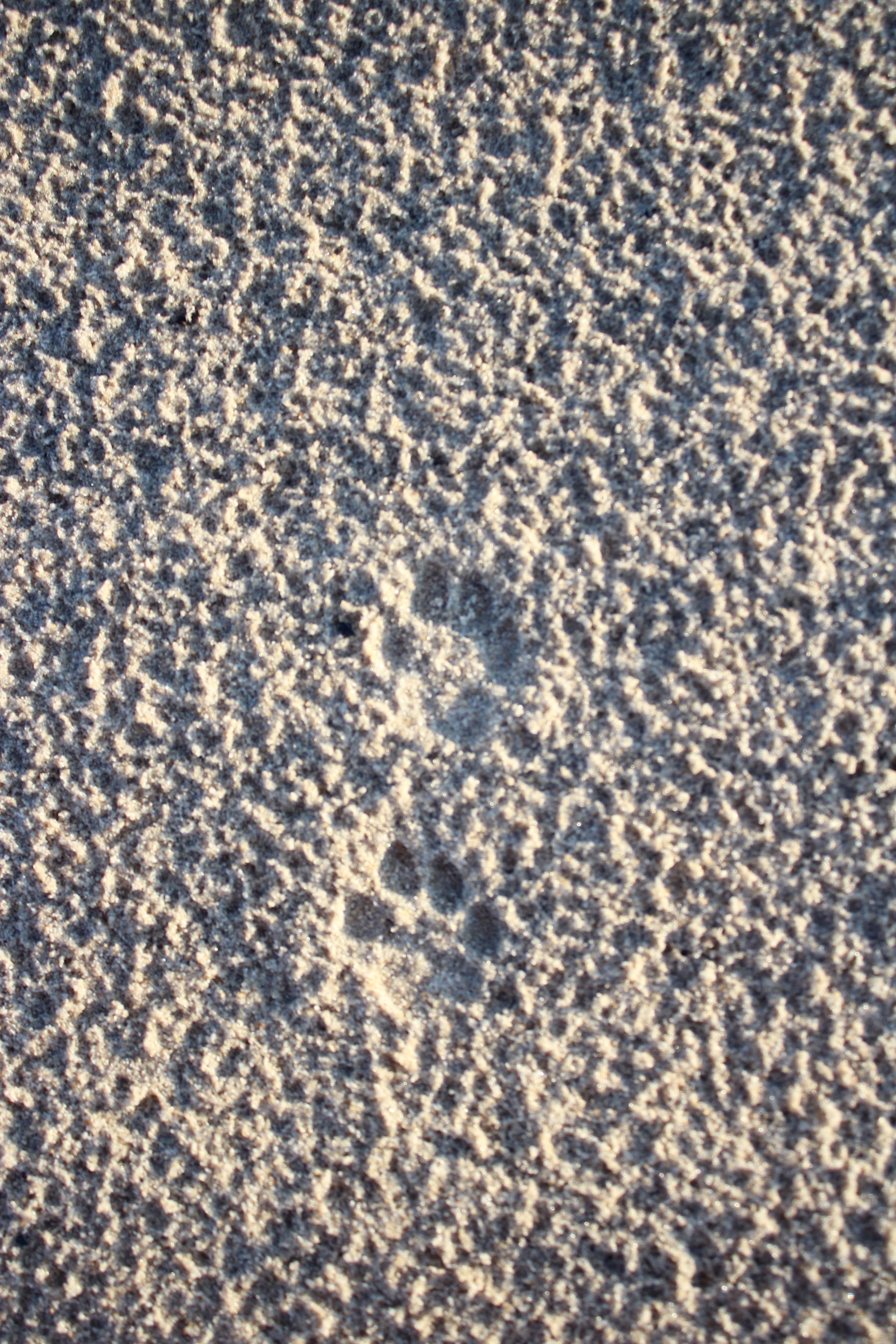
horse prints

And everyone’s favorite . . .

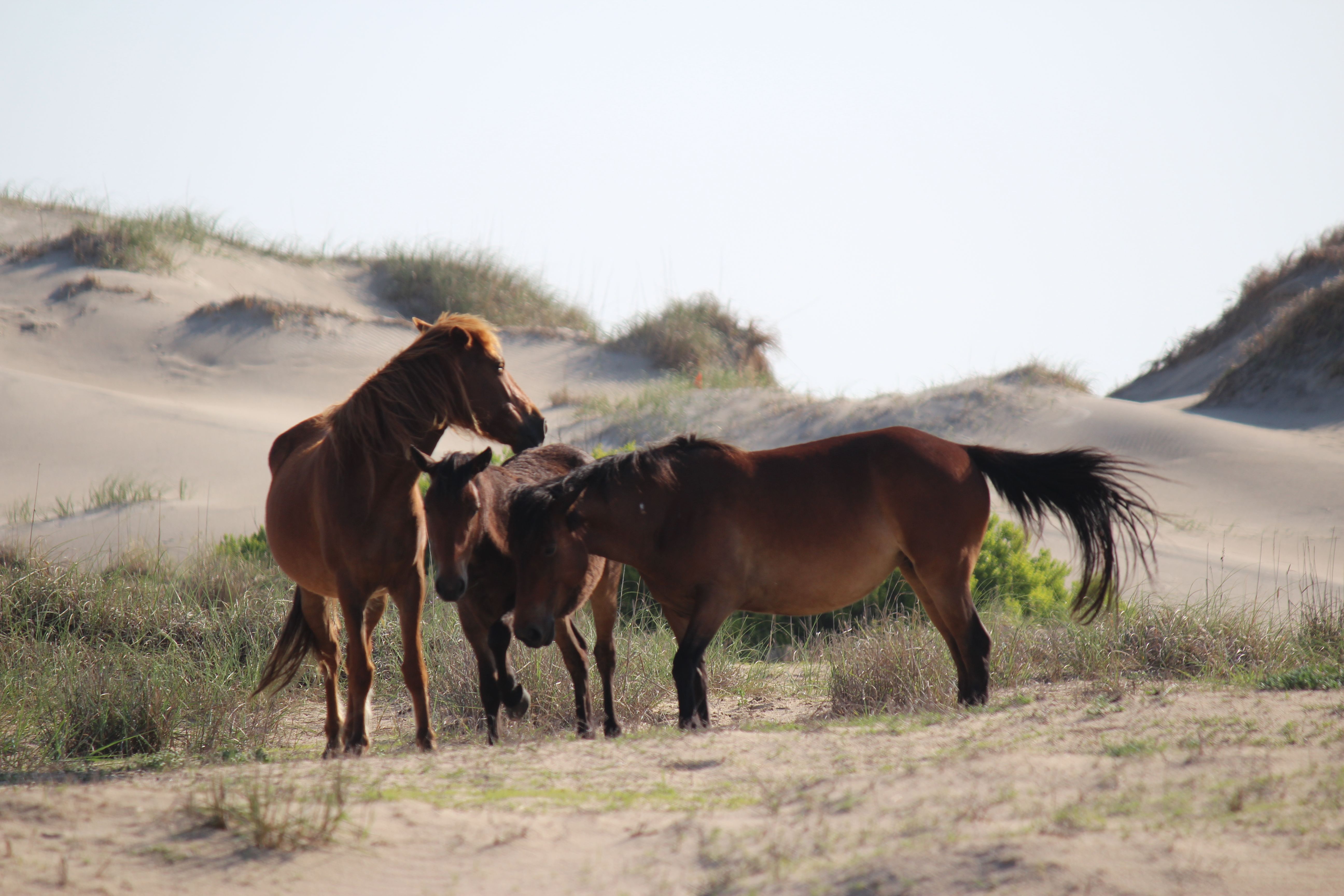
horses 2wild horses

the wild horses. They appear when you least expect it. Though their origin is not clear, it’s believed that they may have been inhabiting the Northern Outer Banks for the past 500 years.

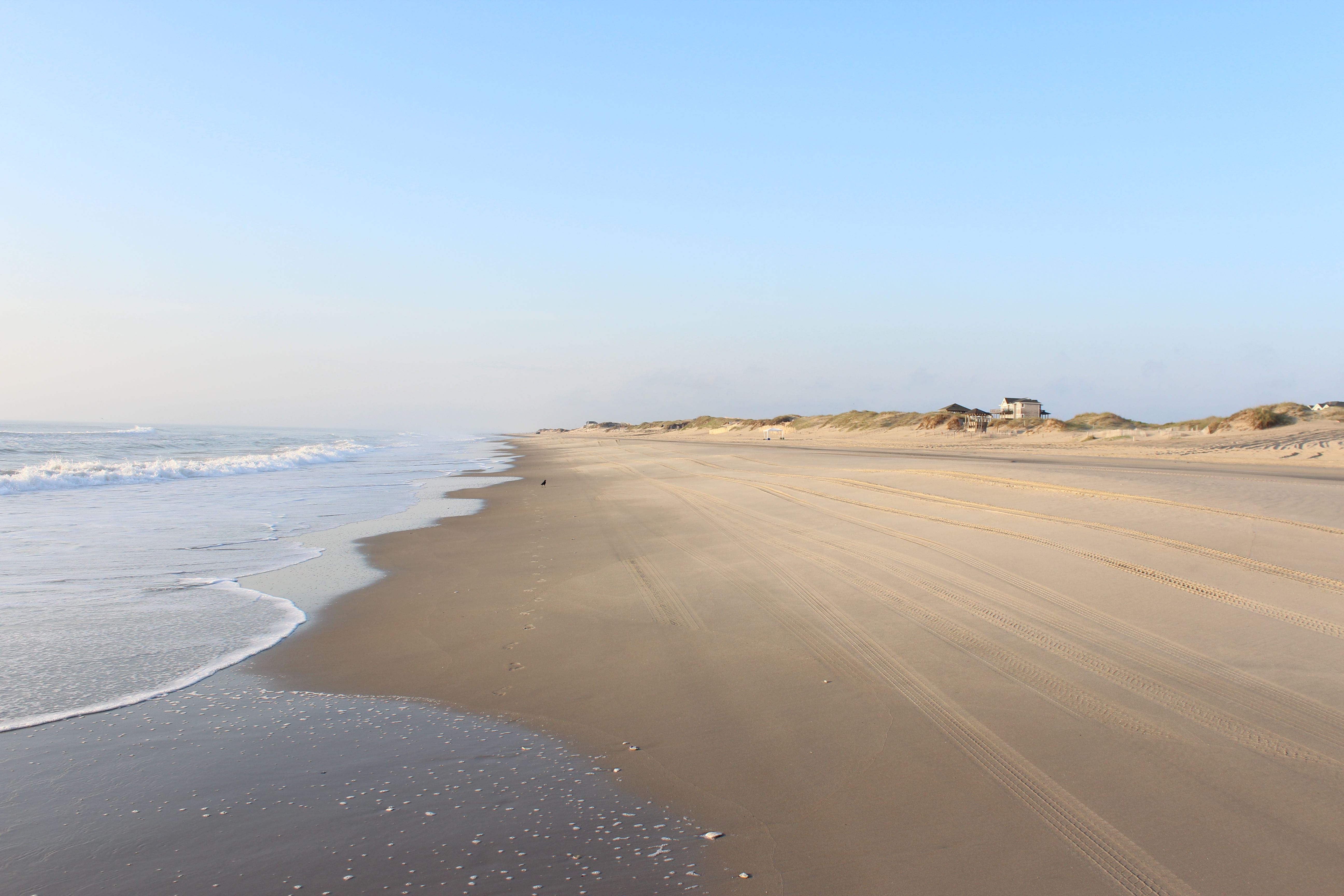
looking northlooking south

looking east  looking west

Compass points: Looking north and south from the beach. Then east and west from Penny’s Hill, the second largest dune that happened to be located behind our house and was the site of the wedding.

desert

An early morning shot of Penny’s Hill.

Penny's Hill sign

Signs lead the way.

wedding site

Elegant in its simplicity

tying the knot

for this young couple who tied the knot on May 22, 2015 at 5:30pm.

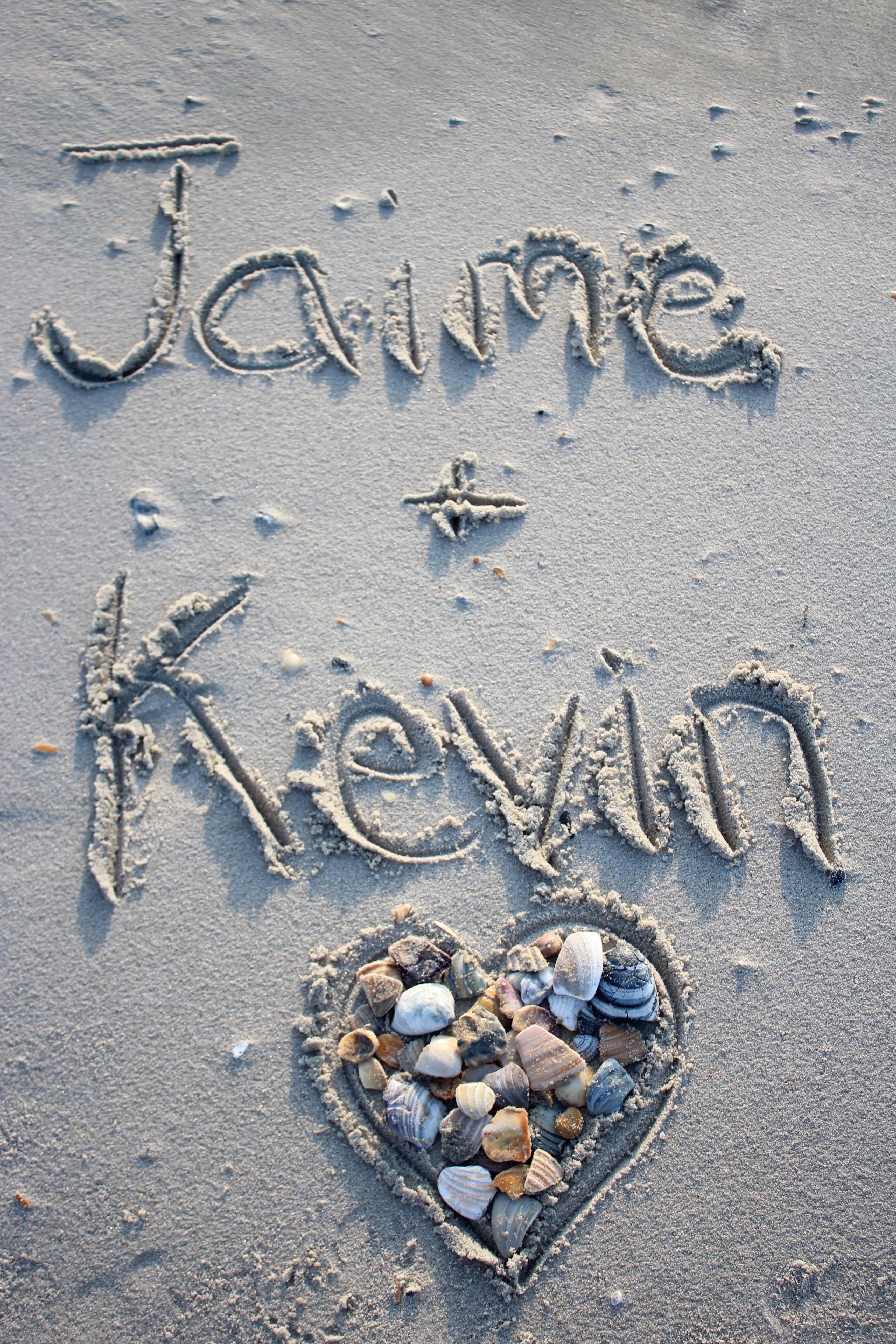
J & K

To Jaime and Kevin, “You’re beautiful and pretty and happy with love and pretty in the heart . . .”

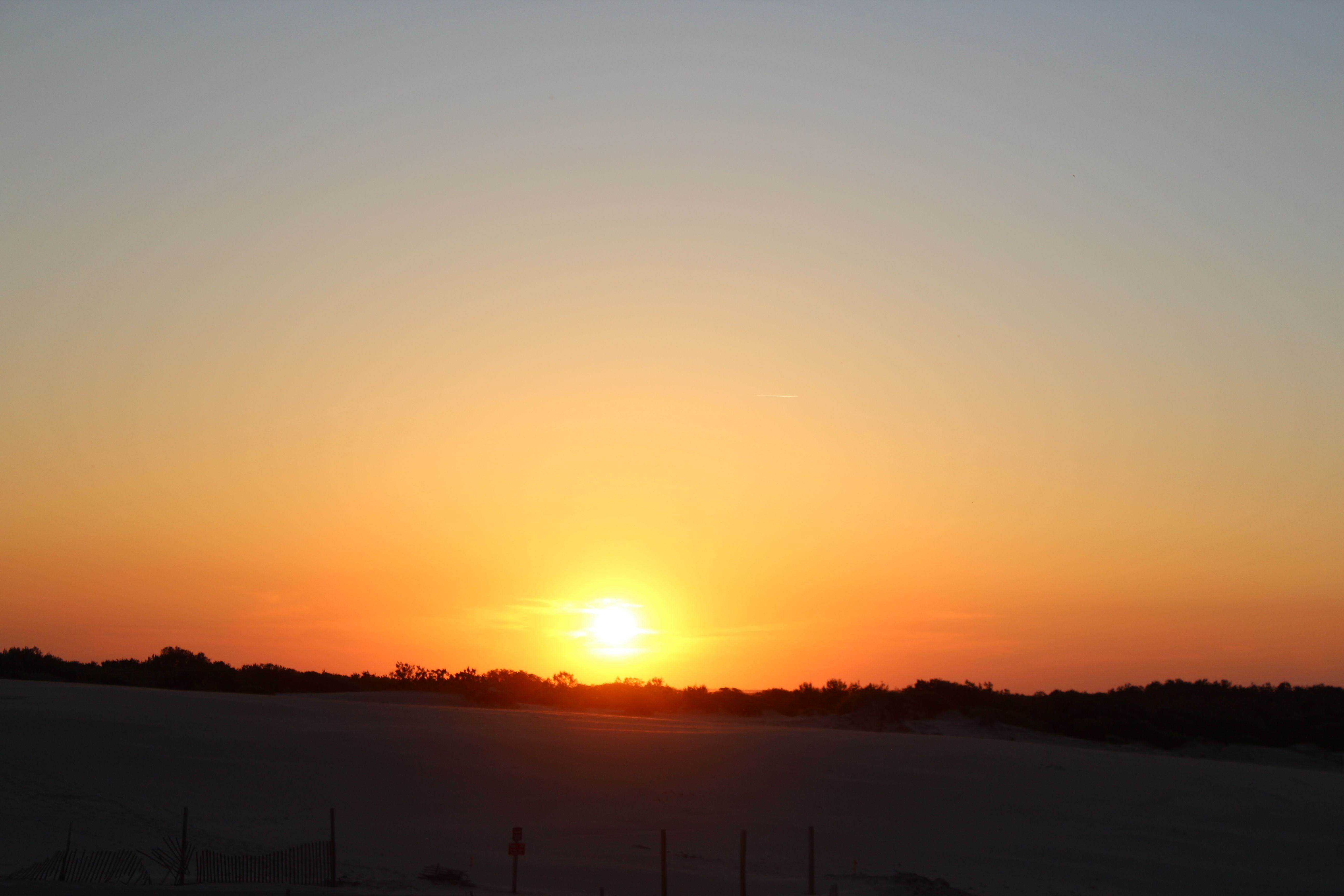
Thank you both for letting us all wander and wonder and be a part of your dream. May your marriage be a happy, long and adventurous journey into the sunset.

sunset

Soaking Up Solitude

It just so happened that my guy and oldest son had to work today and our youngest is exploring Chicago for a few days before heading home for the summer. So, on this Mother’s Day, I did what I do–went for a hike by myself.

kiosk

Thanks to the efforts of Loon Echo Land Trust, and the people who support this organization, there is a network of trails that loop around and over Bald Pate in South Bridgton. Initially, the land was purchased from a paper company to protect it from becoming the site of a TV tower. The Bald Pate Mountain Preserve encompasses 486 acres and has 6.7 miles of trails. I covered most of them today.

Moose Trail sign

The Moose Trail was at times dry and other times wet. Though this sign directs hikers to the Beech Thicket, really, much of the lower part of the mountain is covered in beech–an indication that the land was previously disturbed.

horsetail

Along the way, I found Woodland Horsetail, an Equisetum. The whorled branches apparently reminded those who came before of a horse’s tail.

hobblebush

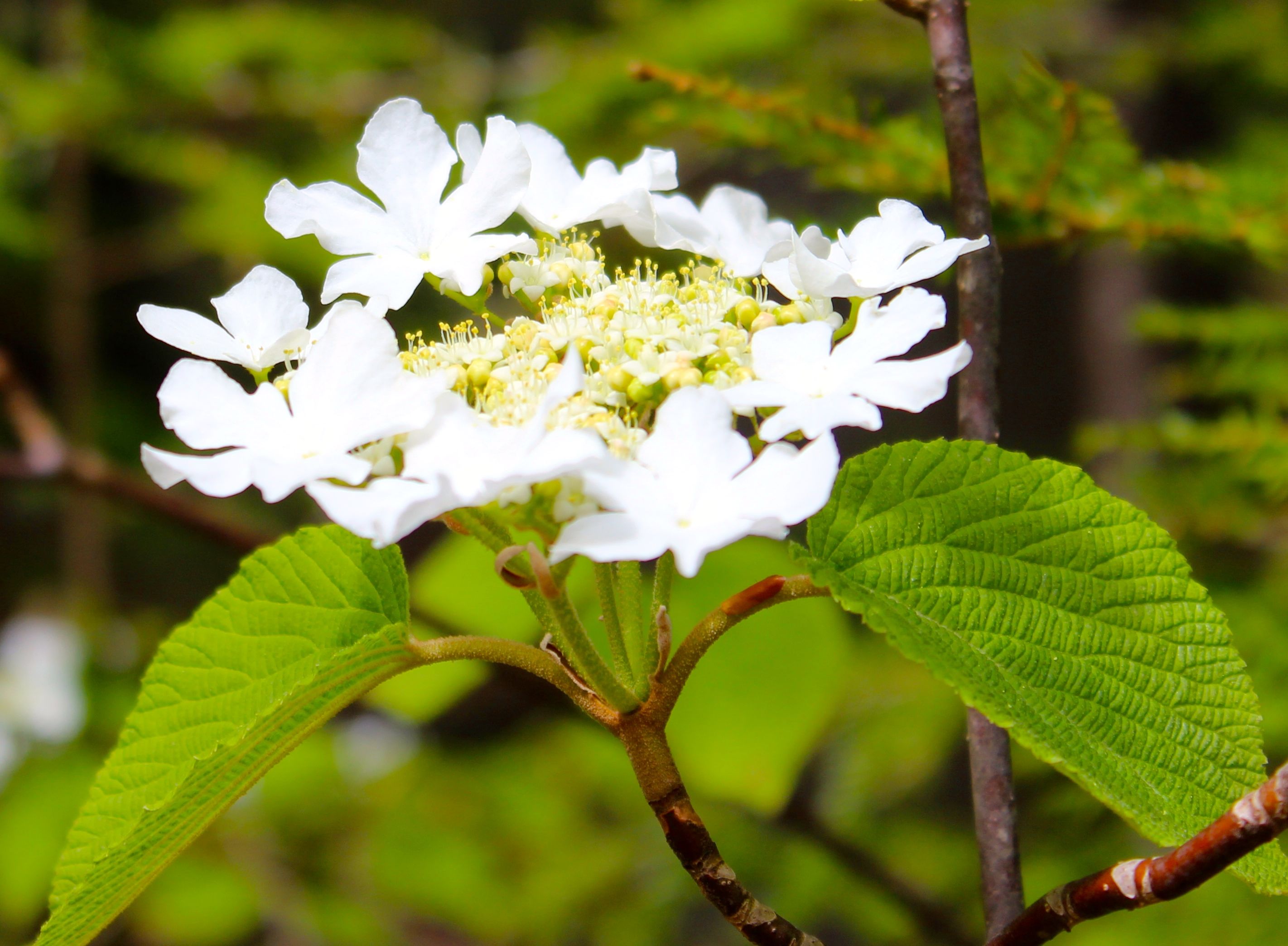
A few Hobblebush Viburnums were in full bloom. One of the extraordinary things about this plant is that the showier outer rim of flowers are sterile, while the inner flowers have both stamens and pistils. Today’s lesson–male flower part, stalk is called filament, pollen producing sac at tip is the anther, together they form the stamen(stay men); pistil–female flower part, the stigma at the top receives the pollen, which is sent down the style, a tube-like structure, leading to the ovary, where the potential seeds or ovules are located. (She’s a pistil) Phew! Got through that discussion.

Indian Cucumber

Indian Cucumber Root is the double-decker of the plant world. When it has two tiers, such as this one, it has enough energy to produce a flower. And the root is edible. This I know first hand. I’m not the forager some of my friends are, but the root really does taste a bit cucumbery.

wild sasparilla

Another plant with an edible root, Wild Sarsaparilla was used as a tonic and was the source of root beer–until we learned how to make it out of artificially flavored syrup.

trail marker

I followed the squiggly trail marker to the summit, hiking from the Moose Trail to the South Face Loop Trail and continuing past the Pate Trail. The trail is well marked and maintained. On the climb up, I kept looking for my favorite signs.

bobcat

Found some. Bobcat prints in the mud.

coyote scat--apple

Coyote scat filled with apple skin and seeds. The property abuts an orchard. In fact, at Five Fields Farm, winter activities include snowshoeing, cross-country skiing and dog sledding on a network of trails through the orchard and onto the preserve.

coyote

A coyote print dried in the hardened mud.

garter snake

And a garter snake slithered away from me. I actually saw another later on.

beech nuts

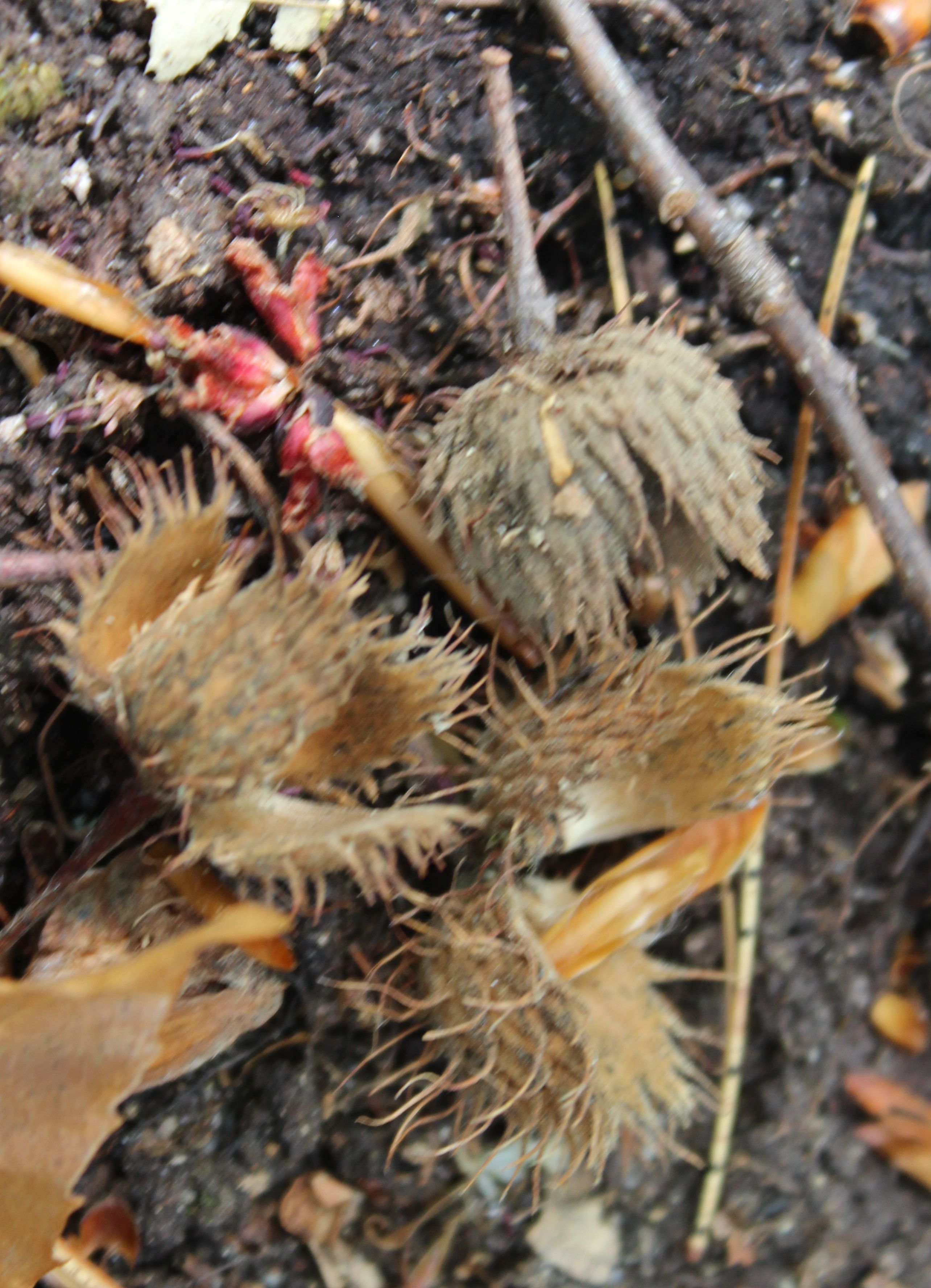
I found beech nuts on the trail, but no bear claw marks, which surprised me considering the number of mature beech trees. And interestingly, while some of the beech trees suffer from infection due to the beech scale insect, many are quite healthy.

initials

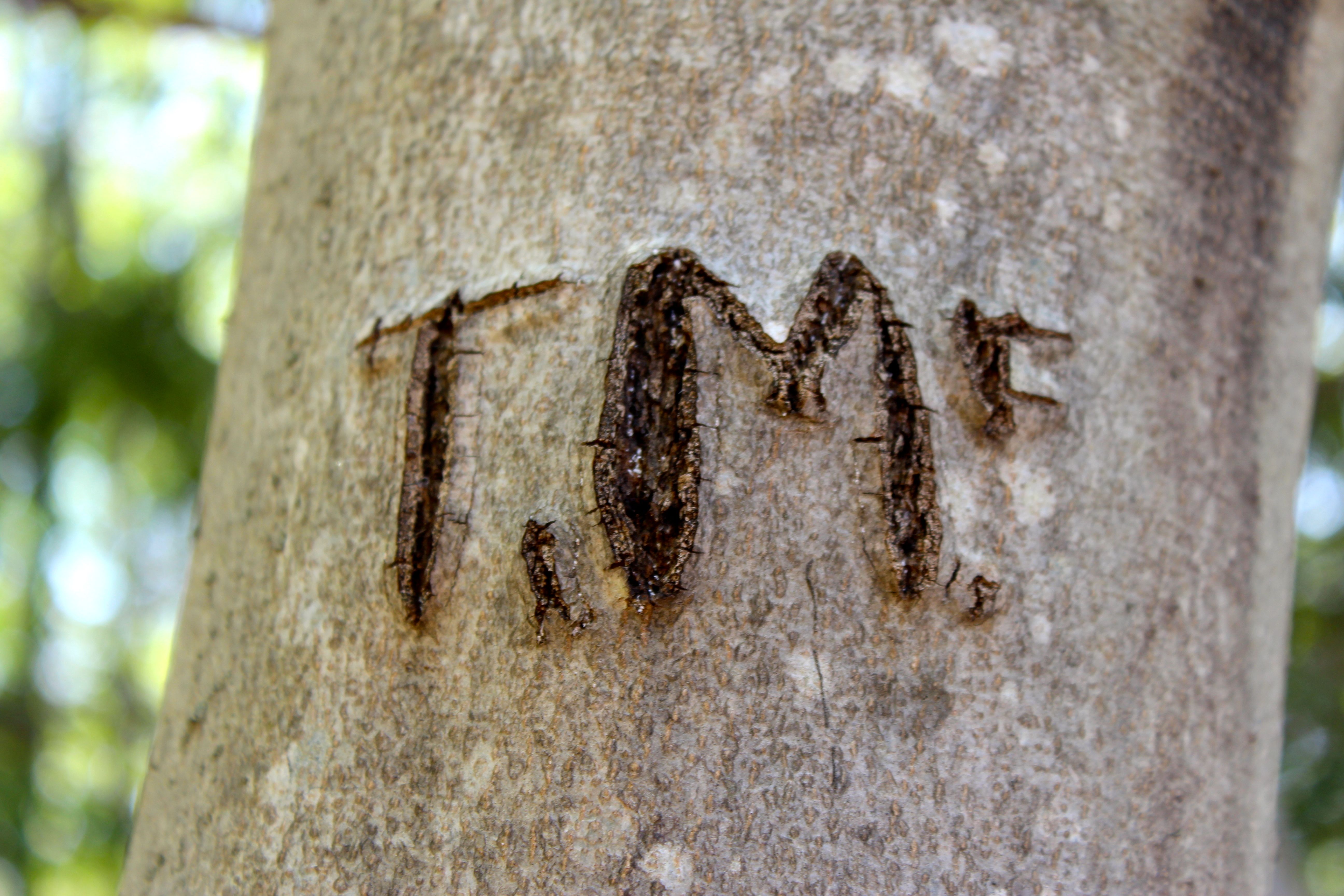
One black bear did carve its initials into bark. We only raise intelligent black bears in these parts.

PeabodySebago

Ascending via the backside of the ledges, I soon came to the view of Peabody Pond and Sebago Lake beyond. The only other people I saw was a family of five at the summit.

pp3

Pitch Pine trees are the most fire resistant in Maine and the summit features a community of these.

pp needles

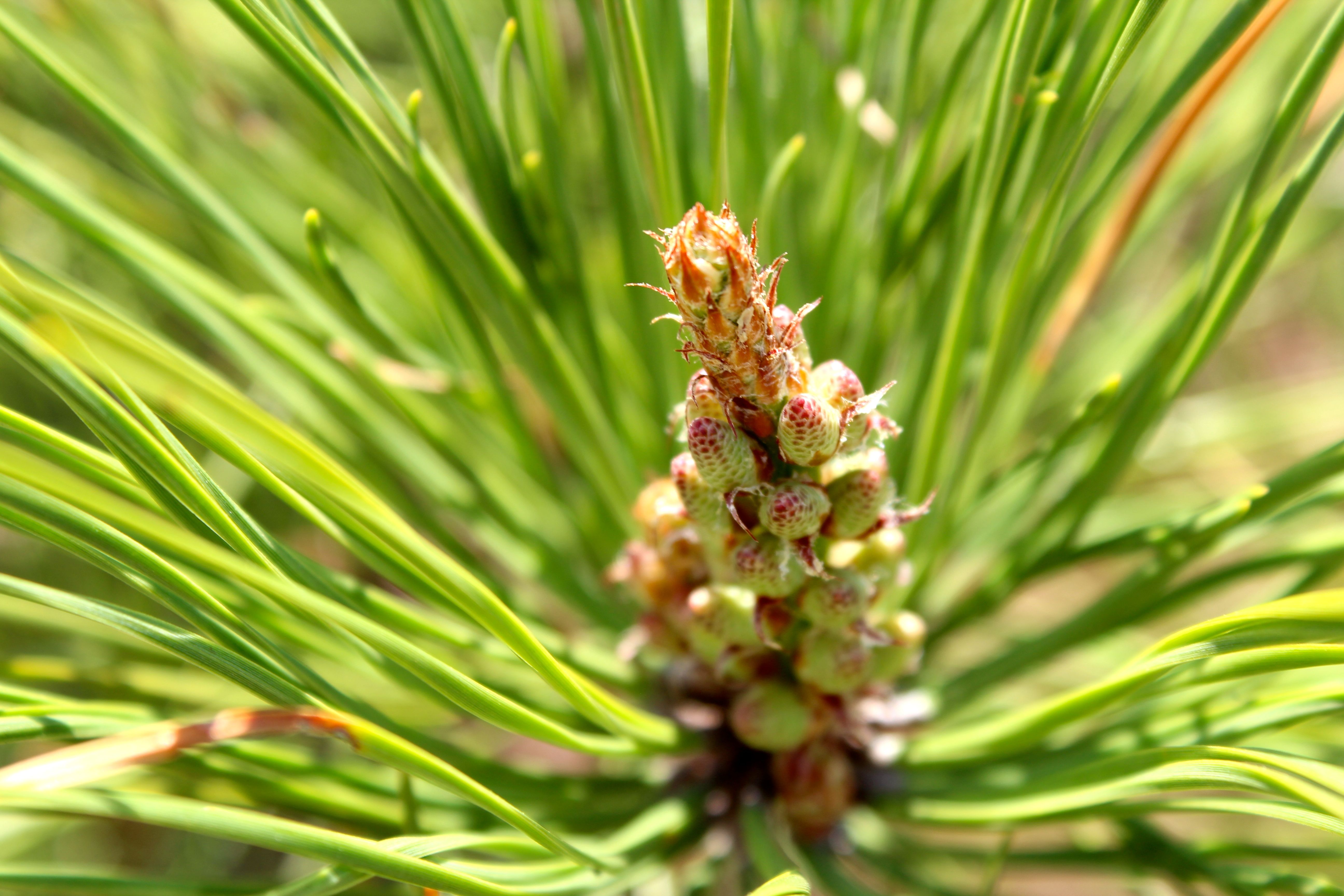
While White Pines have a bundle of five needles, Pitch Pines have three in a bundle.

pp cone

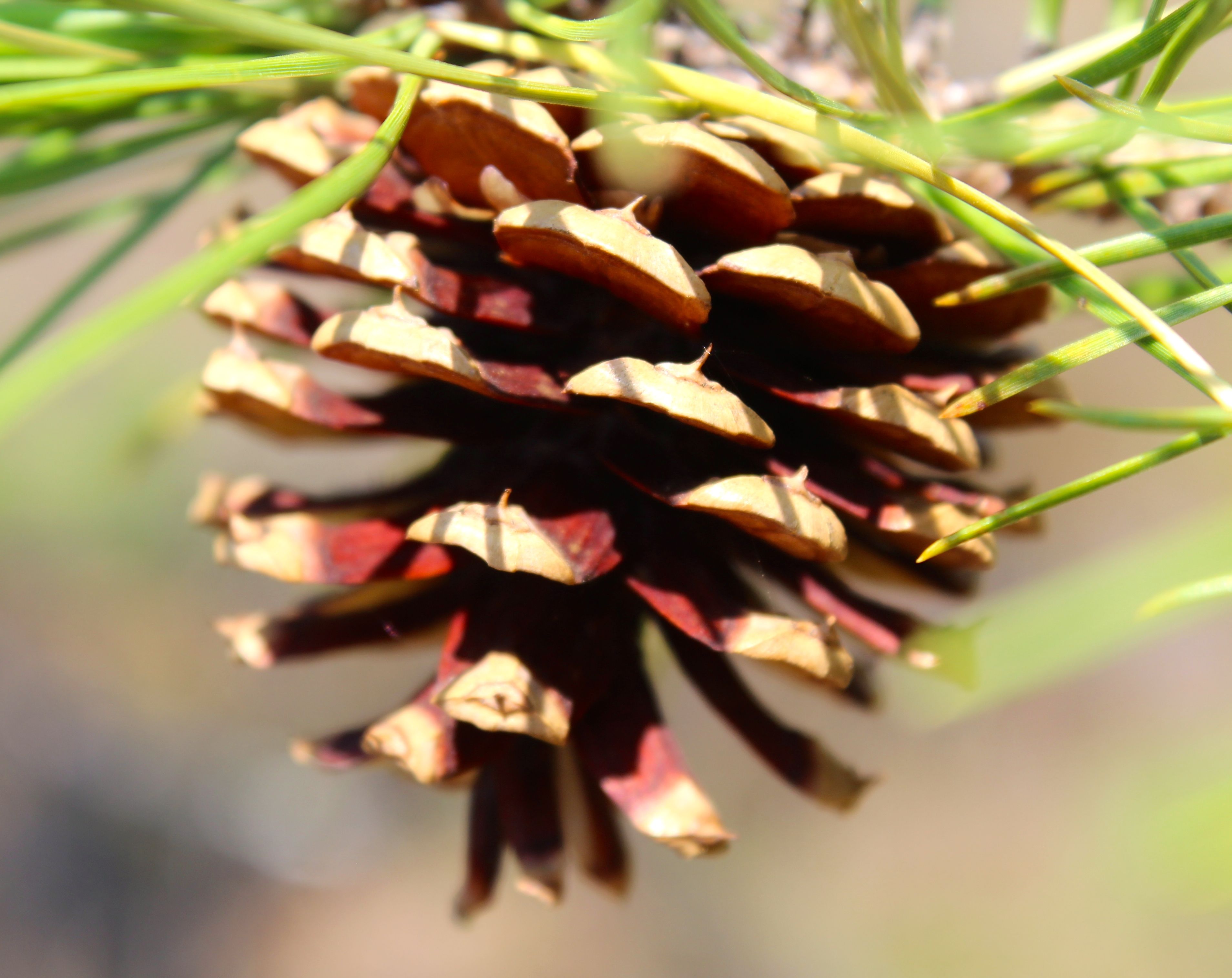
And prickly-scaled cones.

lichen on granite

The “bald” mountain top is the reason I am who I have become. Being outside and hiking have always been part of my makeup, but when our oldest was in fifth grade, I chaperoned a field trip up this mountain that changed everything. The focus was the soils. And along the way, Bridie McGreavy, who at the time was the nature educator for Lakes Environmental Association, sat on the granite surrounded by a group of kids and me, and told us about the age of the lichens and their relationship to the granite and I wanted to know more. I needed to know more. That was the beginning and I give thanks to LEA, Loon Echo Land Trust, the Greater Lovell Land Trust and Maine Master Naturalist Program for continuing my education.

Foster pond

There was so much more to see, like this view of Foster Pond from the Foster Pond Lookout Trail.

bb1

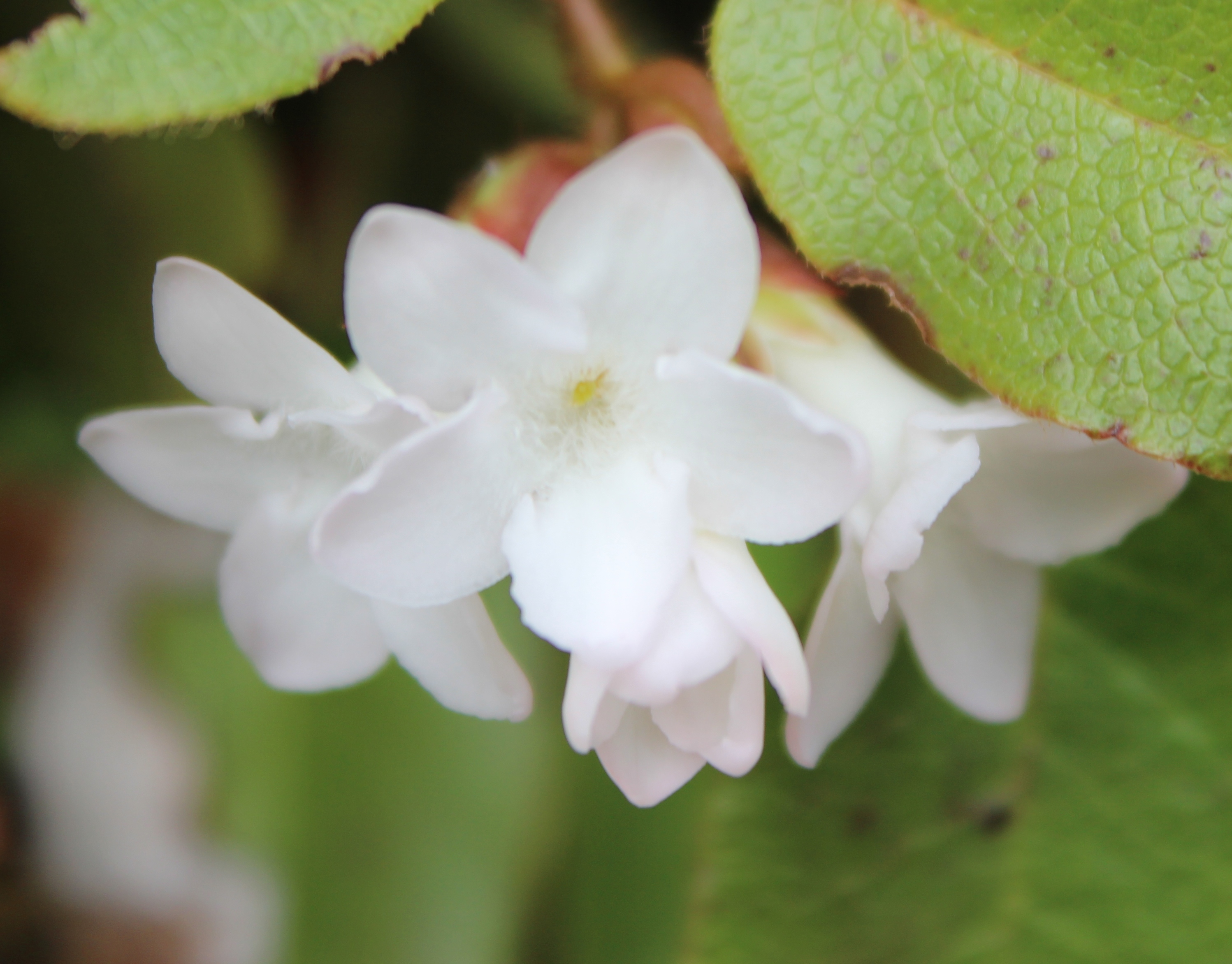
And these bell-shaped flowers. I’ll be back when they turn to fruit. There will be plenty to pick.

3 beeches

I may have been soaking up my alone time (or maybe that was just sweat–it was hot), but my thoughts were of my three guys.

Happy Mother’s Day to all. As one of my college friends wrote the other day, “whether we are mothers to children, aging parents, pets, or all of the above, we deserve to celebrate!!” Love that sentiment, BMD :-)

And I love that you’ve taken the time to wonder along with me. See, I wasn’t alone after all.

A Perfect Beech Day

Eighty-some odd degrees, plenty of sunshine and a welcome breeze greeted a couple of friends and me as we explored the Sucker Brook Outlet Reserve on Farrington Pond Road in Lovell–certainly a beach day.

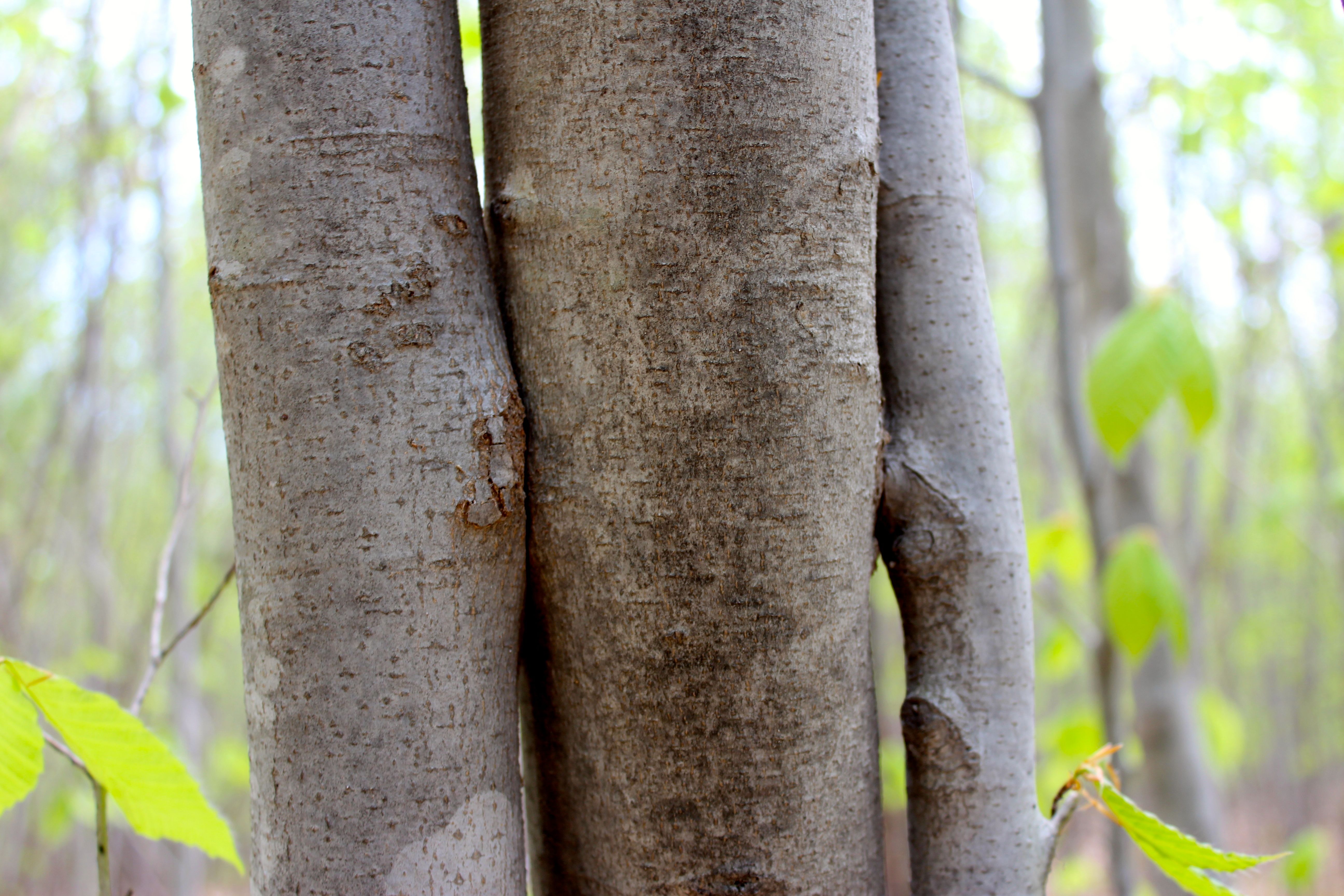
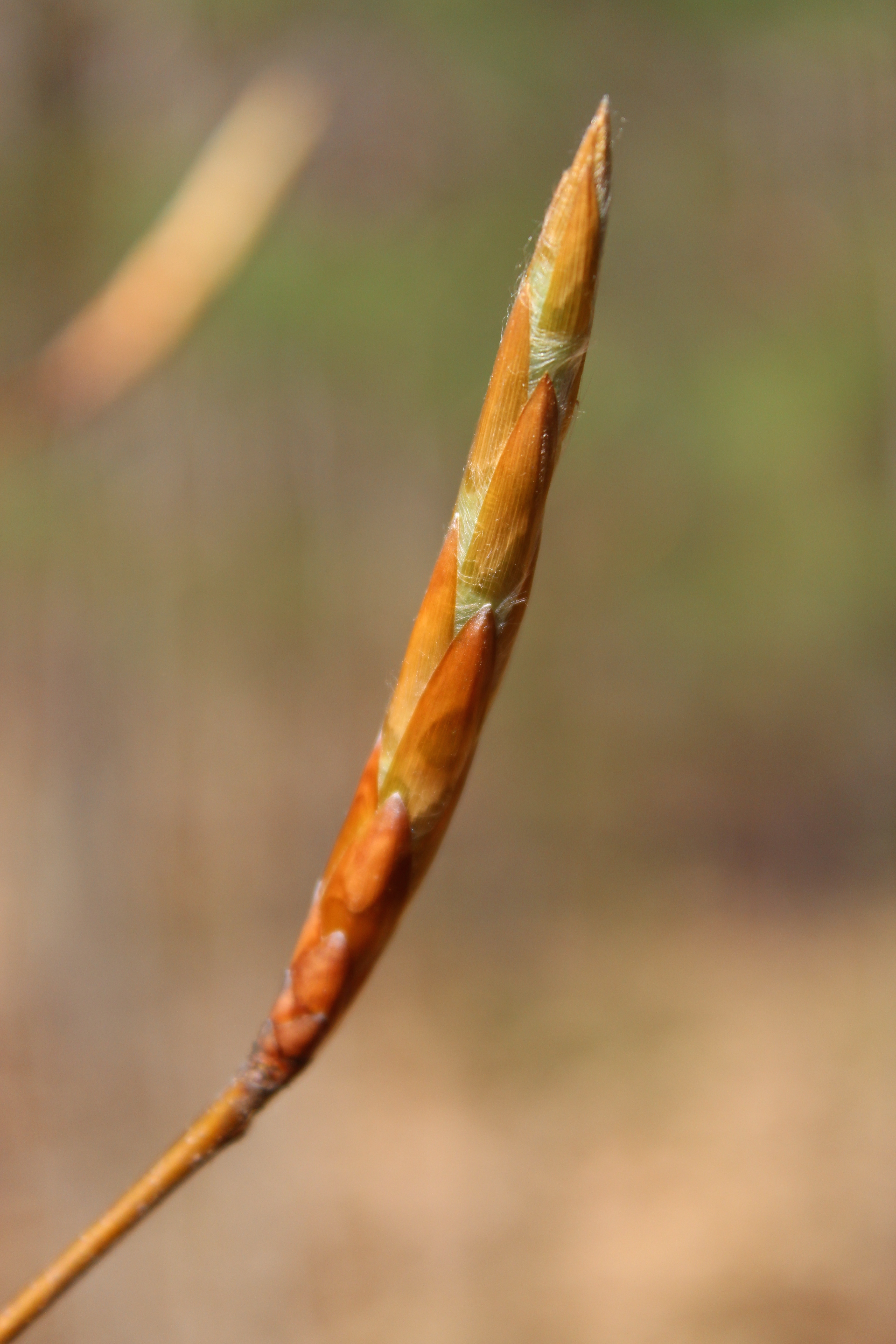
Beech cigar

Though we often refer to them as being shaped like a cigar, on this summer-like spring day, that description hardly seems apropos.

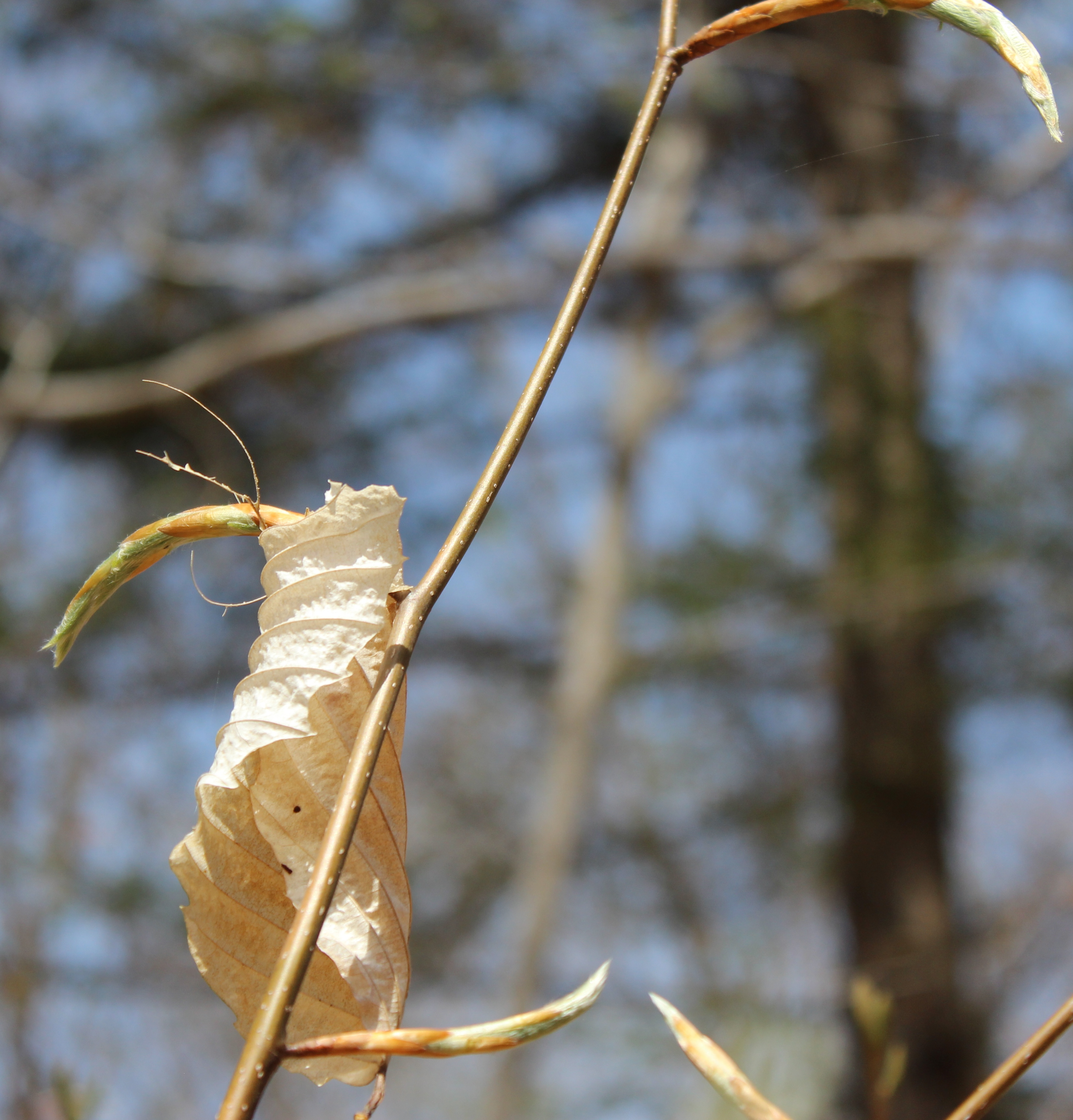
beech old and new

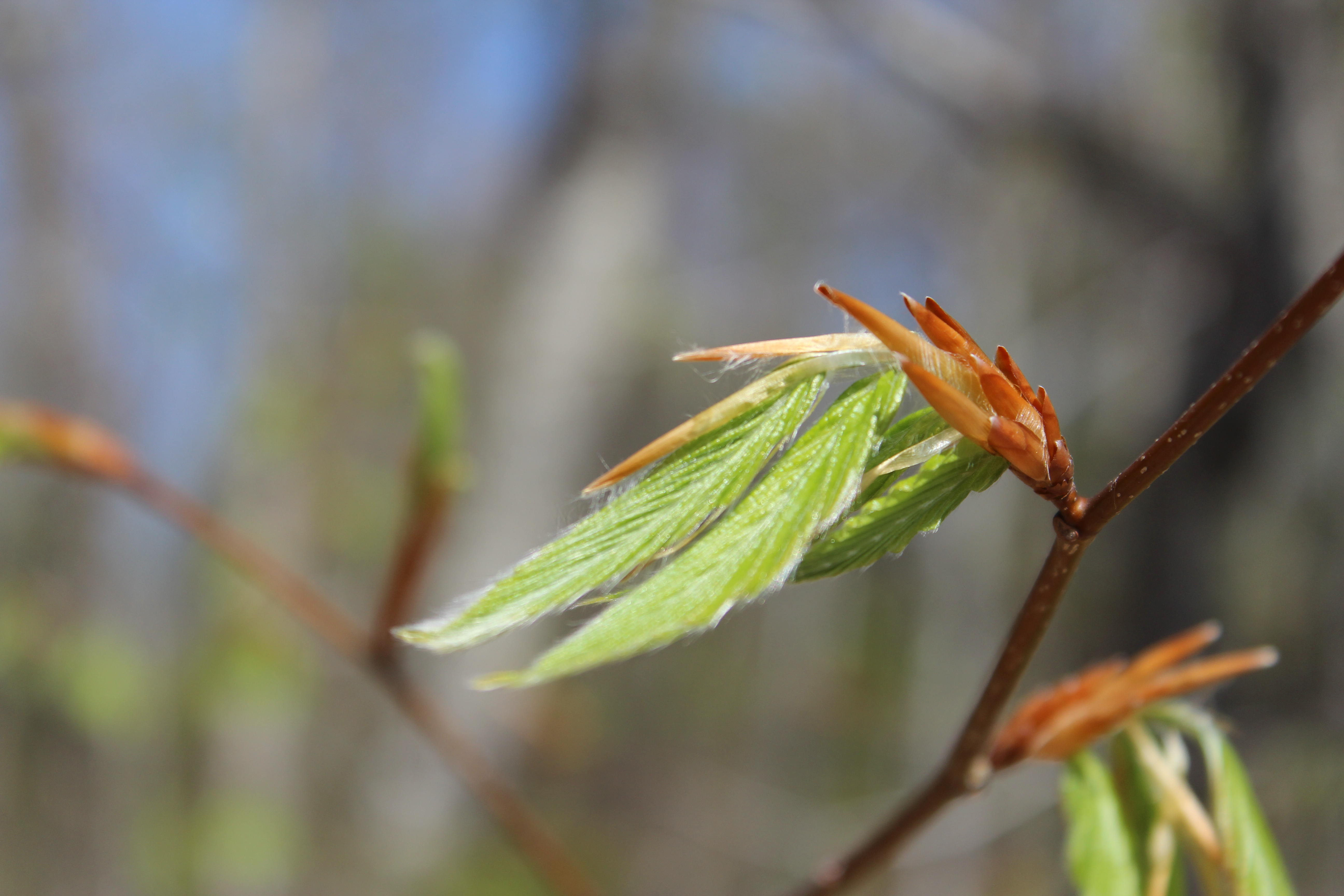
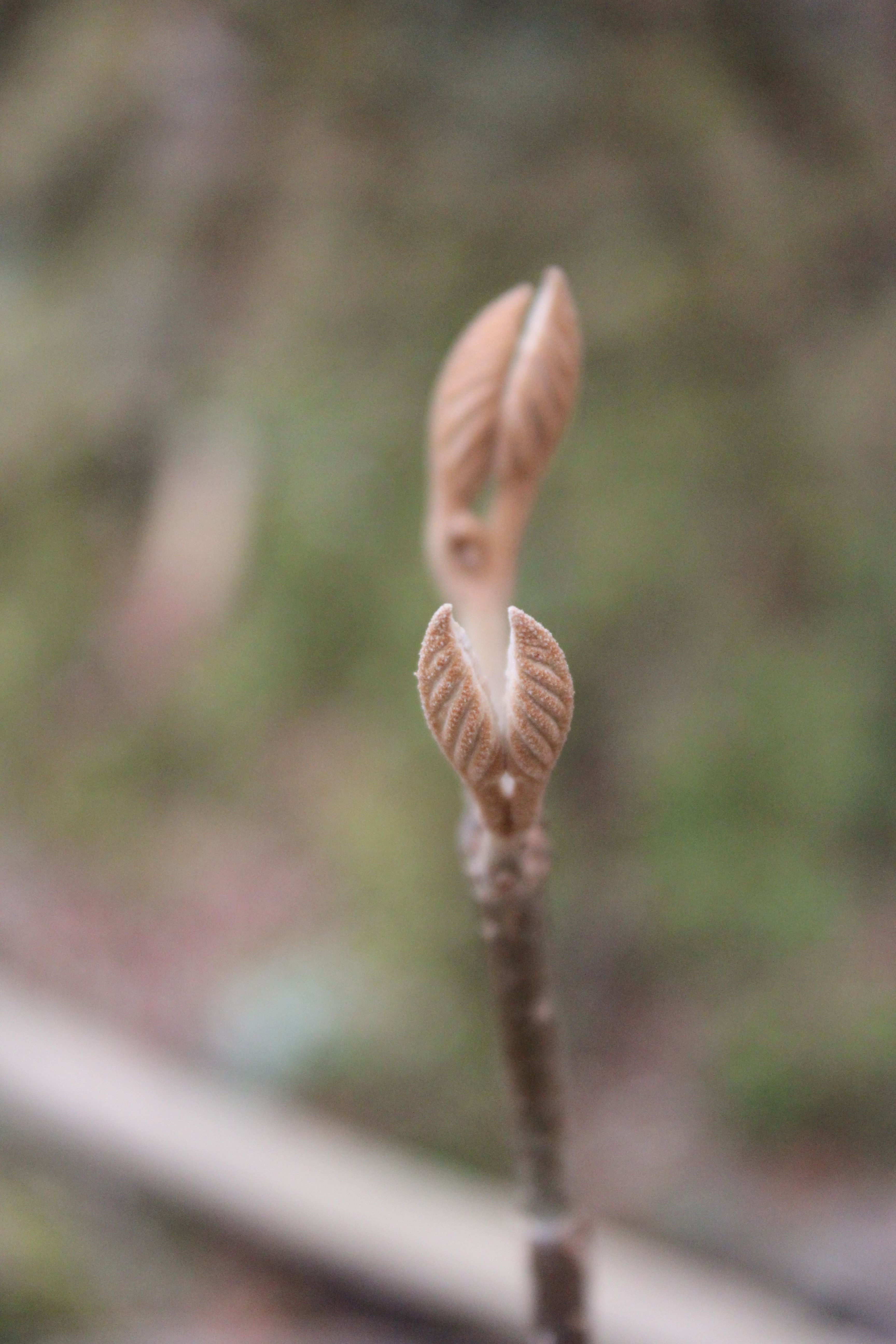
A few of last year’s leaves still cling tentatively to beech branches,

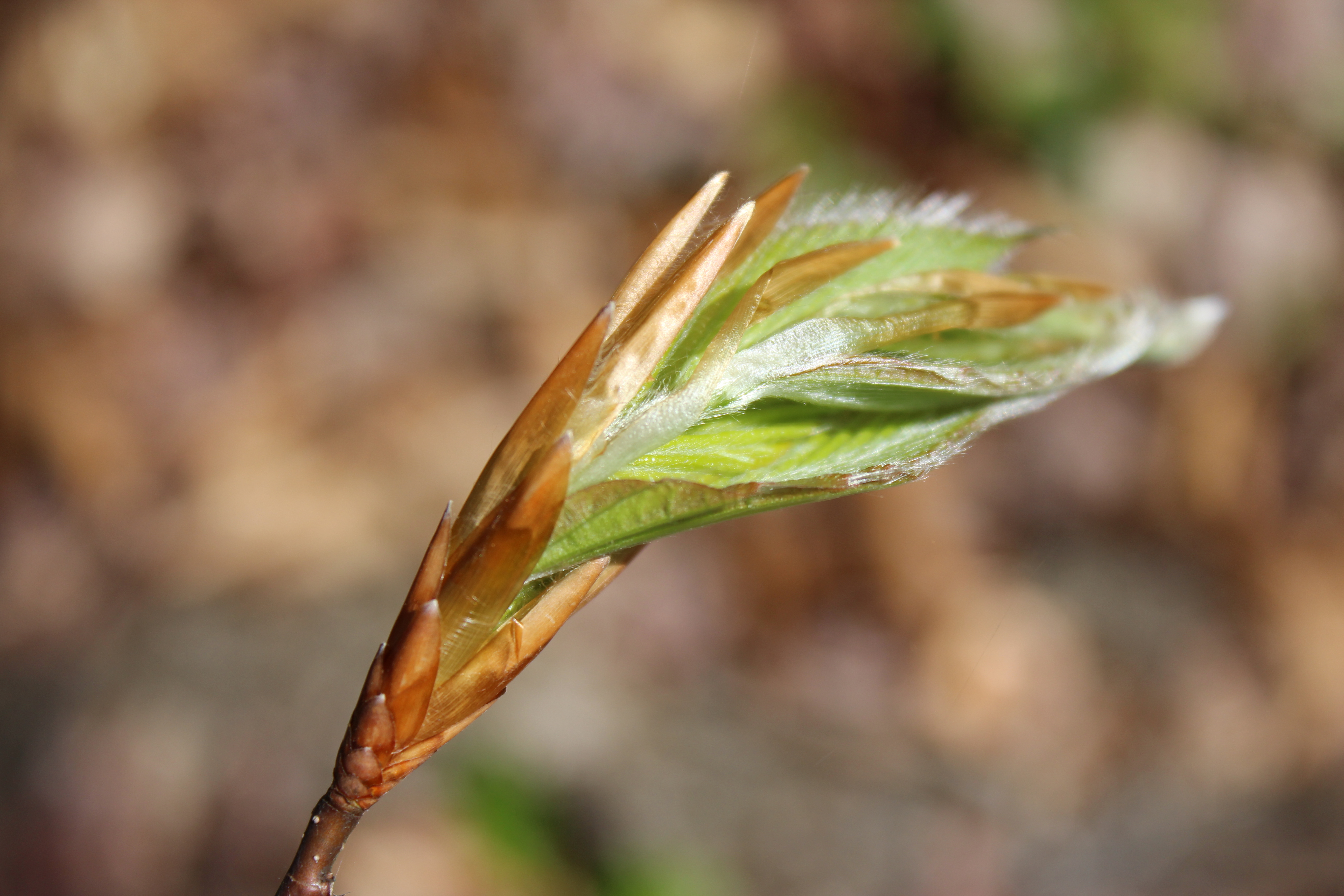
Beech 1

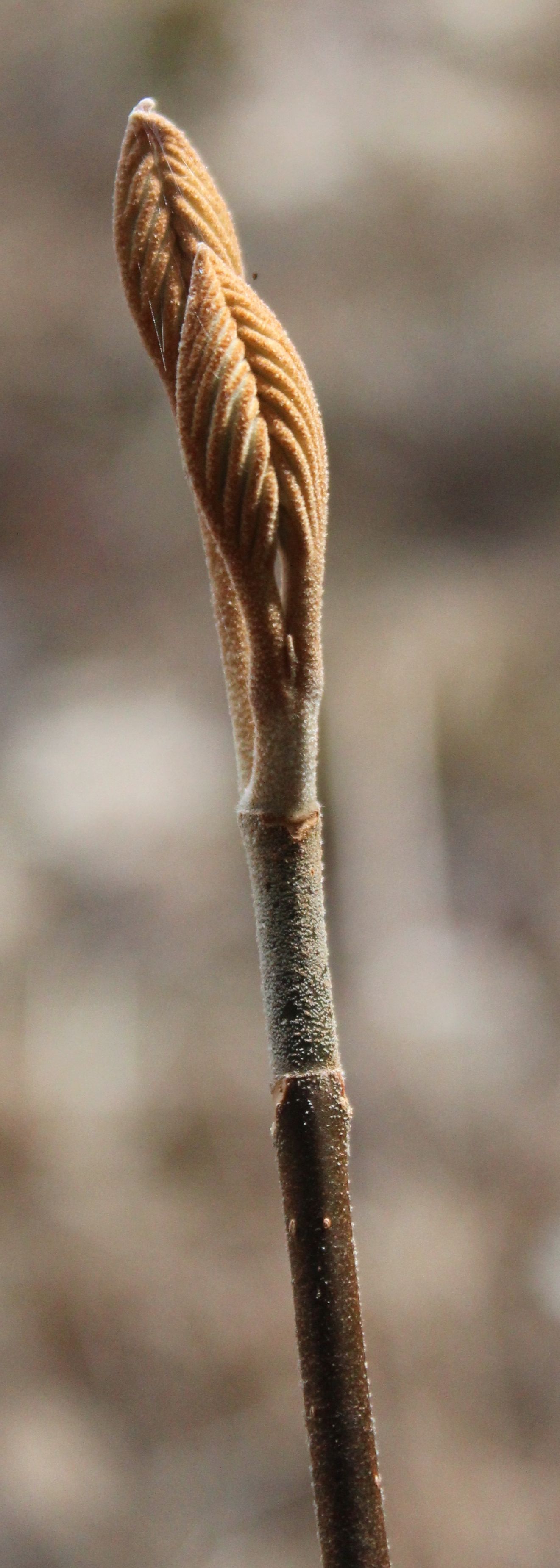
but on others the buds unfurl

Beech Leaves unfurl

with grace,

beech 2

displaying pleated leaves covered with long silky hair.

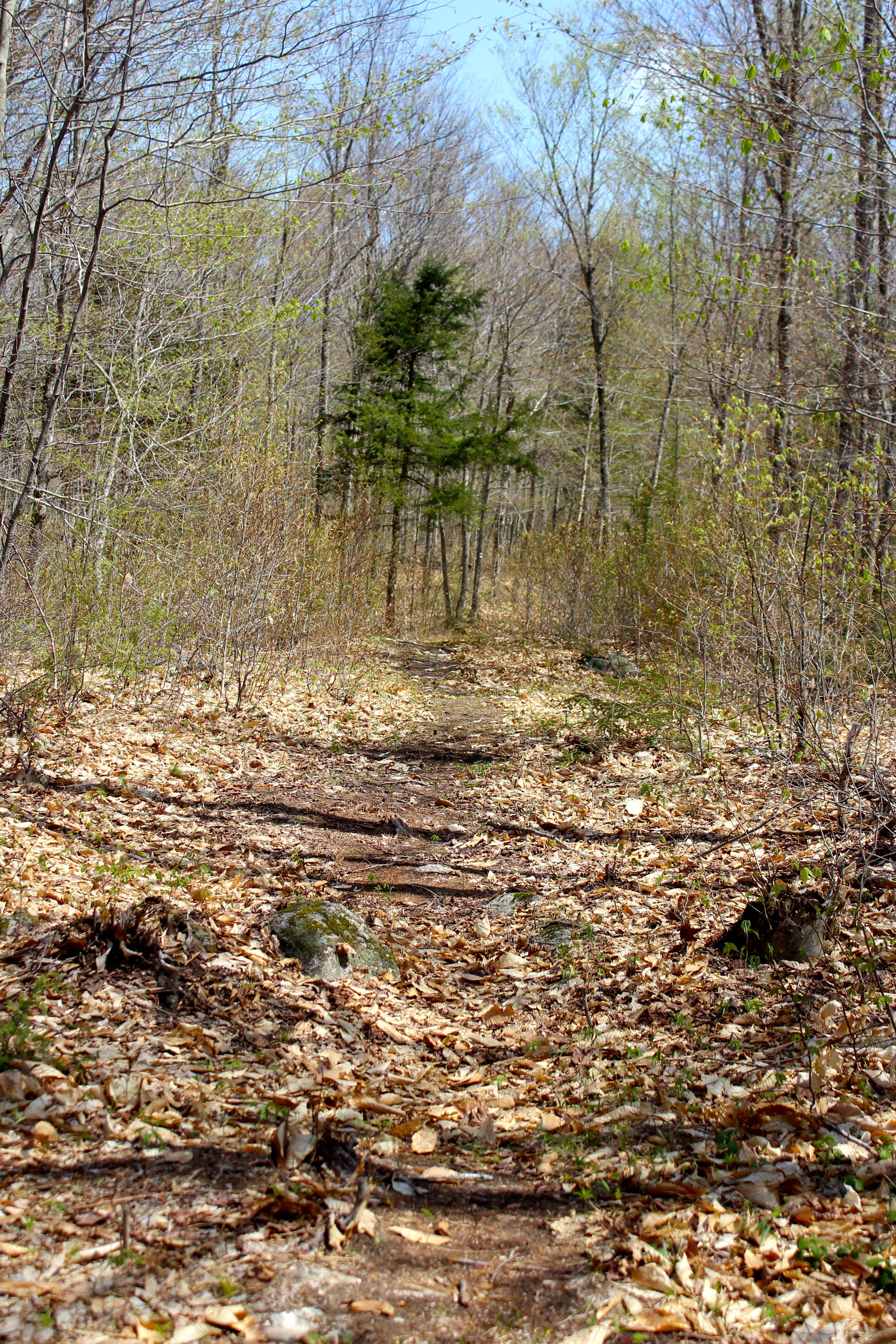
trail

There’s so much to see along the trail, so I hope you’ll continue to wander with me.

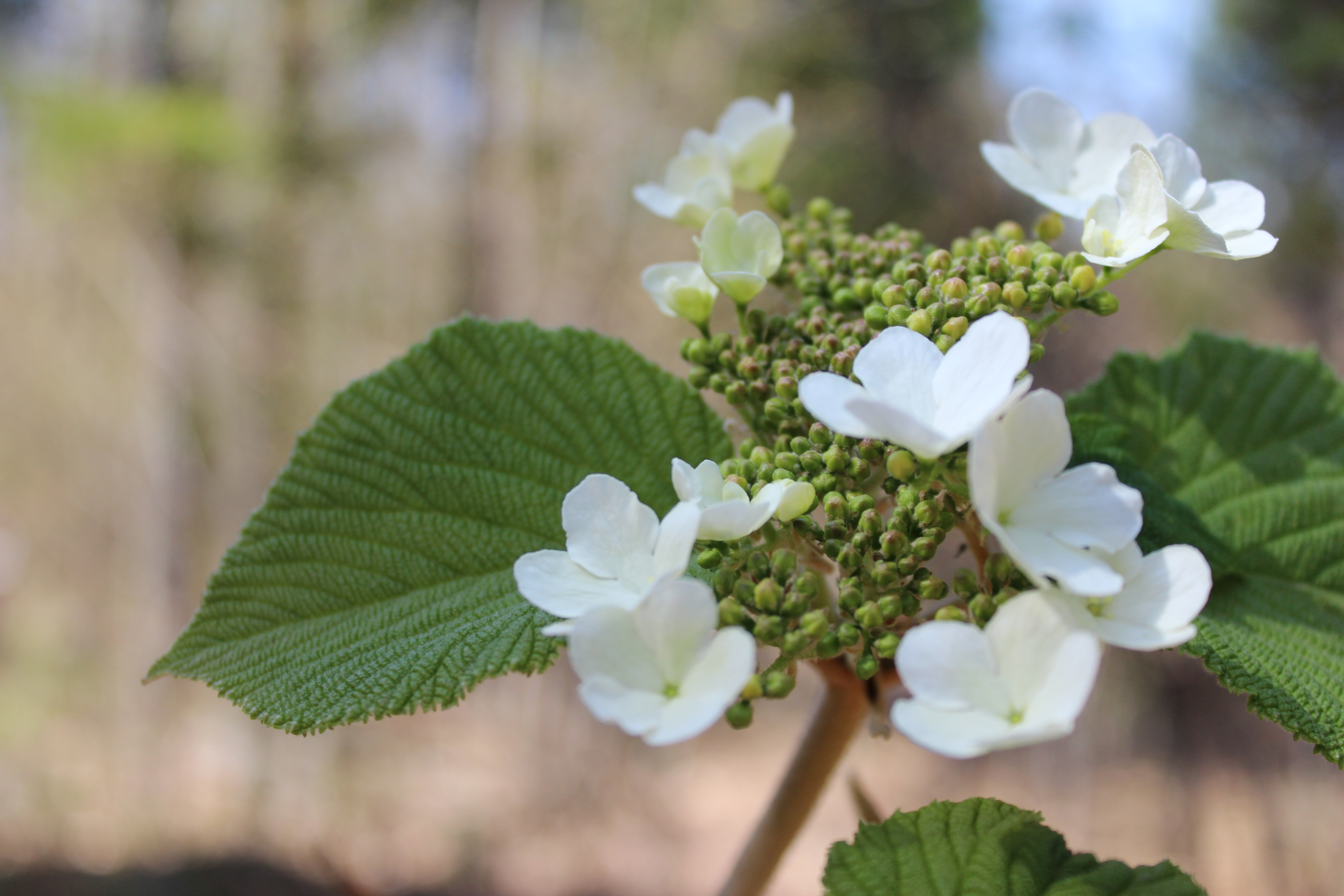
Hobblebush

 Hobblebush,

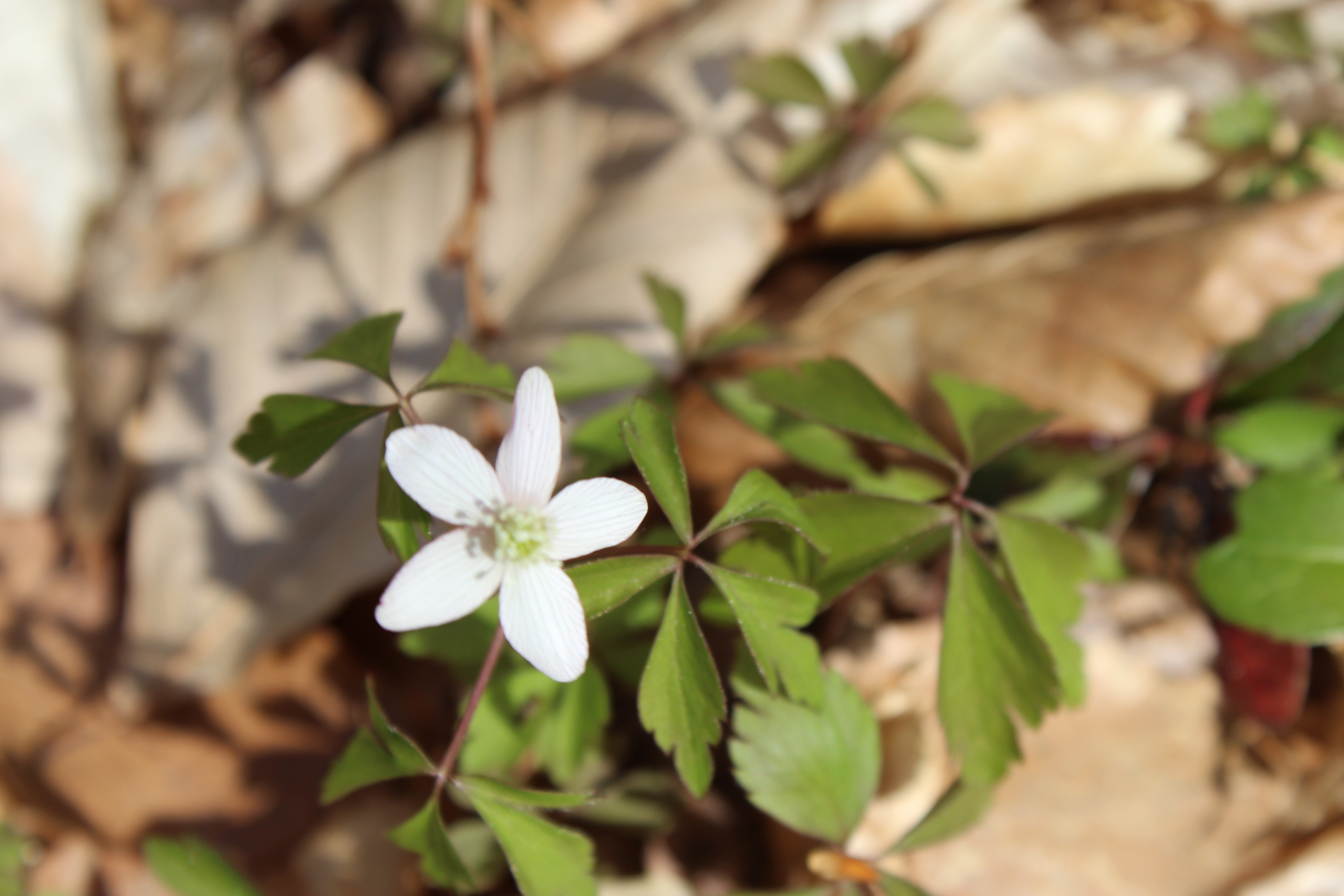
anemone

Wood Anemone

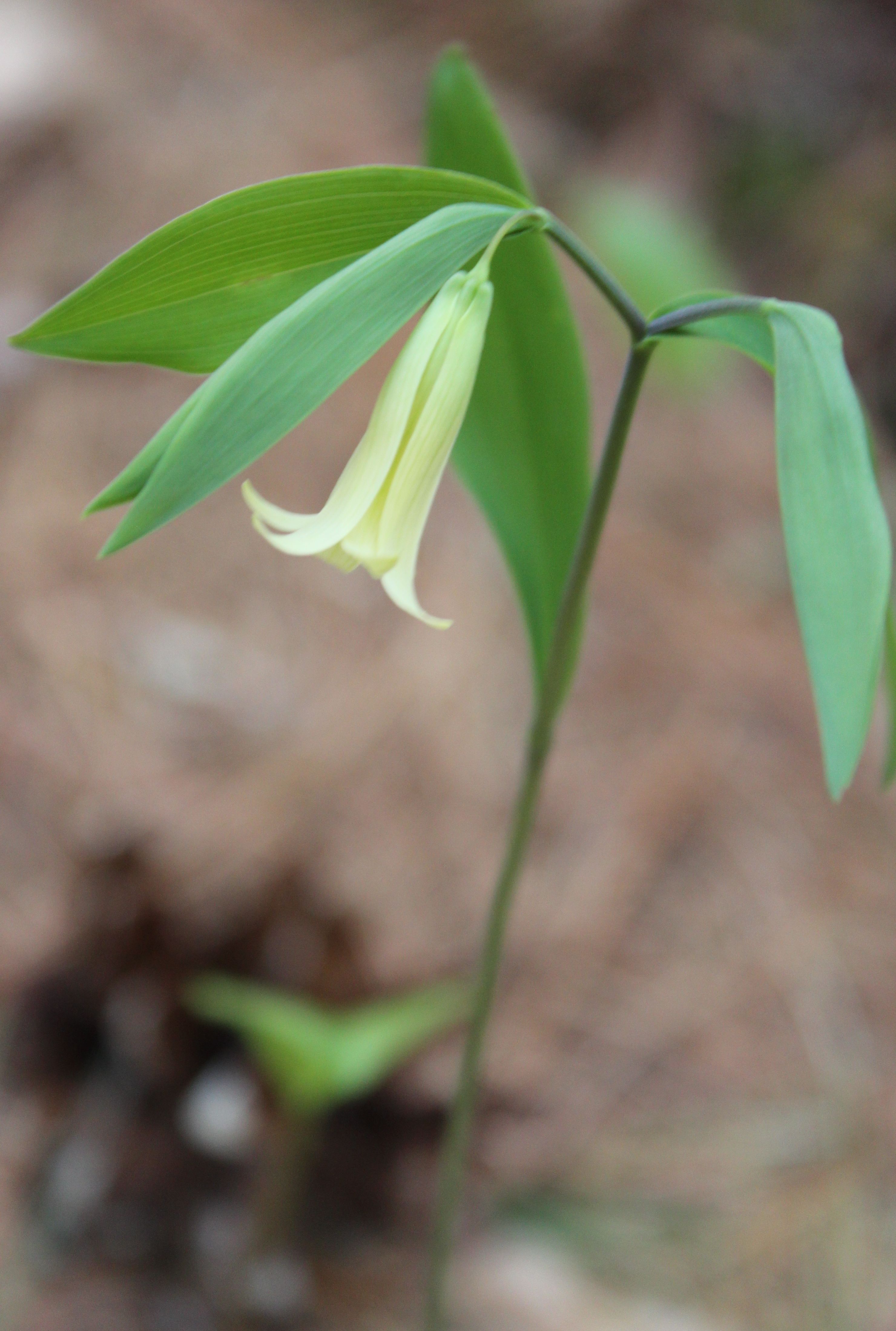
sessile-leaved bellwort or wild oats

and Sessile-leaved Bellwort or Wild Oats.

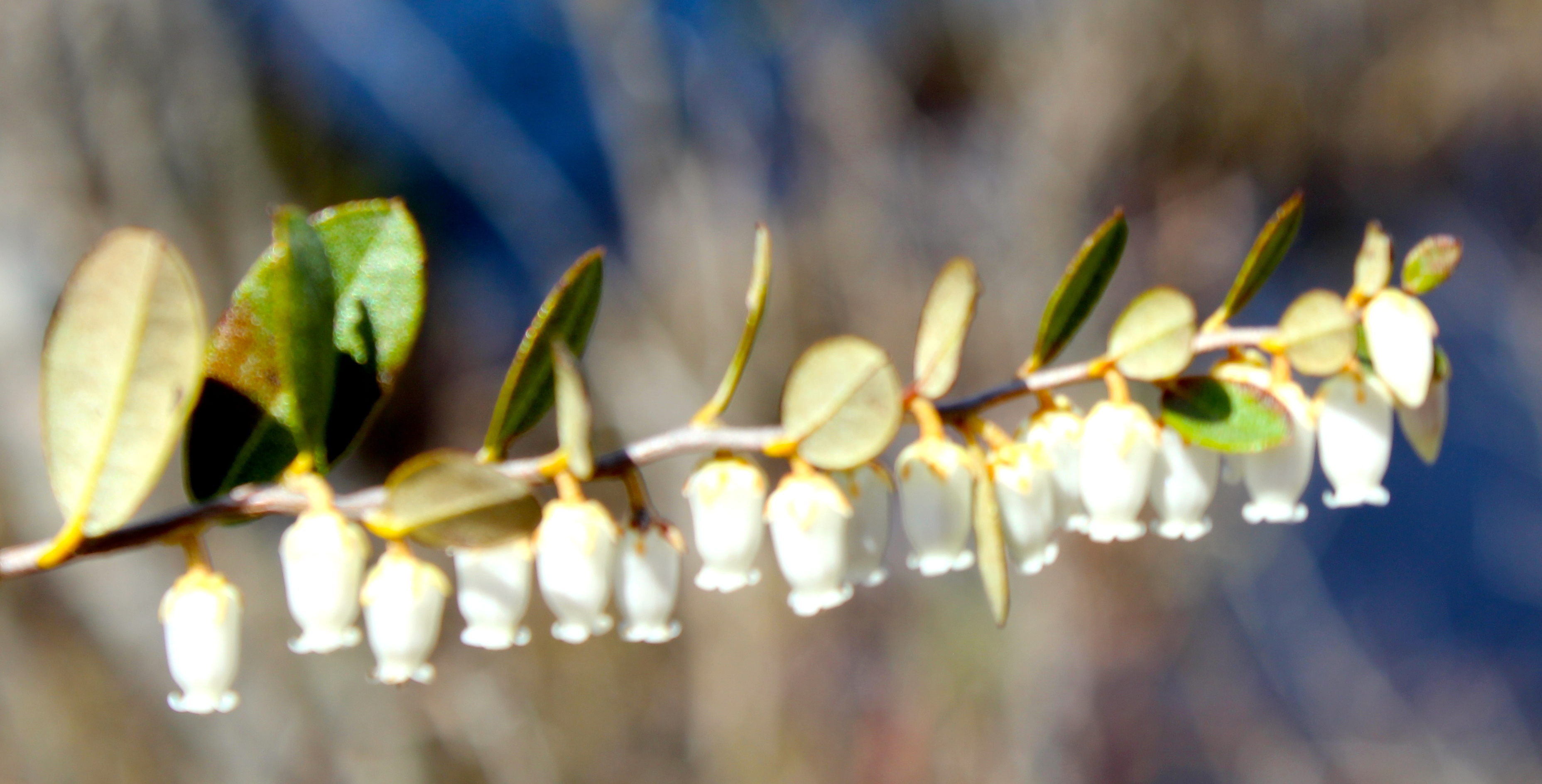
Leatherleaf

Leatherleaf

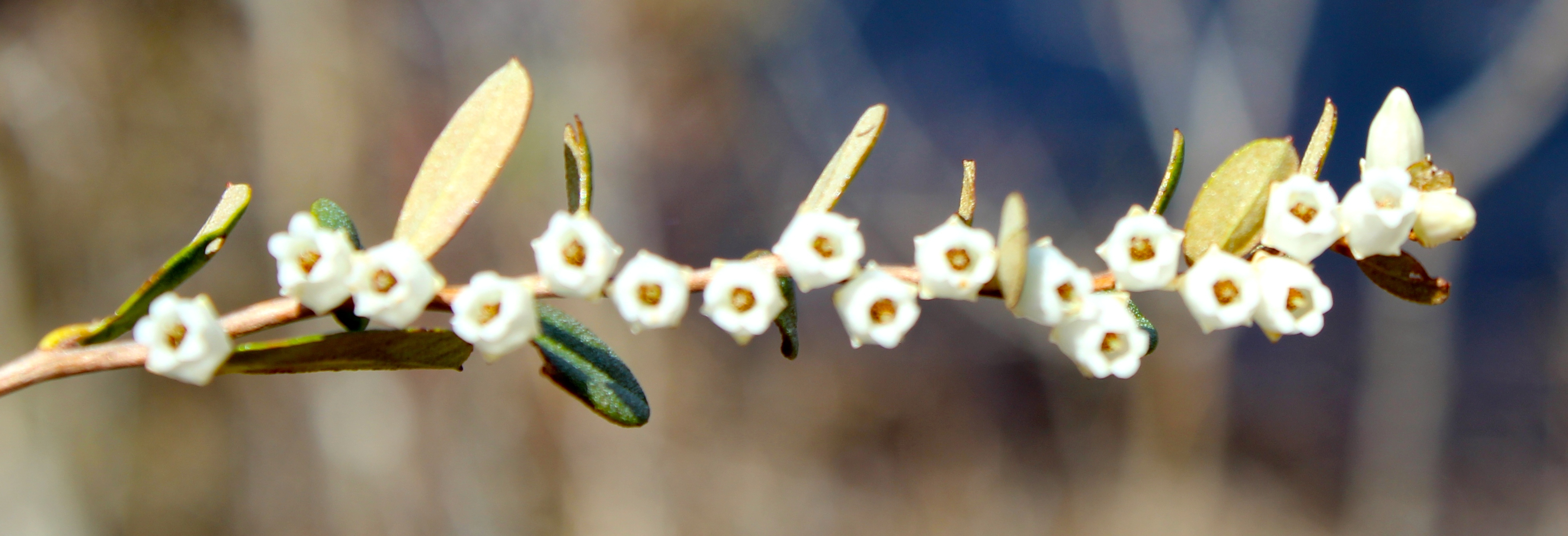
Leatherleaf 2

from a different point of view.

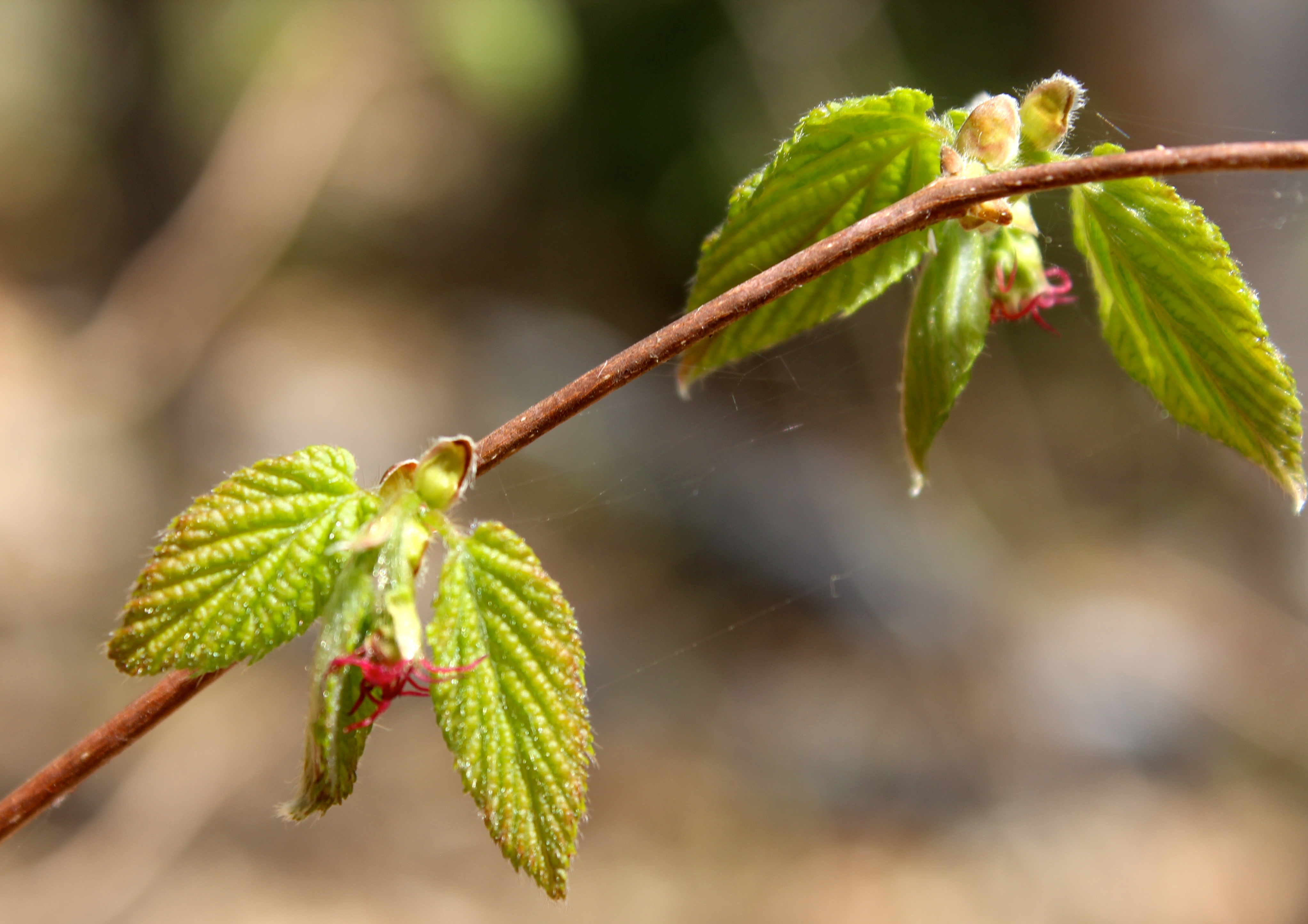
beaked hazelnut

Beaked Hazelnut displaying leaves.

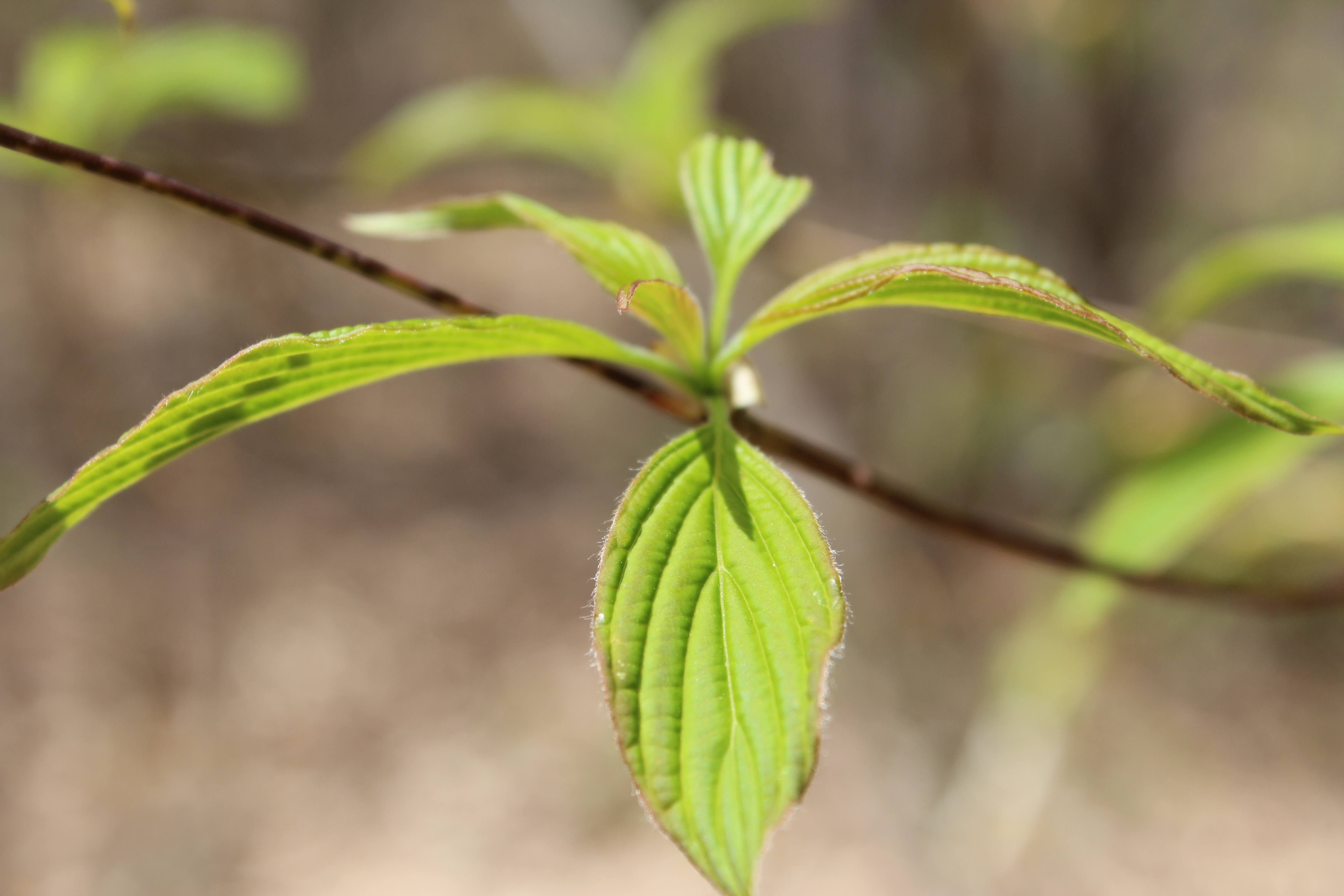
Alternate-leaved Dogwood

Alternate-leaved Dogwood

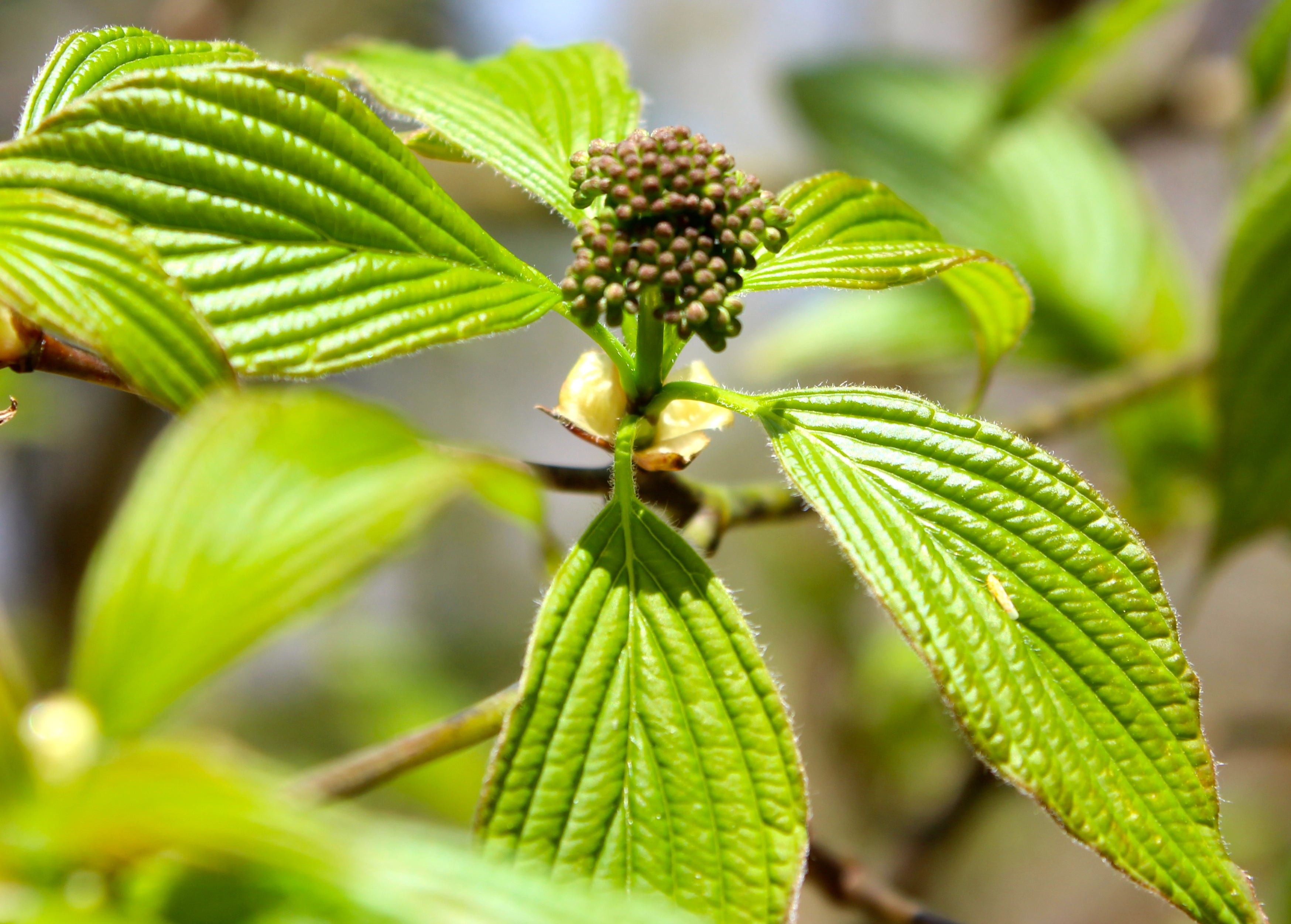
al dog 2

preparing to flower.

Squawroot resembles pinecone

Squawroot, that reminded us of . . .

pine cone:squaw root

pine cones.

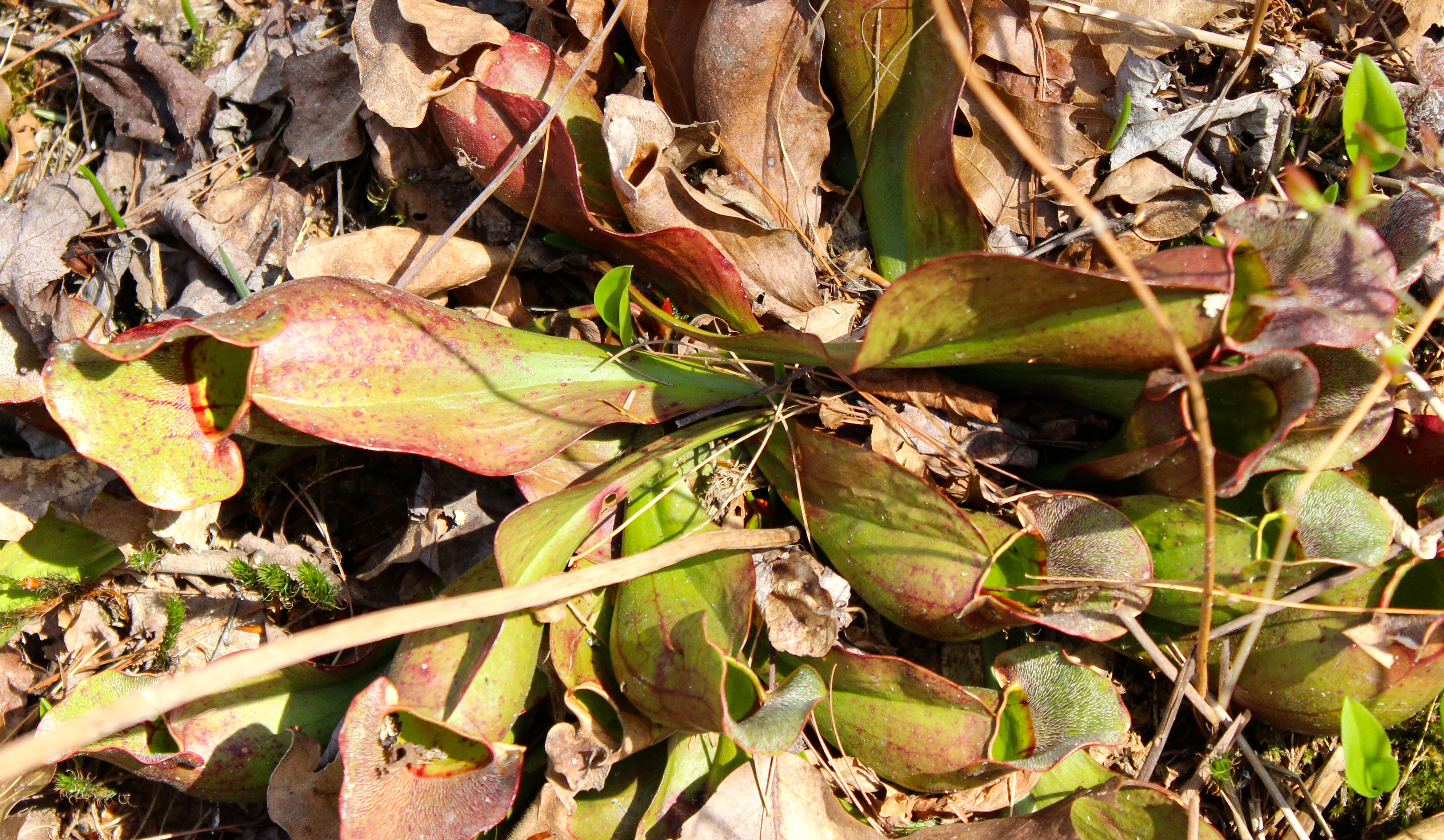
pitcher plant 1

Pitcher Plants, carnivores in the plant world,

pp3

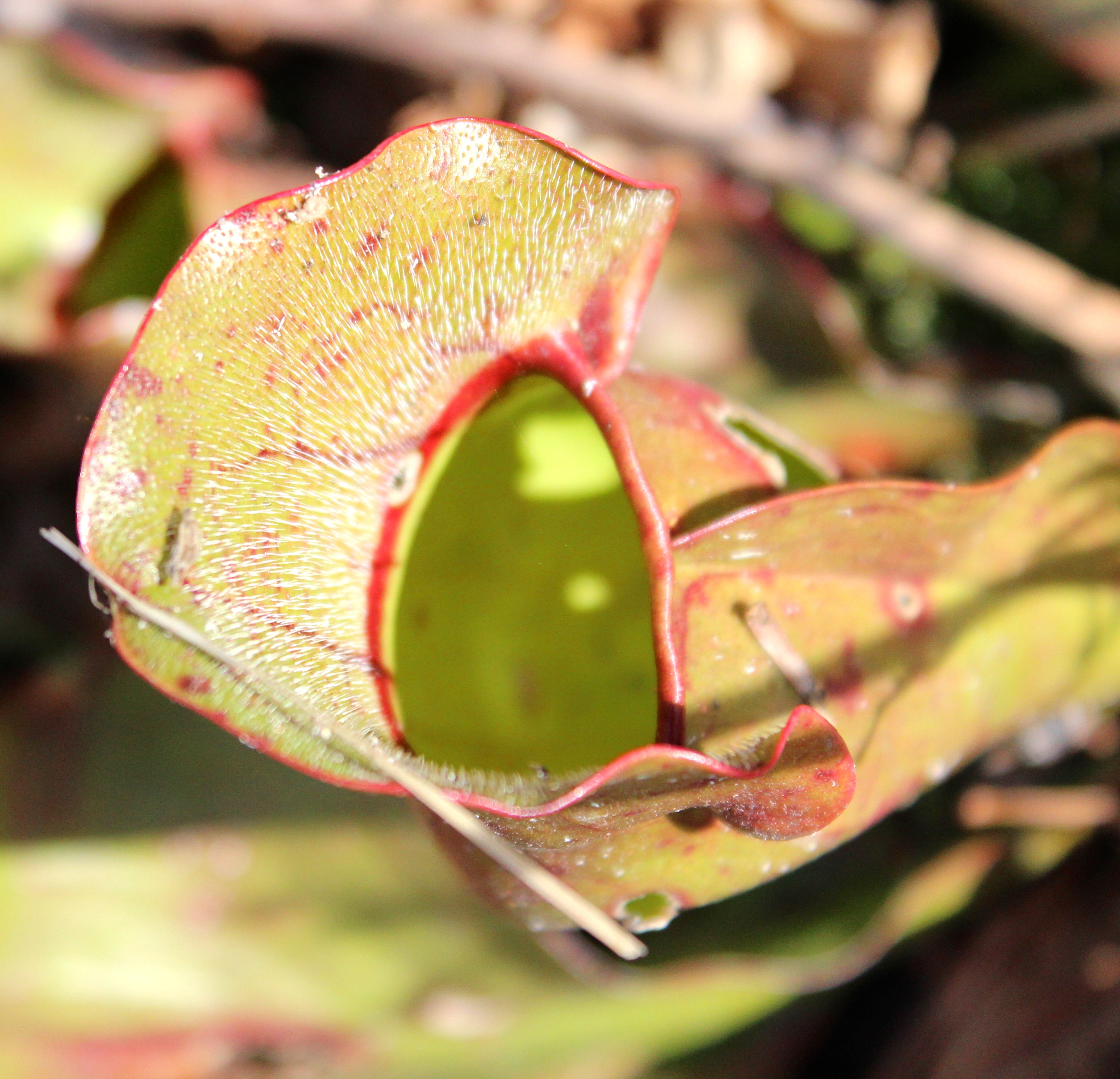
with their pitcher-shaped leaves,

pp2

covered in trigger hairs–waiting to trap insects.

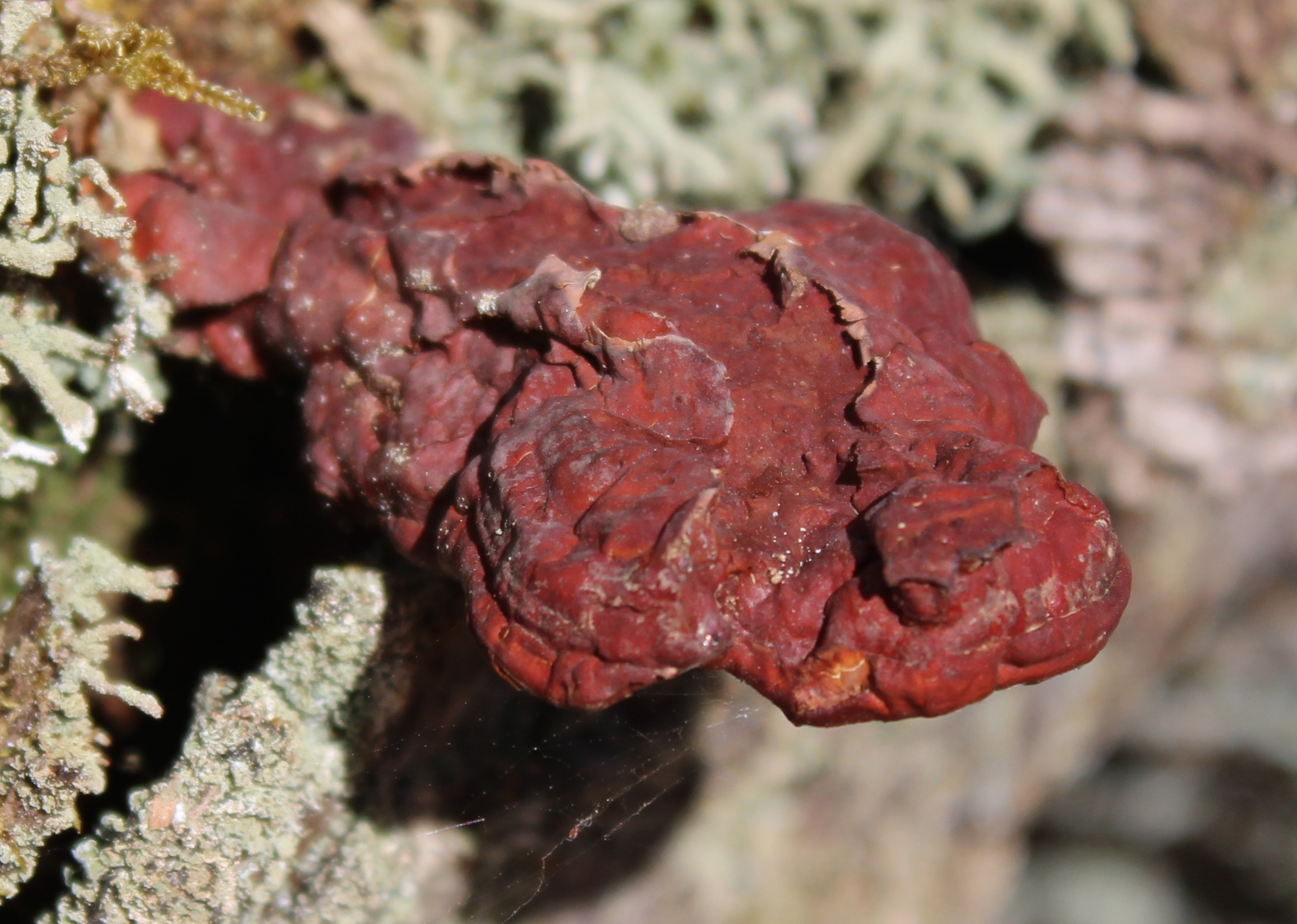
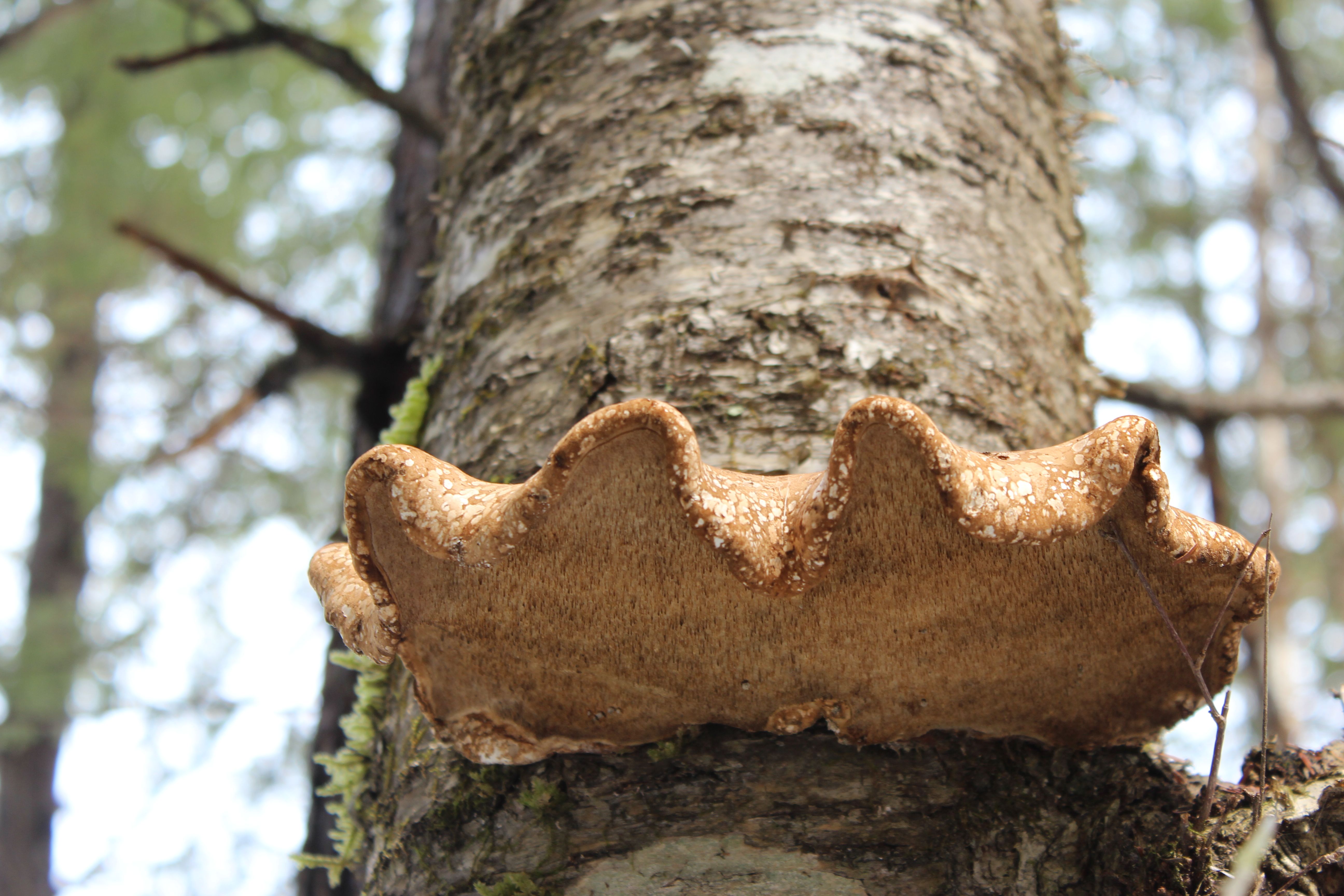
hemlock polypore, Ganoderma tsugae

We saw hemlock polypores,

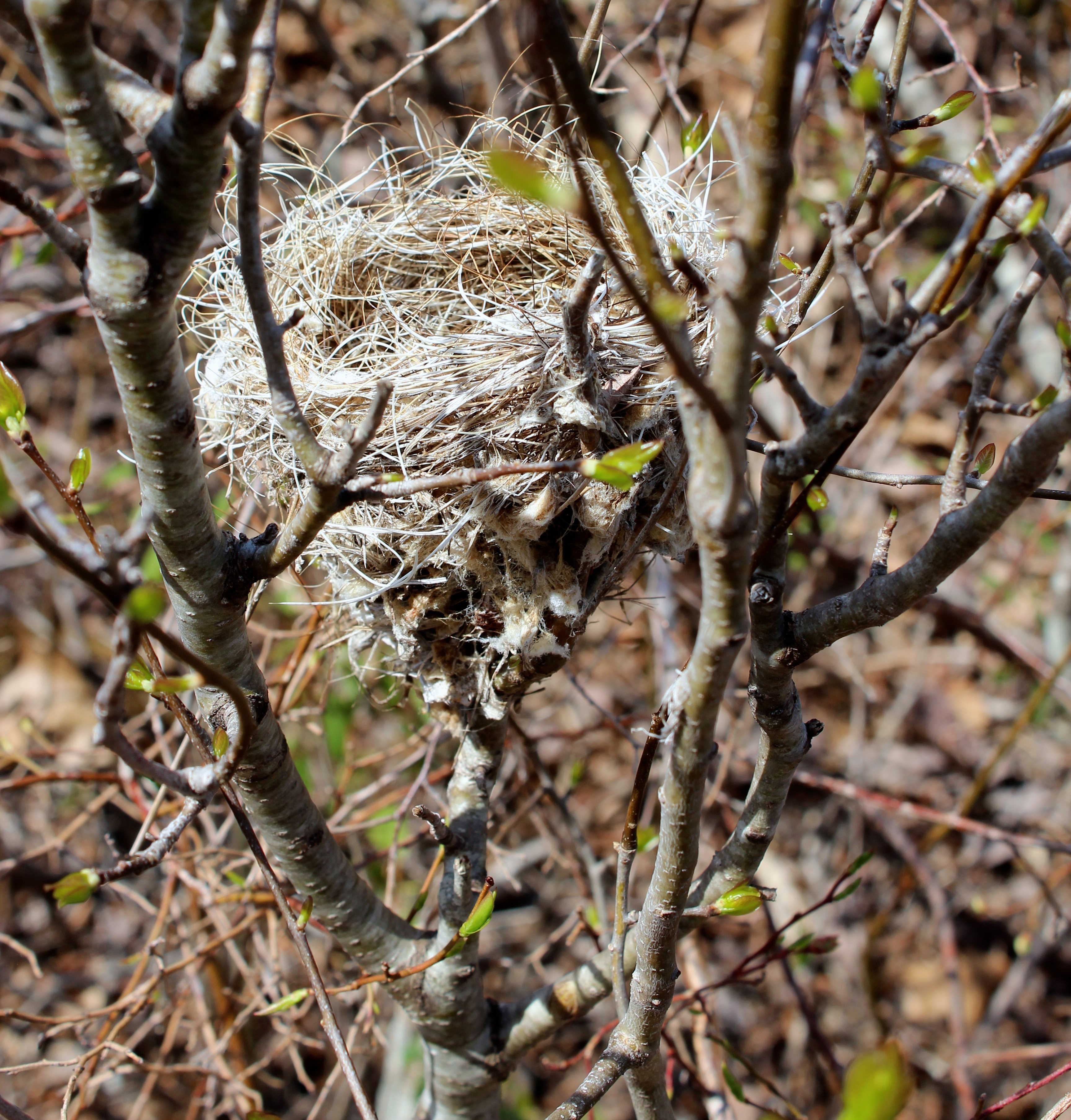
bn 3

and old bird nests.

And then there was the other animal sign.

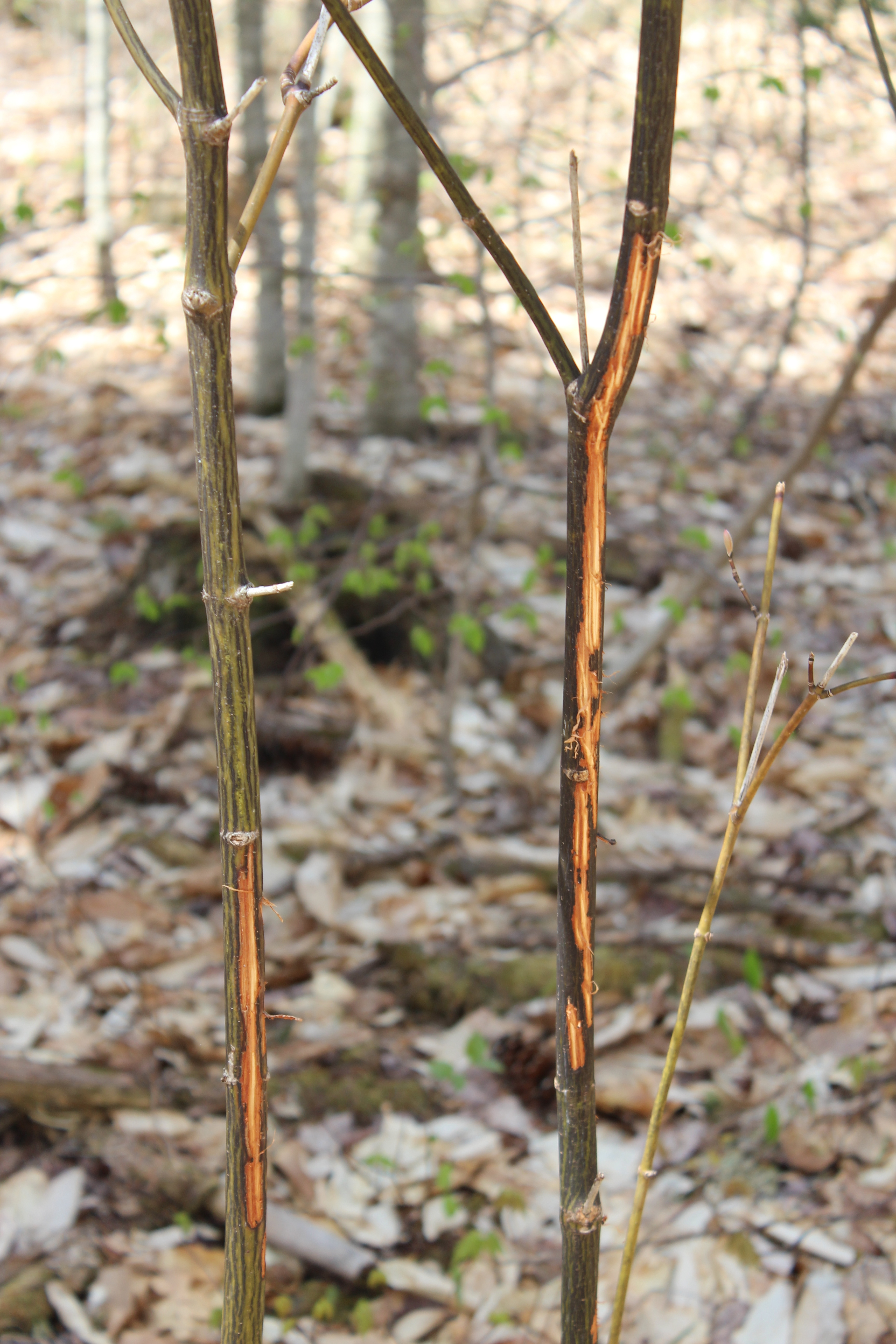
 a s deer

Deer scrapes on Striped Maple bark.

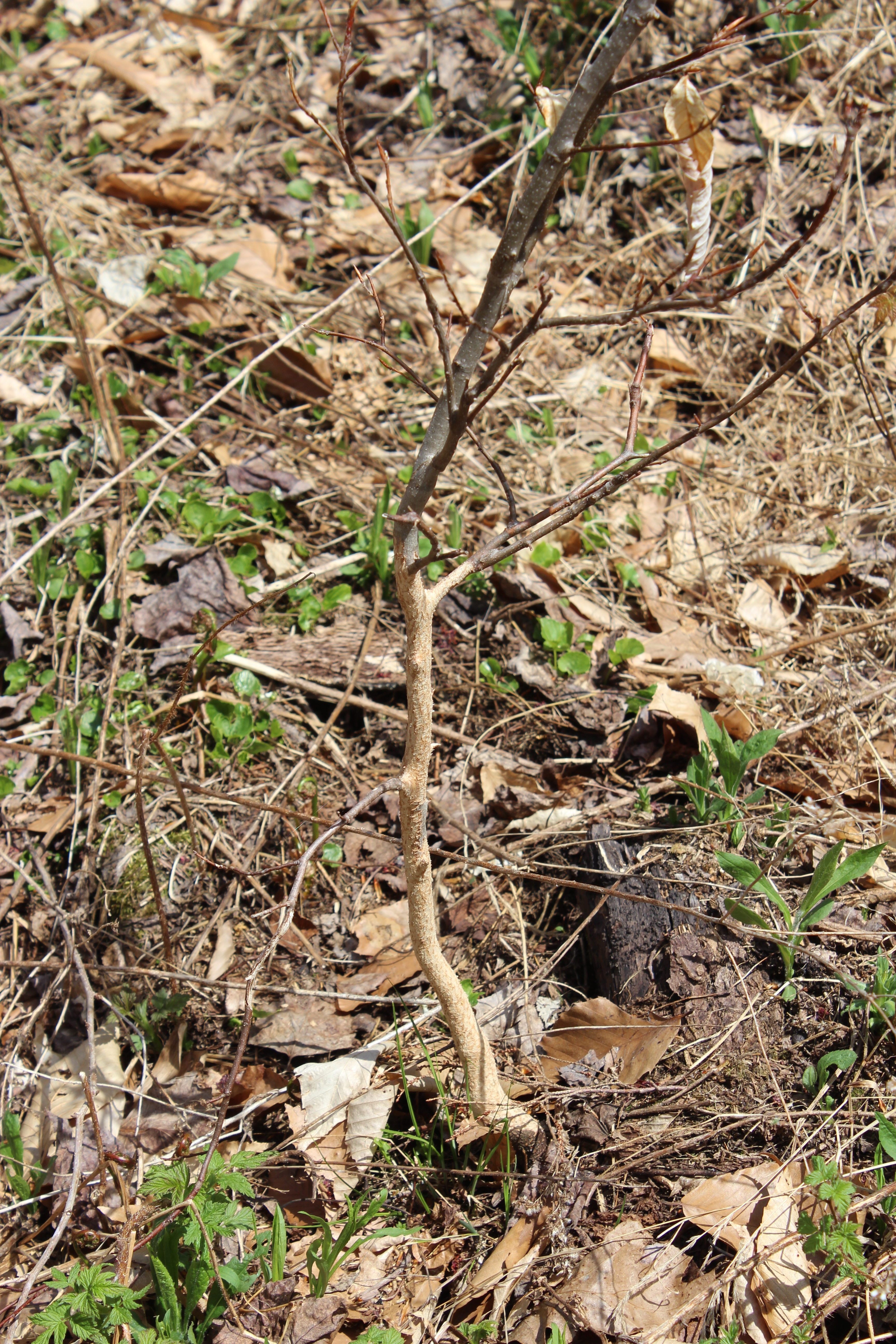
as mouse

And the work of mice below the snow pack.

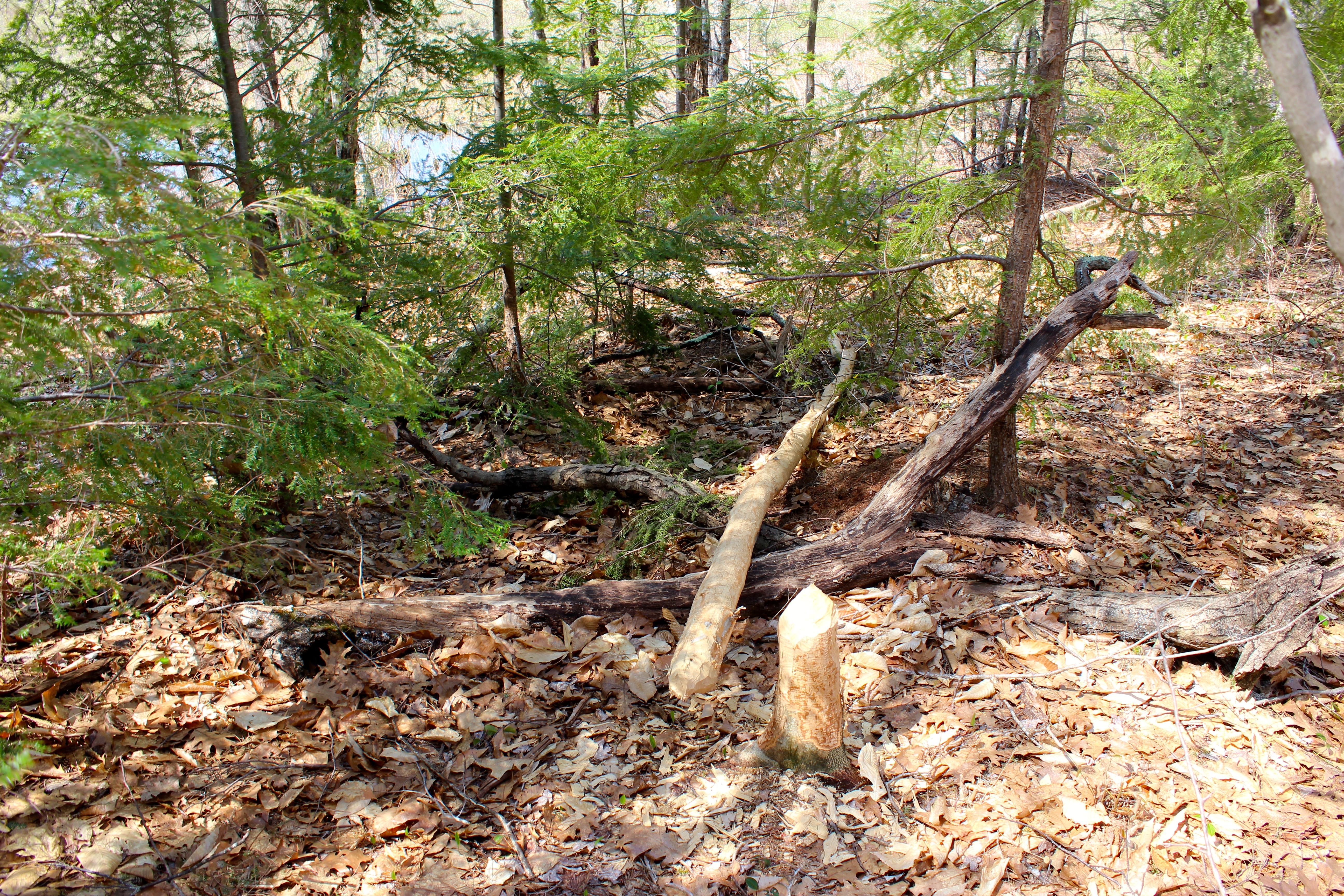
beaver works

There is beaver work everywhere

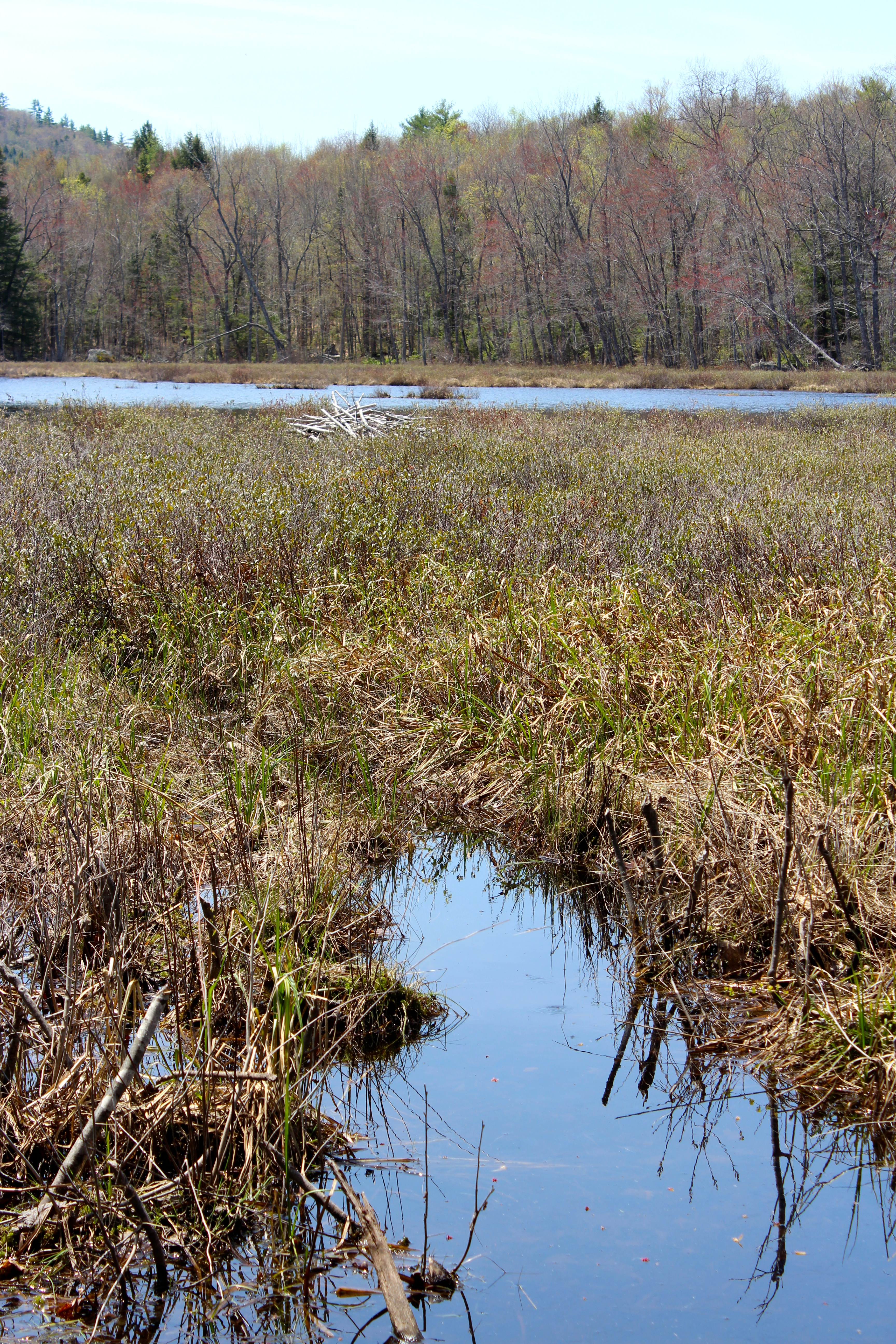
bw 5

and numerous lodges in the brook.

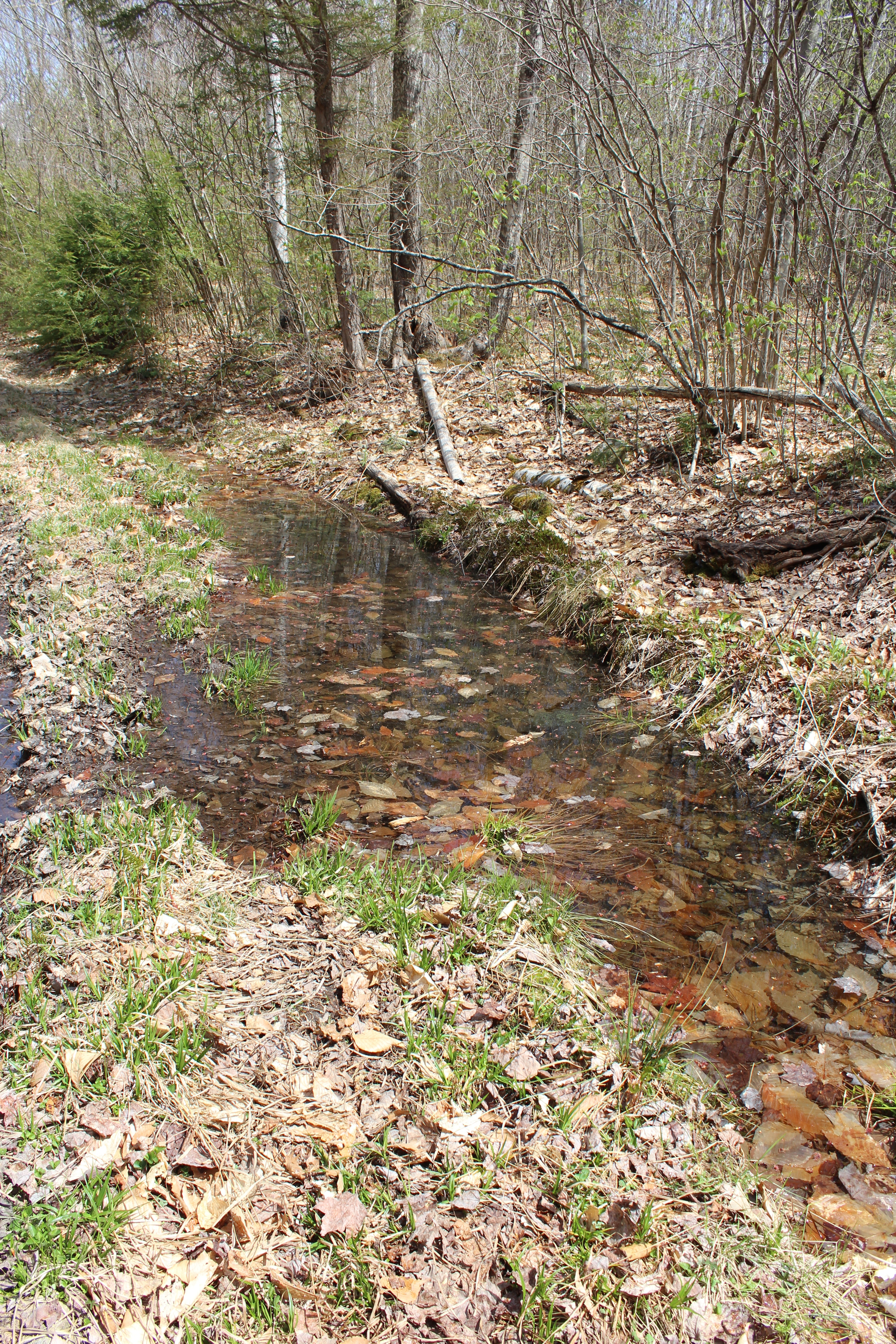
vp

A rut in the trail

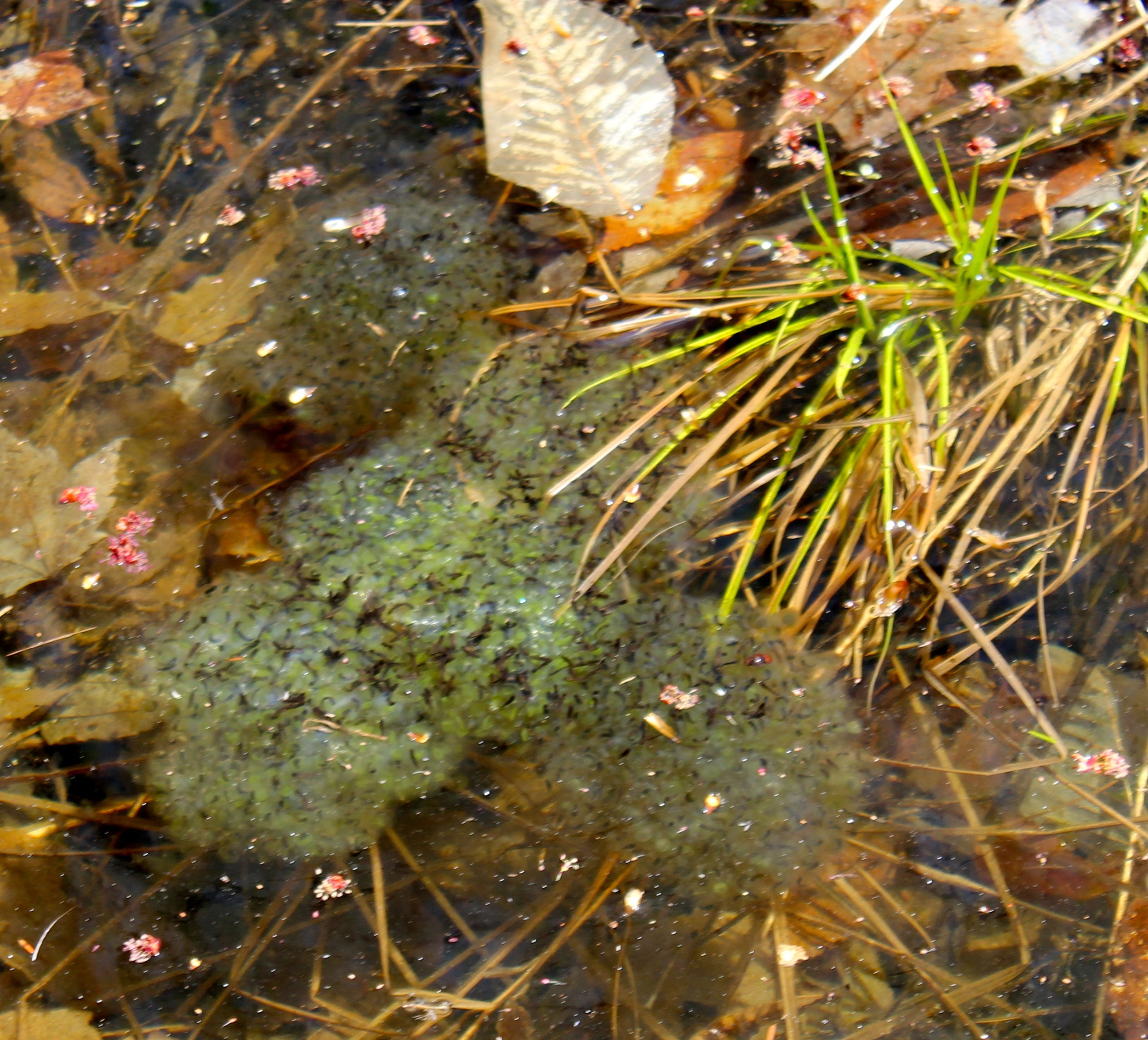
wood frog eggs

was put to good use–wood frog eggs and emerging tadpoles.

a s yellow feathers, Northern Flicker

Something made a meal of this Northern Flicker.

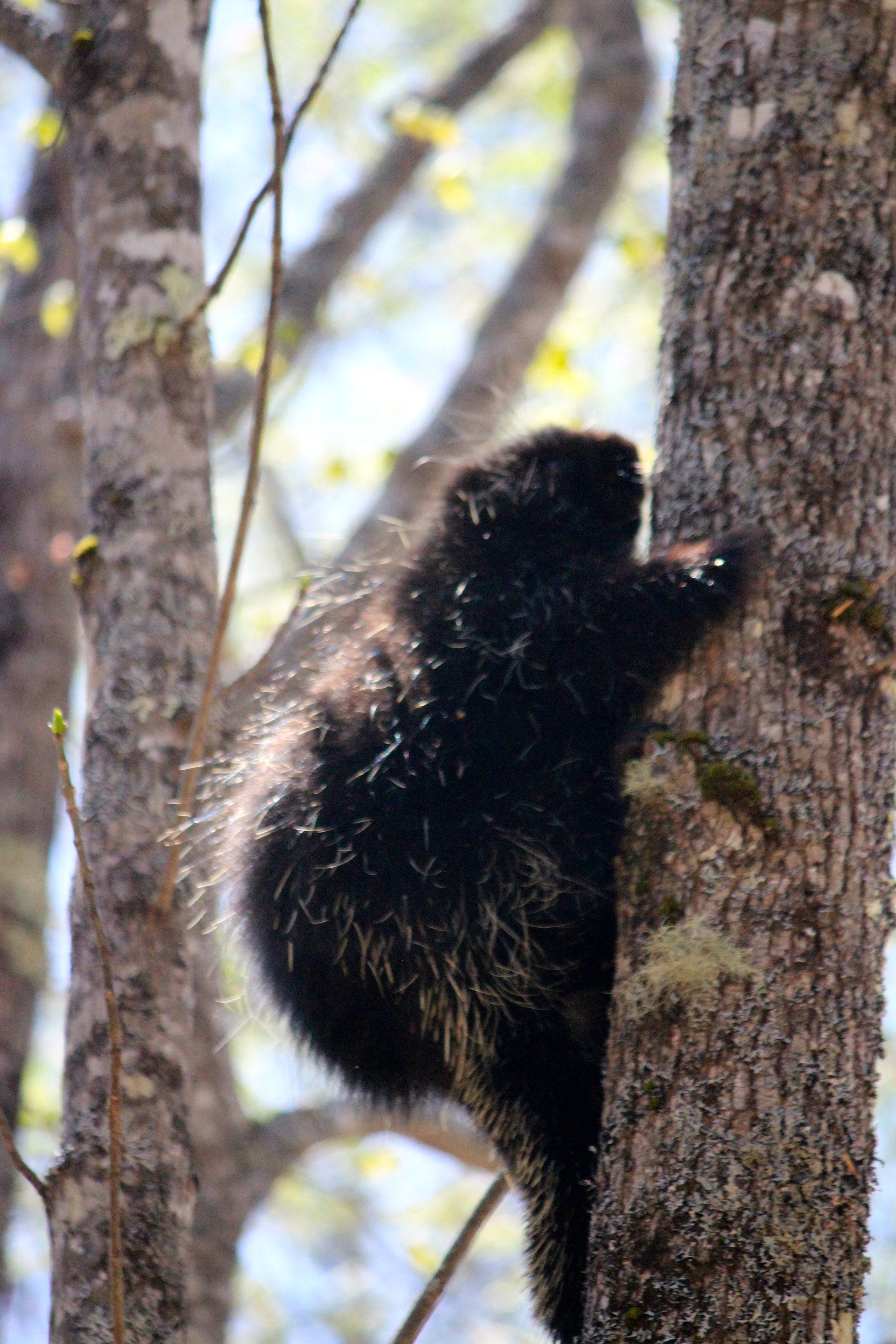
porc 1

Our best finds were actual wildlife. This guy thought that if he hid his head, we wouldn’t see him.

porc 3

But we did.

wood frog

A wood frog, also trying to hide, well, sorta.

ribbon snake

And a ribbon snake that quickly slithered into a hole and out of sight–the most successful hider of all.

Sucker brook

Lest I forget, we were beside Sucker Brook,

SB 3

where we paused frequently.

mnt view 2

An osprey flew overhead, but I wasn’t quick enough to take a picture.

It was a perfect beech day. Thanks for taking the time to enjoy it with me.

And Happy Birthday to my sister, who has loved the beach since day one.

Signs of Life

I headed up to the vernal pool this afternoon with every intention of pausing along the way to sketch.

Mt Wash

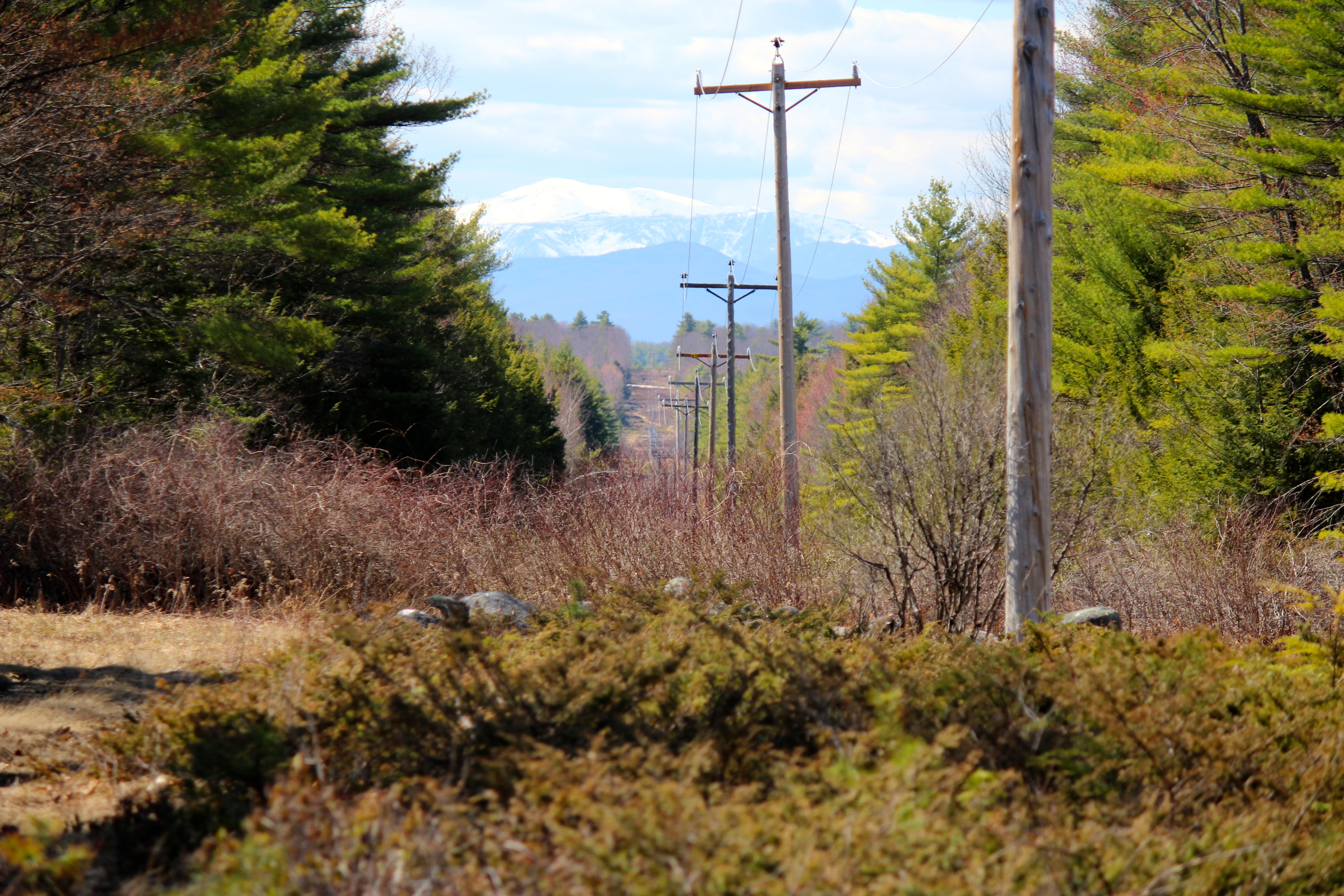
The only snow left is atop Mount Washington.

vp1

Egg masses continue to accumulate. Blue sky with a few cumulous clouds, warm sunshine (almost too warm, but I’m not complaining), a gentle breeze, white-throated sparrows singing to each other–signs of life were everywhere.

FROG

Including this secretive wood frog. From above, his coloration matched the leaves beside and below.

frog2

We eyed each other as he floated near a large mass of eggs that have turned green with envy, I mean algae, in the past few days.  Their egg masses can include 500-1,500 eggs. Yooza!

sally eggs

Salamander eggs are either clear or opaque, like these two masses. They usually contain anywhere from 30 to 250 eggs.

at mansion road

My guy was sanding the dock at camp and I had finished several writing projects this morning, so I decided that rather than sit and sketch, I’d walk out to the log landing. Walking along the snowmobile trail was like walking in Clinton Harbor at low tide. The mud squelched underfoot, sucking in my boots. Rocks underneath felt like clams–maybe I was just hungry.trail

I headed down the logging road with mixed emotions. My heart cried, but my head knew better. Like other paths that I’ve frequented over the years, I loved this one and knew its quirky features well enough that I recognized the slightest change. Yup, that’s change you see in front of you. This logging operation has been going on for two years. Prior to that, the gray birches, paper birches and speckled alders, plus hemlock and white pine saplings bordered the old road. It was last logged about thirty years ago so those species grew in first. They’ve all been hacked down to make room for the equipment and trucks.

gray birch

I went in search of beauty and life among the destruction. Sometimes, you just have to look for it.

moose

One of the good things about such an operation is that it provides easy vegetation for wildlife, like the moose that are frequenting the trail.

moose bobcat

The herbivores, like moose and deer, love the easy feeding. And the bobcats like that the herbivores are easy feeding.

bobcat

A closer look at the bobcat tracks.

bobcat1

And even closer. I don’t often see bobcat claw marks, but muddy conditions warranted their use. In the back of the foot pad, you might see the imprint of hair.

bob scat

I was bound to find this. Bobcat scat–filled with dark organ meat and lots of hair. Bobcats, being carnivores, grind their prey right up with their sharp-pointed molars.

coyote scat

Coyotes, on the other hand, are omnivores and their molars are flatter, thus big bone chips pass through. The funny thing (to me anyway) about this scat, is that it looks exactly like some I found near the beaver lodge pond that I shared in yesterday’s May Day Celebration. Both were filled with extra large bone chips and hair. I took some of the scat I found yesterday. Today, I left it all.

Yes, my fetish for scat continues, but I only take a sample that will be an effective teaching tool. Really. And, I need to keep in mind that scat is a sign for other mammals–health, wealth and status quo are all wrapped up in it. If I take it, they have to work harder (or scat more) to get the word out about who and where they are. So, the next time you wander with me and we see some scat and I get all buggy-eyed over it, give me a nudge. OK, enough about scat.

weaselsquirrel

Dinner anyone?

Weasel and squirrel.

turkey

And the ubiquitous turkey.

landing

This is the second of two landing areas. When the job is completed, we’ll have new trails to explore via snowshoe–it’s rather wet and the trails are currently covered in a lot of slash.

The logging operation is a one-man job and he’s been selective. The end result, as ugly as it may look now, is that the ecosystem will be healthier because of this project. Grasses, wildflowers, shrubs and tree saplings will grow in–early succession. And the fauna will follow.

eggs at landing

The vernal pools associated with the area are still here for the most part–and show signs of life. I found wood frog and salamander egg masses. Even startled a couple of frogs, including a bull frog.

single

And just when you think that wood frogs only return to their natal vernal pools . . . here is proof they’ll take advantage of any water.

eggs

An opportunist recently used a wet depression in the landing.

Signs of life. No matter how devastated an area may look, they’re there.

Thanks for joining me on today’s wonder-filled wander.

May Day Celebration

And just like that, it’s May. May Day. Memories of our sons quietly delivering flowers to neighbors and friends flashed through my mind this morning. I’ve a feeling they choose not to remember, but at the time they loved sneaking up to doors, depositing small baskets of flowers and then dashing away.

Birders

For me, the fun began this morning when I joined a small group intent on birding at the Bob Dunning Memorial Bridge. Chickadees, Red-winged Blackbirds, Pine Siskins, Waterthrush, Mallards, Yellow-rumped Warblers, Goldfinches and a few others were singing and flitting about.

bridge

The bridge, itself, is worth viewing from any vantage point.

moss

And then I drove to Sweden (Sweden, Maine, that is) to join a couple of friends on a tramp through the woods.

moss 2

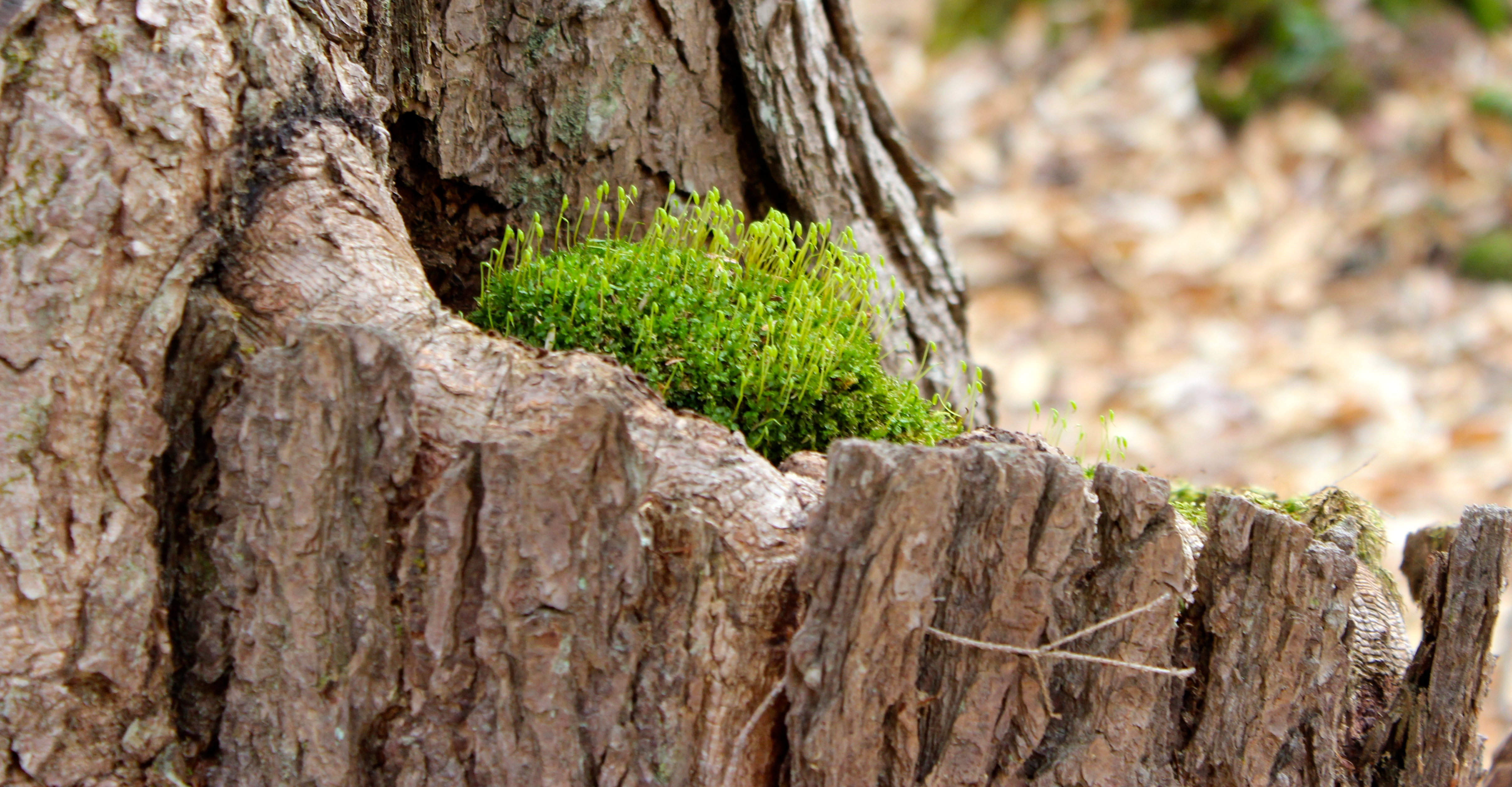
Along the way, this May Day basket presented itself.

1000 shades of green

Moss covered rocks and stumps bring to mind my father and his Scottish heritage. The faeries or fair folk, as they prefer to be known, quietly present themselves in areas like this. Some day, I may share the fairy tale I wrote a few years ago.

witch hazel

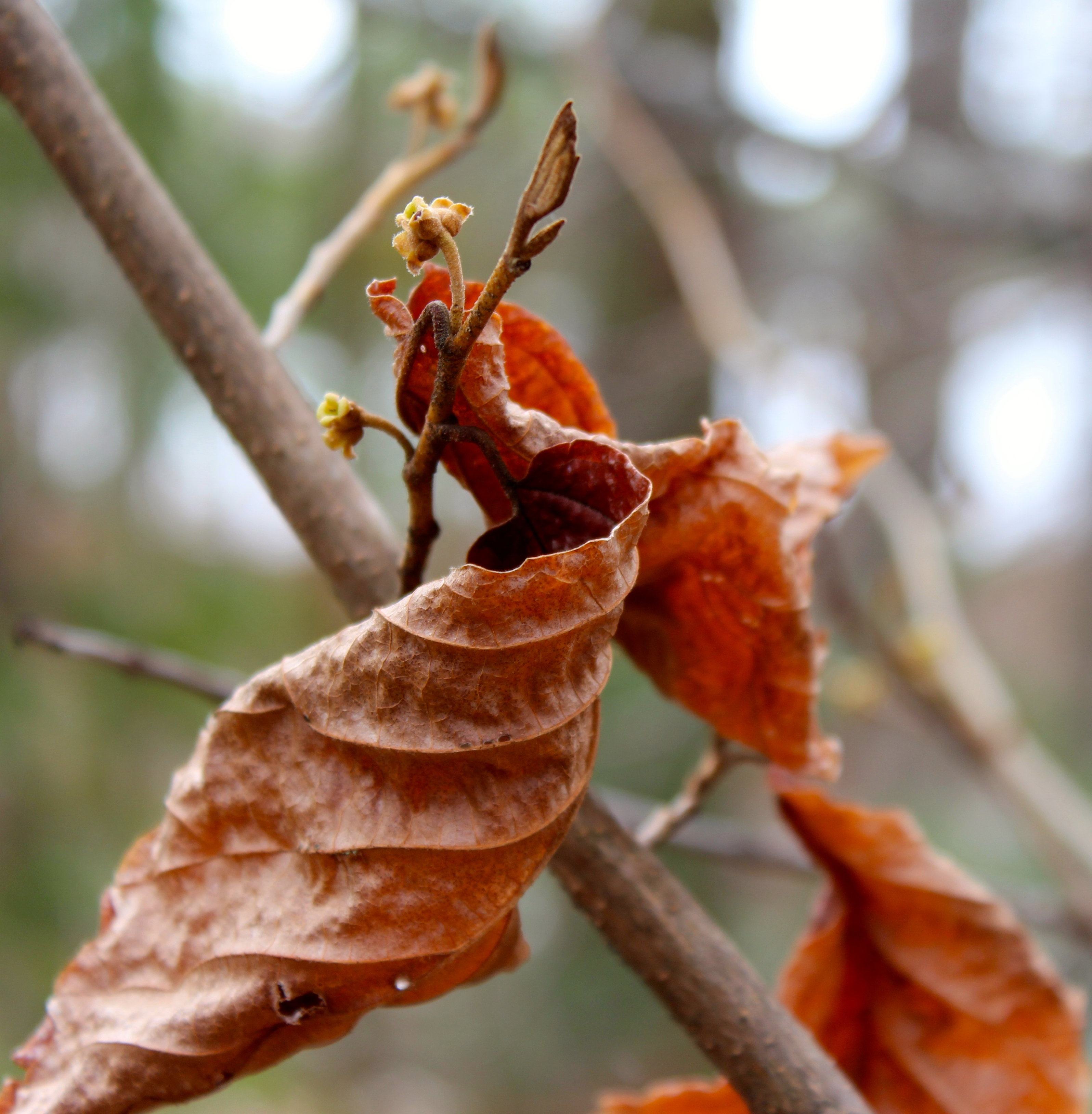
The Witch Hazel still holds its leaves.

beech leaf

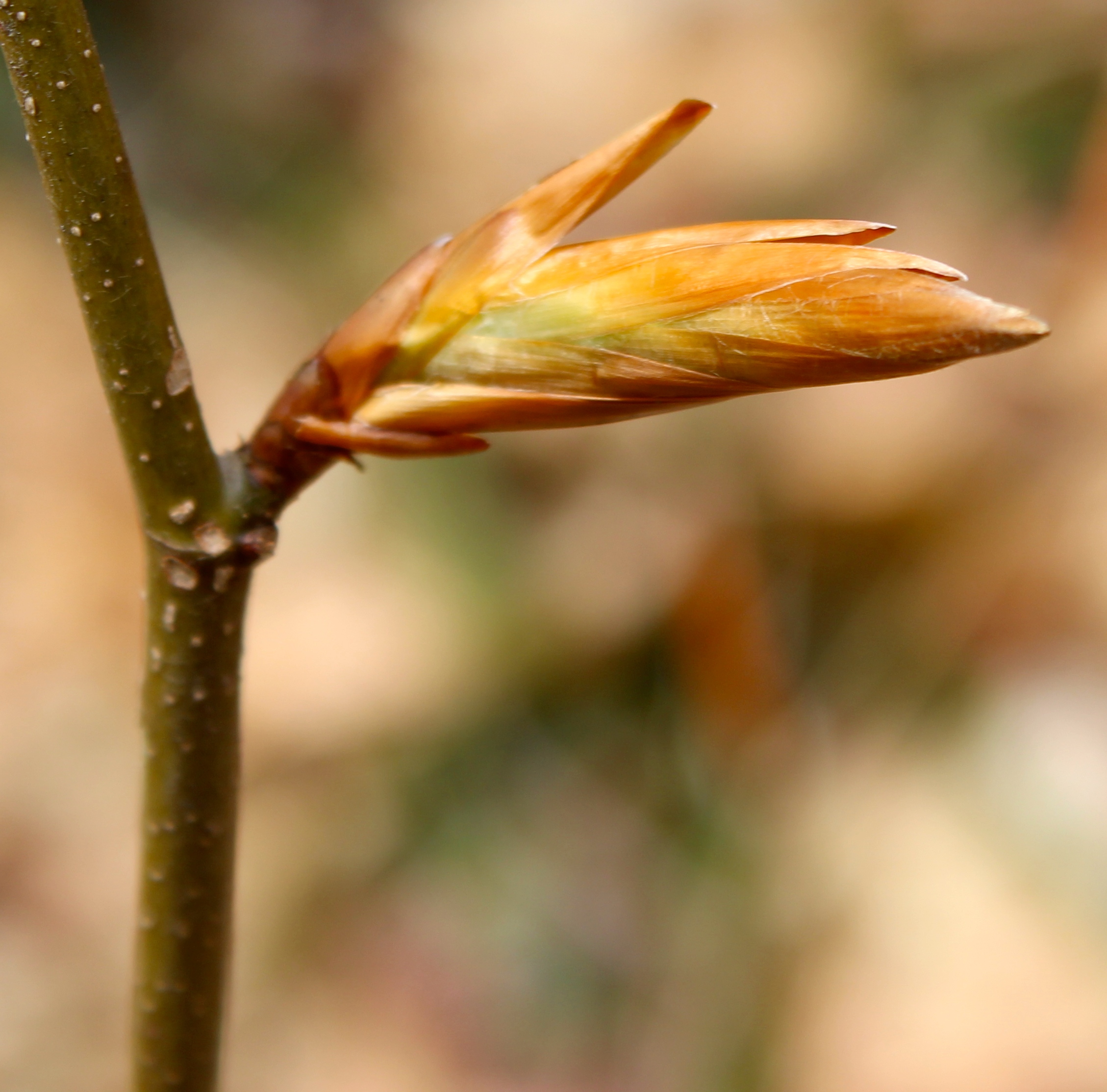
As do most American beech trees, but this one is beginning to leaf out.

pileated

The insects don’t stand a chance against the methodic hammering of the pileated woodpecker who created these holes.

carpenter ant

At the base of the tree, the reason for the pileated’s work was revealed; sawdust created by carpenter ants. This tree must hum before it drums.

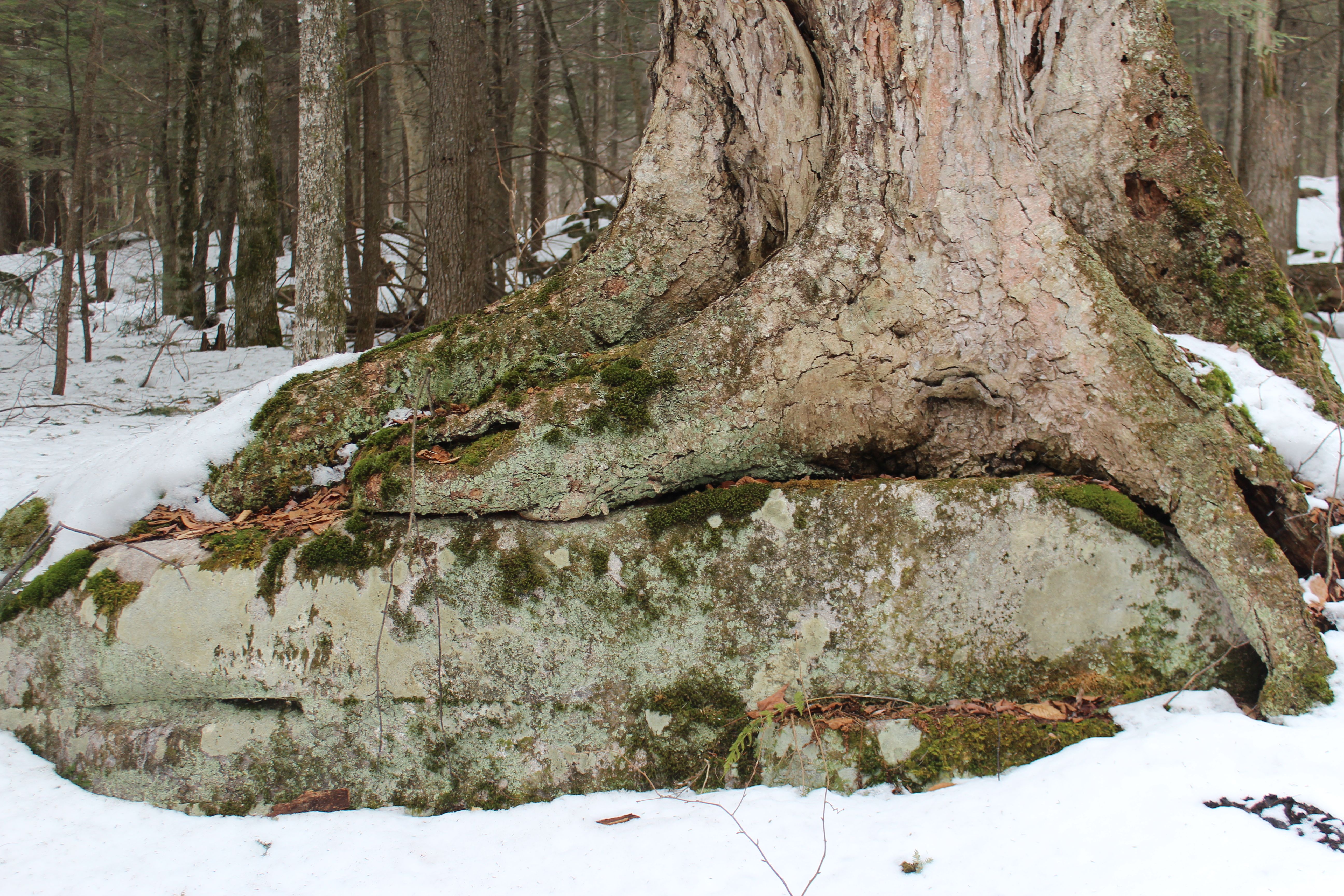
rock tree

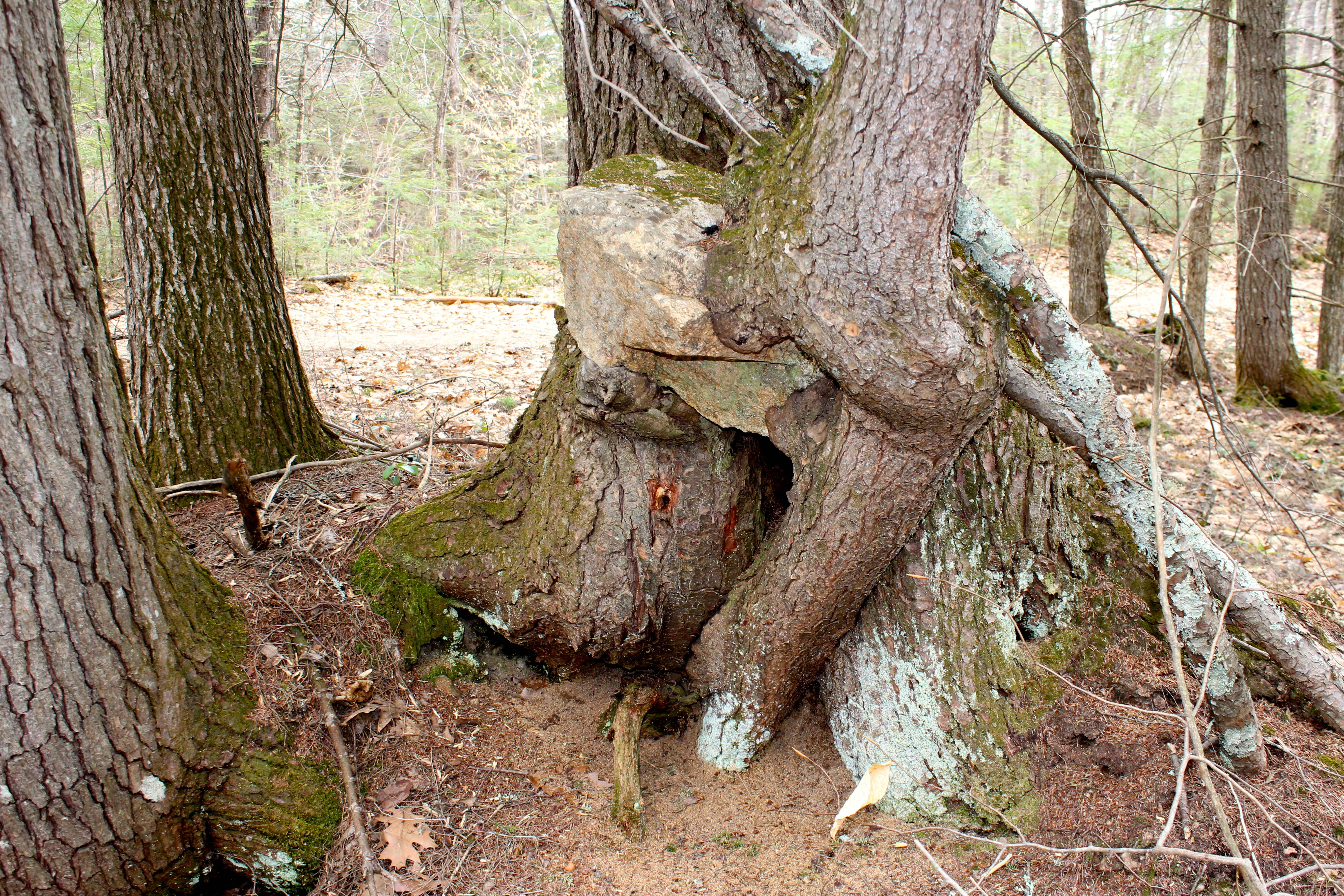
I actually stopped talking, ever so briefly, when I saw this.

rock tree 2

How in the world?

rock tree 3

We think we know, but what are your thoughts?

tree:rock

Meanwhile–a tree grows around a rock.

oak acrorn germinating

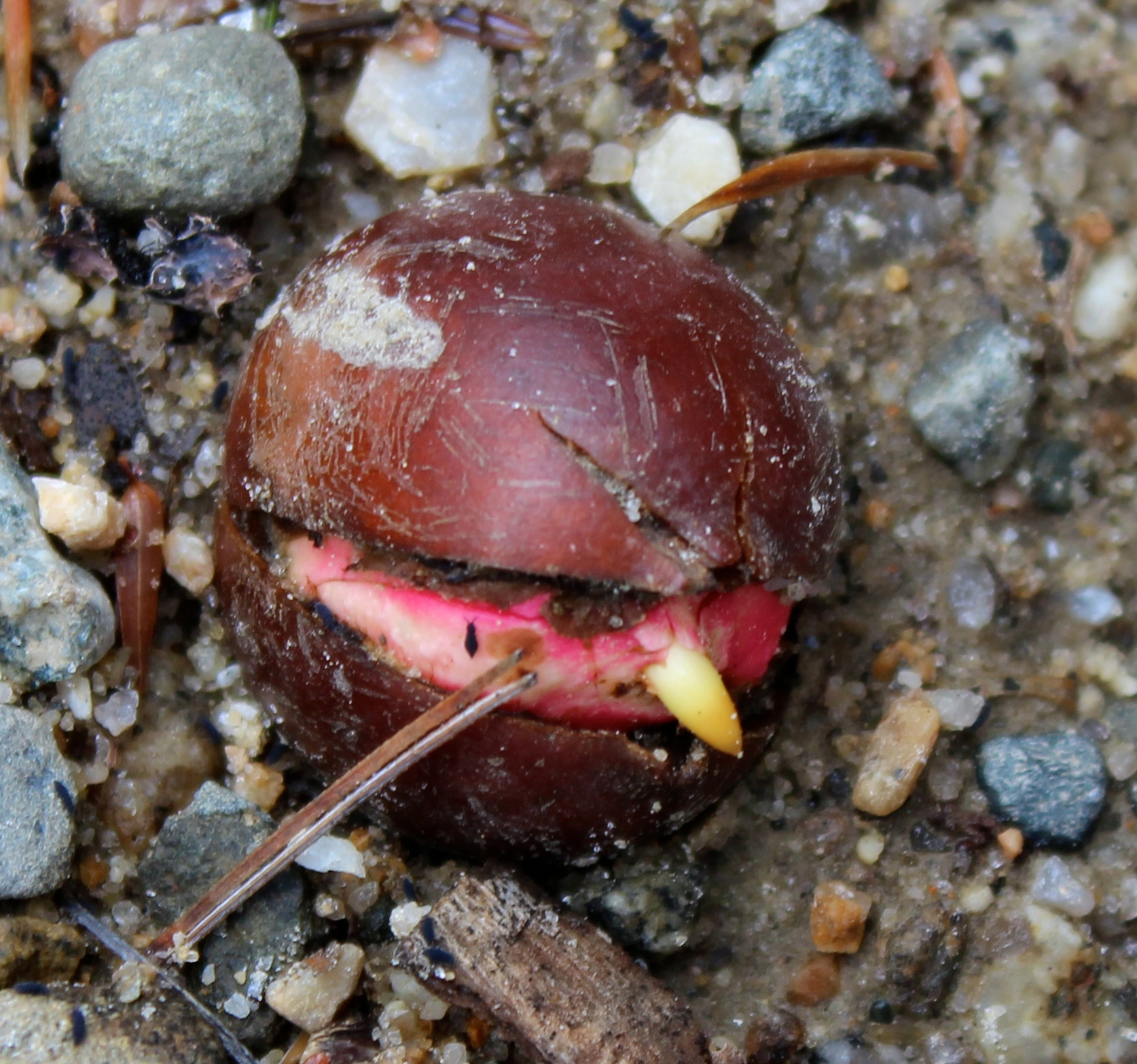
One of my favorite wonders of today. A red oak acorn germinating on the gravelly road–not exactly a quality site to begin life.

skunk cabbage

False Hellibore shines brightly,

skunk 2

slowly unfurling its smooth-edged, pleated leaves,

brookside

beside Powers Brook as it meanders by on its way to Stearns Pond.

beaver 1

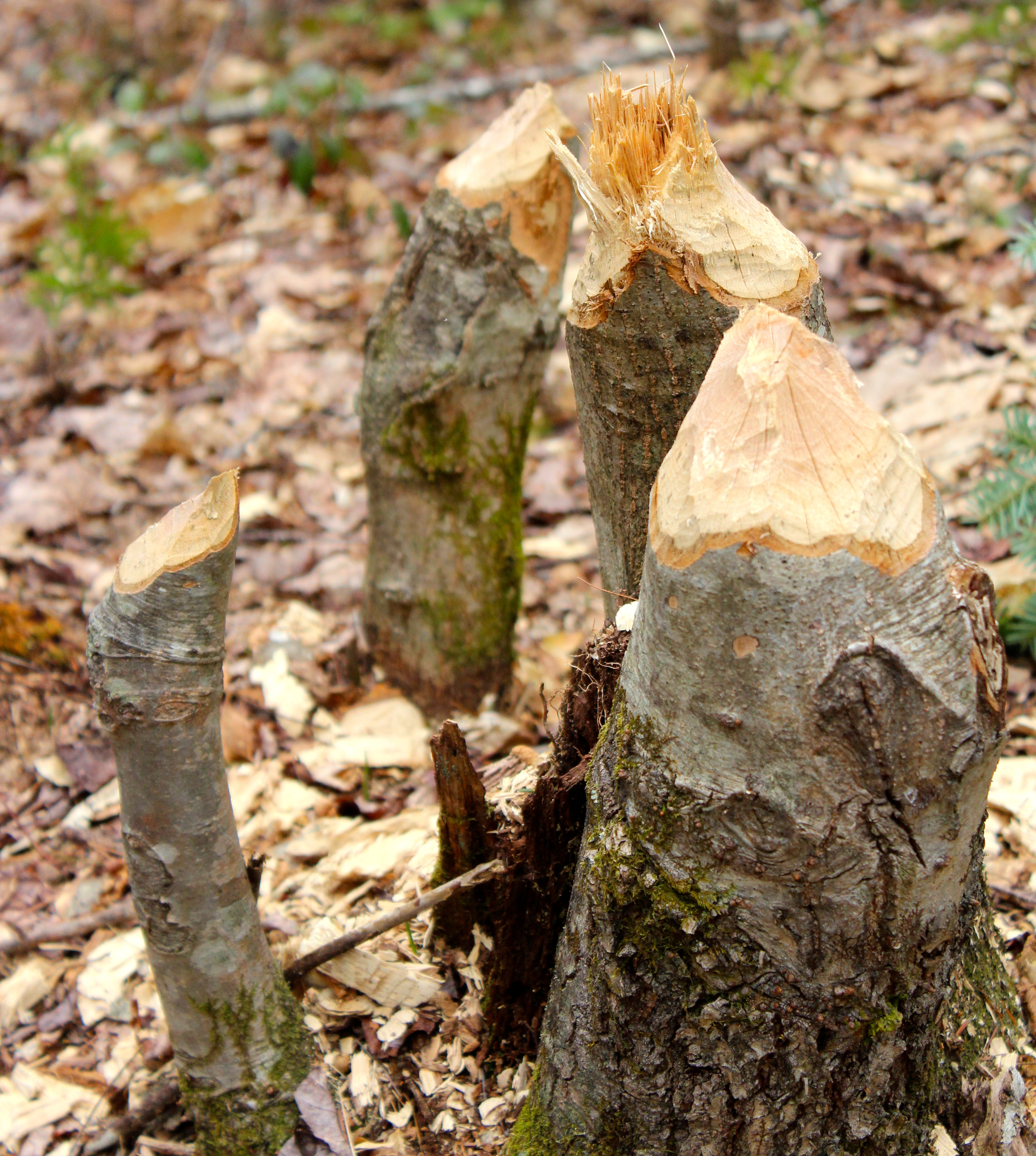
It was a day of this and that, including beaver works.

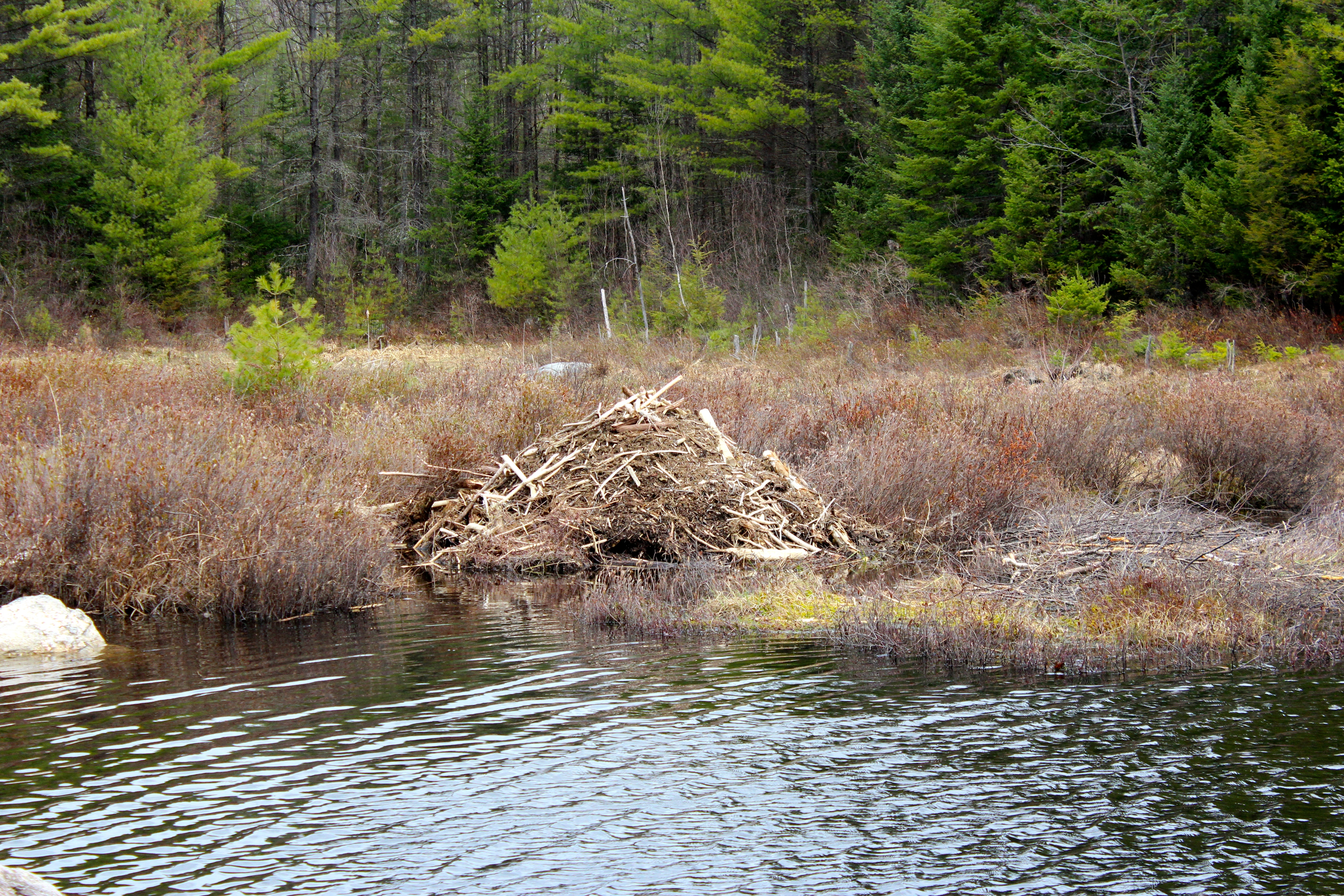
lodge

The lodge.

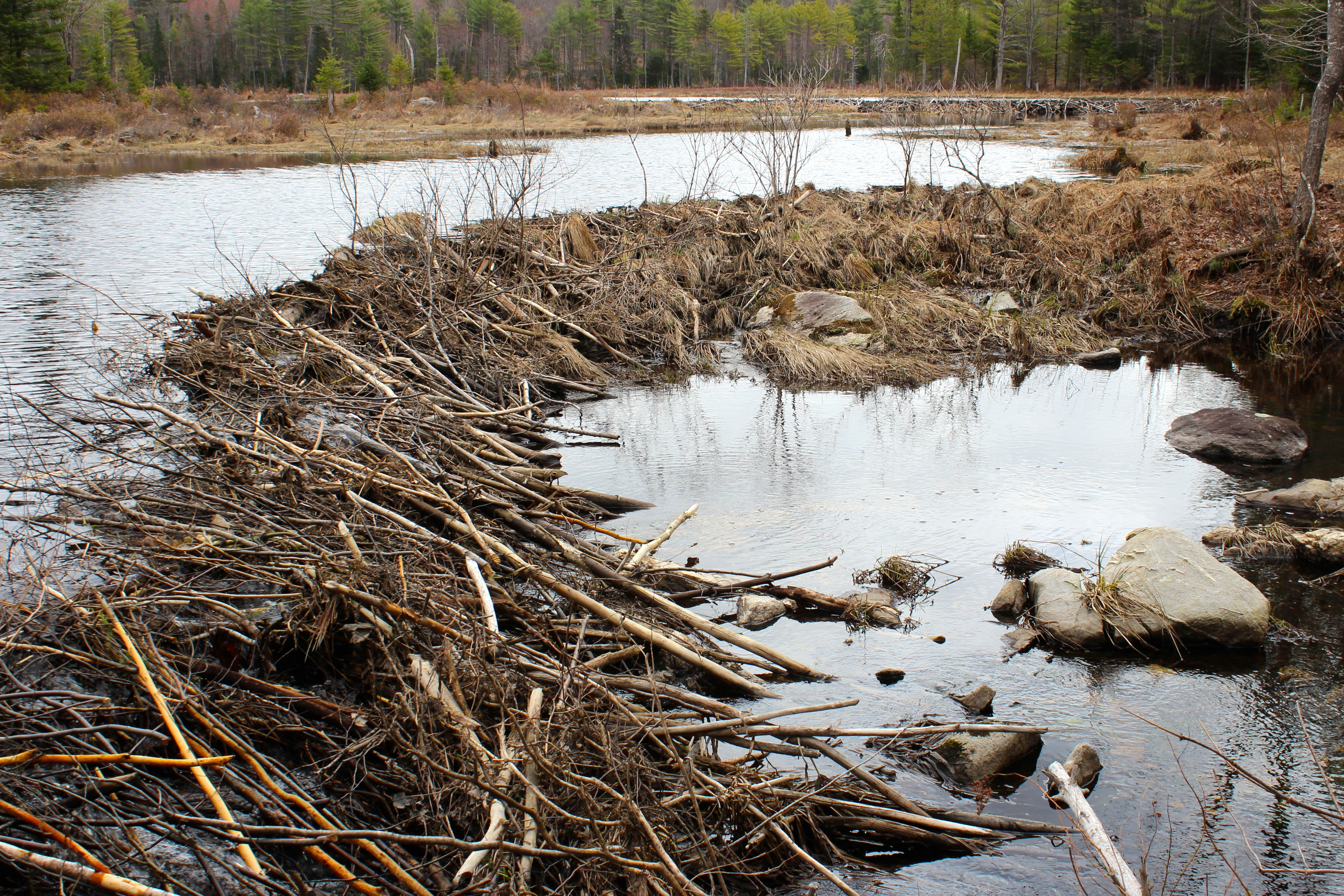
dam

And two large dams, the second being in the background to the center right.

 canada mayflower

It’s May Day and we noticed that Canada Mayflower is beginning to leaf out.

ta

 But . . . we’ve been paying attention to Trailing Arbutus, aka Mayflower, whenever we tramp, and today–blossoms

Mayflowers

accompanied by that delicate sweet scent.

A reason to celebrate. Happy May Day.

Seeking Hope

My heart is heavy with thoughts of recent events both here in the US and abroad, especially in Baltimore and Nepal. It all makes me feel so insignificant as I head outside. And it makes me all the more thankful for the opportunity to head outside and wander freely along the path and through the woods.

red maple 1

My hope is that you’ll never pass by a Red Maple tree again and dismiss it as just another tree.

striped maple

The same is true for a Striped Maple.

pussy willows

and willow.

vp1

My hope is you’ll relish the life of a vernal pool

vp eggs

as it supports a variety of species for such a short time,

wb 2

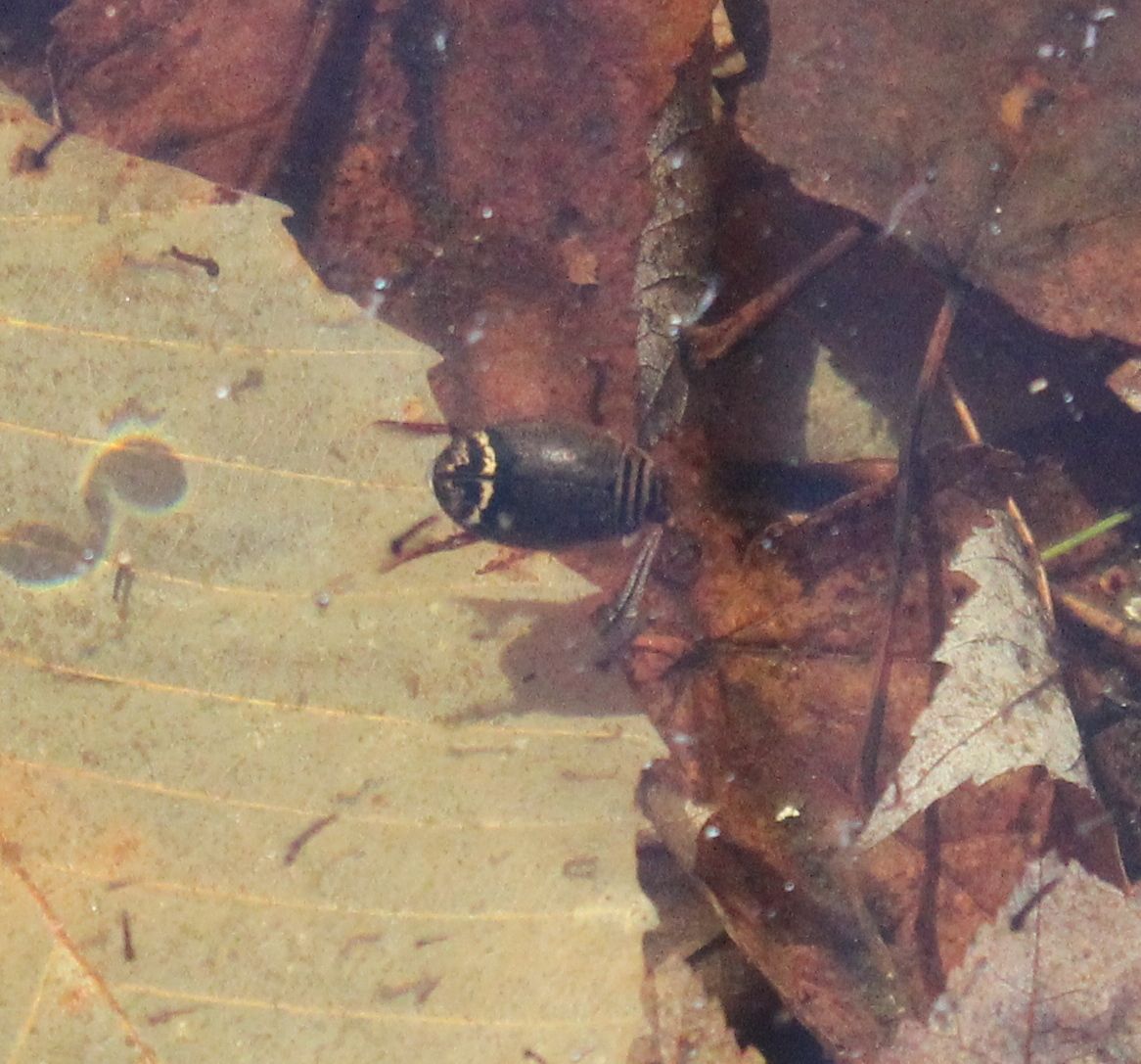
including this predaceous diving beetle and wiggly mosquito larva.

vp 2

Visit soon, because they are already drying up.

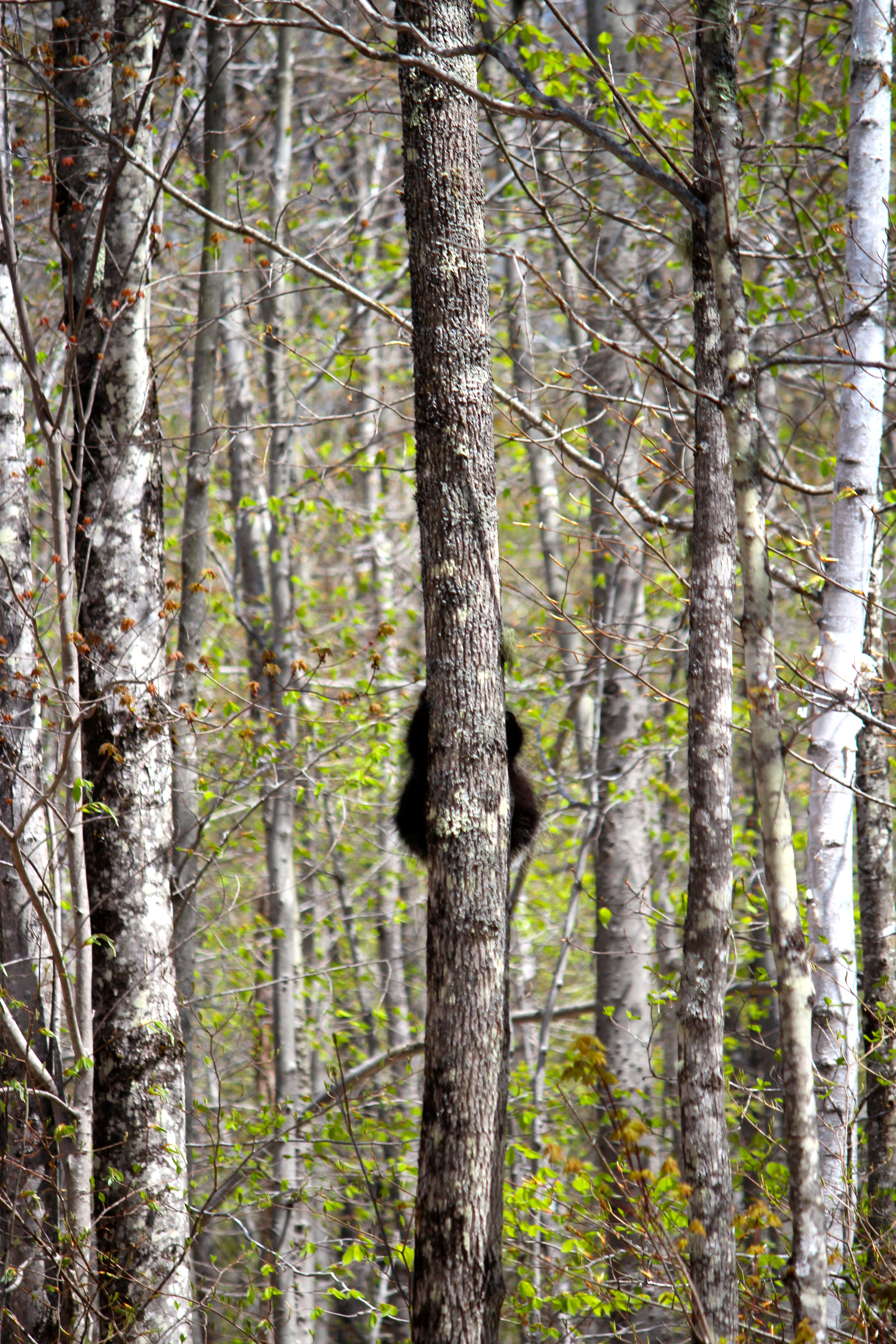
porc tree

My hope is you’ll look around and notice the subtle signs

porc damage

of mammal activity.

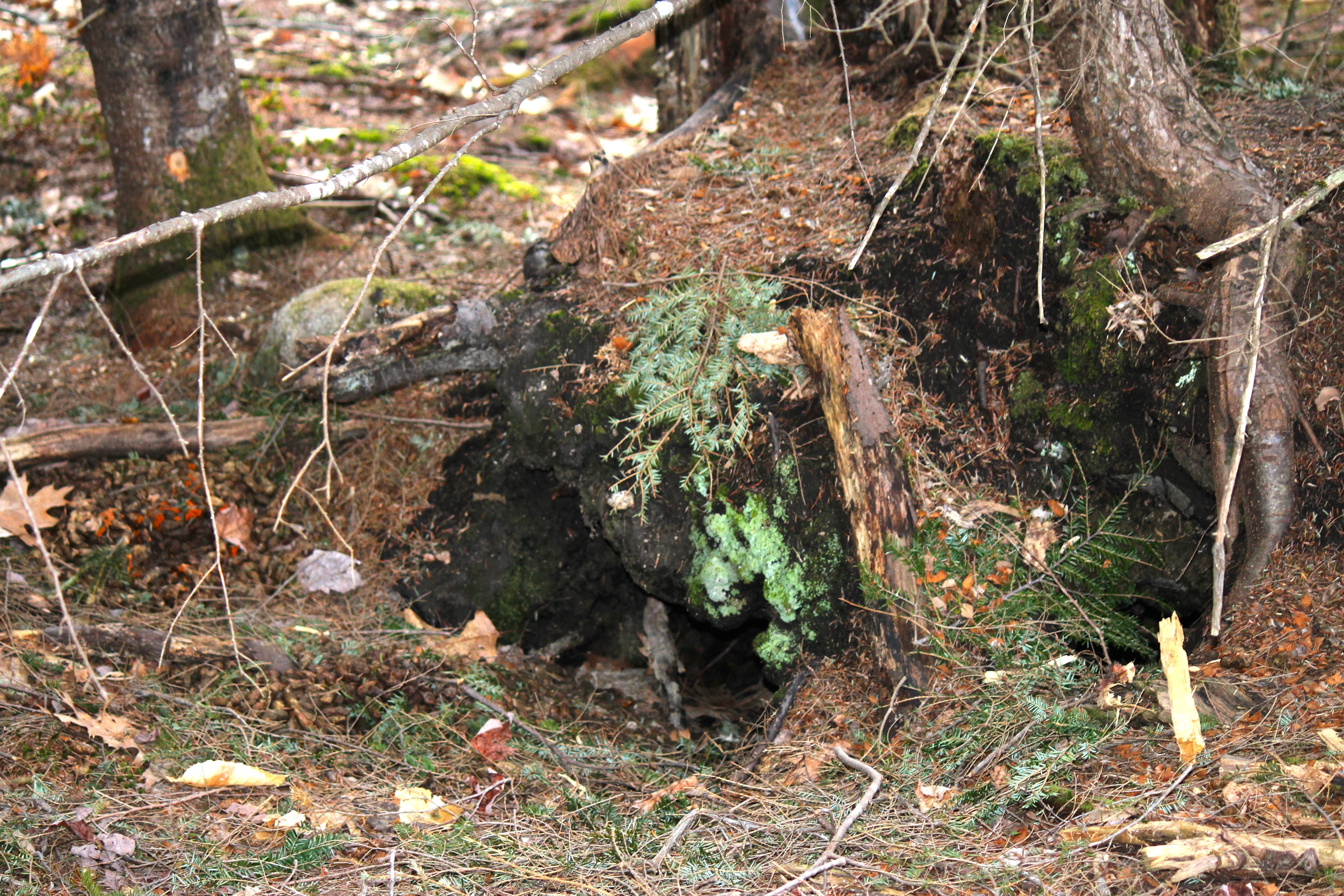
porc den

And have the good fortune to see a den and scat up close.

stone wall

My hope is you’ll come upon stone walls

trash 3

and objects in the woods that will make you wonder about those who came before.

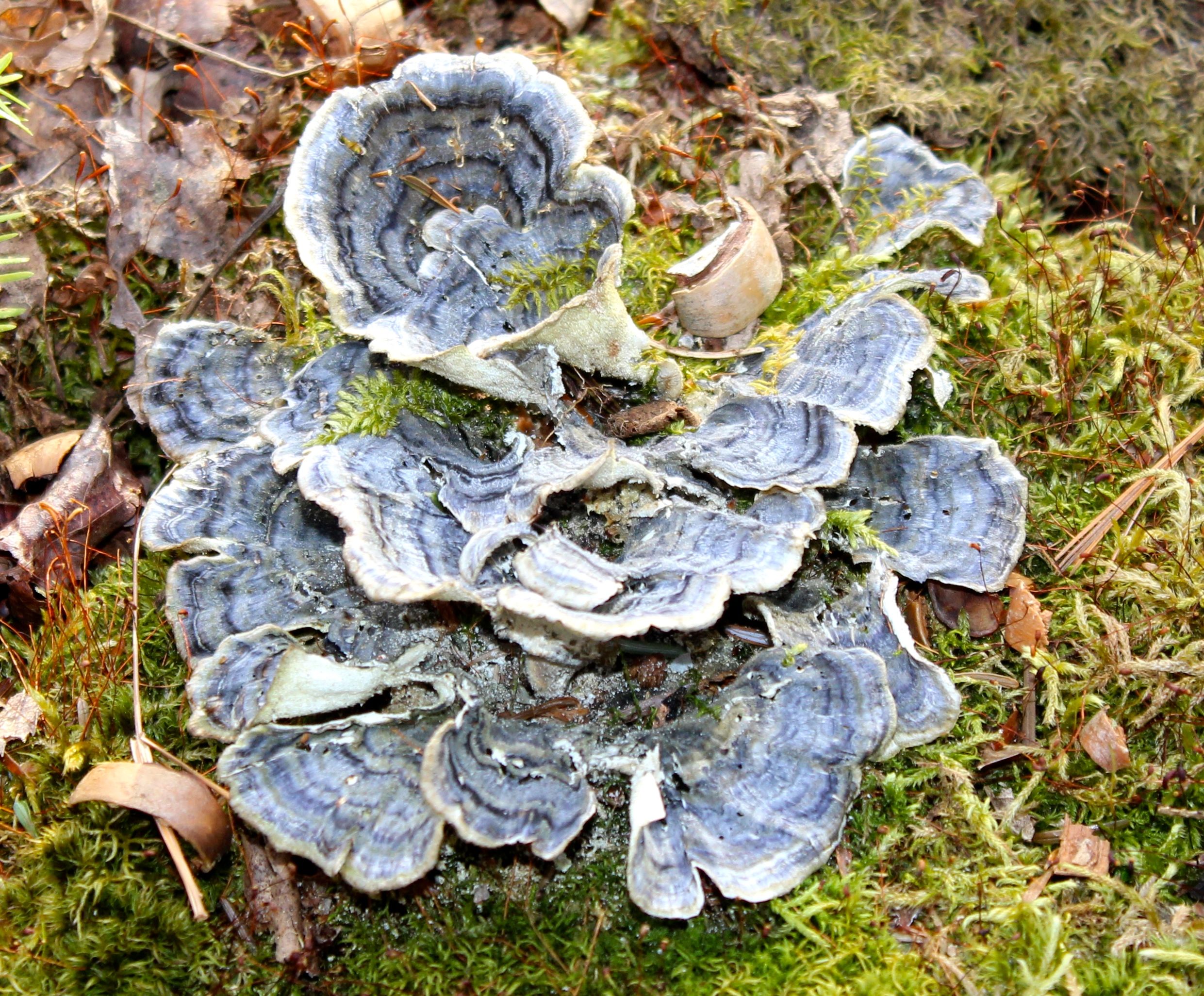
turkey tail

My hope is you’ll notice the abalone colors of turkey tails

stump

and see castles in tree stumps.

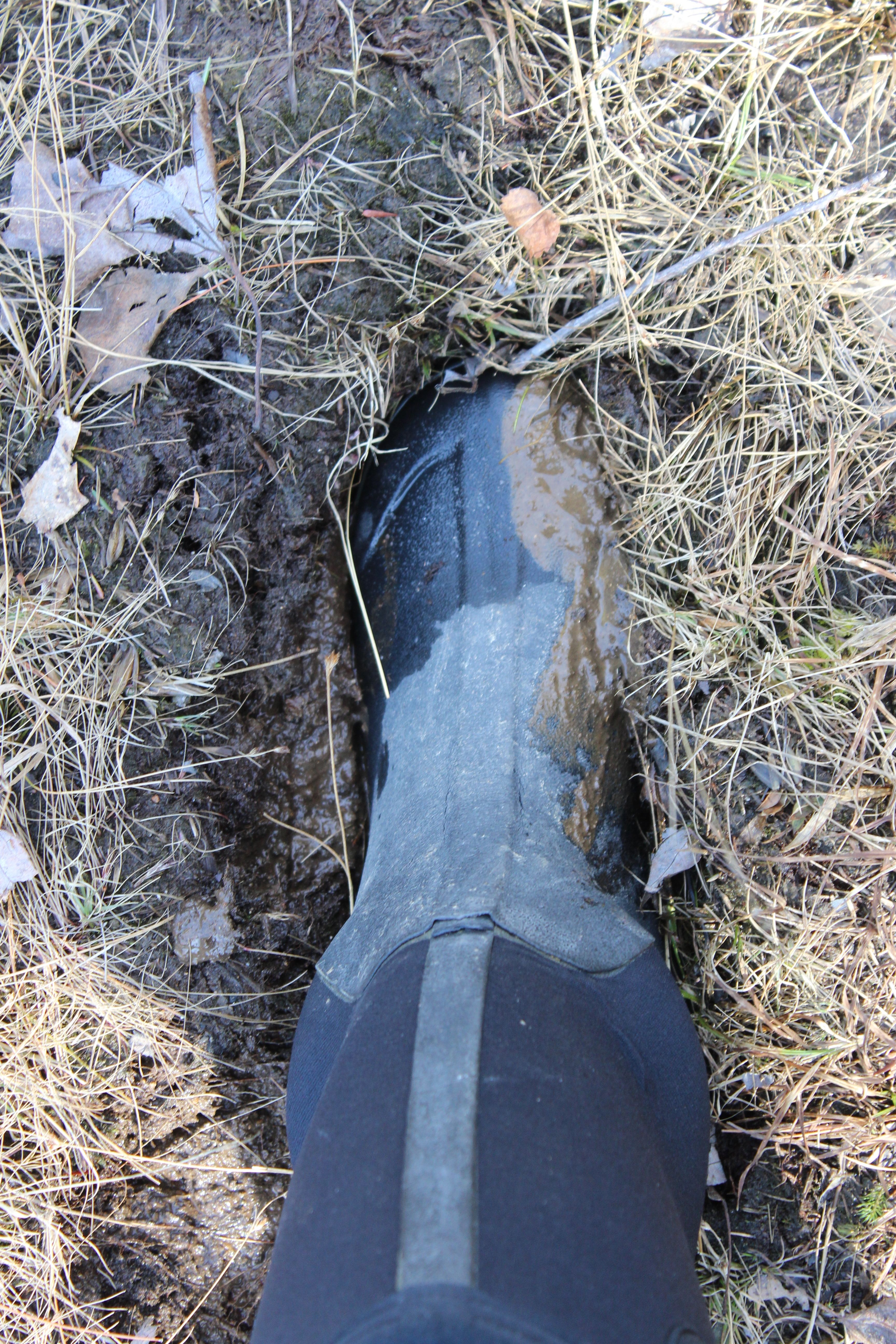
sinking feeling

My hope is you’ll sink in the mud

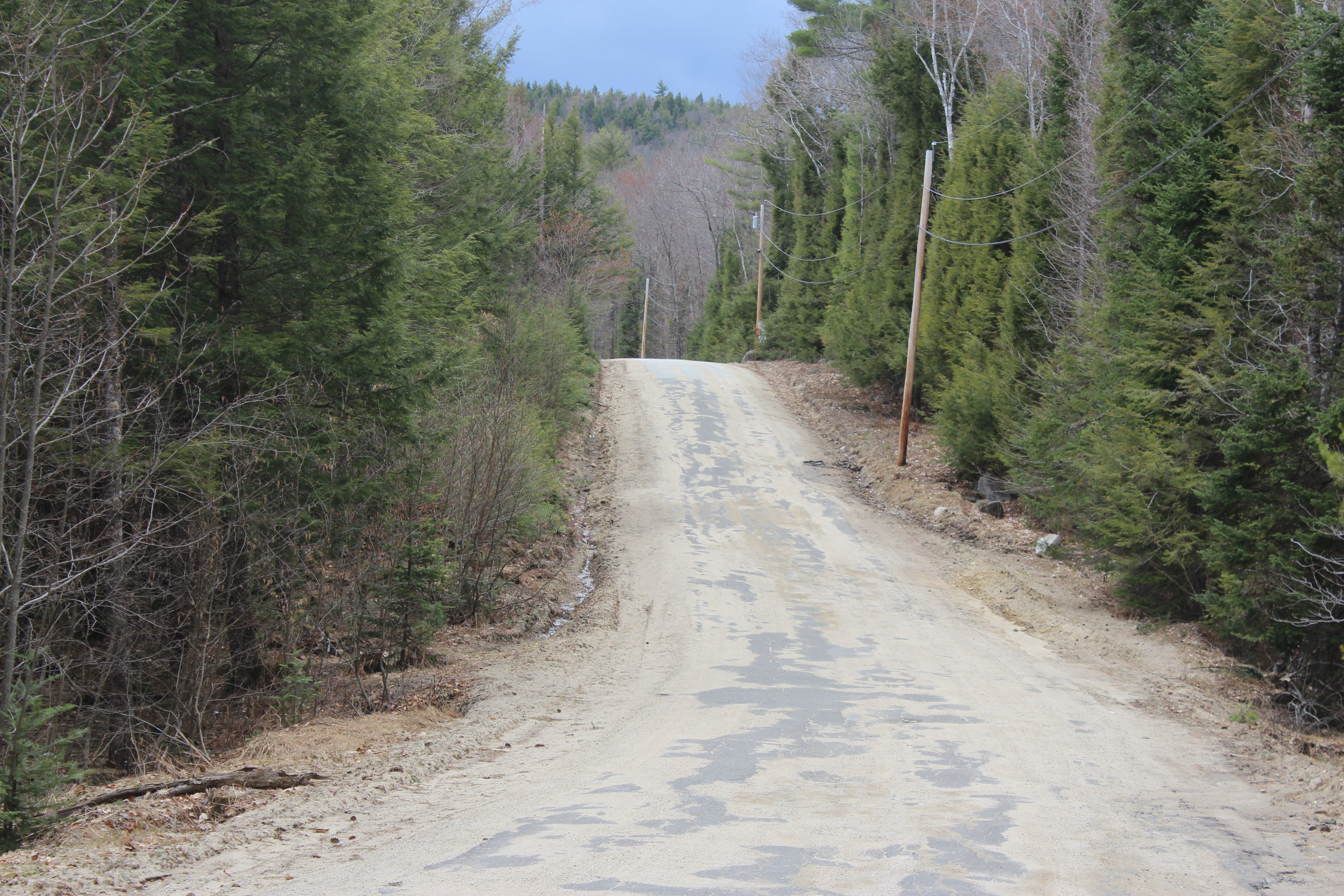
trail

as you travel along the trail.

May those who suffer find hope and wonder.

A Watchful Eye

FB-sand

On my way to meet a friend at the Wilson Wing Moose Pond Bog Preserve, the amount of sand on the road made me appreciate all the snow we had this winter and give thanks to those who cleared the way and kept us safe –constantly.

Never mind that I was lost in thought and this is beyond Foxboro Road where I should have been. After stopping to take this photo, I saw three things that were out of place–a road sign (at which time, I thought, “I didn’t realize the ‘no thru trucks, 26,000 RGVW at anytime’ sign was on Foxboro Road”–it isn’t); my friend passed me headed in the opposite direction; I came to the curve by Wiley Road and knew something wasn’t quite right. Whatever you do, don’t follow me. I’ll surely lead you astray. But if you don’t mind wondering, then let’s go.

fb brook

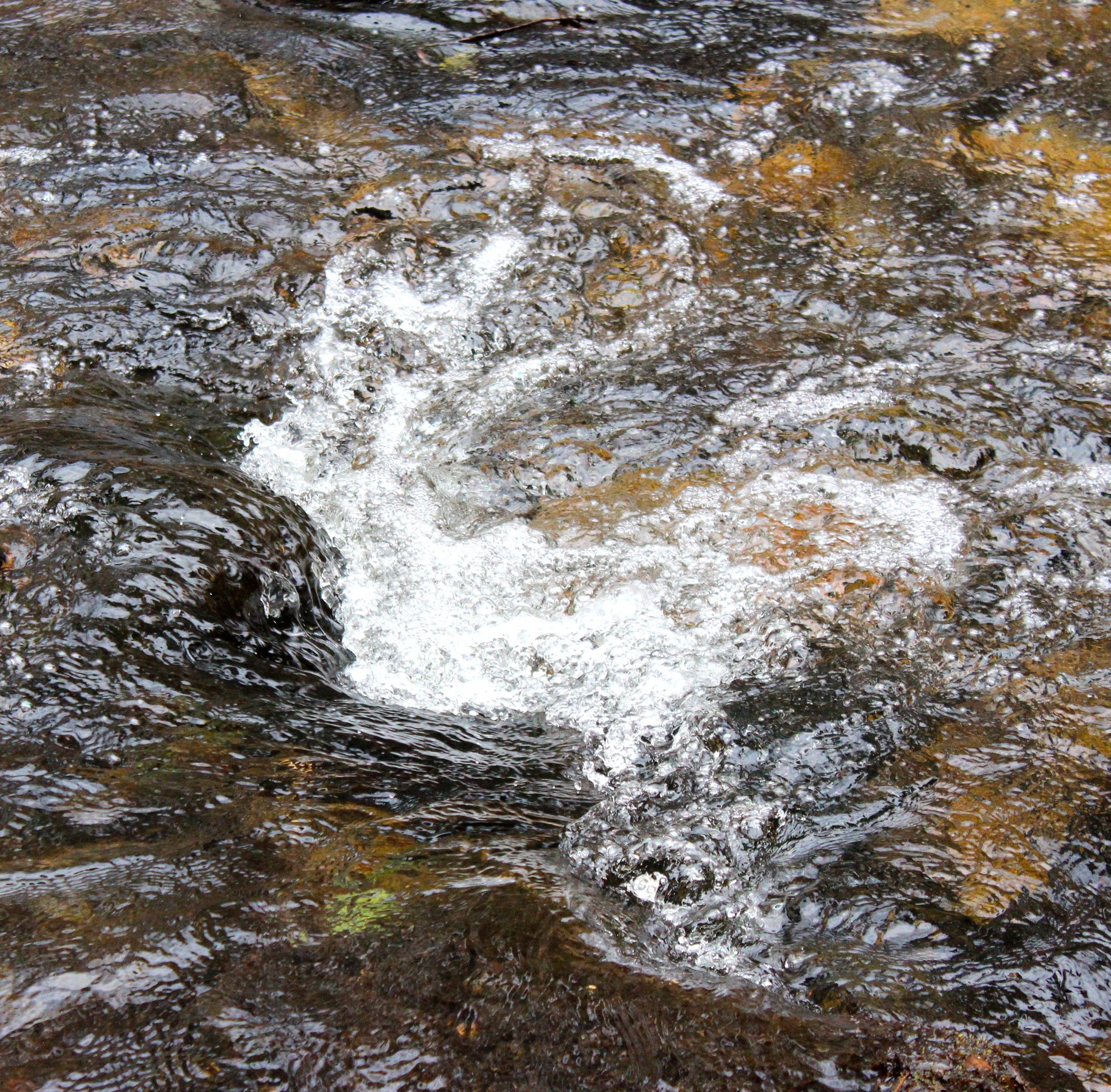
It’s so different to be at Wilson Wing during the spring when the water tumbles over the rocks in Sucker Brook. We accepted the invitation to pause and ponder.

water

And enjoy fluid moments.

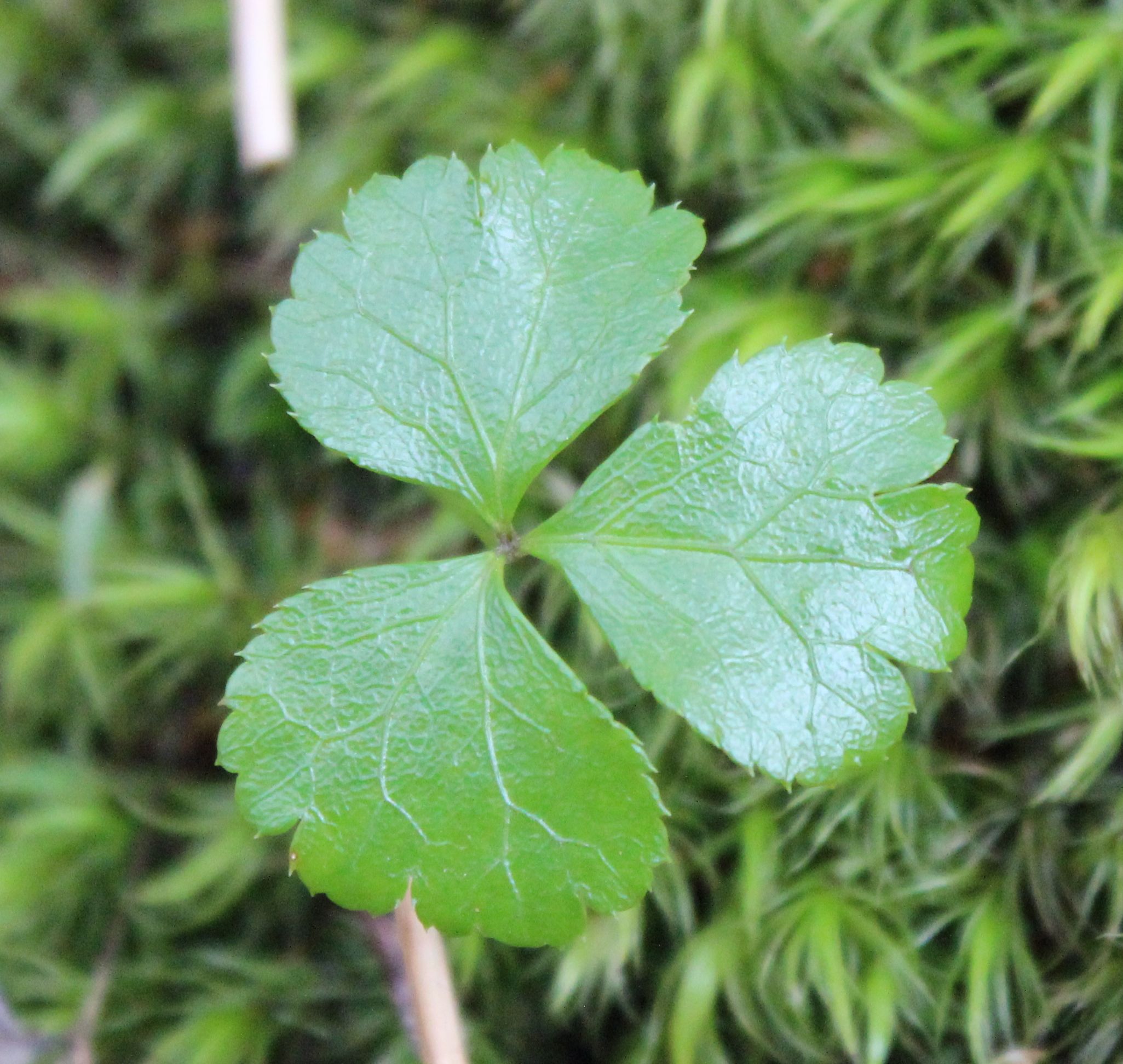
goldthread

And hope in the greenery. This scallop-leafed goldthread made us get down on our hands and knees for a closer look.

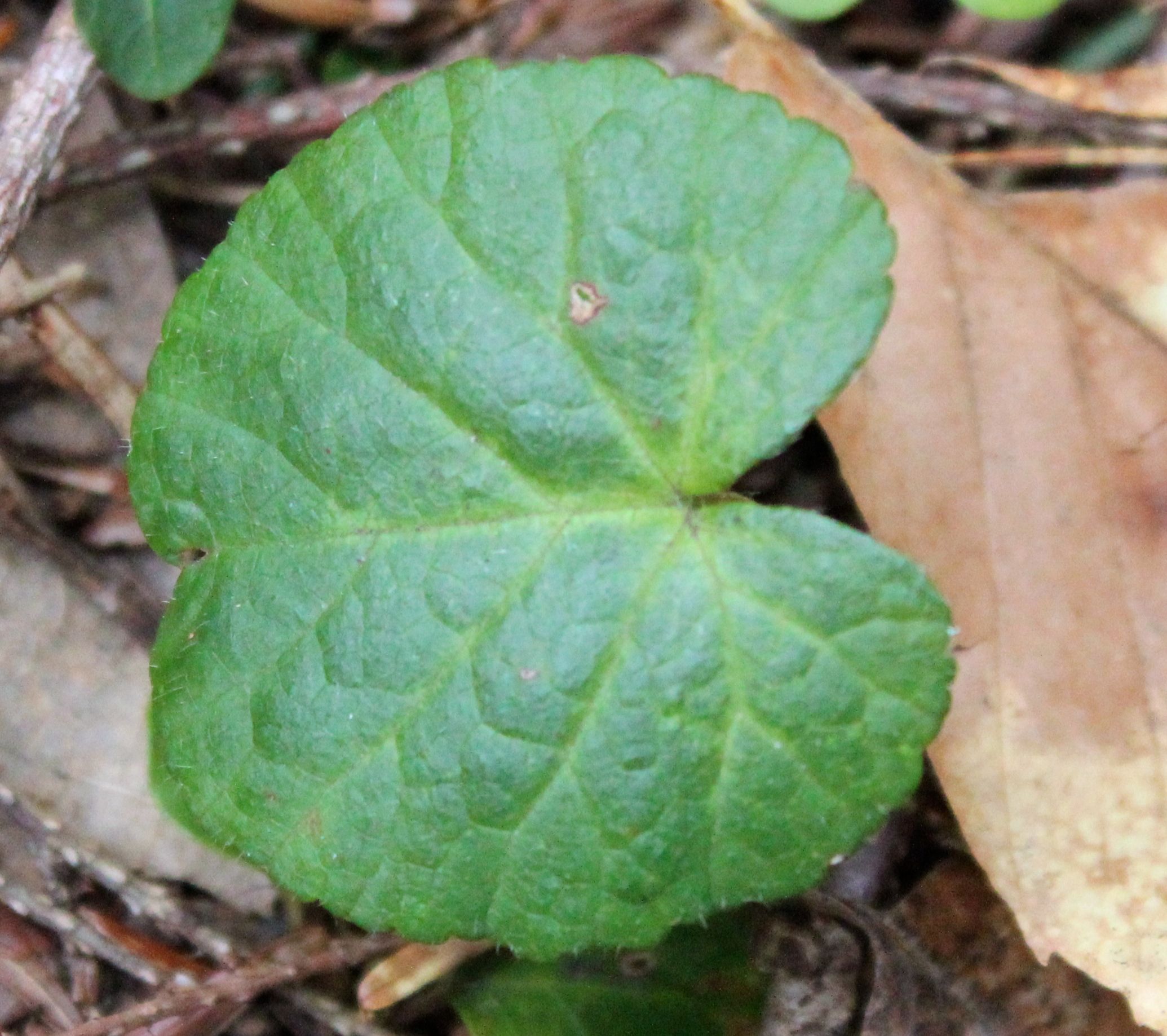
dewdrop

As did the heart-shaped dewdrop leaves.

heart

Another heart also spoke to us.

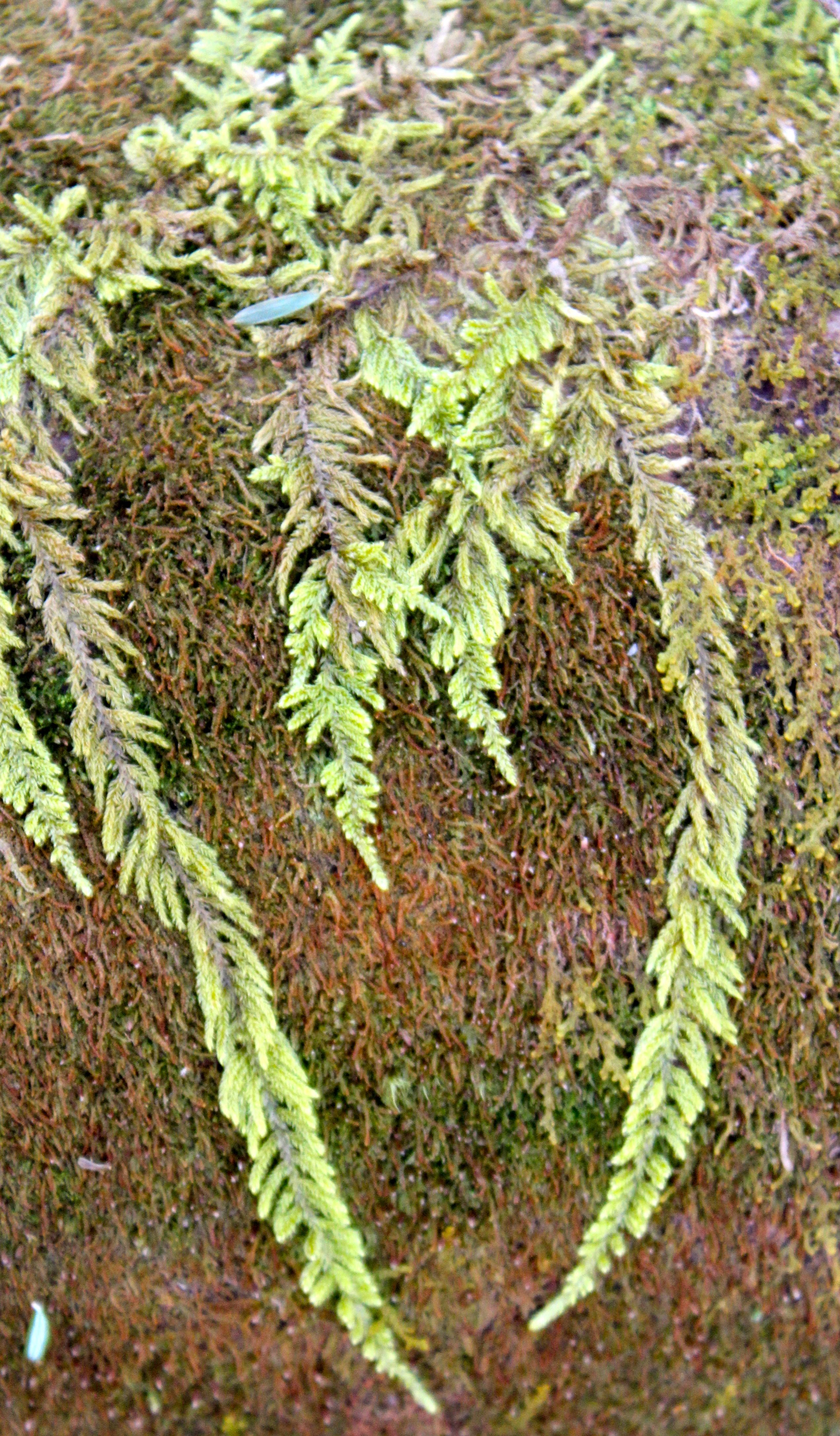
rock:lichen

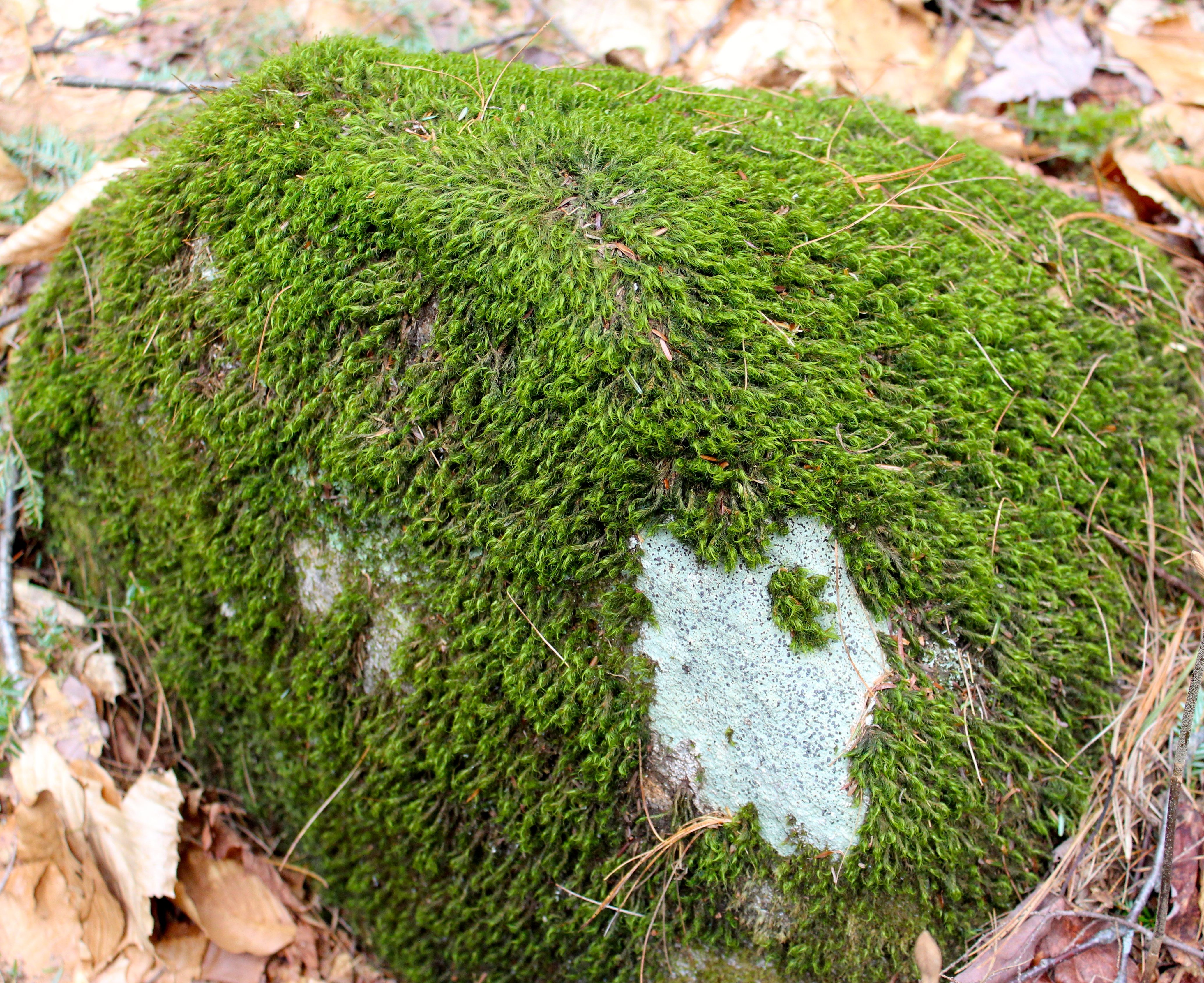
And the lichen and moss on this rock invited an up close and personal inspection through the hand lens.

lichen 2

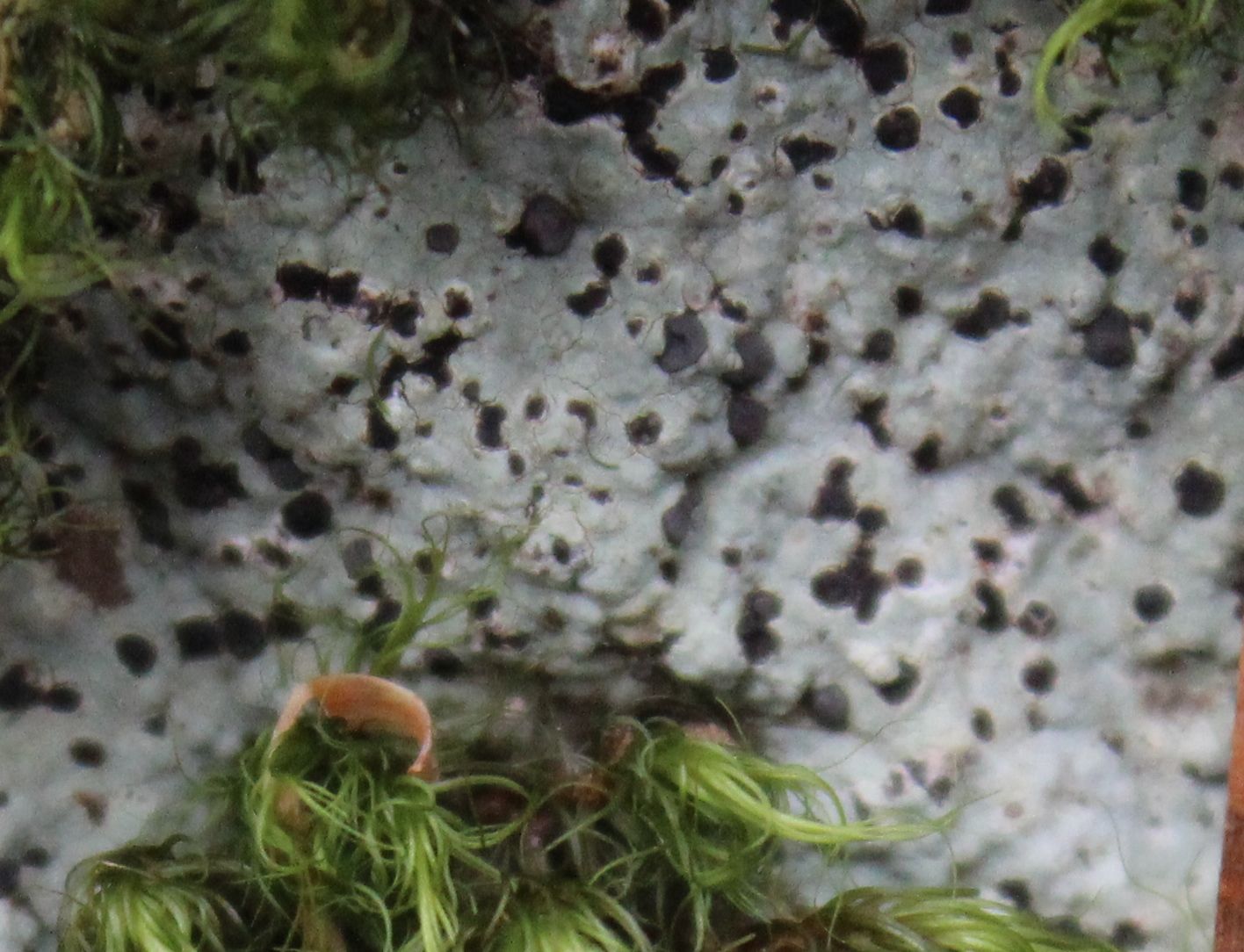
We tried to figure out which crustose lichen it is. I’m leaning toward a disk lichen (Lecidella stigmata) because the black fruiting bodies are raised.

quartz:lichen

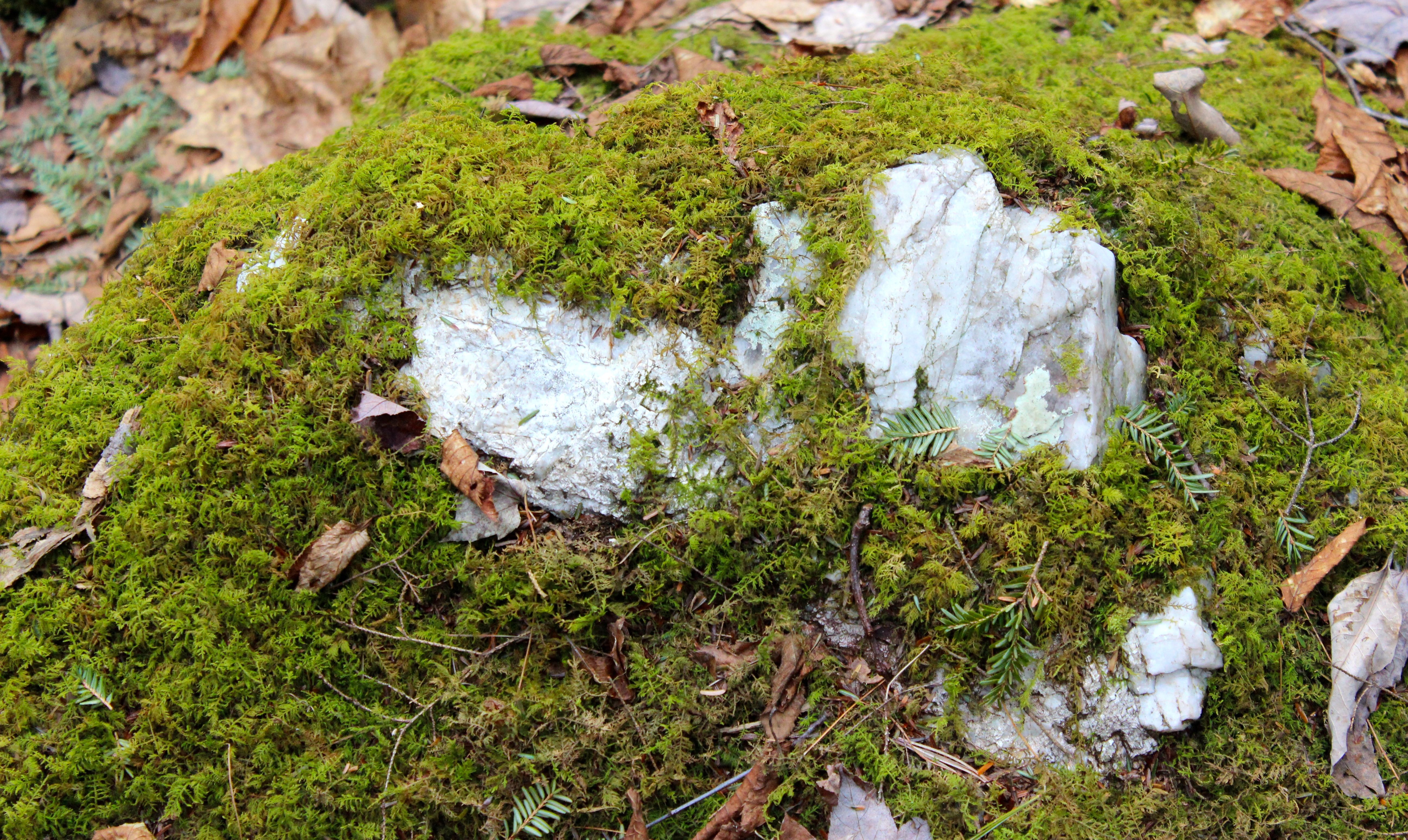
Then we saw a contrast in styles–soft moss and hard quartz.

tree chain lichen

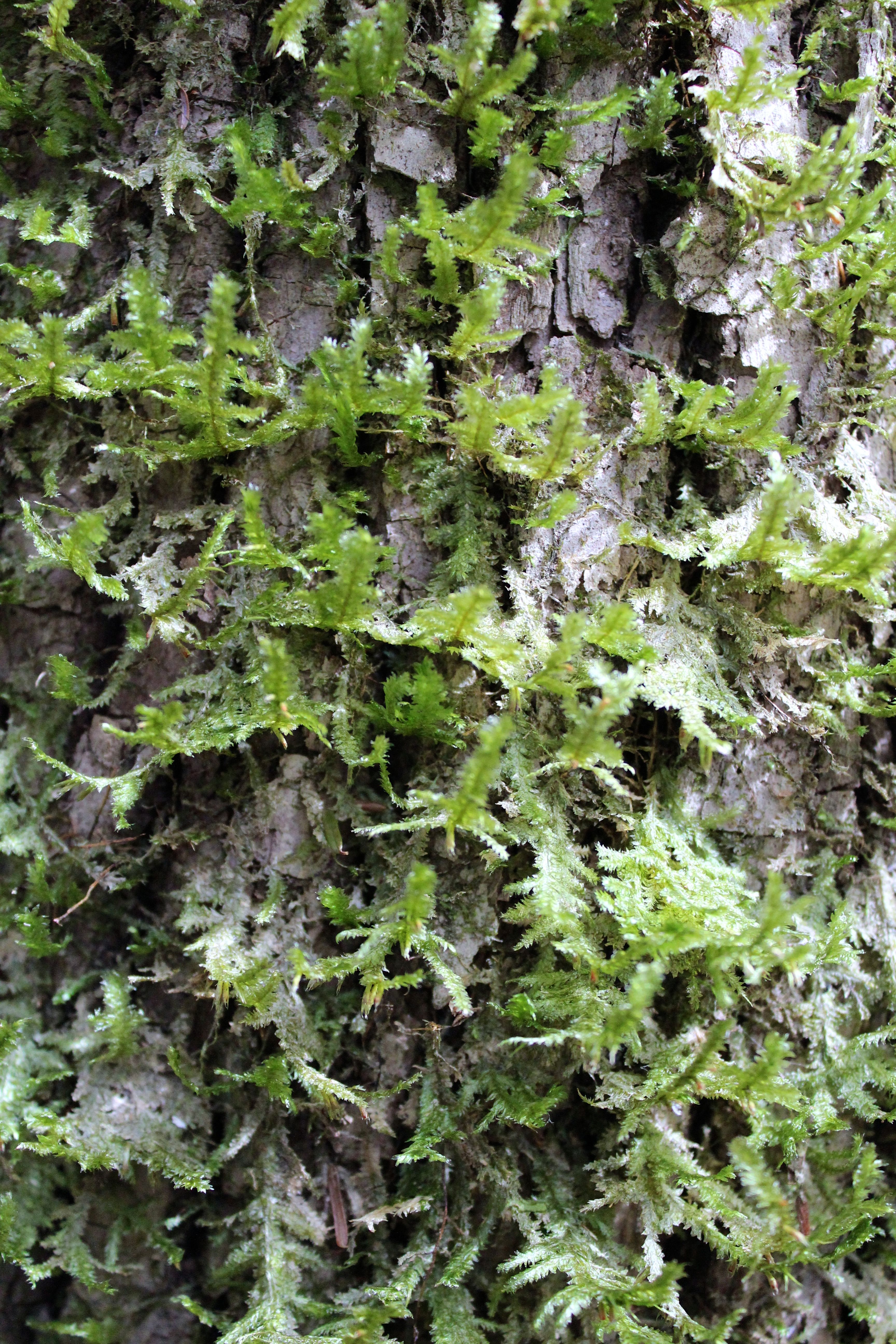
Some trees were adorned with necklaces. Tree necklaces.

hb

Our focus also included hobblebush, with its unscaled leaf buds

hb clasping

clasped together, perhaps in silent prayer for the bog and the life it supports.

hb 3

Flowers are forming, but we don’t want to rush the season.

hb 2

Then again, I can’t wait.

beaver 1

And then there was another story to unfold.

beaver 2

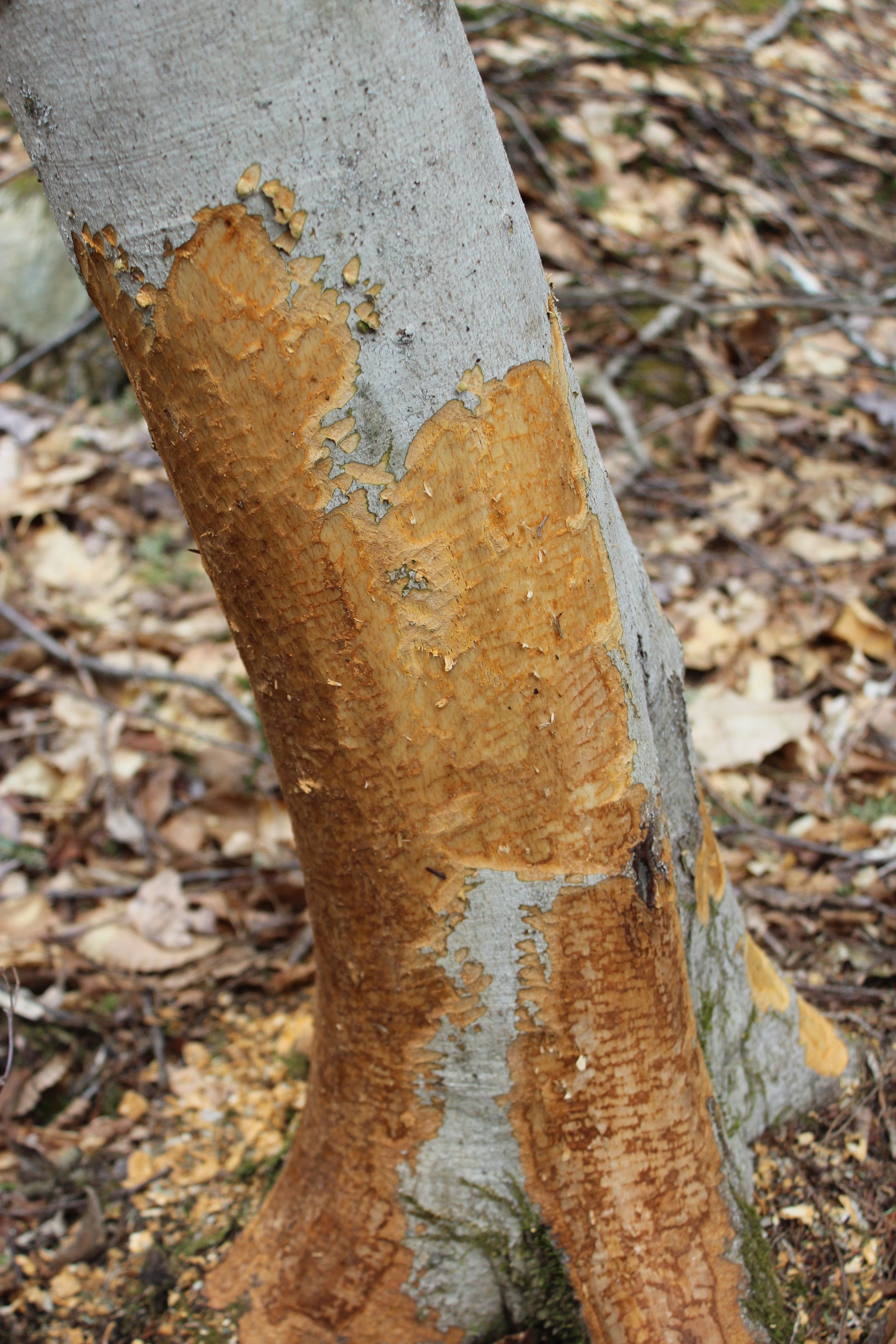
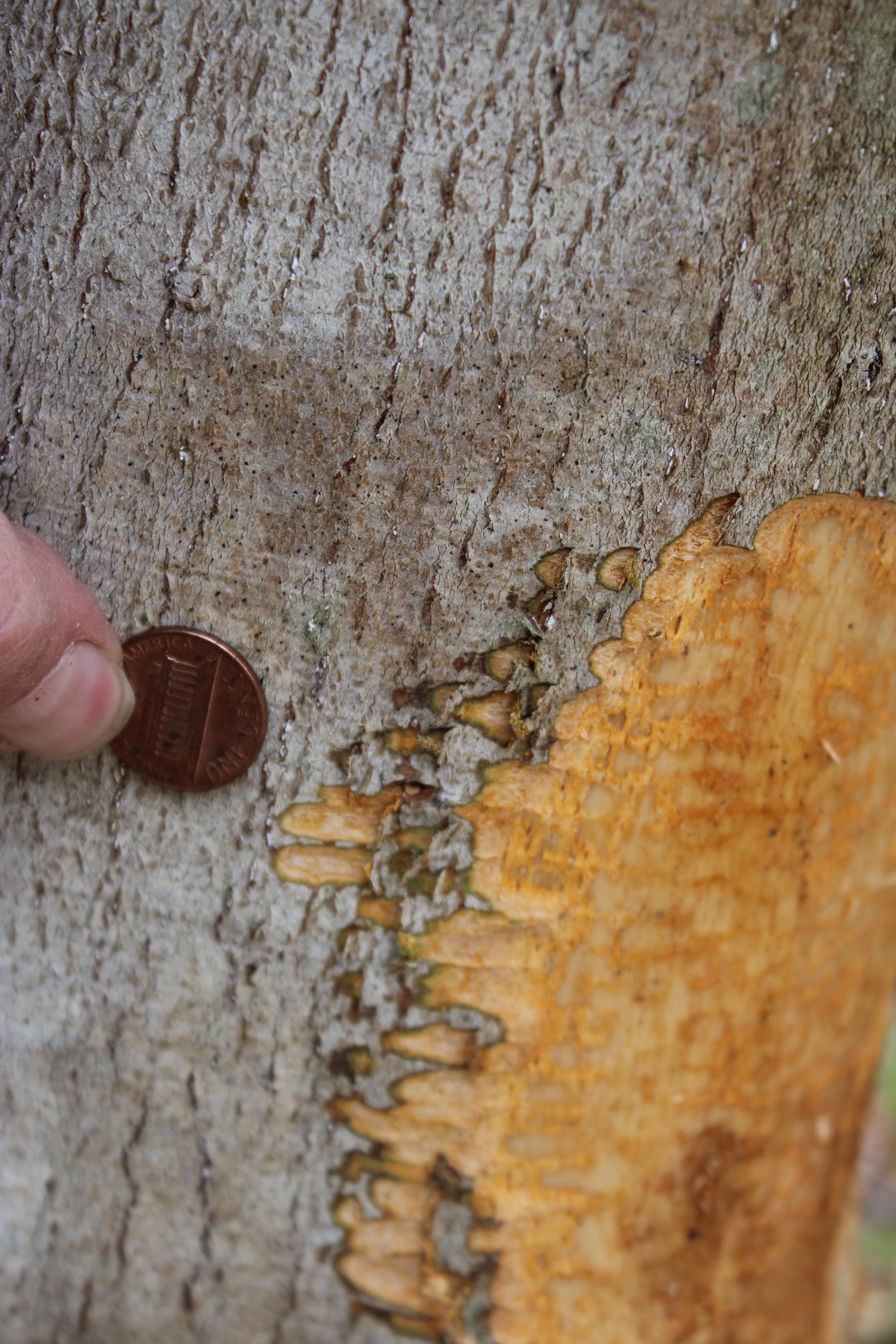
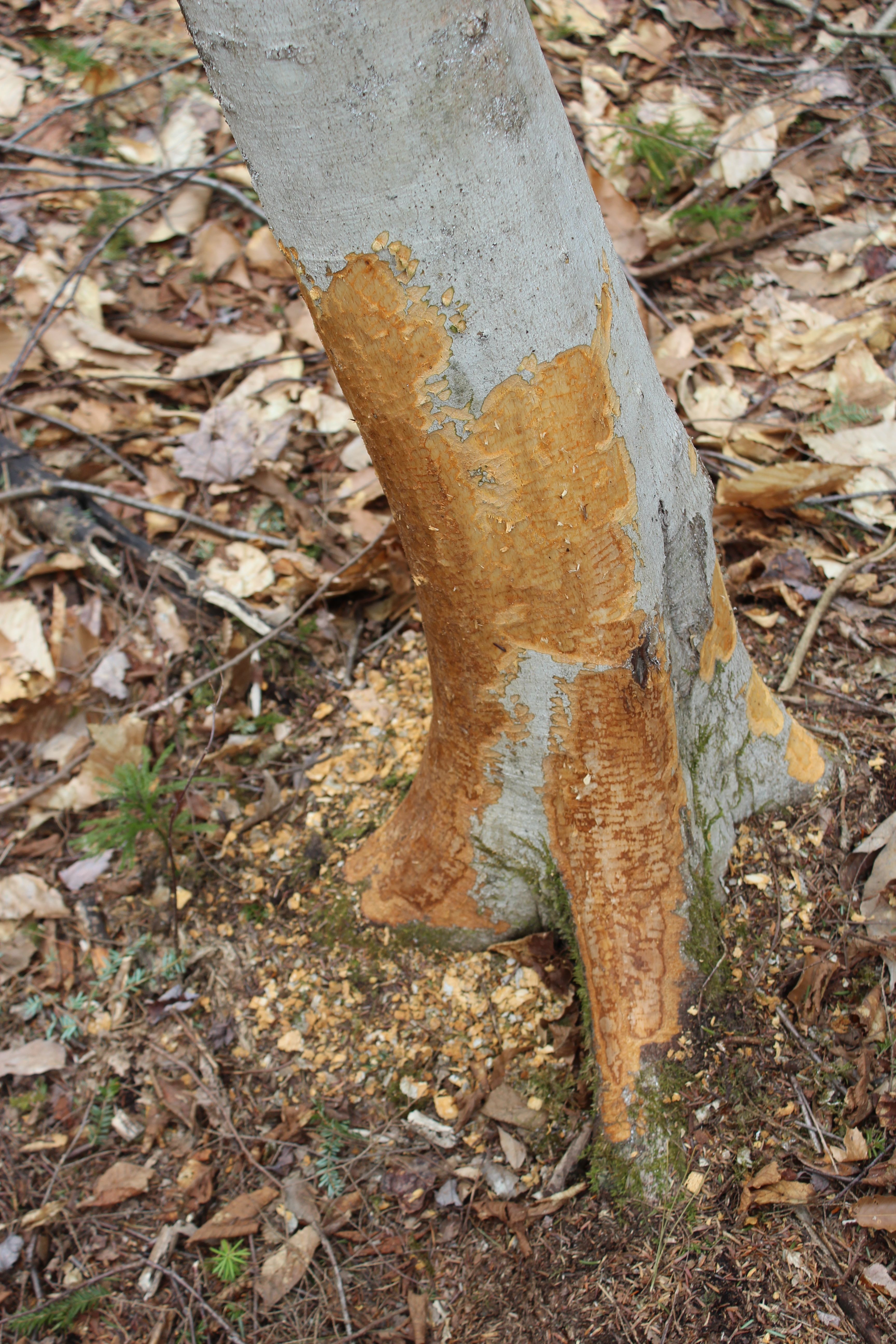
I thought beaver. My friend thought porcupine.

beaver 3

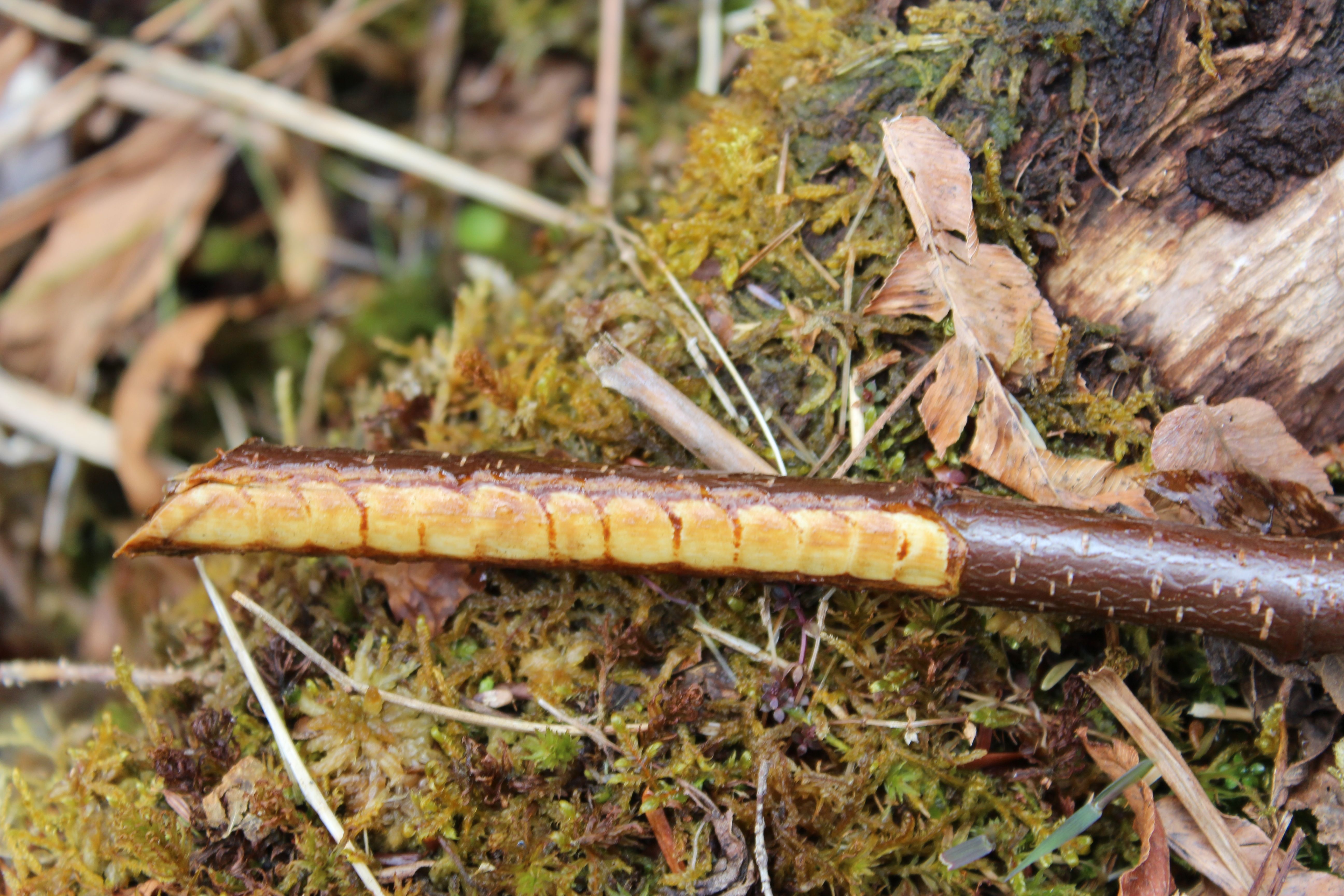
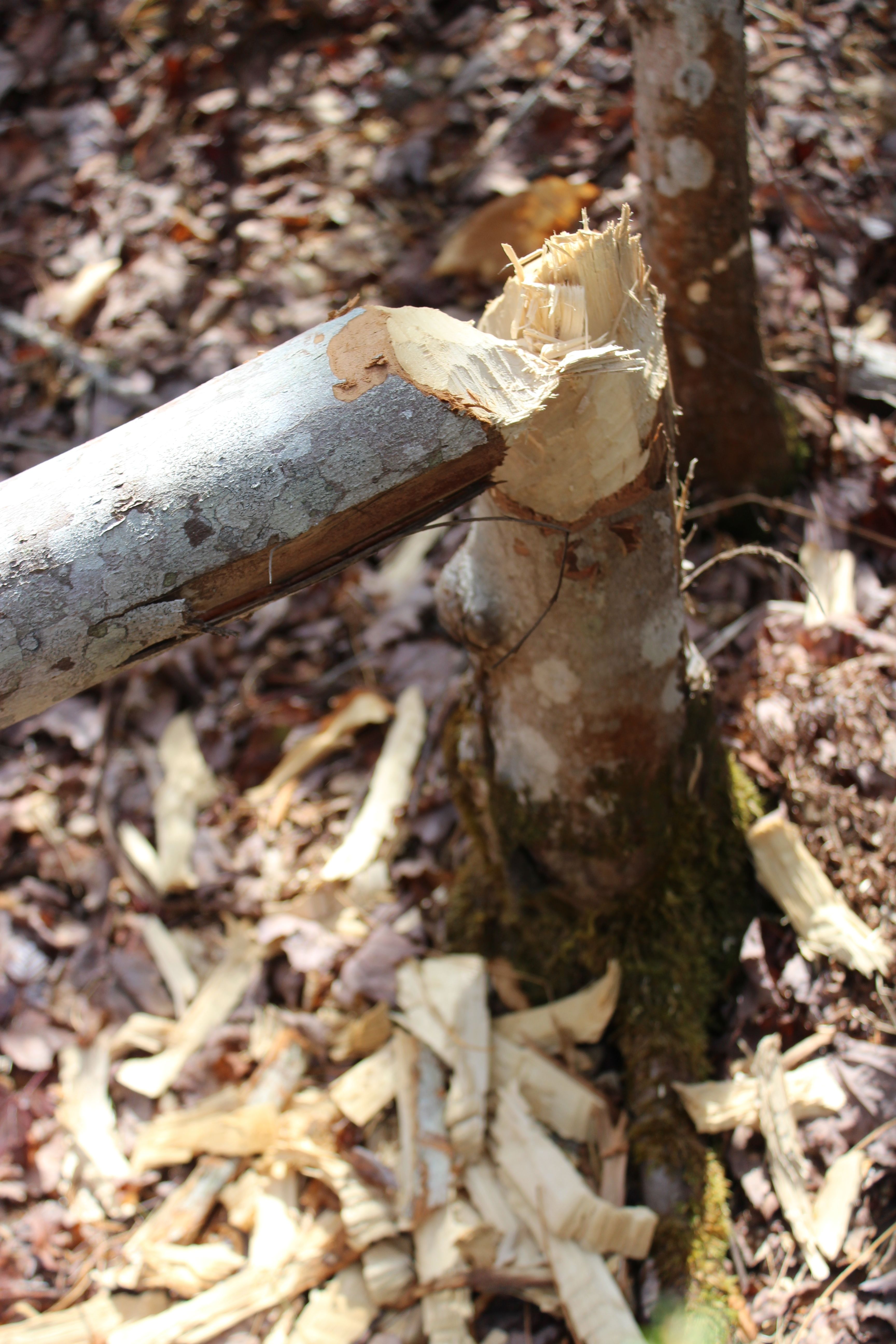
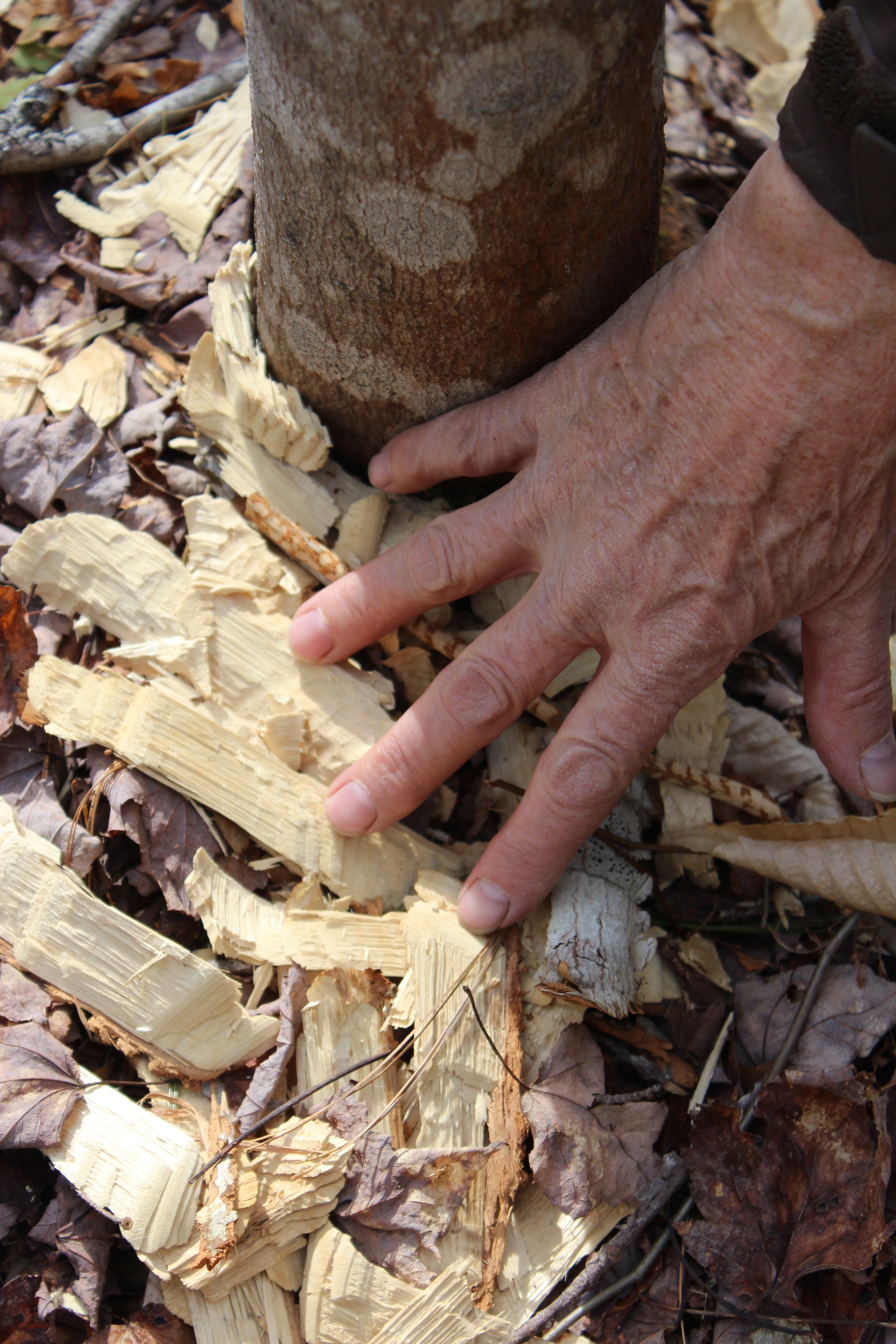
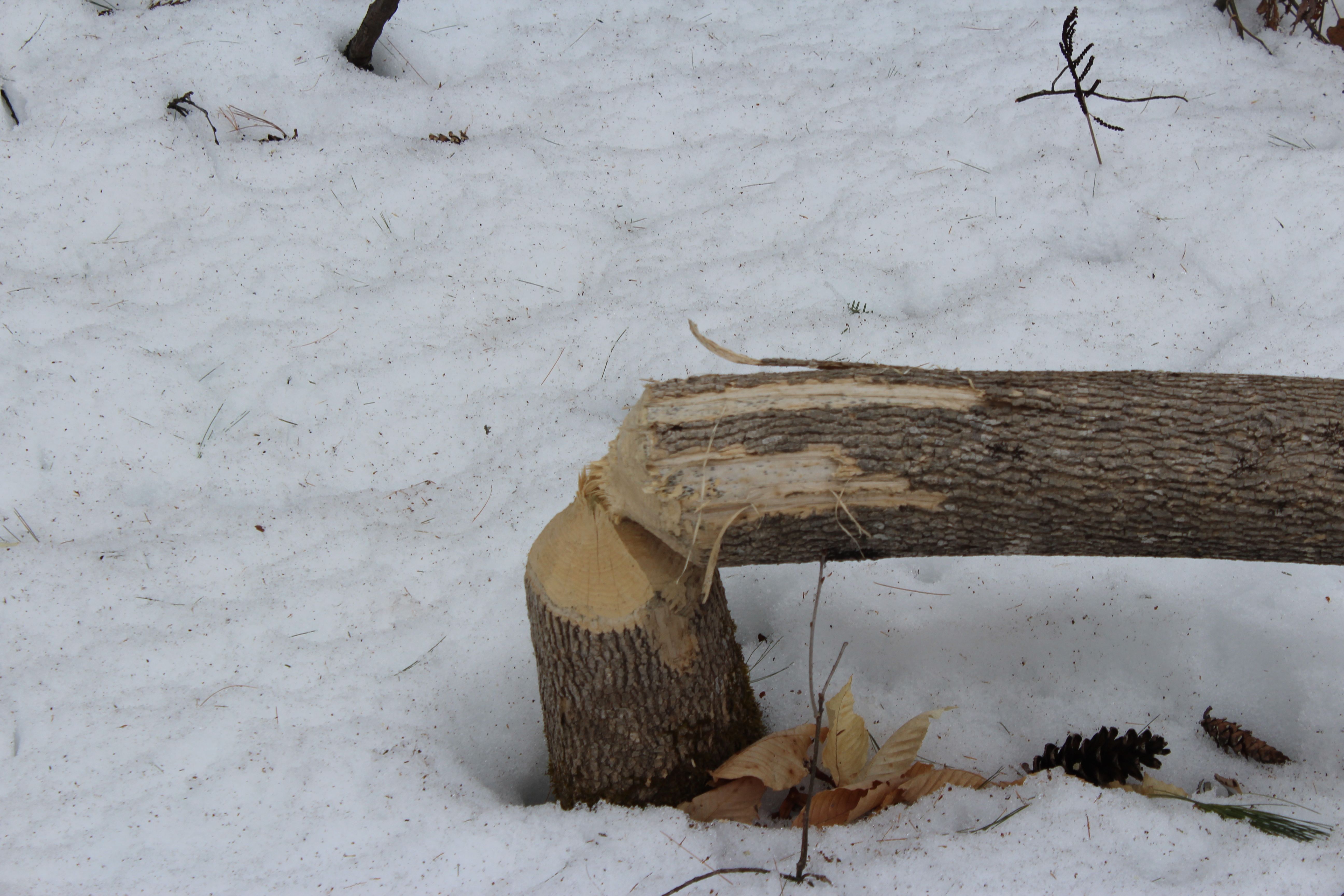
It was the wee amount of debris at the base of the beech that stumped us. And the fact that this was the only tree in the area that had been chewed in this manner. No scat to confirm. But my, what wide teeth you have.

beaver 4

We walked along and then moved off the trail. Looking around, we saw these and were finally able to turn the pages of the book.

beaver 5

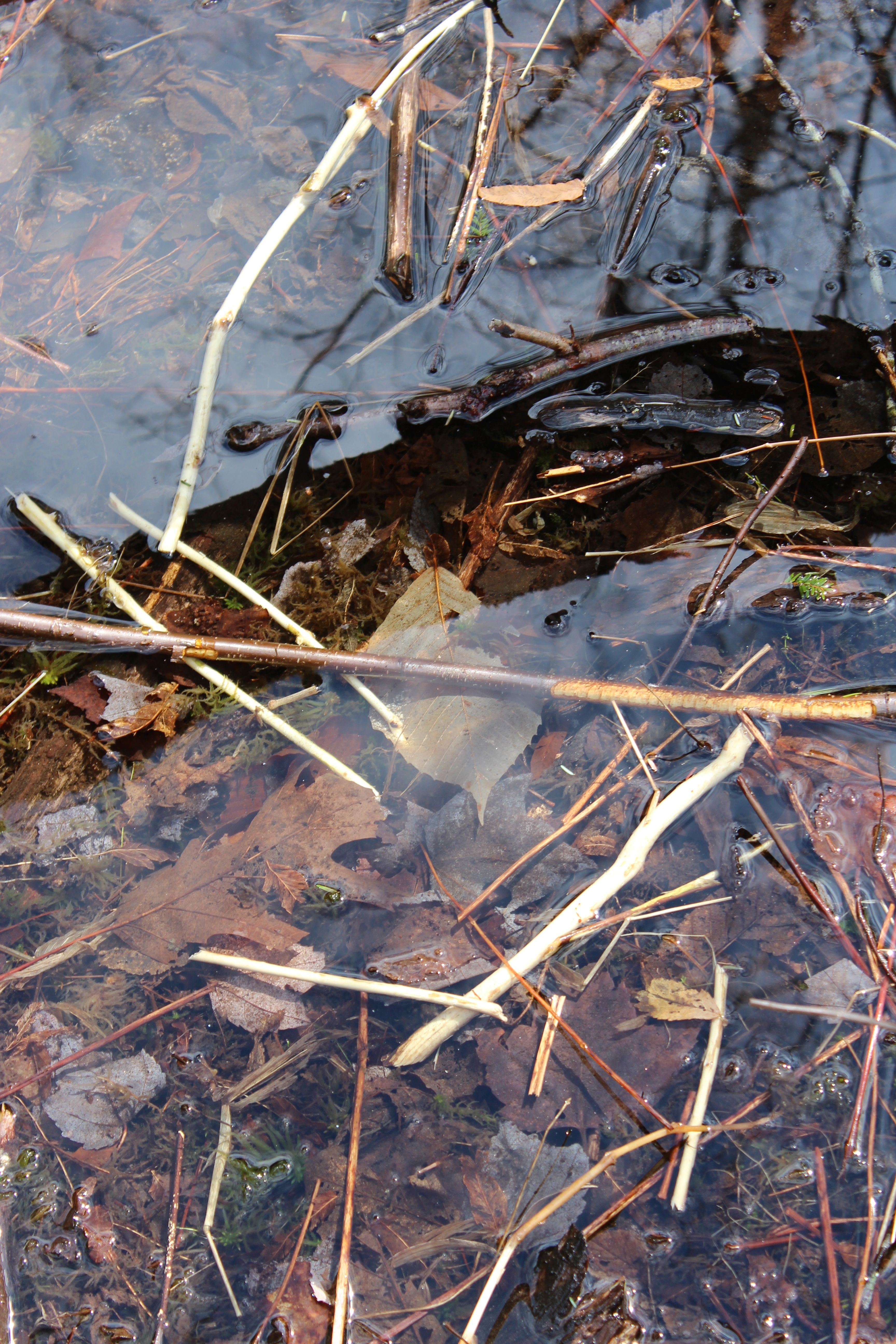
Munched treats

beaver 6

and munched saplings told us who had moved about.

beaver 7

These chips are more what we would expect from a beaver. So here’s how we read the story. The fresh chew that caused the initial debate was perhaps the work of a two-year-old beaver forced to leave the lodge. It stopped along the way recently to nibble some treats. The sapling in the later photos was felled last fall, when it was time to renovate the lodge.

view

At the platform, we climbed up to enjoy the view, which includes the lodge.

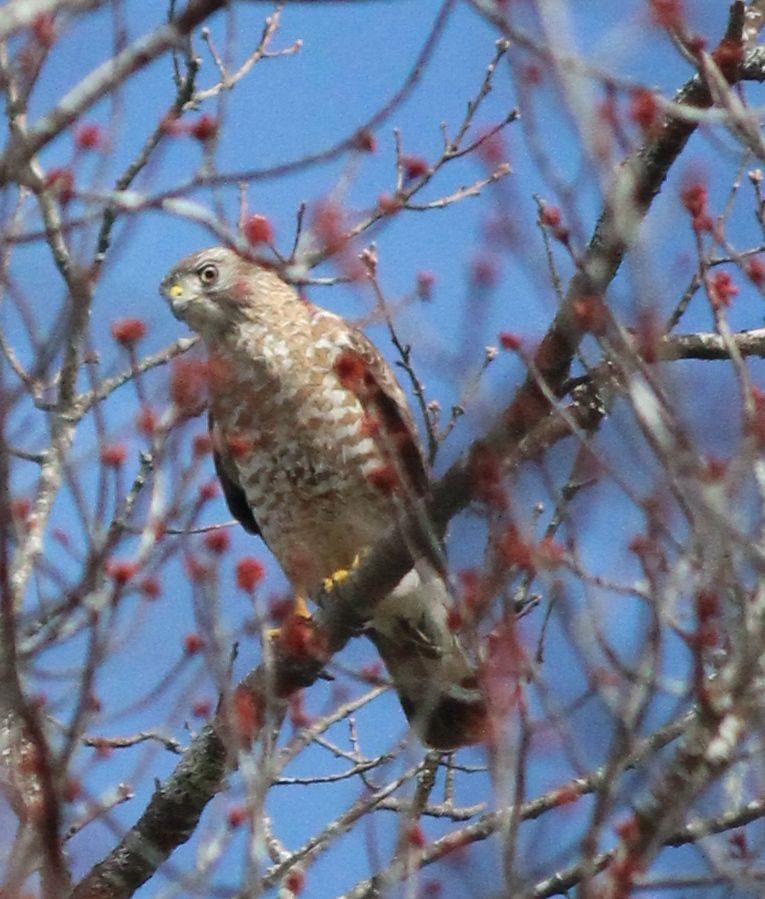
hawk 3

We weren’t the only ones with a watchful eye.

I’m so glad you wondered along on today’s wander. Keep watching. There’s so much more to see.

Who Done It?

tree activity

The first mystery I encountered when I slipped out the door and away from some writing and editing assignments today (yes JVP, I’m working on a rough draft), was this ground disturbance around the base of a dead snag. The pileated woodpeckers have worked on this tree for many years, and I’m not sure why it’s still standing. Actually, there are several of these dead pines in one area and they all look like they’re ready to fall over. But what interested me today was that the pine needles and leaves had been raked back all the way around the tree trunk. Only at this one spot. Who done it? And why? There were some pine cone scales and a cob, evidence of a red squirrel feasting here at some point. But was this ground work done by a squirrel? I’ve never seen that before. I looked for scat. Nada. Scratch marks? Not visible. Would a turkey do this? Or another bird?

Don’t you just love a mystery?

cowpath

The leaves were a bit disturbed all along the cowpath, but that could have been because of today’s wind, or turkeys, or deer.

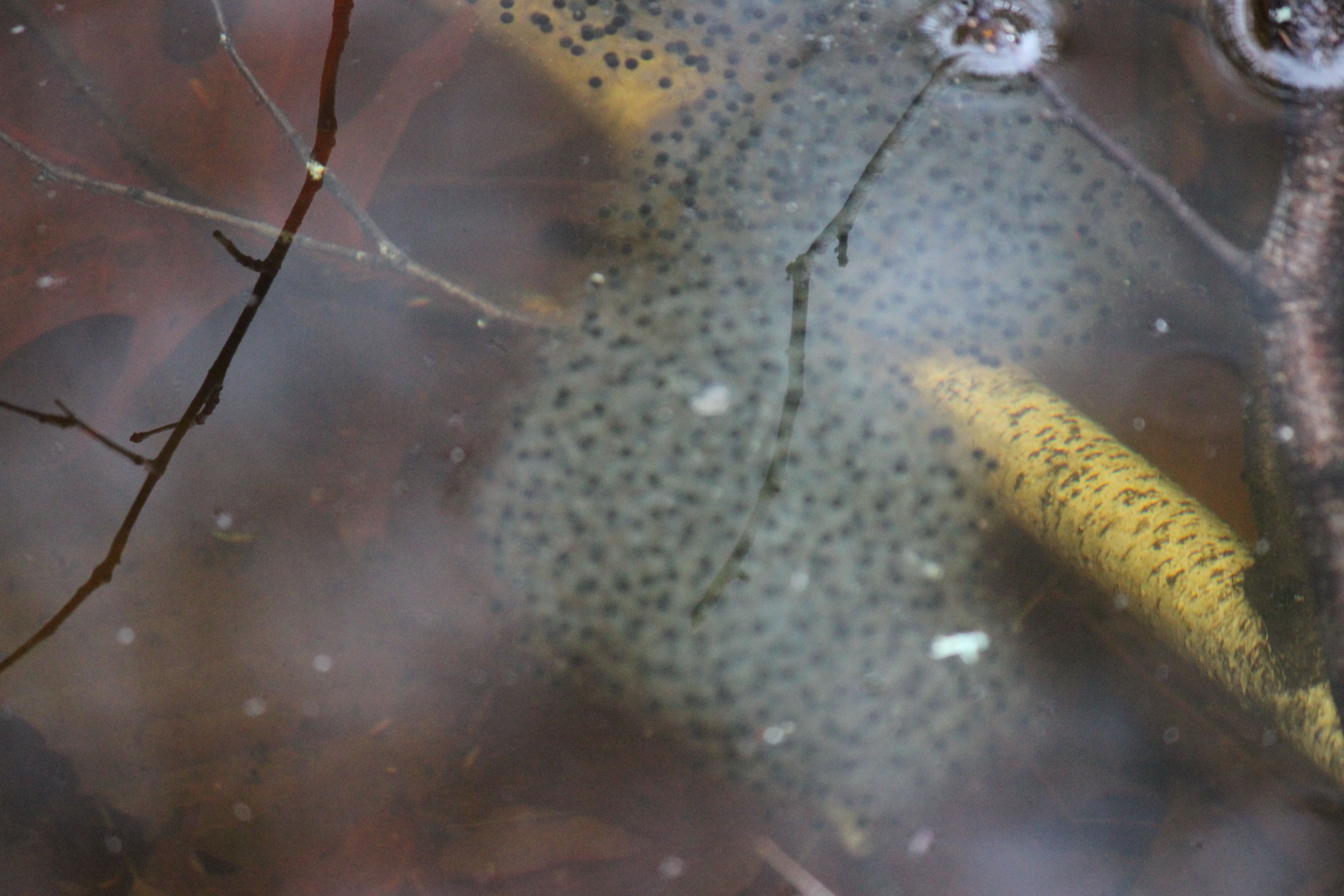
eggs

I headed over to the vernal pool. Since the wind was blowing yet again, I didn’t see any action, but the wood frog egg masses look healthy.

eggs 4

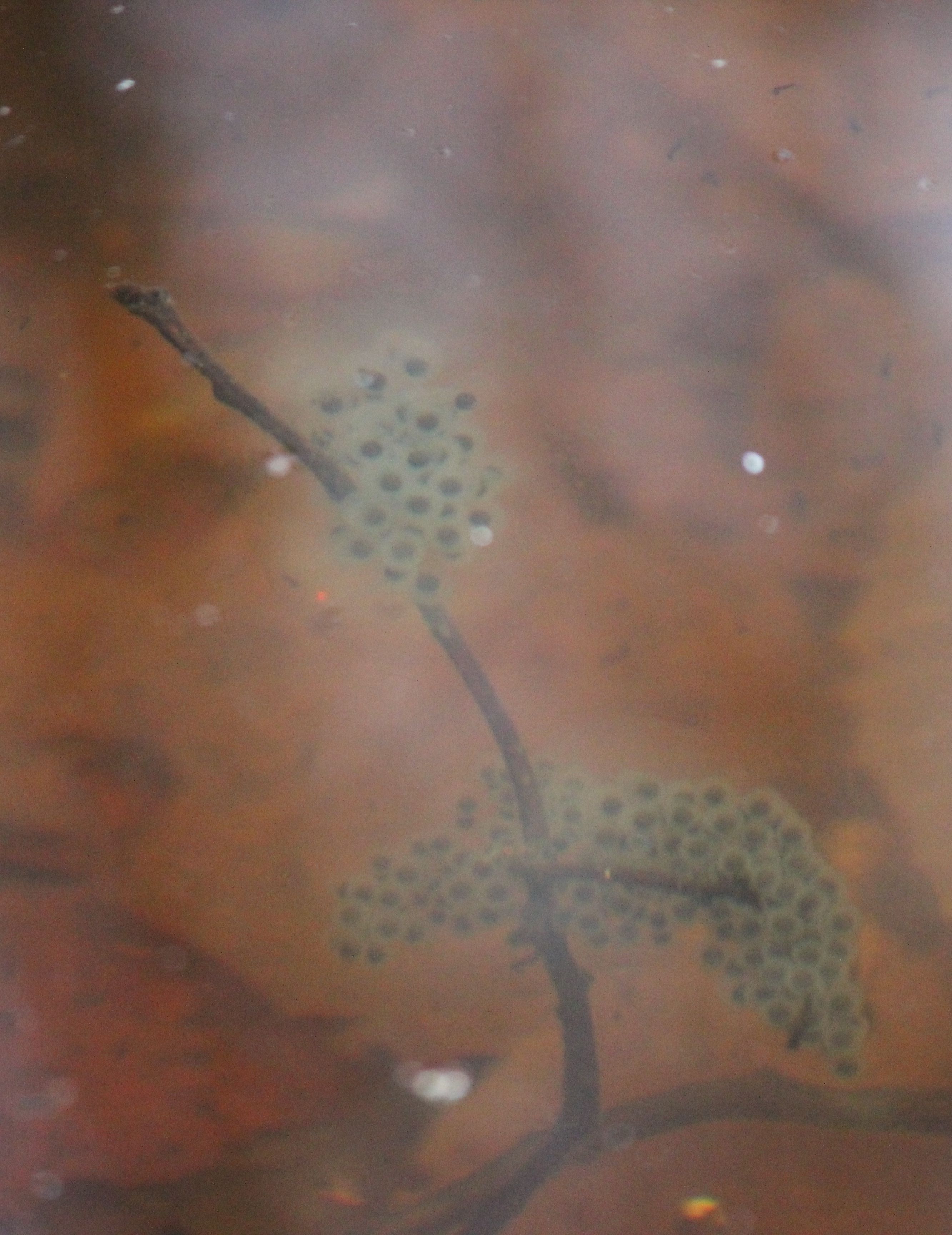
And plentiful. As is their custom, the masses are attached to branches and clustered together. Maybe there’s warmth in communal living. It’s certainly a bit chilly today, and yesterday we had hail, snow and rain.

eggs 2

I felt like a million little eyes were looking up at me.

eggs 3

This mass didn’t get the memo about community living.

Usually I see a few salamander masses in this pool as well, but maybe it’s early yet. The ice only melted a week ago.

I walked around the perimeter, noting that as usual, there are no masses on the southern side of the pool. They tend to be clustered on the northeastern side, where perhaps they capture the most warmth of the sun.

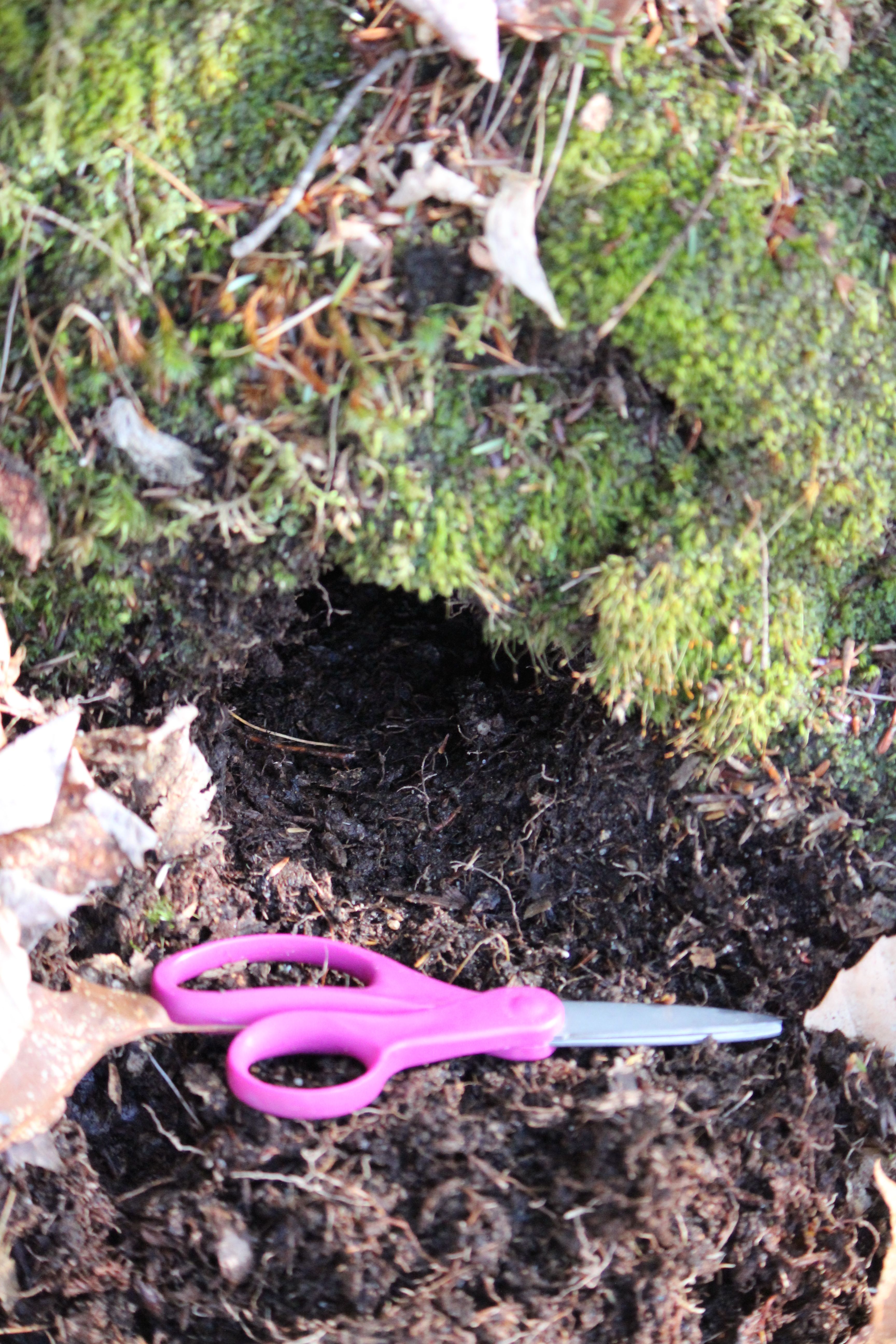
msyteryt hole

What I did find, though, was a hole about a foot from the pool. The only reference item I had was a pair of kid scissors in my pocket. They are five inches long. That’s about how far back the debris was thrown. A messy dooryard.

mh2

The pink handle is three inches, about the size of the opening. I stuck a stick in and it seemed to end at about a foot, maybe a bit more. Another who done it? Decent size hole; beside pool, but dry; messy door yard; recently dug; no one home. I looked through Mark Elbroch’s book Mammal Tracks and Sign because he has a section devoted to burrows and dens, but so far I don’t have the answer. Will the maker of the hole affect the egg masses? Another good question that remains to be answered.

red maple 2

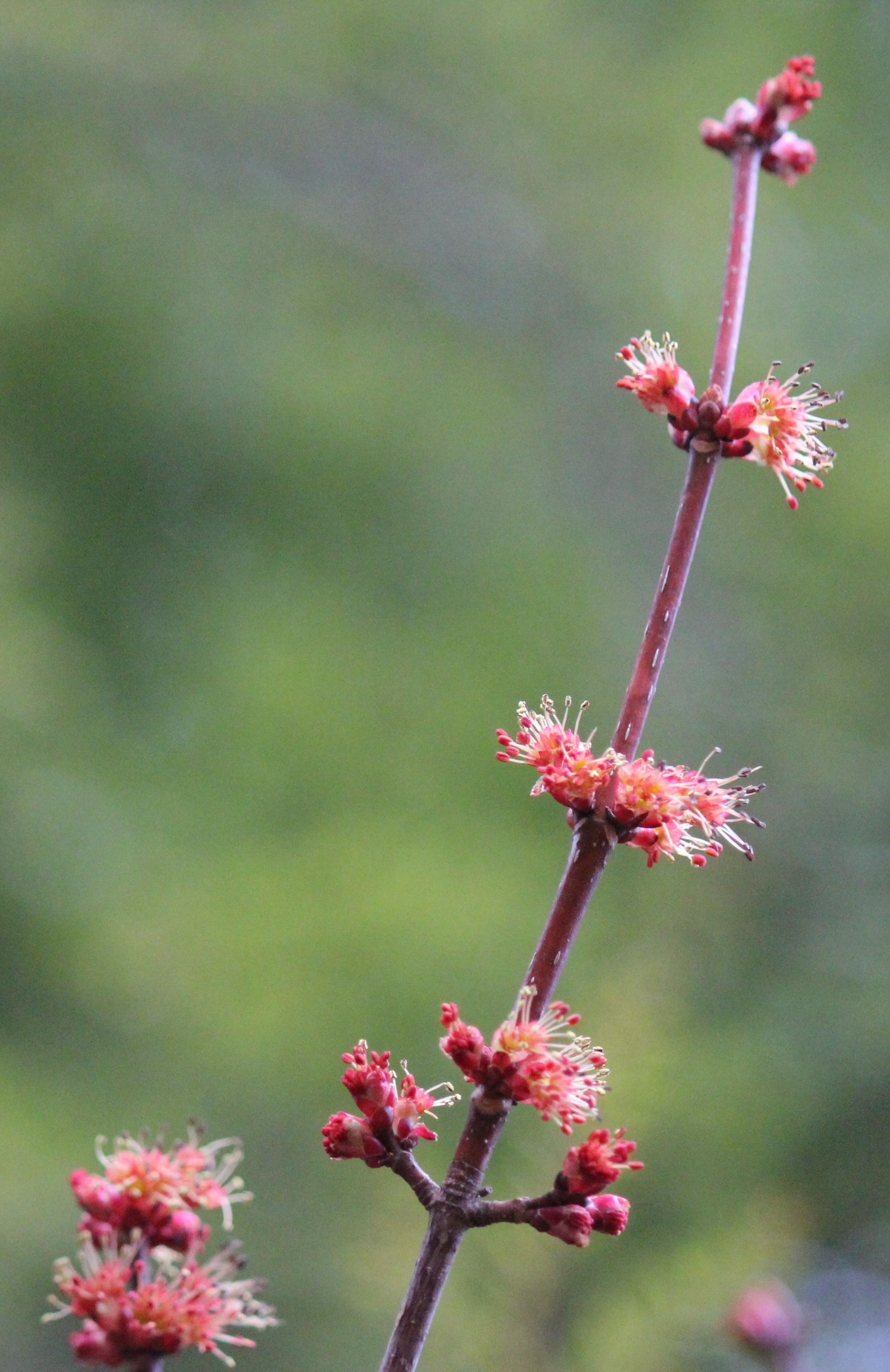
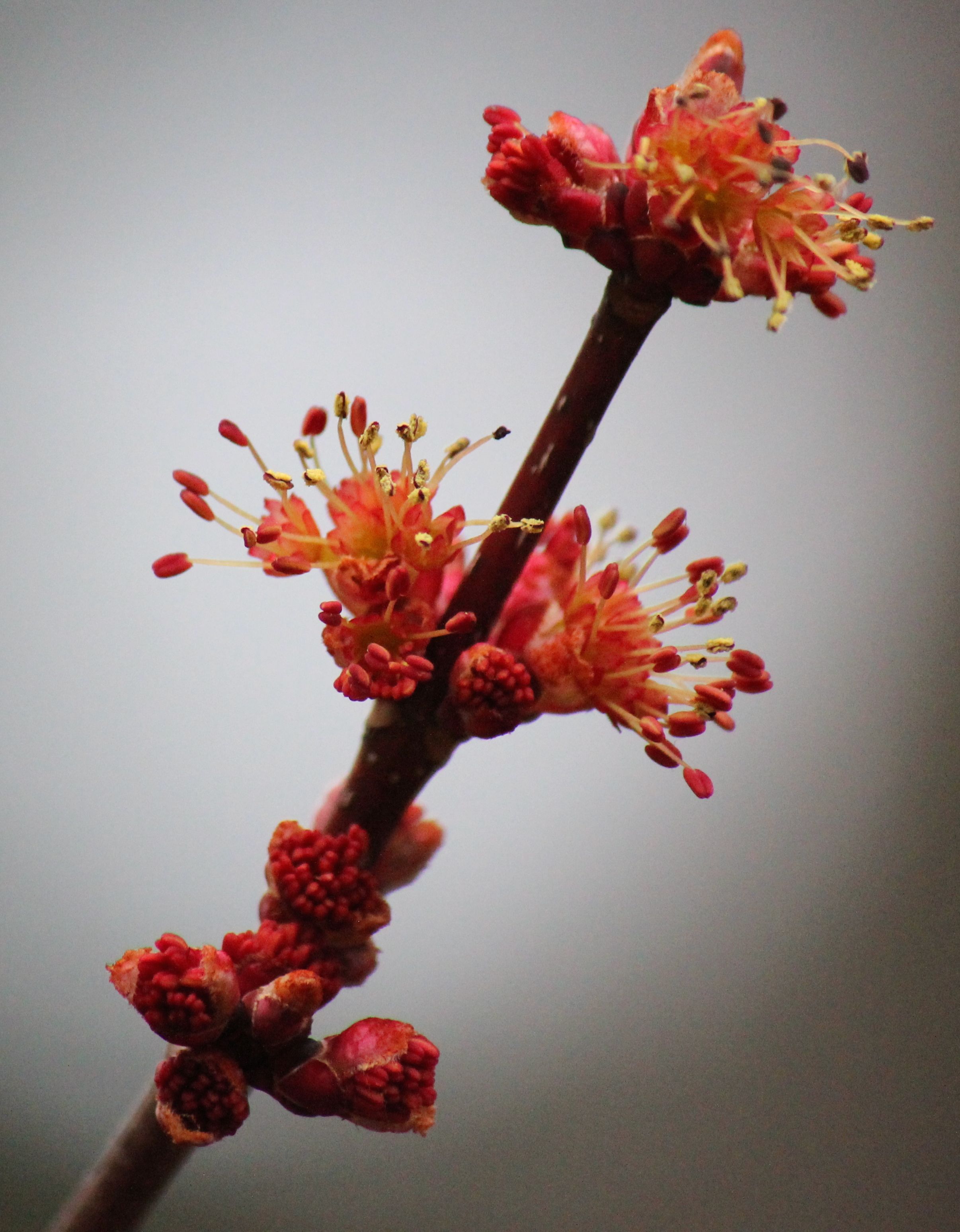
And then it was time to visit another harbinger of spring, the Red Maple flowers. They are bursting with joy . . . and love.

red maple 3

rm 4

rm5

Stamens and pistils in all their glory.

sketch 1

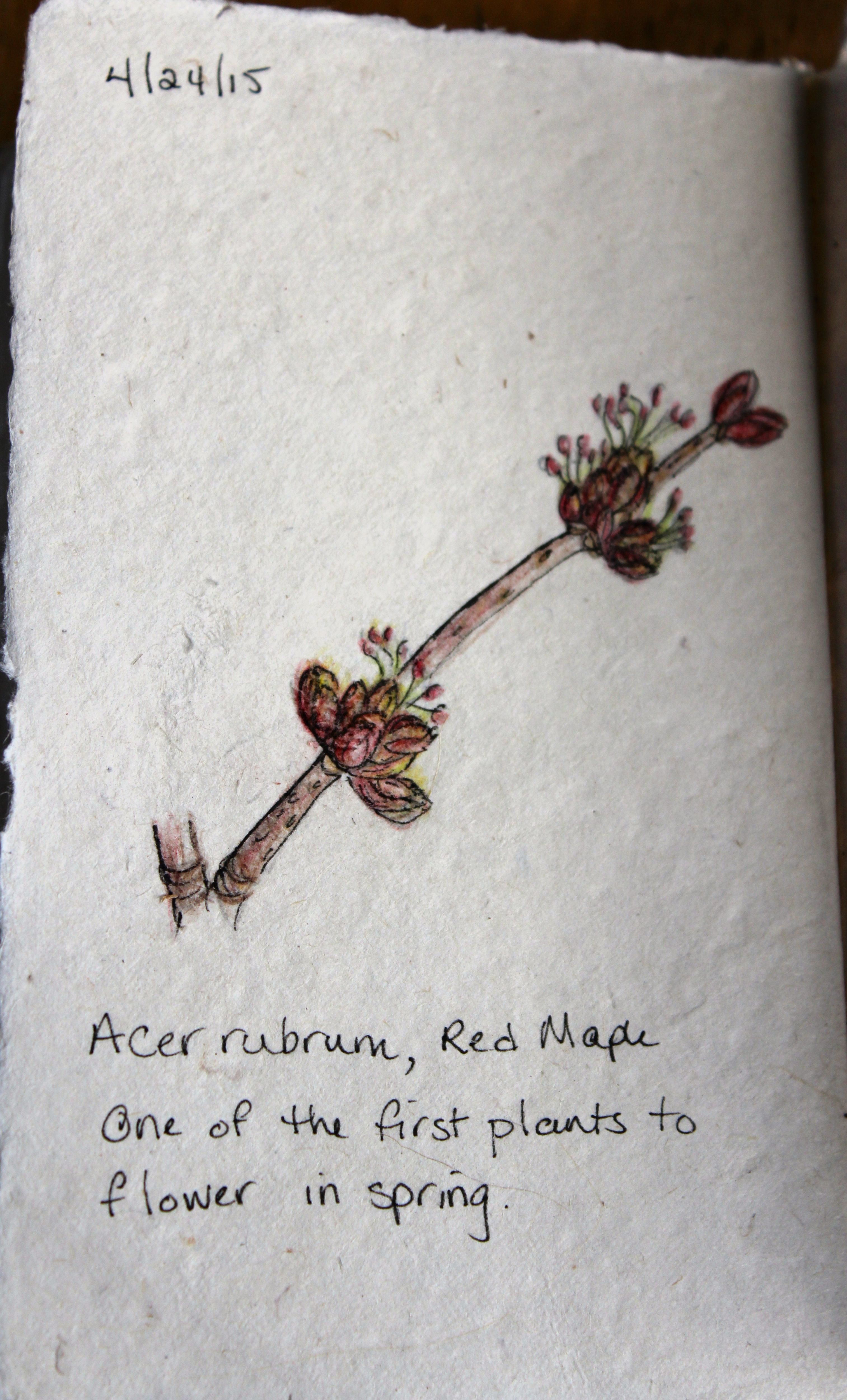
It was nippy, but I took a moment to sketch.

As I wander along the path, I’m thankful for the mysteries and beauty that draw me out and continue to provide moments of wonder.

And I’m thankful for my sister and brother-in-law who encourage me along the way. Happy Anniversary to you!

Naturally Wavy

The roads were coated in black ice when I drove toward Jefferson, Maine, early this morning to meet up with the Maine Master Naturalist class. The morning sun, brilliant blue sky with scattered cumulous clouds, and mist rising from open waterways, made me want to pause along the highway and take some photos, but I wasn’t sure how I’d explain to a state policeman that indeed it was an emergency. Instead, I continued on to Gardiner, got off the highway and followed backroads over rolling hills and through farm country to my destination–Hidden Valley Nature Center. 

Aptly named, the 1,000-acre natural education center consists of contiguous forest dotted with vernal pools, a kettle bog, ponds and 30 miles of trails.

Bambi

Bambi Jones, a Master Naturalist and co-founder of HVNC, spent the morning with us, showing us the vernal pools and sharing her knowledge. Things aren’t exactly hopping at the pools yet, but . . . the weather is supposed to warm up this week and once the snow melts–look out!
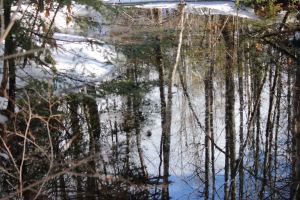
vp1

When I first looked at this vernal pool photo, I thought it was upside down–such is the reflection.

vpsign

A wee bit of info and a reason why we should pay attention.

fen2

This is a kettle hole bog apparently, caused by glacial action. I was looking up the difference between a bog and a fen and found this on The International Carnivorous Plant Society’s Web site: “People commonly describe wetlands with words like pond, bog, marsh, fen, and swamp, thinking these are mostly interchangeable. Actually, there are careful definitions for each of these names. The only problem is that a hydrologist may use one set of definitions, while a botanist may use another, and an ecologist may use yet another.”

While we stood looking across, someone in the group spotted what they thought was a bobcat across the way and coming down a hill. I never saw it, but I did note lots of ledges in the area and on the way out saw some potential bobcat tracks.

fen1

Another view. Lots of black spruce, sheep laurel and pitcher plant seed pods visible.

pitcher plant flower

The seed pod of a  pitcher plant, one of our carnivorous plants.

beaver lodge:fen

And a beaver lodge along the edge.

2nd beaver lodge

There were so many things to see, including a second beaver lodge that may have more action. Do you see it in the center of the photo?
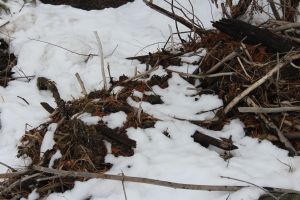
beaver dam

This dam is nearby and had seen lots of activity. Due to yesterday’s rain, it’s a bit hard to decipher the tracks.

Cheryl , spring tails

Remember when I mentioned snow fleas or spring tails in my post entitled, The Small Stuff? Well, this is one of our students enjoying a circus performance.
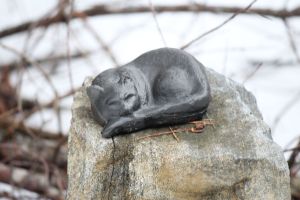
cat

You never know what you might see when you take the time to look.

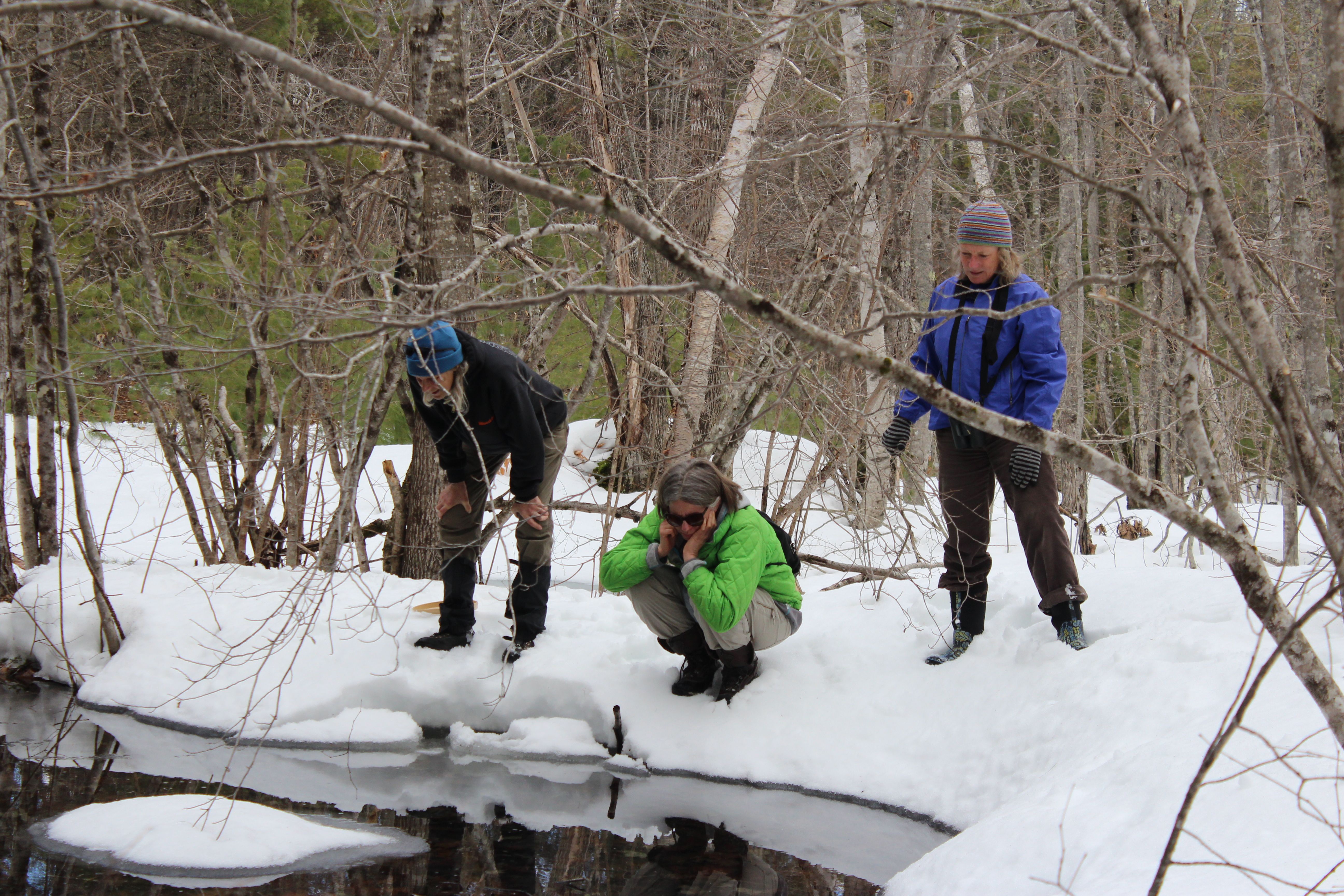
looking for life

So they did–look that is. And almost fell in.
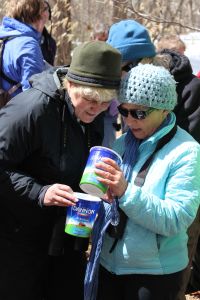
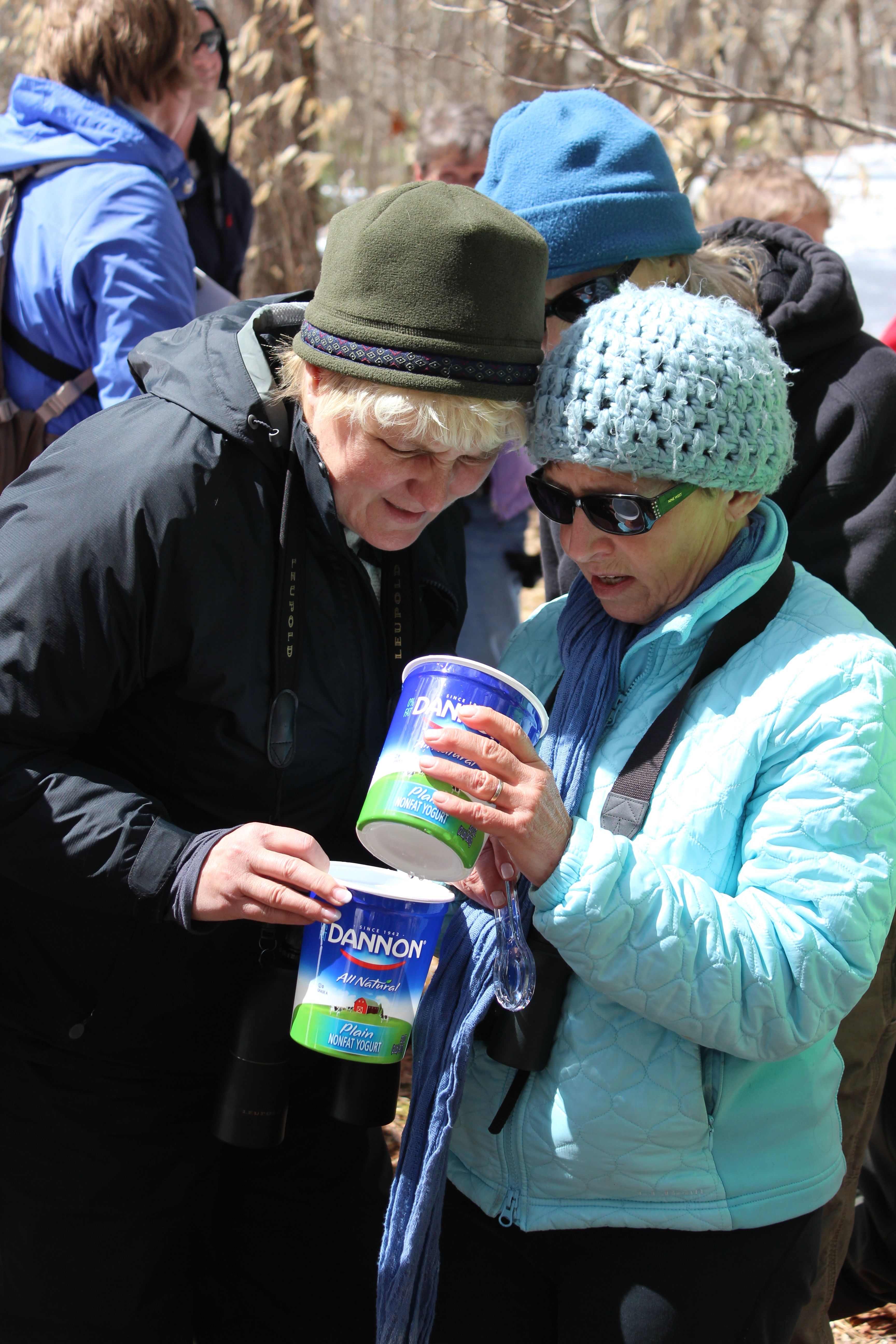
what's in your dannon?

More observations–whatcha got in your Dannon container?

white oak1

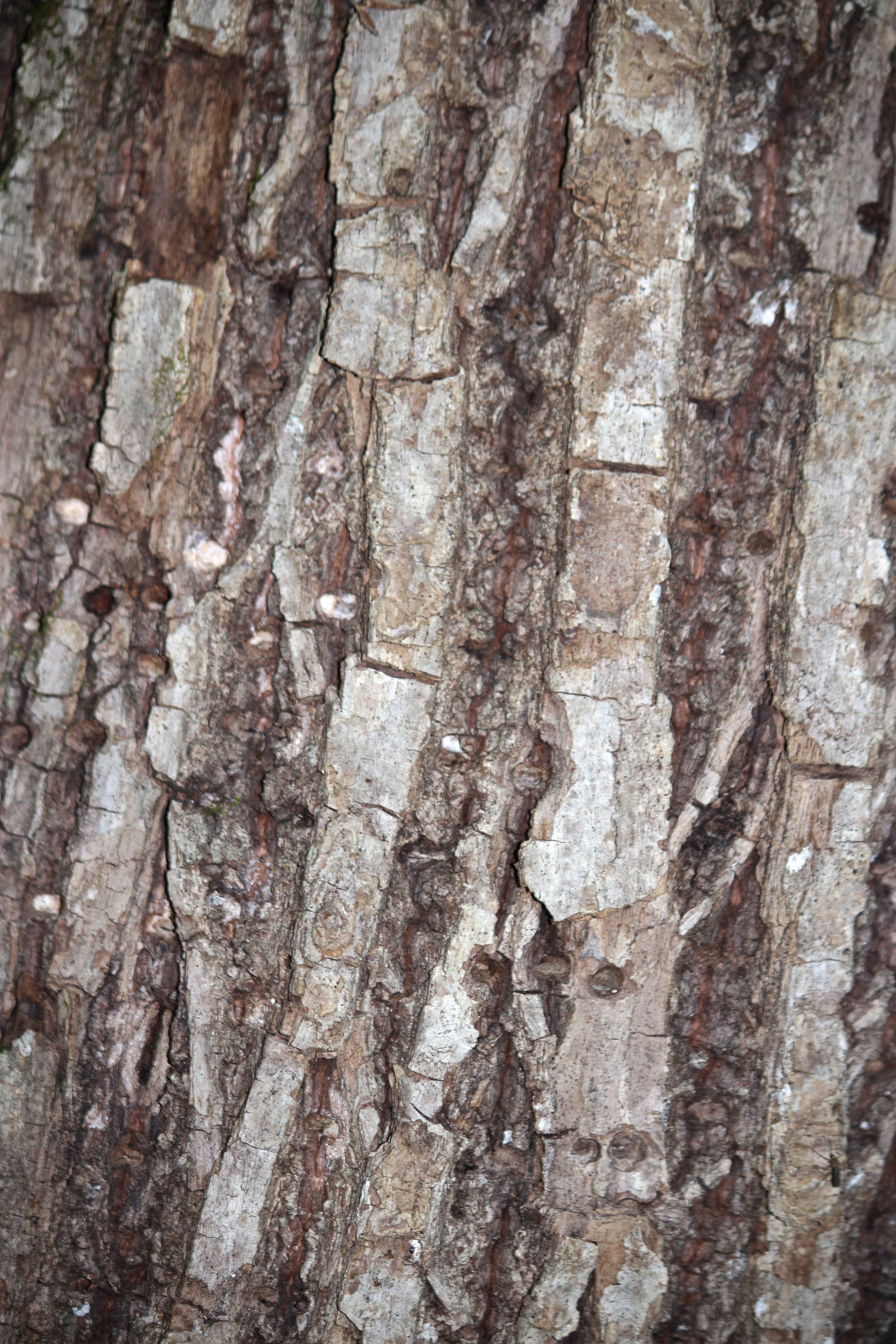
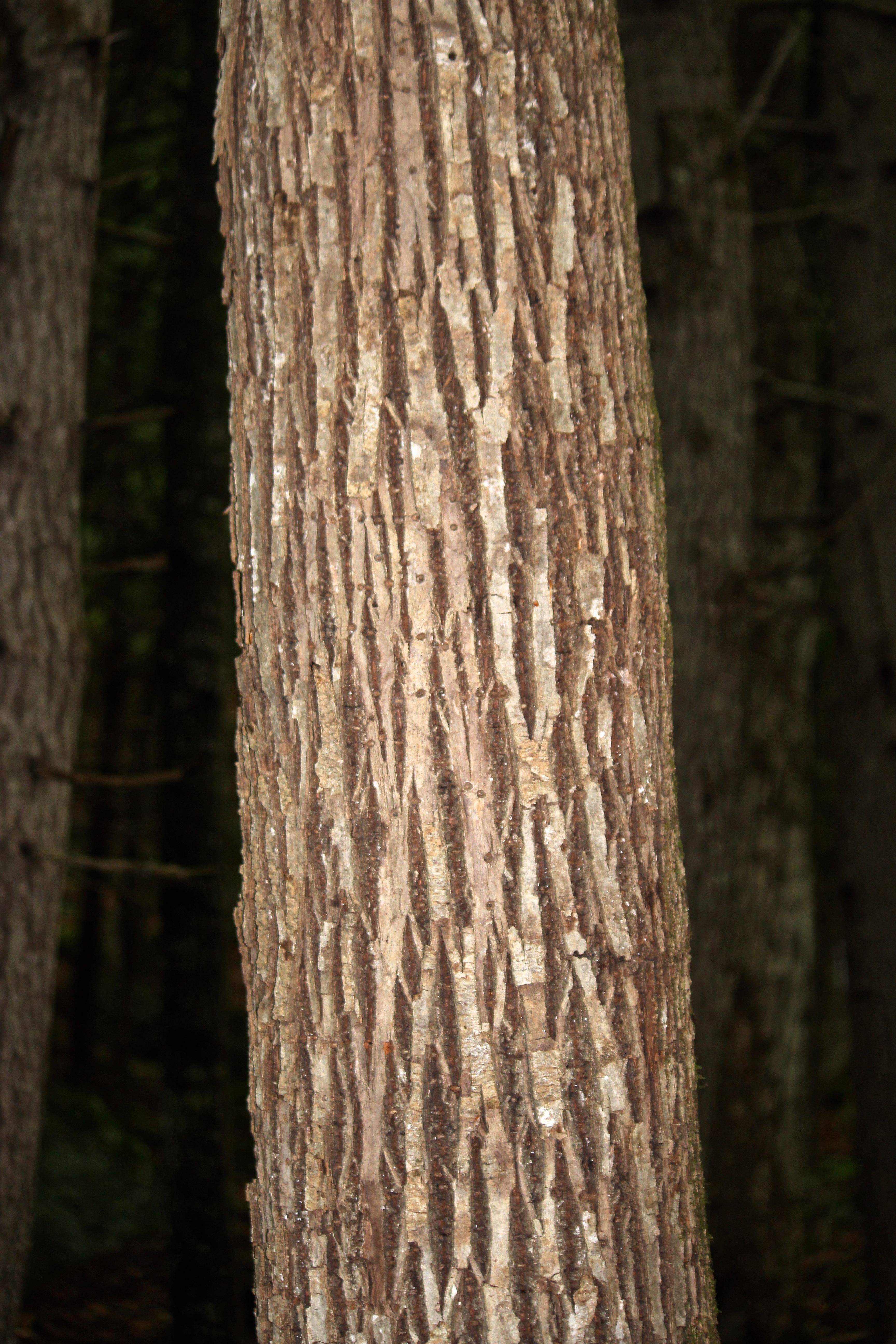
One of my joys was meeting two new trees. I was excited to make the acquaintance of White Oak (Quercus alba) today. Rather than the ski trails and redness of Northern Red Oak, this species features bark that looks like irregular blocks.

white oak 2

And sometimes it looks shaggier, with long, vertical plates. Like its red brethren, the leaves are marcescent, meaning they stay on the tree through the winter months.

white oak leaf

What I love about the White Oak leaf is its rounded lobes.
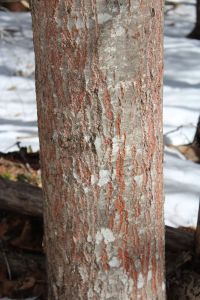
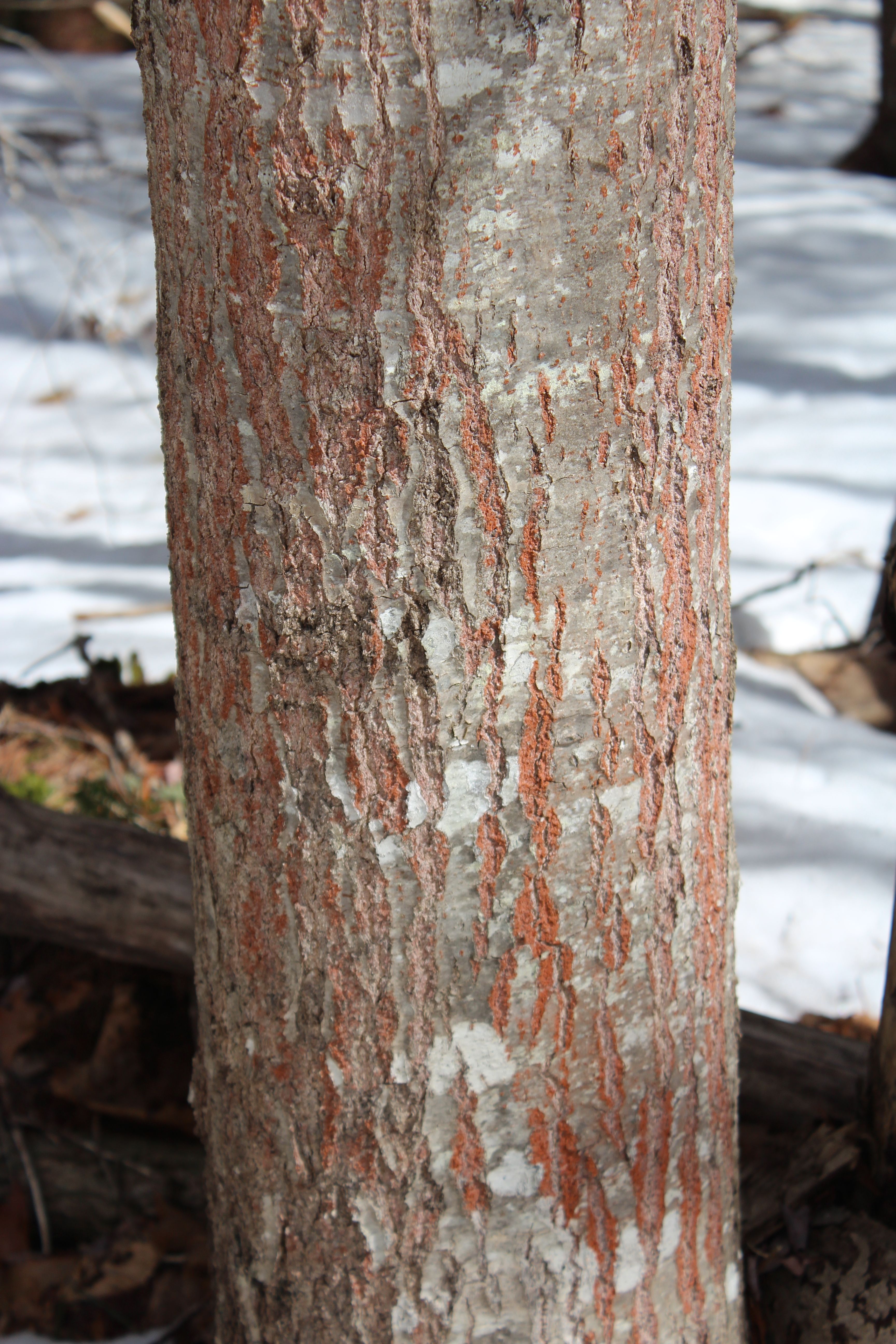
red oak

Here’s a middle-aged (just like me!) Northern Red Oak for comparison. The flat-ridged ski trails are forming and the red is clearly visible between them.

red oak leaf

Then there’s the bristle-tipped leaf.

amer hornbeam

My second new encounter was with the American Hornbeam (Carpinus caroloiniana). Again, a thrilling experience. OK, it doesn’t take much. Now I understand why it’s called musclewood. It could easily be mistaken for a beech tree because the bark of a young  tree is smooth, but there is a sinewy beauty to it. My bark eyes are now cued into this one.

Hop Hornbeam

The fun part was that not far away stood this old friend. Hop Hornbeam (Ostrya virginians) has thin, flaky vertical strips. Both species, members of the birch family, are known as ironwood.
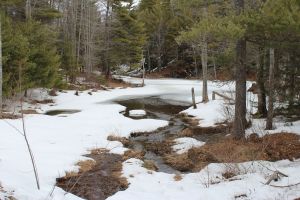
stream

As the day went on, though our focus was on vernal pools and communities, we often got distracted by other things–which I’ve dubbed Nature Distraction Disorder.

What I began to notice was a natural waviness. I saw it in the snow along the edge of this stream.

folds

In the folds of the rocks.

more folds

And more folds.

beech 2

In the scar on this beech tree.

red oak growth

And the growth on this red oak.

 sculpture

But probably my favorite, this naturally wavy sculpture on display by the barn where we convened a few times. It invites reflection.

Thanks for joining me for today’s wonder-filled wander.
We Will Be Known Forever By The Tracks We Leave

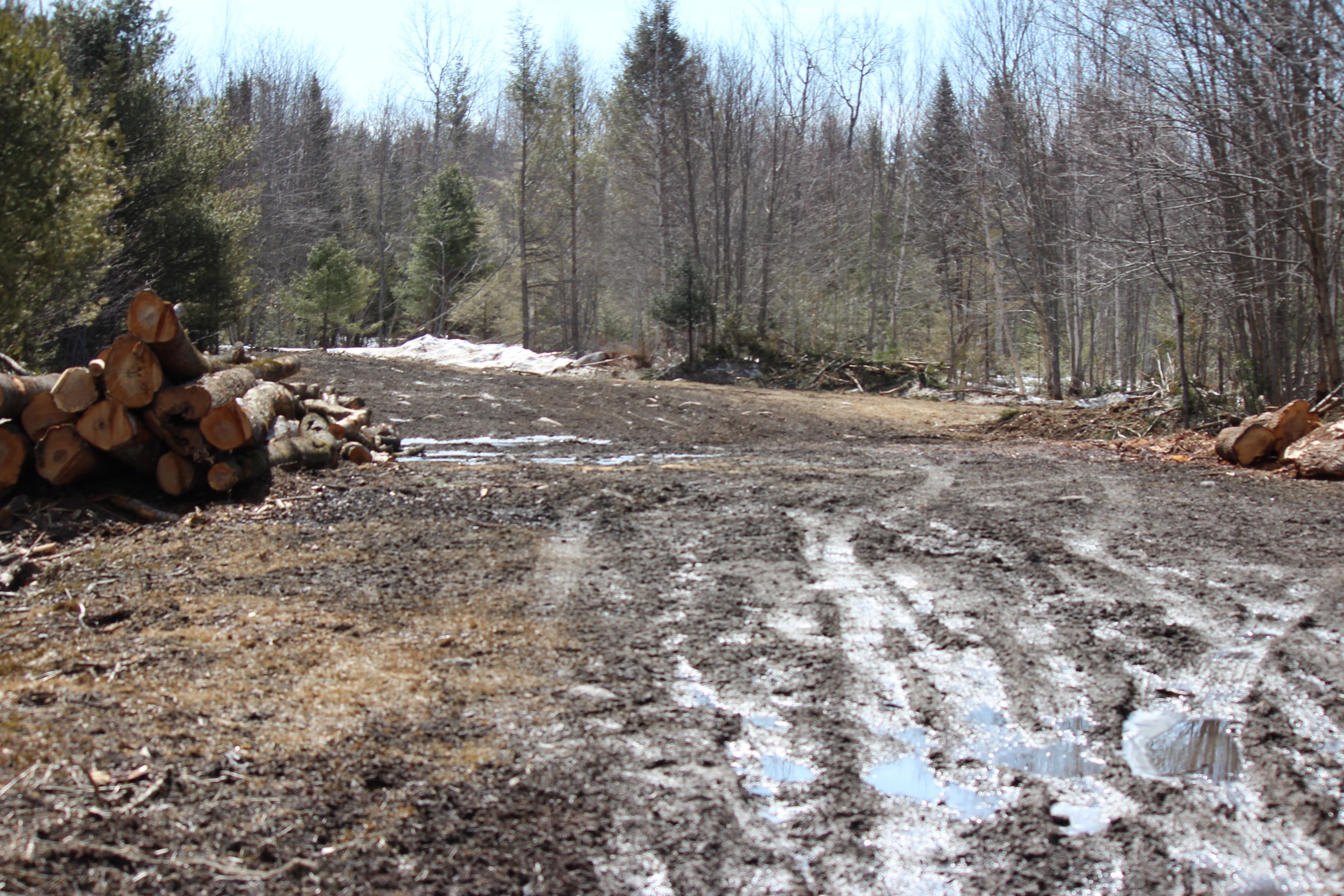
So said the Dakota Sioux, who were woodland people. That Native American proverb was with me today as I moved along a logging road behind our land. A muddy, sometimes frozen, sometimes gushy and smushy, logging road.

coyote and deer

I think I missed the party. Deer and coyote prints were abundant and if I’d only visited a few hours earlier, I may have seen some of the action. But, part of my problem is that I don’t walk like a Native American, who supposedly could move through the woods with fabled stealthiness. Of course, that may be referring to a much grassier woodland than we know–especially in a logging area where slash is left behind. But, logging or not, I clunk along–crackling through ice, splashing through puddles, sloshing through mud and crunching through snow. I’m hardly quiet–ever.

ice and rocks

The logging road has changed over the last two years, but it’s not all bad. I get to see sites like this where the water and rocks make art together.

It used to be that the gray and paper birch, those early succession trees, hung over the road. After a heavy snowstorm, my guy and I, or a friend of ours (that’s you, D.B), would snowshoe down the road, trying to relieve the trees of some of their burden. It was rare that anyone else ever went there, so the three of us made it our mission to take care of the trees. Those trees are all gone now to make way for the logging truck, but their offspring will soon fill in the space.

In the meantime, a playground has been created for our local wildlife. And play they did. Their tracks are everywhere–traveling to and fro.

bobcat

Including bobcat.

moose

And moose.

moose 1deer

Moose and Deer

muddy boots

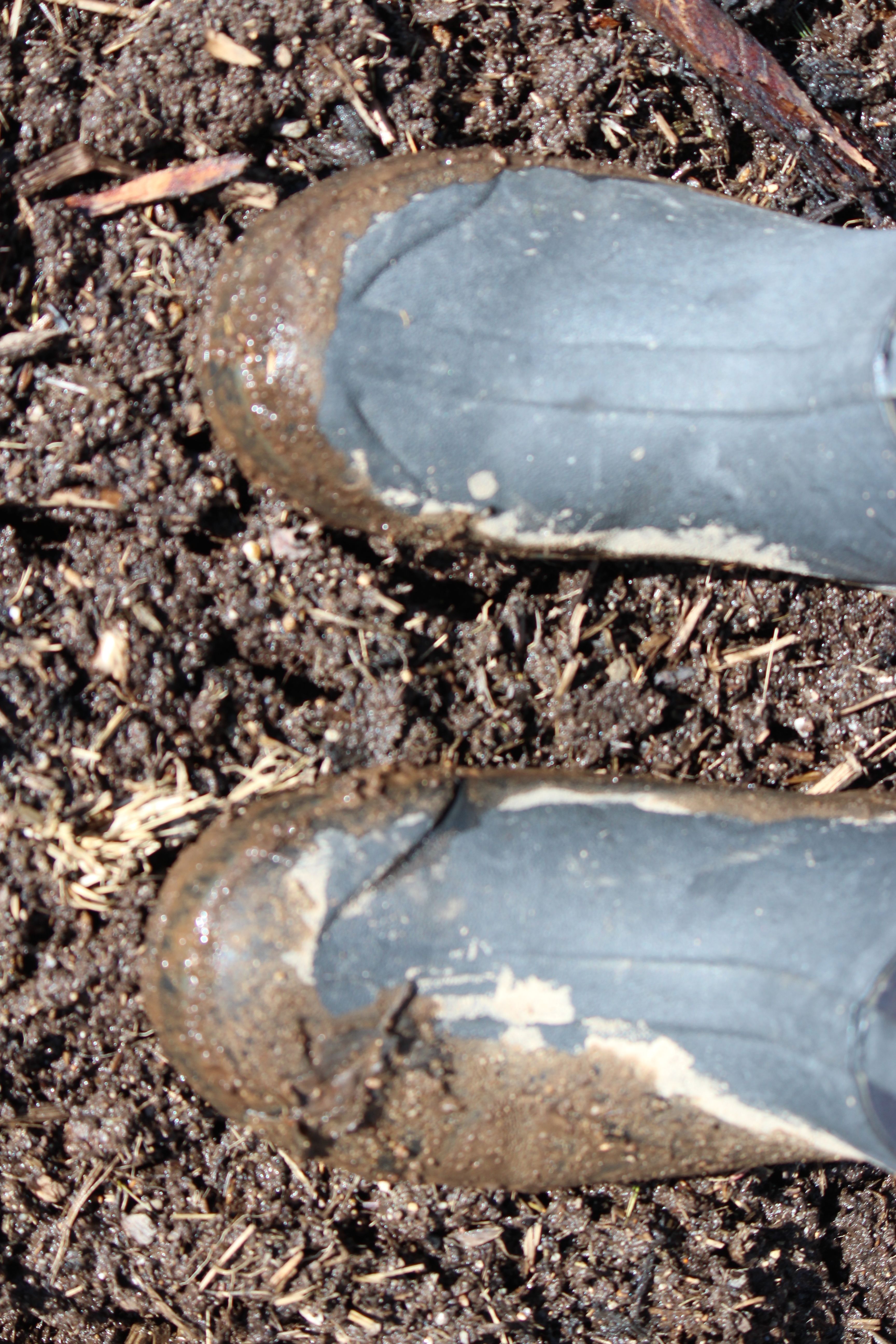
Not to be left out, I also got a bit muddy.

my boot

And left behind my own set of prints.

landing

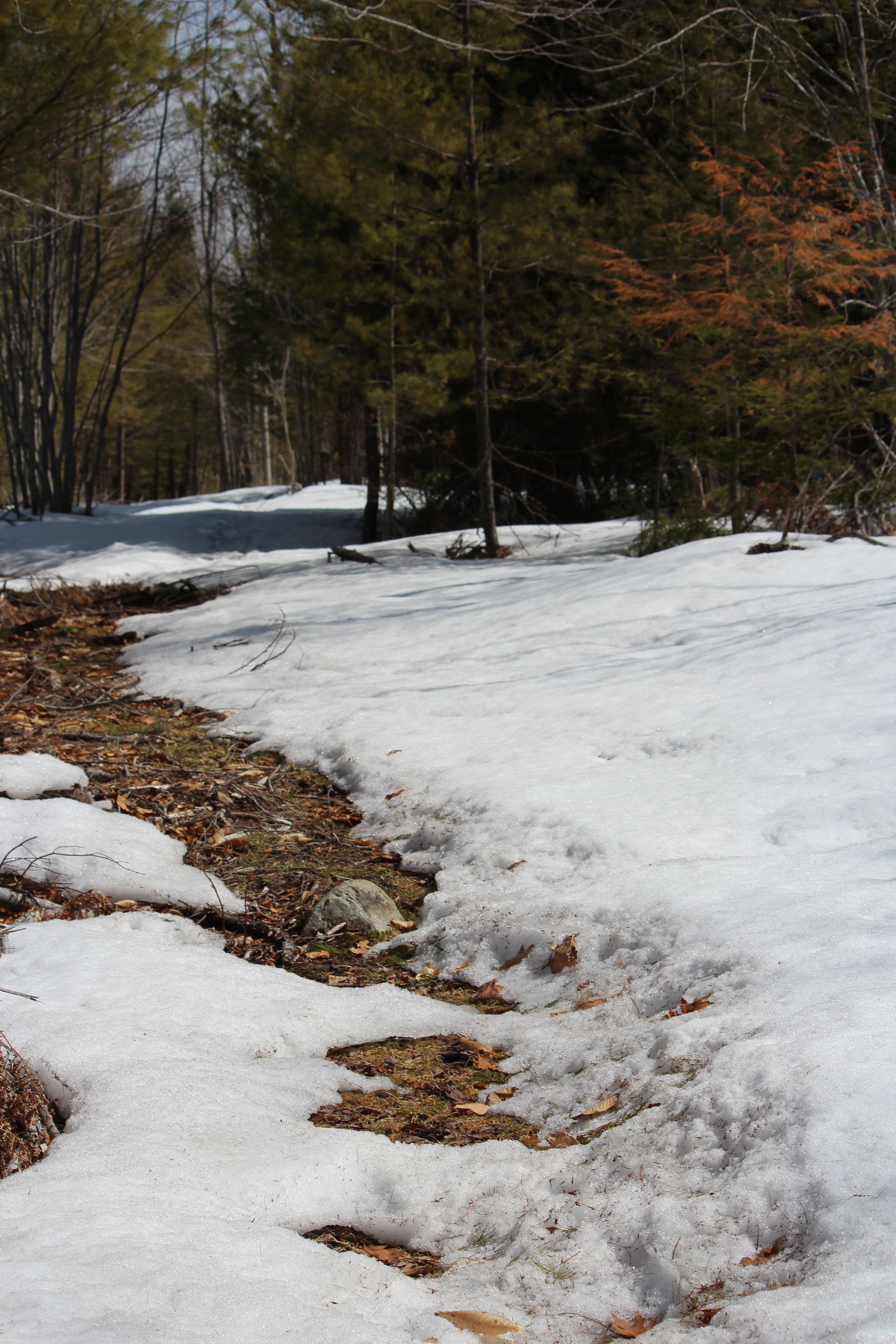
I crossed the landing and decided to return home via one of my snowshoe trails. This time I was walking on top of the snow for the most part–thanks to last night’s low temperature.

following snowshoe trail

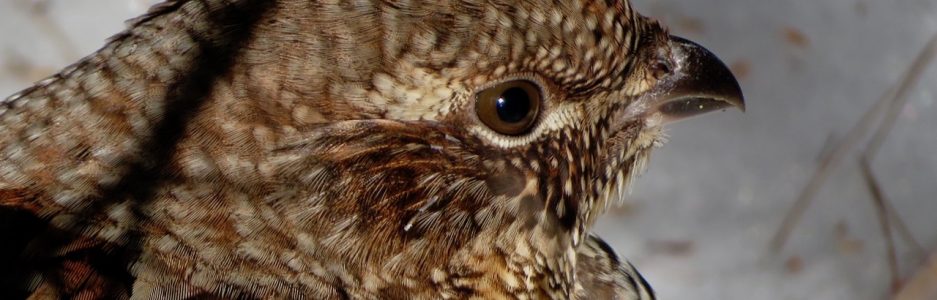
As usual, I stopped frequently to scan the woods, looking for movement or some anomaly. I startled a few ruffed grouse, who in turn startled me. Of course, I couldn’t catch it in film.

grouse

But I did capture this moment. A grouse must have burrowed into one of my former boot prints–maybe because the snow is crustier some nights. It munched the fungus on a small branch and left a pile of its trademark scat.

Sometimes, when we’re on a hike and I pause to take a photo or extropolate on something I see, my guy points to my tracks and says, “I wonder if the deer look at these and say, ‘A human came this way. Don’t you detect a whiff of PB&J?'” I have to remind him that he likes making discoveries just as much as I do.

fresh deer

A little further along, a flash of movement. I looked up and saw only the tail of a deer as it dashed across my trail. But it left behind a bit of a muddy footprint. Dew claw marks and all.

And then the  crème de la crème . . .

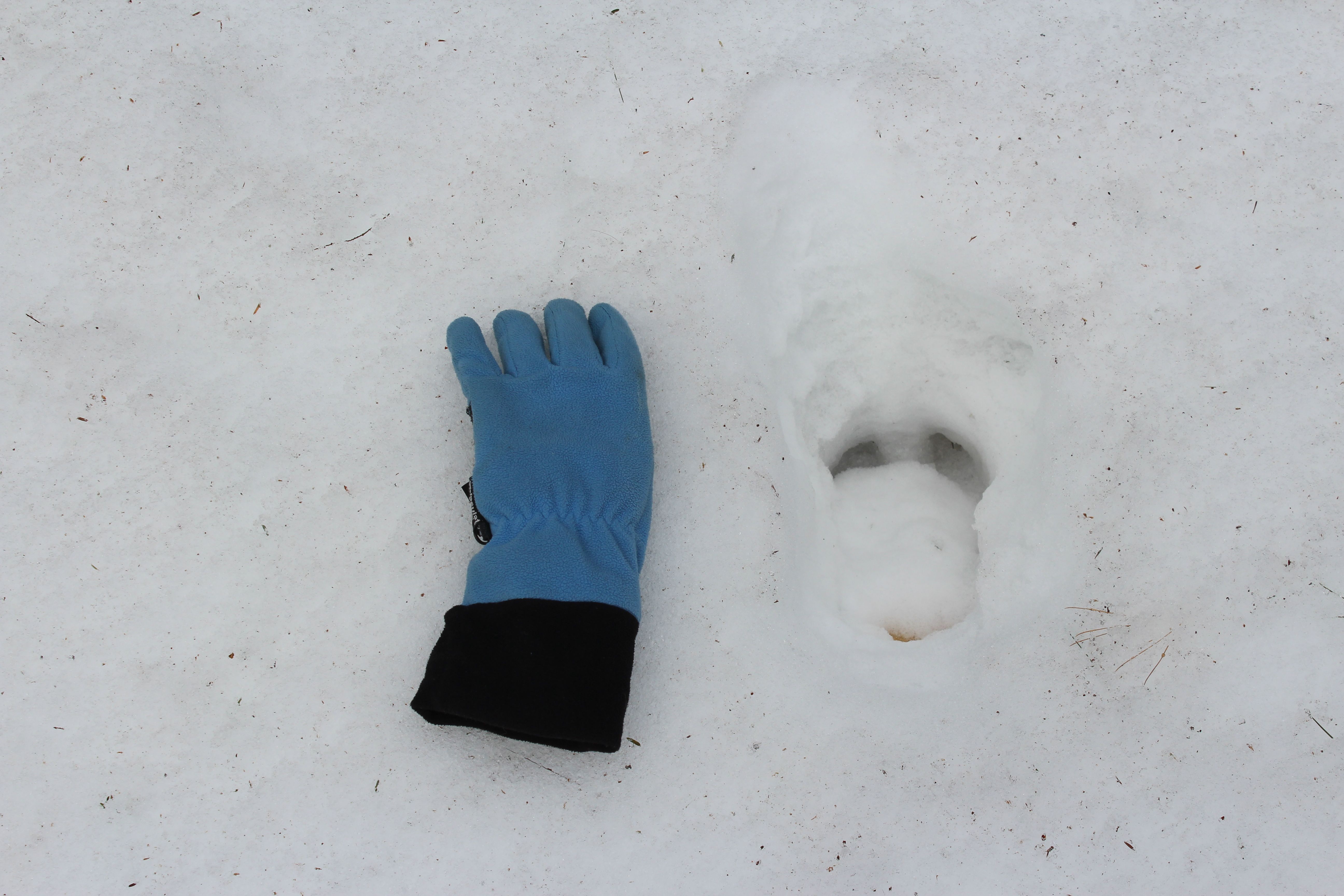
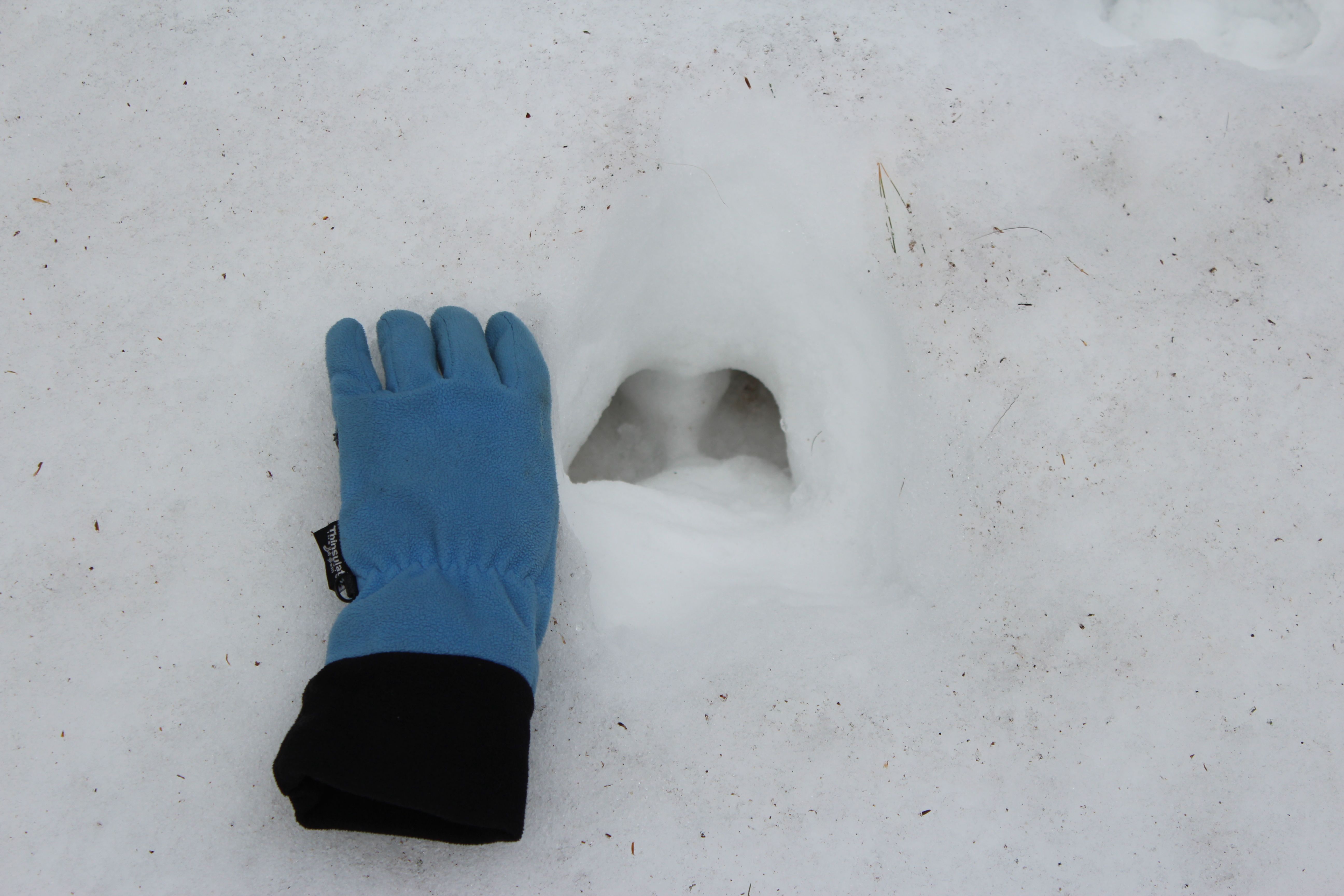
moose scat

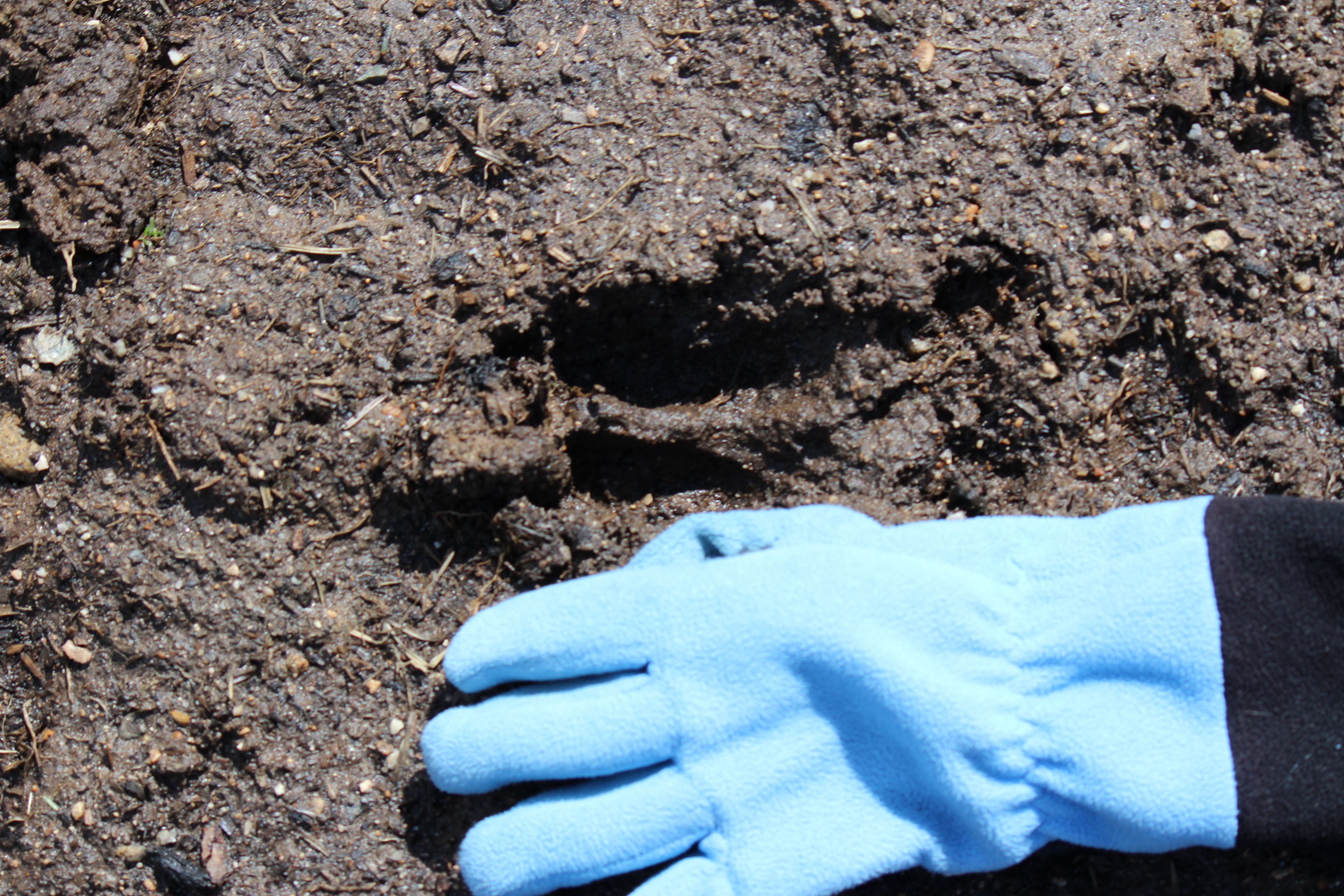
Moose scat. Mind you–it isn’t fresh. You can see the hemlock needles atop it. But it’s a firm winter scat–I’m thinking it was deposited earlier this season.

moose scat 1

My glove loved modeling in these photos. Ya know, some people make jewelry out of moose scat. I didn’t have a container to collect this today, but I know where it is. Maybe tomorrow or sometime in the near future. And maybe I’ll think about Christmas presents–hmmm . . . who wants to be on my list?

snowmobile trails

Finally, I’d finished the loop and found myself back on the snowmobile trail.

Red maple

Time to look at the Red Maple twigs.

red maplesketch

It won’t be long now before they burst into flower.

I hope you’ll find some time to search for tracks during this mud season. And think about the tracks you leave behind–literally and figuratively. I’ve left some that would best be washed away in the rain, but others that I wish could last forever.

Thanks for wondering my way.

Eagle Eyes

CL market

Today’s Mondate began with the ritual PB&J creation at home. Our destination was a hiking trail in New Hampshire, but on the way, we realized the need for gas. So . . . a jig here and a jag there over the bumpy backroads and we landed at Center Lovell Market. While my guy was inside paying for the gas and chatting with a friend who works there, he was handed a slice of blueberry cake just out of the oven. He brought it out to share with me–and I sent him back in, hoping he’d buy the whole thing. Such self-restraint. He only purchased one piece–a good decision, certainly. But really?

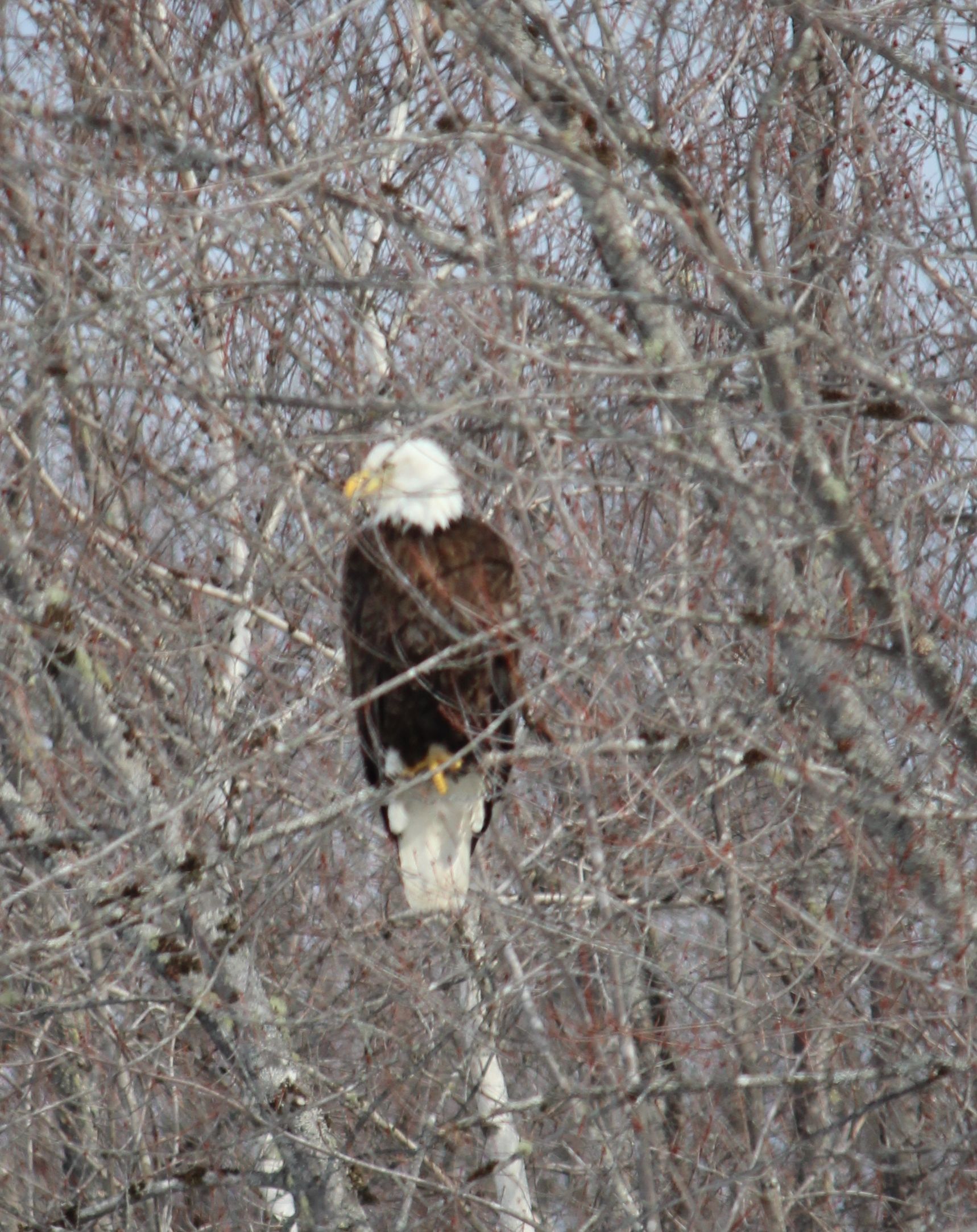
Eagle 1

We made our way back to Harbor Road in North Fryeburg, where something in the landscape caught my eye.

Eagle 1a

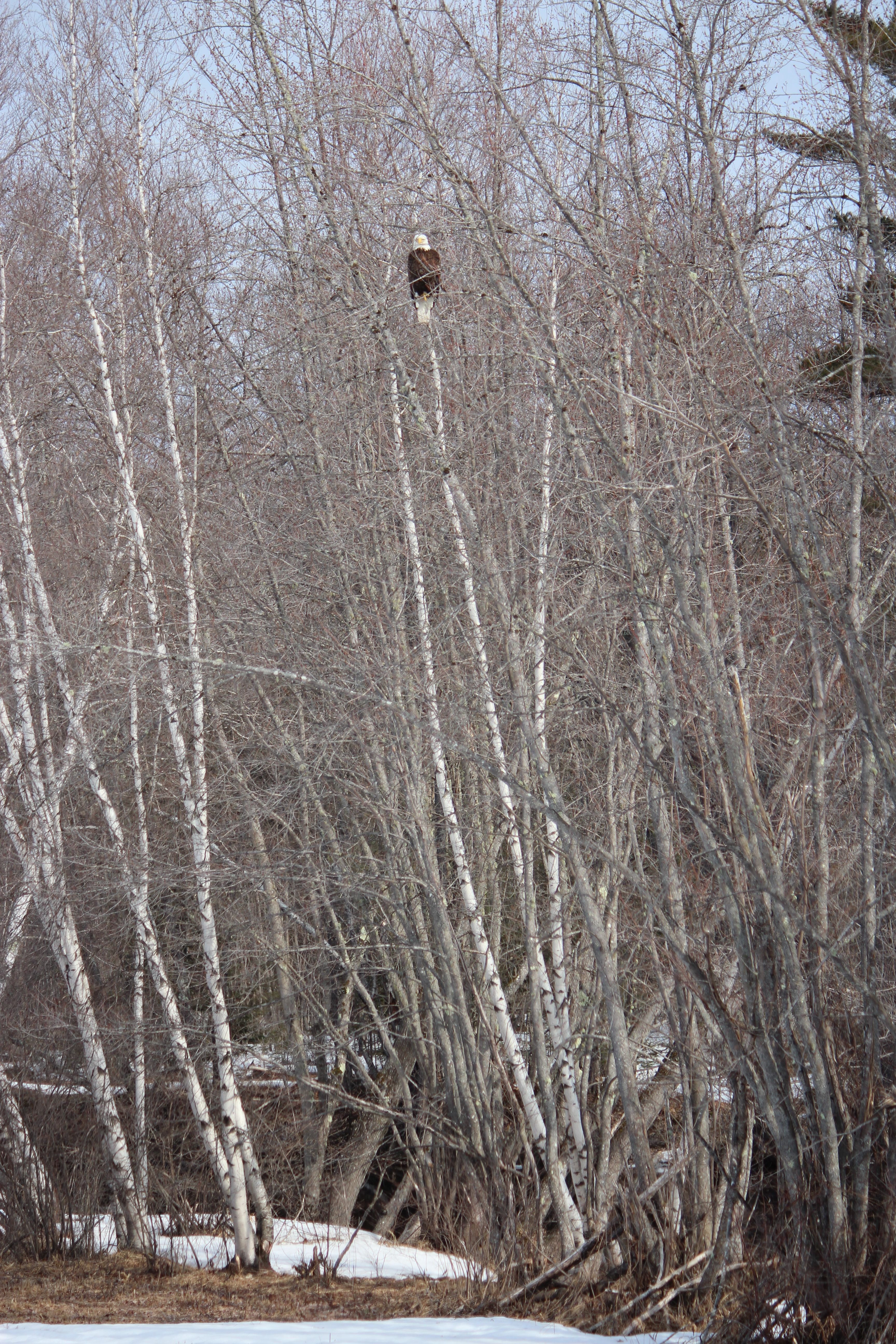
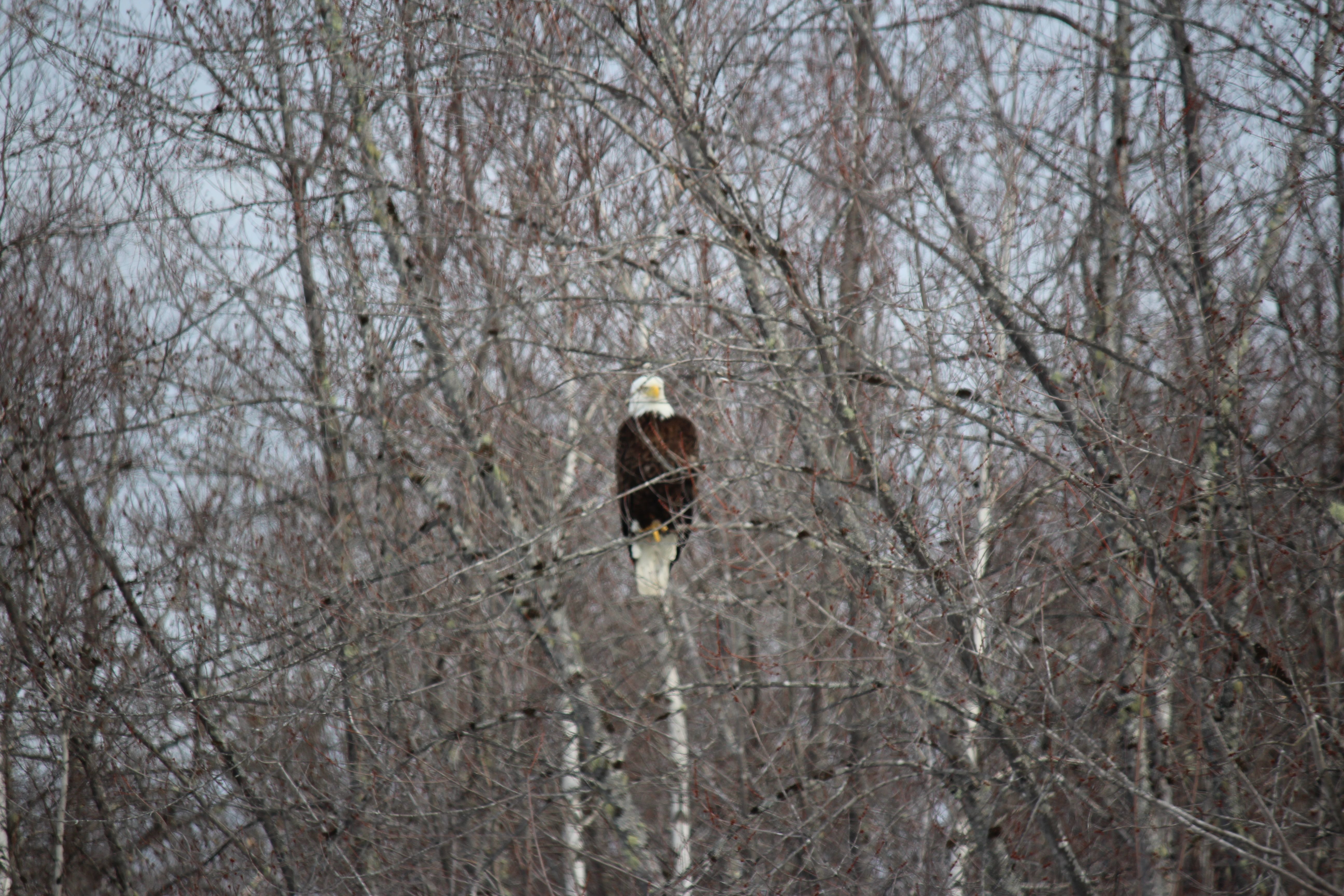
Always an impressive sight.

Eagle 2

A mature Bald Eagle checking out the area around Charles River, near the old course of the Saco River.

trail parking sign

Our destination–Province Brook Trail. This hike is for my friend, P.K., who first introduced me to this trail in her summer backyard a few years ago. While she winters in Florida, I hope she’ll enjoy today’s view.

We had to park on South Chatham Road, in South ChatHAM, New Hampshire. I once interviewed Frank Eastman, a South Chatham native, who informed me that it’s pronounced ChatHAM, not Chat’em, because H-A-M spells ham. A lesson I’ll never forget.

trail men

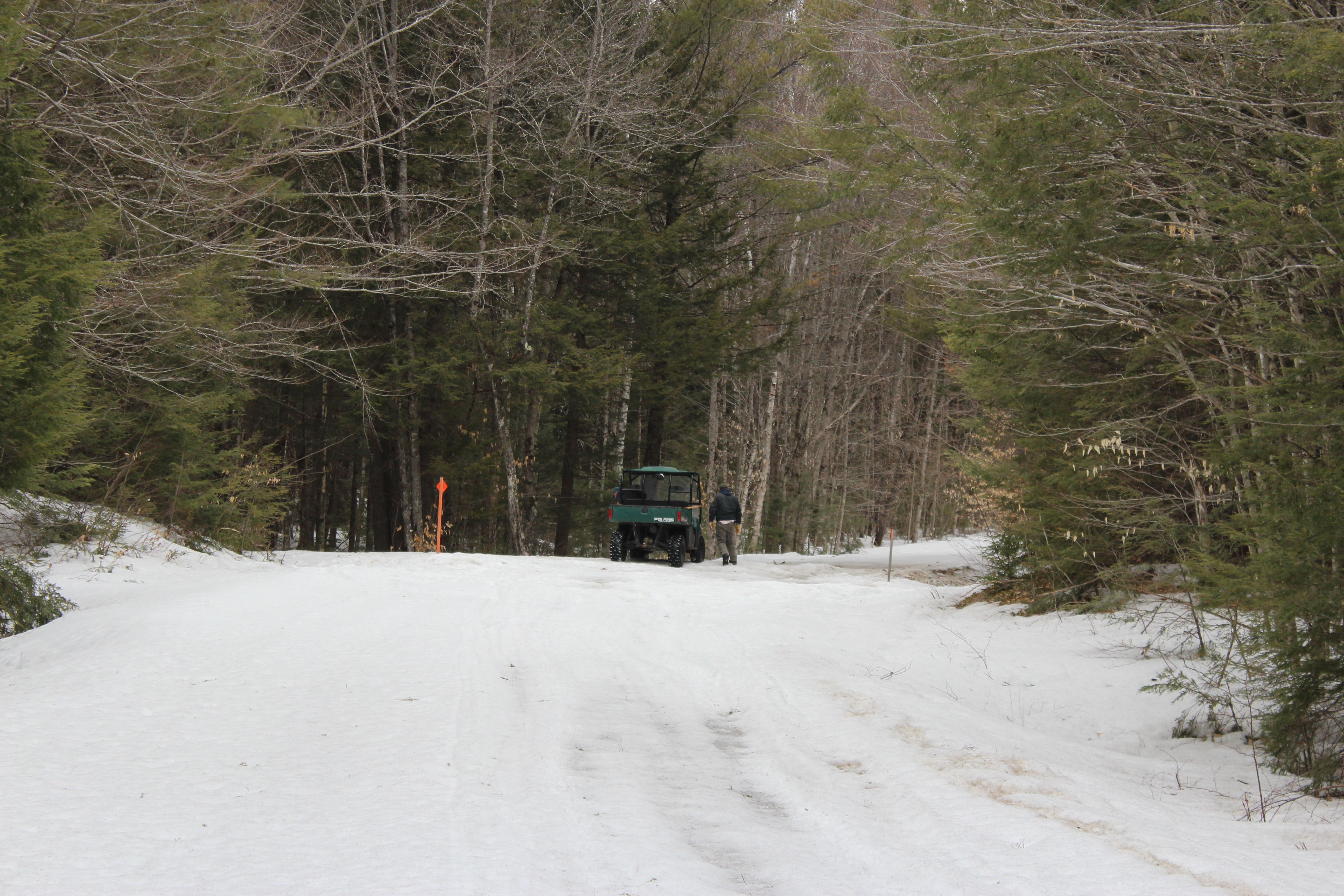
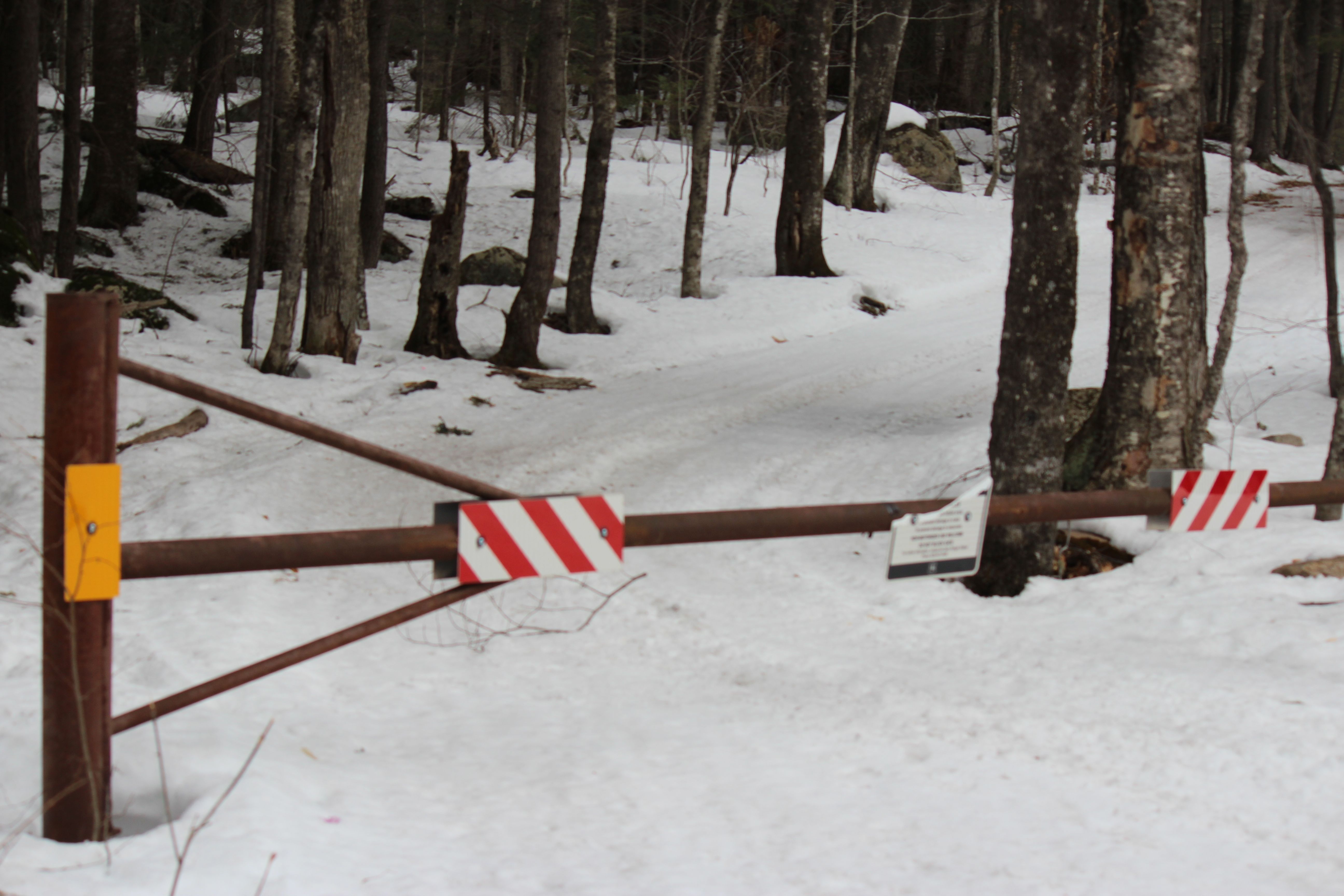
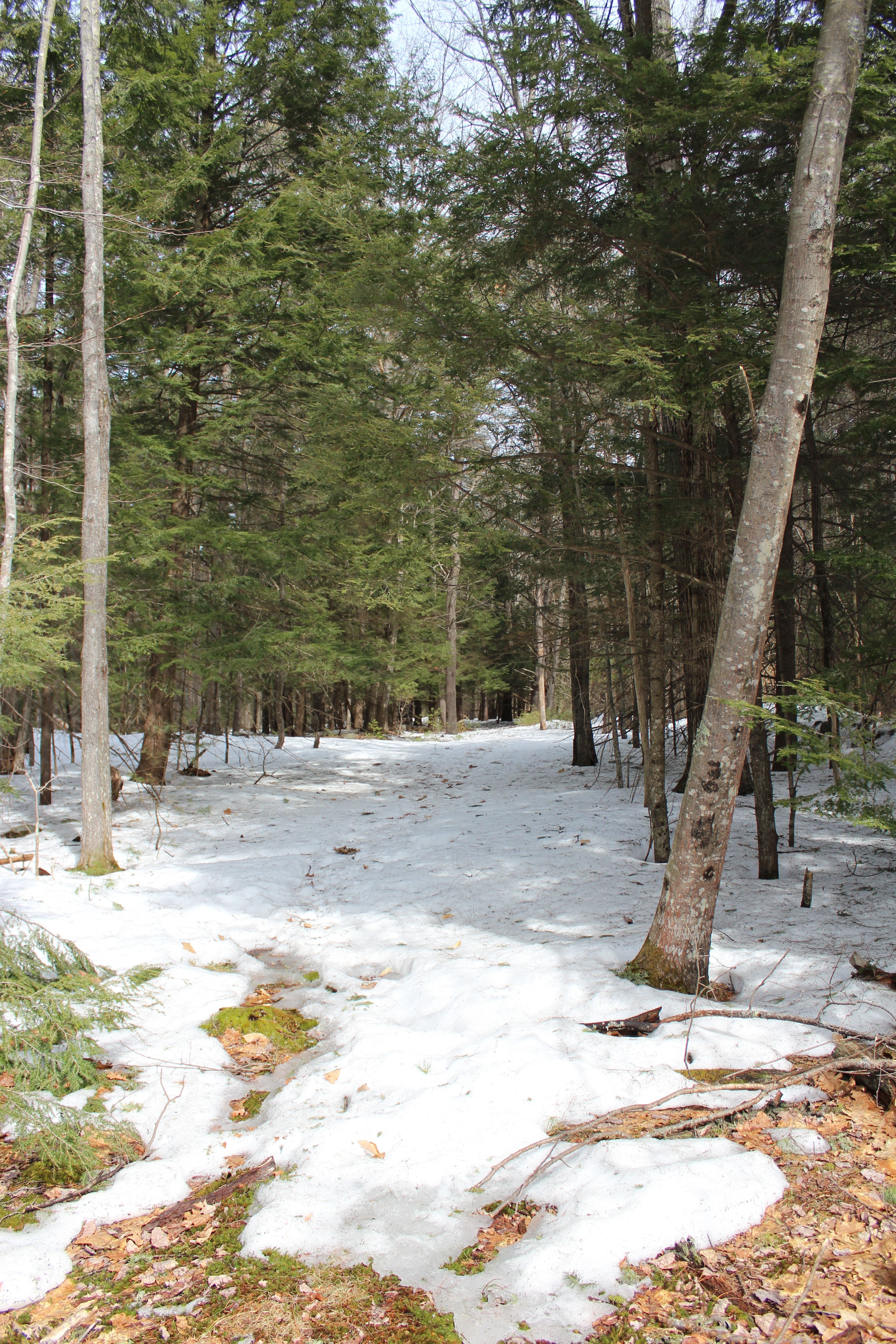
While we walked along the snowmobile trail, aka 2.5-mile Peaked Hill Road or Forest Service Road 450, two members of the White Mountain National Forest trail crew came along to close gates–a sure sign of spring.

pot hole

Seeing a few potholes like this one, we could understand why.

moose printmoose

We opened our eagle eyes and things began to appear.

Moose 3

Criss-crossing the trail, through snow and mud, moose prints.

bearbear 1

Our eyes are forever scanning beech trees–on the lookout for bear claw marks. We weren’t disappointed.

hairy scat

On the trail, we saw several old scat samples. Coyote or bobcat. This one is all hair. I’m leaning toward bobcat–but am open to other conclusions. There were no obvious tracks to make a certain id.

yellow birch

And here–one very large Yellow Birch growing on granite.

yb2

Yellow Birch seeds find optimum growing conditions on moss-covered rocks, stumps and logs. Once the tree establishes itself, it clings to the rock and sends its roots in search of the soil below. Hemlocks do the same.

trail head

Finally, we reached the trail head. Oops, I lopped off the head of the hiker on the sign.

trail closed

Province Brook Trail is currently closed to snowmobiles and ATVs, but we walked around the gate and continued on.

ice

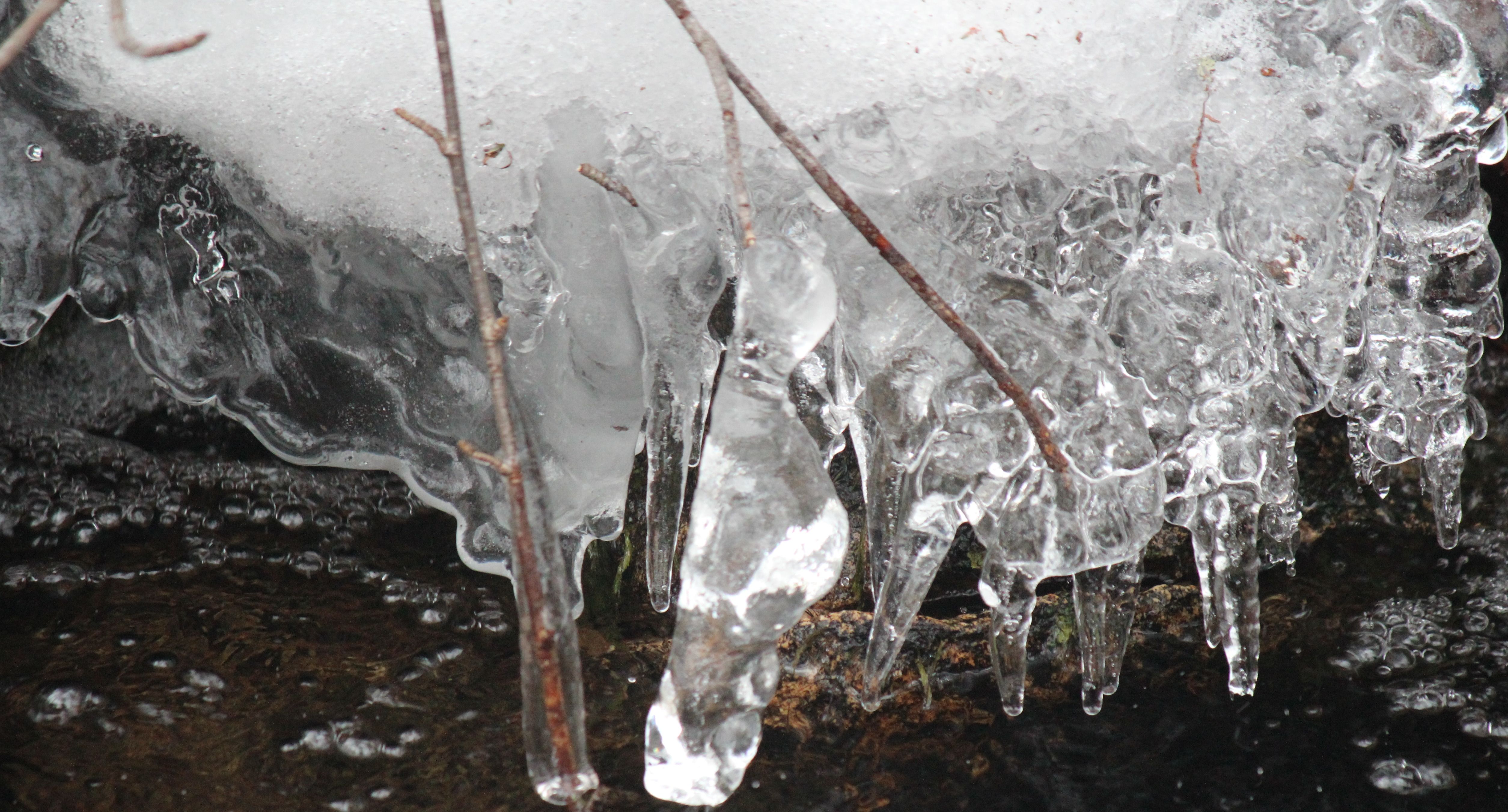
Still plenty of ice in the streams beside the trail.

snow:brook

And lots of snow.

polypody fern

Polypody Fern peeking out from under a snow-covered rock.

hobblebush

And Hobblebush preparing to bloom.

glacial erratics

Lots of glacial erratics along the way. This one supports an entire community.

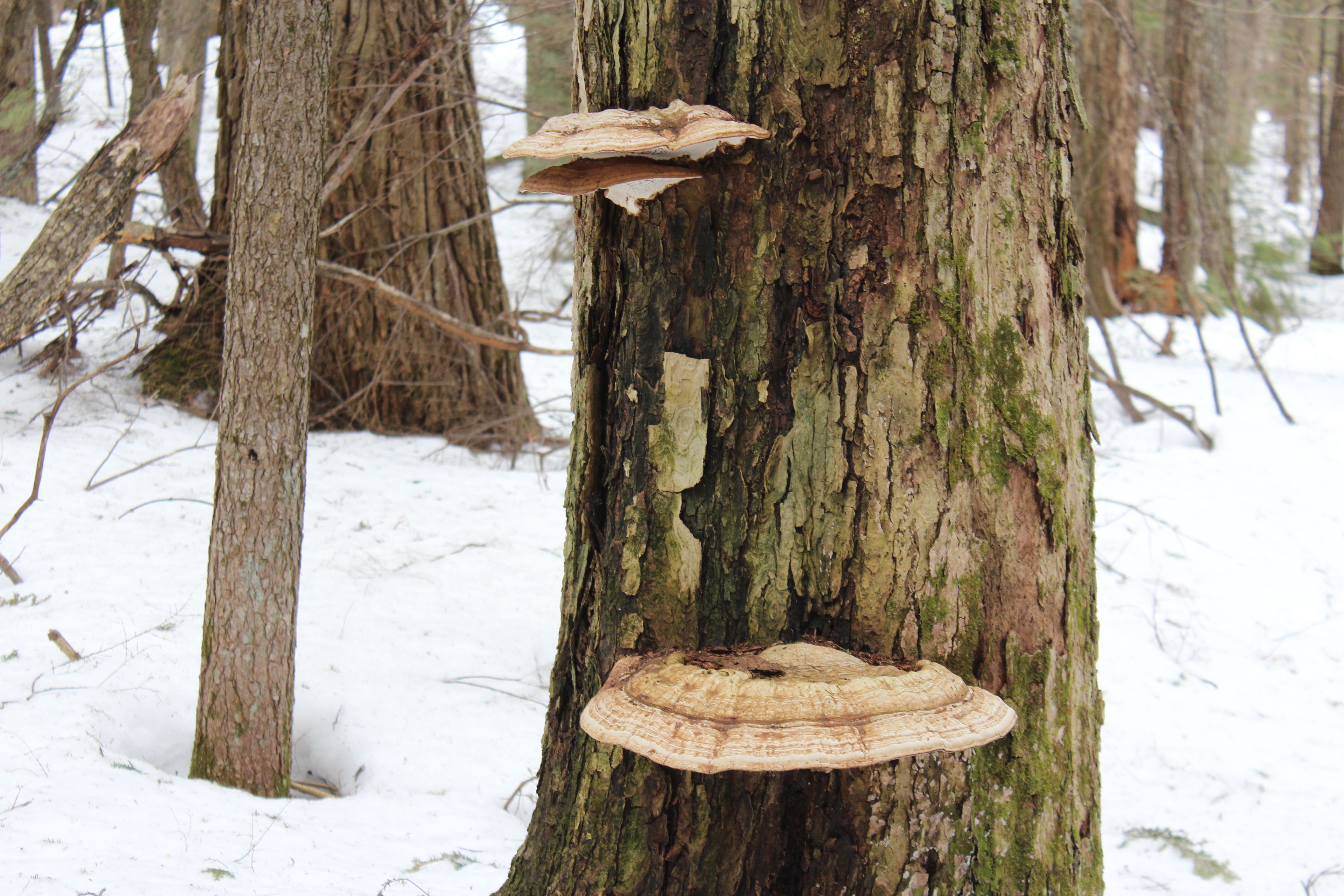
mushrooms

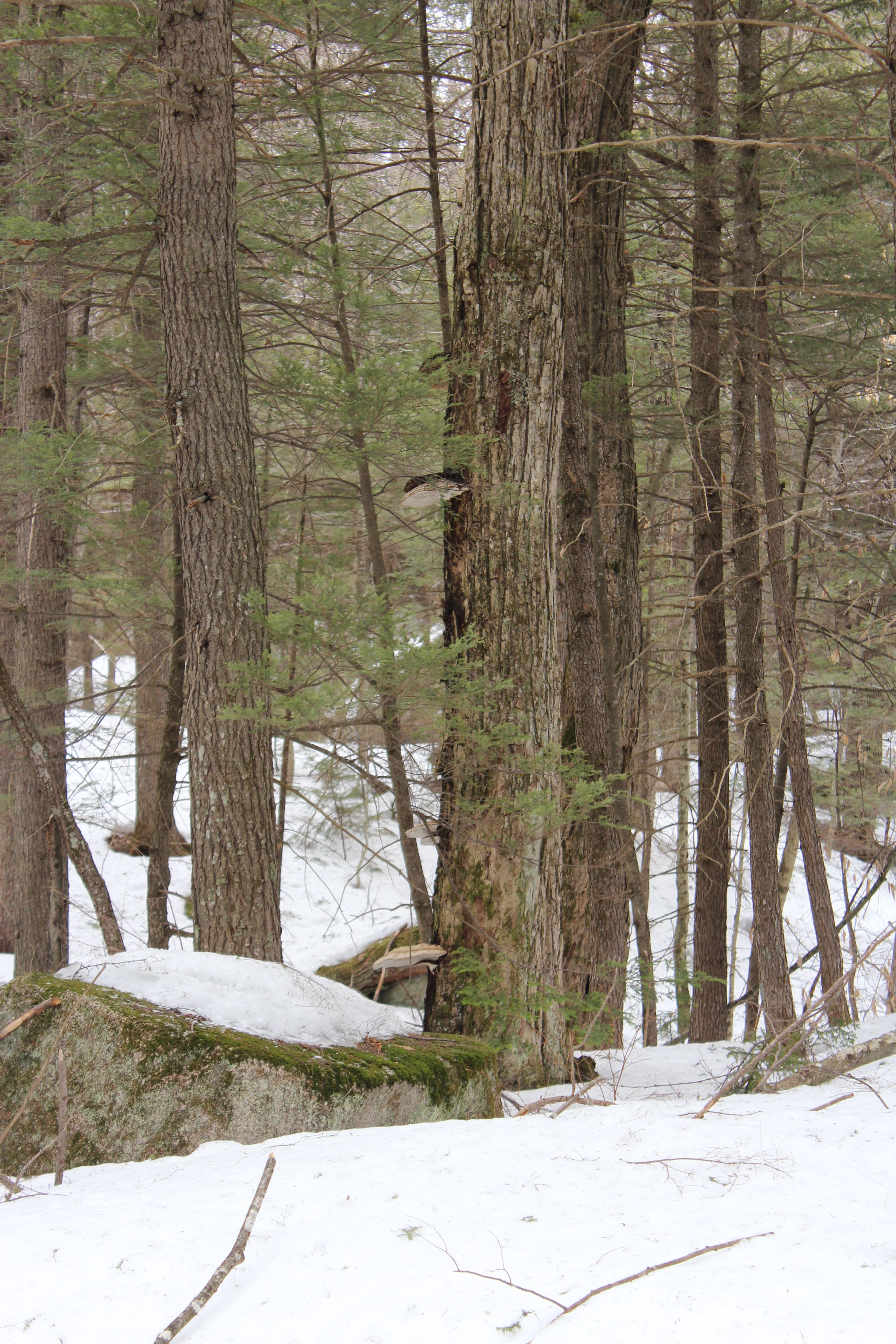
The tree in the center invited a closer look.

mush 1

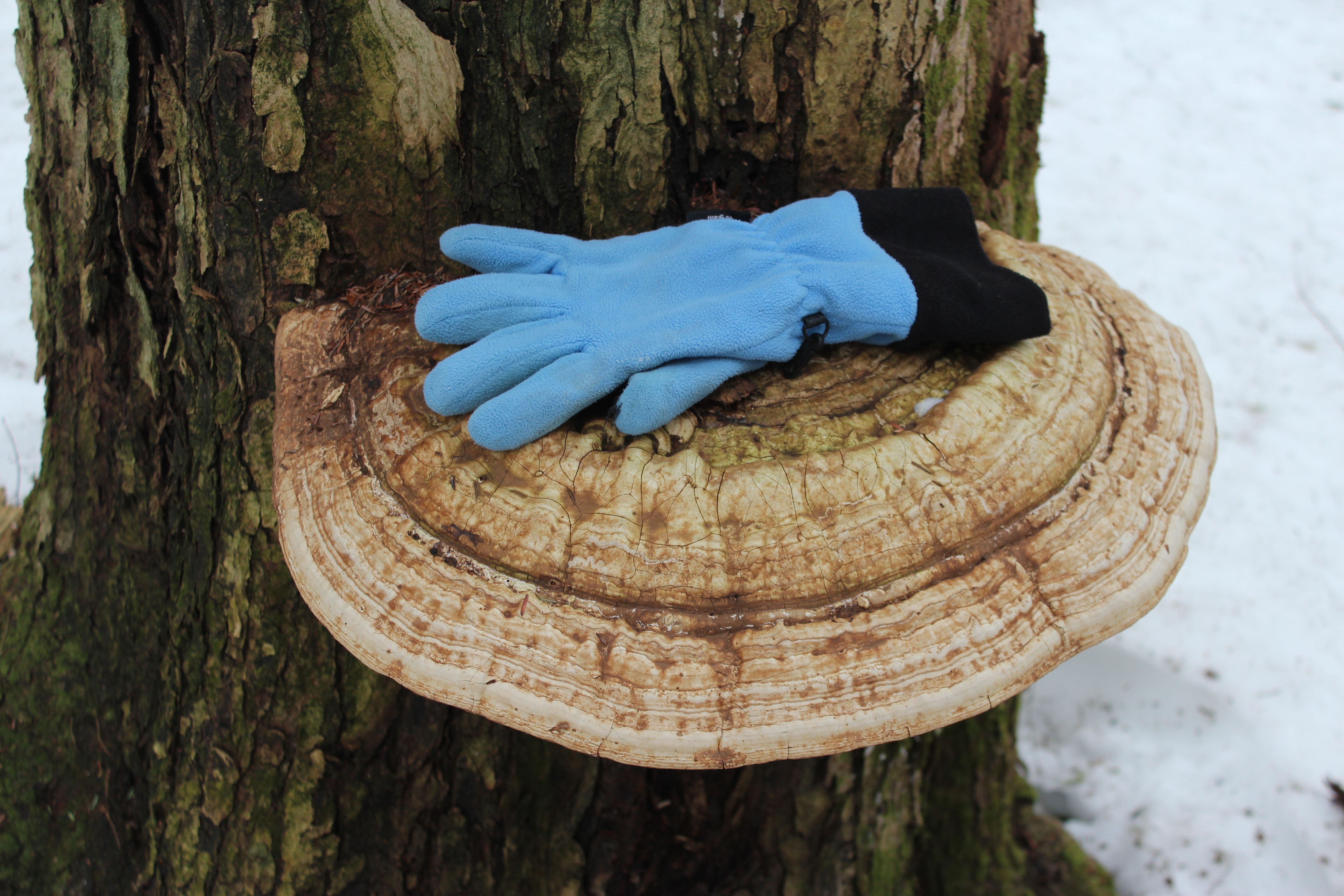
Fan-shaped Artist’s Conks.

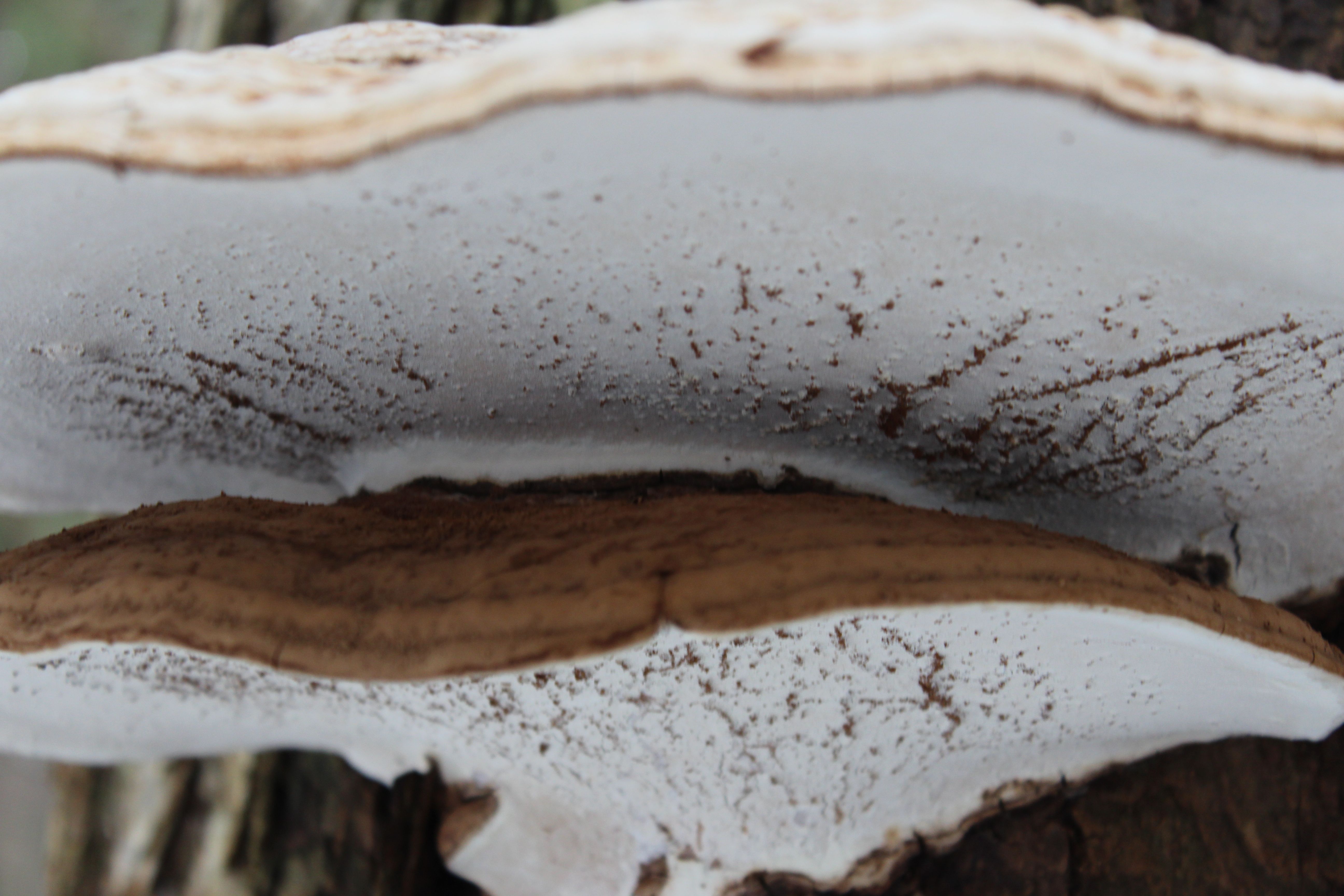
mush 2

Their white pore surface.

mush 3

Looking skyward.

mush 4

And a sense of perspective.

 pond1

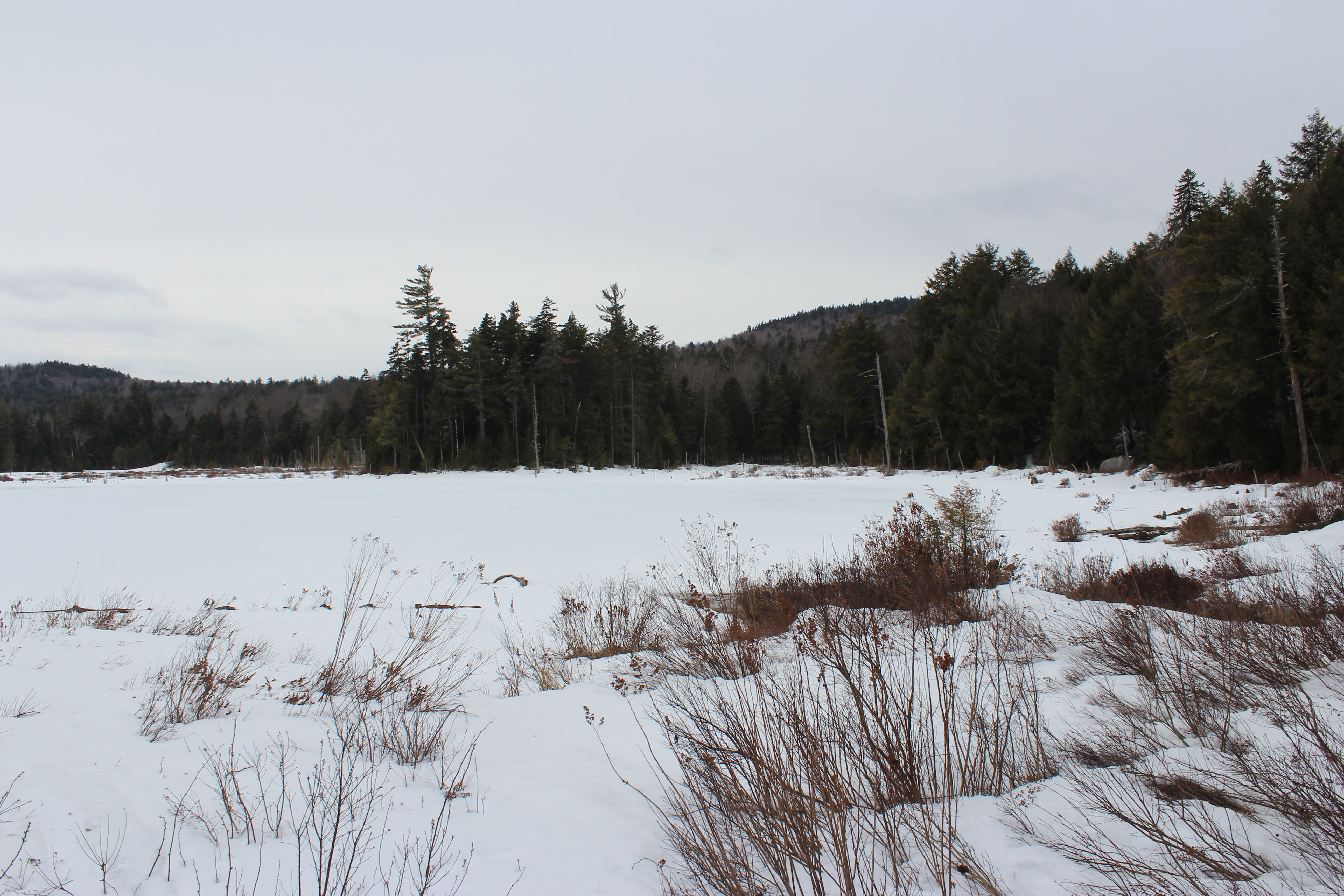
At last, we reached Province Pond.

shaw mtn

Shaw Mountain is in the background–we’re saving it for another day.

Allen-snow

On our way to a forest service shelter that was built in the 1930s (I know this because I read it in Hikes & Woodland Walks in and around Maine’s LAKES REGION written by my friend, Marita Wiser), the deep snow caught us a few times. My guy is knee-deep.

brook crossing

It pays to let him go first. I can then figure out where not to step. Here, he’s contemplating the brook crossing to the shelter. It was actually quite easy.

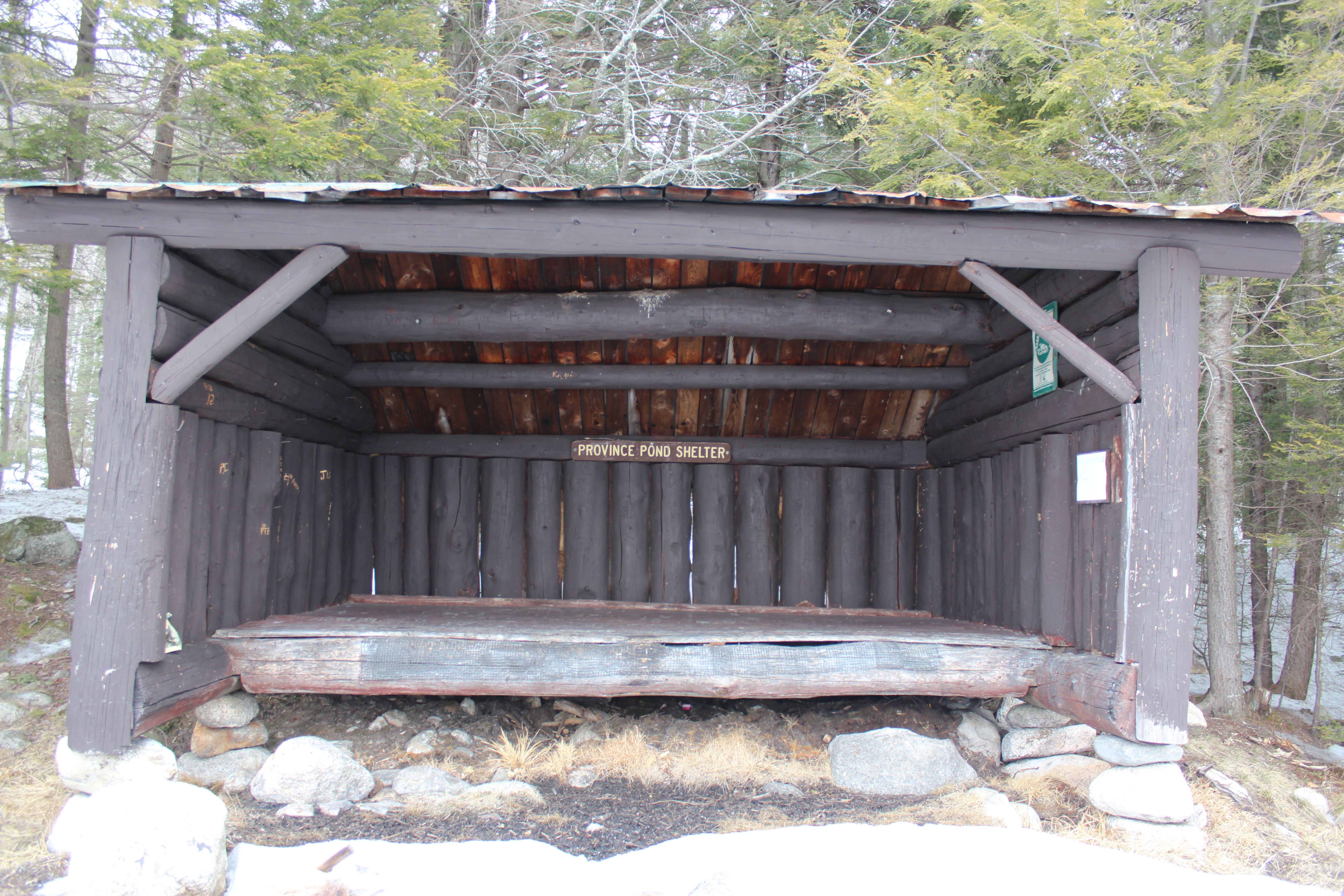
Shelter

A sheltered lunch locale–just right for those PB&J sandwiches.

lunch viewlunch 2

Best view in the house.

initials

I’ve a feeling these walls could tell many tales.

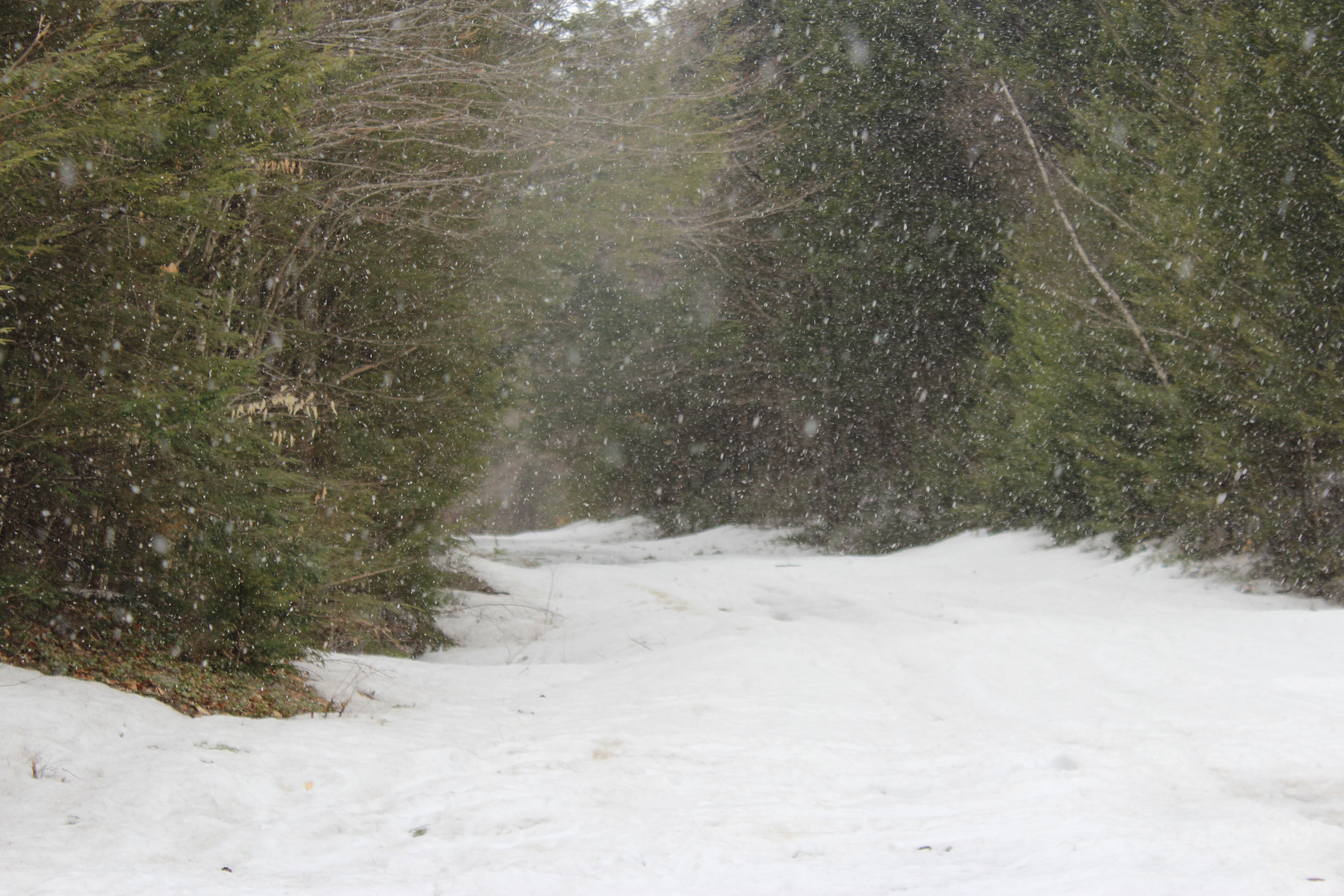
snowing

It was snowing as we headed back down the trail. Yet another wintery-spring day.

Eight miles later, we were thankful for the opportunity to stretch our legs and use our eagle eyes.

Thanks for wandering by to wonder.

Quiet Beauty

Sixty-five degrees in the shade. Time to shed a few layers. And so I did before I stumbled through the snow to my sit spot. I didn’t feel like wearing snowshoes, so it felt like I was digging post holes again.

cowpath

I set up camp at the opening of the cowpath. Shades of green, brown and white surrounded me. Once in a while I spied a touch of contrast–one red berry on a Wintergreen and a few weathered purplish-red berries of a Canada Mayflower.

canada mayflower

The deer had moved through yesterday afternoon and again this morning. We watched them cross the field, which is still snow-covered. They paused by the stonewall to browse before climbing over it and into our woods. Their presence was noted everywhere.

stone wall deer

juniper 2juniper 3

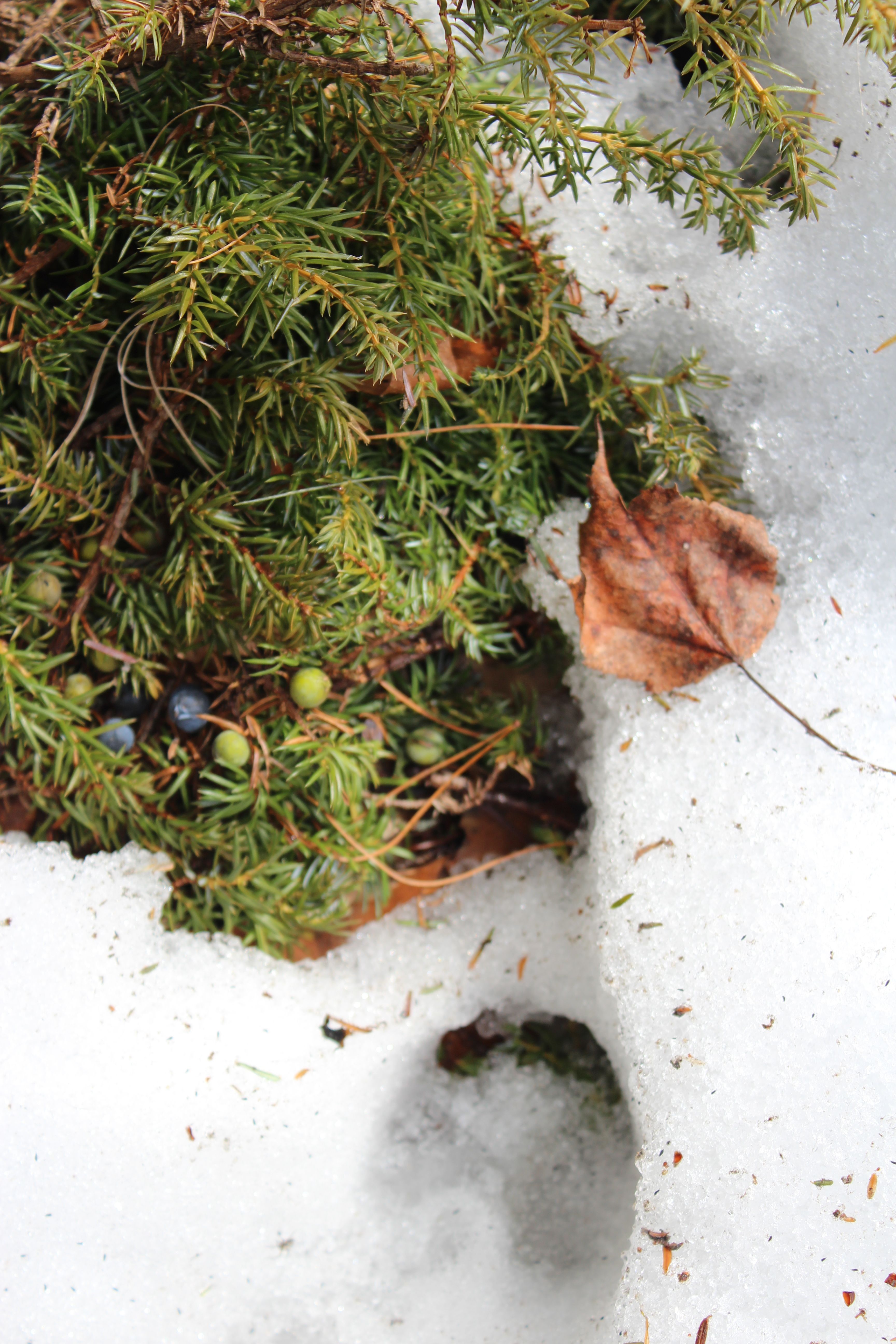
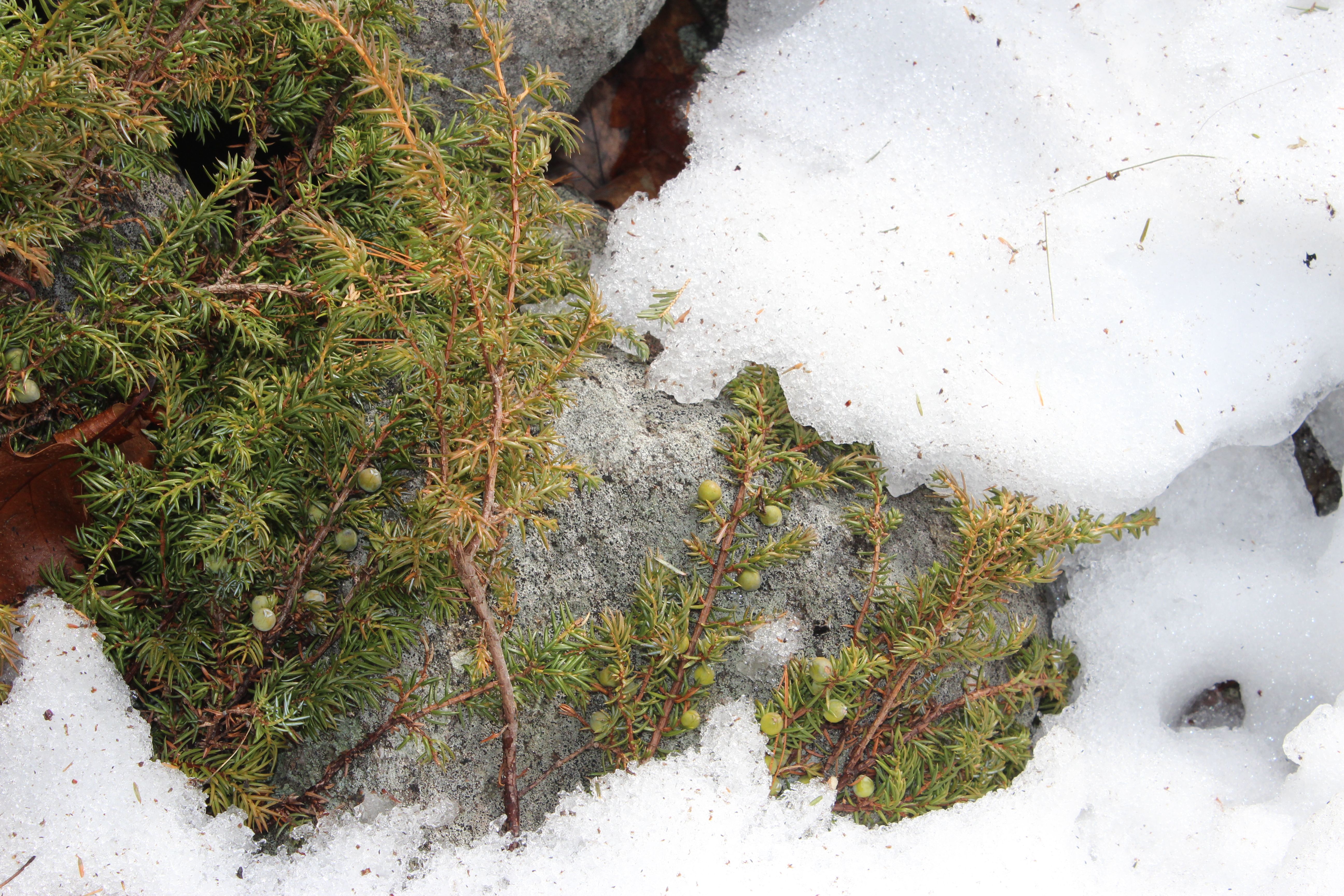
Before moving on, they stopped at the junipers that grow along one section of the stonewall. The shrubs are filled with berries–green, blue and even gray. I find it curious that these berries are supposed to provide food for deer and yet, there are still so many there. All of the exposed juniper bushes are laden with berries.

Log

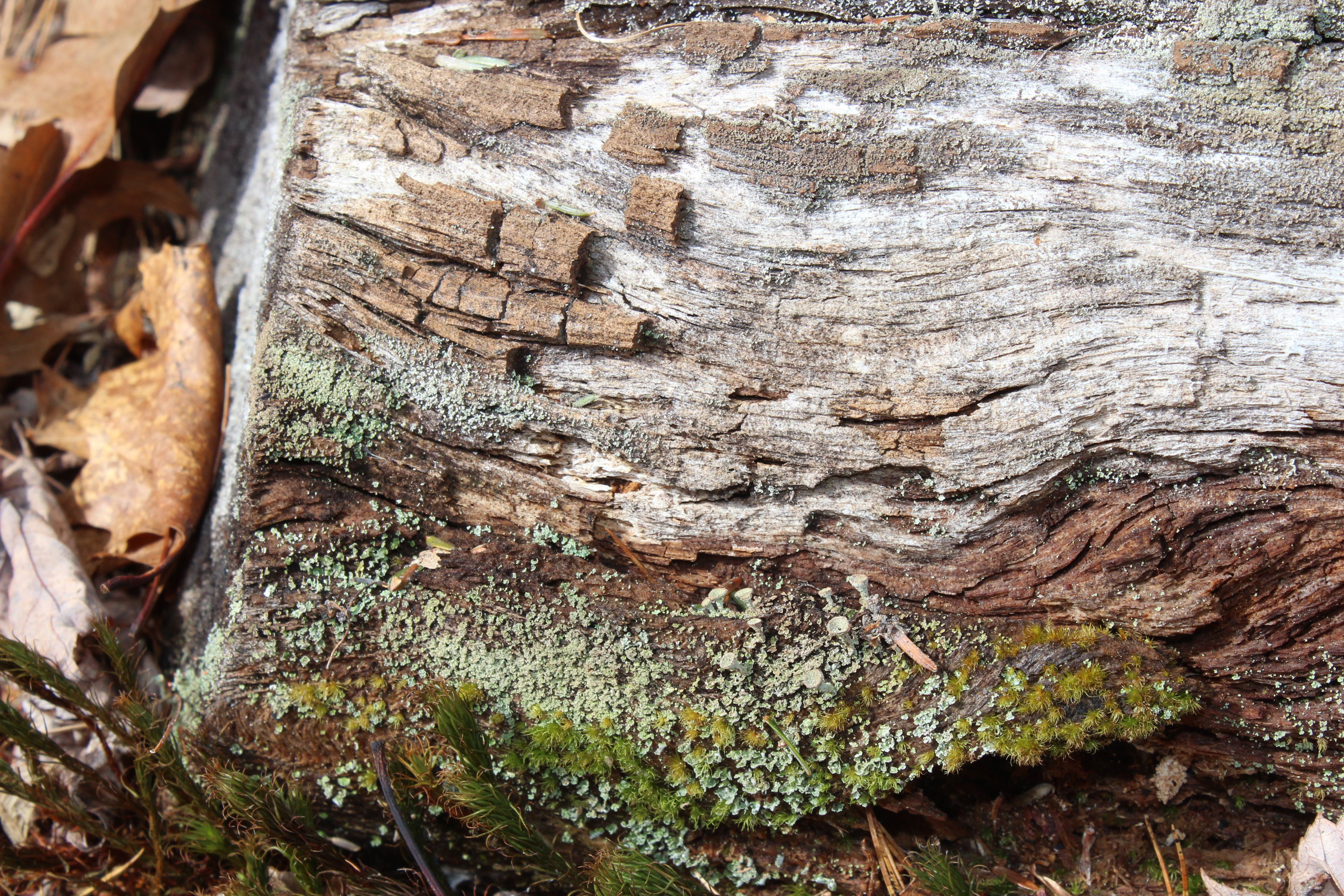
Right at the opening of the cowpath is this decaying log. I’ve observed the life it supports for the past few years. It reminds me of a similar log below a tree in my childhood backyard. My two playmates and I named the tree “Treetonic” and we each had a chosen branch that served as our home. Mine was the lowest one–I was the more cautious of the three. We used to dig small chunks out of the log below to create our “meals” of meat and vegetables. Wow–I can’t believe I remember that.

Back to the present–two years ago I found a couple of tiny white pine saplings growing on this log, but today there was no sight of them. Often, I’ve discovered acorn shells. And once, close to Halloween, I found plugs of red squirrel hair–lots of it. It was extremely soft, about an inch or more long, white at the base, then black, and topped with reddish brown–which had some black specks. I called it the Frankenhair Mystery in honor of Halloween and the fact that “Frankenstorm” Sandy was on the horizon.

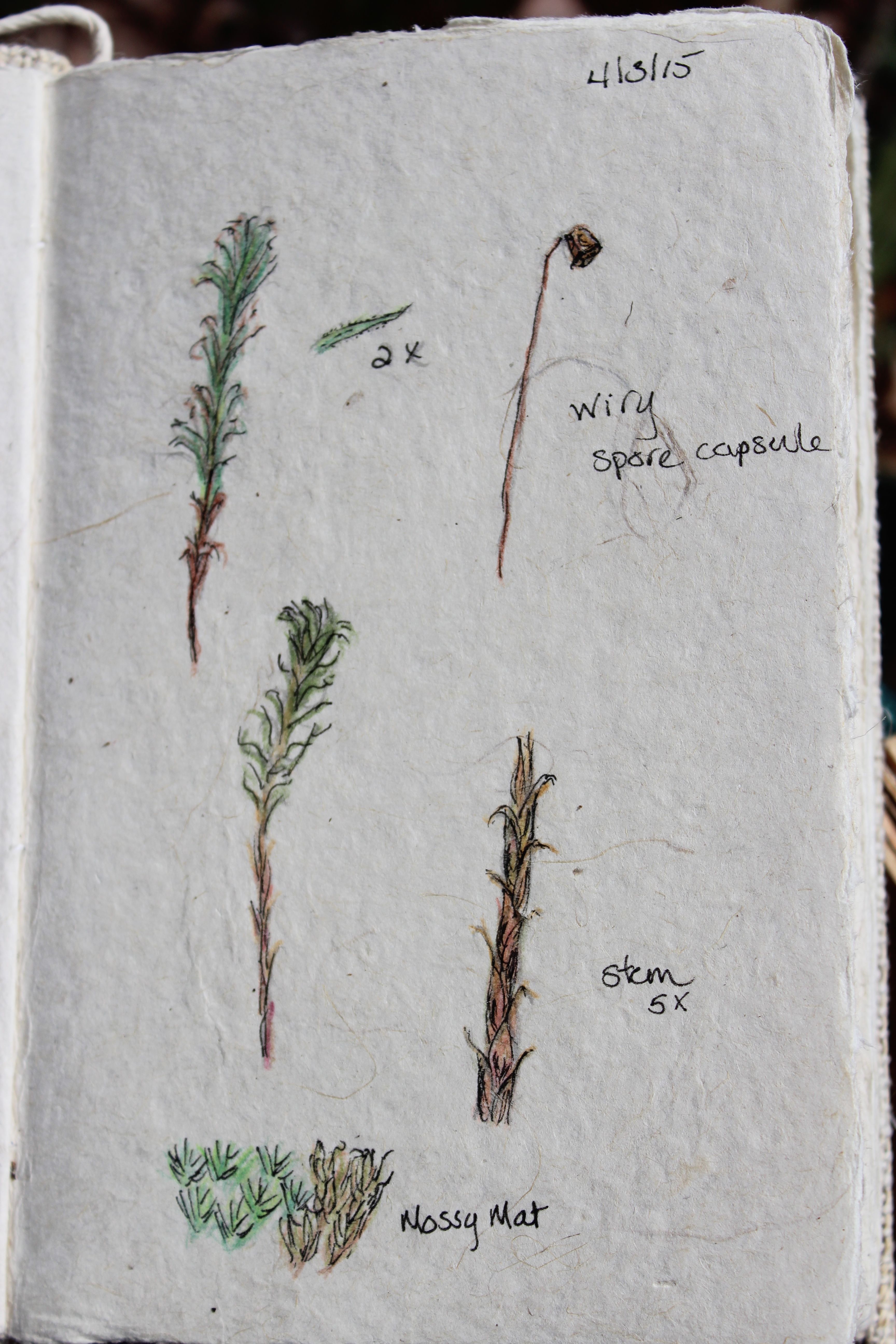
Today, it was the mossy mat that made me pull out my colored pencils. A tree dies, falls to the ground, begins to decompose. Lichens colonize it, blown in as spores in the air–a topic for another day. Moss grows over the lichen, taking advantage of moisture trapped in the organic matter. Eventually, the moss adds to the organic material and helps build a soil base. Once the moss mat is established, grasses, sedges, ferns and herbs invade–arriving by wind-borne spores or seeds (or perhaps even via rainwater and spring tales, aka snow fleas, as suggested in “A Chemical Romance . . . Among the Mosses” in the winter 2012 issue of Northern Woodlands magazine.)

common haircap

The moss mat, like that created by this Common Haircap Moss, takes on vertical complexity–soil,  moisture, organic matter all build up. Plant richness increases. If the soil builds up sufficiently, it can support more extensive root systems of woody plants, like the white pine sapling.

sapling

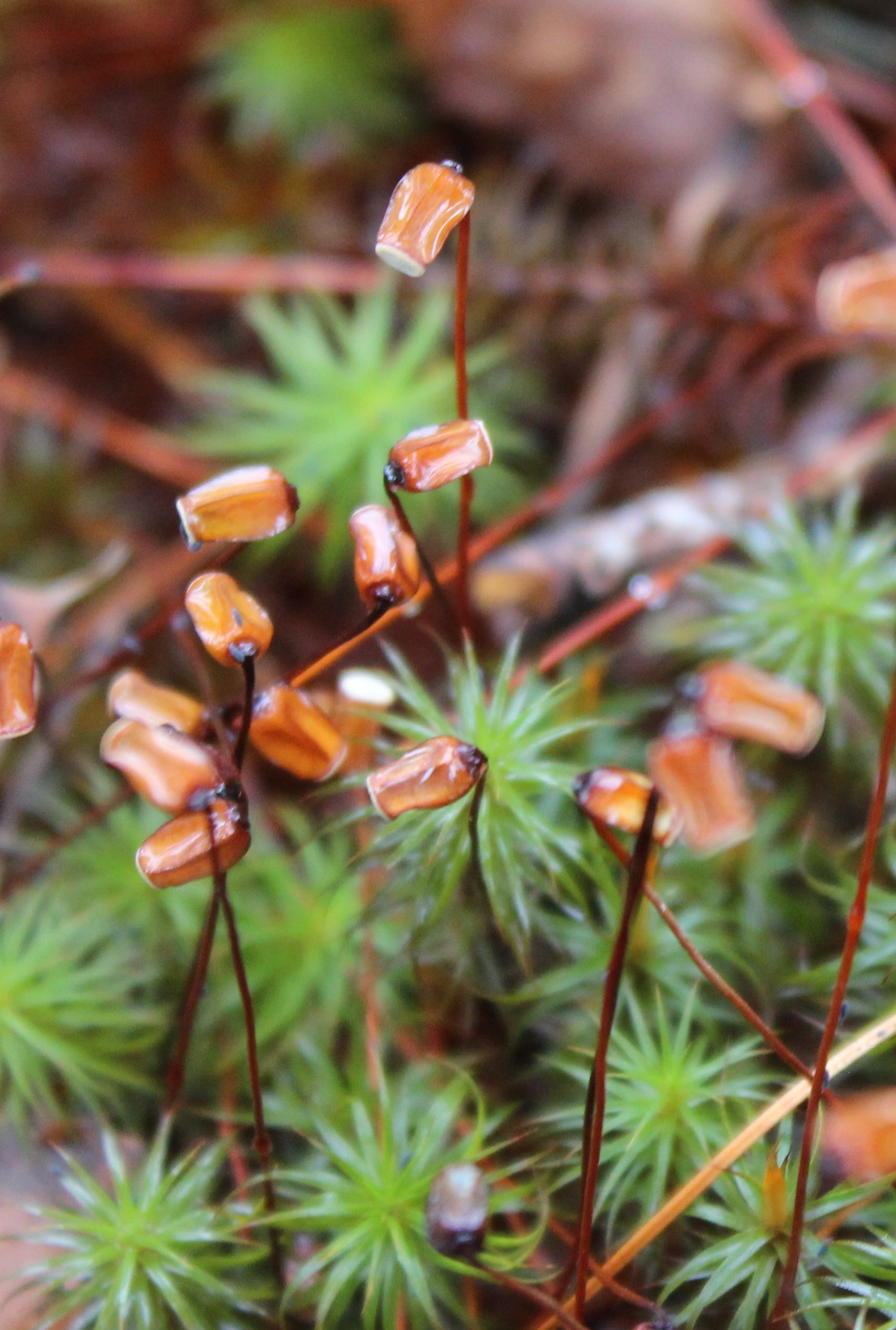
Common Haircap Moss grows in thick patches everywhere I look. Using my hand lens, I can see that the narrow, lance-shaped leaves have toothed edges. I love getting a closer look through the lens. I can see how the leaves clasp the stem. Then I looked at the spore capsule with its copper-wiry stem and four-sided hood that looks like it’s seen better days–because it has.

moss?

I’m not sure about this photo–I thought I was looking at two different mosses, but it may be that one is a moist form of haircap and the other is a dry form, with the leaves drawn in–but it does seem to have a wilder appearance. What wowed me when I looked through the lens was the color of the stem. Without the lens, it looked like it was basic brown. A closer look revealed reds, and pinks, and yellows and greens. And scaly leaves hugging the stem. Maybe as time goes on I’ll have a better idea of what it is–but I’m so glad I took the time to view it up close, where it quietly revealed its beauty on a day dedicated to quiet reflection.

sketch

Days when I make time to wander and wonder and discover the quiet beauty that surrounds me are my favorite kind of days.

Thanks for tagging along to enjoy today’s wonder.

Wetland Wonders

wetland 1

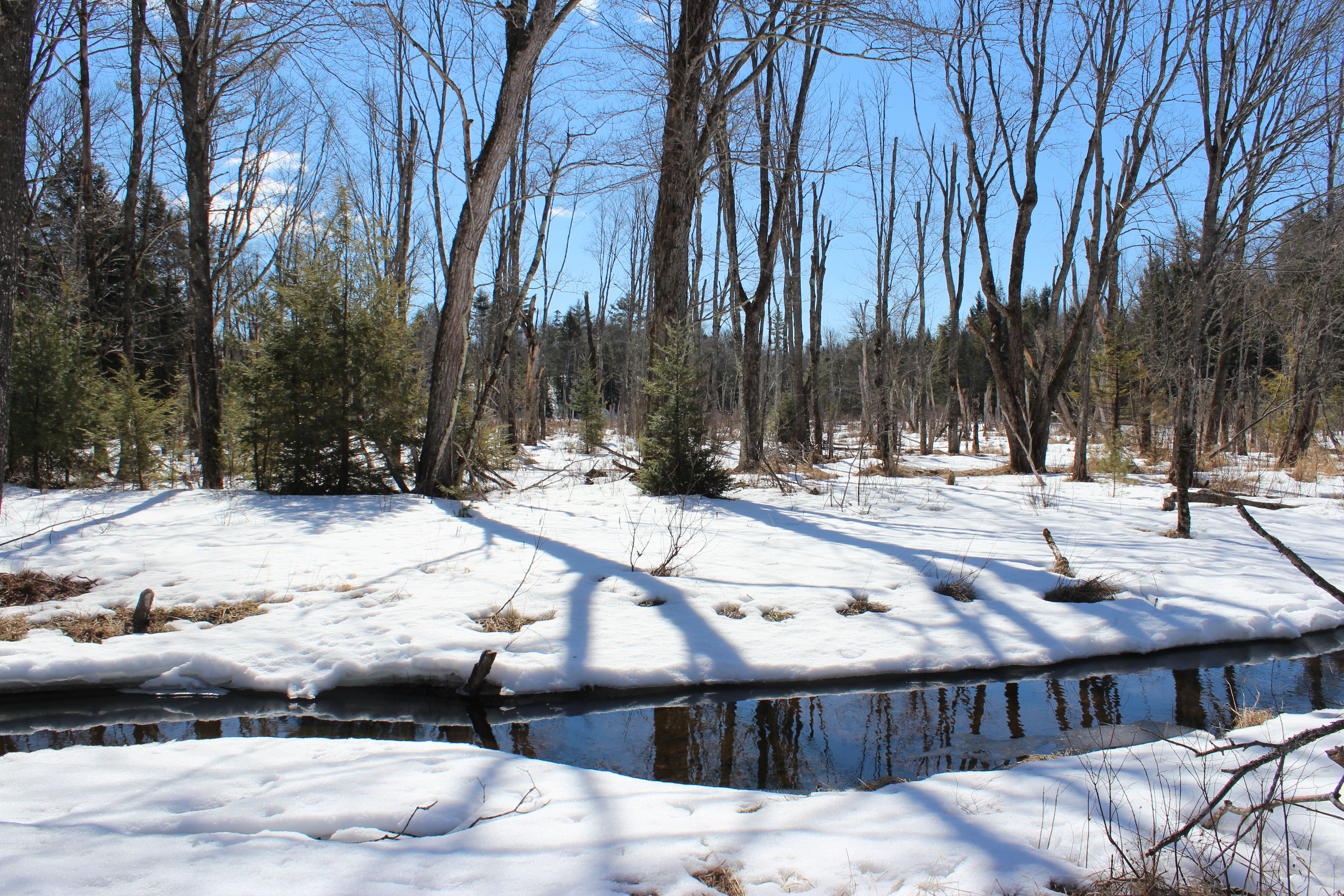
The Greater Lovell Land Trust’s Tuesday Tracking group returned to the wetland at the John A. Segur Wildlife Refuge today. It’s one of those places that I could spend hours upon hours exploring and still only see a smidgeon of what is there. I’m overwhelmed when I walk into a store filled with stuff, but completely at home in a place like this where life and death happen and the “merchandise” changes daily.

insect

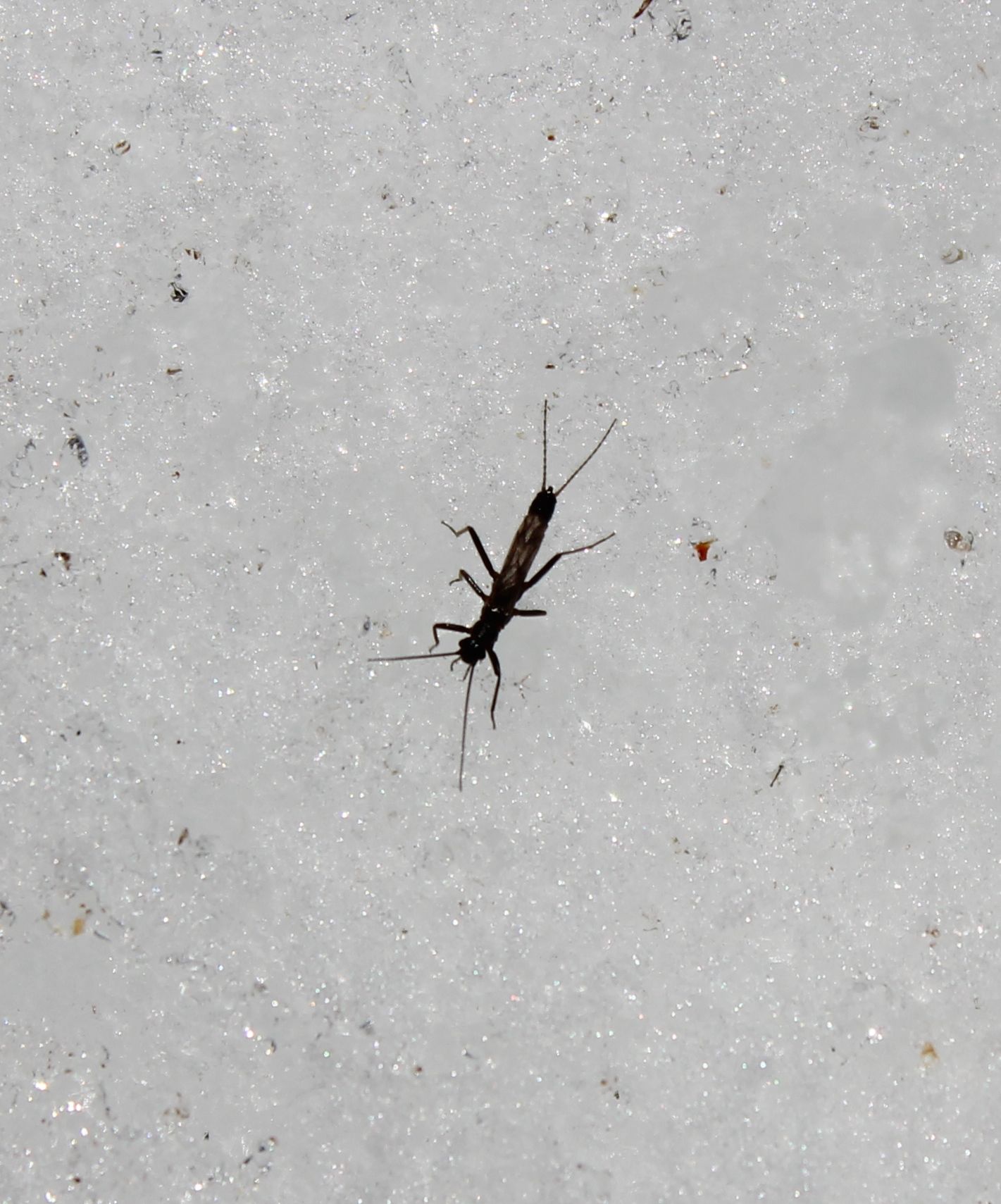
Walking across the snow was this small insect. So . . . we were in a wetland. Tomorrow will be April 1–no kidding. The insect is about an inch long. It has long antennae and a pair of cerci or appendages at the posterior end of its abdomen. I’d say we found a common stonefly nymph. Please correct me if I’m wrong.

artists 1

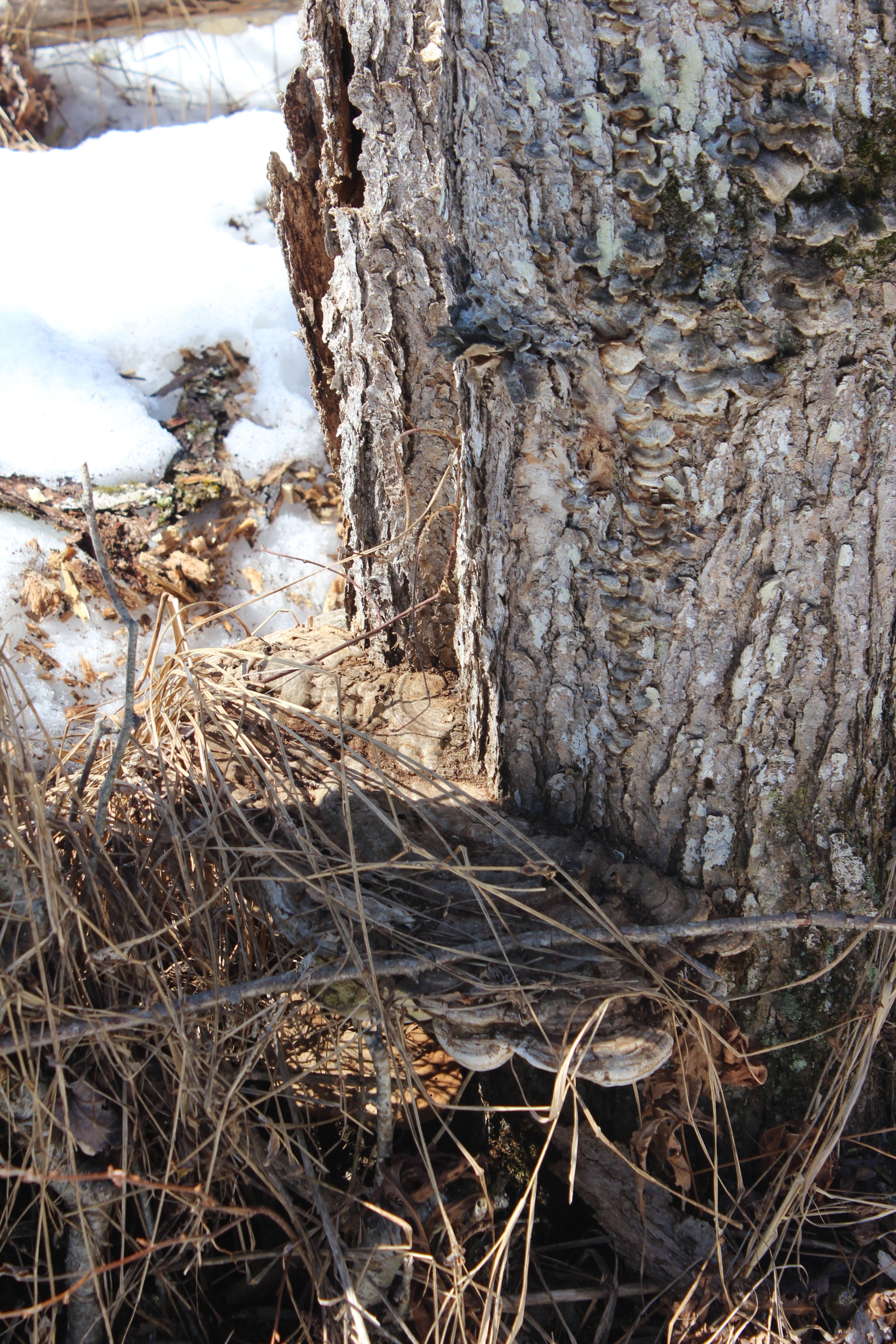
On first glimpse, this may look like a pile of dried grasses and twigs.

artists's conk?

But stepping in for a closer look reveals what I believe is an artist’s conk. An old artist’s conk. We didn’t cut it off, but apparently you can age one by cutting it and counting the layers–much the same way you can age a tree by counting the number of rings.

old beaver lodge

There’s evidence of beaver work throughout the sanctuary, but none of it is recent. So . . . my friend decided to play Queen of the Lodge.

dam crossing

We crossed Boulder Brook via an old beaver dam–one-by-one in the name of caution.

lobster lichenlobster 3

 Color draws us in for closer inspection. I’m betting on Cinnabar-red Polypore (Pycnoporus cinnabarinus) as this one’s ID. If I learn otherwise, I’ll let you know.

lungwort

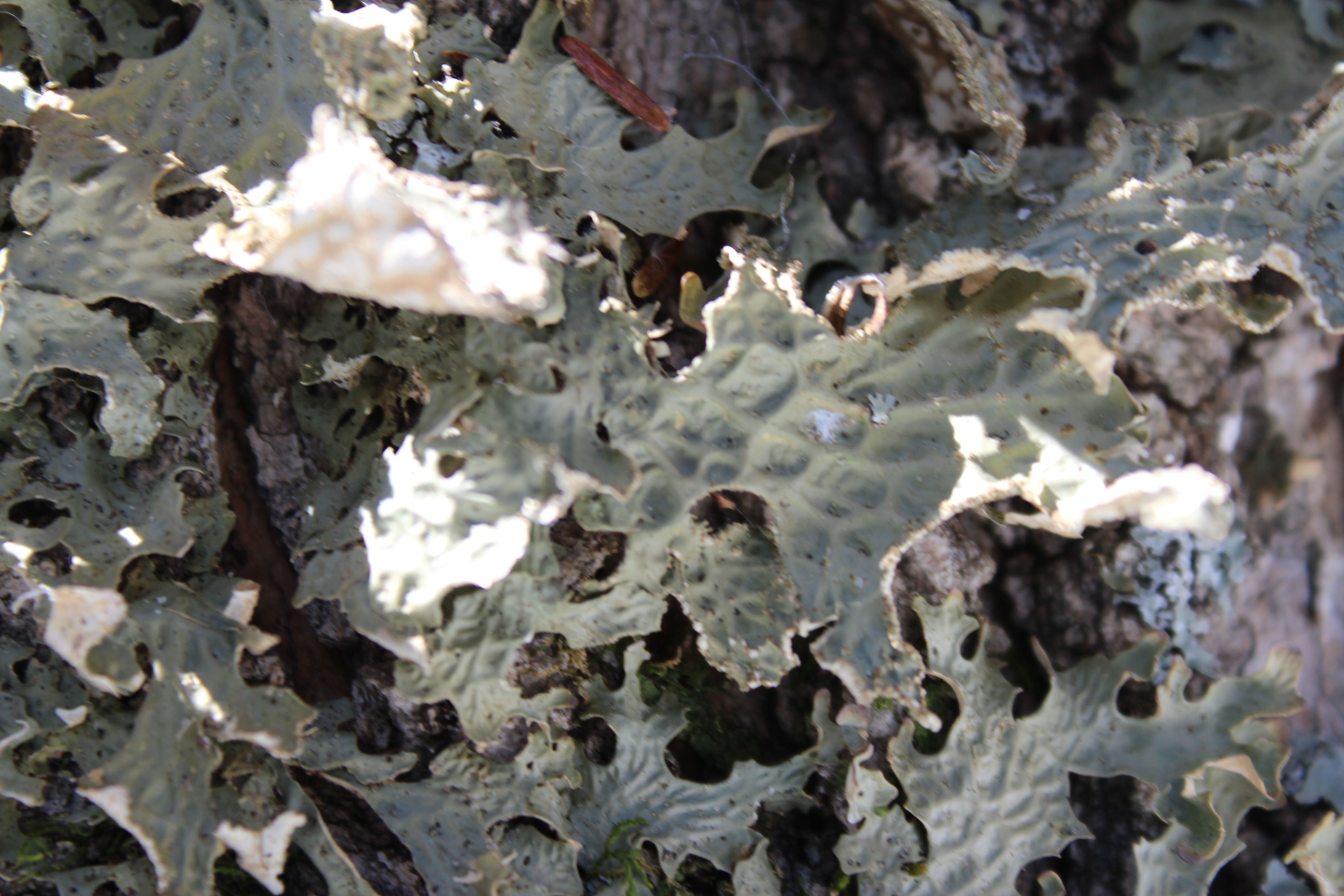
Remember this lungwort I shared last week in my Island Hopping blog?

Lungwort

Same species. Same tree. Nature–worth wondering about.

myatery 1

Then there was the mysterious event.

mystery 3

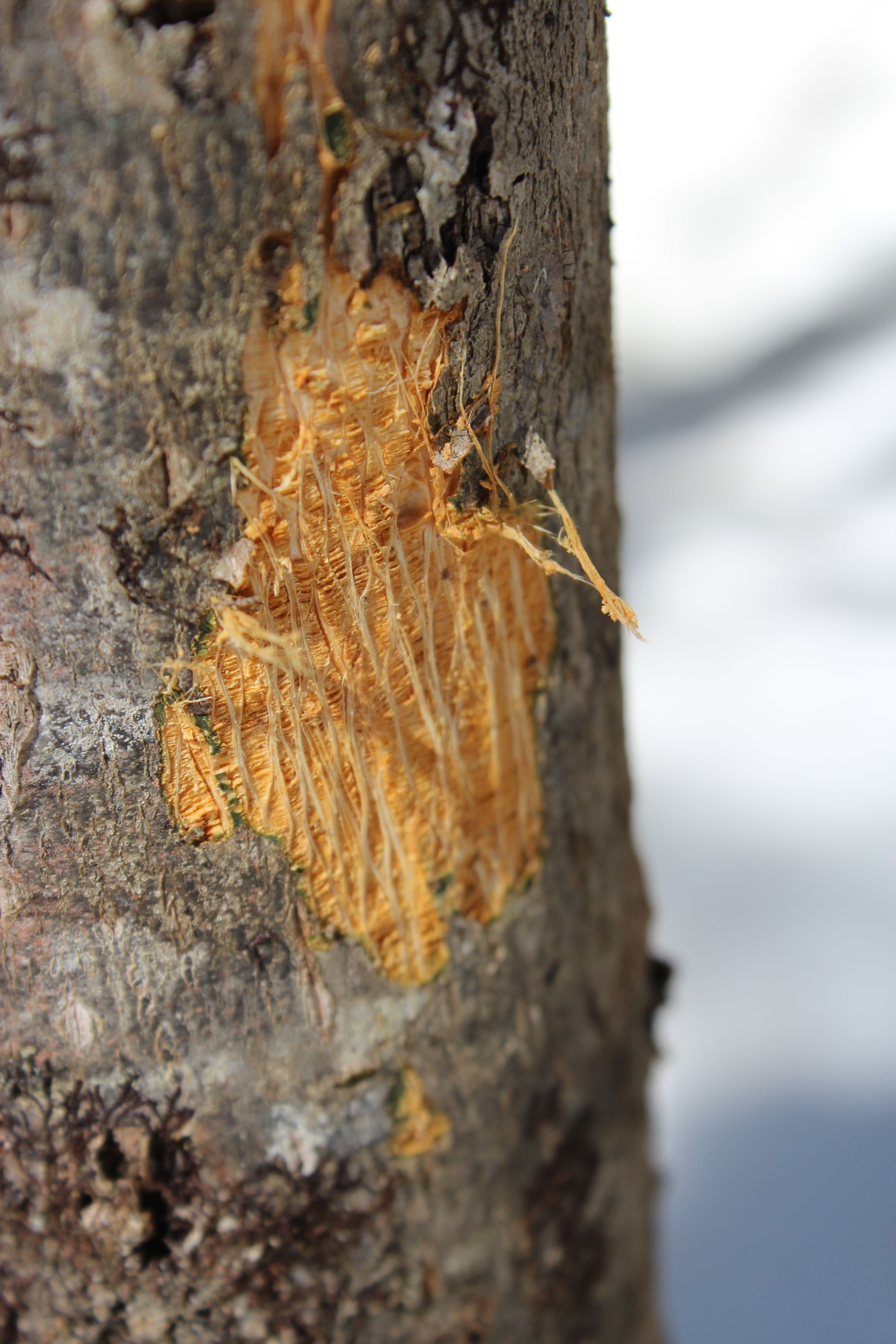
Very fine tags dangle from the upper edge of the scraped bark. Not the work of a deer, beaver or porcupine. Not a hare or little brown thing. Maybe a bird? No holes, just the fine layer of outer bark delicately scraped off.

deer scrape

Here’s a deer scrape as a contrast.

tree within tree

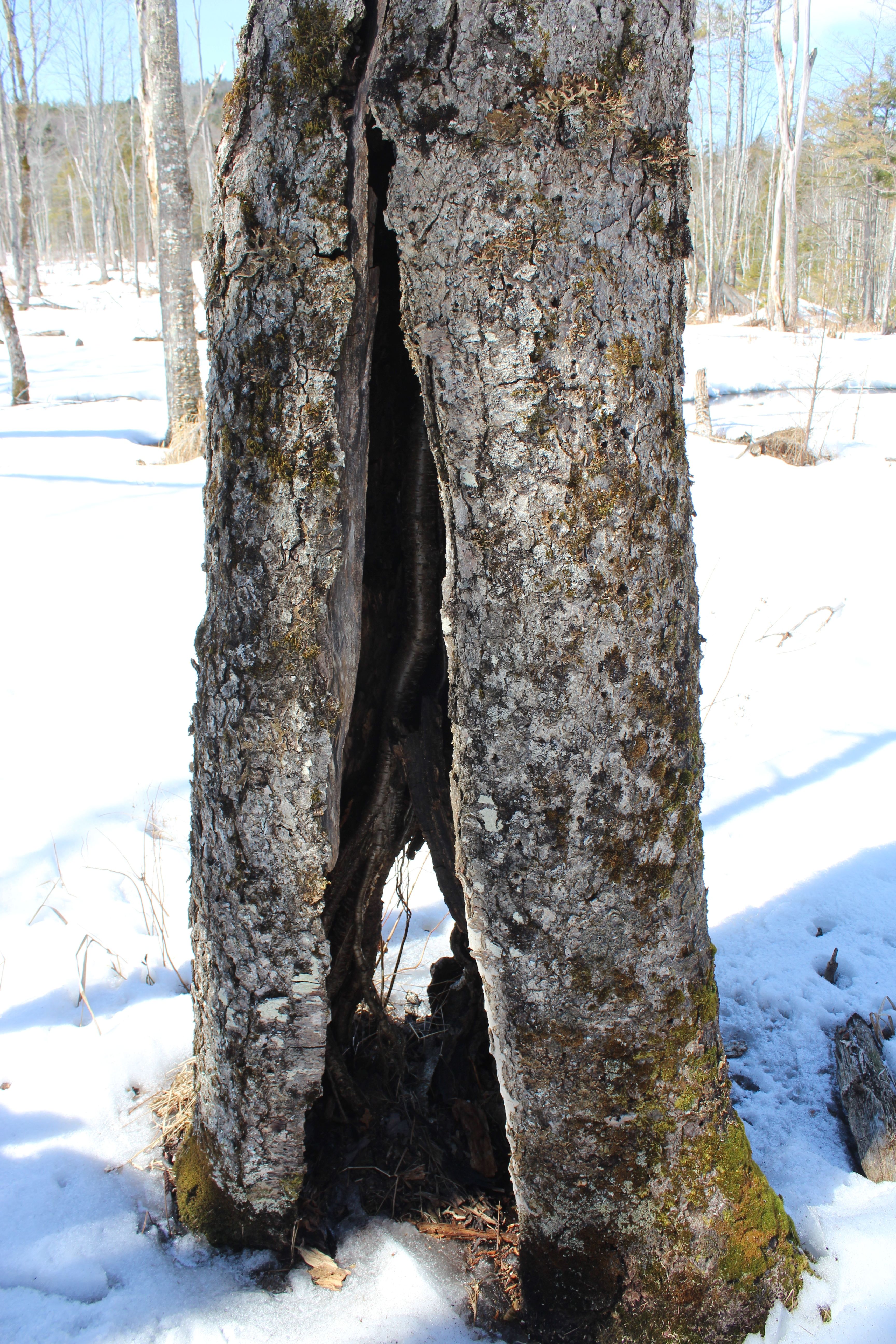
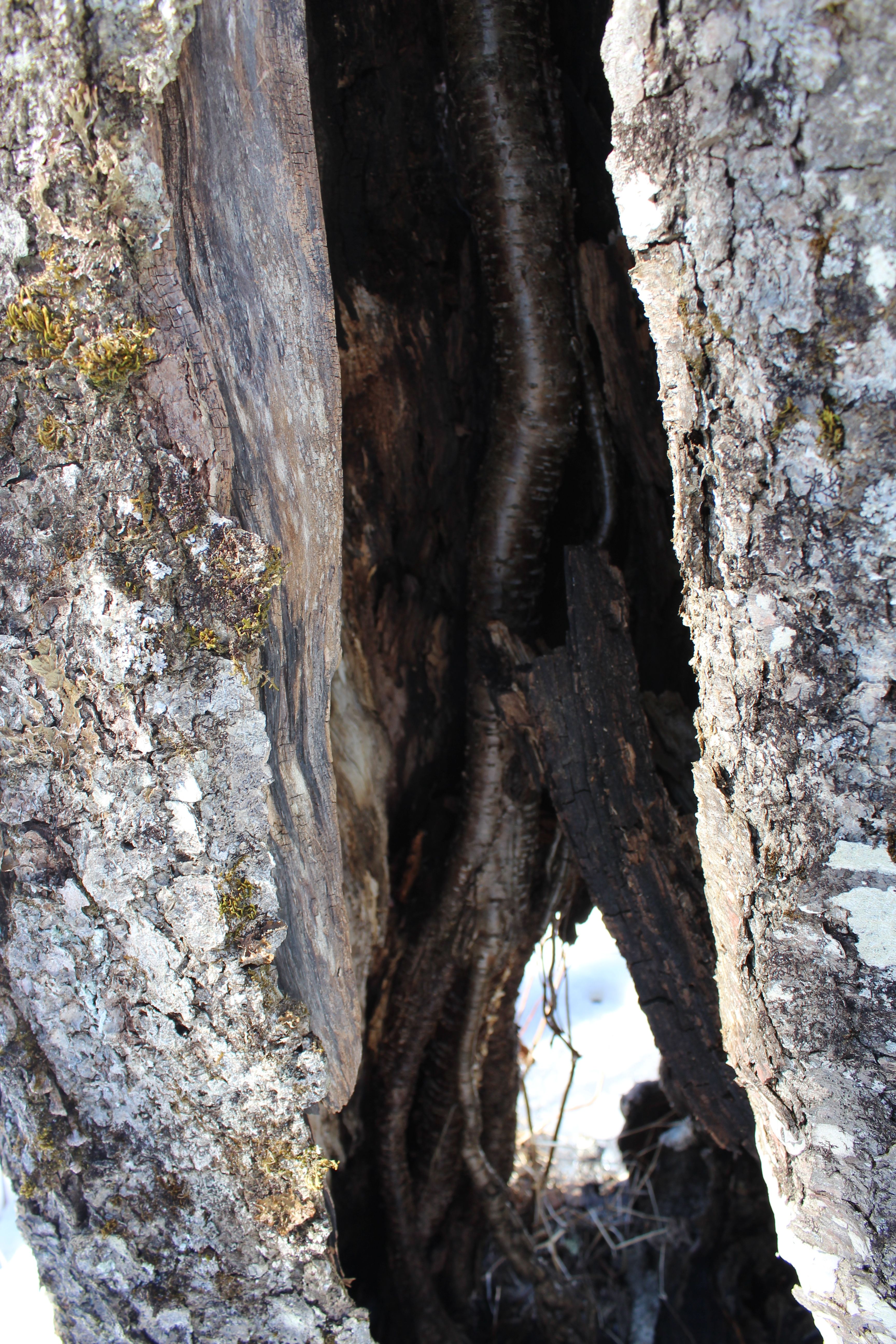
For this next wonder, you’ll have to look closely inside the hollow yellow birch. Peer to the left of the hole toward the rear. Think vertical.

tree 2

Do you see it? It’s in the center of this photo.

tree 3

And here it is further up in the hollowed out tree. A tree within a tree. Another yellow birch or birch root growing up through the center of this dead snag. Life and death. Together. One within the other.

spider

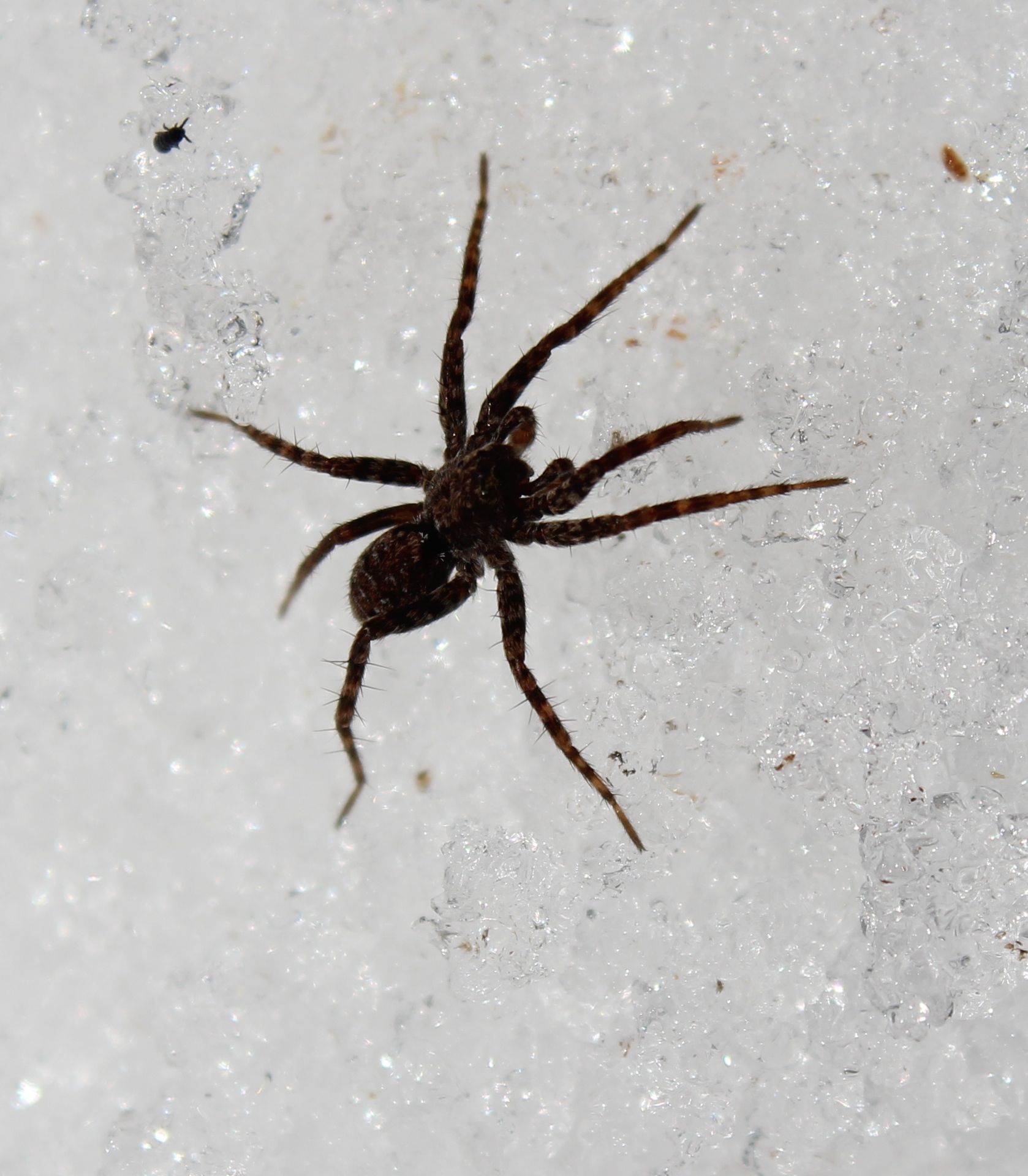
This guy was dashing across the snow, but had the decency to pose for a photo op. Given that he wasn’t wearing boots, I don’t blame him for running along.

crossing dam again

And suddenly, we realized we’d spent over three hours exploring and it was time to head back over the beaver dam.

white pine

On the trail again, we paused to admire spring growth on a small white pine–a mini candelabra.

Thanks for wandering along and wondering my way.

Speed Date

dunning bridge

Some Mondays we only have time for a quick trek. Such was the case today, so we walked down the  street and headed off on the trails in Pondicherry Park. We actually exited a couple of hours later via this bridge, but it’s the entrance most people use and a work of art. The Bob Dunning Memorial Bridge was built by master craftsmen and women, family and friends to honor Bob, himself a master craftsman who was taken from this world much too early. One of my favorite  features is that each of the sixteen crossbeams was created from a different tree species and the bark was left on all. For my Maine Master Naturalist capstone project, I created a brochure and slide show to help others identify the trees. The slide show is available on the LEA Web site and the brochure is available at the kiosk by the bridge (when I remember to fill it. My guy pointed out that it’s empty again–tomorrow, tomorrow.)

bittersweet

I know it’s an invasive species and this photo proves it, but I didn’t realize that for years. I used to cut it in November and use it for decorations. This is a bittersweet vine. It does make for an interesting scene. And provides the birds with lots of berries . . . which, um, provides the park and town with more bittersweet.

bittersweet up close

A closer look.

bittersweet on ash

It’s got a grip hold, that’s for sure.

MLSC1

Because it’s too early for leaves, the new Maine Lake Science Center stands out among the trees. This is a pet project of LEA (Lakes Environmental Association), where yours truly serves on the Board of Directors.

MLSC2

Last year, LEA purchased a sixteen-acre lot with an existing building adjacent to Pondicherry Park. The building is being renovated to serve as researcher housing, a meeting room, lab, education center and a park welcome center.

This is destined to become a hub for world-class lake research by providing support to researchers in Maine and beyond who come to study our lakes. While Executive Director Peter Lowell will continue to head LEA, Dr. Bridie McGreavy will serve as the director of the center. I’m tickled about that because she has always been one of my mentors. In fact, she taught me the joy of sniffing red fox pee. Yup, it doesn’t get any better than that.

MLSC3

We are the Lakes Region of Maine, and the lake science center will serve as the voice of change. We are on the brink of something really big here.

MLSC Bridie's view

Though she won’t officially work here full-time until 2016, this is part of Bridie’s new digs.

MLSC main conf room

And what once was a living room, dining room and kitchen is being transformed into a conference room. When my guy and I stepped over the stonewall and onto the property this morning, Peter happened to be pulling in so we had another tour. The building is on schedule to open this summer.

beaver 1

We looped back into the park because I wanted to check on the beaver works.

beaver 2beaver 3

Yup, they’ve been busy. Some of this work was done in December. But the tree on the left has been worked on since then.

beaver teeth

My, what big teeth you have. Their teeth, which never stop growing, are like chisels.

Beaver tracks Dec 5

I have to be honest. I took this photo of beaver tracks in December.

Willet brook

We paused quickly at Willet Brook.

new uniform

But we had to keep moving. As you can see, my guy’s uniform is changing. It’s a wee bit warmer in these parts.

Stevens Brook

And then we were back on Main Street and heading homeward bound. Our speed date had come to an end. I didn’t even bother to make PB&J.

Thanks for stopping by and taking a quick wander with us today.

Island Hopping

island 1

Off on a care-free holiday in . . . Lovell, Maine. What sets it apart is the variety of islands. And, I suppose, the ferry service between each.

island 2

A naturalist friend and I set off on our grand adventure at the John A. Segur Wildlife Refuge this morning. This is a 598-acre refuge owned and cared for by the Greater Lovell Land Trust. We hopped, more like sloshed on snowshoes, from one island to another as we discovered the highlights of each.

mushroom 1

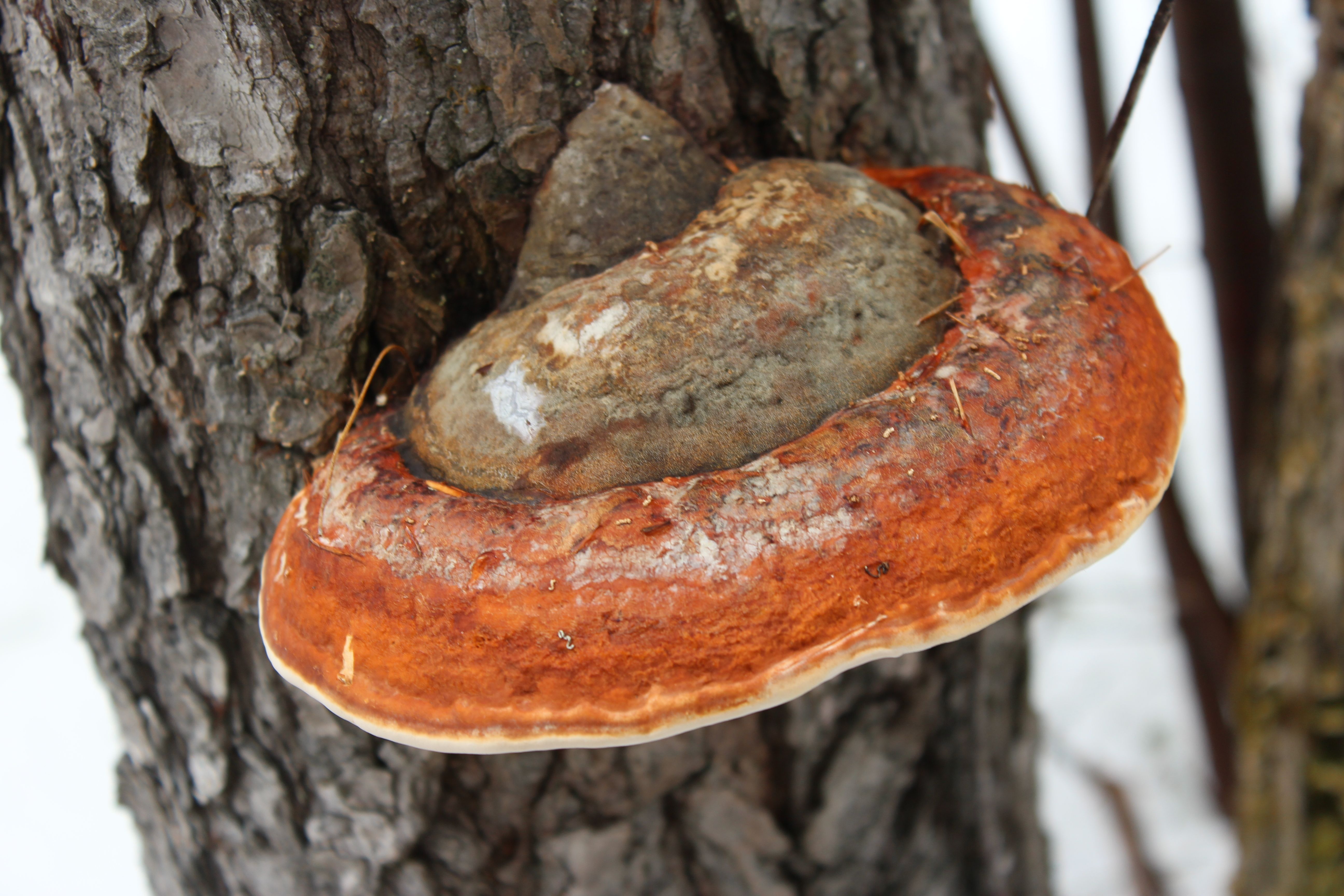
Red-belted Polypore Fomitopsis pinicola

Like on any island hopping experience, we were quite taken with the breathtaking diversity of vibrant colors and textures. This is a red-belted polypore (if I’m right), Fomitopsis pinicola. I have another friend who is determined that I will learn my fungi, so I hope he’ll read this and correct me as I go along. He knows only the Latin names. I’m lucky if I can remember a common name. (Don’t tell Mr. Cretella, my high school Latin teacher.)

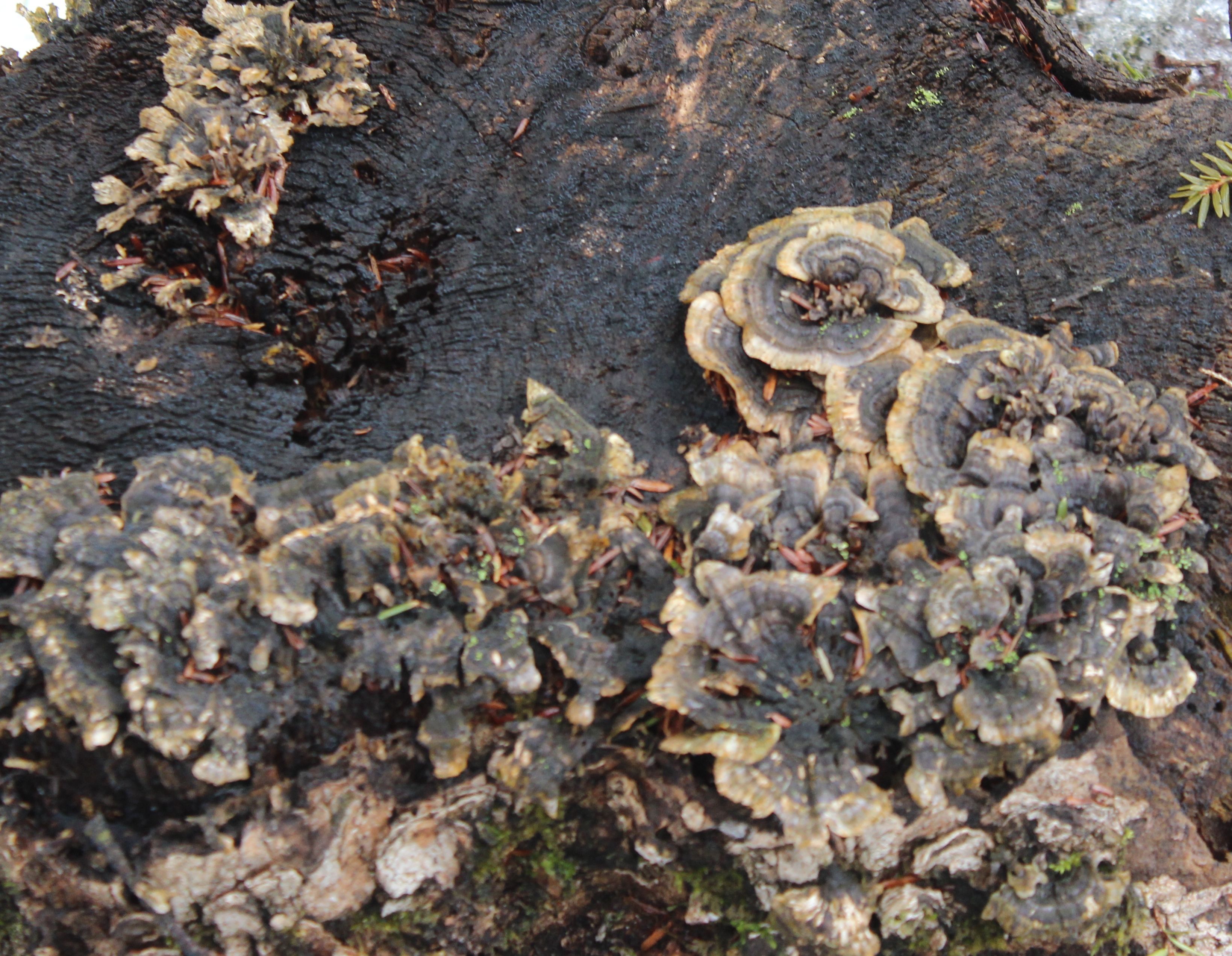
turkey tail

Turkey Tails (Trametes versicolor) were hanging out, doing their thing on some dead wood.

witches butter

More than once we were greeted by Witch’s Butter (Tremella mesenteric). I love butter, so this must be the good witch. (My PB&J sandwiches always include slabs of butter)

birch polypore

No island tour is complete without seashells. In this case, I think this is a Birch Polypore (Piptoporus betulinus) growing on the Yellow Birch. I’m thrown off by that wavy rim. Whatever it is, it’s beautiful.

British Soldier

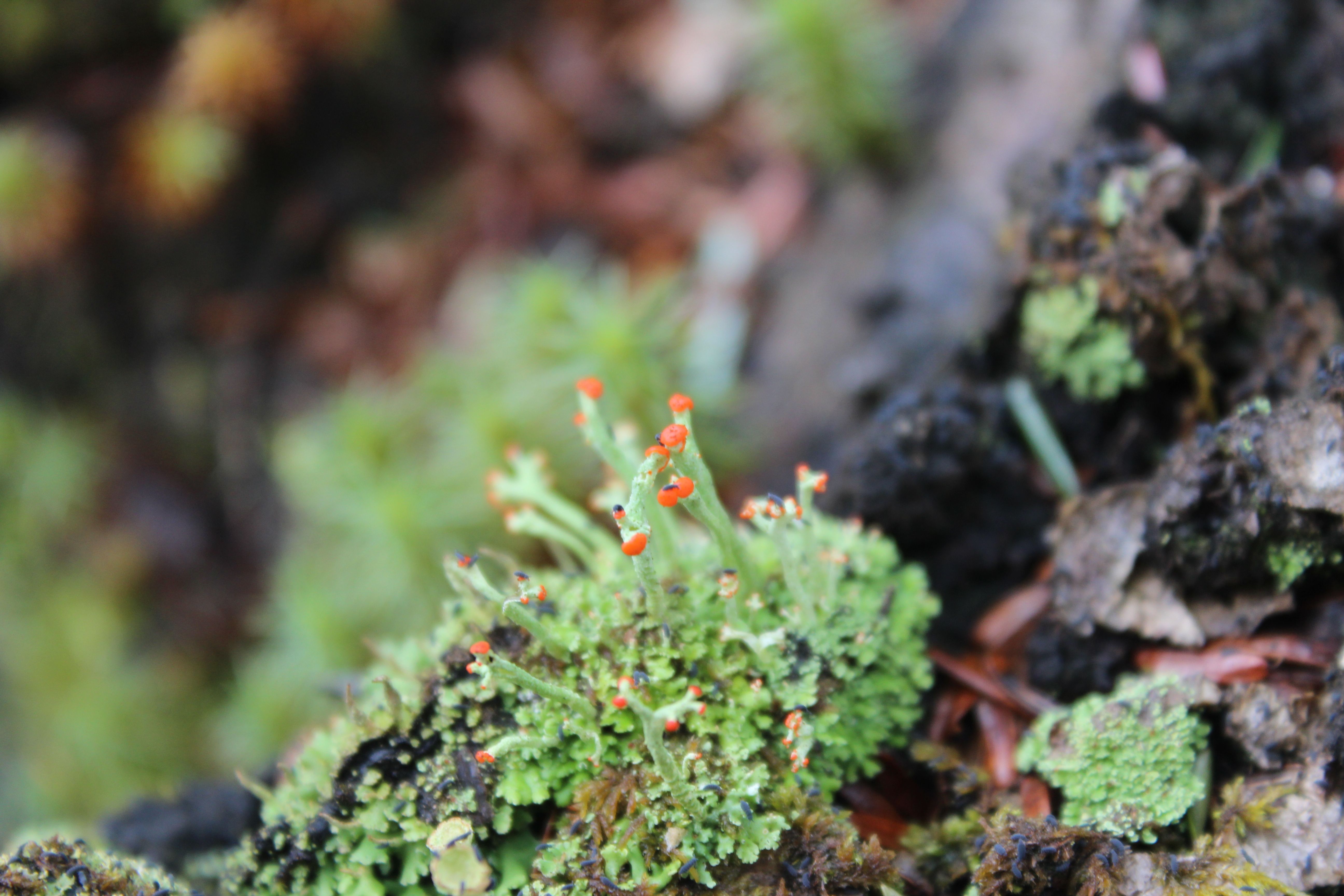
We didn’t just hang out with a bunch of fungi. British soldiers (Cladonia cristatella) were standing around, proudly inviting us to take a look at their red caps.

Kidney lichen

Yes, we took a liken to some other lichens as well. I believe this is Pimpled Kidney Lichen (Nephroma resupinatum).

lungwort

Being in the islands, we are on the cusp of the rainy season and the Lungwort (Lobaria pulmonary), was saturated and bright green. We had hoped we’d see it on this tour, and it didn’t lettuce down.

Mealy Pixie cup lichen

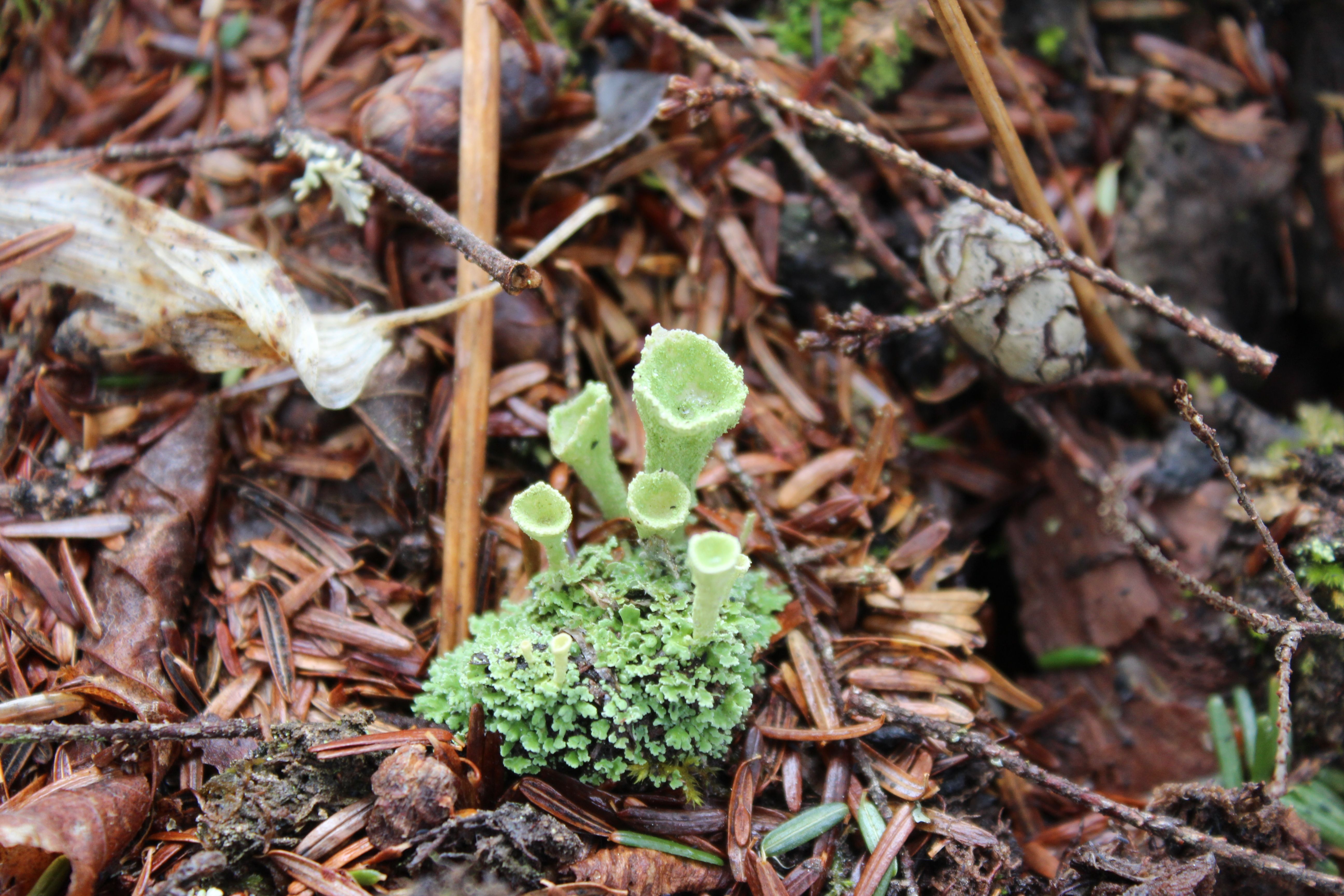
Are you still with me? There were so many more sights to see, including the Green Pyxie Cups, aka Mealy Pyxie Cups (Cladonia chlorophaea).

spore capsule, hair cap moss

I should have paid better attention, but this hair-cap moss is either Polytrichum commune, (Common hair-cap) or P. ohioense. I’m thinking the former, which has a spore capsule that is no more than 1.5 X as long as wide, while the latter’s capsule is more than 1.5X as long as wide.

antler piece?

No matter where we looked, either on the islands or on the sea of snow between each, we found evidence that the deer had visited before us. Tracks, scat and beds everywhere. And then we found this. A bone fragment that had been nibbled on. Maybe a piece of an antler?

deer hair 1

And this–deer hair.

deer hair 2

And this. Lots of deer hair beside the plug of hair above. What happened here? We didn’t have a guide to ask, but the story unfolded before our eyes. A deer sat down to spend the night under the hemlock tree. Its body heat turned the snow to ice. And when it stood up the next morning, the hair stuck to the ice. Anyway, that’s our story and we’re sticking with it.

porcy scat

If you’ve stuck with me through these wonder-filled wanders, then you know that I may include a photo of scat. In this case, an island native made itself known by the debris on top of the island and snow–porcupine.

porky den

A few minutes later we came upon its den. Porcupines are the pig pens of the natural world. Despite that, we were excited to find this.

island 3

No need, however,  to stick around there. We bounded (hardly) off to another island, glad that we were able to stop at so many destinations in a single day. And the best part is that when we visit again, we’ll find other treasured spots to explore.

Thanks for stopping by to wander and wonder.

P.S. And take a look at my friend’s site–her photos are amazing and the map of our walk shows just how nature distracted we are.

Our Three Hour Tour

HP sign

One of our favorite places in town is a hidden gem–Holt Pond Preserve. We parked at the corner of Chaplin’s Mill and Grist Mill Roads, grabbed our snowshoes and backpack from the truck and walked on snowmobile tracks across the field to begin today’s Mondate.

Tingley Brook

Tingley Brook

At the field’s edge, we passed under the hemlocks, beeches and oaks and into the wild and delicate beauty that the preserve offers.

Tingley Brook ice 1

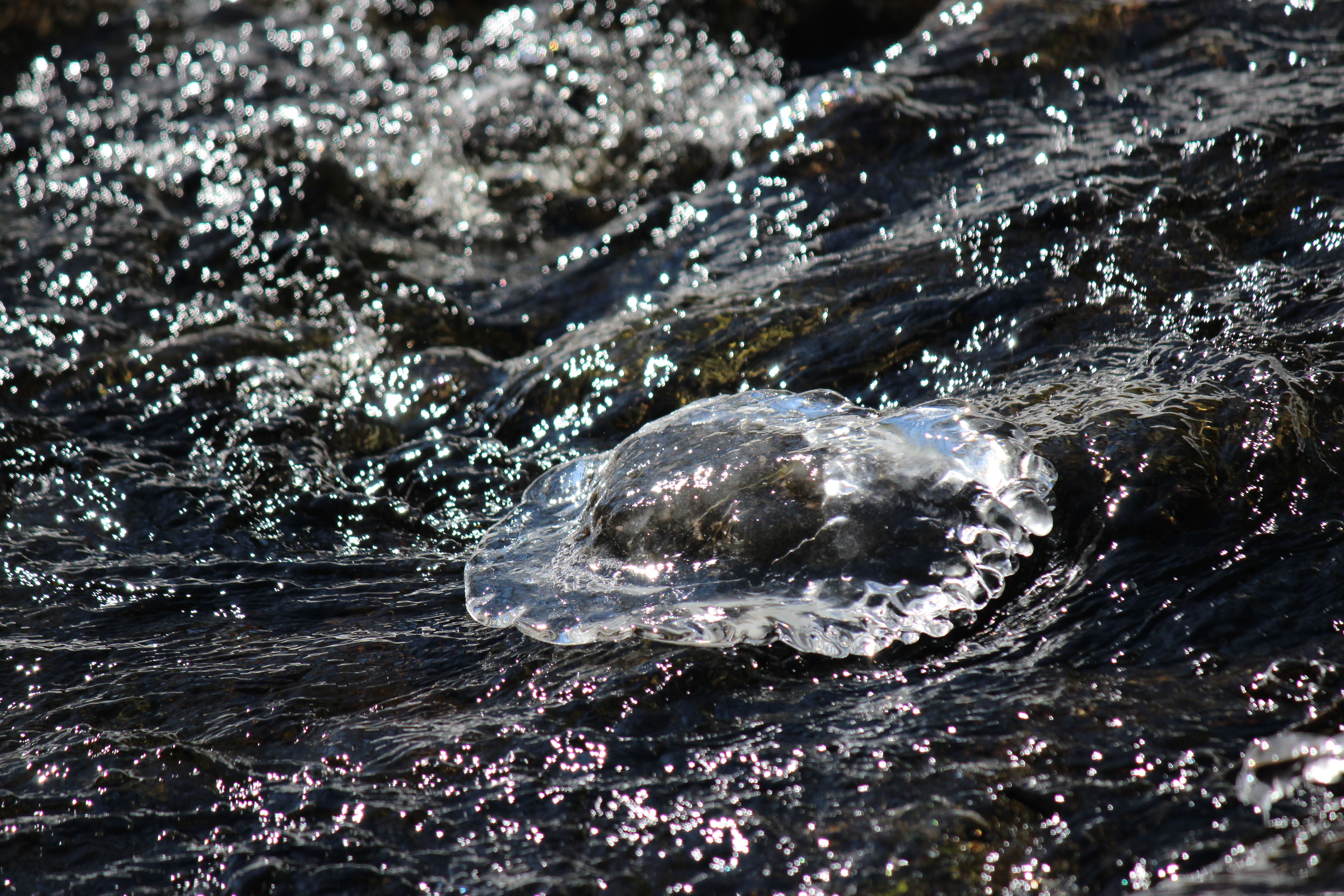
The midmorning light added subtle hints of aqua and pink as the water danced around an ice-capped rock in the brook.

mushrooms and hole

We saw lots of tracks from the mustelid family, as well as snowshoe hare, fox, squirrels, mice and voles. Also, turkeys and grouse. I’m not sure what made the hole and dirt trail beneath the mossy maple mushrooms near the base of this Red Maple. I would not have seen it if I hadn’t leaned in closer to take a photo. I do happen to know that gnomes frequent the area, so just maybe . . .

canoes

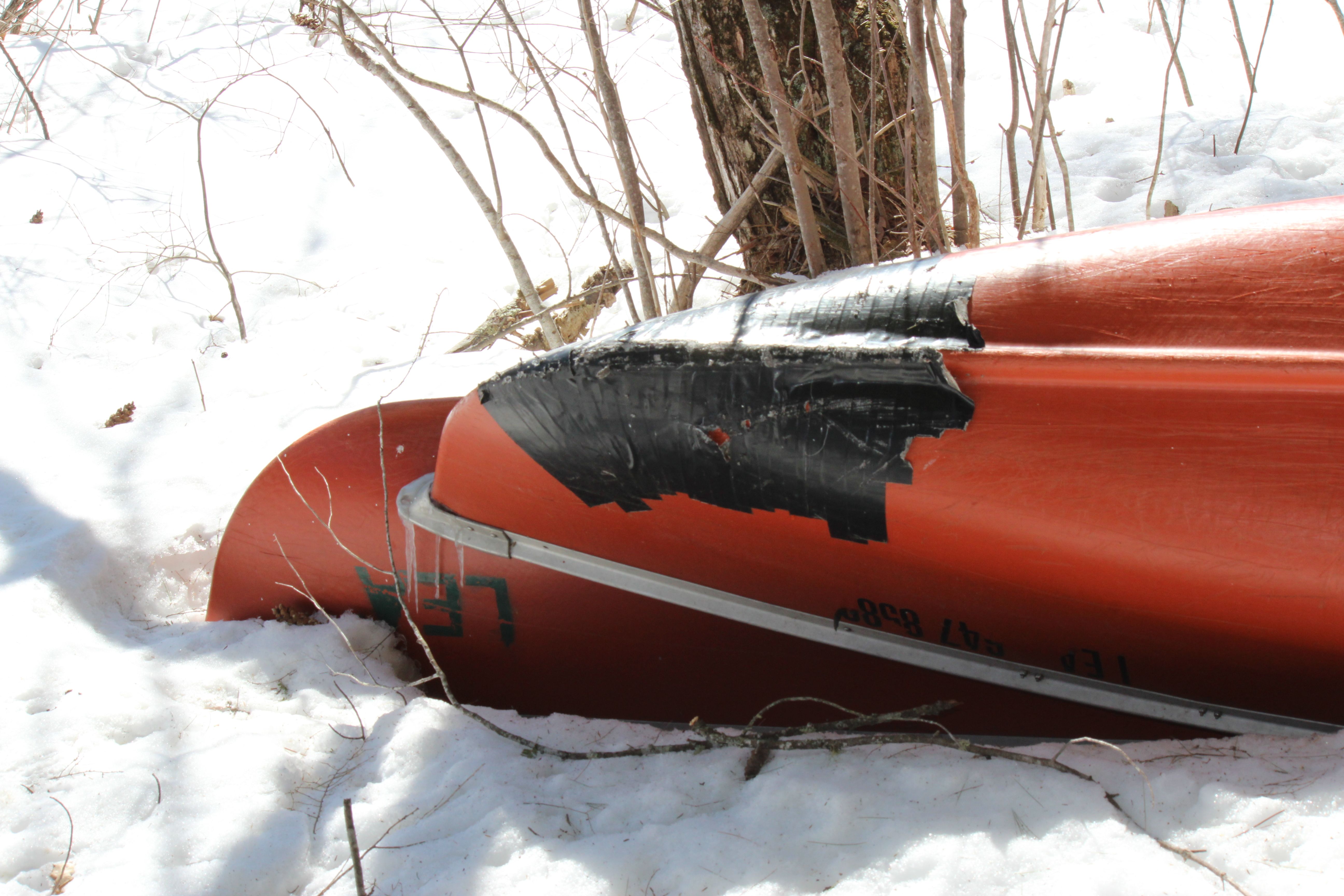
We continued on, crossing Tingley Brook and then making our way beside Muddy River, where the Lakes Environmental Association (LEA) leaves these canoes for anyone to use. Bring your own personal floatation device, paddles, and duct tape. I know where you can purchase duct tape, should you need more. :-)

beaked hazelnut

Near the canoes–a lone beaked hazelnut. Inside this bristly tan husk is an edible nut. Doesn’t it look like a gourd? The name derives from that tube-like protruding beak. I couldn’t believe it was still there as the protein-rich nuts are favorites for red squirrels and chipmunks, as well as ruffed grouse, woodpeckers and blue jays. Humans too.

to Muddy River

We never actually wore our snowshoes today. I hauled mine around on my pole, while my guy stuck his between his jacket and sweatshirt. He said he didn’t need his back scratched for the entire trip.

River to pond

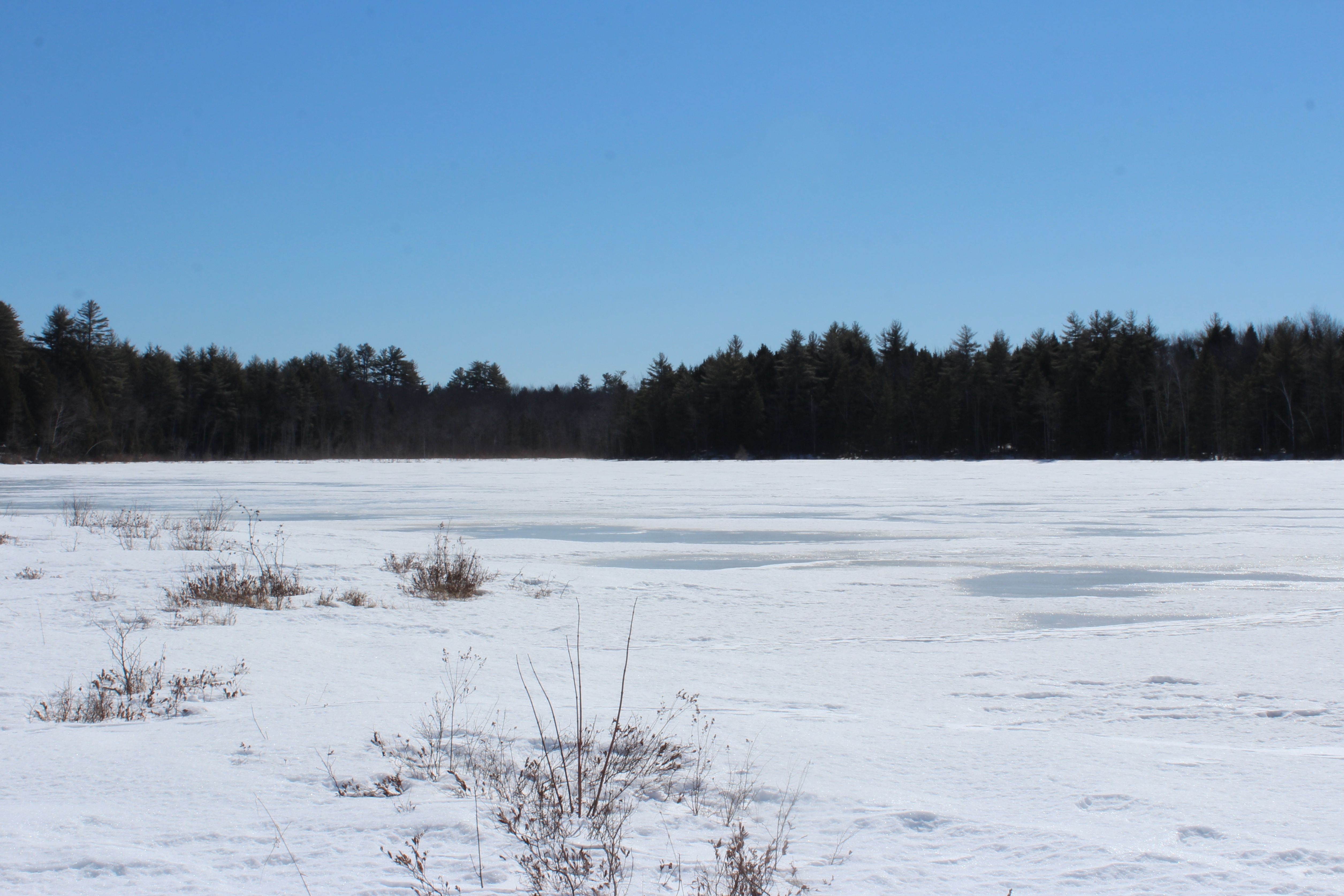
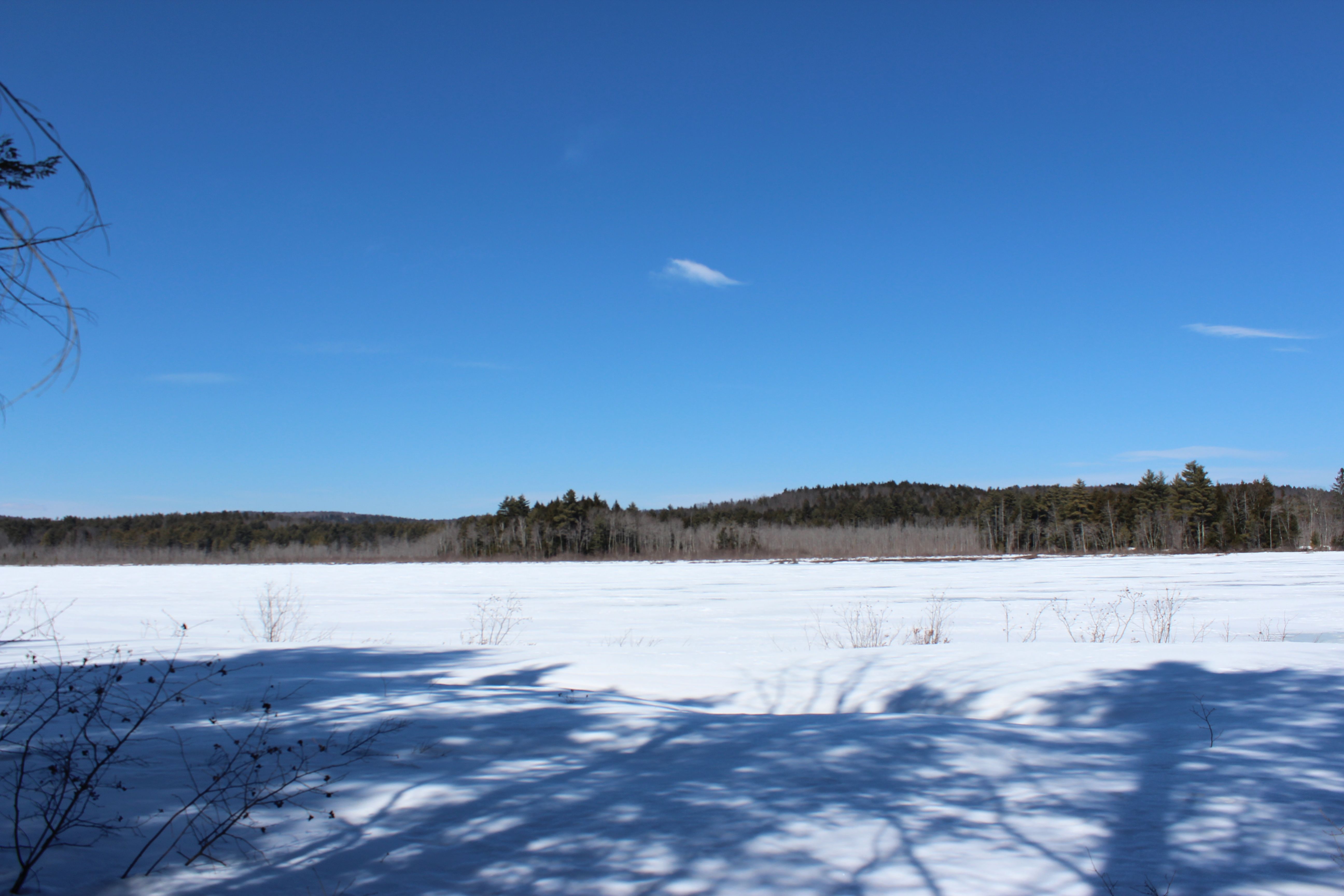
Looking toward Holt Pond from the boardwalk by the Muddy River.

There was only a slight breeze, so the low temp was modified by the brilliant sunshine. Another beautiful day in Maine.

Red Maple Swamp

I think one of my favorite features about the preserve is that the habitat keeps changing–from hemlock groves to red maple swamps to alder thickets to a quaking bog.

Quaking Bog

Though you can’t tell in the winter, the quaking bog is a thick mat of vegetation that formed over the surface near the edge of the pond. A board walk passes across it and one of the fun things to do with a group of people is to have everyone jump at the same time and watch the bog quake. This is also a great spot to visit alone–for quiet reflection.

Holt Pond 1HP South

Views at the pond’s edge–north and south

HP from southwest

We stopped at a rock in a sunny spot along the South Shore Trail to enjoy lunch al fresco. PB&J never tasted so good. Topped off with ice cold water and some Ghirardelli chocolates. :-) As we continued along, we paused to look back across the pond toward the Quaking Bog.

Sometimes we chatted and other times we were each lost in our own thoughts and moving at our individual paces. Similar to my NDD (Nature Distraction Disorder), my guy has his own syndrome–Destinationitis. But, he’s learned to compensate by pausing until I catch up . . . and then he’s off again. That’s OK–it gives me time to spend in my own world.

feathers one

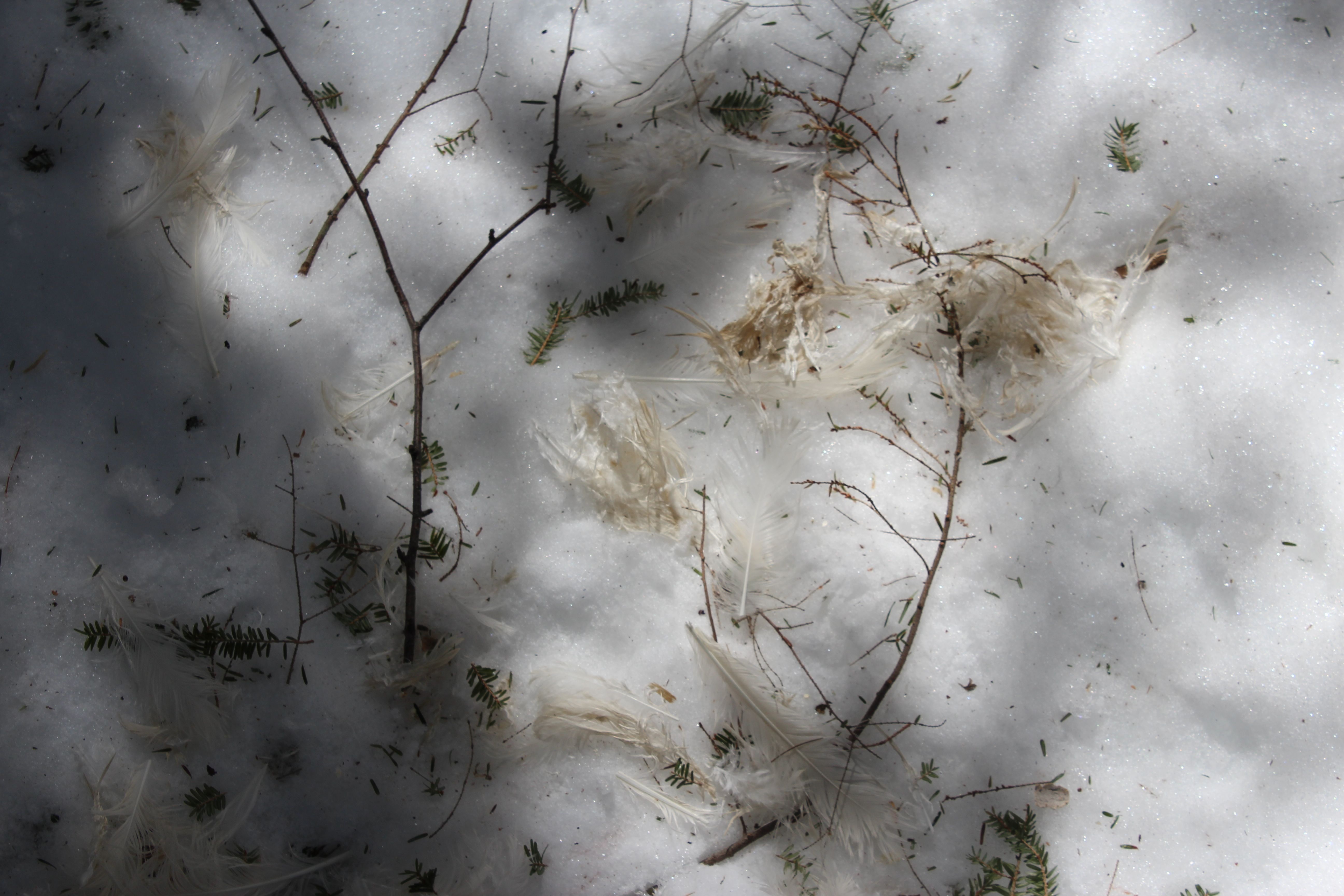
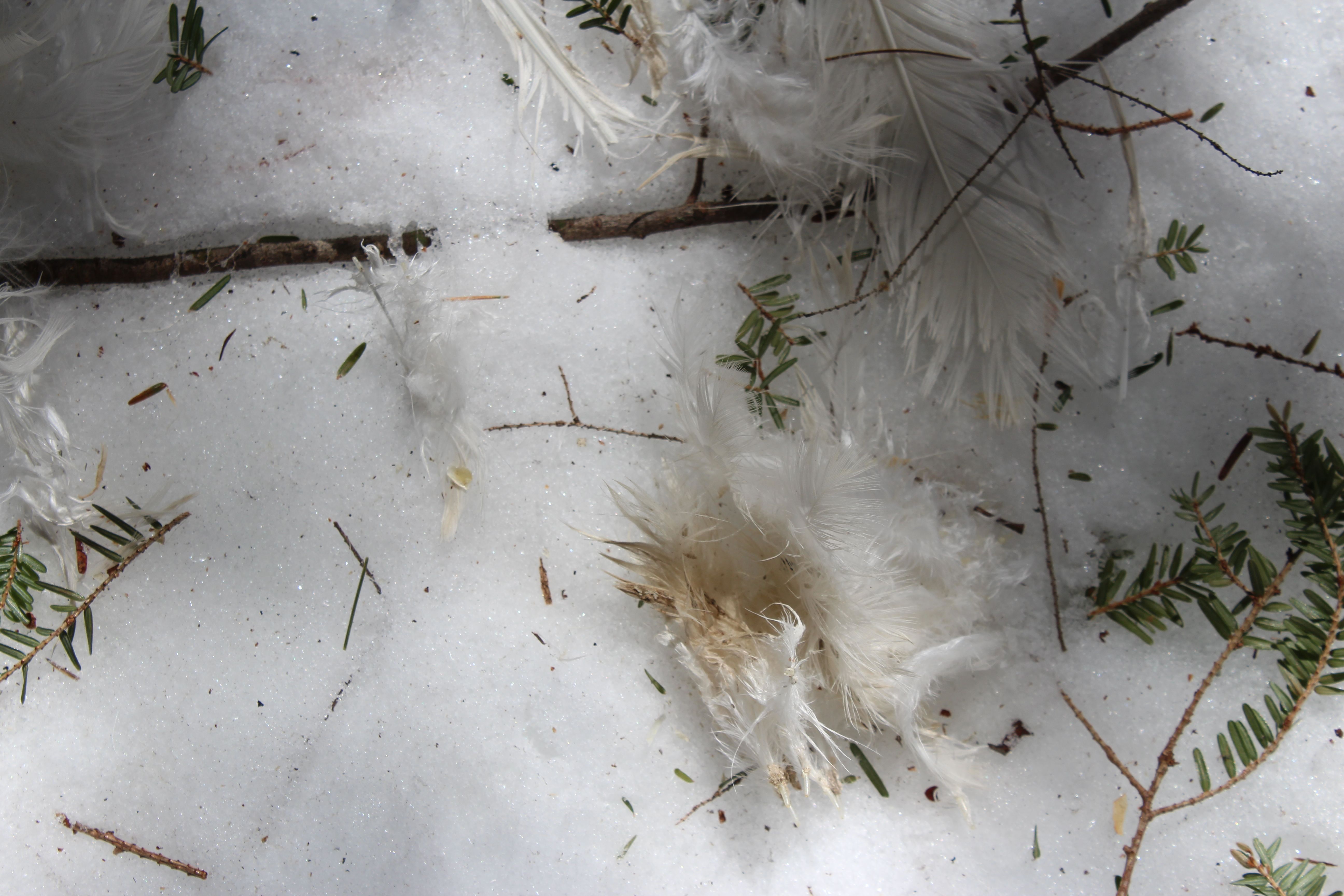
At the edge of a field (we know it as “The Field” because it’s the end of a section of trail that we keep maintained for LEA), we both stopped to look and wonder. Under a hemlock tree and in the middle of the trail, we found these white feathers. Don’t you just love a mystery?

feathers 2

Here’s another look. Some had sheer cuts; others looked plucked. No great place to hang out above. If you know what bird this was or what happened here, please enlighten me.

horse

At least five miles later, we were back on Chaplin’s Mill Road headed toward the truck.

Thanks for stopping by again to wonder my way. I hope you enjoyed the three hour tour.

Sightings Along the Snowmobile Trail

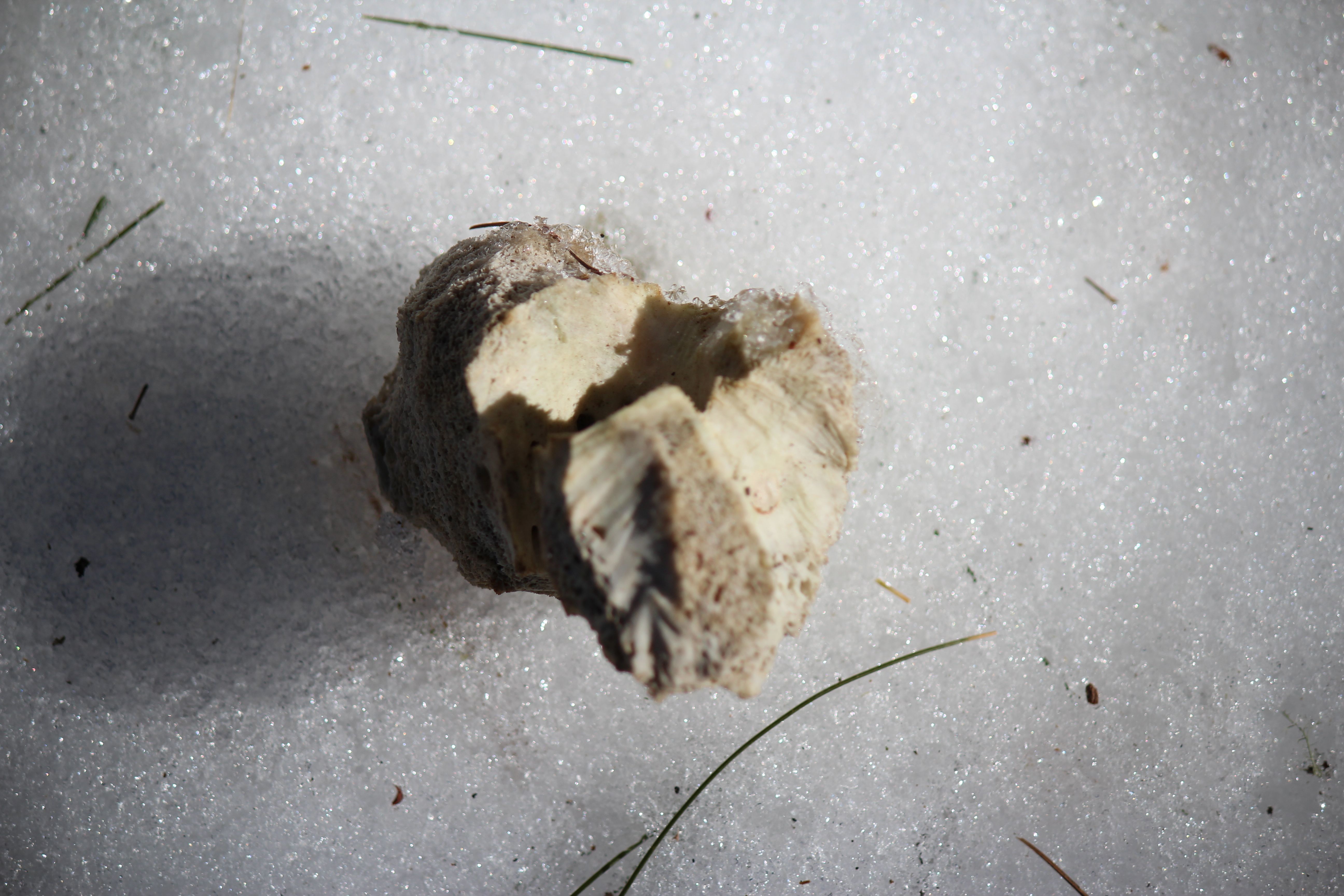
bone mystery

Today’s walk began with a mystery. I actually first saw this about a week ago and wondered about it, but then it slipped my mind–a bone found at the base of a pine tree along one of the trails in our woodlot. A vertebrae? Deer? Or something from the meat market? Our neighbors’ dogs have surprised us before, but I didn’t see any sign of their tracks near this. Maybe it had been under the snow for a while and they left it months ago?

chew marks

Whatever it is and however it got there, it’s providing calcium to little brown things.

tipsy pole

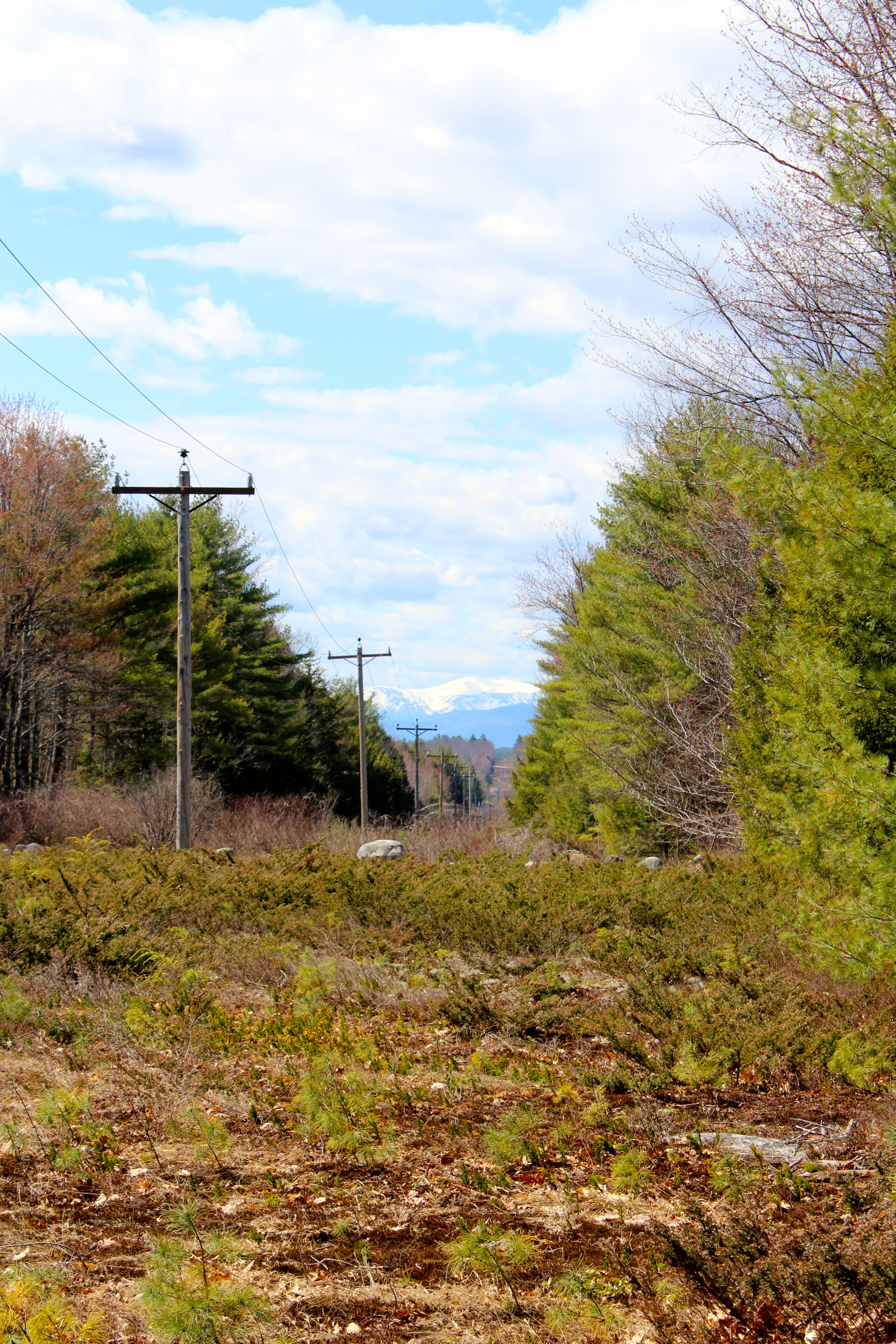
We decided to head north along the snowmobile trail. It follows the power line and is a major thoroughfare in this section. Some of the poles are a bit tipsy. Too much to drink? We know from experience that they have wet feet.

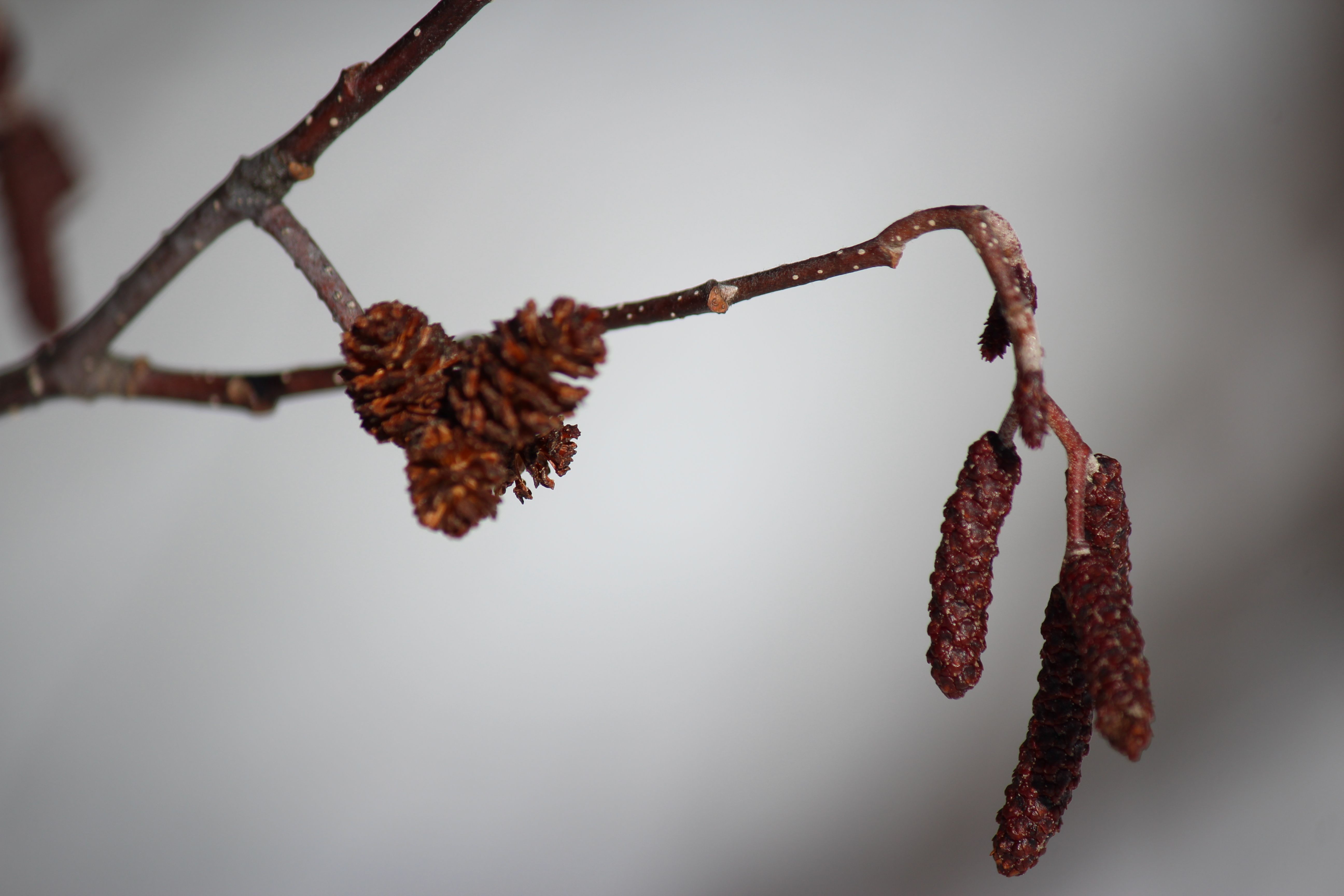
alder

Speckled Alder love the wet soil and are prolific along this section of the power line. Today, their burgundy brown catkins were aglow in the late afternoon sun. The longer male catkins form in the fall. The females, which are much smaller and closer to the trunk, develop into dark brown cones. Alders are pioneers, meaning they’re usually the first species in the transition of cleared land back to forest. I’m trying to learn the differences of catkins among tree species so please hang in there with me (pun intended).

gray birch catkins

I couldn’t reach to get a better look even though the trees were arched over the trail, but these are the male catkins of Gray Birch  (Betula populifolia), dangling near the tips of the twigs. While the males can grow to about three inches long, the erect female catkins will be found among the new leaves and are only about 1/3-inch long.

paper birch catkins

Like the Gray Birch, the Paper Birch (Betula papyrifera), develops catkins in the fall, which remain dormant over the winter. As the leaves develop, they’ll mature. The male catkins seen here are in the typical arrangement of groups of three that droop from the tip of the twigs.

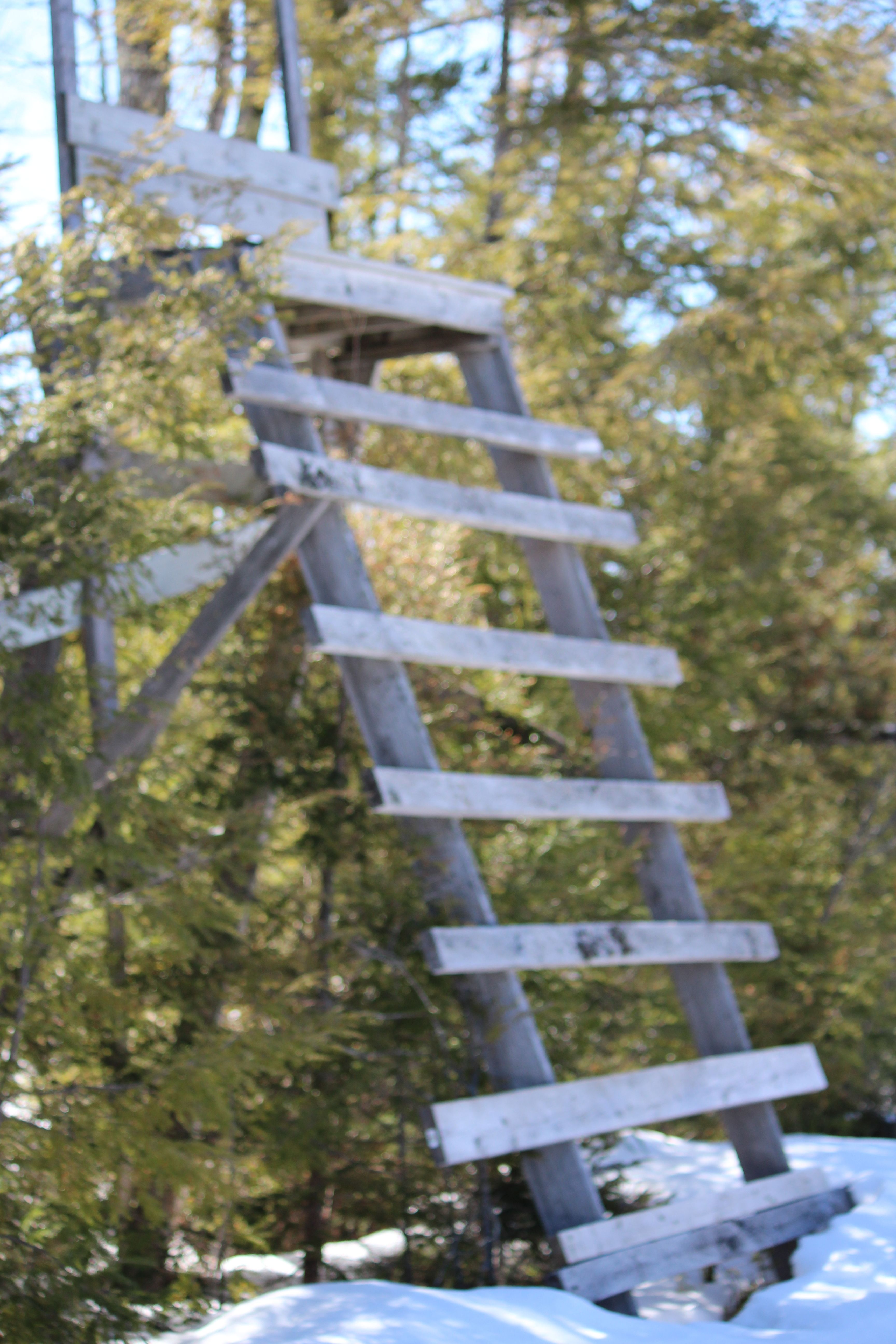
deer stand

There were other things to see along the way, like this deer stand that has been beside the trail for as long as we’ve lived here. I assume it’s still used because it’s in good shape.

To me, it looks like a lifeguard chair. That reminds me–today was definitely not a beach day. Sunny, but still blustery and cold. Nothing some hot cocoa with Peppermint Schnapps couldn’t cure after our walk.

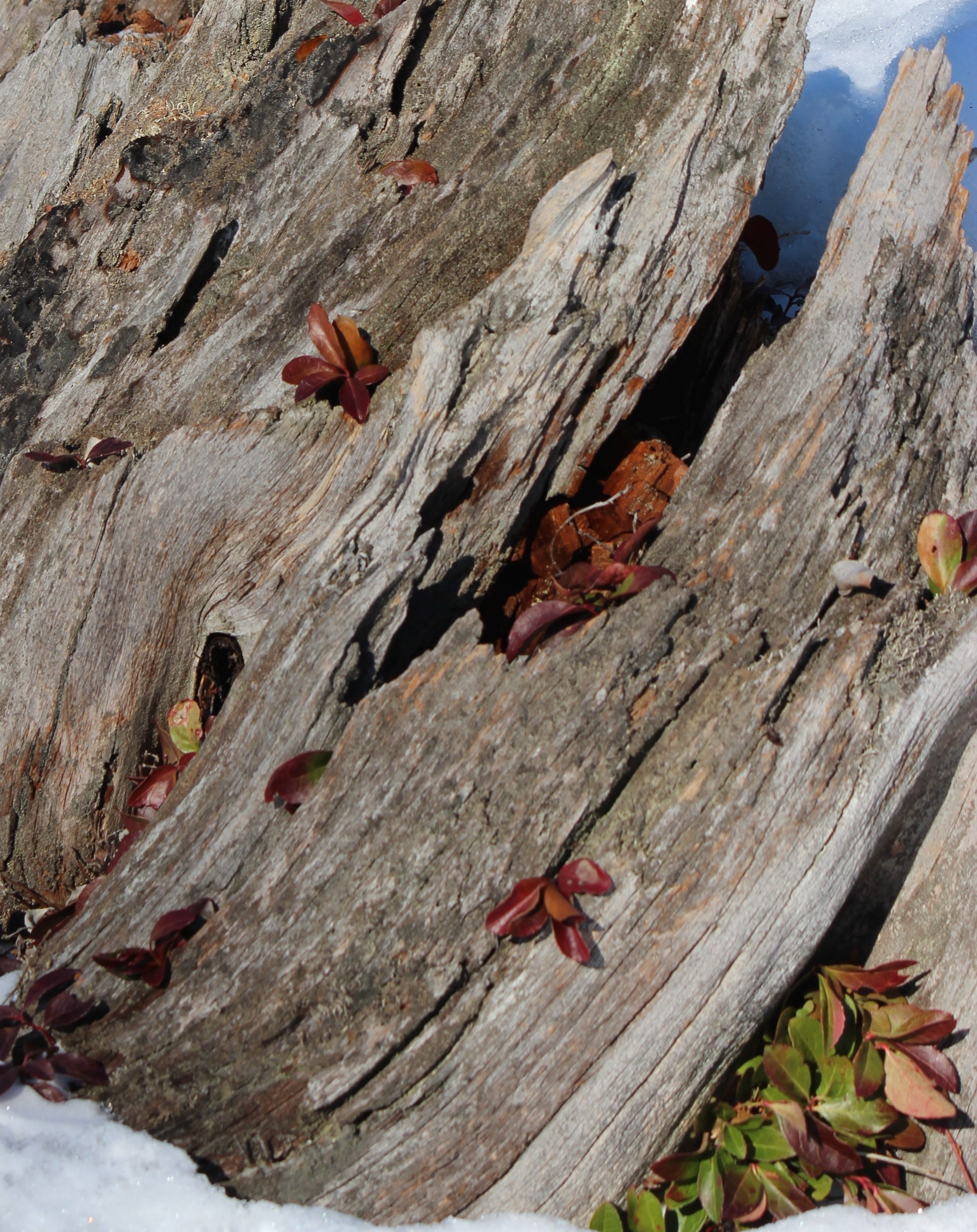
teaberry

As the snow melts along the trail, more and more wintergreen appears. For the most part, the leaves are still showing their fall foliage red, but some greening is taking place. And I saw very few berries so I have to assume that they provided sustenance to the grouse, squirrels and deer that share this space.

flower pot

One of my favorite finds today was nature’s flower pot.

And I’ve been looking for signs of moose in the area all winter. I usually find their tracks, scat and beds somewhere around here. We’ve had the joy of seeing them from our kitchen window during different seasons. But it’s been a while. Finally, today . . .

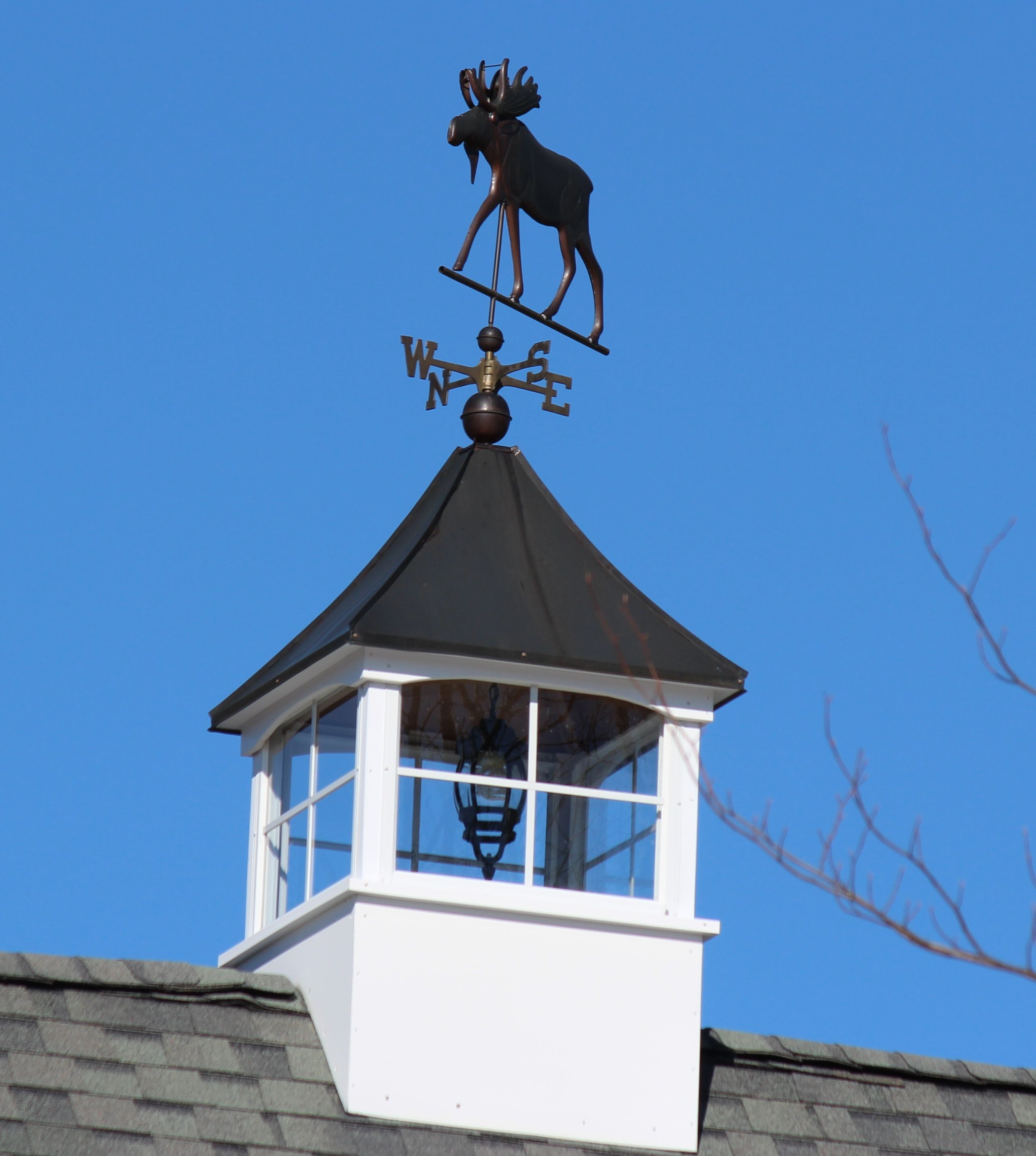
moosr

atop a barn where the trail intersects a road.

Thanks for wondering my way once again.

My Native Land

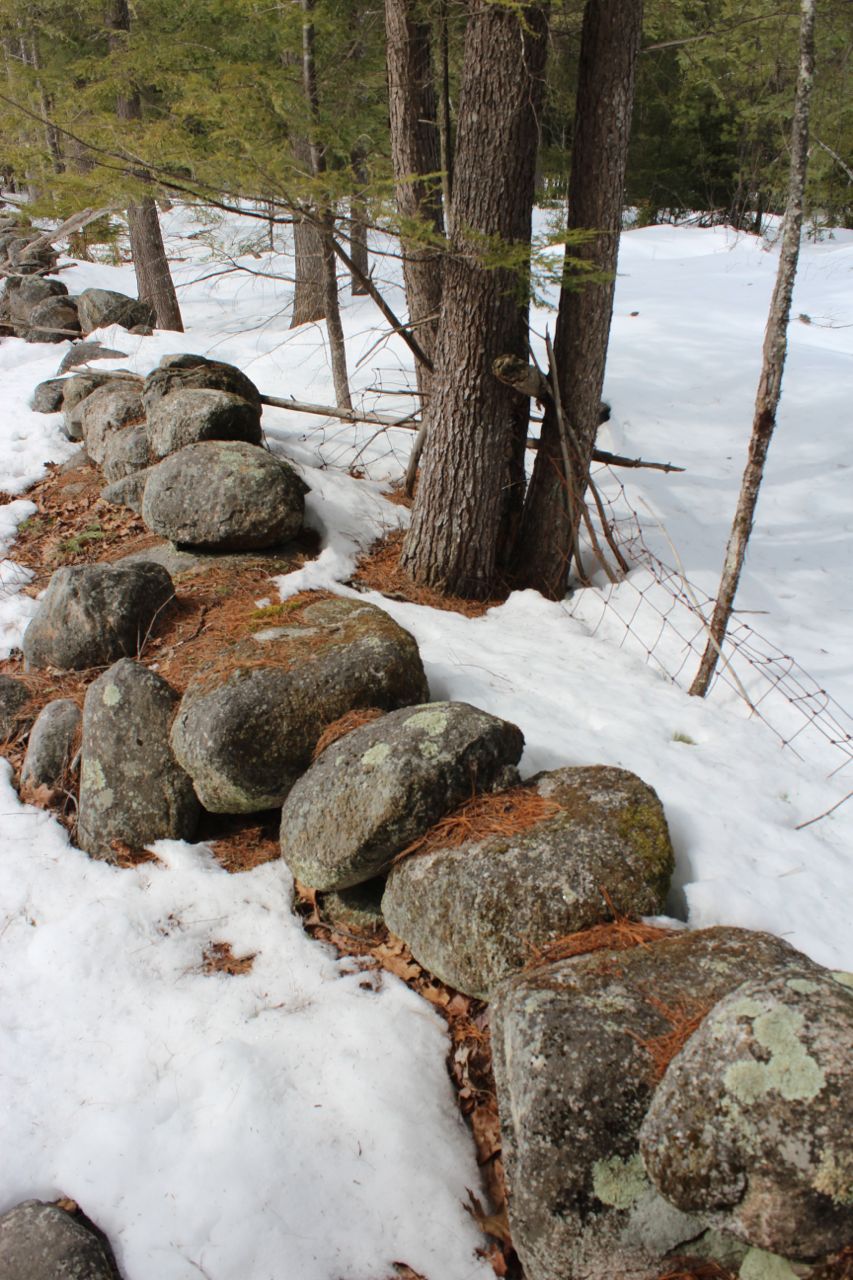
stonewall

As winter draws to a close, I head out to capture its fleeting moments. The snow is here today, and will be tomorrow, but it’s changing in texture and amount. And all that has been covered and protected is slowly emerging.

vernal pool

It won’t be long before the vernal pool teems with life. Already, deer and skunks have stopped by.

bobcat

I ventured deeper into the woods behind us, into my smiling place, without snowshoes. That meant I had to follow my old tracks, which deer and a coyote had also used. And then I saw signs of commotion on the snow and some tracks that crossed my trail. Drats–without snowshoes, I couldn’t follow it. Will I ever learn? I certainly wouldn’t make a good Boy Scout! “Be, be, be prepared, the motto of the Boy Scouts.”

Anyway, bobcat tracks always make my heart jump with joy. I’m not sure why. Perhaps it’s their wildness. Or beauty. The fact that they are solitary, elusive and oh, so clever. Coyotes are cool too, in their own way, but they are loud and gregarious.

old beech

As I walked back, I paused by this old beech. Mr. Cretella, my high school Spanish and Latin teacher, popped into my head. No, not because he’s old now, if he’s still living. It actually had nothing to do with the tree and everything to do with the tree. In my yearbook, Mr. C. wrote, “Never lose your desire to learn.” Those words have reverberated with me over the years. I don’t remember what anyone else wrote, but his sentiment struck a cord. Pretty amazing, given that when I took Latin I my senior year, I was forever substituting Spanish words if I didn’t know the answer on a quiz or test.

Back to the old beech tree. I guess it was the realization that this tree is in the process of breaking down and giving back and I never would have understood this before I took the Maine Master Naturalist class. Tomorrow I’m going to attend an MMNP advanced seminar and learn about bone biology. Huh? Me? Don’t worry–I won’t be able to astound you with my knowledge after a three hour class. But it’s that desire to learn that Mr. Cretella encouraged all those years ago. Thank you, Mr. C., wherever you are.

beech life

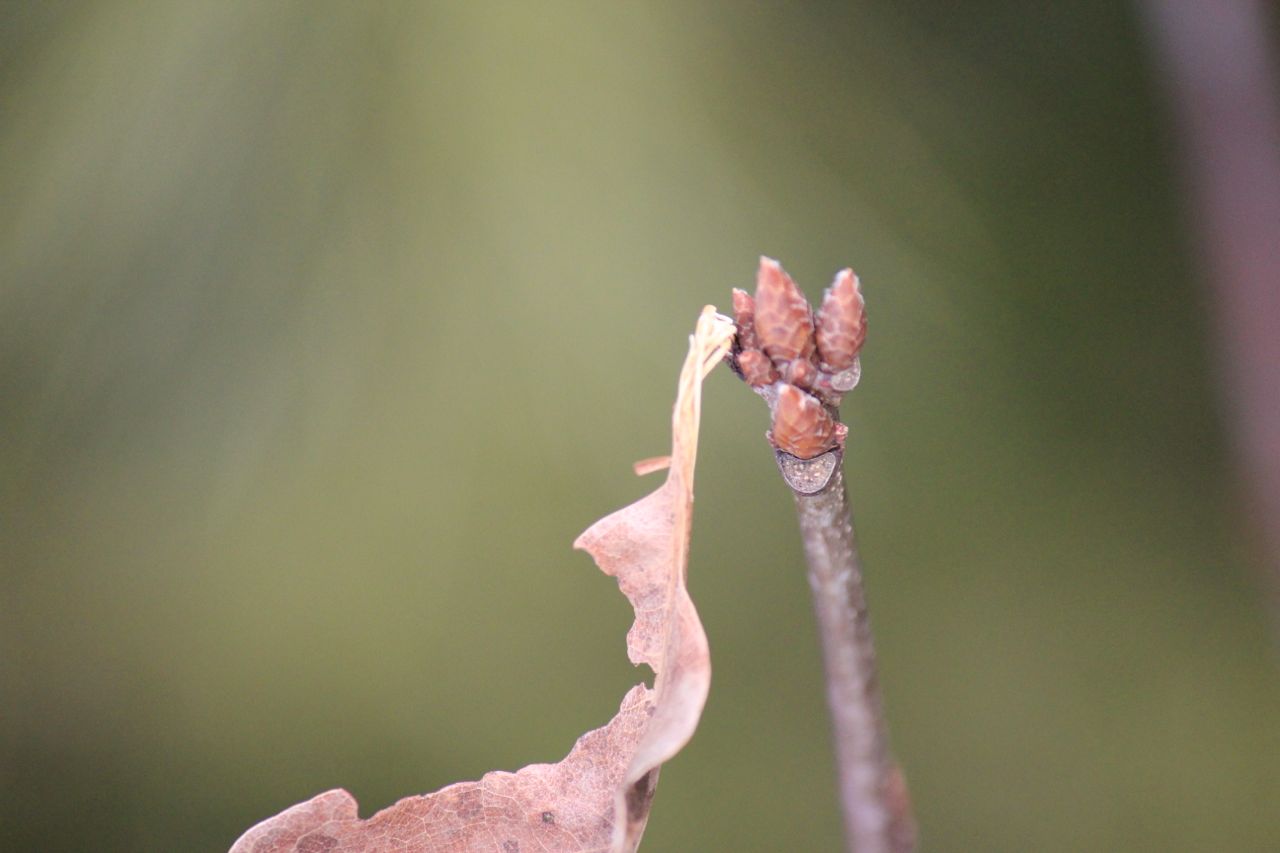
One more thing about the old beech. It still has signs of life as evidenced by the twigs with buds.

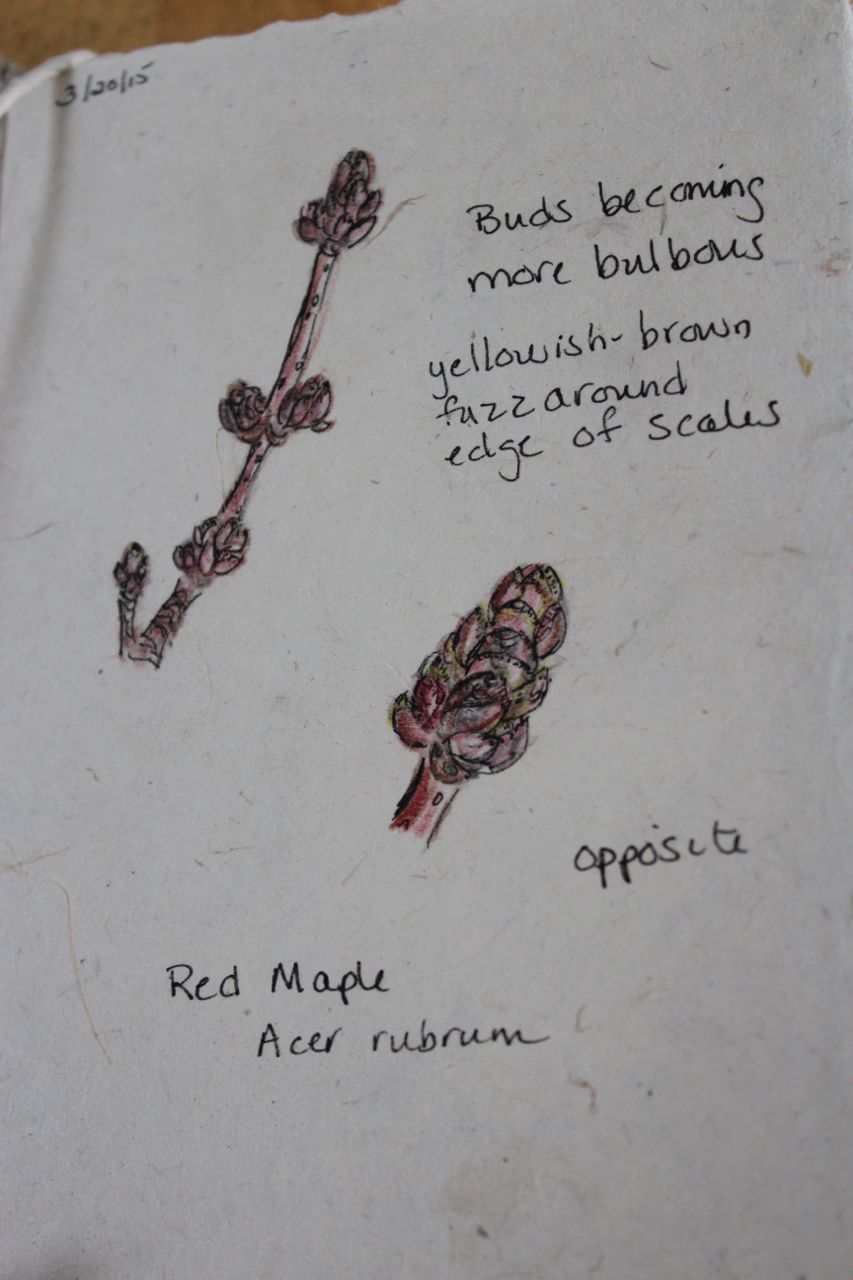
red maple

Finally, I settled down at the edge by the cow path and did some sketching because I don’t want to miss the grand moments in the lives of these trees.

red maple 1

Red Maple, Acer rubrum

red oak

red oak1

Northern Red Oak, Quercus rubra (oops, I forgot the “s” in the sketch)

beech

beech 1

American beech, Fagus grandifolia

Winter will draw to an end in an hour and 30 minutes (6:45pm). To celebrate spring, I’ve started reading a new/old/used book: Springtime in Britain by Edwin Way Teale. On page 2 (so I haven’t read much yet, but it isn’t spring yet), he writes, “Three centuries ago, an old English writer admonished the prospective traveler: ‘Know most of the rooms of thy native land before thou goest over the threshold thereof.'”

I’m still learning those rooms of my native land. I’m thankful for the opportunity and glad that you joined me on today’s wonder-filled wander.

P.S. Lake Living magazine is now being distributed throughout the Lakes Region of Maine. I’ll let you know when the Web site has been updated.