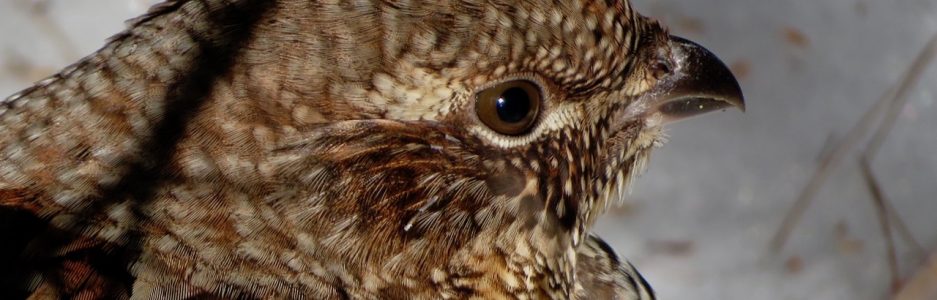
Book of January: A Guide to Nature in Winter by Donald W. Stokes

Stokes 1

Book of January

I have a number of winter nature books, but one of my go-to favs is A Guide to Nature in Winter by Donald W. Stokes. My copy is old (1976–it was a very good year–I graduated from high school) and a bit weathered, but that’s because it has seen frequent use.

Divided into eight field guides, Stokes covers all aspects of winter: winter weeds; snow; wintering trees; evidence of insects; winter’s birds and abandoned nests; mushrooms in winter; tracks in the snow; and woodland evergreen plants.

For each topic,  pen-and-ink drawings by illustrator Deborah Prince and the author are included in the key, as well as natural history descriptions.

The natural history descriptions are just that–Stokes’s descriptions are part of the story that Kevin Harding of the Greater Lovell Land Trust reminds us to share with others. Here’s an example: “St. Johnswort (Hypericum perforatum)–An old country custom in Europe was to hang a special yellow-blossomed plant in your window on the eve of St. John’s Day (June 24), in order to repel bad spirits and counteract the evil eye. In general, the presence of this plant was considered a good omen, and since it was thought that the plant warded off lightning and revealed the identity of passing witches, St. Johnswort was allowed to prosper around the farmhouse. It became known as St. John’s Plant or St. Johnswort (wort meaning “plant” or “herb”). When the plant immigrated to North America it left its traditions behind, and although still as effective as it probably ever was against evil, St. Johnswort is now seldom used for that purpose.” Of course, then he goes on to describe how the plant grows and the seed heads that will appear in the winter landscape.

One of the things I’ve learned from this book is to keep it simple. In the chapter about winter trees, Stokes encourages the reader to begin with the six most common deciduous trees: oak; maple; ash; beech; birch; and aspen. Learning these along with the evergreens provides you with knowledge about 80% of the trees in your forest. I’ve spent the last couple of years developing my bark eyes. I still have much to learn, but can eliminate the common species when I encounter bark I’m uncertain about.

It’s well worth taking the time to read A Guide to Nature in Winter from cover to cover–it’s an easy and enjoyable read. I say it won’t take long–unless you are like me and you pause to underline (yes, I mark my books up–even write in the margins, oh my!) details and take time to understand what you do see along the trail. I probably should invest in a more up-to-date copy, but I feel right at home engrossed in the one that I have.

And it’s also easy to turn to a particular chapter to figure things out. The simplified, illustrated keys should bring you quickly to an identification. And as I said before, the natural history description will further enhance your learning.

The book is available at Amazon.com, but if you live near an independent book store like Bridgton Books, then I strongly encourage you to shop there.

A Guide to Nature in Winter: Northeast and North Central North America, by Donald W. Stokes, illustrated by Deborah Prince and the author, published 1976, Little, Brown & Company.
Sunday Surprises

As I headed into my smiling place today, I was certain that I wouldn’t find anything of interest. But this Sunday wander made me realize that the gift of wondering means being open to surprises.

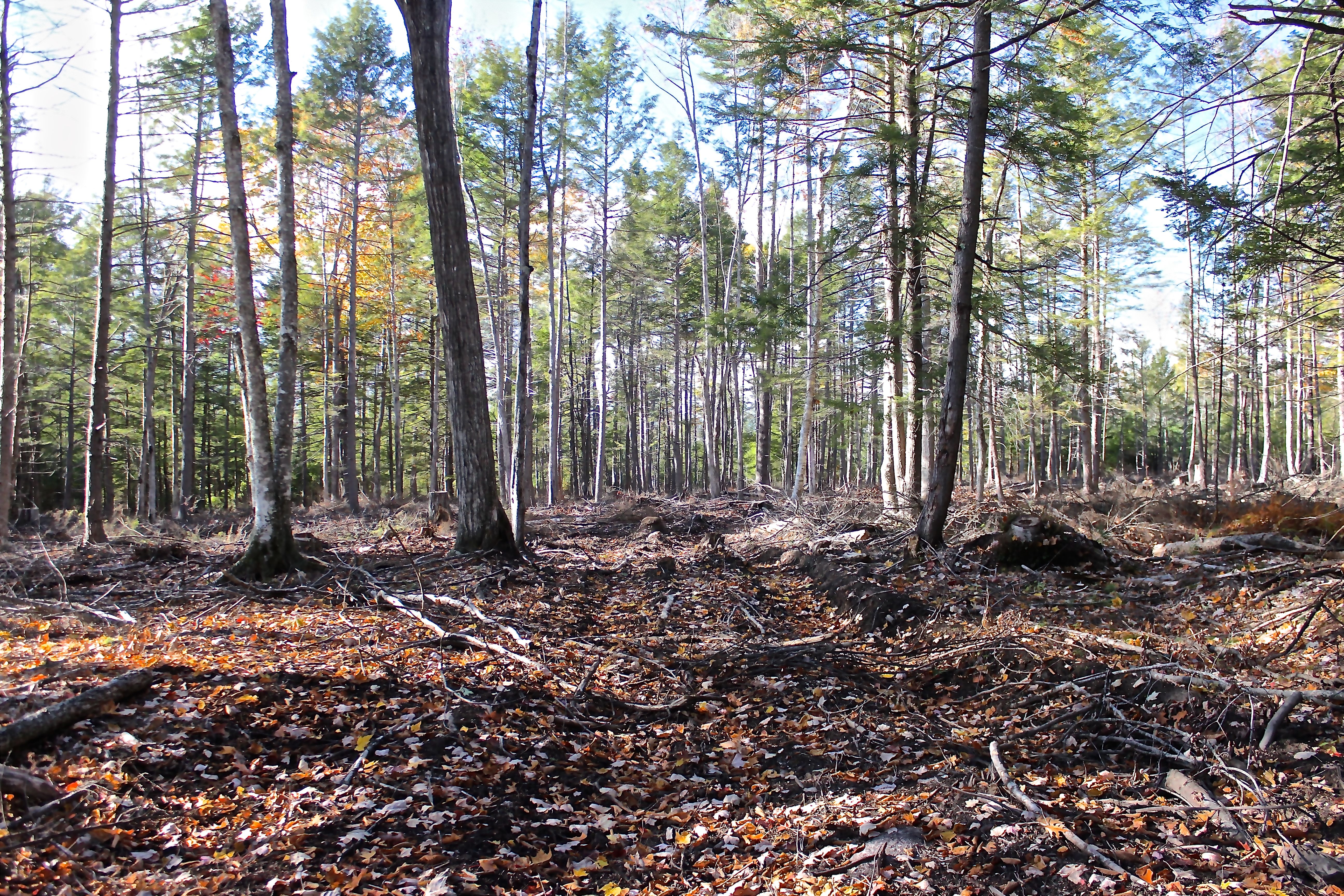
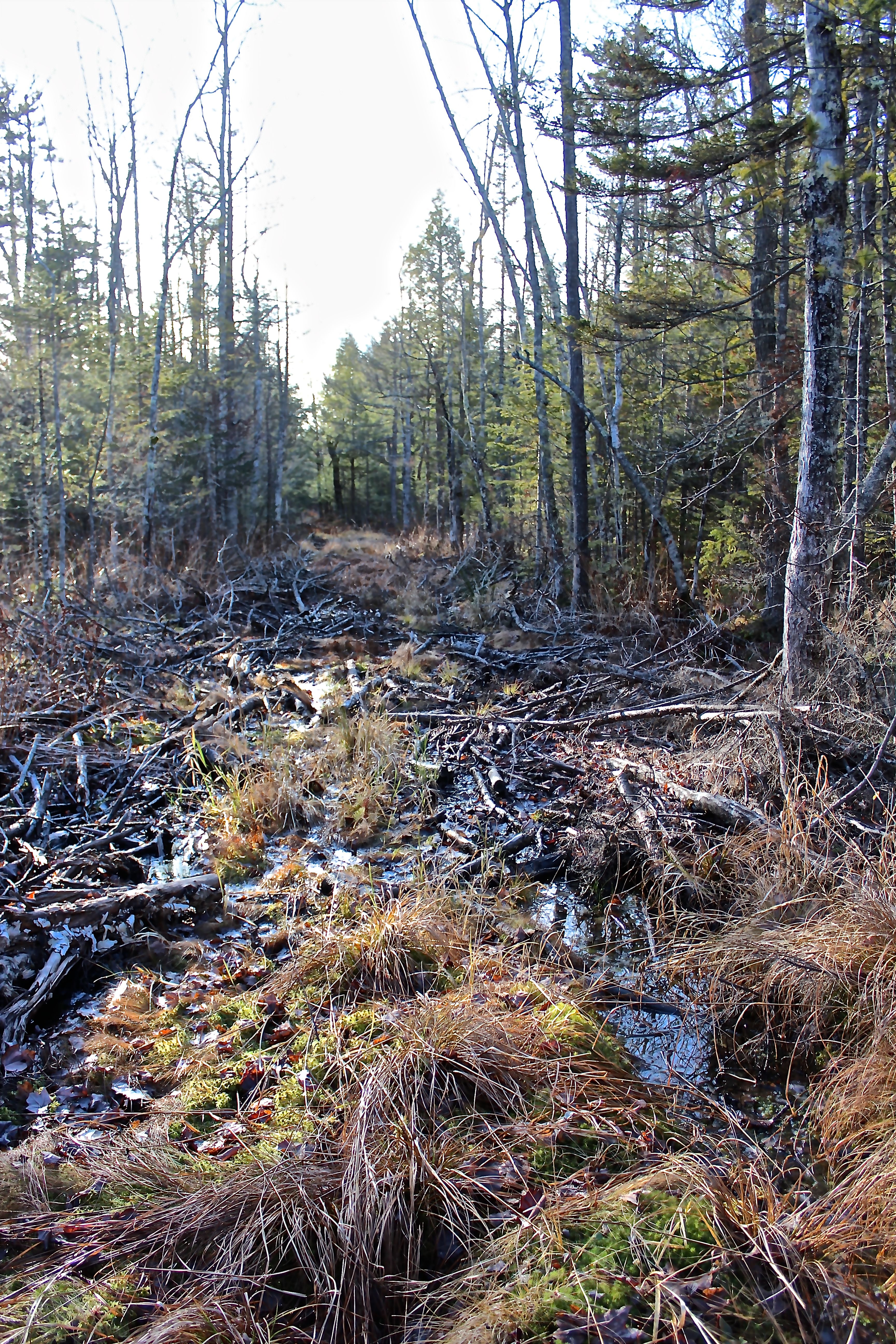
I began my traipse following one of the more recent logging trails where sliding over slash is the name of the game.

slash

I can’t wait for three feet of snow to make this an easier adventure. In the meantime, I made do.

sinking

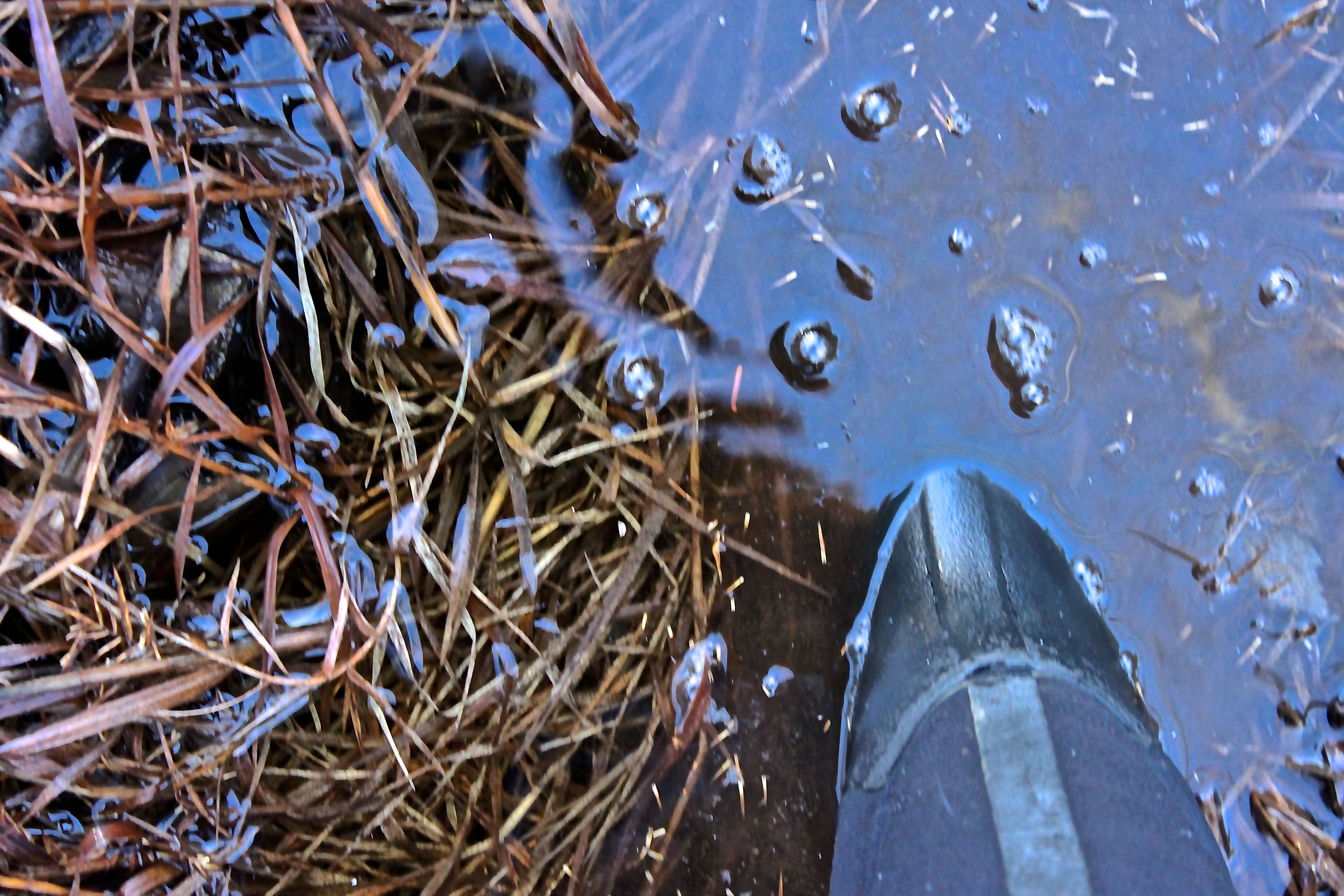
Some moments I did think I was sinking to China–where my friend Judy Lynne would have to be on the lookout for me.

cinnabar 2

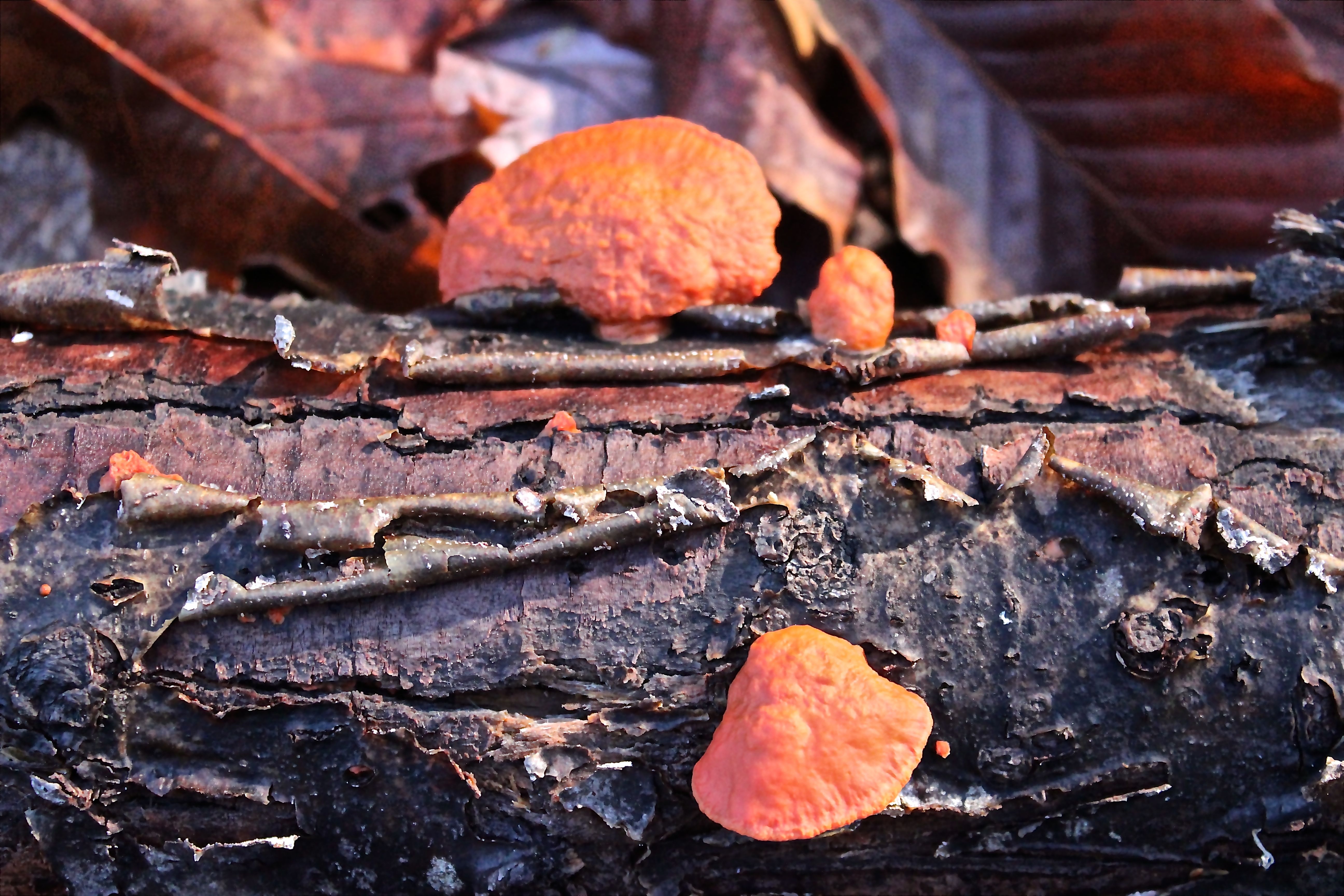
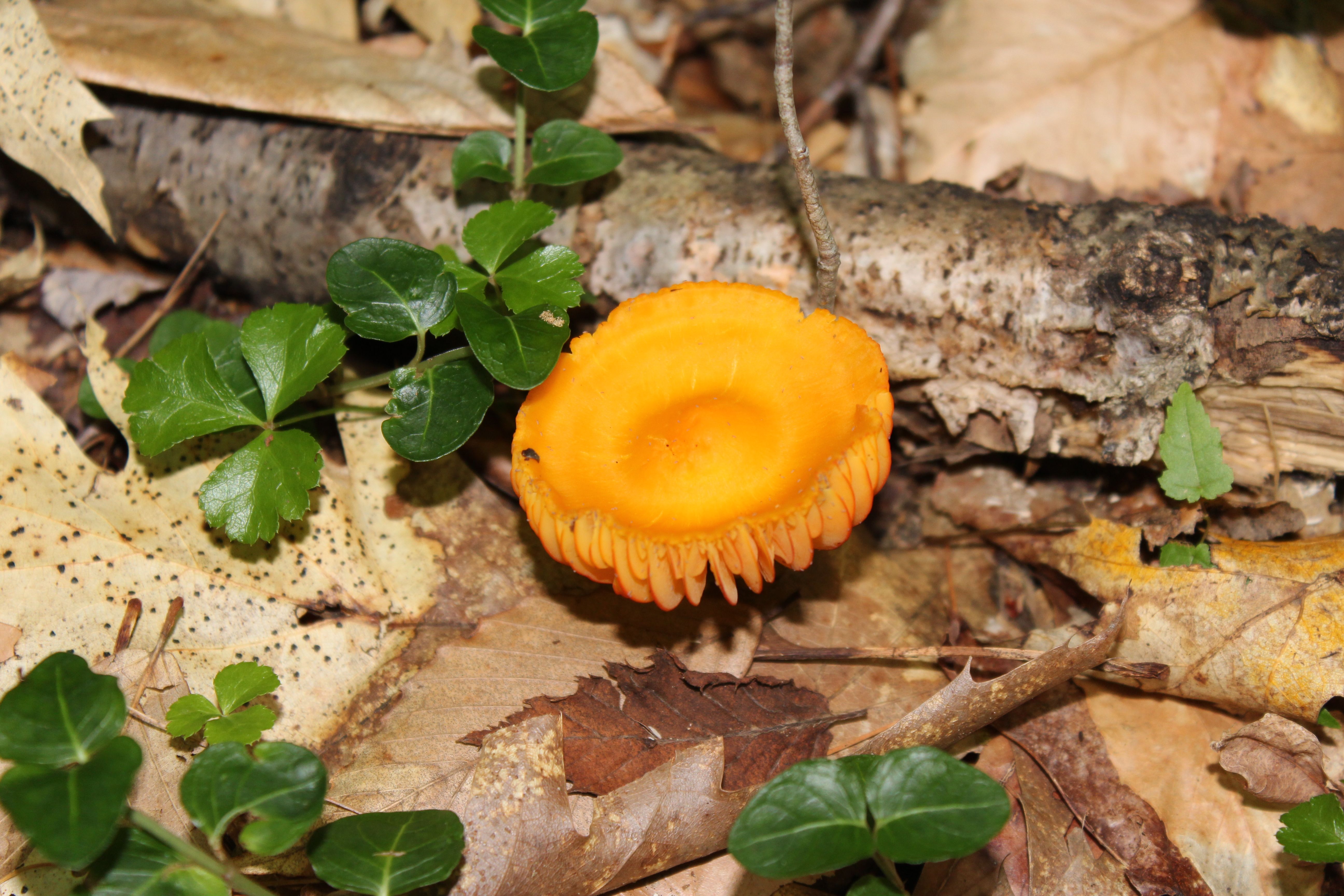
And then pumpkin orange polypores called out, proving slash is good for something. Cinnabar-red Polypore (Pycnoporus cinnabarinus) I do believe. It pays to have Fascinating Fungi by Lawrence Millman in my pack.

cinnabar 3

As is its habit, it was growing on a downed cherry log. I picked one fruit to show the pore surface beside the cap. Millman describes it this way: “Caps are kidney-shaped orange to dull reddish-orange, azonate and covered with warts and wrinkles in age. The pore surface, in the words of mycologist Gary Lincoff, ‘looks as if it had been seared by a hot iron.’ The pores themselves are usually more angular than round.” I had to look up azonate when I got home: without zones or circular bands.

cinnamon 2

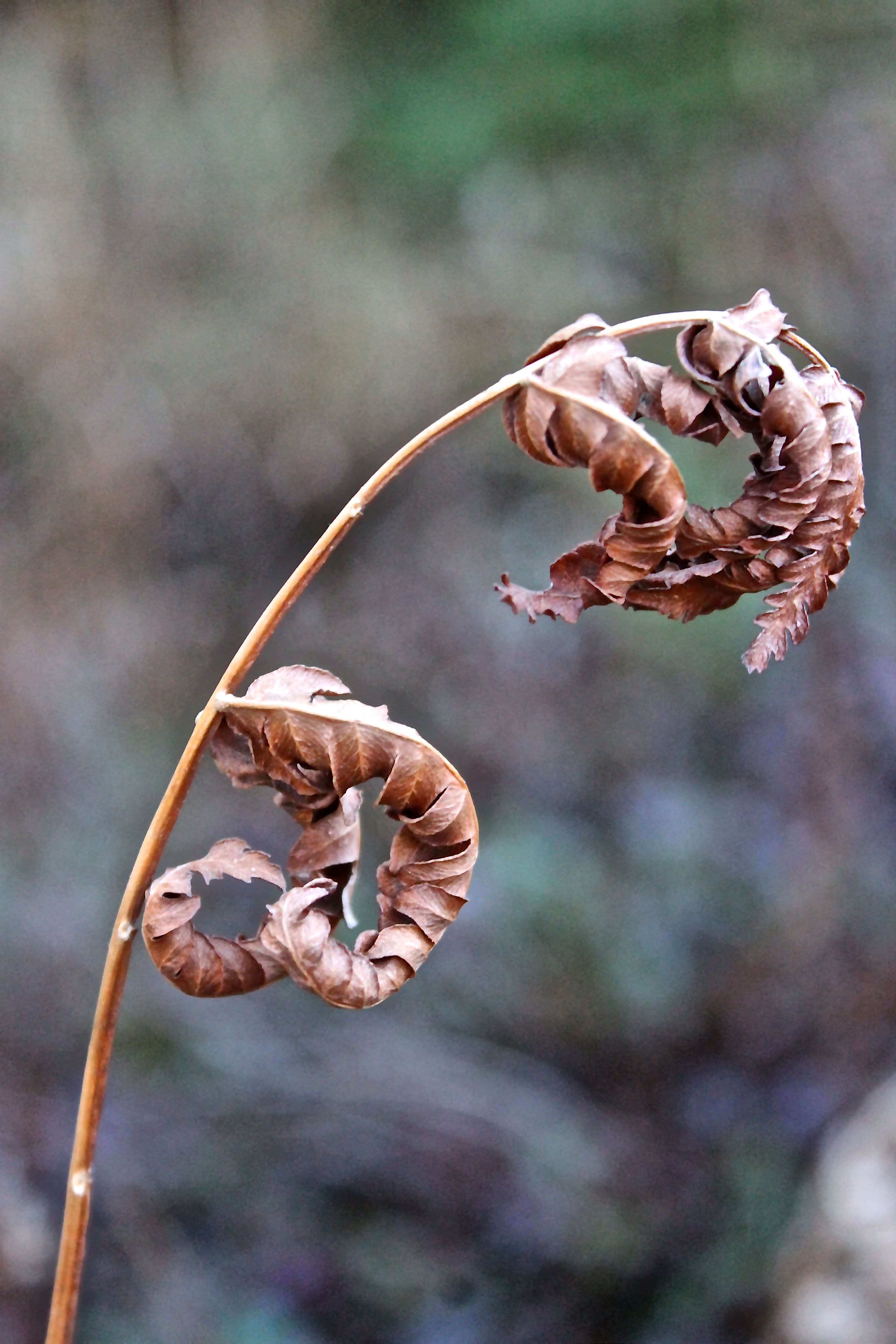
Cinnamon fern grew abundantly in this boggy land and as usual, I was drawn to the drama it provides in death.

cinnamon fern

Most of the pinnae or leaflets have fallen to the ground, where their curved forms add texture and interest even as they begin to break down and give back.

British soldiers

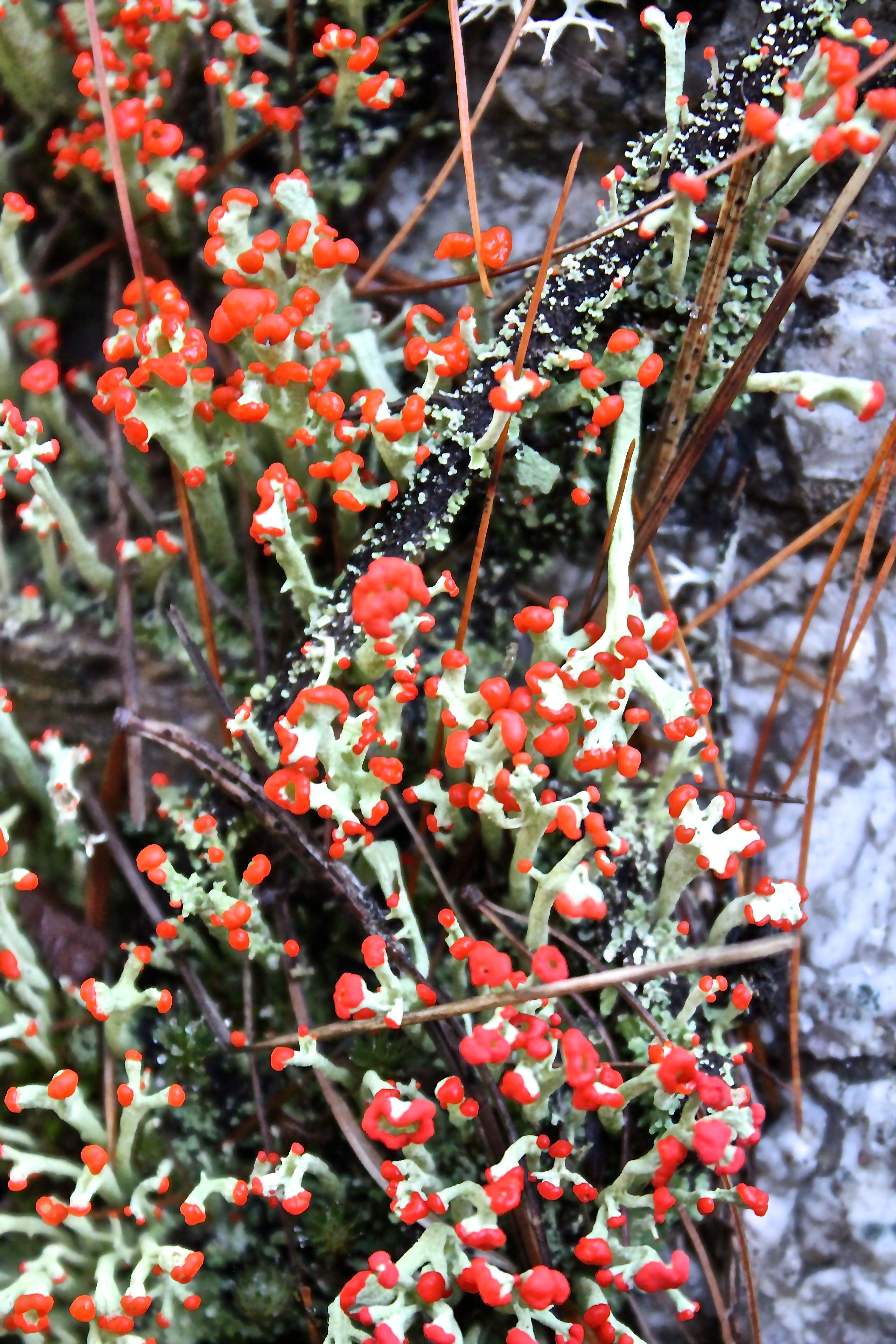
Watching over all–a large colony of British soldiers, their red caps ever so bright in this miniature world.

muddy logging road

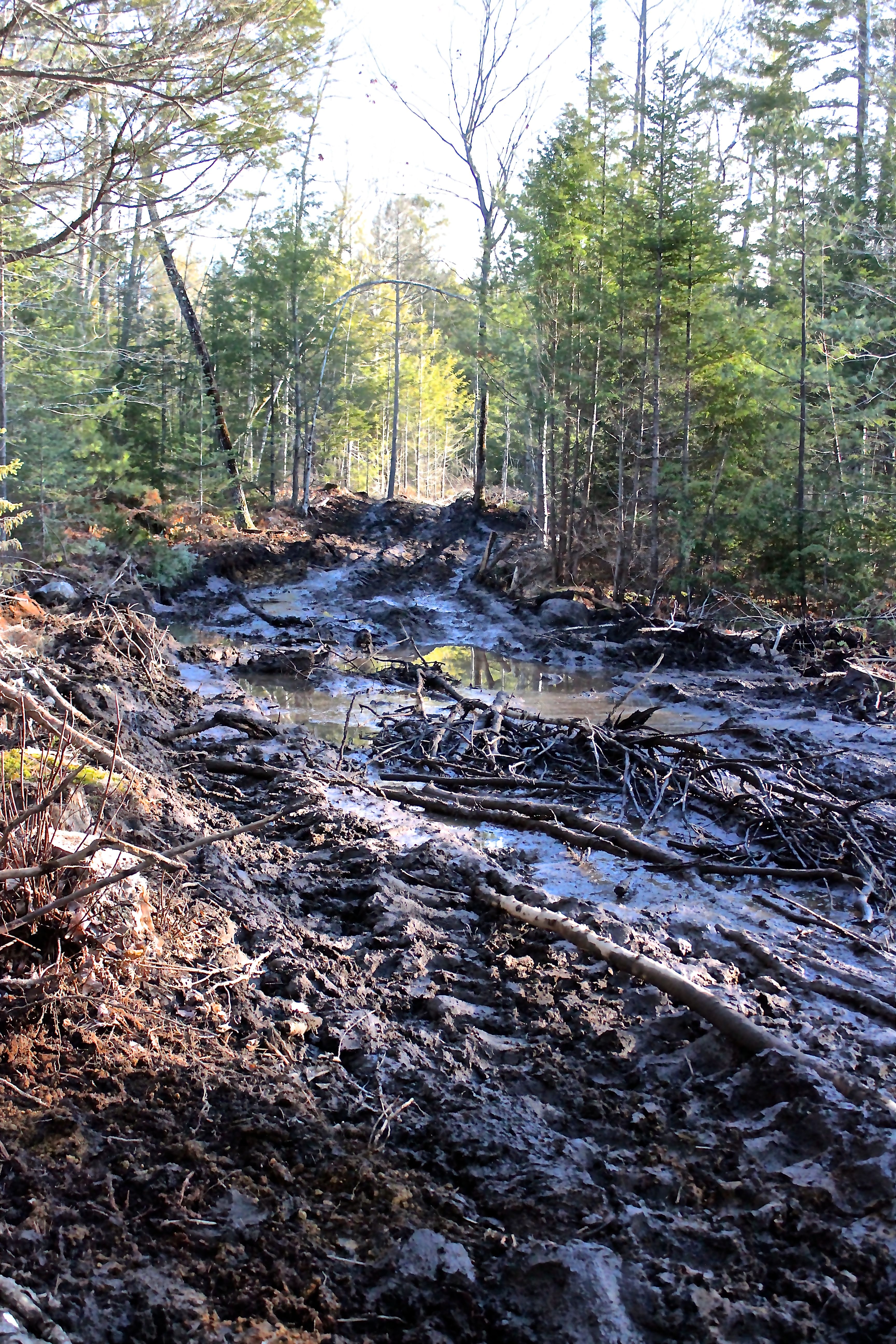
I reached the main logging road at last. A few weeks ago I thought that the logger had finished his mission, but apparently not. That’s okay, because after I found a bunch of bobcat, coyote and deer prints, I headed back into the woods leaving the muck behind.

pine needles 1

Bunches of white pine needles adorn many of the young hemlock trees–all in keeping with the season.

haircap geometry

And the hair cap moss speaks of starry, starry nights and geometric designs.

pigskin poison puffball

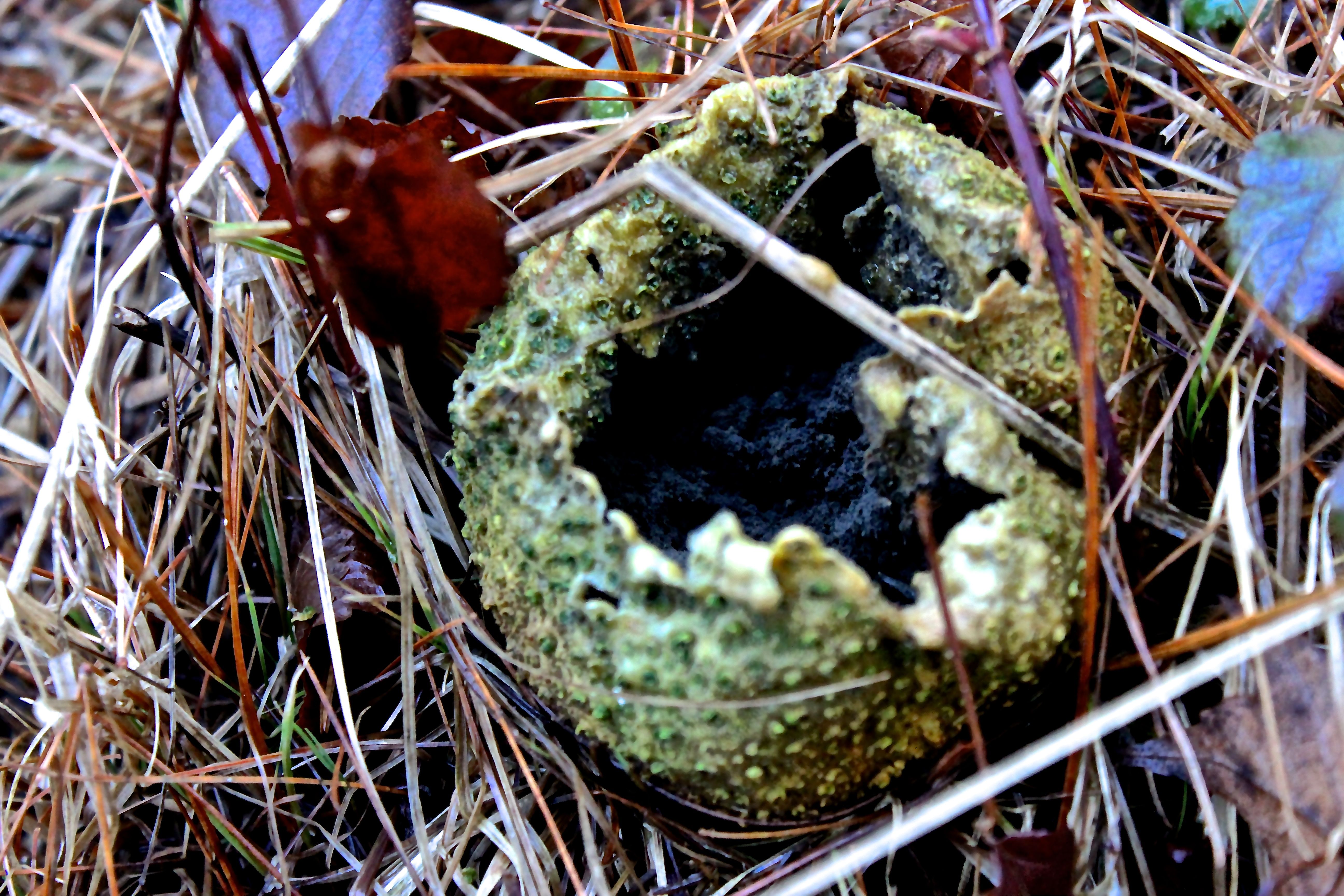
But my best find of all was a total surprise. In fact, I didn’t think it was natural at first. An old baseball or tennis ball that somehow landed in this place where few venture? I touched it and it felt almost leathery. Inside, the duff was powdery. Time to turn to Millman again. I think my ID is correct: Pigskin Poison Puffball aka Earthball (Scleroderma citrinum). WOW! Look at that warty surface. And it was huge compared to other puffballs. My heart was singing. (Fortunately I kept the song in my heart though I was in a place where no one would have heard me!)
wintergreen veil

Eventually I made my way back to the snowmobile trail where I continued to wander for a while. Wintergreen is the plant of choice for this stump garden.

bronze bracken fern

Bracken ferns have turned from green to a light bronze patina. Most have fallen or been knocked over. This one especially appealed to me because it has retained its structure and even portrayed an uplifting spirit.

the ice princess

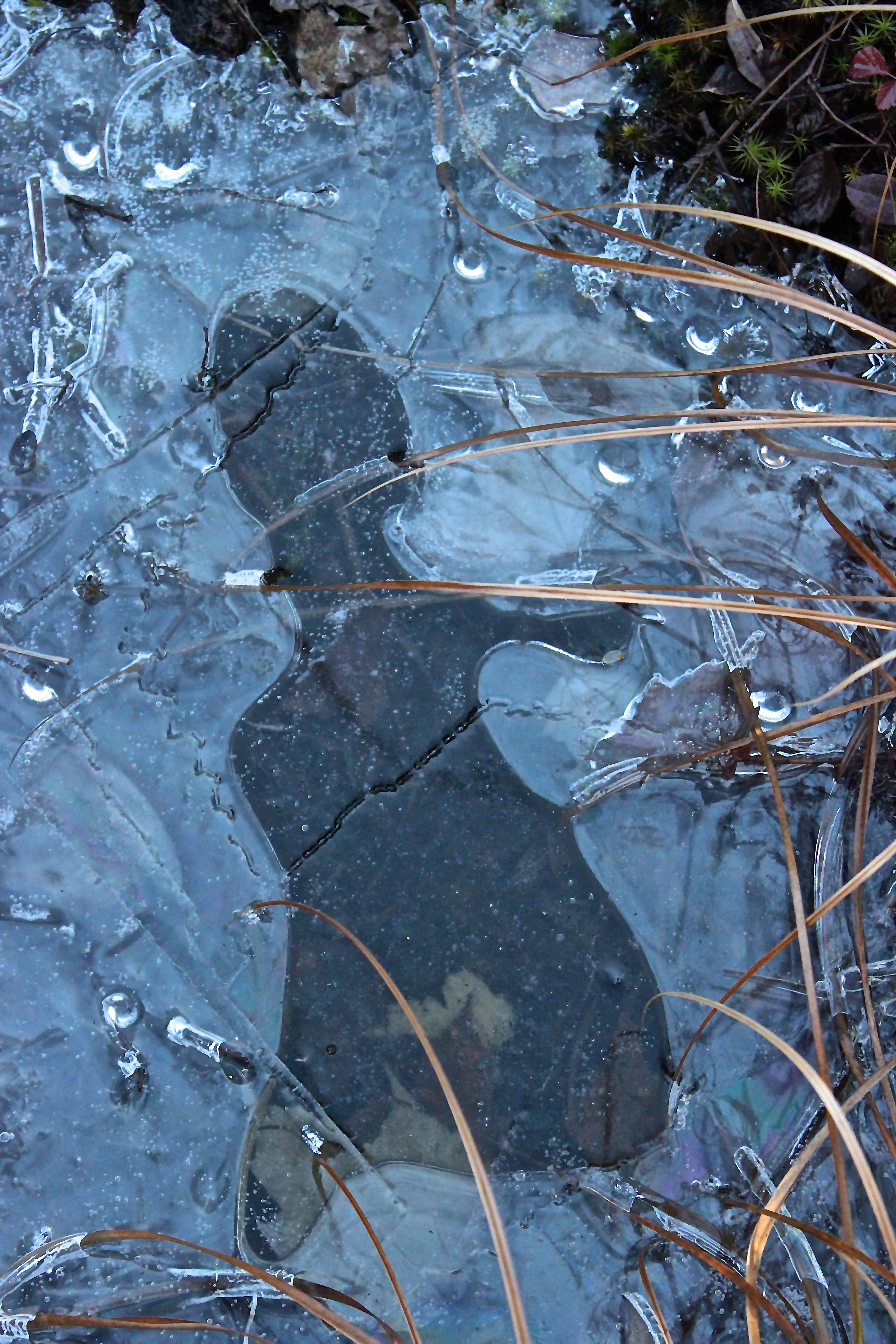
The past few days have been delightfully, though unusually, warm, but I found some ice. And even an ice ghost.

witch's 2

From ghosts to witches–in the woods, I never know who I’ll happen upon. Witch’s Butter (Tremella mesenterica) is another that stands out amongst the grays and browns of the December landscape.

colors 2

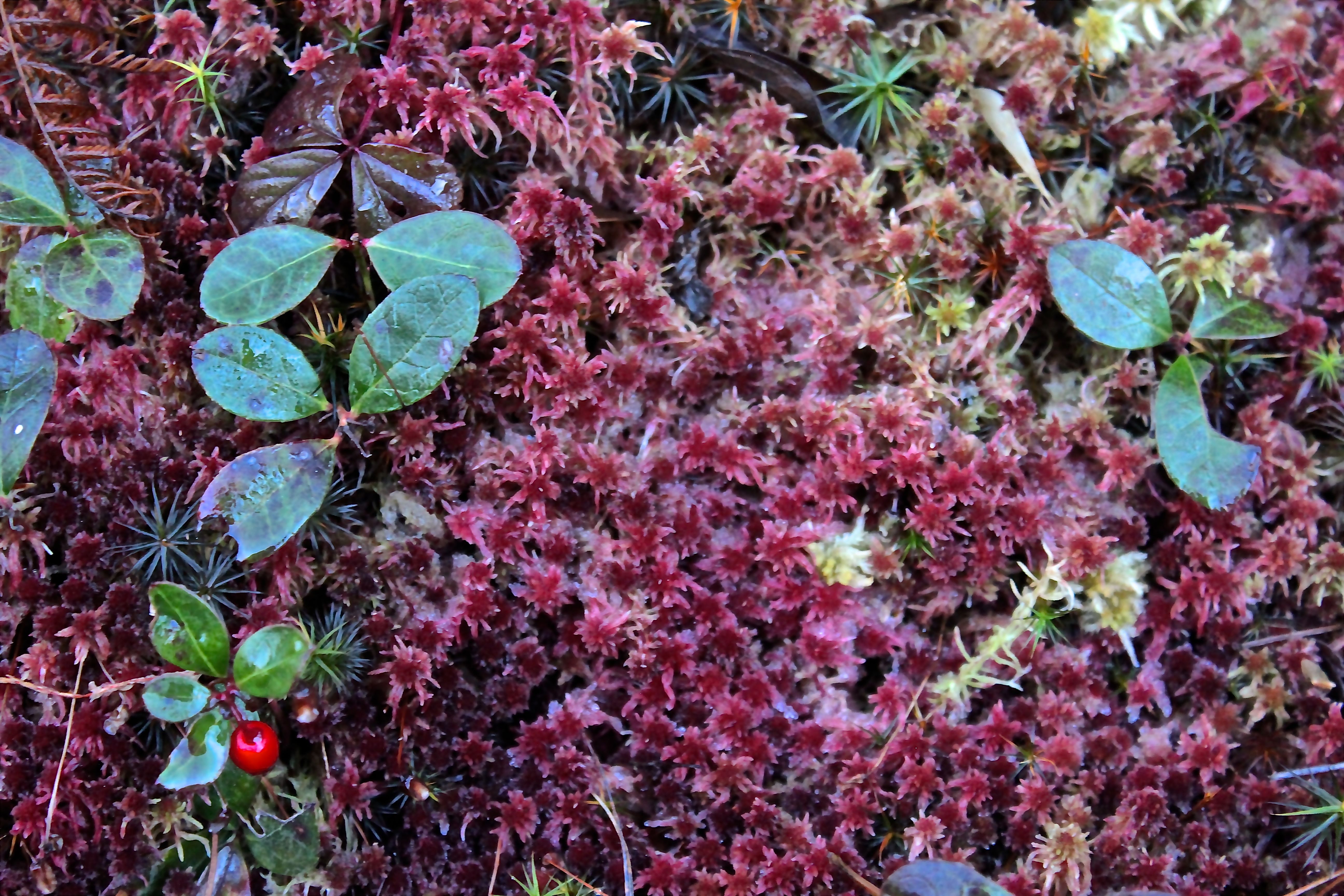
Not all is gray and brown. As I wait for snow, the colors of the season remind me that without its covering, there’s much to enjoy.

grassy trail

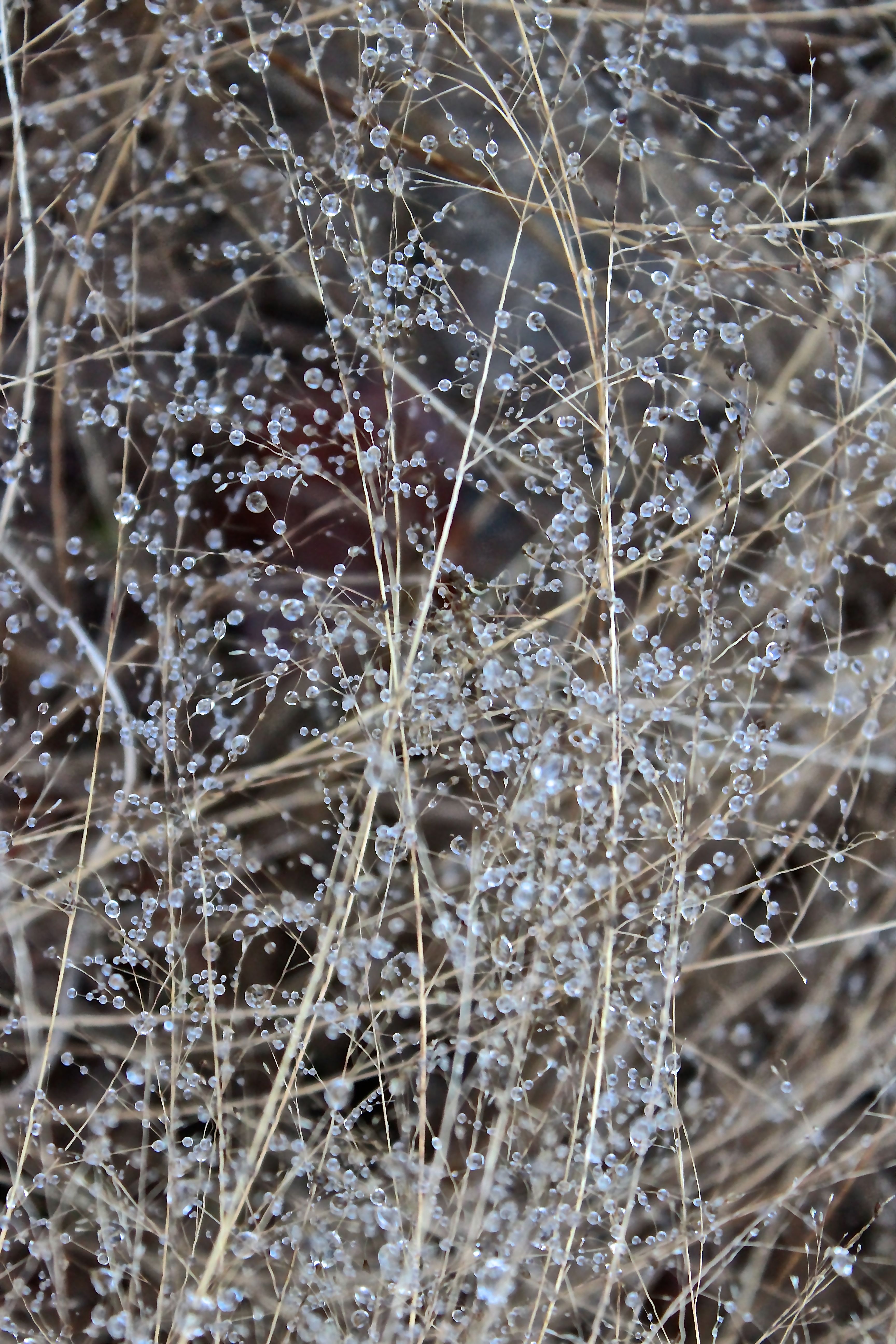
droplets on grass

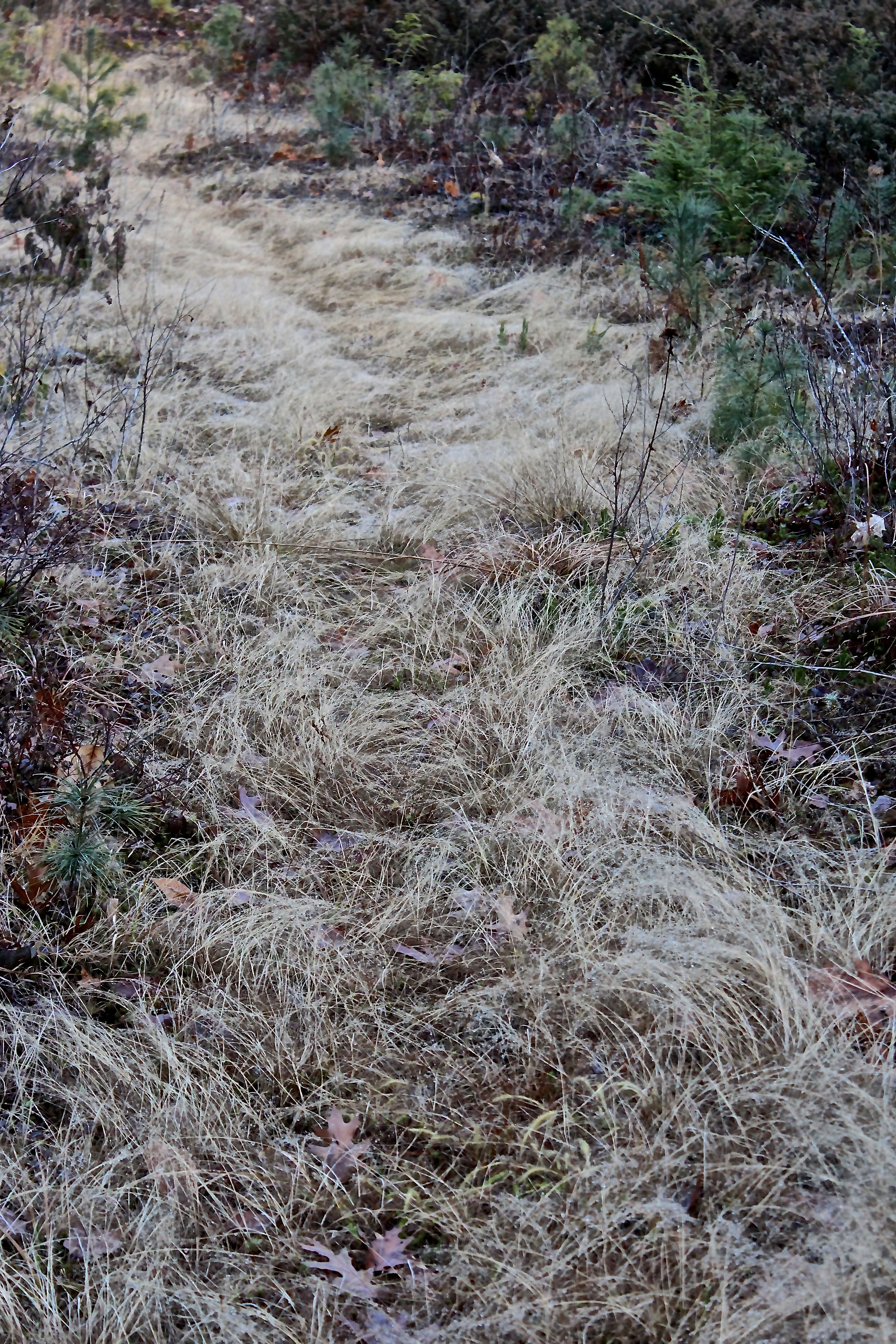
I was about to head down the grassy path that leads to our cowpath, when two things gave me pause. First, the droplets of water that adorned the grass.

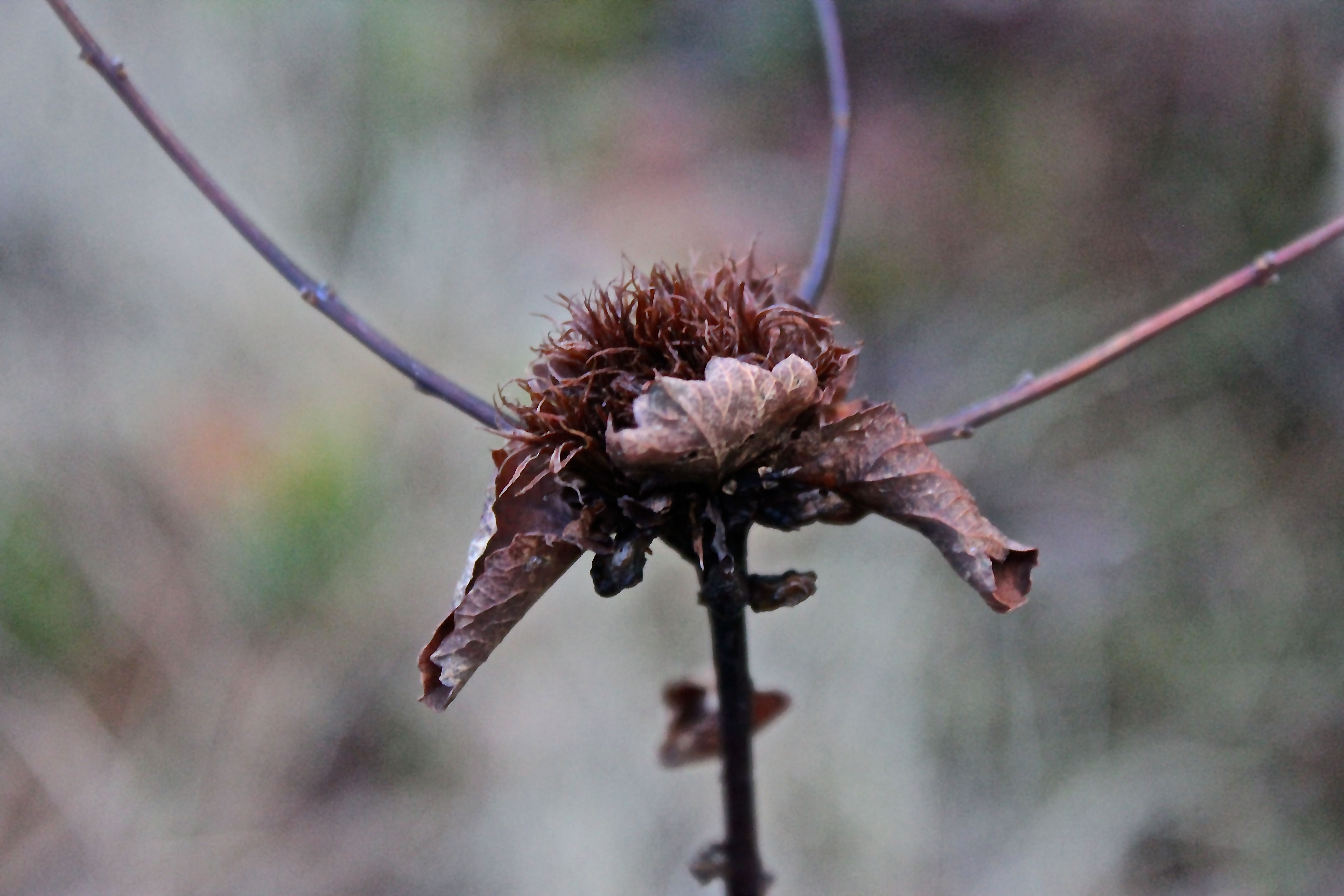
meadowsweet gall

And second–this gall on a meadowsweet plant. I’ve passed it numerous times and decided today was the day to try to figure it out. If my guess is wrong, please feel free to correct me. I think this is rose bedeguar gall, aka Robin’s pincushion gall. Meadowsweet is a member of the rose family, so maybe I’m right. Then again . . .

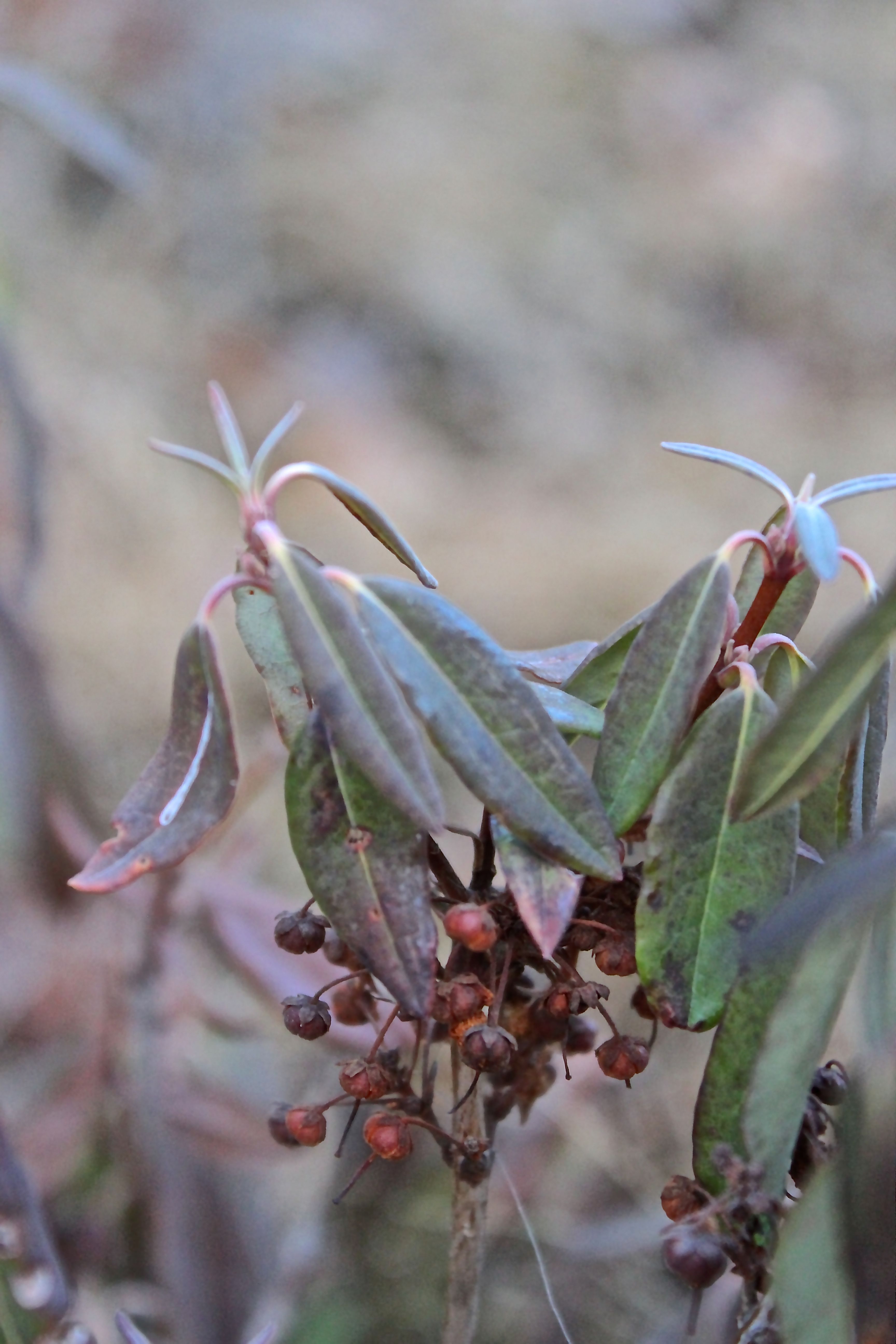
sheep laurel fruit

One last find that I always enjoy looking at–the fruits of sheep laurel extending  below the leaves and reminding me of jingle bells.

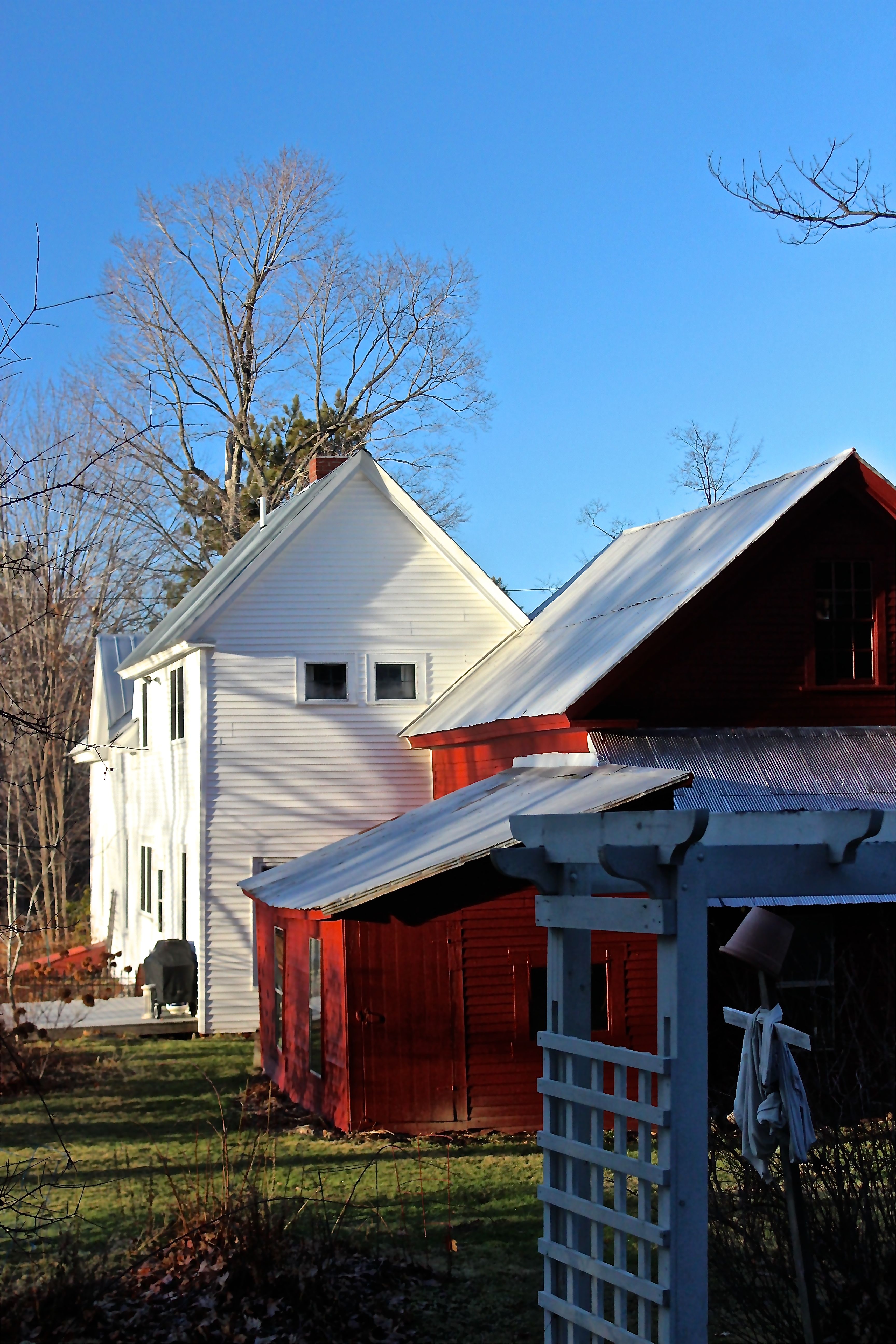
home

At last I was home again, thankful for a Sunday wander wonder-filled with surprises.

Black Friday My Way

Shopping on Black Friday is the perfect tonic following a Thanksgiving feast. And so I was excited that my friend, J.M., agreed to join me for the venture–and even happier that she offered to drive.

Our destination–the MDT store in Fryeburg. Everything we needed under one sky roof.

The first department we visited was decked out in shades of red.

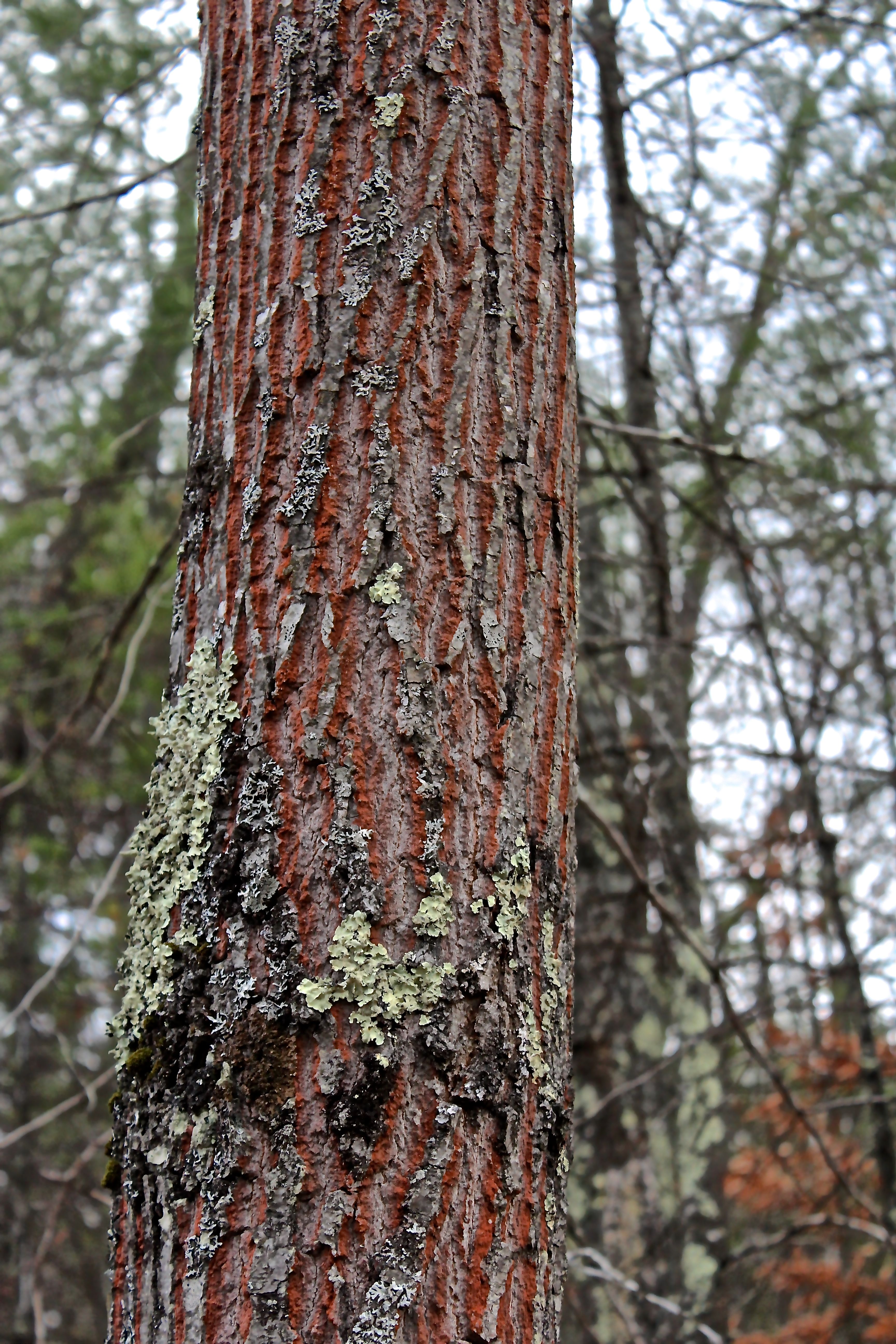
red oak bark

The rusty inner bark of this Northern Red Oak practically jumped out at us. How could we resist such temptation? Add it to the cart.

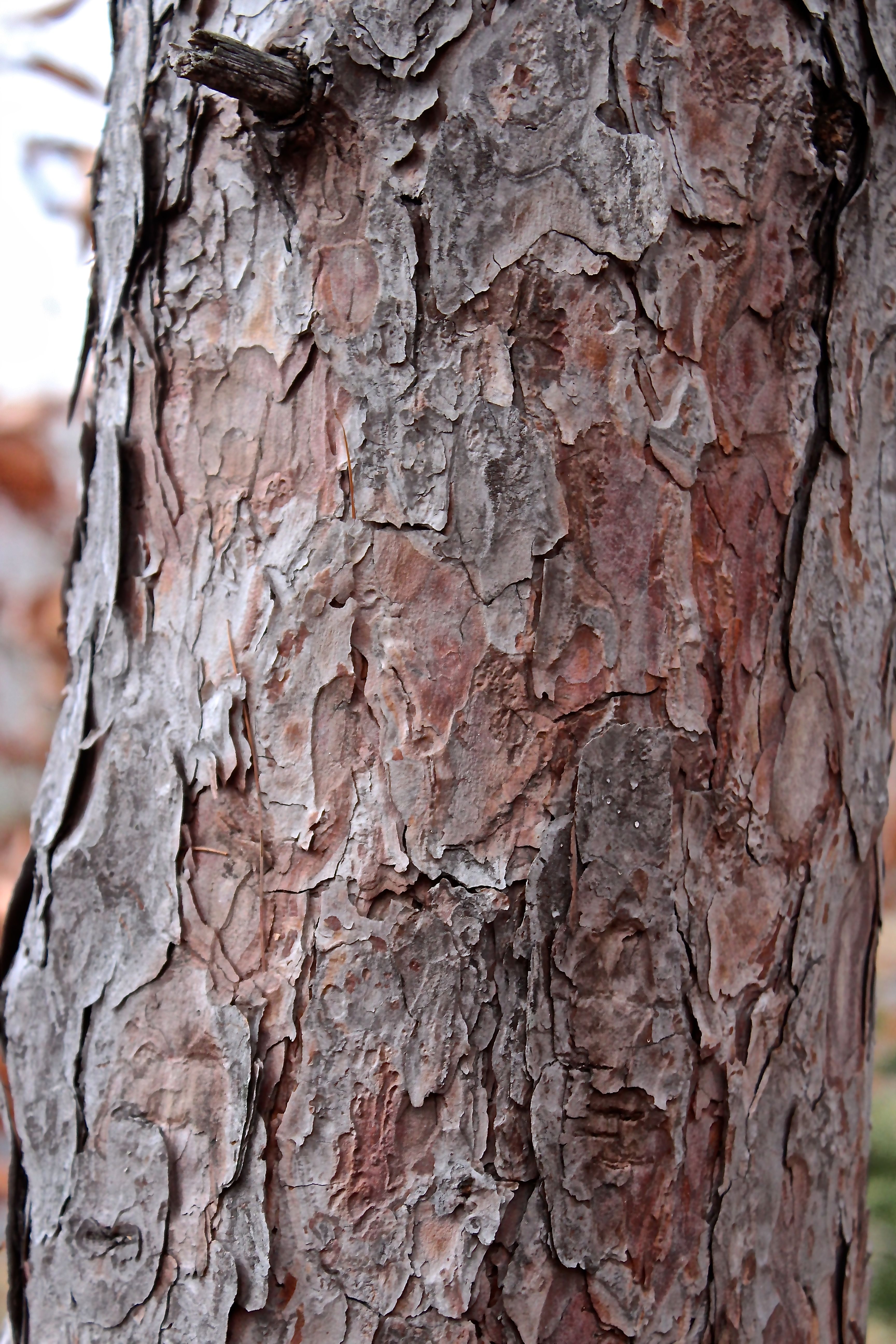
pitch pine bark

Sometimes the display made us stop and wonder.

pitch pine and needles

We hunted about to make sure our identification was correct before we settled on Pitch Pine rather than Red Pine. Both share similar bark, but the former has three long needles, while the latter sports two. The correct coupon in hand, we continued on our way.

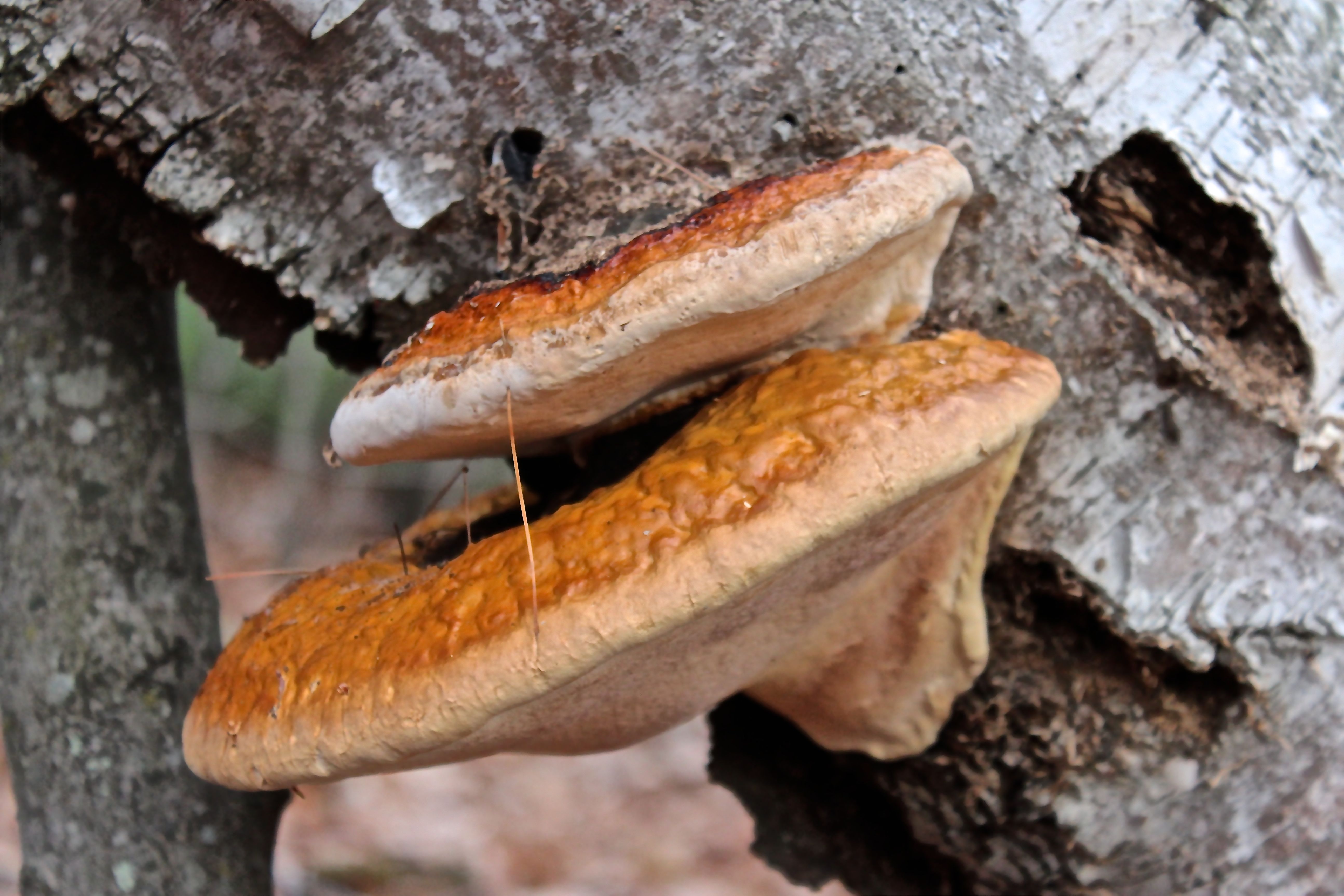
Red-belted Polypore

Red-belted Polypores pulled us from the main aisle to admire their construction. Talk about an exclusive offer–woohoo!

Staghorn

And we couldn’t resist the raspberry red pyramid of the Staghorn Sumac. A taste of Sumac Lemonade danced in our heads while we continued shopping.

oak salmon 2

About a year ago, I’d told J.M. about a salmony hue in the winterscape. As we came upon this item, she understood what I meant about the color. And I was thrilled to discover that they had plenty in stock–I had no idea that White Oak grows in Fryeburg. I’m slowly adding towns to my list–where it grows and where it doesn’t grow.

oak leaves 2

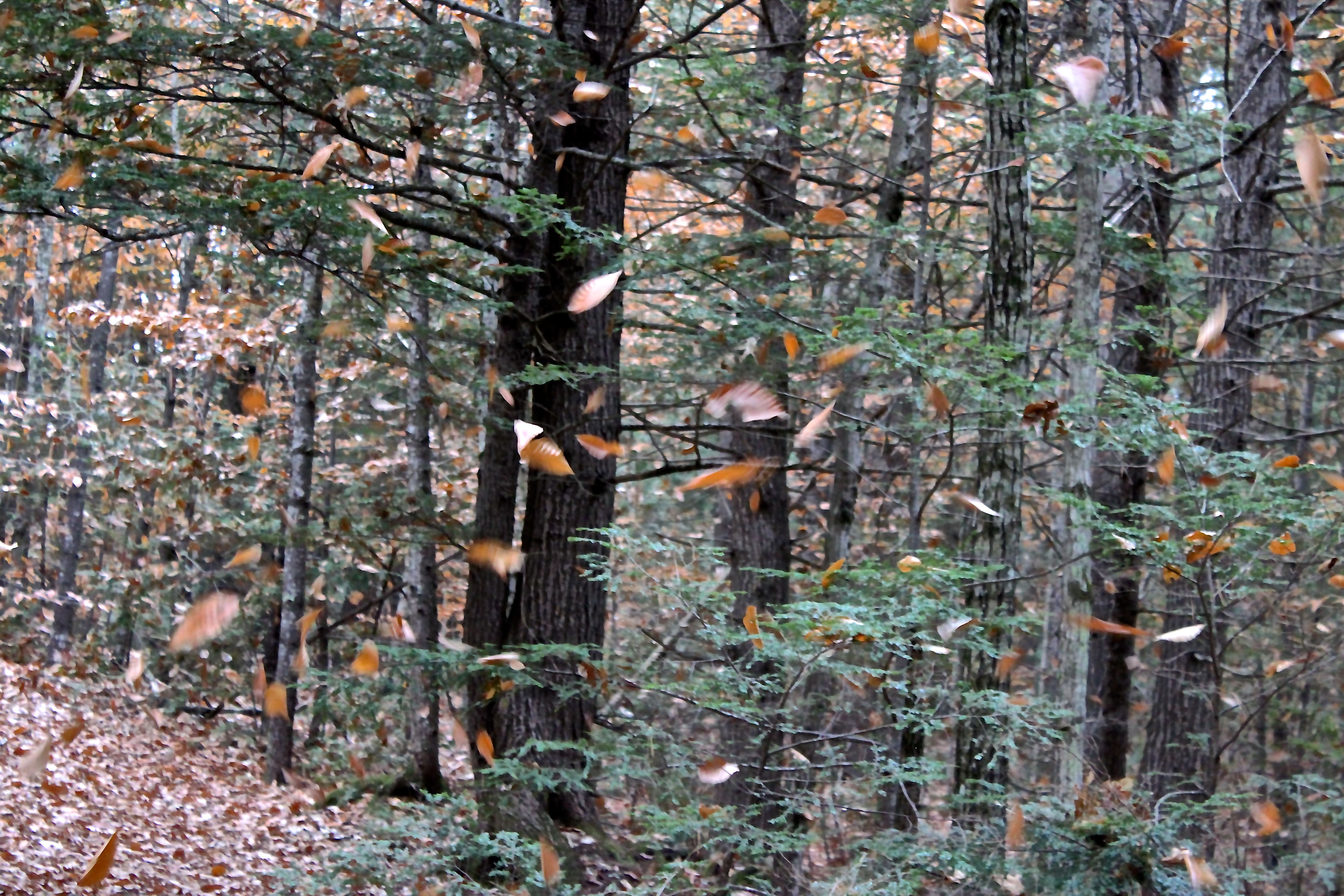
The free-form structure spoke of a dance performance. And then we realized that we were in a wind tunnel. Even though it wasn’t windy at the moment, the marcescent leaves have retained their fluid shape.

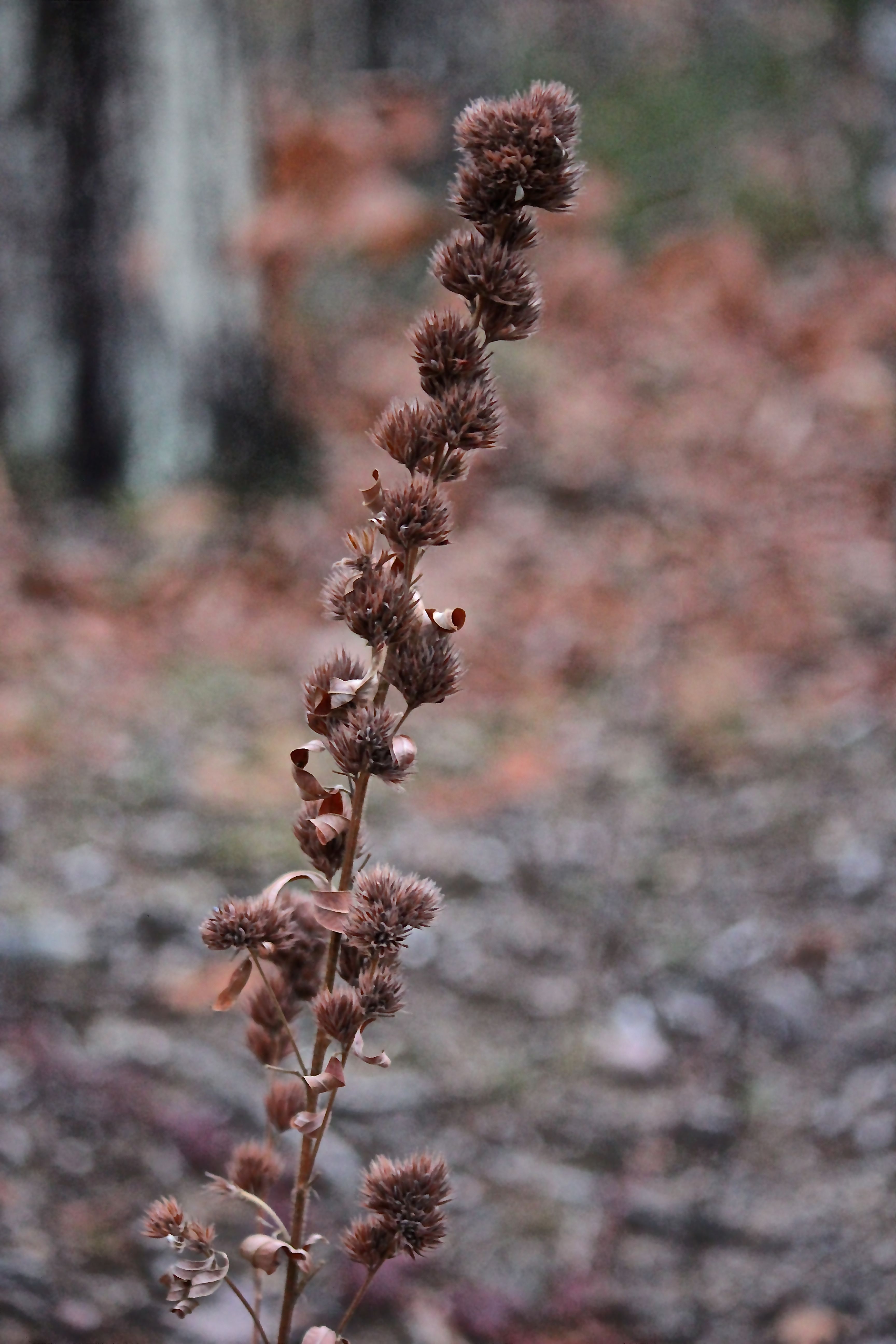
bush clover 1

We also found variations of red in Bush-Clover, which is a typical species of this place, though we didn’t realize that at the time.

bush clover 2

From the Bush-Clover, it was an easy transition into the texture department where more bargains awaited.

staghorn sumac stalk

The velvety feel of the Staghorn Sumac warranted a caress. Having grown up with Poison Sumac, it always strikes me as odd to be so enamored with a member of this family. But I am.

cattail 3cat tail 1Cattail 5

We stepped into the next aisle and found these corn-dogs on a stick. Cattails get their common name from their end-of-season fluffy spikes or tails. Need insulation or mattress stuffing? Check out aisle 6. From food to shaving cream to antifreeze, this is a bargain you don’t want to dismiss.

cattail 2

There’s even a two-for-one sale.

locusts thorns and pods

In contrast, though graceful in appearance when leafed out, the formidable thorns of a locust tree seem to serve as a warning sign–hands off the seed pods. Not exactly what I’d call a sweet deal.

Evening primrose 2

Impulse items drew our attention as well–those things we didn’t need but couldn’t resist. The spiraling of the Evening Primrose seed heads and

sweet-fern

the curling leaves of the Sweet-Fern’s leaves begged to be noticed.

The light was starting to wan as we made our final purchases before heading home.

MTD tracks and trail

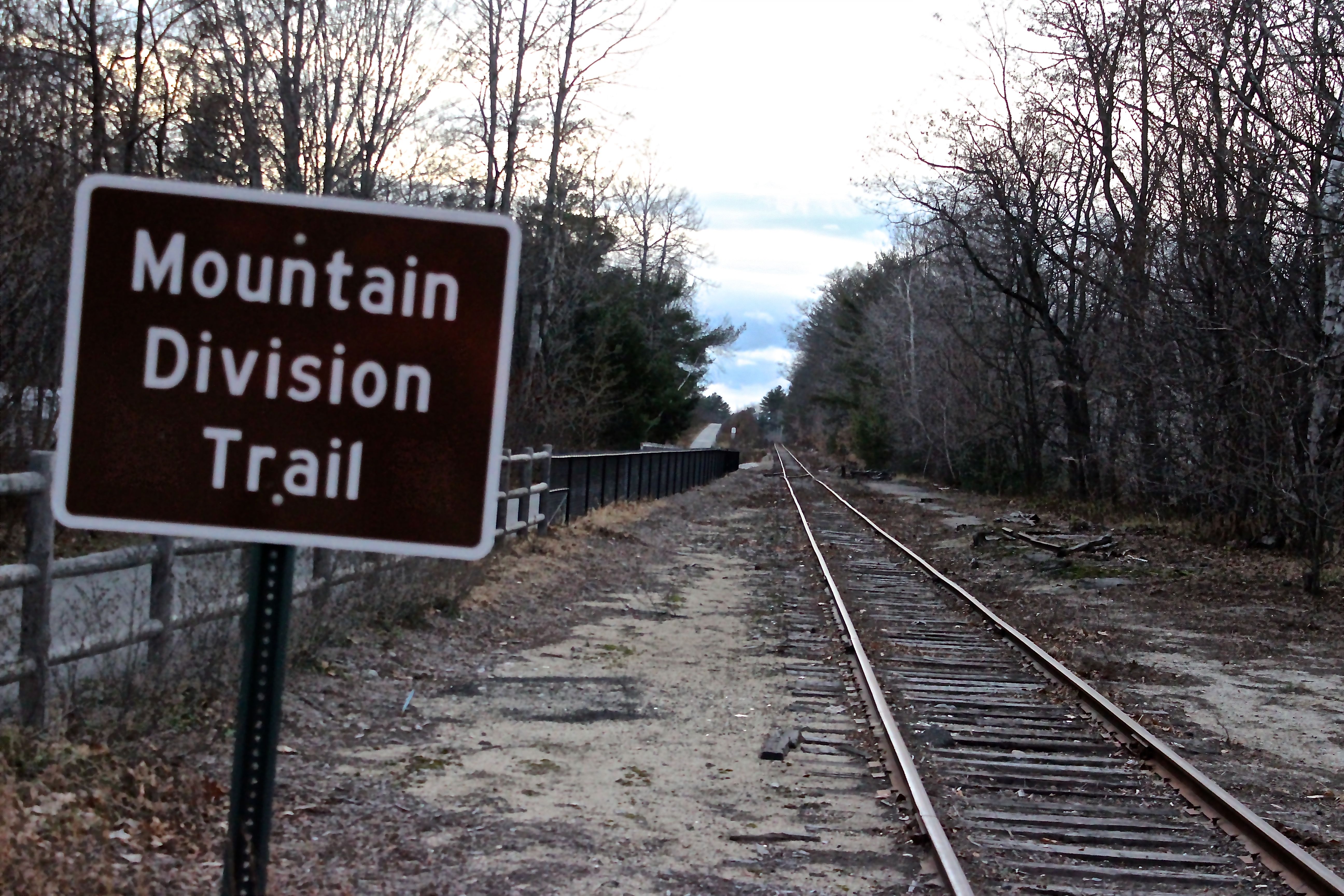
Our shopping trip along the Mountain Division Trail, a 4-mile long section of the rail trail in Fryeburg, had come to an end. But we were guaranteed free shipping for those purchases we couldn’t cart home.

J.M. and I bagged some exclusive specials as we hand picked the near endless stream of deals and discounts on this Black Friday. We knew we’d come to the right place . . . to practice our shopping expertise.

Ladies’ Weekend 2015

While it was Ladies’ Day Out here in western Maine, I drove west to Vermont, to celebrate with friends in a different manner.

Brownington, Vermont, was the destination–as three of us drove north and west to converge at a friend’s farmhouse. And then the Talk Fest began.

Yes, instead of a Shop Fest, we enjoyed a Talk Fest. Of course, unless you want to buy eggs, there’s not much shopping to be done in Brownington. That’s the beauty of it. Plus, we aren’t shoppers.

What we did do, which is also a little unusual for a ladies’ weekend, was go on a quest for my ancestral roots. (Thanks B.M.D., P.S. and B.C. for humoring me)

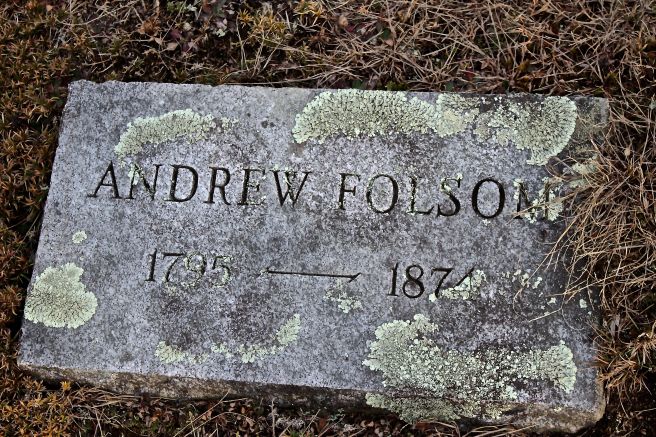
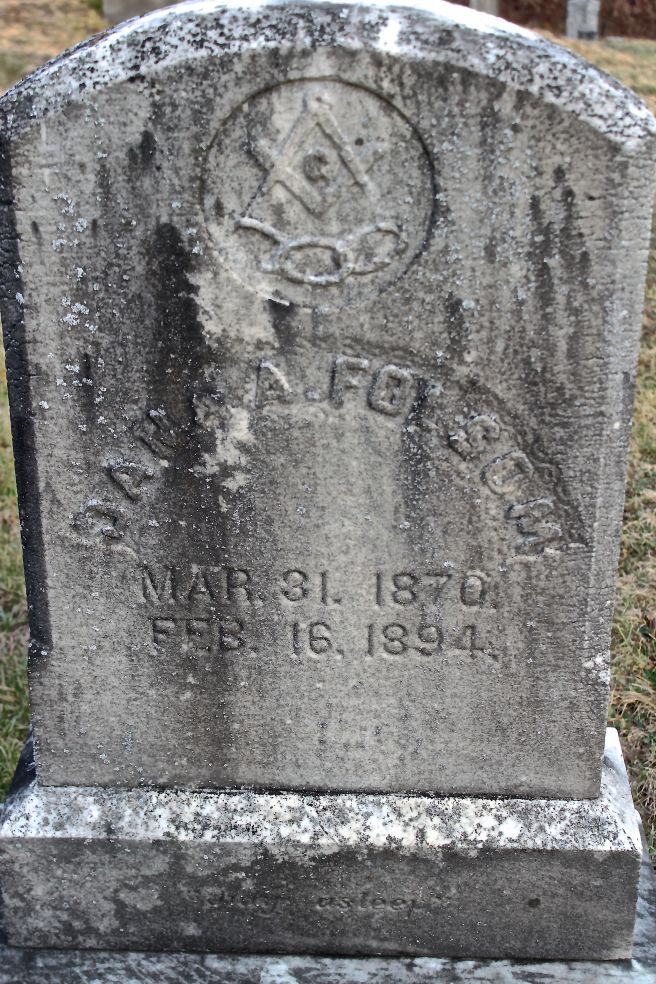
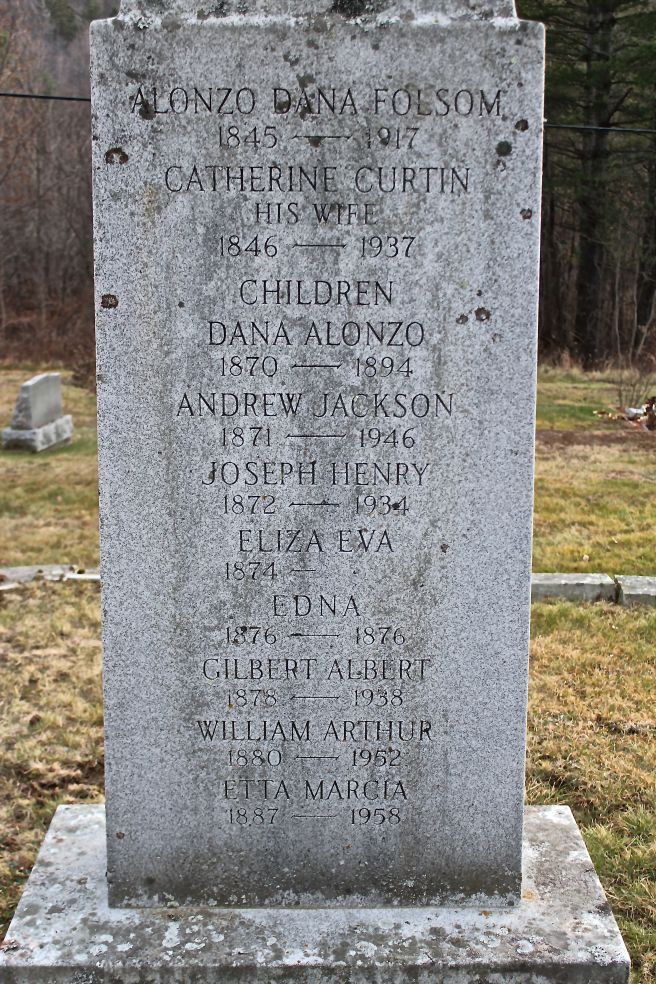
And at the South Cemetery in South Barton, we found what I was seeking.

Folsom 2

My greatX3 grandparents and other ancestors are buried here in a small valley below Crystal Lake (once known as Belle Pond). According to various census reports, they were farmers and I have to wonder if one of the small homes in the area belonged to them, or if there is a foundation somewhere nearby. A future hunt?

QA 10

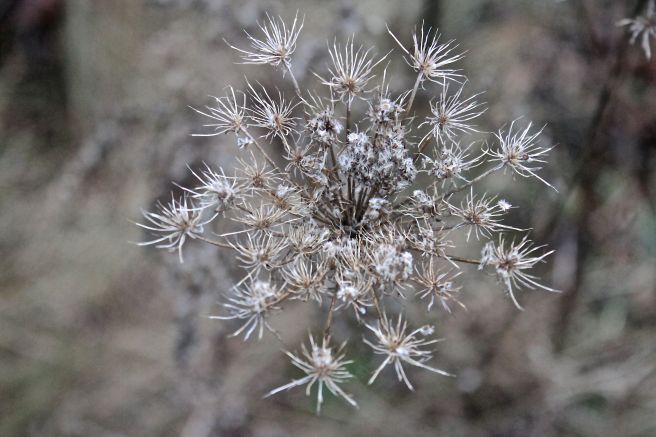
Wildflowers growing on the hill between the cemetery and road feature an abundance of Queen Anne’s Lace. Like a spray of fireworks, the fruiting structure extends in various directions.

andrew f

Dana A F

Alonzo Dana

Finding physical evidence of those who came before made my heart sing. They were here. They worked this land. They breathed this air. They were born, grew up and carved out a living here. They were farmers who sowed their own seeds. And some of them died here.

QA 2

Queen Anne’s Lace is prolific in spreading its seeds by the wind.

Dana Folsom

They served their country and some didn’t return, like my great-great grandfather. And while my great grandmother was born here, she and my great grandfather moved to Massachusetts and then New Hampshire–I have to wonder why.

QA 8

Some seeds land nearby; others float away in the wind. I must have inherited some of g.g.’s genes.

Willoughby Cemetery

We’d spent enough time reading the headstones and appreciating the lives they represented.

WL, Haystack, Pisgah, Hor

It was time to continue our Talk Fest and take a peek at the peak’s our hostess knows so well. Haystack, Pisgah and Hor create the backdrop of Willoughby Lake.

deer print

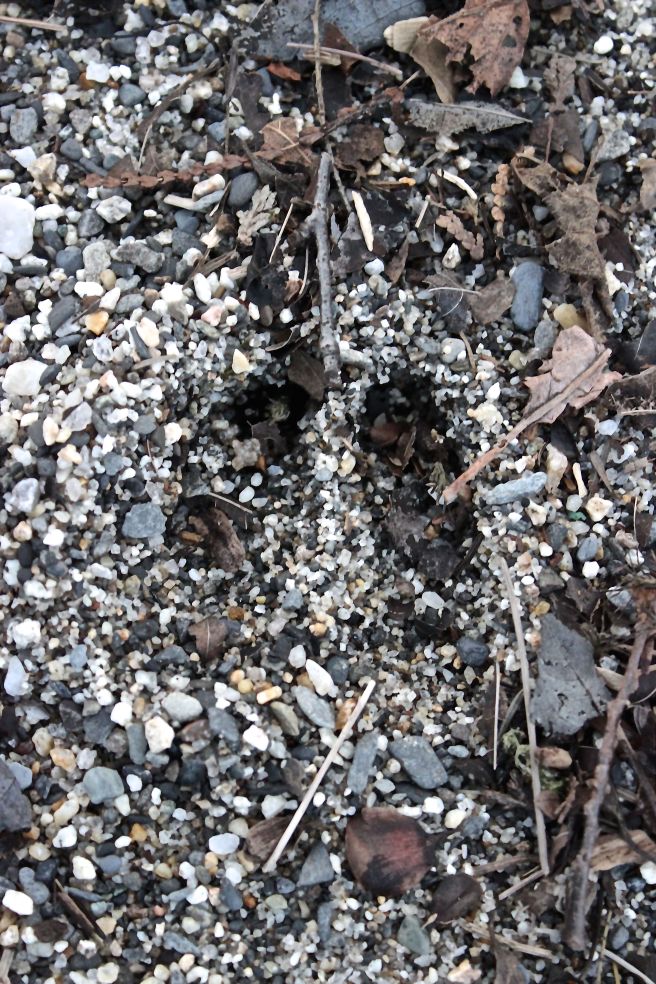
We stumbled upon deer prints and . . .

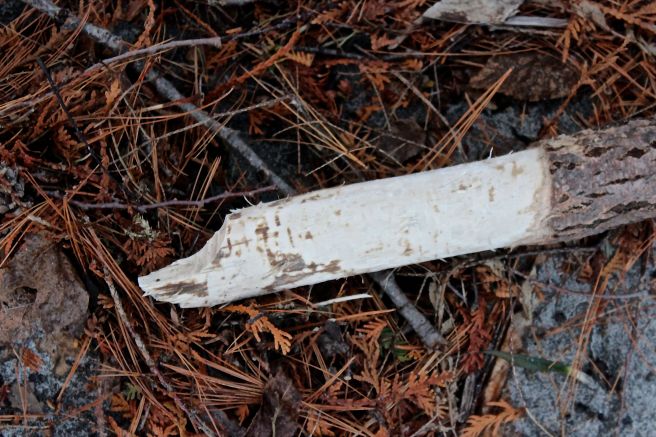
beaver chew

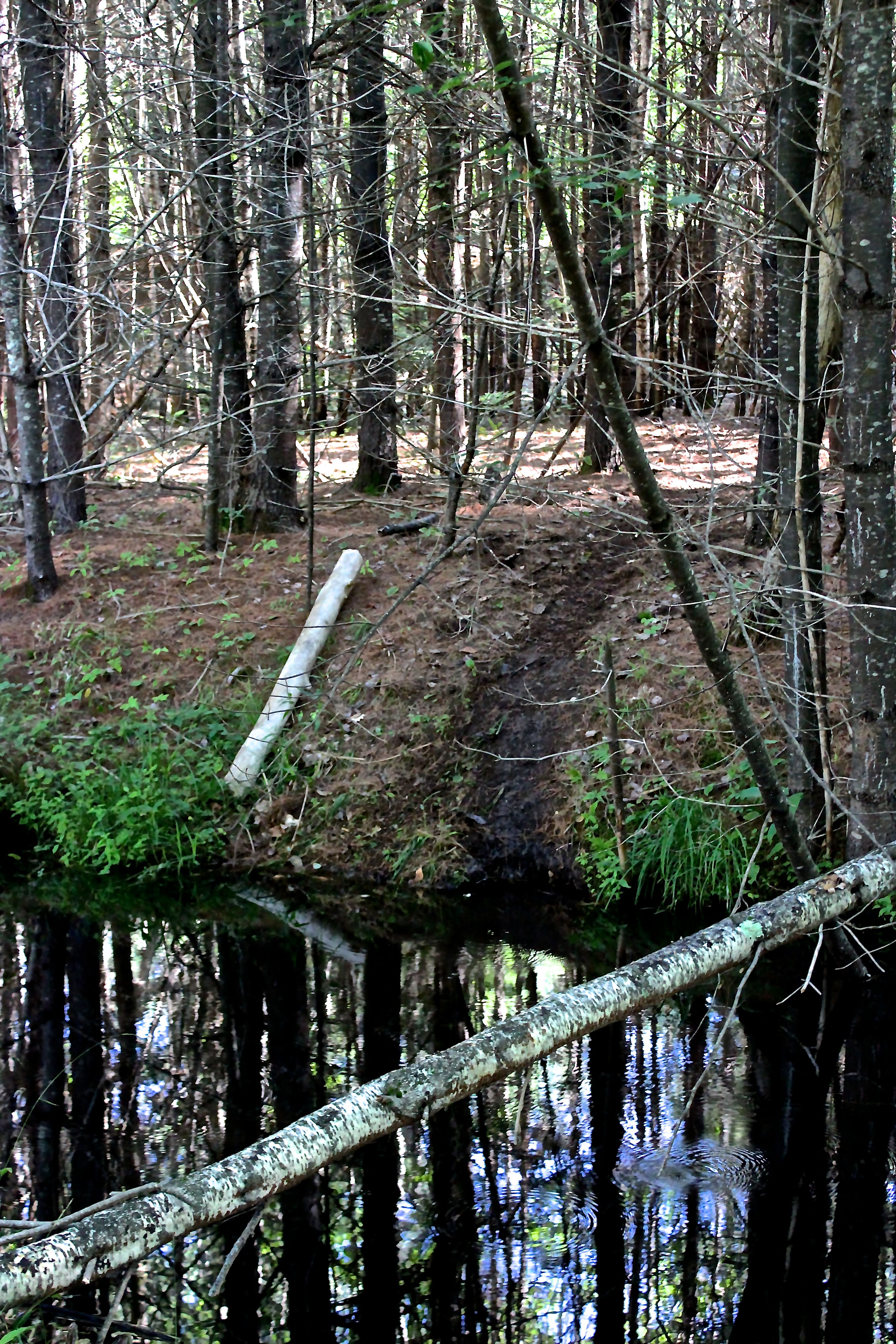
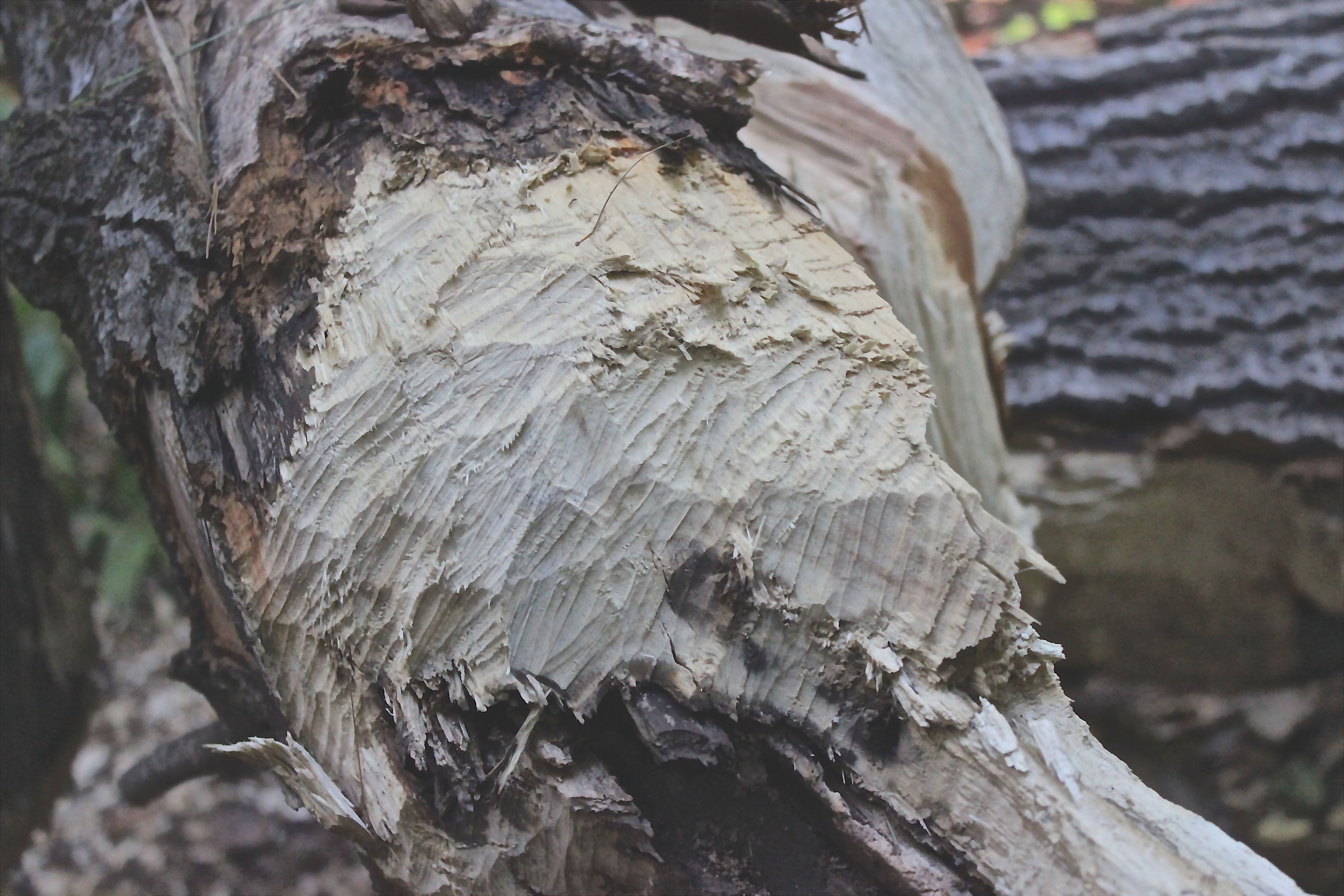
beaver works. The latter forced us to look further, but we couldn’t find any evidence of a lodge or dam, just more beaver chews along the beach–perhaps they floated in from another locale.

Prospect Hill Observatory

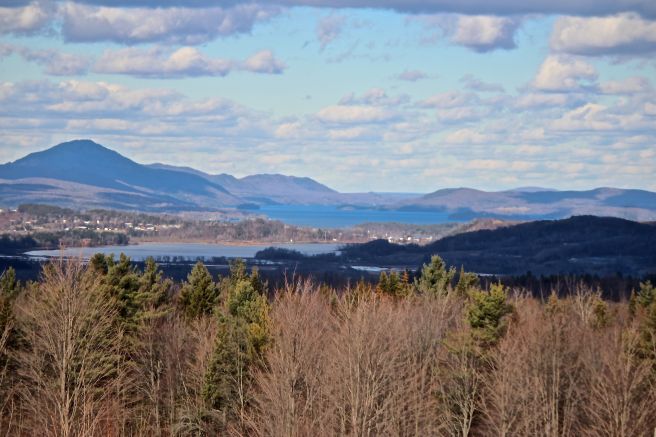
We climbed the Prospect Hill Observatory and took in the 360˚ views. Rolling hills, farms, villages, mountains and . . .

Oh Canada

Canada. My great grandfather came from Canada–perhaps right over there. I’m not sure–I’m still trying to figure out his lineage.

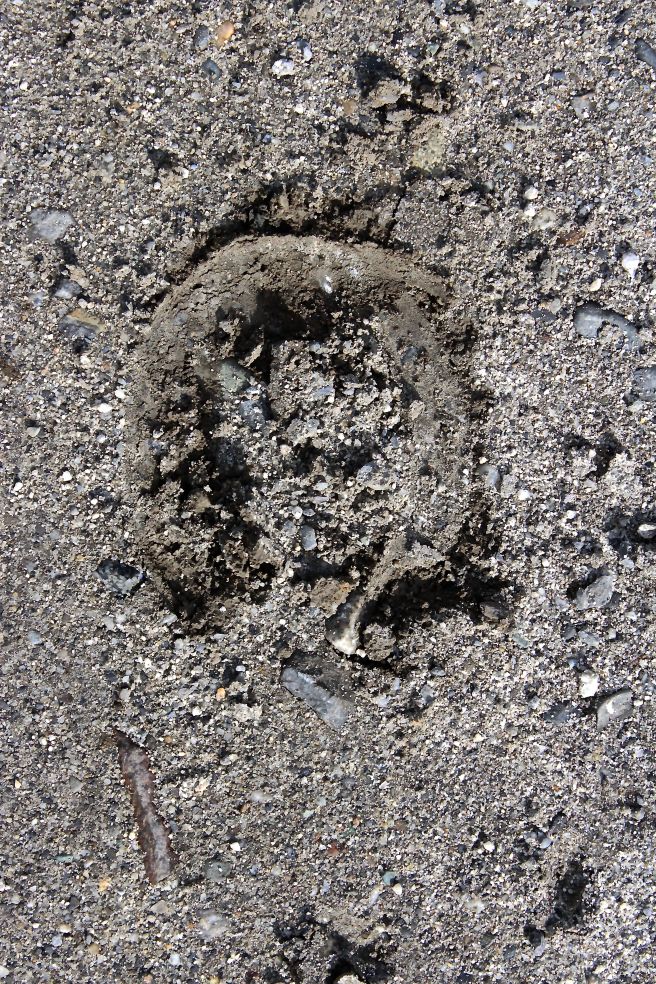
horseshoe print

This print is one in a series of tracks that lead up and around the observatory. A couple of Amish families have moved into the neighborhood in the past year–a horseshoe print.

Sisters & Brenna

We left our own prints at the geographic survey mark when we posed for a selfie–photobombed by another lady–Brenna.

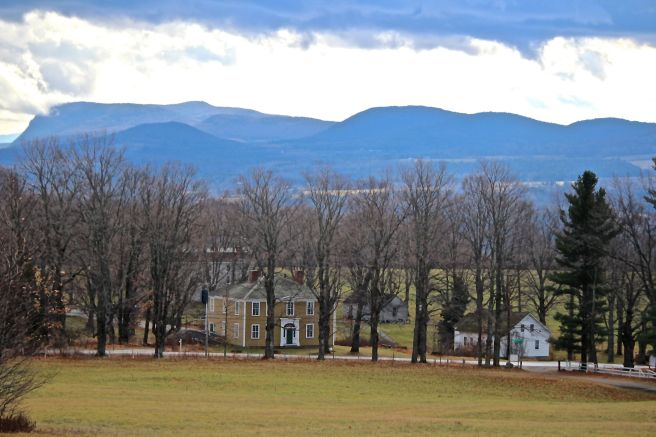
Brownington

The Orleans Historical Society has protected this land and the buildings you see here. Brownington is a picturesque village located along the former stage coach route that led from Canada to Boston.

stone house 2

Thirty-five years ago, when our hostess moved here for a teaching job, she earned her keep by keeping an eye on this building. Stone House sign

Local lore has it that Twilight quarried the granite blocks and erected the building on his own. He used a single ox–on a treadmill on staging–to raise the blocks and when the last stone was placed, he couldn’t figure out how to lower the beast, so he roasted it.

QA 12

It was time to go. We embraced each other and gave thanks to our hostess and host, and for our lasting friendship–as we looked ahead to next year’s gathering. Ancestors below Belle Pond, Queen Anne’s Lace, Brenna and us–a perfect combination for a Ladies’ Weekend.


Trending Blaze Orange

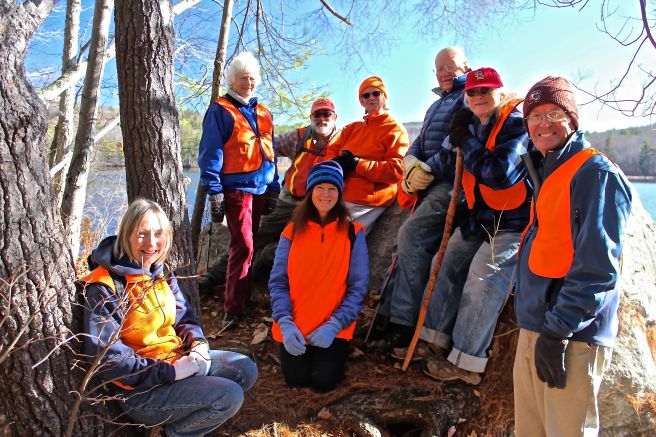
Donning our blaze orange, eight of the Greater Lovell Land Trust‘s docents joined me today for an exploration along the trail to Otter Rock at the Heald and Bradley Ponds Reserve.

Our destination was the Otter Rock spur, not very far, but it’s amazing how long it can take us and we were impressed that we actually reached our goal.

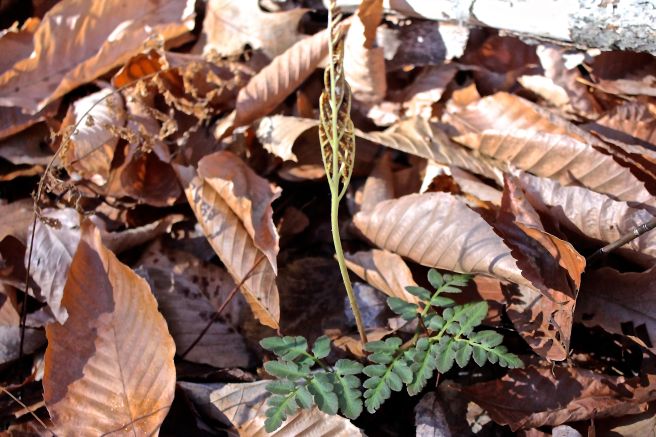
grape fern 1.jpg

Along the way we stopped to admire the blunt-lobe grape ferns and their separate fertile stalks, some still intact.

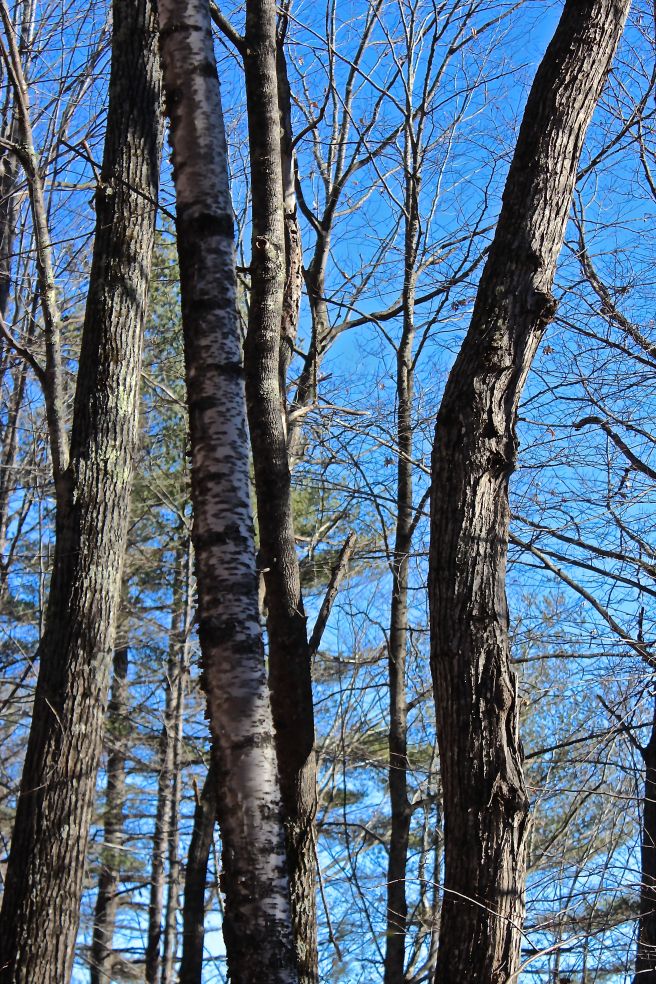
4 birches.jpg

And then we looked up. We’d been talking about tree bark, and right before our very eyes were four members of the birch family.

paper birch

Paper Birch (Betula papyrifera) features chalky white bark that often peels away in large sheets. The peeled bark reveals pink or orange tints, only partially visible here, but evident on other trees in the neighborhood.

yellow birch

To the left of the Paper Birch stands a Yellow Birch (Betula alleghaniensis), with its curly ribbon-like strips of bronze or yellowish-gray bark giving it a shaggy appearance.

black birch

And to its left the one that excited us most, Black Birch (Betula lenta), sporting gray bark with long, horizontal lenticels. All trees have lenticels, but they are more obvious on some than others. These slits allow for the exchange of gas so the tree may breath.


gray birch

Last in the family line-up, a Gray Birch (Betula populifolia) showing off its almost dirty appearance and chevrons below the former branch sites.

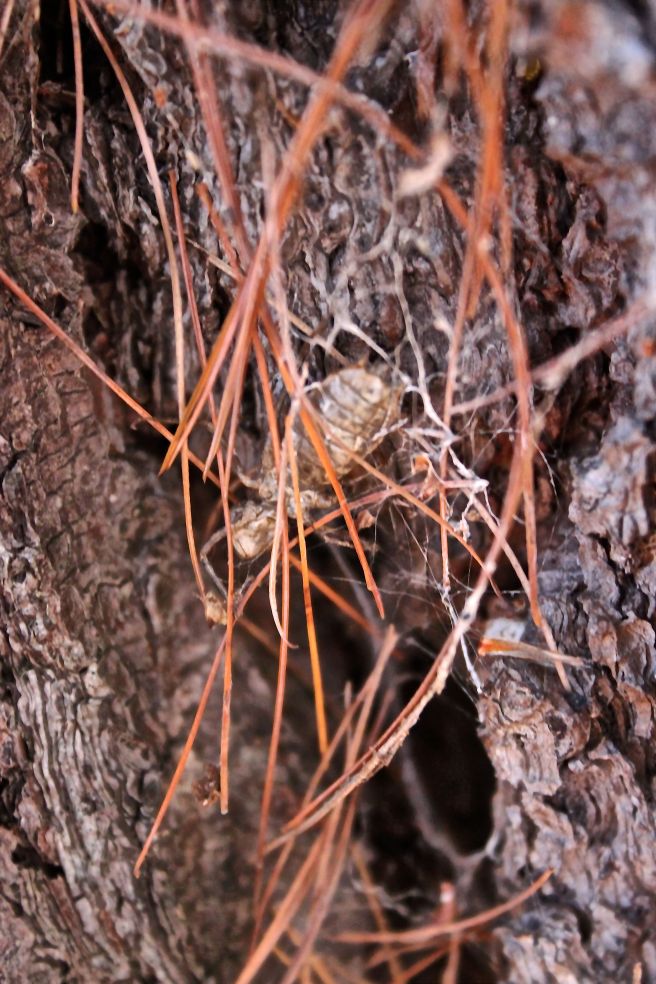
dragonfly nymph 1

At Otter Rock, we found dragonfly nymph exoskeletons still clinging to tree bark

df 2

and rocks.

shell remnants

Our discovery of shells made us wonder and smile about others who have passed this way.

wh b

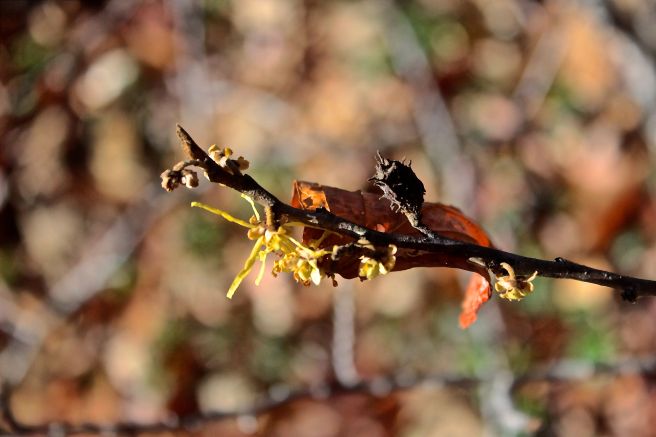
Now that the leaves are gone, we delighted in the knowledge that there is so much more to see, including Witch Hazel.

witch hazel gall

We examined one of the few remaining ribbony flowers, the scalpel-shaped buds, fruiting bodies, asymmetrical leaves and a spiny gall all on one branch.

witch hazel Bob.jpg

Our very own Witch Hazel Expert, Docent Bob, demonstrated the way the seeds pop–referencing Henry David Thoreau’s discovery of this phenomenon.

docents 1.jpg

Before we headed back to the main trail, the group posed for a photo call. They all look so sporty in their blaze orange.

wild raisins

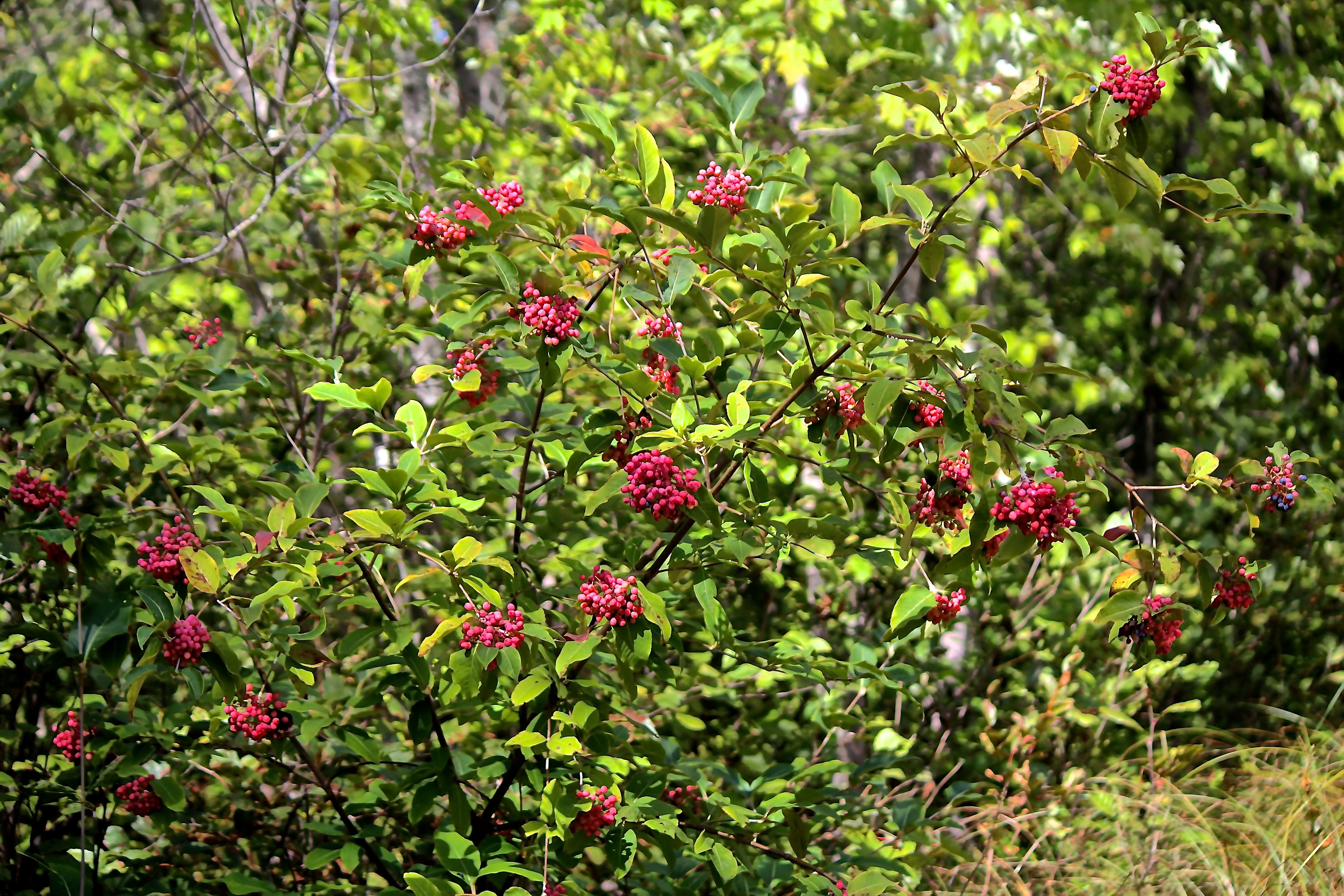
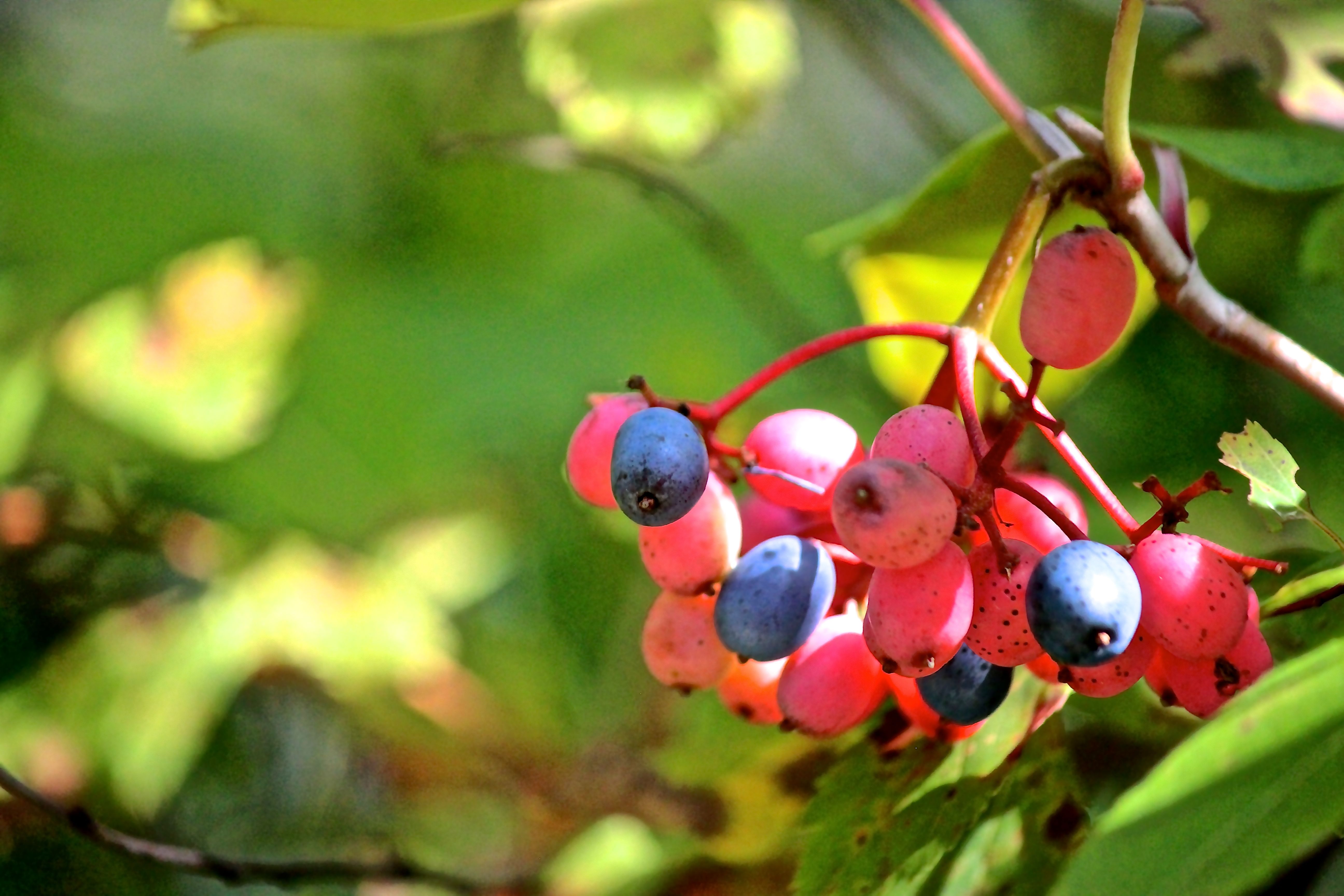
A few more finds as we walked back to the parking lot: remnants of a wild raisin (Viburnum cassinoides), so named because the shriveled fruits that remain look like raisins;

black cherry bark.jpg

Black Cherry bark (Prunus serotina), easily identified by the small scales that curl outward like burnt cornflakes or potato chips;

red oak leaves

and Northern Red Oak leaves displaying holiday colors.

Mill Stream

Though most of us parted company just beyond the mill stream, a couple of us continued on to the John A. Segur Wildlife Refuge off New Road.

Heal All

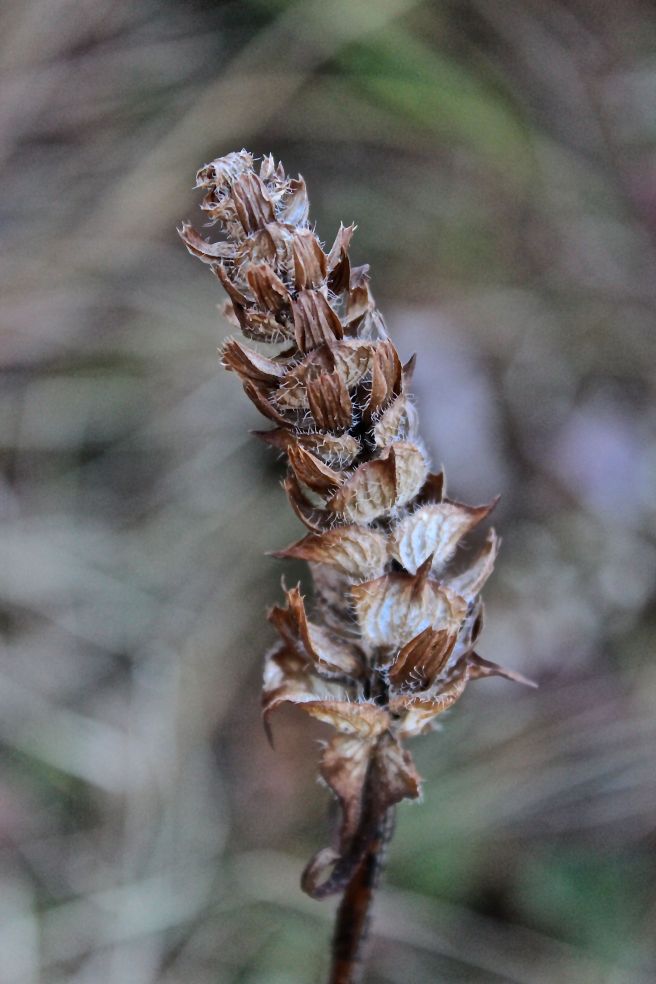
We focused our attention on winter weeds, a topic for our January 9th walk. On this old logging road, some of the Selfheal or Heal-all (Prunella vulgaris) stands at least a foot and a half tall. As pretty as it is in the summer, it’s still a sight to behold in its winter structure.

evening primrose

Another to look forward to is the Evening Primrose (Oenothera biennia). Its fruits are four-parted capsules arranged in a spike at the tip of the stem, looking rather like flowers themselves.

There’s more to see, but I don’t want to give it all away.

CS view 1

My last stop for the day was a loop around the Chip Stockford Reserve. I wasn’t the only one trending blaze orange. The glow of the late afternoon sun cast an orange hue across the beech leaves.

November in western Maine. We’re happy to don our blaze orange and get out on the trails.


Chore-date Mondate

Some Mondays we’re forced to stay home and complete chores. And so it was today.

But, one item on our list included a mid-afternoon trip to Holt Pond, where we did some trail maintenance on the Southern Shore Trail.

blowdown

saw 1

A couple of blow downs and some stray branches required our attention.

nature art

So did nature’s art work, visible on a nearby boardwalk.

birch polypores

While I did a wee bit of labor, I constantly scanned the landscape for things like this birch polypore garden.

bp pore surface

Viewed from below, it’s easy to see the pore surface.

deflated puffballs

A stump covered with deflated puffballs took me back to my childhood, when we used these as smoke bombs. I’ve lived a life well spent.

stinkhorn?

I’m not sure how I saw this one and I’m not sure my ID is correct, but I think it’s a stinkhorn. We were moving quickly, so I didn’t take time to sniff.

 Indian Pipes

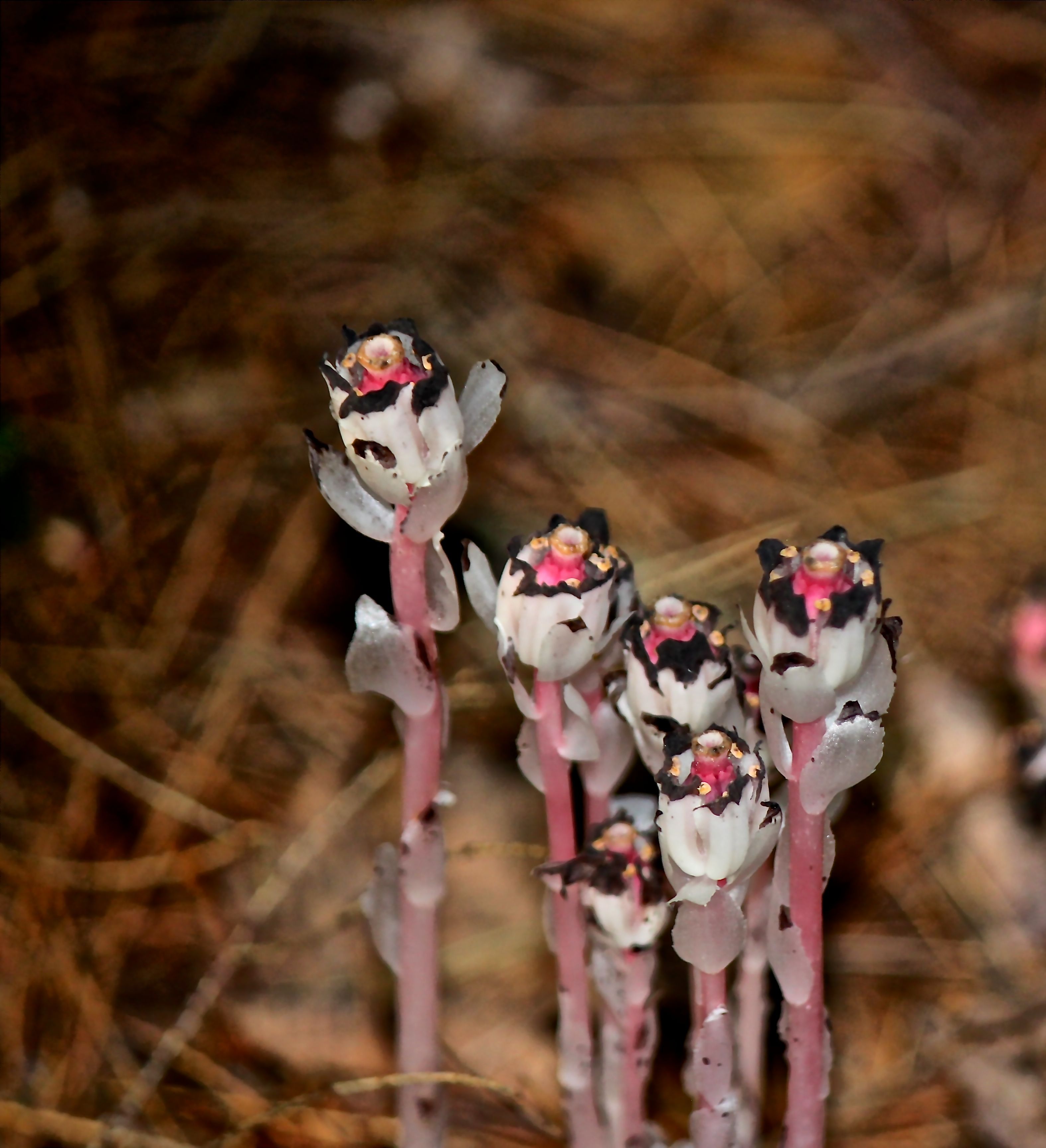
I loved this bouquet of Indian Pipes that have transformed from ghostly white pipes to their brown stick stage topped with handsome woody seedpods.

shades of brown

When we weren’t passing quietly under Hemlocks, we scrunched through shades of brown–certainly a feast for the eyes of those who create Crayola crayons and paint chips.

HP 1

We paused briefly to look at the quaking bog across Holt Pond–a different point of view.

field 1

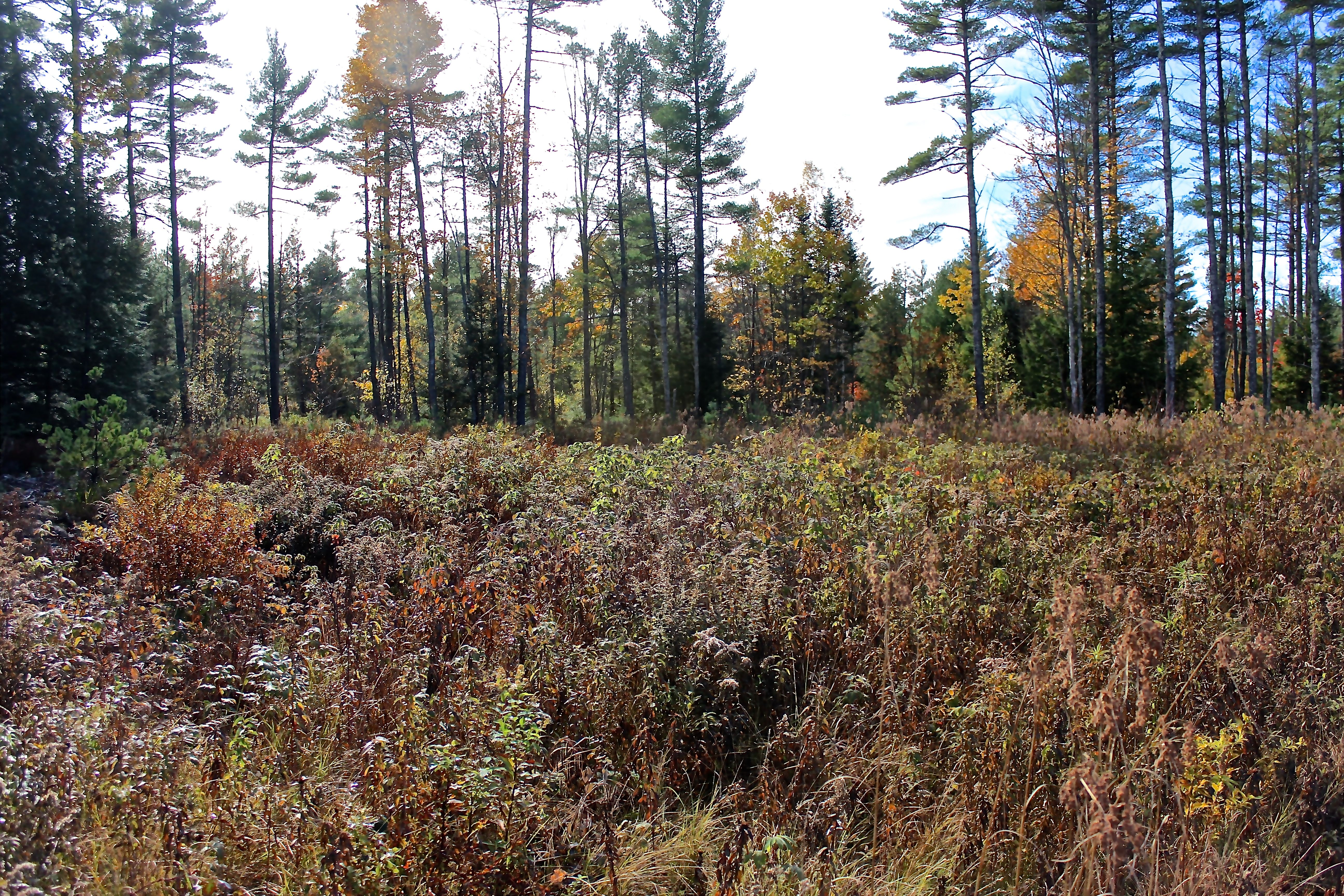
At last we reached our turn-around point in the field, which isn’t much of a field anymore. It’s a classic example of succession–an area where a disturbance (log landing) created an opening, which filled in with wildflowers that some would consider weeds. Shrubs and tree saplings have taken over and will soon create shade so the sun-dependent flowers will die back.

Field 2

Though their stay here is short-lived, the flowers play a major role by decomposing and releasing nutrients that improve the soil for those that follow.

field goldenrod

So sing your praises to the goldenrods

sweet fern

and Sweet-fern for the work they do to enhance the earth . . . and for their free-form structures–more of nature’s art work.

We relished this “chore” in the middle of our working Monday. And now to get that barn cleaned.


Under-Appreciated Beauty

There’s an under-appreciated beauty in our midst right now. It’s one that’s easy to dismiss, but taking the time to look brings great rewards.

wildflowers

What may look like a field of weeds to you, is actually a perfect place to sit and wonder. To admire the structure and form of each wild flower. To watch and listen for wildlife that finds nourishment and cover here.

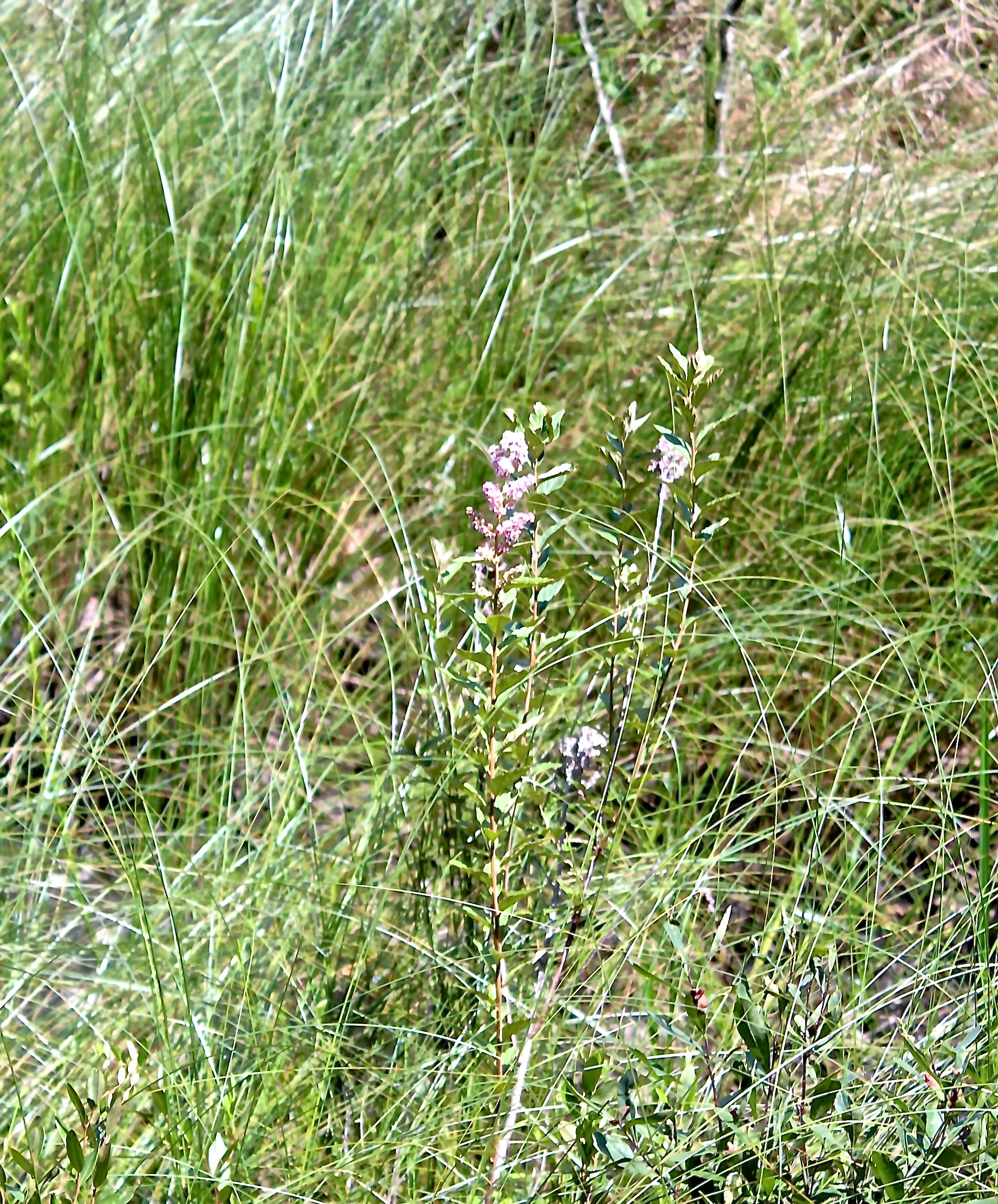
Hardhack

This particular plant has earned two common names: Hardhack because its woody stem makes it hard to hack down; and Steeplebush because its summertime rosey-pink flowers grow in a steeple-like structure.

Hardhack 2

hardhack 3

Come fall, it turns a golden brown. Hardhack (Spiraea tomentosa) grows to about two-four feet tall and features short, closely-spaced branches. I should note that we call it a wildflower, but it’s actually a shrub.

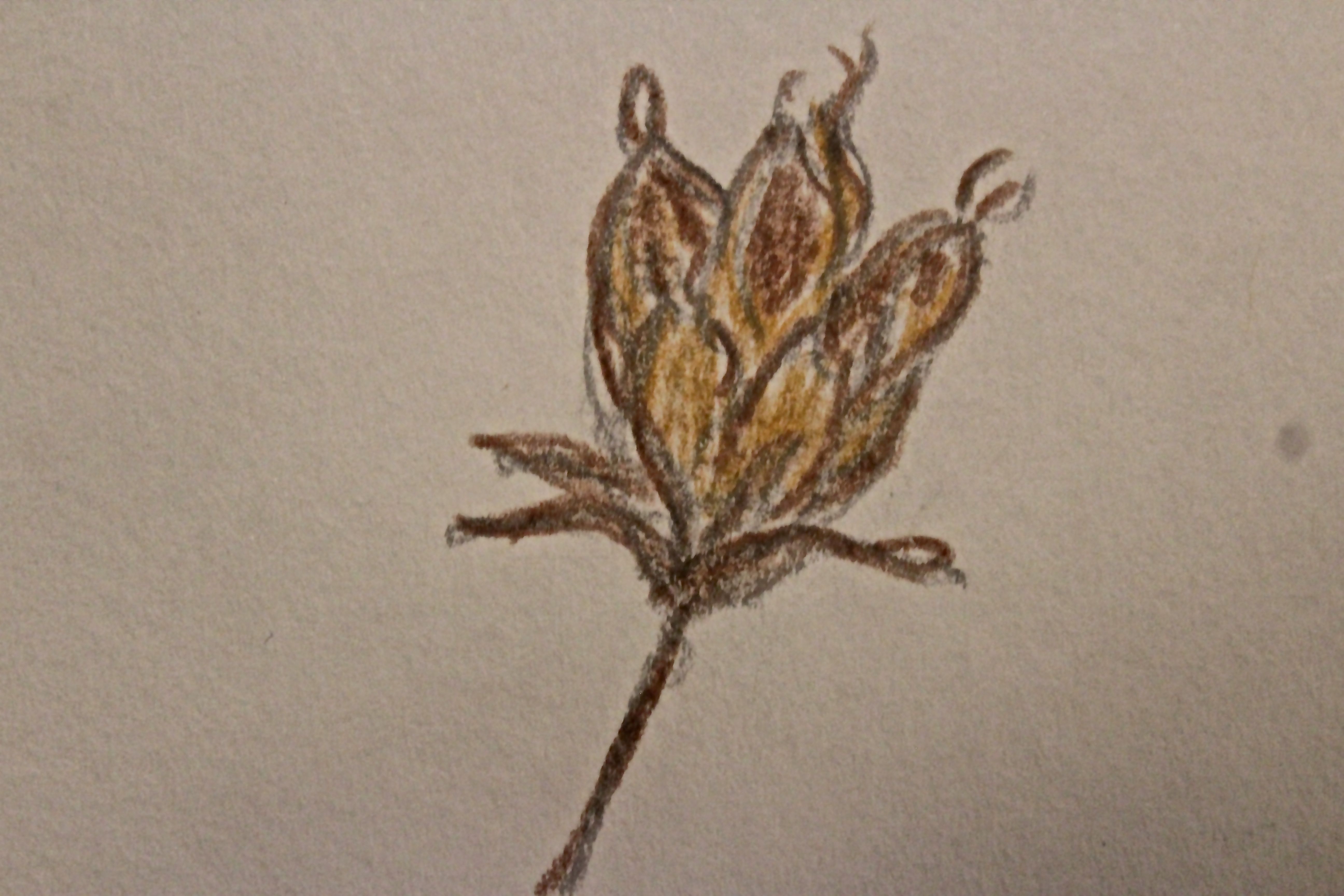
hardhack sketch

Thoreau described Hardhack as one of the “other strong-stemmed plants, those unexhausted granaries which entertain the earliest birds . . . ” And here is a bird’s eye view of the fruit–a tiny pod consisting of five parts, reminiscent of the rose family.

Meadowsweet

A relative of Hardback is Meadowsweet (Spiraea latifolia).

Meadowsweet 2

Meadowsweet sketch 2

Growing equally as tall, Meadowsweet’s stems are reddish or purply brown. It differs from Hardback in that the flowers tend to have a more pyramid-like structure at the ends of branches, forming a broader top.

Meadowsweet sketch

But the family resemblance is visible in the five-part fruit.

Indian Tobacco, by cow path opening

While the Spiraea family grows in close association with each other, children not wandering far from their parents, a loner in the field is Indian Tobacco (Lobelia inflate). The papery two-parted capsules are round and hollow–some still held a couple of seeds.

bulrush

One of the most stunning displays mixed among the wildflowers is the Bulrush, a grass. These were blowing in the breeze today, their downy seeds ready for dispersal.

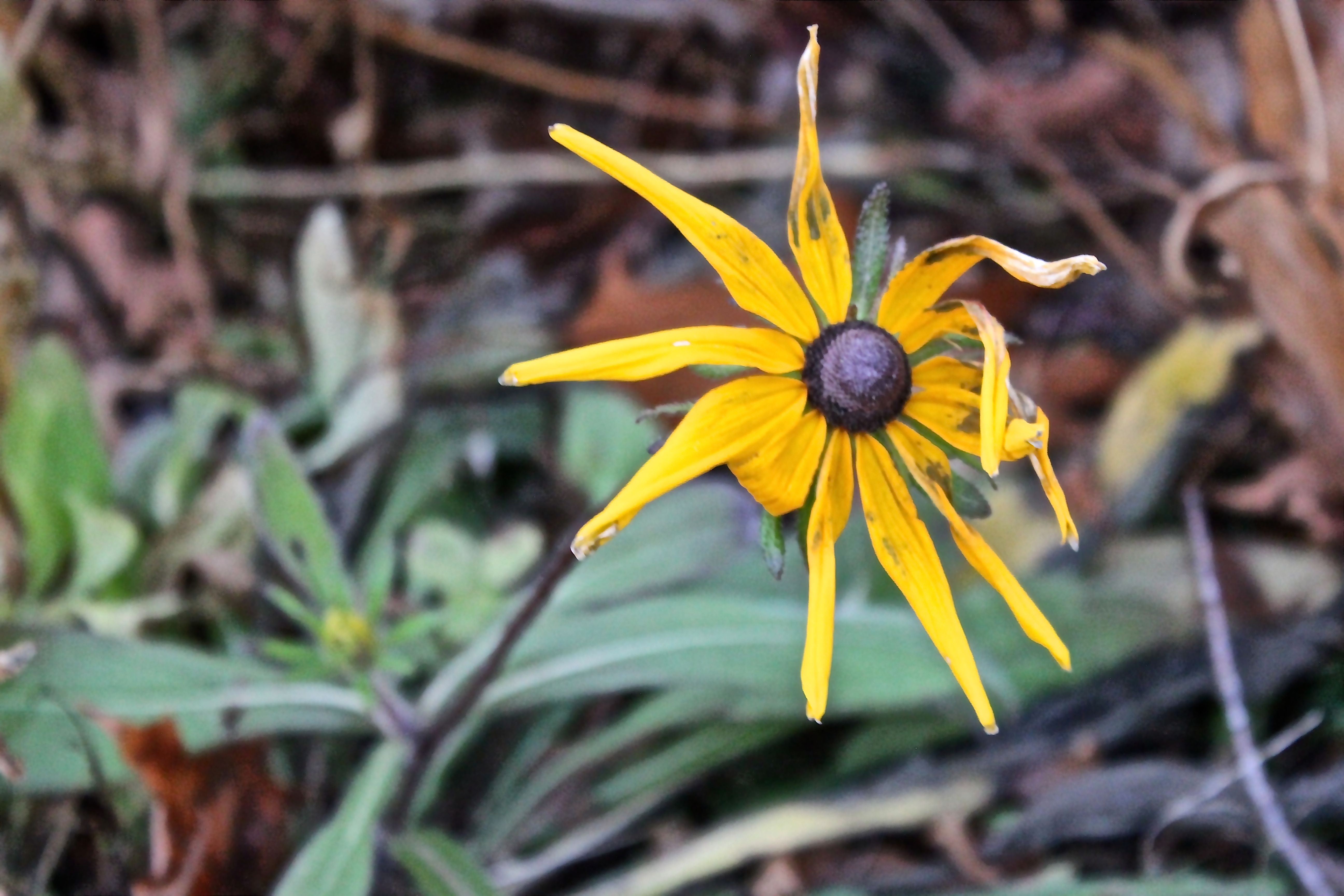
Black-eyed Susan

And not quite ready to give in to the seasonal change, a Black-eyed Susan.

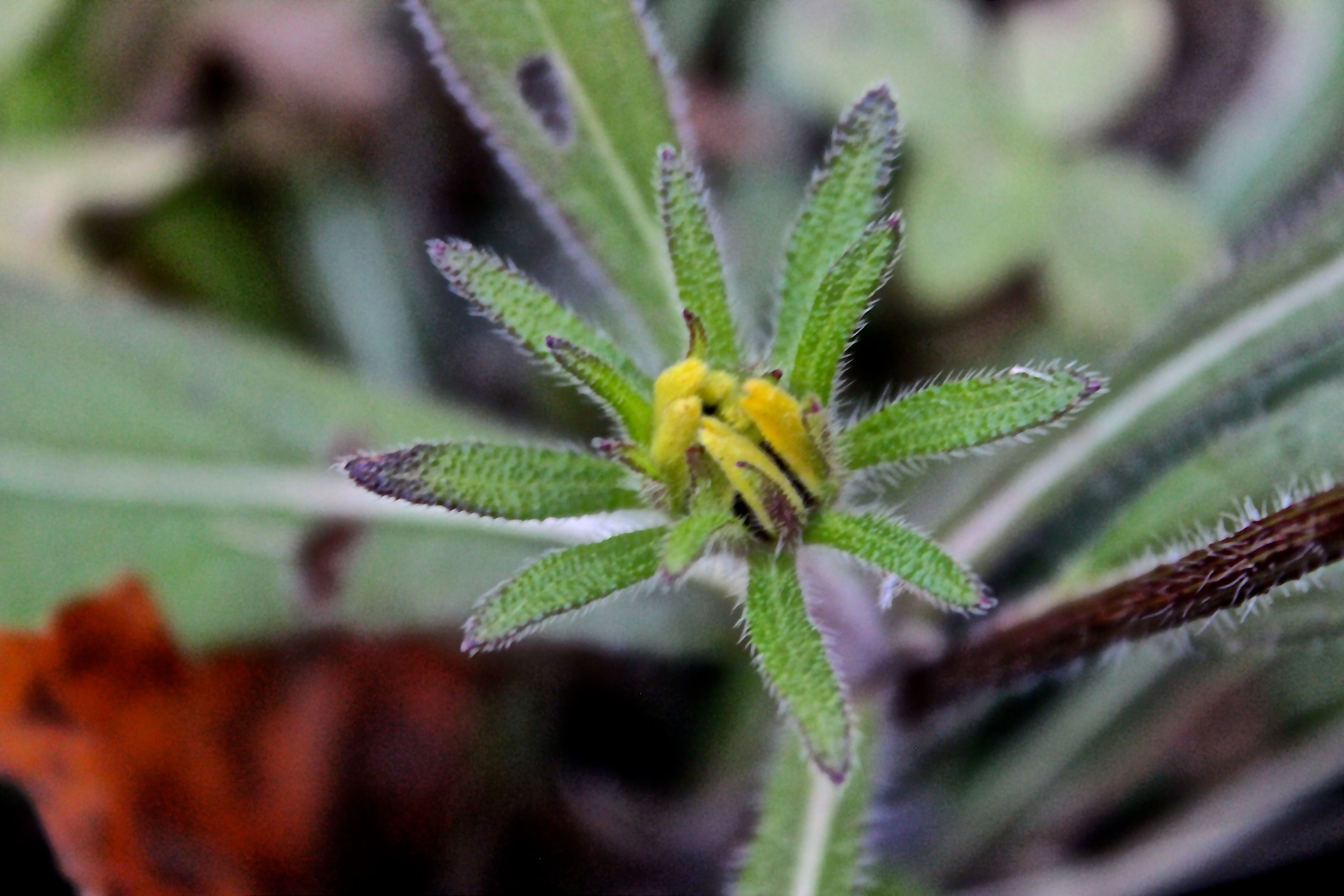
B-E S bud

Its species name is Rudbeckia hirta. Apparently it was named by Linnaeus for his botany professor, Olaf Rudbeck. Hirta refers to the hairs that cover the leaves and stem.

My question is, will this one make it to the fruiting stage? Will its gumdrop seed head have a chance to stand tall in the winter landscape? I’ll have to keep an eye on it.

deer rub 1deer rub 2

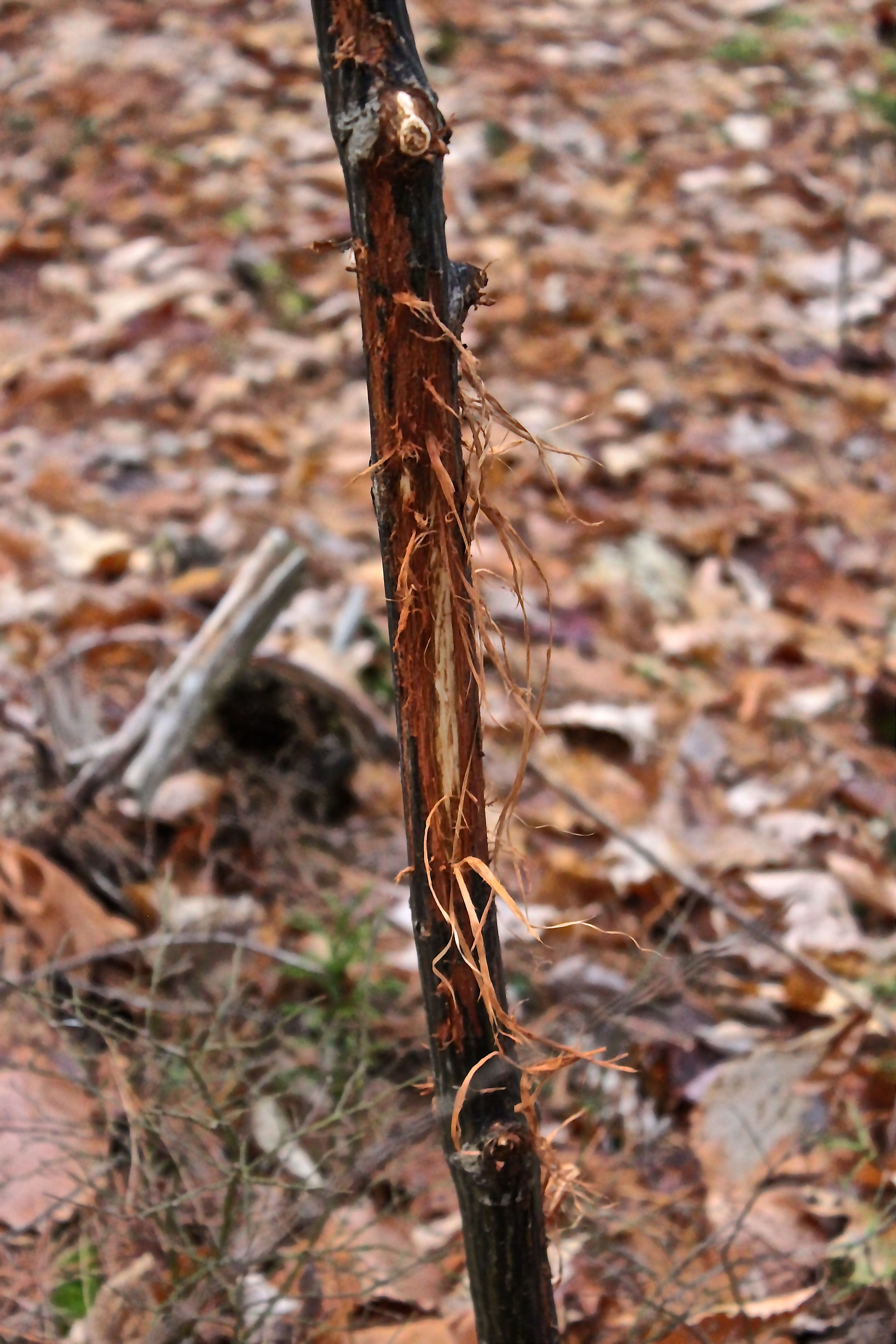
There’s so much more to notice in the world of winter weeds, but it was time to head in. On the way, a fresh rub. Some dear sole was in a shedding mood. Though this Striped Maple will probably survive, it took a beating as a rubbing post.

All about, there’s under-appreciated beauty. It’s up to us to pay attention and wonder. I, for one, accept that mission and hope you’ll join me as often as you can.

Wer-if-est-er-i-a-ing A-long

12074842_10153632630537731_2769008110586363497_n

Thank you to my friend, Judy Lynne, who shared this word with me today. I know I do it, but I didn’t know there was a word for it. And I love that it’s an Old English word–takes me back to college days and my History of the English Language Class where we learned to read in Old and Middle English.

And so it was that today I wandered longingly through the forest in search of mystery with five other naturalists–all MMNP grads who will bring the Master Naturalist course to Bridgton in the spring of 2016.

After a tour of Lake Environmental Association’s Maine Lakes Science Center, we took care of some housekeeping items (coursework) before heading out the door. I made them practically run through Pondicherry Park–well, maybe run is an overstatement, but we moved quickly for us–not much time for werifesteriaing.

It was our afternoon tramp at Holt Pond when we allowed ourselves more time to pause and wonder.

HP snake

As we started down the trail, Beth saw this snake hidden among the leaf litter. It’s the third garter snake I’ve seen this week. The day was overcast and we weren’t sure if he was coiled up because he was cold or if something had attacked him.

HP Muddy River

We stepped onto the boardwalk to view the Muddy River and it almost sank beneath our weight. The water is quite high and I suspect I know why.

HP beaver works

Off to the side, we saw fresh evidence of beaver works.

HP beaver lodge, Muddy River

And in the river, a lodge topped with new sticks. I think the dam down the river has probably been rebuilt.

Looking from this vantage point, the layers of communities are pronounced, with the wetland plants like leatherleaf, sheep laurel and sweet gale growing low by the river, topped by alders and small red maple trees, topped by tamaracks, topped by white pines, hemlocks and Northern red oaks.

HP layers from Muddy River

Similar layers surrounded us with the bright red winterberries forming the creme between two wafers.

HP pitcher 1

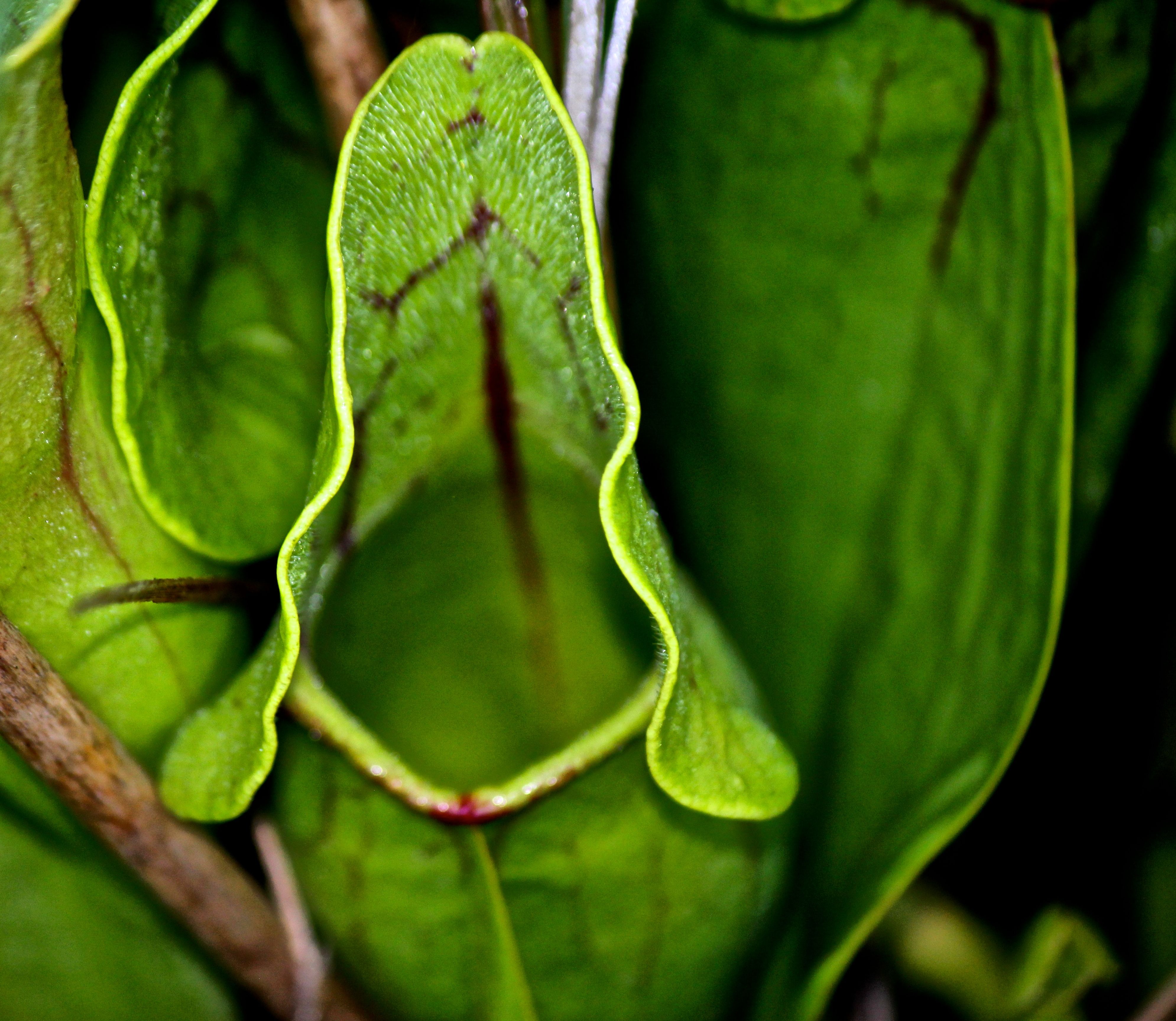
As happens each time I pass this way, I am forced to photograph the pitcher plants.

HP pitcher 2, picture

Have you ever noticed the pictures on the hairy inner lip? Do you see what I see? A woodland landscape–trees with extended branches, a layer of colorful foliage and a grassy edge leading to the lake (water in the cup)? I know the hairs and design are important for the attraction of insects, but I never really paid attention to the actual design before.

HP Wooly aphid

We also found more woolly alder aphids, which Joan and Ann held in their hands so everyone could get an unclose look at the squiggly insects. Rather disgusting, yet fascinating.

Holt PondHP north 2

Even a single moment at Holt Pond translates into tranquility. (And I had to channel this moment for Judy Lynne.)

HP bog boardwalk, water

Gordon, Beth and Joan tried to keep their feet dry as we examined the plant life along the quaking bog boardwalk.

HP cranberries

Karen spotted one cranberry and then another, and another, so everyone could sample the tart flavor. Pucker up.

HP owl pellet

Our next fun find–a raptor pellet comprised of hair and bones galore. For the naturalist course, this will come into play.

HP raining leaves 3

Every once in a while, I’d ask if it was raining. It was–beech and oak leaves.

HP old hemlock varnish conk

While we stopped to admire several older hemlock varnish conks, something else caught our attention.

HP mystery bark

Do you know what it is?

HP fur

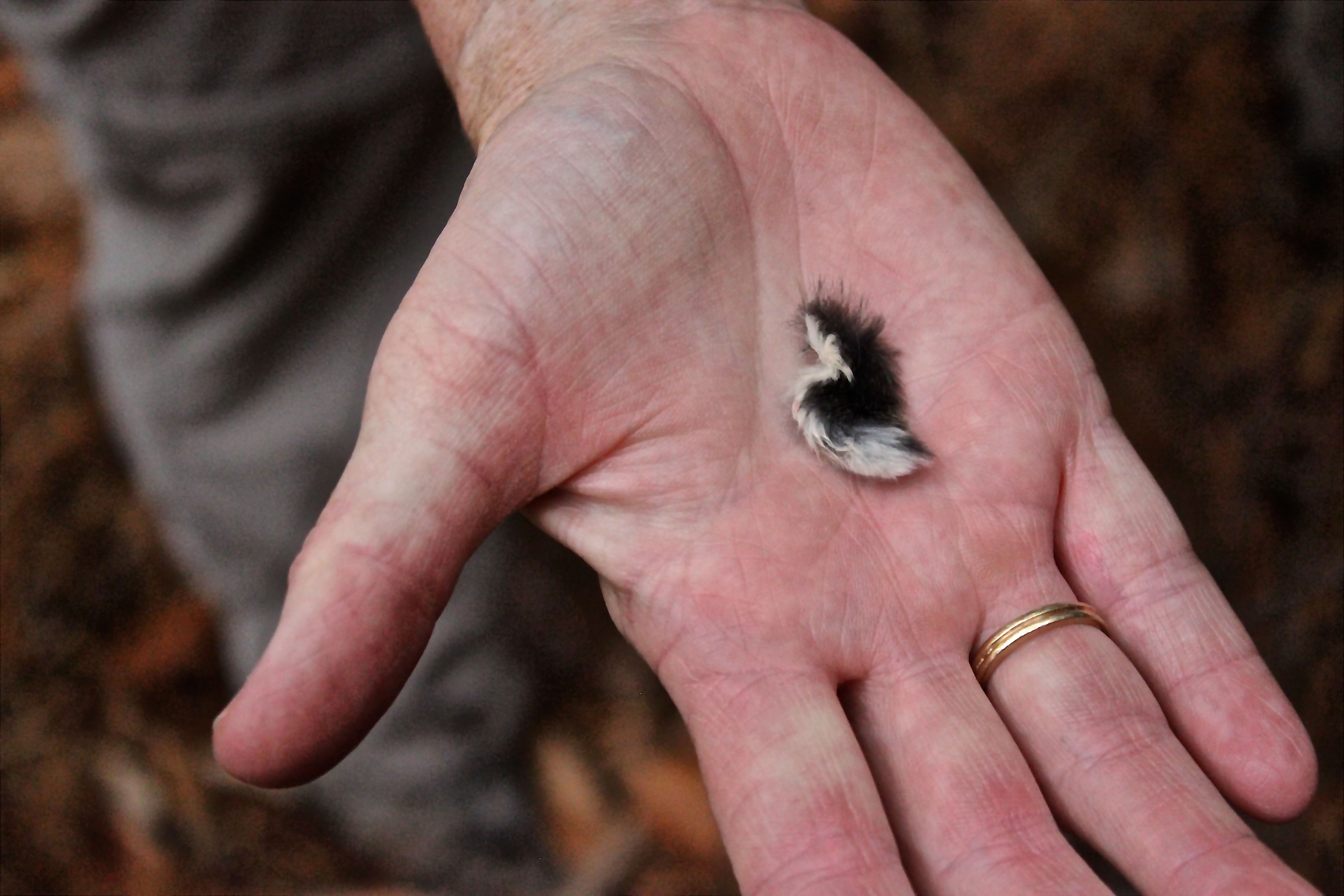
And then Ann spotted this little tidbit–leftover from someone’s dinner. We still don’t know who ate whom. Or if it was related to our earlier find of the pellet.

What we do know is that we spent a delightful day werifesteriaing along.

HP fun mystery

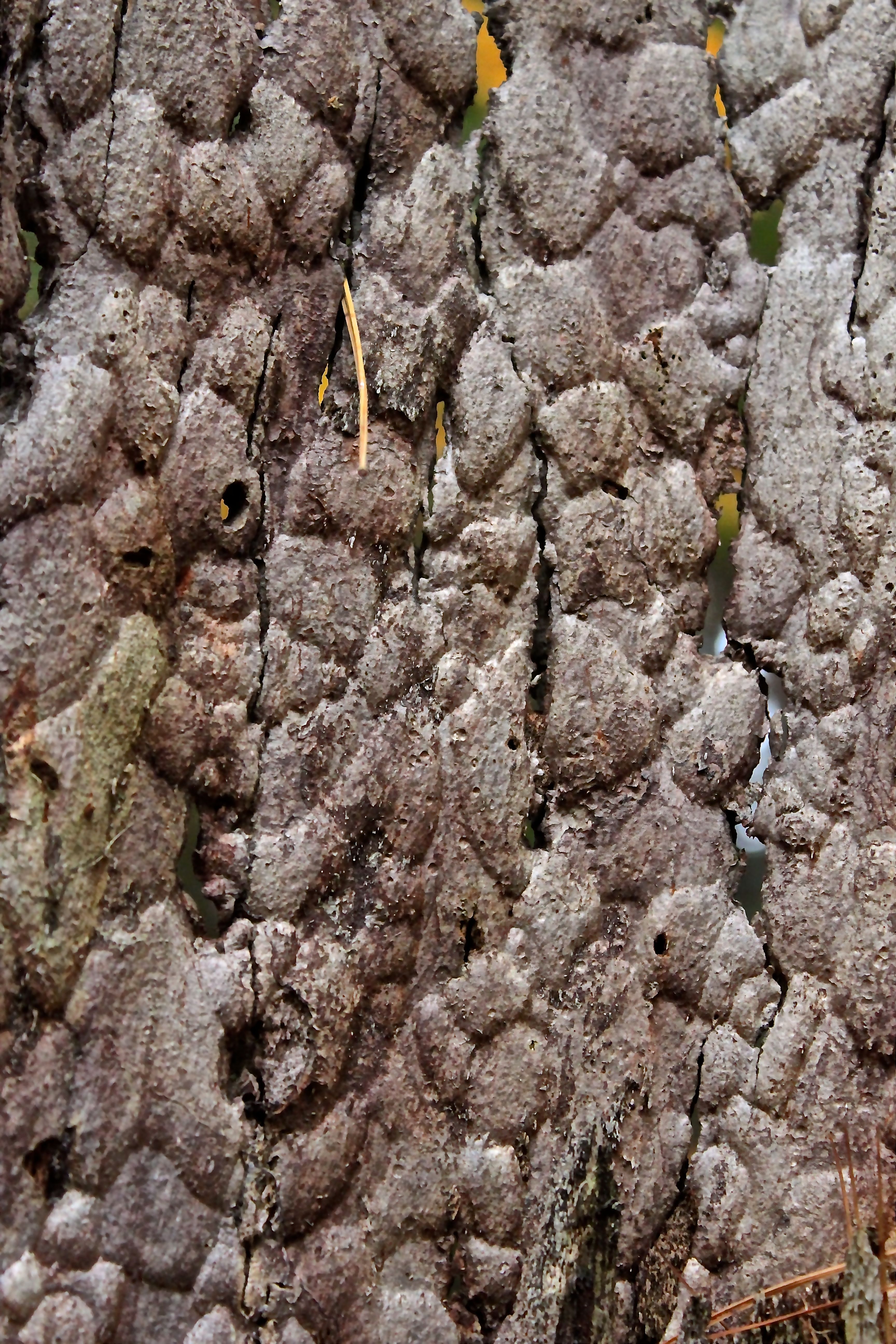
As for the mystery photo–the inside of hemlock bark. This is the bark that I think of when trying to remember how trees decay–hardwoods rot from the inside out, softwoods rot from the outside in, but hemlock bark often remains. In the 19th century, hemlock bark was used in the tanning process because the tannins found in the bark preserved a hide and prevented natural decay while giving it a brown hue. At the same time, the tannin left the leather flexible and durable.

Here’s hoping you’ll have the opportunity to wander longingly in search of mystery.

What’s Next?

I chose to walk intentionally today, pausing every few moments to look and wonder. I didn’t want to rush, always seeking the next best thing.

And so I began with a stop to admire the great lobelia that continues to bloom  despite the frost we’ve had this past week.

Great lobelia

But it was at a former log landing we can see from the kitchen window, that “what’s next” kicked into gear.

log landing 10+ years ago

While the field beyond our stone wall is mowed once a year, this area has been allowed to follow the order of succession for cleared land. Goldenrod, asters, meadowsweet, grasses and raspberries have filled this space. What will follow?

deer print

Further along, the deer and

moose prints

the antelope, I mean, moose play. No fresh bobcat or coyote prints after this morning’s rain, but I saw some scat from both. And I had to remind myself not to have expectations. That’s the thing. It’s so easy to get caught up in looking for the next best thing and forgetting to focus on the moment, the beauty and the complexity that surrounds us.

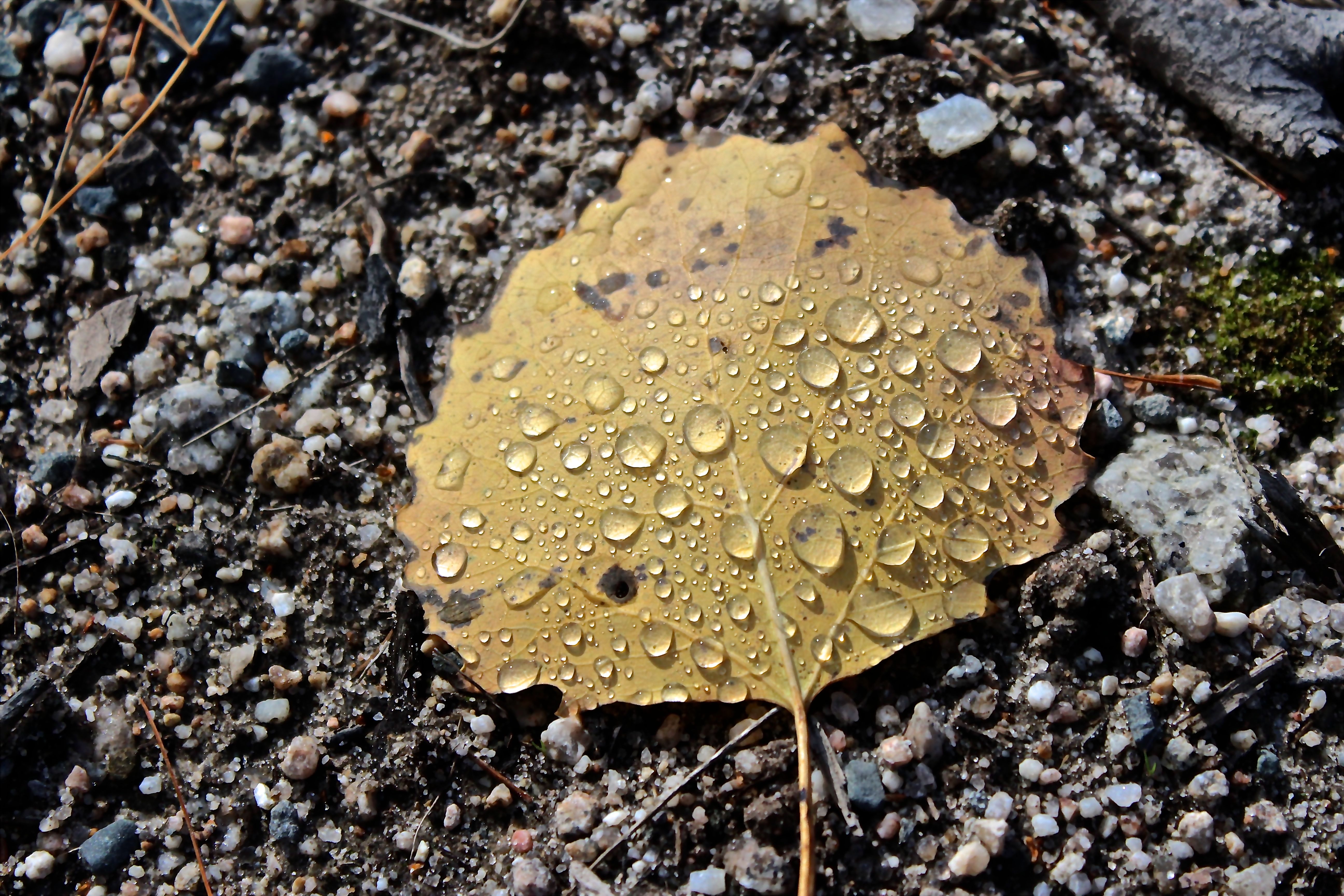
water droplets on big-tooth aspen

So I did–focus that is. On the big tooth aspen leaf decorated with rain droplets,

asters gone to seed

aster seeds waiting for their moment of dispersal,

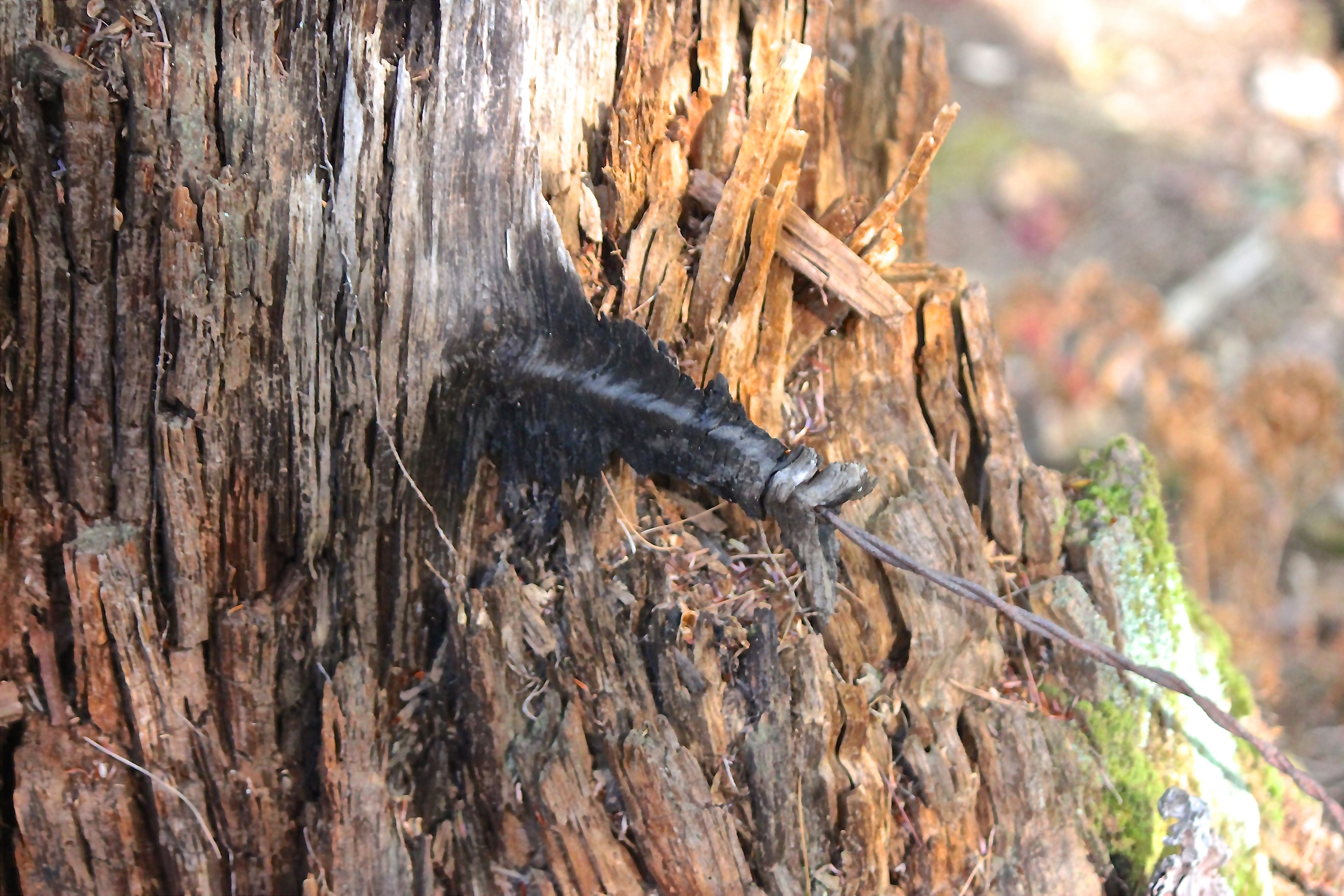
barbed wire

a hemlock that long ago knew this forest as farmland,

autumn meadowhawk

 an autumn meadow hawk soaking up the late afternoon sun,

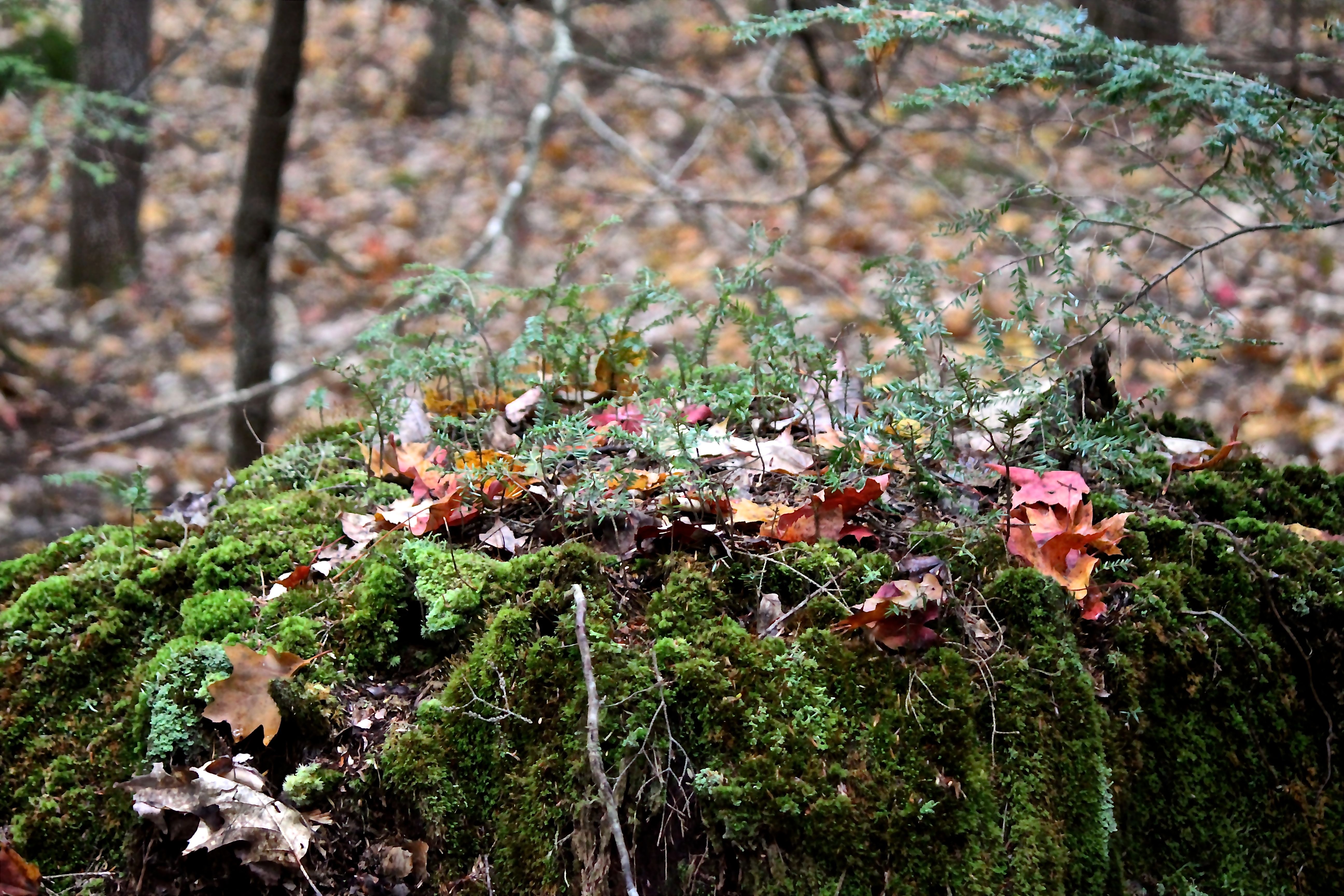
life on a stump

the variety of life growing on a stump,

hemlock saplings on stump

and hemlock saplings taking root.life on a tree 2

life on a tree 3

life on tree 5life on tree 7

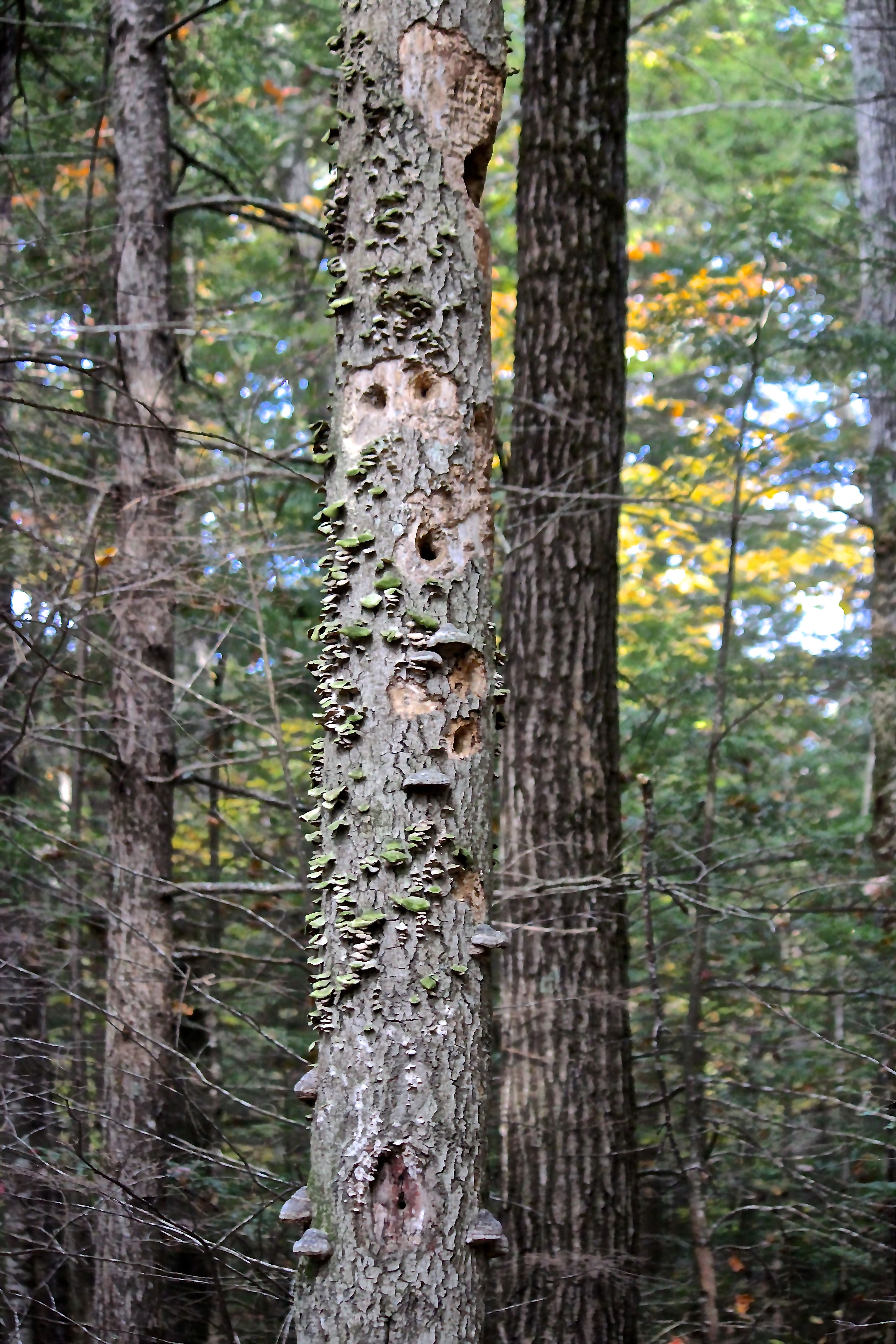
My eyes were drawn to all manner of life growing on trees that are past their prime, from woodpeckers and sapsuckers to mosses and fungi, including violet-toothed, birch and tinder polypores, plus Jack O-Lanterns that glow in the night.

old tinder conk

I found an older tinder conk springing forth with life as it gleans sustenance from its host,

chaga

chaga, that hardened mass of hyphae that is proclaimed to be life-giving,

mossy maple

mossy maple polypores growing in a wound, as is their preference,

mossy maple mushroom:field dog lichen

and more mossy maple, this time covered with the brownish-gray lobes of field dog lichen, which typically grows on the ground. Huh?  Creation at work. Soil forming on top of the moss covered fungi–certainly a fertile ground.

quartz

I found quartz where I expected to find only granite,

royal fern

a small royal fern holding court on its own,

sensitive fern

and the bead-like fruiting stalk of the sensitive fern.

 red squirrel

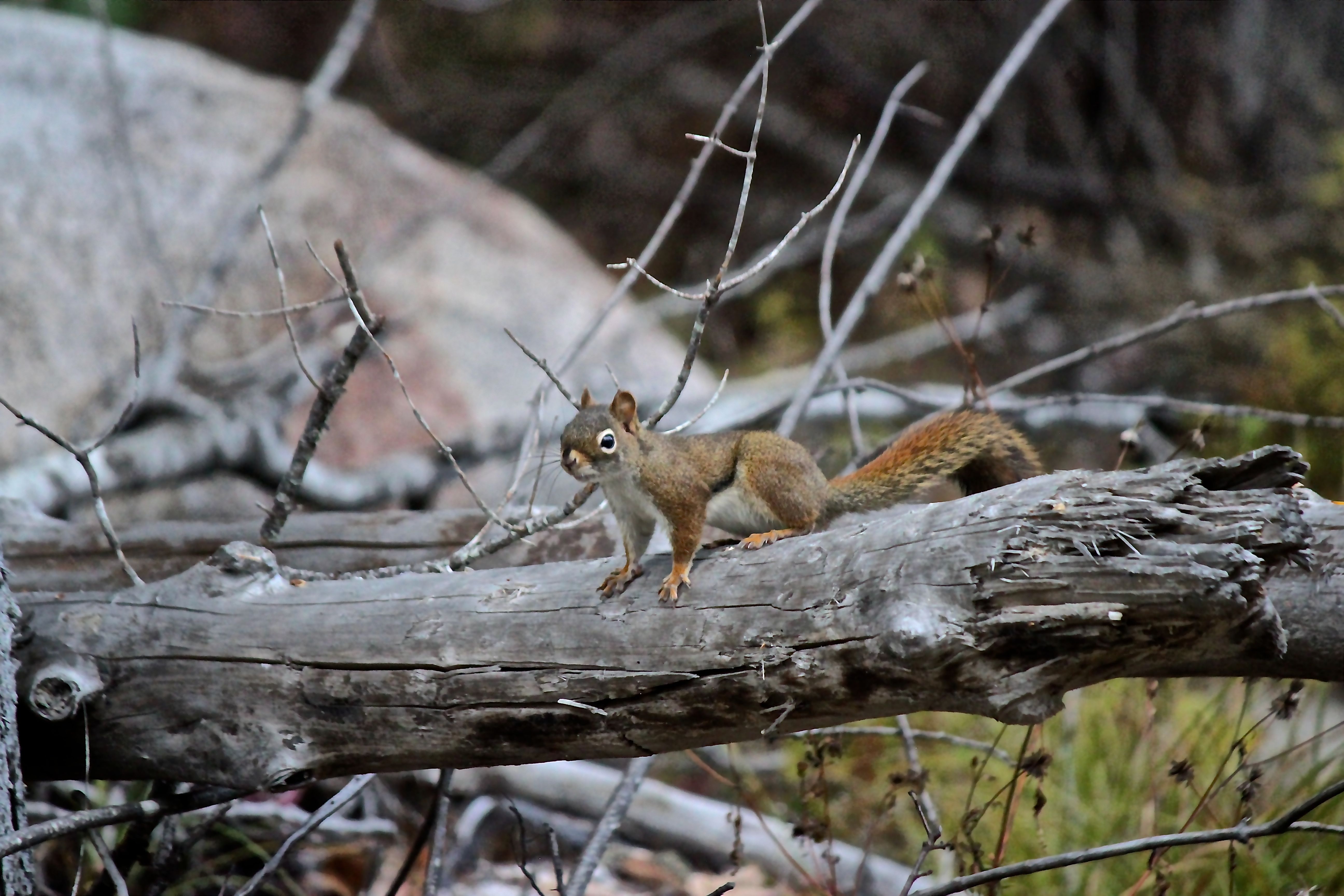
I saw plenty of birds, including a few ruffed grouse that I startled as they startled me. This and other red squirrels chatted insistently whenever I was near.

beech tree captures late afternoon rays

And I saw the sun’s rays reflected by the beech leaves.

trail 1

Sometimes following trails, other times bushwhacking, I wondered what will become of this forest.

tree opening

Open spaces invite pioneers to settle down.

Pleasant Mtn

In other places, those that long ago gained a foothold continue to enjoy the view–of Pleasant Mountain.

4 birches

Making my way homeward, I found myself in the presence of the birch clan–paper, yellow, black and gray–how sweet it is.

fleeting moments of fall foliage

As the foliage enjoys its final fleeting moments, I intentionally move from wondering what’s next to enjoying what’s now.

Questions To Be Asked

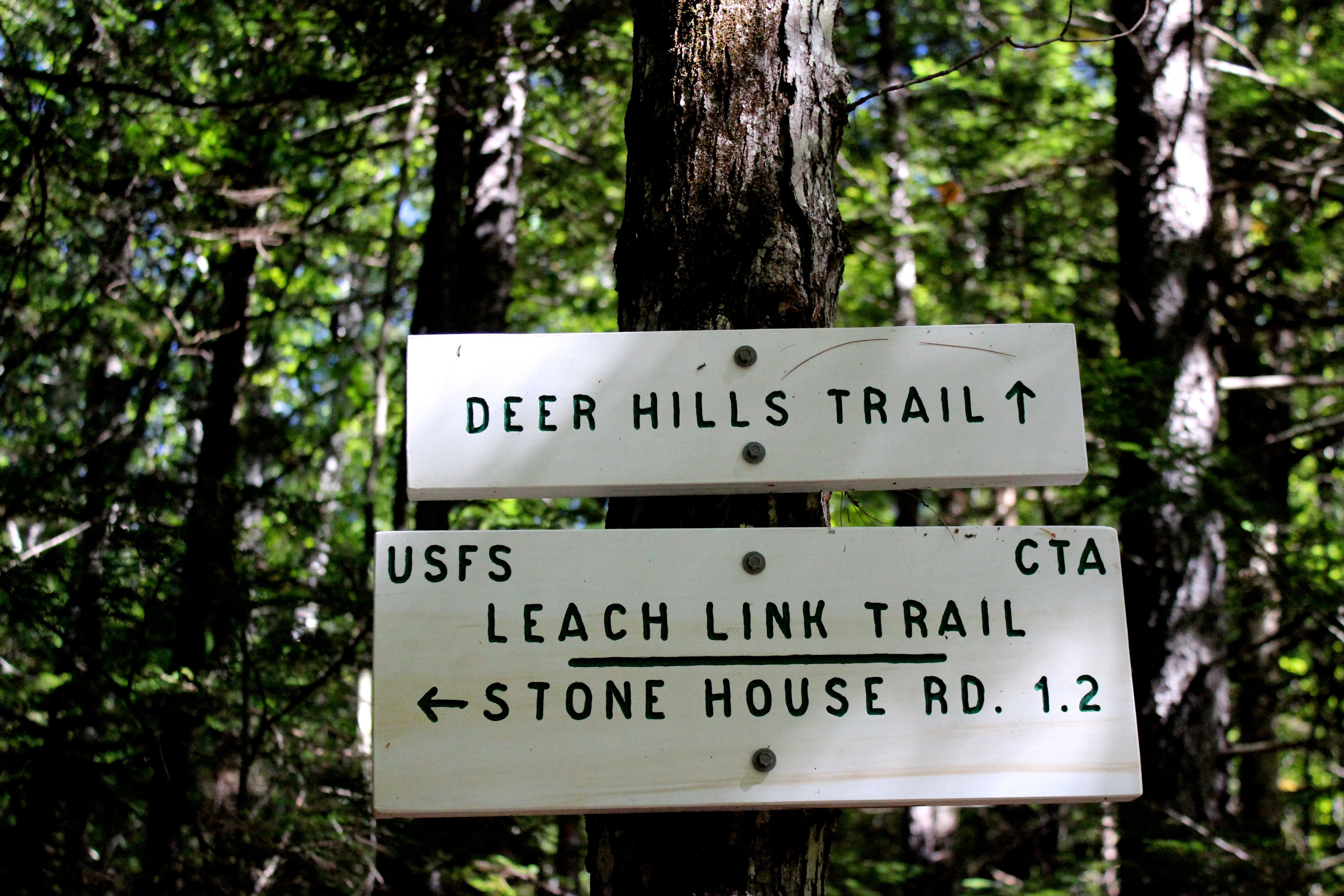
A friend and I drove to Evans Notch today with the mission of exploring a trail that was new to us. The Leach Link Trail connects Stone House Road to the Deer Hill trail system.

IMG_1338

We started at Stone House Road and turned back at the Cold River Dam. Not a long trail, certainly. And rather flat for the most part. Despite that . . . it took us four hours to cover 2.4 miles. You might say we stopped frequently.

There was a lot to see along this enchanted path. And questions to be asked.

CB 2

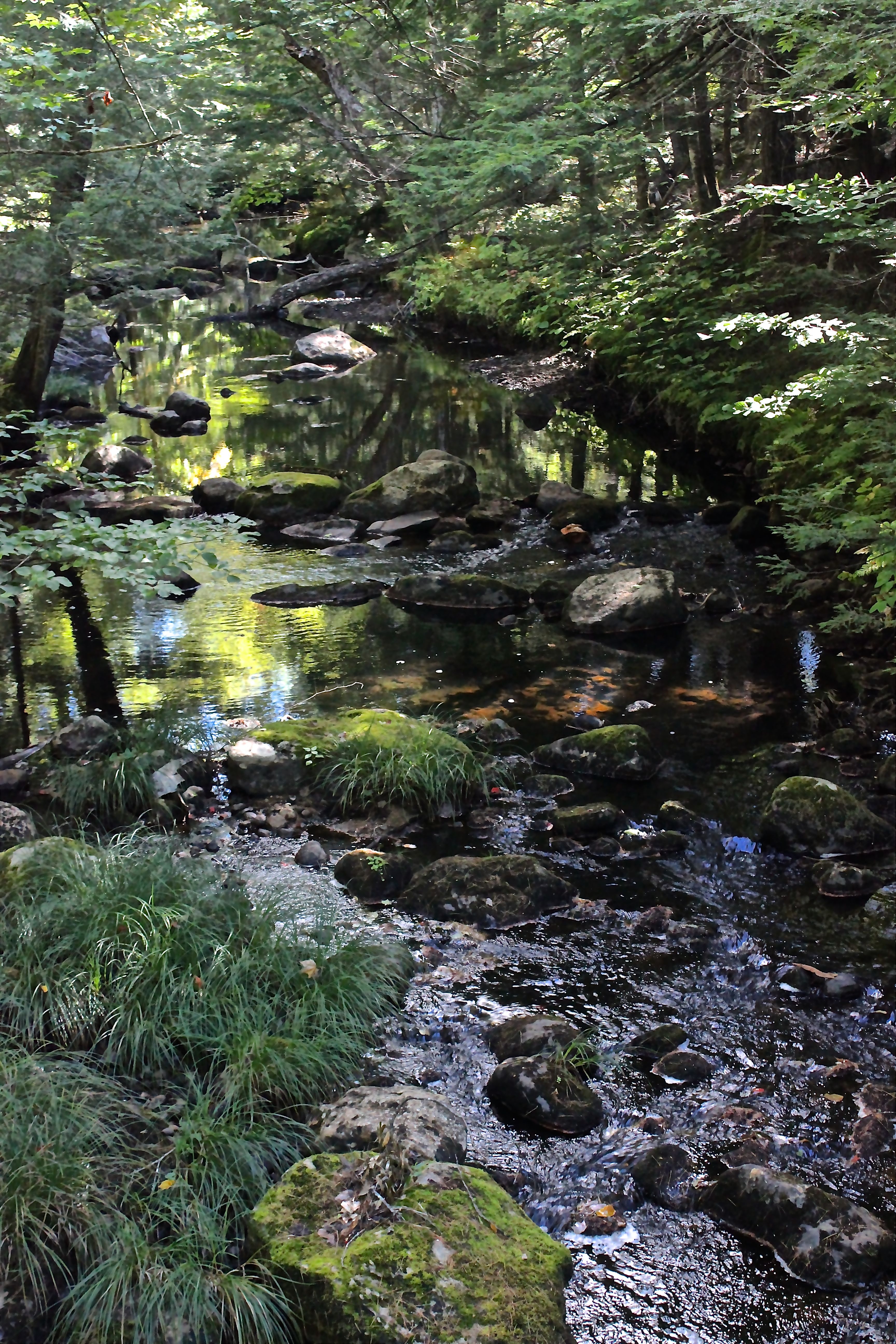
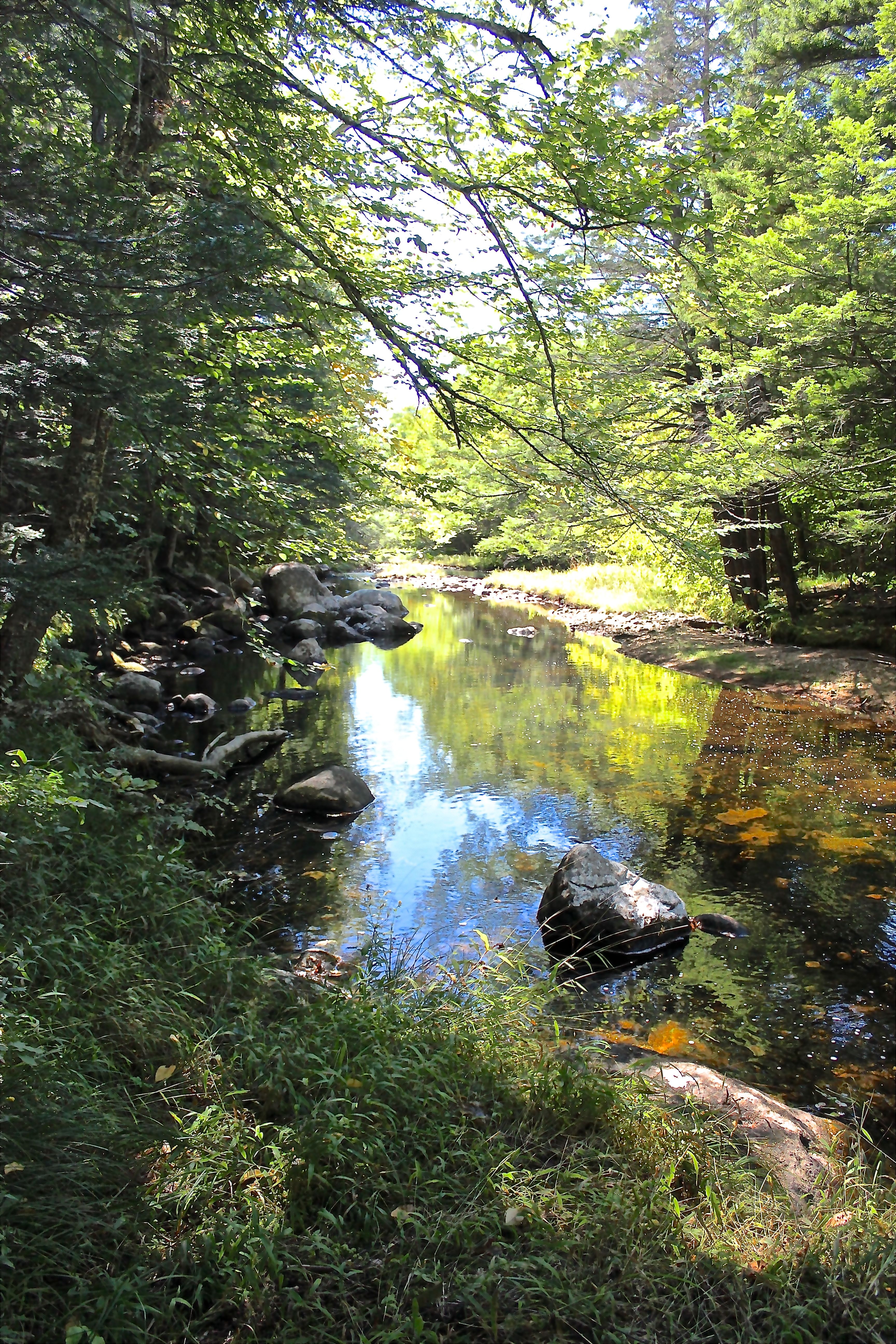
We walked beside the Cold River as we passed through hemlock groves and mixed hardwoods covered with a myriad of mosses and liverworts.

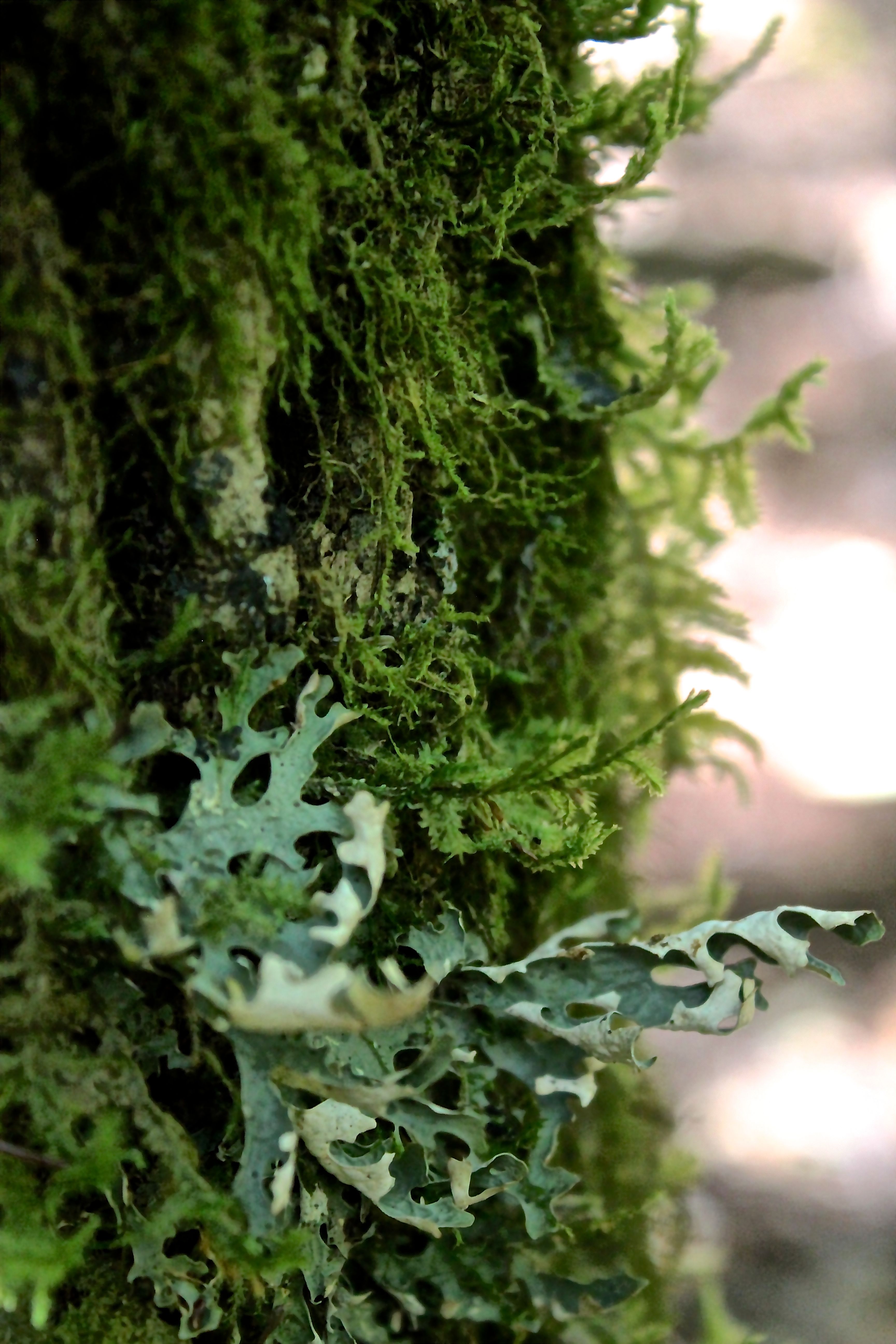
lungwort

Because it had rained last night, Lungwort, an indicator of rich, unpolluted areas, stood out among the tree necklaces. Why does it turn green when wet?

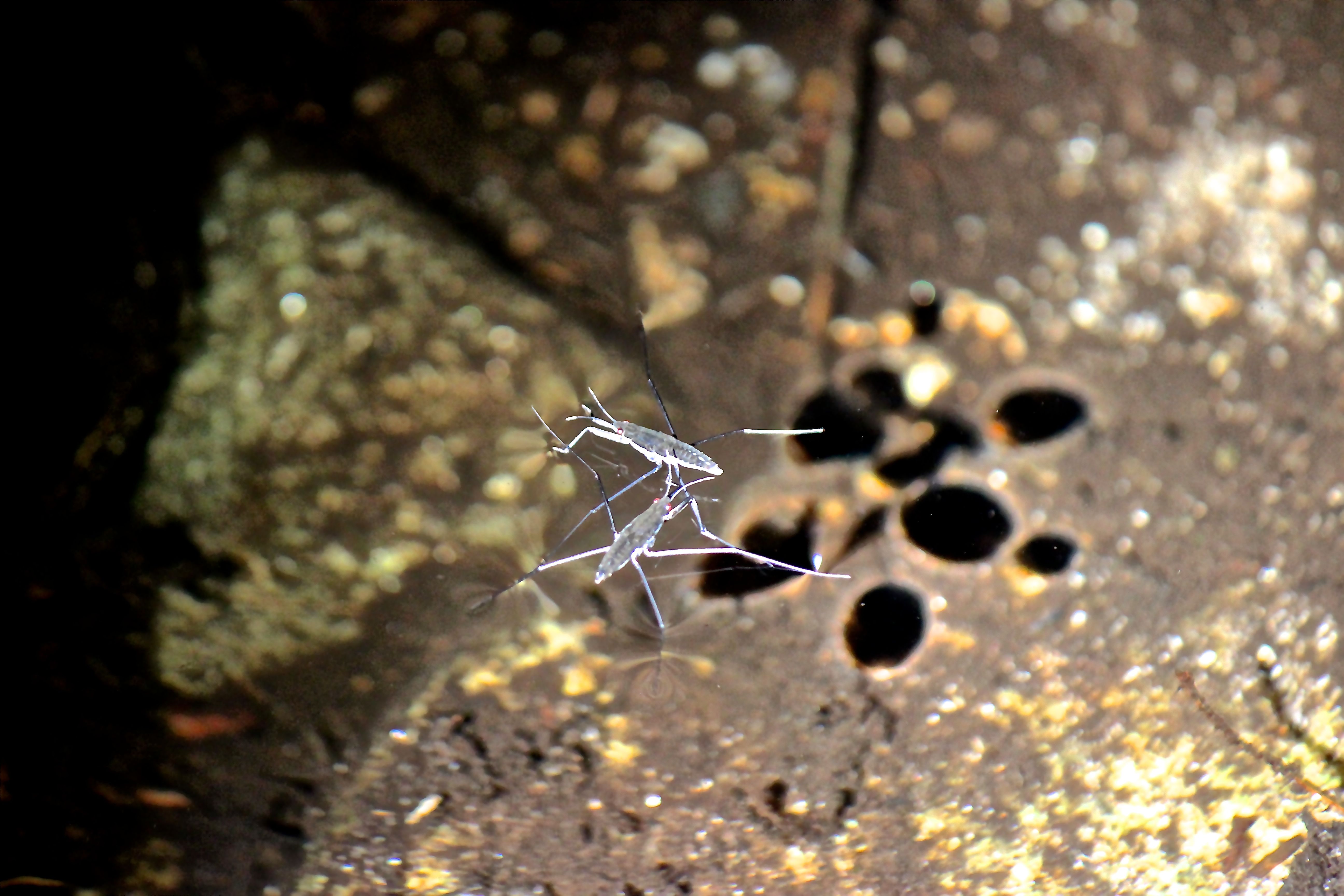
water strider

The shadow of the water strider tells its story. To our eyes, it looks like their actual feet are tiny and insignificant. What we can’t see is the  fuzzy little hairs that both repel water and trap tiny air bubbles, thus allowing them to float or skate along the water’s surface. But still, why is the foot shadow so big while the body shadow is more relative to the strider’s size? Is it the movement of the foot against the water that creates the shadow?

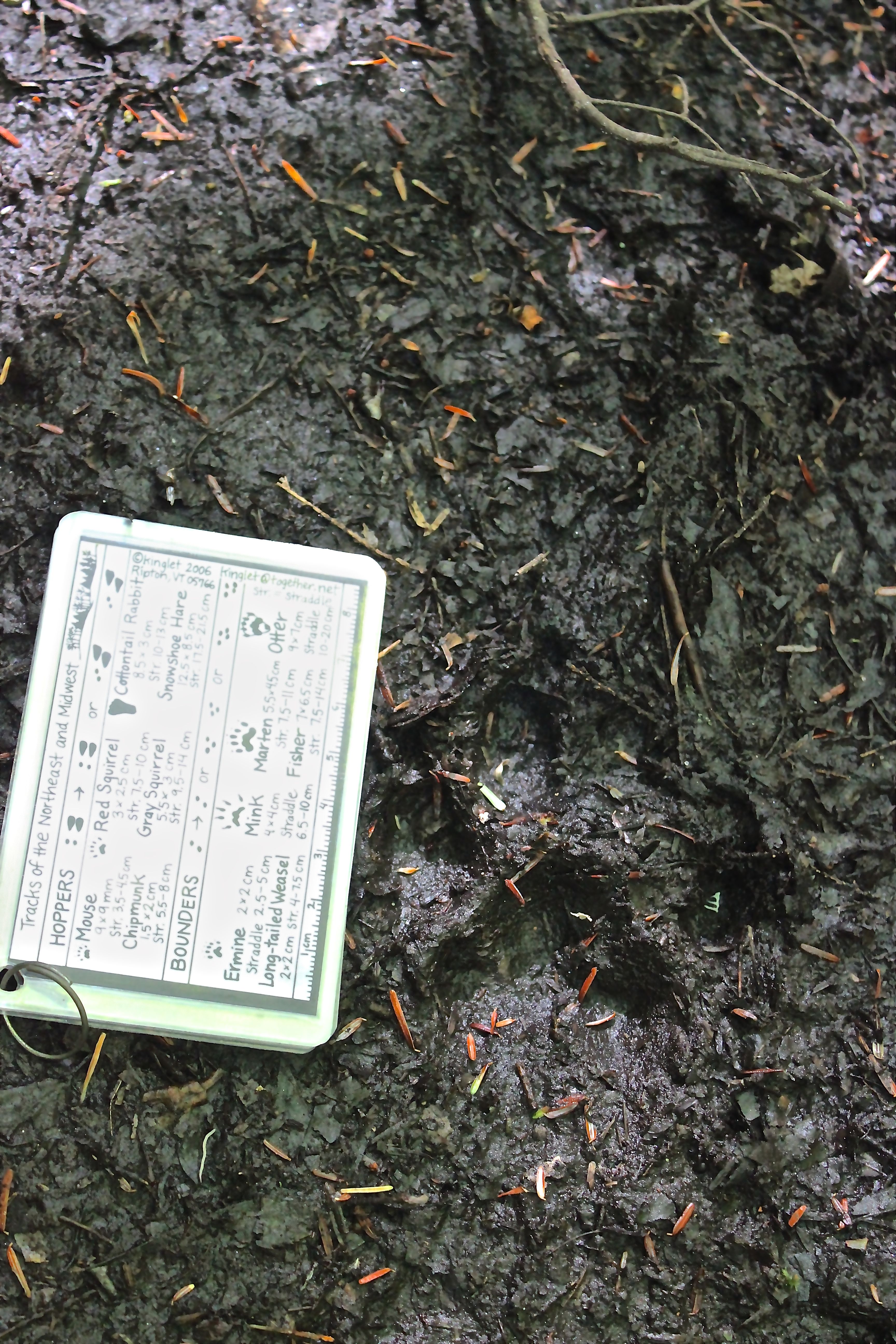
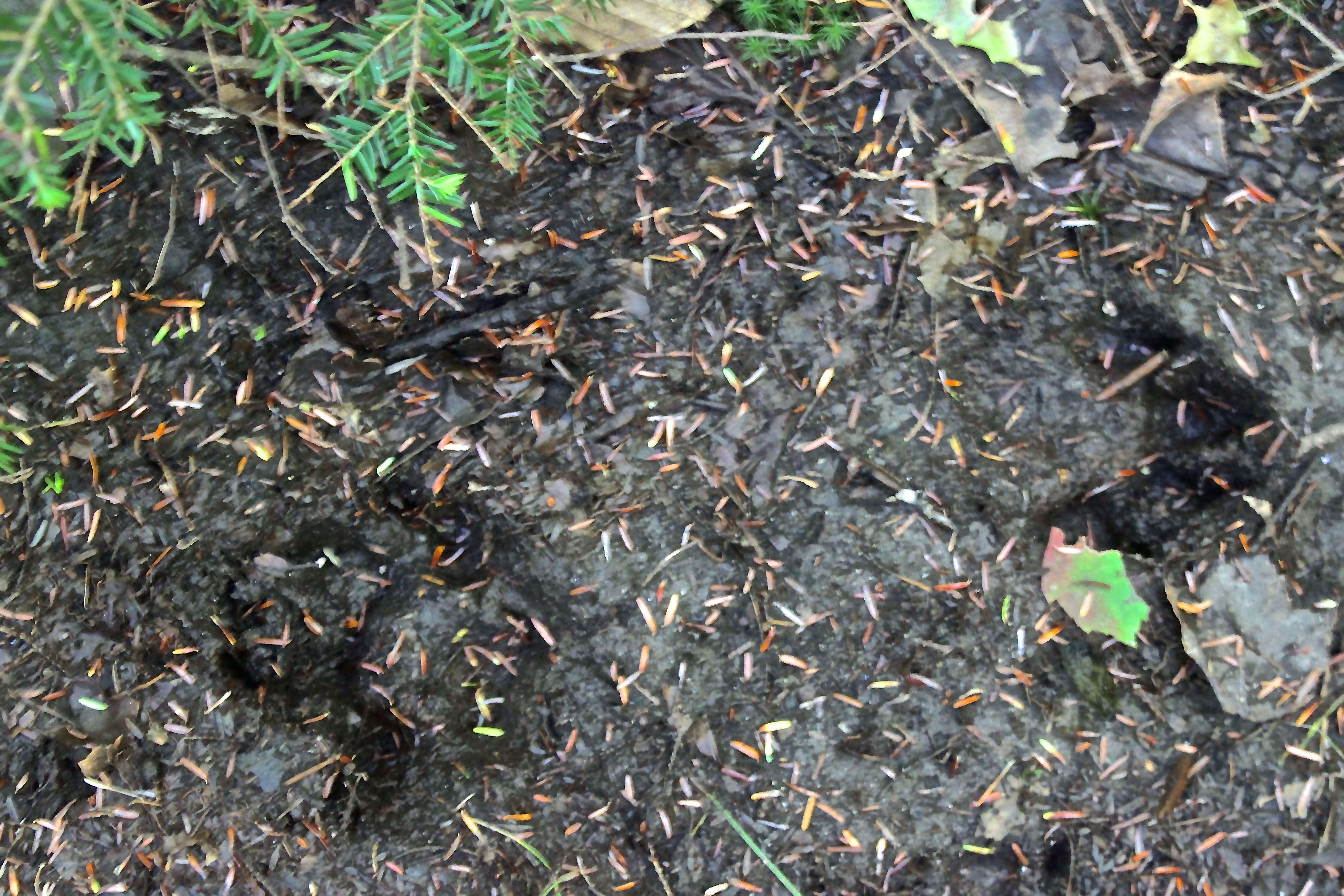
bobcat

While the river was to our right on the way to the dam, we noted ledges on the left. Prime habitat for the maker of this print: bobcat. You might be able to see nail marks in front of the toes. We always say that cats retract their nails, but in mud like this, traction helps.

bobcat & coyote

A little further along we discovered the bobcat was still traveling in the same direction and a coyote was headed the opposite way. What were they seeking? What was the difference in time of their passing?

CR4

Periodically, we slipped off the trail to explore beside the river.

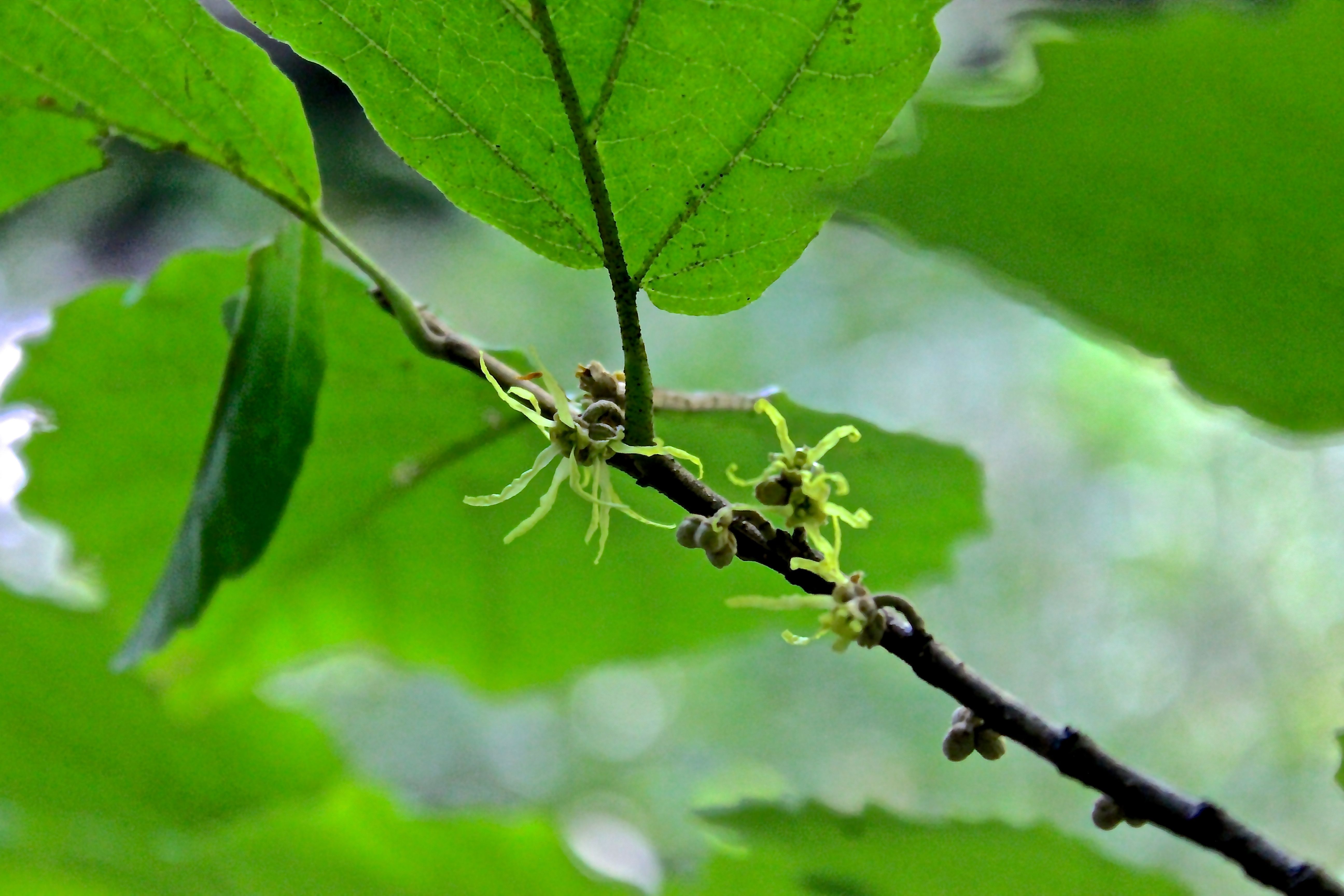
WH 3

Ribbony witchhazel blossoms brightened our day–not that it was dark.

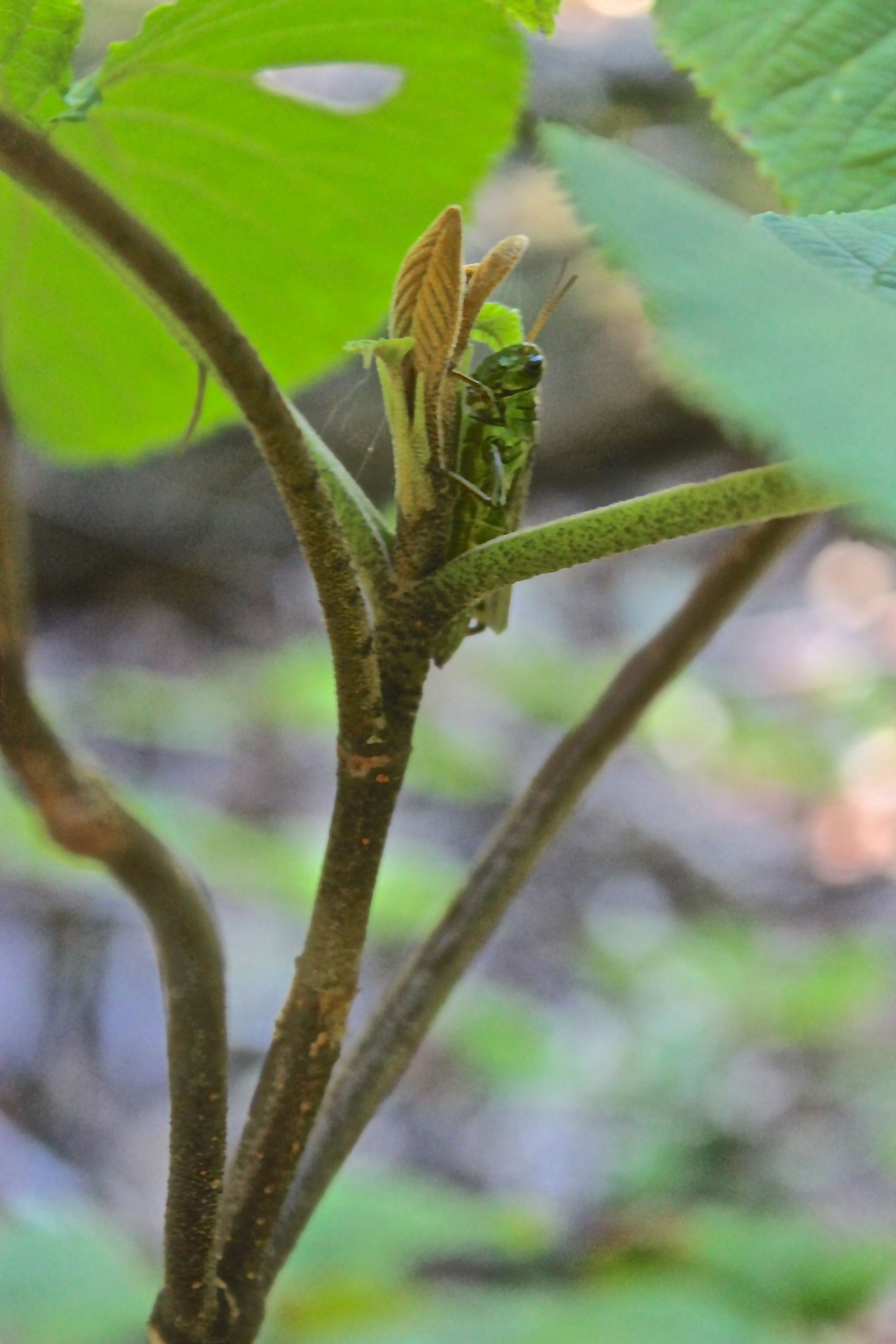
grasshopper 1

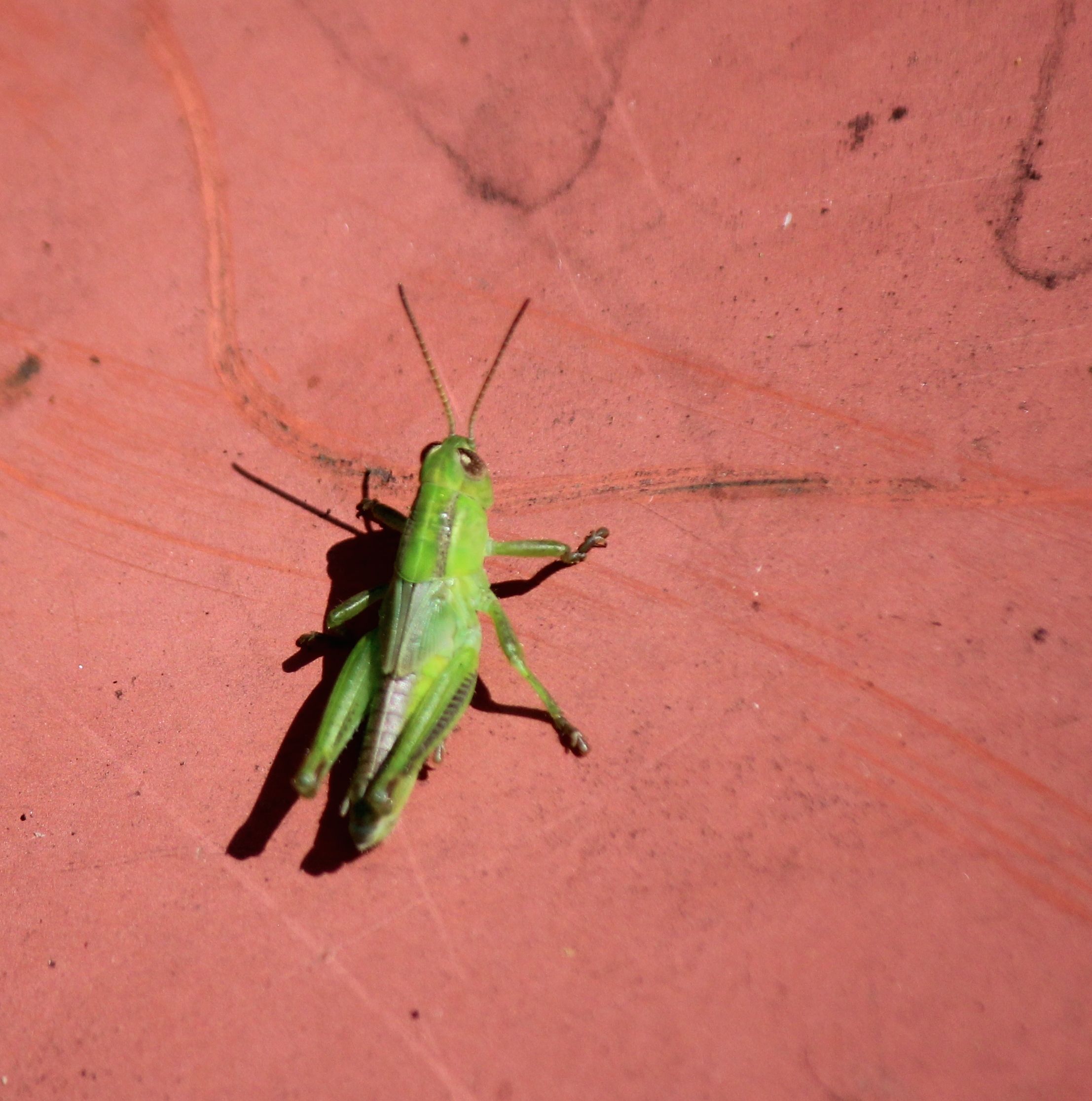
We weren’t the only ones taking a closer look at hobblebush.

hobblebush berries

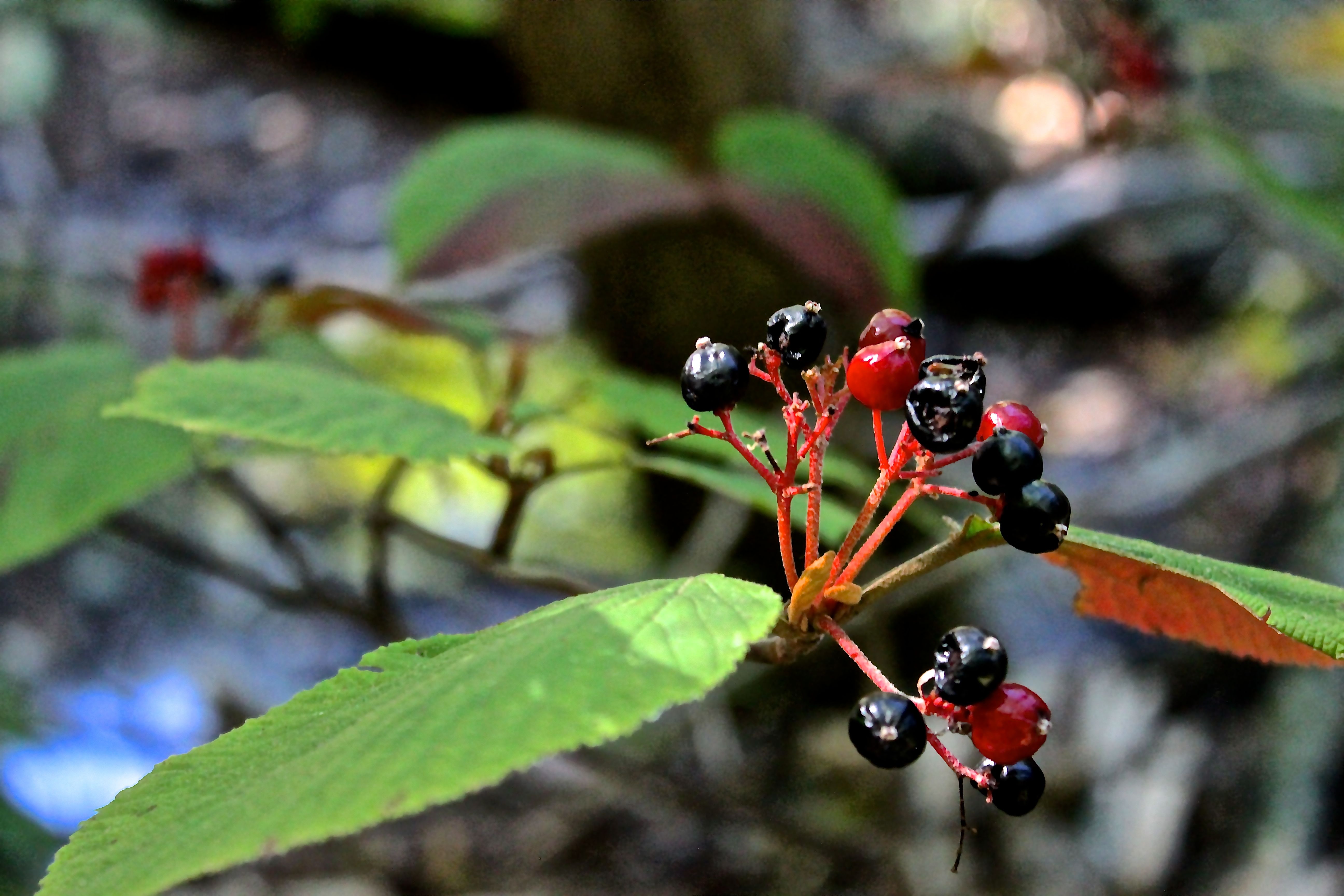
As its leaves begin to change from green to plum, the berries mature and transform from red to dark blue. Will they get eaten before they all shrivel? We think they’ll be consumed by birds and mammals.

doll's eye

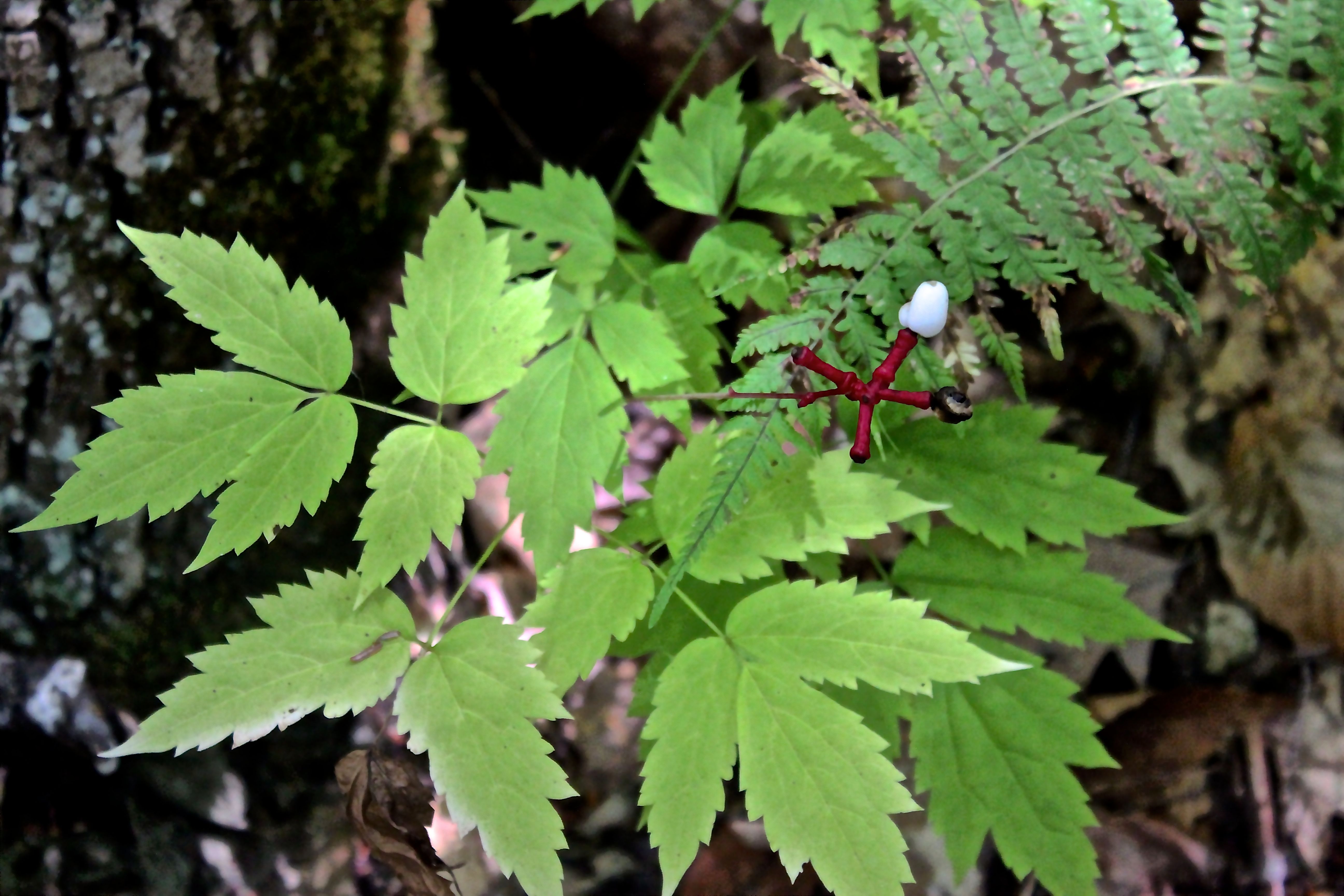
Most of the “doll’s eye” fruit is missing from this white baneberry. The archaic definition of “bane” is something, typically poison, that causes death. I’ve read that  ingesting the berries can bring on symptoms such as stomach cramps, vomiting, diarrhea, delirium and circulatory failure. Think: respiratory distress and cardiac arrest. YIKES. So what may have eaten these little white eyeballs? Wildlife may browse it, but it’s said to be quite unpalatable and low in nutrition. Interestingly, birds are unaffected by its toxic qualities.

Indian Cucumber root

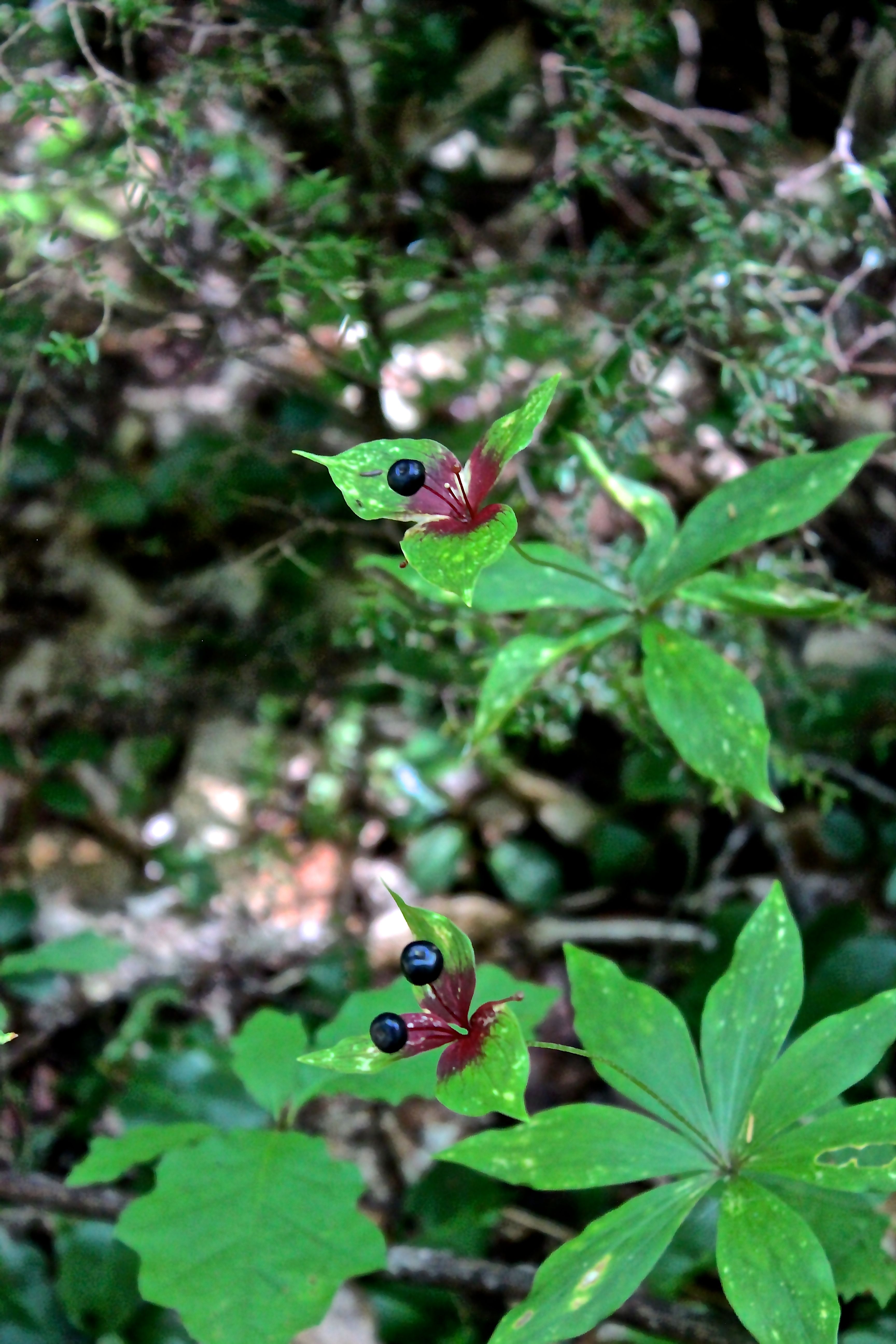
Berry season is important to migrating birds. The purplish black berries of Indian Cucumber-root are only consumed by birds. Other animals, however, prefer the stem and cucumberish-flavored root of this double decker plant. Why does the center of the upper whorl of leaves turn red? Is this an advertisement for birds?

state line

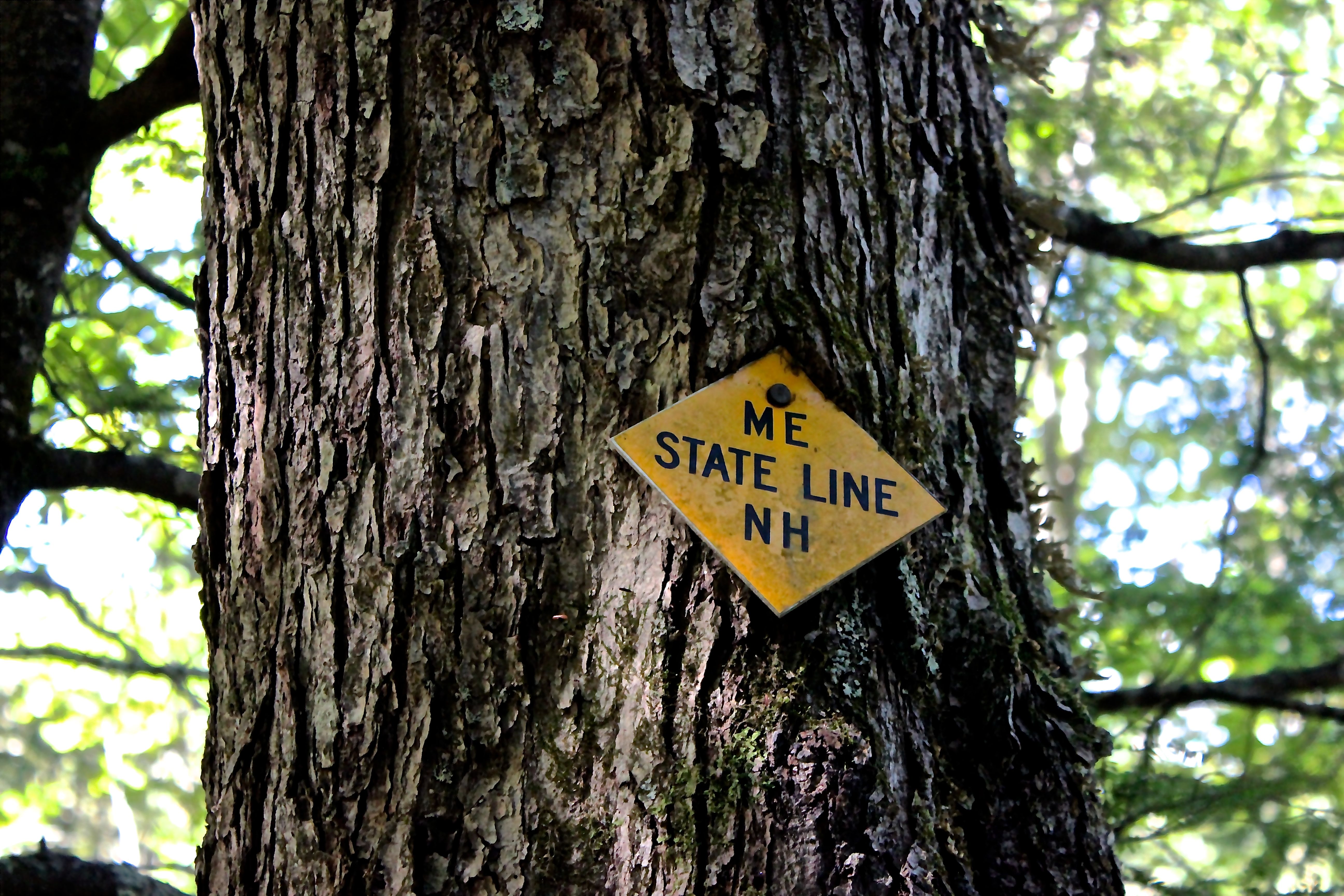
Soon, well, not all that soon, we arrived at the state line and passed onto Upper Saco Valley Land Trust property.

dam 3

And then we came upon the dam.

dam 2

It was the perfect day to sit on the rocks and eat a peanut butter and jam sandwich–with butter.

 tree face

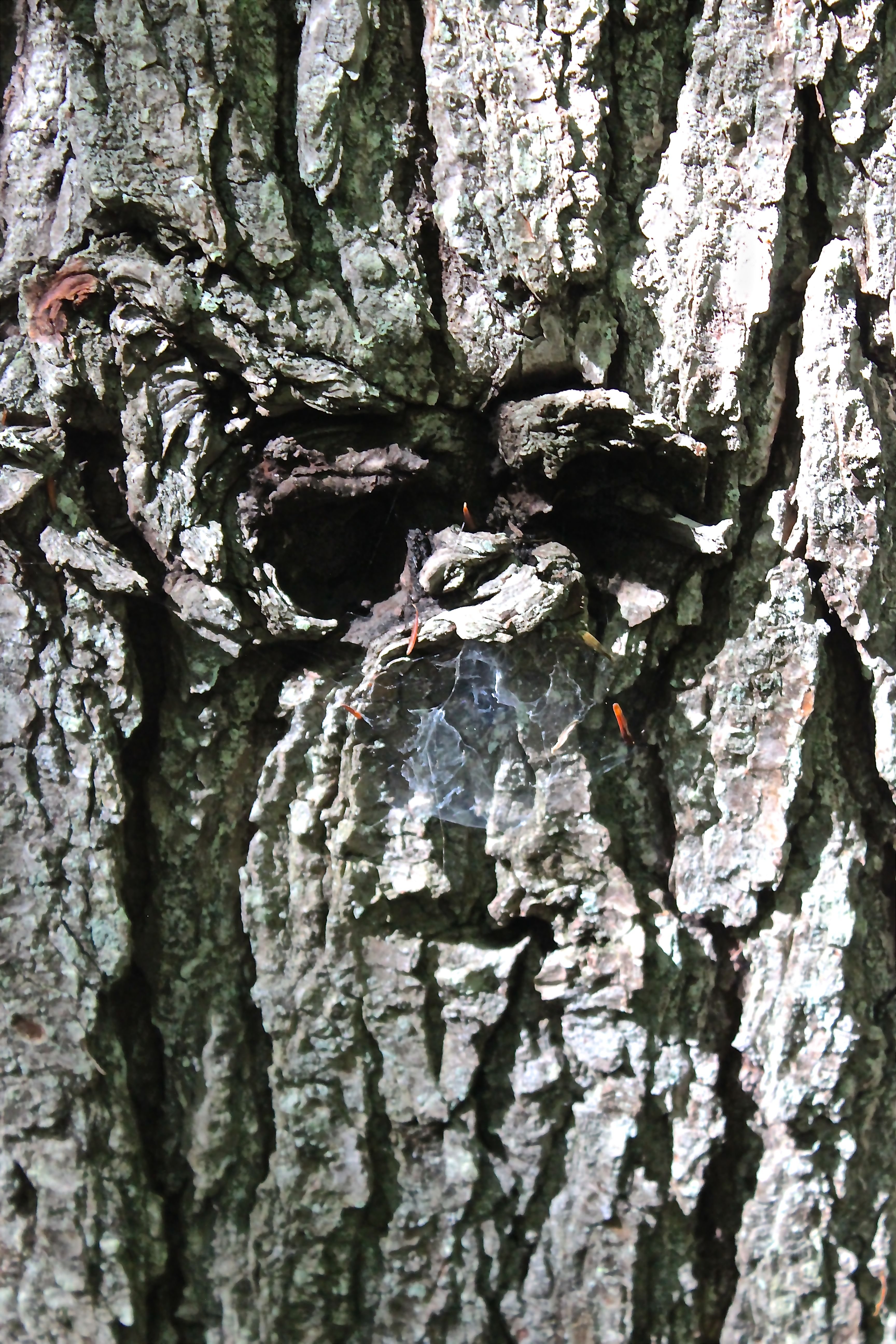
As we walked back toward Stone House Road, we realized we were being watched. Perhaps this tree muse has all the answers.

Thanks to P.K. for a delightful wander and a chance to wonder together.

Rain Drops and Mondates Always Make Me Glad (and humble)

My guy and I ventured off to the Major Gregory Sanborn Wildlife Management Area in Brownfield today. Cooler temps and plenty of sunshine marked the early morning hours.

BBog sign

Covering almost 6,000 acres, this area was formerly known as the Brownfield Bog, but was renamed to honor Major Sanborn, a beloved Maine Warden, who lost his battle with cancer several years ago.

Bbog1

This is a place we return to often, but I have to admit that my sense of place was thrown off within the past week.

Saco River

We came to explore the Saco River. So this is where our pride takes a ribbing. We’ve walked to the river on most of our visits, but we never realized that this was the actual river. Huh? Yup, it’s true. In our brains, this was either the Shepard River or an old course of the Saco. Maybe it’s because when we’ve stood beside its bank, we’ve never seen anyone paddling along. Maybe it’s because until yesterday we never looked at the map. We never bothered to locate our place–just assumed we knew where we were. Another life lesson. Just a week ago, we were the merry paddlers, cruising along at tandem kayak speed, passing through the bog from Lovewell Pond to maybe a  half mile north of the Brownfield Bridge (maybe less). Maybe it’s because we were such swift paddlers that we were clueless. Anyway, now we know: The Saco River bisects the bog.

SR exploration

Exploring the floodplain became our focus as we followed the river.

river erosion

Each year, the river consumes more land, making me wonder what it was like when Brownfield was founded in 1802.

sensitive fern, chest height

We walked down a mowed path, where the sensitive fern grows chest high on either side.

royal fern

And the royal ferns are equally large and plentiful.

glen

Saco River 3

We explored in a different direction, perhaps trespassing on private land. (Oops, did that chain between the posts really mean “keep out”?)

elm 2

We recognized an elm growing over the river that we’d spotted while kayaking last week and knew that we’d established our sense of place.

SR 2

And then we turned from the river, retraced our steps and continued on to explore more of the bog via foot.

wild raisins 1

Wild raisins are abundant.

wild raisins

Eventually, the fruits will all turn blueish black and if the birds don’t eat them, they’ll shrivel up–like raisins.

common winterberry

The showy red fruits of common winterberry also dot the landscape. The curious thing about this plant–though this is a member of the holly family, the leaves are not sharply toothed like other hollies, nor are they evergreen.

milkweed dispersal

Milkweed is ready to fly away and find a new home.

green darner dragonfly

Speaking of flying, if I hadn’t seen this green darner fly into the foliage, I never would have discovered it.

Meadowhawk dragonfly

Meadowhawk dragonflies were much easier to spot, enjoying the warmth of the sunshine.

BBog 5

Openings in the shrubs and trees provide frequent views,

Pleasant Mtn 4

including the backside of Pleasant Mountain.

white oak bark

The community changed a wee bit, and suddenly we were under white oaks with their flaky-surfaced, rectangular, block-like bark.

northern red oak bark

Beside them grow the Northern red oaks, with their flat-topped ridges outlined by the rusty red inner bark.

big tooth aspen bark

The horizontal/vertical line design of big-toothed aspen also made its presence known.

big tooth aspen leaf

And on the ground, a big-toothed leaf provides a hint of what is to come.

red maple leaves changing

A few red maples are beginning to announce the changing season as well.

Bbog 2

When we reached our turn-around point, we were feeling a bit hot and sticky. We’d shed our sweatshirts and were thankful for a slight breeze.

fragrant water lily

I admired a few fragrant water lilies still in flower, while my guy followed the action of a northern harrier through the binoculars.

storm leaves

And then the wind really picked up. I looked at the trees and could see the backs of the leaves–my mother had long ago told me that that was a sure sign of rain to come.

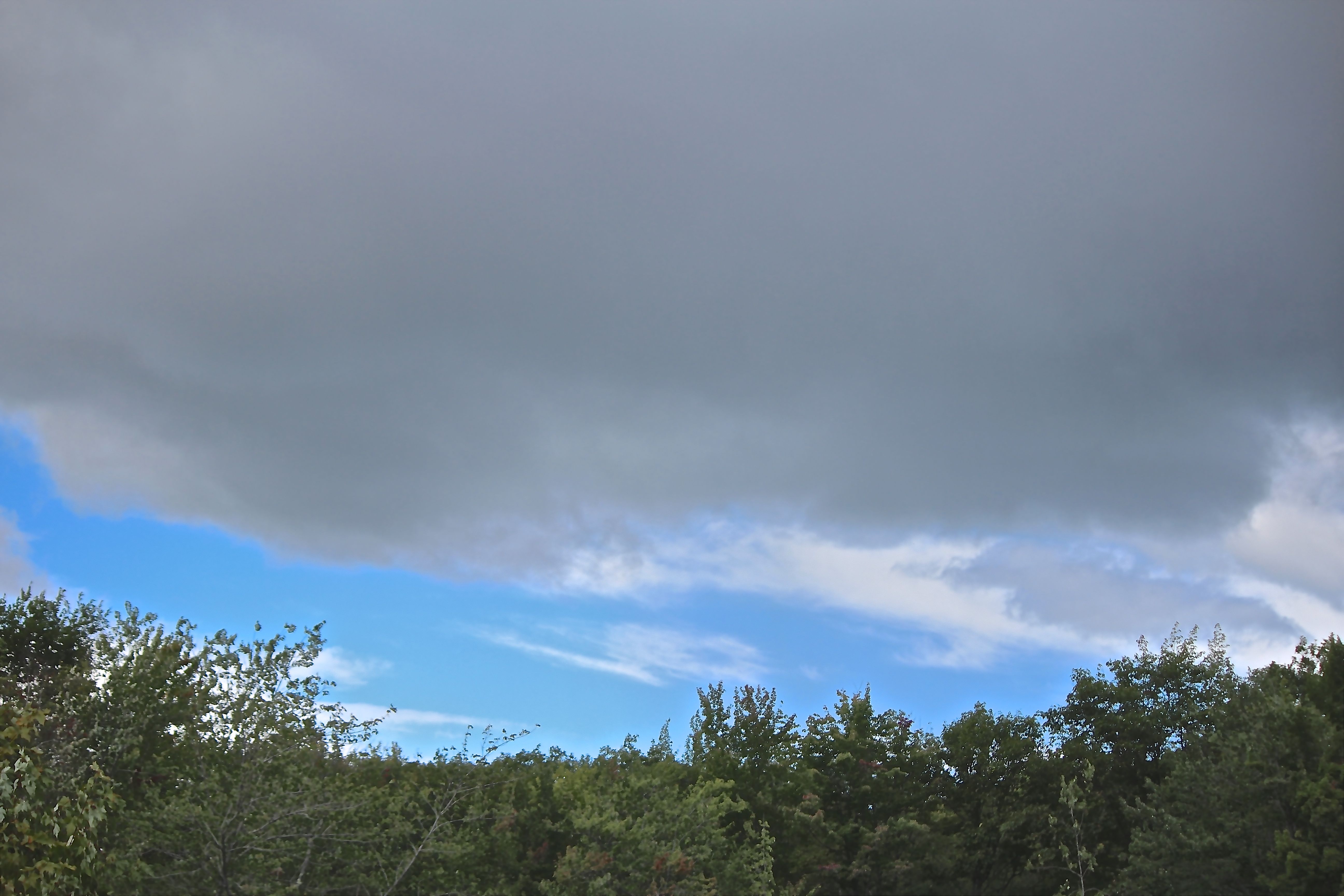
storm cloud

We looked up and had an Eeyore moment.

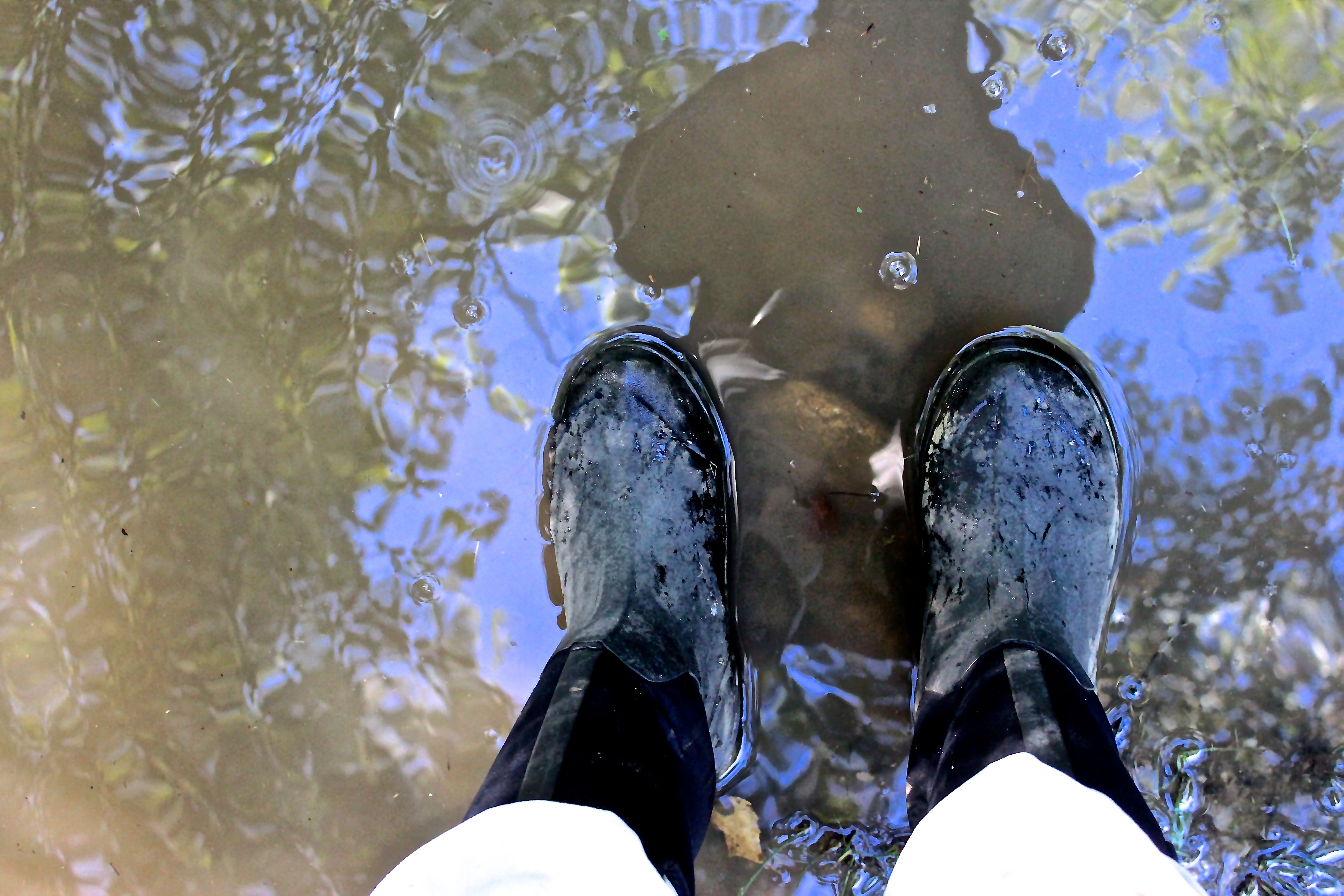
boots

I was wearing my boots, but no raincoat.

raindrops 1

It rained. It poured. It felt good.

raindrops 2

And then it was only a memory–and a pleasant one at that.

rain: Pleasant Mtn

We watched it move across the southwest end of Pleasant Mountain as we headed back.

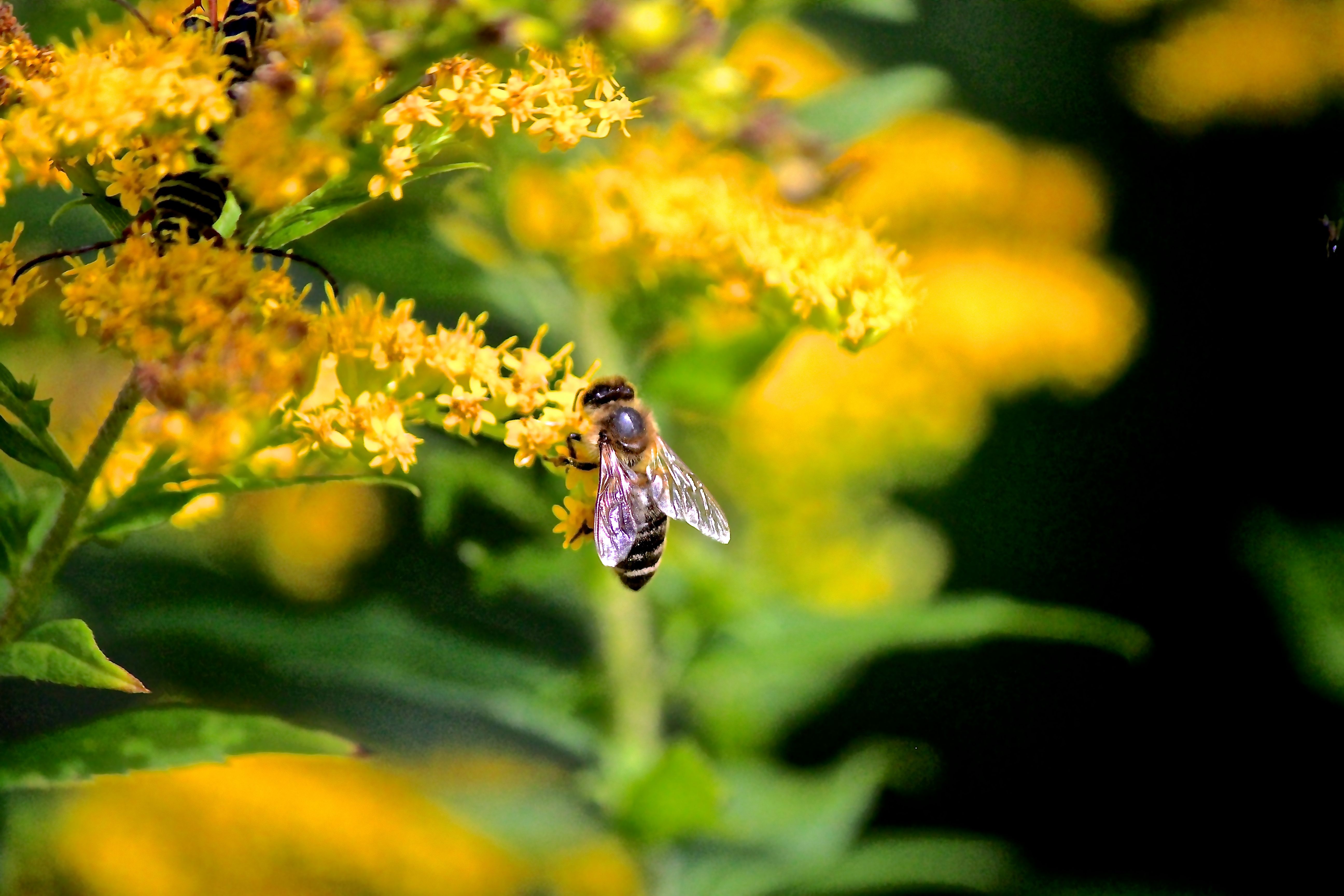
lb andbee

When we arrived home, the air was a bit cooler. I stepped outside to check out the insect activity in the yard and through the camera lens I realized something was photobombing the bee.

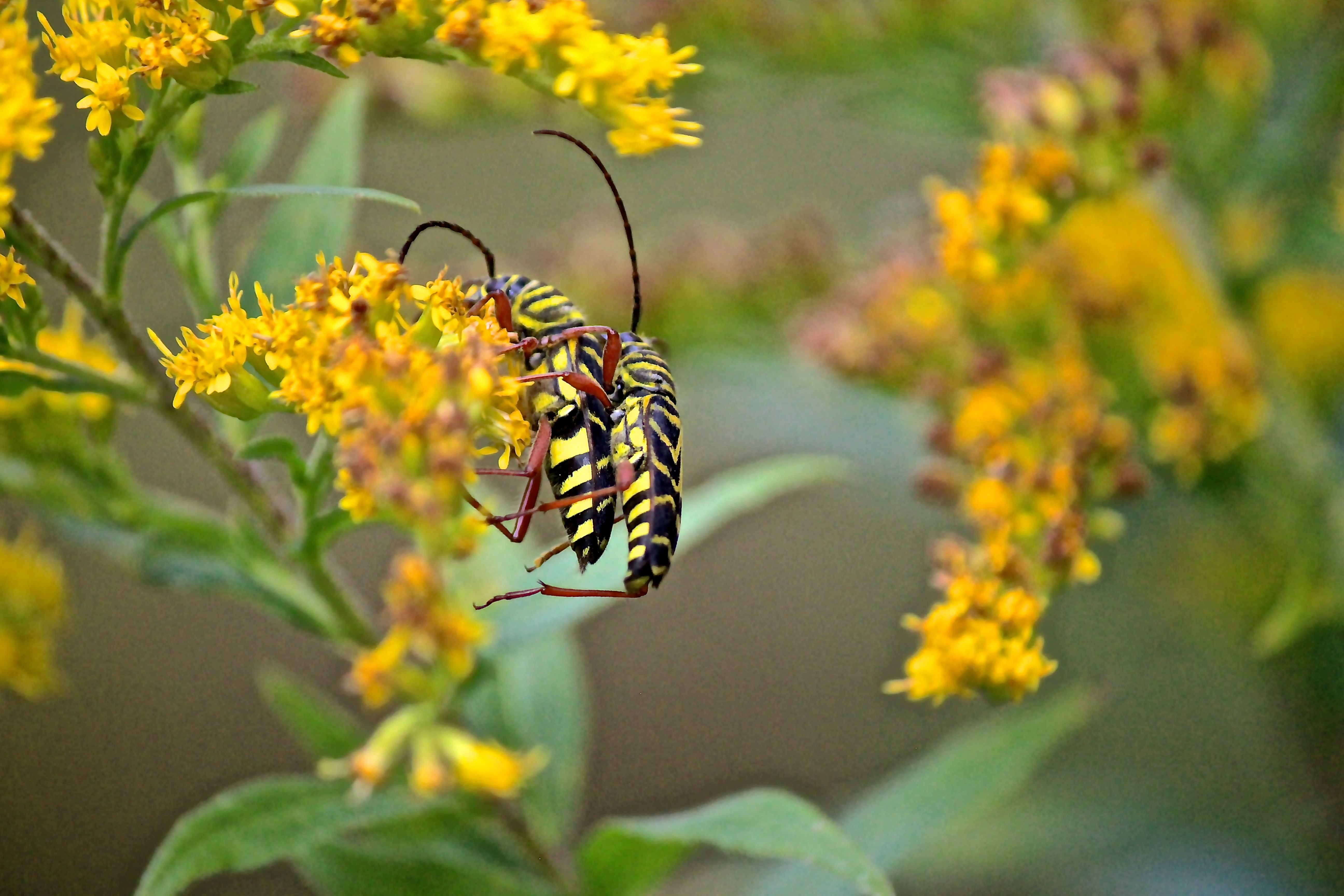
lb7

Two somethings in fact–a pair of locust borers apparently shared their own Mondate. The only locust tree in the neighborhood is down the street, but I suspect that momma will be laying some eggs in the bark at dusk tonight.

It looks like rain once again, but we’re glad for the opportunity to explore together on another Mondate–and gain a better understanding of our greater neighborhood, our sense of place. So much for pride. Life is a humbling experience.

Ten Fun Finds in the Last 24 Hours

jw2

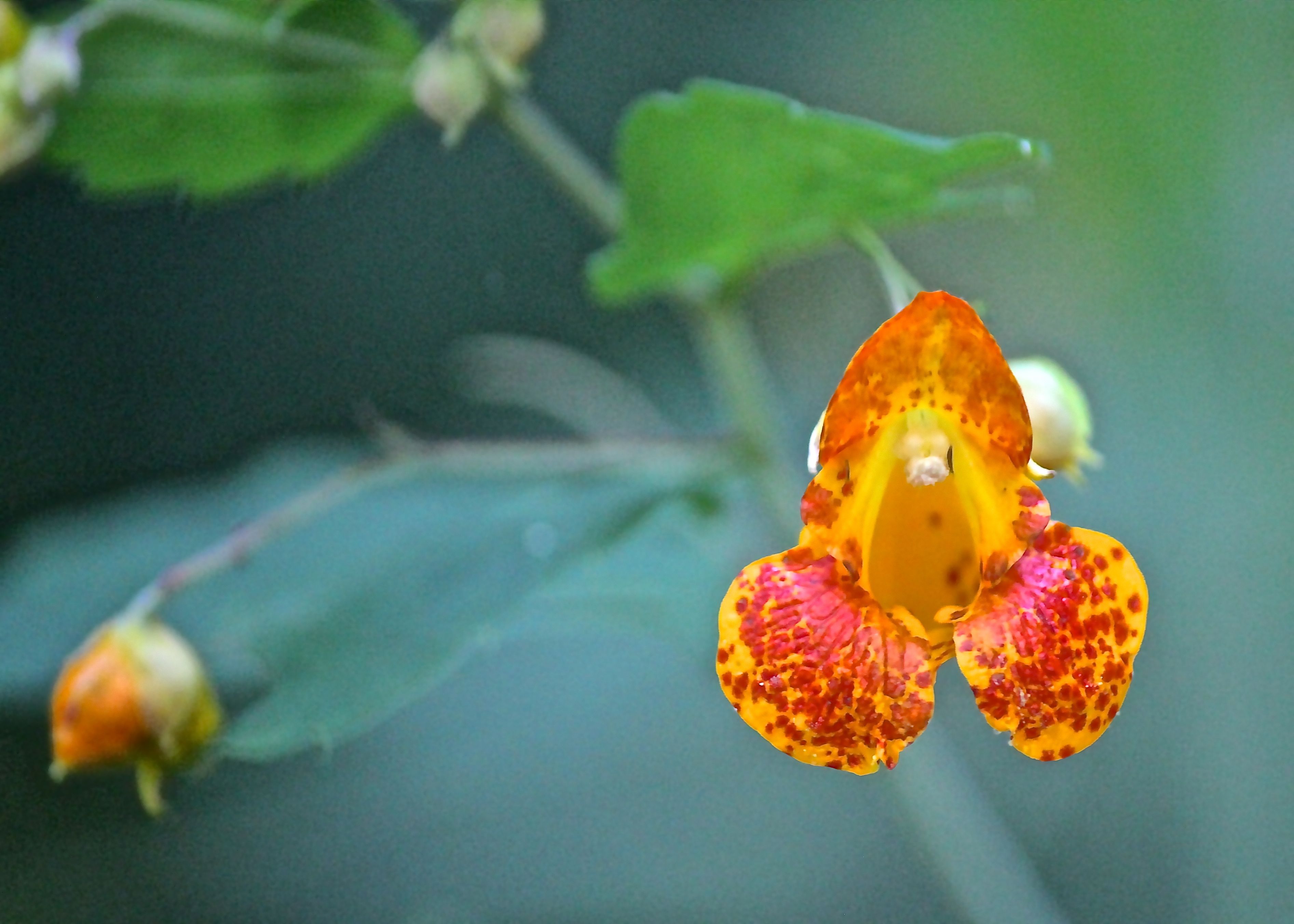
  1. Orange jewelweed, aka Spotted Touch-Me-Not. I found these lining the path during a quick walk through Pondicherry Park yesterday afternoon. The flower will form a capsule that bursts open and flings seeds when touched.

jewelweed 1

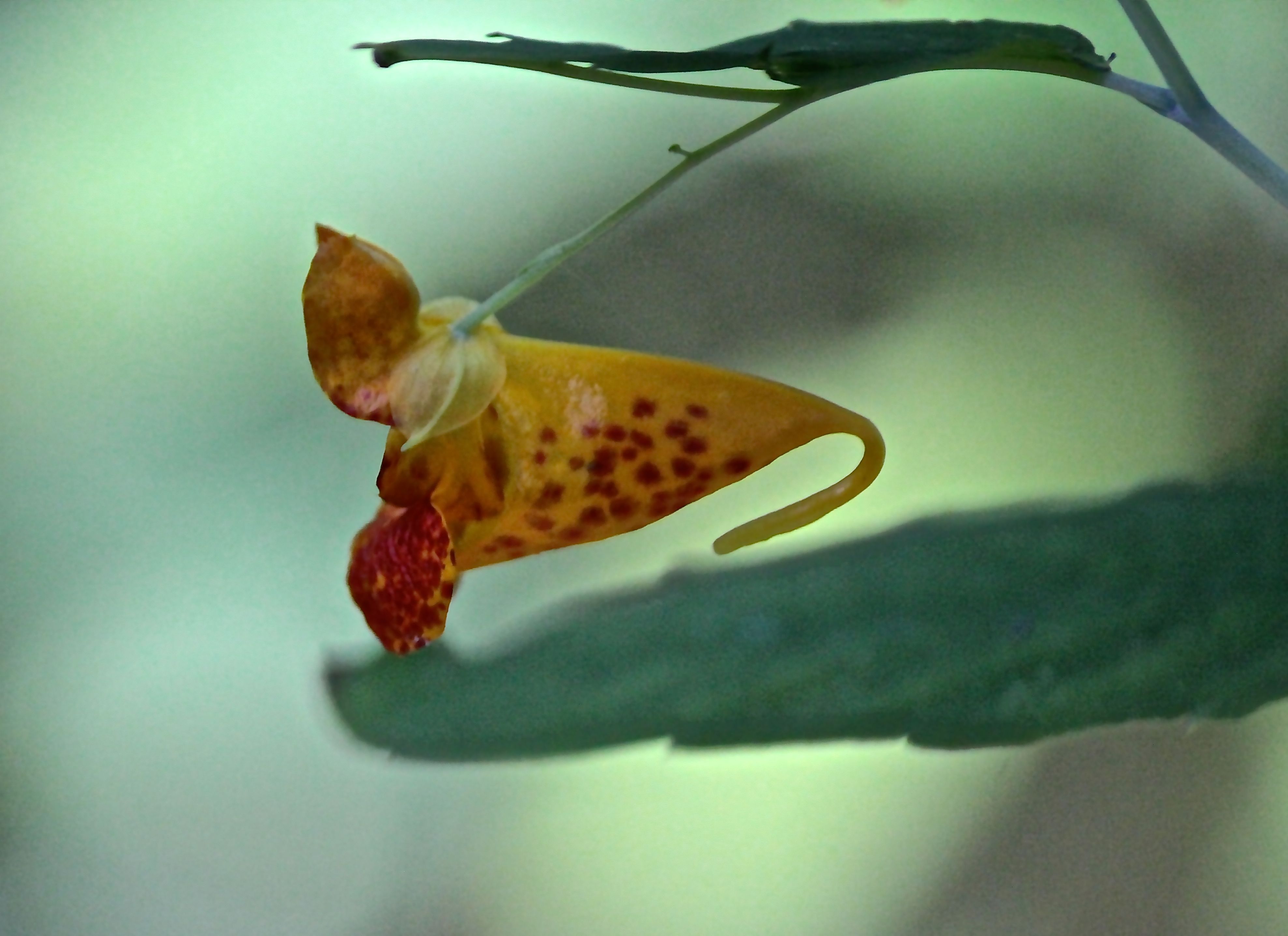
One of the cool things about jewelweed’s structure is its spurred sac that extends backwards.

jw3 on the wall

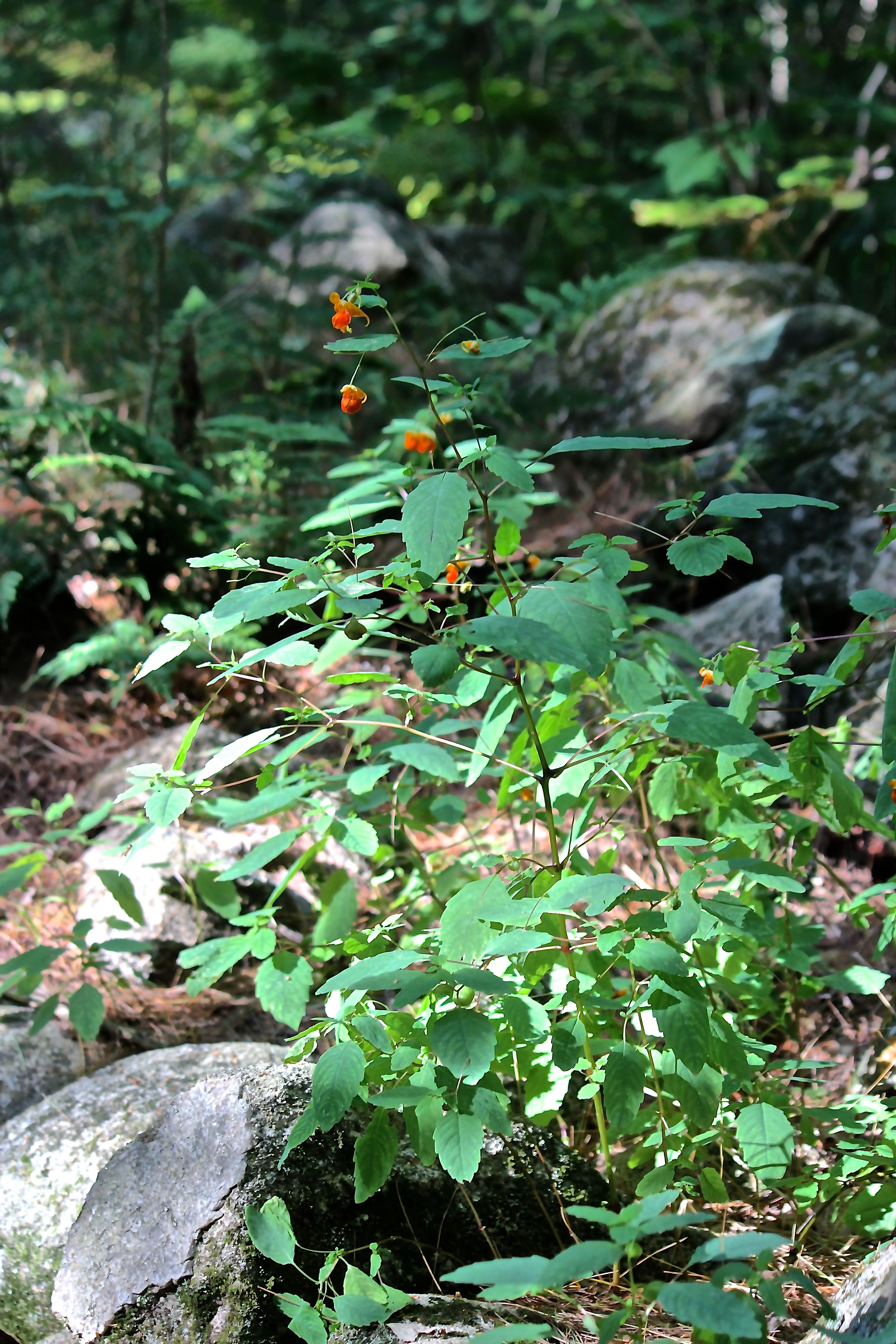
Though it likes the moist woodland paths in the park, I also found it in bloom atop a stonewall.

turtlehead

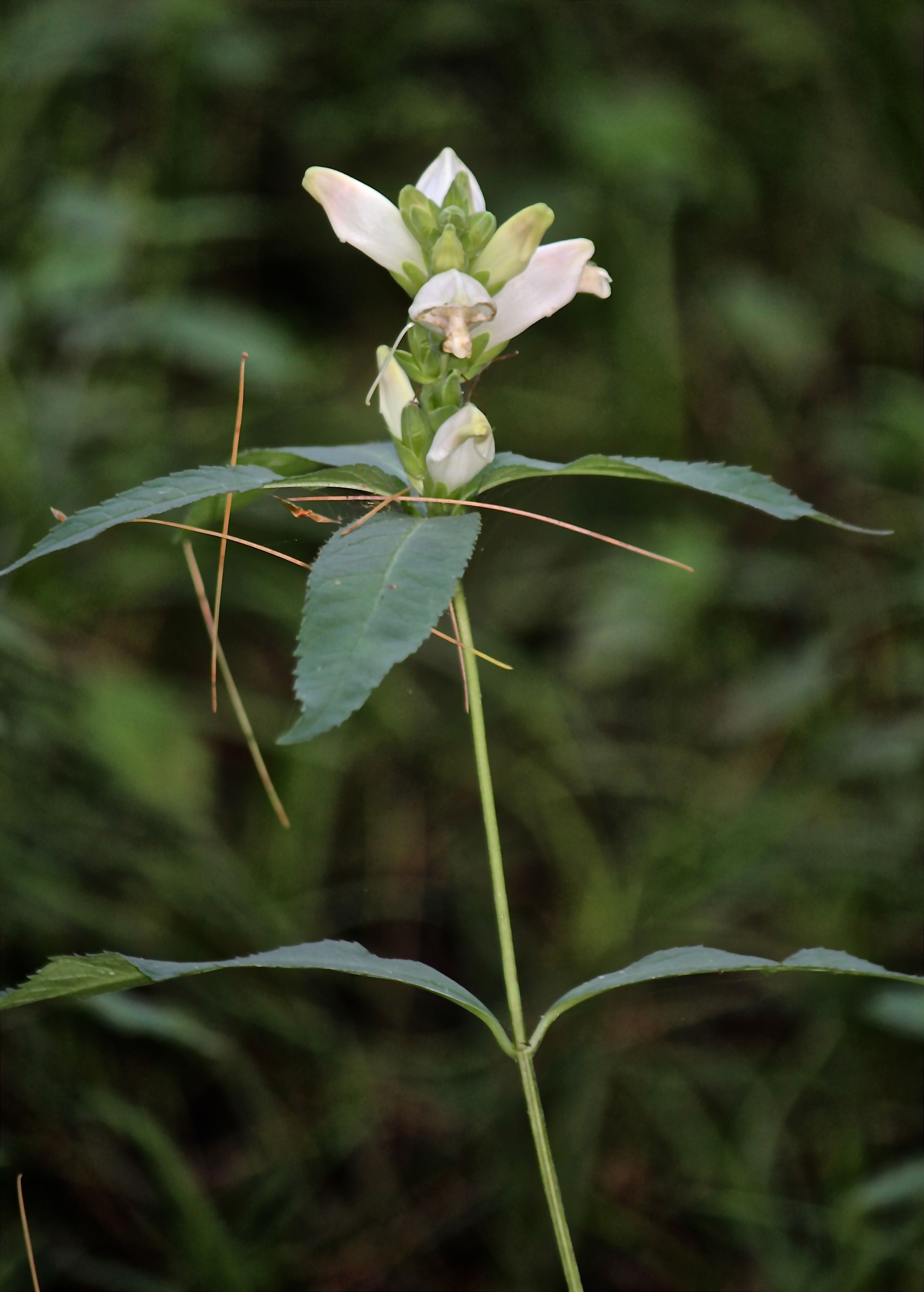
2. I’d never seen turtlehead until I moved to Maine. As a kid, I collected turtles–think stuffed, ceramic, wooden, glass. A neighbor even gave me a shell, which I still have. So, when we moved into our old farmhouse, I was excited to discover pink turtlehead growing in the garden. And on several occasions this past week, including yesterday’s walk in the park, white turtlehead was in bloom. It’s so named for the two-lipped appearance, with the upper lip arching downward and strongly suggesting a turtle’s head.

equisetum

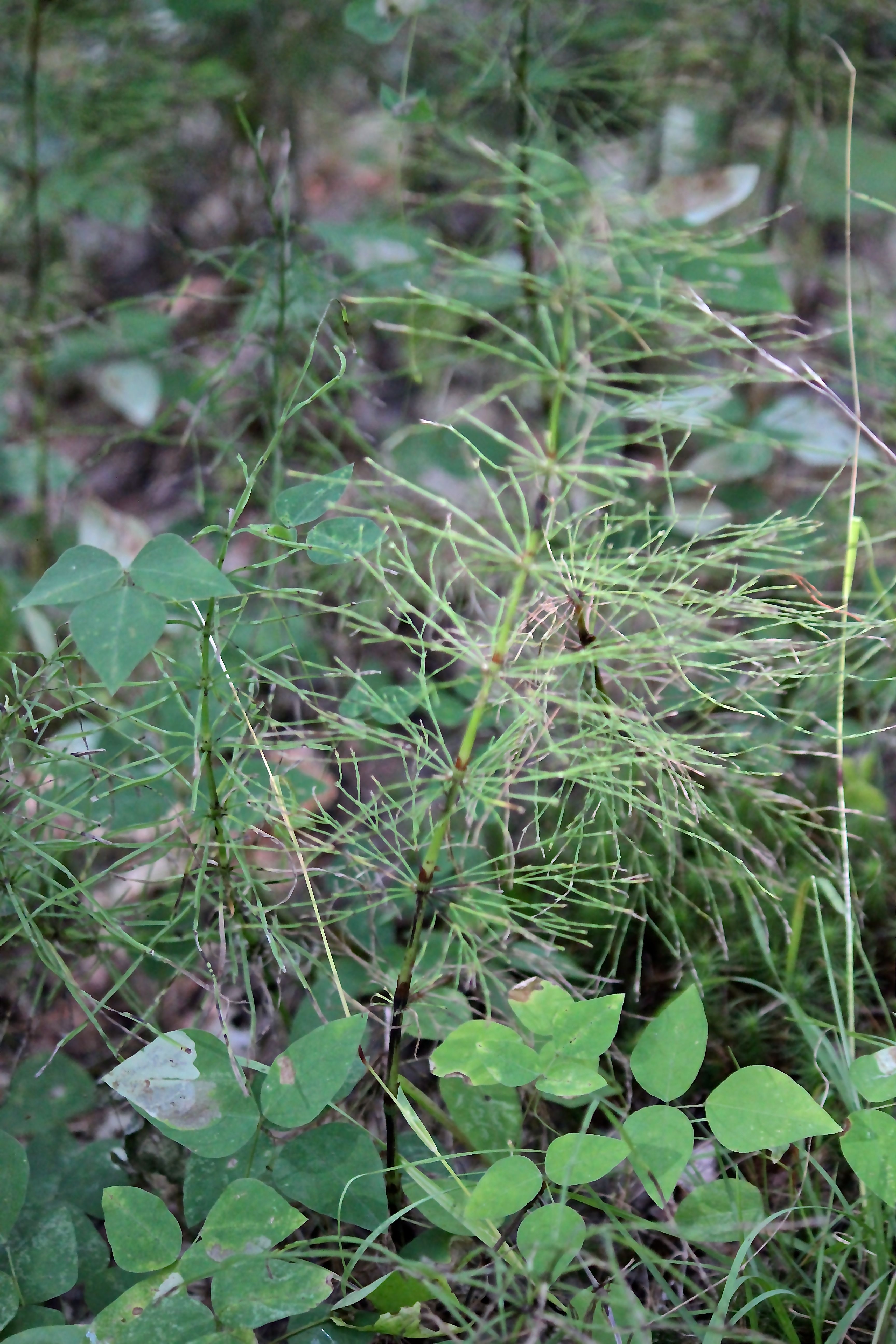
3. Woodland horsetail grows among the white pine saplings. It’s easy to confuse the two since they both have whorled branches, but the horsetail branches have a lacier appearance. Its “leaves” are reduced to a toothed sheath that surrounds the stem.

fogged inmorning dew

4. Morning fog on Moose Pond was almost the pea-soup variety until it began to burn off around 7:30 this morning. I was mesmerized by the patterns created by the moisture on the porch screens.

spider works

spider works 2

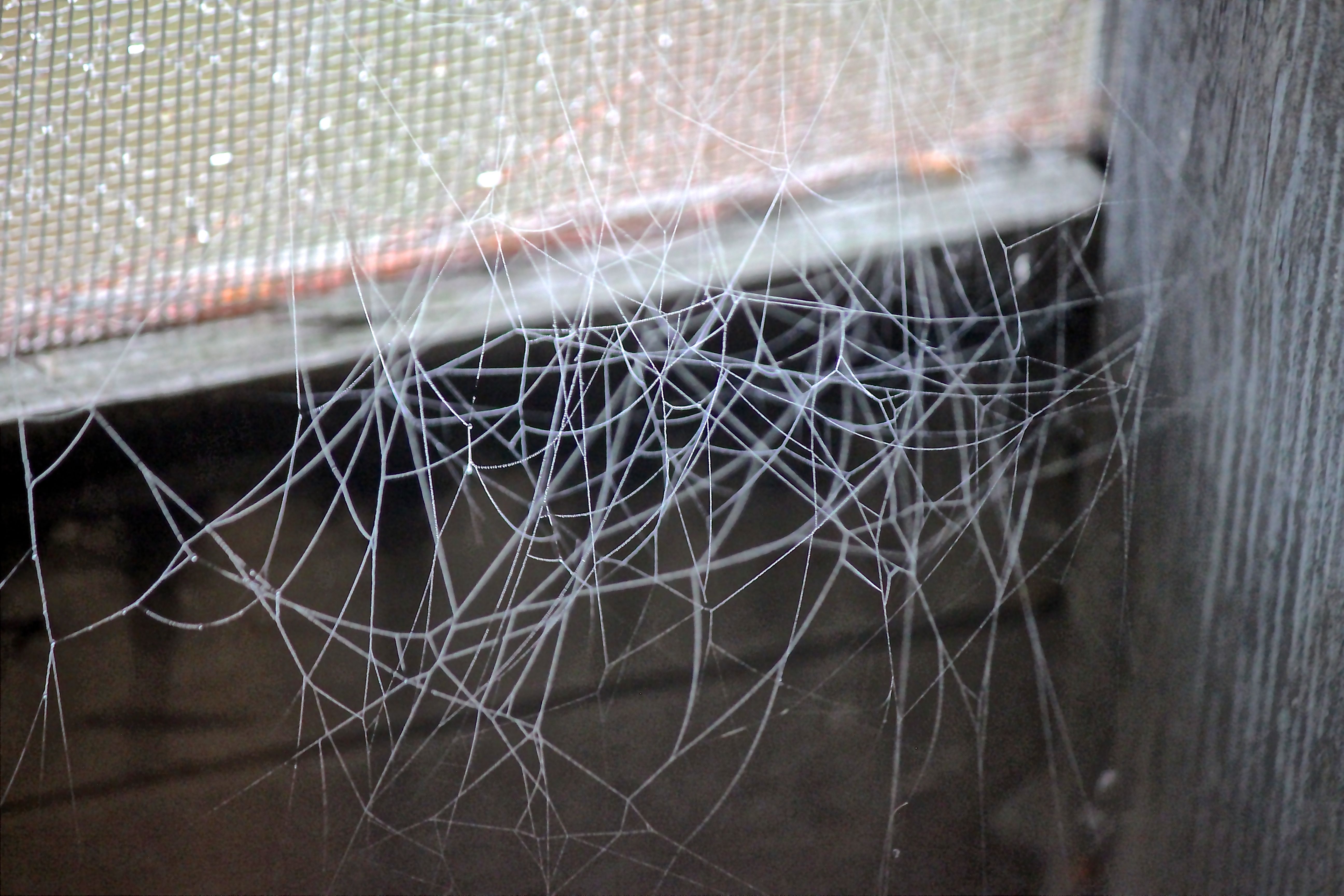
5. I was equally mesmerized by the spider works I found both on the porch and outside. Industrious architects are these. Mind you, I’m not a spider fan. I used to make family members destroy them. And I remember some mighty large and hairy ones that shared our flat in England back in ’79. That’s when I learned that the eensy weensy spider really does climb up the water spout. But, these webs are to be admired.

white oak leaves

6. As my guy and I climbed Burnt Meadow Mountain in Brownfield today (after the fog burned off), I realized for the first time that white oaks grow there. It’s the little things that excite me and seeing those rounded leaves made my heart flutter. I’ve now noted that white oak grows beside red oak in Casco, Denmark and Brownfield. I’m connecting the dots that form its northern line.

trailsignalmost to the summitsummit 1mount washington

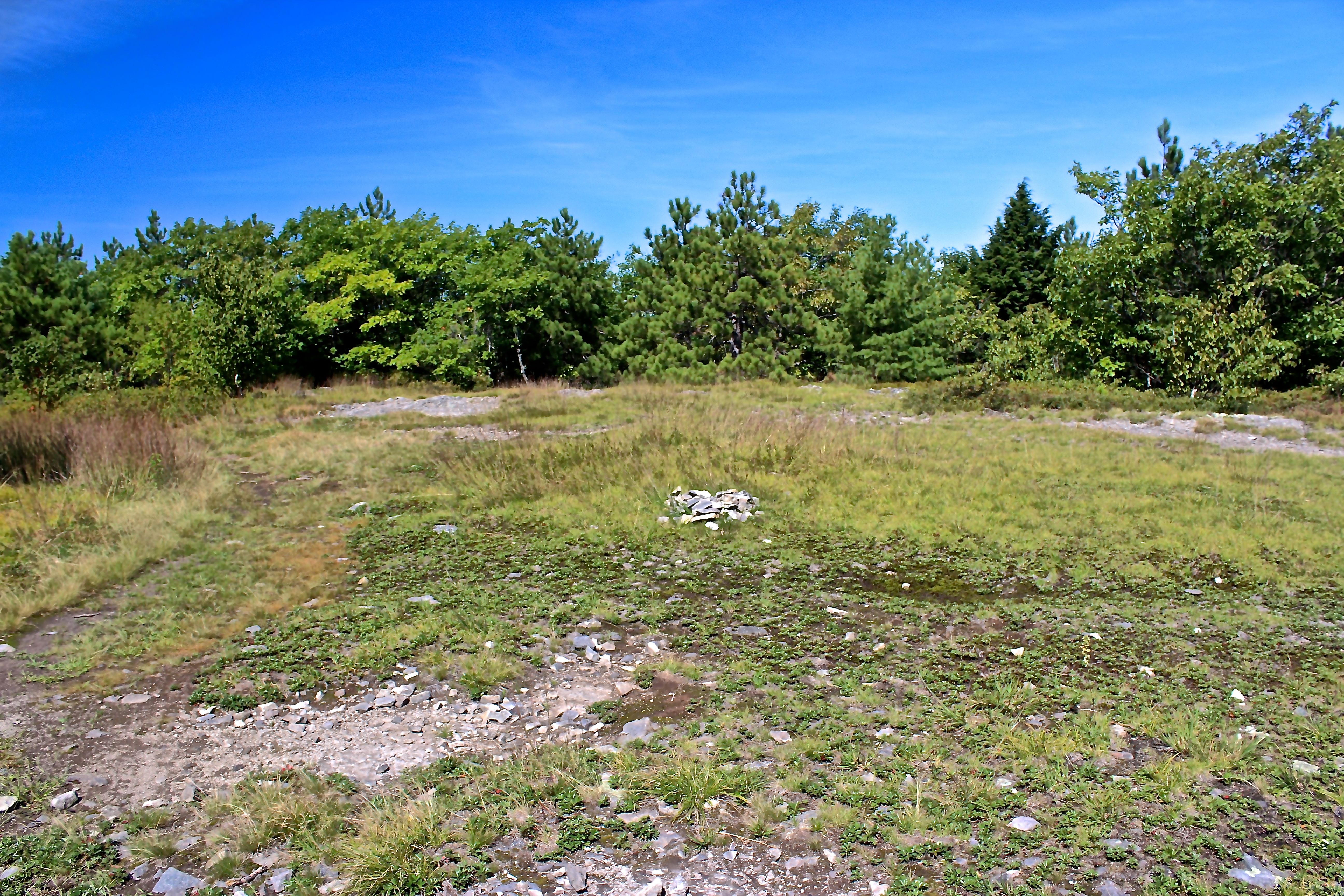
7. We followed the North Peak trail to the top. It’s always a joy (think: relief) to walk onto the large, flat summit after scrambling over the rocks to get there. Because we like a round trip, we descended via the Twin Brooks Trail, which offers some great mountain views, including Mount Washington.

summit grasshopper

8. Grasshoppers are abundant at the summit. They’re known to feed on blueberries, and the crop is quite abundant, especially just off the summit on the Twin Brook Trail.

oak gall

9. Oak Gall. I think this is an oak apple gall growing on the red oak, but I’ve never actually seen one on the tree before. Usually, I find the dried shell of such a gall on the ground. My other guess would be the acorn plum gall. If you know, please inform me.

bear claws 1bear claws 2bear claw 3

10. I was looking for these and we found them. :-) Yes, more bear claw marks. It only made sense. Lots of beech trees. Lots of blueberries. And . . . a few years ago, we encountered a bear on the North Peak trail.

tree roots

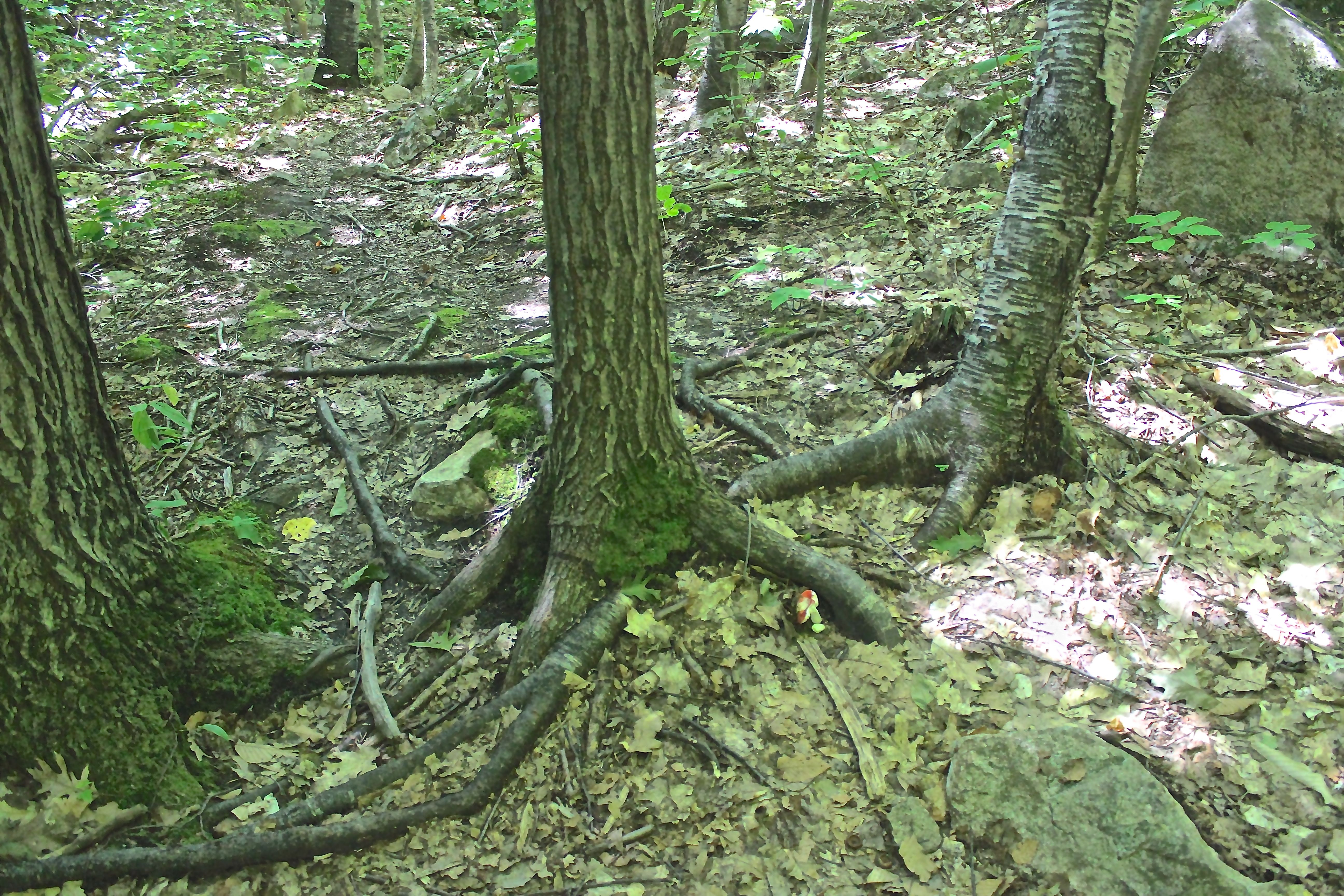
11. OK, so here’s my eleventh cool thing. Kinda like getting a baker’s dozen–11 for 10, such a deal. Anyway, I’m always fascinated by the manner of tree roots growing over and around each other and other things. Embracing. Supporting.  Layering. Call it what you want. The thing is, they find a way to grow together. Oh, it doesn’t always work out. Sometimes it’s a smothering relationship. I’d like to think that these two trees, an oak and a birch, have intertwined in support of each other.

Thanks for joining me to take a look at the past 24 hours. I hope you had time to wonder as well.

The Need for More

Yesterday I stopped into our local independent bookstore, Bridgton Books, to purchase a title recommended to me by a friend (thanks D.B.), H is for Hawk by Helen Macdonald. While there, Pam, one of the proprietors, showed me Reading Rural Landscapes by Robert Sanford because she thought I’d be interested. Of course I was, and so for all of two seconds I debated about which to buy and guess what–I’m now the proud owner of both titles. I had earned a $10 credit (for every $100 spent, you receive $10 off if you belong to their book club and there is no book club fee–truly independent).

At camp, I was also reading another book (purchased at Bridgton Books a year or two ago). Well, actually rereading it because I like the author’s style/voice and maybe just a wee bit because she’s an Episcopalian. And she lives in Alaska–another draw for me. If You Lived Here, I’d Know Your Name: News from small-town Alaska by Heather Lende.

3 books

Both last evening and this morning, I read from all three. Not simultaneously, of course. It’s always been that way for me. Skipping from one topic to the next. Easily bored? I don’t think so because being bored is not part of my makeup. More like an insatiable need to know more.

The bees and wasps and flies and ants and hummingbirds have the same insatiable need right now, as they flit and walk and crawl from one plant to the next, sucking nectar and exchanging pollen along the way.

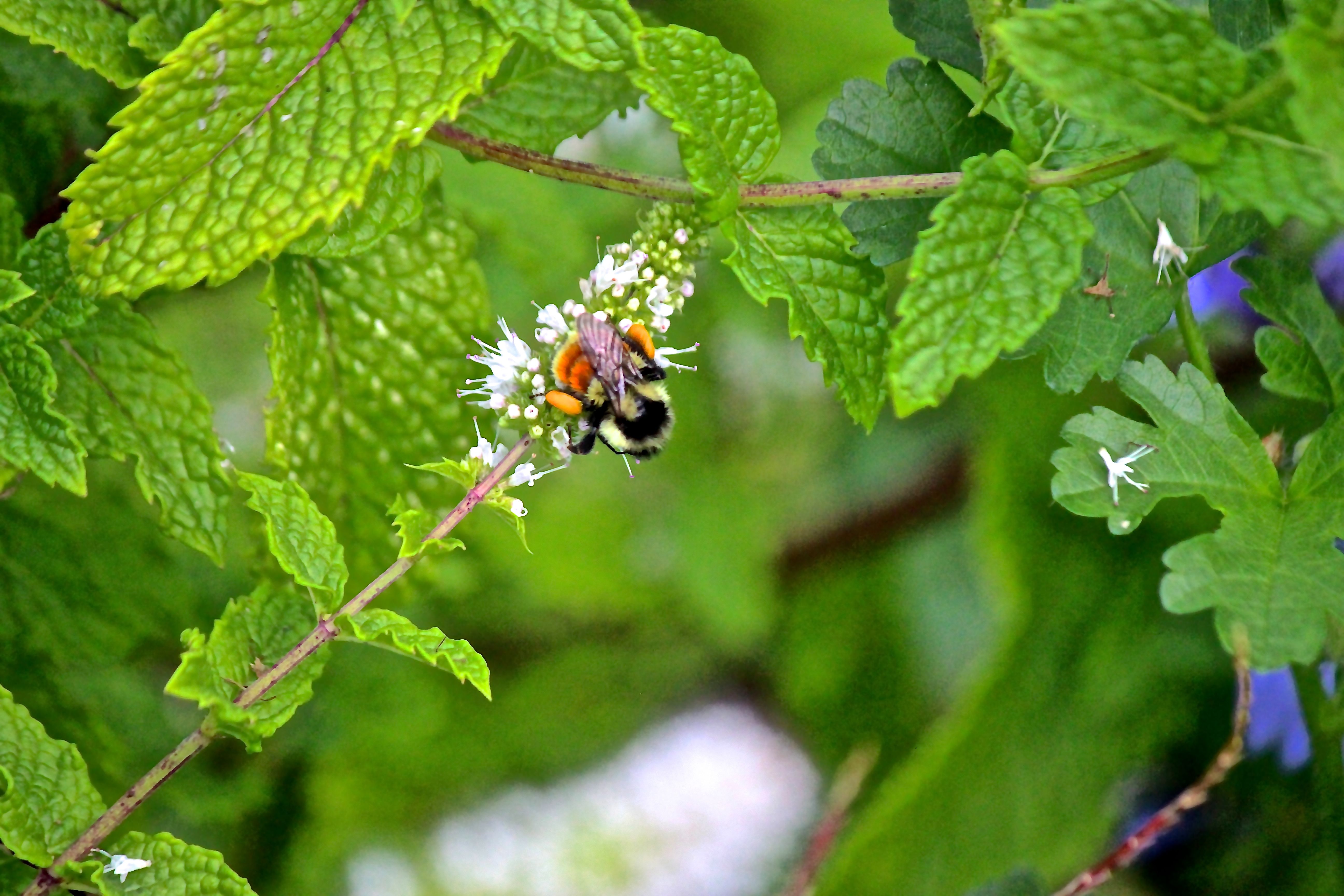
beebee2

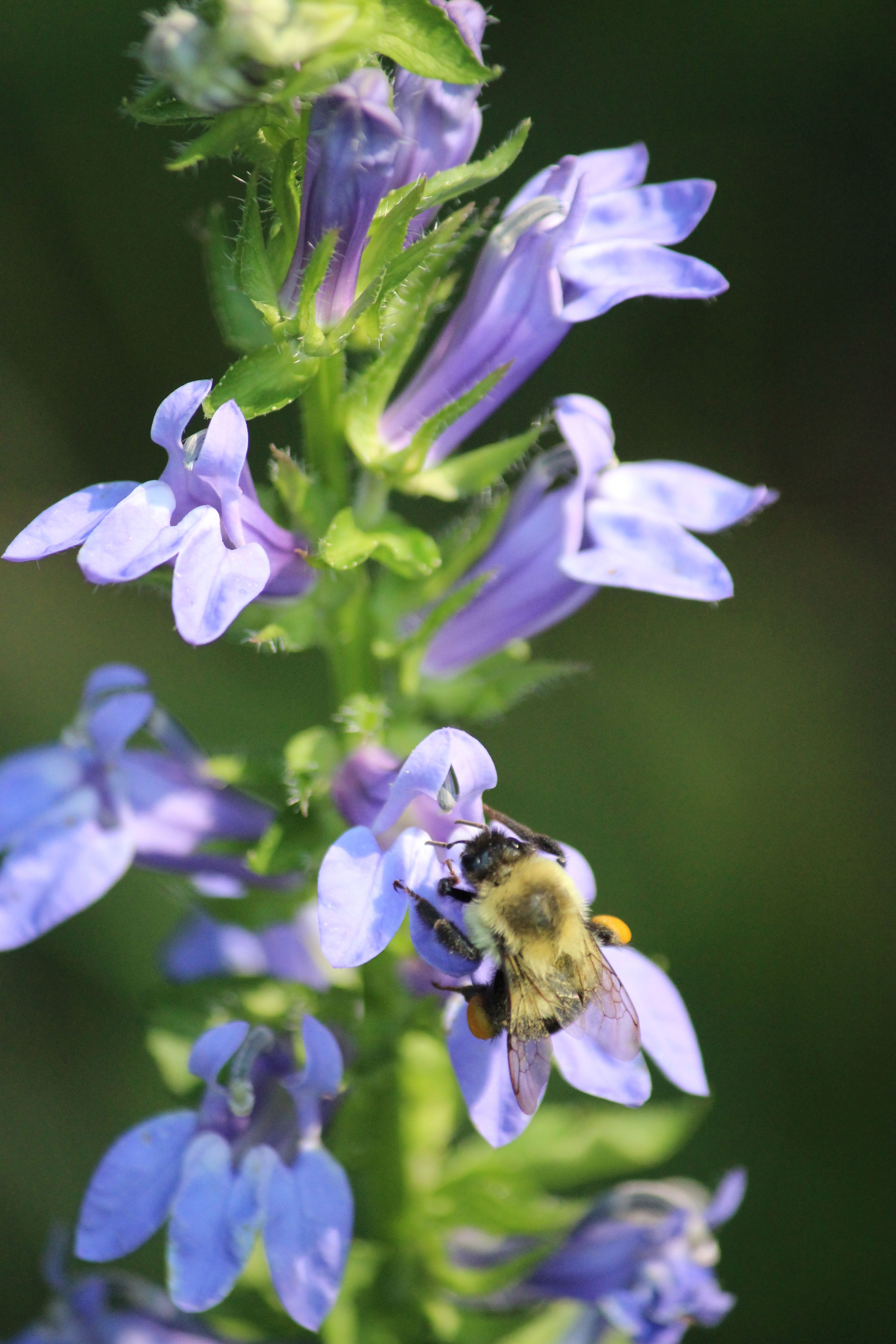
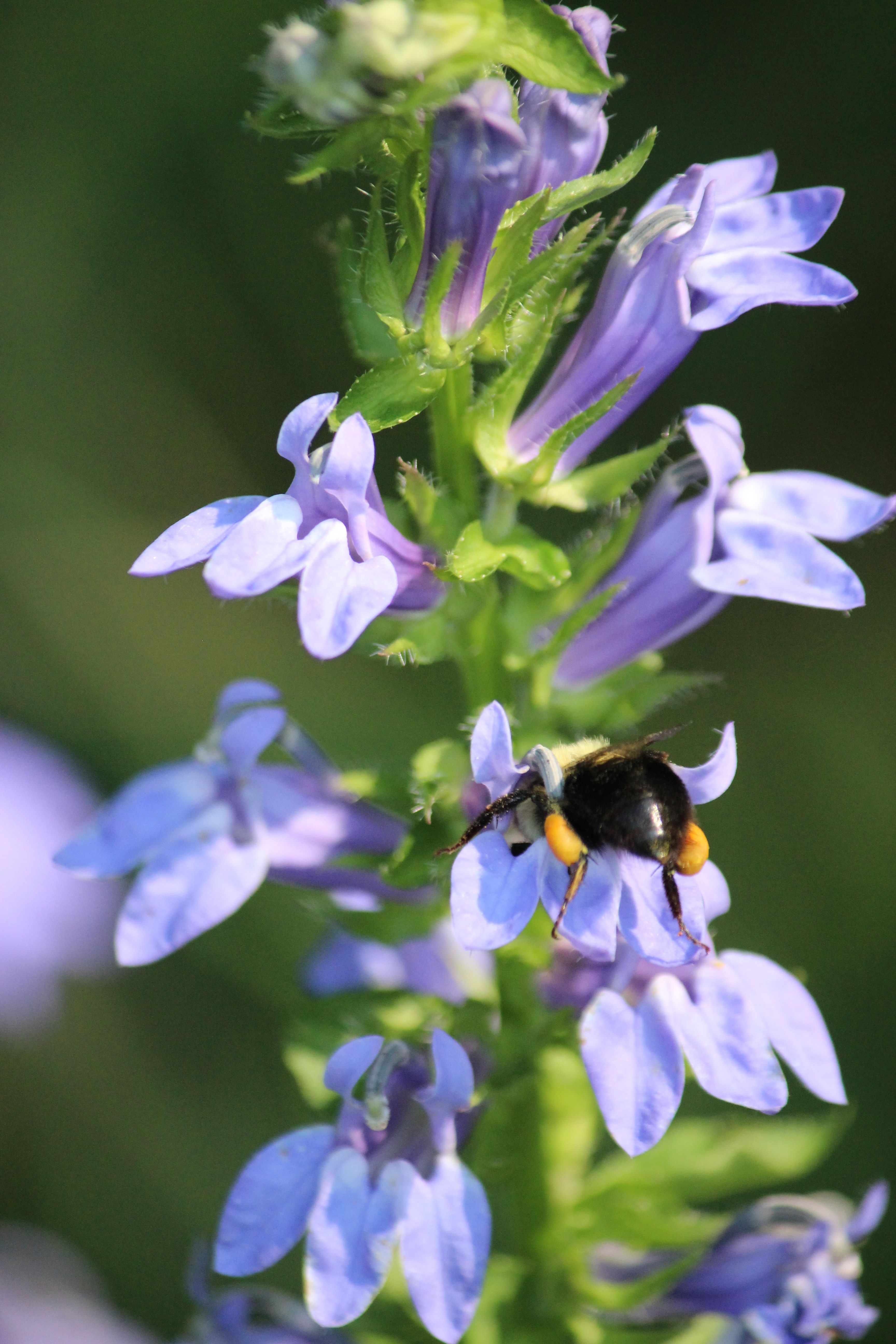
This busy bee was well-laden with pollen. Its bright orange sacs bulge on its hind legs like a kid wearing arm floaties in the water.

bee on mintbee on mint 2

Every time a bee visits flowers, the pollen sticks to its fuzzy body–its antennae, legs, face and body. Think pollen magnet!

The middle legs are equipped with comb-like hairs that scrape off the pollen and transfer it to the pollen presses located on the hind legs.

bee 3

Like our calves, the bee’s legs have a tibia or lower leg section. The tibia is shiny and surrounded by hairs, including some that are rather long and stiff. These form the pollen basket. Located at the lower end of the tibia  is another comb-like structure (ankle), and on the metatarsus (heel or foot) is the press. When it comes to pollen collection, the two structures work together like levers.

Nectar moistens the pollen, making it sticky. The pollen is transferred to the press, and then is manipulated between the press and comb until it sits flat on the bottom of the tibia. Each time a new batch of pollen is added, it’s pressed onto the bottom, forcing the pervious batches to move further up the tibia.  A full basket (think one million grains of pollen) bulges, but hairs hold the pollen in place as the bee flies from one plant to another before heading home to stock the nest.

beefly on goldenrod

It’s not just hairy bees who are active in the gardens.

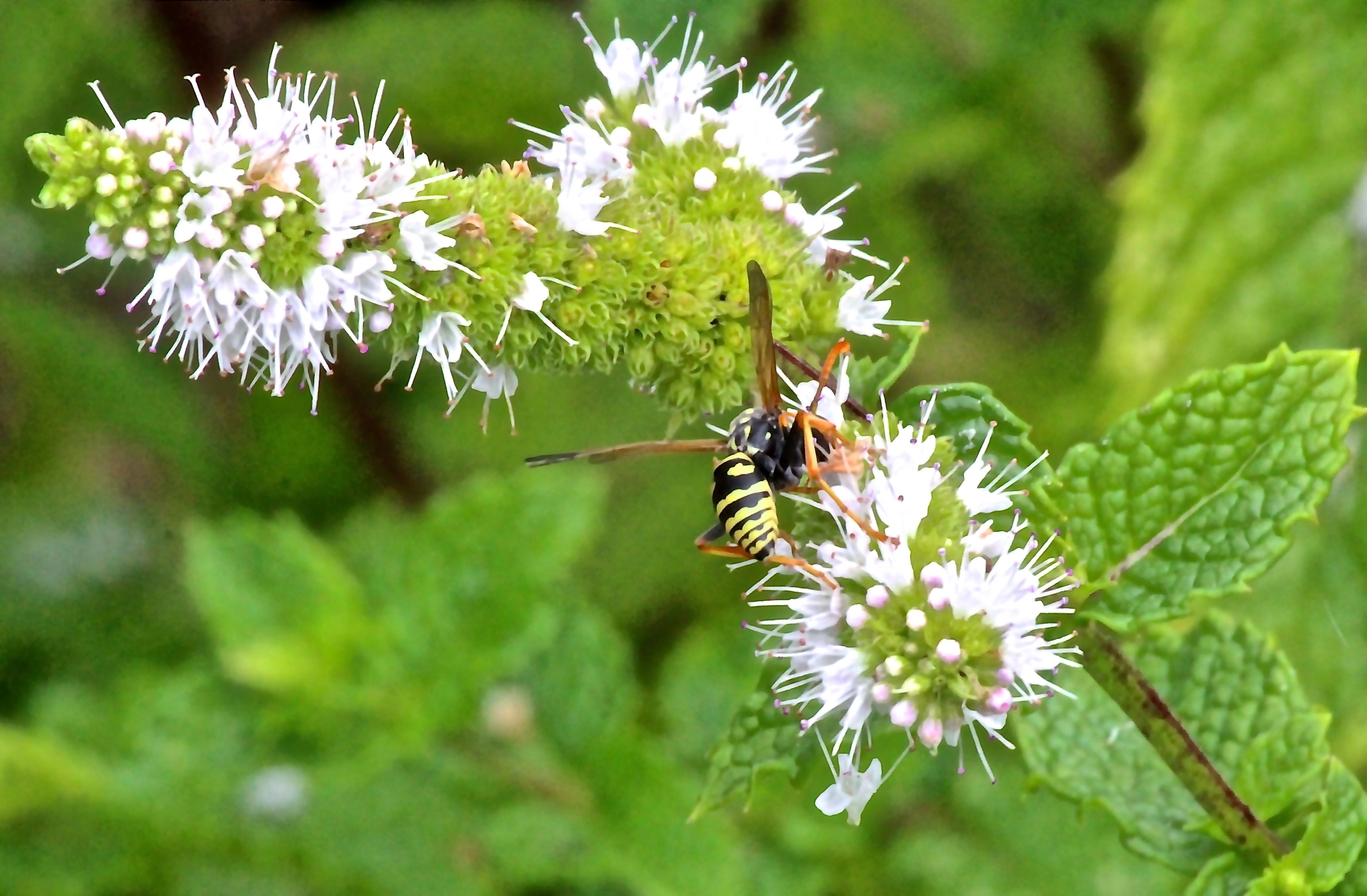
large blue wasp

Gathering for the family is important business.

wasp 2

Thanks to the goldenrods and asters, there’s plenty of pollen and nectar still to be gathered.

yellowjacket

The mint seems to be the biggest hit among the variety.

spiders 1

And there is other action as well. A funnel weaver tried to challenge the larger spider, but quickly retreated.

spider 2

Whenever I take a closer look at the crawling and flying members of the gardens, I’m in awe of their colors, patterns, hair or lack of, and overall body structure.

inchworm

You may have to look closer to find the visitor on this coneflower.

red legged grasshopper

This red-legged grasshopper tried to make itself invisible.

grasshopper 2

The camouflage worked better once it climbed to the top of the fence. When grasshoppers fly, I can hear their wings make a rasping sound. But moving as this one was, there wasn’t a peep. The crickets and cicadas, however, I couldn’t see, but they’ve been contributing to a chorus all day.

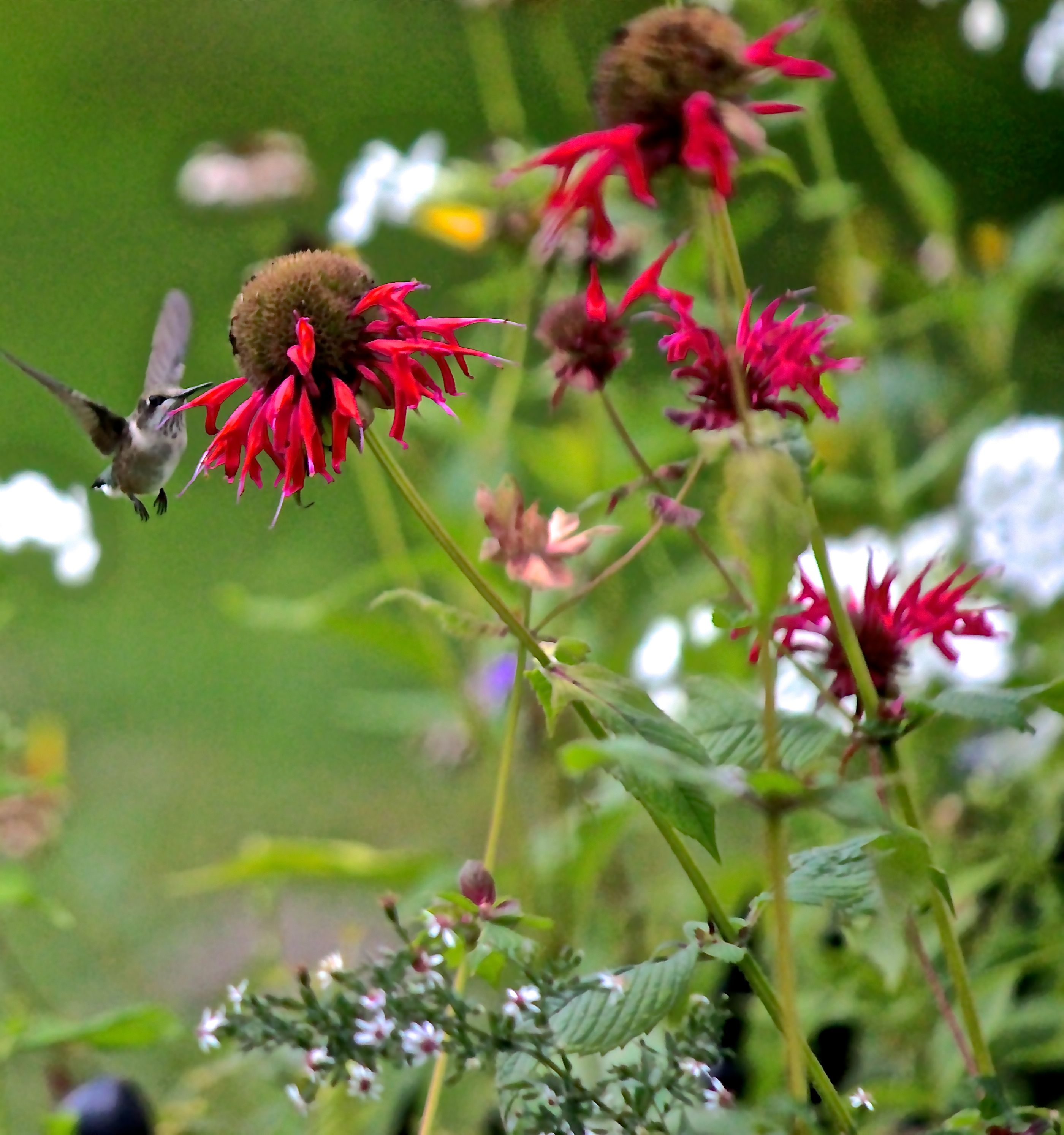
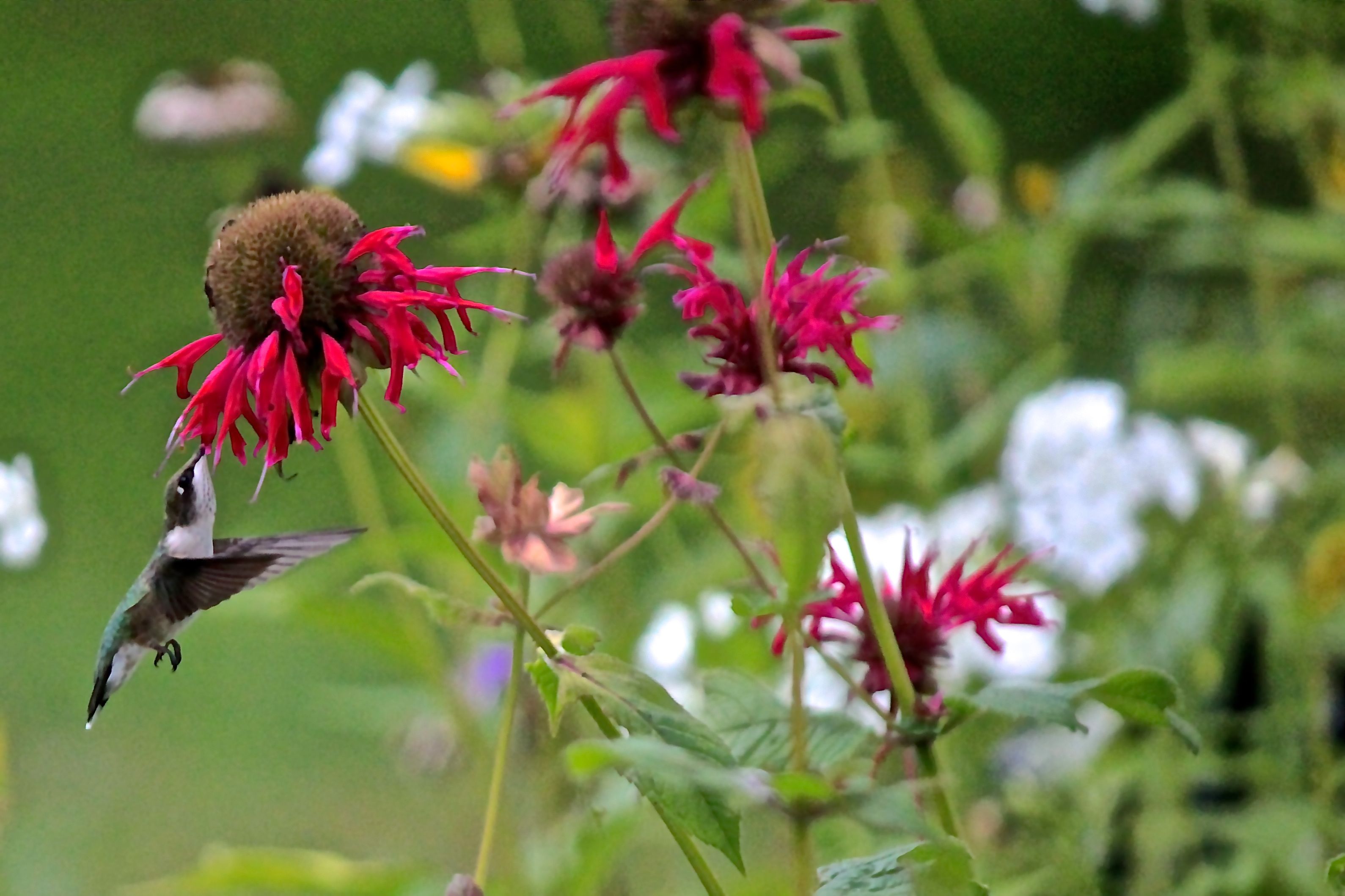
hummer approaching

hummer approaching 2

hummer approaching 3

hummer approaching 4

hummer approaching 5

And then there is the hummingbird–ever swift and beautiful with its iridescent colors. Whether it is dining on nectar or insects attracted to the nectar, I don’t know, but it always returns, seeking more.

We all have the need for more. The frightening thing is that oftentimes we take more than we need. For the sake of the birds and insects, we need to think about that and how we might change our ways.

Through Rose-Colored Glasses

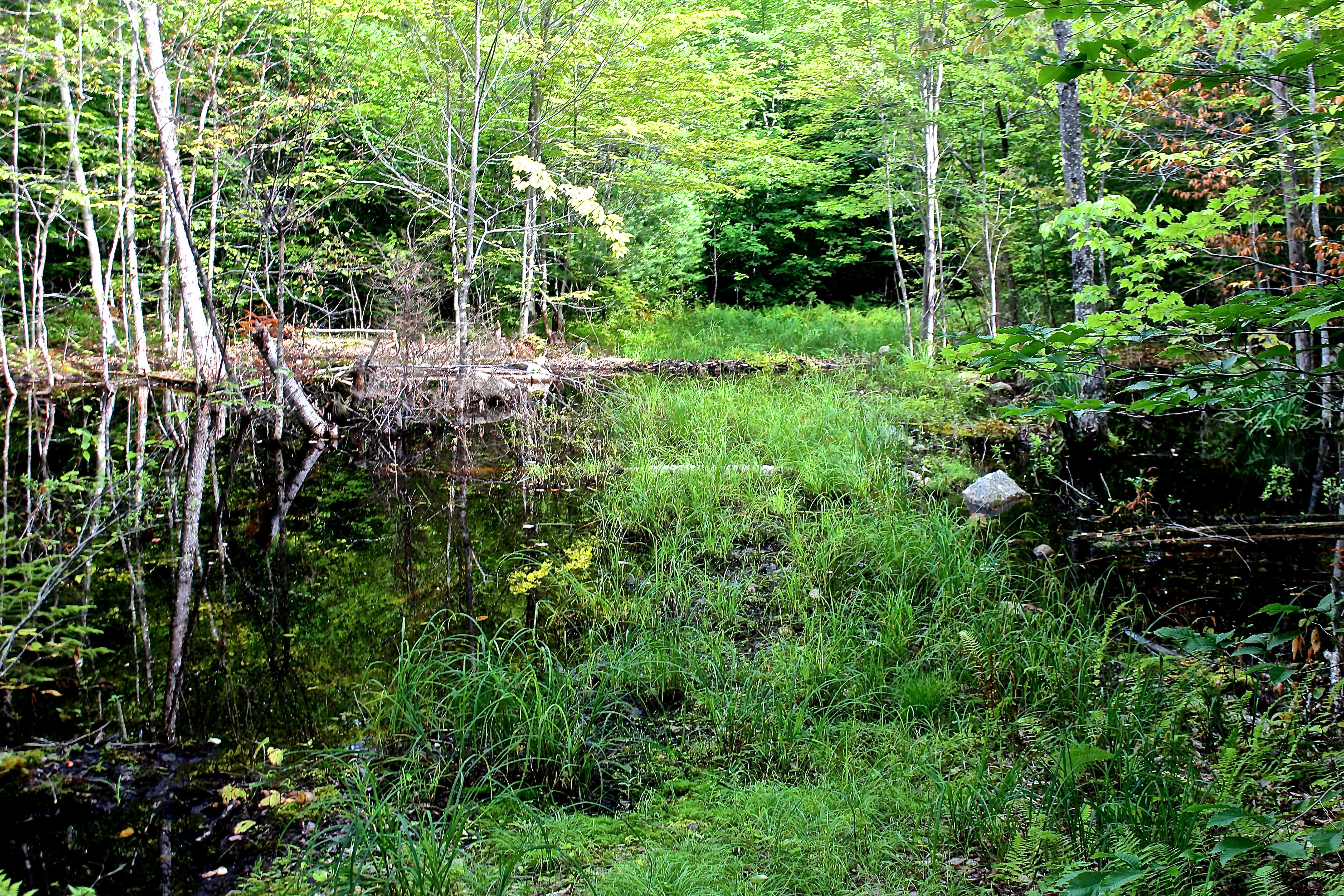
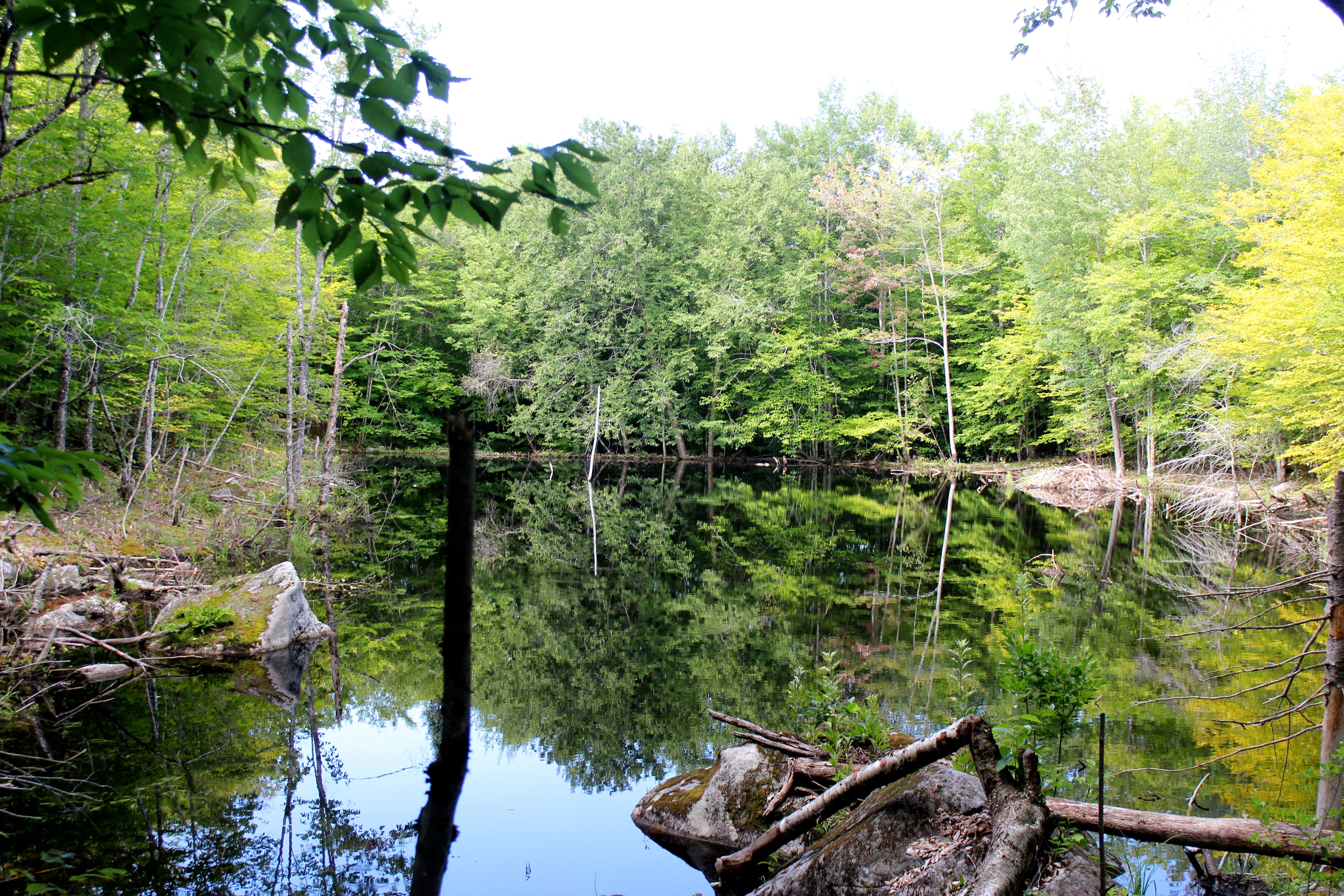
Beaver works was the name of my first adventure today. Last fall, some of the Greater Lovell Land Trust’s docents and I walked along the trail of this private property and saw the beaver trees, dams, ponds and lodges. But today, I felt like I was stepping into a completely different territory.

This week, thanks to the generosity of the landowners, we have a walked planned on the same property and someone has been rather busy–cutting off the path with a fallen tree and a flooded pond. With today’s pre-hike we have a sense of what to expect.

beaver path

You know they are busy when you see their well-traveled path

beaver 2and downed trees.

beaver tree

Or those that have been girdled but have yet to fall.

beaver dam

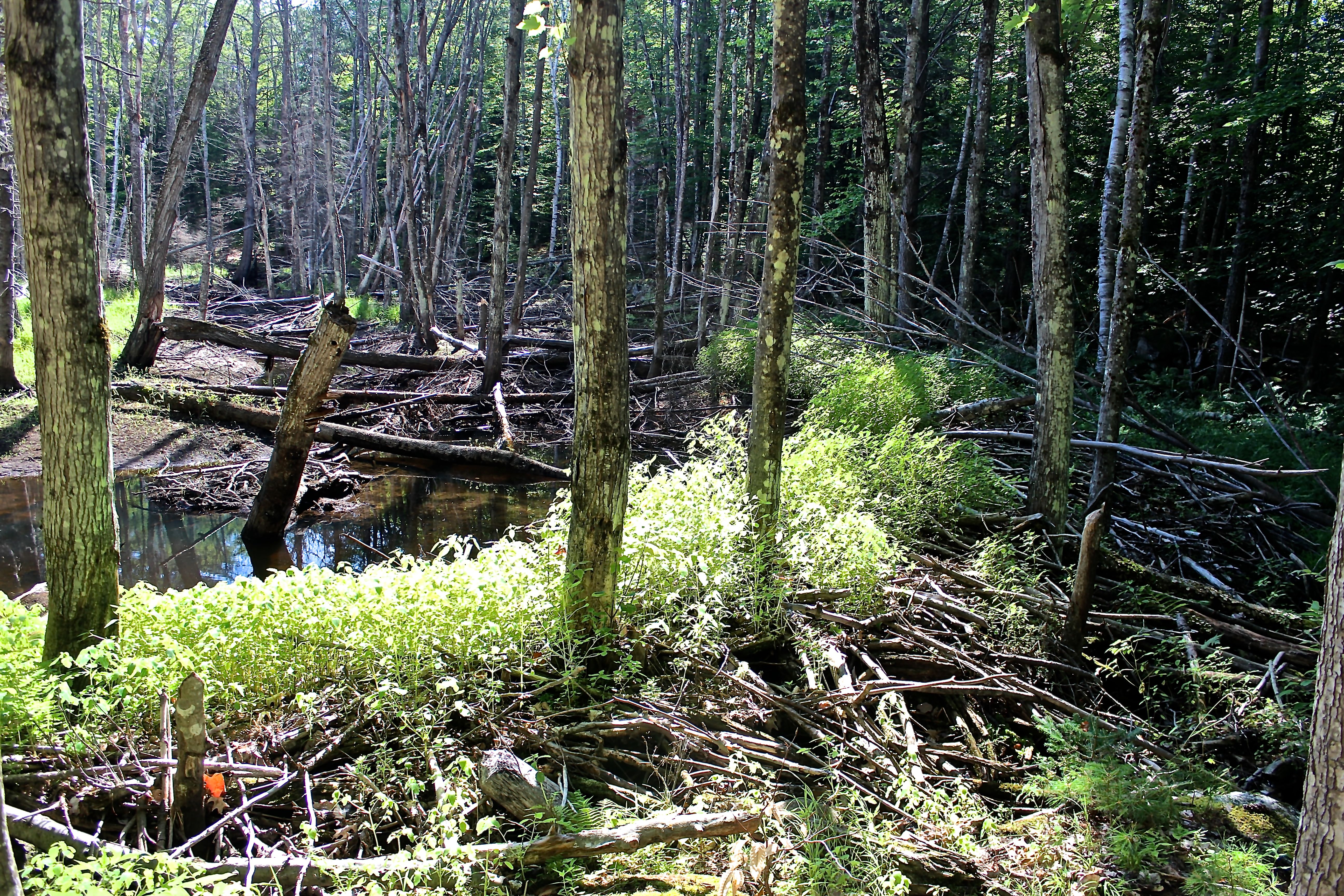
This old dam is quite large and no longer productive–you can see that the pond it once held is diminished to a small stream. The vegetation on top provides another sign of inactivity.

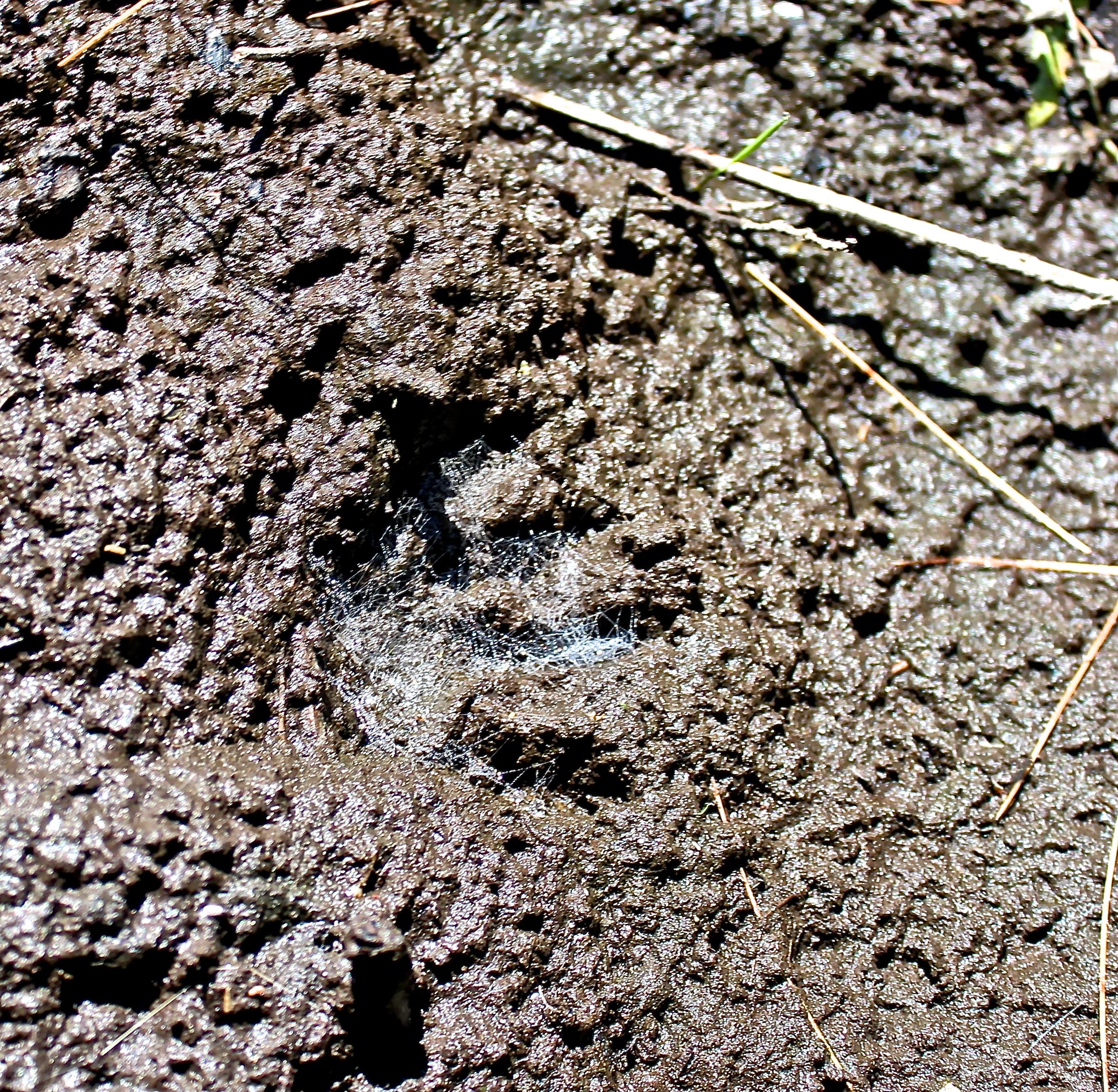
web in raccoon print

Inactive on the part of a beaver perhaps, but someone else passed by and left a baby-hand type print in the mud recently–or sorta recently.

beaver works--walk around

The beavers moved on and changed things up elsewhere–one needs wellies in order to follow the straight line. We chose to go around.

beaver pond

In the process, we got to see another beaver pond. They’re everywhere!

The landscape is constantly evolving. I used to think it took a hundred years for a forest to change–that belief founded on what a junior high school science teacher said. I now know a wee bit more–it’s all in a state of constant flux. I think the same can be said for us–growing and changing with the years–physically, mentally, emotionally, socially and spiritually.

Off my soapbox–There are other fun things to see along this particular trail. I’ll only mention one–some bear sign. And yesterday morning, while placing a land trust sign on Route 5, I watched a young black bear cross the road–less than a mile from this trail and in a seemingly straight line with what we found today. I know that because of my X-Ray vision. (Disclaimer–what we found wasn’t created by the bear yesterday, but it shows evidence of a bear’s presence. Then again, there’s lots of bear sign in these woods.)

My guy was working and it’s been a while since I’ve gone on a solo trek, so I decided to journey on at another GLLT property–Flat Hill and Perky’s Path.

red-purple trail

I was on the purple trail to begin and surrounded by hues of green.

red maple stems 2

So shades of red like the stems of red maple leaves became my focus. They were subtle, but I was surprised with how many examples I found.

red oak

The salmon-colored inner bark of northern red oak.

red striped maple

Striped maple leaf stems.

red sarsapirilla

Wild sarsaparilla leaves.

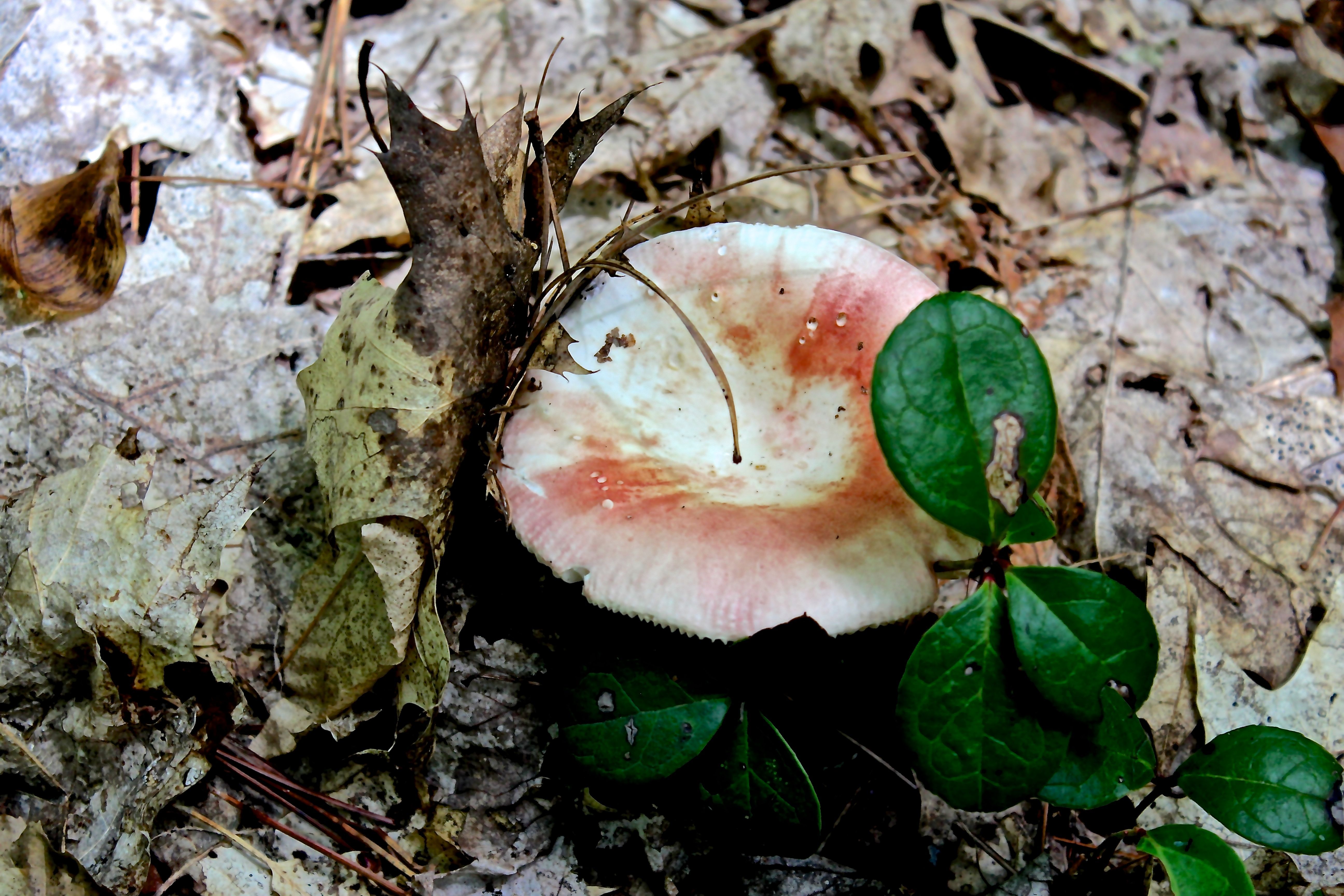
red pinkish mushroom

A Rusulla, I think.

red squirrel sign

The kitchen table of a red squirrel.

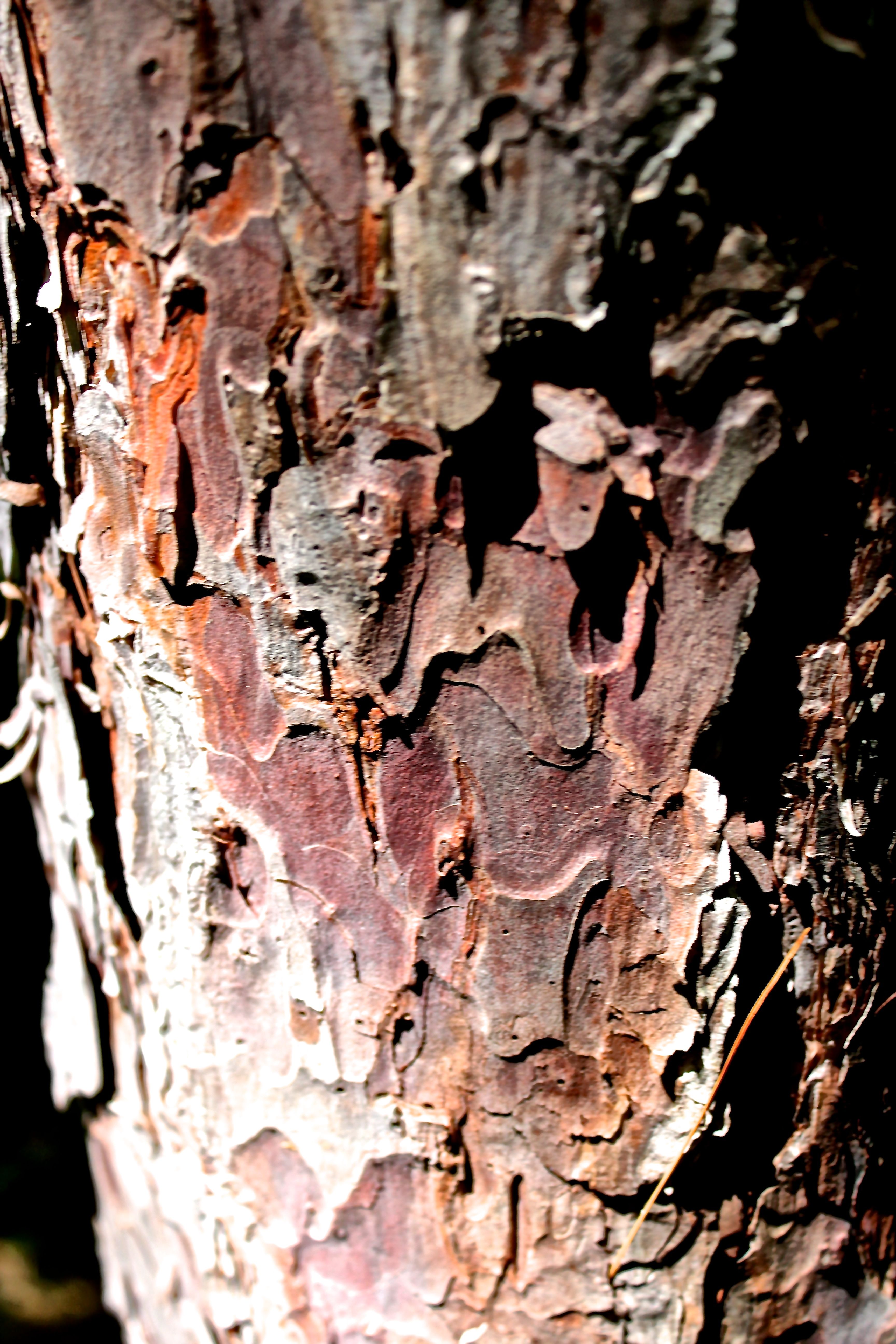
red pine bark

Sandstone-patterned red pine bark.

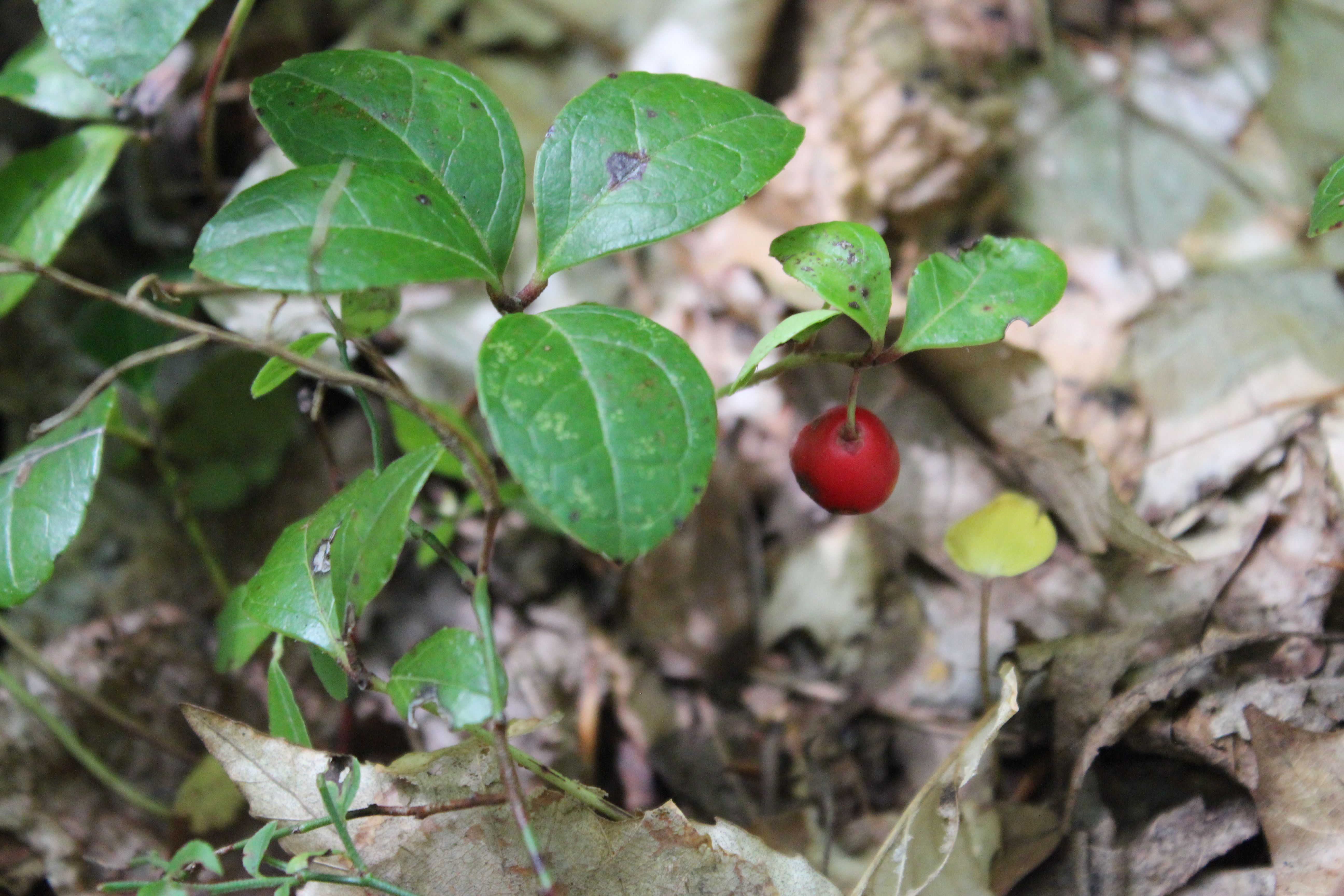
red wintergreen berry

Wintergreen berry  and

red-partridge berry

partridgeberry.

Flat Hill view

Not red at this moment, but home to many a red sunset, the view from the summit of Flat Hill. Don’t you love an oxymoron?

orange trail

Following the orange trail of Perky’s Path provided more shades of red.

red bunchberry, starflower leaves

A whorl of starflower leaves and bunchberry fruits.

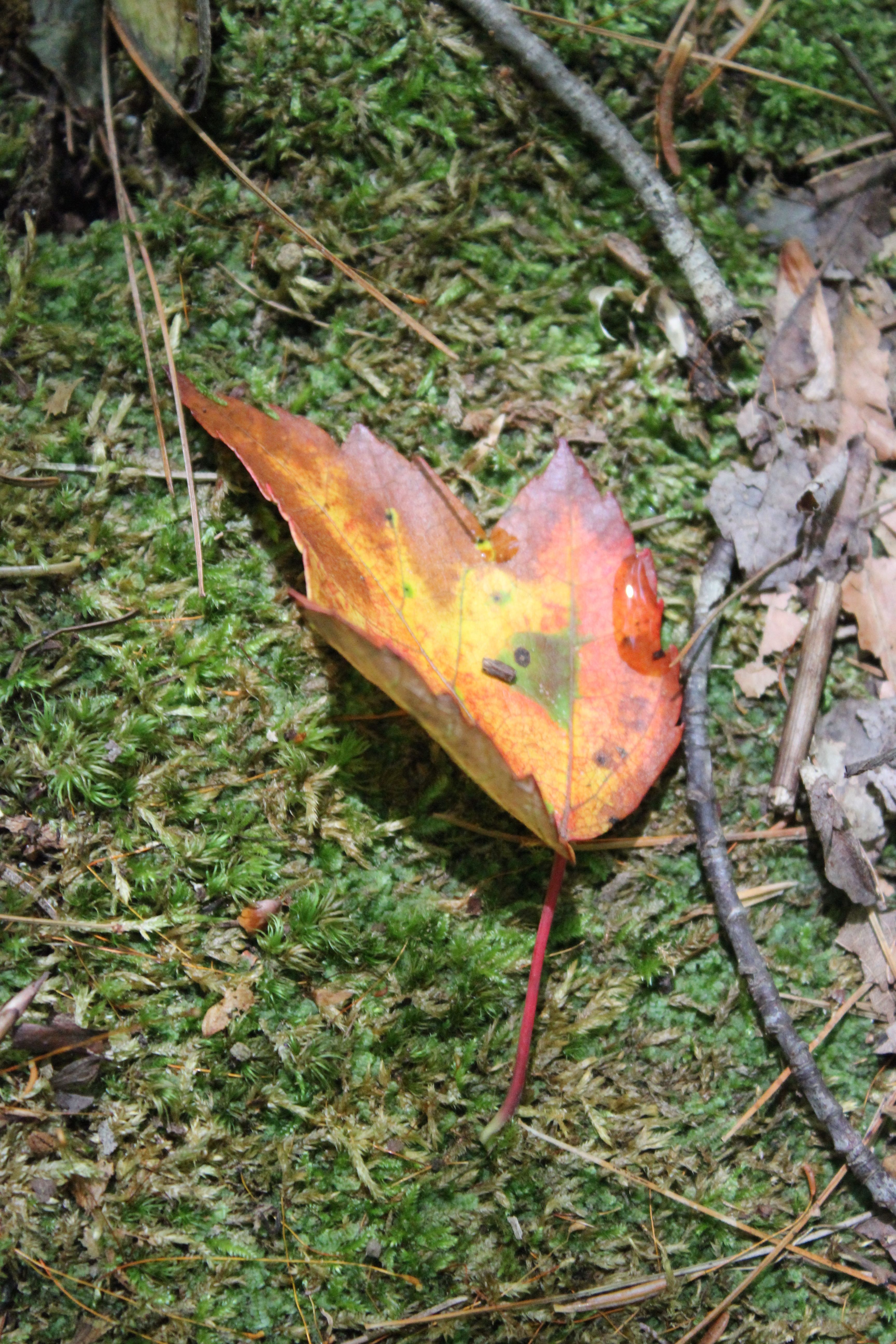
red maple leaf on ground

A single red maple leaf.

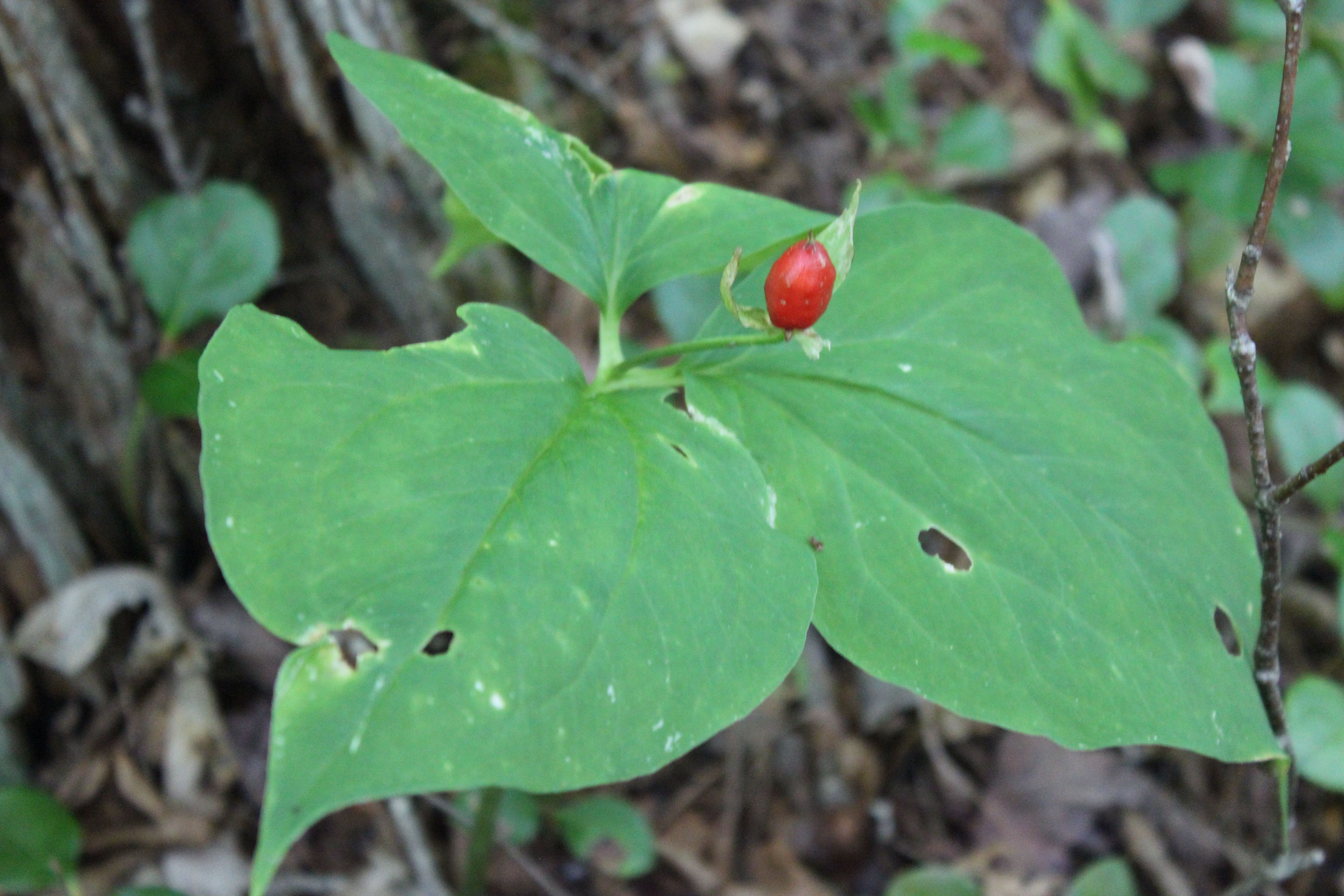
red trillium 3

The fruit of a trillium.

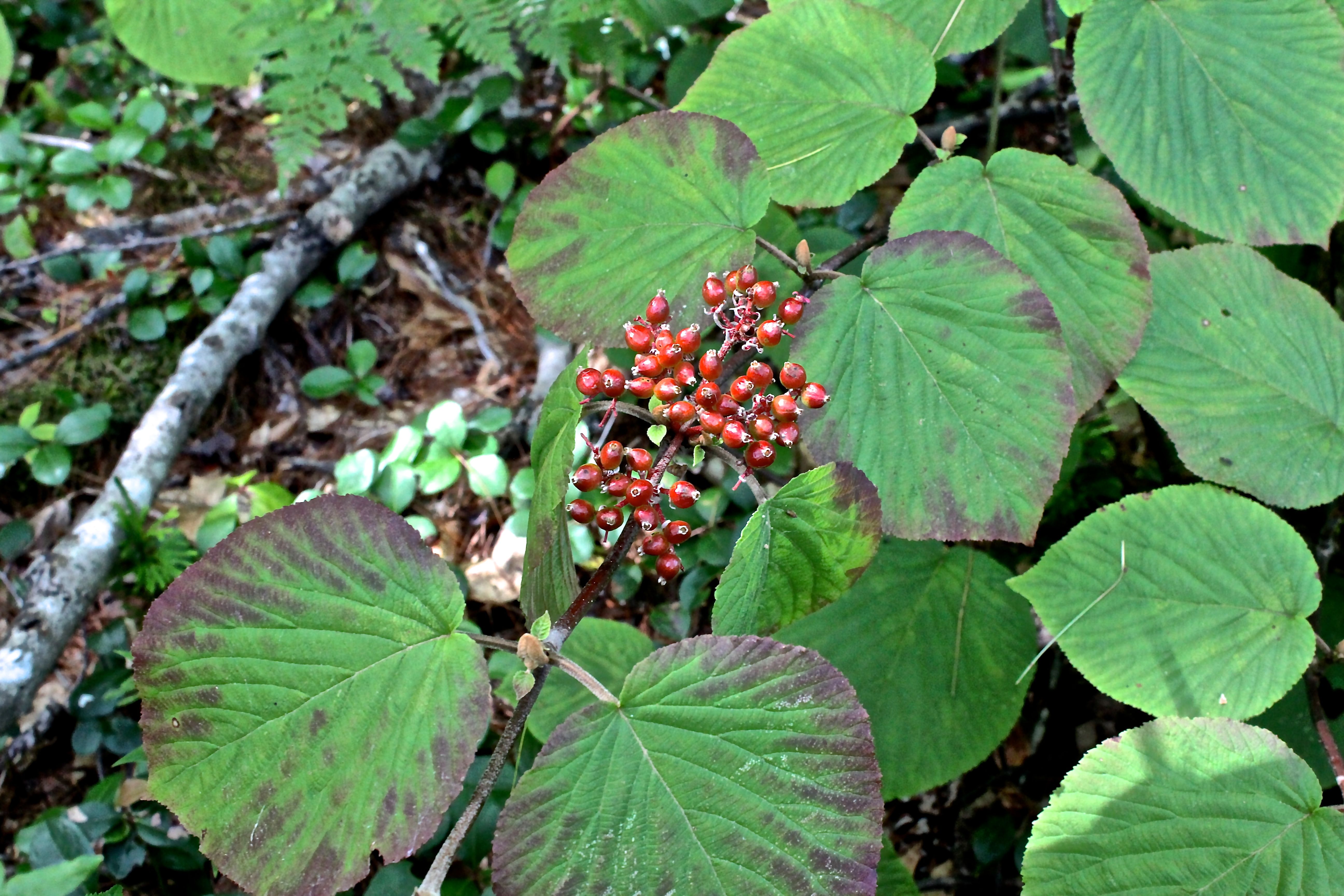
red hobblebush

And hobblebush leaves and fruit.

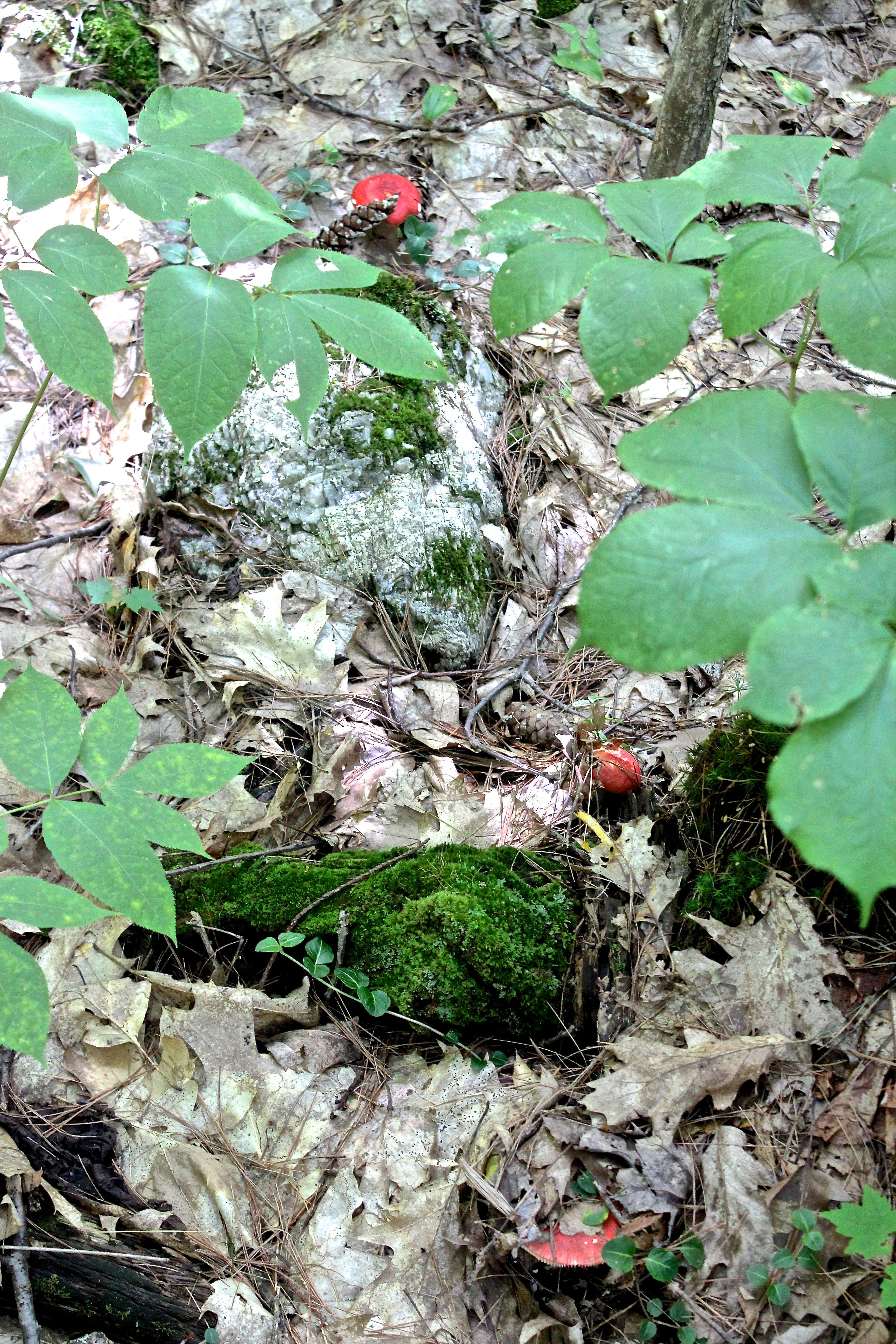
red-mushrooms emerging

More Russulas emerge, displaying their red caps.

Steeplebush

And finally, a pink steeplebush.

Though my eyes were fixated on red, I did see a few other things.

yellow mushroom

A yellow Russula. (Hope my partial ID is at least partially correct.)

bird's nest

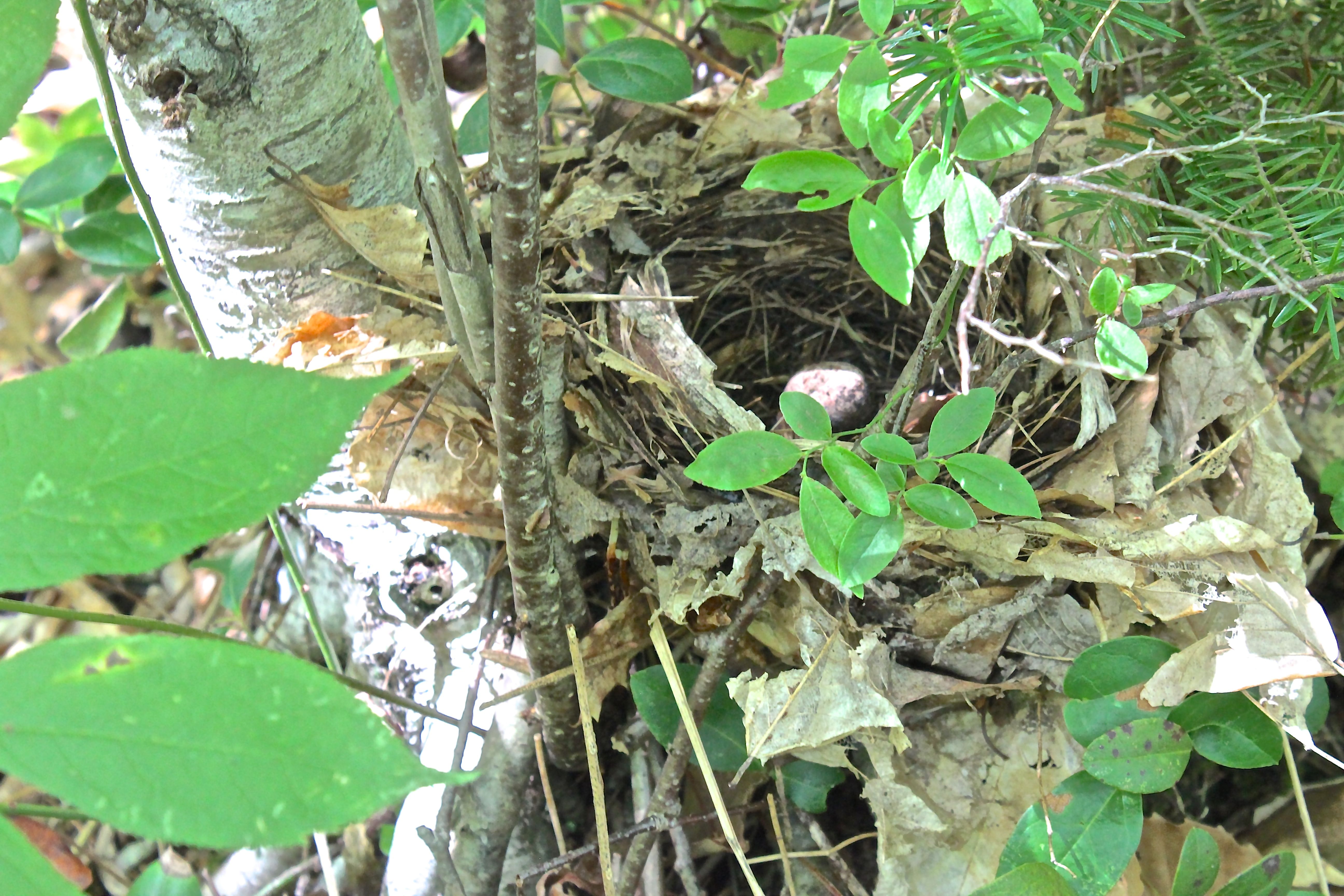
A leaf and twig bird nest tucked against the tree trunk. Surely, someone can help me ID the creator of this masterpiece.

Indian Cucumber root

And the world’s largest Indian cucumber root. Soon those berries will turn red.

I thoroughly enjoyed today’s wander through rose-colored glasses. Thanks for coming along.

A Little of This and a Little of That

As I sit here listening to the undelightful sound of an artesian well being drilled on a neighboring property, I have to wonder how deep they must go. After all, we’re beside a lake.

To distract myself, I wandered about our lot, wondering what I might see. I’d also wandered at Holt Pond early this morning, sharing the pitcher plants and some other great finds with K. So . . . here’s a little of this and a little of that.

Muddy River

Morning has broken . . . on the Muddy River.

HP boardwalk

And the quaking bog at Holt Pond.

pp2

Home of the pitcher plants and the reason for our visit.

Horned Bladderwort

A new find for me: Horned bladderwort. It’s growing at the edge of the pond. The stalk is erect and there are no apparent leaves–because . . .  “tiny leaves grow beneath the soil” according to Newcomb’s Wildflower Guide.

Indian pipe

Check out this Indian Pipe. Usually we see the ghostly white version, but Newcomb states that occasionally the plants are pink. This is one of those occasions. And these flowers have been fertilized–therefore, they are standing upright, rather than nodding.

Staghorn sumac

On my way home, I stopped by the side of the road to admire the staghorn sumac. The cluster of upright flowers reminded me a wee bit of the sundews we’d been admiring at Holt Pond. Color and hairiness–similar but entirely different.

rose

Back at camp and by the water’s edge, a single swamp rose bush.

serviceberry

The berries of a shadbush dangle like ornaments.

exoskeleton

Under a porch floorboard, the exoskeleton of a dragonfly.

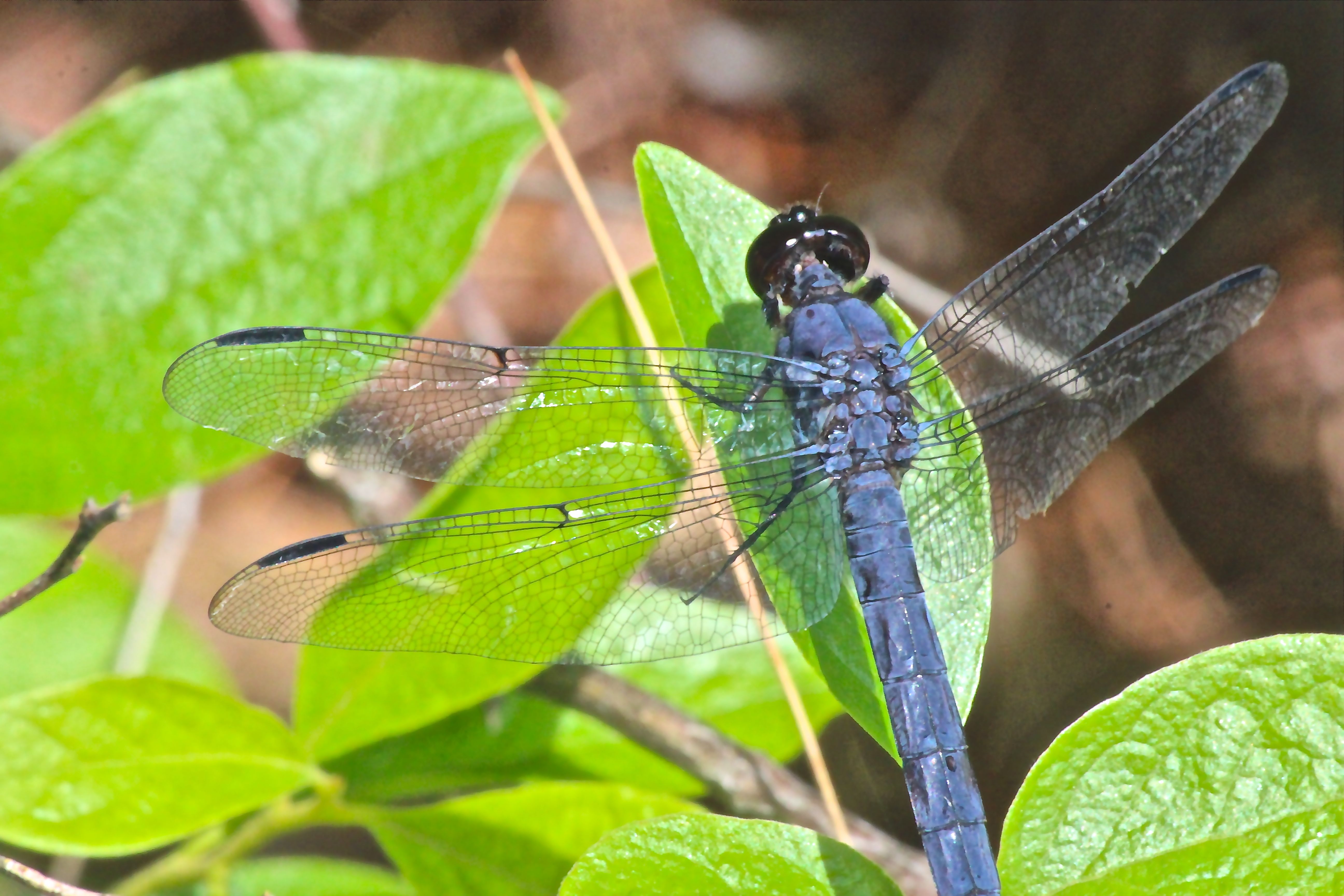
blue dasher dragonfly

Perhaps it previously protected this one–a blue dasher.

thistle

And finally, a field thistle on our neighbor’s side of the driveway. Such a suit of armor.

There’s more, but that was enough this and that for the day. And besides, the well folks are finally departing. Let there be silence.

Change is in the air

Pleasant Mountain was enshrouded in a blanket of gray when a friend and I headed up the trail this morning. And the muggies were upon us.

We stopped briefly because a new wildflower was in bloom near the trailhead.

Tick Trefoil

Tick Trefoil. Funny name for such a delicate flower. Trefoil refers to the fact that the compound leaves each have three leaflets. And tick–ugh–nobody likes ticks. In this case, the hairy pods that develop after it finishes flowering tend to stick to people and animal fur. Beggar’s lice is another common name. Geesh.

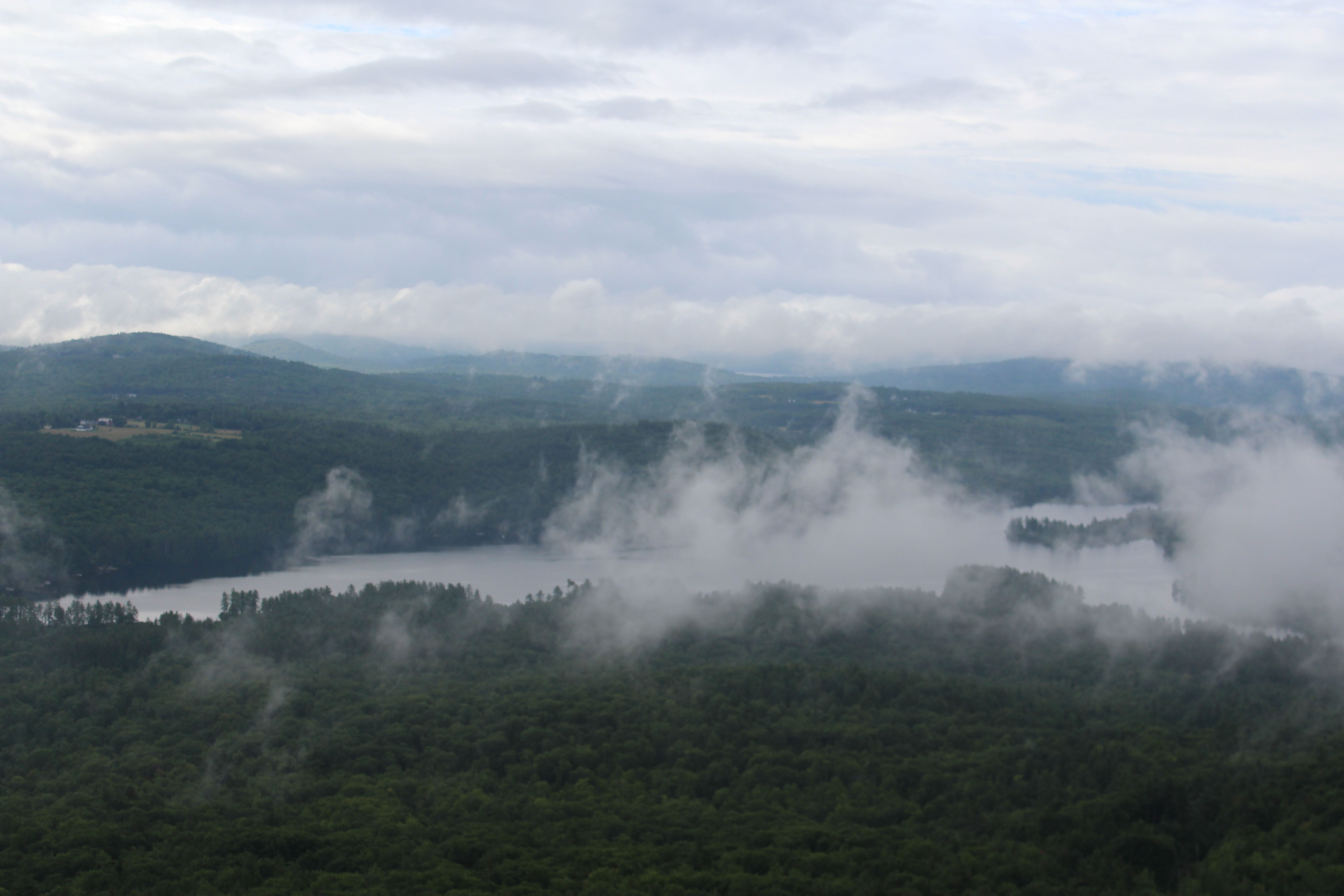
Ledges in fog

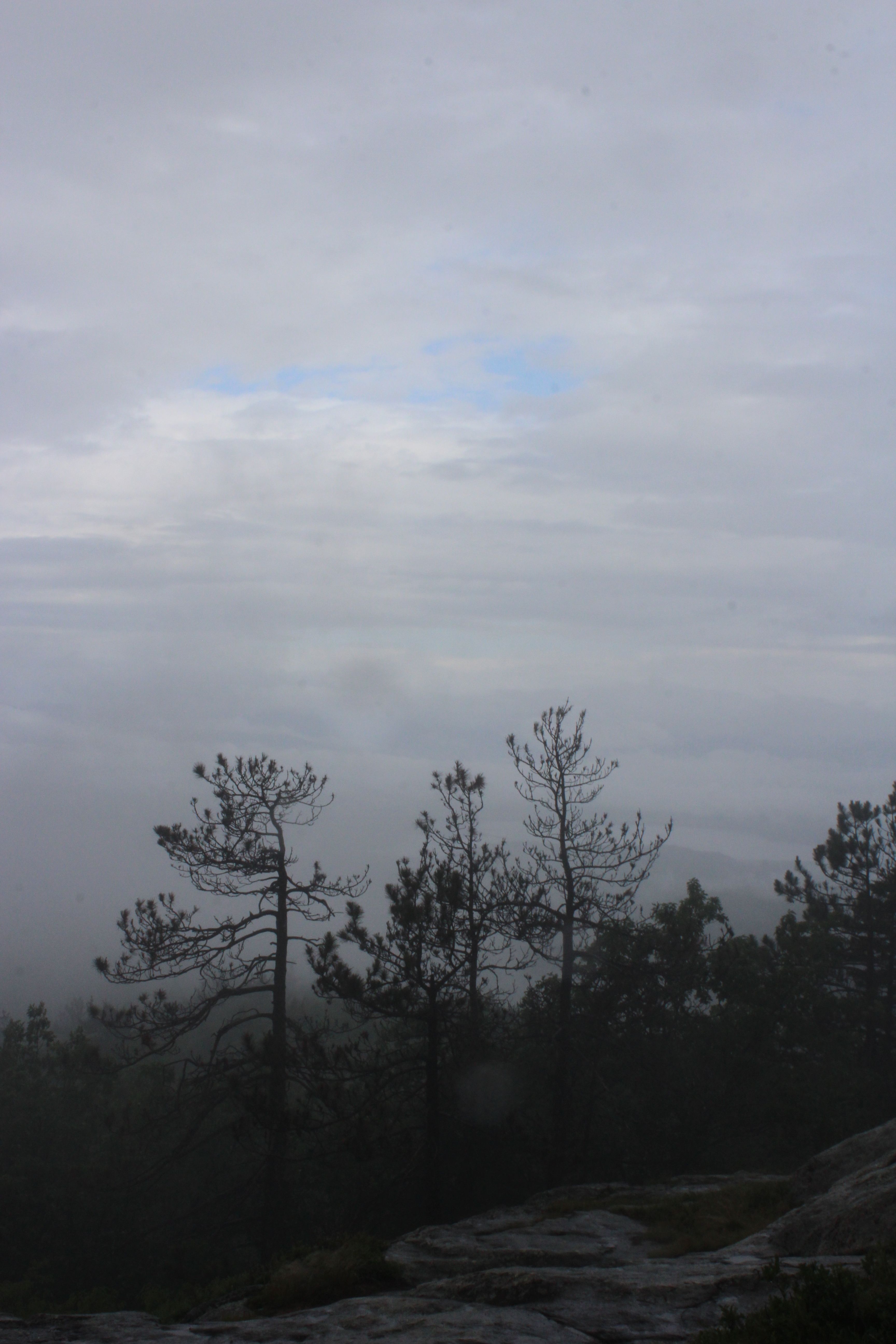
Despite being sultry, we hustled to the ledges and found the view to be pea-soup fog.

summit 1

The same was true at the summit.

summit 2

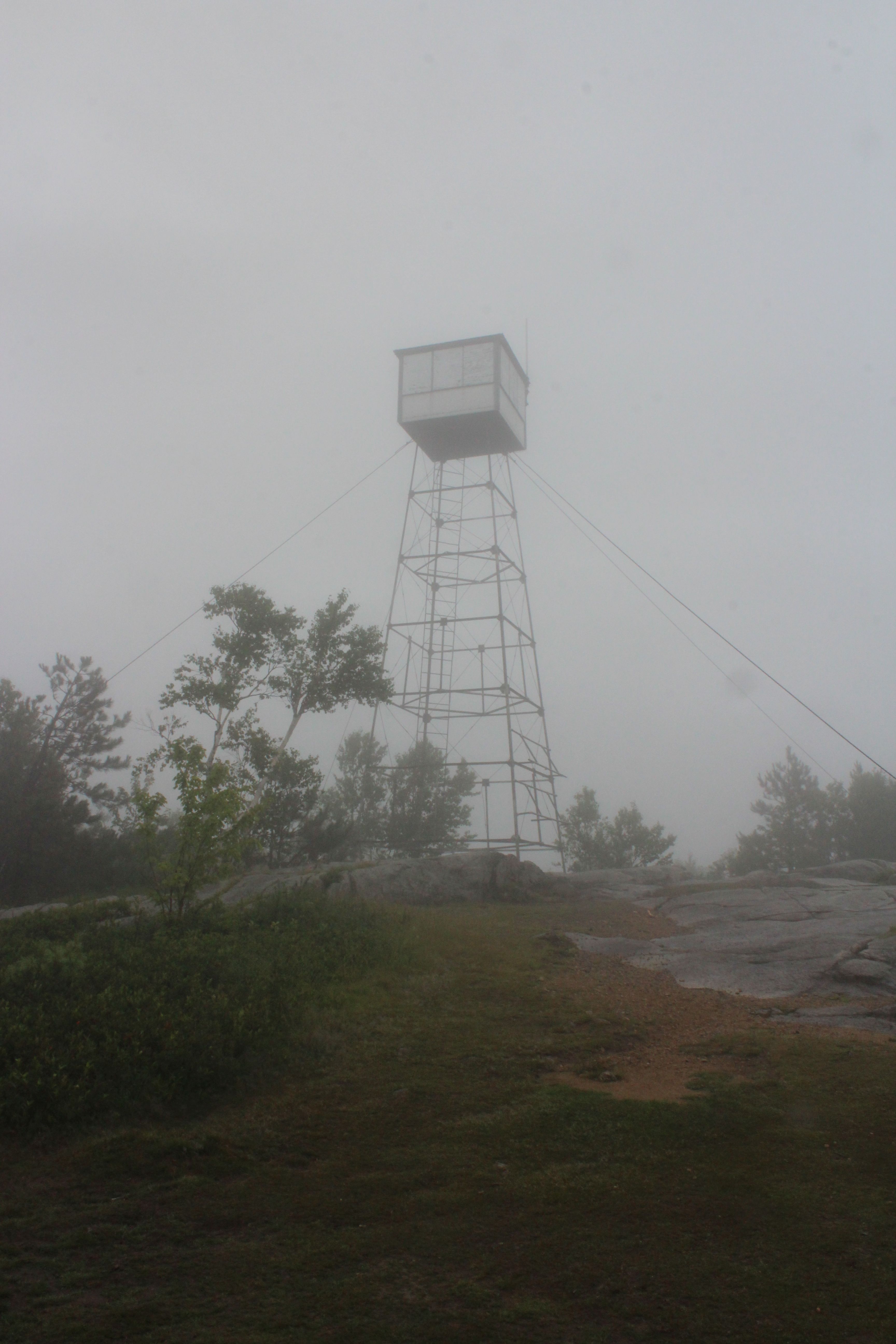
If the fire warden’s tower was still manned, the view would be limited.

summit 3, bit of blue

But then . . . a spot of blue.

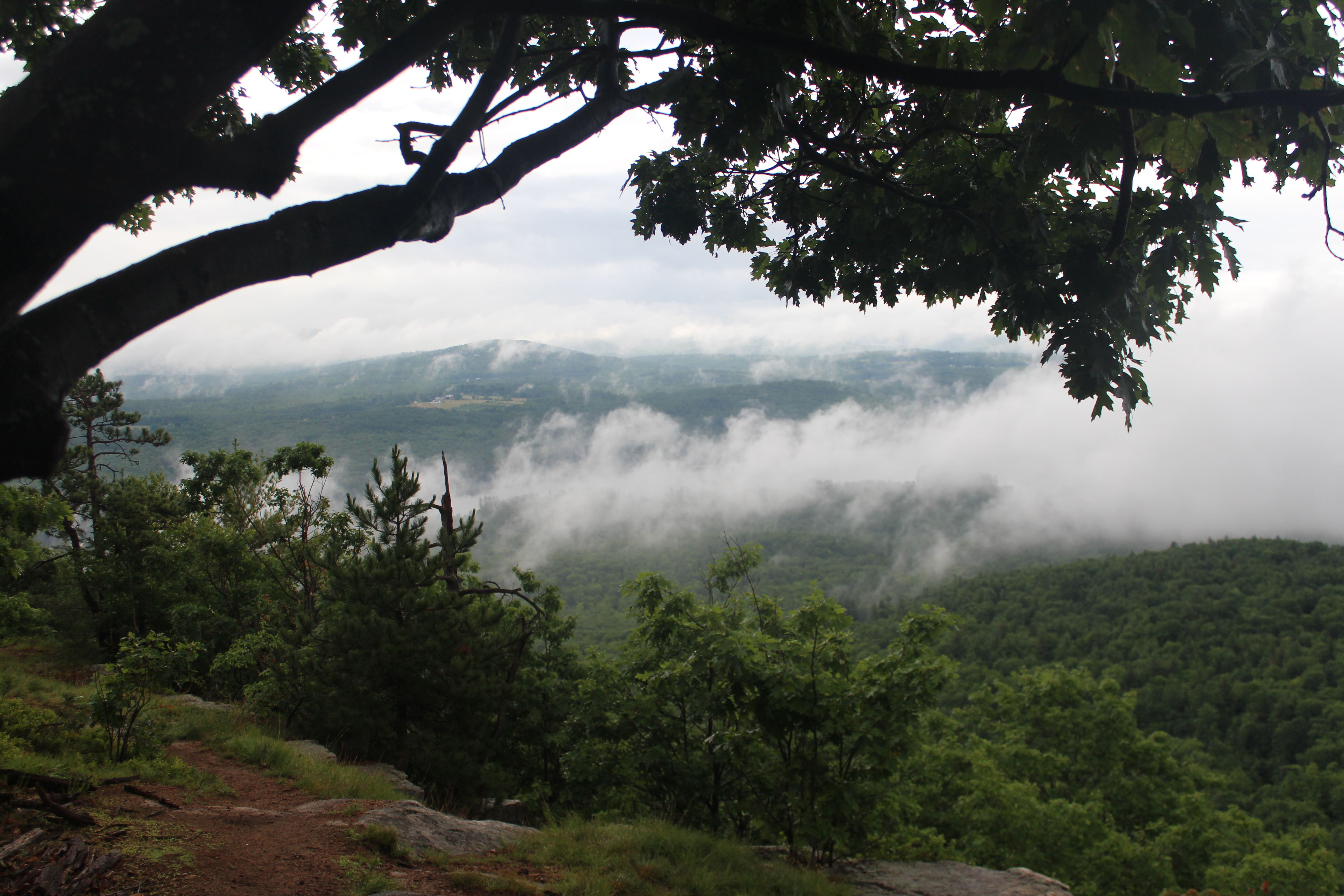
summit 5, changing

The clouds rolled past

summit 6

and land forms came into view.

summit 7, emerging

An ever changing work of art. While the view continued to transform, it poured for a couple of minutes, which we welcomed.

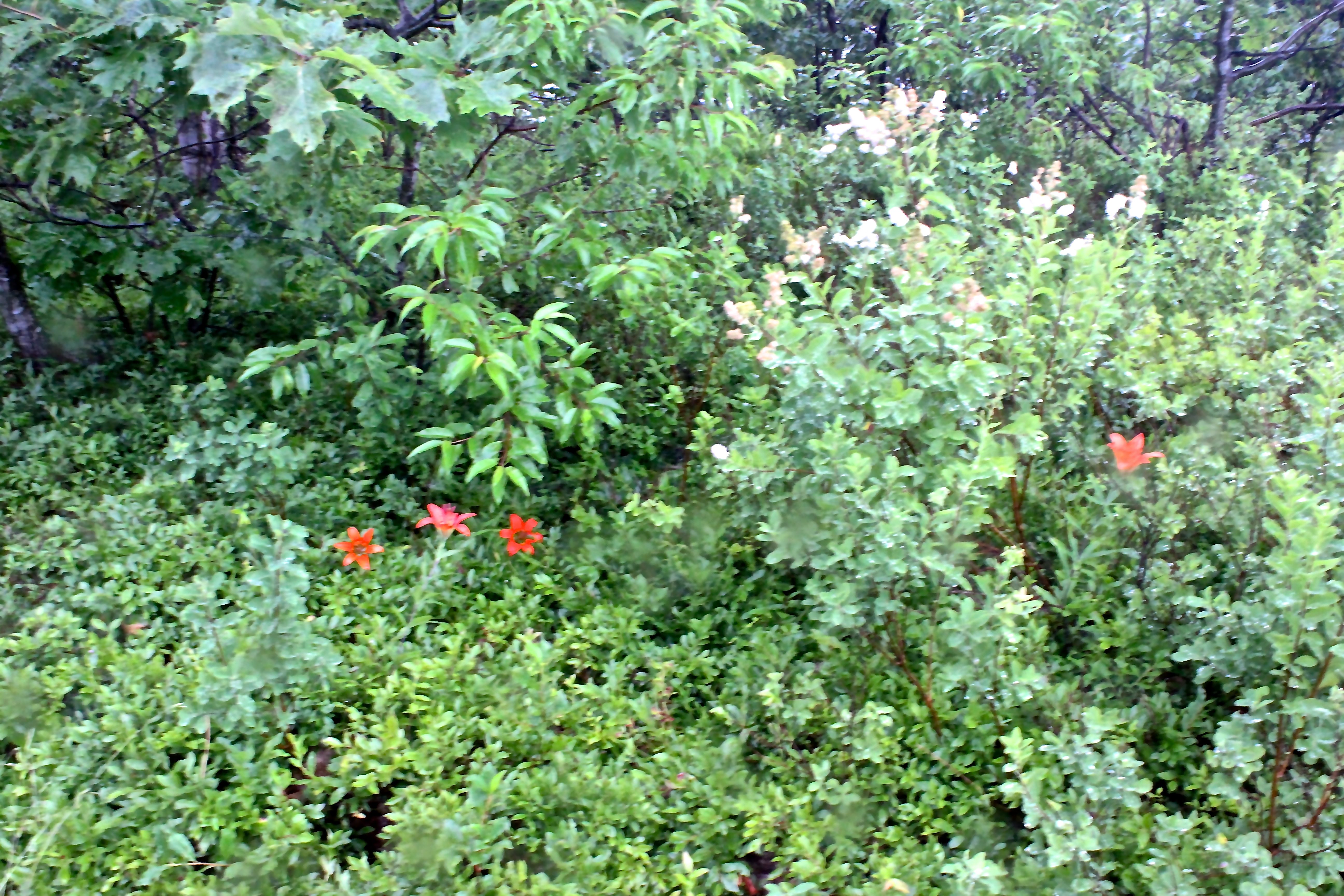
wood lilies

We paused before descending via the same trail. A few days ago one wood lily caught our attention. This morning–four in bloom

wood lily--burst of light

offering a brilliant burst of color.

back to ledges--change is in the air

All the way down, the view became clearer

hang clouds

as the hang clouds quickly dissipated.

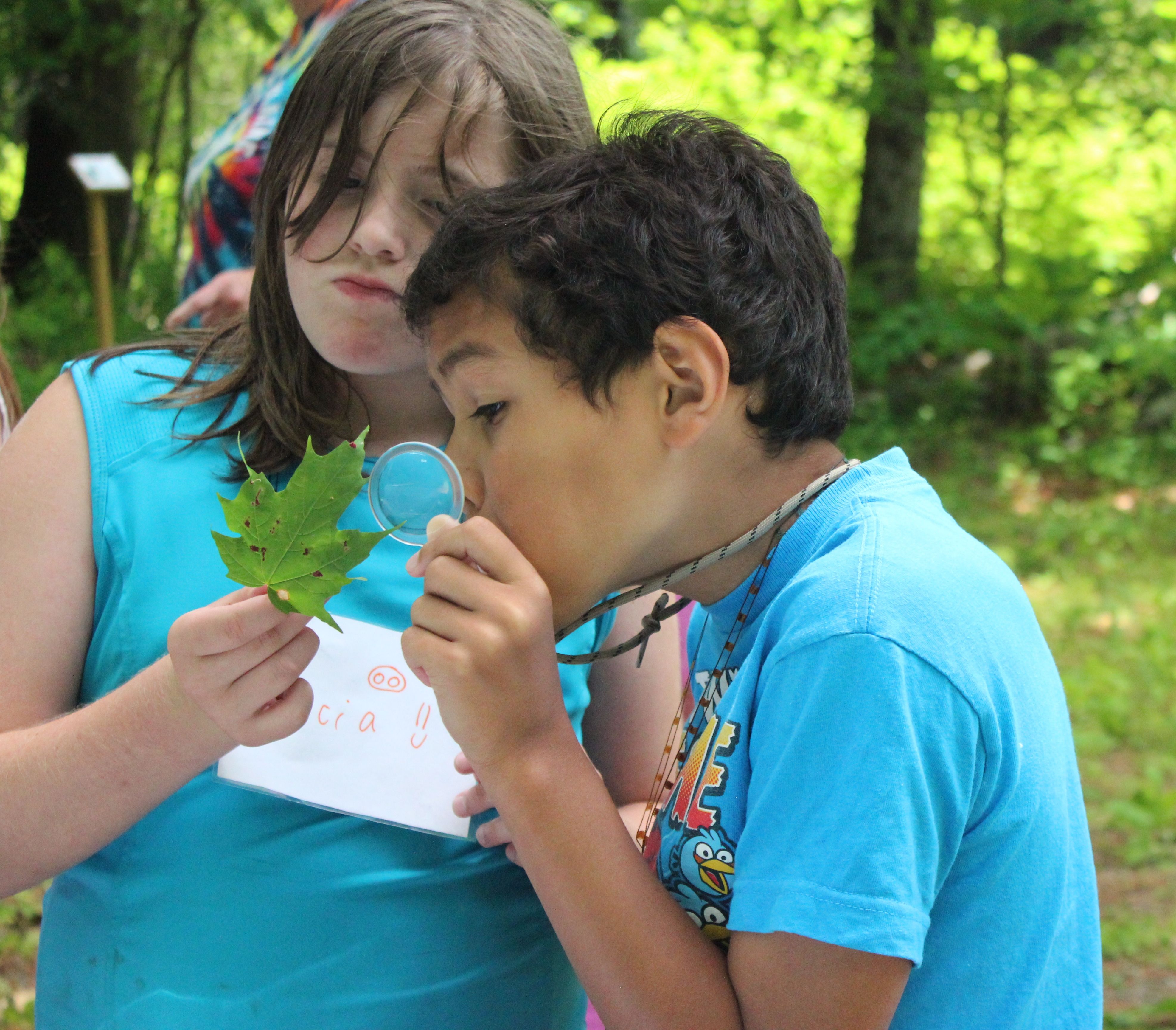
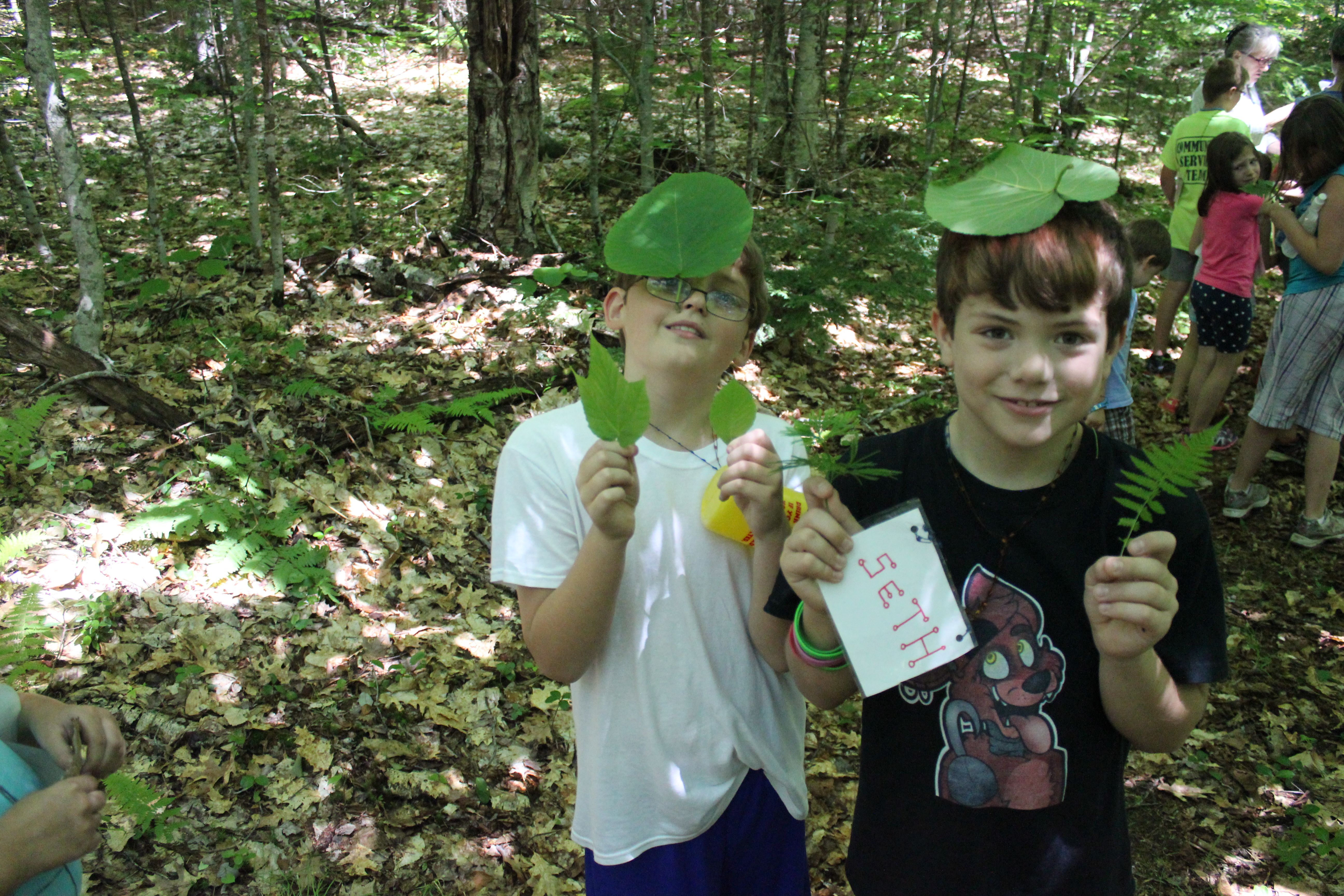
lovell rec 2

And it turned into the perfect day for Lovell Rec kids to examine nature up close and personal

lovell 4

while donning leaf berets.

change

Tonight–change is in the air.

(Disclaimer–if you received an earlier post from me, I’m sorry. I hit the publish button by mistake.)

Moosey Mondate

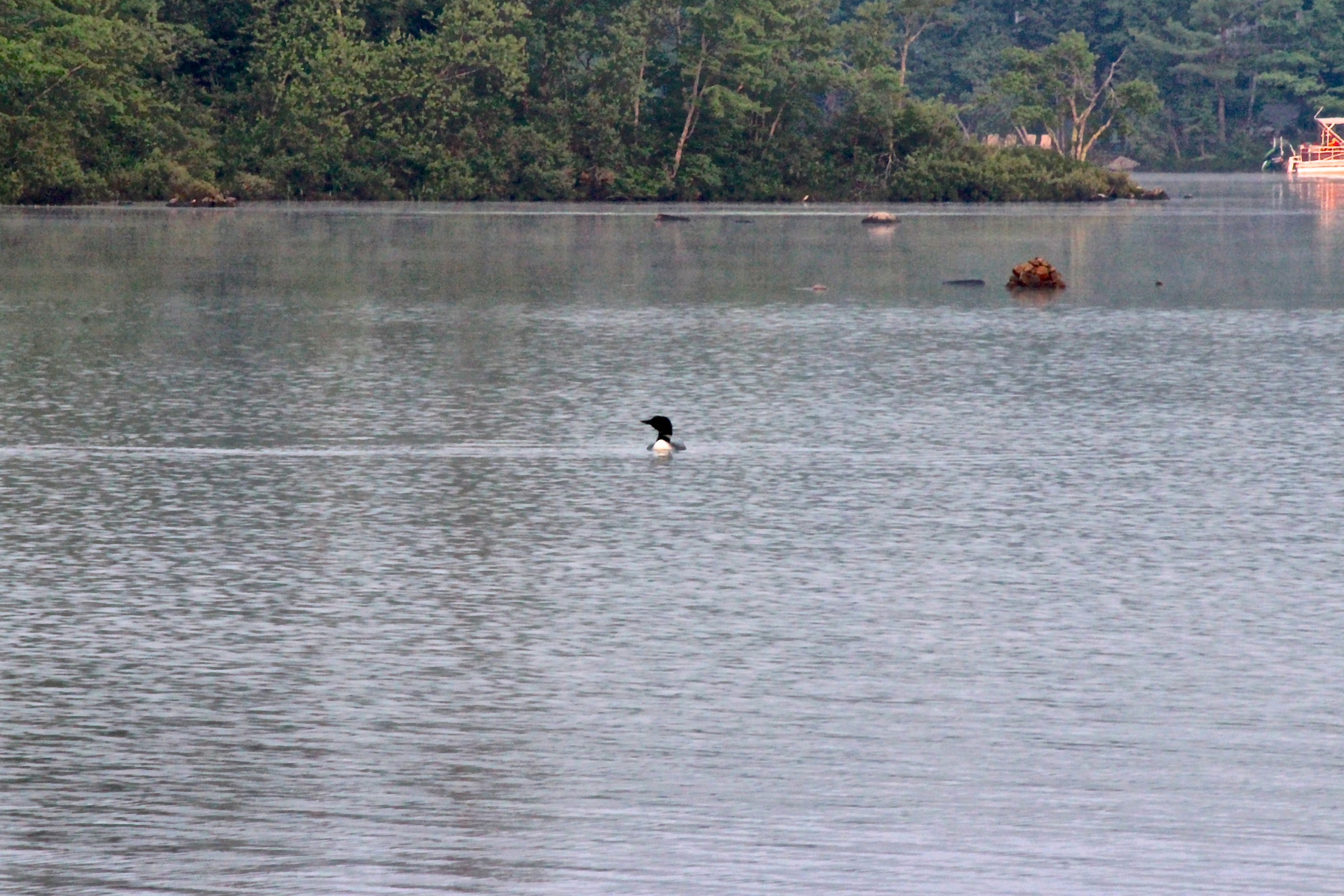
We finally moved to camp yesterday, and awoke early this morning to that hauntingly delightful sound–the cry of the loon.

loon

While I stood on the dock, wishing the pair would come closer, something else caught my attention.

suspendedsusp2

Suspended animation. I couldn’t see the web, but trusted it was there.

Black Mtn

Our Mondate began after we got some chores out of the way. A perfect day to hop in the tandem kayak and head north to Sweden. Thanks to our friends the Neubigs, who purchased the tandem for us years ago. They need to return and use it–just saying.

island shoreline

We love the upper basin because there are so many islands and stumps and inlets and coves and beaver lodges and you name it to explore.

tall weeds

The only thing that drove us crazy was the deer flies. Yeah. So we know insects are important for pollination and to provide food for fish, birds, dragonflies and others. But truly, what purpose do deer flies serve, other than to suck our blood? Mind over matter. Don’t scratch and the swelling will go down eventually. Note–like black flies, it’s the females that bite. I’d say, “Go Girls,” but hardly in this case.

dragonfly

Among the many dragonflies was this blue dasher, a common variety near quiet water. If only he would feast on those darn deer flies.

button bush

The buttonbush seems otherworldly with its pincushion styles protruding from each tubular flower.

spadderdock

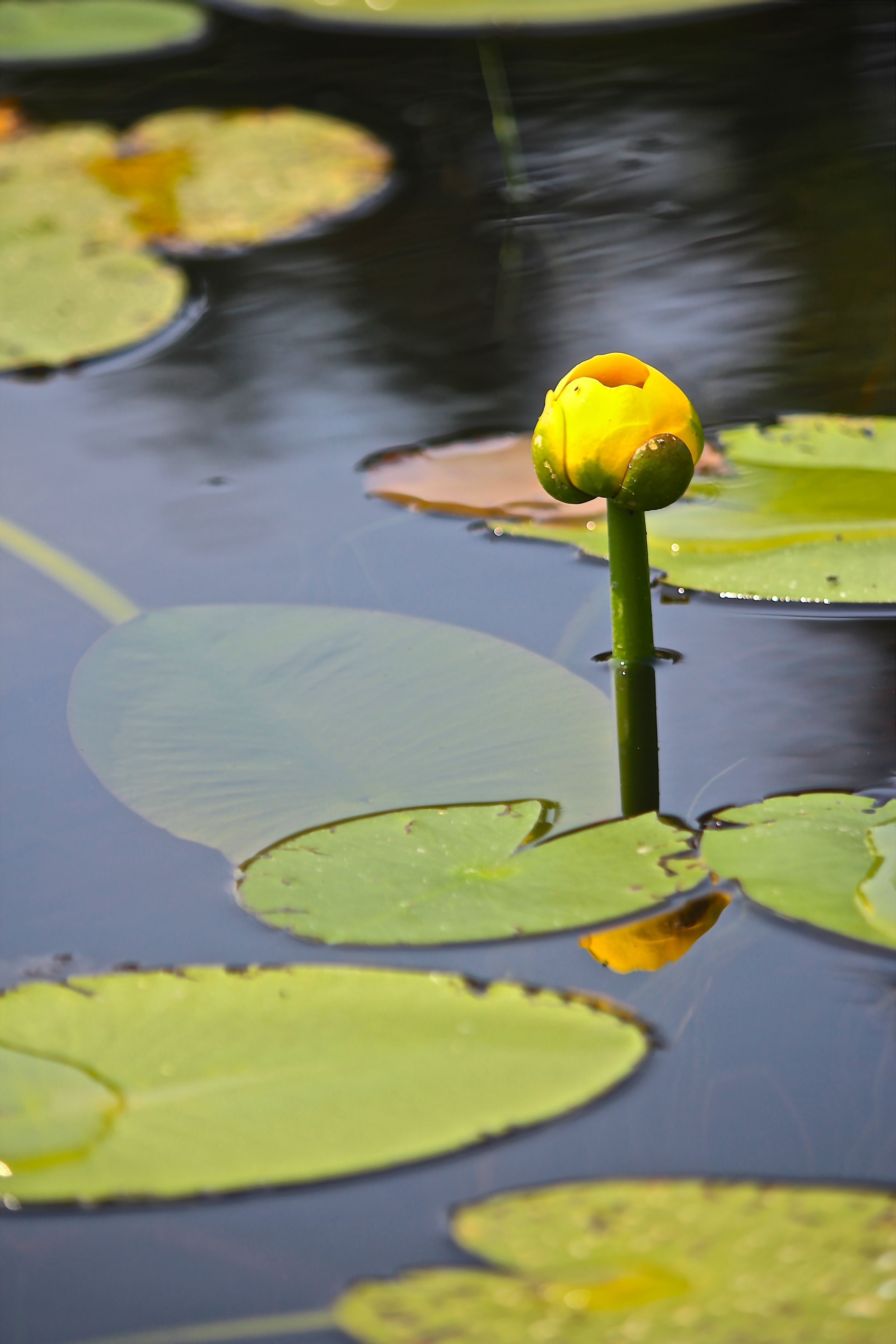
The tight, waxy, petal-like sepals of the spatterdock, aka yellow pond lily or cow lily, stands upright above its leaf–featuring a small v-notch

fragrant water lily

On other ponds and lakes, I’ve seen the fragrant water lily in bloom already, but here it is just beginning to open. Its leaves are larger than those of the spatterdock and notched to the center.

pickerel

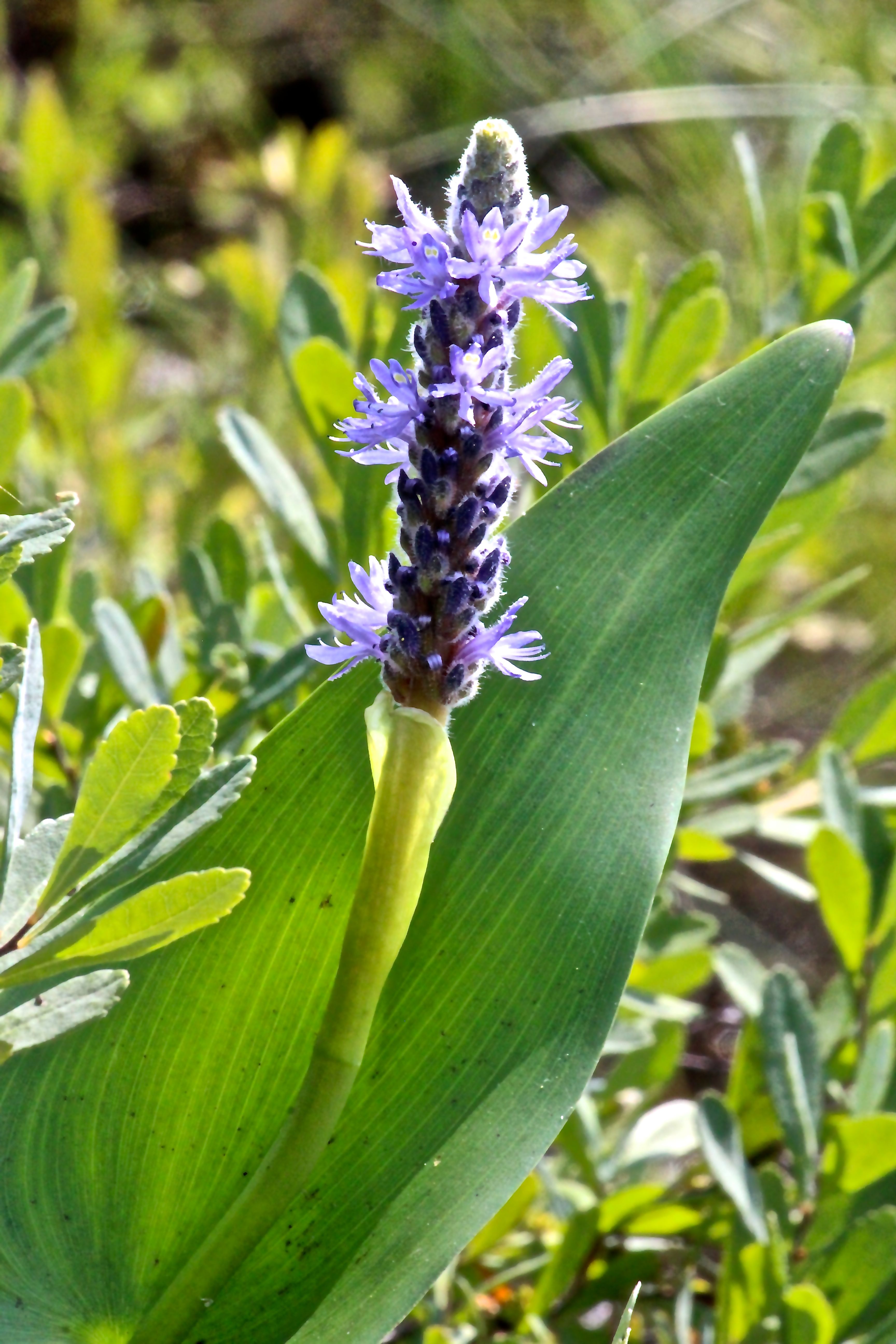
Pickerelweed is like no other. Though the upside-down heart-shaped leaves are long-stemmed and look similar to arrowhead, once the flower blossoms, there’s no mistaking it.

pick 2

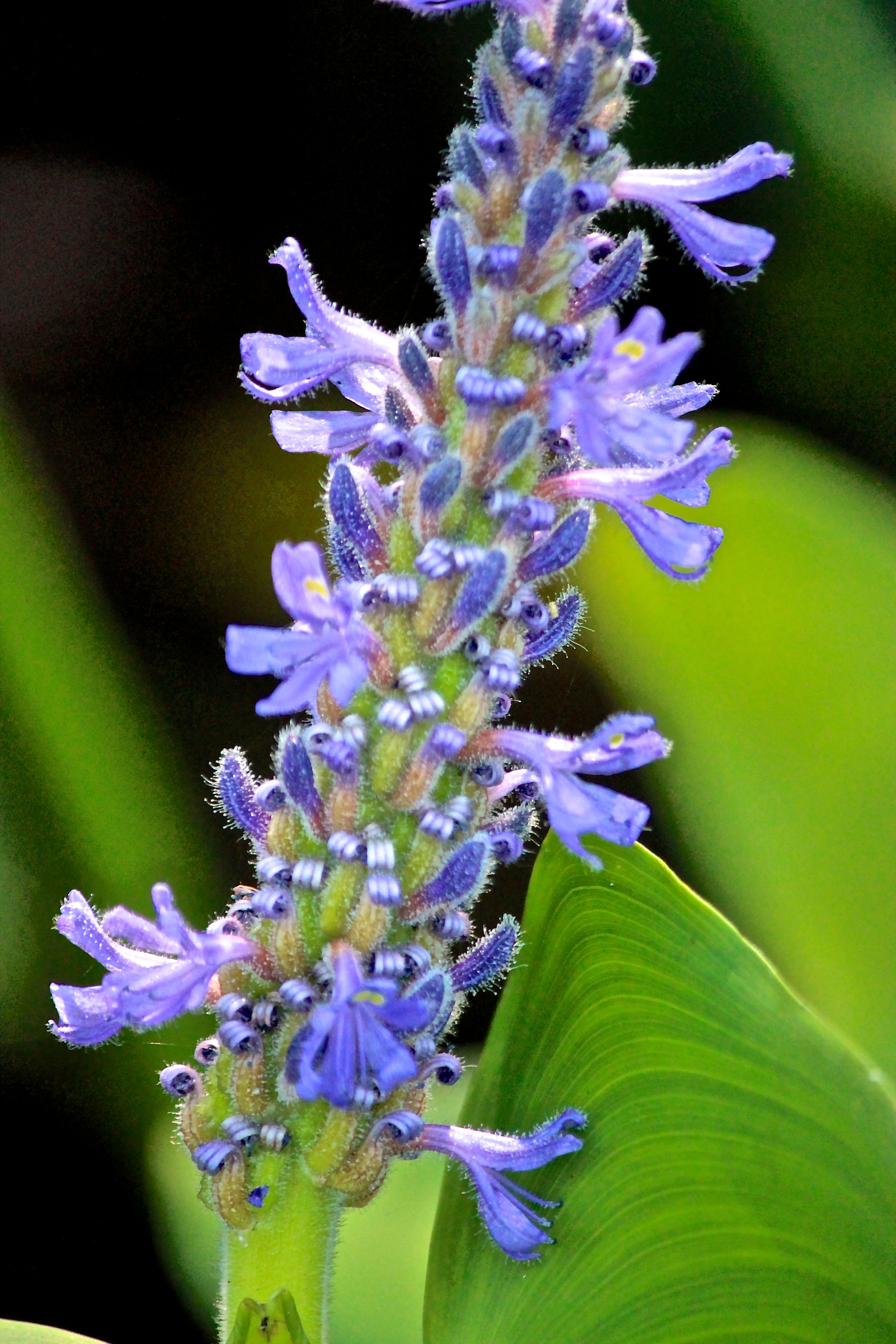
The flowers are worth a second or third look. They grow in spikes along the pond’s edge. And each is covered in hair. Why?

pick 3

Not only that, but each flower is two-lipped. And each lip is three-lobed. And the upper lip has two yellow spots.

sundews 1

The pond was dammed a long time ago and stumps support a variety of life–including the carnivorous sundews beginning to flower.

sundews 2

At first glance, I thought they were the round-leaved variety, but I now think they are spatulate-leaved sundews. Love that name–for the spoon or spatula-shaped leaves that are longer than they are wide.

love is in the air

Love is in the air.

As it should be on a Mondate with my guy well spent on Moose Pond. I bet you thought I was going to post a photo of a moose.

A Day of Contrasts

Each time we climb Pleasant Mountain, the view differs–and so it was this morning. Haze sugar coated the summits beyond.

hazy 2

Green, blue, white, purple and gray melted into each other.

haze 3

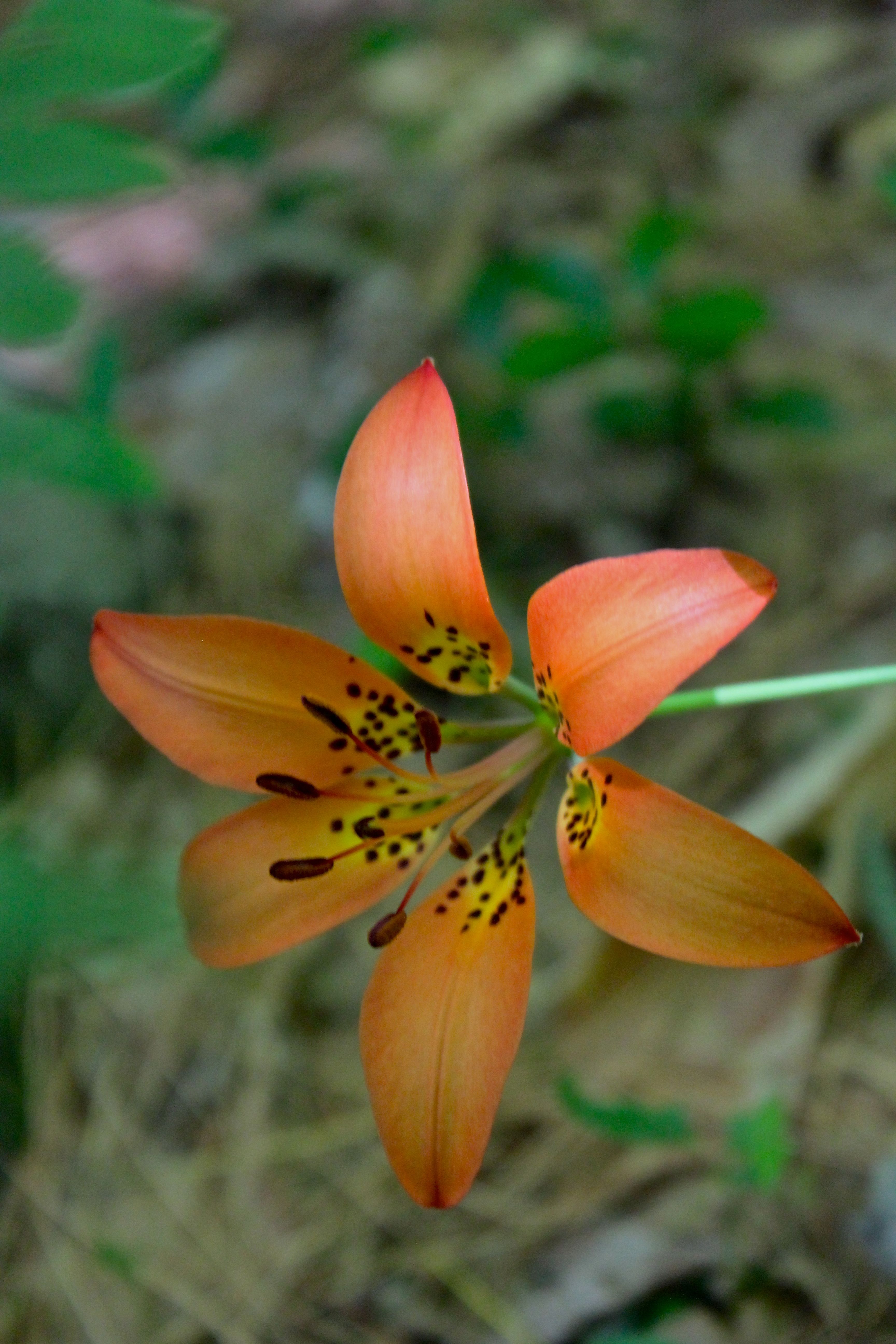
That’s what made a bright orange wood lily beside the trail stand out.

wood lily

Certainly a shock of color.

wood lily 2

Step in with me for a closer look. Three sepals and three petals, but their design is similar. Each is jazzed with dark purple to black spots–the better to draw in those butterflies and skippers. And white-tailed deer.

wood lily, whiting

The other thing to notice is how the sepals and petals taper at the base. I actually took this photo on Whiting Hill in Lovell about two weeks ago. But, I’m curious about its reproduction–one on Whiting, one on Pleasant. Am I missing something? Have the deer consumed others? I frequent both of these locations and have only seen the solo plants.

porcy 1

I  can’t sit still when I get home. Especially when I know I have work to do. So, I wandered around the backyard. Right off the deck, a quaking aspen grows on the edge of a flower garden. Daylilies surround a wooden barrel we turned into a water feature. Alas. They’ve been knocked down.

porky claws

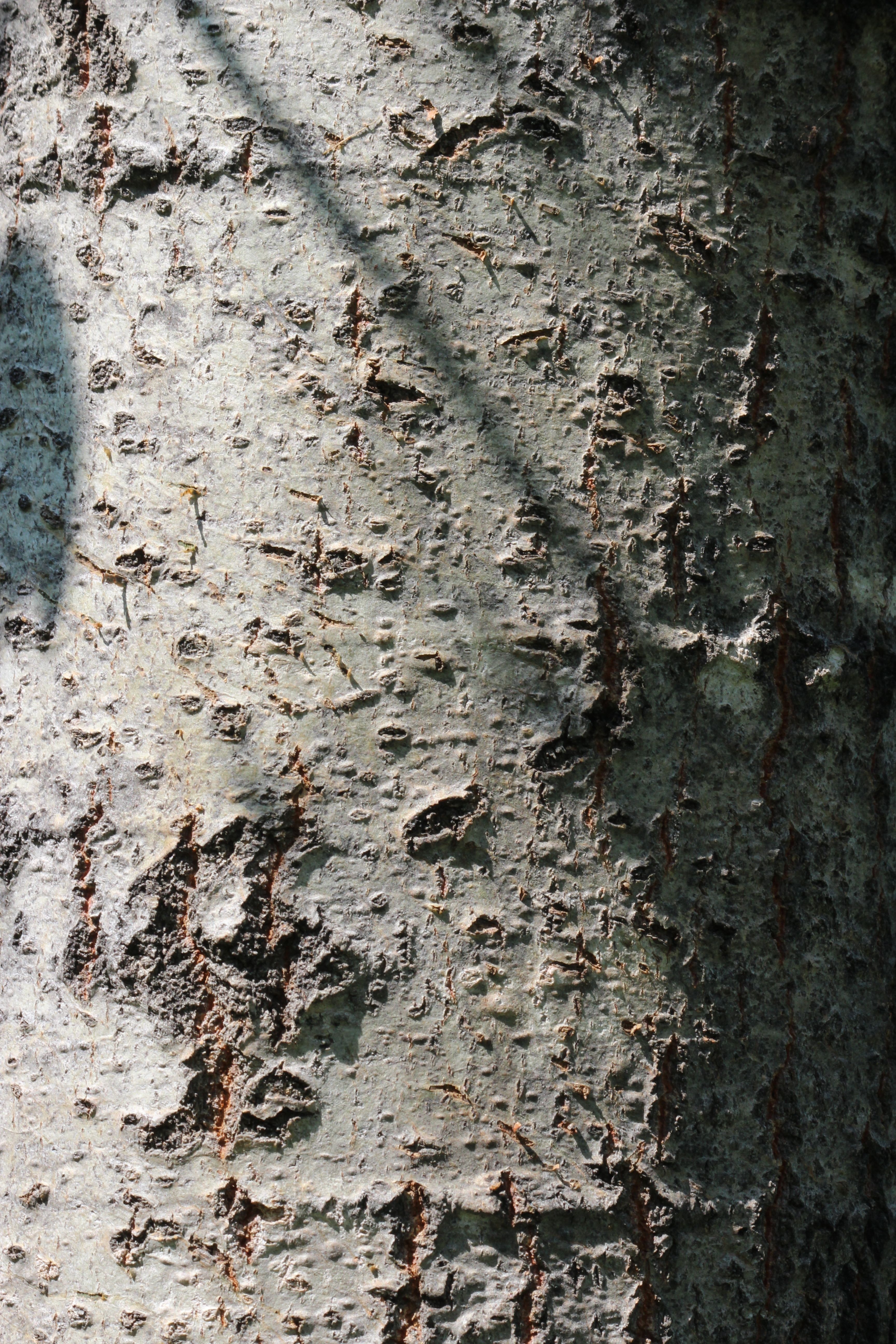
The resident porcupine has been visiting on a regular basis. Quaking aspen bark features horizontal and vertical lines, but the porcupine left its own mark–look for the fainter diagonal lines created by its toe nails.

porky leaves

The leaves must be delish.

blueberries

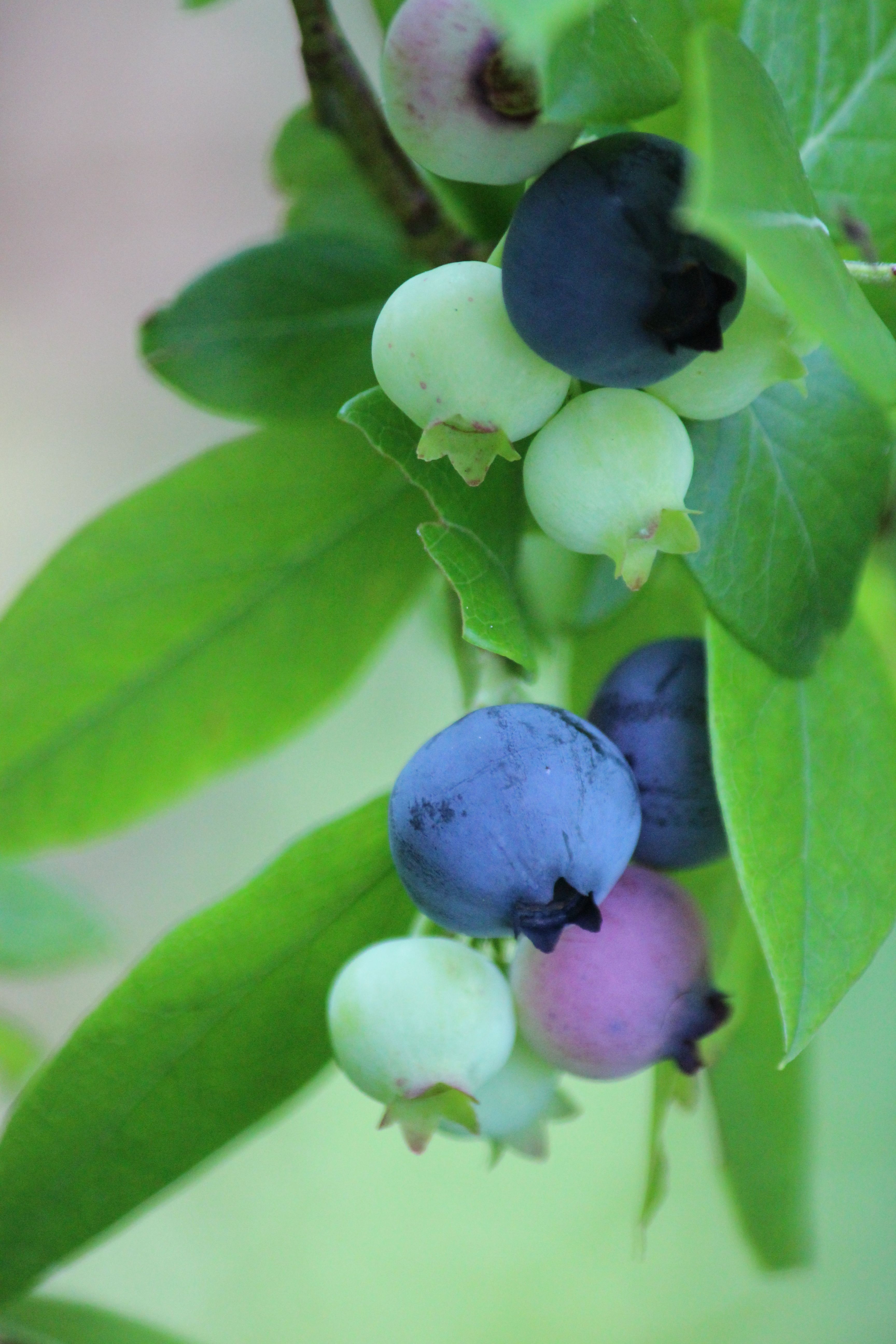
I wandered some more. Certainly delish–blueberries. They need a wee bit more time.

Bittersweet Nightshade

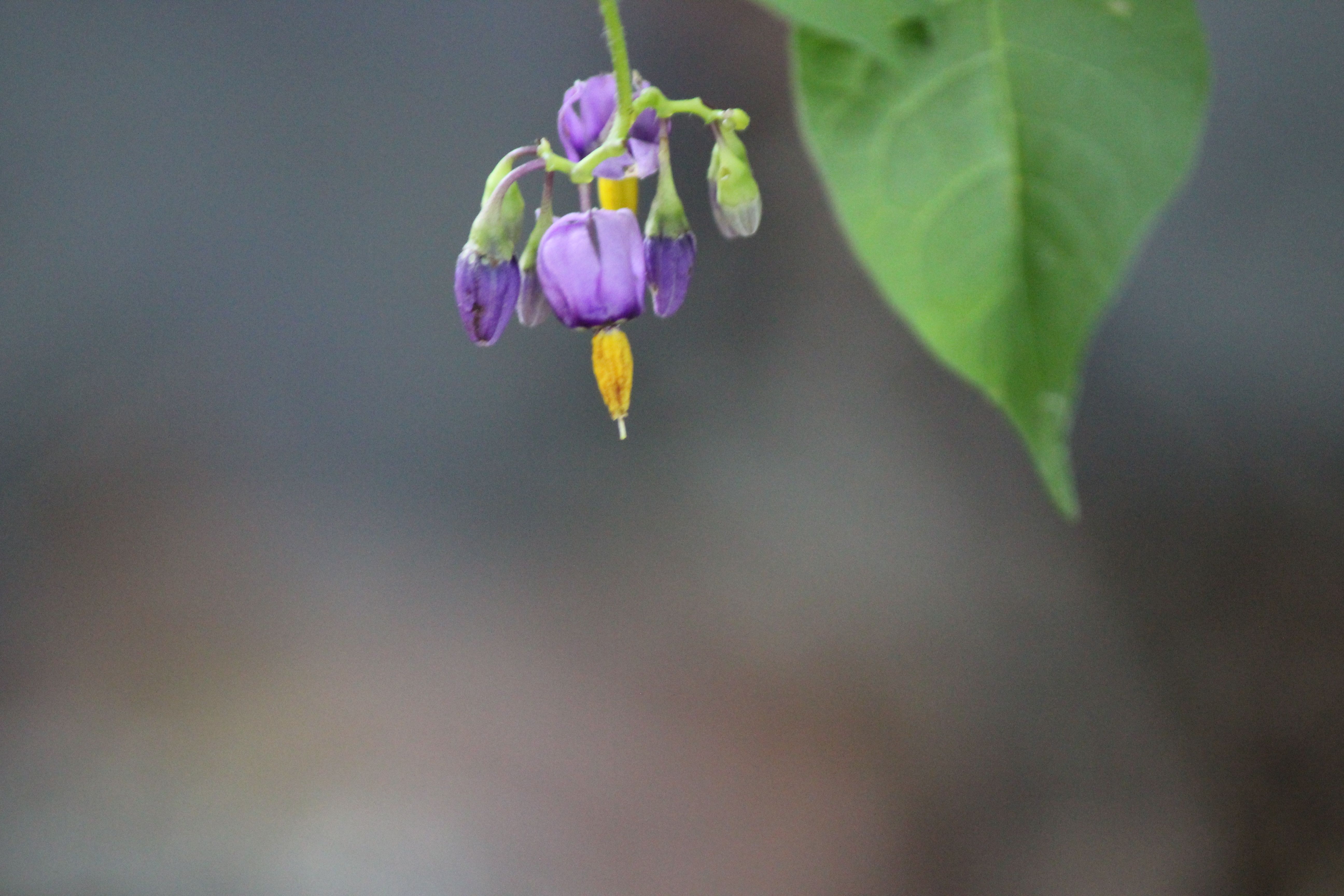
Not delish, but dramatic in shape and color is the bittersweet nightshade. I remember my mother calling it deadly nightshade. Its berries are poisonous, but unless eaten in large quantities, it isn’t fatal. OK, the point is–admire the flower; don’t eat the berries.

grasshopper

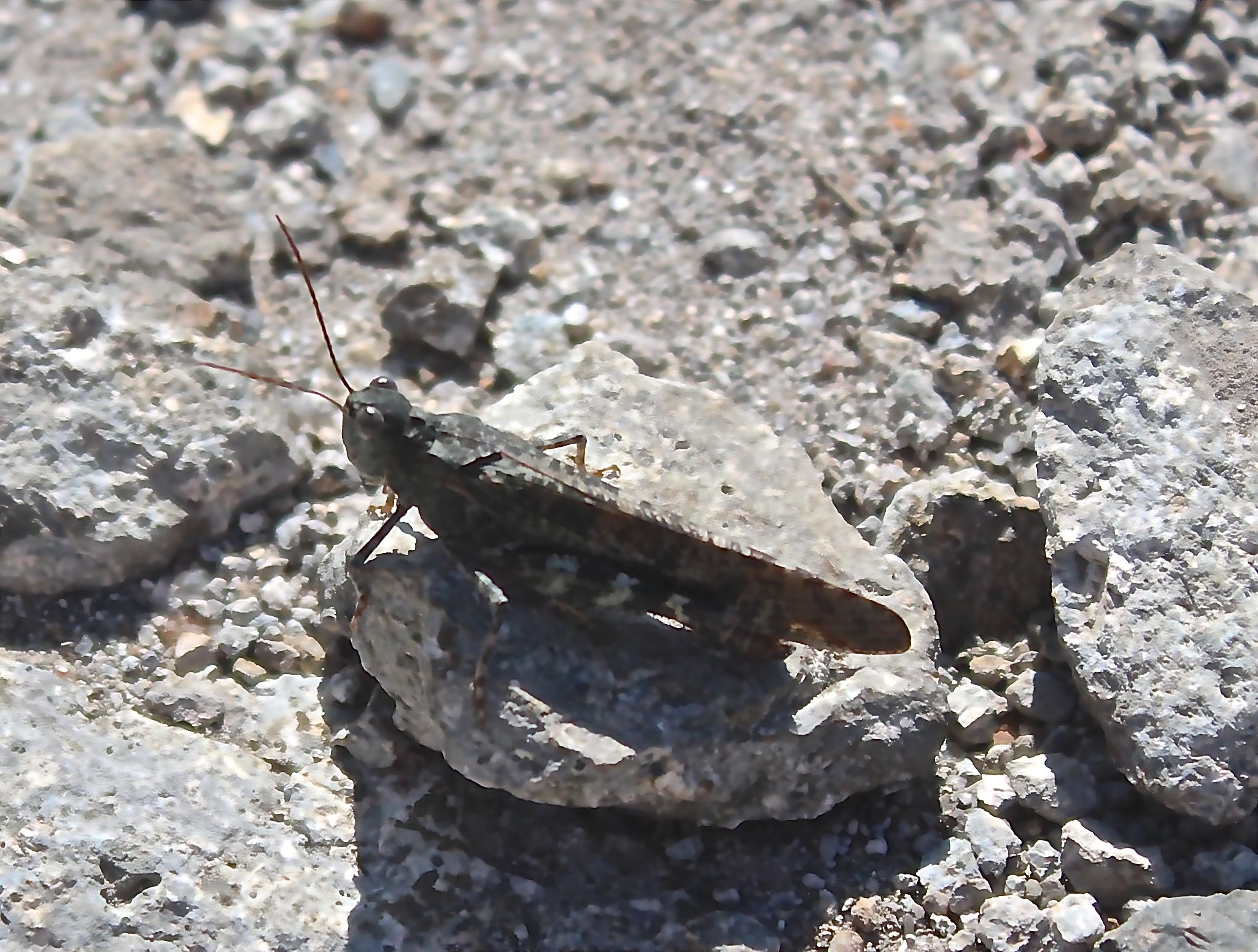
Not as dramatic because it wants to blend in is a grasshopper. Do you see it?

grasshopper 2

A sibling was hardly invisible on the cellar door.

yellow lily 2

Before heading inside, I stepped into our neighbor’s yard because her yellow lilies are blooming. Ours will probably show forth their sunshiny faces tomorrow. I’ve a feeling that these are cultivated, but don’t know for sure. I’m hoping Bev Hendricks of DeerWood Farm and Gardens will  enlighten me on this species.

From a hazy summit view to brilliant natural hues, today was a day of contrasts.

Imperfect Perfection

During church this morning, a reading from 2 Corinthians struck a cord, and a friend sitting beside me shared a Mahatma Gandhi quote that fit the moment:  “Imperfect ourselves, we must be tender towards others.” Thanks F.H.

Geesh, I know most of my weaknesses, though there are more, I’m sure. Thankfully, the older I get, the less I care about being perfect.

In the Shaker tradition, “Only God is perfect.” For this reason, they always include an intentional flaw as they sew. Works for me.

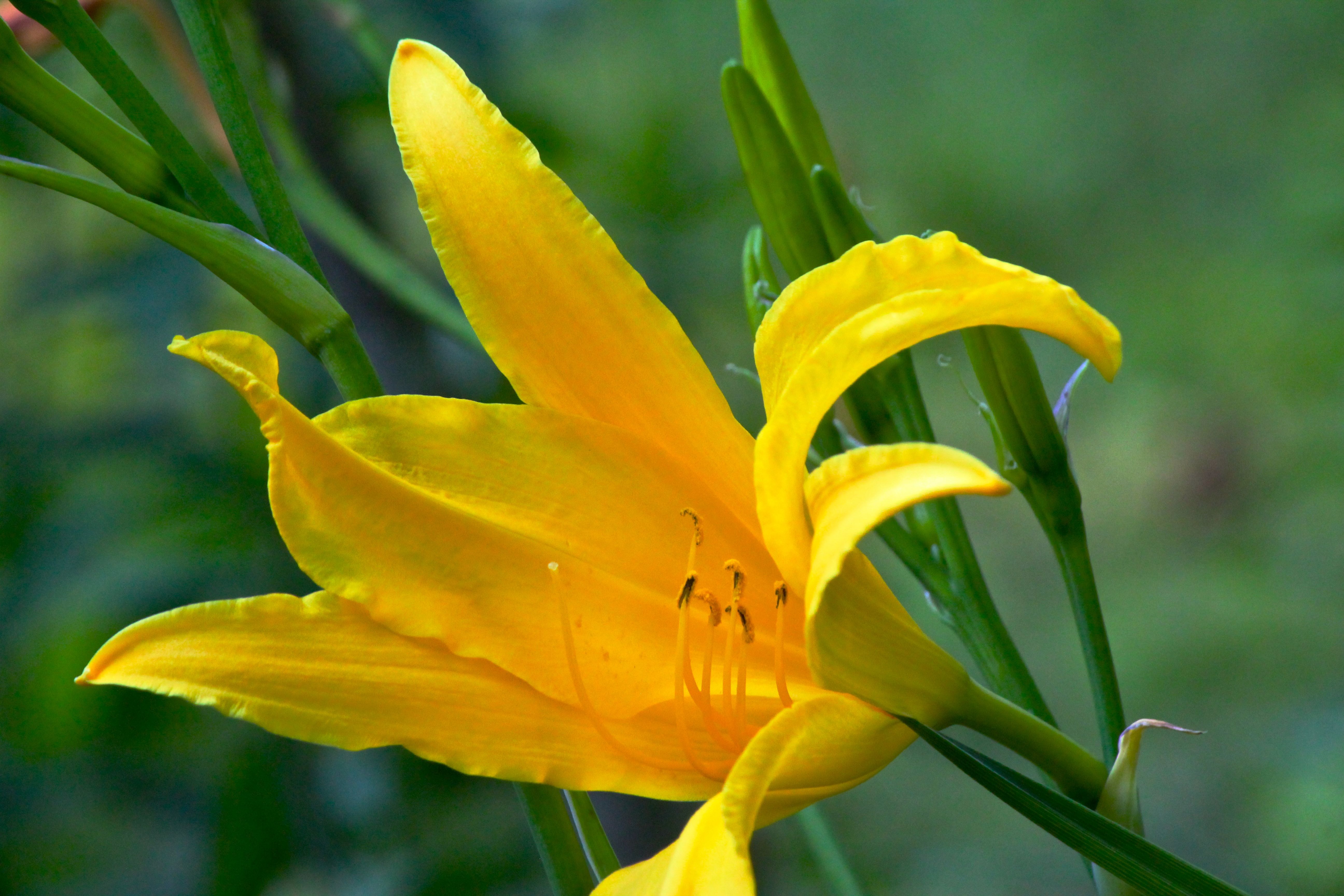
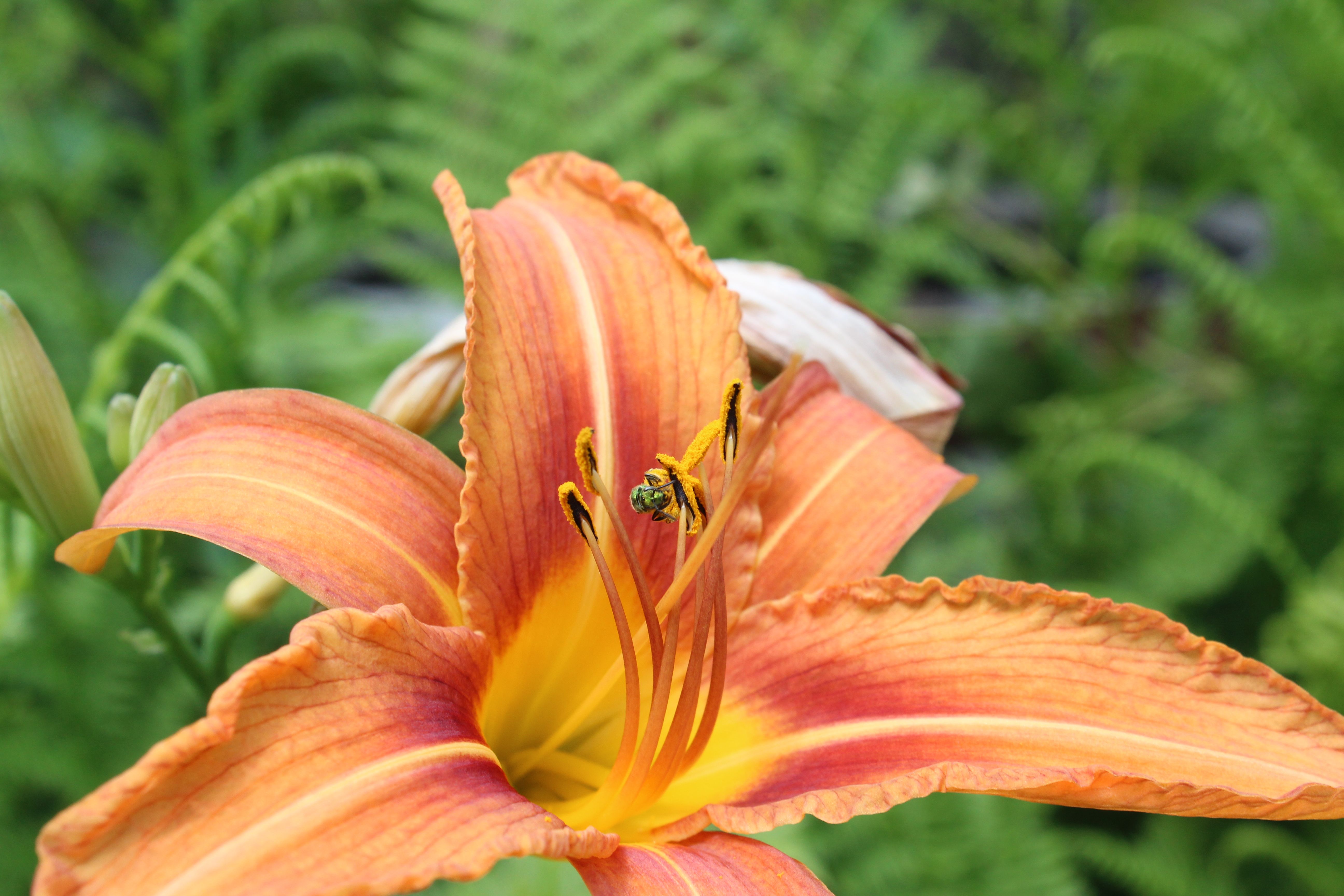
And nature? We have the perfect flower. I have my MMNP class to thank for learning about this. Each July, when the day lilies bloom, it all comes back to me.

dl1

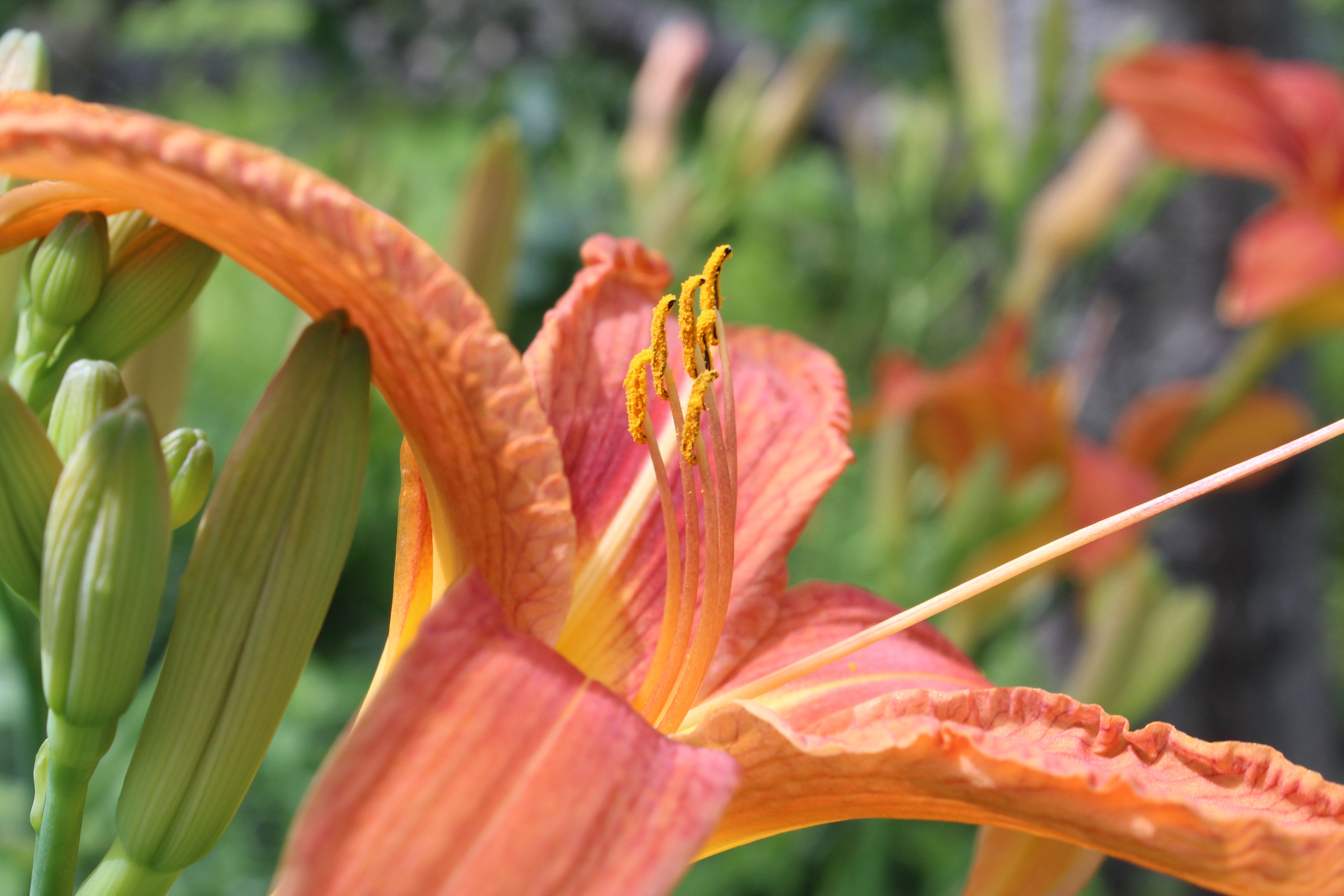
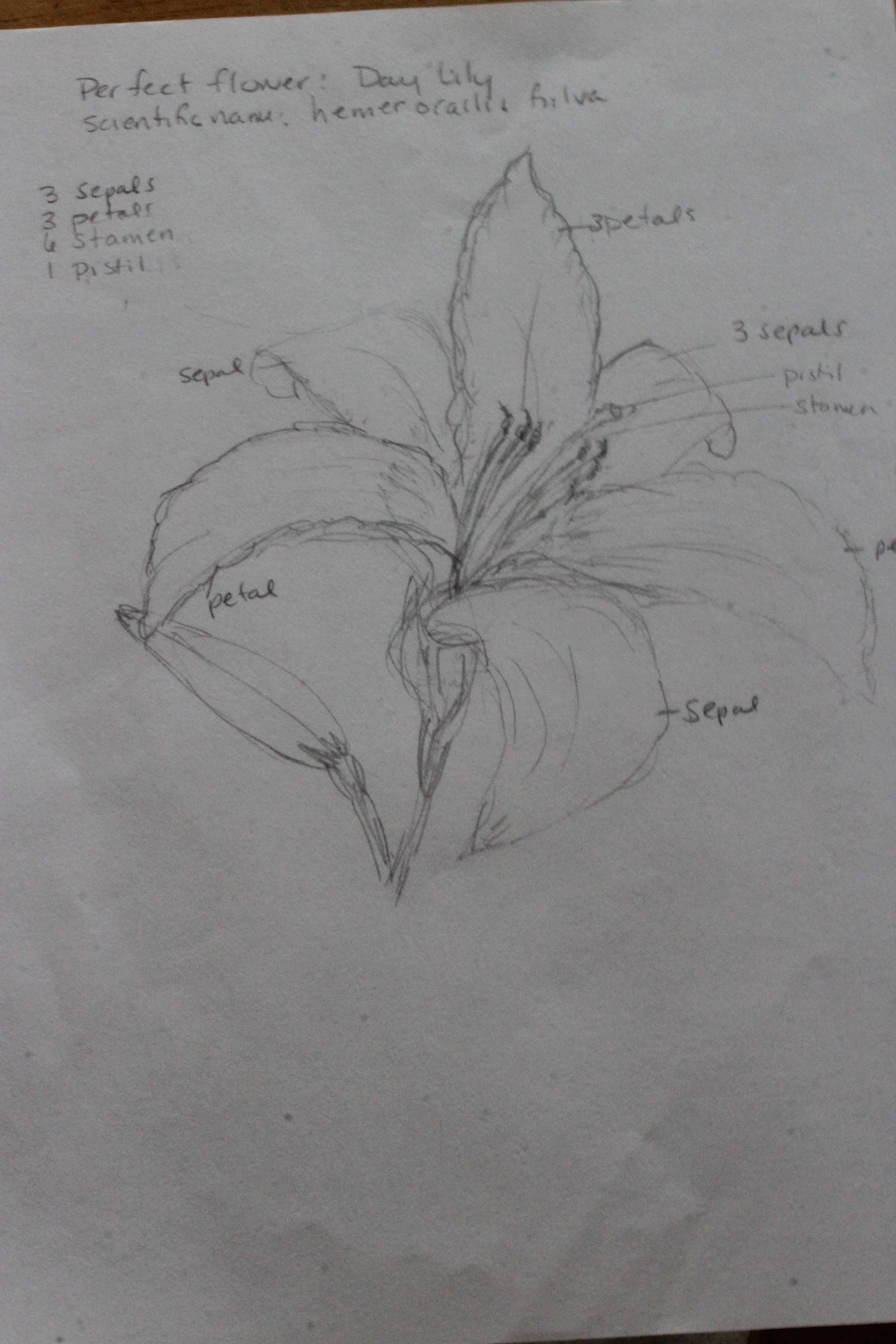
The anatomy of this perfect flower begins with three sepals, which are modified leaves that protect the flower as it opens up. In this case they are the lower three “petals.”

day lily taking advantage

Next come three petals. They are only a tad bit bigger than the sepals and have ruffled rims. Petals are modified leaves that protect the reproductive parts. And they provide the runway lights to attract pollinators.

daylily 2

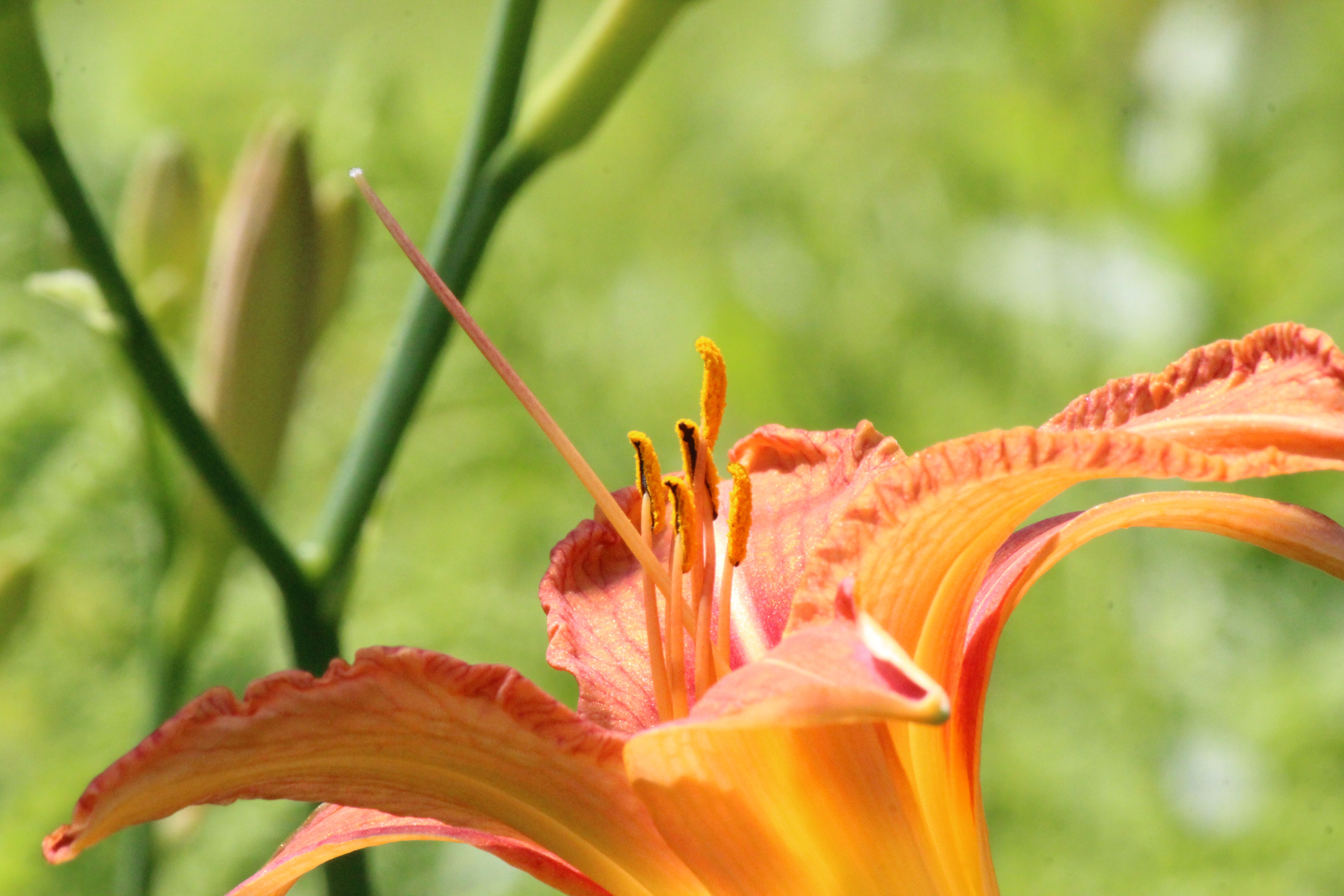
What really defines a “perfect” flower, however, is the presence of male and female parts. On the day lily, six stamen house the male reproductive parts, including the anthers that produce pollen.

day lily

Finally, there is one pistil or female reproductive part. At the tip, the three-parted stigma receives the pollen. Looks like she’ll have a visitor soon.

sketch

sketch 2

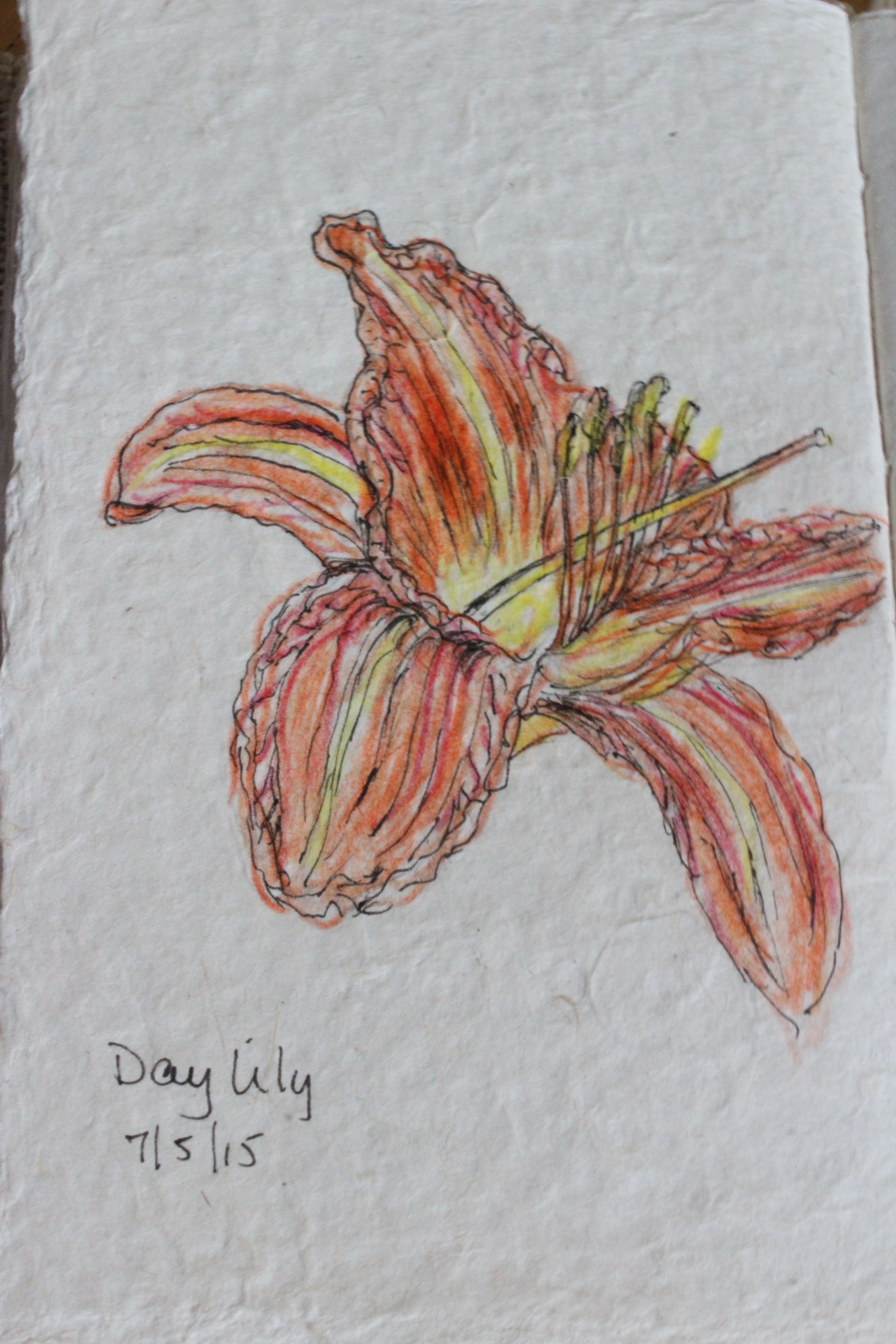
I was going to apologize for my sketches, but that’s not necessary. They are what they are.

St. Johnswort

Common St. John’s Wort is another example of perfection–with a crazy number of stamens.

Sundrops

X marks the spot. A member of the Evening Primrose family, sundrops are perfect flowers that feature a four-parted stigma. See an X and you’ll know the family.
mallow

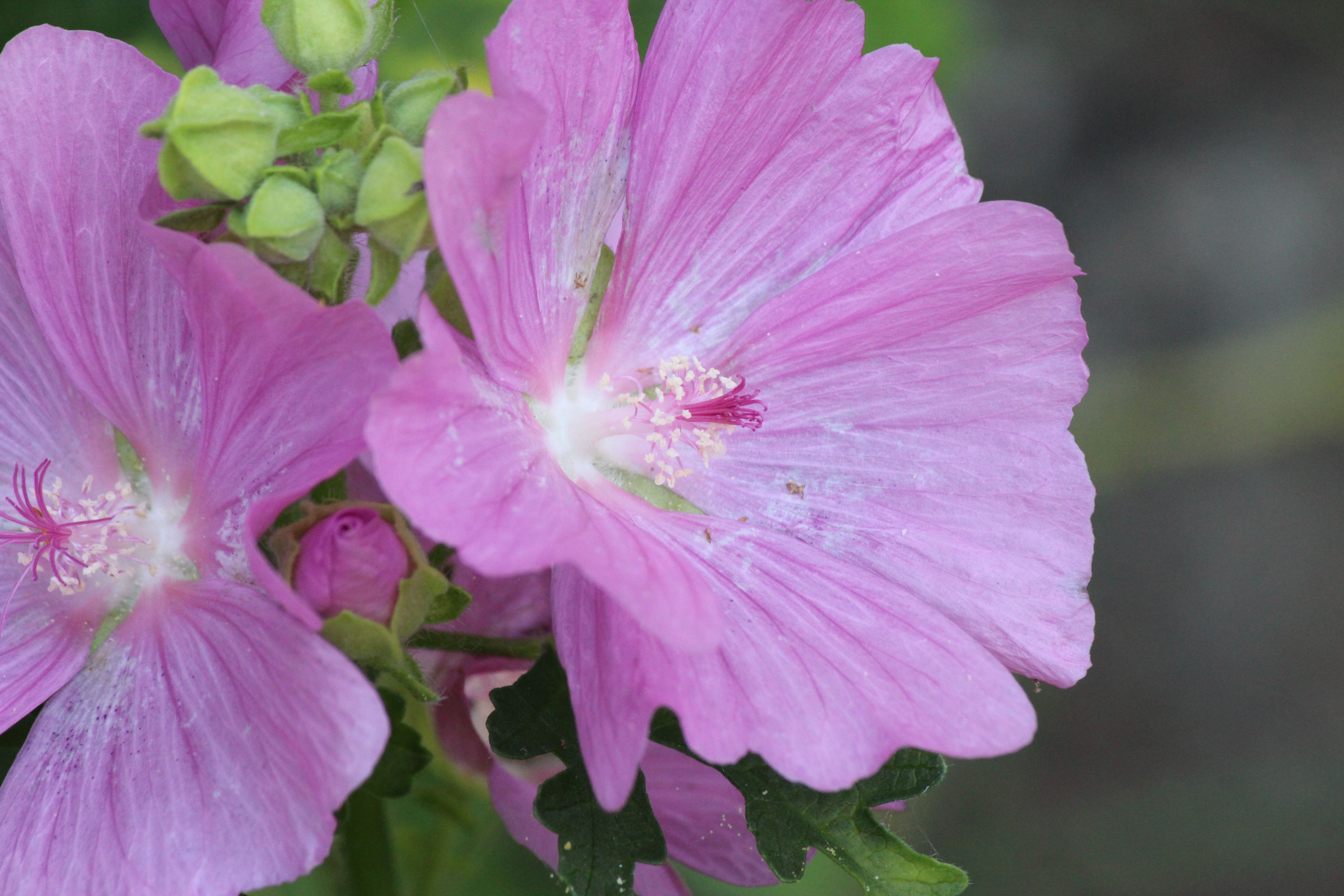
Perfection continues with the Mallow family. White stamens surround the bright pink ladies in waiting.

All perfect. All different. Maybe that’s the point. Just because these flowers fit the botanical definition of “perfect,” it doesn’t mean they don’t have imperfections. And that’s OK. Me too. Imperfect perfection. The way to be. And to recognize the same in others.

The Most Gifted of All

When I posted yesterday’s Book of July about Holt Pond, I didn’t give a thought to the fact that I’d be venturing there this morning. My friend, Ursula, had asked me to join her for a pre-hike to check on the orchids in bloom. Happy for an excuse to spend time with her, I accepted. And my oldest son’s girlfriend happens to be visiting, so I invited her along. Today is her birthday, so it was a pleasure to share in her celebration of life. Happy B’day, HH.

muddy river 1

Our first stop was the short trip out to the Muddy River. We actually saw one orchid in bloom at the end of the board walk, but I’m going to save it for a minute or two.

pitcher plant 1

No trip to the pond is complete without taking time to pause and wonder by the pitcher plants.

pp flower

The nodding flowers have gone by and the fruit is forming. The leathery sepals remain–turning red now. While the water-filled leaves trap flies and ants, I’m also lured in by the unusualness of this plant.

sundew aliens

My other favorite–the alien-looking sundews, all under water right now. Their feet are always damp in the spaghnum moss, but the water is quite high at the moment.

pond 2

The reflection of blue sky and clouds on the pond made me mindful of another dear friend in Connecticut who celebrates her birthday today–Happy Birthday to you, CMN!  We jumped on the boardwalk to make the bog quake, but mostly made the boardwalk sink. Had she been here, we probably would have fallen in laughing.

cranberries

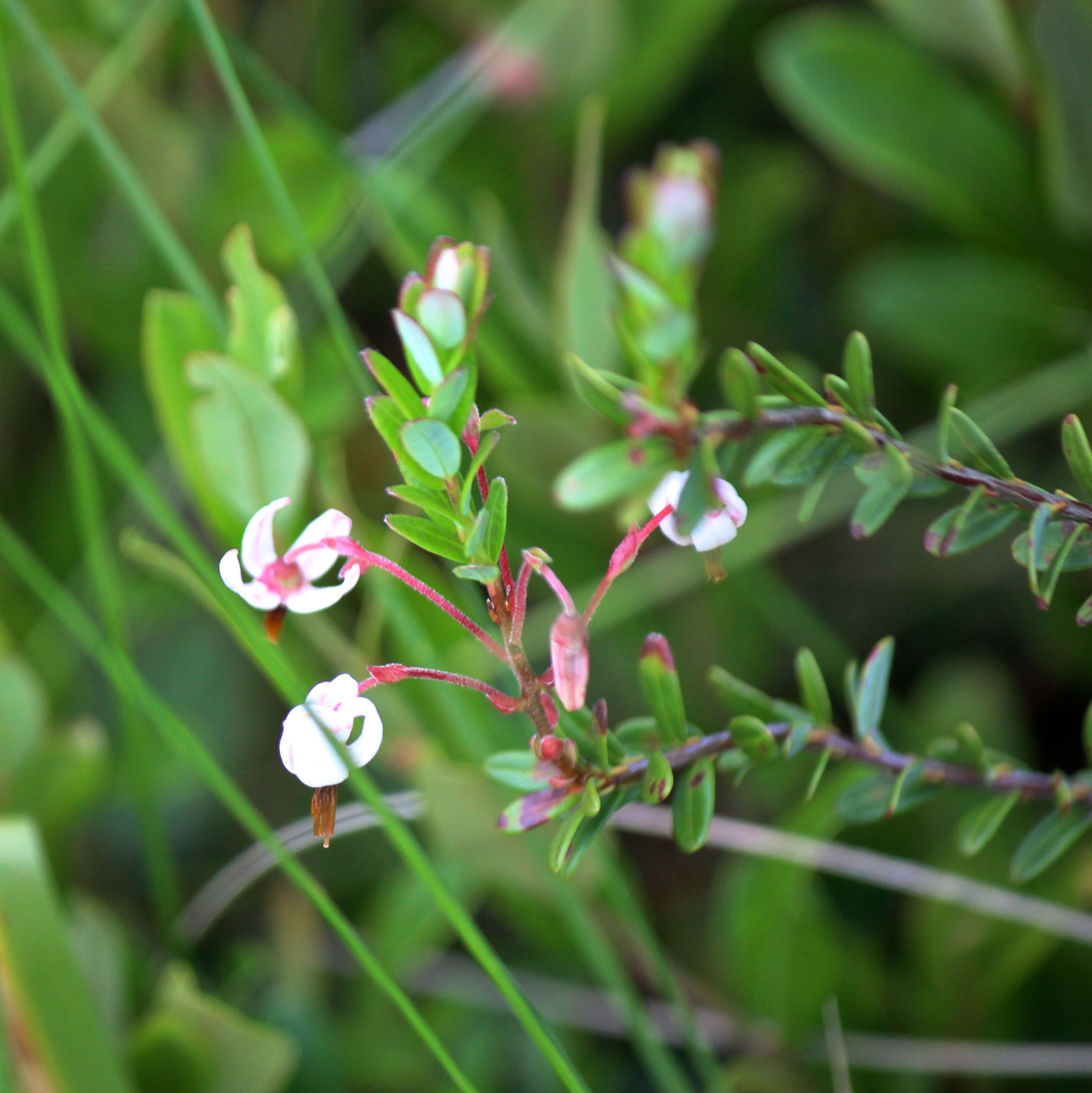
The four-petaled, downward-pointing flowers of the bog cranberries remind some of the silhouette of a sand crane’s neck and head. I’m forever in awe of the uniqueness of each species.

rose 3

And finally, what we’d come to see. Wild orchids. In my former life, I always thought an orchid was a flower that you purchased from a florist and wore on your wrist or as a corsage.

rose 2

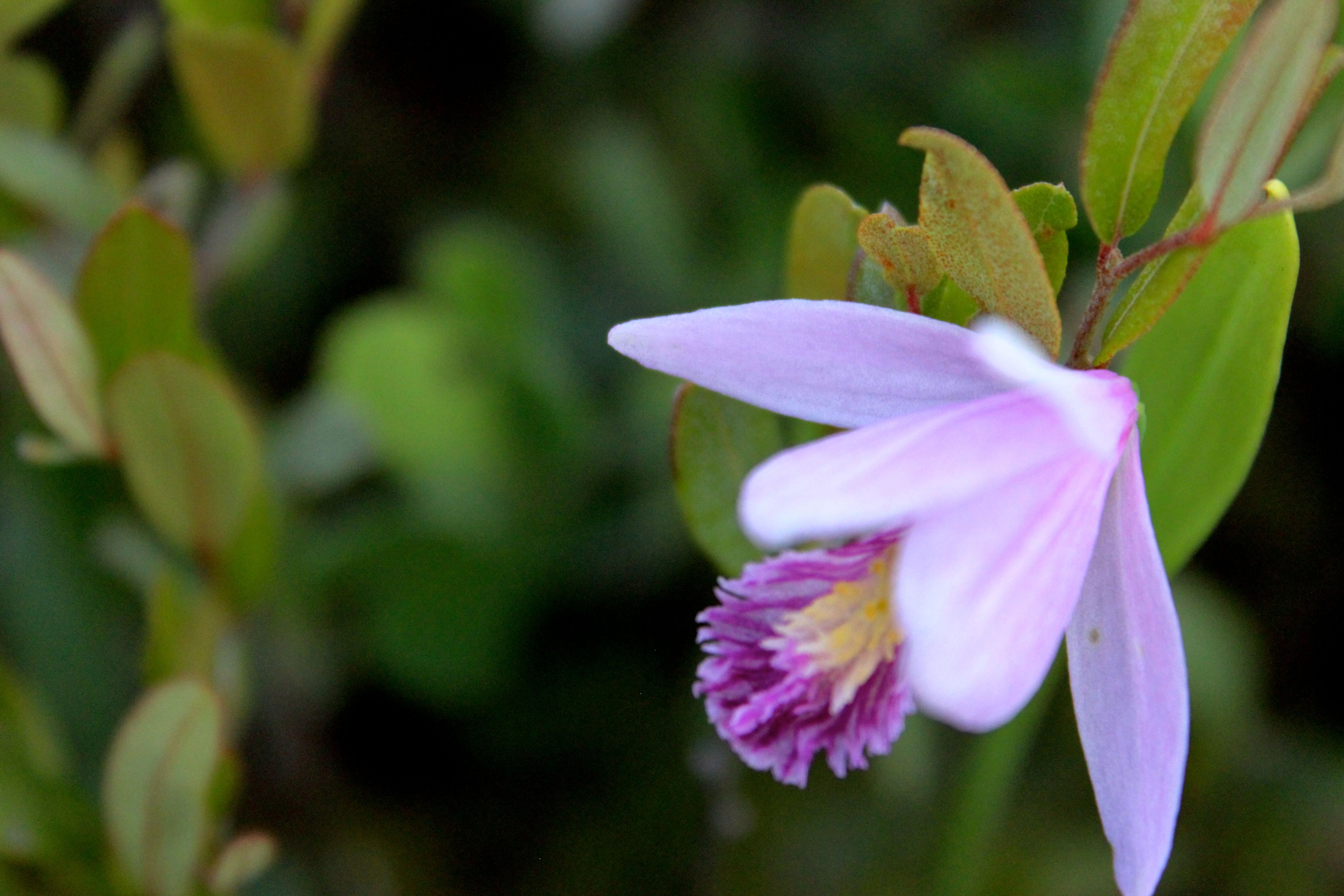
Lady’s slippers are members of the orchid family, which is defined by its three sepals and three petals. And so is this rose pogonia–with its fringed lower lip and bearded yellow bristles. Pogonia means beard.

rose 1

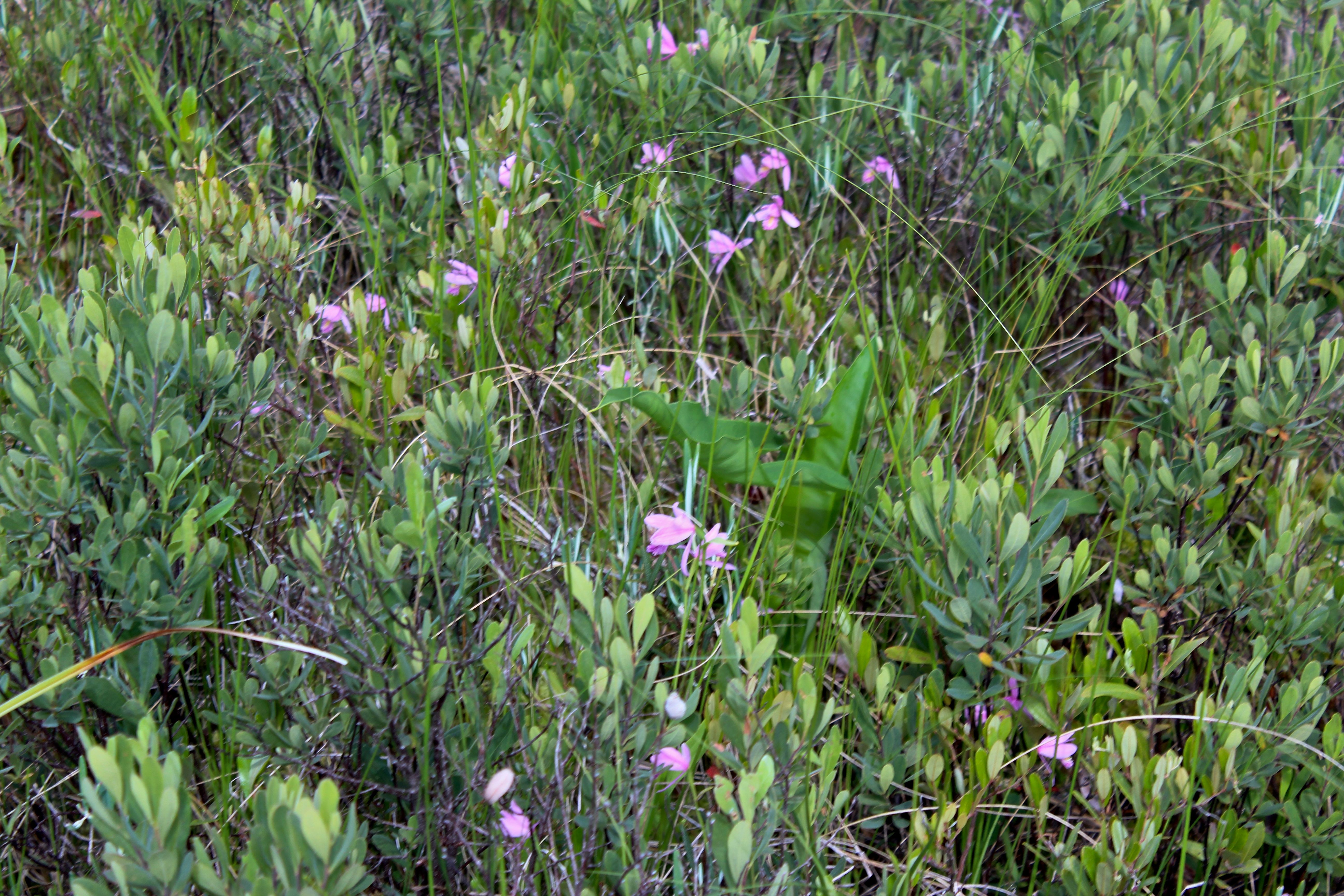
Though the flower isn’t on an endangered list, I still consider it a rare treat to see one–and today so many in bloom.

grass pink

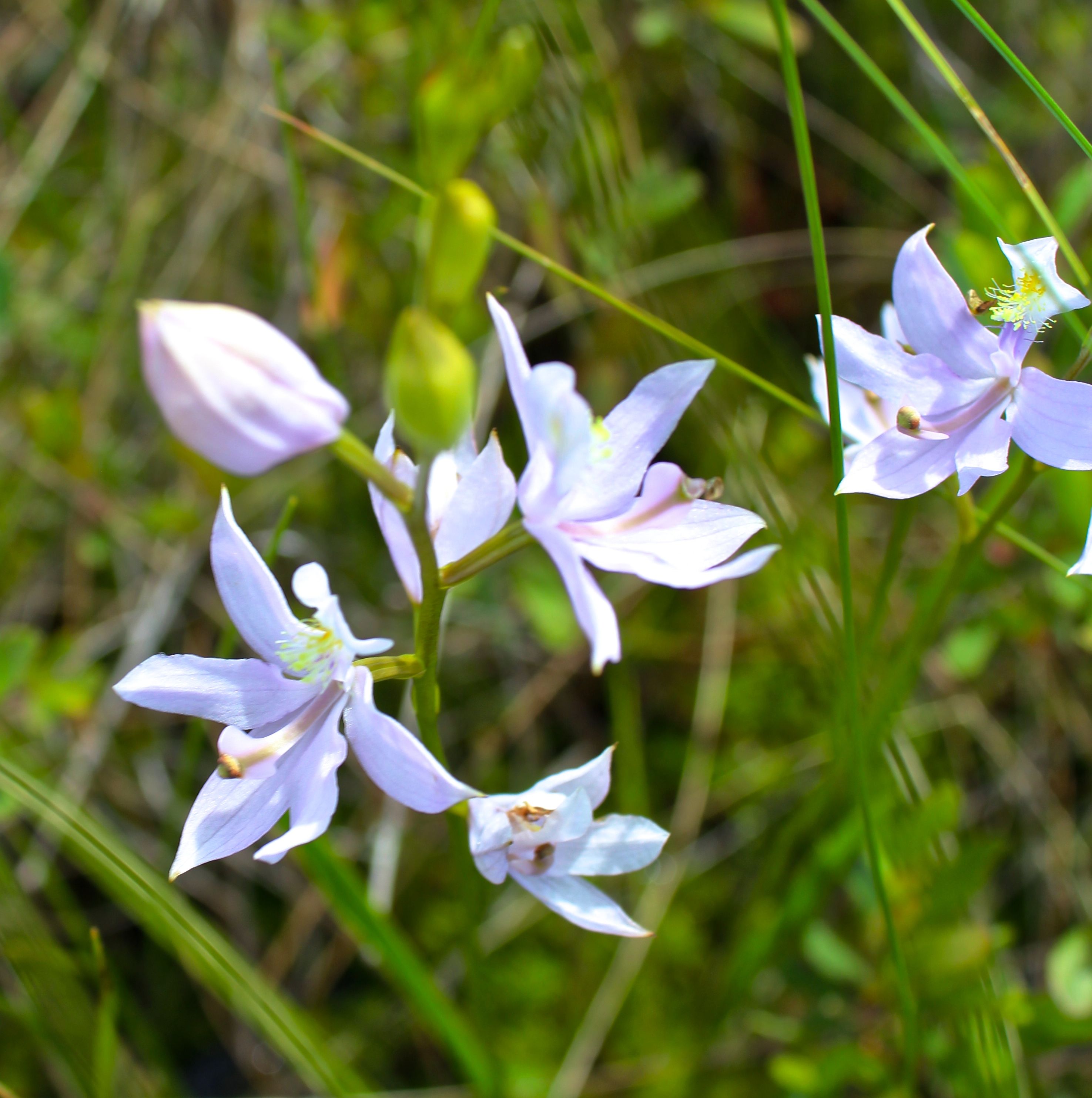
Also blooming–the magenta flowers known as grass pink, another orchid. Grass pinks feature the lip on the top of the flower, opposite of the rose pogonia.

gp 2

Their delicate beauty reminds me of butterflies or perhaps birds of paradise.

gp white 2

On the opposite side of the board walk, we found an anomaly–grass pink white!

grass white

Maybe they are considered a light, light shade of pink. What caused this? Is the acidity level different on this side of the boardwalk?

pink and white

Pink on the left, white on the right. And the path home in the middle.

Three generations of wanderers on a beautiful summer morning blessed by time spent together. We all received gifts from this experience.