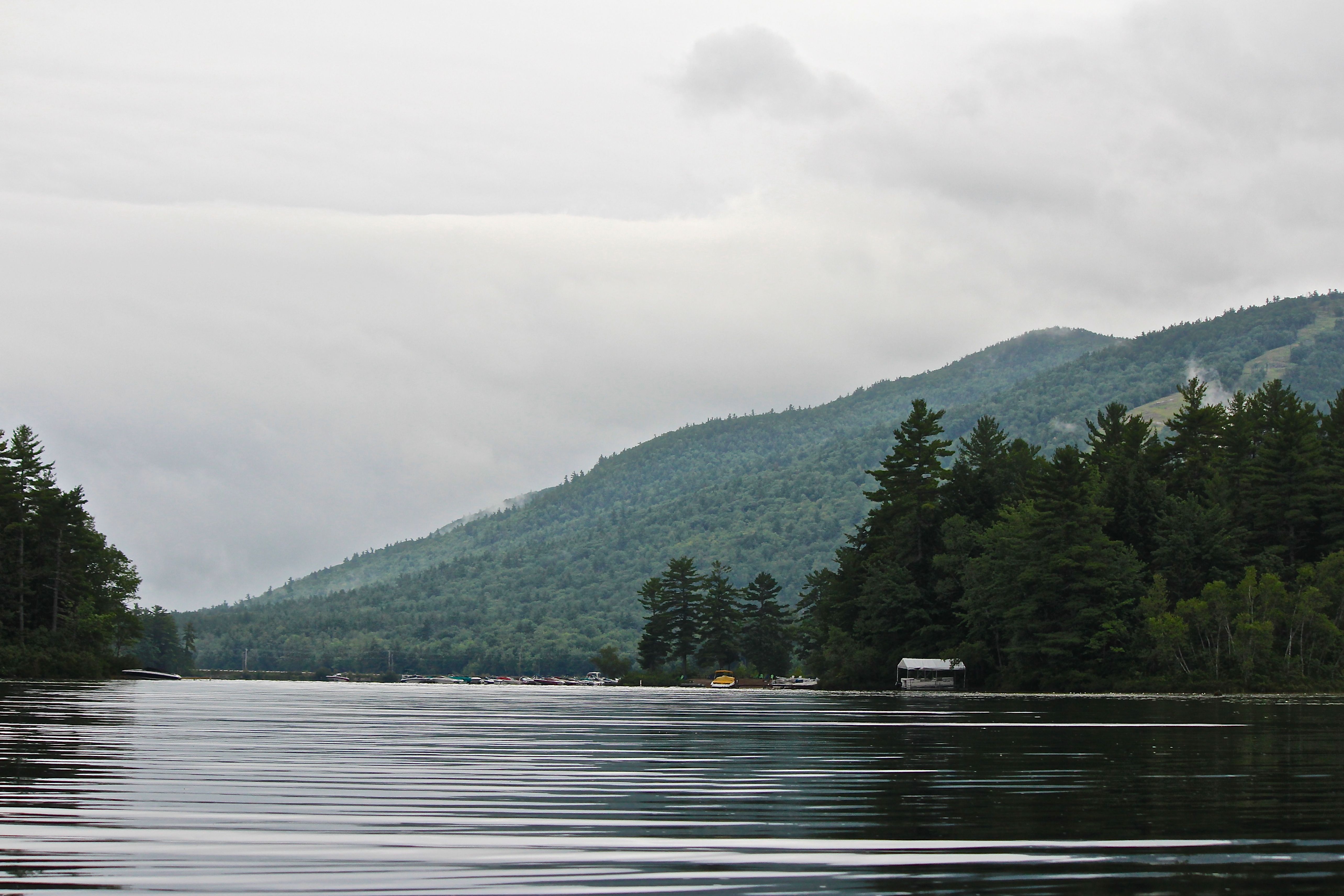
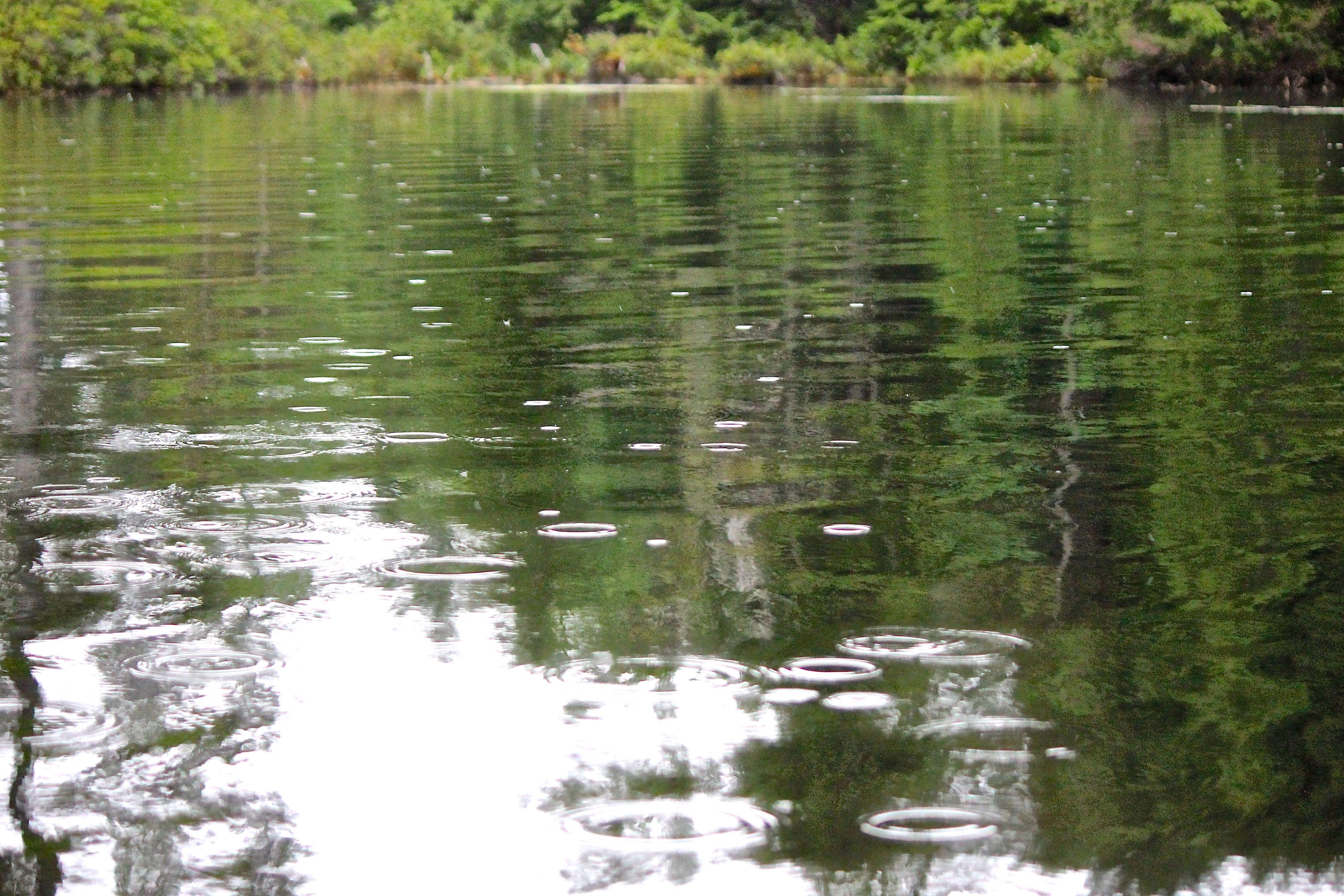
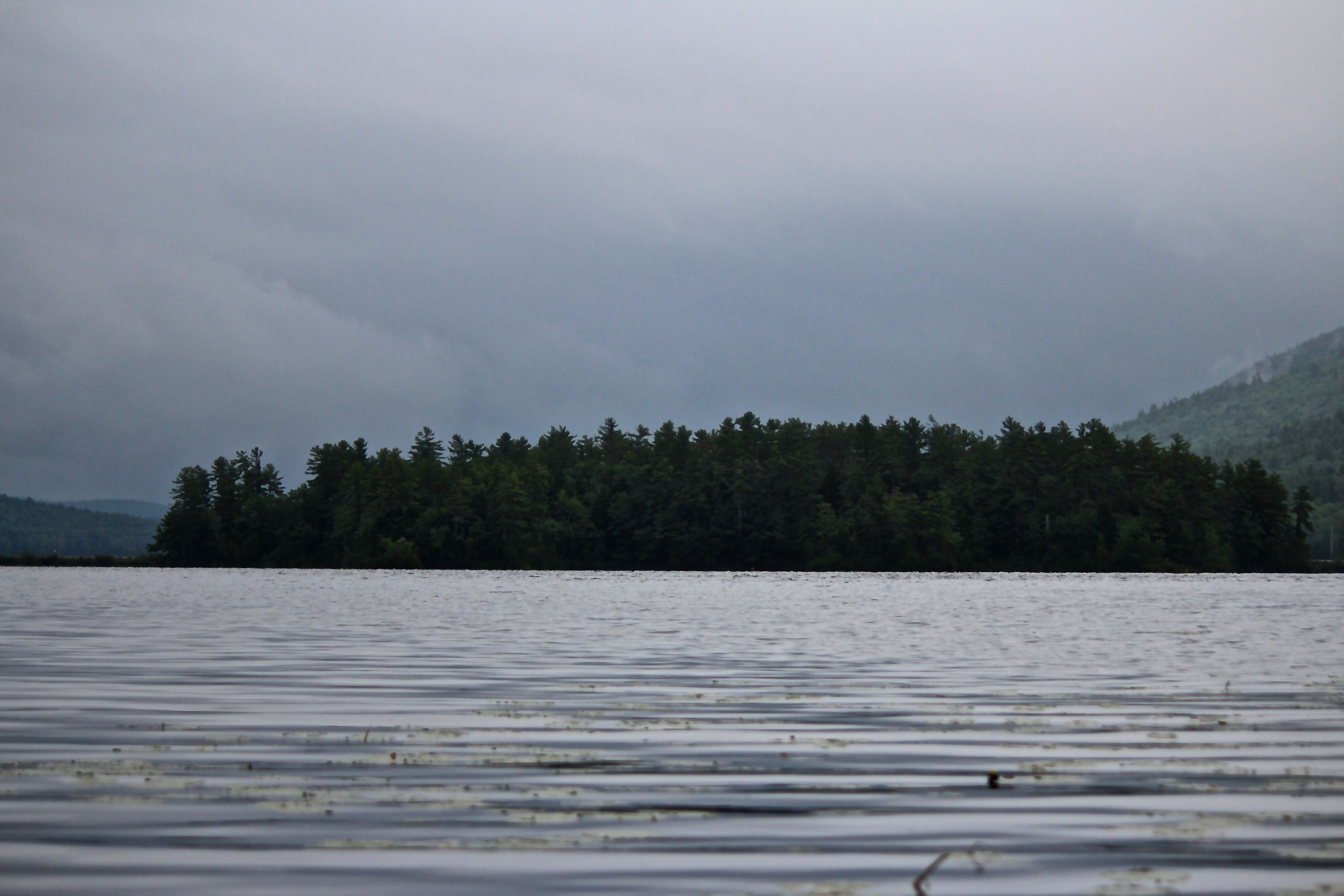
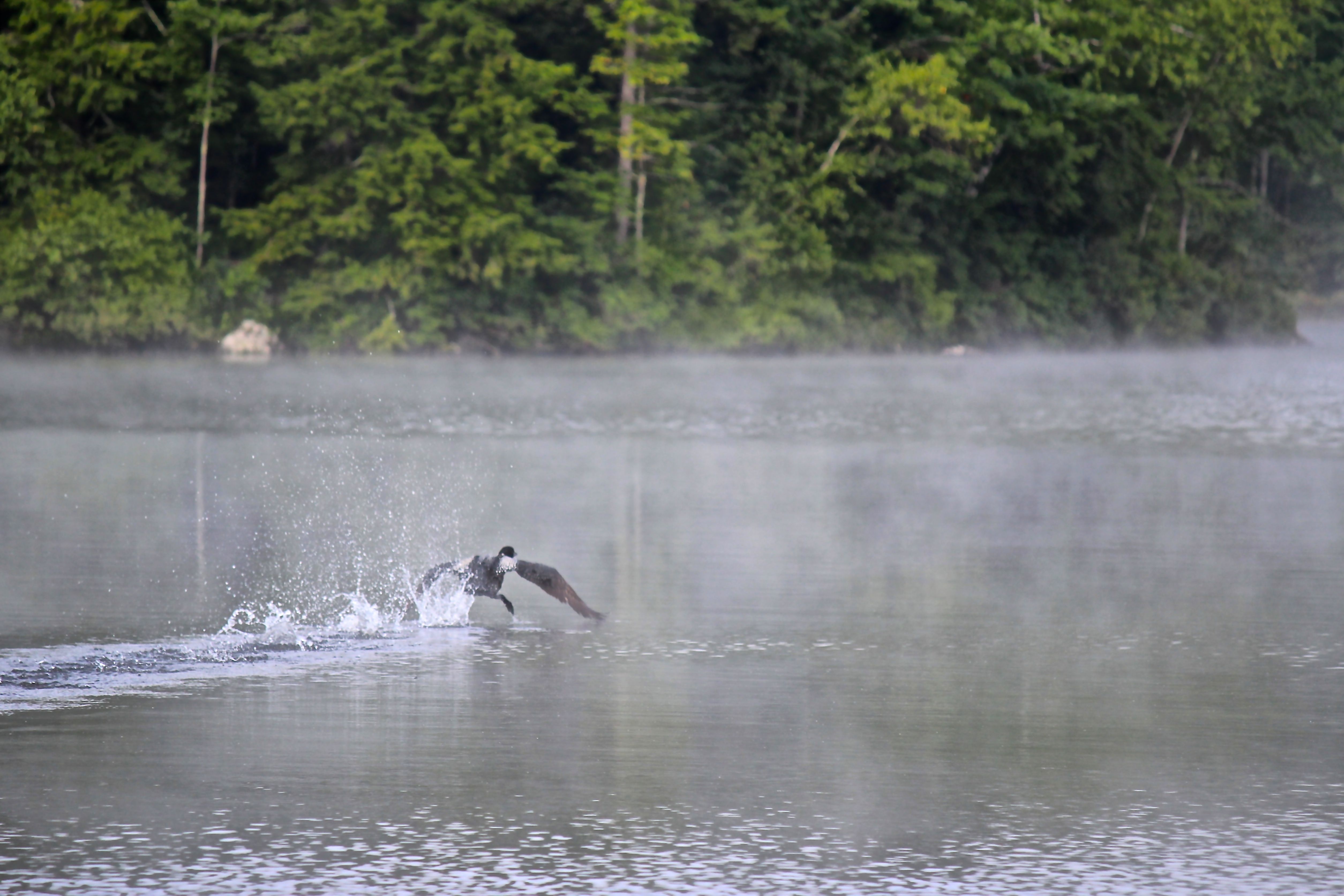
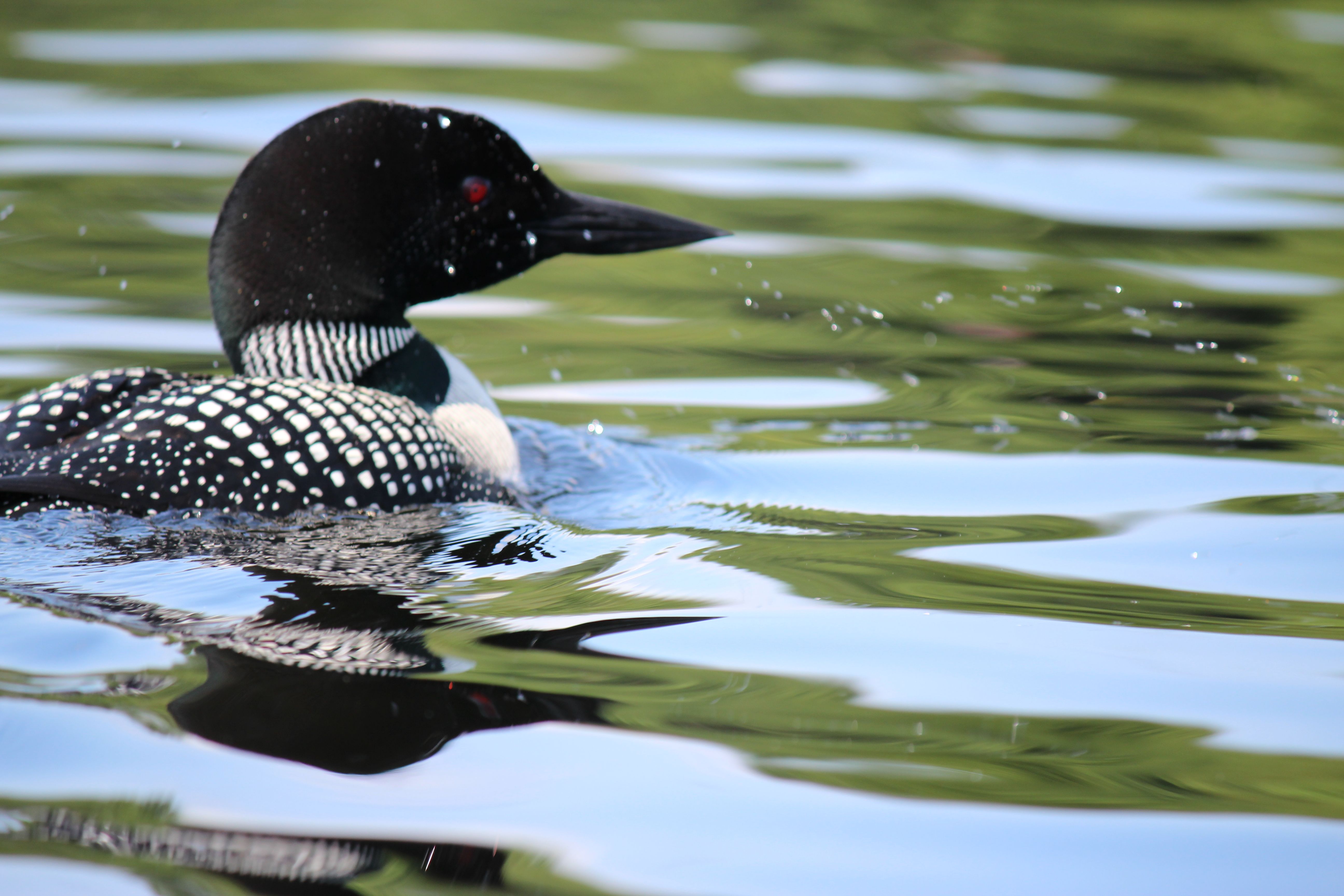
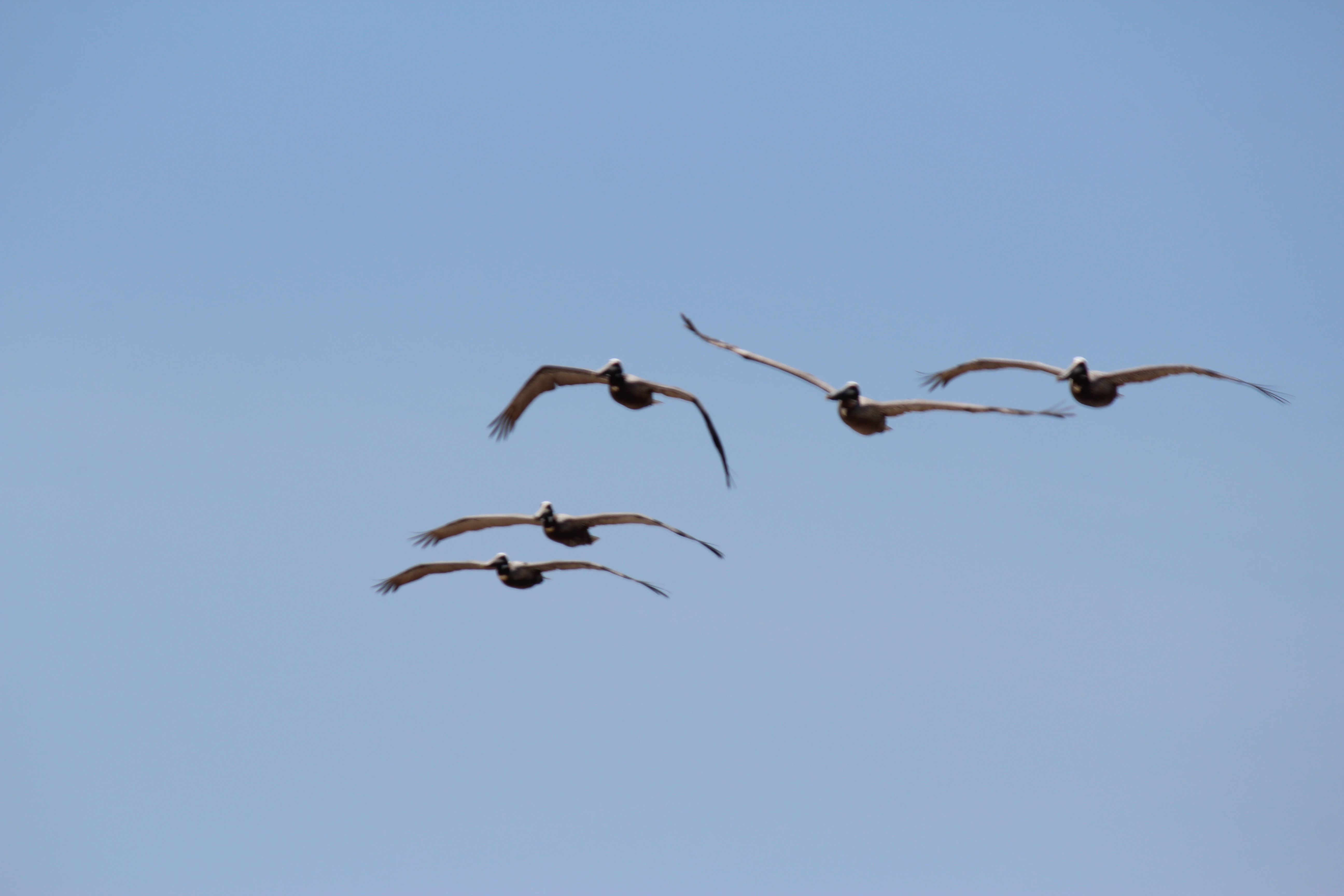
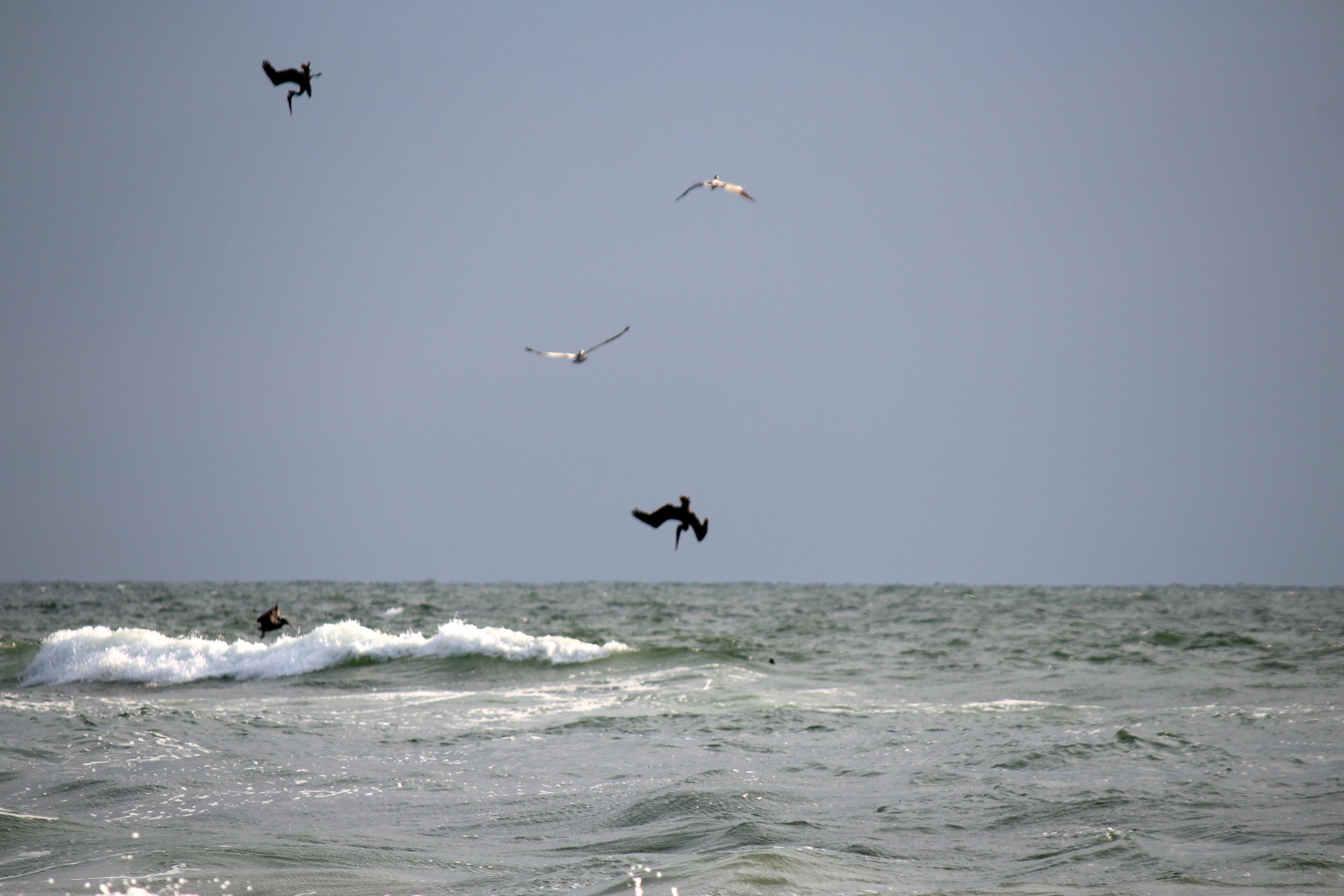
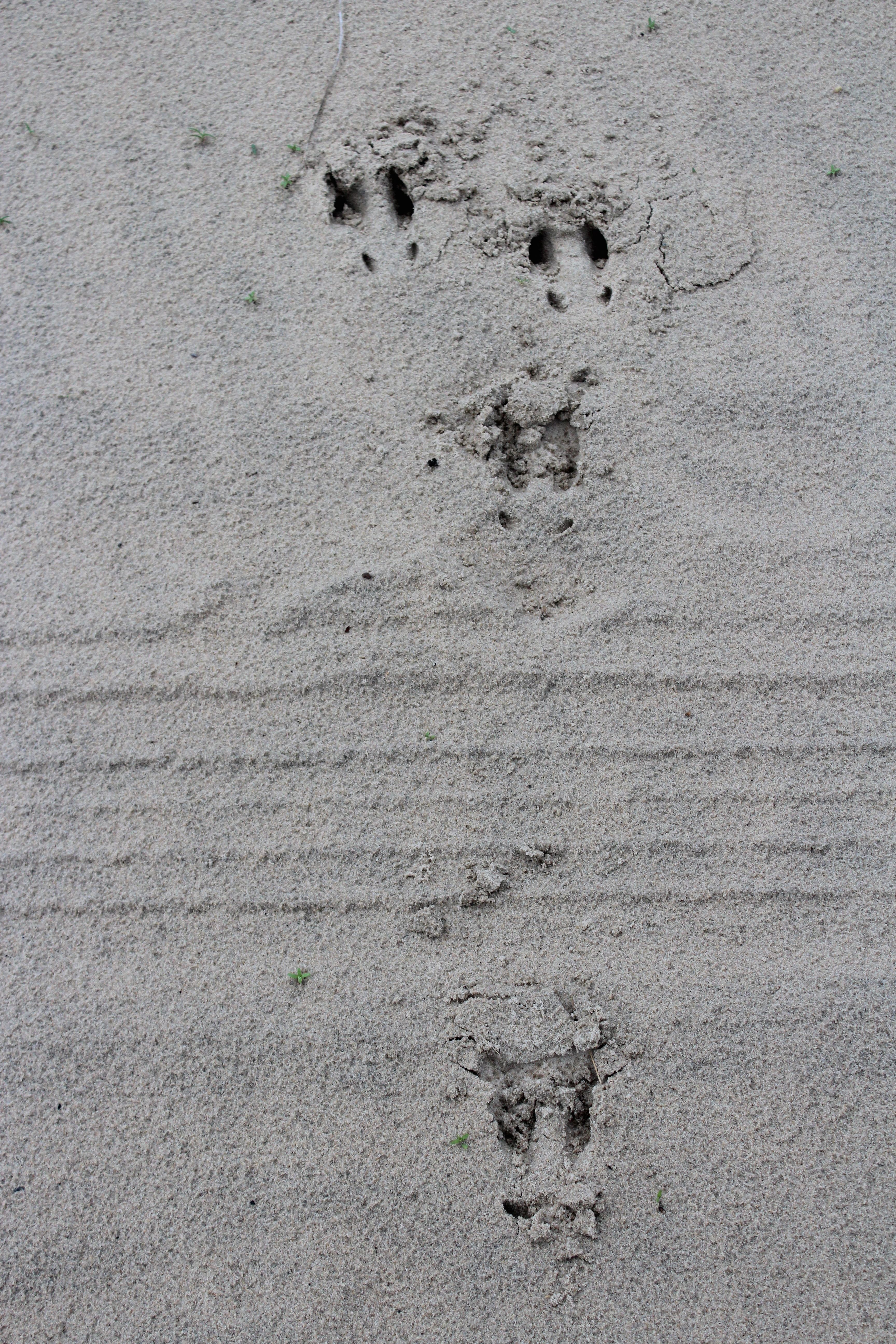
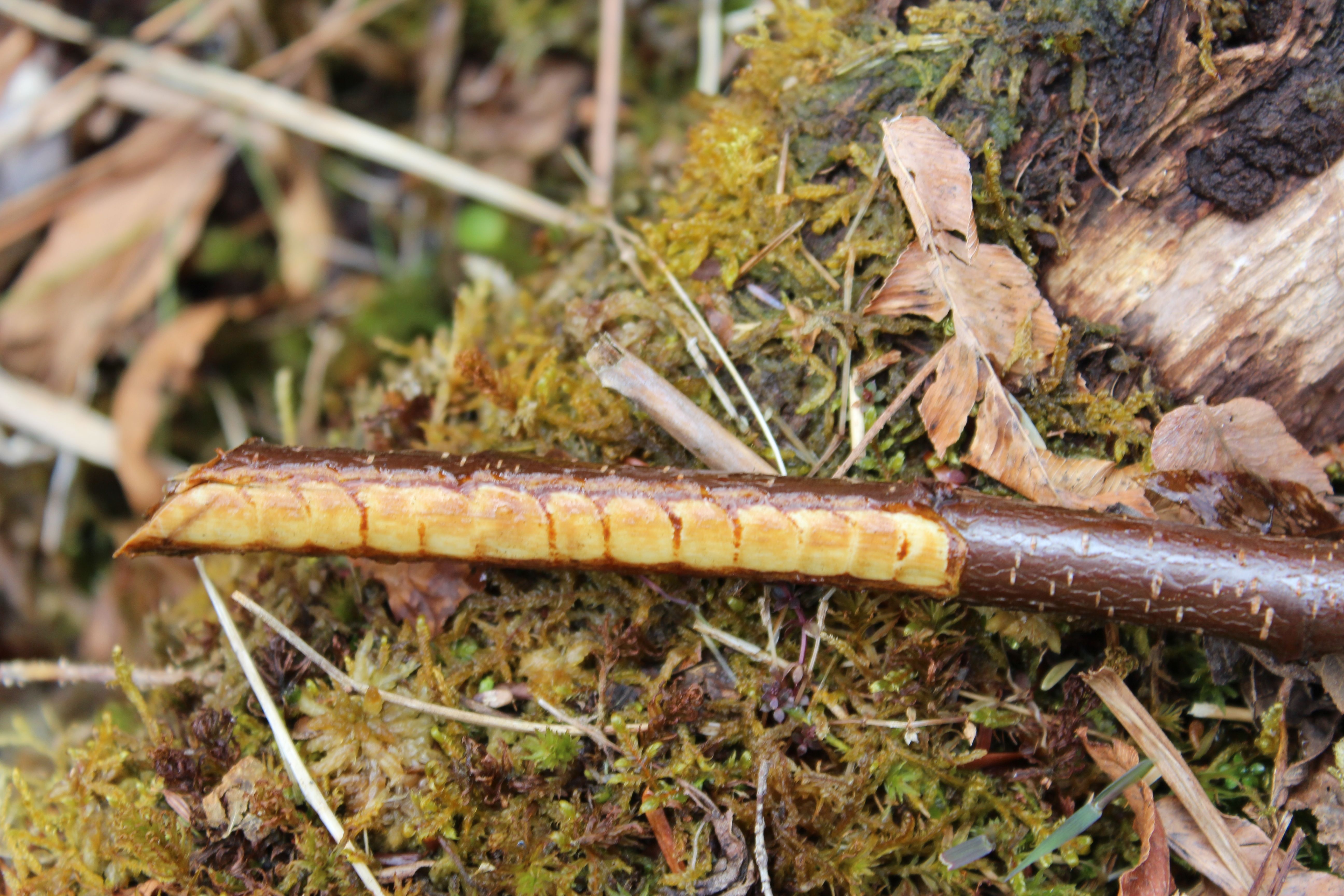
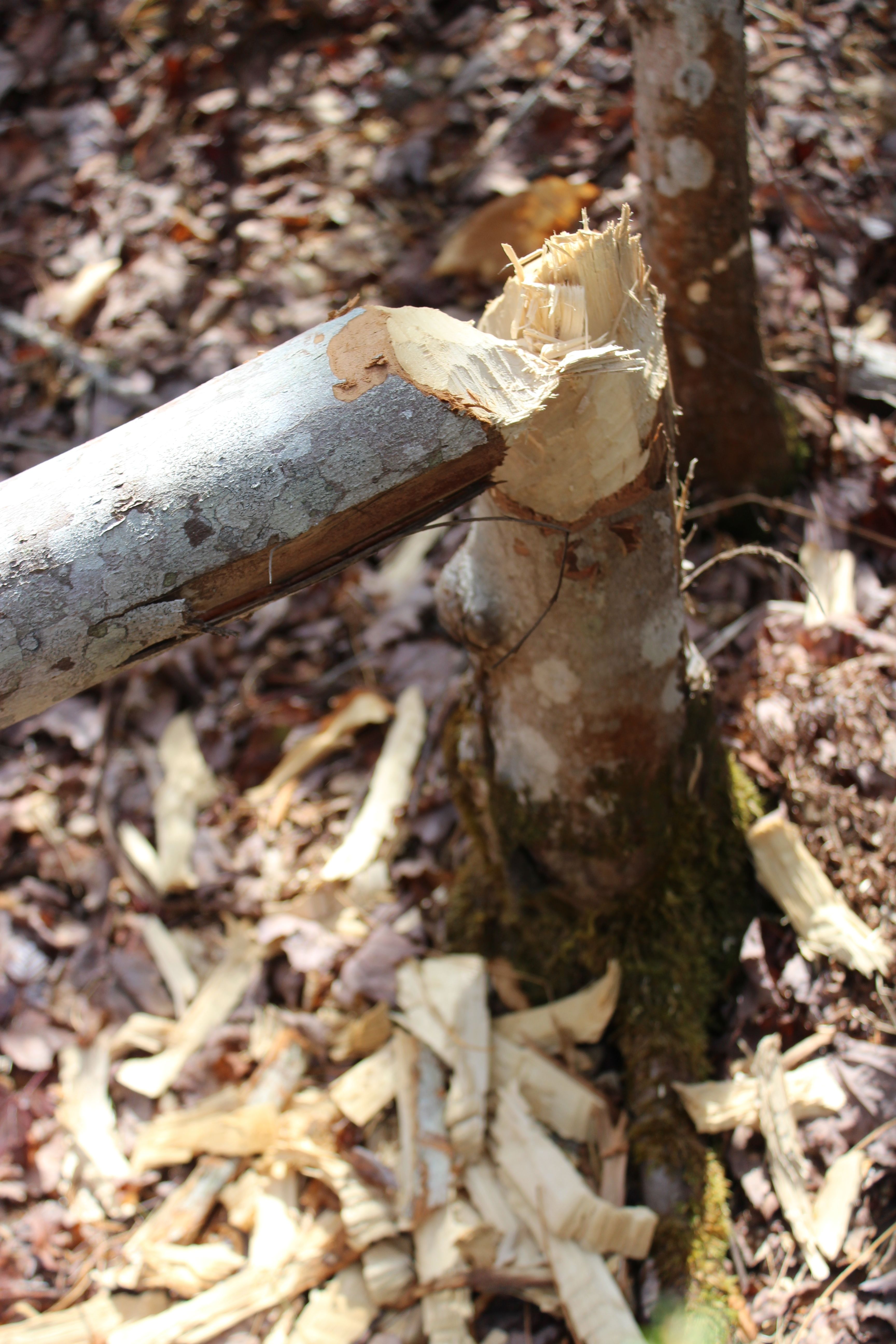
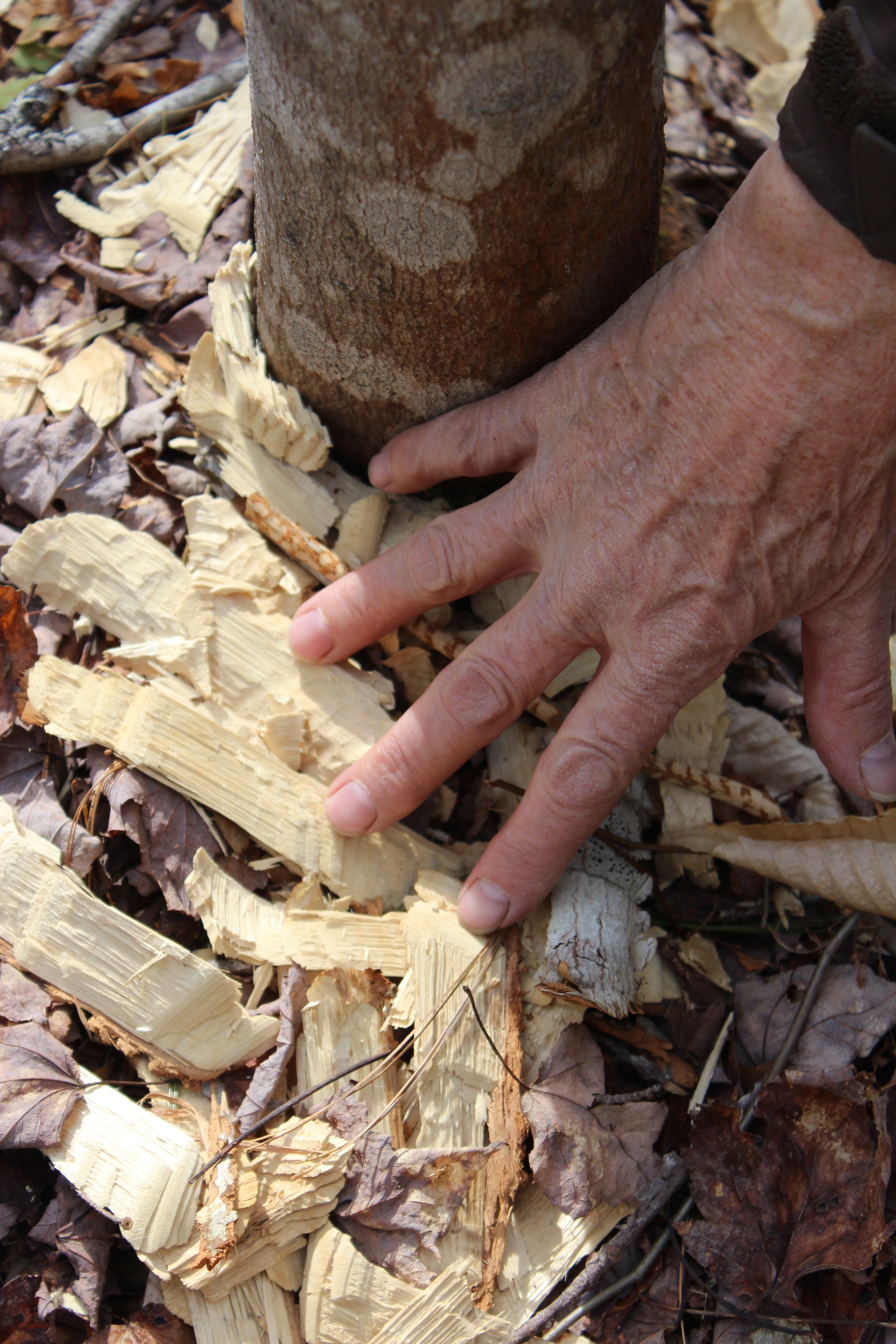
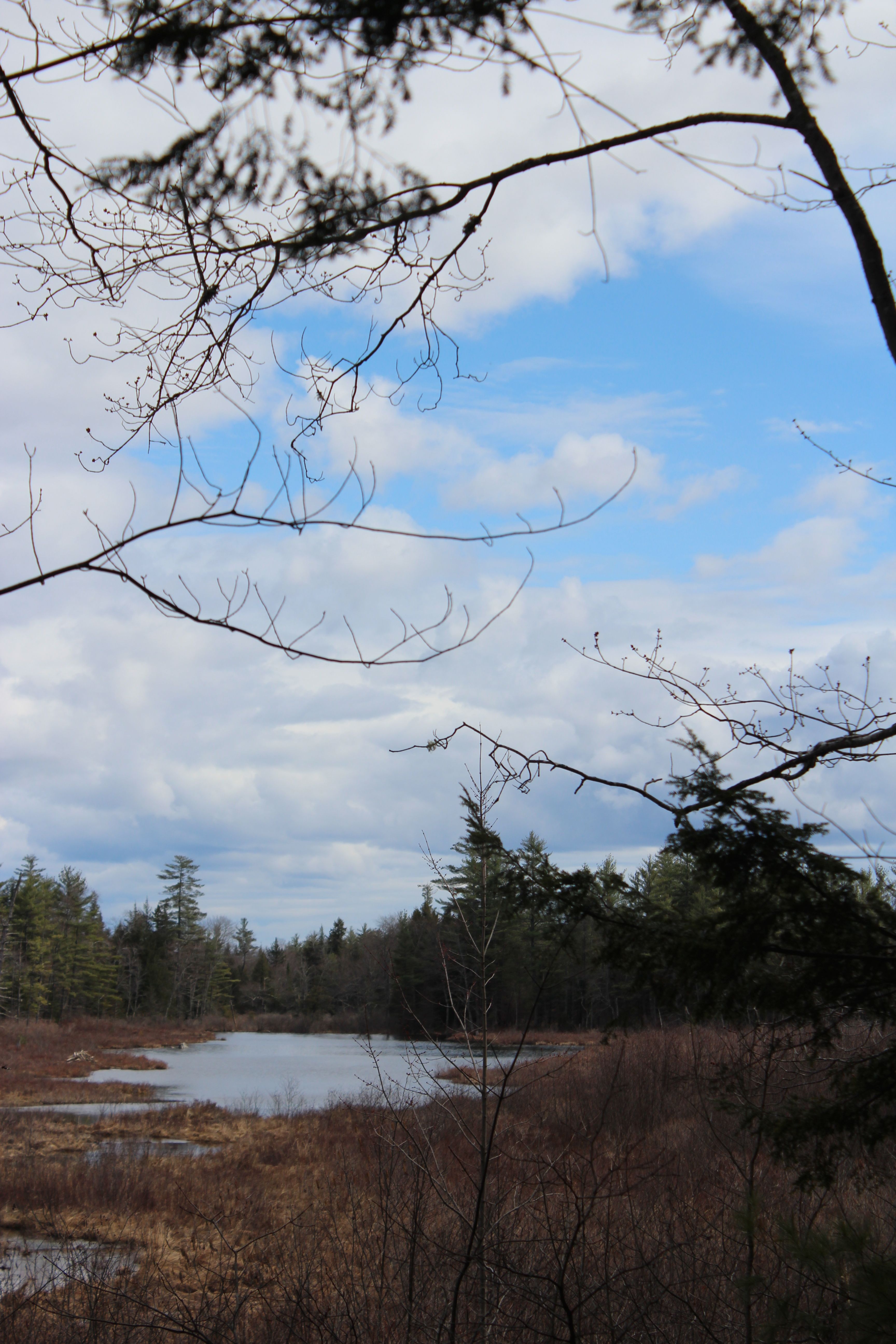
Giving thanks post 9/11

As I was wandering about today, memories of 9/11 passed through my mind. Sadly, it’s one of those days that will forever mark time.

I was at work when a friend called and told us to turn on the TV. We spent the rest of the day shaking, crying and watching in horror as the events unfolded. In the afternoon, I sat on the couch with our young sons and tried to explain what had happened. How were they to comprehend something I didn’t get?

And then, we headed to soccer practice. I remember feeling angry that practice hadn’t been cancelled, but in reality, it was probably the best thing for all of us. It gave us a sense of normalcy and a chance to gather in community.

I also remember the first time I heard an airplane fly when the skyway was finally reopened. I had just opened the door to step outside and actually ducked under the awning at the sound of the plane, not aware in that moment of what I was doing.

My world view changed that day. But, thankfully, I live in a place where I can step outside and walk freely.

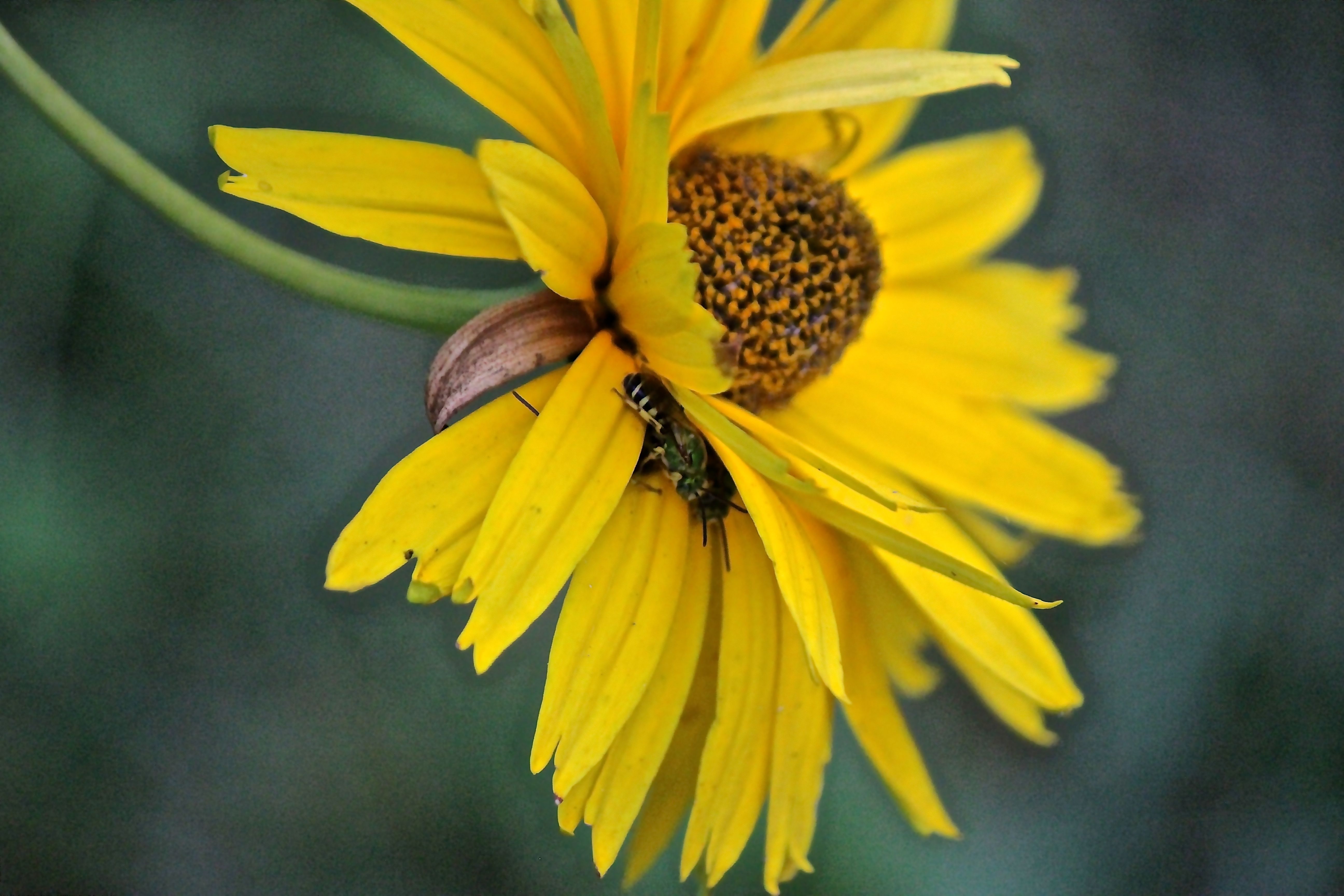
female Ichneumon Wasp

 I pay attention to what is underfoot, like this female ichneumon wasp,

green cicada

green cicada,

green frog

green frog and

toad

American toad.

chippy

I notice those who try to hide, like this chipmunk,

grasshopper in fern

grasshopper,

yellowjackets 2

and sleeping yellowjackets.

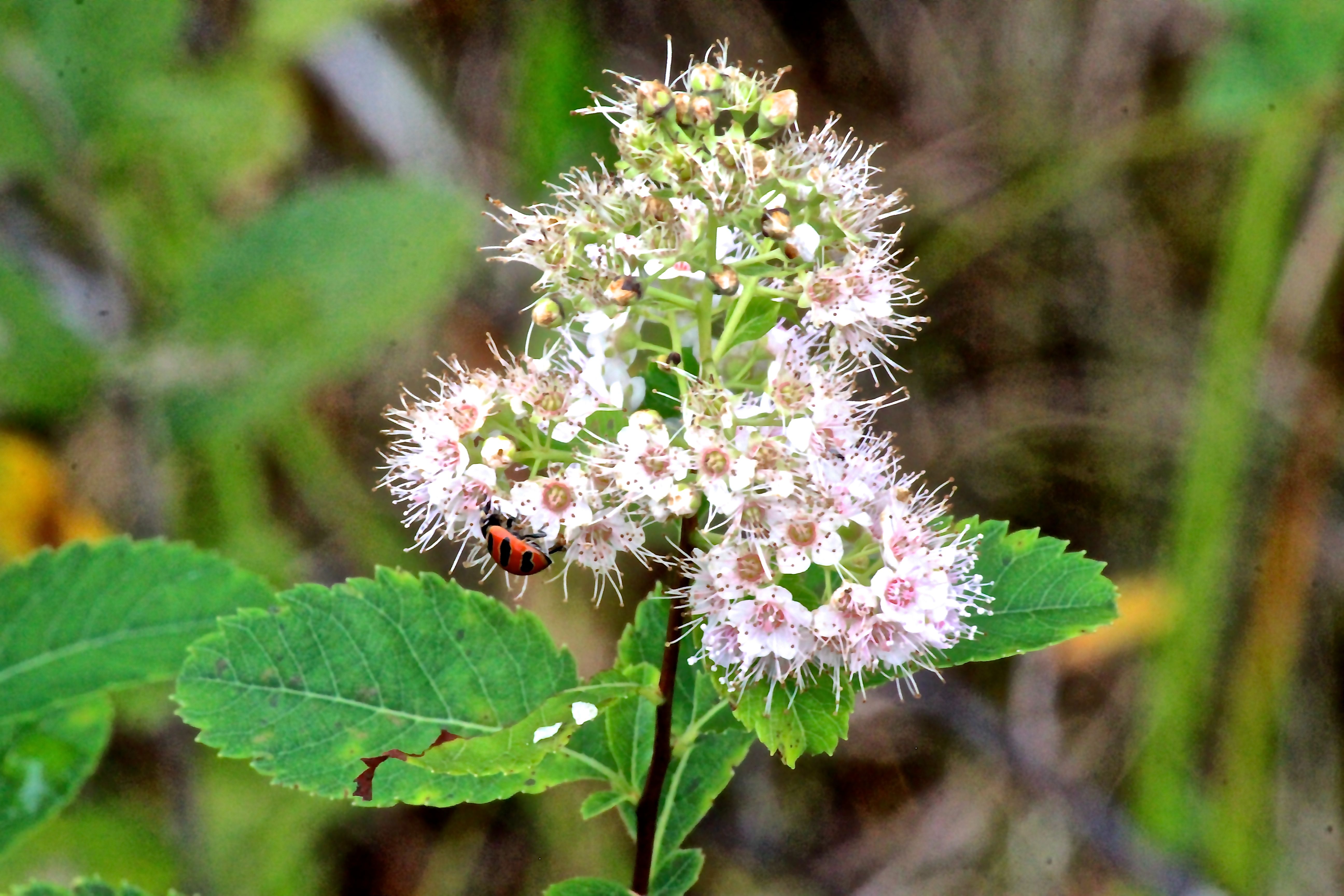
lady beetle

I observe the eating habits of a lady beetle,

sawfly caterpillars on quaking aspen

sawfly caterpillars,

horned caterpillar

 and a horned caterpillar.

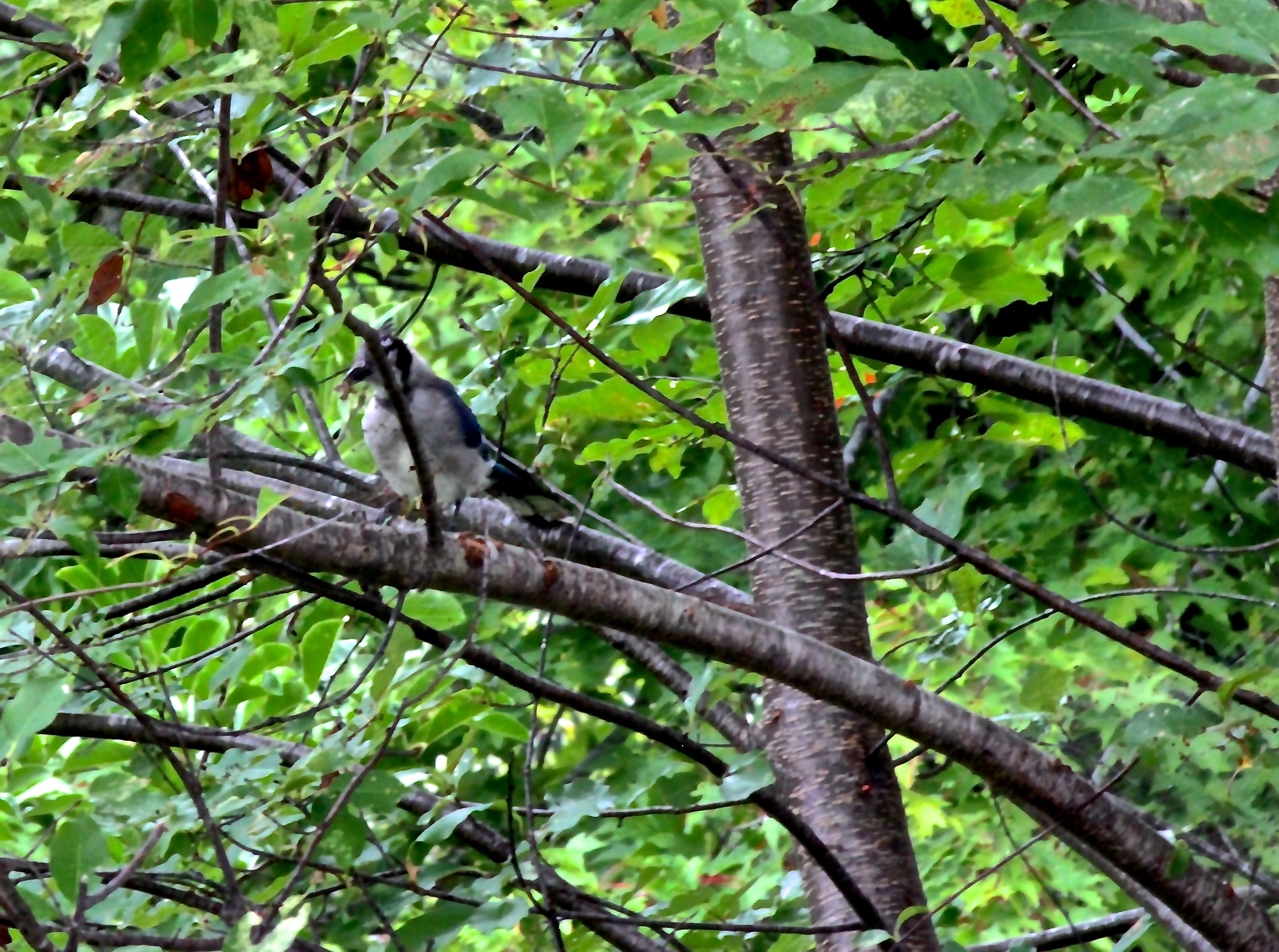
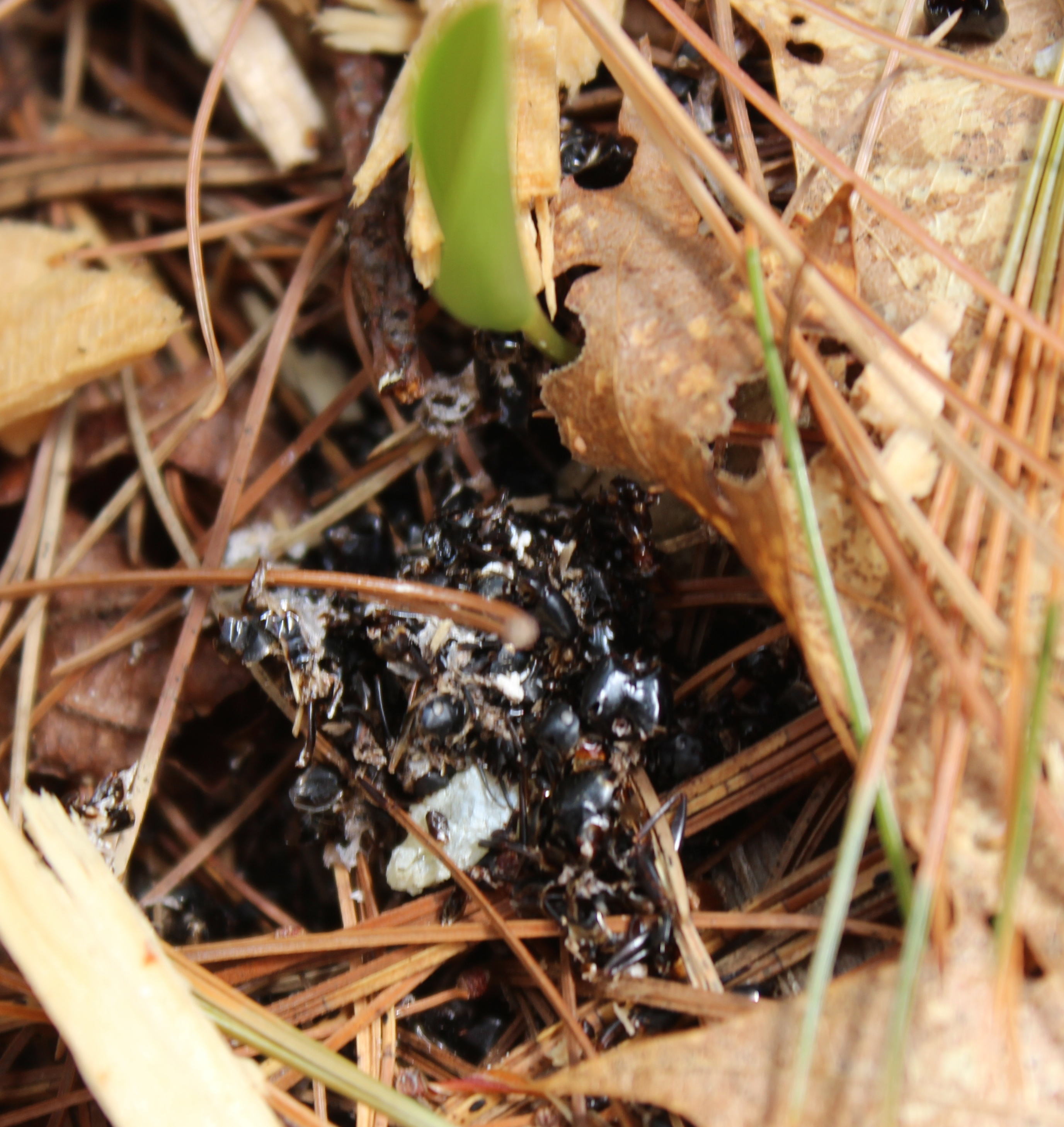
bluejay, fall webworm

I watch a blue jay in the cherry tree and

bluejay and cat.

notice how he thrashes the fall webworm caterpillars against the bark before eating them. I assume he’s trying to get the hair off their bodies.

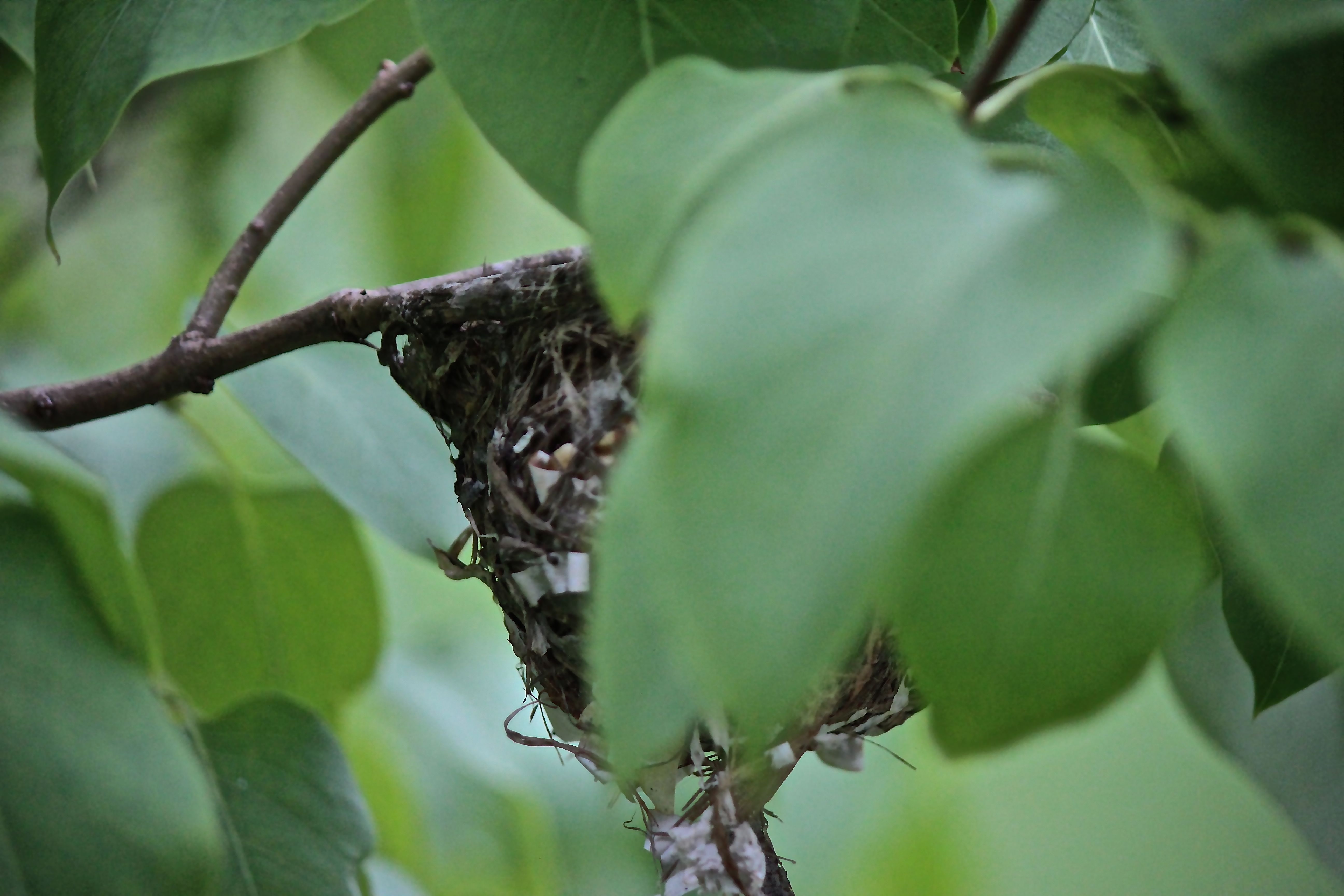
r e nest caught eye

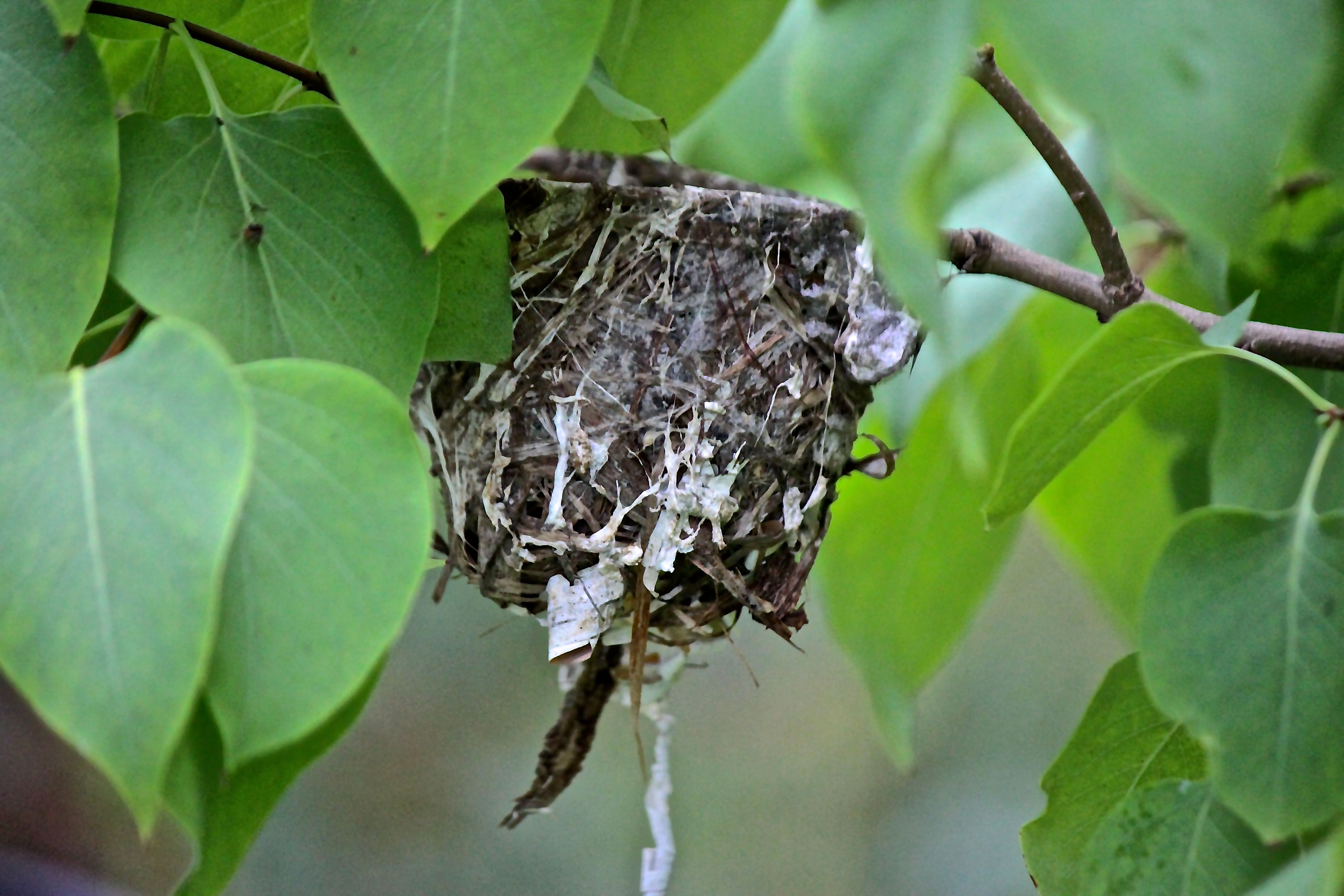
I make new discoveries, like this cupped nest in the lilac bush right off the deck.

nest 3

I think it was created by a red-eyed vireo, but I could be wrong.

sawfly caterpillars ?

 I will forever question what I see and how it works, but I’m thankful that I am able to do that.

To think for myself. To wander and wonder.

Thank you to all who lost their lives that fateful day, to their families and to all who worked so hard in the days that followed and those who continue to protect us all.


Saco River Mondate on a Sunday

My relationship with the Saco River began in 1985 when I was a YMCA camp director in Laconia, New Hampshire. My charges were tweens and teens. Each week they piled into the 15 passenger van and I took them on an adventure–just as much fun for me as for them.

I’d scoped out this particular canoeing/camping trip ahead of time and felt confident that we had a good plan.

We rented canoes from Saco River Canoe and Kayak in Fryeburg, Maine, and the first leg of our journey was a long day spent paddling down the river and then up the old course to the covered Hemlock Bridge. My copilot was a 16-year-old lifeguard named George.

Though we’d practiced canoeing techniques in the Y pool, the real thing was a challenge.  Once on the river, the kids eventually learned to paddle in an almost straight line after many circular attempts.

At last we reached our destination, set up camp, told ghost stories, spooked each other and settled down for the night. Sleep alluded me so I watched the lightning show and listened to serenading bullfrogs.

In the middle of the night, one of the girls yelled out, “Help! Somebody! Help me!” When I arrived at her tent, I asked, “Dawn, did you have a nightmare?”

“It wasn’t Dawn. It was me,” replied Melissa quietly. “The zipper on my sleeping bag just got stuck.”

The next morning we paddled back to the main course of the river and enjoyed a pancake breakfast on a sandbar. As the day went on, we lolled about–splashing each other, getting out to swim, and singing silly camp songs.

Until . . . a few girls forged on and forgot to pull over when they saw Walker’s Rip. Two canoes went over the rip without any problems. The third got caught atop two rocks in the rapids. The girls panicked when water began to flow in one side and out the other as the bow and stern bent toward the river. The current and slippery rocks made the ten feet from the riverbank feel like ten yards. People on either side came to the rescue. In a fast few moments things went from bad to worse and we had several injuries accompanied by lots of high drama, including an ambulance ride to Memorial Hospital in North Conway, New Hampshire.

The diagnosis: everyone was fine with a few minor bruises. The prescription: ice cream and Tylenol.

Though we were supposed to camp out that night, the kids were done, so I drove back to Laconia and the Y director met us there (with a 6 pack to calm my nerves.)

As far as summer jobs go, this ranks number one on my list. I don’t know what has happened to any of the kids, but I hope they still remember the pranks and fun we shared. (Number 2 favorite summer job: painting Yale bowl)

A year later I landed a teaching job in western Maine and the Saco River and Hemlock Bridge became part of my place.

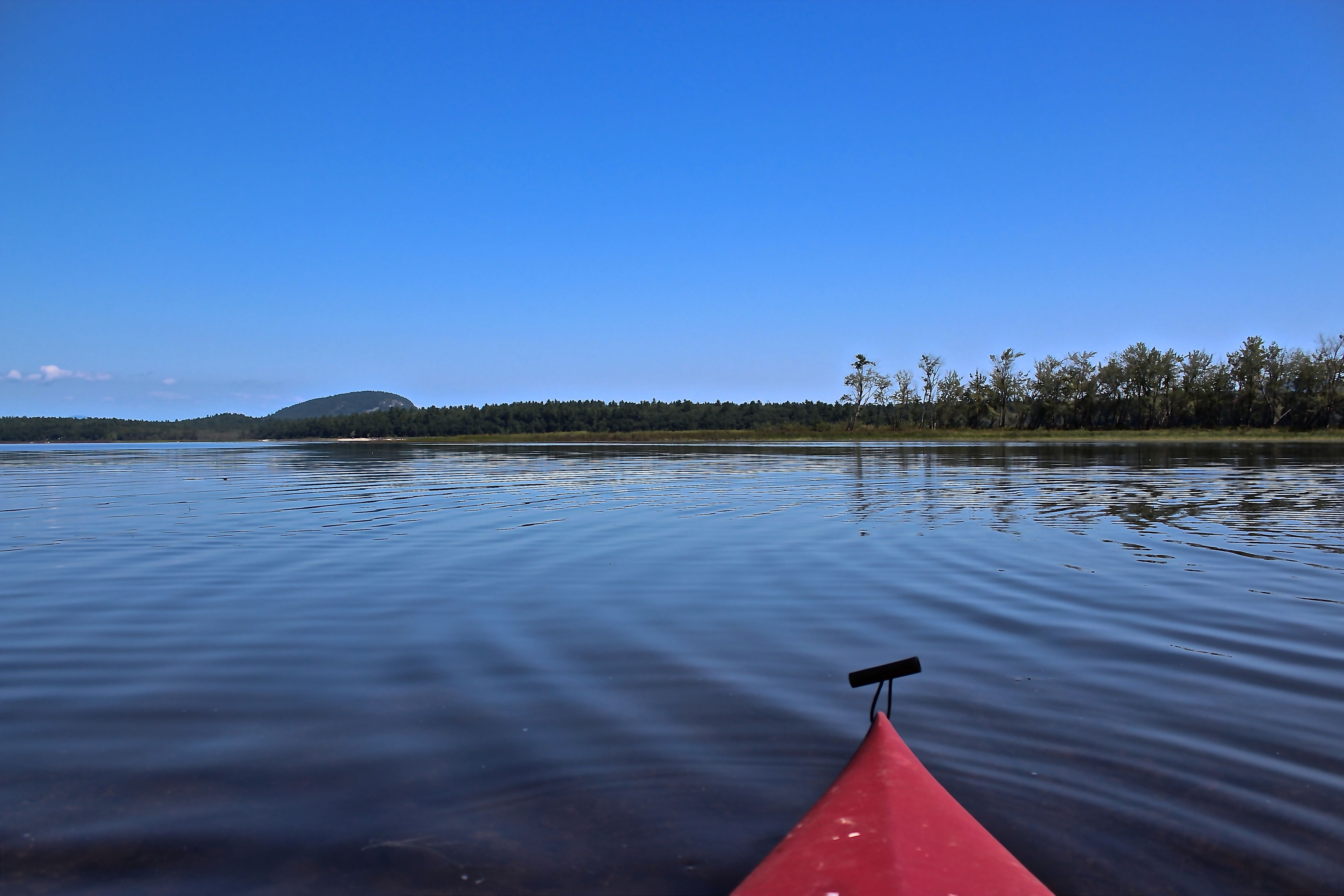
So it was that yesterday, my guy and I left one truck at the Brownfield Bridge and drove to Lovewell Pond to launch our tandem kayak. It was actually a reconnaissance mission for me because the Upper Saco Valley Land Trust has asked me to lead a paddle on this portion of the river in a few weeks.

Mt Tom

Mount Tom, a Roche Moutonnée, is visible to the left. This asymmetrical hill features a gently sloping up-ice side that has been smoothed and polished by a glacier. The other side is  abrupt and steep–the down-ice side where the rocks were plucked off, leaving a more cliff-like appearance.
Lovewell Pond

We’d never been on Lovewell Pond before, so were a bit astonished by the white sandy beaches accentuated by the mountain backdrop as we looked toward Fryeburg and North Conway.

Pleasant Mtn

Pleasant Mountain also forms part of the backdrop, giving us a sense of direction. Home is on the other side of the far left peak.

corm 2

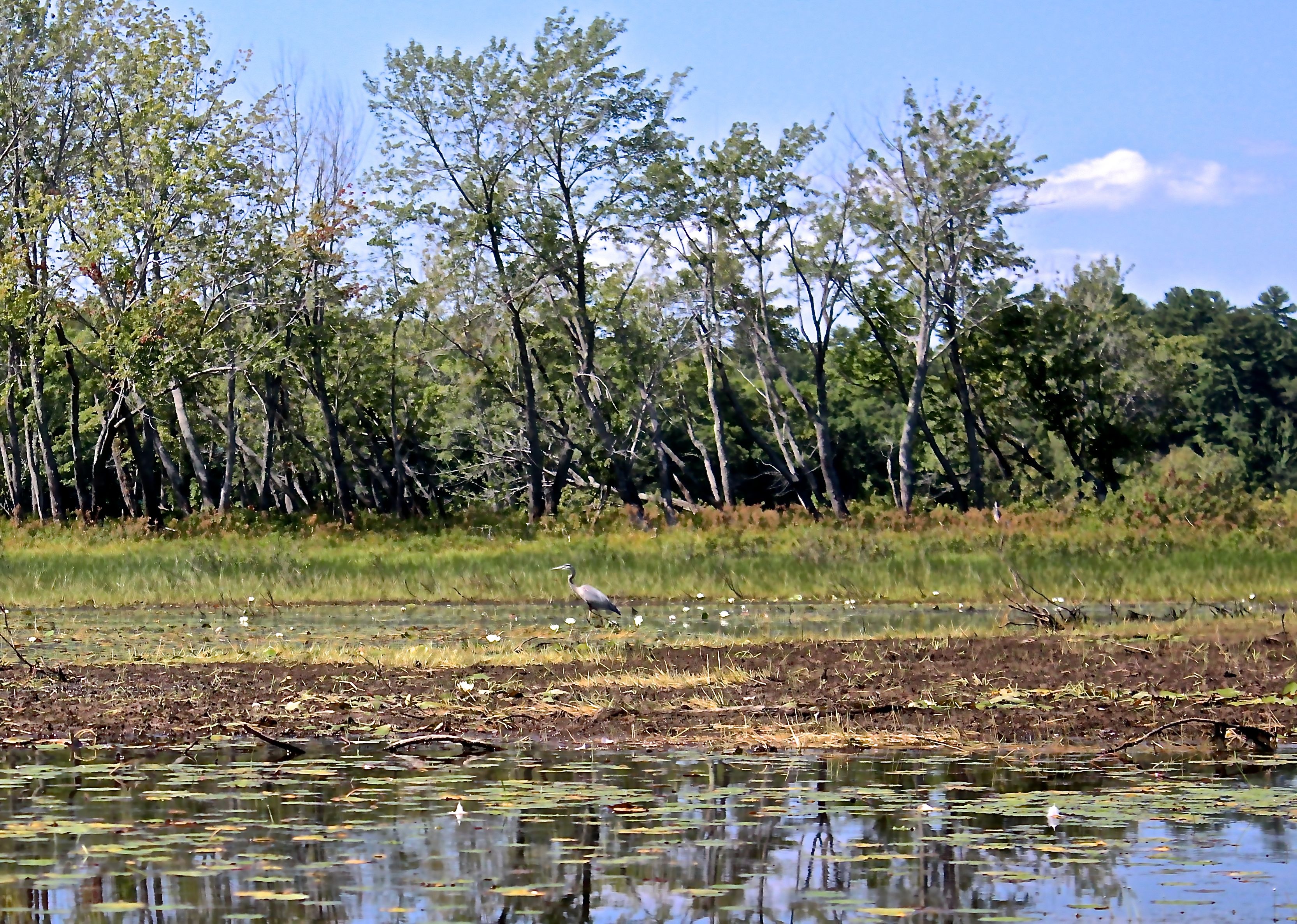
Paddling about for a bit, we checked out the local wildlife, including this pair of cormorants and

heron

a wading great blue heron.

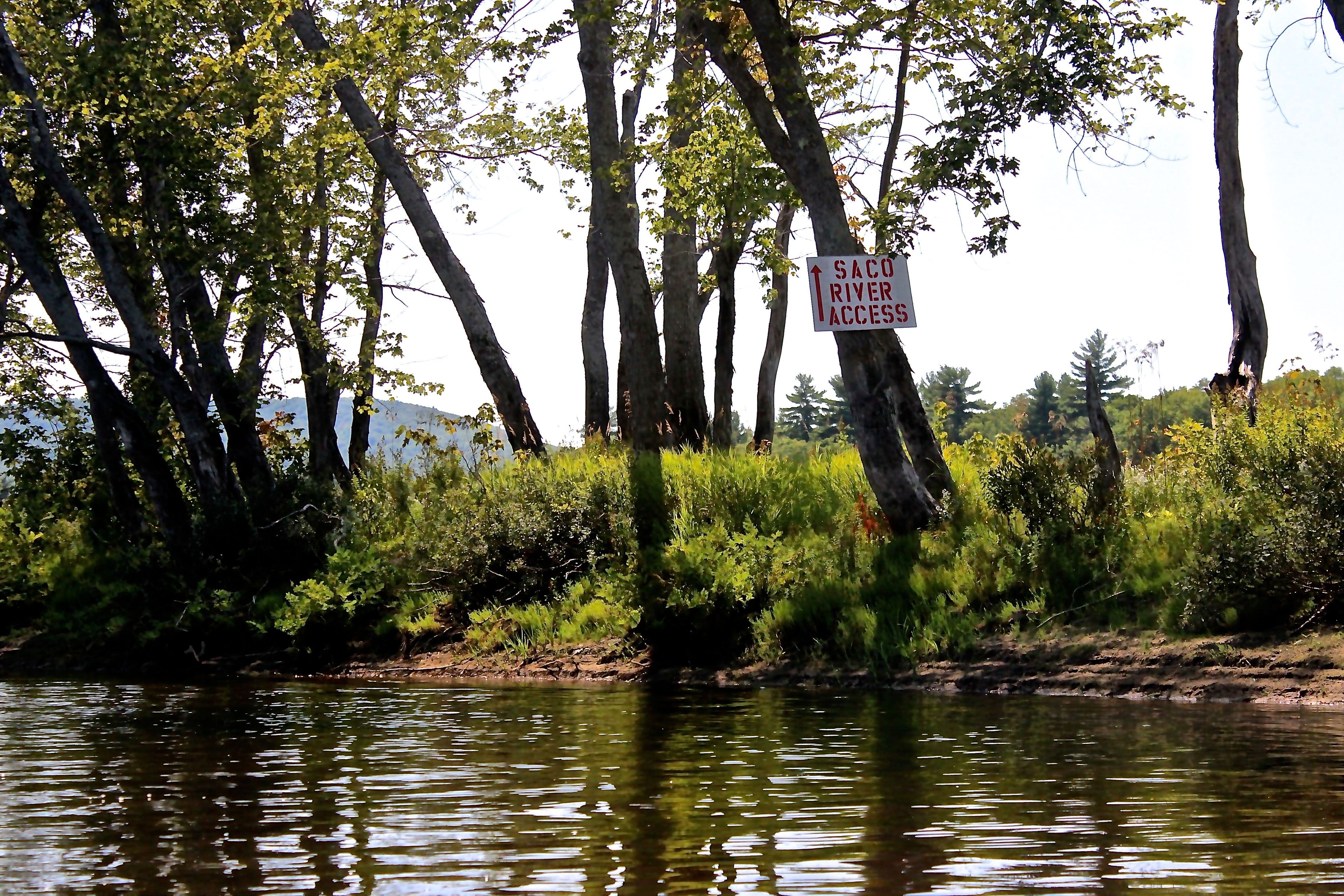
SR access

And then we were ready to begin our journey. We thought we might be a wee bit crazy to be on the river this weekend, along with the boys from deliverance, but we only met a few. For the most part, we encountered families and friends enjoying a beautiful day in Maine. And a clean river thanks to the Saco River Recreation Council.

Saco Access

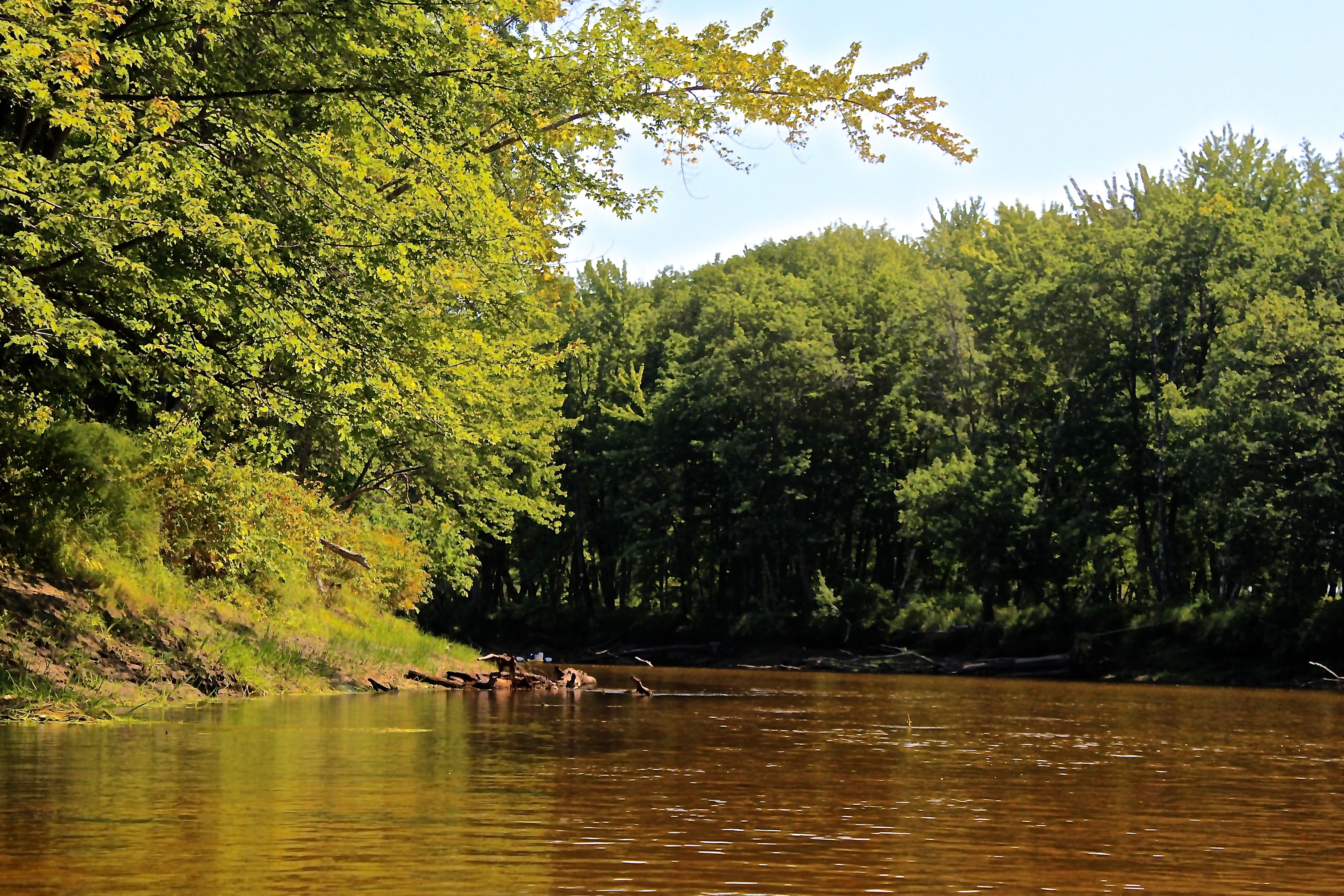
Silver maple trees grace the banks.

shallow water

Being September, the river was quite shallow in some spots. But walking in the water felt good.

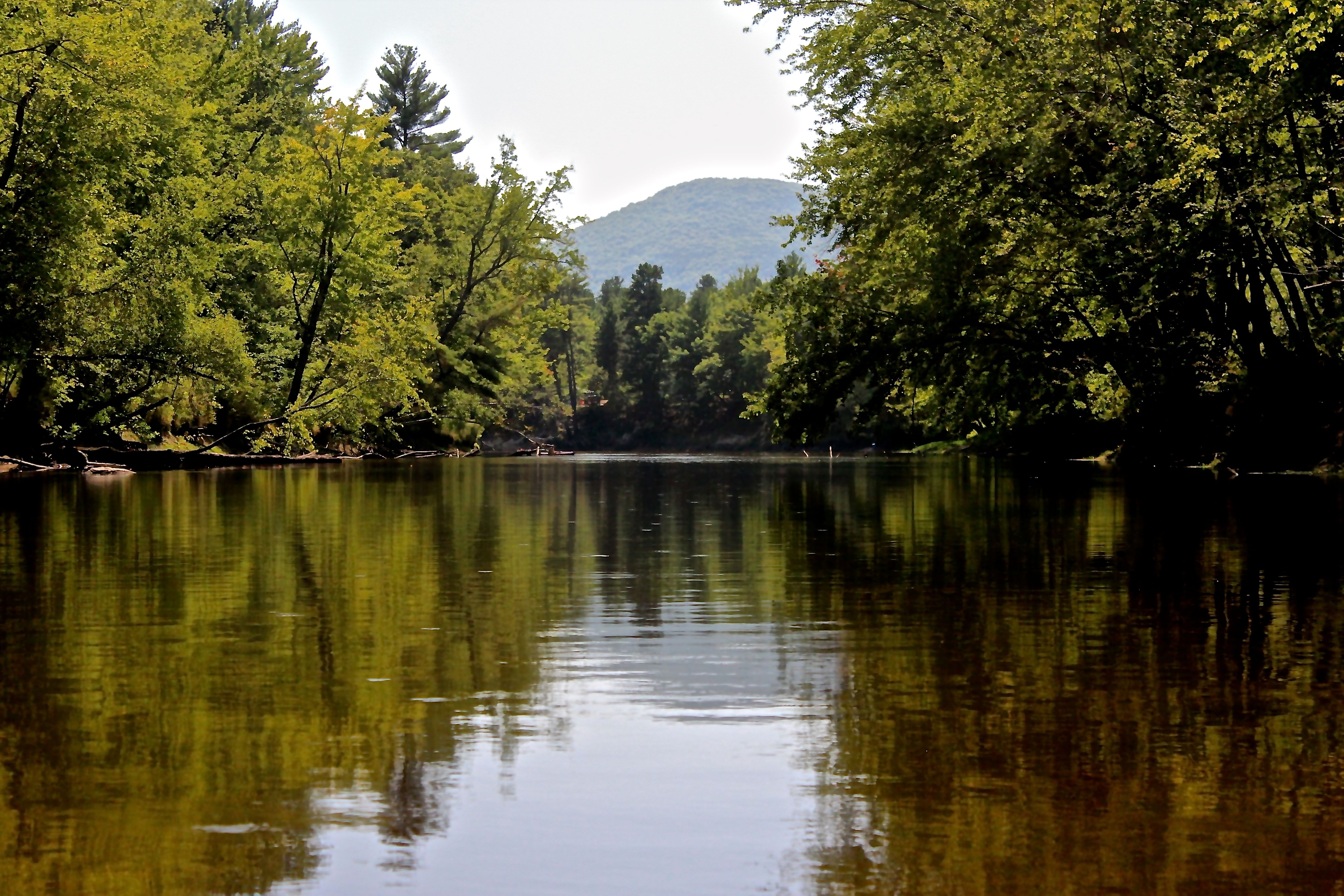
round the bend

Around each bend, we reminisced about previous river runs, including the time we did a much longer trip in an inflatable raft–we were young, in love and clueless. And uncomfortable. Now we are old, in love and still clueless. But happy.

silver maples

Though the river is at a low point, you can tell by the bank that water rushes through here. The silver maple, known for the silvery color of its leaf’s underside, is fast growing and a bank stabilizer, but it also succumbs to the river’s force.

Elm leaves

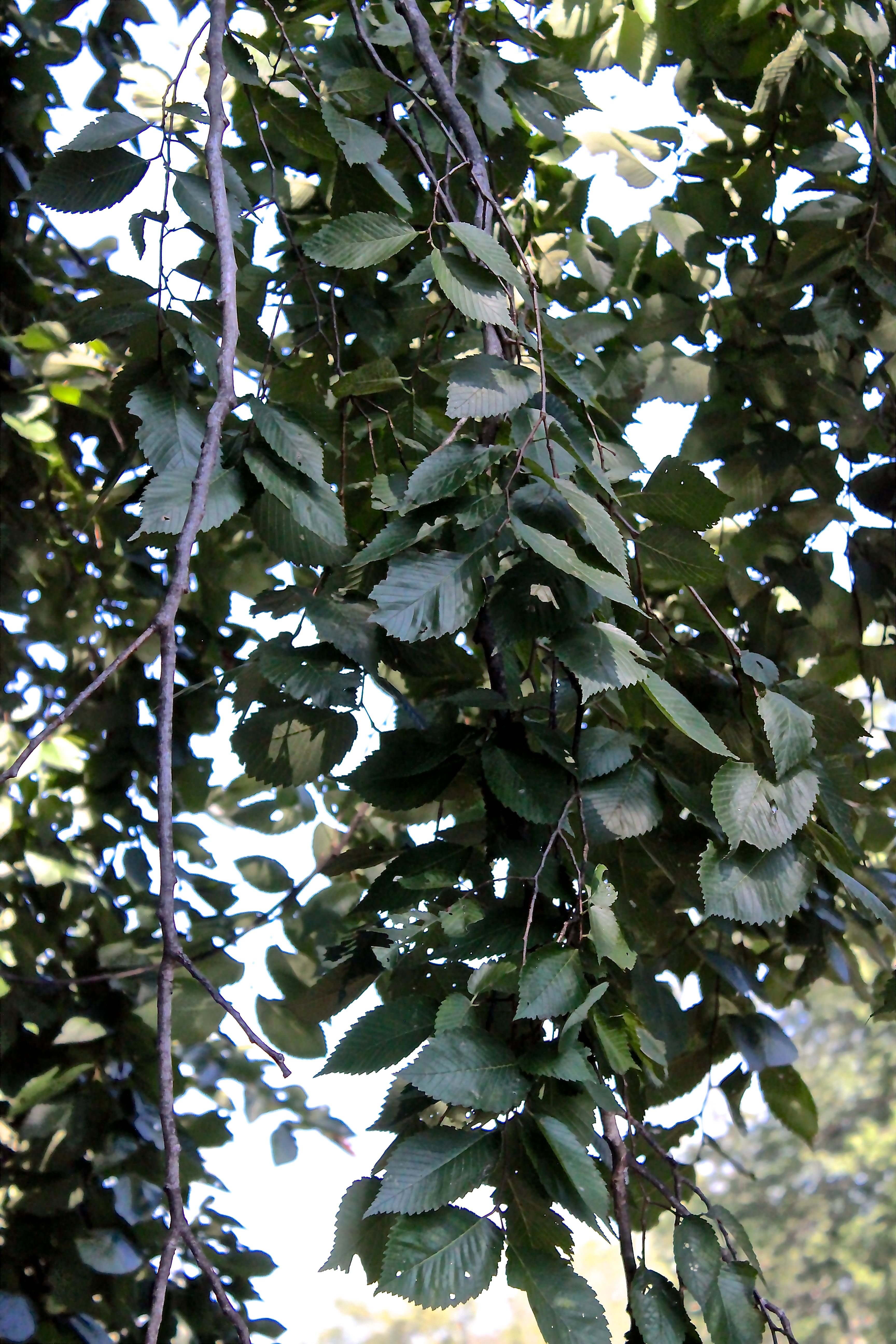
As we floated along, I began to wonder what I should point out in a few weeks.  Yes, there’s the silver maple floodplain forest, which includes red maples. Royal fern, sensitive fern and ostrich fern were visible along the way. And some shrubs and plants. Finally, we came upon this American elm leaning over the river–large and healthy with its asymmetrical leaves.
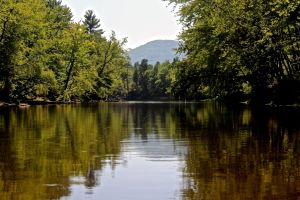
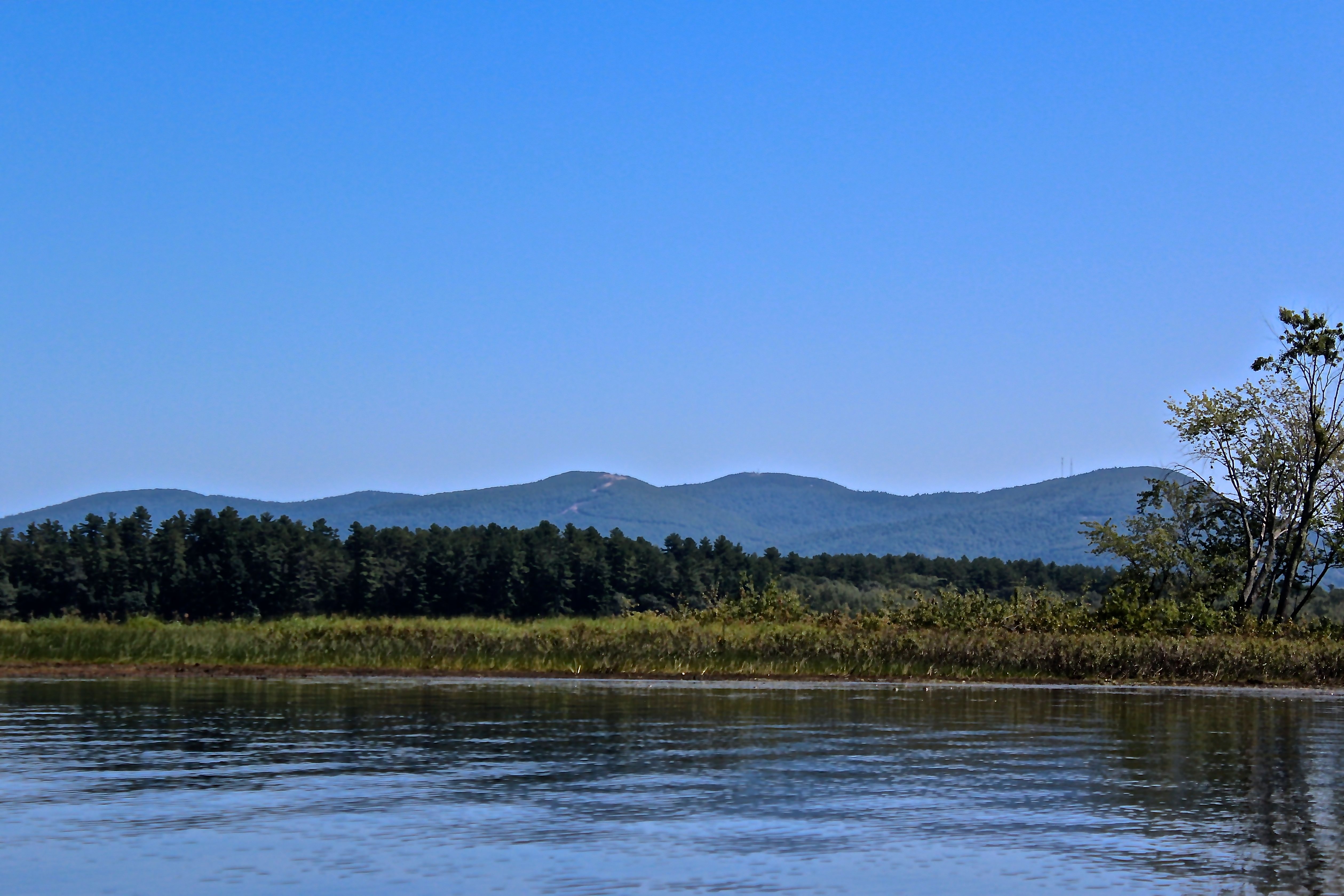
Burnt Meadow Mtn in background

We were close to our pull-out point when I saw some white and red pines and thought I might talk about the King Pines–those massive pine trees that were marked with the king of England’s arrow, so selected because they grew straight and tall and would be perfect for ships’ masts.

I may also mention the river’s curse, but I might save it until the end when Burnt Meadow Mountain is visible in the background.

According to legend, in 1675 the wife and infant son of Squandro, chief of the Sokokis tribe, were playing on a river sandbar when they encountered three rowdy, drunken English sailors.  The mother and child were laughing and didn’t hear an approaching canoe. One of the three sailors claimed that a papoose could swim like a wild animal (dog paddle) naturally from birth. The others doubted him. To prove it, the man jumped out and grabbed the child. The mother watched in horror while the sailors threw her baby into the water. She grabbed the baby and ran to Squandro. It was too late. Squandro raised the limp body toward the sky and said, “As long as the grass grows and the water runs, it shall be the will of the Great Spirit that every year the waters of this Great River shall take three White Men’s lives.”

There is also a version whereby the mother was pregnant and she, her infant and her unborn child all died.

Some say the curse ended in 1947 when no lives were taken. That was also the year of the Great Fires, including in Brownfield, our take-out point. Related?

It seems to me that respect may be the key. Respect for the land, respect for the river and respect for each other.

Though our trip yesterday was short (about four miles), this wander has been a bit long. Thanks for coming along for the ride.
The Need for More

Yesterday I stopped into our local independent bookstore, Bridgton Books, to purchase a title recommended to me by a friend (thanks D.B.), H is for Hawk by Helen Macdonald. While there, Pam, one of the proprietors, showed me Reading Rural Landscapes by Robert Sanford because she thought I’d be interested. Of course I was, and so for all of two seconds I debated about which to buy and guess what–I’m now the proud owner of both titles. I had earned a $10 credit (for every $100 spent, you receive $10 off if you belong to their book club and there is no book club fee–truly independent).

At camp, I was also reading another book (purchased at Bridgton Books a year or two ago). Well, actually rereading it because I like the author’s style/voice and maybe just a wee bit because she’s an Episcopalian. And she lives in Alaska–another draw for me. If You Lived Here, I’d Know Your Name: News from small-town Alaska by Heather Lende.

3 books

Both last evening and this morning, I read from all three. Not simultaneously, of course. It’s always been that way for me. Skipping from one topic to the next. Easily bored? I don’t think so because being bored is not part of my makeup. More like an insatiable need to know more.

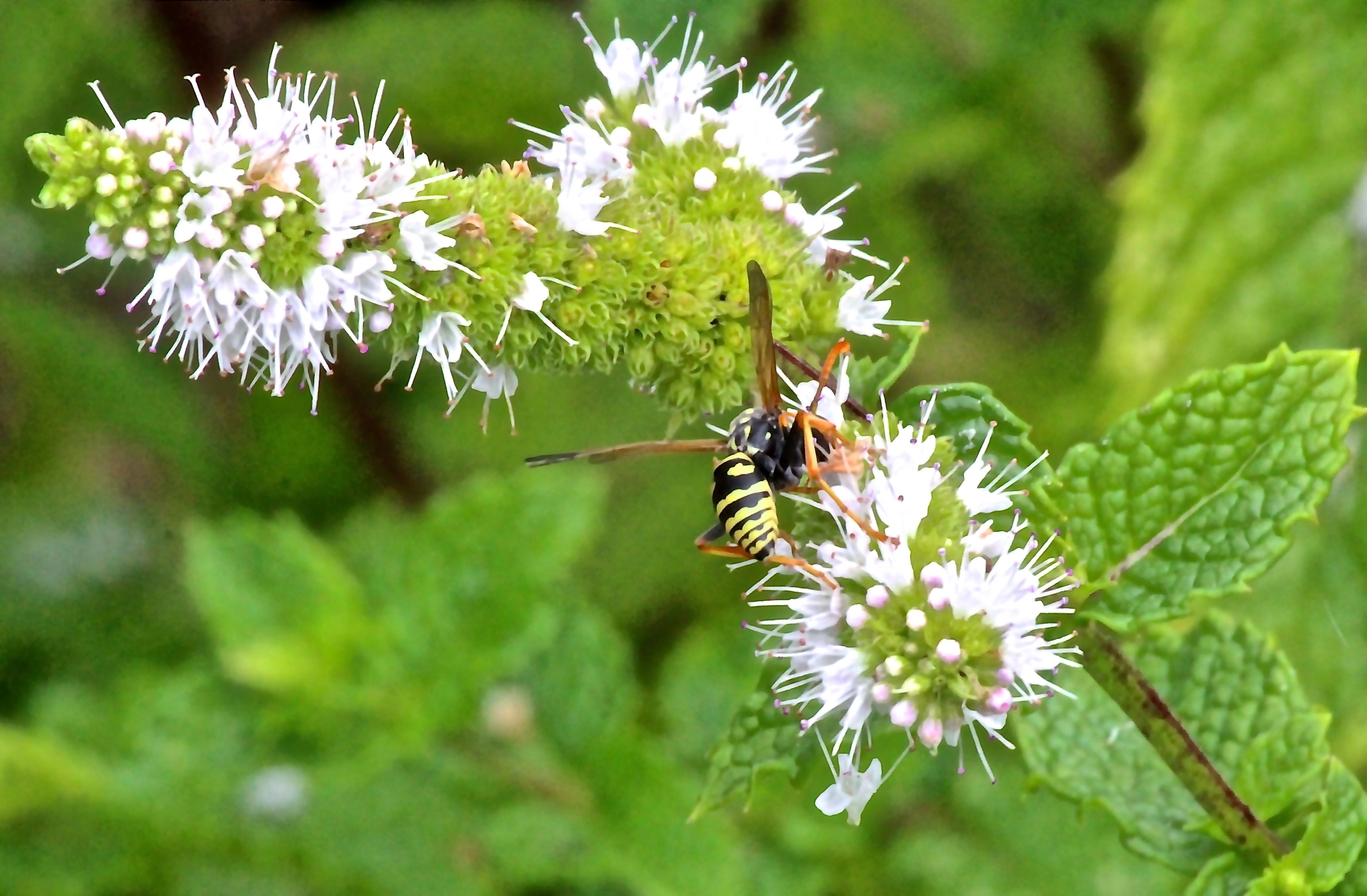
The bees and wasps and flies and ants and hummingbirds have the same insatiable need right now, as they flit and walk and crawl from one plant to the next, sucking nectar and exchanging pollen along the way.

beebee2

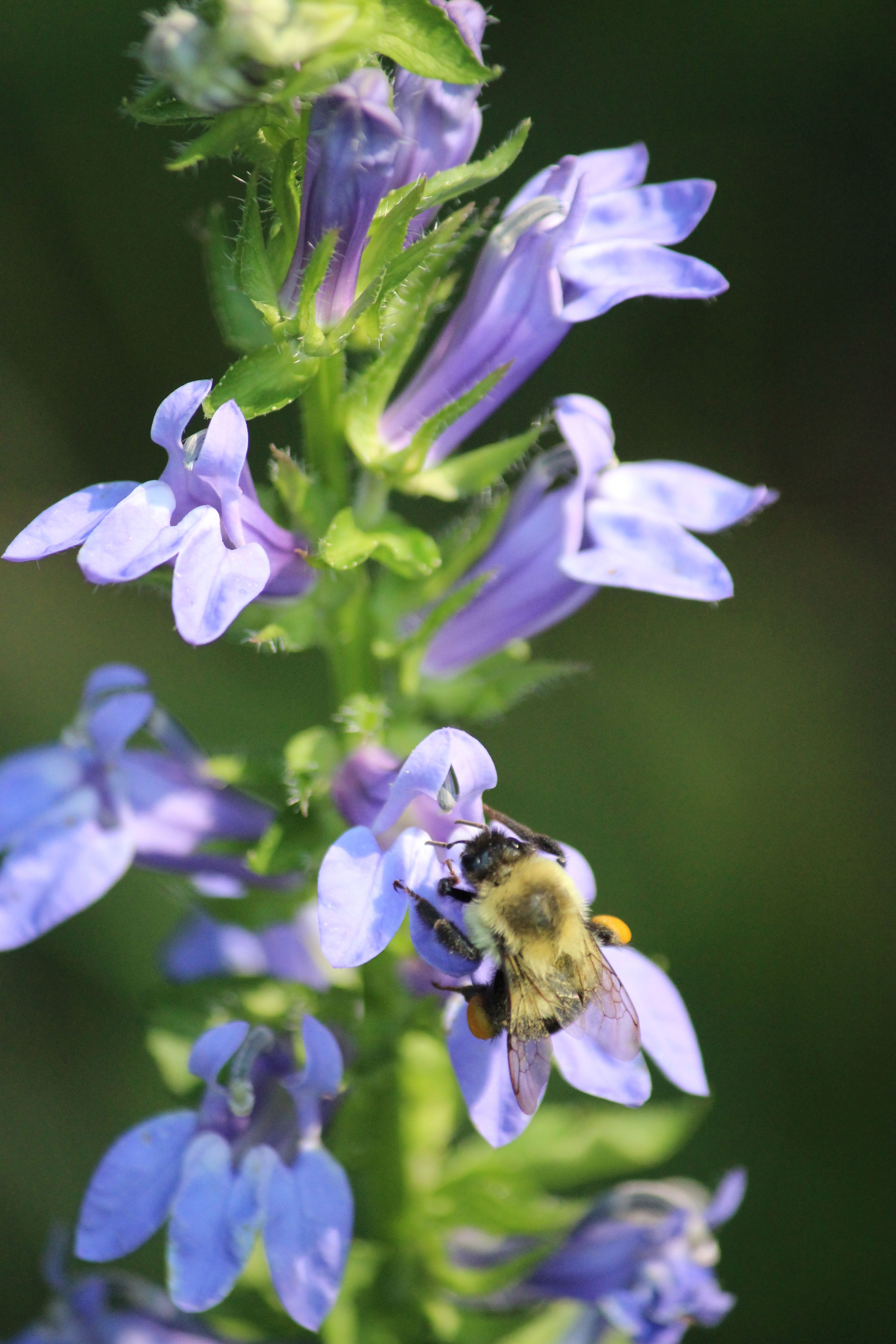
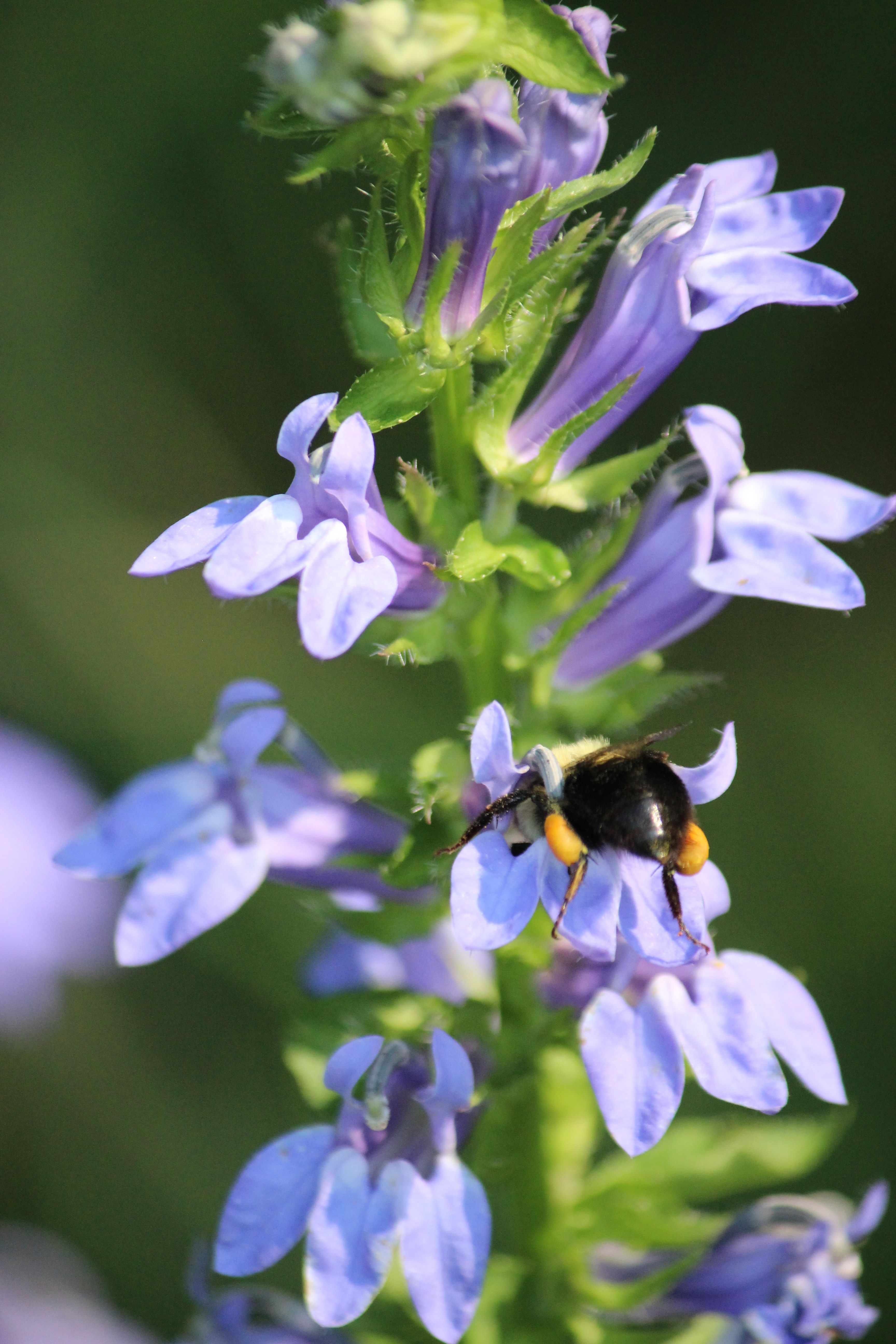
This busy bee was well-laden with pollen. Its bright orange sacs bulge on its hind legs like a kid wearing arm floaties in the water.

bee on mintbee on mint 2

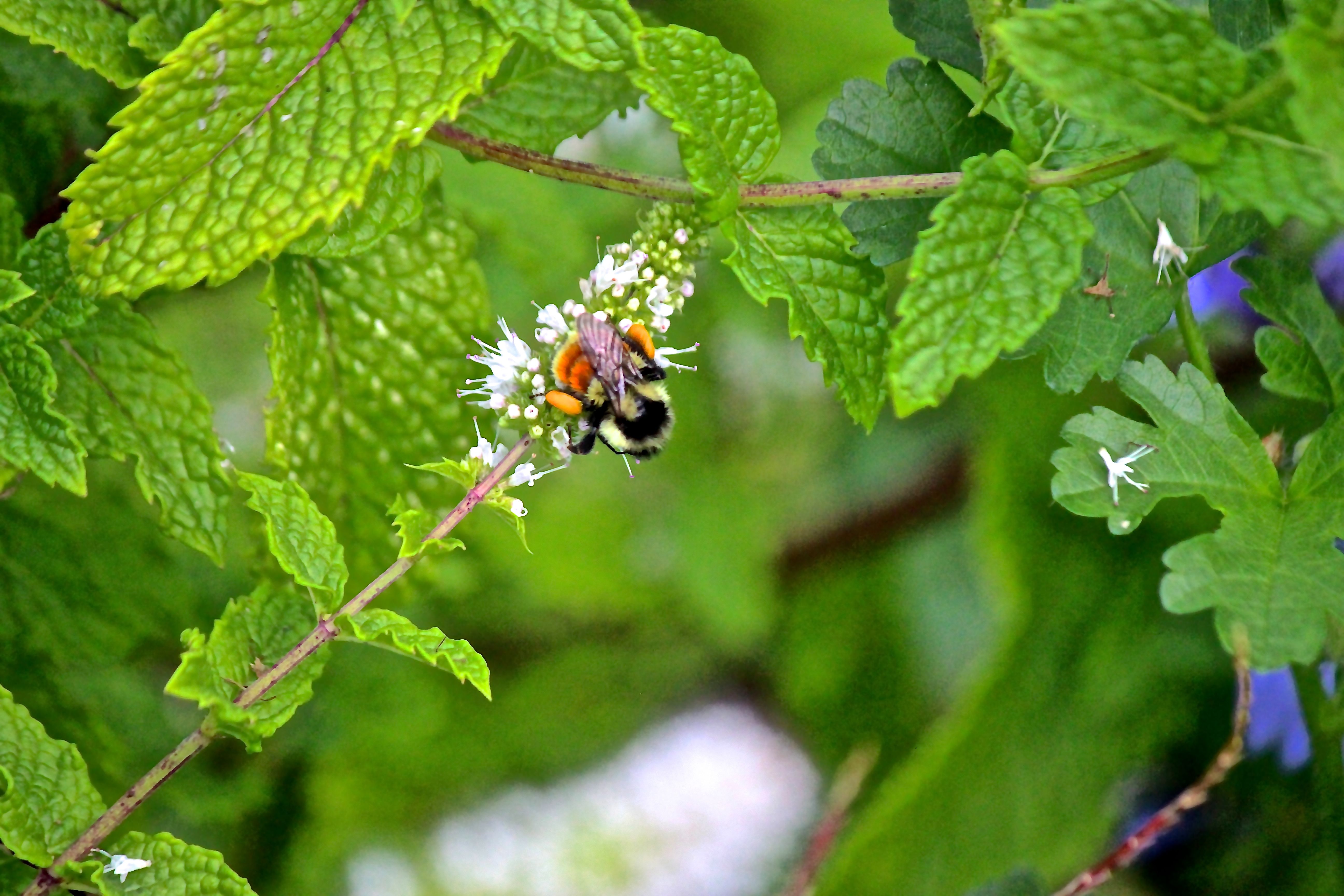
Every time a bee visits flowers, the pollen sticks to its fuzzy body–its antennae, legs, face and body. Think pollen magnet!

The middle legs are equipped with comb-like hairs that scrape off the pollen and transfer it to the pollen presses located on the hind legs.

bee 3

Like our calves, the bee’s legs have a tibia or lower leg section. The tibia is shiny and surrounded by hairs, including some that are rather long and stiff. These form the pollen basket. Located at the lower end of the tibia  is another comb-like structure (ankle), and on the metatarsus (heel or foot) is the press. When it comes to pollen collection, the two structures work together like levers.

Nectar moistens the pollen, making it sticky. The pollen is transferred to the press, and then is manipulated between the press and comb until it sits flat on the bottom of the tibia. Each time a new batch of pollen is added, it’s pressed onto the bottom, forcing the pervious batches to move further up the tibia.  A full basket (think one million grains of pollen) bulges, but hairs hold the pollen in place as the bee flies from one plant to another before heading home to stock the nest.

beefly on goldenrod

It’s not just hairy bees who are active in the gardens.

large blue wasp

Gathering for the family is important business.

wasp 2

Thanks to the goldenrods and asters, there’s plenty of pollen and nectar still to be gathered.

yellowjacket

The mint seems to be the biggest hit among the variety.

spiders 1

And there is other action as well. A funnel weaver tried to challenge the larger spider, but quickly retreated.

spider 2

Whenever I take a closer look at the crawling and flying members of the gardens, I’m in awe of their colors, patterns, hair or lack of, and overall body structure.

inchworm

You may have to look closer to find the visitor on this coneflower.

red legged grasshopper

This red-legged grasshopper tried to make itself invisible.

grasshopper 2

The camouflage worked better once it climbed to the top of the fence. When grasshoppers fly, I can hear their wings make a rasping sound. But moving as this one was, there wasn’t a peep. The crickets and cicadas, however, I couldn’t see, but they’ve been contributing to a chorus all day.

hummer approaching

hummer approaching 2

hummer approaching 3

hummer approaching 4

hummer approaching 5

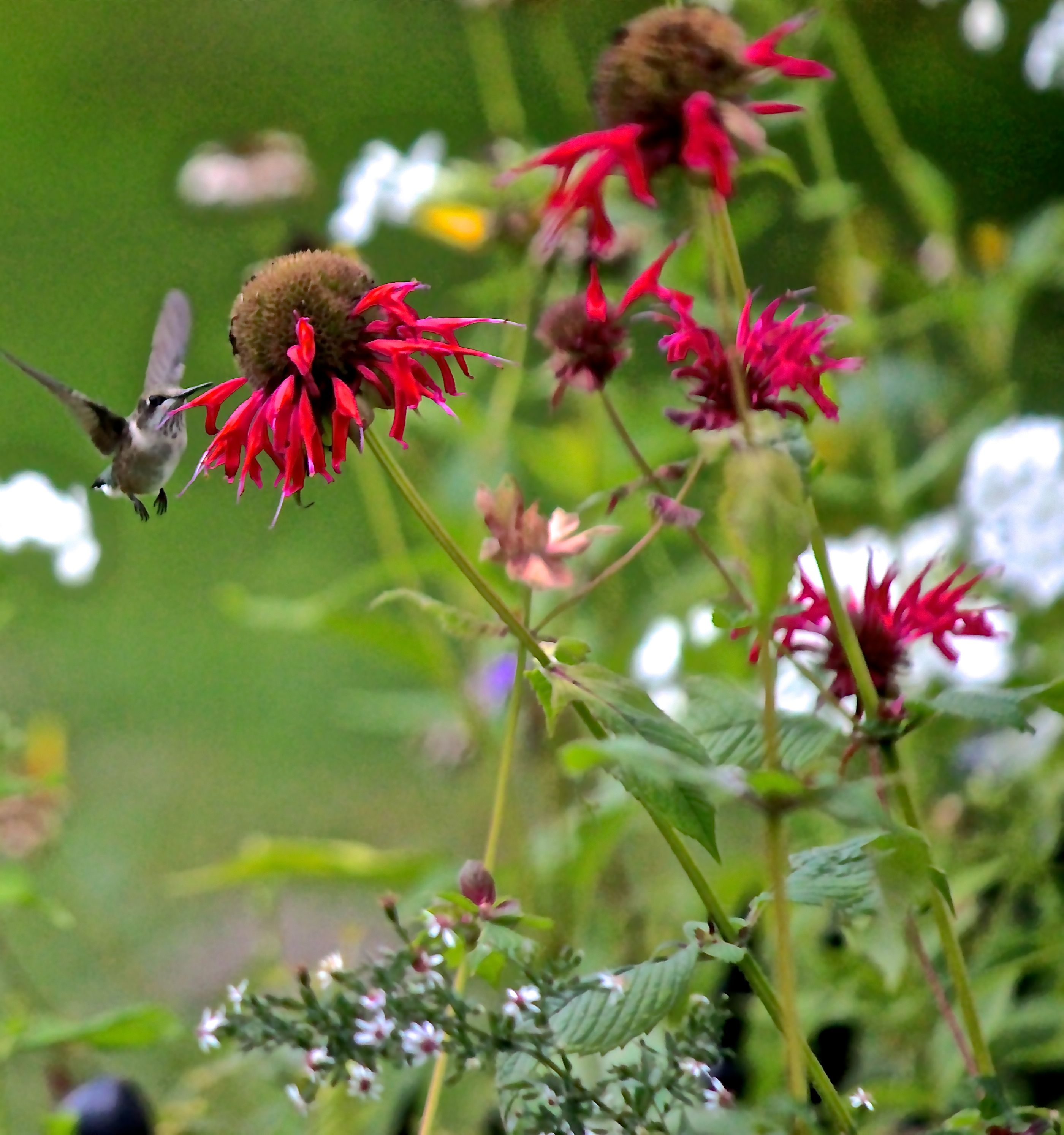
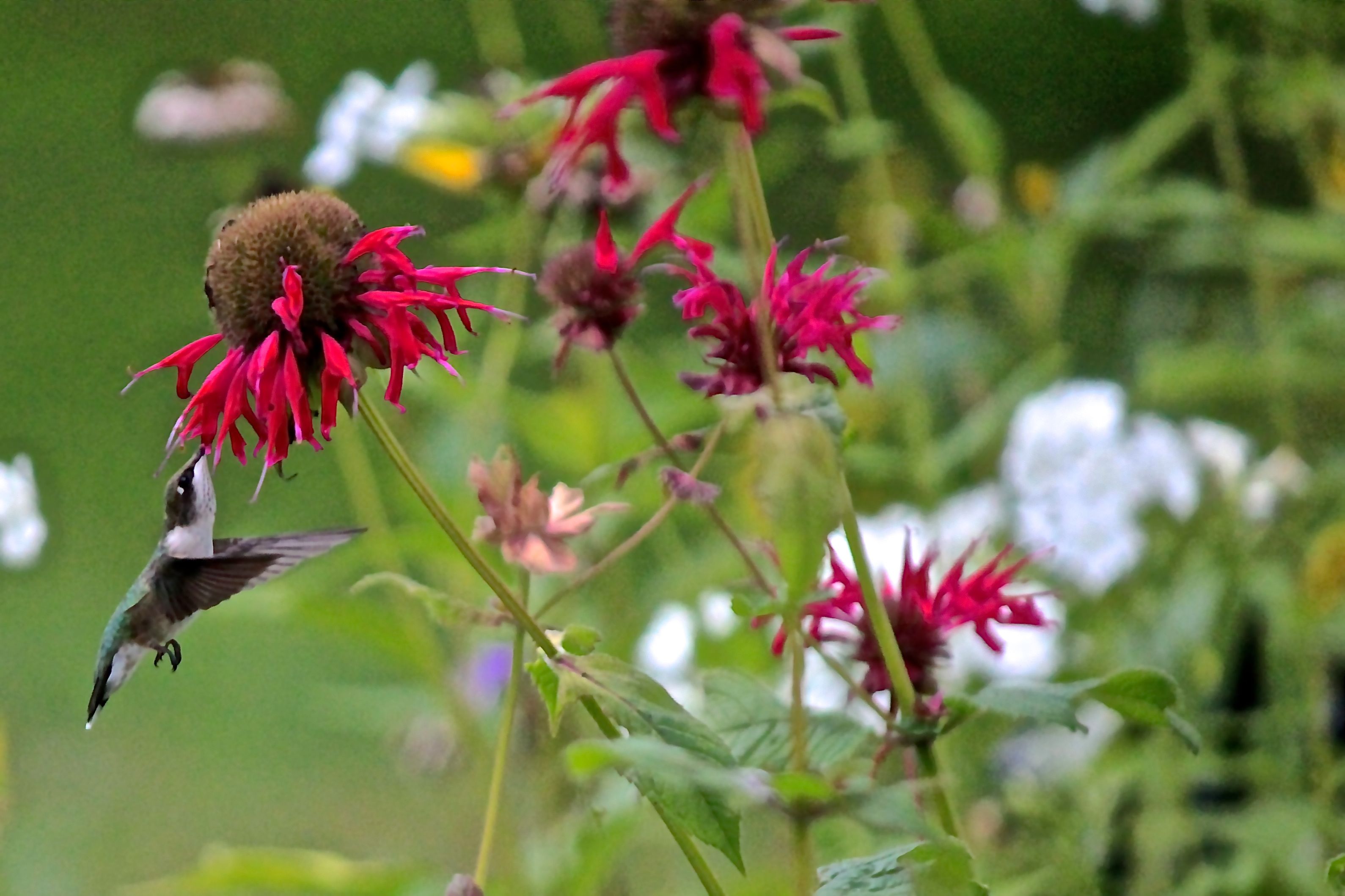
And then there is the hummingbird–ever swift and beautiful with its iridescent colors. Whether it is dining on nectar or insects attracted to the nectar, I don’t know, but it always returns, seeking more.

We all have the need for more. The frightening thing is that oftentimes we take more than we need. For the sake of the birds and insects, we need to think about that and how we might change our ways.

Inside and Outside the Tent

These days, my preferred camping style is a night spent at a B & B. Not so for the fall webworms that have erected tents in the black cherry tree by the corner of our house.

tent

Unlike the eastern tent caterpillar that makes its tent in the crotch of trees and feeds outside the enclosure, the fall webworm prefers the tips of branches.

tent cat 1

These silk weavers eat three times a day–morning, mid-afternoon and evening. All their action takes place inside, where they defoliate the trees, leaving behind skeletonized and dried up leaves, plus their own chunks of caterpillar scat.

tent catches

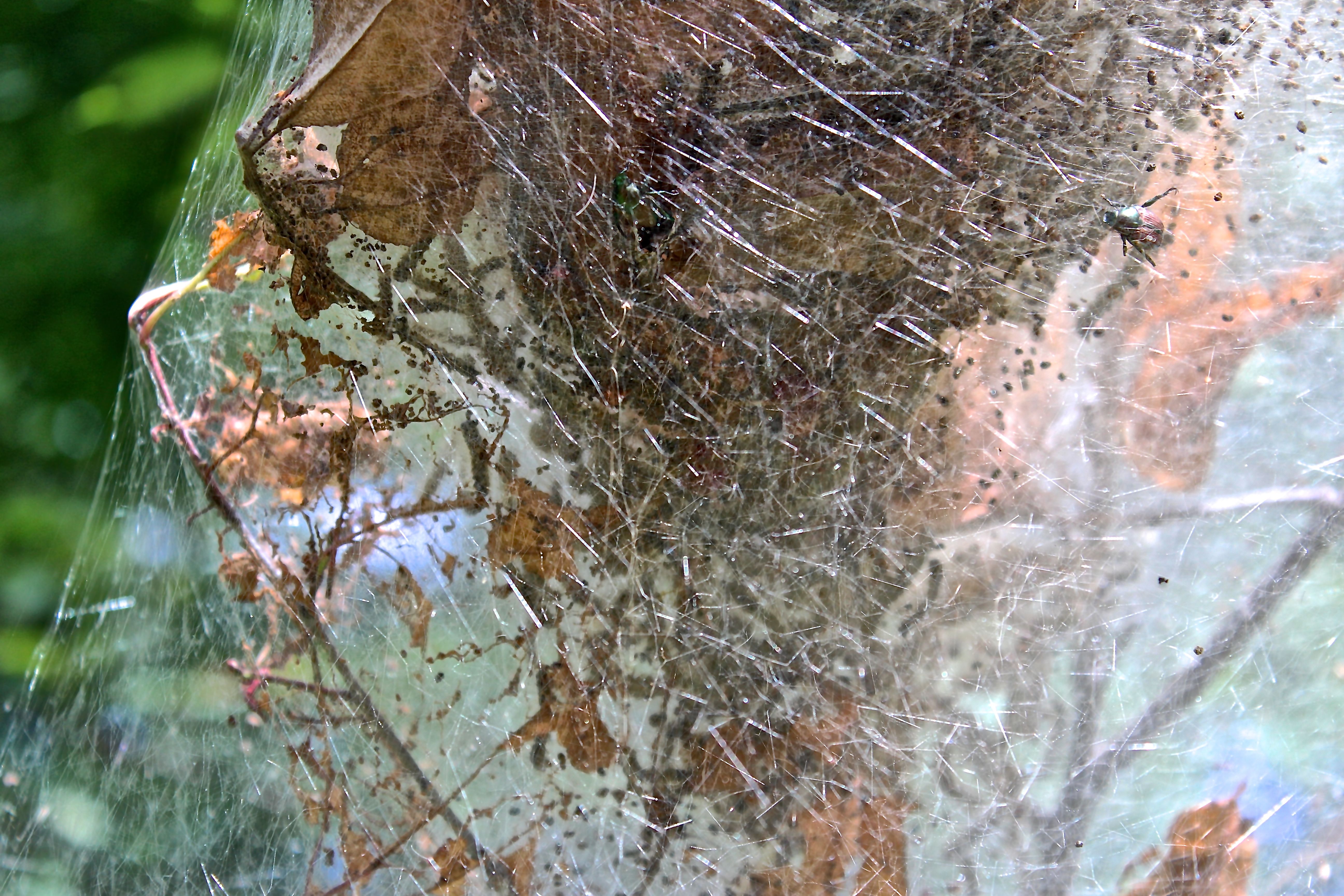
As they move, they spin silk, creating a finely woven mass that enshrouds the tree branches. I have to wonder–how in the world do they move through this maze of fiber? I suppose the bright side is that Japanese beetles sometimes get enveloped and thus paralyzed in the silk.

cheeries caught in the web

Even some of the cherries get entrapped by the web.

cherries galore

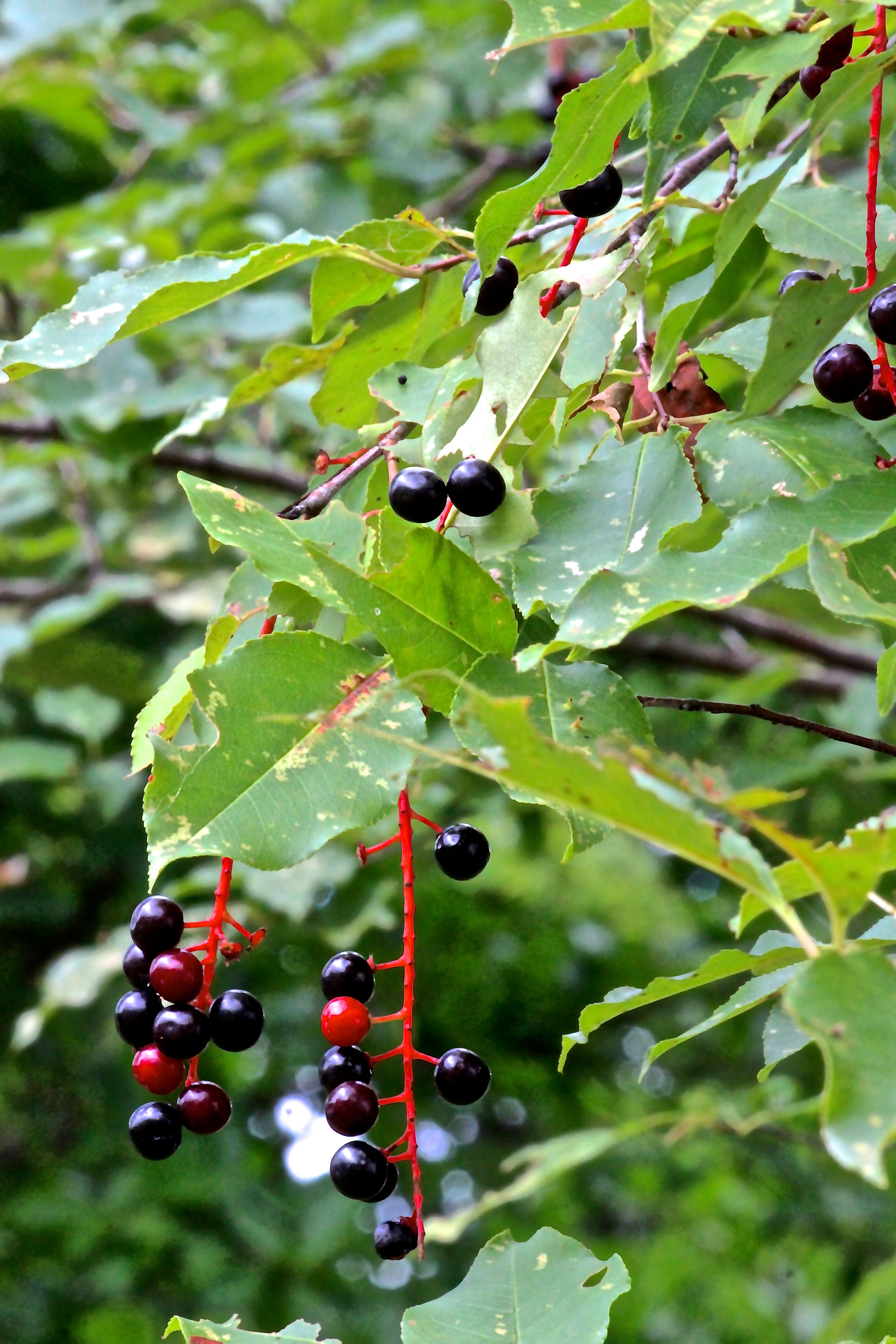
Though I’ve seen the webworms here for years, this is the first year that I remember the tree producing so many cherries–the resident catbirds are happy campers.

cherry tree leaves

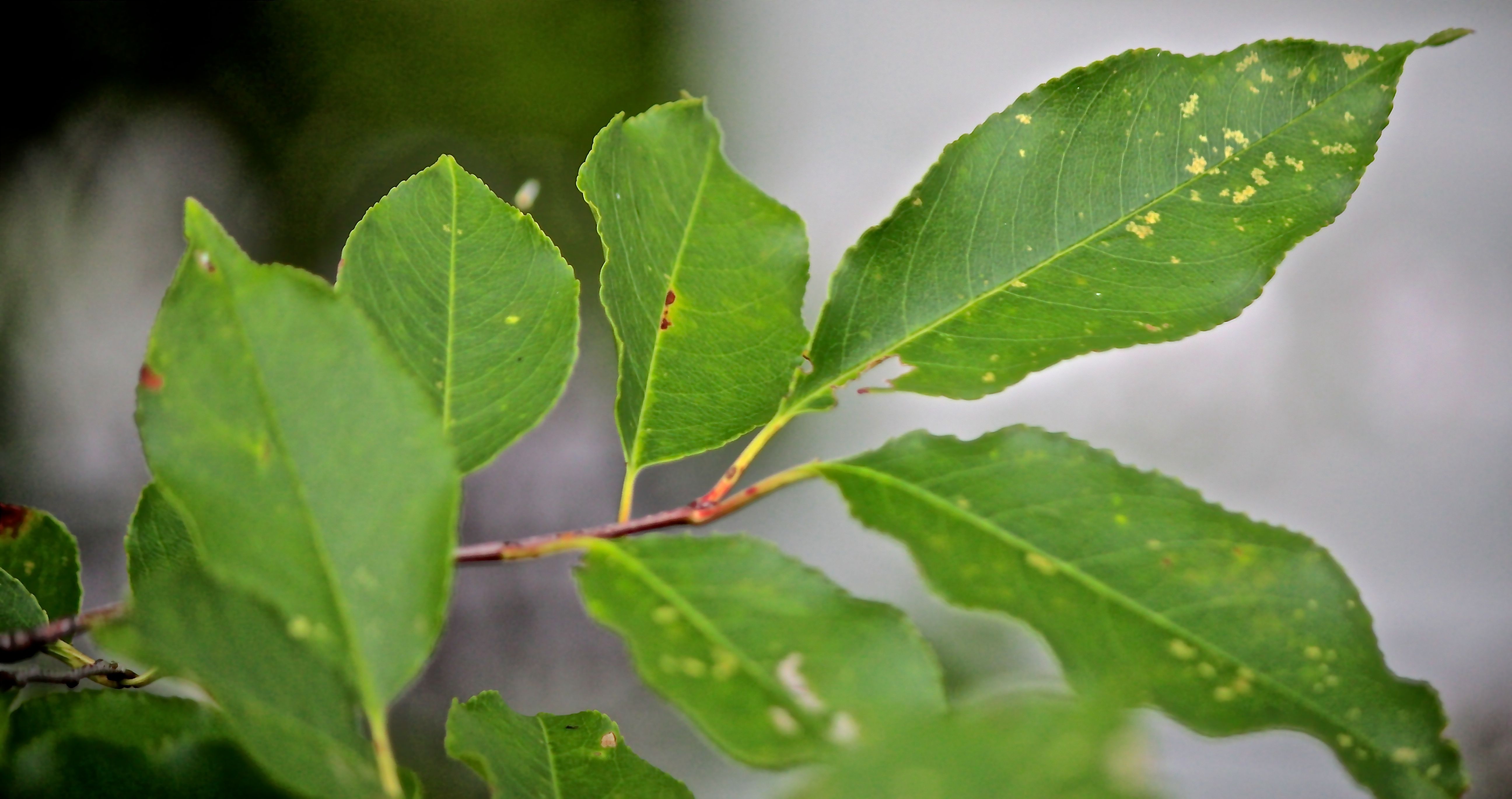
Despite repeated attacks by this pest, the tree has been growing for at least the past 23 years. Its leaves are alternate and oblong, coming to a point and featuring a finely serrated edging of teeth.

leaves

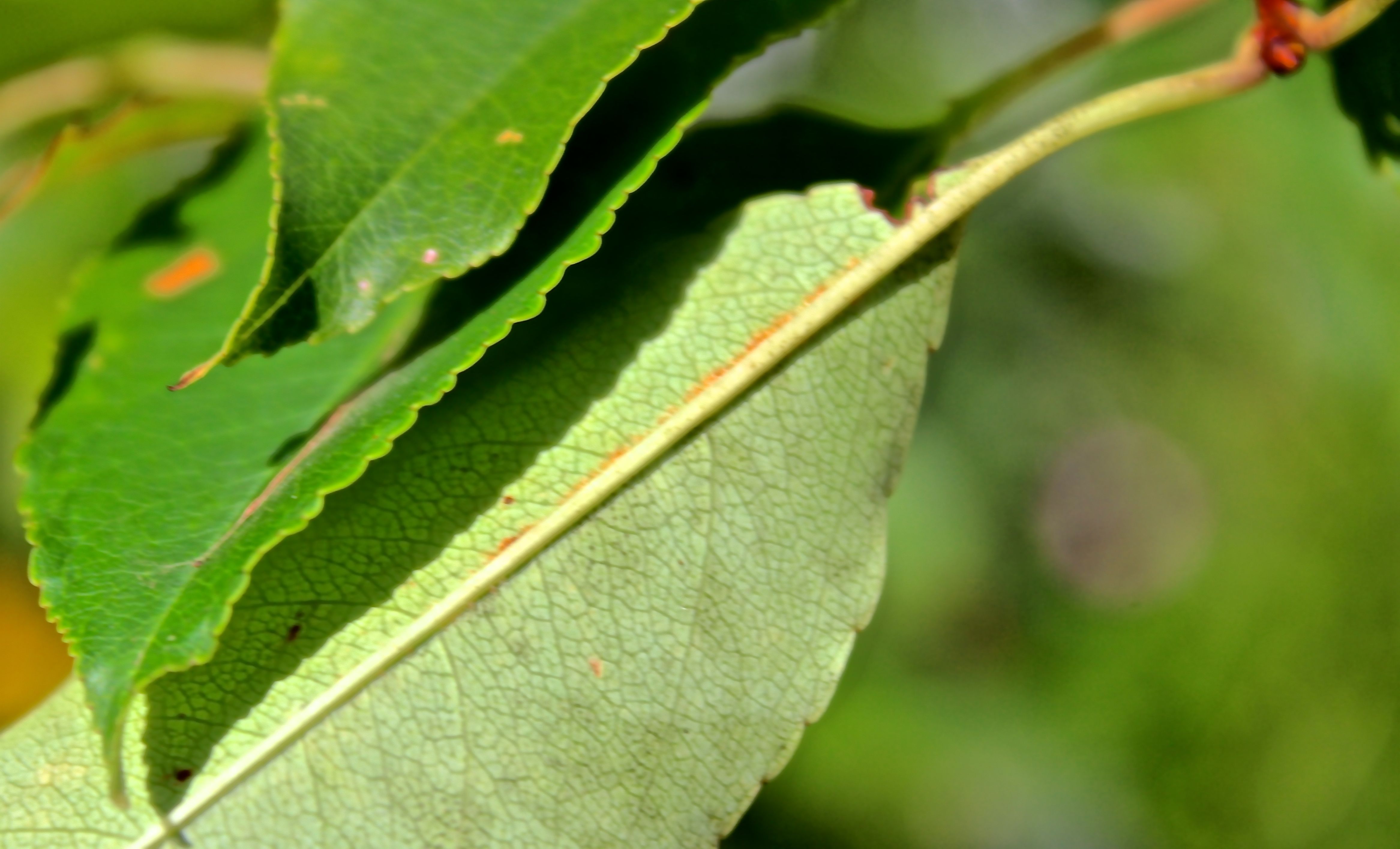
One way to ID a black cherry is to flip a leaf over and look for the rusty brown hairs along the midrib that grow close to the stalk.

leaves 2

Definitely fuzziness.

lenticels

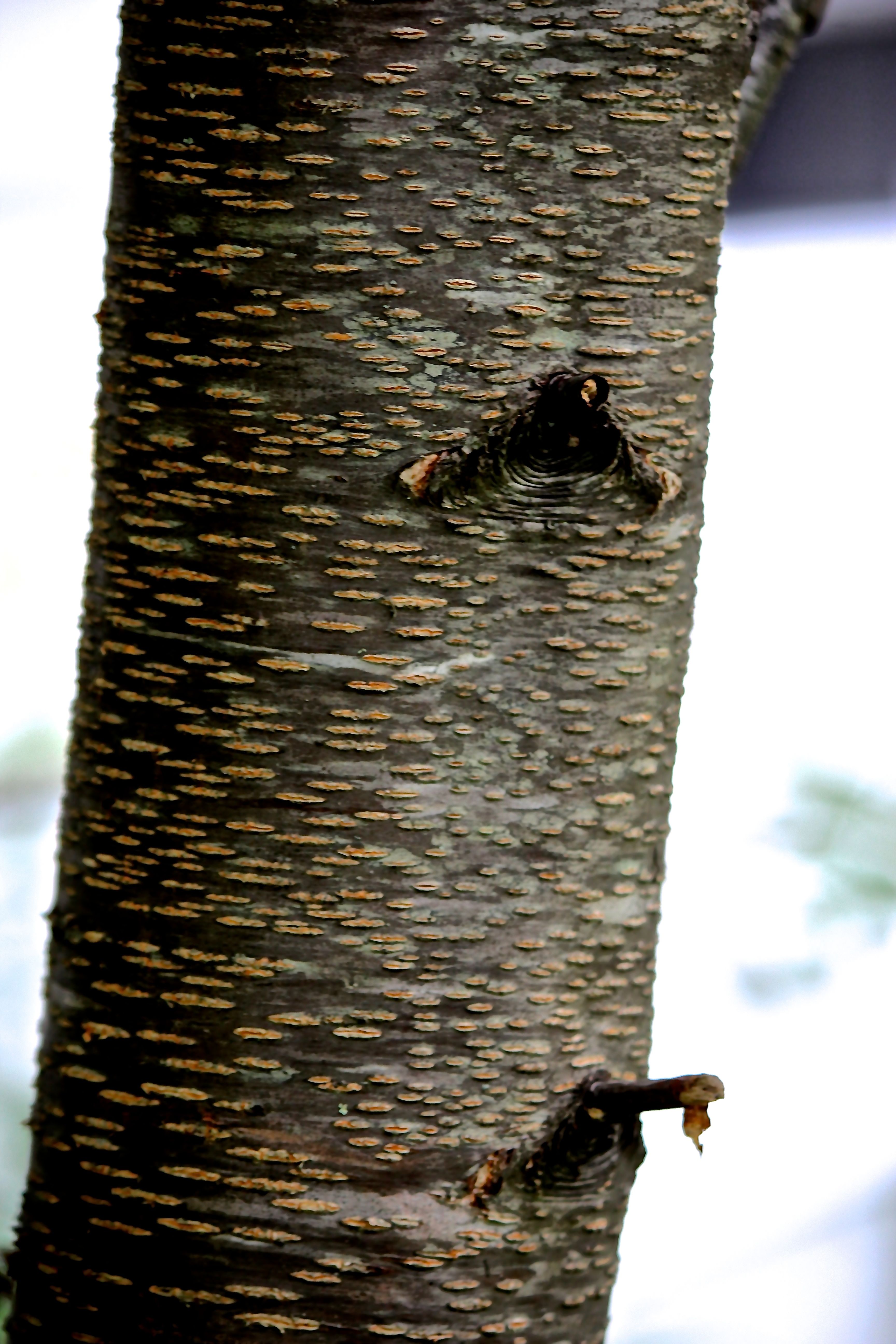
Another defining factor–lenticels. What? Not lentils. Lenticels. All trees have lenticels, but they are more obvious on some than others. Lenticels are tiny slits in the bark that allow for gas exchange–like the pores in our skin.

slug?

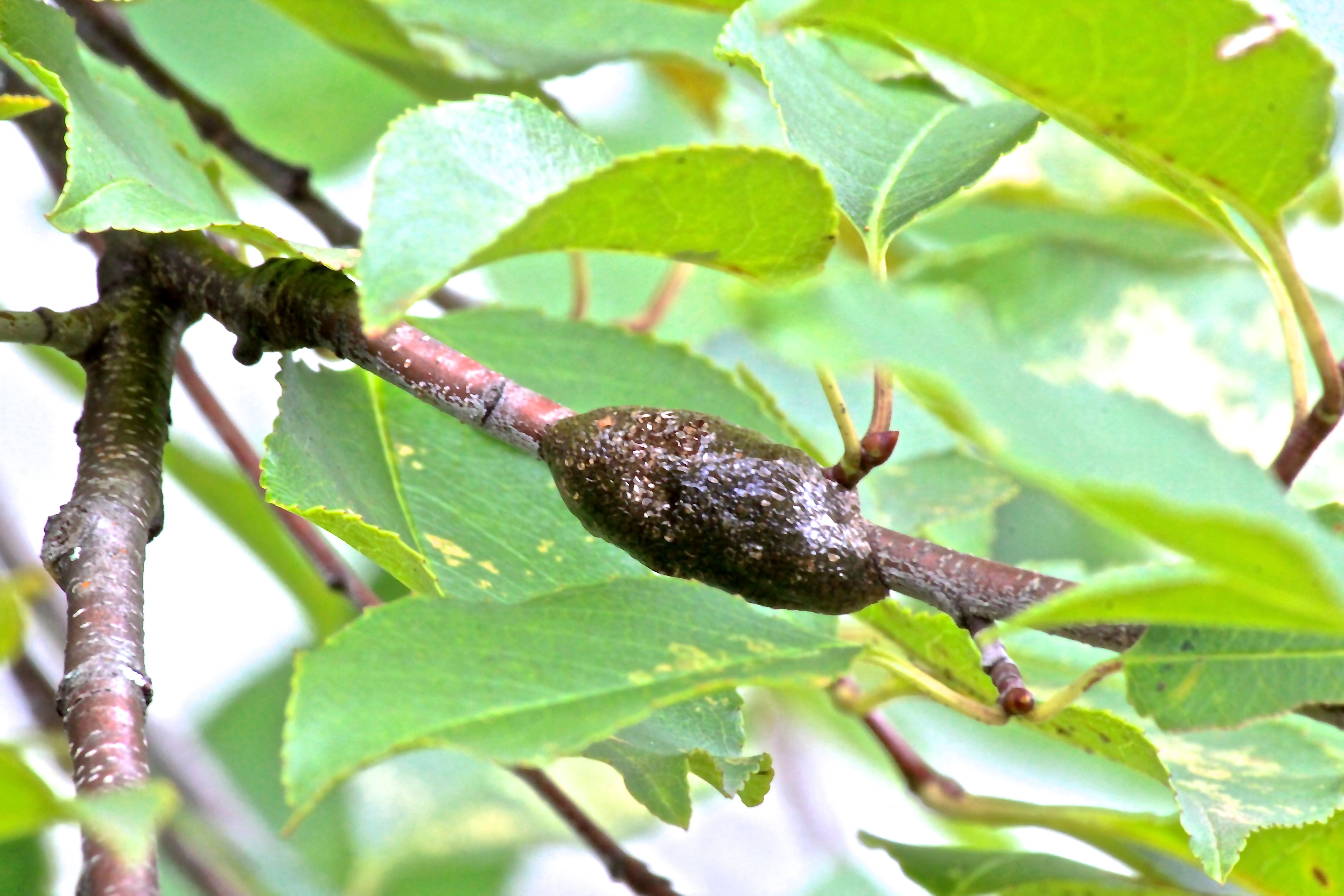
When I take time to study something up close, I begin to notice other things. My first thought for this addition to the twig was slug. But it wraps all the way around the tree and is hard–almost crystalized. It’s a gall caused not by an insect, but rather by an infection of the Dibotryon morbosum fungus. Once the fungus invades, the tree creates a tumor-like growth.

green cat 1

green cat 4

That’s not the only thing hanging out here.

green cat 3

I’m going out on a limb to identify these as members of the sawfly species.

cherries 3

And now I’ll leave you with some fruit for thought–or at least for the birds and all who  gather here, both inside and outside the tent. Thanks for spreading the seeds.

Renewing the spirit

My guy and I drove to the central Maine town of Madison this morning to join Master Naturalist Kate Drummond on a walk that combined the natural and historical context of a trail beside the Kennebec River.

The Pines

The Pines, as this area is aptly named, once served as an Abenaki settlement.

Kate D

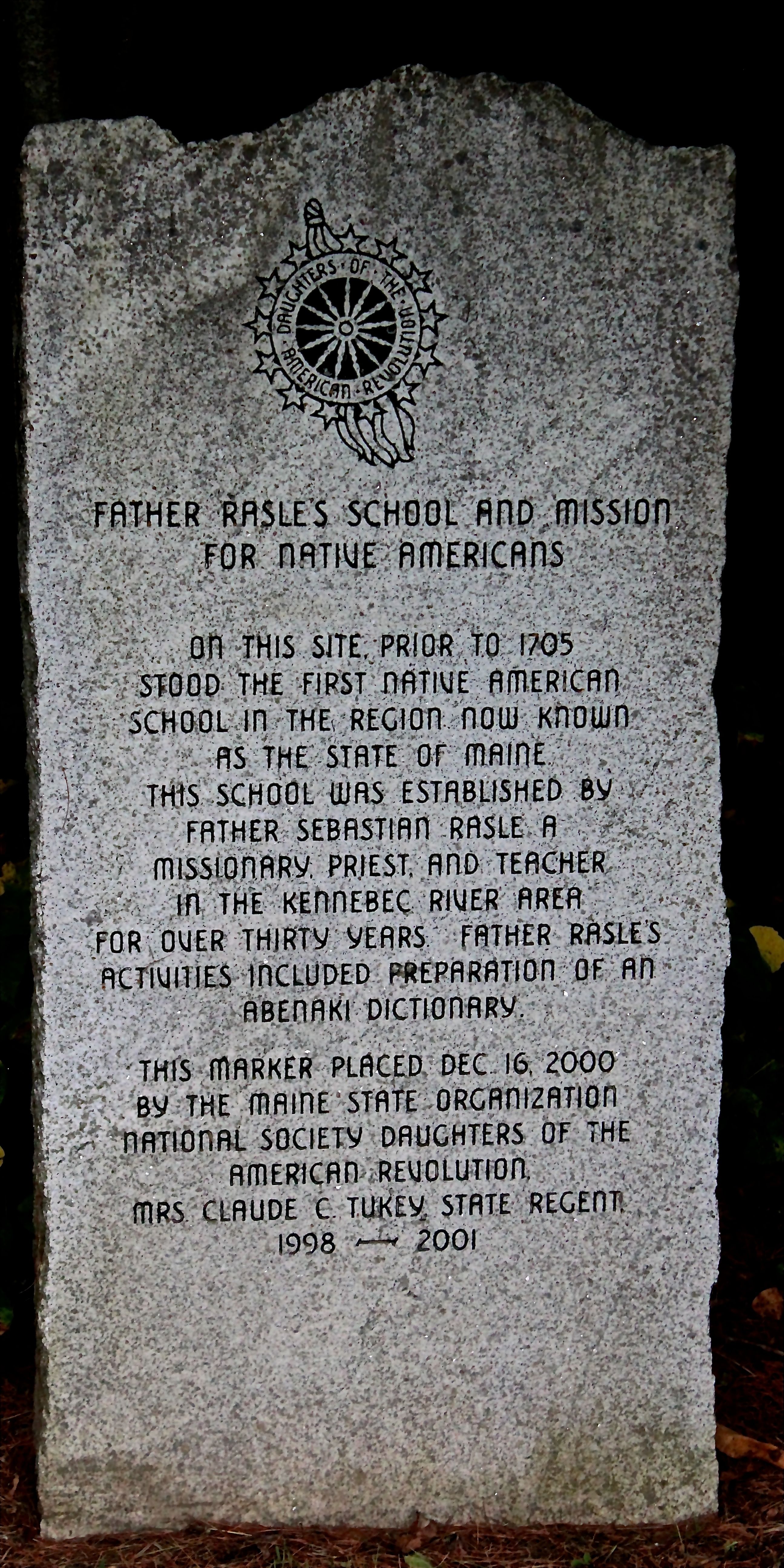
Kate began by sharing the history of Father Sebastien Rasle, who lived among the Abenakis, learned their language and converted them to Catholicism. For more than thirty years in the late 17th/early 18th century, he served as a Jesuit missionary and built at church here. Father Rasle educated the children and developed a dictionary of the native language. He also helped keep the English at bay when they tried to encroach upon Indian lands–until that fatal day–August 23, 1724.

While Father Rasle had earned the respect of the Abenakis, the English militia was wary of him. They combined forces with the Mohawk Indians to destroy the village and killed at least 80 Abenakis and Father Rasle 300 years ago today.

And so it was that Kate chose to honor Father Rasle and the Indians he lived amongst by sharing the trail with local townspeople (and us–from two hours away) to tell his story and recognize the natural elements that were a part of their daily life.

Kate is a high school chemistry teacher, so captivating her audience is a part of her makeup. To begin, she asked us to stand still for a minute and listen, look, be in the moment. After we shared our observations, she took us back in time, to imagine what the area looked like three hundred years ago.

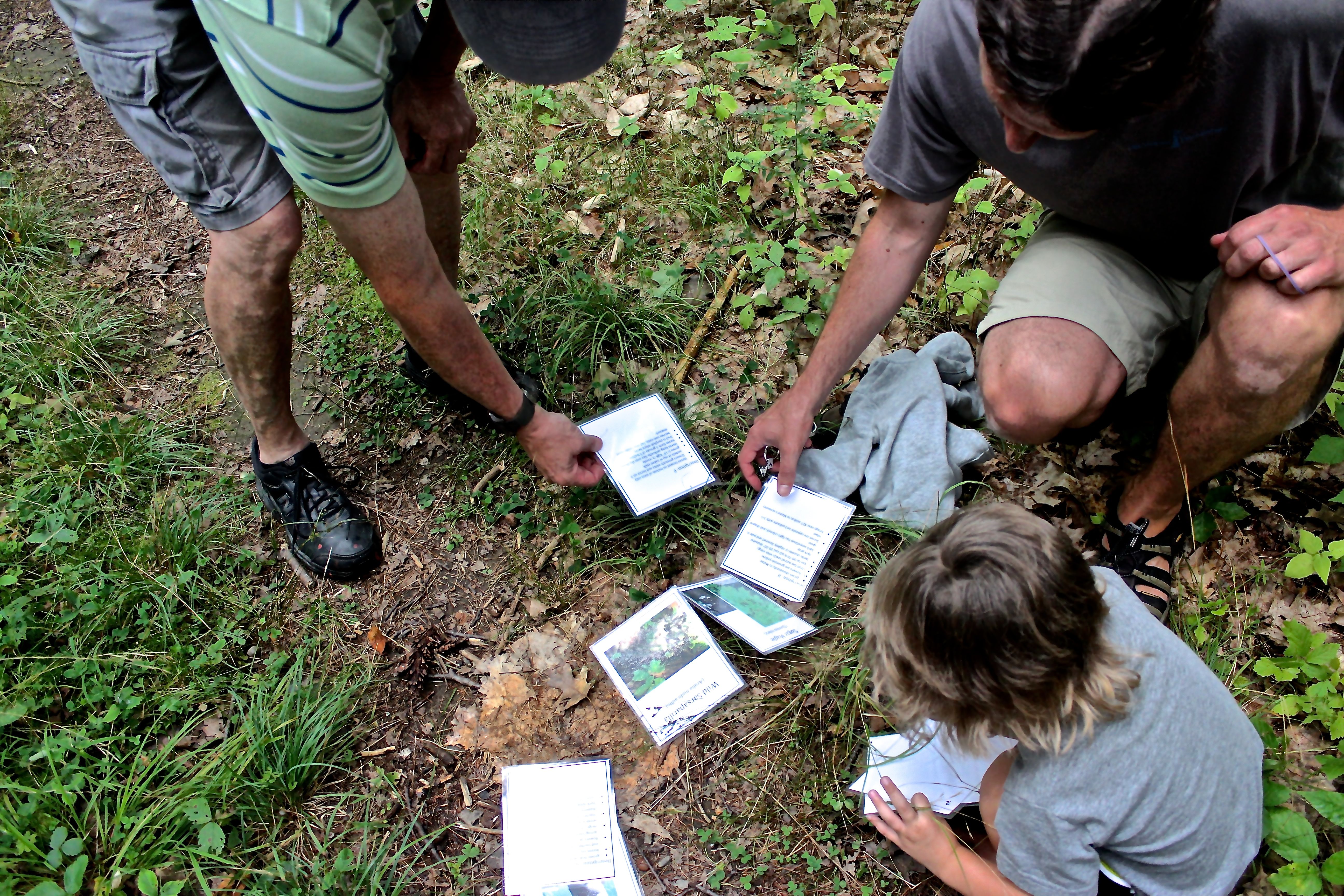
matching cards to cool facts

matching cards

And then our real work began. We were given a set of cards and had to match the photos to the card listing cool facts about a particular species. Thankfully, there was no quiz at the end, but I suspect this group would have passed with flying colors–everyone was equally engaged.

We found some cool finds along the way:

acorn plum gall

Our first was a mystery. This speckled red ball, about the size of a jawbreaker, had us puzzled. We found several on the ground beneath Northern red oaks and Eastern white pines. Cutting one open, it looked rather fleshy and we could see what appeared to be an insect, but we still weren’t sure. And when we later found an empty acorn apple gall, we realized it was the same size. Well, a quick Google search for “large speckled red ball beneath oak” revealed acorn plum gall. It’s the home of a wasp species that uses this as a nursery. The grub slowly eats the gall’s tissue and metamorphs into a pupa before changing into a small wasp that eats its way out through a hole. This particular gall grows at the base of the acorn cup.

red and sugar maple leaves

A red maple and a sugar maple stood side by side, making for a lesson on leaf id. Red on the left, sugar on the right. Red–more teeth, or as Kate said, R=rough. Sugar–a U between the lobes, and as Kate said, Sugar has a U in it. It’s their sap that the Abenakis knew.

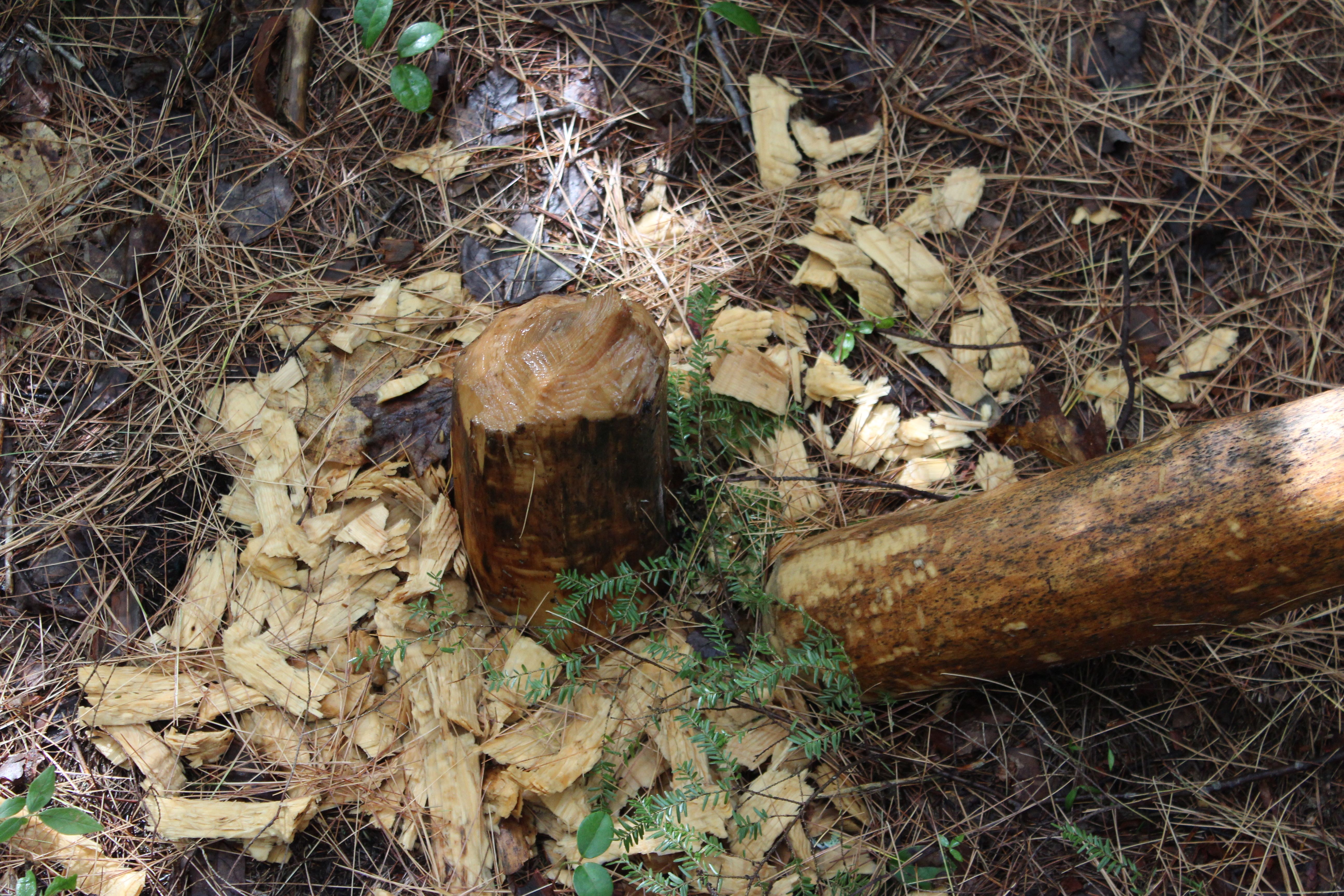
beaver works

Though we didn’t see any fresh sign of beaver activity, we knew by this statue that they’ve been here in the past. I love that those who actually cut the rest of the tree down to prevent it from falling across the path, had the foresight to leave the beaver works for all to see. The beavers were important to the Abenakis for a variety of reasons, including as food, tools and warmth.

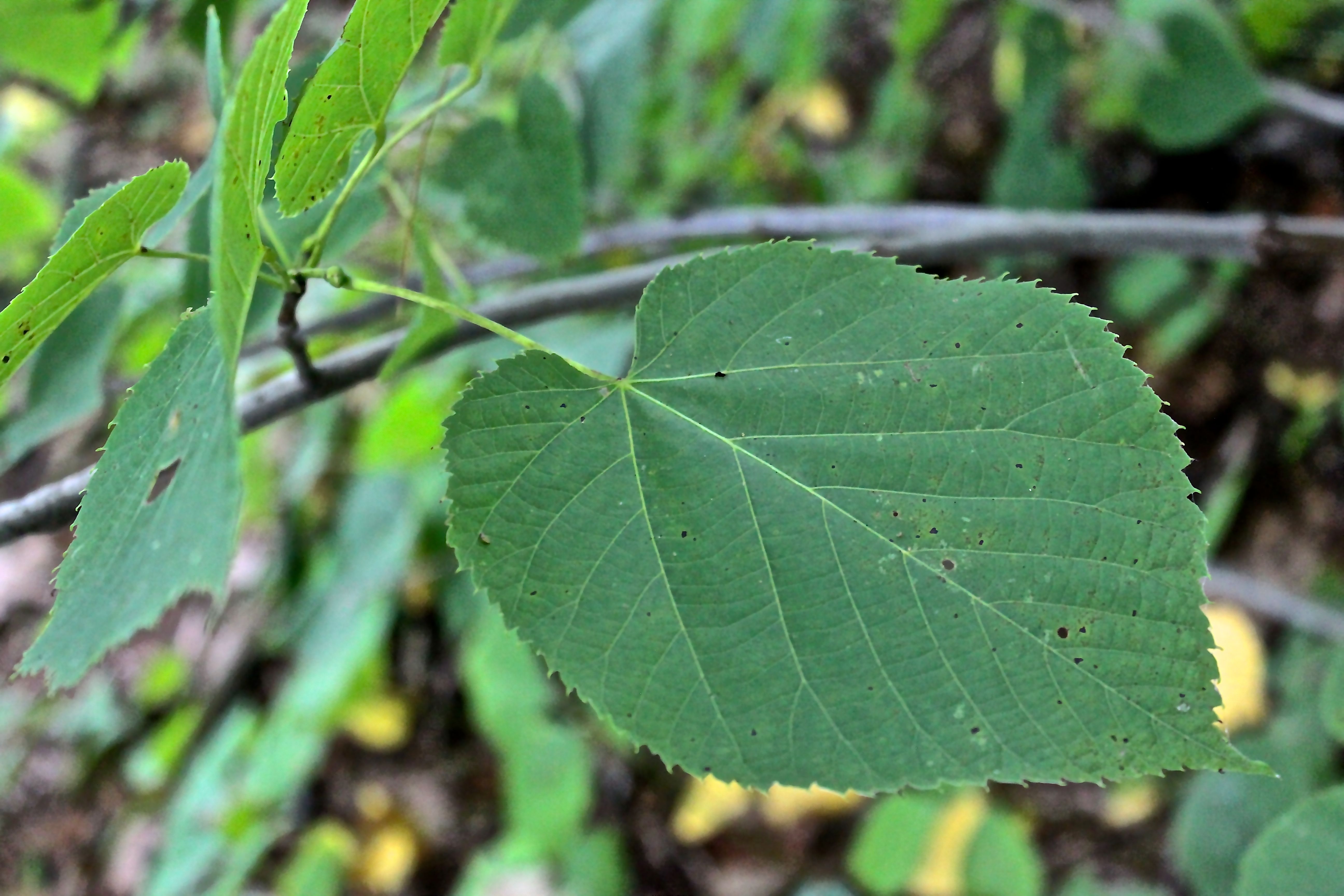
basswood leaf

The asymmetrical base of the basswood tree makes it easy to identify. It was the bark, though, that was of prime importance all those centuries ago–the stringy fibers were used to make line or rope.

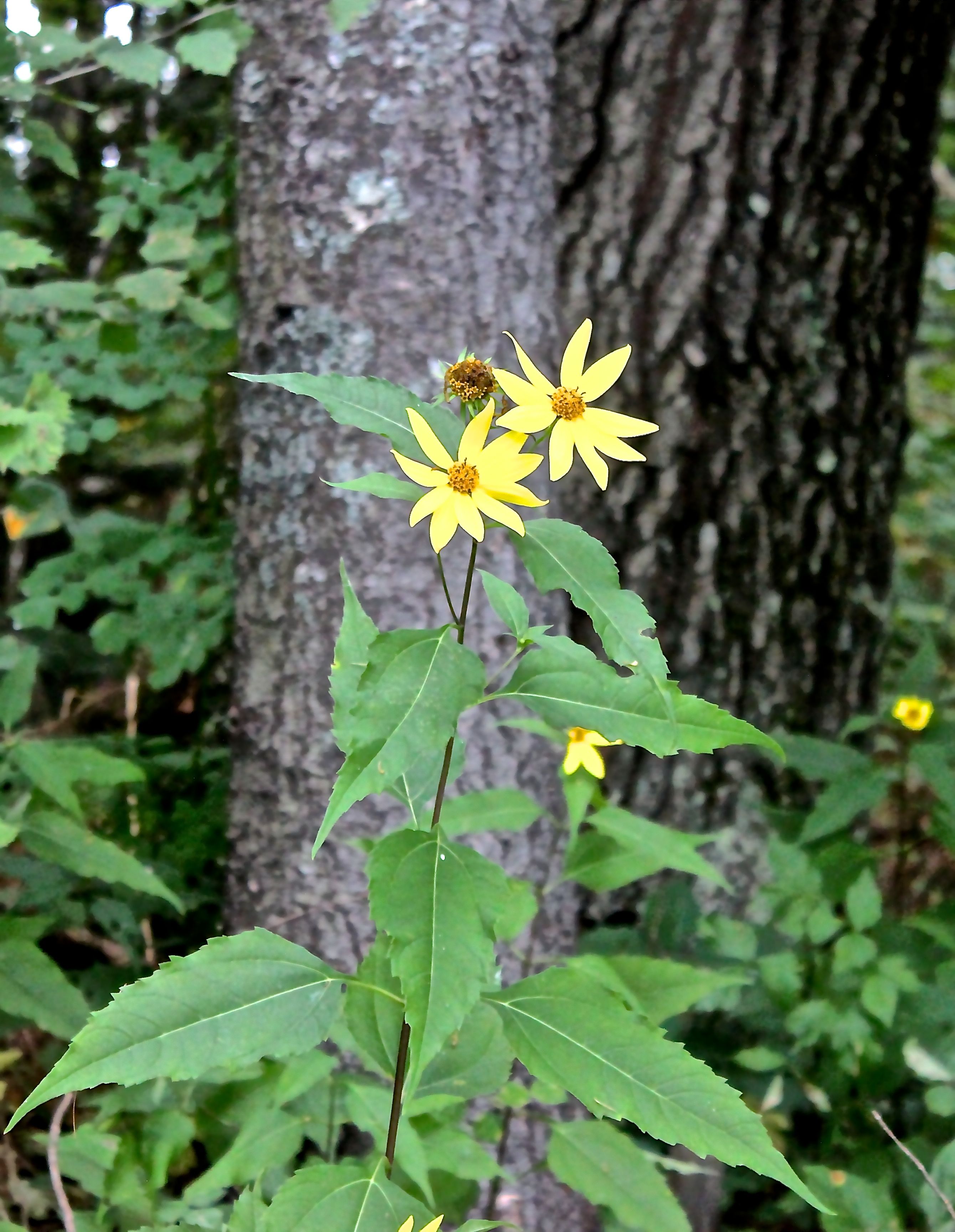
jer art 1

In bloom were the Jerusalem artichokes. In Notes on a Lost Flute: A Field Guide to the Wabanaki, author Kerry Hardy writes, “Peeking out of the woods at Old Norridgewock are Jerusalem artichokes, the penak [ground nut]of the Abenakis who lived here.  I believe these plants must be descendants of those grown here centuries ago.” How cool is that? The plants tubers are edible.

jersaleum artichoke

On this day of reflection, remembrance and revelation, they shown brilliantly, perhaps a sign that reconciliation is possible.

Kennebec River 2

We spent some time beside the Kennebec where eels and alewives were important food sources.

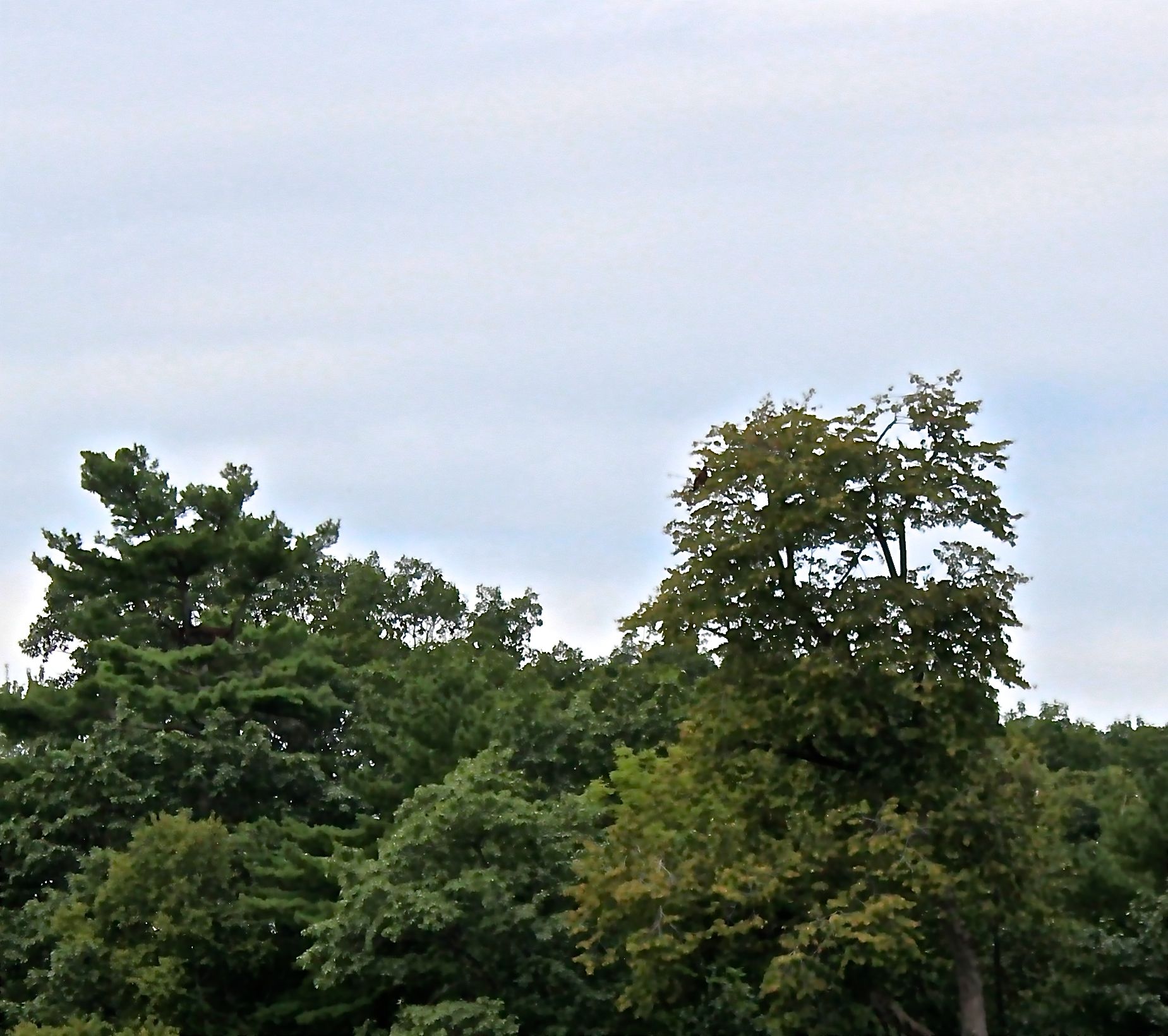
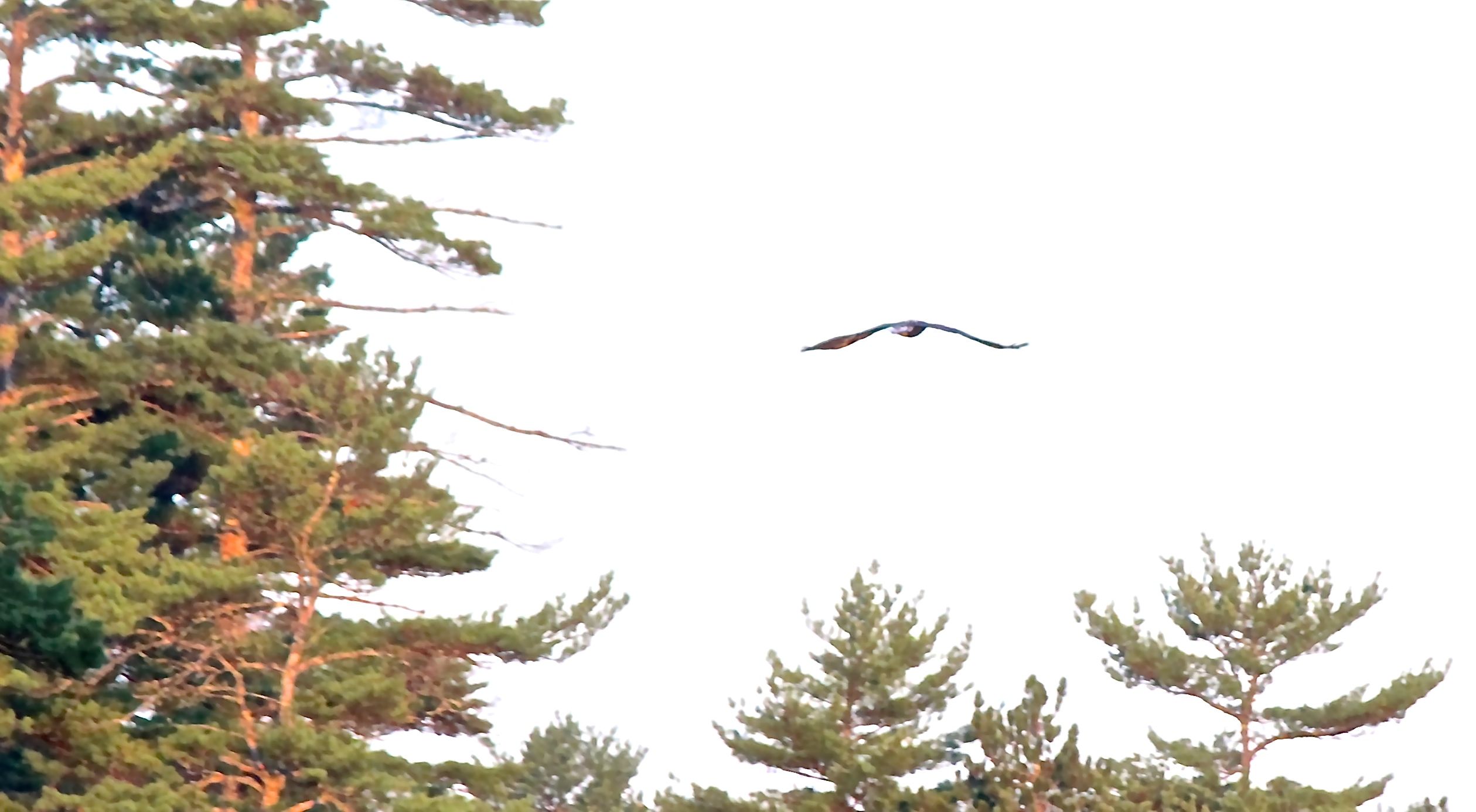
immature bald eagle and nest

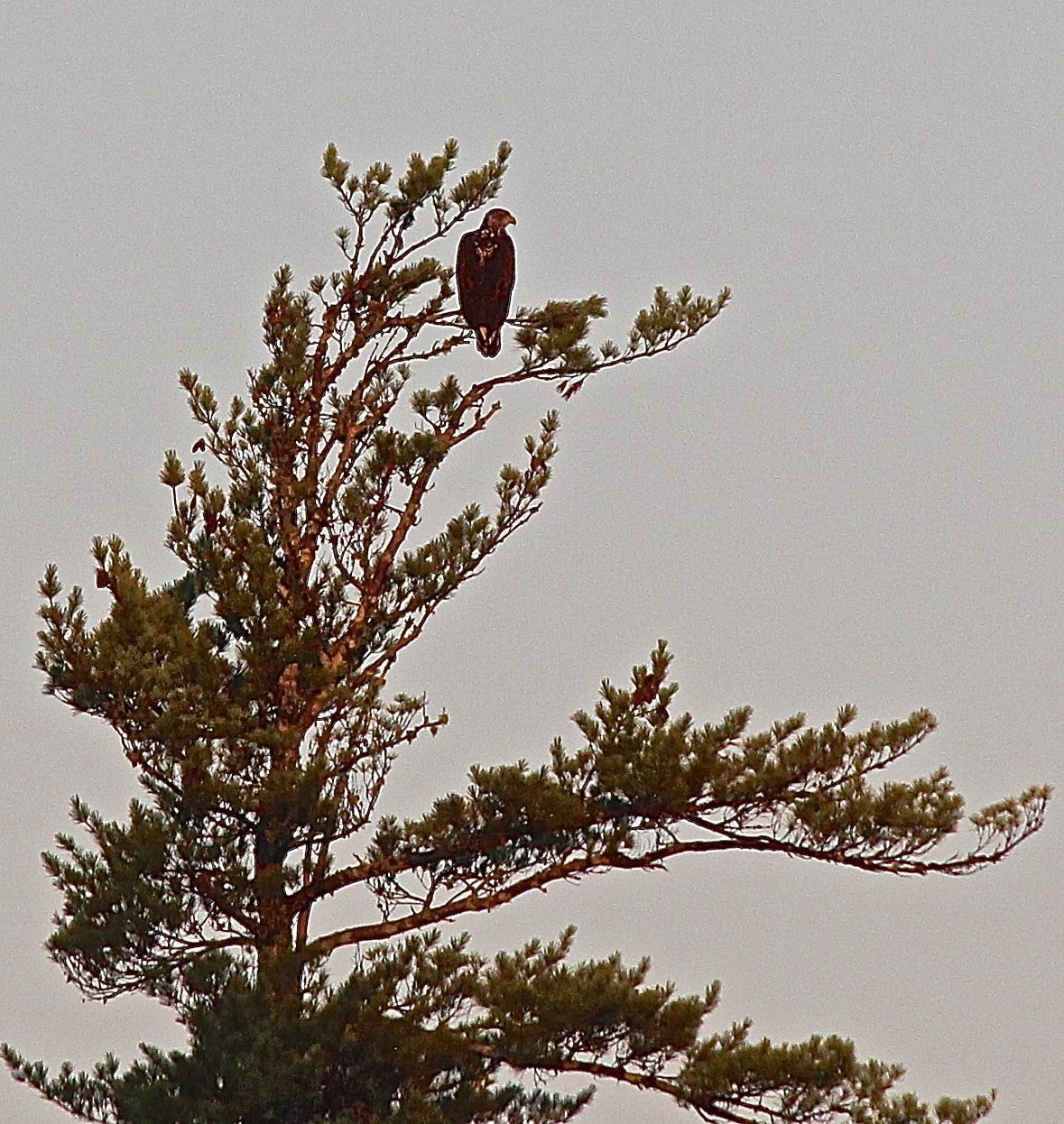
And an immature bald eagle let us know of his presence. He’s in the oak on the right, while his nest is toward the top of the pine on the left.

FR monument 1

FR mon 2

FR school

It is Kate’s hope that more people will want to learn about the history of this place. Kudos to her for embarking on renewing its spirit.

Living by Faith and other Fun Finds

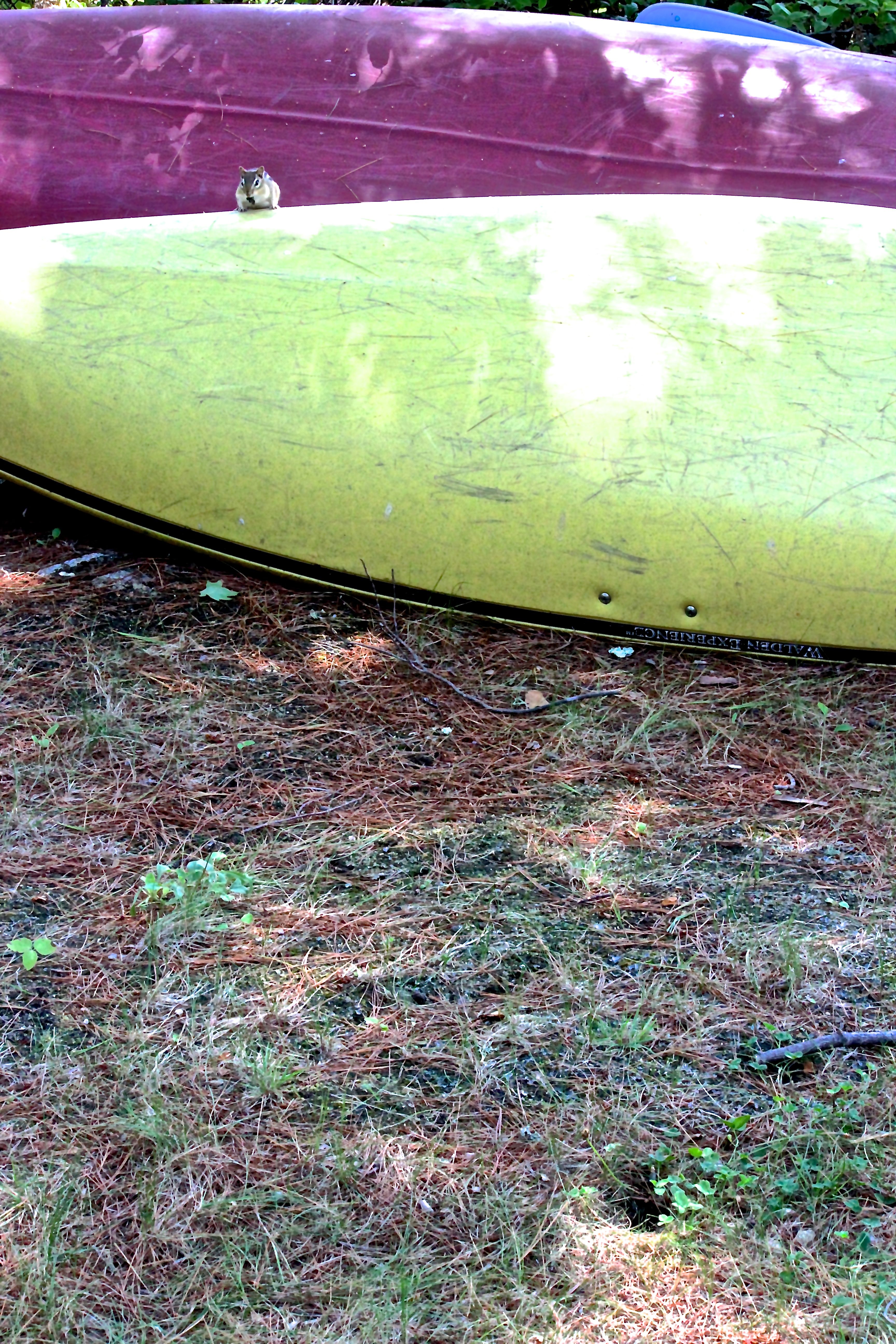
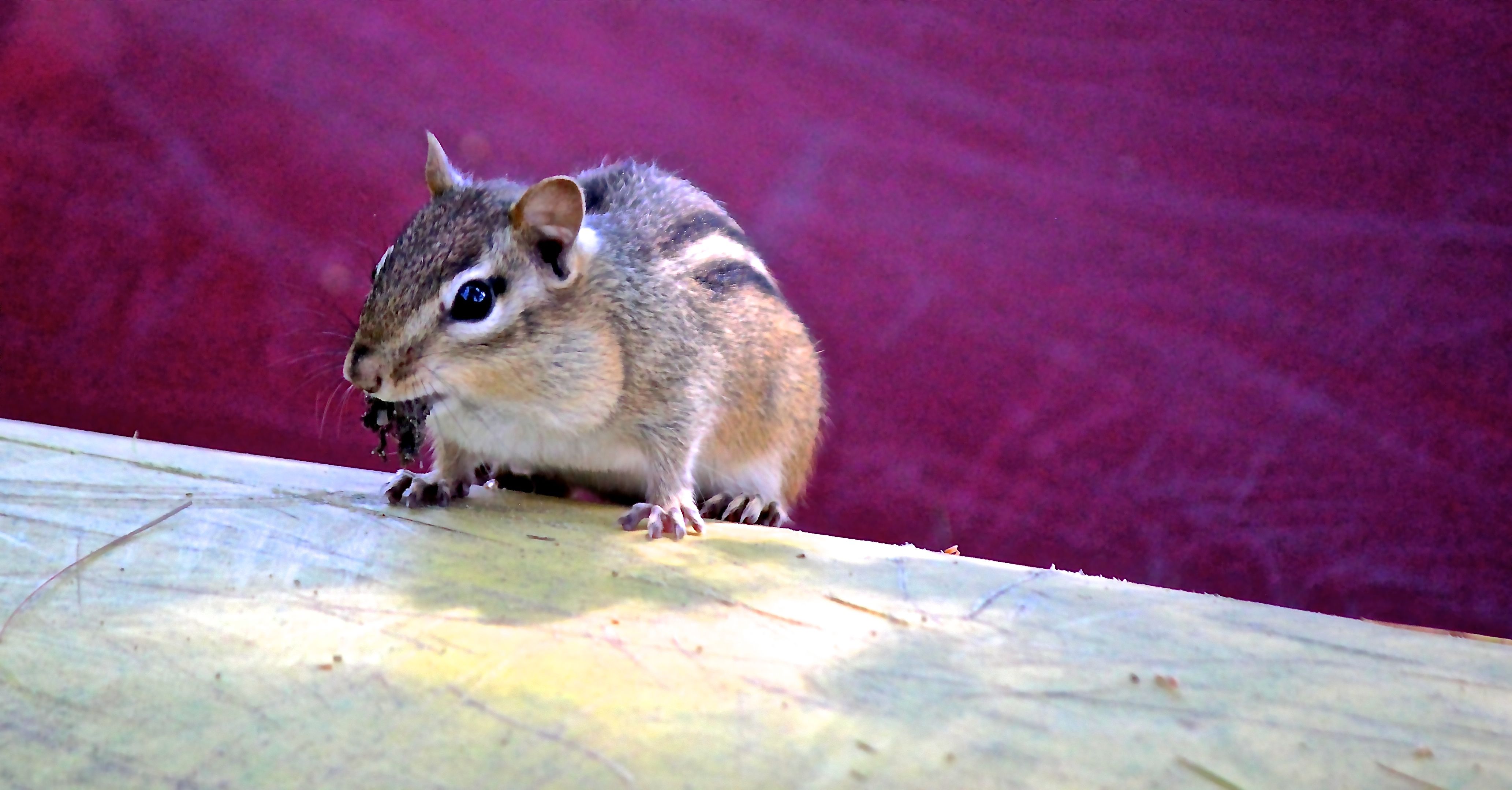
For a few minutes, I stand still and watch a chipmunk leave the safety of his hole and race under our kayaks before entering the refuge of bushes beyond. Out of sight, I still have a general idea of his whereabouts as I hear leaves crackle with his movements. Moments later, he scampers to the top of a kayak, pieces of a dried leaf dangling from his stuffed cheeks and mouth.

chip

He’s a brave soul as the main entrance to his underground mansion is in the open, within easy sight of predators–especially birds of prey.

chip 3

Do you see the hole in the ground? His mansion consists of a network of chambers–for sleeping, feeding and birthing. Though chipmunks are not true hibernators, they do enter a state of torpor and sleep for days or weeks on end during the winter, waking occasionally for a snack.

chip 5

So . . . in August, this small critter busily readies his home in preparation for what he believes is to come. He uses the shredded leaves to build a nest. And he stores a cache of nuts and seeds.

It seems to me that this little guy (I assume he’s a male since his name is Chip) thrives because of his faith–though he probably doesn’t call it that. He has faith that he’ll survive the mad dash from his tunnel to the huckleberry bushes and ferns beside the lake. And he has faith that he’ll get all of his housekeeping chores squared away before the snow flies.

Faith–it’s easy enough to have when everything is fine–when the sky is blue and the nuts are plentiful and we are safe; when we have enough of everything we need and no reason to expect that to change.

But . . . when the storm clouds gather and the torrential rain floods our nest or a hawk approaches with its claws extended and our world turns upside down–then we have to practice trust. Right now. Right here. Easier said than done.

I don’t know what the future holds for my little friend, Chip, but I’m sure things don’t always go as planned and yet he continues to work hard every day. I should take a lesson from him.

And now for some other cool shots I took today.

bald eagle 1

I made my own mad dash this morning to get this photo. I heard their high-pitched whistle before I saw them. Two bald eagles soared high on the thermals so I grabbed my camera, only to discover as I aimed that the battery was dead. Back inside for a quick change and by the time I returned I saw only one.

dragonfly

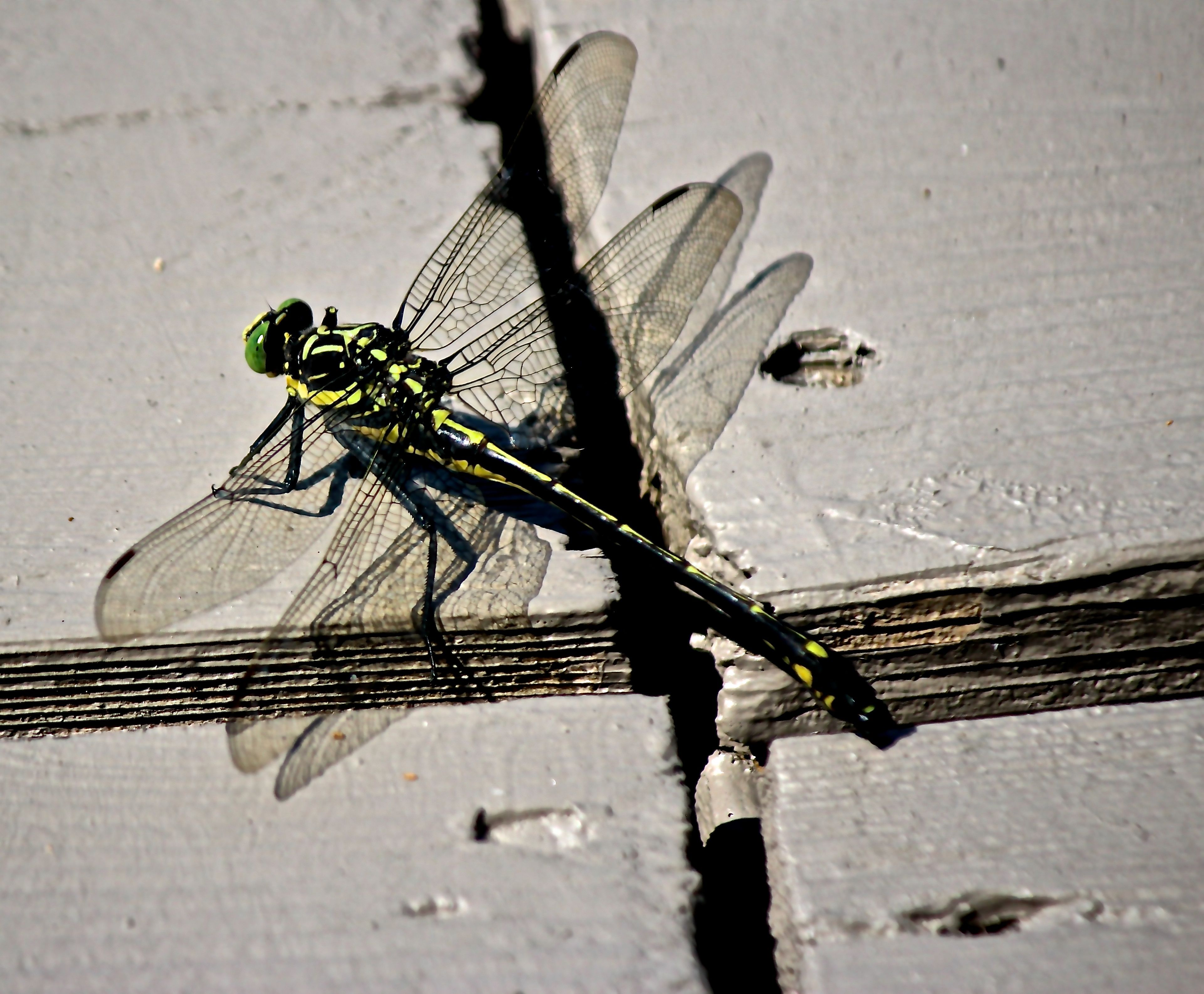
And on the dock–I think it’s a green marsh hawk dragonfly.

dew drops and scat

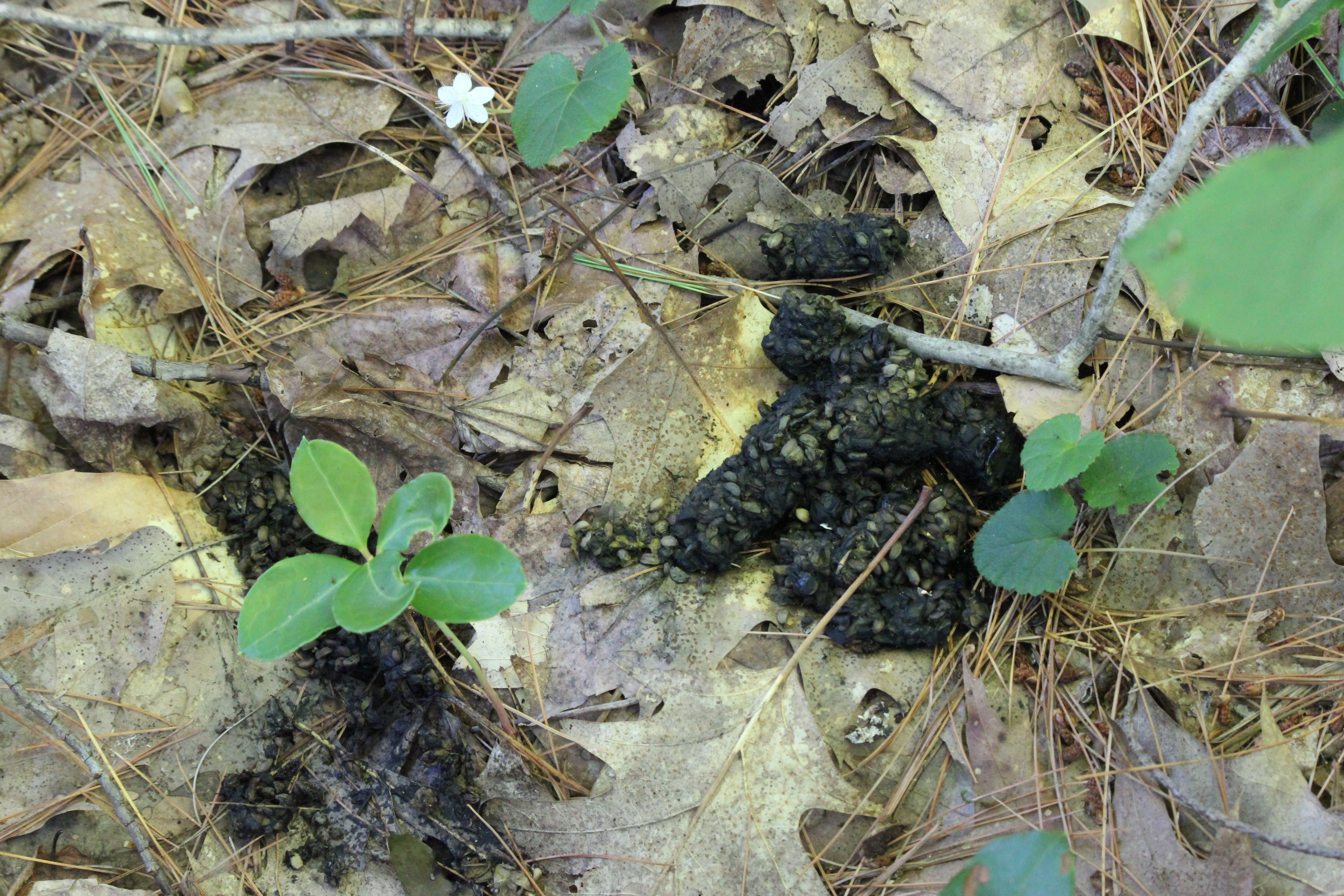
Just when you thought I wouldn’t show any scat photos till winter–gotcha! Interesting juxtaposition of raccoon scat beside wintergreen and dainty dewdrops. Word of warning: don’t get too close to raccoon scat. Well, you probably shouldn’t get too close to any scat, but particularly this species, which contains Baylisascaris procyonis or raccoon roundworm

smiley face

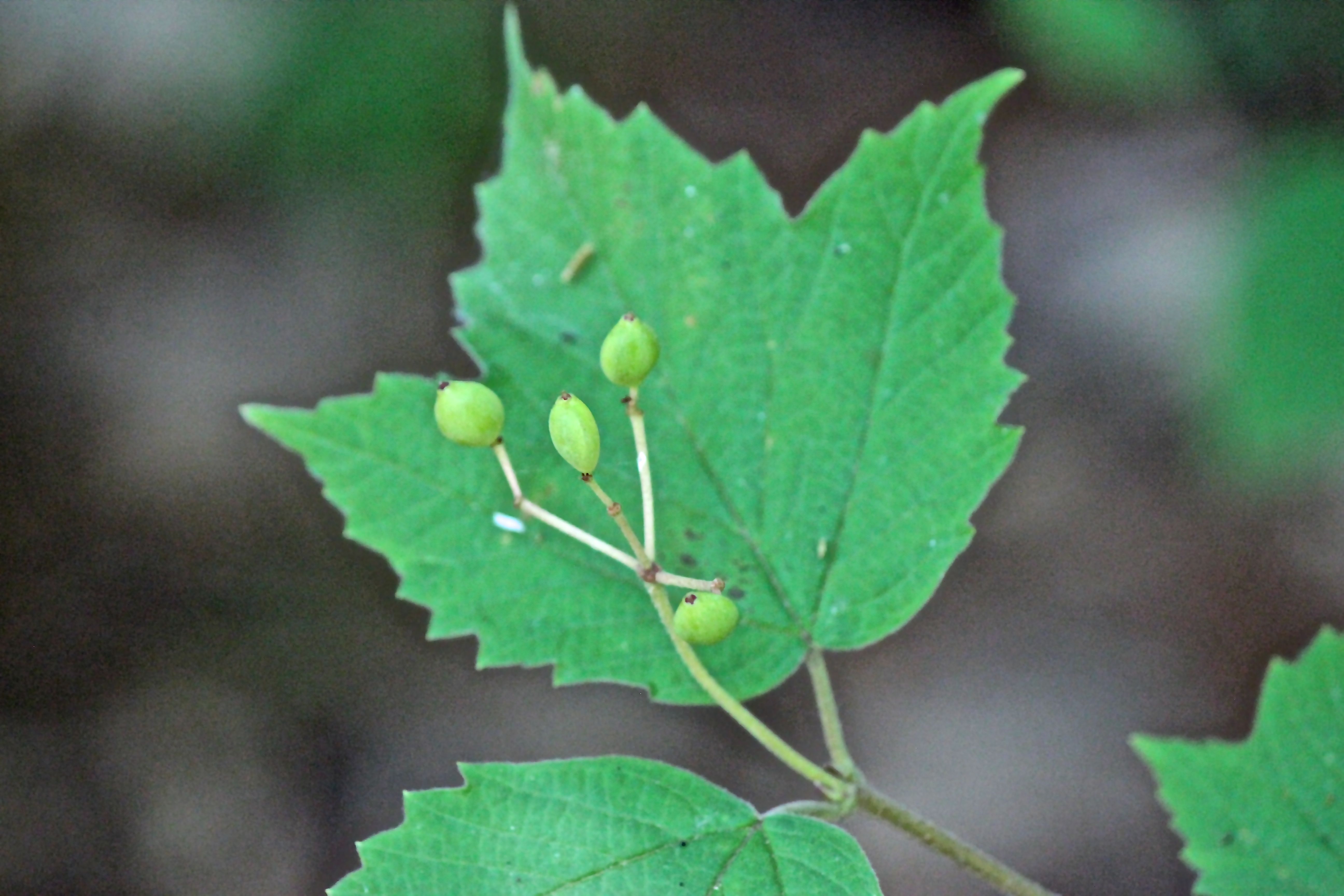
I’ll end with a smiley face provided courtesy of a maple-leaf viburnum.

I never know what I’ll find as I wander but I love the lessons and moments of wonder discovered along the way.

Thanks for stopping by.

Mondate Filled With Smiling Faces

We had many reasons to smile on yesterday’s Mondate.

It began about 5 a.m. when the Canada geese honked continuously. Their chorus was joined by quaking ducks. And then a loon chimed in.

I stepped onto the dock because I thought I heard the reason for the early morning cacophony.

bird

This big guy.

bird flying

Eventually, he flew off and then I heard the crows across the pond, so I think I know where he stopped next.

mtn morning

Standing on the dock early in the morning provides pleasant views :-)

Mid-morning, my guy and I drove to Hancock Pond in Denmark, to join F & B H. for a morning jaunt on their son’s forty-acre property. I’m always pleased to learn about people who purchase land to keep it from being developed, but still allow traditional uses. Such is the case here.

But before we hiked to the almost bald summit, we paused on their dock.

bob1As if on cue, their friend Bob stopped by

bob 2 smiling

and greeted us with a smile.

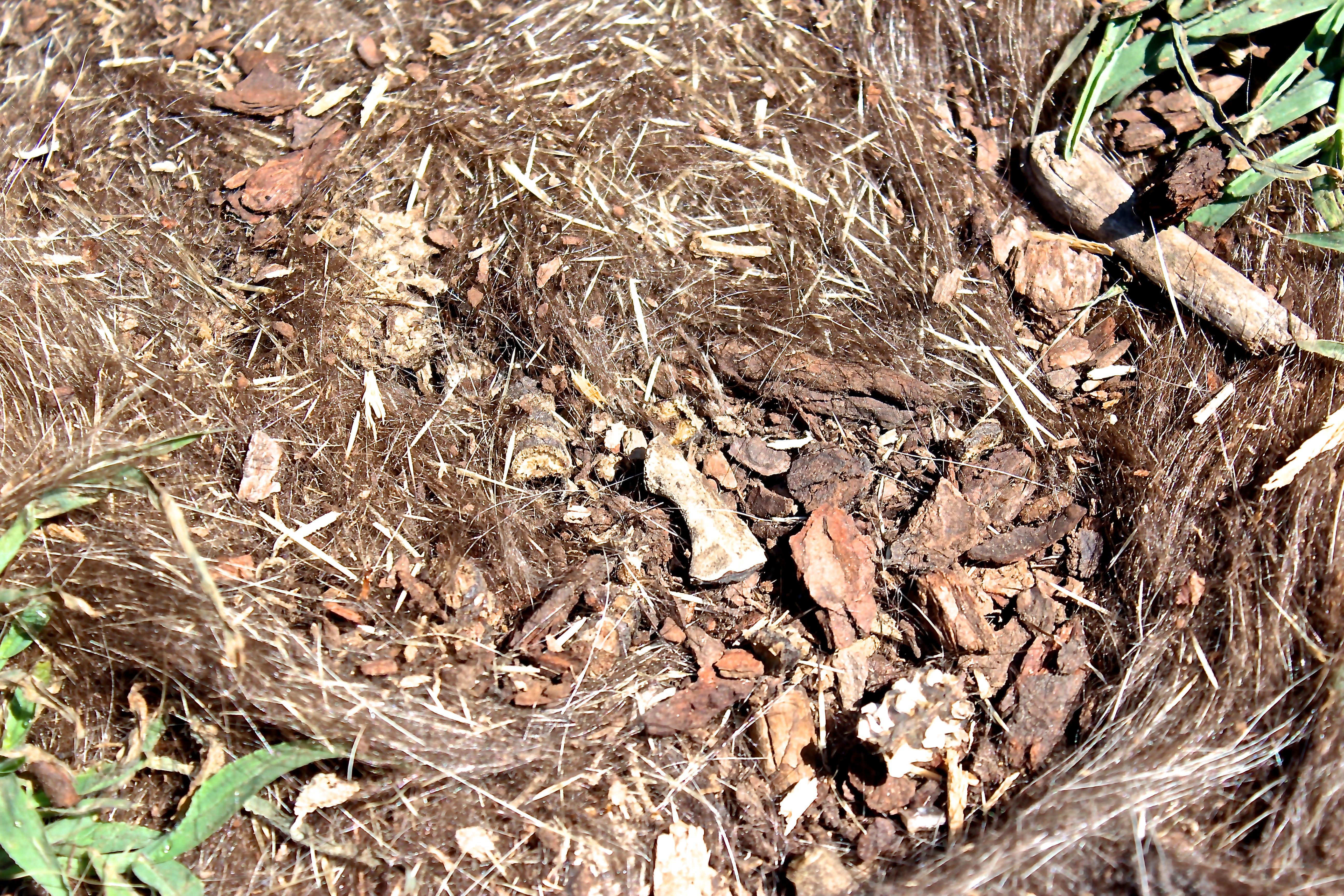
porky 1 jaw

On the trail, B asked me to identify this. He knew. I guessed wrong because I didn’t take the time to examine it closely. When will I ever learn? See the small mandible and the shape of the teeth?

porky 2, quills

And the little quills mixed? Yup, a baby porcupine.

pearly everlasting

The land was last harvested ten years ago, so it’s slowly transforming. Pearly everlasting blooms among the raspberries and blackberries, goldenrod and sweet fern on the trail that once served as a skidder road.

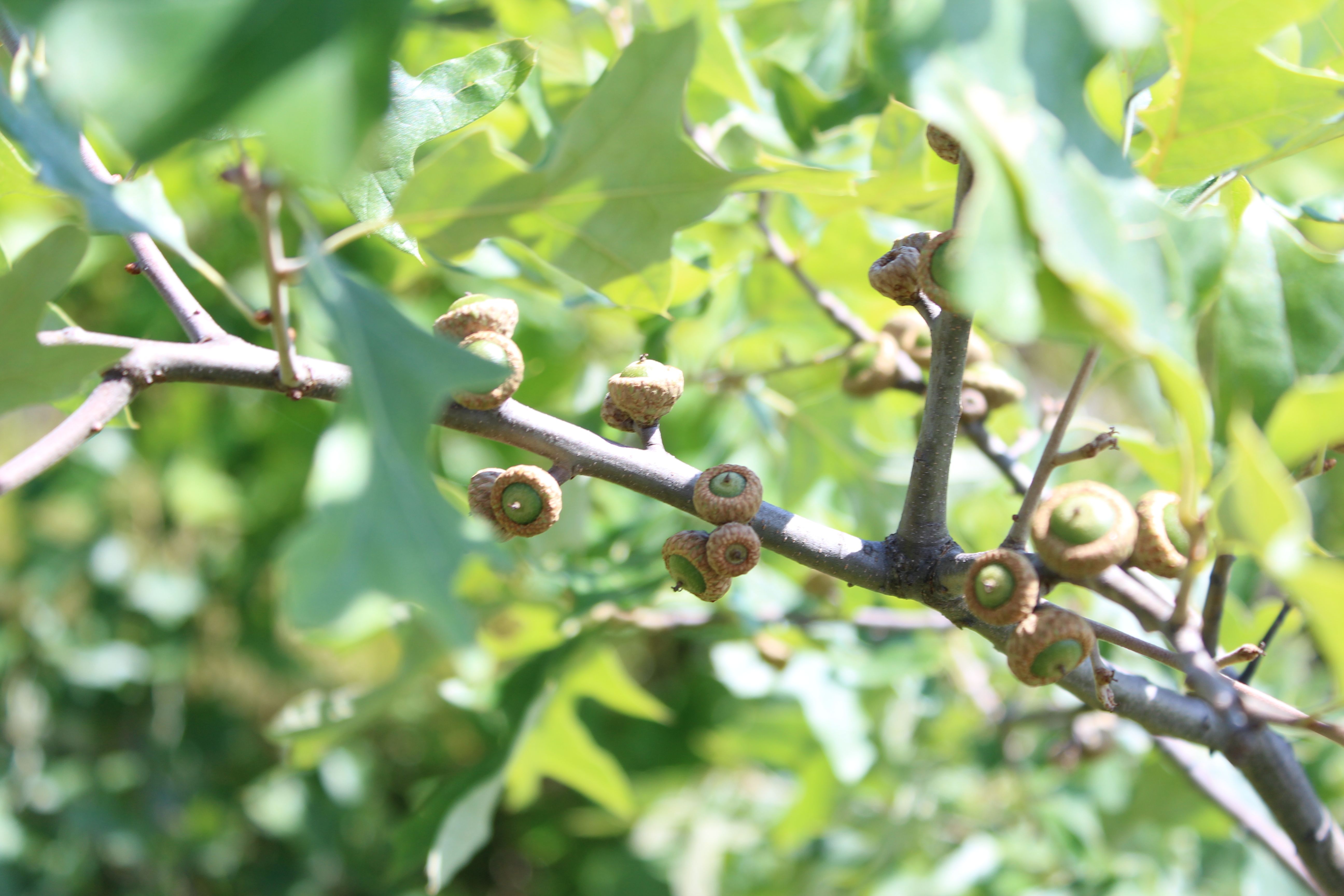
acorns

Acorns are forming on Northern red oaks, which stand beside white oaks. For me, it was curious to see the white oaks here. They’re a rare find in the woods I travel most frequently.

hancock pond

Near the summit, Hancock Pond came into view.

Pleasant Mountain

As did our beloved Pleasant Mountain.

thistle

Of all the flowers we saw, the prickly thistle was my favorite. A touch of Scotland that F and I share. We returned to their camp for a delicious lunch and a look at B’s stone art and books. We were in awe of his talent. And their love for each other–50 years strong. Thank you both for sharing your land, lunch and love with us.

A wee bit of barn painting was accomplished–one of these days it will be all red. We have almost completed scraping and priming three sides. It’s a sporadic job, to say the least.

Our day ended with a trip to Portland with our sons–we all needed a technology update. That gives me pause, of course. I liked life before all of this stuff, but I wouldn’t be writing this post without it.

Dinner out with my three guys–what’s not to smile about.

Blue Gold Mondate

Thunder rumbles in the distance, while clouds mask the setting sun, creating a golden blue/pink/purple sky. We need a word for that. Just as I made up Mondate to describe the Monday dates my guy and I share, I feel obligated to describe tonight’s sky as golden blinkle.

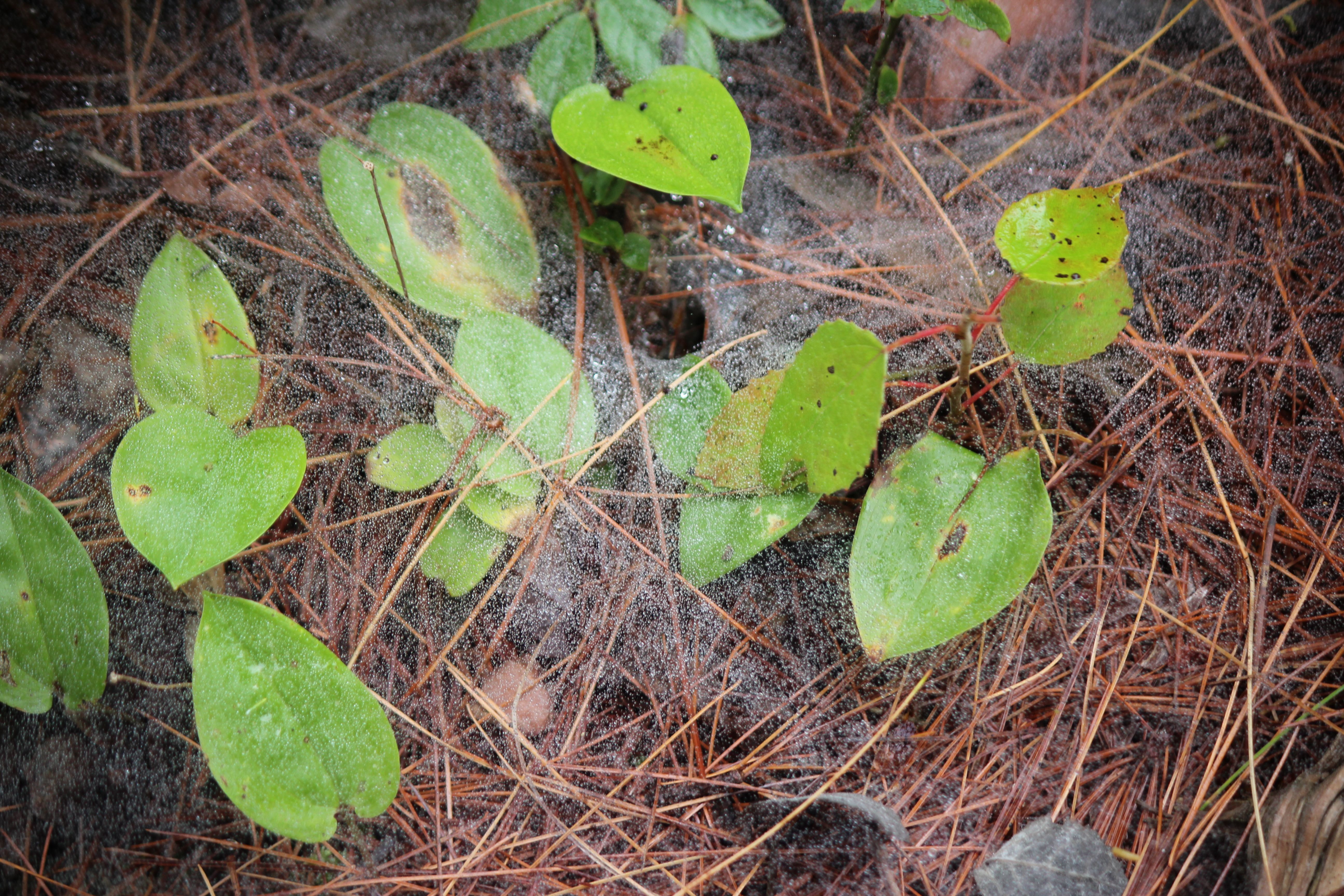
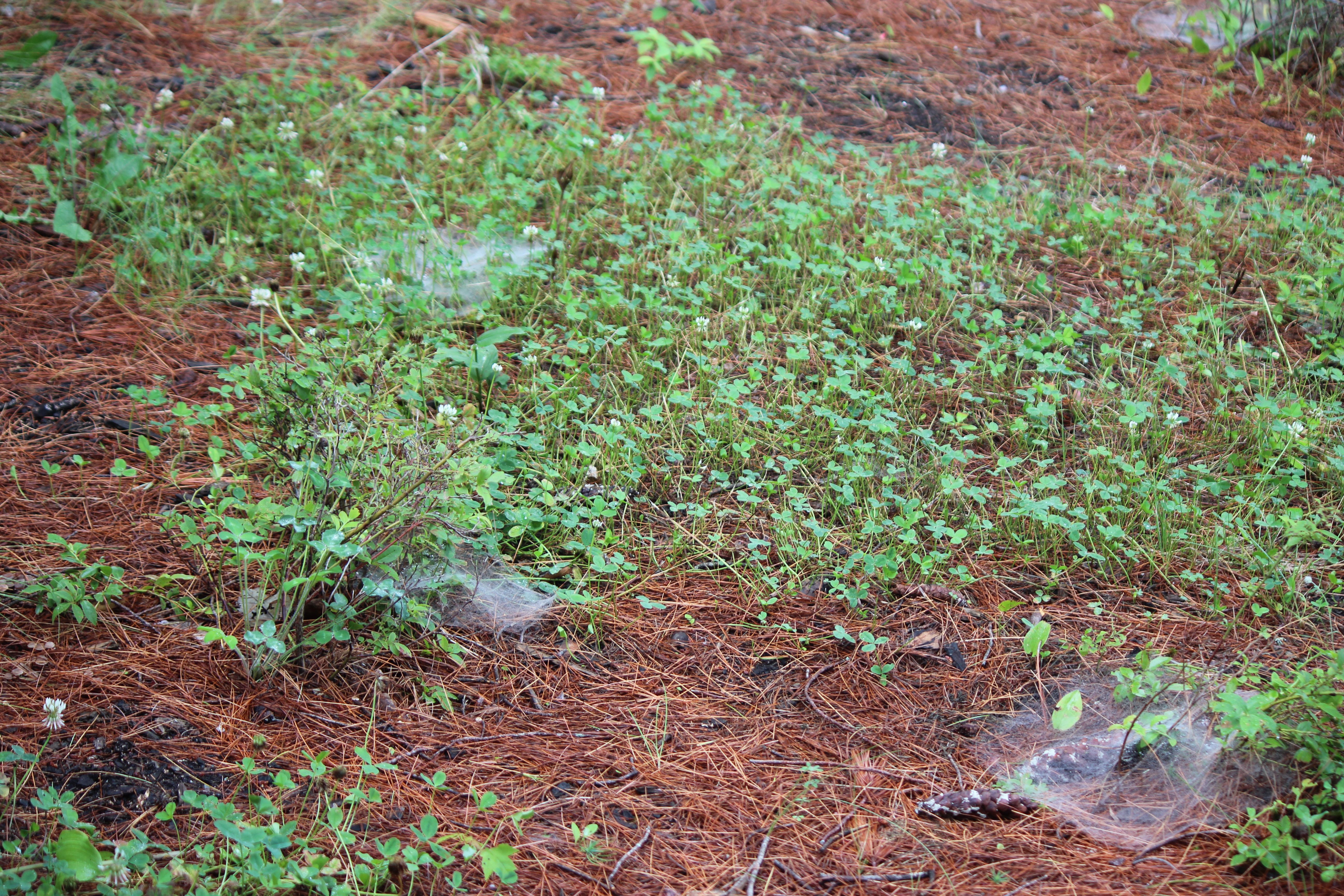
After a rainy weekend, we awoke to another gray morning. But . . . there was a bright spot. Our yard was filled with mats of spider webs.

webs 1

OK, so maybe “filled” is an exaggeration, but they weren’t here yesterday.

web 2

My initial intrigue was with the water droplets sitting atop these finely woven blankets.

funnel 2

And then I spotted a hole in the center of one.

funnel 1

A look at the others, and I knew we had a yard filled with funnel weavers.

funnel 3

Imagine the industrious nocturnal work it took to complete this masterpiece.

spider 1

As I stood watching, one of the weavers appeared.

spider 3

I saw something land, I know not what, and he quickly scampered over to snatch it, and then moved into the funnel to dine. That reminded me that it was time for breakfast.

My guy had been out for a morning run and when I pointed out the webs scattered about the yard, he said he’d seen them all along his route. So . . . why today? Why so many? Will they be here tomorrow. As the day wore on, it became more difficult to see the webs.

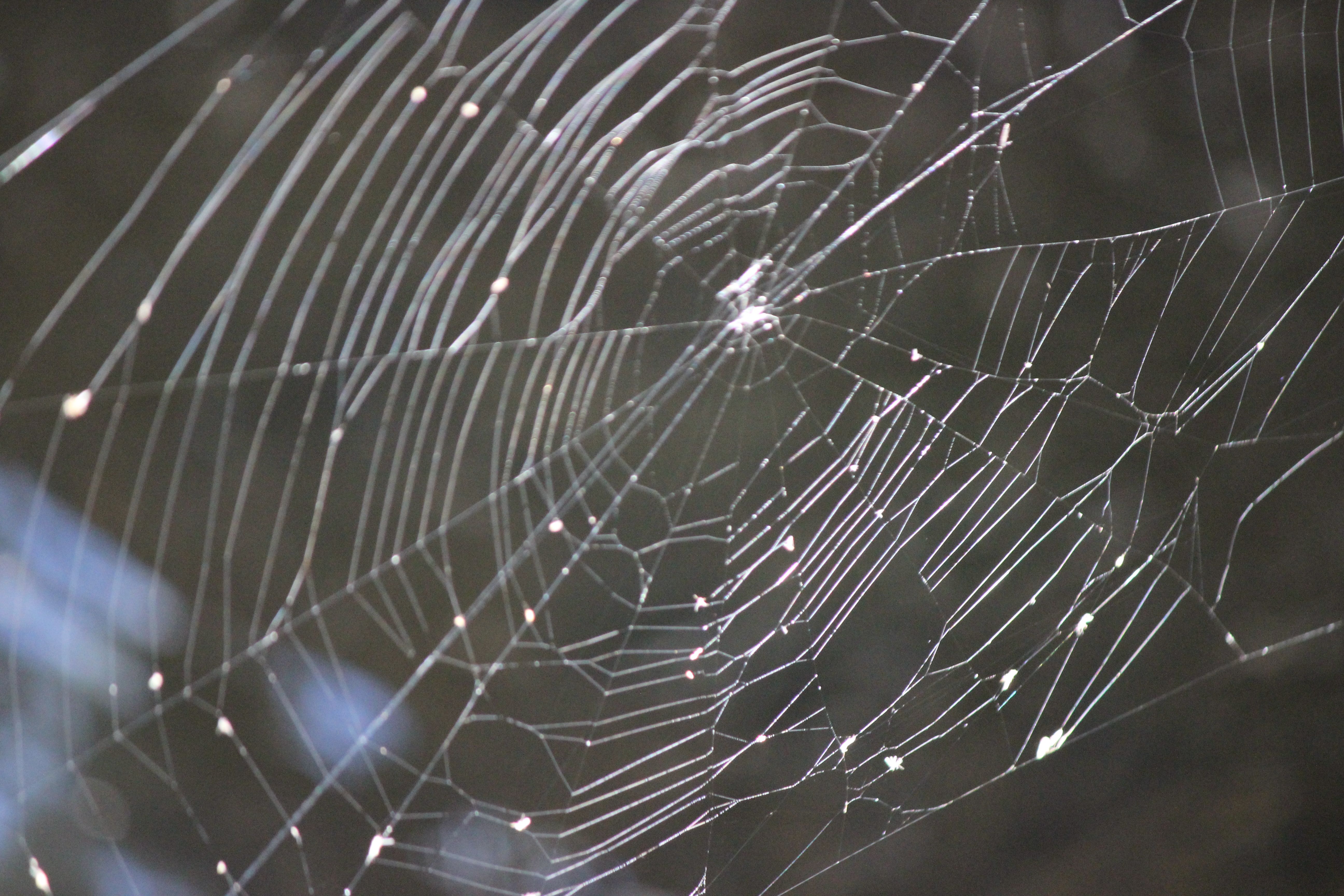
spider web dock 2

This masterpiece, however,  has been gracing the dock for weeks. I keep waiting for Charlotte to leave a message.

We had some errands to run in North Conway and then decided to head off in the kayak. I wish I could take a selfie of our paddles as we work together in unison. It reminds me of our relationship–we’ve always prided ourselves on our ability to think things through and come to an agreement as one. Oh yeah, sometimes we get a bit out of sync and one paddle dips into the water ahead of the other or the water splashes one of us, but all in all, we lower and raise the paddles together–and as Robert Frost would say, “That has made all the difference.”

beaver mound

As we paddled along the edge of the islands, we discovered one large beaver scent mound–it had to be three feet high.

beaver mound disturbance

While this was probably created in the spring to mark a boundary, it appears to have been visited recently.

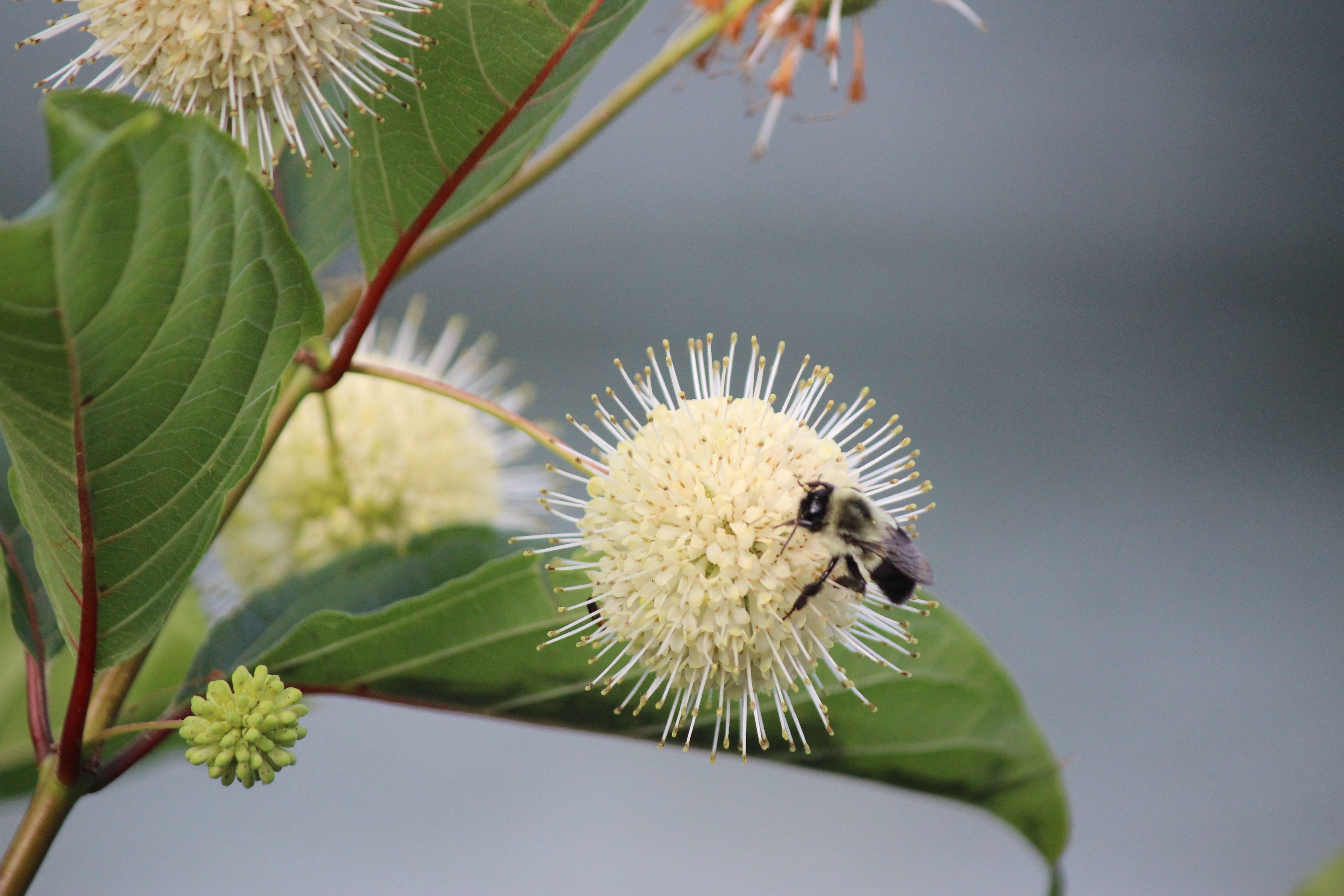
buttonbush

Numerous buttonbush plants bloom along the water’s edge. In all their manifestations, they are spectacular.

bluegold3

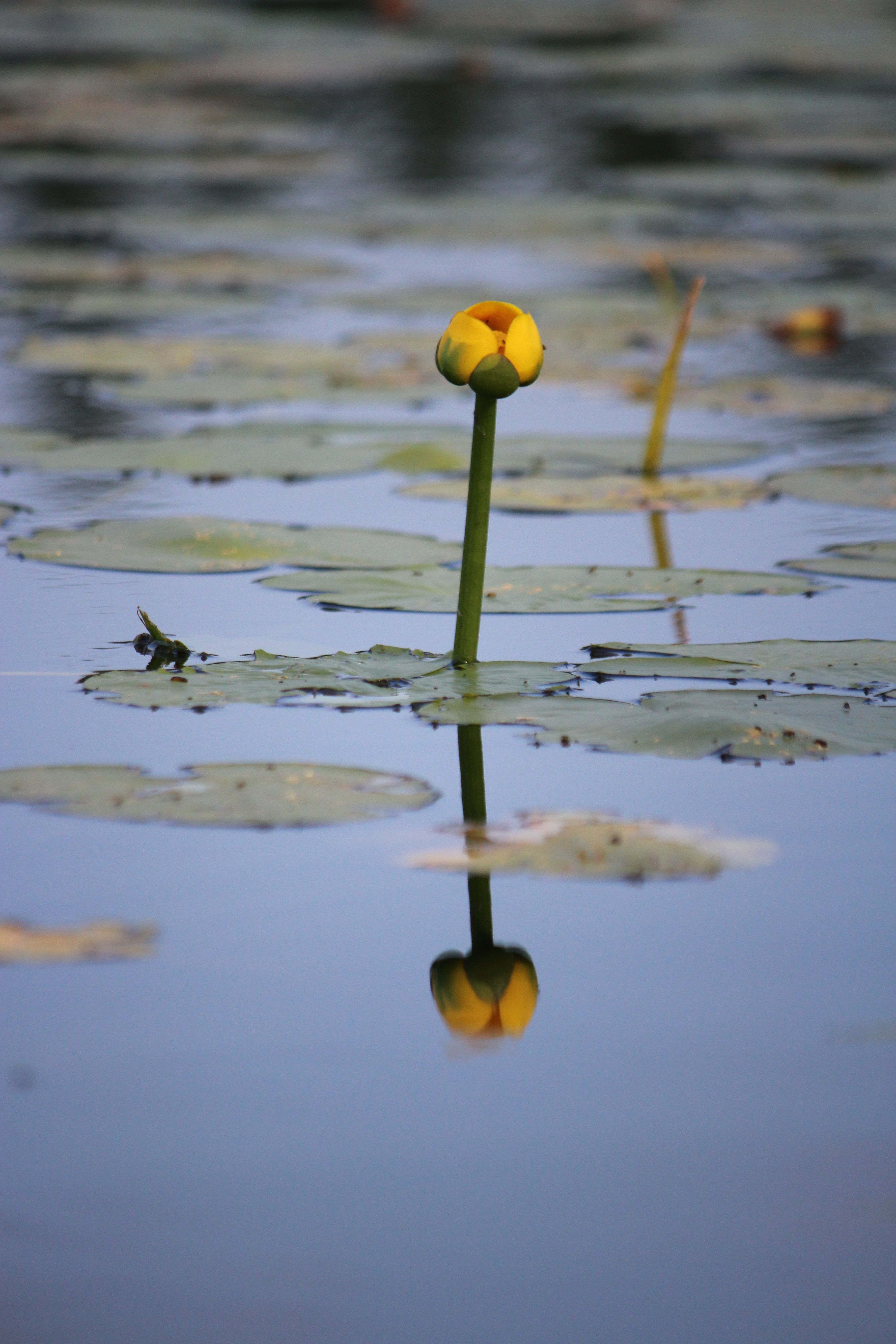
Spadderdock continues to offer a brilliant reflection of gold on blue

water garden

in the water garden.

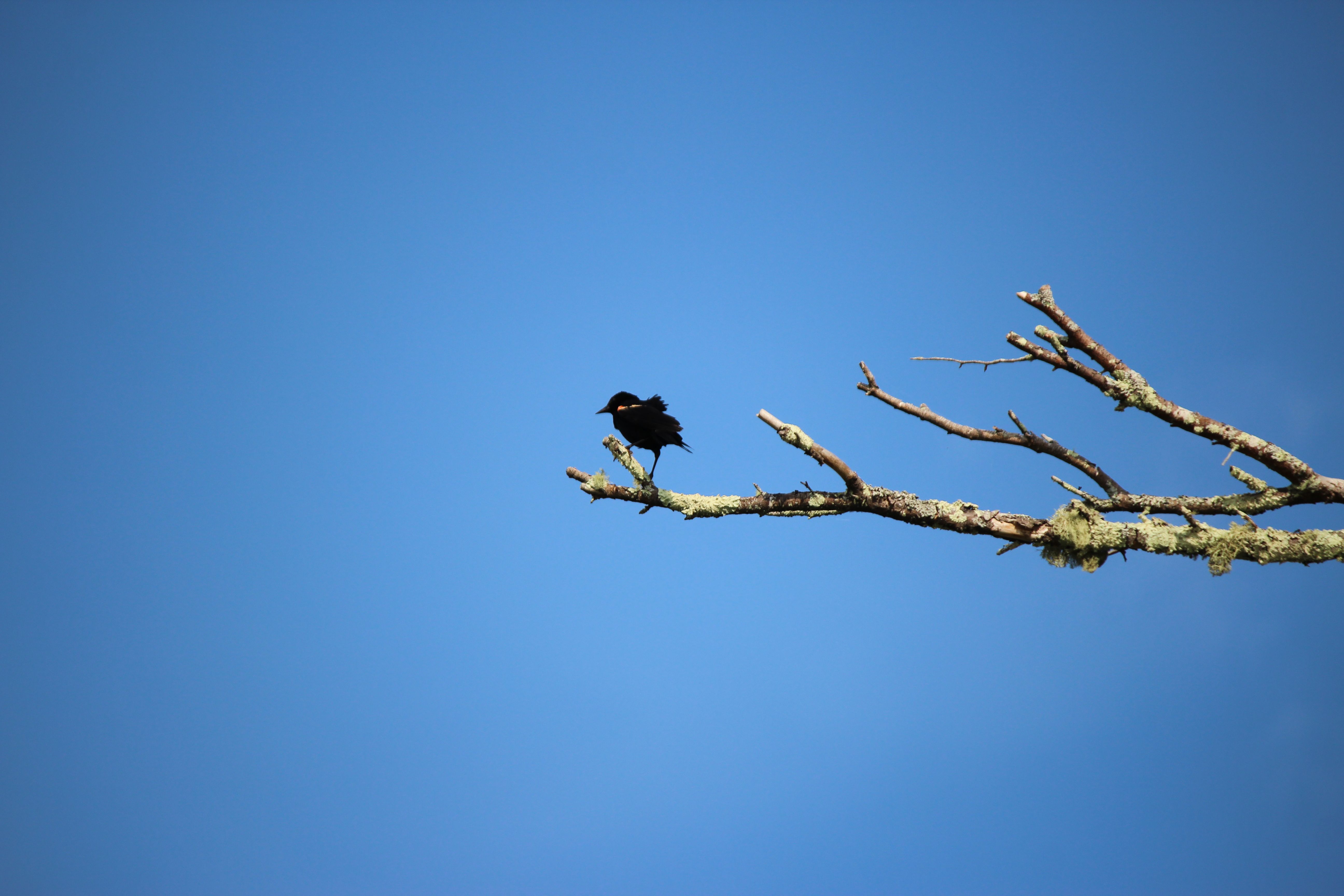
female red-winged blackbird

But it’s the birds we follow today. Here, a female red-winged blackbird.

out on a limb

Her guy is out on a limb.

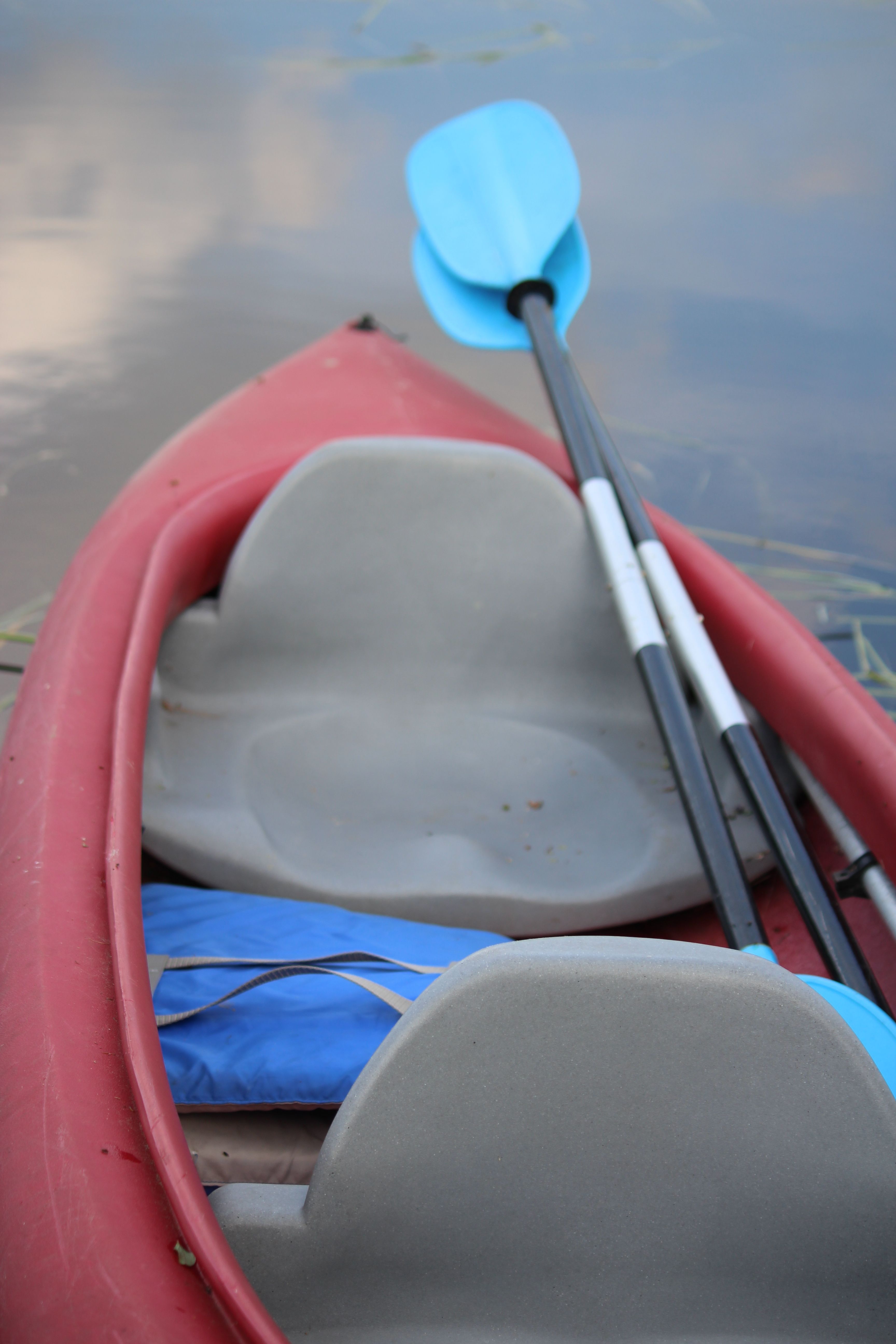
kayak

They don’t give us the exact information we want, but the catbirds are nearby. We hear their mews emanating from the shrubs and know that it’s time to abandon ship.

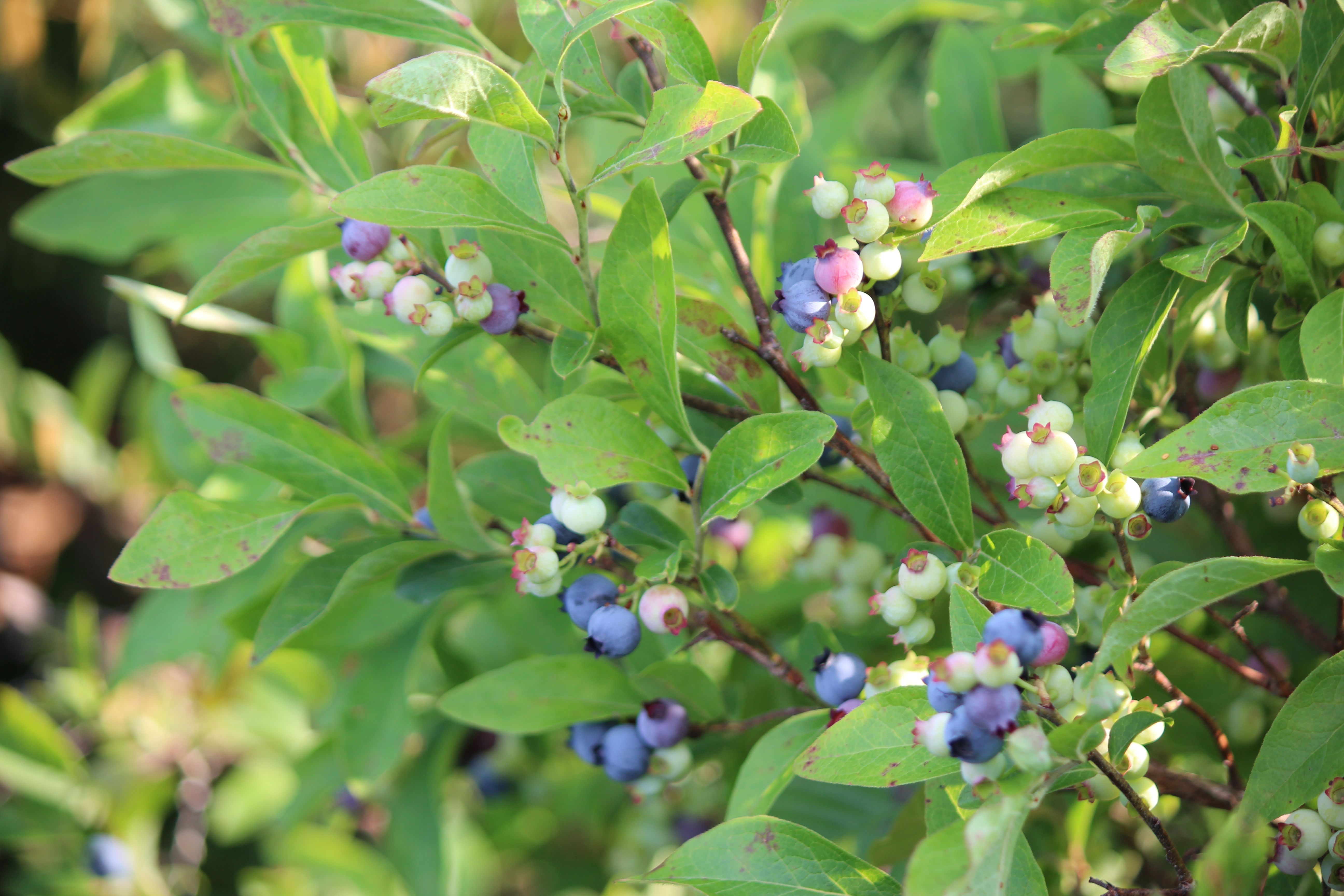
blueberries

This is blue gold. A happy afternoon spent foraging together. We made sure to leave some for the birds in thanks for their guidance.

And now, the thunder continues in the distance and occasionally lightening flashes  across the sky, but nothing can shine brighter than a blue gold Mondate.

A Baggywrinkle of a Mondate

We learned a new word on today’s Mondate–baggywrinkle. I love how saying it makes my mouth work. Say it five times fast and I guarantee it will put a smile on your face. Might cause a few baggy wrinkles to form, but it will be worth the fun.

What does baggywrinkle mean? Read on.

Our Mondate took a different tack today–you might say we were coming about in Portland Harbor.

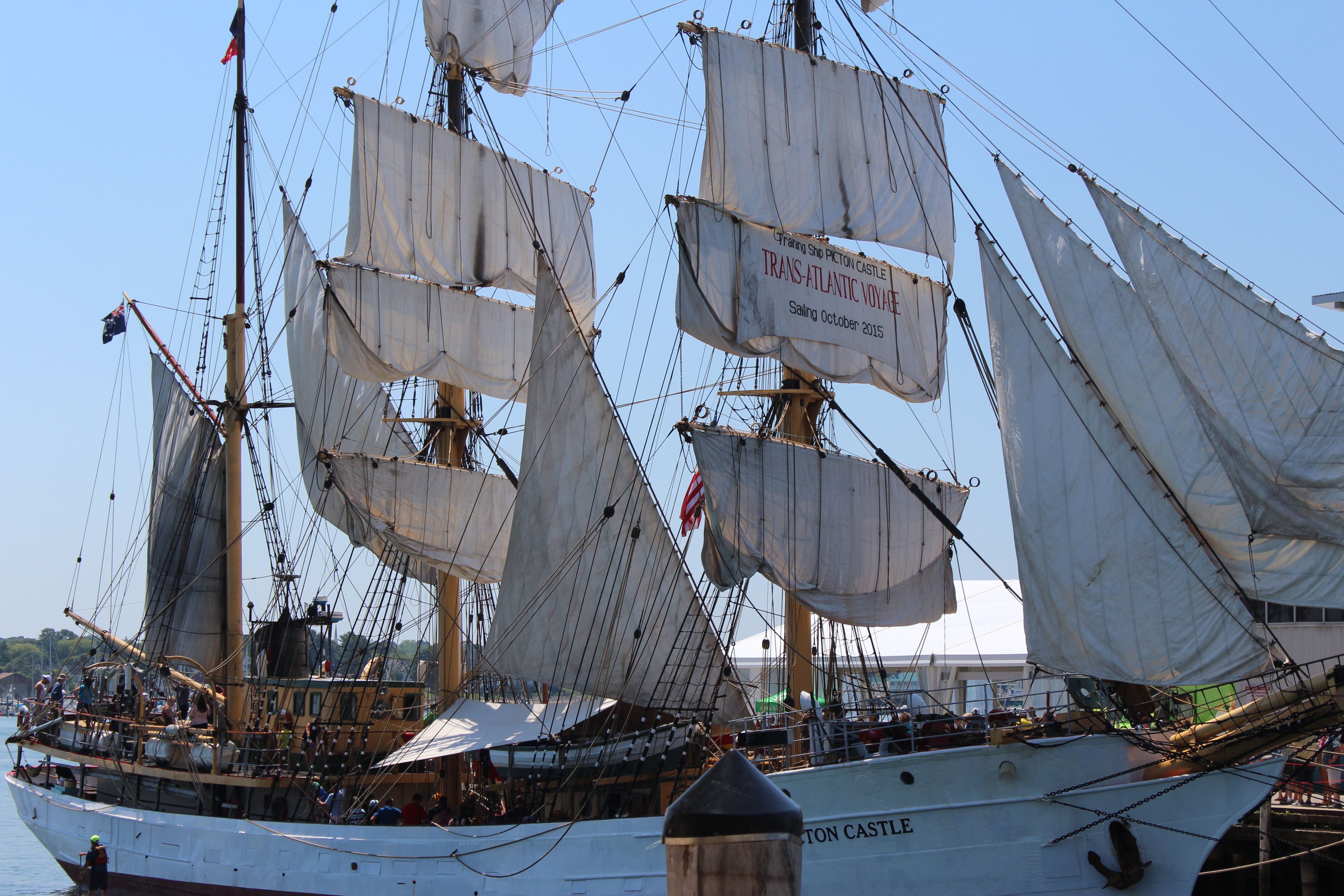
Picton castle

Tall Ships Portland 2015 is a celebration of the 150th anniversary of the completion of Fort Georges.

aqua bus

The fort is in the background, center right of the Downeast Duck.

OP bow

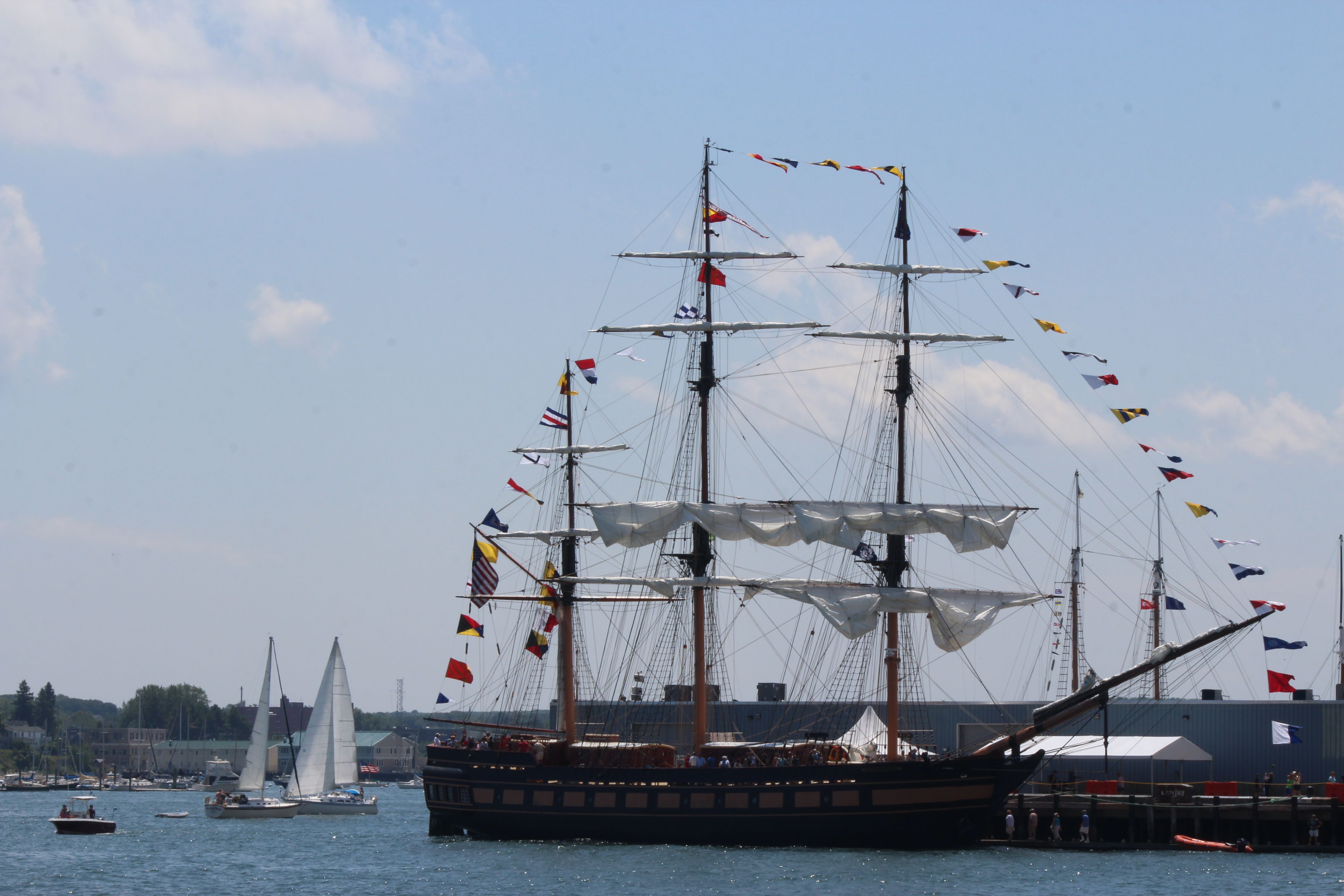
This year also marks the maiden voyage of the first square-rigged tall ship built in the U.S. in 110 years. Introducing the Oliver Hazard Perry–a self-contained experiential school. Am I too old to go back to school?

Oliver Perry

Another view of the OHP.

shipshape

We boarded some of the boats and were filled with admiration.

sheets

I have to say that I have enough of a problem holding onto one line when I sail, never mind a zillion.

sails

Or hoisting acres of sailcloth.

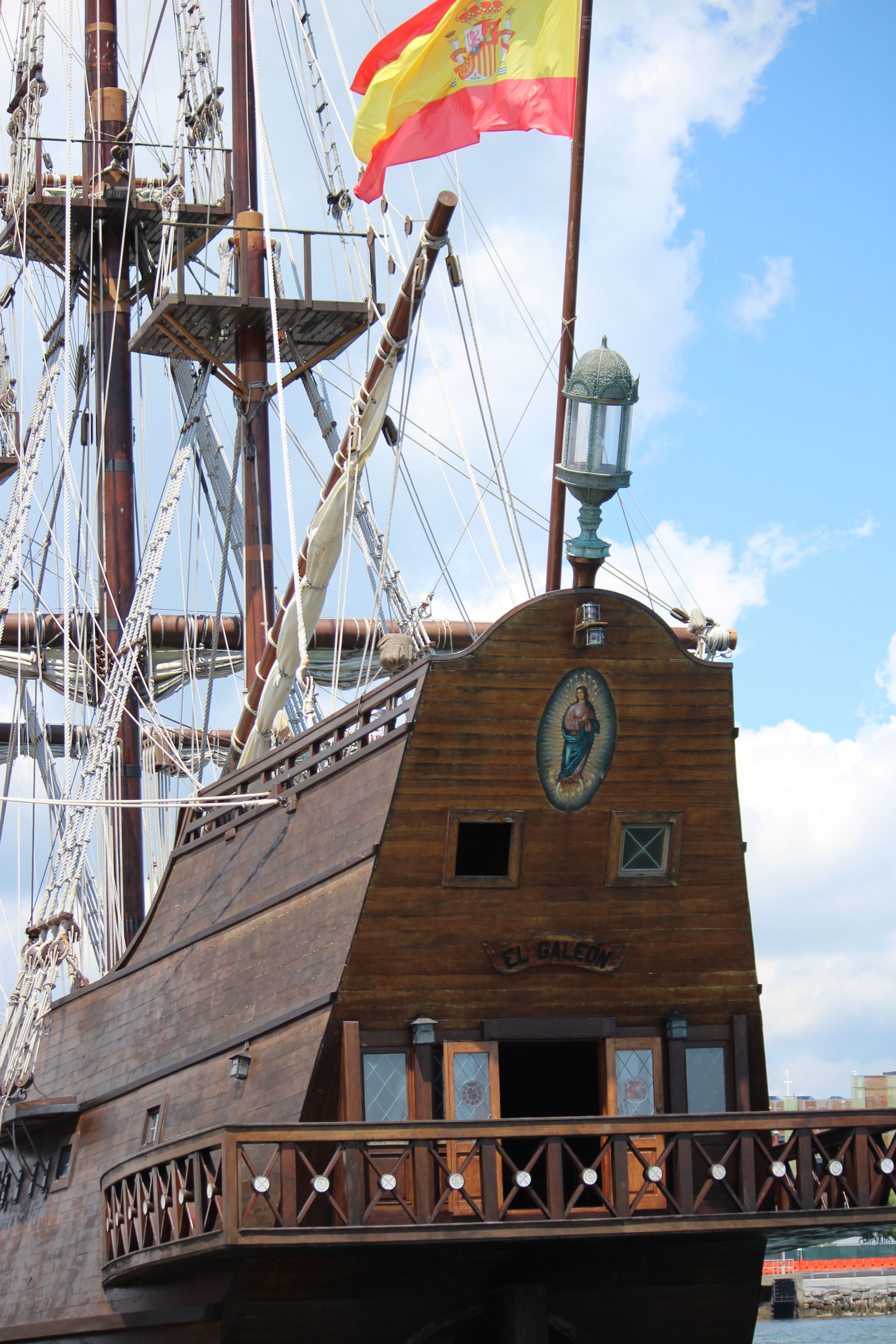
Galeon

El Galeón Andalucía, a replica galeón class vessel is the only one in the world sailing these days. Her design dates back to the late 16th century when these fabled merchant vessels and war ships made up the early European navies.

galeon 2

A stern view.

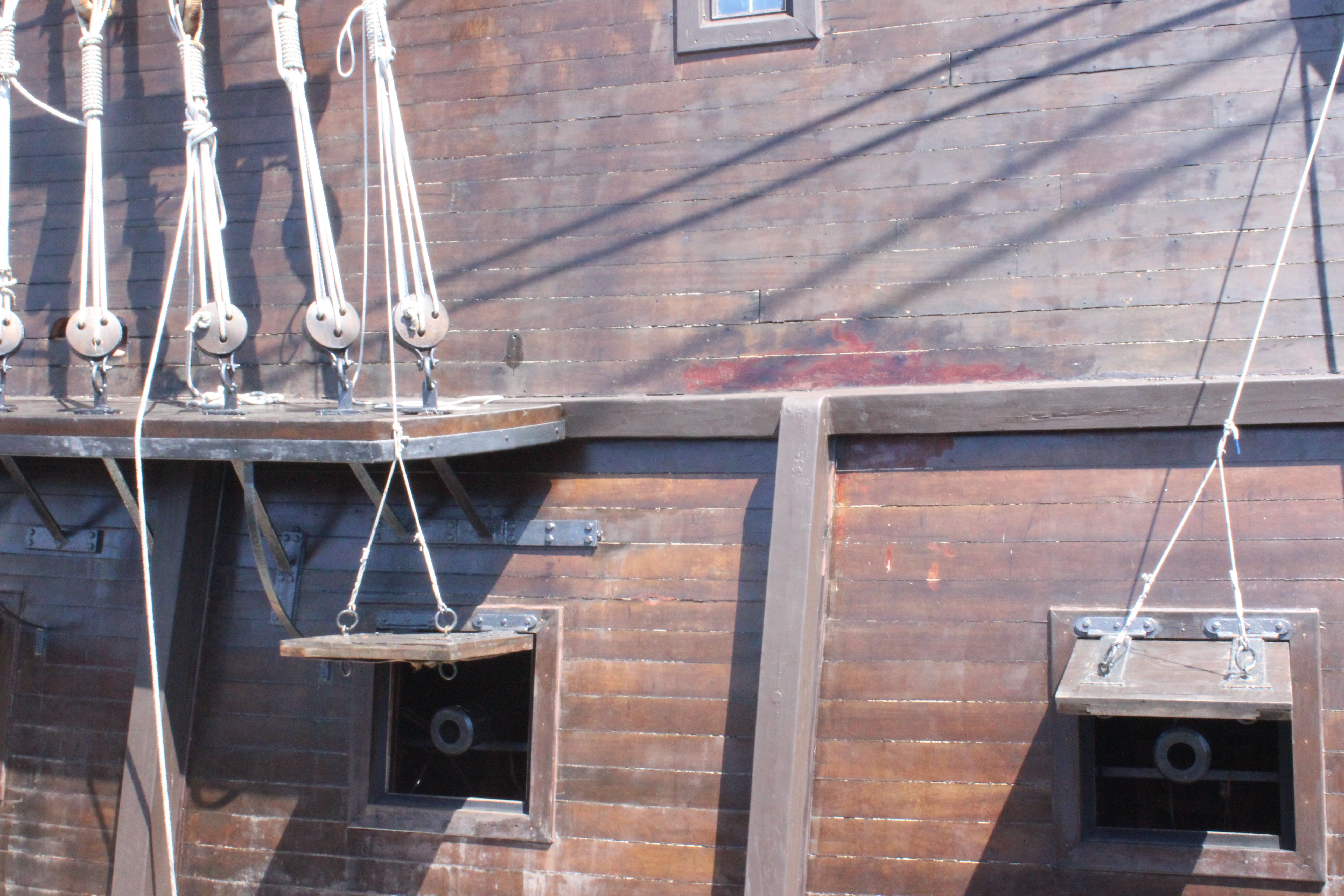
galeon 3

Ready. Aim. Please don’t fire.

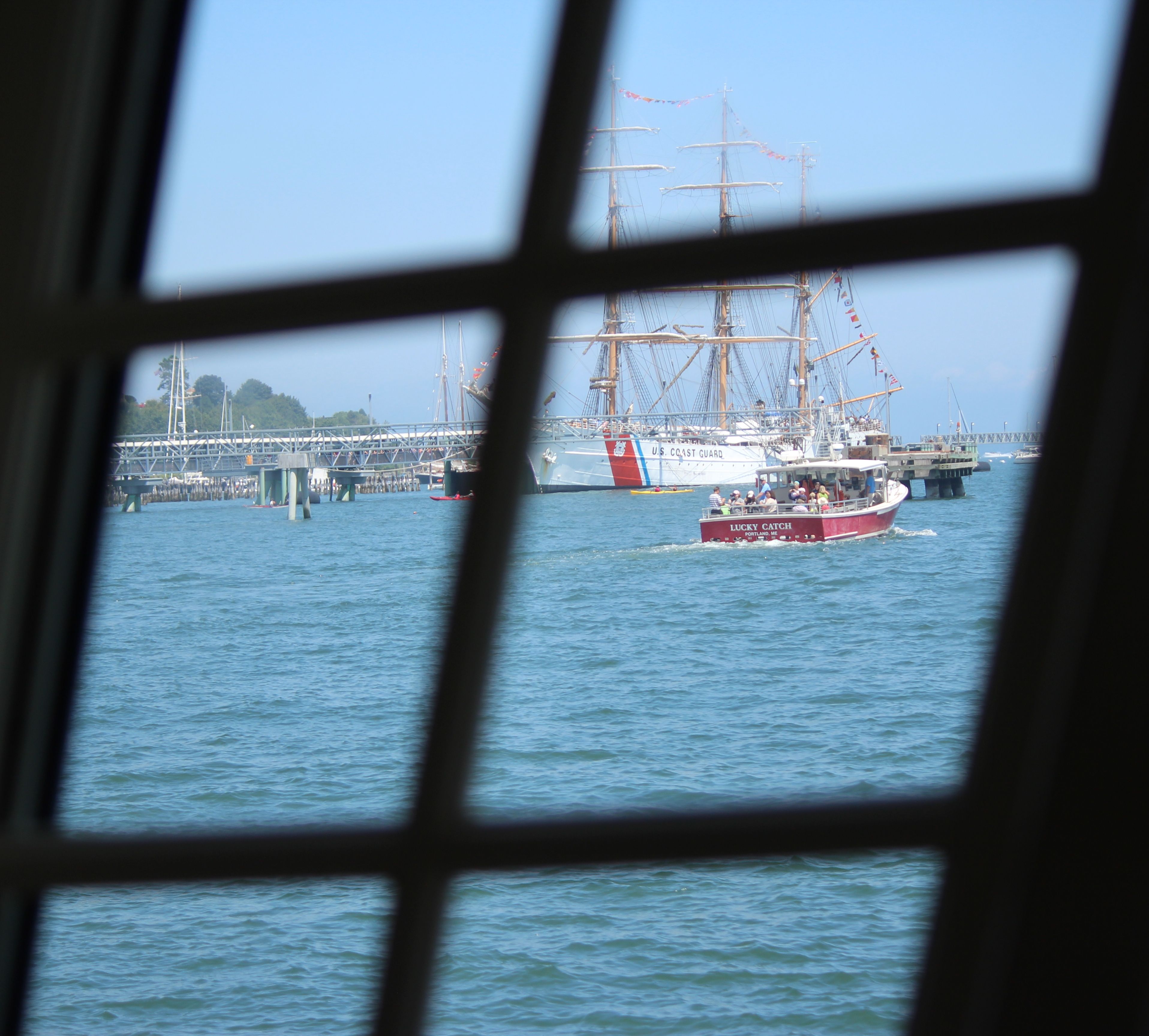
window view

The one I really wanted to see came into view from below deck on the Oliver Hazard Perry.

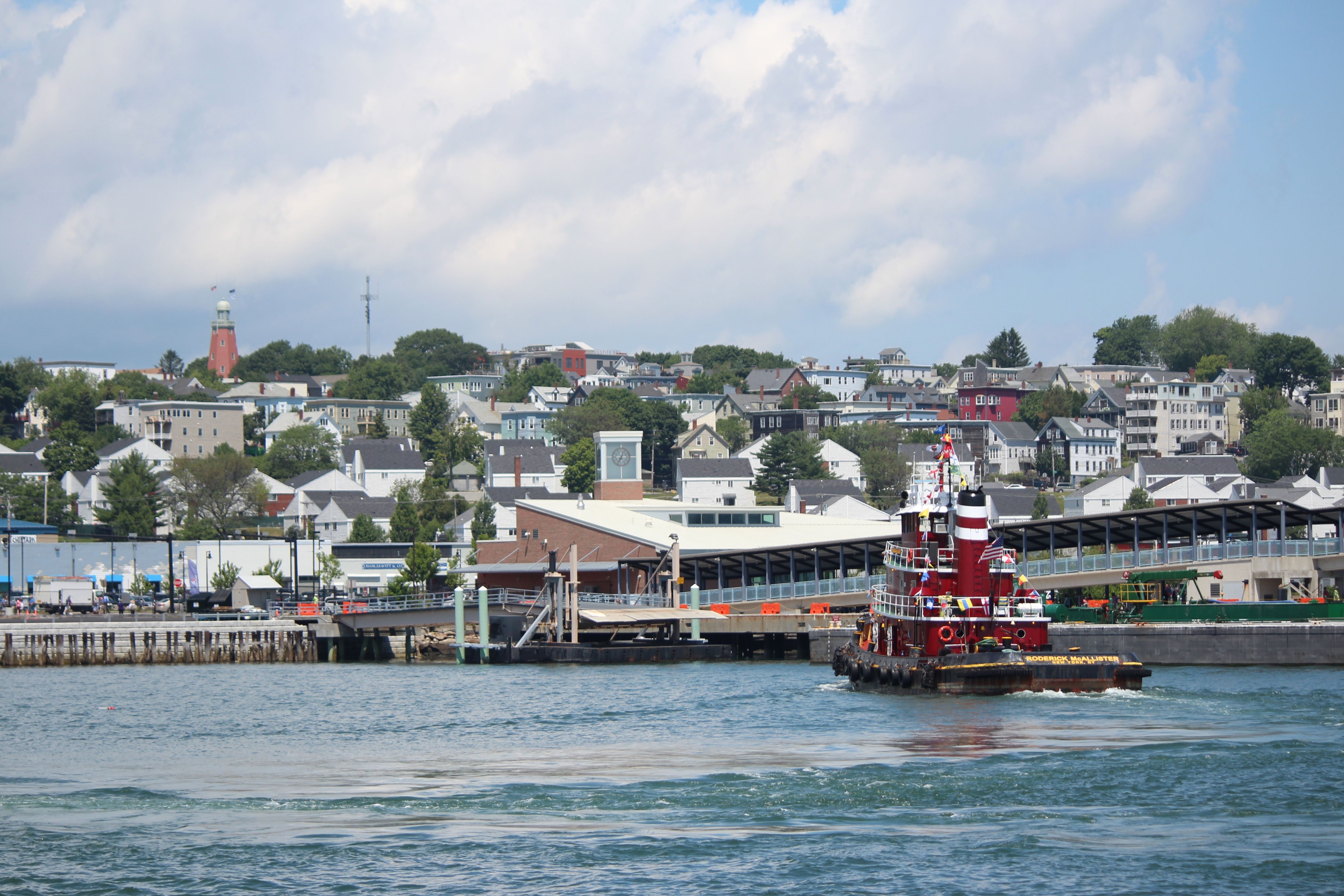
working harborfront

So we walked along the working waterfront.

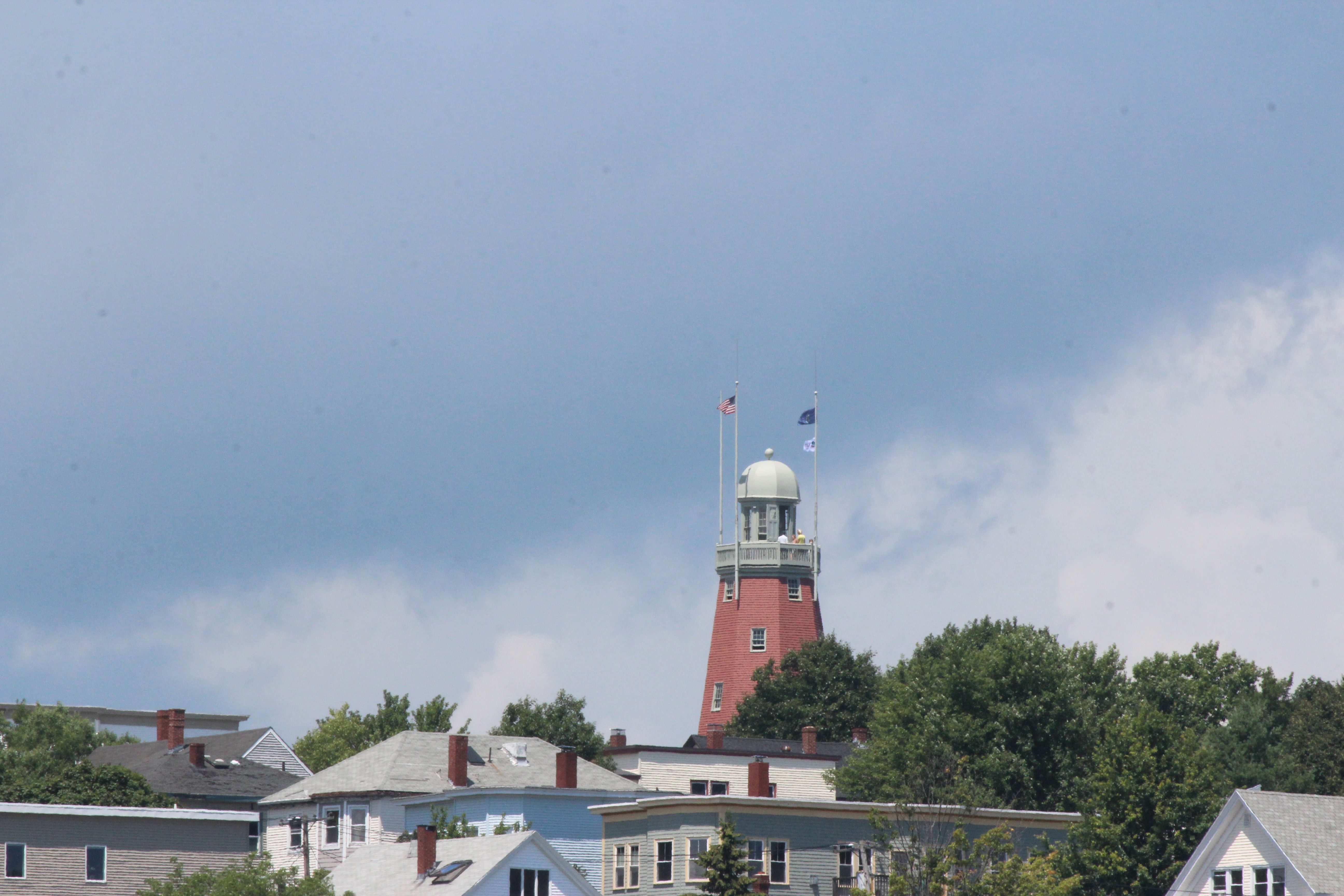
Portland Observatory

And observed the Portland Observatory from a distance.

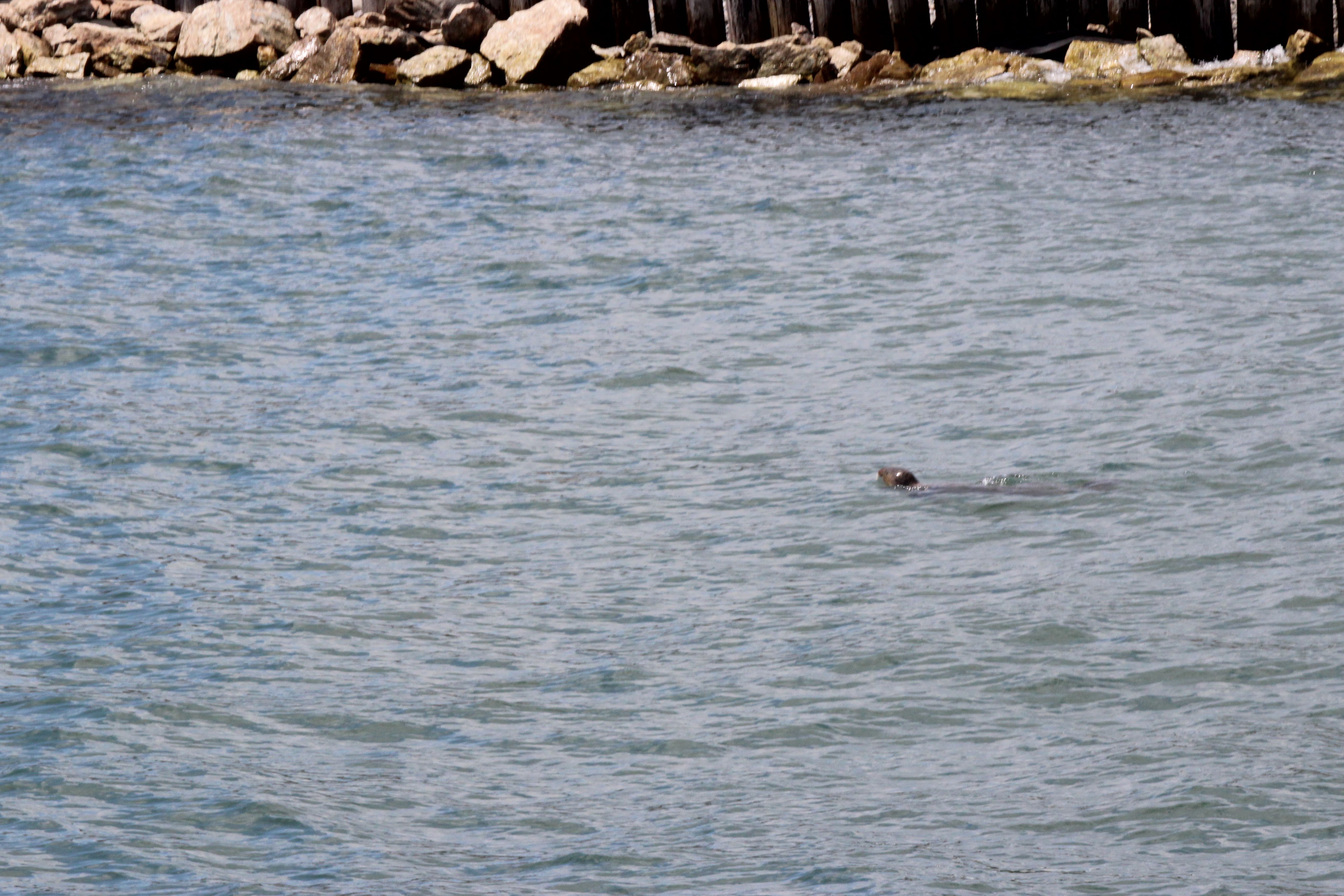
harbor seal

Standing in line for almost an hour was worth the wait–a harbor seal.

osprey

A young osprey on a nest.

golden eagle

And finally the gold(en) eagle. I’ve always wanted to see one–especially this one.

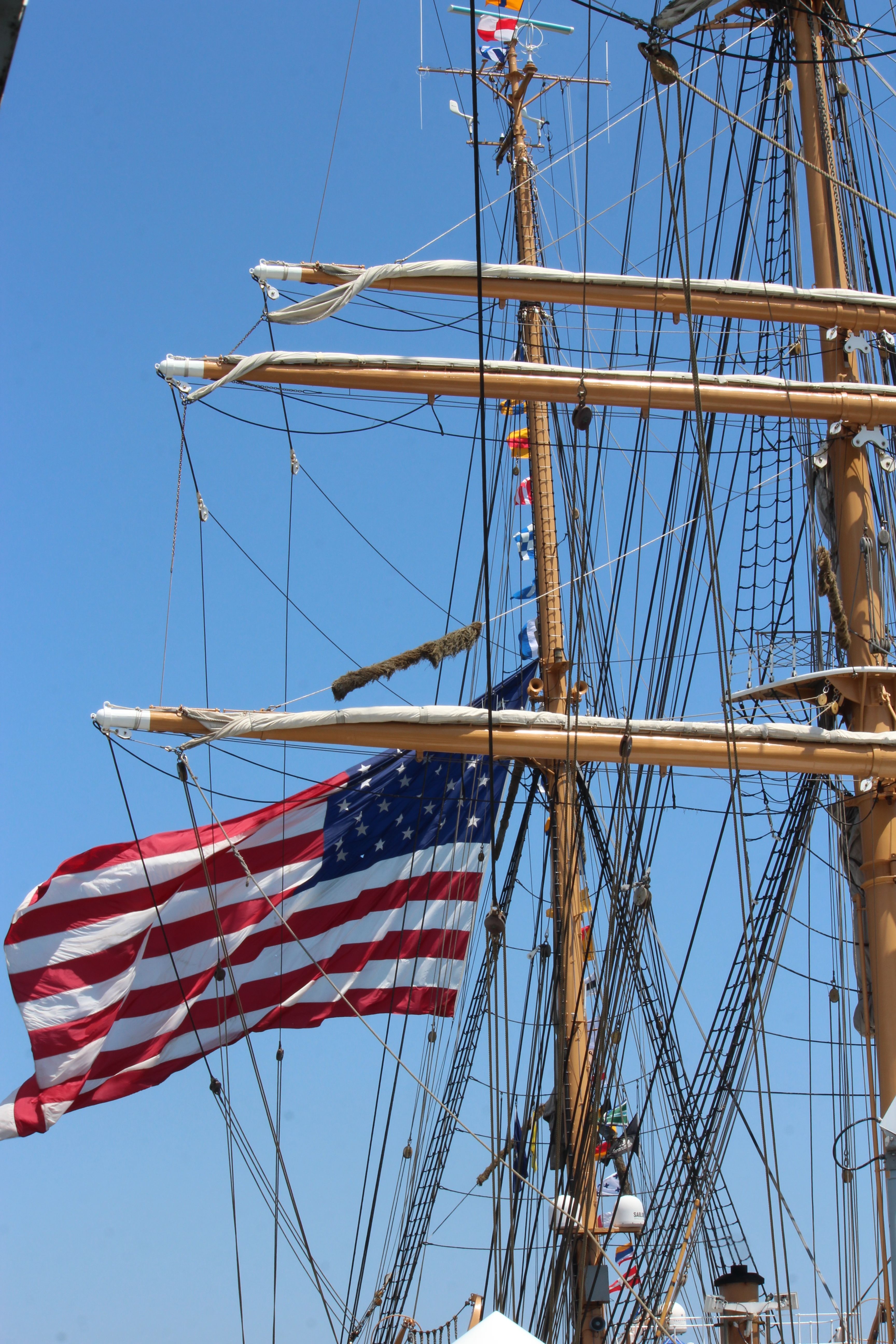
stars and stripes 2

Her stars and stripes pledged her allegiance in the ocean breeze.

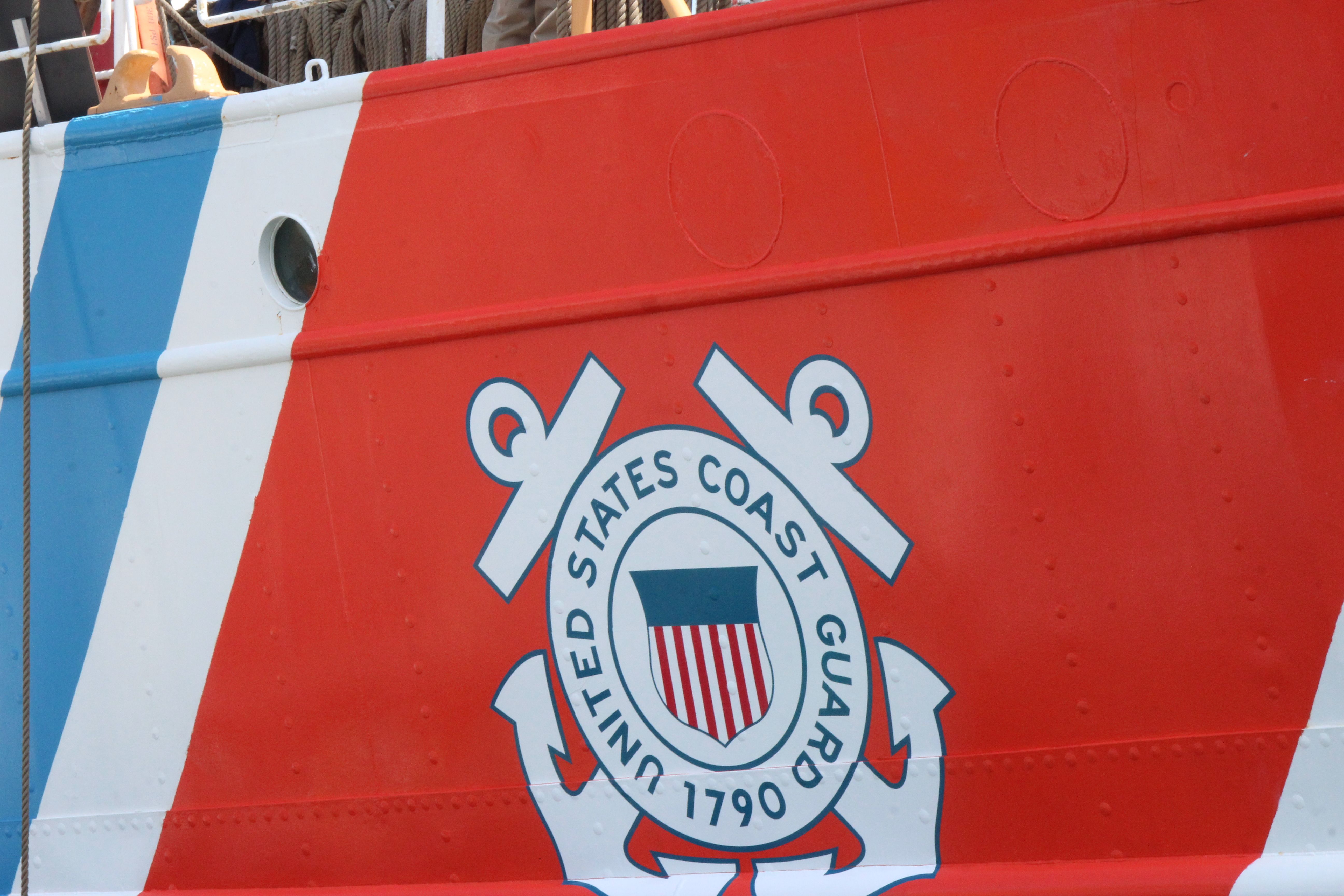
coast guard logo

Till today, I’d only seen her in the distance–sailing up Long Island Sound from New London, Connecticut.

eagle 2

But finally . . . up close and personal in Maine waters.

Eagle 1

Like the winds that propel her, she has her own fluid beauty.

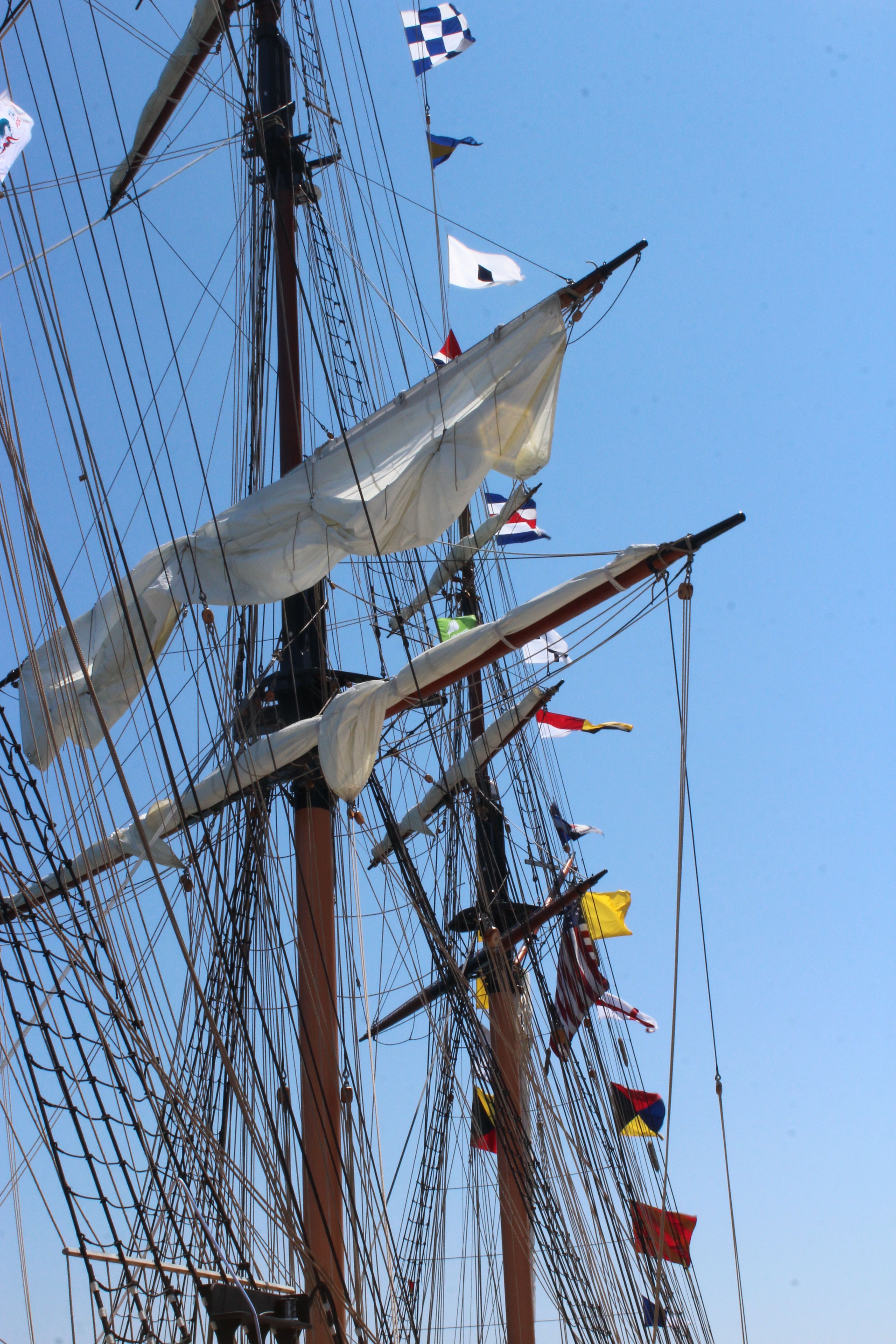
 flag messages

Flag messages speak her language.

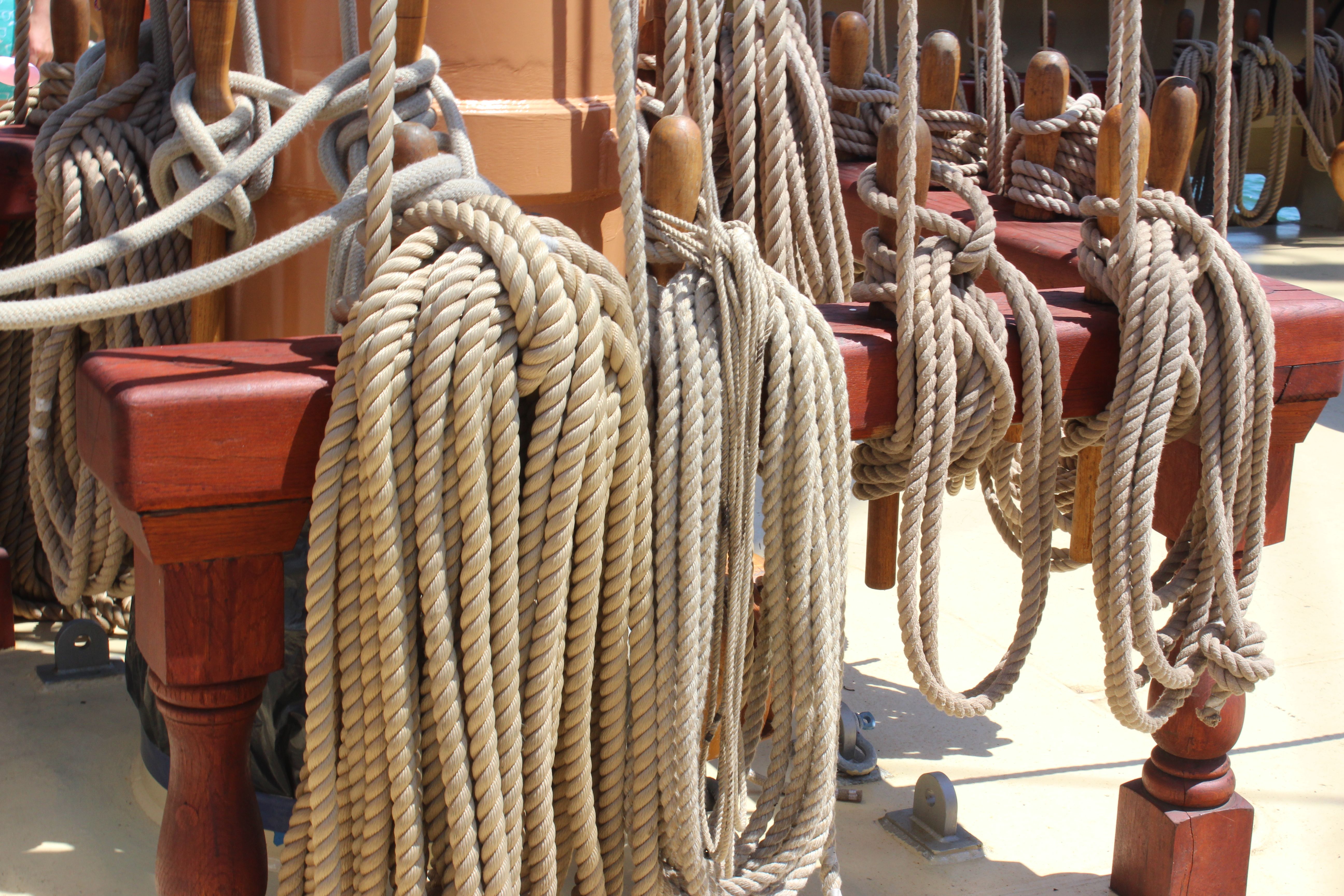
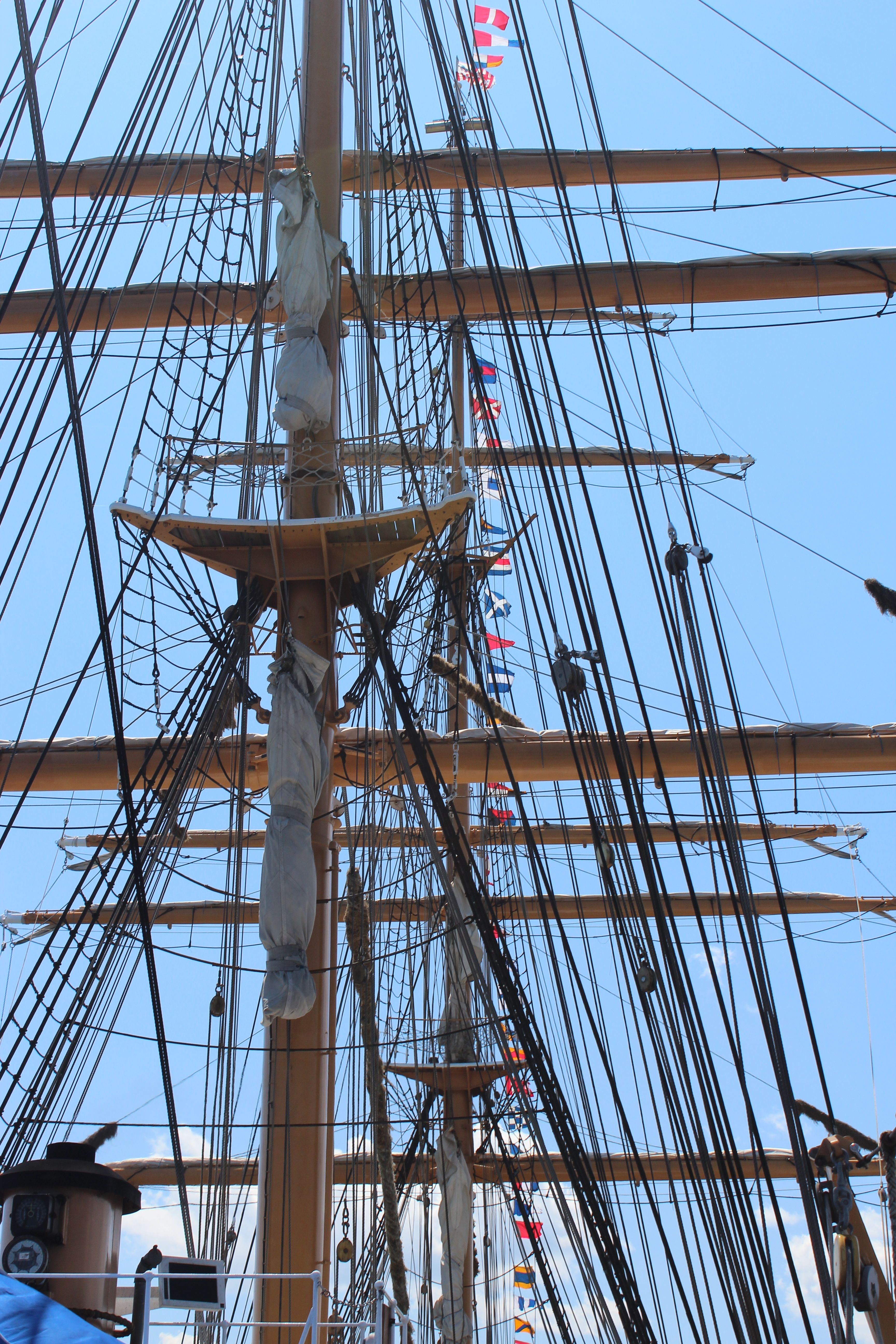
a million ropes

A million ropes and cables and masts–so much to learn. On the Coast Guard Academy Web site I found this information: Built at the Blohm + Voss Shipyard in Hamburg, Germany in 1936, and commissioned as Horst Wessel, Eagle is one of three sail-training ships operated by the pre-World War II German navy. At the close of the war, the ship was taken as a war reparation by the U.S., re-commissioned as the U.S. Coast Guard Cutter Eagle and sailed to New London, Connecticut, which has been its homeport ever since. Eagle has offered generations of Coast Guard Academy cadets, and more recently officer candidates, an unparalleled leadership experience at sea.

I didn’t know that. No wonder I feel a connection in so many ways–sailing, Connecticut and now I learn that the boat has a German origin. My maternal grandmother was born in Hamburg.

baggywrinkle 2

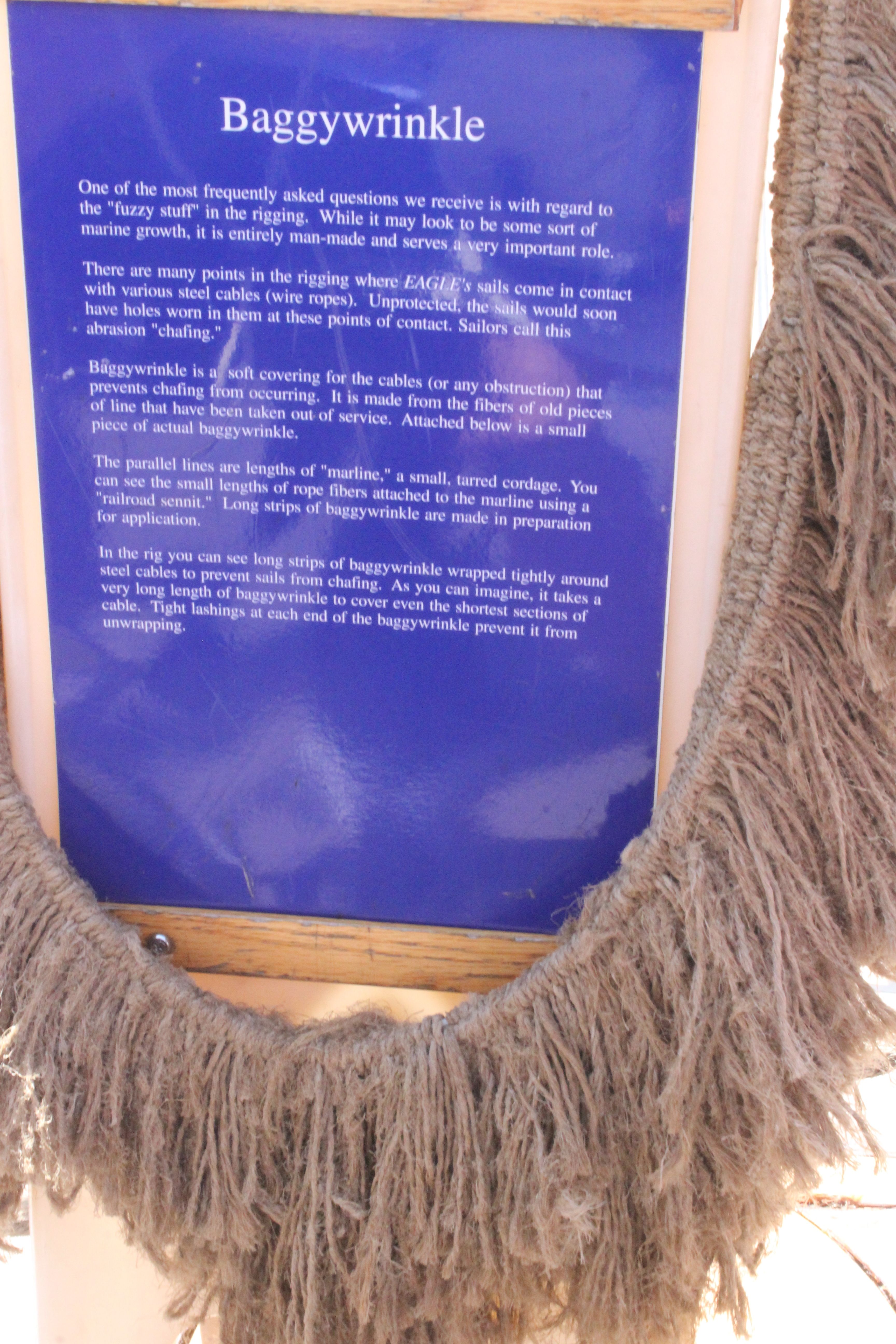
The question of the day and apparently the number one question always: What is that seaweedy looking stuff on the cables? How did it get there? Why is it there? Does it keep birds at bay?

baggywrinkle

That, my friends, is baggywrinkle. Think about the winds shifting suddenly during a tack. Sails slap against the rigging. In a big blow, they rip. Not so with baggywrinkle. Baggywrinkle is old rope that’s been unraveled, cut to length and then rewoven to cover the cables and protect the sails from chafing. Kind of like how we use vaseline.

Baggywrinkle. Baggywrinkle. Baggywrinkle. Baggywrinkle. Baggywrinkle. :-)

Looney Tunes

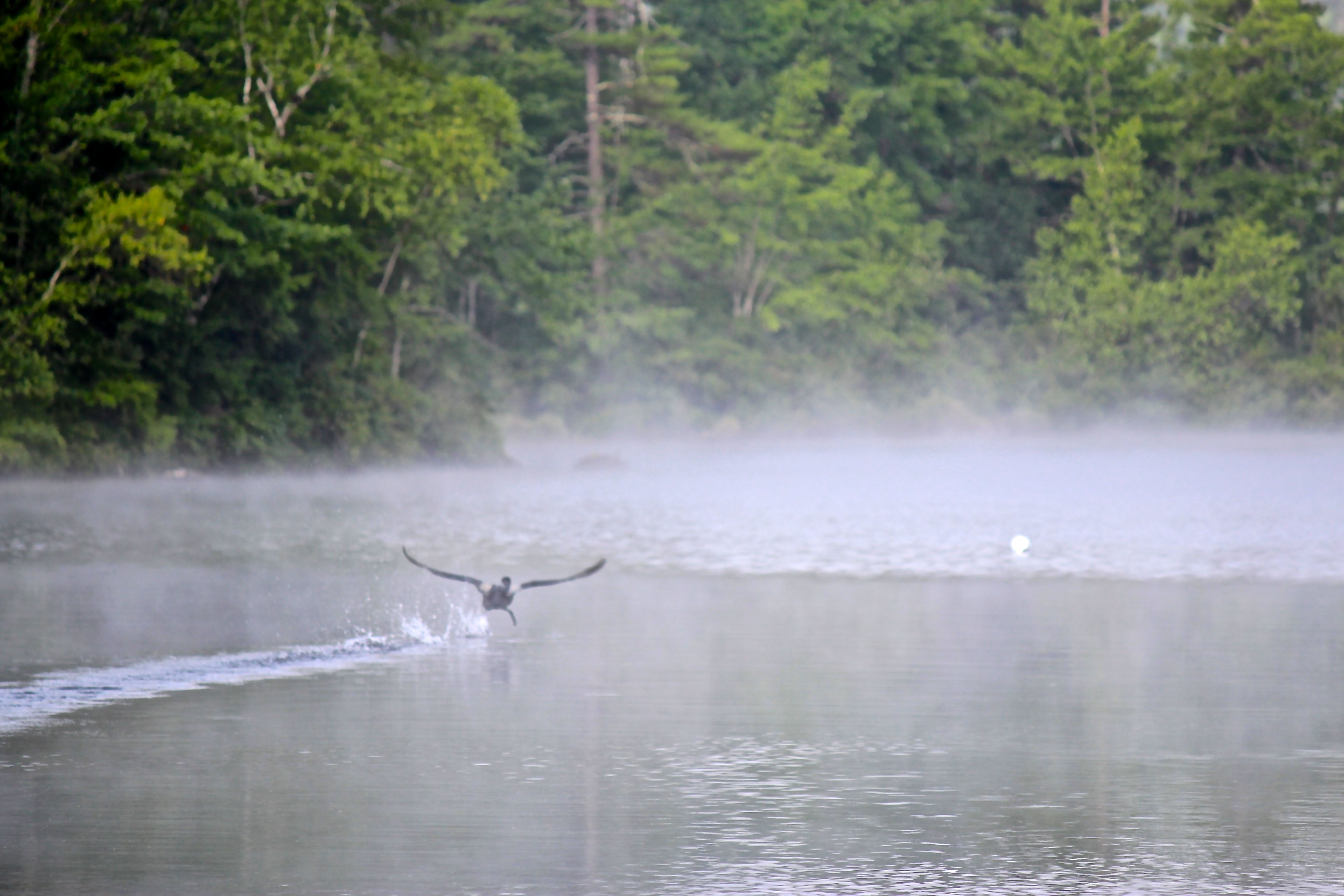
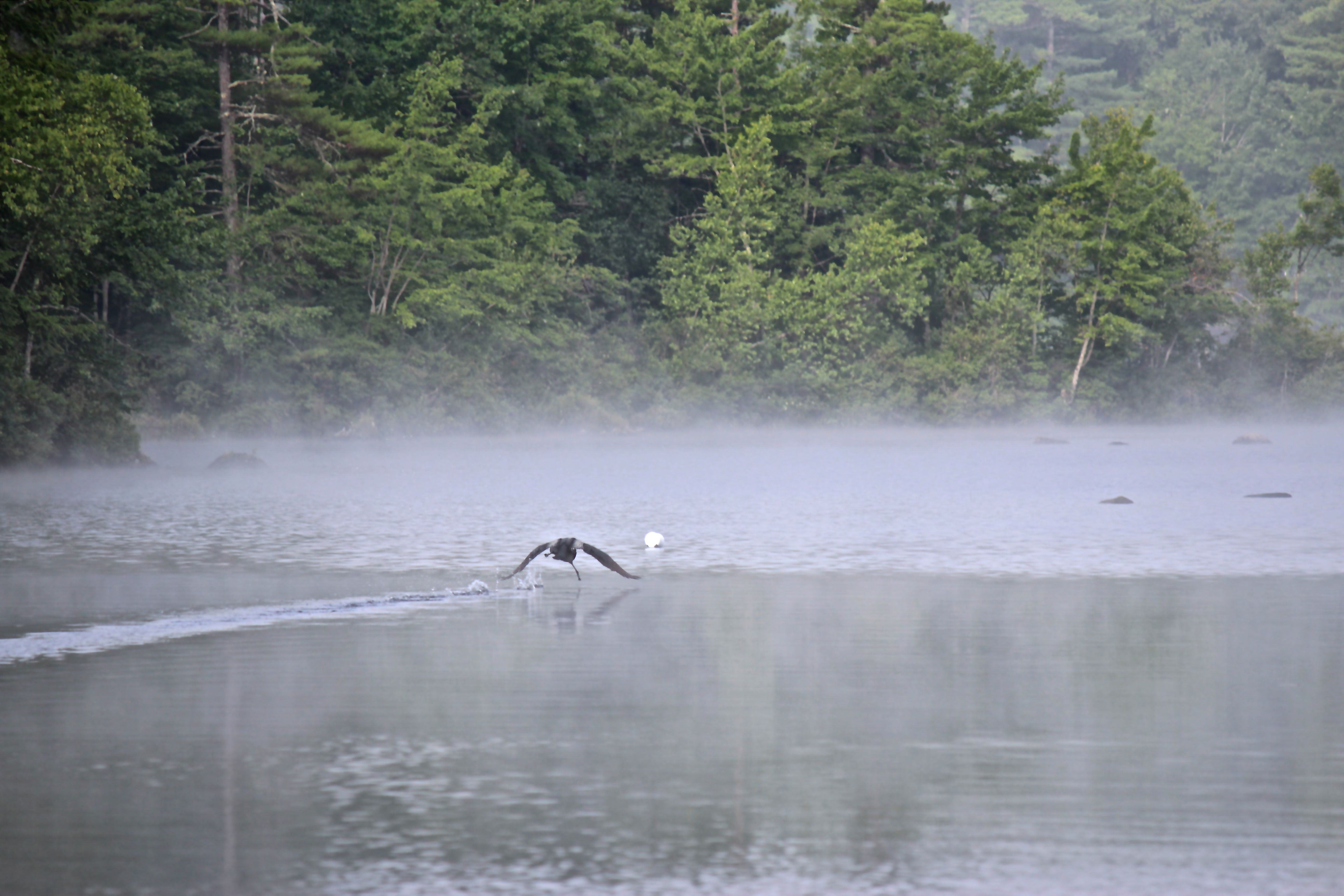
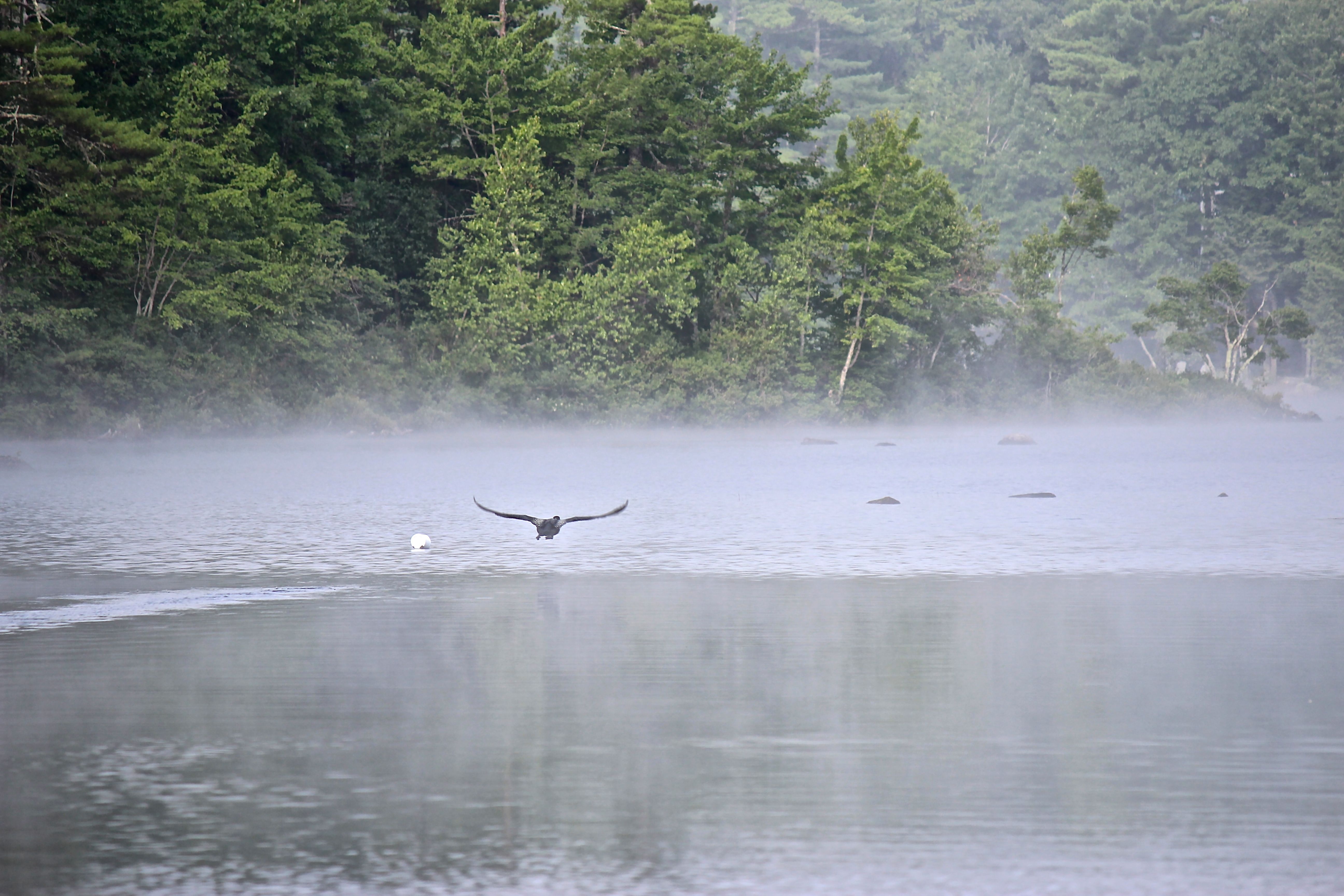
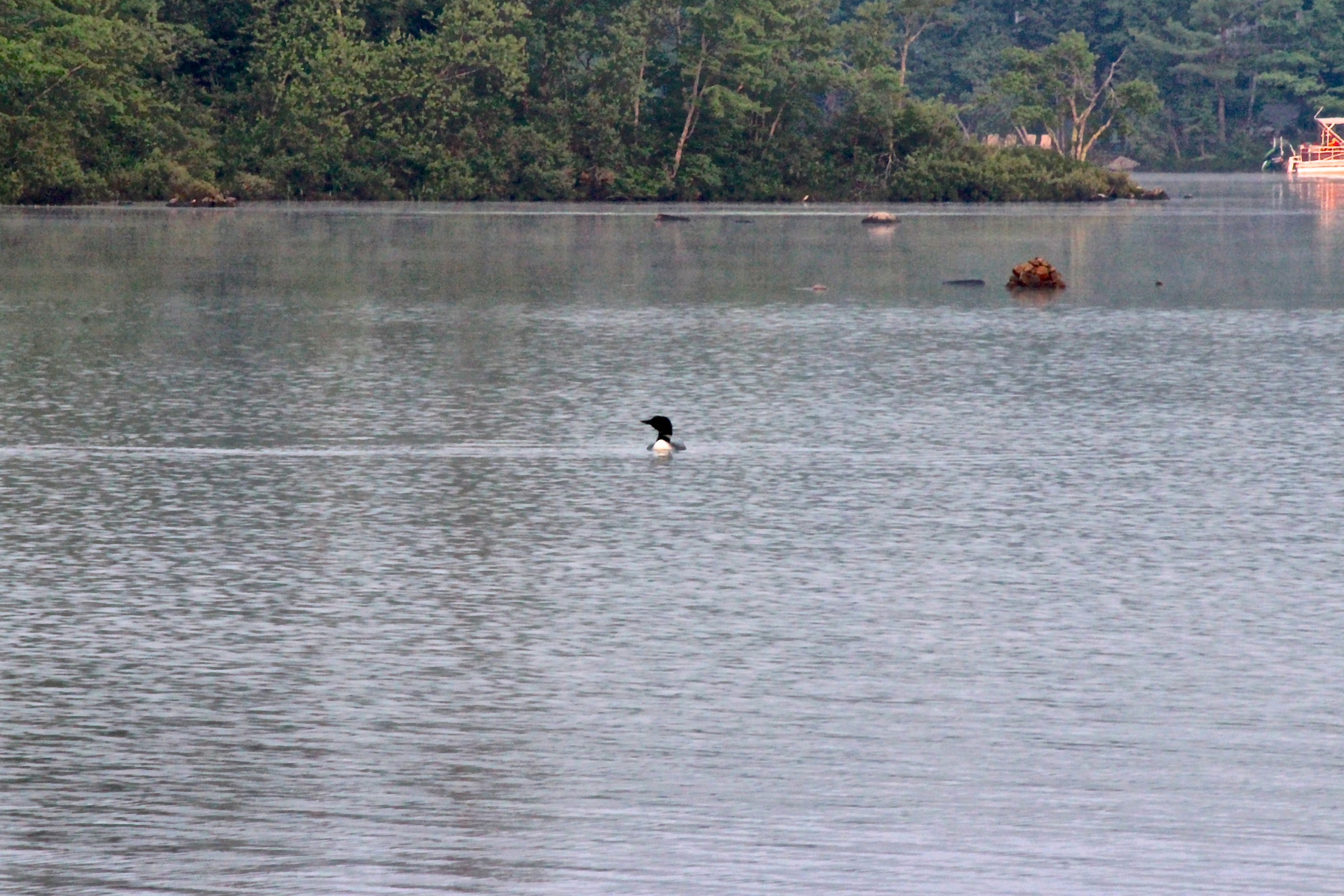
I was like a kid anticipating Christmas this morning when I grabbed my life jacket and headed out the door for the Maine Audubon Loon Count. While sipping coffee on the porch earlier, I’d heard a couple of hoots come from the middle basin. The hoot is the call a loon uses when it wants to announce its presence or locate others.

This is my first year participating in the event, which occurs annually on the third Saturday of July. It was misty when I slipped the kayak into the water, but I decided to bring my camera along just in case. The count traditionally begins at 7am, when about 900 volunteers across the state gather data about the status of Gavia immer, the common loon.

As I approached the causeway to begin my tour of the western side of the upper basin, I heard a quiet motorboat behind me. My fellow counter, P.B., and I chatted briefly and then decided to meet about a mile and a half to the north and compare notes.

The breeze was with me making for an easy paddle as I scanned the water, looking for that iconic bird that resembles no other on our Maine waters. I saw four ducks. And four fishermen.

P.B. and I met up as planned and had the same results. No loons this morning, though during the week we’d both seen a pair and a single loon diving.

For those of us who are looney about loons, we had great hope for the nesting couple on the upper basin this year. Last year, for the first time in a long time, they successfully hatched two chicks and raised one. We learned from another observer (S.F.), who has been a long-time Audubon counter, that the second chick somehow managed to make its way through the middle basin to the lower basin and joined another family raising one chick. An amazing feat to be sure.

chicks

These are last year’s chicks–about two days old.

This year, one chick hatched on July fourth, was seen by some (not me) for a couple of days and has not been spotted since. And the second egg apparently half-hatched.

What happened to the first chick and why did the second die? We don’t know. We do know that boats were harassing the young family. But we also know that turtles and eagles and other predators exist on the lake. And it was Independence weekend. Could fireworks have had anything to do with the loss of the second chick? The loons were certainly not impressed with the noise that night as was evidenced by their tremolo alarm calls.

moose pond

Back to this morning. The clouds thickened as I paddled home.

rain drops

It was a gentle sprinkle at first.

sabattus

Then the wind picked up and it rained a bit harder. But . . . I could hear a loon, so I paddled frantically while scanning through water drops. Eyeglass windshield wipers would be a great invention.

Not a loon in sight. I did enjoy breakfast with a few of the hearty volunteers (thanks S. & H.) and learned that one couple saw at least five loons and one still sitting on a nest that traditionally produces chicks at a later date. May be something to that–but how do you tell loons they’d be better waiting a week or two to nest.

As I went through my photos from last summer, I found a few that I thought worth including.

loon1

loon 2

loon3

loon 4

loon 5

loon 6

loon 7

Four hours after the official count, it’s no longer raining and a loon has been fishing about a hundred yards from our dock.

Maine Audubon offers the following tips to protect the loons. Education is the key.

~Obey no-wake law within 200 feet of shore
~Use lead-free tackle; alternatives are made of steel, tin and bismuth
~Dispose of fishing line so it does not get tangled in a loons’ feet or bill
~If you live on a lake, use phosphorus-free fertilizer and plant shrubs as a buffer along the shoreline to reduce run-off
~If you see a loon on a nest, keep your distance and watch with binoculars
~Keep garbage out of reach of loon egg predators, like skunks and raccoons

Two more glimpses from last year before I sign off.

loon up close

red eye

These were taken as my guy and I kayaked and the loon suddenly surfaced beside us.

Always a thrill to see them and hear their looney tunes.

Moosey Mondate

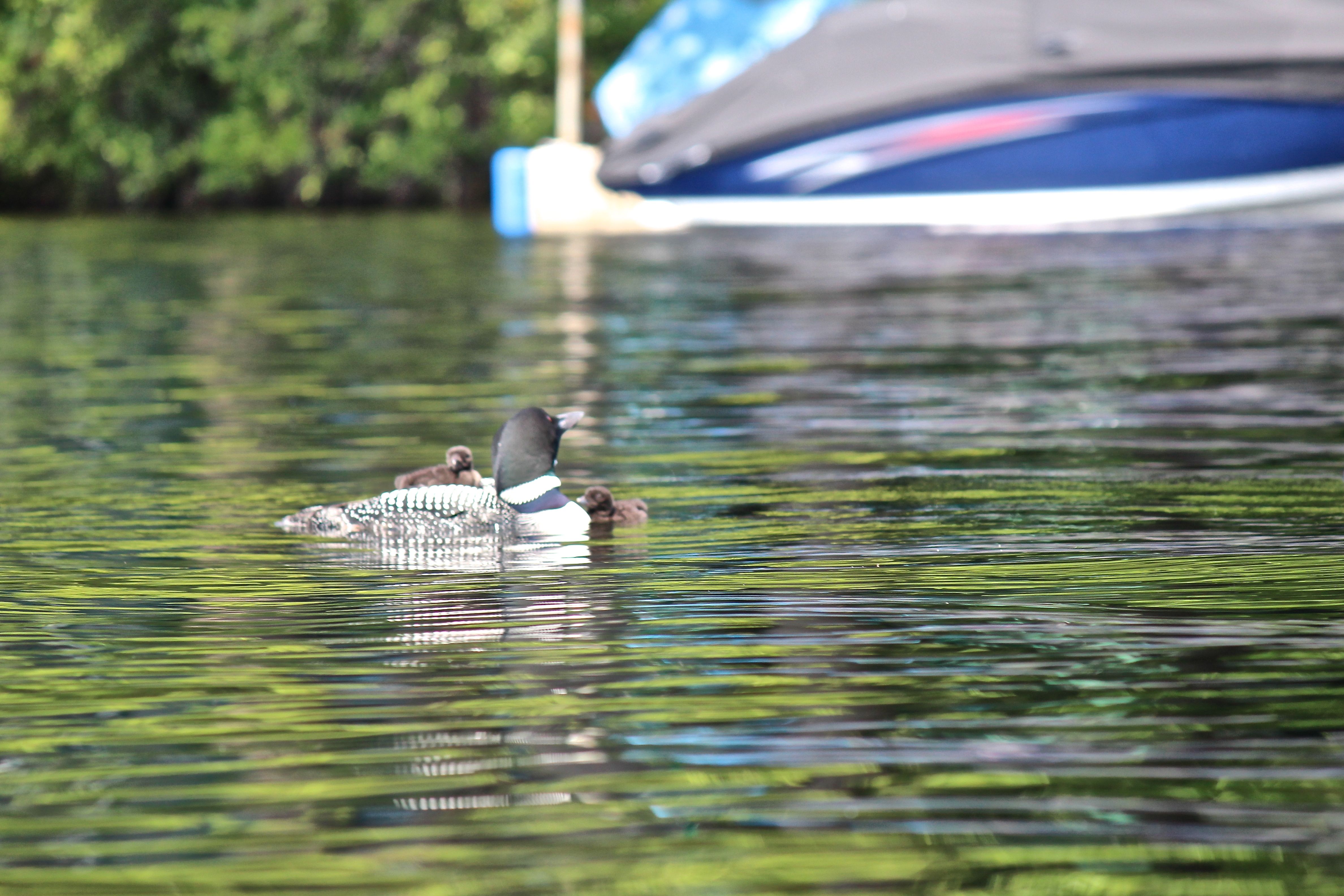
We finally moved to camp yesterday, and awoke early this morning to that hauntingly delightful sound–the cry of the loon.

loon

While I stood on the dock, wishing the pair would come closer, something else caught my attention.

suspendedsusp2

Suspended animation. I couldn’t see the web, but trusted it was there.

Black Mtn

Our Mondate began after we got some chores out of the way. A perfect day to hop in the tandem kayak and head north to Sweden. Thanks to our friends the Neubigs, who purchased the tandem for us years ago. They need to return and use it–just saying.

island shoreline

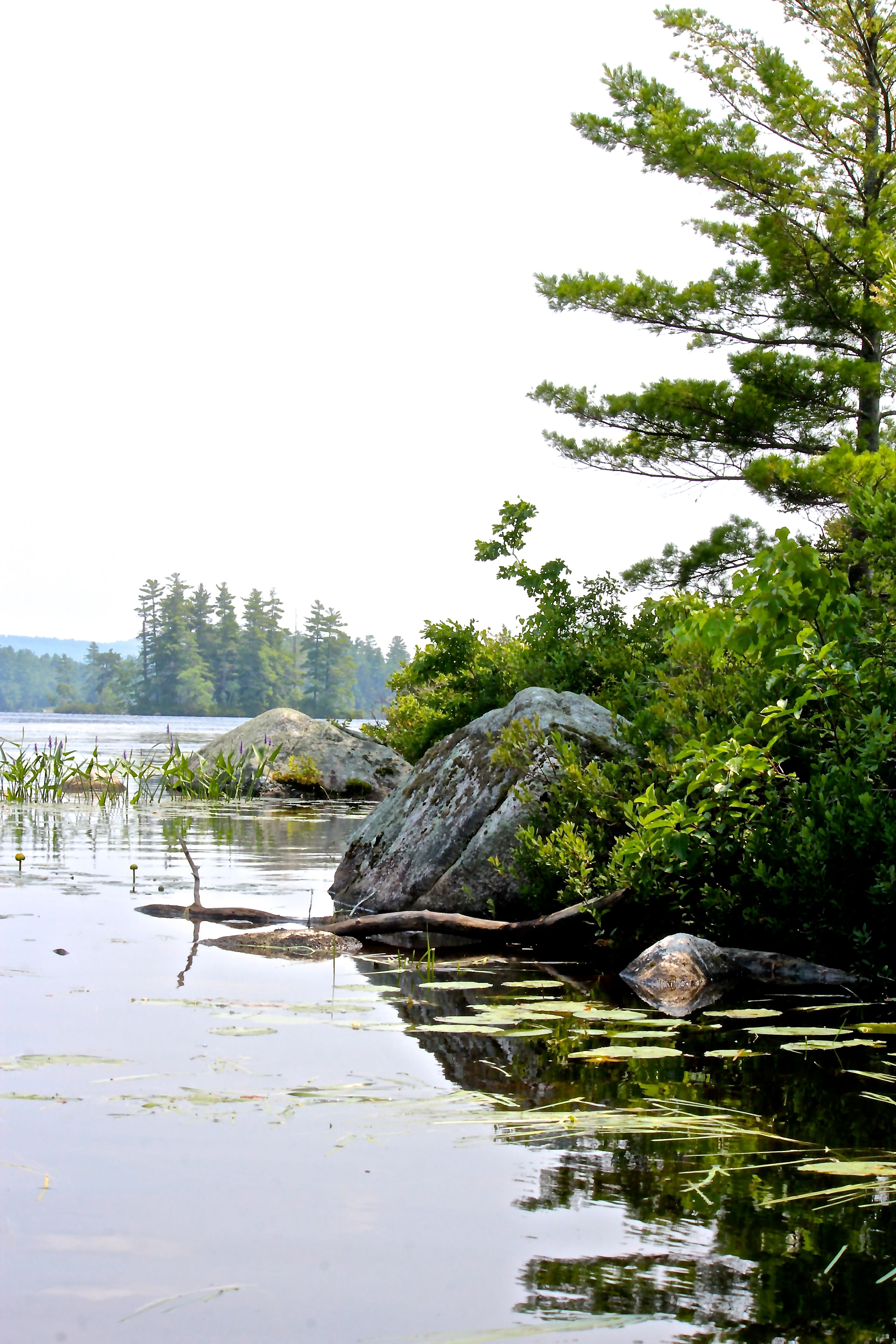
We love the upper basin because there are so many islands and stumps and inlets and coves and beaver lodges and you name it to explore.

tall weeds

The only thing that drove us crazy was the deer flies. Yeah. So we know insects are important for pollination and to provide food for fish, birds, dragonflies and others. But truly, what purpose do deer flies serve, other than to suck our blood? Mind over matter. Don’t scratch and the swelling will go down eventually. Note–like black flies, it’s the females that bite. I’d say, “Go Girls,” but hardly in this case.

dragonfly

Among the many dragonflies was this blue dasher, a common variety near quiet water. If only he would feast on those darn deer flies.

button bush

The buttonbush seems otherworldly with its pincushion styles protruding from each tubular flower.

spadderdock

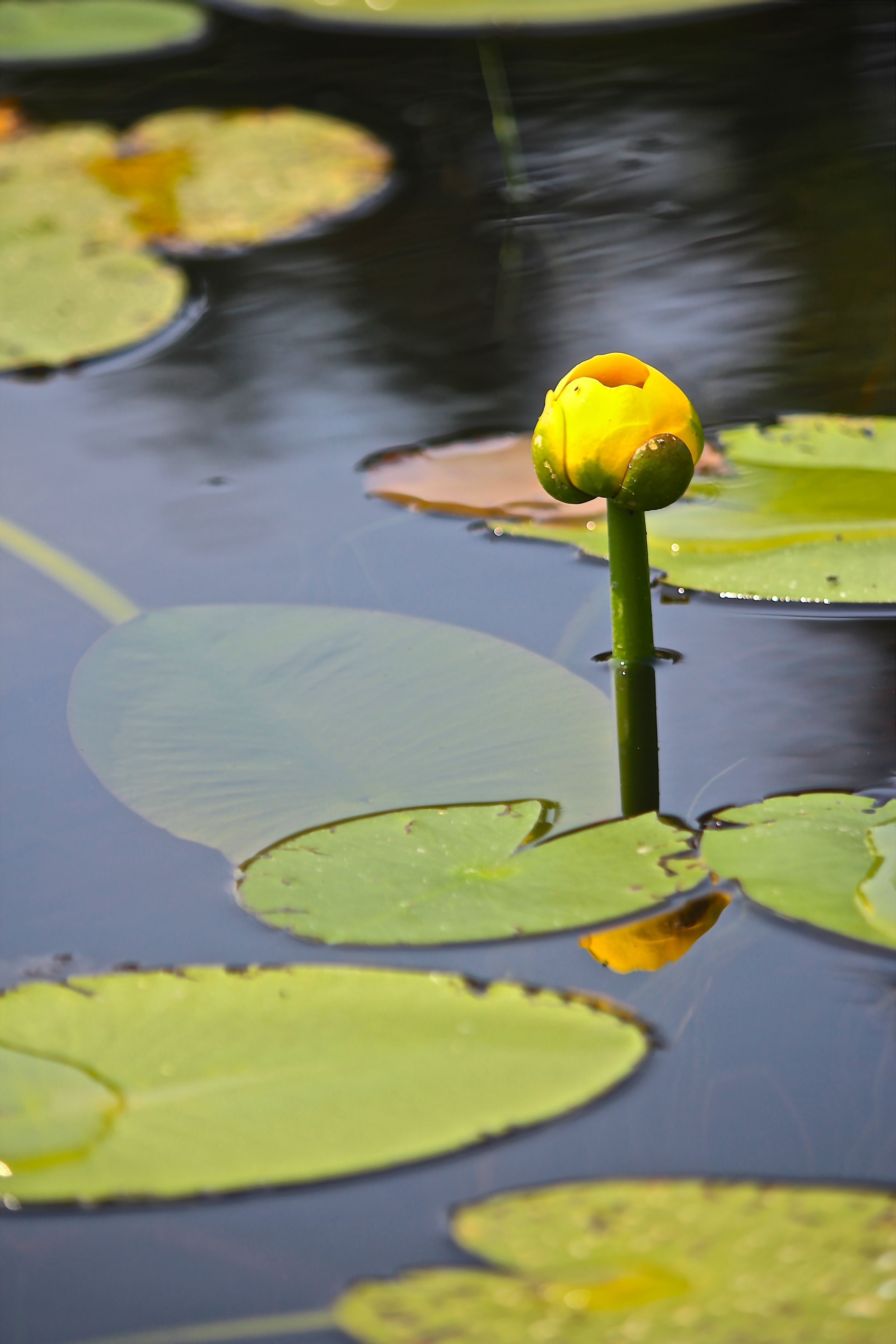
The tight, waxy, petal-like sepals of the spatterdock, aka yellow pond lily or cow lily, stands upright above its leaf–featuring a small v-notch

fragrant water lily

On other ponds and lakes, I’ve seen the fragrant water lily in bloom already, but here it is just beginning to open. Its leaves are larger than those of the spatterdock and notched to the center.

pickerel

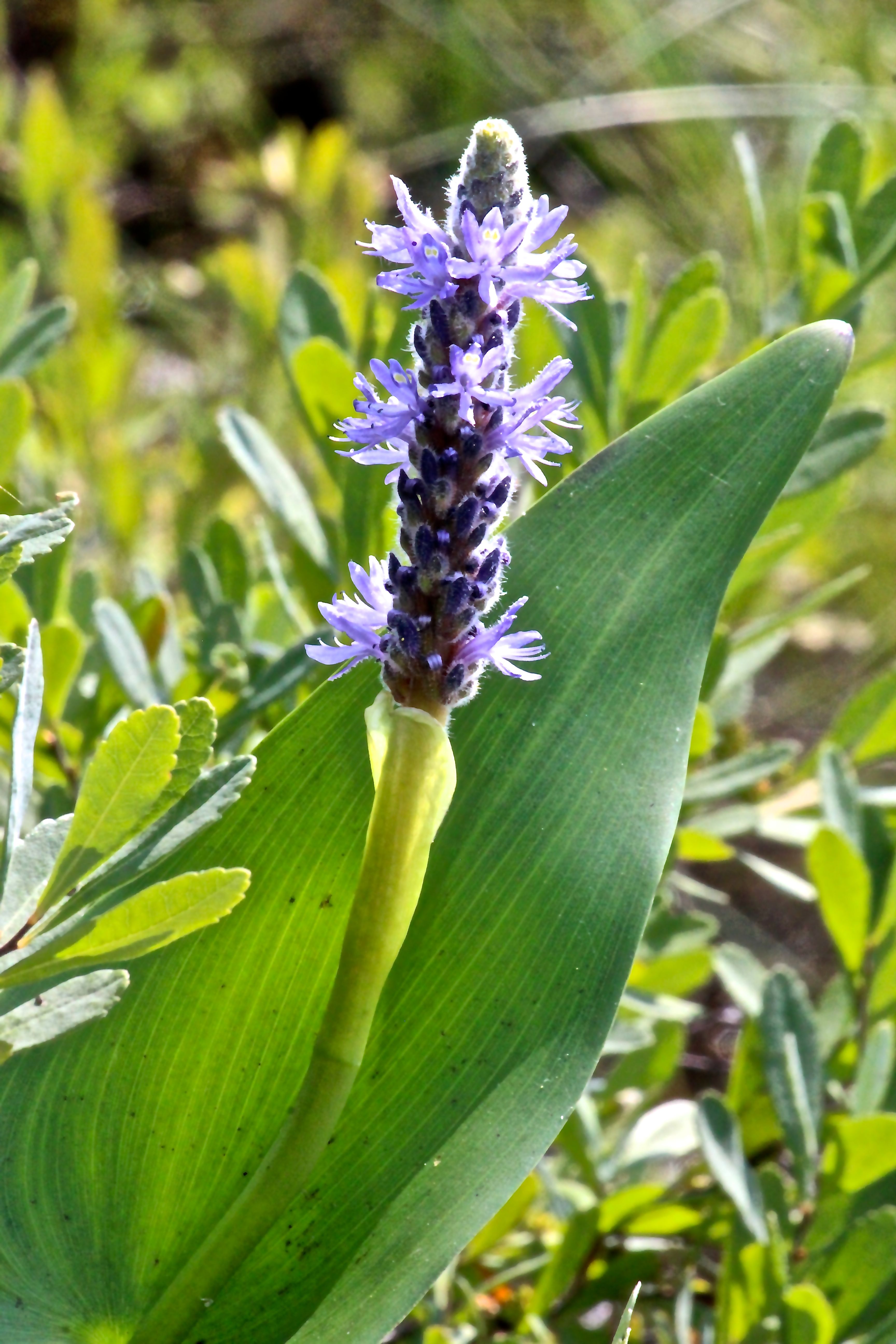
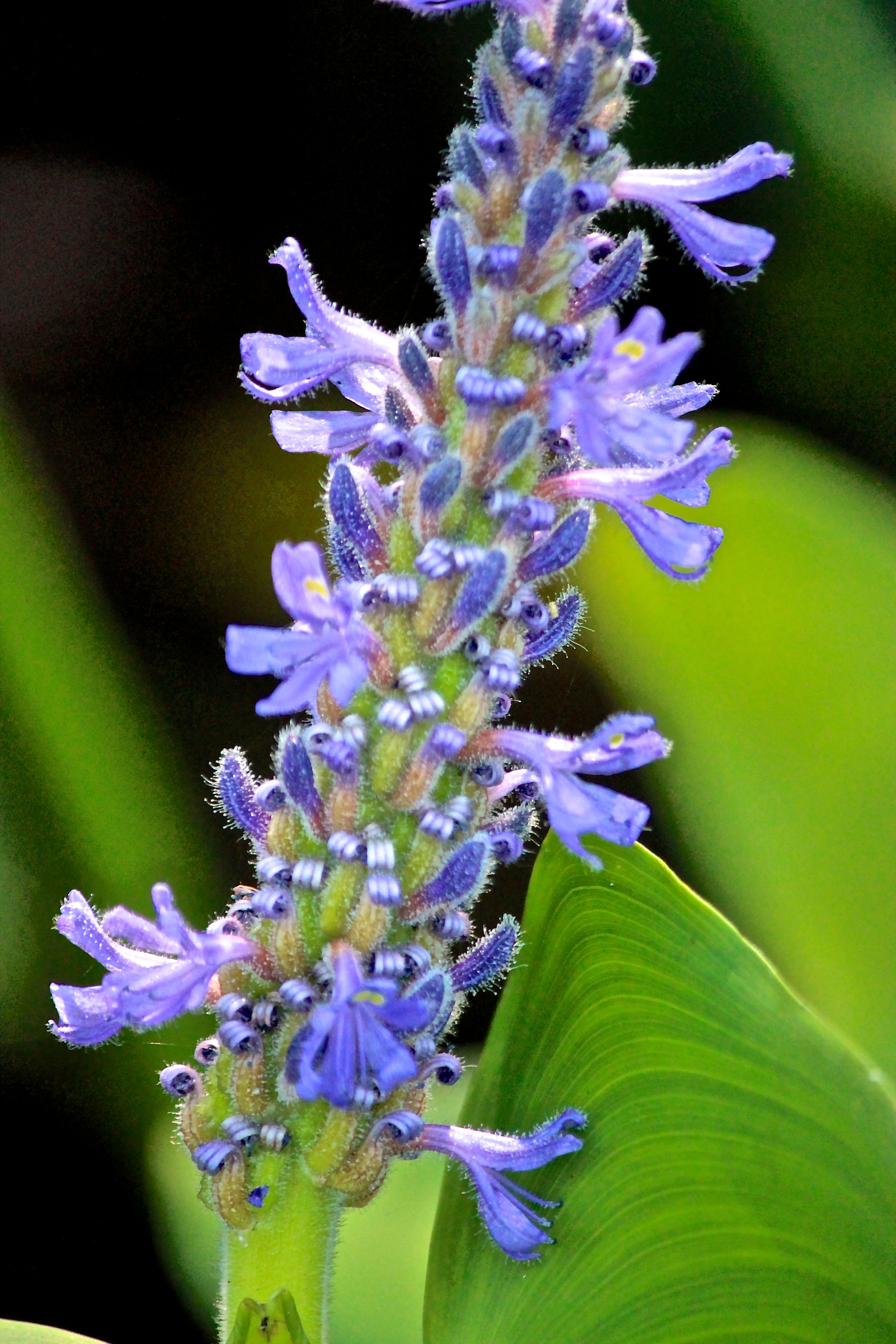
Pickerelweed is like no other. Though the upside-down heart-shaped leaves are long-stemmed and look similar to arrowhead, once the flower blossoms, there’s no mistaking it.

pick 2

The flowers are worth a second or third look. They grow in spikes along the pond’s edge. And each is covered in hair. Why?

pick 3

Not only that, but each flower is two-lipped. And each lip is three-lobed. And the upper lip has two yellow spots.

sundews 1

The pond was dammed a long time ago and stumps support a variety of life–including the carnivorous sundews beginning to flower.

sundews 2

At first glance, I thought they were the round-leaved variety, but I now think they are spatulate-leaved sundews. Love that name–for the spoon or spatula-shaped leaves that are longer than they are wide.

love is in the air

Love is in the air.

As it should be on a Mondate with my guy well spent on Moose Pond. I bet you thought I was going to post a photo of a moose.

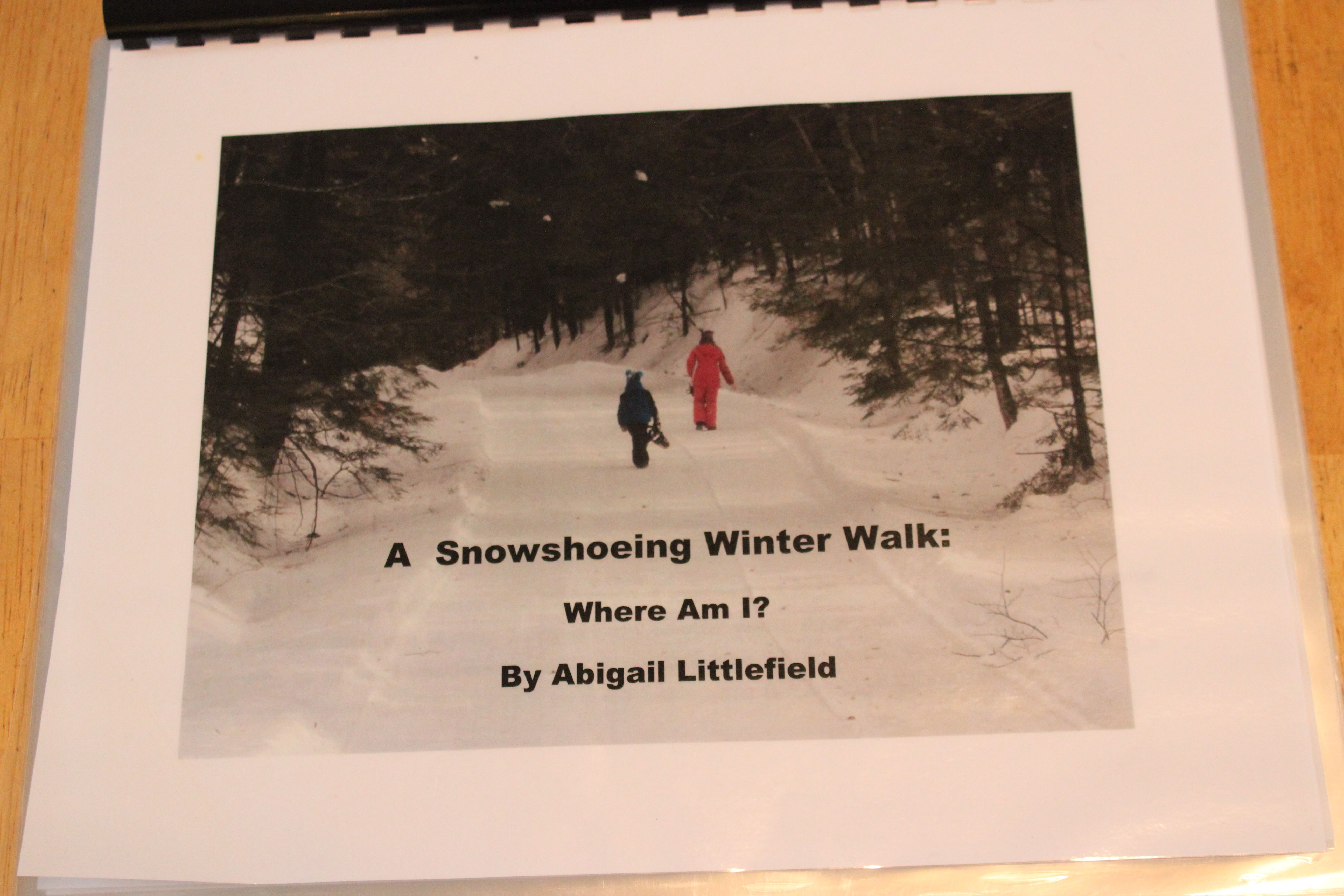
Book of July: A Snowshoeing Winter Walk–Where Am I?

cover

Book of July

Summer may be in full swing, but I just received a copy of a special book created by a young friend and I wanted to feature it this month. The photos will cool you down on a steamy day.

This past February, Abby Littlefield, her younger brother and their mom, invited me to snowshoe with them at Holt Pond Preserve in South Bridgton. Abby was in fourth grade and needed to complete a project based on an ecosystem. She chose wetlands and wanted to learn more about the flora and fauna of the preserve.

I was thrilled to receive a copy of the book Abby made about our journey and delighted to discover how much she remembered from our trek. She and her family were real troopers that day–the temp was quite low, snowshoeing was a new experience for them and we spent about three hours on the trails. She reminded me of myself as she jotted down notes and we examined everything closely.

I did notice that her story doesn’t include the pileated woodpecker scat–not her favorite find. (Her brother thought it was rather special. :-))

Here are some pages from Abby’s book:

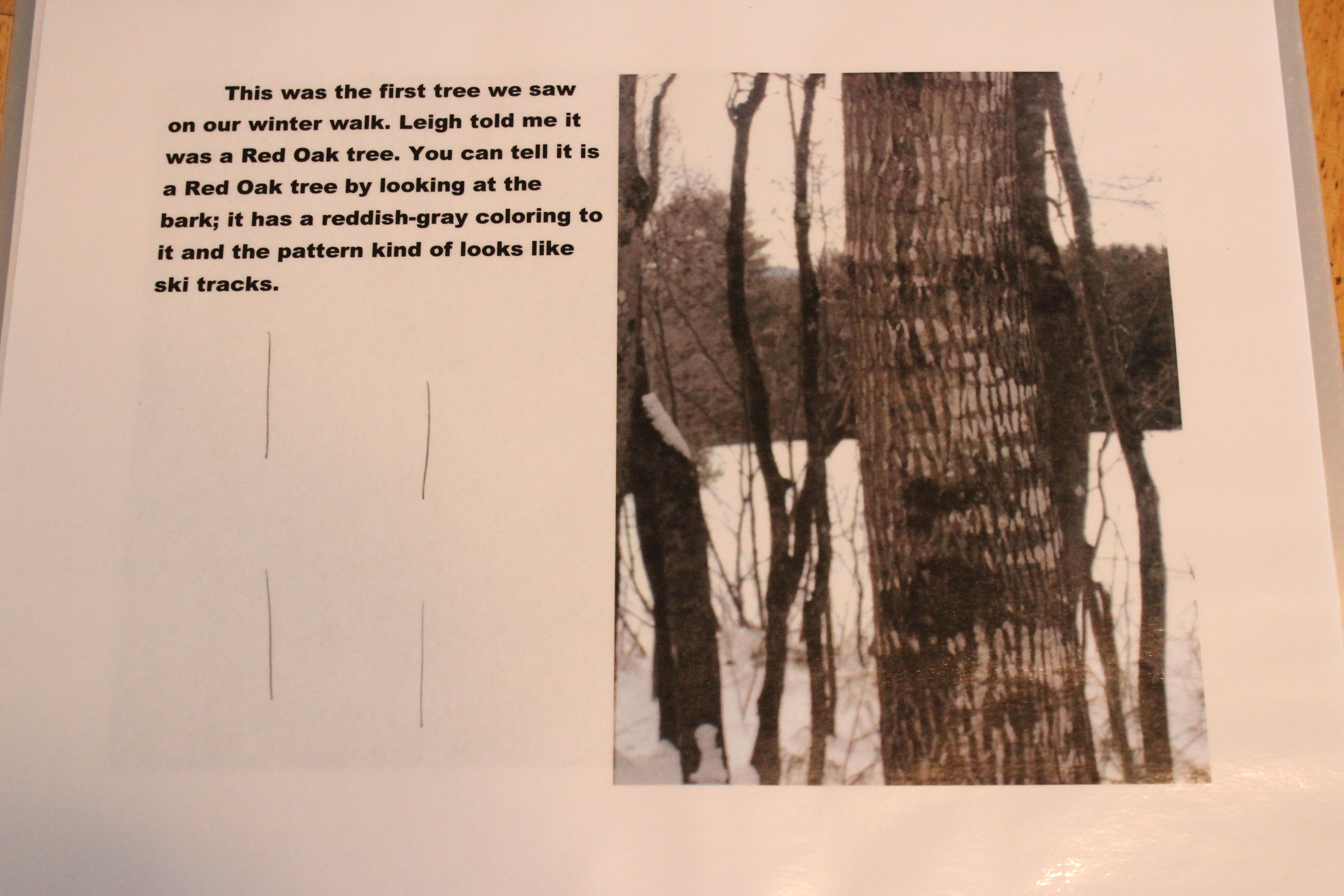
red oak

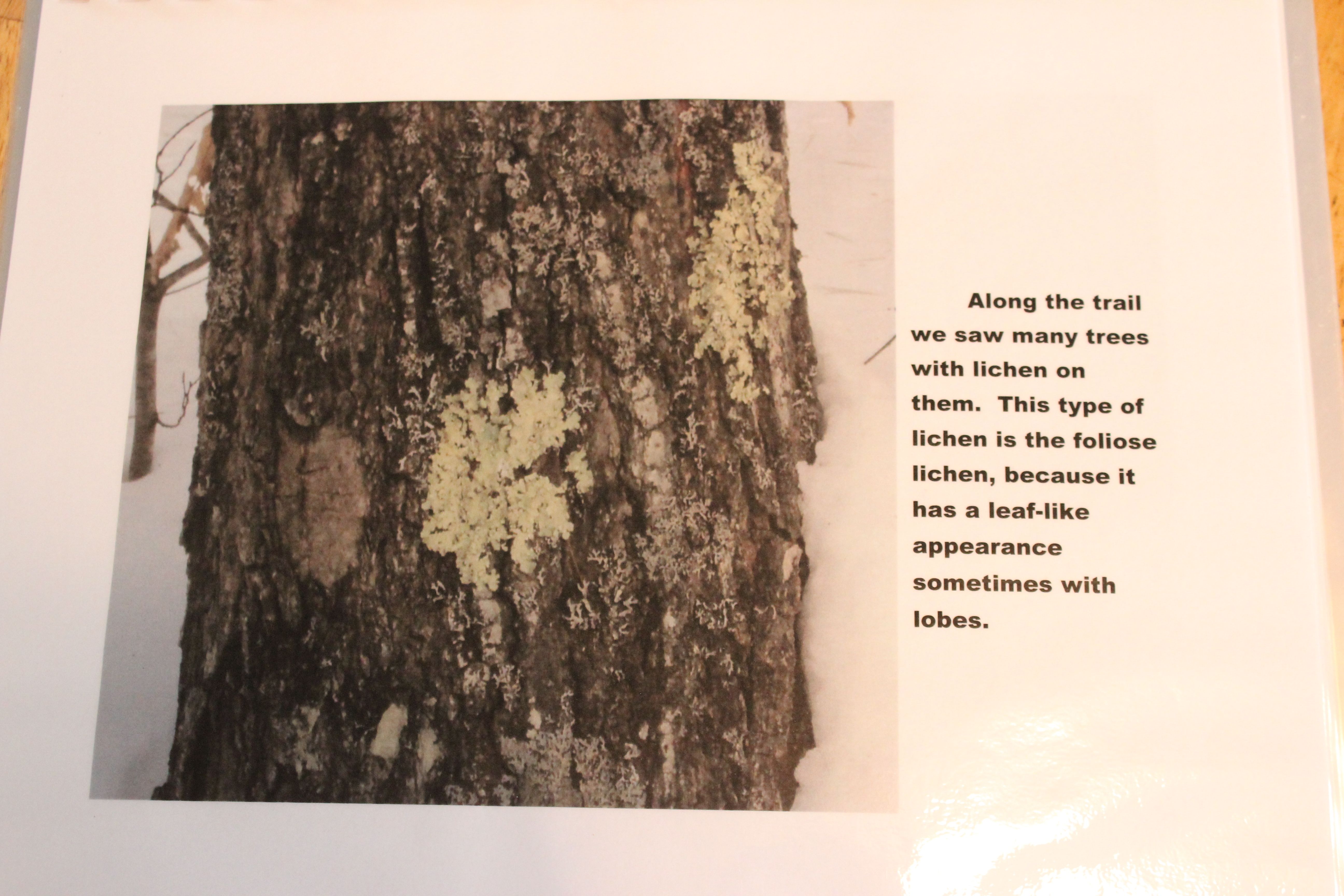
lichen

paper birch

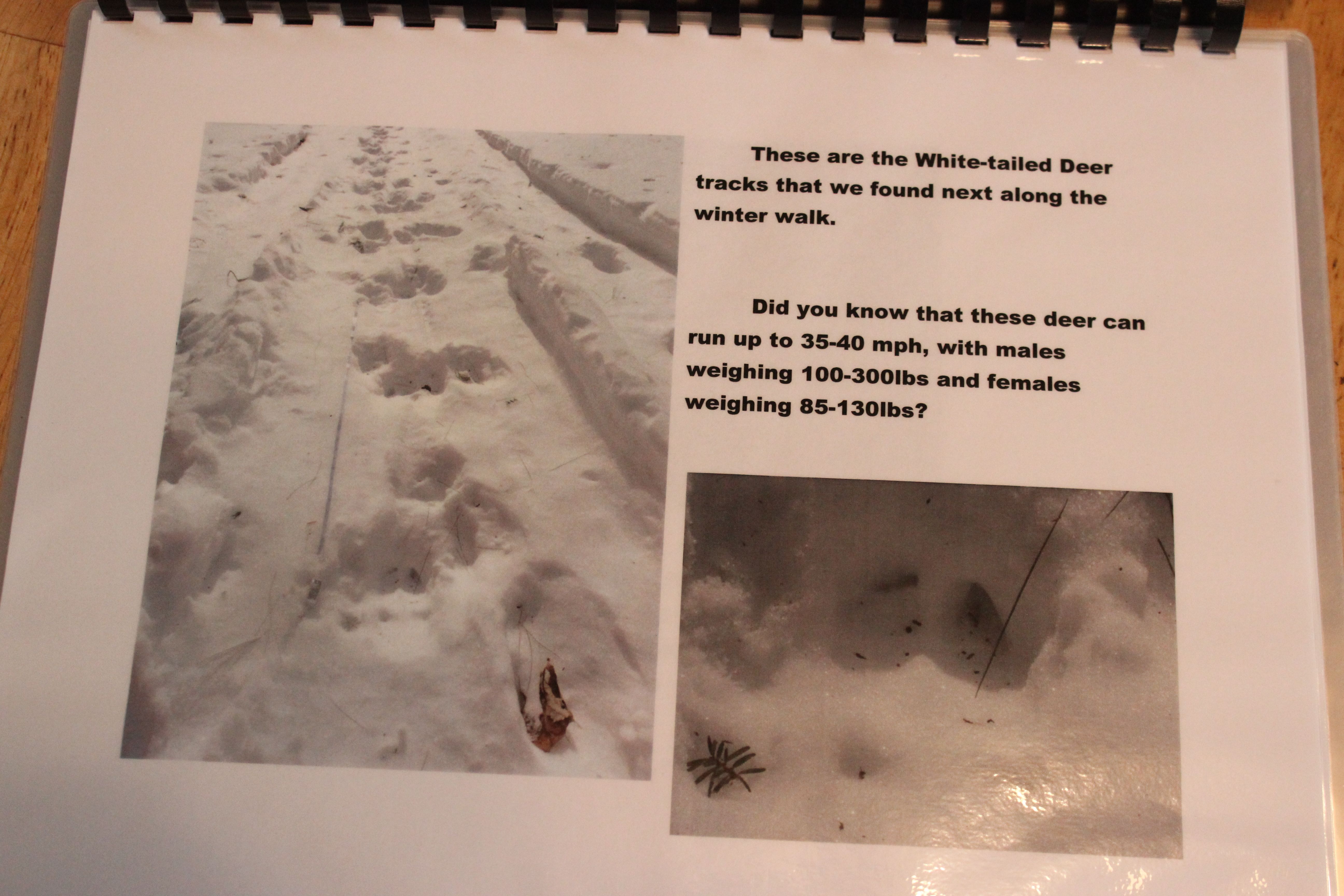
deer tracks

where are you?

fun facts

bibliography

Mighty impressive for a fourth grader. Congratulations, Abby, on a job well done. And thank you for letting me wander along with you and your family. It was a pleasure and I look forward to future expeditions.

Red Hot Mondate

It’s Monday. Time for a Mondate. But this morning, we each went our separate ways. He to run and then cut some tree limbs in the yard. Me to meet up with a friend and explore a nearby reserve.

whitney pond

I’ve visited this secluded spot three times, all within the last two weeks. And each time I spy something different.

fragrant water lily

The fragrant water lilies are beginning to bloom. They remind me of dainty china teacups.

galls

Near the water’s edge, a pink candy-crystal gall–I’m not sure of the actual name or creator because I’m still trying to identify the shrub. What causes the color?

beaver works

Bushwacking always means great finds like this beaver works. There are several lodges on the pond.

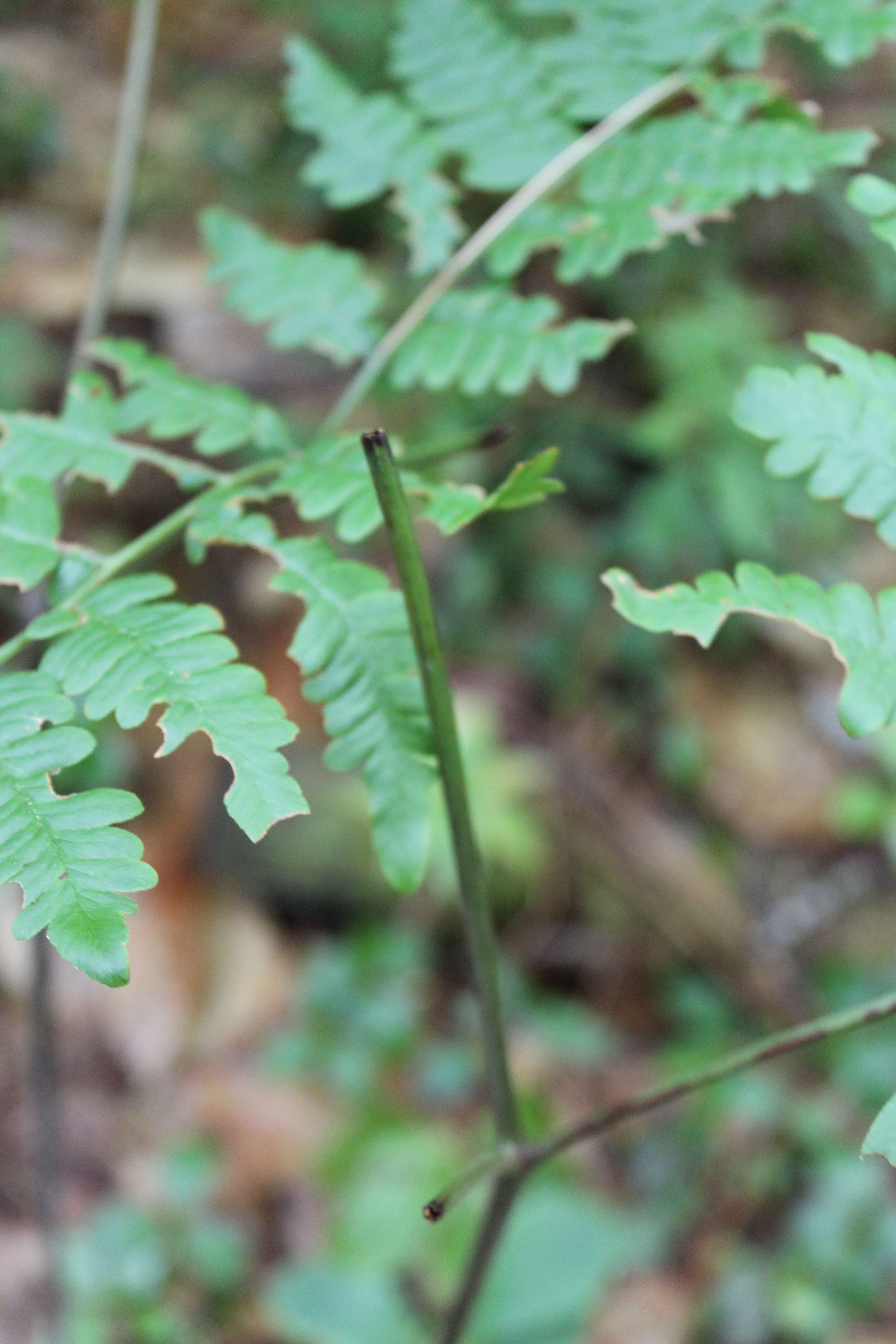
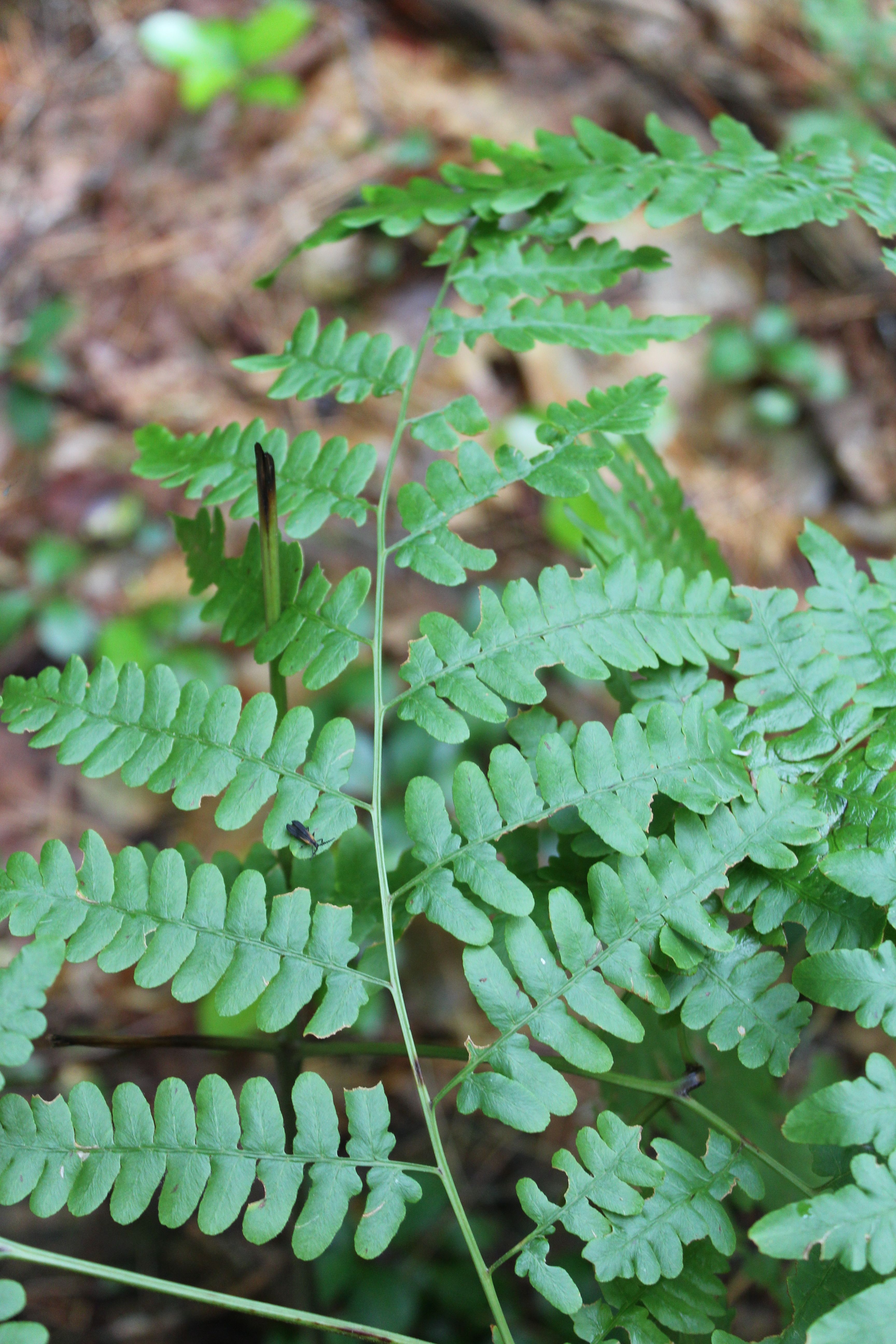
bracken 1

We were surprised to discover that something had been munching on the bracken fern. As ubiquitous as the plant is, we don’t often see that anything has consumed it.

bracken

White-tailed deer are about the only species that can tolerate bracken fern, which can poison some mammals. It produces a chemical thiaminase that prevents cows and sheep from metabolizing thiamine–they get sick and become disoriented. Cornell University’s Department of Animal Science Web site explains it this way: “When ingested, these enzymes split thiamin (Vitamin B1), an important compound in energy metabolism, and render it inactive.”

Here’s the good news about the fern–turned upside down, it makes a great summer hat and may keep mosquitoes off your head as you walk about the woods.

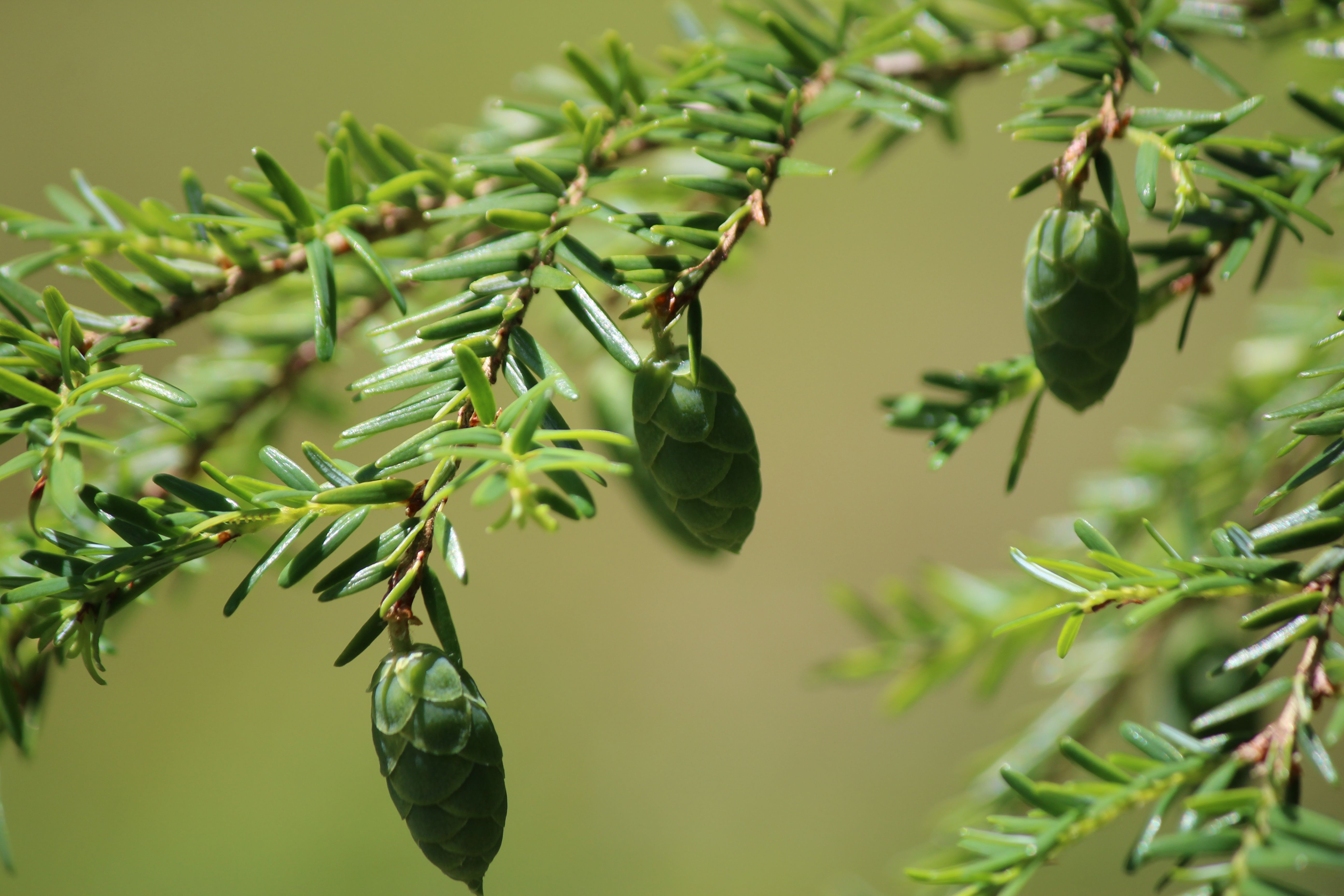
hemlock cones

Petite green cones dangle from the ever graceful hemlock trees.

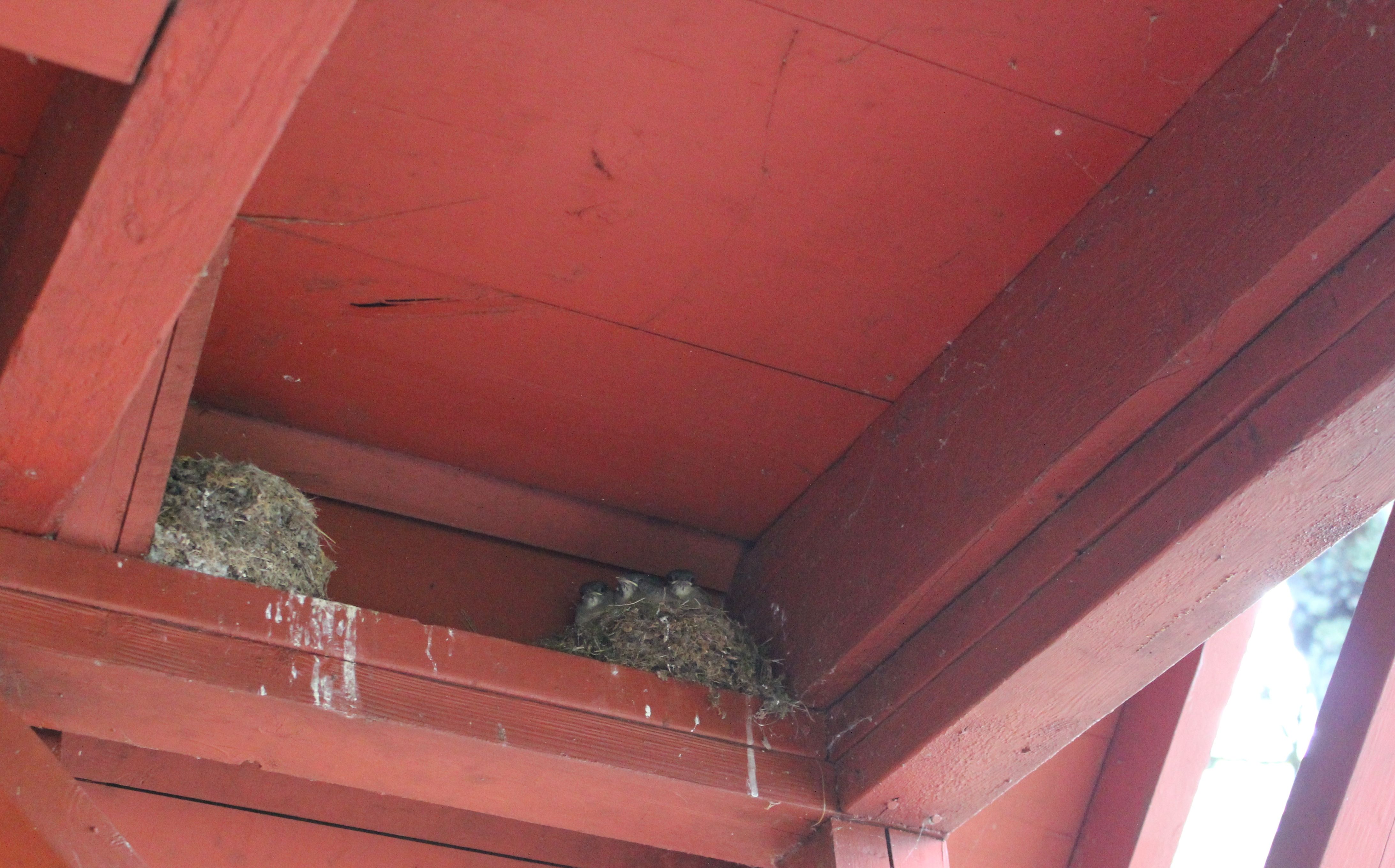
birds

One last view before we headed back down the long and narrow dirt road–baby phoebes all in a row.

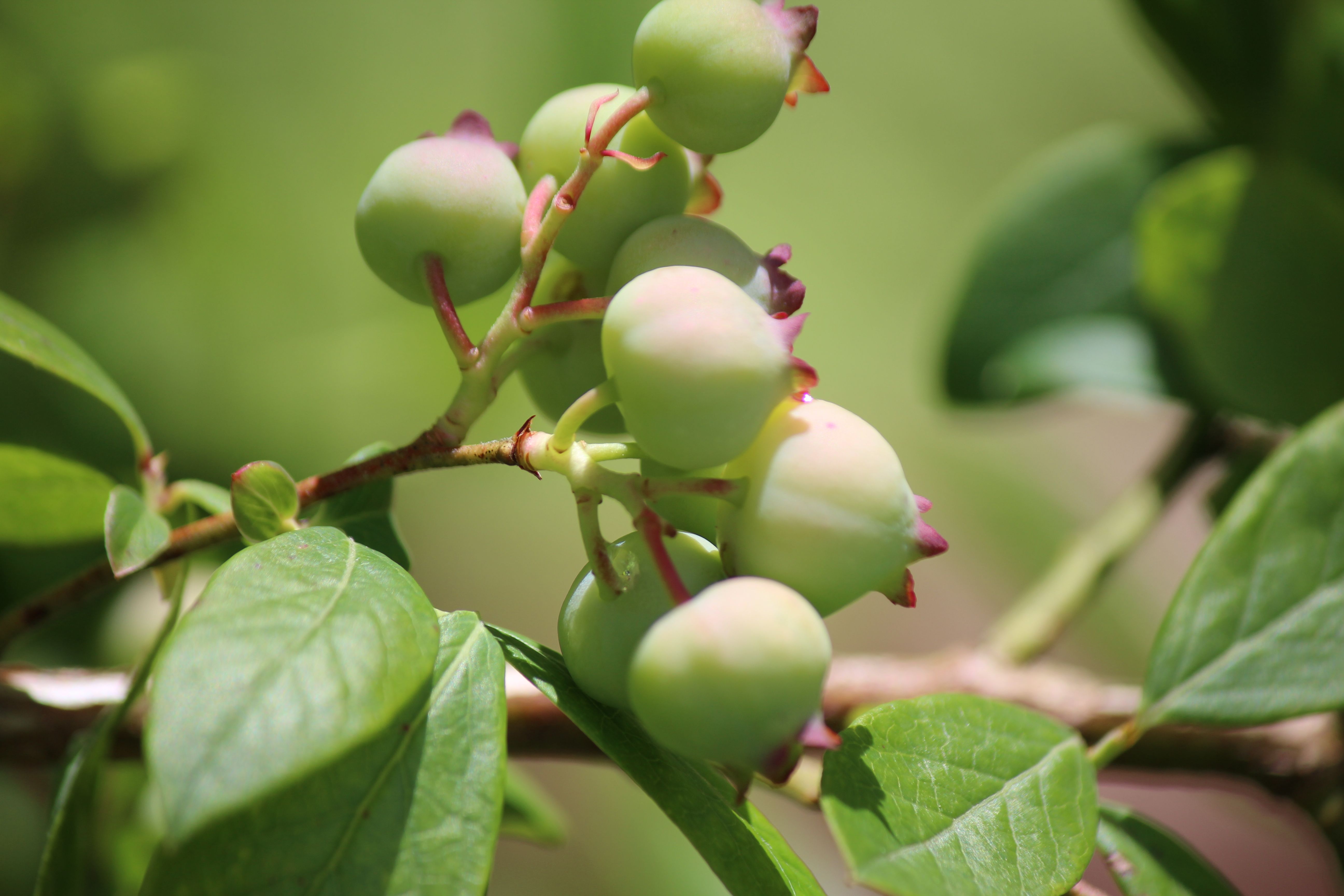
blueberries

At home, I wandered for a few minutes. It won’t be long before we’ll enjoy these.

foxglove

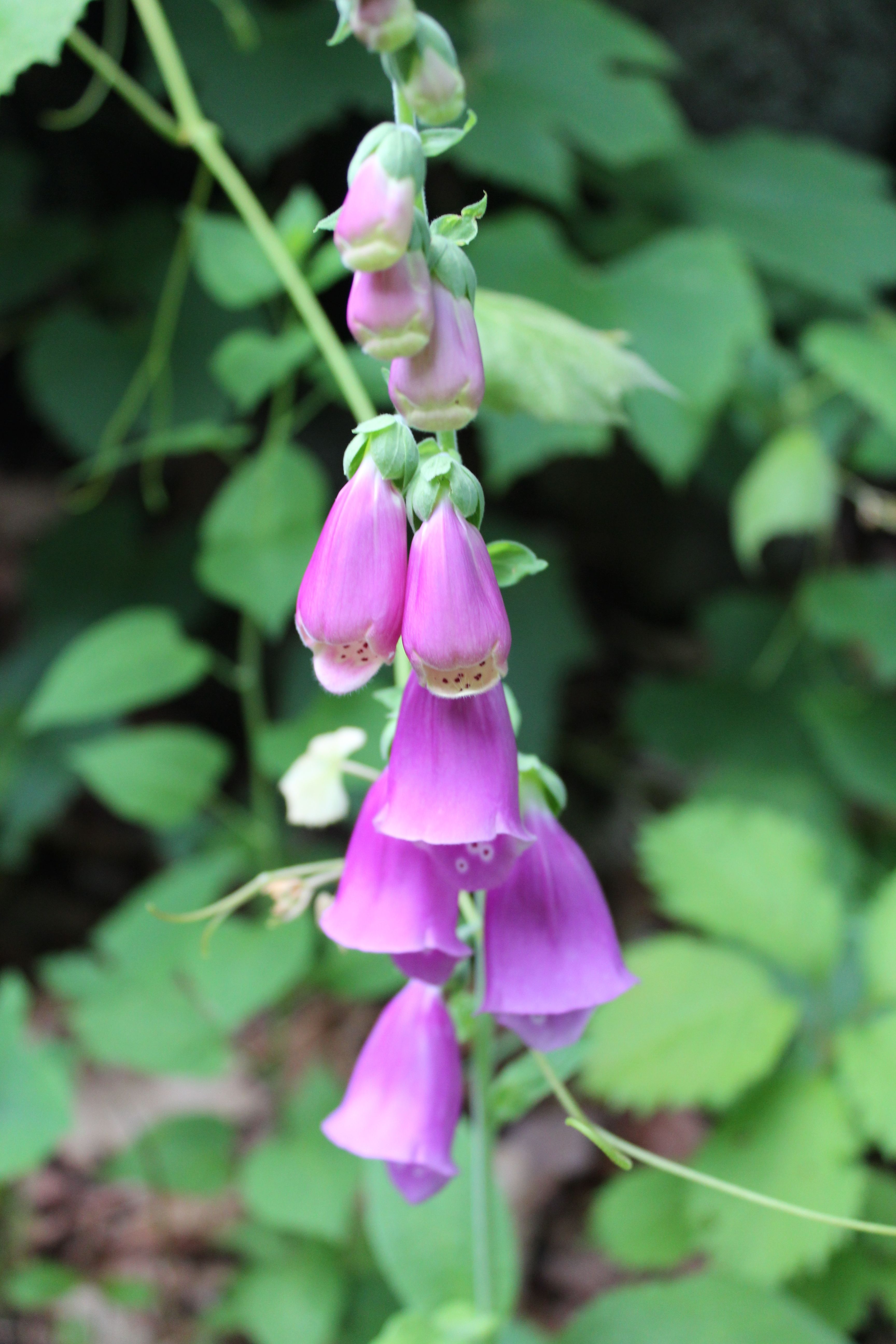
The trumpet-like flowers of digitalis–aka foxgloves. OK, so these are also poisonous to humans, cats and dogs. Yeegads. So beautiful and yet . . .

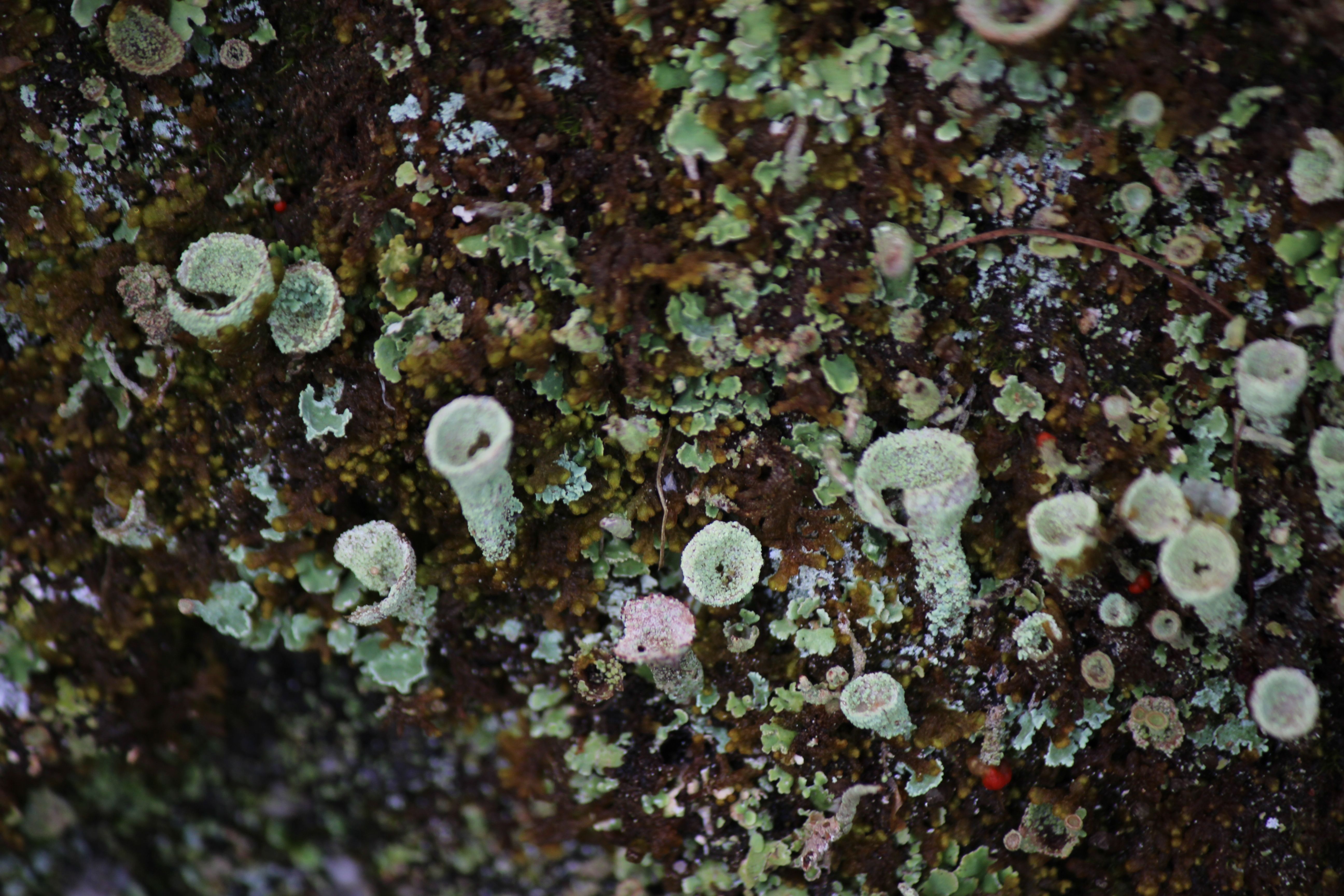
 lichens

A miniature world on the stone wall deserves a longer visit, with journal and colored pencils involved. I shall return to this spot to sit for a bit.

At last, I joined my guy for our Mondate.

barn 2

We’re painting the barn. Starting on the back side of the attached shed, we’ve primed it and late this afternoon I began using the actual color. You can see how high up I could reach. This isn’t the color the rest of the barn will be–but it’s so close you’ll never know the difference, unless I tell you. Oops, just did.

Yup, this was one red hot Mondate. And it looks like there will be more to come.

OBX: Living the Dream

Thanks to my beautiful niece who married her true love on Friday night in Corolla, (Cor-RAH-la, not Cor-OLL-a), North Carolina, we spent most of the week living the dream on the Outer Banks.

over the dune

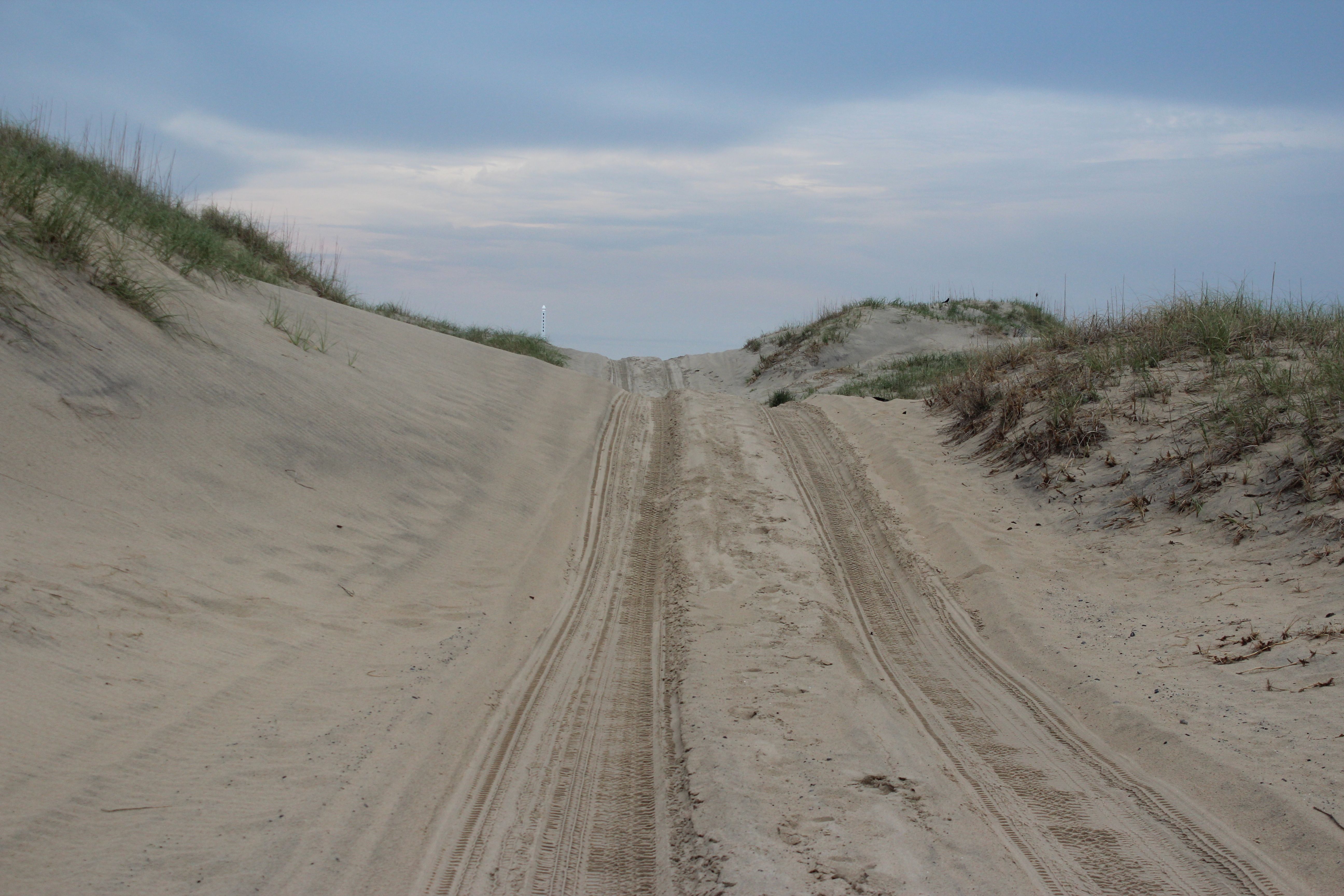
A running start was necessary to get up and over two dunes before reaching our hideaway destination.

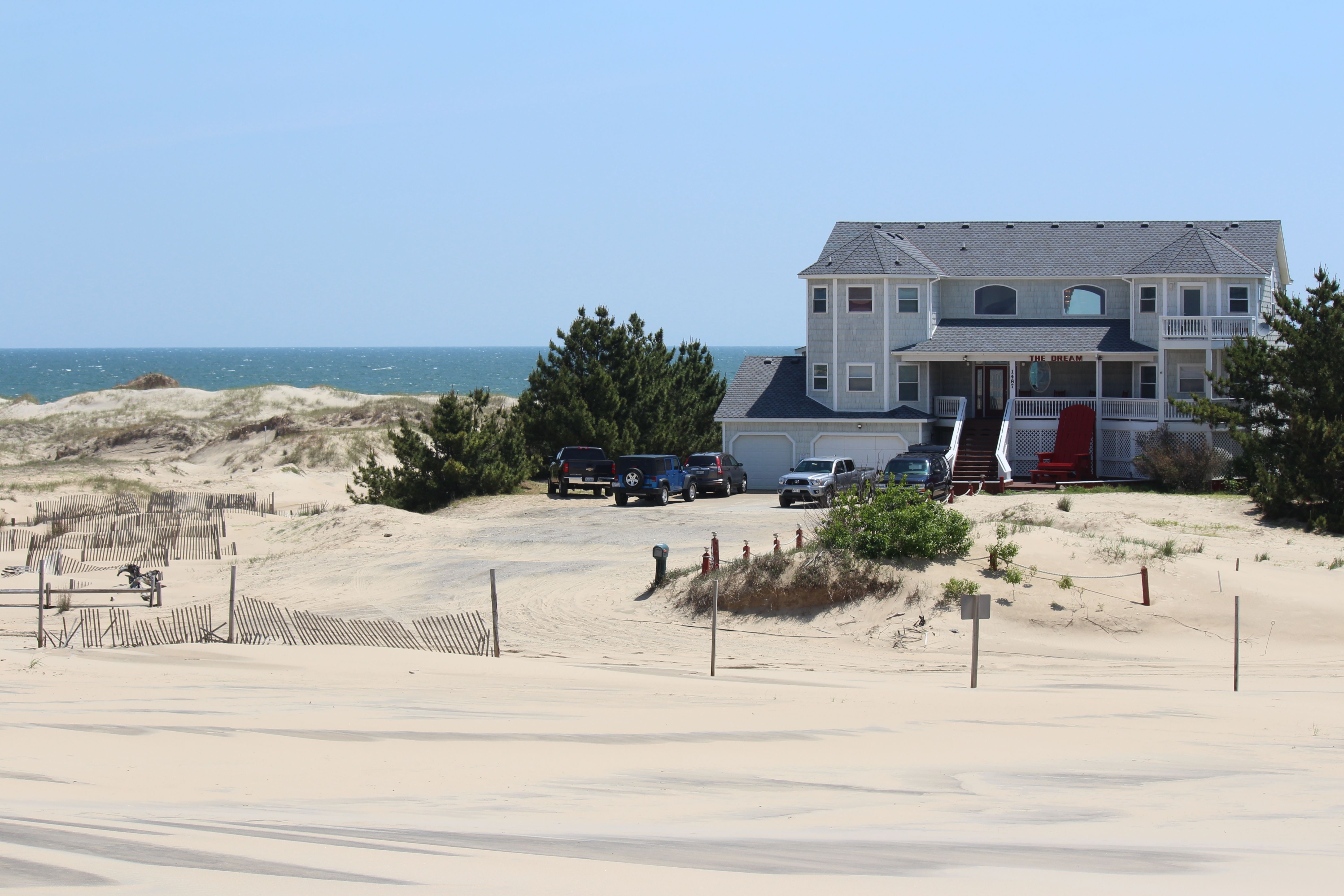
the dream

We stayed at The Dream, literally, an 18-bedroom beach house only accessible via 4×4.

sunburst

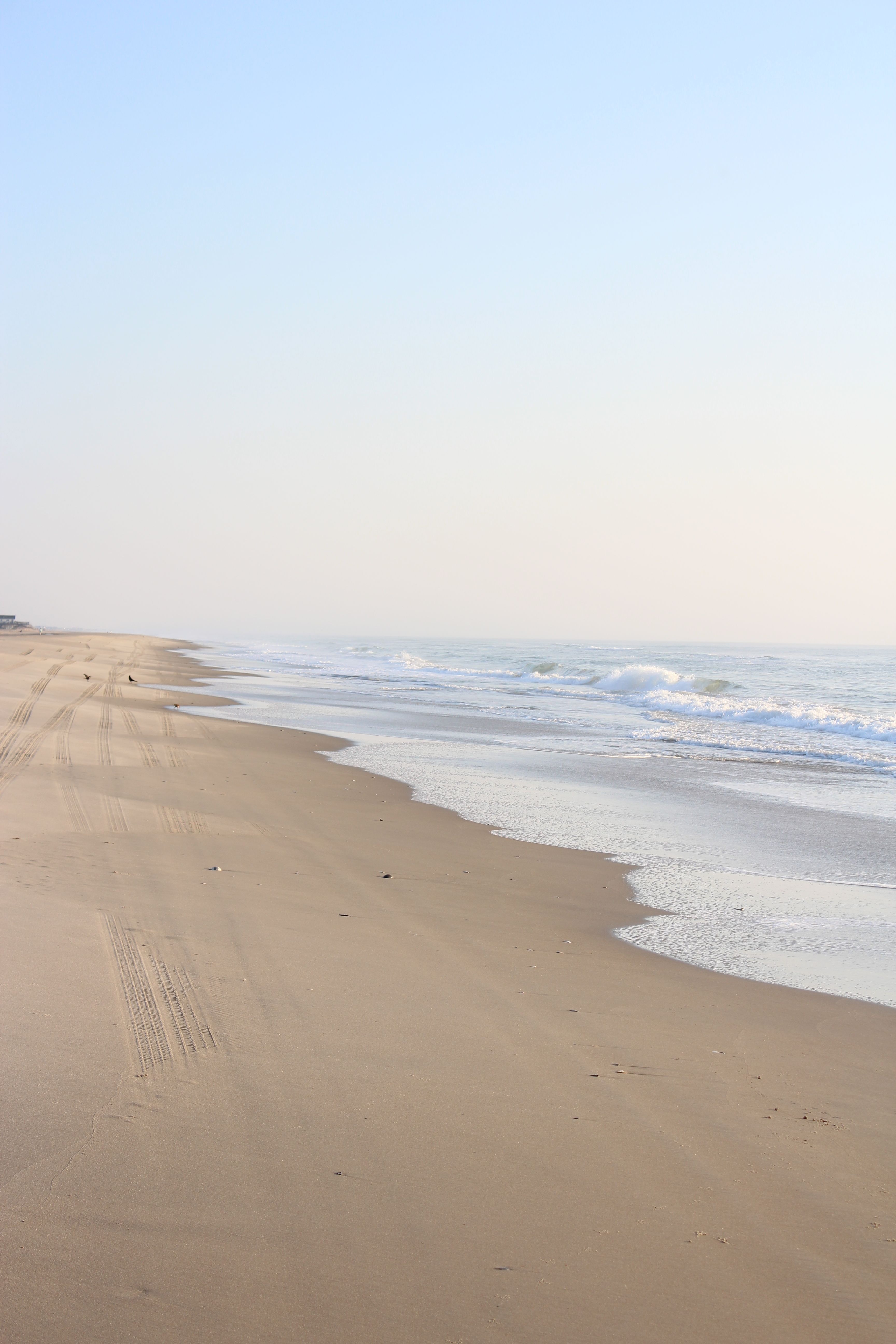
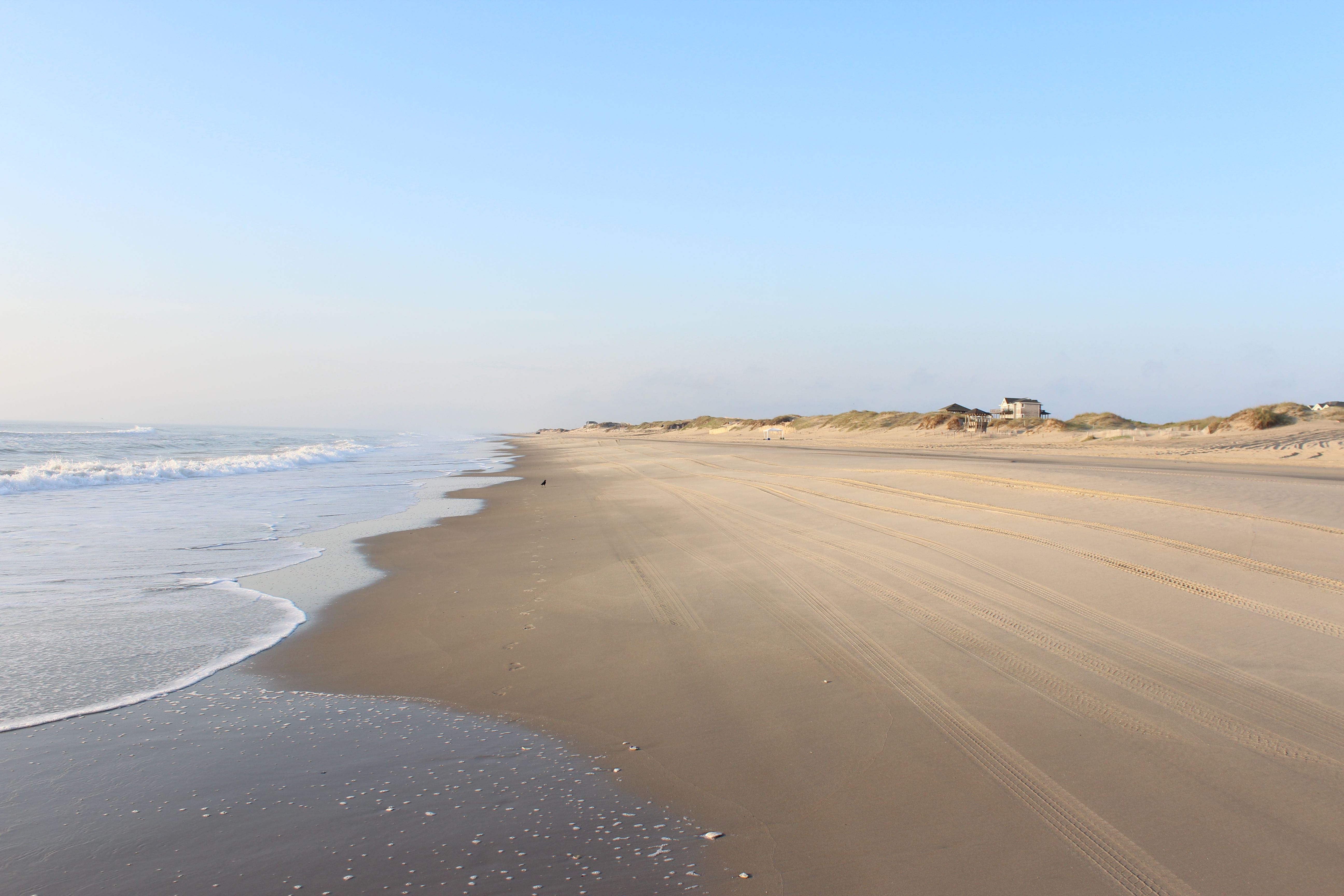
Frequently, we hiked over the dune to explore the shoreline, where we were greeted by . . .

shellshell 2

vibrant colors,

 mosaic

mosaic bubbles,

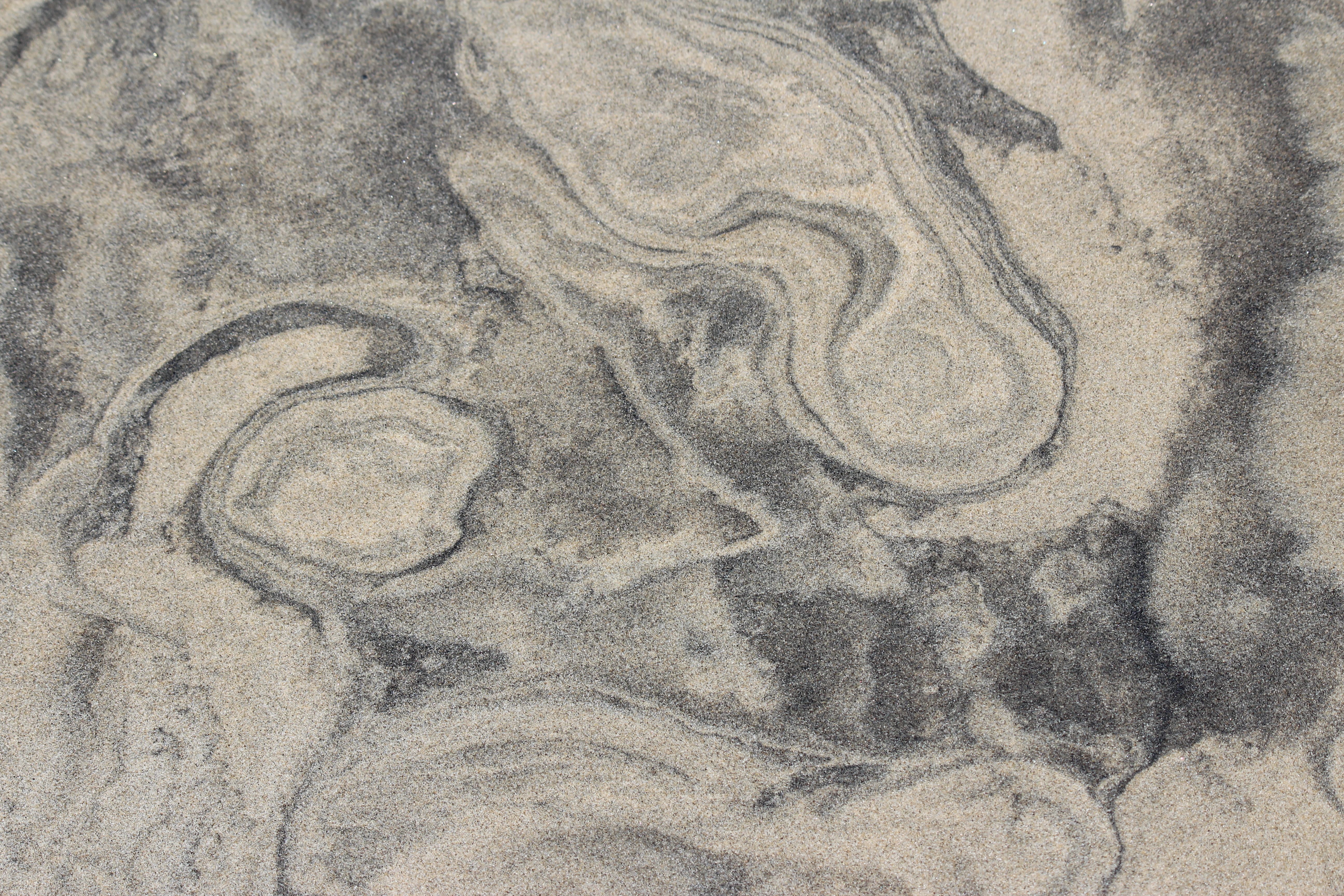
sand swirls

and sandy swirls.

The wildlife was abundant, both in sign and actual sitings.

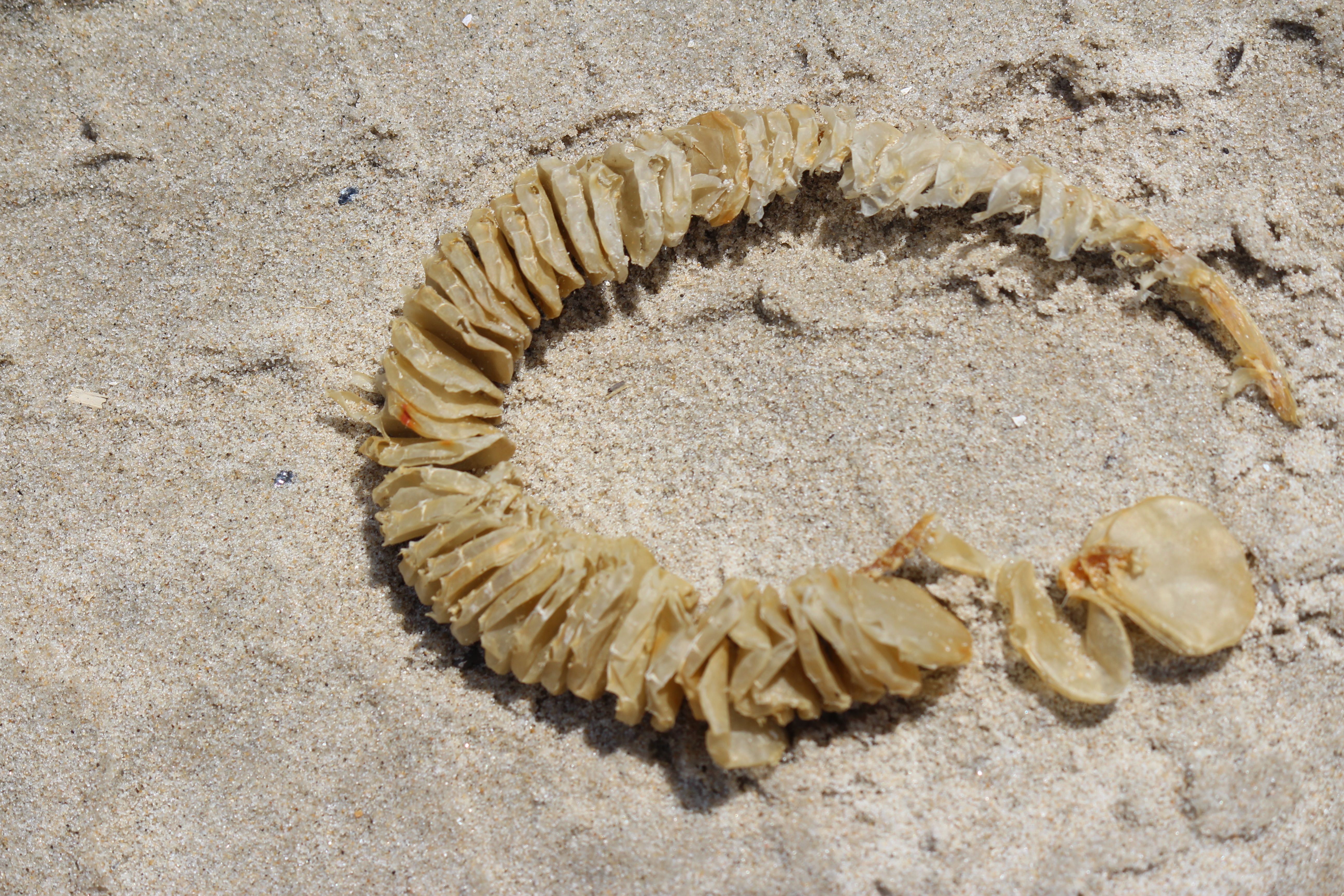
whelkskate eggs 2

 Whelk egg and skate egg cases (aka, the little mermaid’s purse). This one is split open, so I suspect the young skate has emerged.

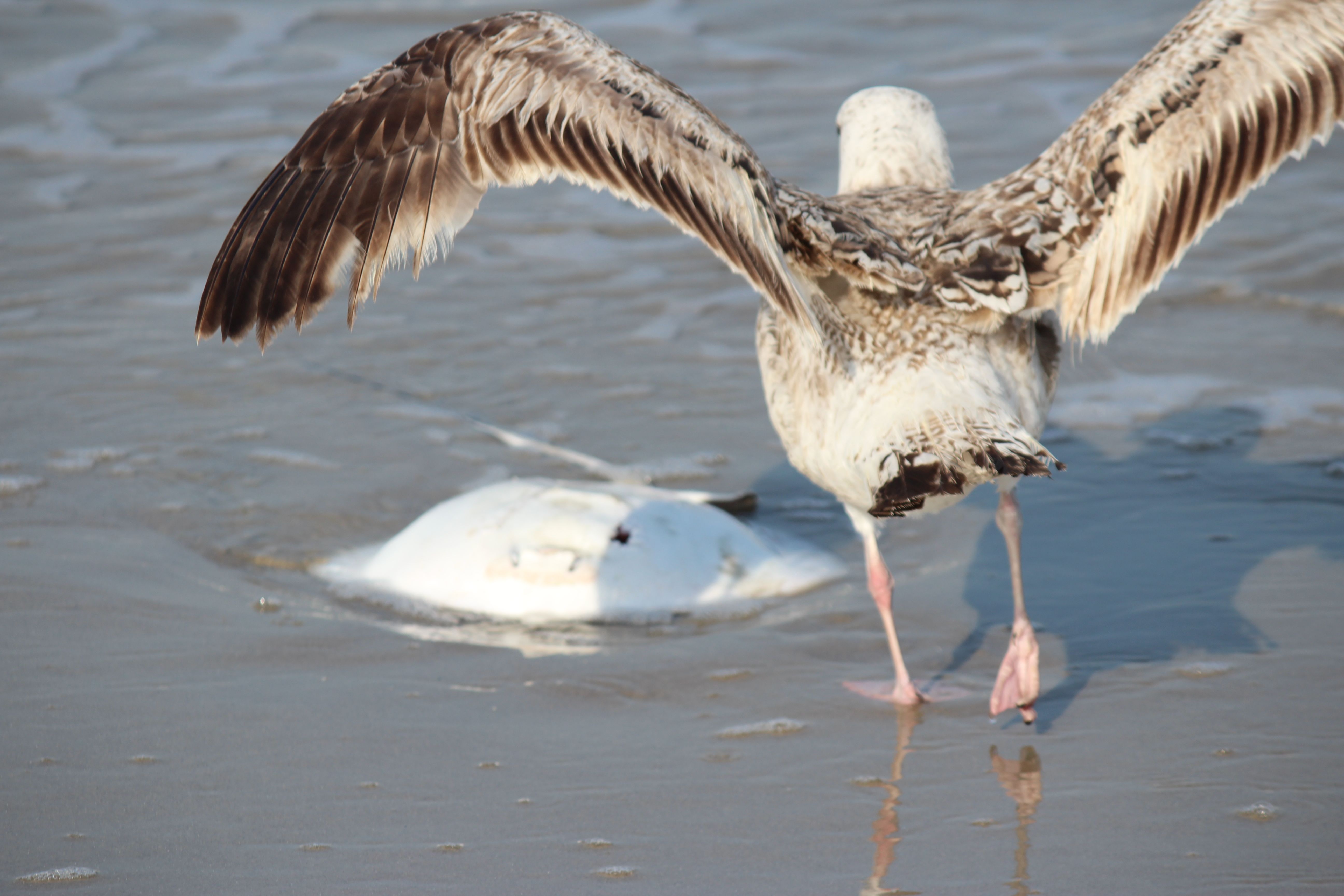
skate

This skate, however,  became . . .

skate:birdskate meal

dinner.

fiery searcher

Near the water’s edge I found a few beetles, like this one. It appears to be a Fiery Searcher, which is a caterpillar hunter. But . . . the habitat seems wrong, so if you know otherwise, please enlighten me.

fs 3

Further down the beach, I found one on its back. Check out those iridescent colors and patterns.

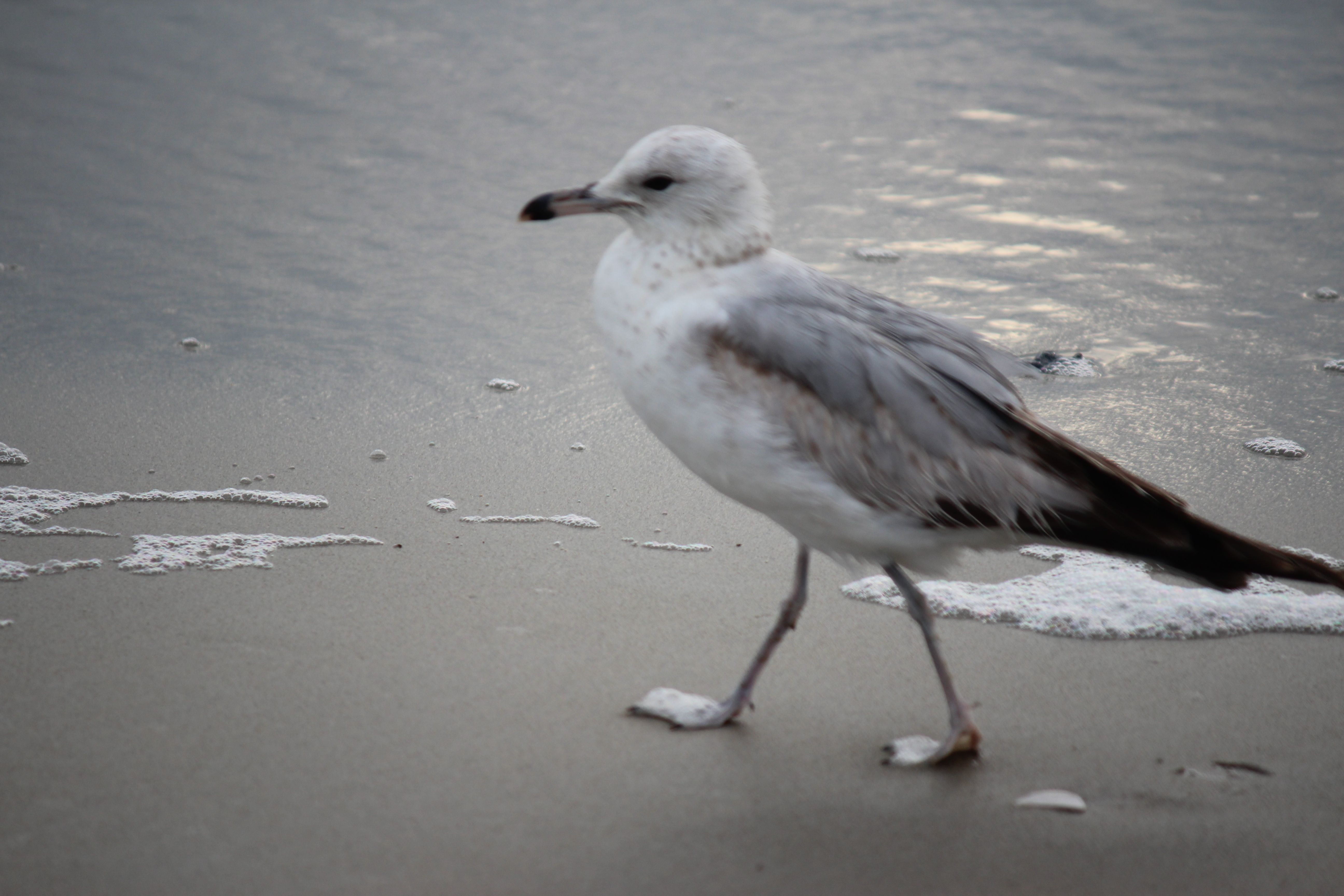
gullgrackleterns 2

Gulls, grackles and terns marched along the water’s edge, sometimes not caring that I was nearby and other times scattering quickly as I approached.

pelicans 1

Groups of pelicans often flew low over the water.

pelican dive 2

And then suddenly, they’d dive bomb. I was always too far away to see what they caught.

deer tracks

My camera wasn’t handy when I saw this deer cross the dunes by the house, but by his tracks I knew him.

red fox

We had several repeat visitors, including the red fox that passed by each night.

horse prints

And everyone’s favorite . . .

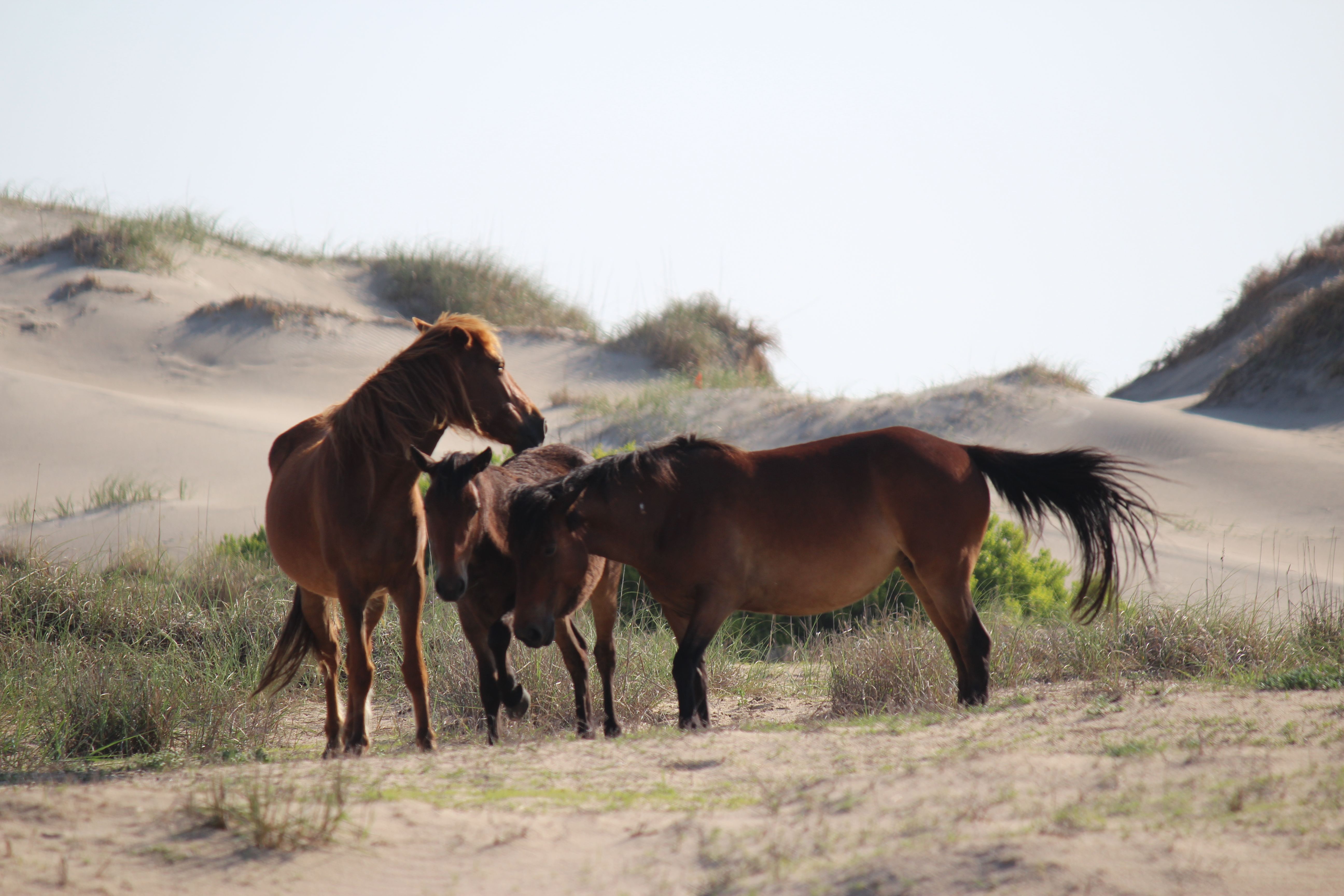
horses 2wild horses

the wild horses. They appear when you least expect it. Though their origin is not clear, it’s believed that they may have been inhabiting the Northern Outer Banks for the past 500 years.

looking northlooking south

looking east  looking west

Compass points: Looking north and south from the beach. Then east and west from Penny’s Hill, the second largest dune that happened to be located behind our house and was the site of the wedding.

desert

An early morning shot of Penny’s Hill.

Penny's Hill sign

Signs lead the way.

wedding site

Elegant in its simplicity

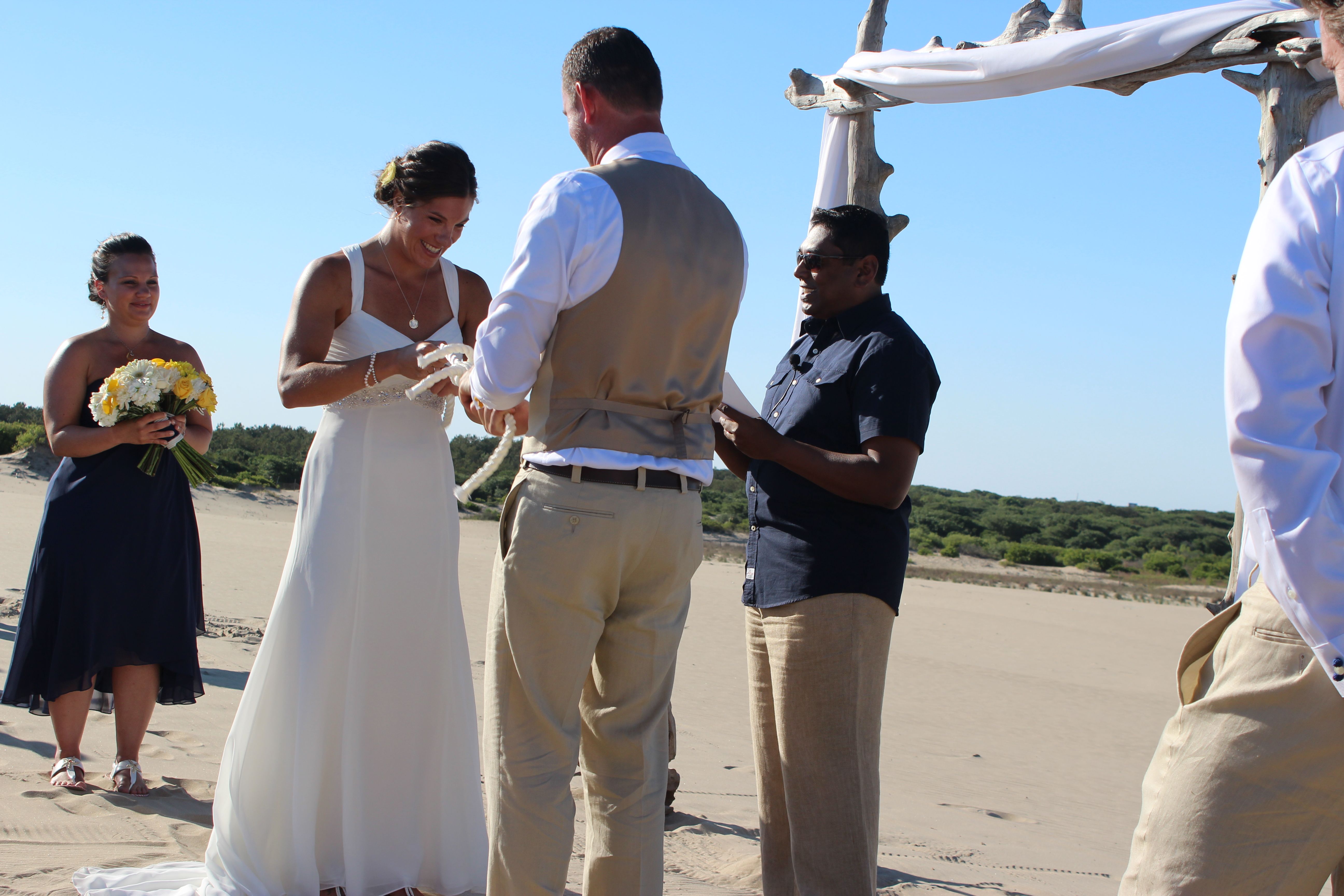
tying the knot

for this young couple who tied the knot on May 22, 2015 at 5:30pm.

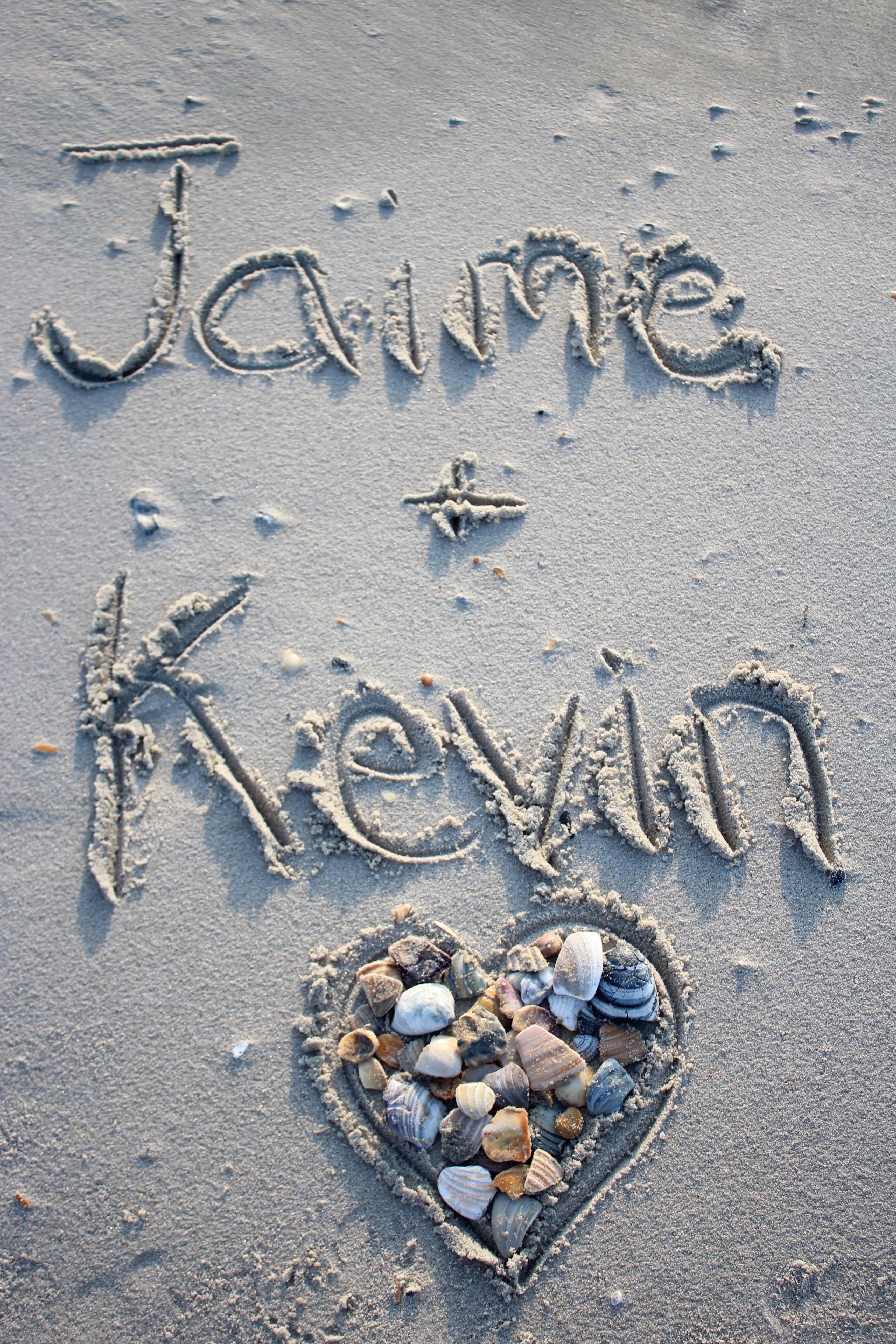
J & K

To Jaime and Kevin, “You’re beautiful and pretty and happy with love and pretty in the heart . . .”

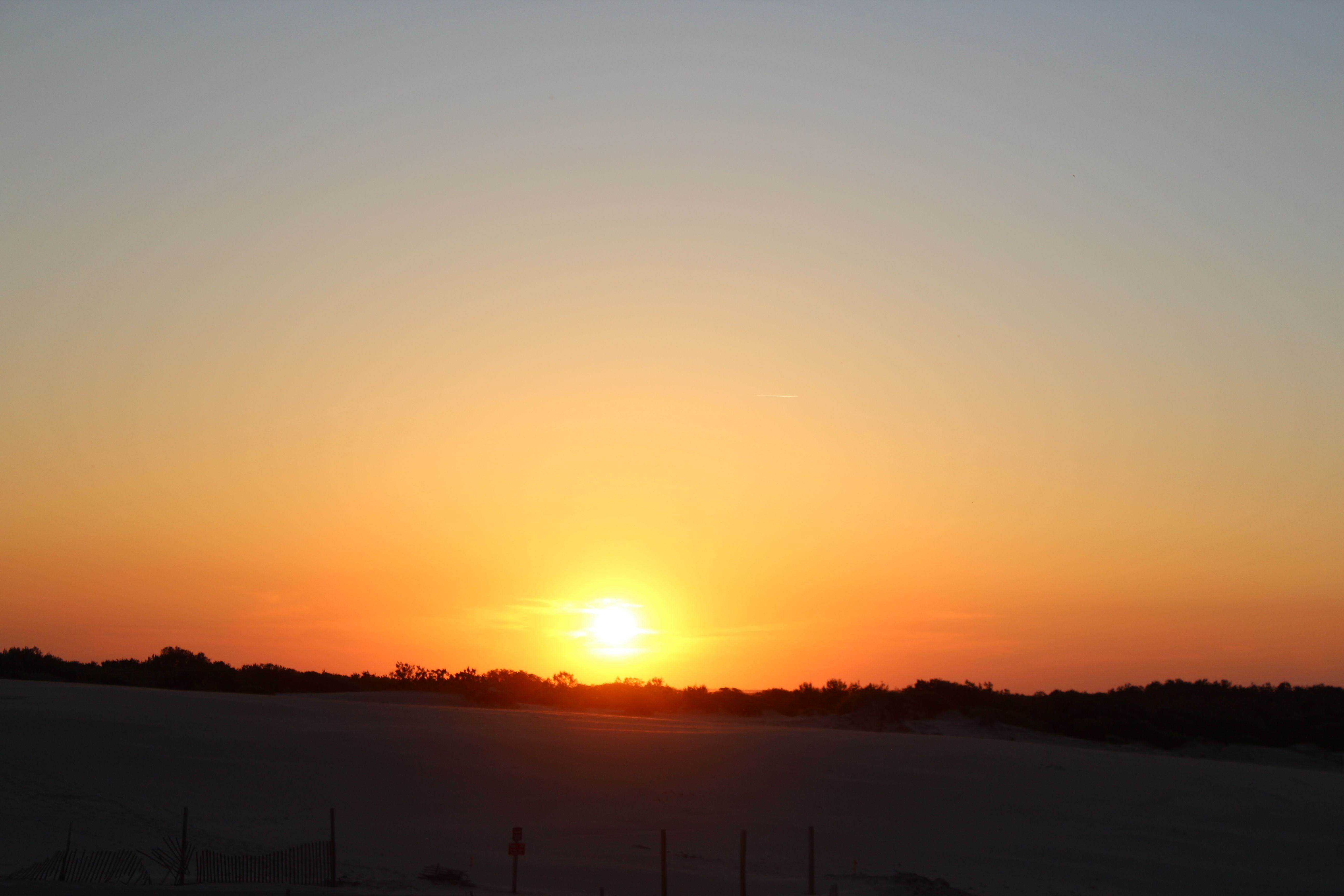
Thank you both for letting us all wander and wonder and be a part of your dream. May your marriage be a happy, long and adventurous journey into the sunset.

sunset

When I grow up . . .

I want to be like Ursula, my spritely little German friend who is a naturalist extraordinaire and loves to share her knowledge and stories.

Ursula

Always with a smile.

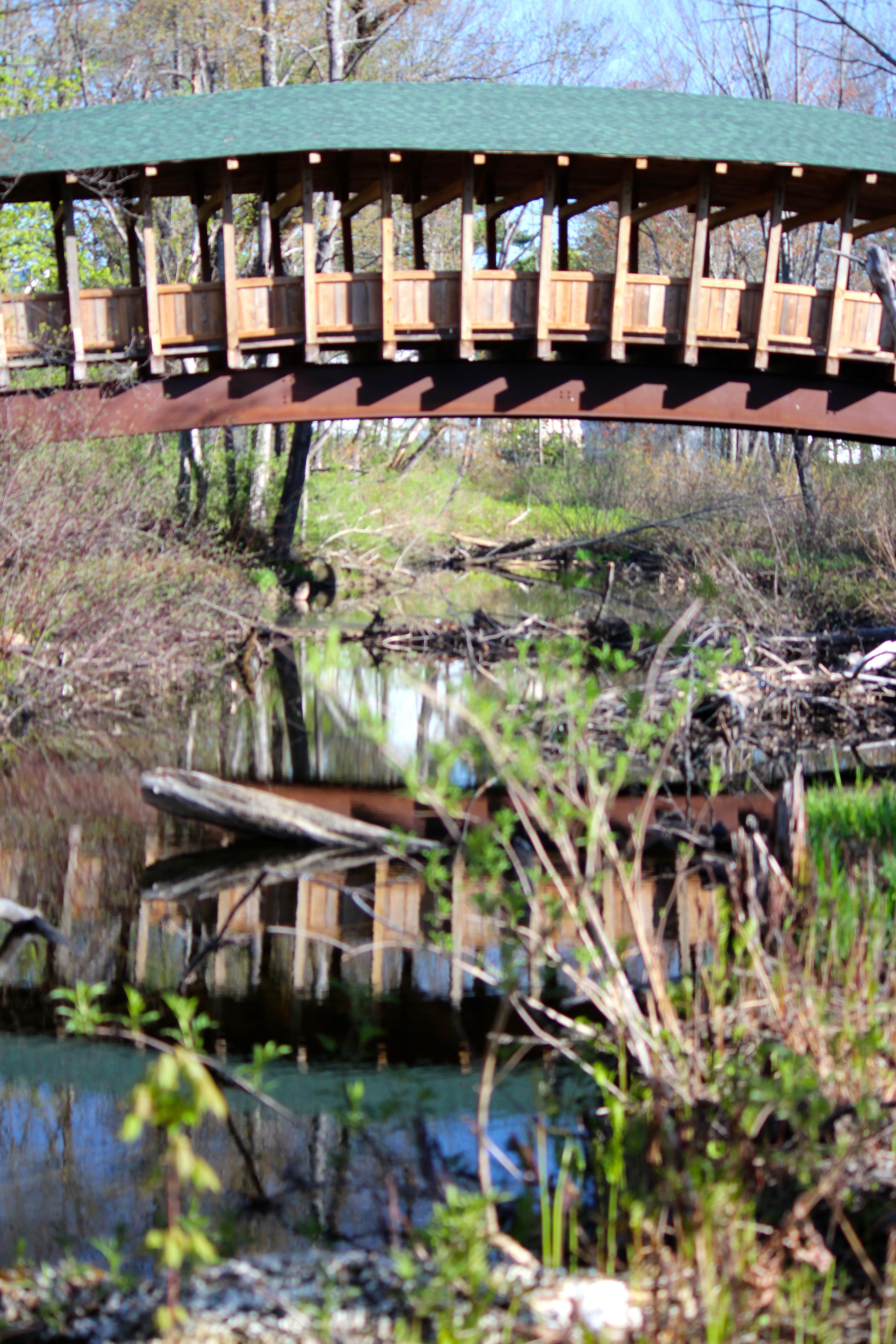
bridge

I had the pleasure of being in her company today, after an hour of birding in Pondicherry Park,

baltimore oriole

where a Baltimore Oriole serenaded us.

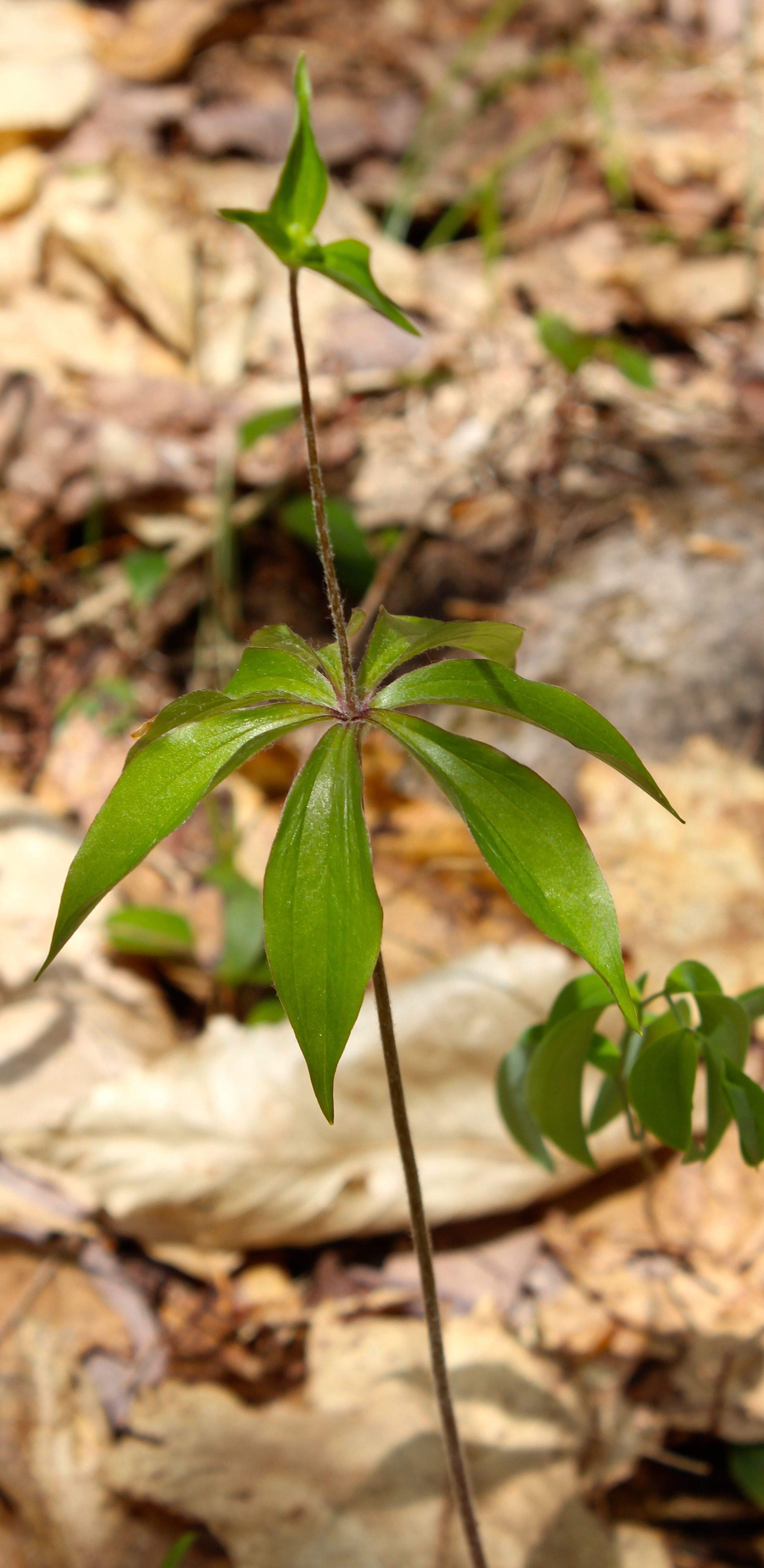
dwarf gensing

On to Holt Pond for Ursula’s wildflower walk hosted by Lakes Environmental Association, as was the bird walk. Looking a bit like a disco ball is the blooming Dwarf Ginseng.

cucumber root

Though it isn’t in bloom yet, I saw lots more Indian Cucumber Root today and have a theory I’m questioning about this plant. I know that if it has only one level of leaves, it doesn’t flower or fruit. It needs that second deck to be productive. I’ve heard people say that when it has the second tier it is a two-year old plant, while the first level is a year old. Is that true? The Canada Mayflower, Bunchberry and Wild Oats all do the same. Does that mean that all the single leaves we see are one and all the doubles are two and none reach age 3? Or is it that some years some of these plants put more energy into producing sugar and thus are able to flower, like trees have mast years? And furthermore, am I making any sense?

blueberries

So many flowers and so many of them white or creamy yellow, like these Highbush Blueberries.

red maple 2

Since we were crossing the Red Maple Swamp, I can’t resist showing their development.

green frog

Along the boardwalk that winds through the swamp, we saw this banjo player–a Green Frog. Some call it a Bronze Frog because more than half its body is bronze. Thus the need for those Latin names–Rana clamitans.

hand 1

My friend, CC, squatted down to catch it.

hand 2

And came away empty-handed. :-)

cinn 1

Who do you want to be when you grow up?

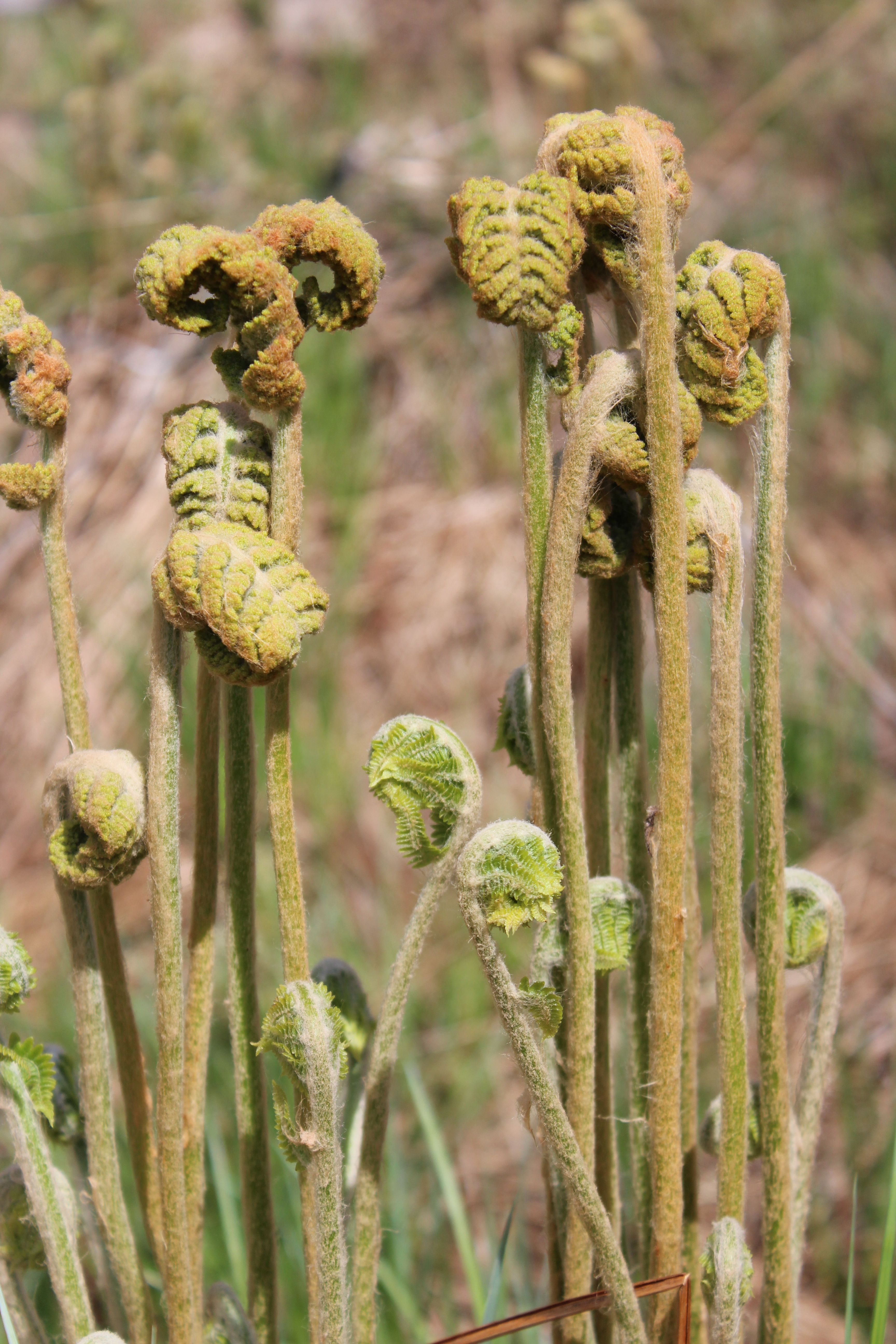
crosiers 2

I pose the question to these crosiers.

cinn 5

Do you see the fuzzy brown wool coat they wear?

cinn 6

Close up.

cinn 7

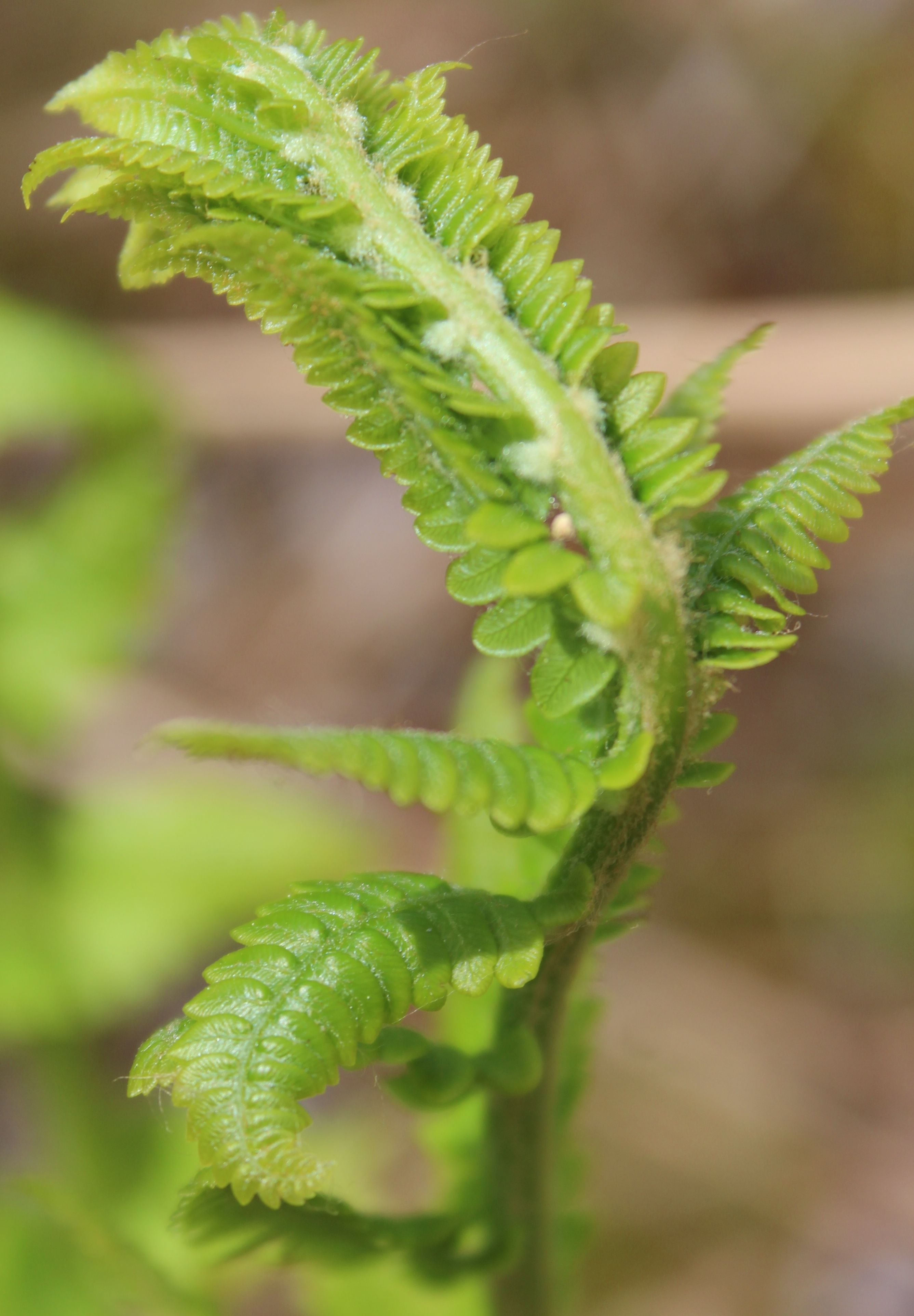
Ever so slowly . . .

cinn 8

Their fronds begin to unfurl.

cinn 9

And soon we’ll know them as the Cinnamon Ferns they are becoming.

rainbow

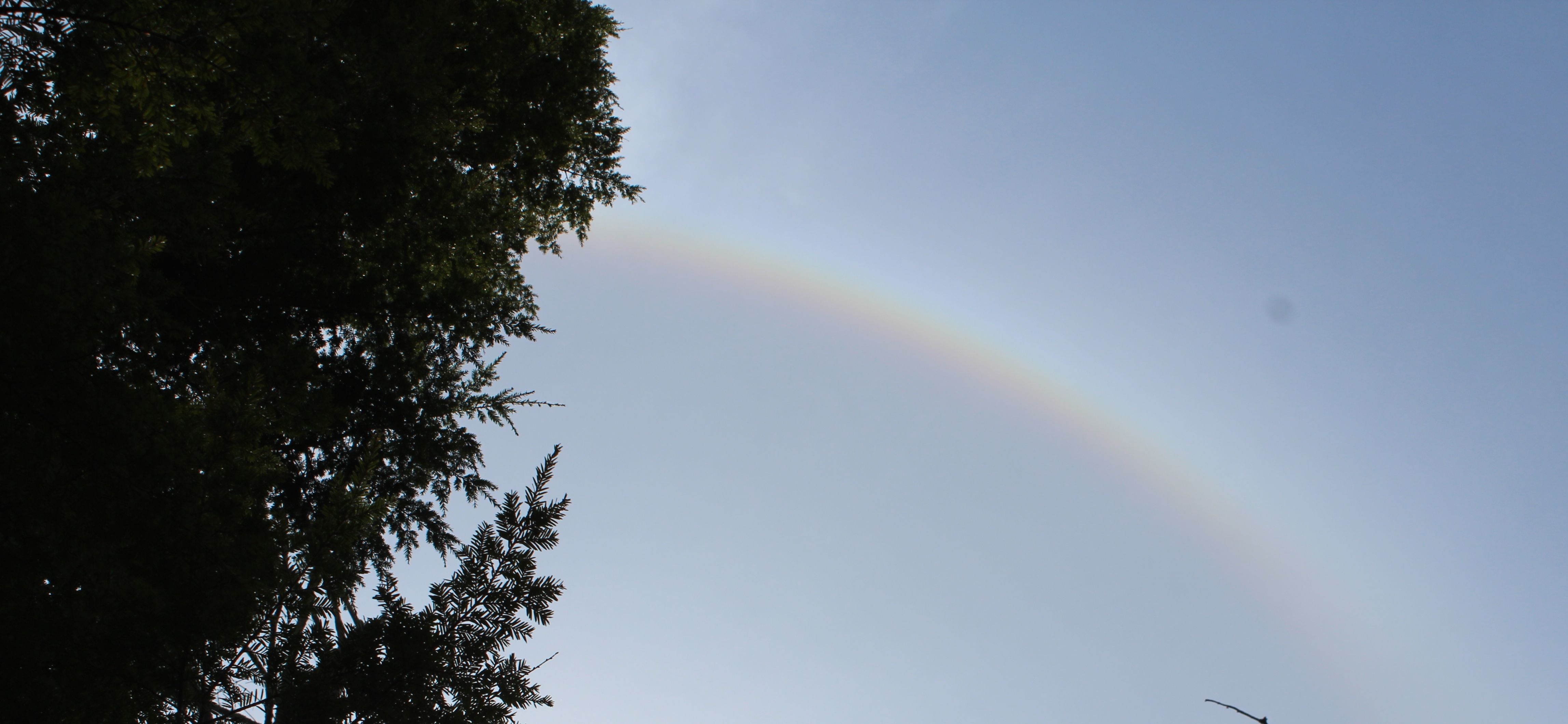
Continuing on, one of our leaders, Mary Jewett of LEA, spotted this rainbow around the sun.

pitcher plant

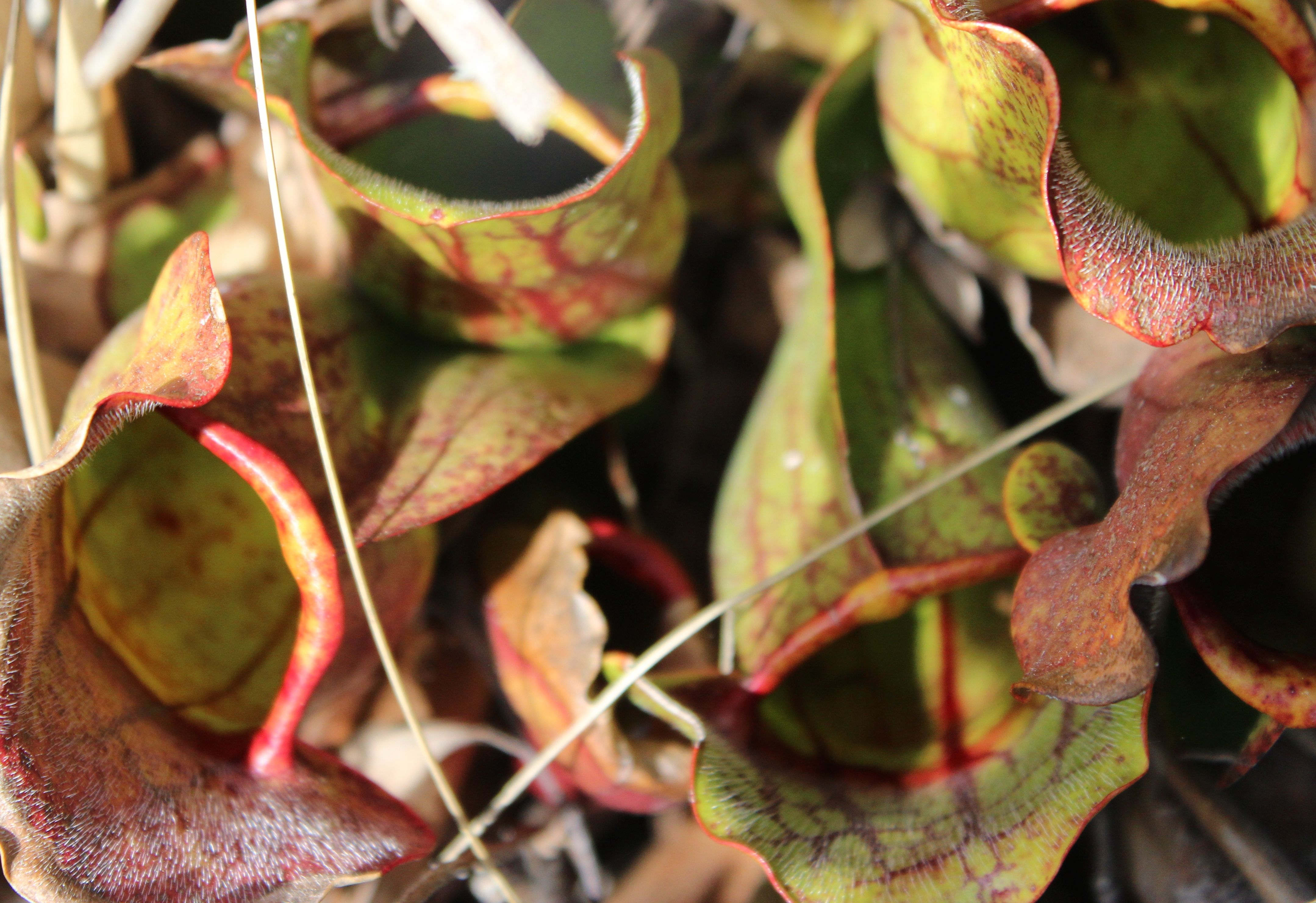
As is always the case, our heads were bobbing up and down, trying to take in everything there was to see. Pitcher Plants pull us in every time. Well, not literally, thank goodness.

pp seed pod

CC found this old Pitcher Plant seed pod.

qb

We were on the quaking bog, a mass of sphagnum moss, flowering plants, shrubs and decaying vegetation that floats on the water. It looks safe to step onto, but . . . it too, would like to pull us in and preserve us for eternity.

hp

Holt Pond–like all of us, it’s ever changing as it matures.

It’s Ursula’s energy and engaging personality that wow me every time we share moments wandering and wondering. I don’t want to be her, but it would be an honor to emulate her even a tiny bit.

This Lady’s Delight

There’s something about the Chip Stockford Reserve on Ladies Delight Road in Lovell that keeps pulling me back. I think it’s the history associated with this property that fascinates me. And the questions it raises.

From the start, there is a cellar hole and barn foundation. foundtion 1

About seven years ago, during a visit to the Lovell Historical Society, I learned that  Eldridge Gerry Kimball had purchased 200 acres on January 31, 1880 from Abraham E. Gray.

Various journals from that time period include entries about driving cattle over to the Ladies Delight pasture, picking cranberries over by The Pond, as they called Kezar Lake, picking apples, driving sheep to pasture, picking pears, mowing oats and trimming pines.

large pines

Today, it’s the huge pasture pines, stonewalls and a couple of foundations that tell part of the story. I’ve also heard that this area was used as a cattle infirmary. According to local lore, diseased cattle were brought to Ladies Delight to roam and die, thus preventing disease from spreading to healthy cattle.

pileated condo

The big old pines provide investigation for others.

p scat

Who sometimes leave presents. Can you see the ant bodies?

cs

Yup, that’s snow. I took this photo in December because I was impressed with the stock pile of cones a red squirrel had made.

midden

It took me a few minutes to locate the tree today. I wanted to see what the midden looked like and wasn’t disappointed.  In trying to find the tree, however, I developed an appreciation for the red and gray squirrels who cache their food and then return to it. Of course, if a gray squirrel doesn’t remember where it stored an acorn, then a turkey or deer may find a treat, or a tree may grow. No matter how you look at it, it’s all good. As for me, I need to learn how to use our GPS.

Another story about Ladies Delight hill is that this is the place where people would come to picnic in the 1800s. Did the women get dressed up to enjoy a day out, a break from their farming duties? I have visions of them wearing long dresses and bonnets and carrying picnic baskets. But could they really afford a day away from their chores?

red spur

The blue trail loops around the 155-acre reserve, and a spur trail (red) leads to the vantage point–a view of Lower Bay on Kezar Lake and the White Mountains.

chip stockford

A bench at the outlook was placed in memory of Chapman “Chip” Stockford, a founding officer of the GLLT who lived in the neighborhood.

view

Spring color–more subtle than fall foliage.
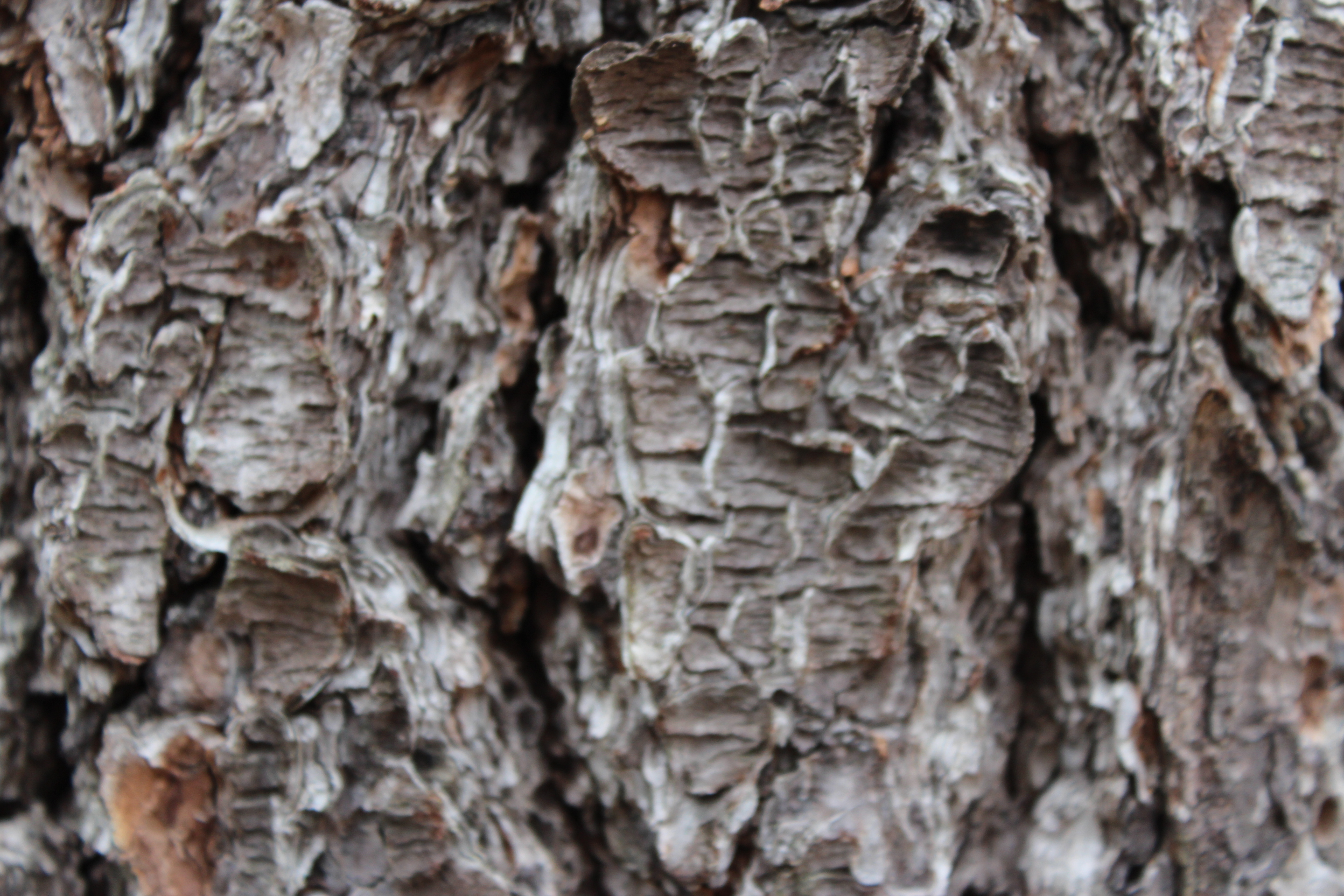
white pine

On the short spur between the red arrow and the outlook, the variety of trees offers a study in bark. Eastern White Pine–with horizontal lines on the scales.

hemlock

Flaky, cinnamony-gray (is that a word?) scales of Eastern Hemlock.

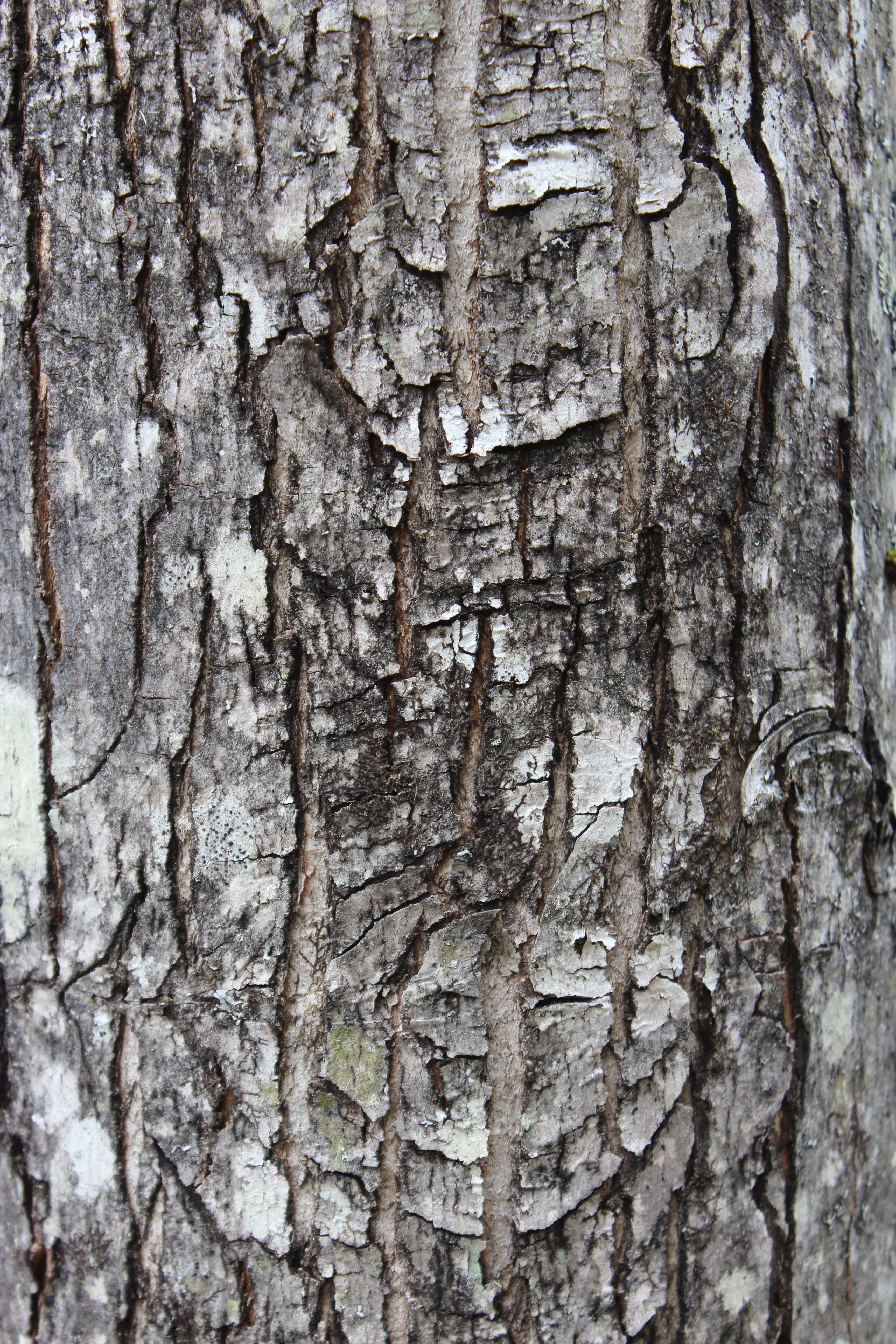
ash

Ash’s diamond-shaped furrows.

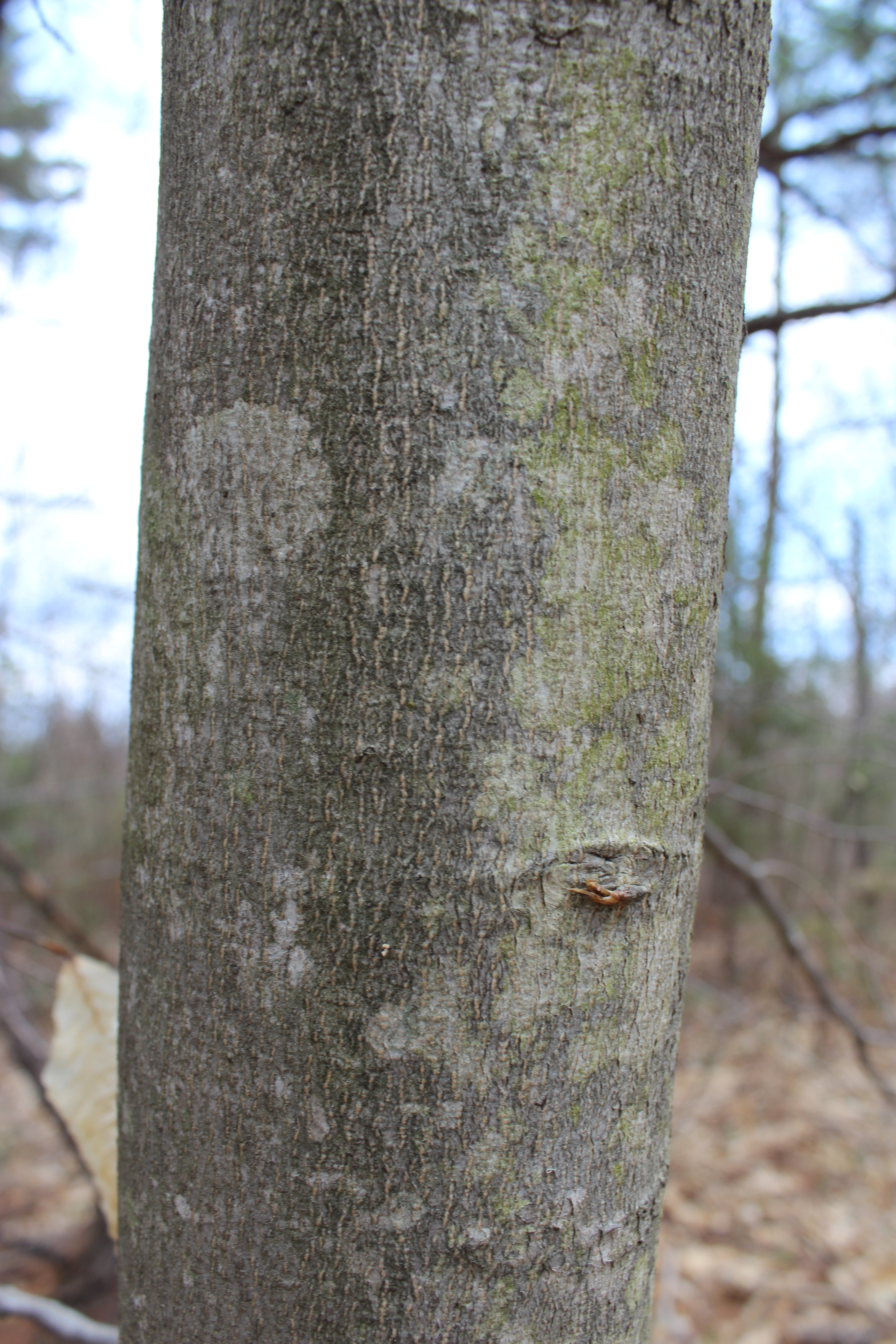
beech

And the smooth, silvery-gray American Beech–with some blotches of lichen adding a dash of green and white.

hop hornbeam

Hop Hornbeam’s shaggy strips.

red maple

And the bull’s eye target on Red Maple.

red oak

Finally, the flattened ridges of ski tracks that run down a Northern Red Oak.

pine age

Back on the blue trail, the sun poked through the clouds, shining on pines that represent a variety of ages.

found 2

I’m not sure who lived in the house above this cellar hole, but it’s always fun to visit and wonder.

In her book, Blueberries and Pusley Weed: The Story of Lovell, Maine, Pauline W. Moore wrote that Ladies Delight, “was not named for the view. Nor because it made a delightful walk for ladies to take on a Sunday afternoon or because it was covered with wonderful blueberries . . . (It was) named in sarcasm because women who tried to live in two houses built there could not endure the loneliness and isolation.”

Was this one of the houses?

found 3

It’s been a long time since any vegetables were stored in this cellar.

As I was told at the historical society,  the bridge across The Narrows wasn’t yet built when the ladies lived there, so the only way to get to the other side was walking across the ice.

the rock

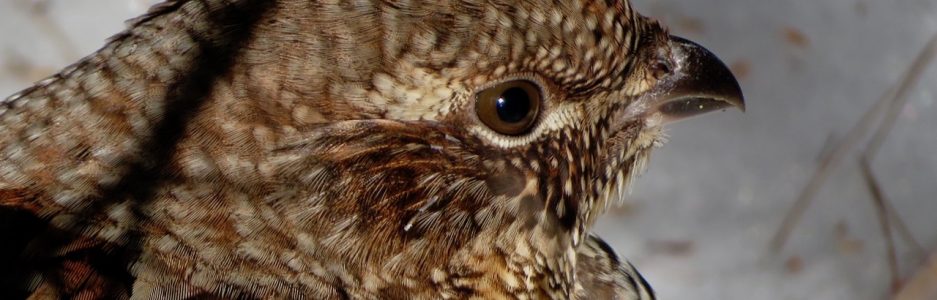
No visit to Chip Stockford is complete without a visit to The Rock. Today, I startled two grouse that flew up from behind it.

grouse dust

Dust bath? Nest site?

sweet fern

A few more things to see as I headed out. Sweet fern, which is really a shrub.

baubles

Baubles on pine saplings.

paper birch bark

Young Paper Birch bark.

striped maple

Swollen Striped Maple buds.

phoebe nest

And a phoebe nest under construction.

This lady was delighted to have time to wonder and wander. Thanks for taking a look.

Signs of Life

I headed up to the vernal pool this afternoon with every intention of pausing along the way to sketch.

Mt Wash

The only snow left is atop Mount Washington.

vp1

Egg masses continue to accumulate. Blue sky with a few cumulous clouds, warm sunshine (almost too warm, but I’m not complaining), a gentle breeze, white-throated sparrows singing to each other–signs of life were everywhere.

FROG

Including this secretive wood frog. From above, his coloration matched the leaves beside and below.

frog2

We eyed each other as he floated near a large mass of eggs that have turned green with envy, I mean algae, in the past few days.  Their egg masses can include 500-1,500 eggs. Yooza!

sally eggs

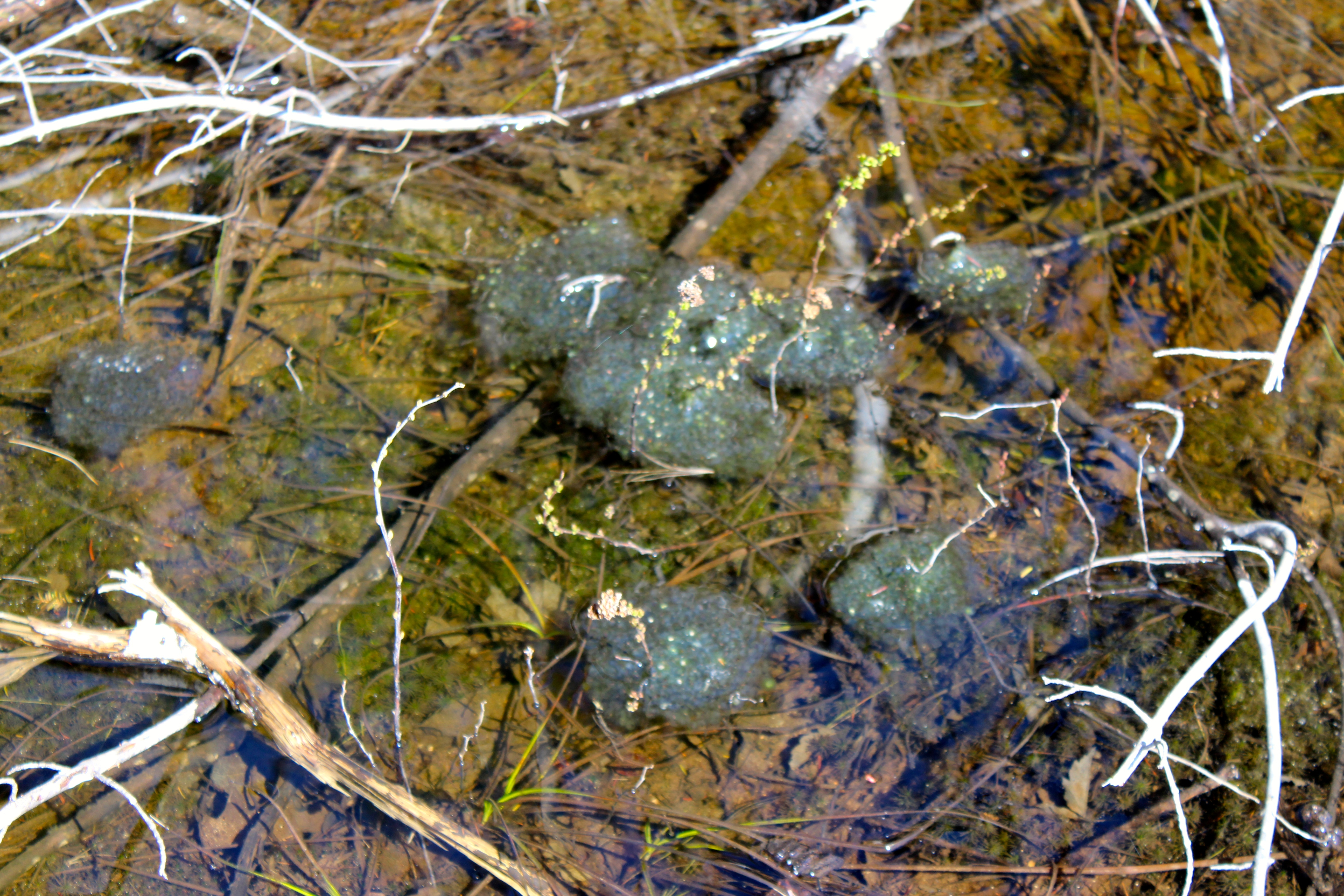
Salamander eggs are either clear or opaque, like these two masses. They usually contain anywhere from 30 to 250 eggs.

at mansion road

My guy was sanding the dock at camp and I had finished several writing projects this morning, so I decided that rather than sit and sketch, I’d walk out to the log landing. Walking along the snowmobile trail was like walking in Clinton Harbor at low tide. The mud squelched underfoot, sucking in my boots. Rocks underneath felt like clams–maybe I was just hungry.trail

I headed down the logging road with mixed emotions. My heart cried, but my head knew better. Like other paths that I’ve frequented over the years, I loved this one and knew its quirky features well enough that I recognized the slightest change. Yup, that’s change you see in front of you. This logging operation has been going on for two years. Prior to that, the gray birches, paper birches and speckled alders, plus hemlock and white pine saplings bordered the old road. It was last logged about thirty years ago so those species grew in first. They’ve all been hacked down to make room for the equipment and trucks.

gray birch

I went in search of beauty and life among the destruction. Sometimes, you just have to look for it.

moose

One of the good things about such an operation is that it provides easy vegetation for wildlife, like the moose that are frequenting the trail.

moose bobcat

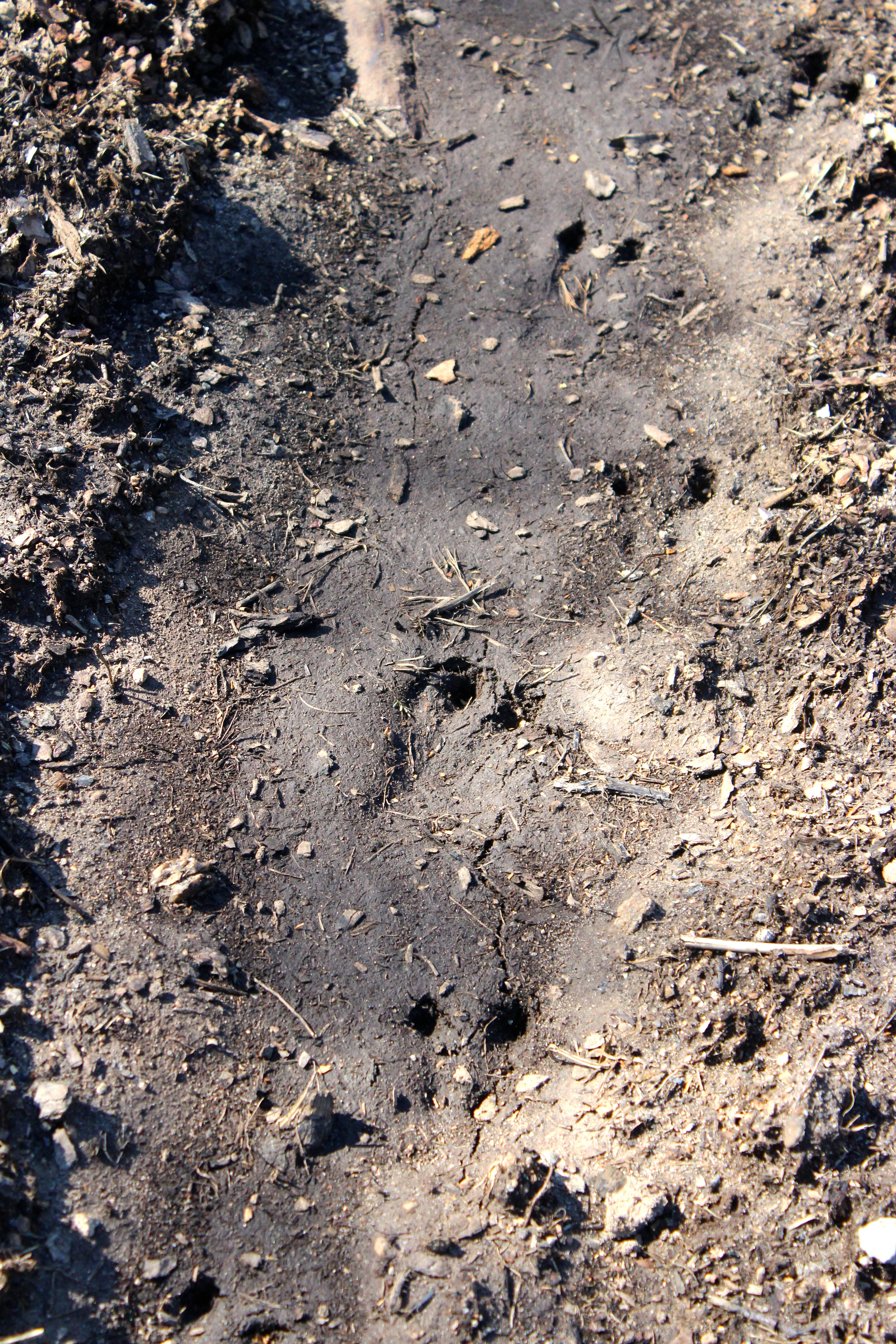
The herbivores, like moose and deer, love the easy feeding. And the bobcats like that the herbivores are easy feeding.

bobcat

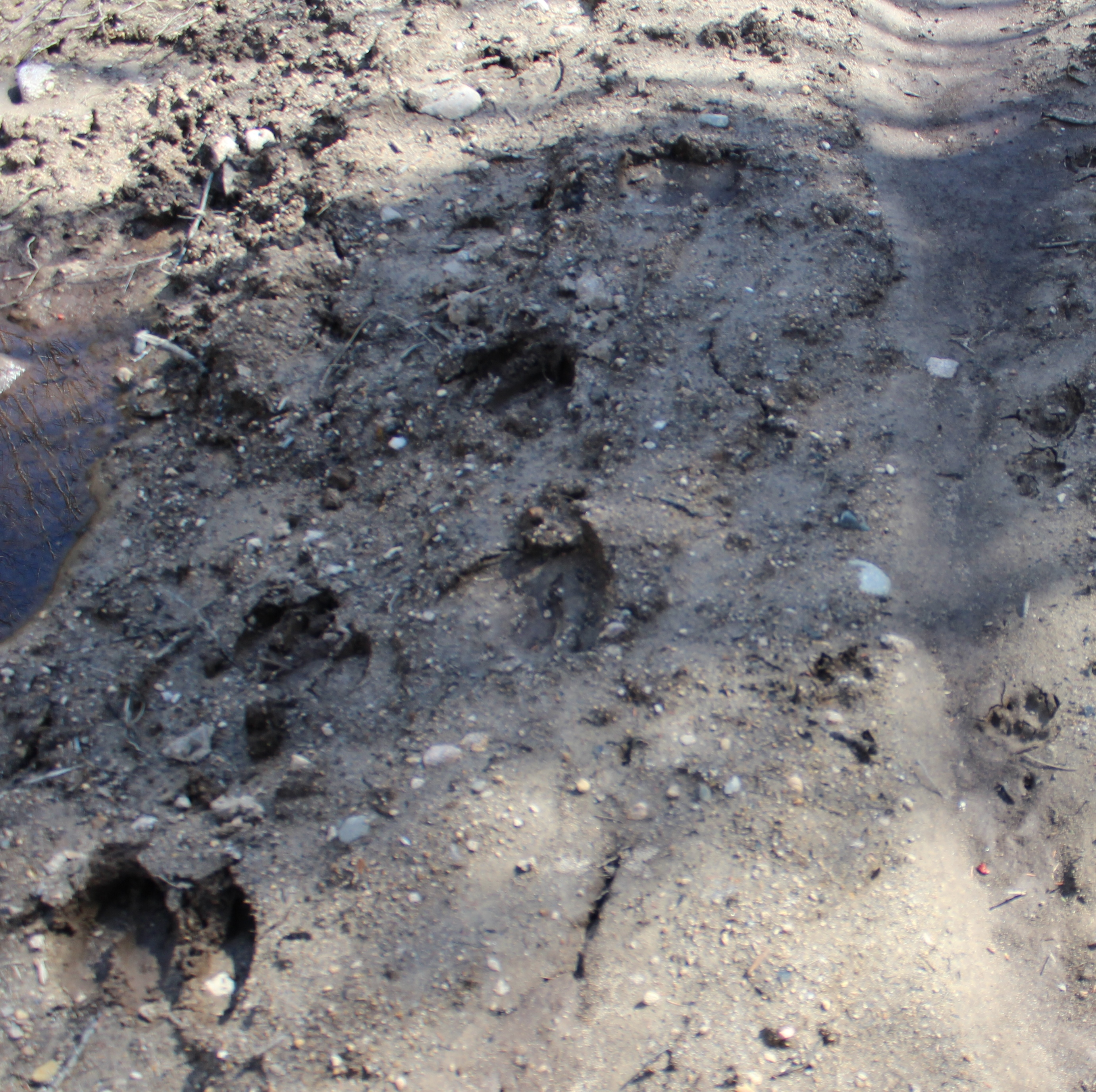
A closer look at the bobcat tracks.

bobcat1

And even closer. I don’t often see bobcat claw marks, but muddy conditions warranted their use. In the back of the foot pad, you might see the imprint of hair.

bob scat

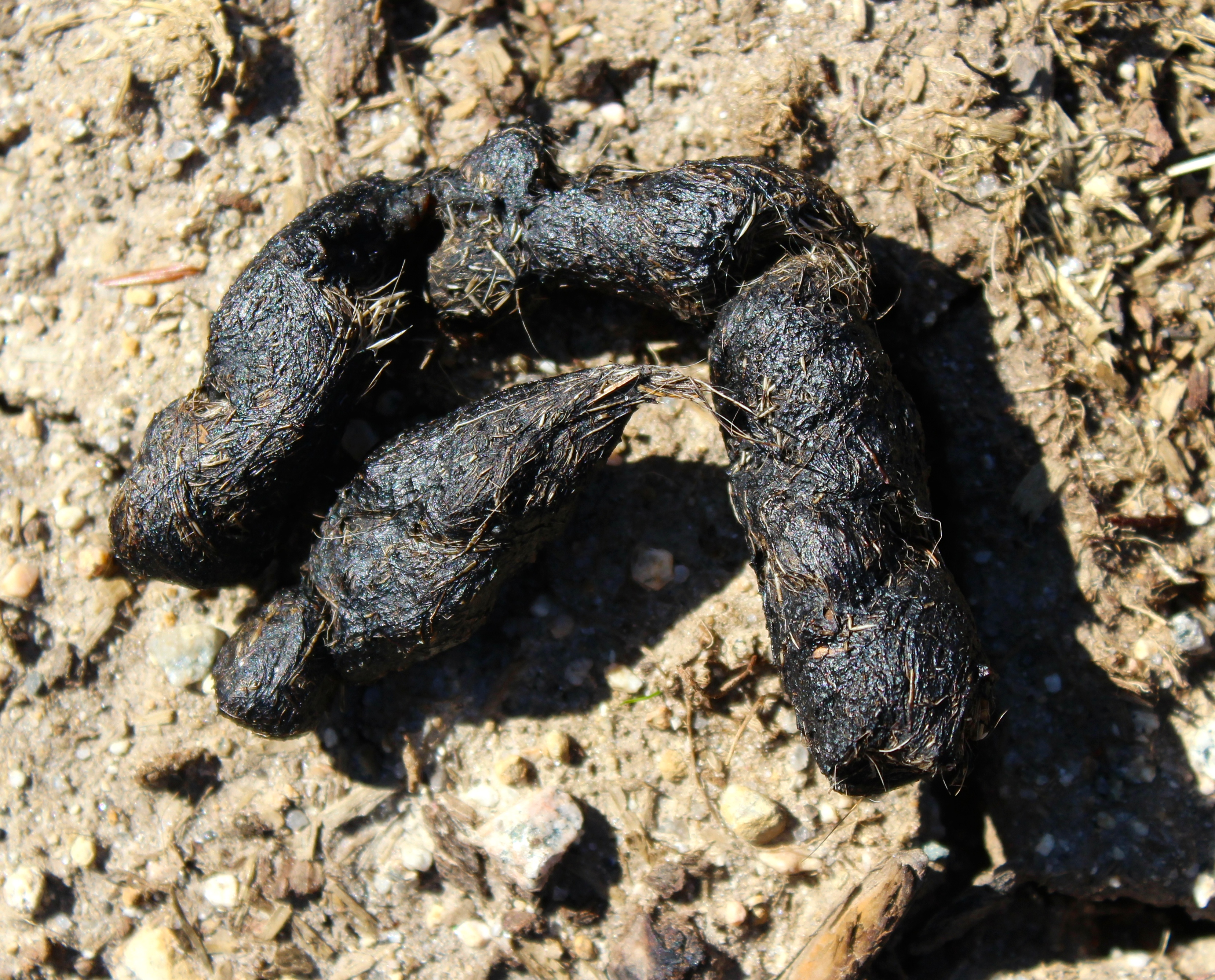
I was bound to find this. Bobcat scat–filled with dark organ meat and lots of hair. Bobcats, being carnivores, grind their prey right up with their sharp-pointed molars.

coyote scat

Coyotes, on the other hand, are omnivores and their molars are flatter, thus big bone chips pass through. The funny thing (to me anyway) about this scat, is that it looks exactly like some I found near the beaver lodge pond that I shared in yesterday’s May Day Celebration. Both were filled with extra large bone chips and hair. I took some of the scat I found yesterday. Today, I left it all.

Yes, my fetish for scat continues, but I only take a sample that will be an effective teaching tool. Really. And, I need to keep in mind that scat is a sign for other mammals–health, wealth and status quo are all wrapped up in it. If I take it, they have to work harder (or scat more) to get the word out about who and where they are. So, the next time you wander with me and we see some scat and I get all buggy-eyed over it, give me a nudge. OK, enough about scat.

weaselsquirrel

Dinner anyone?

Weasel and squirrel.

turkey

And the ubiquitous turkey.

landing

This is the second of two landing areas. When the job is completed, we’ll have new trails to explore via snowshoe–it’s rather wet and the trails are currently covered in a lot of slash.

The logging operation is a one-man job and he’s been selective. The end result, as ugly as it may look now, is that the ecosystem will be healthier because of this project. Grasses, wildflowers, shrubs and tree saplings will grow in–early succession. And the fauna will follow.

eggs at landing

The vernal pools associated with the area are still here for the most part–and show signs of life. I found wood frog and salamander egg masses. Even startled a couple of frogs, including a bull frog.

single

And just when you think that wood frogs only return to their natal vernal pools . . . here is proof they’ll take advantage of any water.

eggs

An opportunist recently used a wet depression in the landing.

Signs of life. No matter how devastated an area may look, they’re there.

Thanks for joining me on today’s wonder-filled wander.

May Day Celebration

And just like that, it’s May. May Day. Memories of our sons quietly delivering flowers to neighbors and friends flashed through my mind this morning. I’ve a feeling they choose not to remember, but at the time they loved sneaking up to doors, depositing small baskets of flowers and then dashing away.

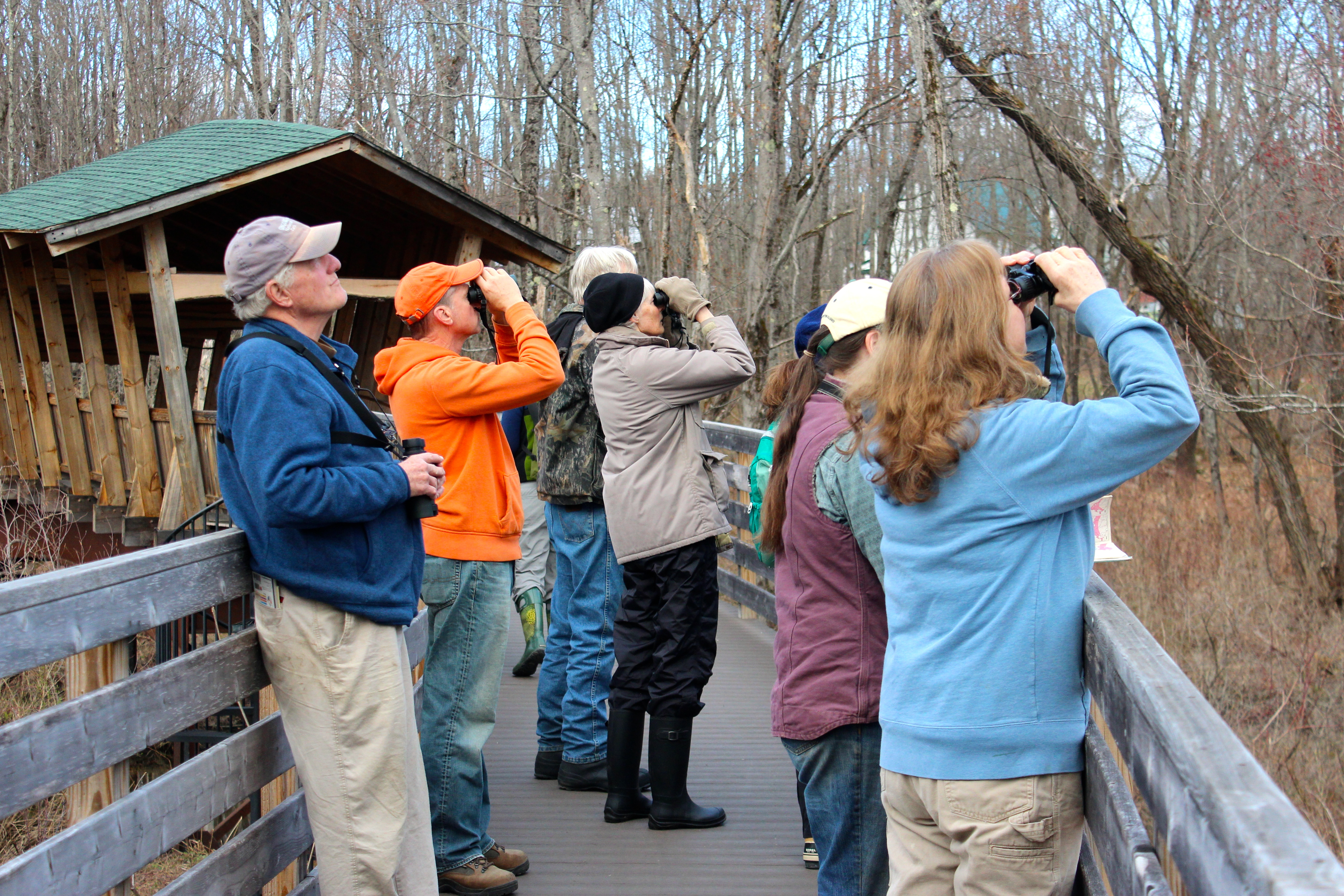
Birders

For me, the fun began this morning when I joined a small group intent on birding at the Bob Dunning Memorial Bridge. Chickadees, Red-winged Blackbirds, Pine Siskins, Waterthrush, Mallards, Yellow-rumped Warblers, Goldfinches and a few others were singing and flitting about.

bridge

The bridge, itself, is worth viewing from any vantage point.

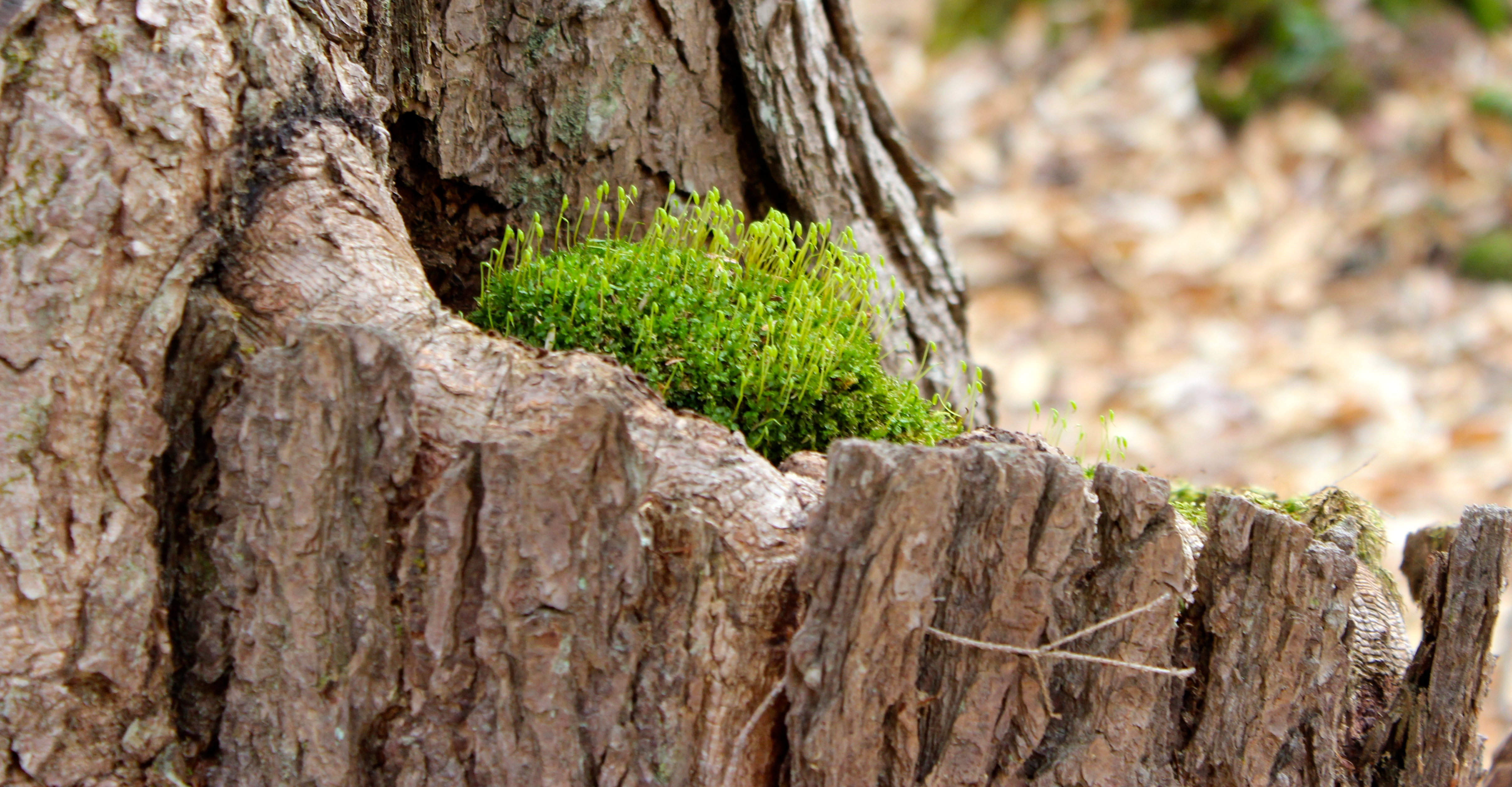
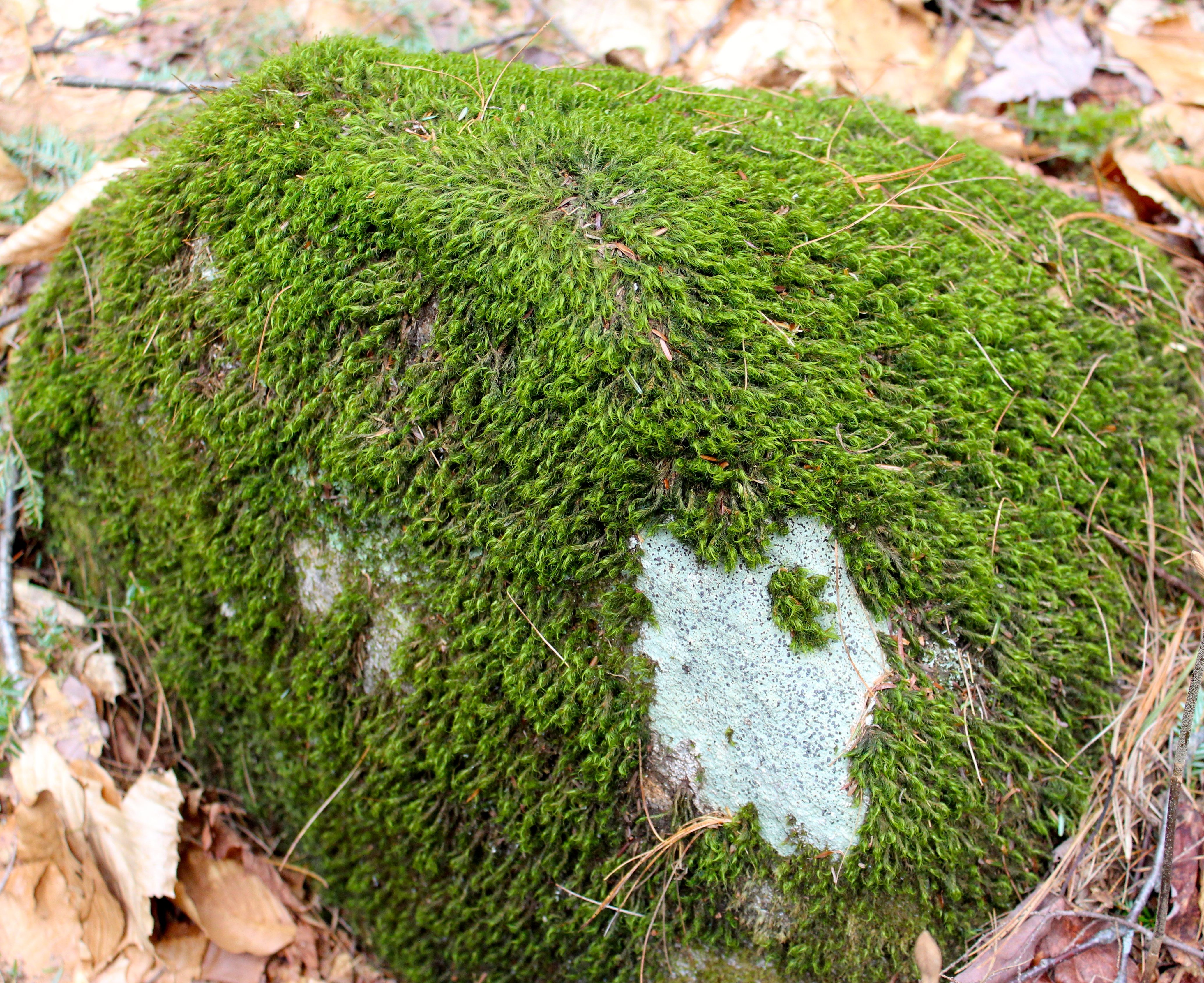
moss

And then I drove to Sweden (Sweden, Maine, that is) to join a couple of friends on a tramp through the woods.

moss 2

Along the way, this May Day basket presented itself.

1000 shades of green

Moss covered rocks and stumps bring to mind my father and his Scottish heritage. The faeries or fair folk, as they prefer to be known, quietly present themselves in areas like this. Some day, I may share the fairy tale I wrote a few years ago.

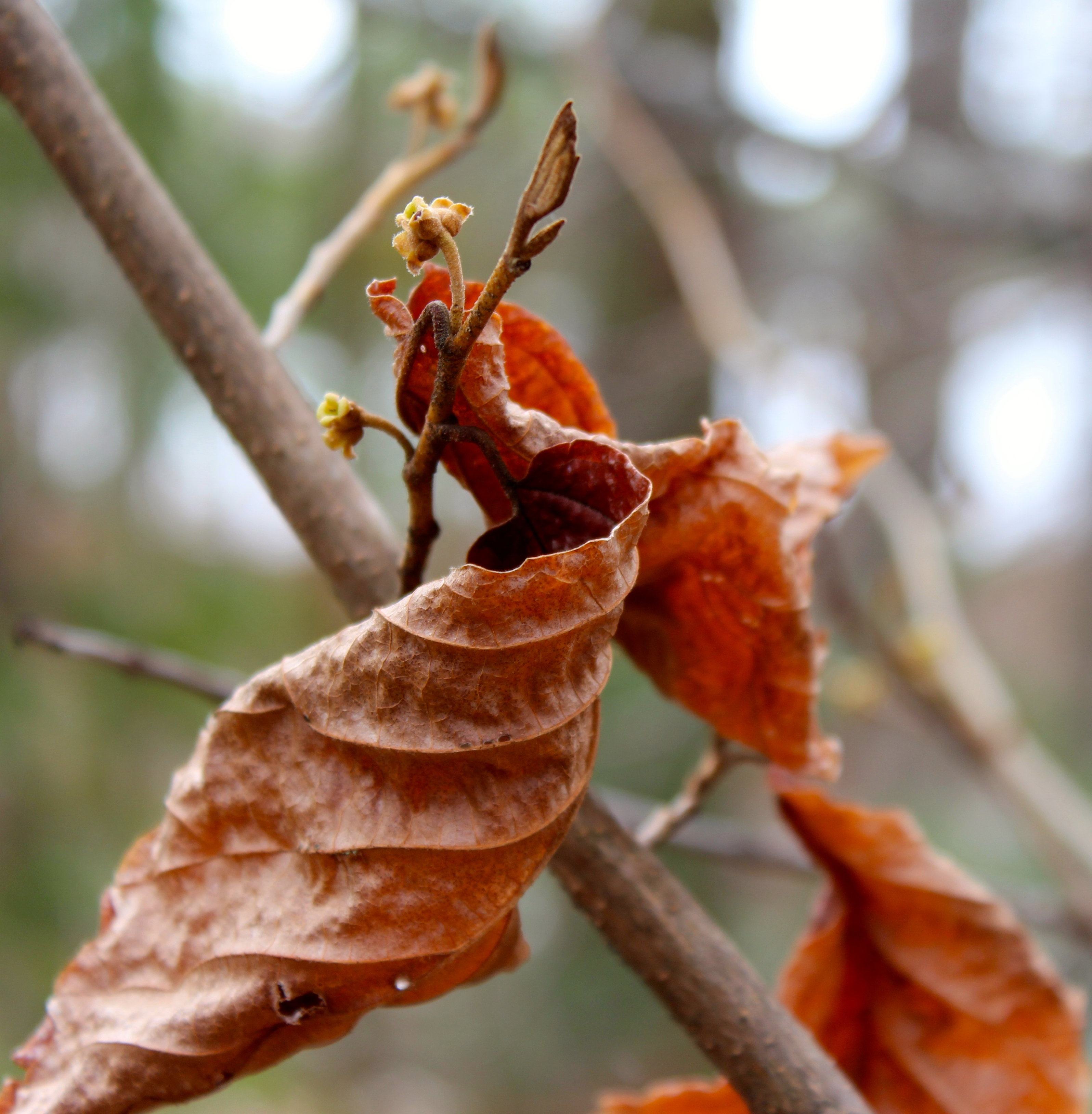
witch hazel

The Witch Hazel still holds its leaves.

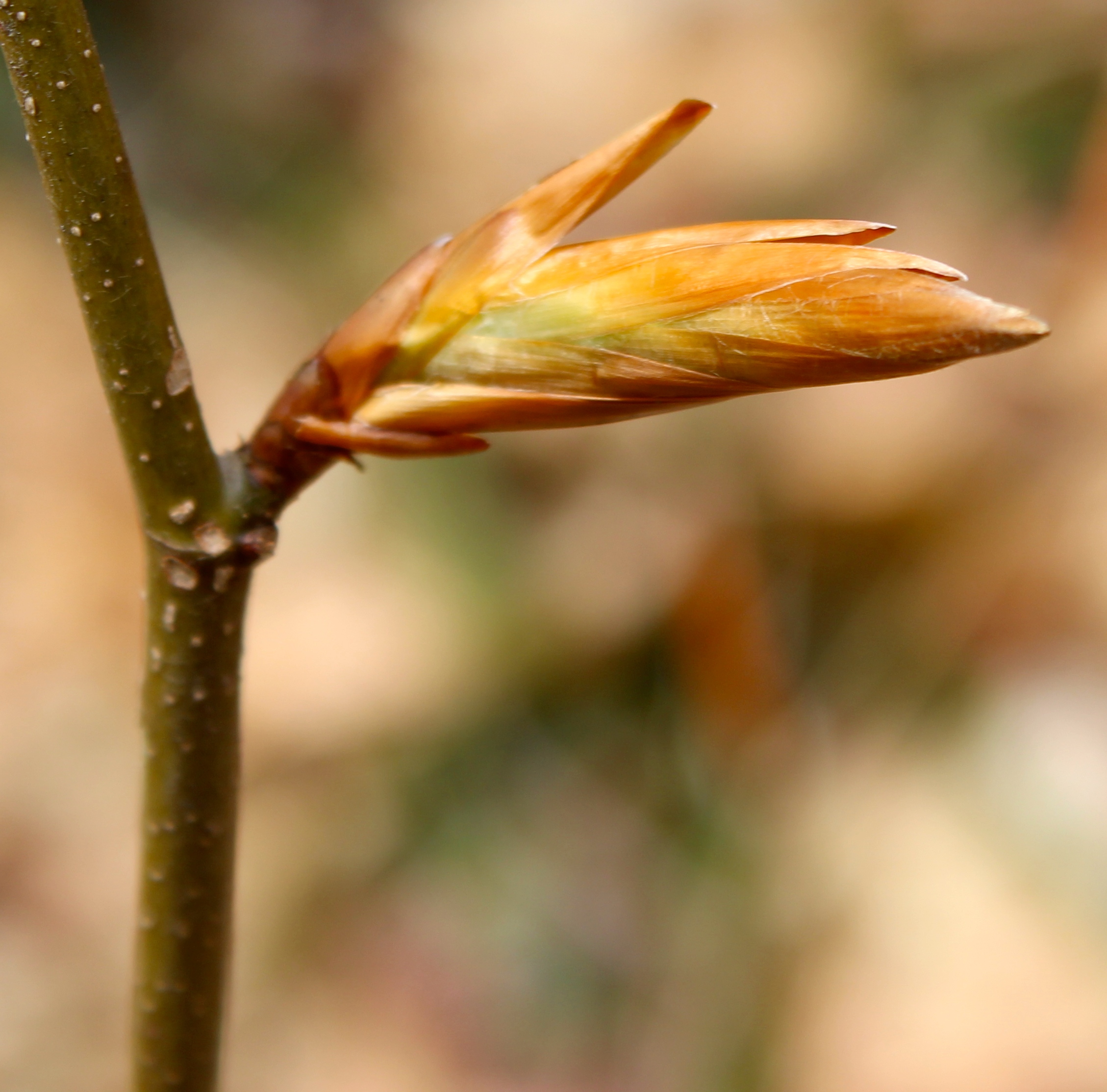
beech leaf

As do most American beech trees, but this one is beginning to leaf out.

pileated

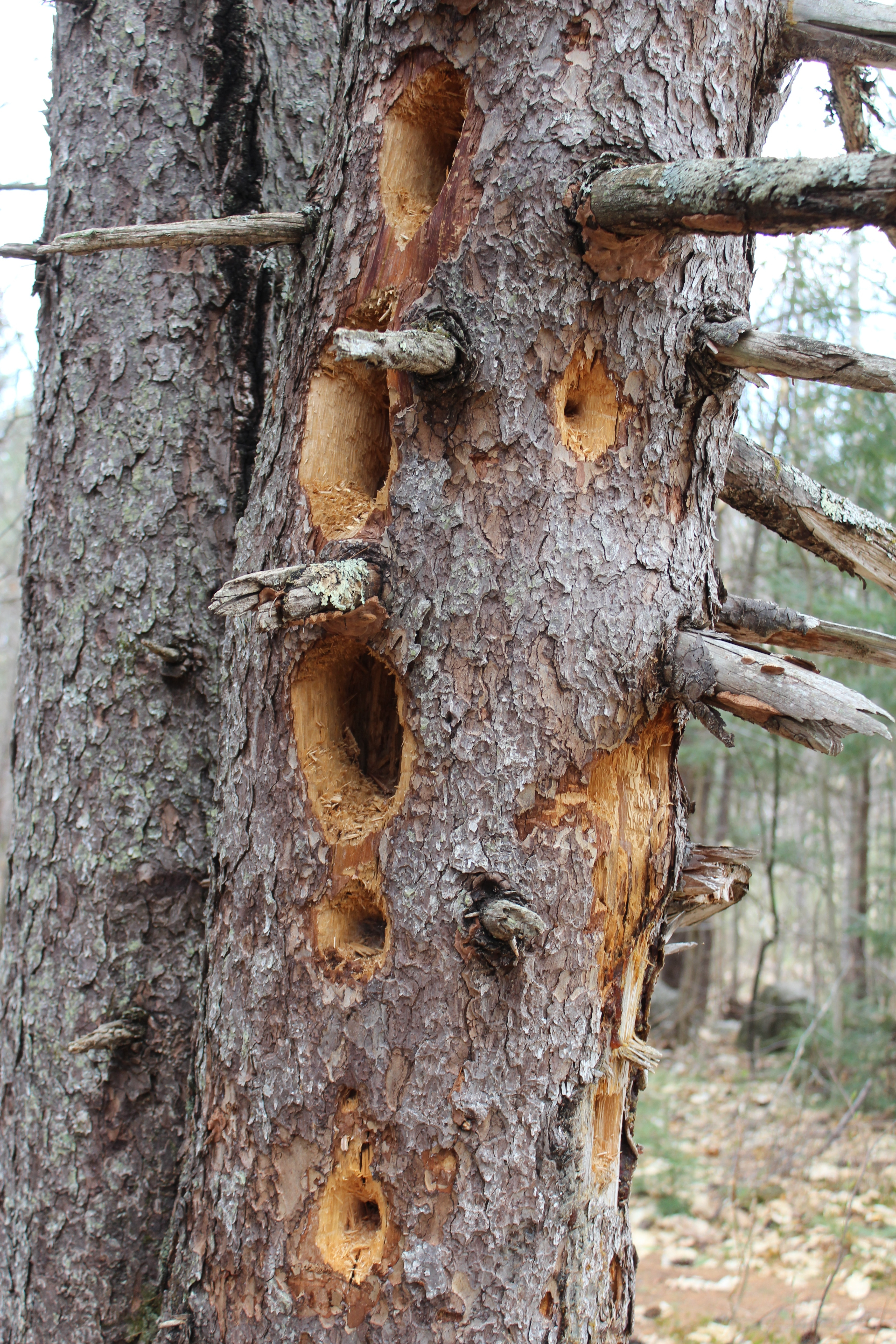
The insects don’t stand a chance against the methodic hammering of the pileated woodpecker who created these holes.

carpenter ant

At the base of the tree, the reason for the pileated’s work was revealed; sawdust created by carpenter ants. This tree must hum before it drums.

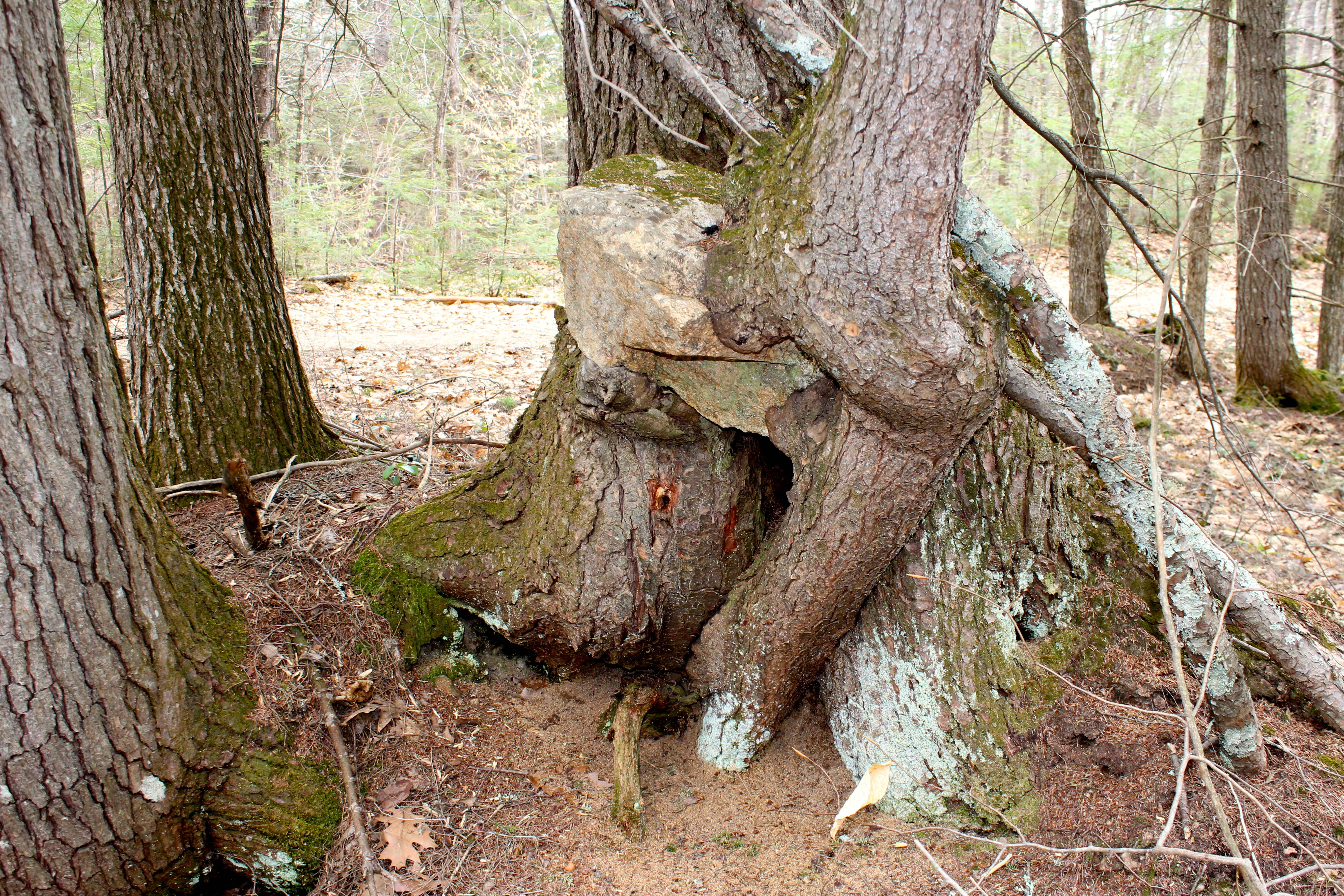
rock tree

I actually stopped talking, ever so briefly, when I saw this.

rock tree 2

How in the world?

rock tree 3

We think we know, but what are your thoughts?

tree:rock

Meanwhile–a tree grows around a rock.

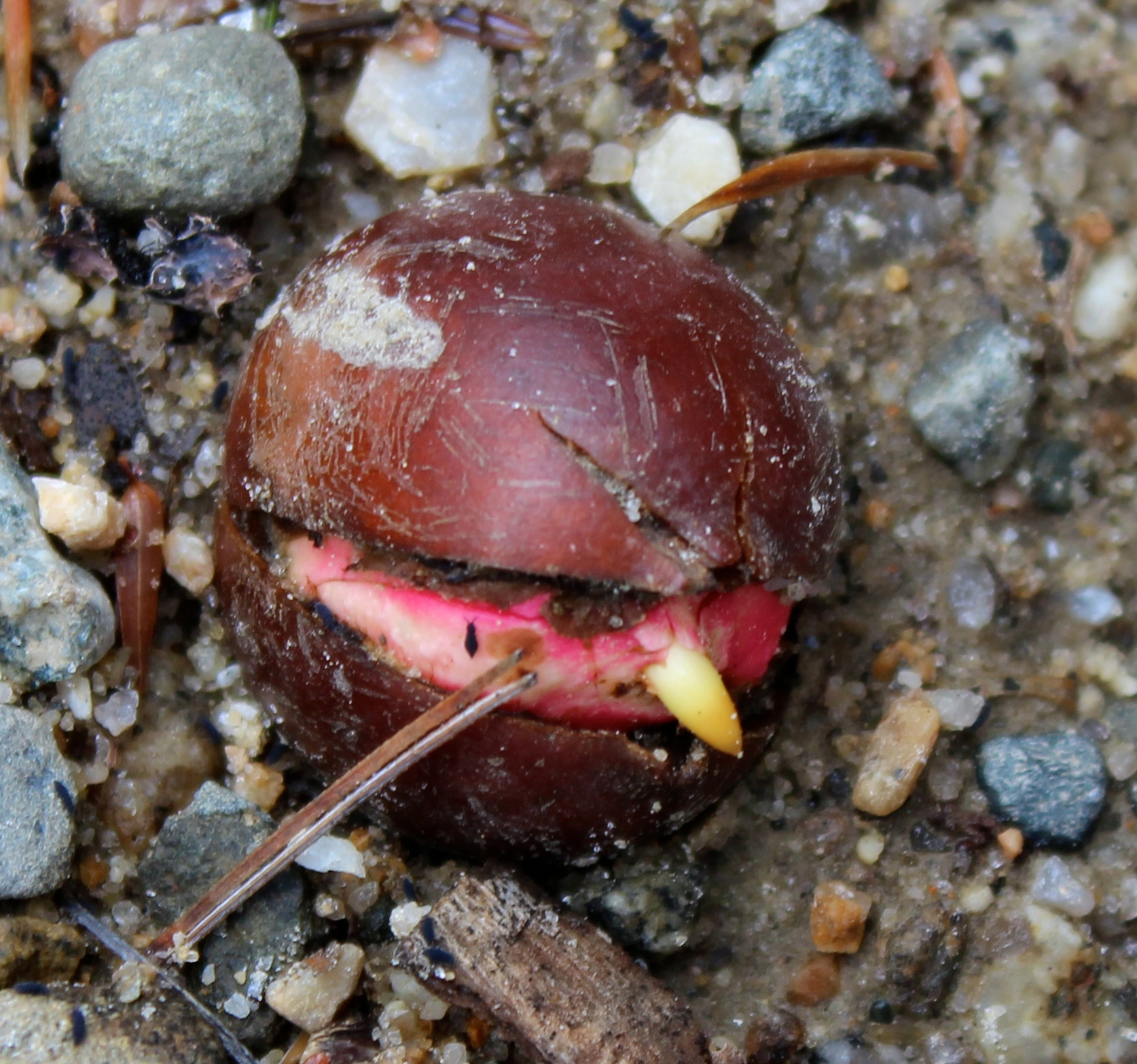
oak acrorn germinating

One of my favorite wonders of today. A red oak acorn germinating on the gravelly road–not exactly a quality site to begin life.

skunk cabbage

False Hellibore shines brightly,

skunk 2

slowly unfurling its smooth-edged, pleated leaves,

brookside

beside Powers Brook as it meanders by on its way to Stearns Pond.

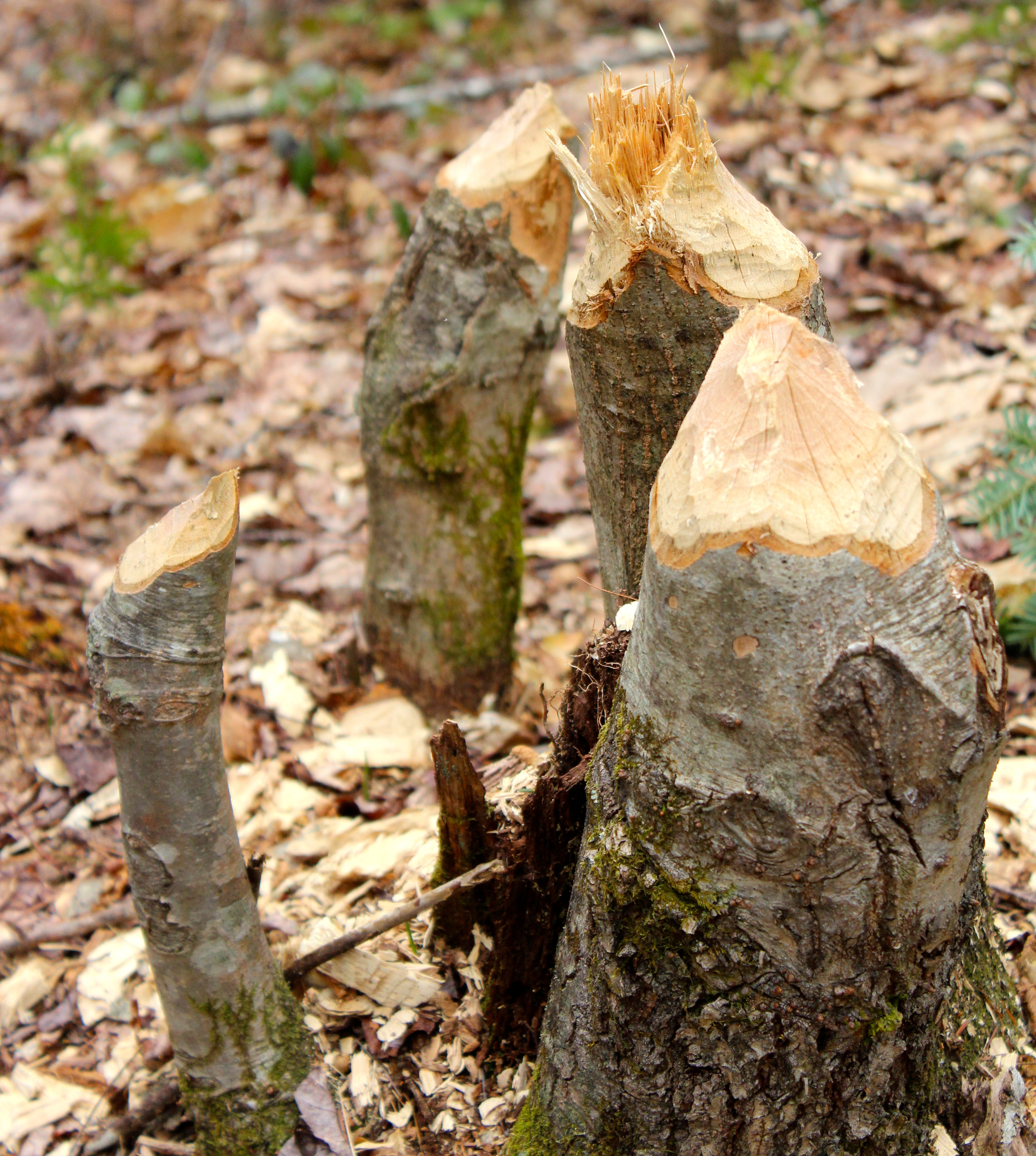
beaver 1

It was a day of this and that, including beaver works.

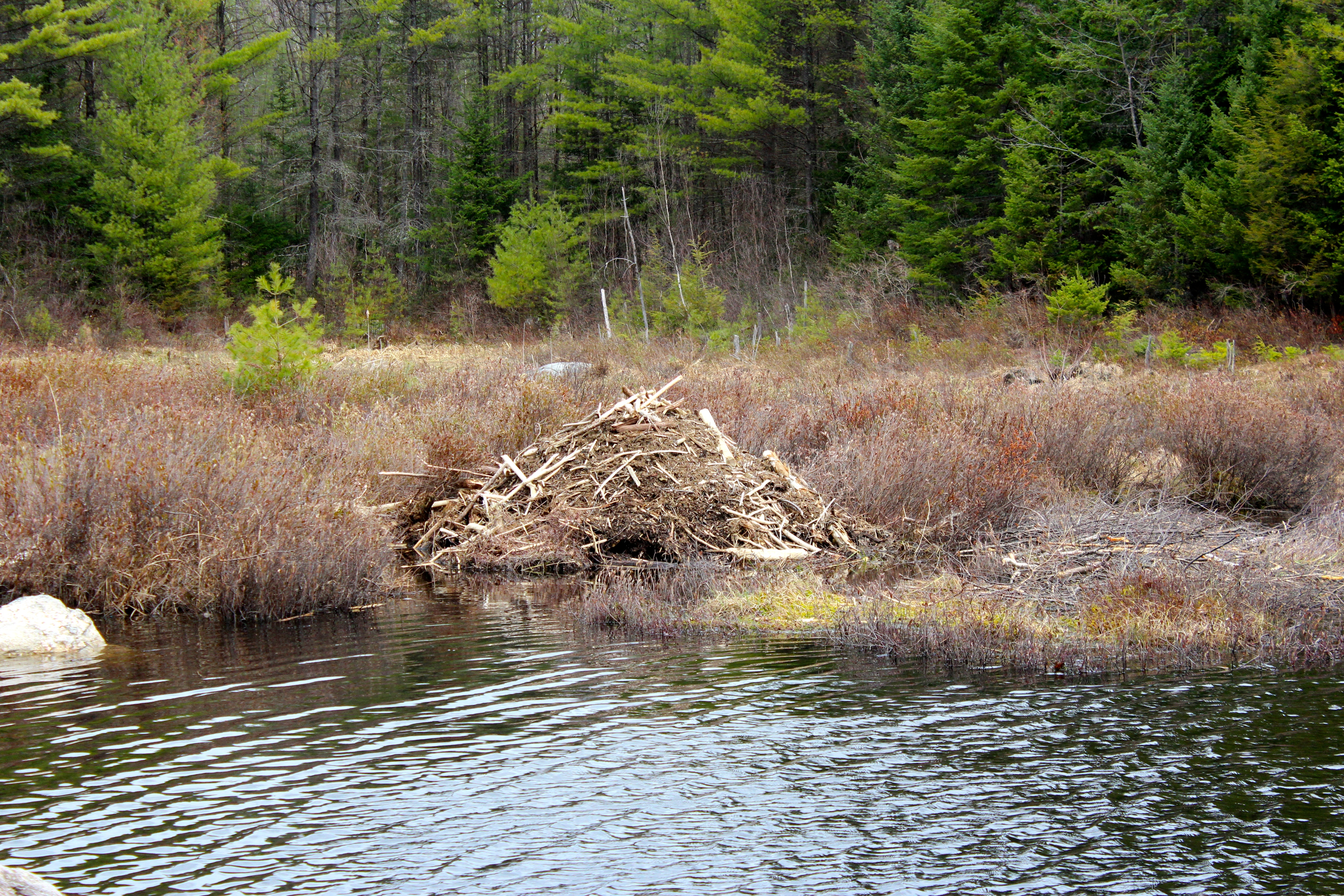
lodge

The lodge.

dam

And two large dams, the second being in the background to the center right.

 canada mayflower

It’s May Day and we noticed that Canada Mayflower is beginning to leaf out.

ta

 But . . . we’ve been paying attention to Trailing Arbutus, aka Mayflower, whenever we tramp, and today–blossoms

Mayflowers

accompanied by that delicate sweet scent.

A reason to celebrate. Happy May Day.

A Watchful Eye

FB-sand

On my way to meet a friend at the Wilson Wing Moose Pond Bog Preserve, the amount of sand on the road made me appreciate all the snow we had this winter and give thanks to those who cleared the way and kept us safe –constantly.

Never mind that I was lost in thought and this is beyond Foxboro Road where I should have been. After stopping to take this photo, I saw three things that were out of place–a road sign (at which time, I thought, “I didn’t realize the ‘no thru trucks, 26,000 RGVW at anytime’ sign was on Foxboro Road”–it isn’t); my friend passed me headed in the opposite direction; I came to the curve by Wiley Road and knew something wasn’t quite right. Whatever you do, don’t follow me. I’ll surely lead you astray. But if you don’t mind wondering, then let’s go.

fb brook

It’s so different to be at Wilson Wing during the spring when the water tumbles over the rocks in Sucker Brook. We accepted the invitation to pause and ponder.

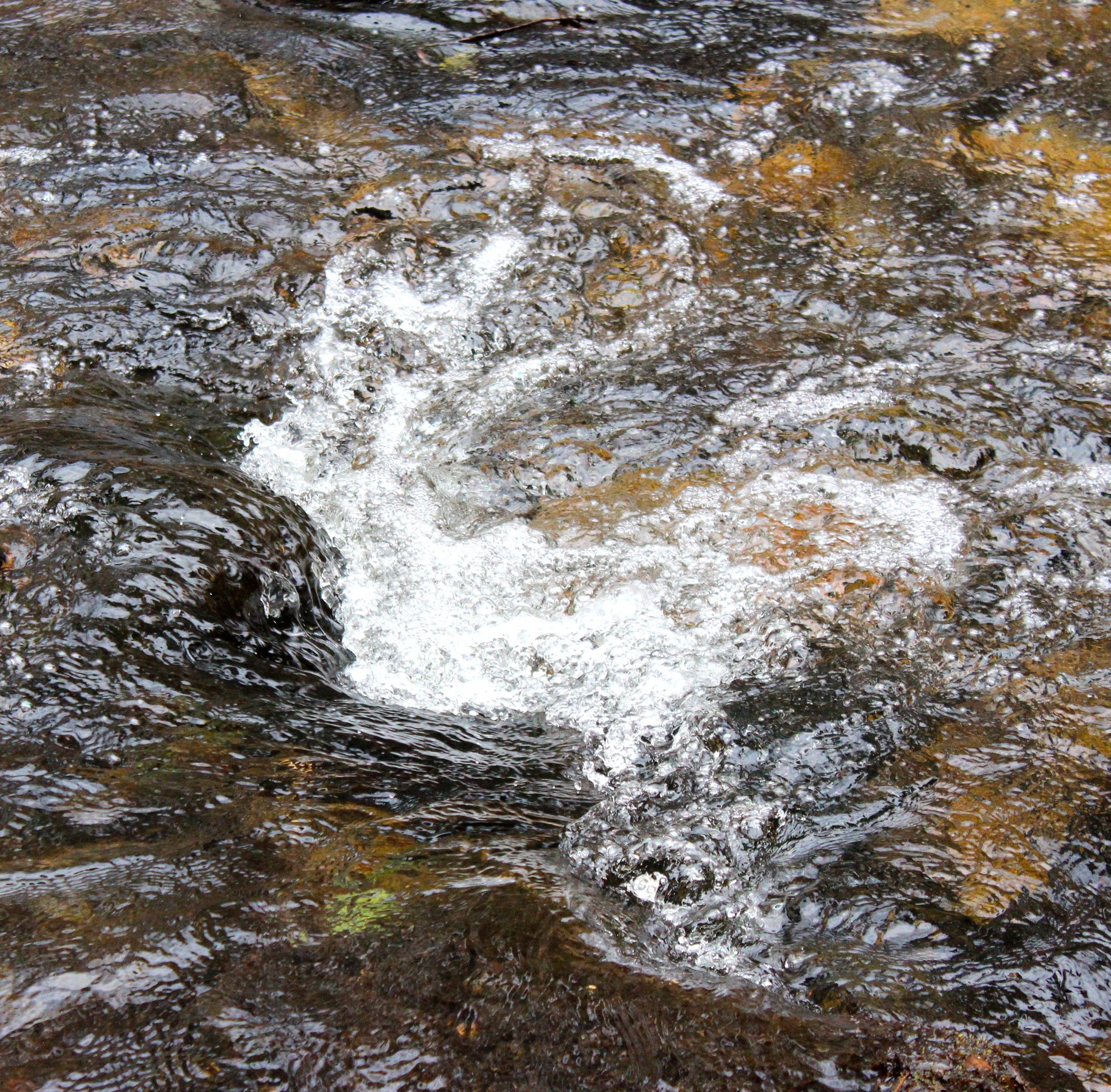
water

And enjoy fluid moments.

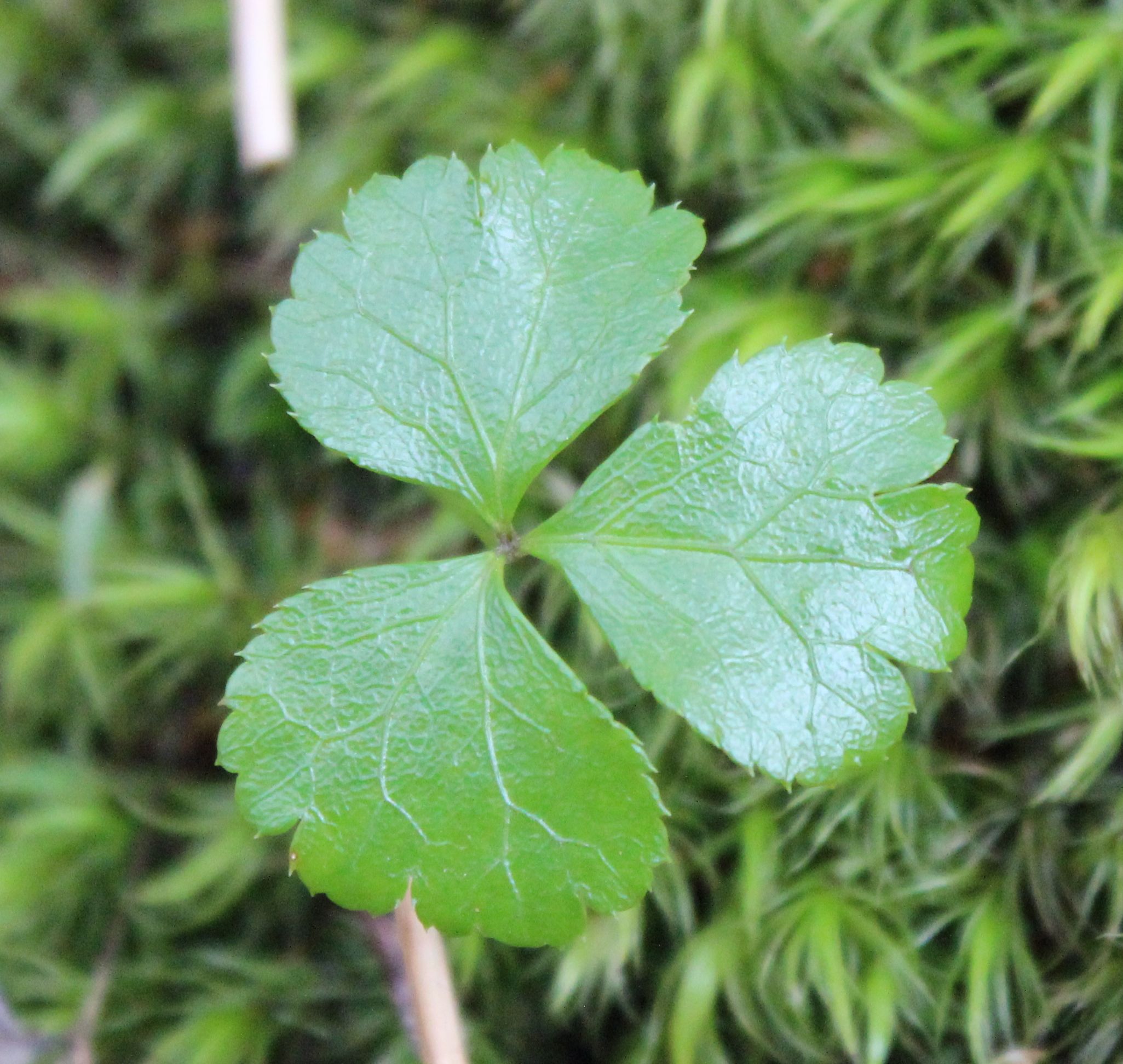
goldthread

And hope in the greenery. This scallop-leafed goldthread made us get down on our hands and knees for a closer look.

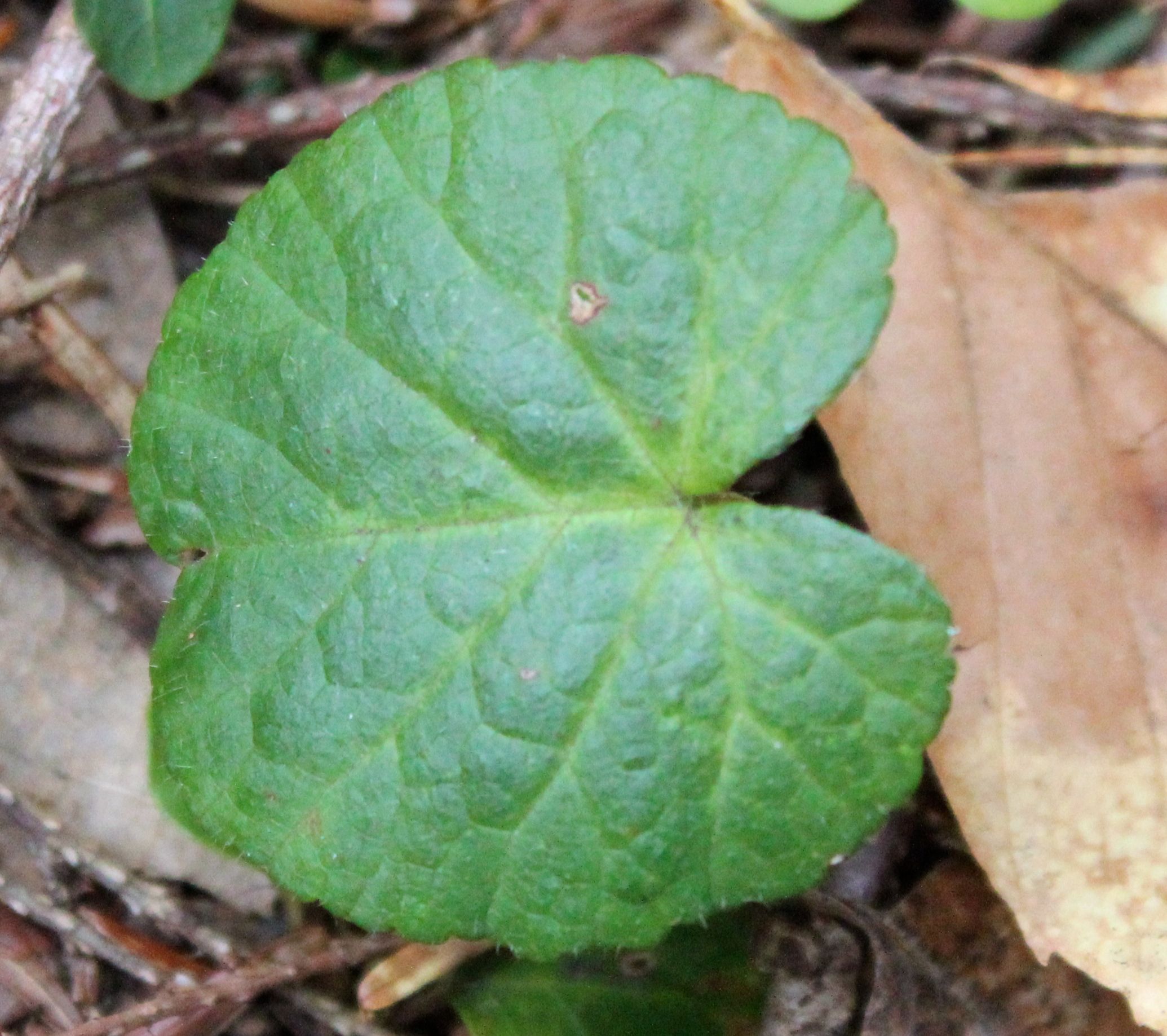
dewdrop

As did the heart-shaped dewdrop leaves.

heart

Another heart also spoke to us.

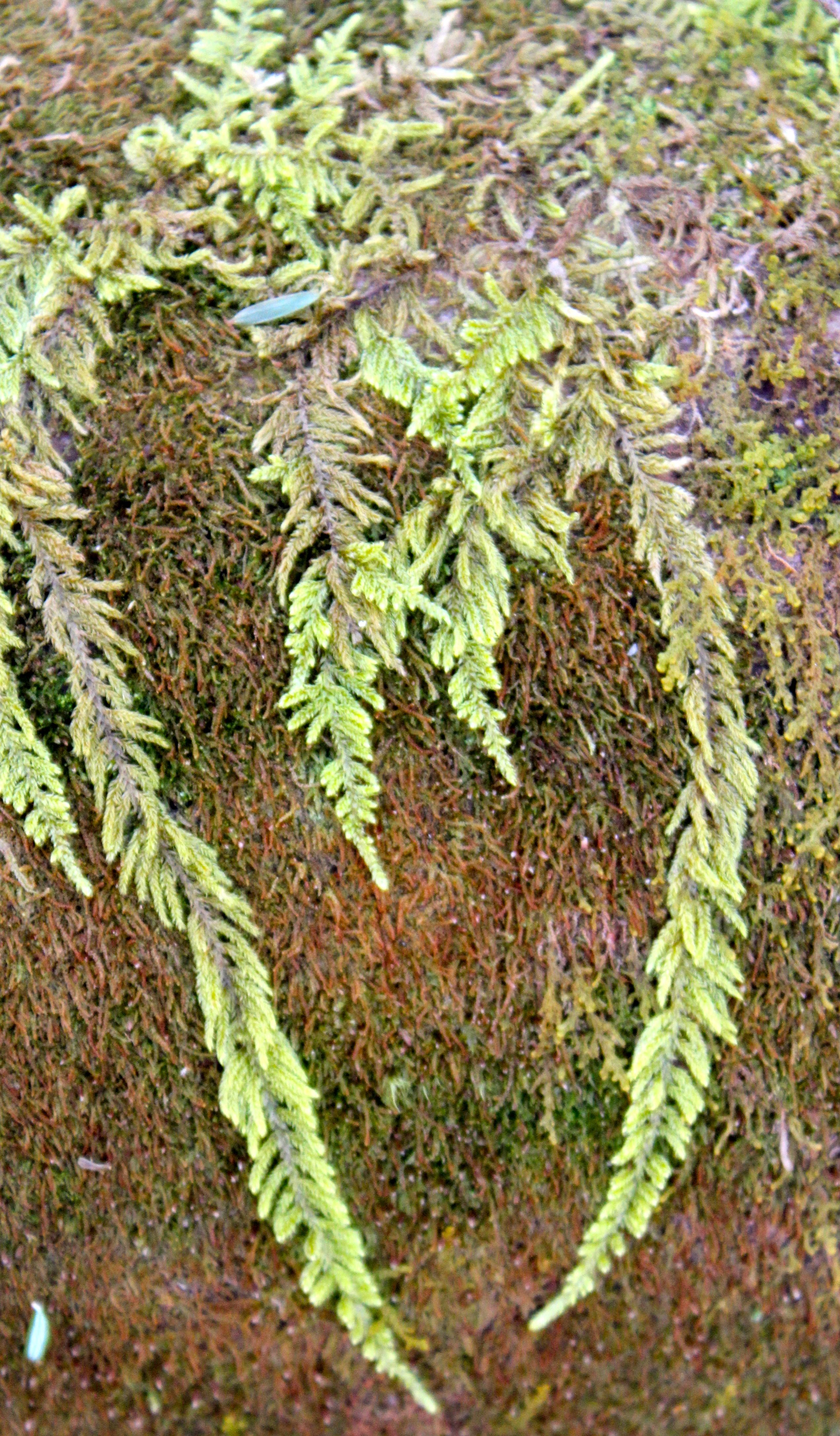
rock:lichen

And the lichen and moss on this rock invited an up close and personal inspection through the hand lens.

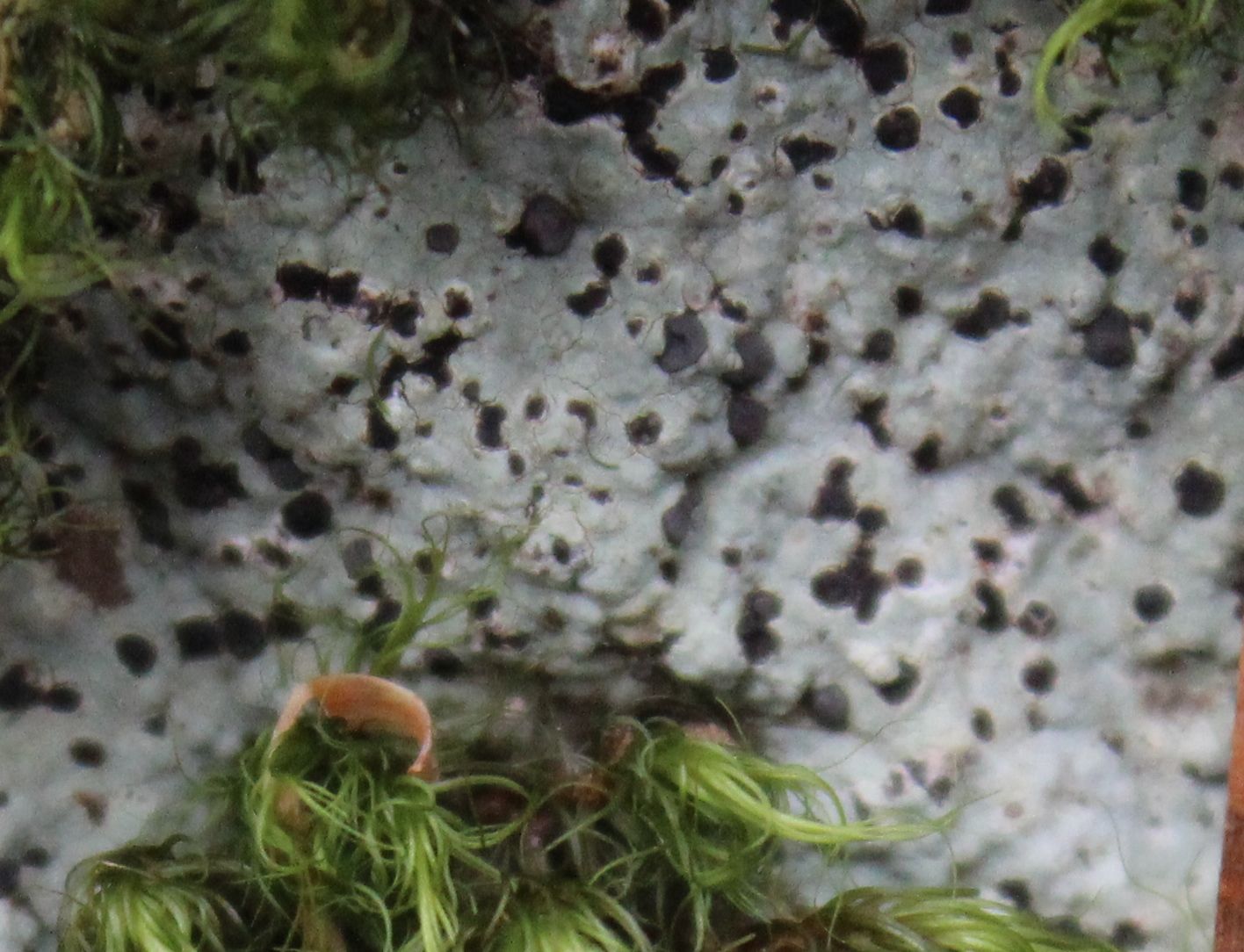
lichen 2

We tried to figure out which crustose lichen it is. I’m leaning toward a disk lichen (Lecidella stigmata) because the black fruiting bodies are raised.

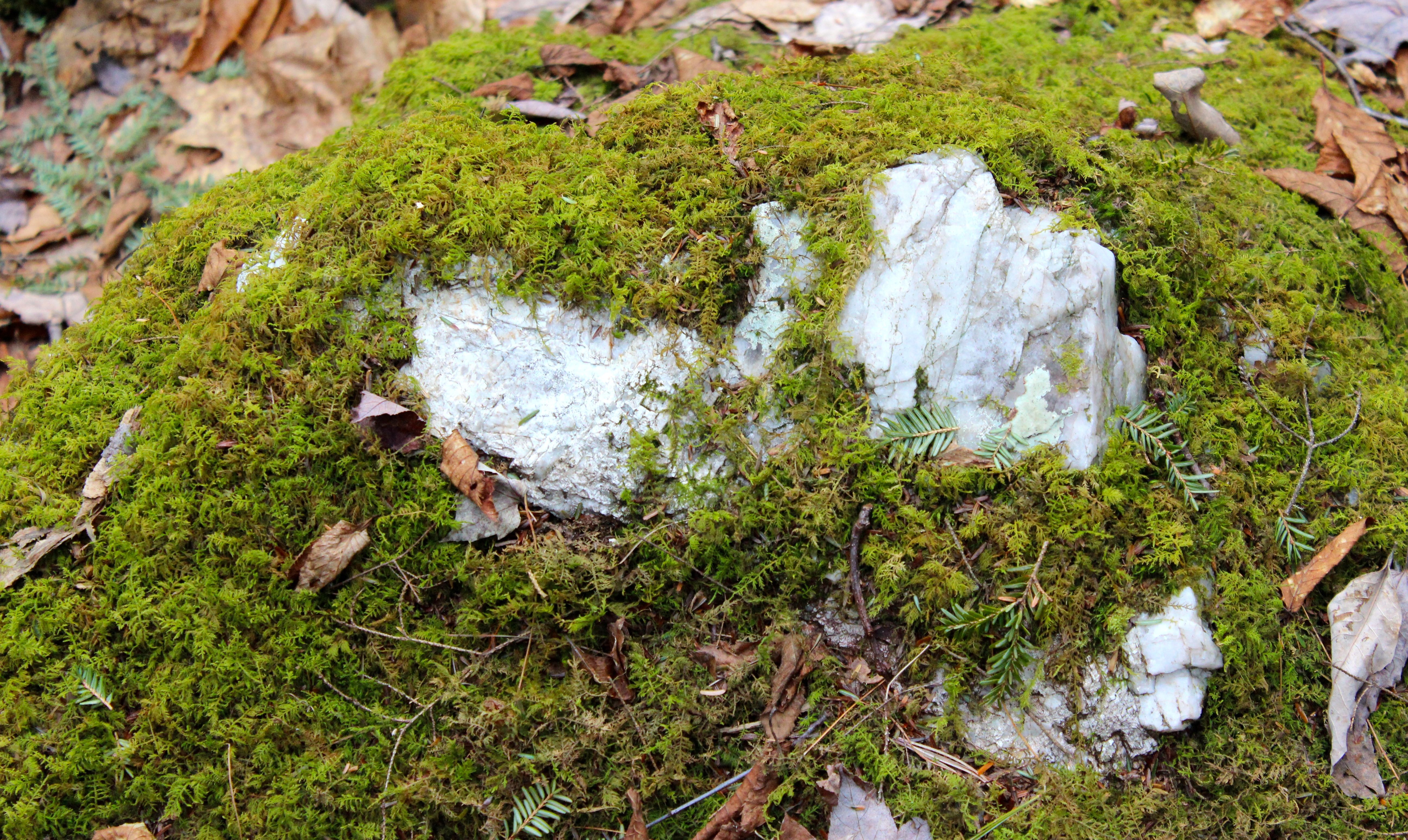
quartz:lichen

Then we saw a contrast in styles–soft moss and hard quartz.

tree chain lichen

Some trees were adorned with necklaces. Tree necklaces.

hb

Our focus also included hobblebush, with its unscaled leaf buds

hb clasping

clasped together, perhaps in silent prayer for the bog and the life it supports.

hb 3

Flowers are forming, but we don’t want to rush the season.

hb 2

Then again, I can’t wait.

beaver 1

And then there was another story to unfold.

beaver 2

I thought beaver. My friend thought porcupine.

beaver 3

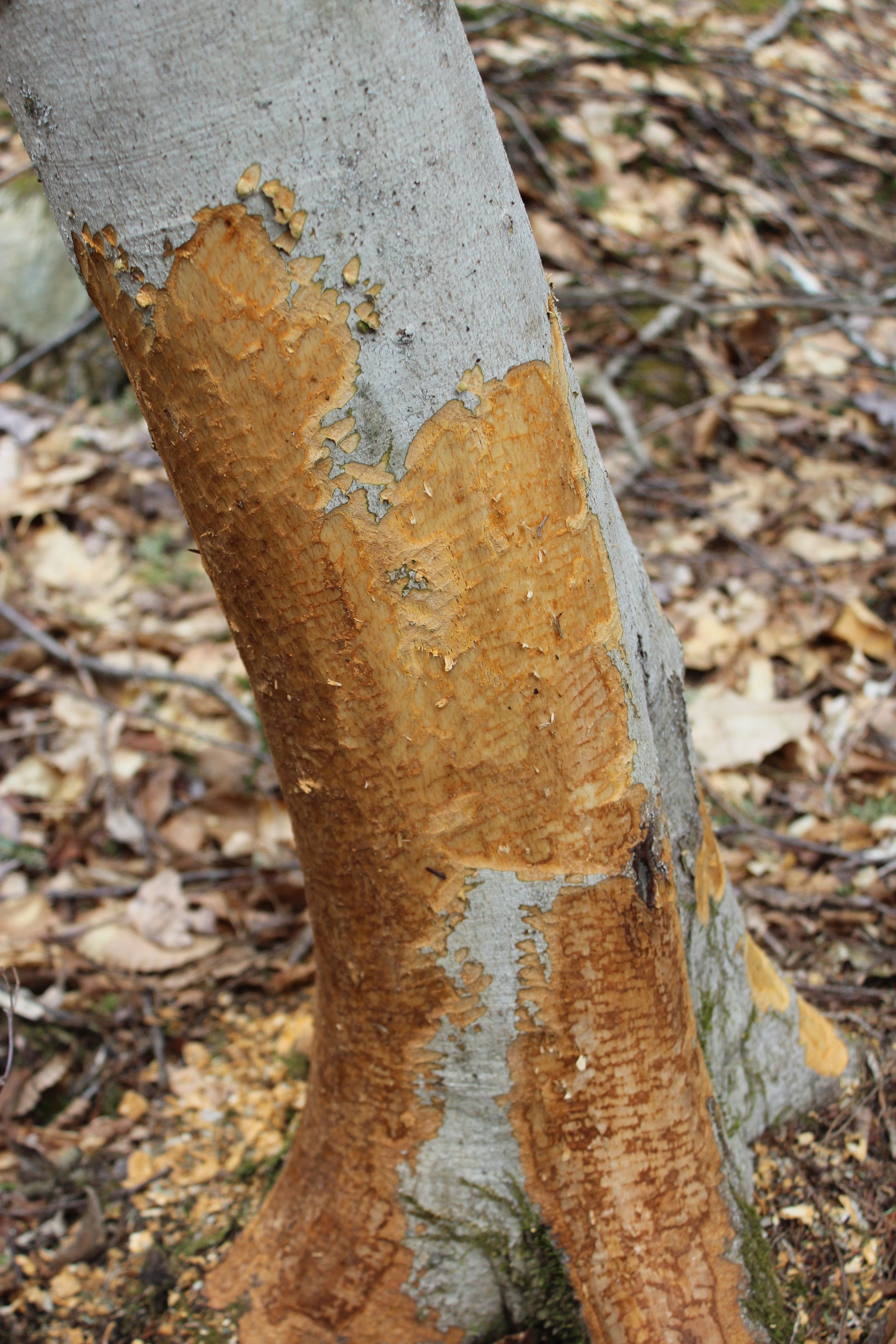
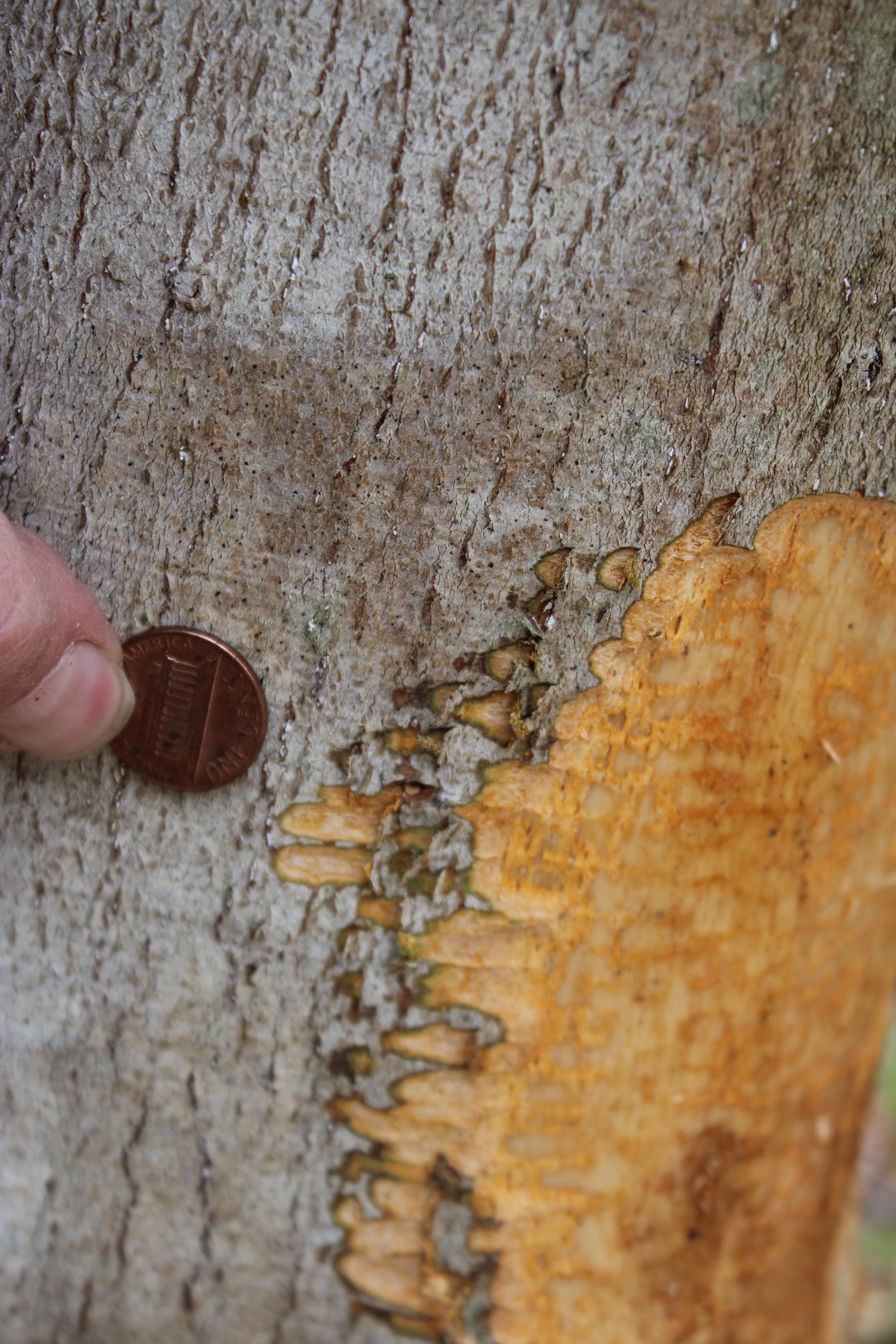
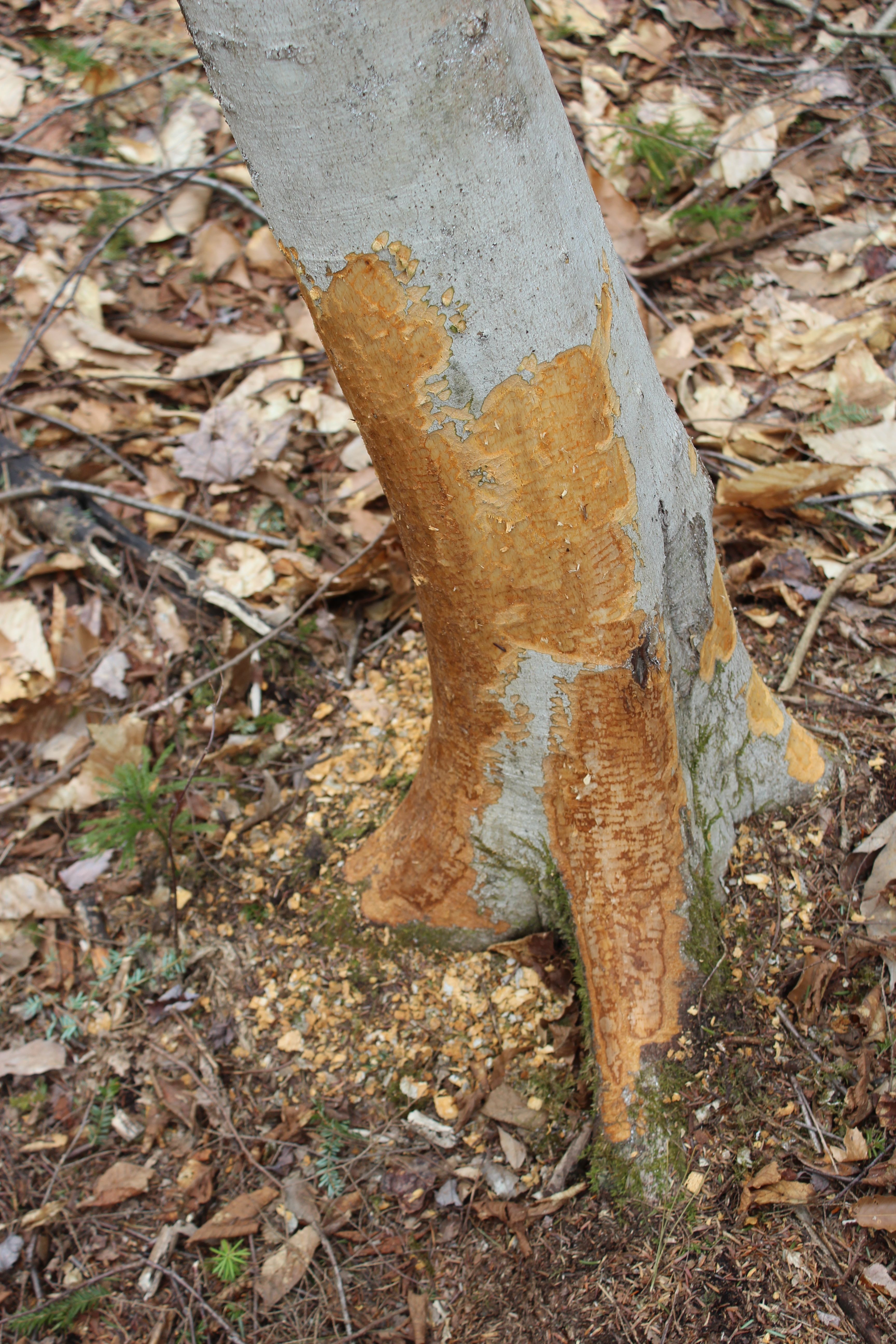
It was the wee amount of debris at the base of the beech that stumped us. And the fact that this was the only tree in the area that had been chewed in this manner. No scat to confirm. But my, what wide teeth you have.

beaver 4

We walked along and then moved off the trail. Looking around, we saw these and were finally able to turn the pages of the book.

beaver 5

Munched treats

beaver 6

and munched saplings told us who had moved about.

beaver 7

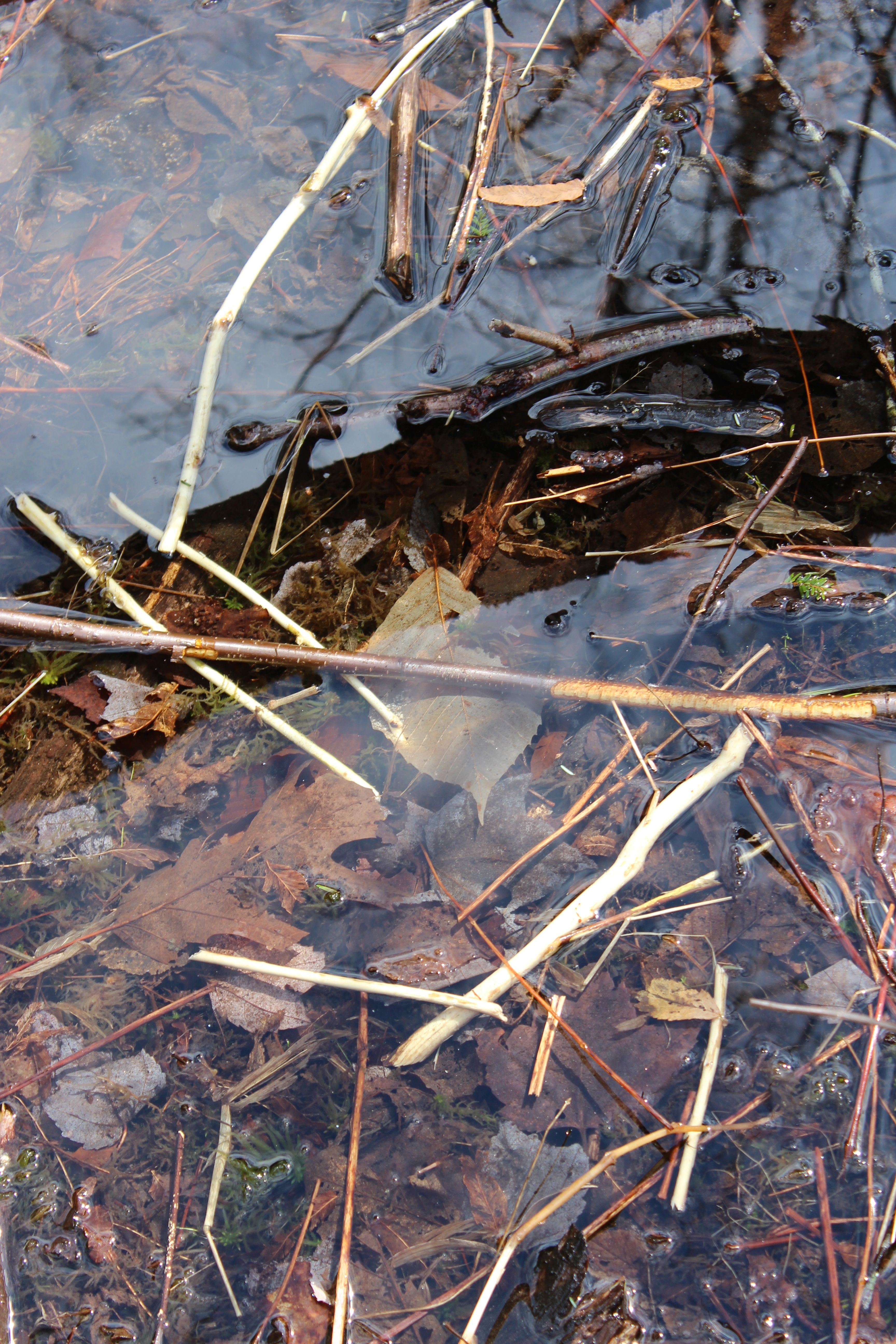
These chips are more what we would expect from a beaver. So here’s how we read the story. The fresh chew that caused the initial debate was perhaps the work of a two-year-old beaver forced to leave the lodge. It stopped along the way recently to nibble some treats. The sapling in the later photos was felled last fall, when it was time to renovate the lodge.

view

At the platform, we climbed up to enjoy the view, which includes the lodge.

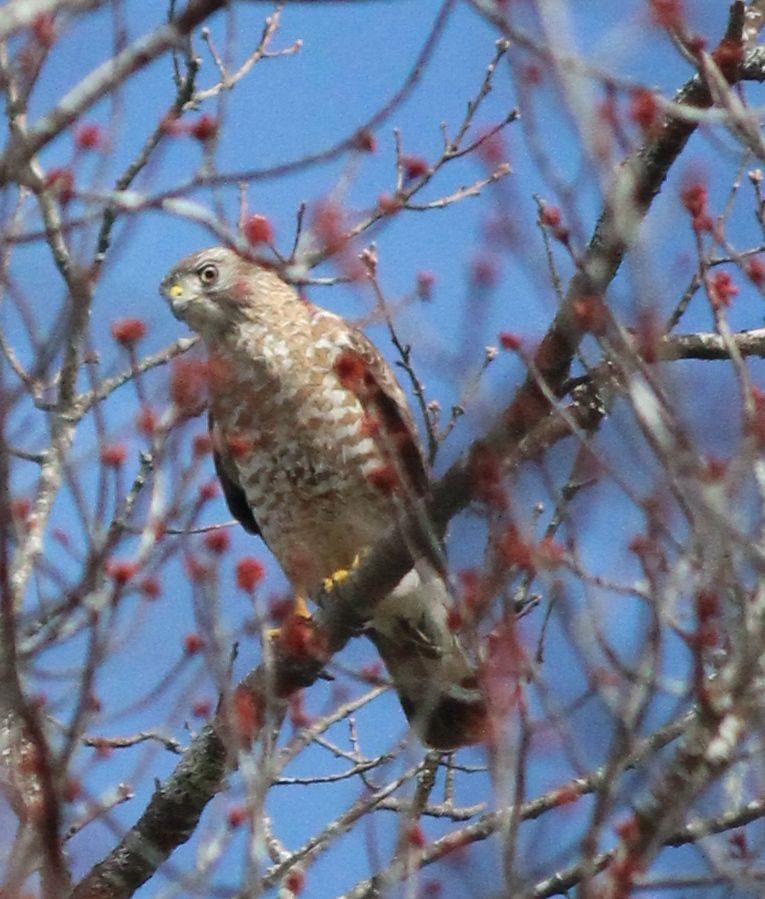
hawk 3

We weren’t the only ones with a watchful eye.

I’m so glad you wondered along on today’s wander. Keep watching. There’s so much more to see.

Walking With Nature On Earth Day

I only got fake lost on my way to Old Point beside the Kennebec River in Madison this morning. The plan was that I would meet K.D., a Maine Master Naturalist student, near the monument honoring Father Rasle. All was going smoothly and I was almost to my destination by 10am–right on time. Maybe it was because I was feeling so smug about getting there without any hassles. Or maybe it was because I’m just not tech savvy.

Somehow, I either plugged the wrong address into Map Quest last night, or Map Quest decided that I should go to the wrong address. Anyway, I turned onto Blackwell Hill Road and drove along looking for the trail head and K.D.’s car. And then I reached the end of the road and had to make a choice. It was a T–turn this way or that (oh my, I’m tired and “turn” and “that” also begin with T). Instead, I made a U turn and headed back to town. Mind you, I had our cell phone with me, and K.D. had given me her number, but I never bothered to jot it down. Lesson learned? Probably not.

I kept hoping she’d stop being polite and just call me. Back in Madison, I pulled over and examined the Delorme map again. Blackwell Hill didn’t seem like the right place because I knew the trail was near the Kennebec River, but it looked like there might be trails off another road in that area, so I turned around.

Again, I hoped she’d call. After a third U-turn, she did. And she was on the other side of town. Yeegads. But as I said earlier, I was only fake lost. I could find my way home (sort of).

Kennebec River

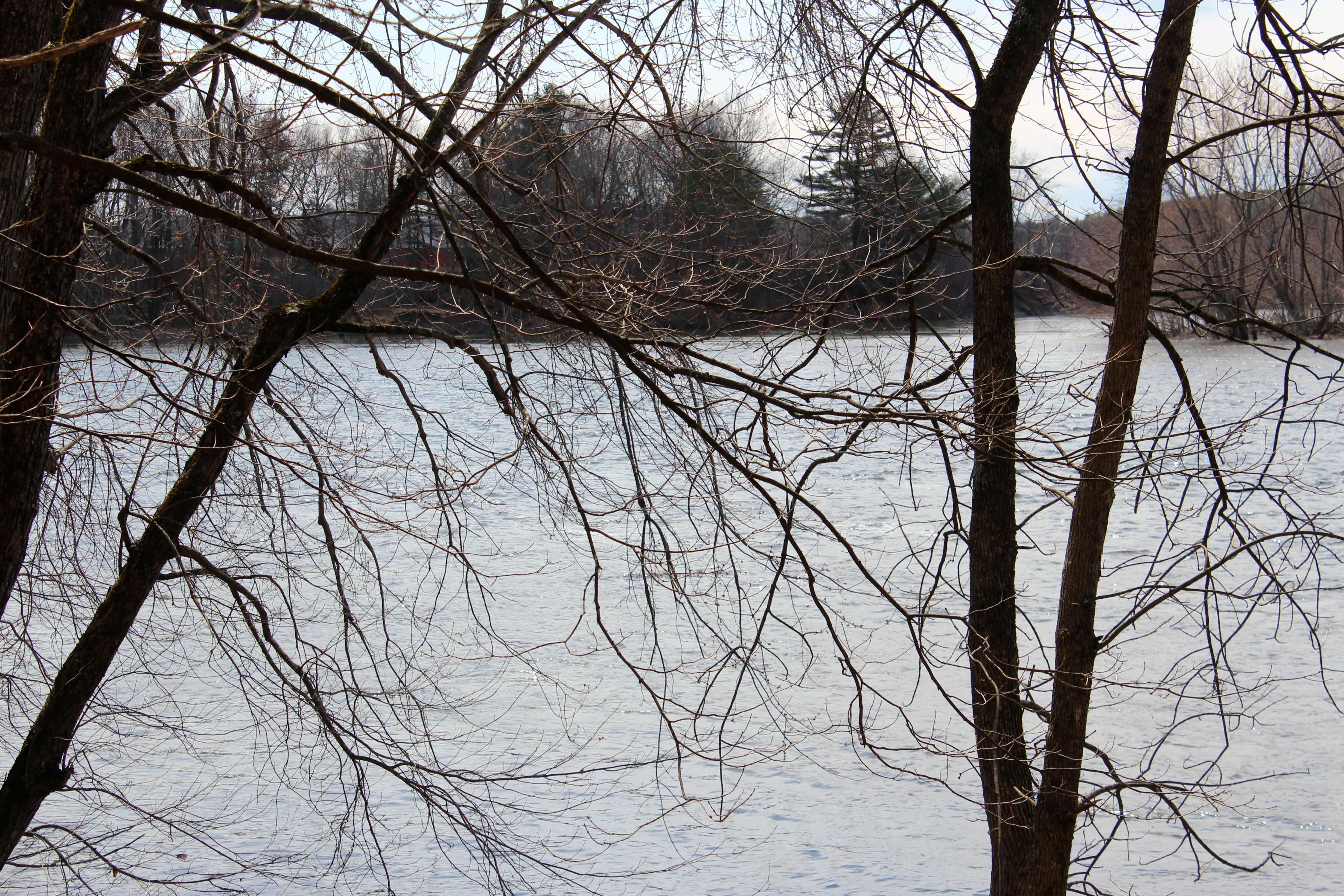
Like all rivers in Maine, the mighty Kennebec was roaring today. Snow melt and rain.

I was meeting K.D. because she’s working on her capstone project for the MMNP course. The focus, a trail that honors Father Rasle, a Jesuit missionary who lived among the Abenaki people and died there during an English raid. K.D.’s plan is to tie the historical aspect of the trail in with the natural world. I’m excited for her and can’t wait to see the final product. I just may have to return for her walk during Madison-Anson Days, but don’t tell her that.

Father R

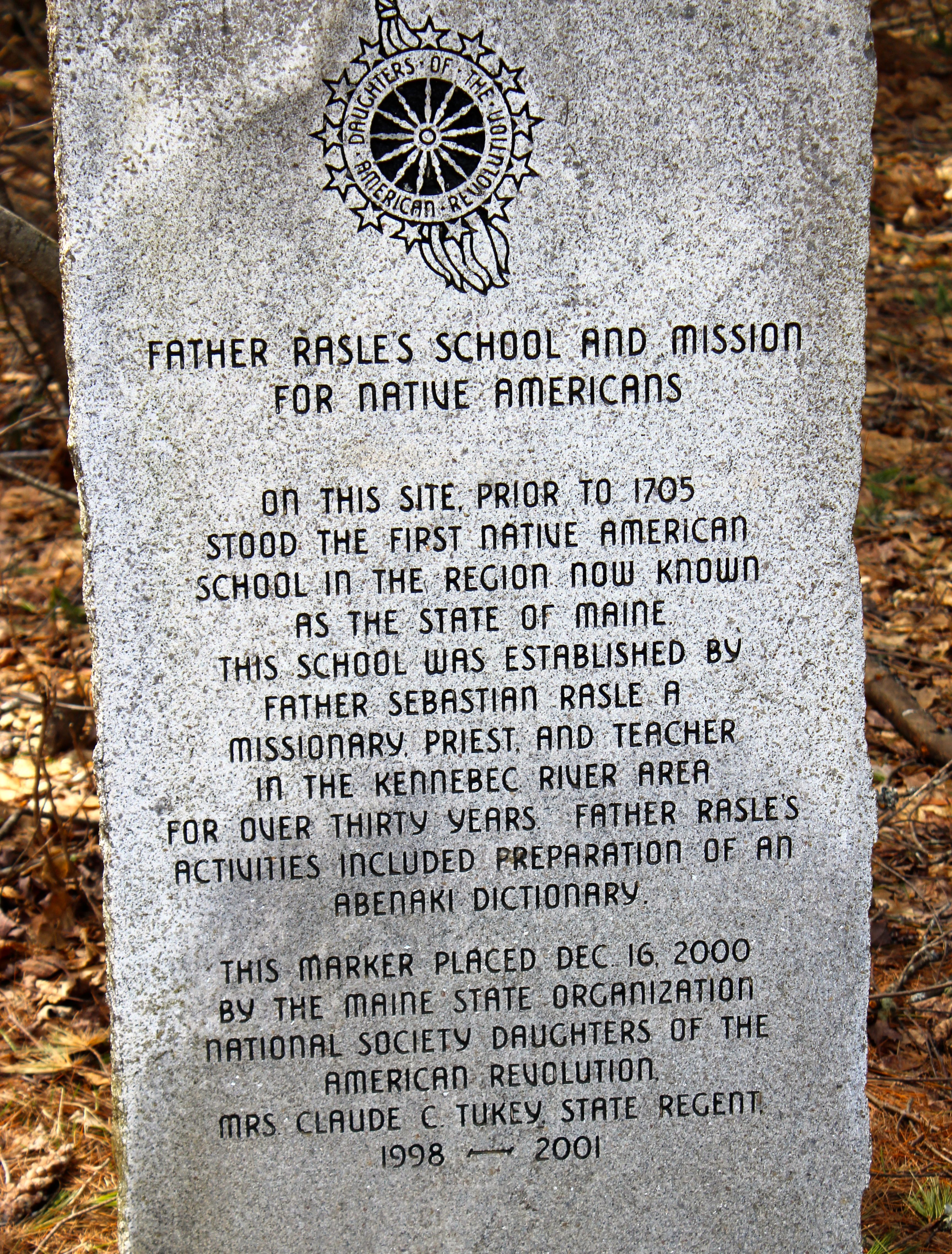
This is the monument erected in 1833 on what is believed to be the site of the 1724 massacre.

Father R 2

Father Sebastian Rasle (there are several spellings of his name) lived here for 34 years. K.D. said that the western side of the river was the English side and the eastern side was the French side. I think I got that right.
Father R 3

During his tenure, Father Rasle taught the Abenakis and created a dictionary of their language.

start of Sandy River

Though we didn’t try to go down the steep embankment, in this photo is an island and here the Sandy River discharges into the Kennebec. It’s her understanding that the Abenaki people originally settled on the island, but moved to the eastern side, which in the end led to the demise of the reverend and some members of the tribe. Perhaps the vantage point wasn’t as good.

jelly ears

As we walked along, thinking about what had happened here, we also identified species. For K.D.’s project, she’ll stick to the Native American theme–how was it useful to them? I’m not sure about these Jelly Ear’s (Auricularia auricle), but they are a good find anyway–and we found plenty.

Rush

And then there was a large patch of Equisetum, the only descendant of ancient horsetail plants that grew during prehistoric times.

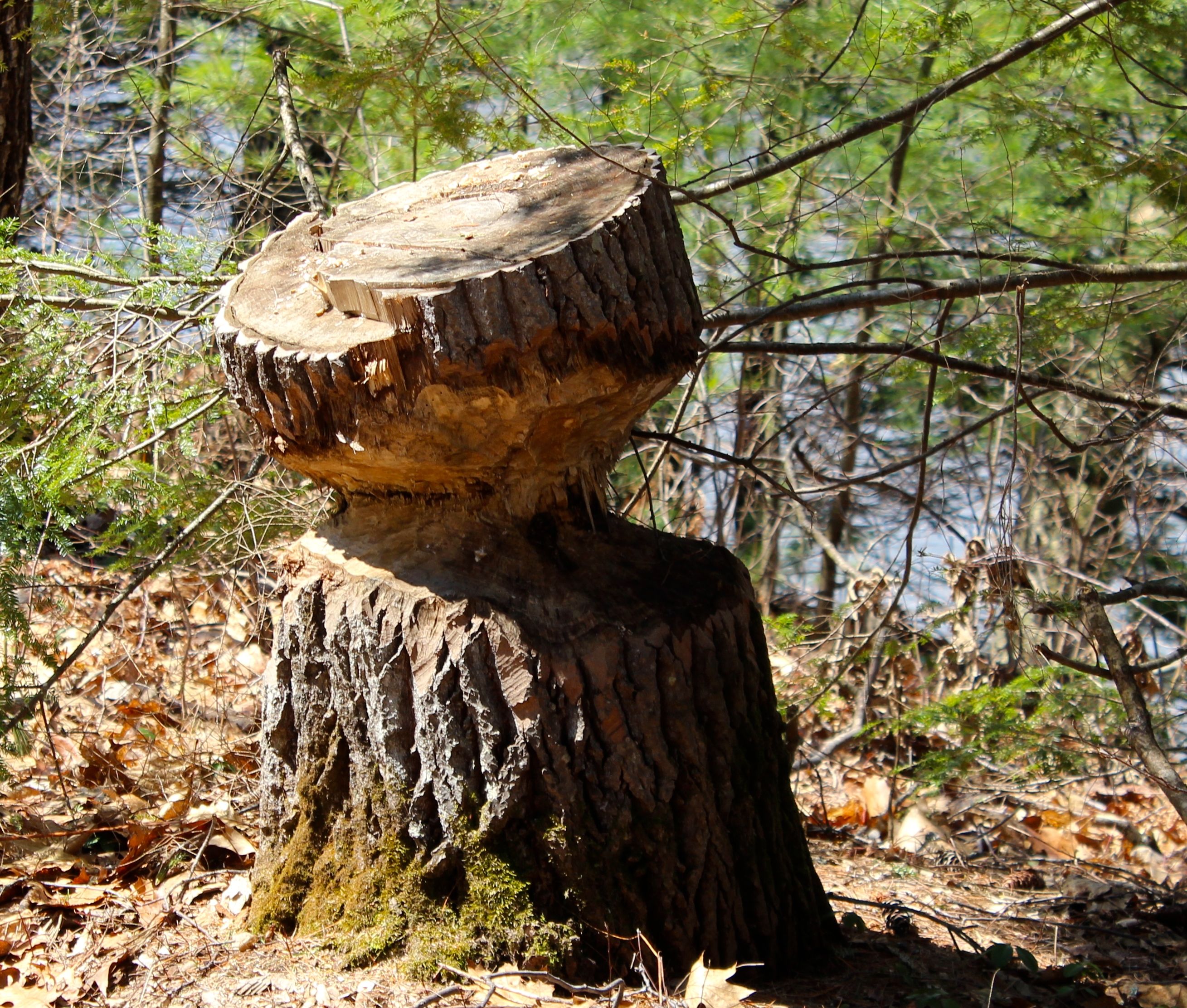
beaver work

Occasionally, we saw evidence of beaver works. I’m glad that the person who cut this red oak left the chewed section as a monument to these industrious critters.

cellar home

A cellar hole is filled with snow and evergreen wood fern. As it turns out, K.D. believes this was the home of one of her husband’s ancestors. His family dates back three generations in the area.

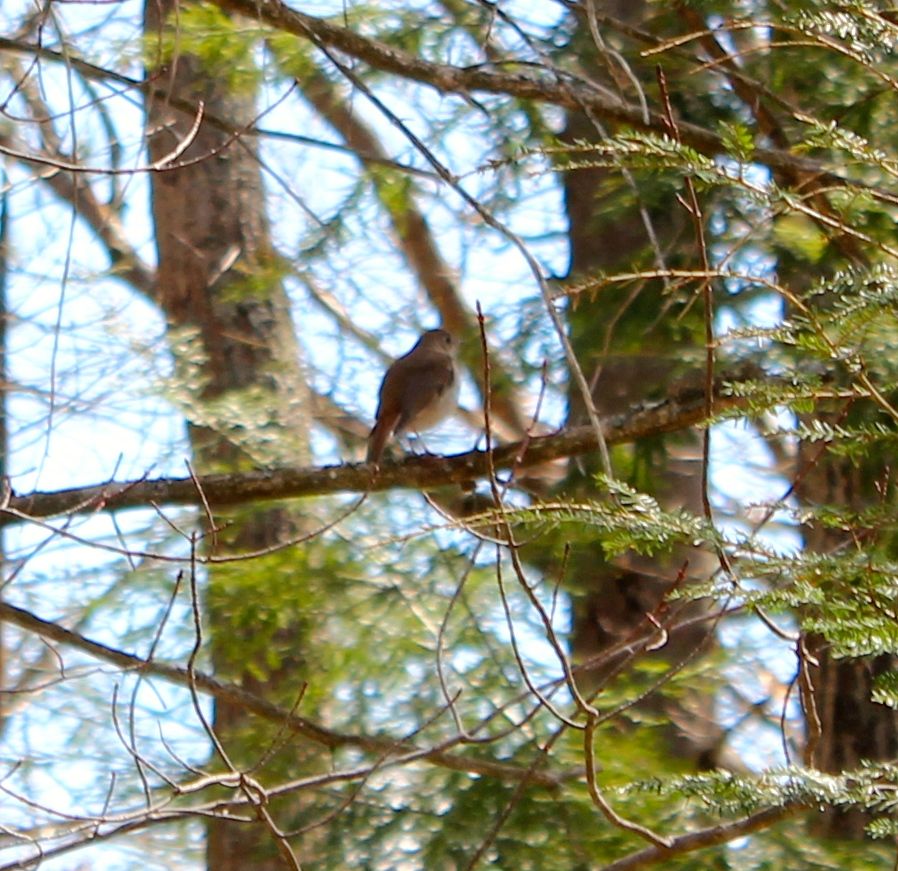
Hermit thrush

While my bird expertise ends at my backyard feeders that must come down soon, K.D. is an avid birder. With her, I saw my first ever Kinglets today. They are little round balls of action. Golden Eyes played on the river, Tree Swallows soared above and a Bald Eagle sat in a nest watching over all. In this photo–a Hermit Thrush. We watched it for a while and heard another singing nearby.

BL 1

And then we got stumped. Yup, more bark. We think we figured this one out, but if you know better, holler. Black Locust. The bark, light gray, deeply furrowed and intersecting.

 bl bark 3

The ridges are finely cracked. Now that the snow has melted, we looked for leaves on the ground because the branches were high above us. Below each tree, we found what we believed to be dried leaflets that were about two inches long and had entire margins. Again, if you know otherwise, holler.

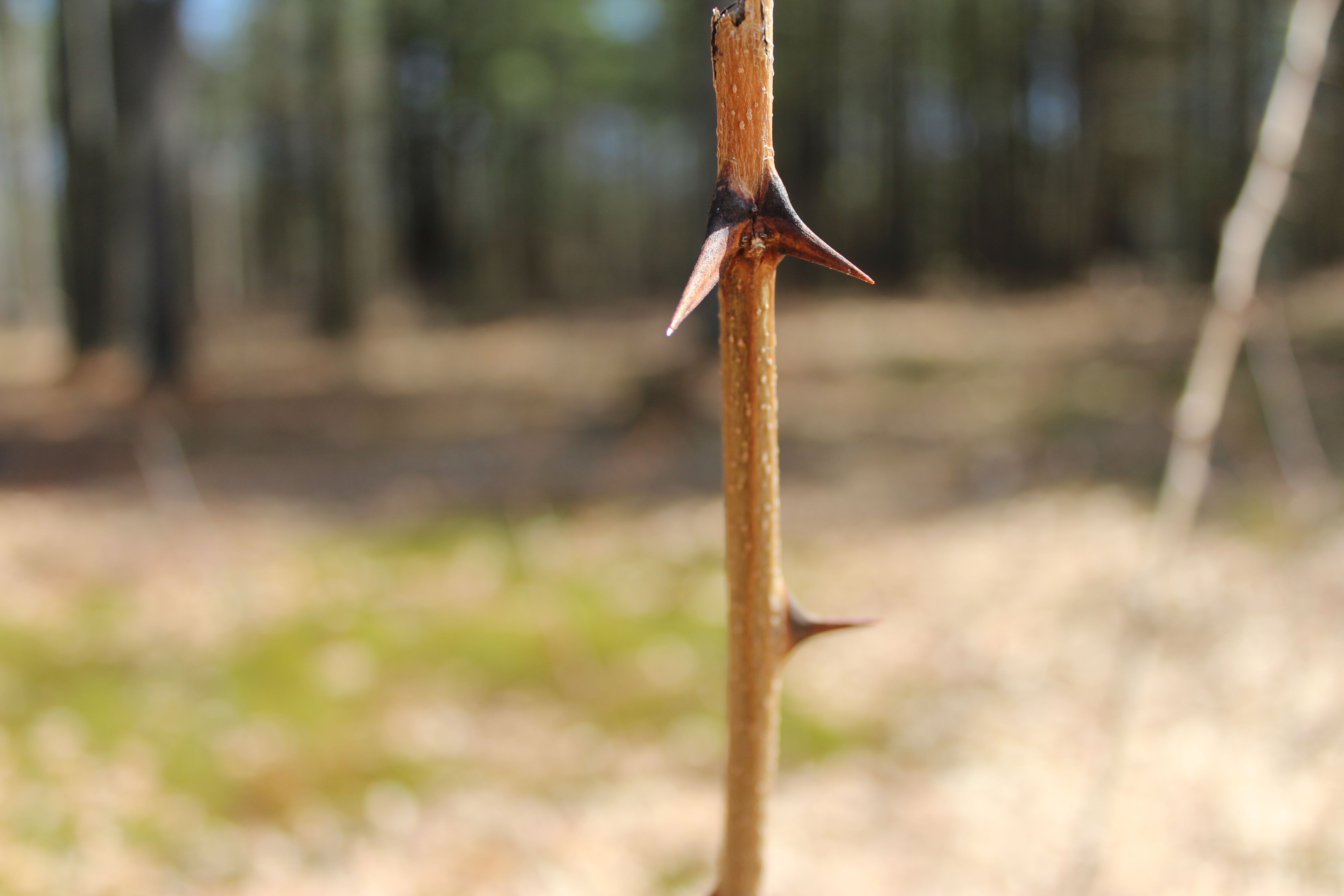
bl

Curiously, we found these Black Locust saplings at a different site along the trail. Apparently, the thorns are found on the branches of young trees–a warning sign to animals. Ingenious.

After three hours (it seems like it always takes three hours), it was time for me to head southwest.

wood frog eggs

Once home, I couldn’t resist the urge to walk up to the vernal pool. The ice melted while we were away this weekend, and already there are wood frog egg sacs. I waited for some action, but between some rain drops and a breeze, they weren’t making themselves known.

red maple flowers

And the other moment I’ve been waiting for–Red Maples beginning to flower. Time to sketch asap.

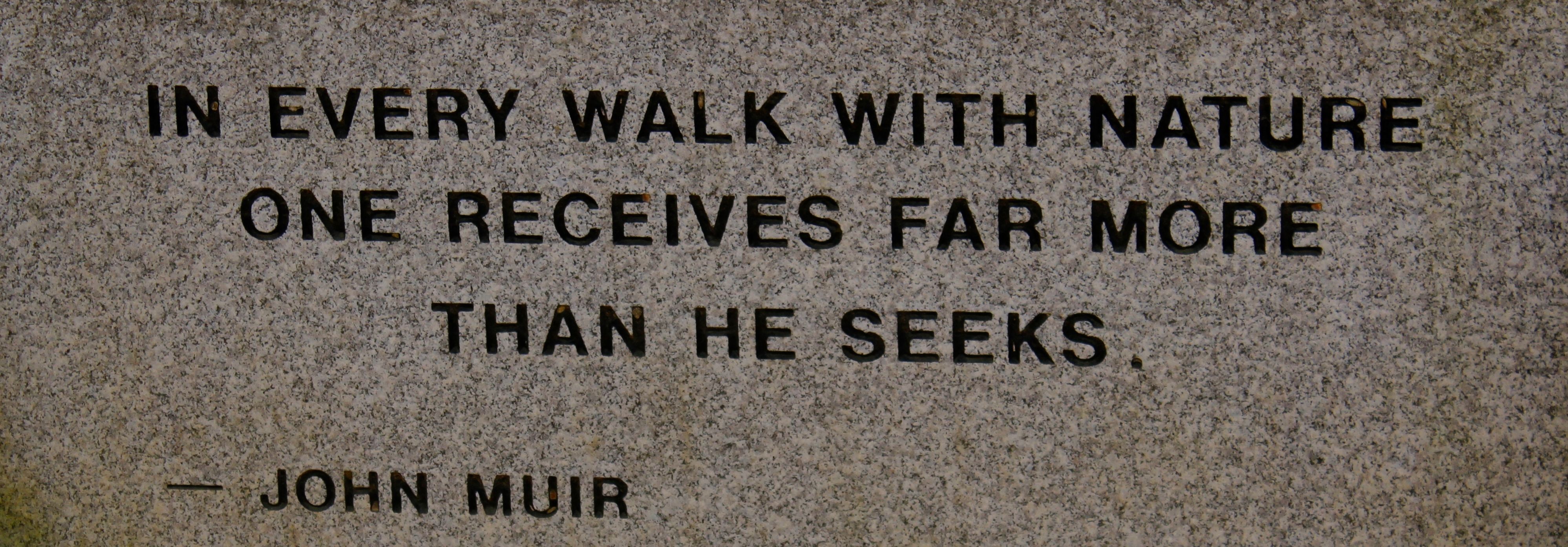
John Muir quote

This sign was along the trail beside the Kennebec. I’m thankful for the opportunity to walk and wonder with nature today, to share it with K.D. Happy Earth Day!